
 Popular
Coral Bark Japanese Maple
Acer palmatum 'Sango Kaku'Local DFW Delivery Only
Product Details
Coral Bark Japanese Maple
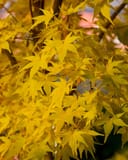
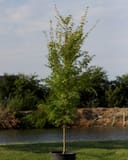
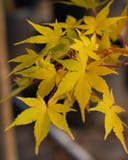
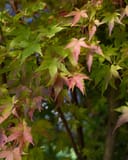
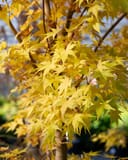
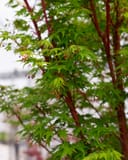
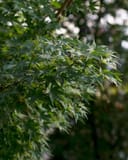
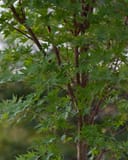
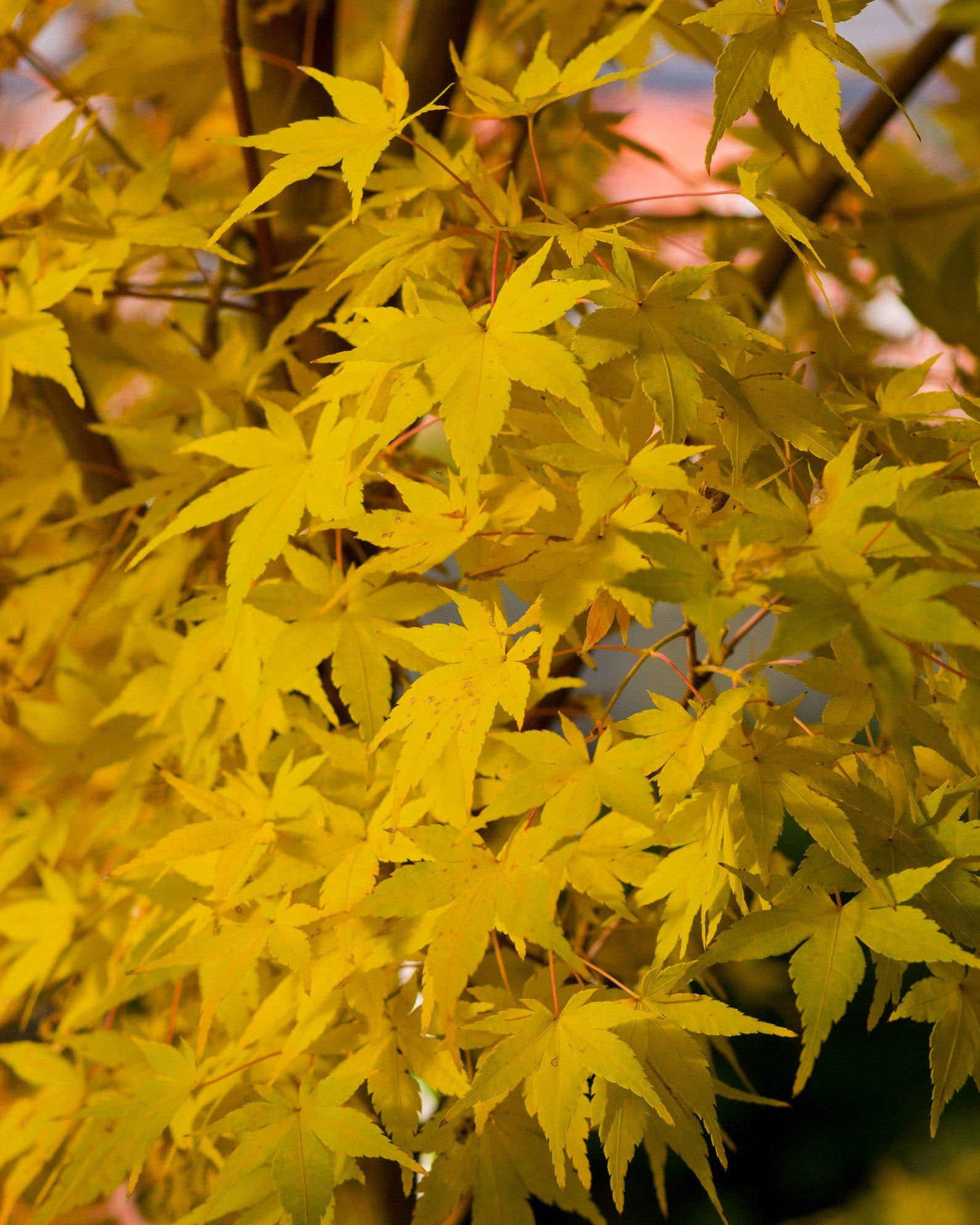
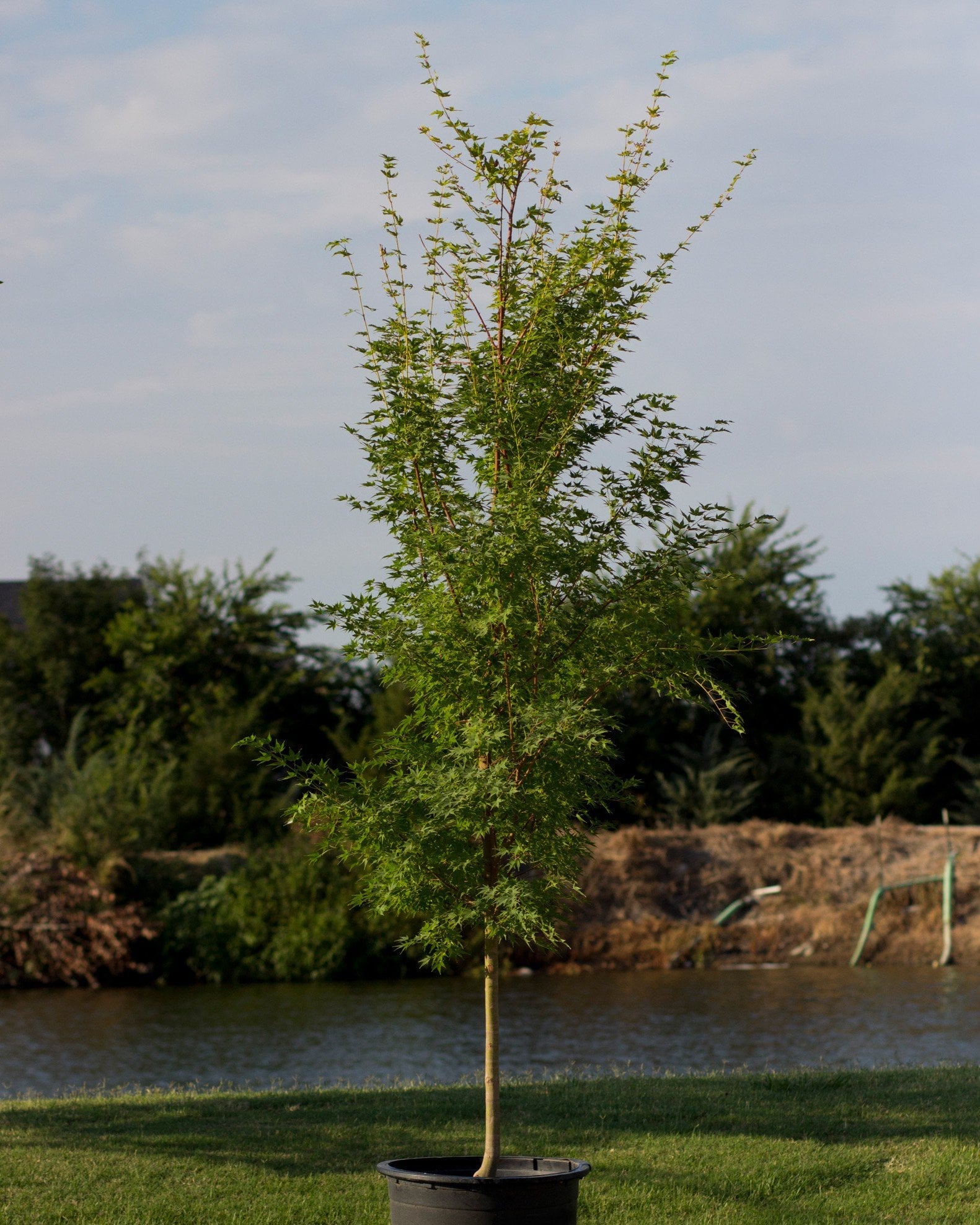
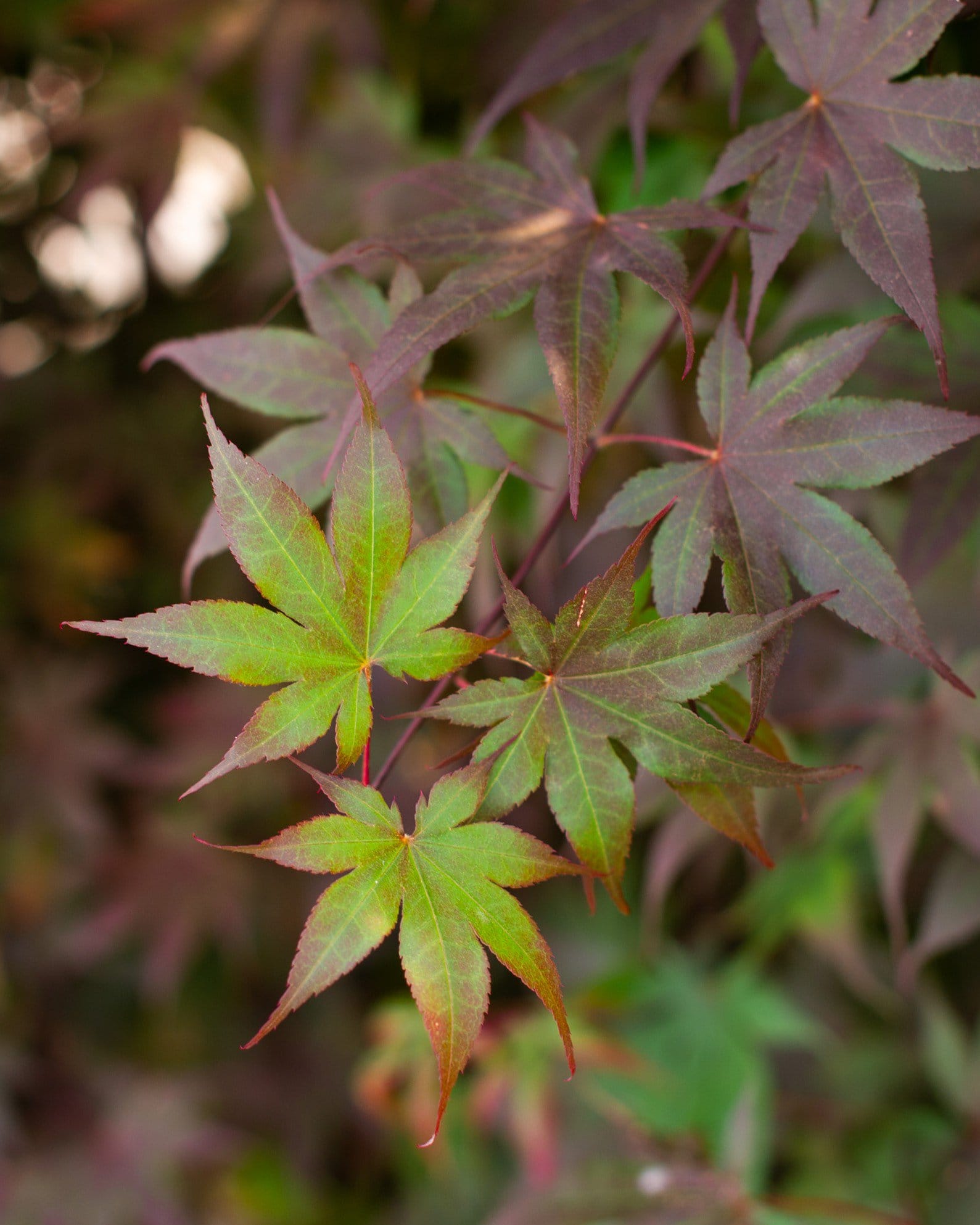
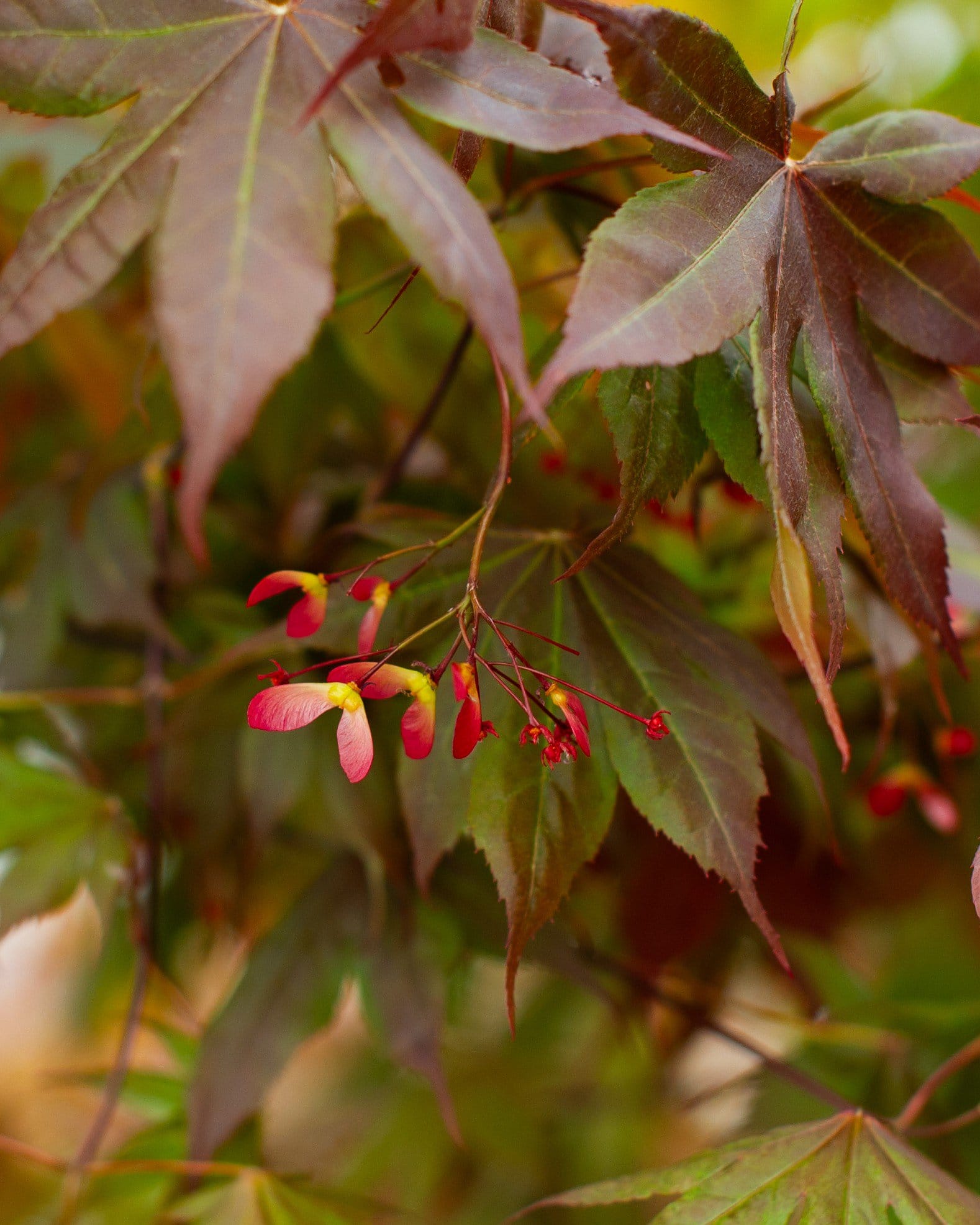
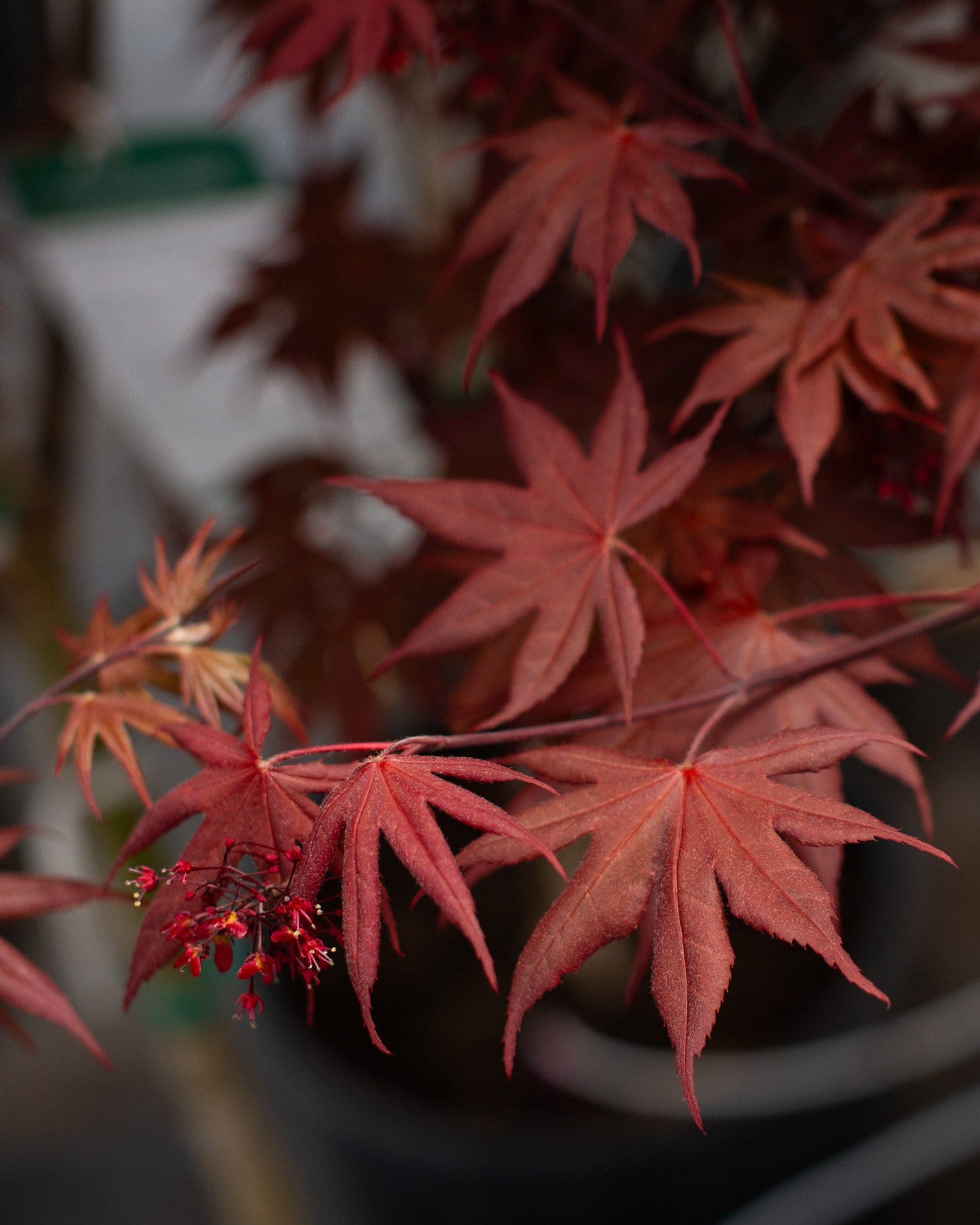
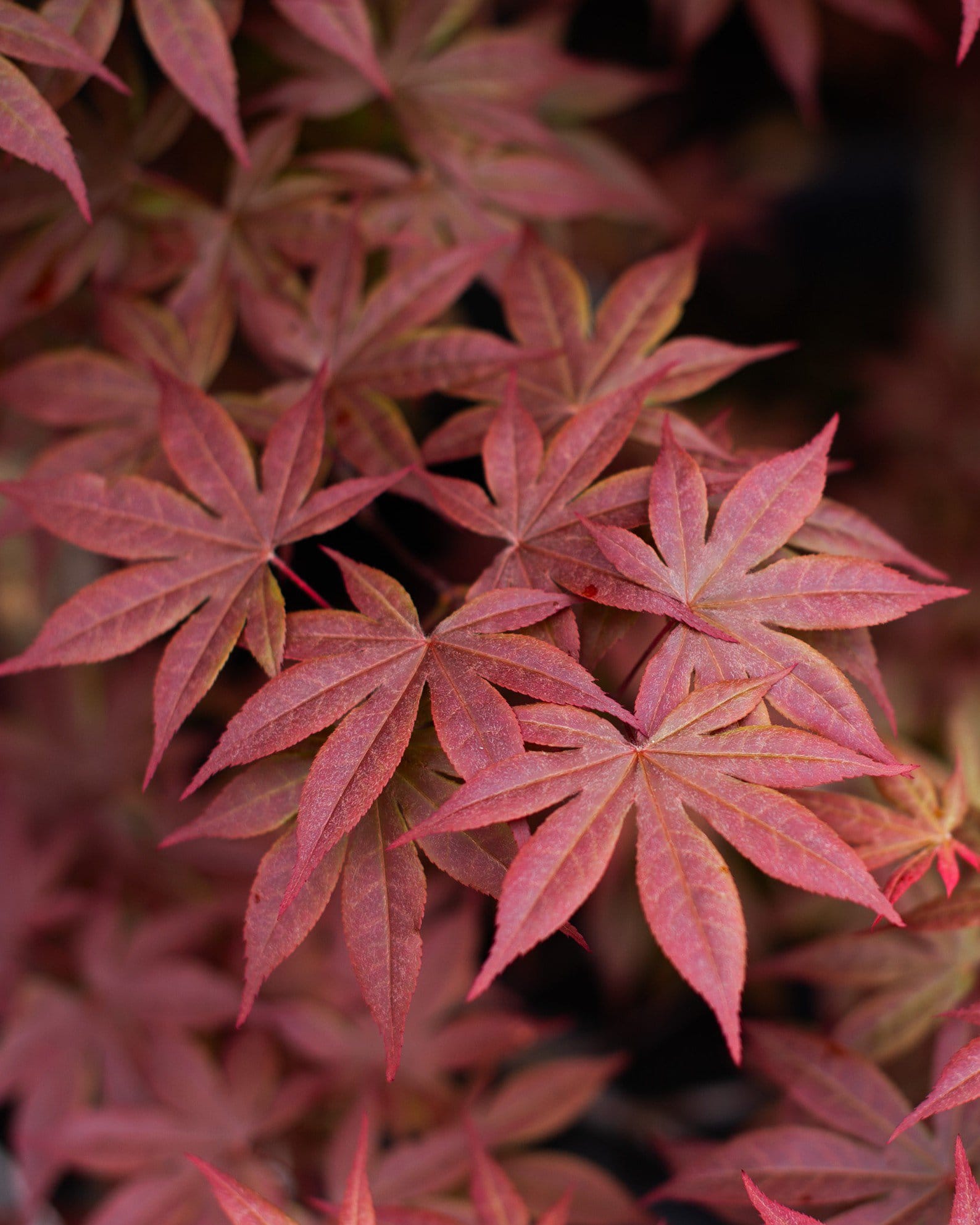
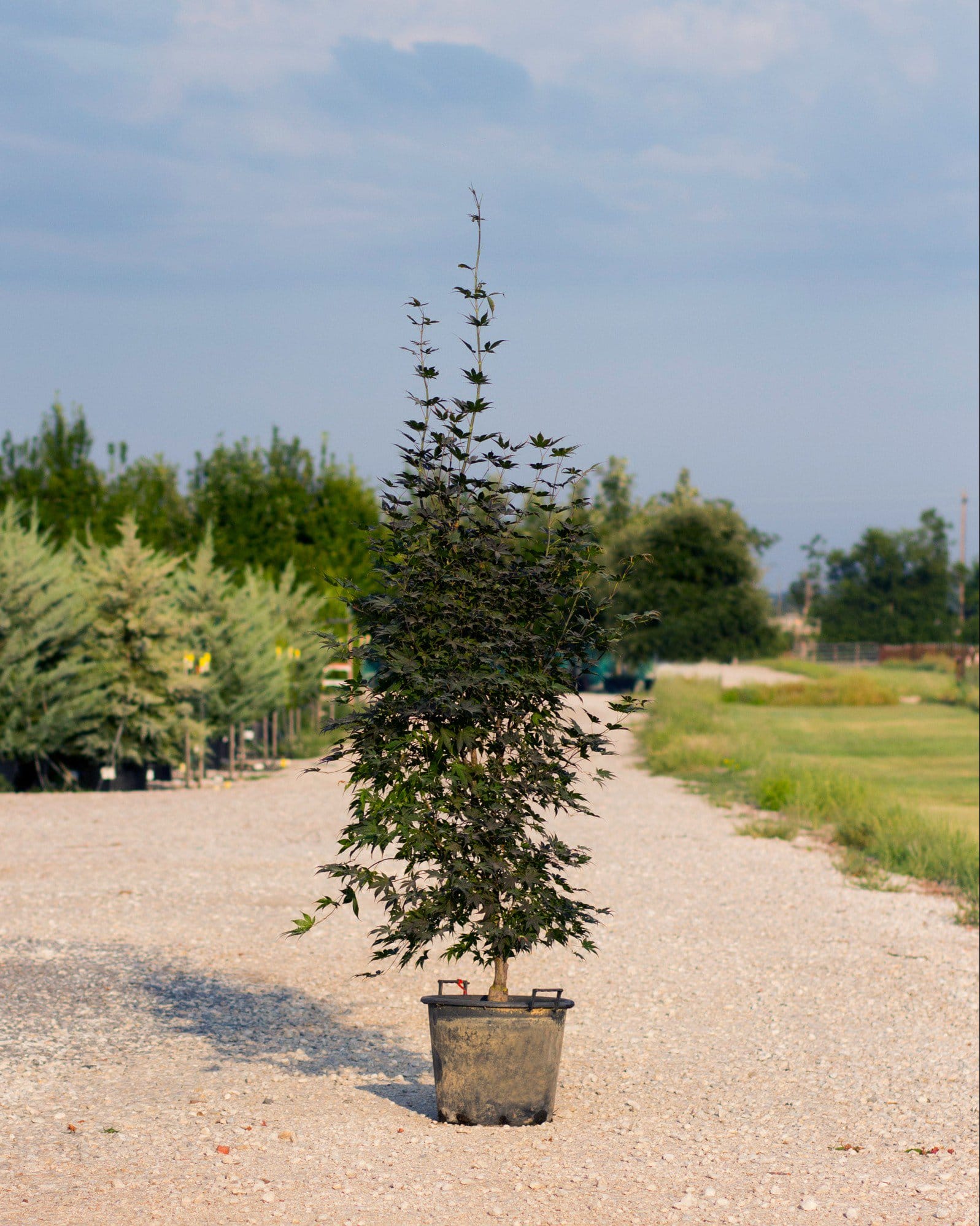
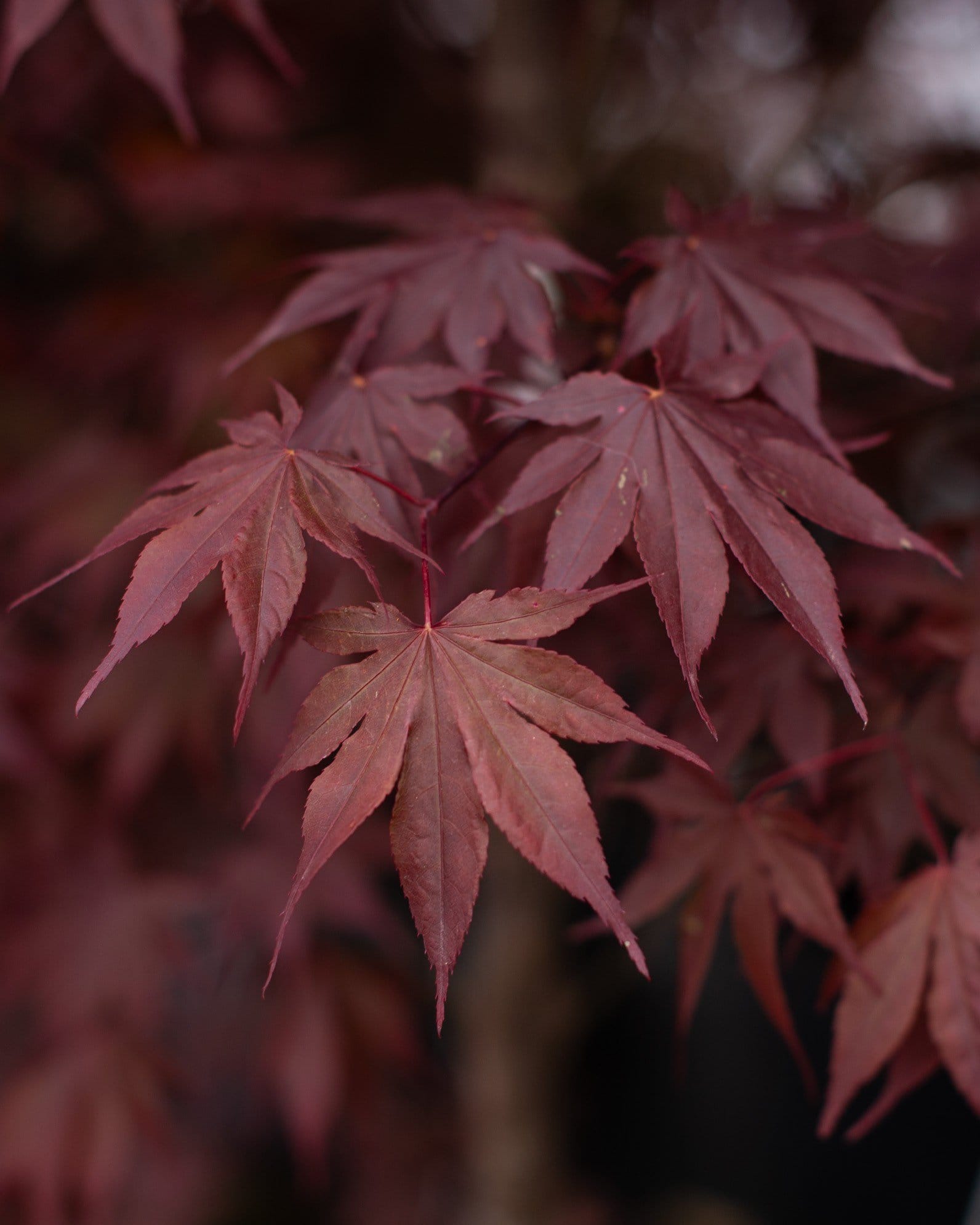
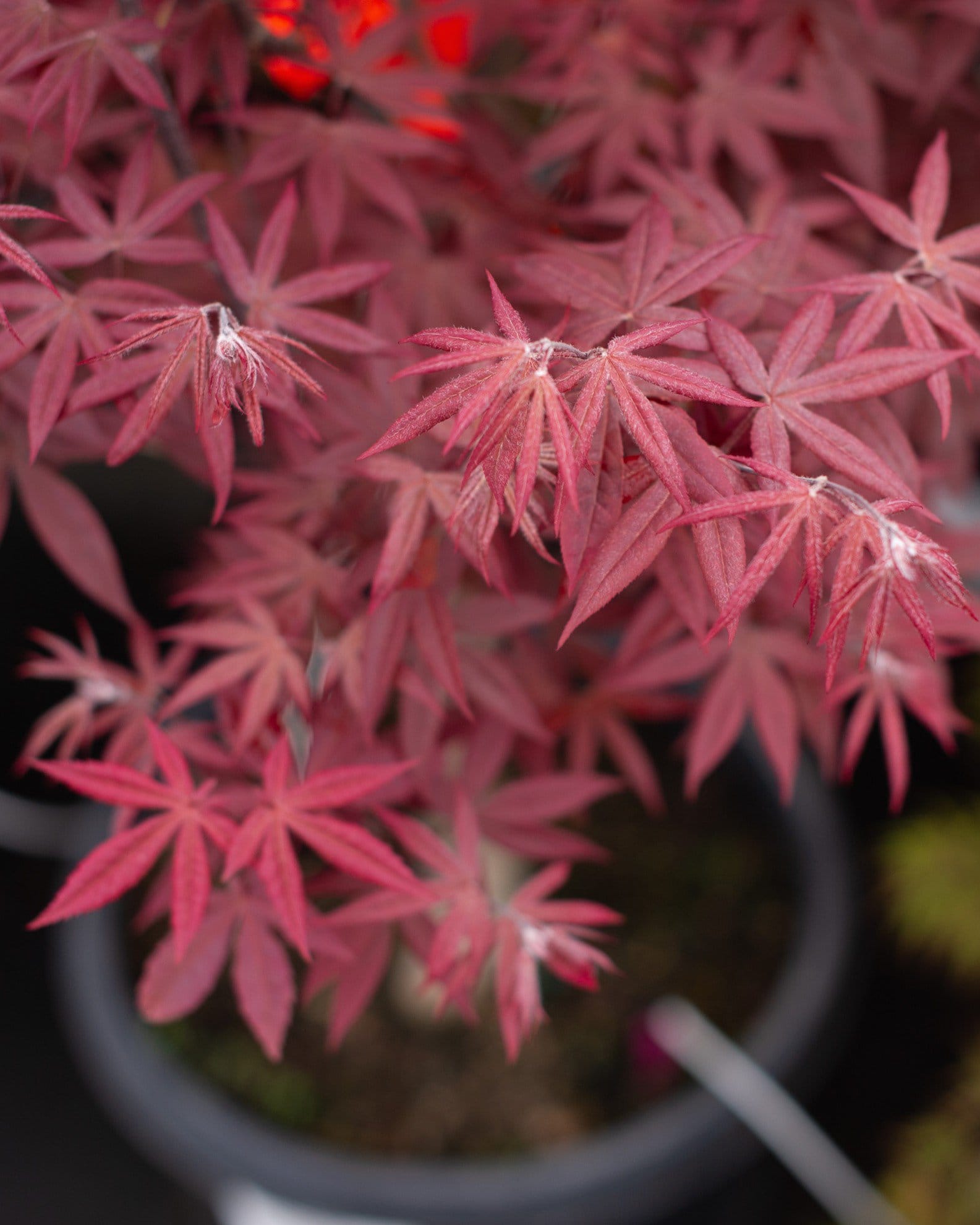
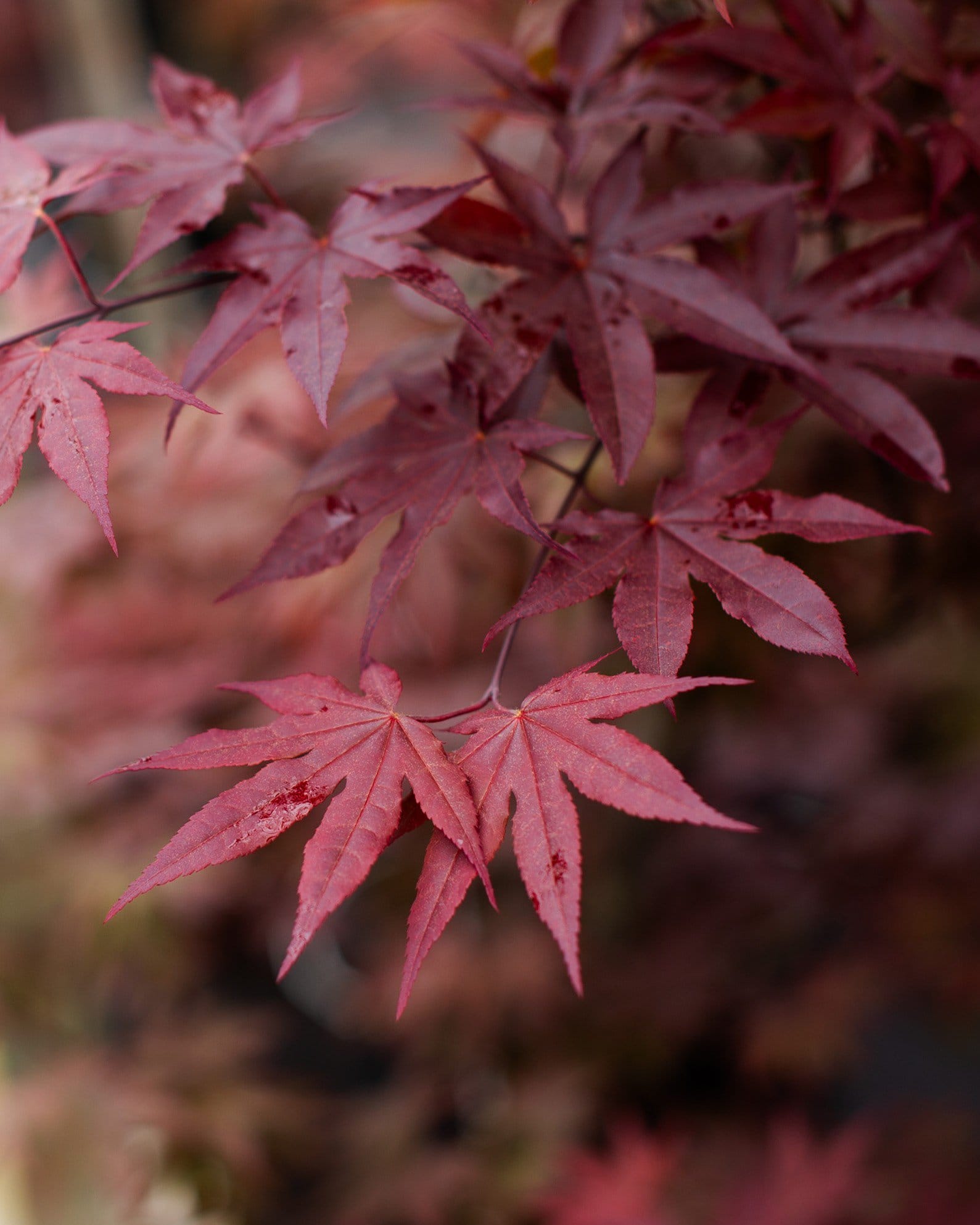
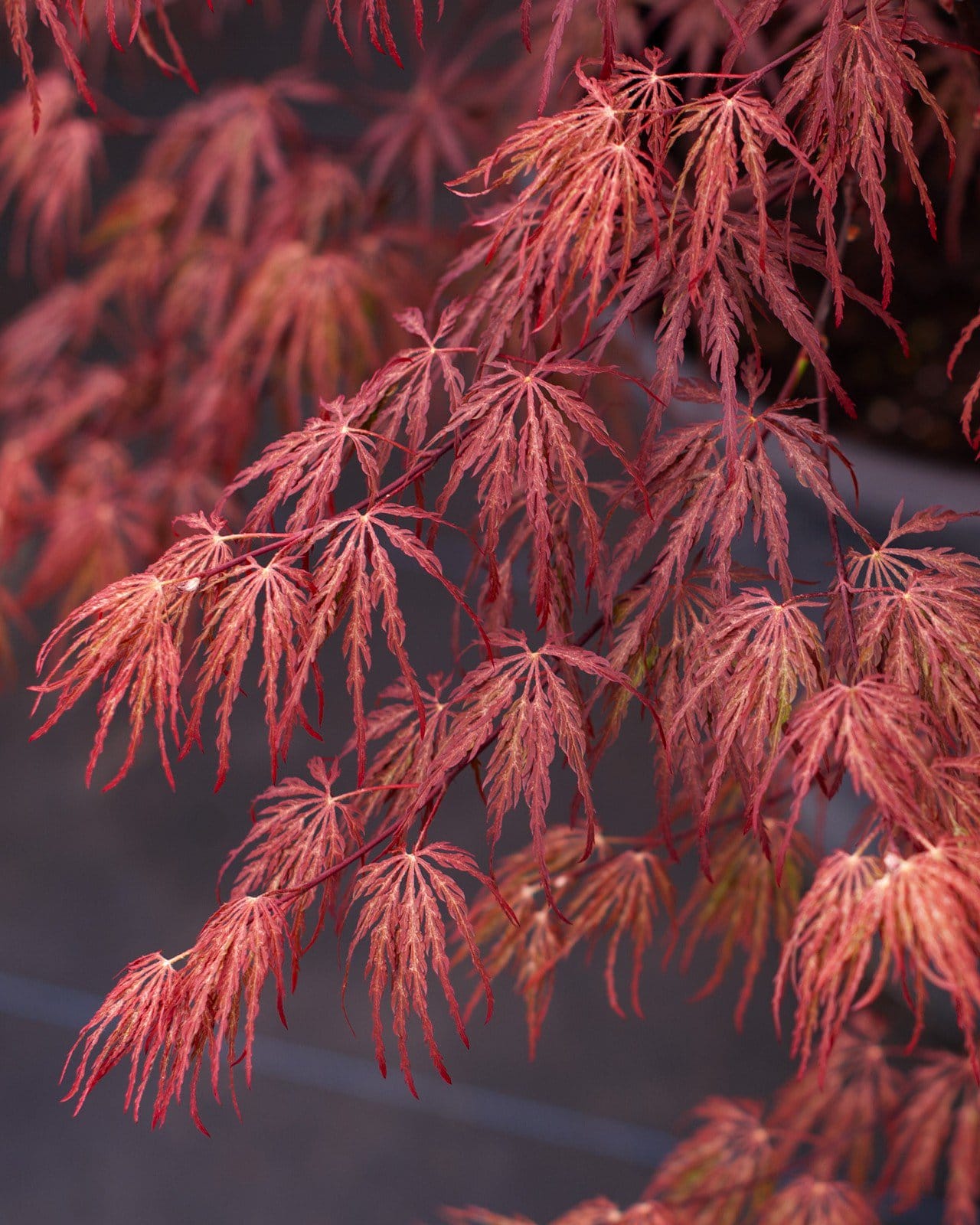
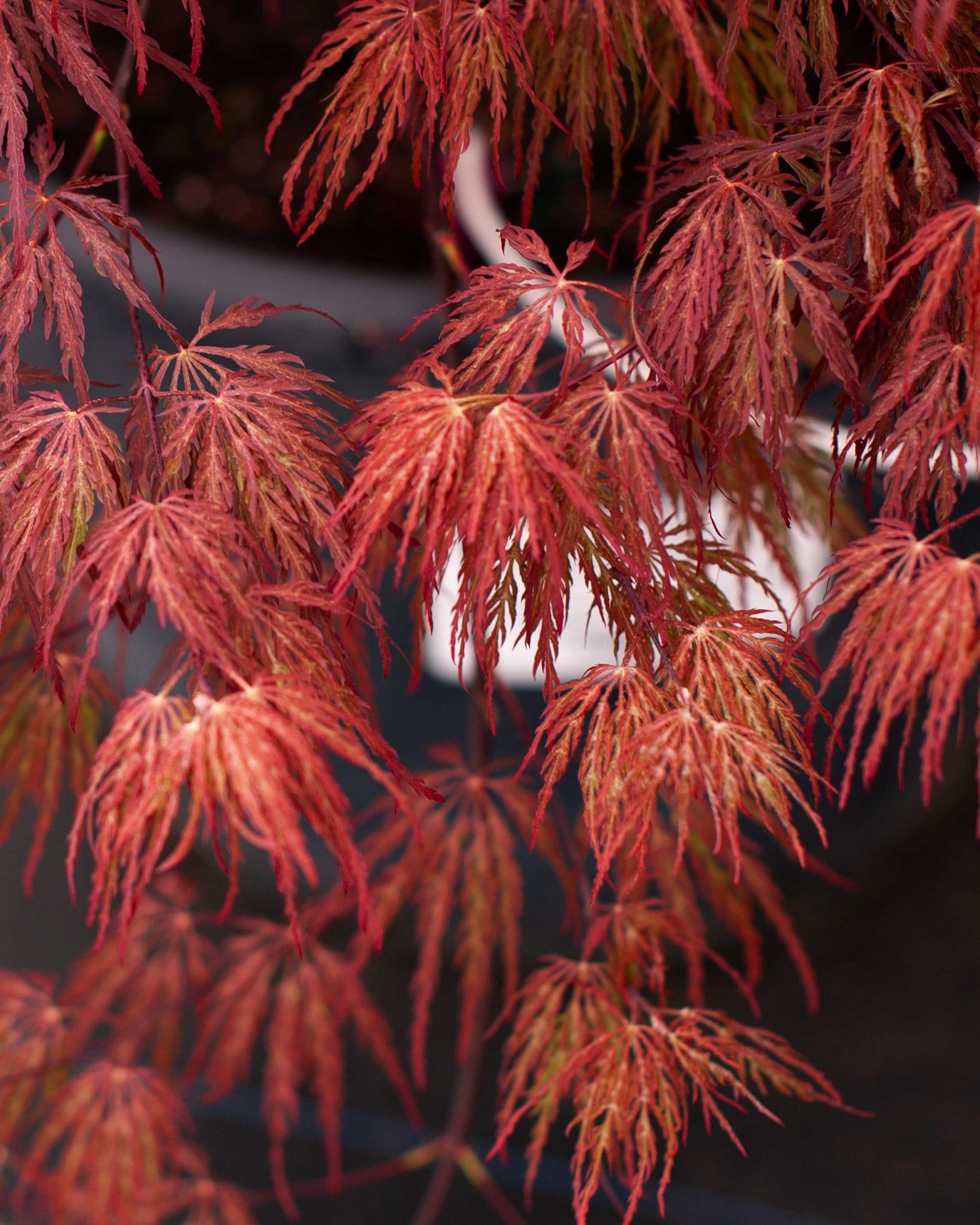
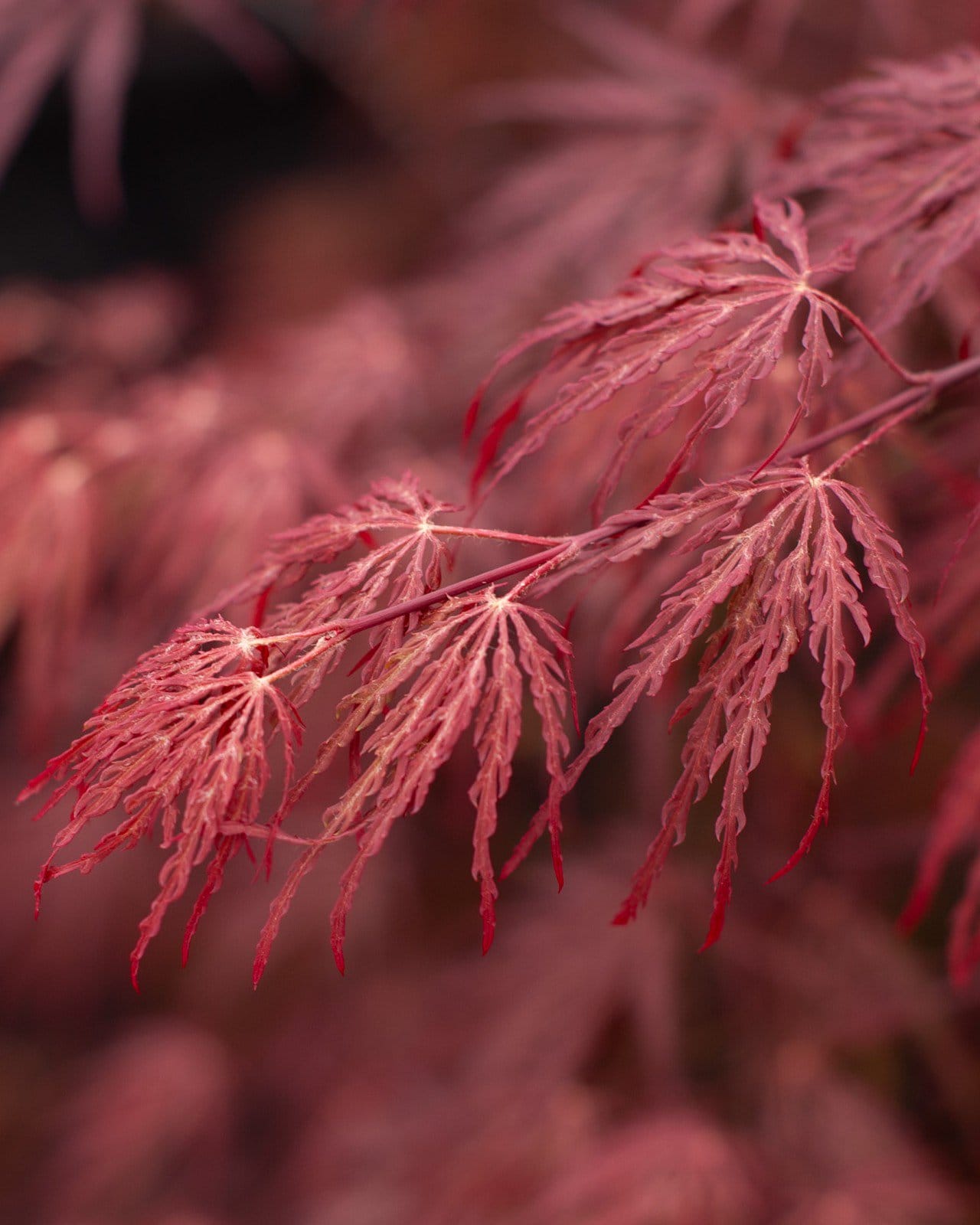
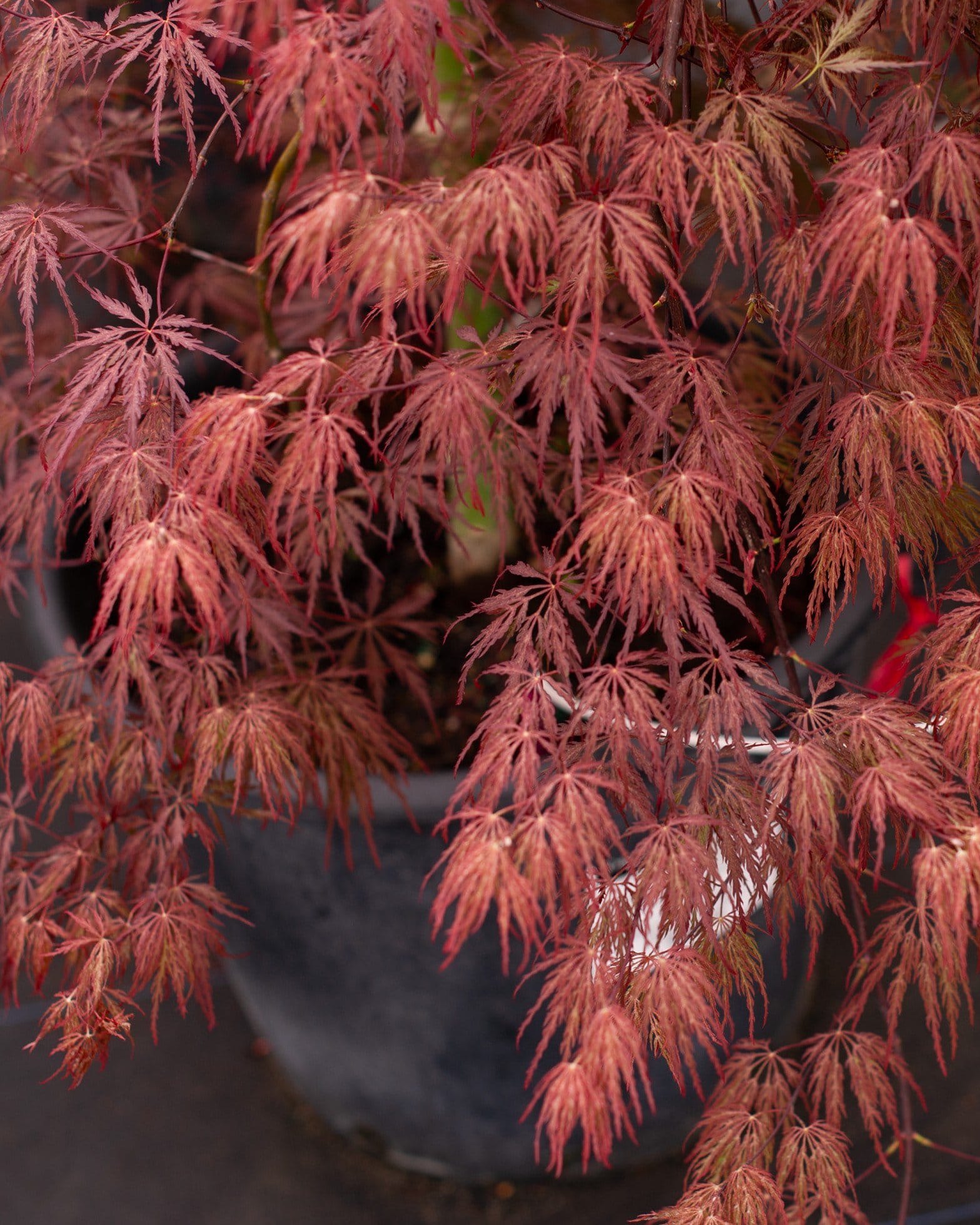
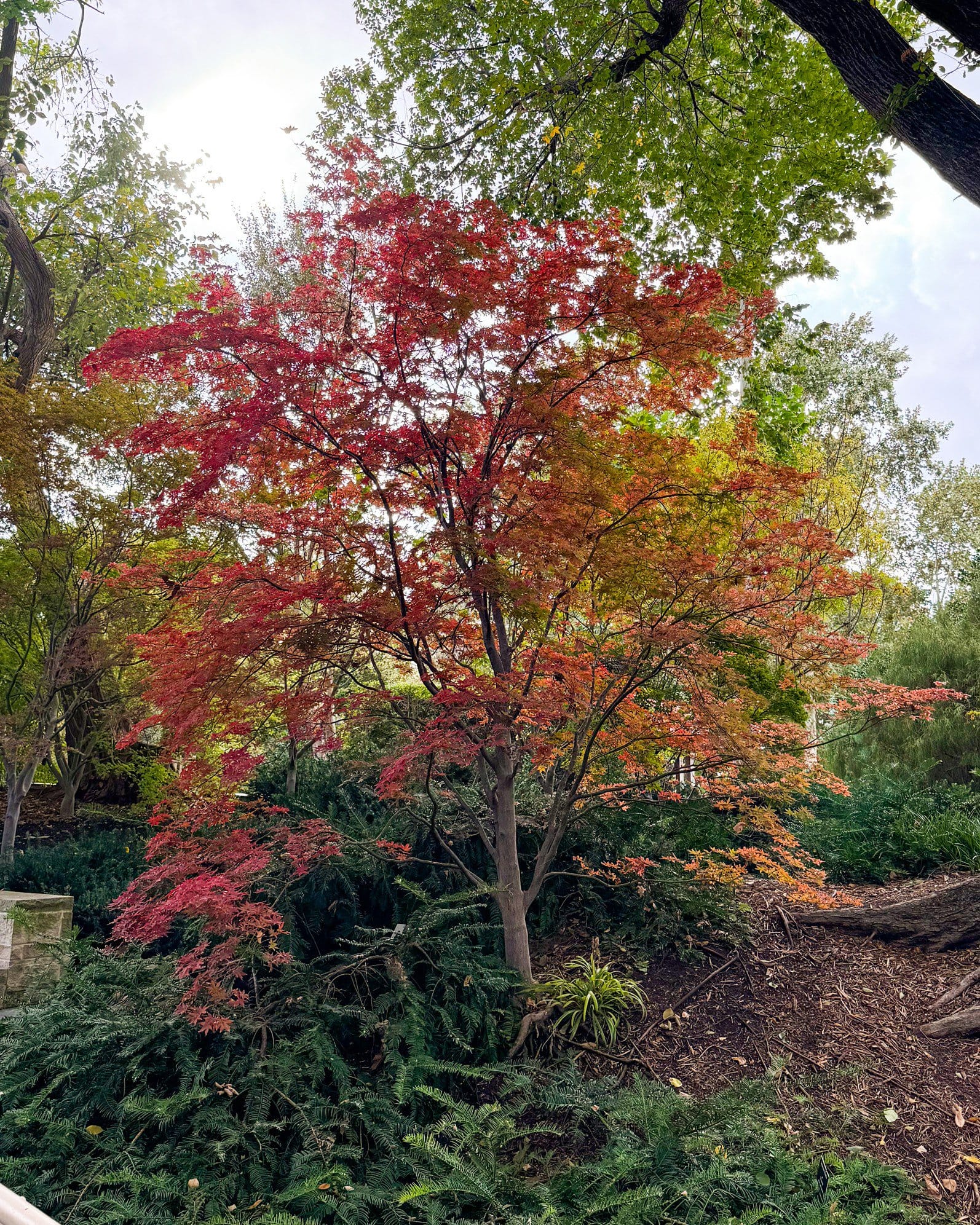
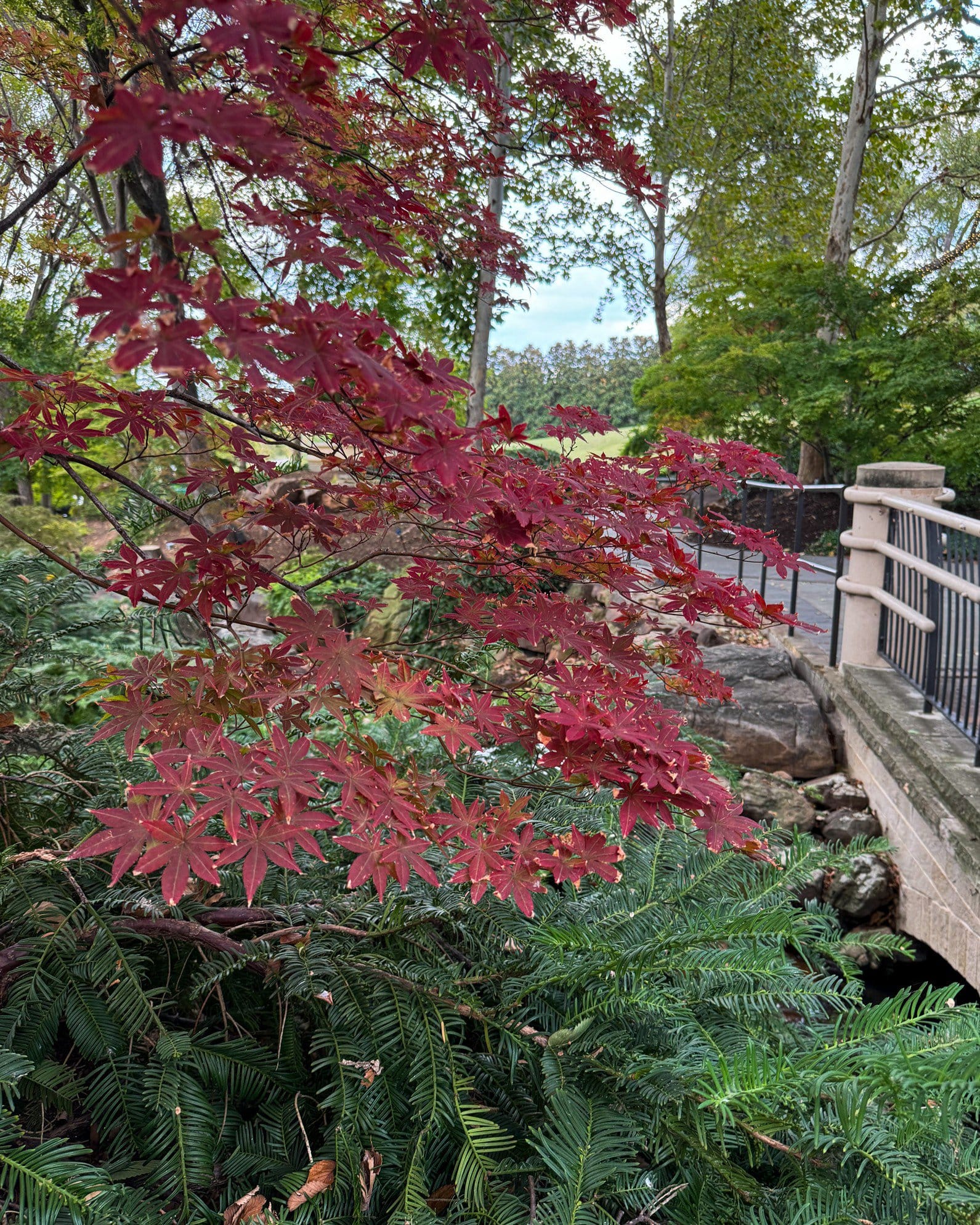
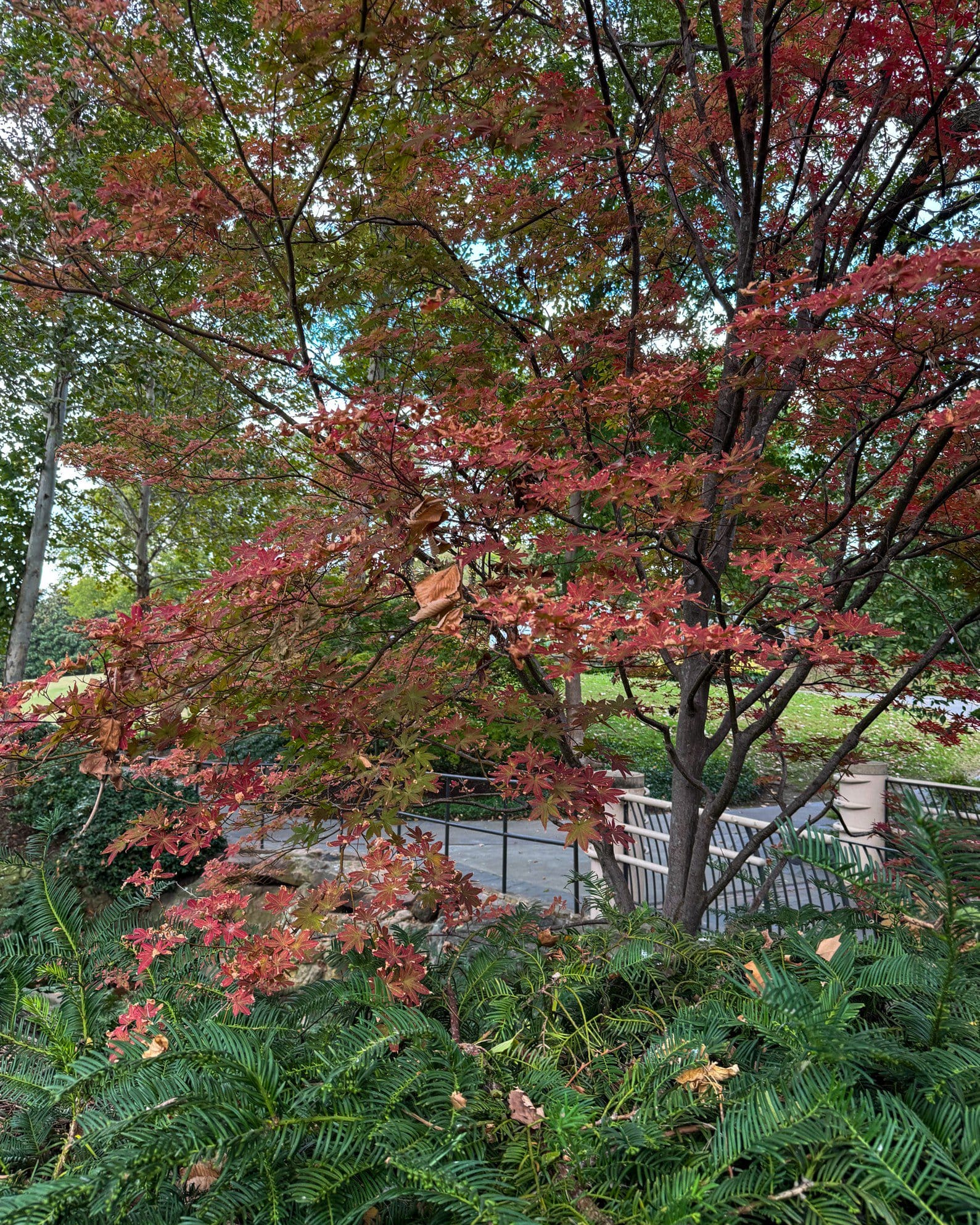
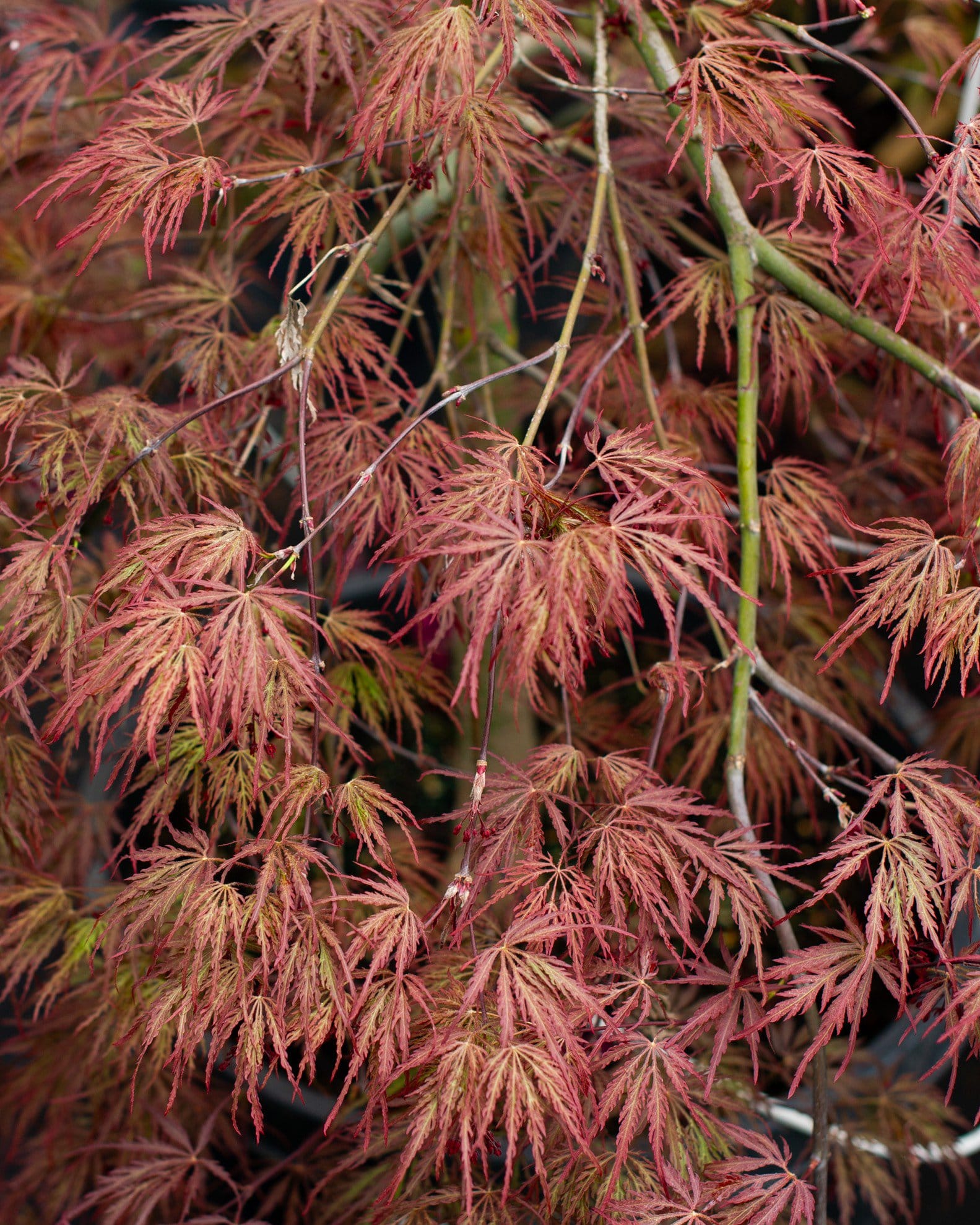
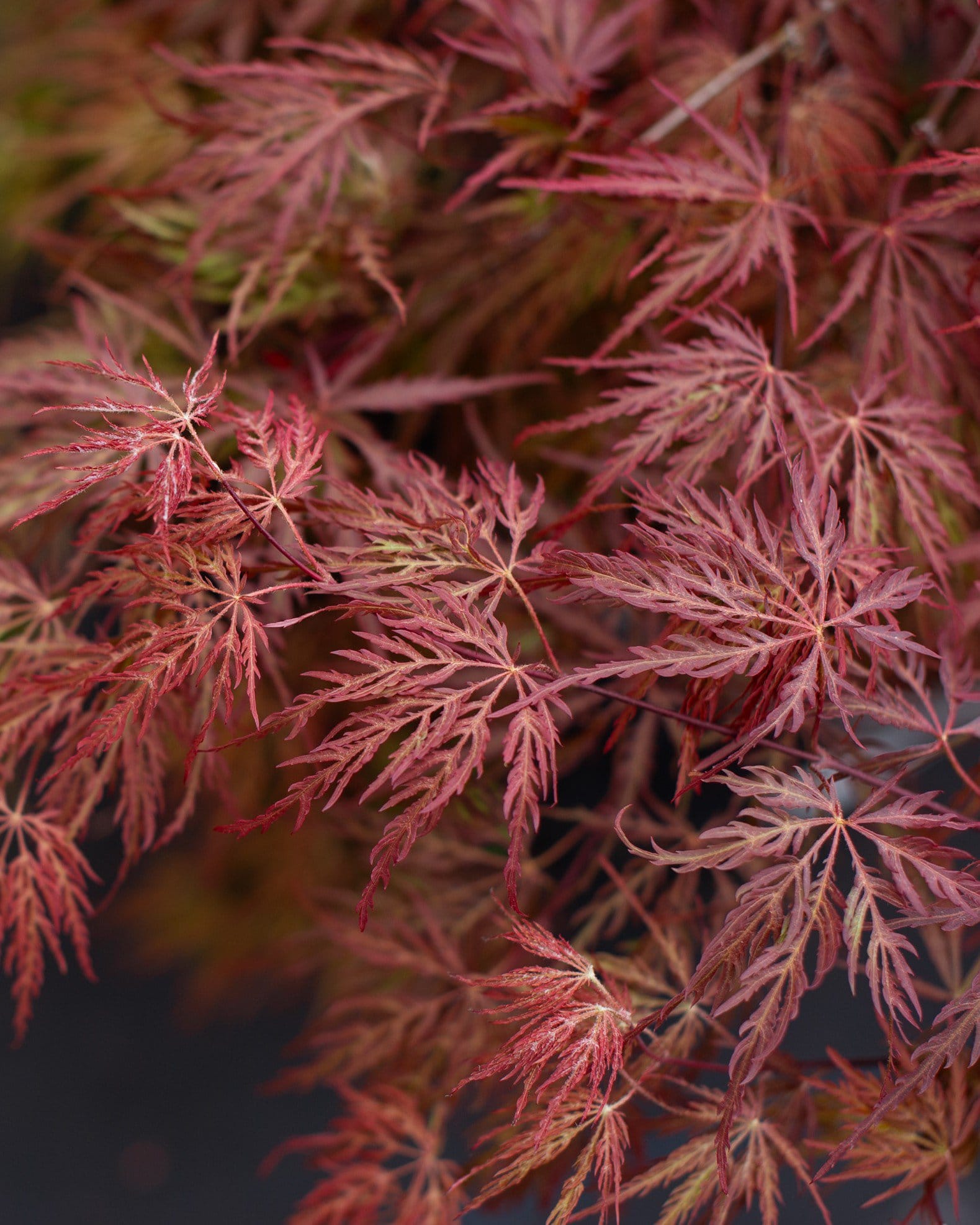
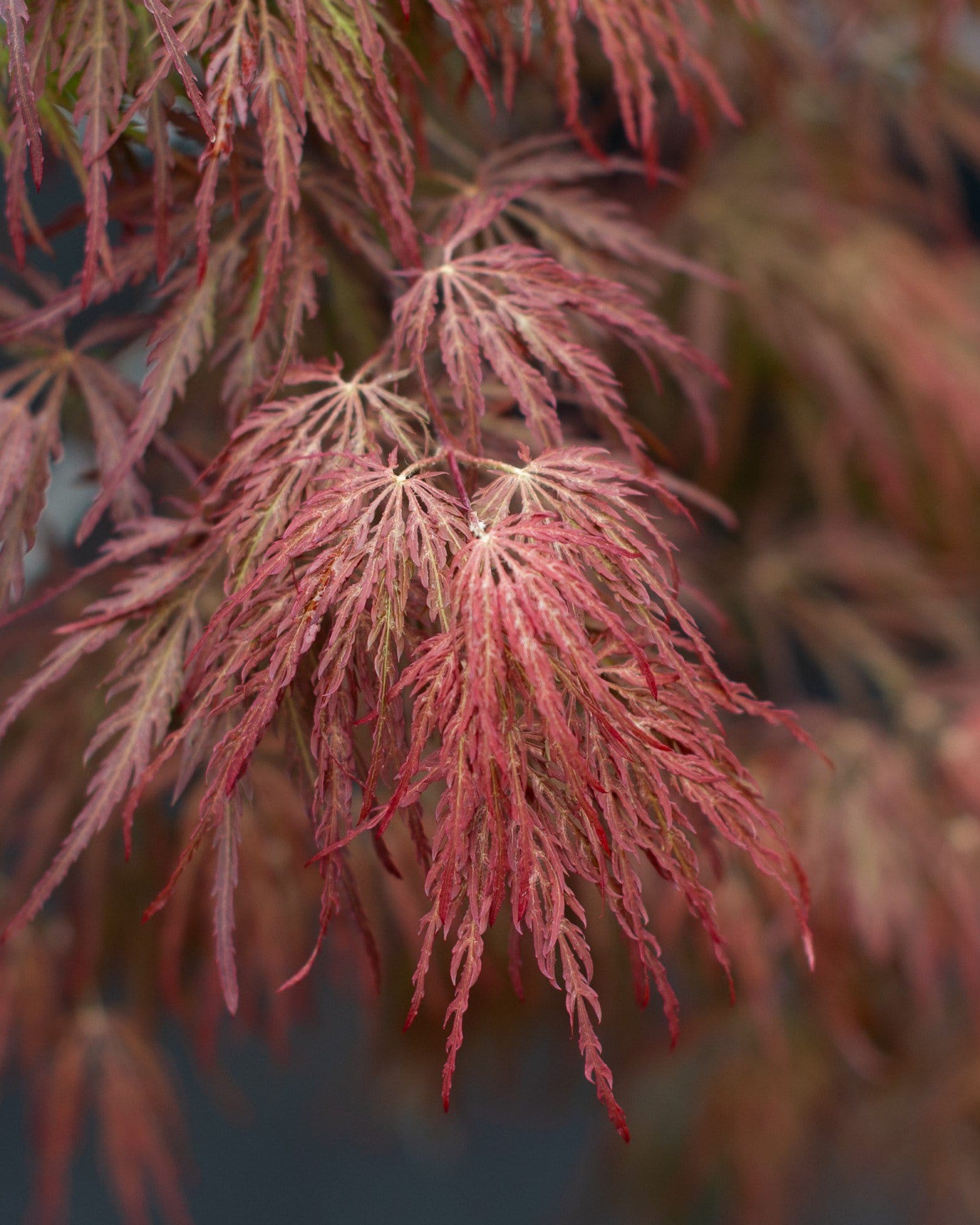
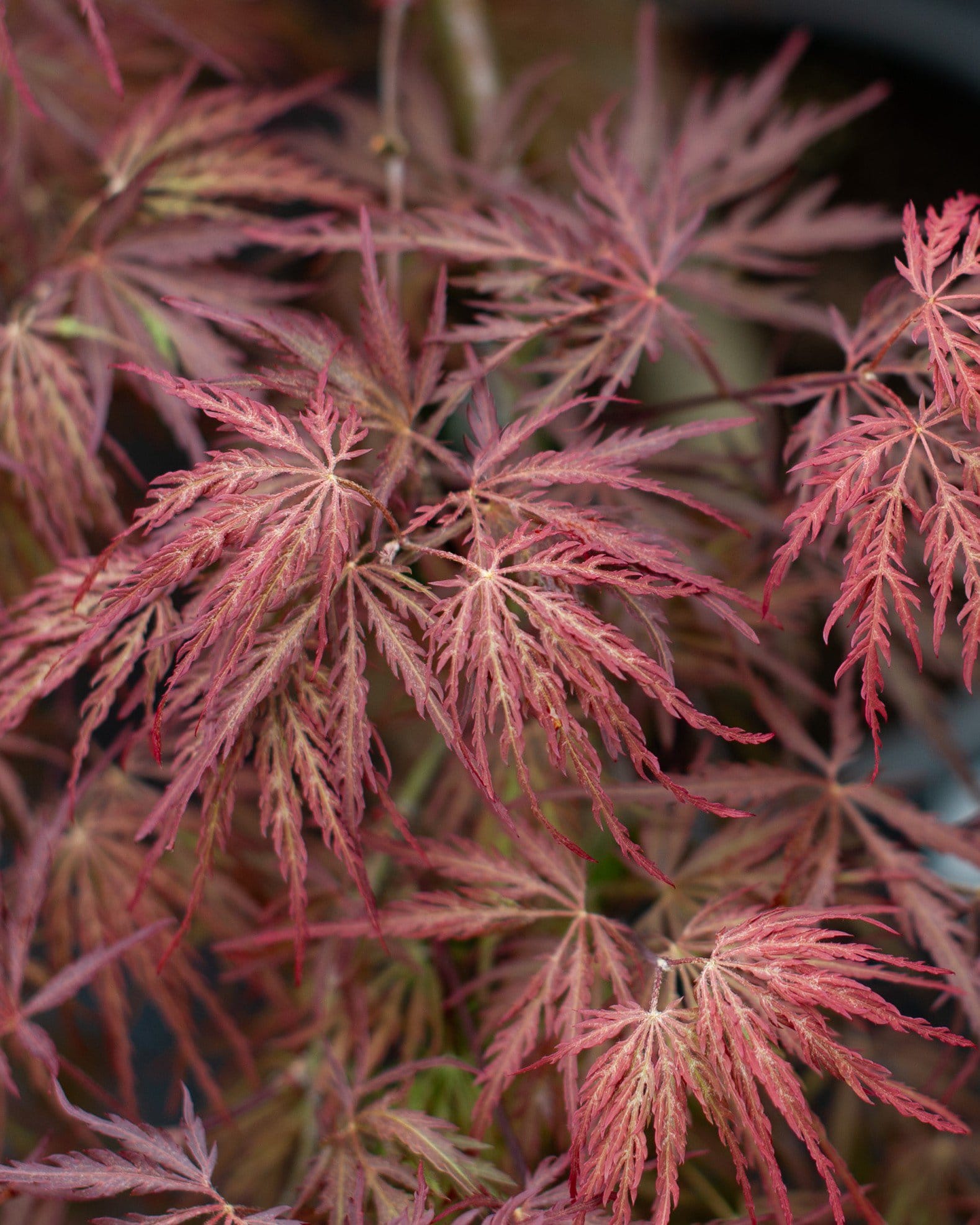
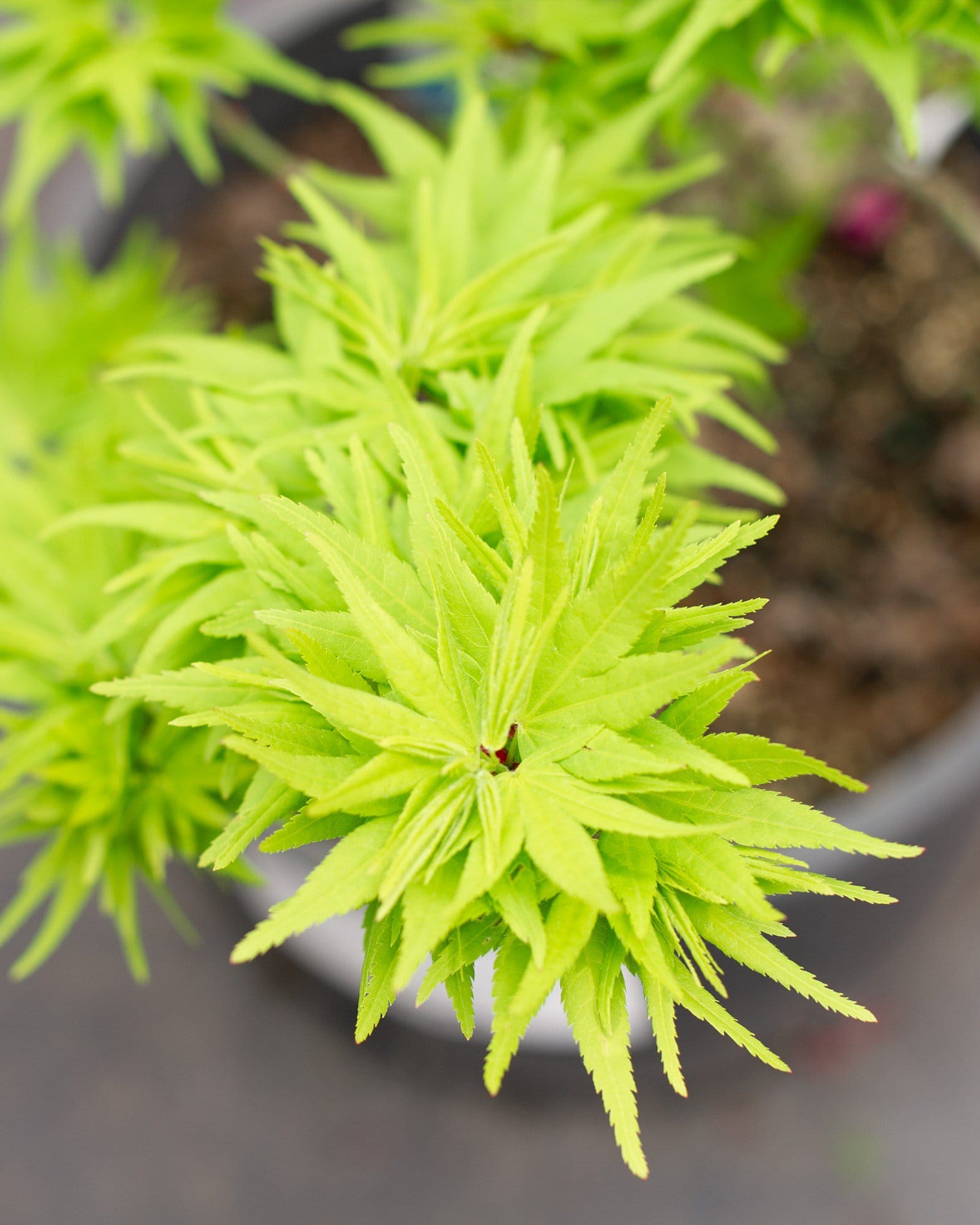
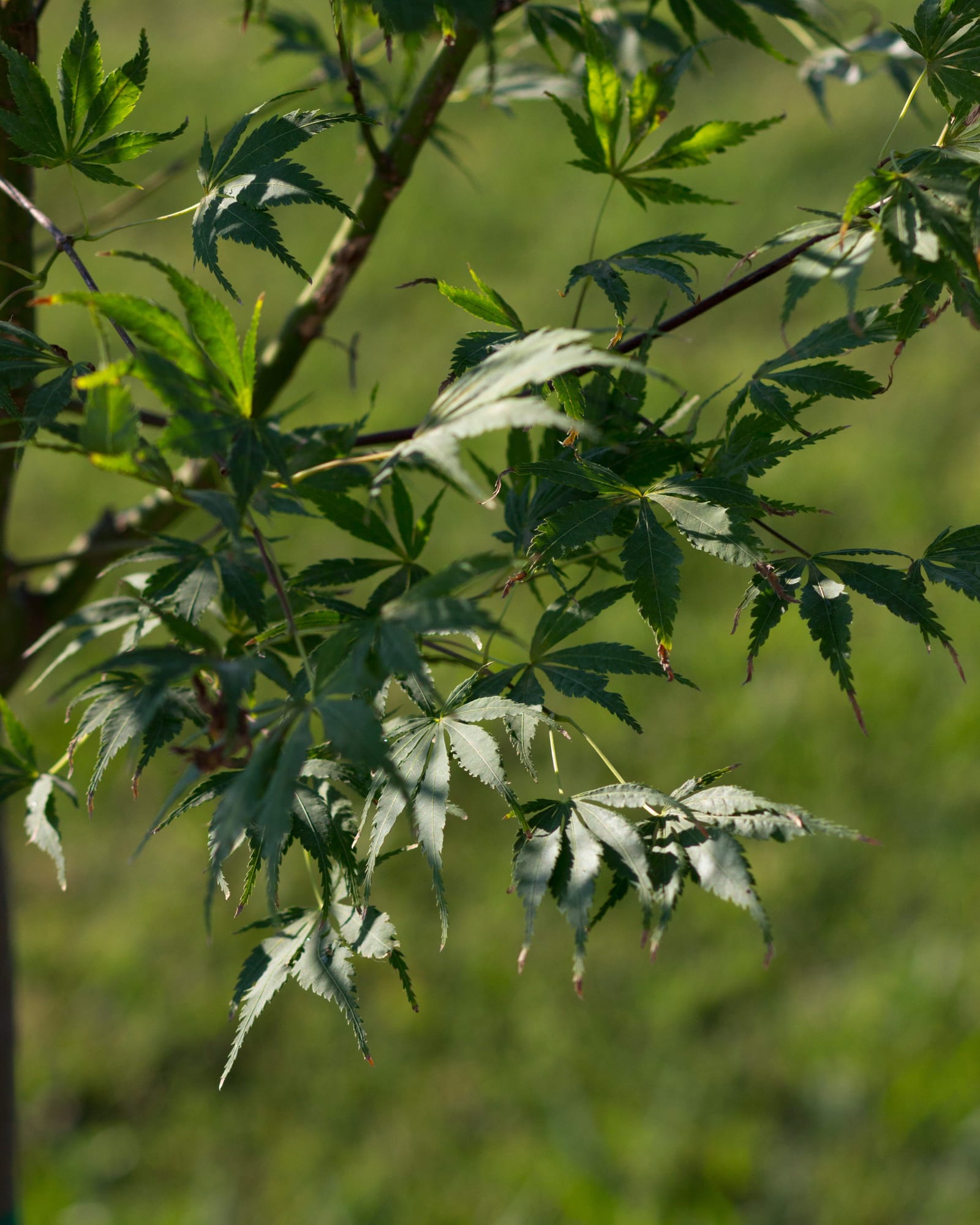
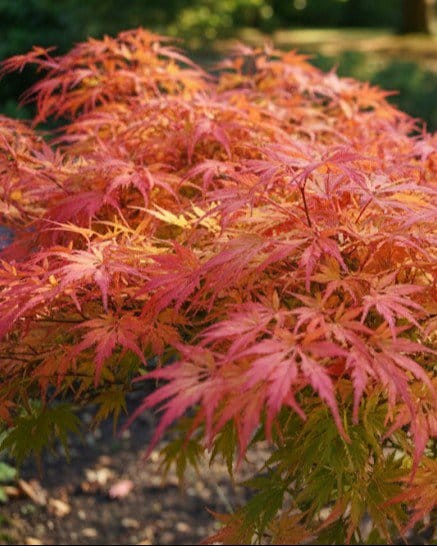
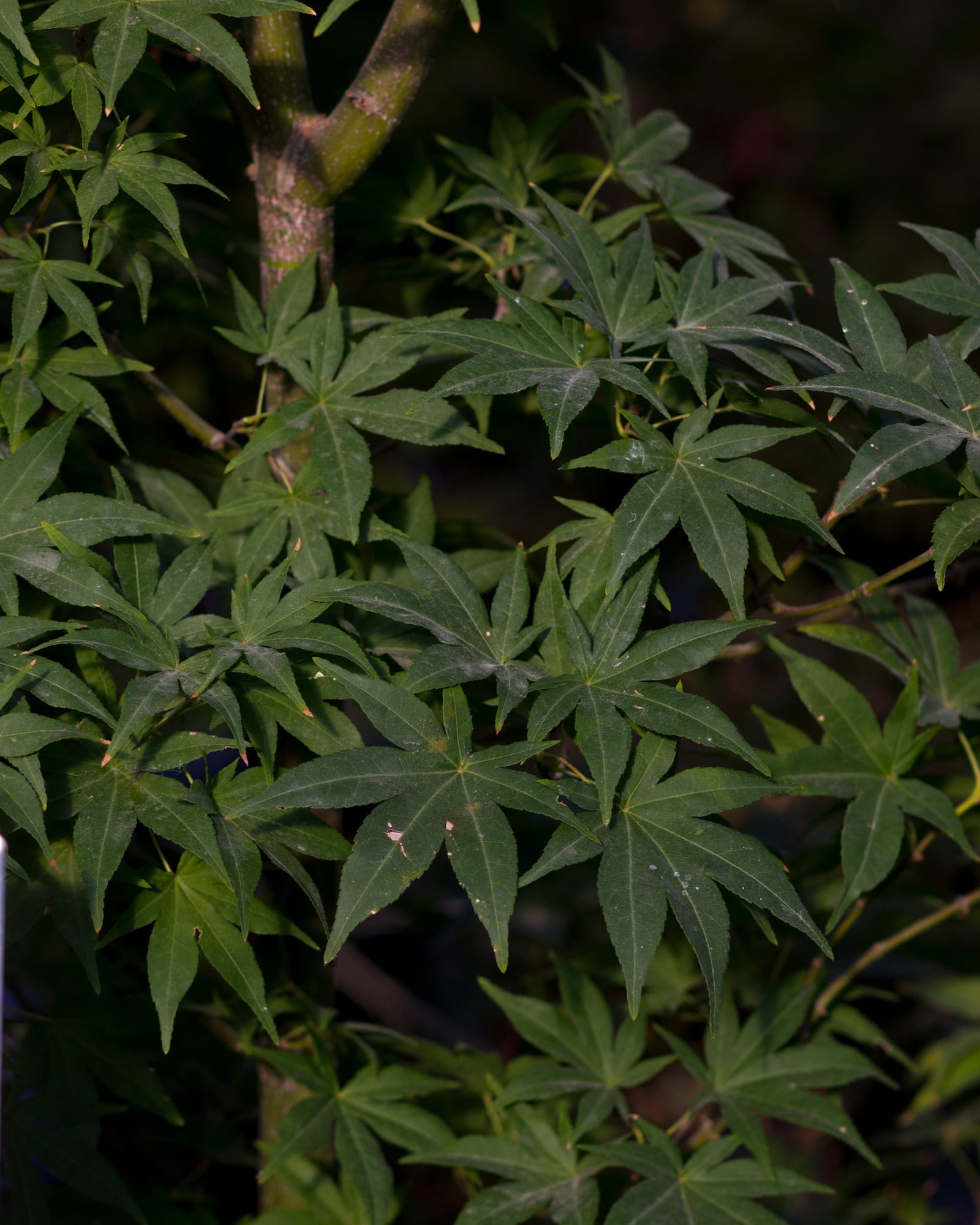
Acer palmatum 'Sango Kaku'Coral Bark Japanese Maple stands out with its vivid coral-red branches that bring color and texture even in winter. During the growing season, it showcases lush green palmate leaves that turn warm shades of yellow and gold in fall, adding seasonal variety to your landscape. Its upright, vase-shaped growth habit reaches up to 20 feet tall and about 13 feet wide at maturity, making it ideal as a graceful focal point or accent near patios and walkways. The colorful bark remains eye-catching throughout colder months, ensuring year-round appeal.
- A deciduous tree
- Upright, vase-shaped growth habit
- Moderate growth rate
- Green palmate leaves with vibrant fall color
- Striking coral-red bark for winter interest
Hardy in zones 5-8, Coral Bark Japanese Maple thrives in the North Texas climate when planted in areas with morning sun only, protecting its delicate leaves from afternoon heat. Use well-drained, slightly acidic soil to support healthy growth and enjoy its unique beauty across all seasons.
Coral Bark Japanese Maple thrives in Texas landscapes with some simple guidelines you should keep in mind:
- Watering: Water regularly during the first one to two growing seasons to help establish a strong root system. Once mature, Coral Bark Japanese Maple prefers consistent, even moisture but dislikes waterlogged conditions. In extreme heat or drought, increase watering frequency to prevent leaf scorch.
- Pruning: Minimal pruning is needed beyond removing dead, damaged, or crossing branches. The best time to prune is in late winter or early spring before new growth begins. Avoid heavy pruning during spring sap flow, which can cause excessive bleeding. Thinning the canopy slightly allows better air circulation and helps maintain its elegant, layered form.
- Fertilizing: Feed in early spring with a slow-release, balanced fertilizer to promote healthy growth and vibrant leaf color. Avoid over-fertilizing, which can lead to excessive, weak growth and reduce bark intensity. Compost or organic mulch can also provide nutrients naturally over time.
- Mulching: A 2-3 inch layer of mulch around the base helps retain moisture, regulate temperature, and suppress weeds. Keep mulch several inches away from the trunk to avoid rot or pest problems.
- Winter Care: In cold climates, the bright coral bark becomes even more striking against snow. While hardy, young trees benefit from protection against drying winter winds. Apply mulch around the base and avoid late-season fertilization.
Common Issues and How to Take Care of Them
- Leaf Scorch: This occurs when hot sun or strong winds dry out leaves. Provide afternoon shade, maintain consistent soil moisture, and mulch to protect roots.
- Verticillium Wilt: A soil-borne fungal disease that can cause wilting or branch dieback. Plant in well-drained soil and avoid wounding roots or trunk.
- Aphids and Scale: These pests can occasionally appear on young stems or leaves. Treat with horticultural oil or insecticidal soap if infestations occur.
- Root Rot: Caused by poor drainage or overwatering. Ensure the planting site allows excess water to drain away freely.
With proper care and placement, Coral Bark Japanese Maple provides decades of structure and beauty, offering dynamic color transitions and standout winter interest.
It grows at a moderate rate, typically adding 12–18 inches. Growth can be slower in partial shade or in cooler climates, but remains steady with proper care.
Spring or fall is ideal, as mild temperatures and moist soil promote root establishment. Avoid planting during summer heat or winter frost to reduce stress and ensure better long-term health.
Water deeply once or twice per week during the first year. Once established, consistent moisture keeps foliage vibrant and prevents leaf scorch. During hot spells, supplemental watering helps maintain leaf quality.
With proper care, it can live 40-60 years or longer. Regular pruning, good soil drainage, and protection from extreme heat or cold extend its lifespan significantly.
While not completely deer-proof, Coral Bark Japanese Maple is generally avoided by deer due to its sap and leaf texture.
Light pruning encourages new growth, which often displays the most vivid red bark. Avoid heavy pruning, which can reduce the number of colorful young branches that form each year.
Yes, smaller or young Coral Bark Maples can thrive in large pots with excellent drainage. Container growing allows for easier placement in ideal light conditions and provides flexibility in design. Ensure consistent watering and yearly repotting as the tree matures.
The bark is most vibrant in fall and winter when leaves are absent, but retains a pinkish-red hue year-round. Sun exposure, temperature, and pruning can all influence bark intensity.
Yes, it adapts moderately well to city environments with proper soil and moisture management.
Its distinctive coral-red bark sets it apart, providing vivid winter interest that few other varieties offer.
Special Features
You might also like
Compare Similar Plants
Coral Bark Japanese Maple This plant | ||
|---|---|---|
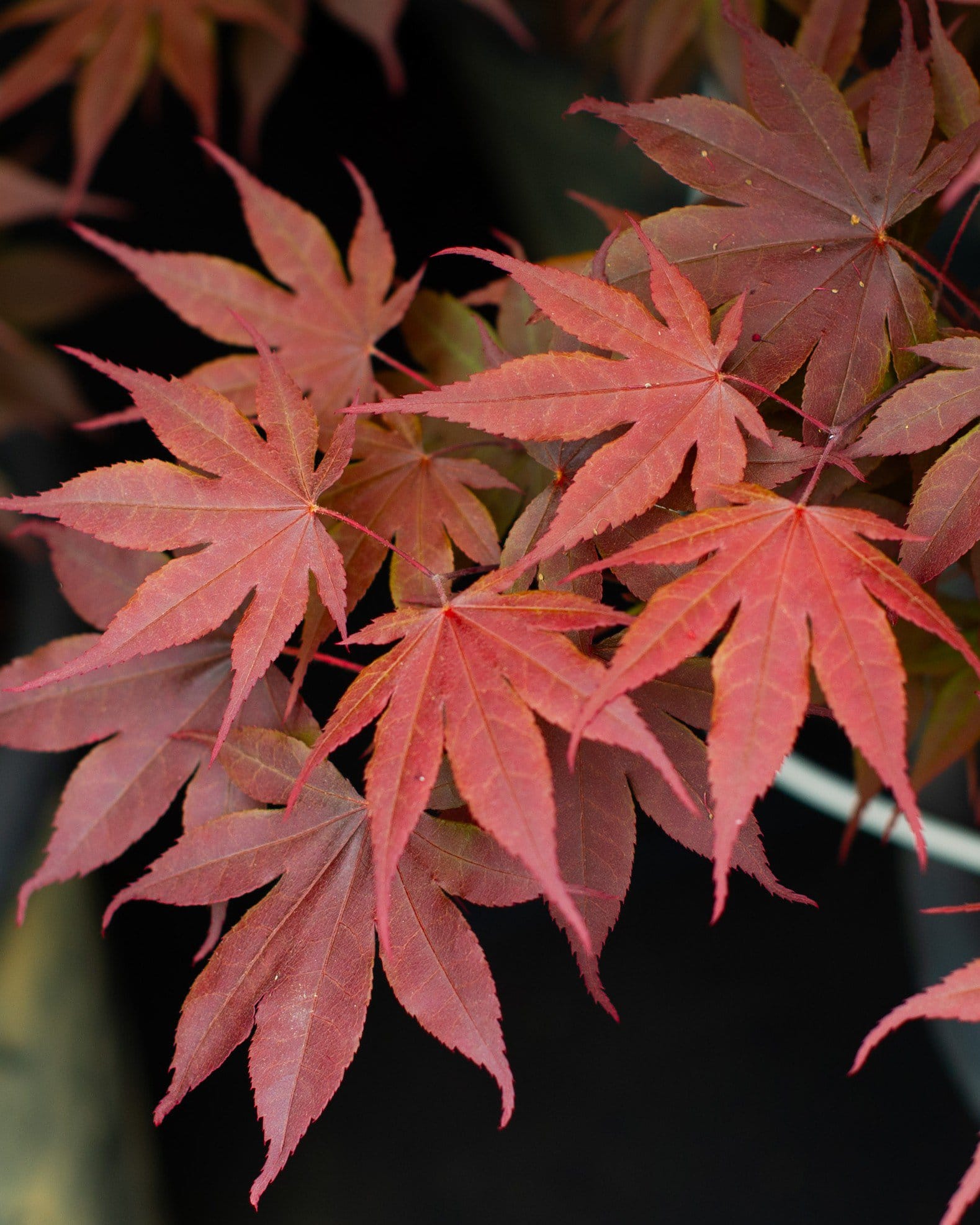
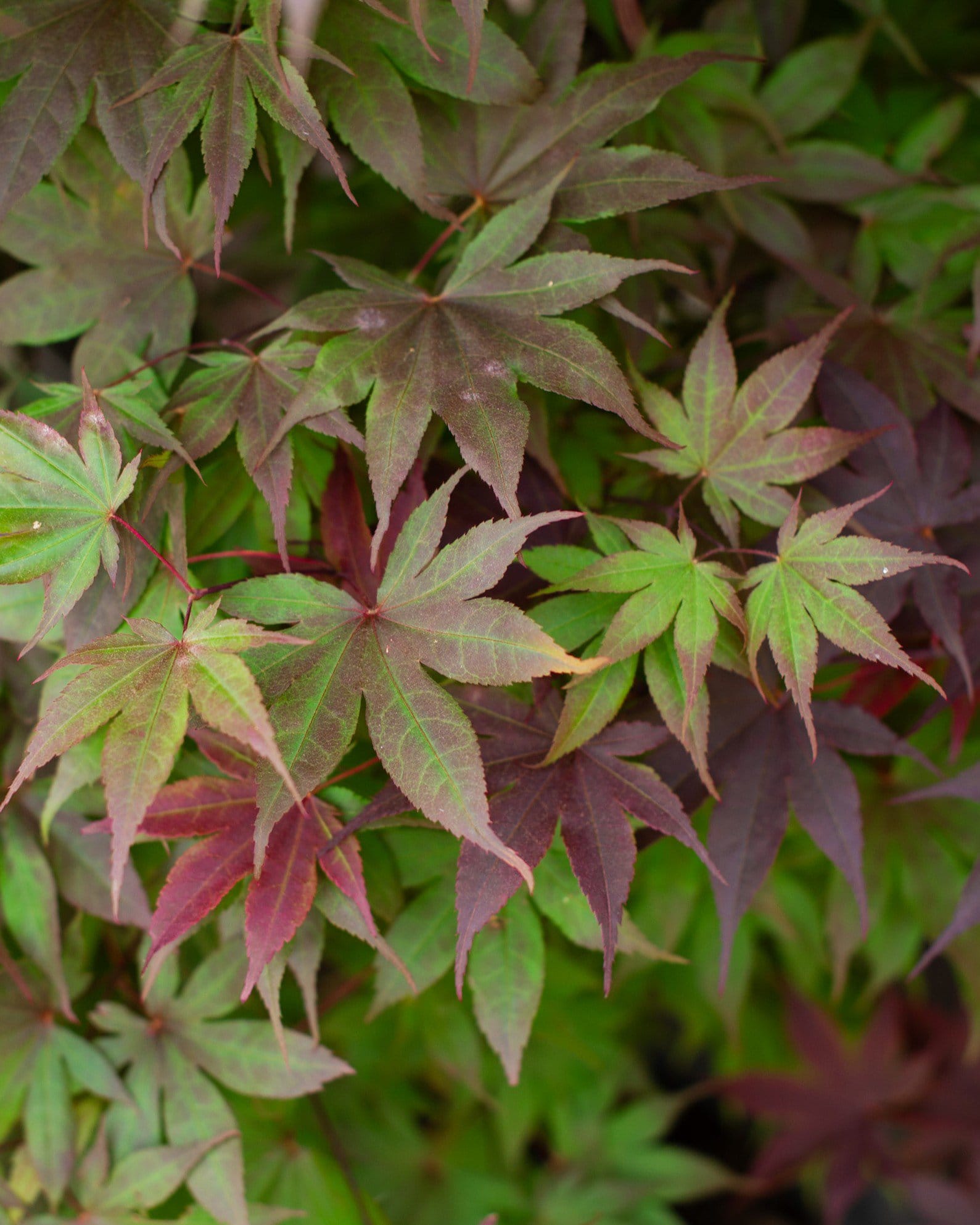
| Scientific Name | Acer palmatum 'Sango Kaku' | Acer palmatum 'Bloodgood' |
| Size at Maturity | 20' H x 13' W | 20' H x 20' W |
| Leaf Retention | Deciduous | Deciduous |
| Sizes Available | 3, 7, 15, 20, 30, 35 gal | 7, 15, 30 gal |


Our 1-Year Planting Guarantee
We take pride in our plants and installation services. If any plants or trees installed by Treeland fail to thrive within the first year, we'll provide a replacement credit in accordance with our guarantee program.
Learn More About Our Guarantee