
Mikawa Yatsubusa Japanese Maple
Acer palmatum ‘Mikawa Yatsubusa’Local DFW Delivery Only
Product Details
Mikawa Yatsubusa Japanese Maple
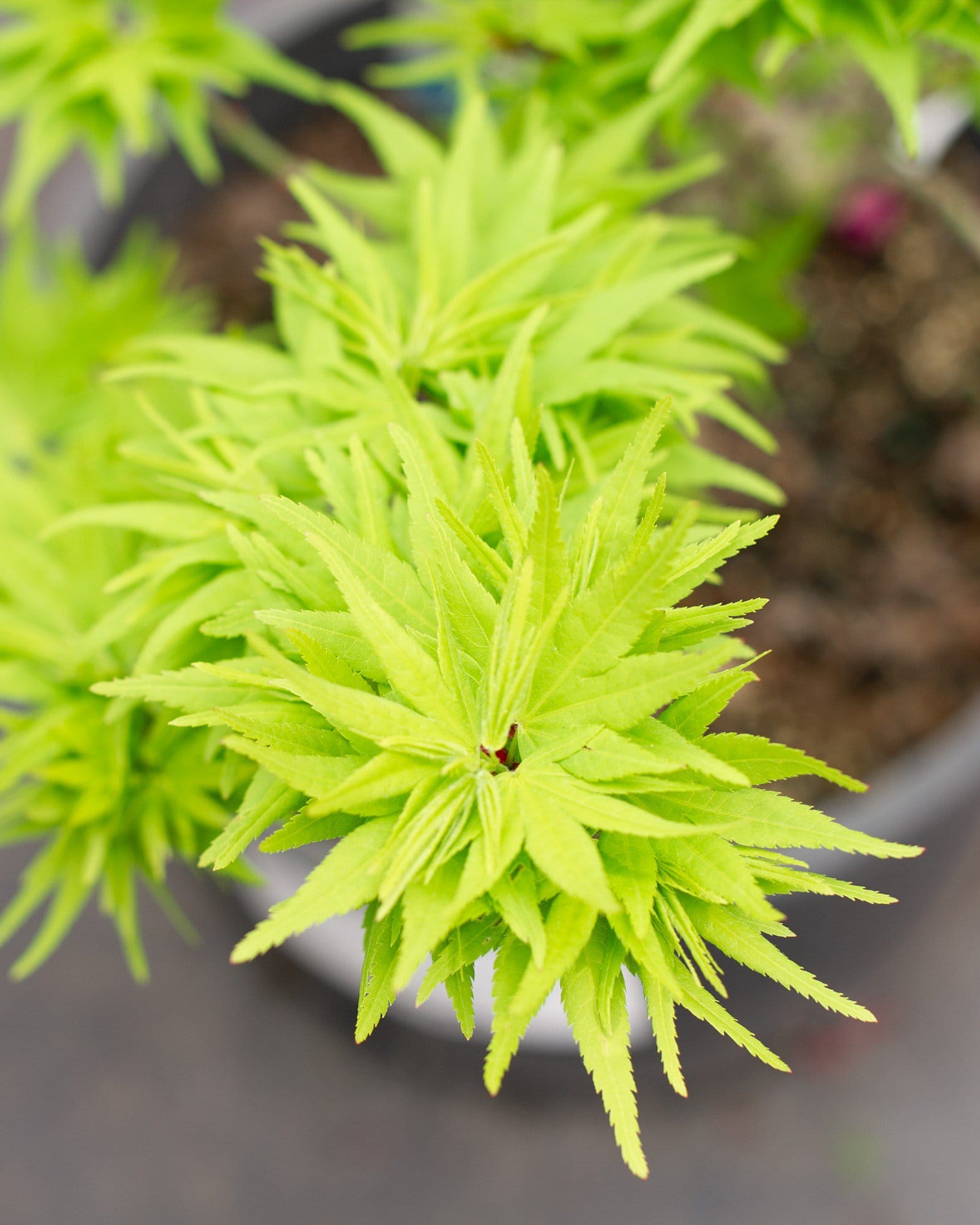
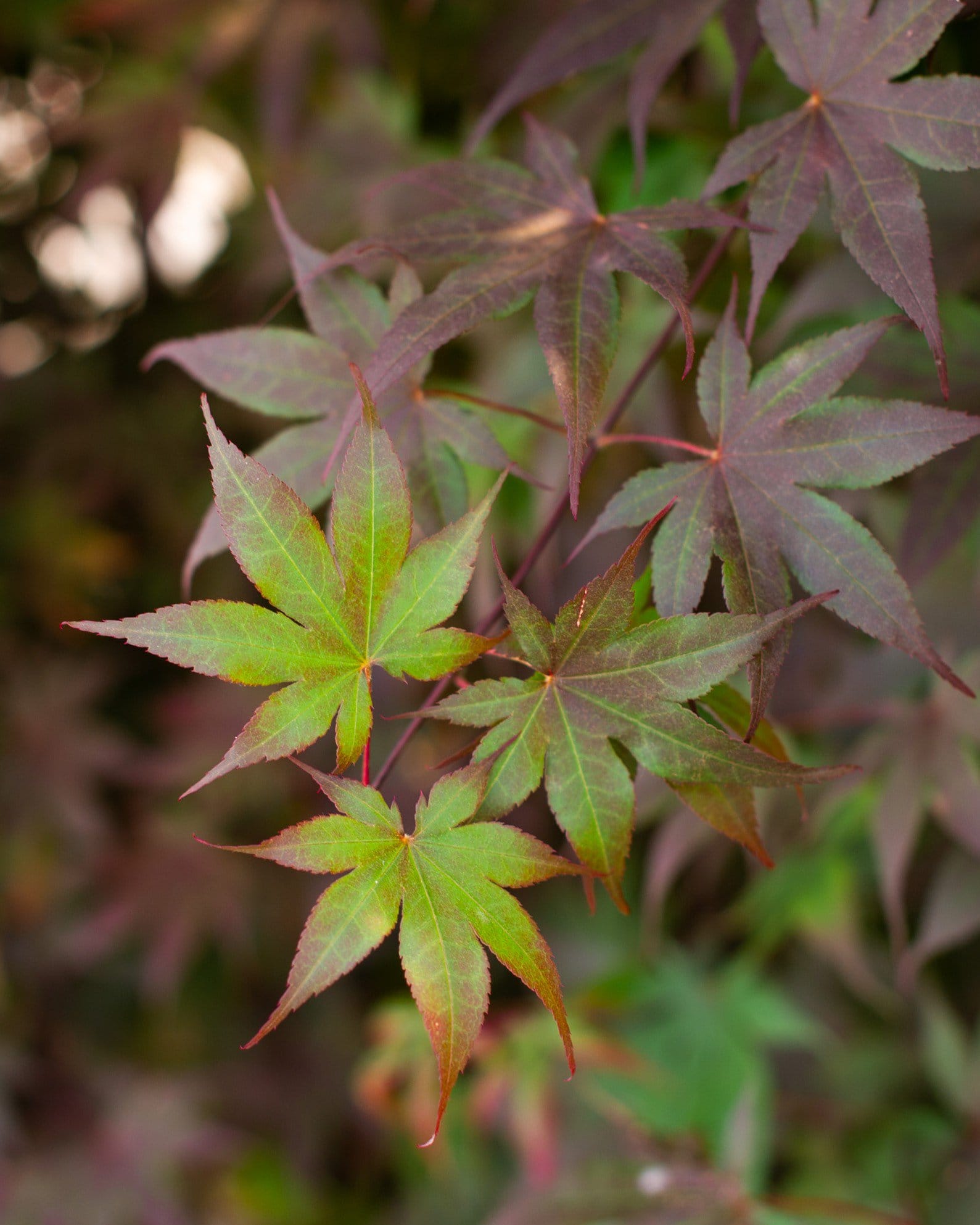
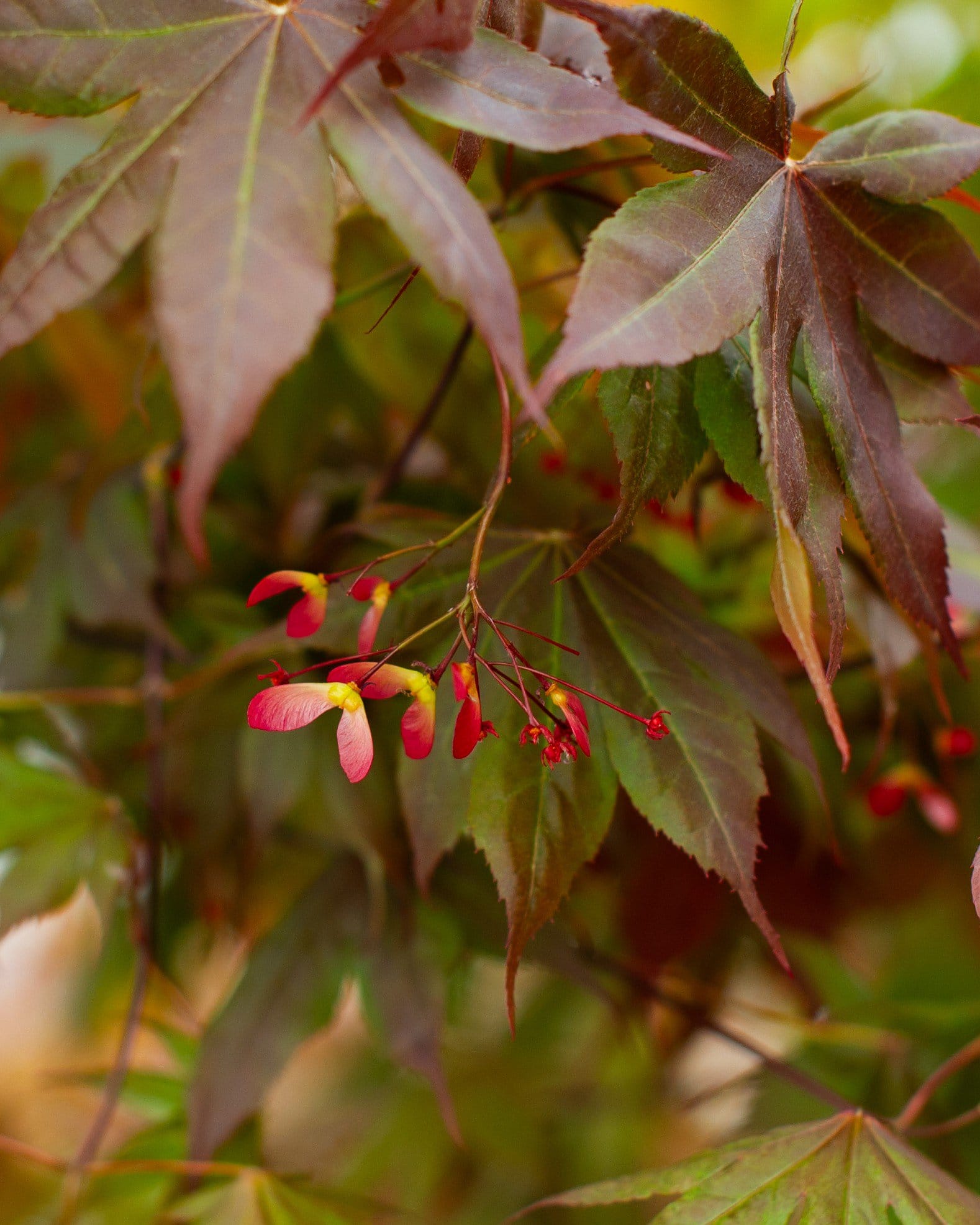
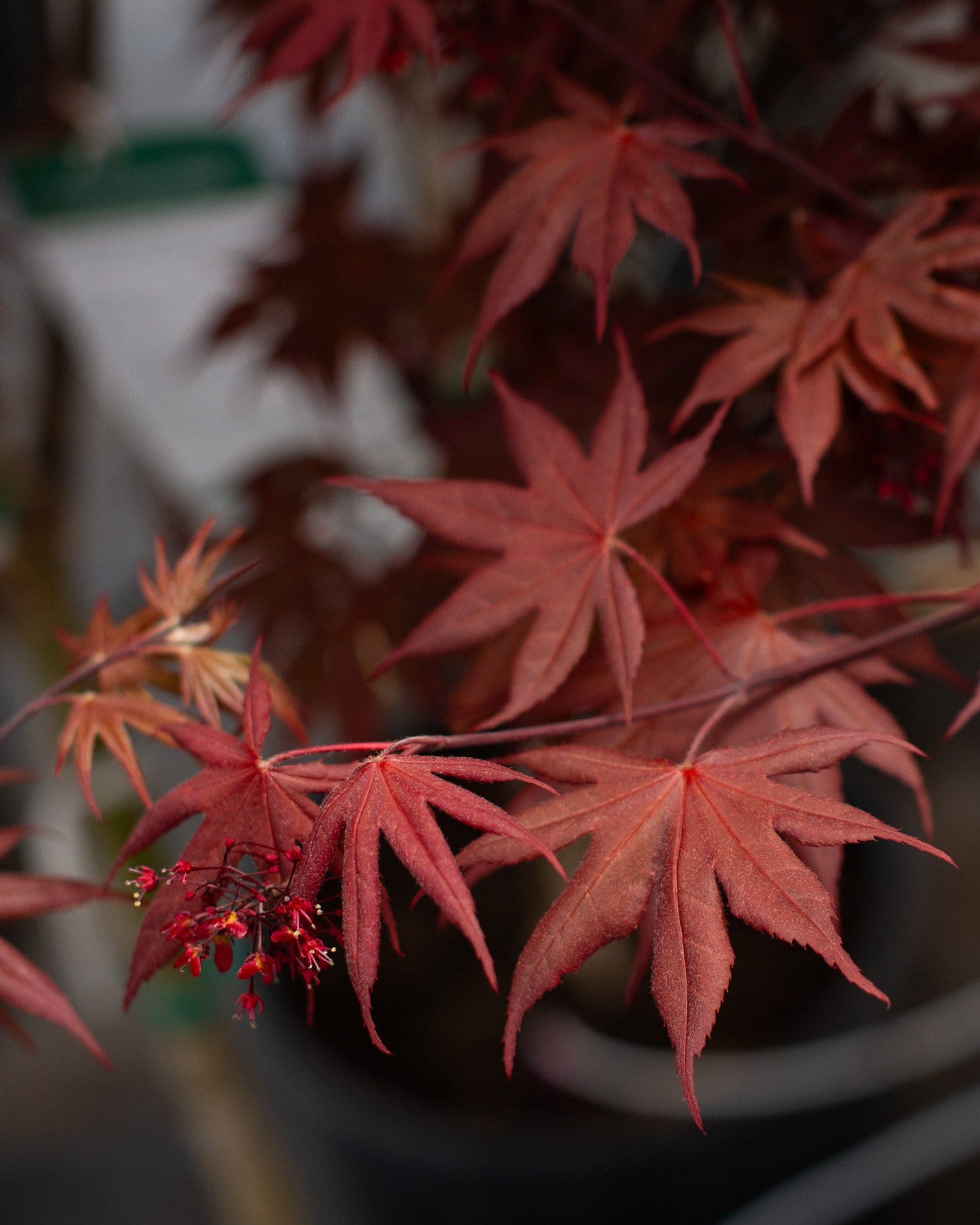
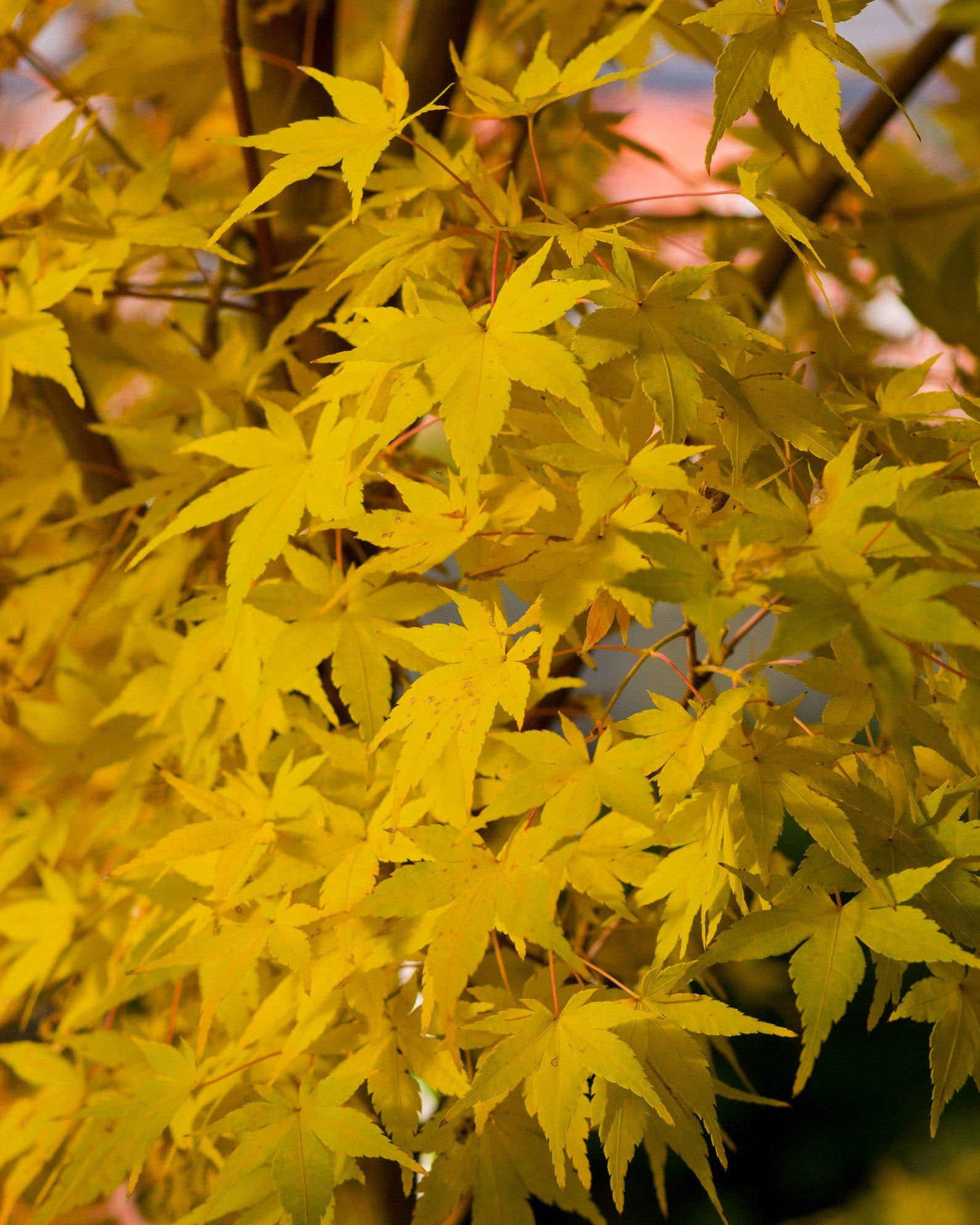
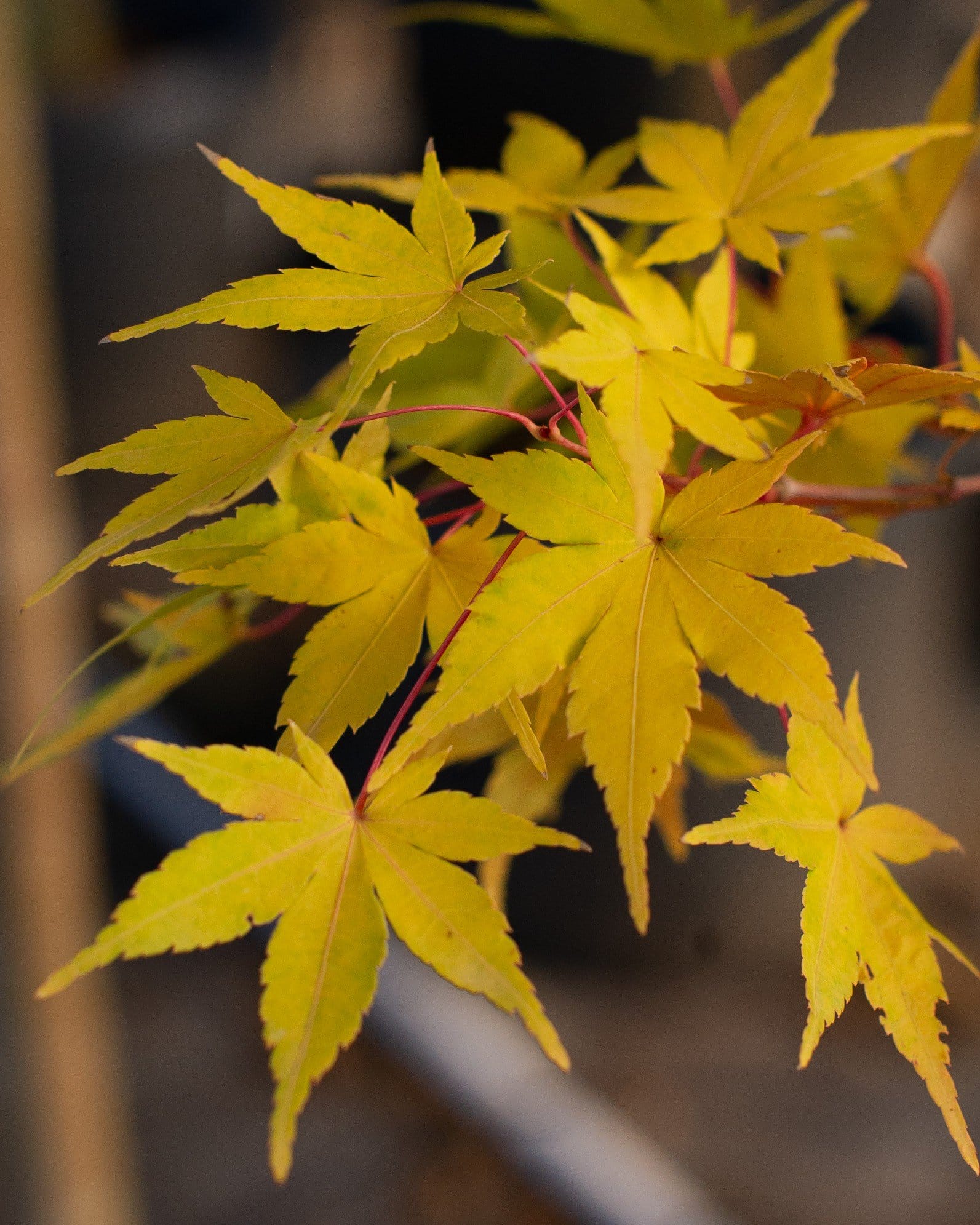
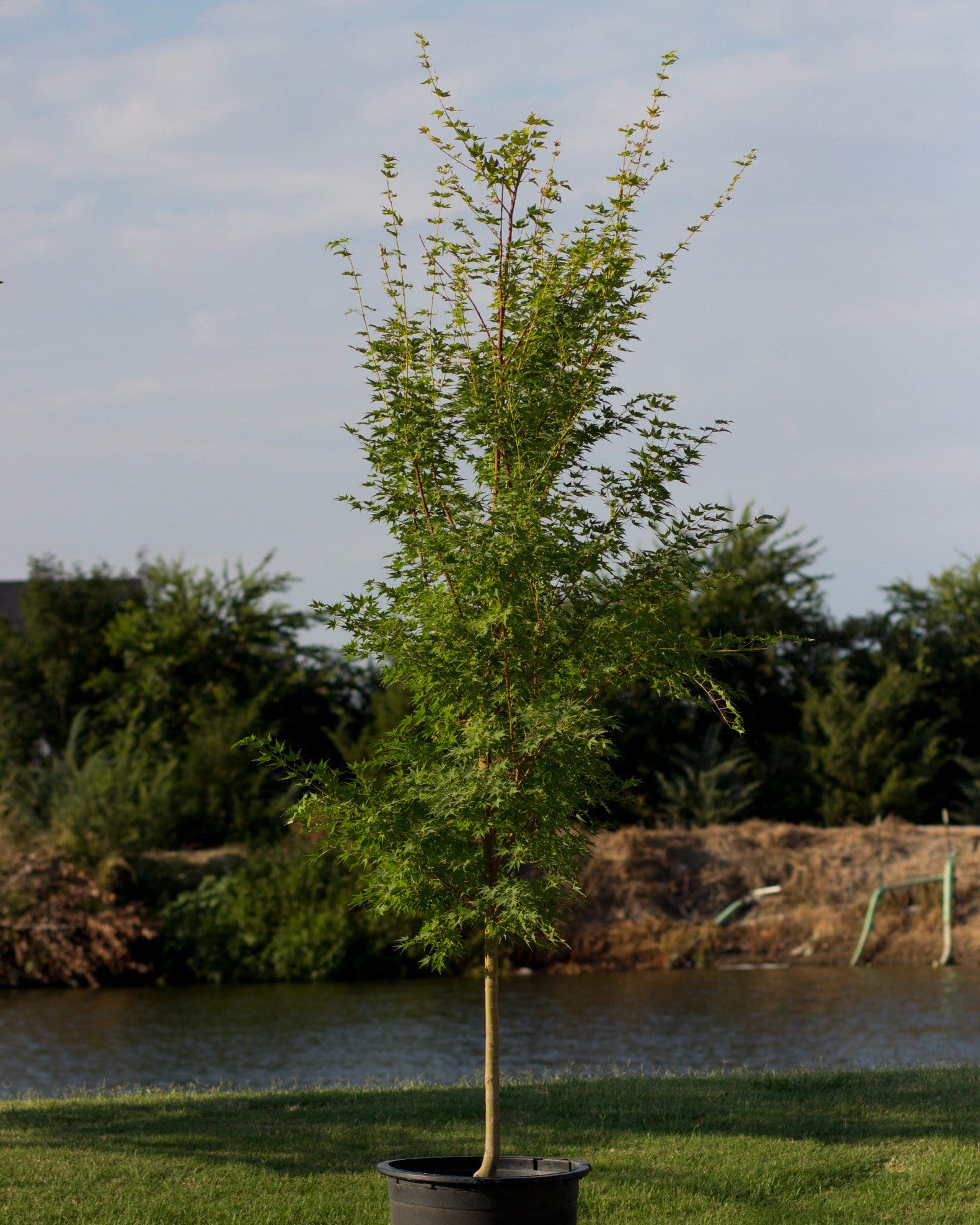
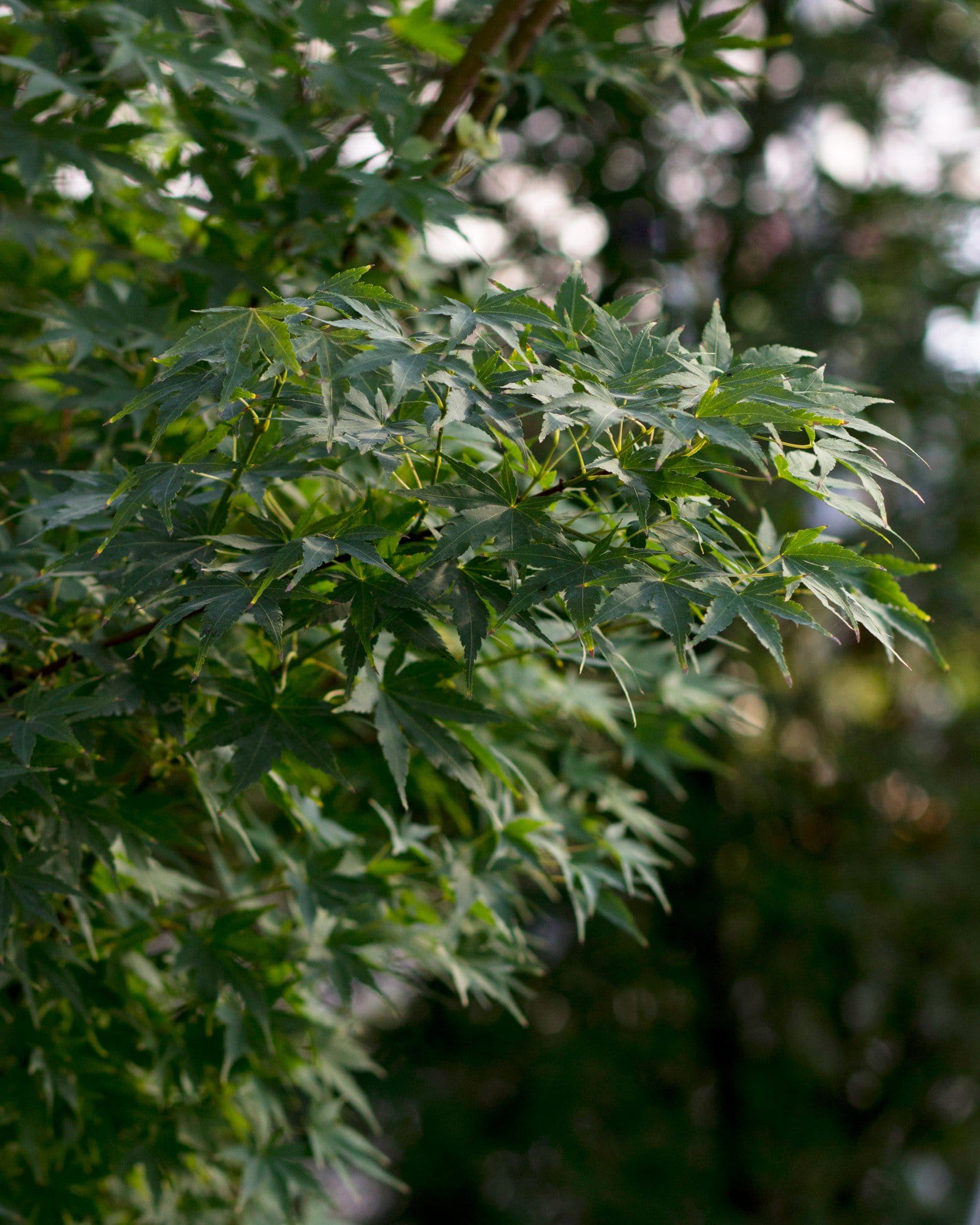
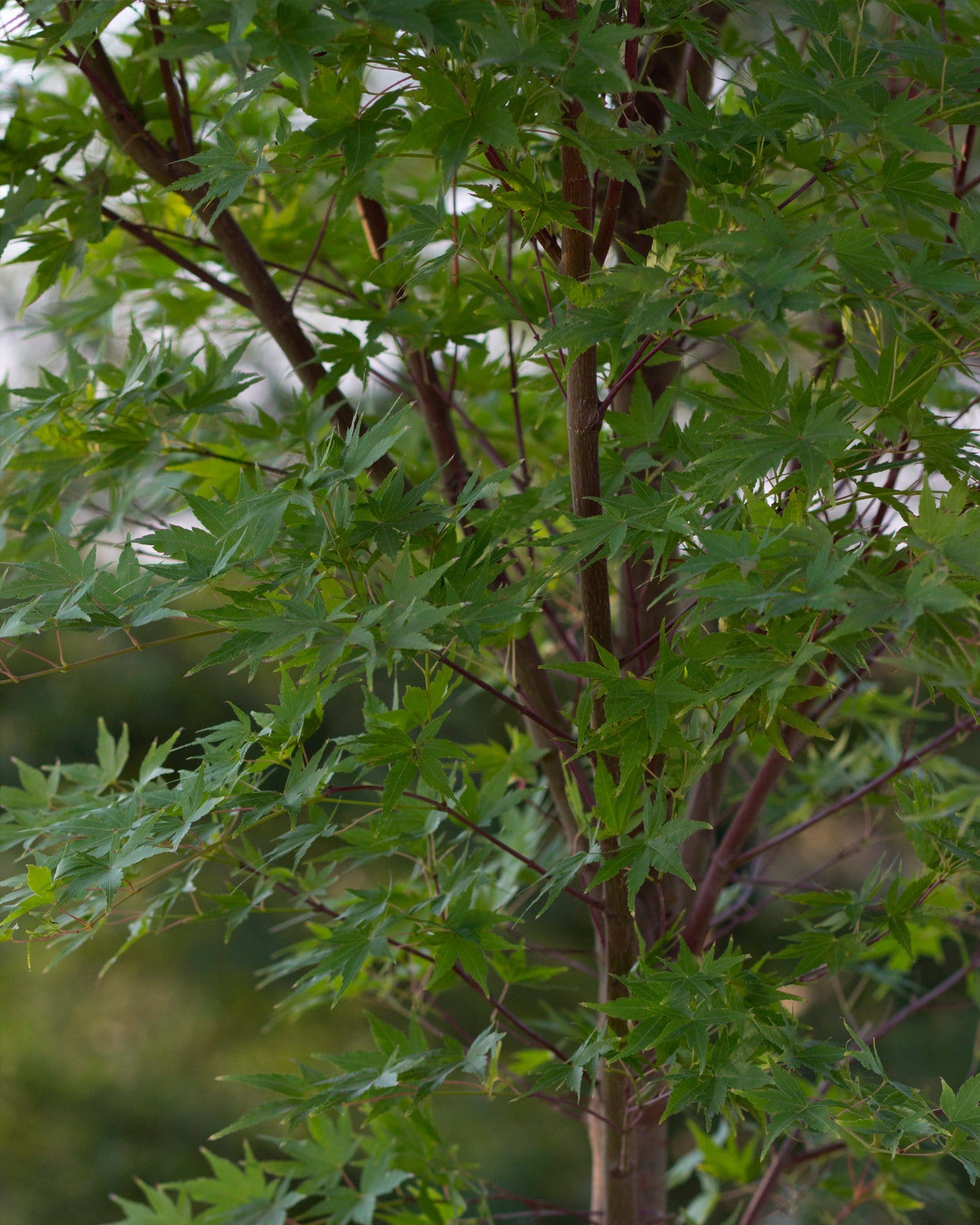
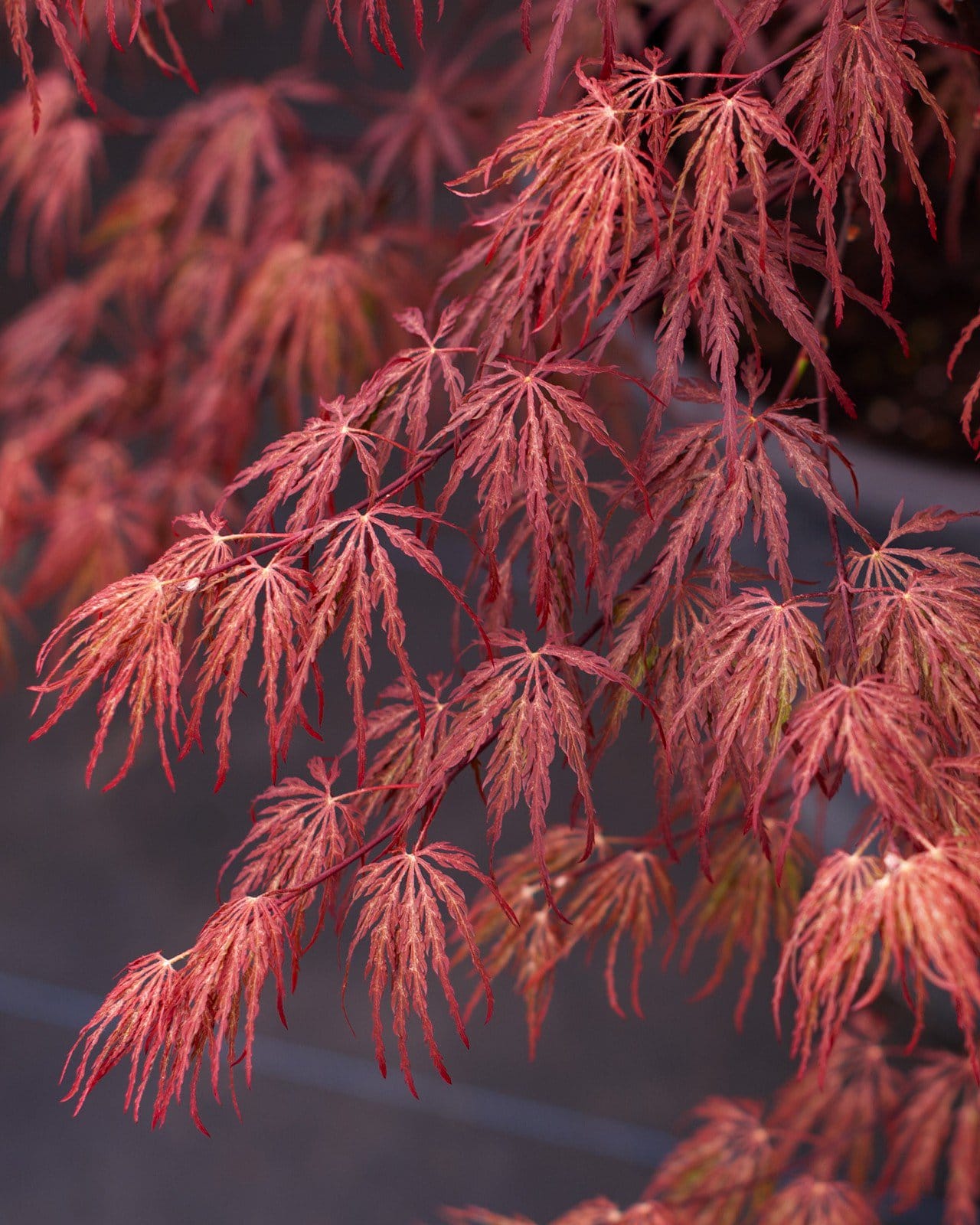
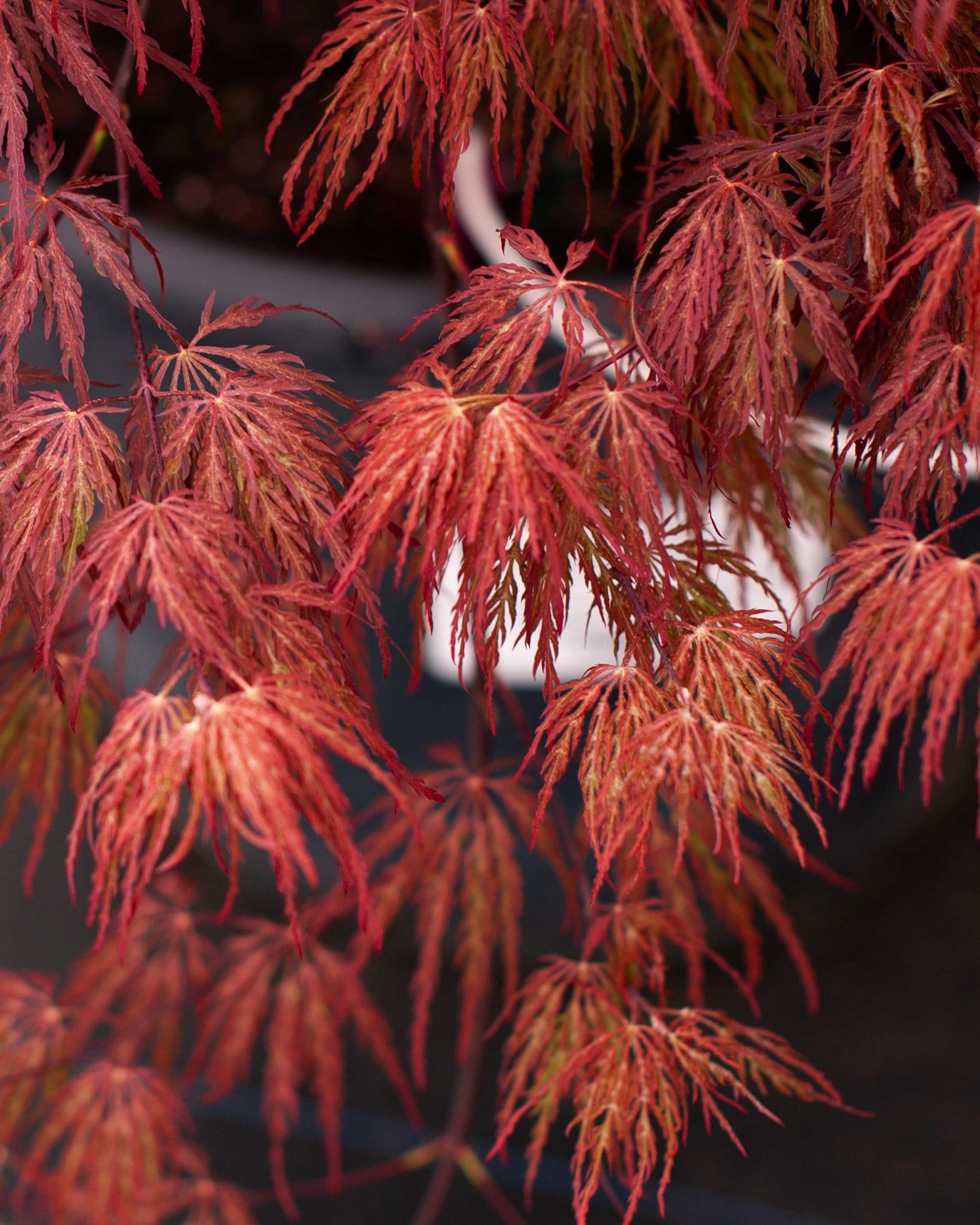
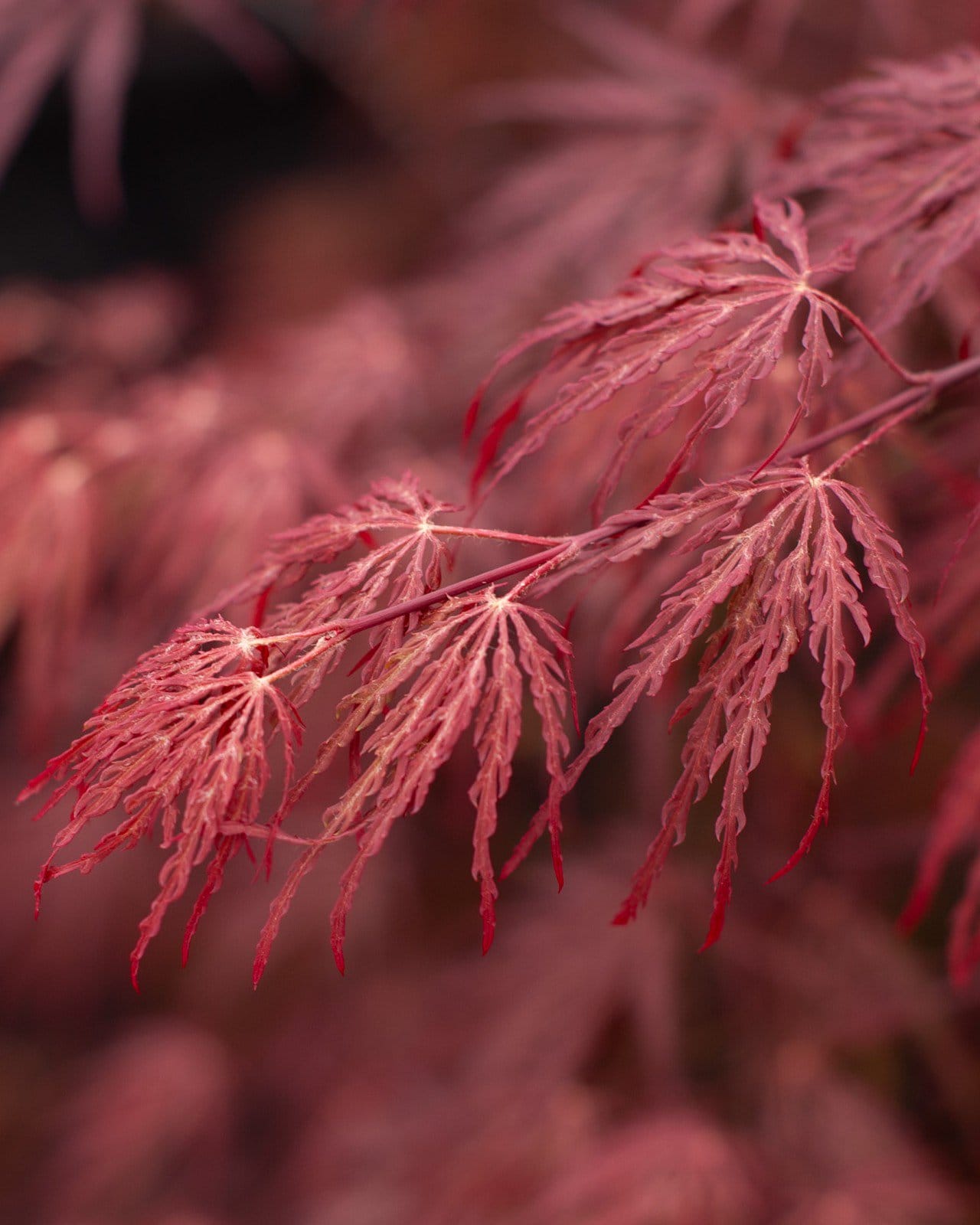
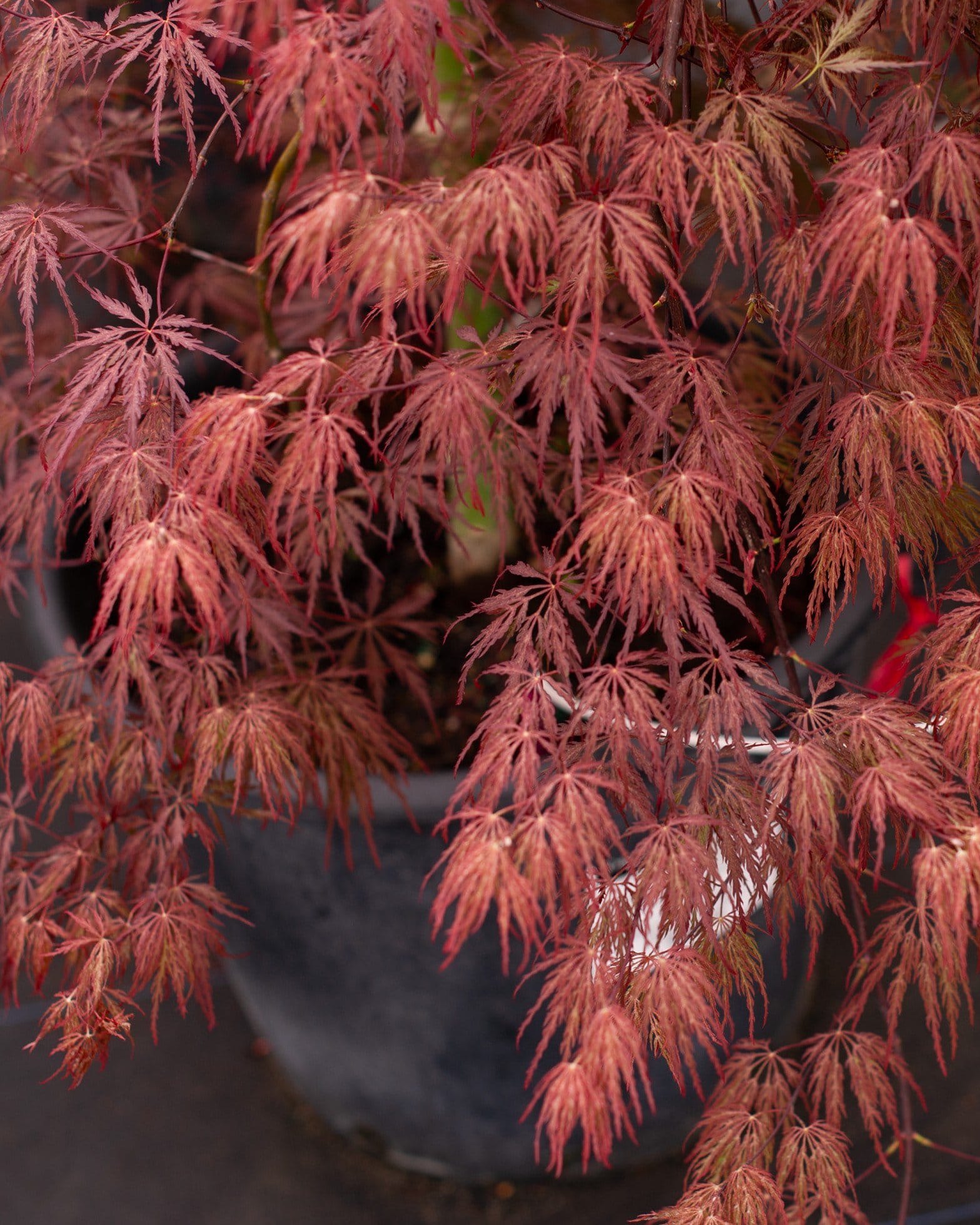
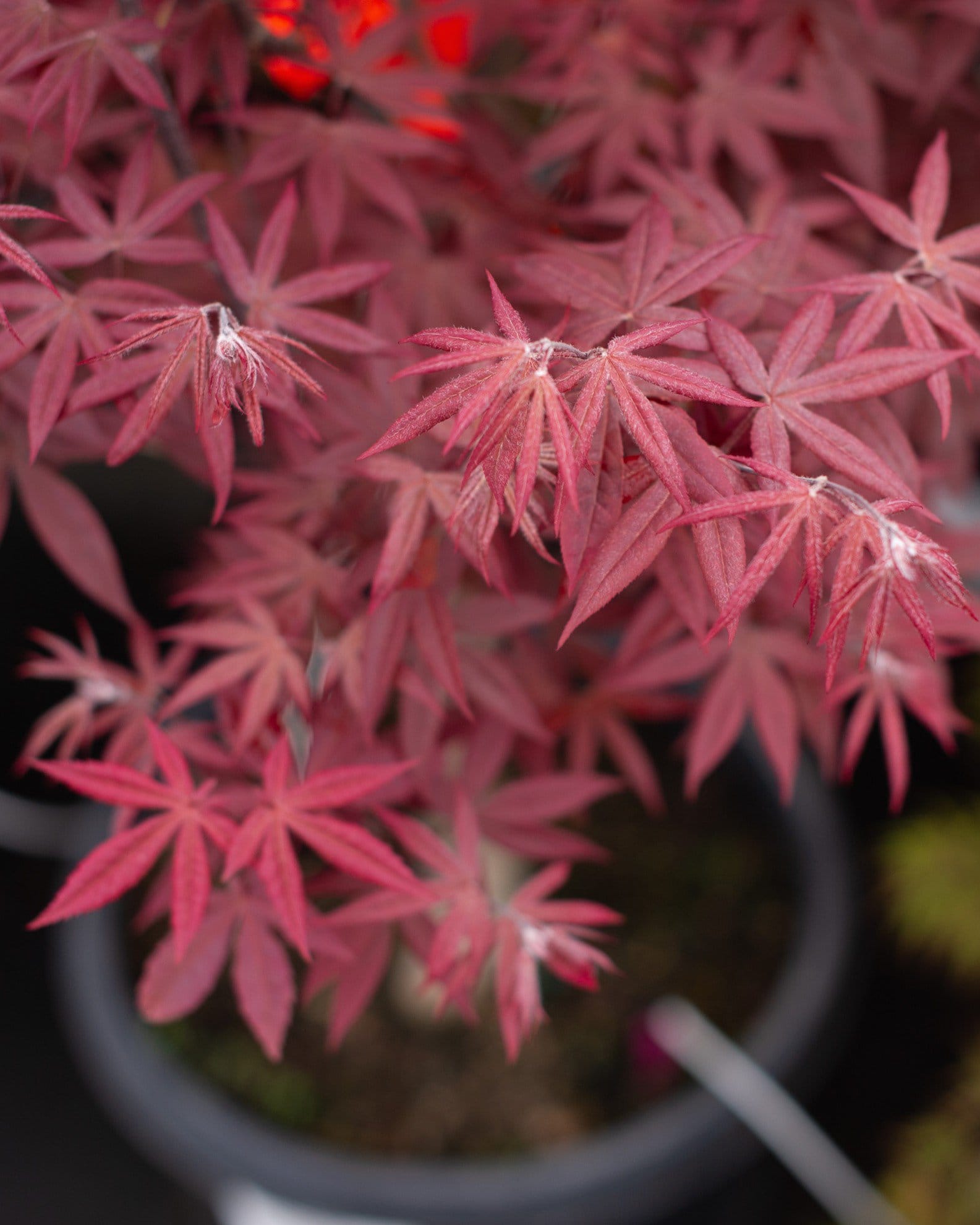
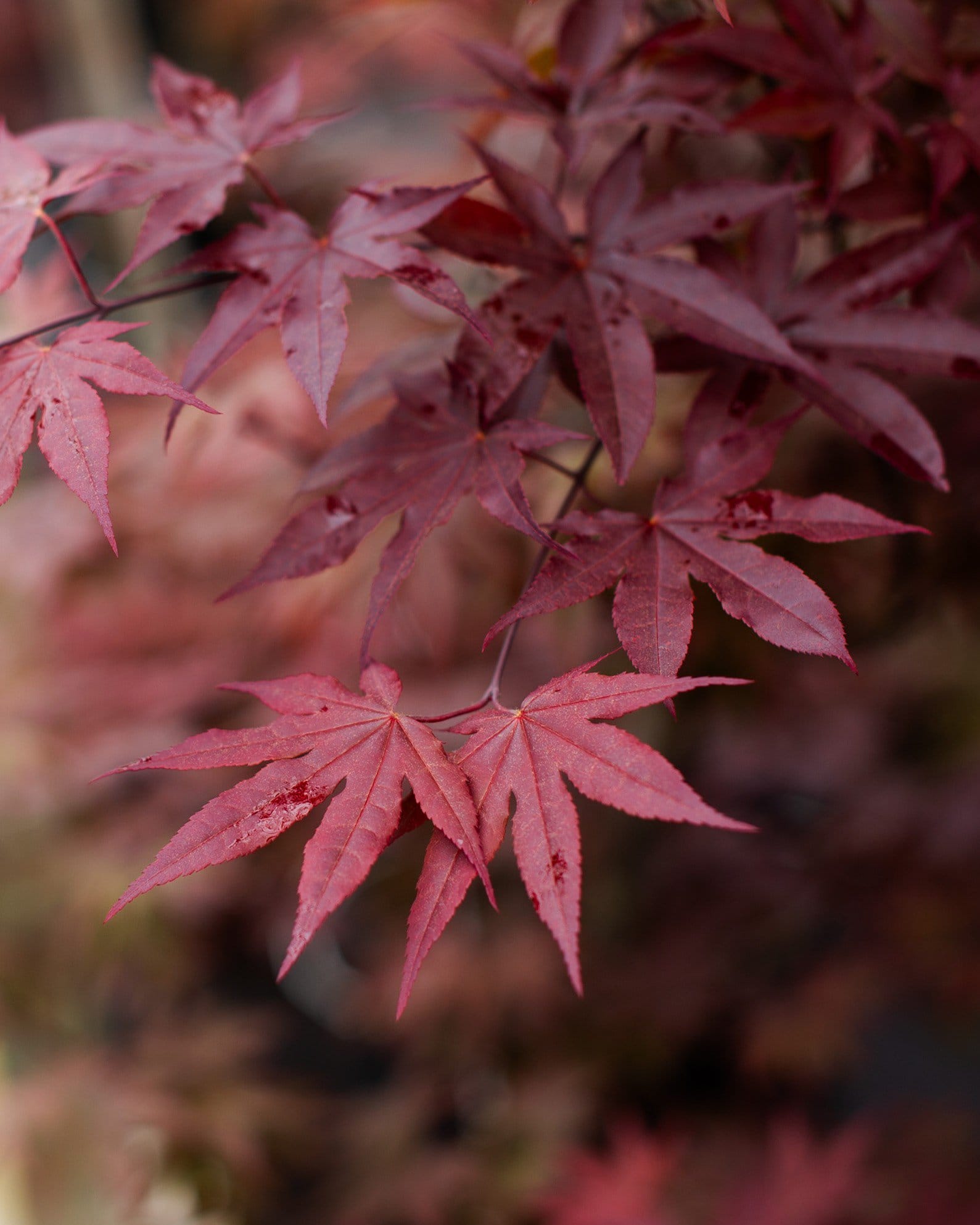
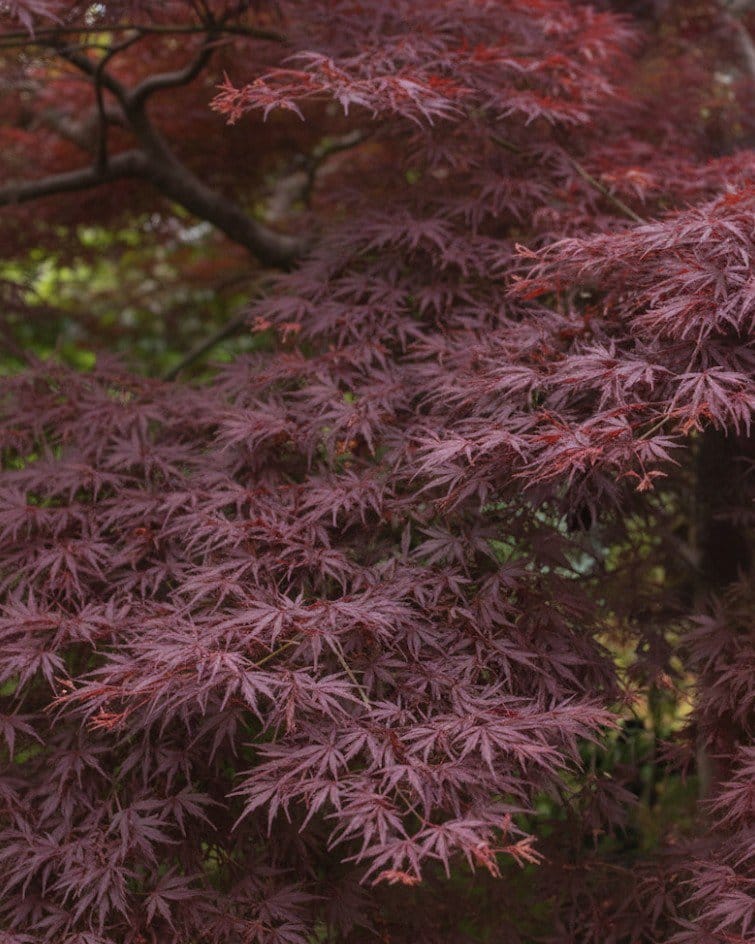
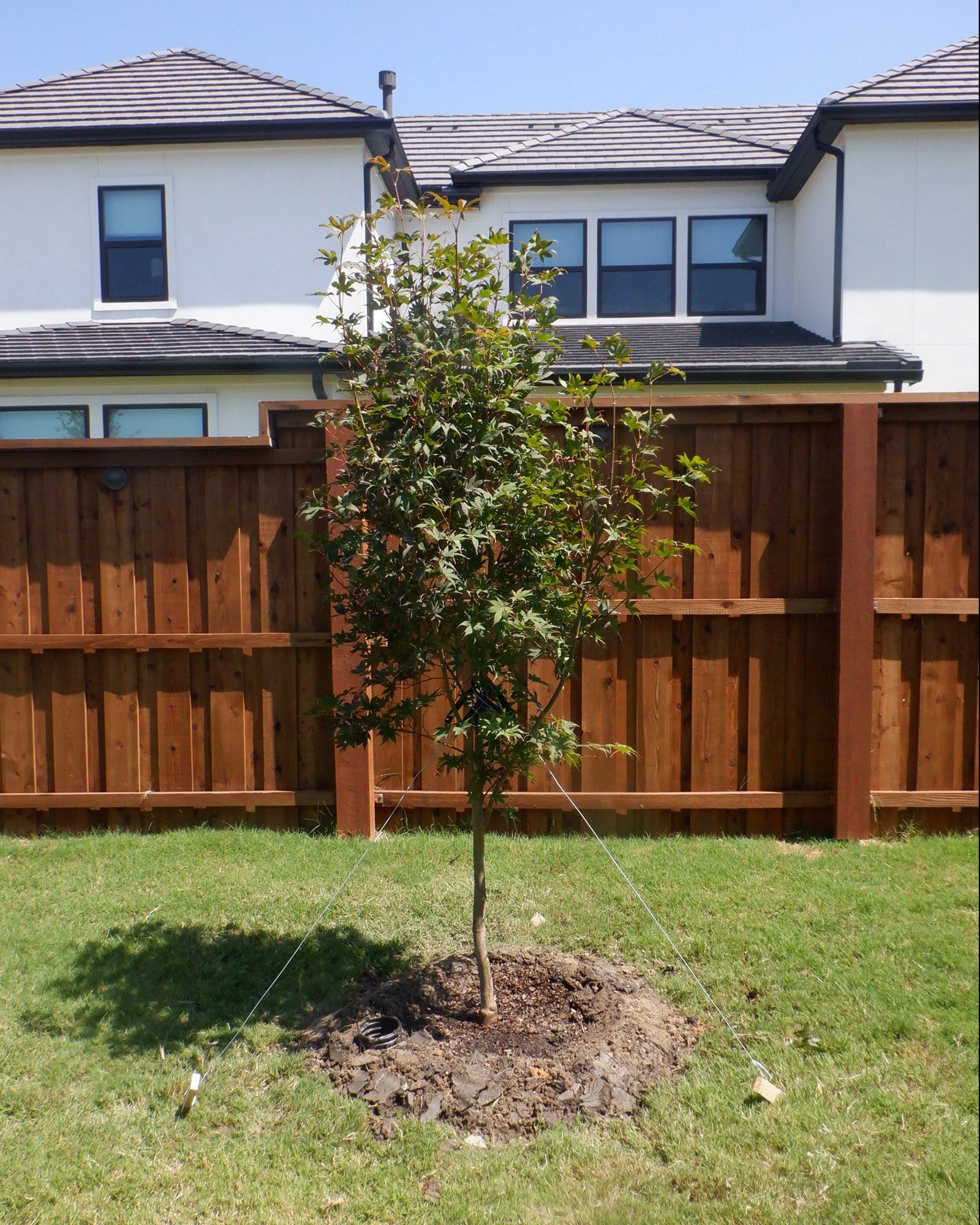
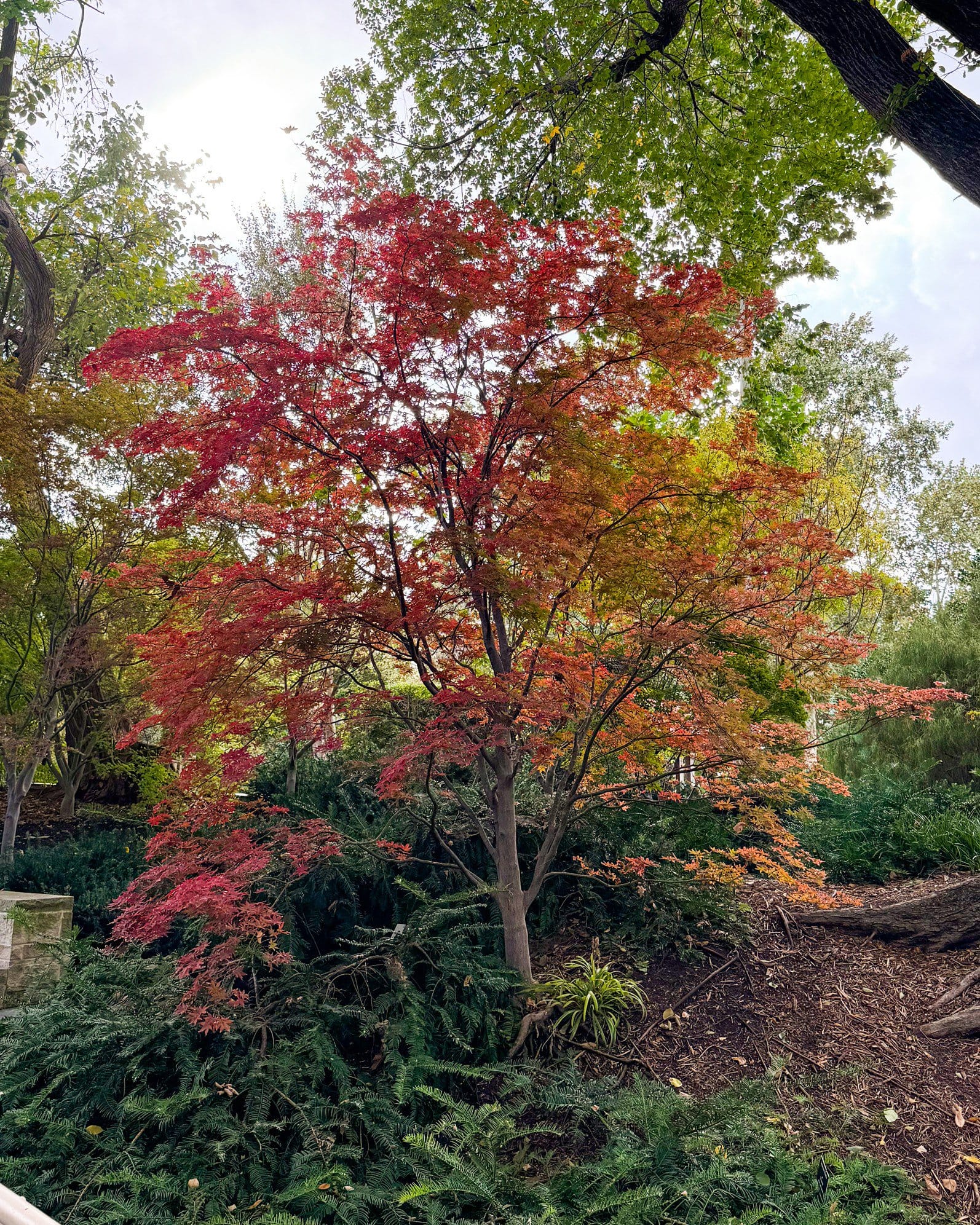
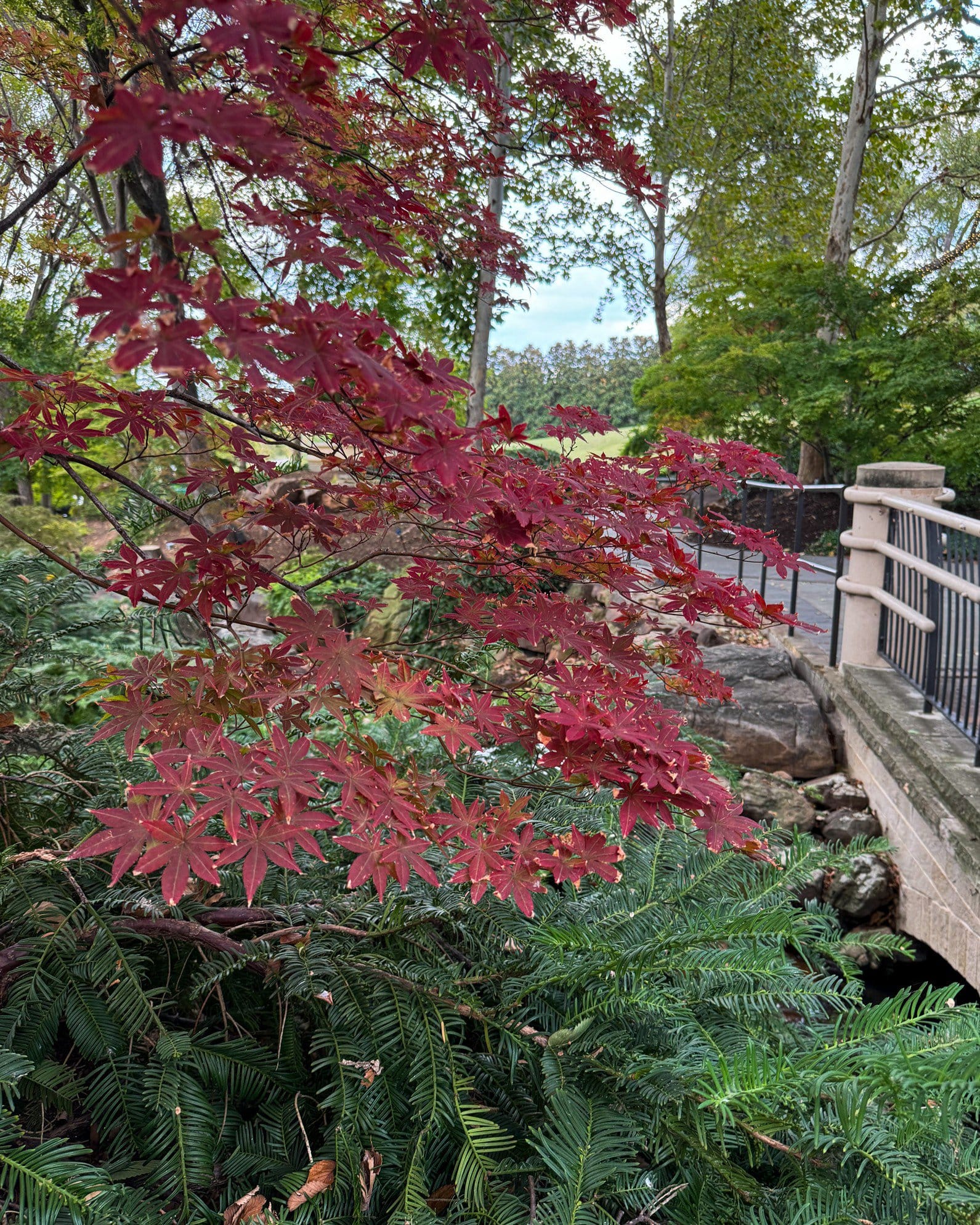
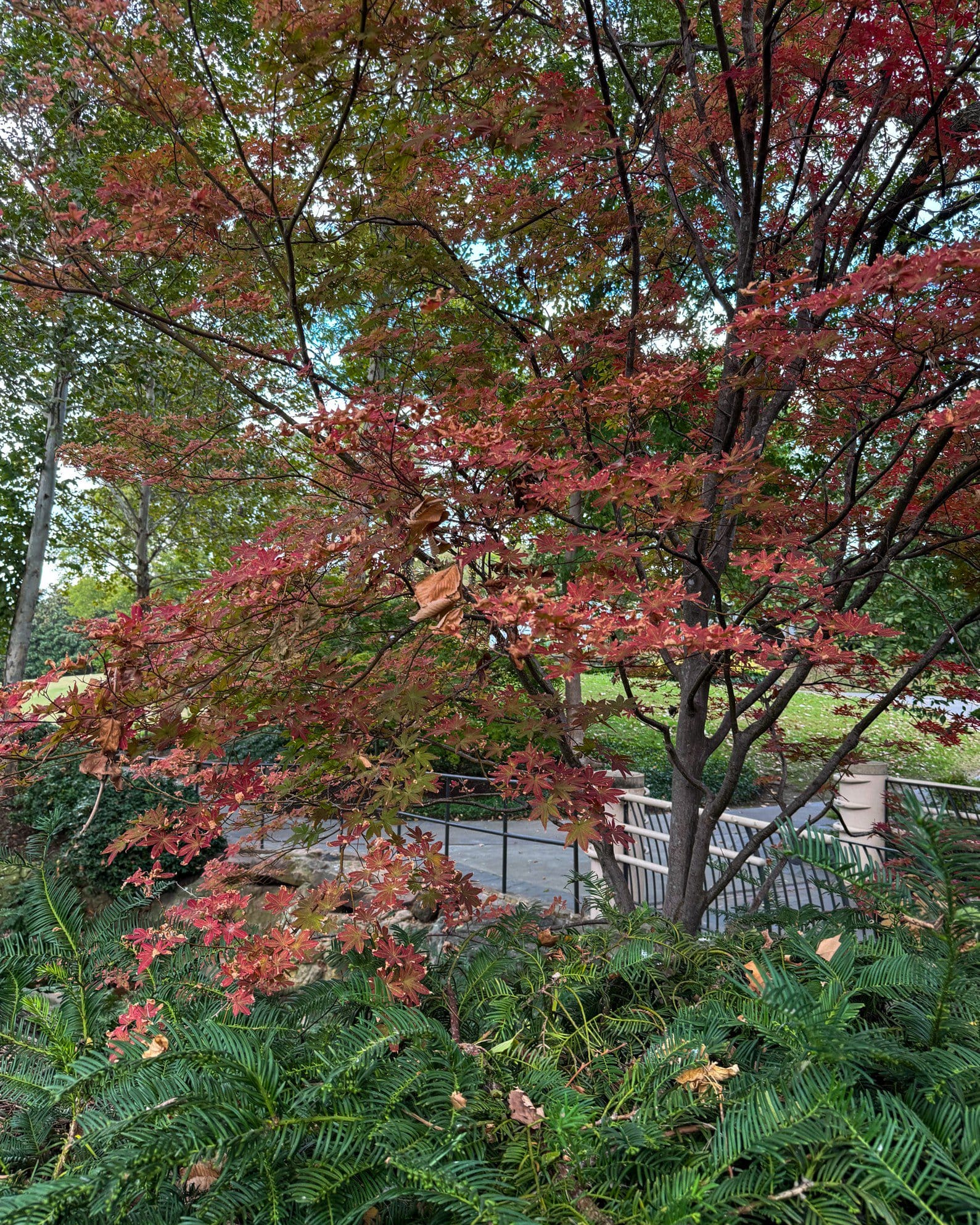
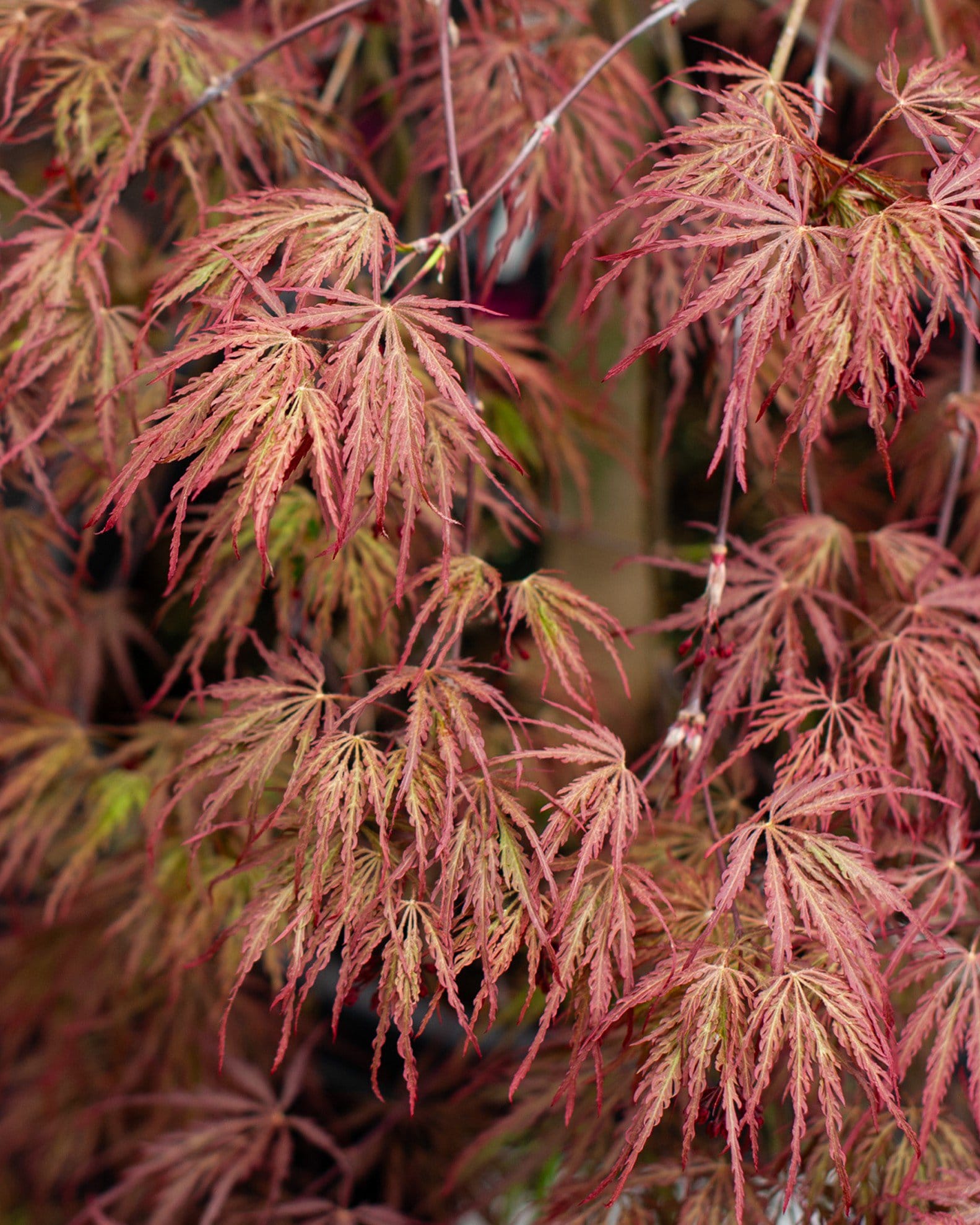
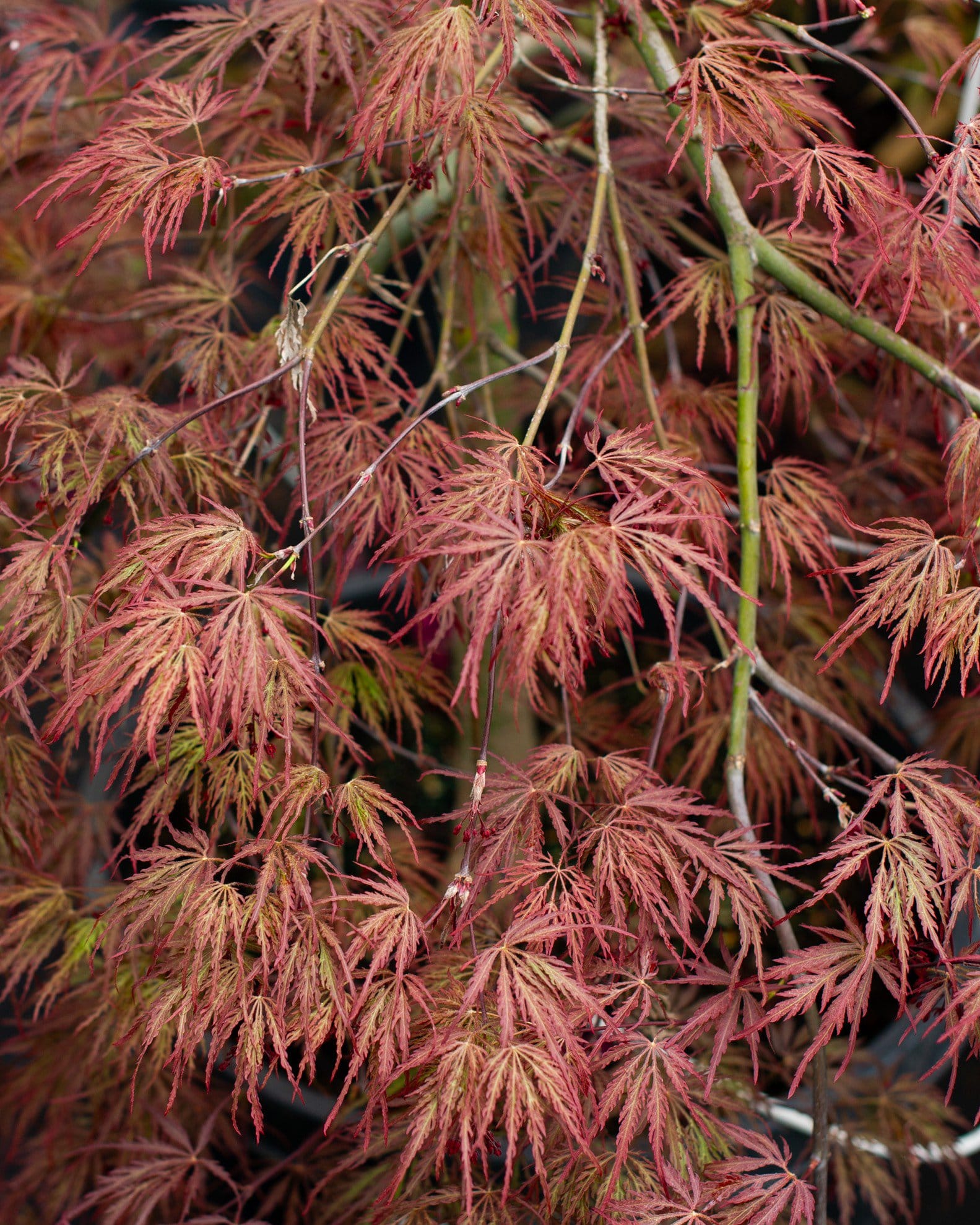
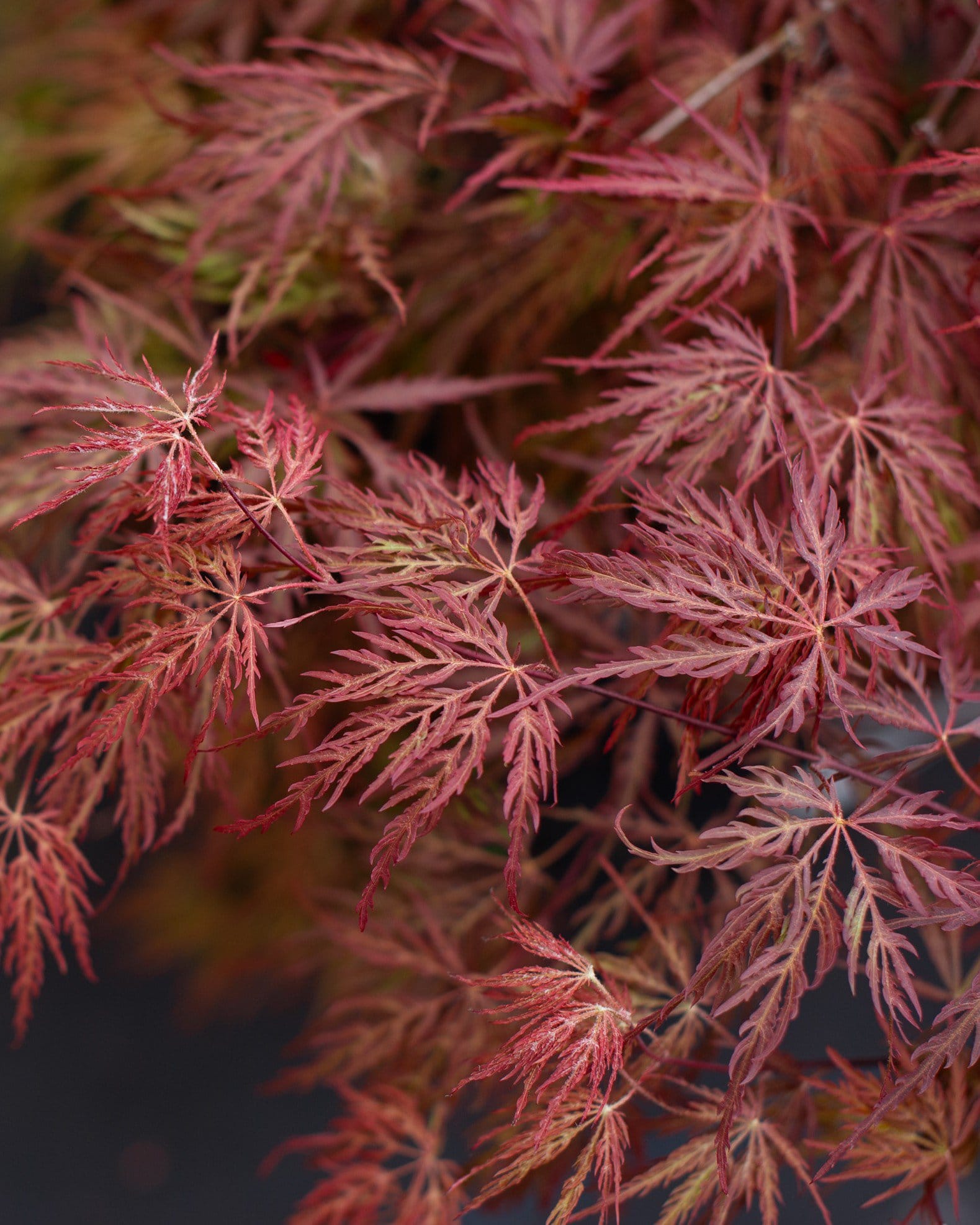
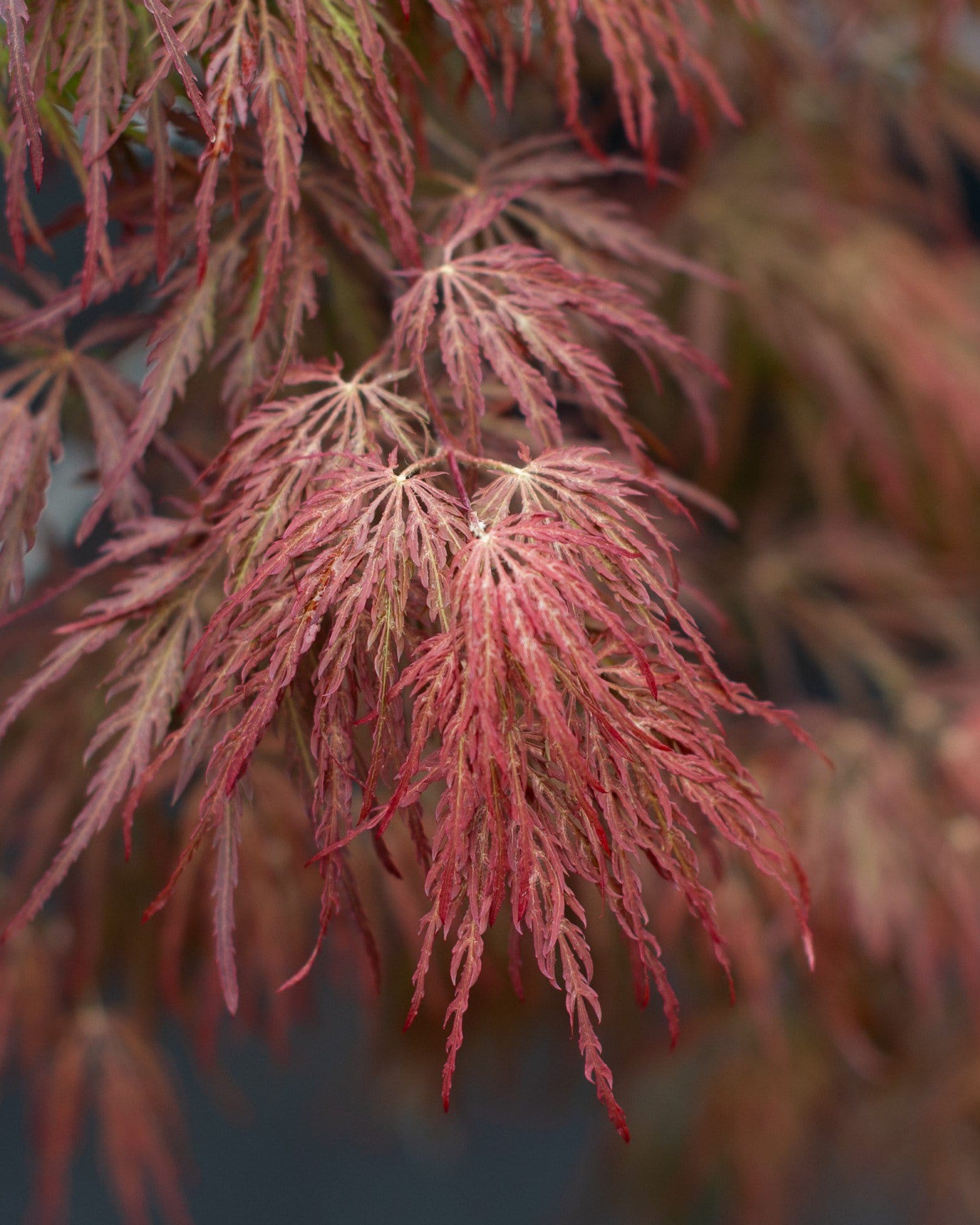
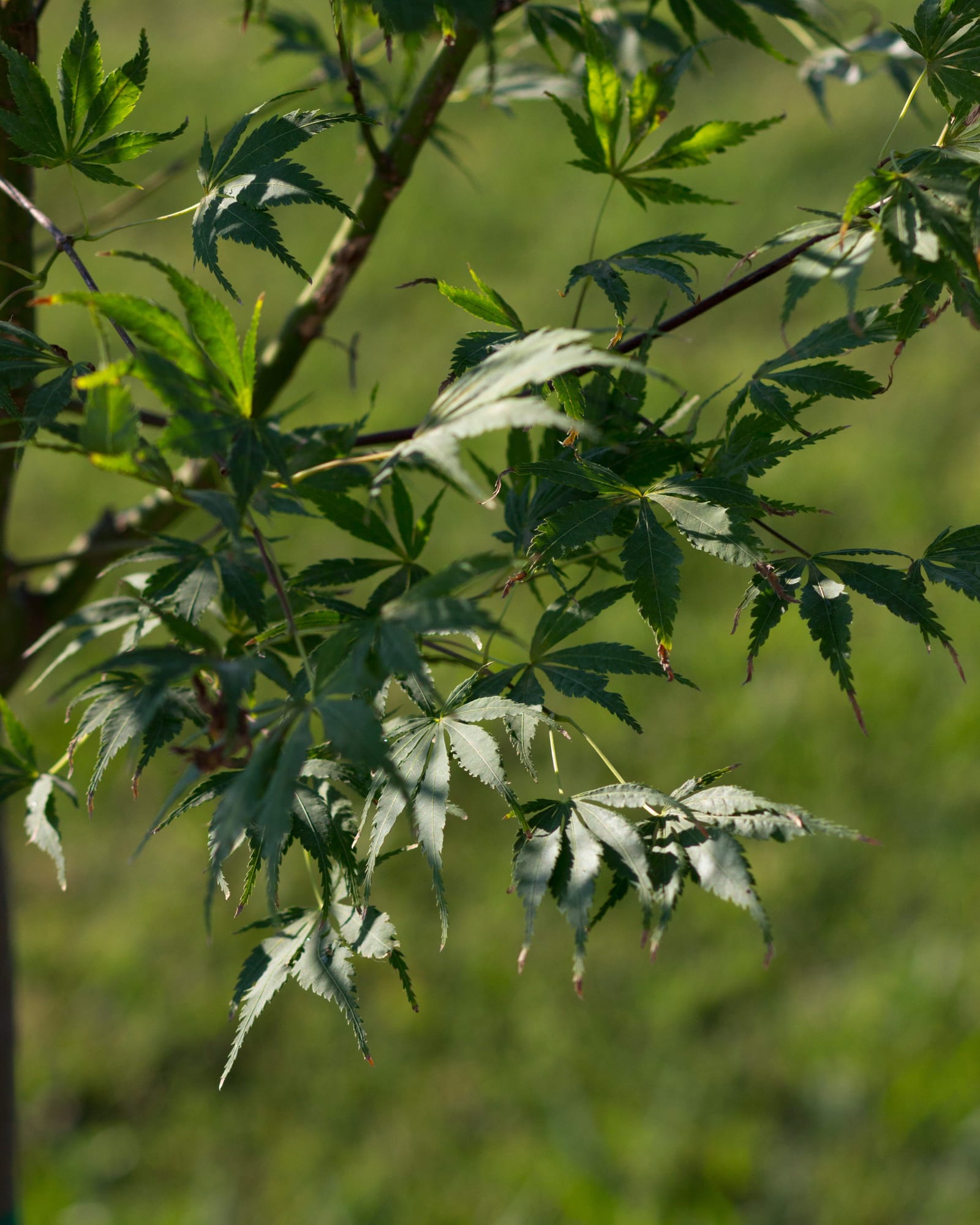
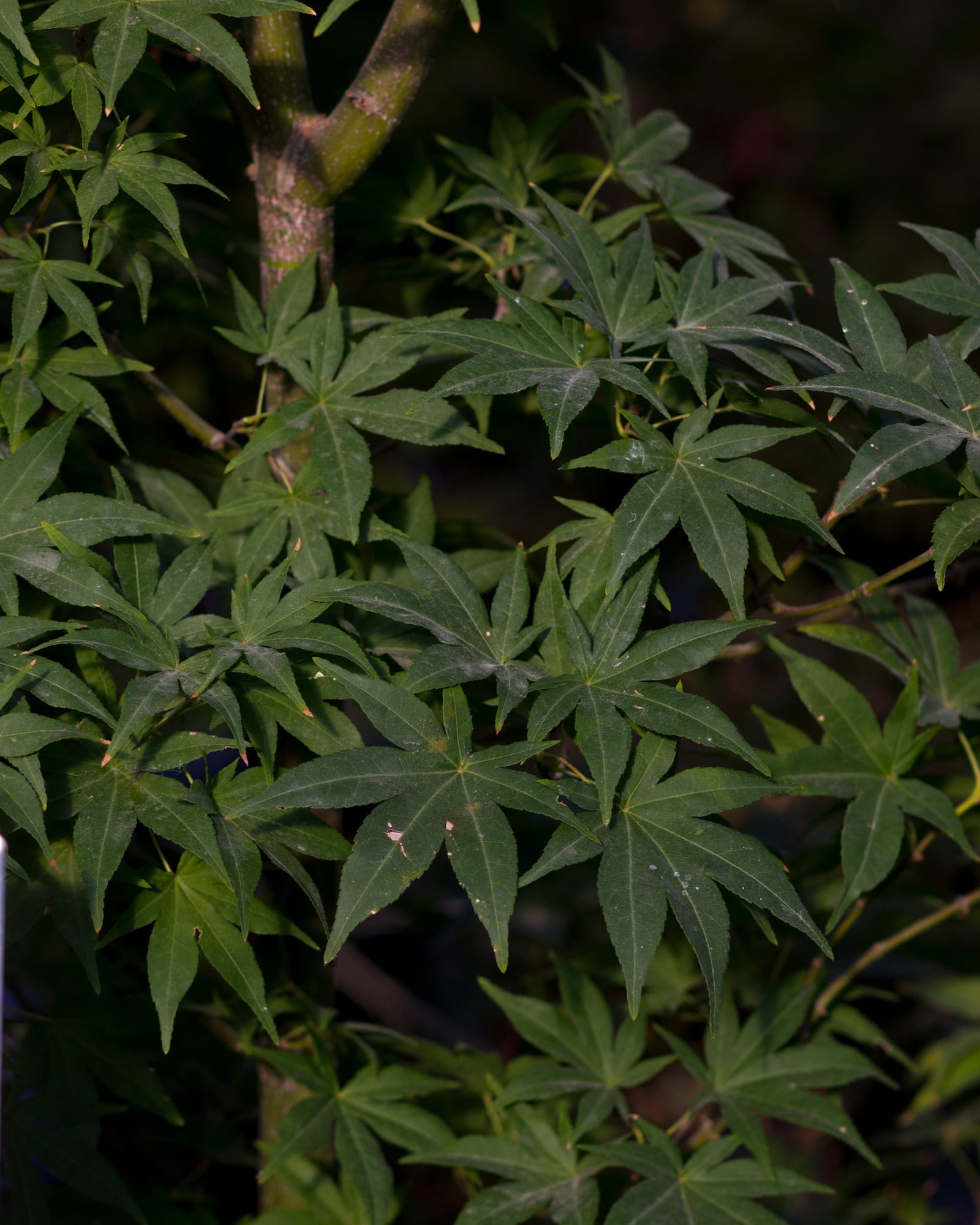
Acer palmatum ‘Mikawa Yatsubusa’Mikawa Yatsubusa Japanese Maple brings a fresh burst of green with its sharply lobed palmate leaves that create a lush, textured canopy. Its compact, rounded growth habit reaches up to 5 feet tall and 6 feet wide at maturity, making it perfect for smaller spaces or as a delicate accent near walkways and patios. This tree adds subtle elegance to any landscape with its vibrant green foliage and well-balanced silhouette. The tidy, mounded shape enhances flower beds and landscape designs by offering year-round interest and soft texture.
- A deciduous tree
- Compact, rounded growth habit
- Slow growth rate
- Bright green palmate foliage
- Excellent as a focal point or accent
Hardy in zones 5-9, Mikawa Yatsubusa Japanese Maple thrives in the North Texas climate when placed in areas with morning sun only, which helps protect its delicate leaves from harsh afternoon sun. Plant in well-drained, slightly acidic soil for best growth and enjoy its vibrant presence season after season.
Mikawa Yatsubusa Japanese Maple thrives with minimal maintenance once established. Here’s everything you need to know to help it grow beautifully:
- Watering: Provide deep, consistent watering during the first 2-3 years to establish a healthy root system capable of sustaining its dense foliage layering. Once established, Mikawa Yatsubusa prefers evenly moist, well-drained soil and benefits from regular watering during heat or drought.
- Pruning: Very little pruning is needed - its natural layered habit is its most distinctive feature. Prune lightly in late winter to remove any damaged or congested twigs, being careful not to disturb the layered architecture.
- Fertilizing: This dwarf maple performs best in moderately fertile soil and typically requires only light fertilization. If growth appears weak or foliage seems pale, apply a gentle, slow-release, low-nitrogen fertilizer in early spring.
- Mulching: Apply a 2-3 inch mulch layer to maintain even soil moisture, regulate soil temperature, and protect shallow roots. Keep mulch a few inches away from the trunk to prevent moisture-related issues.
- Winter Care: Mikawa Yatsubusa is winter-hardy within its range but benefits from shelter from harsh winter winds, which may desiccate fine twigs. Young trees may appreciate temporary burlap screening in exposed sites.
This cultivar is resilient, though its dense foliage can make it sensitive to heat, humidity, and soil extremes:
- Leaf Scorch: Browning leaf edges appear during intense sun, wind, or drought. Provide afternoon shade and maintain even soil moisture to prevent recurrence.
- Verticillium Wilt: Sudden branch wilt or dieback may indicate this soilborne disease. Remove affected branches, avoid root disturbance, and do not plant in soils with a known wilt history.
- Aphids: Sticky residue and curled foliage appear mainly during spring flush. Rinse foliage or use insecticidal soap to manage populations.
- Root Rot: Persistent wilting and yellowing occur in soggy, poorly drained soil. Improve drainage and adjust watering to safeguard the root system.
- Powdery Mildew: A white, powdery coating appears in humid, stagnant air. Increase airflow and avoid overhead watering to minimize fungal development.
With proper care, it often lives 50-80 years, retaining its miniature, architectural character throughout its life. Its longevity makes it a beloved heirloom tree for small gardens and thoughtful landscapes.
It grows slowly - typically 2-4 inches per year - and reaches its full layered form in about 7-12 years. This slow pace contributes to its refined, bonsai-like appearance.
Deer may sample its tender new growth but generally do not favor it. Early protection helps ensure smooth establishment in areas with heavy browsing.
Absolutely - it is one of the best Japanese maples for containers due to its slow growth and compact size. Use a well-draining potting mix and protect containerized roots from extreme cold.
It prefers afternoon shade and consistent moisture in hot climates, which protect its dense foliage from scorch. Mulching and deep watering help support vibrant, healthy growth.
It excels as a focal specimen due to its layered foliage and unique form. In larger spaces, it also works beautifully in pairs or small groupings for strong architectural impact.
Companions such as Ferns, Heucheras, Hostas, Japanese Forest Grass, Azaleas, and mosses highlight its texture and color. Stone elements, water features, and low groundcovers enhance its bonsai-like charm.
Yes - its compact size and sculptural shape make it perfect for courtyards, patios, and city gardens. It brings elegance and refinement to even the smallest spaces.
Young plants transplant very well during dormancy when handled with care. Once reestablished, they continue growing steadily and maintain their signature form.
Its tightly layered leaves, miniature stature, and natural bonsai-like branching make it one of the most distinctive Japanese maples in cultivation. Mikawa Yatsubusa offers unmatched artistry, structure, and year-round beauty in a remarkably small footprint.
Special Features
You might also like
Bloodgood Japanese Maple
Maturity: 20' H x 20' W
Coral Bark Japanese Maple
Maturity: 20' H x 13' W
Crimson Queen Japanese Maple
Maturity: 10' H x 10' W
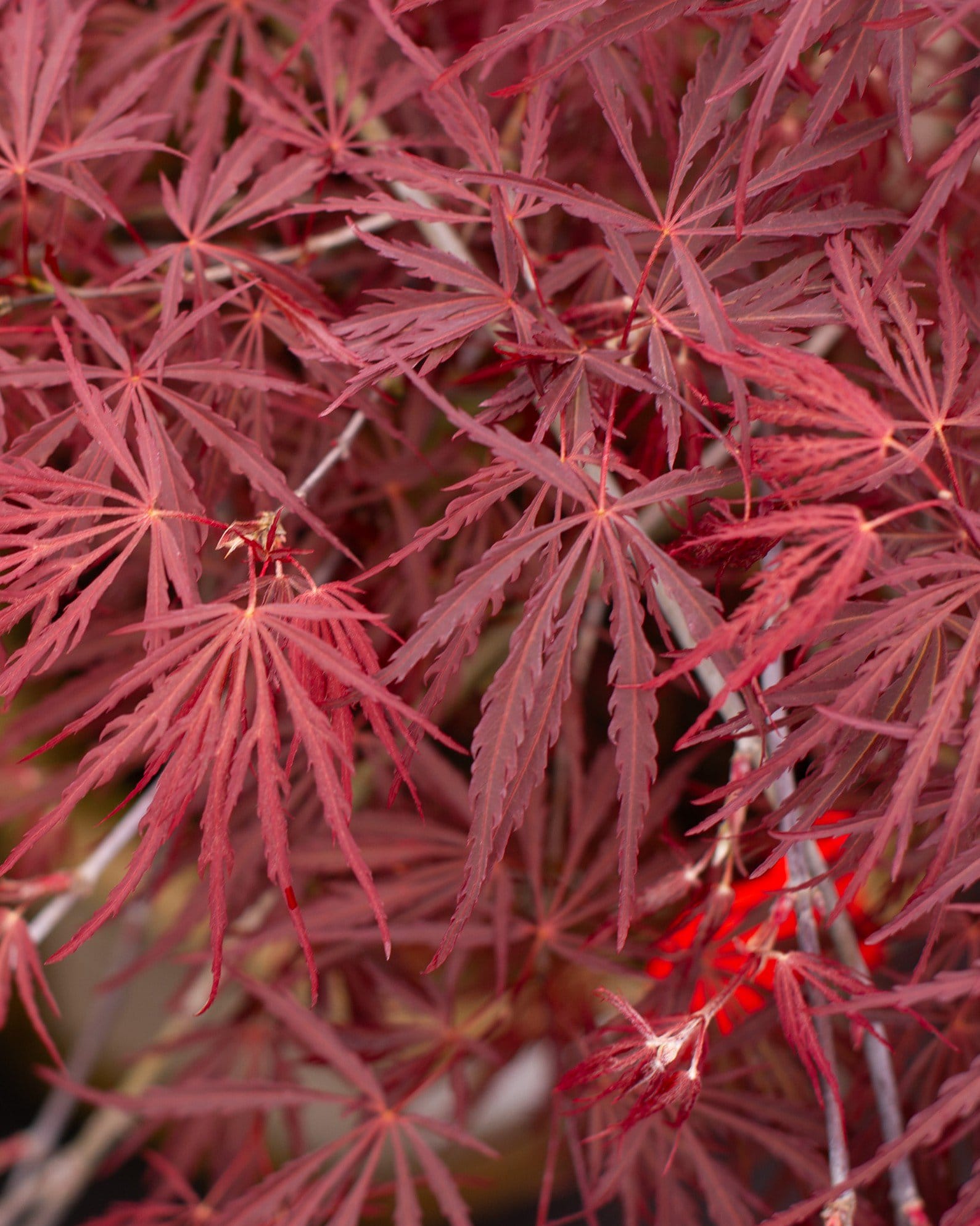
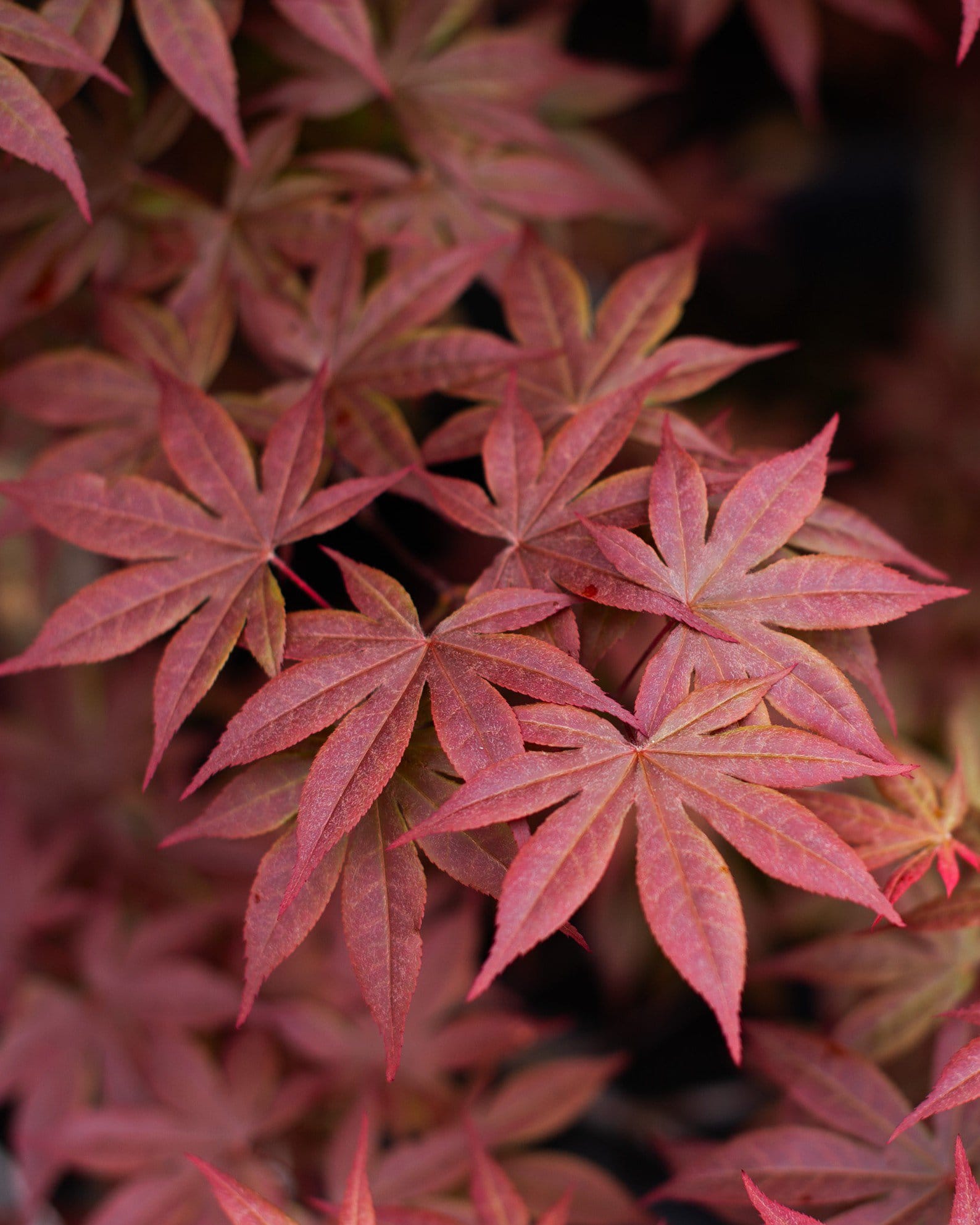
Emperor I Japanese Maple
Maturity: 20' H x 15' W
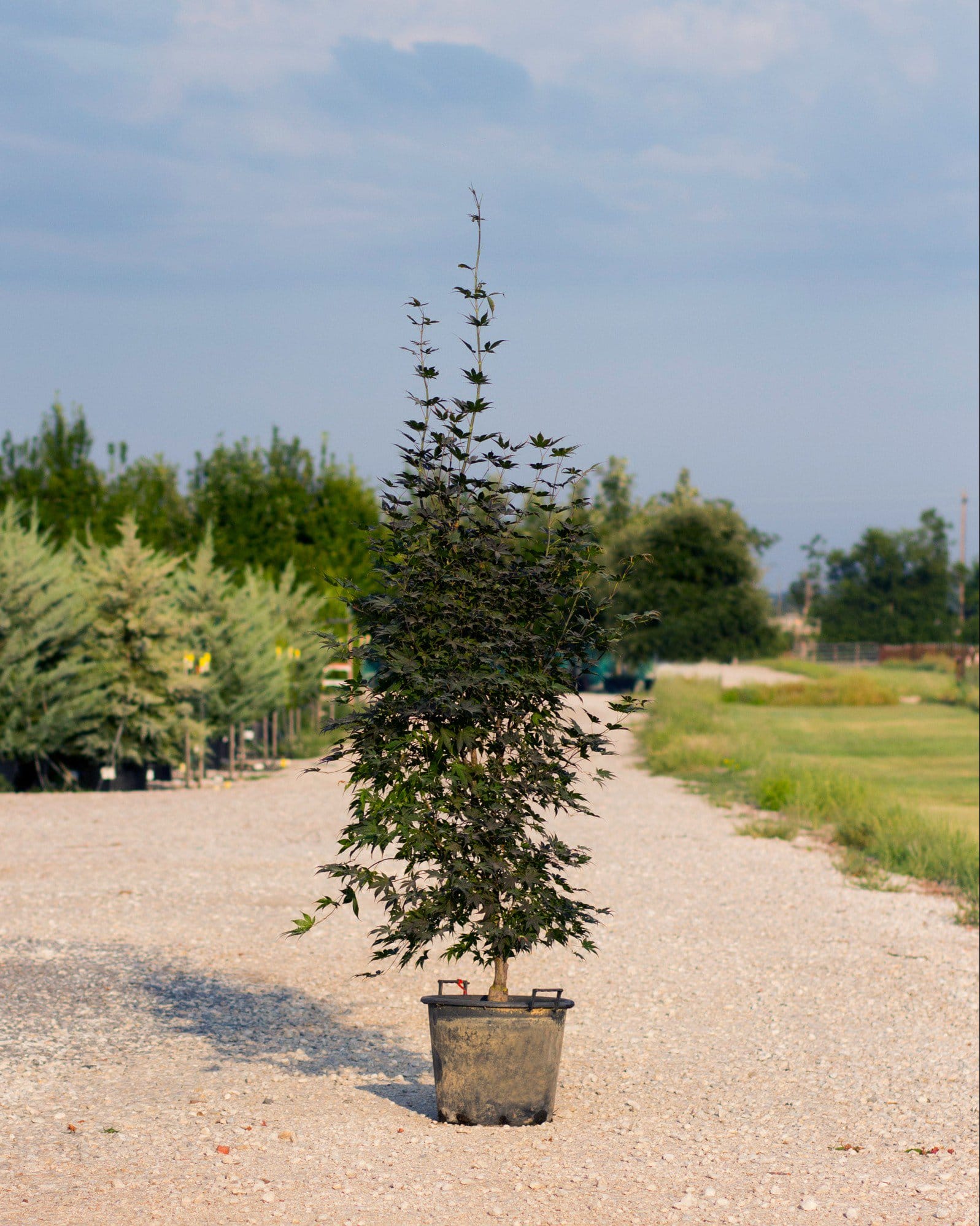
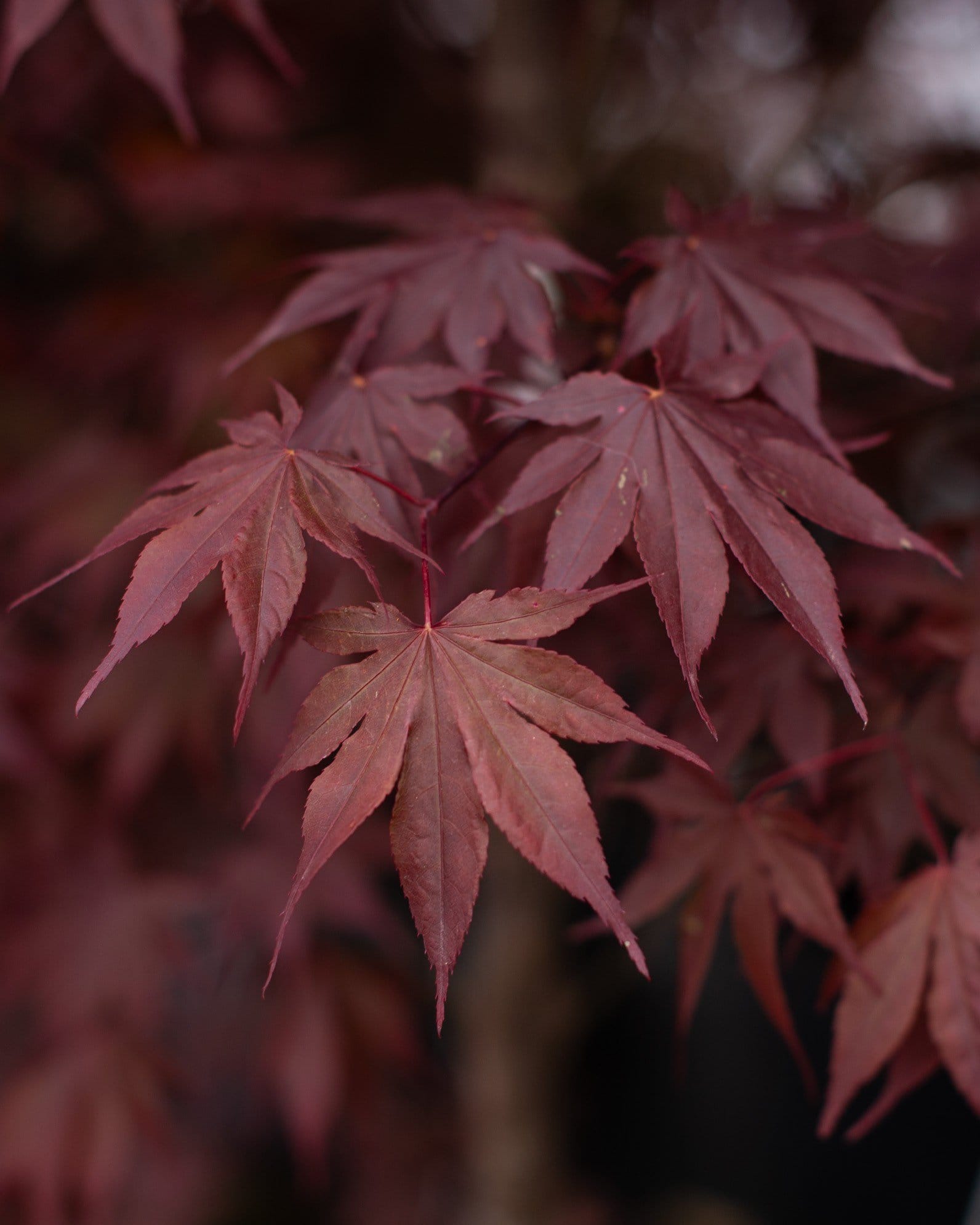
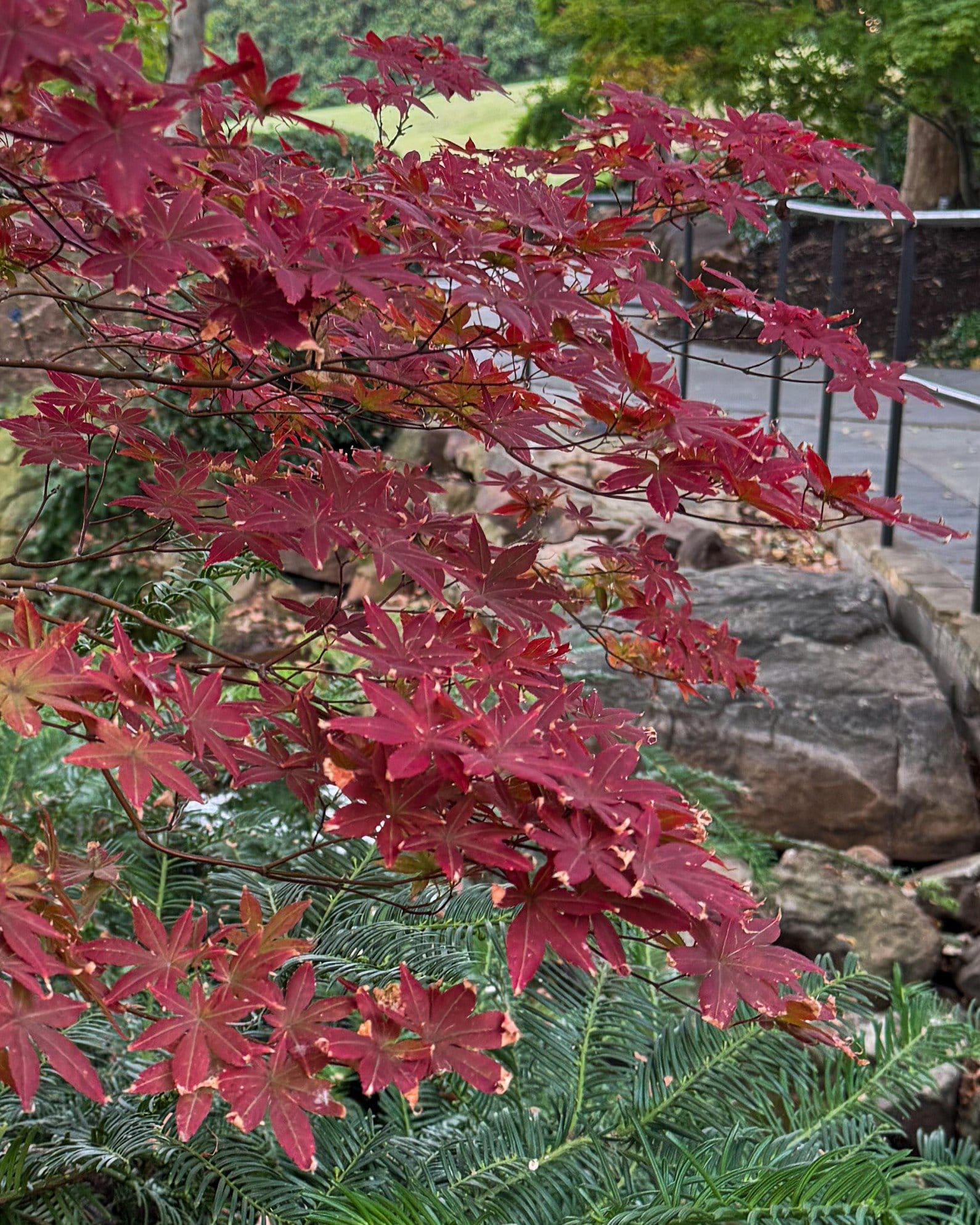
Ever Red Japanese Maple
Maturity: 5' H x 6' W
Fireglow Japanese Maple
Maturity: 10' H x 10' W
Inaba Shidare Japanese Maple
Maturity: 8' H x 10' W
Orange Flame Japanese Maple
Maturity: 20' H x 15' W
Orangeola Japanese Maple
Maturity: 12' H x 15' W
Red Dragon Japanese Maple
Maturity: 7' H x 5' W
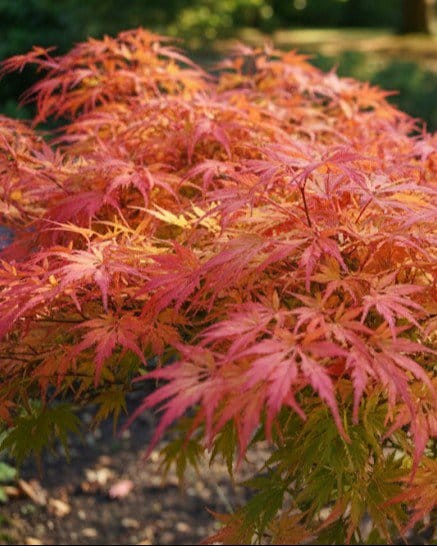
Seiryu Japanese Maple
Maturity: 10' H x 8' W
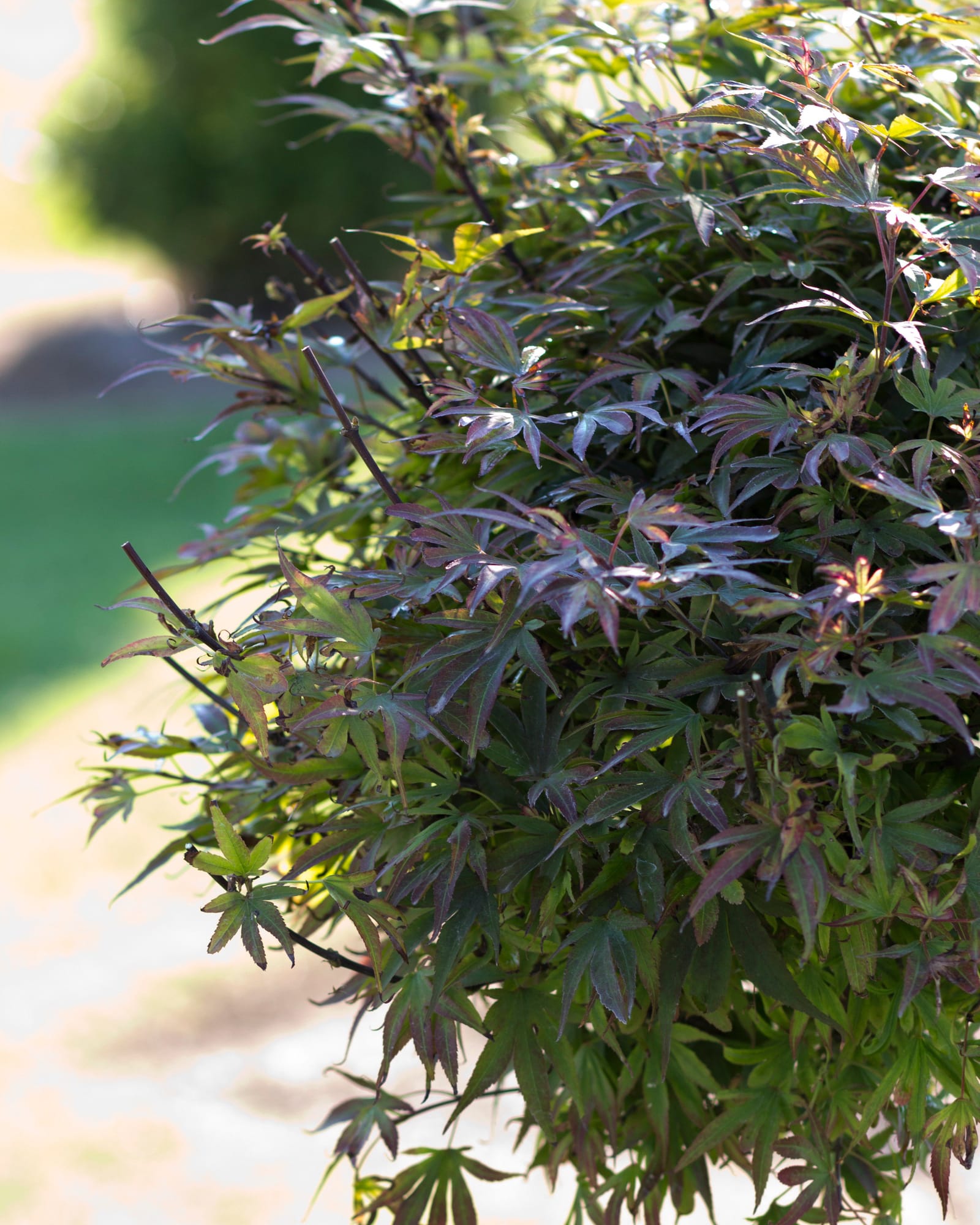
Shaina Japanese Maple
Maturity: 5' H x 4' W
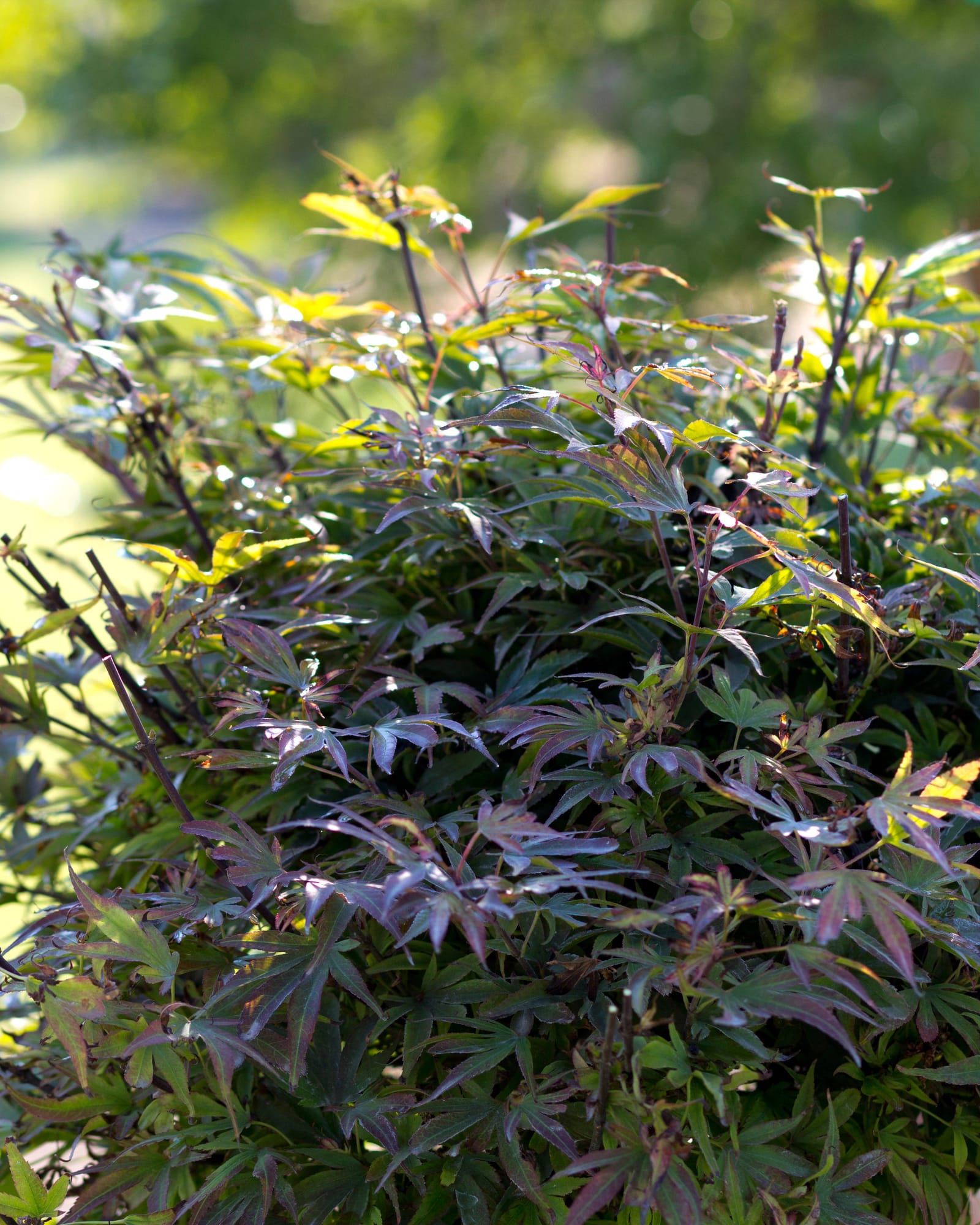
Shaina Japanese Maple Tree Form
Maturity: 5' H x 4' W
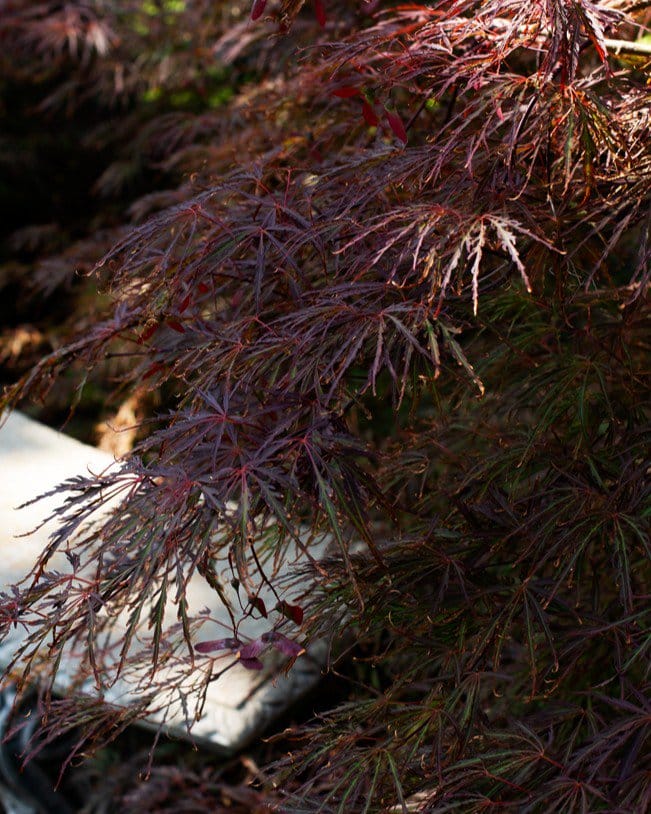
Tamukeyama Japanese Maple
Maturity: 10' H x 10' W
Ukigumo Japanese Maple
Maturity: 12' H x 8' W
Compare Similar Plants
Mikawa Yatsubusa Japanese Maple This plant | ||
|---|---|---|
| Scientific Name | Acer palmatum ‘Mikawa Yatsubusa’ | Acer palmatum 'Bloodgood' |
| Size at Maturity | 5' H x 6' W | 20' H x 20' W |
| Leaf Retention | Deciduous | Deciduous |
| Sizes Available | 7 gal | 7, 15, 30 gal |


Our 1-Year Planting Guarantee
We take pride in our plants and installation services. If any plants or trees installed by Treeland fail to thrive within the first year, we'll provide a replacement credit in accordance with our guarantee program.
Learn More About Our Guarantee