
Tamukeyama Japanese Maple
Acer palmatum dissectum ‘Tamukeyama’Local DFW Delivery Only
Product Details
Tamukeyama Japanese Maple
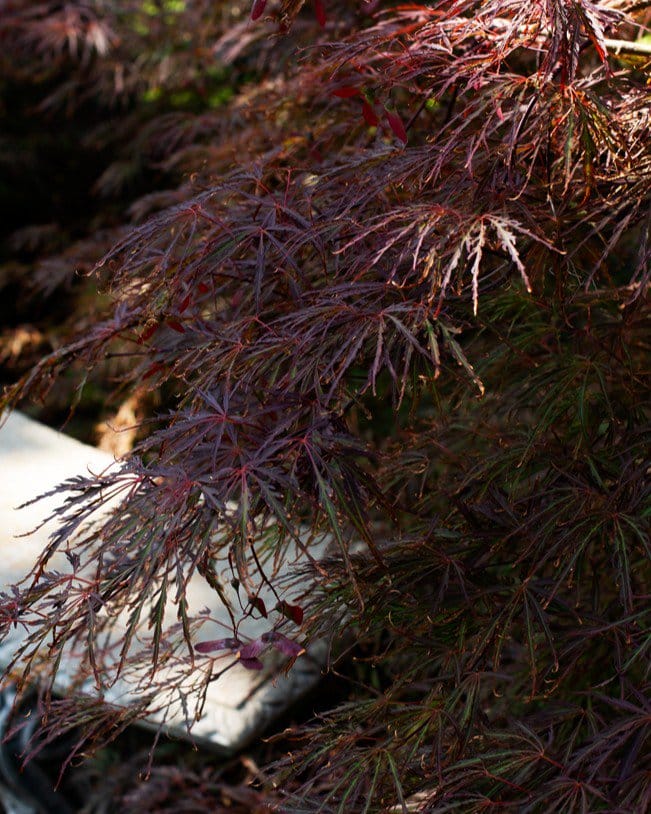
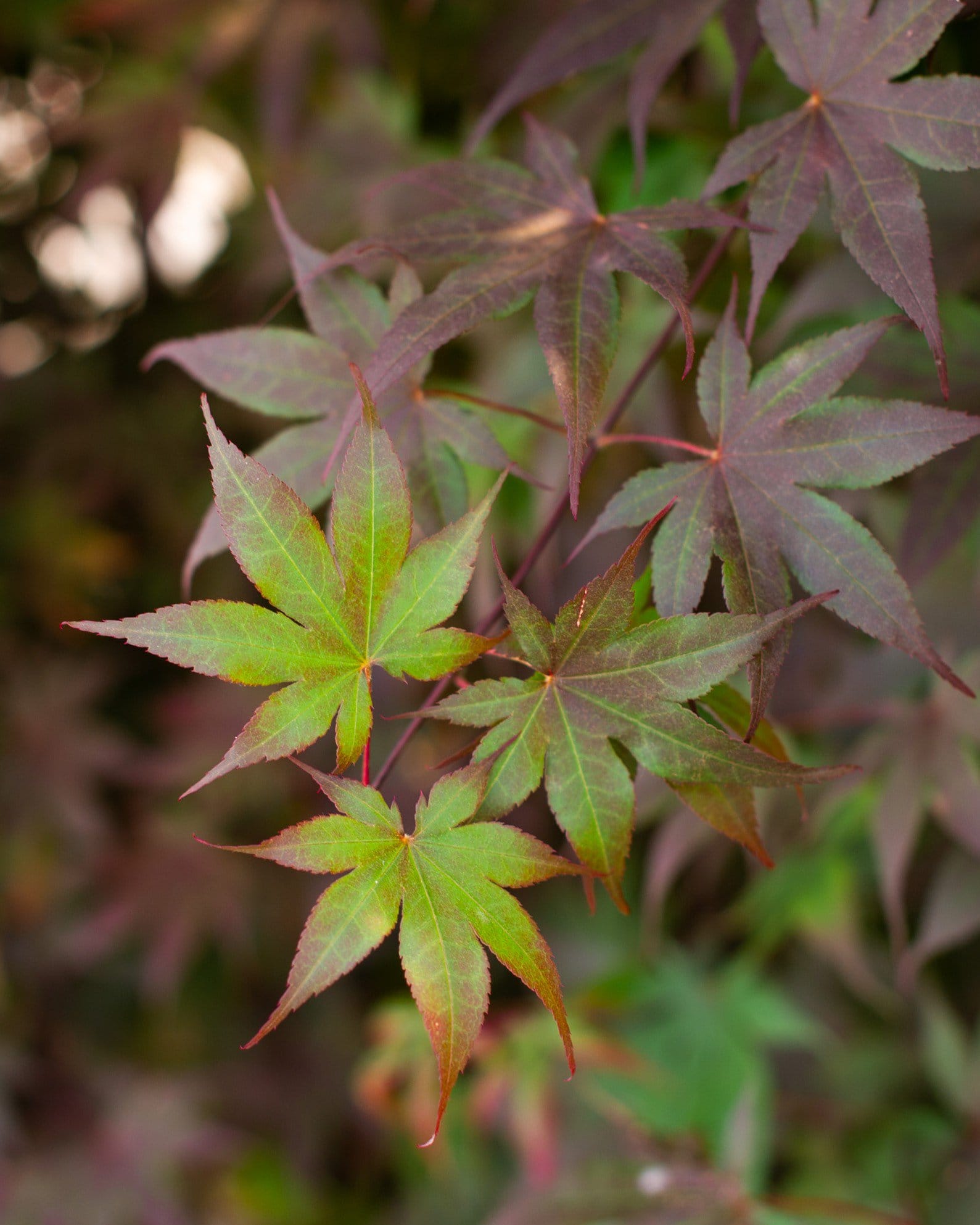
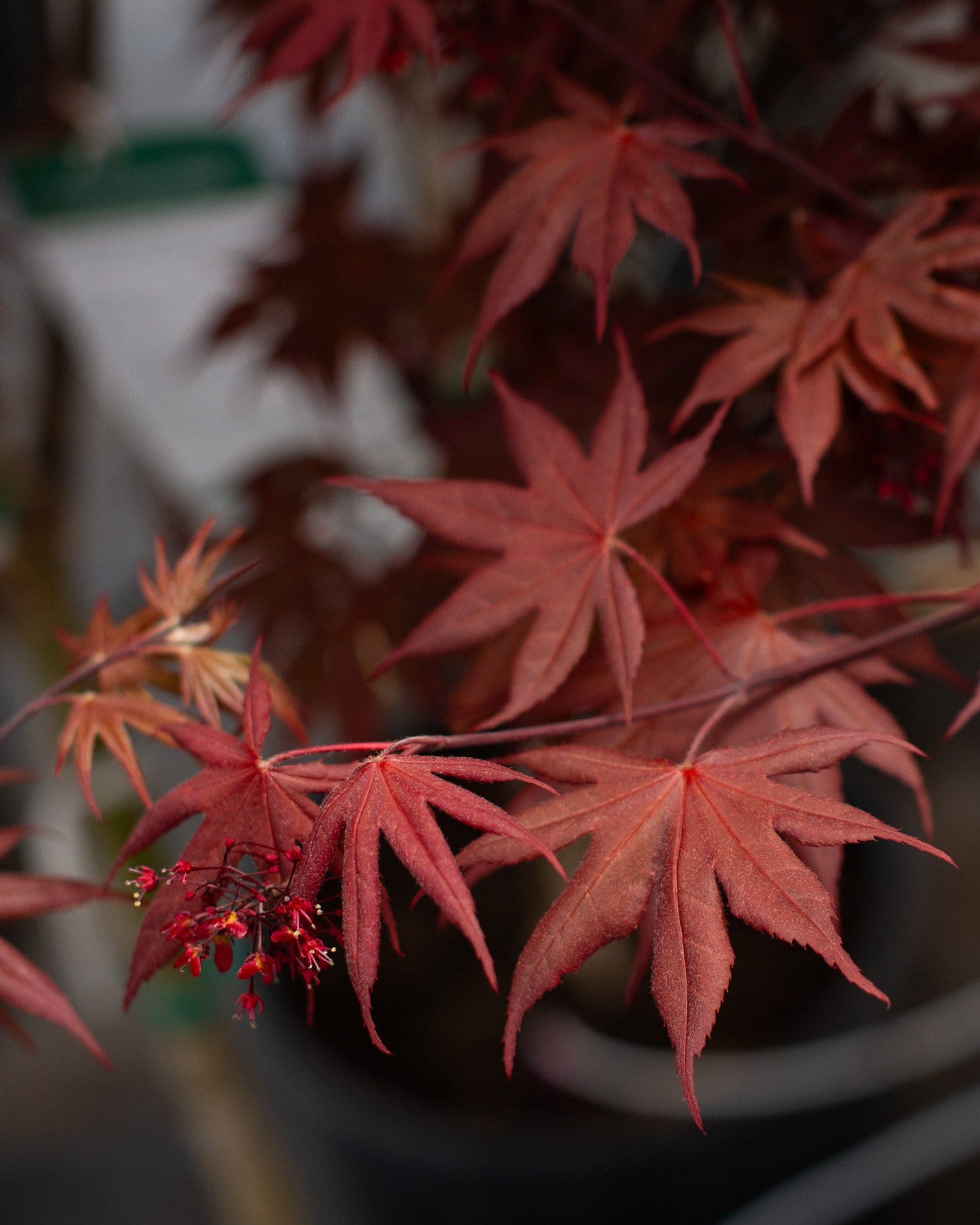
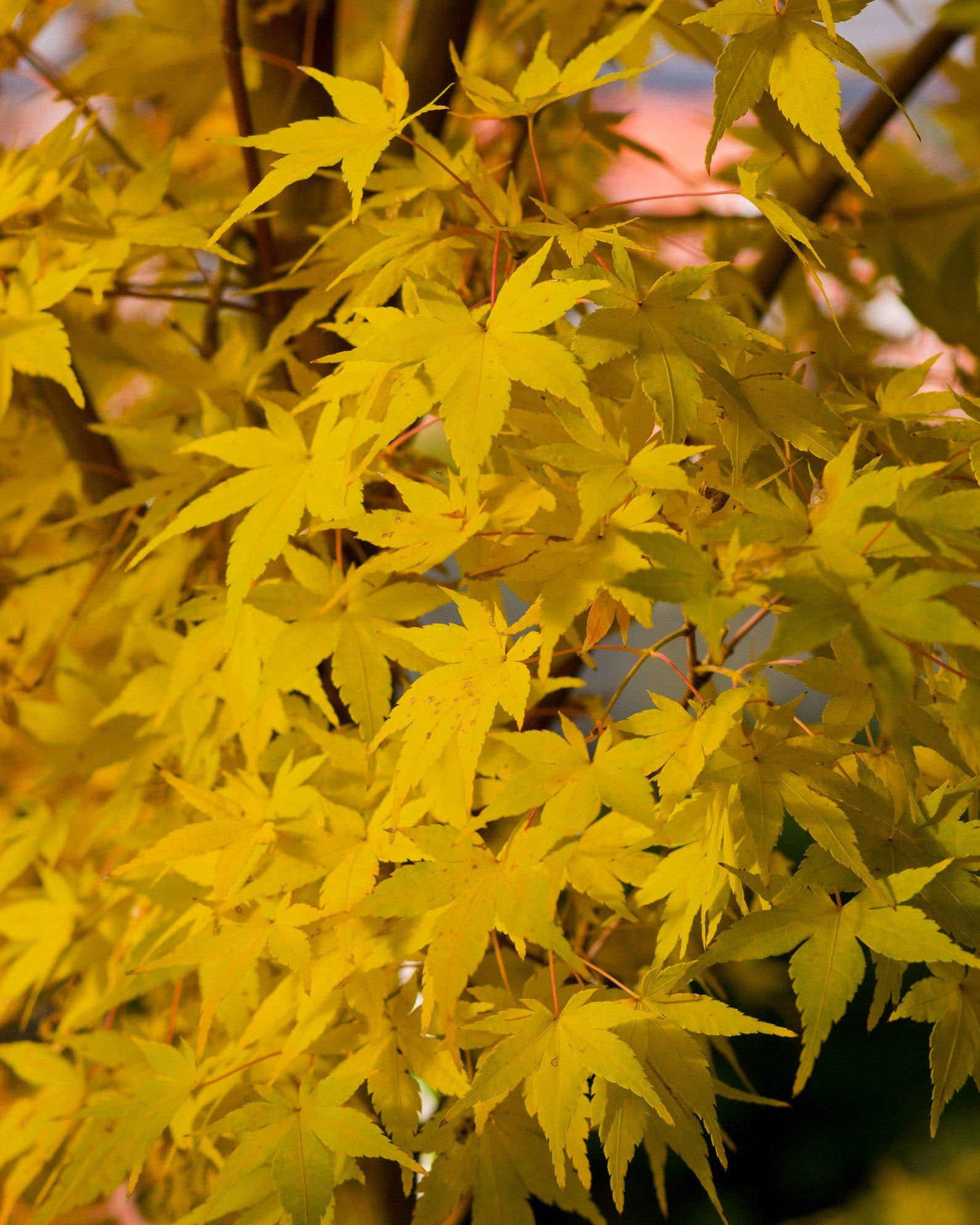
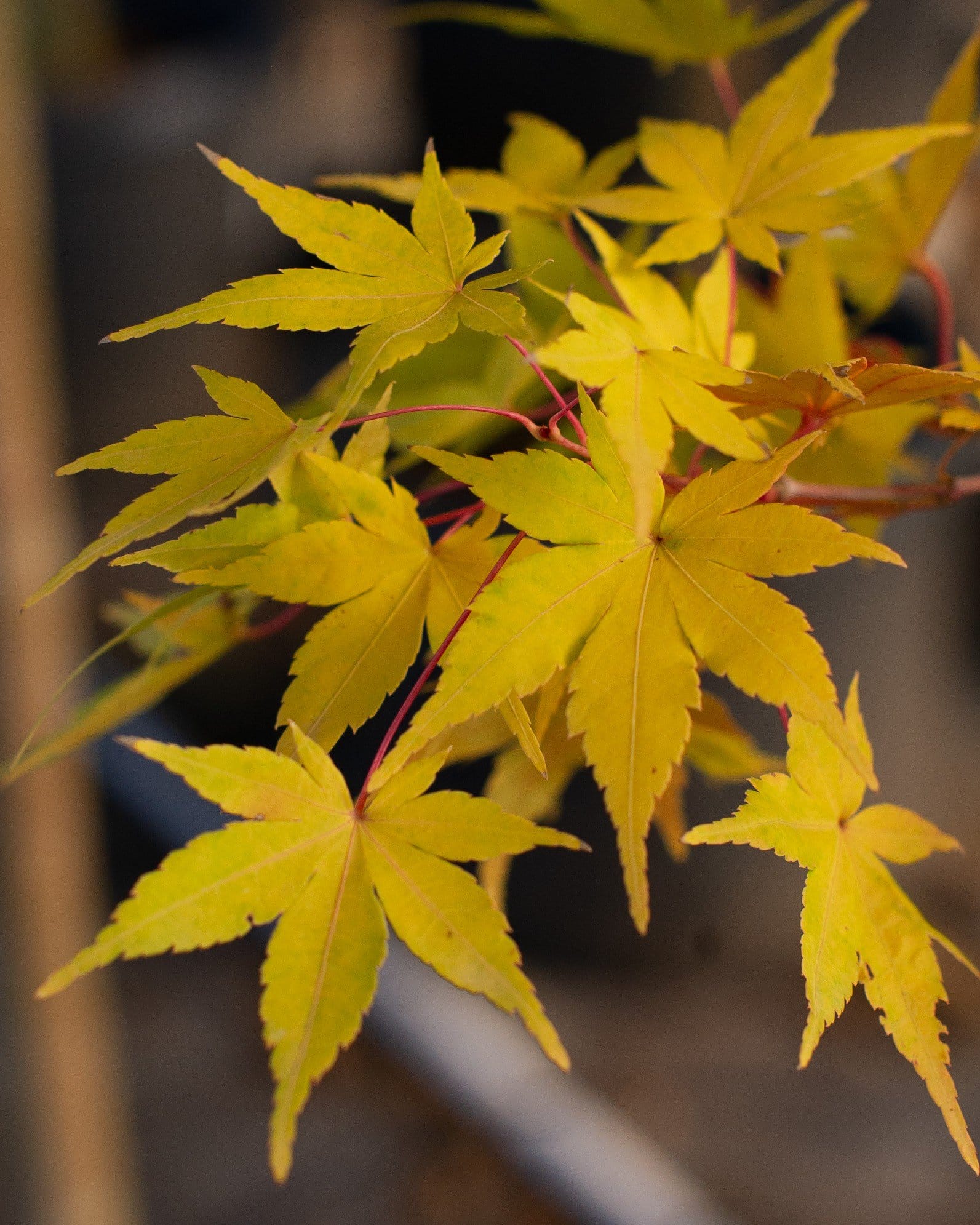
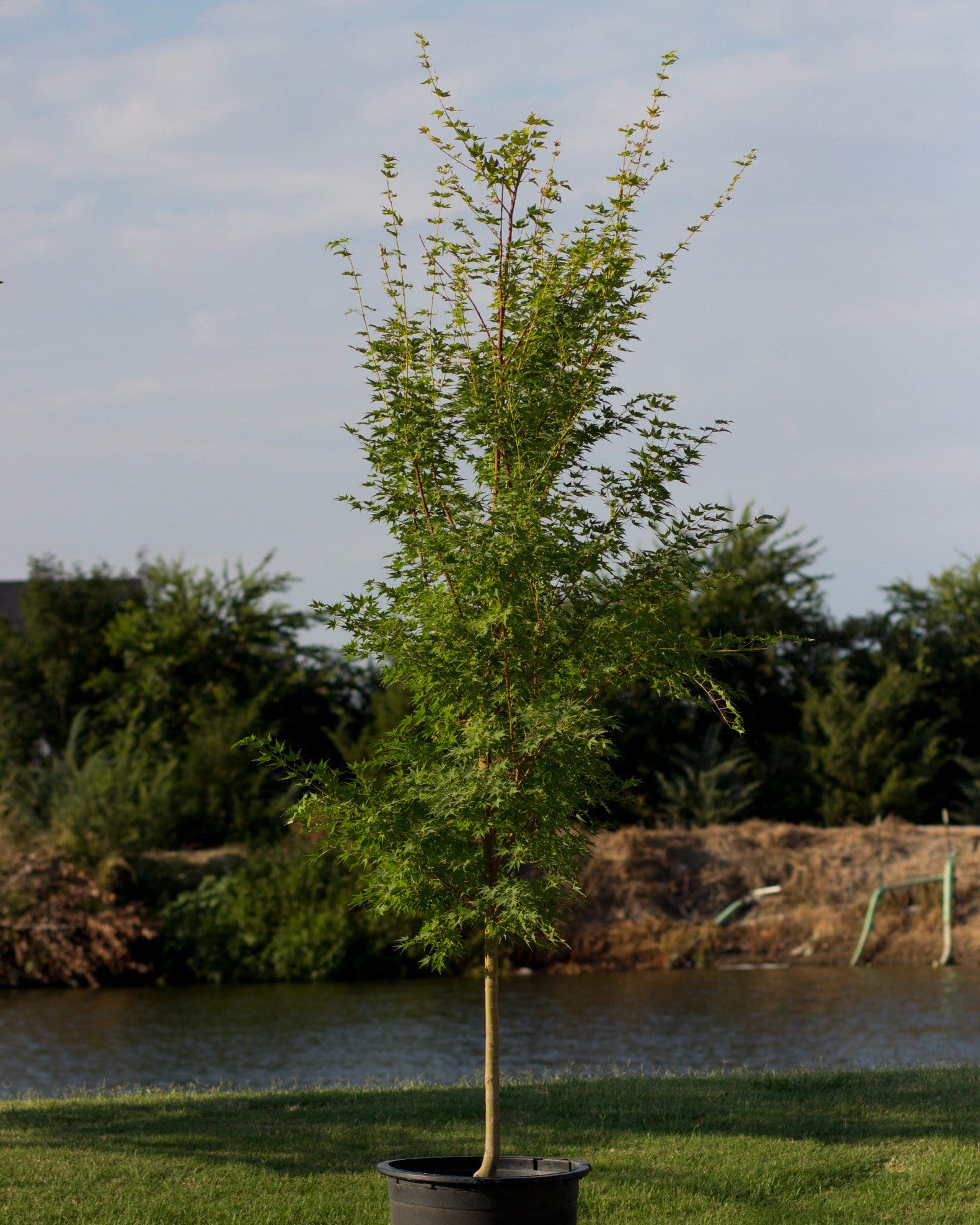
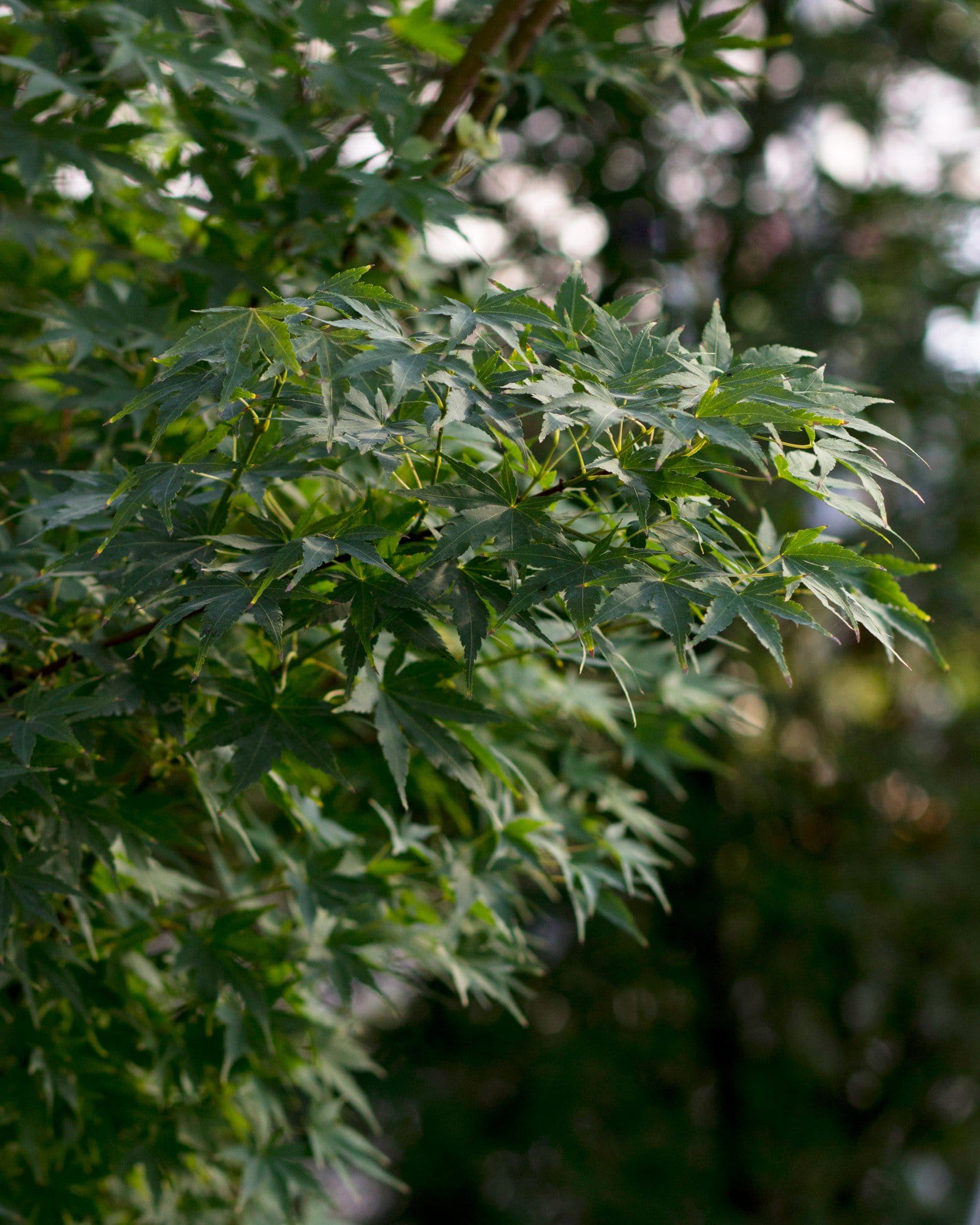
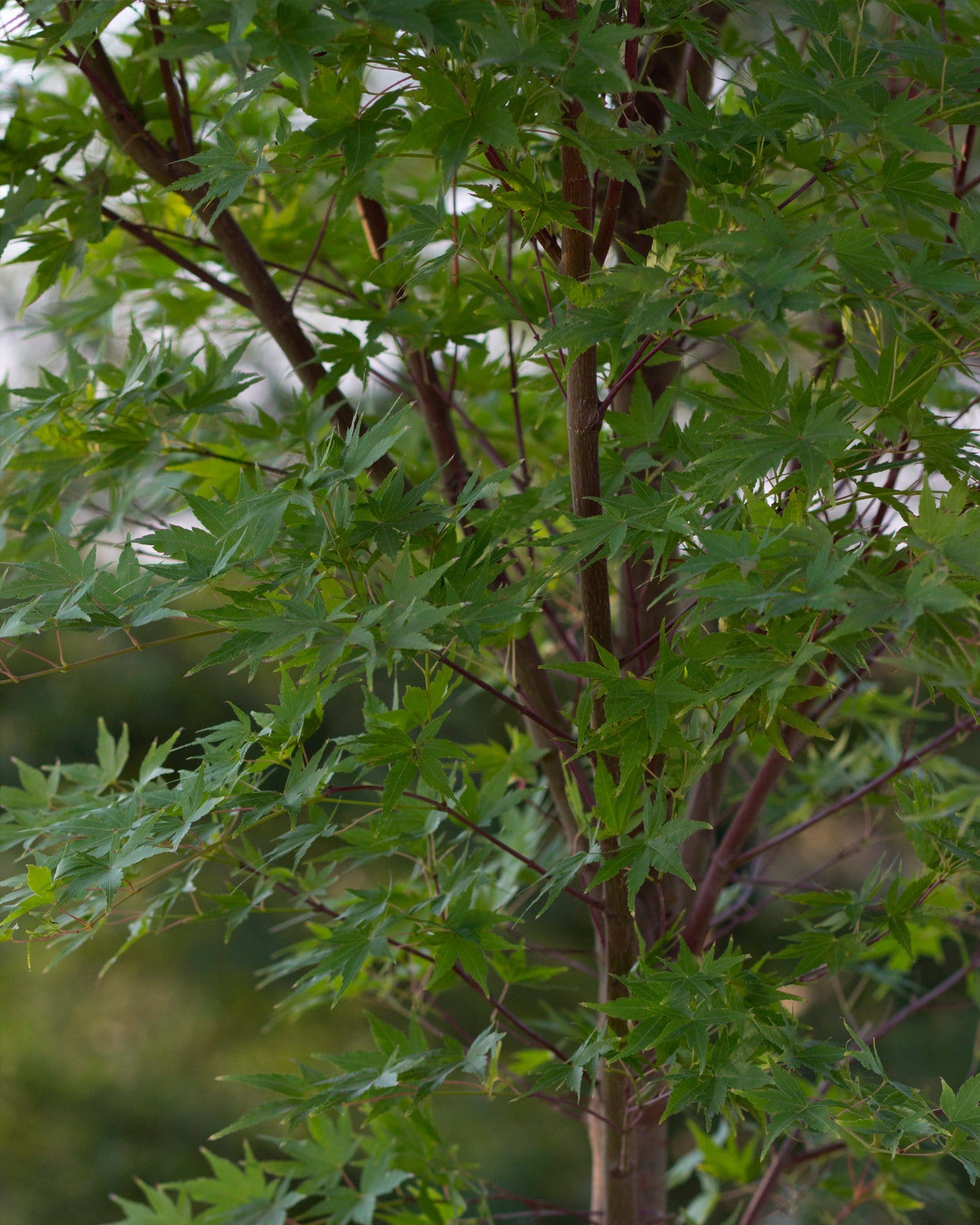
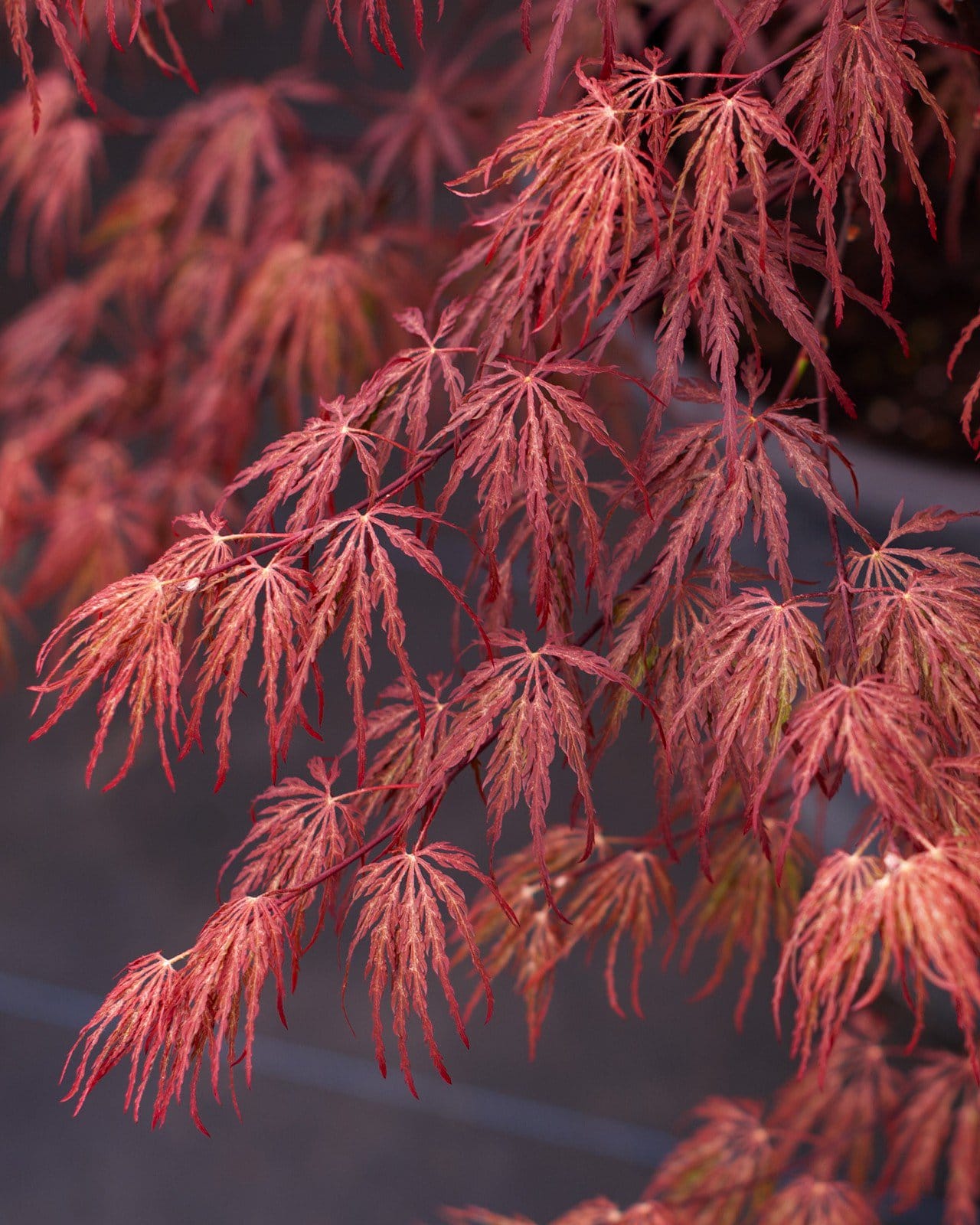
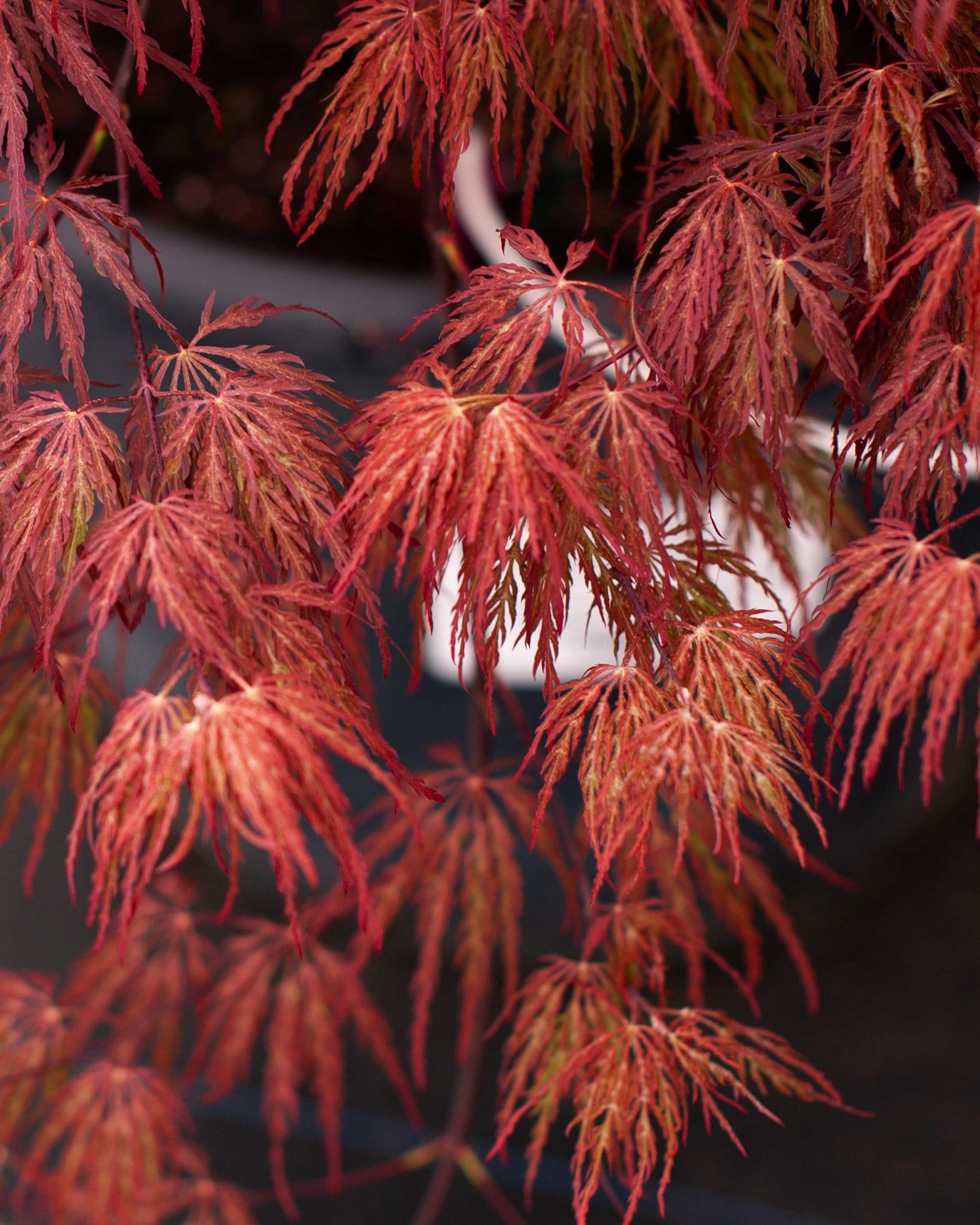
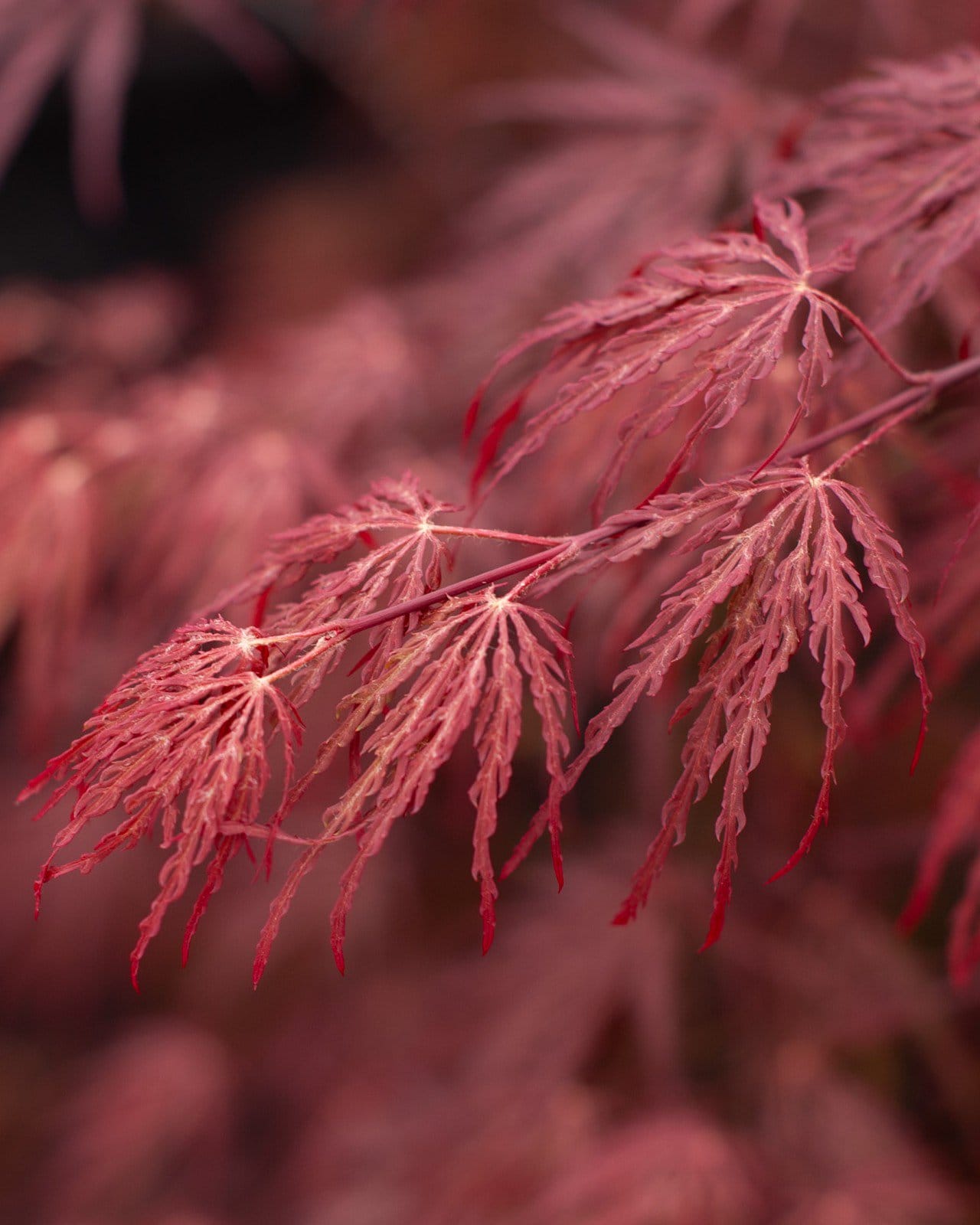
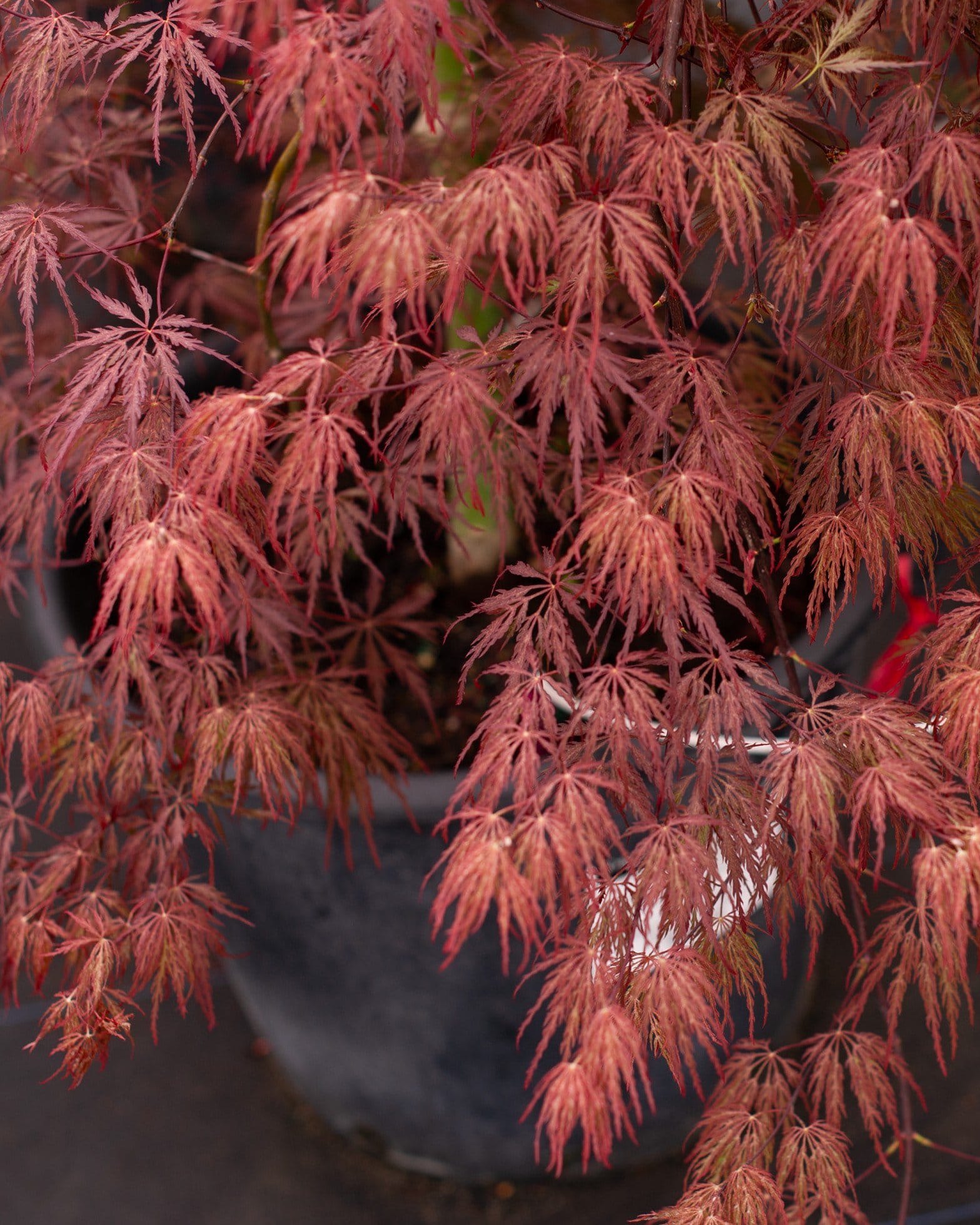
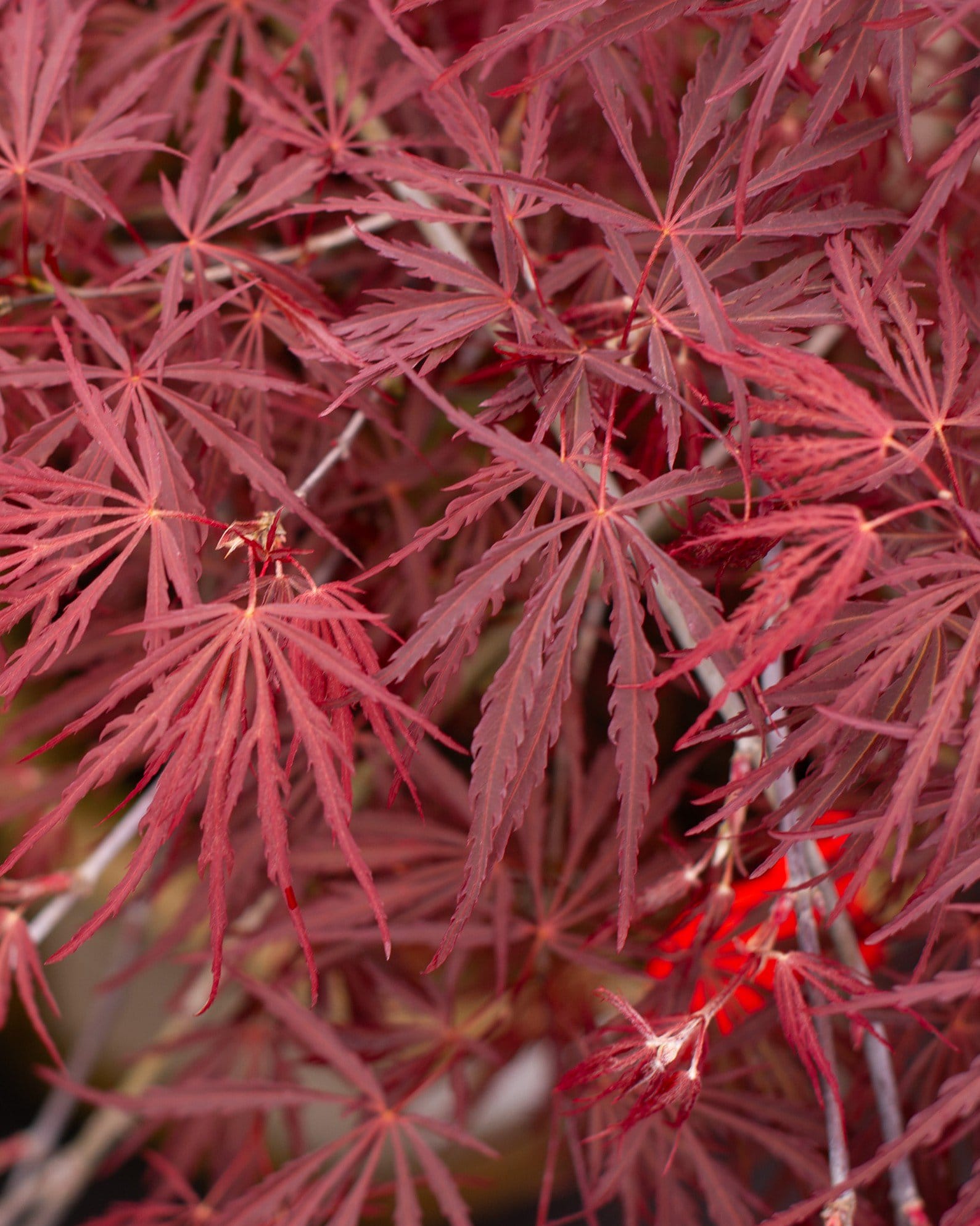
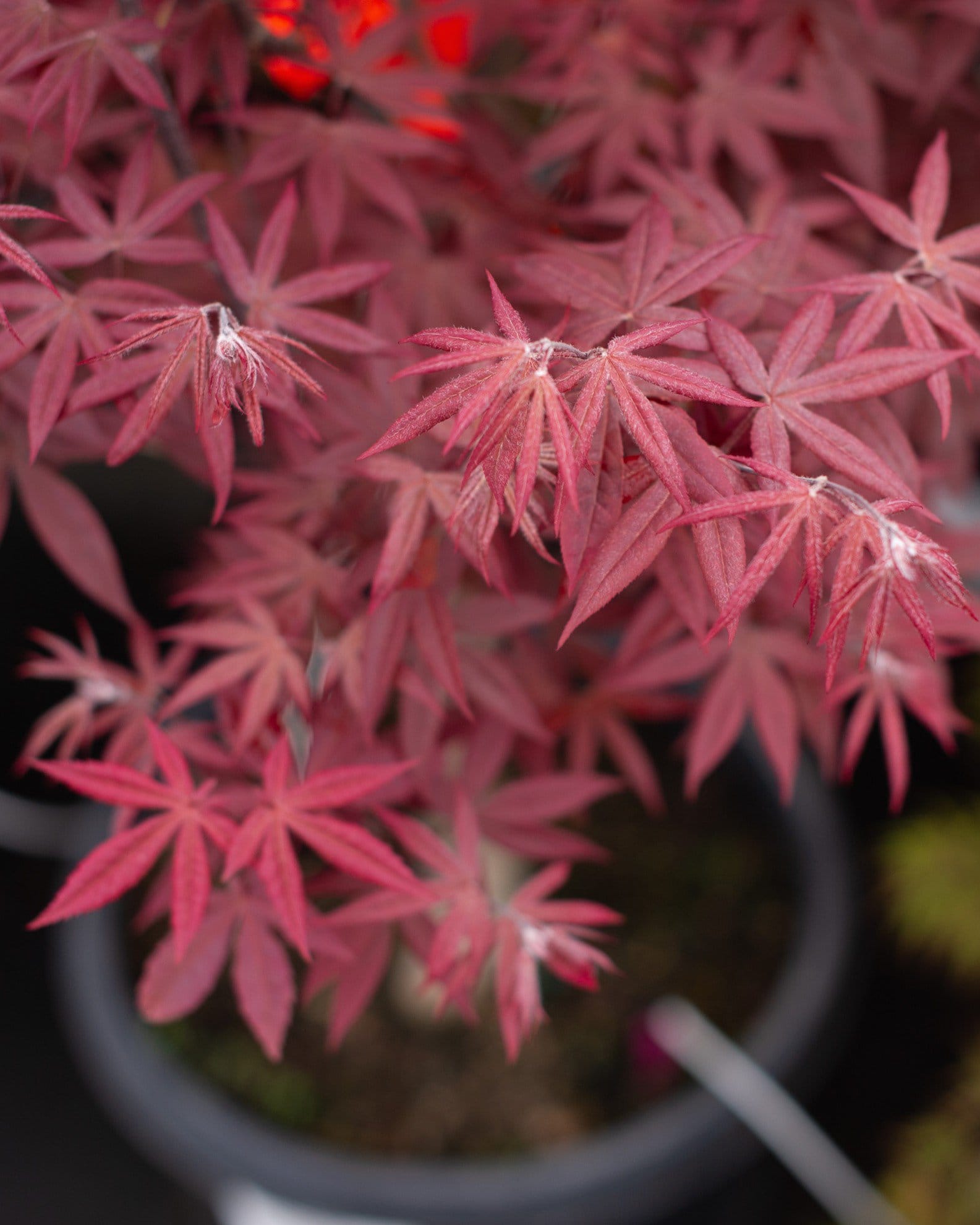
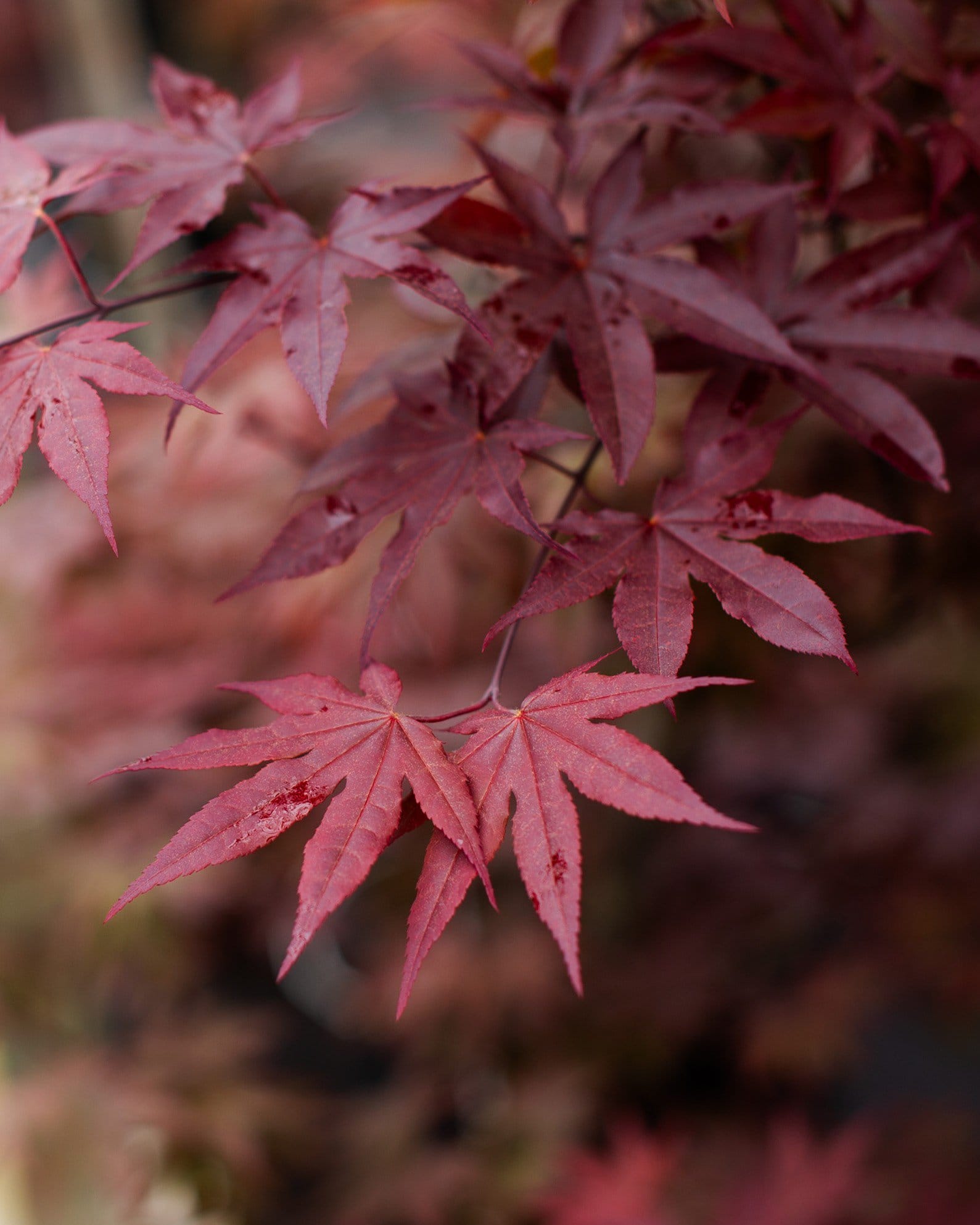
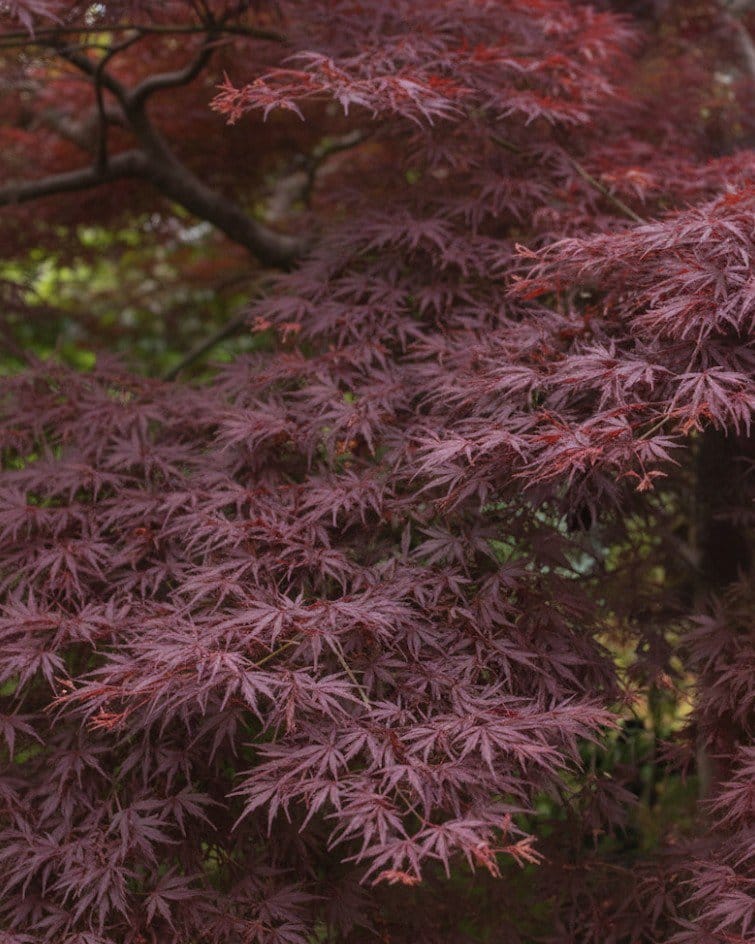
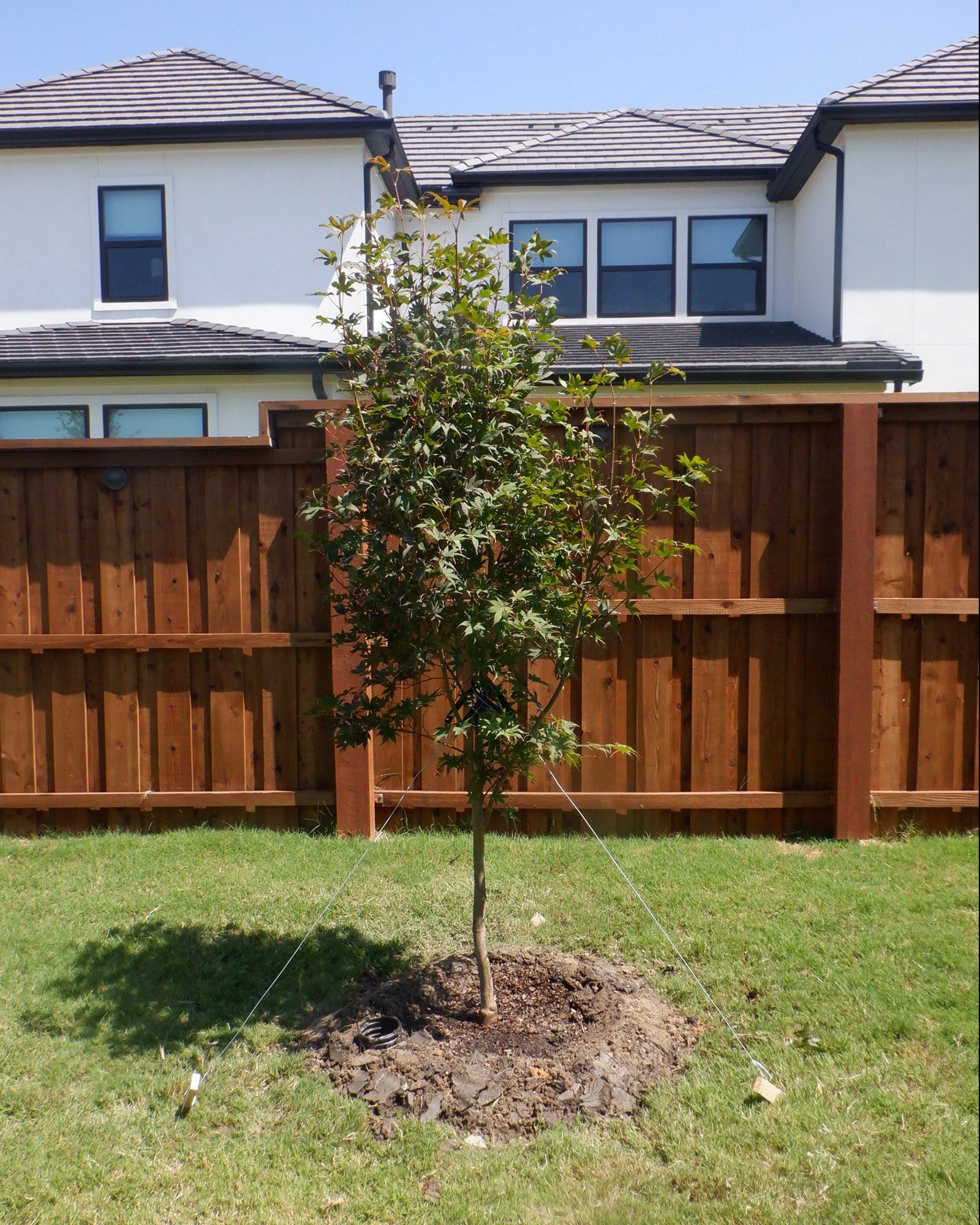
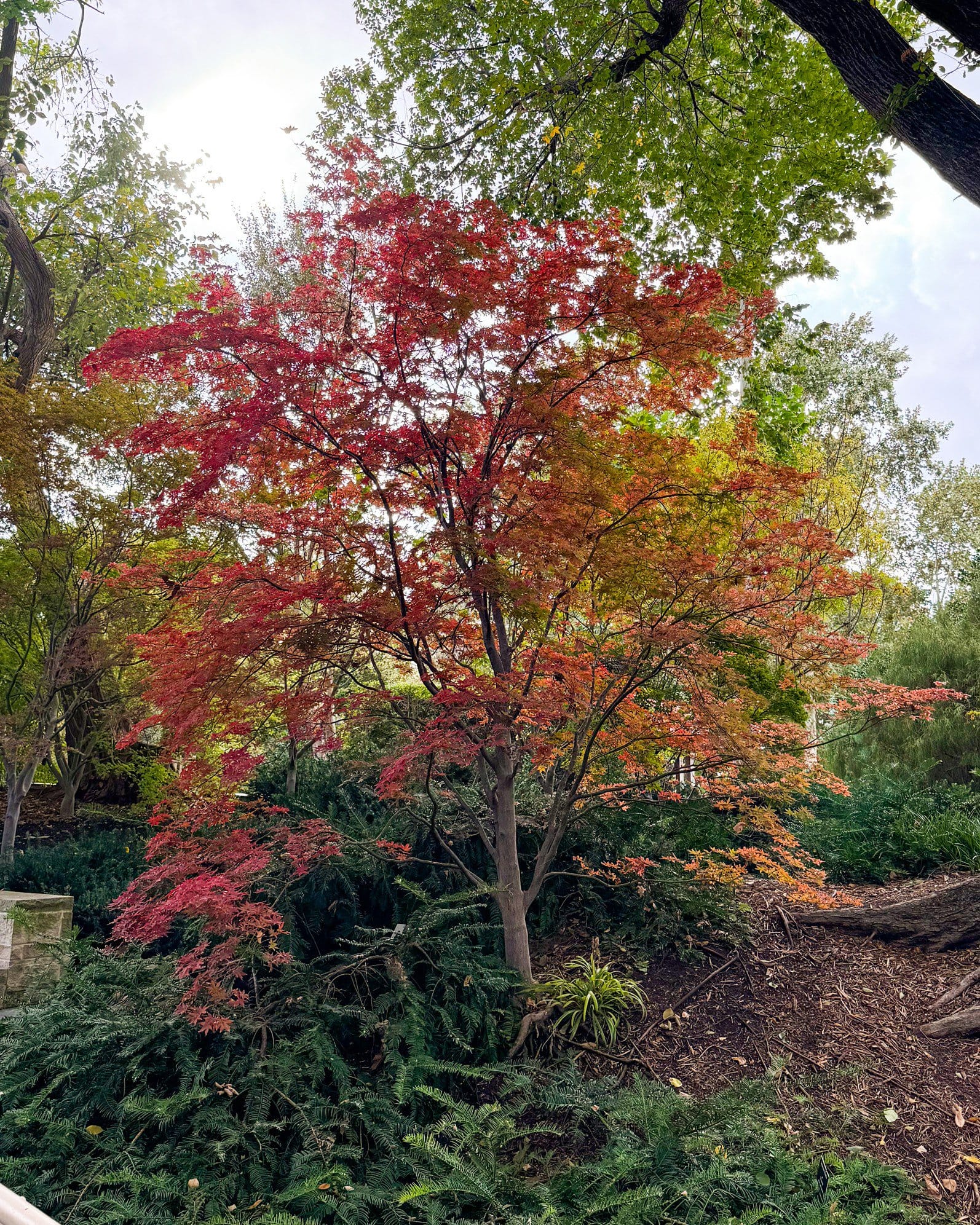
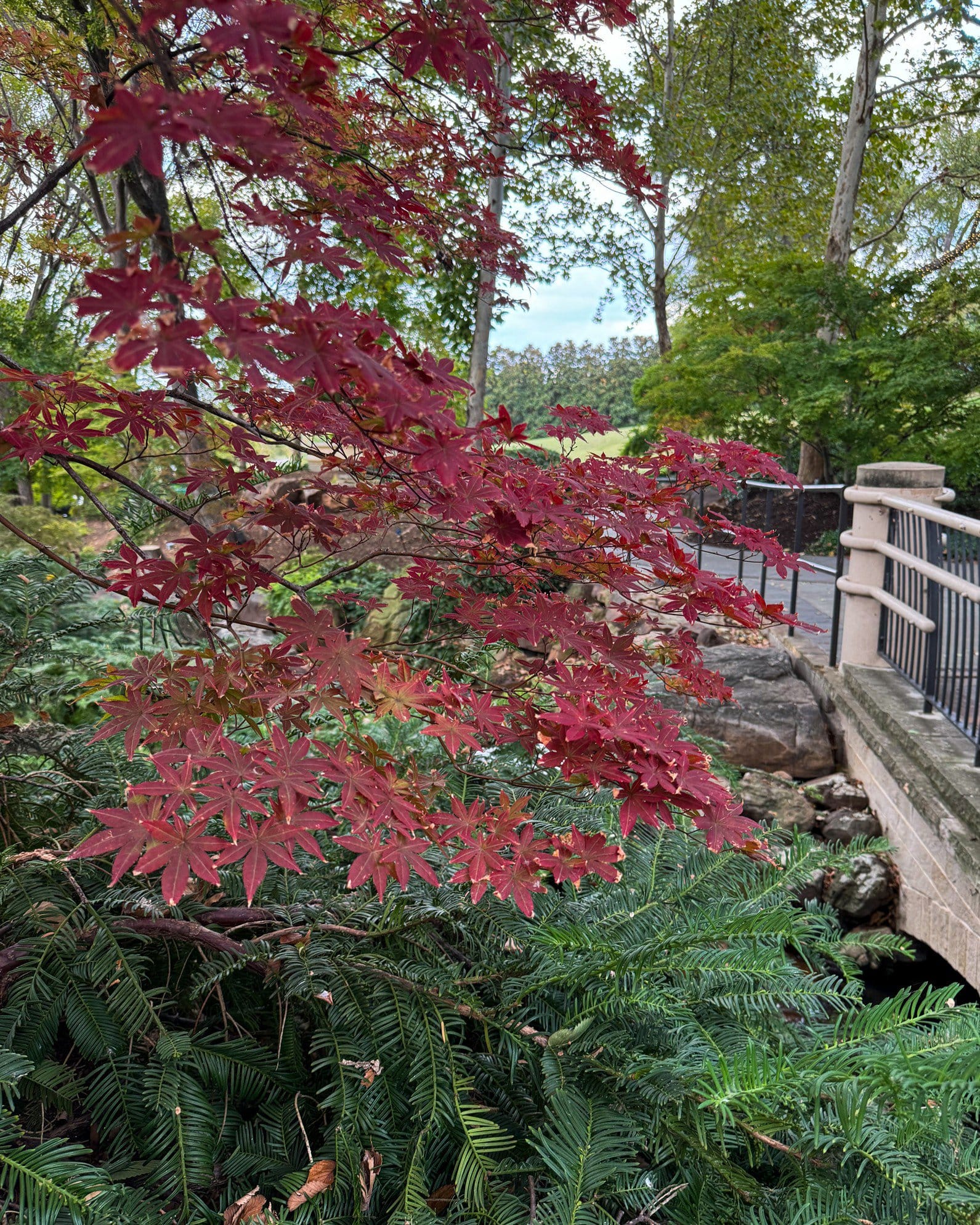
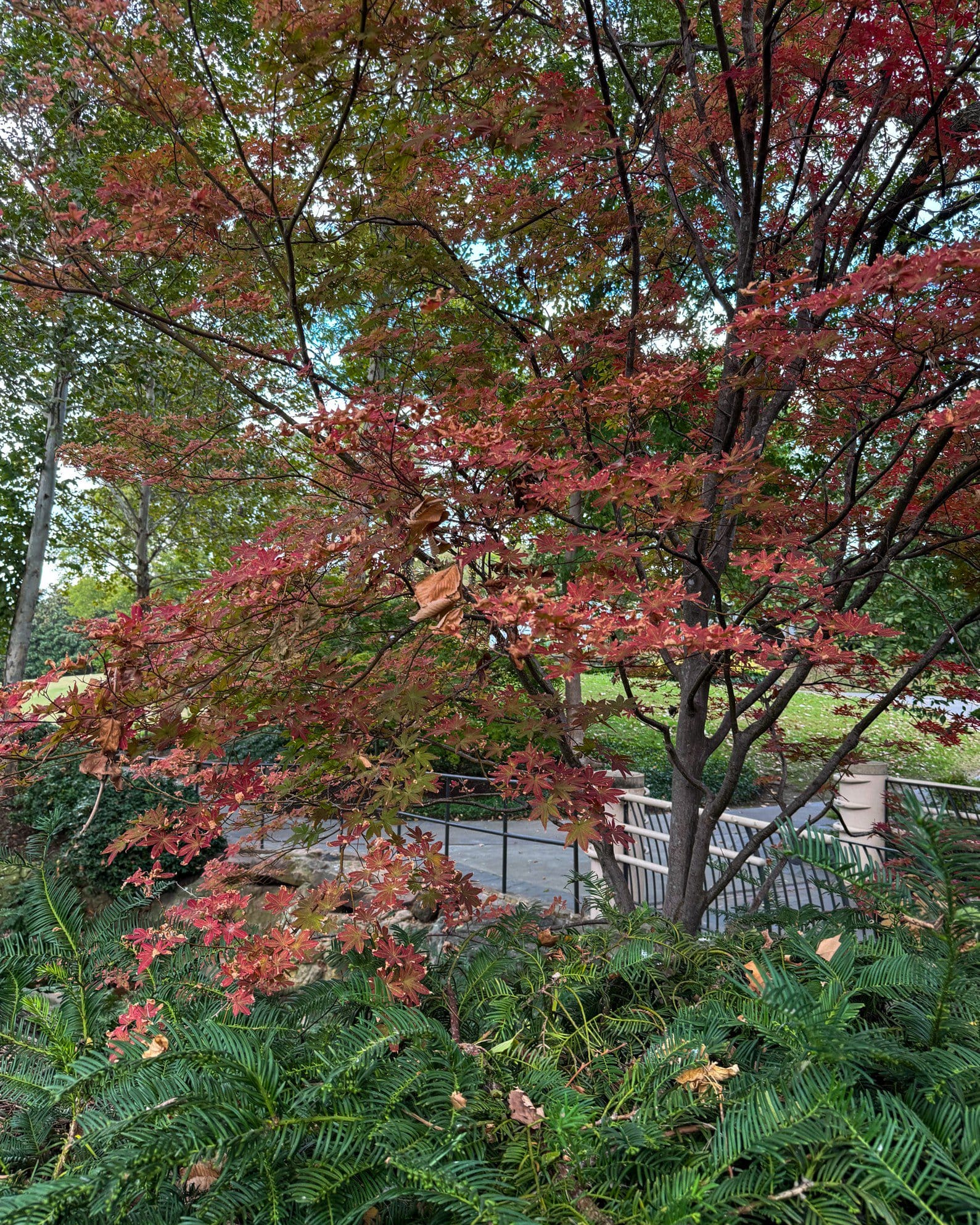
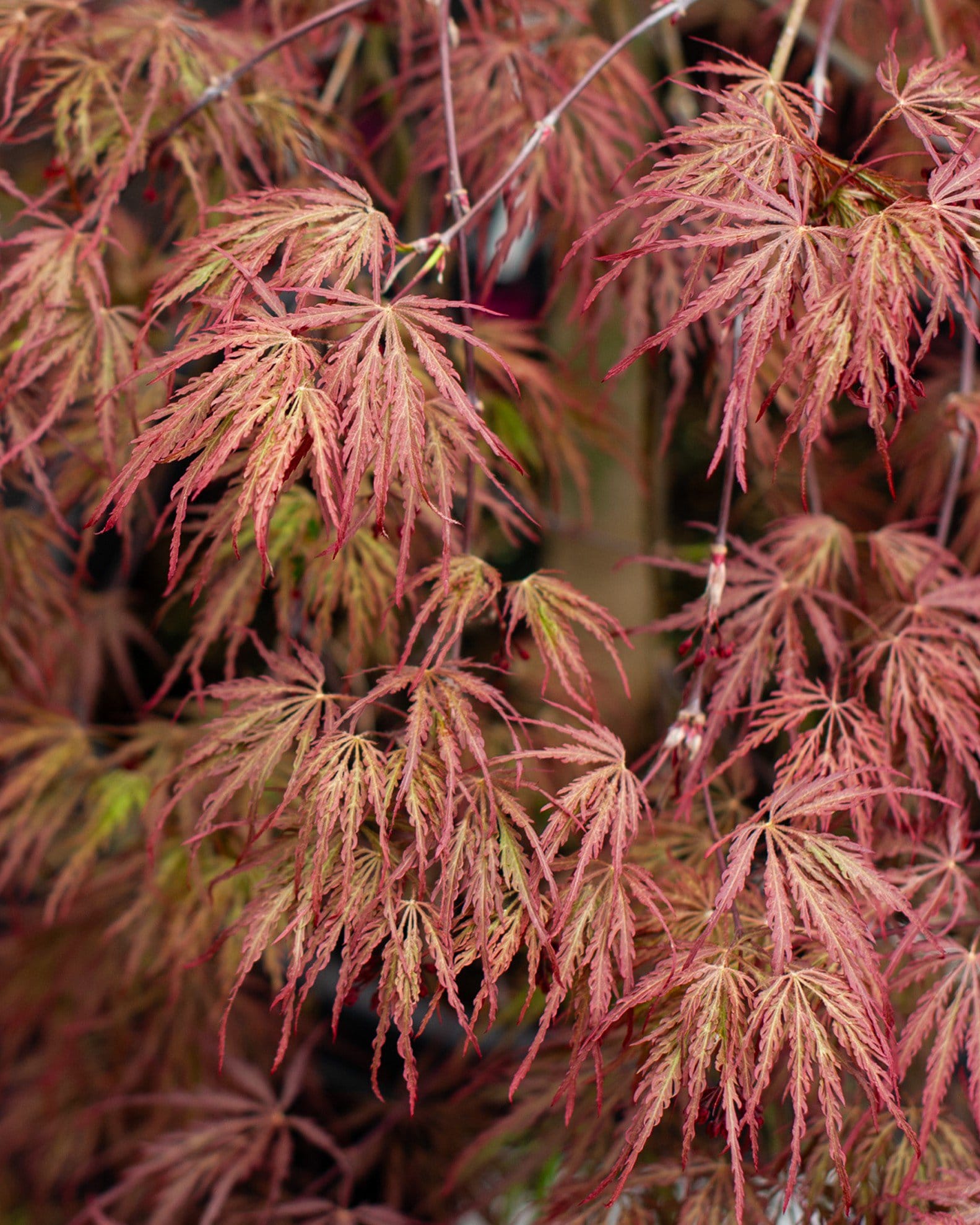
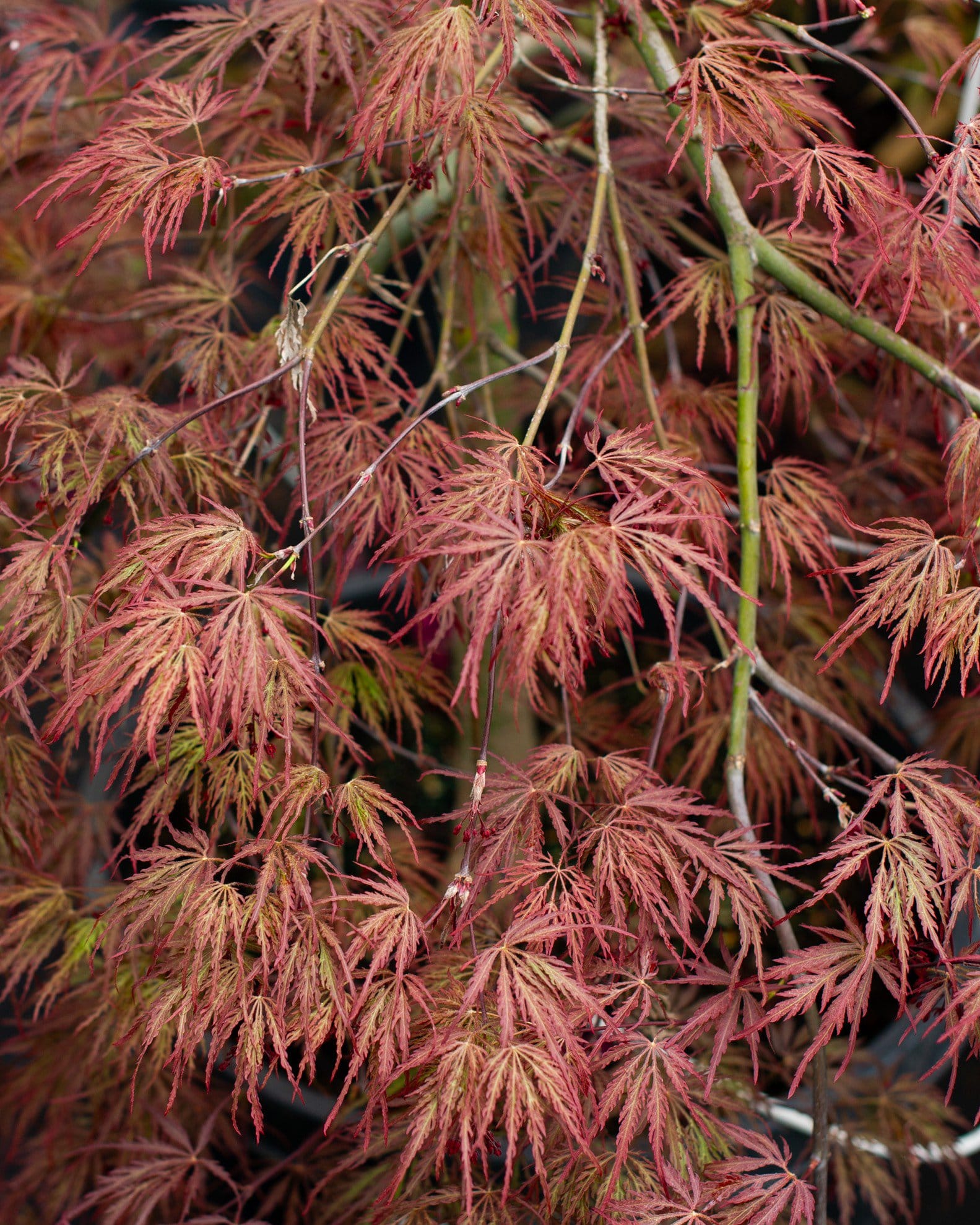
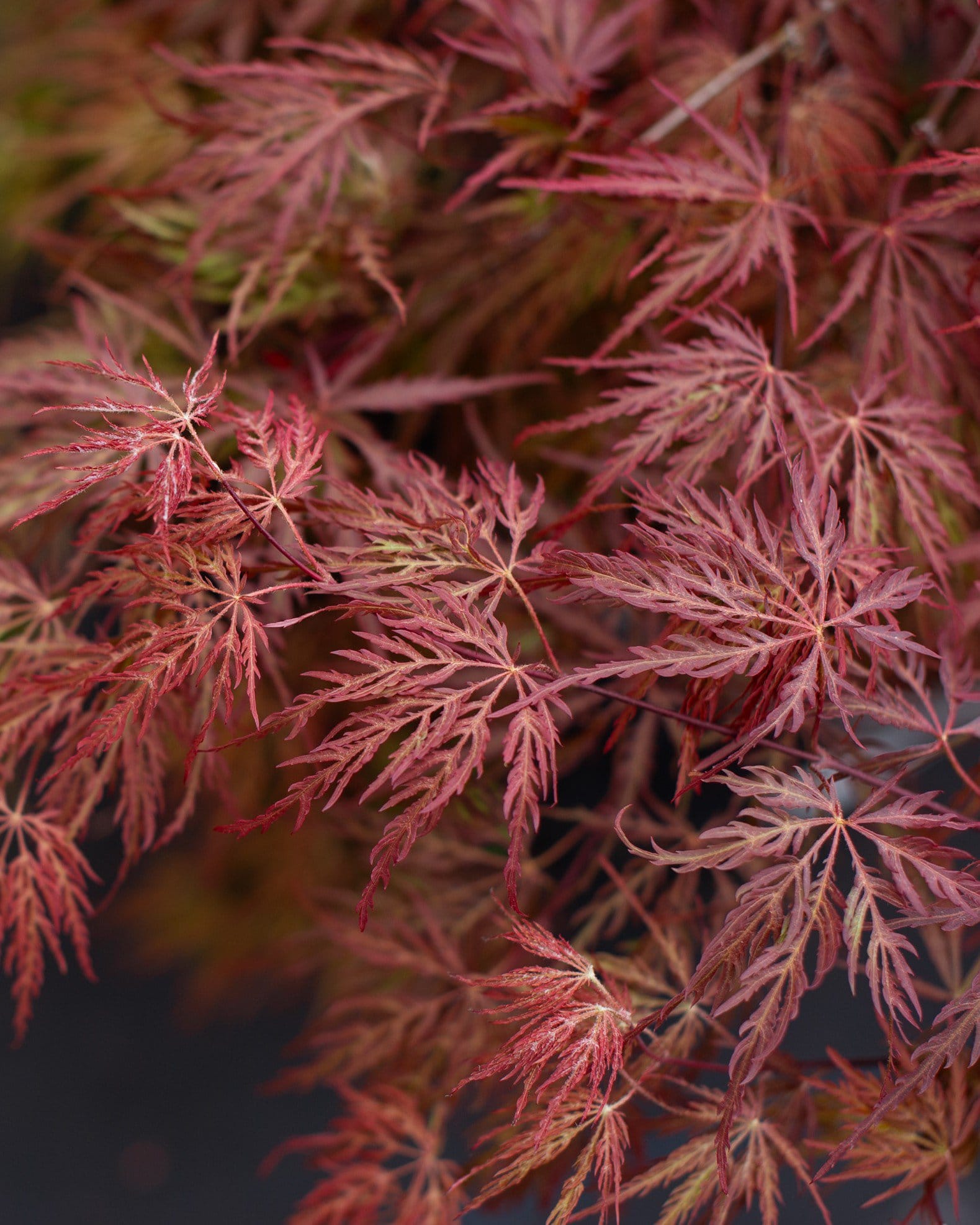
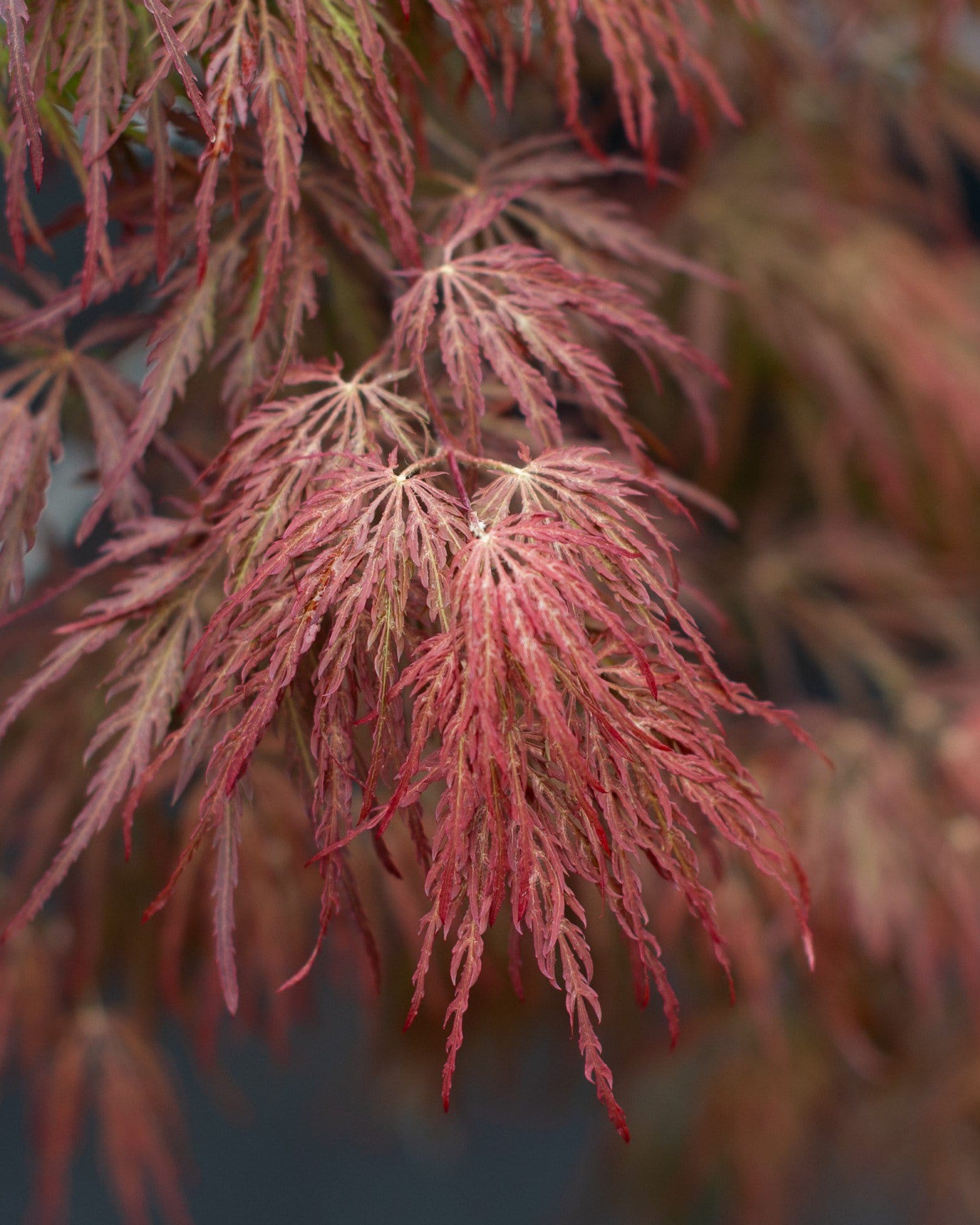
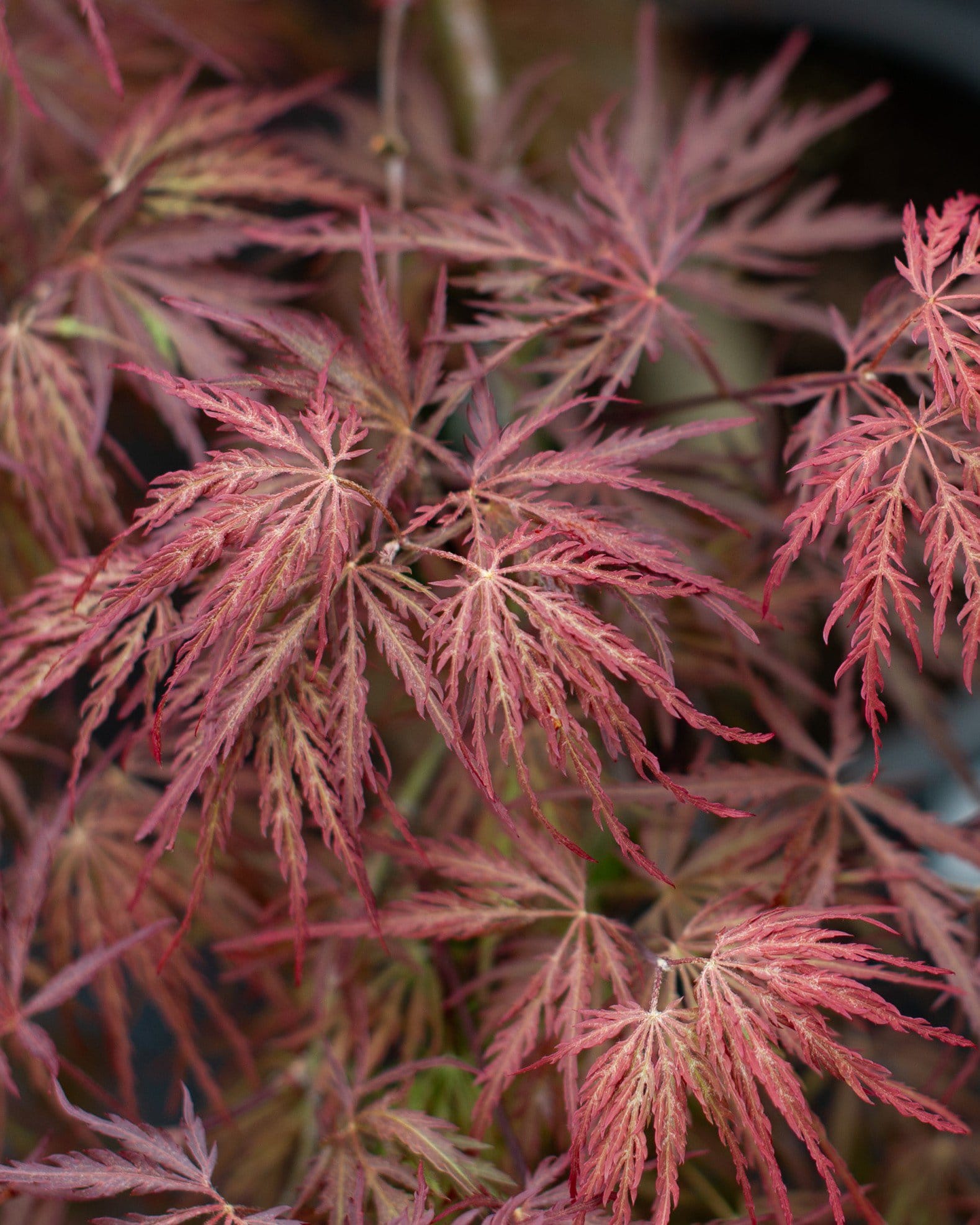
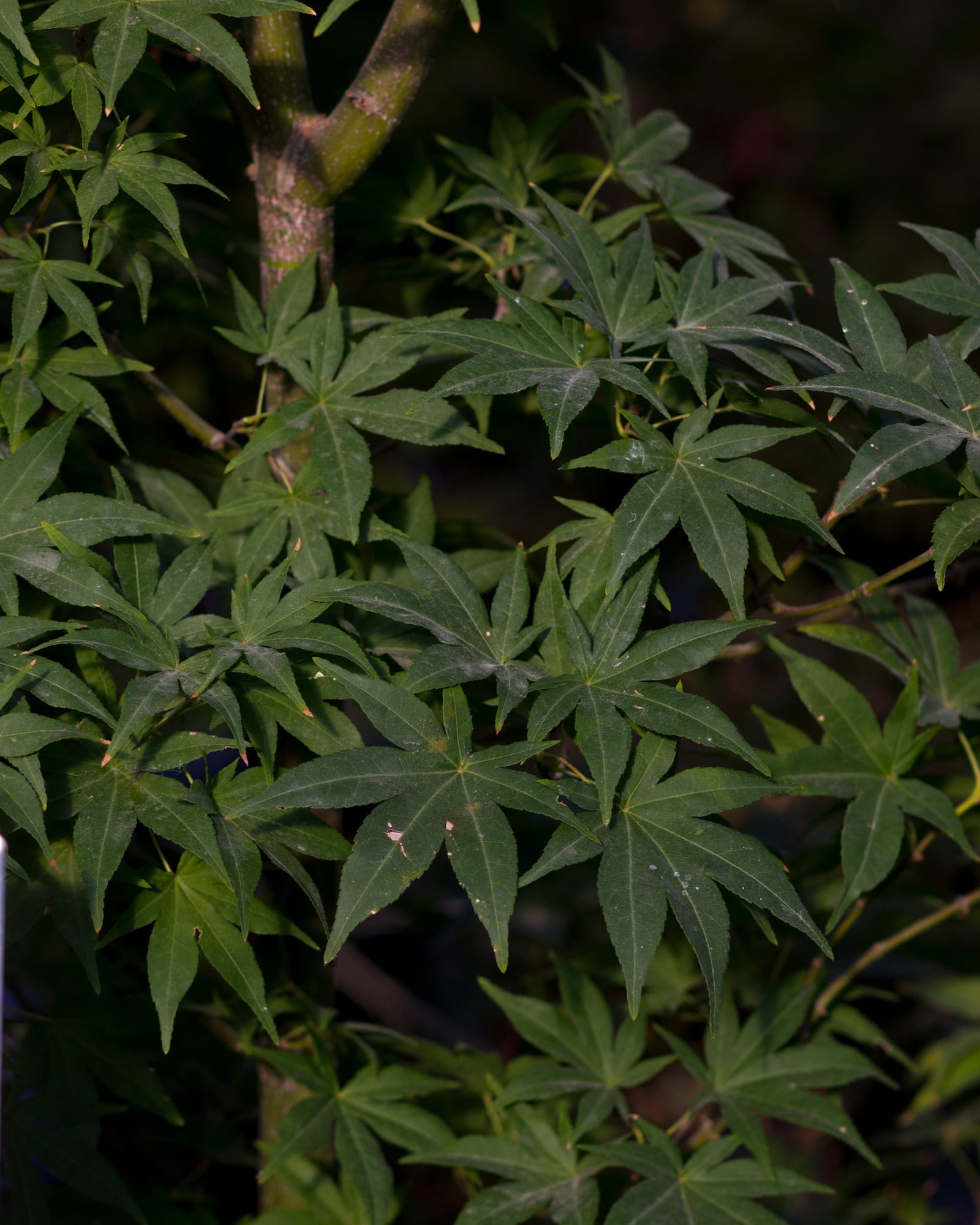
Acer palmatum dissectum ‘Tamukeyama’Tamukeyama Japanese Maple is a classic favorite among laceleaf maples - known for its elegant, weeping habit and vibrant, season-long color. Its finely divided foliage unfurls in a deep, velvety red in spring, holds a rich burgundy through the summer, and ends the year in a blaze of scarlet. It grows 10 feet in both height and width. Whether planted as a specimen, near water features, or in a container, it brings year-round beauty and a tranquil, almost meditative vibe to the landscape.
- Deciduous tree
- Slow growth rate
- Stunning, lace-like red foliage with changing seasonal tones
- Naturally weeping form offers movement and softness
- Ideal for zen landscapes, shaded courtyards, or decorative pots
Plant in morning sunlight with afternoon shade and with well-drained, rich soil. Hardy in USDA zones 5 through 8, Tamukeyama is beloved for its reliable color, artistic form, and timeless elegance in every season.
While low-maintenance once established, Tamukeyama Japanese Maple benefits from attentive care in the first few years. Here’s all it needs to thrive:
- Watering: Water consistently during the first 1-2 growing seasons to encourage deep, strong roots. Once established, it tolerates short dry spells but thrives with occasional deep watering, especially during heat waves or prolonged drought. Avoid waterlogged soil, which can lead to root rot.
- Pruning: Minimal pruning is needed to maintain its natural, graceful form. Prune in late winter while dormant, or midsummer after the first flush of growth hardens. Remove dead, crossing, or damaged branches and thin interior clutter to improve airflow. Heavy pruning can compromise its elegant weeping shape.
- Fertilizing: Feed lightly in early spring with a balanced, slow-release fertilizer. Over-fertilization, especially with high nitrogen, can result in weak, overly leafy growth and dull foliage color. Light compost or mulch can provide adequate nutrients without risk.
- Mulching: Apply a 2-3 inch layer of organic mulch around the dripline to conserve moisture, reduce weeds, and stabilize soil temperature. Keep mulch a few inches from the trunk to avoid rot.
- Winter Care: Cold-hardy with no special protection required once established. Young trees benefit from mulching and deep watering before ground freezes to reduce stress and protect roots.
Tamukeyama Japanese Maple is a resilient tree, but can be susceptible to a range of issues, including:
- Leaf Scorch: Occurs during extreme heat or drought. Water deeply, apply mulch, and provide afternoon shade if needed.
- Root Rot: Caused by poor drainage or overwatering. Plant in well-drained soil and avoid saturated conditions.
- Aphids: Occasionally feed on new growth in spring. Rinse with water or use insecticidal soap if infestations persist.
- Verticillium Wilt: Soil-borne disease that can affect Japanese maples. Plant in healthy soil, maintain vigor, and avoid areas where susceptible trees have declined.
- Leaf Spot: Mostly cosmetic; improve airflow and avoid overhead watering to reduce occurrence.
With proper care, Tamukeyama Japanese Maple typically lives 50-70 years. Its slow, layered growth supports long-term health and stability. Mature specimens often become legacy plants in the landscape.
It grows at a moderate rate of about 8-12 inches per year. A fully developed cascading form usually takes 10-15 years to achieve. Growth remains controlled and refined rather than fast or unruly.
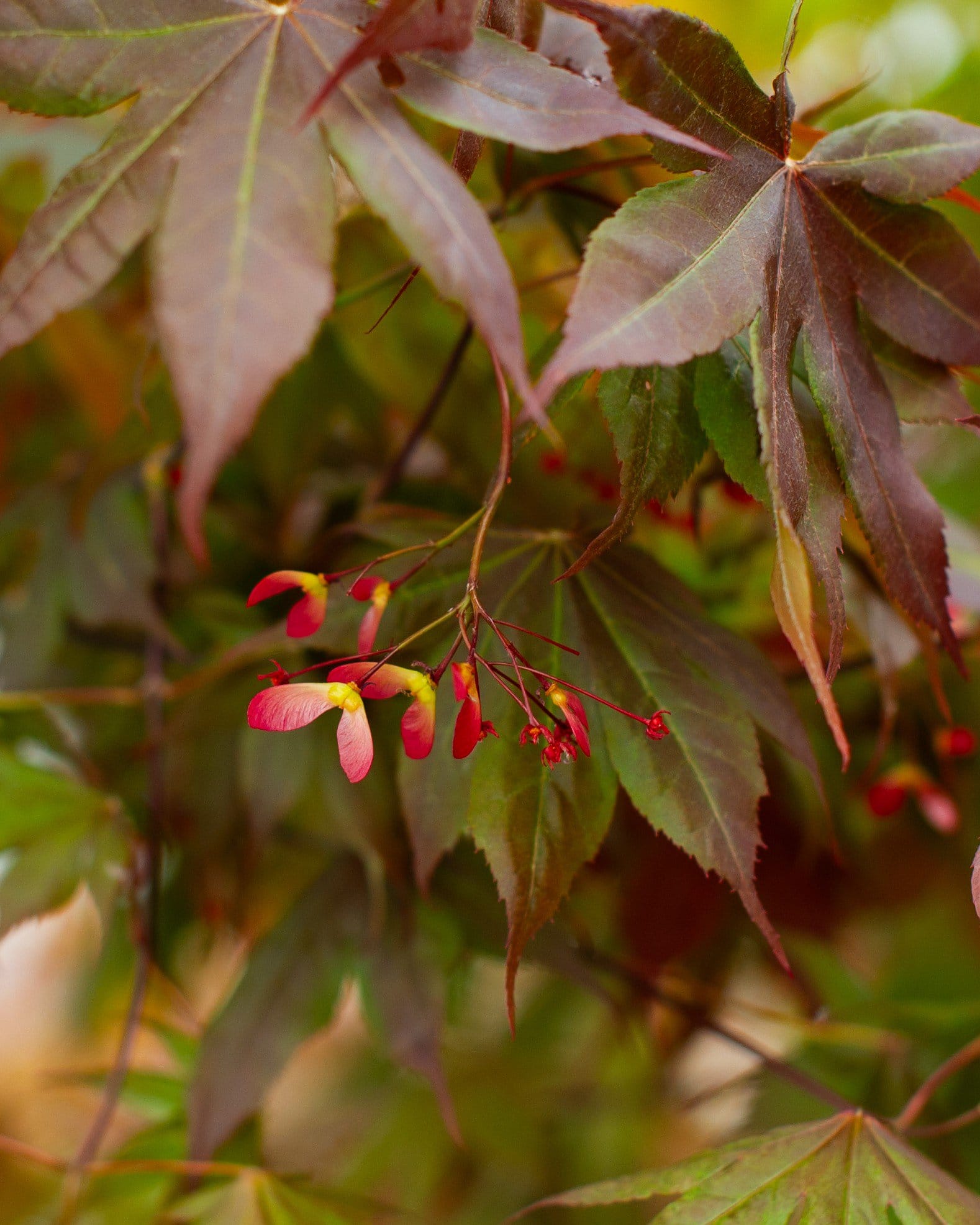
Its small spring flowers attract bees and other early pollinators. While subtle, these blooms still contribute nectar to the garden ecosystem. Pollinator activity is gentle and understated.
Deer may browse young foliage, especially in areas with high pressure. Mature trees are less frequently targeted. Temporary protection during the early years is often beneficial.
Division is not recommended due to its woody structure. Propagation is done through grafting. This ensures the cultivar’s distinctive color and form are preserved.
It is best used as a specimen rather than mass planted. Individual placement allows its dramatic weeping shape to shine. Crowding reduces its visual impact.
It pairs beautifully with ferns, mosses, hostas, and low evergreen groundcovers. Companion plants provide contrast without overpowering the maple. Soft textures enhance its cascading silhouette.
Young trees transplant successfully when handled carefully. Older specimens are more sensitive due to established roots. Early planting ensures the best long-term results.
It works well in protected urban gardens and courtyards. The compact, weeping habit fits smaller, curated spaces. Shelter from wind and reflected heat improves performance.
Its deep red, finely dissected foliage holds color better than many laceleaf varieties. The cascading form creates dramatic movement throughout the seasons. Tamukeyama delivers bold beauty with refined elegance.
Special Features
You might also like
Bloodgood Japanese Maple
Maturity: 20' H x 20' W
Coral Bark Japanese Maple
Maturity: 20' H x 13' W
Crimson Queen Japanese Maple
Maturity: 10' H x 10' W
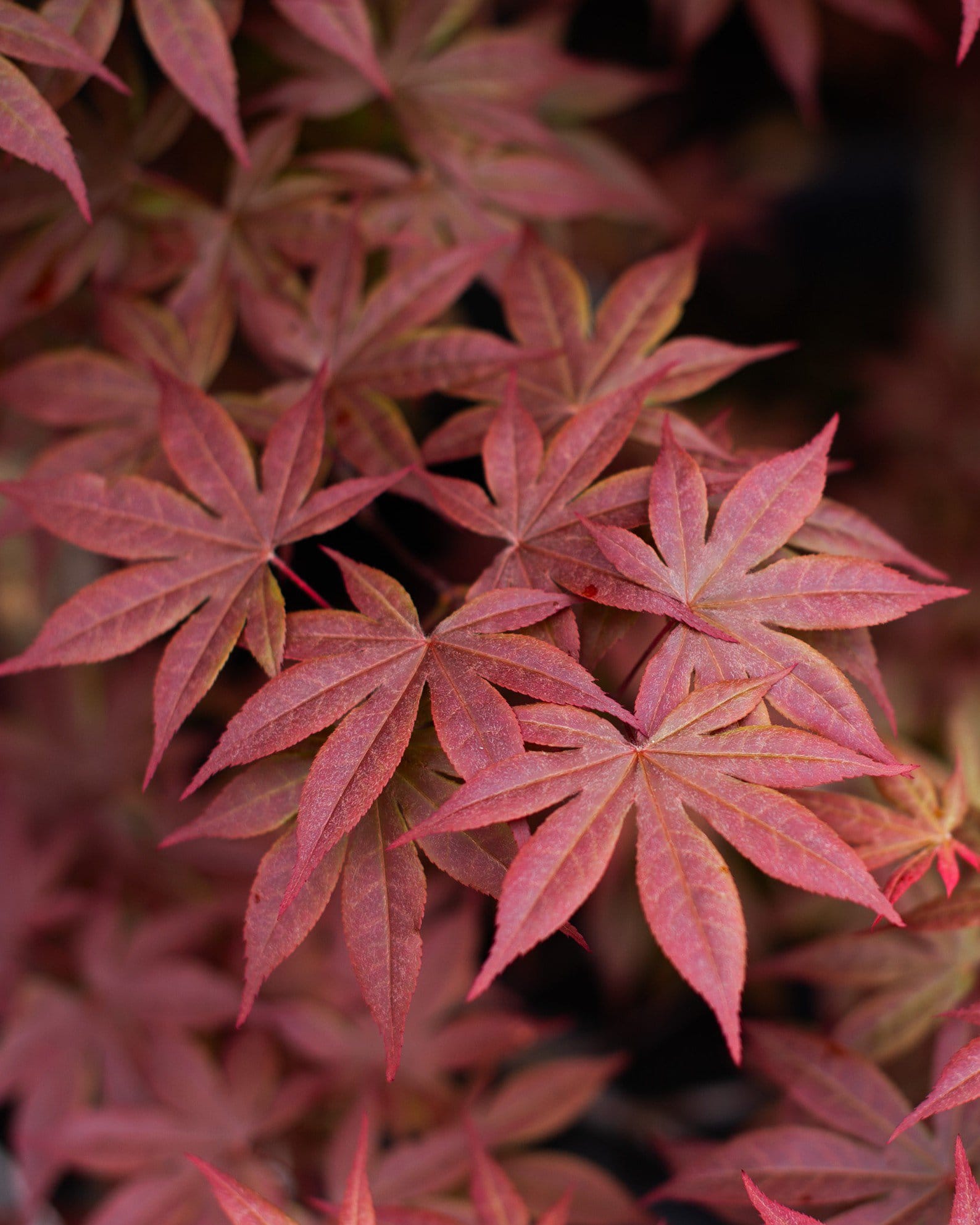
Emperor I Japanese Maple
Maturity: 20' H x 15' W
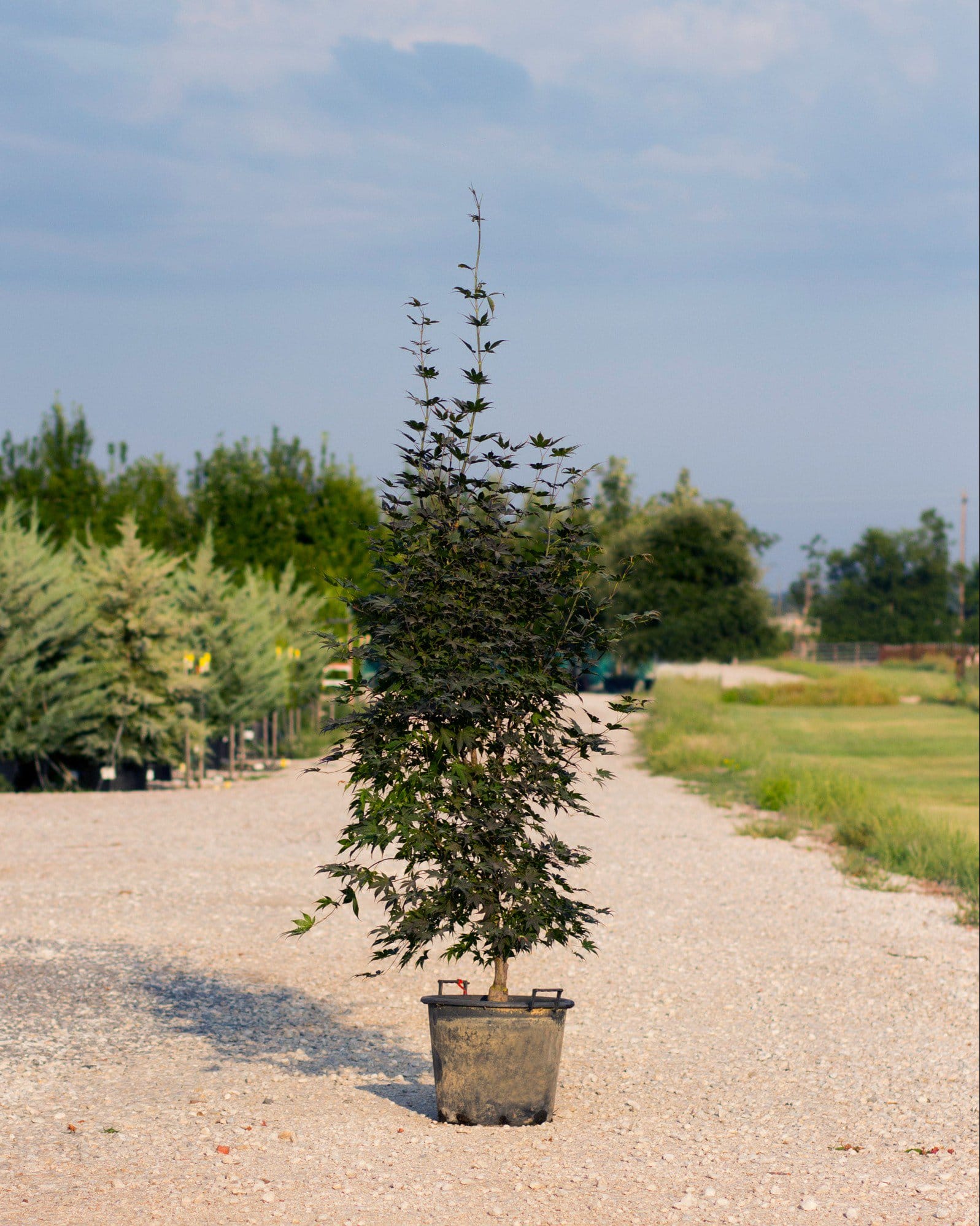
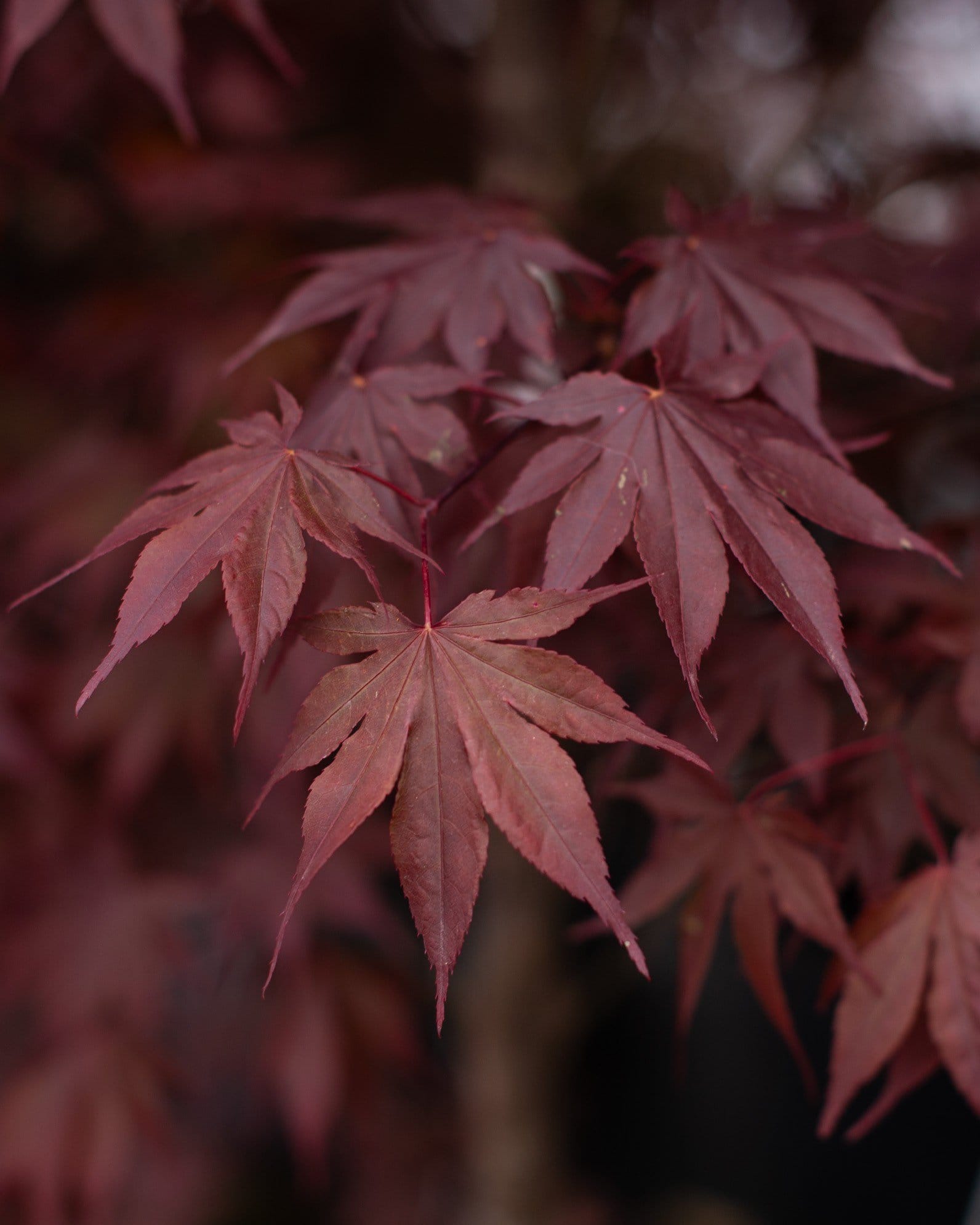
Ever Red Japanese Maple
Maturity: 5' H x 6' W
Fireglow Japanese Maple
Maturity: 10' H x 10' W
Inaba Shidare Japanese Maple
Maturity: 8' H x 10' W
Mikawa Yatsubusa Japanese Maple
Maturity: 5' H x 6' W
Orange Flame Japanese Maple
Maturity: 20' H x 15' W
Orangeola Japanese Maple
Maturity: 12' H x 15' W
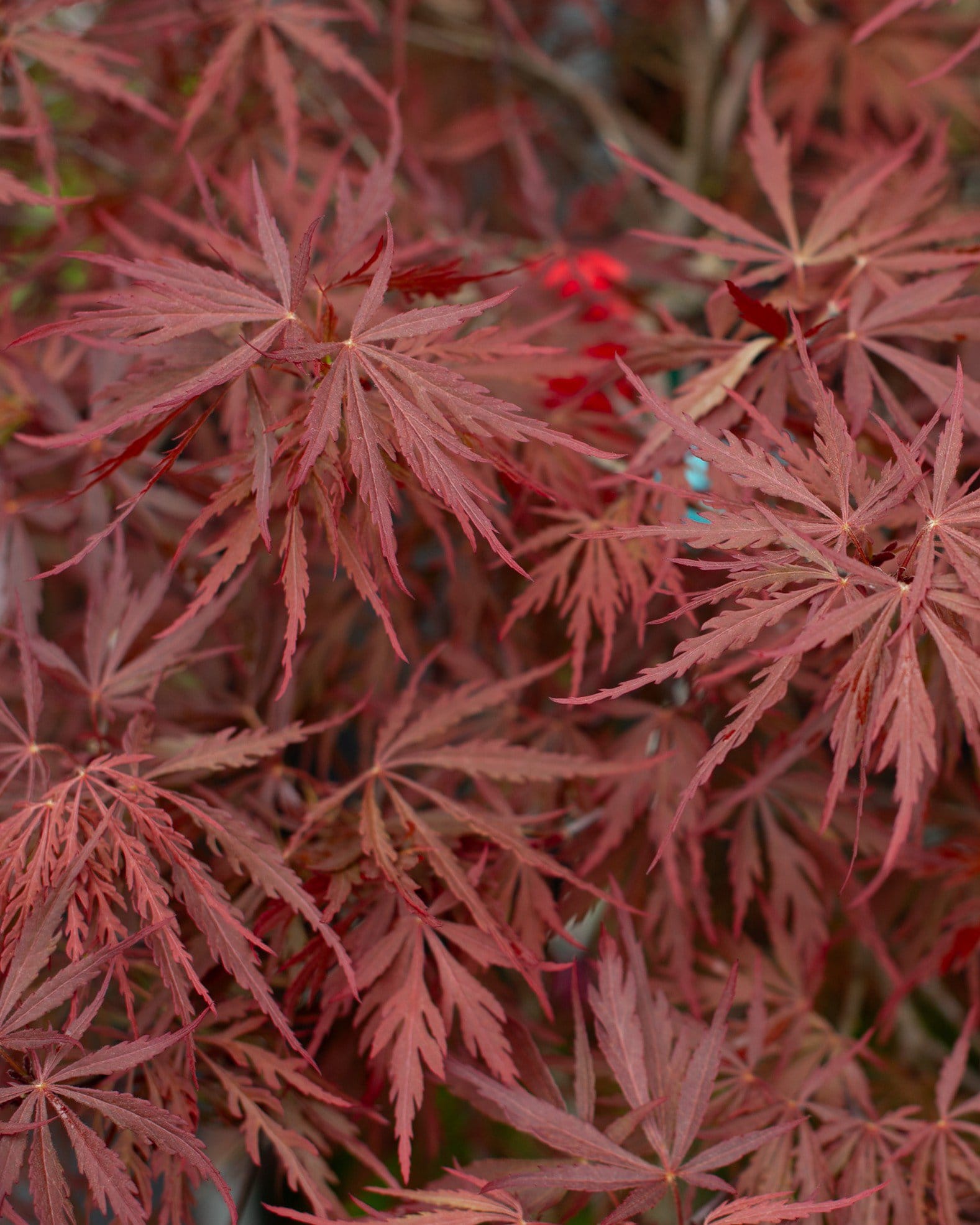
Red Dragon Japanese Maple
Maturity: 7' H x 5' W
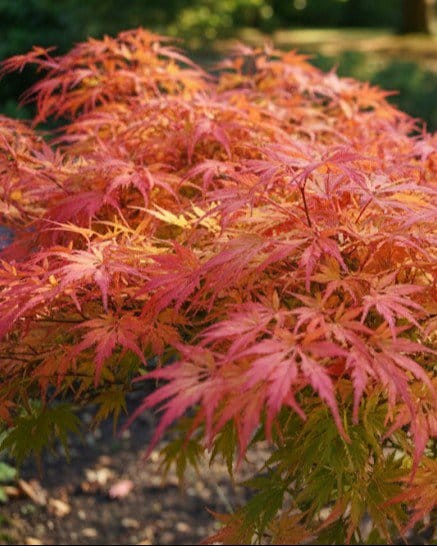
Seiryu Japanese Maple
Maturity: 10' H x 8' W
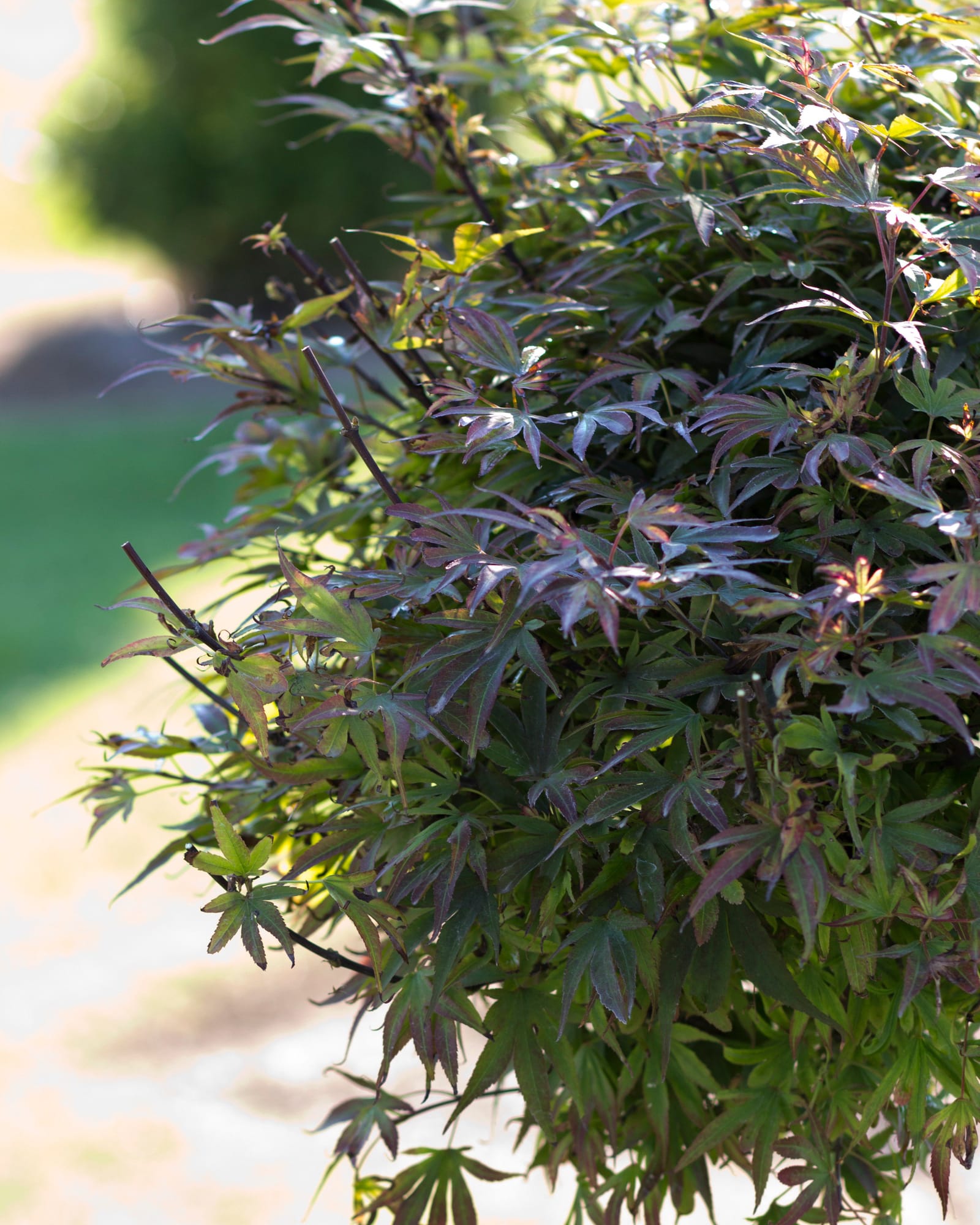
Shaina Japanese Maple
Maturity: 5' H x 4' W
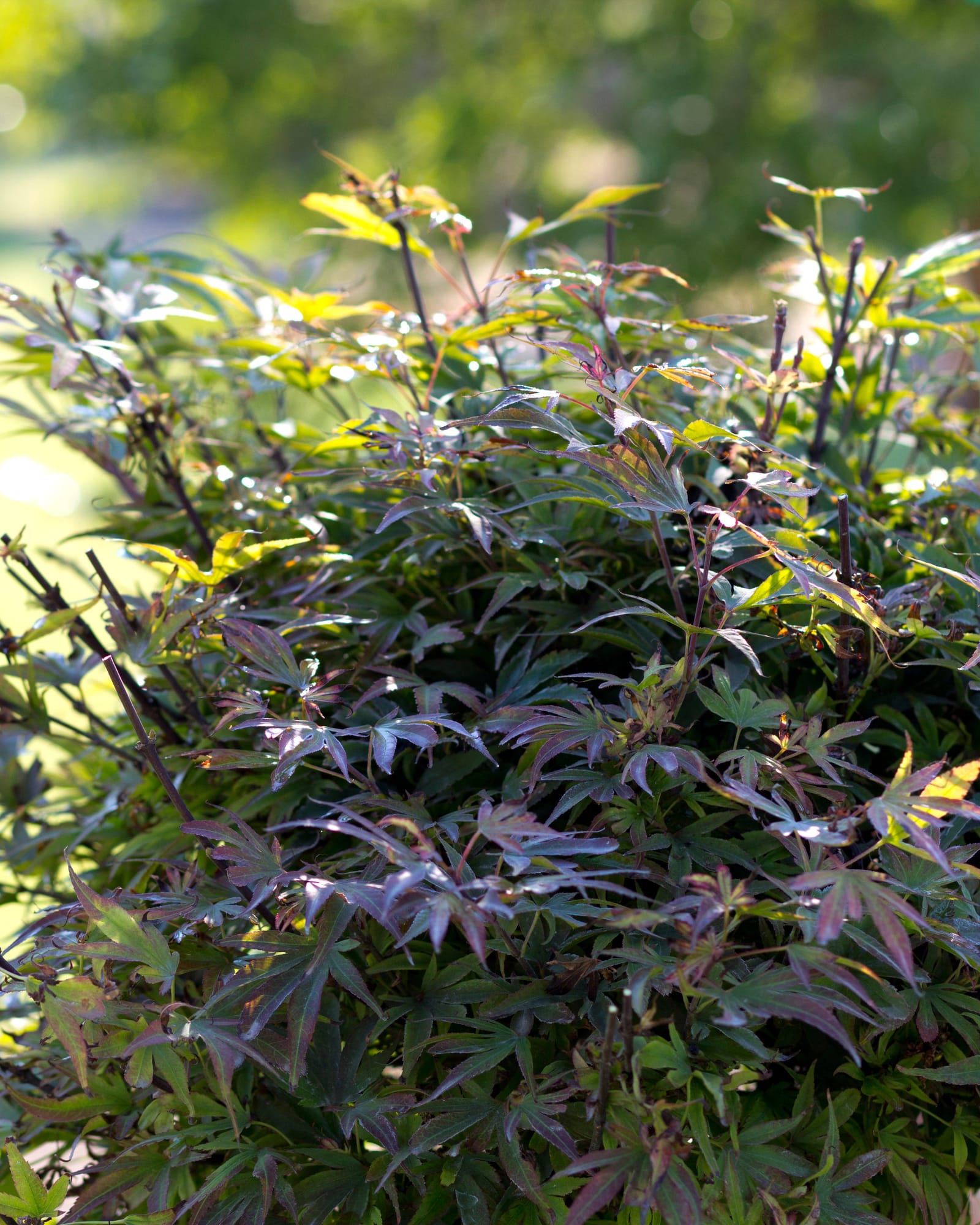
Shaina Japanese Maple Tree Form
Maturity: 5' H x 4' W
Ukigumo Japanese Maple
Maturity: 12' H x 8' W
Compare Similar Plants
Tamukeyama Japanese Maple This plant | ||
|---|---|---|
| Scientific Name | Acer palmatum dissectum ‘Tamukeyama’ | Acer palmatum 'Bloodgood' |
| Size at Maturity | 10' H x 10' W | 20' H x 20' W |
| Leaf Retention | Deciduous | Deciduous |
| Sizes Available | 6, 7, 10, 15, 30 gal | 7, 15, 30 gal |


Our 1-Year Planting Guarantee
We take pride in our plants and installation services. If any plants or trees installed by Treeland fail to thrive within the first year, we'll provide a replacement credit in accordance with our guarantee program.
Learn More About Our Guarantee