
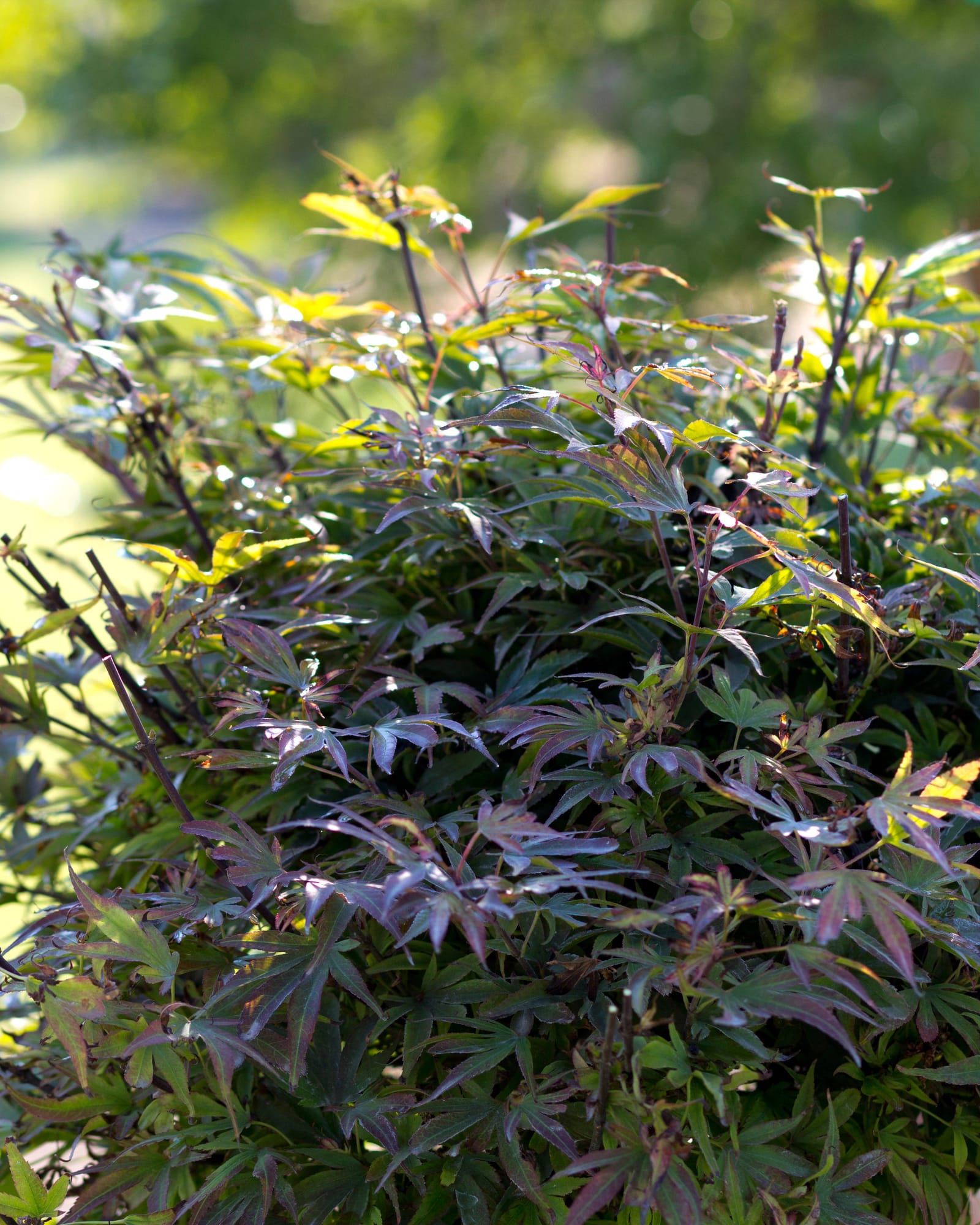
Shaina Japanese Maple Tree Form
Acer palmatum ‘Shaina’Local DFW Delivery Only
Product Details
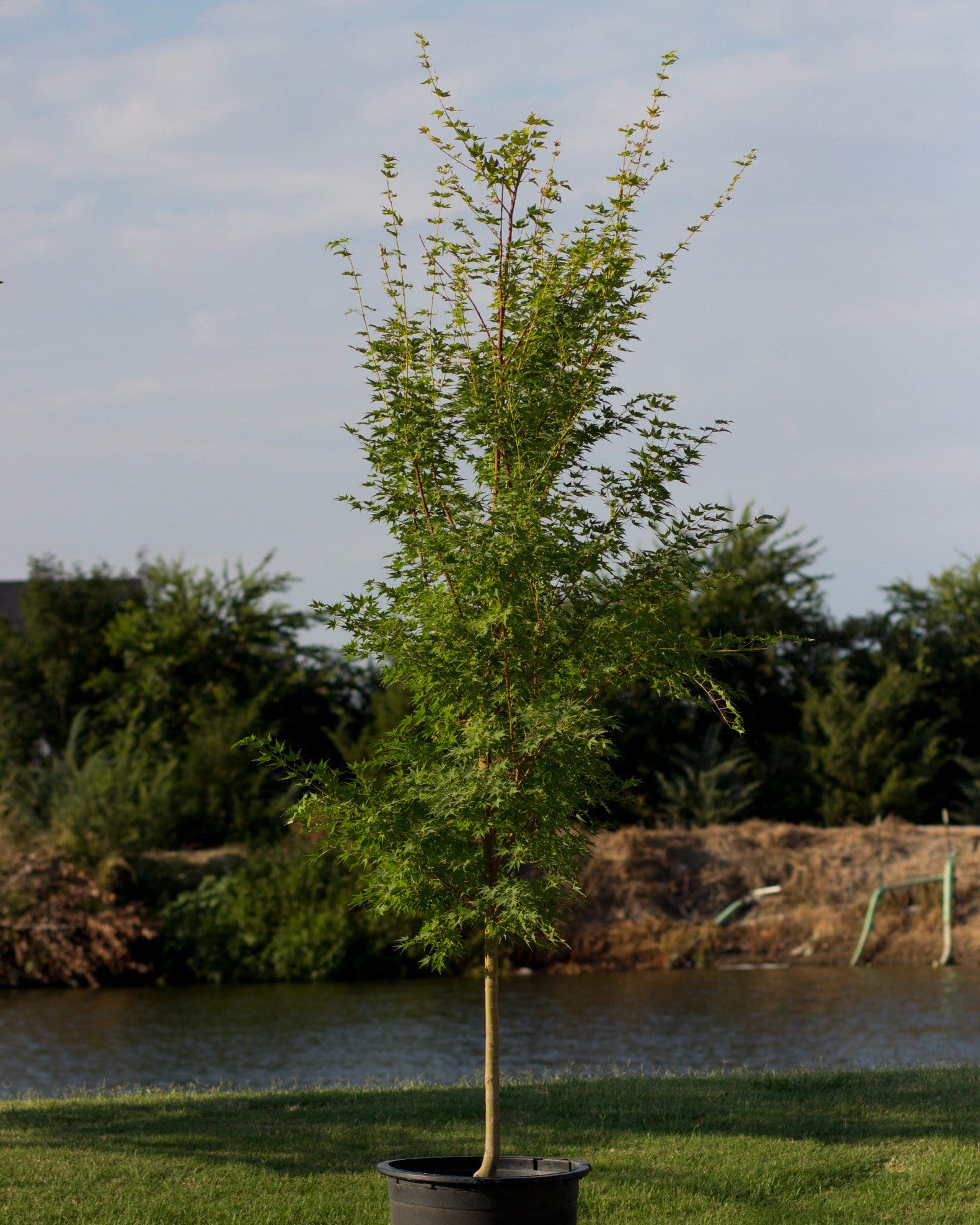
Shaina Japanese Maple Tree Form
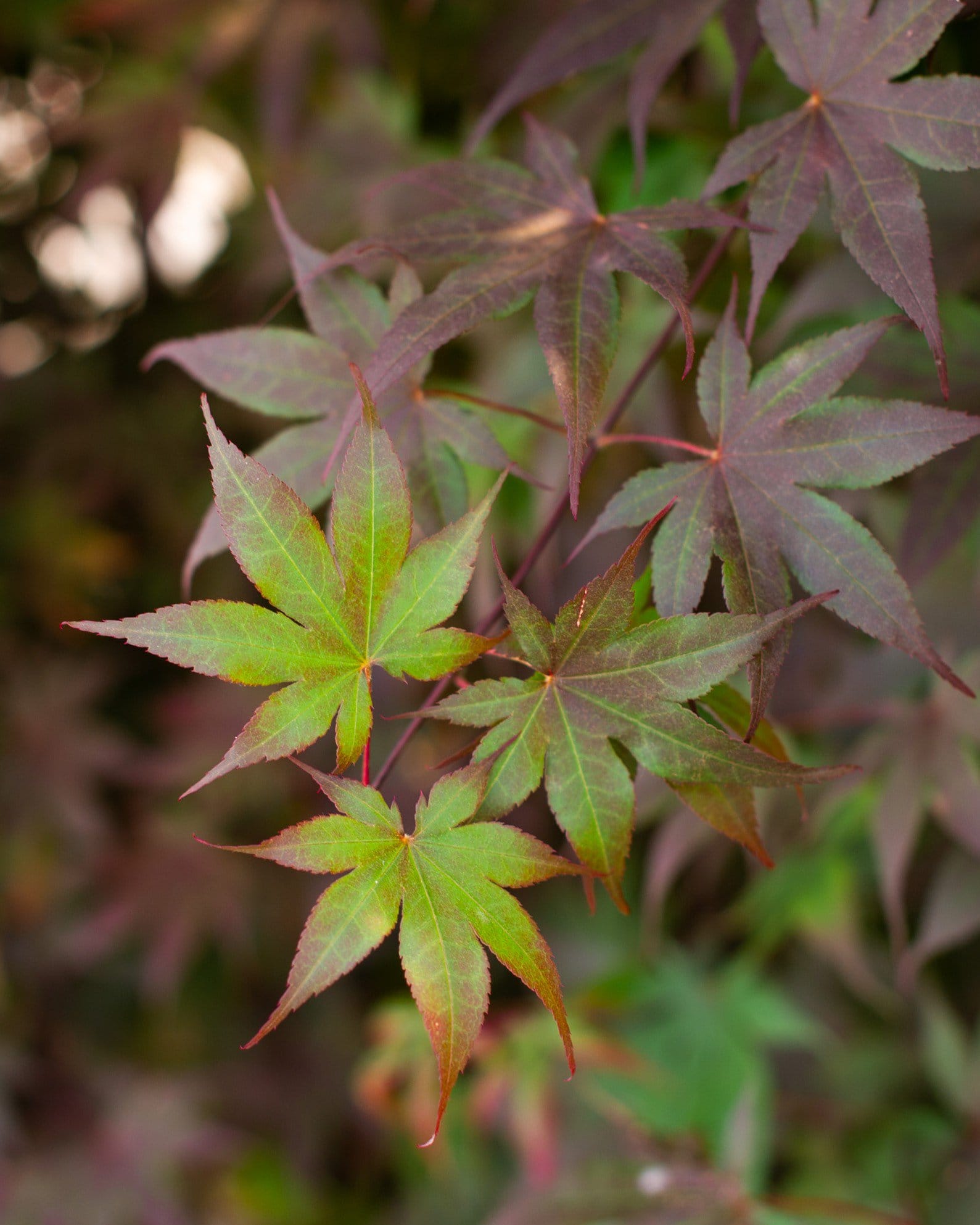
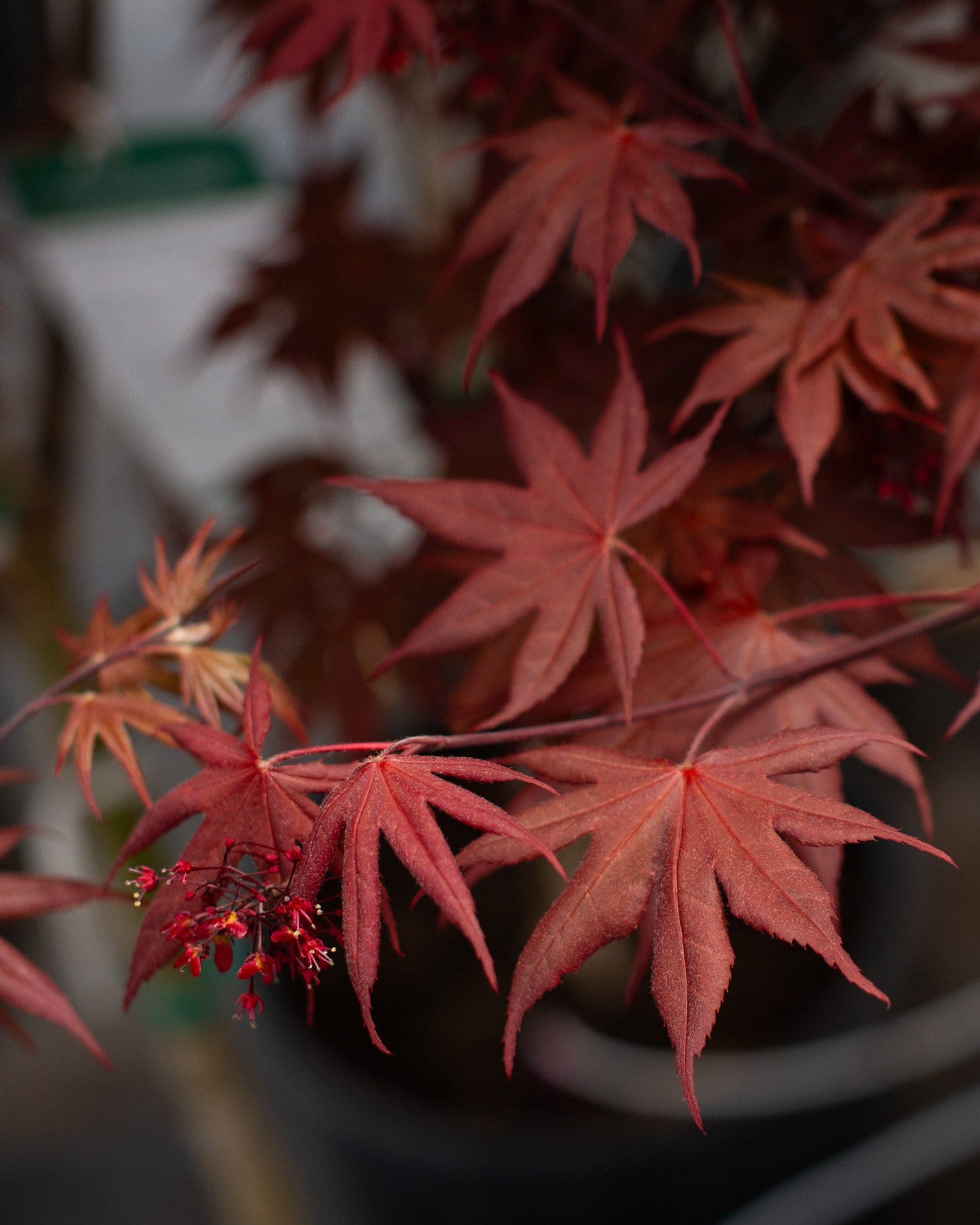
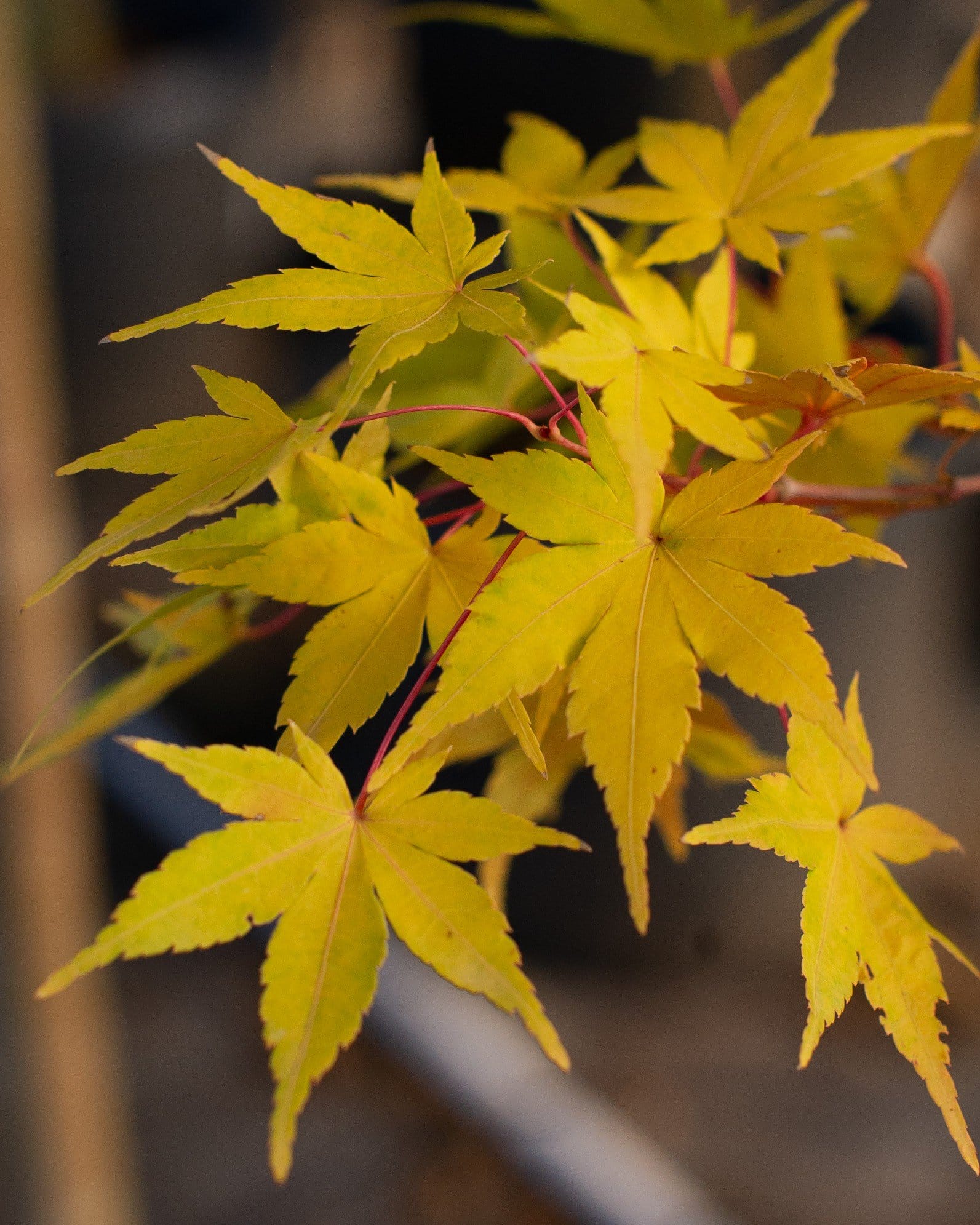
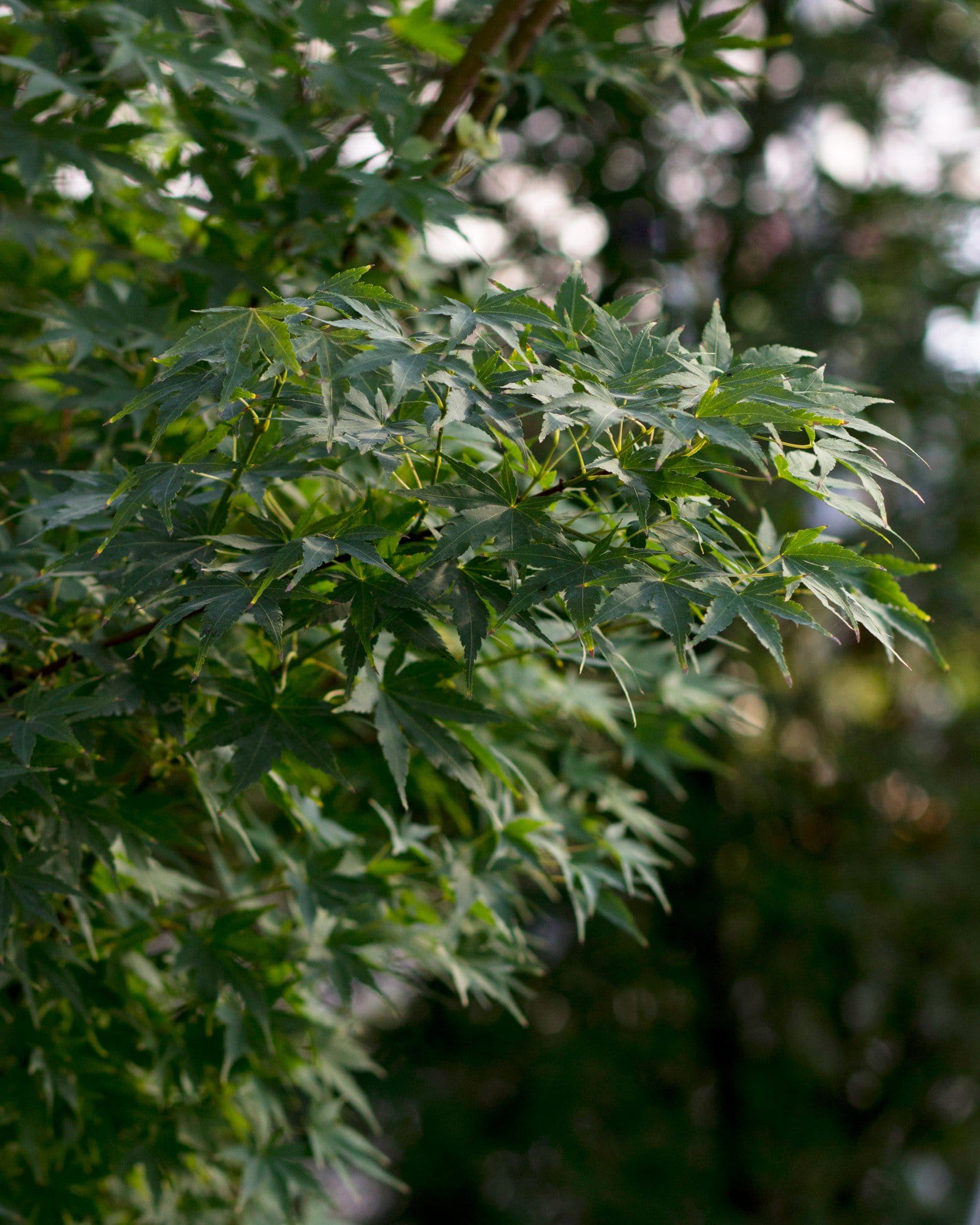
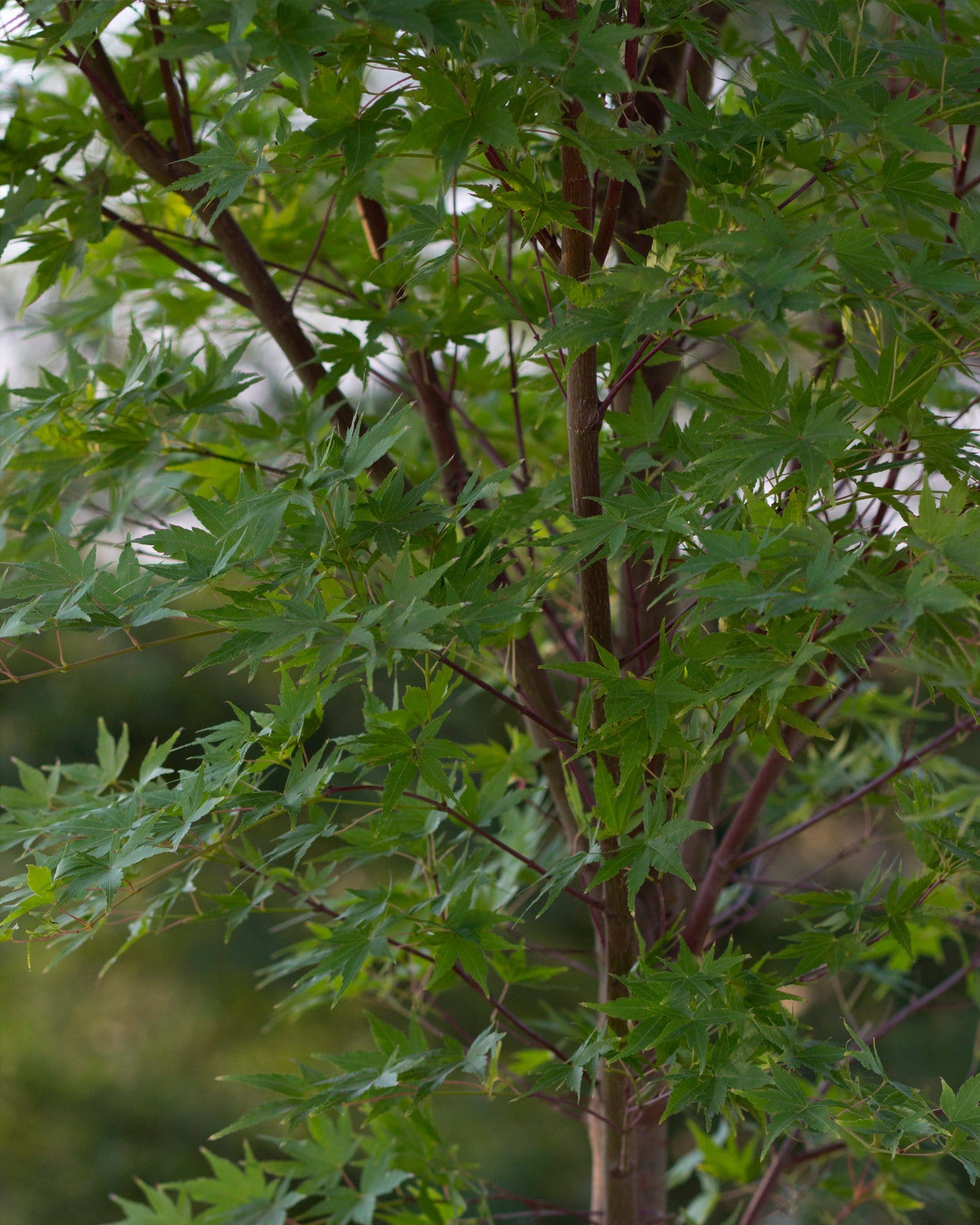
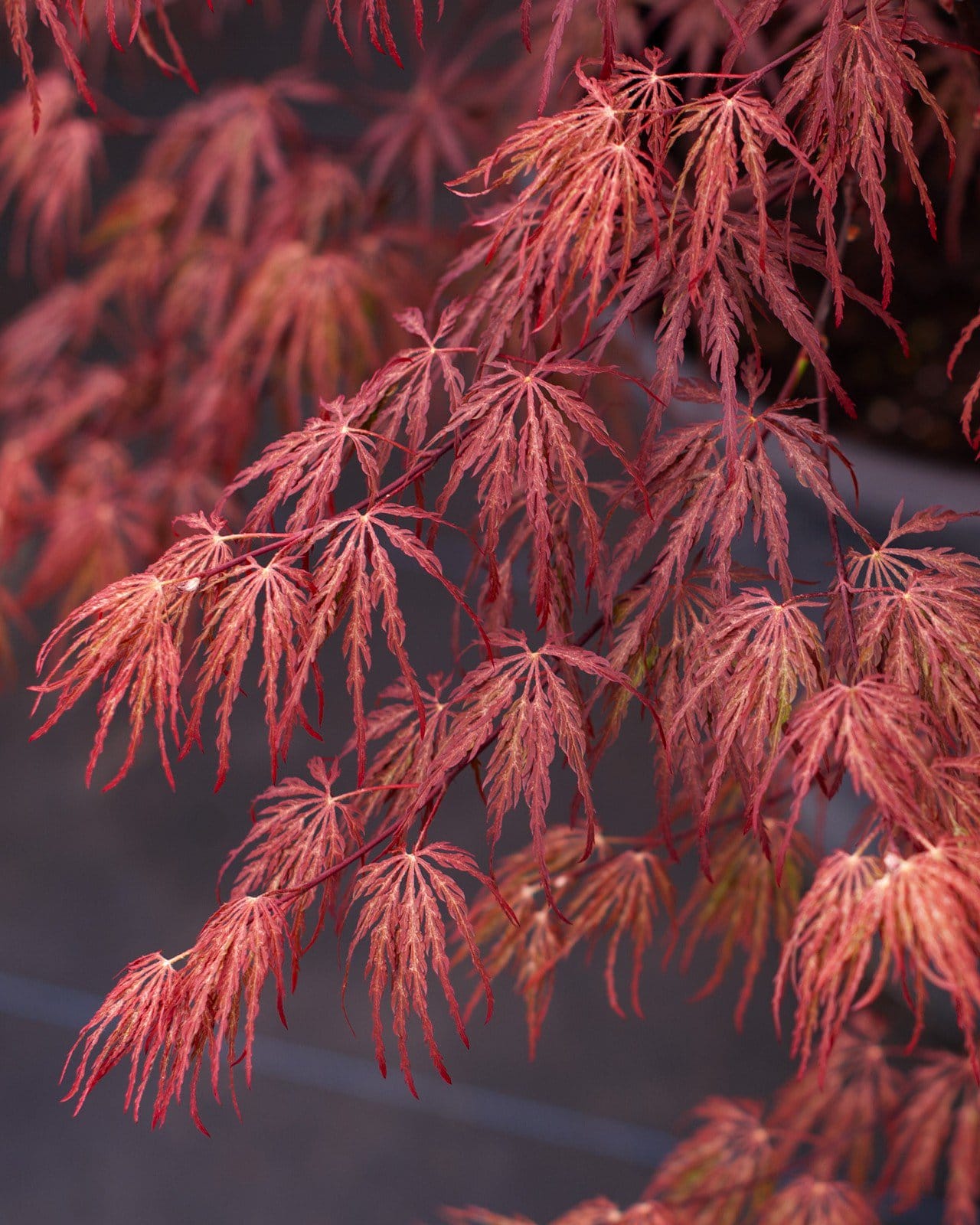
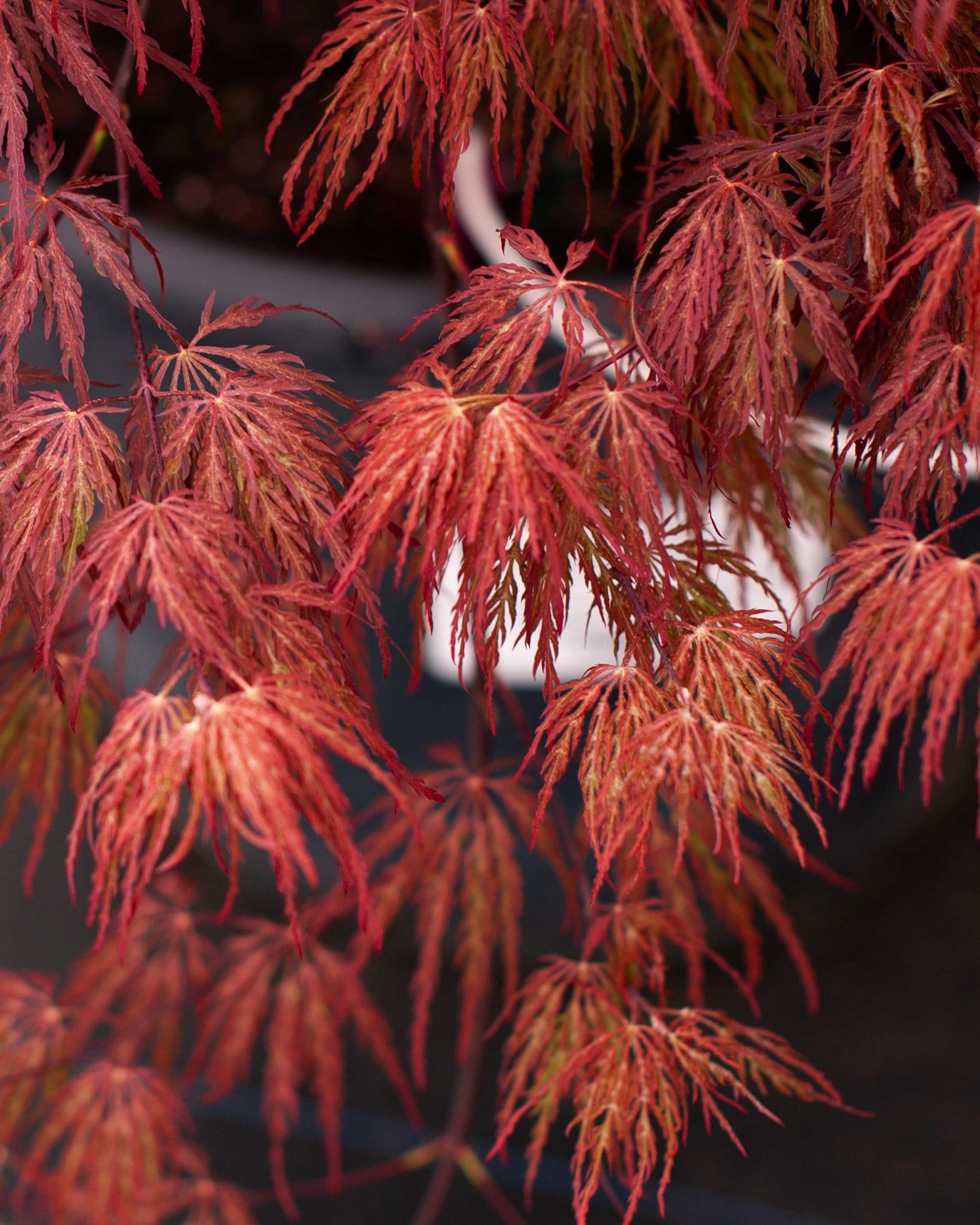
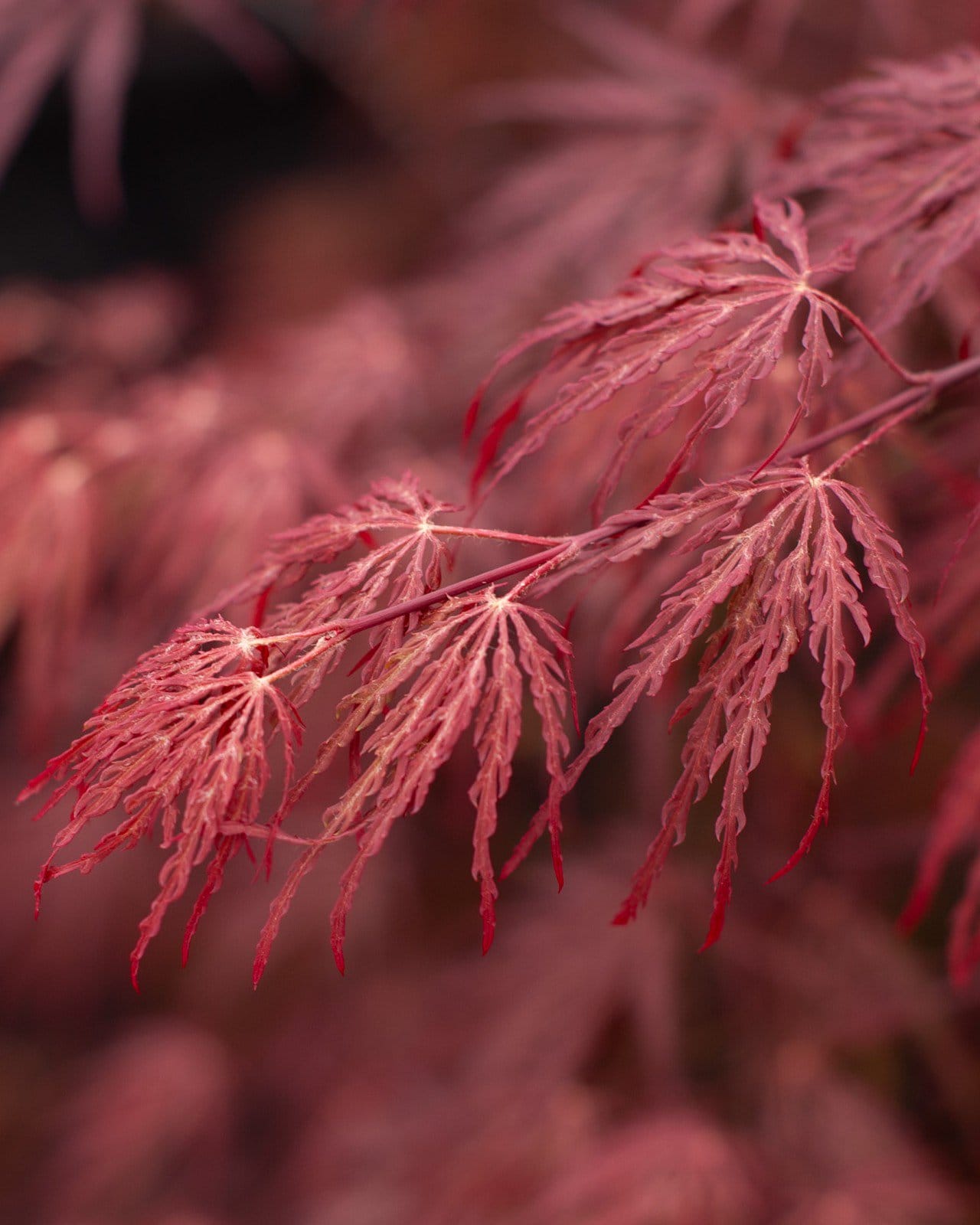
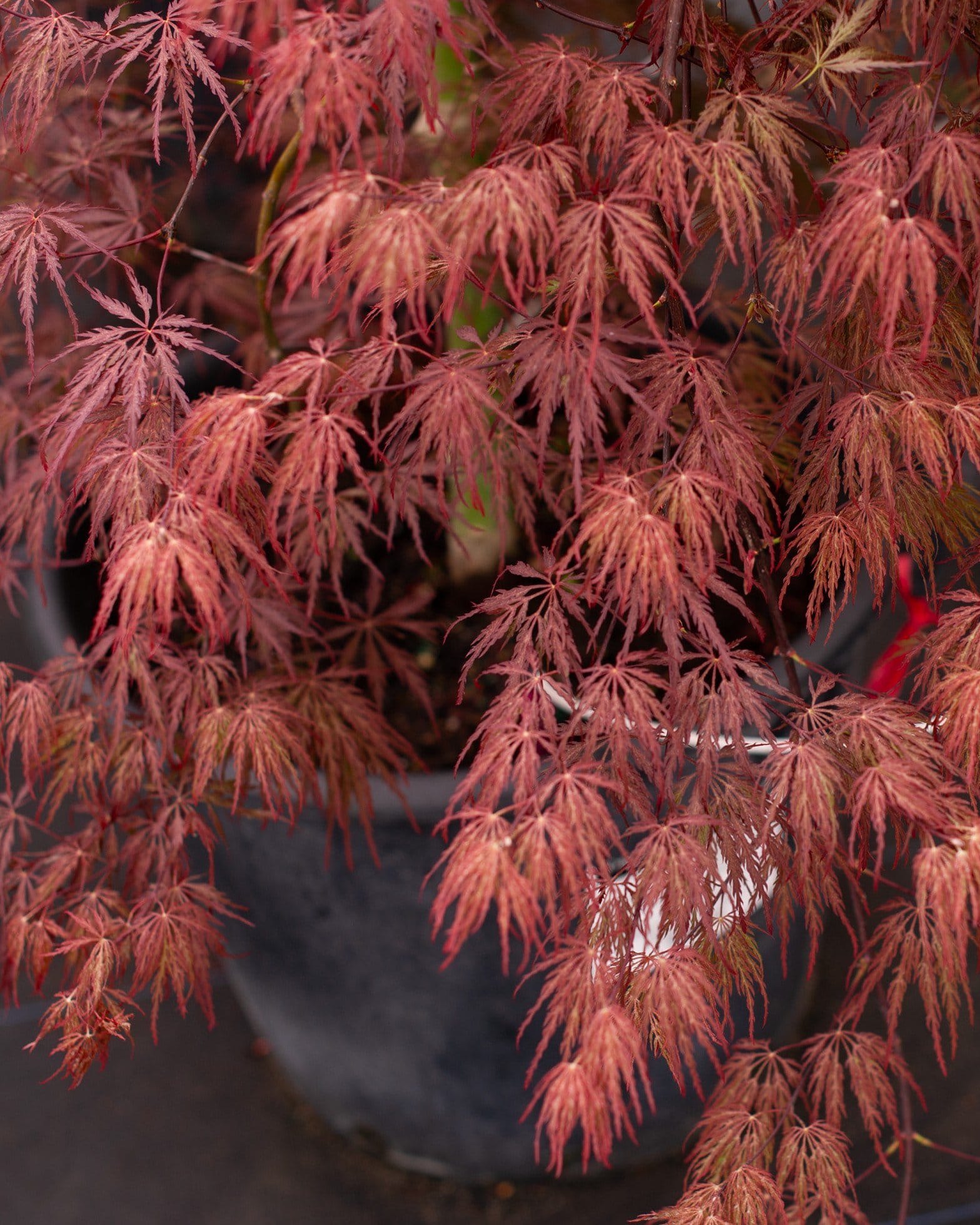
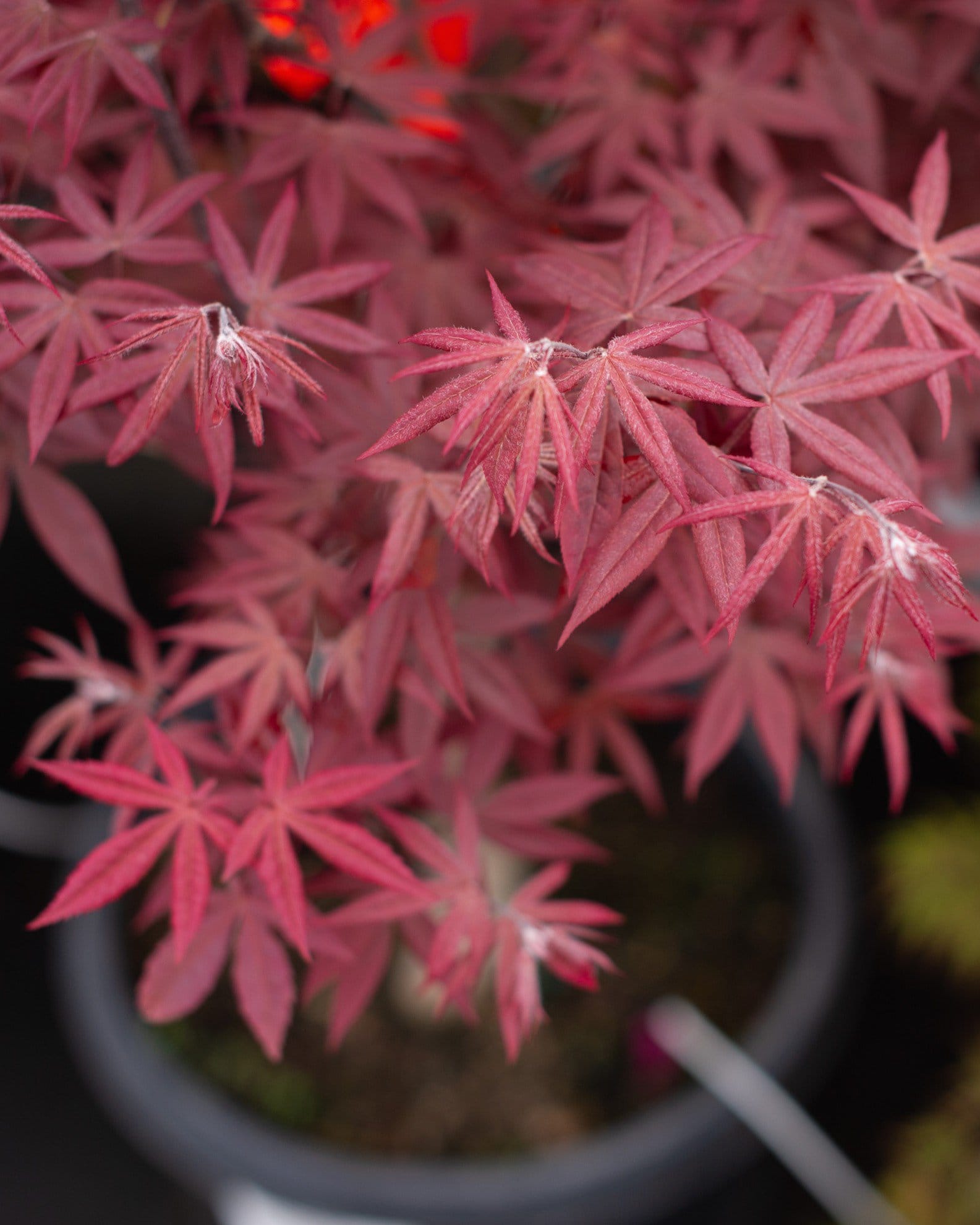
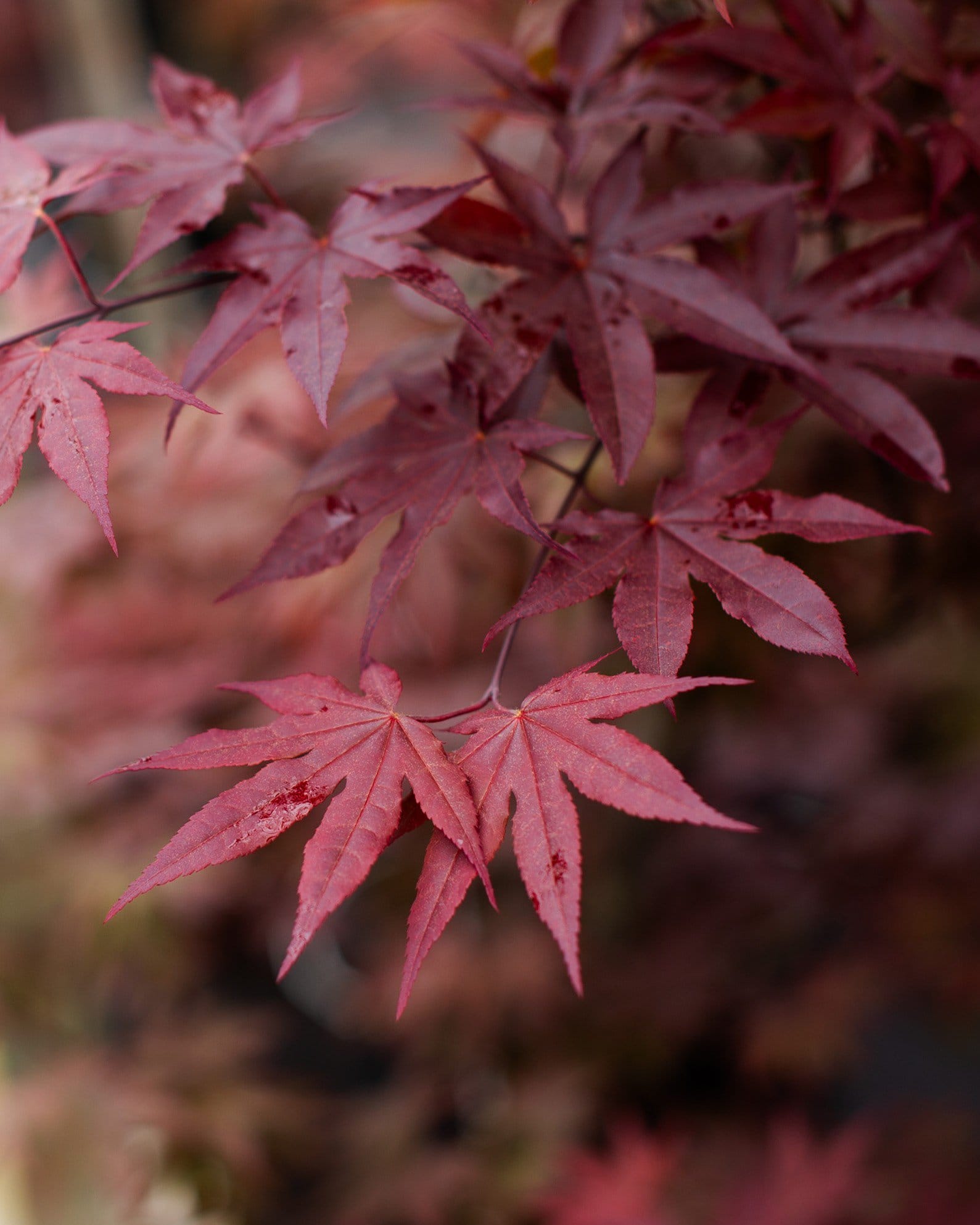
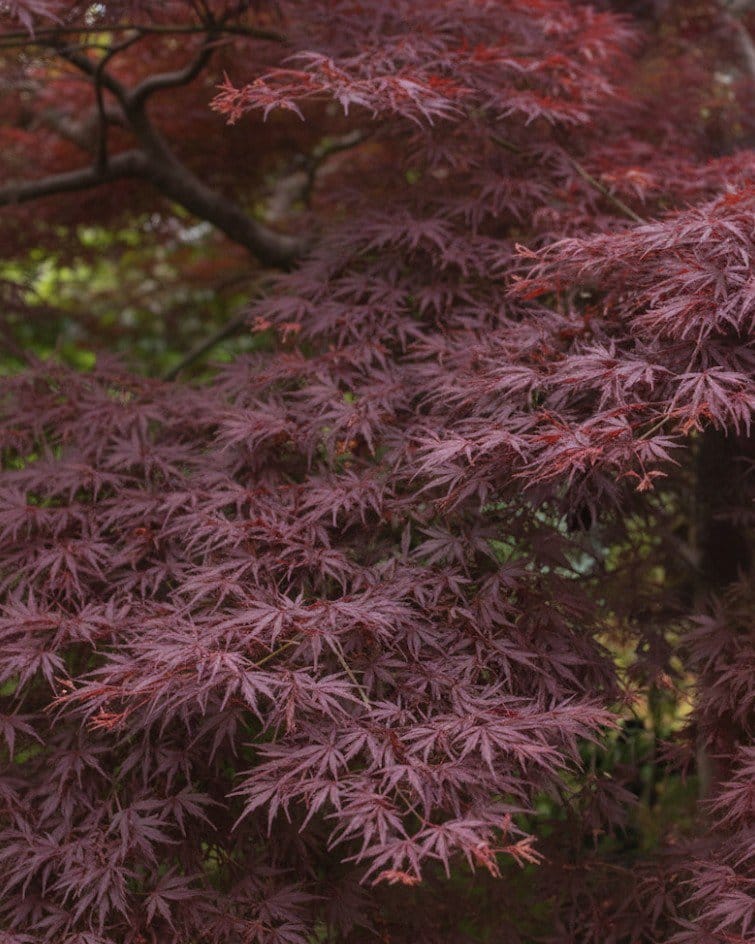
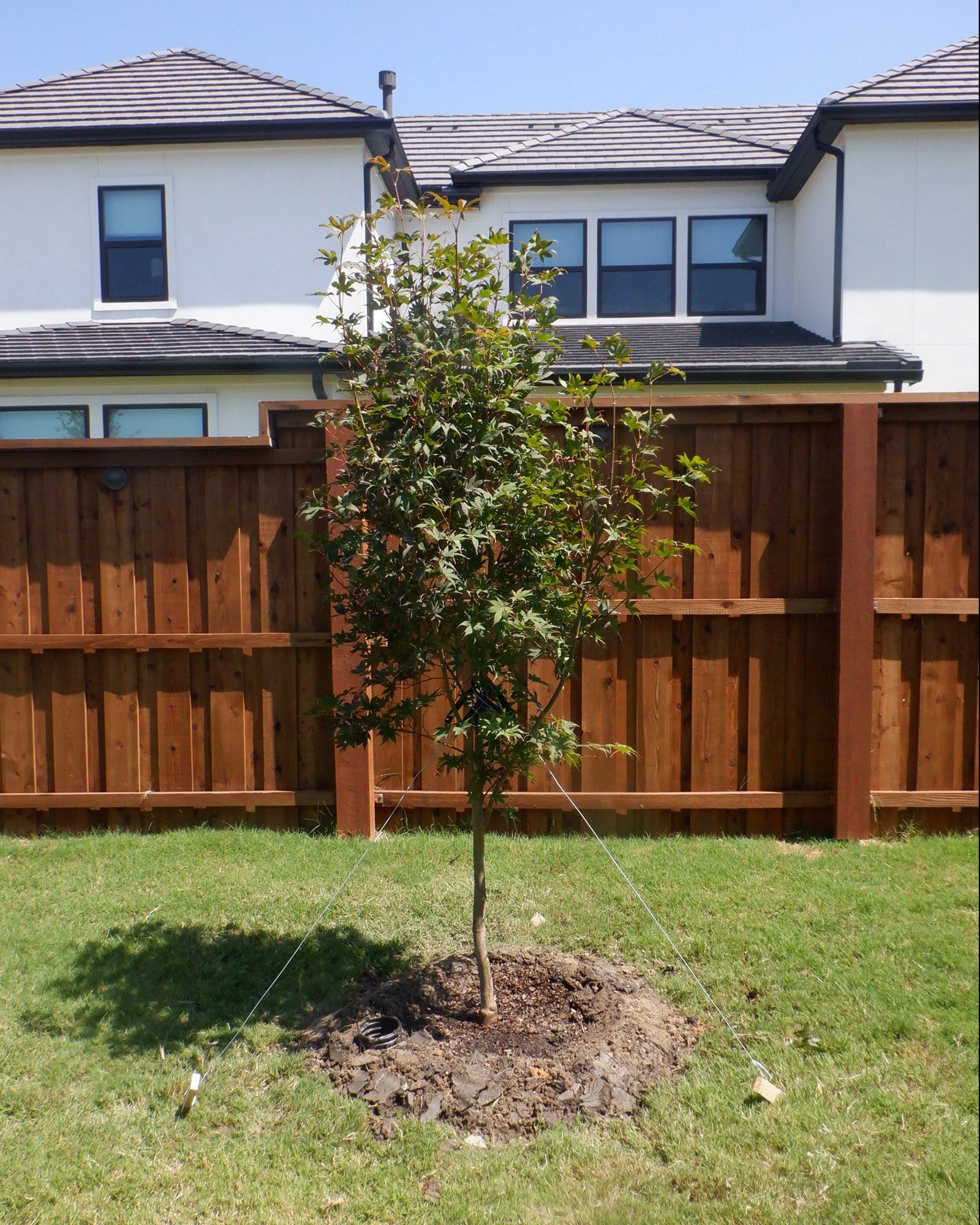
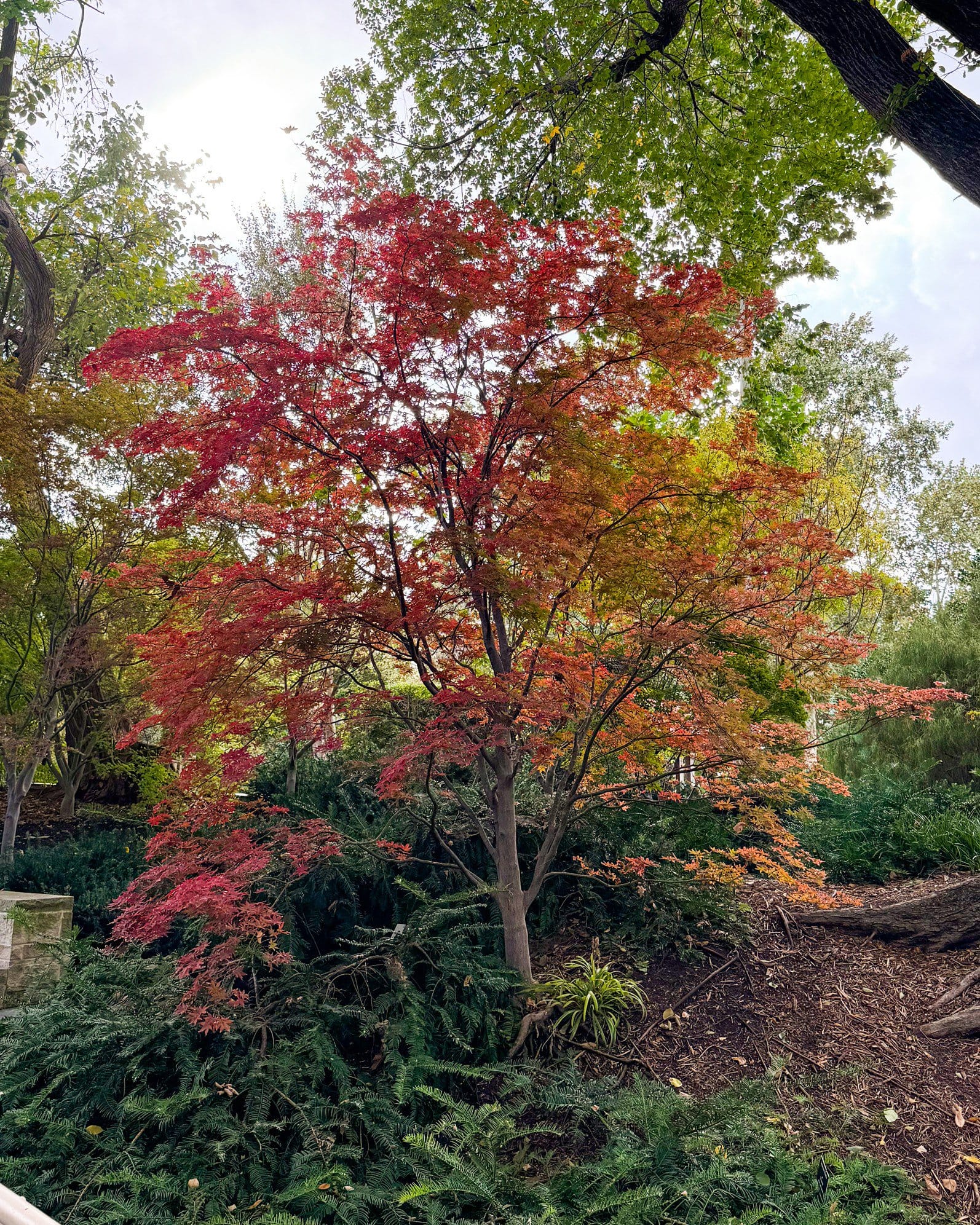
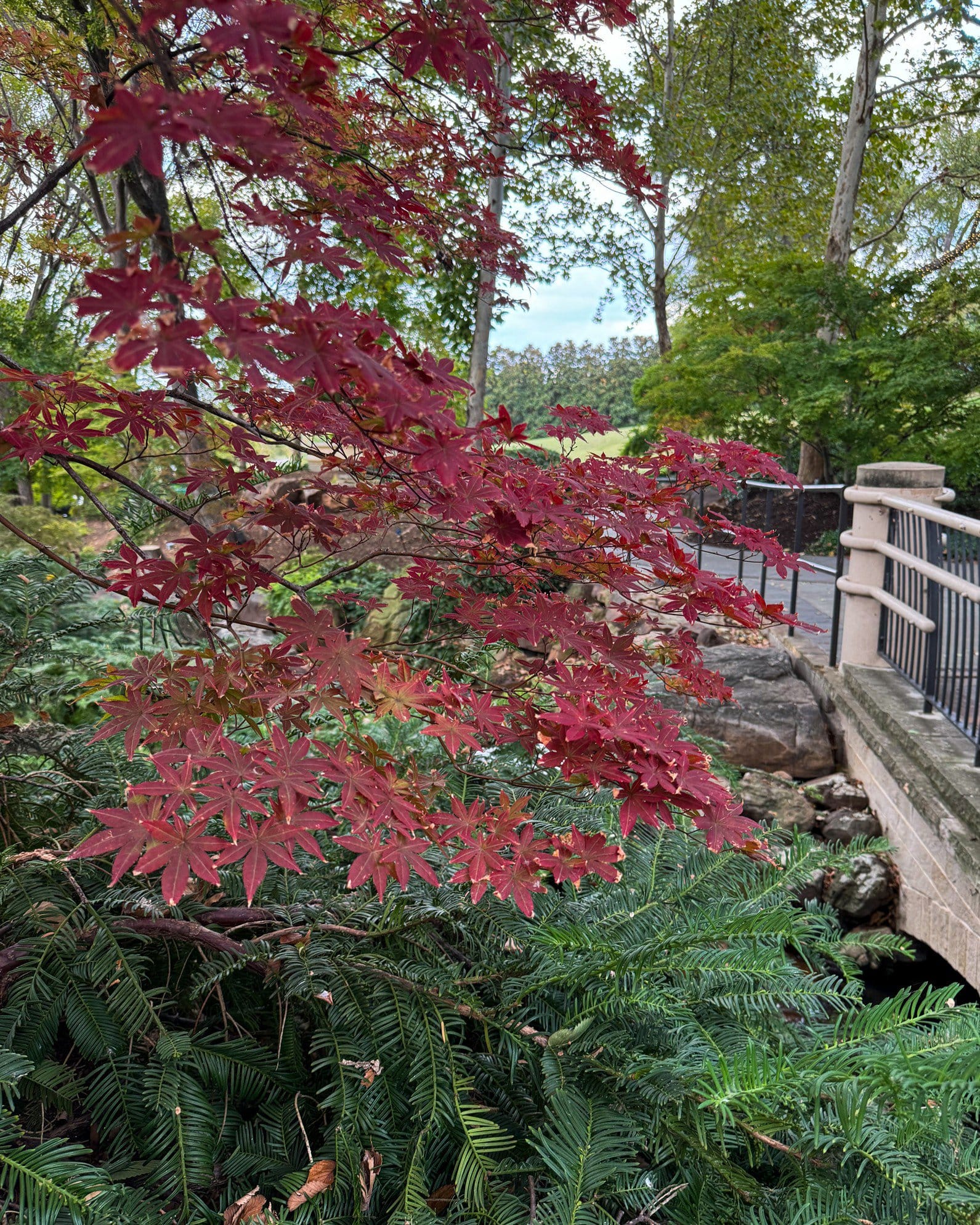
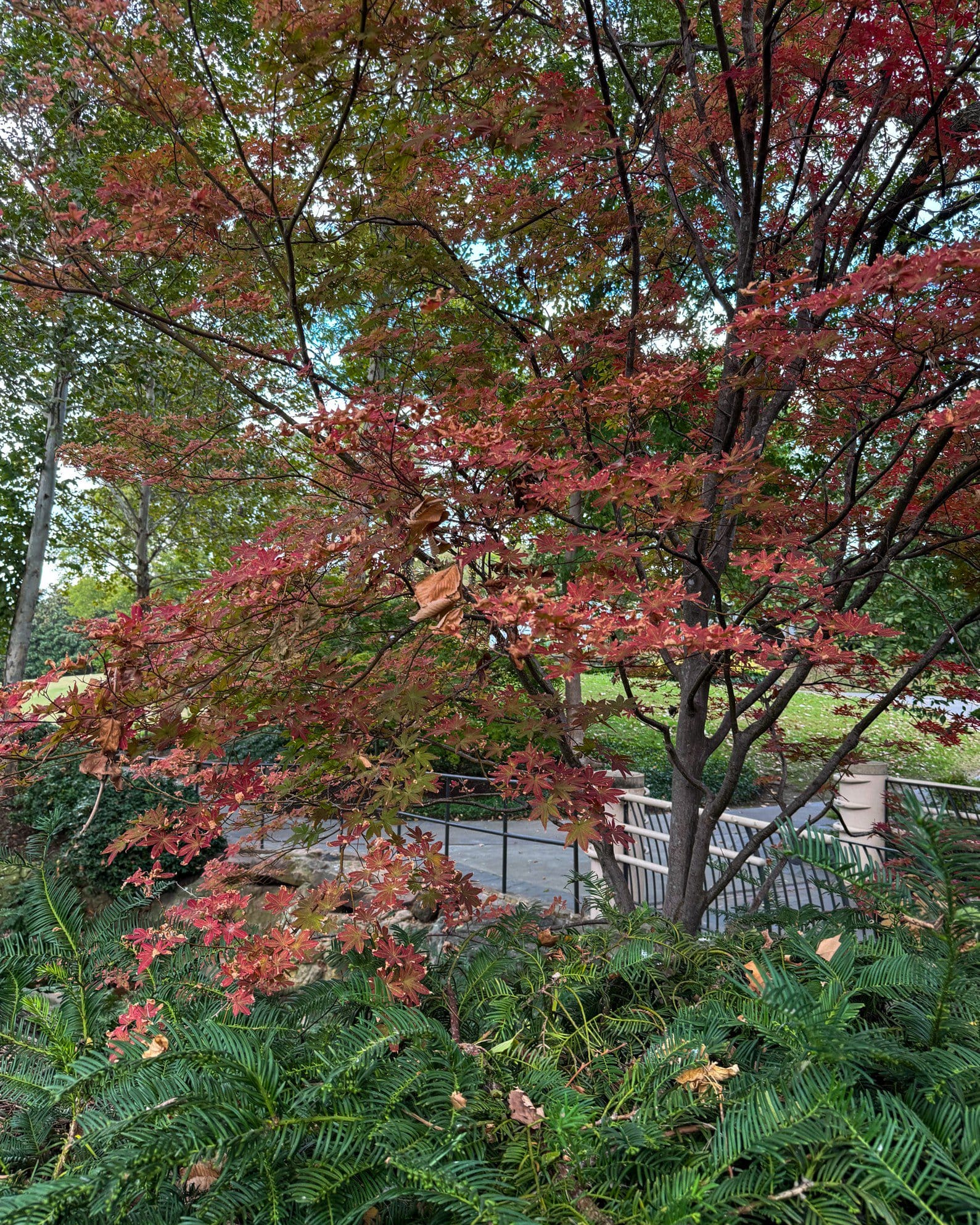
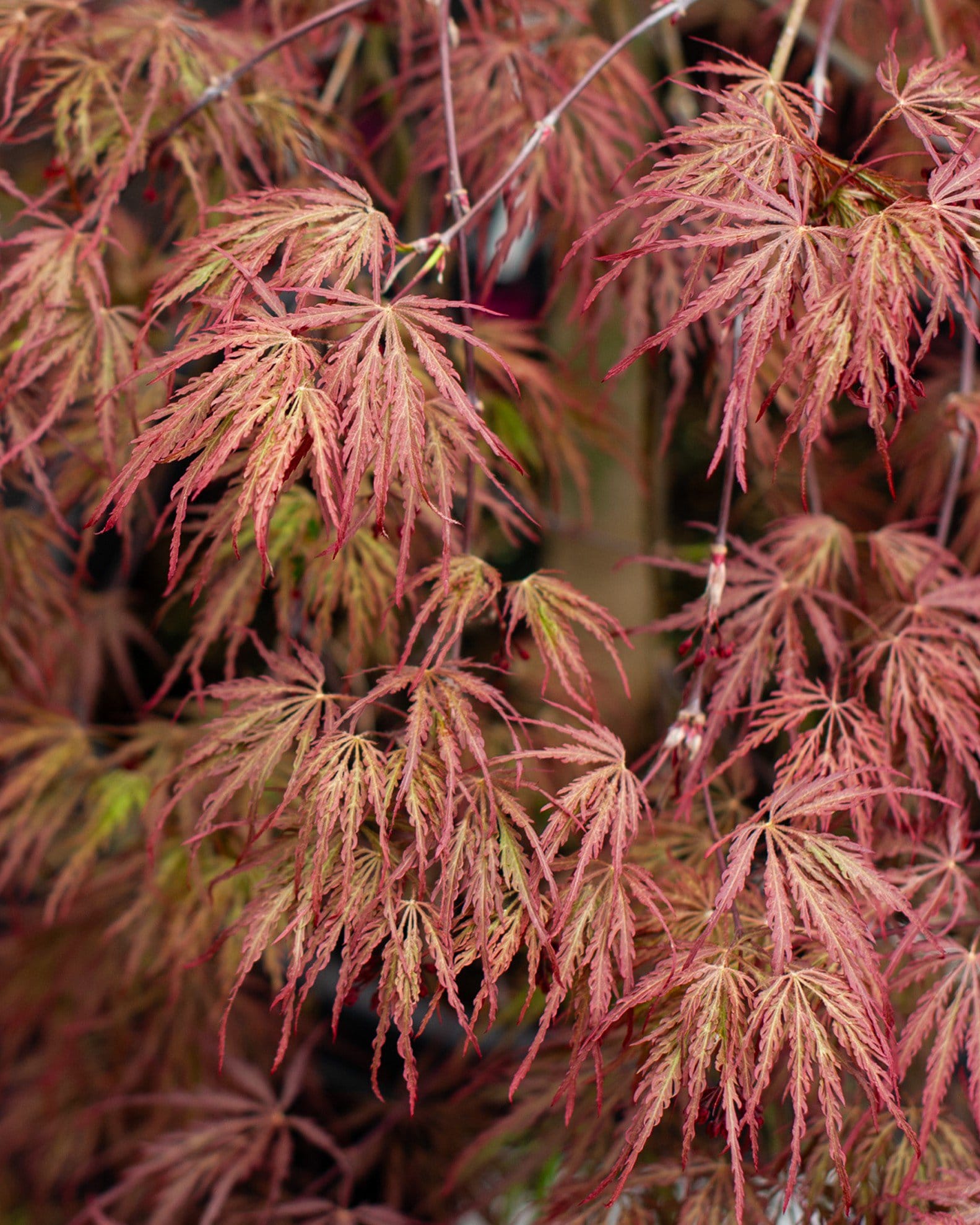
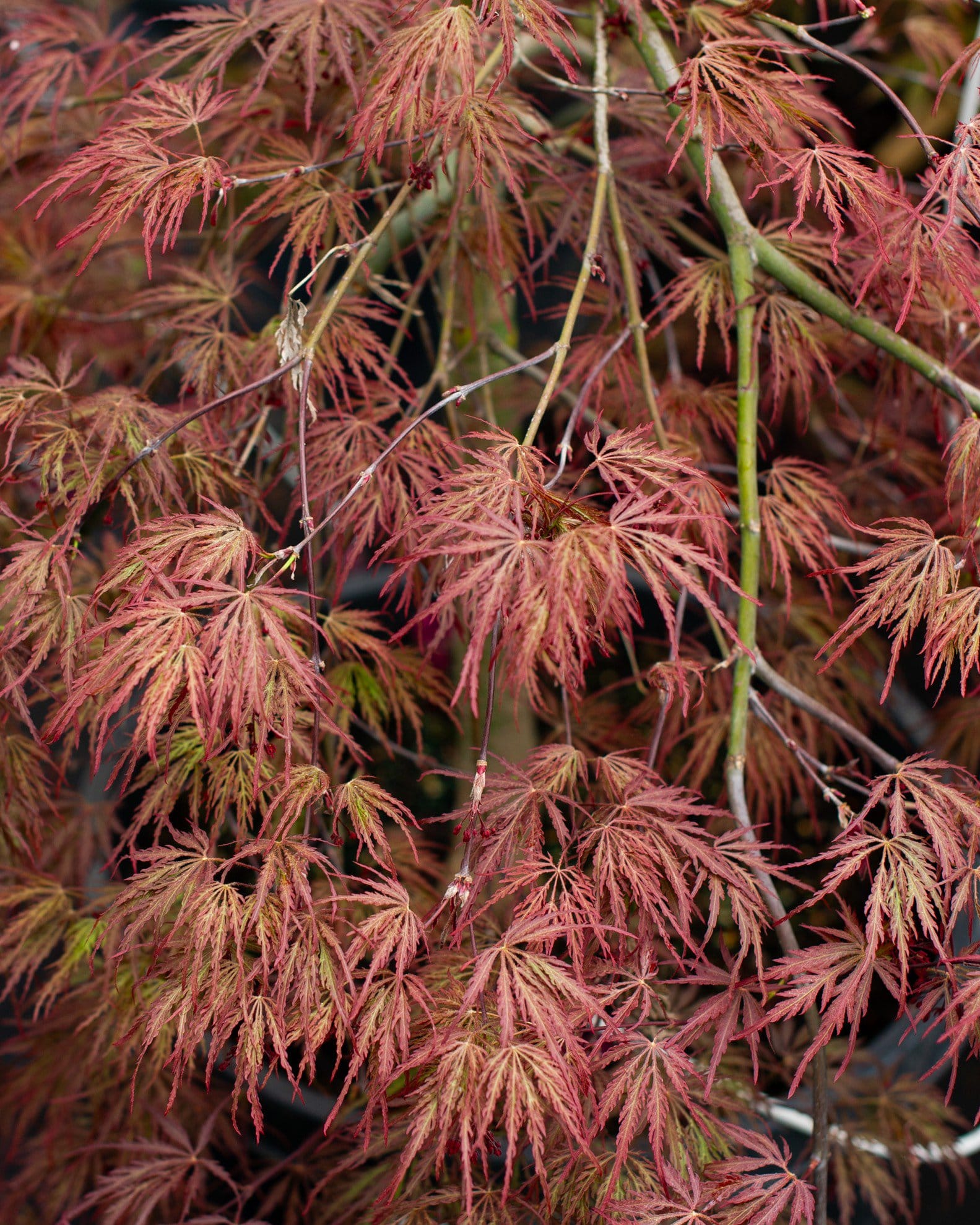
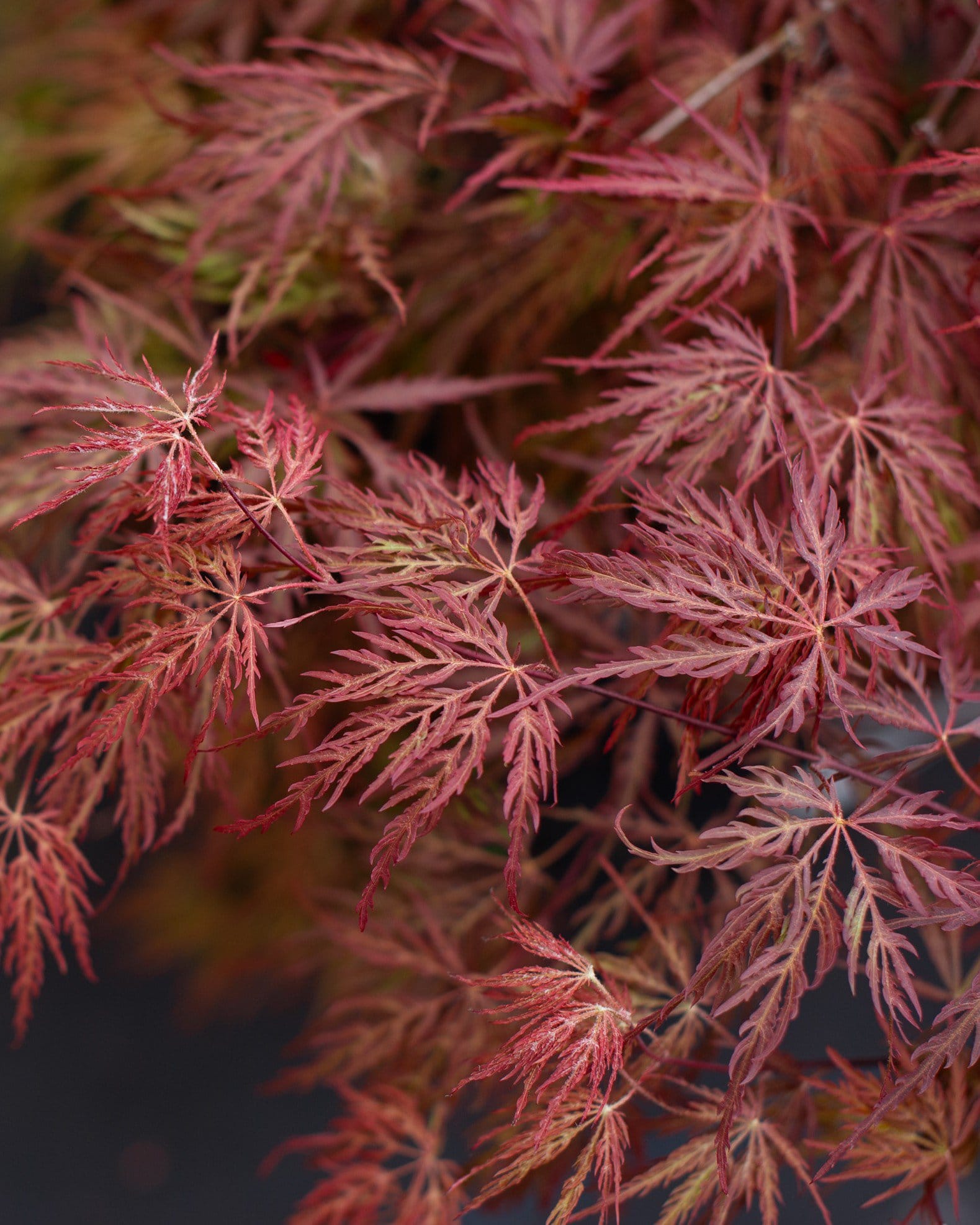
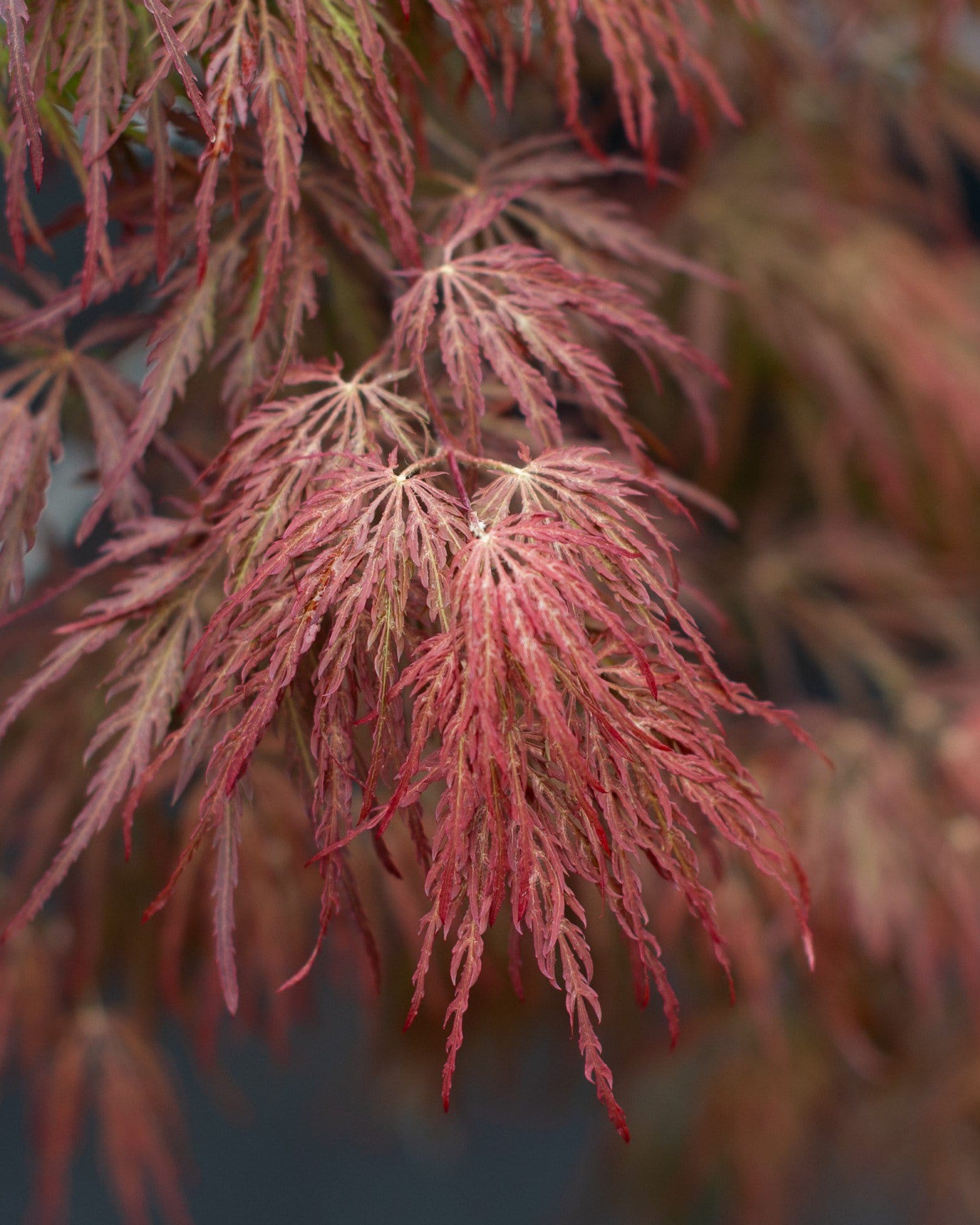
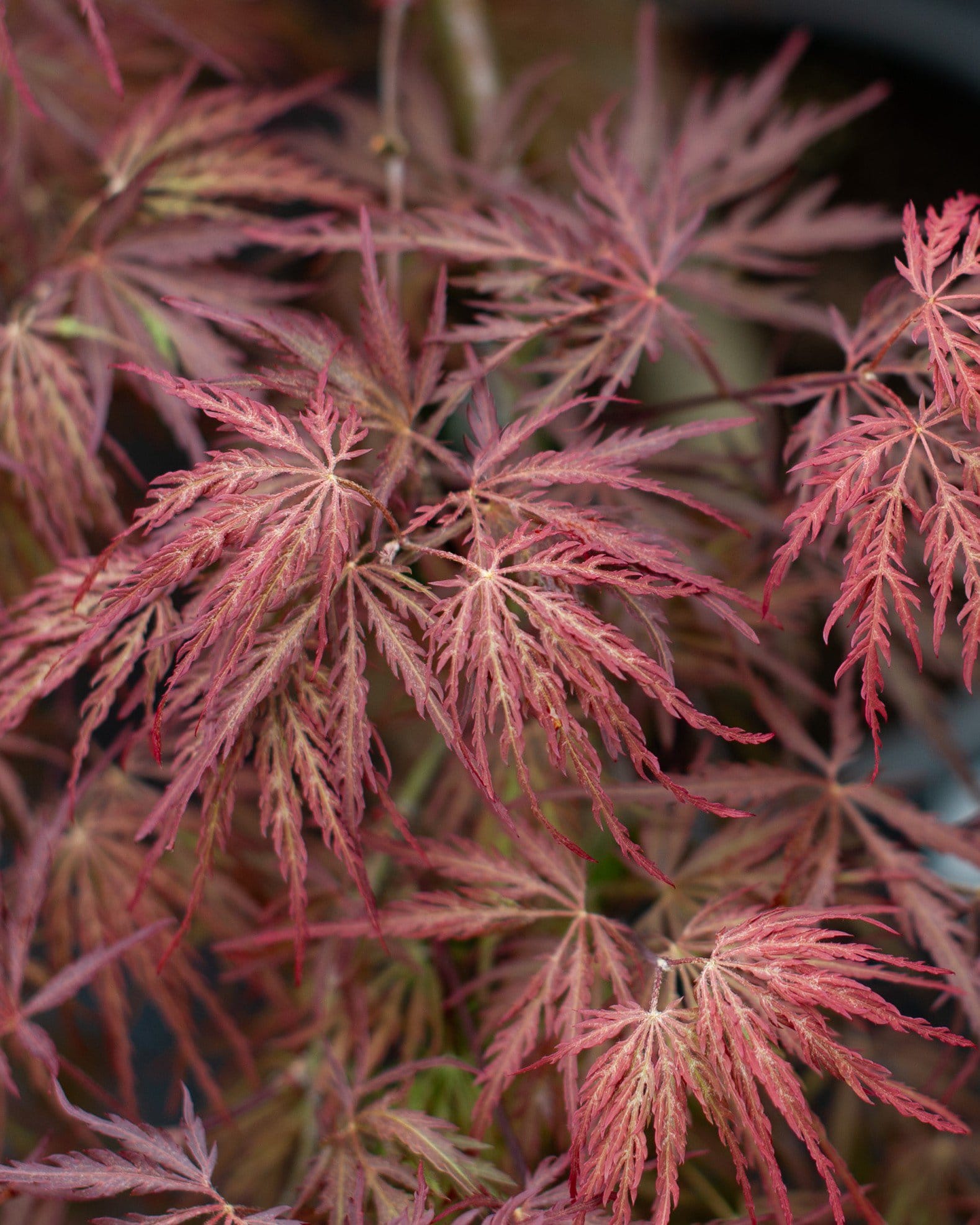
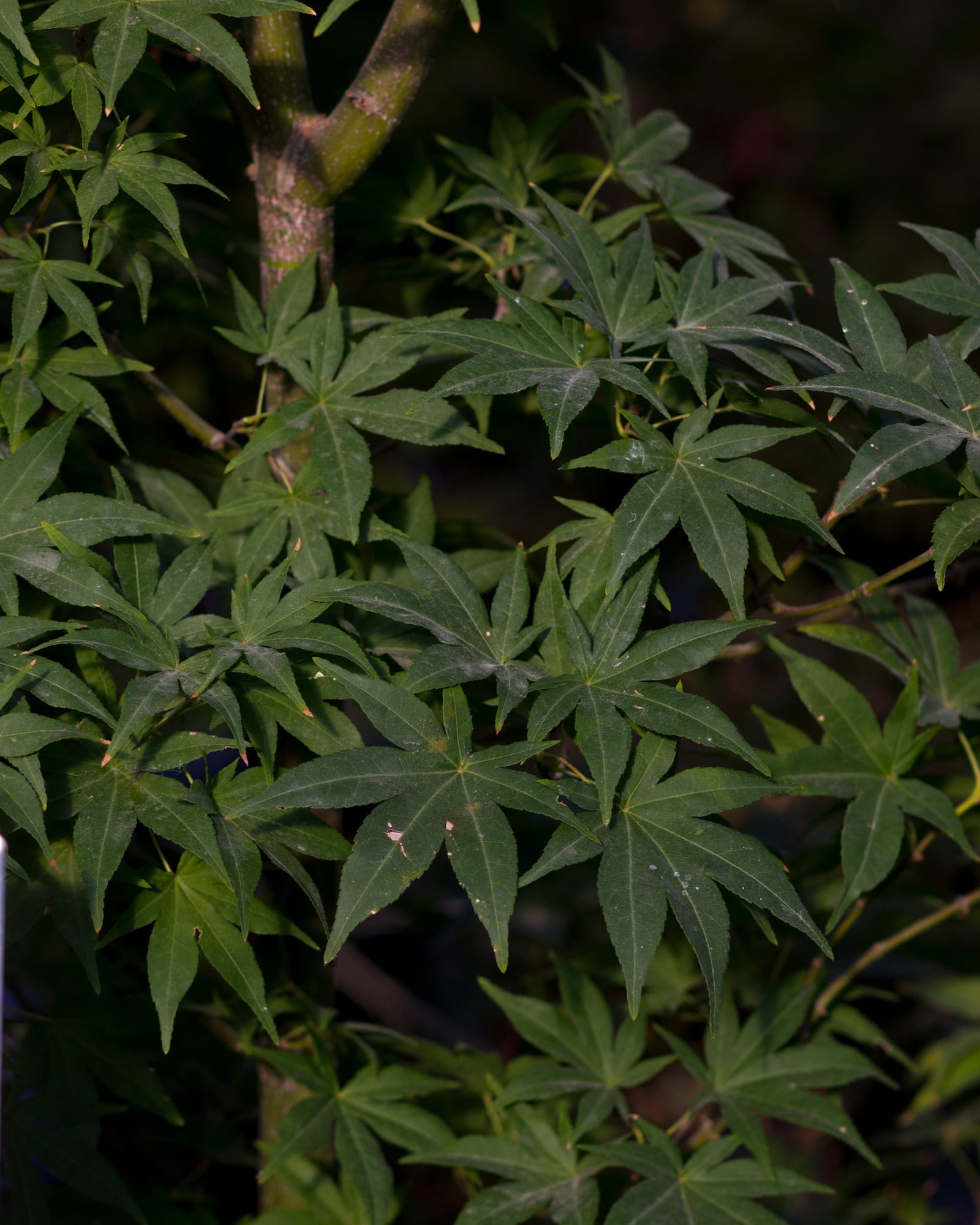
Acer palmatum ‘Shaina’Shaina Japanese Maple in standard form is a deciduous tree that brings vibrant color and sculptural form to your landscape. With dense branching and finely cut leaves that emerge bright red in spring and deepen to burgundy through summer, Shaina offers rich, consistent color and a tidy, globe-like silhouette. Grafted onto a standard trunk, this ornamental tree takes on a charming topiary shape - ideal for framing a walkway, anchoring a patio, or adding vertical interest in container beds. It grows 5 feet in height and 4 feet in width.
- Deciduous tree
- Slow growth rate
- Lush red foliage from spring through fall
- Grafted standard form adds elegance and structure
- Excellent for patios, courtyards, and Japanese-style landscapes
Plant in dappled sun or morning sun with afternoon shade, in rich, well-drained soil. Hardy in USDA zones 5 through 8, the Shaina Japanese Maple (Standard) brings timeless elegance and bold color in a beautifully compact form.
Shaina Japanese Maple Tree Form is loved for its easy-going nature, thriving with minimal care in landscapes across Texas. Here’s all it needs:
- Watering: Water deeply and consistently during the first 2-3 years to establish a stable root system capable of supporting the raised canopy. Once established, Shaina Japanese Maple Tree Form prefers evenly moist, well-drained soil and benefits from supplemental watering during heat, wind, or drought.
- Pruning: Pruning needs are minimal, as the tree-form graft naturally produces a dense, rounded crown. Prune lightly in late winter to remove damaged, crossing, or overly congested branches and to maintain a clean, symmetrical silhouette.
- Fertilizing: This maple thrives in moderately fertile soils and generally requires only light feeding. If color dulls or growth slows, apply a gentle, slow-release, low-nitrogen fertilizer in early spring. Excess nitrogen should be avoided.
- Mulching: Apply a 2-3 inch mulch layer to help retain moisture, regulate soil temperature, and protect shallow roots. Keep mulch pulled a few inches back from the trunk to prevent moisture damage at the graft union.
- Winter Care: It is reliably hardy, but because of its raised canopy, it may experience more winter wind exposure than shrub forms. Young trees benefit from burlap wind screens or planting in sheltered locations.
Tree-form Shaina is resilient, though its dense crown can be sensitive to airflow, heat, and moisture fluctuations:
- Leaf Scorch: Browning edges develop during high heat, wind, or drought. Provide afternoon shade, ensure consistent moisture, and maintain mulch to reduce stress.
- Verticillium Wilt: Sudden branch wilt or dieback may signal this soilborne fungal disease. Remove affected branches, avoid disturbing roots, and avoid planting maples where wilt is known to occur.
- Aphids: Sticky honeydew, curled leaves, and distorted new growth indicate aphid activity. Rinse foliage or apply insecticidal soap to control pests.
- Root Rot: Persistent wilting and yellowing occur in poorly drained or waterlogged soil. Improve drainage and adjust watering to protect the root system.
- Powdery Mildew: A white, powdery coating appears during humid, stagnant air conditions. Improve airflow around the crown and avoid overhead irrigation.
With proper care, it typically lives 40-60 years, keeping its sculpted trunk and dense, rounded canopy in beautiful condition. Its longevity and shape make it an elegant long-term feature for intimate landscapes.
It grows slowly to moderately at about 4-8 inches per year and generally achieves its full, refined crown shape in 8-12 years. This deliberate growth contributes to its structured, ornamental look.
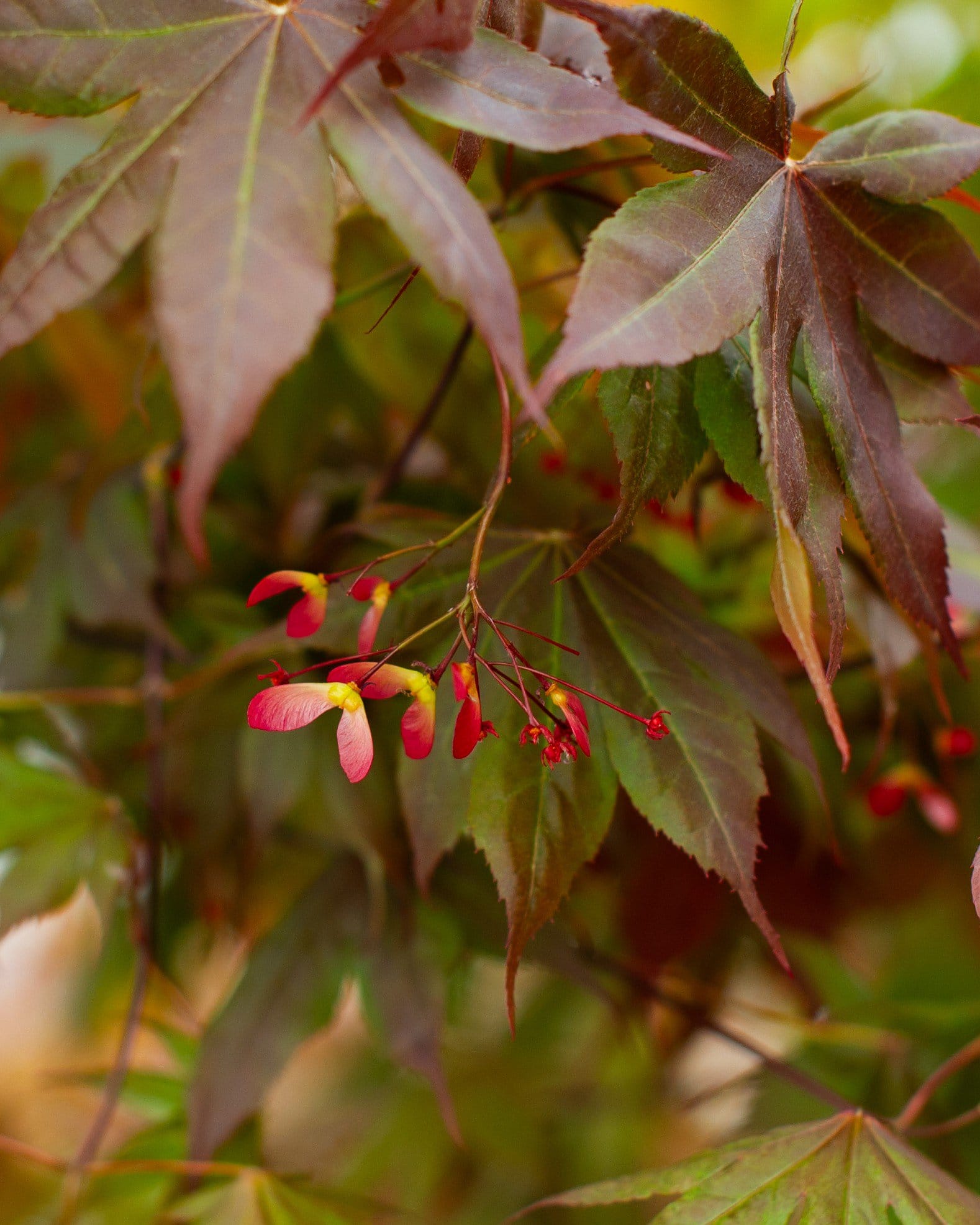
Yes - their subtle spring flowers attract small bees and beneficial insects. While not showy, they add ecological value and contribute to seasonal garden life.
Absolutely - its raised canopy and compact size make it excellent for large decorative containers. Use high-quality, well-draining soil and protect containerized roots from extreme winter cold.
It cannot be divided; the tree form is created through grafting. Propagation requires professional grafting techniques.
It excels as a single focal specimen due to its sculptural trunk and dramatic crown. It can also serve beautifully in pairs of flanking pathways, entries, or garden features.
Heucheras, Hostas, Ferns, Azaleas, Hydrangeas, and ornamental grasses complement its color and form. Stone accents, water bowls, and groundcovers highlight its ornamental silhouette.
Yes - its compact structure and elevated canopy make it ideal for patios, city gardens, and tight spaces where a traditional tree is too large. It brings refined architecture and bold color to small environments.
Young trees transplant well during dormancy, especially when the graft union is protected, and the root ball is kept intact. Once reestablished, they grow steadily and maintain their strong form.
The raised canopy showcases its dense red foliage like a living umbrella, giving it a sculptural elegance that feels both modern and timeless. Its compact size and dramatic structure make it an exquisite centerpiece in any refined landscape.
Special Features
You might also like
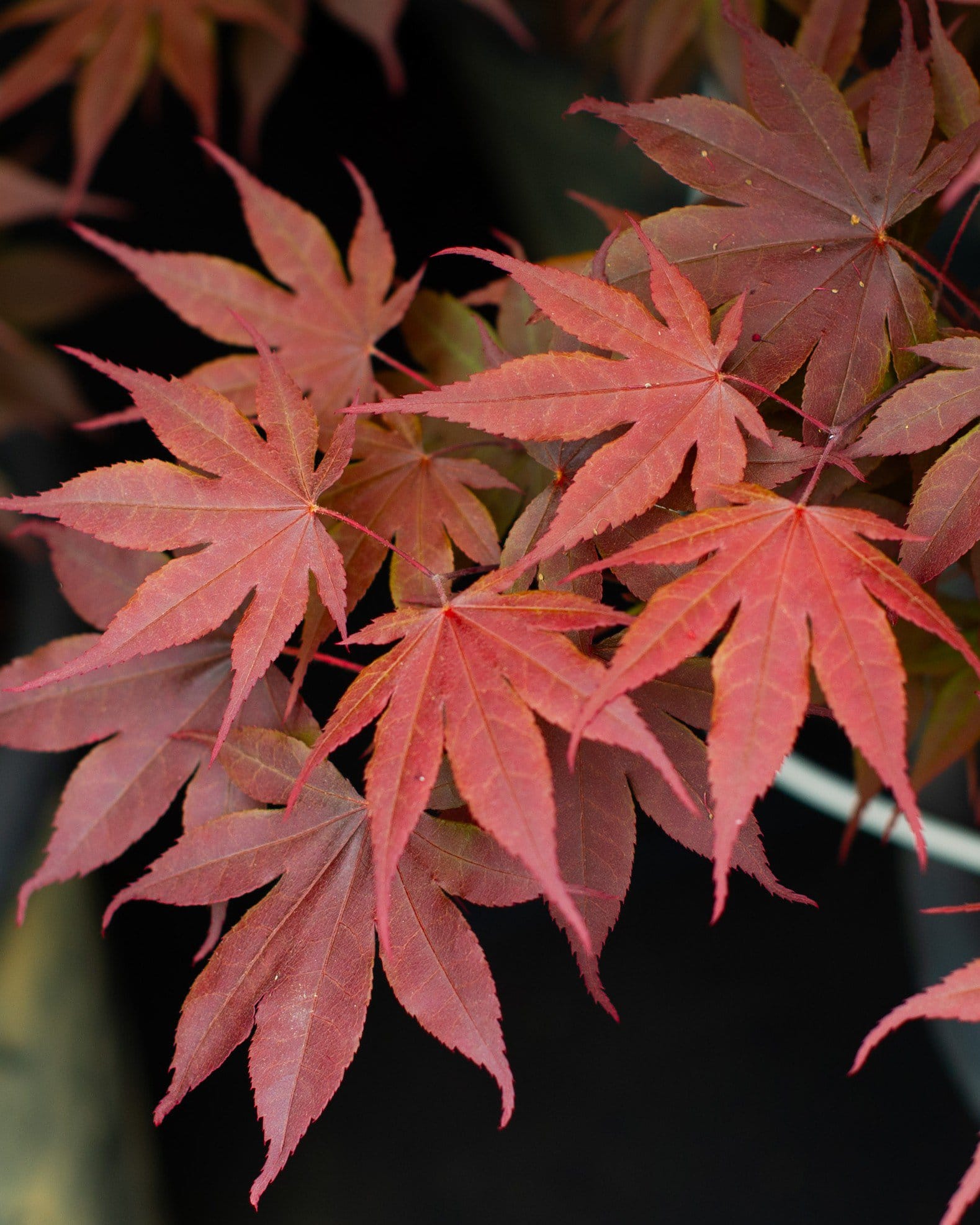
Bloodgood Japanese Maple
Maturity: 20' H x 20' W
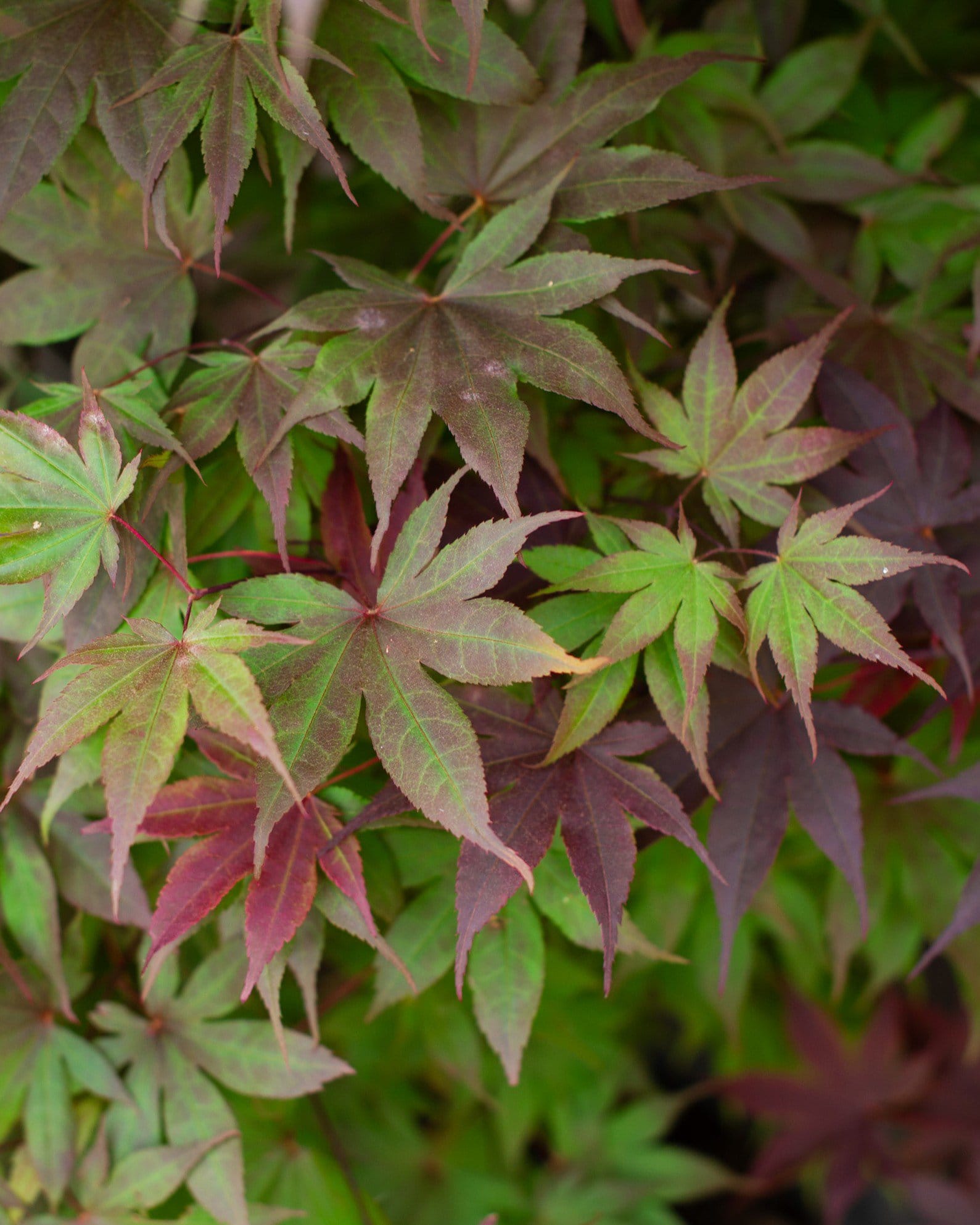
Coral Bark Japanese Maple
Maturity: 20' H x 13' W
Crimson Queen Japanese Maple
Maturity: 10' H x 10' W
Emperor I Japanese Maple
Maturity: 20' H x 15' W
Ever Red Japanese Maple
Maturity: 5' H x 6' W
Fireglow Japanese Maple
Maturity: 10' H x 10' W
Inaba Shidare Japanese Maple
Maturity: 8' H x 10' W
Mikawa Yatsubusa Japanese Maple
Maturity: 5' H x 6' W
Orange Flame Japanese Maple
Maturity: 20' H x 15' W
Orangeola Japanese Maple
Maturity: 12' H x 15' W
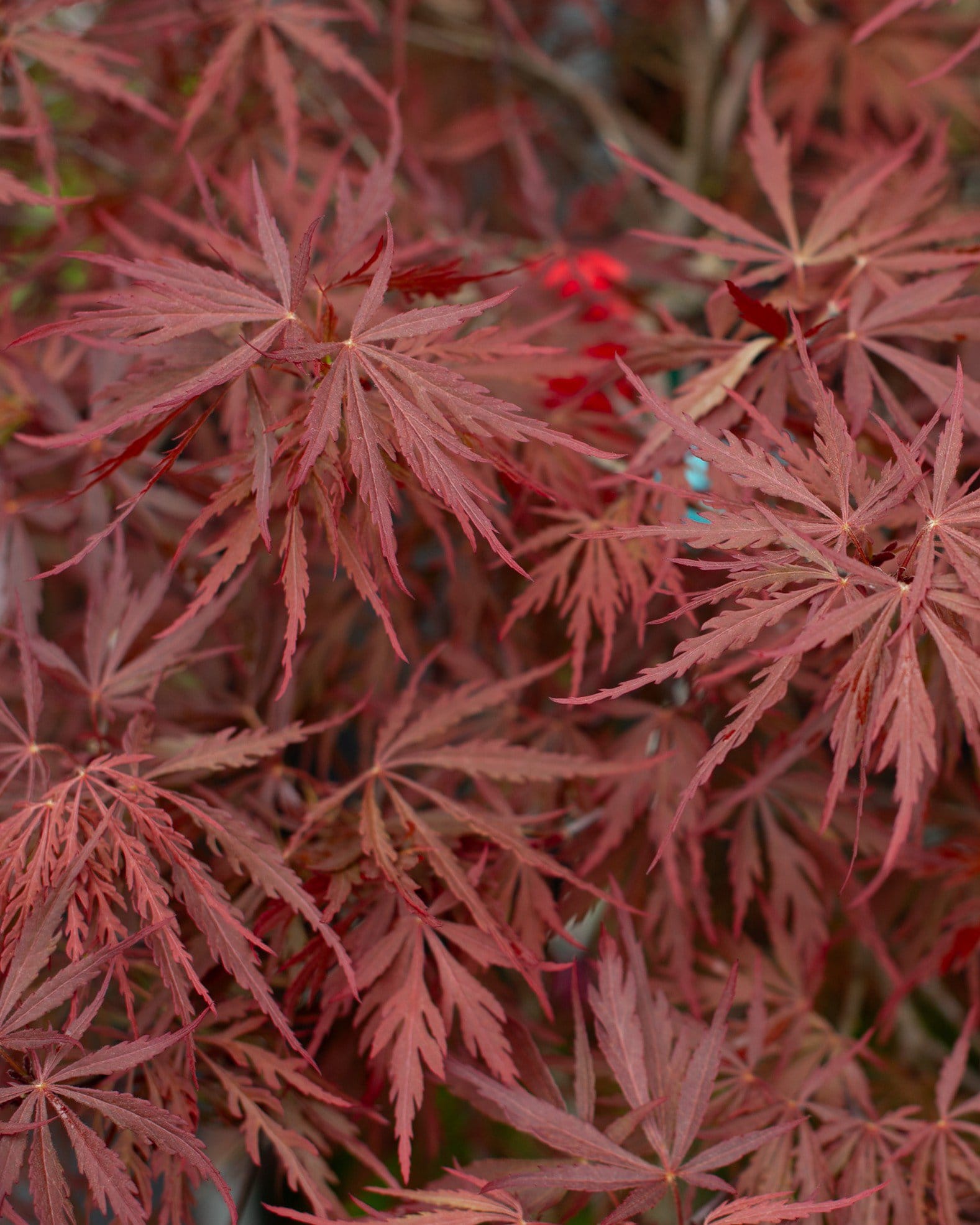
Red Dragon Japanese Maple
Maturity: 7' H x 5' W
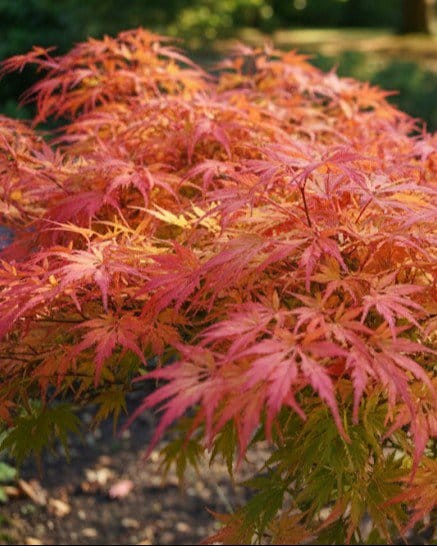
Seiryu Japanese Maple
Maturity: 10' H x 8' W
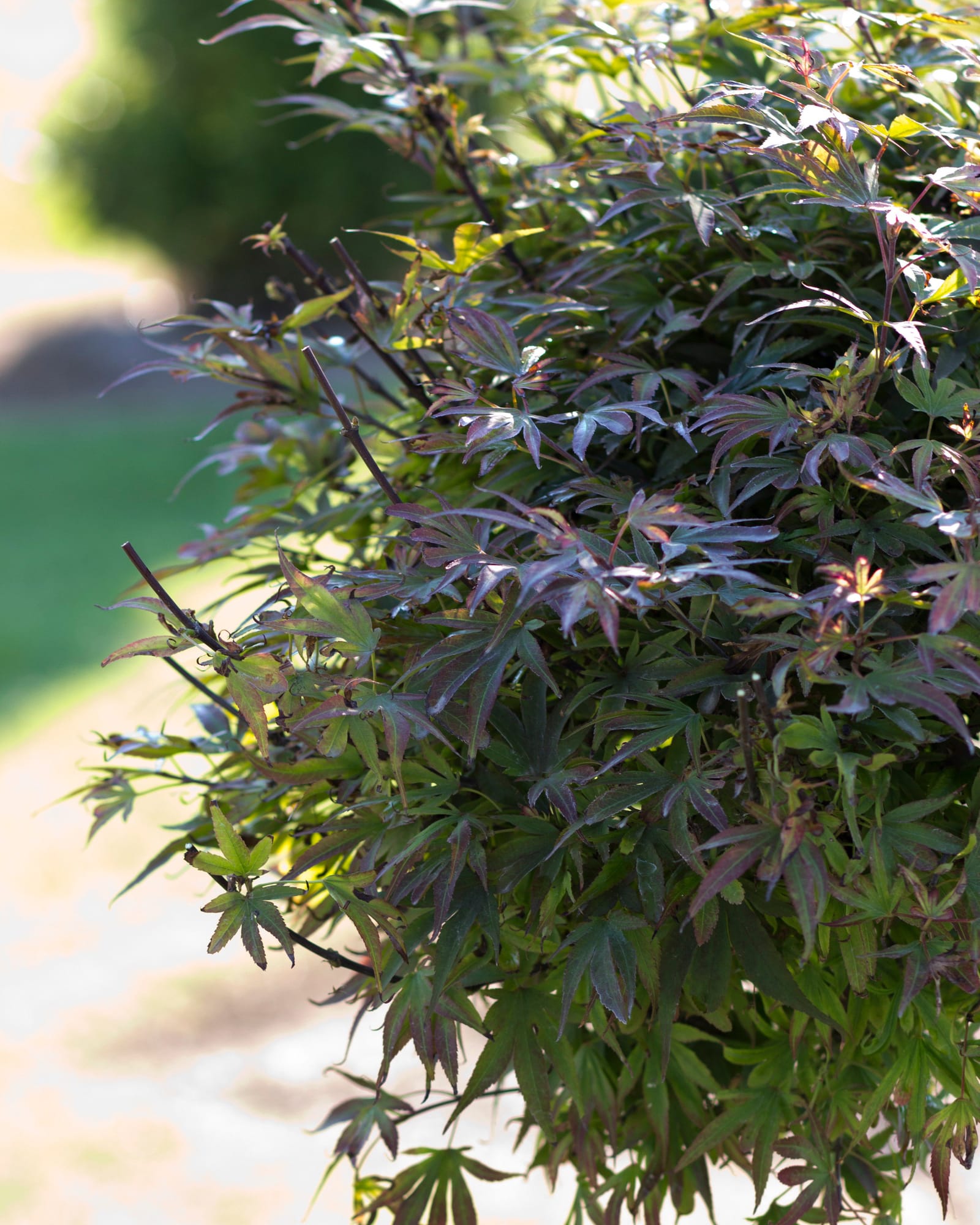
Shaina Japanese Maple
Maturity: 5' H x 4' W
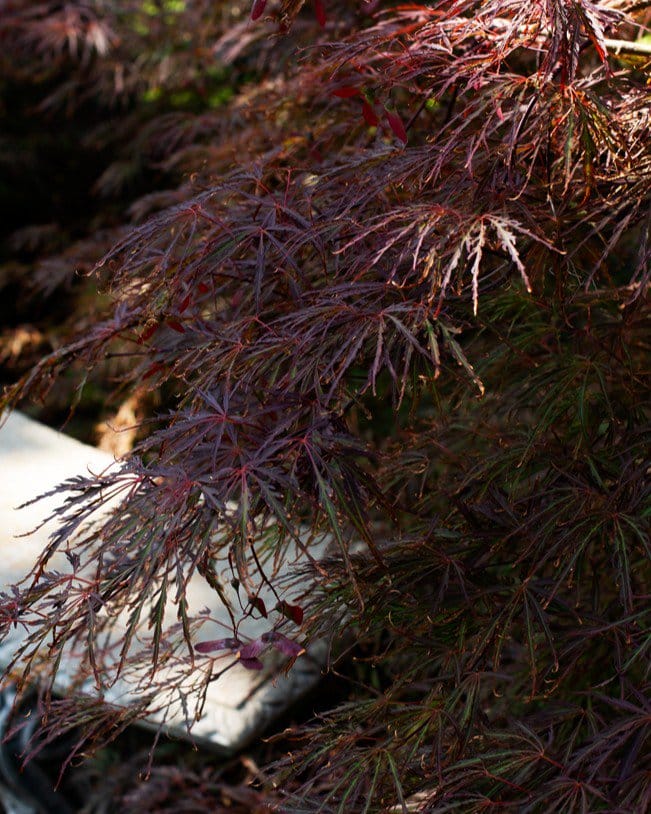
Tamukeyama Japanese Maple
Maturity: 10' H x 10' W
Ukigumo Japanese Maple
Maturity: 12' H x 8' W
Compare Similar Plants
Shaina Japanese Maple Tree Form This plant | ||
|---|---|---|
| Scientific Name | Acer palmatum ‘Shaina’ | Acer palmatum 'Bloodgood' |
| Size at Maturity | 5' H x 4' W | 20' H x 20' W |
| Leaf Retention | Deciduous | Deciduous |
| Sizes Available | 6 gal | 7, 15, 30 gal |


Our 1-Year Planting Guarantee
We take pride in our plants and installation services. If any plants or trees installed by Treeland fail to thrive within the first year, we'll provide a replacement credit in accordance with our guarantee program.
Learn More About Our Guarantee