
Seiryu Japanese Maple
Acer palmatum dissectum ‘Seiryu’Local DFW Delivery Only
Product Details
Seiryu Japanese Maple
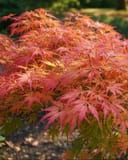
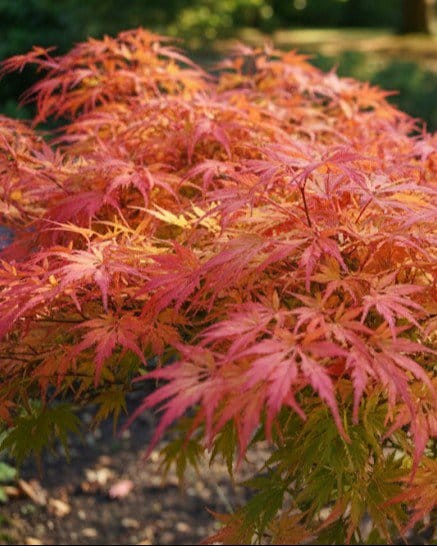
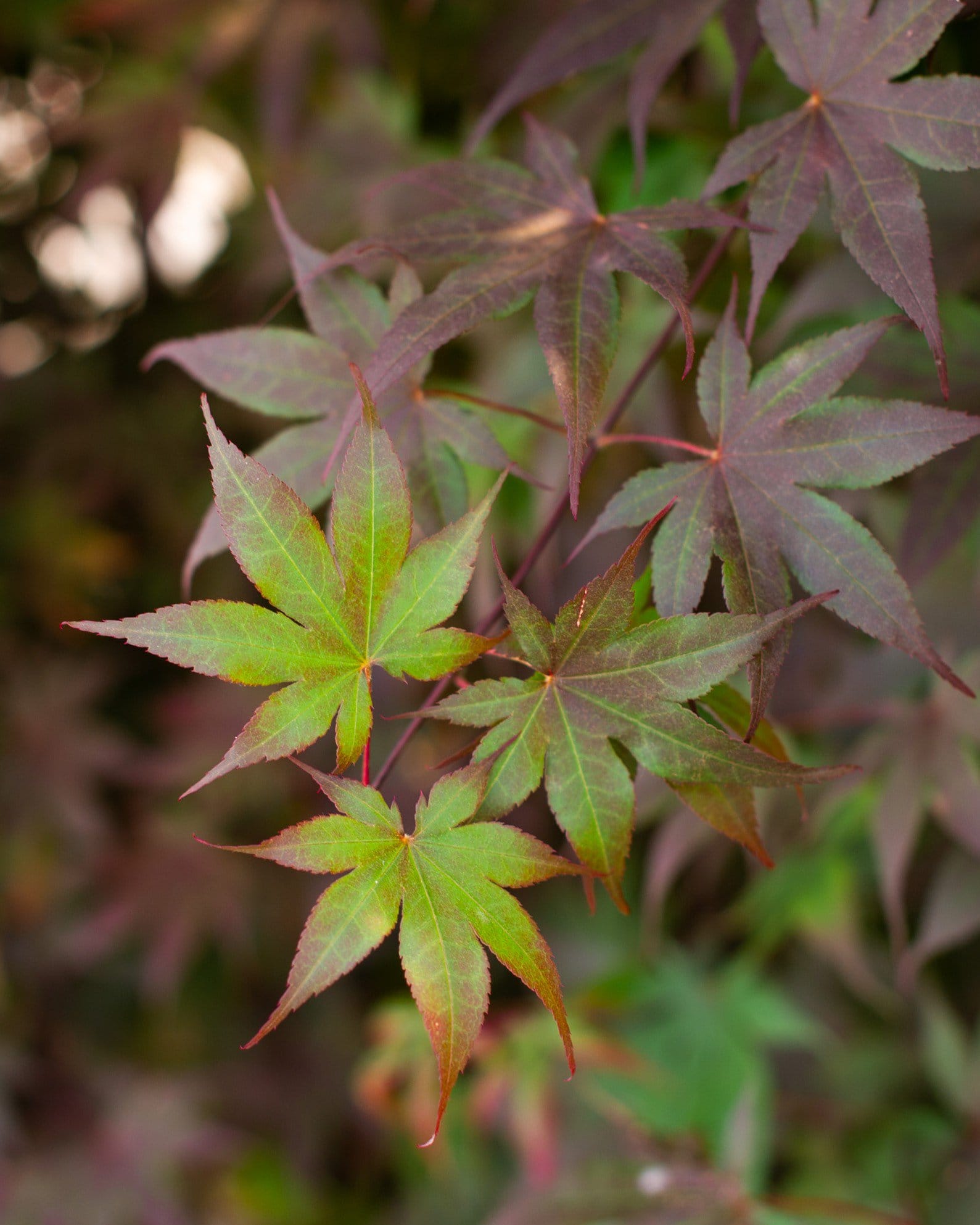
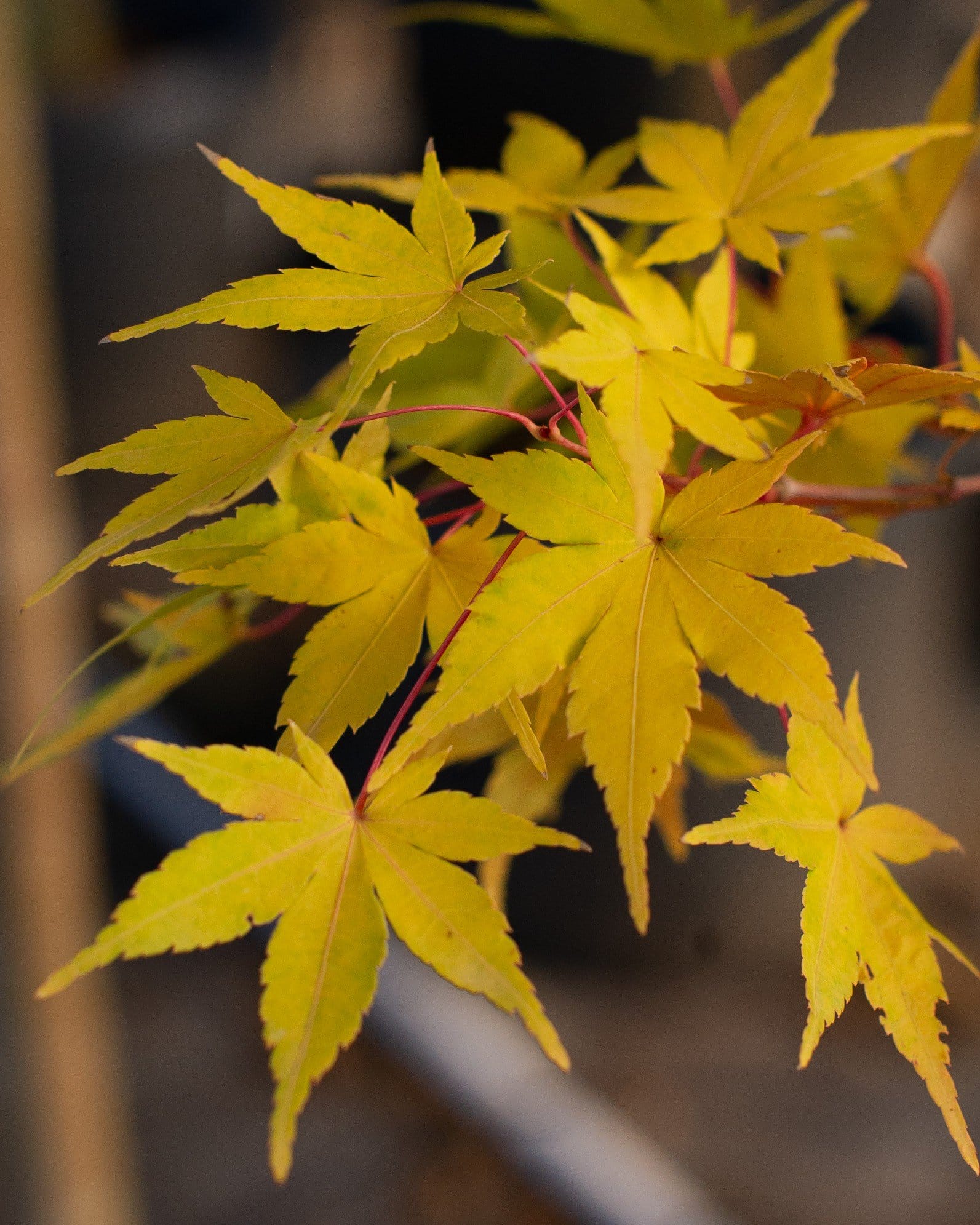
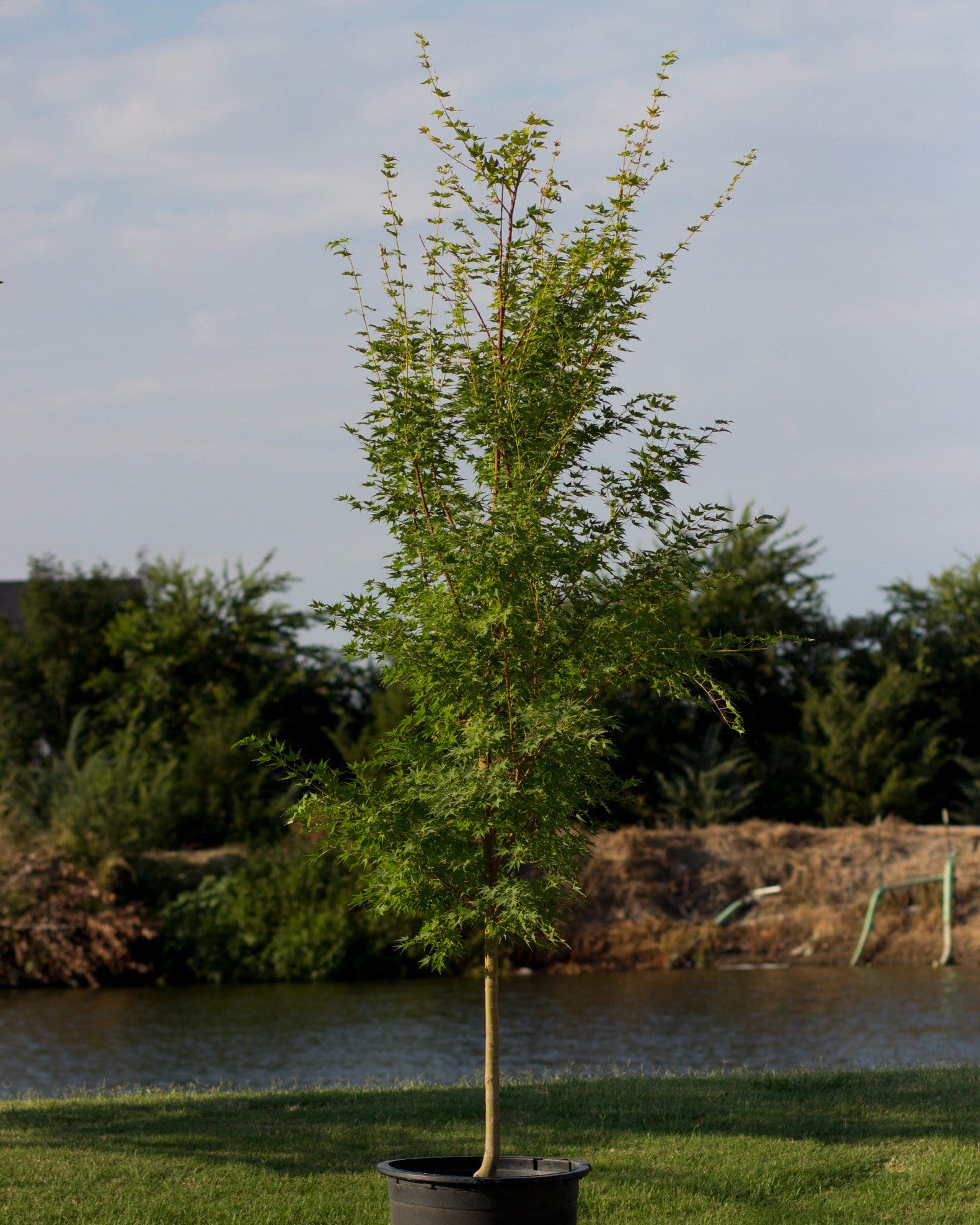
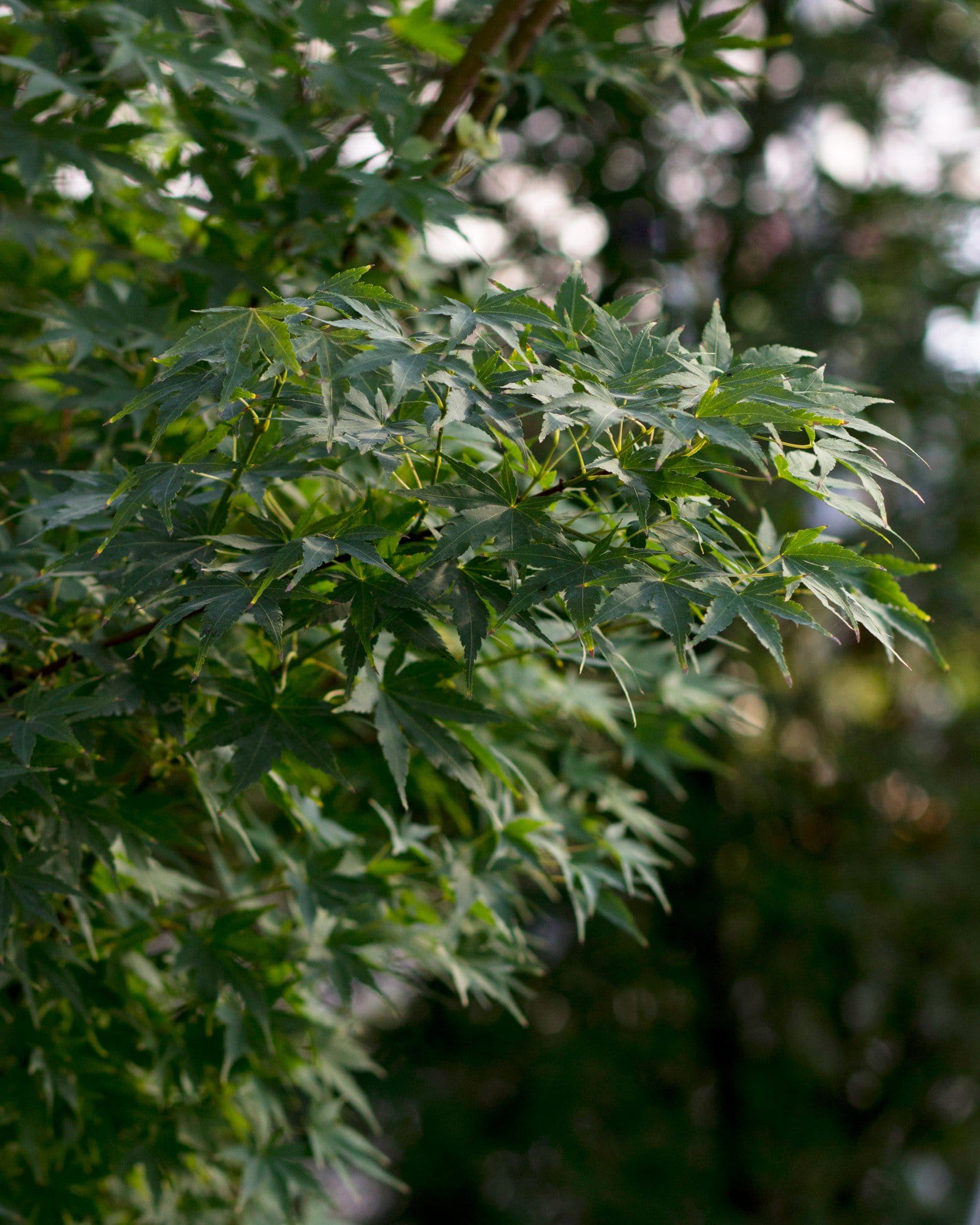
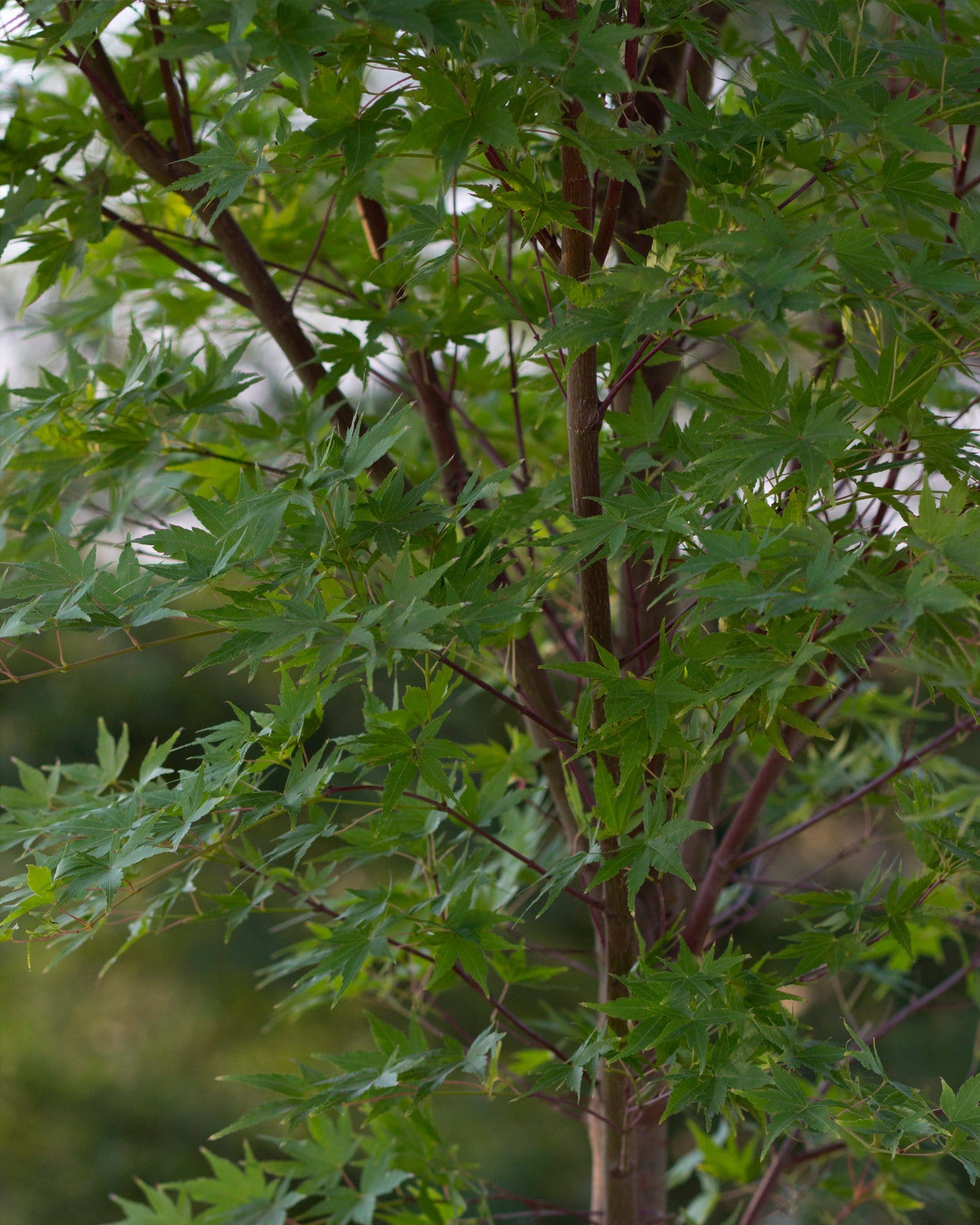
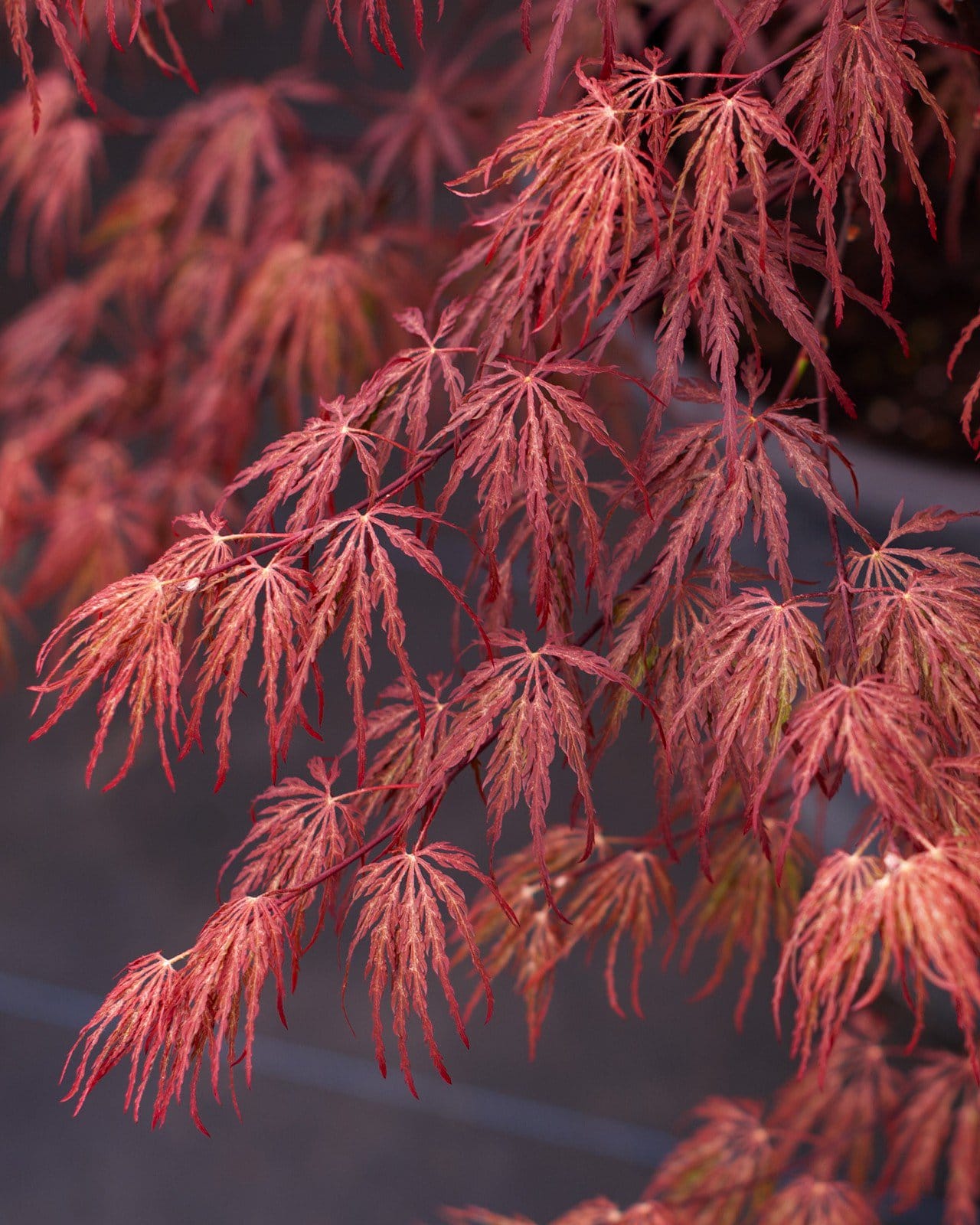
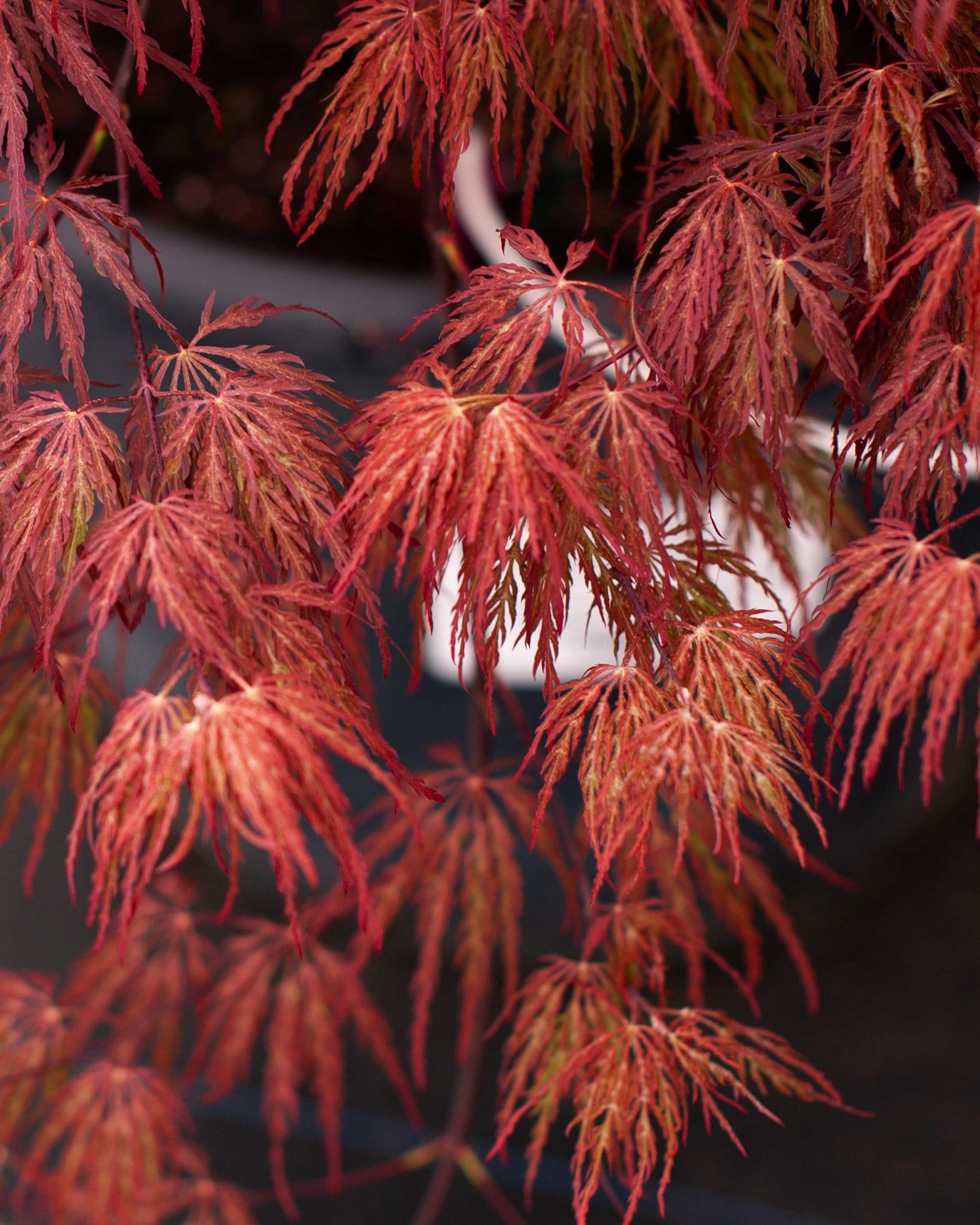
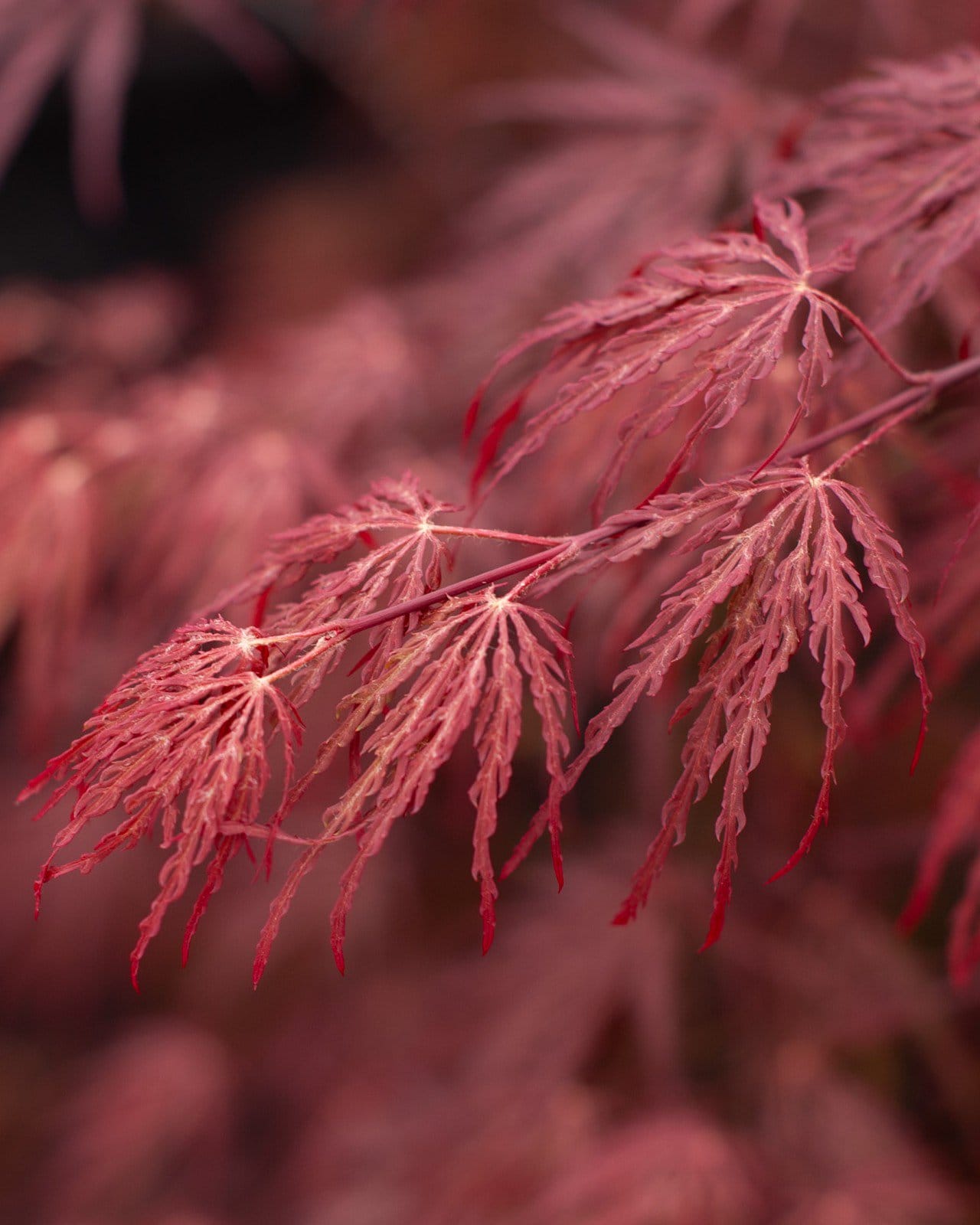
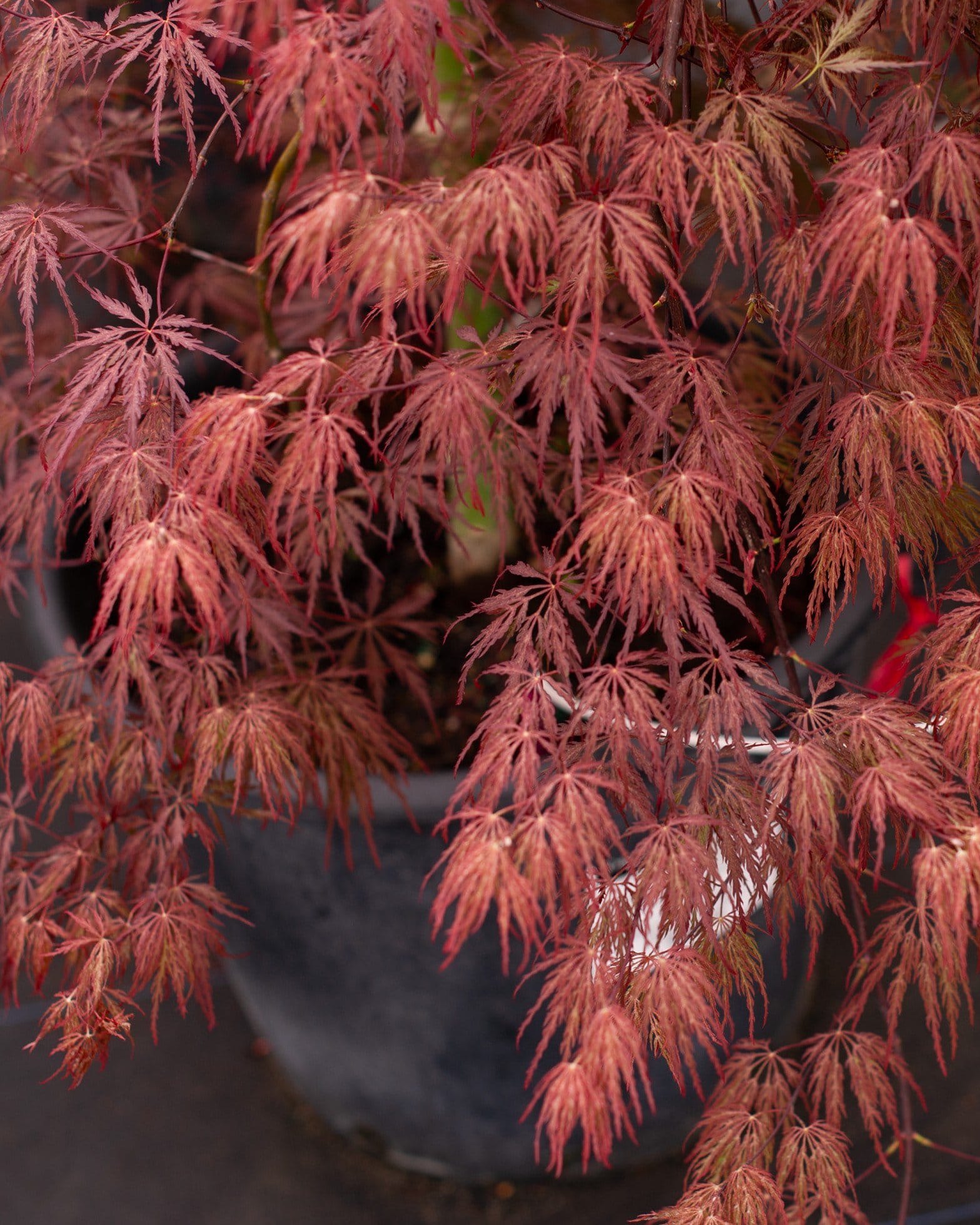
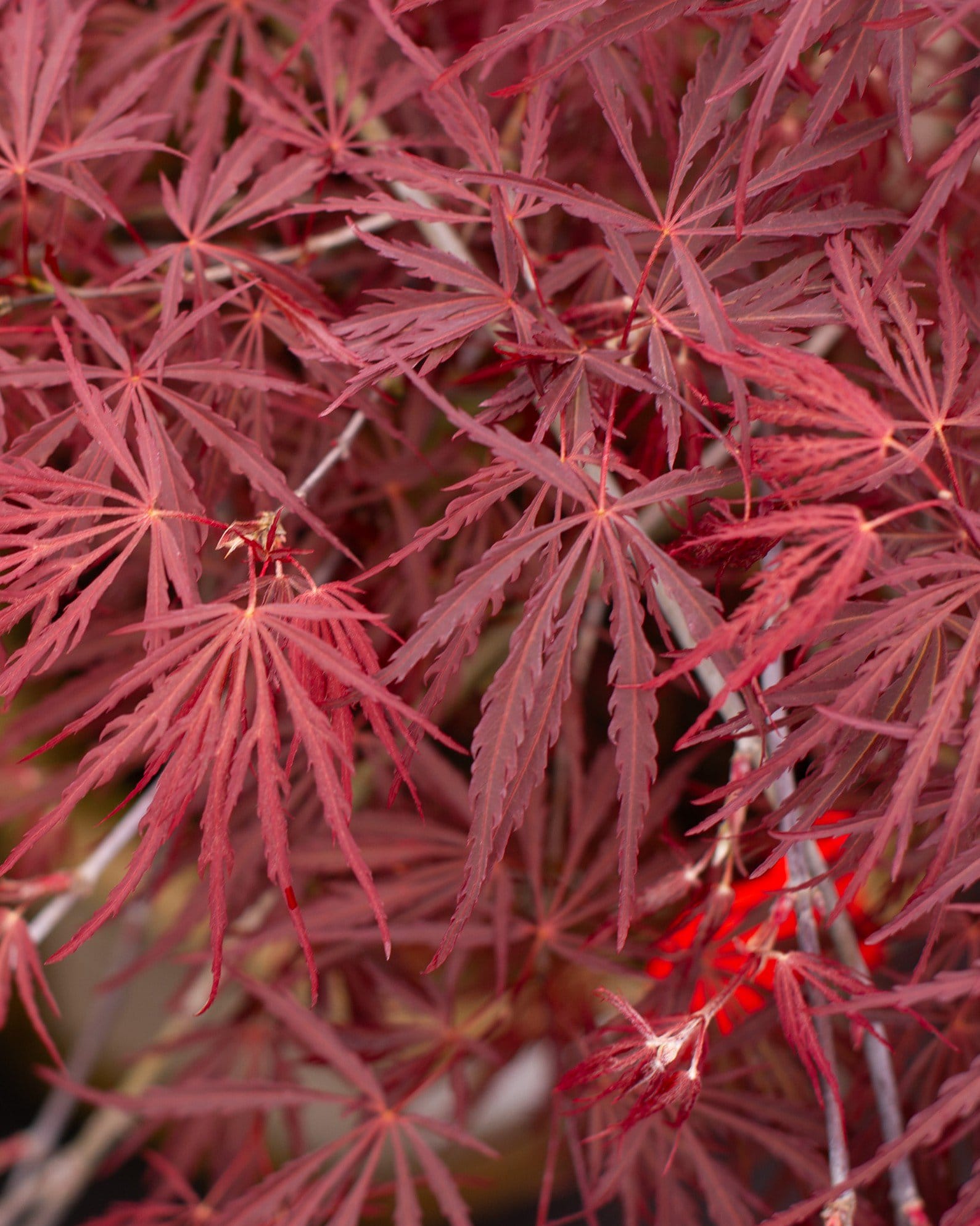
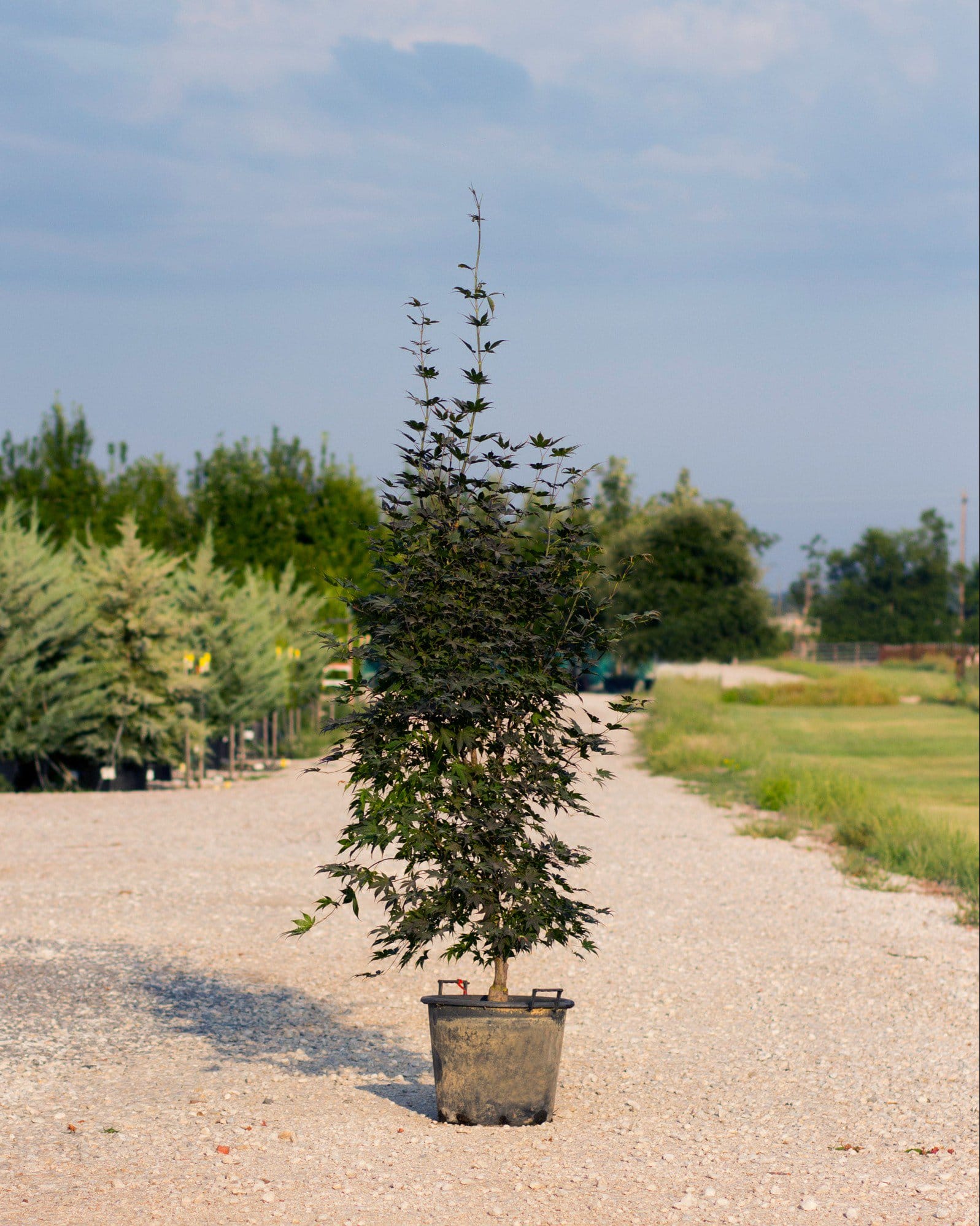
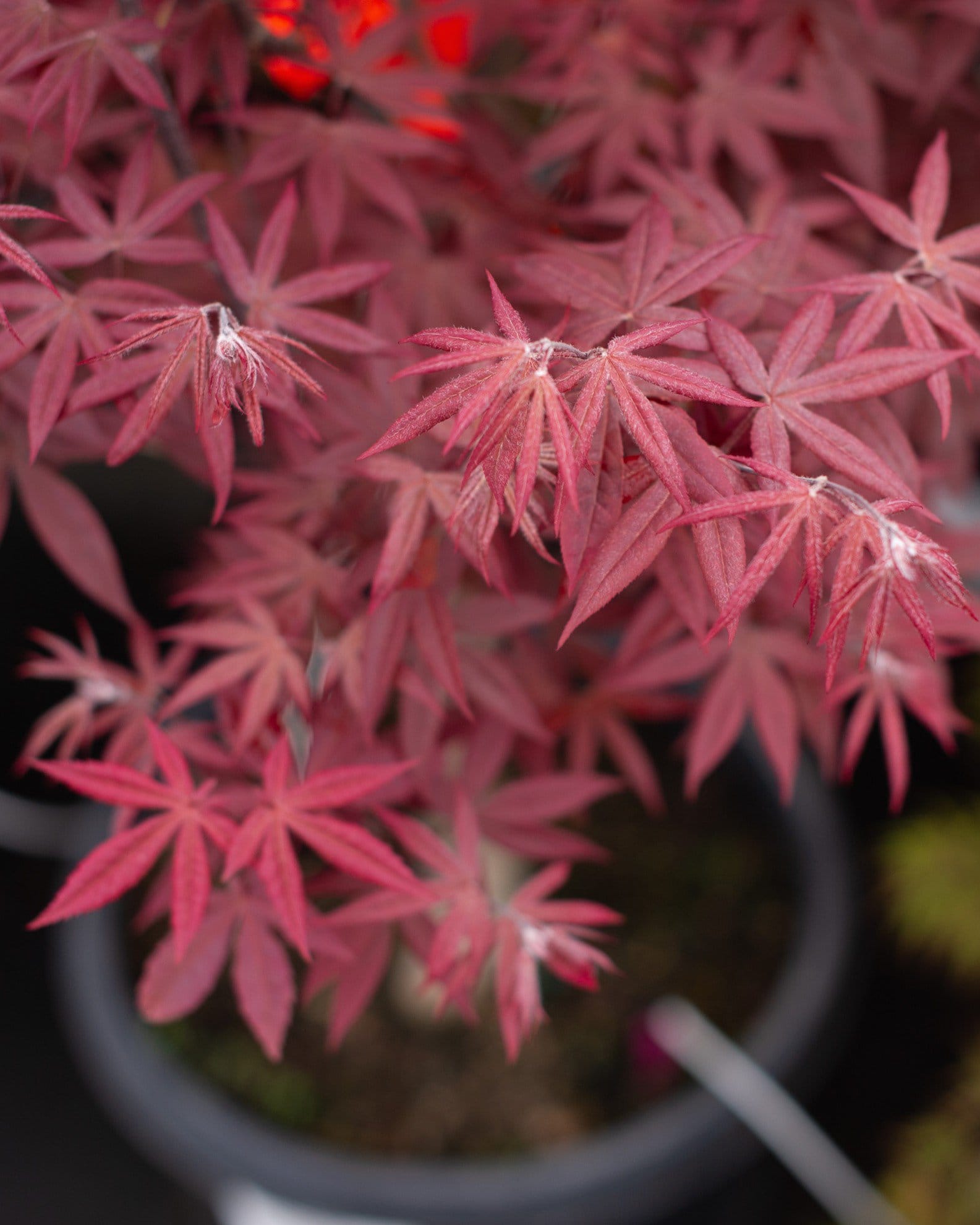
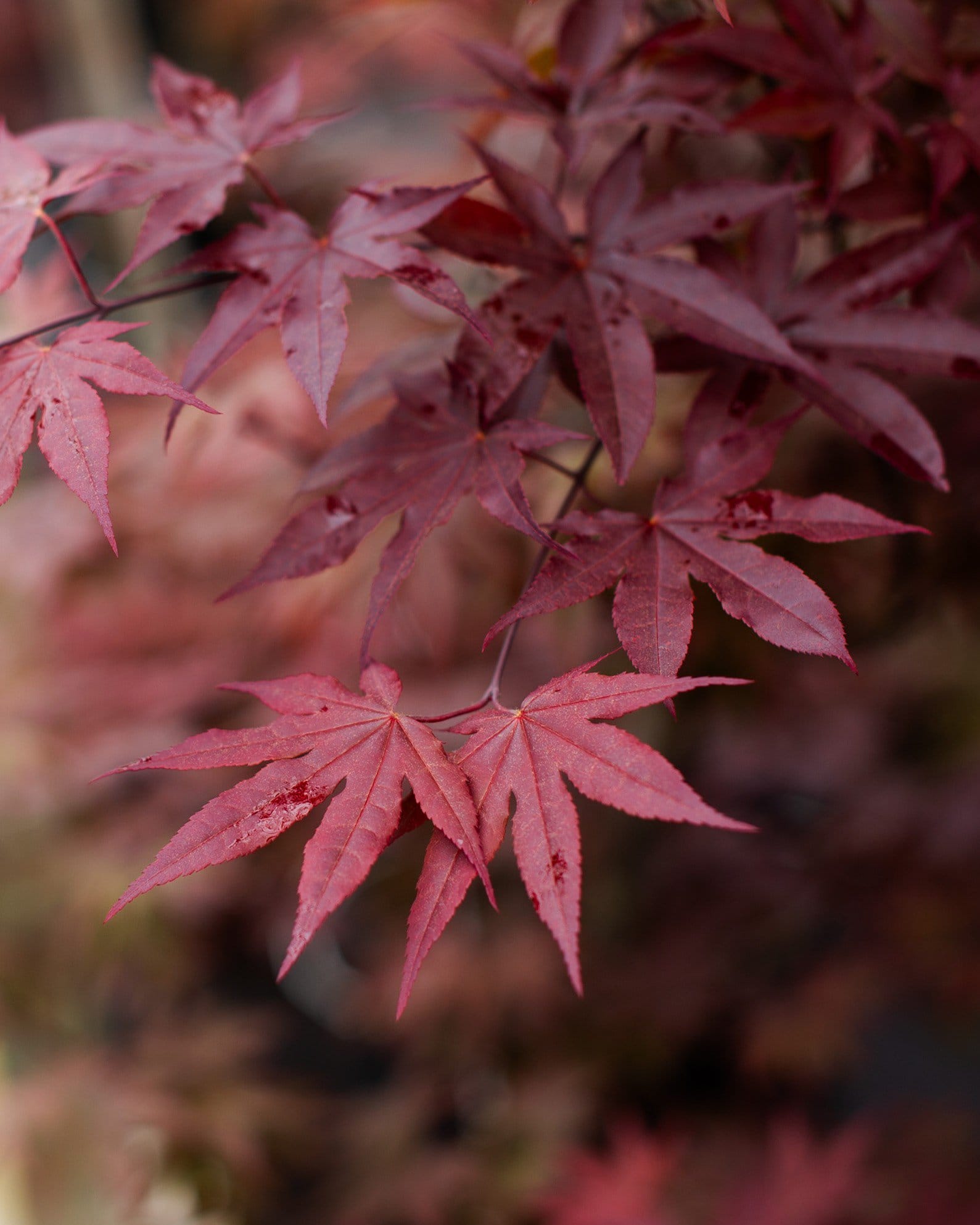
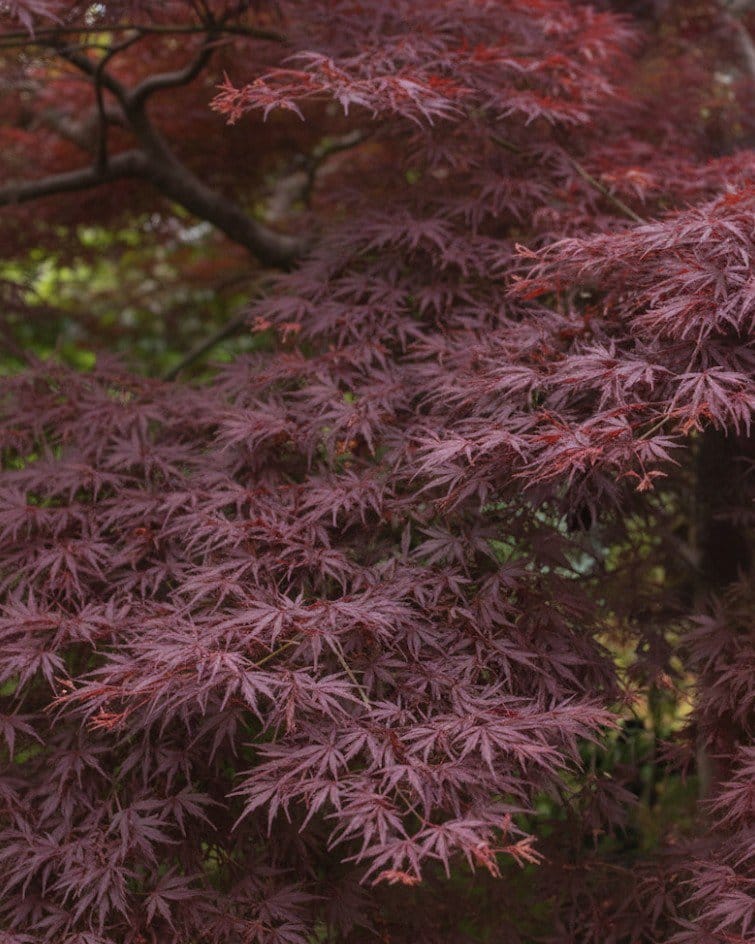
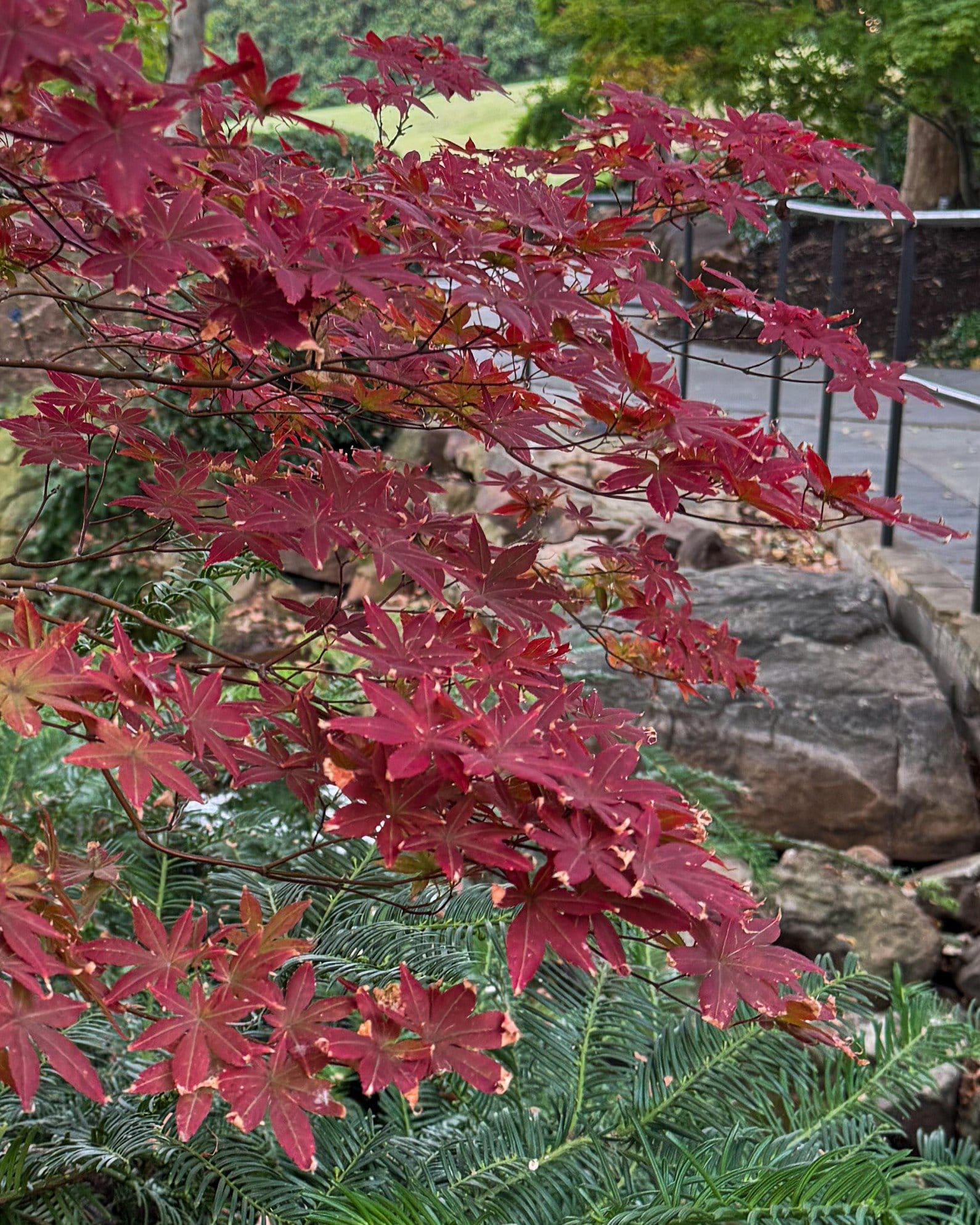
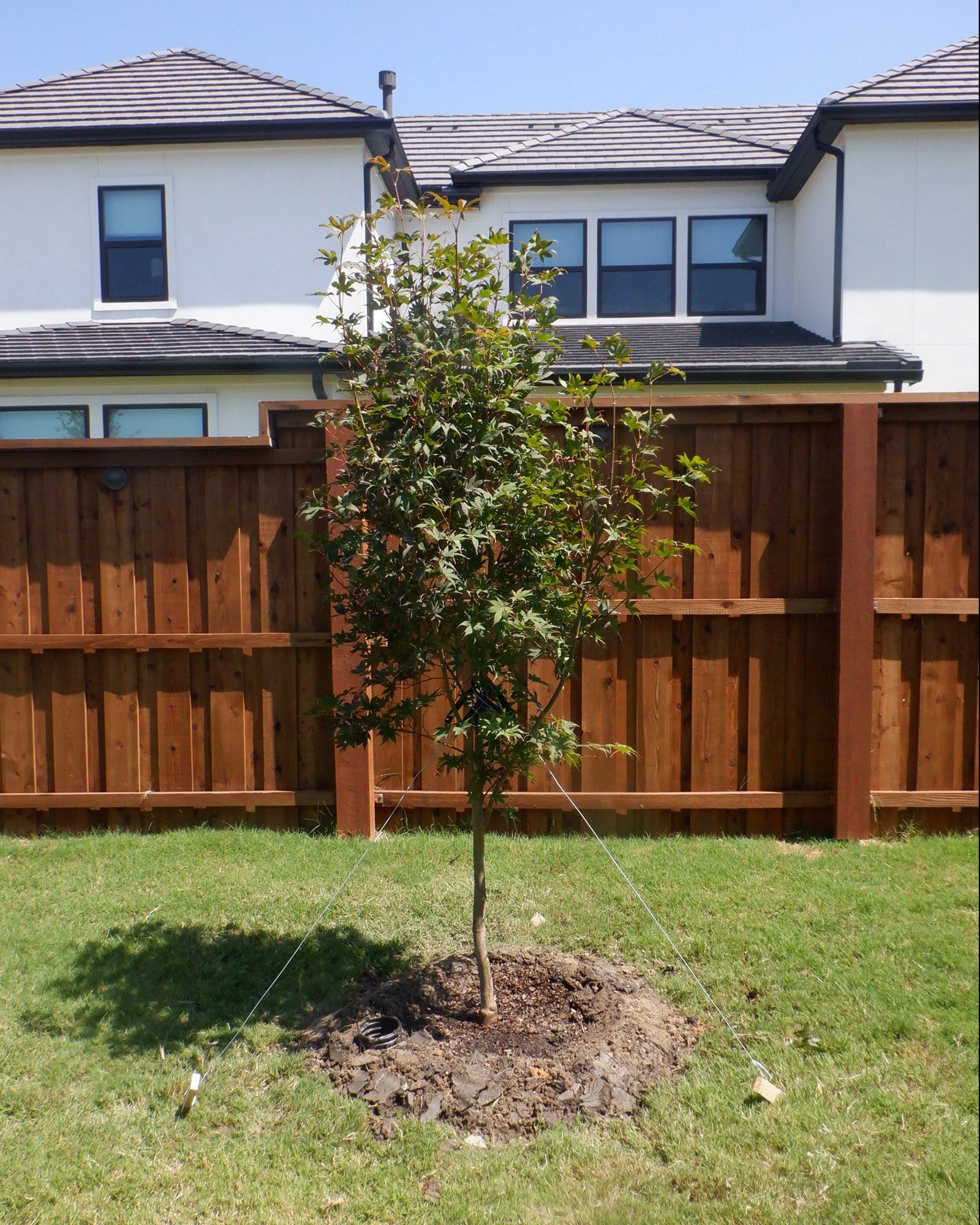
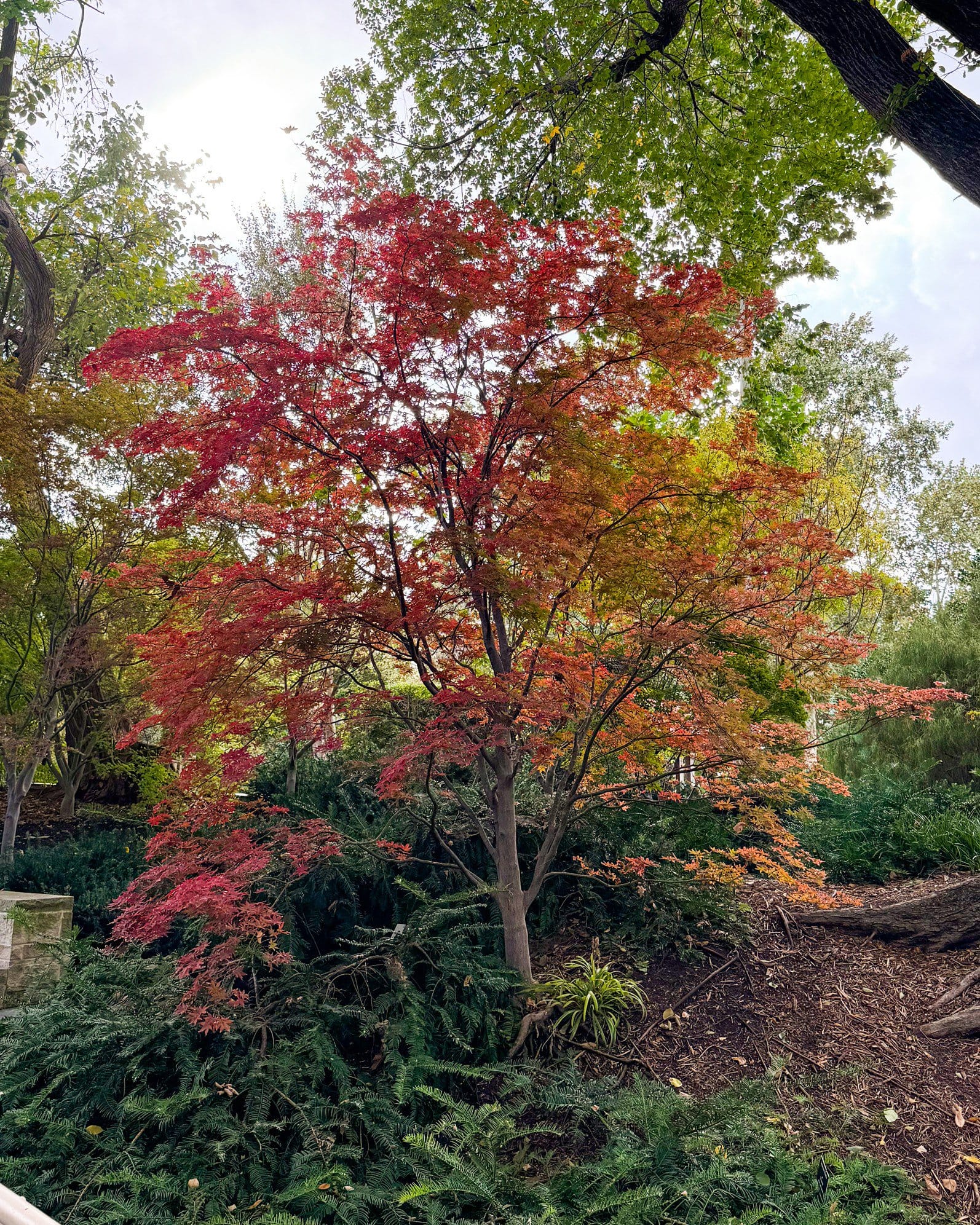
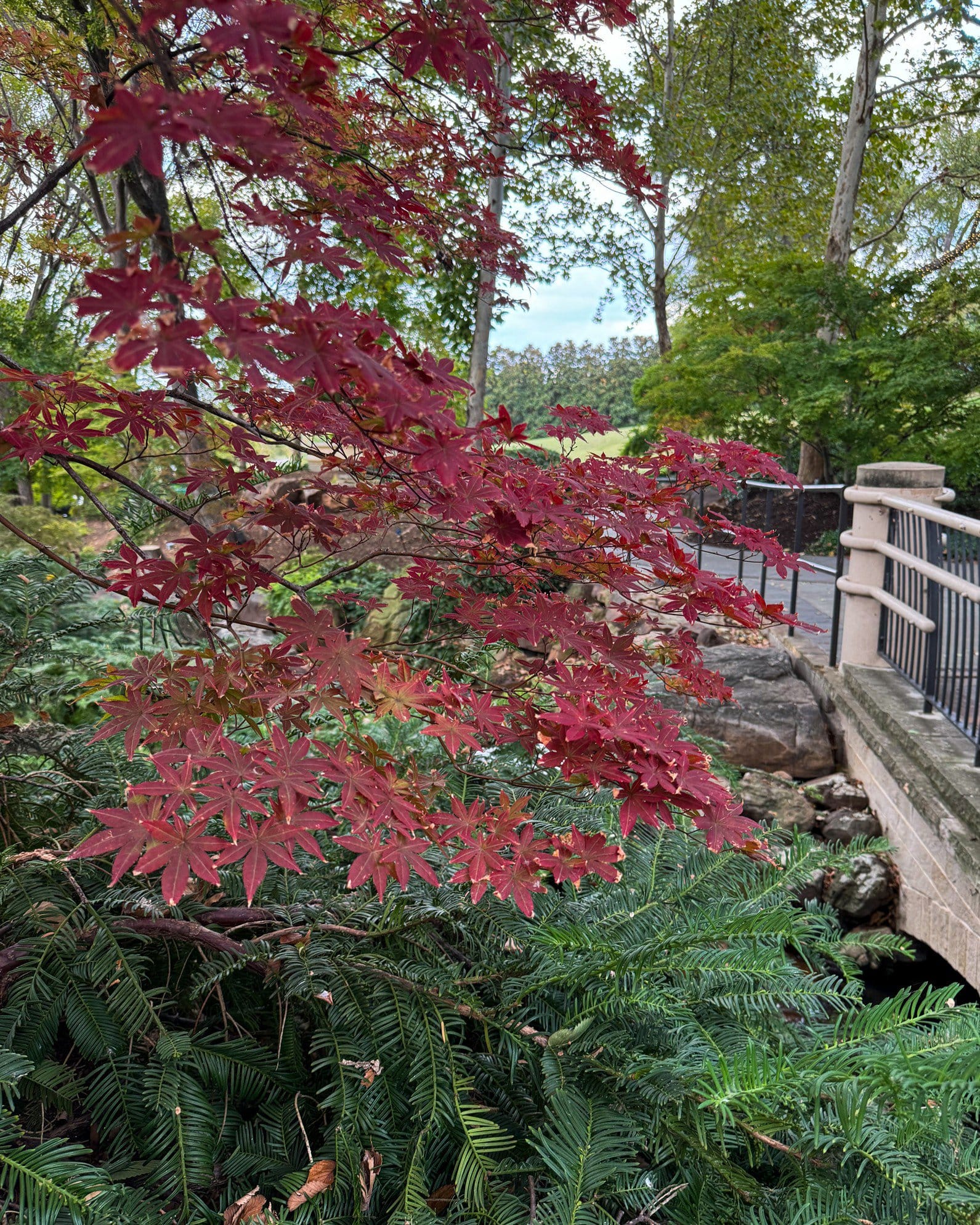
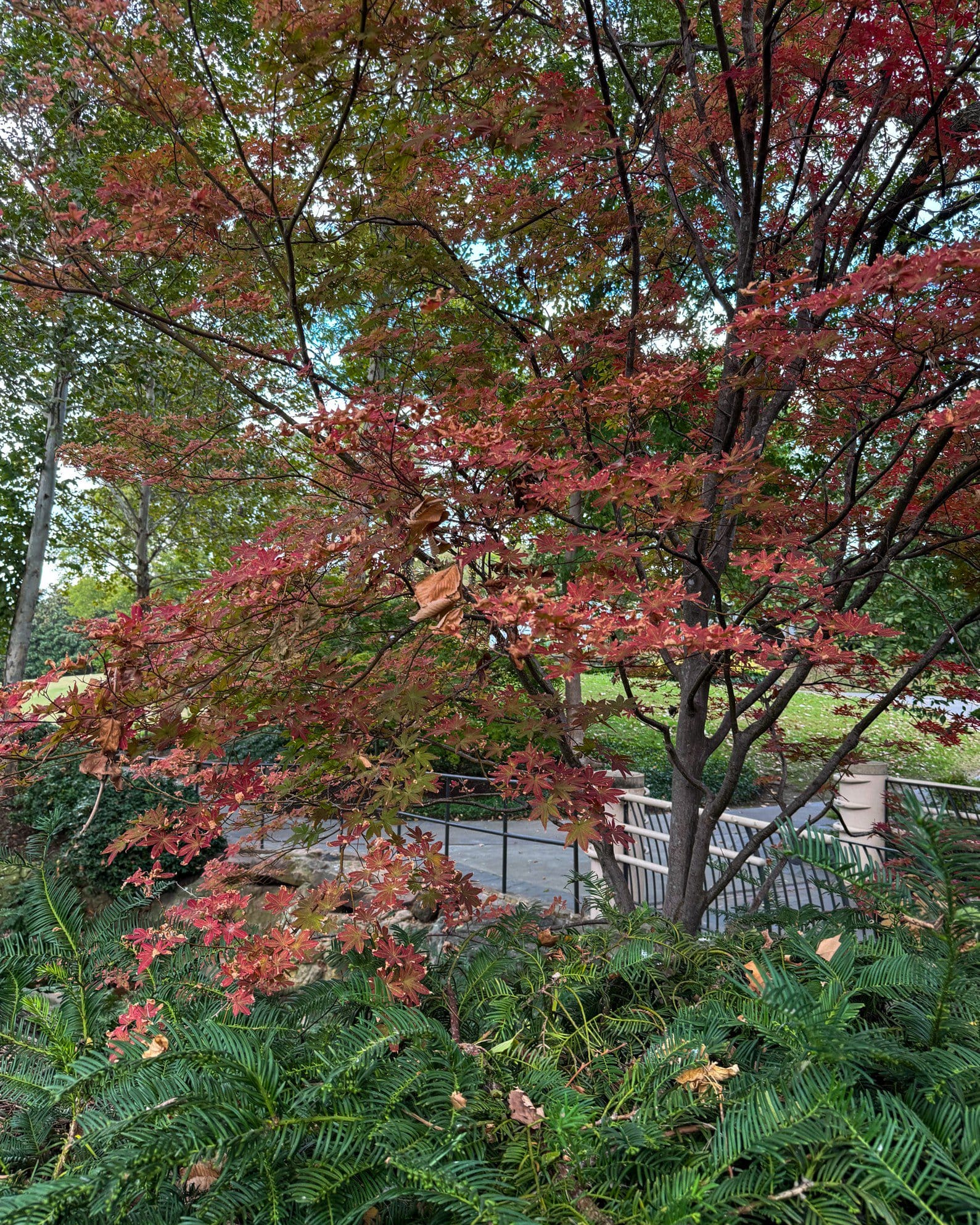
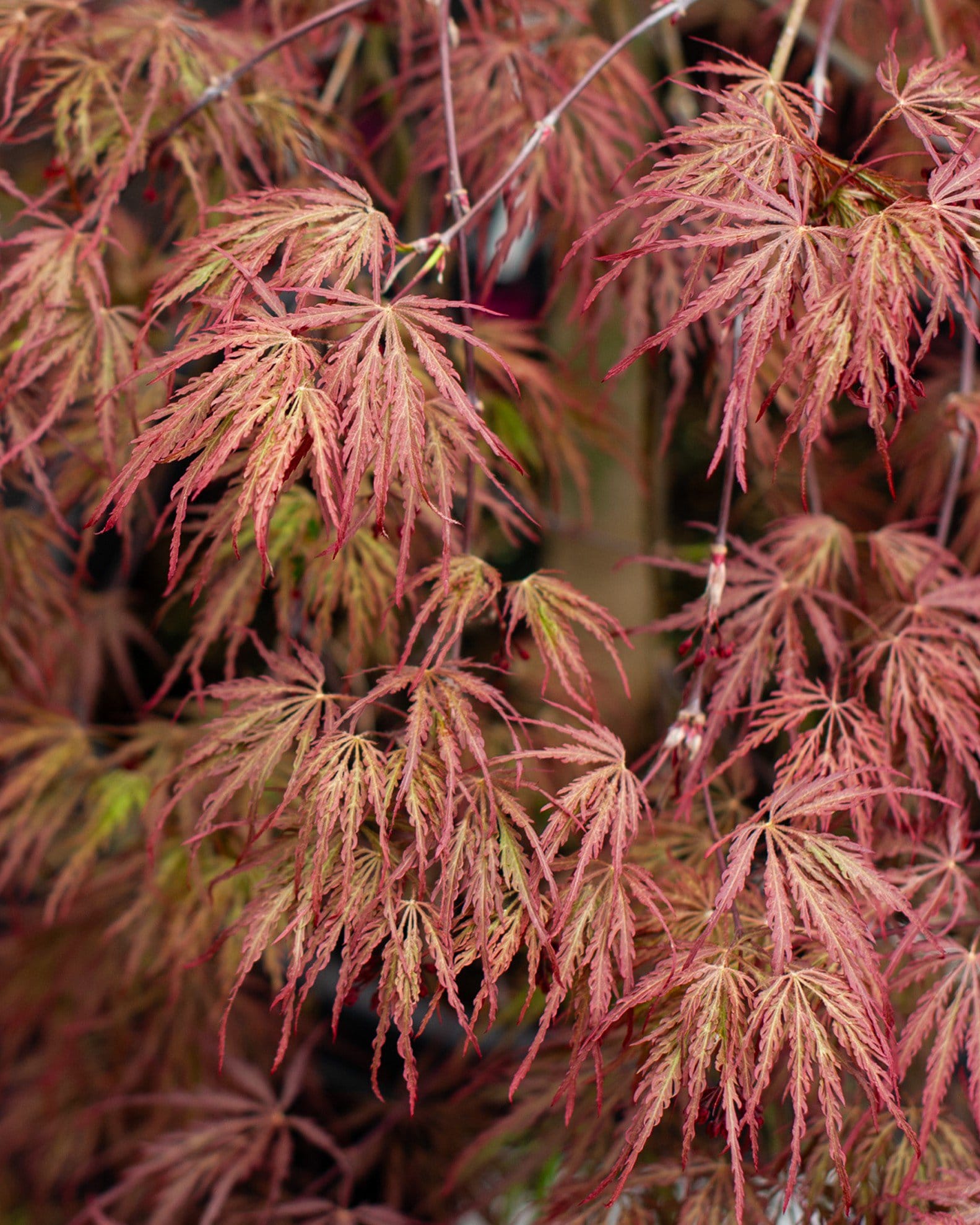
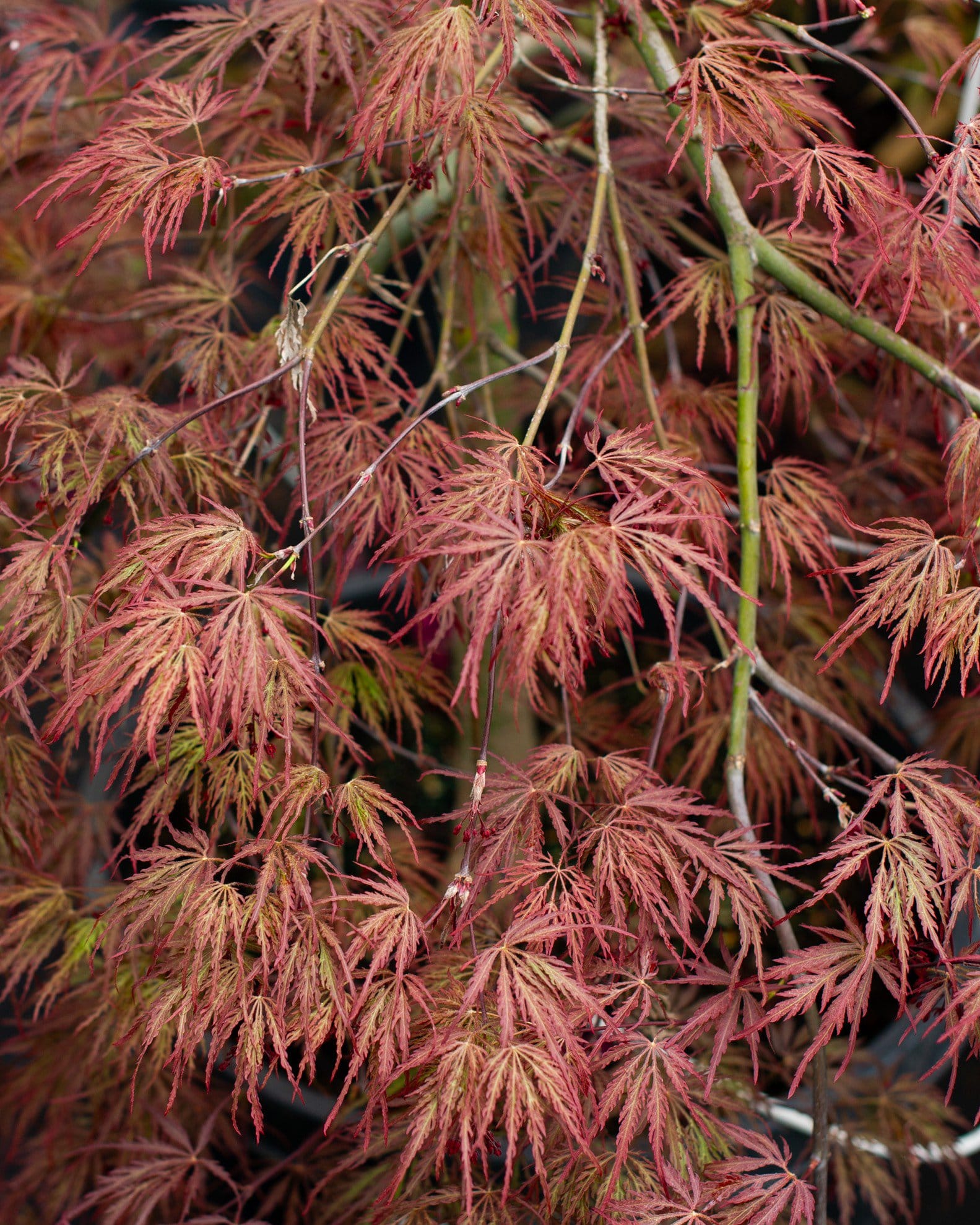
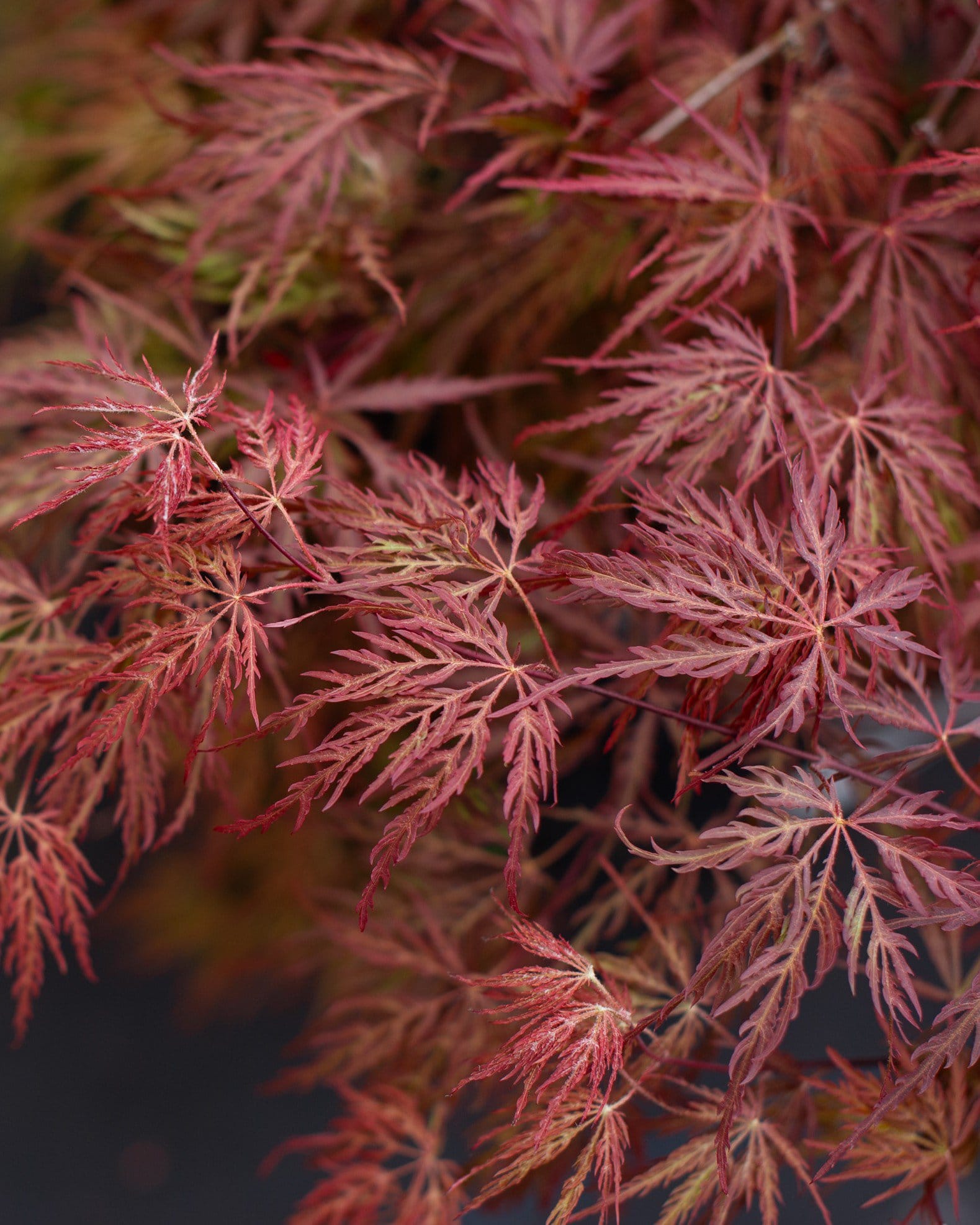
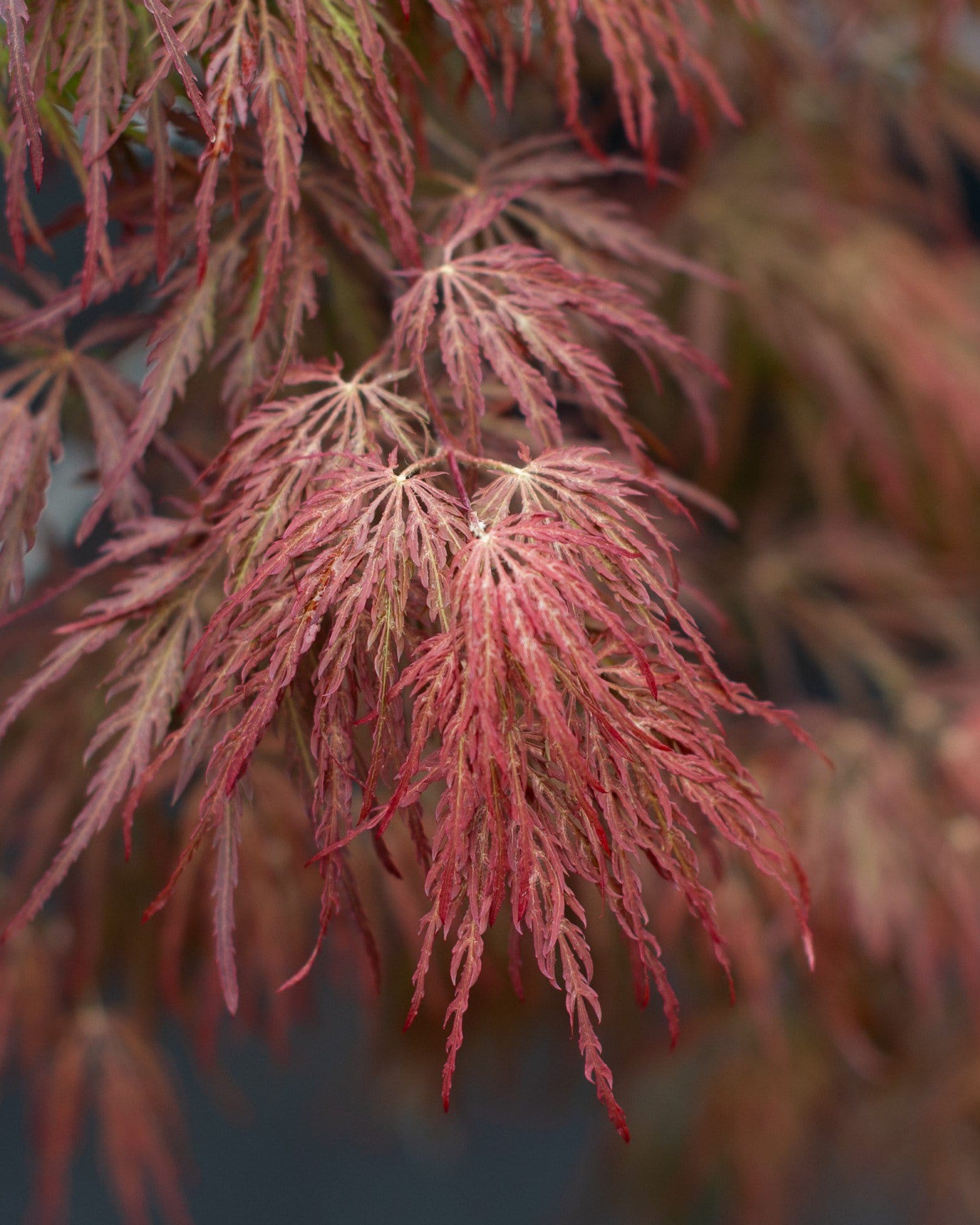
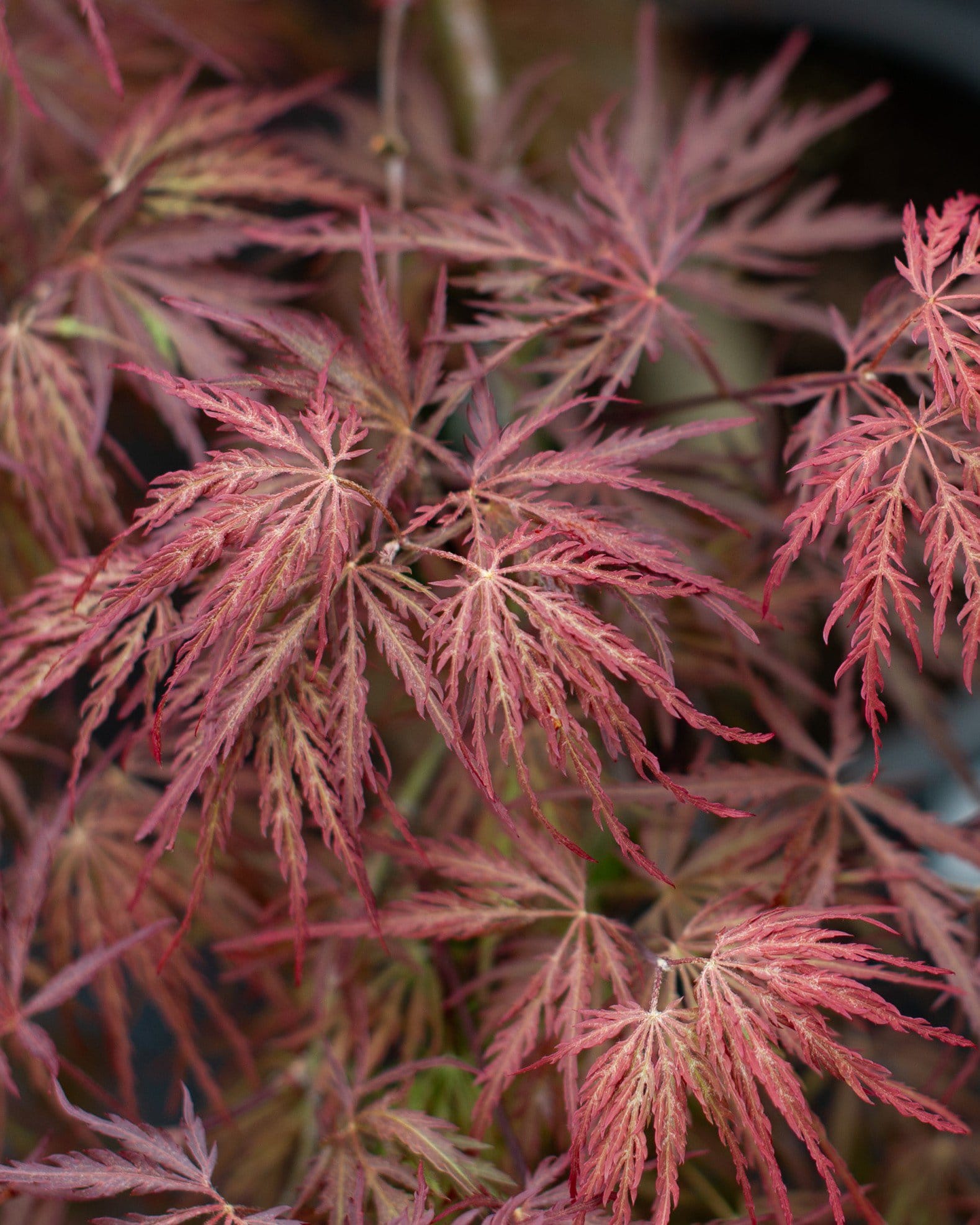
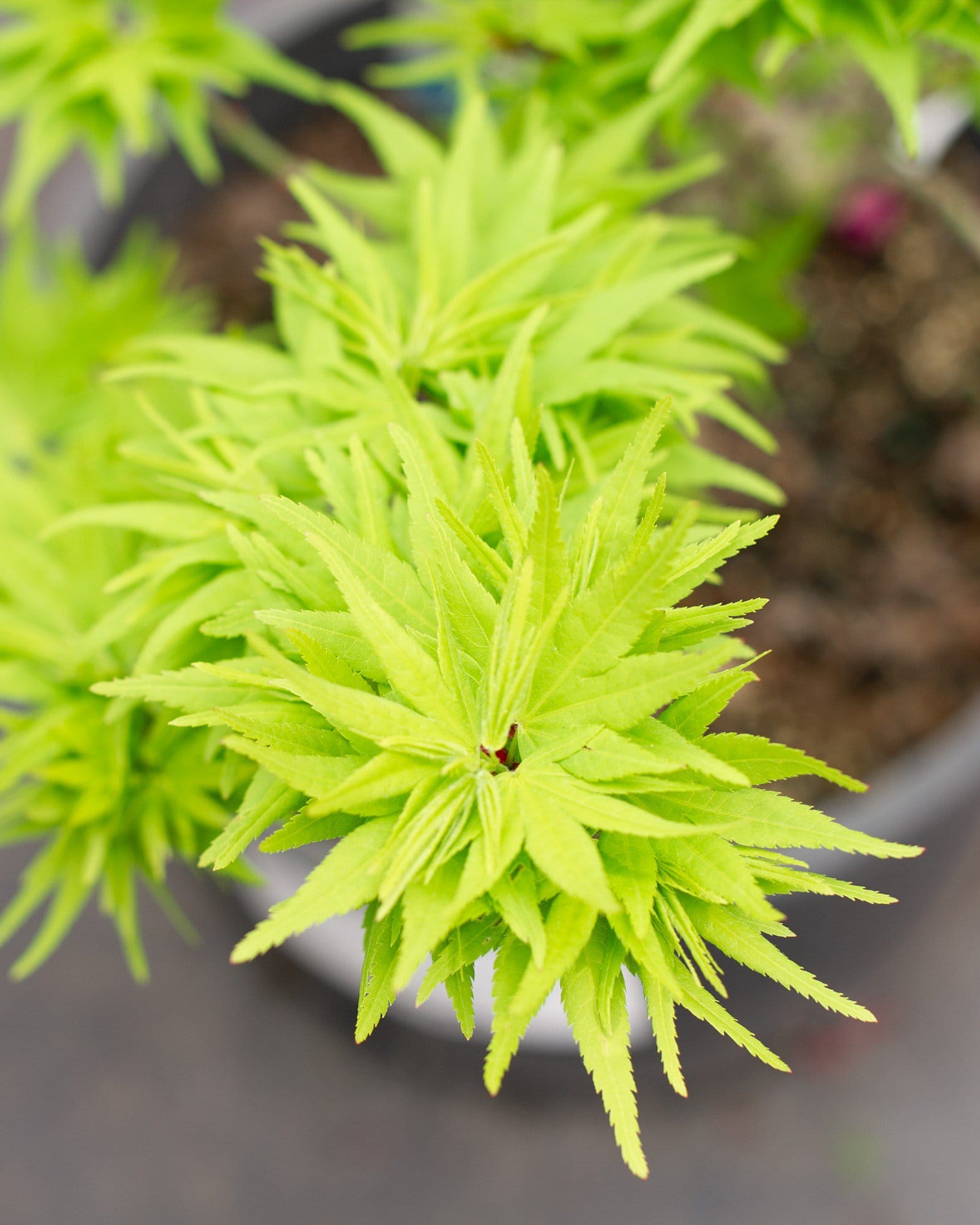
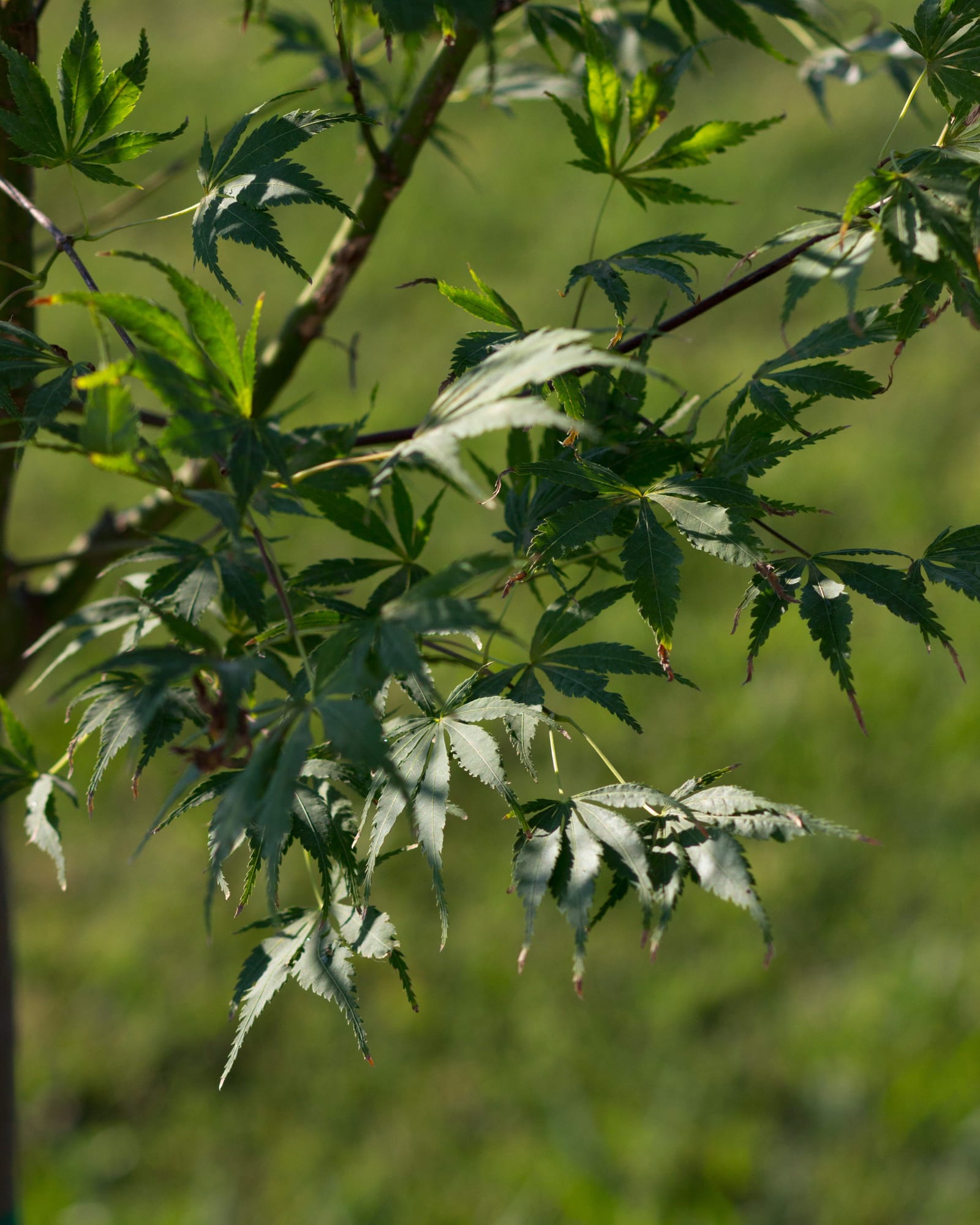
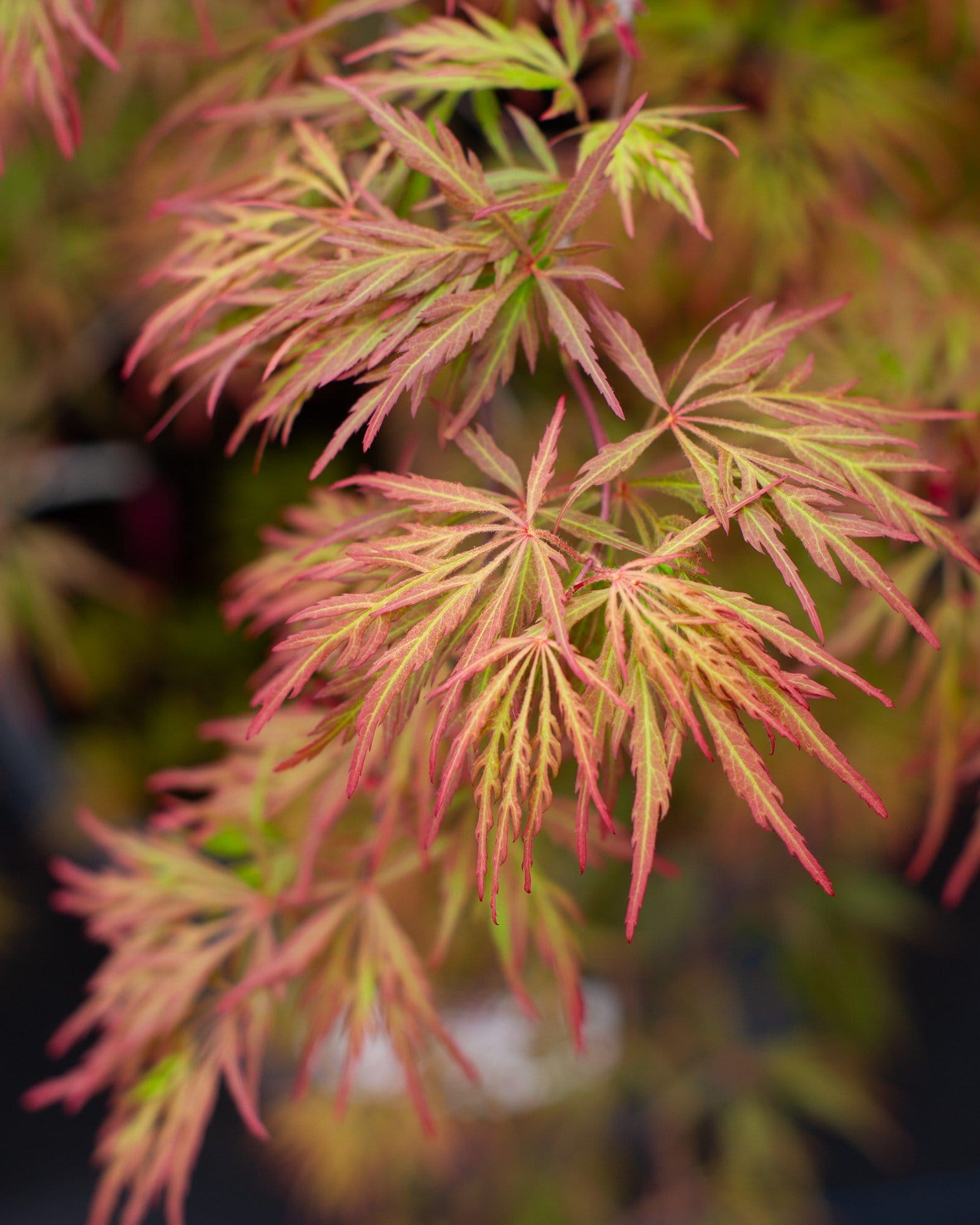
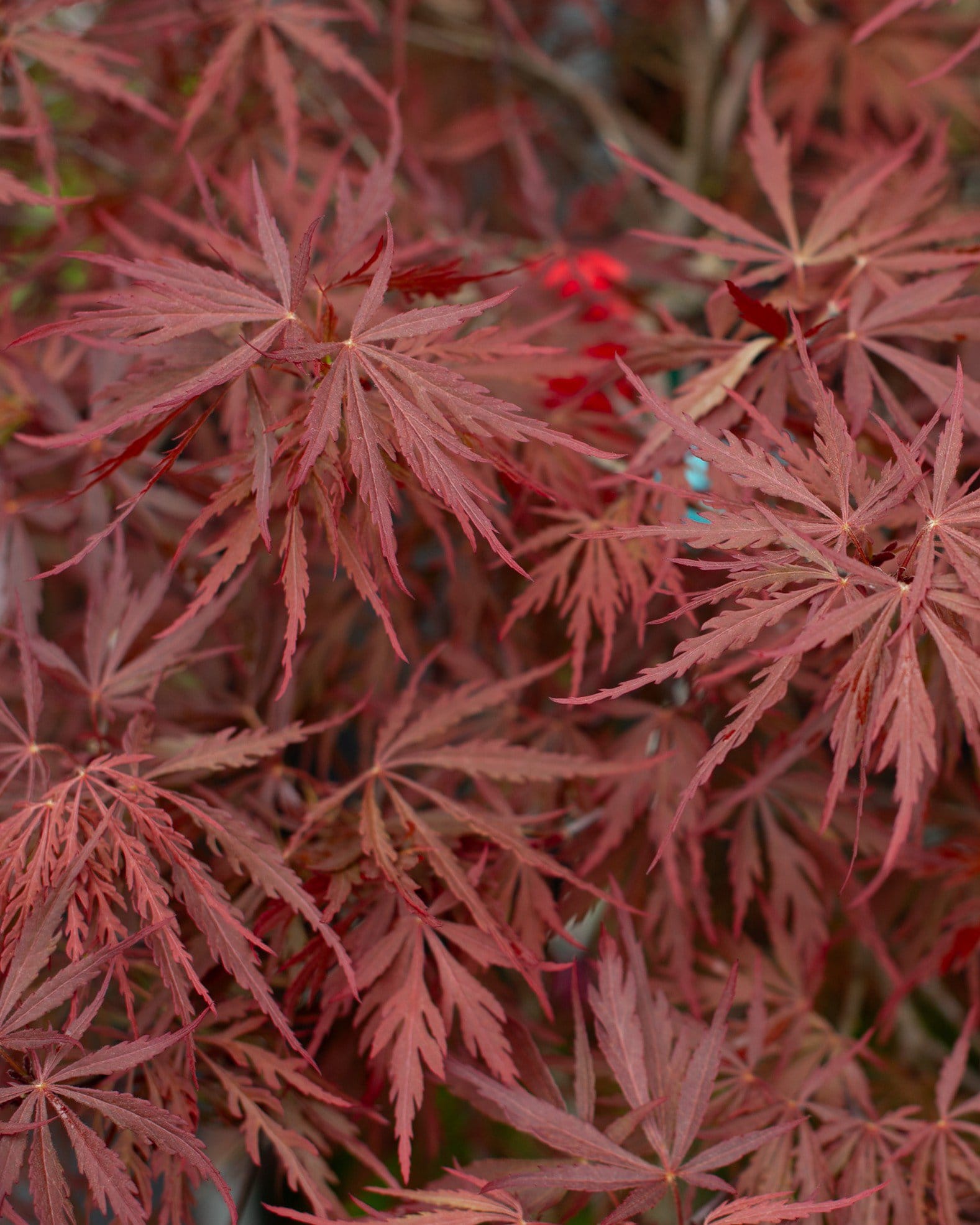
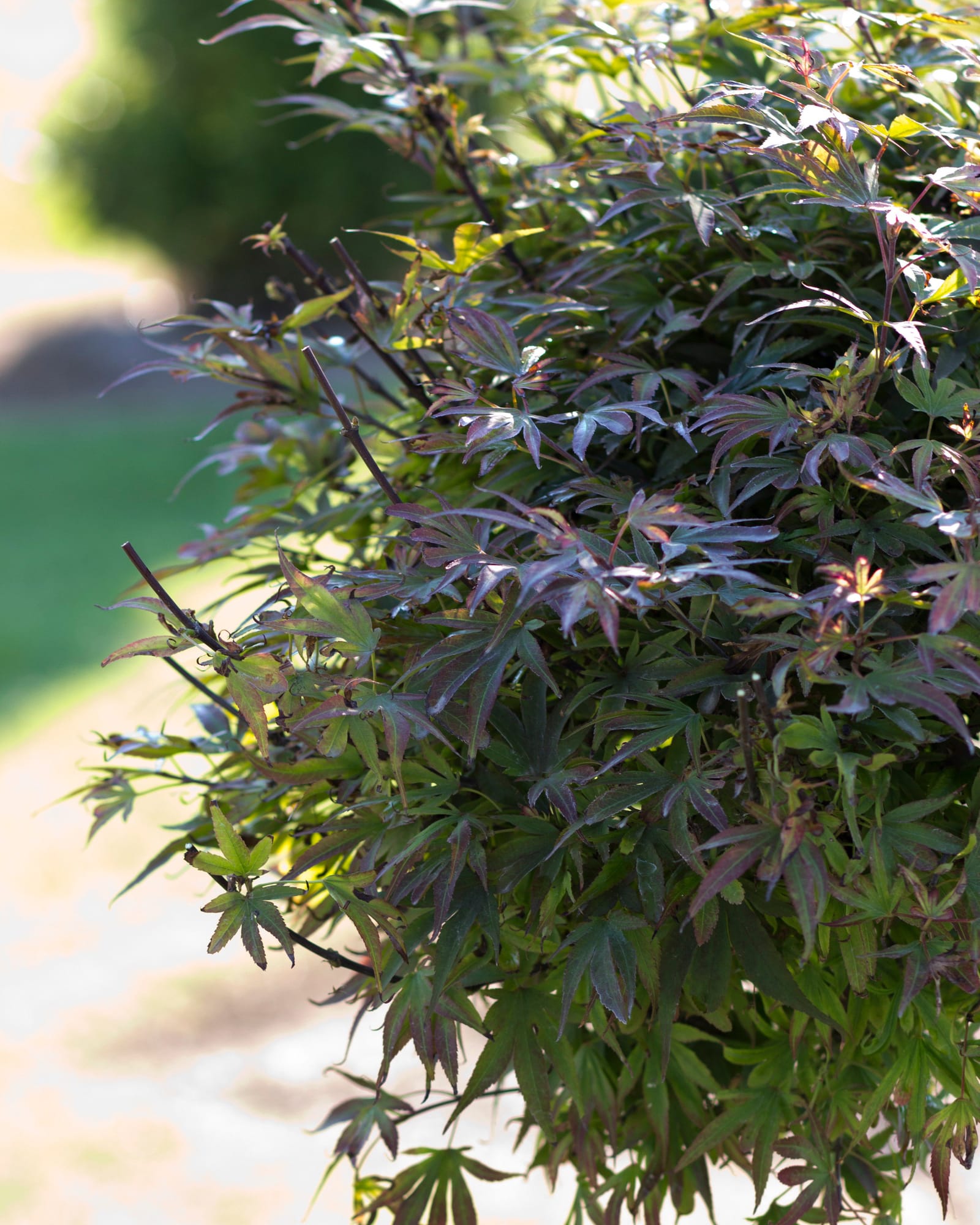
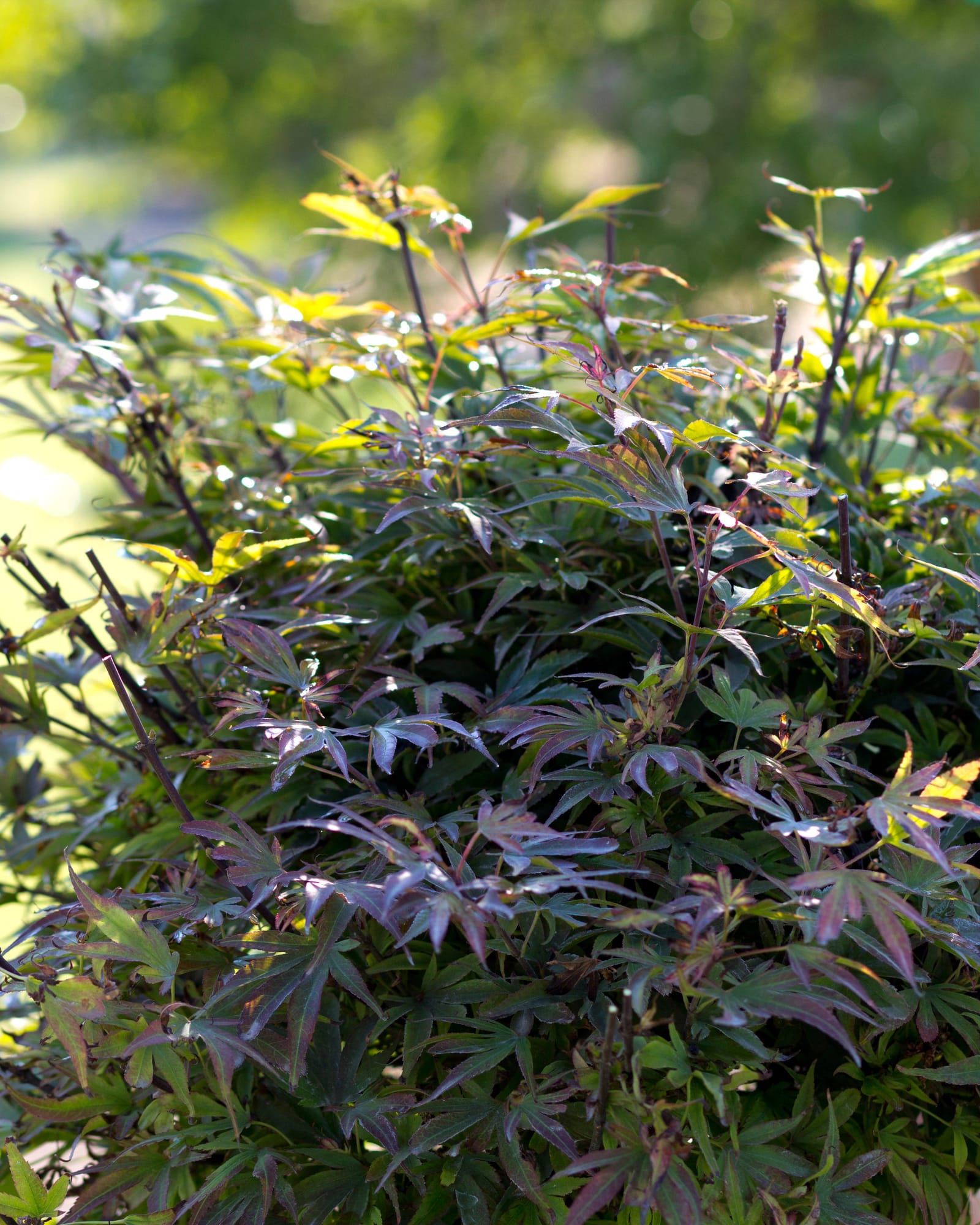
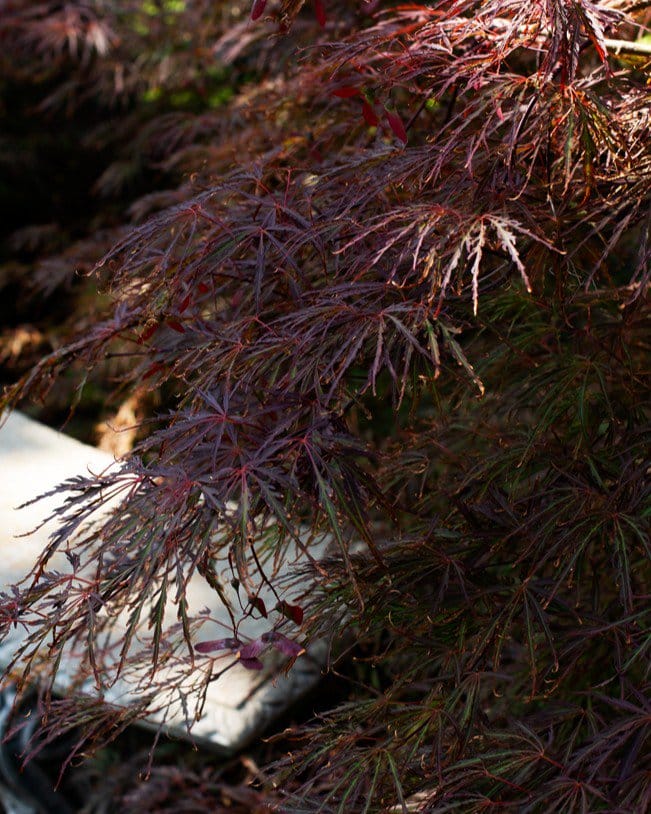
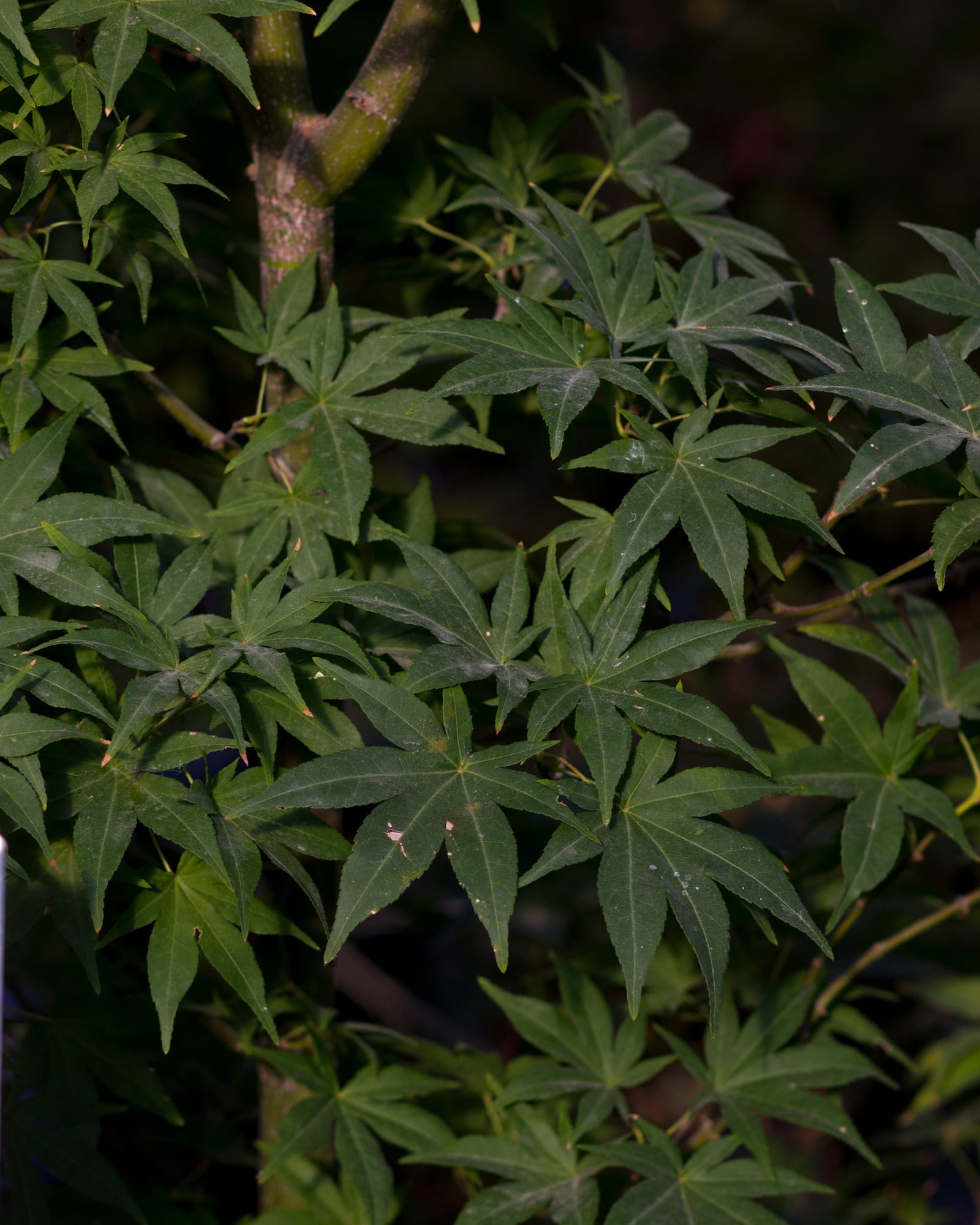
Acer palmatum dissectum ‘Seiryu’Seiryu Japanese Maple is admired for its finely dissected bright green laceleaf leaves that create a delicate, textured canopy. This tree’s upright, open growth habit lends an airy, sculptural quality to any landscape. It reaches up to 10 feet tall and about 8 feet wide at maturity, making it an excellent choice for flower beds, patios, or as a standout accent. The layered branching provides visual depth, while the vivid green foliage adds freshness and interest throughout the growing season. Its unique form and striking texture bring a refined elegance to outdoor spaces.
- A deciduous tree
- Upright, open growth habit
- Moderate growth rate
- Bright green laceleaf foliage
- Excellent as a focal point or accent
Hardy in zones 5-8, Seiryu Japanese Maple thrives in the North Texas climate when planted in locations with morning sun only, which helps preserve the vibrant leaf color. Well-drained, slightly acidic soil supports its healthy growth and beautiful appearance season after season.
Seiryu Japanese Maple is loved for its easy going nature after establishment, needing only basic maintenance to thrive. Here’s everything you need to know:
- Watering: Provide deep, consistent watering during the first 2-3 years to establish a robust root system capable of supporting its upright canopy. Once mature, Seiryu prefers evenly moist, well-drained soil and benefits from supplemental watering during hot, dry, or windy periods.
- Pruning: Pruning needs are modest thanks to its naturally graceful branching. Prune lightly in late winter to remove dead, damaged, or crossing branches, improving airflow and form. Avoid heavy pruning or aggressive shaping.
- Fertilizing: Seiryu performs best in moderately fertile soil and usually requires little fertilization. If foliage appears pale or growth is slow, apply a gentle, slow-release, low-nitrogen fertilizer in early spring. Excess nitrogen can reduce color intensity and create lanky growth.
- Mulching: Apply a 2-3 inch mulch layer to maintain soil moisture, protect shallow roots, and moderate temperature swings. Keep mulch slightly away from the trunk to prevent moisture buildup, and refresh annually to maintain optimal soil health.
- Winter Care: Seiryu is reliably hardy within its growing range and typically handles winter well. In exposed sites, young trees may benefit from wind protection to prevent twig drying. Mature trees generally rebound easily from minor winter stress.
Seiryu is dependable, though it may experience a few manageable issues under heat, humidity, or poor drainage:
- Leaf Scorch: Browning leaf edges occur during intense sun, wind, or drought. Provide afternoon shade, maintain mulch, and water deeply to prevent recurrence.
- Verticillium Wilt: Sudden branch dieback or wilt may indicate this soilborne fungal disease. Remove affected wood, avoid root disturbance, and do not plant in areas with known wilt history.
- Aphids: Sticky honeydew, curled new leaves, and distorted growth signal aphid activity. Rinse foliage or apply insecticidal soap to control populations.
- Root Rot: Persistent wilting and yellowing appear in waterlogged or compacted soils. Improve drainage and reduce watering frequency to protect root health.
With proper care, Seiryu typically lives 50-80 years, retaining its elegant upright form and delicate texture throughout its life. Its longevity makes it a reliable and cherished landscape feature.
It grows at a moderate rate of 8-12 inches per year and usually reaches its mature billowing form in 10-15 years. The steady growth allows it to develop a strong structure without becoming overwhelming.
Deer may browse lightly on tender new foliage, but generally do not heavily damage the plant. Young trees may benefit from early protection in high-browse areas.
It can be container-grown while young, especially as a patio feature. Over the long term, planting in the ground allows its full architectural form to develop beautifully.
It cannot be divided, as it grows from a single woody trunk and an integrated root system. Propagation must be done through grafting or nursery methods.
It excels as a specimen due to its rare combination of upright form and fine foliage. In larger landscapes, it also pairs beautifully with other maples for layered visual depth.
Heuchera, Ferns, Azaleas, Hydrangeas, Hostas, and Japanese Forest Grass complement its airy texture and shifting colors. Stone accents and water features further enhance its vertical elegance.
Yes - its moderate size, upright habit, and refined character make it excellent for small patios, courtyards, and sheltered urban spaces. It adds structure without dominating the area.
Young trees transplant well when moved during dormancy with careful handling of the root ball. Once established, they adapt readily with proper watering.
It is the only upright-growing laceleaf variety, combining the delicacy of finely dissected foliage with strong architectural presence. Its vibrant seasonal color shifts and sculptural silhouette make it truly one-of-a-kind.
Special Features
You might also like
Compare Similar Plants
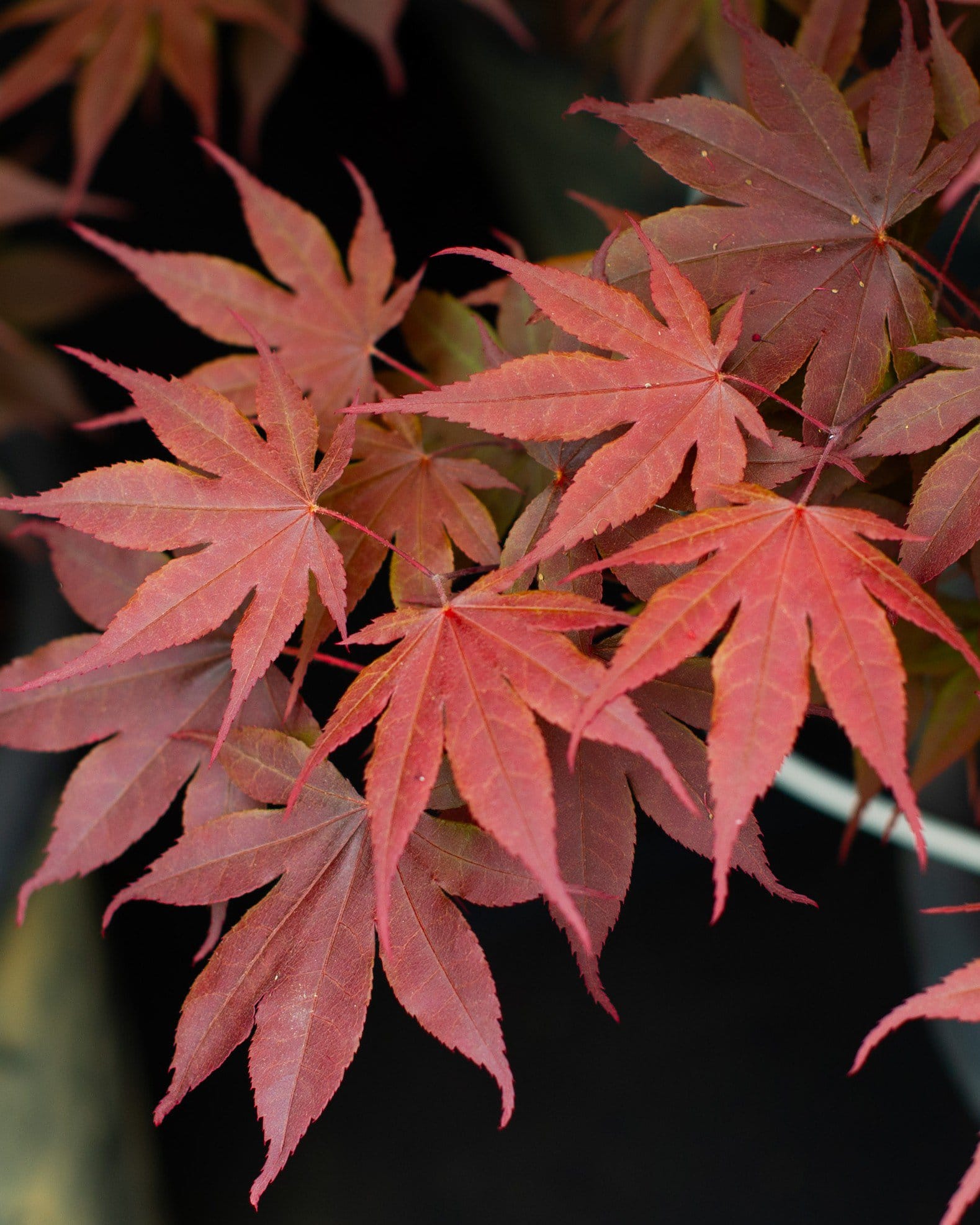
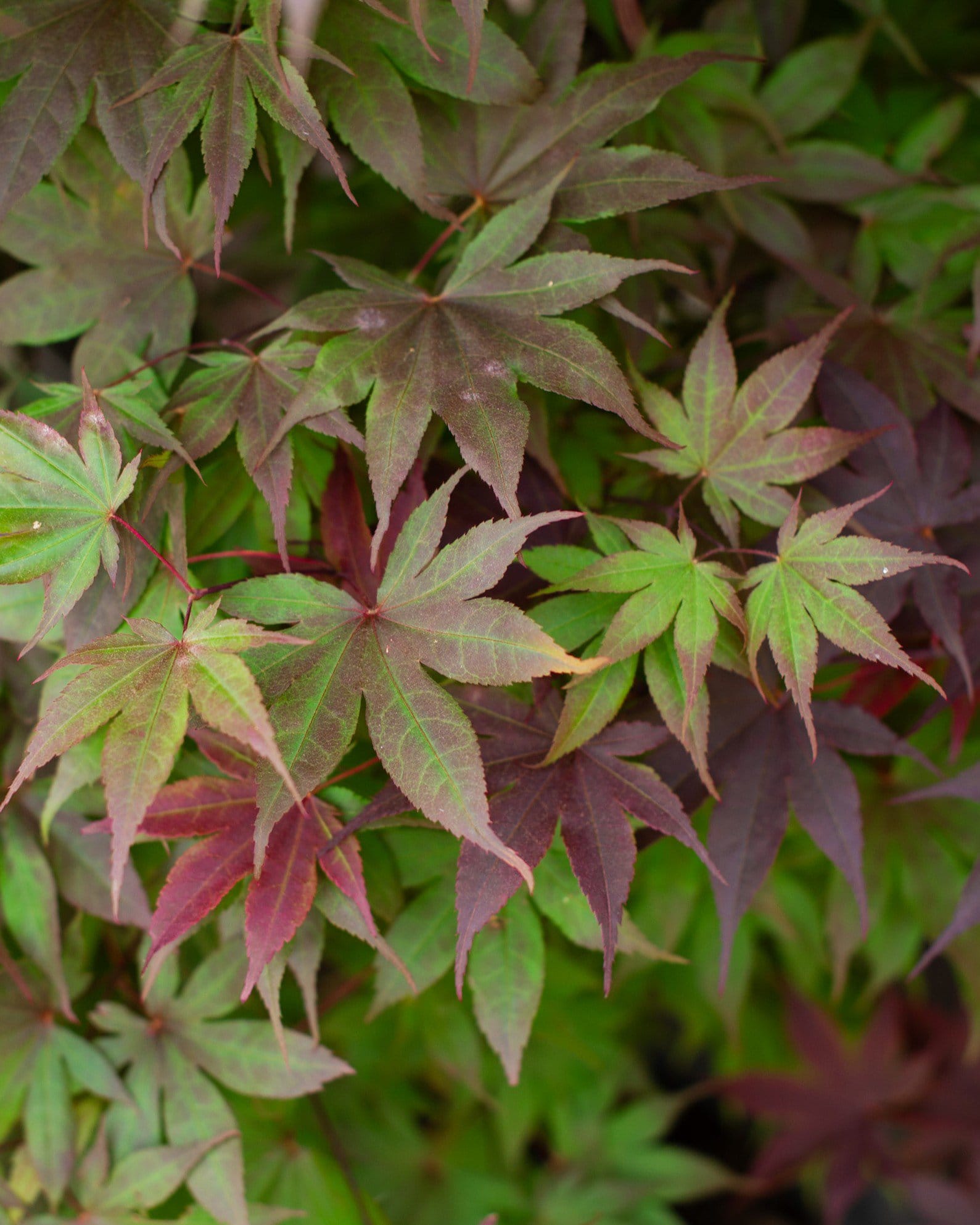
Seiryu Japanese Maple This plant | ||
|---|---|---|
| Scientific Name | Acer palmatum dissectum ‘Seiryu’ | Acer palmatum 'Bloodgood' |
| Size at Maturity | 10' H x 8' W | 20' H x 20' W |
| Leaf Retention | Deciduous | Deciduous |
| Sizes Available | 15 gal | 7, 15, 30 gal |


Our 1-Year Planting Guarantee
We take pride in our plants and installation services. If any plants or trees installed by Treeland fail to thrive within the first year, we'll provide a replacement credit in accordance with our guarantee program.
Learn More About Our Guarantee