
Ever Red Japanese Maple
Acer palmatum dissectum ‘Ever Red’Local DFW Delivery Only
Product Details
Ever Red Japanese Maple
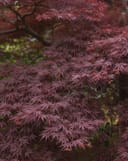
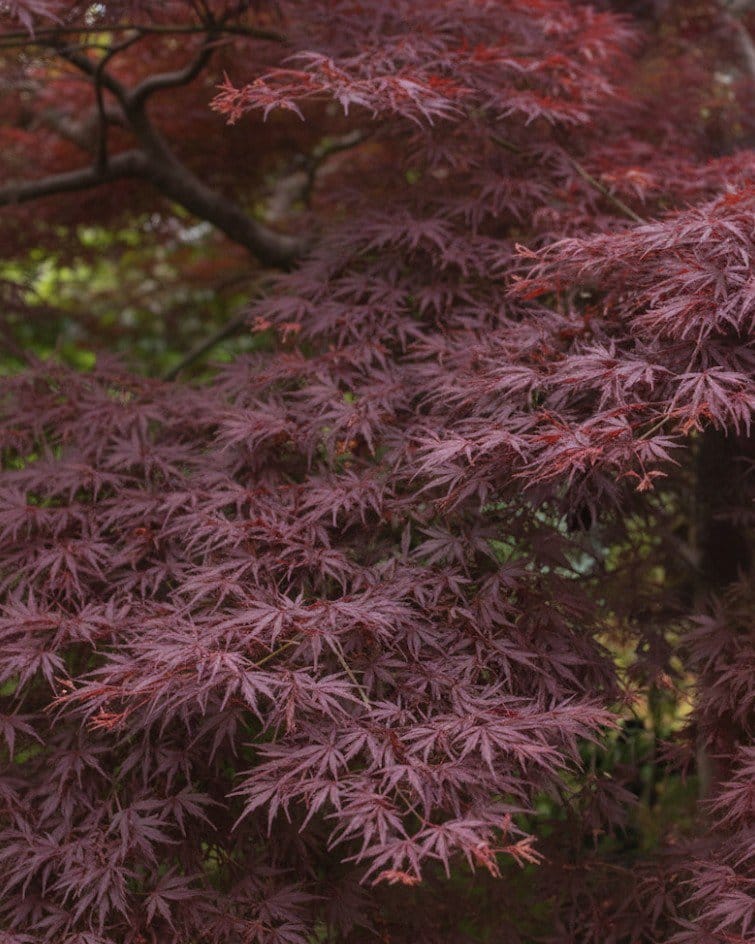
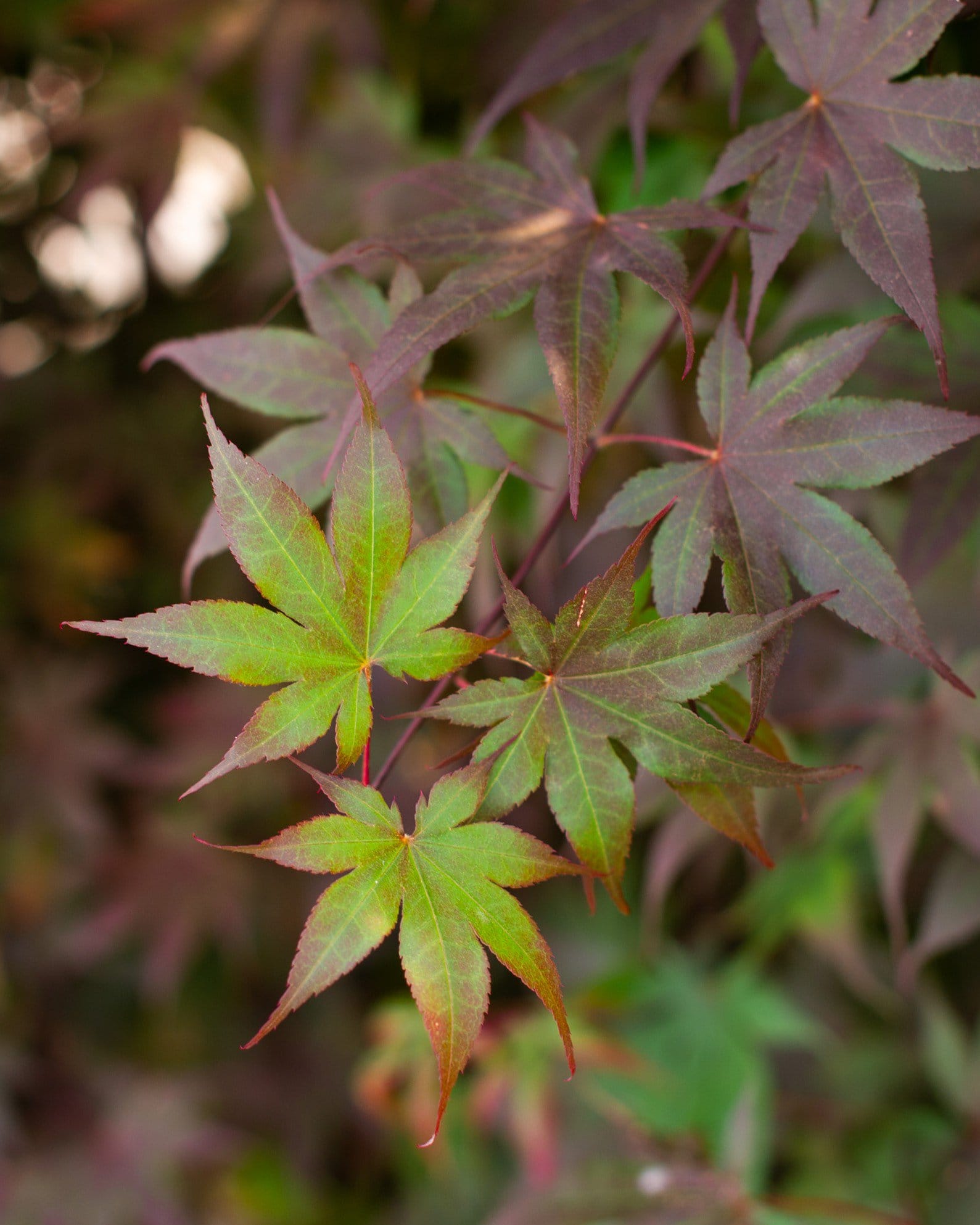
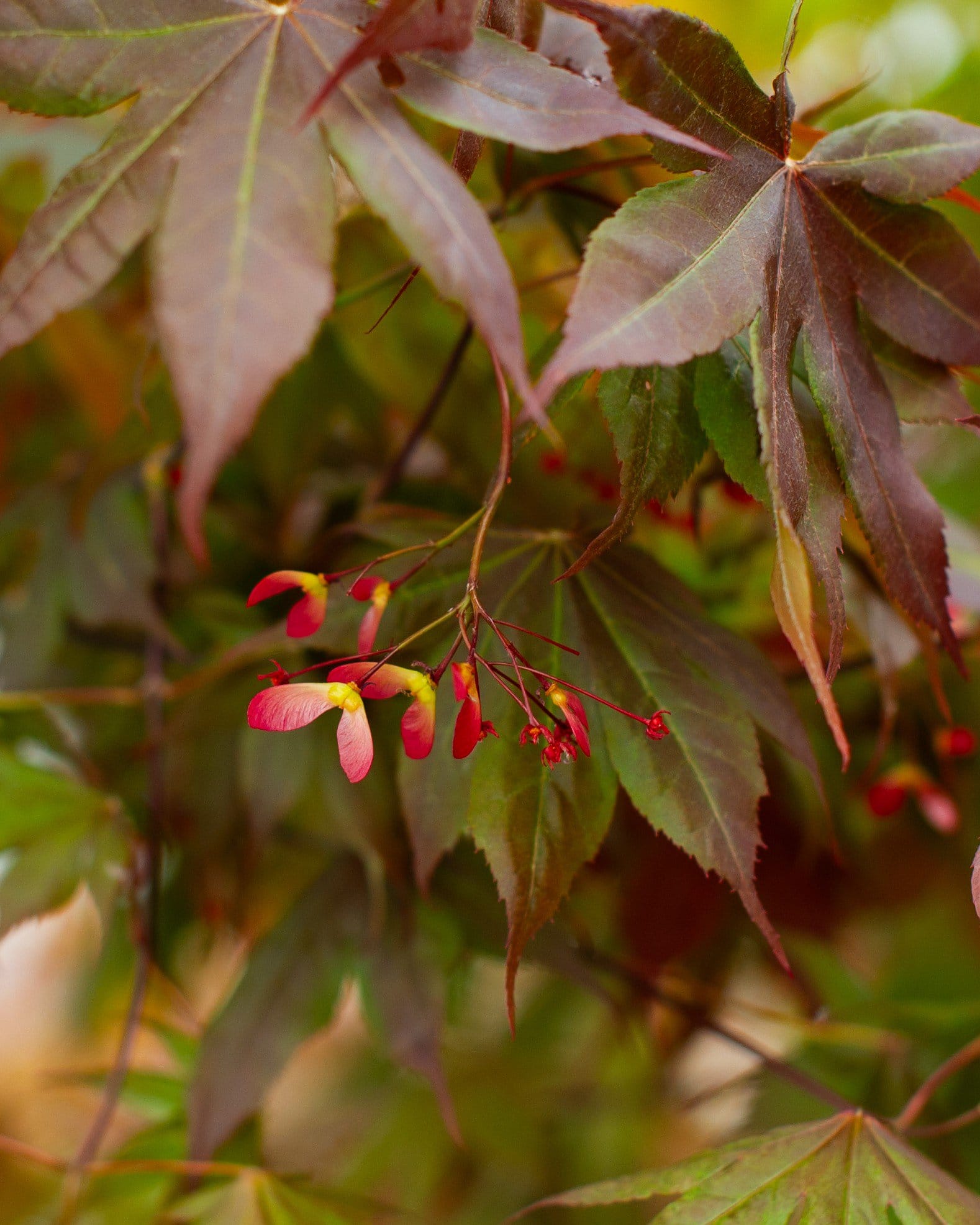
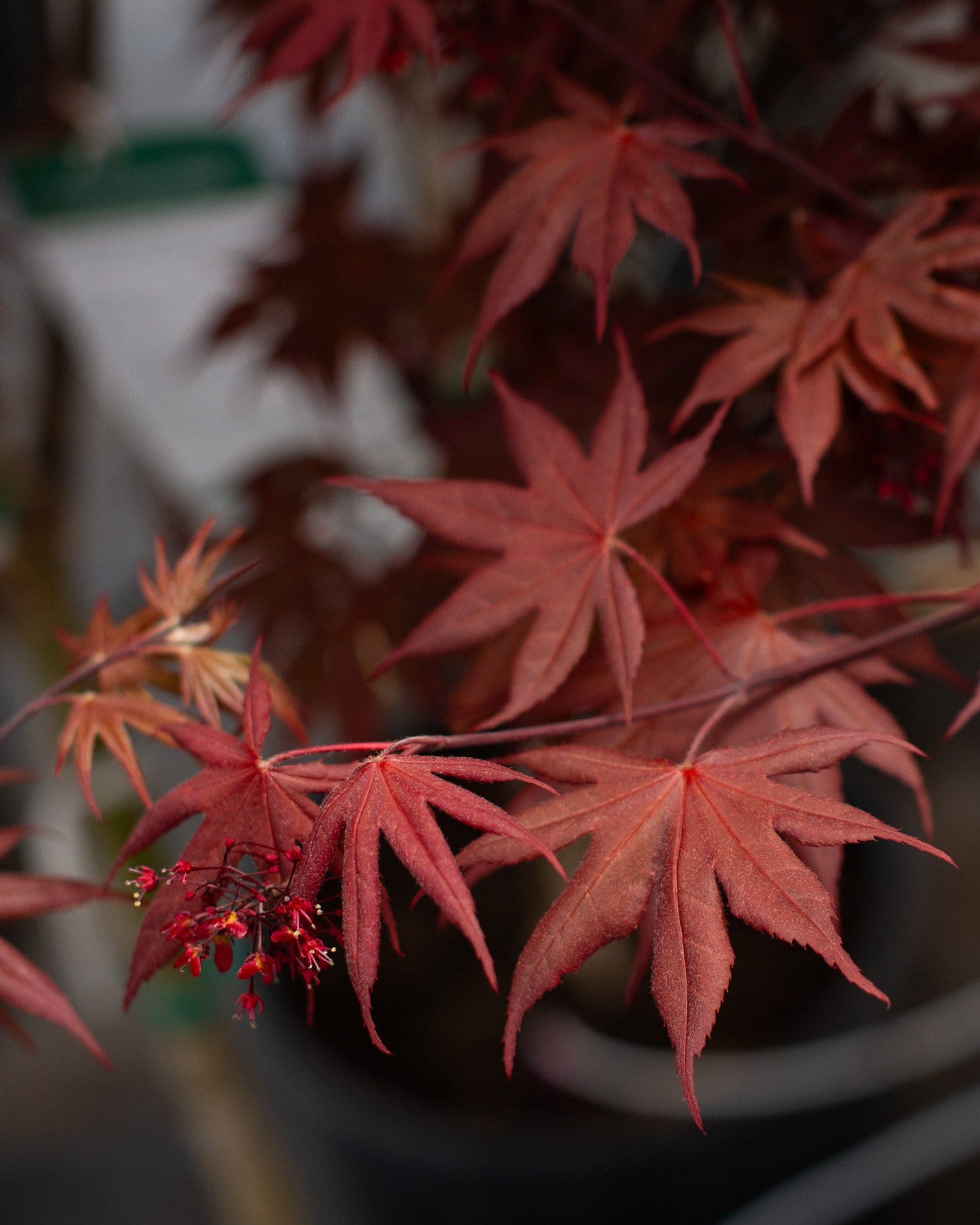
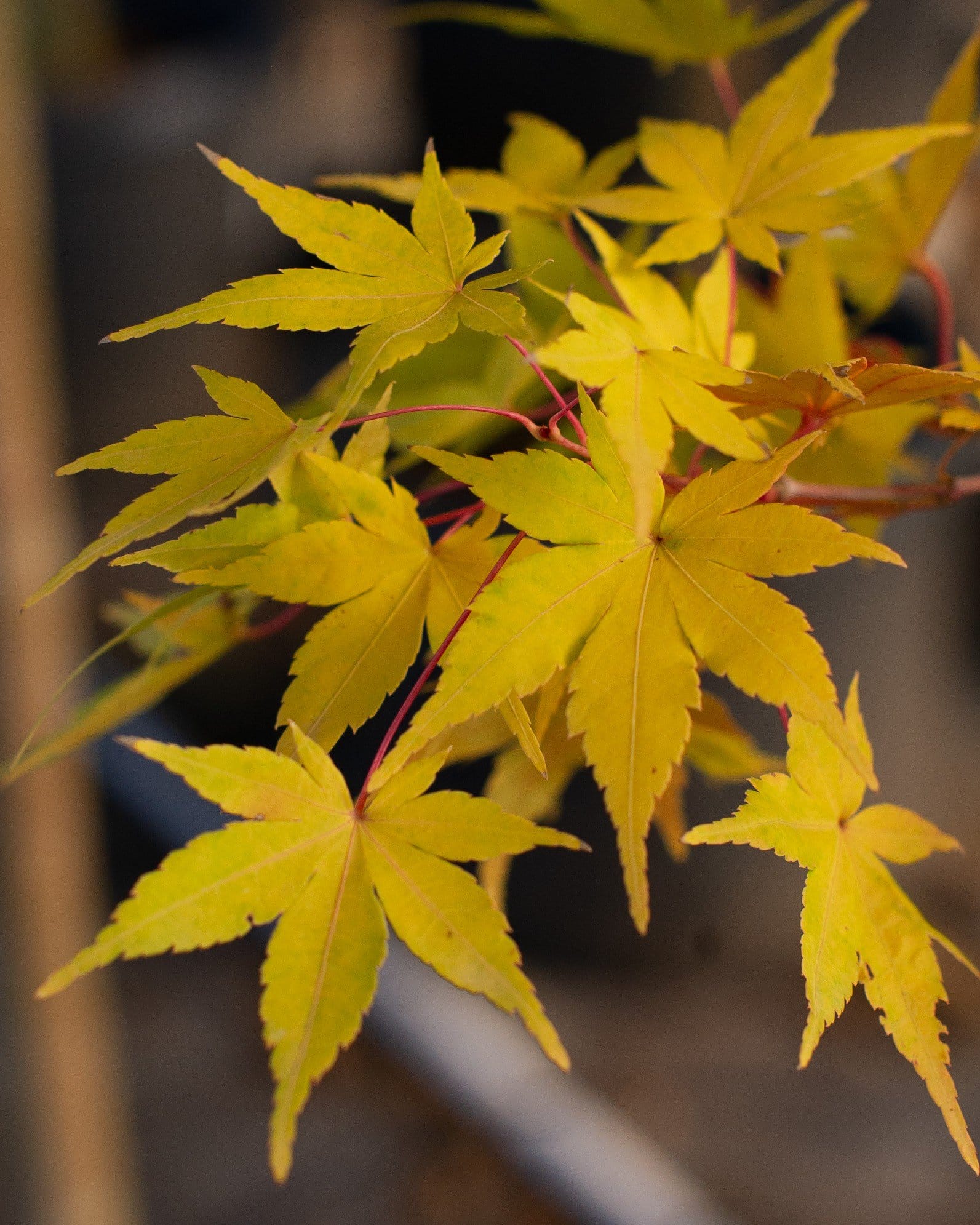
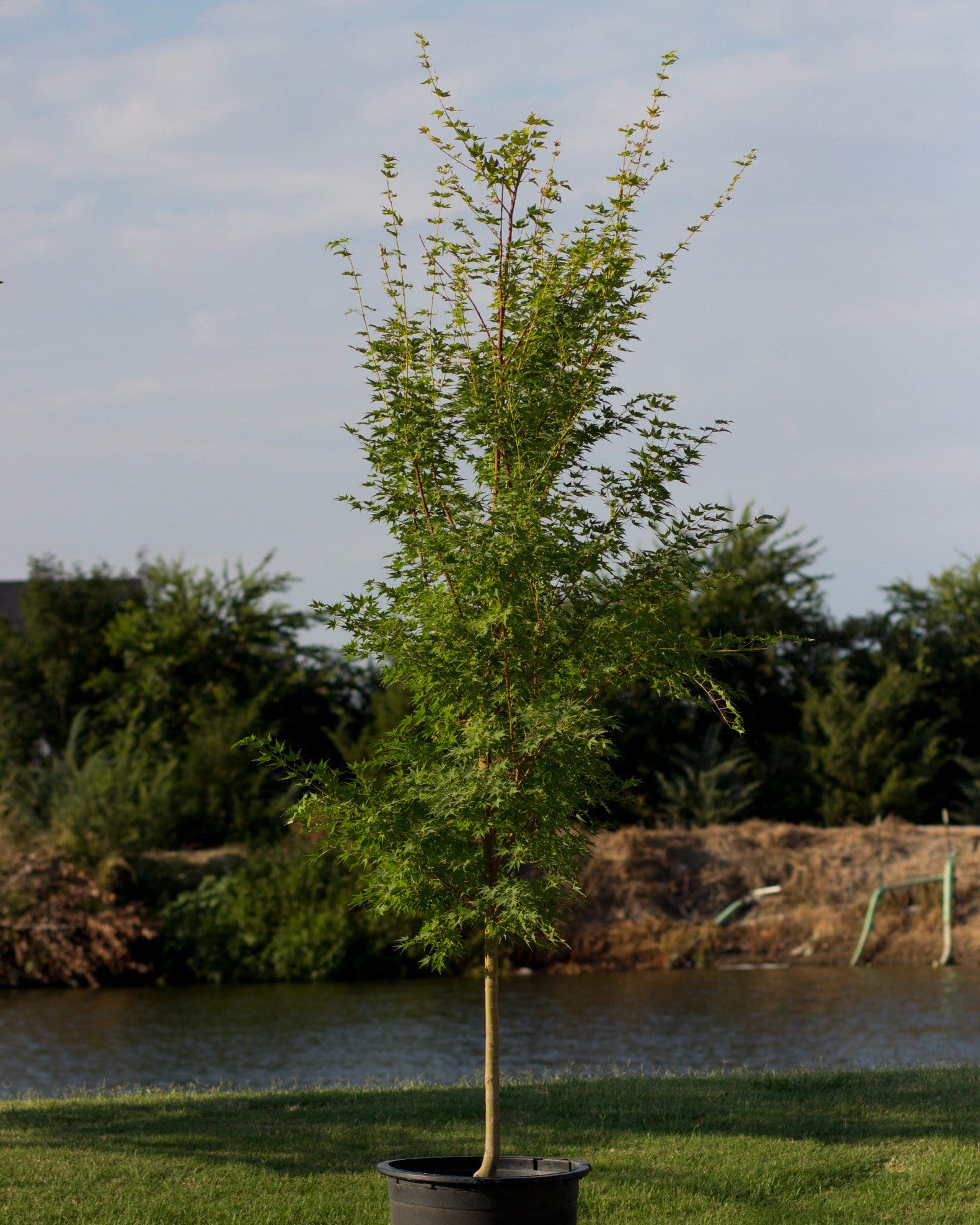
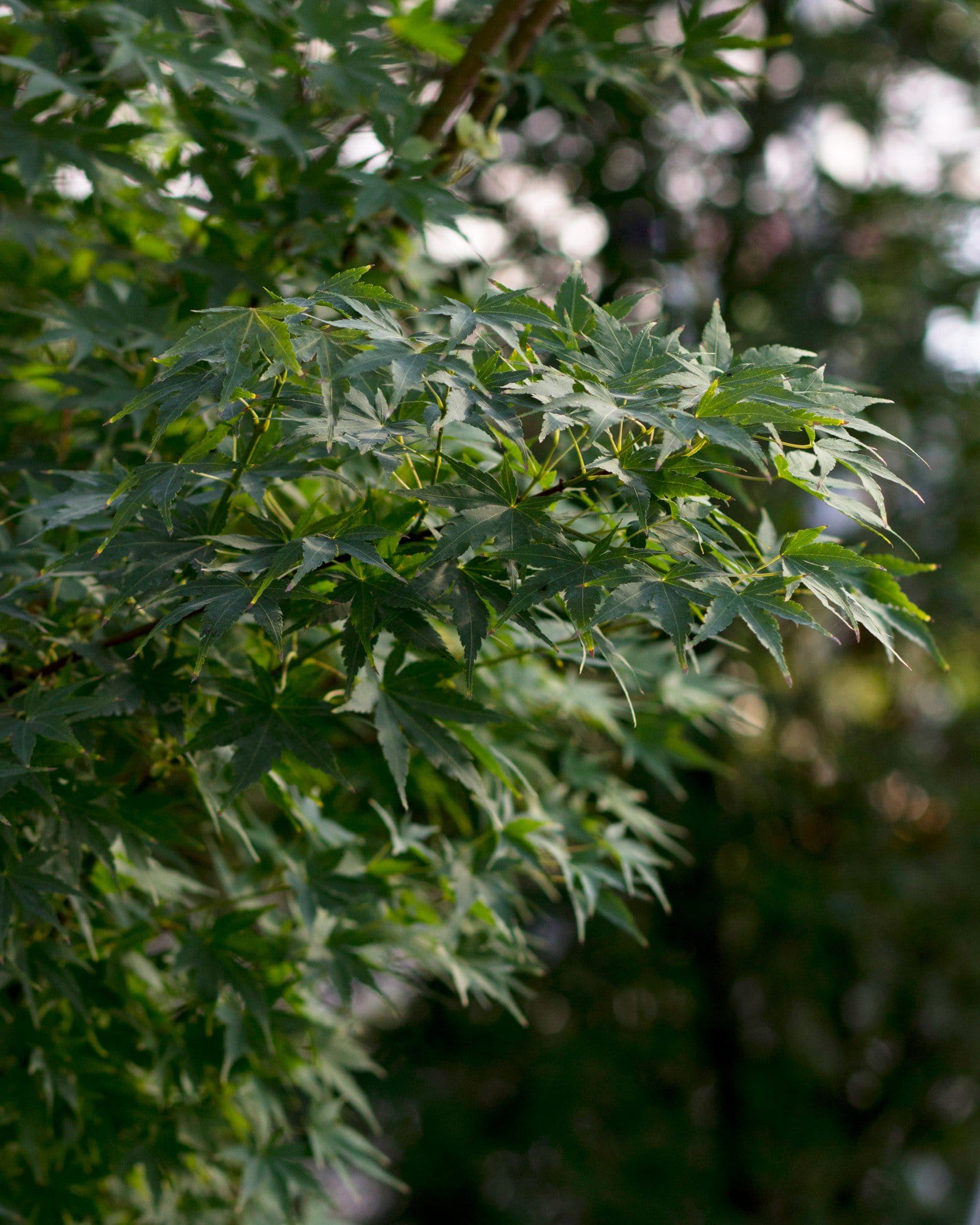
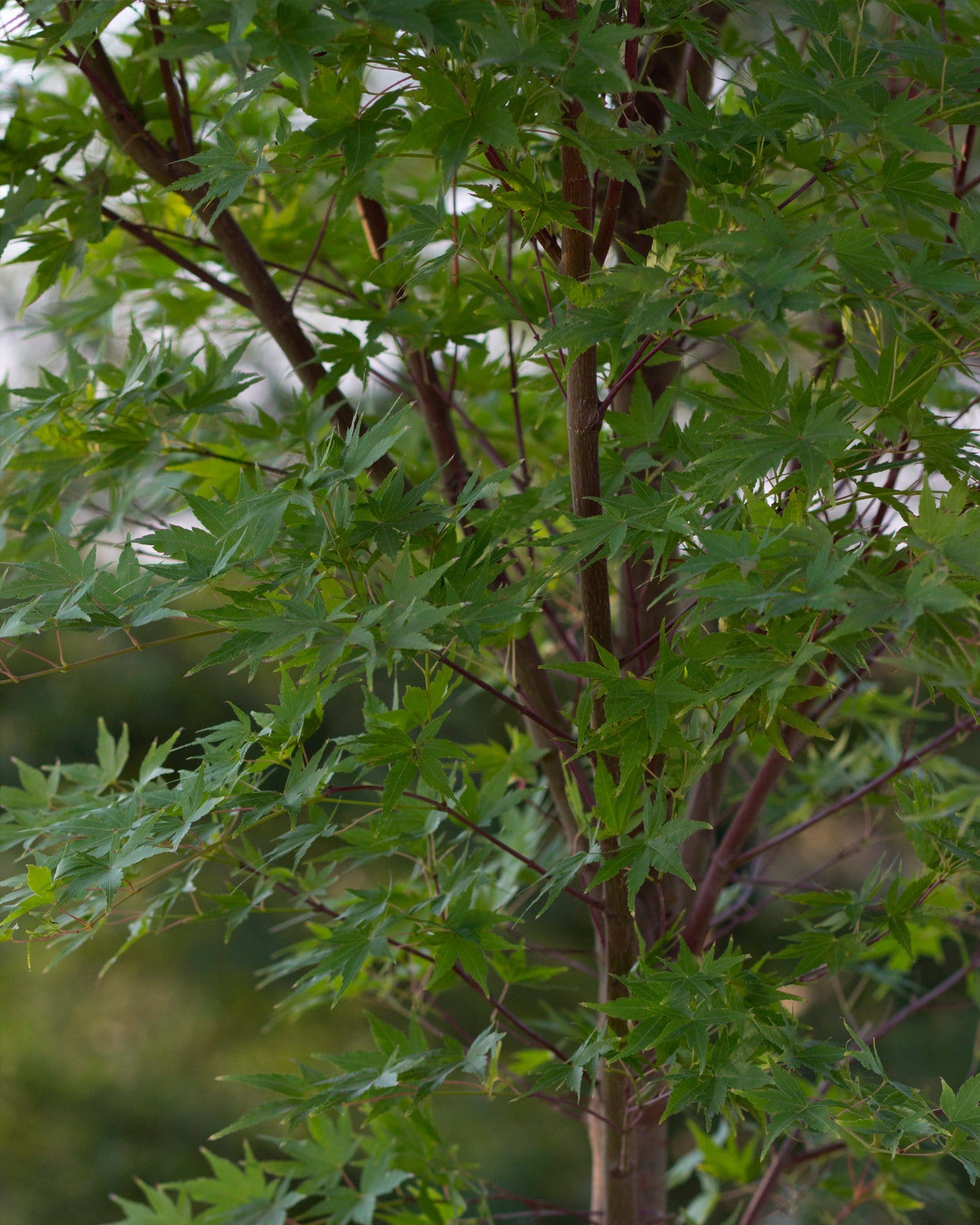
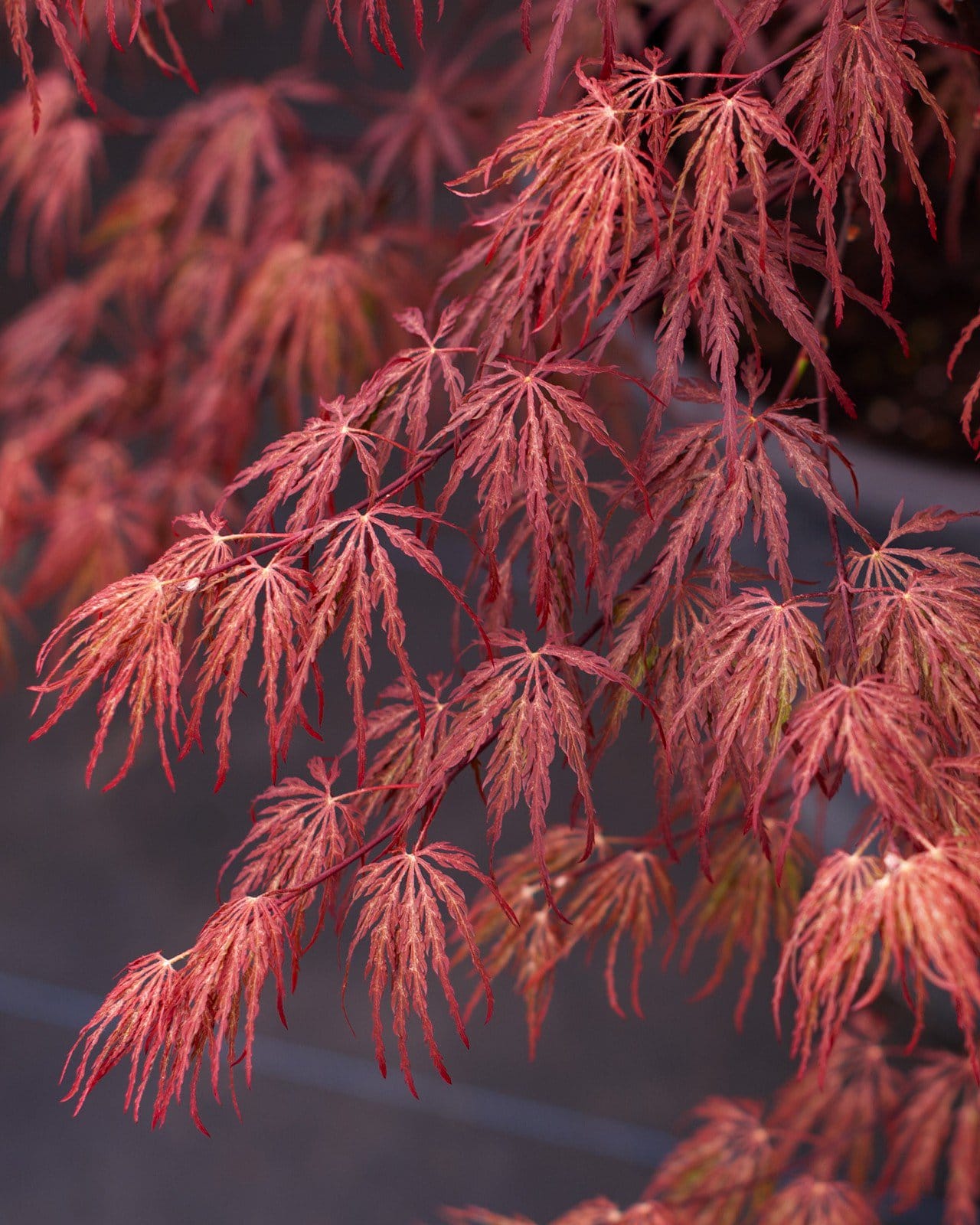
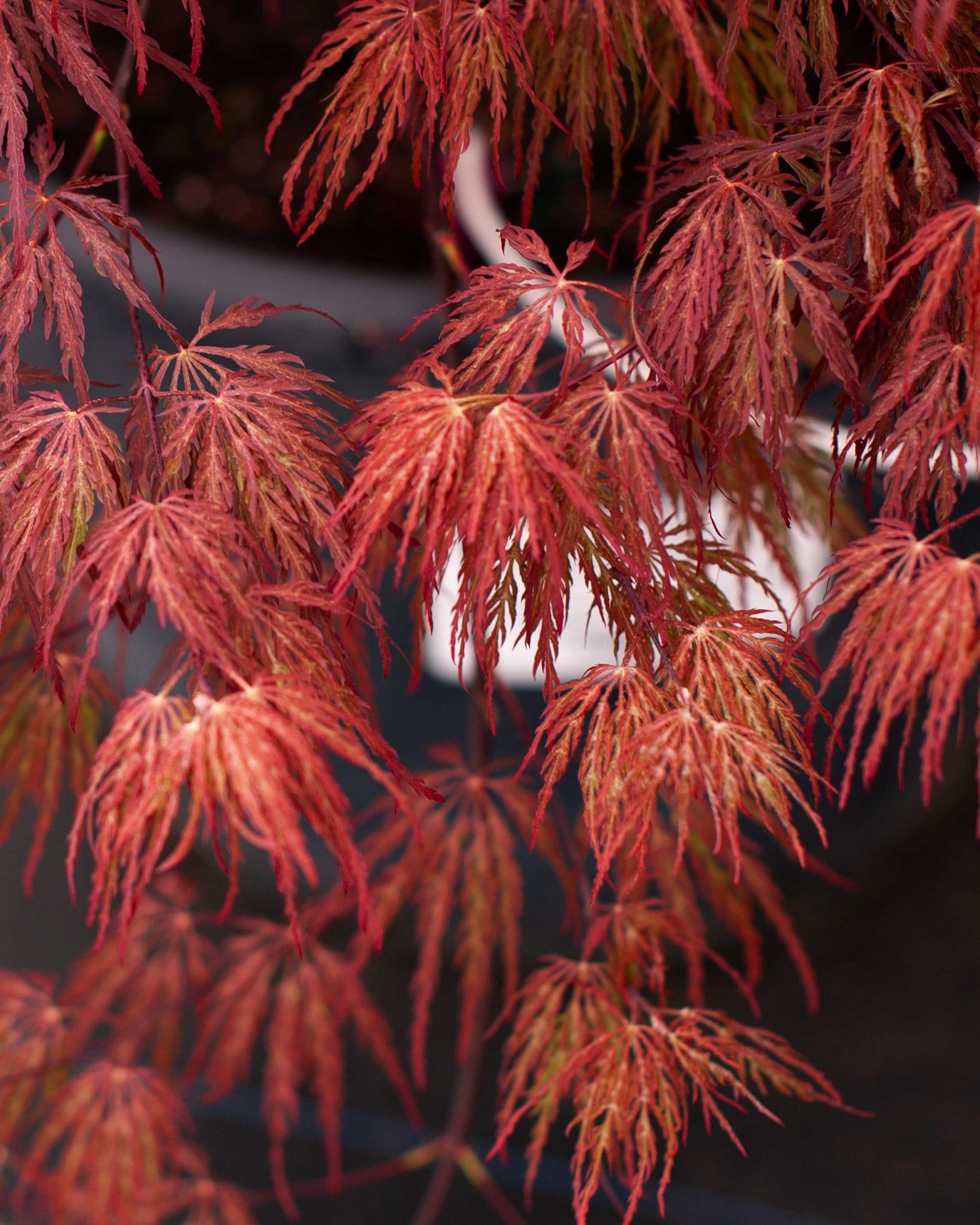
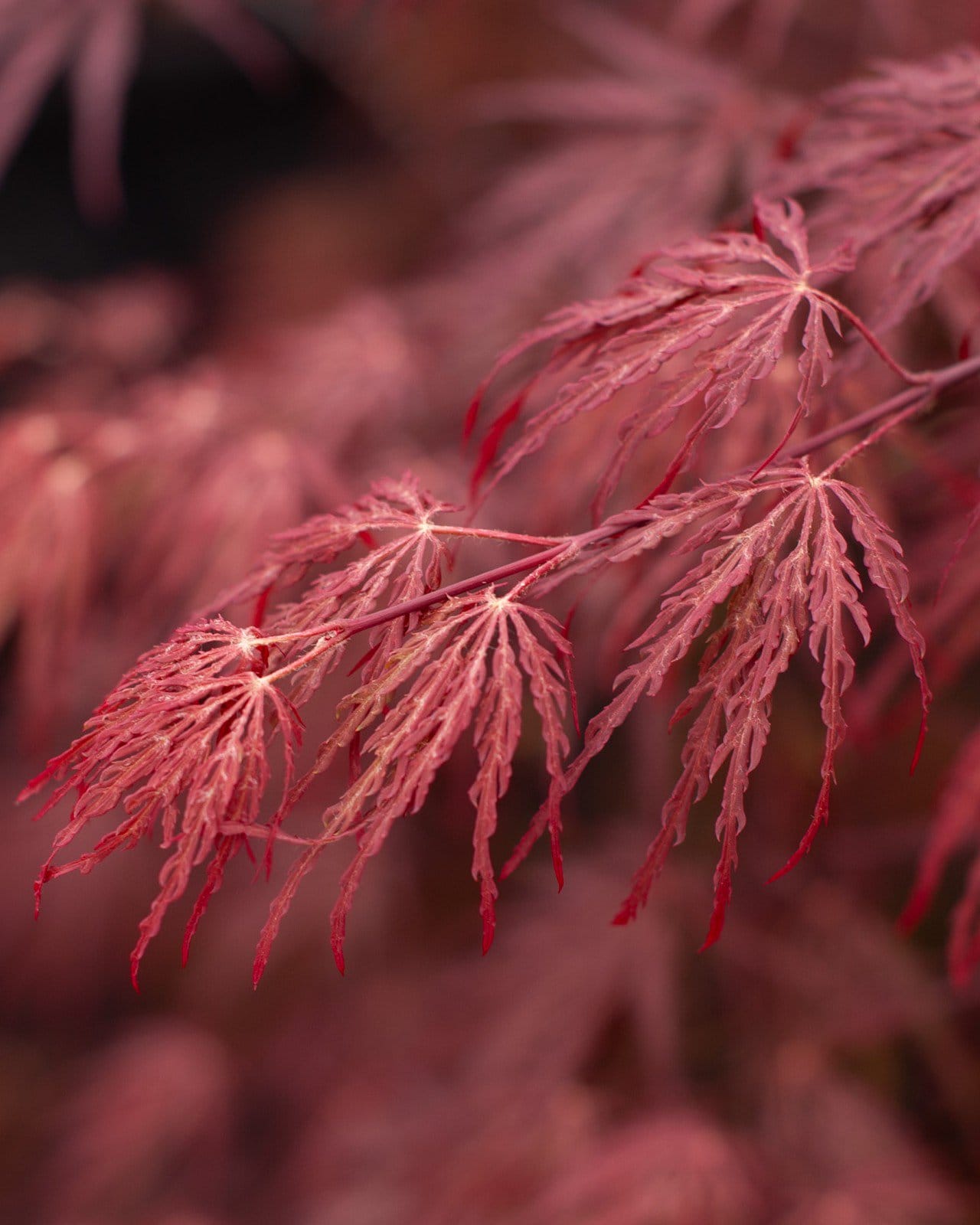
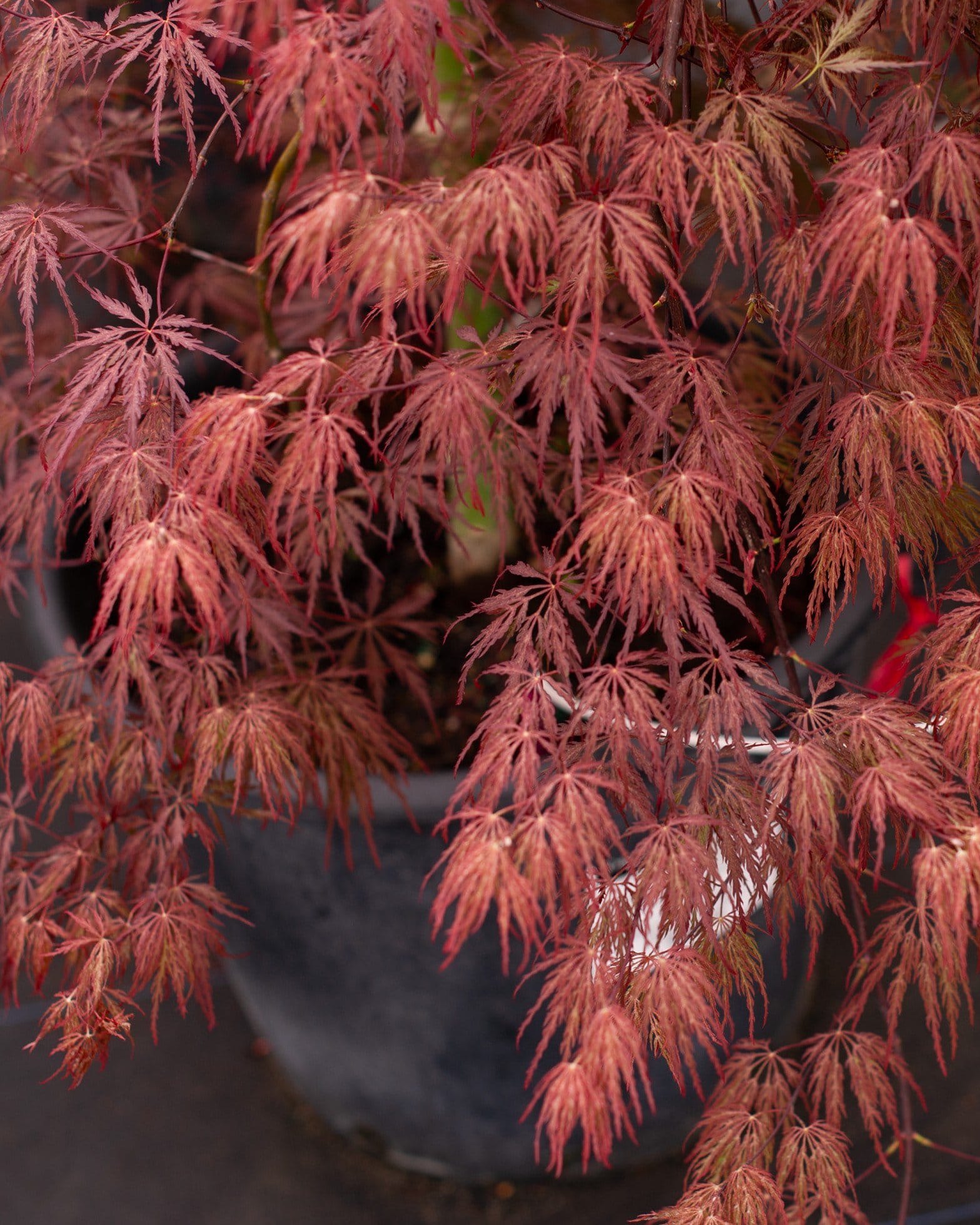
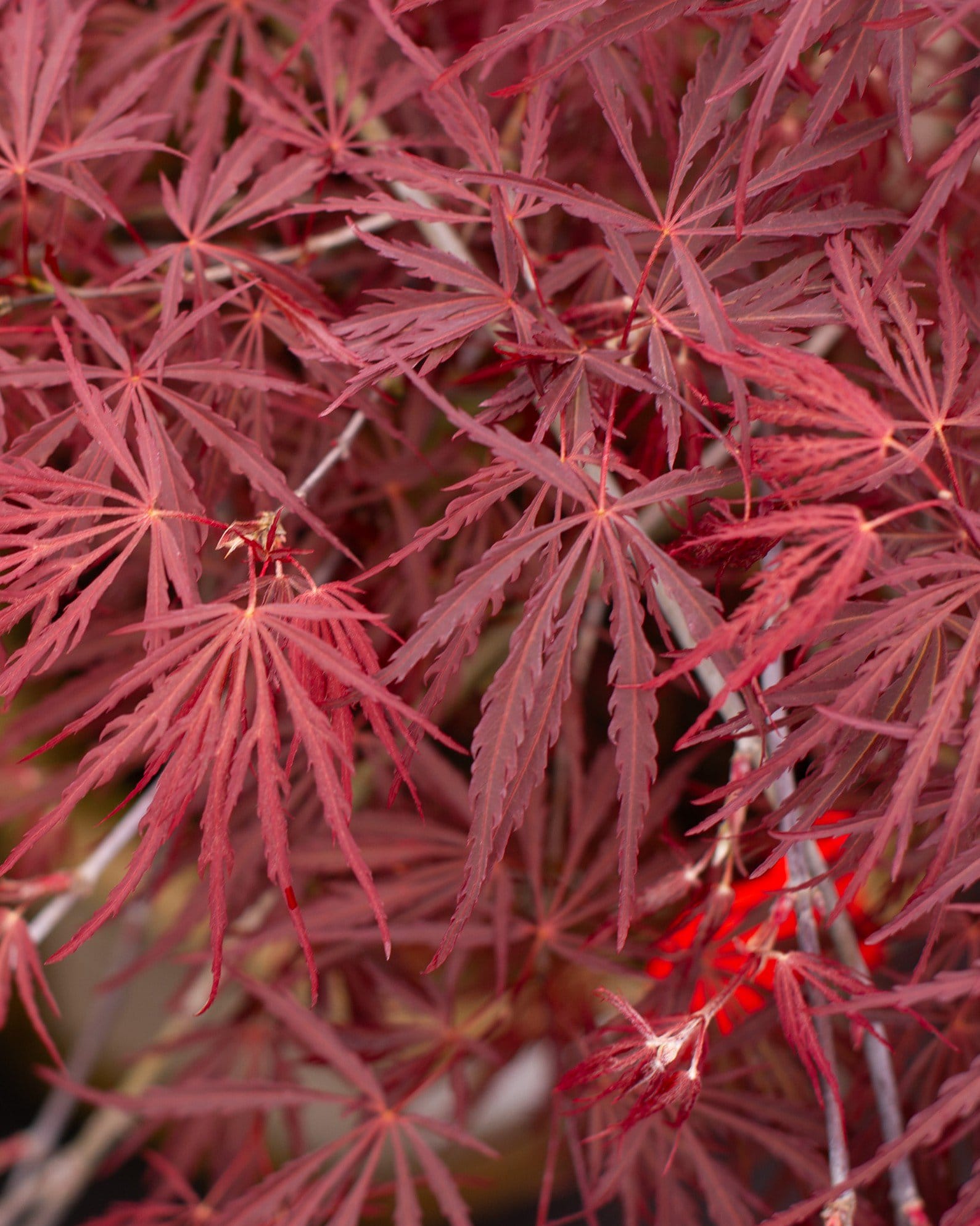
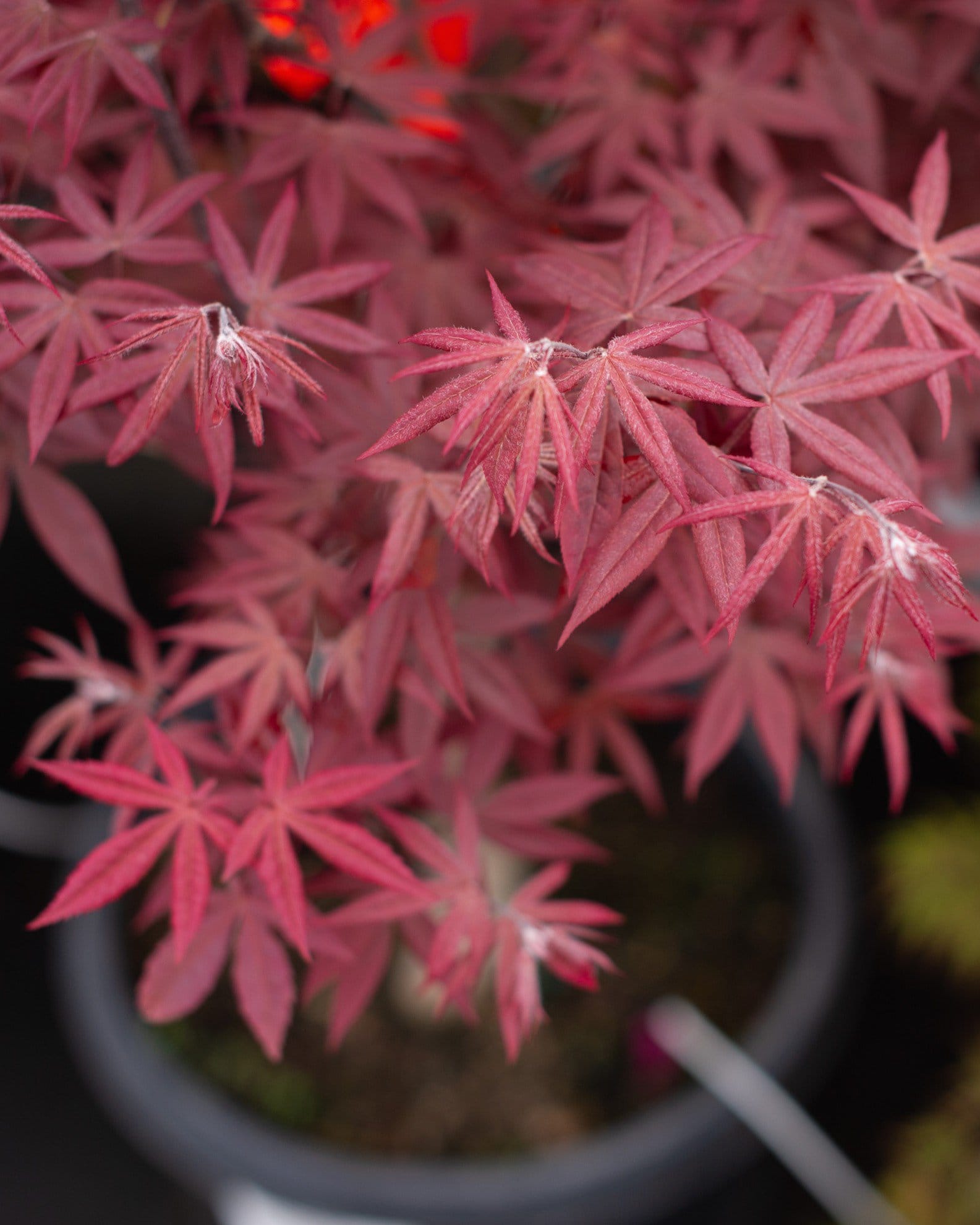
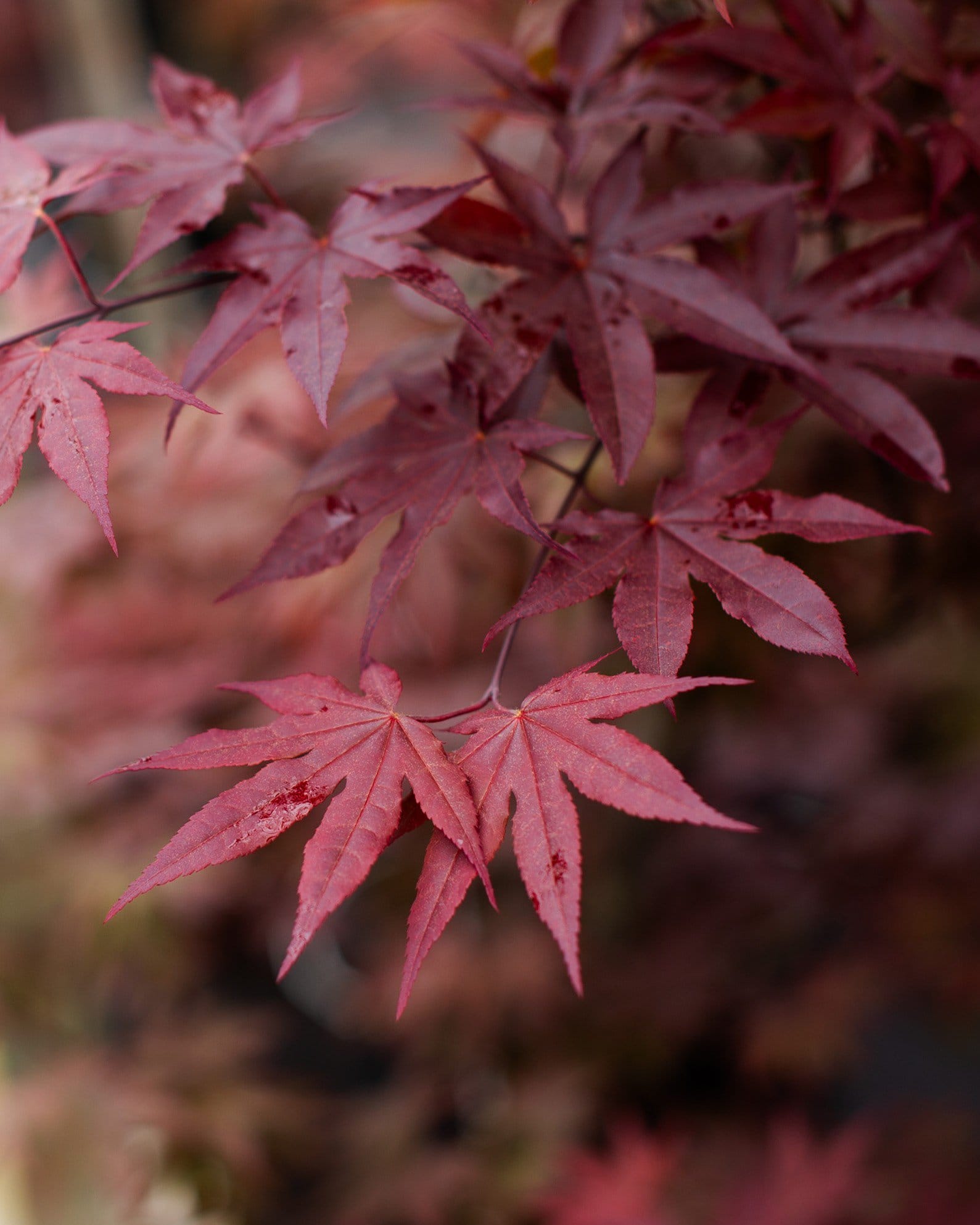
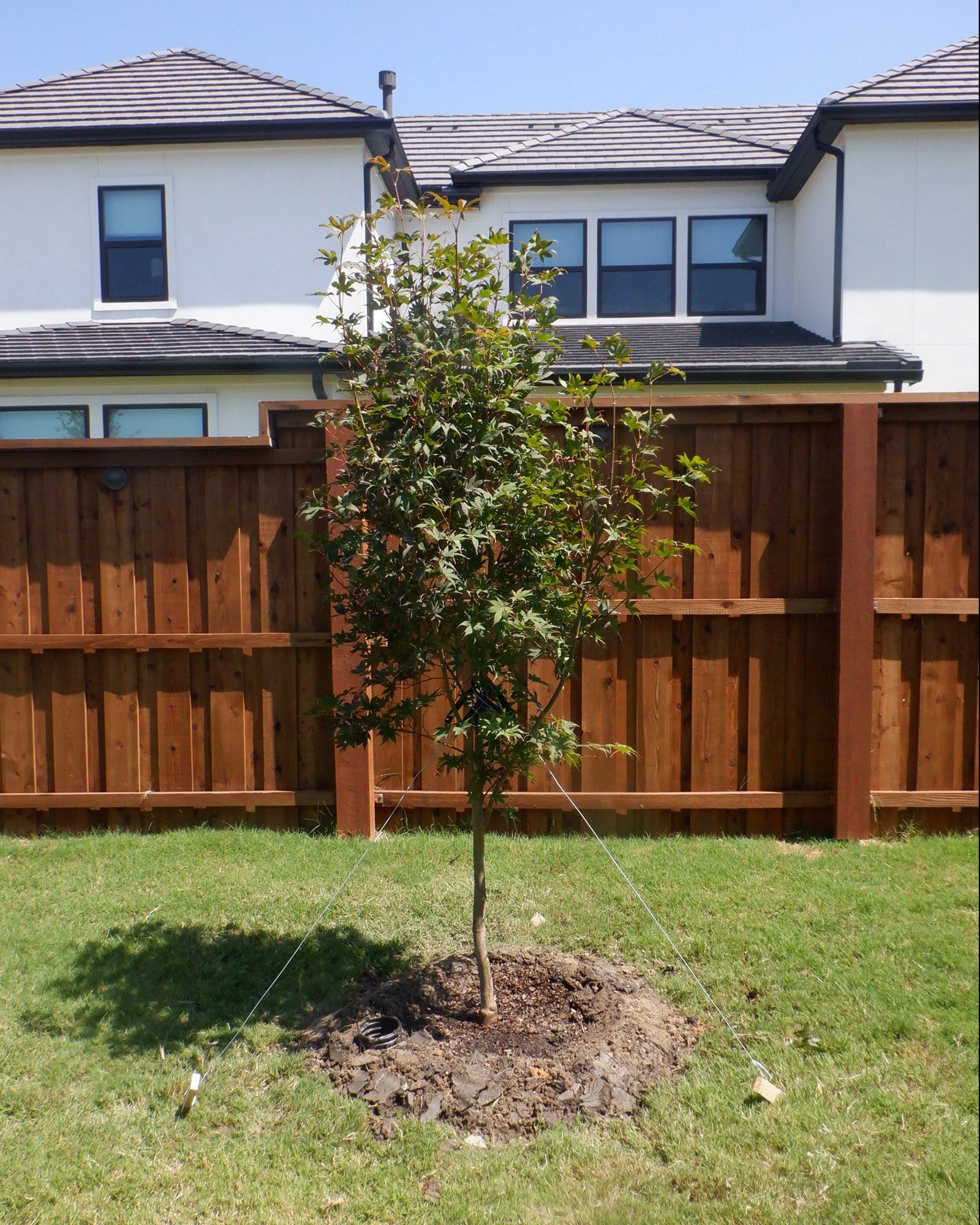
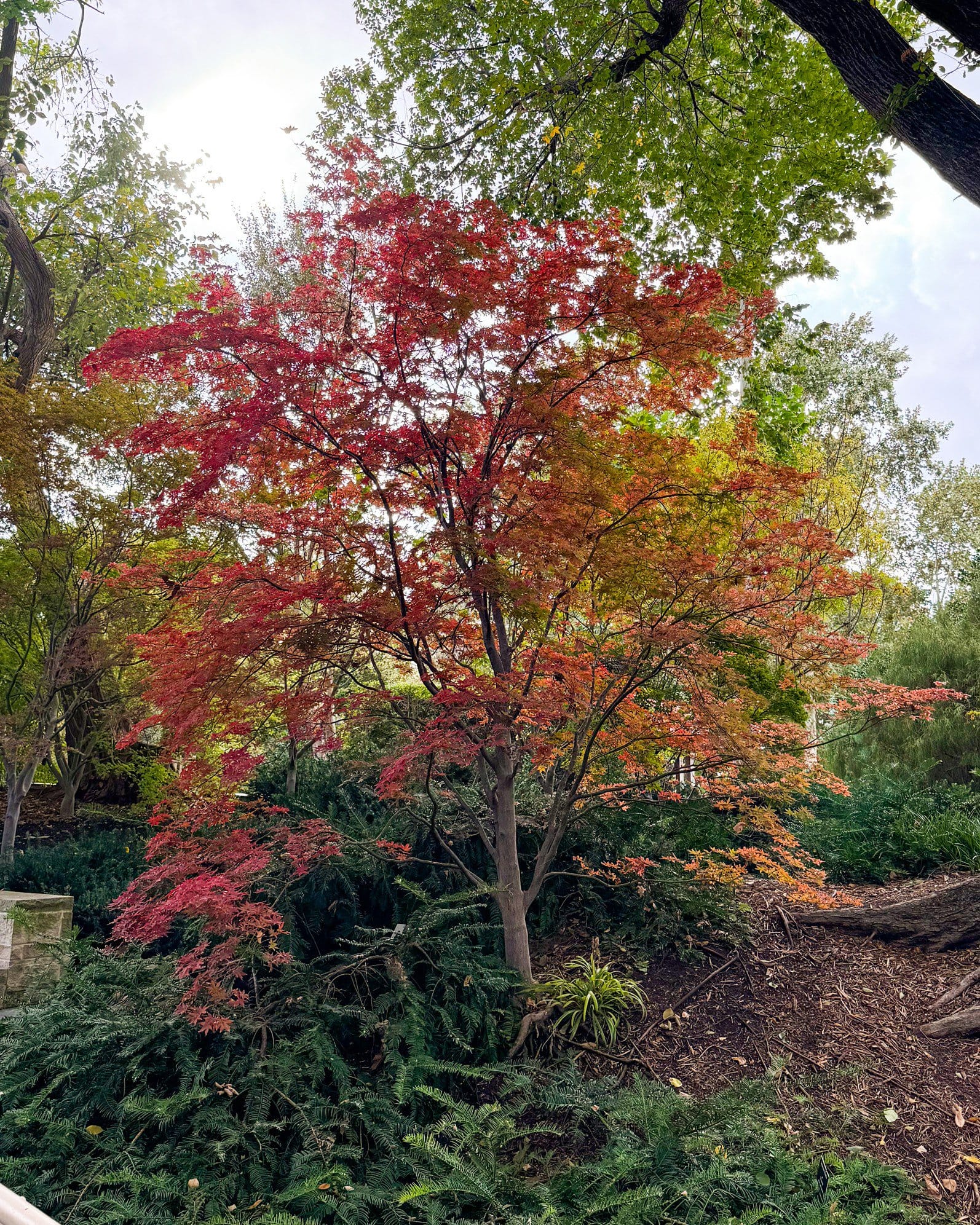
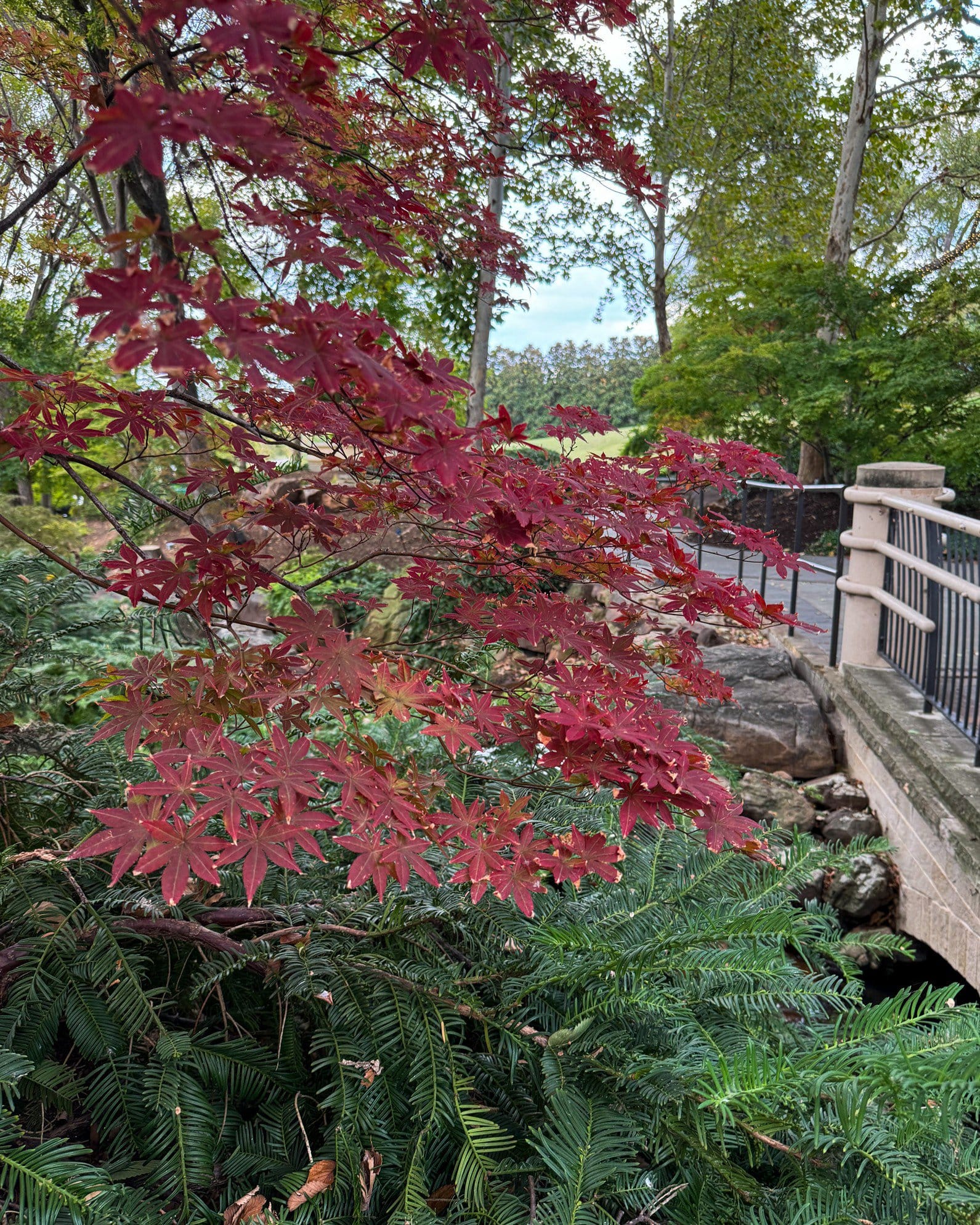
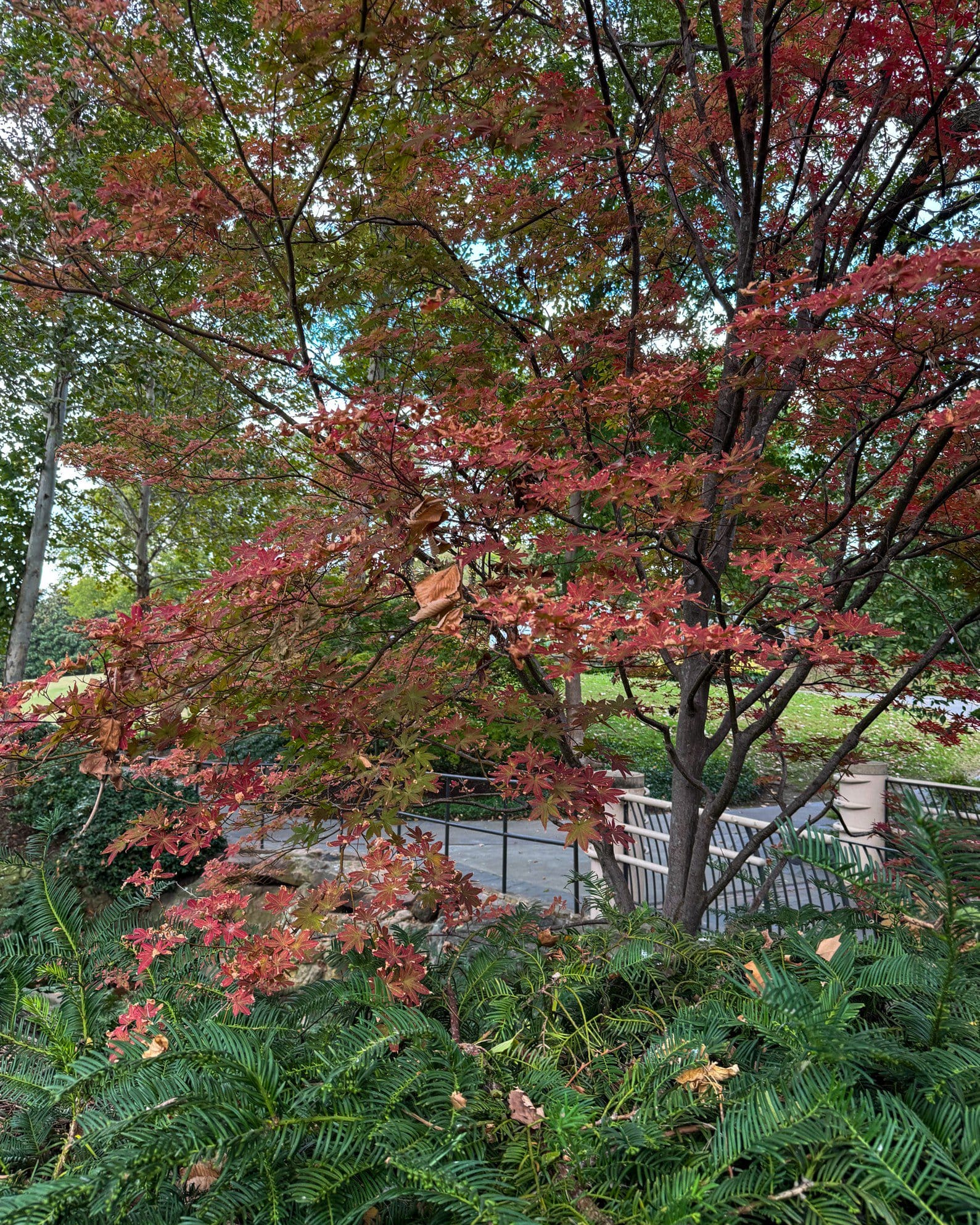
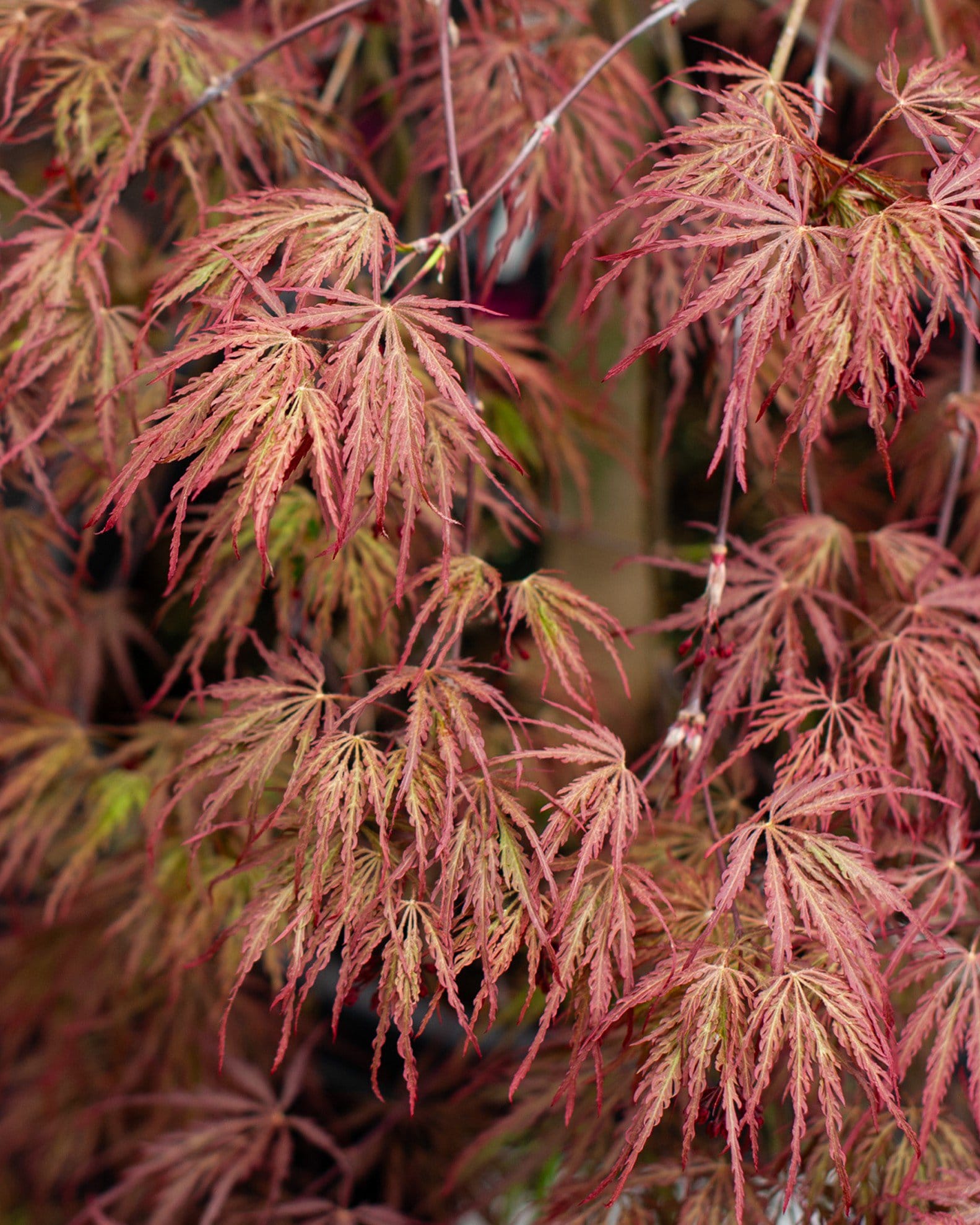
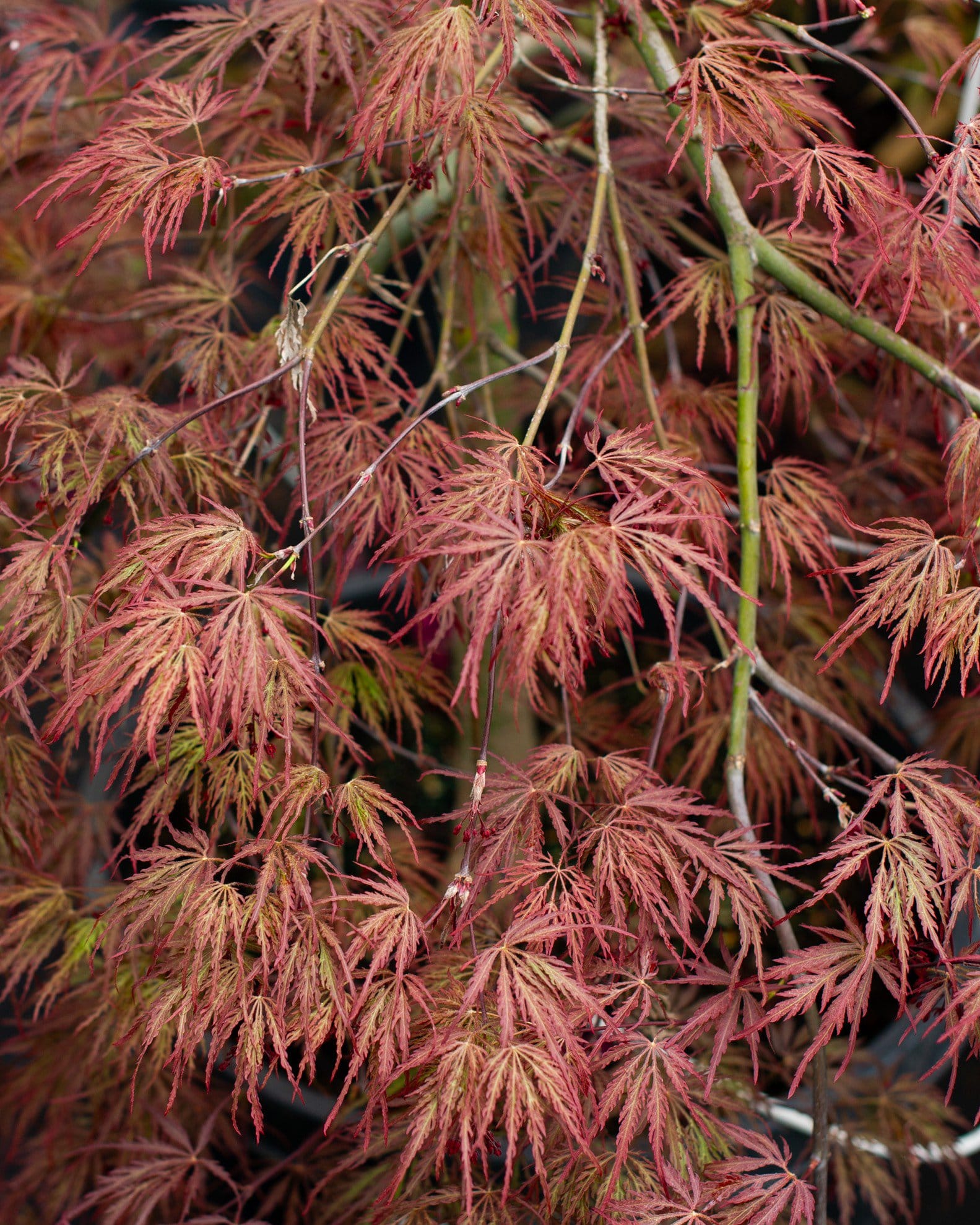
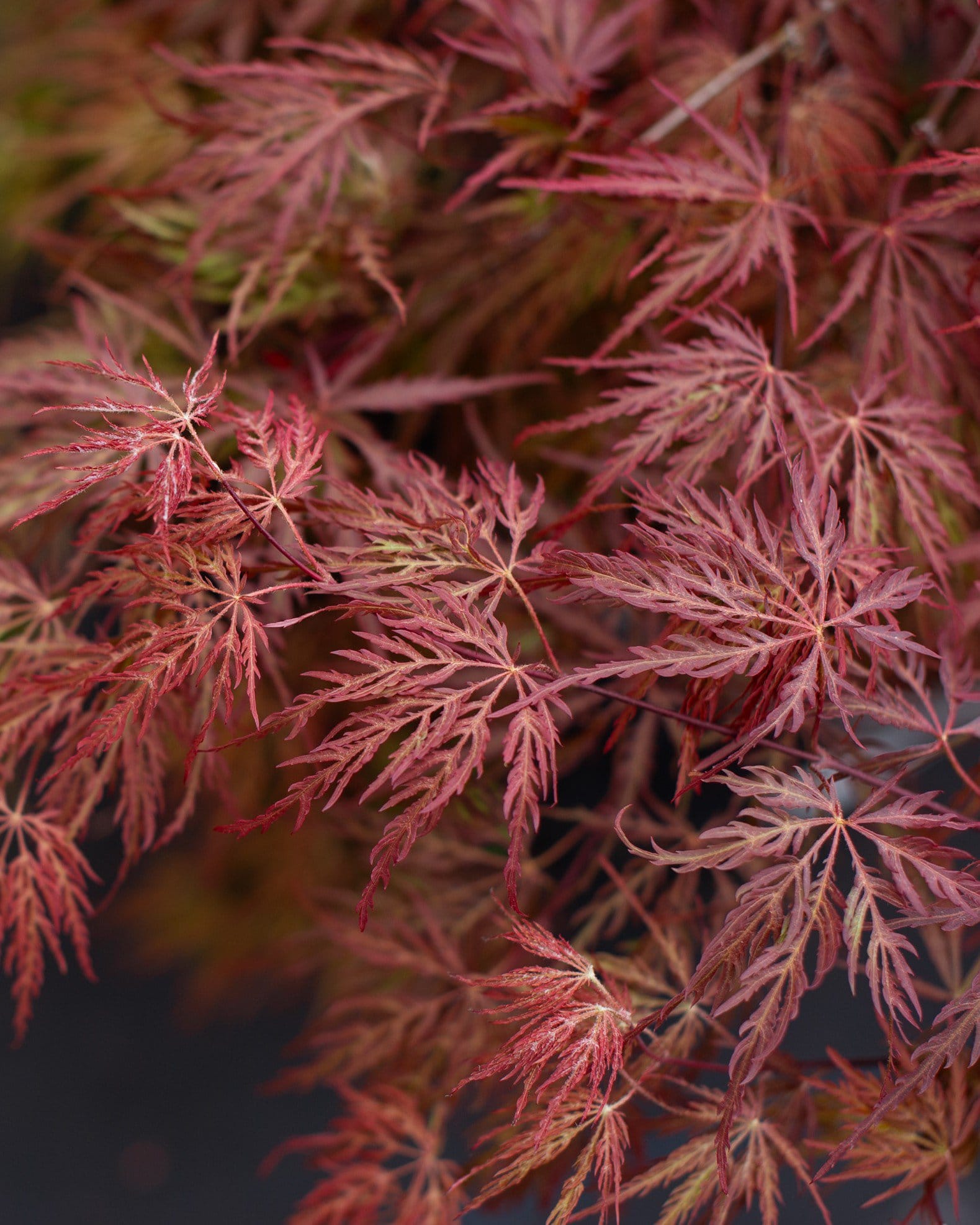
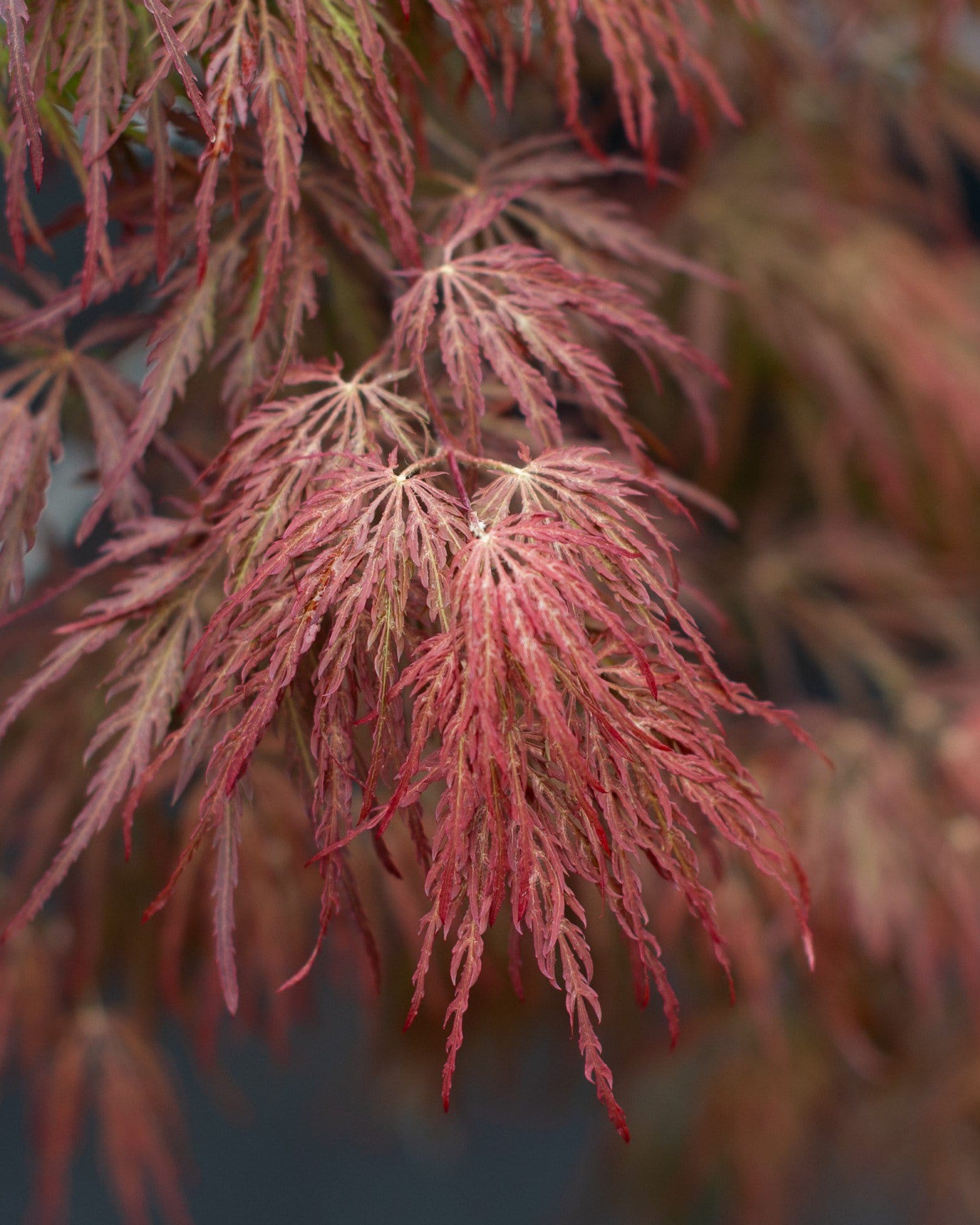
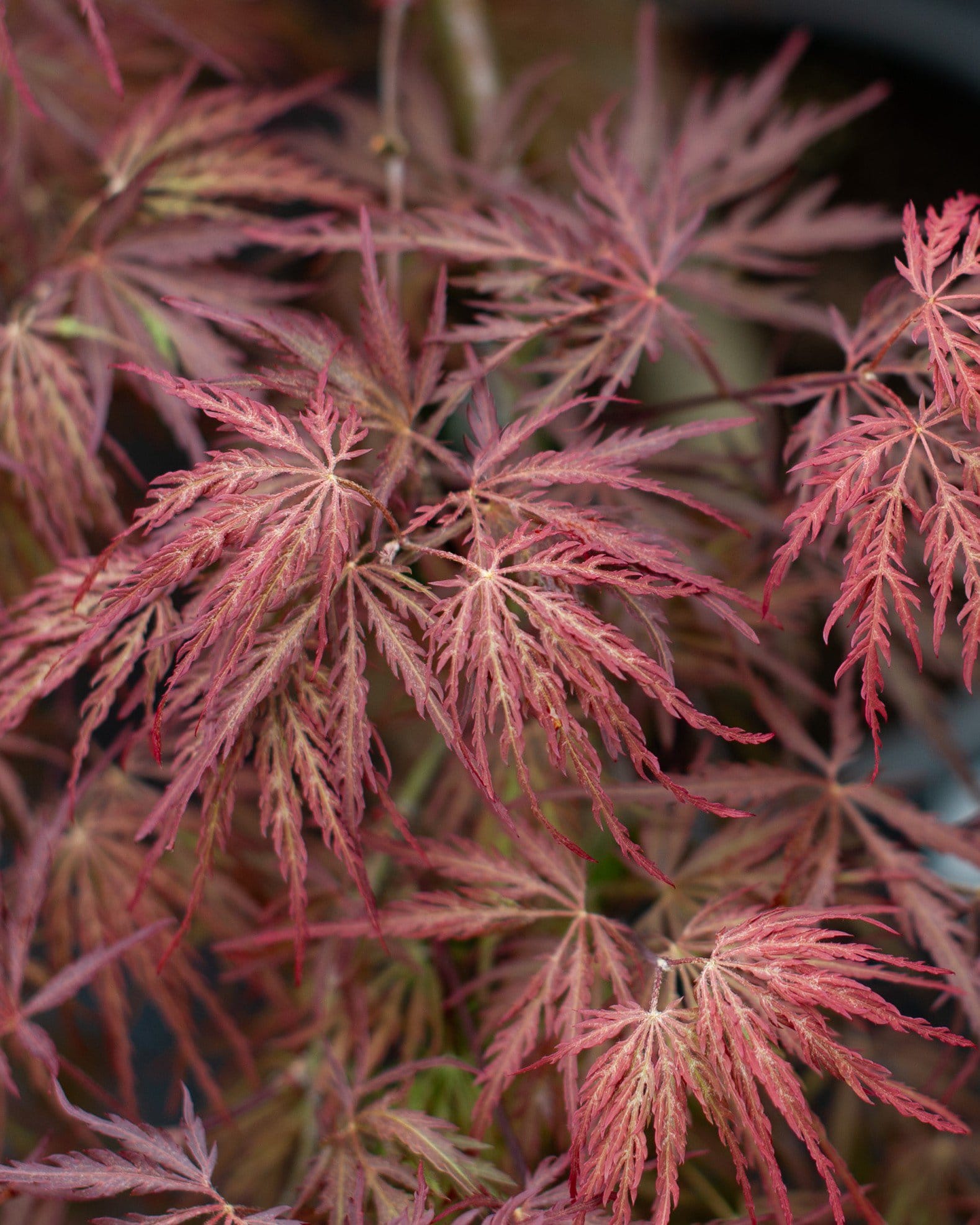
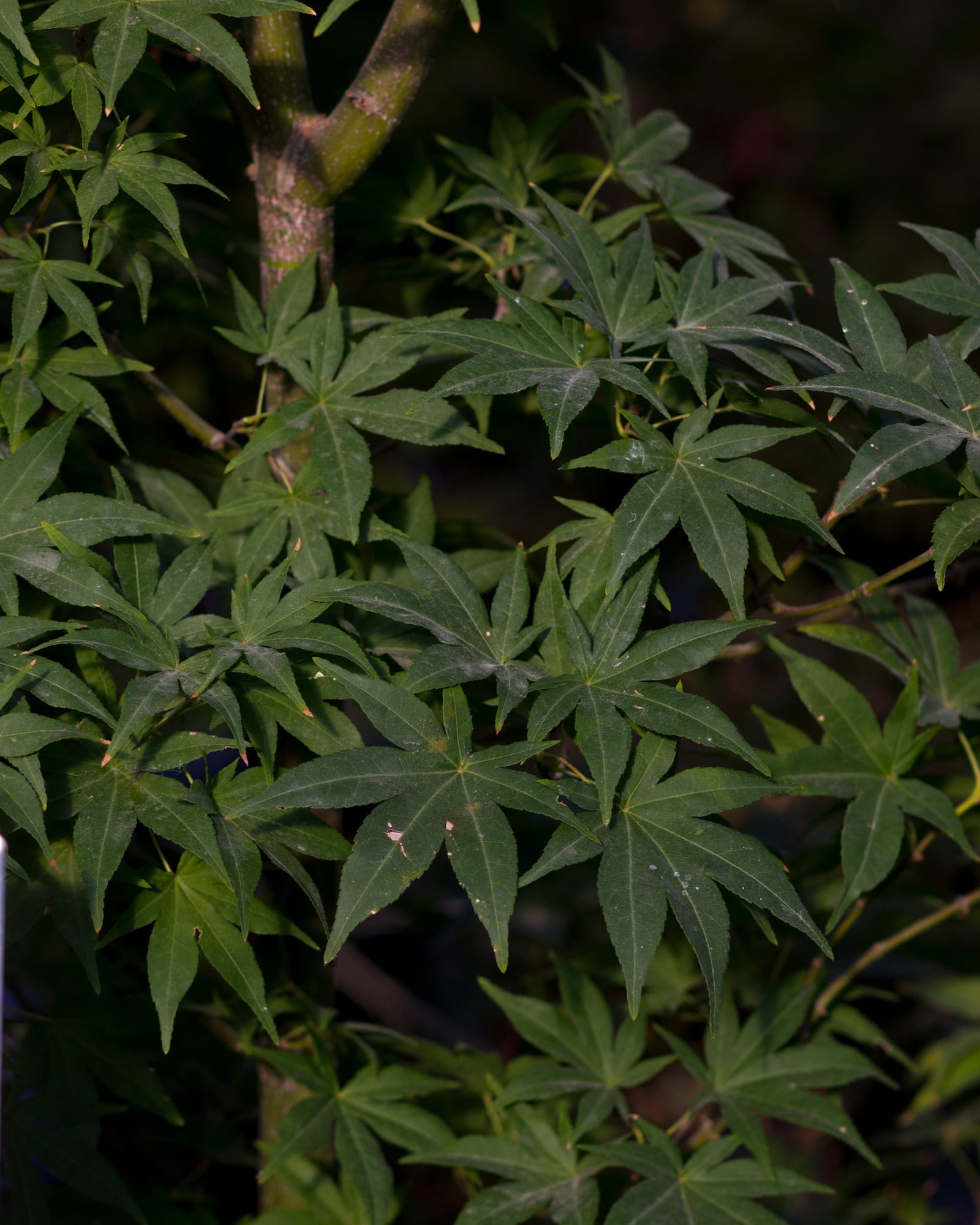
Acer palmatum dissectum ‘Ever Red’Ever Red Japanese Maple Weeping offers a display of dissected red laceleaf foliage that cascades elegantly over slender, arching branches. Its size makes it a perfect choice for smaller landscapes or as a standout accent near patios and walkways. Growing up to 5 feet tall and approximately 6 feet wide at maturity, this tree provides year-round interest with its vivid foliage and delicate form. The graceful, weeping silhouette adds softness and movement, enhancing the overall aesthetic of your outdoor spaces.
- A deciduous tree
- Weeping growth habit
- Slow growth rate
- Bright red laceleaf foliage
- Ideal as a focal point or accent
Hardy in zones 5-9, Ever Red Japanese Maple Weeping performs well in the North Texas climate when planted with morning sun only, shielding its delicate leaves from harsh afternoon rays. Plant it in well-drained, slightly acidic soil to support vibrant growth and enjoy its stunning color and shape season after season.
With attentive early care, Ever Red Japanese Maple Weeping becomes a long-lived, low-maintenance focal point:
- Watering: Water deeply and regularly during the first 2-3 years to ensure a strong root system that supports its delicate foliage and arching canopy. Once established, ‘Ever Red’ prefers evenly moist, well-drained soil and benefits from consistent watering during heat, wind, or drought.
- Pruning: Minimal pruning is needed, as its natural weeping form is its greatest beauty. Light pruning in late winter helps remove damaged, crossing, or overly congested branches and refines the cascading shape.
- Fertilizing: This maple thrives in moderately fertile soils and typically requires only light fertilization. If foliage seems pale or growth slows, apply a gentle, slow-release, low-nitrogen fertilizer in early spring.
- Mulching: Apply a 2-3 inch mulch layer to help regulate soil temperature, maintain moisture, and protect delicate surface roots. Keep mulch slightly away from the base of the trunk to prevent bark moisture issues.
- Winter Care: ‘Ever Red’ is winter-hardy within its range but benefits from protection from harsh winter winds, which can desiccate fine twigs. Young trees may appreciate temporary burlap screening in exposed locations.
Though resilient, this fine-textured maple may encounter a few manageable issues during stress, heat, or humidity:
- Leaf Scorch: Browning leaf edges occur during hot sun, drought, or windy conditions. Provide afternoon shade, maintain consistent moisture, and preserve mulch to prevent recurrence.
- Verticillium Wilt: Sudden branch wilt and dieback may indicate soilborne fungal disease. Remove affected branches, avoid injuring roots, and do not plant maples where the disease is known to exist.
- Aphids: Sticky residue, curling leaves, and clusters of soft-bodied insects appear in spring. Rinse foliage or use insecticidal soap to control populations.
- Root Rot: Persistent wilting and decline appear in saturated soils with poor drainage. Improve soil structure, reduce watering, and ensure good drainage to protect root health.
- Powdery Mildew: A white, powdery film develops during periods of high humidity and poor airflow. Increase ventilation, prune lightly to reduce congestion, and avoid overhead watering.
With proper care, it often lives 40-60 years, gracefully retaining its weeping silhouette and deep coloration throughout its life. Its longevity makes it a treasured addition to refined landscapes.
It grows slowly to moderately, typically 4-6 inches per year, reaching a mature weeping form in about 10-15 years. This steady growth contributes to its delicate, sculptural character.
Deer occasionally browse young foliage but typically do not seek it out. Providing early protection in high-browse areas helps ensure smooth establishment.
Yes - its compact habit and cascading branches make it excellent for large containers in courtyards, patios, or near entryways. Use well-drained soil and protect containerized roots from extreme cold.
It cannot be divided, as it grows from a single woody trunk and an integrated root system. Propagation requires grafting or nursery cultivation.
It excels as a focal specimen because of its cascading form and intense color. It can also be combined with other dwarf maples for layered, artistic plantings.
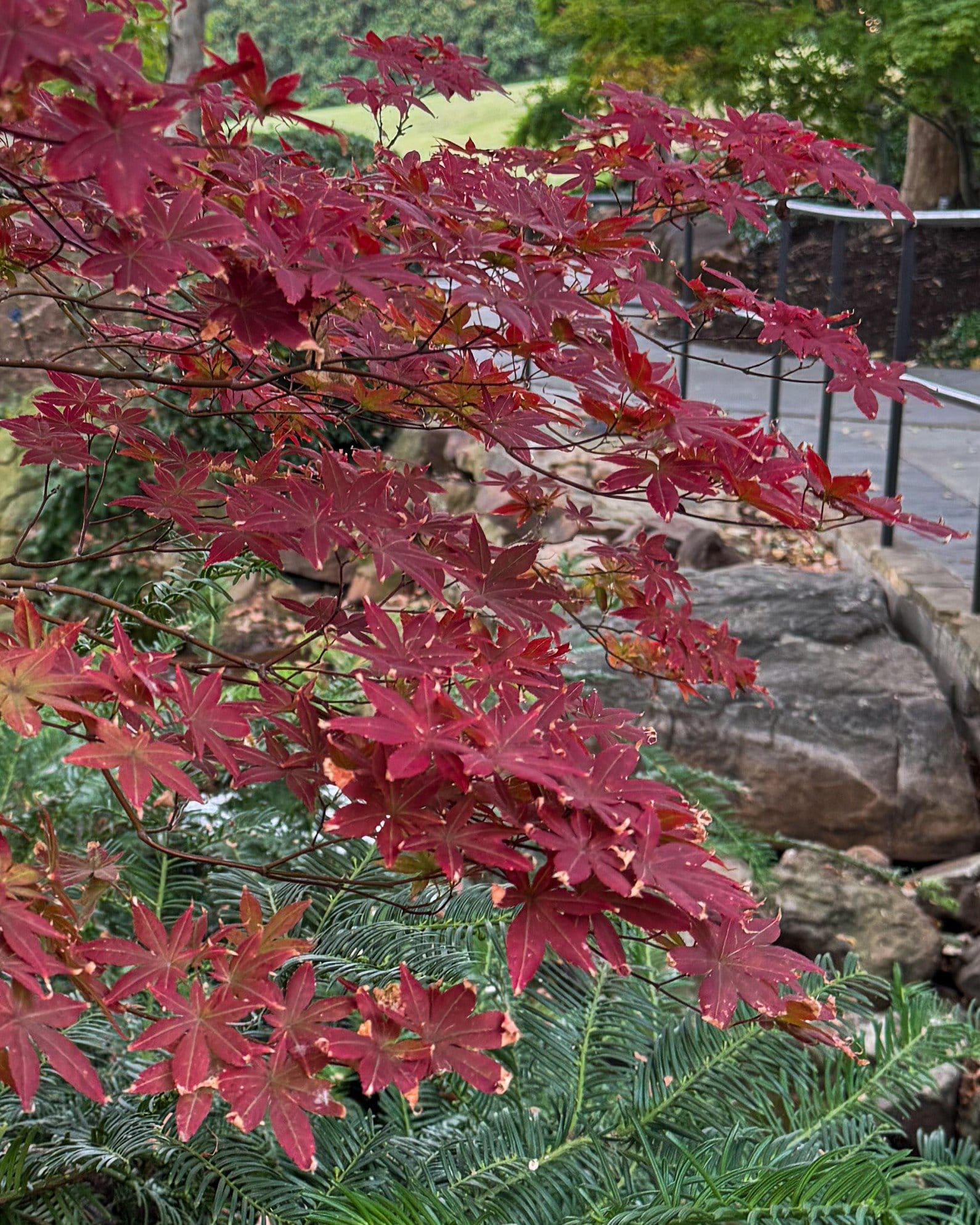
Companions like Ferns, Hostas, Heucheras, Japanese Forest Grass, Azaleas, and shade-loving groundcovers complement its fine texture and rich tones. Boulders, water features, and mossy elements enhance its sculptural presence.
Yes - its modest size and preference for partial shade make it well-suited to courtyards and protected urban spaces. It brings elegance and color to areas where larger trees are impractical.
Young trees transplant well when moved during dormancy with an intact root ball. Once reestablished, they resume normal, steady growth.
Its exceptionally fine leaves, glowing red-purple coloration, and graceful, fluid cascading habit set it apart. Ever Red brings year-round artistry and a luminous presence to shaded or partially shaded gardens.
Special Features
You might also like
Bloodgood Japanese Maple
Maturity: 20' H x 20' W
Coral Bark Japanese Maple
Maturity: 20' H x 13' W
Crimson Queen Japanese Maple
Maturity: 10' H x 10' W
Emperor I Japanese Maple
Maturity: 20' H x 15' W
Fireglow Japanese Maple
Maturity: 10' H x 10' W
Inaba Shidare Japanese Maple
Maturity: 8' H x 10' W
Mikawa Yatsubusa Japanese Maple
Maturity: 5' H x 6' W
Orange Flame Japanese Maple
Maturity: 20' H x 15' W
Orangeola Japanese Maple
Maturity: 12' H x 15' W
Red Dragon Japanese Maple
Maturity: 7' H x 5' W
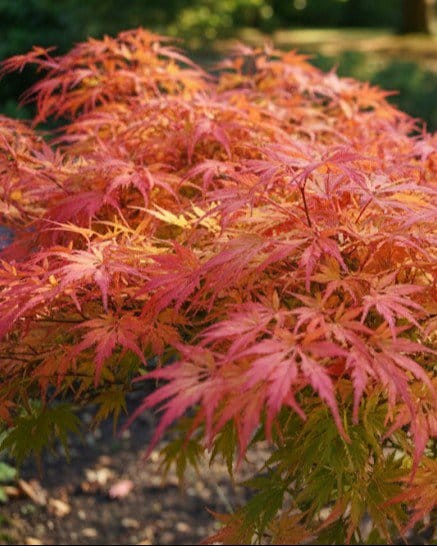
Seiryu Japanese Maple
Maturity: 10' H x 8' W
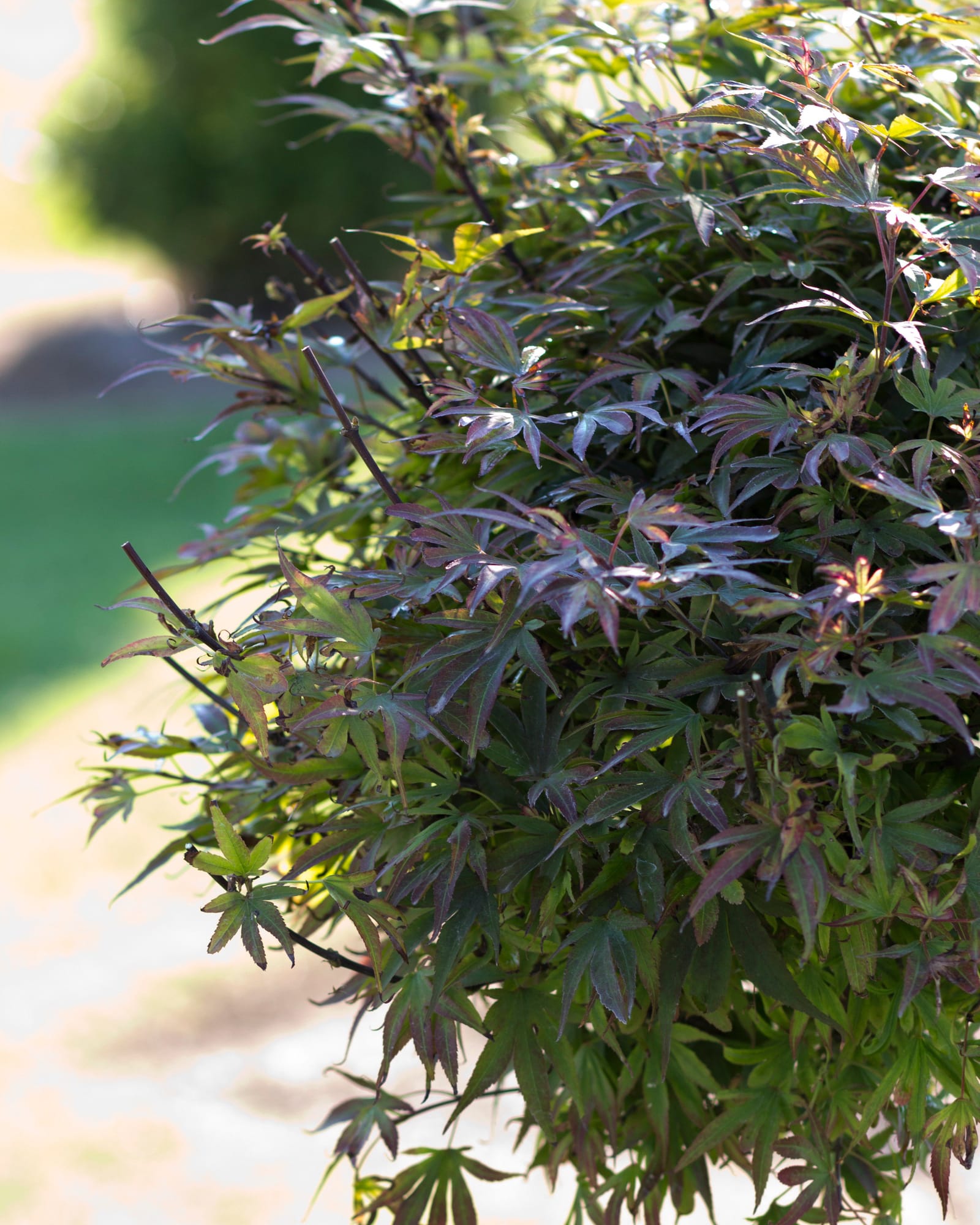
Shaina Japanese Maple
Maturity: 5' H x 4' W
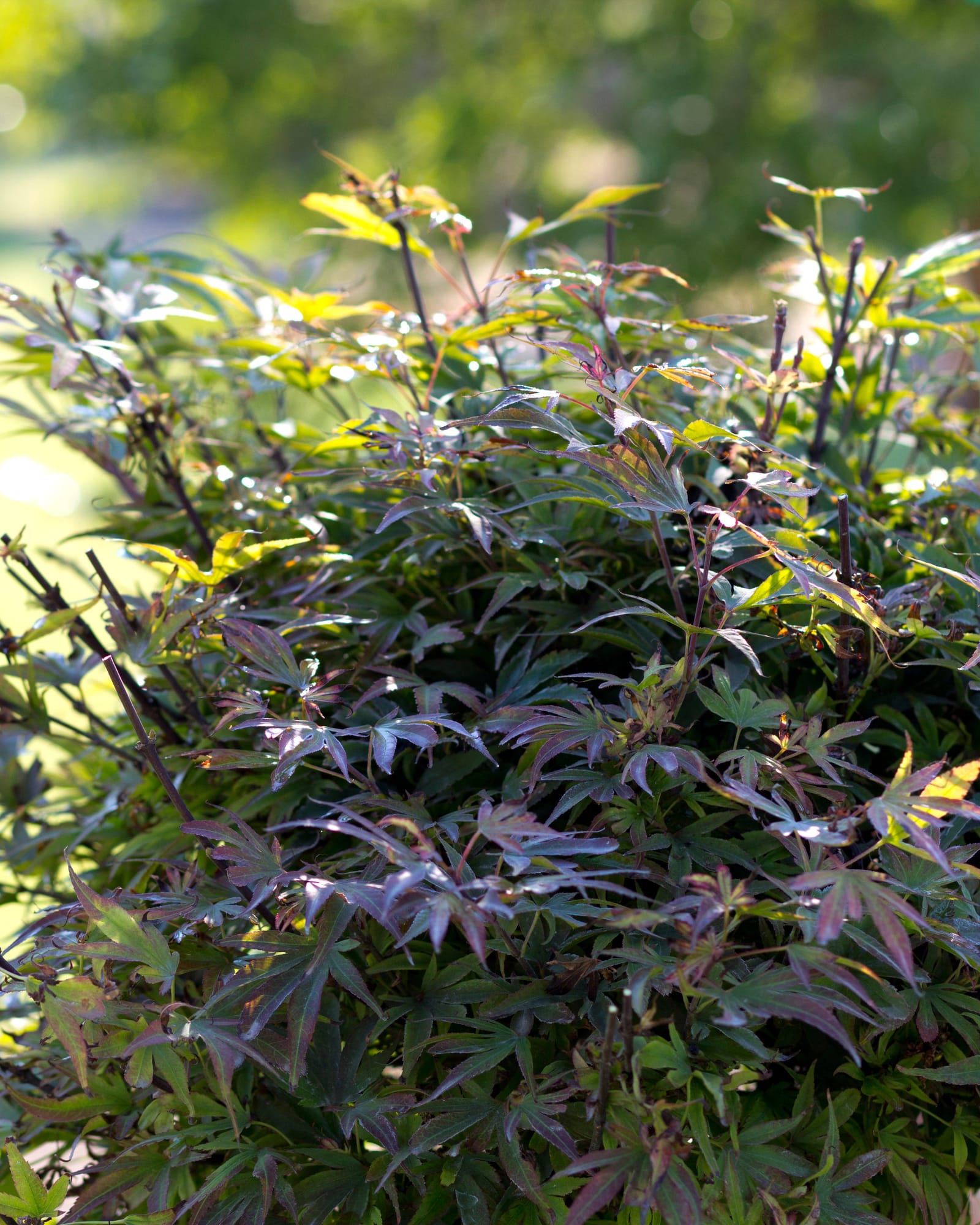
Shaina Japanese Maple Tree Form
Maturity: 5' H x 4' W
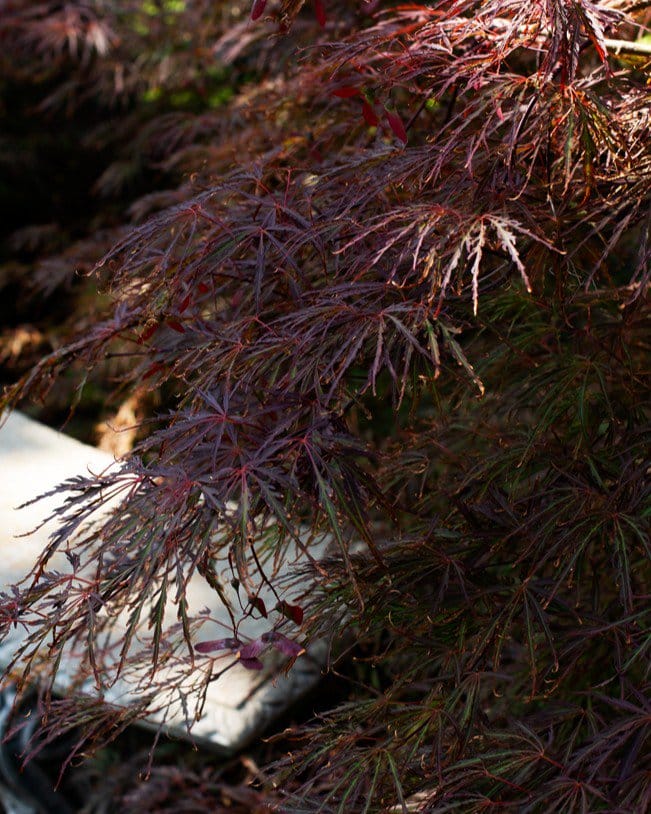
Tamukeyama Japanese Maple
Maturity: 10' H x 10' W
Ukigumo Japanese Maple
Maturity: 12' H x 8' W
Compare Similar Plants
Ever Red Japanese Maple This plant | ||
|---|---|---|
| Scientific Name | Acer palmatum dissectum ‘Ever Red’ | Acer palmatum 'Bloodgood' |
| Size at Maturity | 5' H x 6' W | 20' H x 20' W |
| Leaf Retention | Deciduous | Deciduous |
| Sizes Available | 30 gal | 7, 15, 30 gal |


Our 1-Year Planting Guarantee
We take pride in our plants and installation services. If any plants or trees installed by Treeland fail to thrive within the first year, we'll provide a replacement credit in accordance with our guarantee program.
Learn More About Our Guarantee