

 Popular
 Texas Native
Merlot Redbud
Cercis canadensis 'Merlot'Local DFW Delivery Only
Product Details
Merlot Redbud
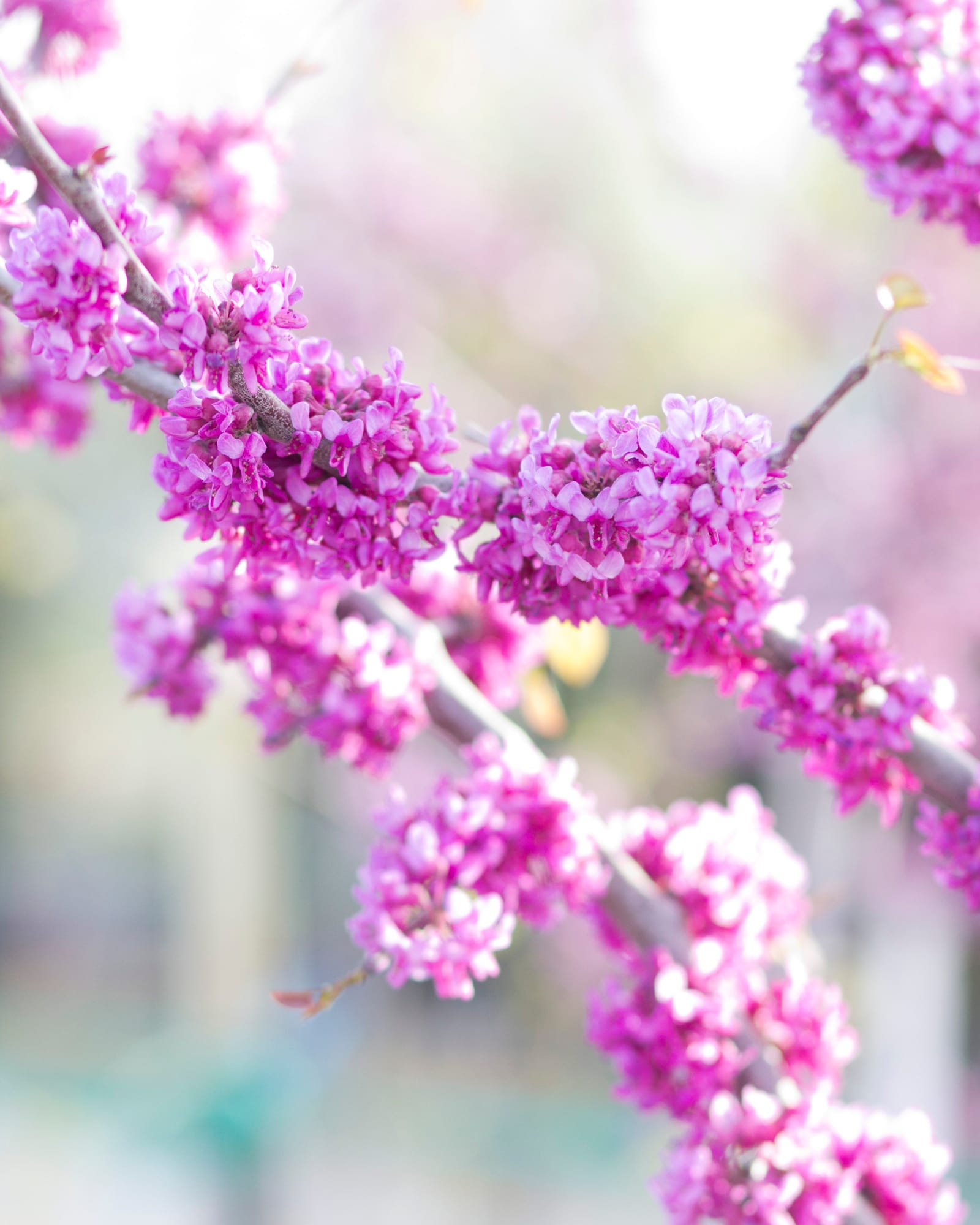
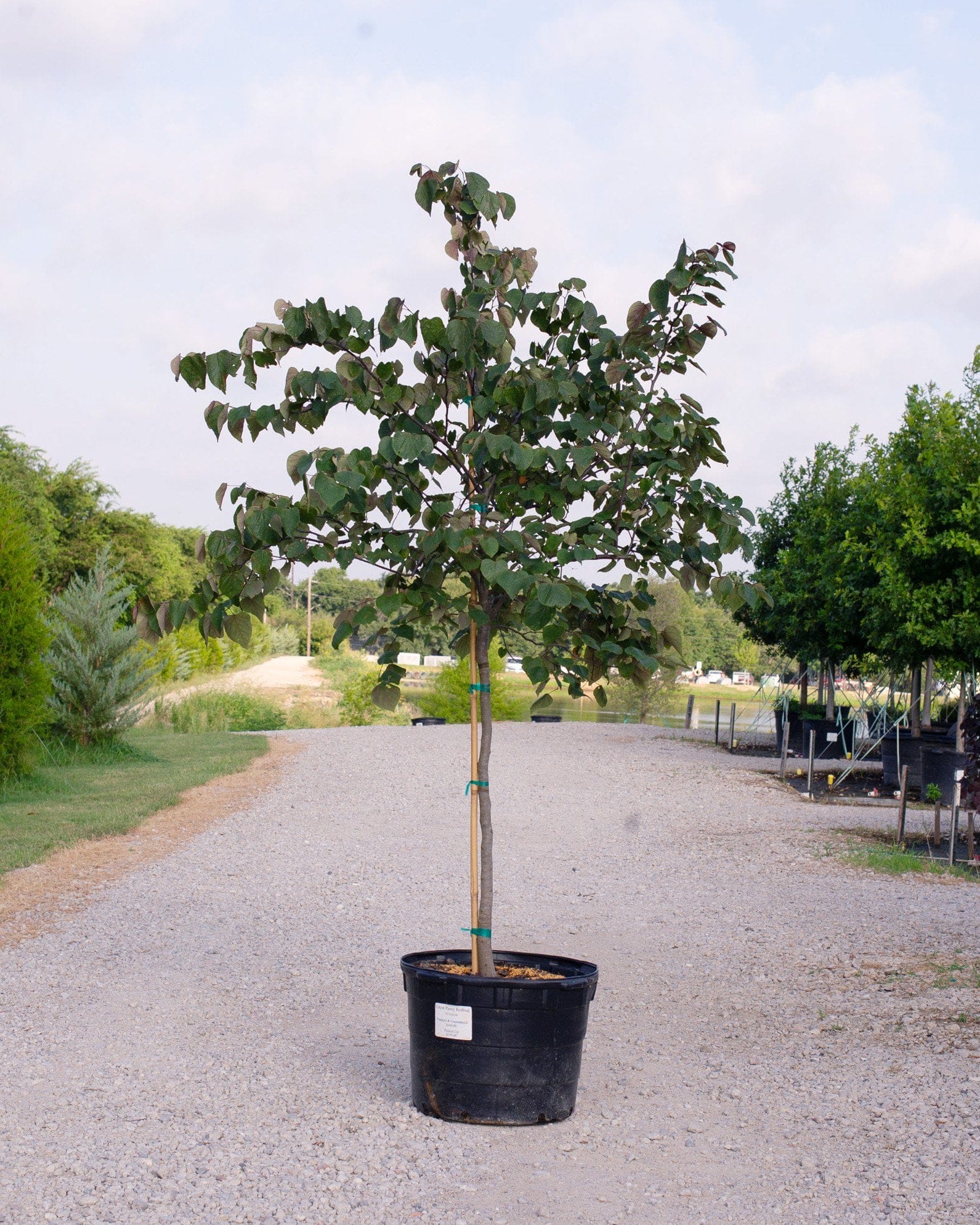
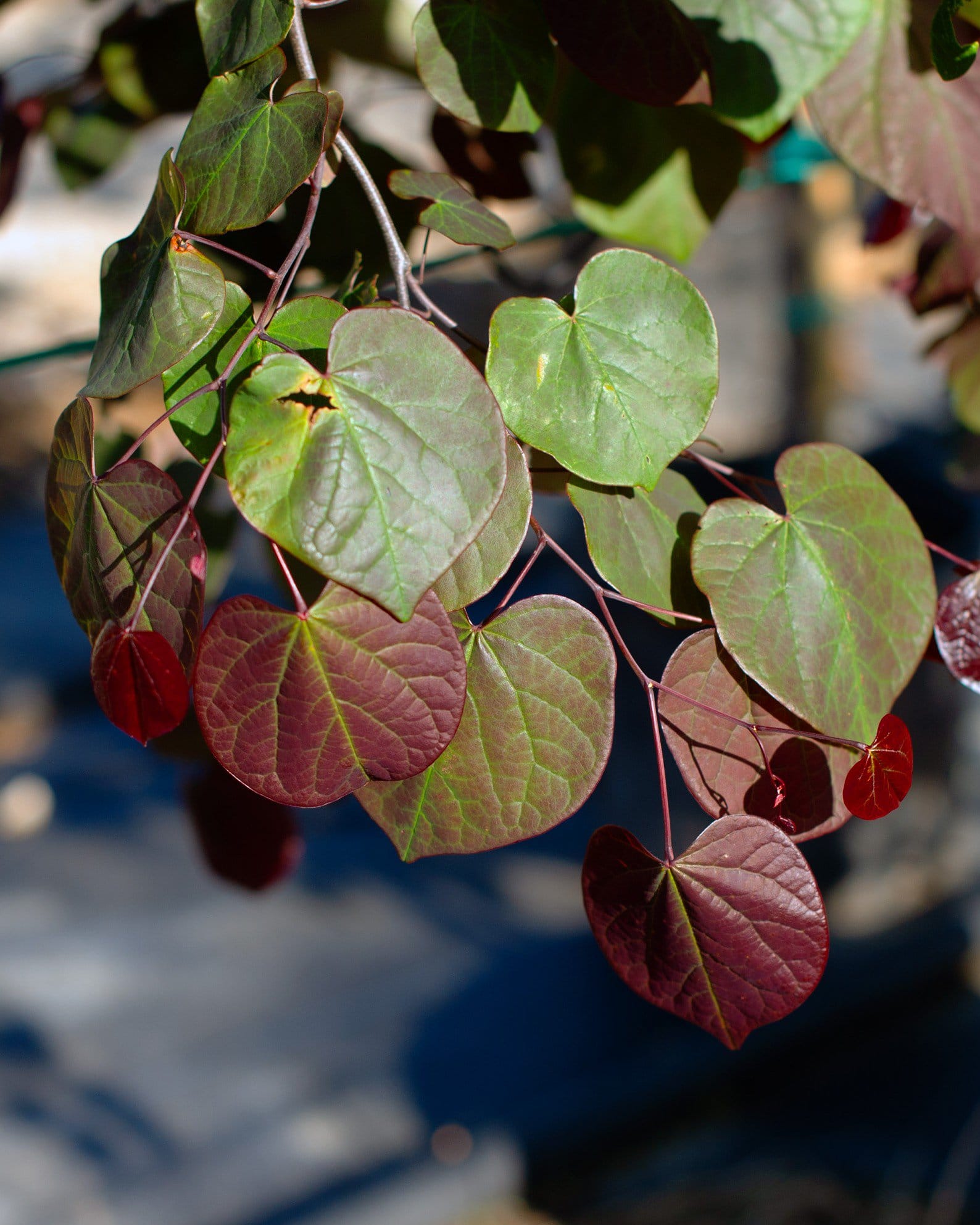
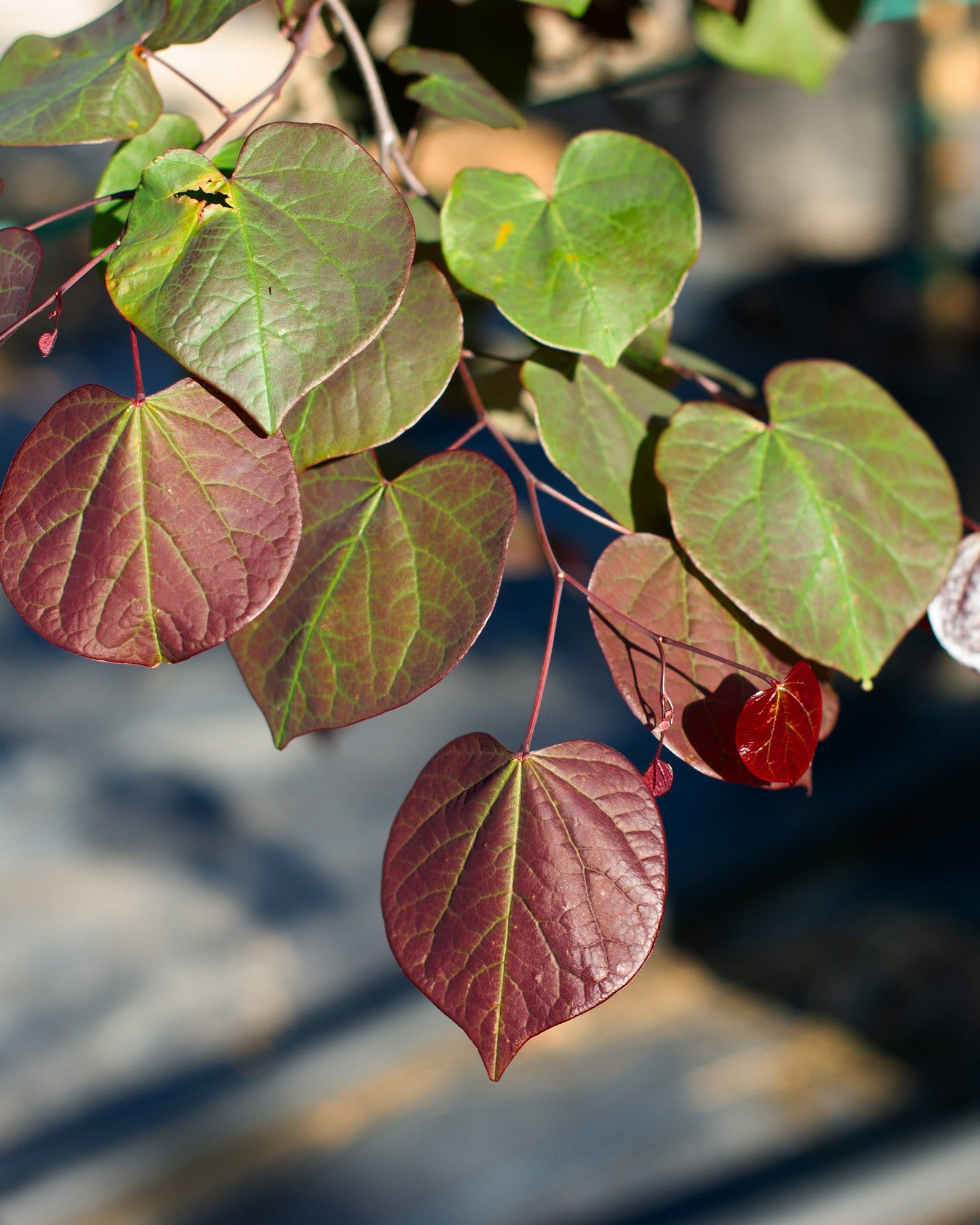
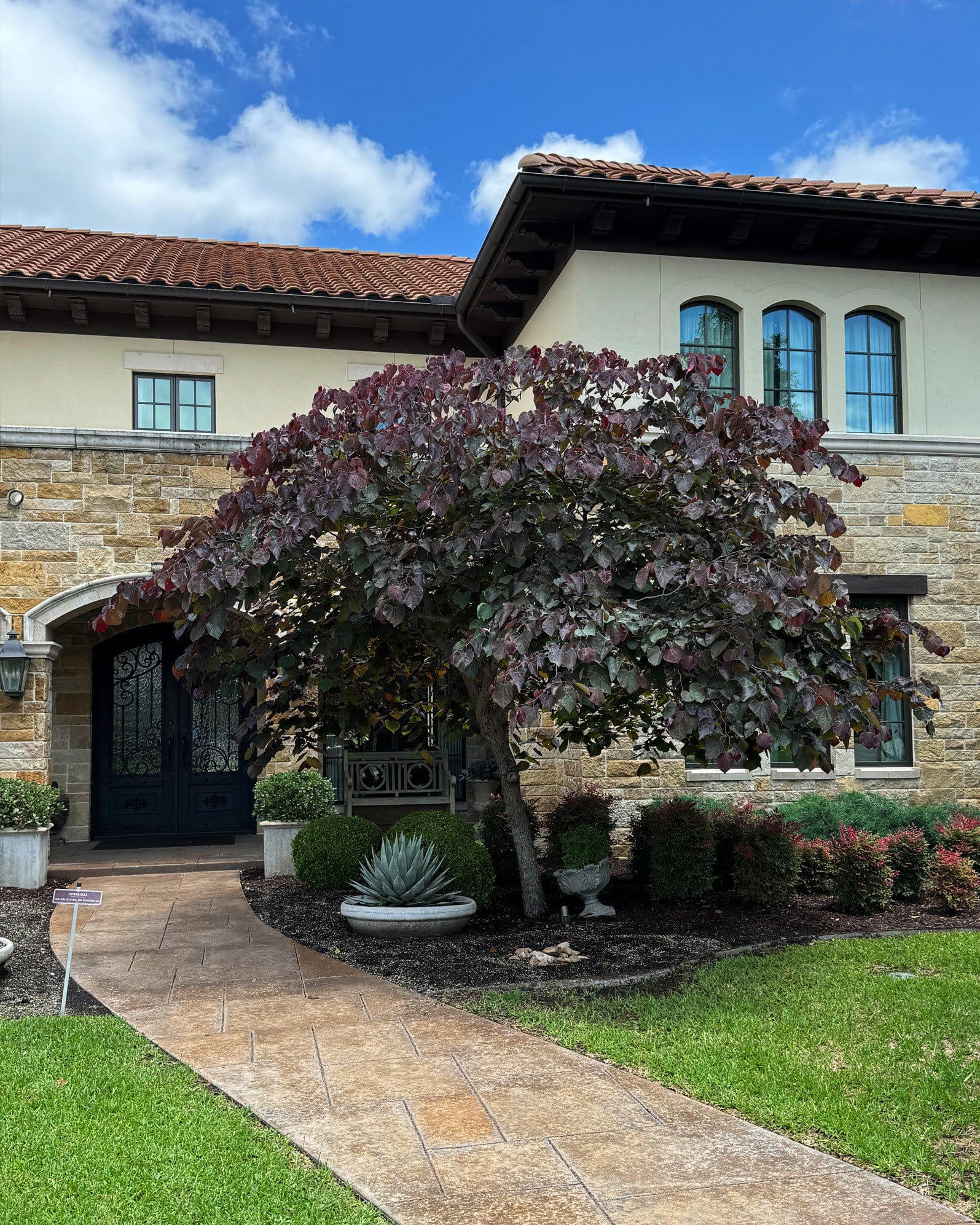
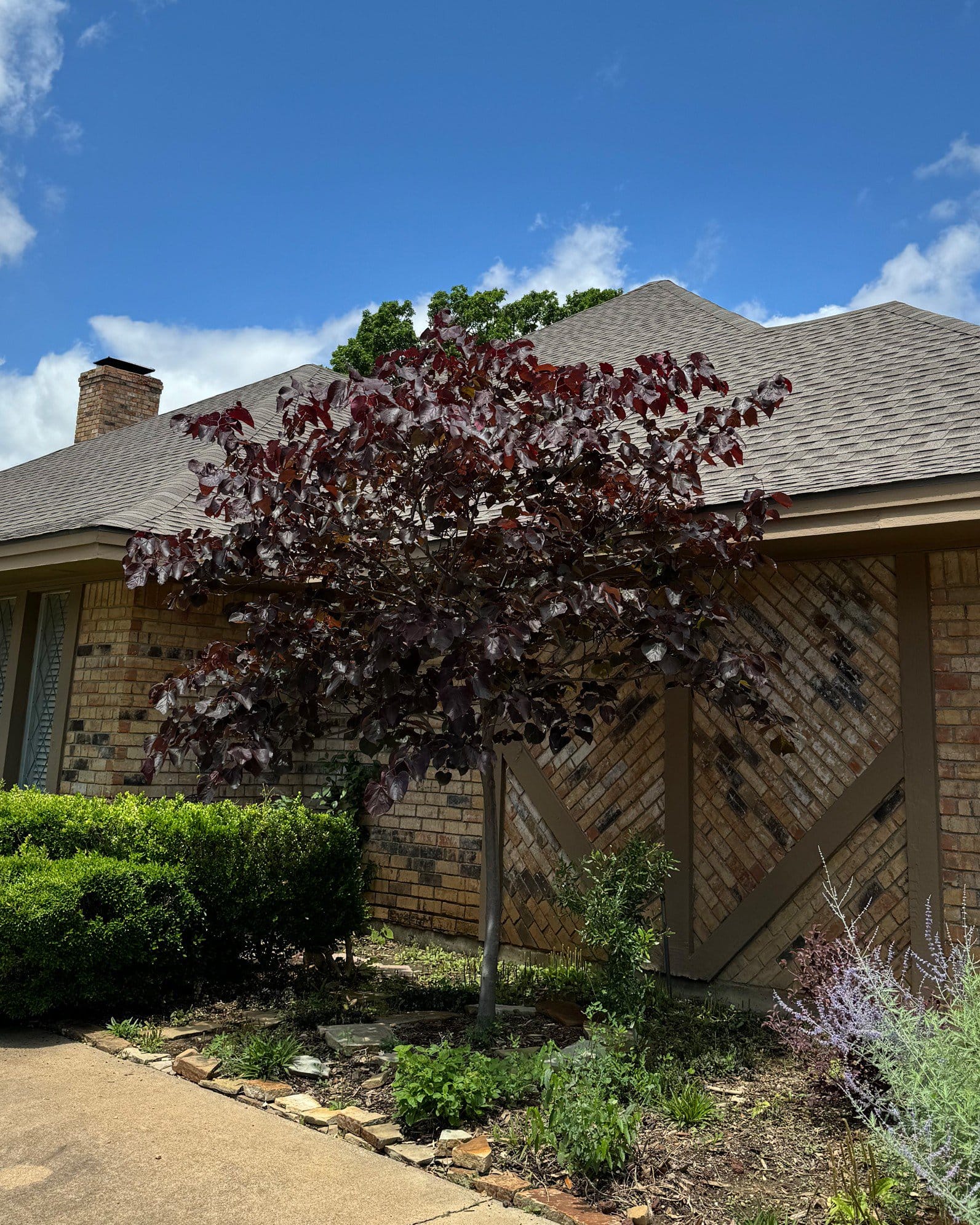
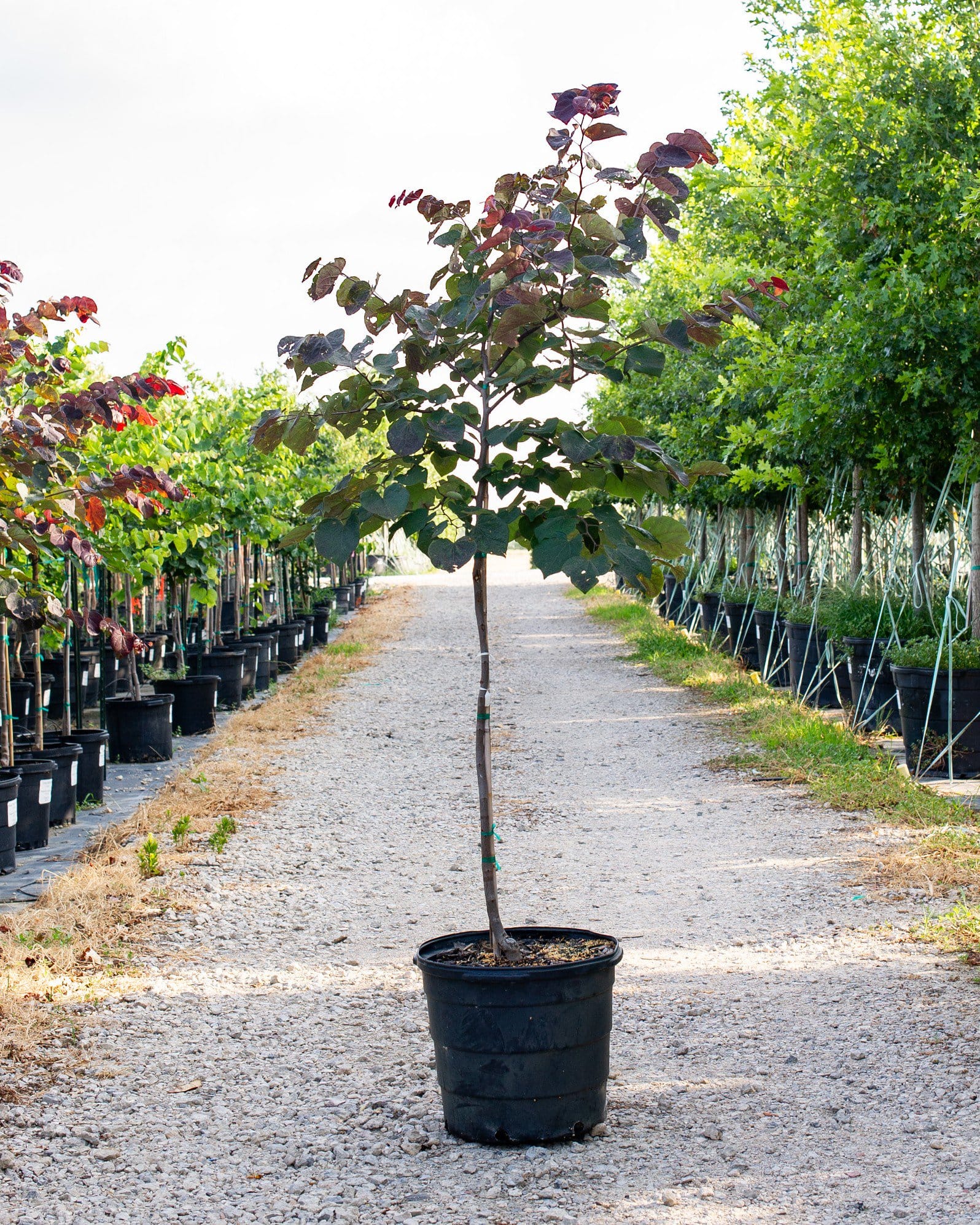
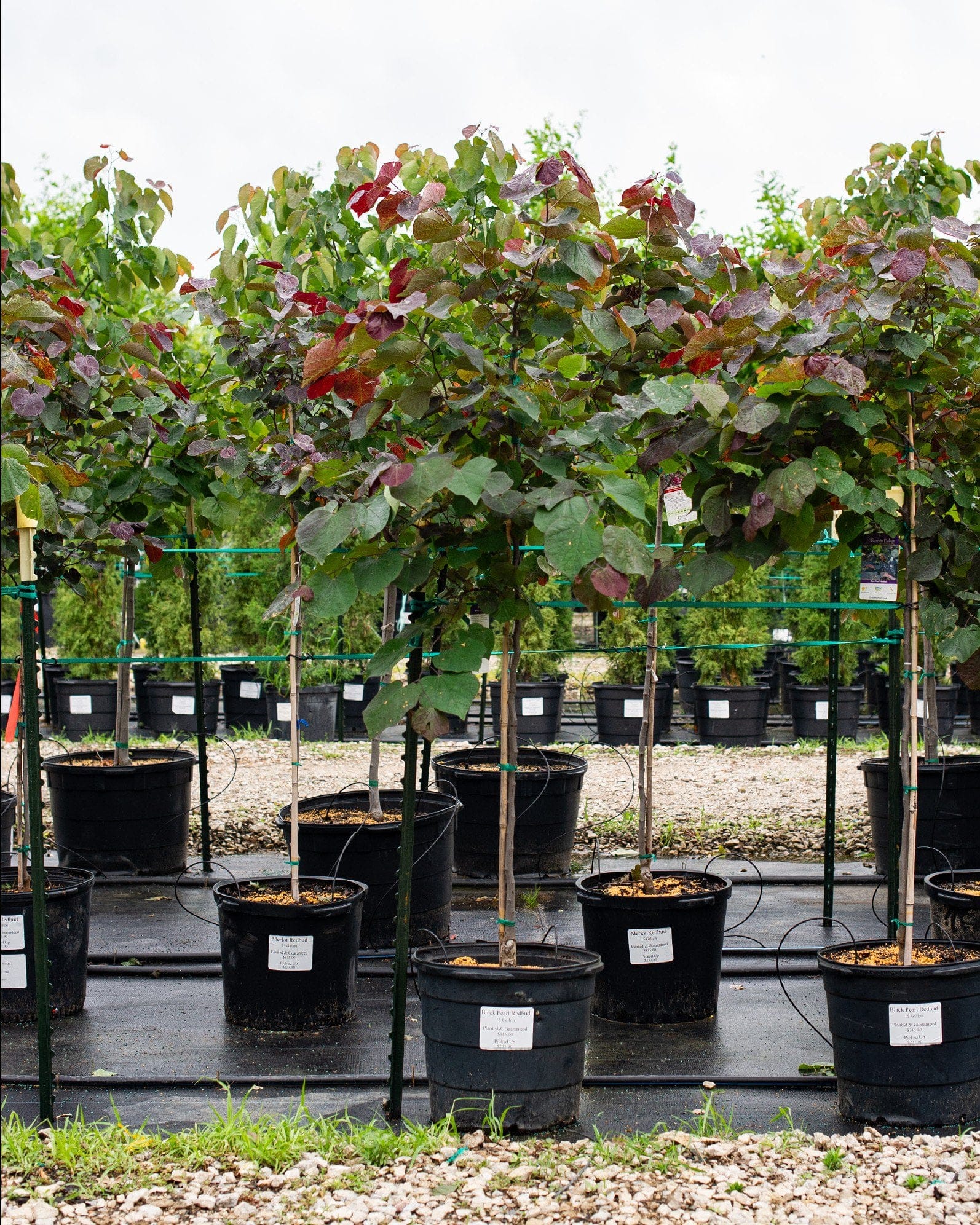
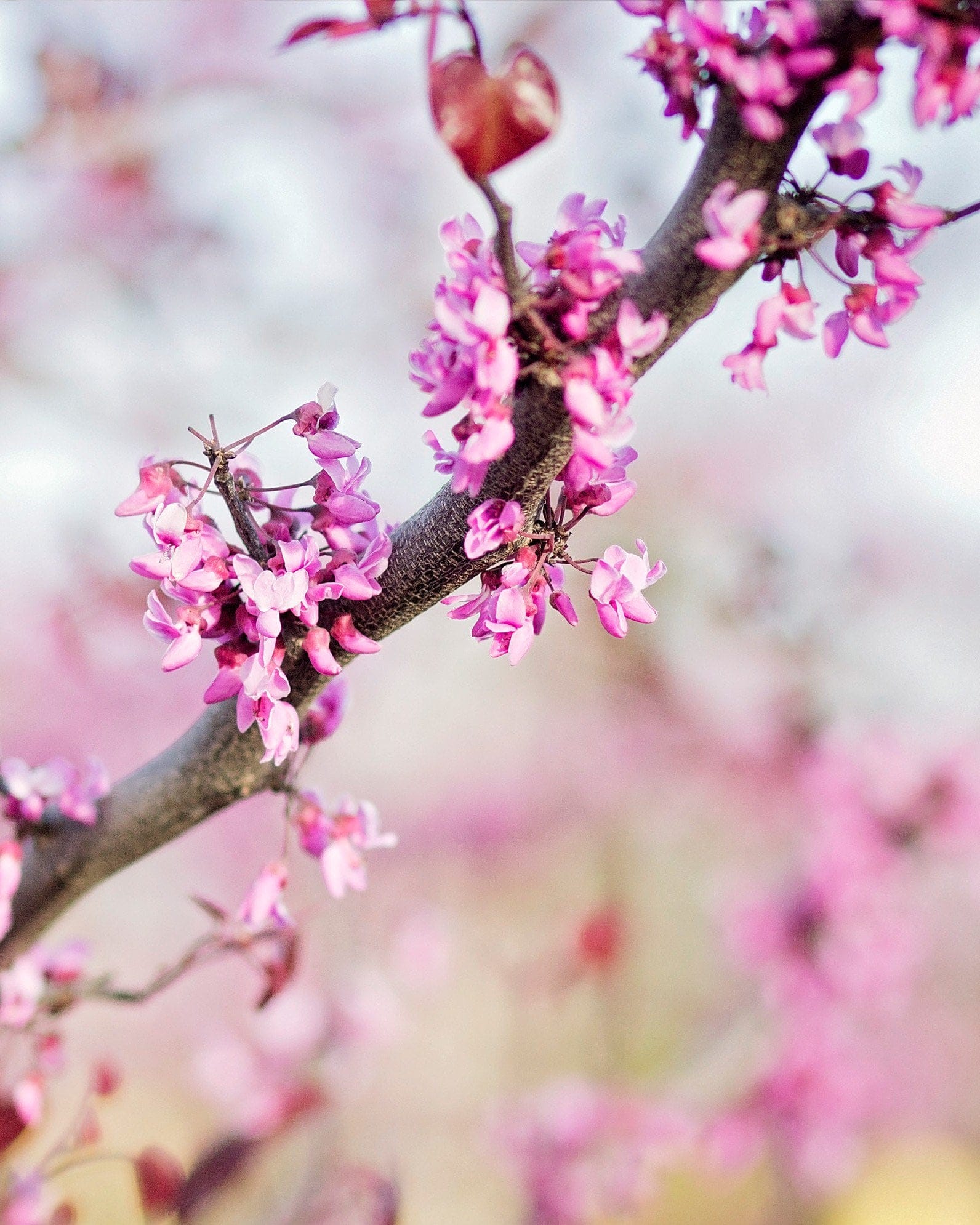
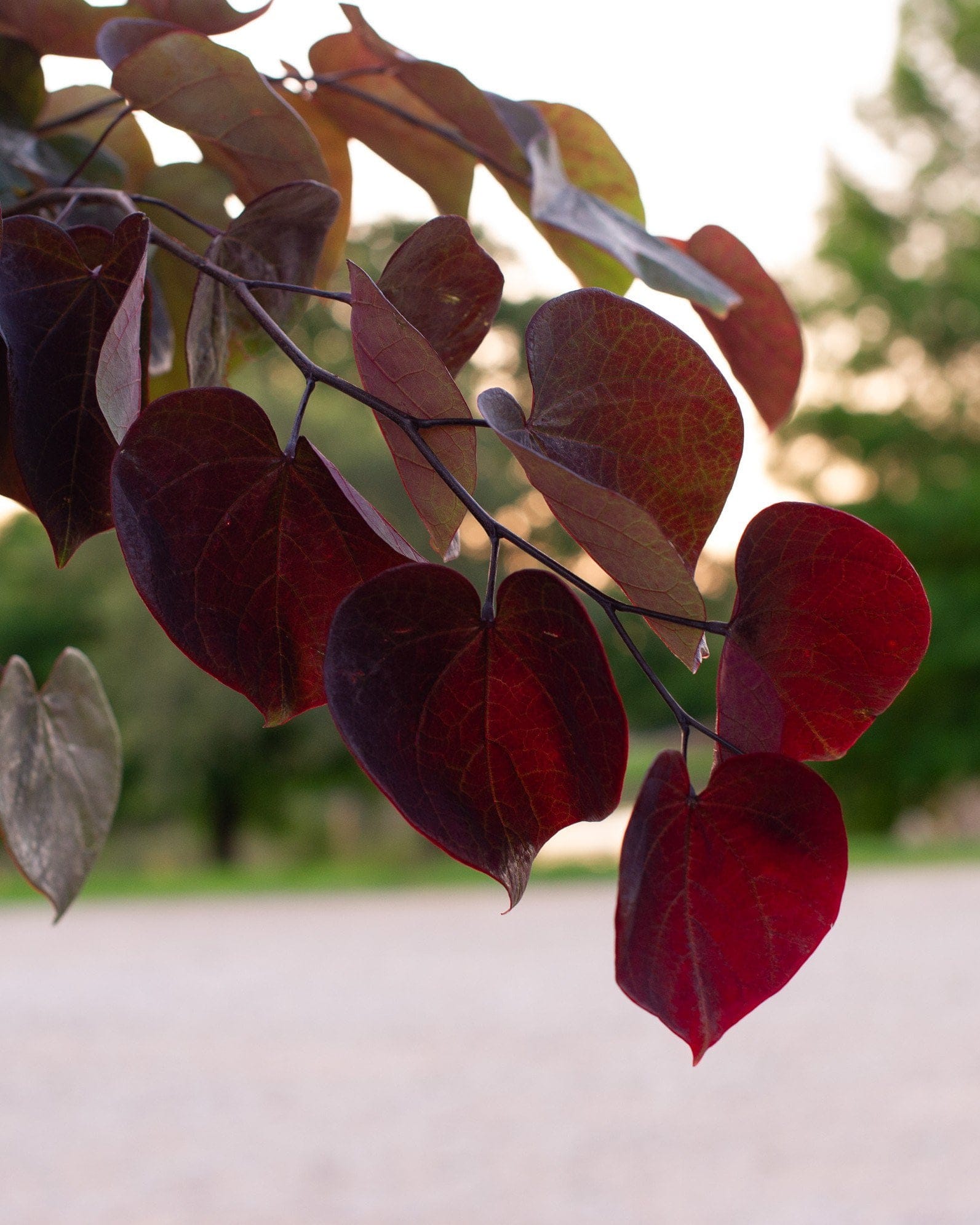
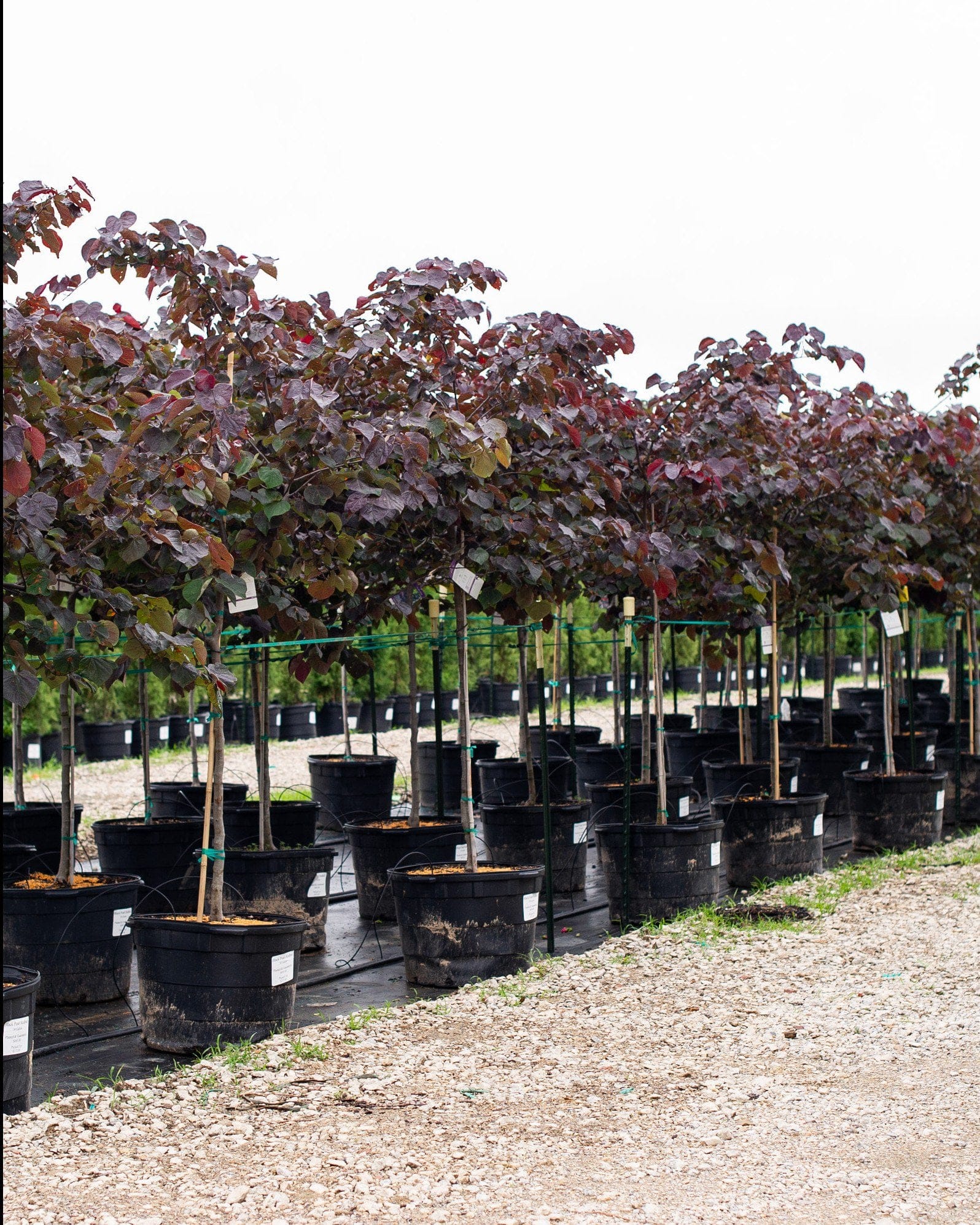
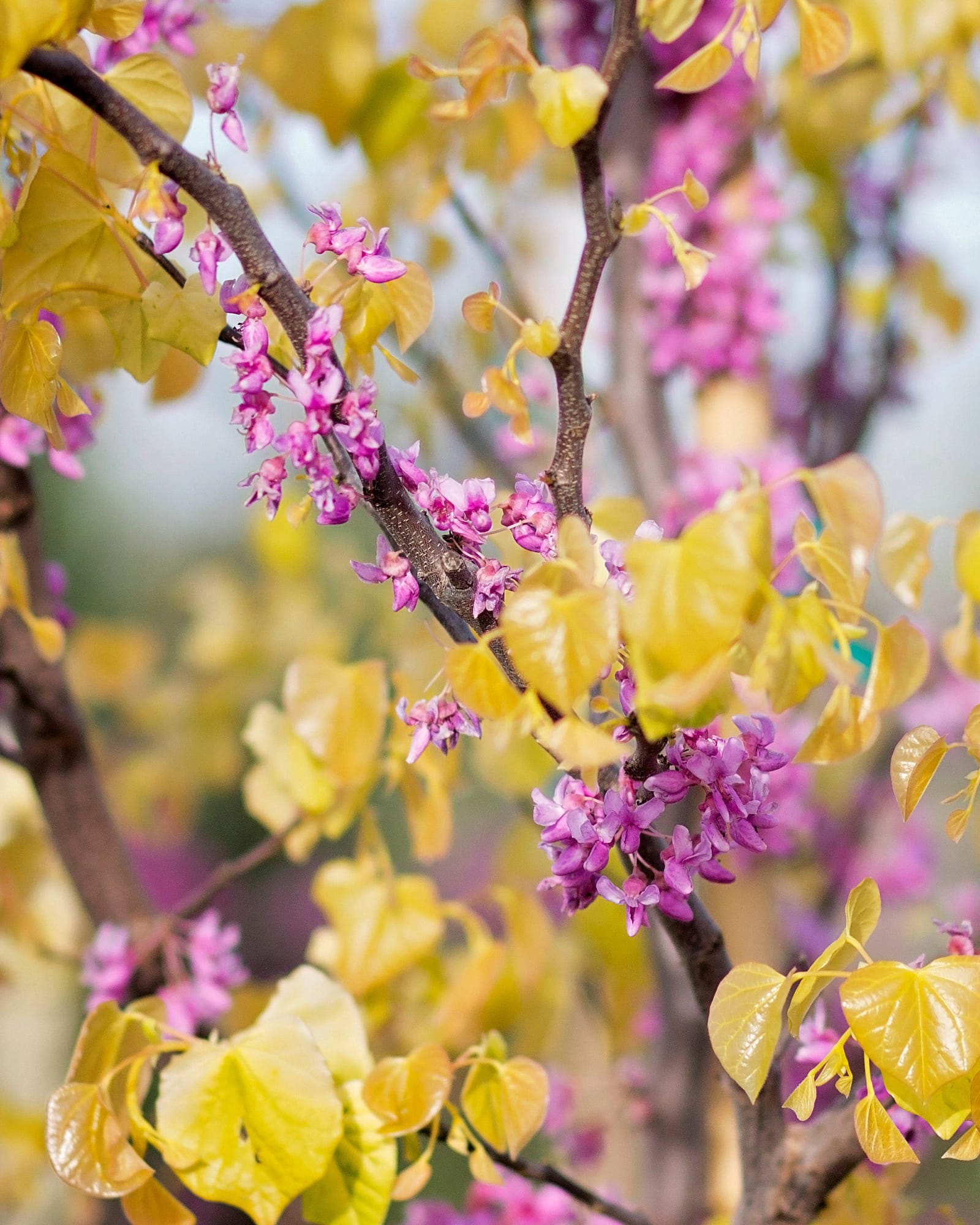
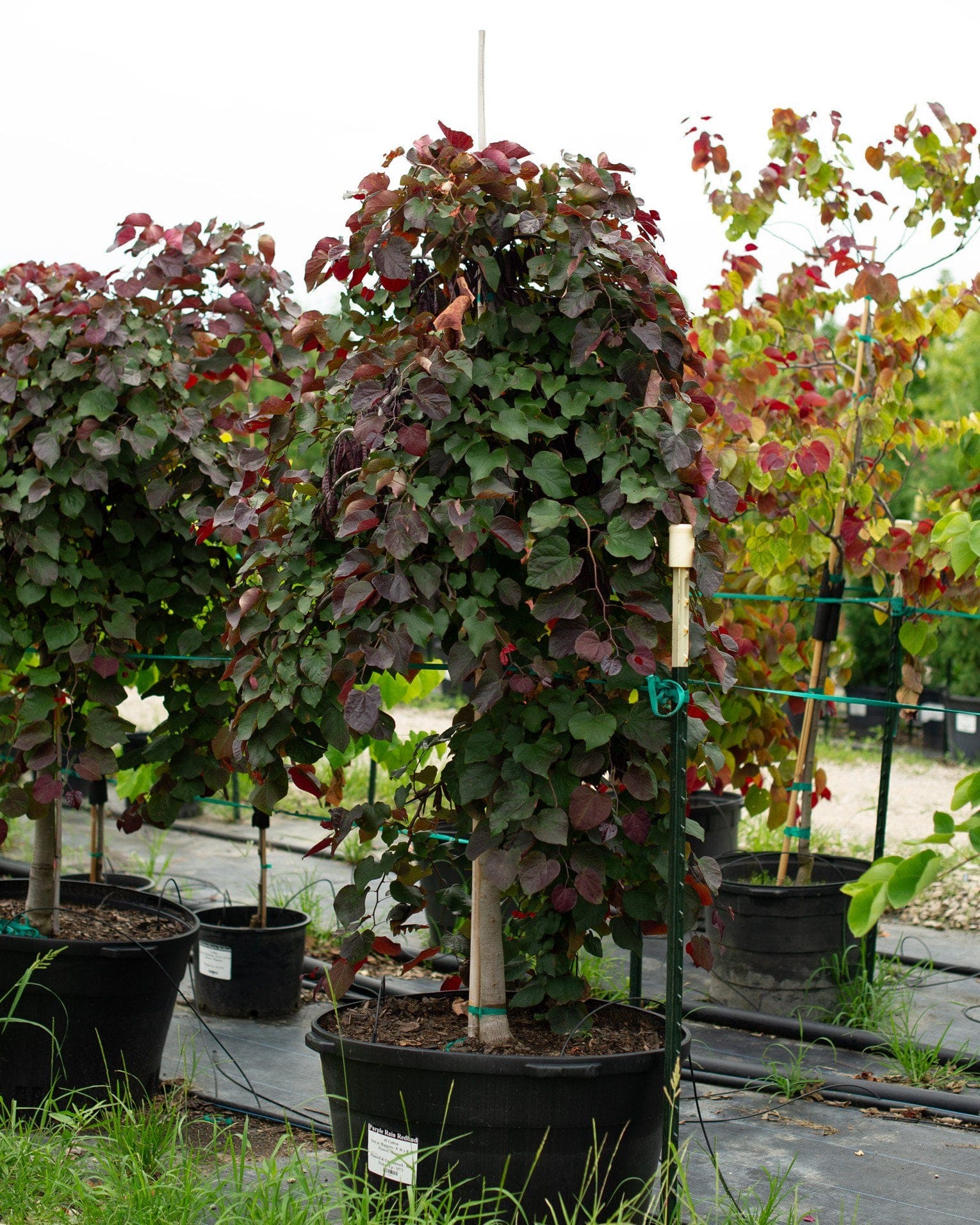
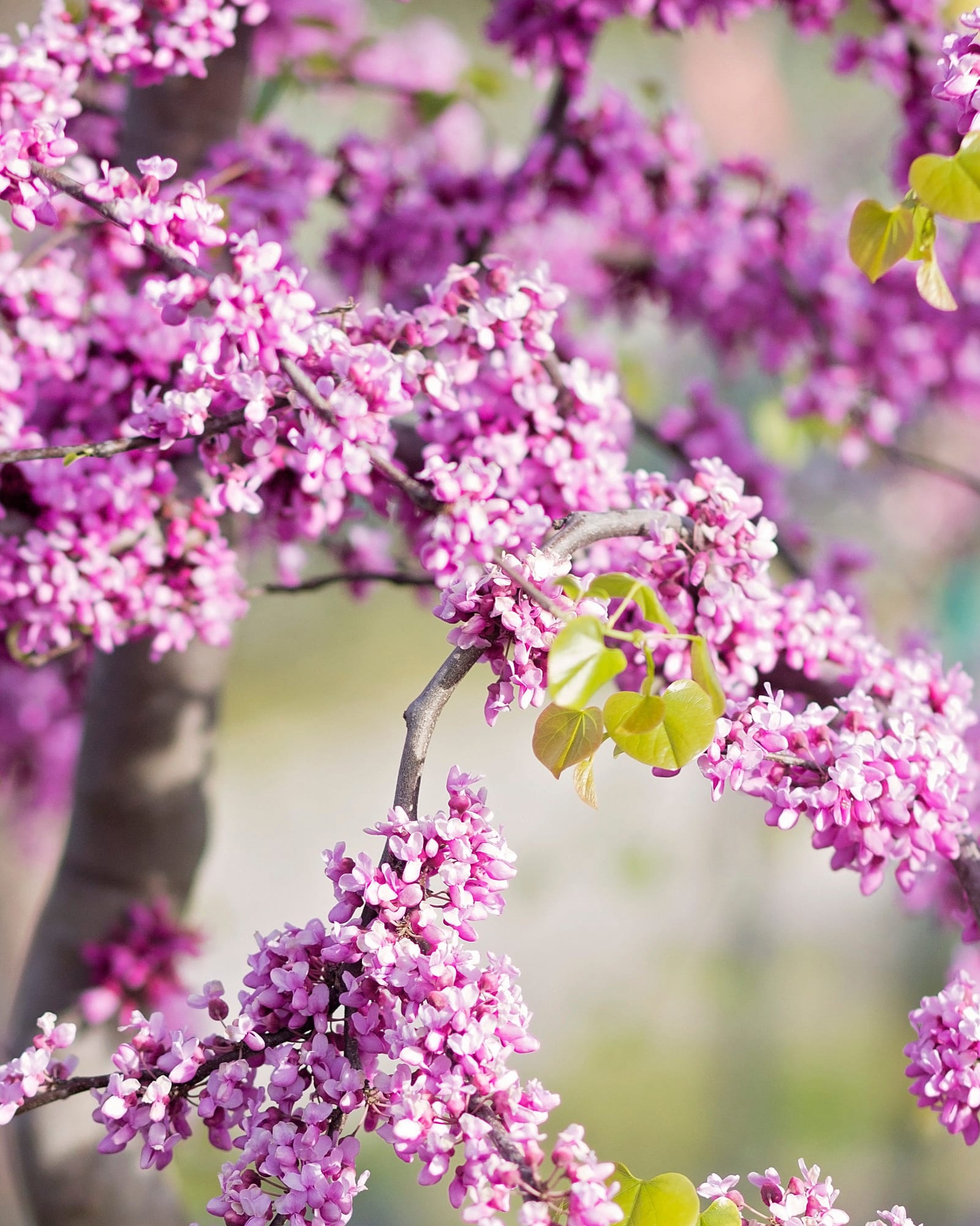
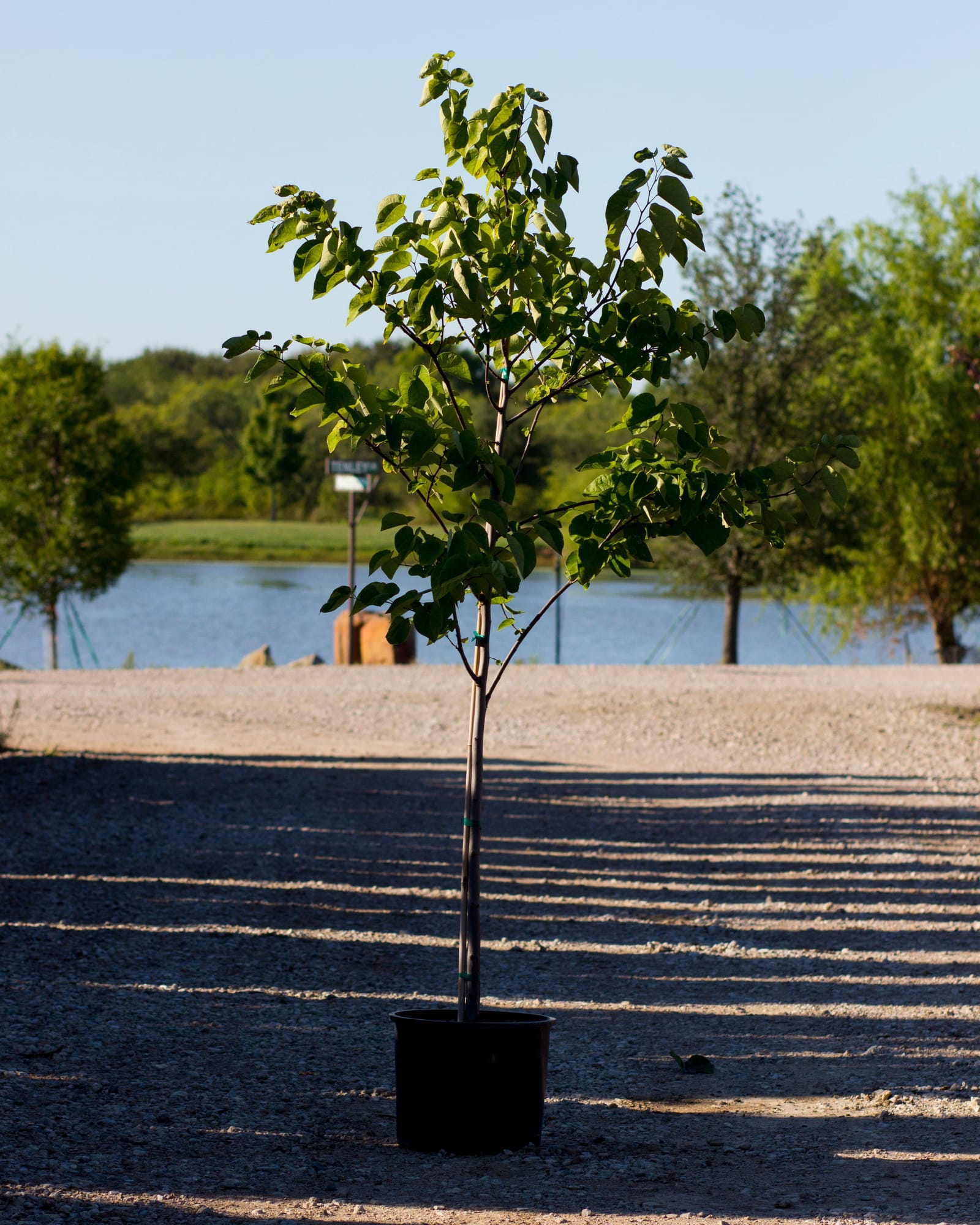
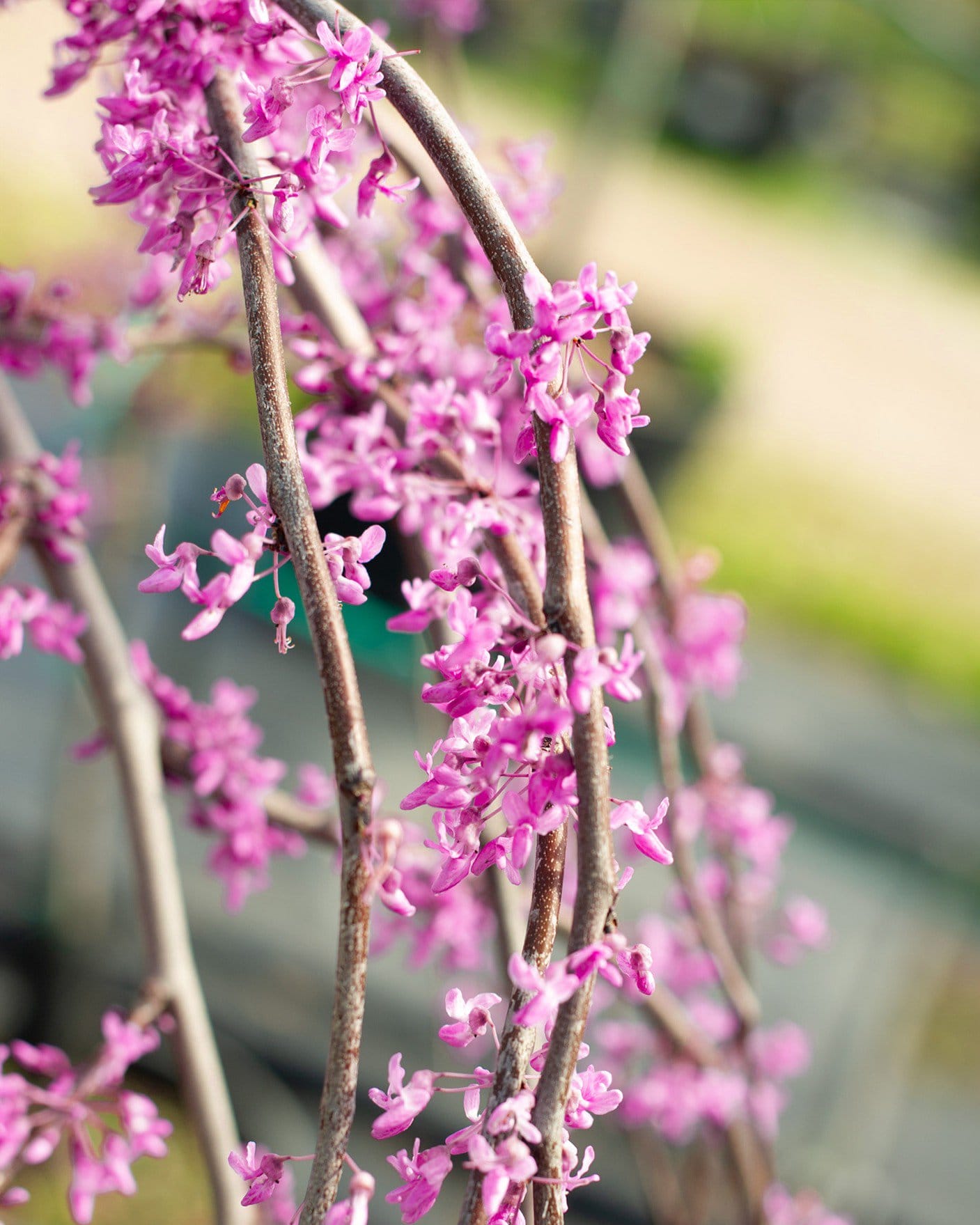
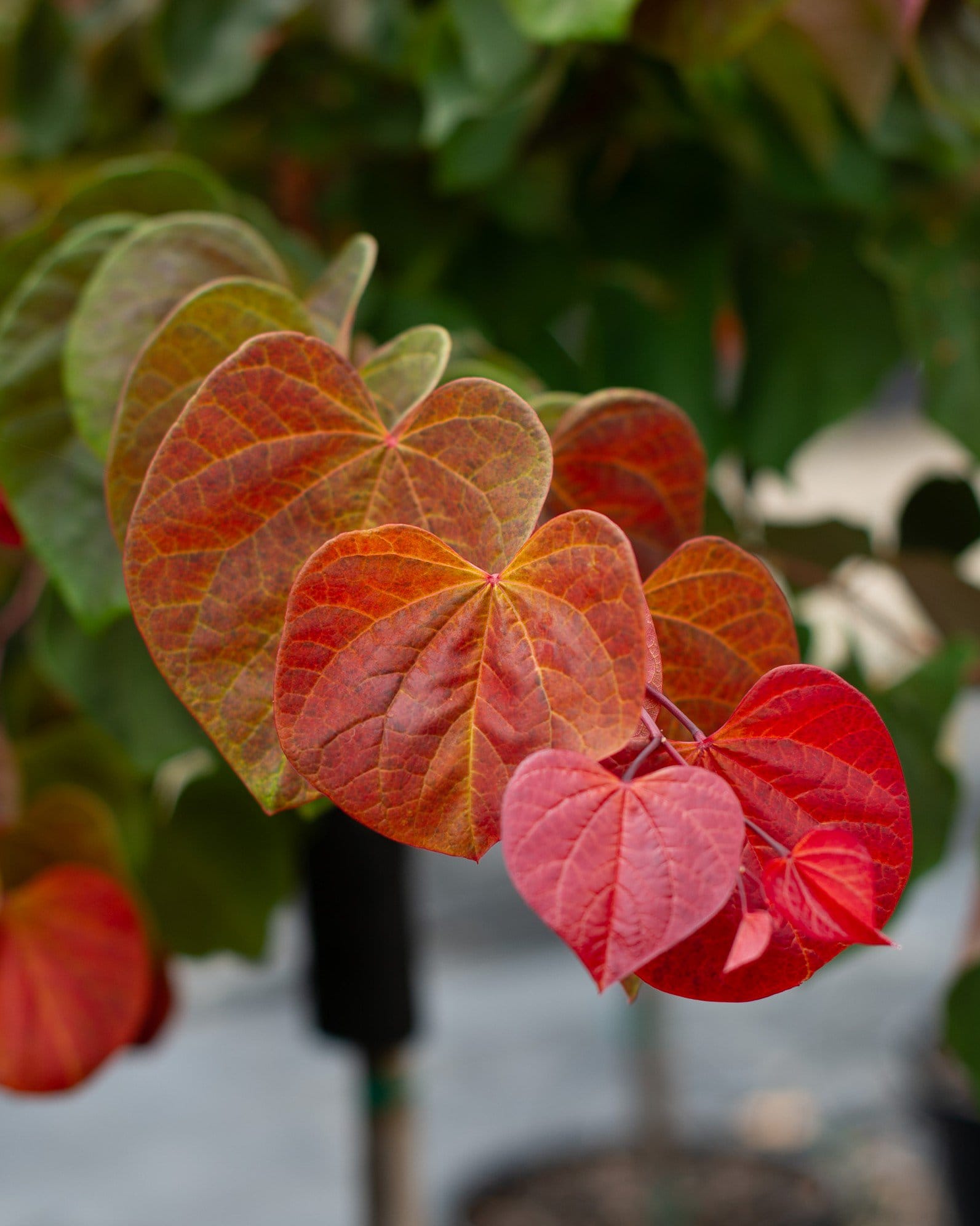
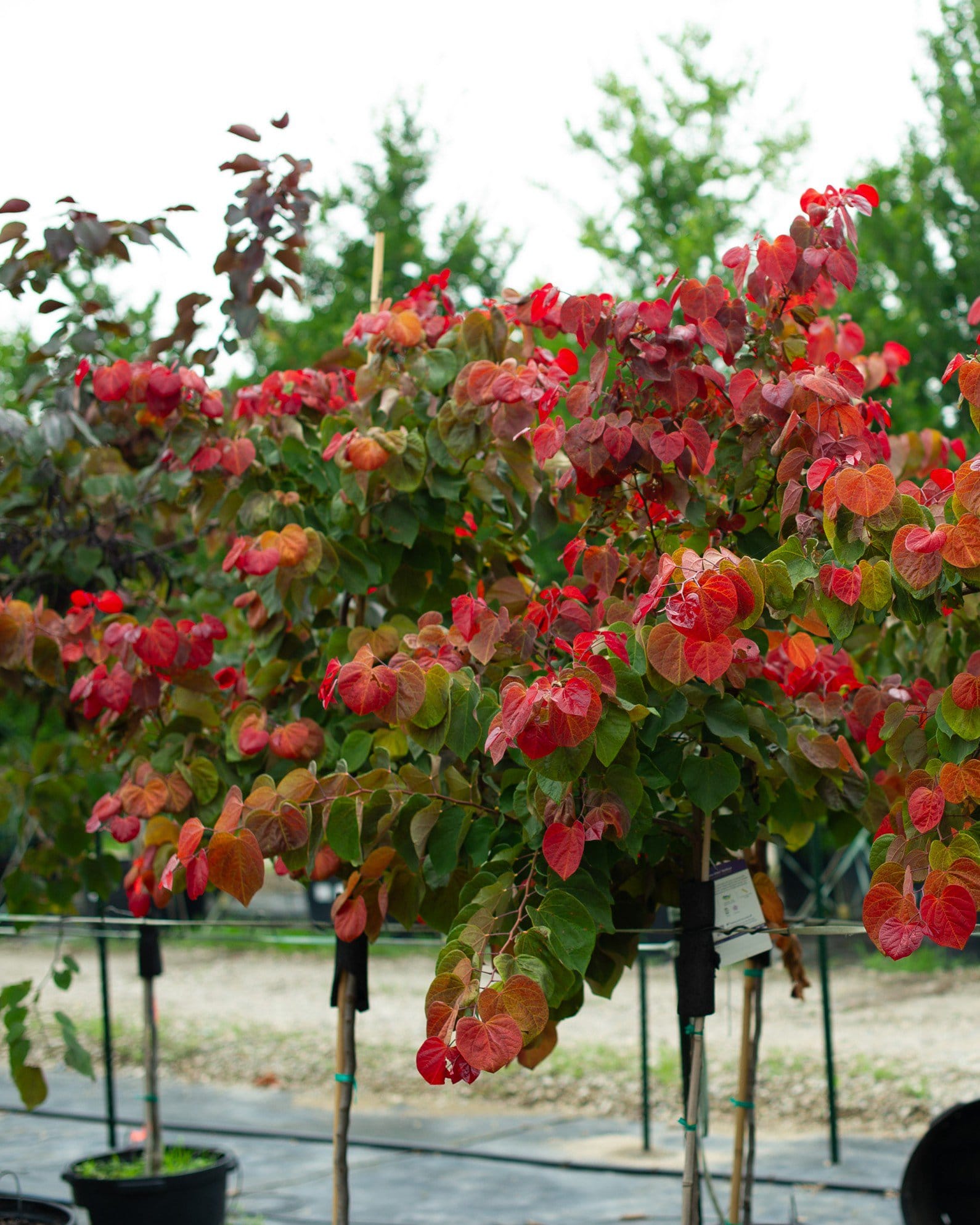
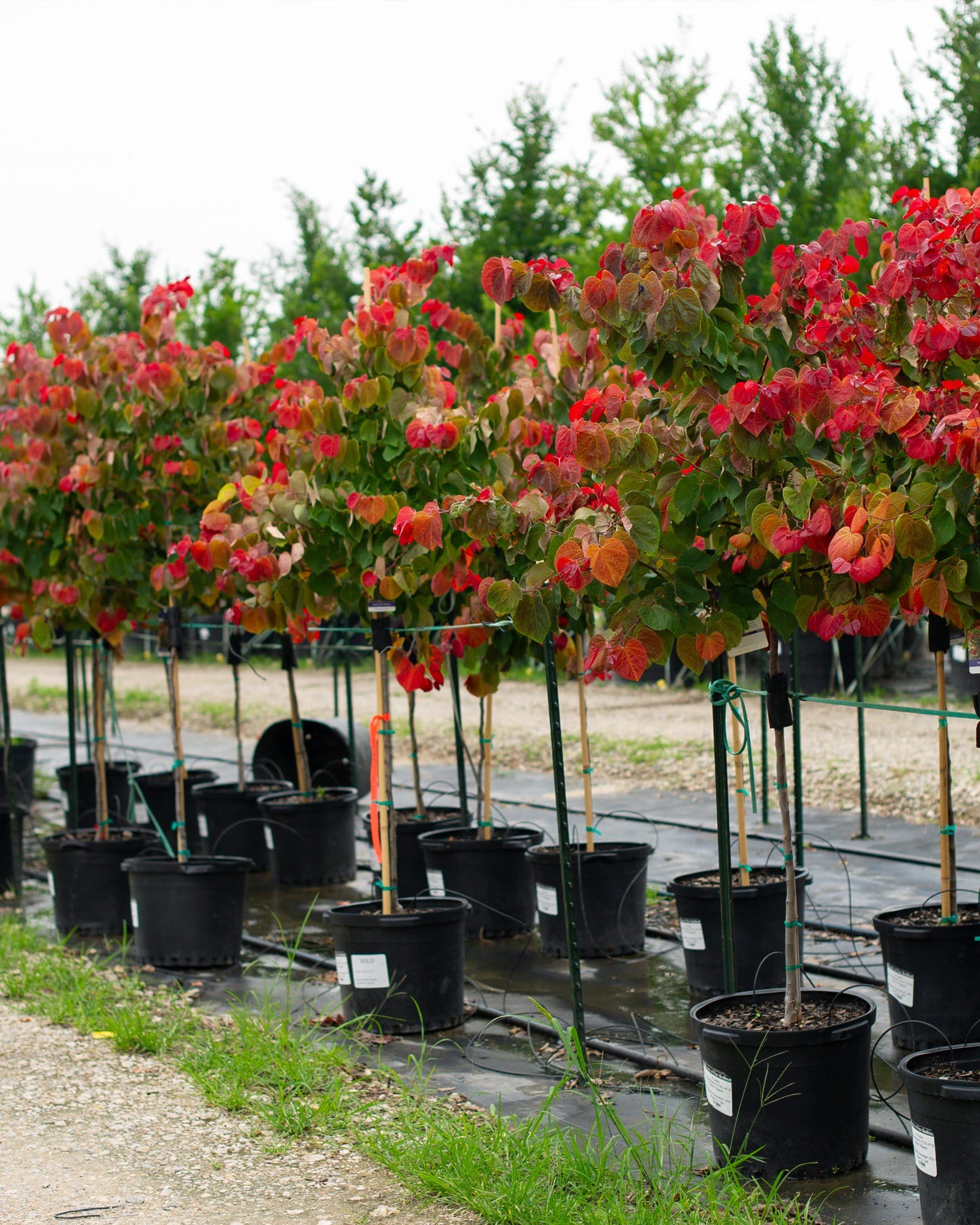
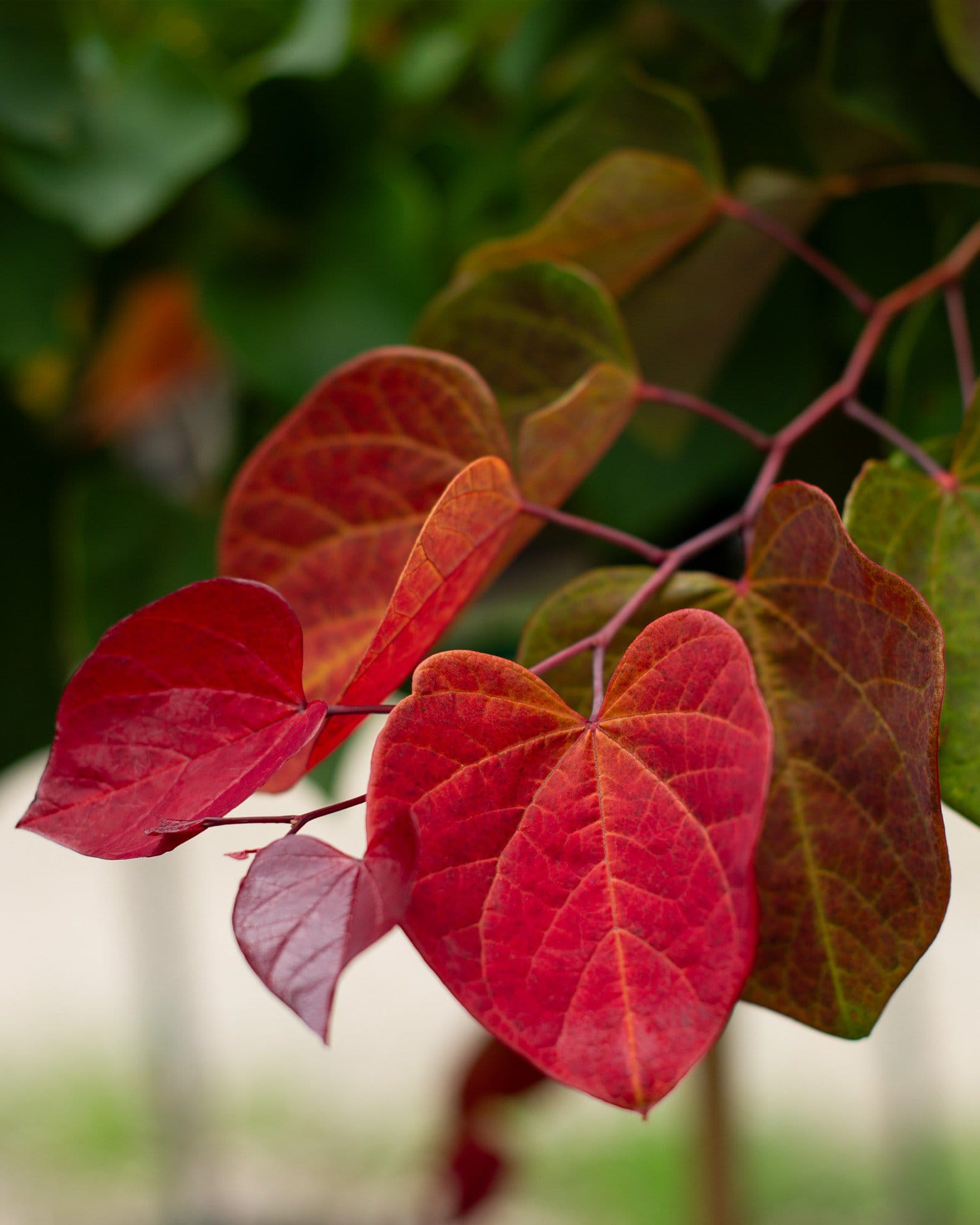
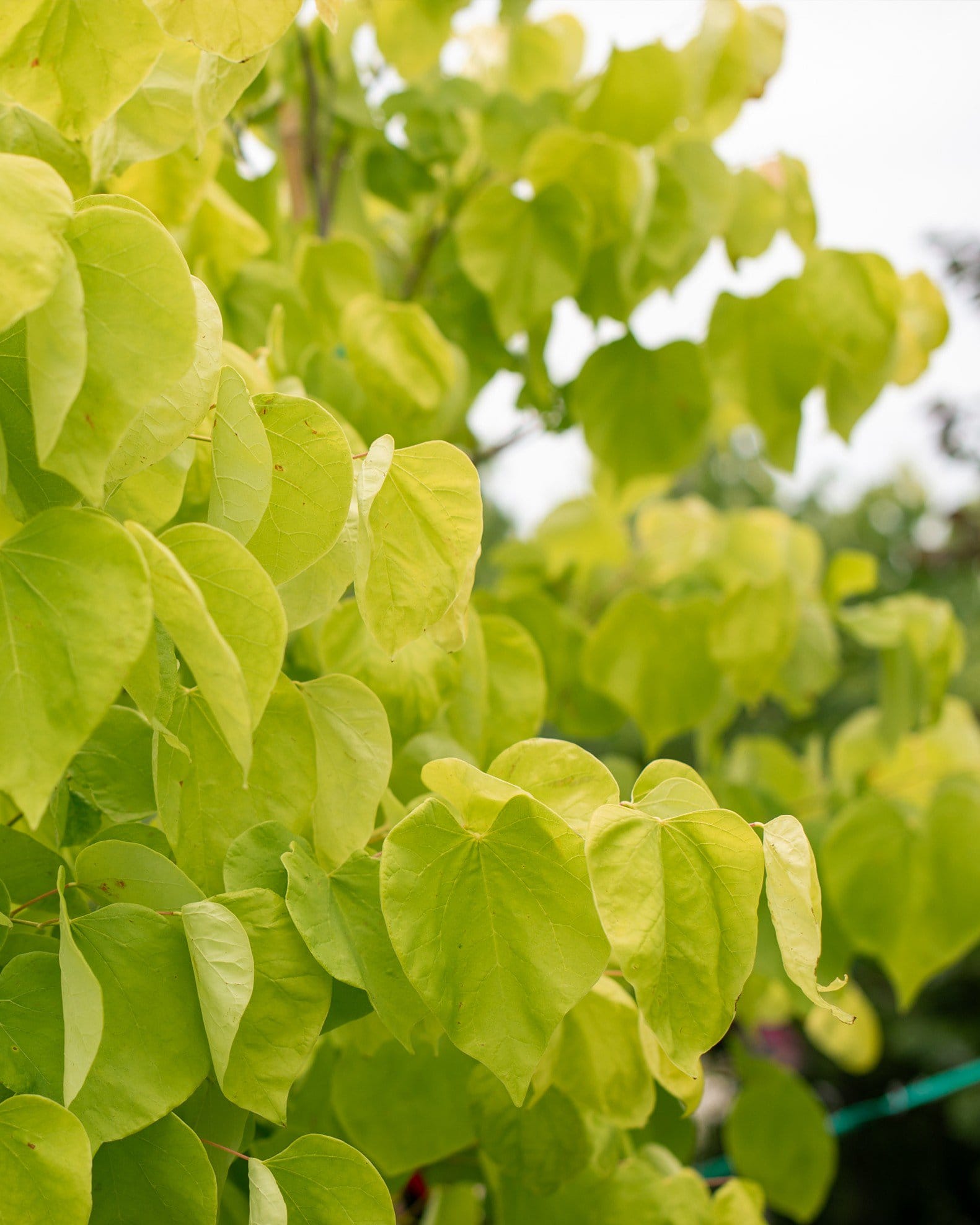
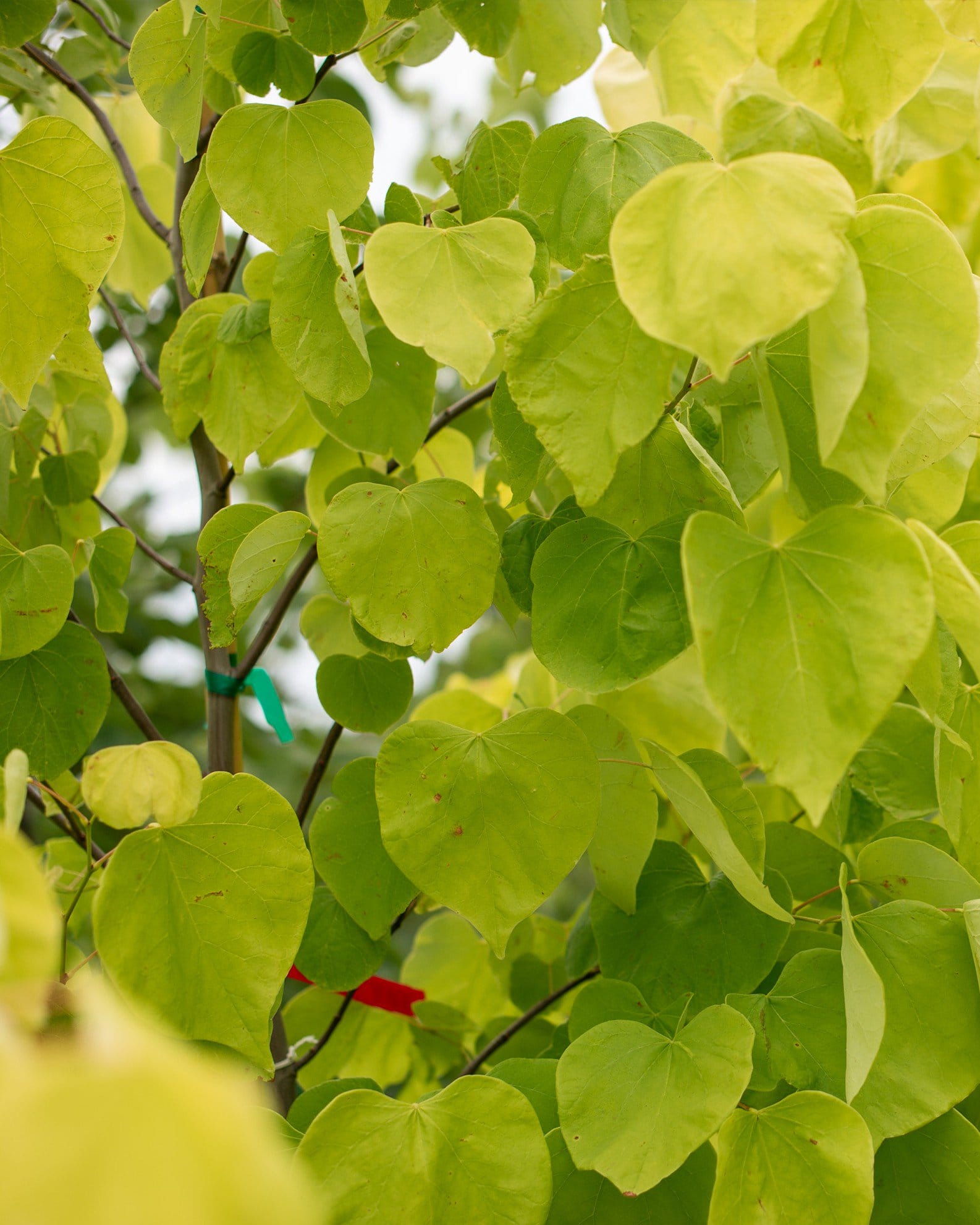
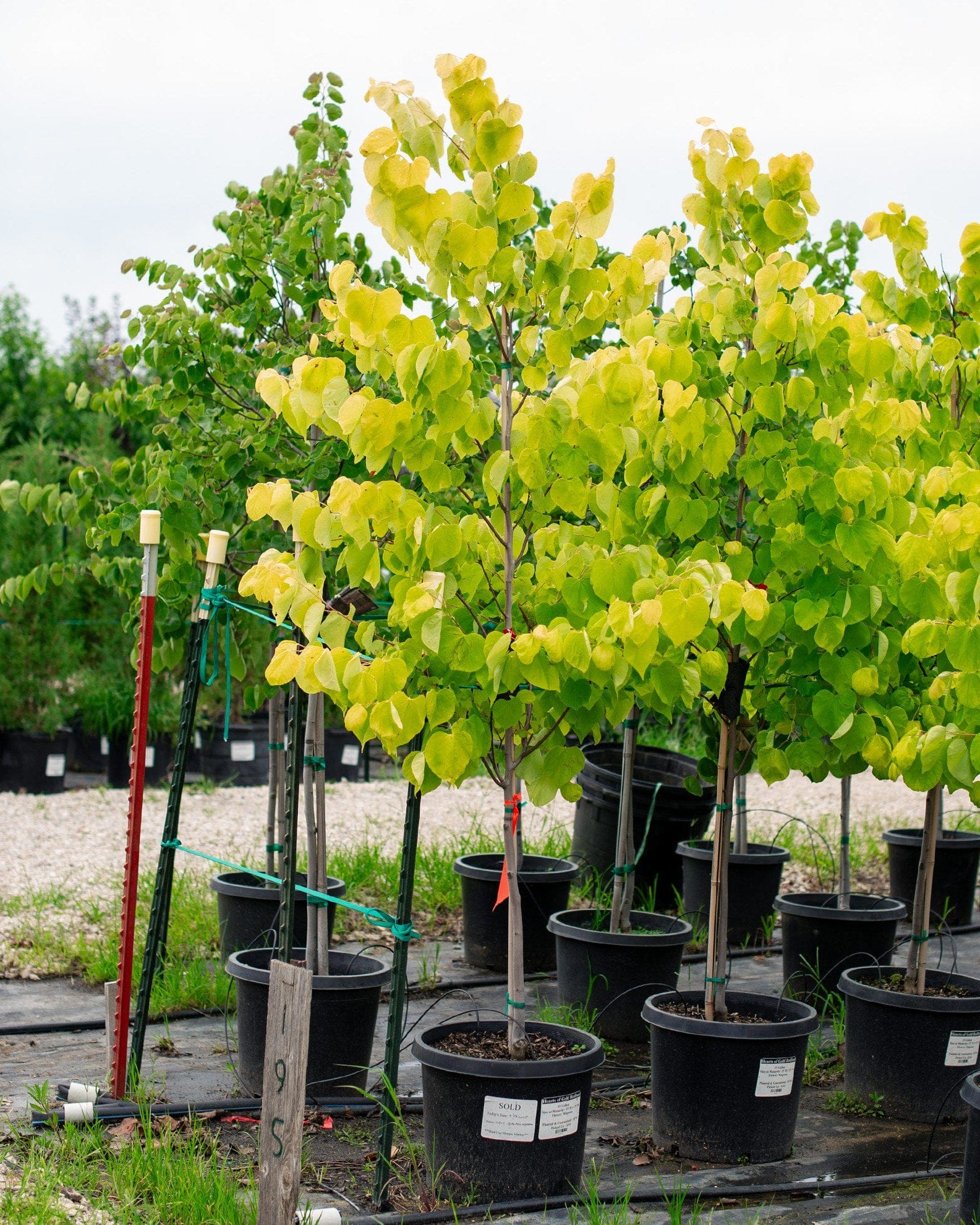
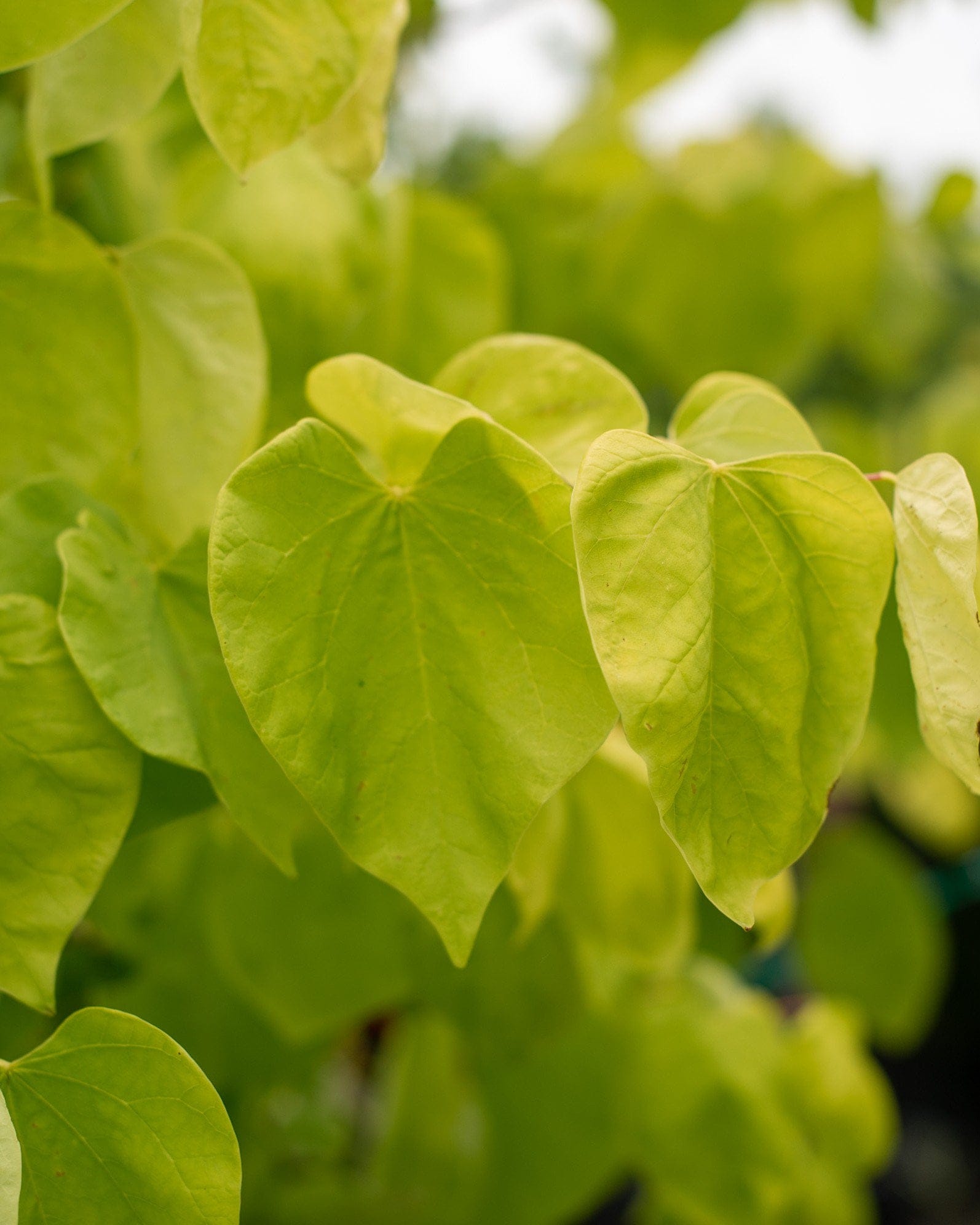
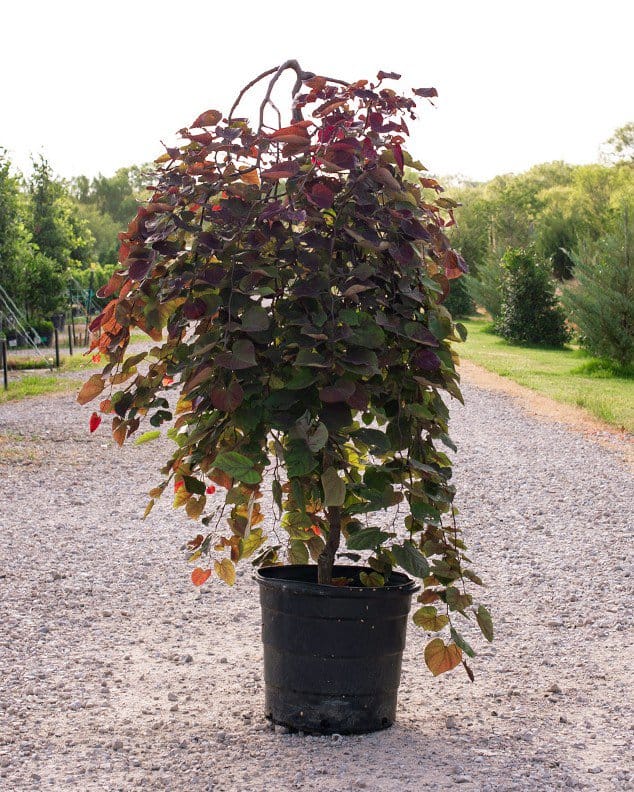
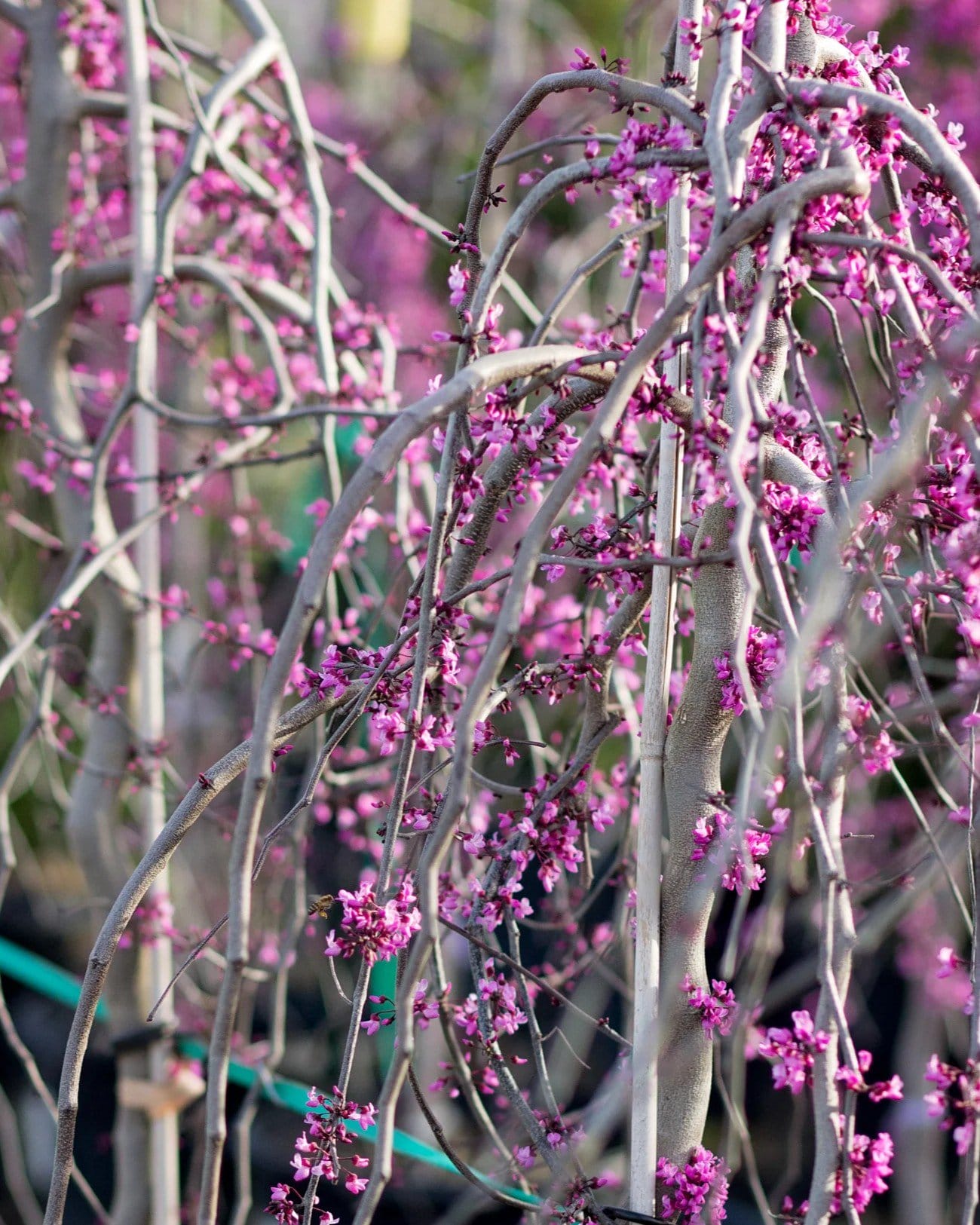
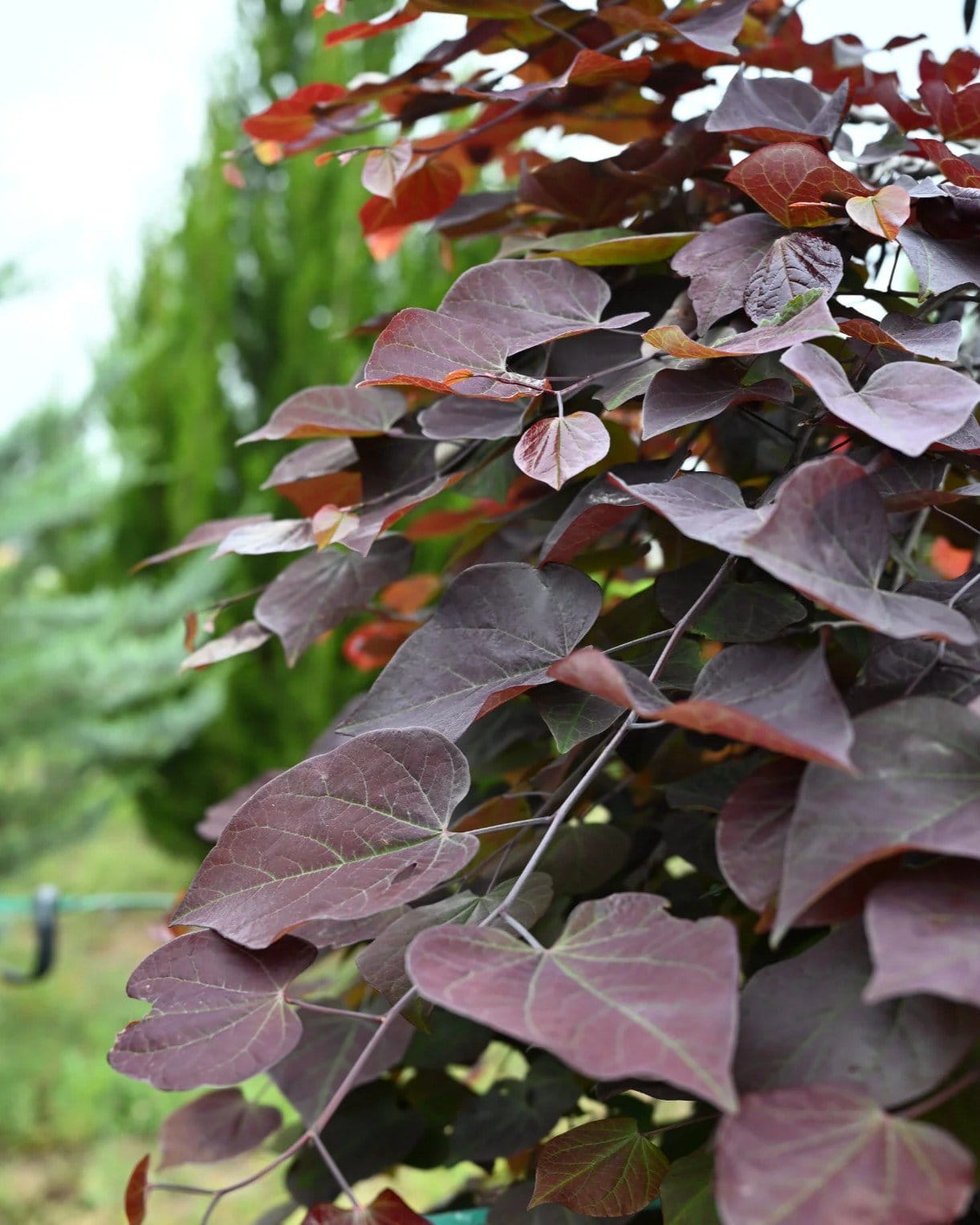
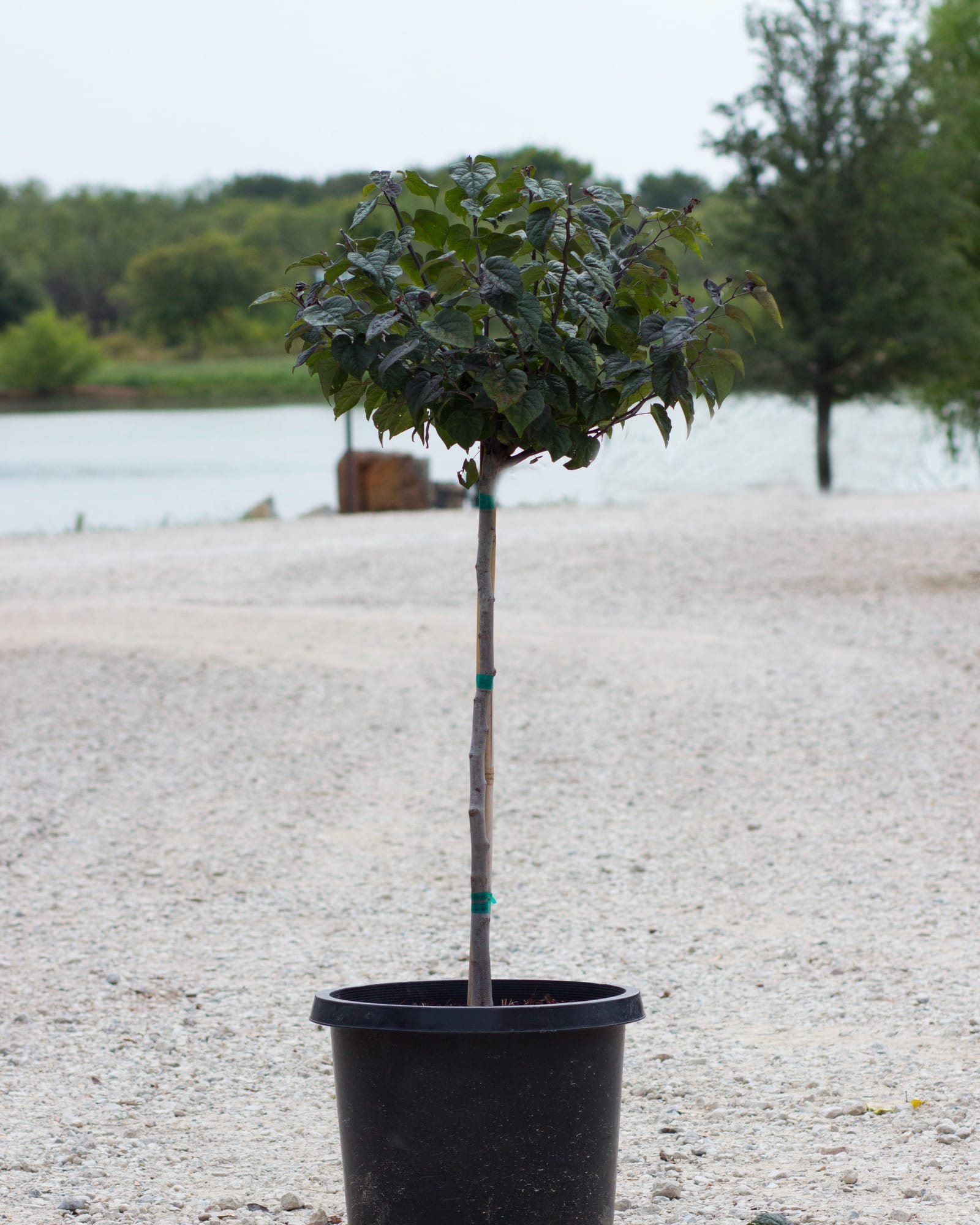
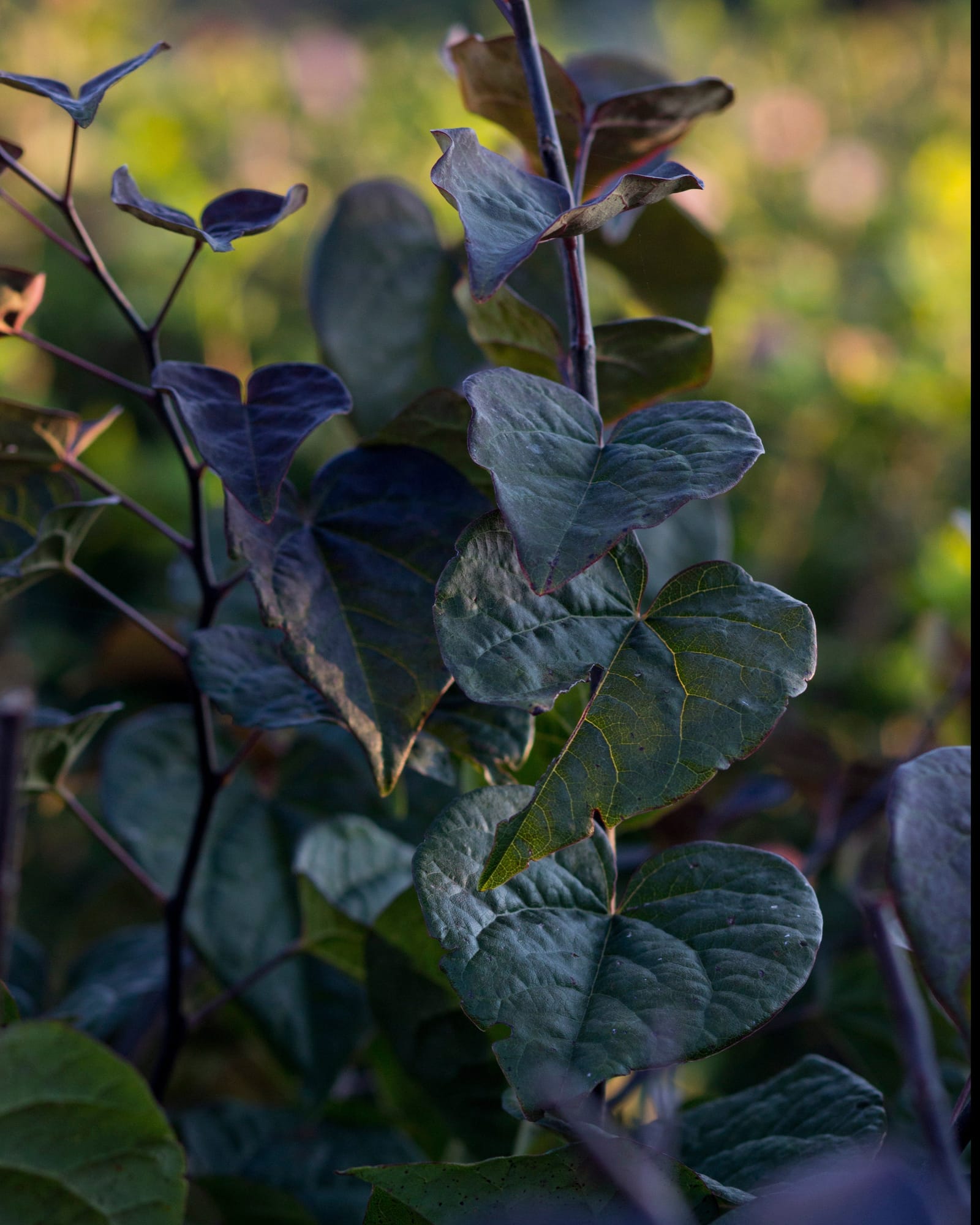
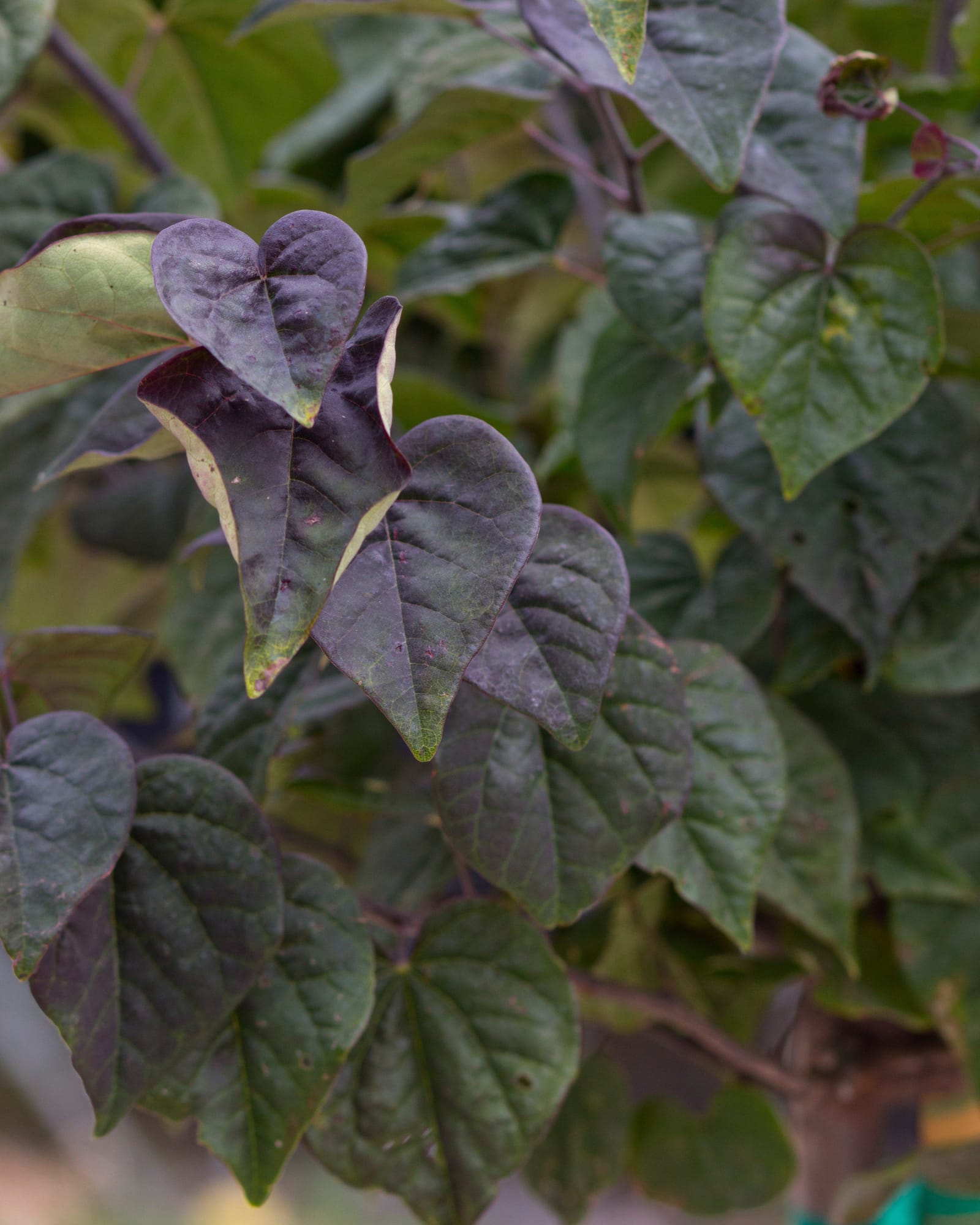
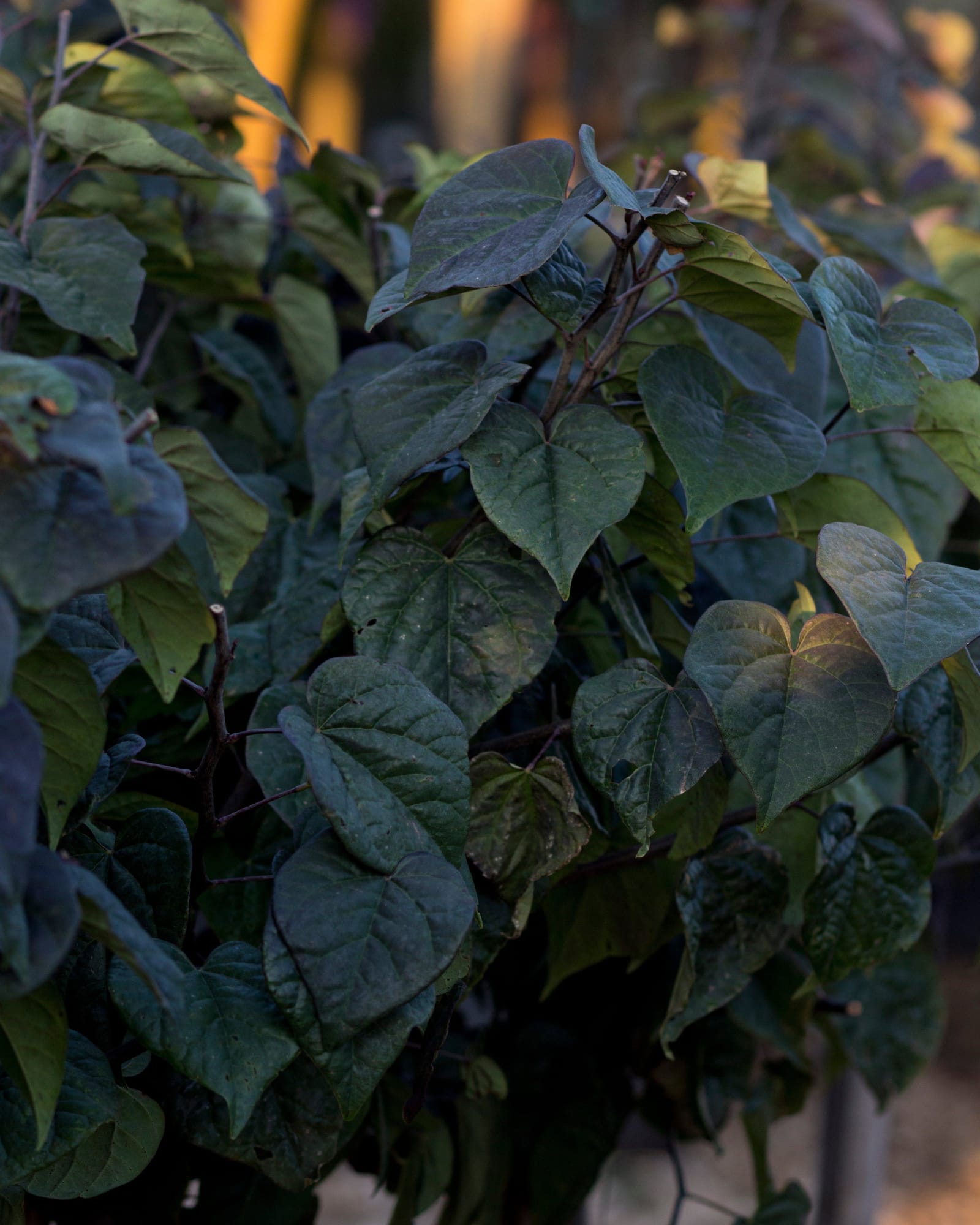
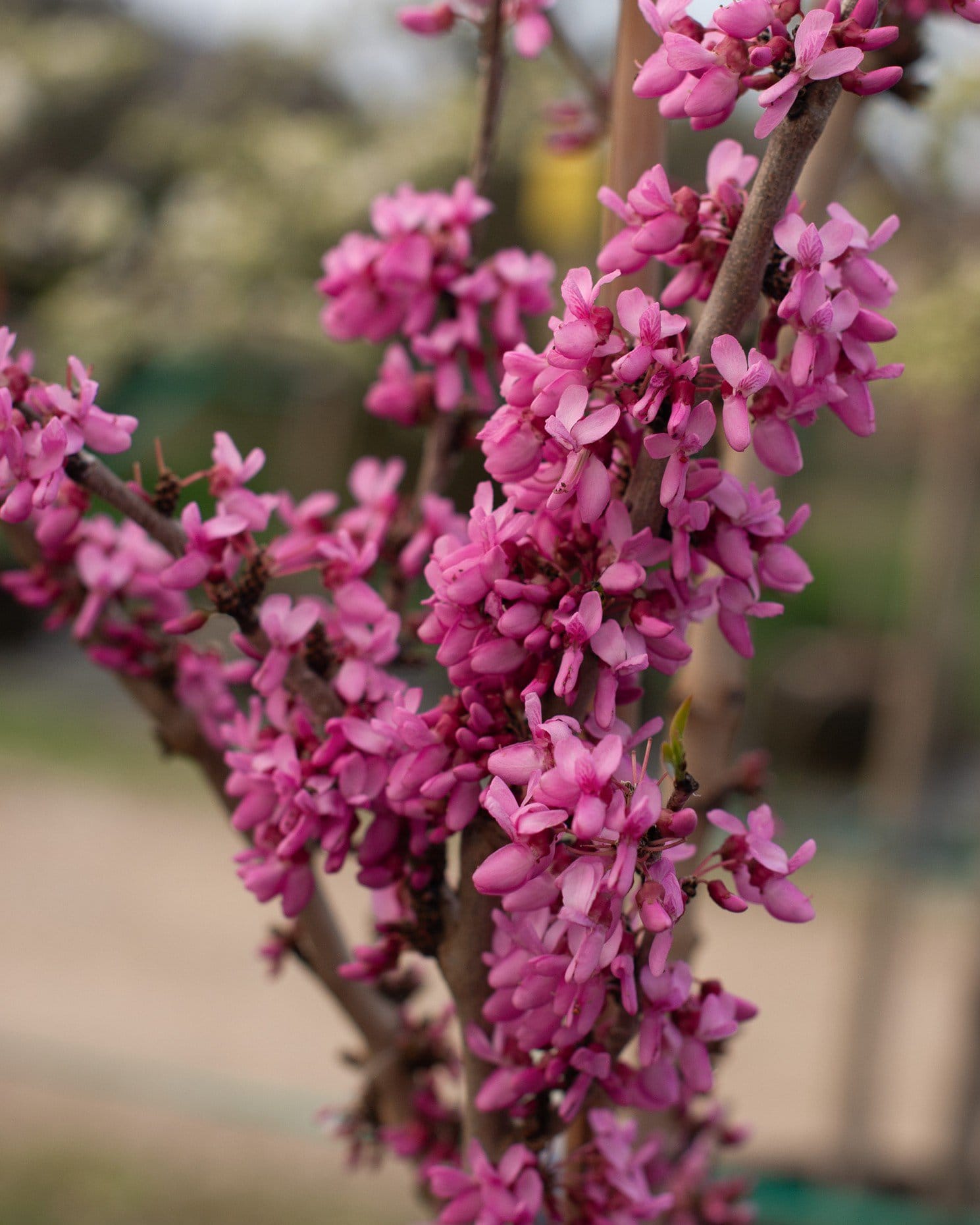
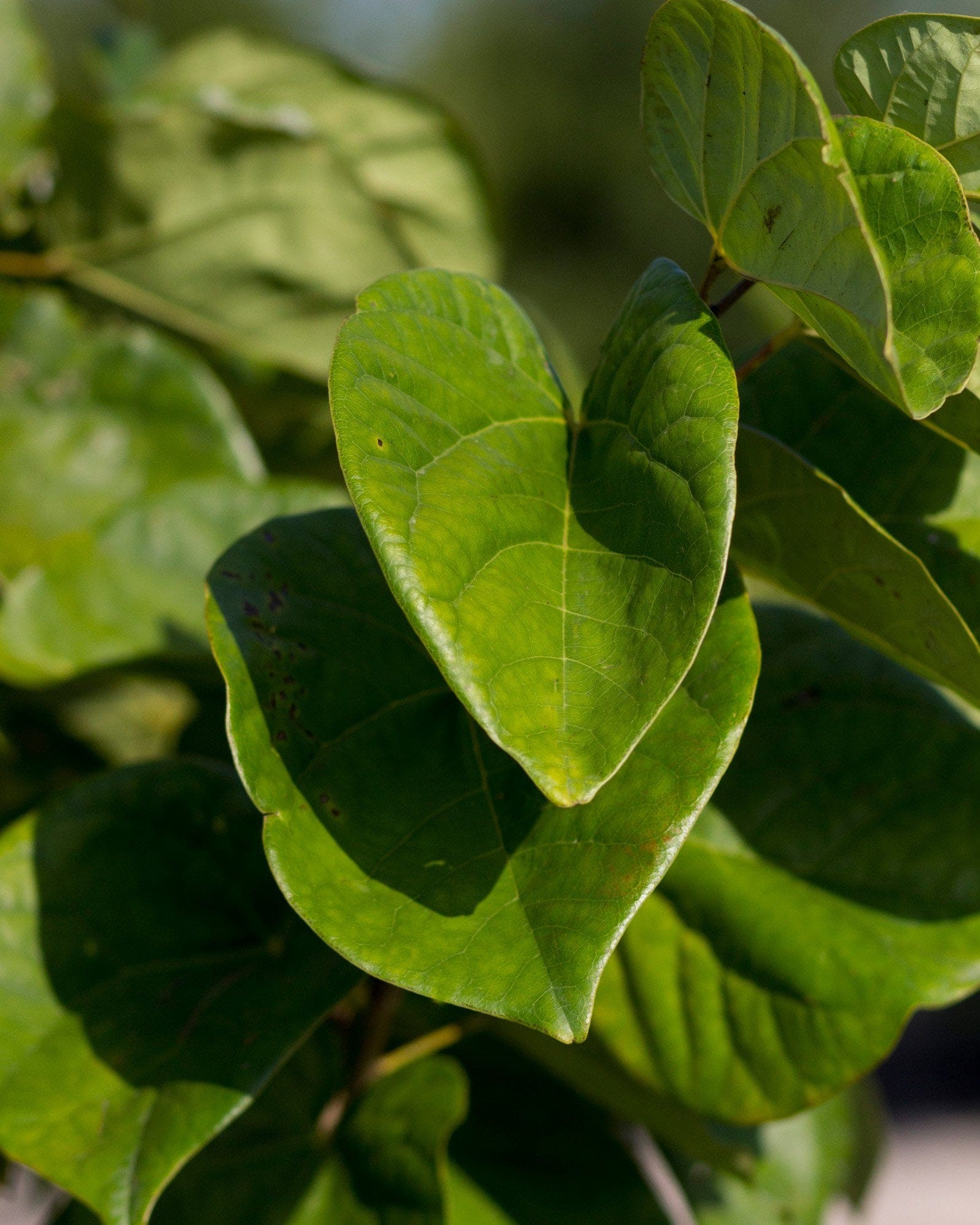
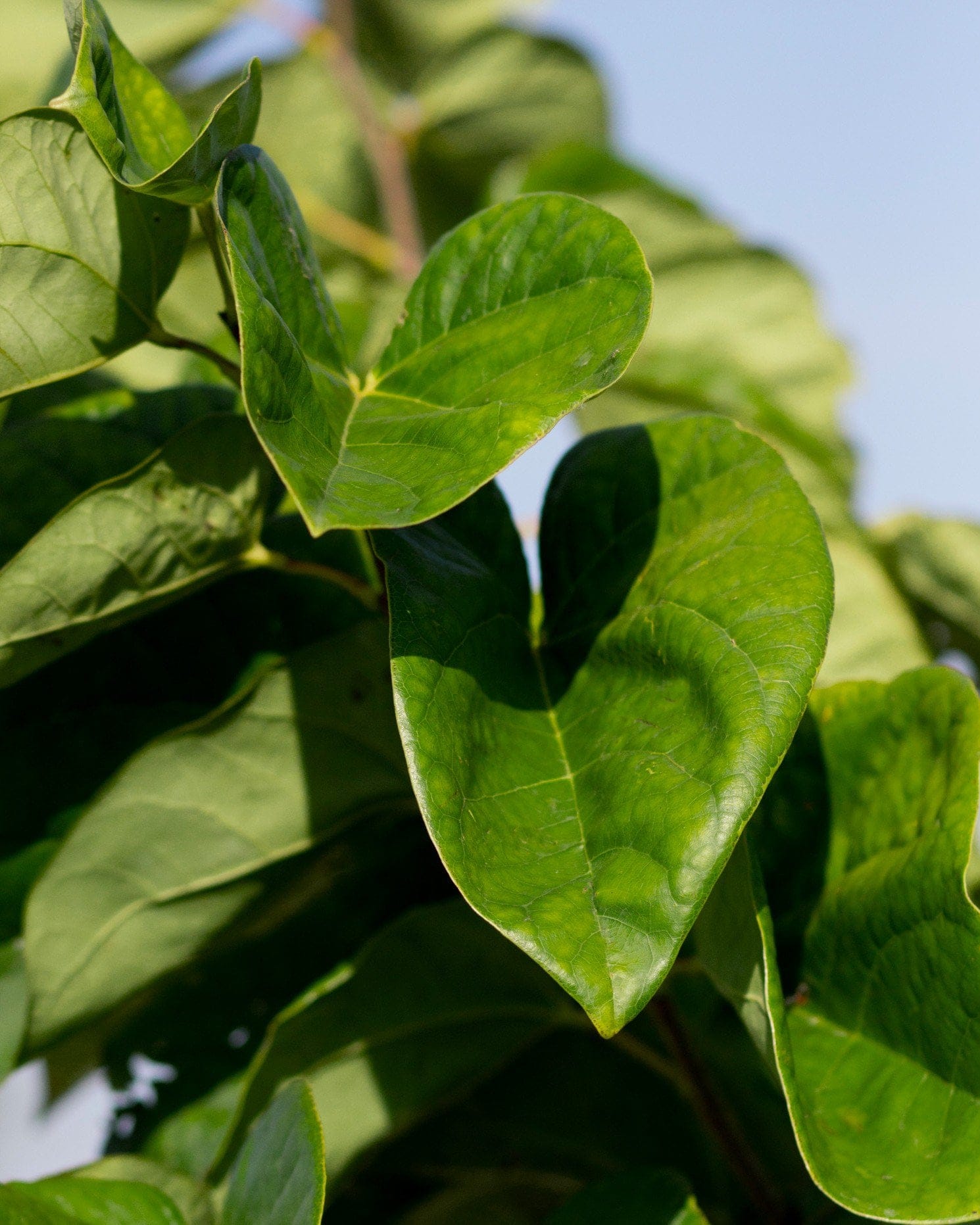
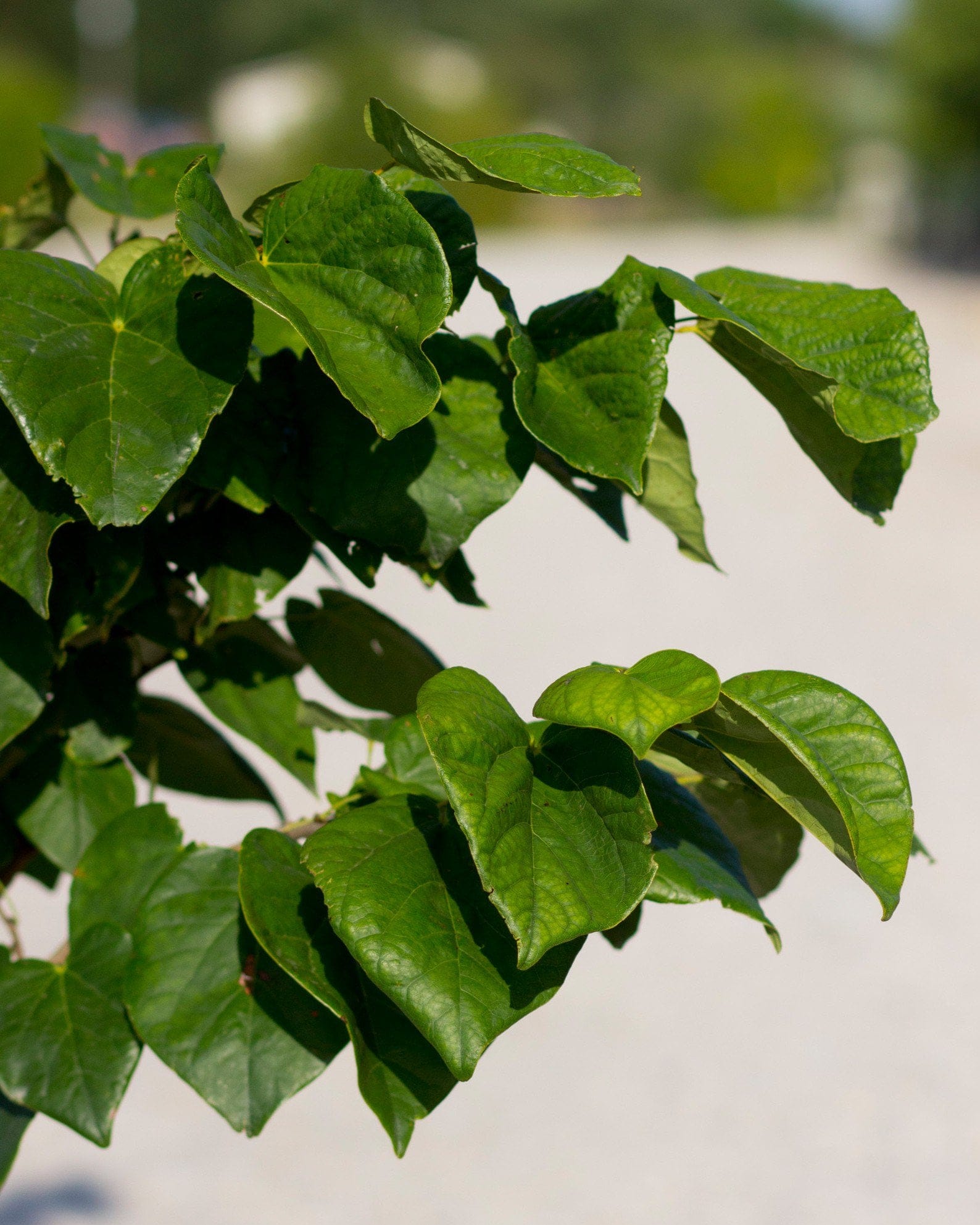
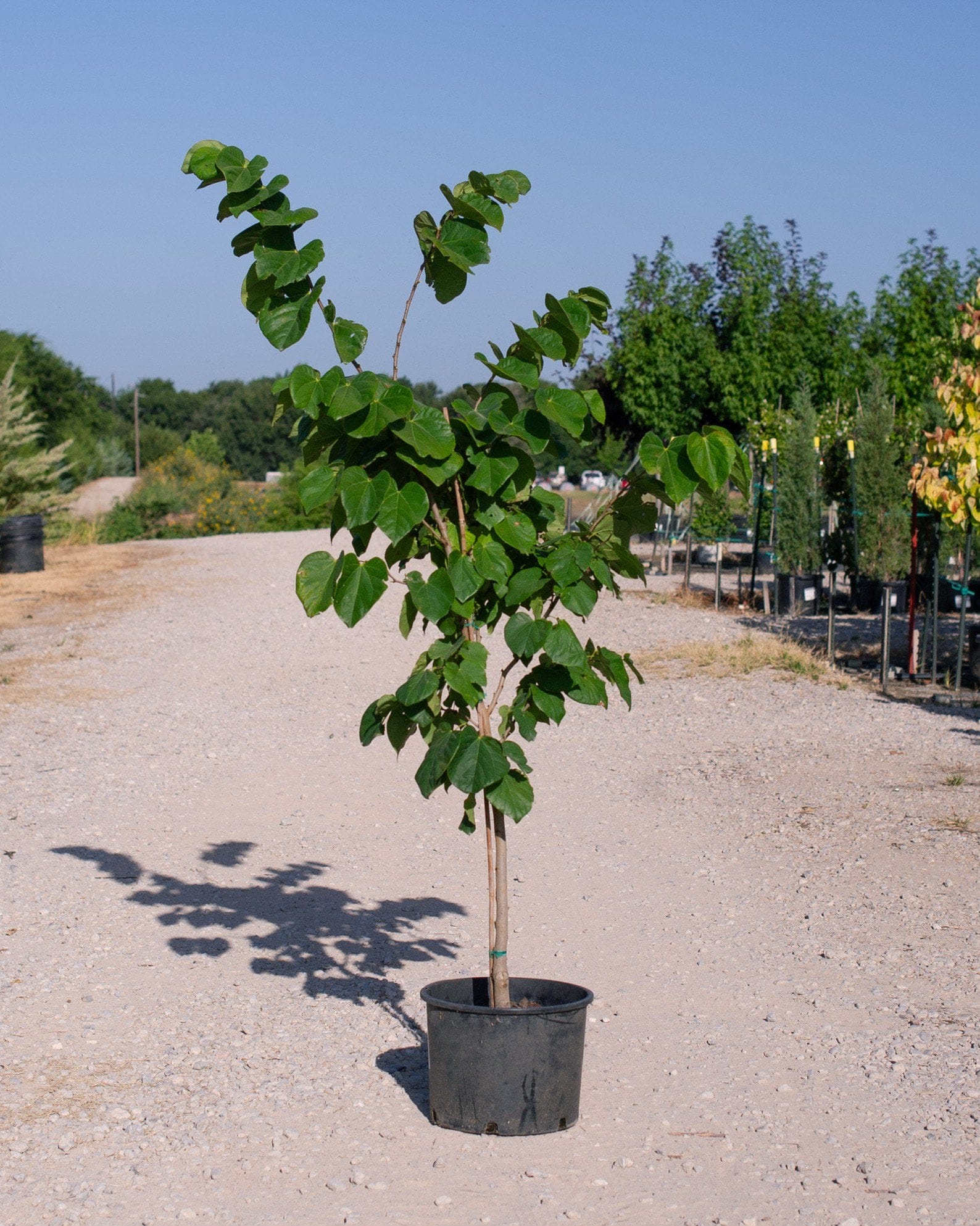
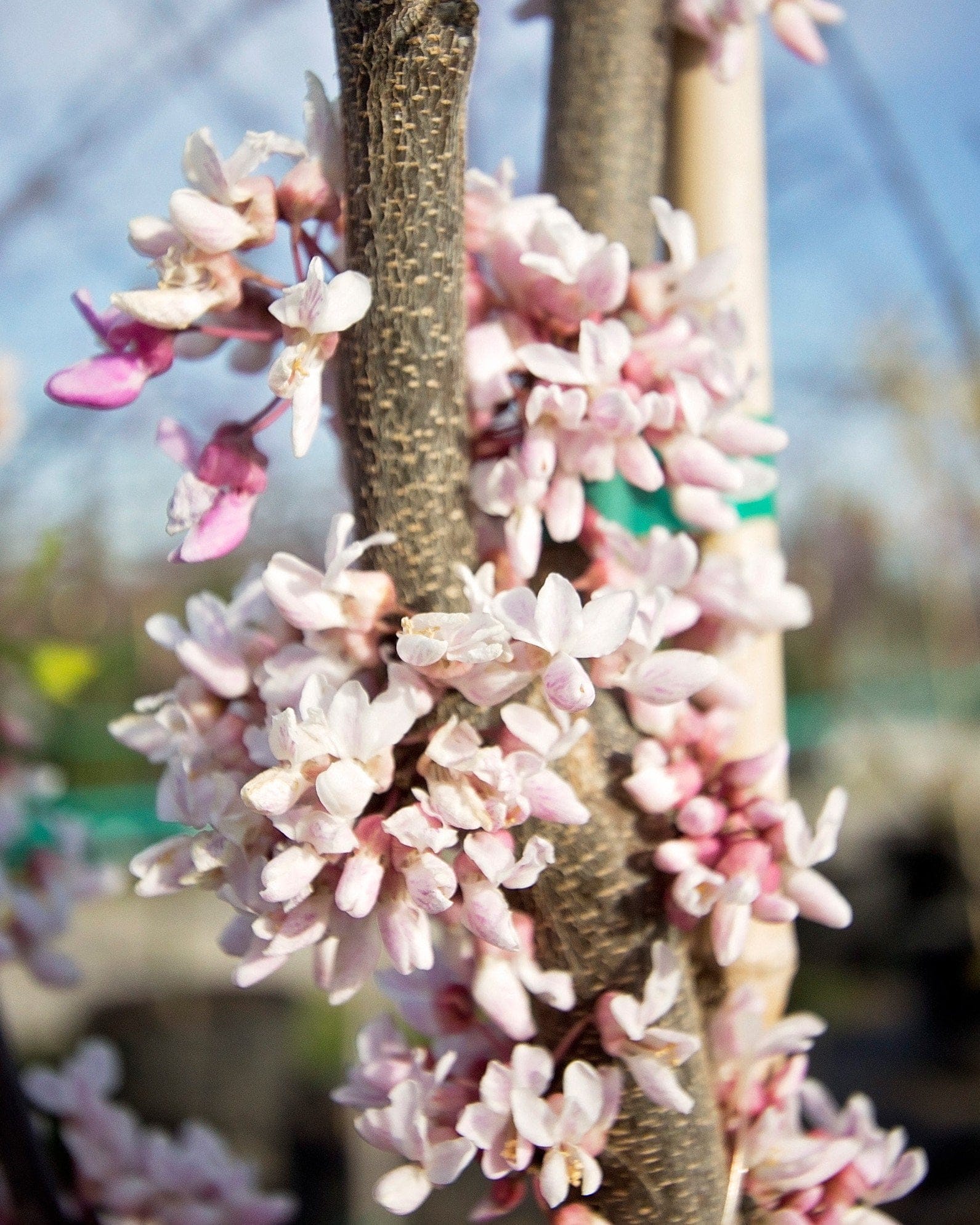
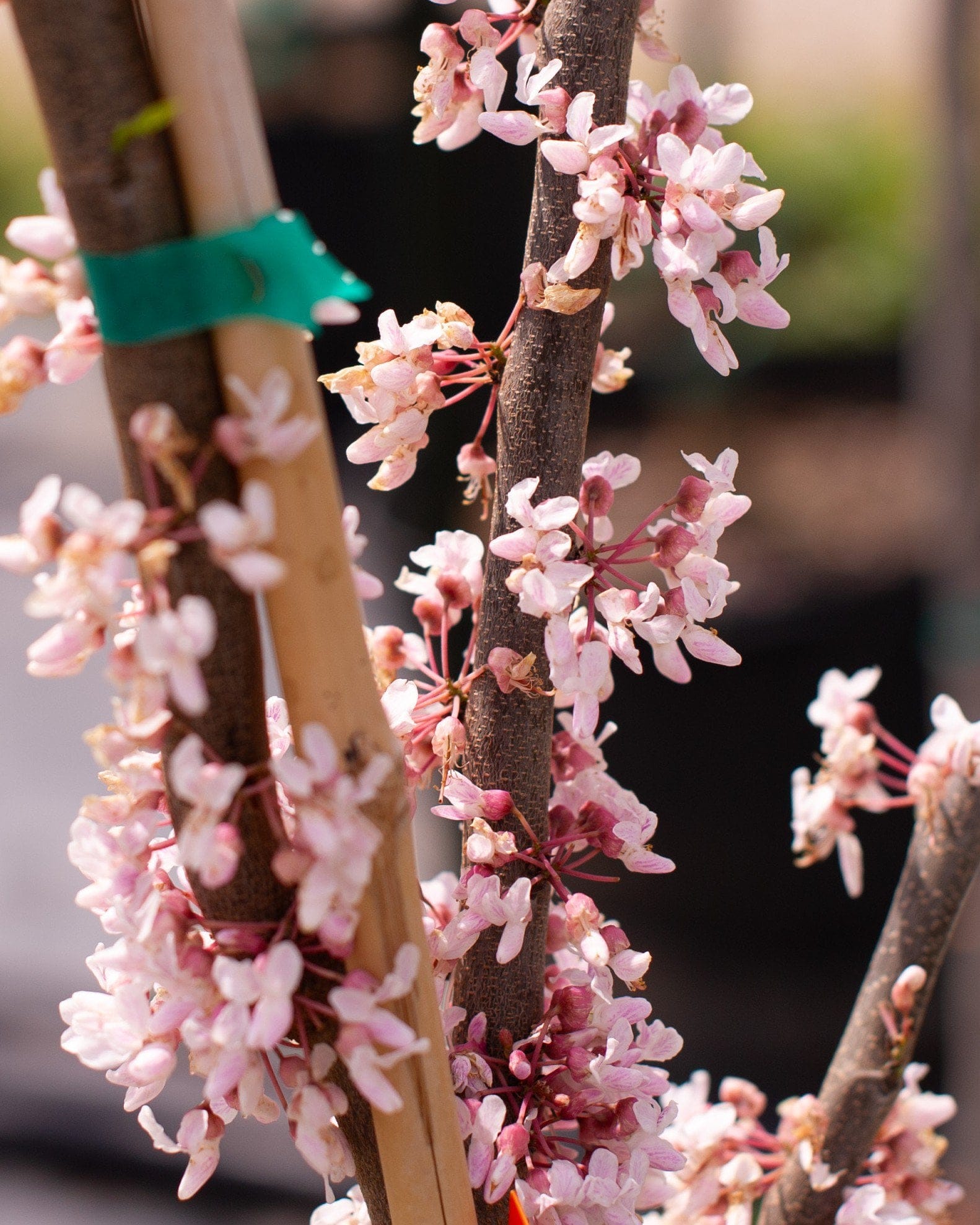
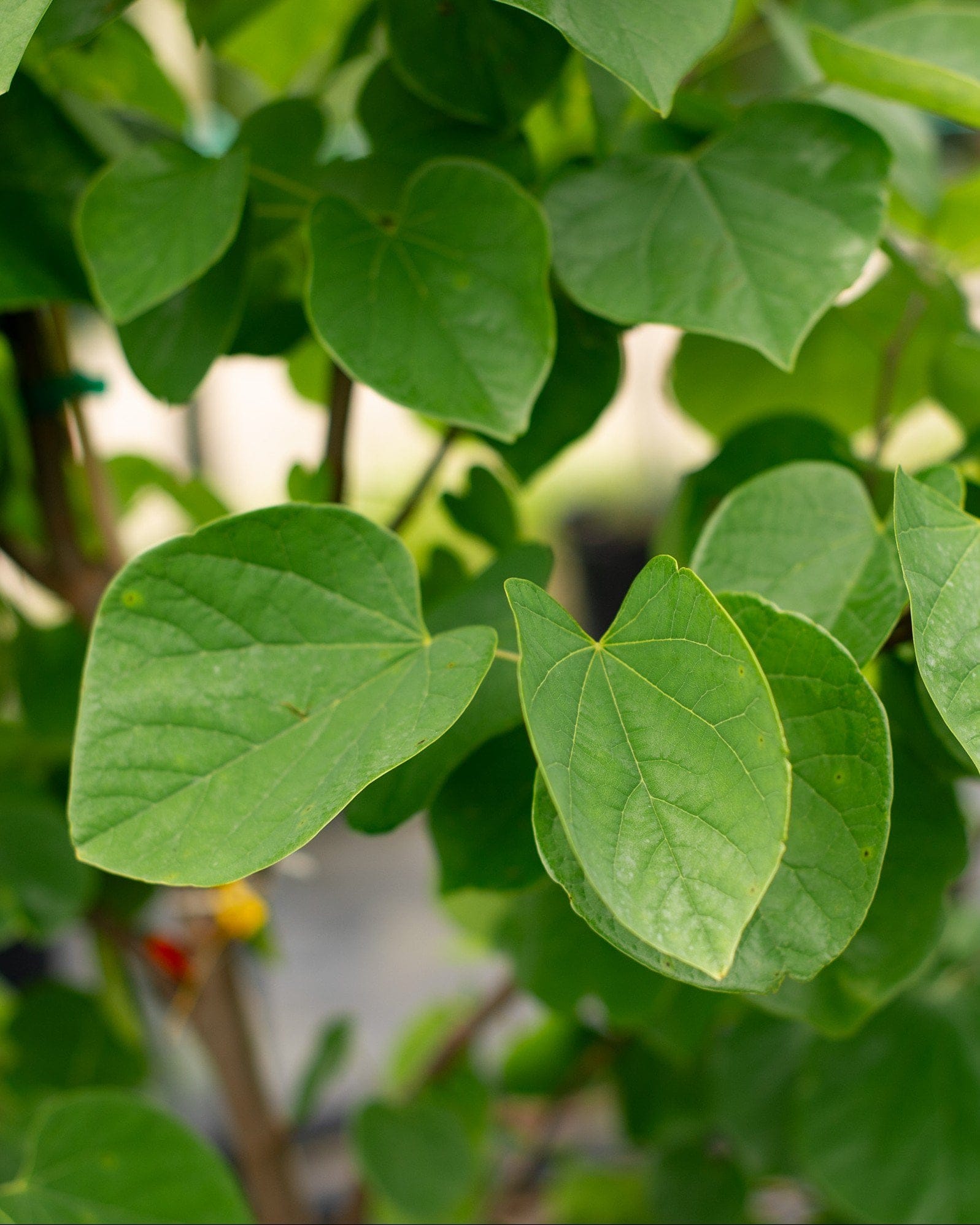
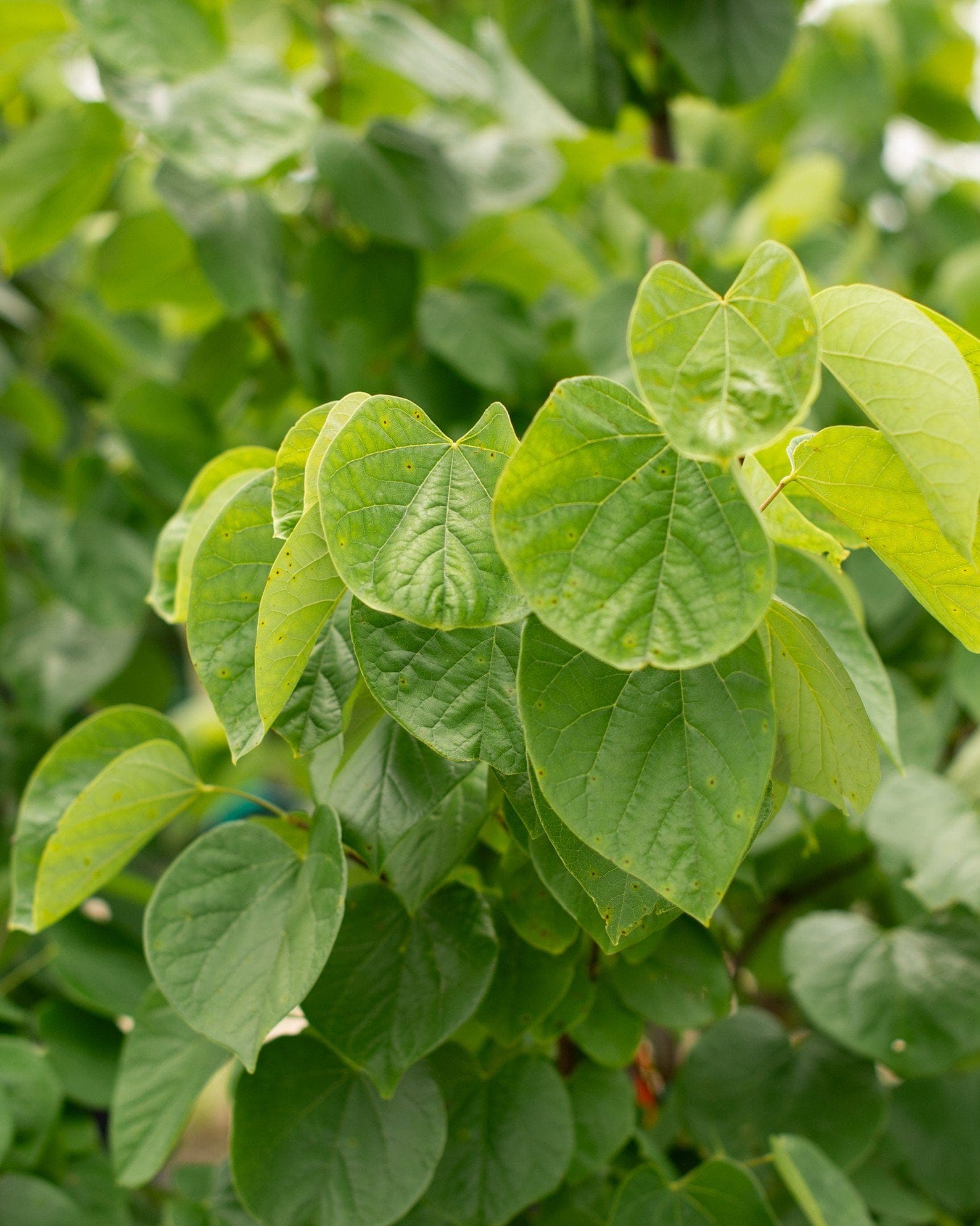
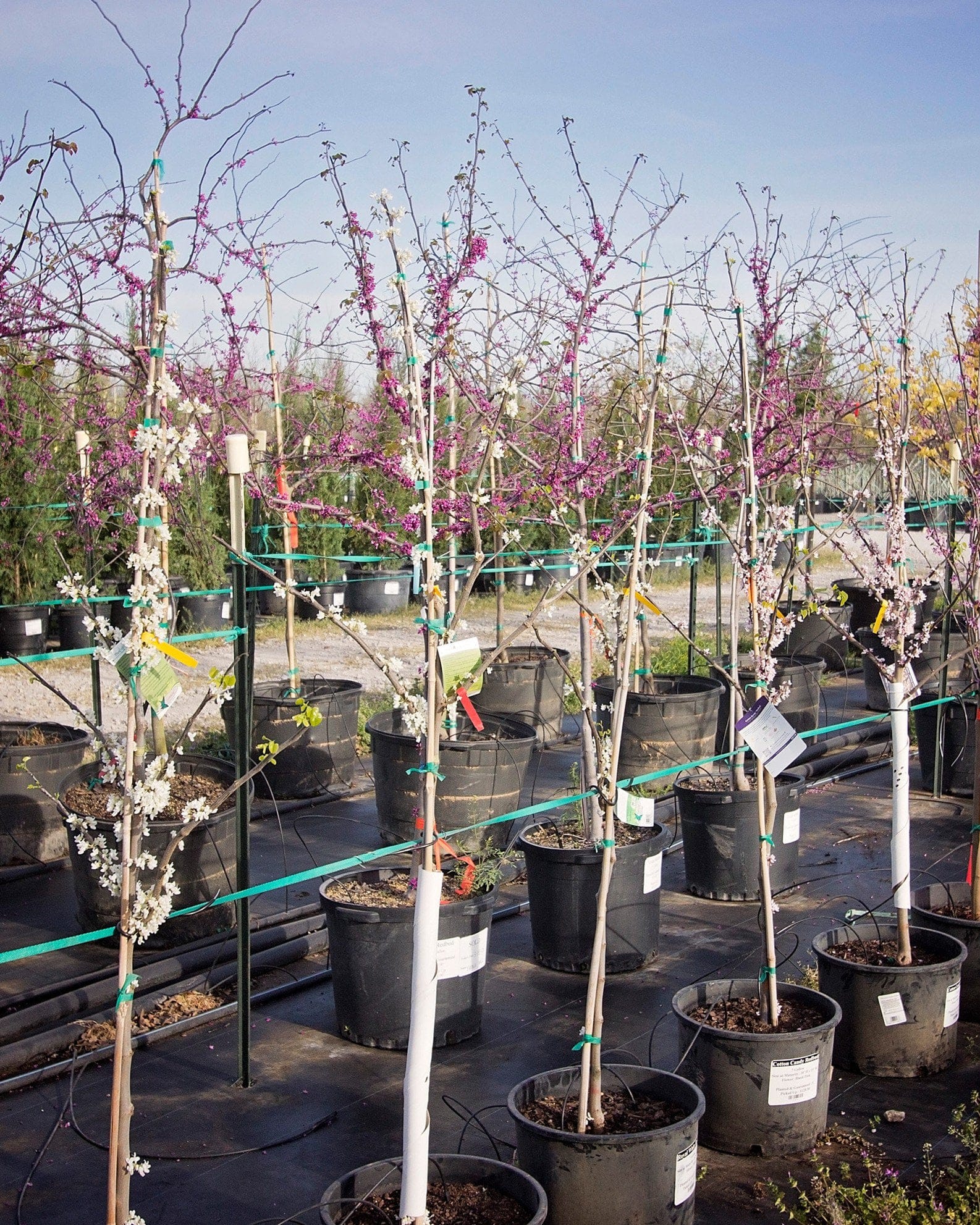
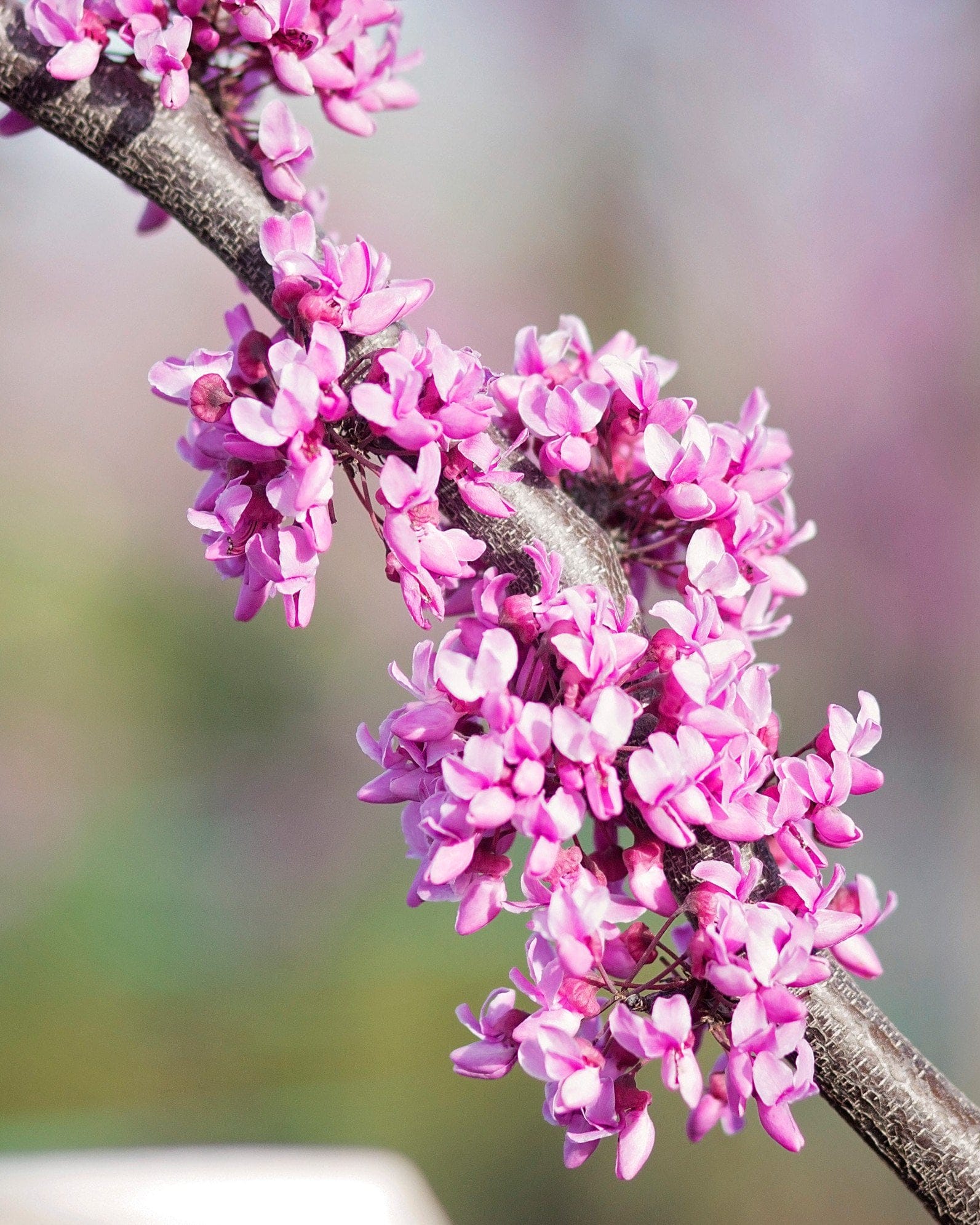
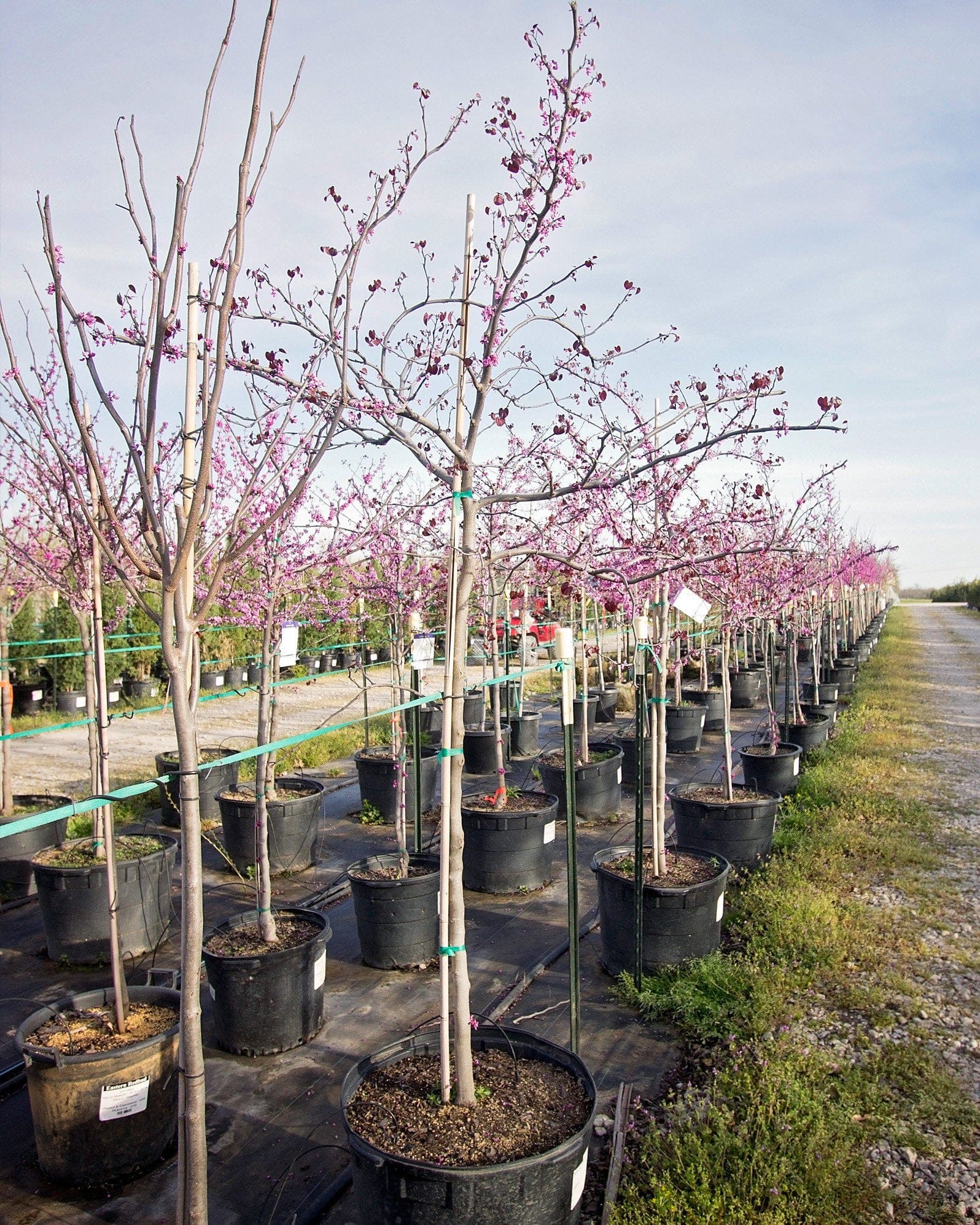
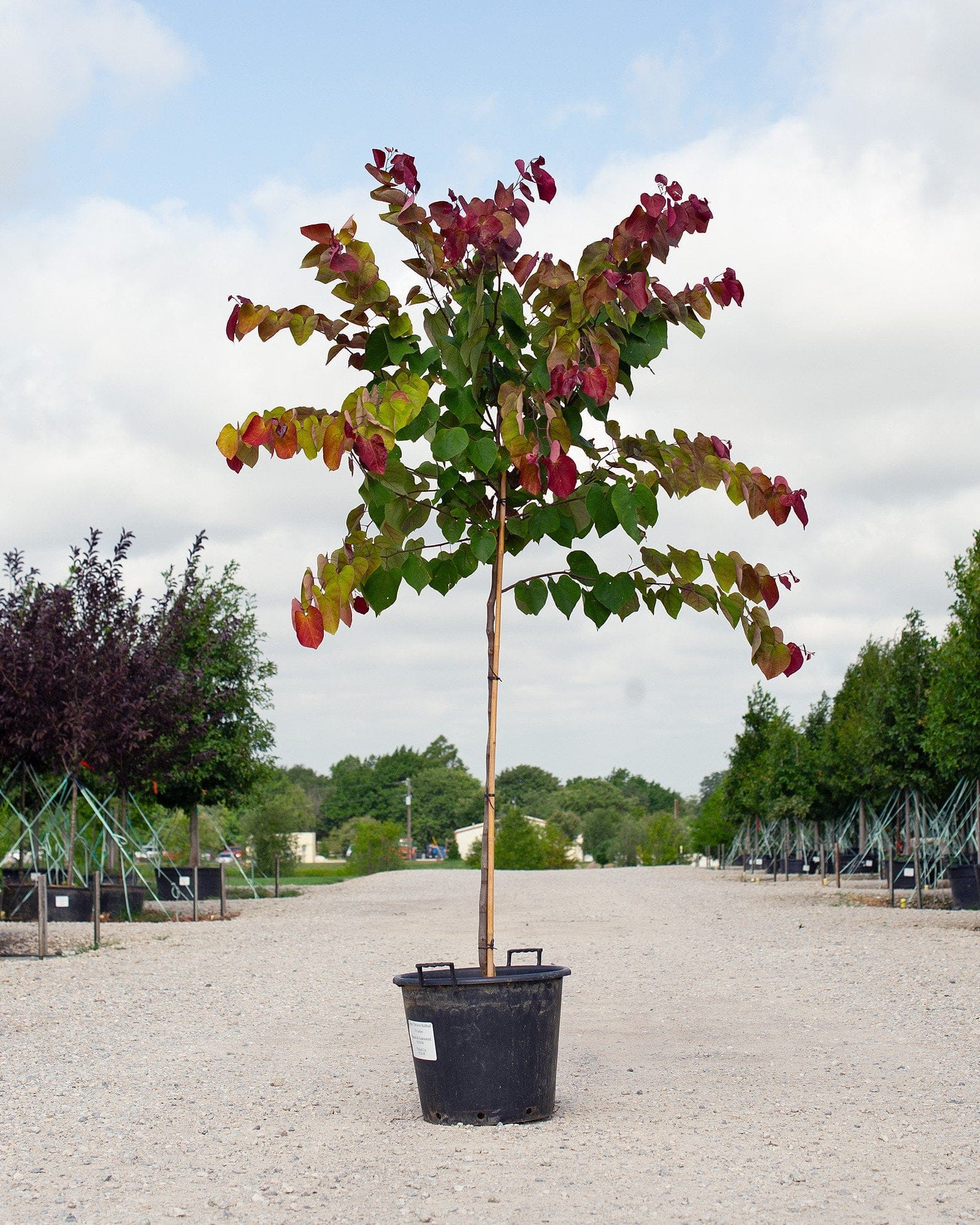
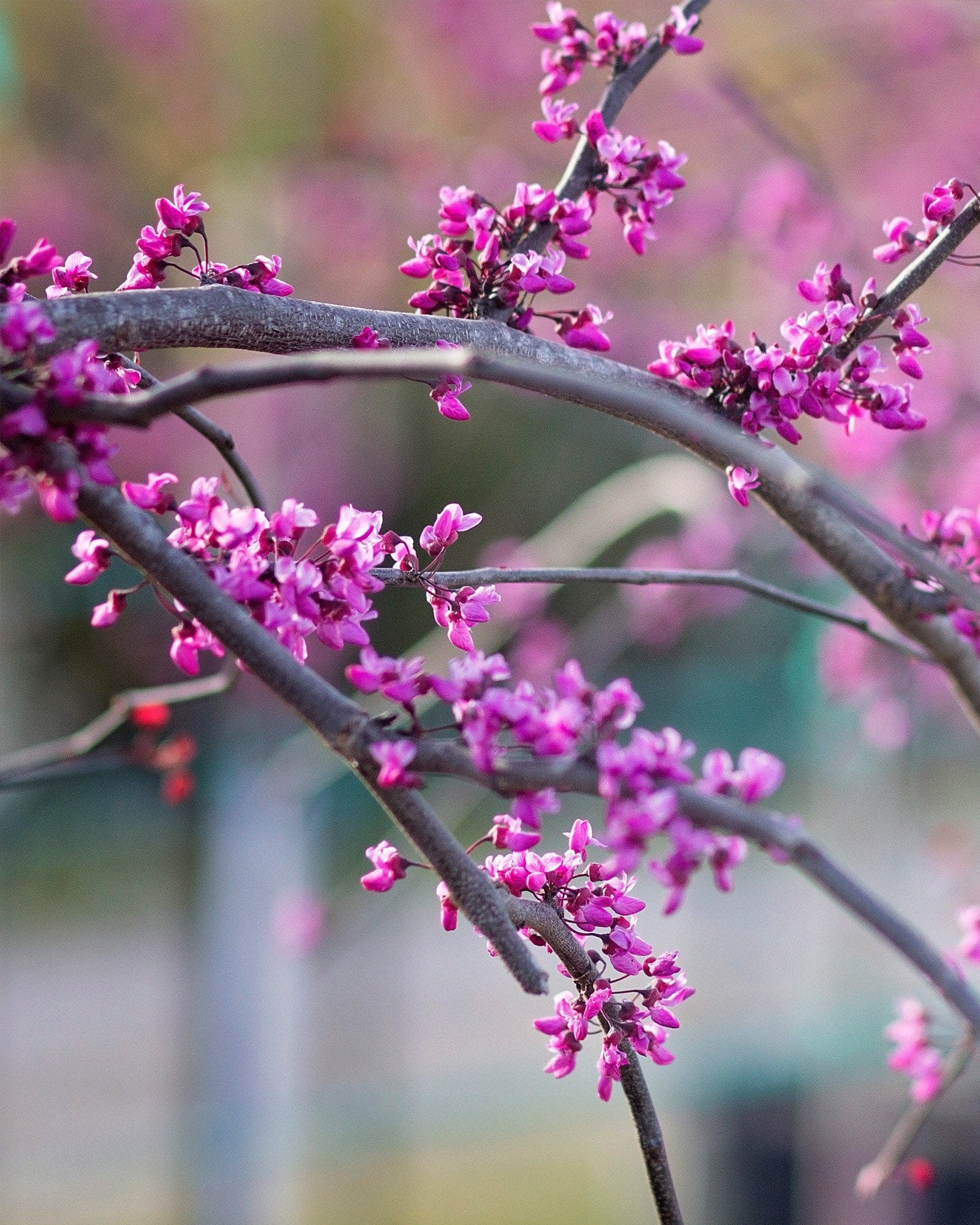
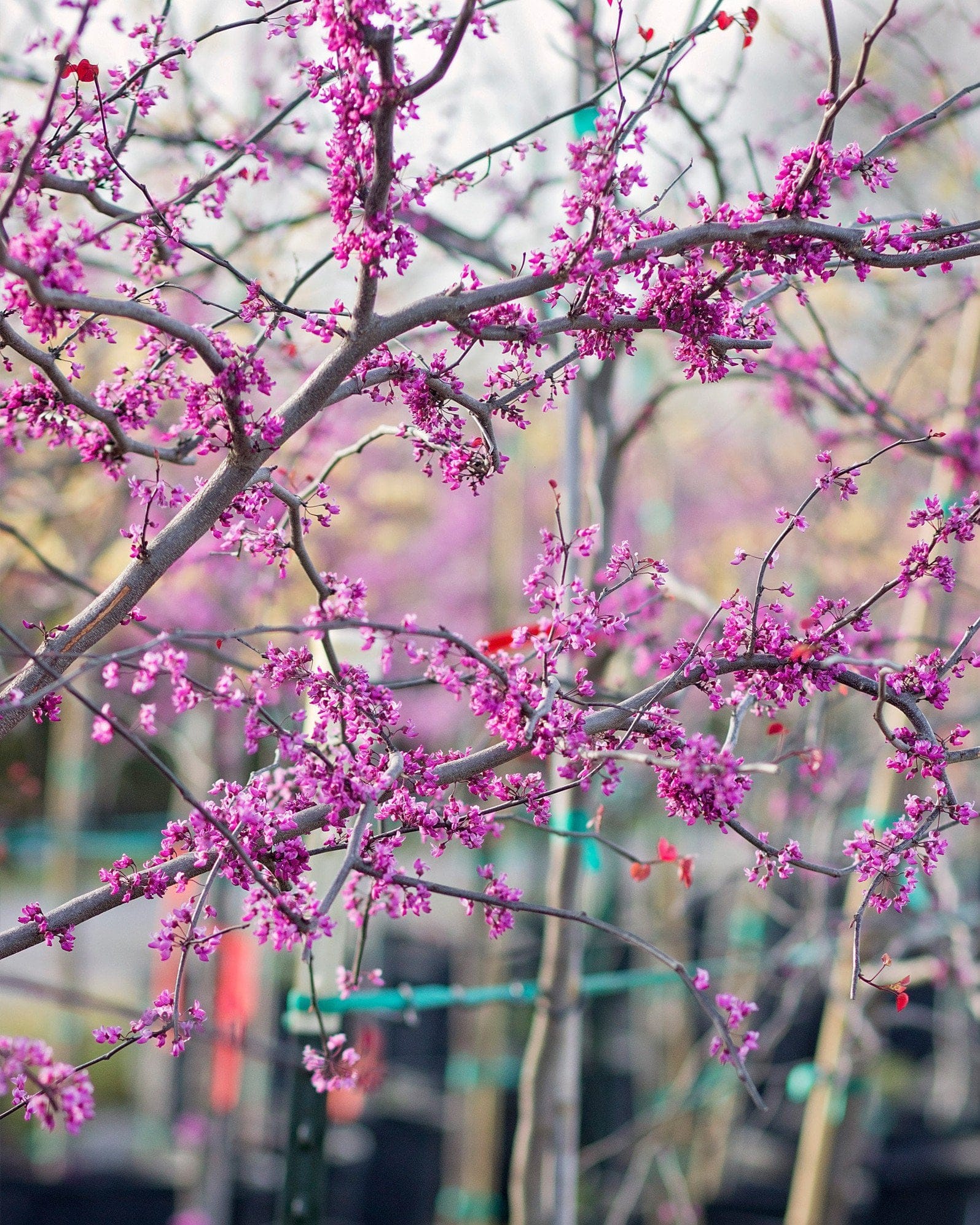
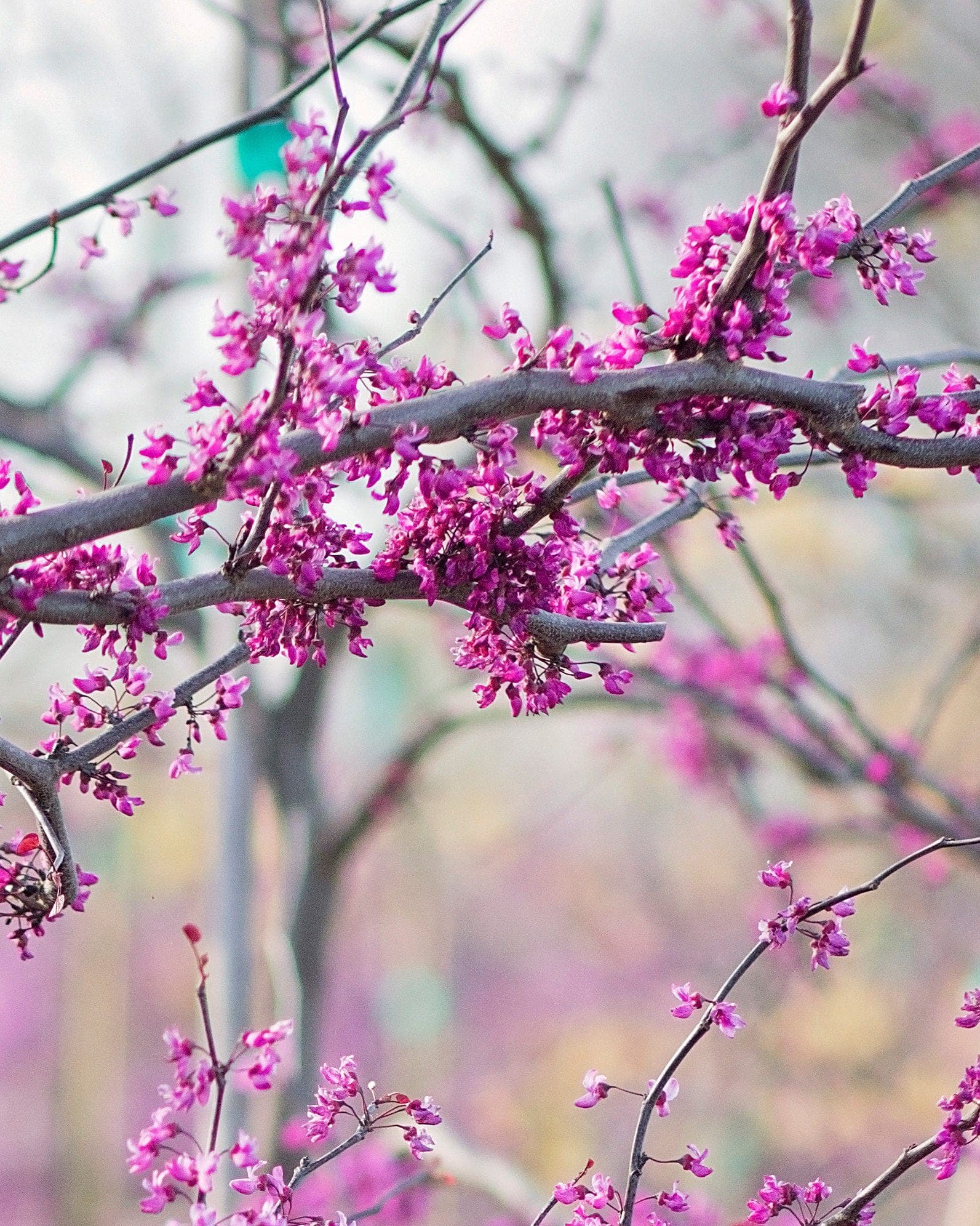
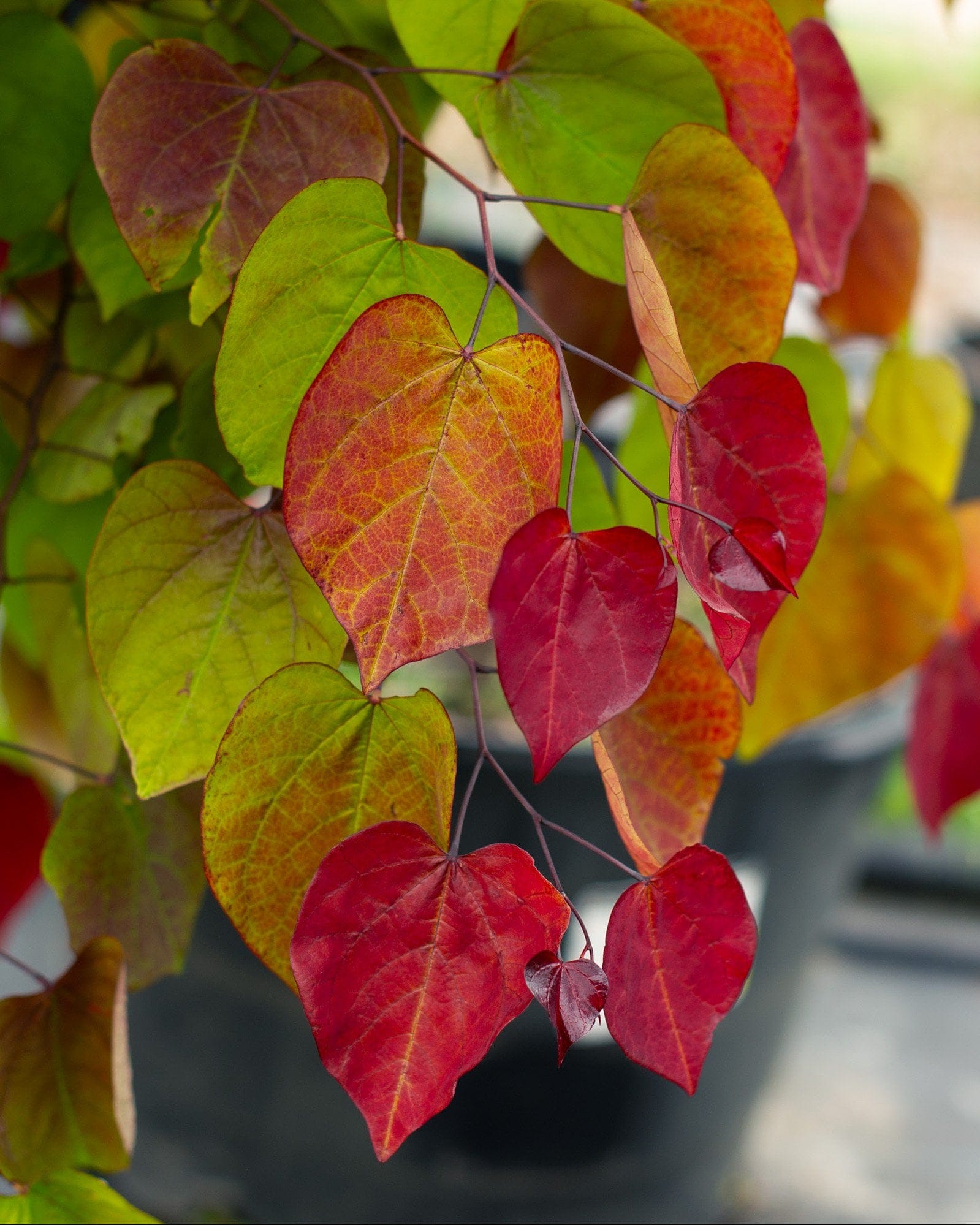
Cercis canadensis 'Merlot'Merlot Redbud stands out with its rich, wine-colored leaves that bring a dramatic splash of color throughout the growing season. In early spring, clusters of bright rosy-pink flowers bloom before the leaves emerge, creating a beautiful contrast against the dark foliage. This deciduous tree grows 15 feet tall and wide, forming a rounded canopy that works beautifully as a specimen or accent tree in beds, borders, and landscapes. Its moderate growth rate and bold coloring make it a favorite for those wanting a pop of deep, elegant color that lasts all season.
- Deciduous tree
- Moderate growth rate
- Deep burgundy foliage that holds color throughout summer
- Rosy-pink spring blooms
- Rounded form ideal for specimen or accent planting
Merlot Redbud thrives in full sun with well-drained soil. Hardy in USDA zones 6 through 9, it’s a sophisticated and eye-catching choice for North Texas landscapes and beyond
Maintenance
Merlot Redbud thrives with minimal fuss. Here’s how to keep yours healthy and gorgeous year after year:
- Watering: Water deeply and regularly during the first growing season to help roots establish. Once mature, Merlot Redbud tolerates short dry periods but prefers deep watering every 10-14 days during extended heat or drought. Avoid standing water or constantly damp soil, which can lead to root issues.
- Pruning: Prune annually in late winter while the tree is dormant. Remove dead or damaged branches and any crossing limbs that block airflow or sunlight. Keep pruning light - Redbuds prefer gentle shaping over heavy cuts. After flowering, you can lightly trim stray shoots to refine the shape if desired.
- Fertilizing: Feed lightly in early spring with a balanced, slow-release fertilizer to support flowering and new growth. Mature trees often need little to no feeding once established unless growth appears weak. Avoid over-fertilizing, as it can lead to excessive foliage and fewer blooms.
- Mulching: Apply a 2-3 inch layer of organic mulch around the base each spring to help retain moisture and regulate soil temperature. Keep mulch a few inches away from the trunk to prevent bark rot and discourage pests. Refresh annually for consistent benefits.
- Winter care: Merlot Redbud is hardy, but young trees benefit from extra protection during severe cold snaps. In late fall, mulch heavily around the root zone and consider wrapping the trunk with burlap to prevent frost cracks. Avoid pruning in fall, as this can make the tree more vulnerable to winter injury.
Common Issues and How to Take Care of Them
While Merlot Redbud is quite resilient, it can encounter a few common challenges. Here’s how to handle them:
- Canker Disease: This fungal issue can cause dieback on branches. Prune out infected areas well below the visible damage and disinfect tools between cuts. Maintaining good airflow and avoiding wounding the bark helps prevent recurrence.
- Verticillium Wilt: A soil-borne fungus that causes wilting and yellowing leaves. Prune out affected branches and improve drainage. Avoid overwatering and keep the tree well-mulched to reduce stress.
- Leaf Spot: Small dark spots may form during humid conditions. Rake and dispose of fallen leaves in autumn to minimize reinfection and apply a fungicide if the problem persists.
- Aphids: Tiny green or black insects that cluster on tender new growth. Rinse them off with a strong spray of water or use insecticidal soap. Ladybugs and lacewings are natural predators that help keep aphid populations in check.
- Scale Insects: Look for small, waxy bumps on branches or leaves. Treat infestations with horticultural oil during dormancy or use insecticidal soap in active growing seasons.
- Branch Dieback: Can occur from stress, drought, or root injury. Prune back to healthy wood and provide steady watering and mulch to help recovery.
Early spring or fall are ideal times, allowing roots to establish before the extremes of summer or winter.
Most trees begin flowering within 2-3 years, rewarding patience with showy spring blossoms.
Yes! Bees and butterflies are especially drawn to its early spring blooms, which provide one of the first nectar sources of the season.
Yes, young trees or dwarf varieties adapt well to large containers. Ensure good drainage and repot every few years to refresh the soil.
Moderately. Once established, it handles dry spells well but appreciates occasional deep watering during prolonged droughts.
Yes. It can be propagated from softwood cuttings taken in early summer or through grafting for consistent color and form.
It’s moderately deer-resistant. Deer may nibble young shoots, but mature trees are usually left alone thanks to their tougher bark and bitter taste.
Yes, it performs beautifully in warm climates, especially when mulched and watered deeply during hot spells.
With good care, it typically lives 20-25 years or longer. Regular maintenance and pruning help extend its lifespan.
Absolutely. It tolerates pollution, compacted soils, and reflected heat, making it a strong performer in city landscapes.
Special Features
You might also like


Compare Similar Plants
Merlot Redbud This plant | ||
|---|---|---|
| Scientific Name | Cercis canadensis 'Merlot' | Cercis canadensis ‘Forest Pansy’ |
| Size at Maturity | 15' H x 15' W | 20' H x 20' W |
| Leaf Retention | Deciduous | Deciduous |
| Fall Color | Orange, Red & Yellow | Orange & Red |
| Flower Color | Pink | Pink |
| Bloom Times | Spring | Spring |
| Sizes Available | 15, 30, 45 gal | 7, 15, 30, 45 gal |


Our 1-Year Planting Guarantee
We take pride in our plants and installation services. If any plants or trees installed by Treeland fail to thrive within the first year, we'll provide a replacement credit in accordance with our guarantee program.
Learn More About Our Guarantee