
Goldspire Ginkgo
Ginkgo biloba ‘Goldspire’Local DFW Delivery Only
Product Details
Goldspire Ginkgo
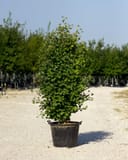
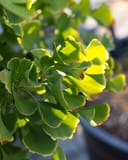
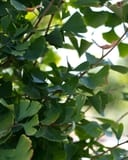
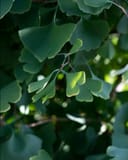
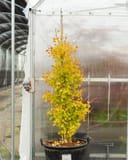
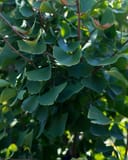
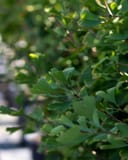
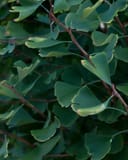
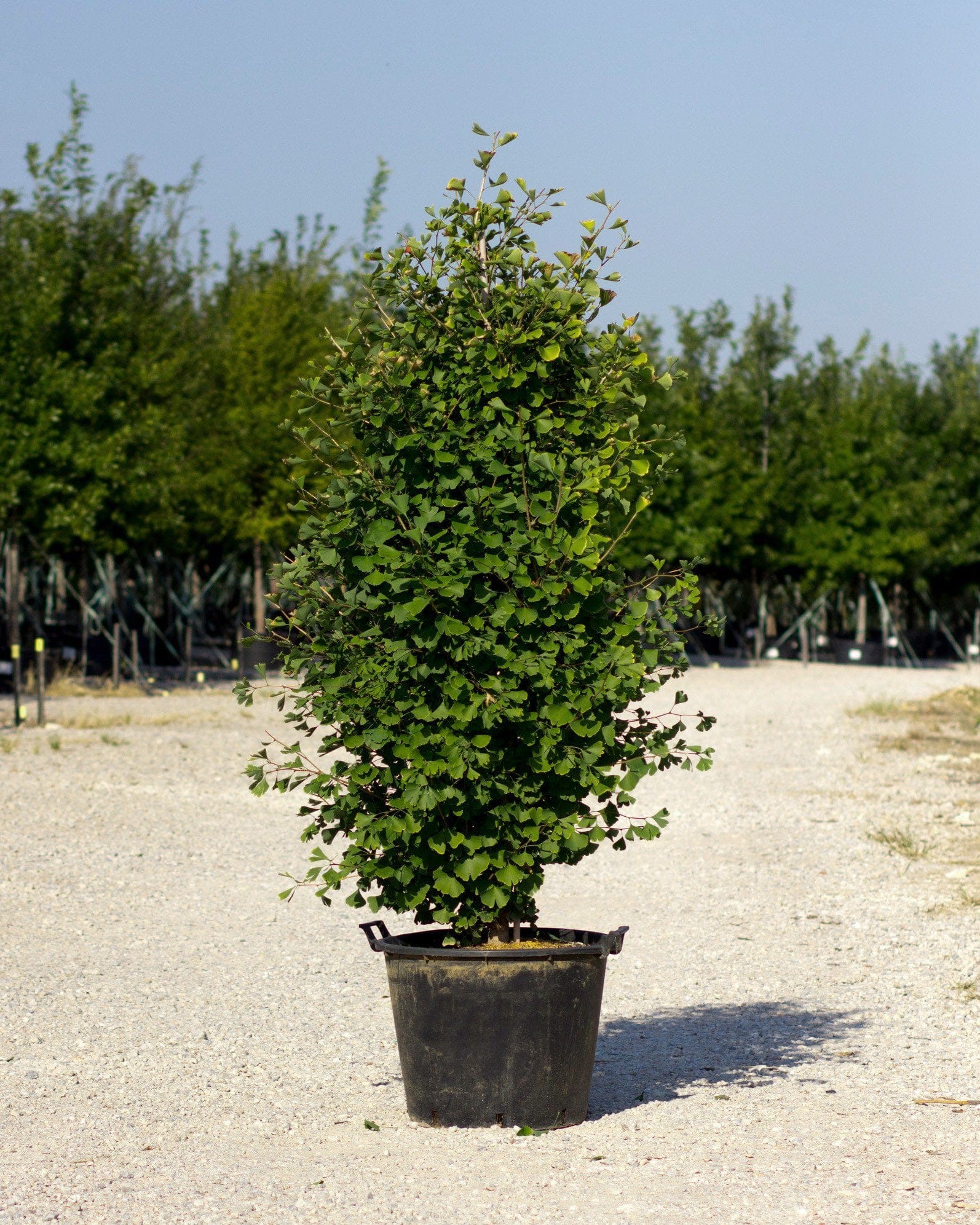
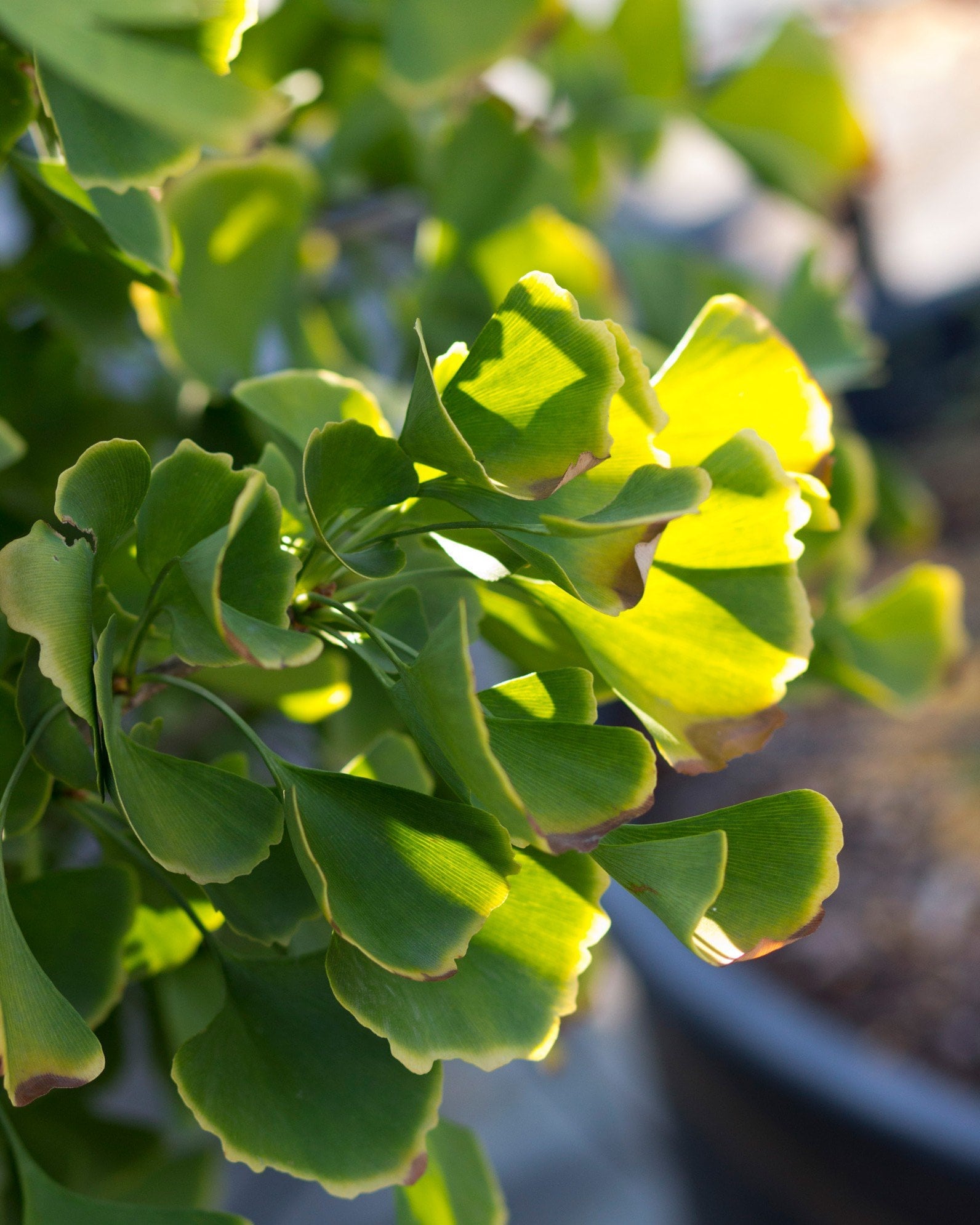
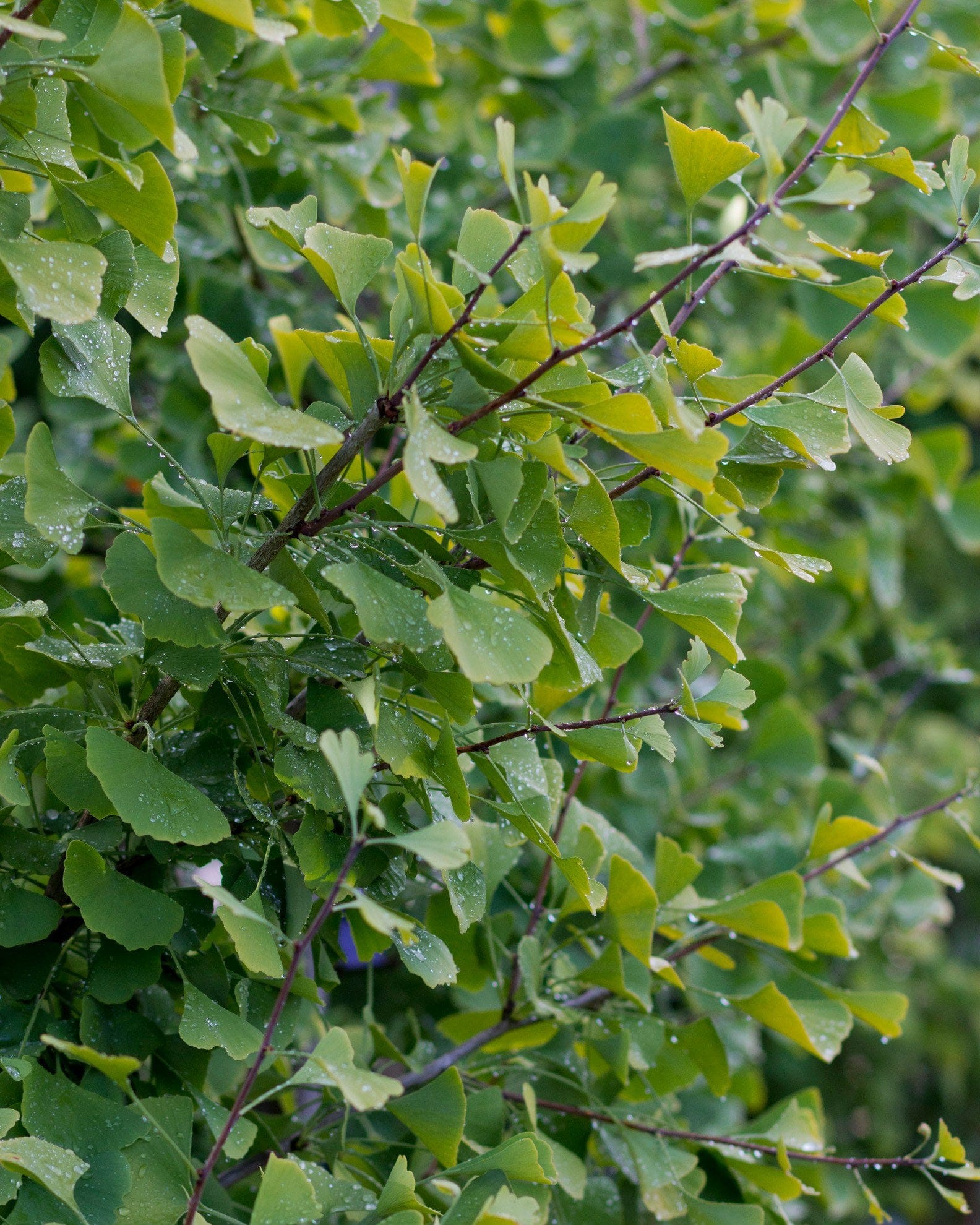
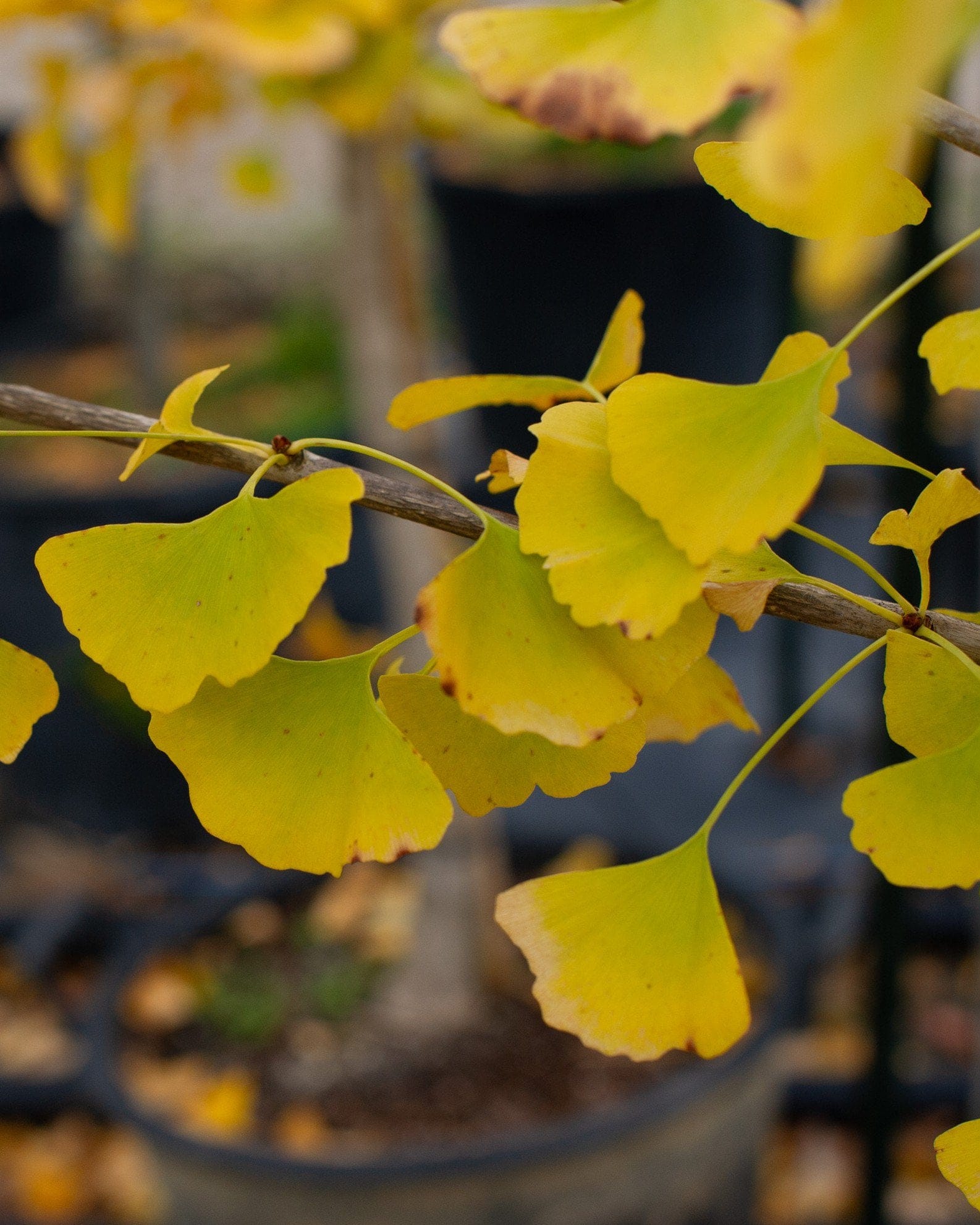
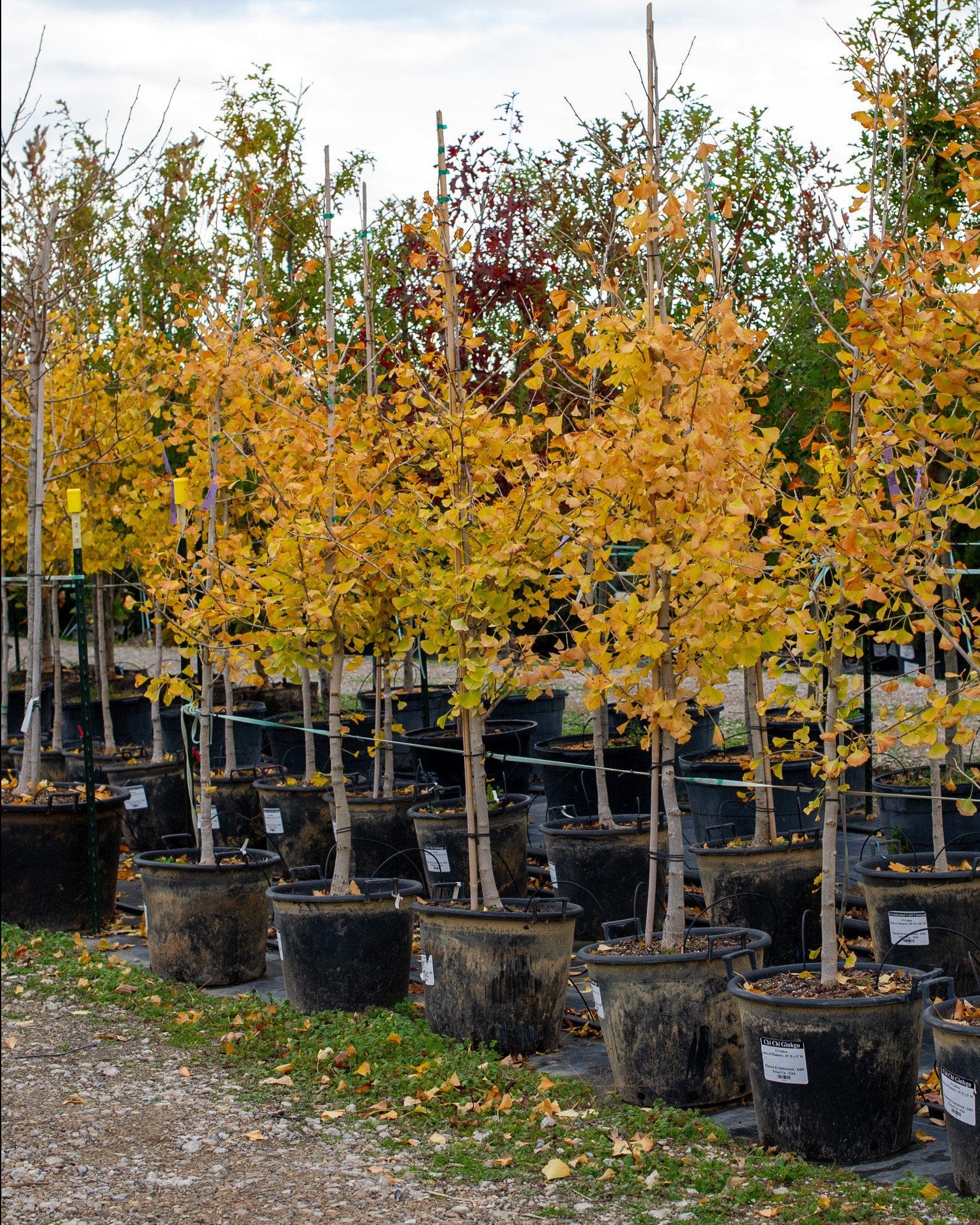
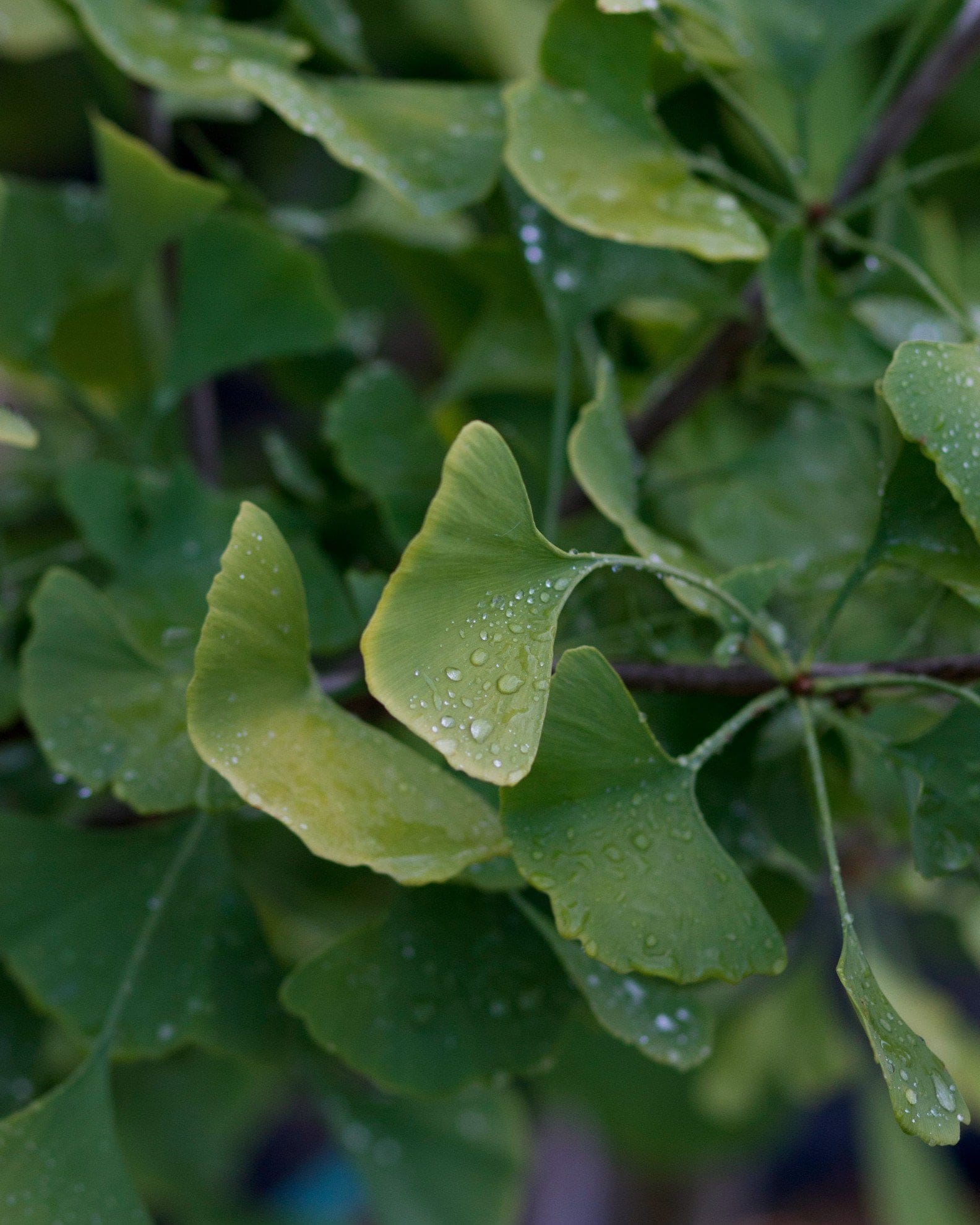
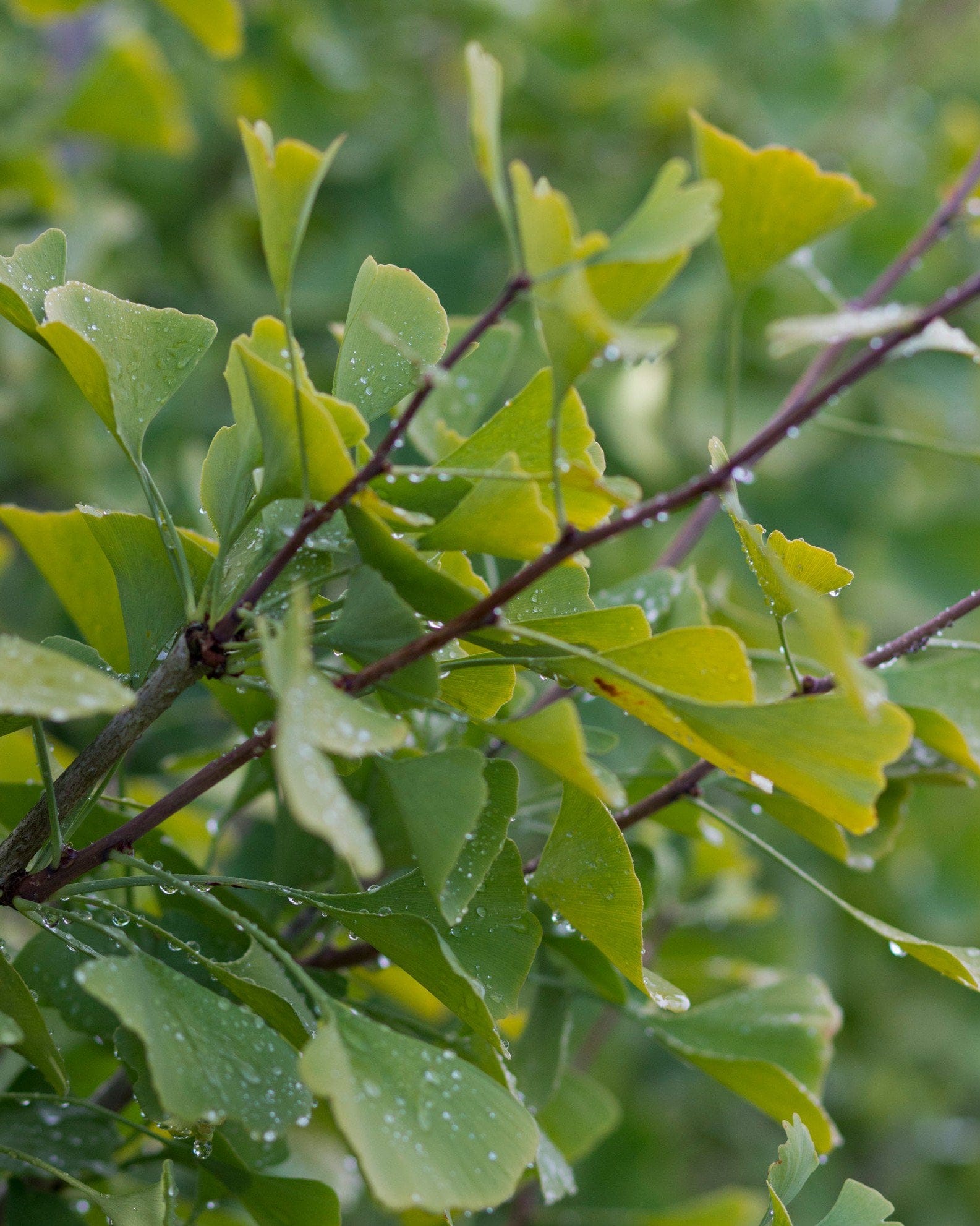
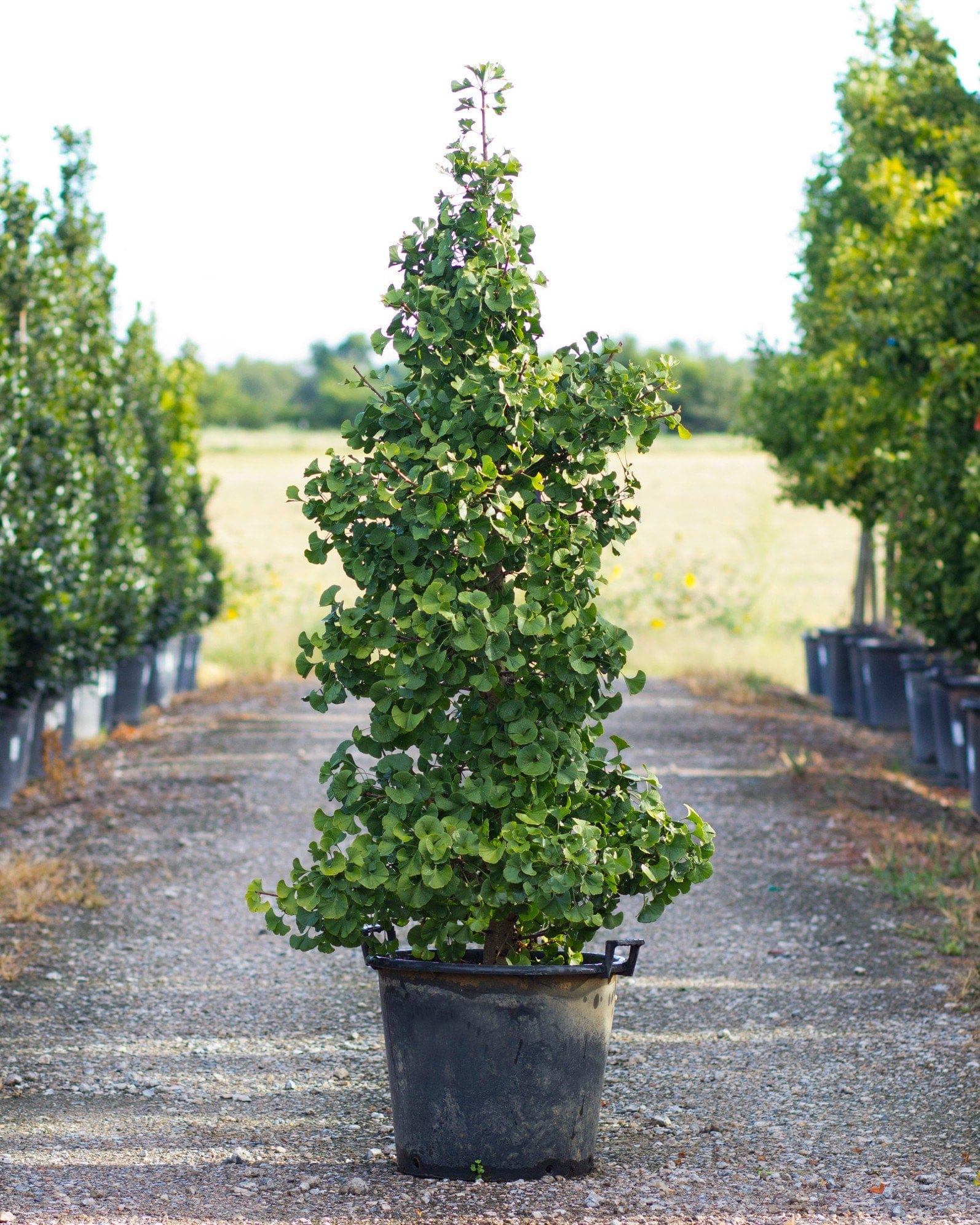
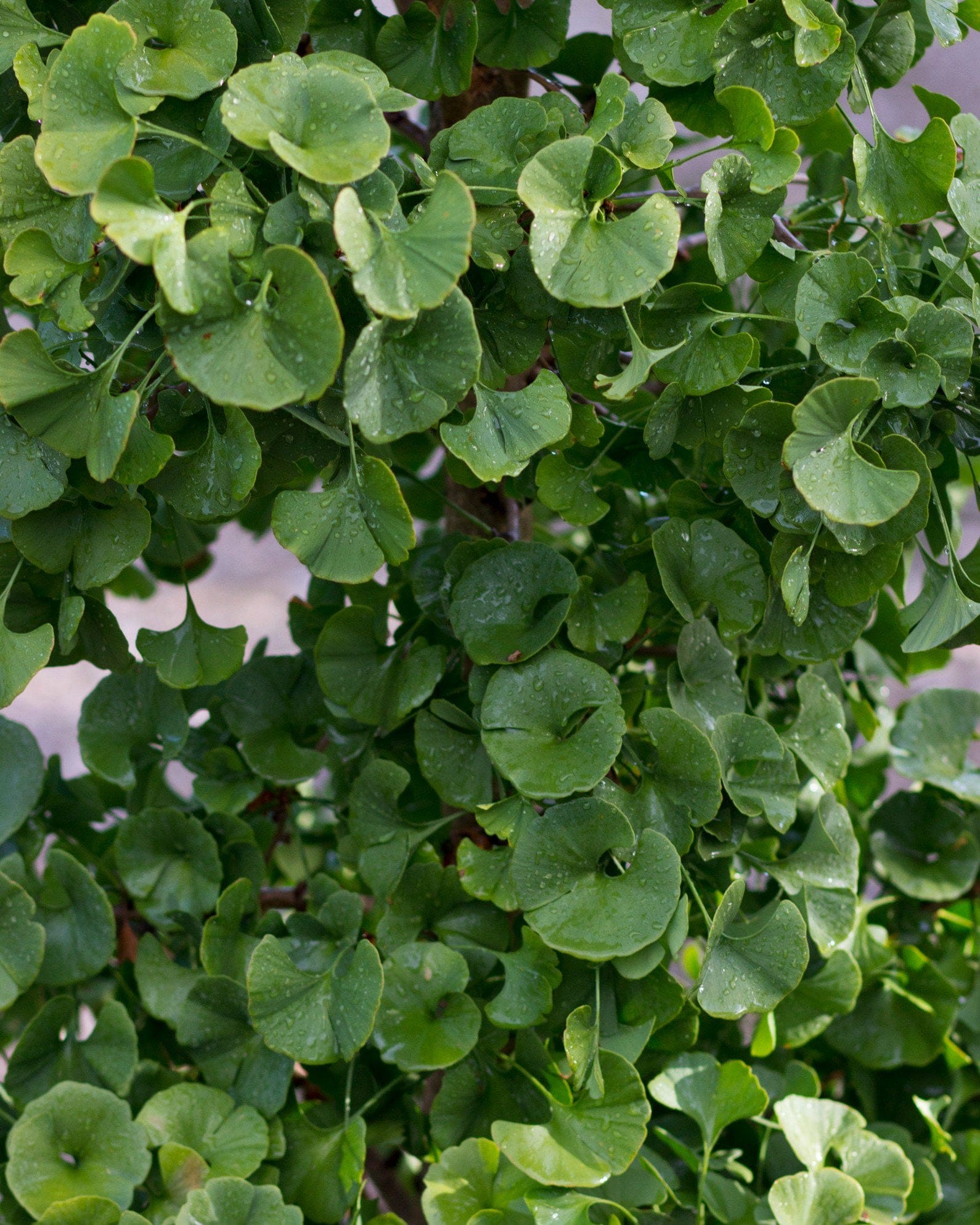
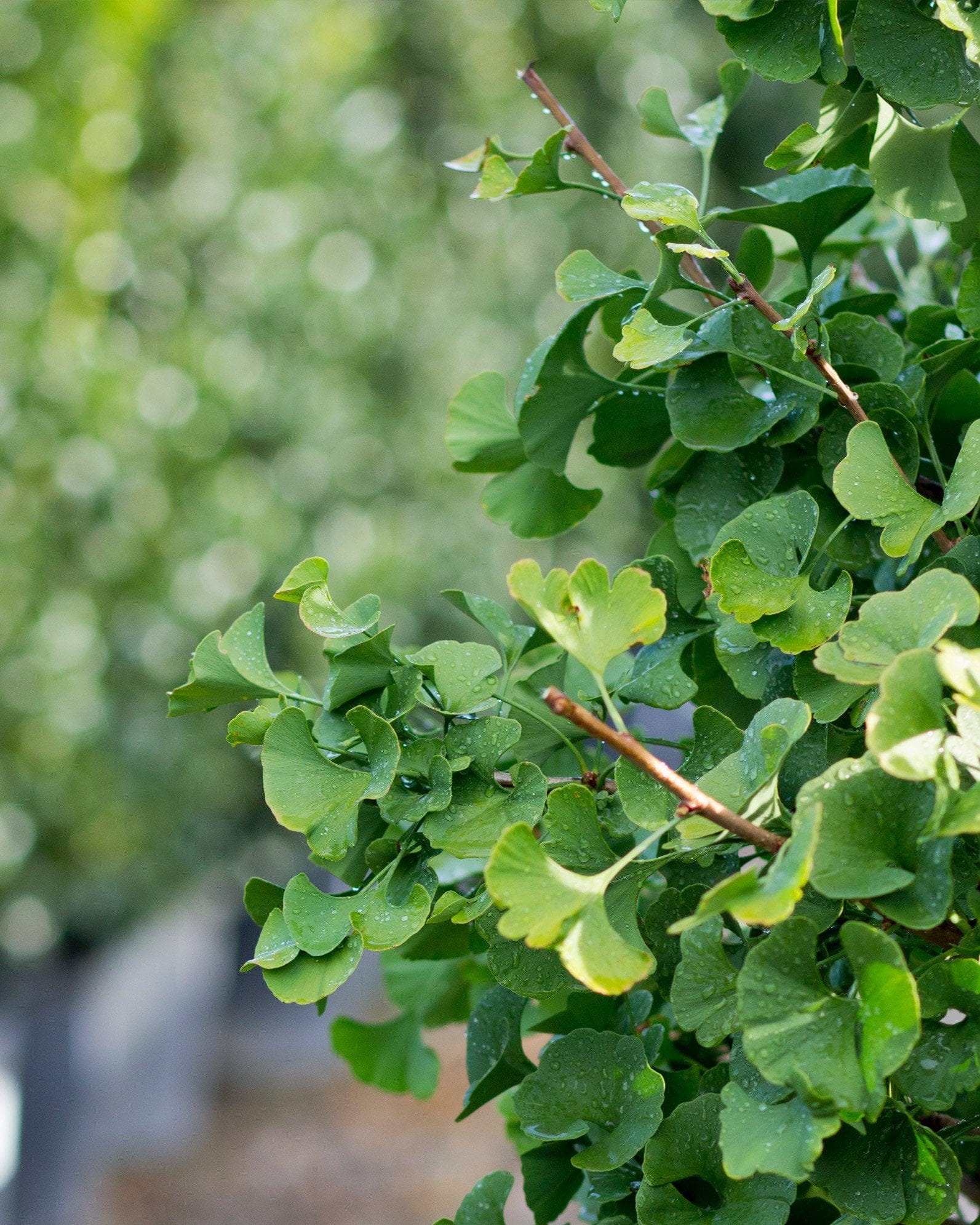
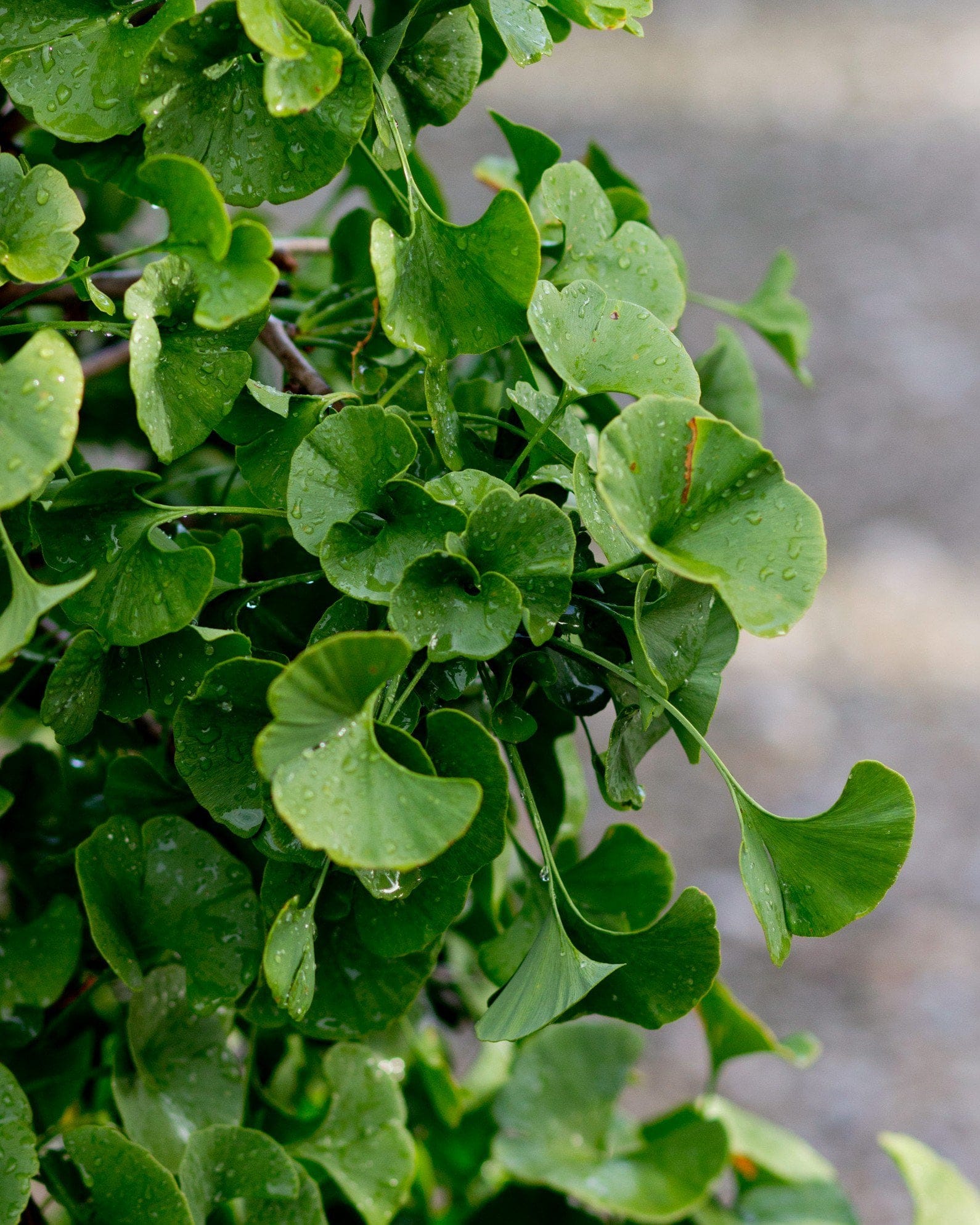
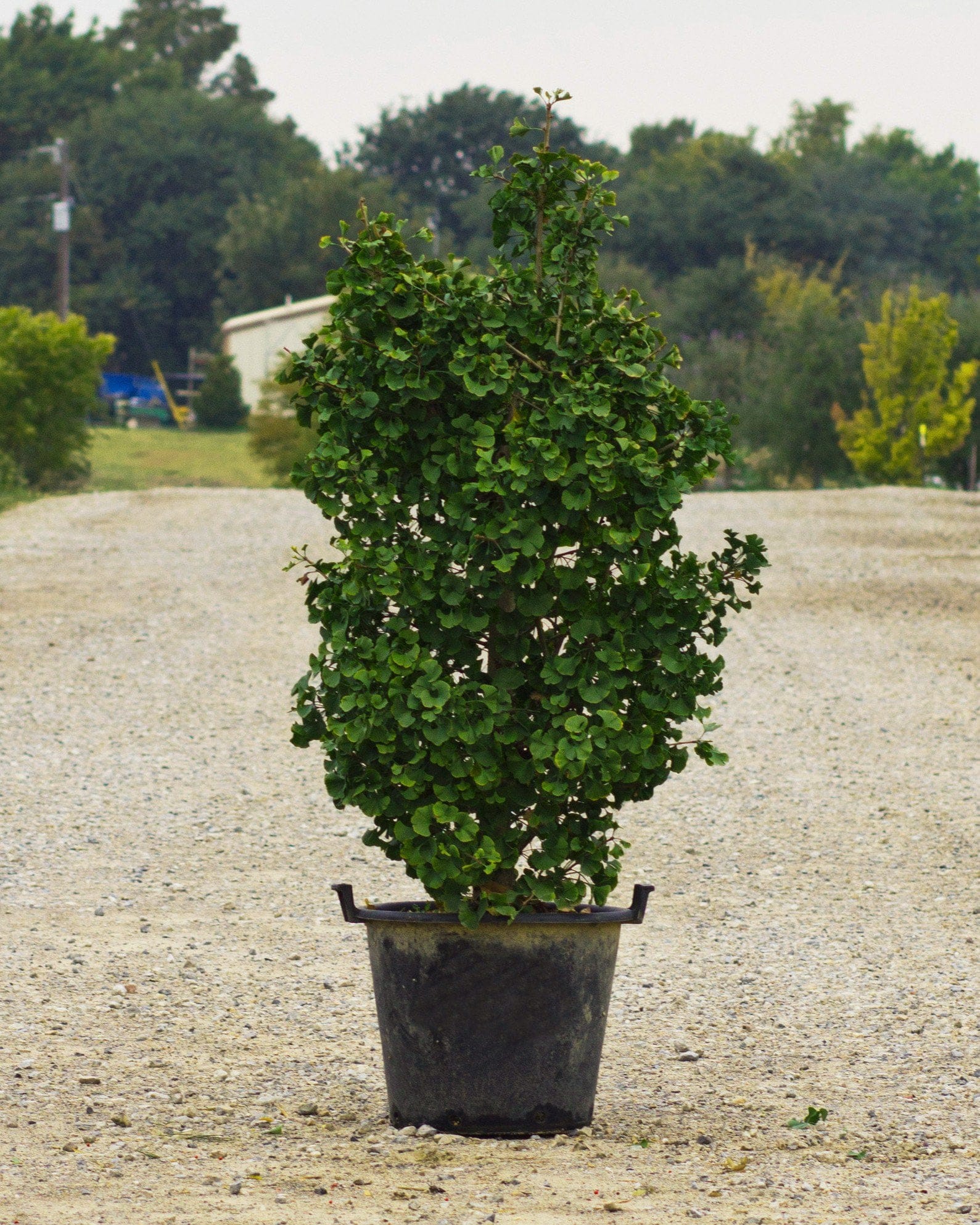
Ginkgo biloba ‘Goldspire’Goldspire Ginkgo is a columnar form of the ancient Ginkgo biloba tree, prized for its space-saving shape and stunning fall color. Its upright, slender growth makes it perfect for smaller beds, walkways, or as an architectural accent. Reaching 15 feet in height and 6 feet wide at maturity, it fits beautifully into compact or modern landscape designs. The distinctive green, fan-shaped leaves turn a rich golden yellow in autumn before dropping cleanly.
- Deciduous ornamental tree
- Slow to moderate growth rate with upright, columnar habit
- Green fan-shaped leaves turn golden yellow in fall
- Non-fruiting male selection
- Ideal for tight spaces and vertical interest
Goldspire Ginkgo performs best in full sun and well-drained soil. It’s extremely hardy and pollution-tolerant, making it an excellent choice for urban environments or small yards. Thriving in USDA zones 4 through 9, this ginkgo delivers bold structure and vibrant seasonal color with very little care.
Once established, Goldspire Ginkgo becomes very low-maintenance and develops into a durable tree that requires only modest seasonal attention. Here’s all it needs:
- Watering: Water regularly during the first growing season to help establish a stable root system. After establishment, occasional deep watering during prolonged dry periods supports healthy growth.
- Pruning: Pruning is usually limited to removing damaged or crossing branches. Light structural pruning in late winter helps maintain balanced branch development as the tree matures.
- Fertilizing: Fertilizer is rarely necessary in average garden soils. If growth appears slow, applying a balanced fertilizer in early spring can support stronger seasonal development.
- Mulching: Maintain a 2-3 inch layer of mulch around the root zone to conserve soil moisture and regulate soil temperature. Keep mulch slightly away from the trunk to prevent excess moisture buildup.
- Winter Care: Established trees tolerate seasonal cold within their growing zones without special protection. Young trees benefit from mulch around the root zone during their first winters to help stabilize soil temperatures.
Goldspire Ginkgo is generally very resilient and rarely suffers from serious pests or diseases. Most issues are related to environmental stress rather than biological problems.
- Transplant Stress: Newly planted trees may grow slowly during the first season as roots establish. Consistent watering during establishment helps the plant recover.
- Leaf Scorch: Browning leaf edges may occur during prolonged heat or drought. Deep watering during dry conditions helps reduce stress.
- Soil Compaction: Heavy traffic near the root zone may restrict root growth. Maintaining mulch around the base helps protect soil structure.
- Wind Damage: Strong winds may occasionally break smaller branches. Removing damaged limbs helps maintain the tree’s structure.
- Nutrient Imbalance: Pale growth may appear in nutrient-poor soils. Applying a balanced fertilizer can help restore healthy vigor.
Goldspire Ginkgo can live for many decades. Like other ginkgo cultivars, mature trees may remain healthy for well over 100 years. Proper care helps support long-term vitality.
Growth generally averages about 12-24 inches per year. Noticeable structure develops within the first decade. Full maturity typically occurs within 25-35 years.
This cultivar is admired for its strong upright growth habit. The tree develops a narrow, vertical profile that remains consistent as it matures. Its structured form gives it a distinctive architectural presence.
The branches grow close to the central trunk and extend upward rather than outward. This growth pattern produces a narrow silhouette. Such forms are commonly described as upright or spire-shaped.
The tree forms a strong central trunk that gradually thickens over time. Subtle ridges develop as the bark matures. This structure supports the tree’s upright branching pattern.
Male trees avoid producing the fruit associated with female ginkgo plants. The fruit can develop an unpleasant odor as it decomposes. Planting male cultivars eliminates this concern.
Male trees do not produce seeds because they lack female reproductive structures. This prevents unwanted seedlings. It also helps keep the planting area tidy.
As the tree matures, the bark gradually becomes more textured. Small ridges and patterns appear on older trunks. These features add subtle character to mature specimens.
Branches tend to grow upward in a compact arrangement. This creates a structured and balanced form. The pattern becomes more pronounced as the tree ages.
Even without leaves, the upright branching pattern remains noticeable. The vertical silhouette stands out clearly against winter landscapes. This structure provides visual interest during the dormant season.
Special Features
You might also like

Compare Similar Plants
Goldspire Ginkgo This plant | ||
|---|---|---|
| Scientific Name | Ginkgo biloba ‘Goldspire’ | Ginkgo biloba ‘Chi-Chi’ |
| Size at Maturity | 15' H x 6' W | 10' H x 5' W |
| Leaf Retention | Deciduous | Deciduous |
| Fall Color | Yellow | Yellow |
| Sizes Available | 15, 30 gal | 15, 30 gal |


Our 1-Year Planting Guarantee
We take pride in our plants and installation services. If any plants or trees installed by Treeland fail to thrive within the first year, we'll provide a replacement credit in accordance with our guarantee program.
Learn More About Our Guarantee