
 Popular
 Texas Native
Eastern Red Cedar
Juniperus virginianaLocal DFW Delivery Only
Product Details
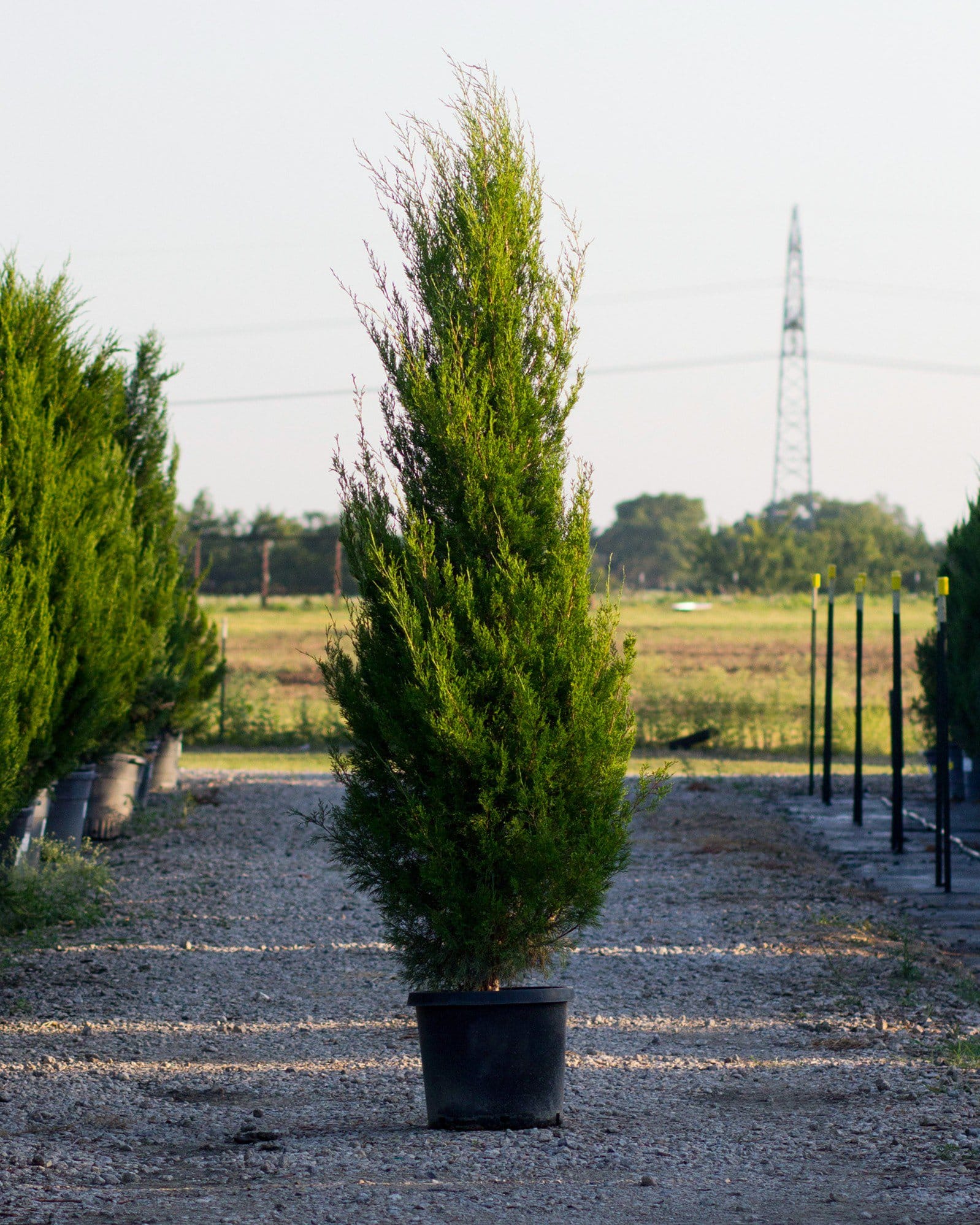
Eastern Red Cedar
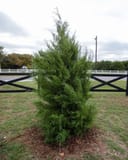
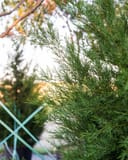
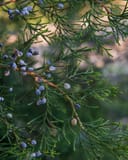
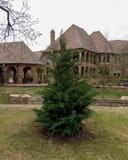
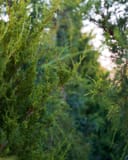
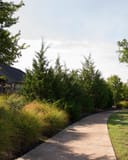
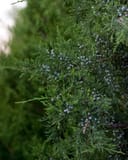
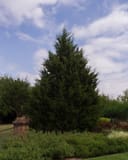
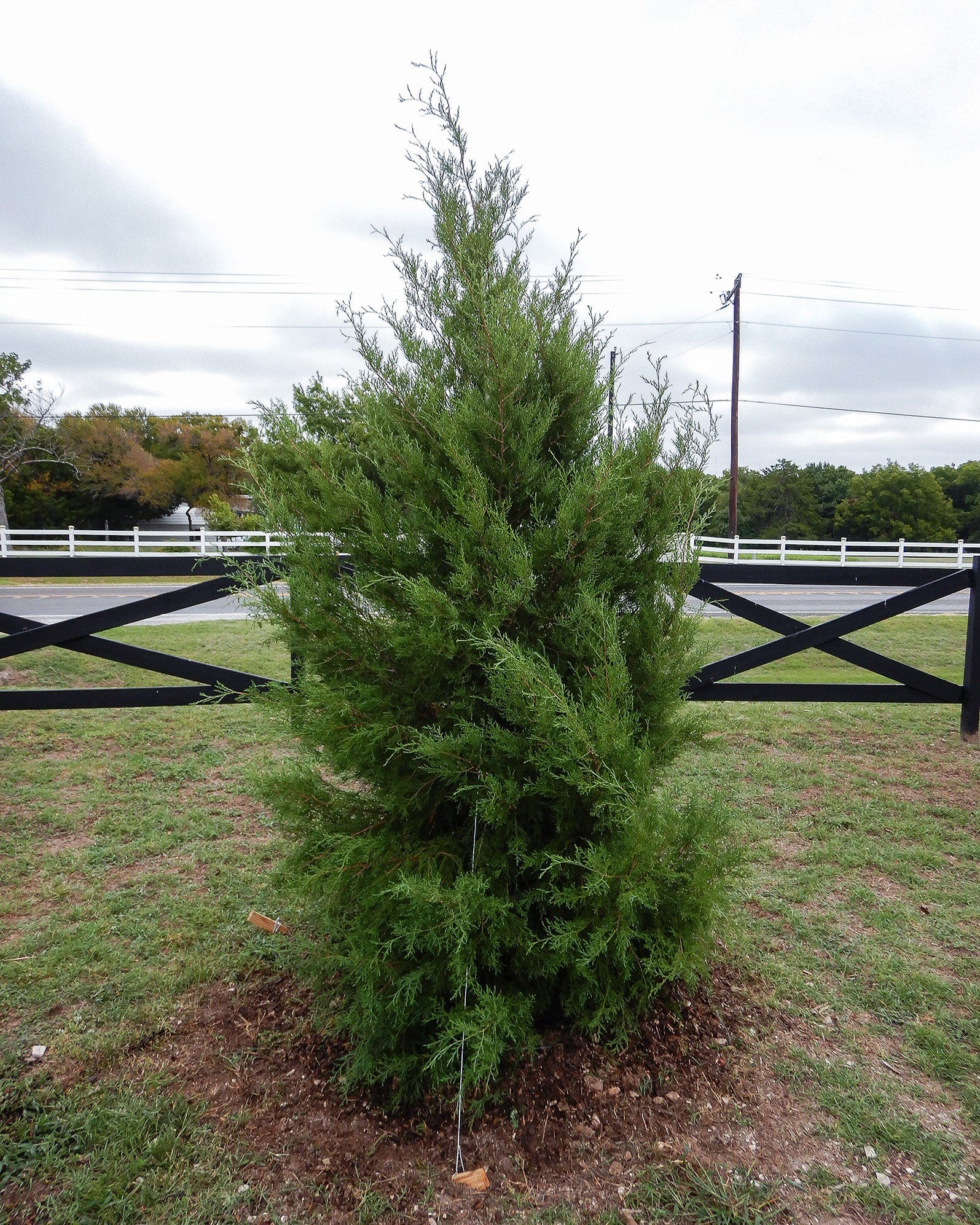
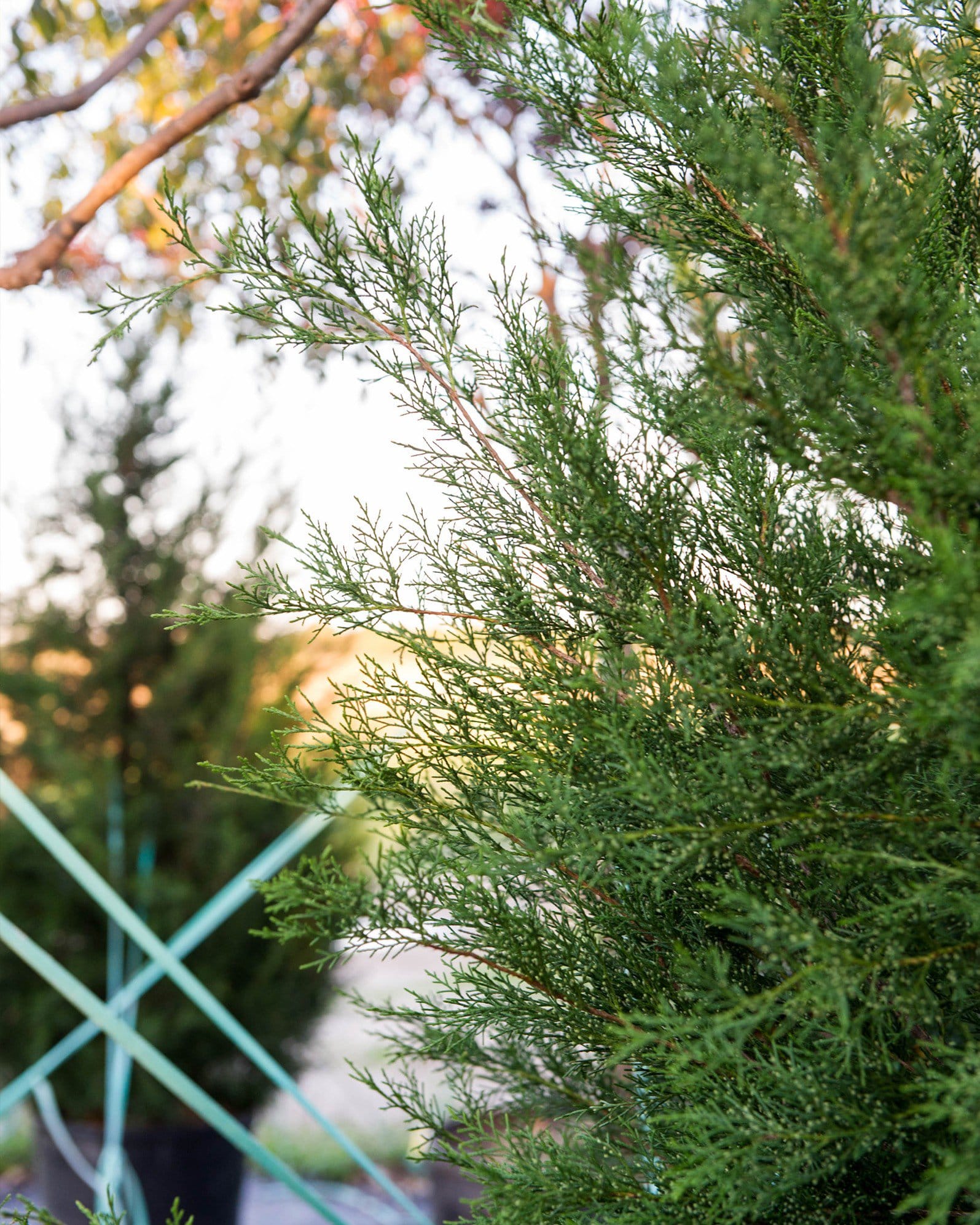
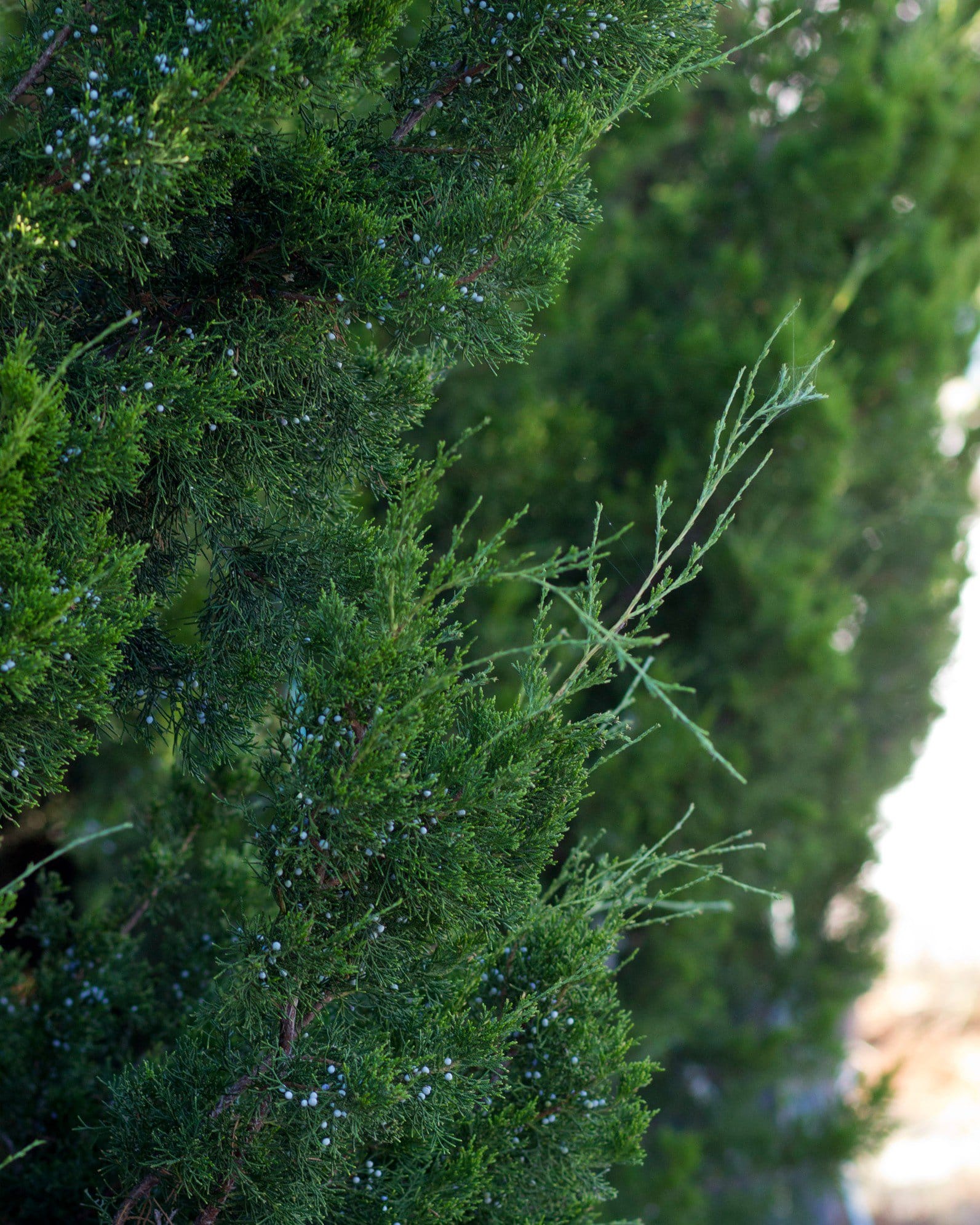
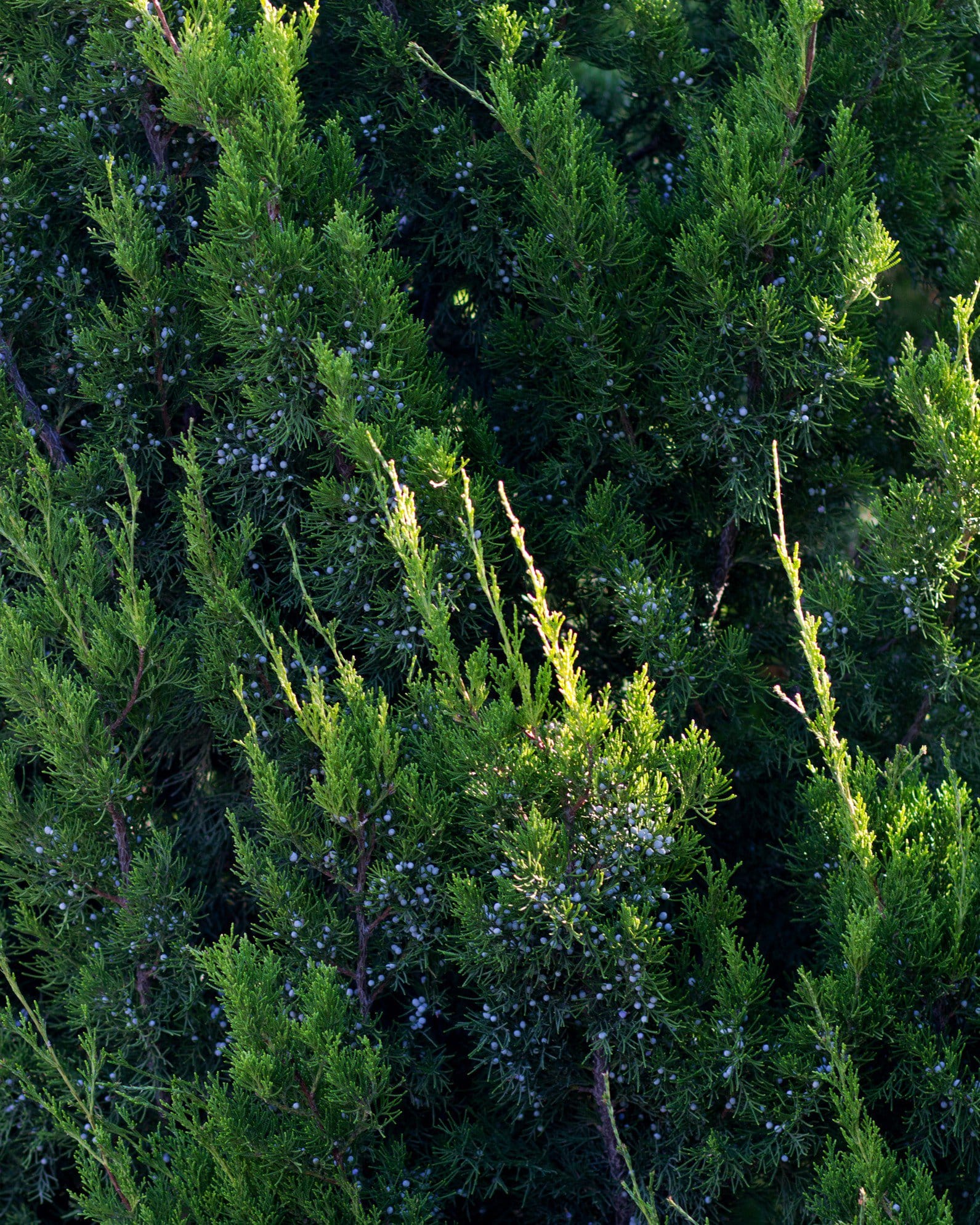
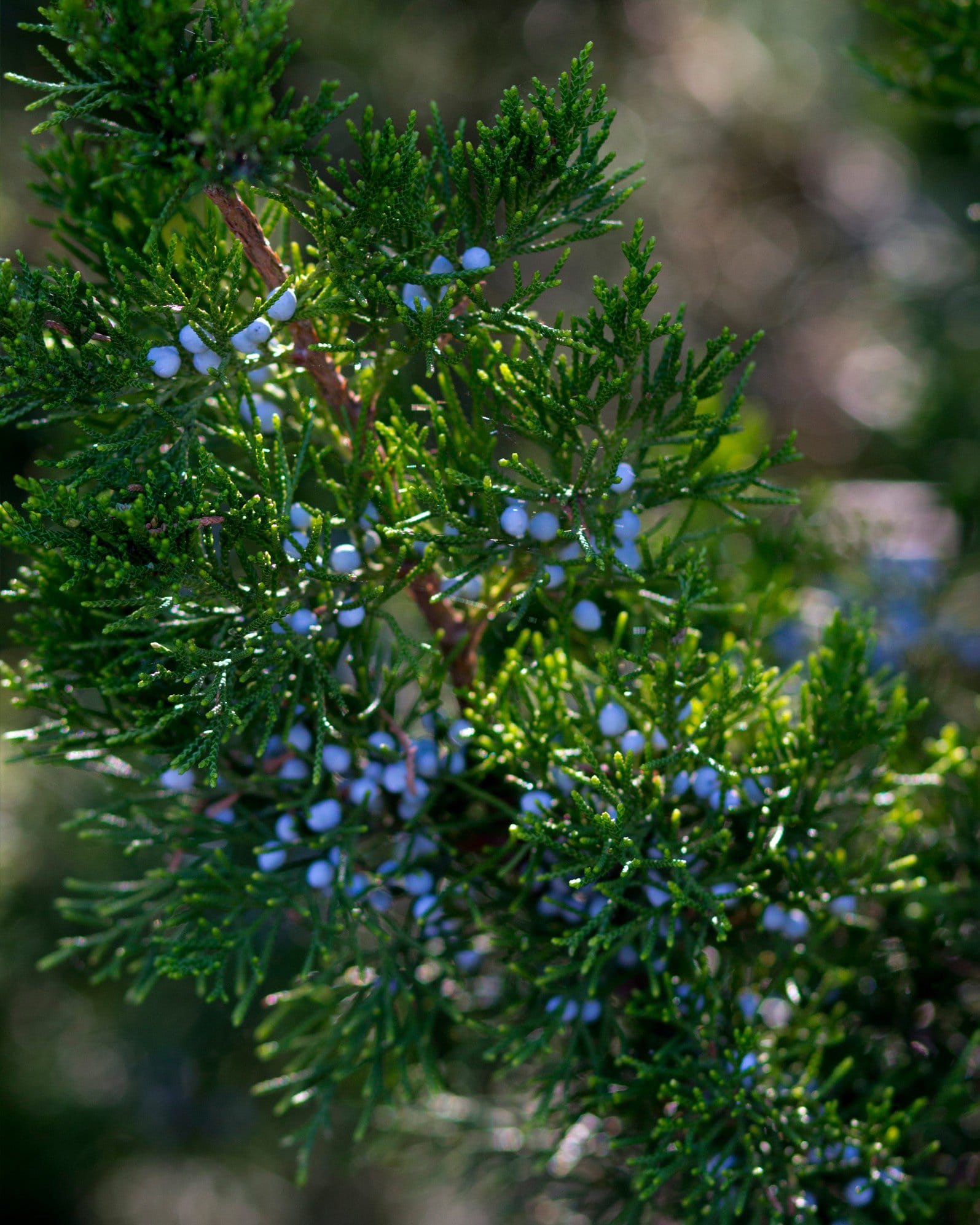
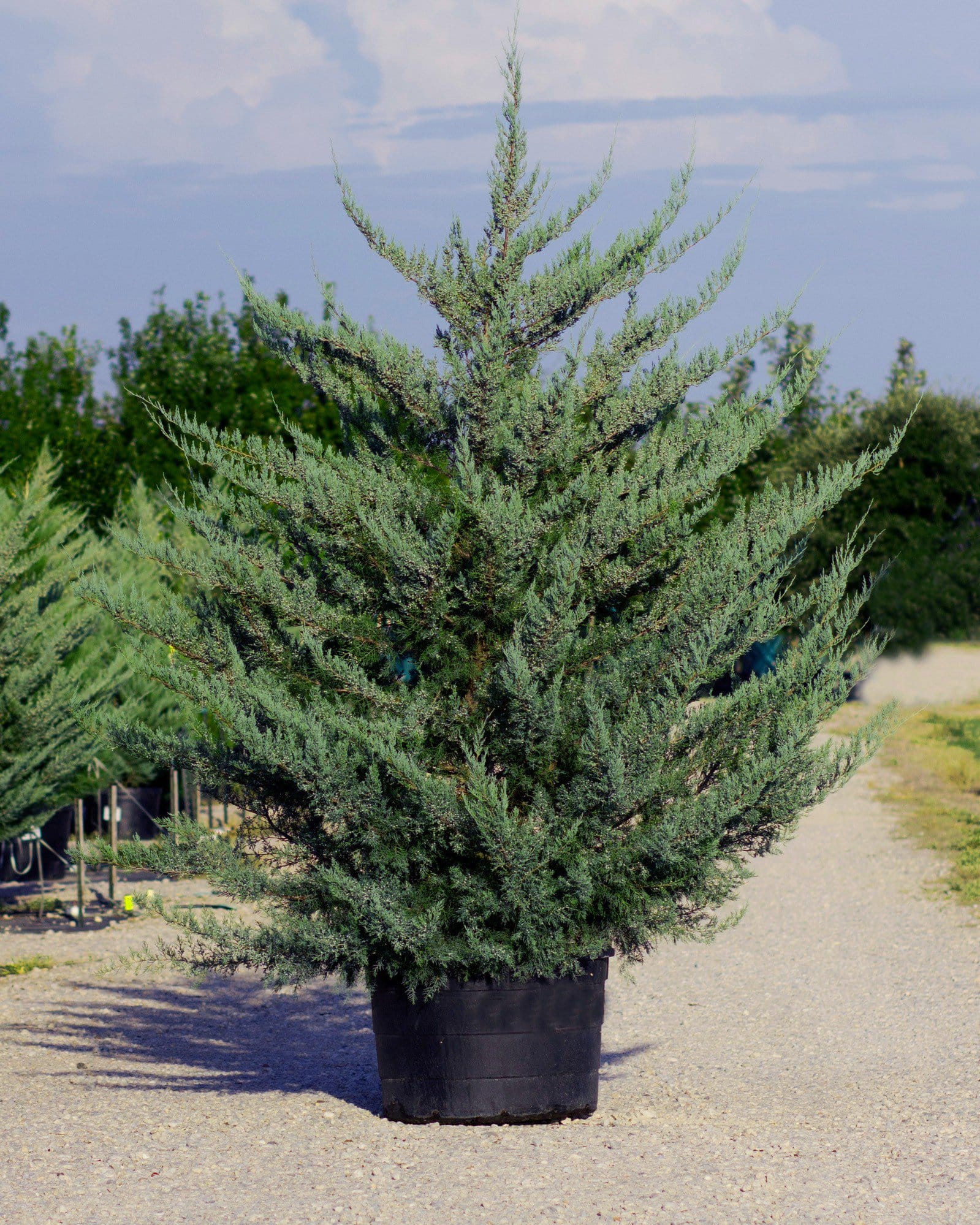
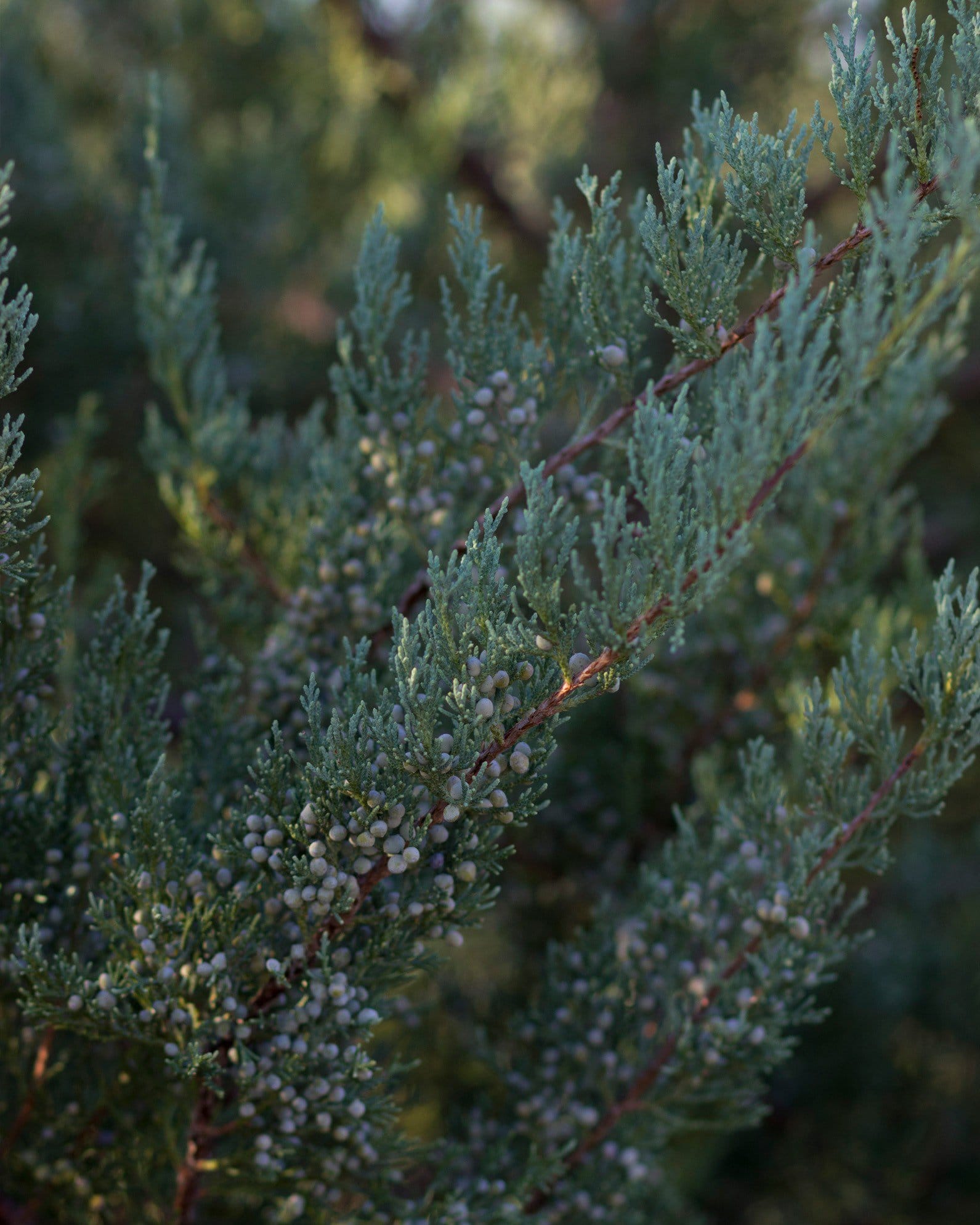
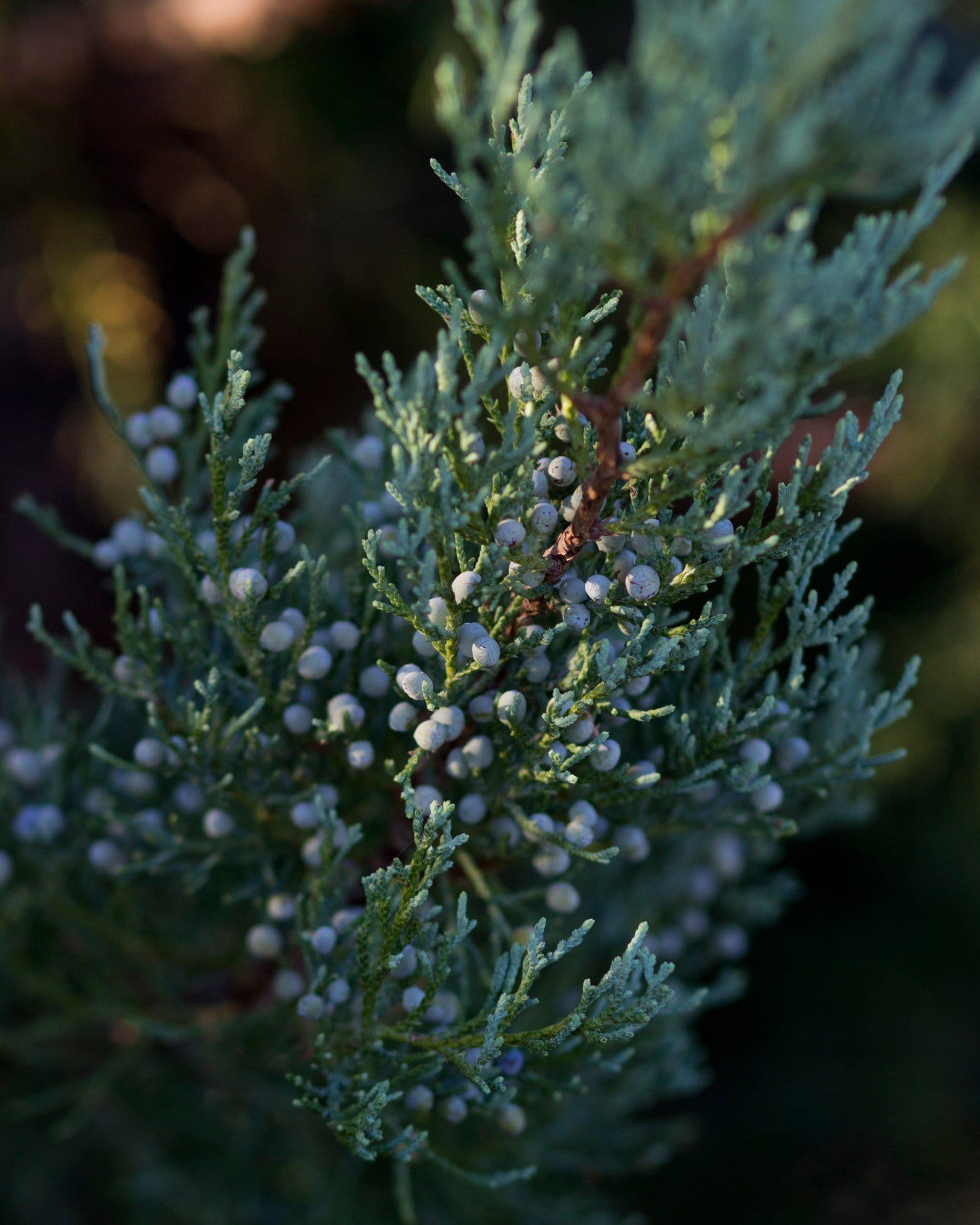
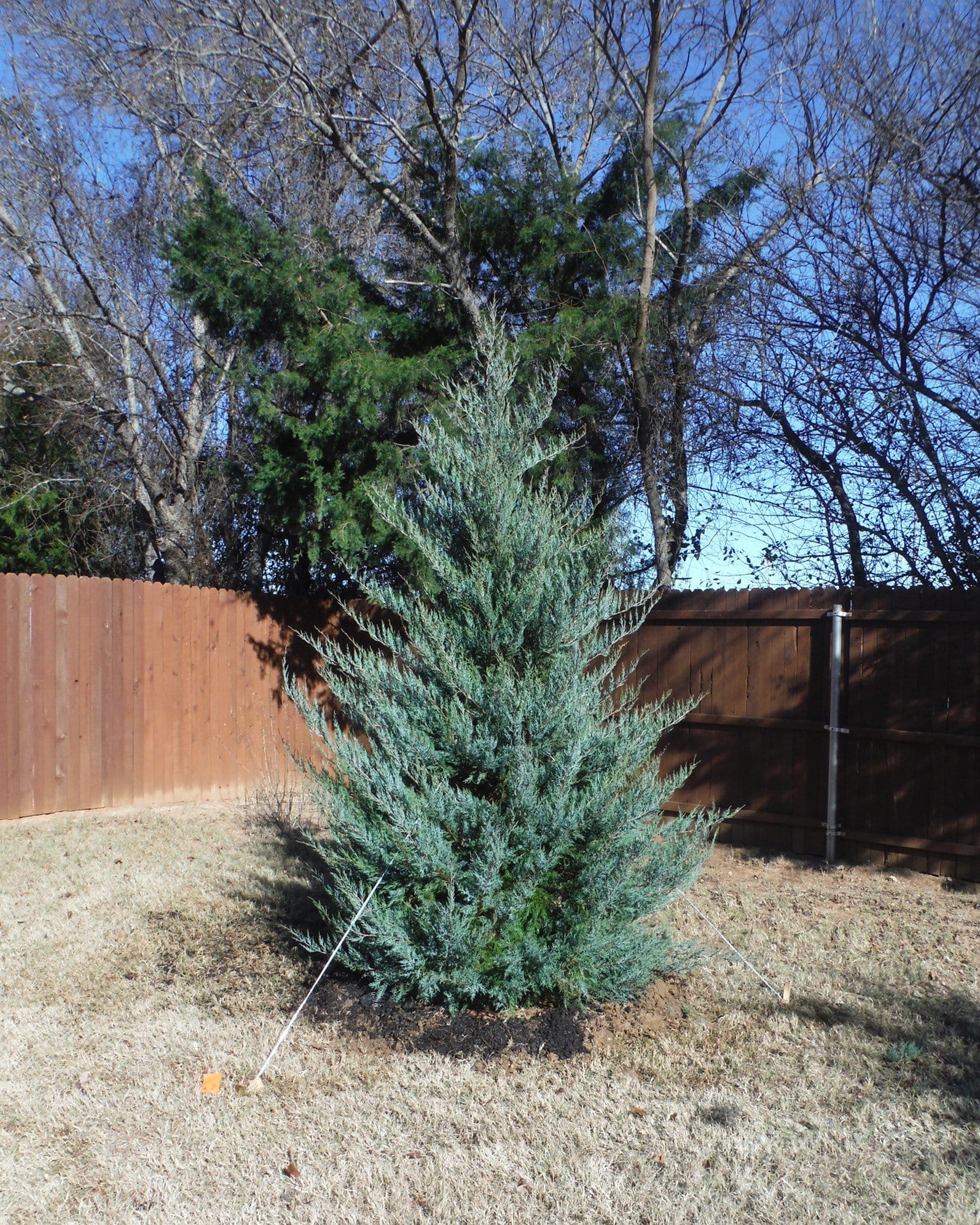
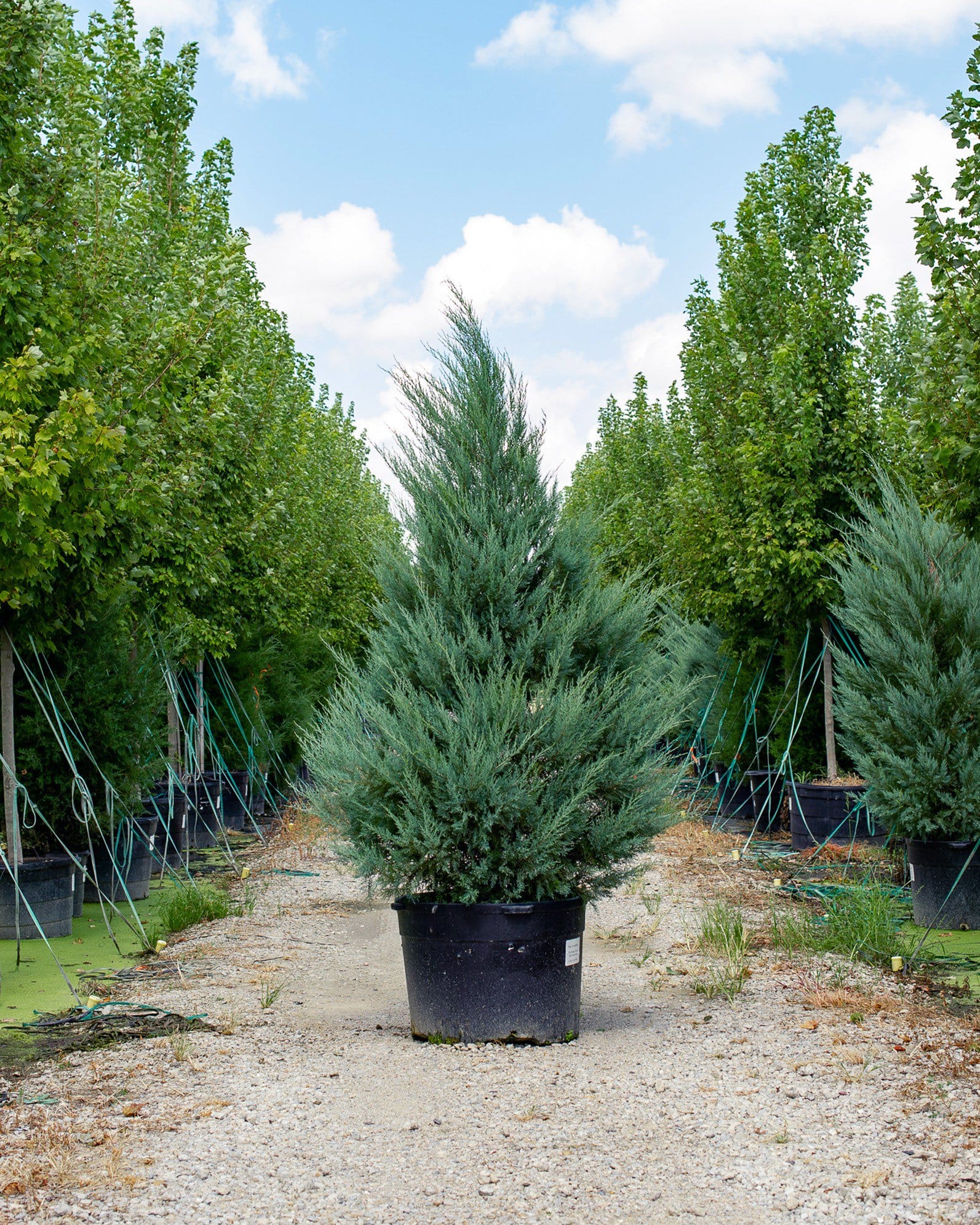
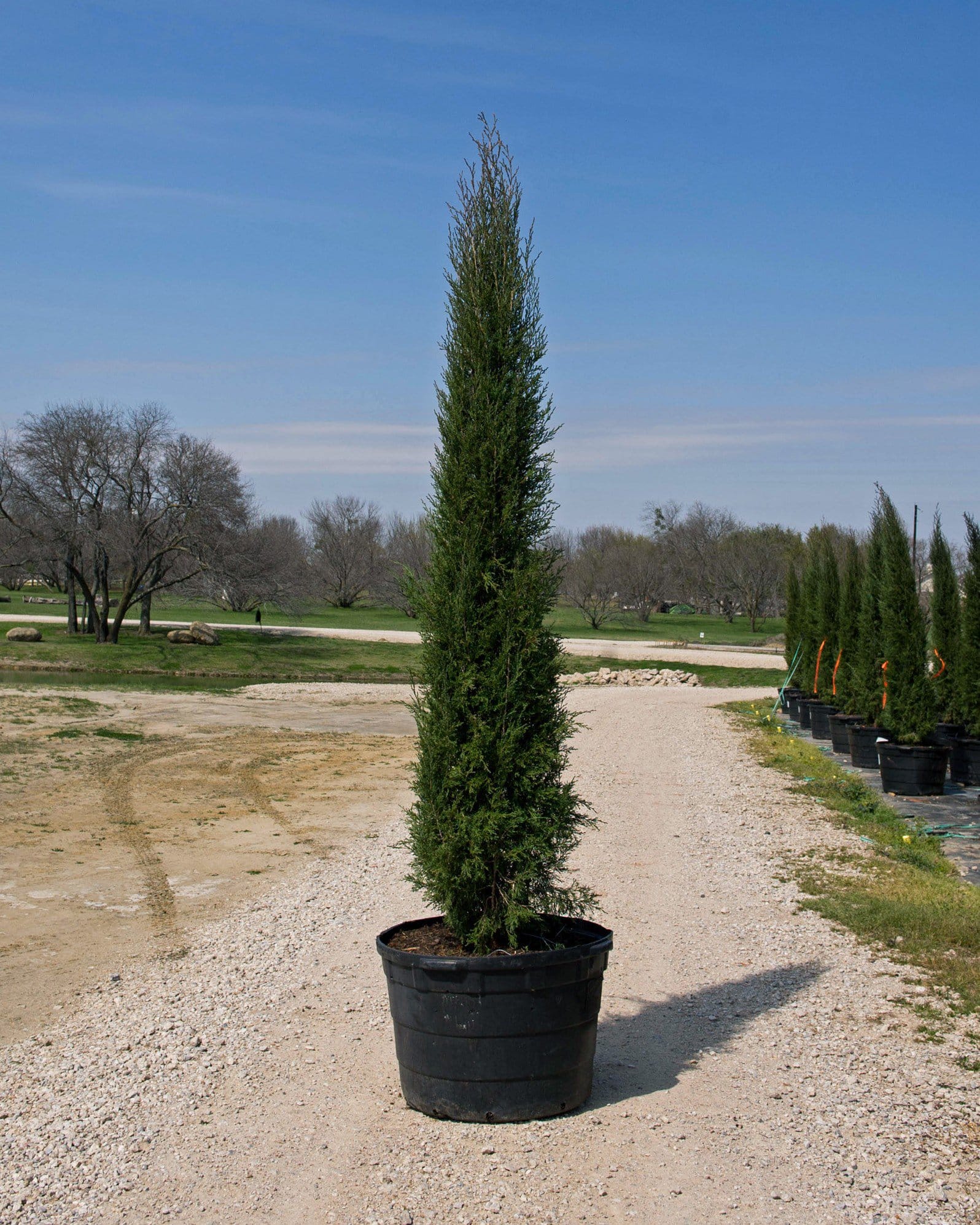
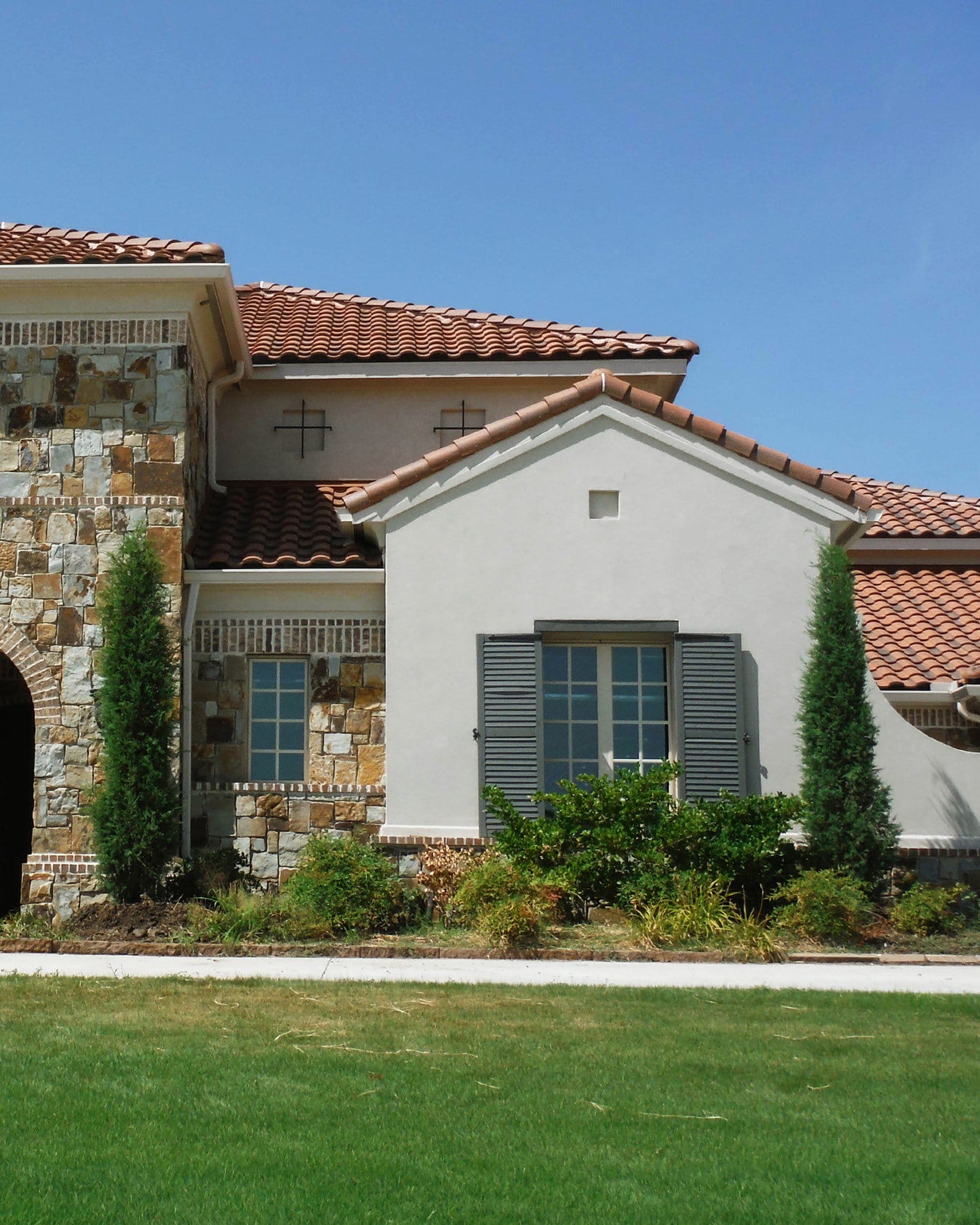
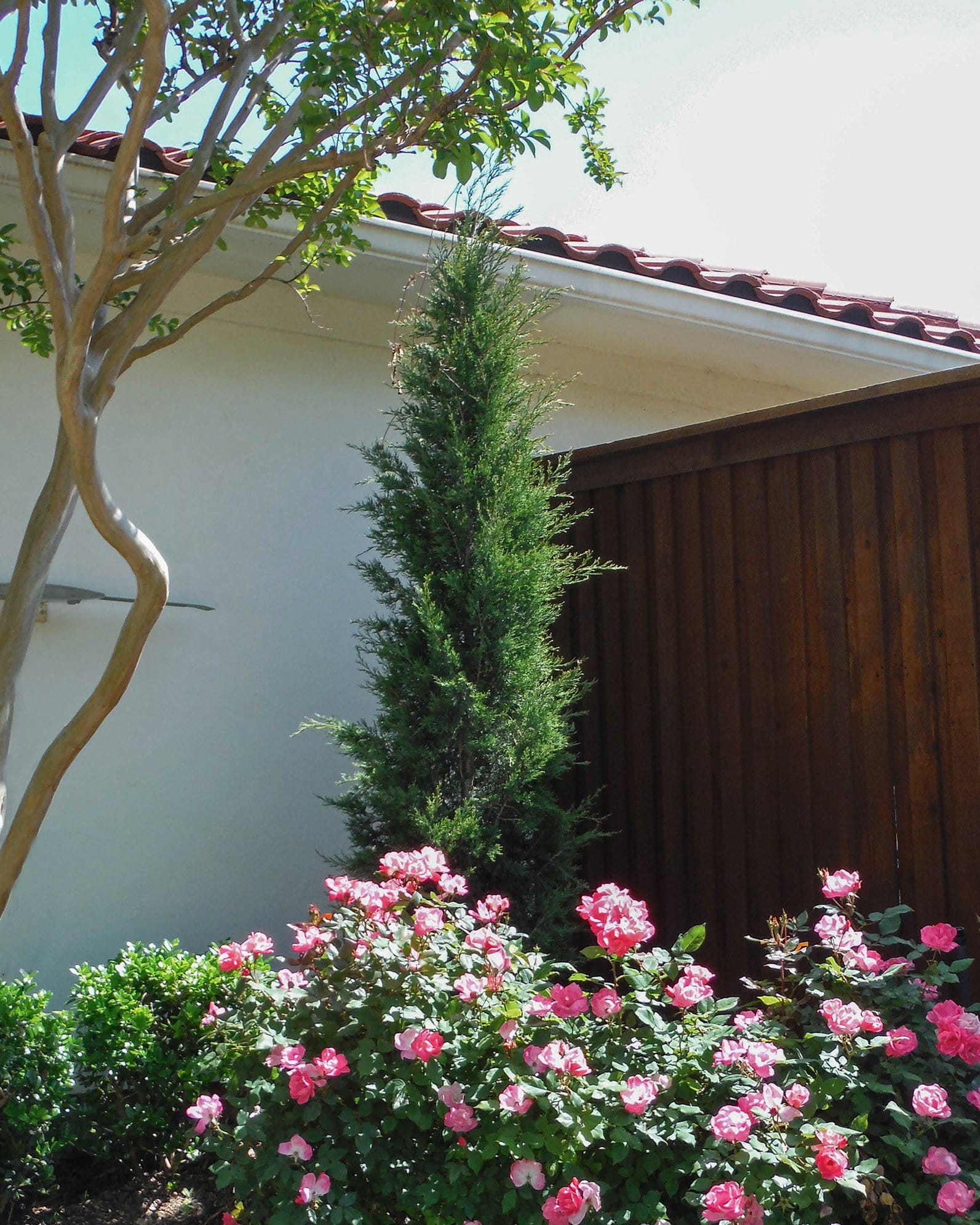
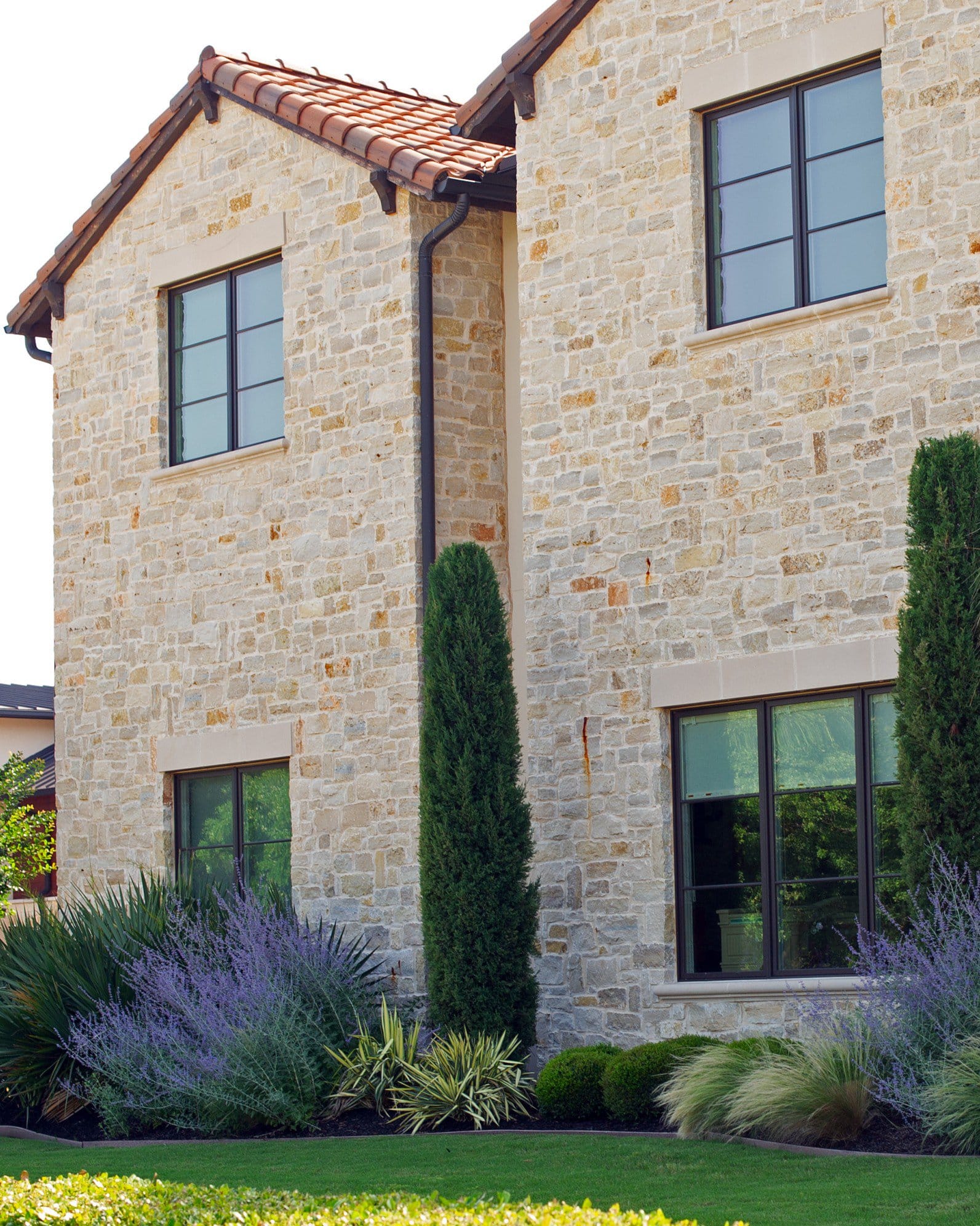
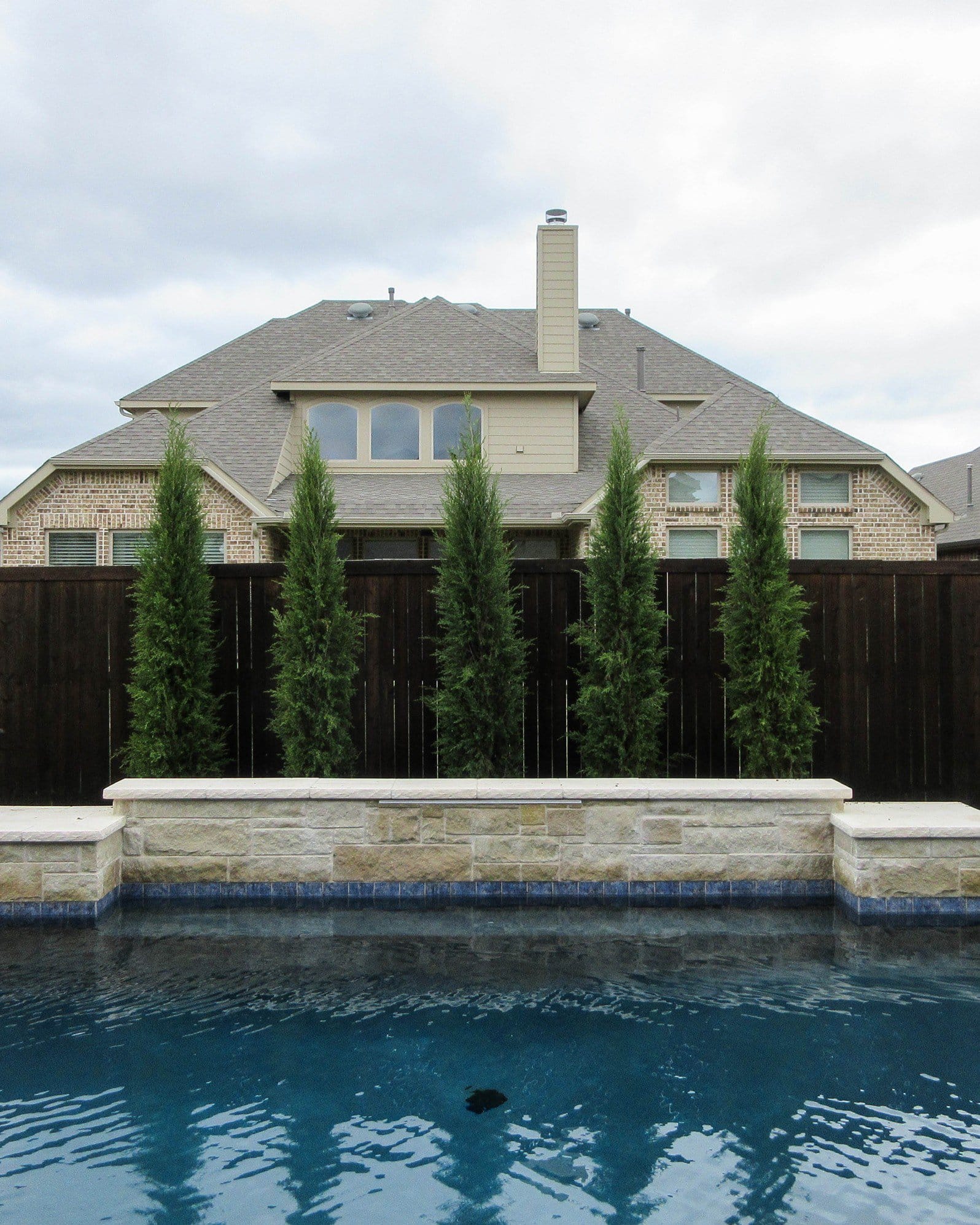
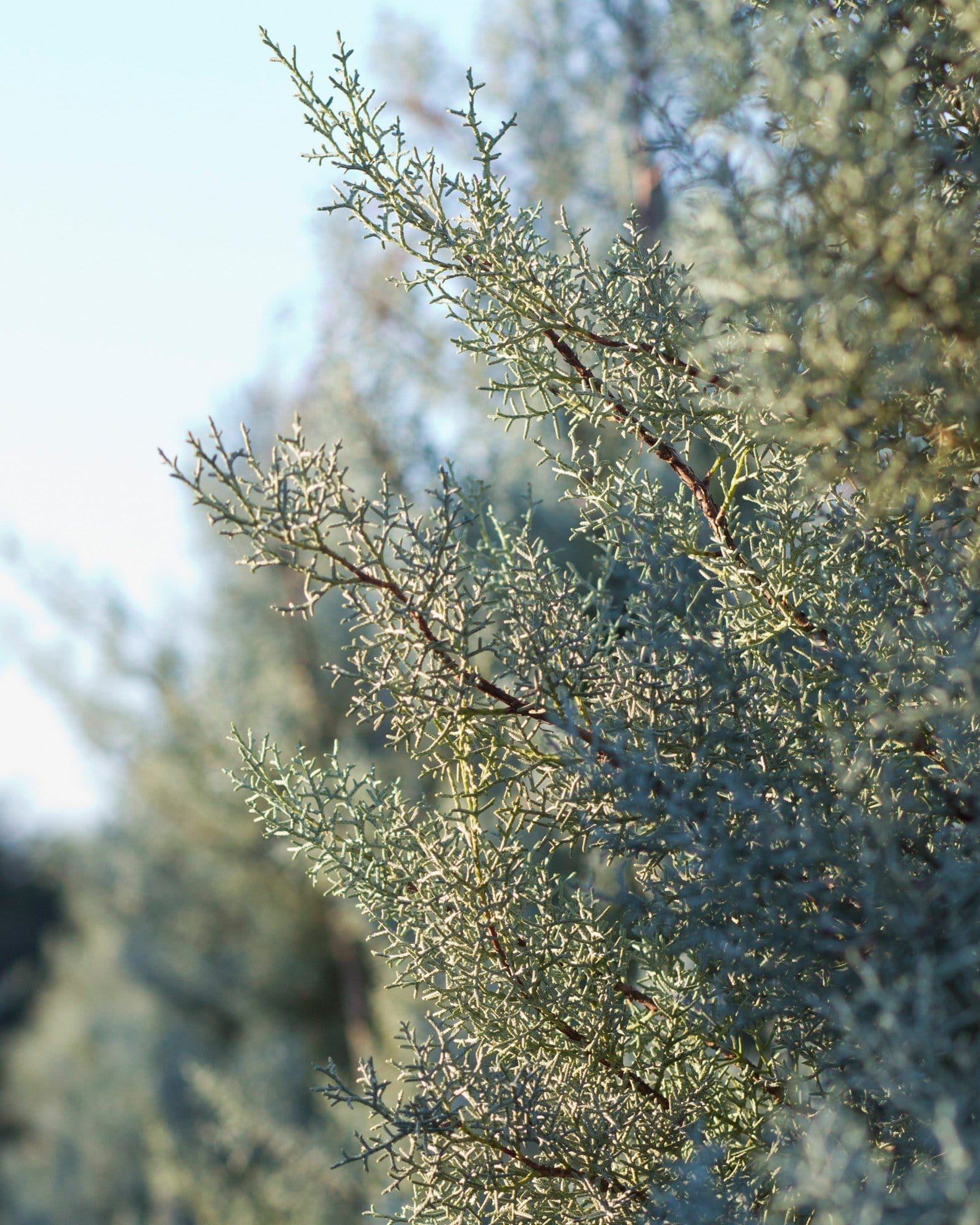
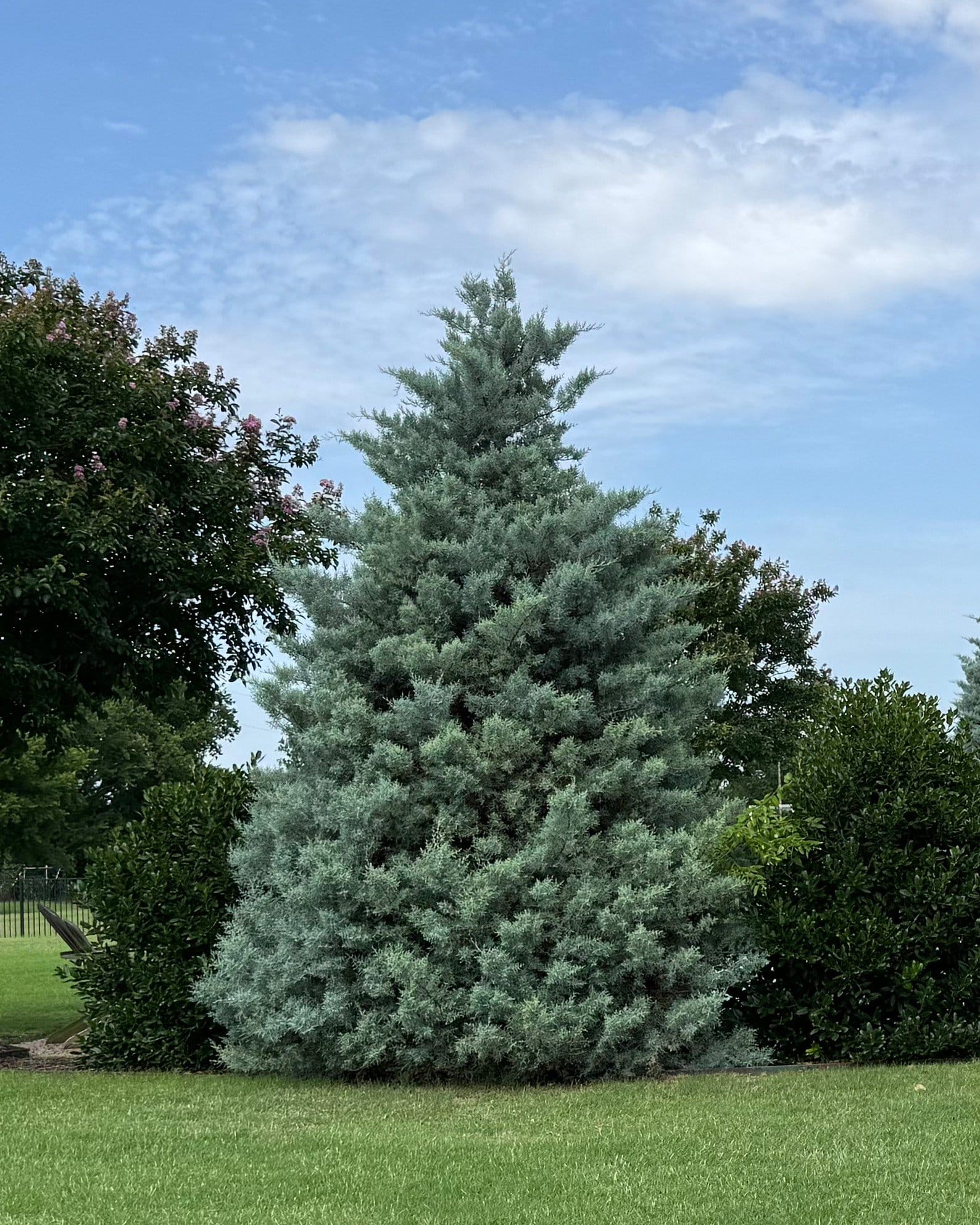
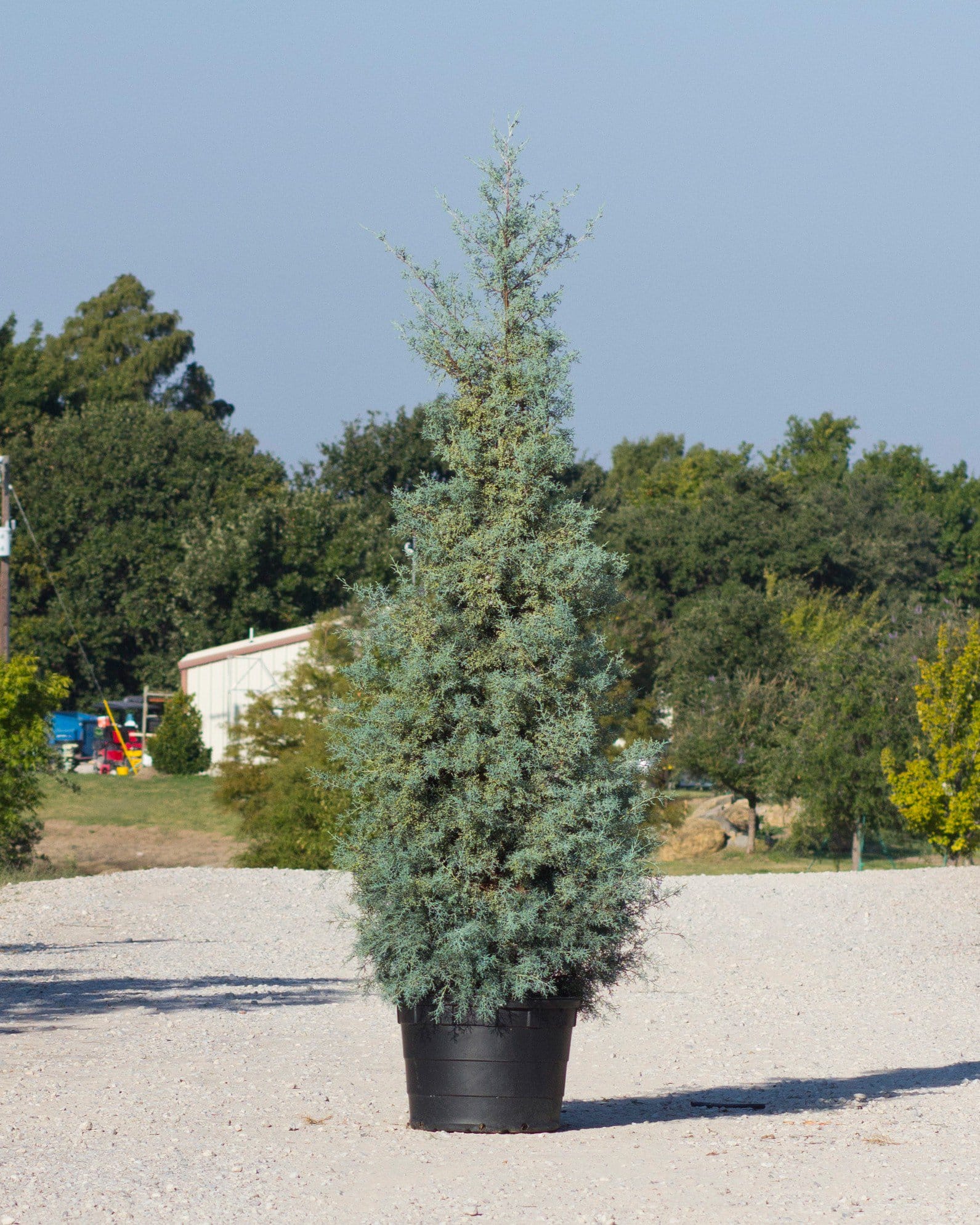
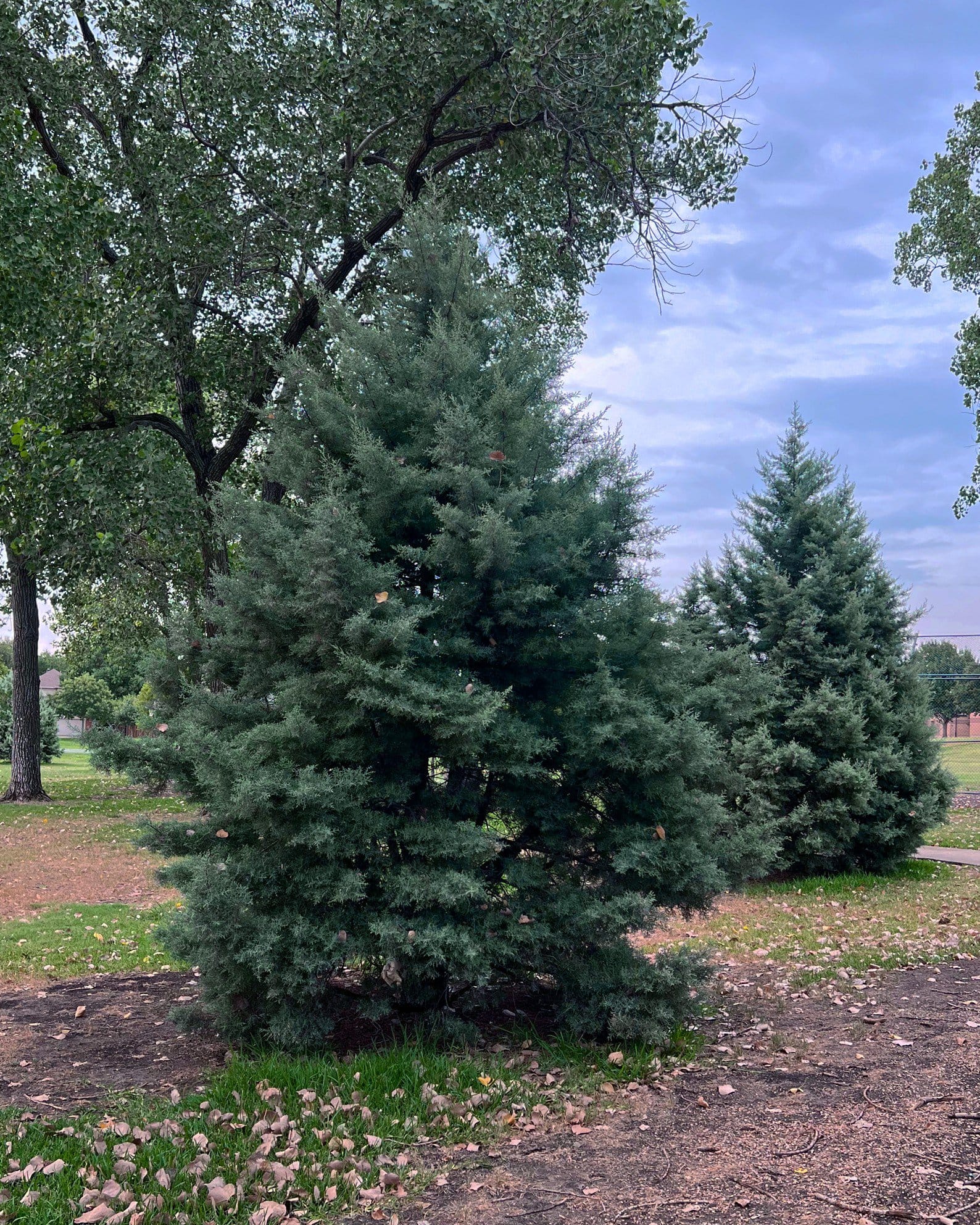
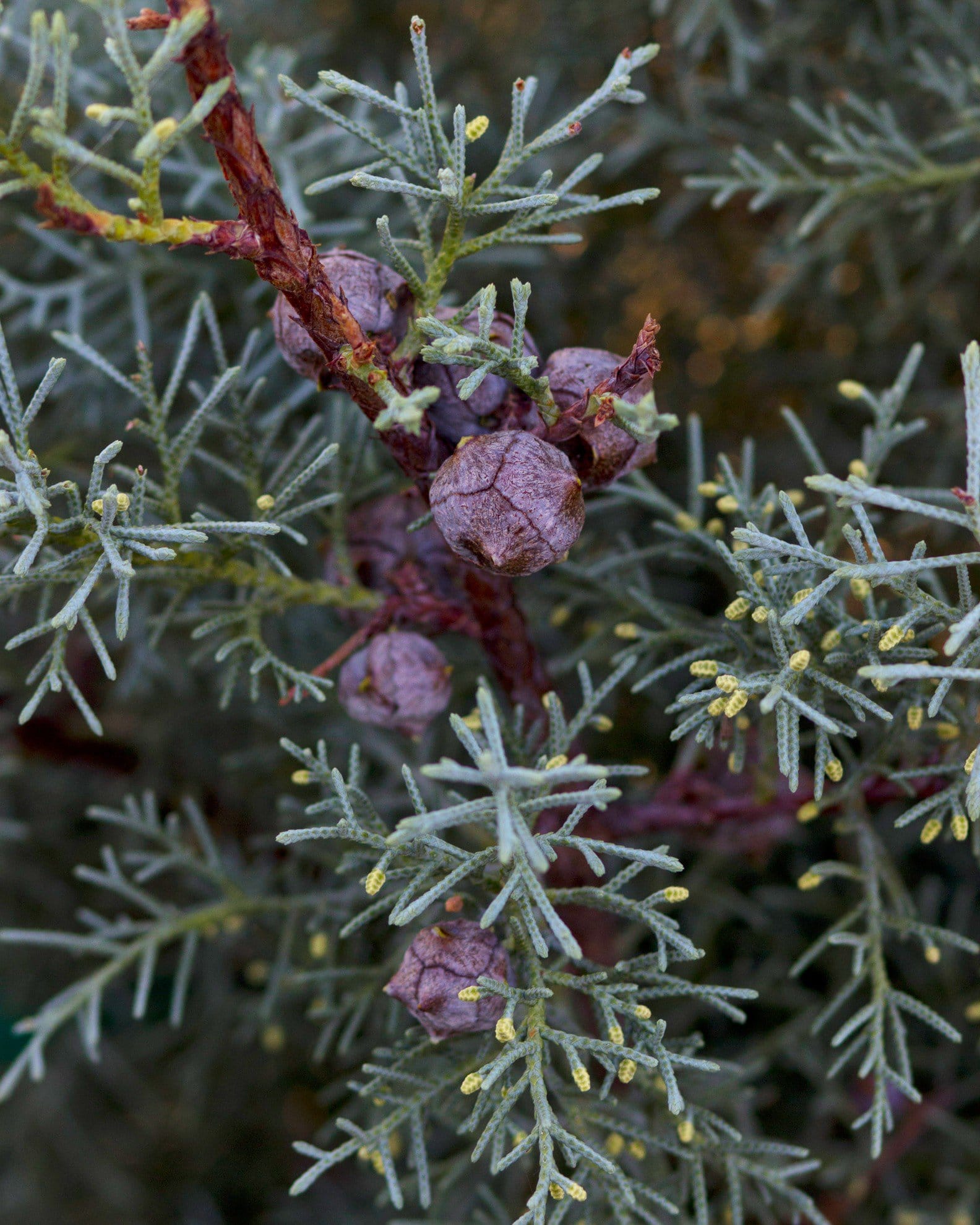
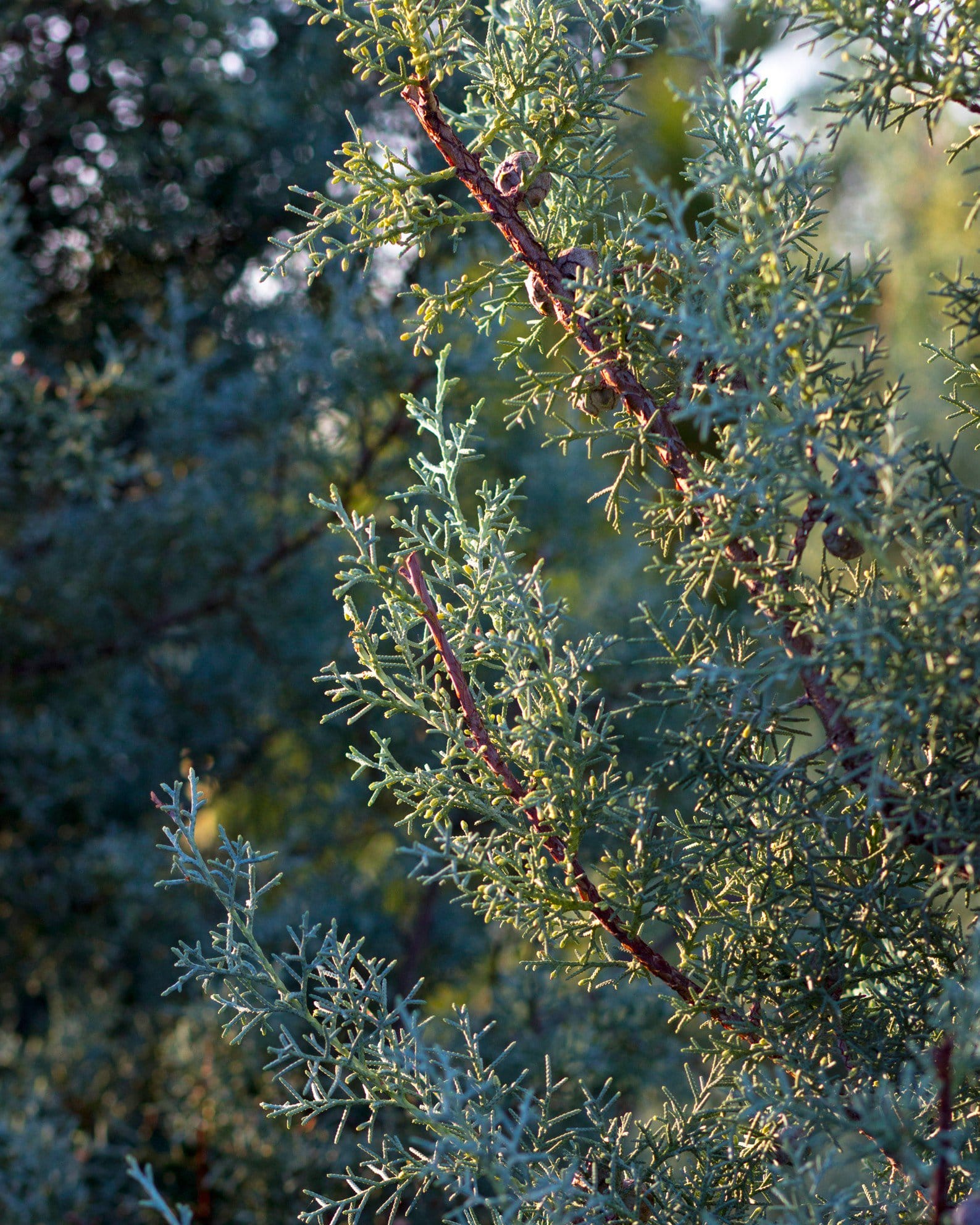
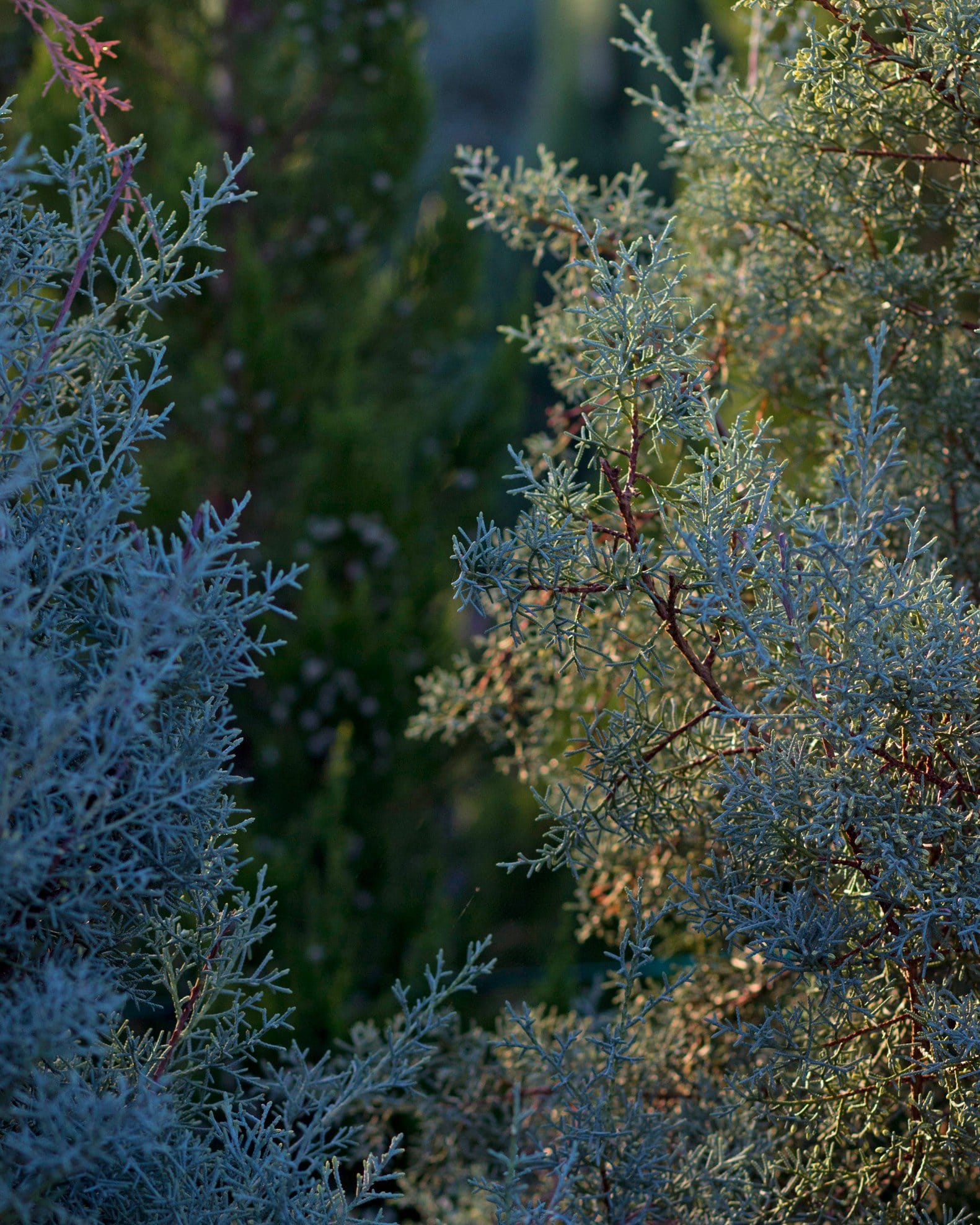
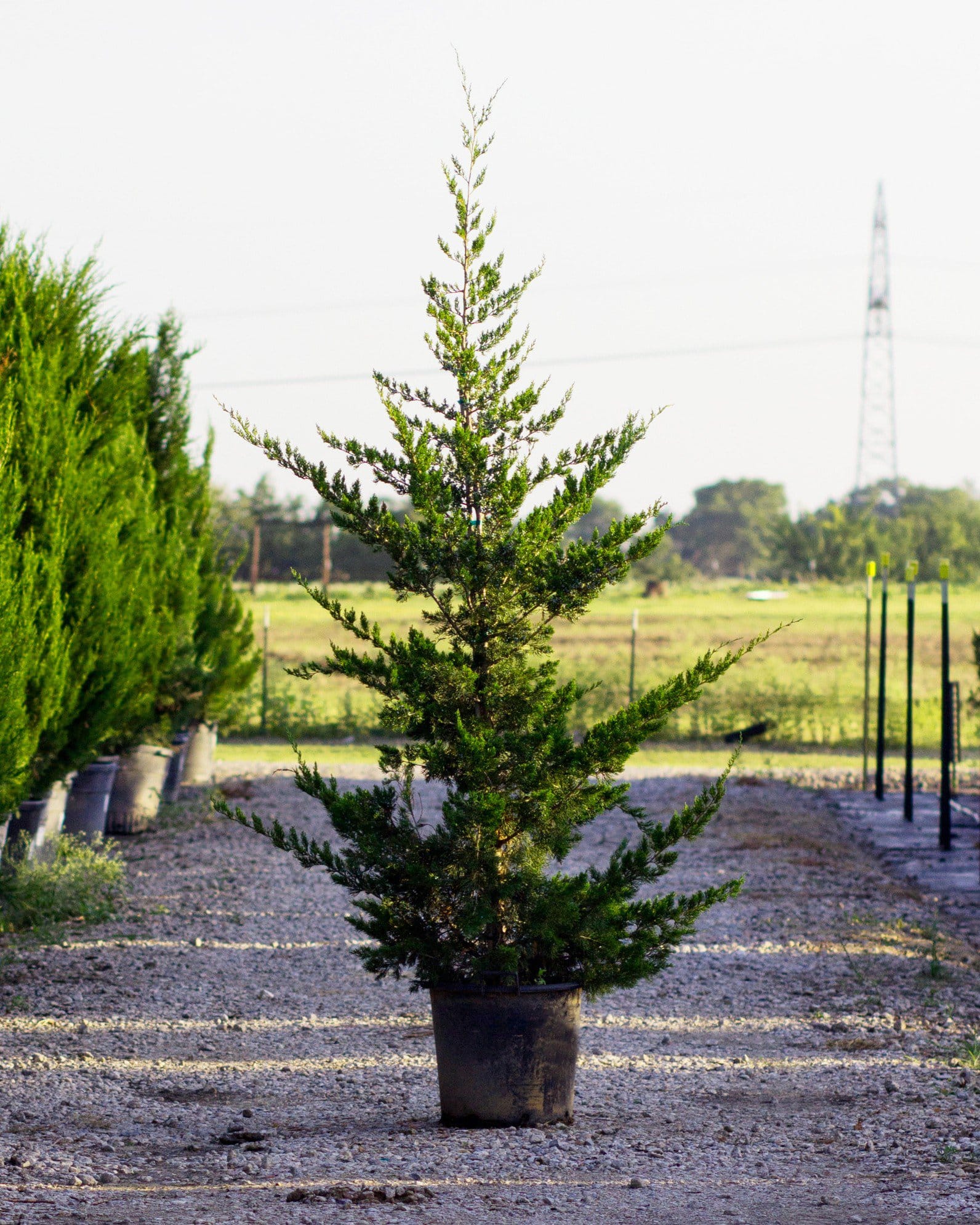
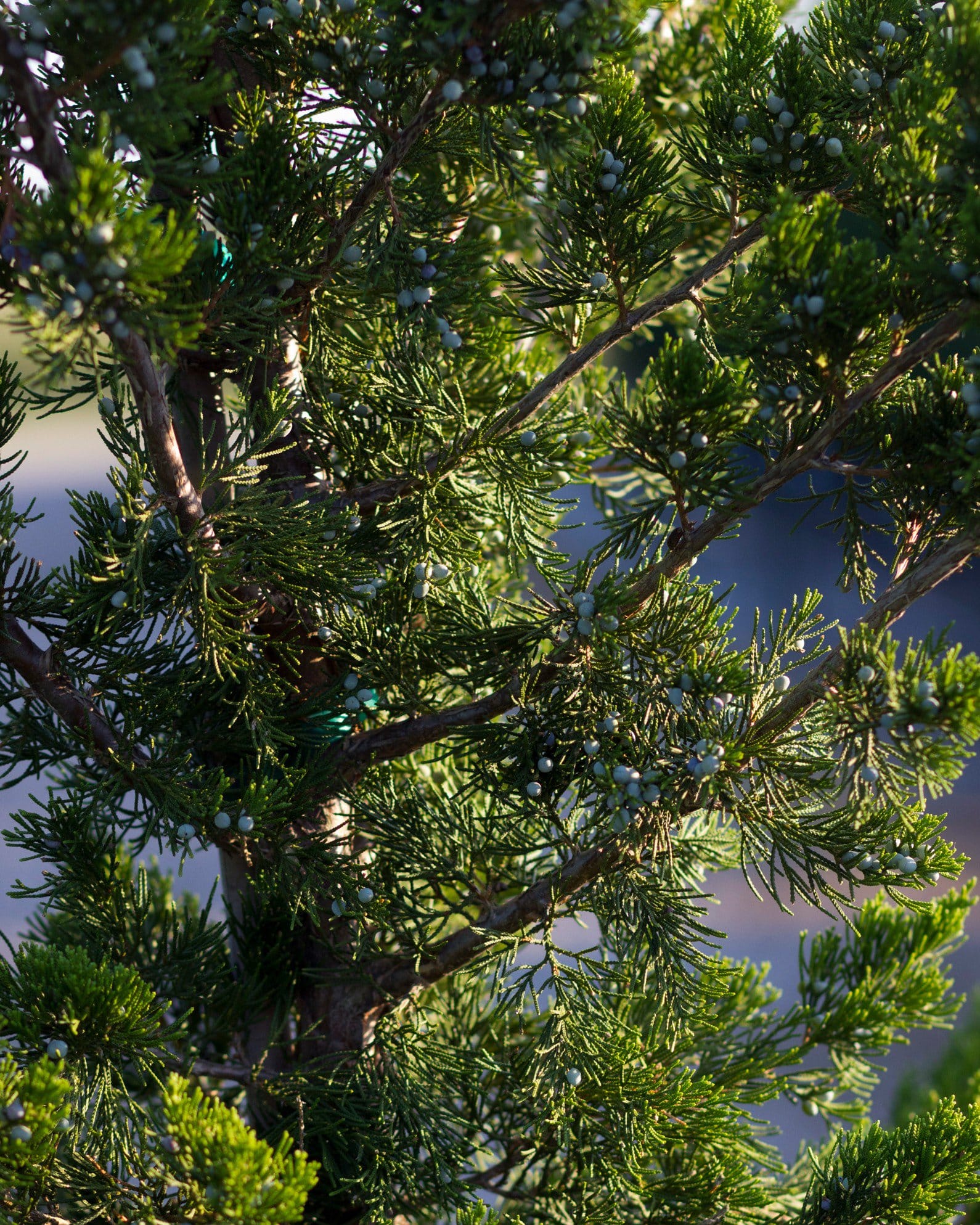
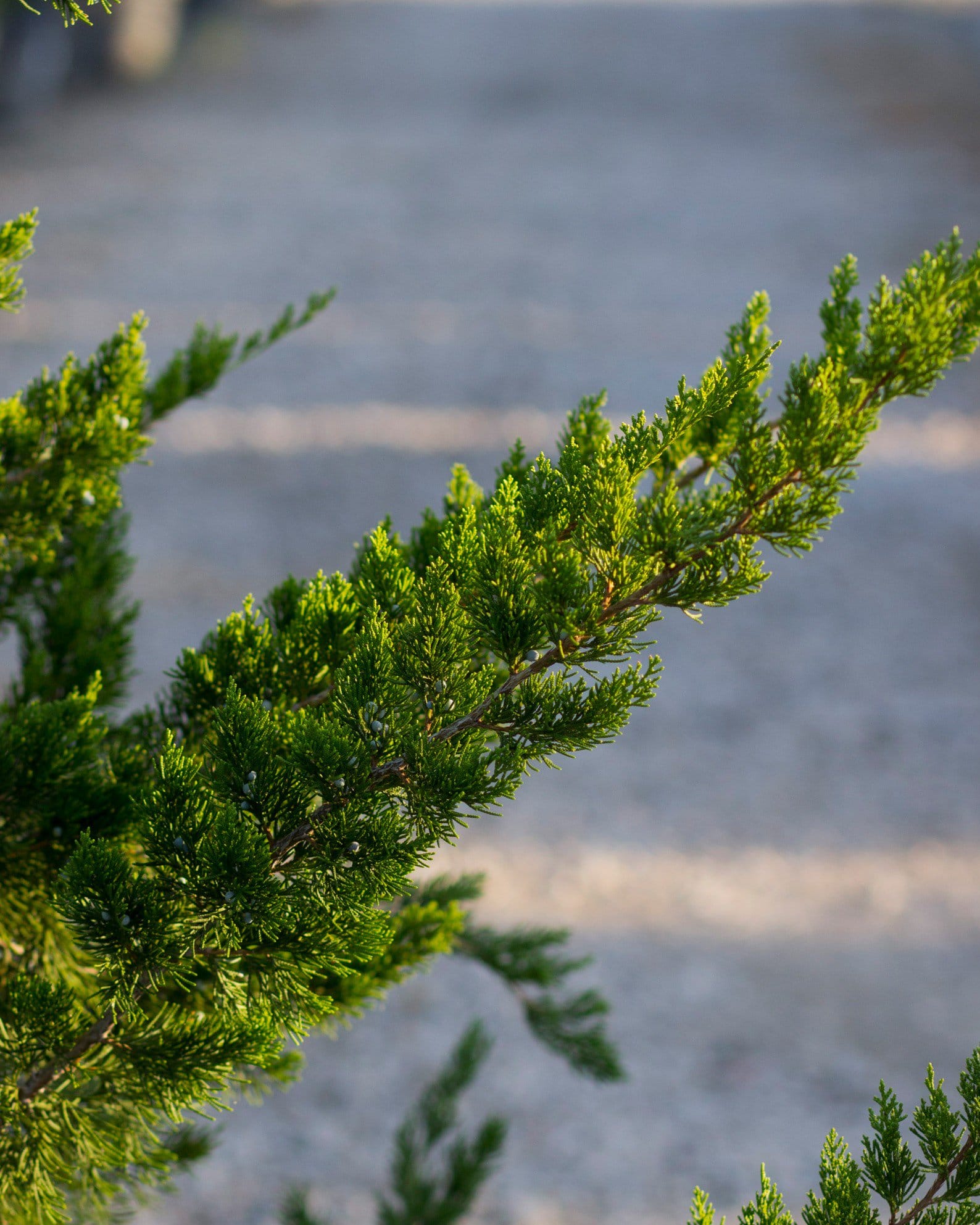
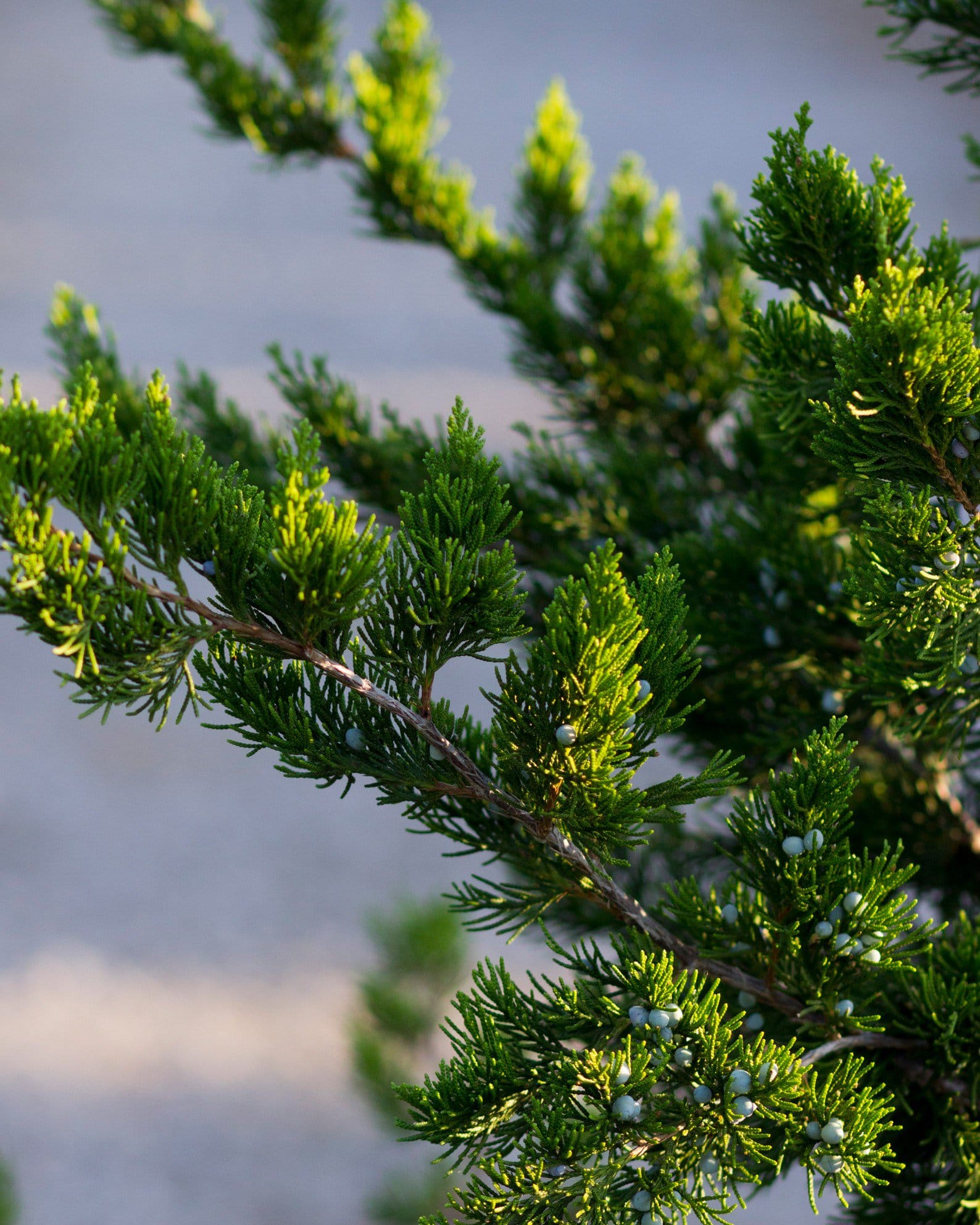
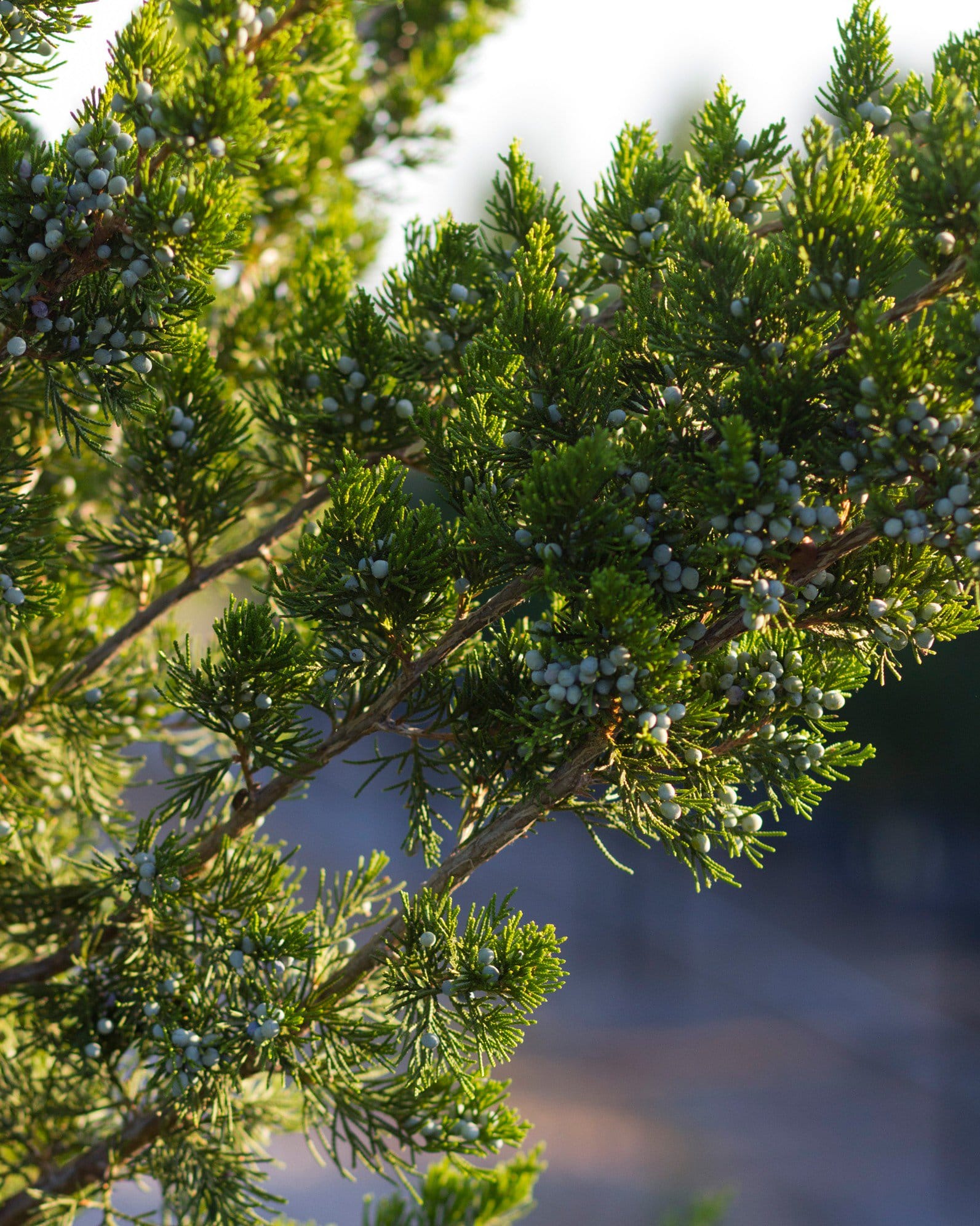
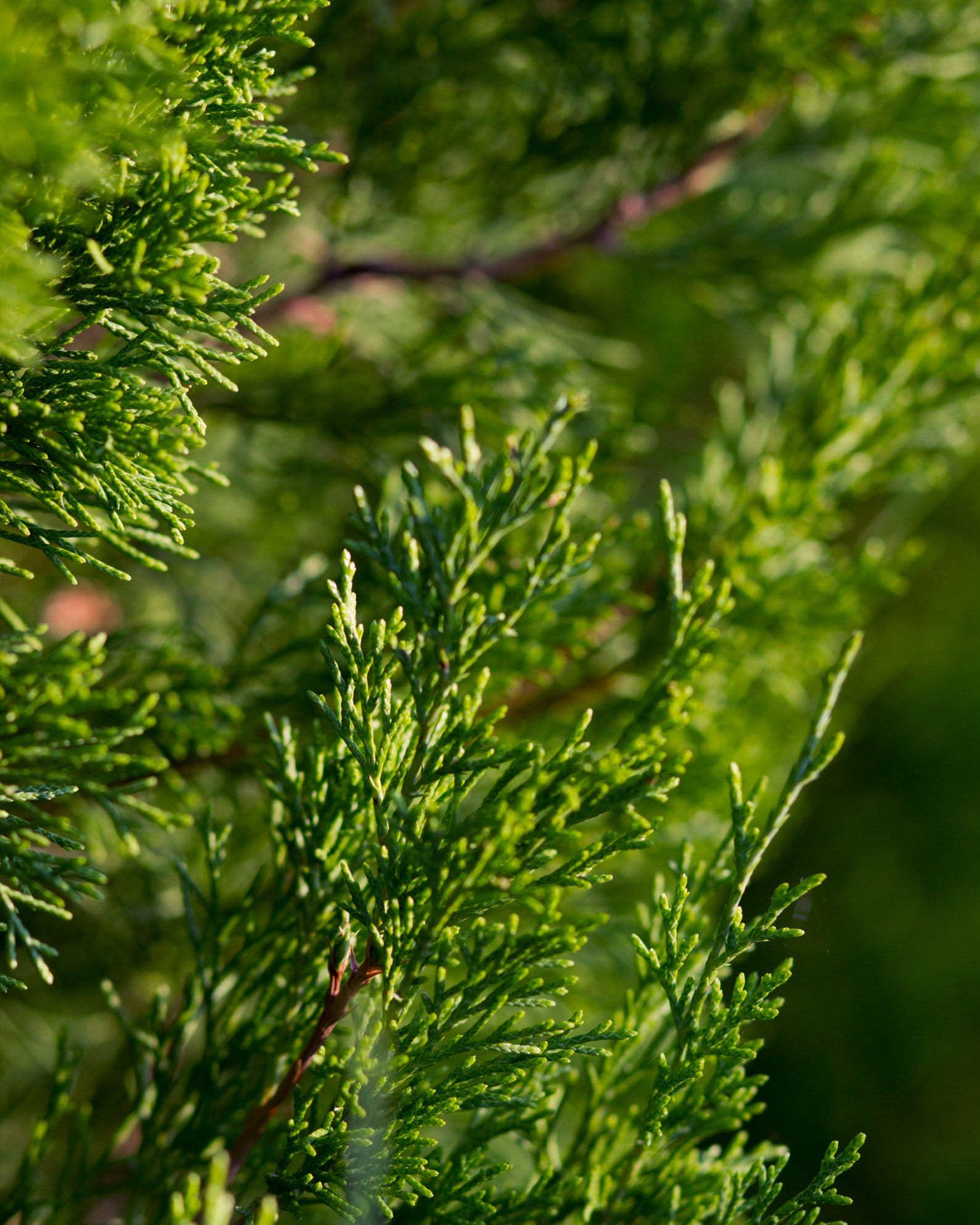
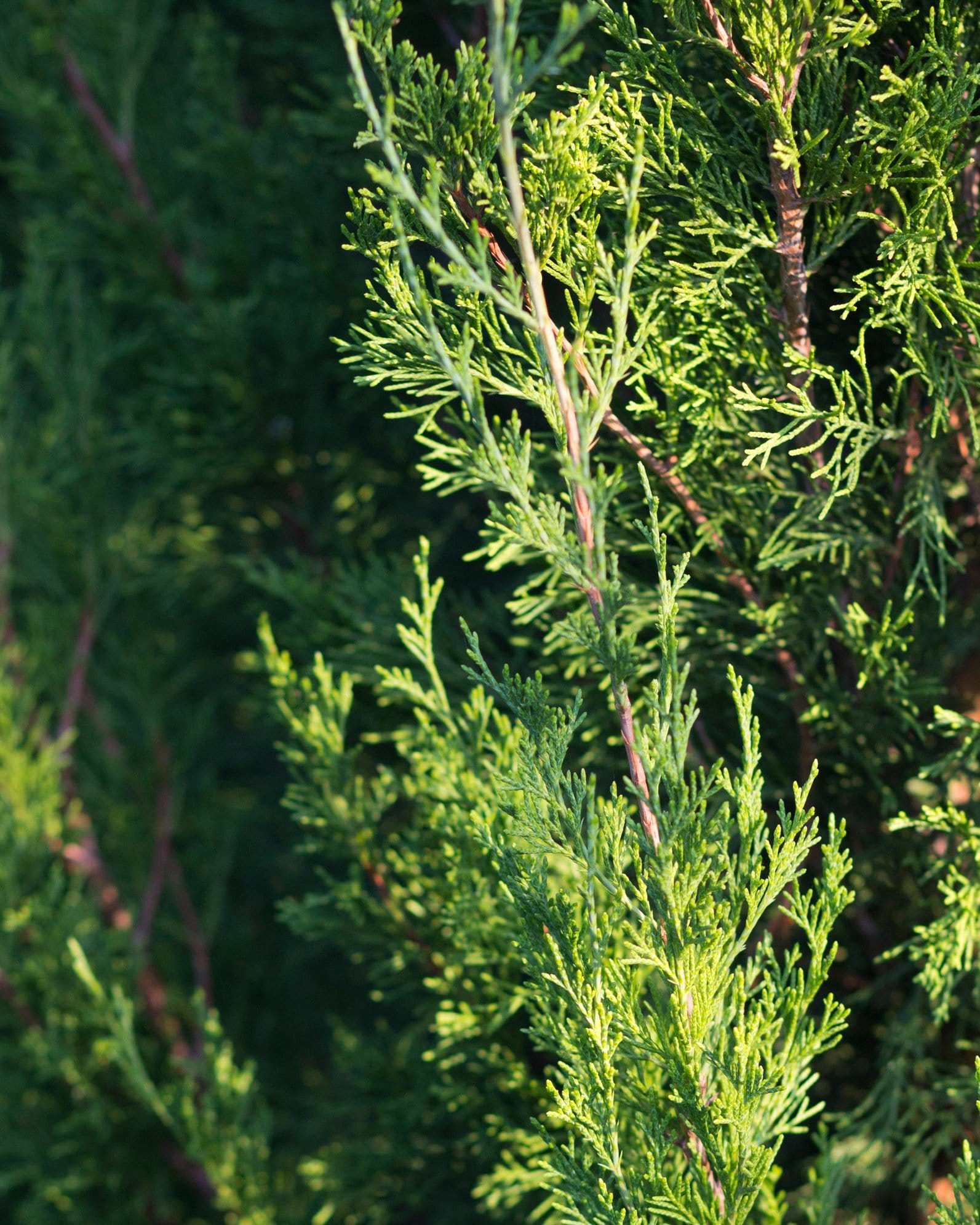
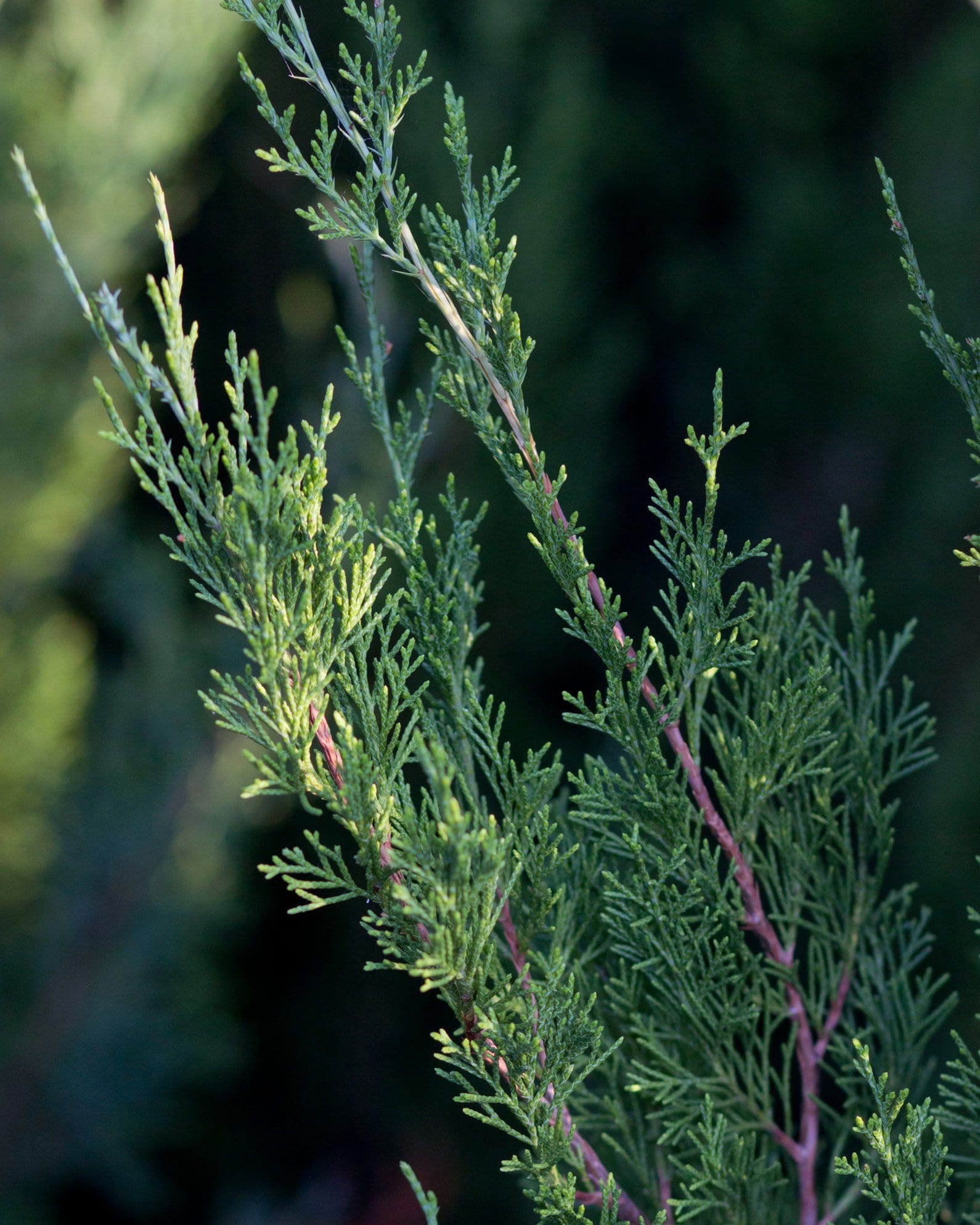
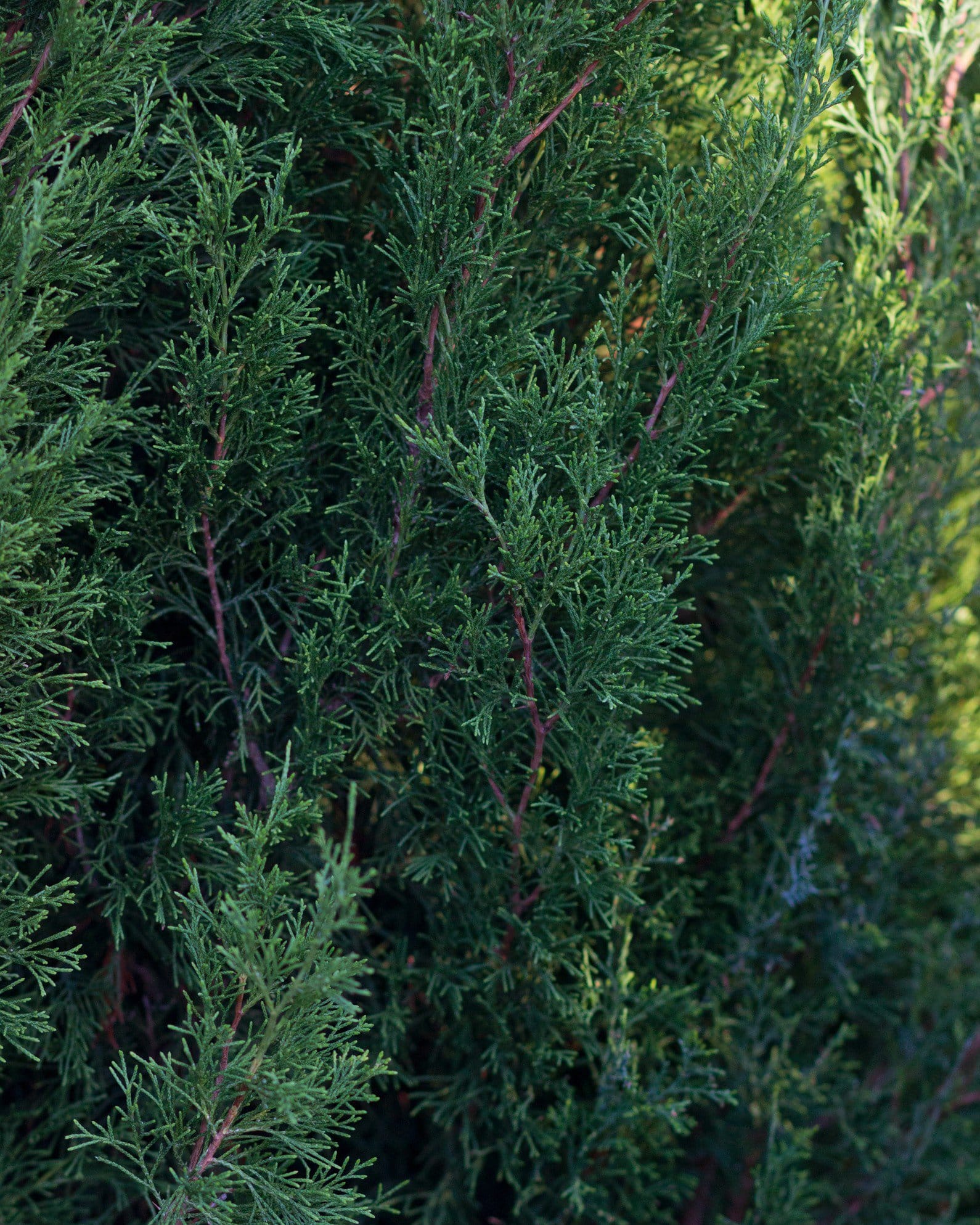
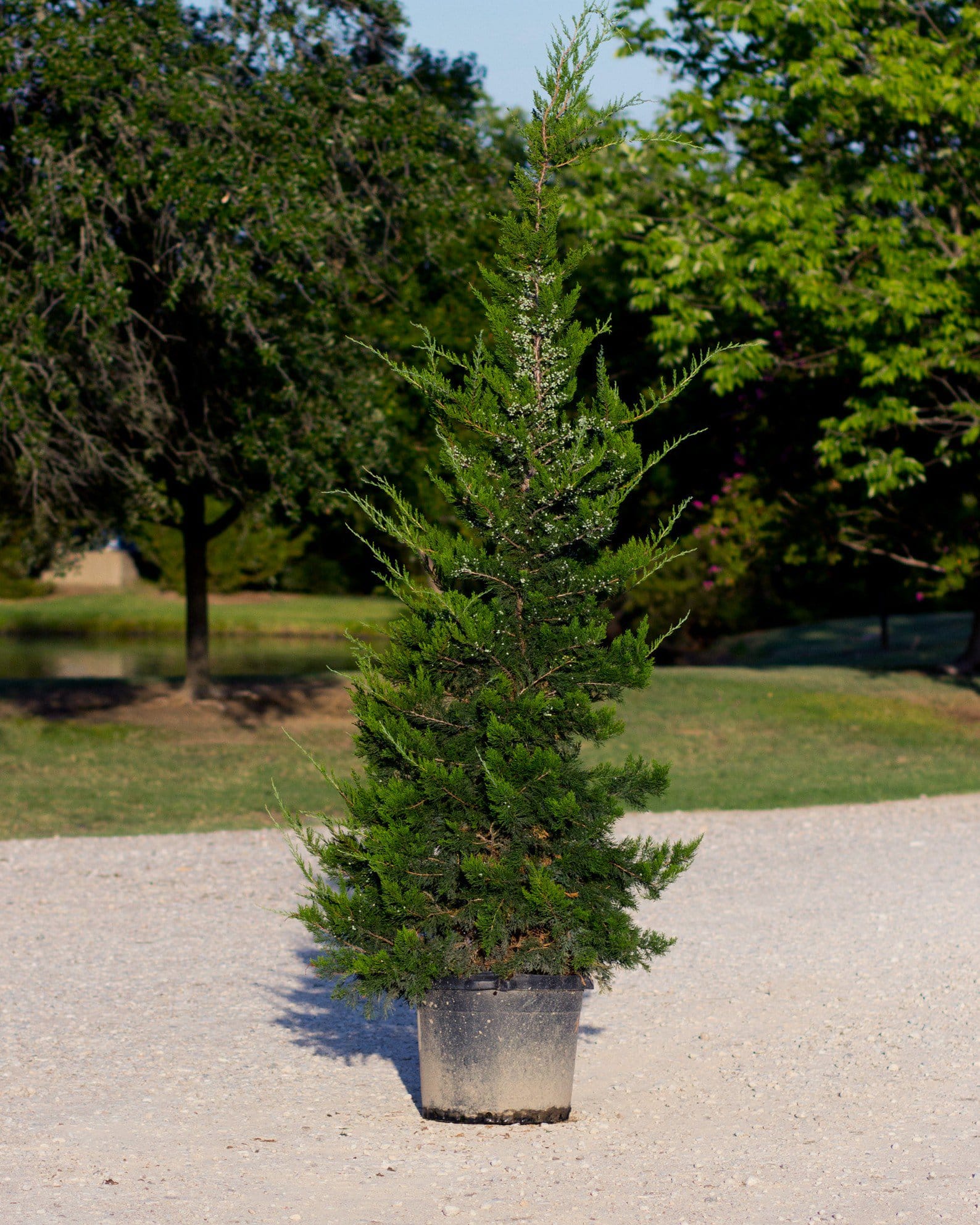
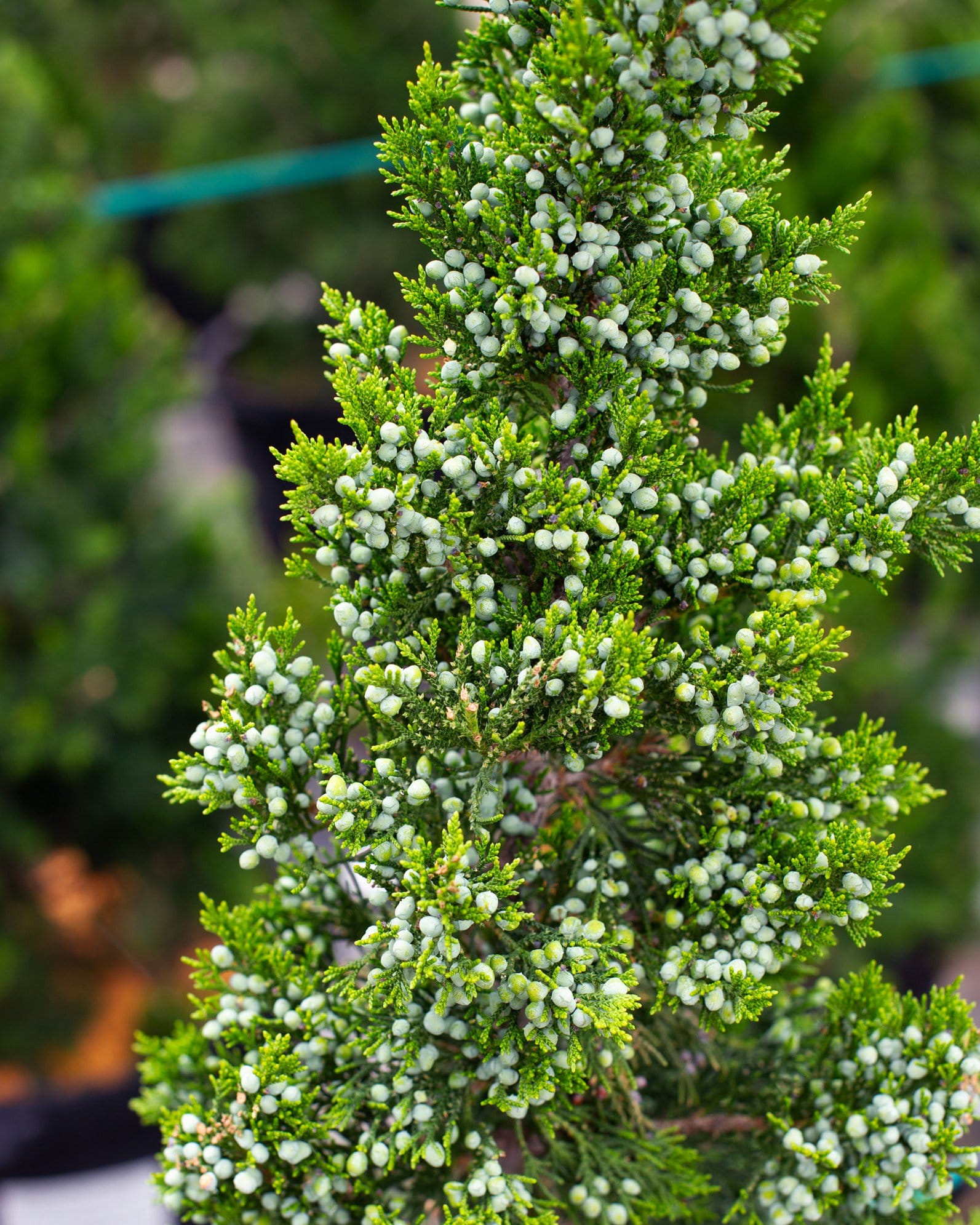
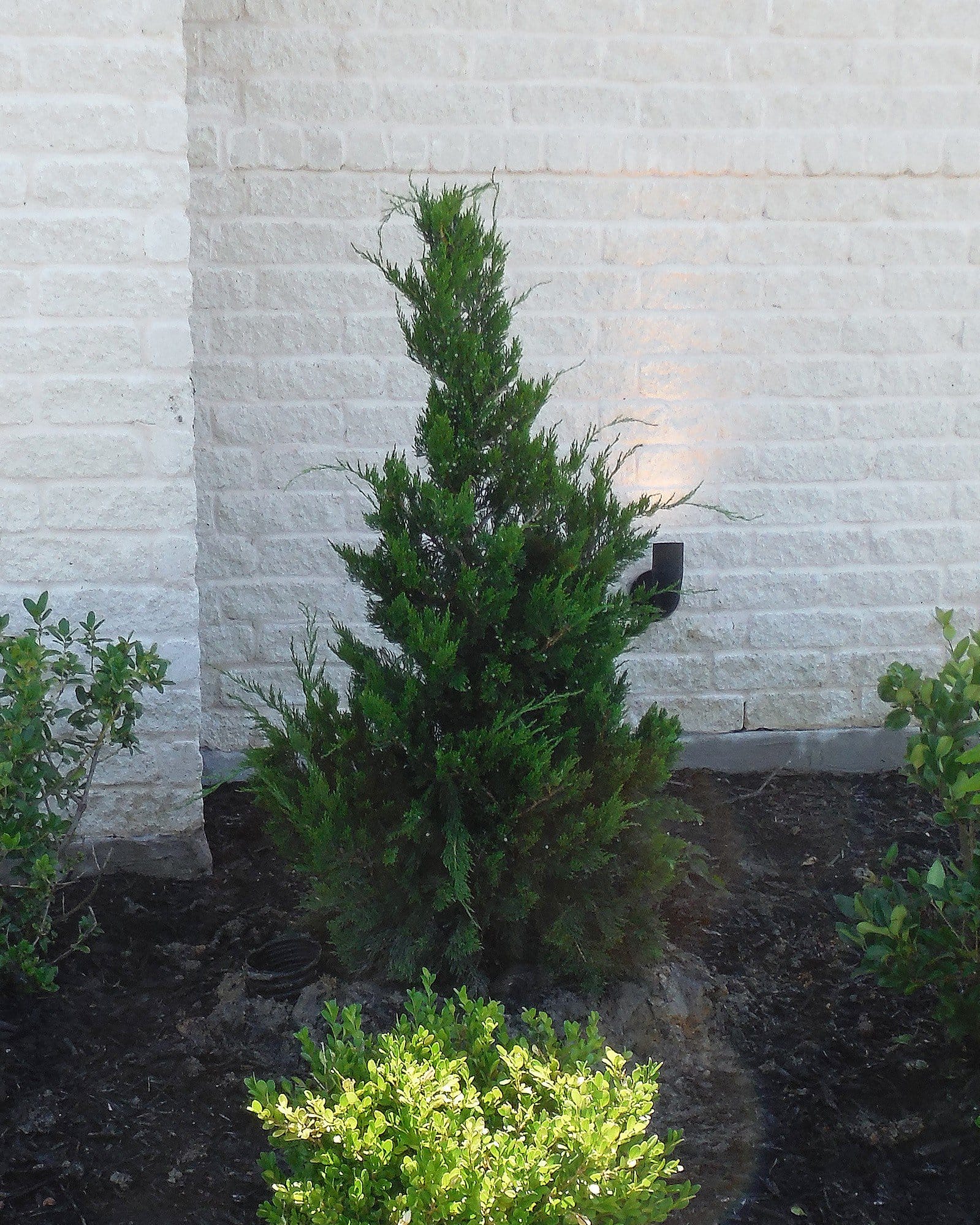
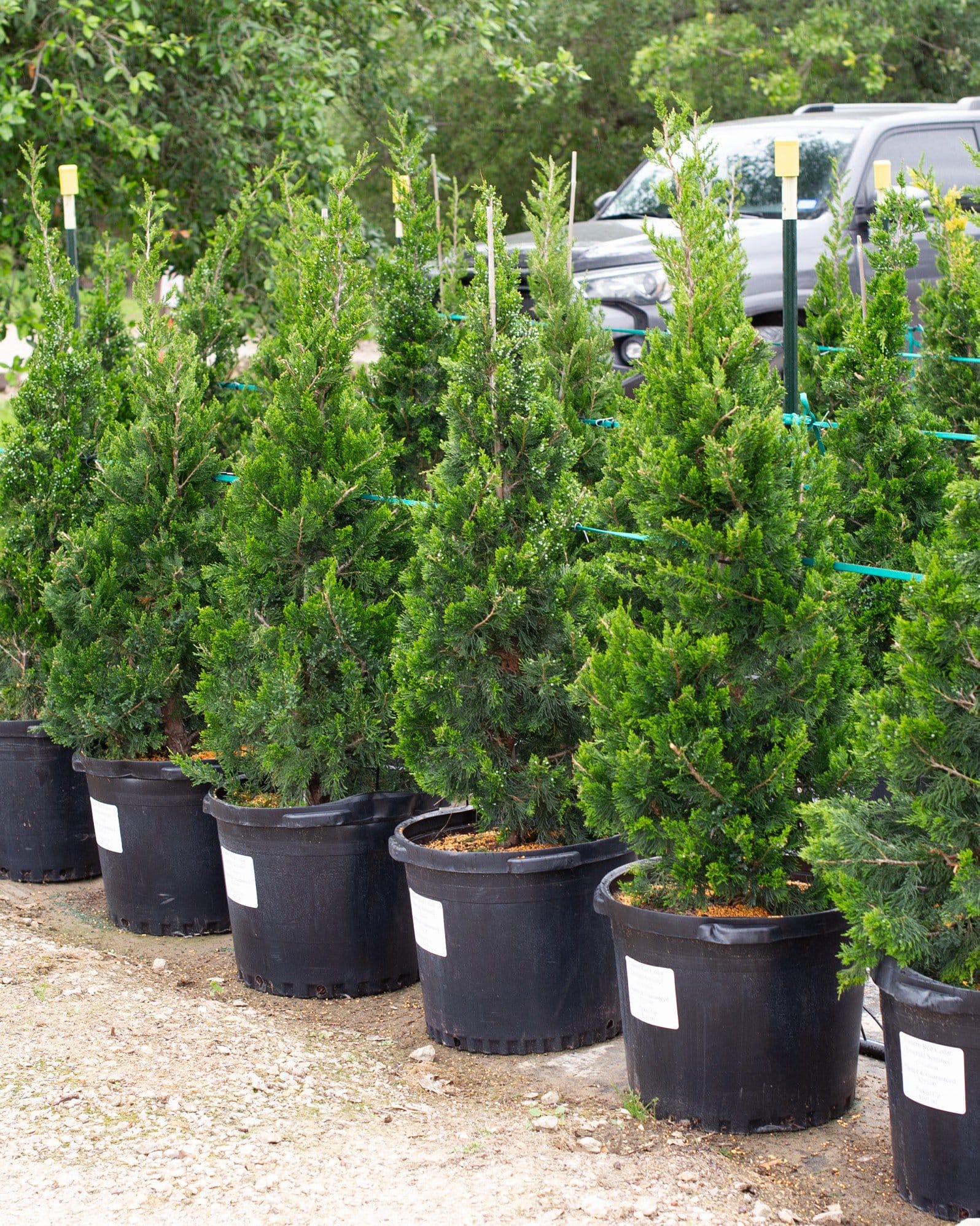
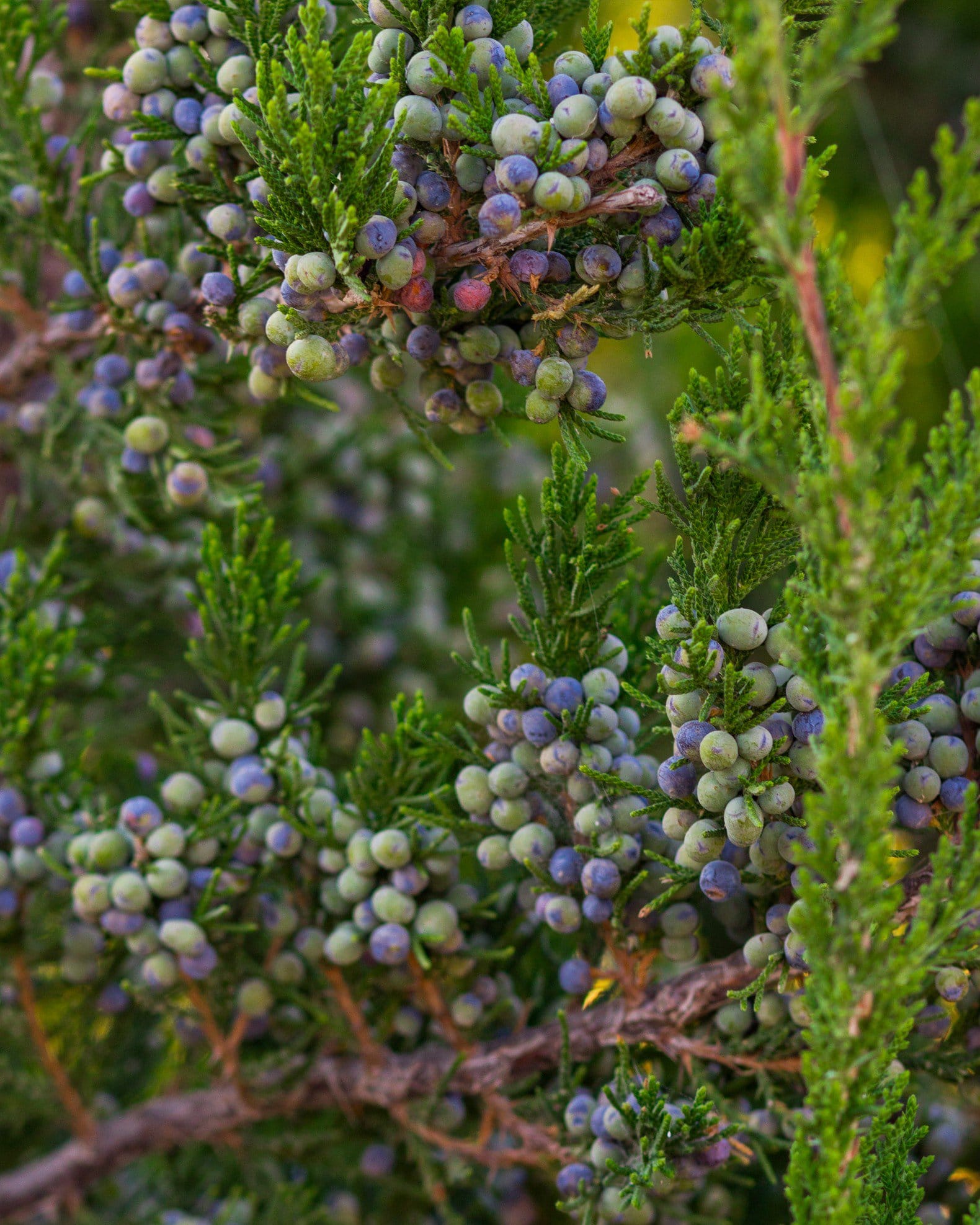
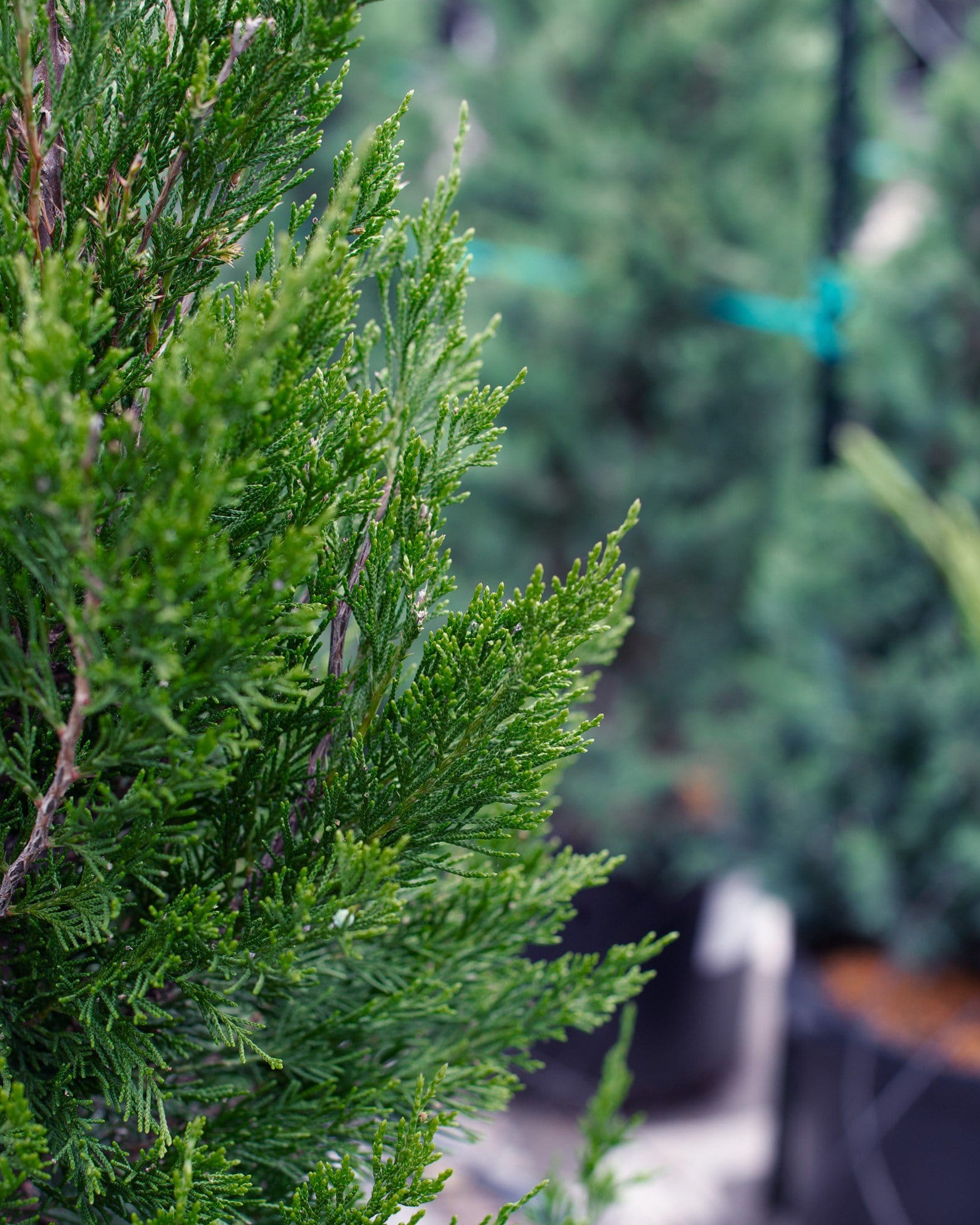
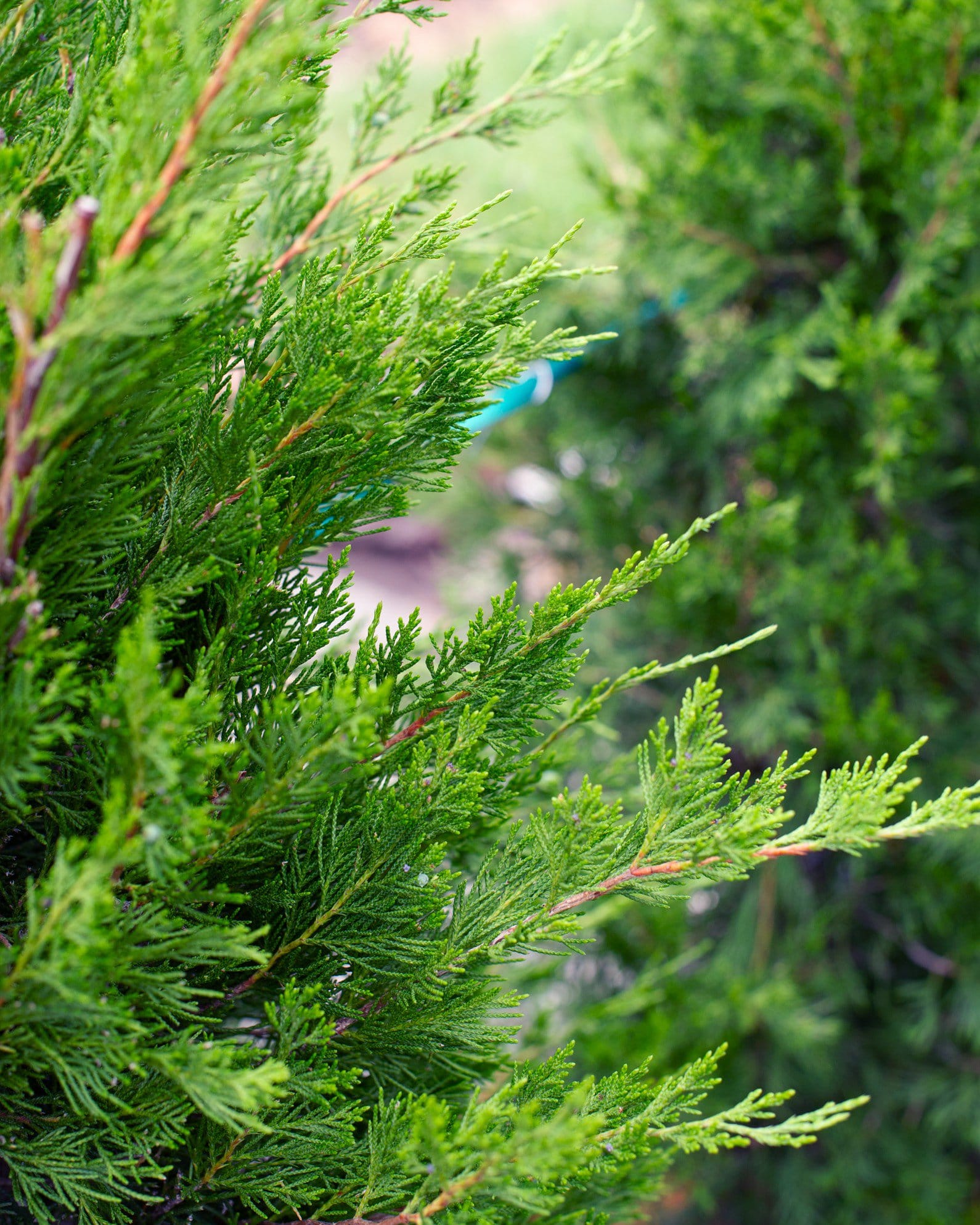
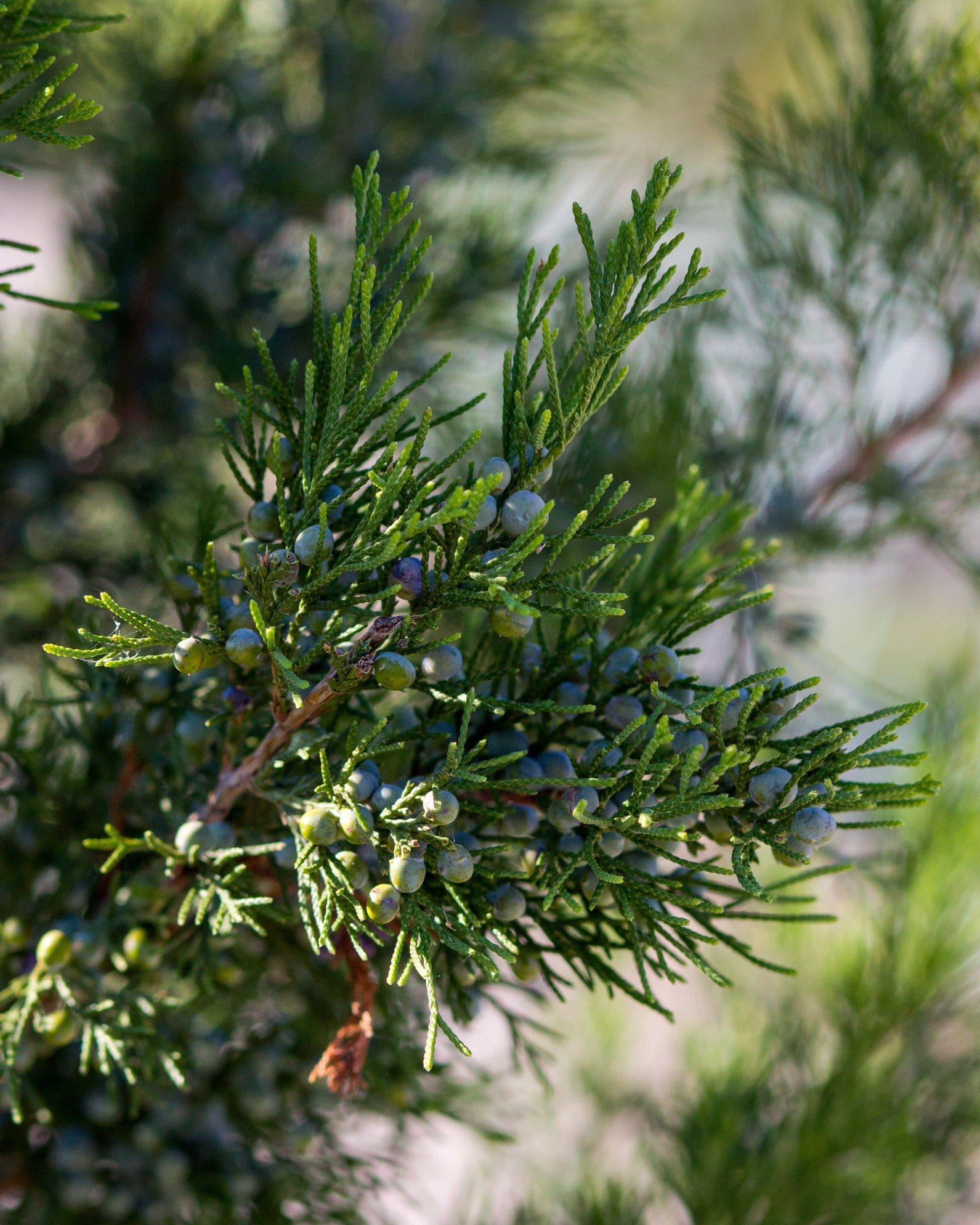
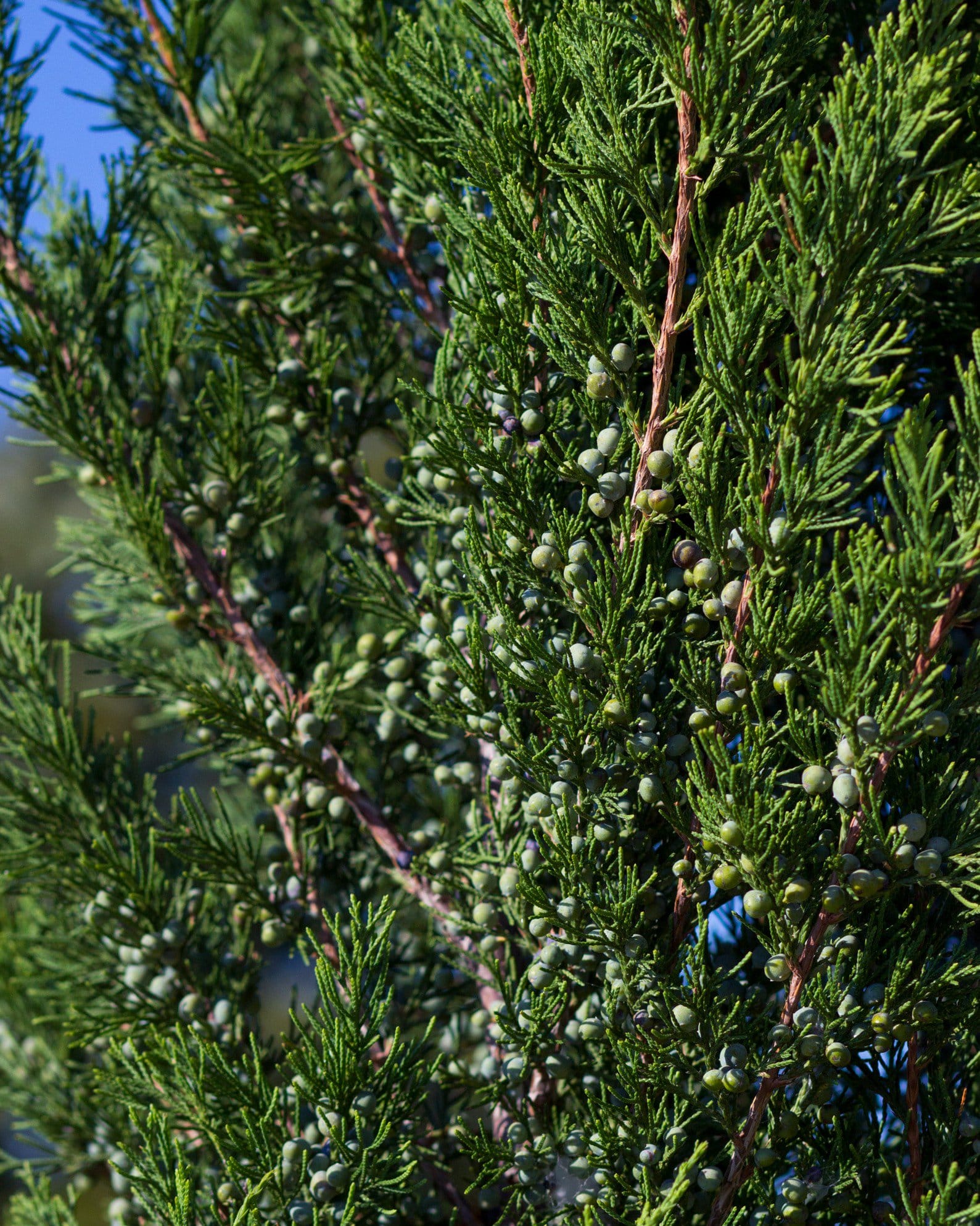
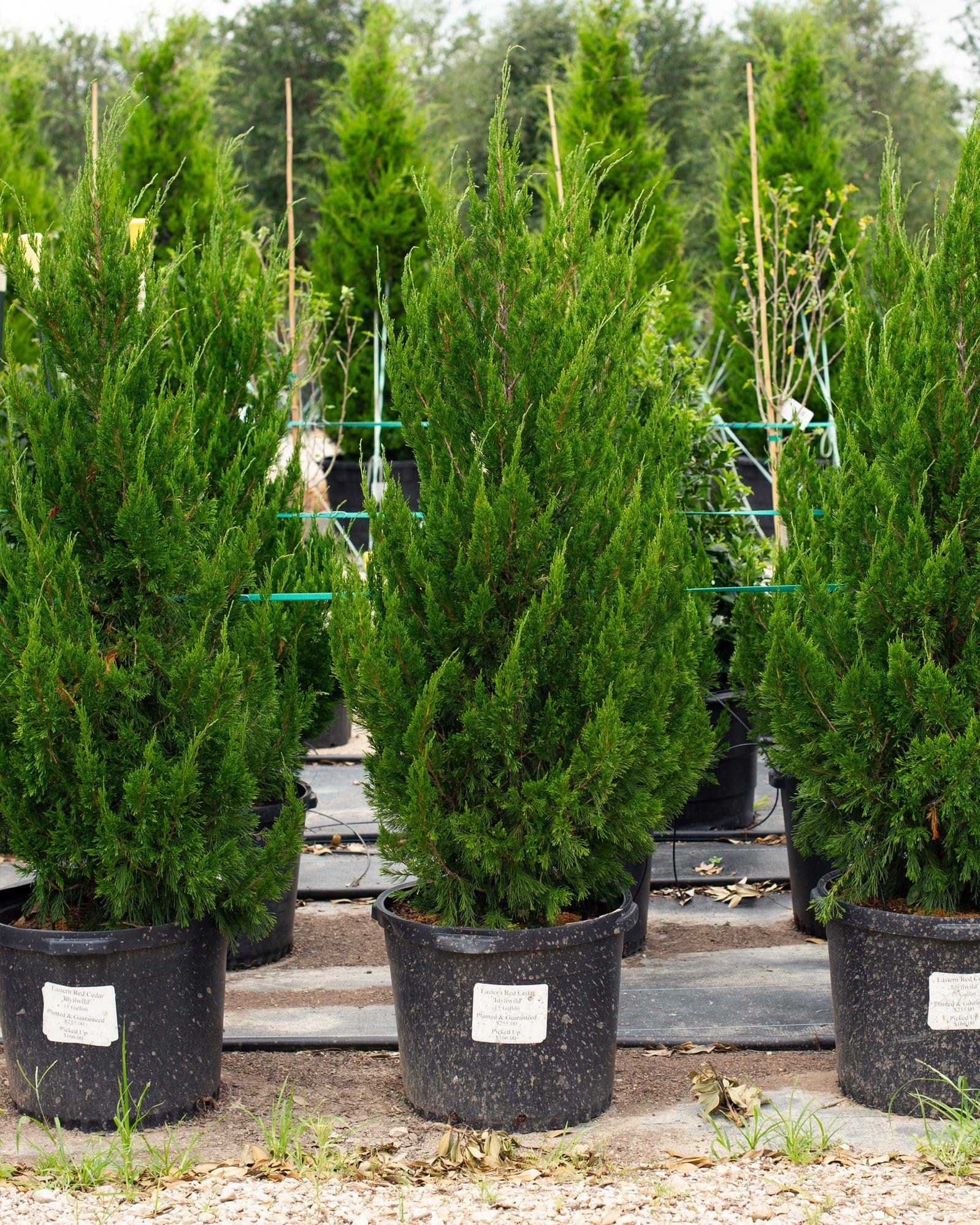
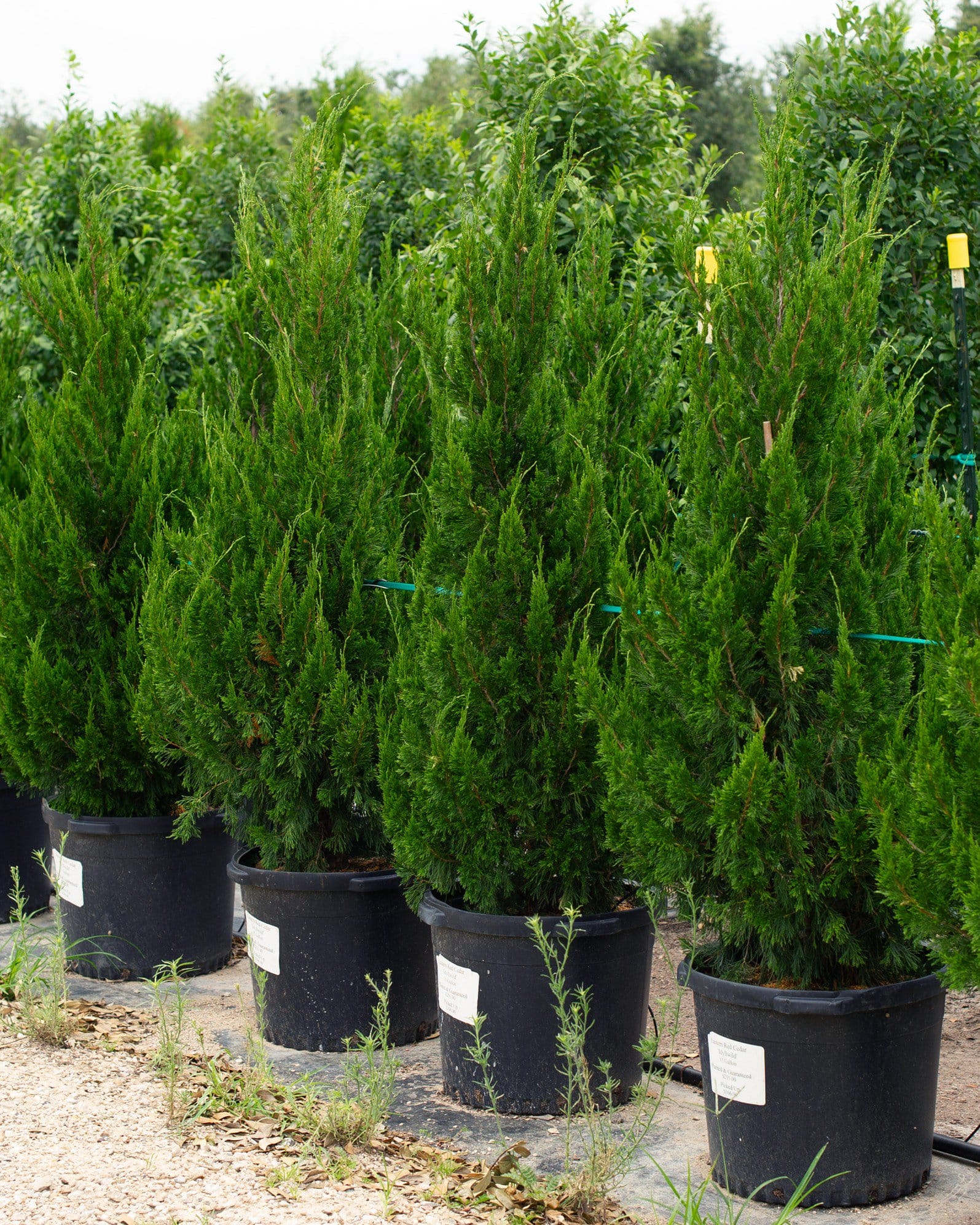
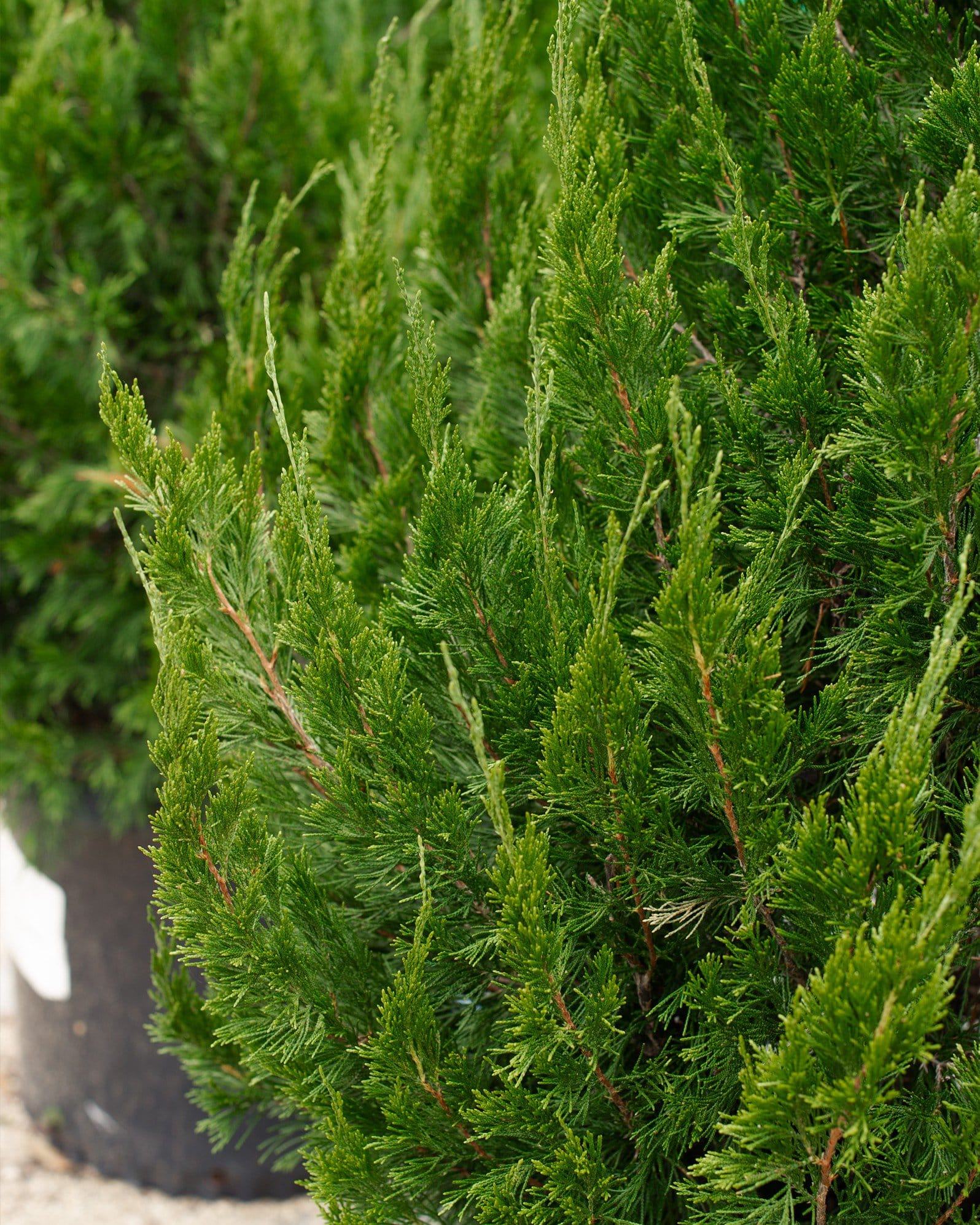
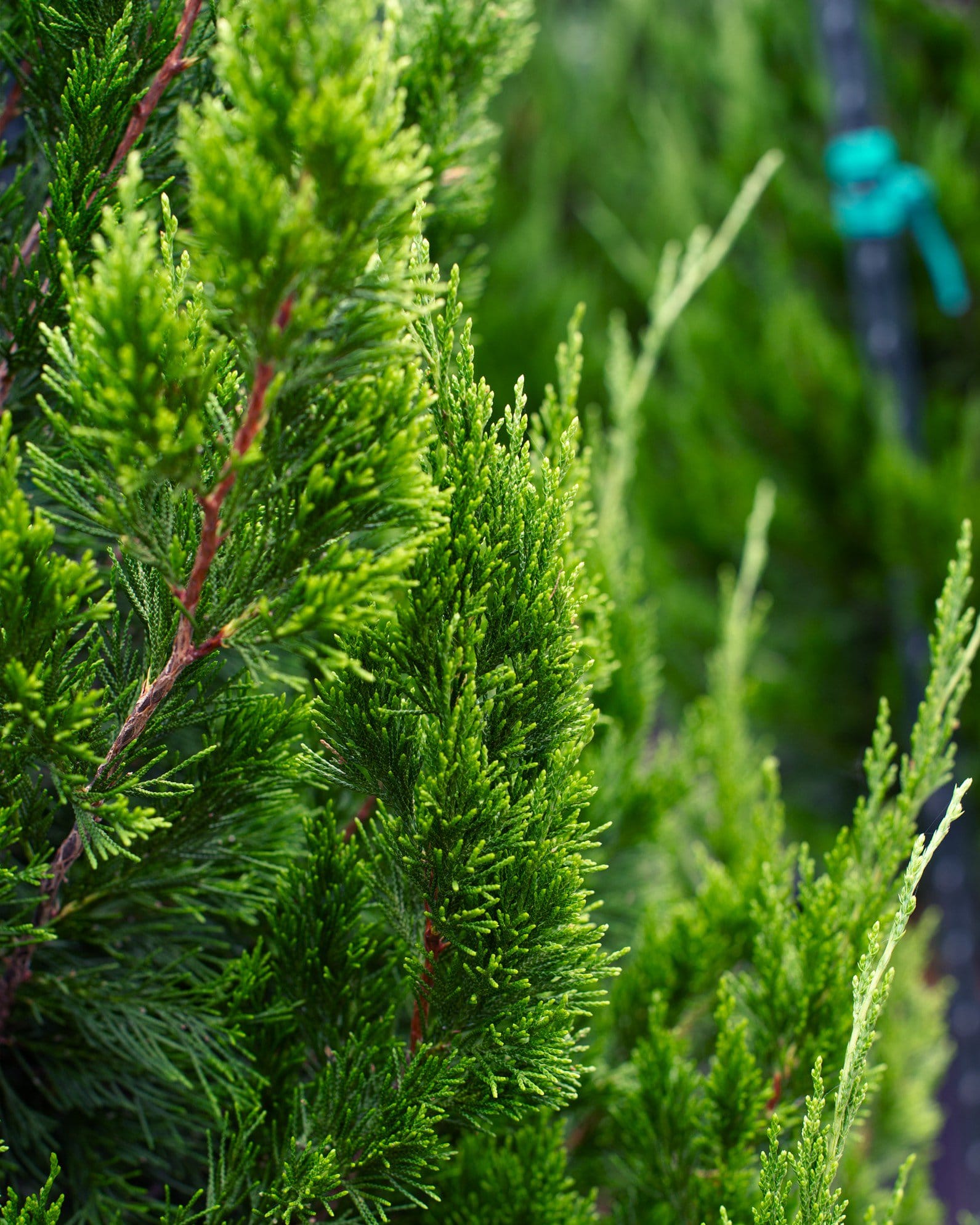
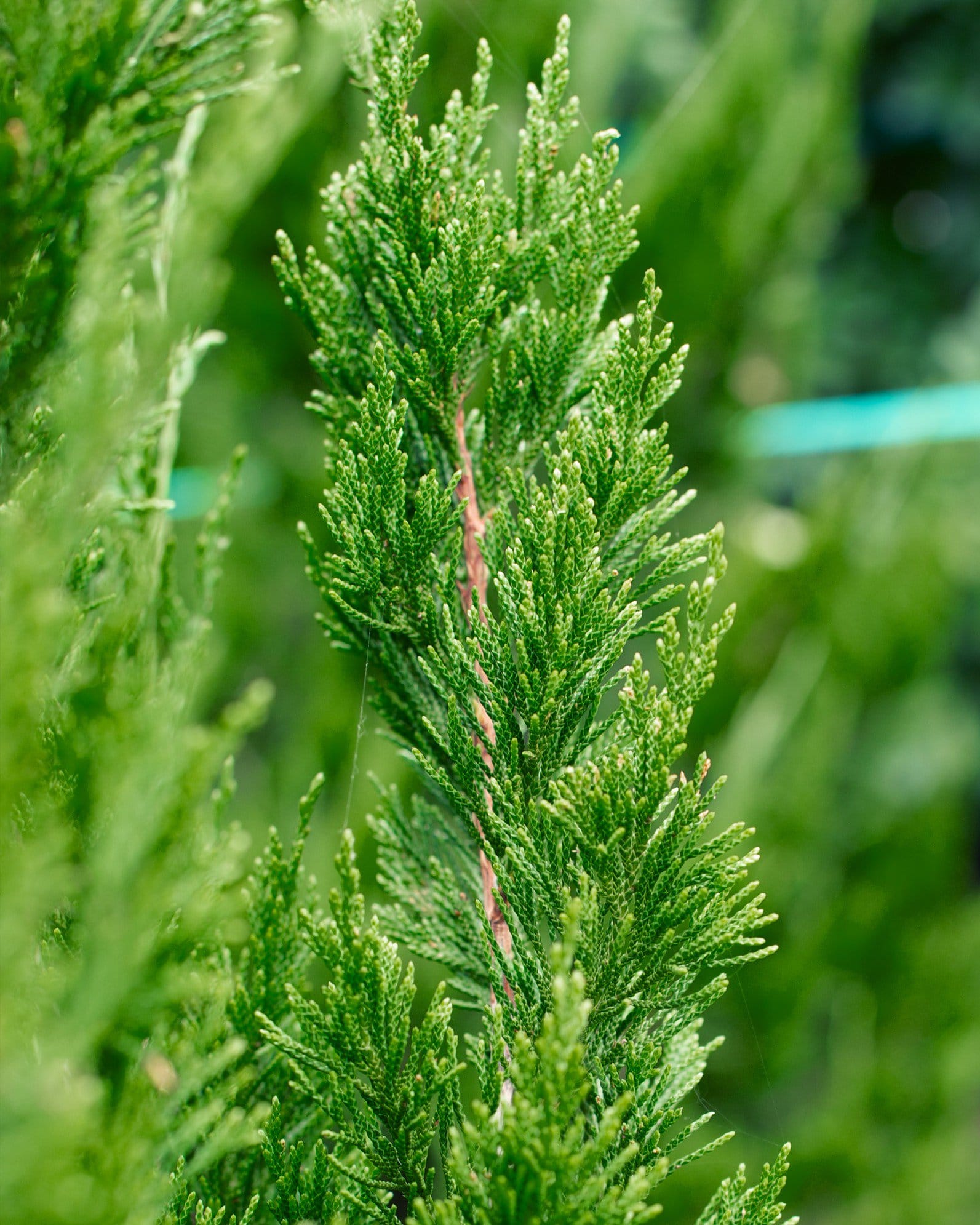
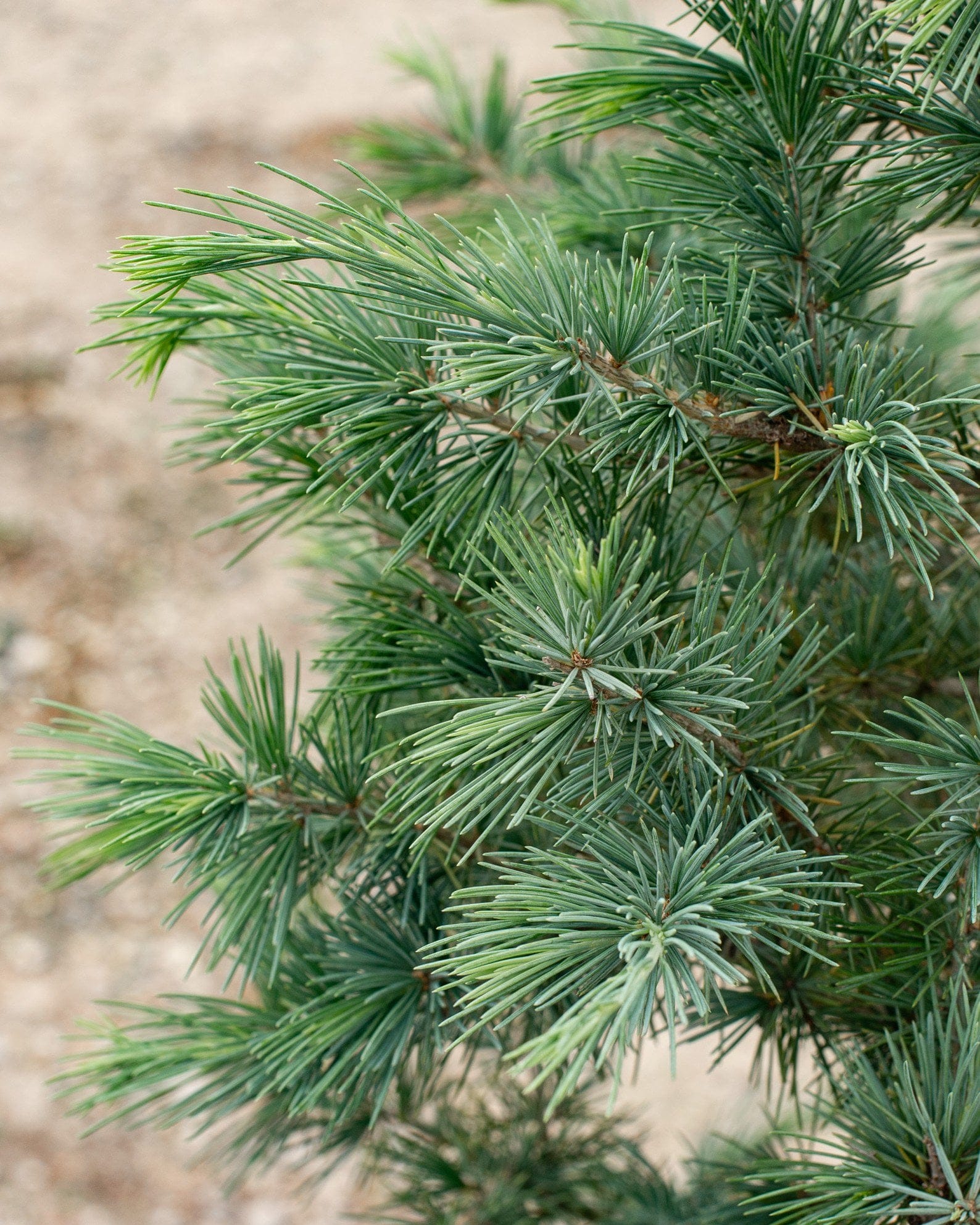
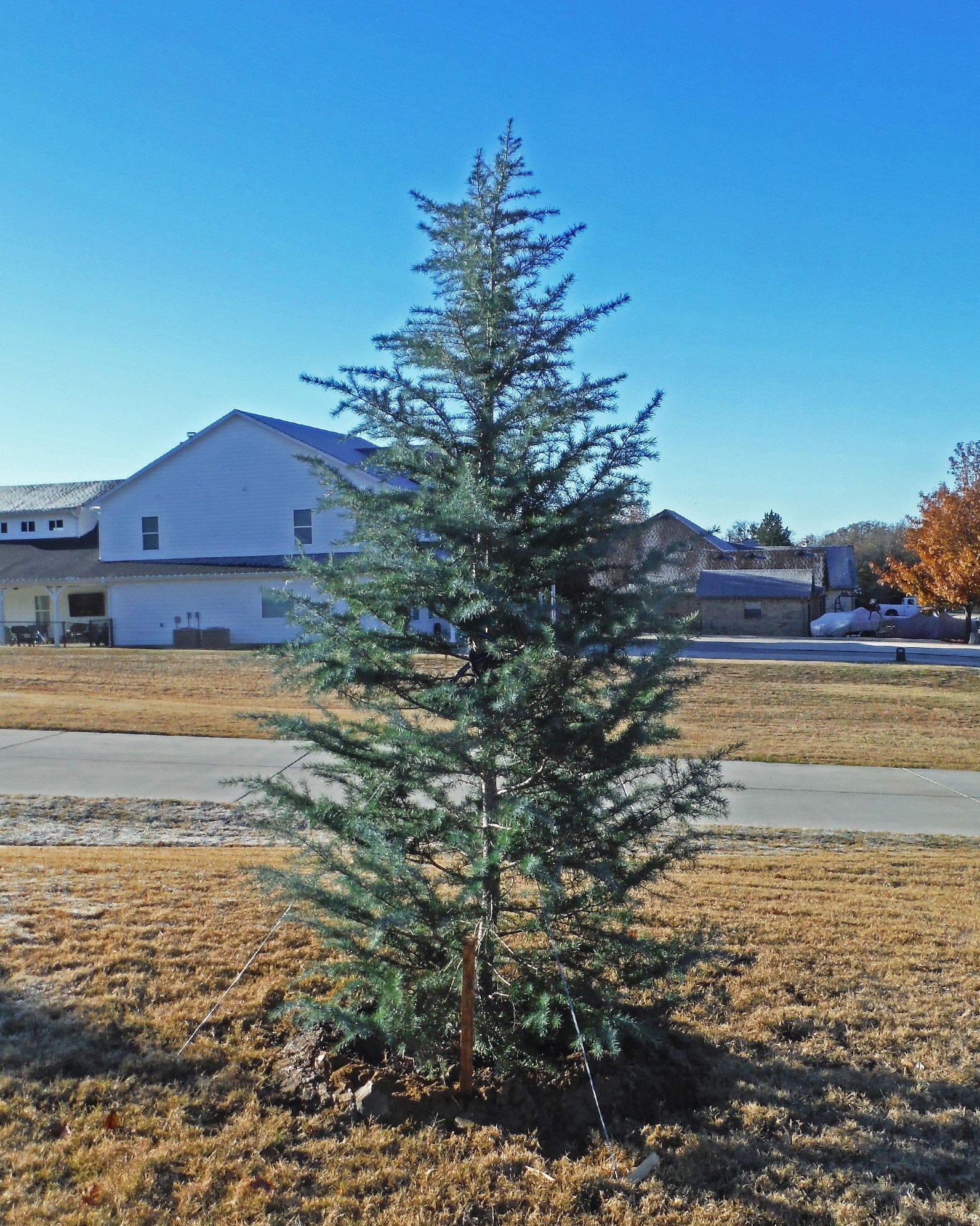
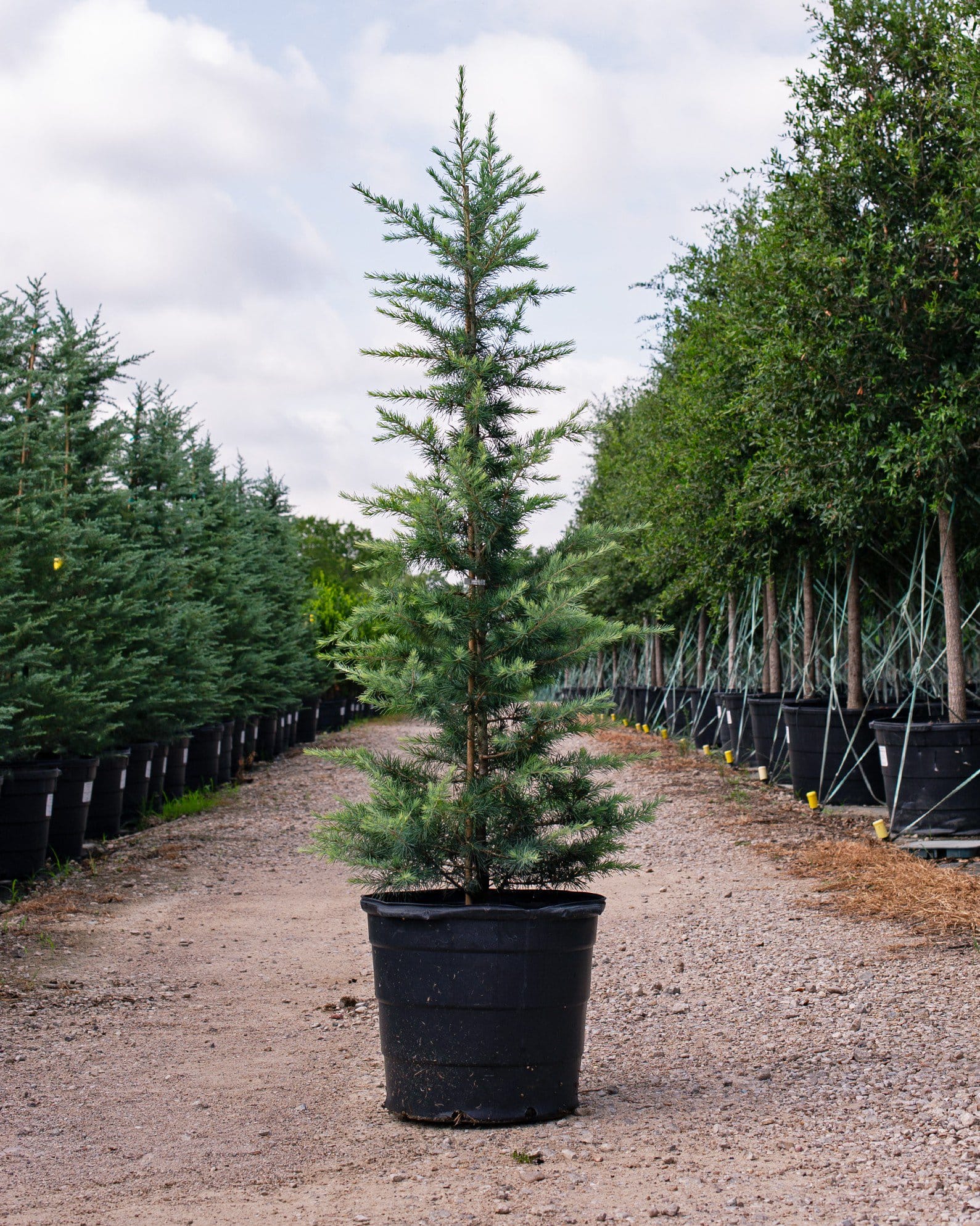
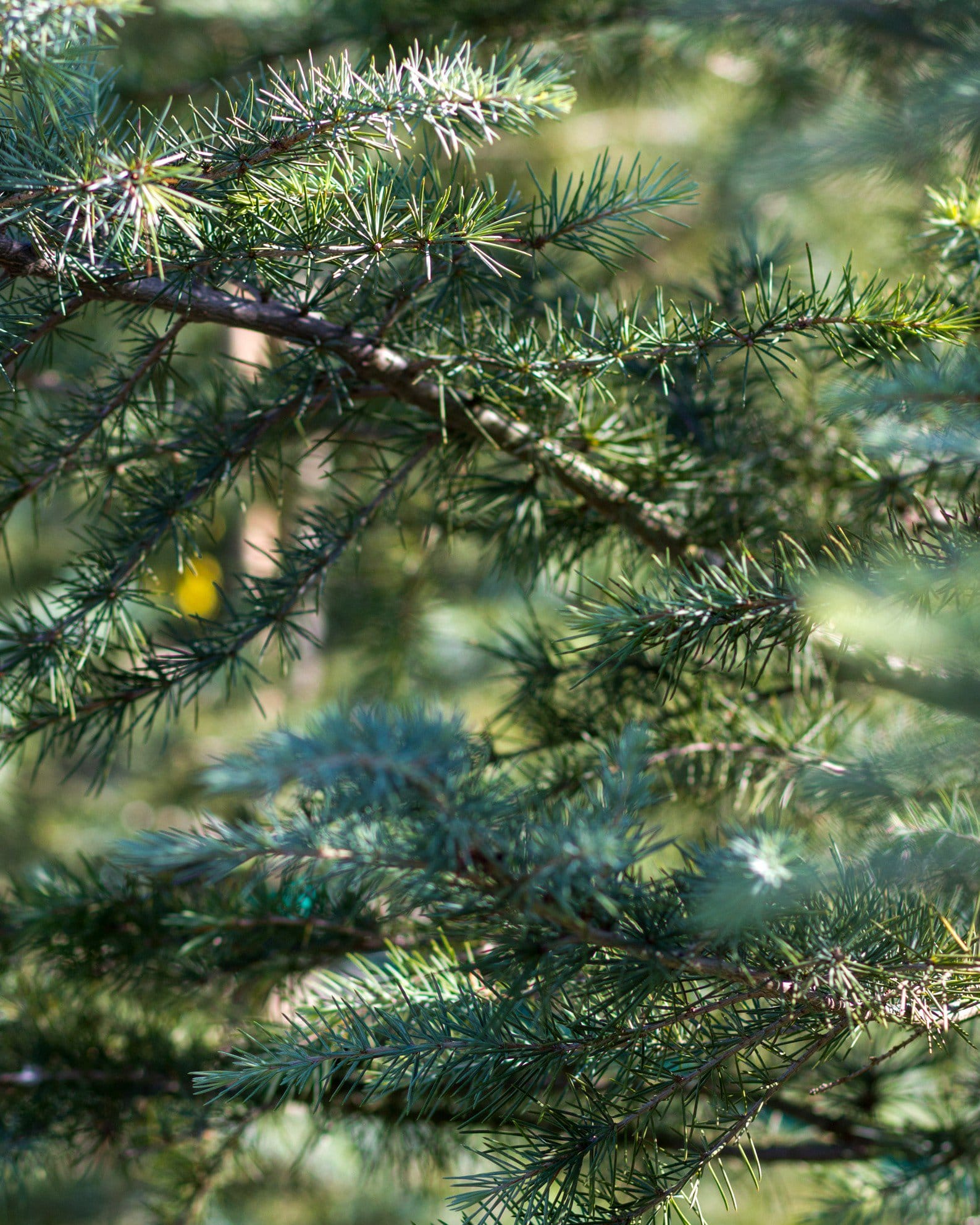
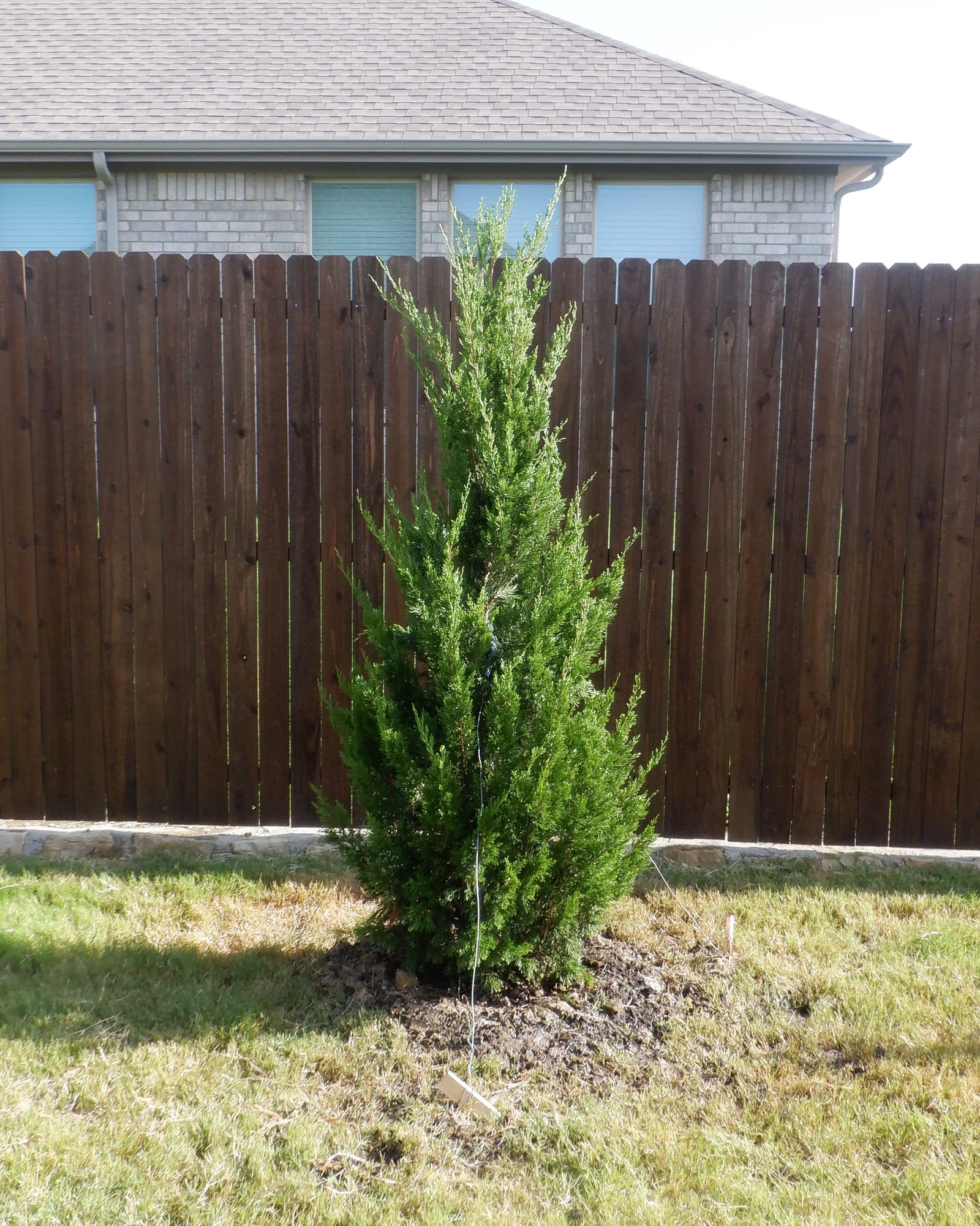
Juniperus virginianaEastern Red Cedar is a tough, adaptable evergreen tree with year-round greenery and strong landscape presence. It has a naturally upright form and dense foliage in green to blue-green. This cedar is commonly used for privacy screens, or in landscapes. It grows 30 feet in height and 20 feet in width, great for larger properties. The tree also produces small, bluish seed cones.
- Evergreen tree with dense, upright growth
- Moderate to slow growth rate
- Tolerates drought, poor soils, and urban conditions
- Great for screening or large landscapes
- Attracts pollinators
This tree grows best in full sun and well-drained soil, but it can tolerate partial shade and average soil conditions. It’s highly adaptable, hardy in USDA zones 2 through 9, and especially resilient in Texas landscapes, faring well against the country's arid weather. Requires little to no trimming - plant it and let it grow naturally.
Eastern Red Cedar is a hardy, evergreen conifer valued for its durability. Once established, it requires very little maintenance and provides year-round texture and color.
- Watering: Water regularly during the first two growing seasons to establish deep, healthy roots. Once established, Eastern Red Cedar is highly drought-tolerant and typically only needs supplemental watering during extended dry periods. Avoid overwatering, as soggy soil can lead to root rot.
- Pruning: Minimal pruning is required. Prune in late winter or early spring to remove dead, damaged, or crossing branches. For screening purposes, light shaping may be done to maintain a uniform hedge or encourage denser growth. Avoid cutting into old wood, as Eastern Red Cedar does not regenerate from bare branches.
- Fertilizing: Fertilizer is rarely necessary. In nutrient-poor soil, apply a slow-release, balanced fertilizer in early spring to support healthy growth. Avoid over-fertilizing, which can cause excessive, weak growth and make the plant more vulnerable to pests and diseases.
Mulching: Apply a 2-3 inch layer of mulch around the base to retain moisture, regulate soil temperature, and prevent weeds. Keep mulch several inches away from the trunk to avoid rot and pest problems. Refresh the mulch annually to maintain its effectiveness.
Common Issues and How to Take Care of Them
- Cedar-Apple Rust: A fungal disease that causes orange, gelatinous galls on branches and can spread to nearby apple or crabapple trees. Prune out affected branches and avoid planting near susceptible fruit trees if possible. Fungicide sprays can be used preventively in early spring before new growth emerges.
- Bagworms: Caterpillars that create silk bags on branches and feed on foliage. Remove bags by hand in winter or treat with biological insecticides when larvae are active. Regular inspection and prompt removal can prevent large infestations.
- Spider Mites: Tiny pests that can cause foliage discoloration during hot, dry weather. Rinse foliage with water or use insecticidal soap if infestations persist. Encouraging beneficial insects, like ladybugs, can also help keep mite populations under control.
- Root Rot: Caused by poor drainage or overwatering. Ensure planting sites have good soil drainage and avoid heavy, compacted areas. Planting slightly elevated mounds can also help prevent water from pooling around the roots.
With proper care-mainly full sun, good drainage, and minimal pruning, Eastern Red Cedars will thrive for decades, providing dense evergreen coverage and a strong visual presence in the landscape.
It grows at a moderate rate, typically 1–2 feet per year under ideal conditions. Growth can be slower in poor soils or shade but improves with consistent sunlight and proper watering.
Early spring or fall is ideal, giving the roots time to establish before temperature extremes. Avoid planting during the peak of summer heat, as young plants may struggle to acclimate.
Yes, it is one of the most drought-tolerant evergreens once established, thriving even in dry, poor soils. Its deep root system allows it to access moisture far below the surface.
Yes, with light annual pruning, Eastern Red Cedar makes an excellent privacy screen or windbreak. Avoid severe cutting into old wood, and trim regularly to maintain shape and encourage dense foliage.
Yes, it is generally deer-resistant due to its aromatic, resinous foliage, though young plants may occasionally be nibbled. Once mature, its strong scent and texture typically deter browsing wildlife.
Yes, female trees produce small, bluish-gray berries in fall and winter, which are highly attractive to birds and wildlife. These berries also serve as an important winter food source for many native bird species.
In some regions, it can spread aggressively by seed, especially in unmanaged pastures or prairies. Regular maintenance or mowing of nearby areas helps prevent unwanted spread.
With proper care, it can live 100–200 years, maturing into a strong, enduring evergreen that provides shelter and beauty for generations. Older specimens often develop gnarled, picturesque forms that add unique character to the landscape.
Yes, you can bonsai an Eastern Red Cedar, and it makes an attractive, hardy specimen similar to juniper bonsai.
Eastern Red Cedar poses a mild toxicity risk to dogs and cats, especially if they ingest large amounts of its fruits or leaves. Consumption can lead to signs of physical discomfort or distress.
When it comes to spacing there is no right or wrong answer. We prefer to give trees the most amount of separation possible and aesthetically this leads to a prettier looking tree at maturity because they develop naturally wider, fuller and more symmetrical canopies. As far as the tree's health is concerned it will not be affected by how closely it is planted to another tree but the shape of the canopy will become taller and thinner and begin to overlap, which will create a continuous hedge. If privacy is not of immediate concern and we are just looking to diffuse the view, then we could plant the trees where they barely touch at maturity.
For example, we could plant Eastern Red Cedars 20' apart (their mature width is 20') and at maturity their canopies would barely touch or we could space them even further apart than 20' which would leave a gap between the trees. Most of us don't have the luxury of planting trees this far apart and waiting 10-15 years for them to grow together and get privacy. For people that need more immediate privacy then the question to answer is "how long do you want to wait before you have a solid privacy screen?" Most answers that we get to this question will either be immediate or they are willing to wait between 2-4 years before they get solid coverage. Again, there is no right or wrong answer to this question, and it is solely dependent upon how quickly privacy is needed. For example, if a customer is looking for immediate coverage and they are planting Eastern Red Cedars, then we need to find out how wide the trees that are being planted are and then plant them that far apart. If we find Eastern Red Cedars that are 3' wide, then we would need to plant them 3' apart from trunk to trunk which allows for the branches to touch immediately at the time of planting. If we are looking for coverage in 3-4 years, then the spacing would be dependent upon how quickly the trees grow per year in width and what size tree the customer decides to start with. Let's look at the previous example of Eastern Red Cedars that are currently 3' wide. We know that they grow about 1’ per year in terms of width so over 3 years they will be about 6’ wide and therefore we would space them 6’ apart (trunk to trunk) so that the trees would be touching in 3 years.
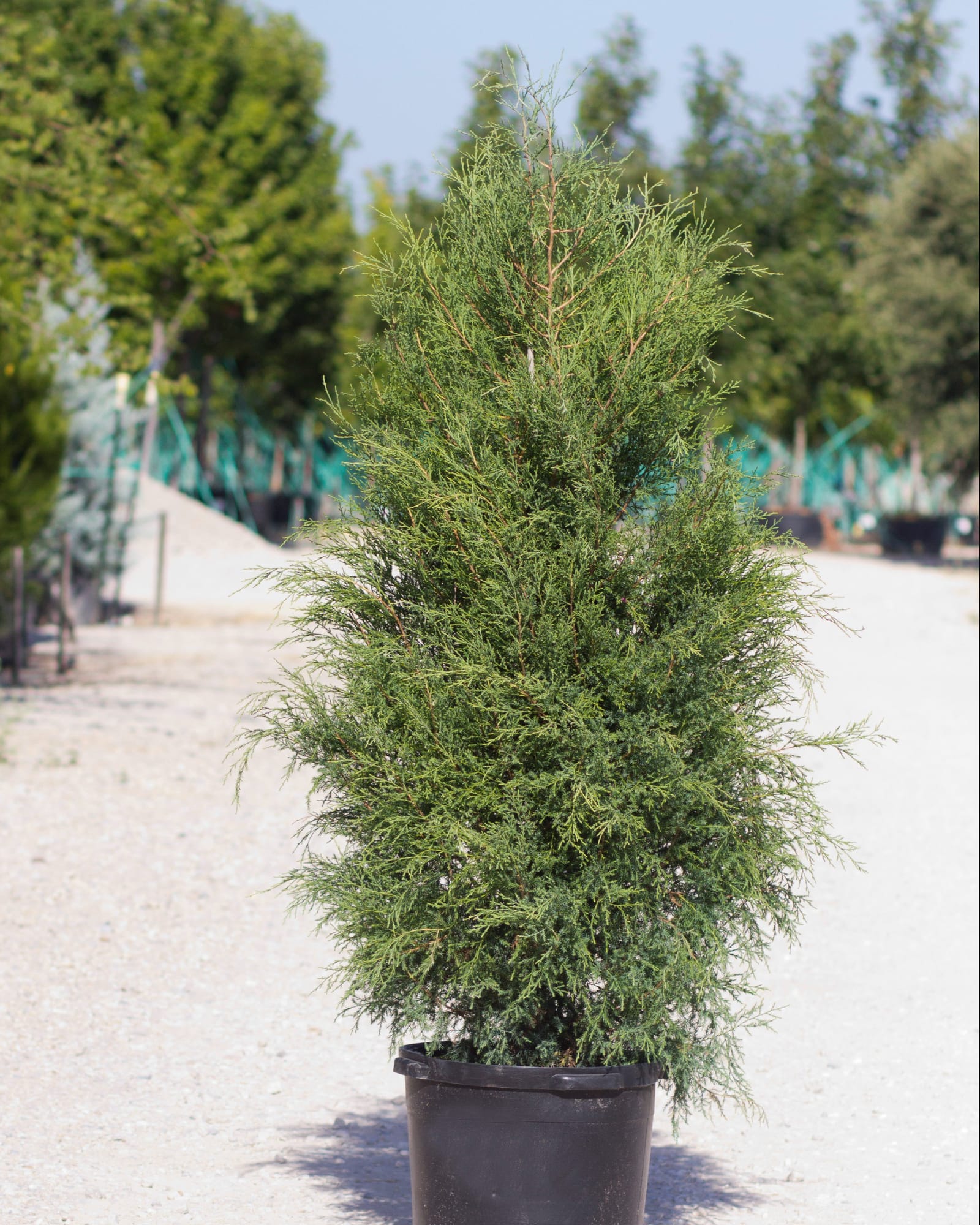
The distinction between the Eastern Red Cedar (Juniperus virginiana) and the Southern Red Cedar (often classified as Juniperus virginiana var. silicicola) is primarily geographical and structural, as the southern form is considered a natural variety of the wider Eastern Red Cedar species. The Eastern Red Cedar is the most widespread conifer in the eastern United States, known for its adaptability to dry uplands and poor, rocky soils across a vast range, and it is highly cold-tolerant. The Southern Red Cedar, by contrast, is restricted to the southeastern coastal plains, thriving specifically in sandy, well-drained soils, often right along the coast. Morphologically, the Southern Red Cedar typically exhibits more slender, often drooping branches, which gives it a softer, more fine-textured appearance and can lead to a characteristic flat-topped, picturesque look in older specimens. The female cones, commonly referred to as berries, are also generally smaller on the Southern Red Cedar than on its eastern relative. Both trees are technically junipers, not true cedars, but the Southern Red Cedar's adaptation to the coastal environment makes it the more salt-tolerant and heat-resistant choice.
Yes, Eastern Red Cedars (Juniperus virginiana) produce pollen, but whether a specific tree does so depends on its sex. This species is dioecious, meaning individual trees are typically either male or female. Only the male trees produce pollen, which they release from tiny, cone-like structures located at the tips of their branches. These male cones start out green but turn a conspicuous yellowish-brown as they mature, often giving the entire tree a golden or "dusty" appearance just before the pollen is released in later winter or early spring.
Special Features
You might also like
Eastern Red Cedar Brodie
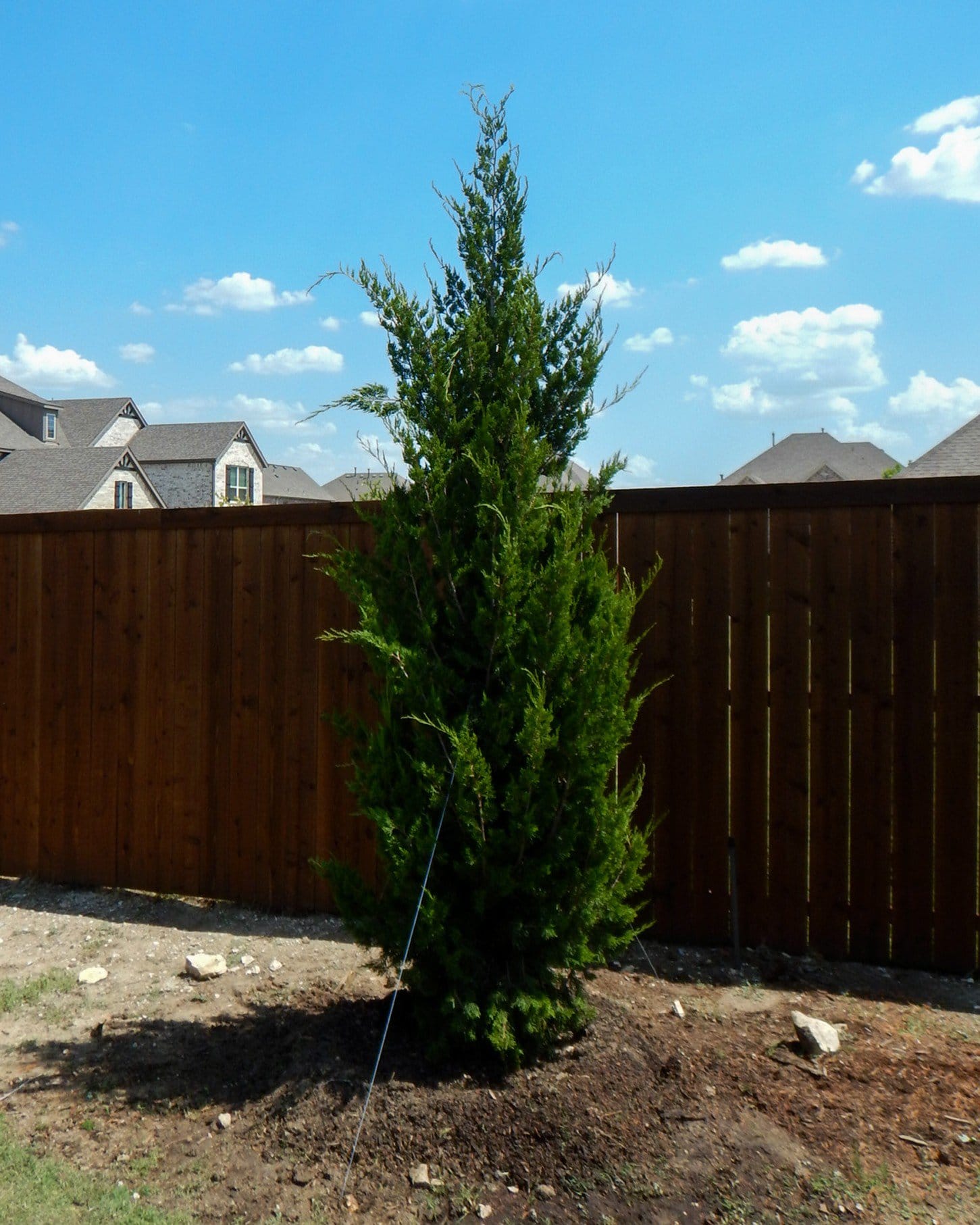
Maturity: 25' H x 12' W
Eastern Red Cedar Burkii
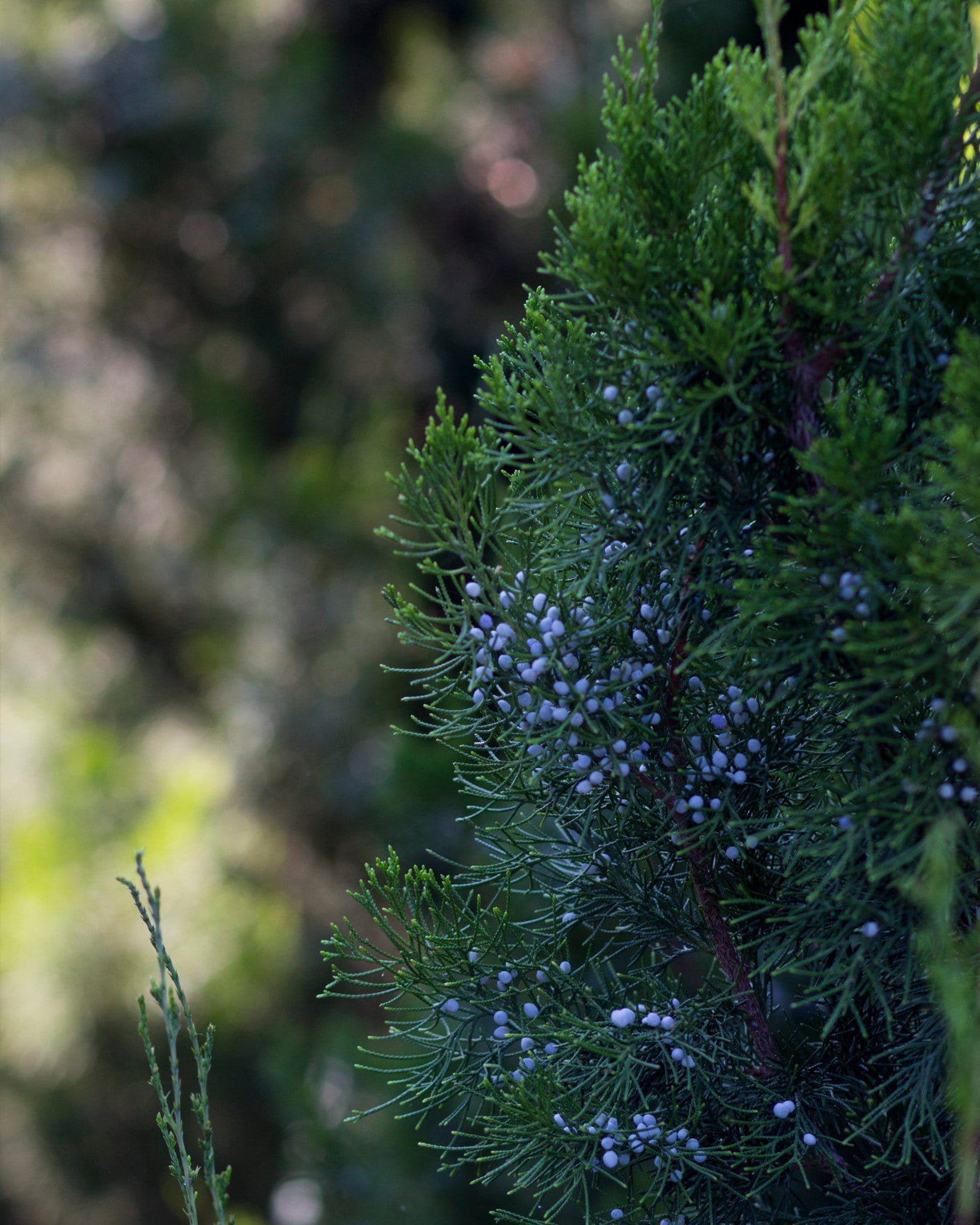
Maturity: 25' H x 20' W
Eastern Red Cedar Taylor
Maturity: 25' H x 4' W
Arizona Cypress Blue Ice
Maturity: 25' H x 15' W
Arizona Cypress Carolina Sapphire
Maturity: 30' H x 20' W
Eastern Red Cedar Canaertii
Maturity: 25' H x 20' W
Eastern Red Cedar Emerald Feather
Maturity: 12' H x 5' W
Eastern Red Cedar Emerald Sentinel
Maturity: 15' H x 7' W
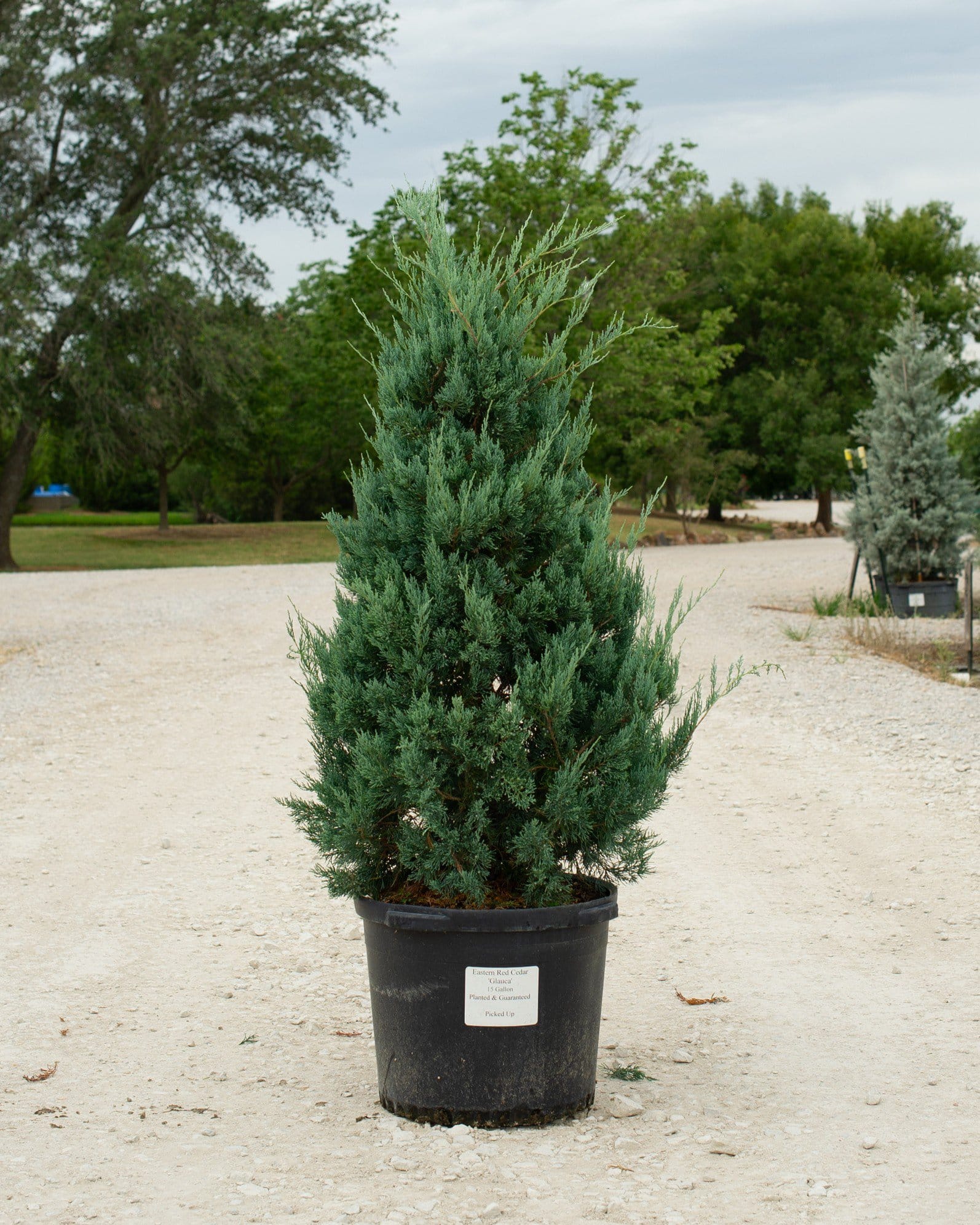
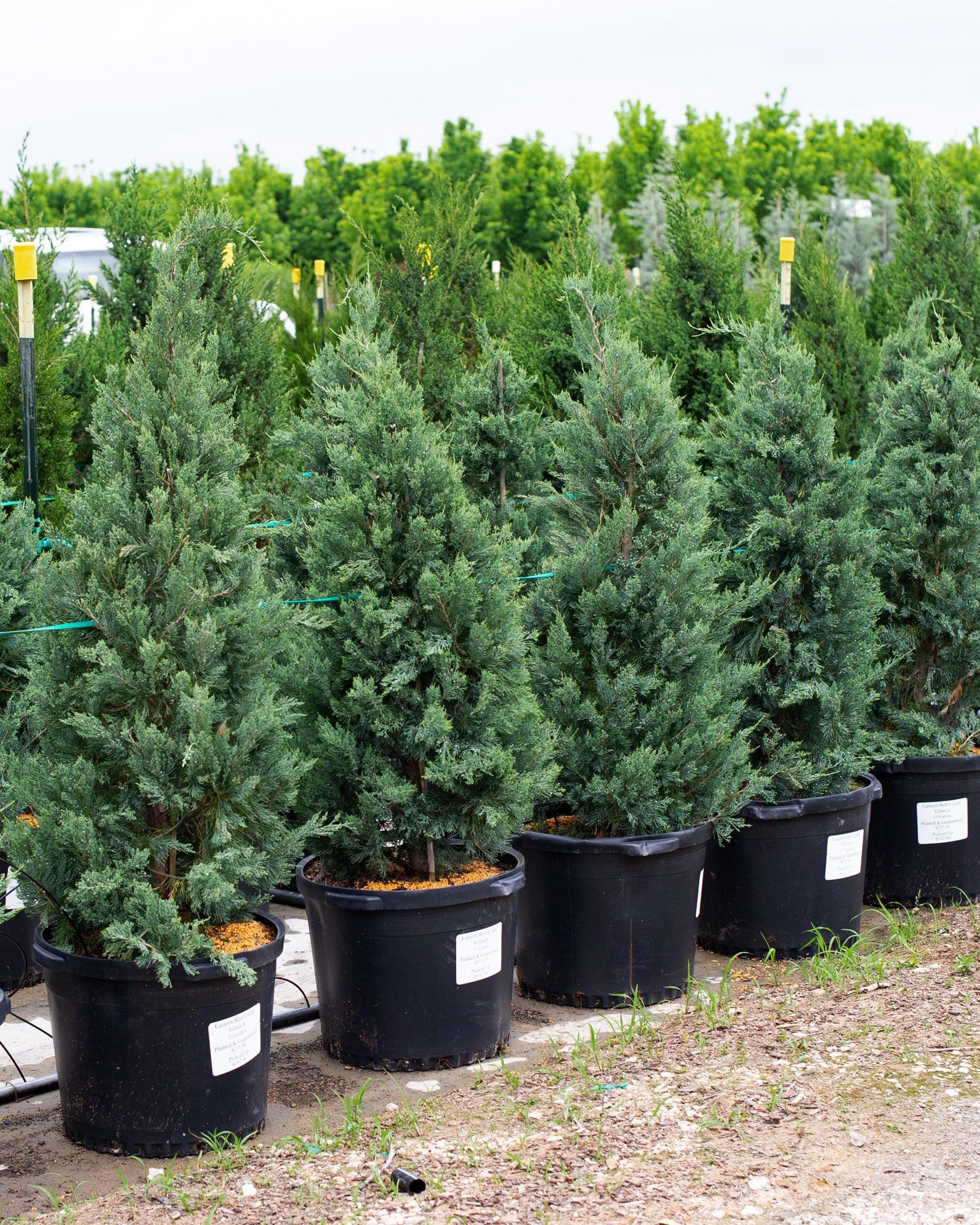
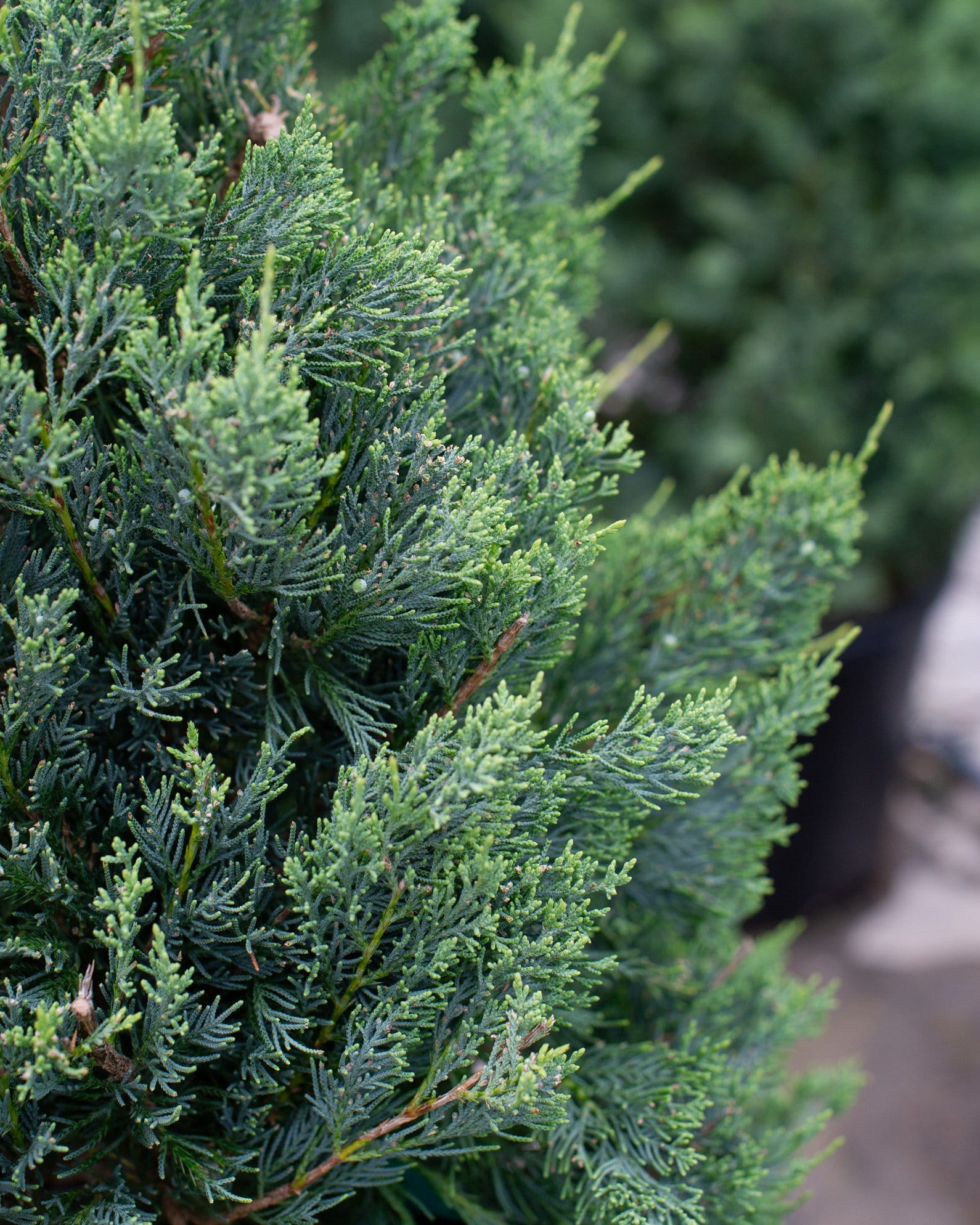
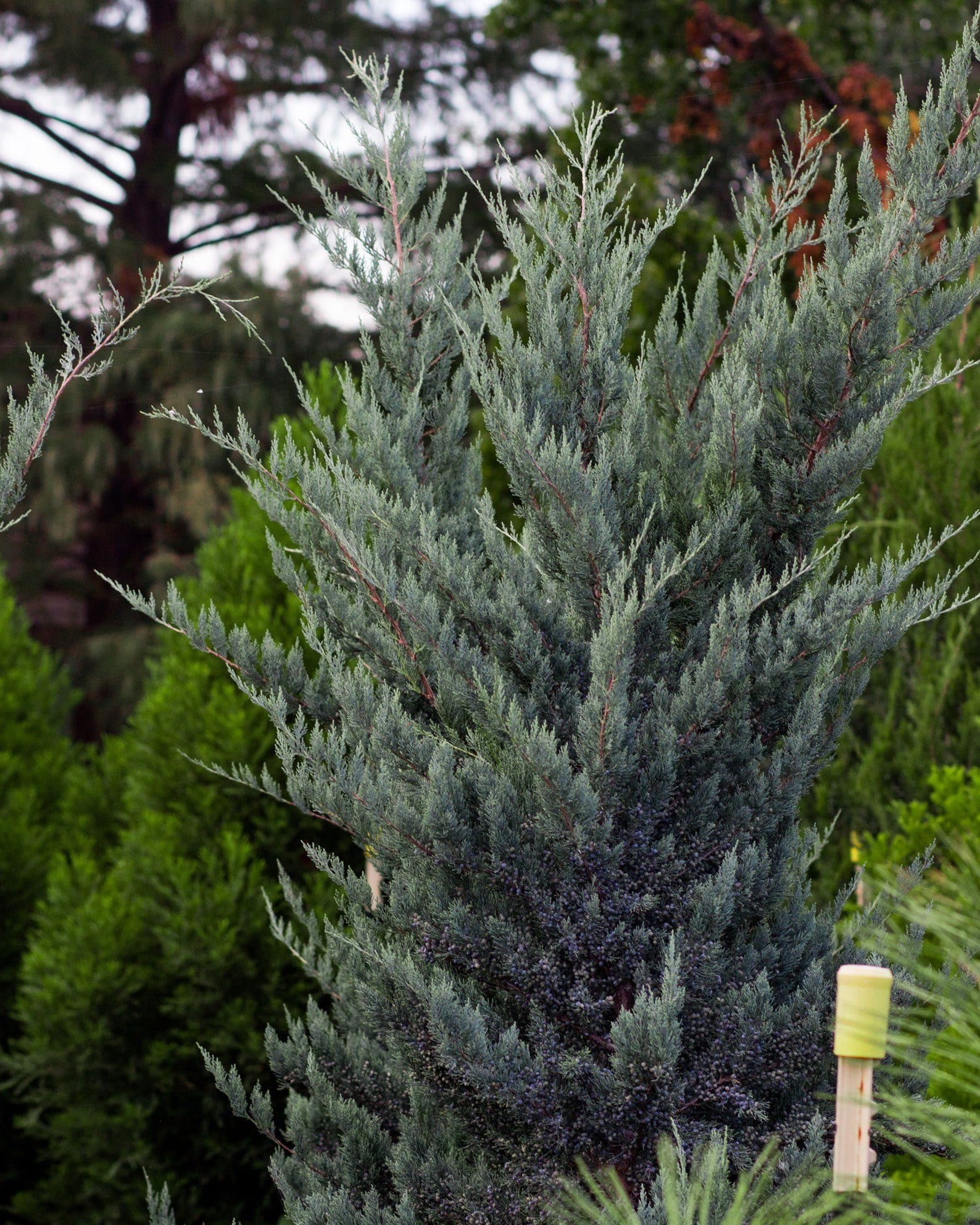
Eastern Red Cedar Glauca
Maturity: 20' H x 6' W
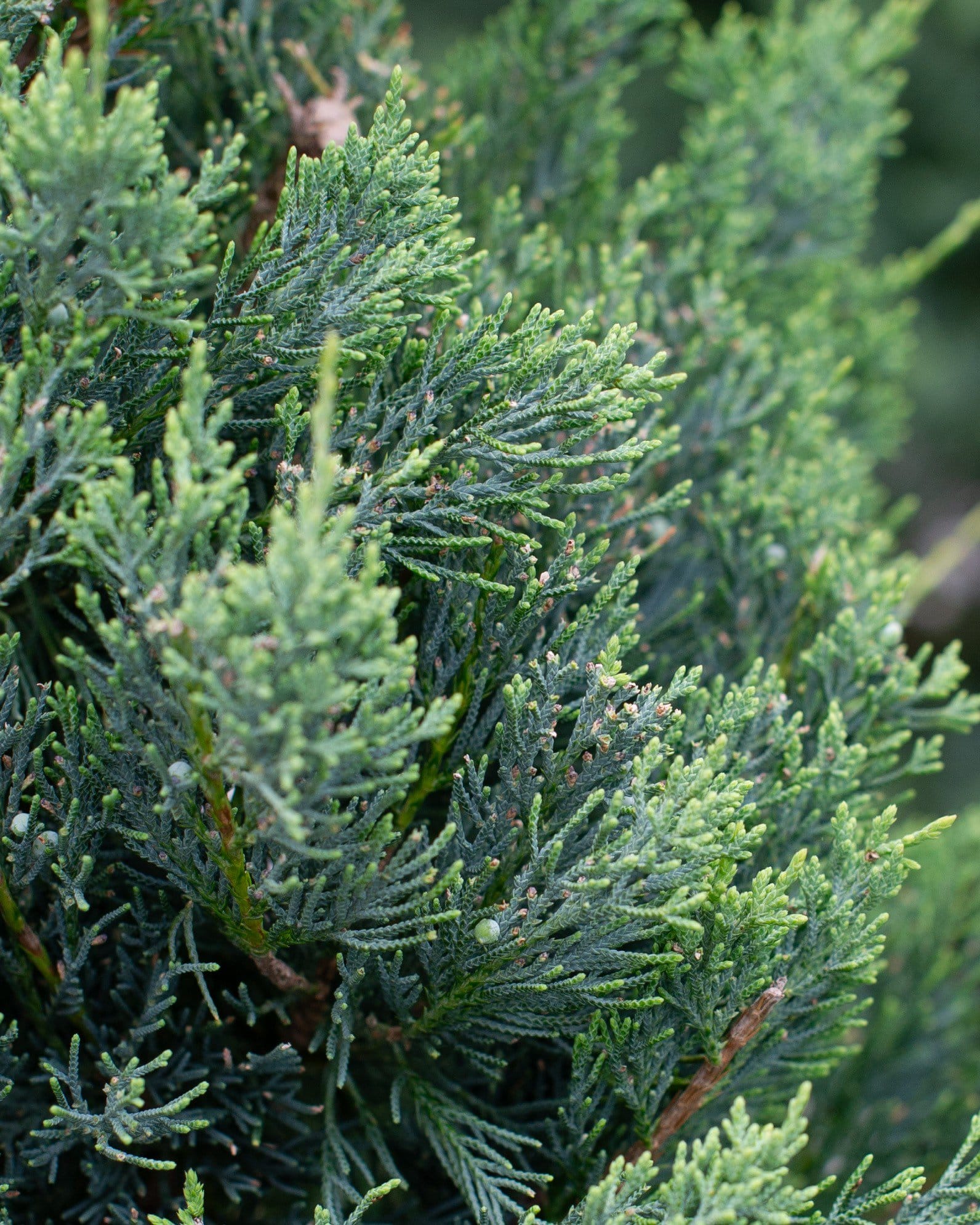
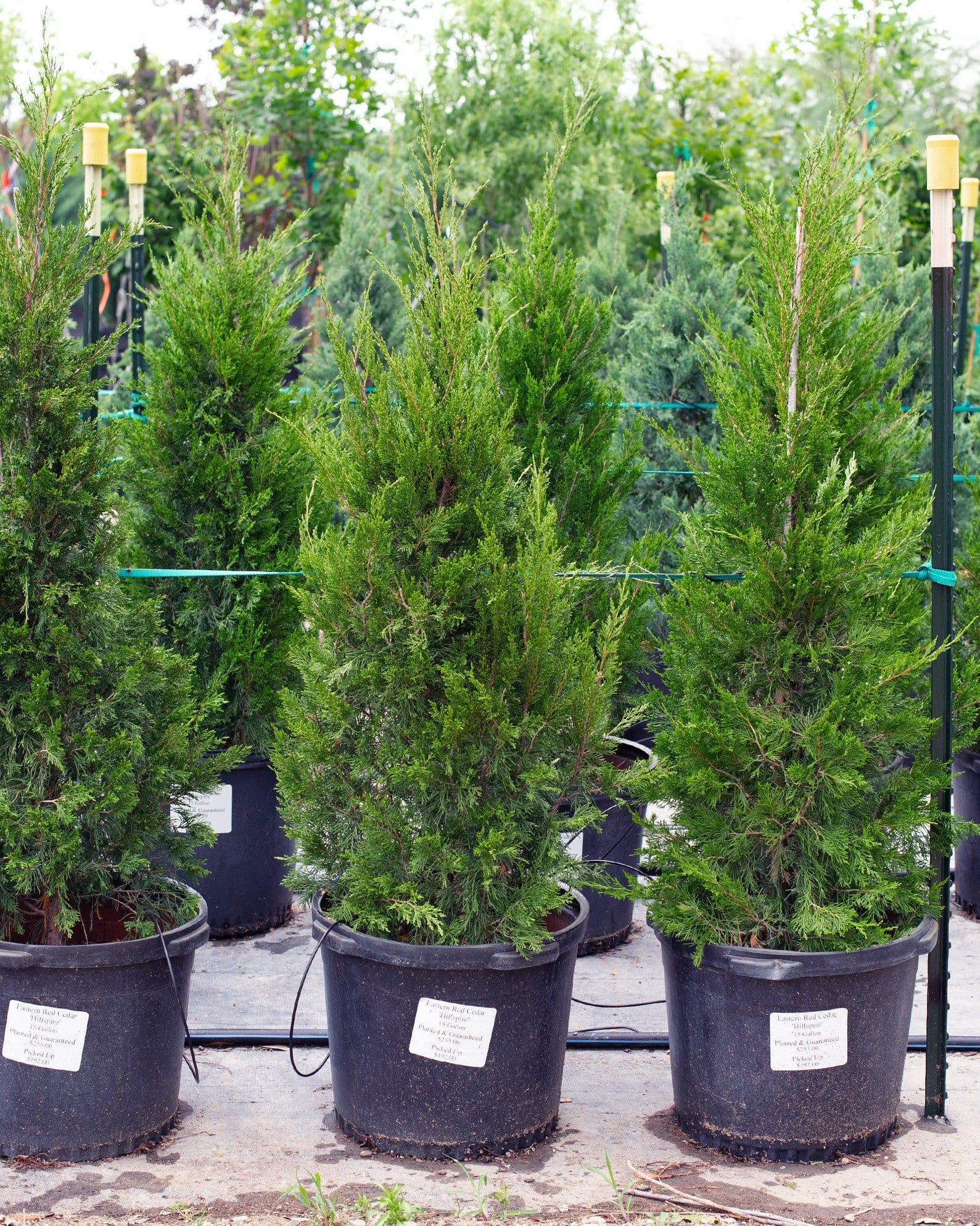
Eastern Red Cedar Hillspire
Maturity: 25' H x 15' W
Eastern Red Cedar Idyllwild
Maturity: 15' H x 7' W
Southern Red Cedar Fuzzy Wuzzy
Maturity: 35' H x 25' W
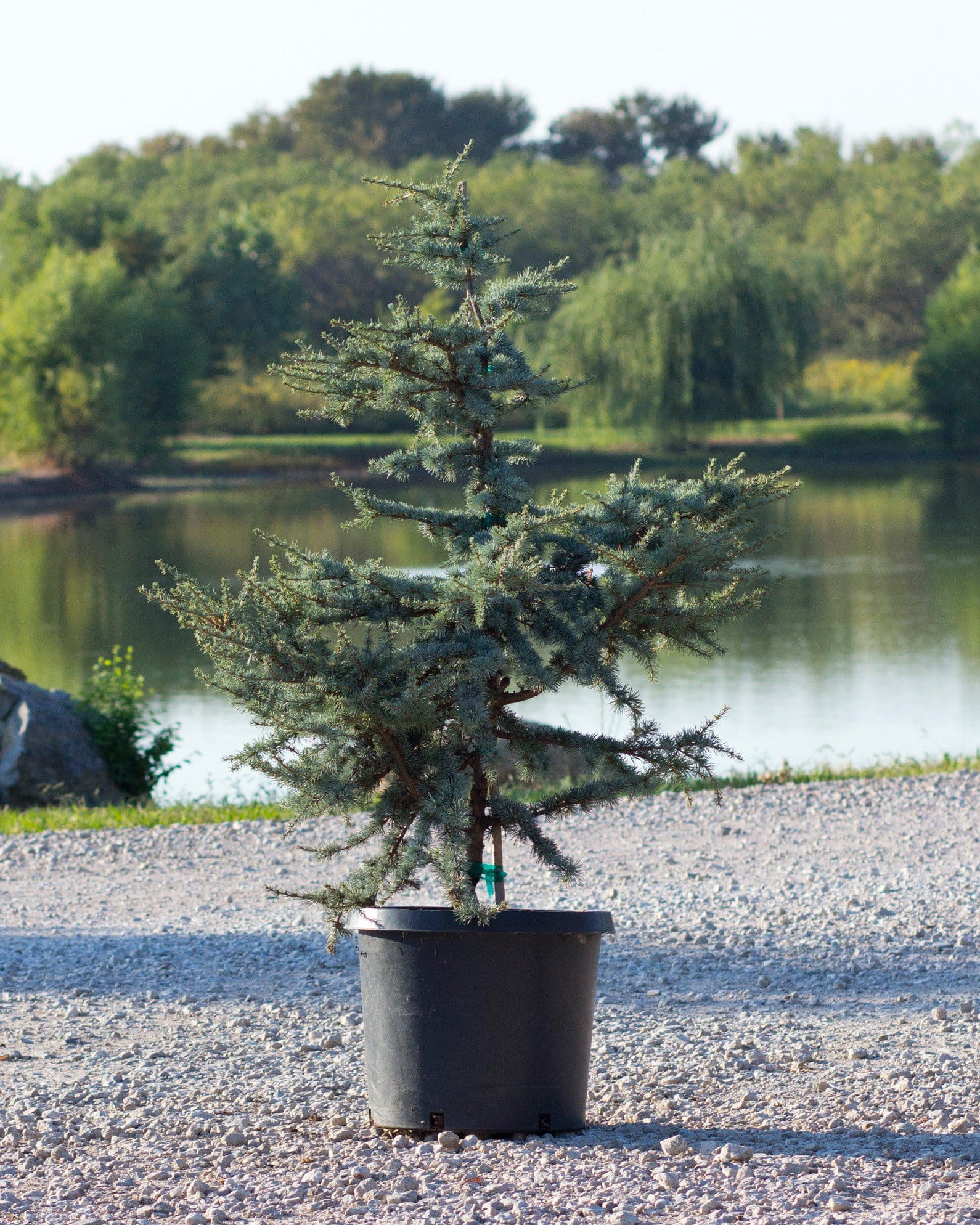
Blue Atlas Cedar Horstmann
Maturity: 10' H x 6' W
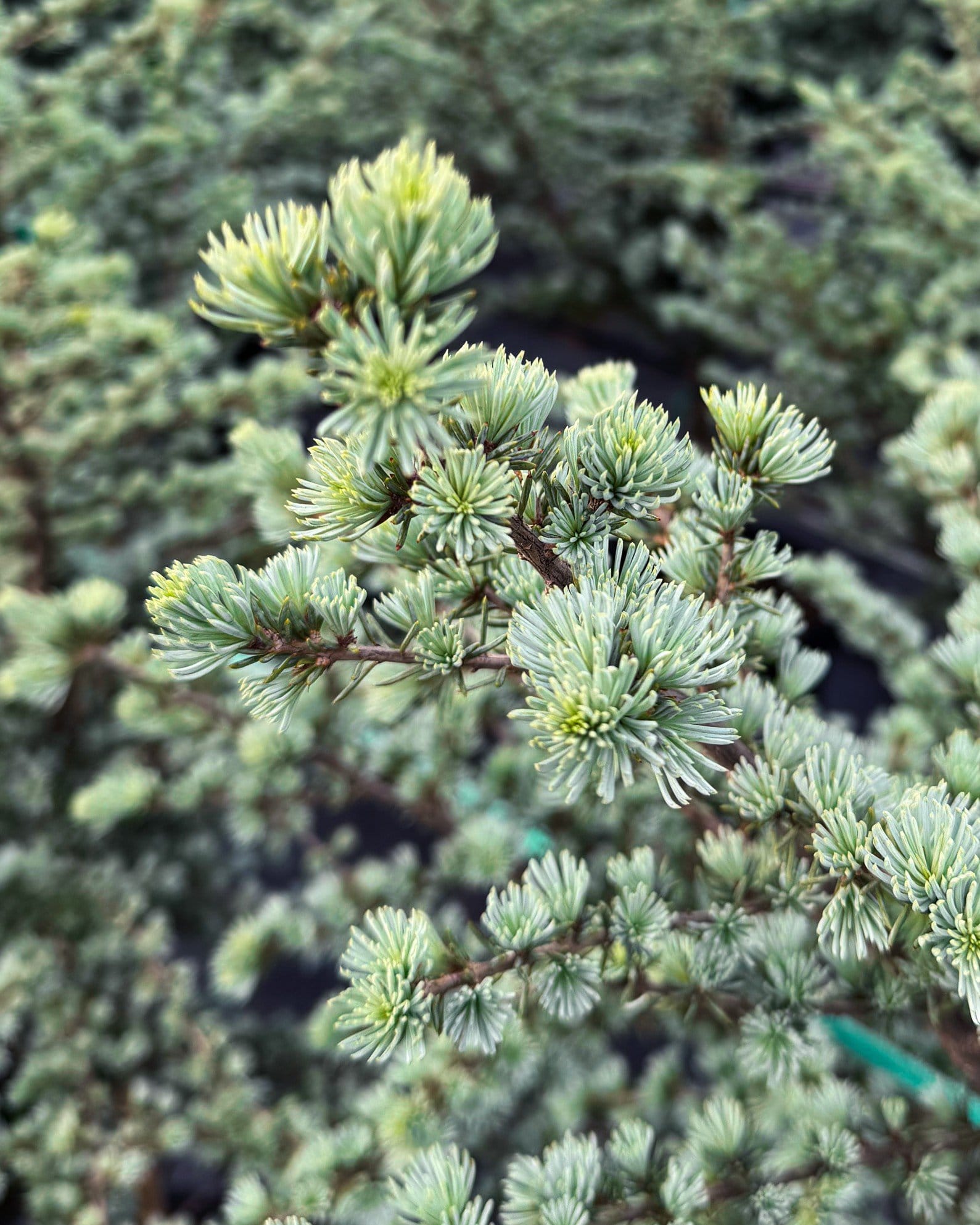
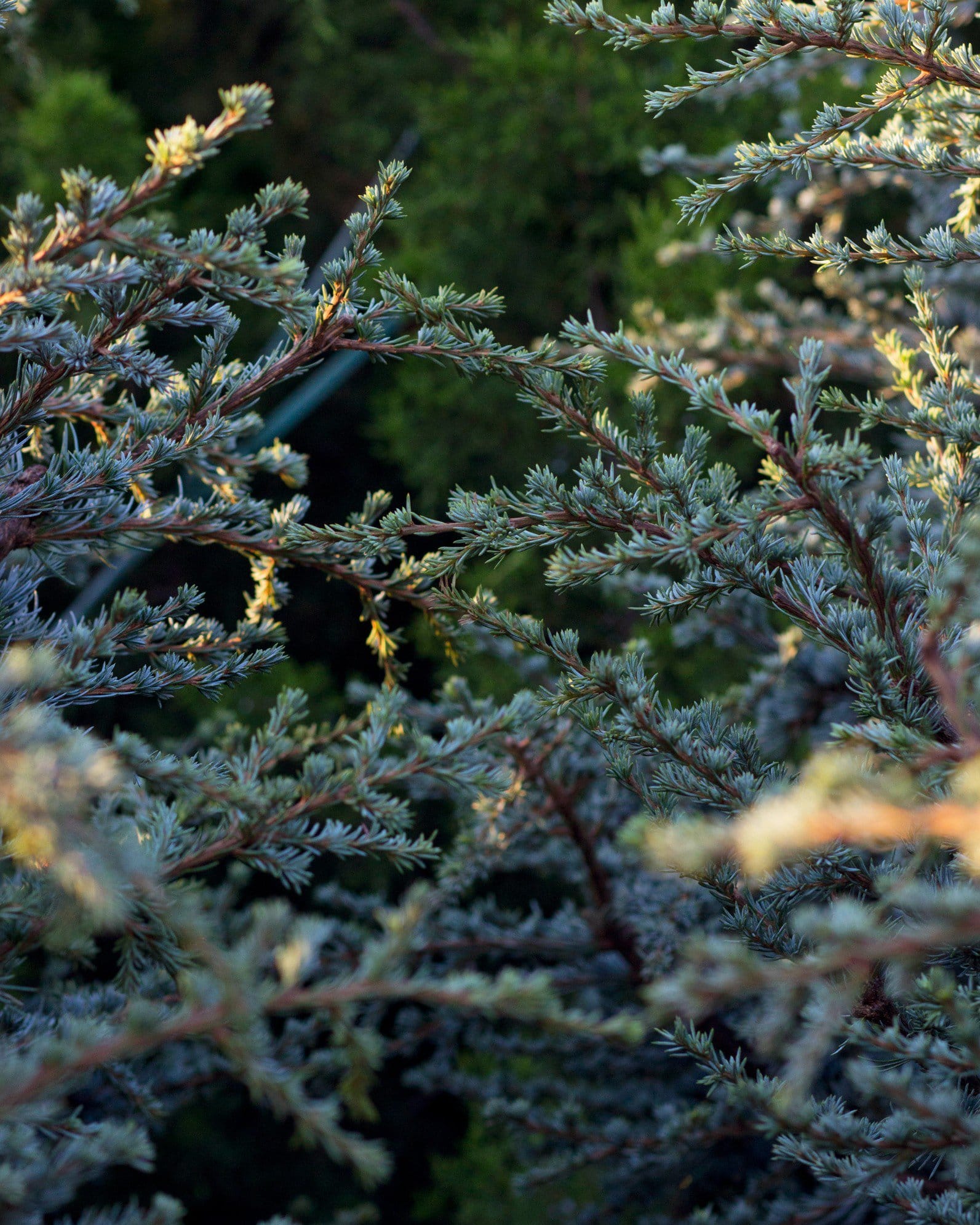
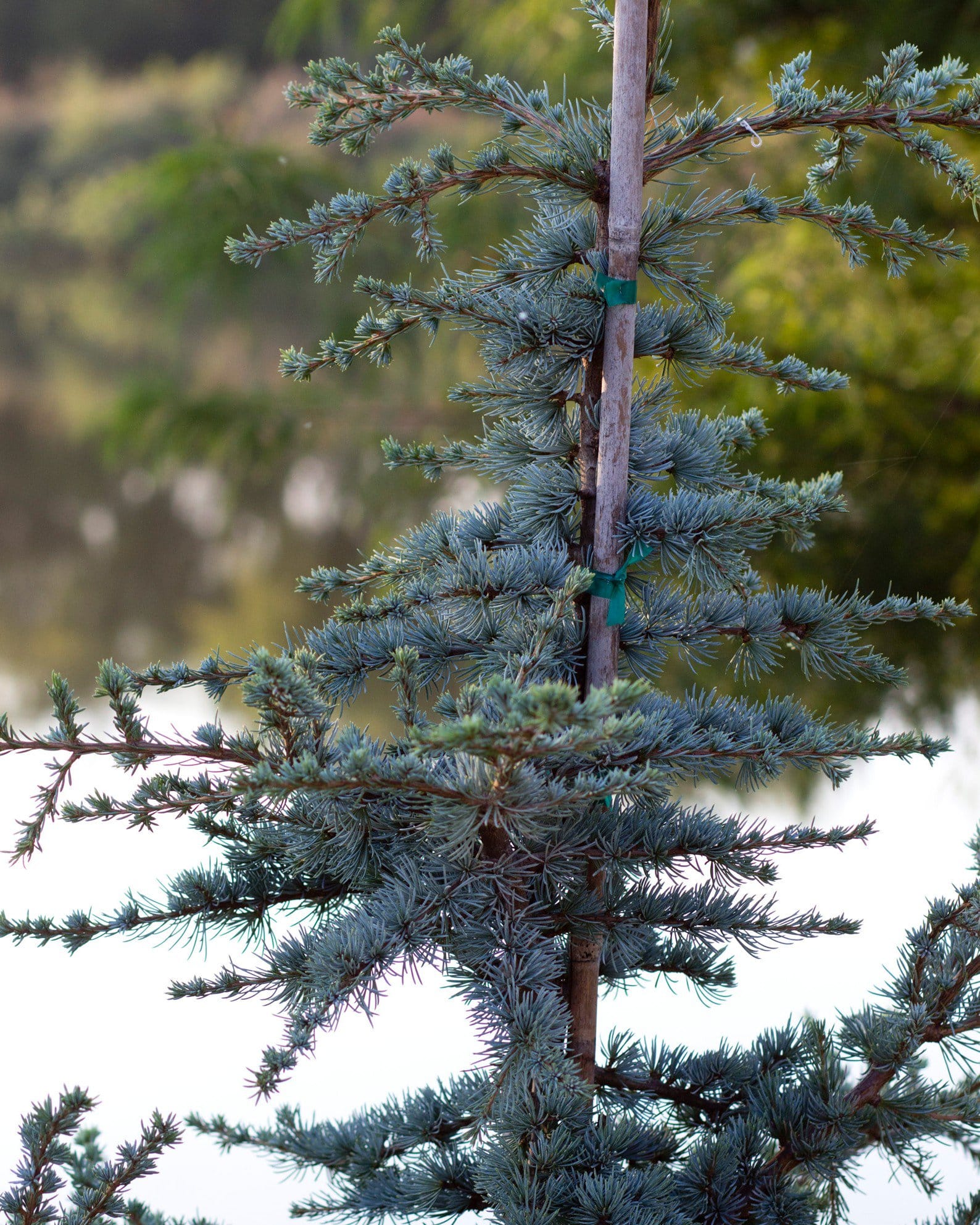
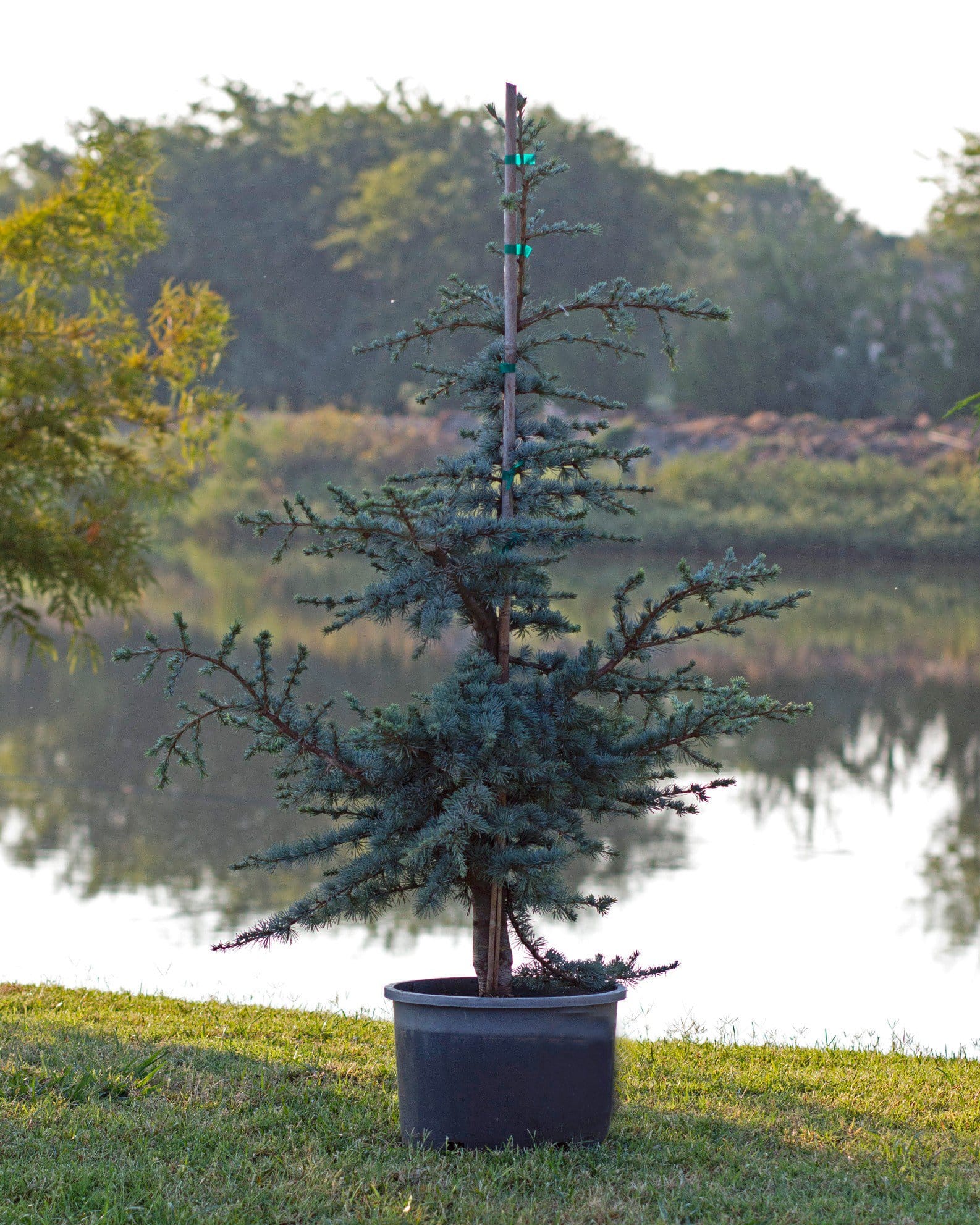
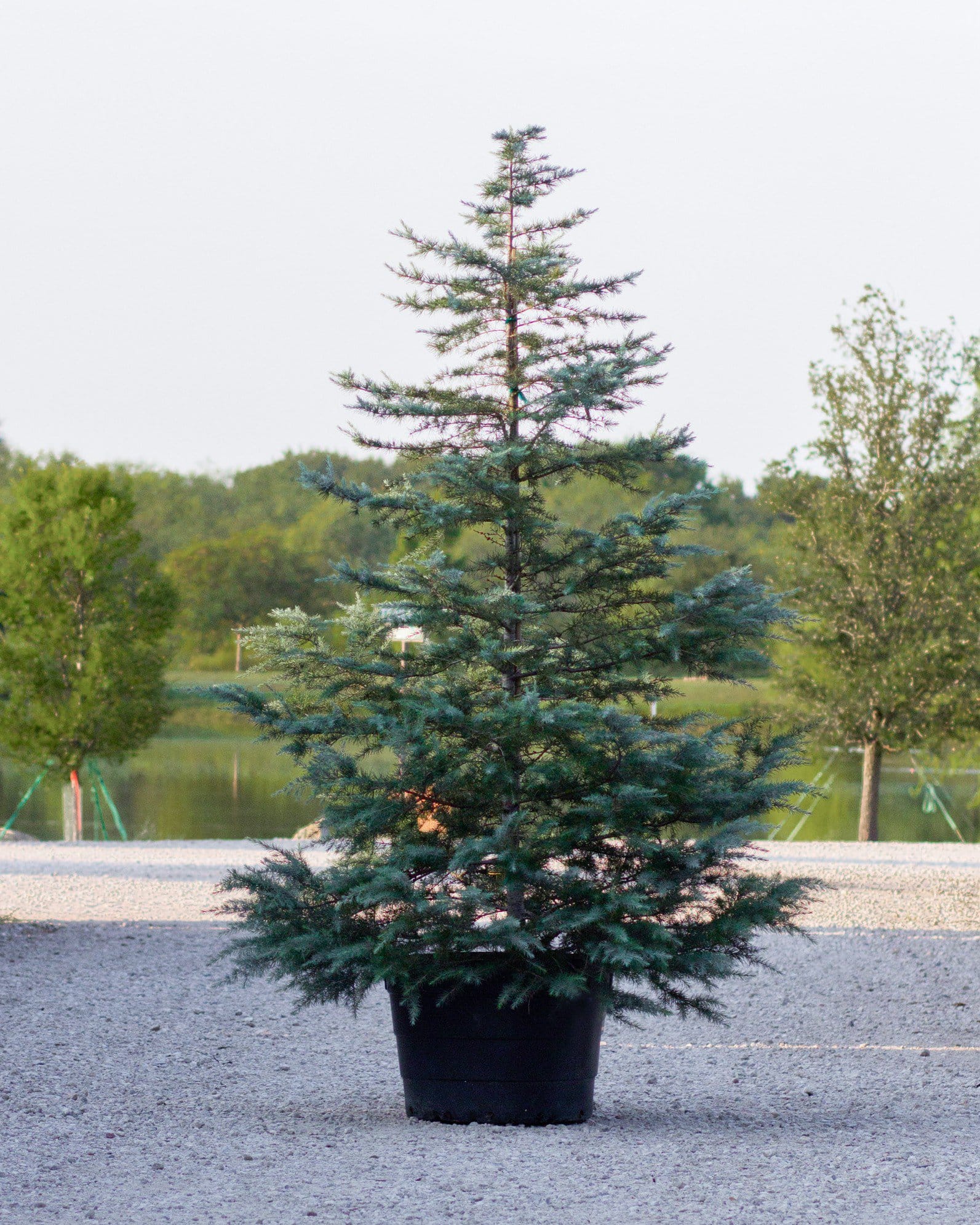
Deodar Cedar Patti Faye
Maturity: 30' H x 25' W
Spartan Juniper
Maturity: 17' H x 7' W
Compare Similar Plants
Eastern Red Cedar This plant | ||
|---|---|---|
| Scientific Name | Juniperus virginiana | Juniperus virginiana ‘Brodie’ |
| Size at Maturity | 30' H x 20' W | 25' H x 12' W |
| Leaf Retention | Evergreen | Evergreen |
| Sizes Available | 3, 7, 15, 30, 45 gal | 15, 30, 45, 65 gal |

Our 1-Year Planting Guarantee
We take pride in our plants and installation services. If any plants or trees installed by Treeland fail to thrive within the first year, we'll provide a replacement credit in accordance with our guarantee program.
Learn More About Our Guarantee