


 Popular
 Texas Native
Eastern Red Cedar Taylor
Juniperus virginiana ‘Taylor’Local DFW Delivery Only
Product Details
Eastern Red Cedar Taylor
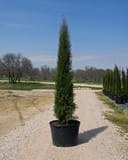
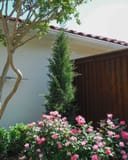
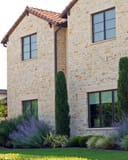
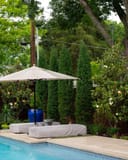
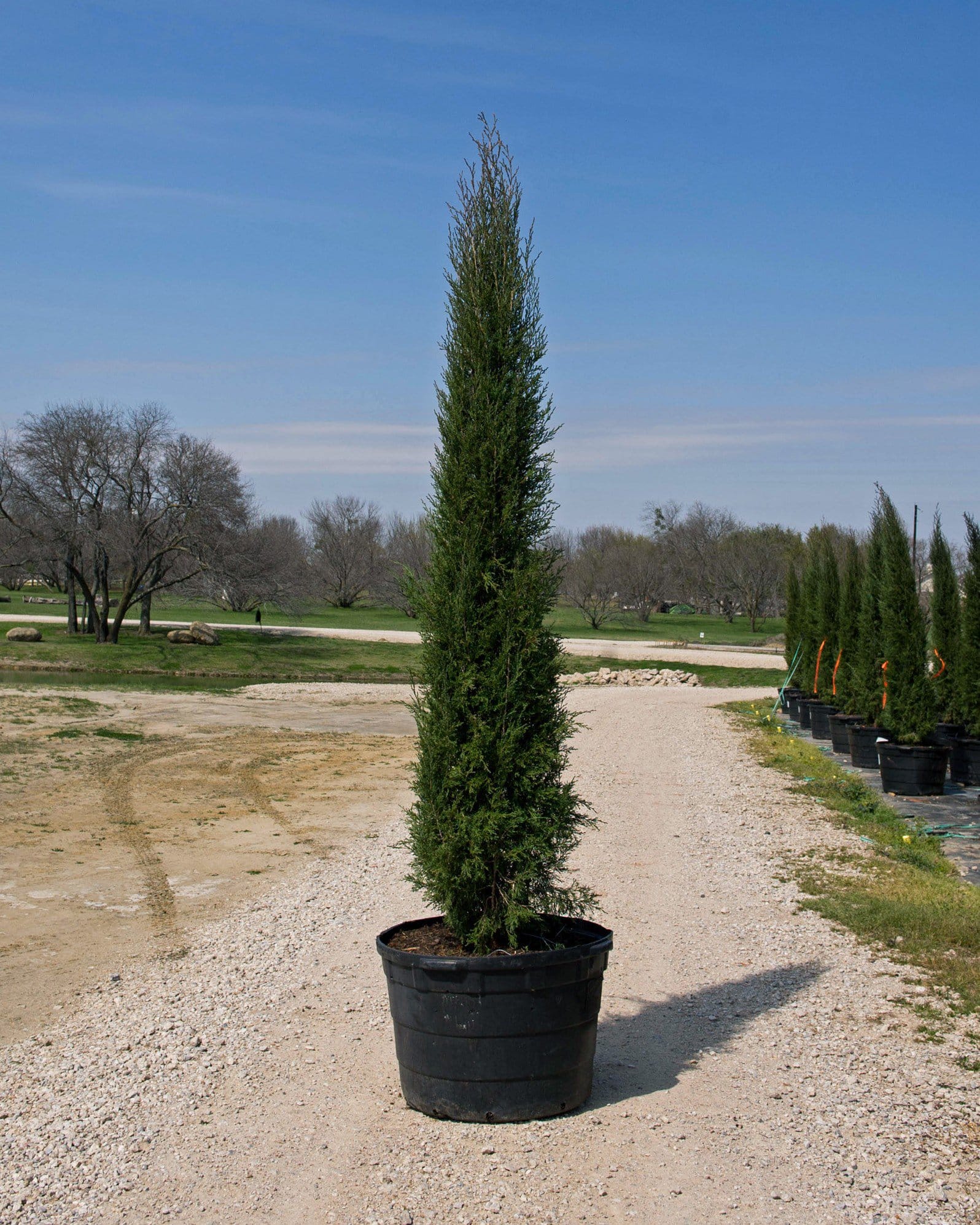
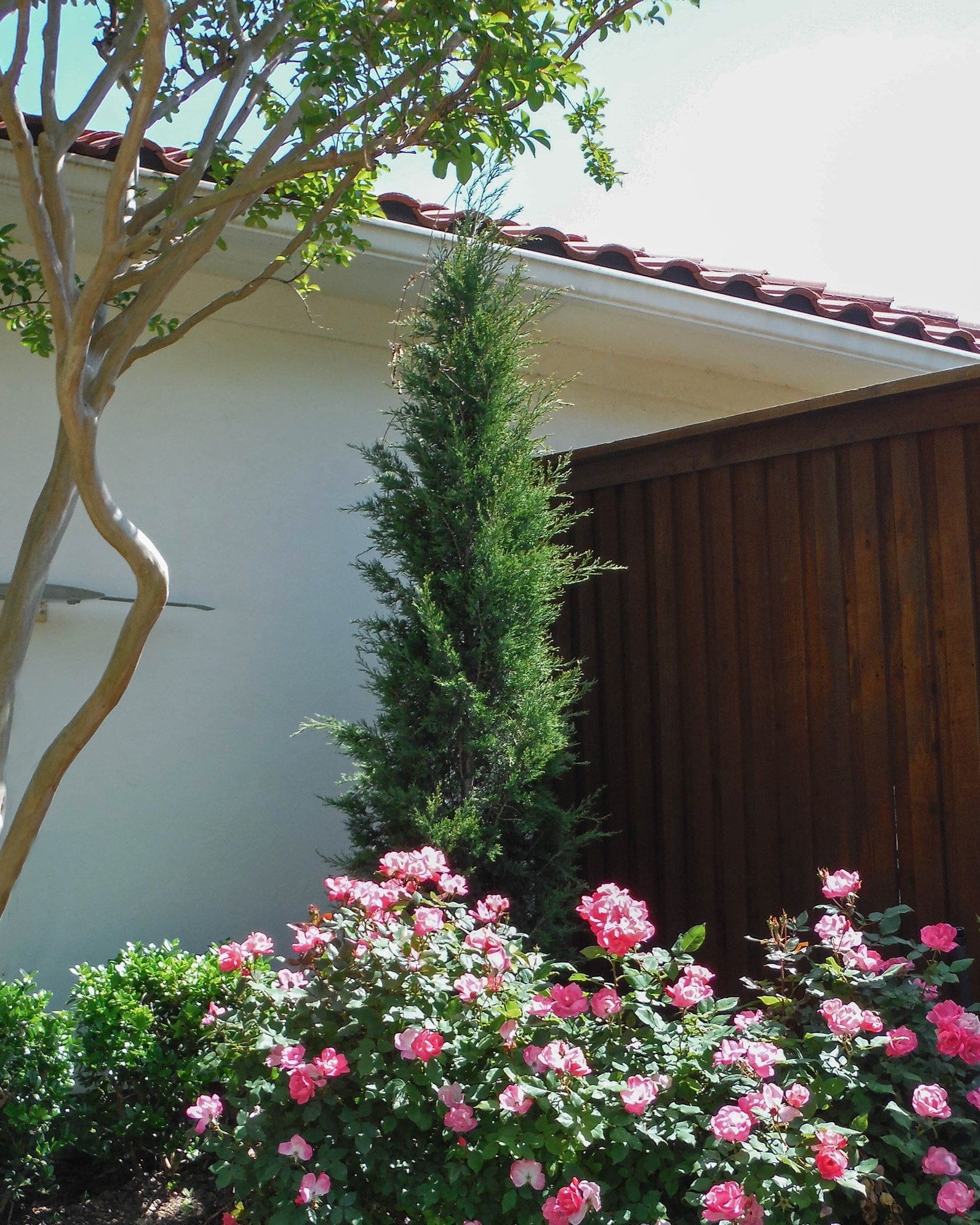
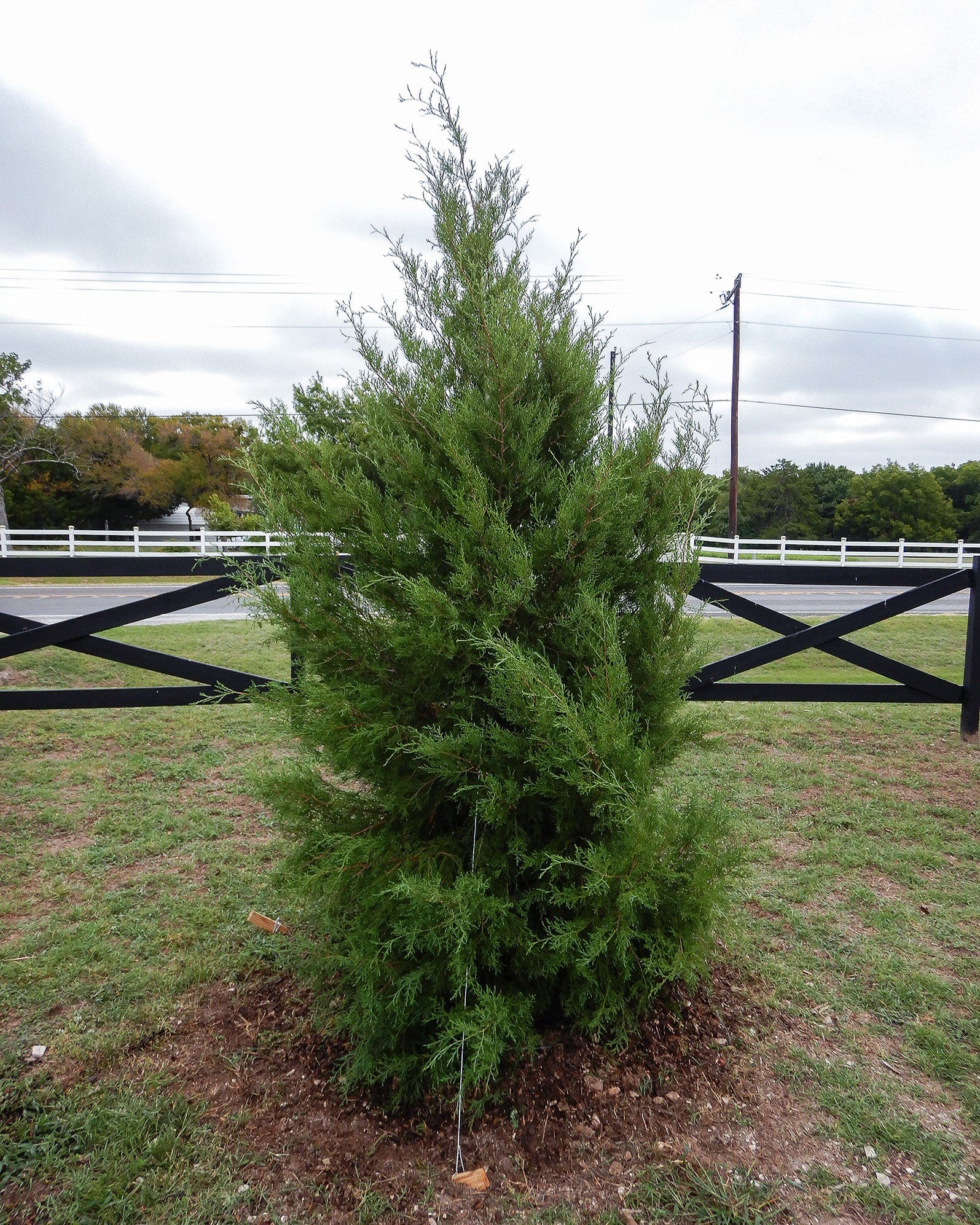
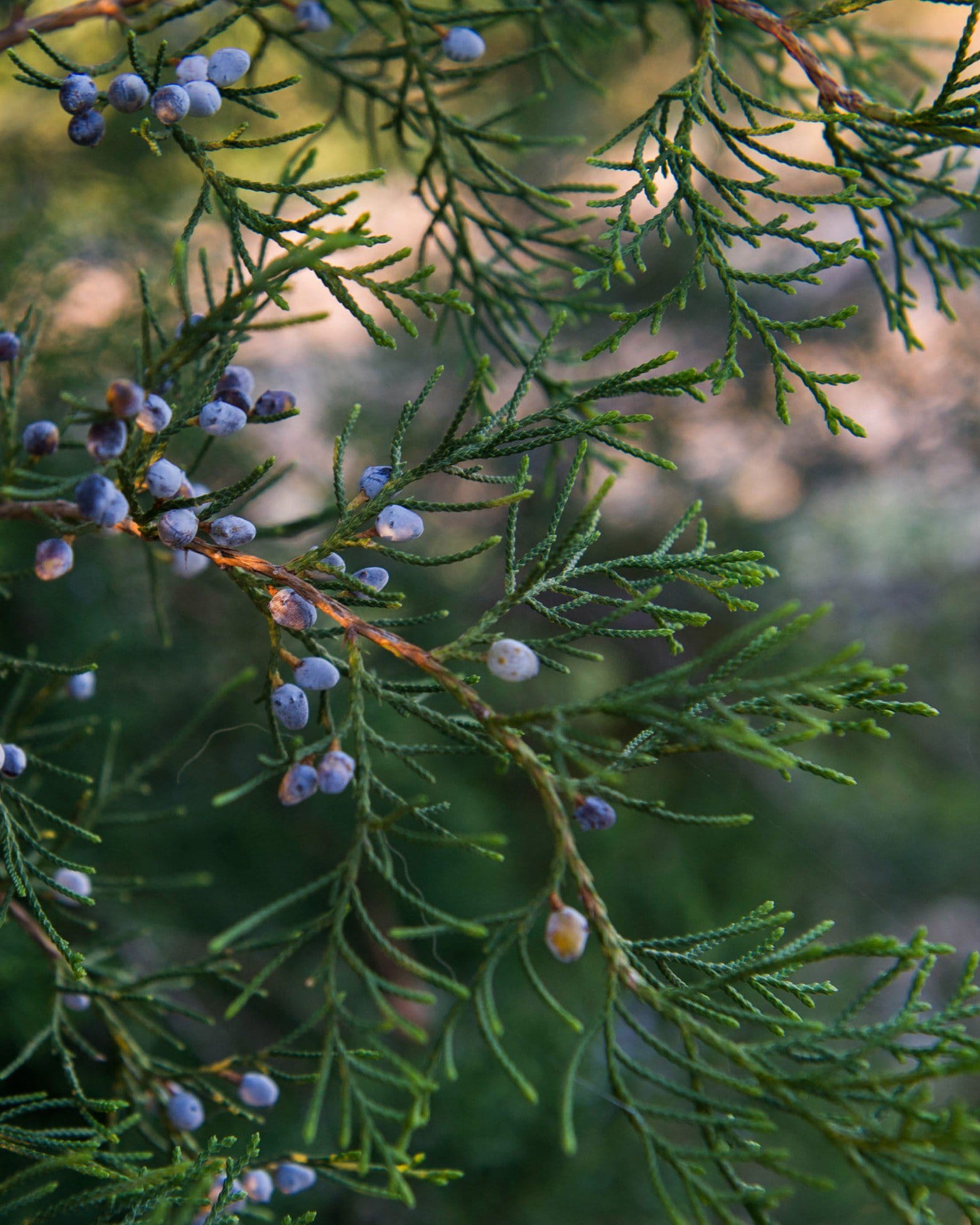
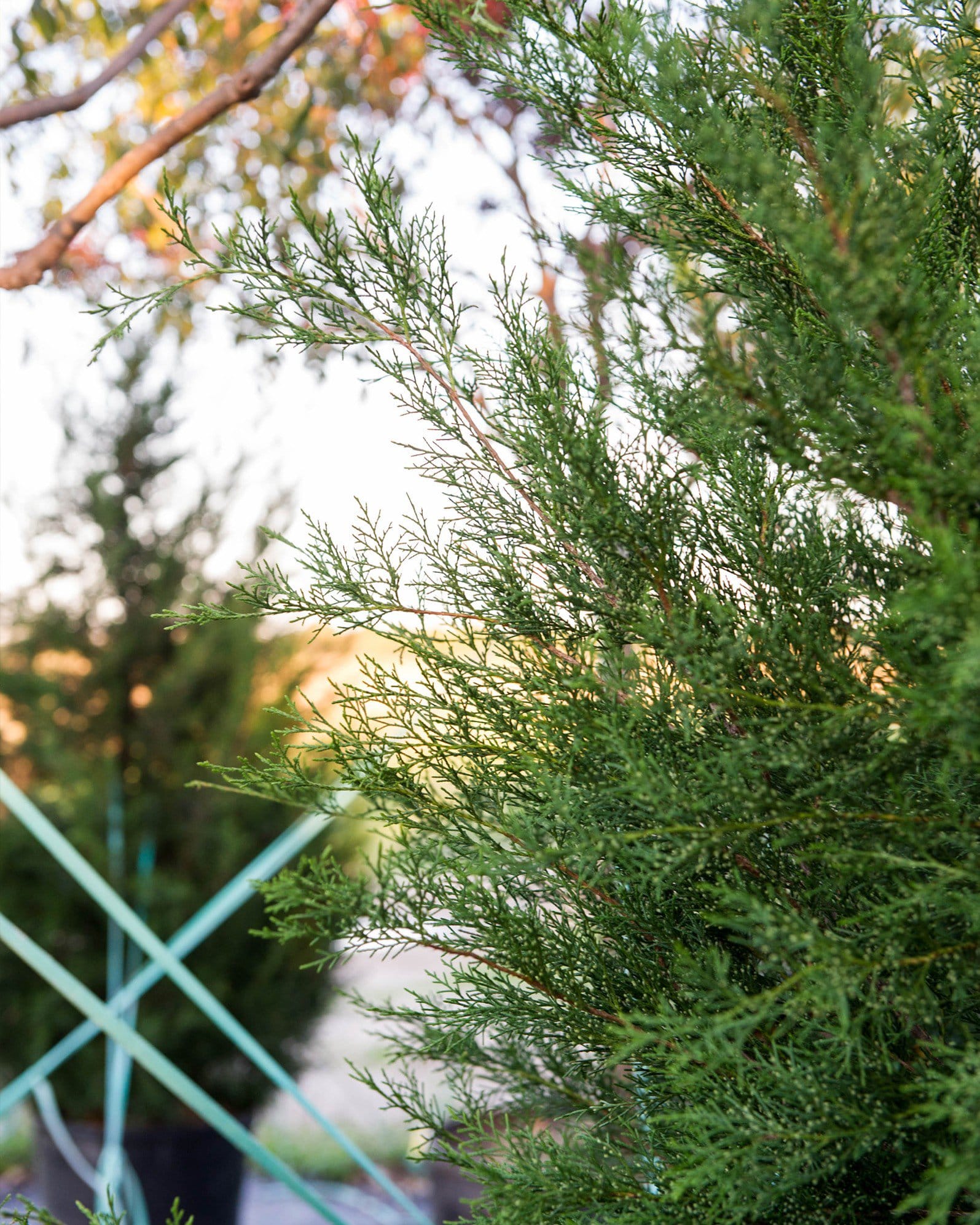
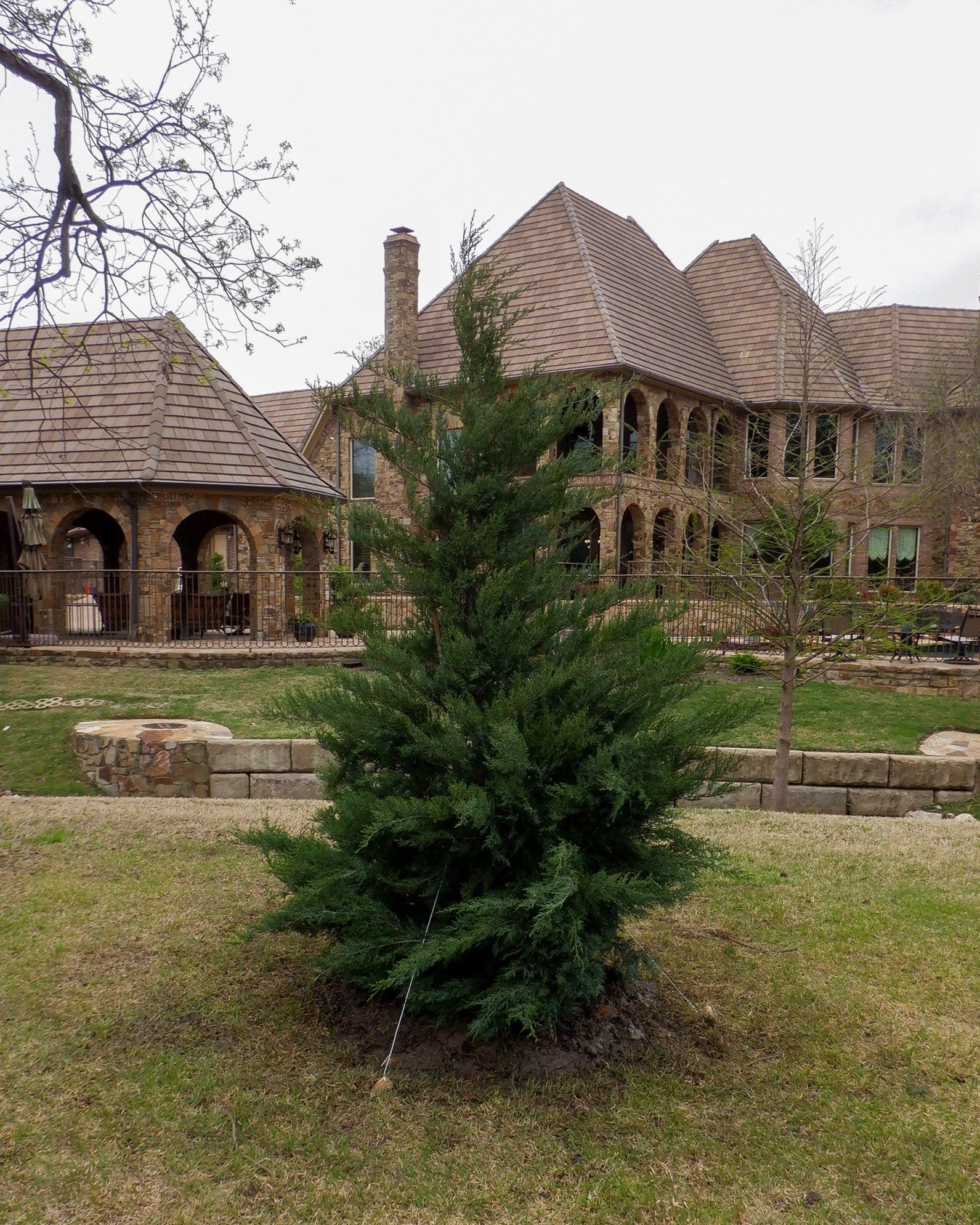
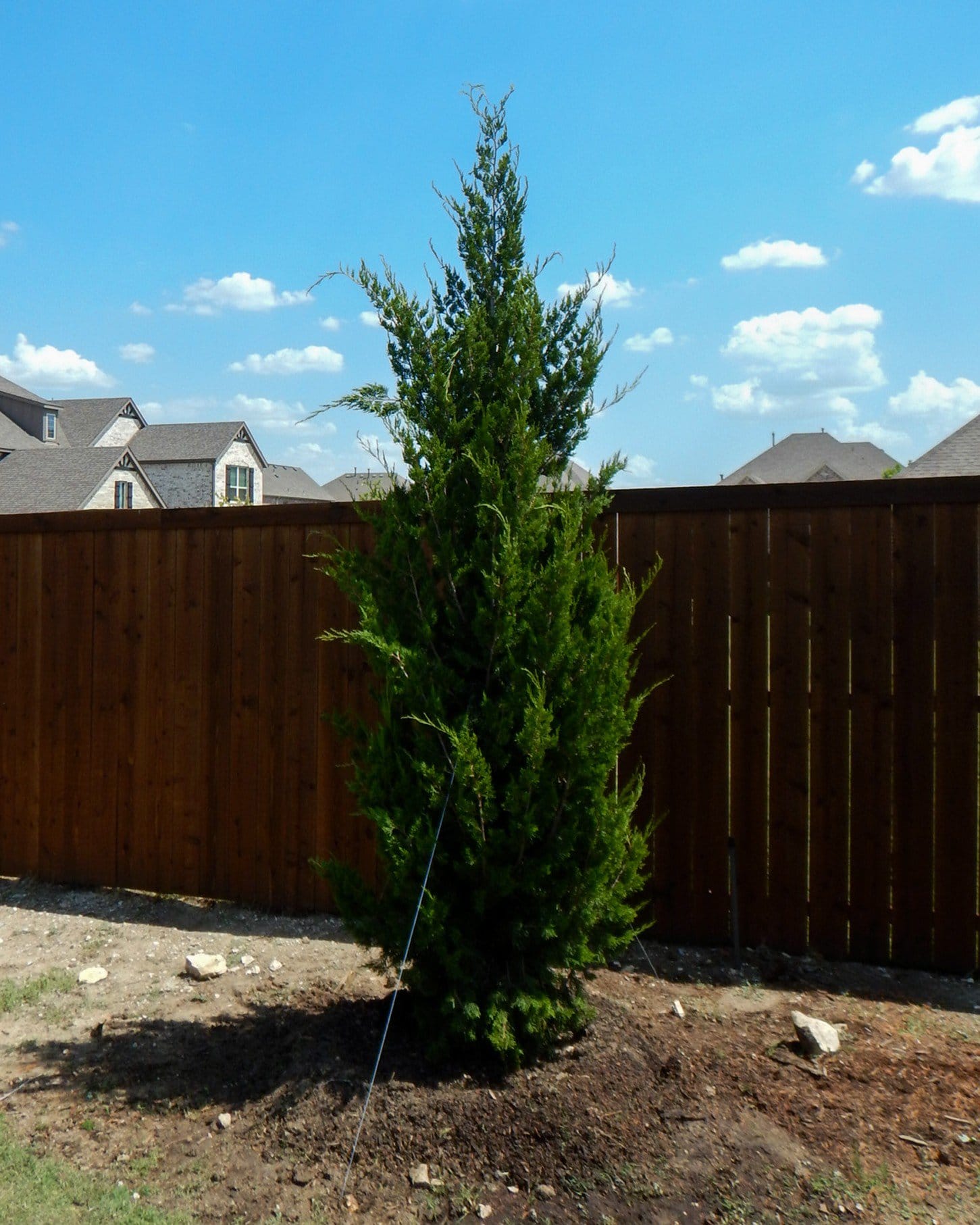
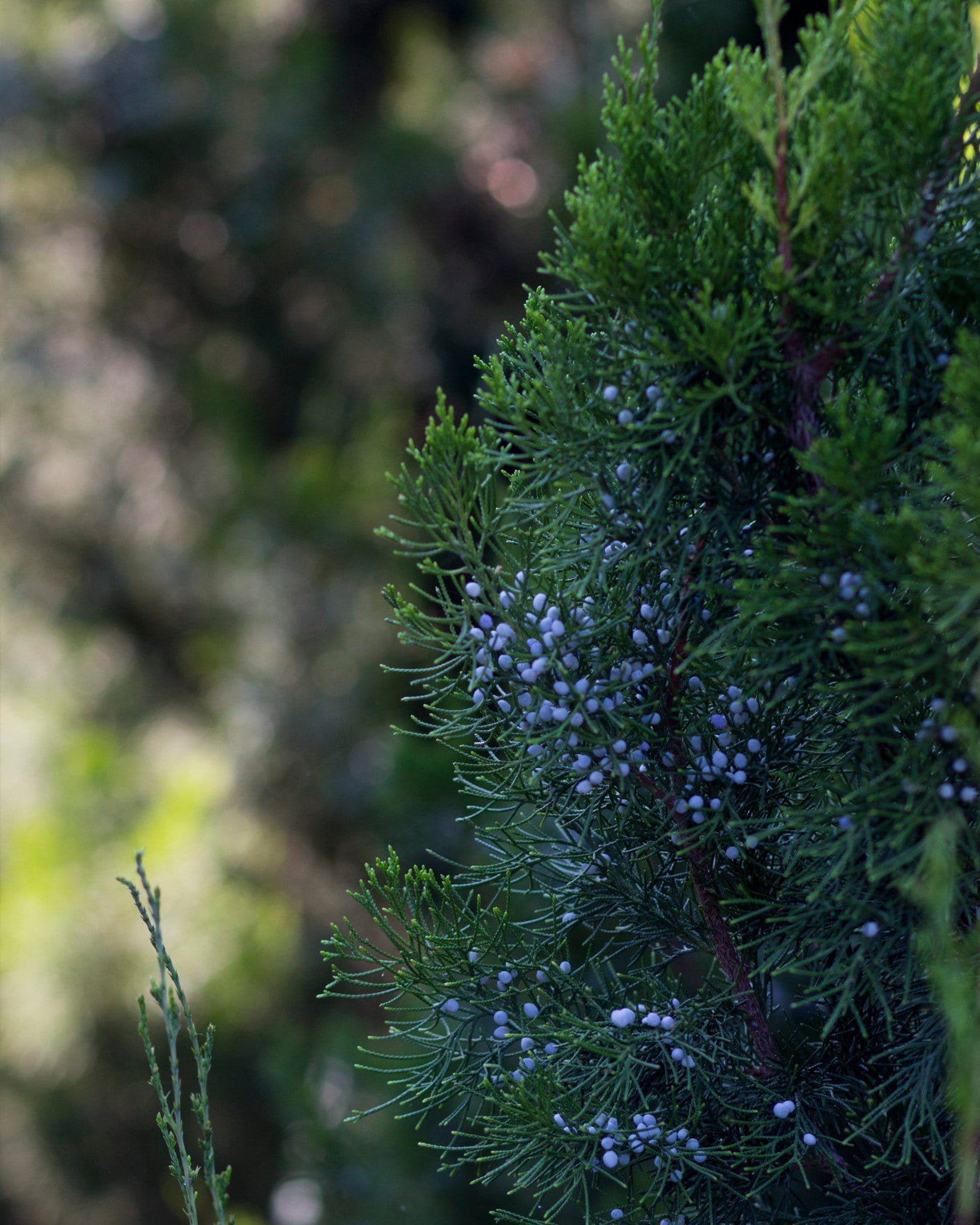
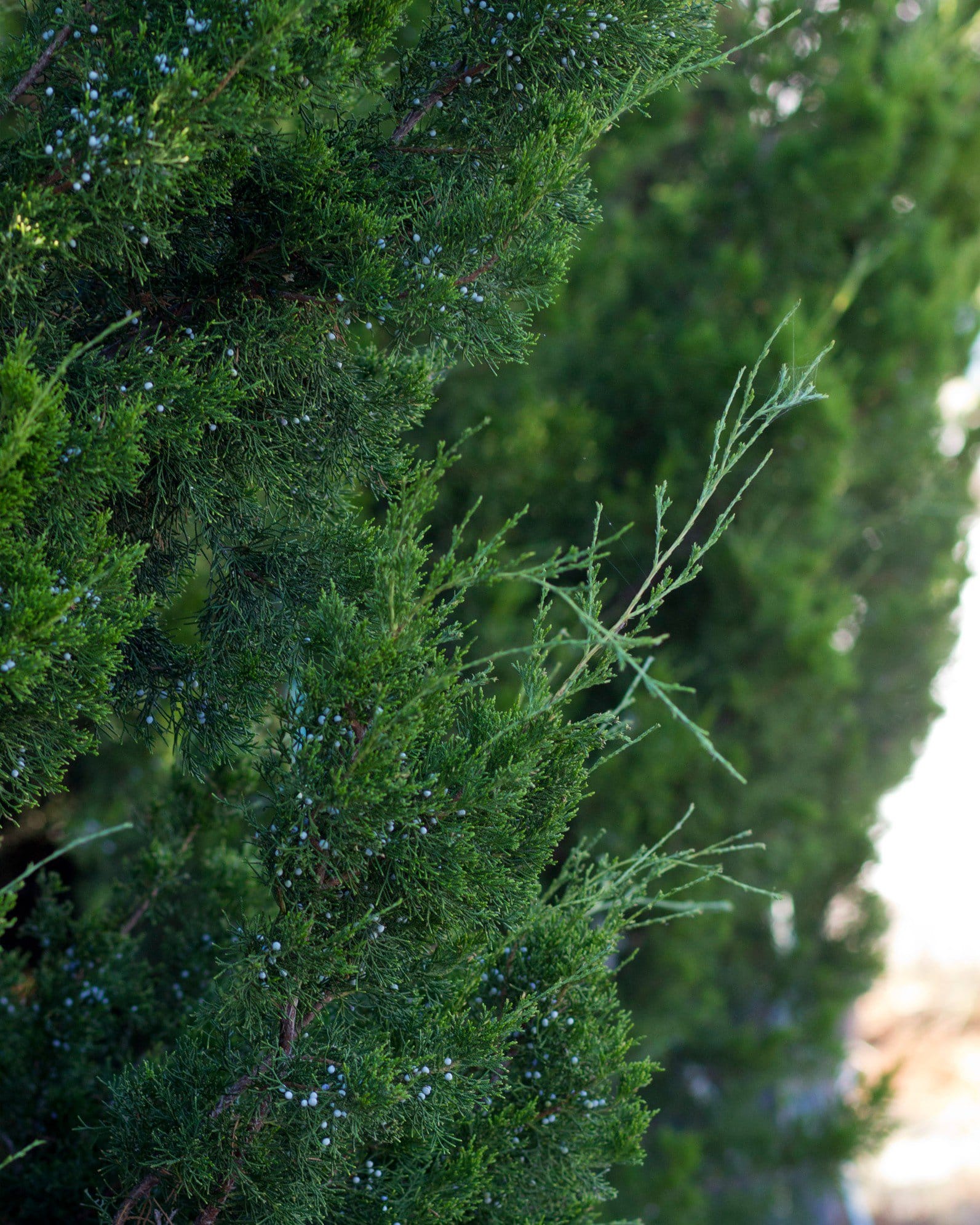
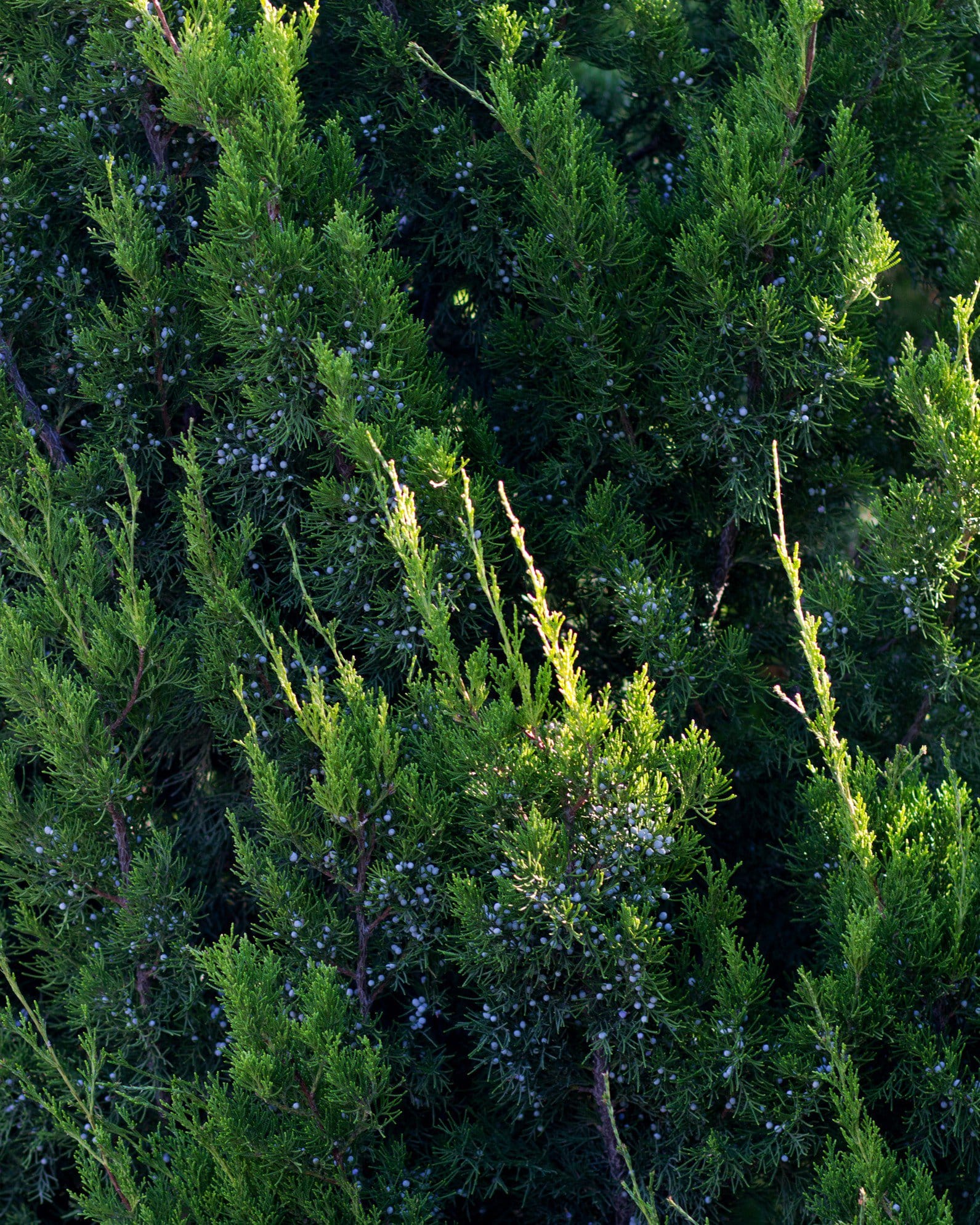
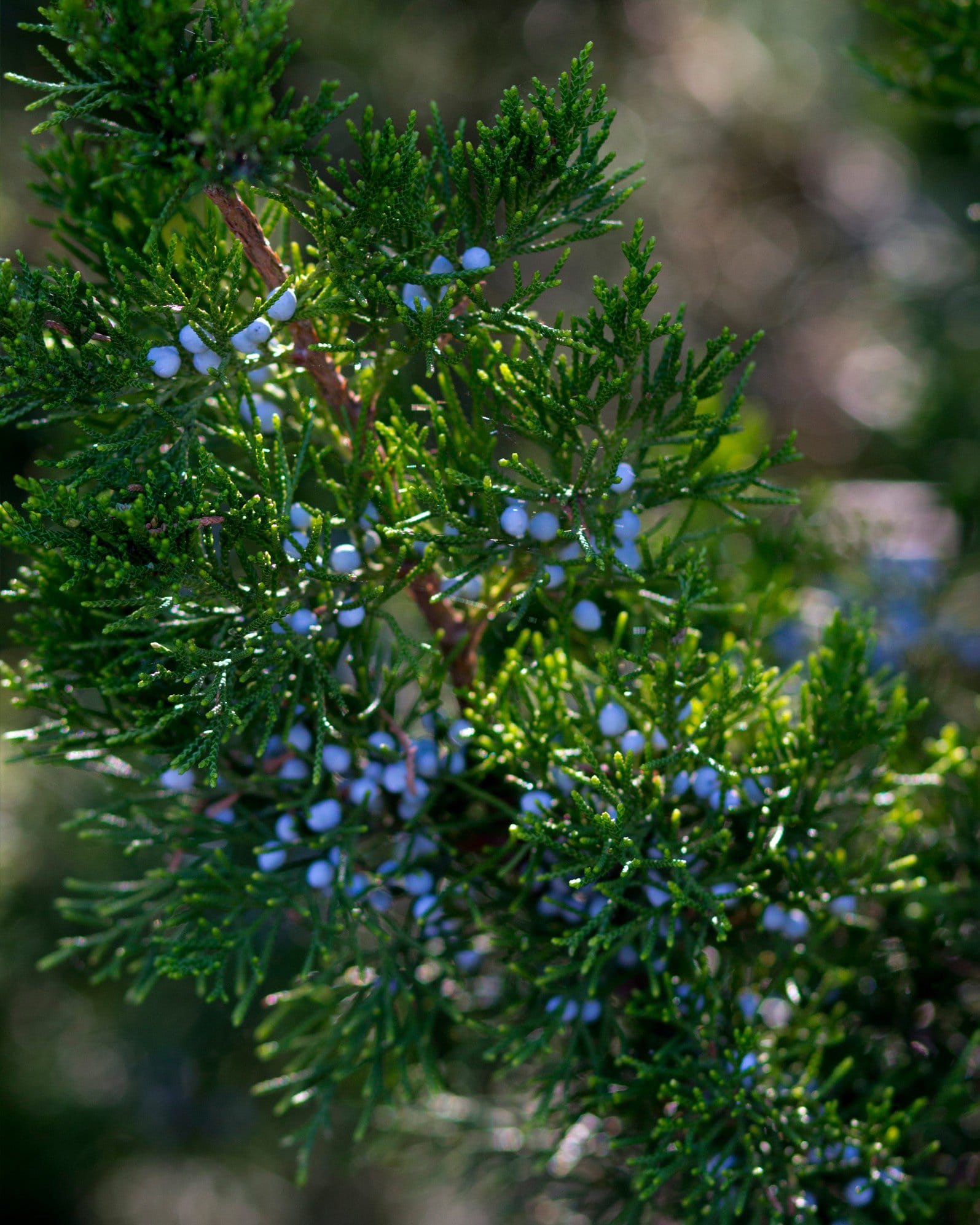
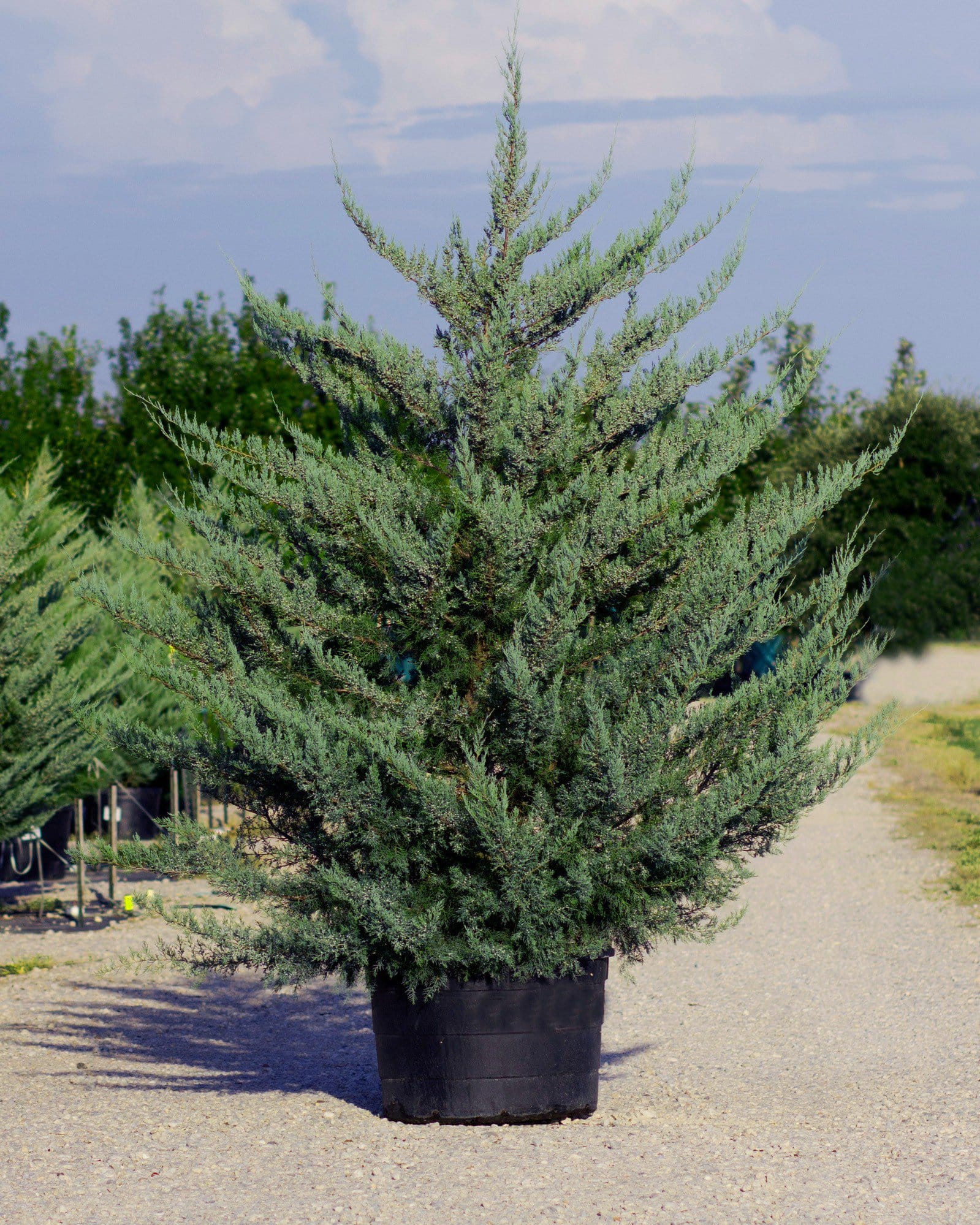
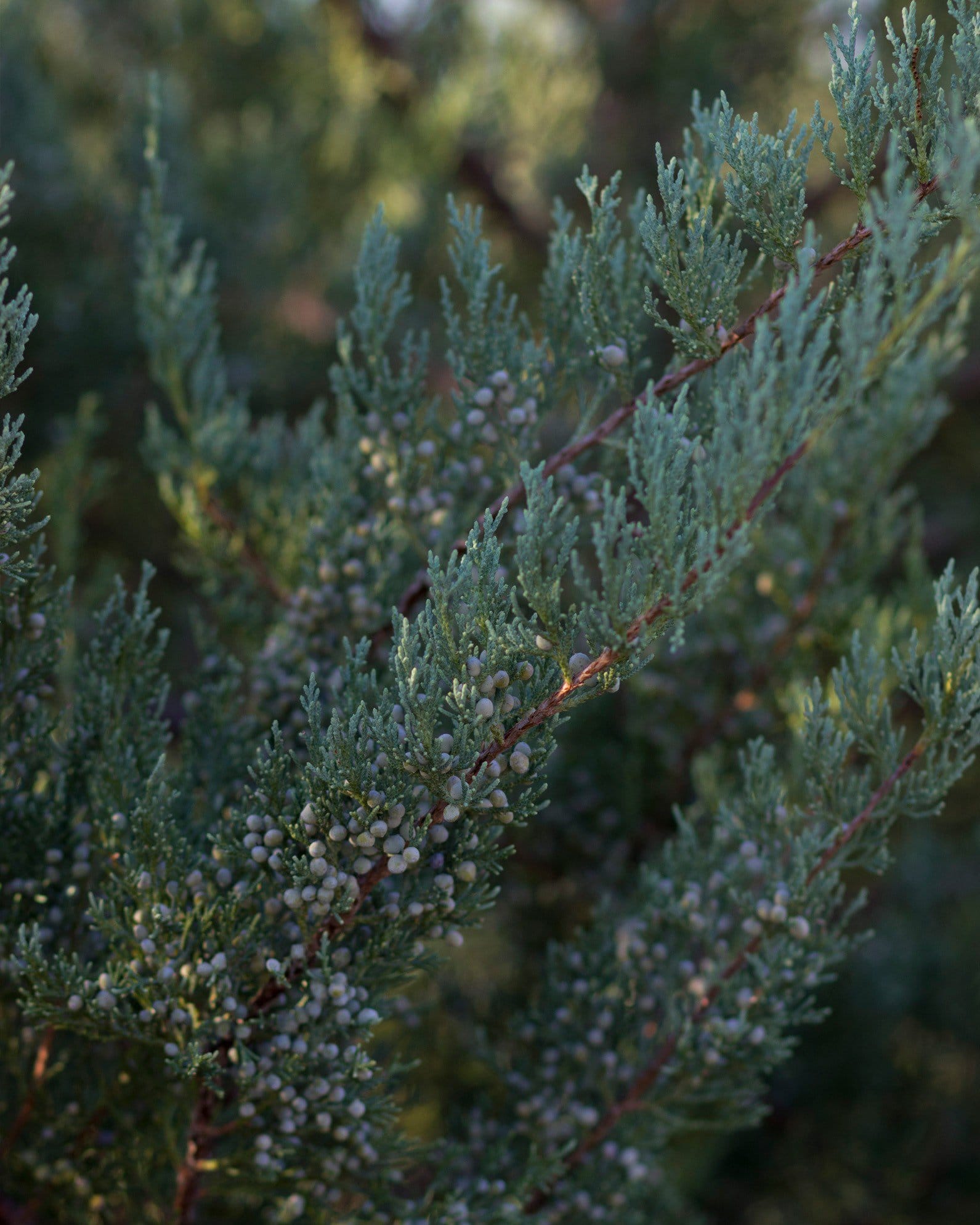
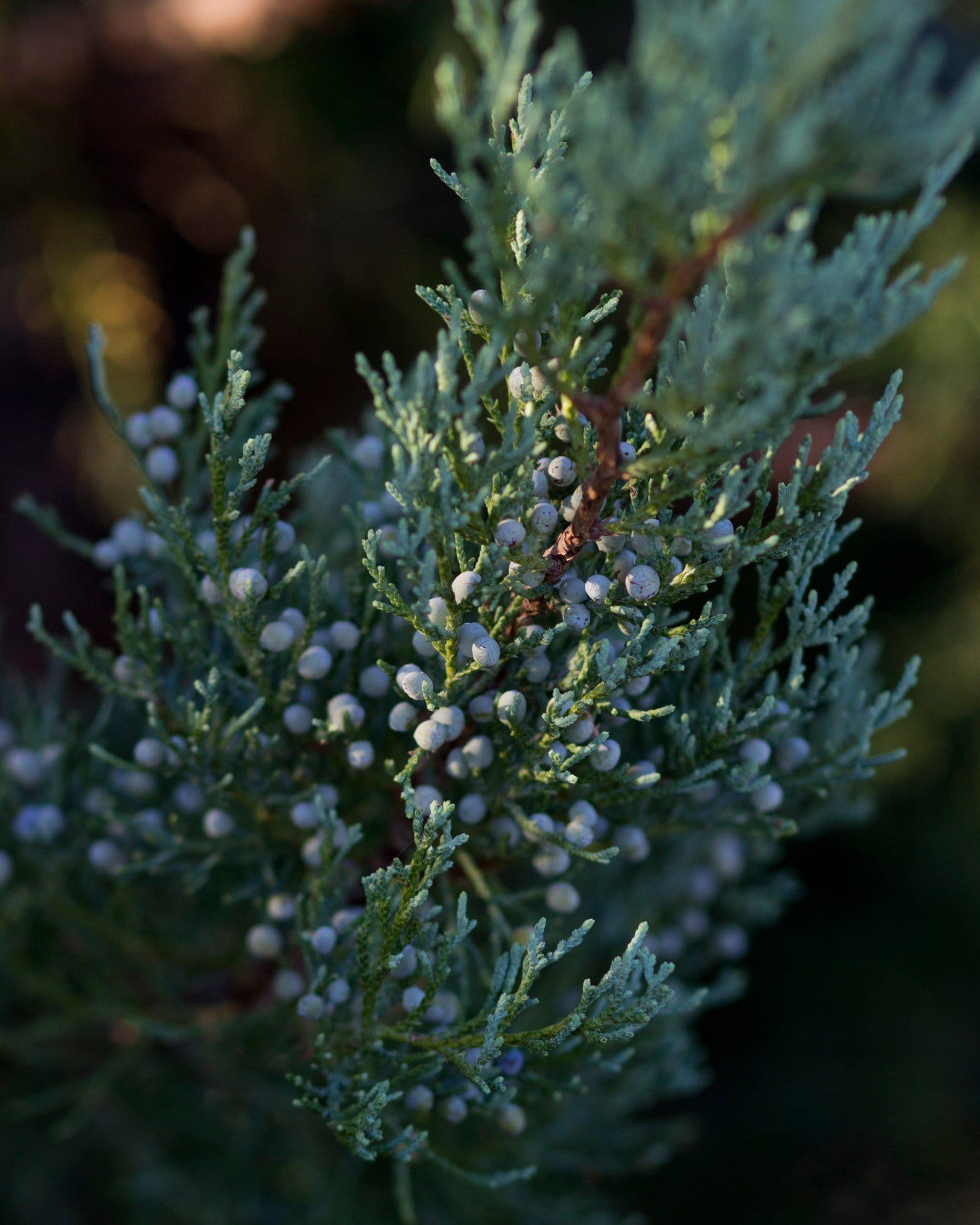
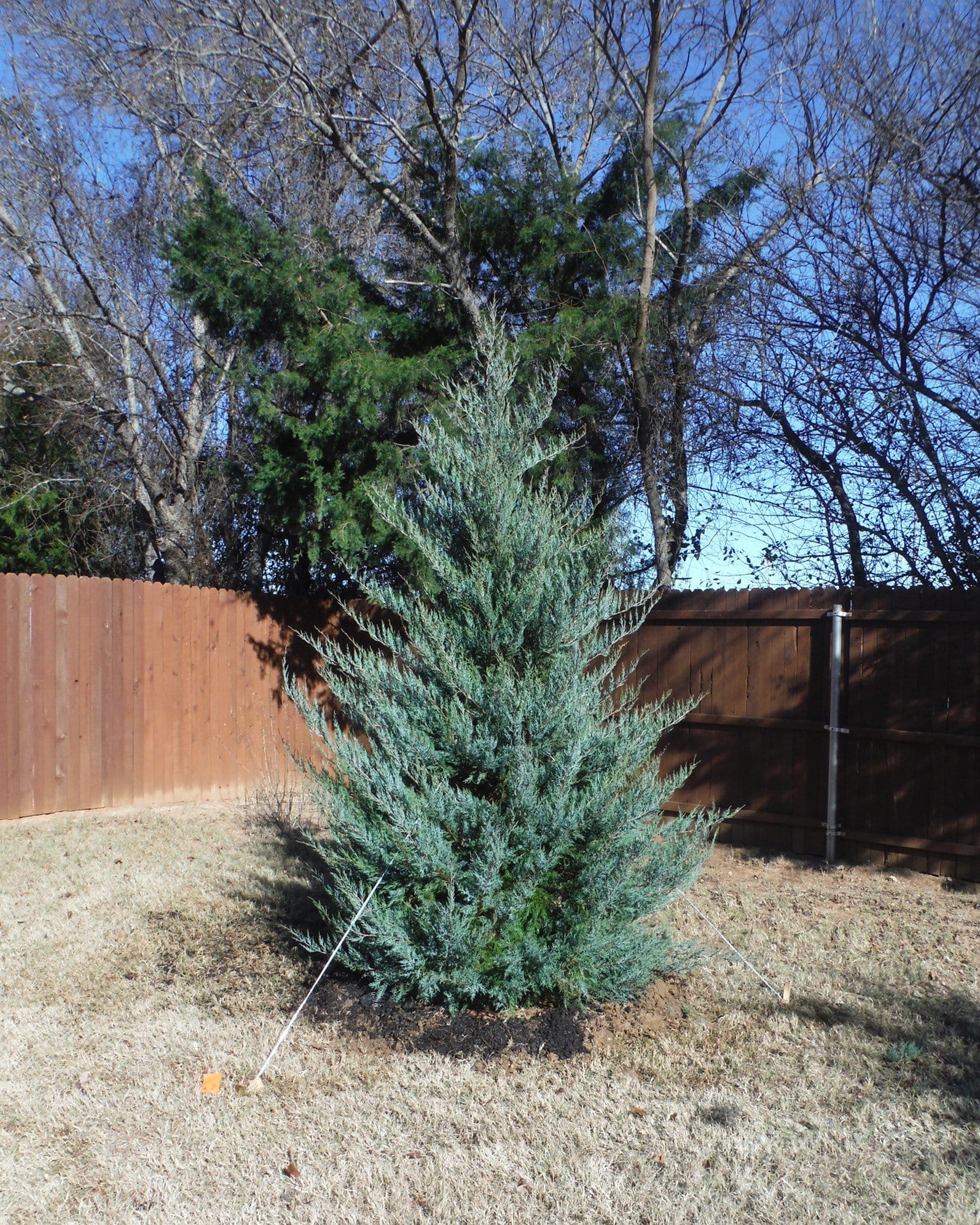
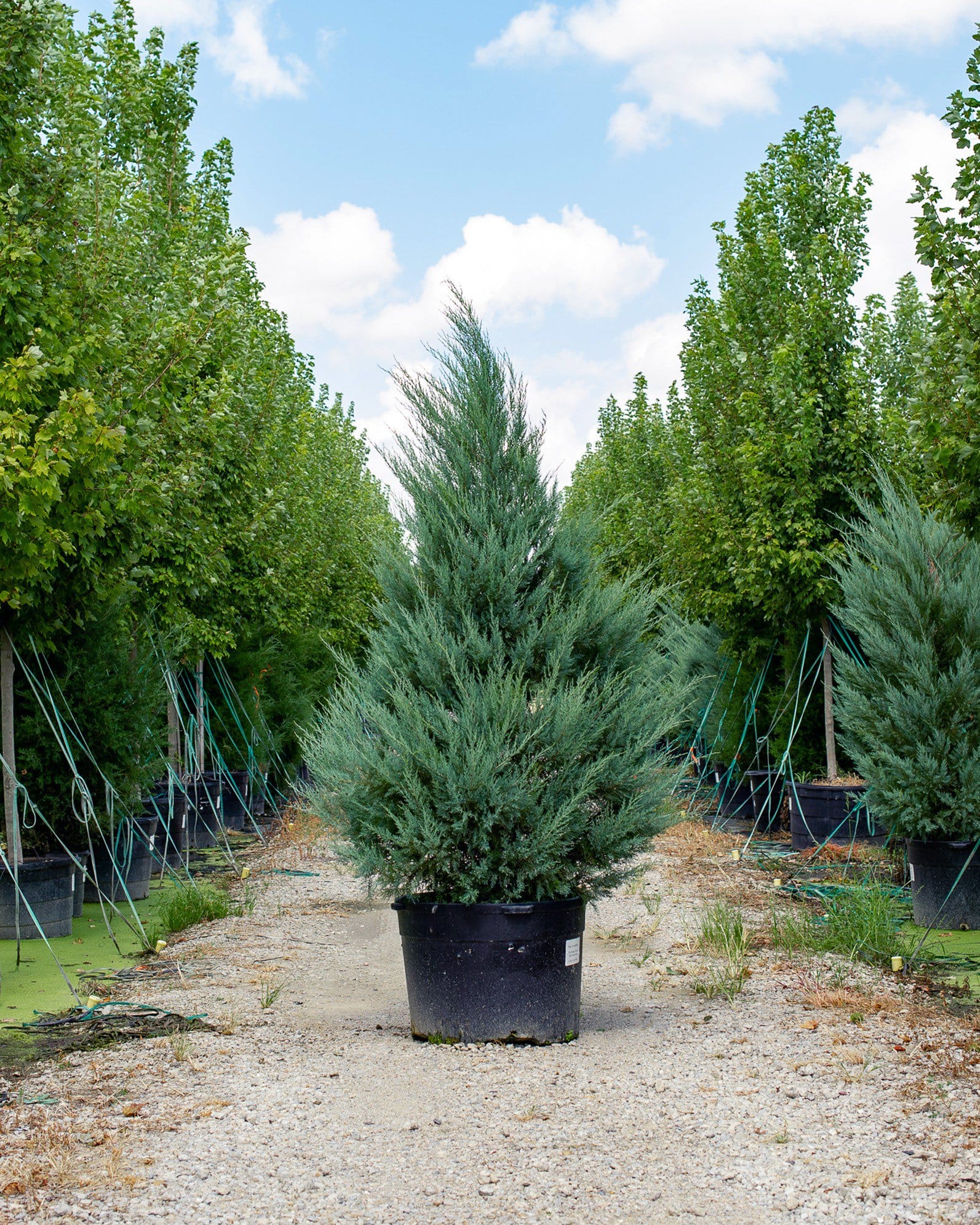
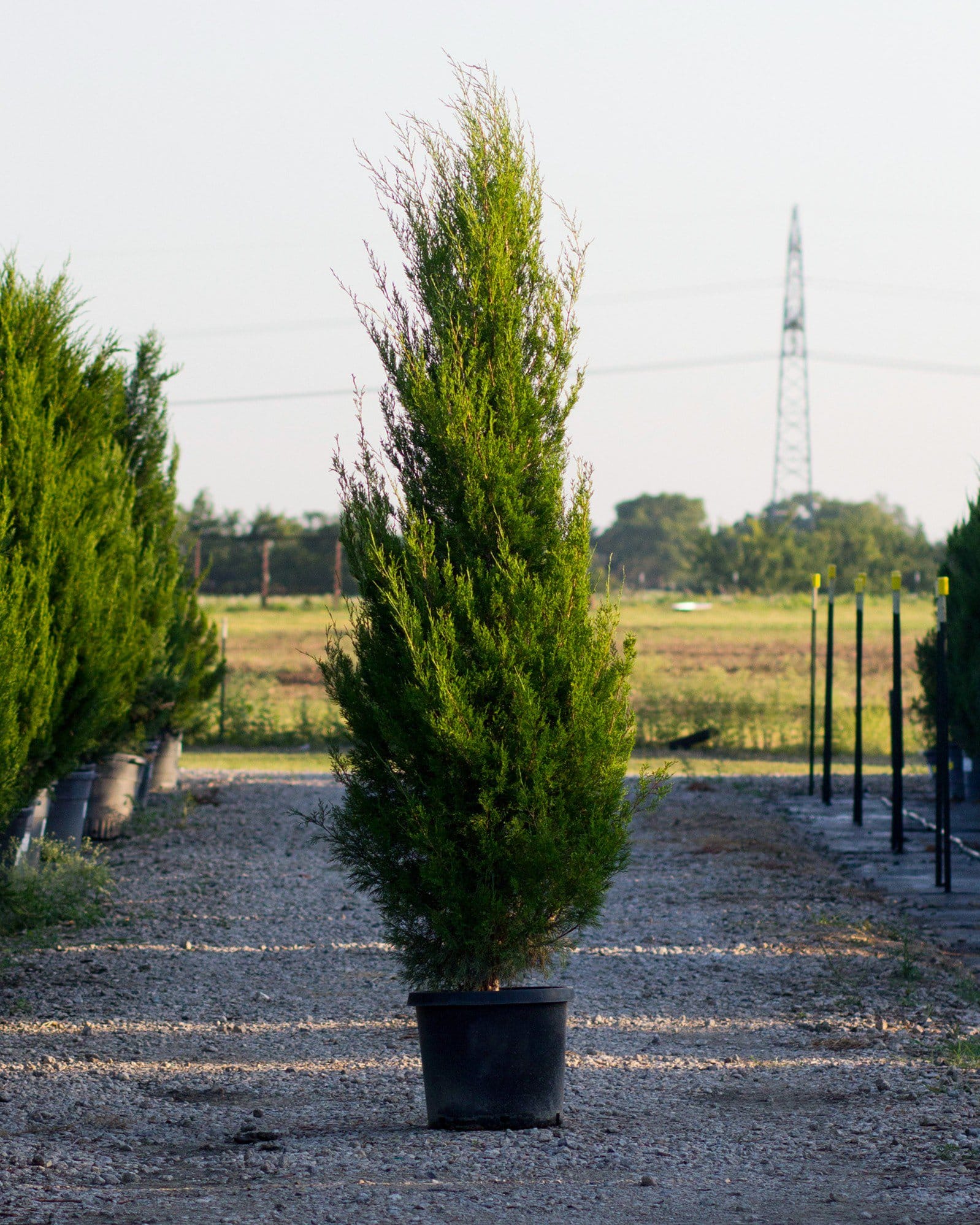
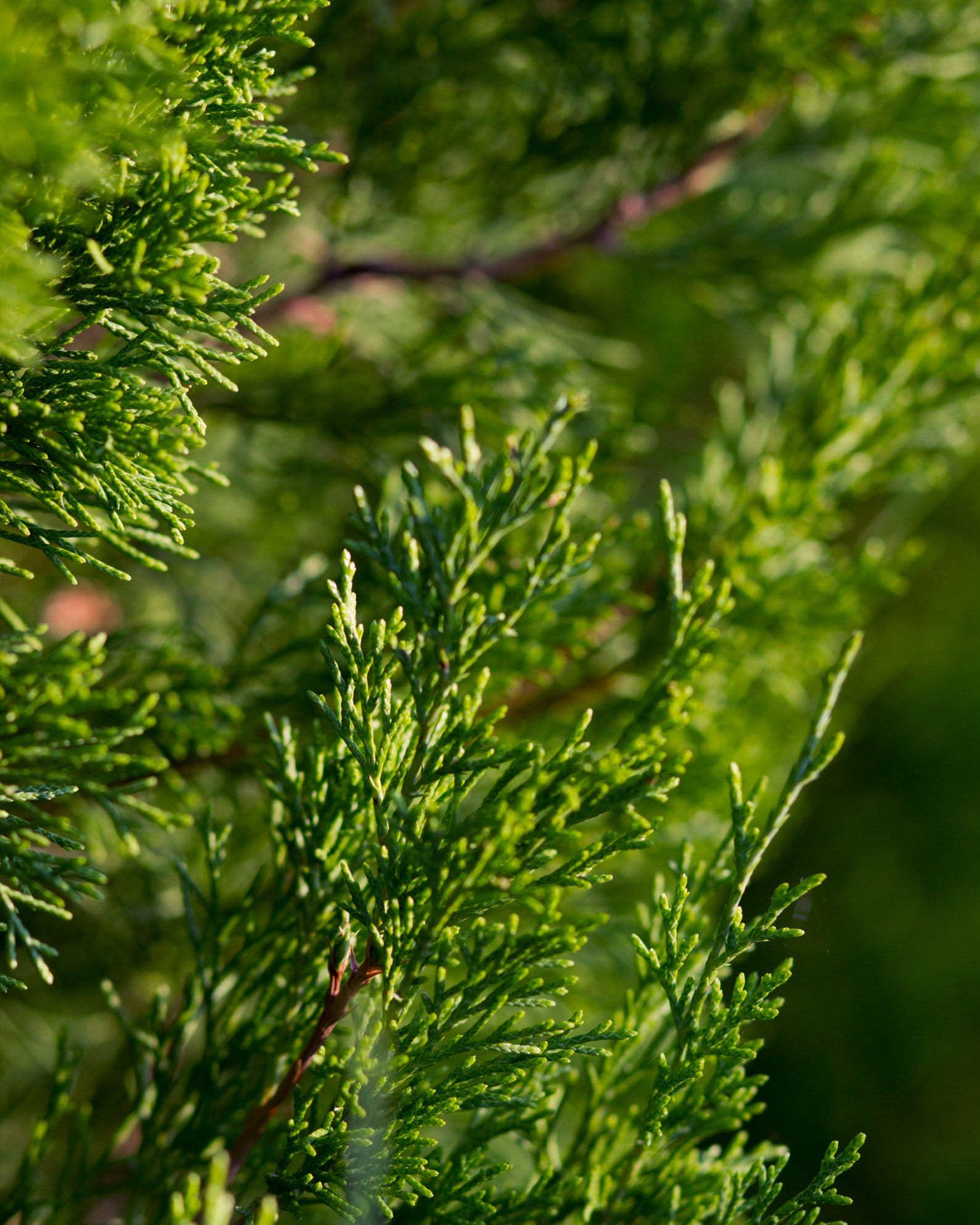
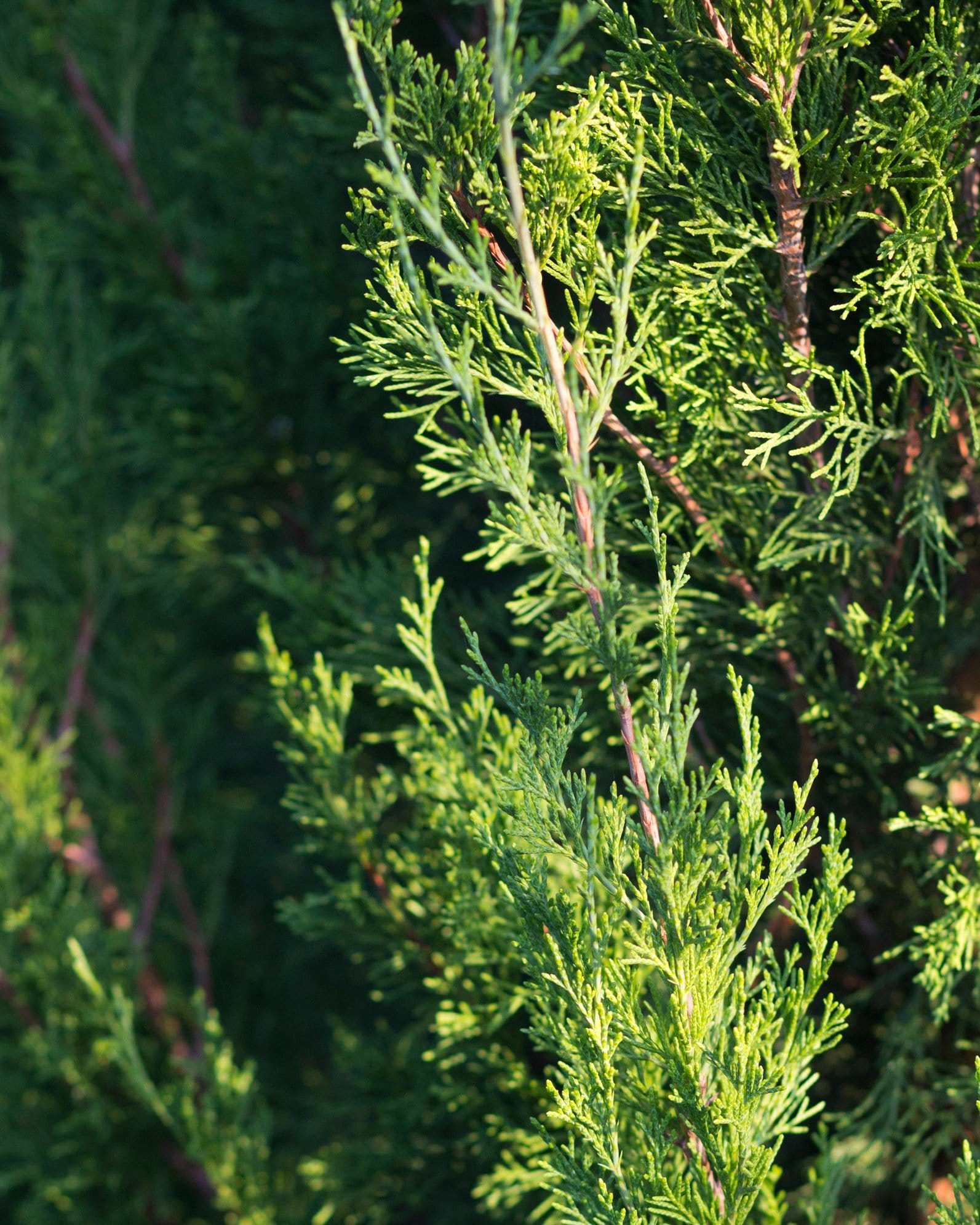
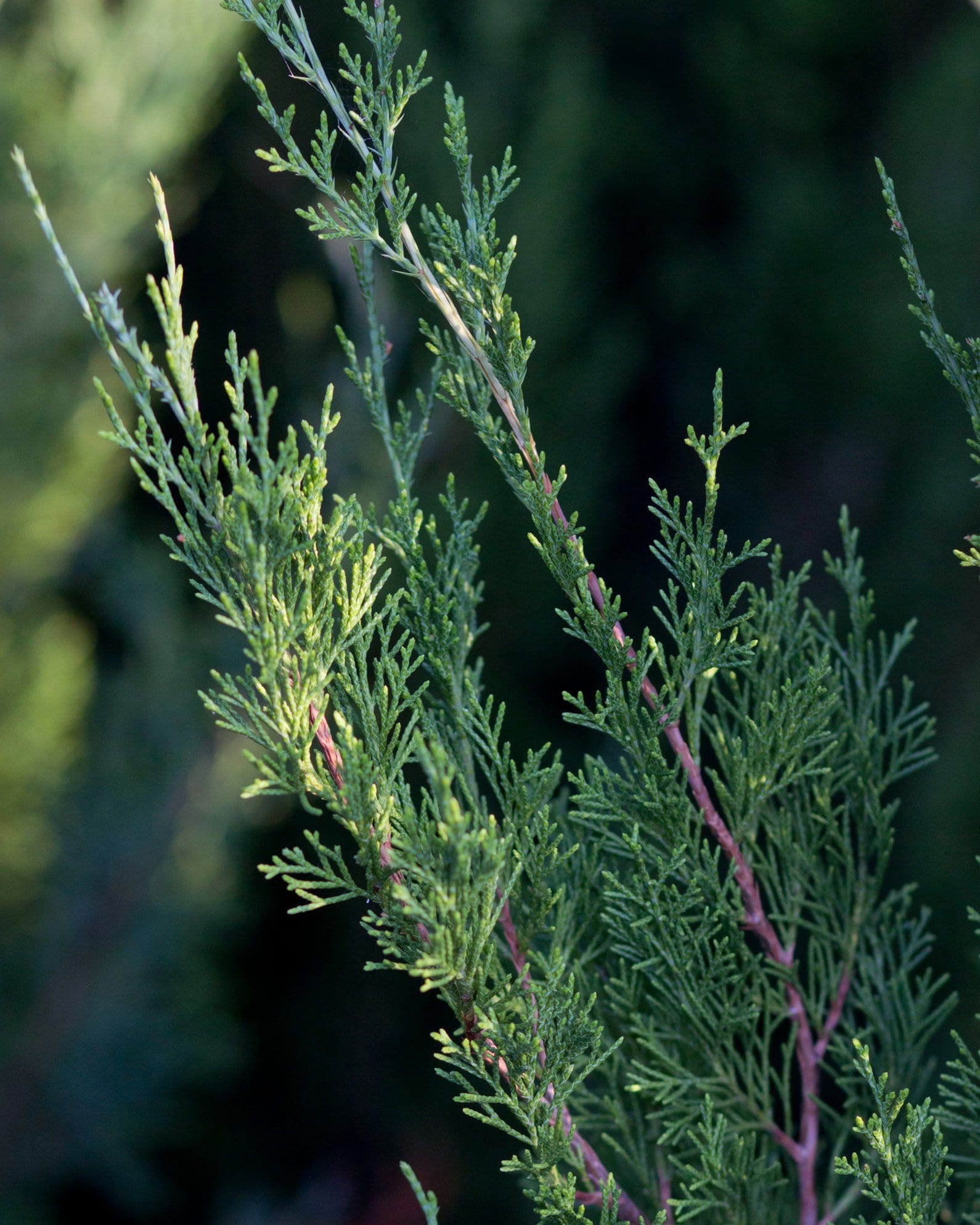
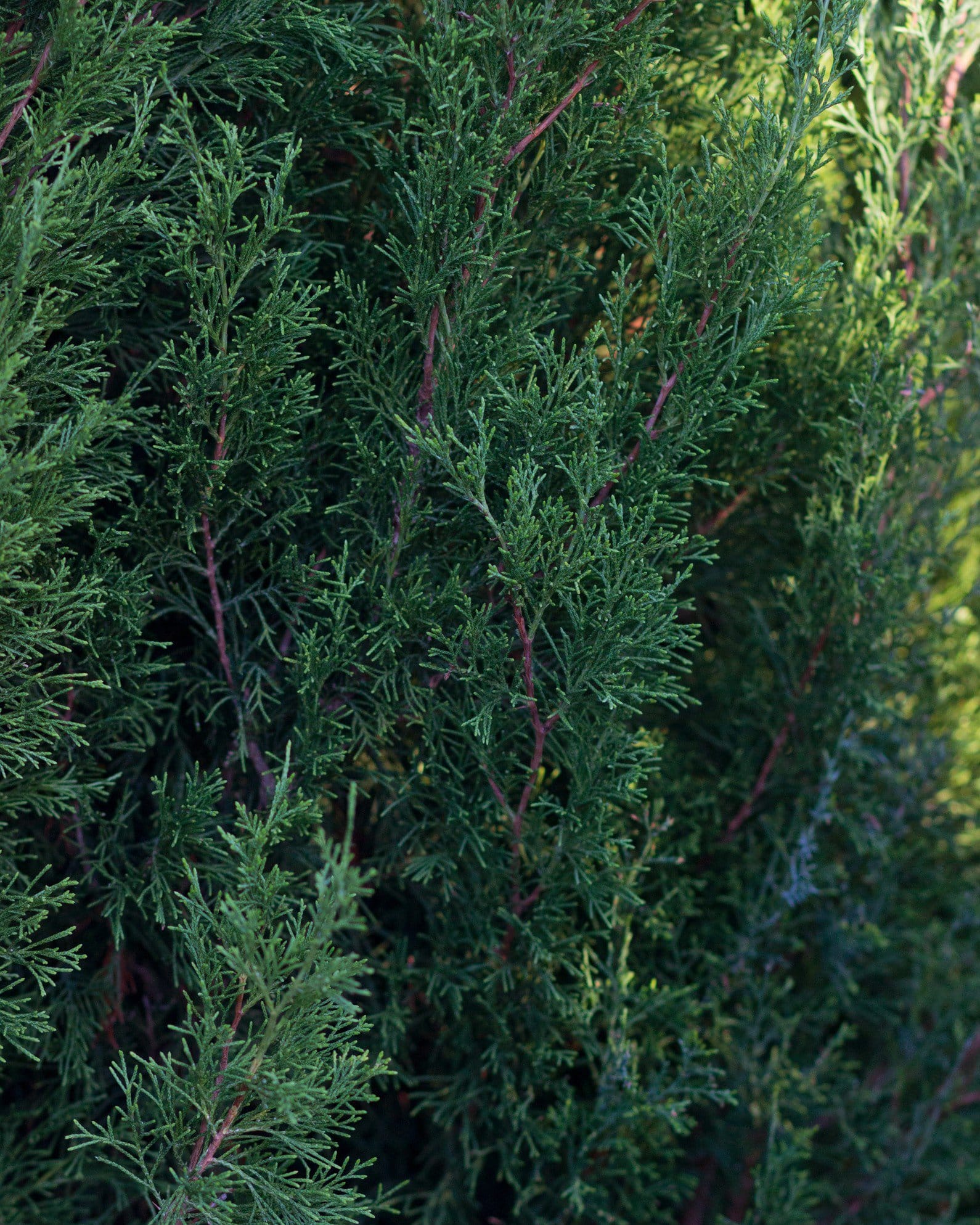
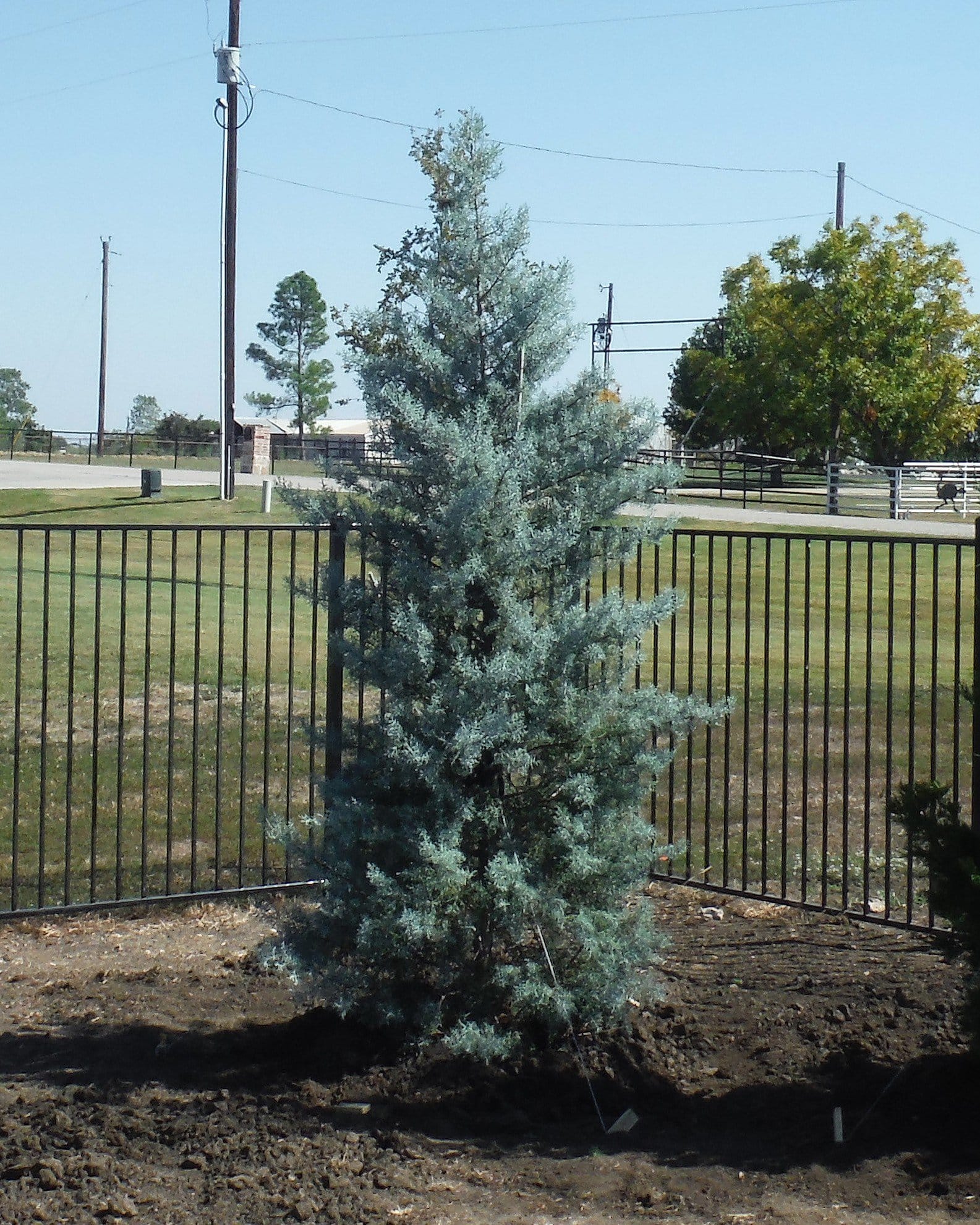
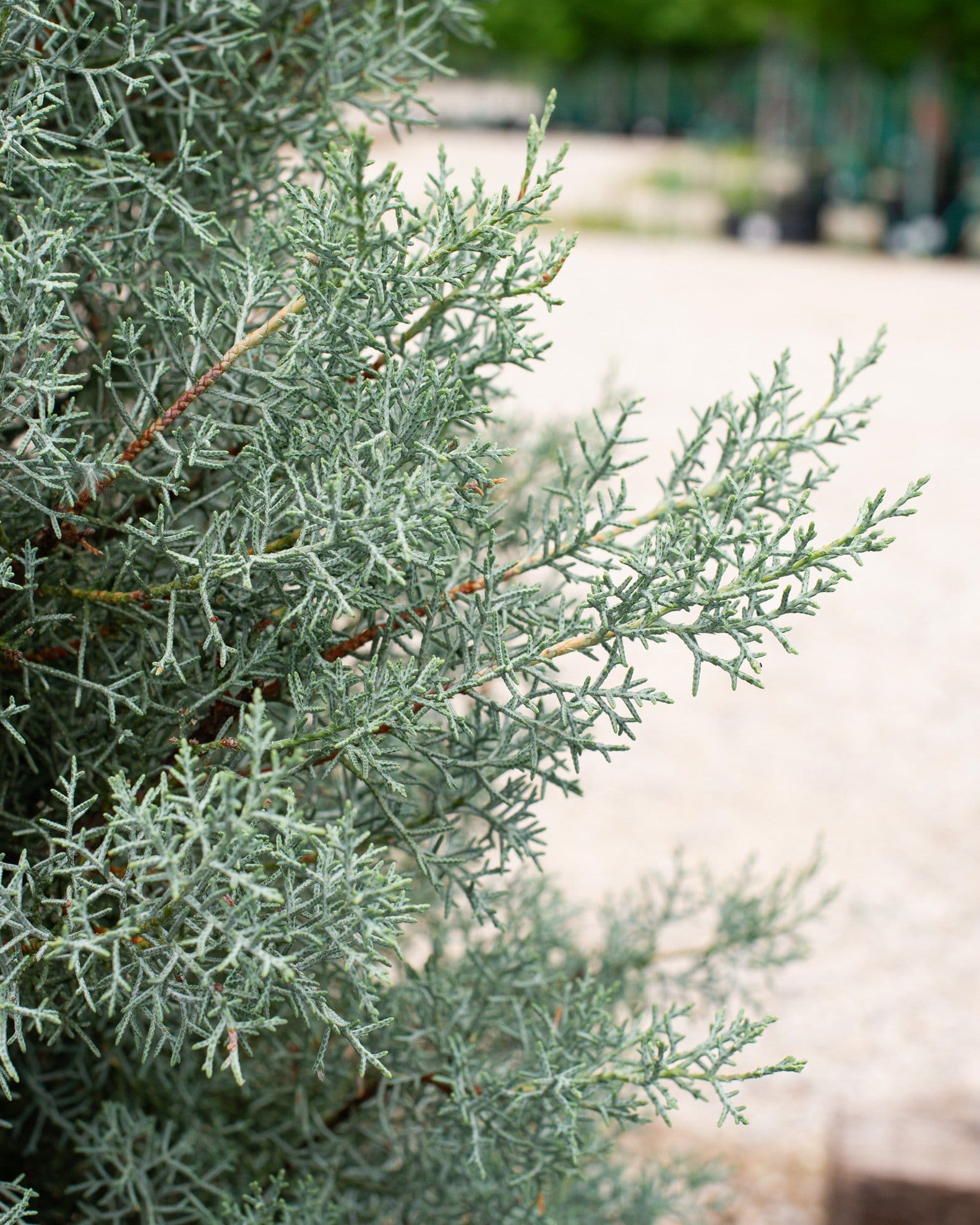
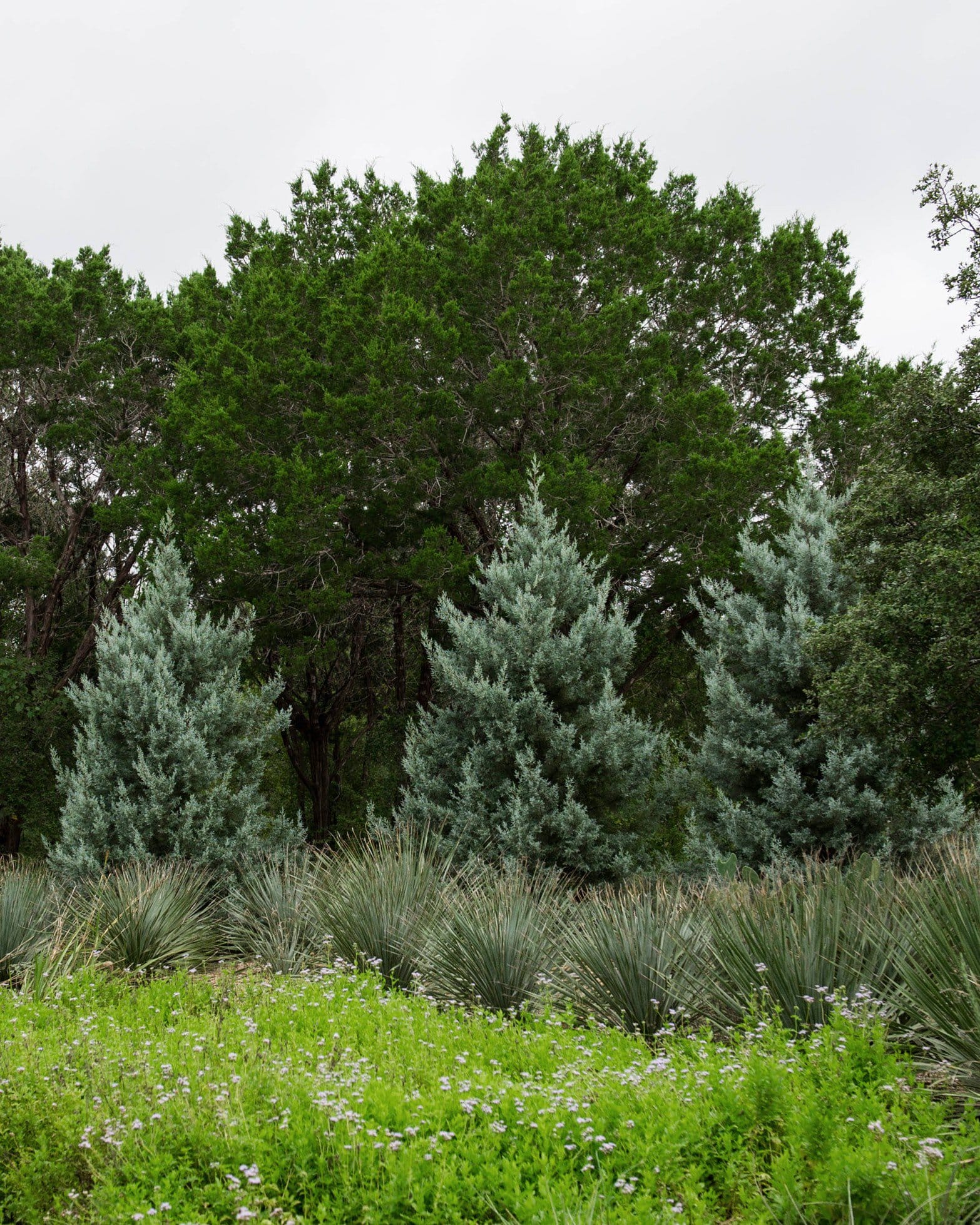
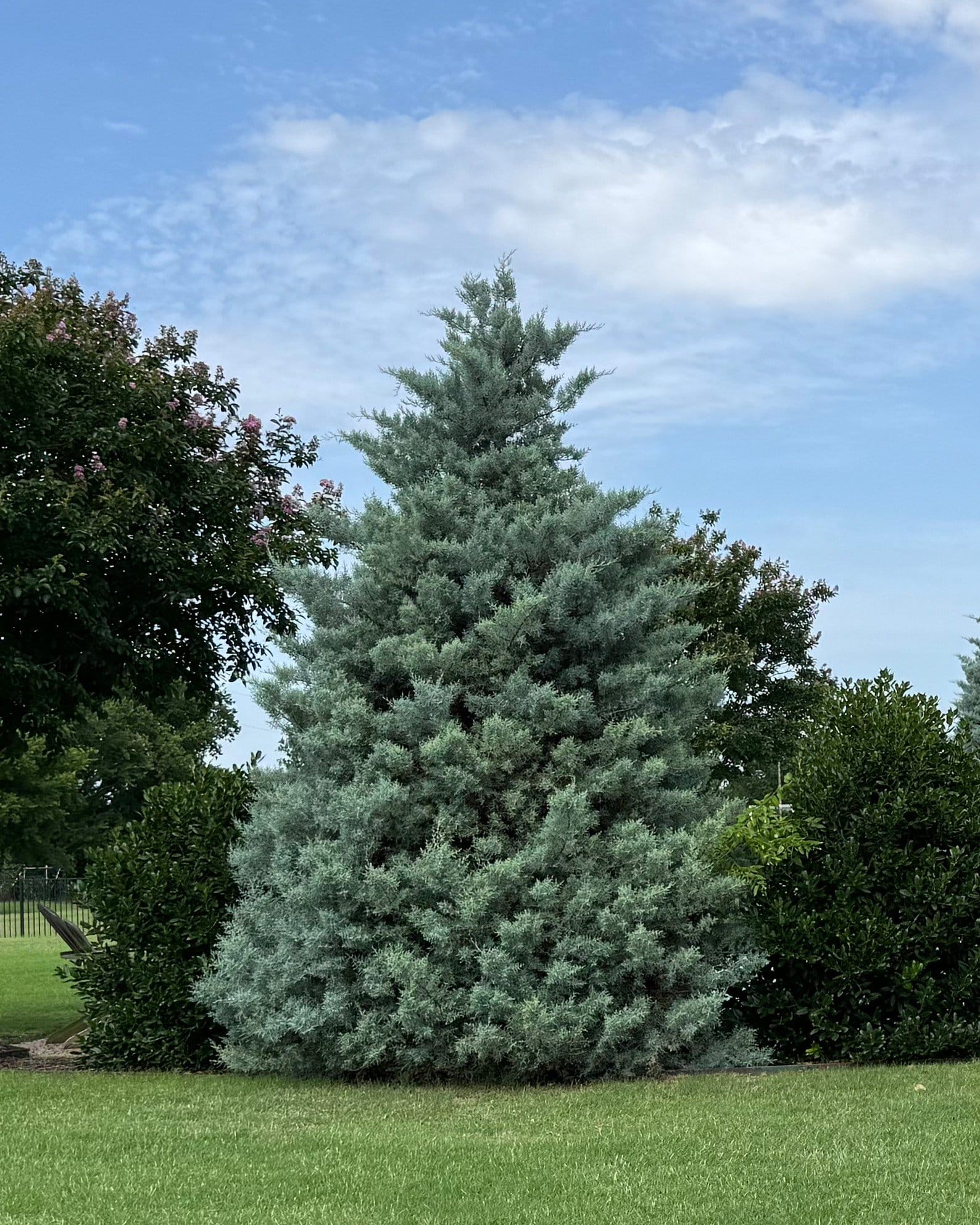
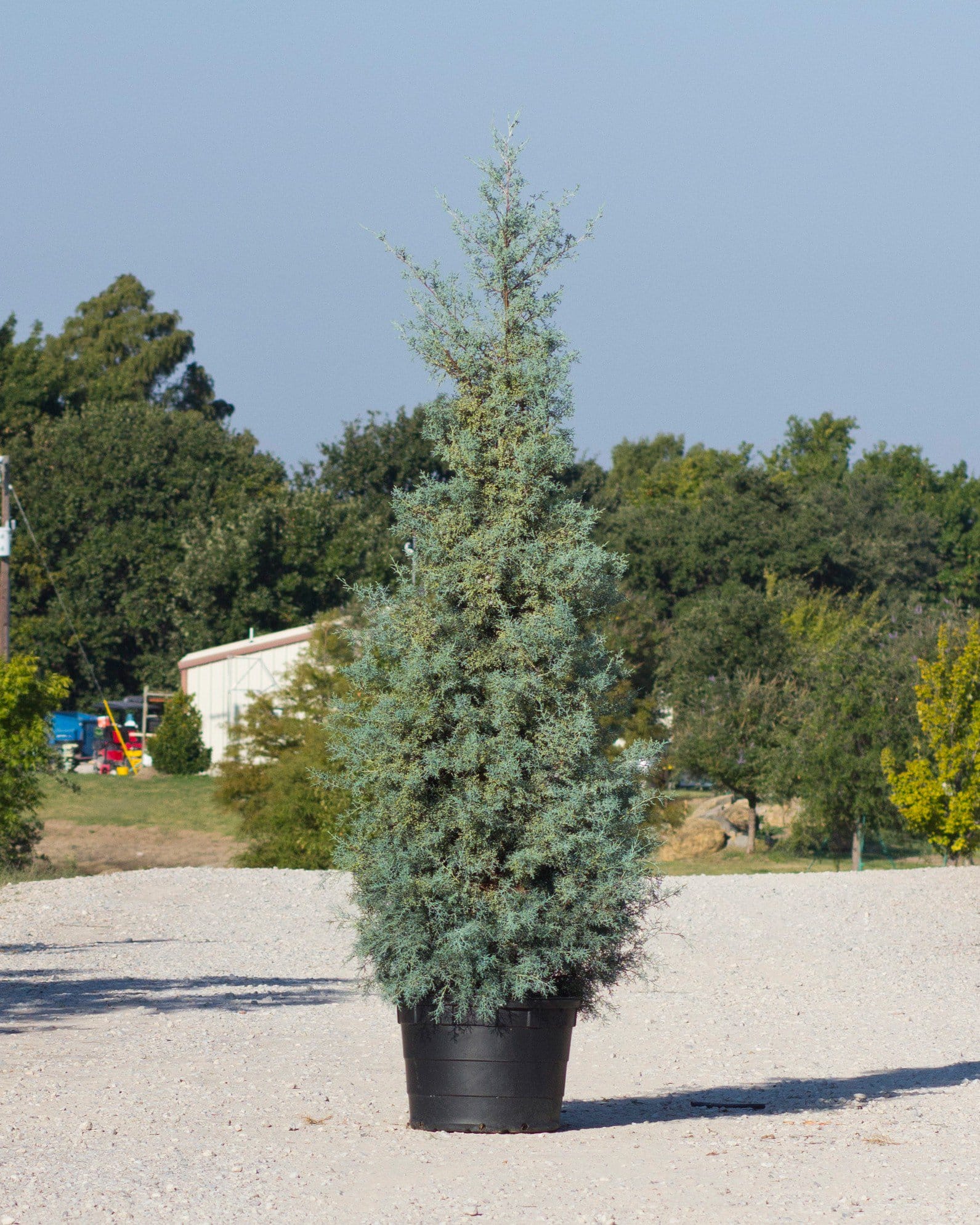
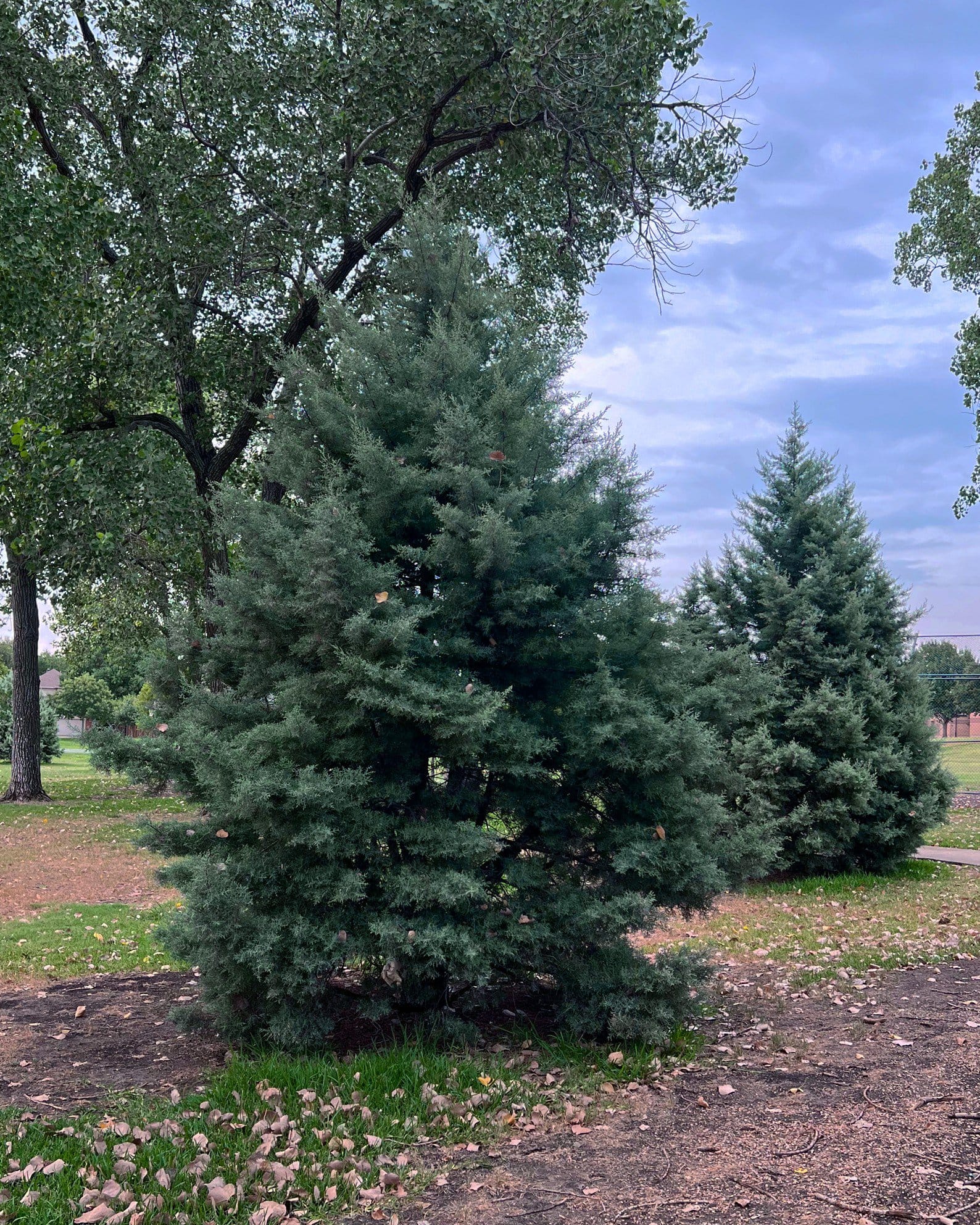
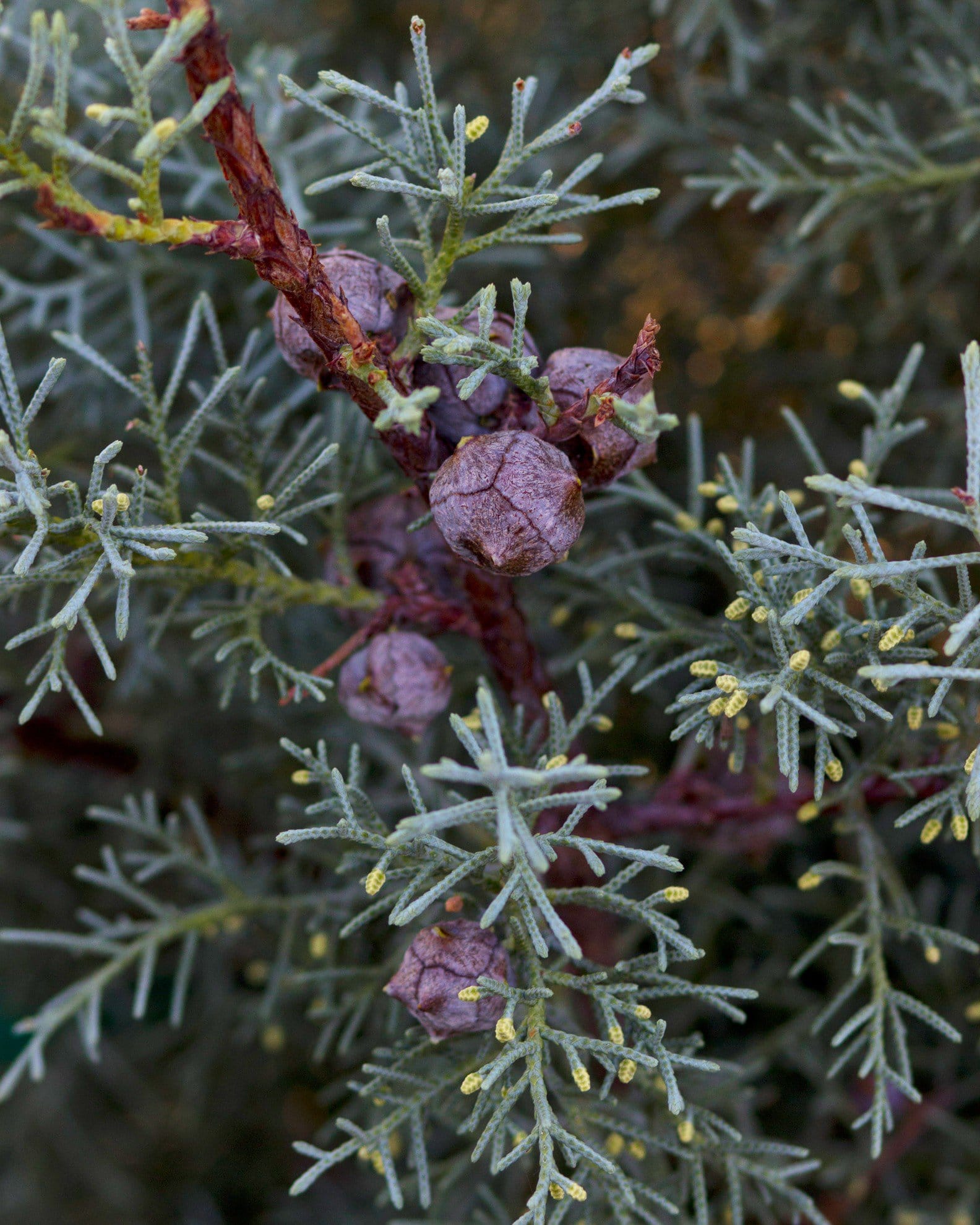
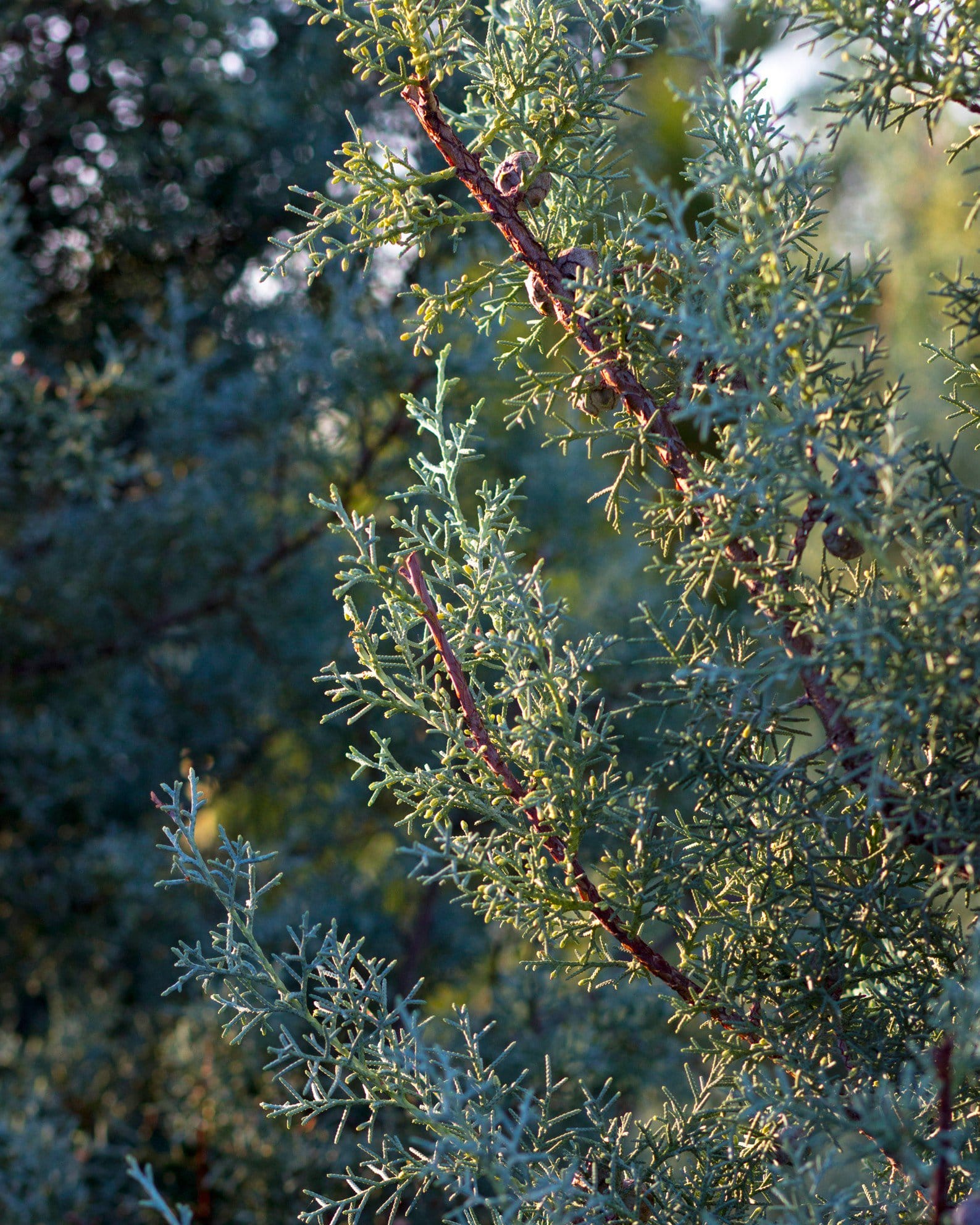
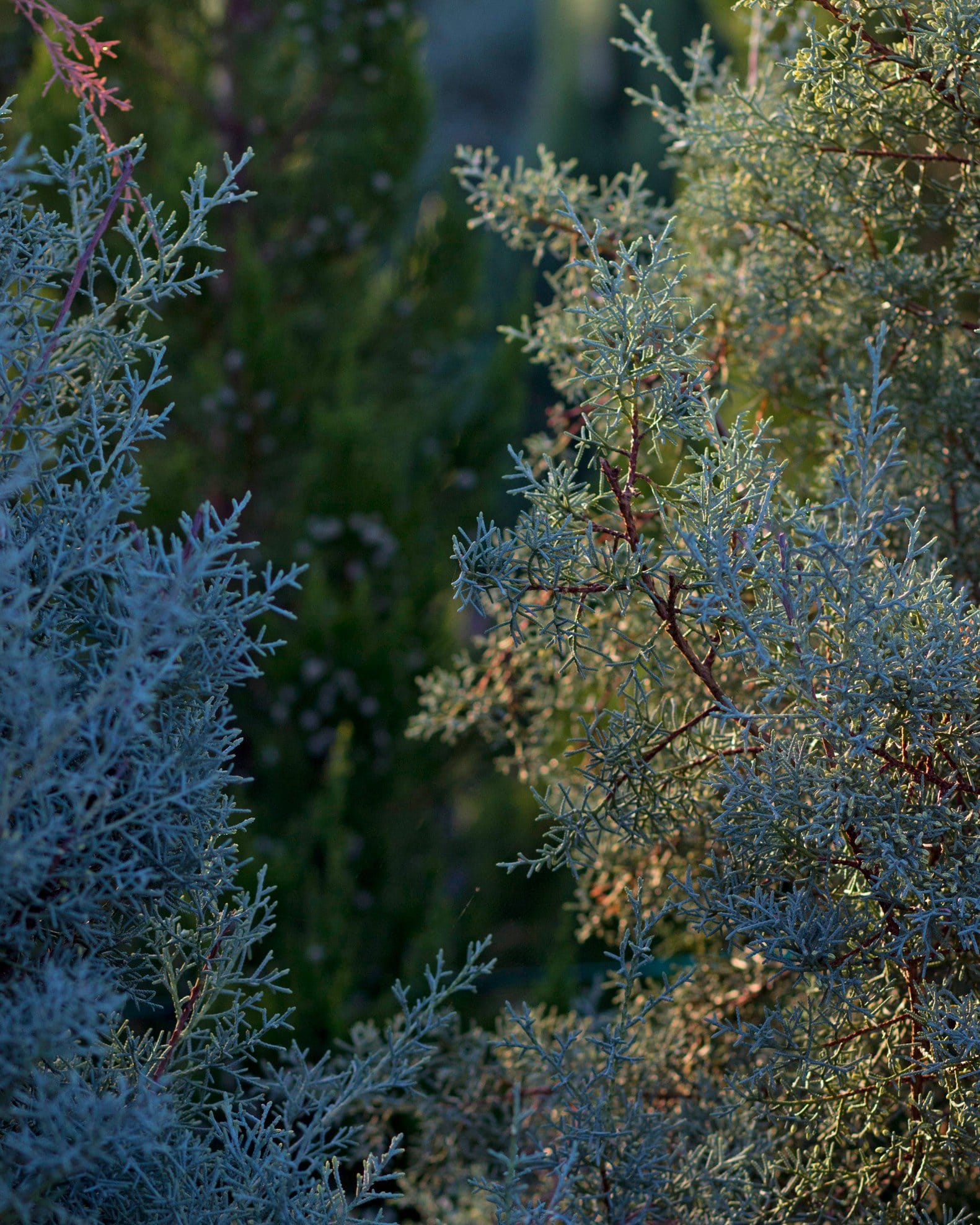
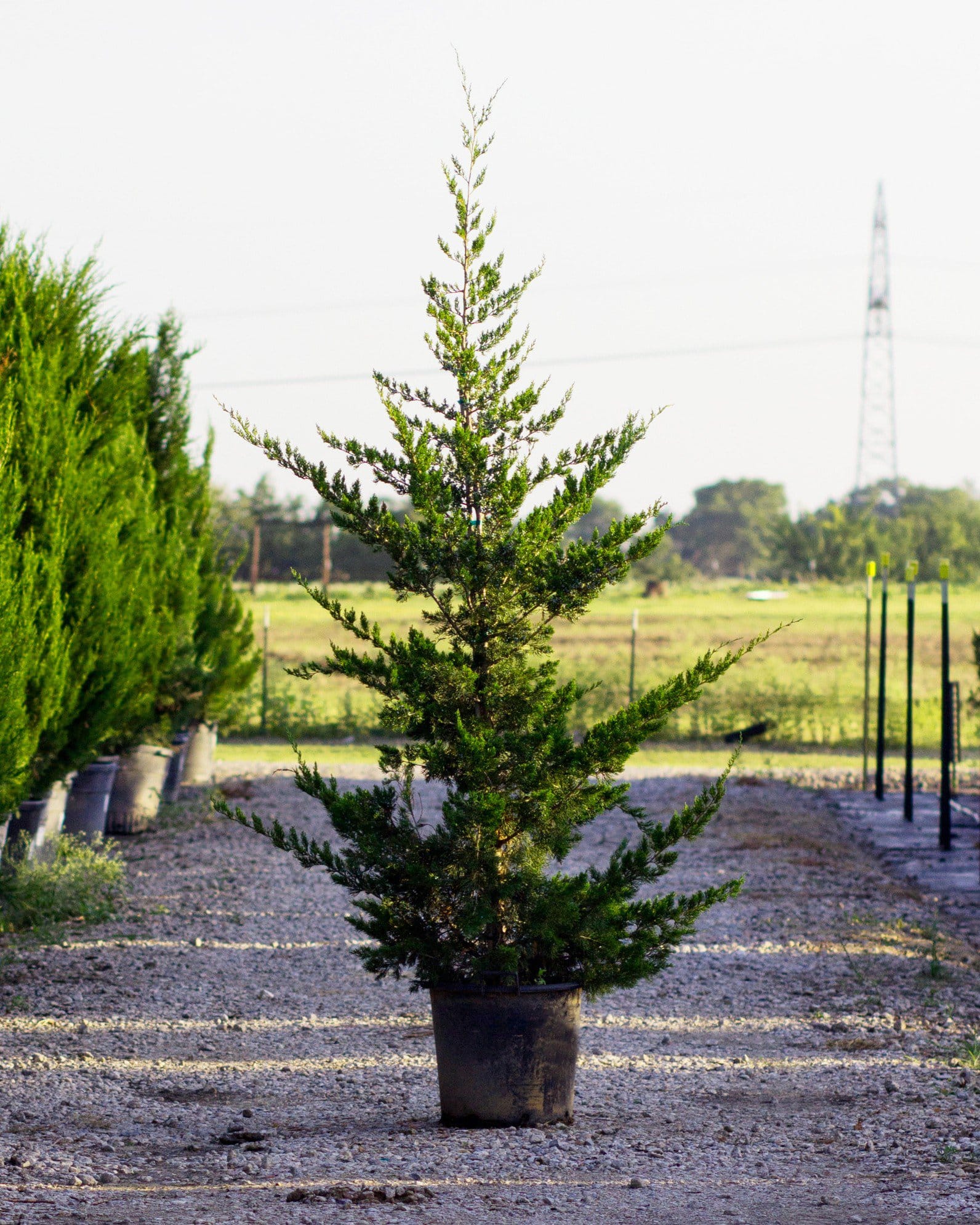
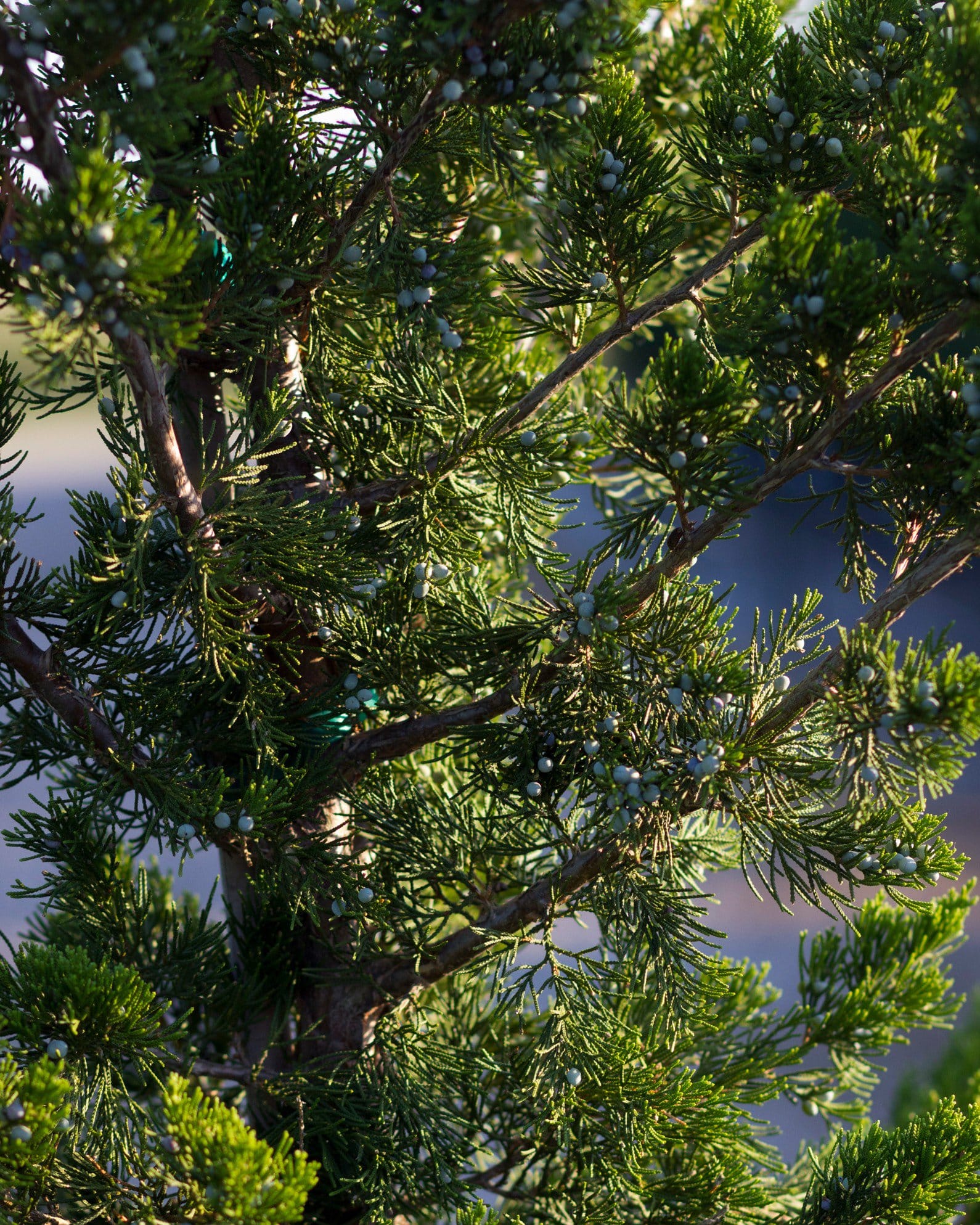
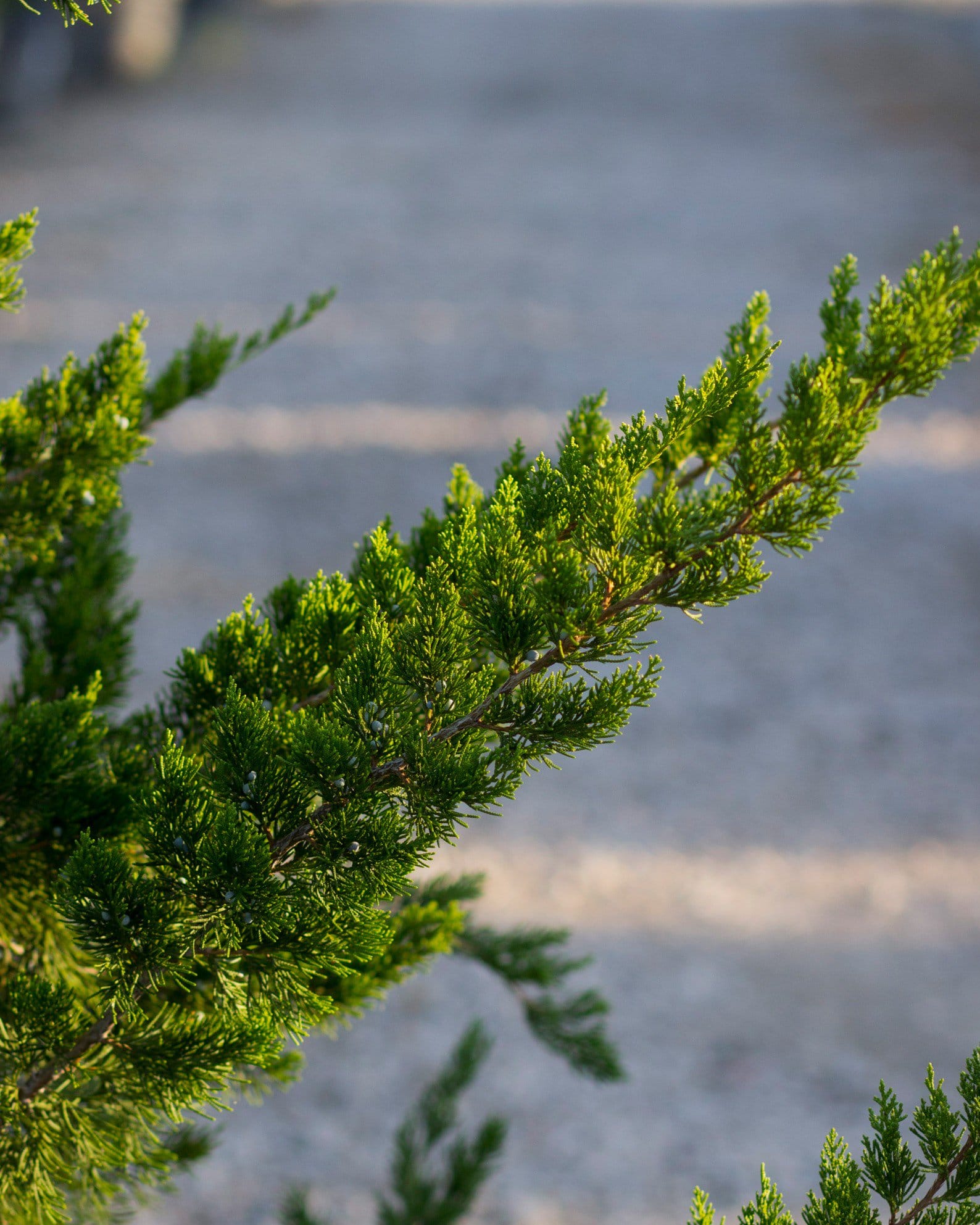
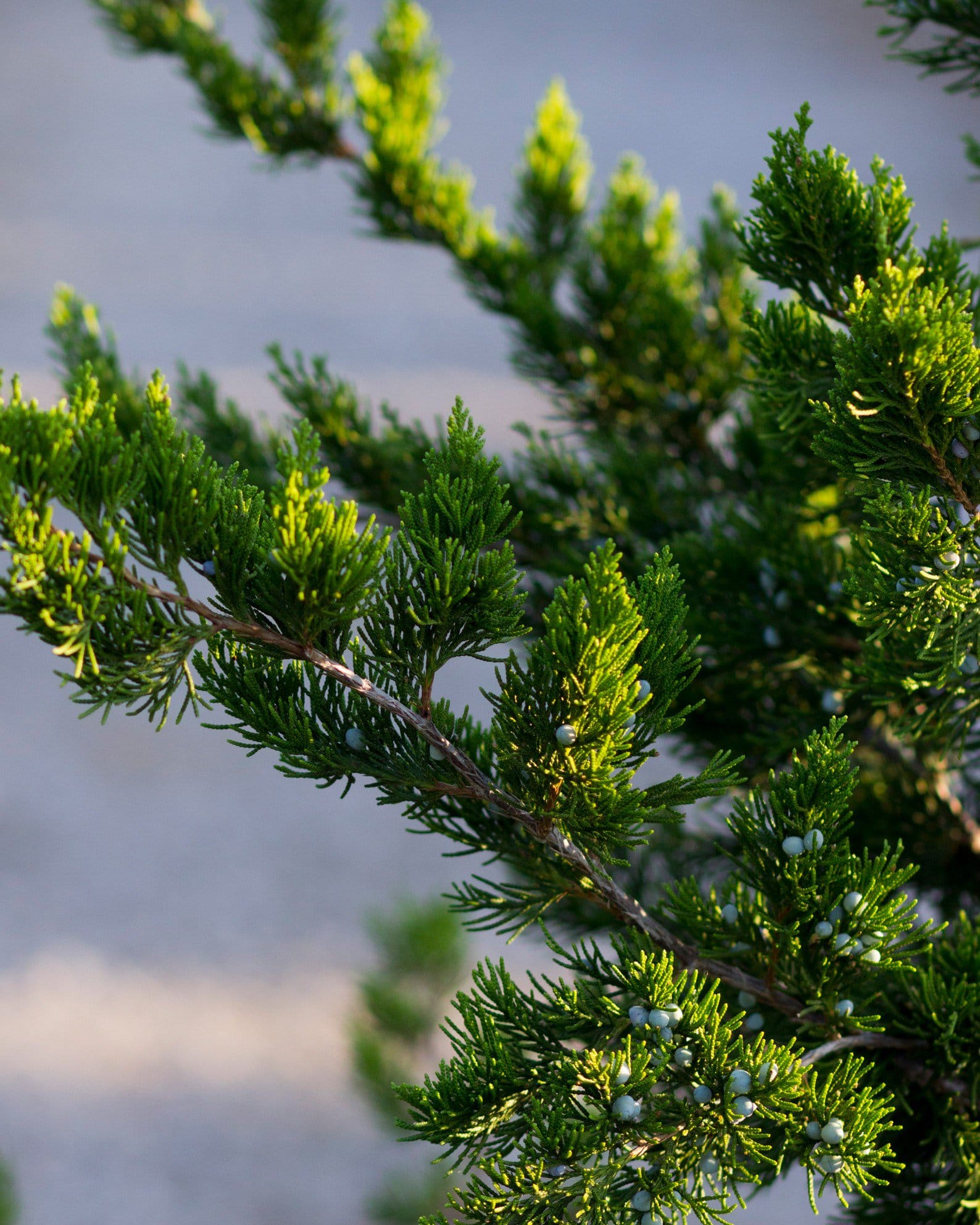
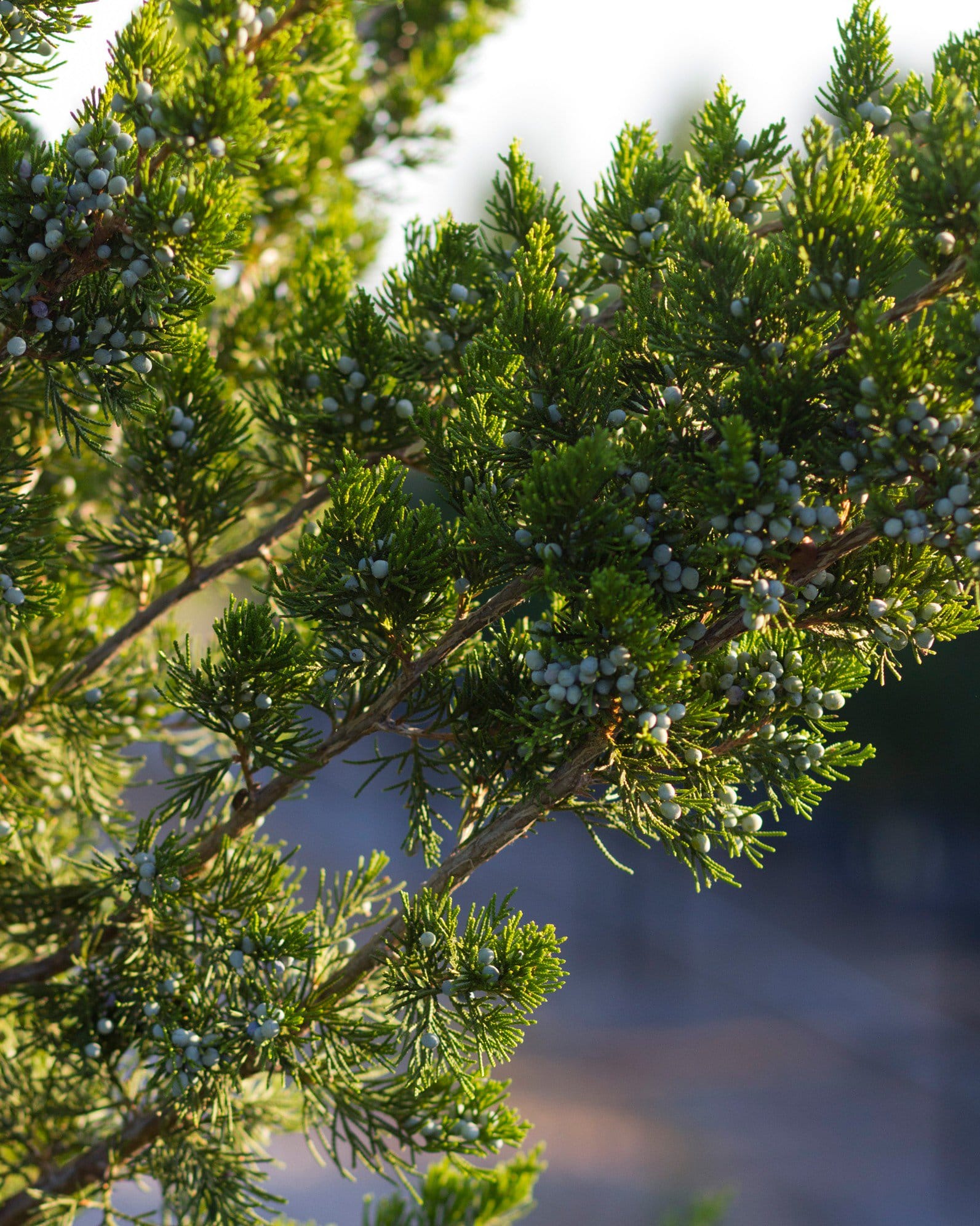
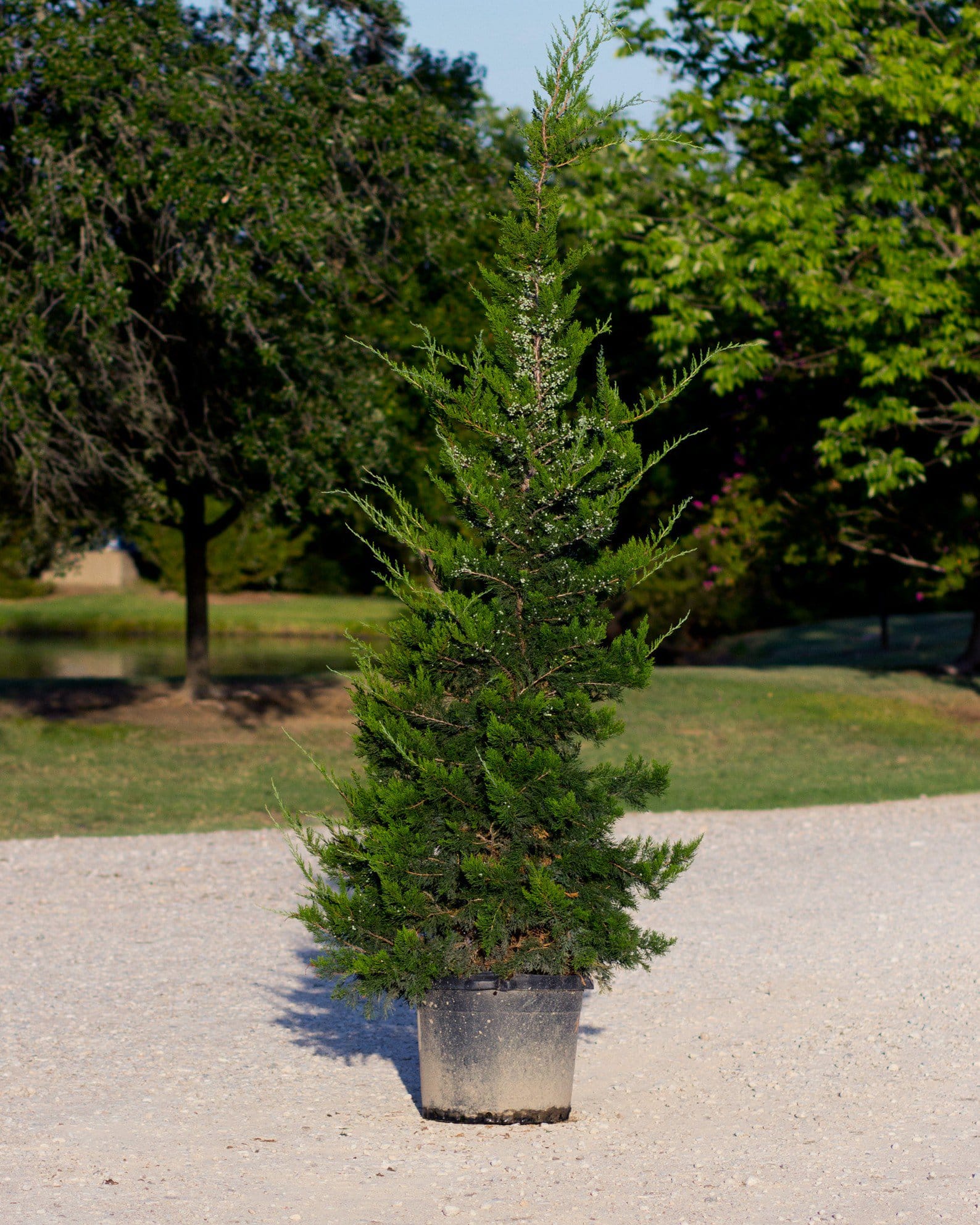
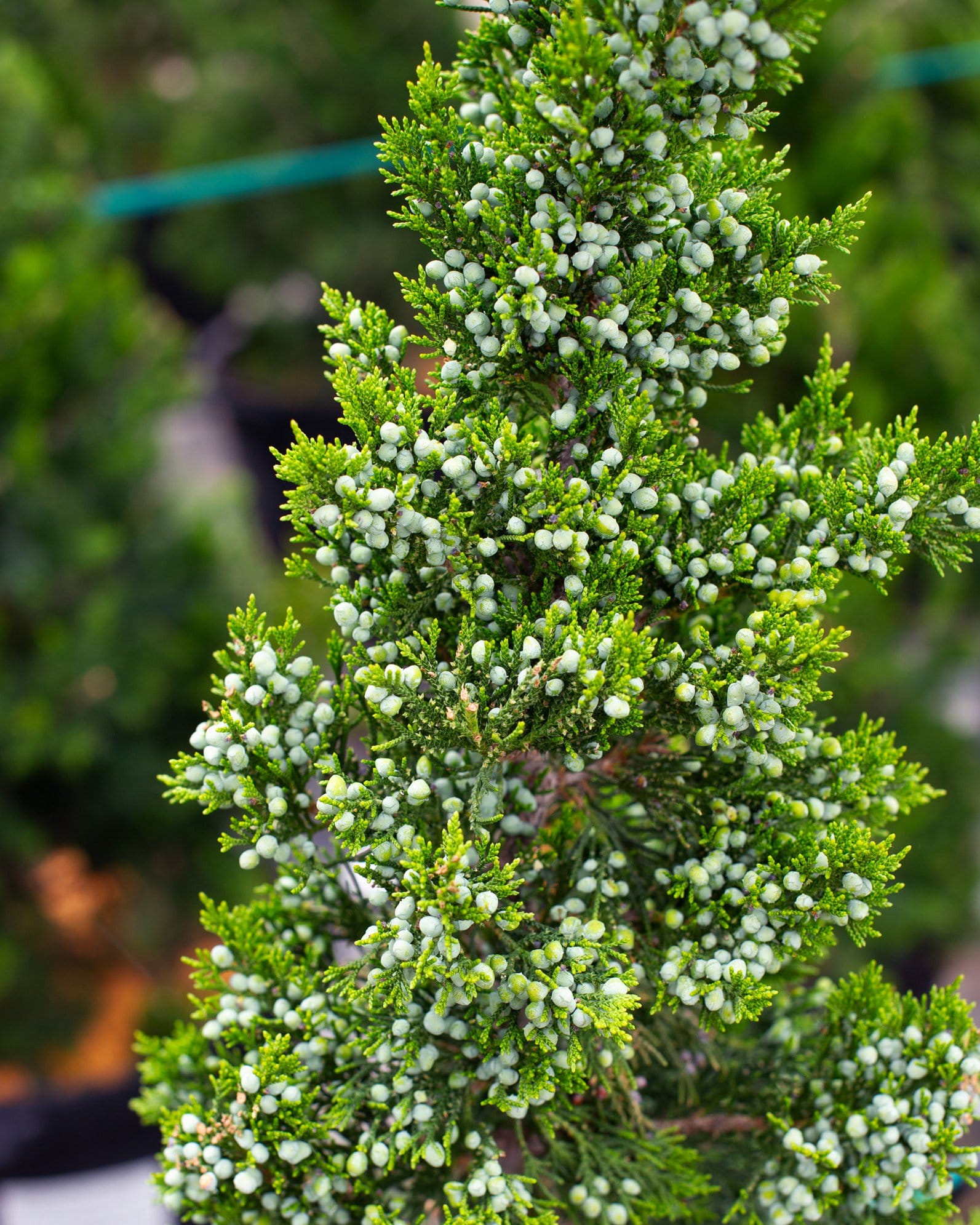
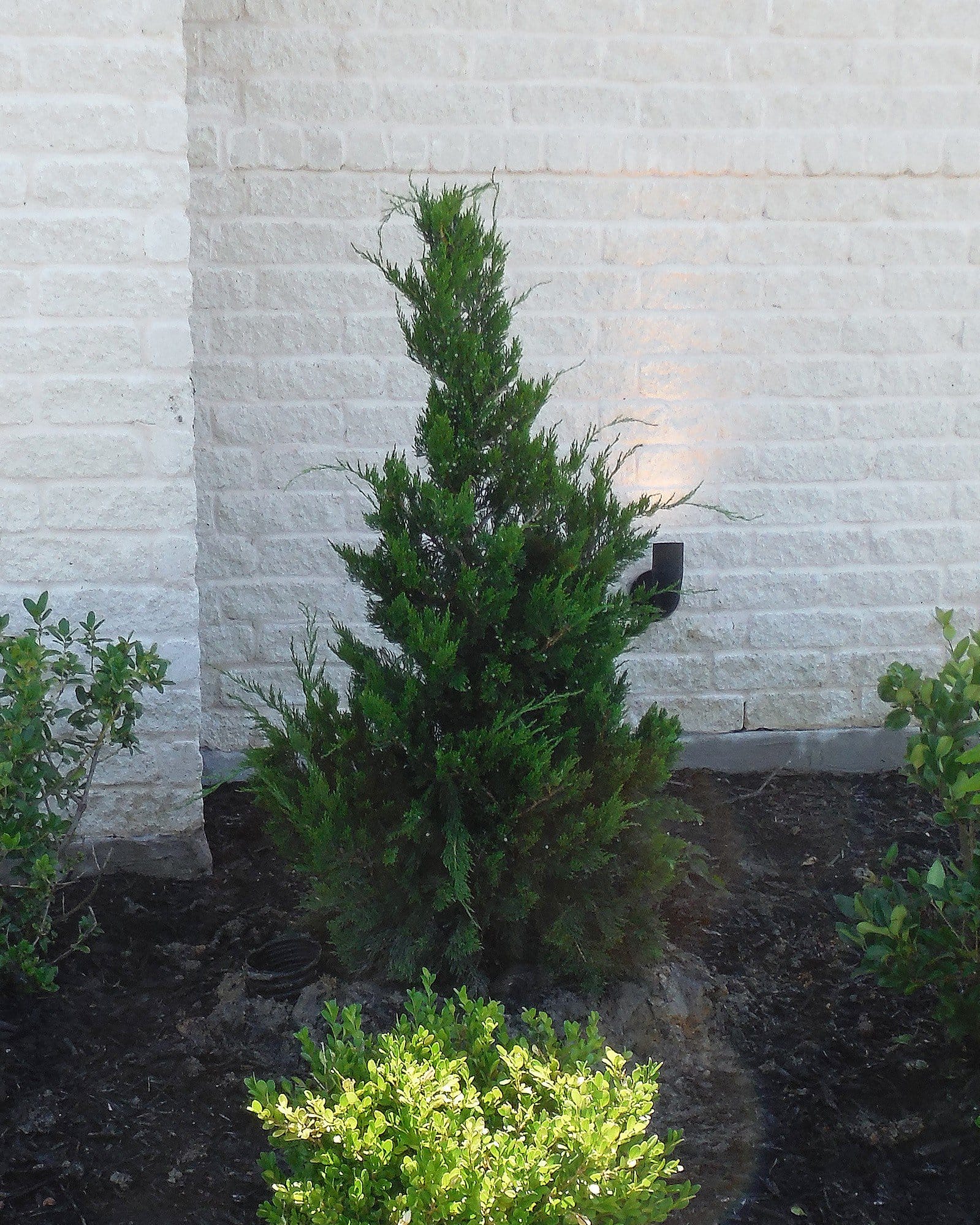
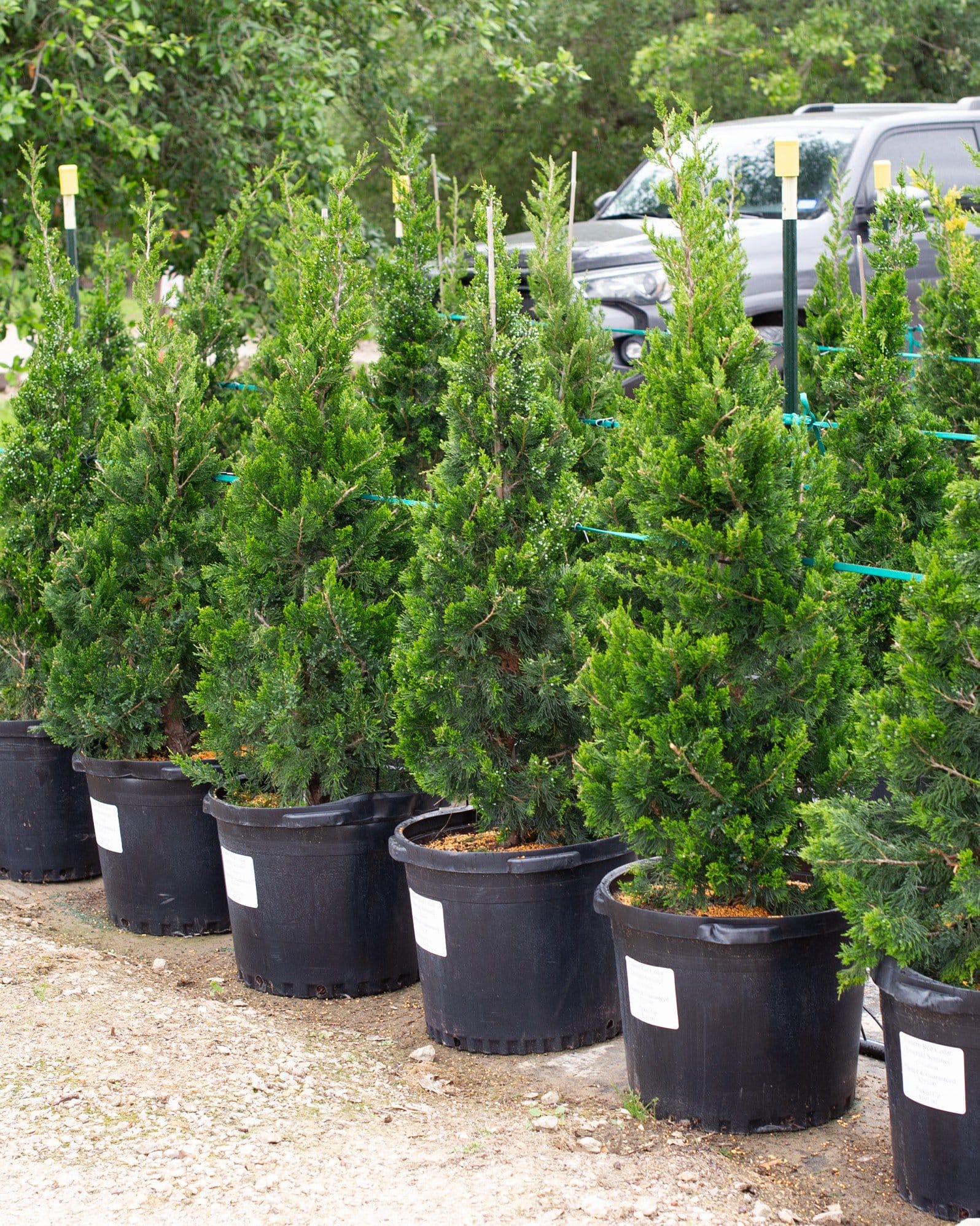
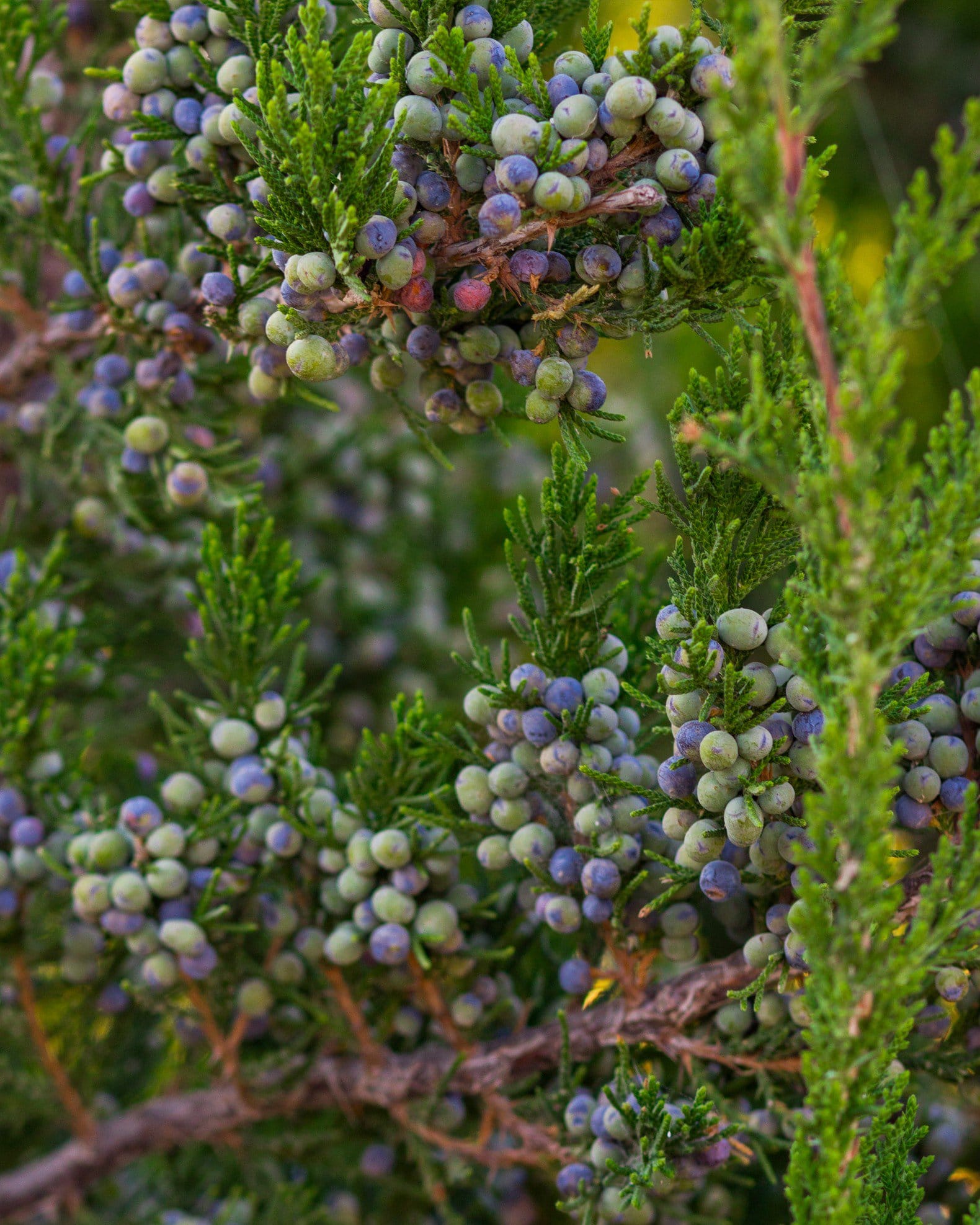
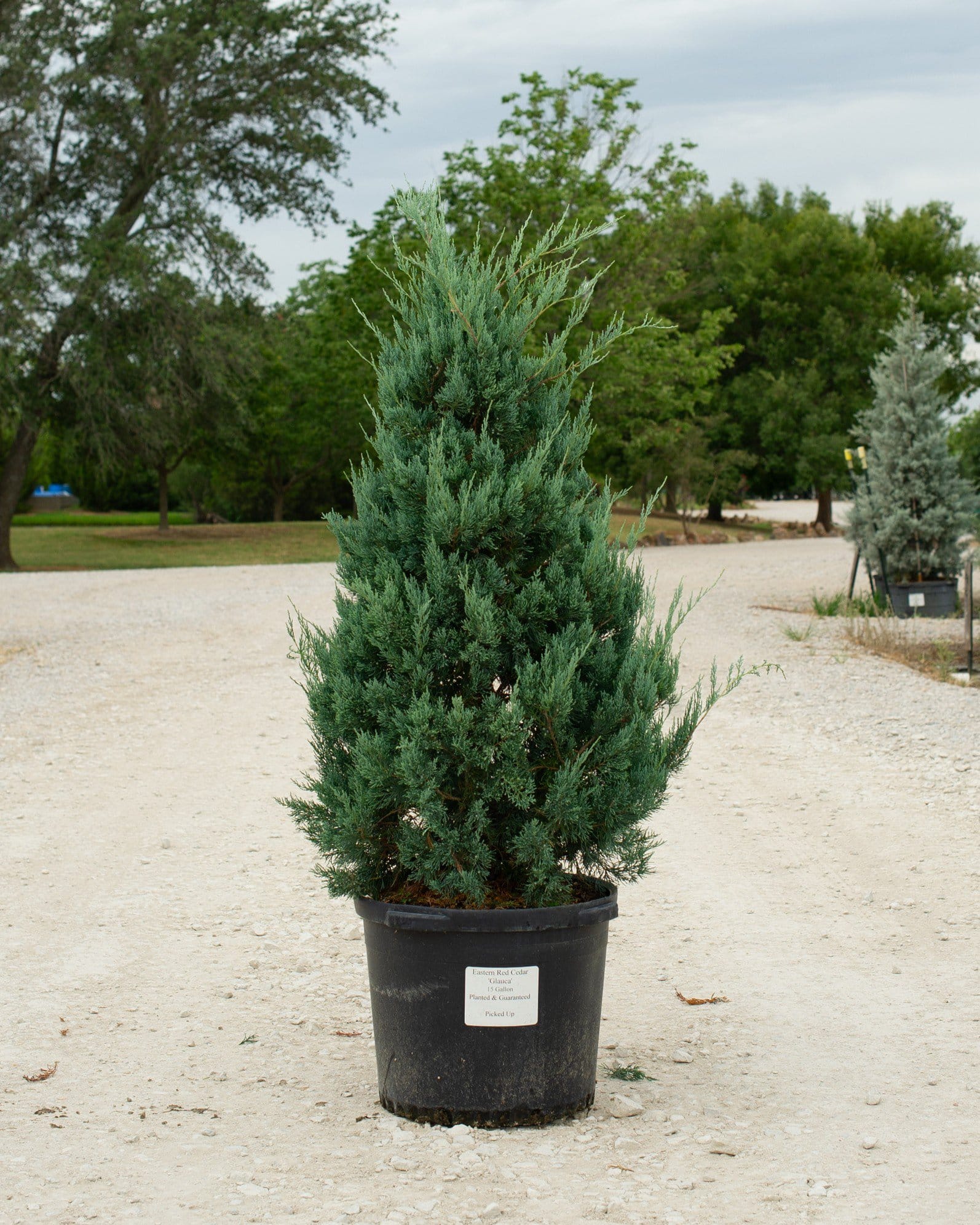
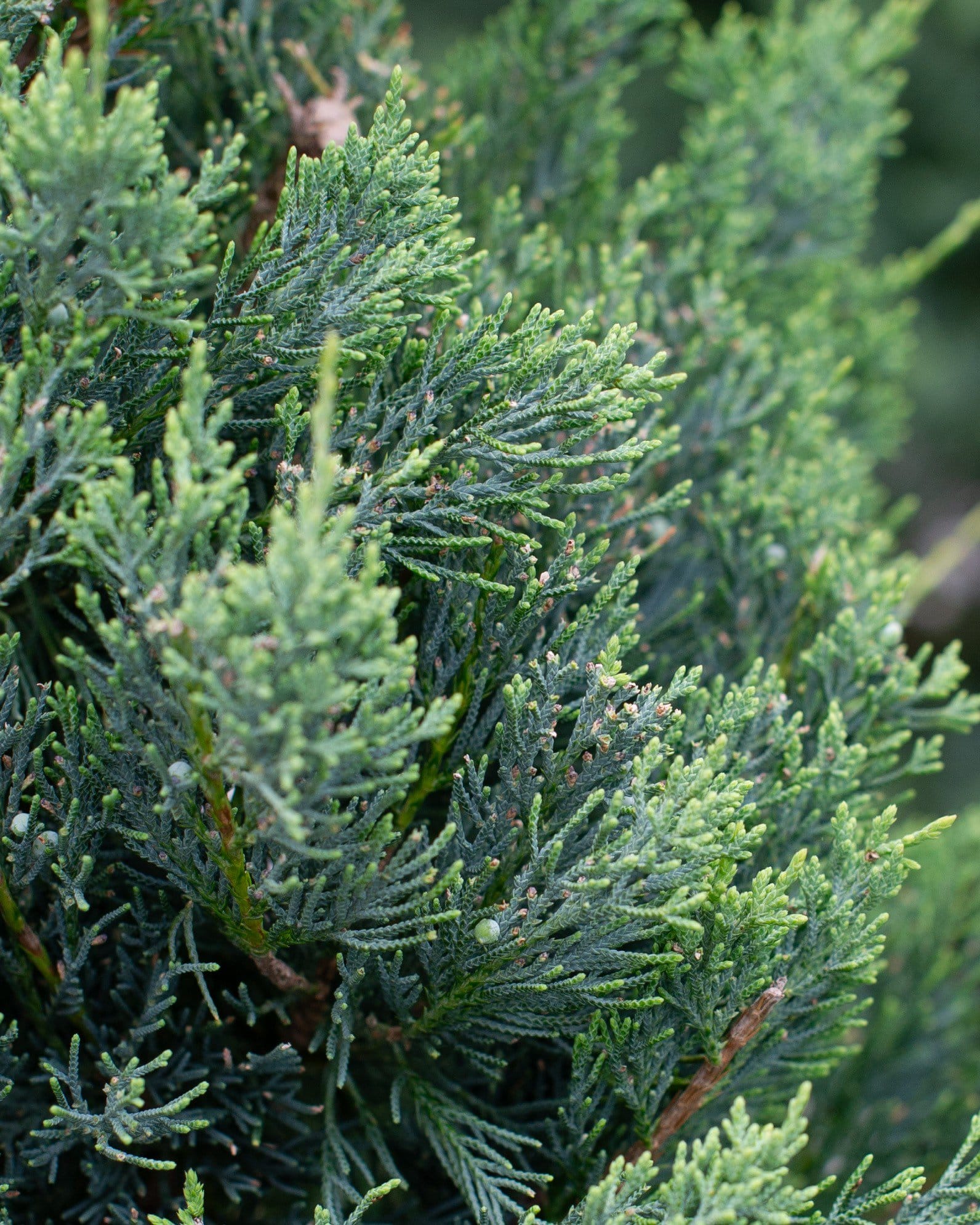
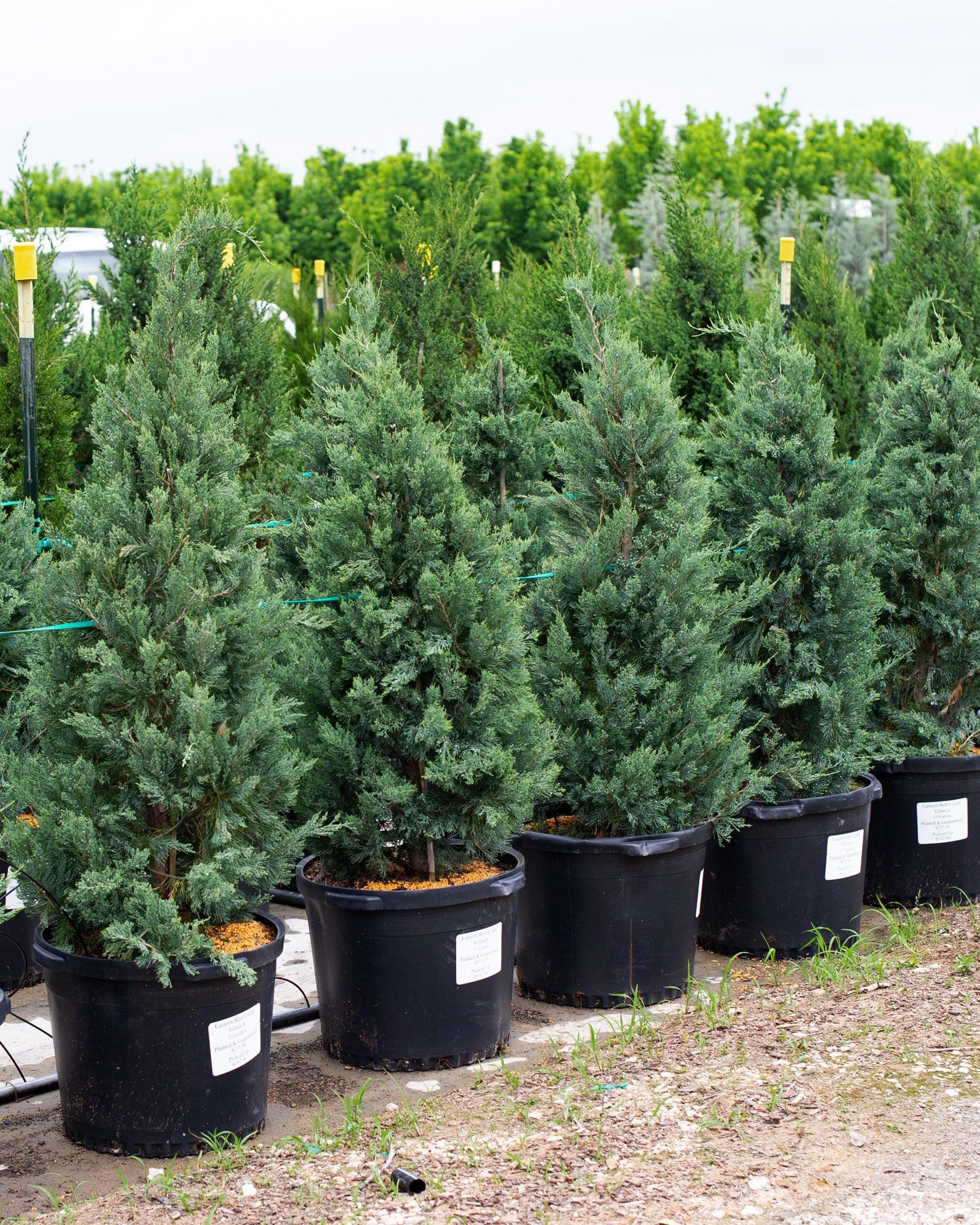
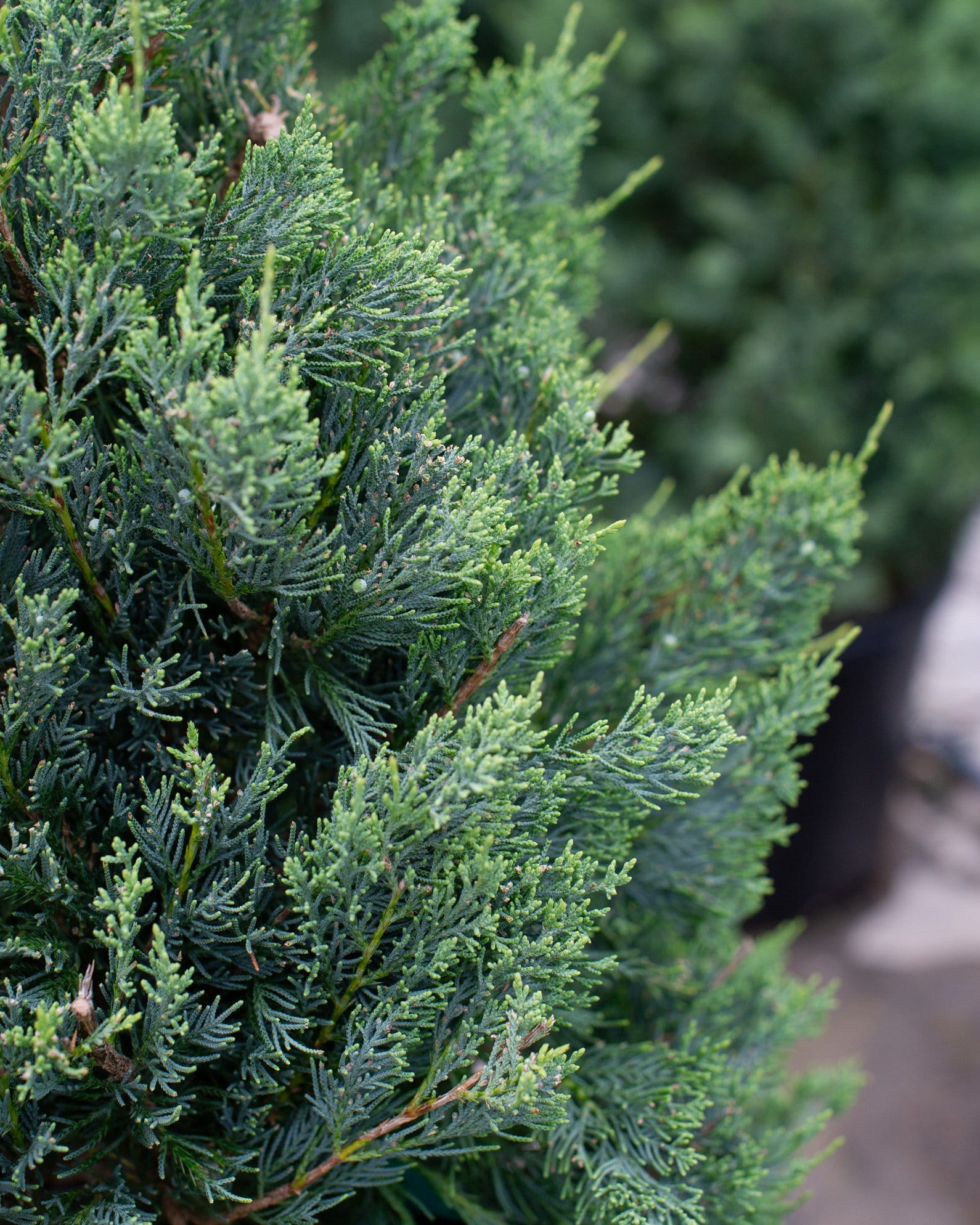
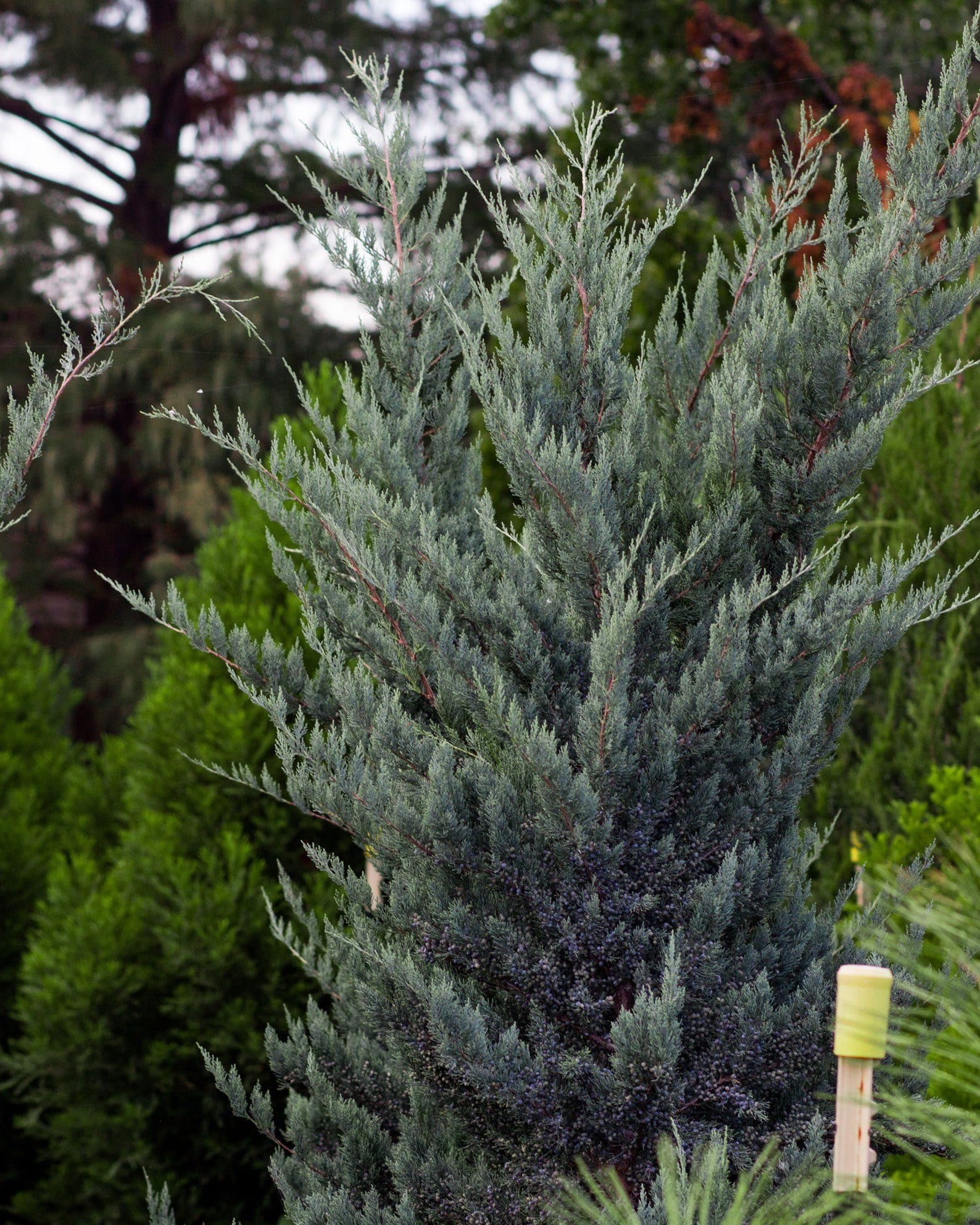
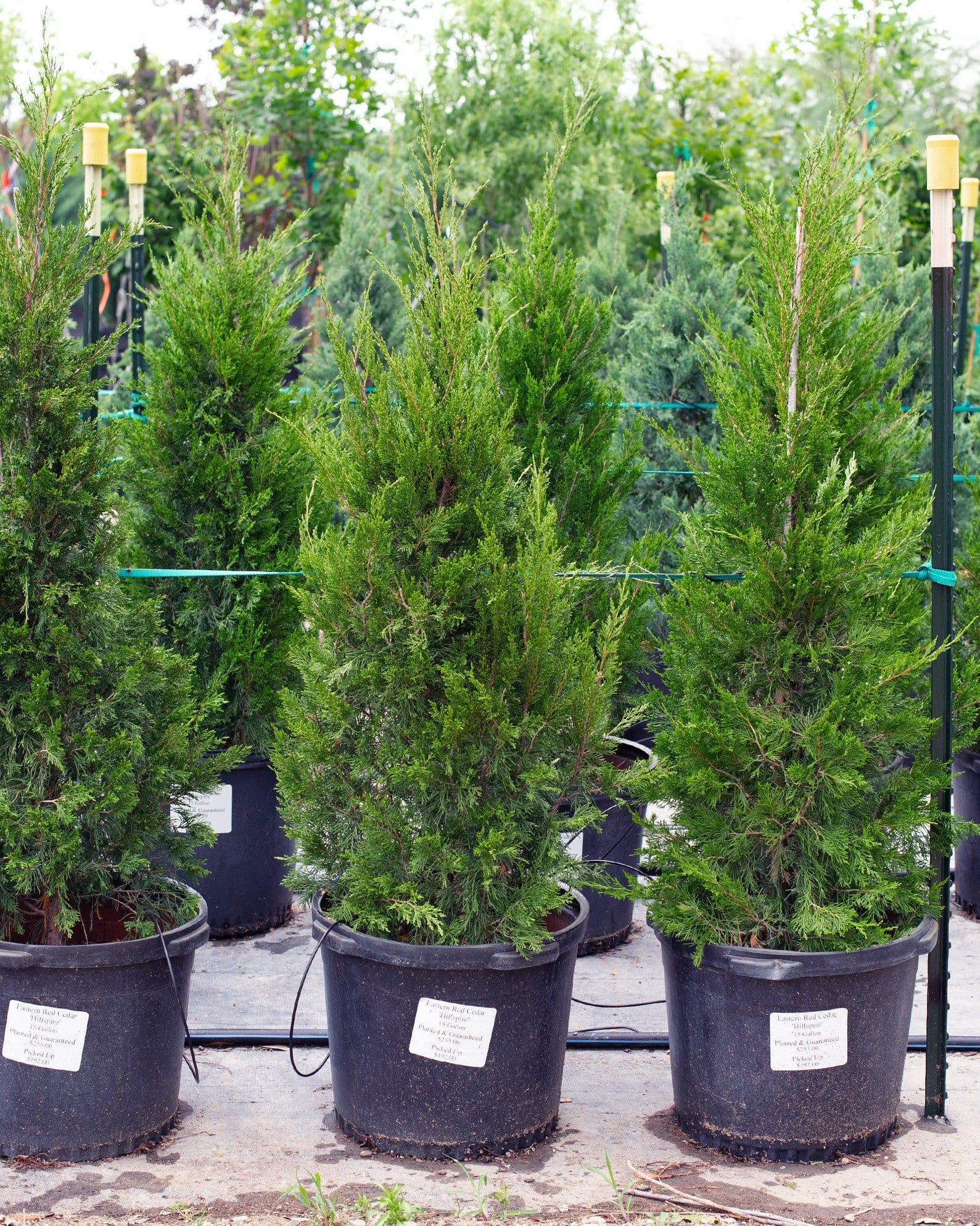
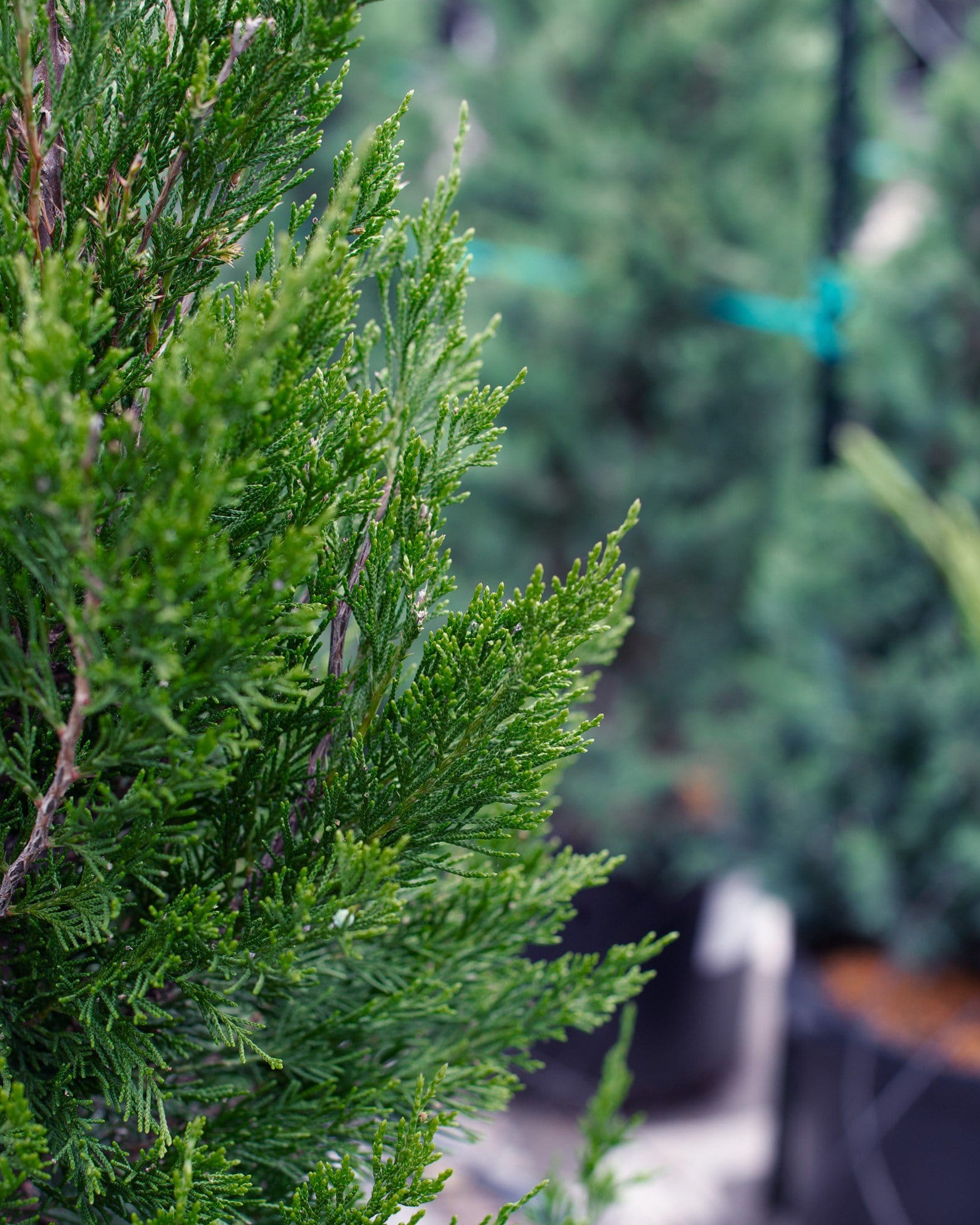
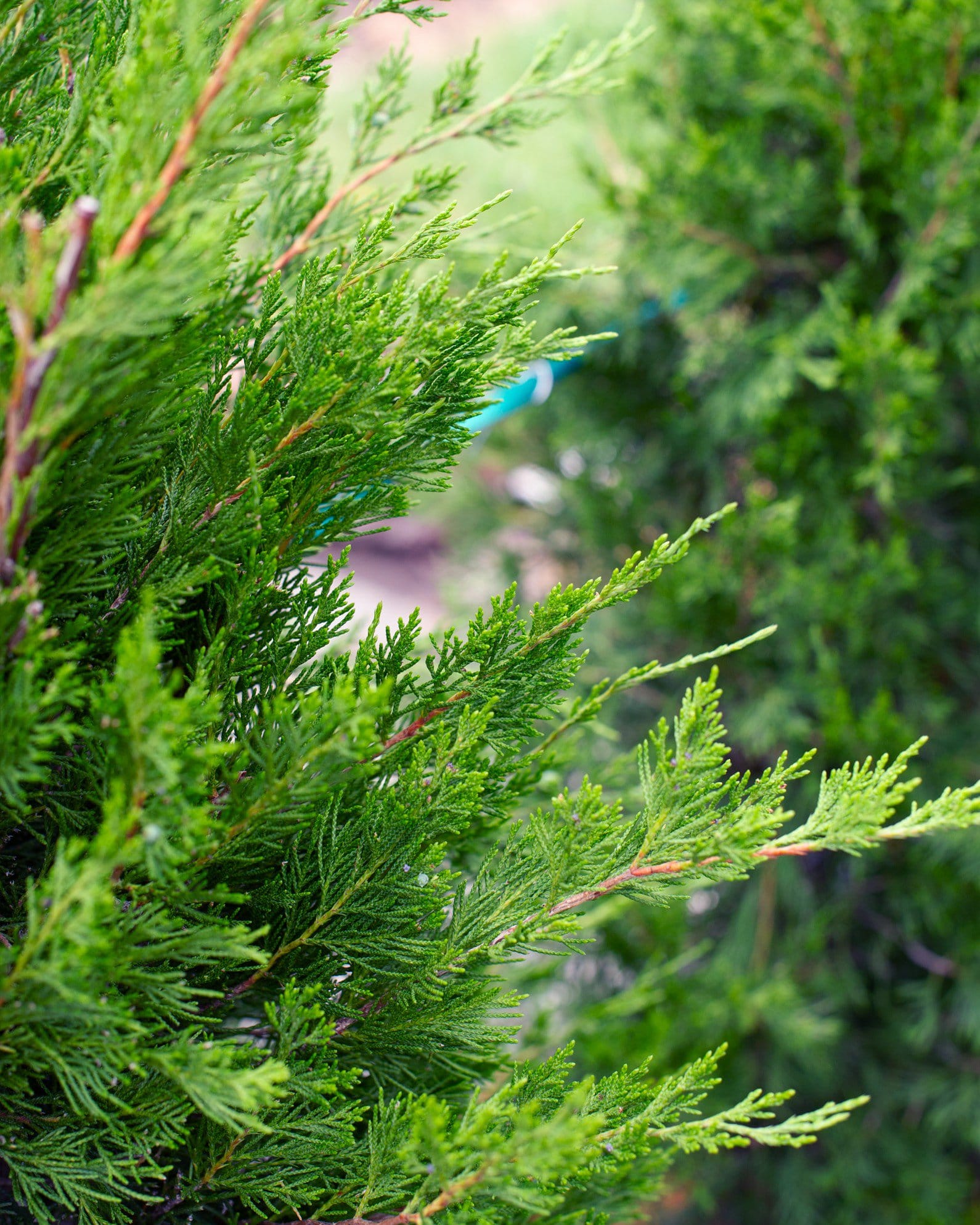
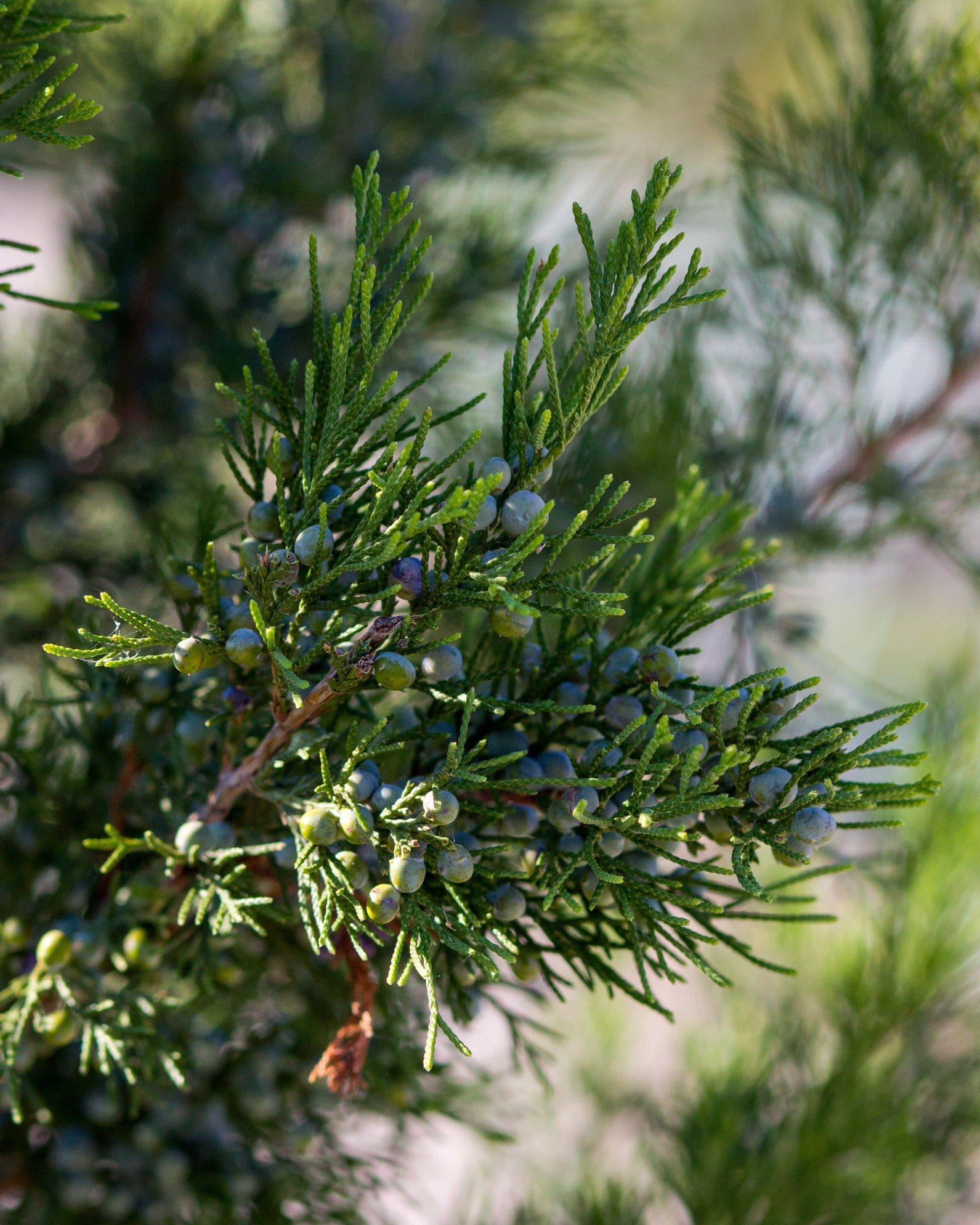
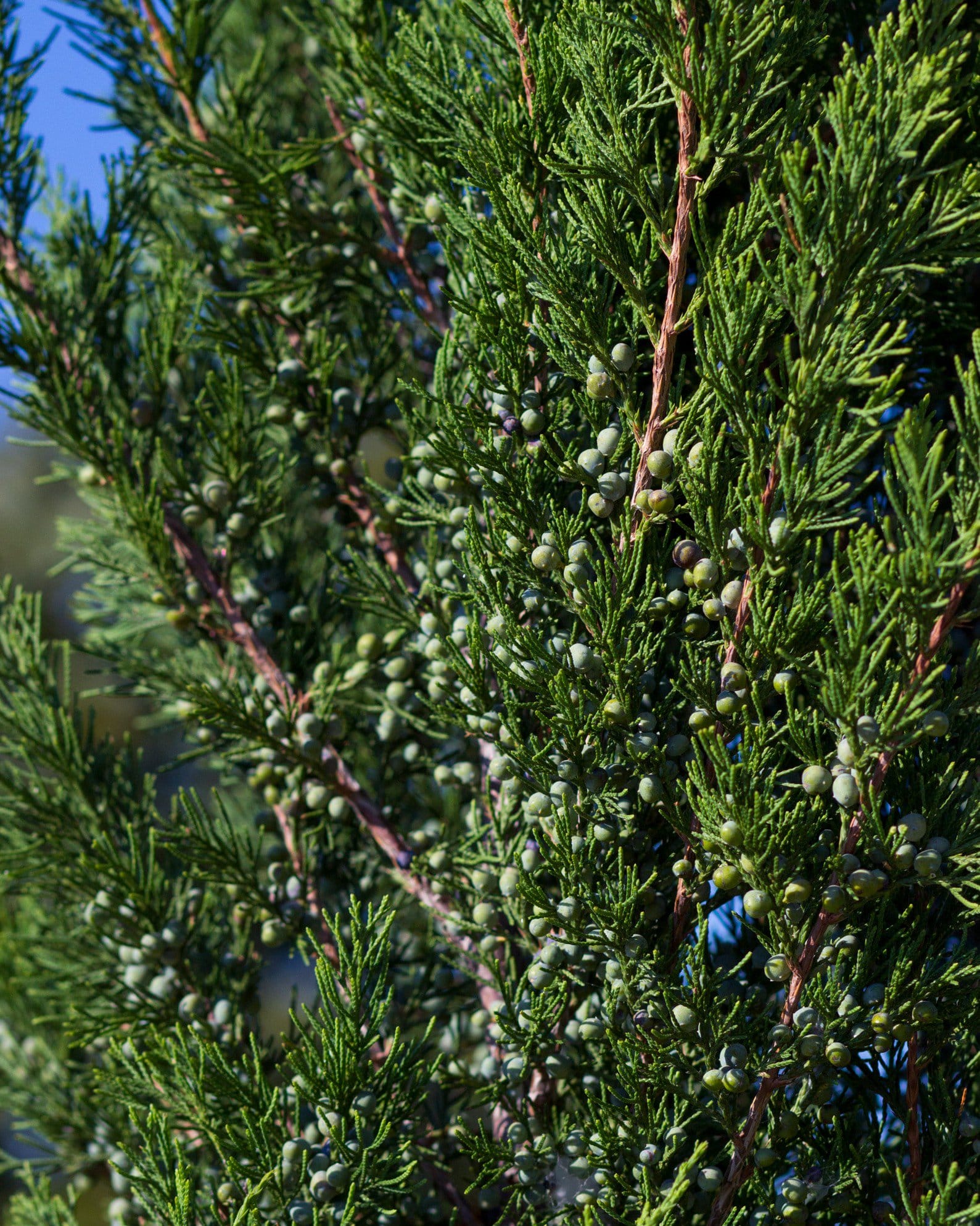
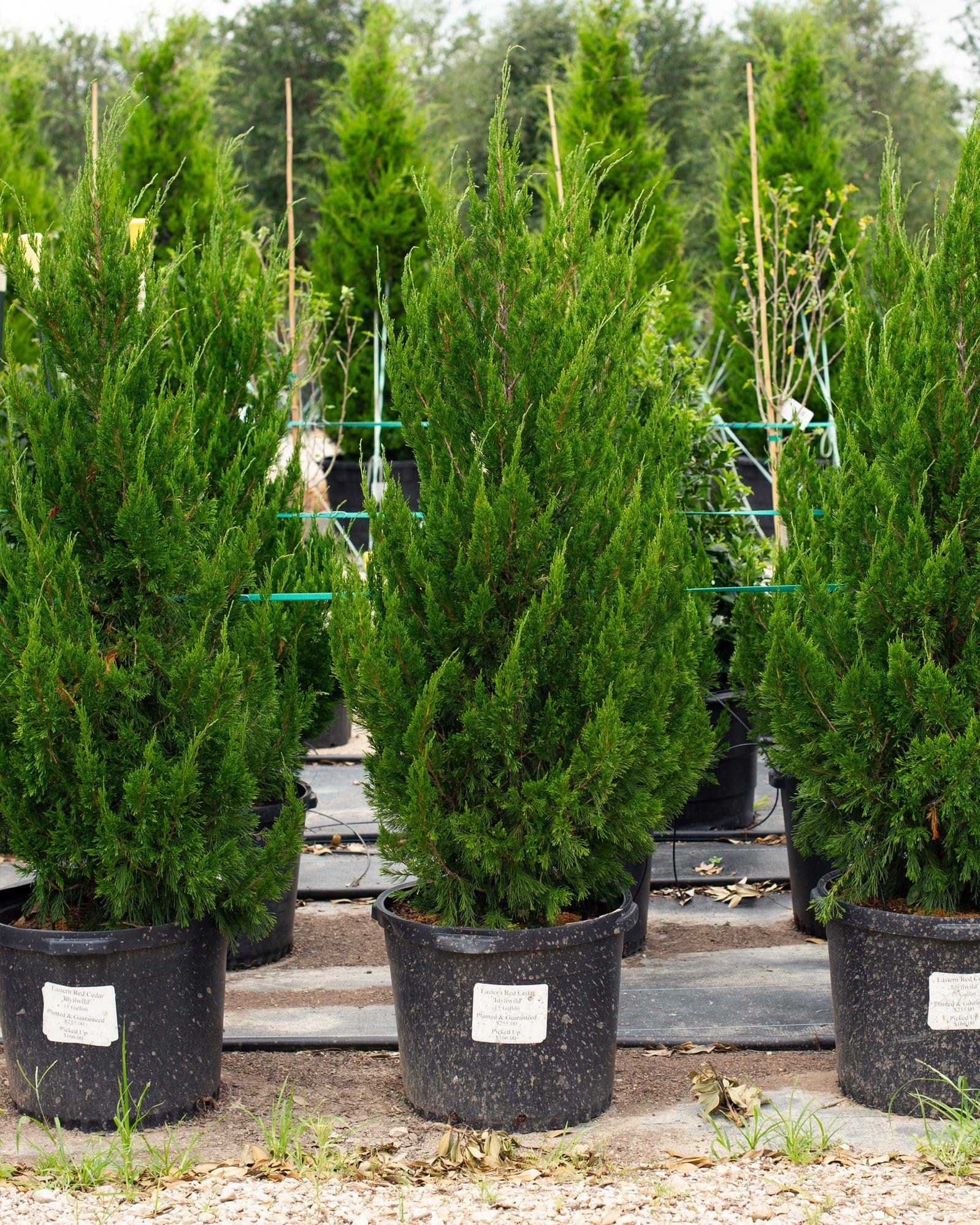
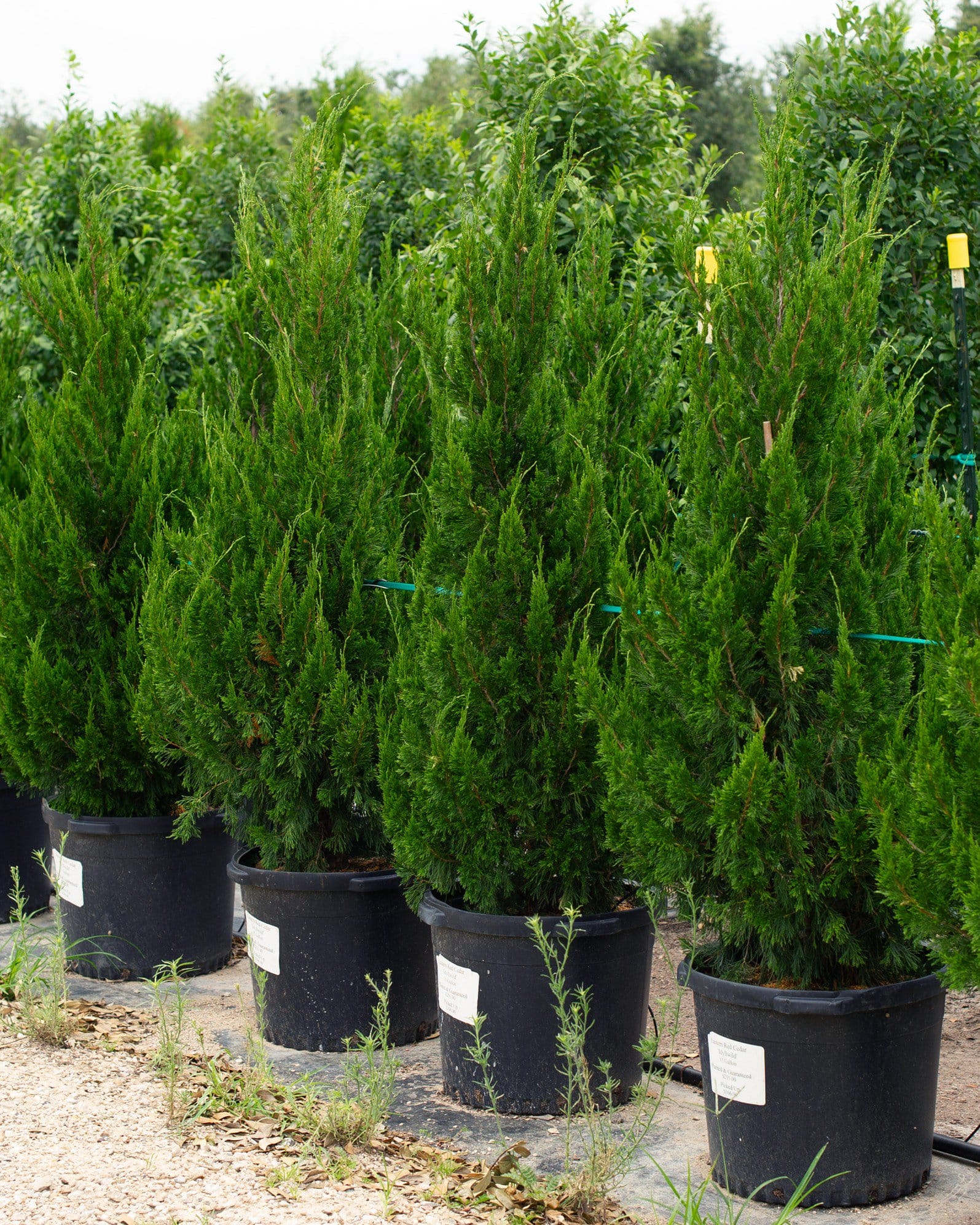
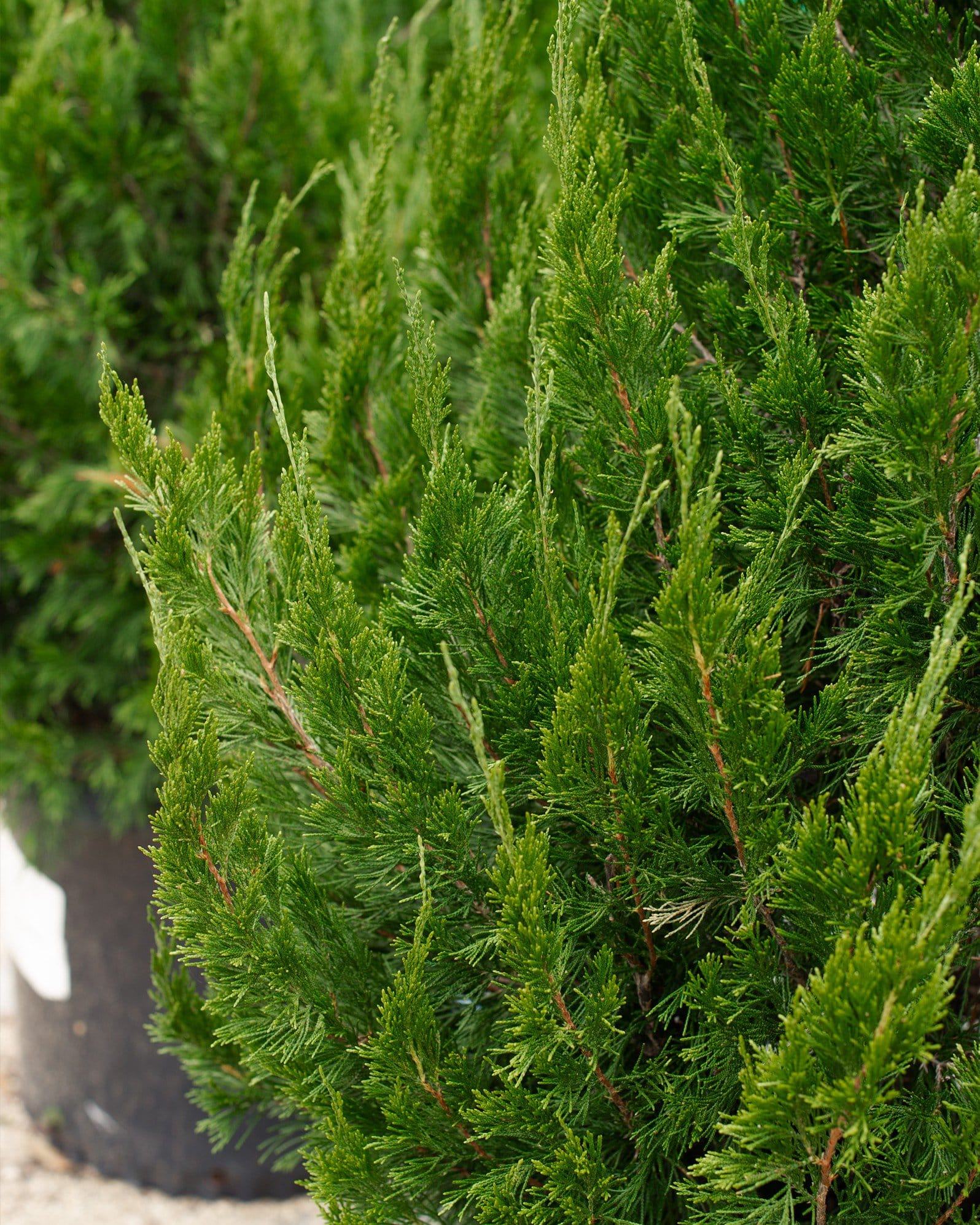
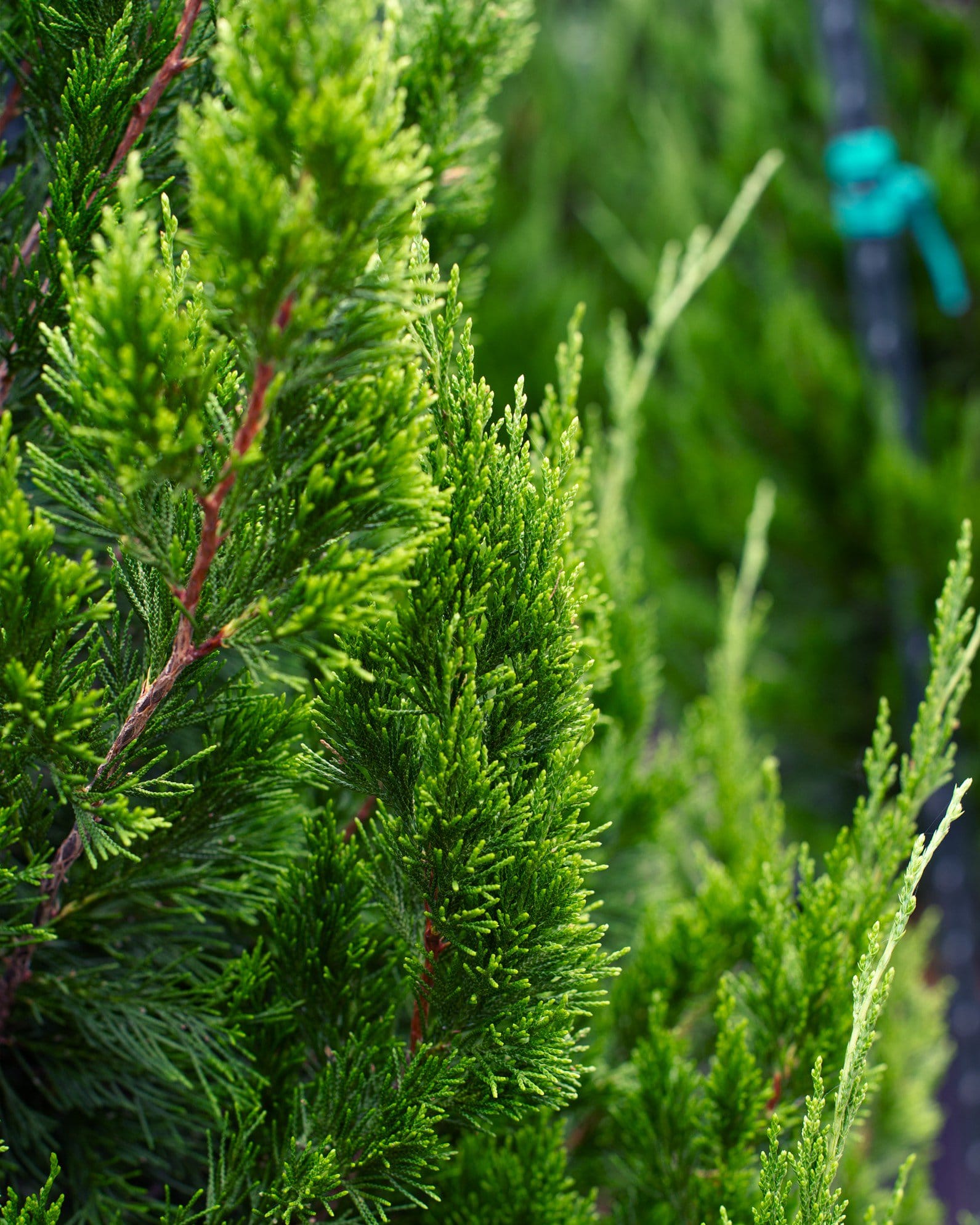
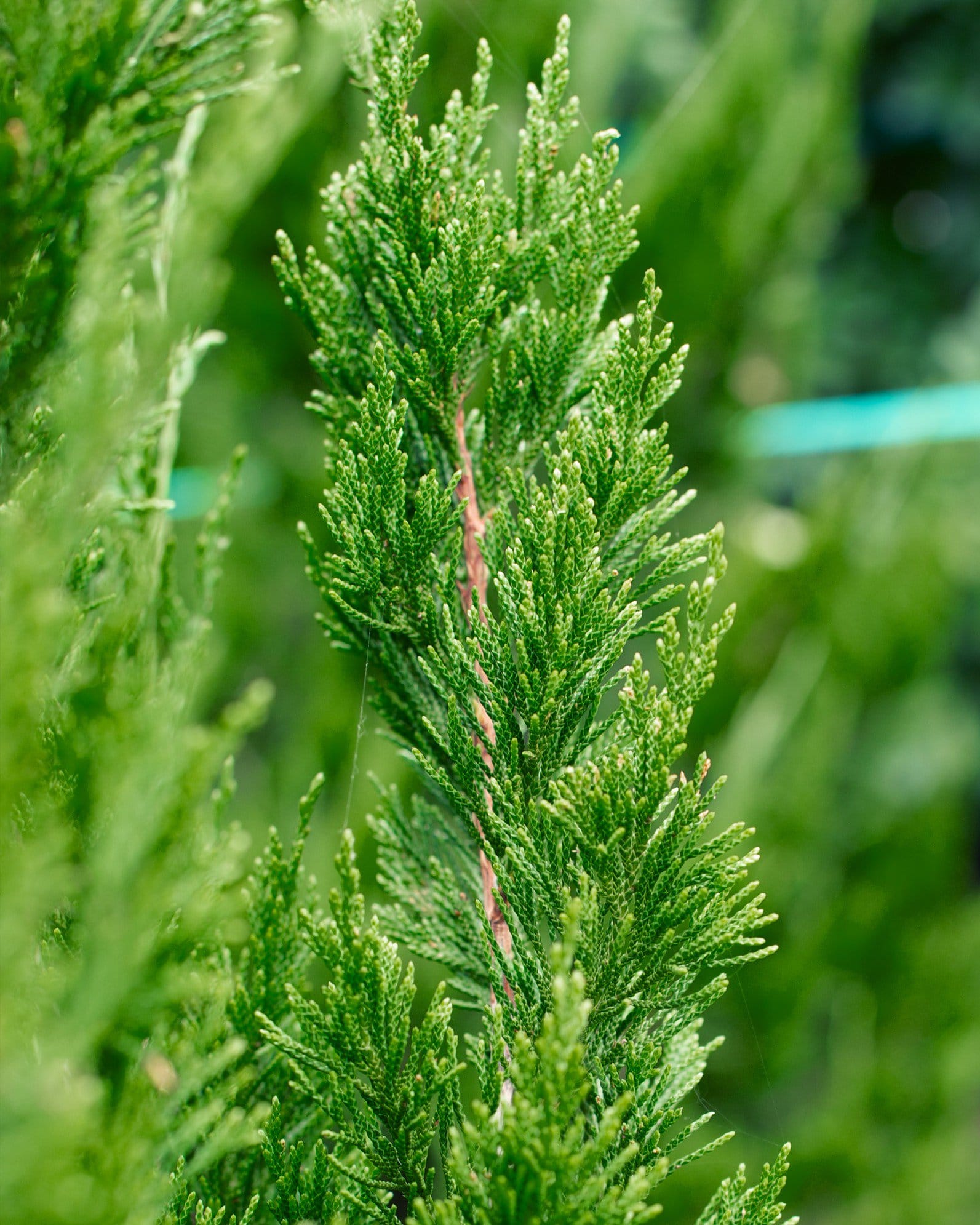
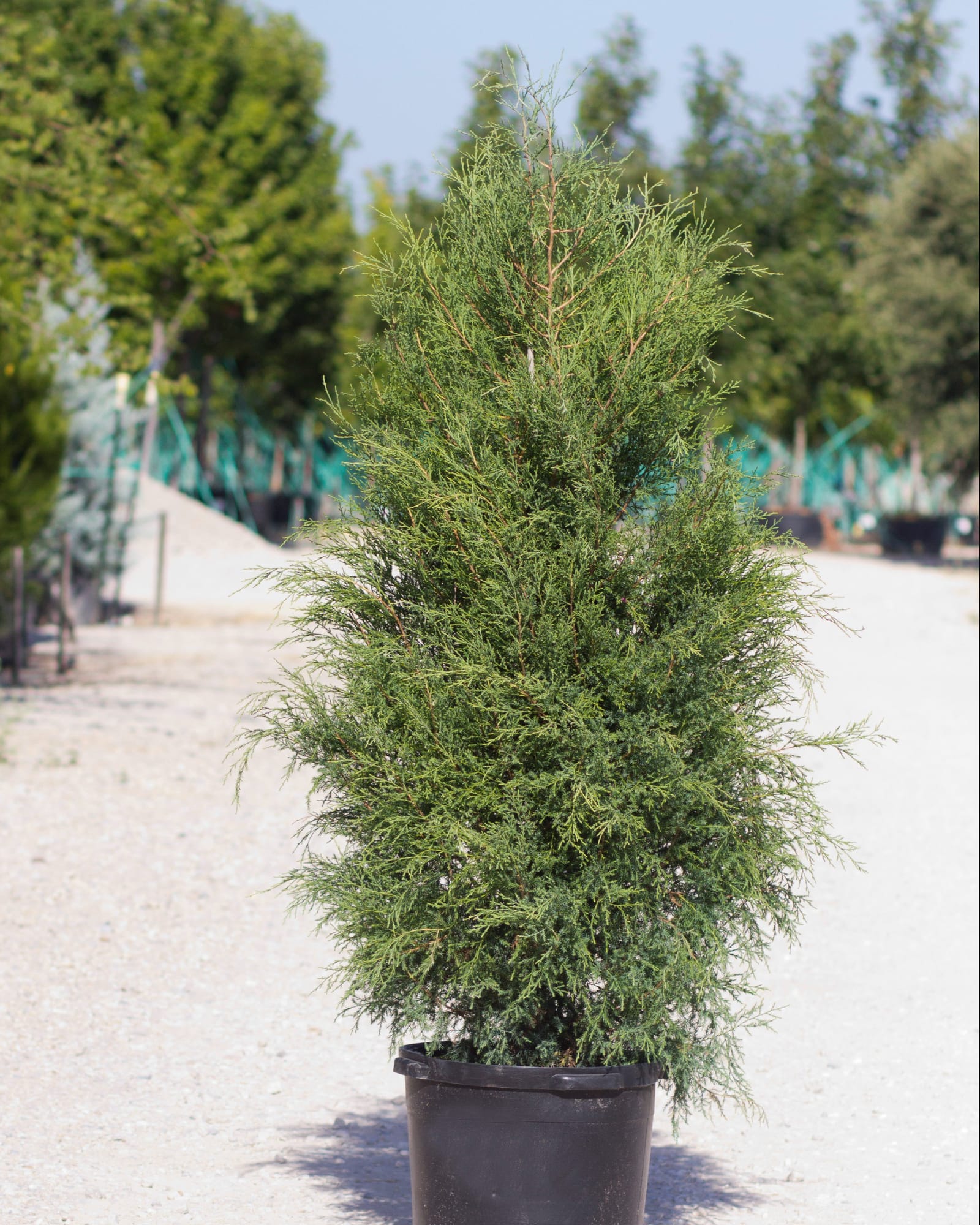
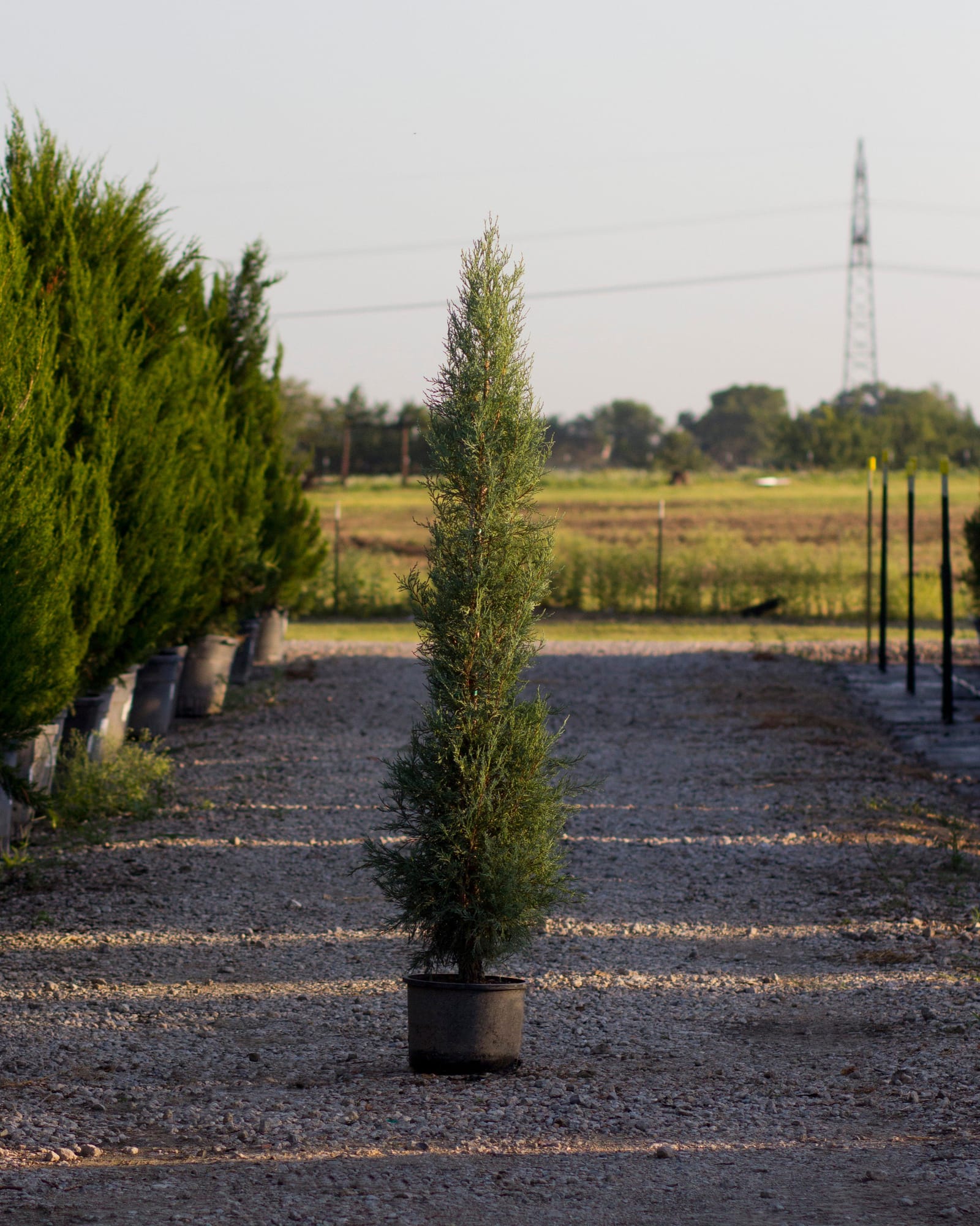
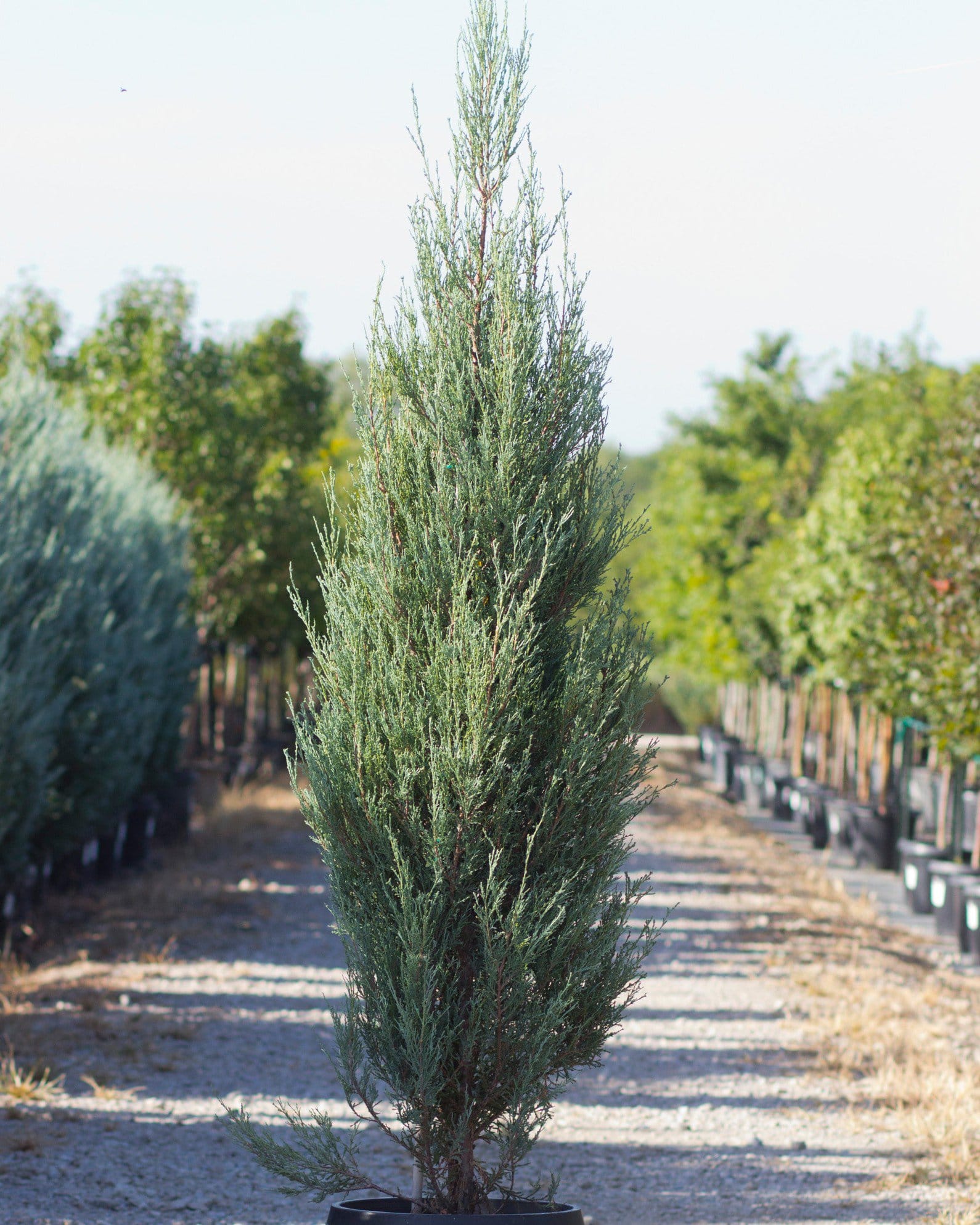
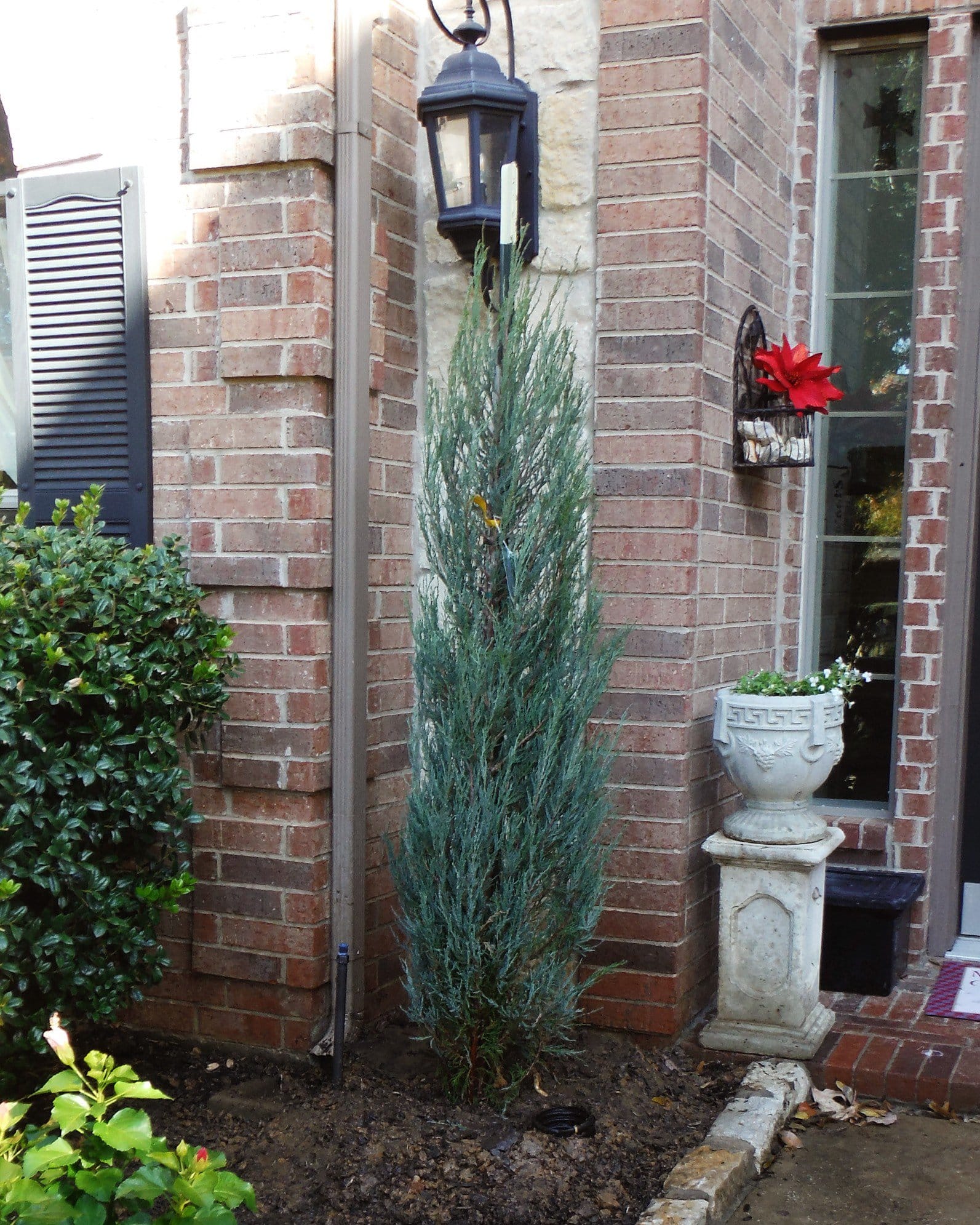
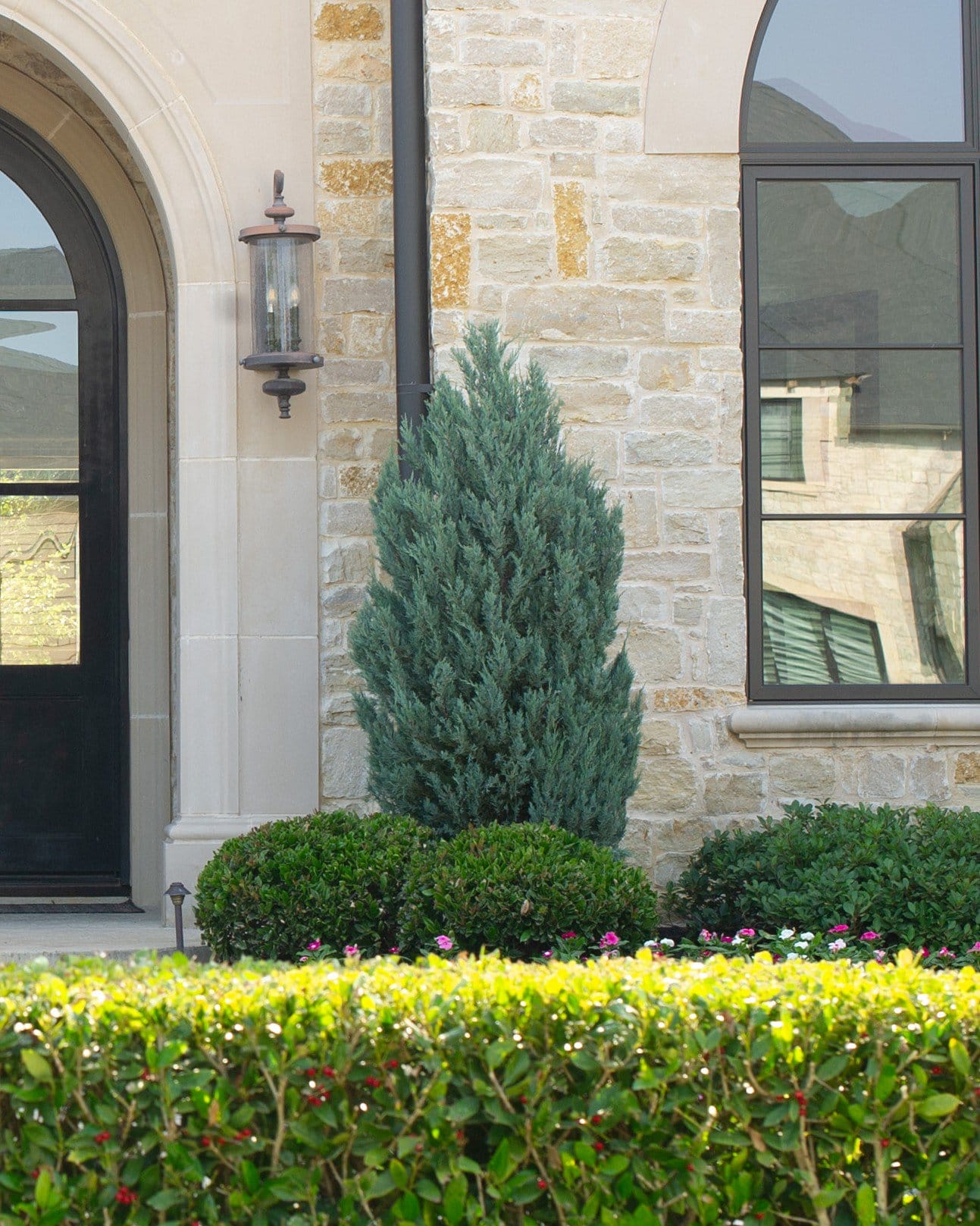
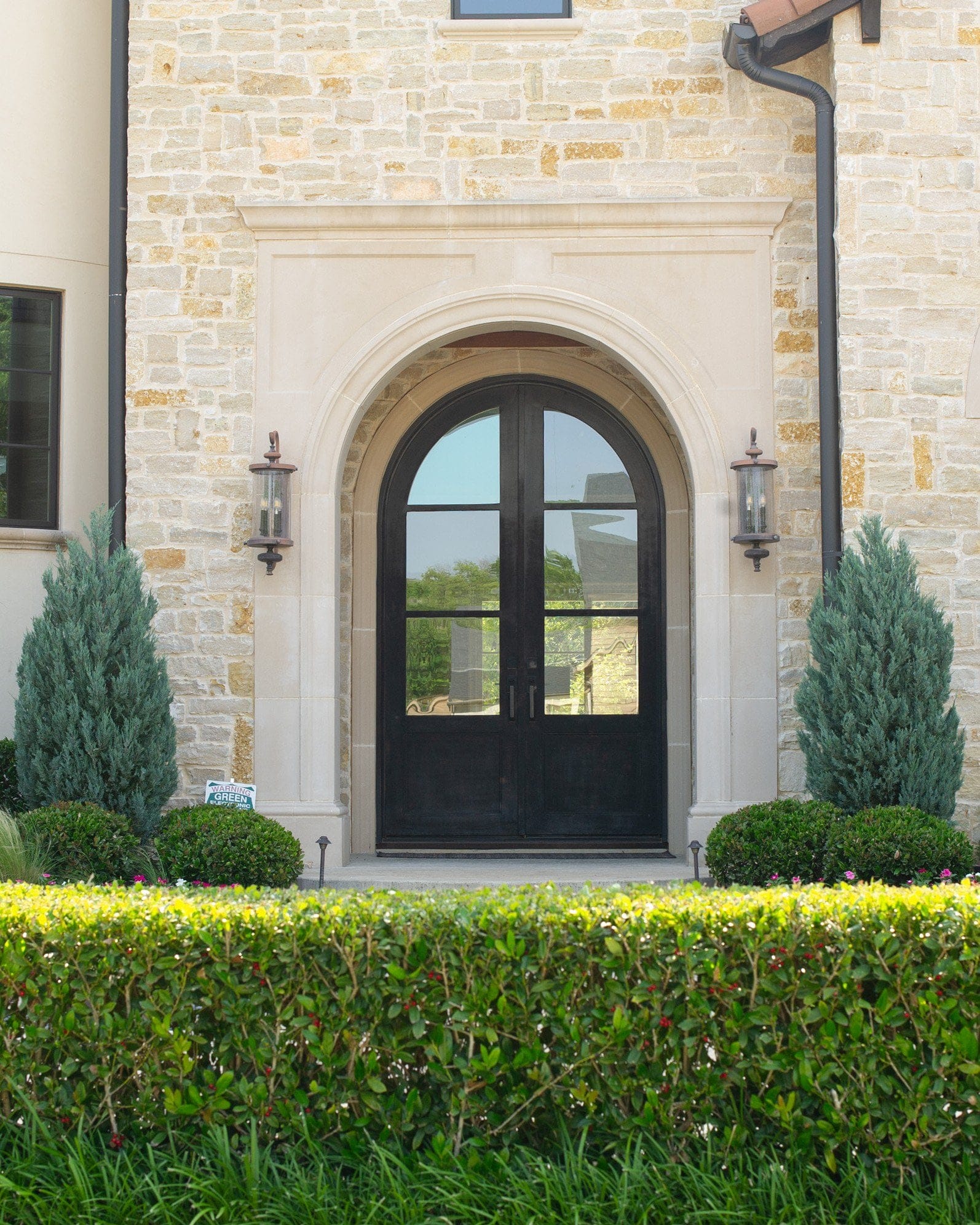
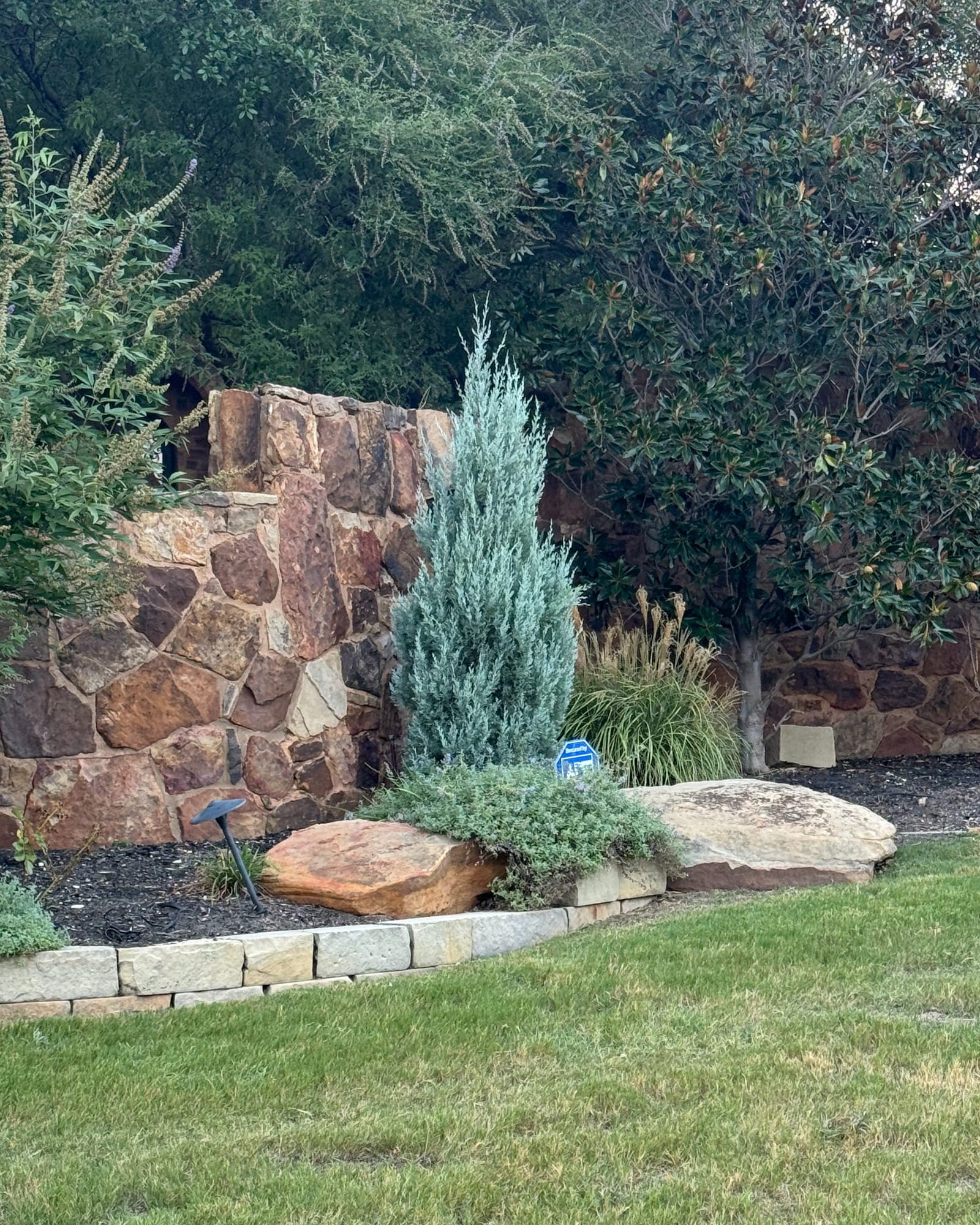
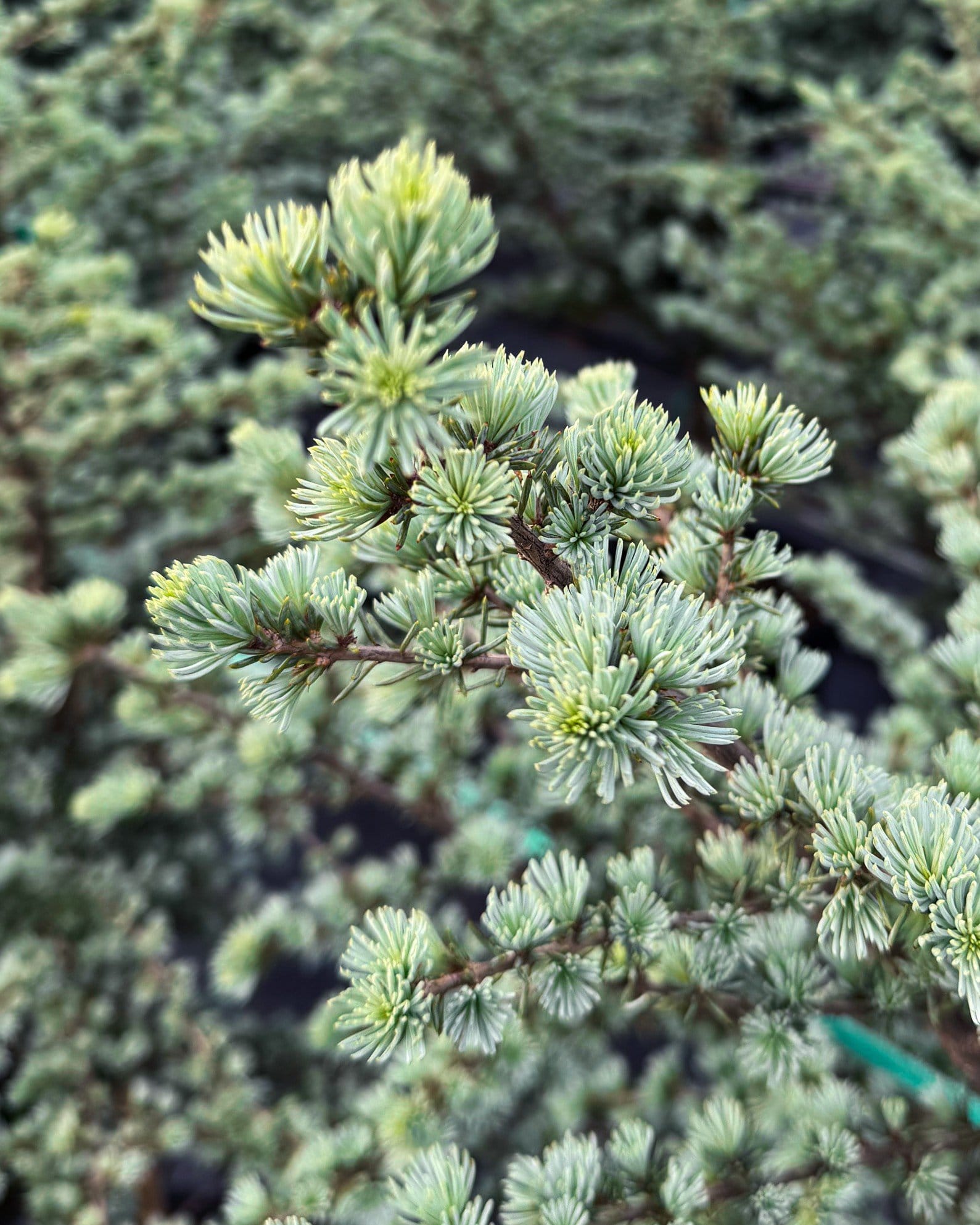
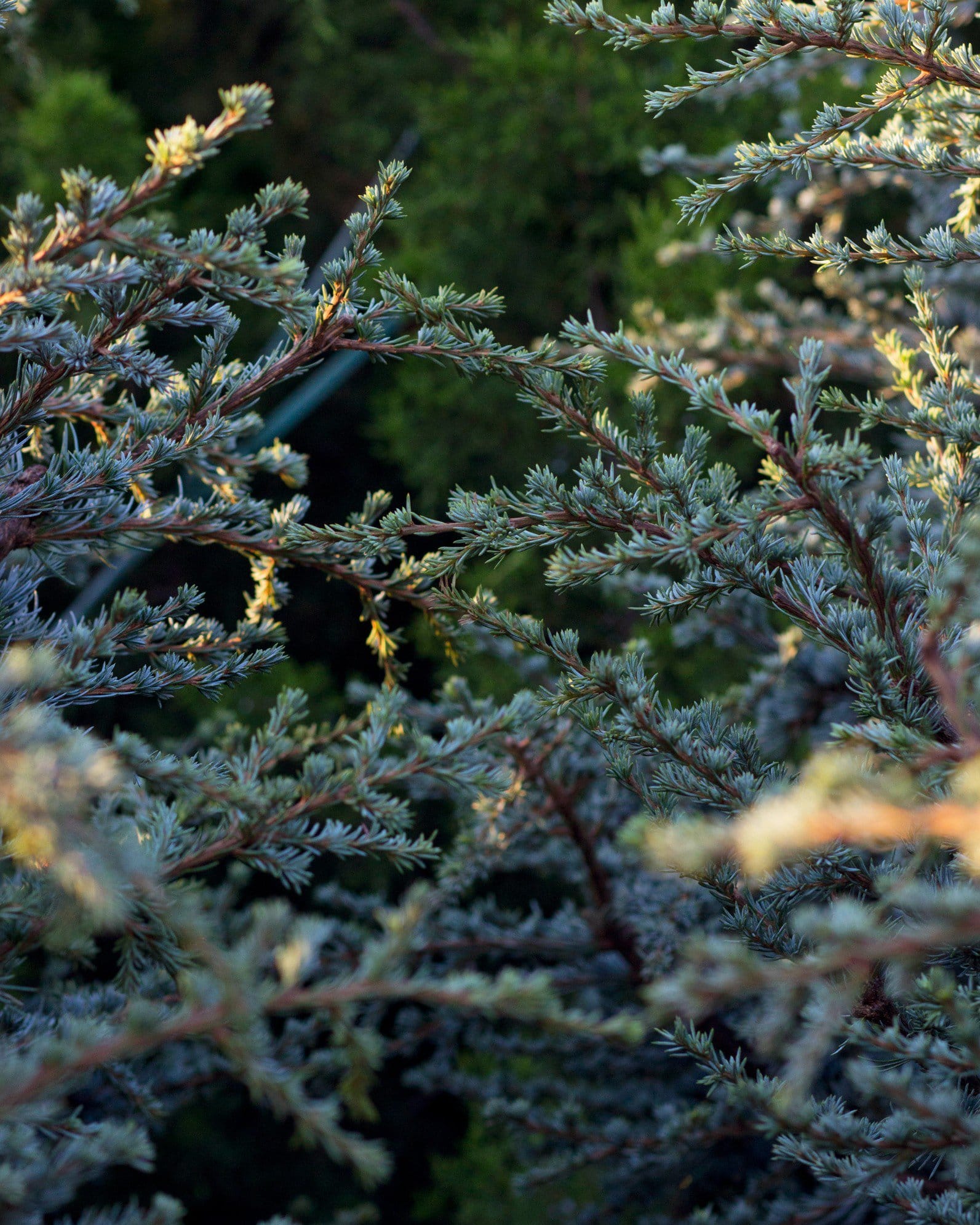
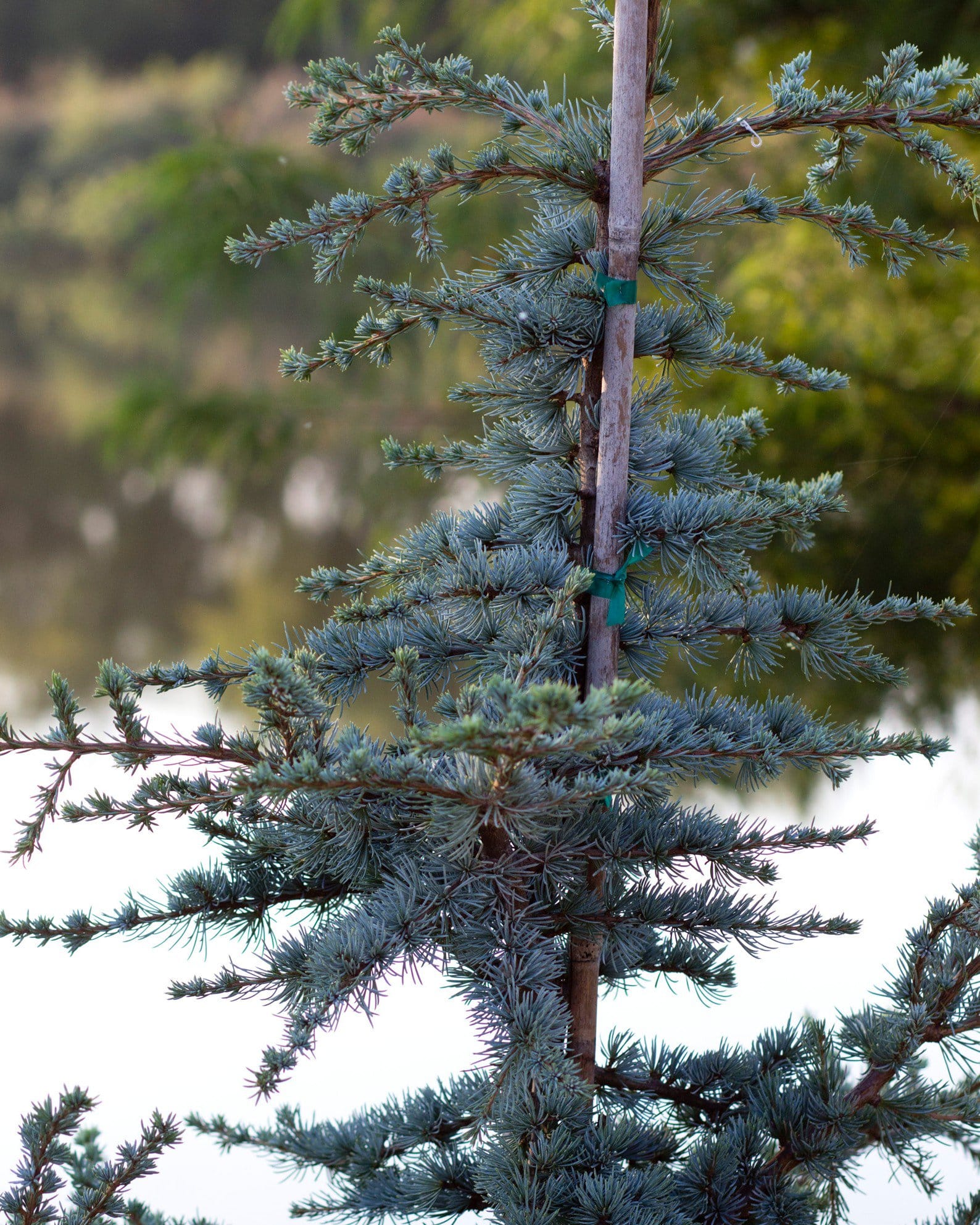
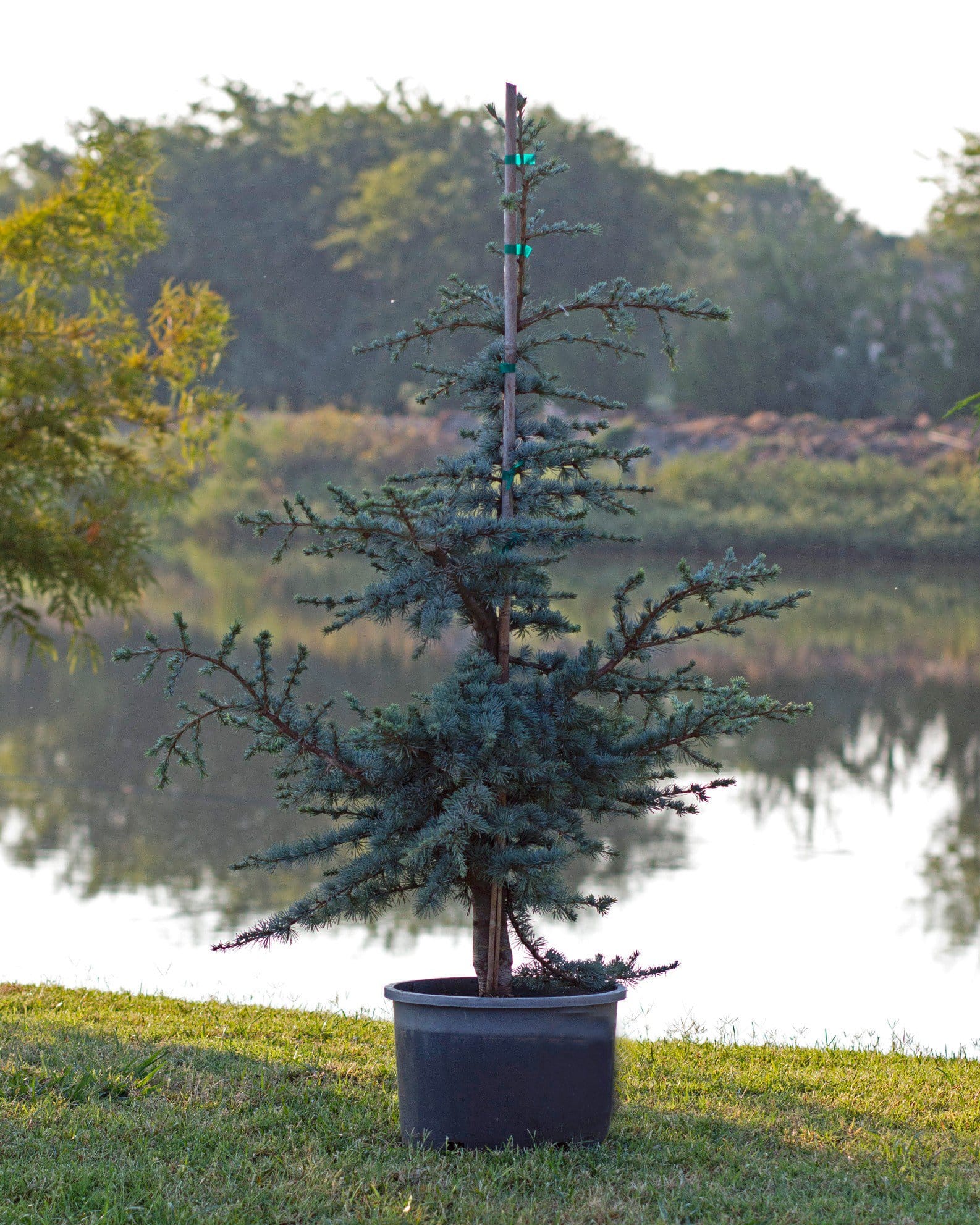
Juniperus virginiana ‘Taylor’Taylor Eastern Red Cedar, also known as Taylor Juniper, is a standout variety known for its elegant, slender form and dense, silvery blue-green foliage. With its narrow, upright habit, it reaches up to 24 feet in height while staying compact at just 4 feet wide. This makes it perfect for smaller spaces or as a vertical accent in rows or groupings. It’s also a beautiful alternative to Italian cypress in areas where cold hardiness is needed.
- Evergreen tree
- Moderate growth rate with narrow, columnar form
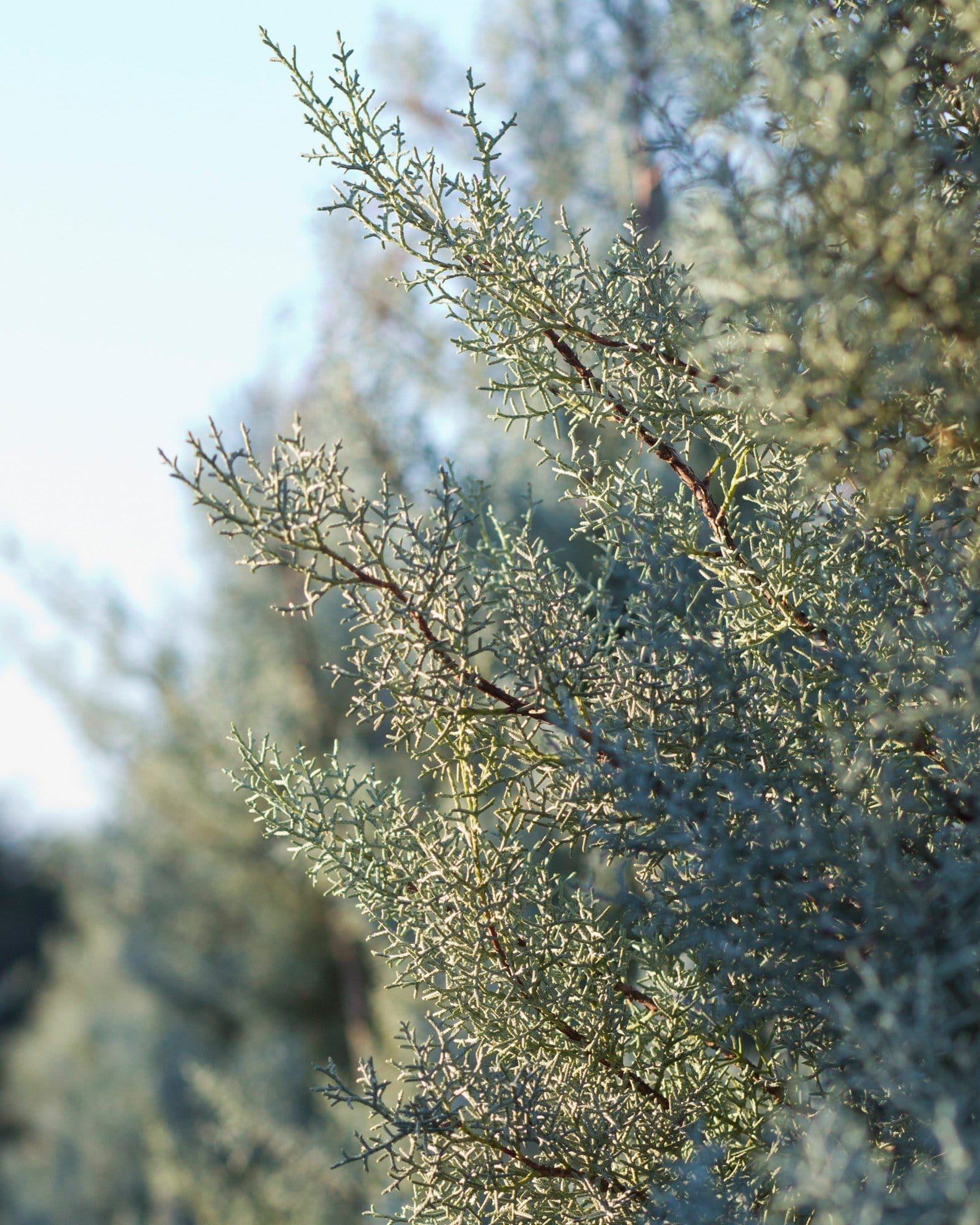
- Silvery blue-green foliage year-round
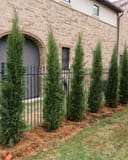
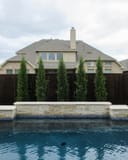
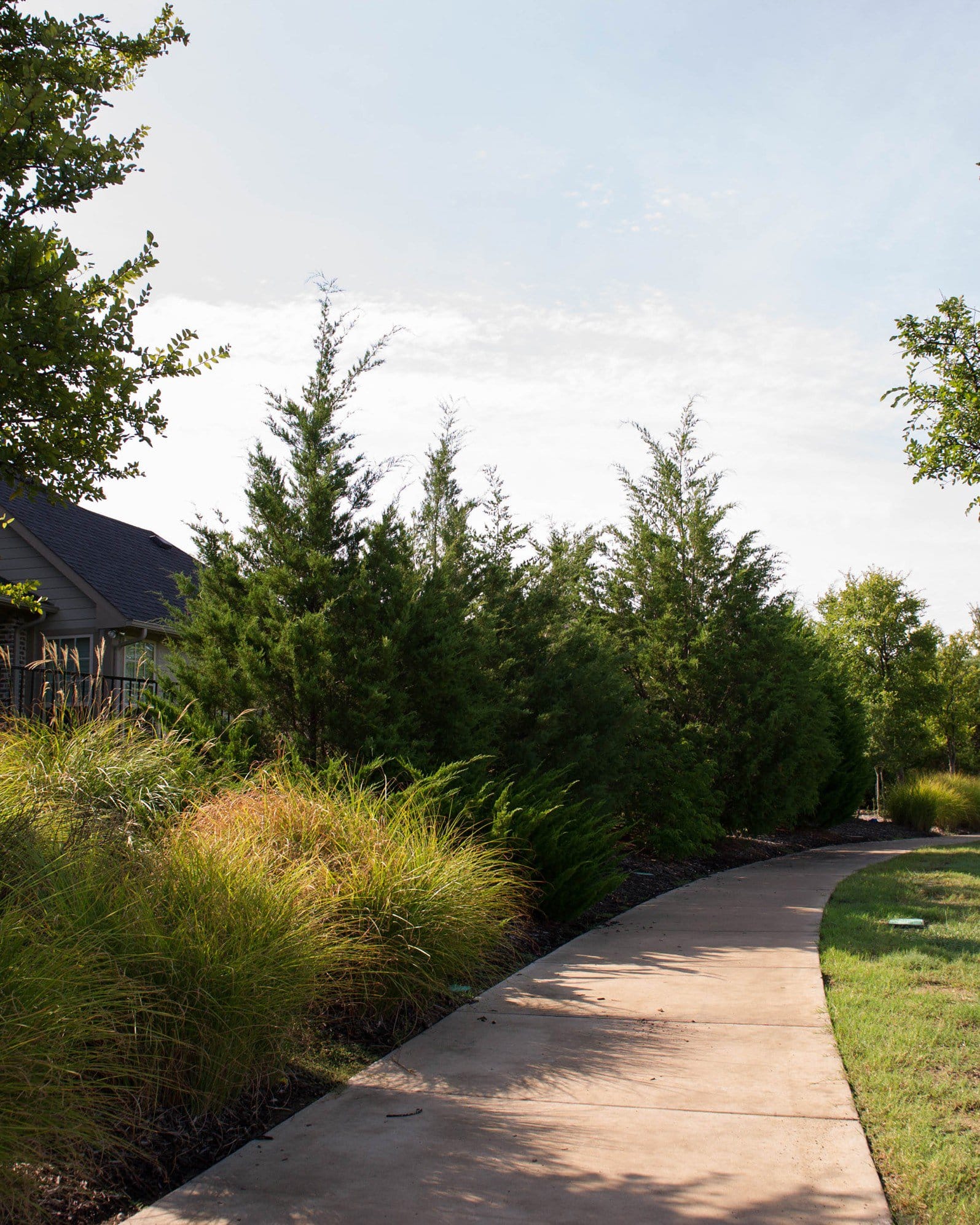
- Excellent for screens, rows, or vertical structure
- Ideal for tight spaces and formal designs
Taylor thrives in full sun and well-drained soil. Once established, it’s highly drought- and heat-tolerant, adapting easily to North Texas conditions. Hardy in USDA zones 4 through 9, it offers year-round color and structure with very little care. A refined, space-saving evergreen you can rely on.
Taylor Eastern Red Cedars are one of the most refined and low-maintenance junipers you can plant. While naturally hardy, following a few key care steps will keep it looking its best:
- Watering: During the first growing season, water deeply every 7-10 days to establish strong roots. Once mature, ‘Taylor’ is extremely drought-tolerant. However, in prolonged dry spells, an occasional deep soak helps prevent browning and keeps the foliage lush. Avoid frequent shallow watering, which encourages weak roots.
- Pruning: Taylor rarely needs pruning - it naturally grows in a dense, upright column. Only remove dead or damaged branches in late winter or early spring. Avoid cutting into old wood, as new growth won’t emerge from bare areas. For symmetry, light shaping can be done once a year, but over-pruning will ruin its natural form.
- Fertilizing: Fertilization isn’t usually necessary. If growth seems sluggish or color fades, apply a balanced slow-release fertilizer in early spring. Always water thoroughly afterward. Skip high-nitrogen fertilizers to avoid overly soft growth that’s more prone to winter damage.
- Mulching: Apply a 2-3 inch layer of mulch around the base to help retain moisture and regulate soil temperature. Pine bark, shredded wood, or cedar mulch work well. Keep mulch about 6 inches from the trunk to prevent moisture buildup and rot.
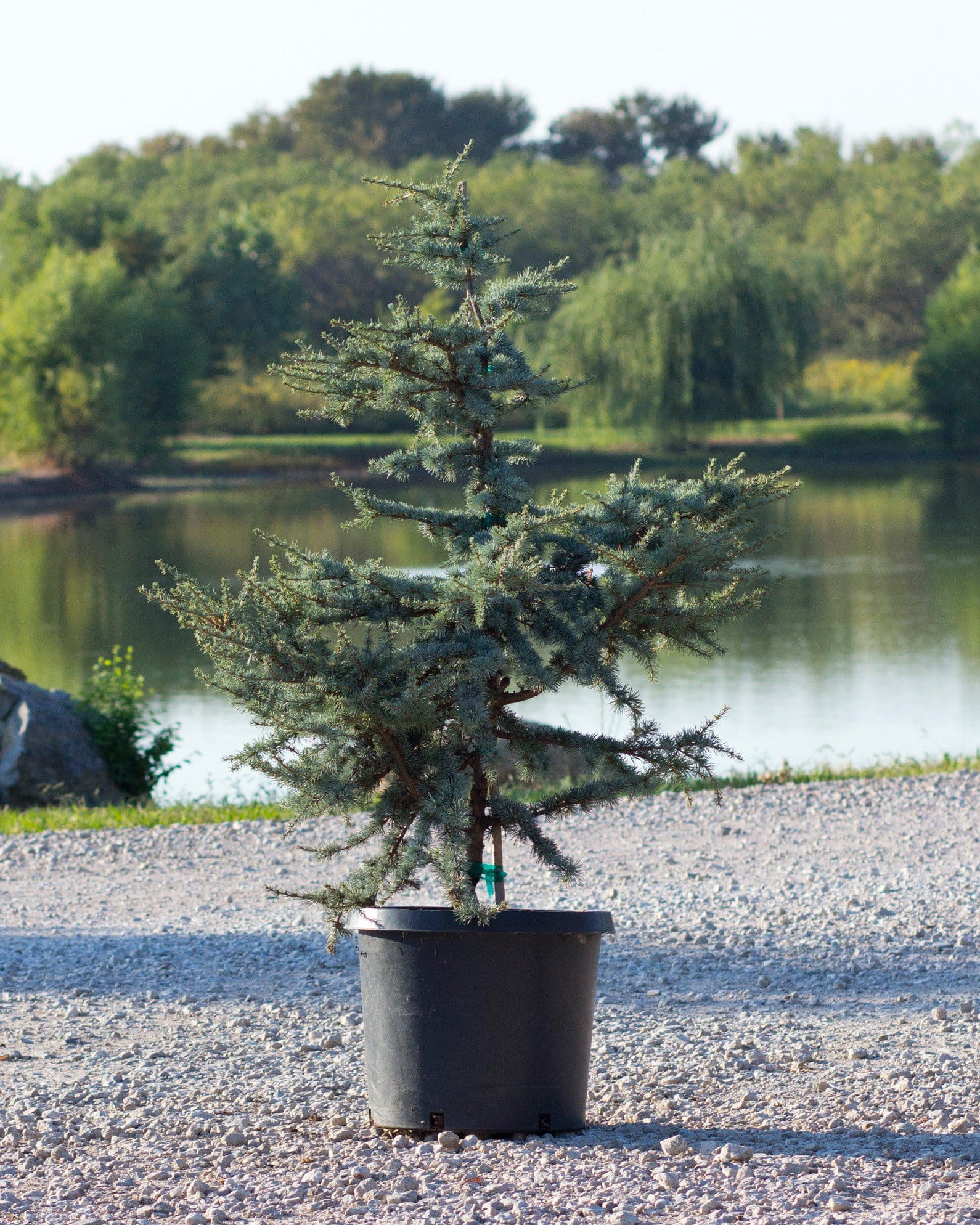
- Staking: Because of its tall, narrow form, young ‘Taylor’ trees may benefit from staking during their first year in windy areas. Use soft, flexible ties and remove stakes after one full growing season to prevent restriction as the trunk strengthens.
Common Issues and How to Take Care of Them
Taylor Eastern Red Cedars are known for its toughness and resistance to most pests and diseases, but like all junipers, it can run into a few occasional problems:
- Bagworms: Small cone-shaped sacs hanging from branches signal bagworms. Remove them by hand during winter or early spring before they hatch. For heavier infestations, use Bacillus thuringiensis (Bt) or horticultural oil.
- Cedar Apple Rust: This fungal disease can cause orange galls and leaf spotting. Prune and discard infected branches during winter, and avoid planting near apple or crabapple trees when possible. Fungicidal sprays can help prevent severe outbreaks.
- Spider Mites: More likely during hot, dry weather. Look for fine webbing and dusty-looking foliage. Wash with a strong spray of water or apply insecticidal soap to keep populations down.
- Root Rot: Occurs only in consistently wet or poorly drained soil. Ensure well-draining planting sites and avoid overwatering.
- Winter Burn: Brown or reddish foliage tips in late winter may appear after dry, windy conditions. Deep watering before the ground freezes helps minimize this.
Regular inspection and proper watering practices keep your Taylor cedar healthy and problem-free.
Yes, the Taylor Juniper and the Taylor Eastern Red Cedar refer to the exact same plant. The botanical name for this specific tree is Juniperus virginiana 'Taylor'.
It’s a moderate to fast grower, adding about 1-2 feet in height per year under ideal conditions.
Yes, it’s one of the best evergreens for narrow spaces. Plant 2-4 feet apart for a formal hedge or 6-8 feet apart for individual specimen trees.
Absolutely. The aromatic foliage naturally repels deer, making it a great choice for rural or high-traffic wildlife areas.
Anytime between fall and spring is ideal. These seasons allow roots to establish before the stress of summer heat.
Water deeply every 2-3 weeks during extended dry periods. Otherwise, rainfall is typically enough.
Yes - it’s one of the most cold-hardy junipers, thriving in USDA Zones 3-9 and enduring harsh winters without issue.
Likely from drought stress, poor drainage, or winter burn. Check soil moisture and ensure the site isn’t overly wet or shaded.
Definitely, its compact footprint and upright form make it perfect for narrow beds or along driveways, but give it at least 3 feet of clearance for airflow and root space.
Young trees can grow in large containers for several years, but they eventually outgrow pots due to their deep taproots. If container-grown, ensure excellent drainage.
Plant in full sun, avoid heavy pruning, and let the natural form guide you. Light annual trimming and proper watering will keep it neat and vertical.
When it comes to spacing there is no right or wrong answer. We prefer to give trees the most amount of separation possible and aesthetically this leads to a prettier looking tree at maturity because they develop naturally wider, fuller and more symmetrical canopies. As far as the tree's health is concerned it will not be affected by how closely it is planted to another tree but the shape of the canopy will become taller and thinner and begin to overlap, which will create a continuous hedge. If privacy is not of immediate concern and we are just looking to diffuse the view, then we could plant the trees where they barely touch at maturity.
For example, we could plant Taylor Eastern Red Cedars 4' apart (their mature width is 4') and at maturity their canopies would barely touch or we could space them even further apart than 4' which would leave a gap between the trees. Most of us don't have the luxury of planting trees this far apart and waiting 10-15 years for them to grow together and get privacy. For people that need more immediate privacy then the question to answer is "how long do you want to wait before you have a solid privacy screen?" Most answers that we get to this question will either be immediate or they are willing to wait between 2-4 years before they get solid coverage. Again, there is no right or wrong answer to this question, and it is solely dependent upon how quickly privacy is needed. For example, if a customer is looking for immediate coverage and they are planting Taylor Eastern Red Cedars, then we need to find out how wide the trees that are being planted are and then plant them that far apart. If we find Taylor Eastern Red Cedars that are 1.5' wide, then we would need to plant them 1.5' apart from trunk to trunk which allows for the branches to touch immediately at the time of planting. If we are looking for coverage in 3-4 years, then the spacing would be dependent upon how quickly the trees grow per year in width and what size tree the customer decides to start with. Let's look at the previous example of Taylor Eastern Red Cedars that are currently 1.5' wide. We know that they grow about 4 inches per year in terms of width so over 3 years they will be about 2.5’ wide and therefore we would space them 2.5’ apart (trunk to trunk) so that the trees would be touching in 3 years.
Special Features
You might also like
Compare Similar Plants
Eastern Red Cedar Taylor This plant | ||
|---|---|---|
| Scientific Name | Juniperus virginiana ‘Taylor’ | Juniperus virginiana |
| Size at Maturity | 25' H x 4' W | 30' H x 20' W |
| Leaf Retention | Evergreen | Evergreen |
| Sizes Available | 6, 7, 15, 30, 45 gal | 3, 7, 15, 30, 45 gal |


Our 1-Year Planting Guarantee
We take pride in our plants and installation services. If any plants or trees installed by Treeland fail to thrive within the first year, we'll provide a replacement credit in accordance with our guarantee program.
Learn More About Our Guarantee