
 Popular
 Texas Native
Eastern Red Cedar Brodie
Juniperus virginiana ‘Brodie’Local DFW Delivery Only
Product Details
Eastern Red Cedar Brodie
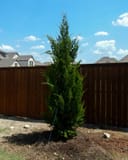
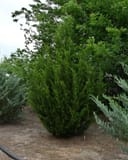
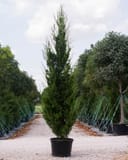
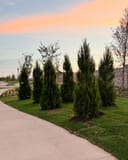
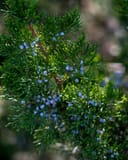
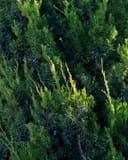
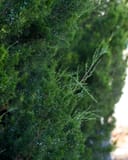
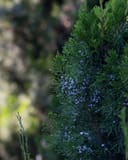
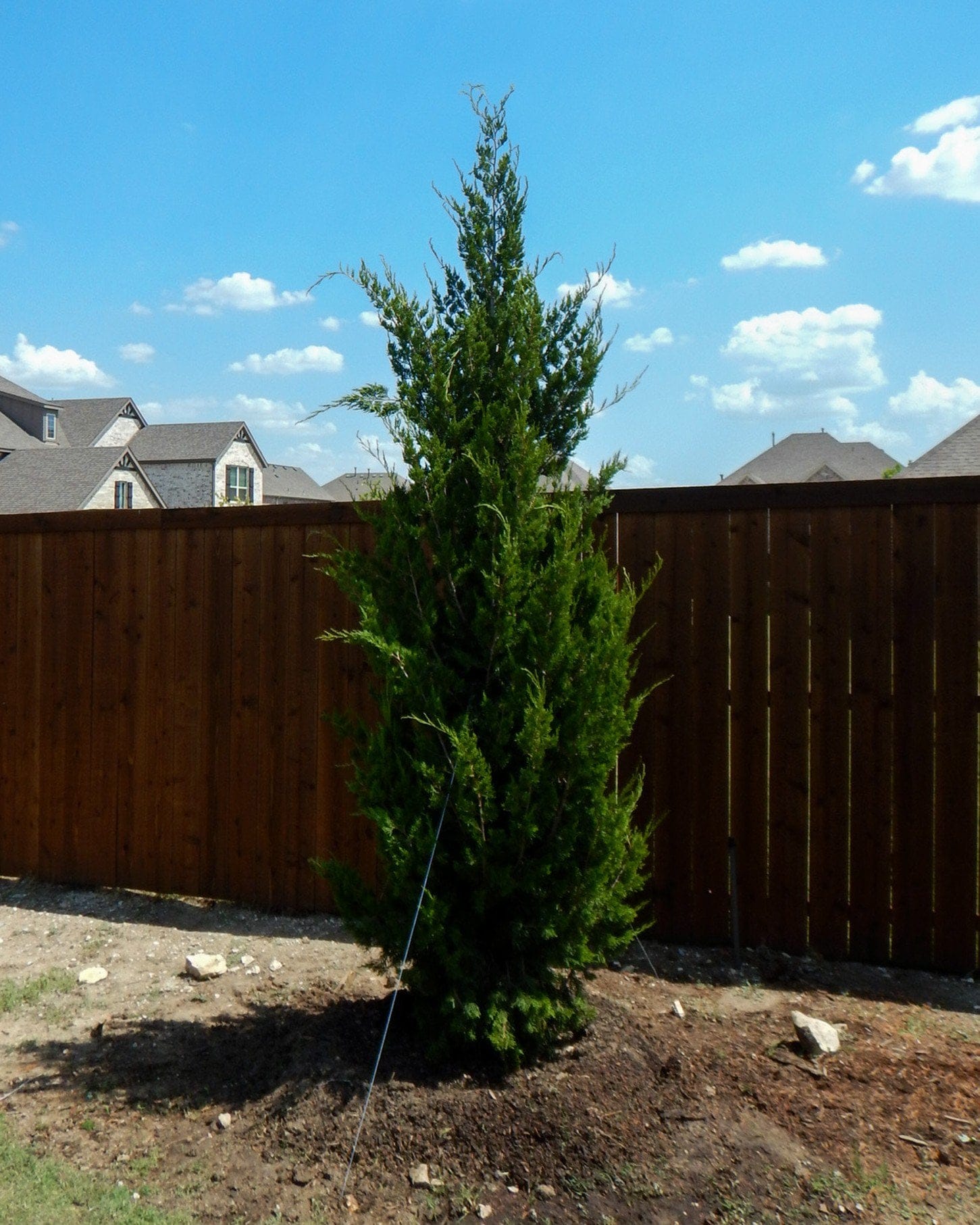
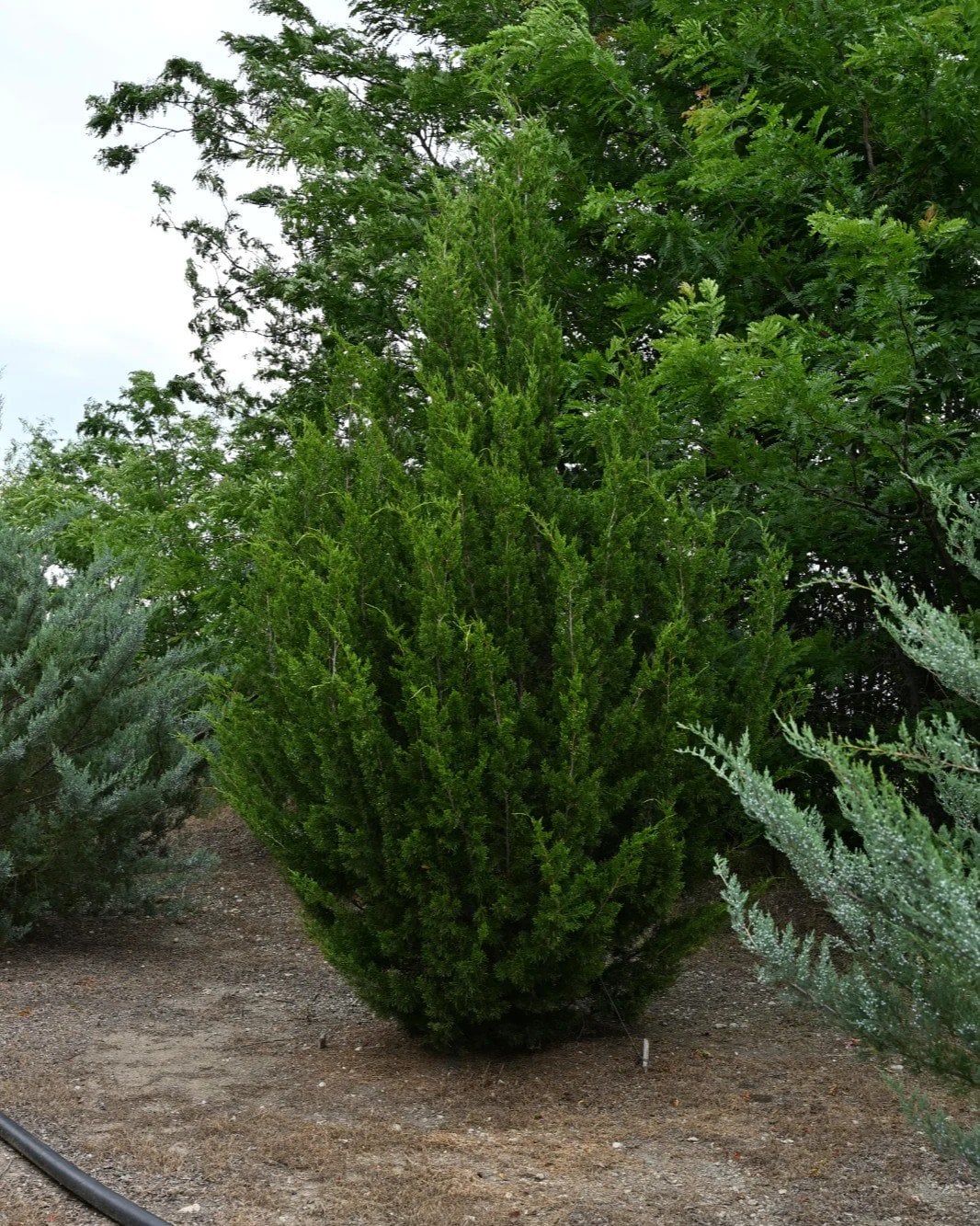
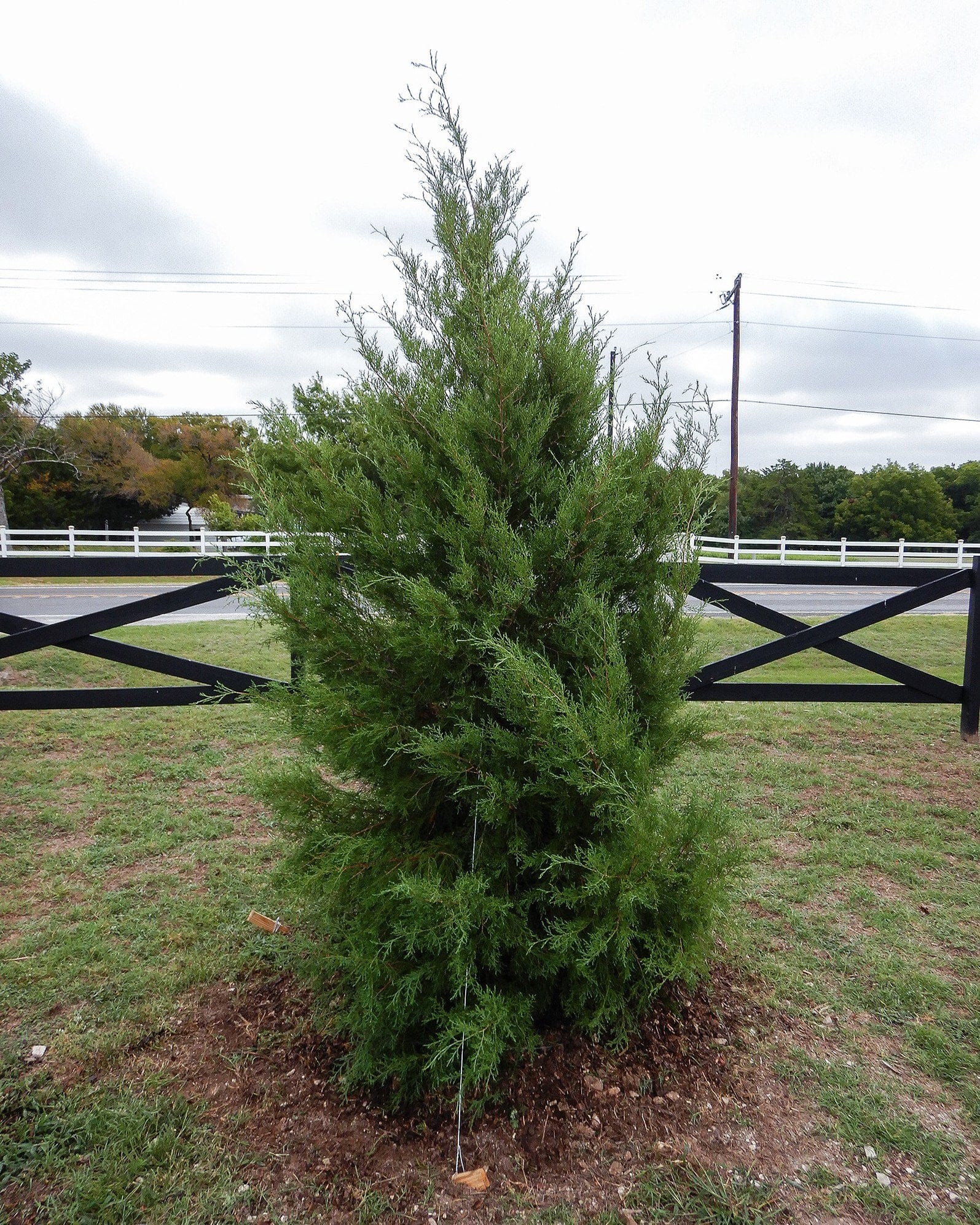
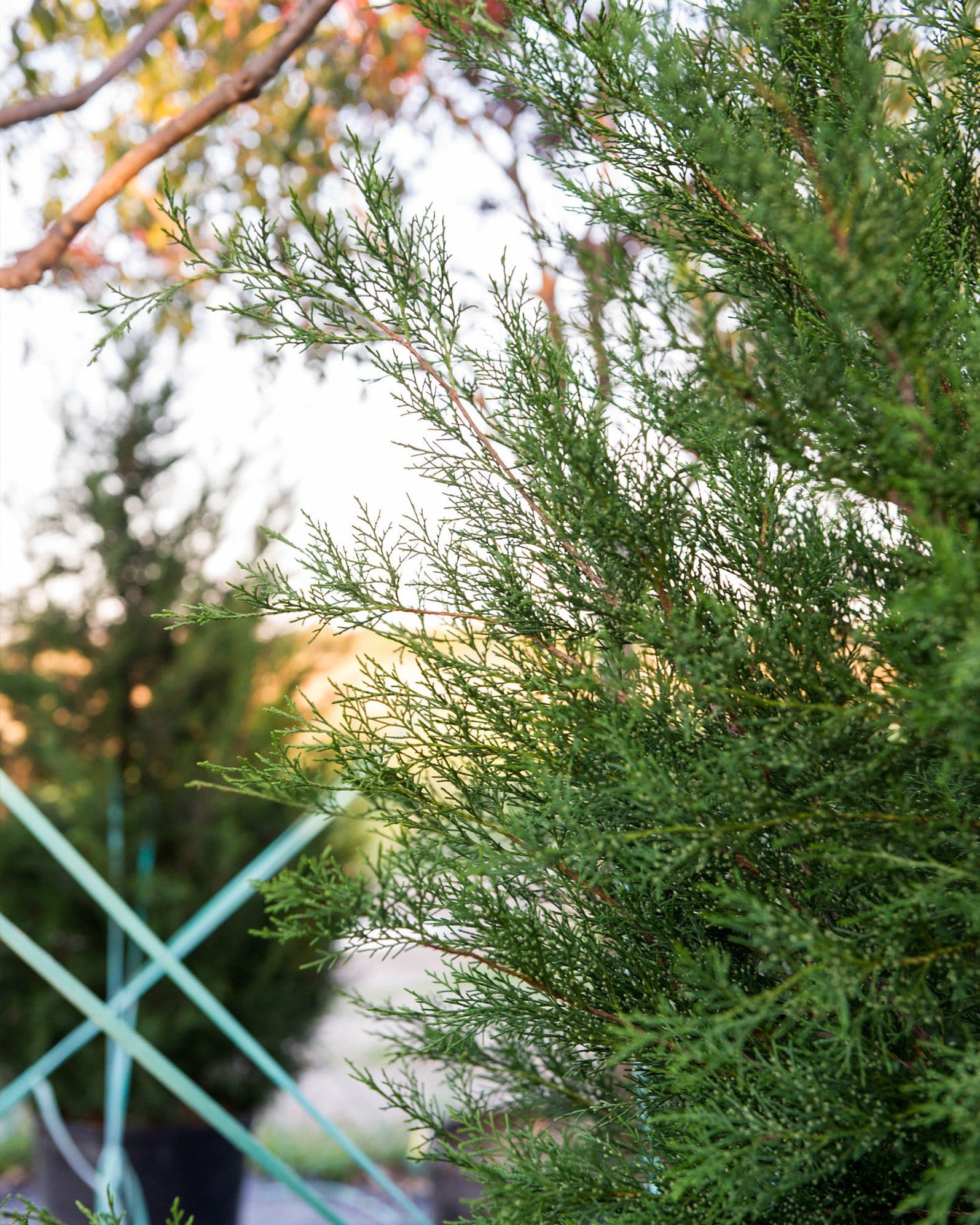
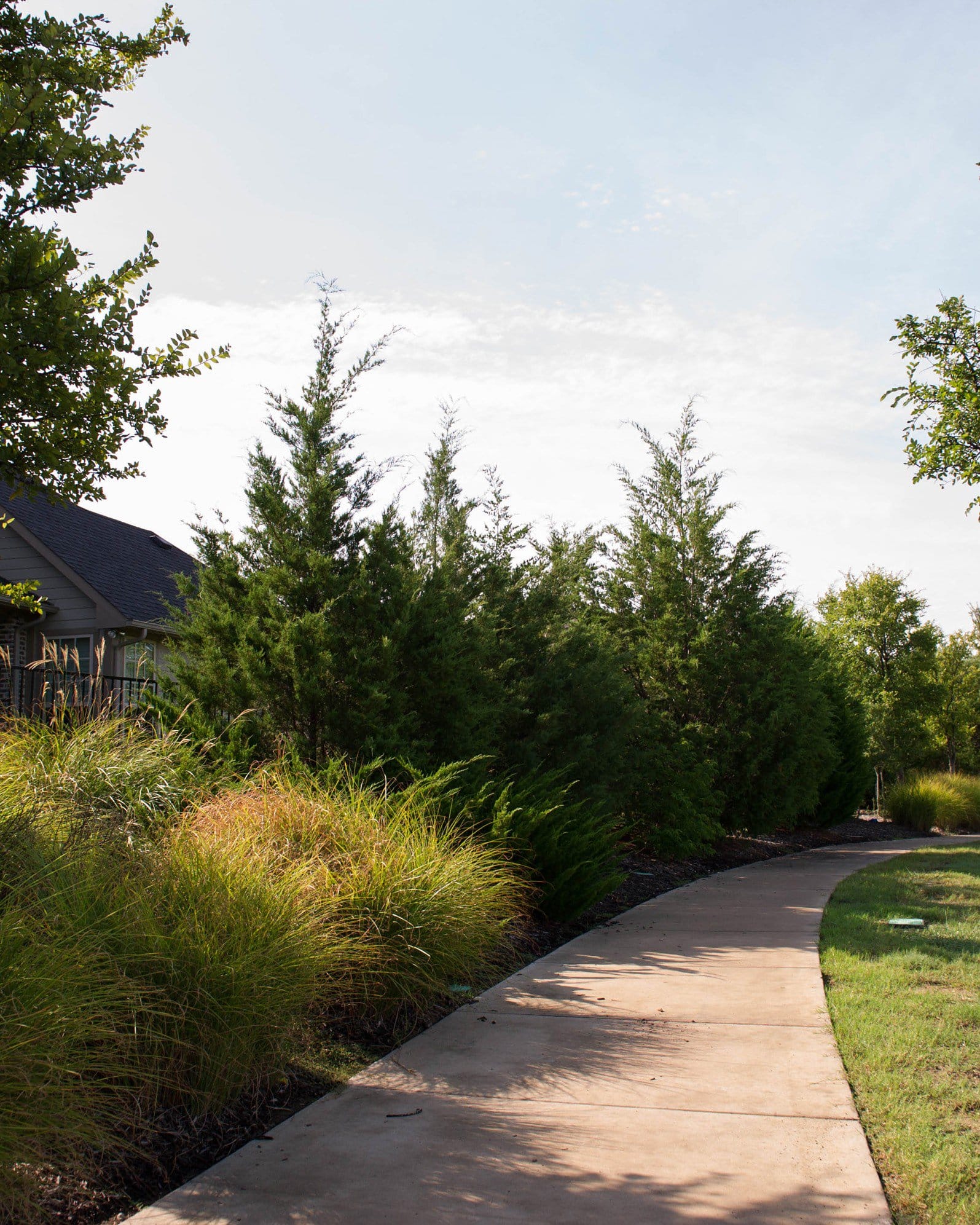
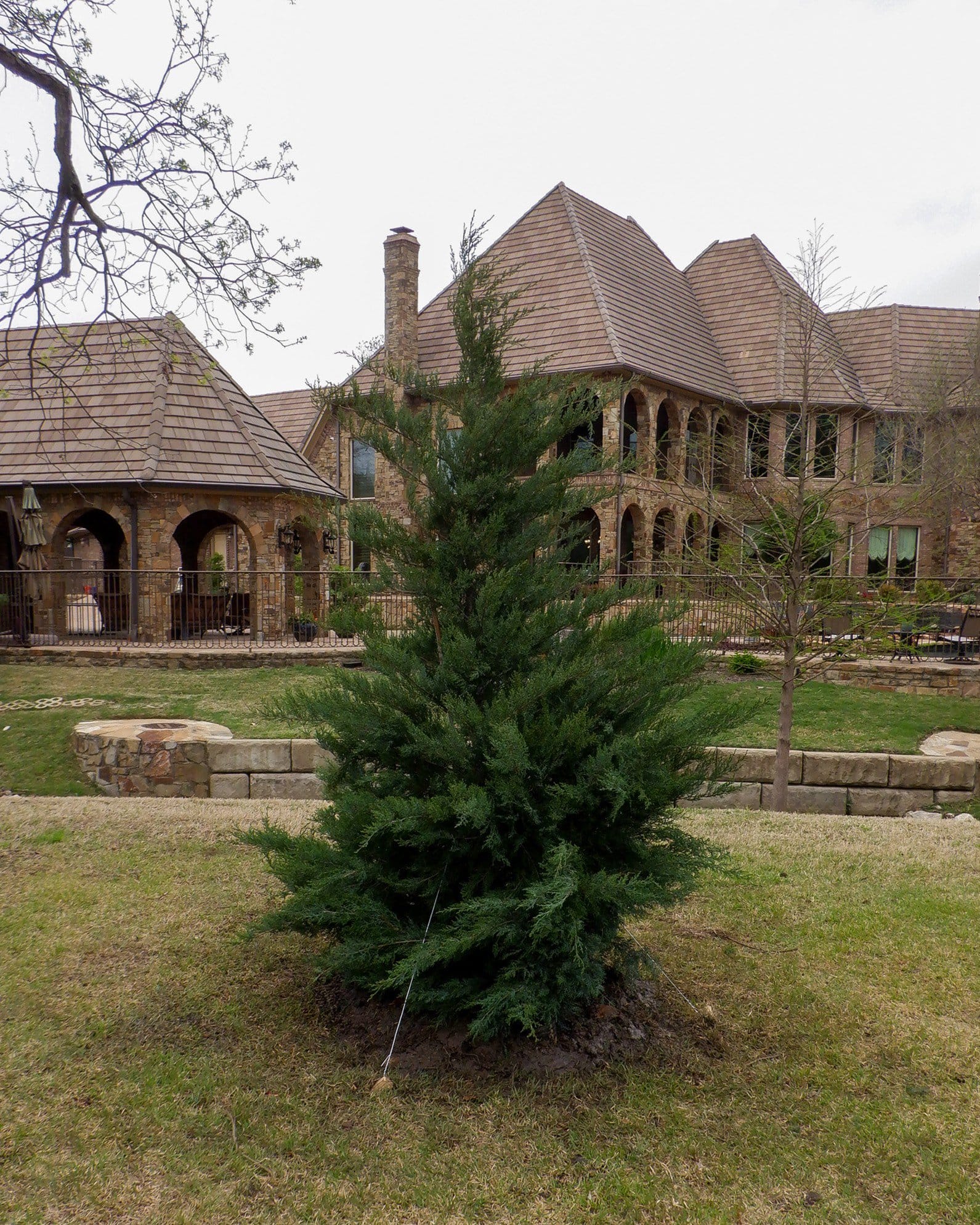
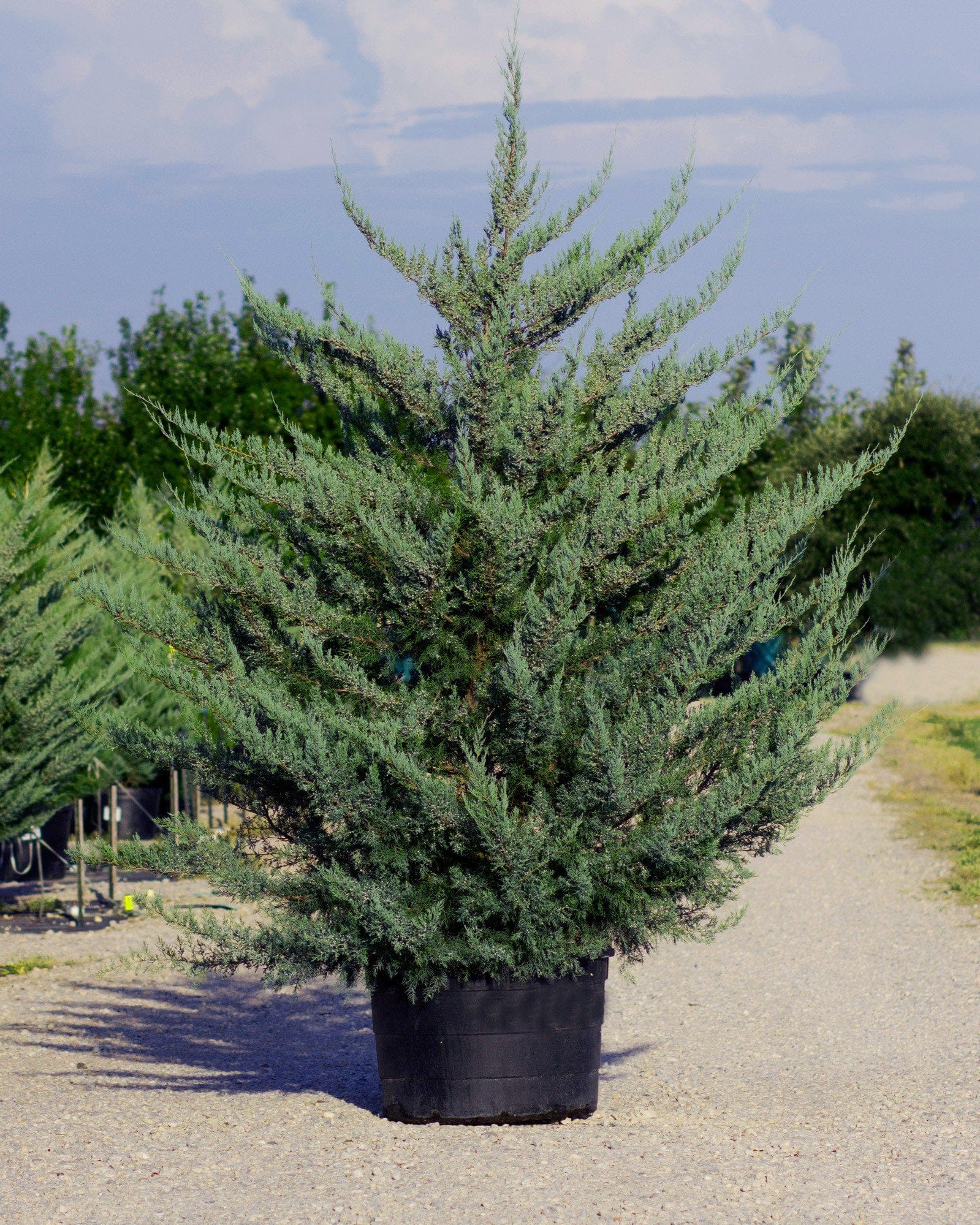
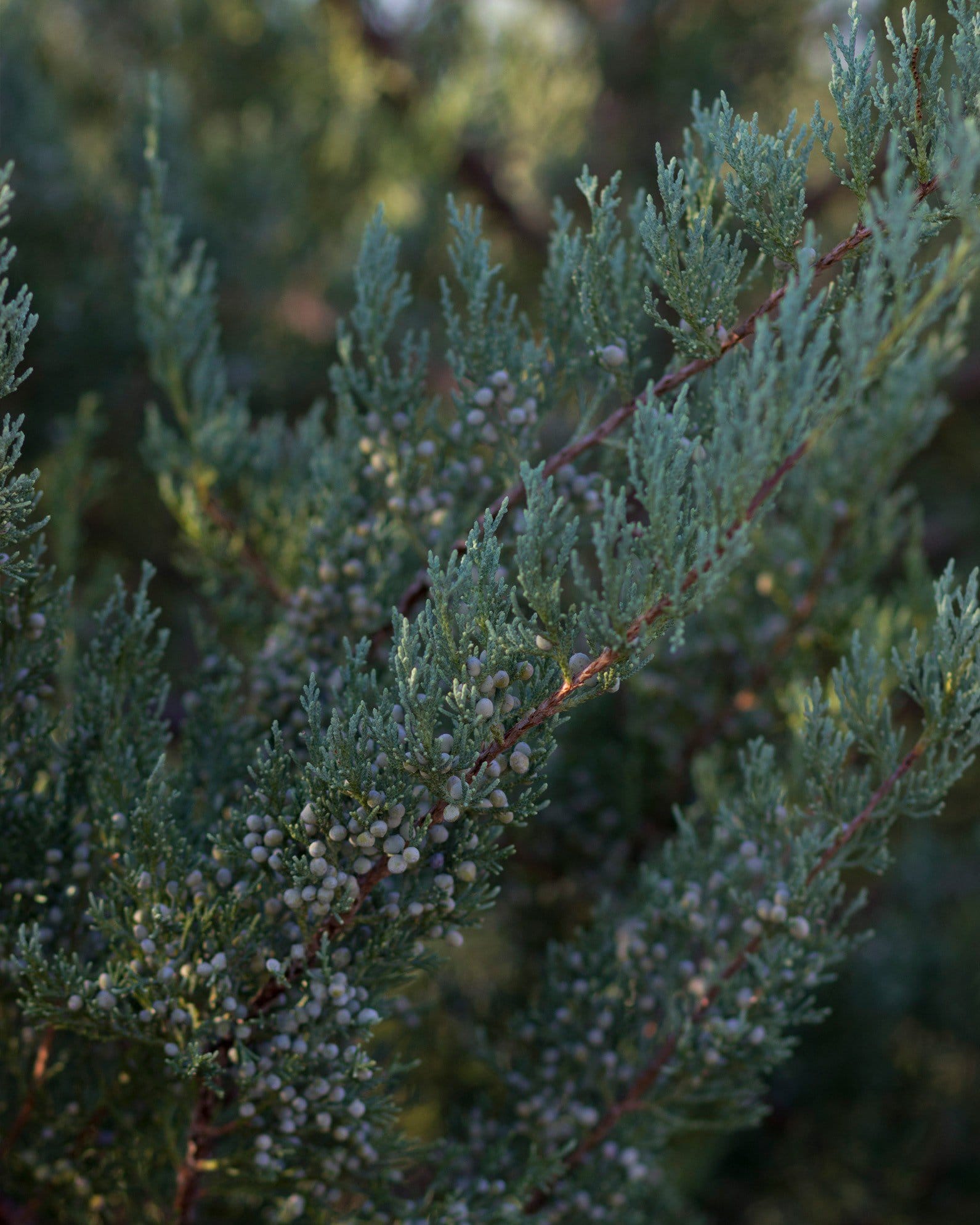
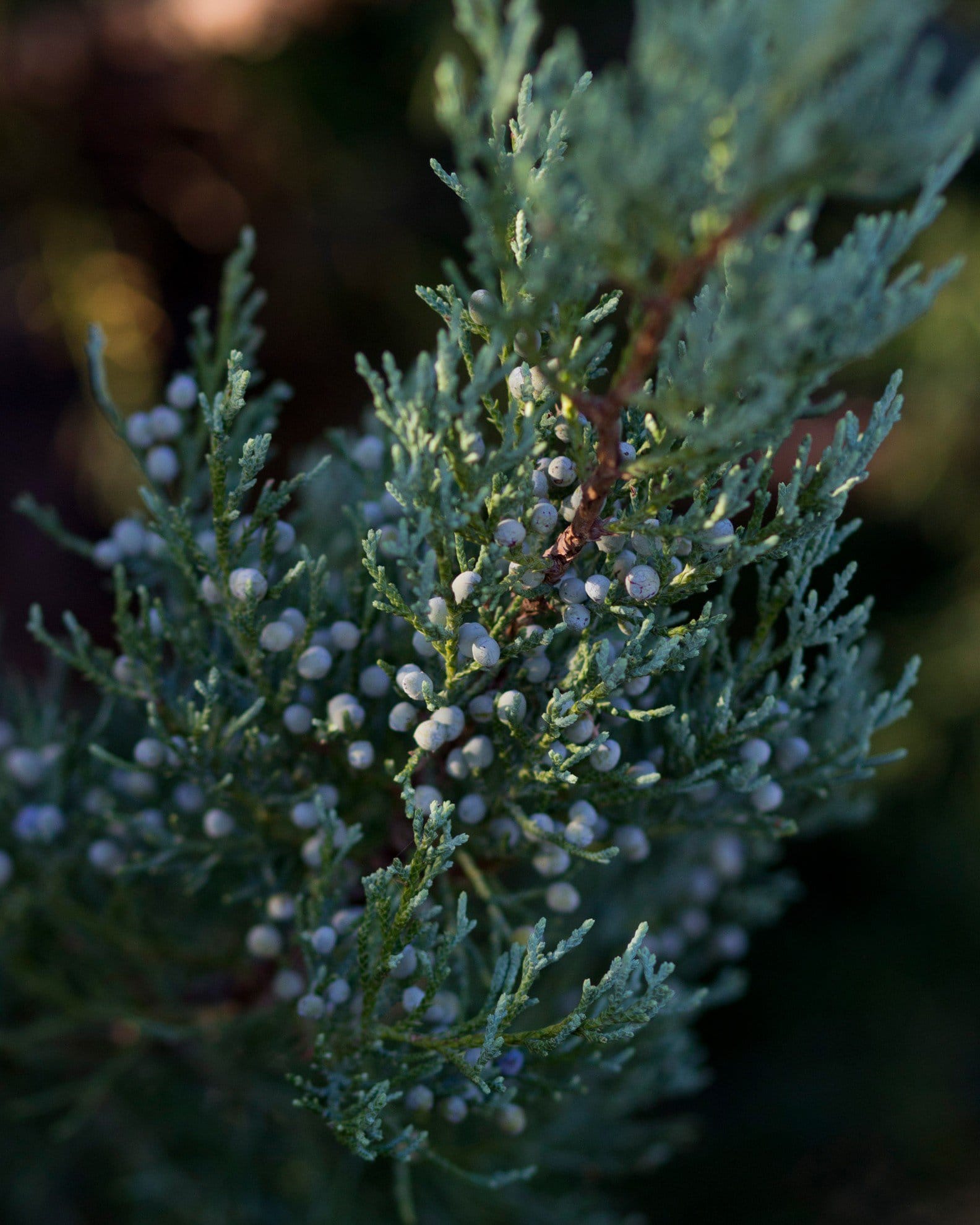
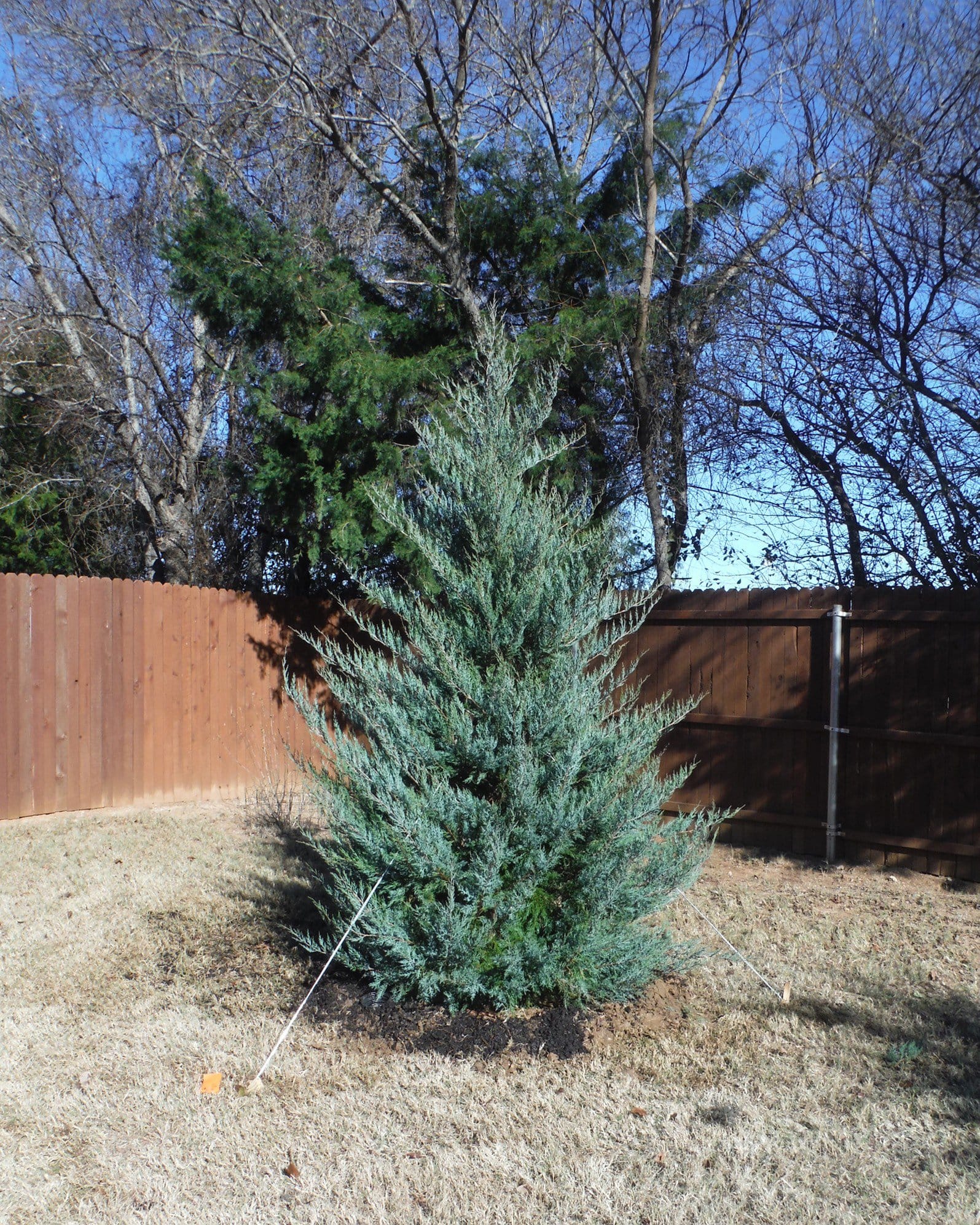
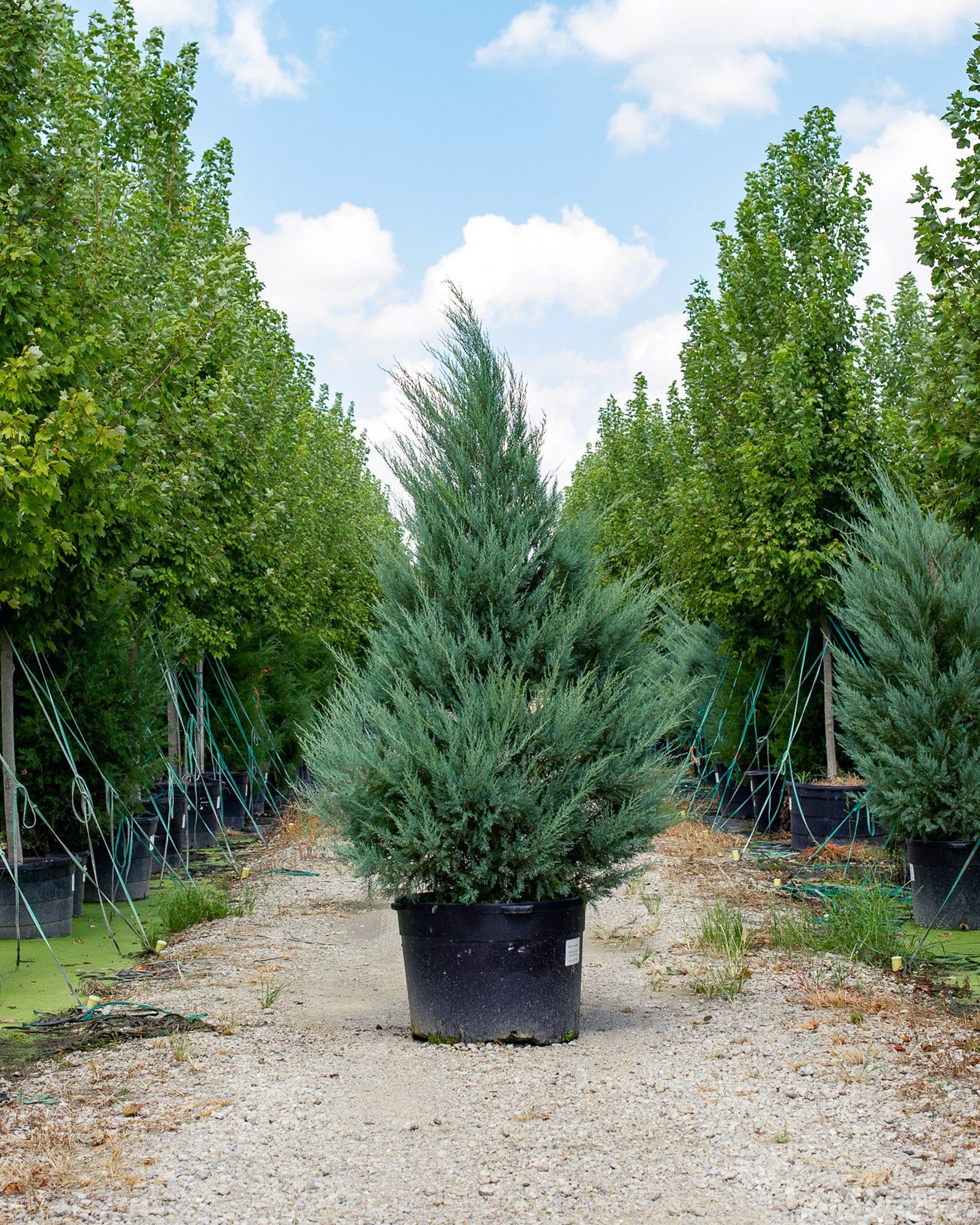
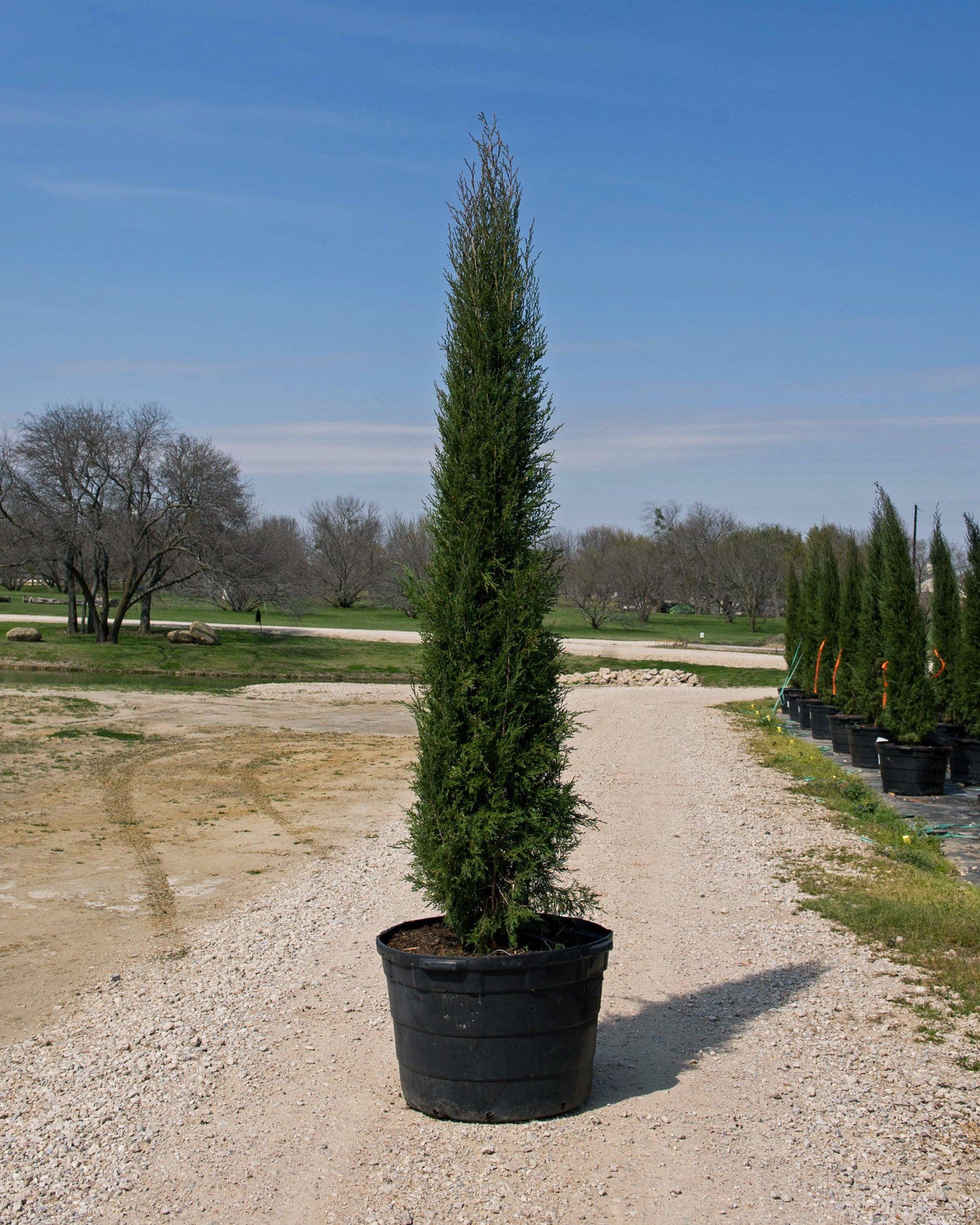
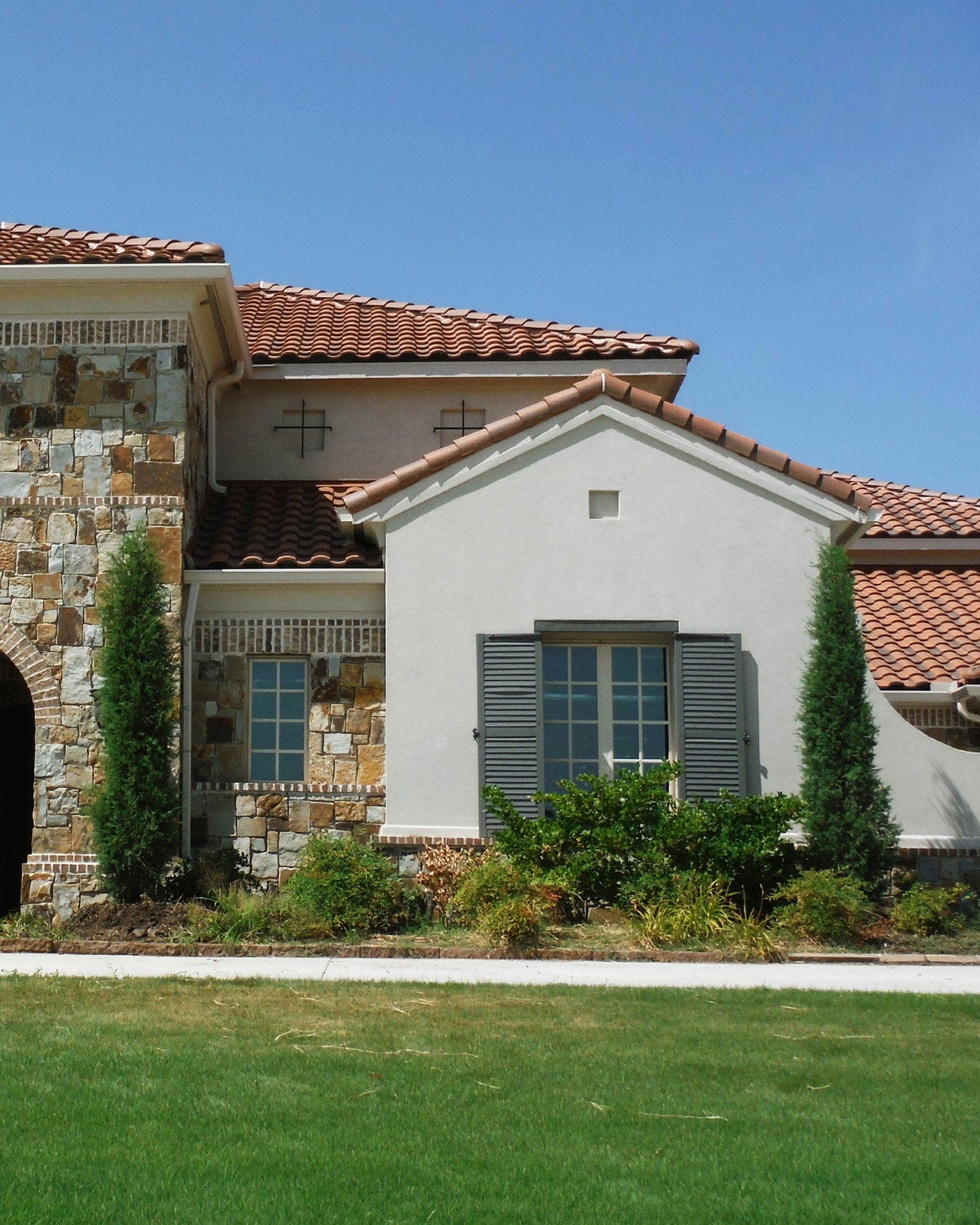
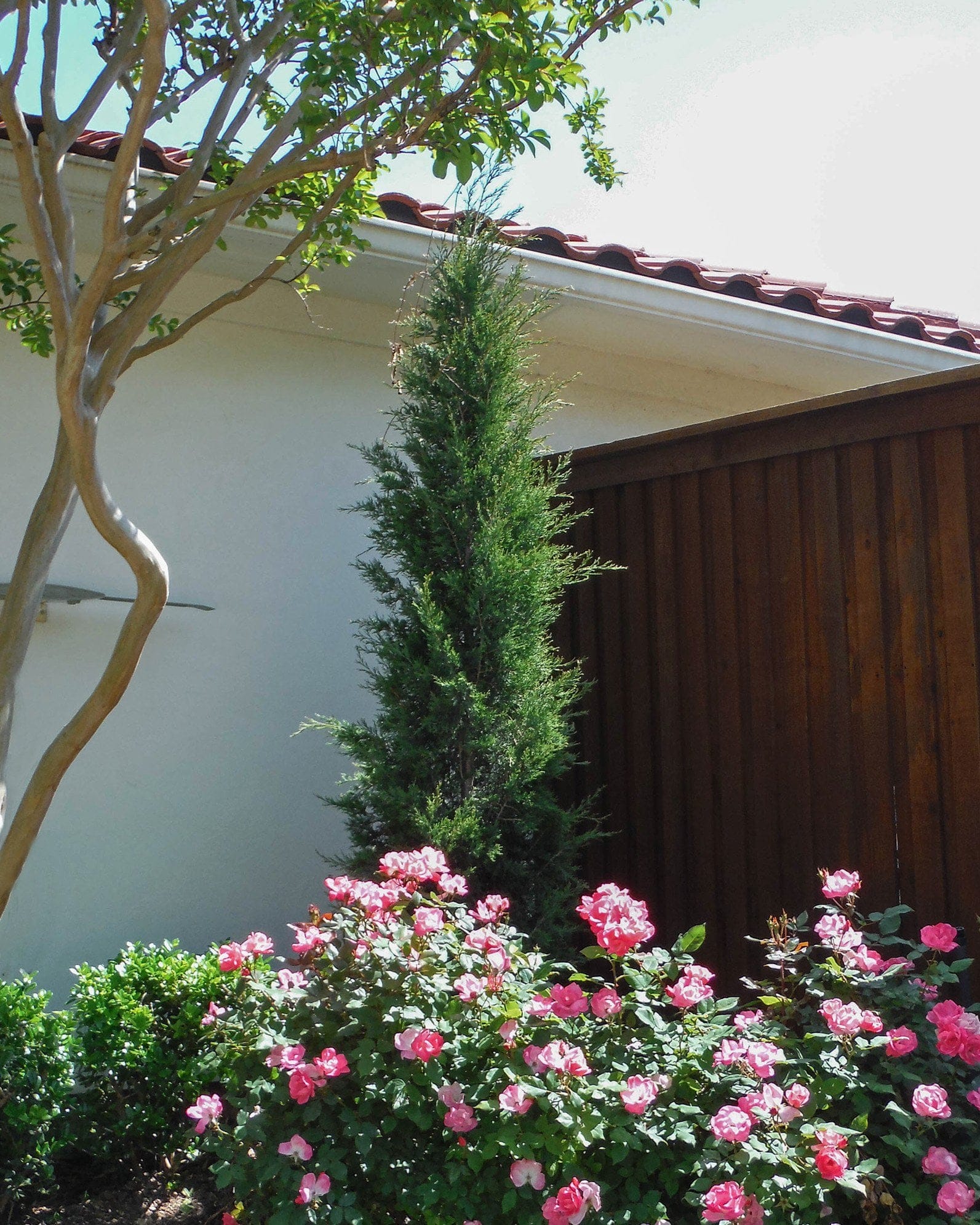
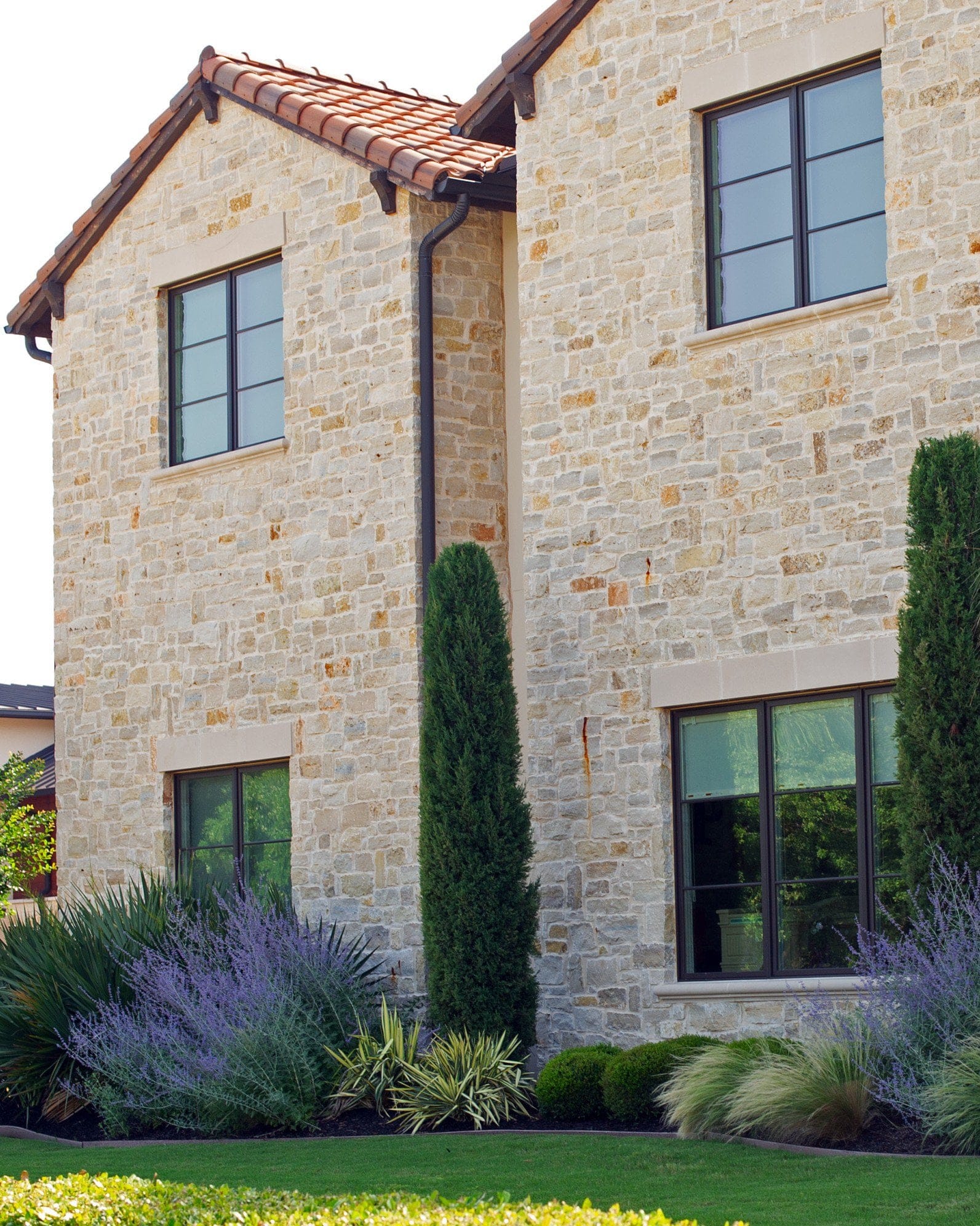
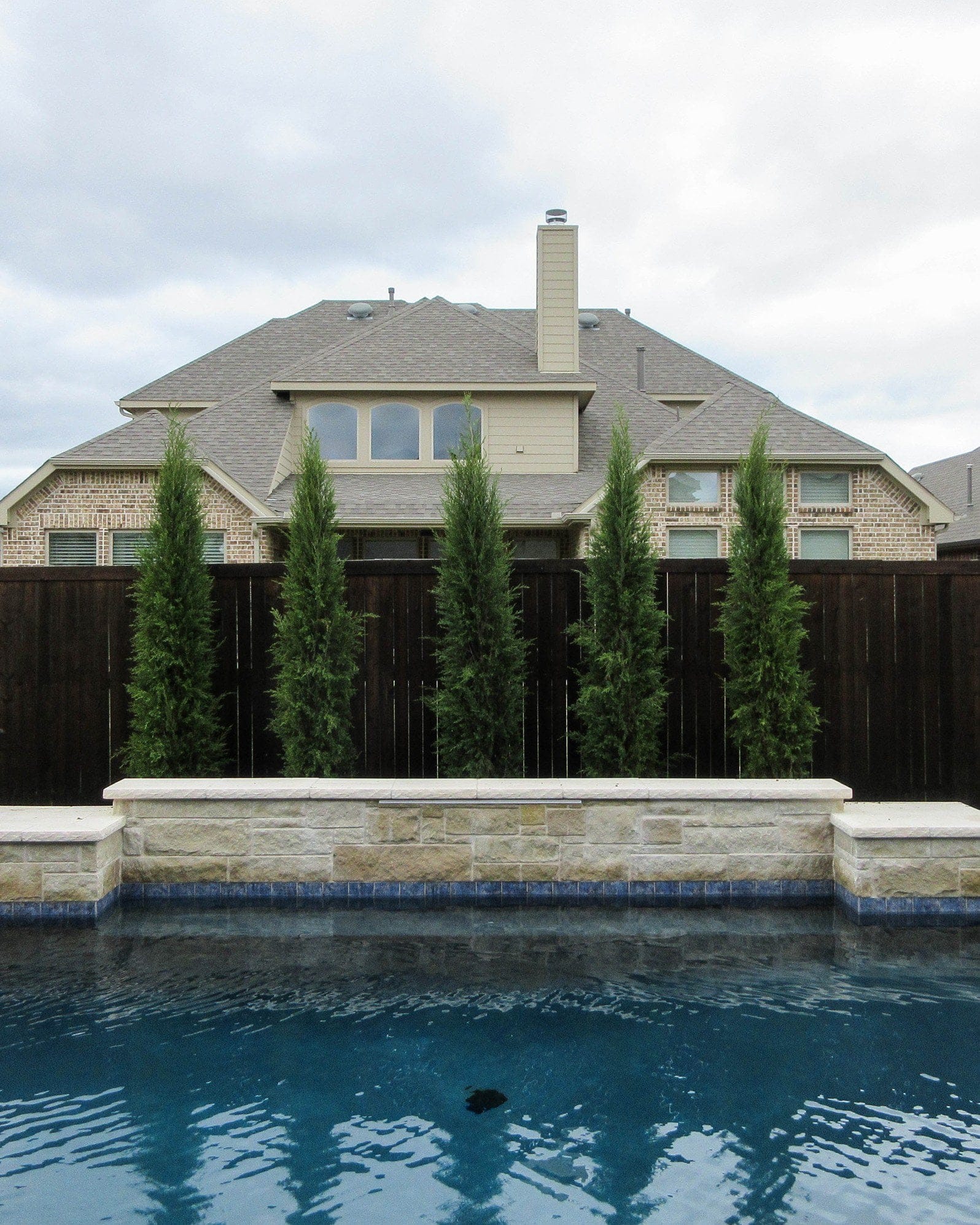
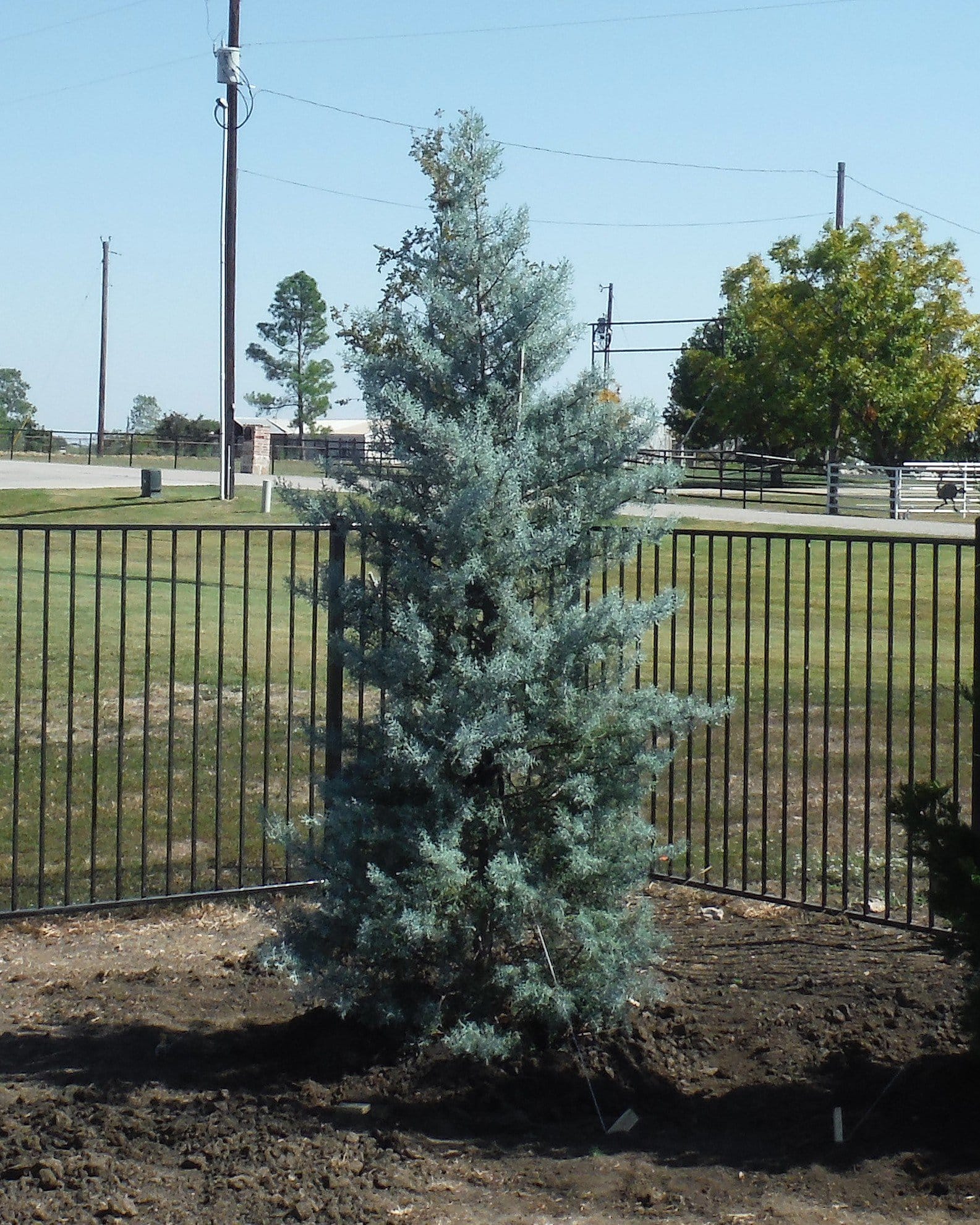
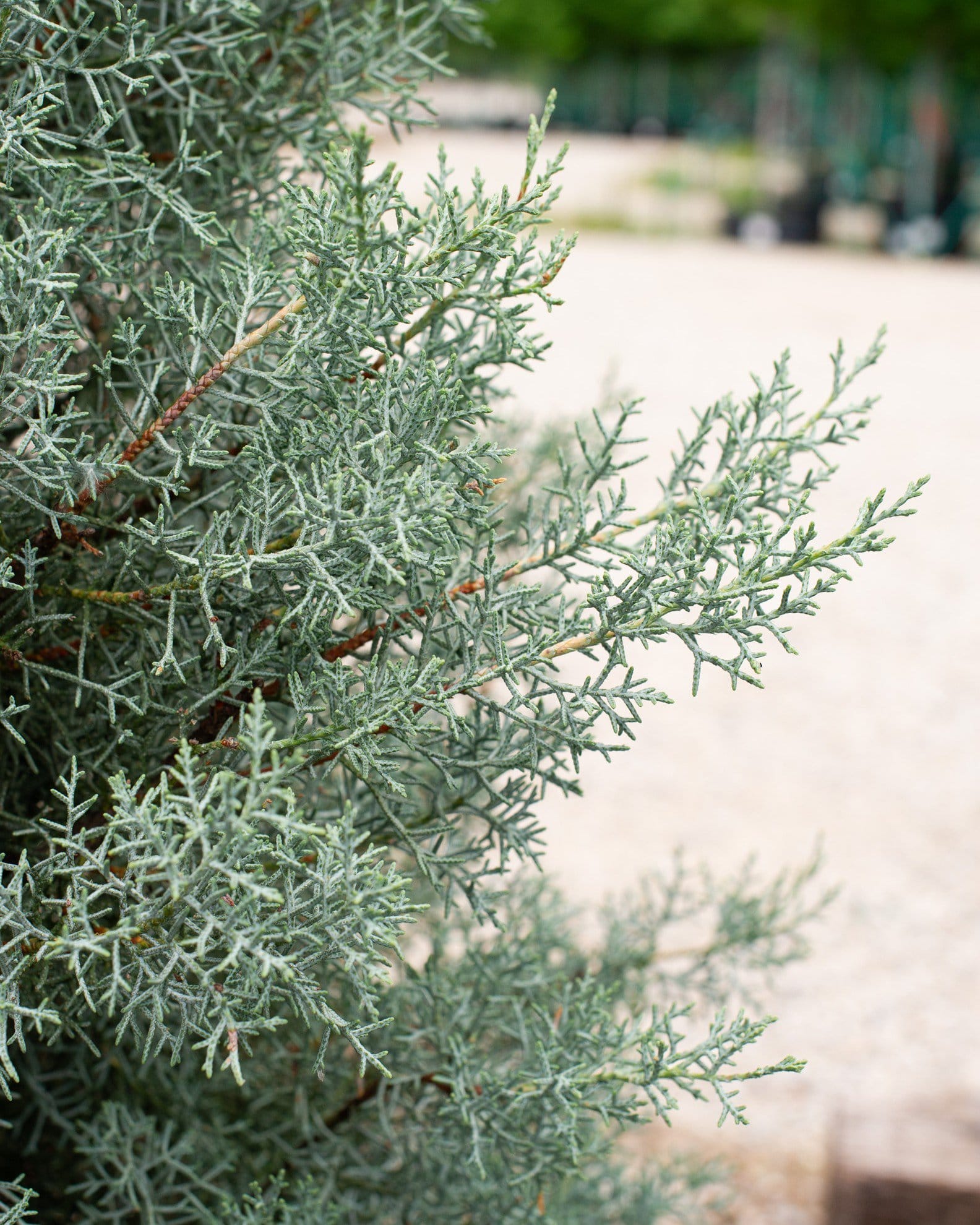
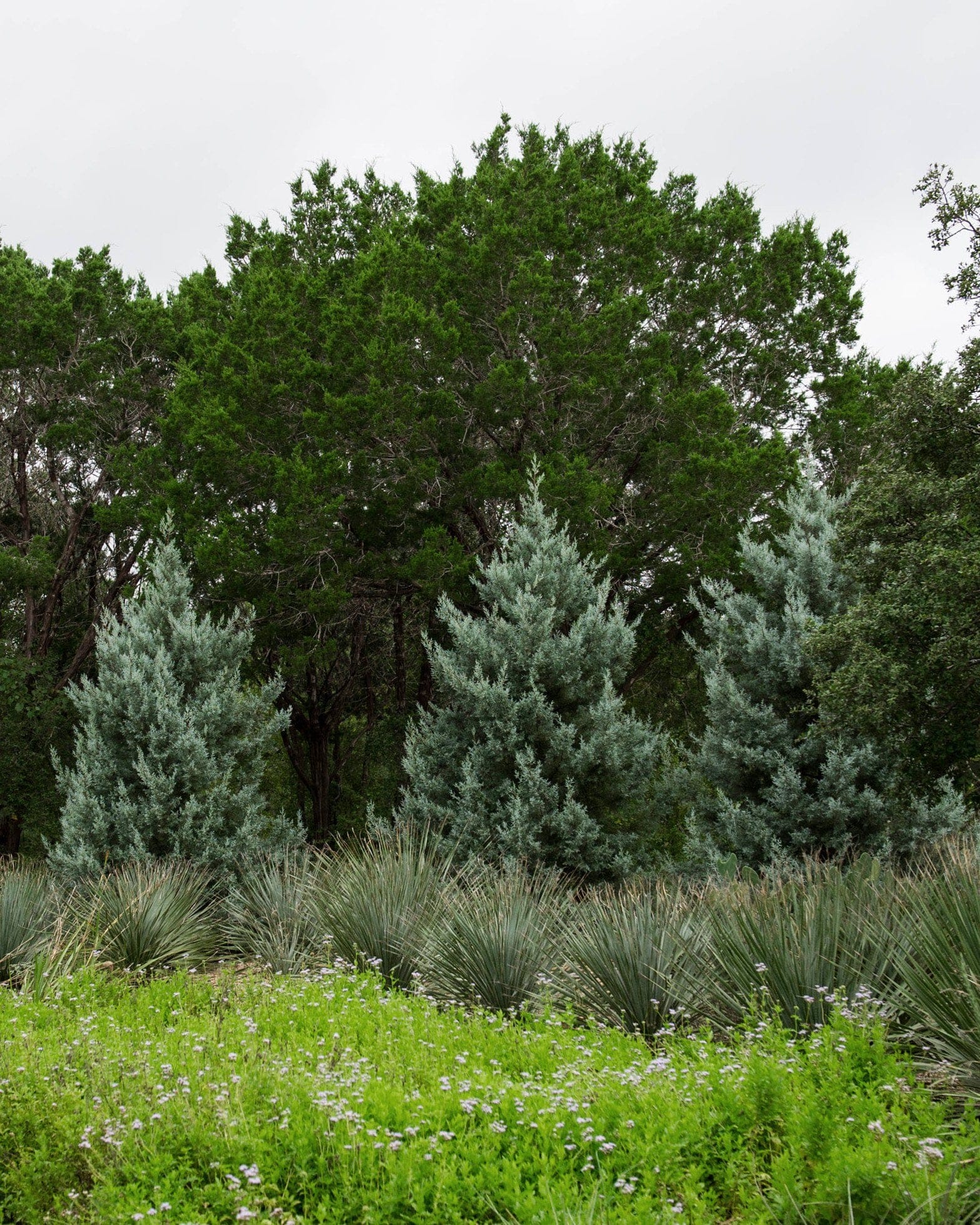
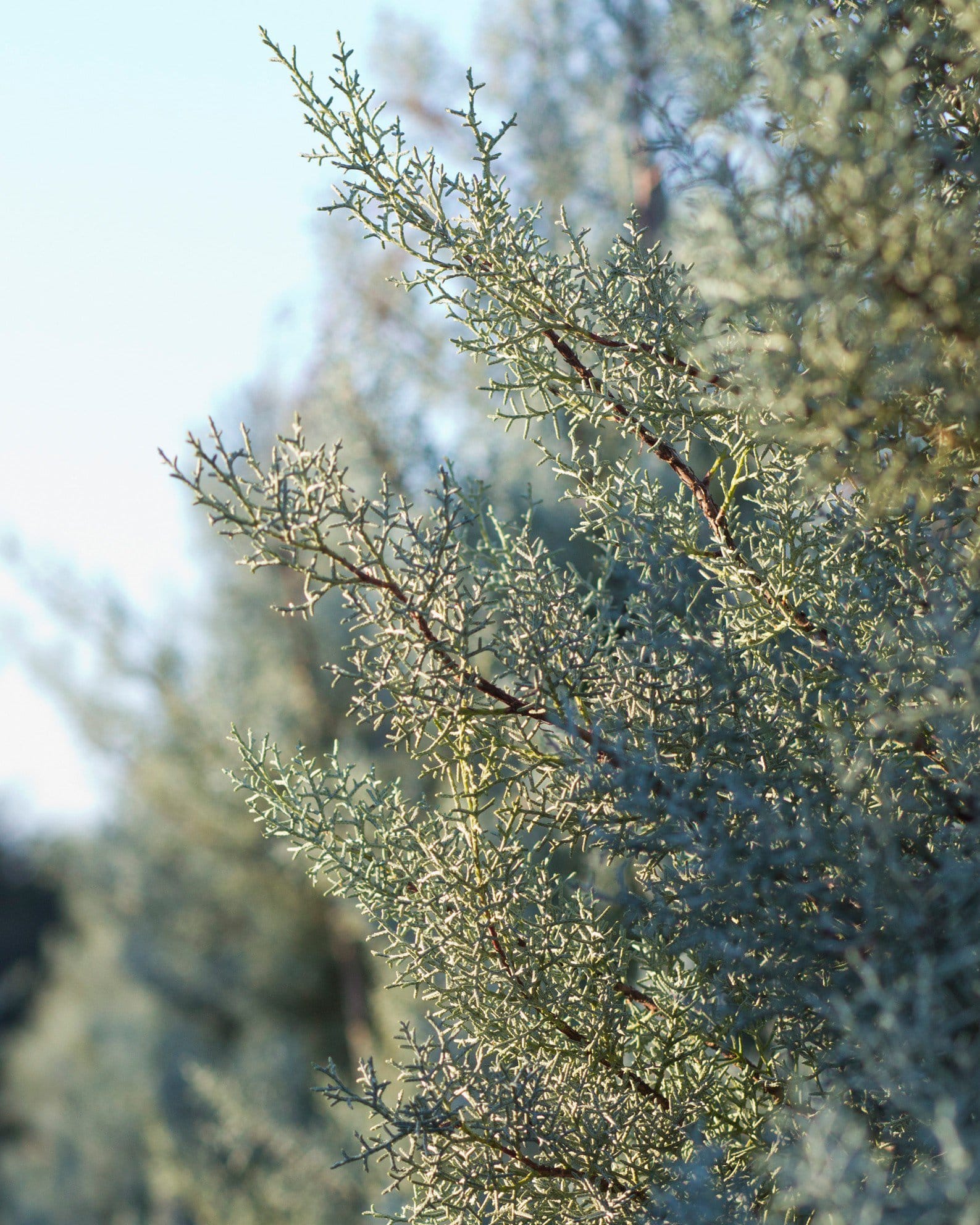
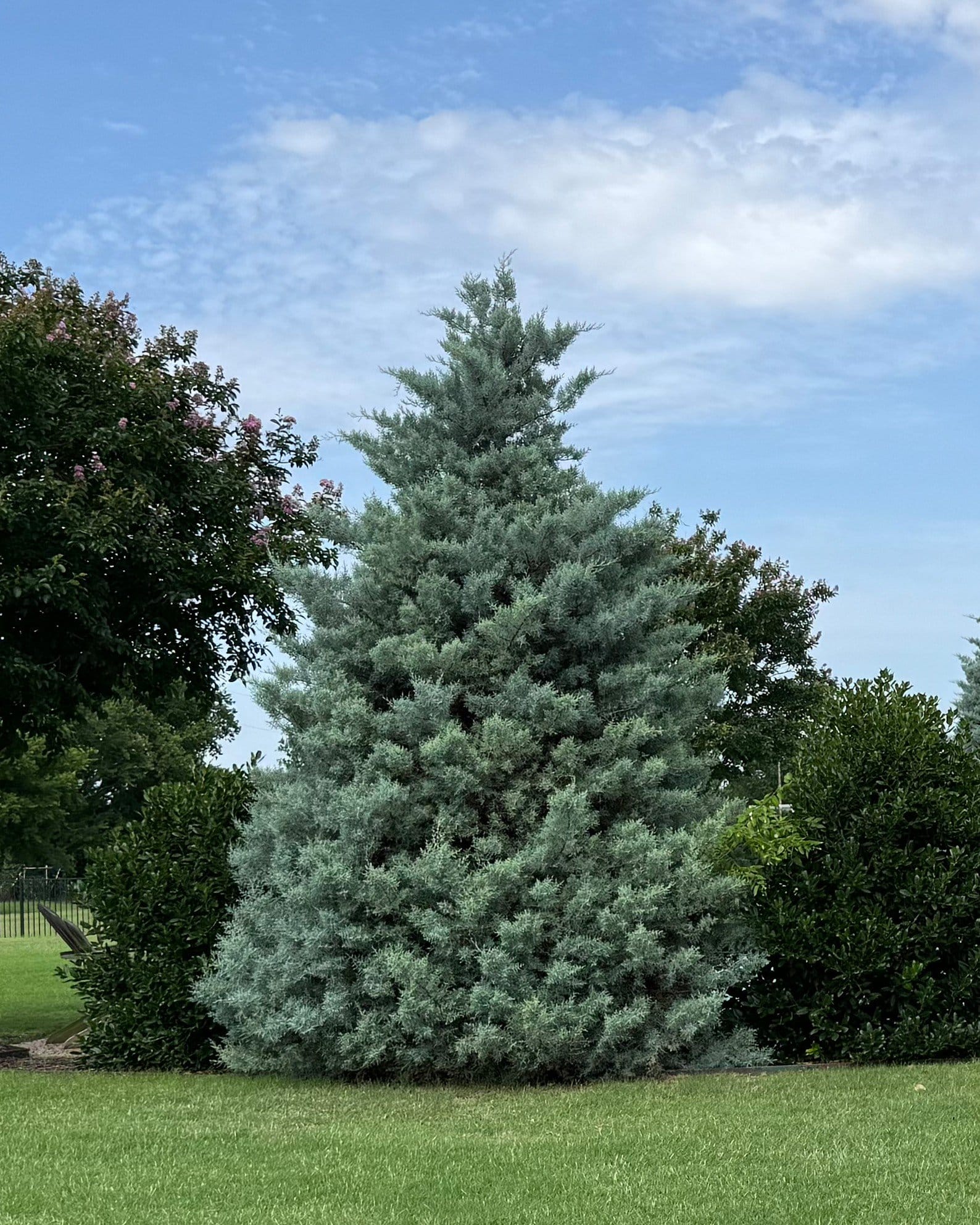
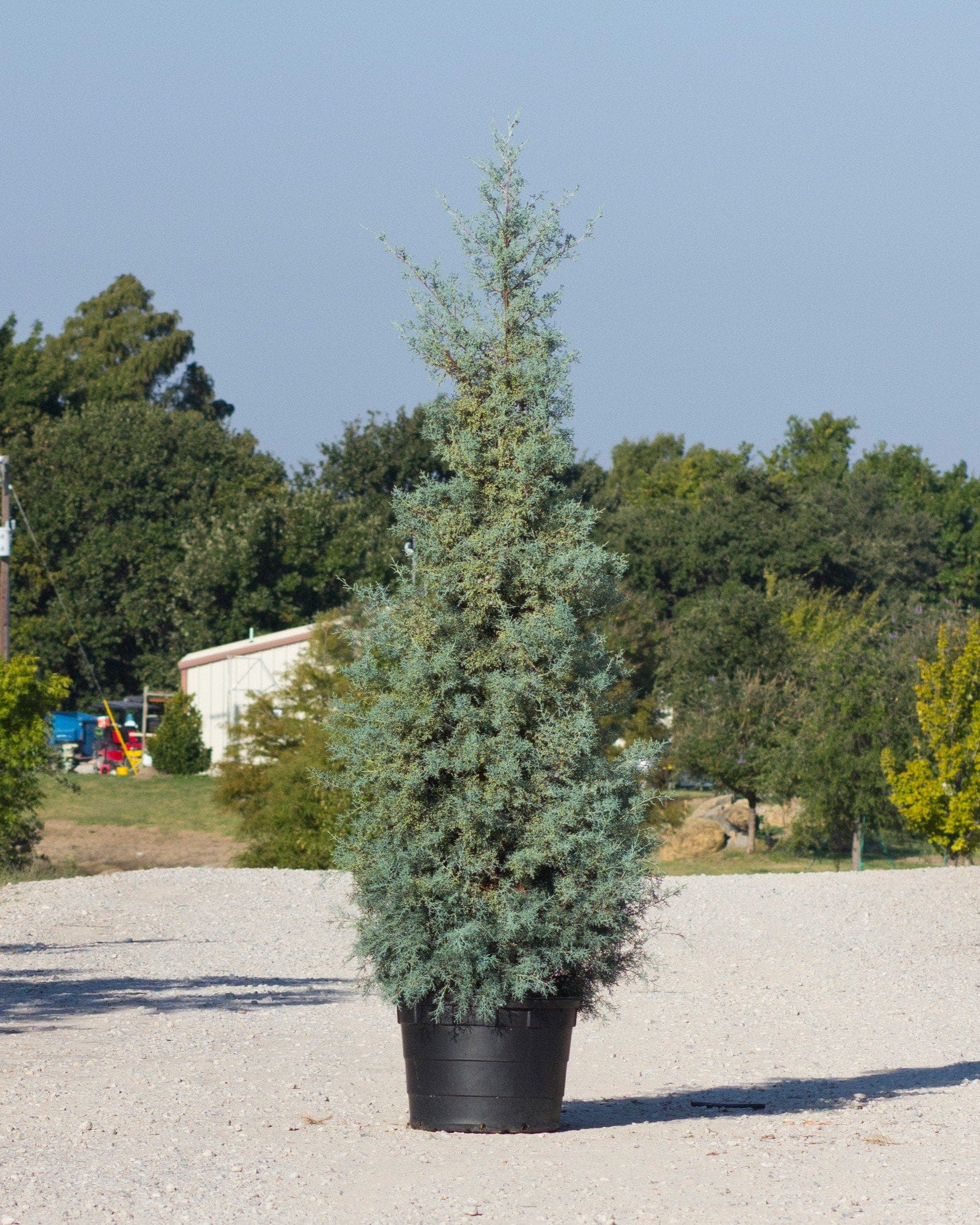
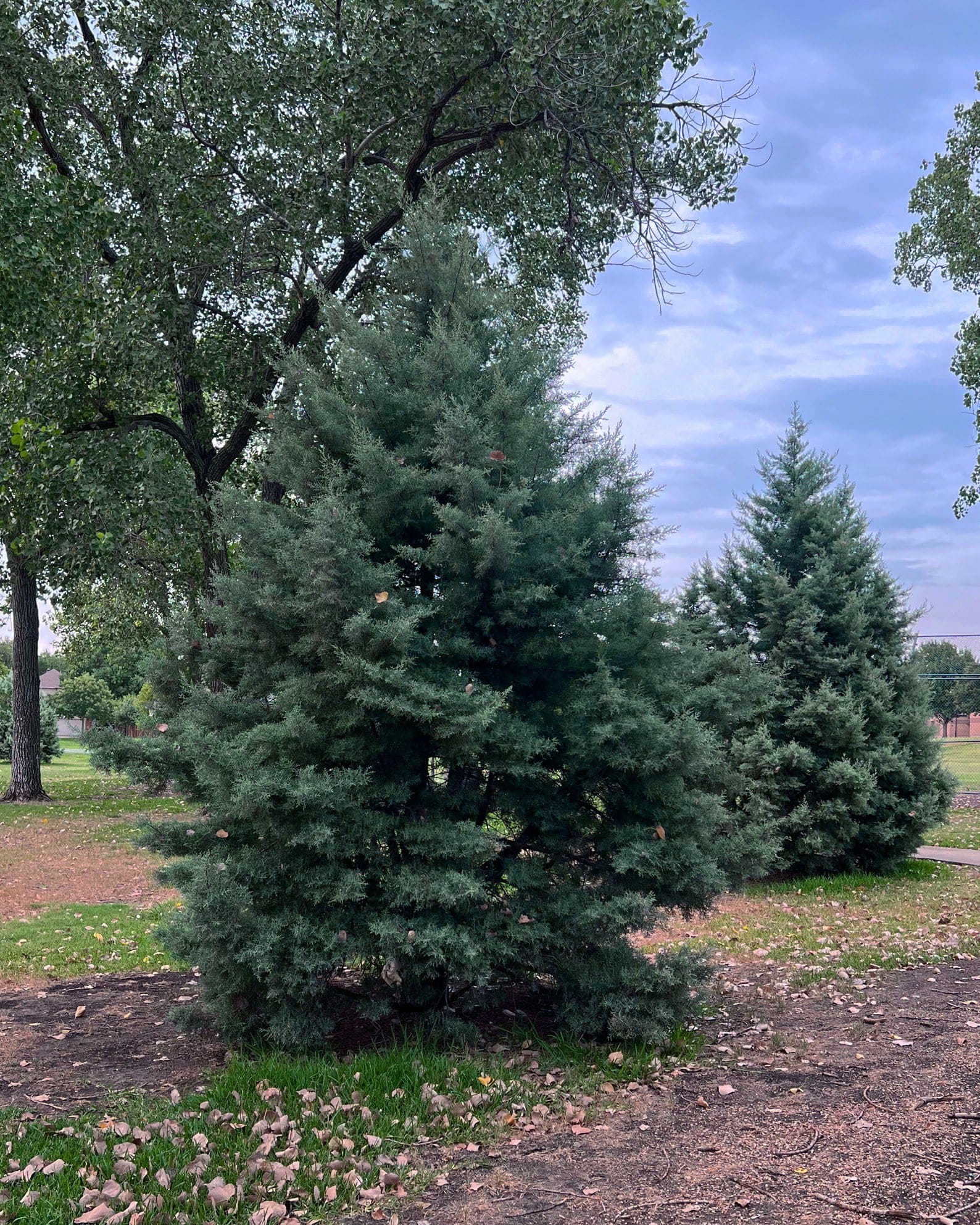
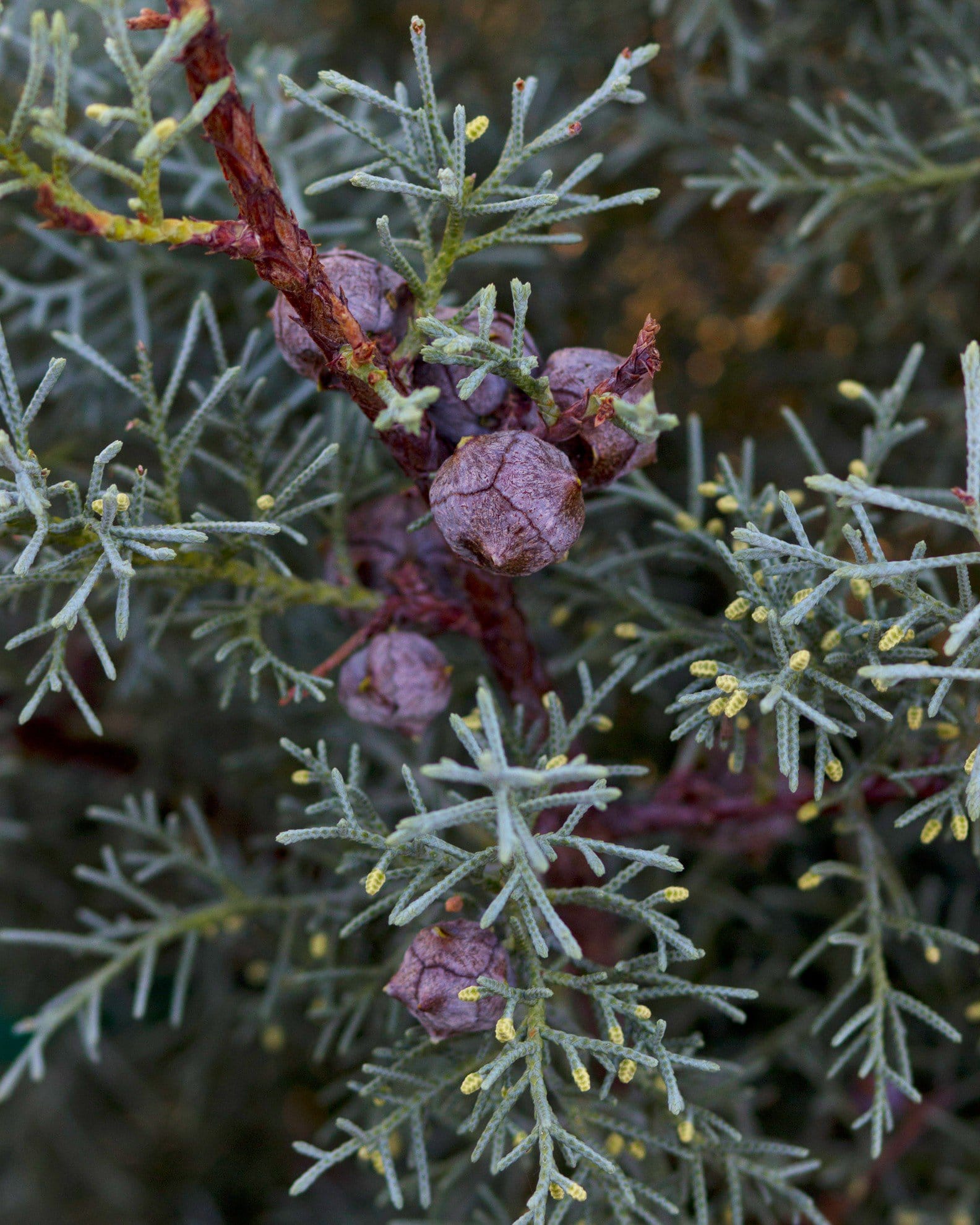
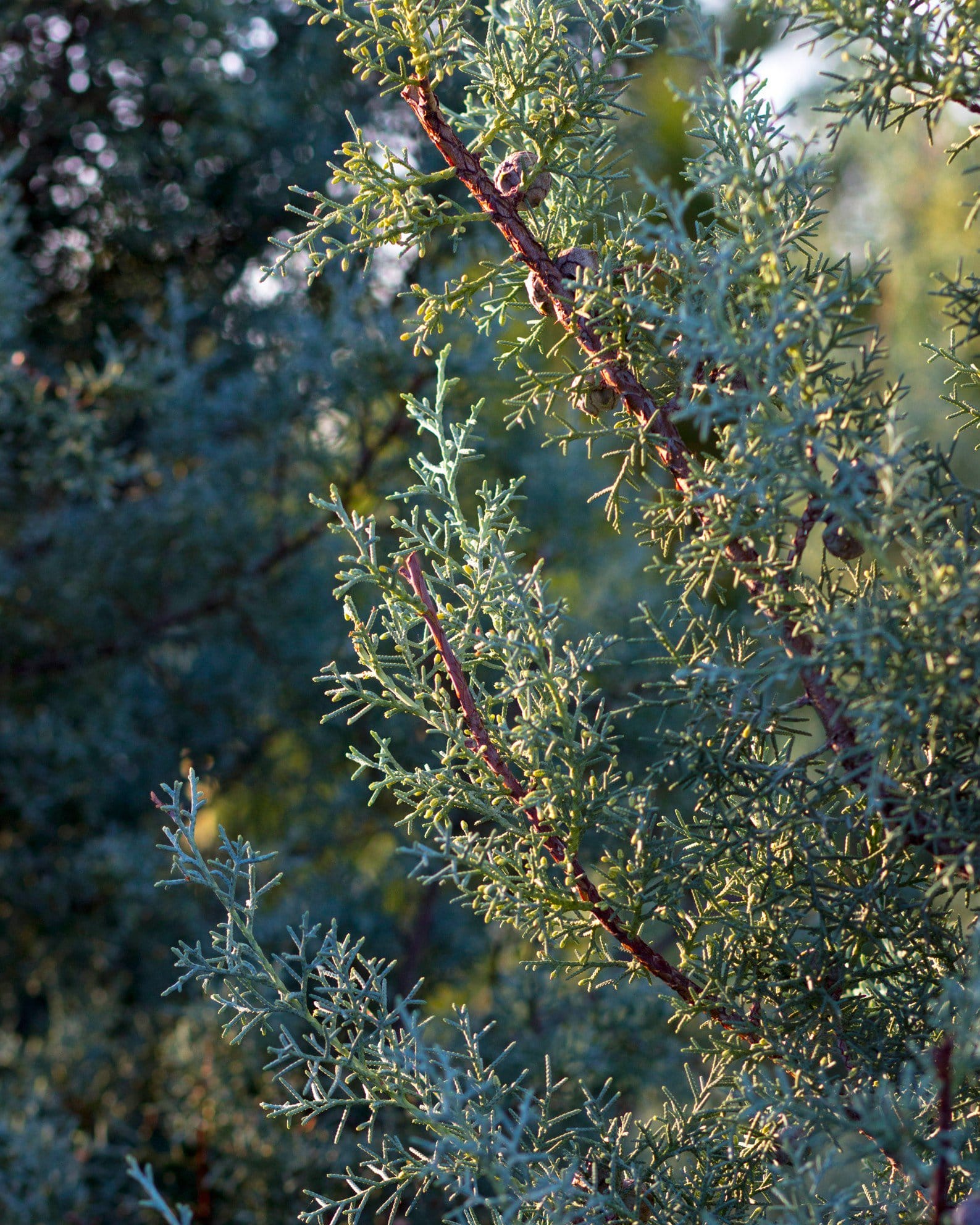
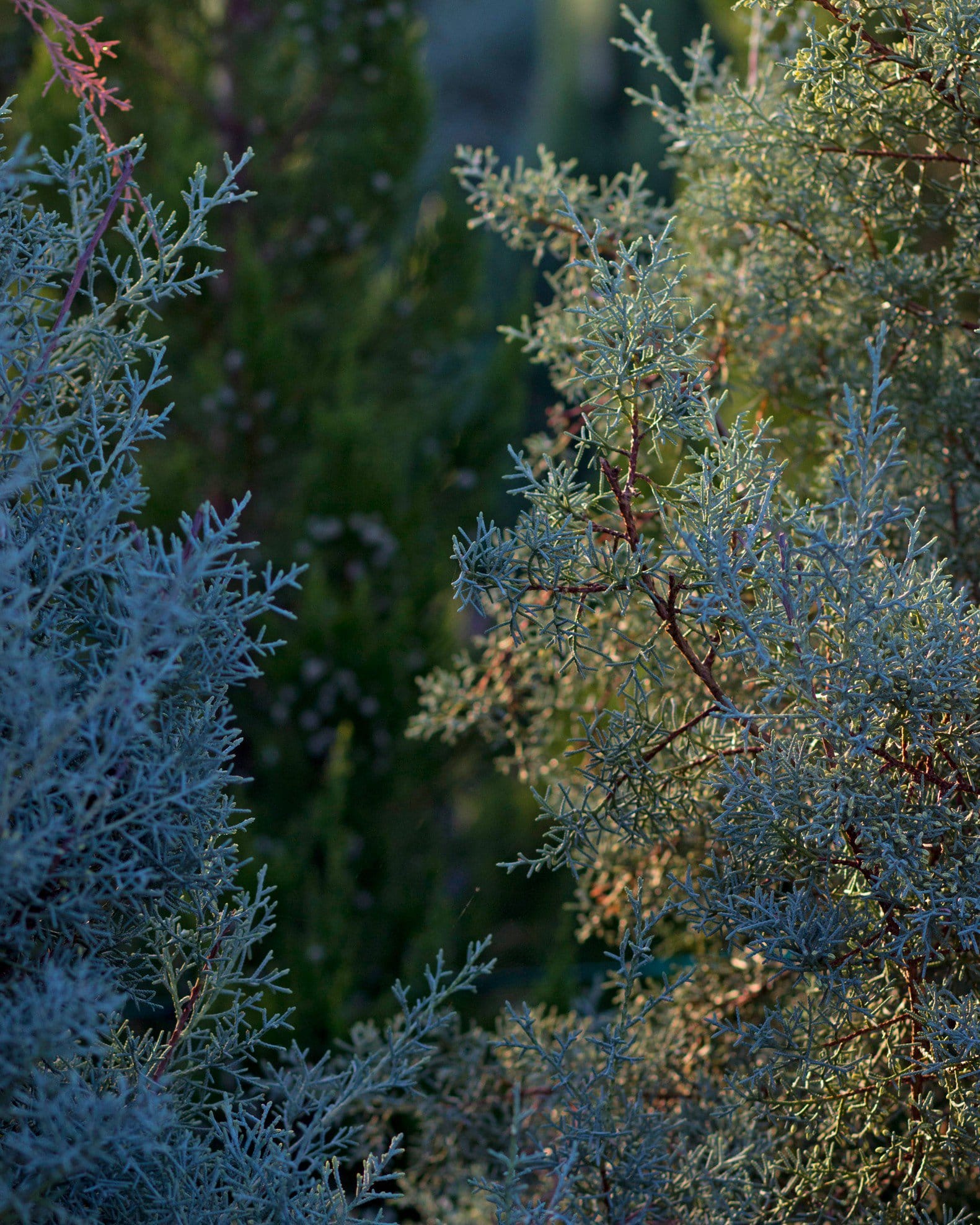
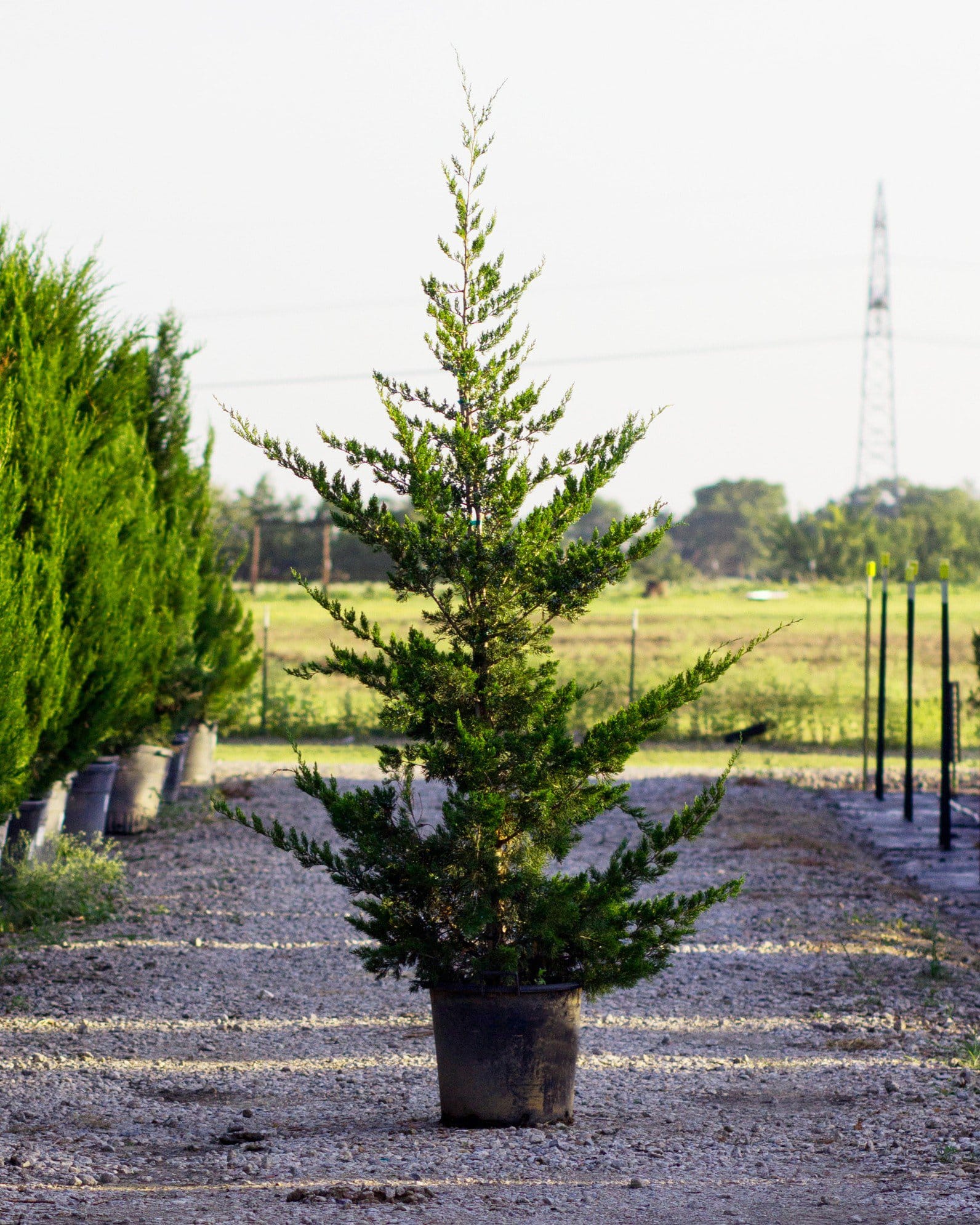
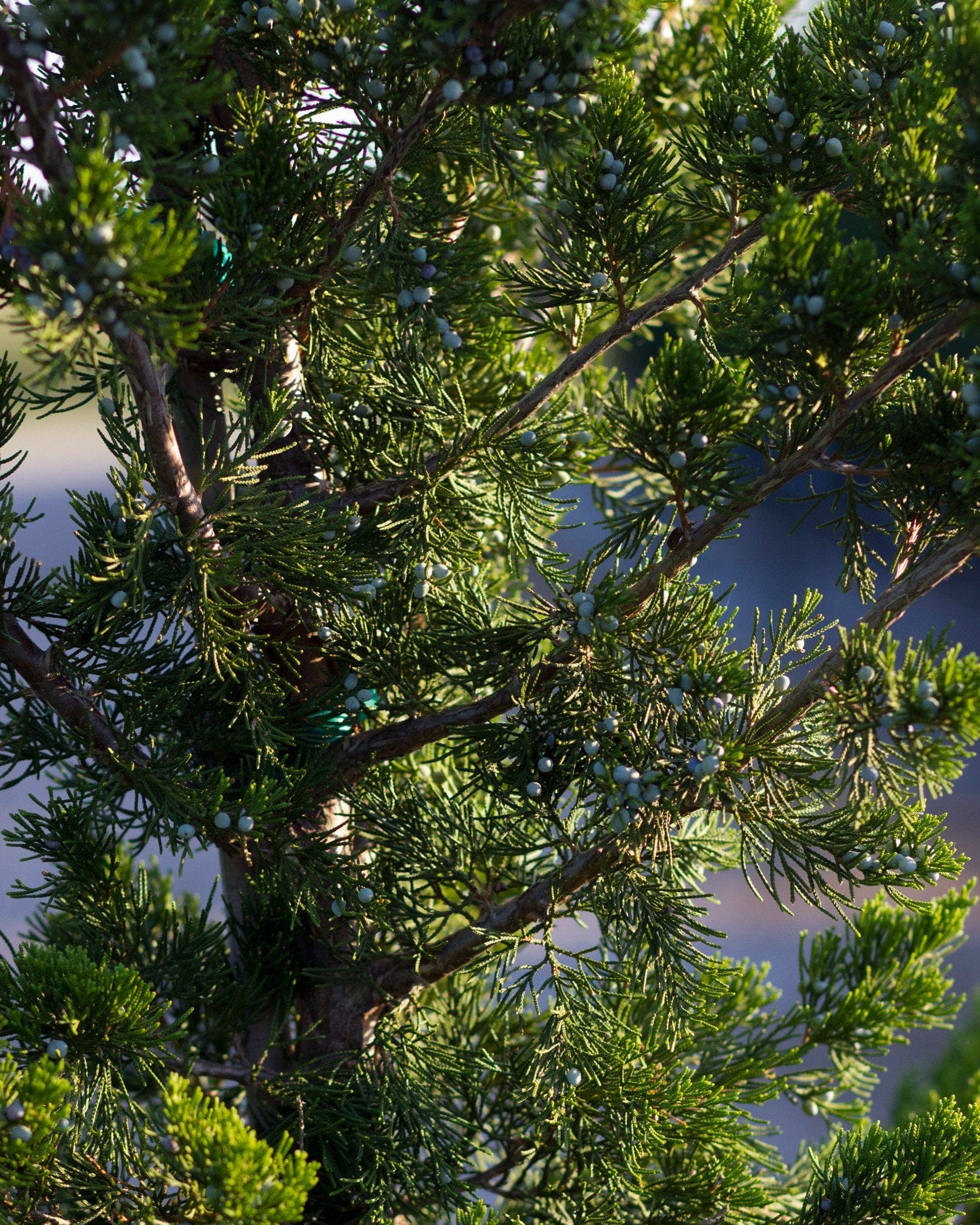
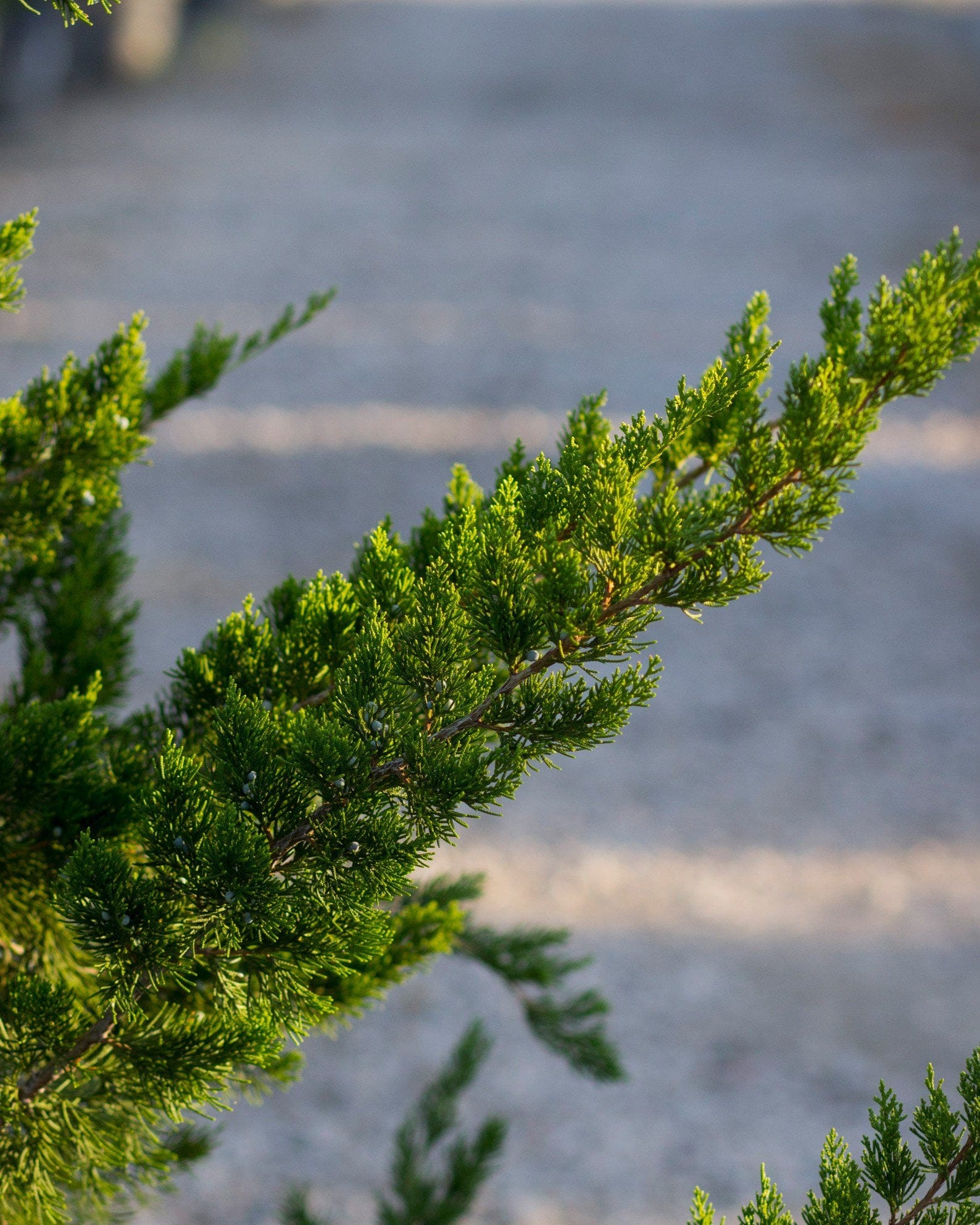
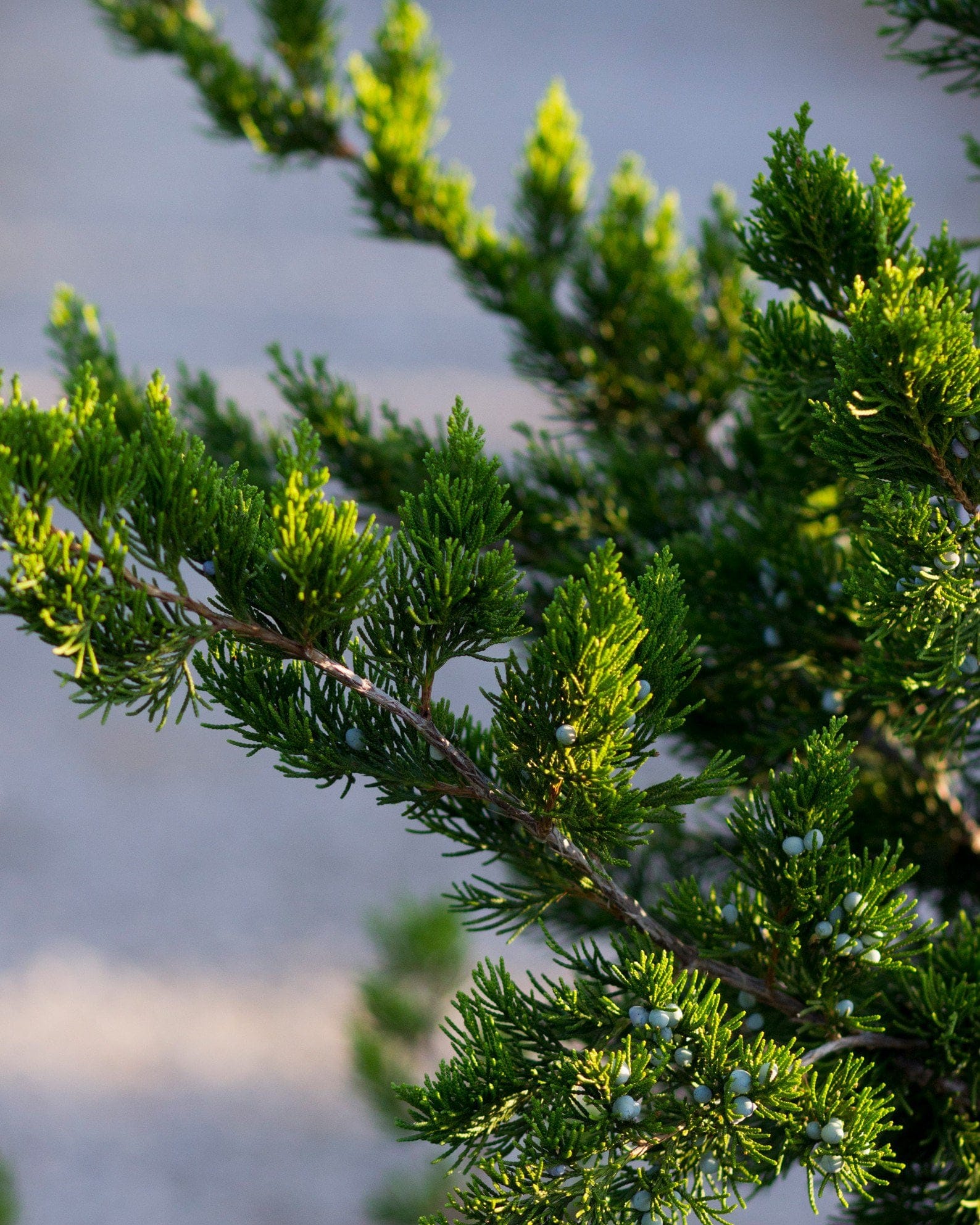
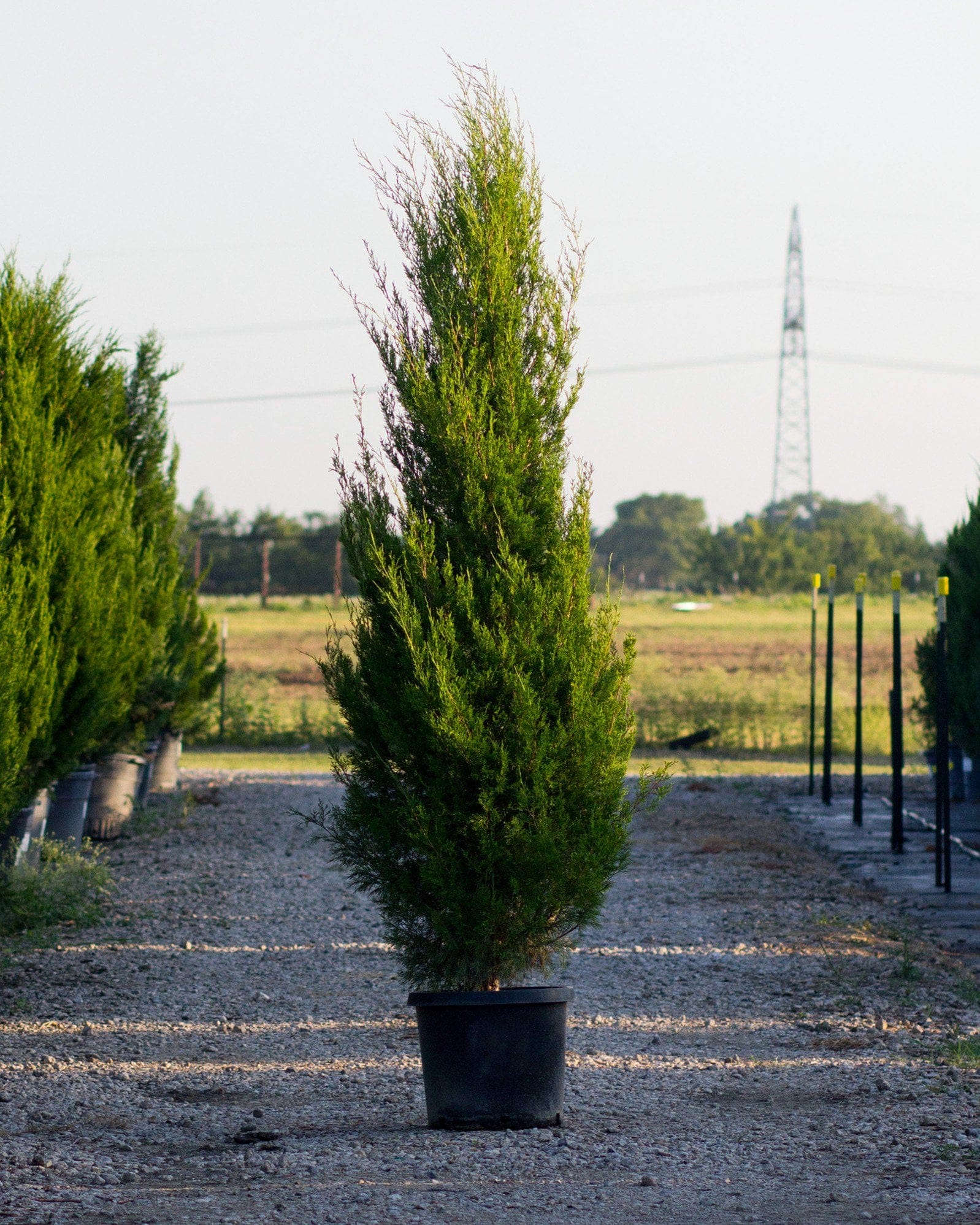
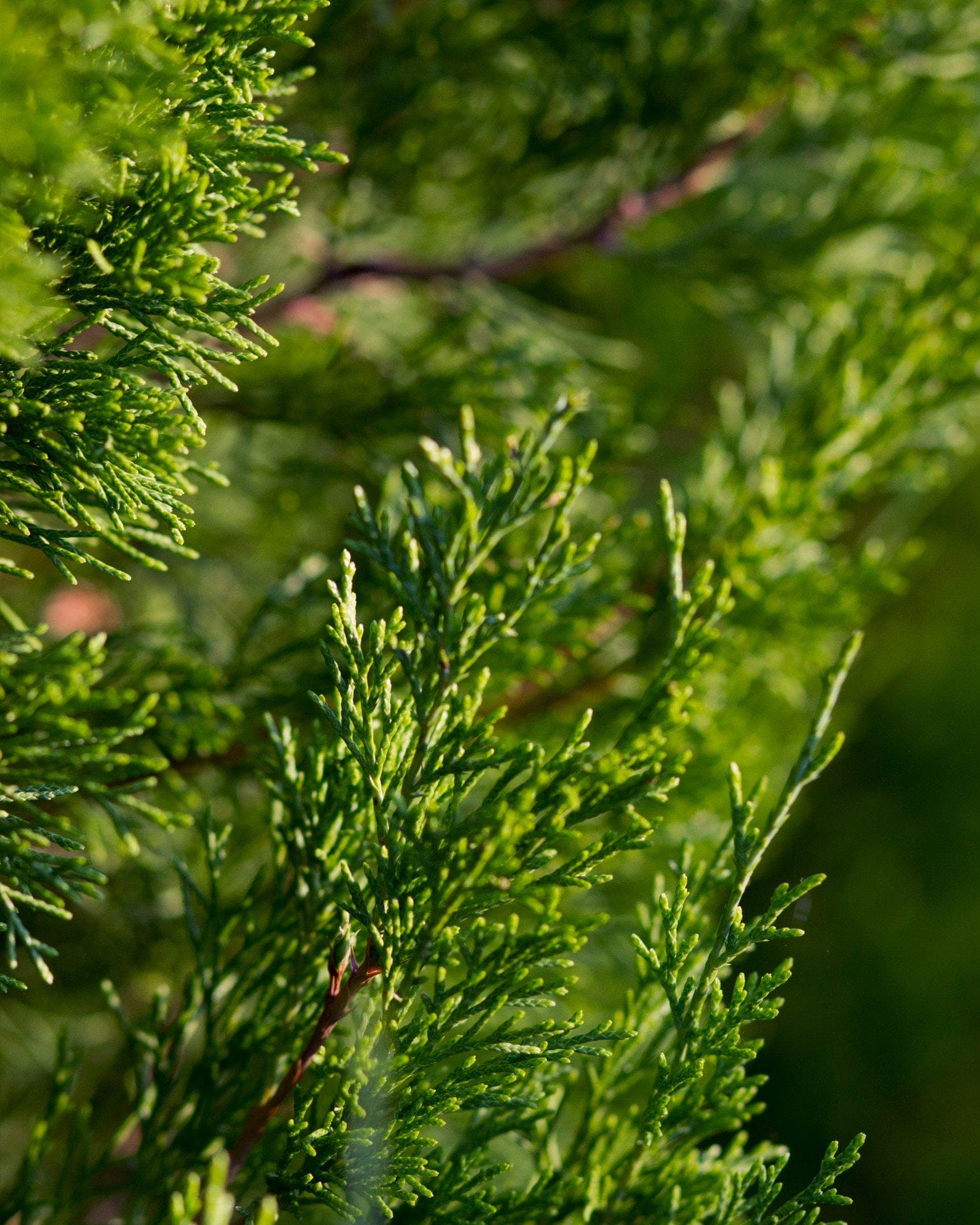
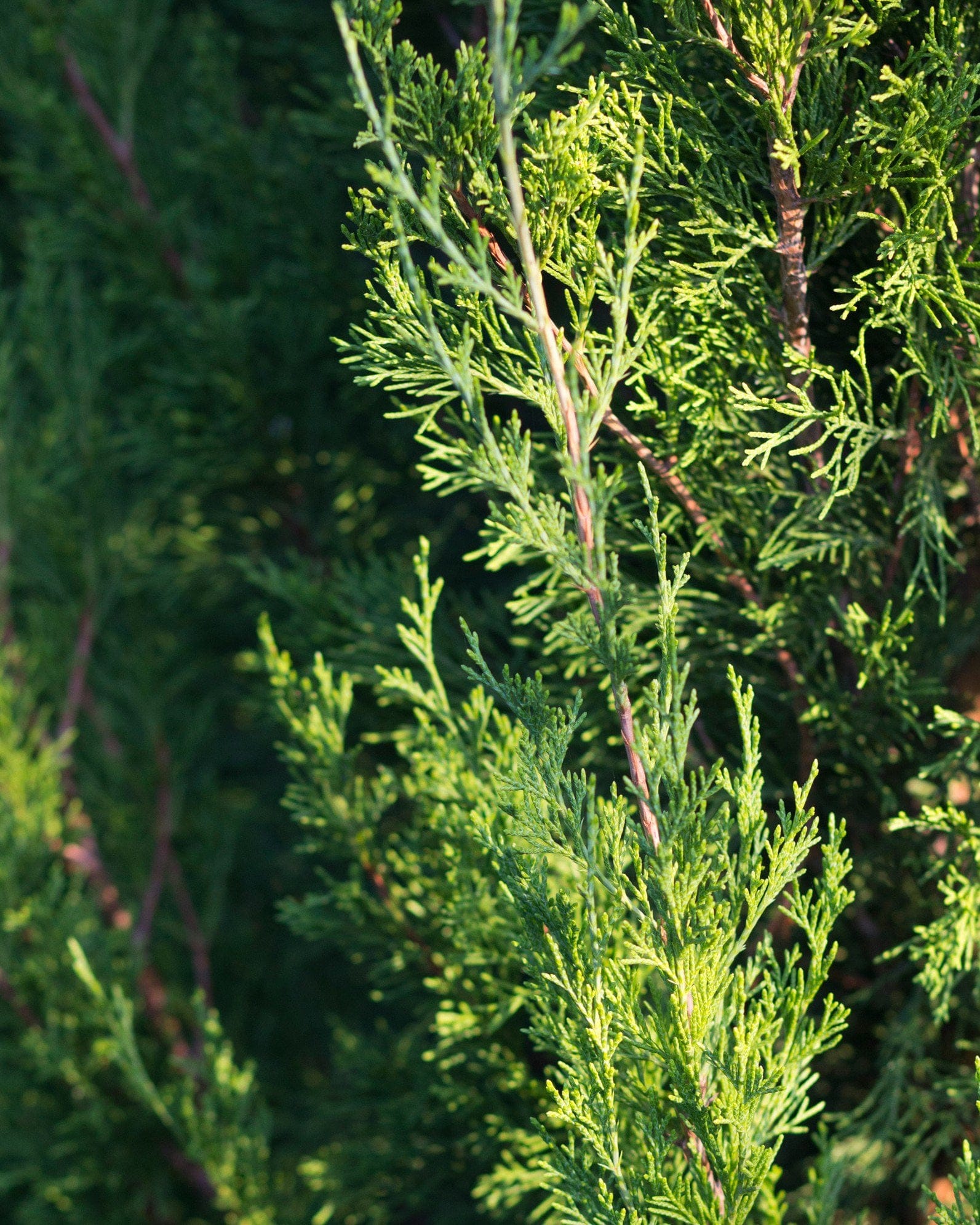
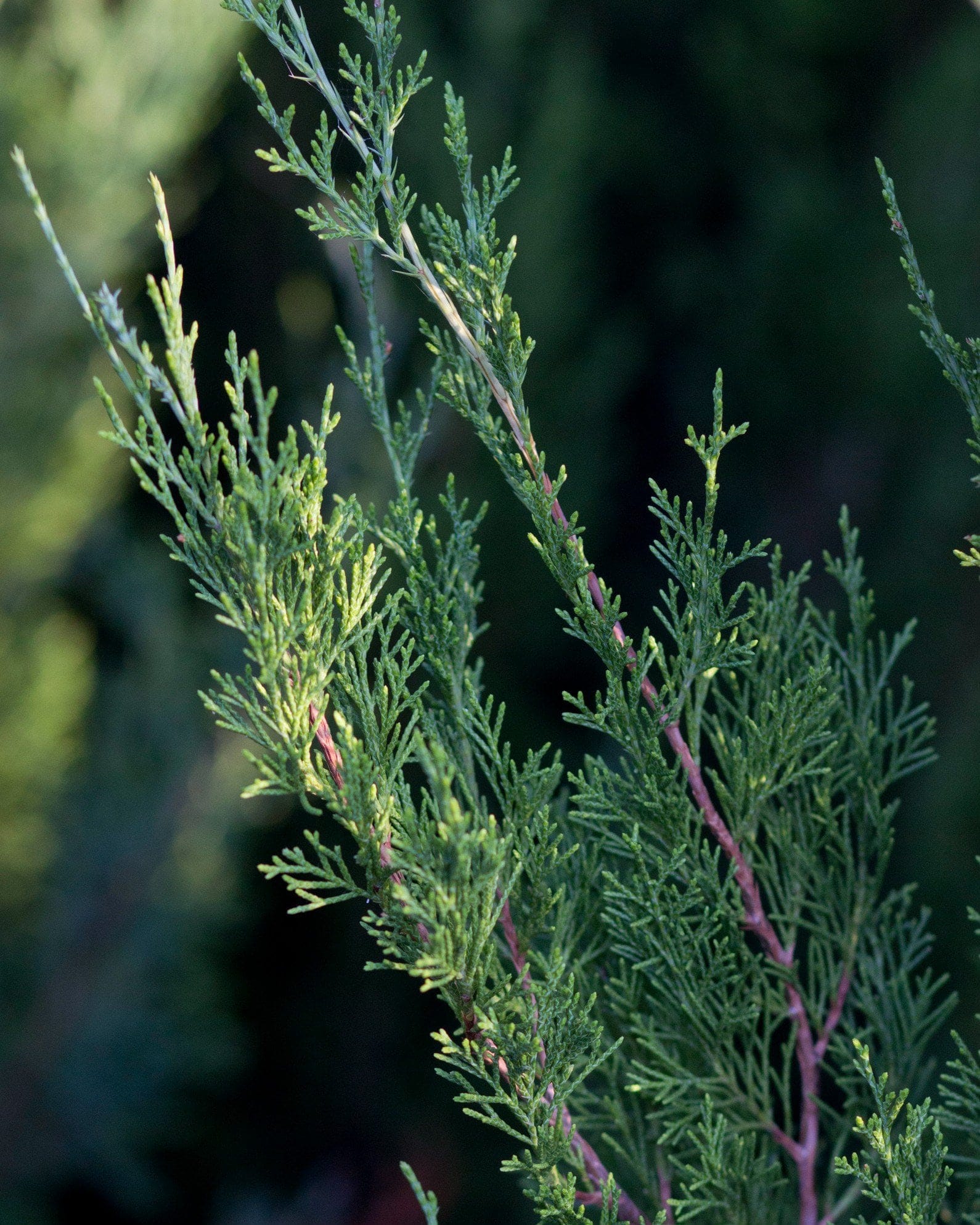
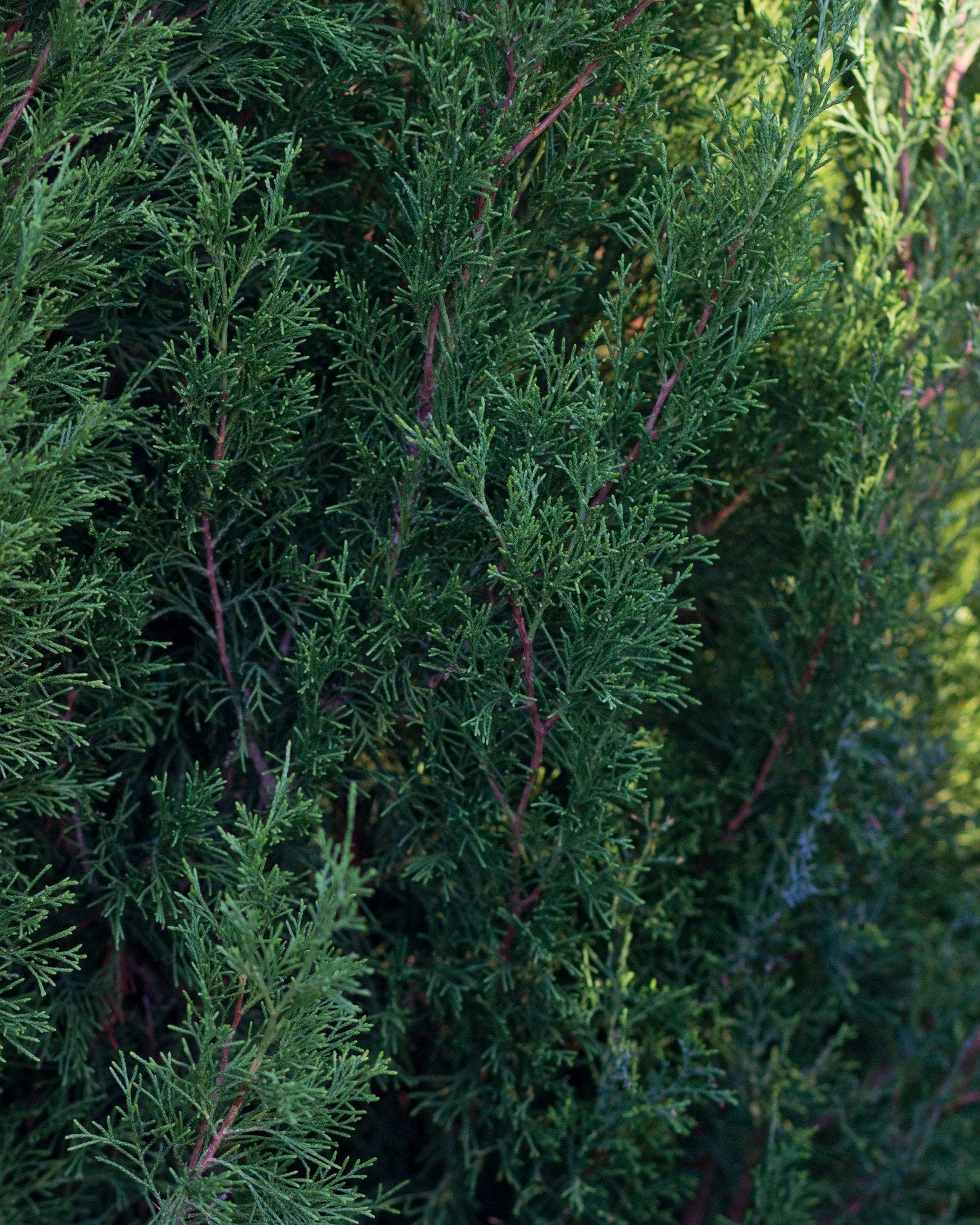
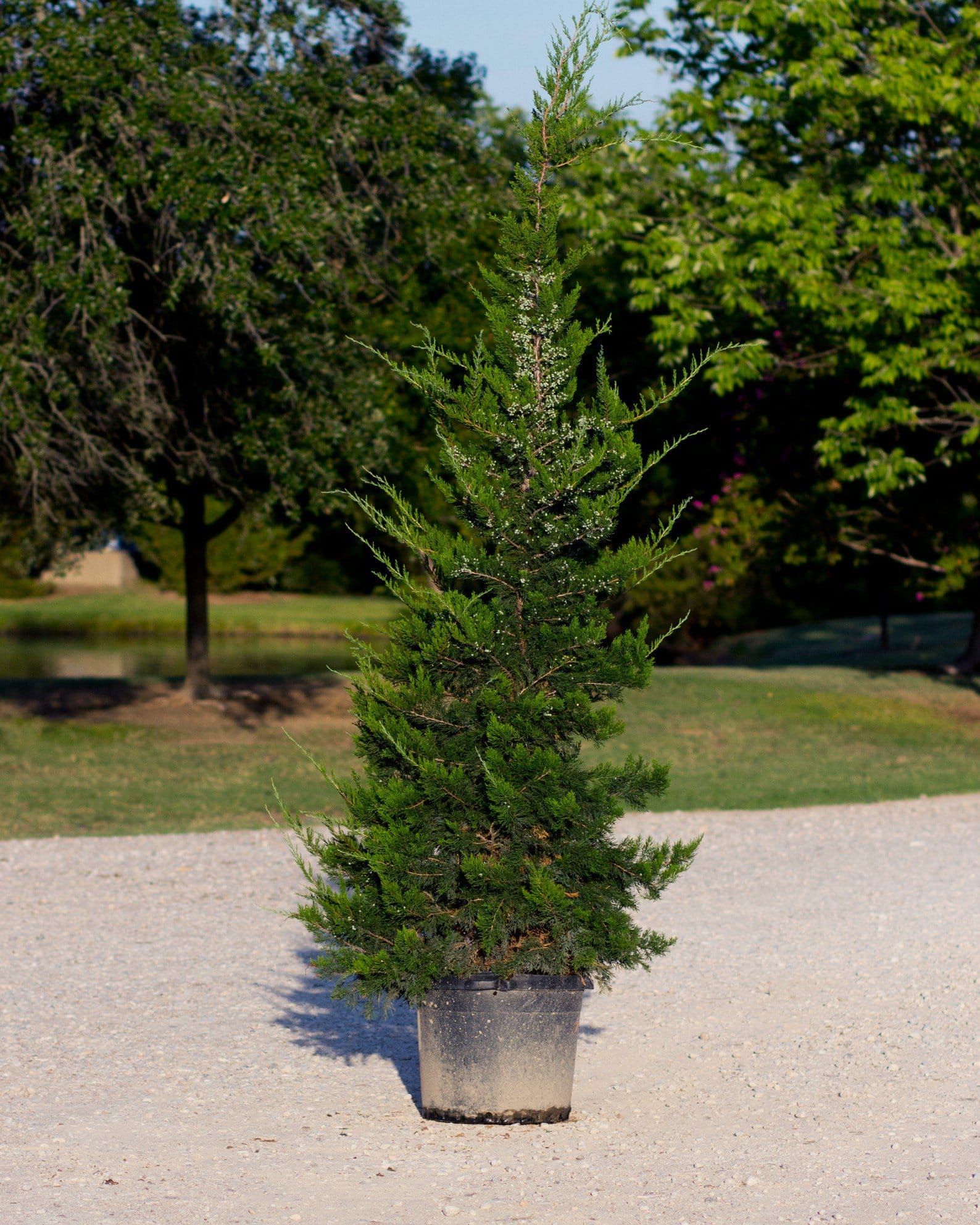
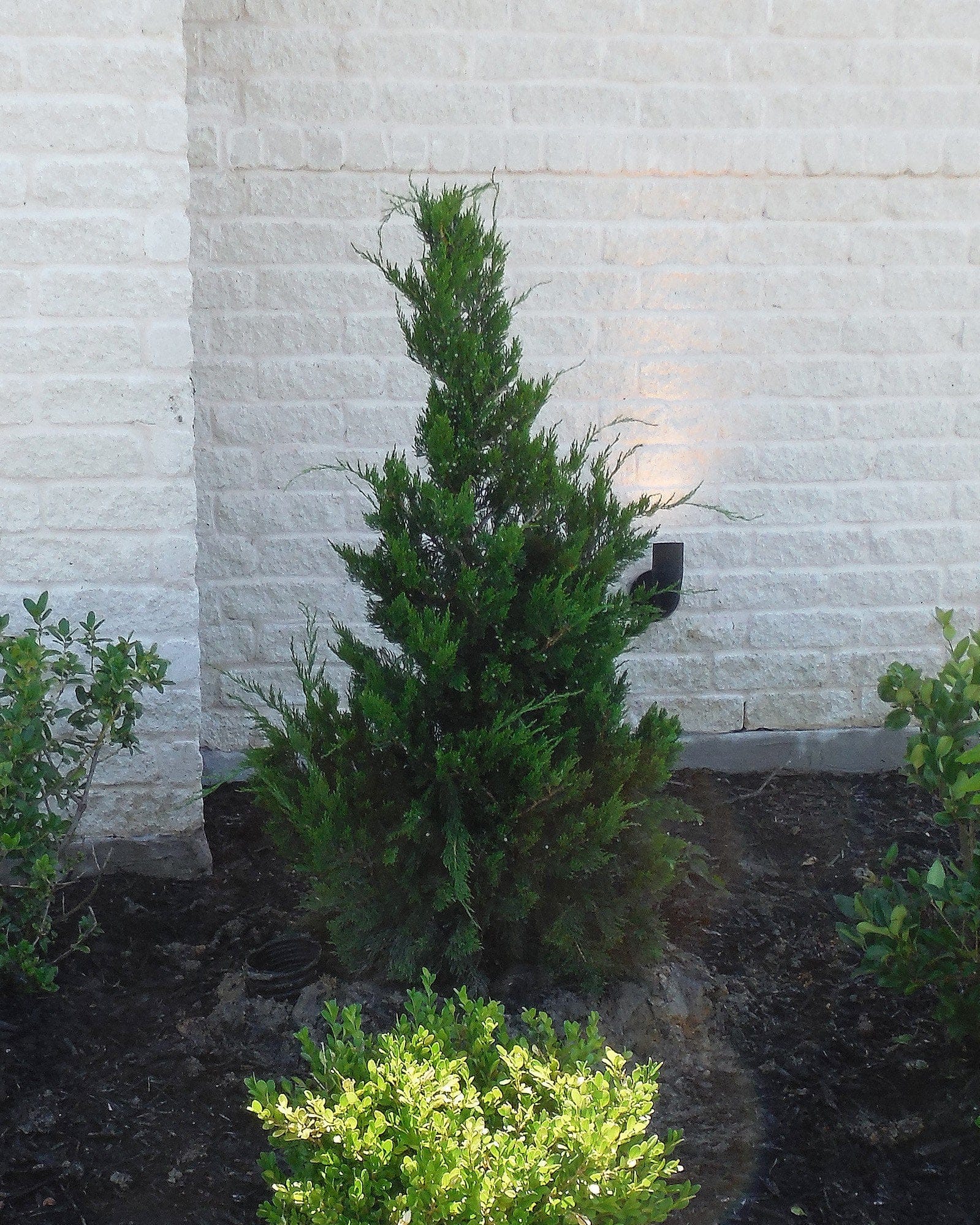
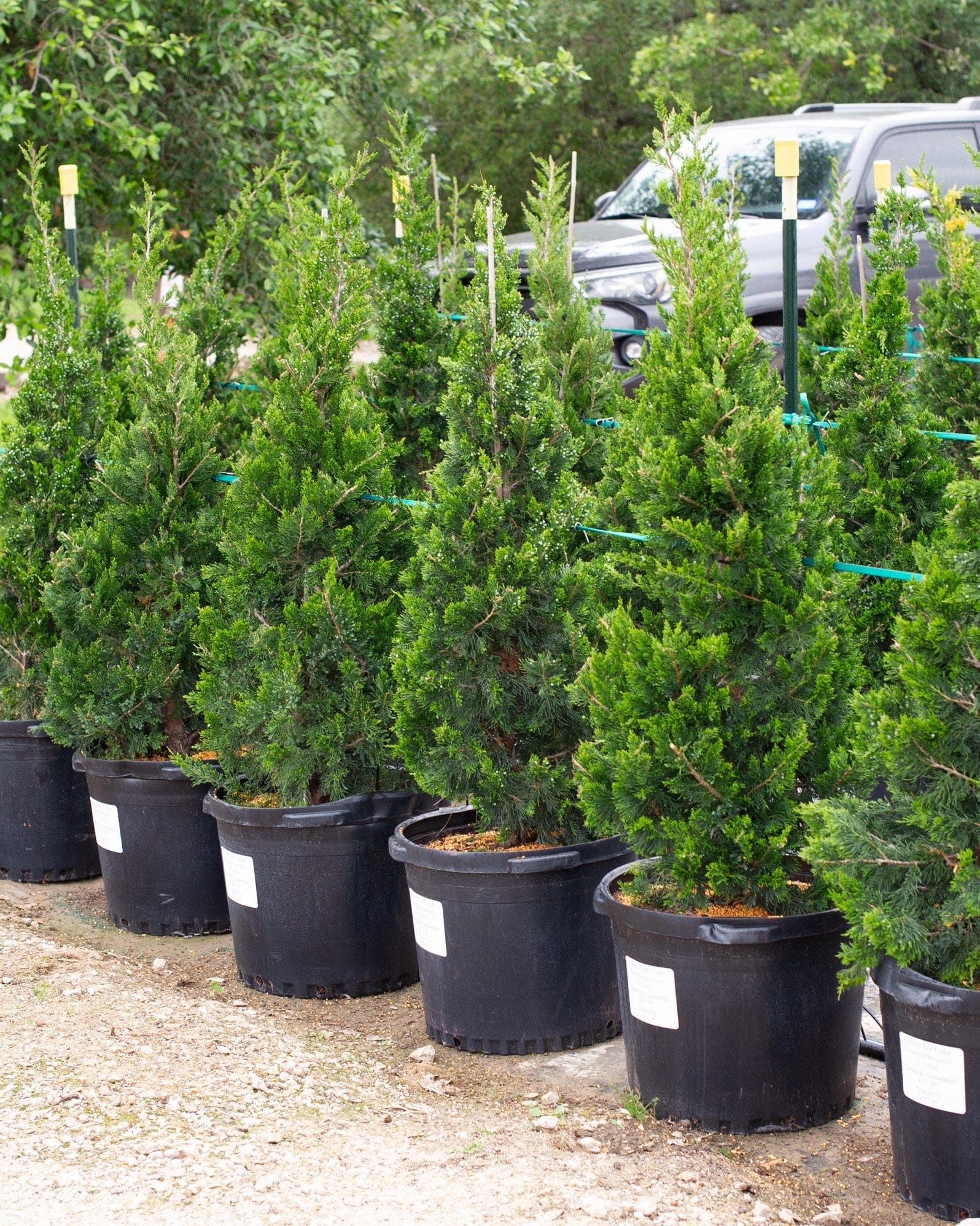
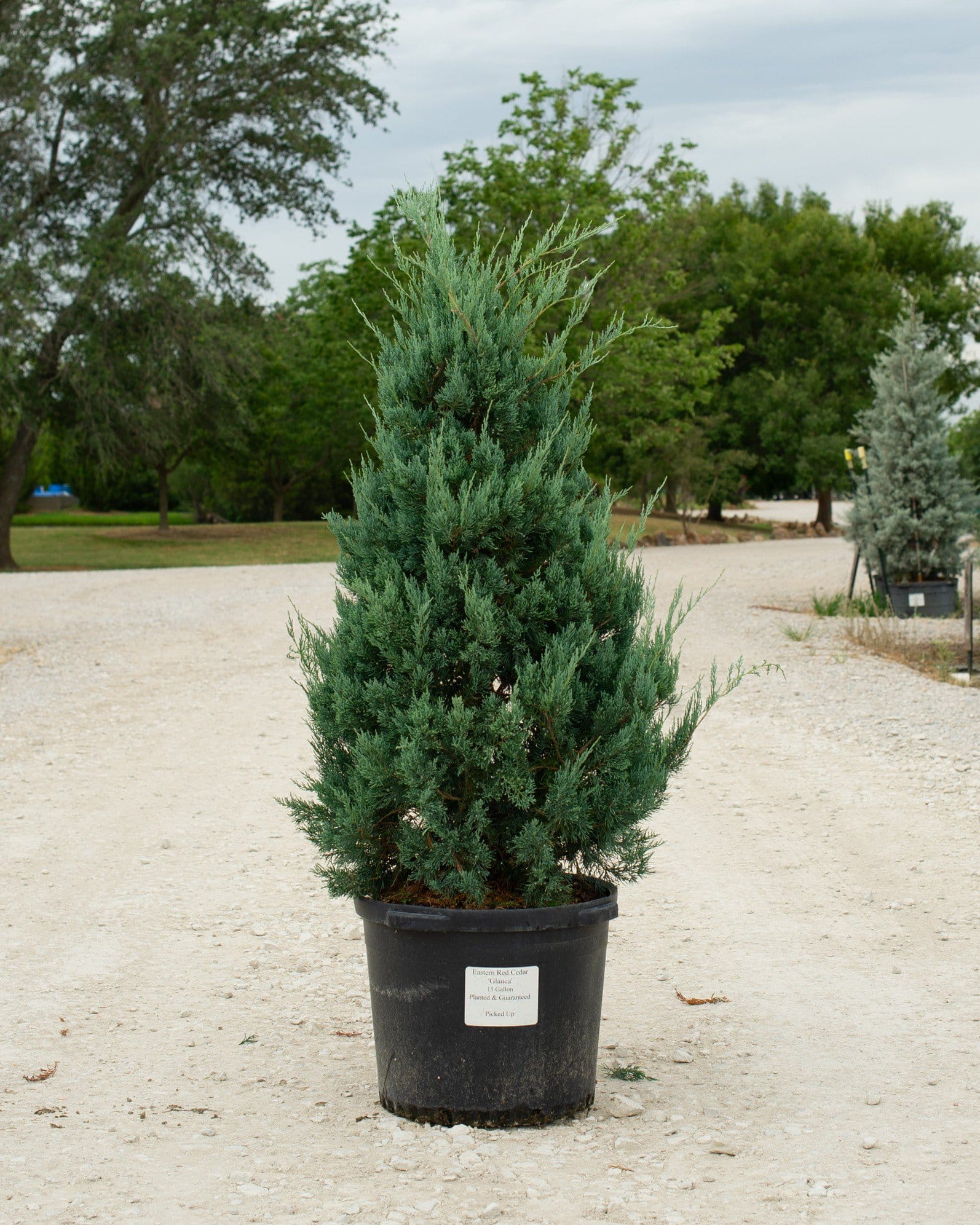
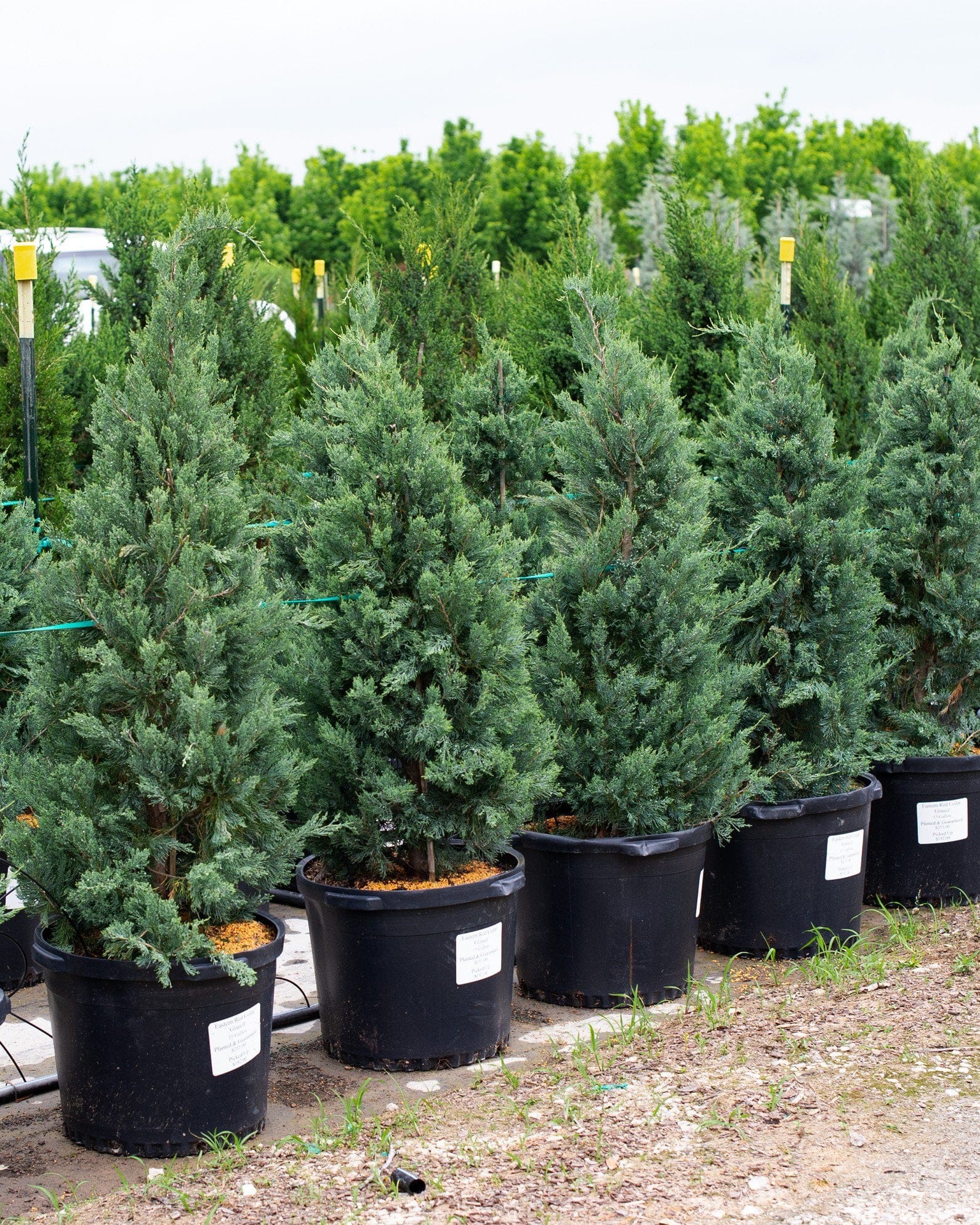
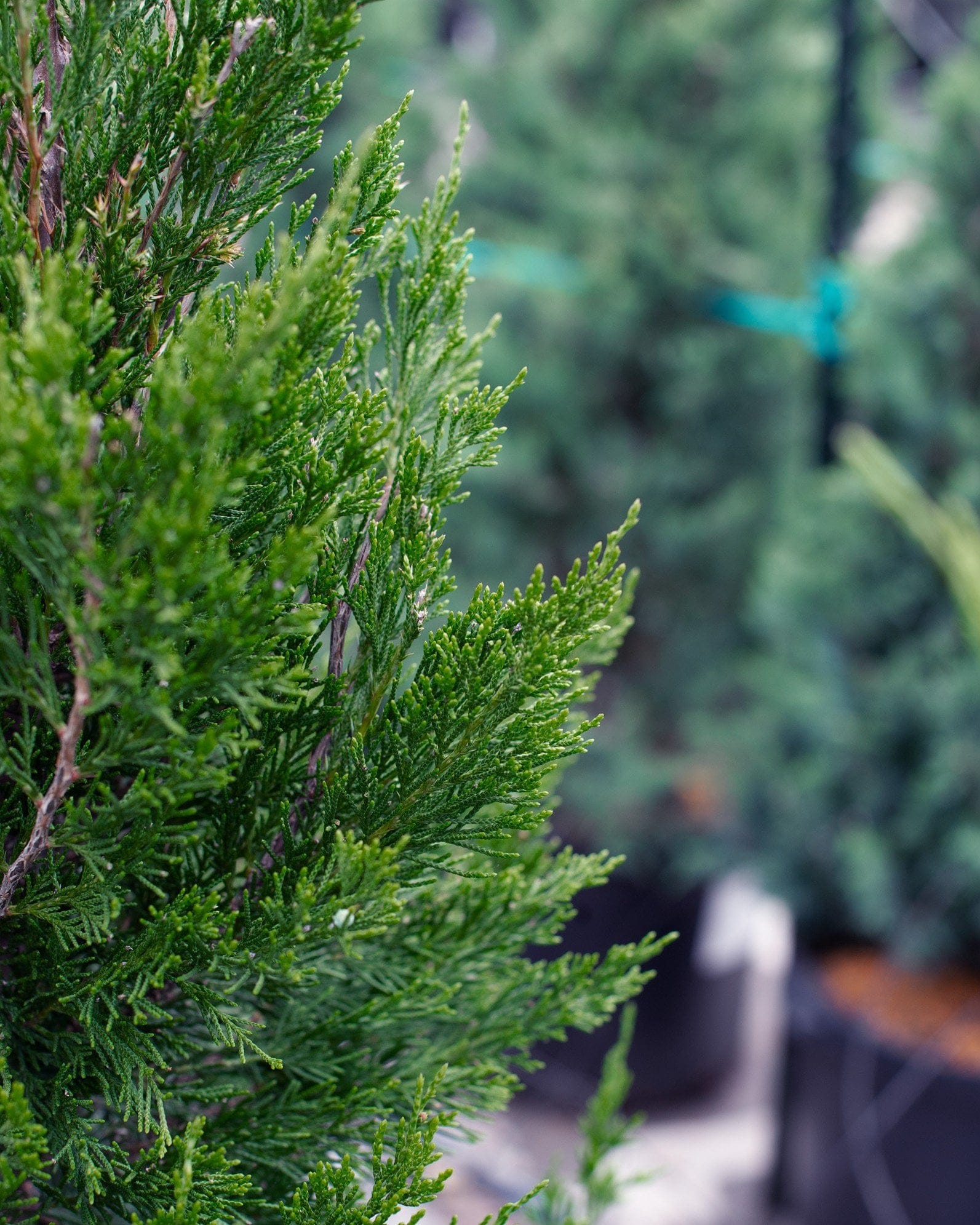
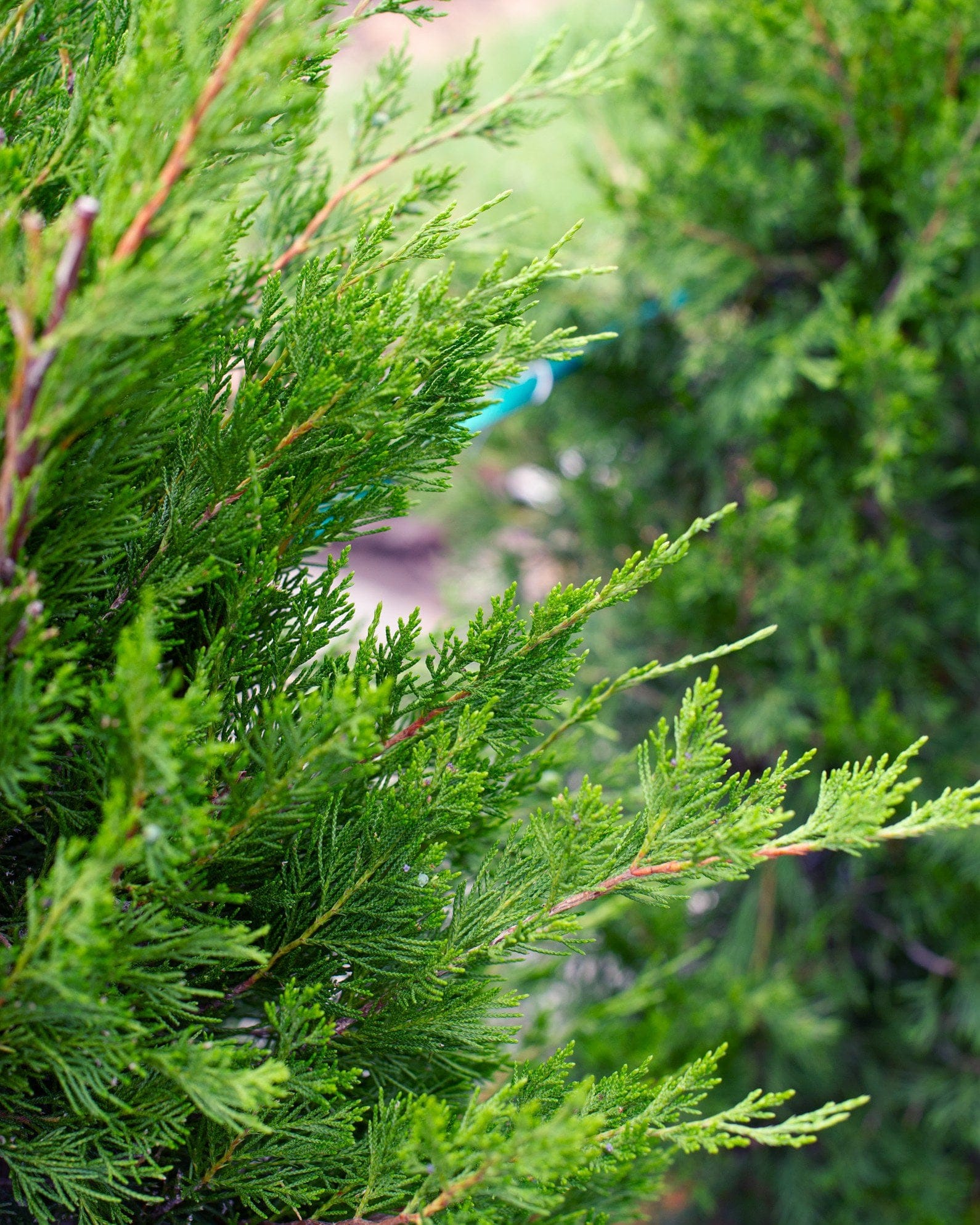
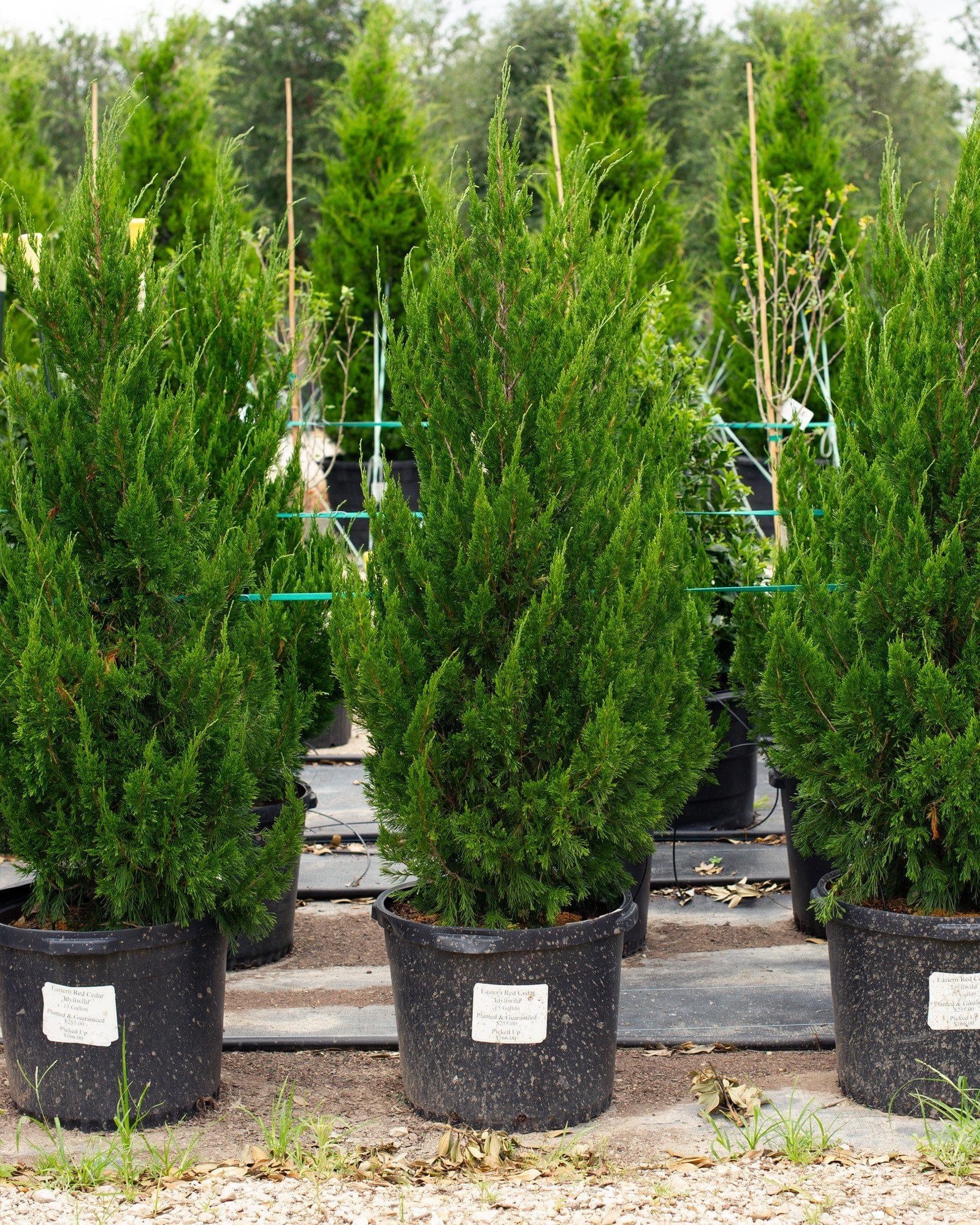
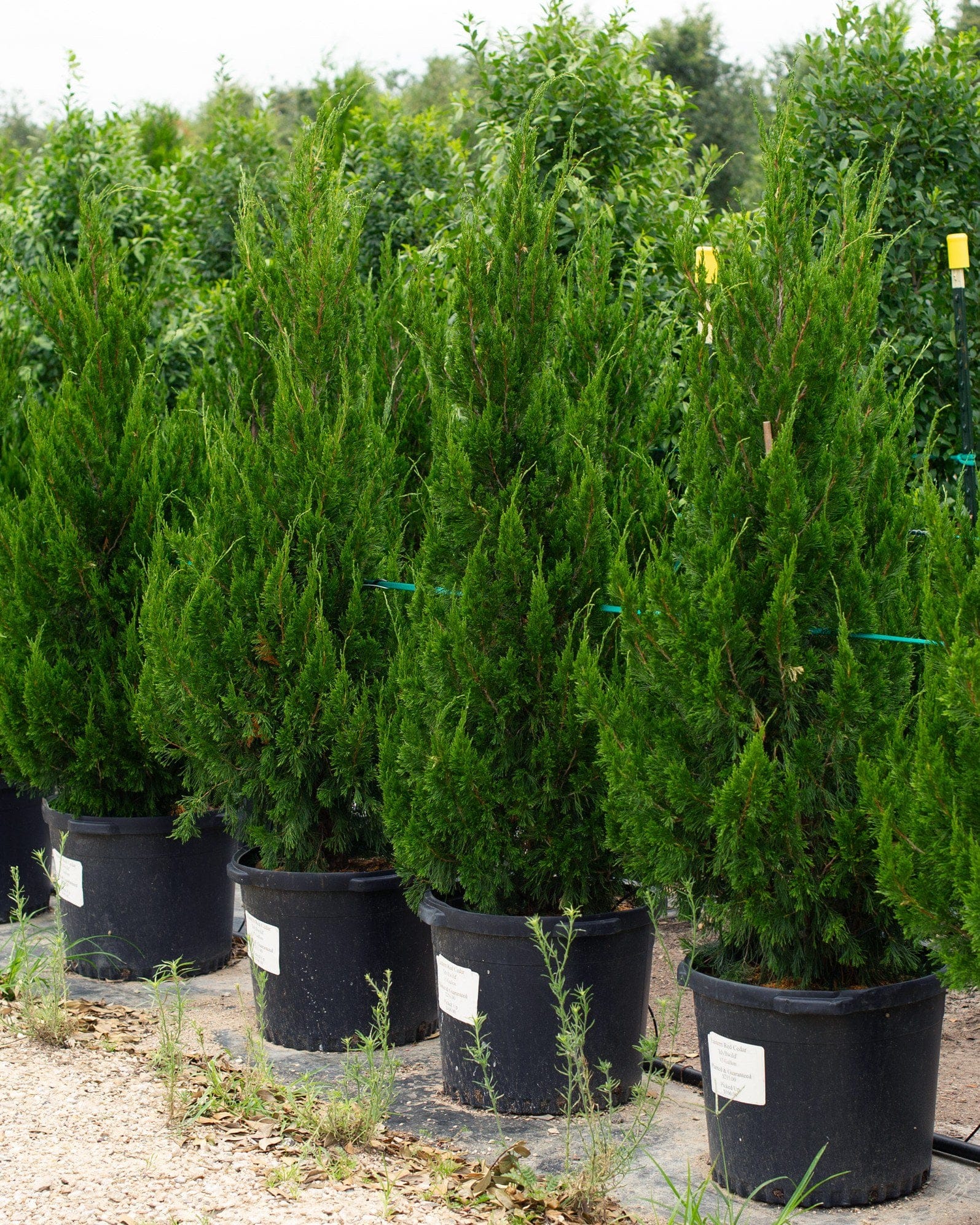
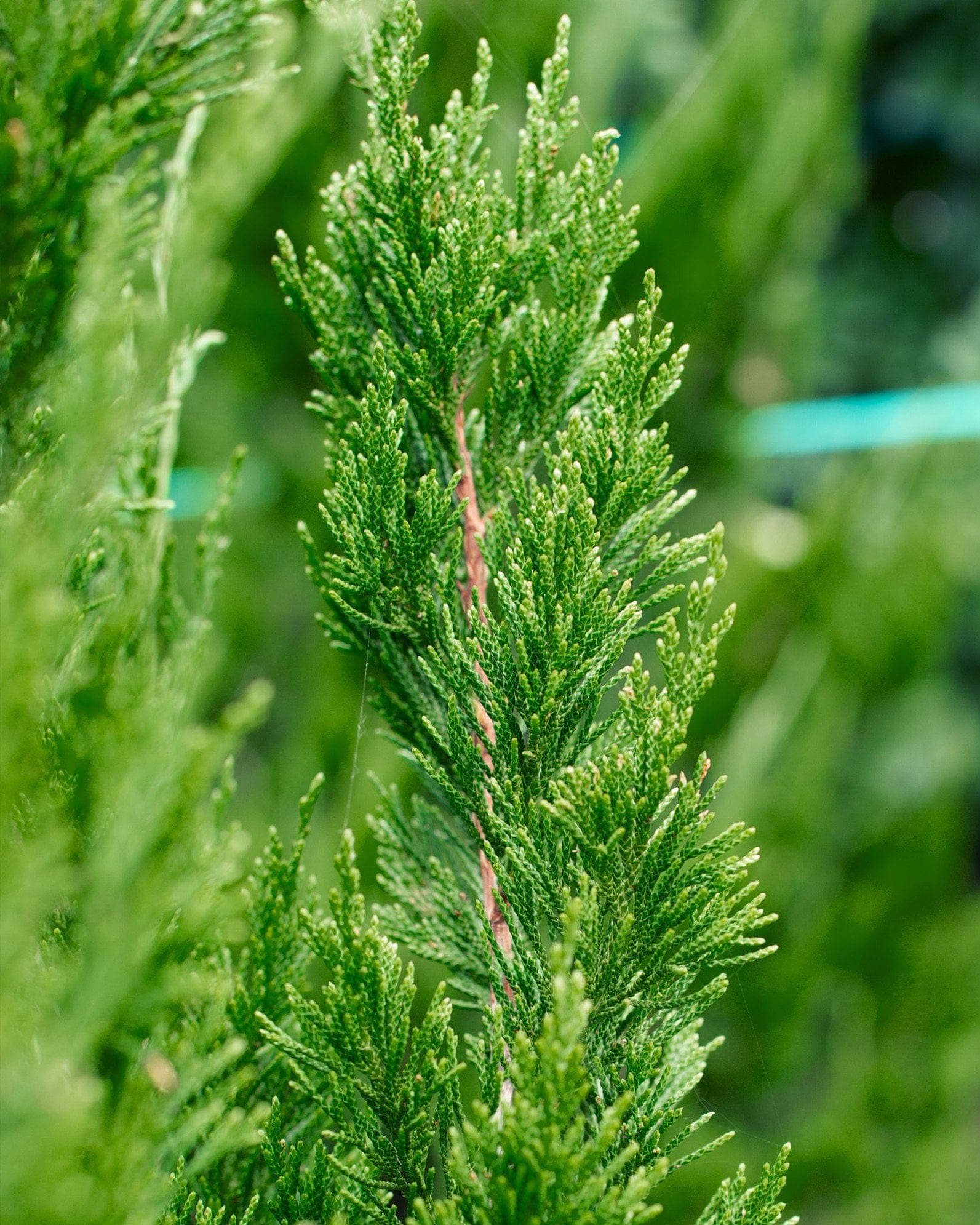
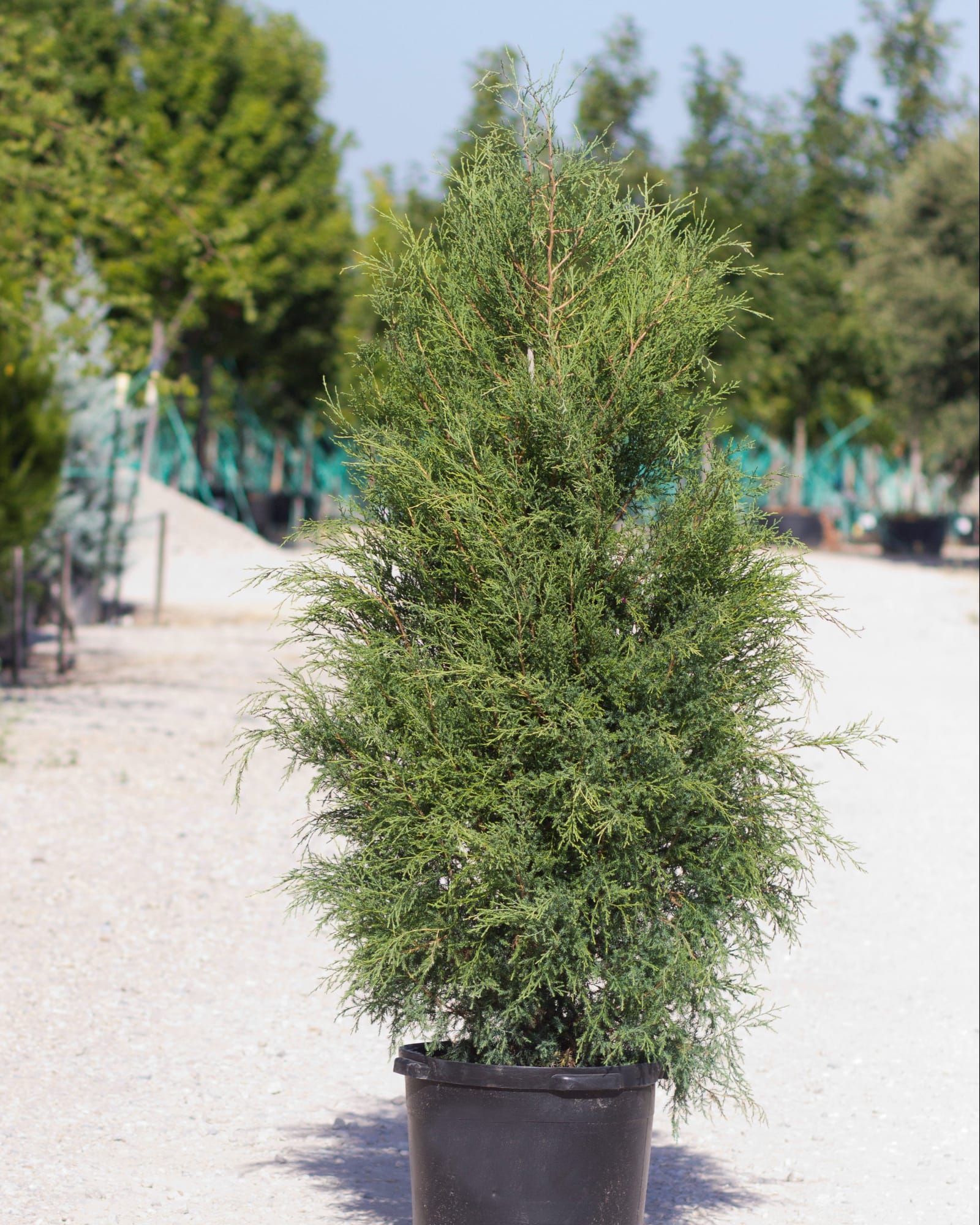
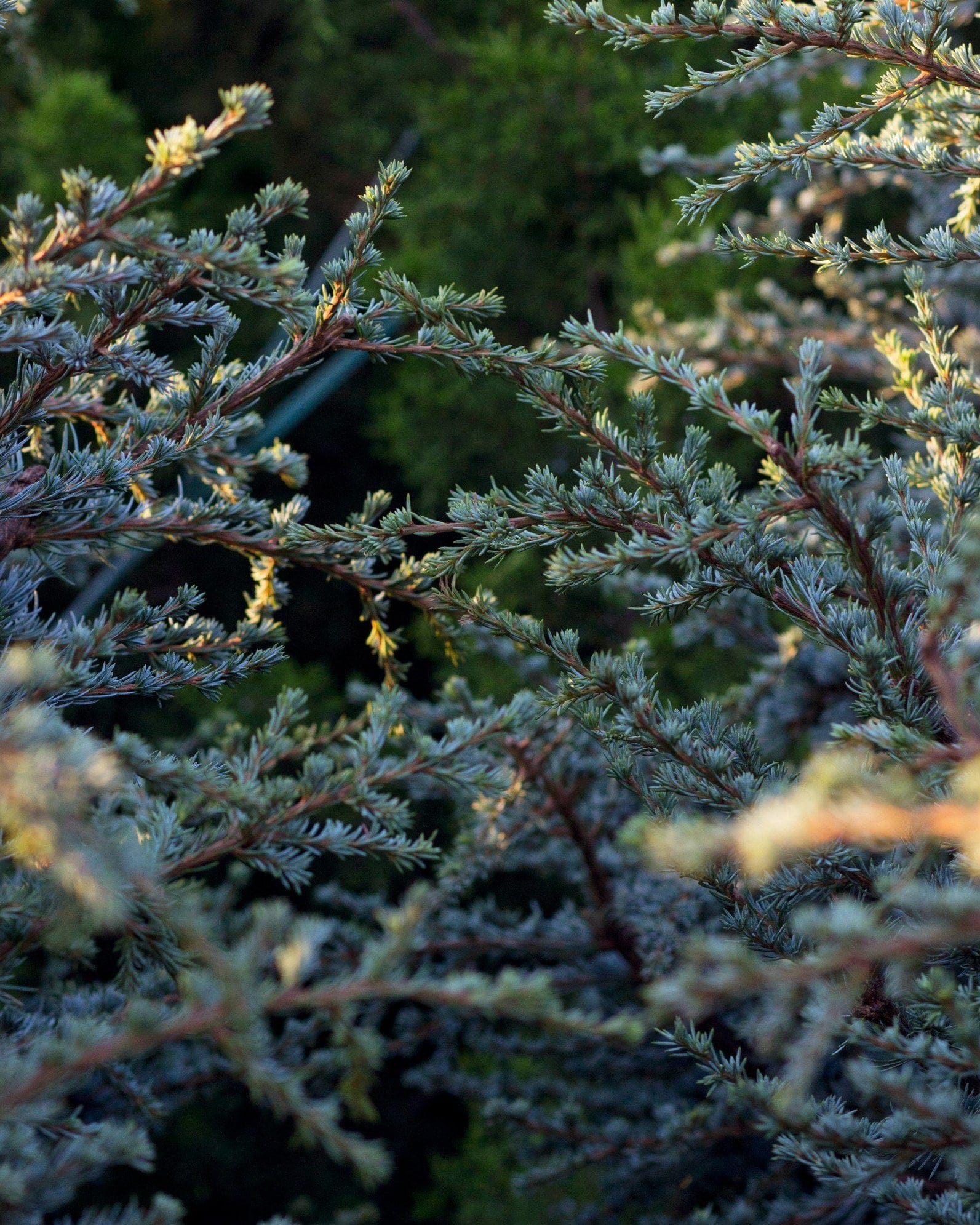
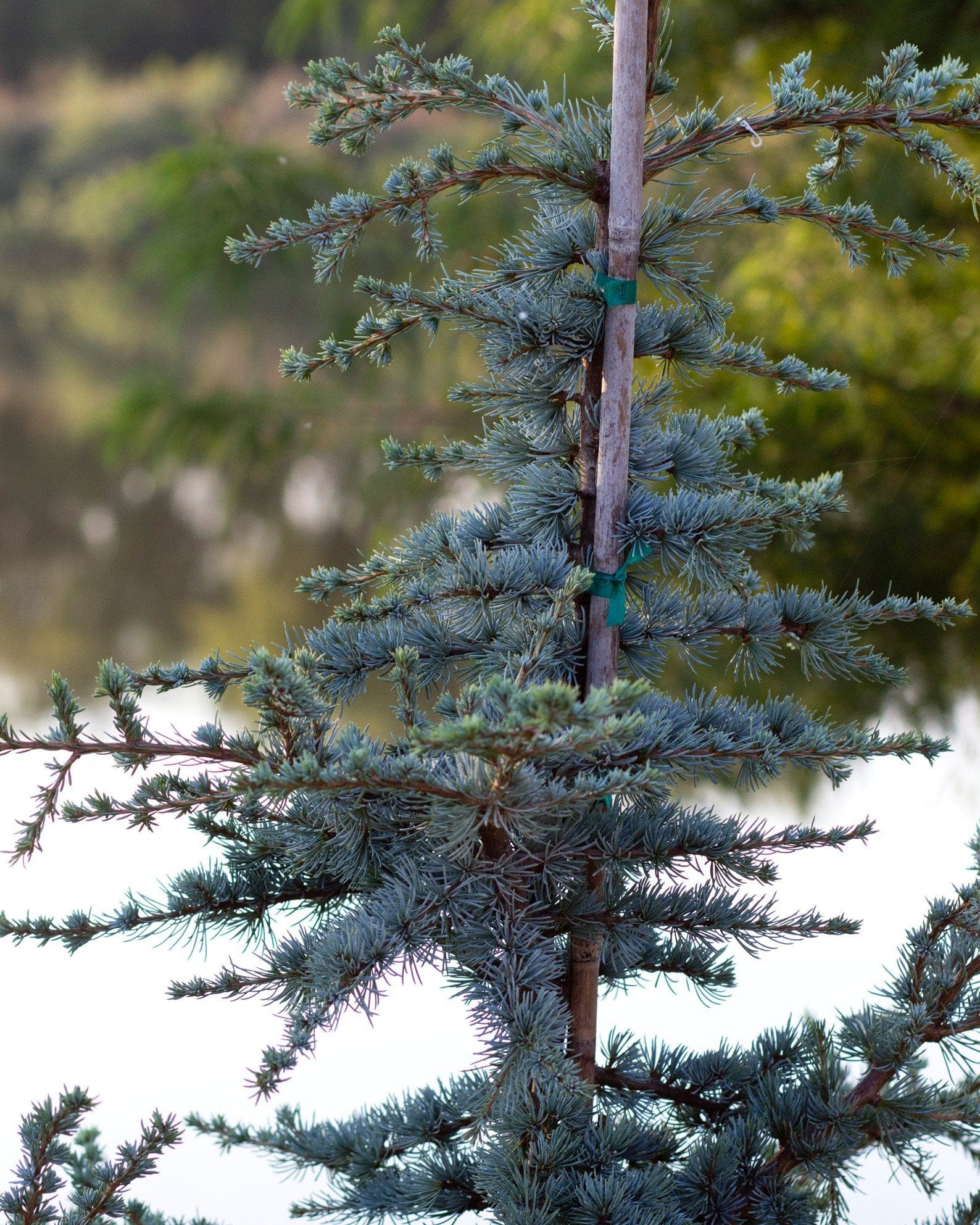
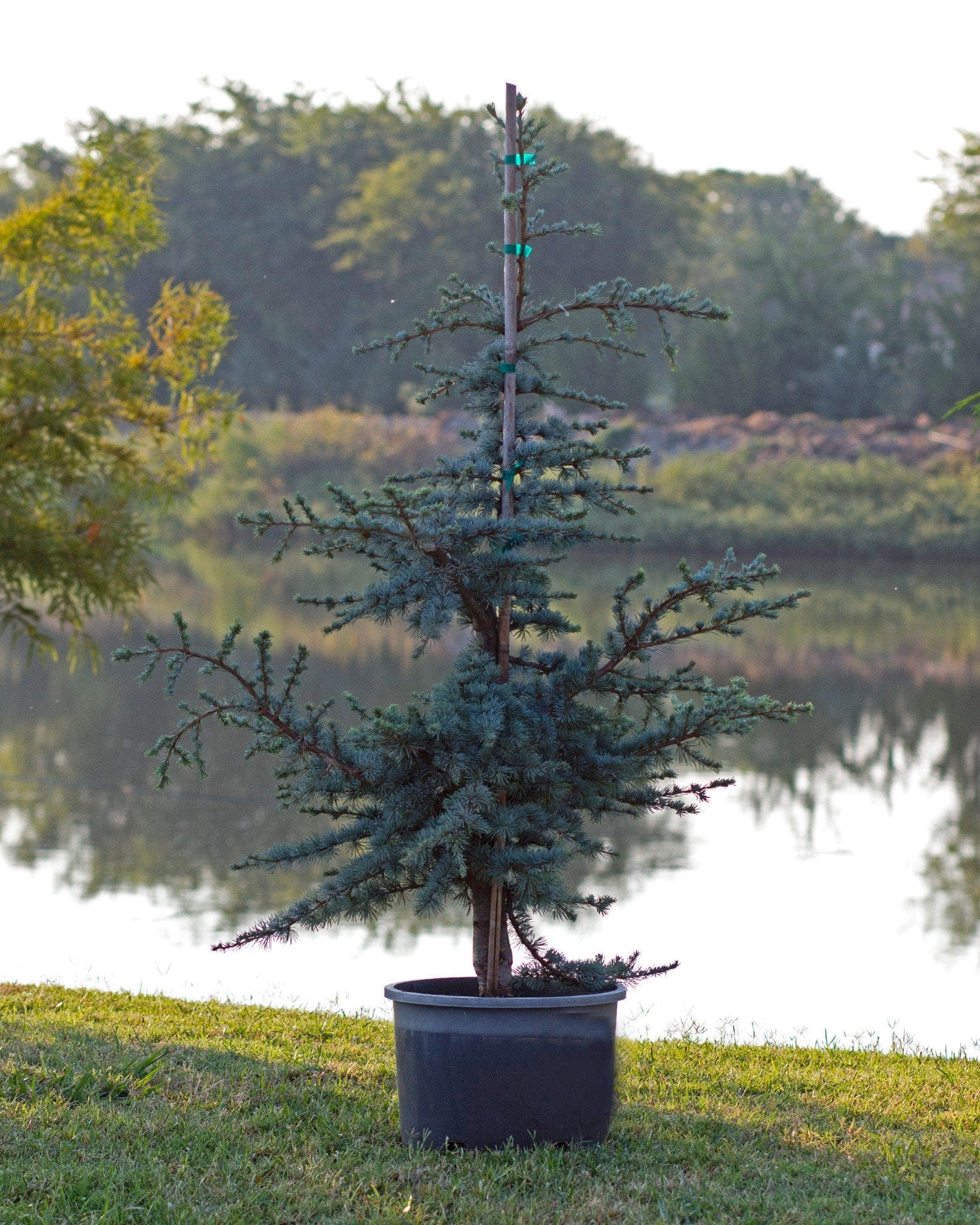
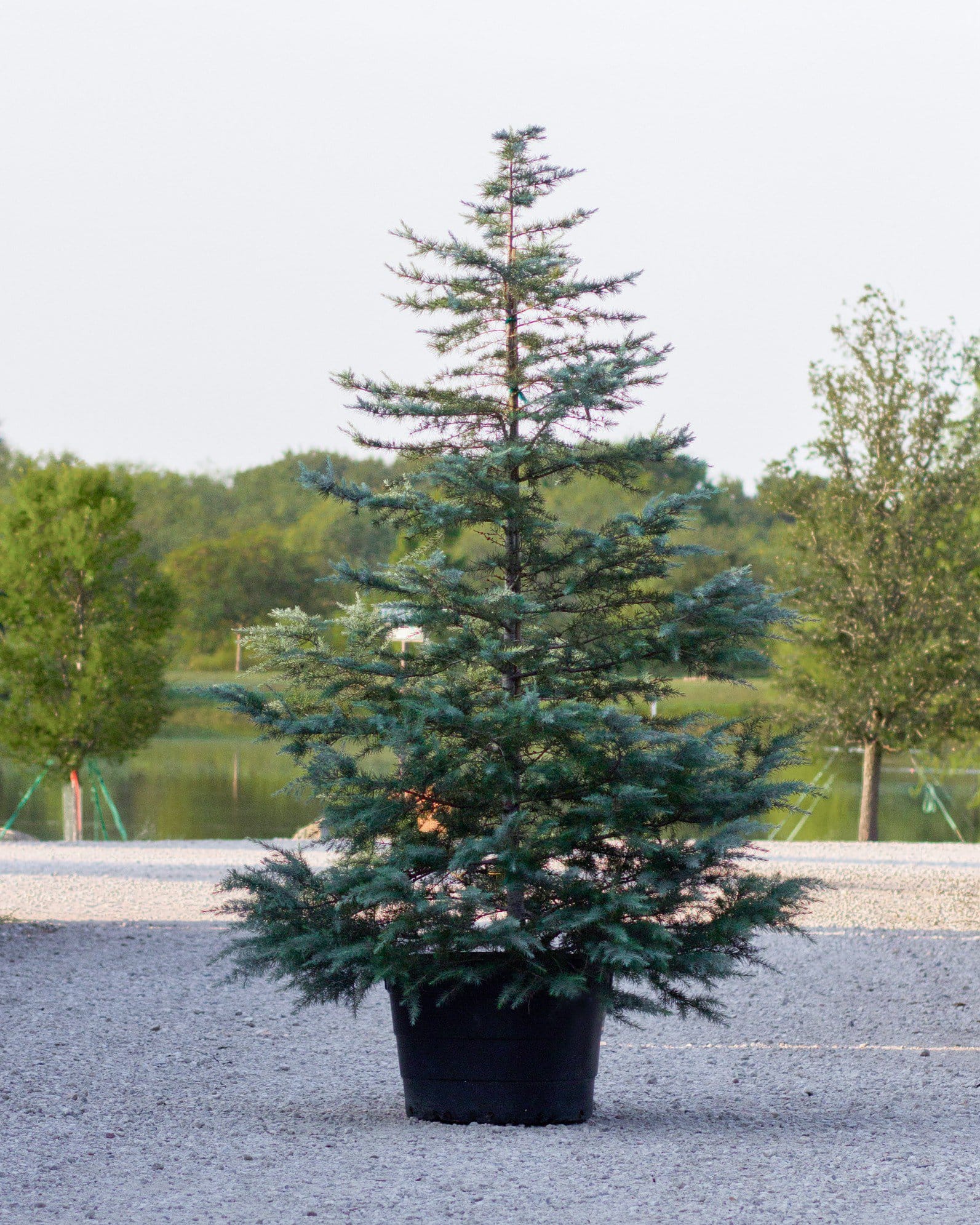
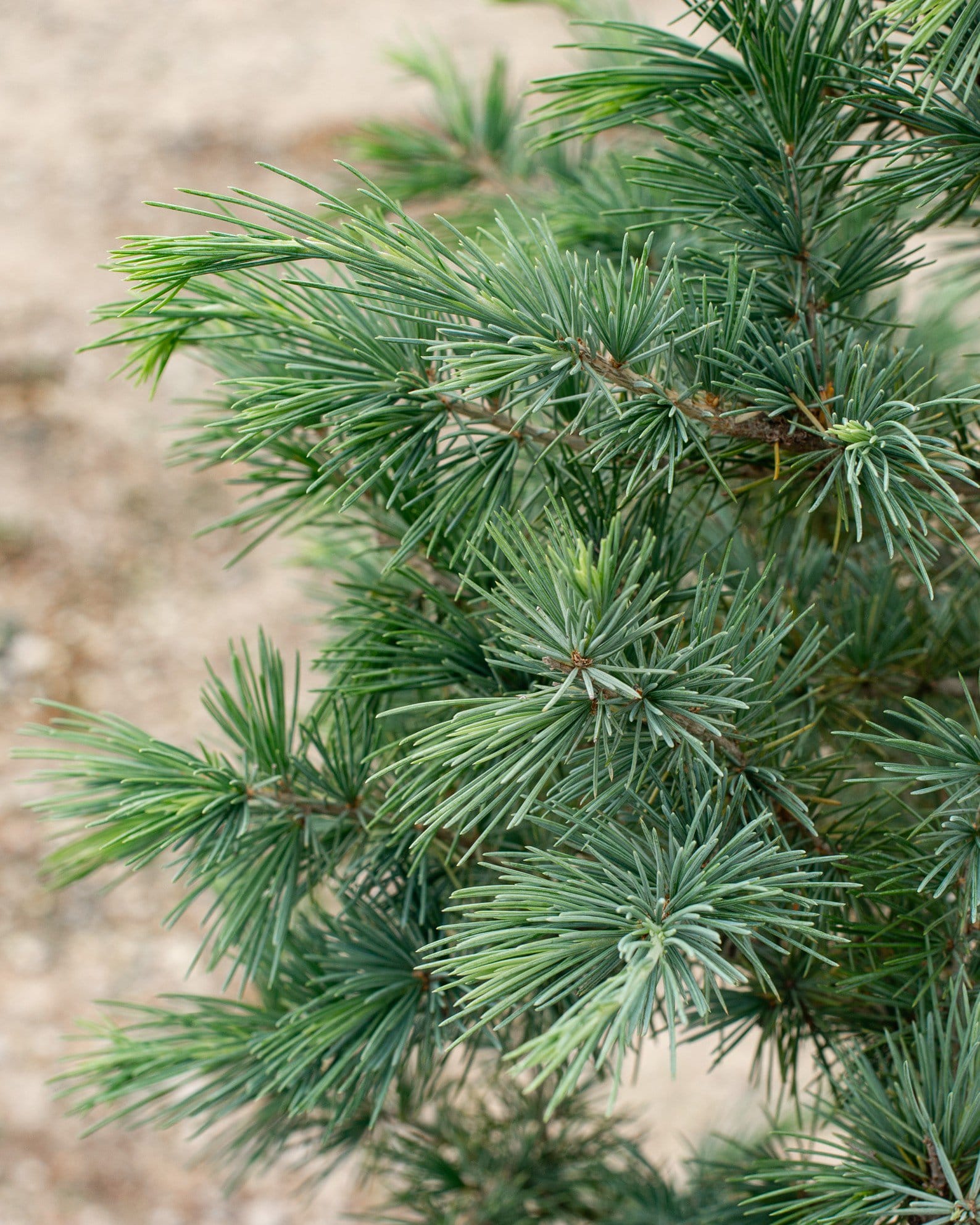
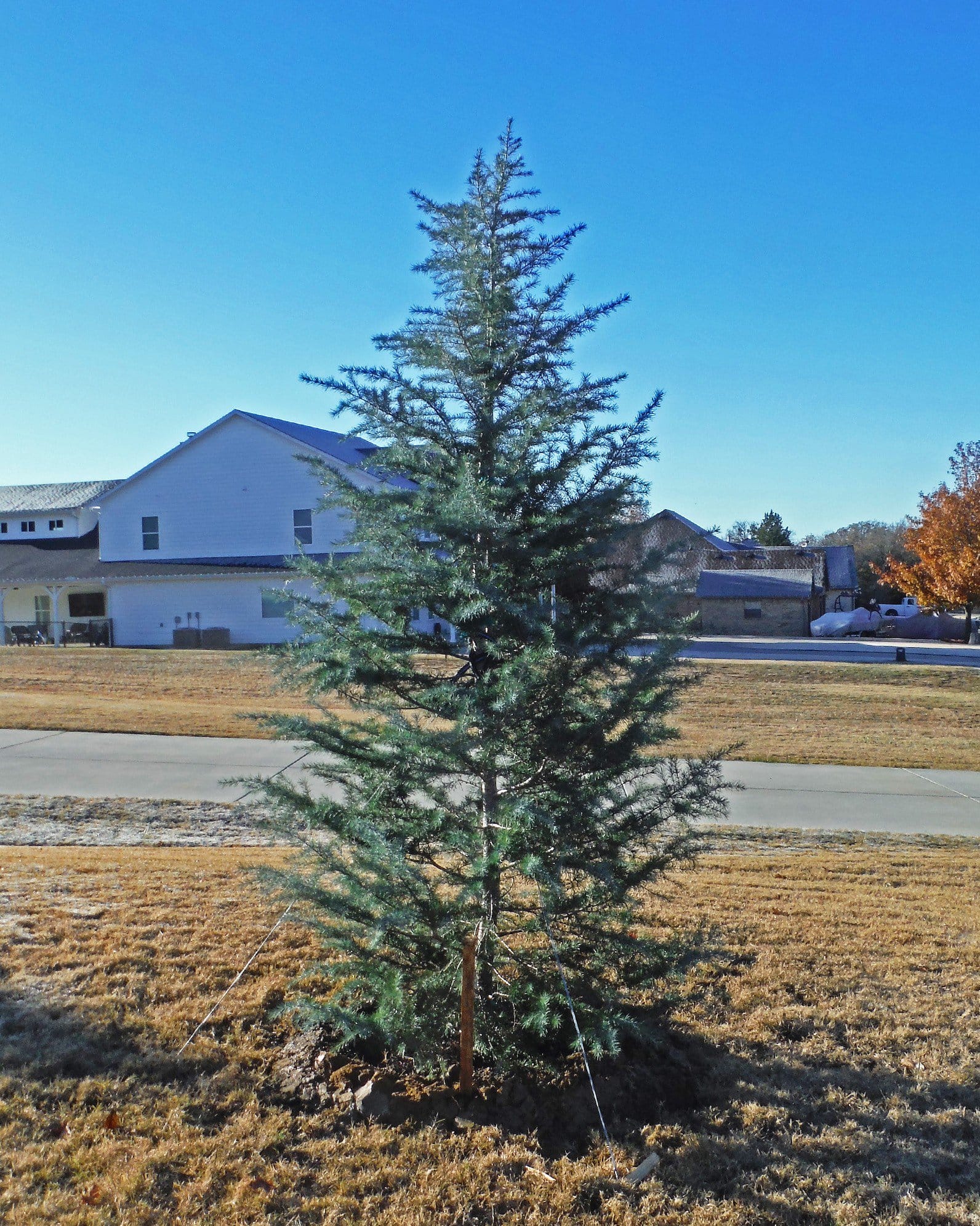
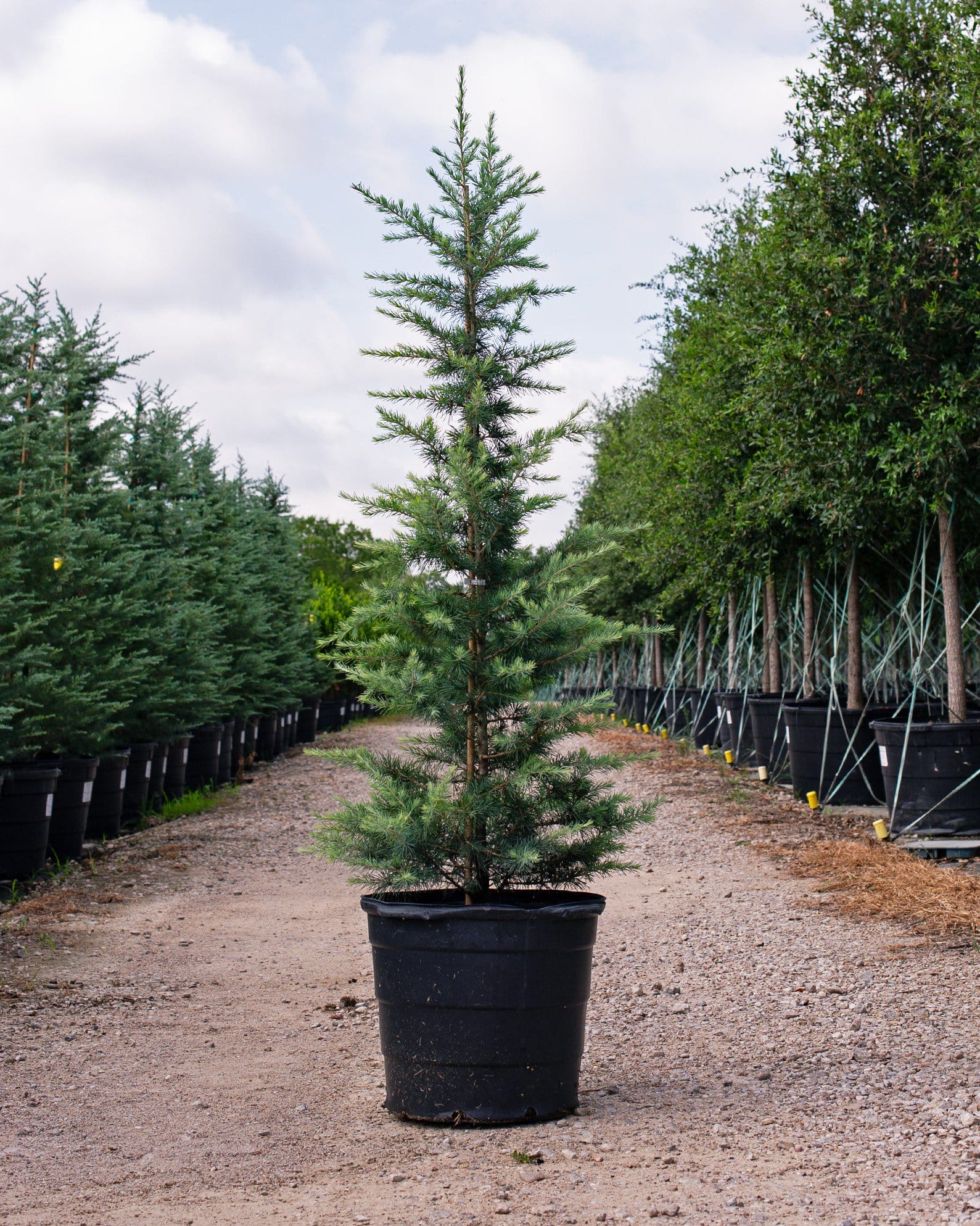
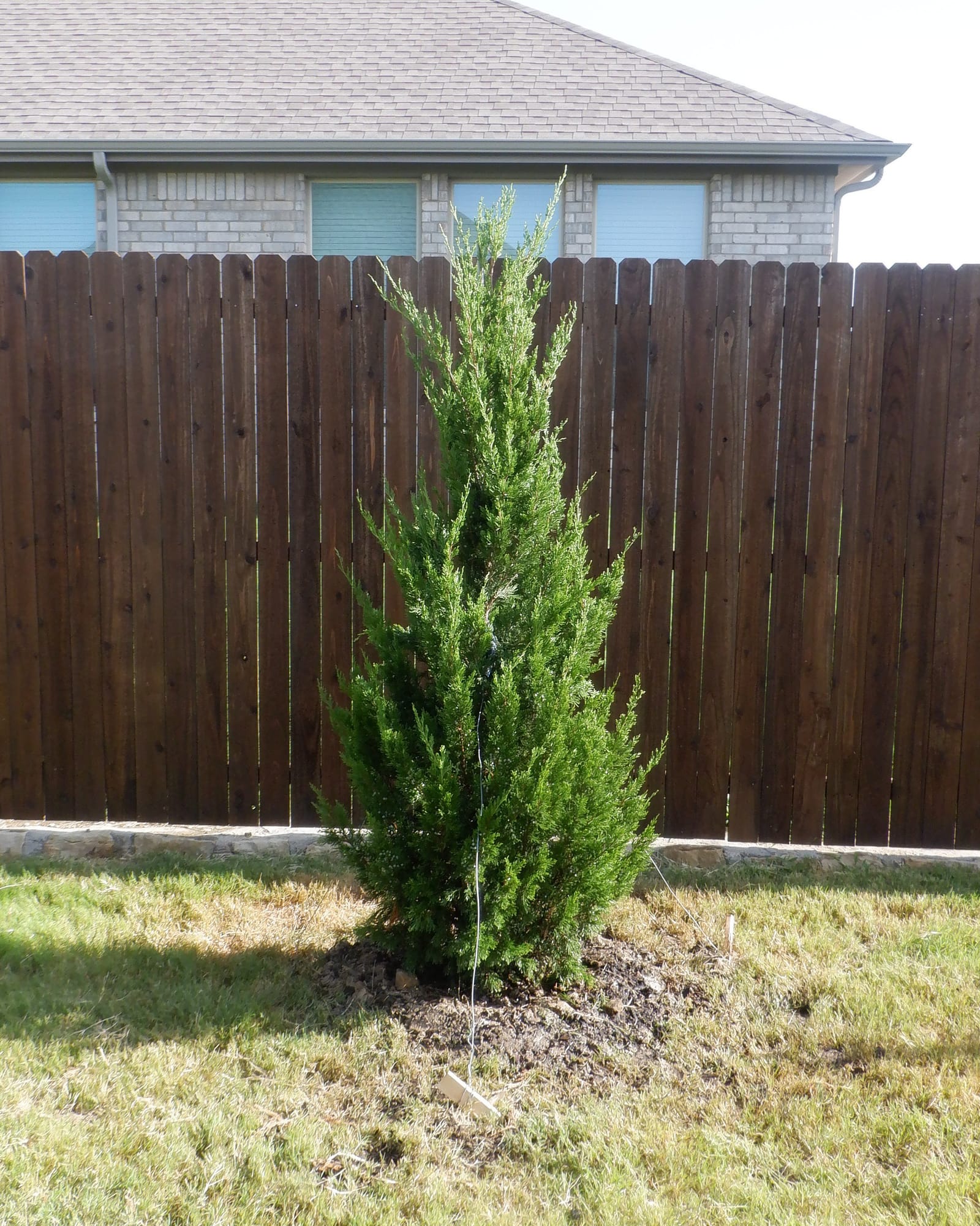
Juniperus virginiana ‘Brodie’Eastern Red Cedar 'Brodie' is a compact, upright evergreen that works well in smaller landscapes or anywhere you need vertical structure. Its dense, dark green foliage stays year-round, offering privacy, and visual interest. This variety grows up to 25 feet tall and around 12 feet wide, making it perfect for lining property edges or flanking entrances. It’s a popular choice for narrow hedges or screens where space is limited.
- It is our 2nd most popular privacy screen
- Evergreen tree
- Fast growth rate with a narrow, columnar form
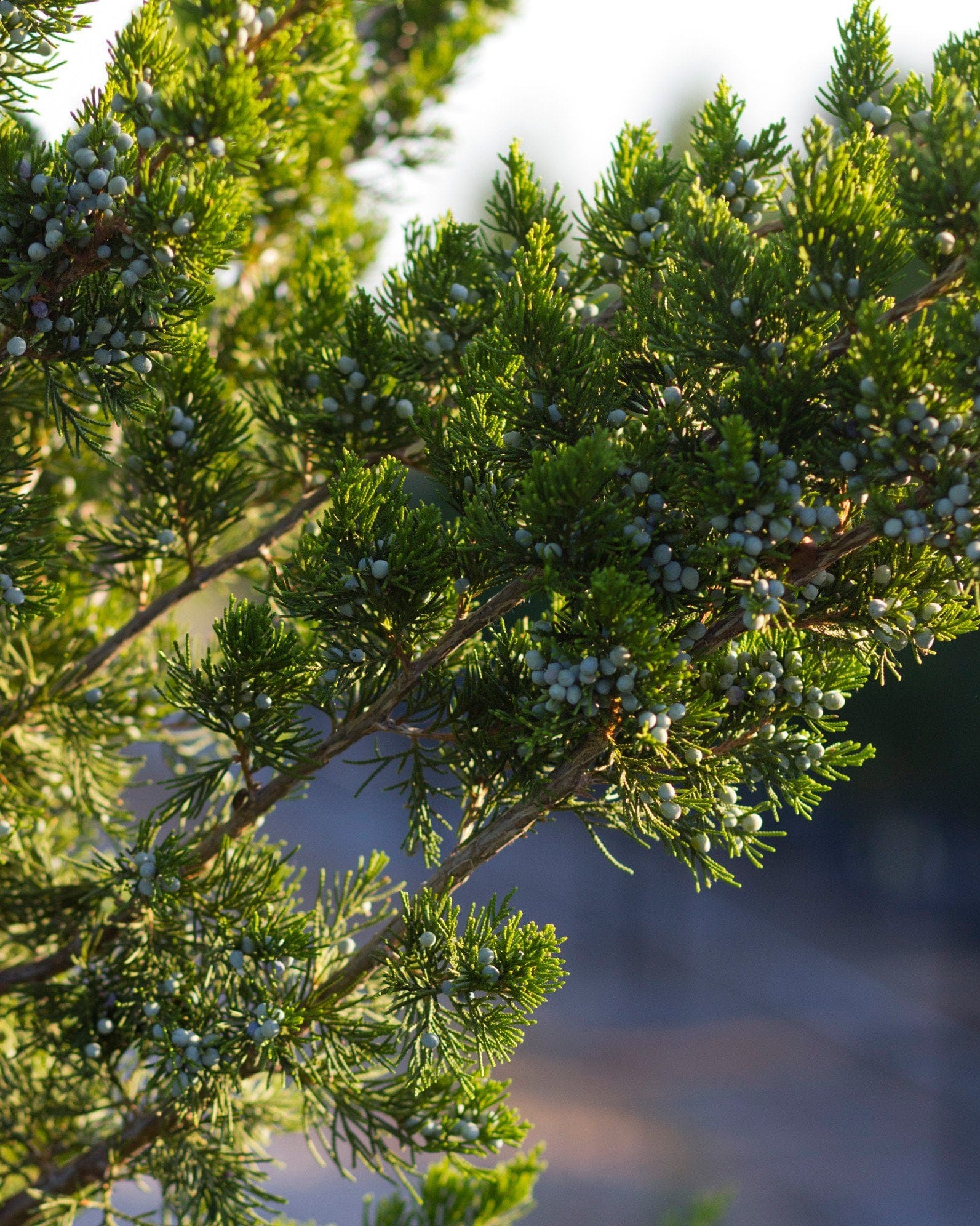
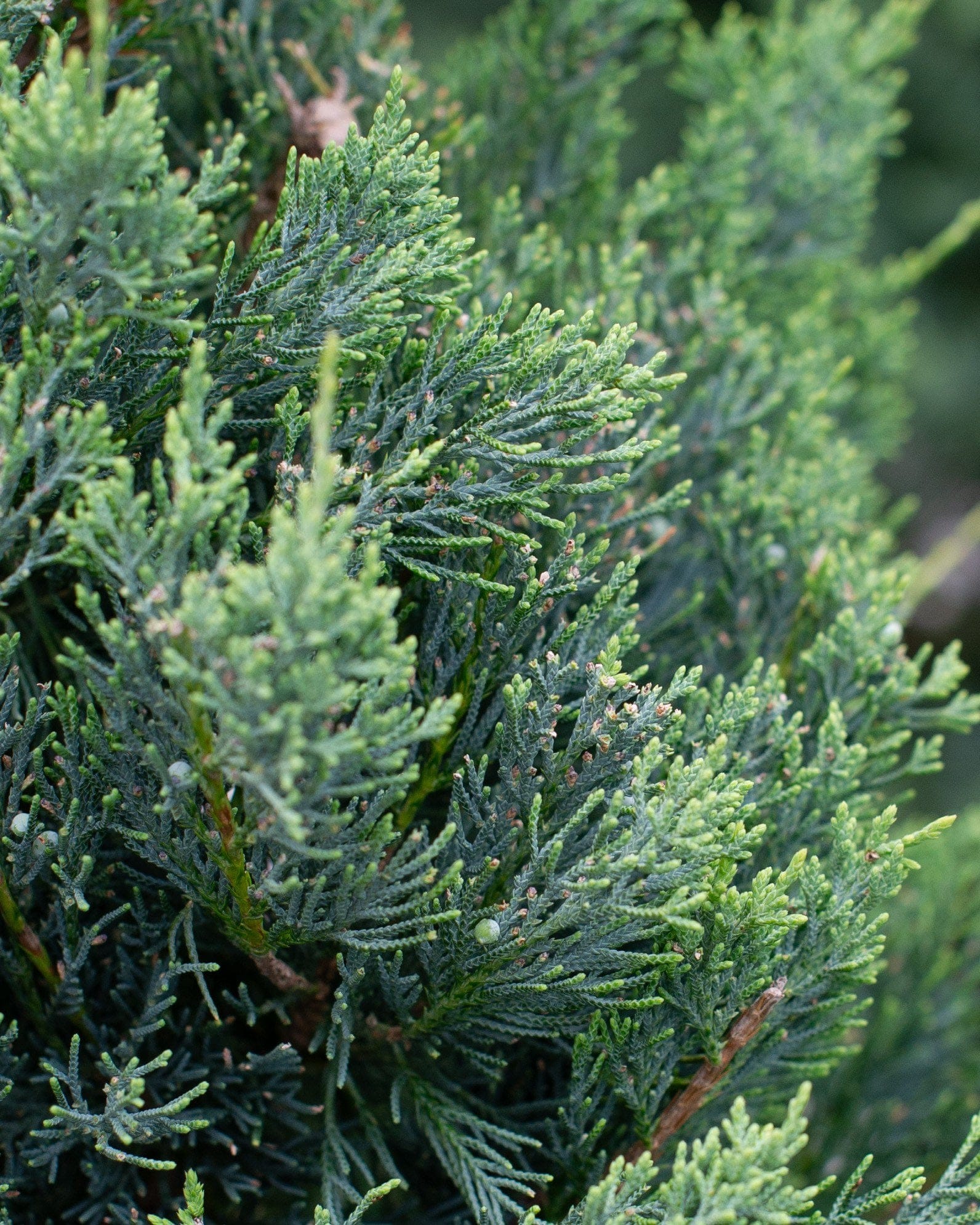
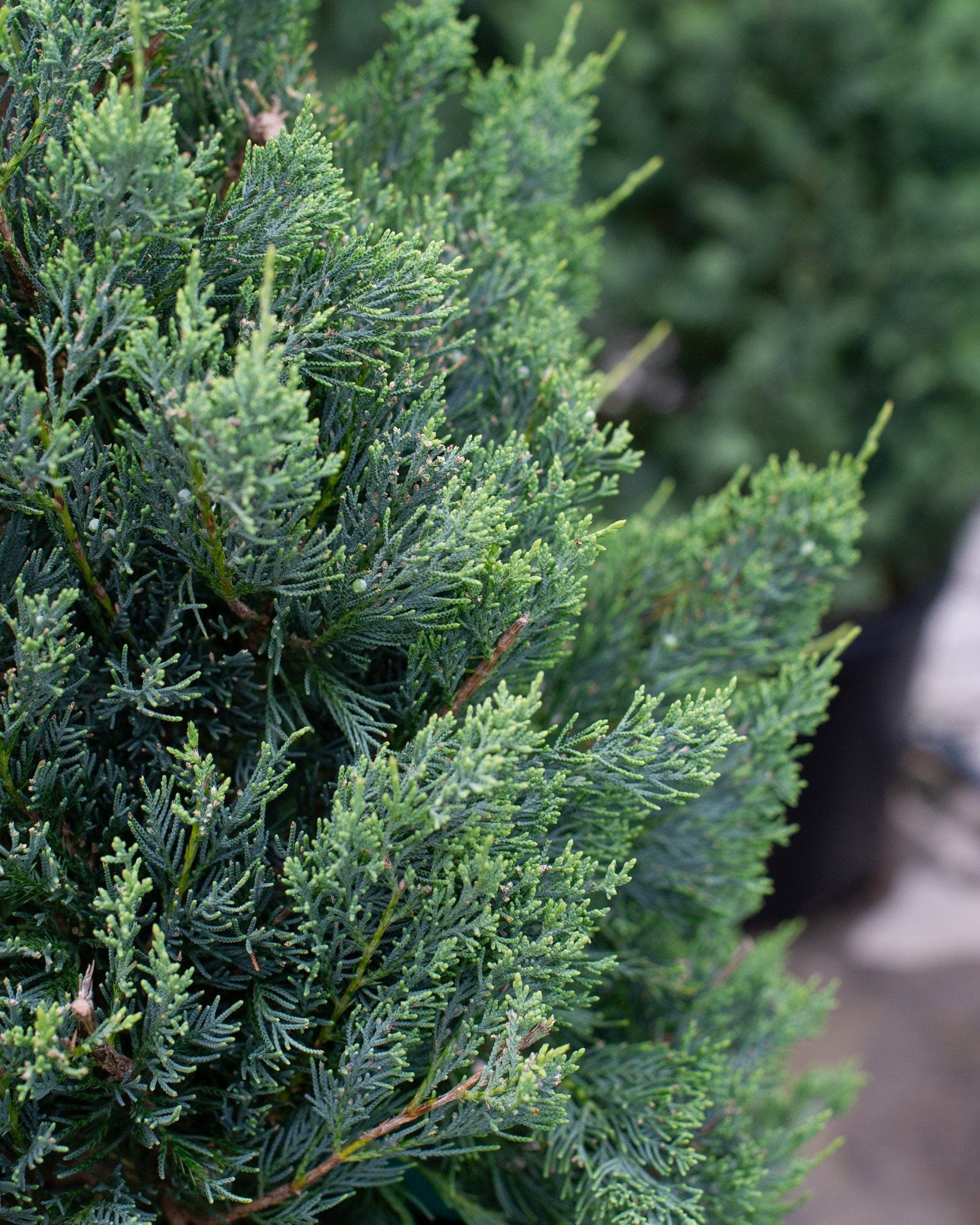
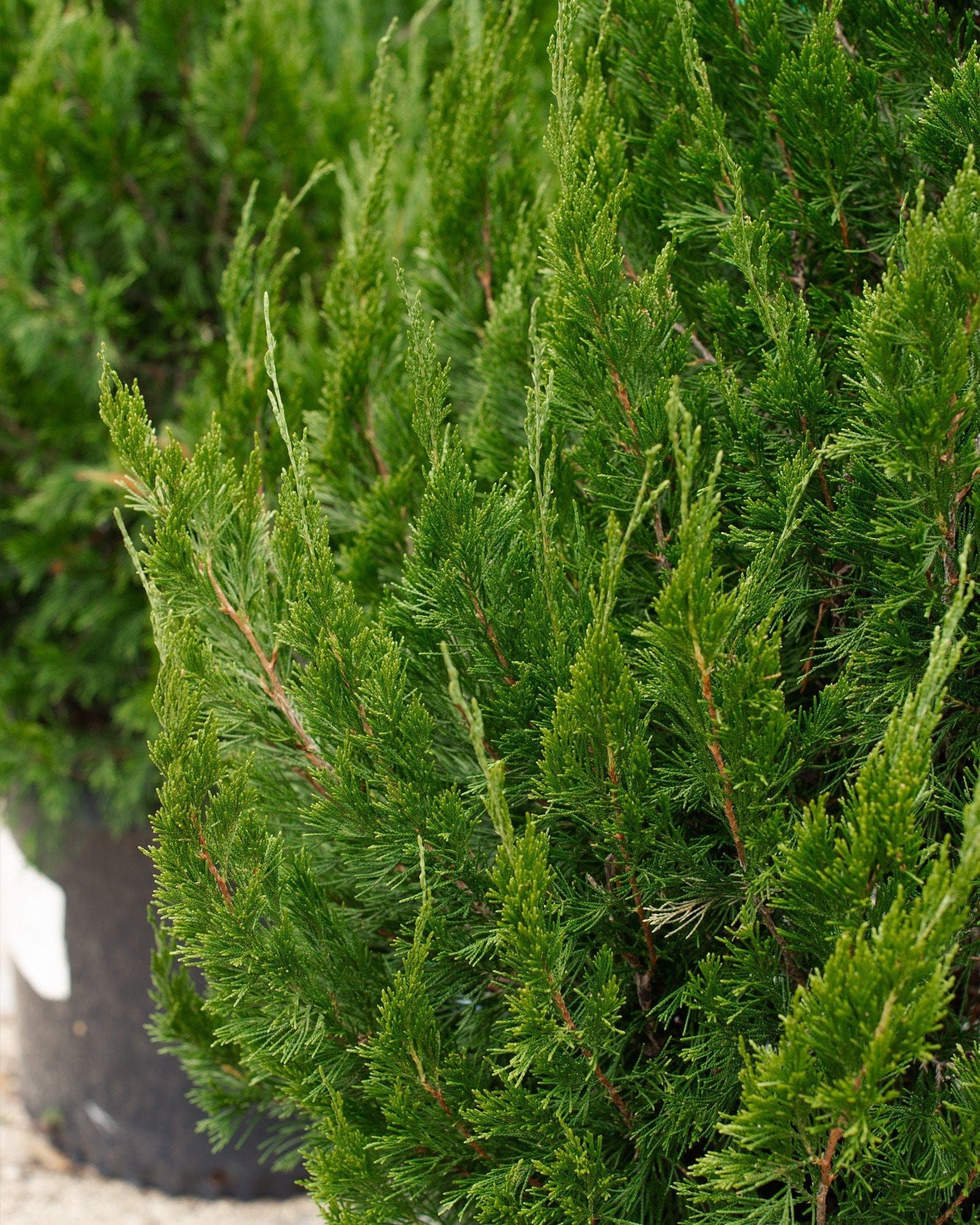
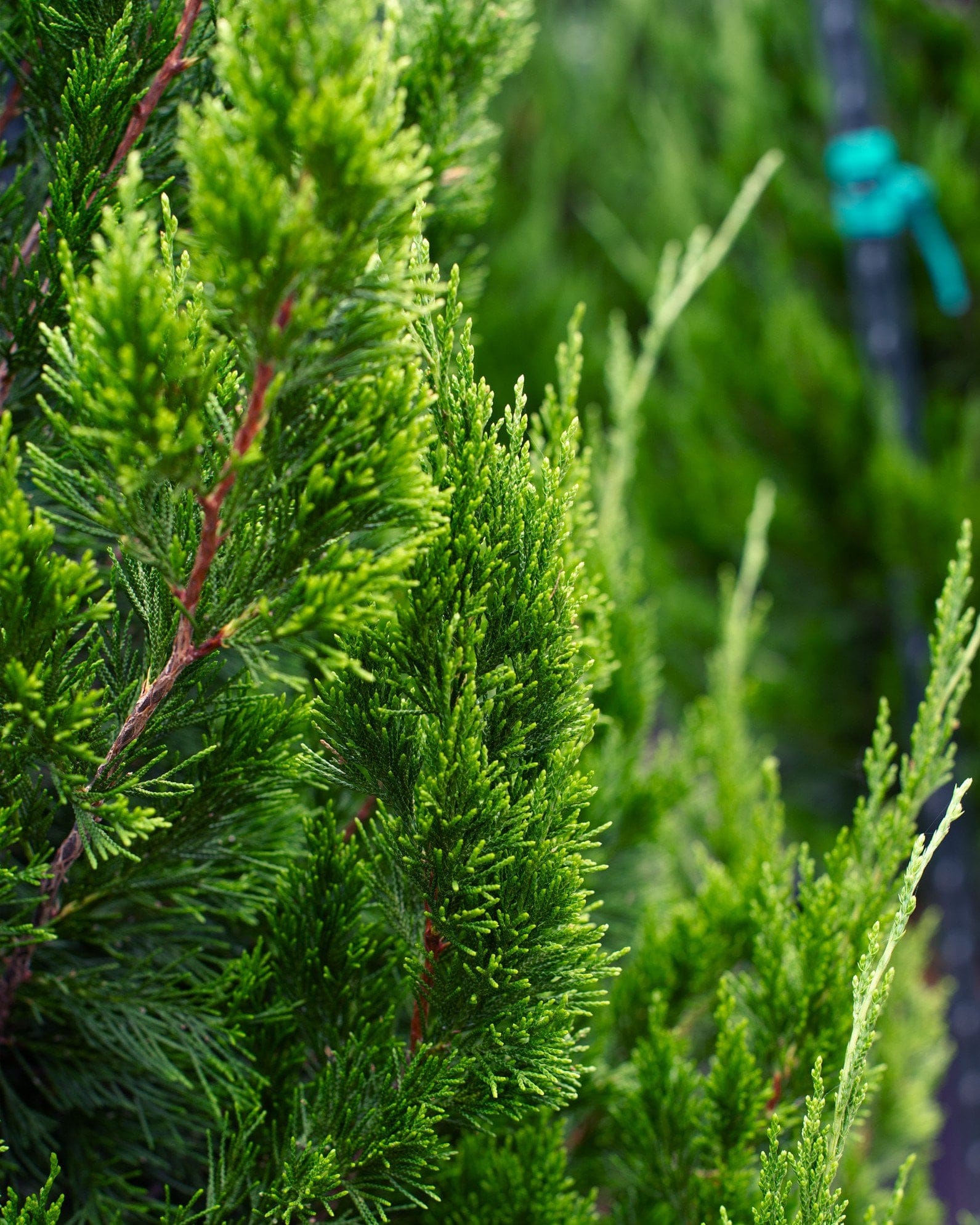
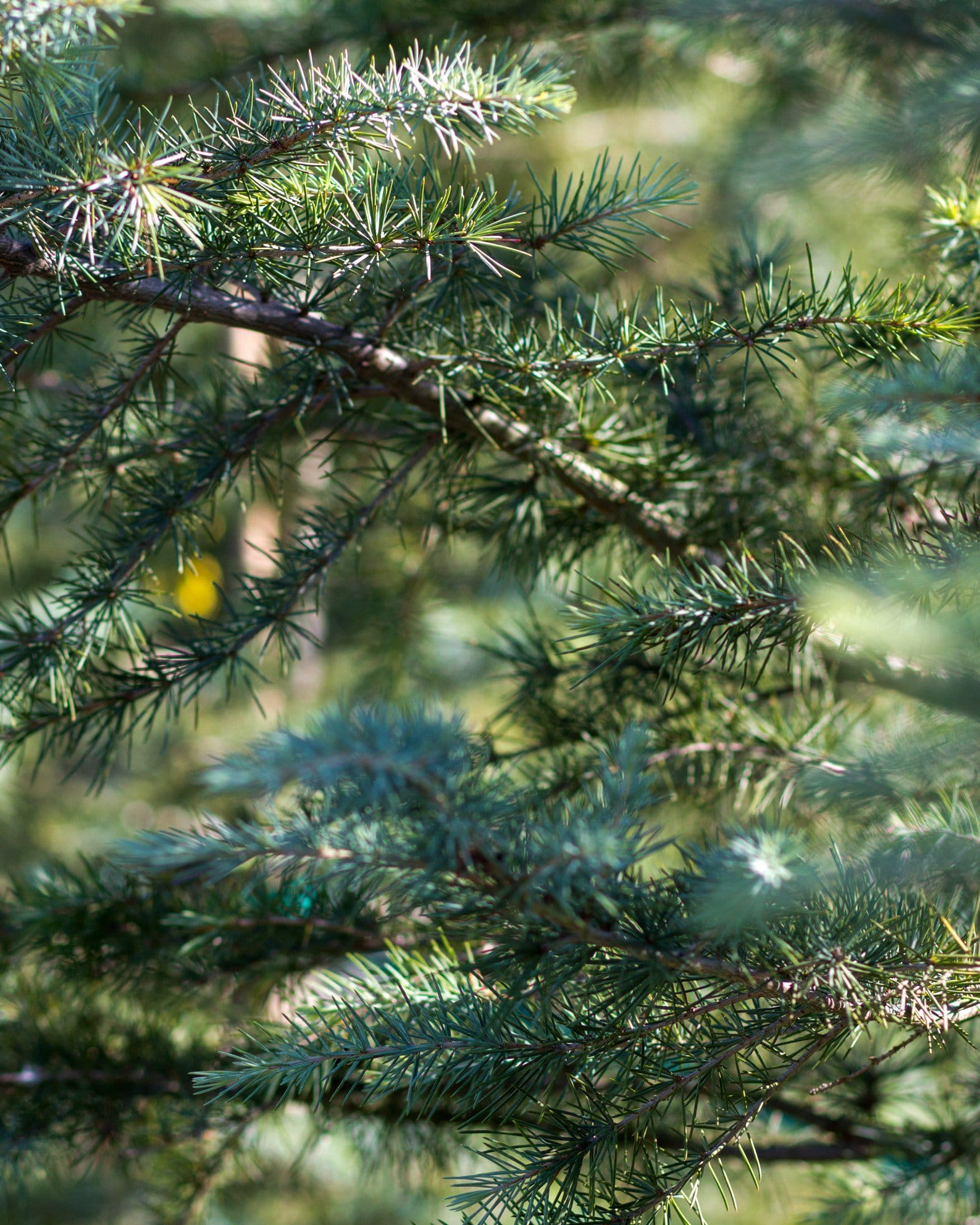
- Dense green foliage year-round
- Excellent for privacy screens, hedges, and landscapes
- Hardy and drought-tolerant once established
Plant this tree in full sun and well-drained soil for best results, but keep in mind that it will tolerate average planting conditions as well. It performs best with little trimming and is tough enough to handle heat and drought. Hardy in USDA zones 3 through 9, it's a great choice for North Texas' arid weather.
Eastern Red Cedar Brodie is exceptionally hardy, drought-tolerant, and low-maintenance once established. However, following a few care tips will ensure health, longevity, and a strong, upright form.
- Watering: Water consistently during the first one to two growing seasons to encourage deep root development. Once established, ‘Brodie’ is highly drought-tolerant, requiring only occasional deep watering during extended dry periods. Avoid overwatering, as poorly drained soil can cause root issues and promote fungal diseases.
- Pruning: Minimal pruning is required. Light pruning in late winter or early spring helps maintain its upright, narrow form and removes any dead or crossing branches. Avoid cutting into old wood, as growth from bare stems may be slow, and heavy pruning can disrupt its natural columnar shape.
- Fertilizing: Fertilization is rarely necessary. If needed, apply a balanced, slow-release fertilizer in early spring to encourage vibrant foliage.
- Mulching: Apply a layer of mulch around the base to conserve moisture, moderate soil temperature, and suppress weeds. Keep mulch a few inches away from the trunk to prevent rot or pest problems. Refresh mulch annually for best results.
Common Issues and How to Take Care of Them
Brodie Eastern Red Cedars are generally very resilient, but occasional problems may include:
- Cedar-Apple Rust: A fungal disease producing orange, gelatinous galls. Avoid planting near apple or crabapple trees and prune infected branches promptly. Fungicide sprays may also help prevent severe infections.
- Bagworms: Caterpillars that feed on foliage while residing in silk “bags.” Remove bags by hand in winter or apply biological insecticides when larvae are active. Early removal helps protect the tree’s dense foliage from defoliation.
- Spider Mites: Tiny pests that can cause yellowing or bronzing of foliage, especially in hot, dry conditions. Rinse foliage or treat with insecticidal soap if necessary, and maintain proper watering to reduce stress.
- Root Rot: Can occur in poorly drained soils. Ensure proper site selection and avoid overwatering to maintain healthy roots.
With proper sun, good drainage, and occasional pruning, Eastern Red Cedar ‘Brodie’ will stay healthy and vibrant for many seasons to come.
It grows at a moderate rate, typically 12-18 inches per year, depending on the conditions. Growth may be slightly slower in shaded or nutrient-poor areas, but it remains consistent in full sun with well-draining soil.
Early spring or fall is ideal, allowing roots to establish before extreme temperatures. Planting during these seasons also reduces transplant shock and encourages stronger root development.
During the first two years water daily when temps are above 95 degrees and every other day when temps are between 80-95 degrees. Once established, occasional deep watering during dry spells is sufficient. Supplemental watering during extreme heat or drought will help maintain dense foliage and berry production.
Yes, once established, it thrives in dry soils and hot conditions. While resilient, providing occasional water during prolonged dry periods ensures optimal growth and long-term health.
Absolutely. Its narrow, upright habit makes it excellent for tight spaces where vertical screens are needed. Light pruning helps maintain uniformity and encourages denser foliage for privacy or windbreaks.
Yes, deer generally avoid it due to its aromatic, resinous foliage. Its toughness and unpalatable texture make it reliable for gardens in areas with frequent deer activity.
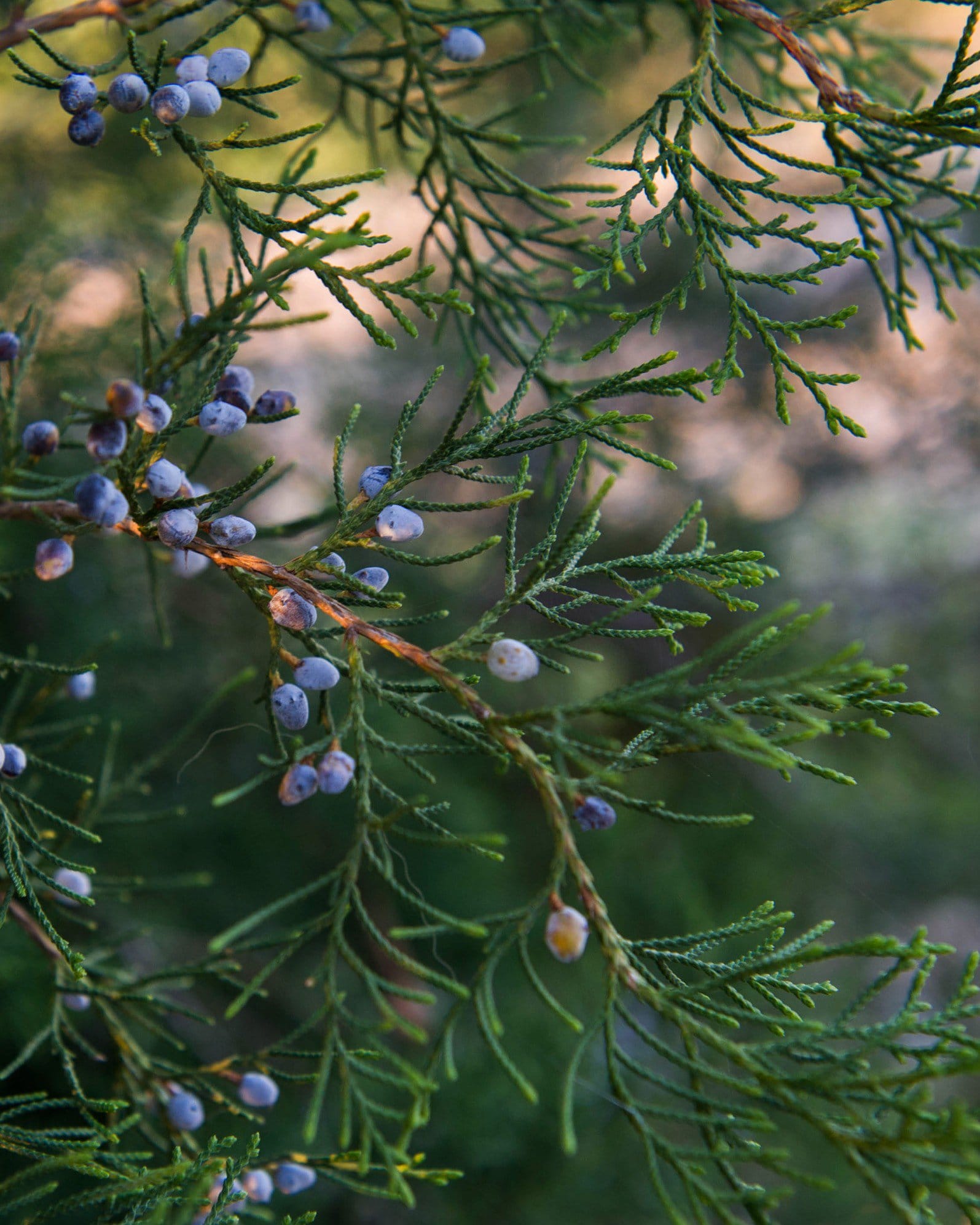
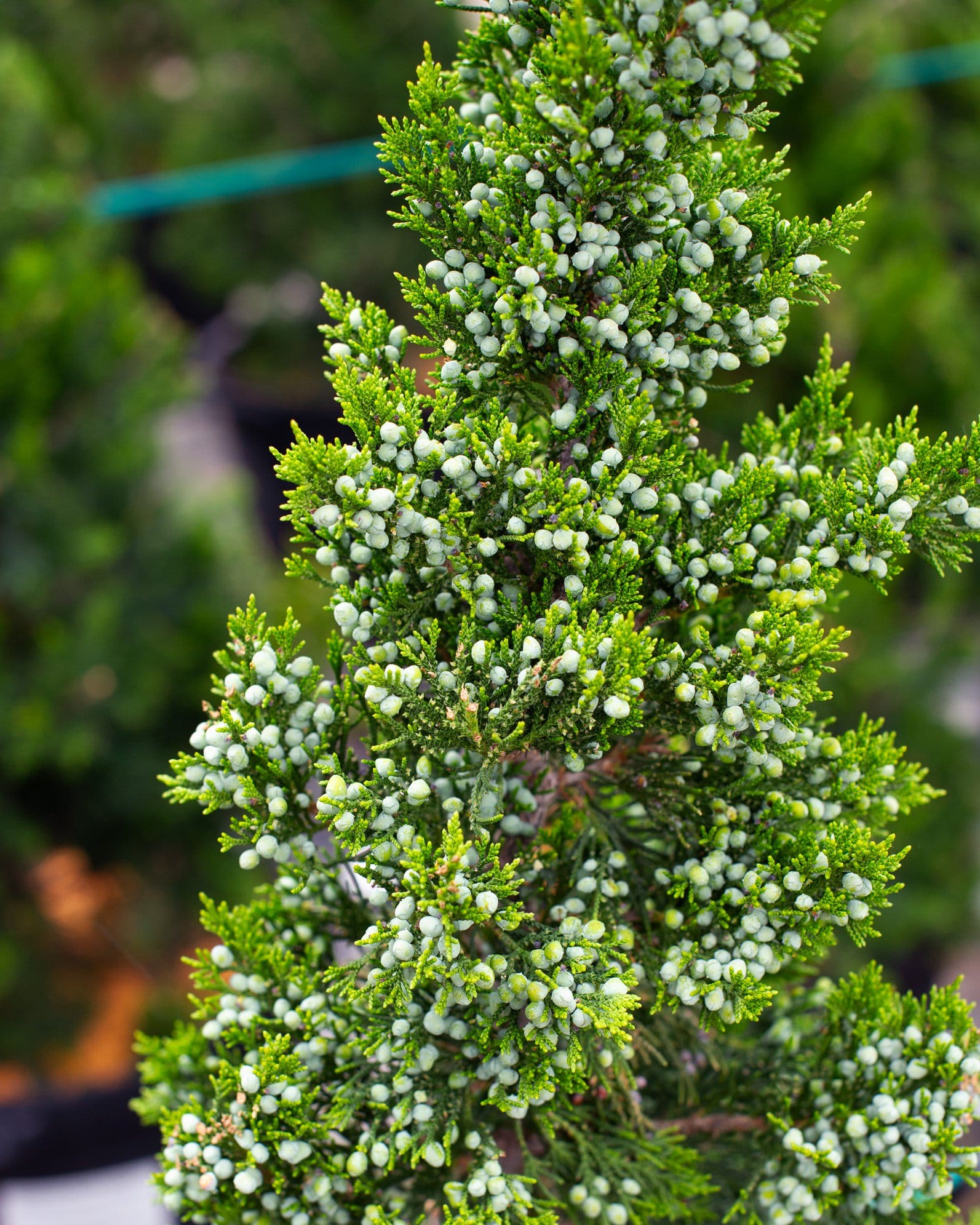
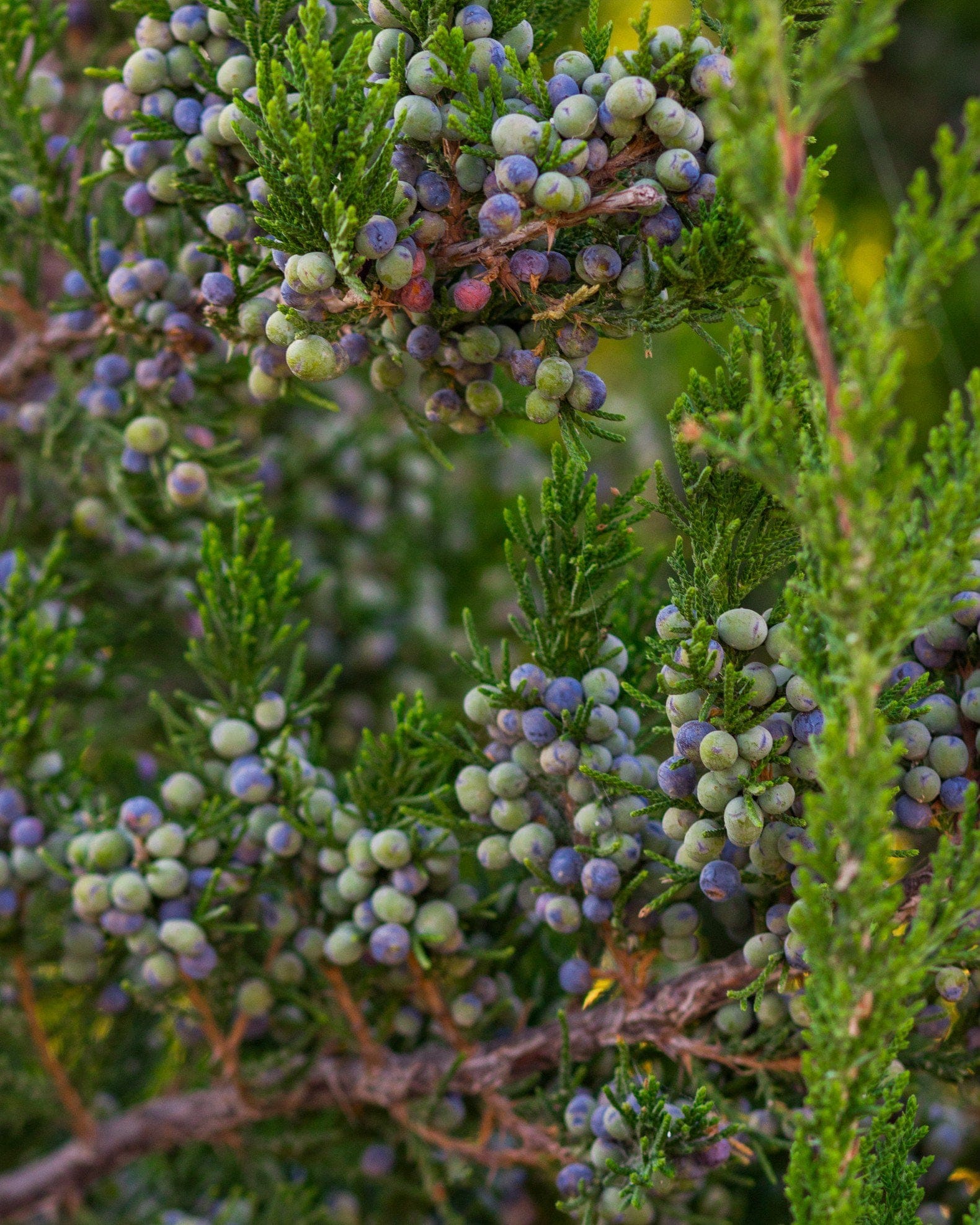
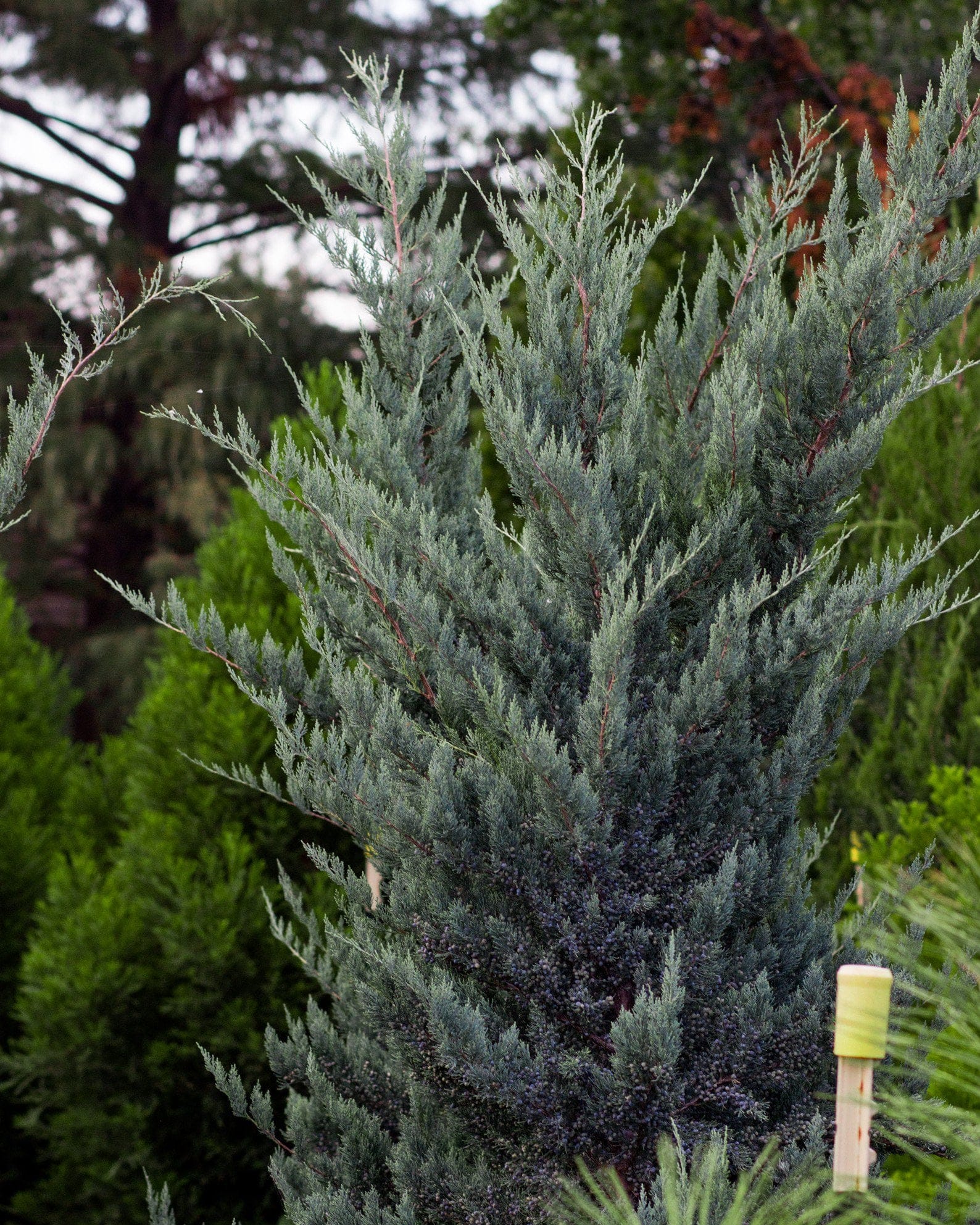
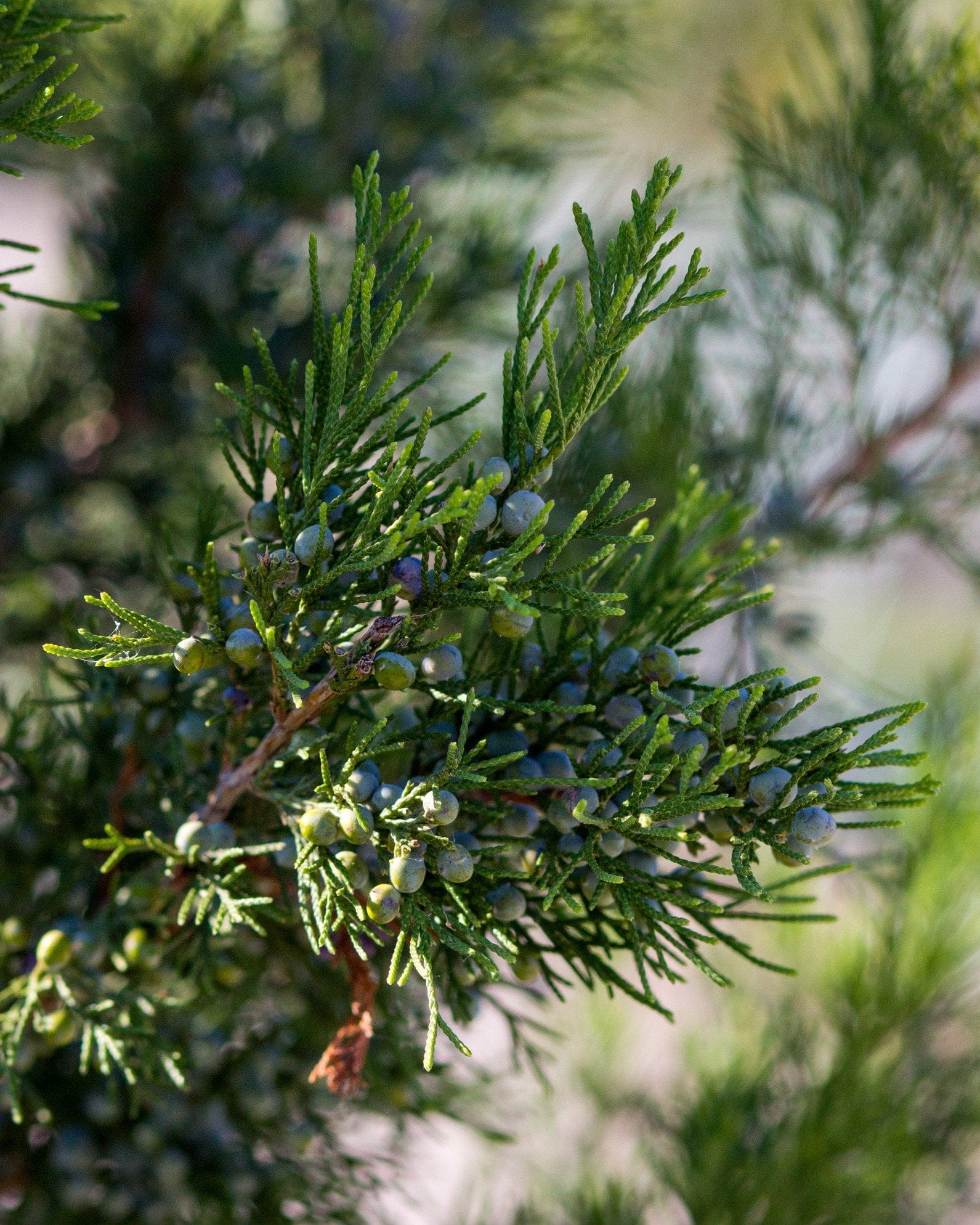
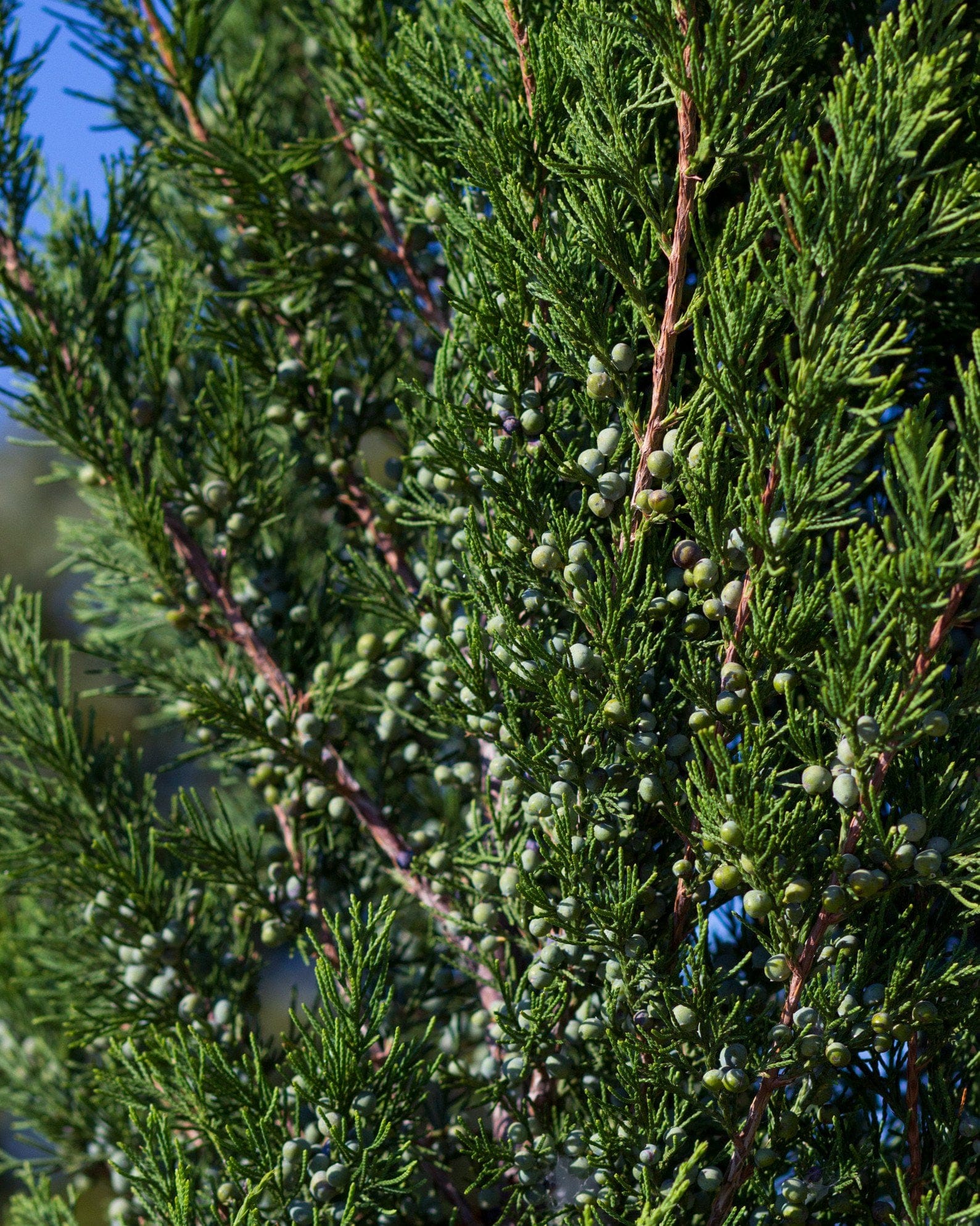
Yes, all Brodies produce bluish-gray berries that attract birds and wildlife. Berries appear in the fall and persist through winter, providing seasonal interest and food for local fauna.
No, it is not typically invasive, though like all Eastern Red Cedars, it can self-seed in unmanaged areas. Periodic maintenance or removal of unwanted seedlings will keep it contained.
With proper care, it can live 50-100 years, providing a durable, evergreen vertical accent in landscapes. Regular pruning, proper watering, and good site selection enhance its lifespan.
Yes, it is highly adaptable to urban environments, including compacted soils, pollution, and windy conditions. Its toughness makes it ideal for city landscapes, streetscapes, and confined spaces where other evergreens might struggle.
When it comes to spacing there is no right or wrong answer. We prefer to give trees the most amount of separation possible and aesthetically this leads to a prettier looking tree at maturity because they develop naturally wider, fuller and more symmetrical canopies. As far as the tree's health is concerned it will not be affected by how closely it is planted to another tree but the shape of the canopy will become taller and thinner and begin to overlap, which will create a continuous hedge. If privacy is not of an immediate concern and we are just looking to diffuse the view then we could plant the trees where they barely touch at maturity.
For example, we could plant Brodies 12' apart (their mature width is 12') and at maturity their canopies would barely touch or we could space them even further apart than 12' which would leave a gap between the trees. Most of us don't have the luxury of planting trees this far apart and waiting 10-15 years for them to grow together and get privacy. For people that need more immediate privacy then the question to answer is "how long do you want to wait before you have a solid privacy screen?" Most answers that we get to this question will either be immediate or they are willing to wait between 2-4 years before they get solid coverage. Again, there is no right or wrong answer to this question and it is solely dependent upon how quickly the privacy is needed. For example, if a customer is looking for immediate coverage and they are planting Brodies, then we need to find out how wide the trees are that are being purchased and then plant them that far apart. If we find Brodies that are 3.5' wide then we would need to plant them 3.5' apart from trunk to trunk which allows for the branches to touch immediately at the time of planting. If we are looking for coverage in 3-4 years then the spacing would be dependent upon how quickly the trees grown per year in width and what size tree the customer decides to start with. Let's look at the previous example of a Brodie that is currently 3.5' wide. We know that they grow about .75' per year in terms of width so over 3 years they will be about 5.75’ wide and therefore we would space the 5.75’ apart (trunk to trunk) so that the trees would be touching in 3 years.
Special Features
You might also like
Compare Similar Plants
Eastern Red Cedar Brodie This plant | ||
|---|---|---|
| Scientific Name | Juniperus virginiana ‘Brodie’ | Juniperus virginiana |
| Size at Maturity | 25' H x 12' W | 30' H x 20' W |
| Leaf Retention | Evergreen | Evergreen |
| Sizes Available | 15, 30, 45, 65 gal | 3, 15, 30, 45 gal |


Our 1-Year Planting Guarantee
We take pride in our plants and installation services. If any plants or trees installed by Treeland fail to thrive within the first year, we'll provide a replacement credit in accordance with our guarantee program.
Learn More About Our Guarantee