
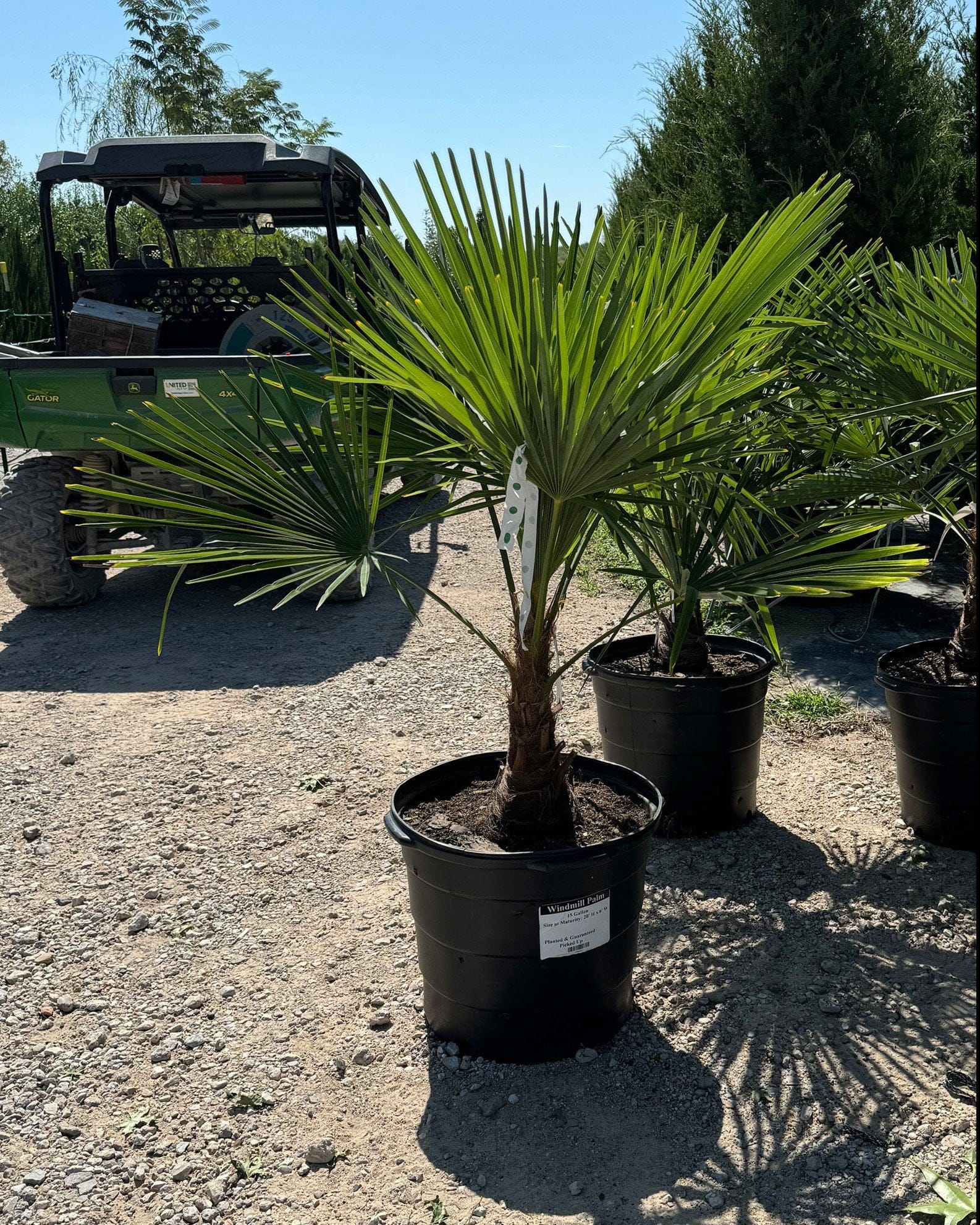
Windmill Palm
Trachycarpus fortuneiLocal DFW Delivery Only
Product Details
Windmill Palm
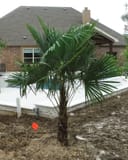
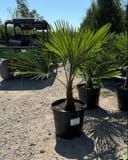
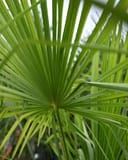
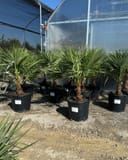
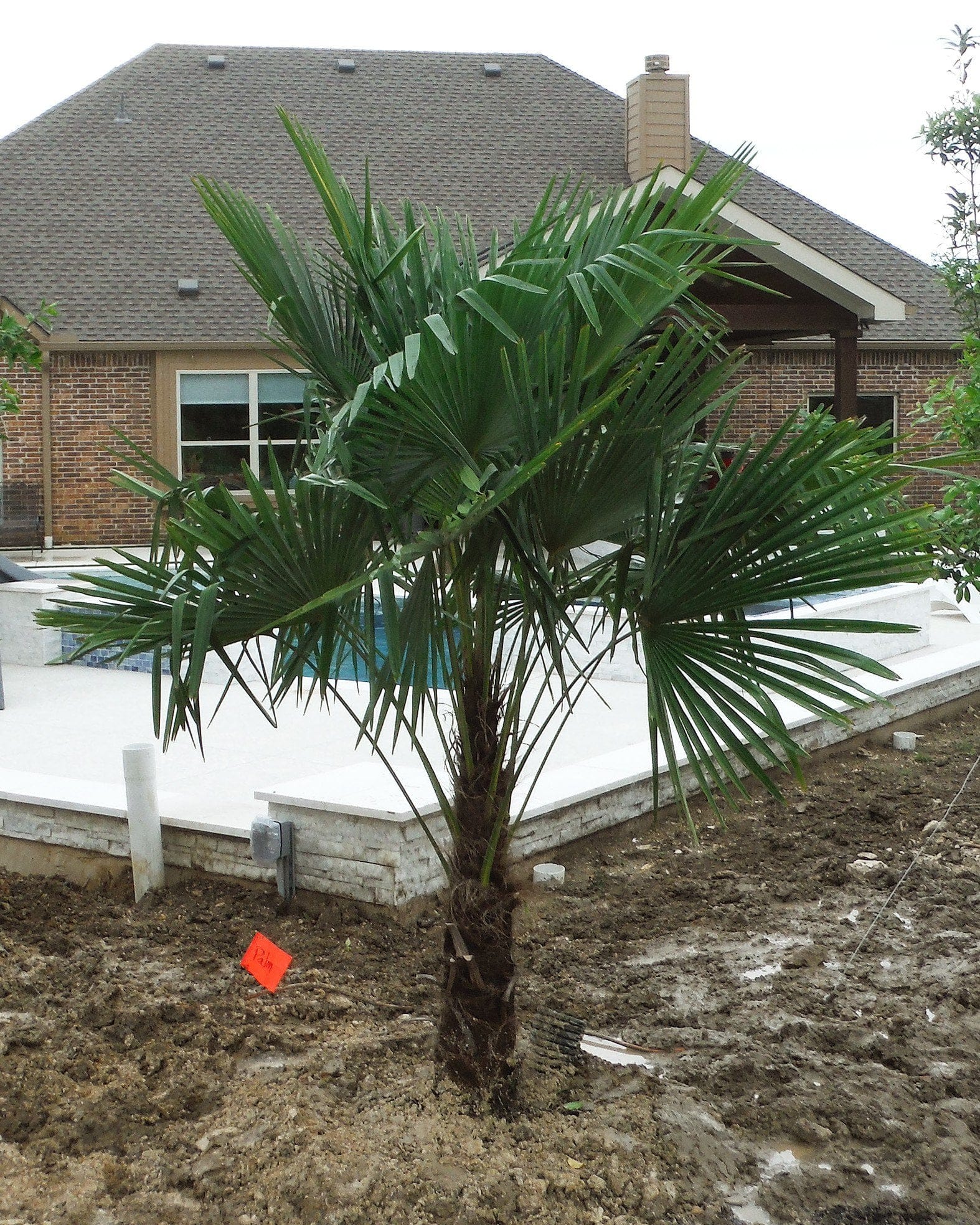
Trachycarpus fortuneiThe Windmill Palm is an evergreen palm variety prized for its charm and seasonal interest. It grows up to a staggering 20 feet in height and 6 feet across. This palm features emerald, fan-like leaves growing out of long trunks. What's unique about the Windmill Palm is that it produces clusters of golden flowers that turn into midnight black berries. This fruit is not edible. The palm is a great tropical addition to landscapes and large planters.
- An evergreen palm type
- Moderate growth rate
- Fan-like emerald leaves on long stalks
- Produces golden flowers and bluish-black berries
- Heat and drought hardy
The Windmill Palm loves full sun but will tolerate partial shade as well. When choosing a suitable planting spot, opt for one with well-draining soil. It grows like it's at home in zones 8 through 11, making it perfect for Texas' arid weather. You don't have to do much at all to maintain this palm's beauty.
Windmill Palm requires surprisingly little care once established. Here’s everything you need to know to help it grow beautifully:
- Watering: Water regularly during the first two years after planting to help roots establish deeply. Once mature, Windmill Palm tolerates periods of drought but benefits from occasional deep watering in prolonged dry weather. Avoid constant wetness or standing water around the trunk to prevent root rot.
- Pruning: Remove only dead or fully brown fronds, cutting them close to the trunk but not into the living tissue. Avoid removing too many green fronds at once, as each one contributes to the palm’s energy and growth. Trim old flower stalks in summer to keep a tidy appearance.
- Fertilizing: Feed 2-3 times per year during the warm season using a palm-specific fertilizer rich in magnesium and potassium. This helps prevent leaf yellowing and encourages healthy, symmetrical growth. Overfertilization can lead to nutrient imbalance or soft fronds.
- Mulching: Apply a 2-3 inch layer of organic mulch around the base to retain soil moisture and regulate temperature. Keep mulch several inches away from the trunk to prevent fungal buildup and rot. Refresh mulch annually for neatness and soil health.
- Winter Care: Windmill Palm is among the most cold-tolerant fan palms, withstanding temperatures down to around 5-10°F. In colder regions, wrap the trunk with burlap or frost cloth during extended freezes. Avoid pruning in late fall so fronds can protect the crown through winter.
Windmill Palm is remarkably hardy and low-maintenance, but a few issues can occasionally appear:
- Scale Insects: Small, shell-like pests that feed on stems and undersides of leaves. Wipe them away with a cloth or treat with horticultural oil to eliminate infestations.
- Mealybugs: White, cottony insects that drain sap and leave sticky residue. Use insecticidal soap or a mild alcohol solution to remove them.
- Fusarium Wilt: A fungal disease that causes one-sided frond browning and eventual dieback. Prevent by sterilizing pruning tools and removing infected debris promptly.
- Ganoderma Butt Rot: A rare but serious fungal disease causing decay at the trunk base. There is no cure; remove affected palms and avoid replanting palms in the same location.
- Spider Mites: Microscopic pests that cause speckling and faded fronds in dry climates. Hose down foliage periodically and use horticultural oil if infestations persist.
When properly cared for, it can live 80-100 years or more, making it one of the longest-lived hardy palms. Its slow, steady growth ensures it remains an enduring centerpiece for decades.
It grows slowly to moderately, typically adding 6-12 inches of trunk height per year. Most reach their full mature height of 20-30 feet within several decades, developing a graceful, weathered appearance over time.
Yes - it’s among the most cold-hardy palms in the world, tolerating freezing winters that damage most tropical species. With minimal protection, it can thrive in climates as far north as USDA Zone 7.
Yes, it’s an excellent container palm, especially while young. Large pots with good drainage and consistent watering help it thrive on patios, courtyards, and balconies.
Yes - mature specimens produce clusters of small, yellowish flowers in spring, followed by bluish-black berries. The fruit is ornamental but not typically consumed.
Yes. Birds are attracted to its fruits and often nest within its dense crown fibers. The rough trunk also provides shelter for beneficial insects.
Extremely well. Its flexible fronds and fibrous trunk make it one of the best palms for coastal or windy landscapes. It’s also moderately salt-tolerant.
Yes - it’s completely non-toxic and pet-friendly. The fronds have fibrous edges but no sharp spines, making it safe to plant near walkways or play areas.
Yes, though care is required. Transplant only during warm months and keep the root ball intact; regular deep watering afterward ensures a smooth recovery.
Its elegant fan-shaped fronds, cold tolerance, and fibrous trunk give it a unique texture and silhouette. It combines tropical beauty with unmatched resilience, thriving where few other palms can survive.
Special Features
You might also like
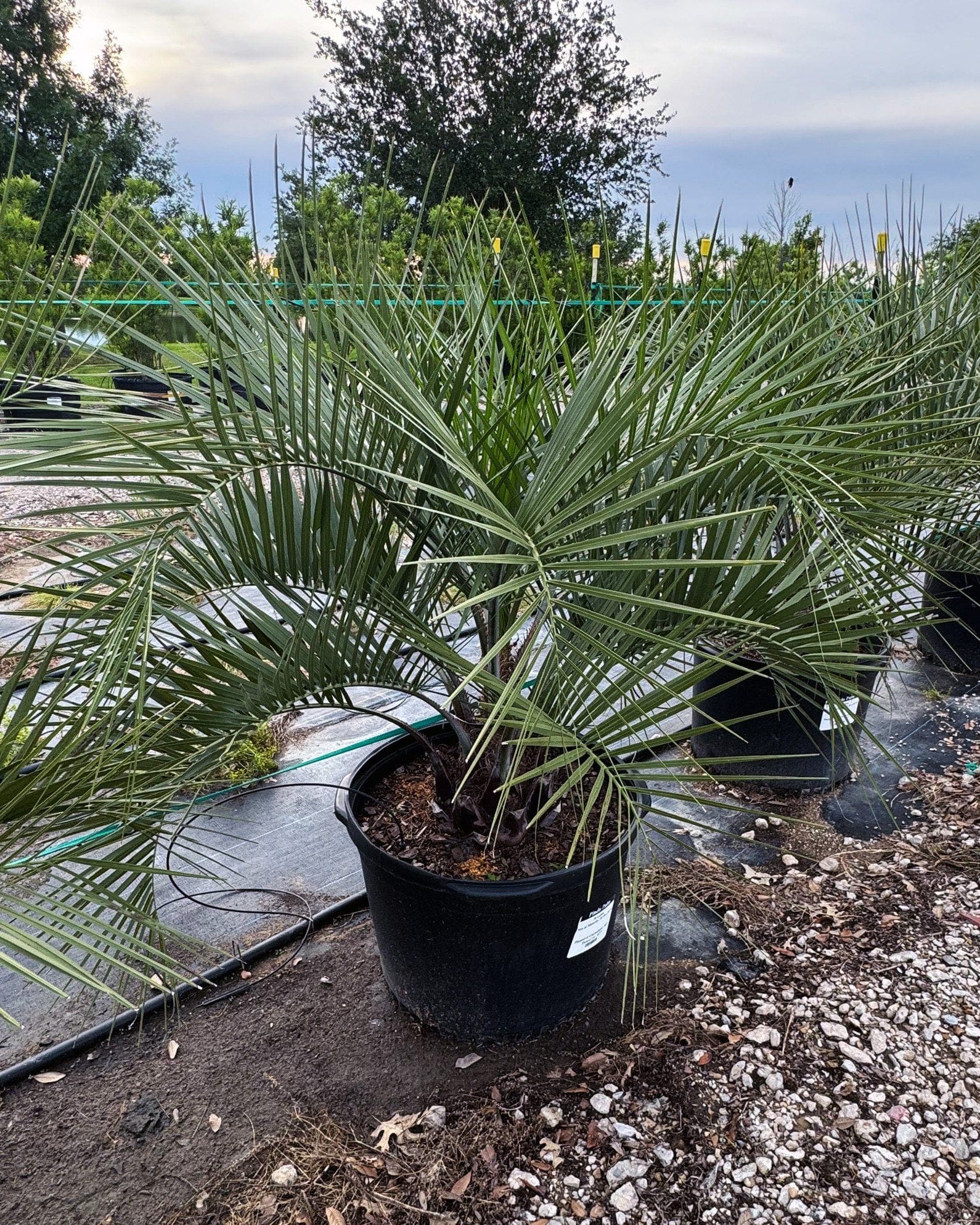
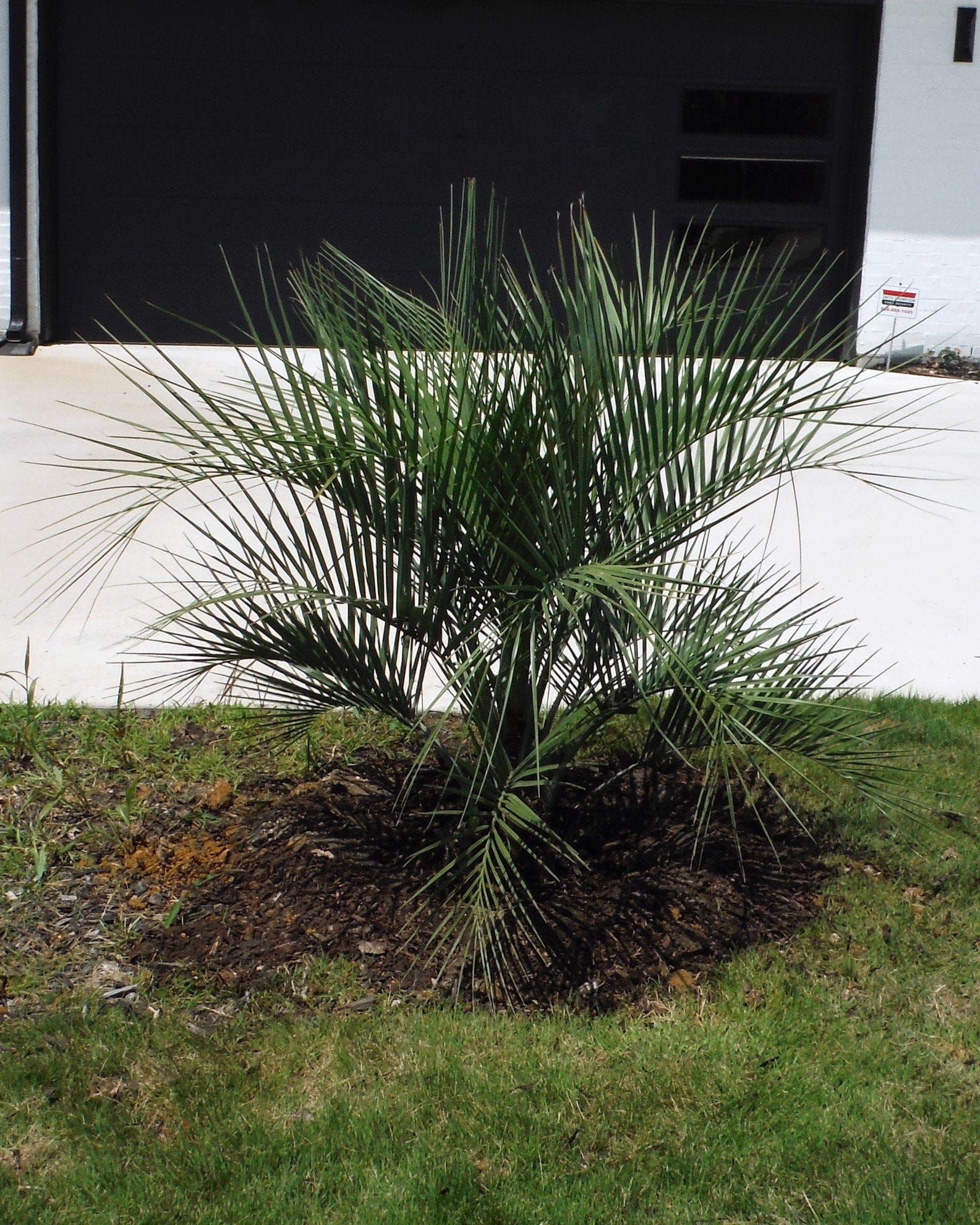
Pindo Palm
Maturity: 10' H x 10' W
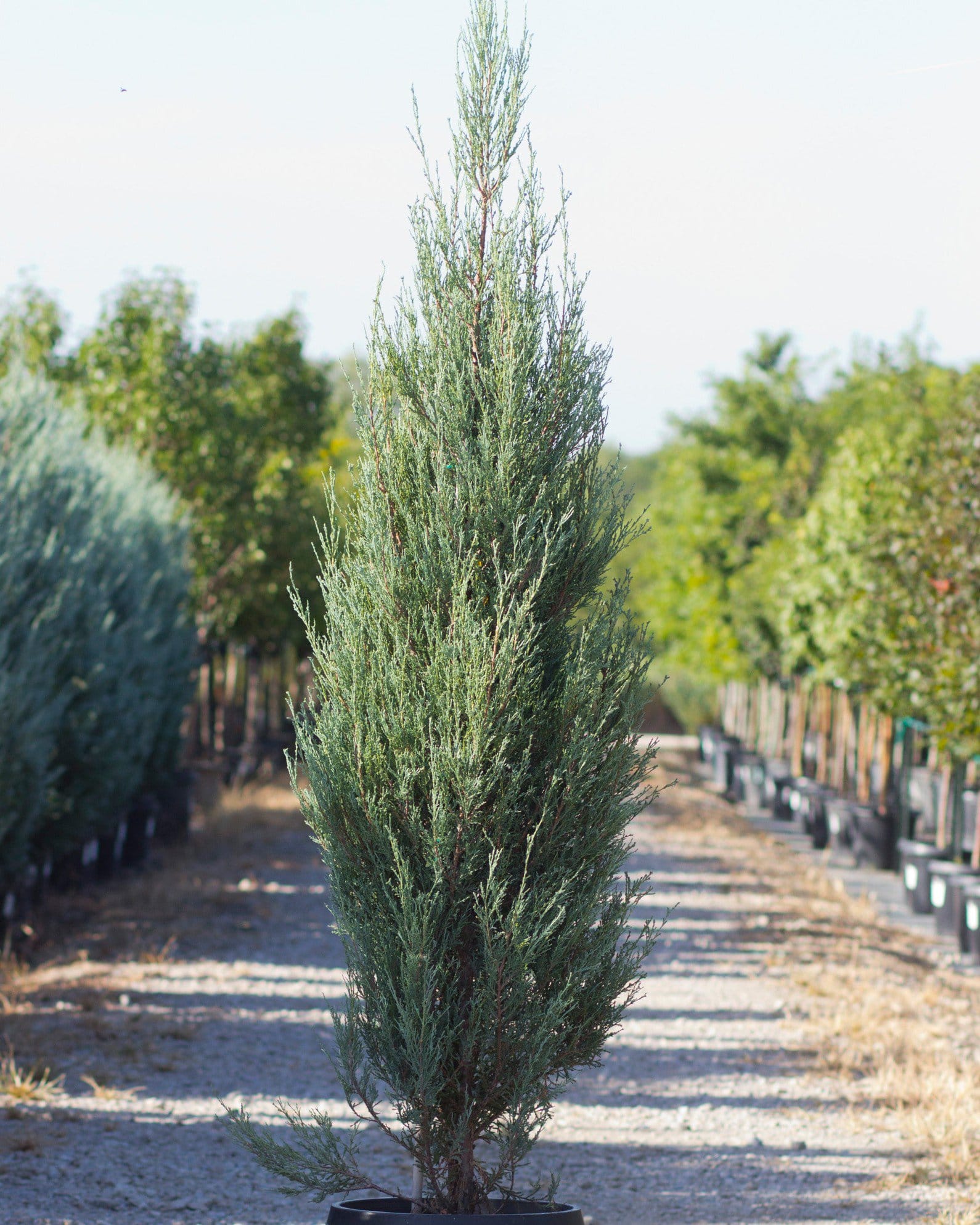
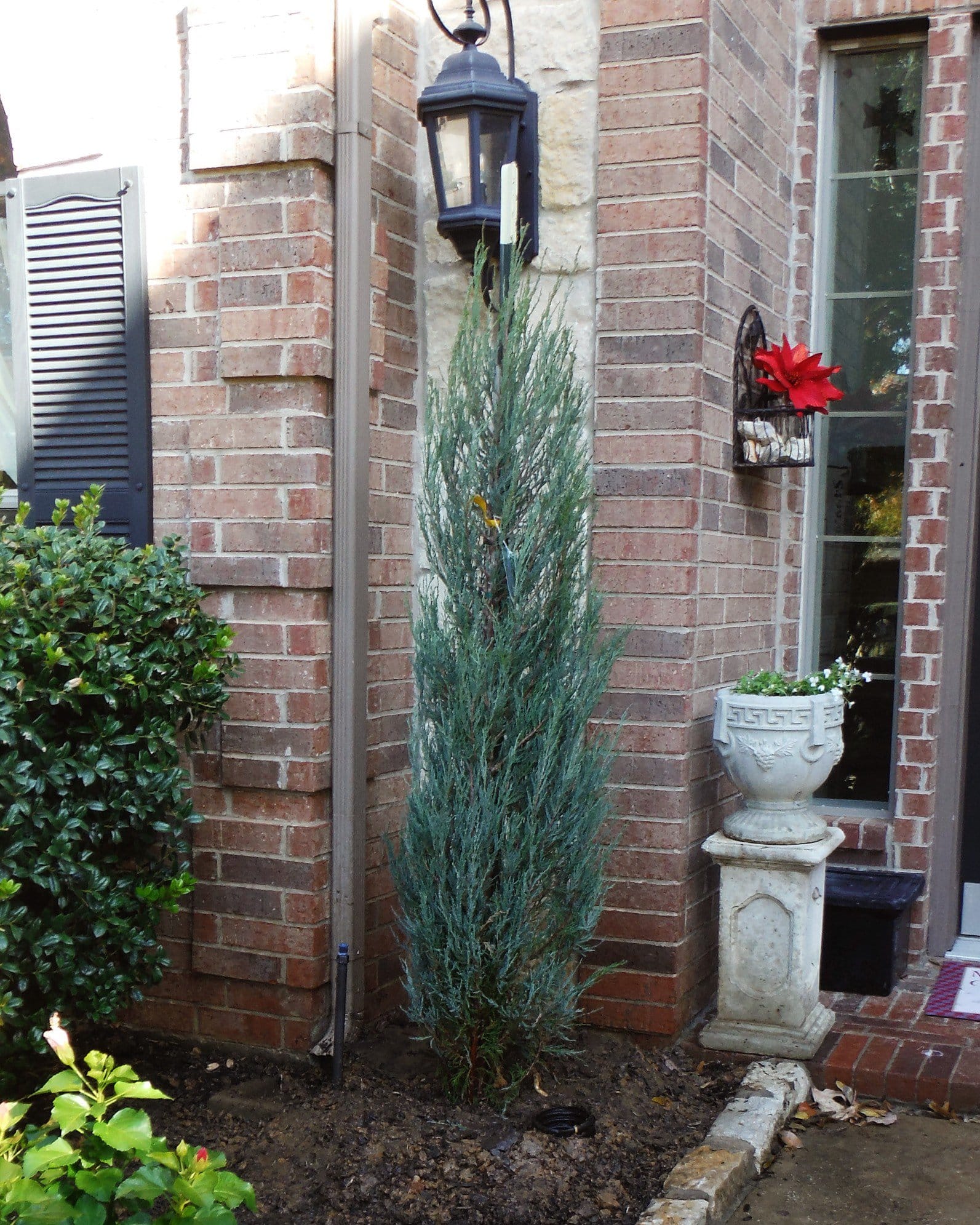
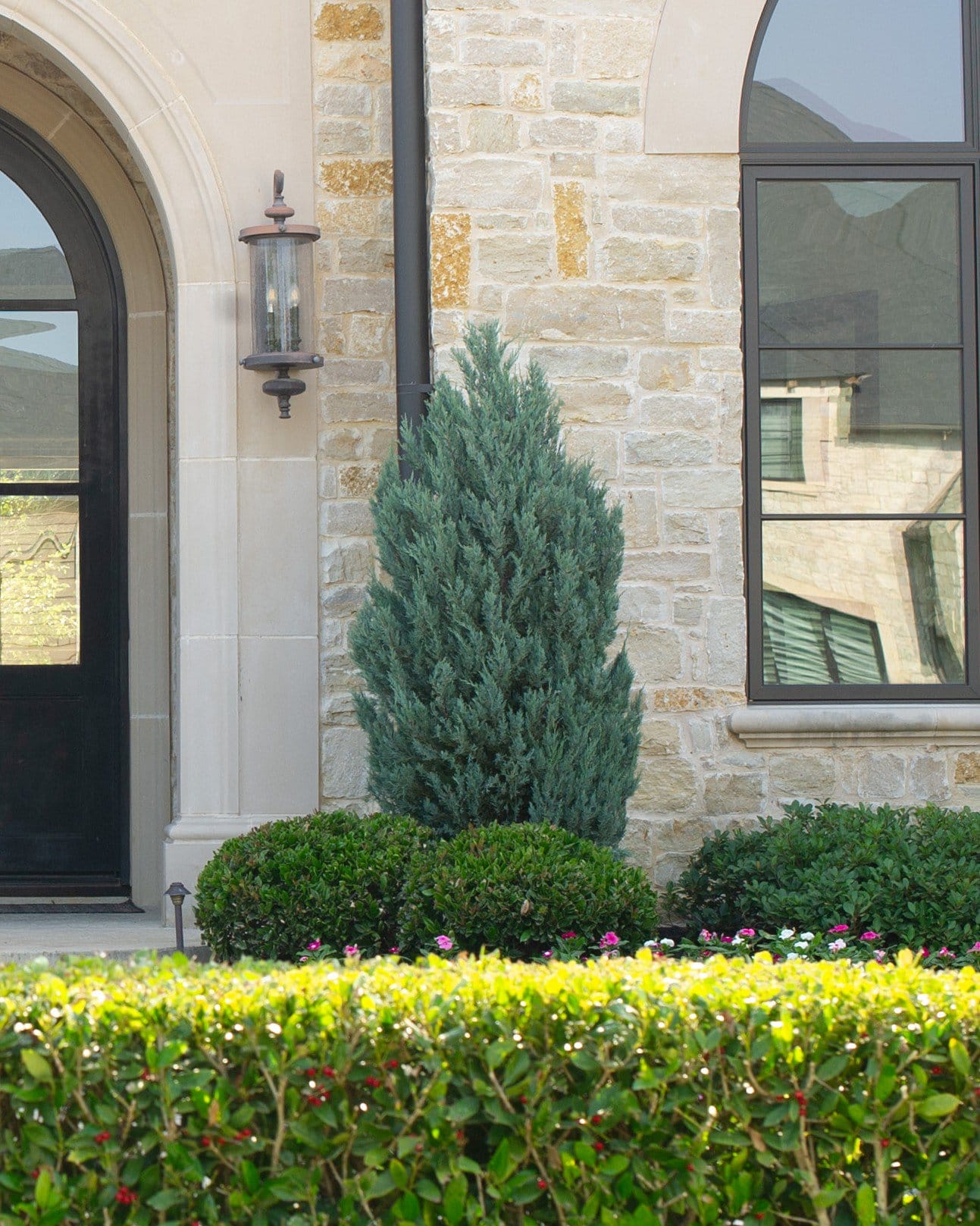
Blue Arrow Juniper
Maturity: 12' H x 2' W
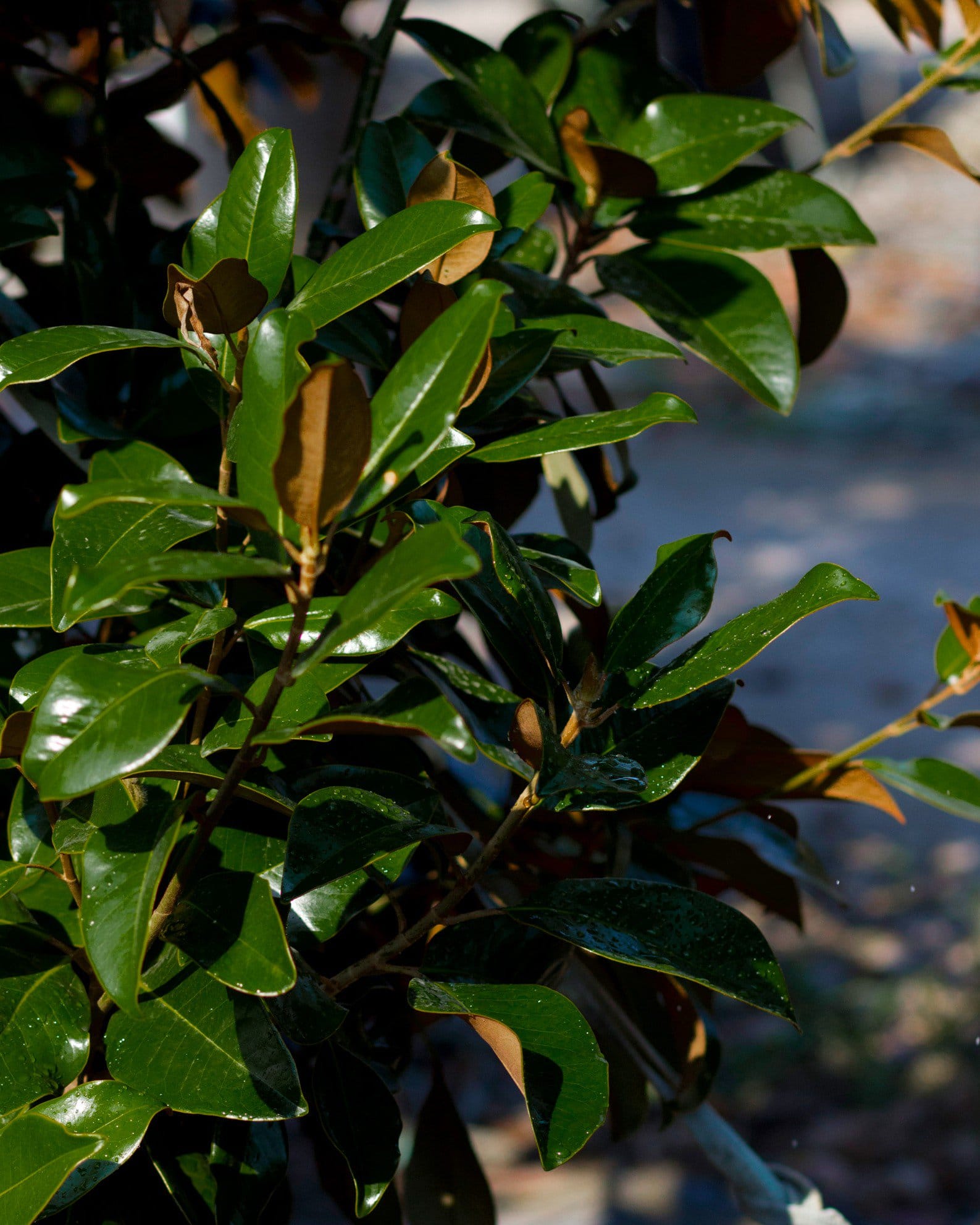
Bracken Brown Beauty Magnolia
Maturity: 30' H x 20' W
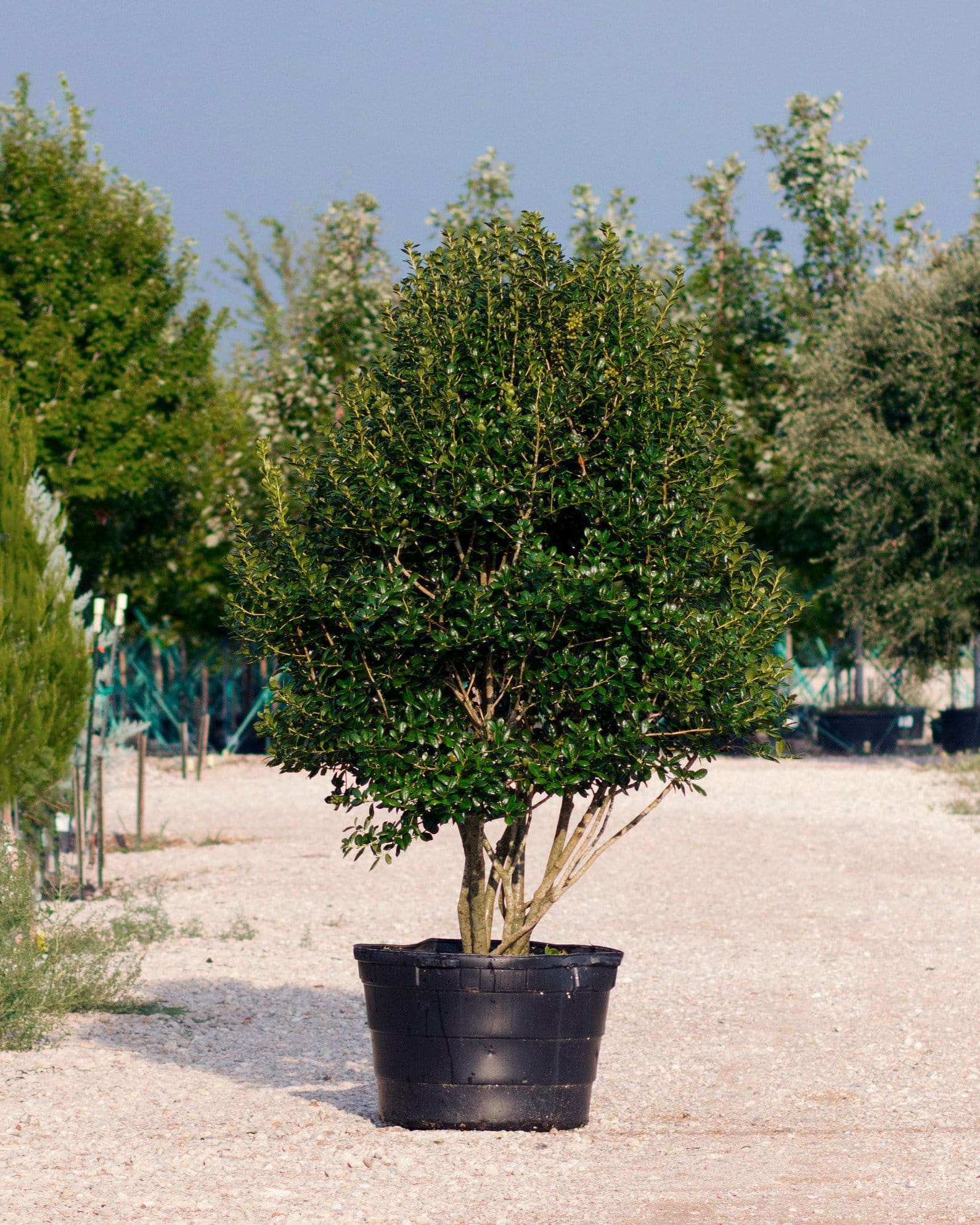
Burford Holly
Maturity: 15' H x 10' W
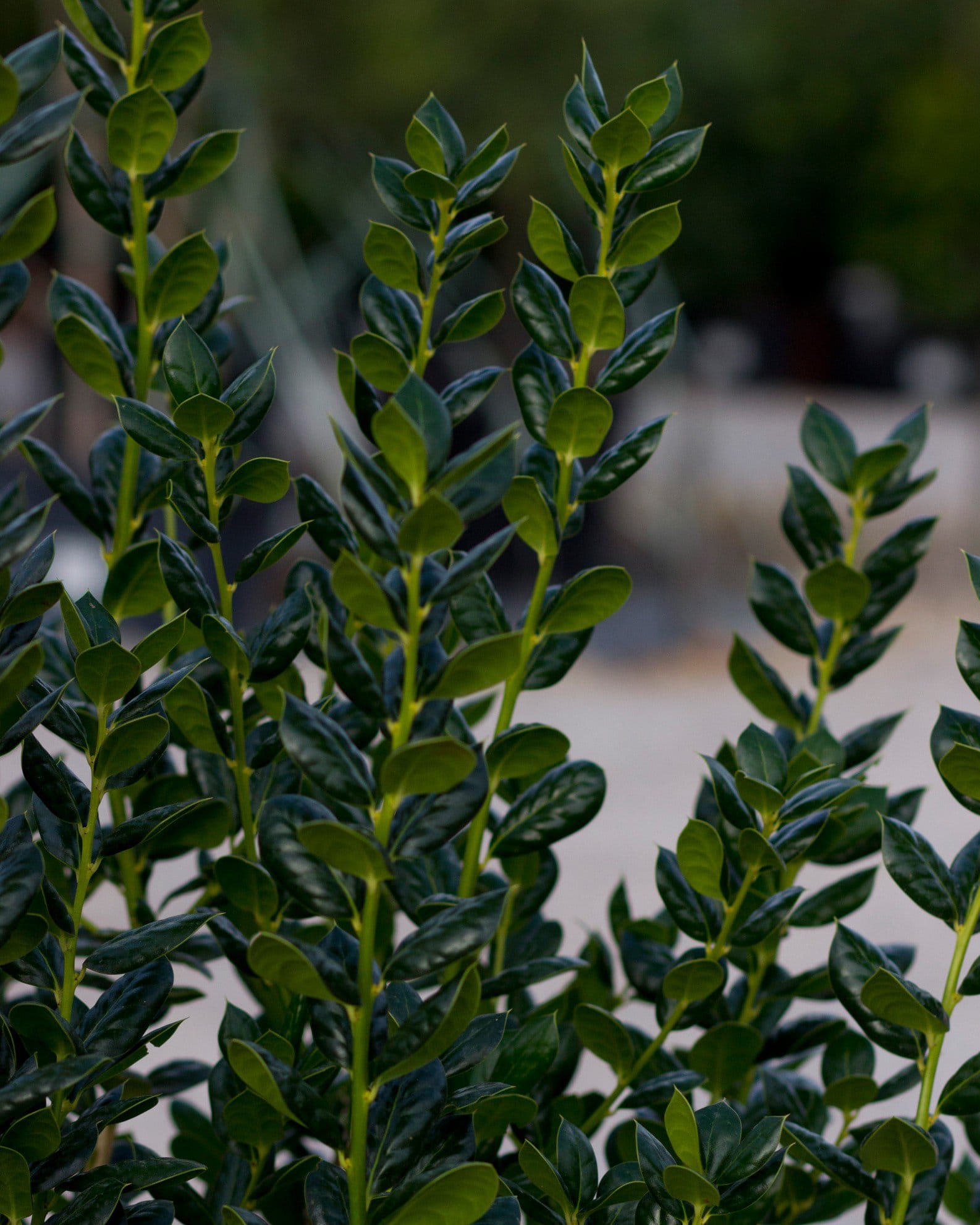
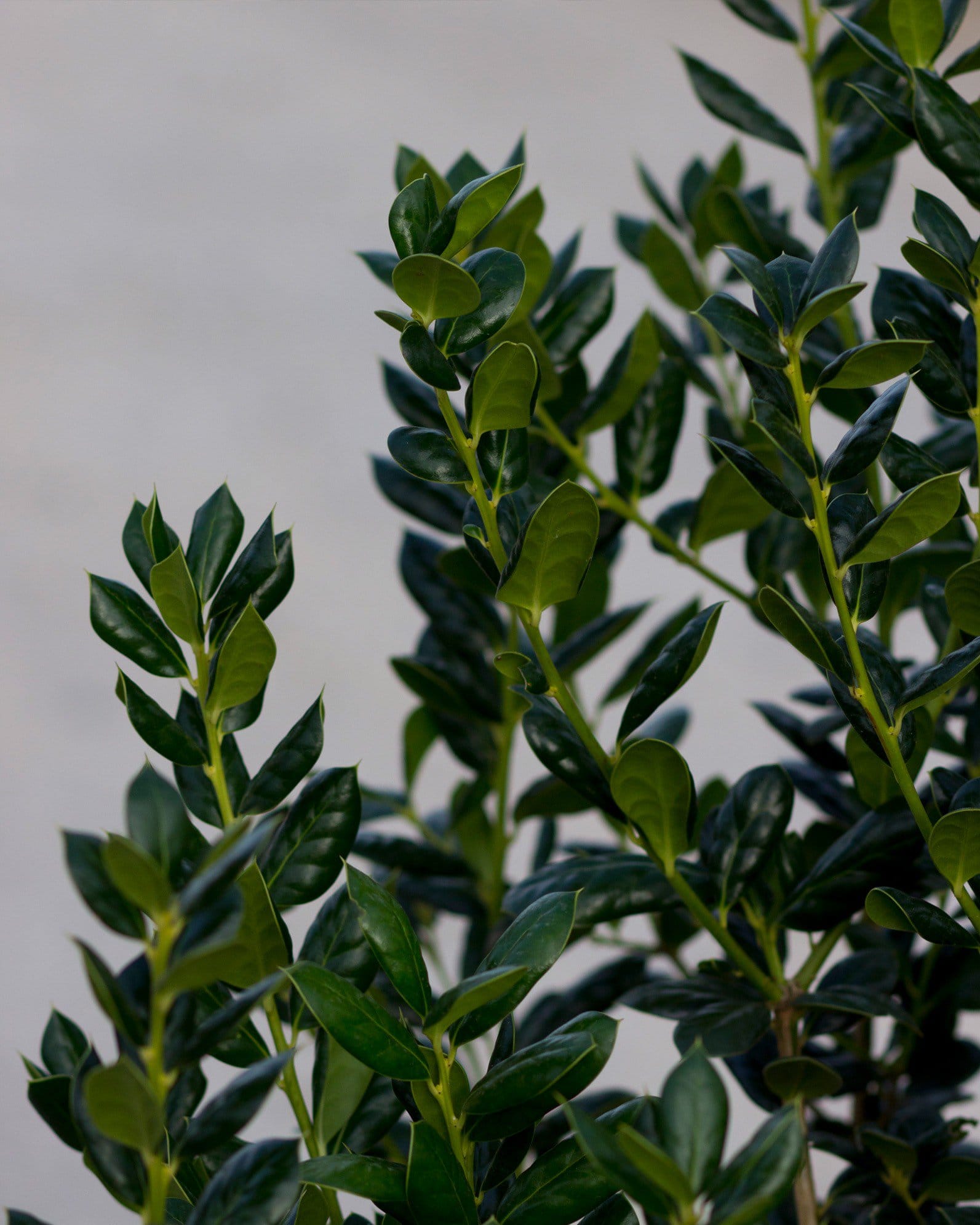
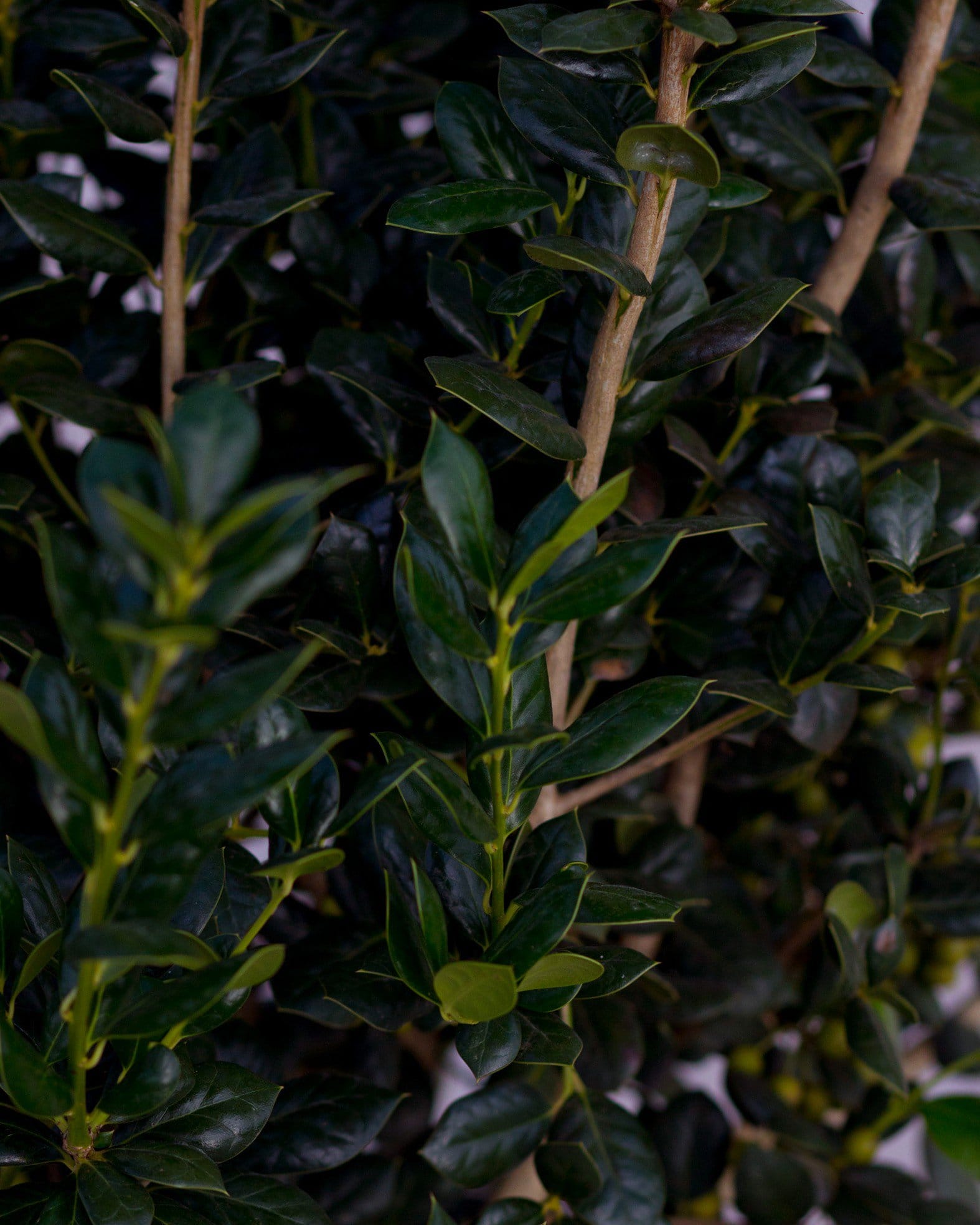
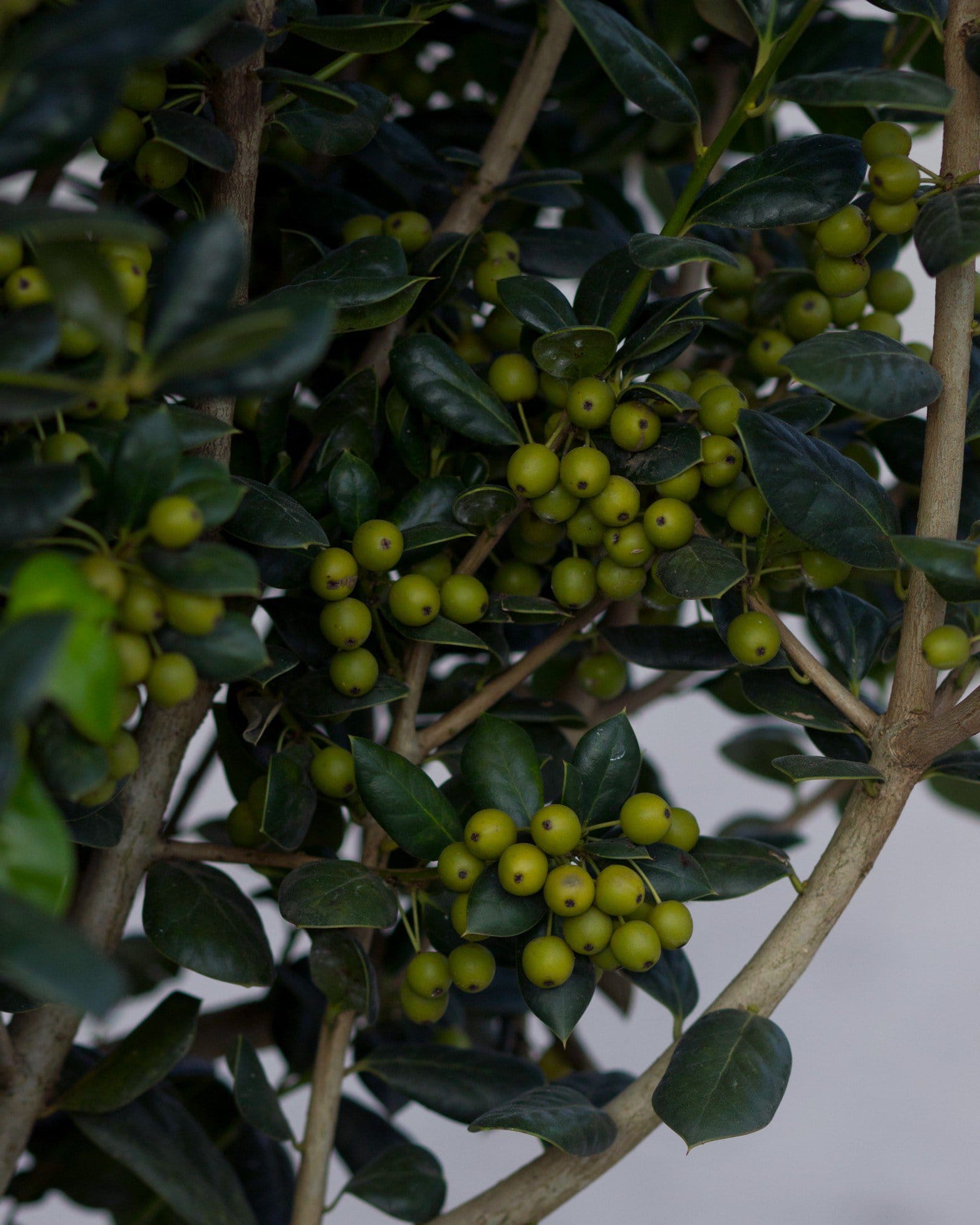
Burford Holly Tree Form
Maturity: 15' H x 10' W
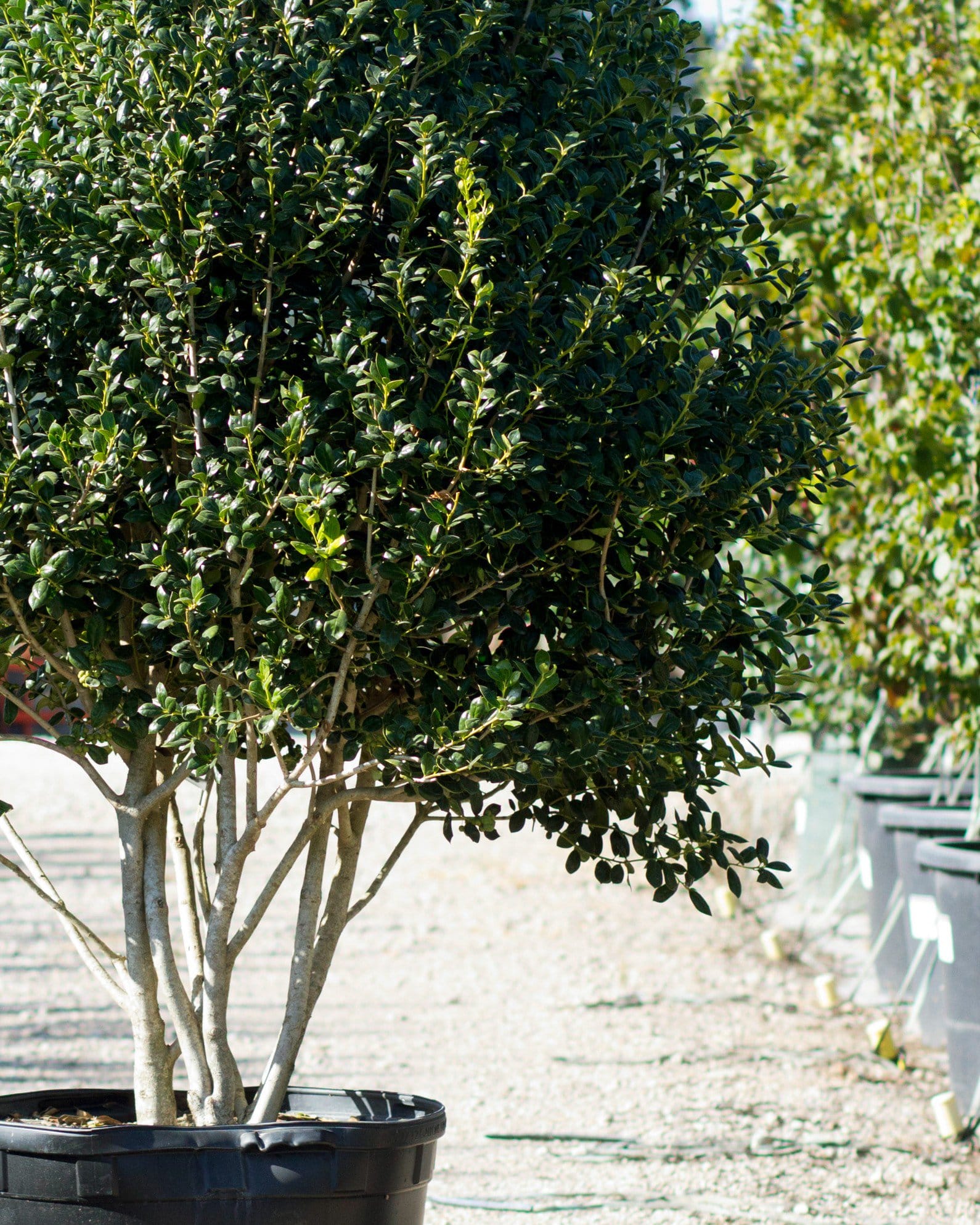
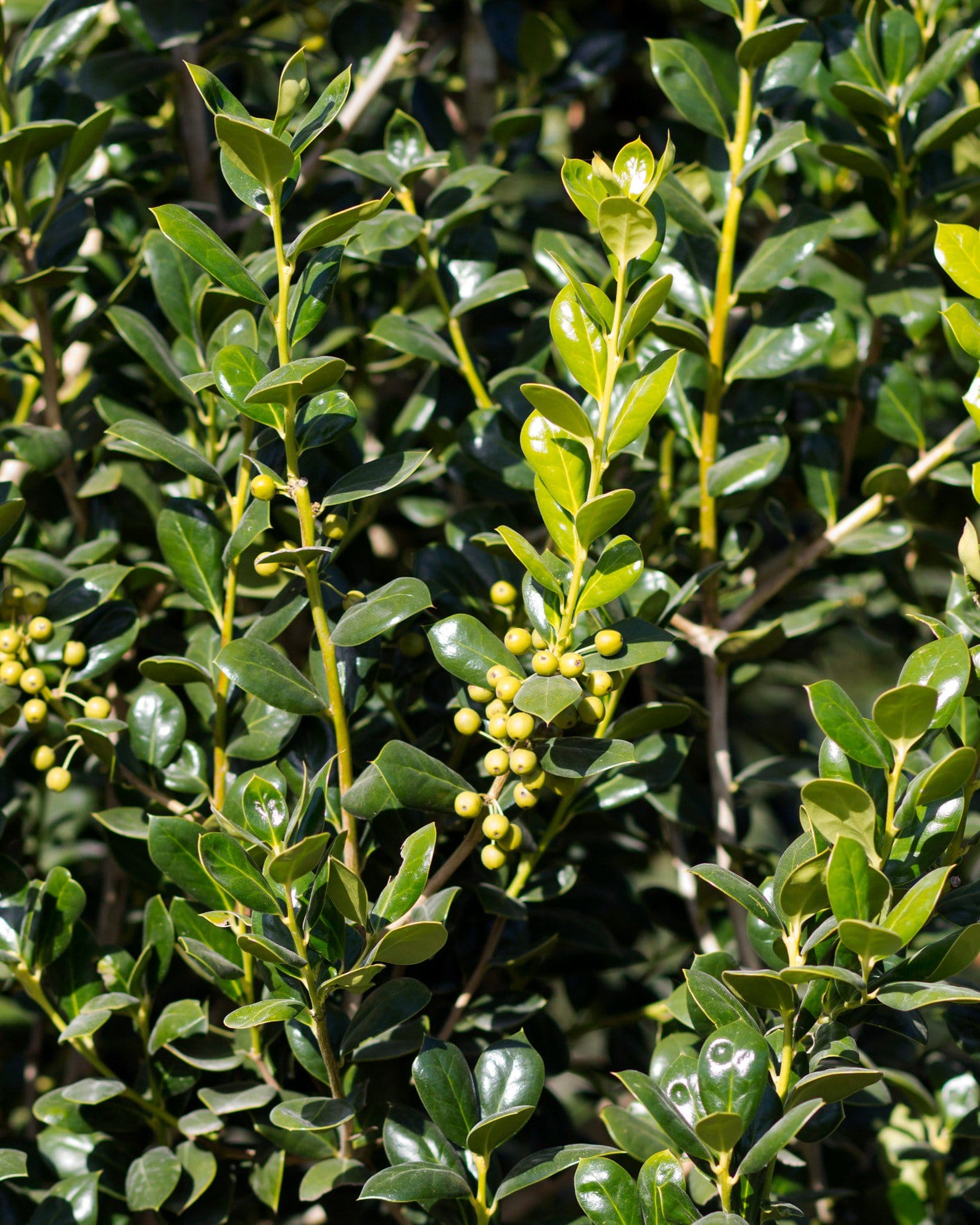
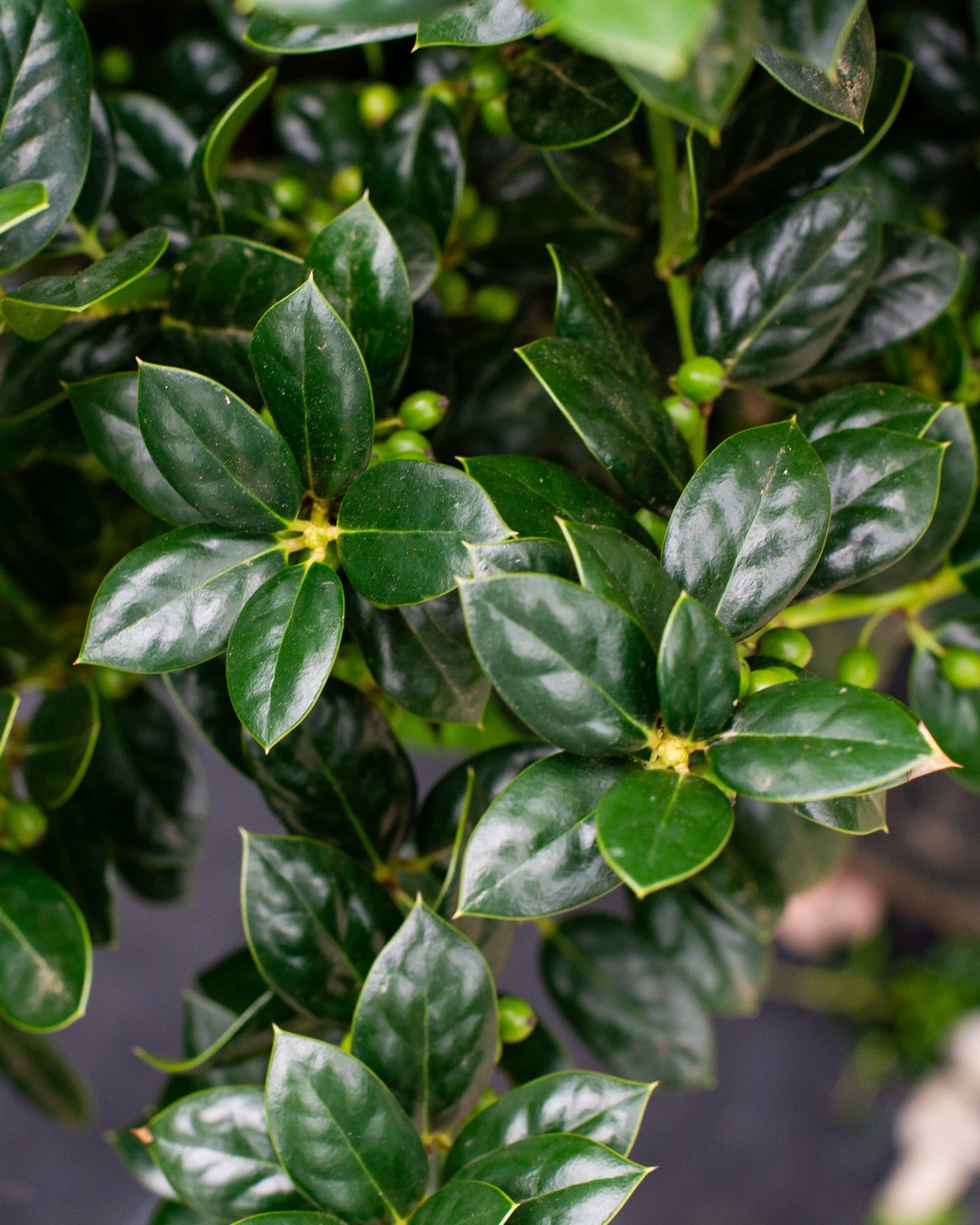
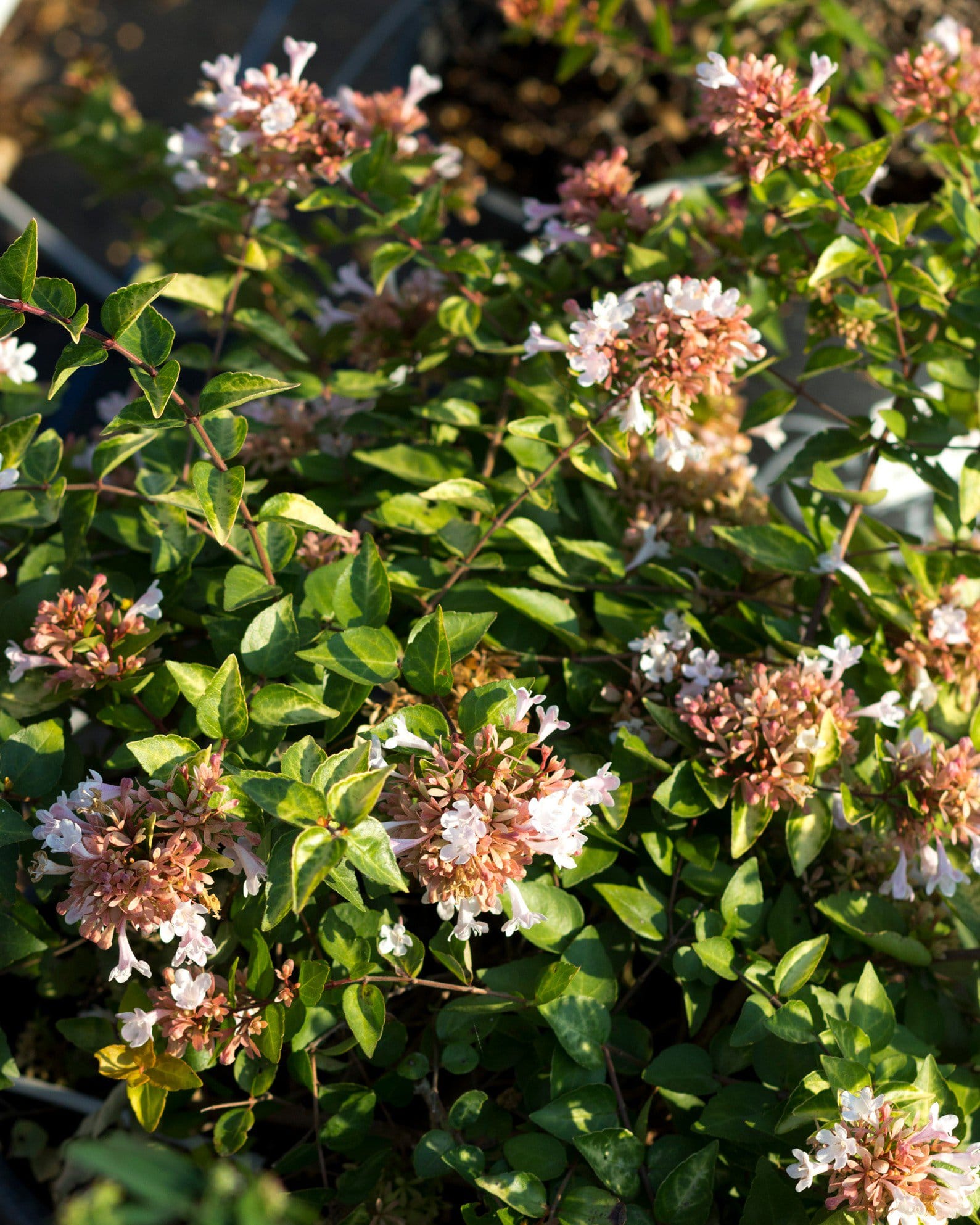
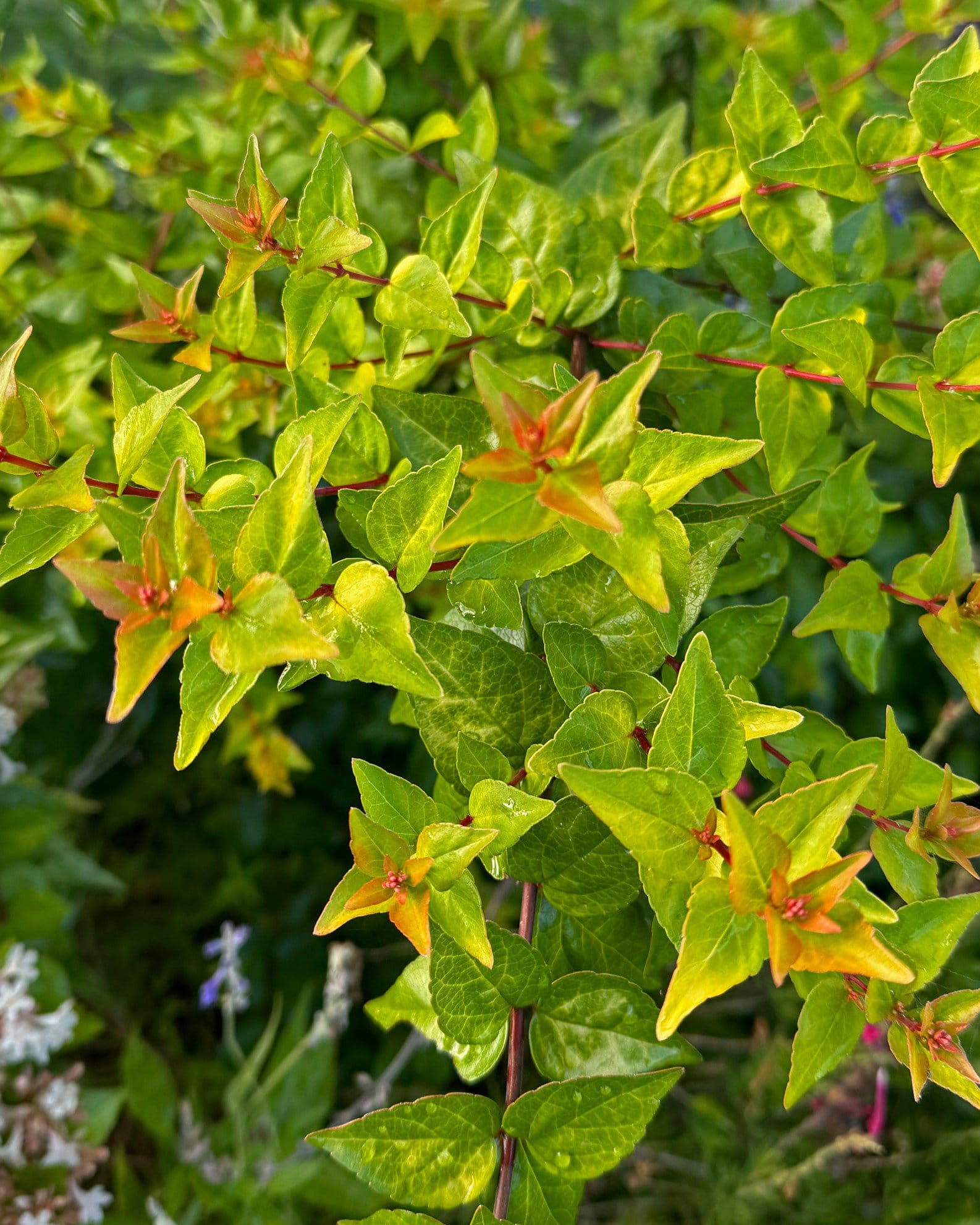
Canyon Creek Abelia
Maturity: 3' H x 3' W
Carolina Midnight Loropetalum
Maturity: 10' H x 10' W
Carolina Midnight Loropetalum Espalier
Maturity: 10' H x 10' W
Cerise Charm Loropetalum
Maturity: 3' H x 3' W
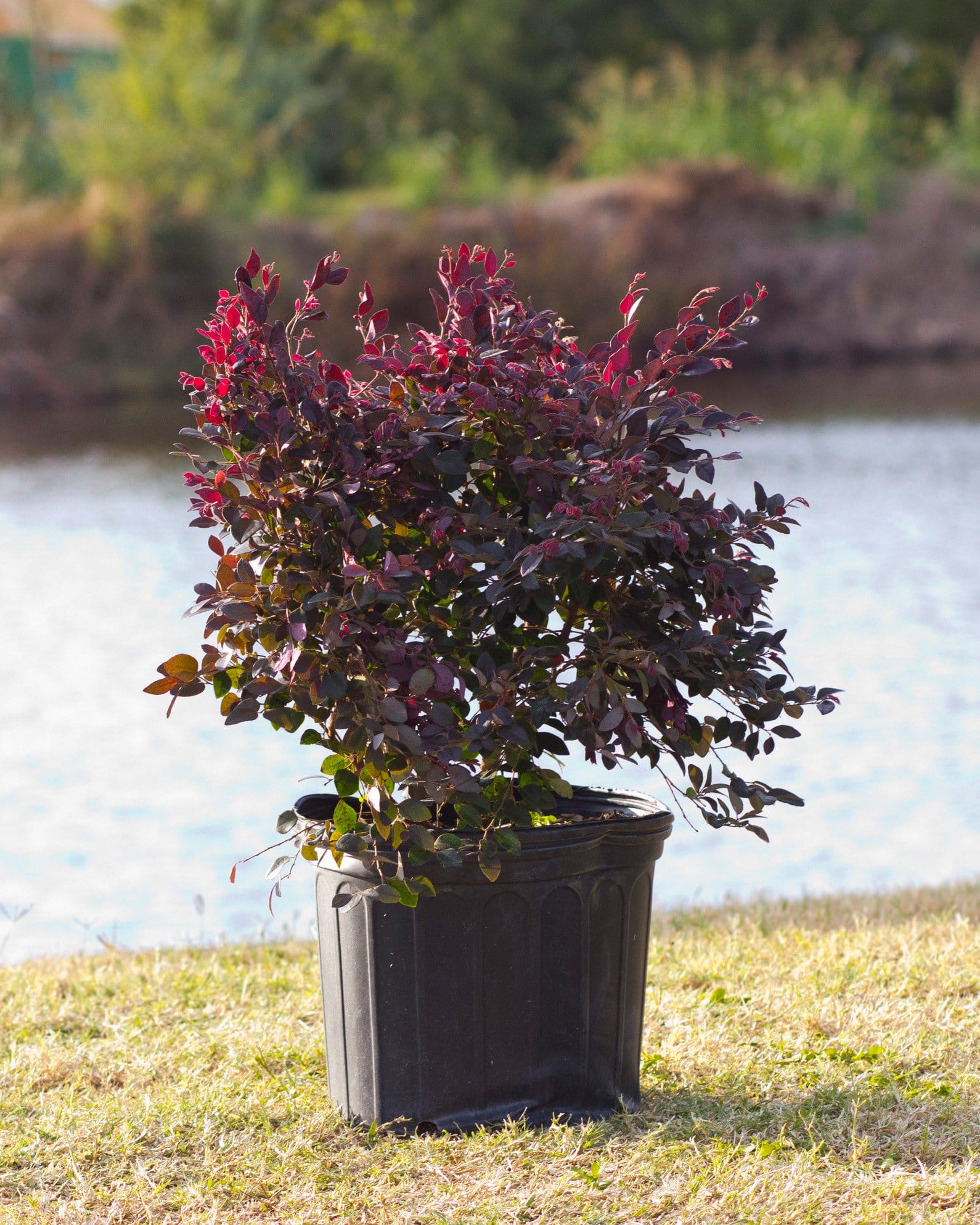
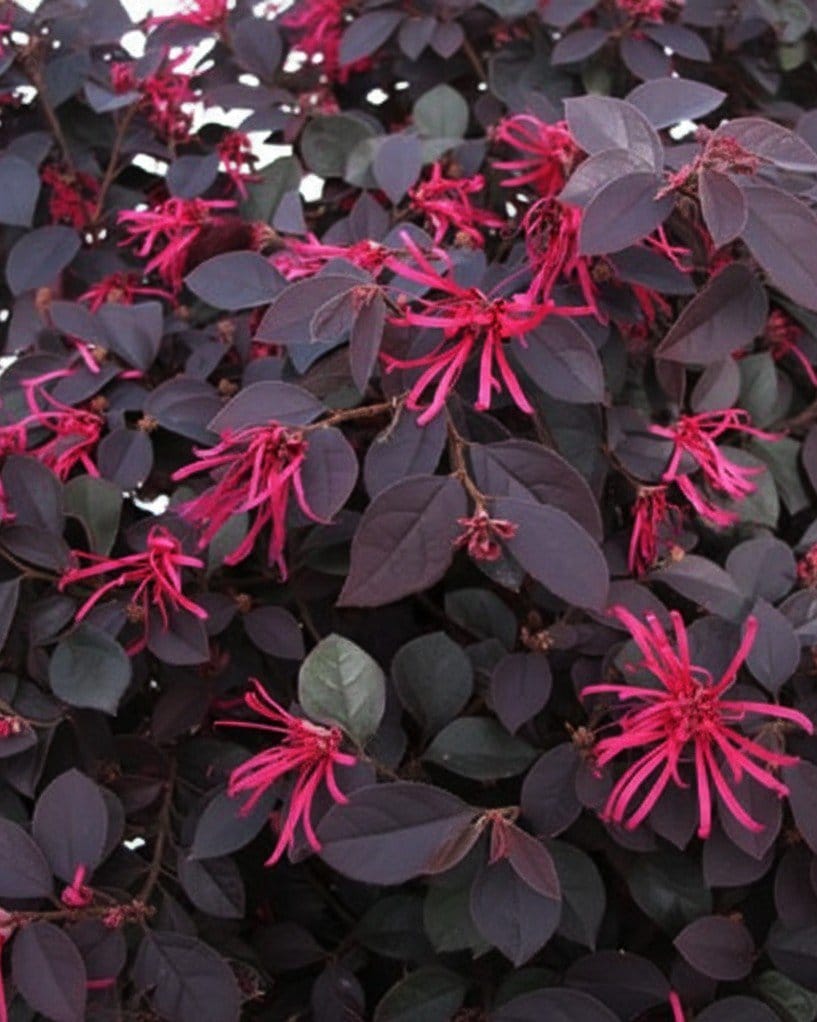
Cherry Blast Loropetalum
Maturity: 6' H x 6' W
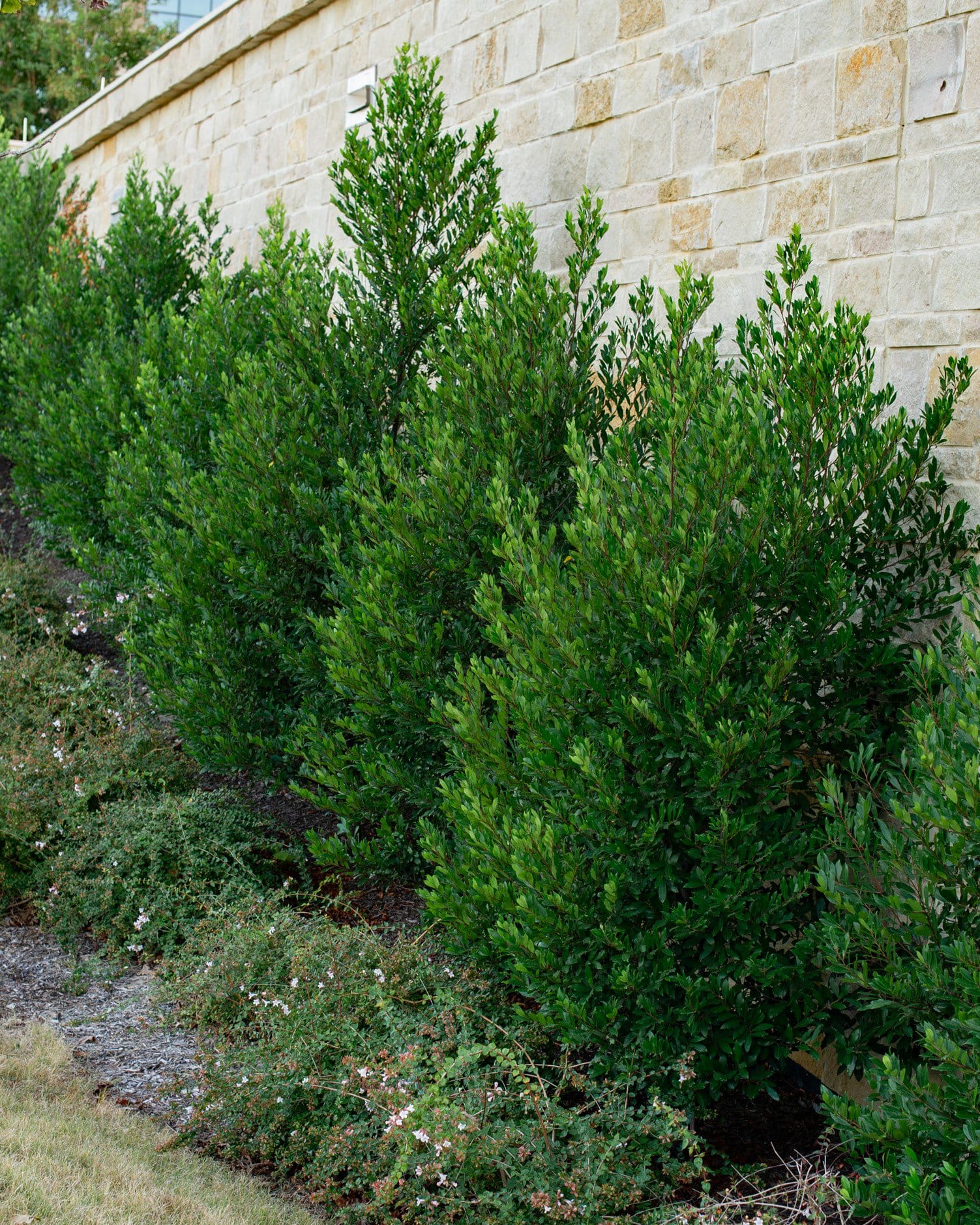
Cherry Laurel Bright 'N Tight
Maturity: 10' H x 8' W
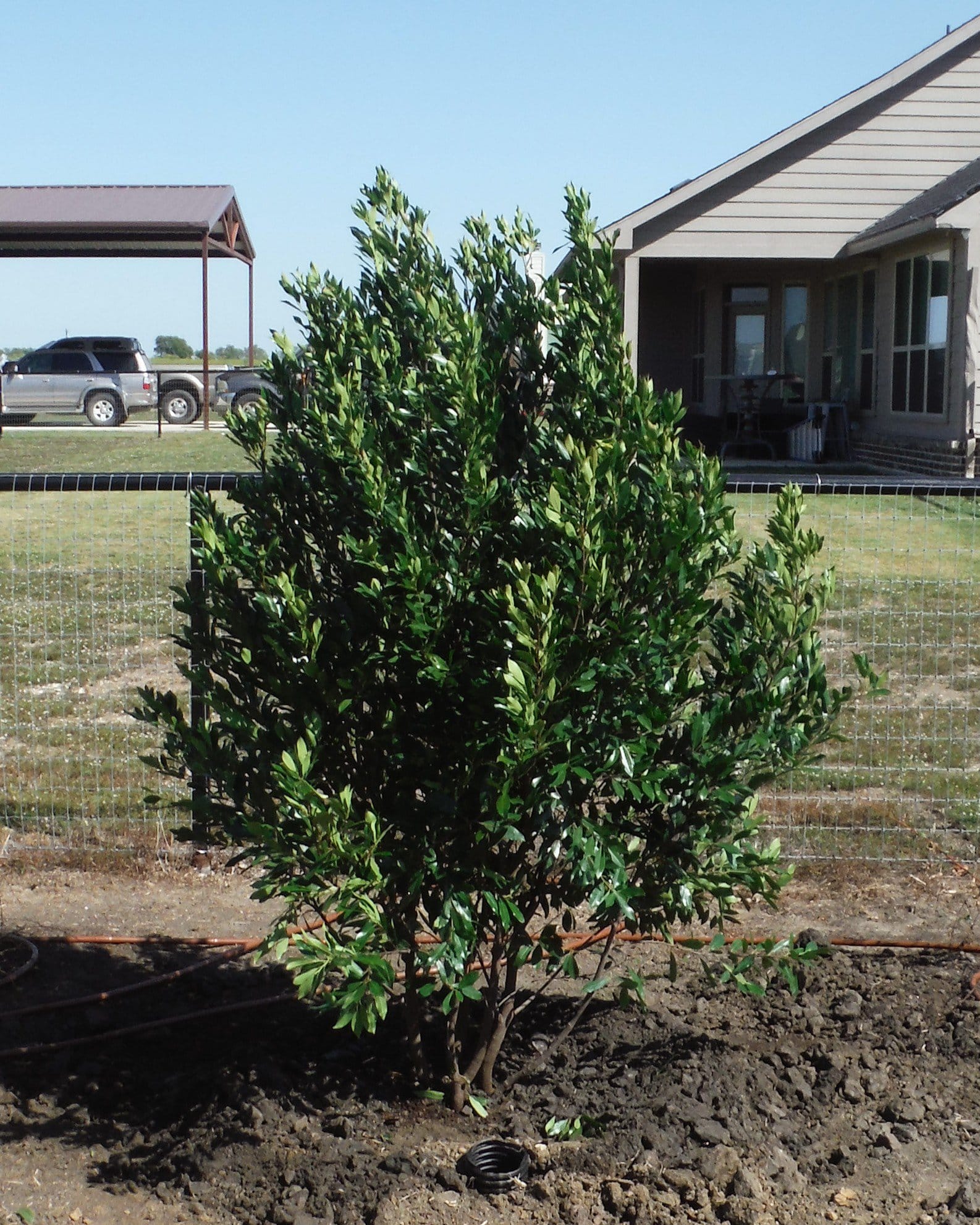
Cherry Laurel Centre Court
Maturity: 25' H x 15' W
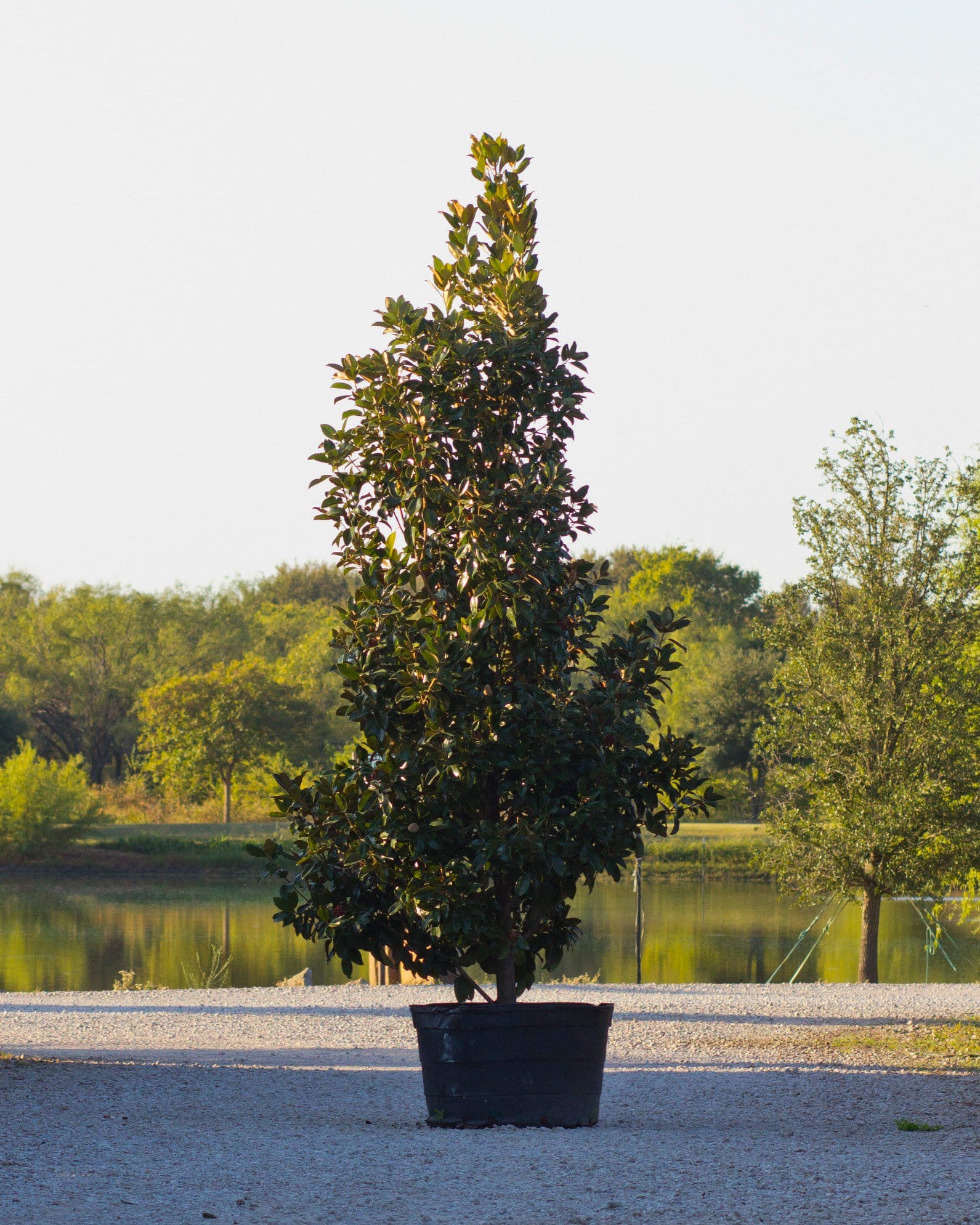
Claudia Wannamaker Magnolia
Maturity: 30' H x 20' W
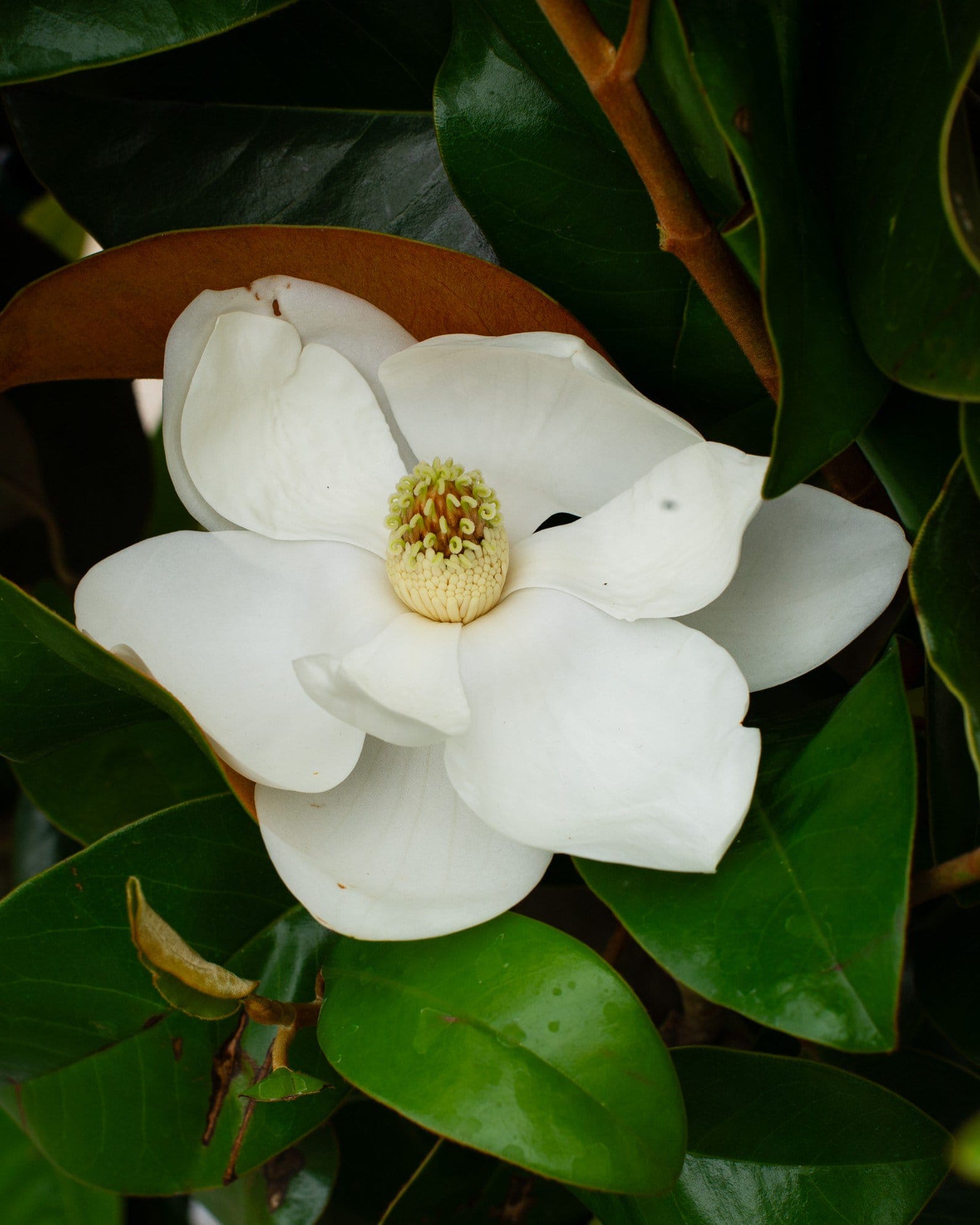
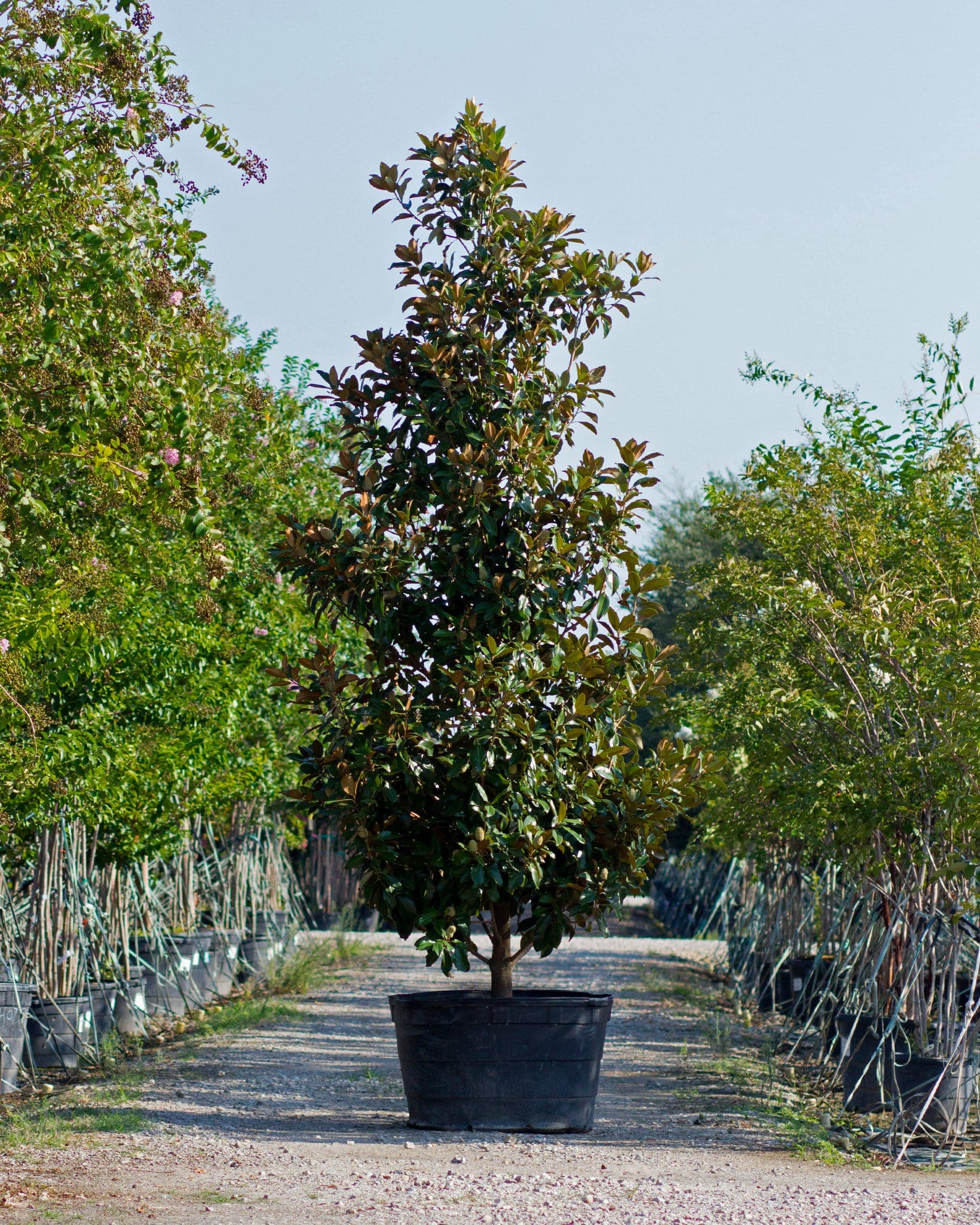
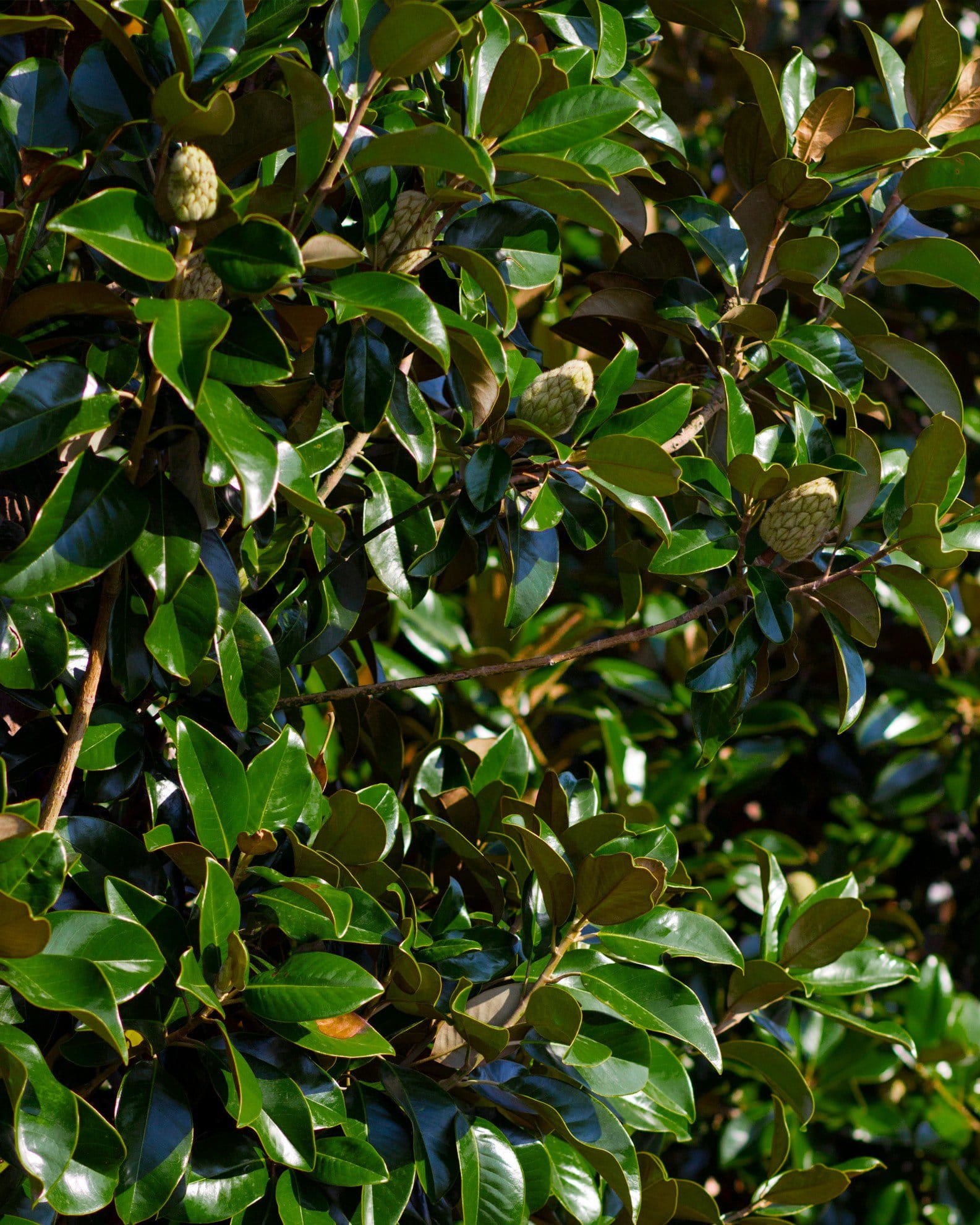
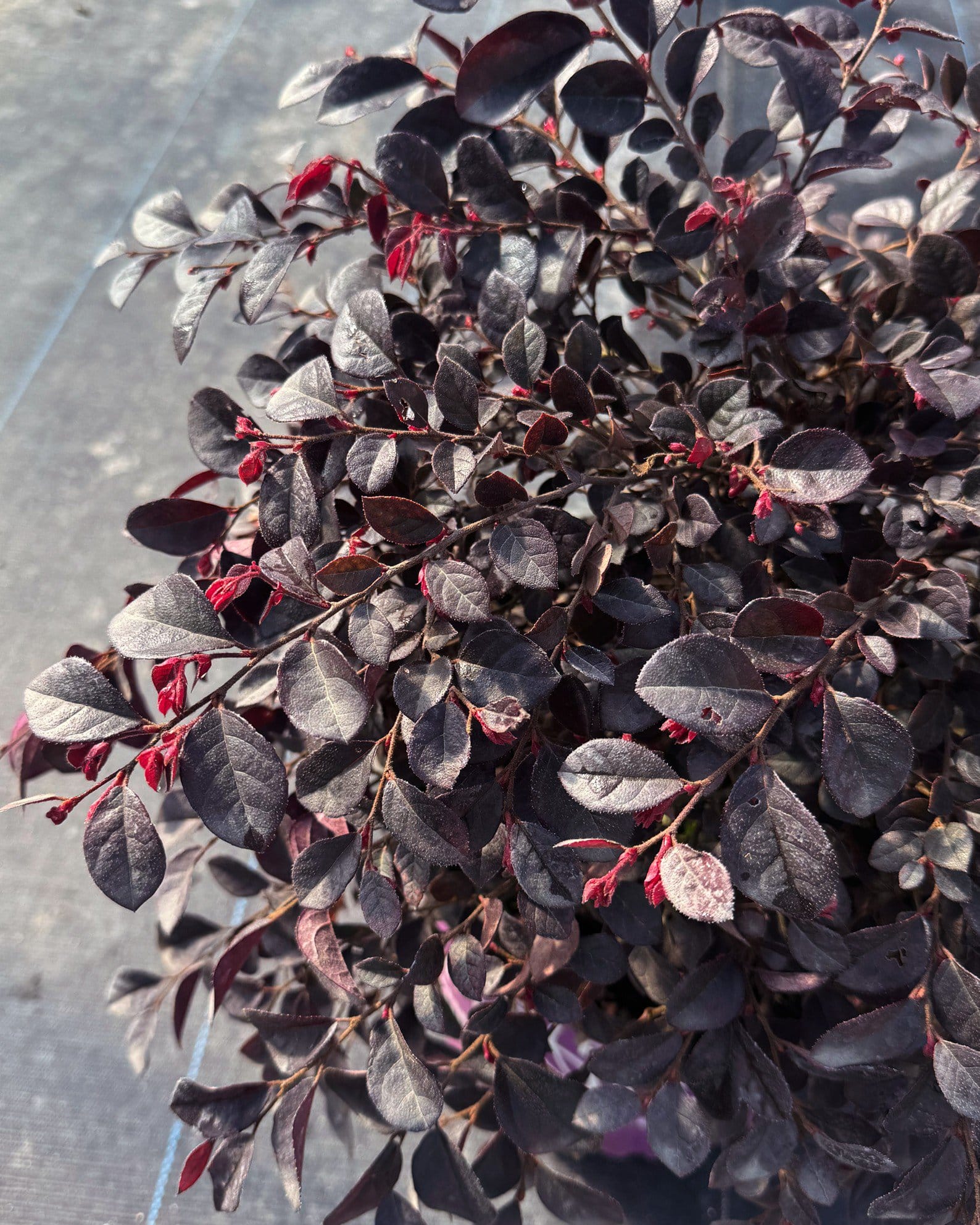
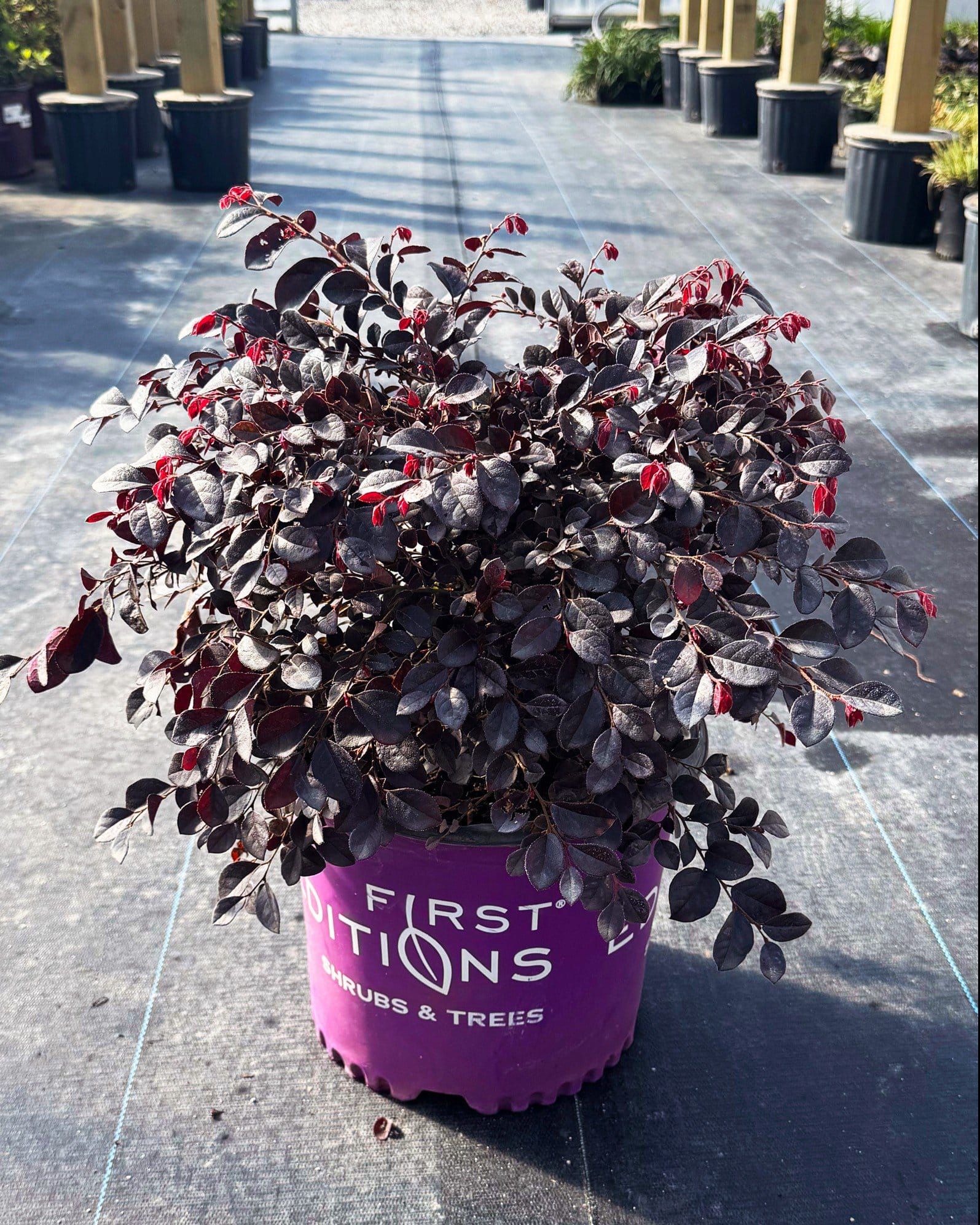
Crimson Fire Loropetalum
Maturity: 4' H x 4' W
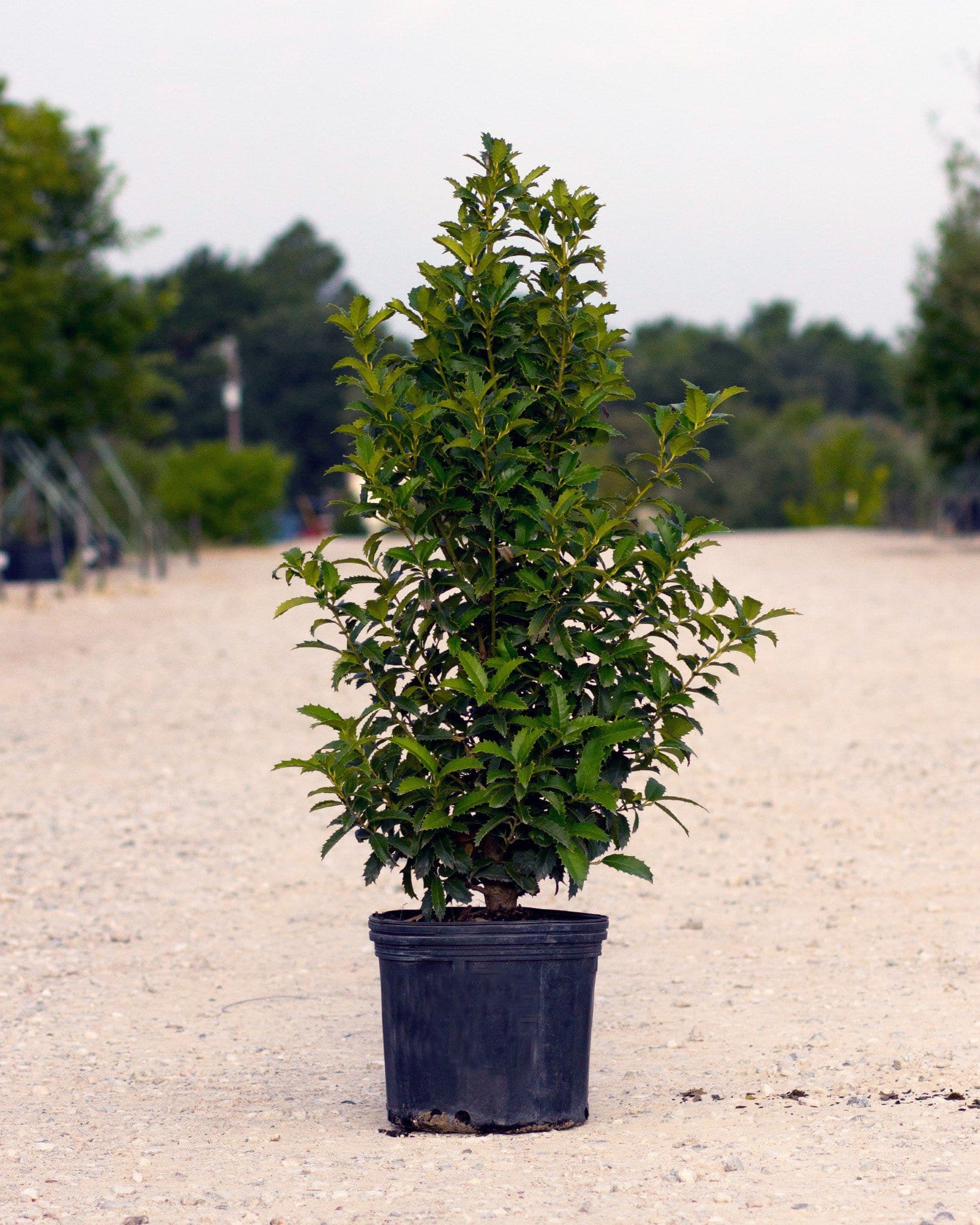
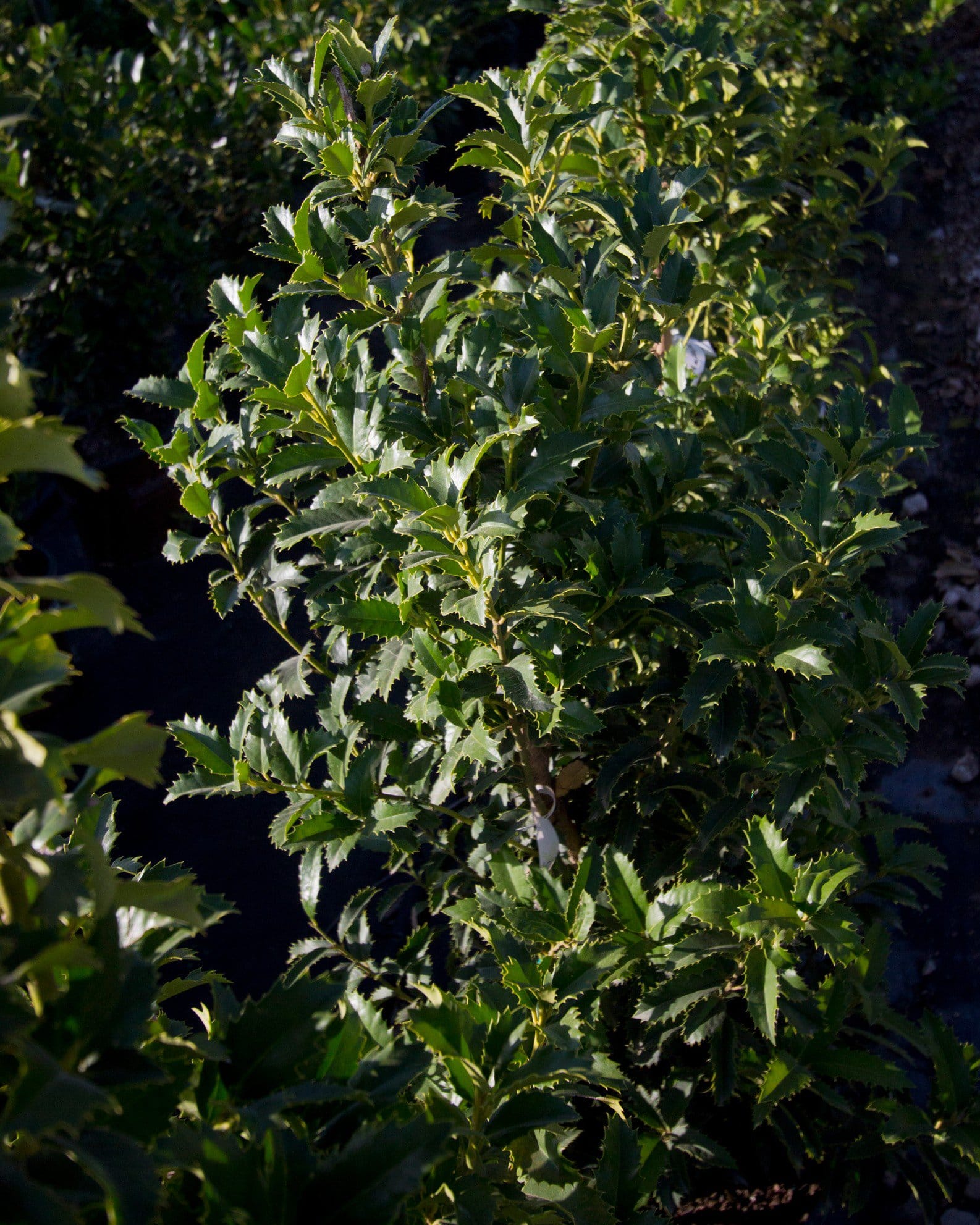
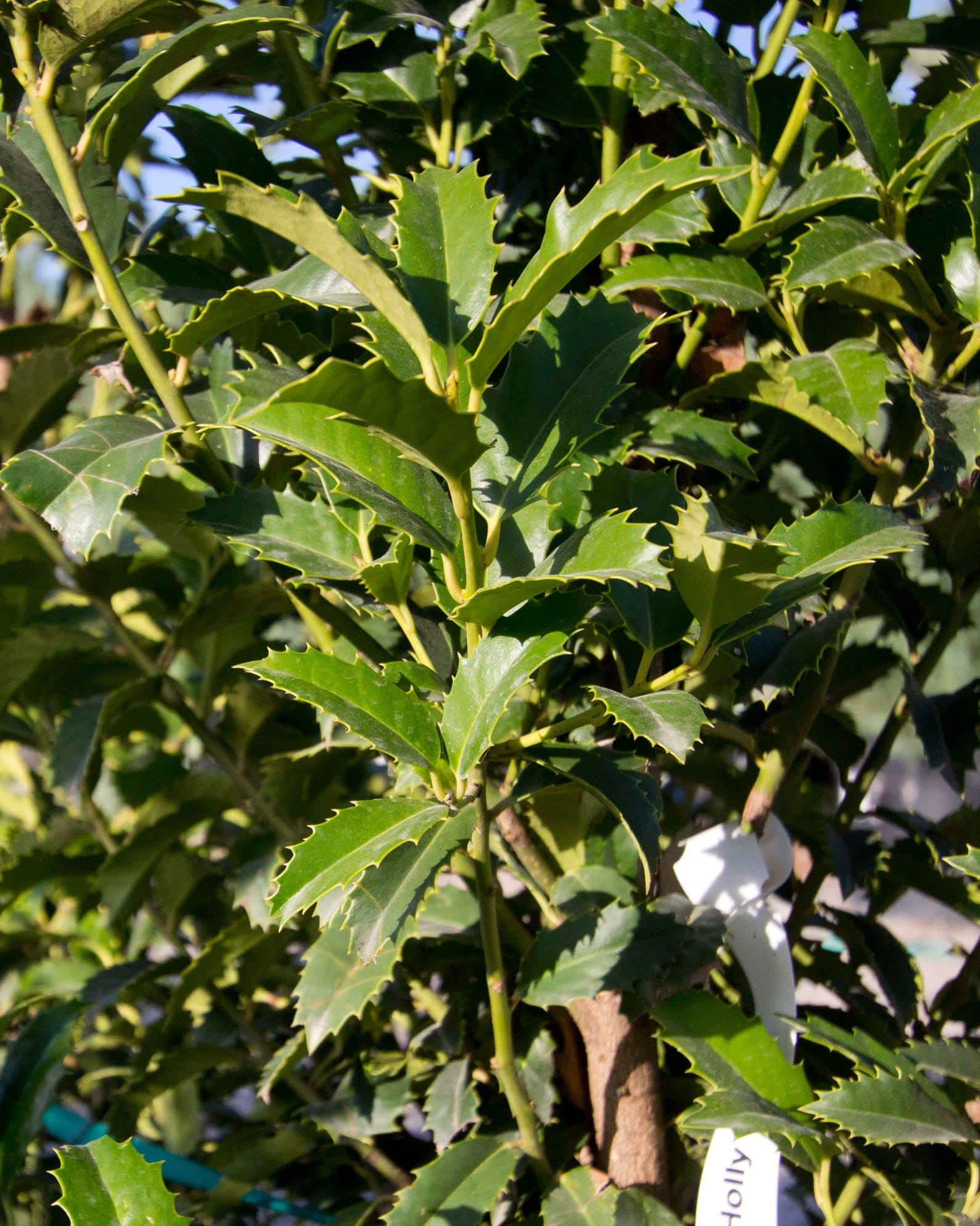
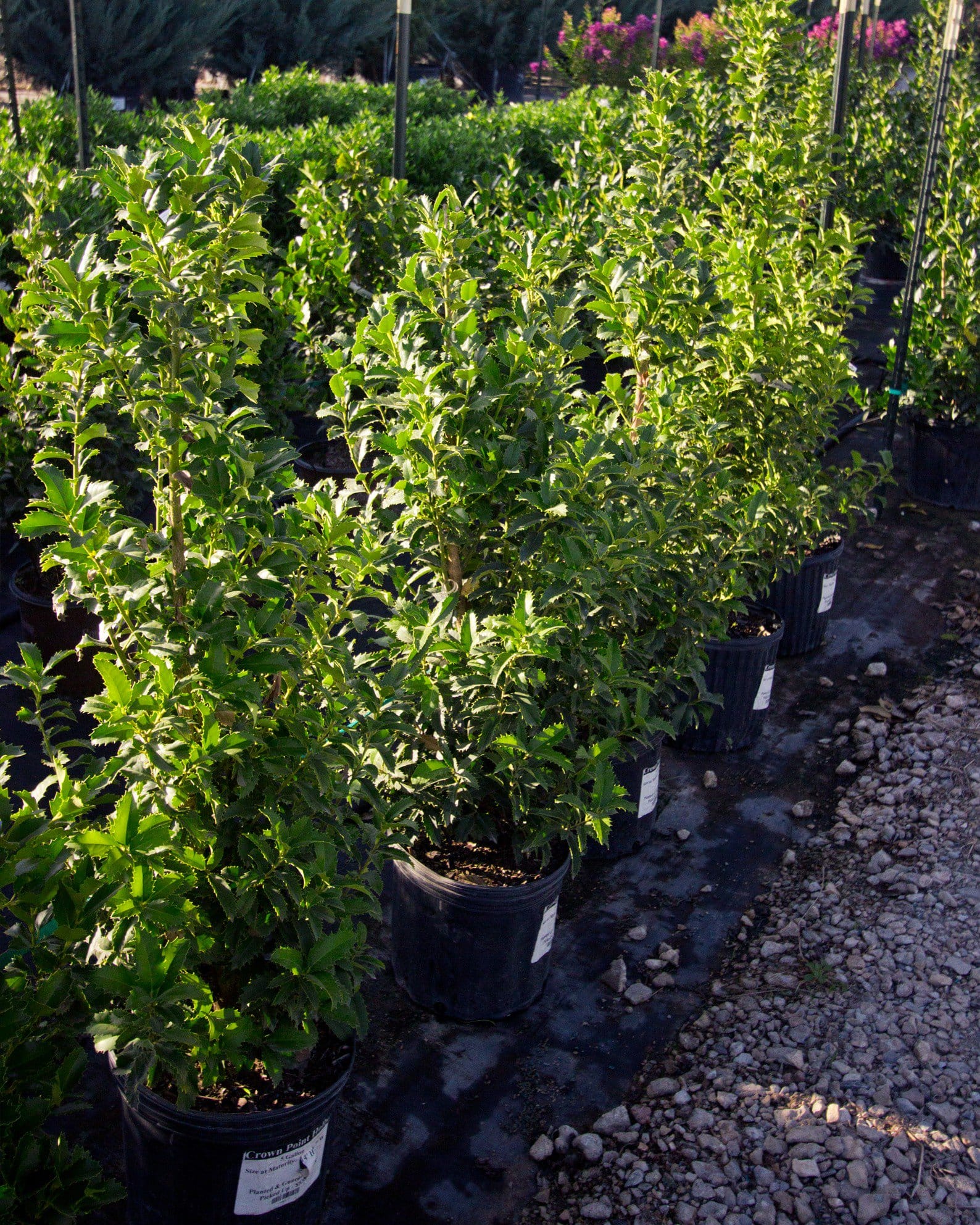
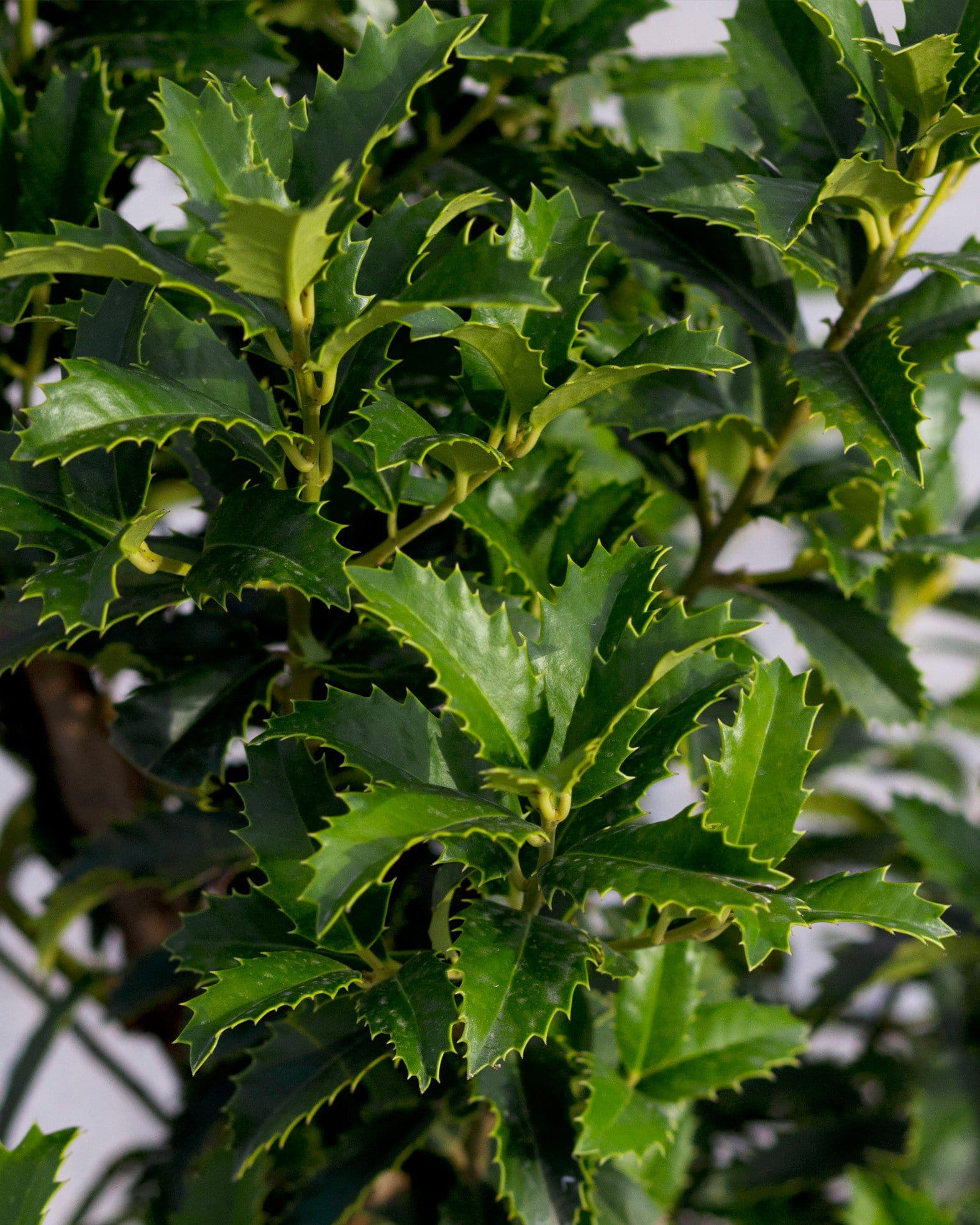
Crown Point Holly
Maturity: 14' H x 7' W
Compare Similar Plants
Windmill Palm This plant | ||
|---|---|---|
| Scientific Name | Trachycarpus fortunei | Butia capitata |
| Size at Maturity | 20' H x 6' W | 10' H x 10' W |
| Leaf Retention | Evergreen | Evergreen |
| Sizes Available | 7, 15, 30, 45 gal | 3, 15, 30 gal |


Our 1-Year Planting Guarantee
We take pride in our plants and installation services. If any plants or trees installed by Treeland fail to thrive within the first year, we'll provide a replacement credit in accordance with our guarantee program.
Learn More About Our Guarantee