
Pindo Palm
Butia capitataLocal DFW Delivery Only
Product Details
Pindo Palm
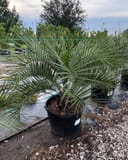
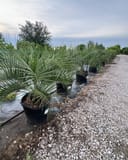
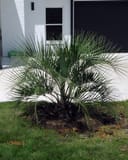
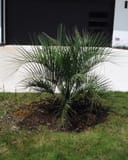
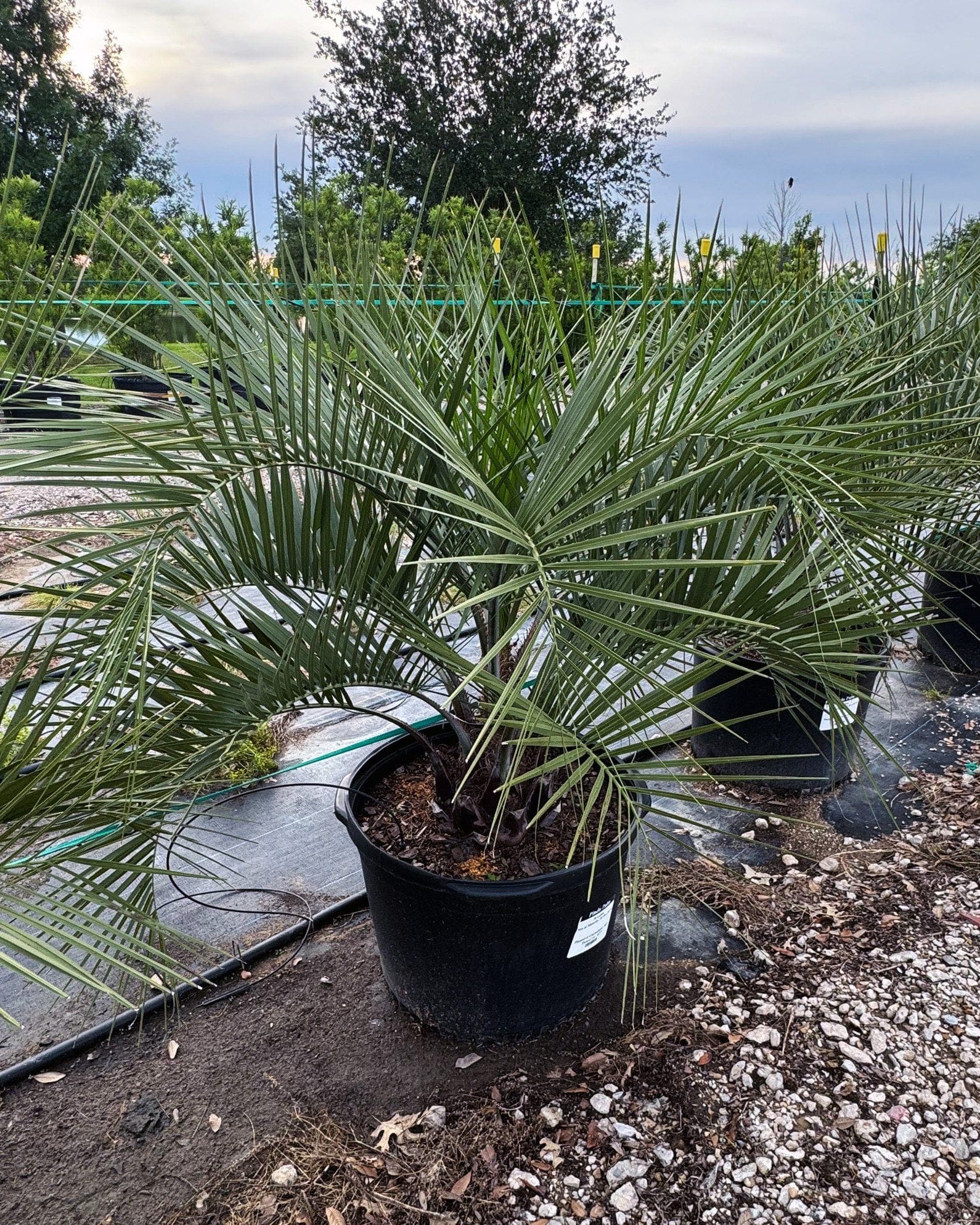
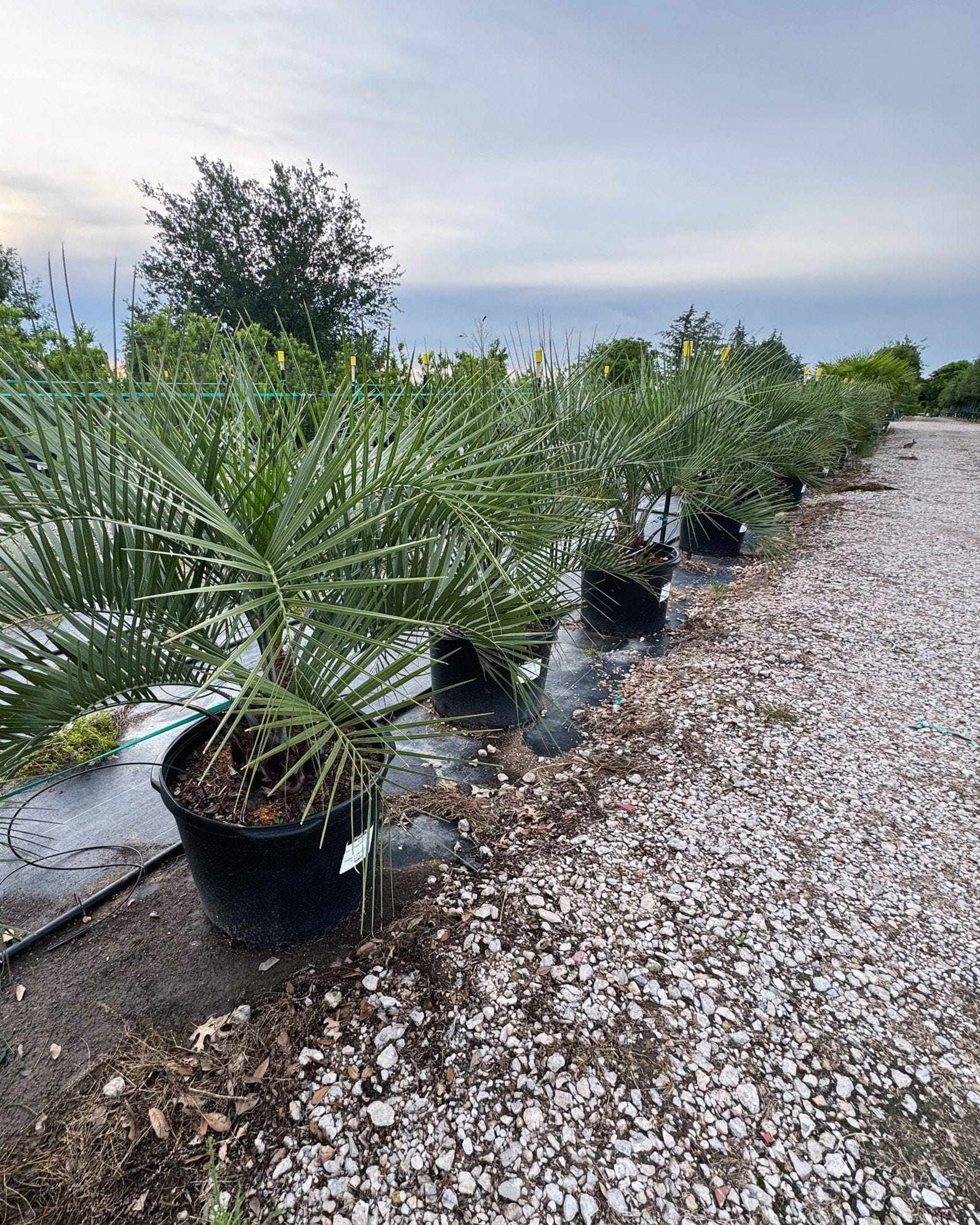
Butia capitataThe Pindo Palm is an evergreen palm variety with versatile use. It grows up to 10 feet in height and across at maturity. This palm has a unique look too. It features long green fronds for leaves that grow directly out of the pineapple-looking trunk. What’s unique about this palm is that it also grows sweet edible berries. It's great as a landscape or yard accent, performing best in soils rather than concrete.
- An evergreen palm type
- Slow growth rate
- Long arching fronds make up a dome crown
- Grows sweet green/red berries
- Heat and drought hardy
The Pindo Palm loves full sun and will tolerate any kind of soil as long as it's well-draining. Naturally, it's pretty heat hardy, growing beautifully in zones 8 through 11. This makes it perfect for the hottest parts of Texas, as it can easily withstand the arid conditions. To maintain its beauty and shape, trim back withered fronds.
Pindo Palm brings tropical beauty while remaining remarkably low-maintenance once established. This is all it needs:
- Watering: Water regularly during the first two years to establish deep roots. Once mature, Pindo Palm becomes highly drought-tolerant and thrives with only occasional deep watering during extended dry spells. Avoid constant moisture, as soggy soil can lead to root decline.
- Pruning: Remove dead or damaged fronds as needed, trimming them close to the trunk without damaging new growth. Prune only completely brown fronds - cutting green leaves can stress the palm. Clean pruning tools before use to prevent disease spread.
- Fertilizing: Feed 2-3 times per year during the warm growing season using a slow-release palm fertilizer high in magnesium and potassium. This promotes healthy fronds and reduces yellowing. Avoid excessive nitrogen, which can cause weak, floppy growth.
- Mulching: Apply a 2-3 inch layer of organic mulch around the base to conserve moisture and regulate soil temperature. Keep mulch several inches away from the trunk to prevent rot and pest issues. Refresh annually for neatness and soil improvement.
- Winter Care: Pindo Palm is one of the most cold-tolerant palms, surviving brief dips below freezing. In regions with harsh winters, wrap the trunk with burlap or frost cloth during severe cold snaps. Avoid pruning late in the season so the palm can harden off before frost.
Pindo Palm is resilient and long-lived, but occasional issues can appear:
- Bud Rot: A fungal disease that affects the crown or growing tip, often due to excessive moisture. Improve drainage, reduce watering, and treat with a copper-based fungicide.
- Scale Insects: Small, armored pests that cluster on leaf stems and drain sap. Remove by hand or apply horticultural oil to control infestations.
- Mealybugs: White, cottony pests that feed on fronds and excrete sticky residue. Wipe affected areas with alcohol-soaked cotton or spray with insecticidal soap.
- Ganoderma Butt Rot: A rare but serious fungal disease that causes trunk decay at the base. There’s no cure - remove and destroy affected palms and avoid replanting palms in the same spot.
- Spider Mites: Occasionally appear in hot, dry conditions, causing dusty, faded fronds. Rinse foliage with water or apply horticultural oil to deter them.
- Fusarium Wilt: A vascular fungal infection that causes one-sided frond browning. Prevent spread by disinfecting tools and removing infected material promptly.
With proper care, it can live 50-80 years or more, developing a thick, textured trunk and graceful canopy over time. Mature specimens often become landmark features in landscapes due to their impressive longevity.
It grows slowly, typically adding 6-12 inches of trunk height per year. It reaches maturity and begins fruiting around 6-10 years after planting, rewarding patience with beauty and productivity.
Yes - it bears clusters of orange-yellow fruit with a tropical, pineapple-like flavor. The pulp is often used to make jellies, wines, and syrups, giving rise to its nickname “Jelly Palm.”
Yes - it’s among the most cold-tolerant feather palms, surviving temperatures down to about 10°F. This makes it ideal for gardeners seeking a tropical look in cooler regions.
Yes. It adapts well to large pots, especially when young. Choose a sturdy, well-draining container and protect roots from freezing in winter for best results.
Allow at least 10-15 feet of space from structures or other trees. Its broad canopy of arching fronds spreads gracefully and deserves room to show off its form.
Yes - birds, bees, and butterflies are drawn to its fruit and nectar. Its canopy also provides excellent shelter for small songbirds.
Very well. It’s naturally salt-tolerant, making it ideal for coastal plantings, beachfront landscapes, and seaside gardens.
Yes - its flexible fronds and sturdy trunk give it excellent wind resistance. It performs exceptionally well in coastal and hurricane-prone regions when properly anchored.
Its combination of cold hardiness, edible fruit, and silvery-blue foliage sets it apart. Few palms offer both ornamental beauty and utility, making Pindo Palm a signature specimen for temperate and subtropical landscapes alike.
Special Features
You might also like
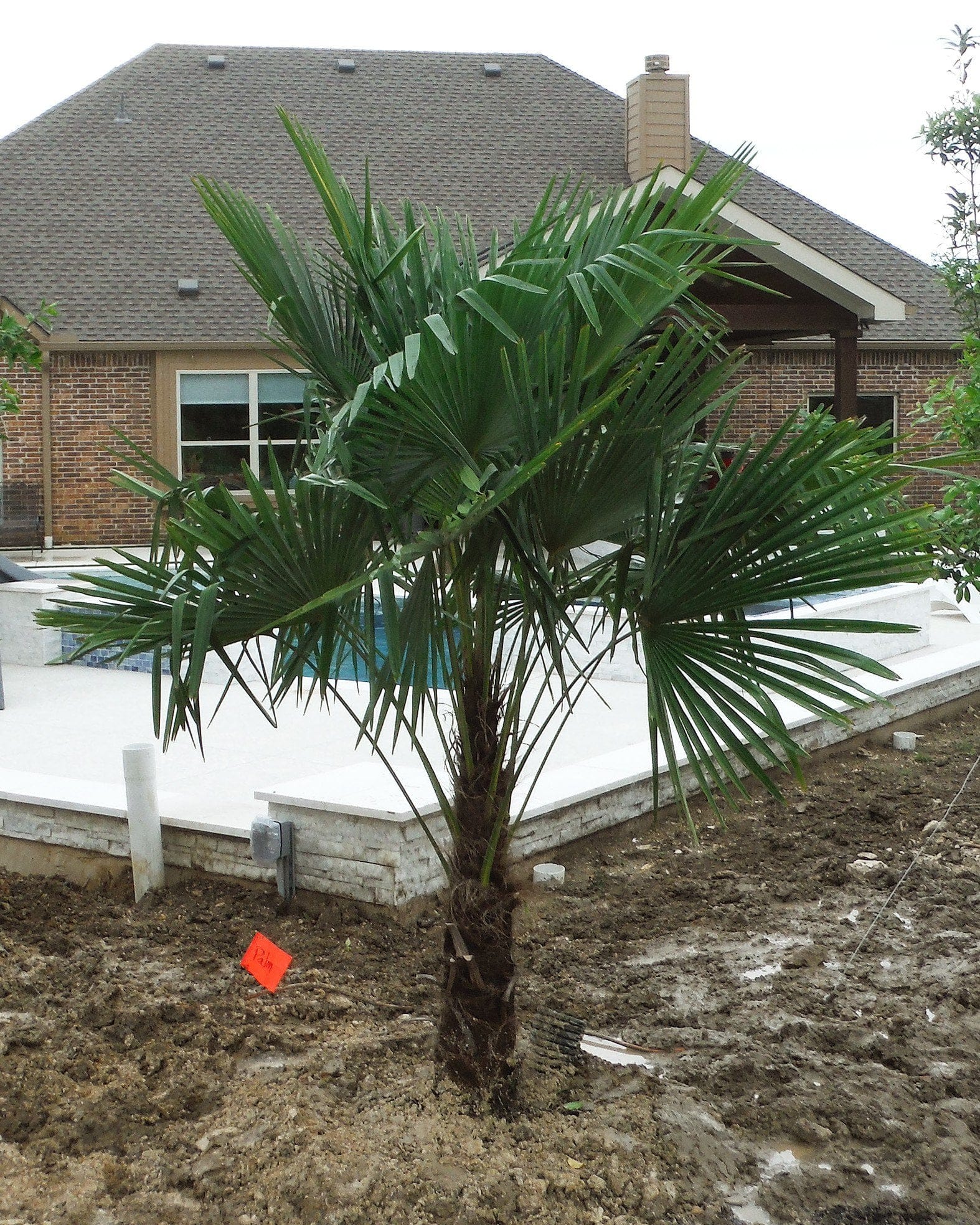
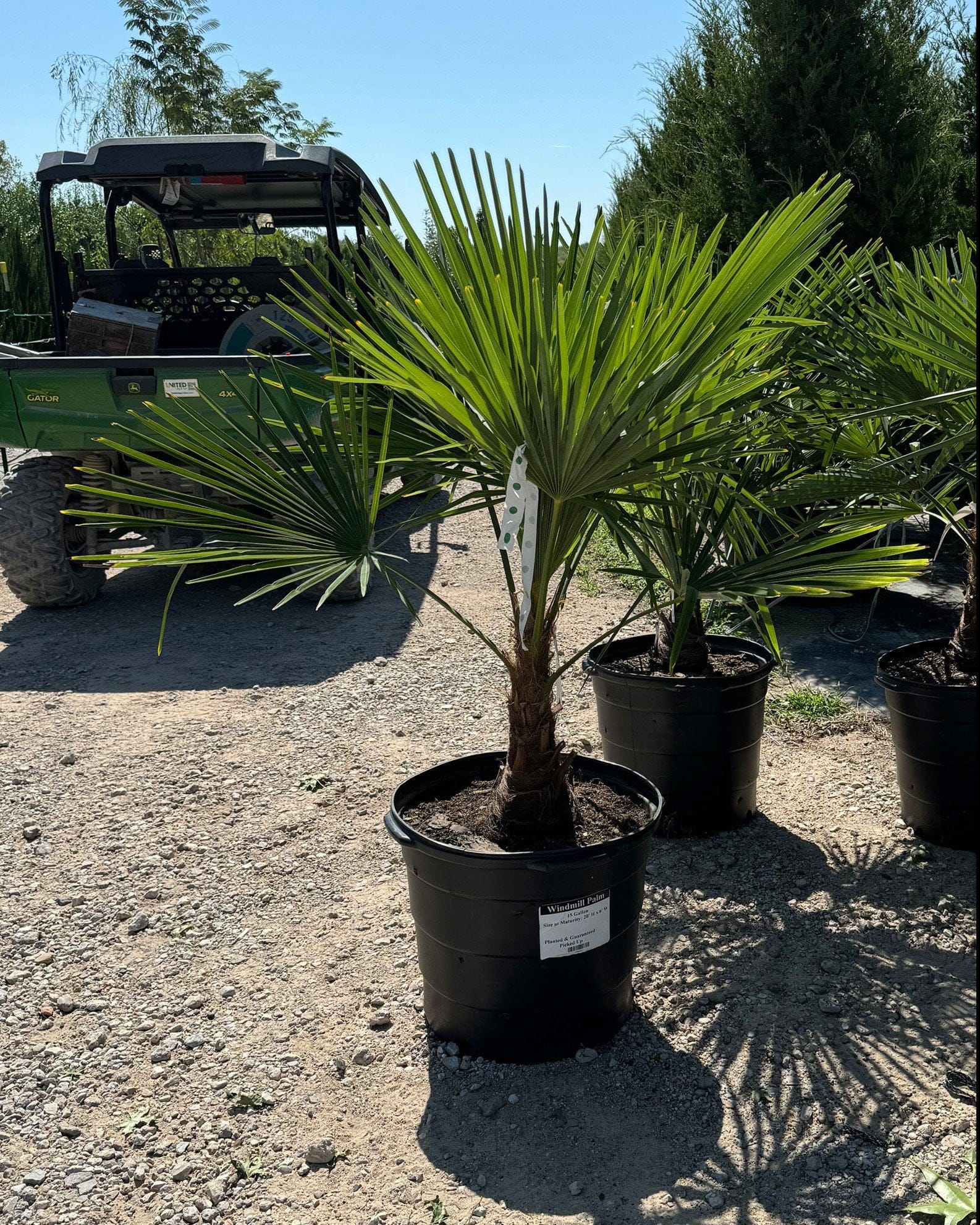
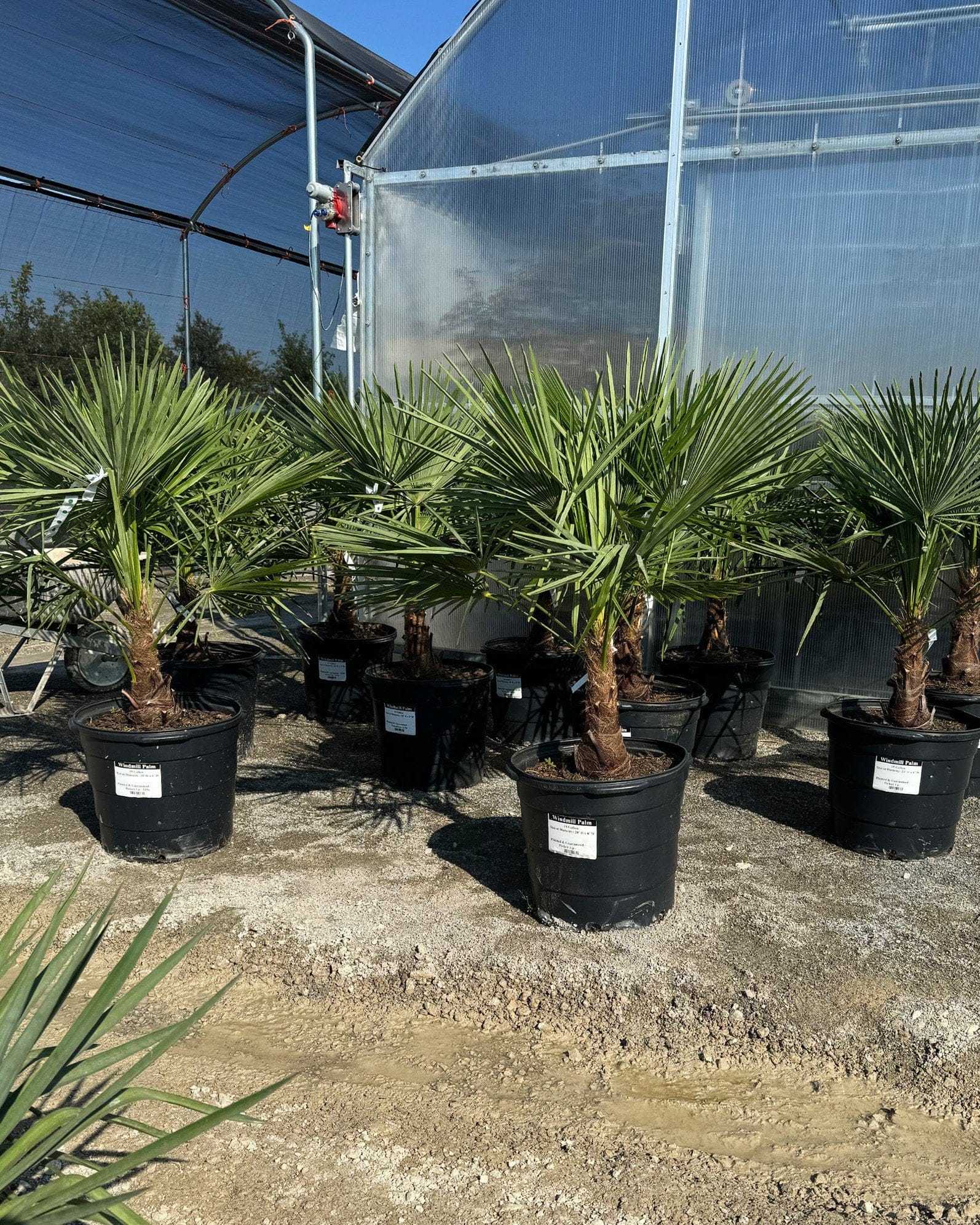
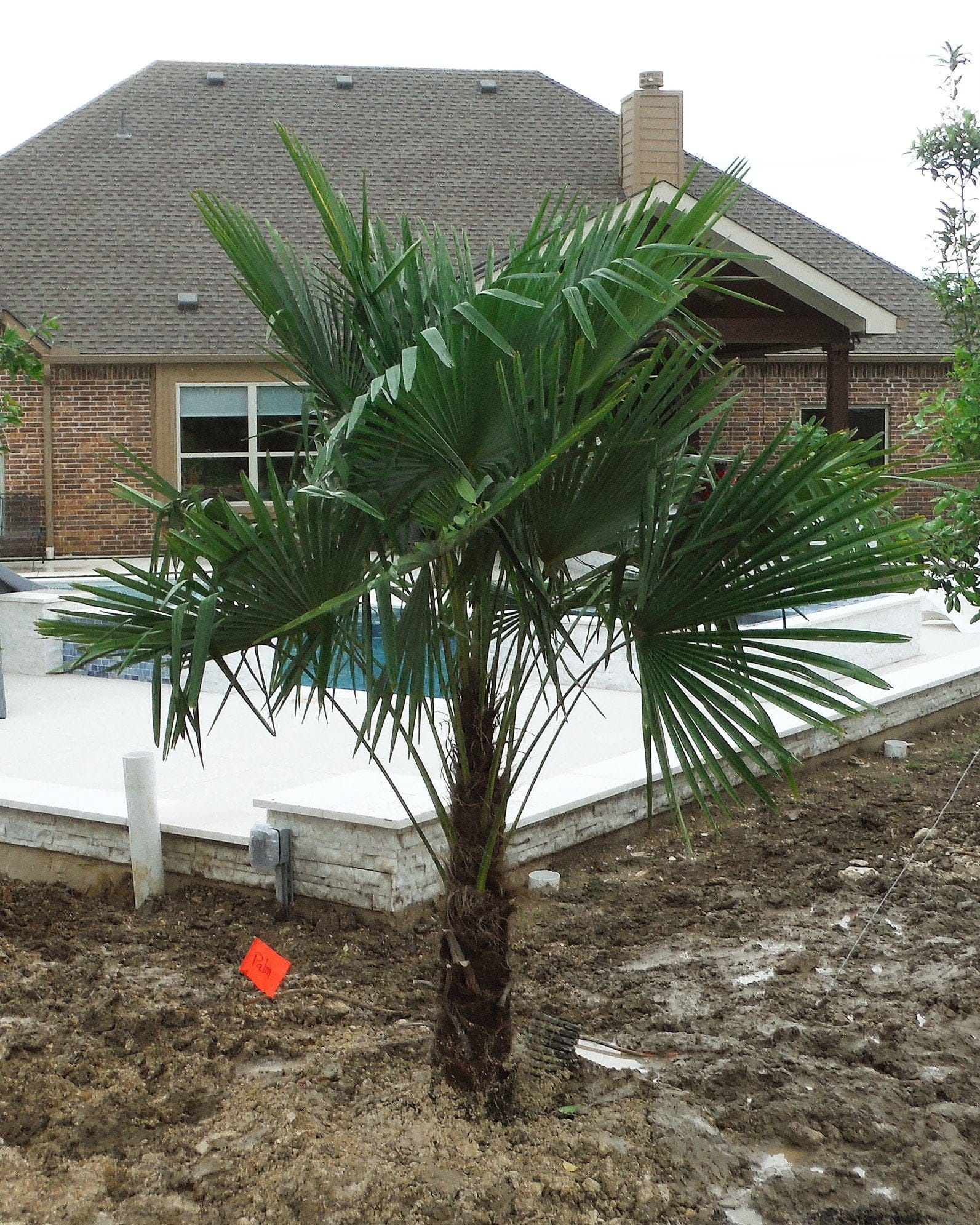
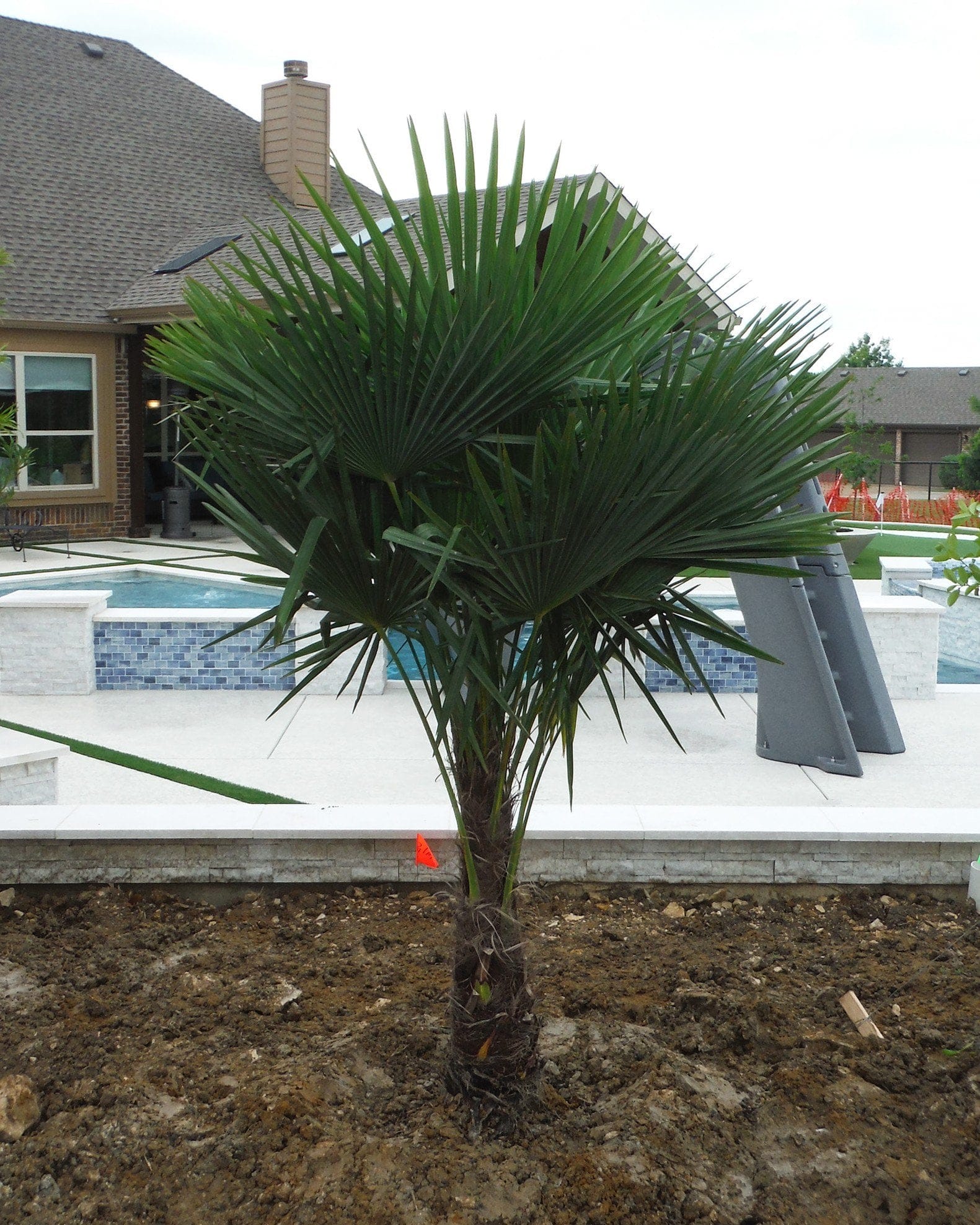
Windmill Palm
Maturity: 20' H x 6' W
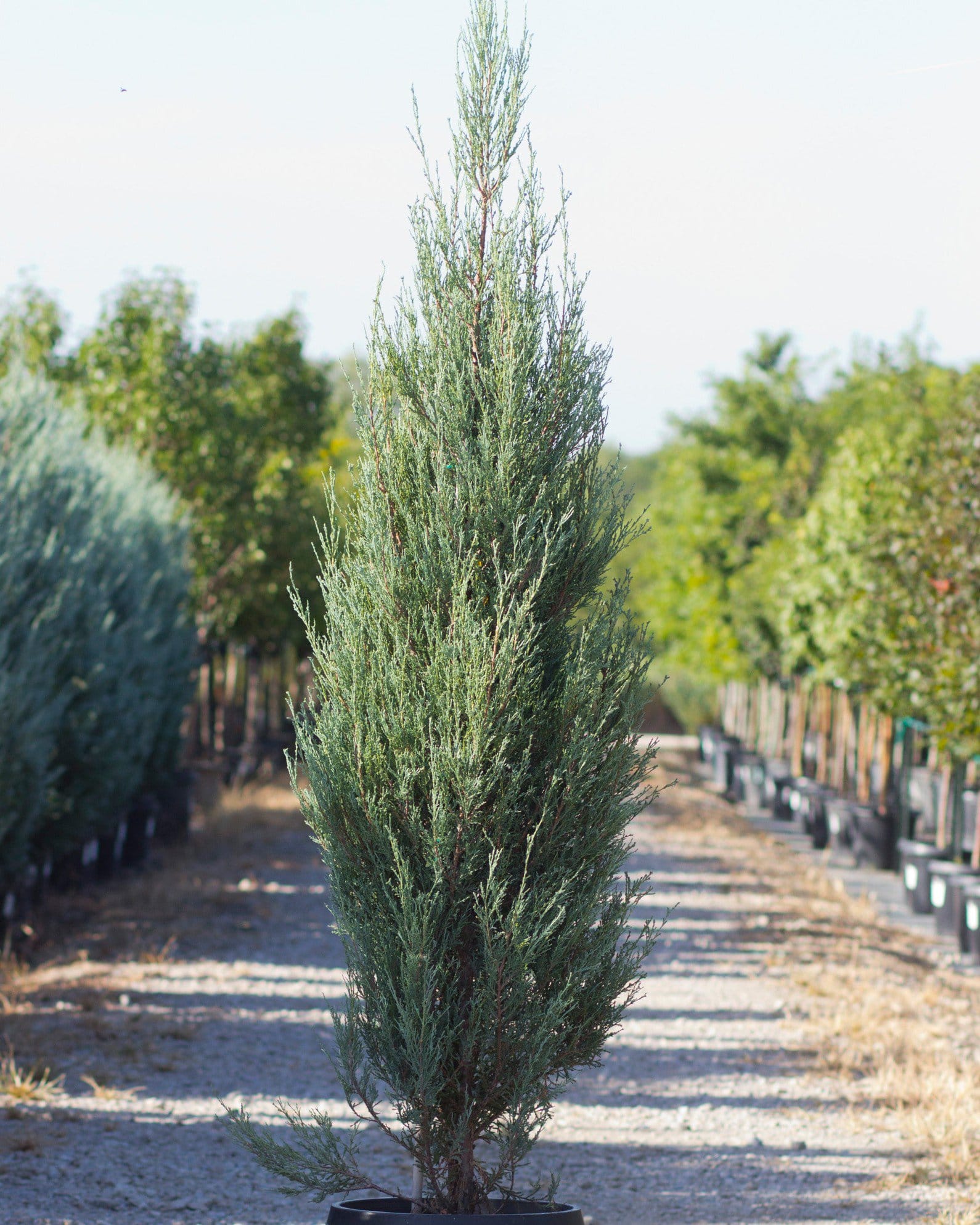
Blue Arrow Juniper
Maturity: 12' H x 2' W
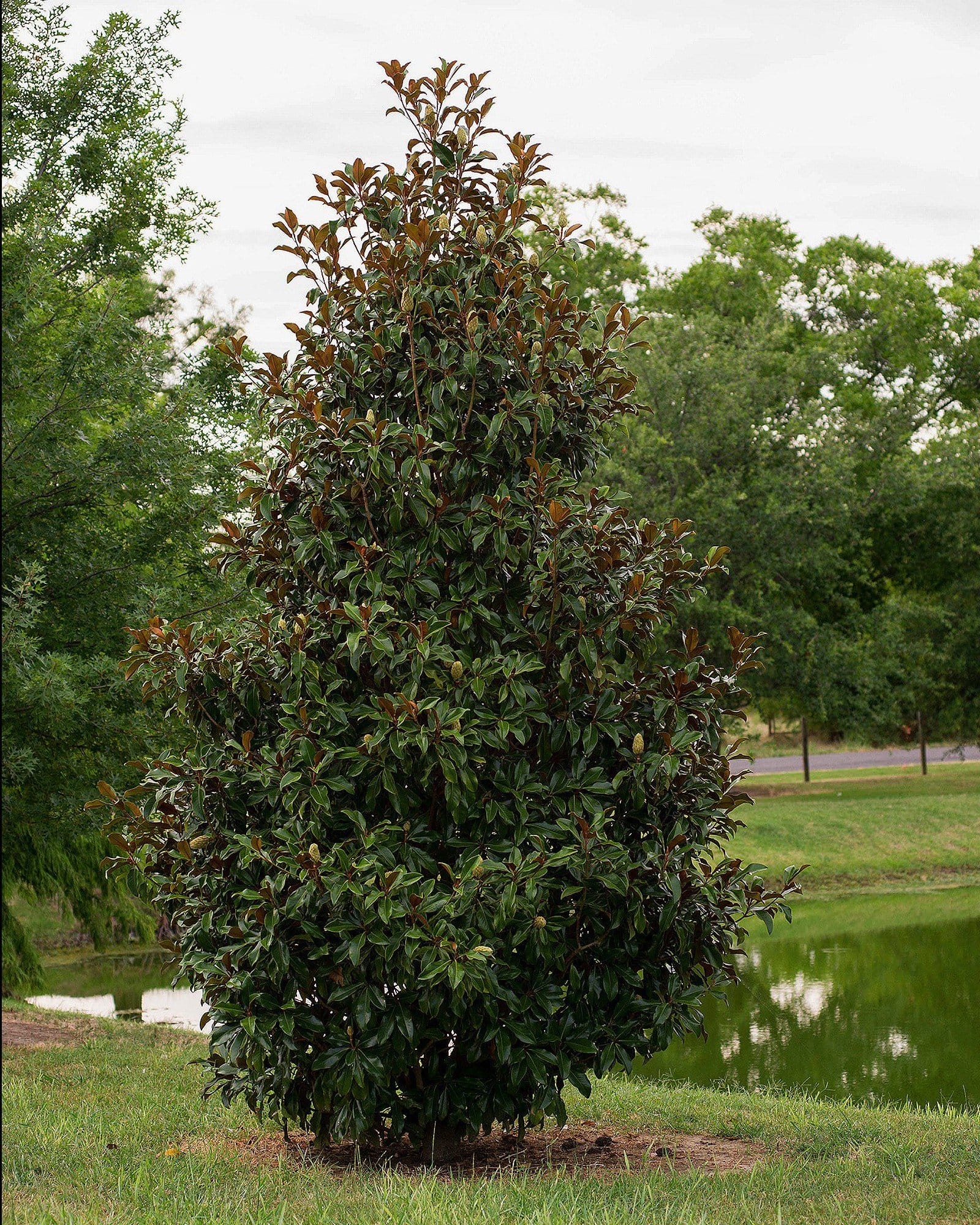
Bracken Brown Beauty Magnolia
Maturity: 30' H x 20' W
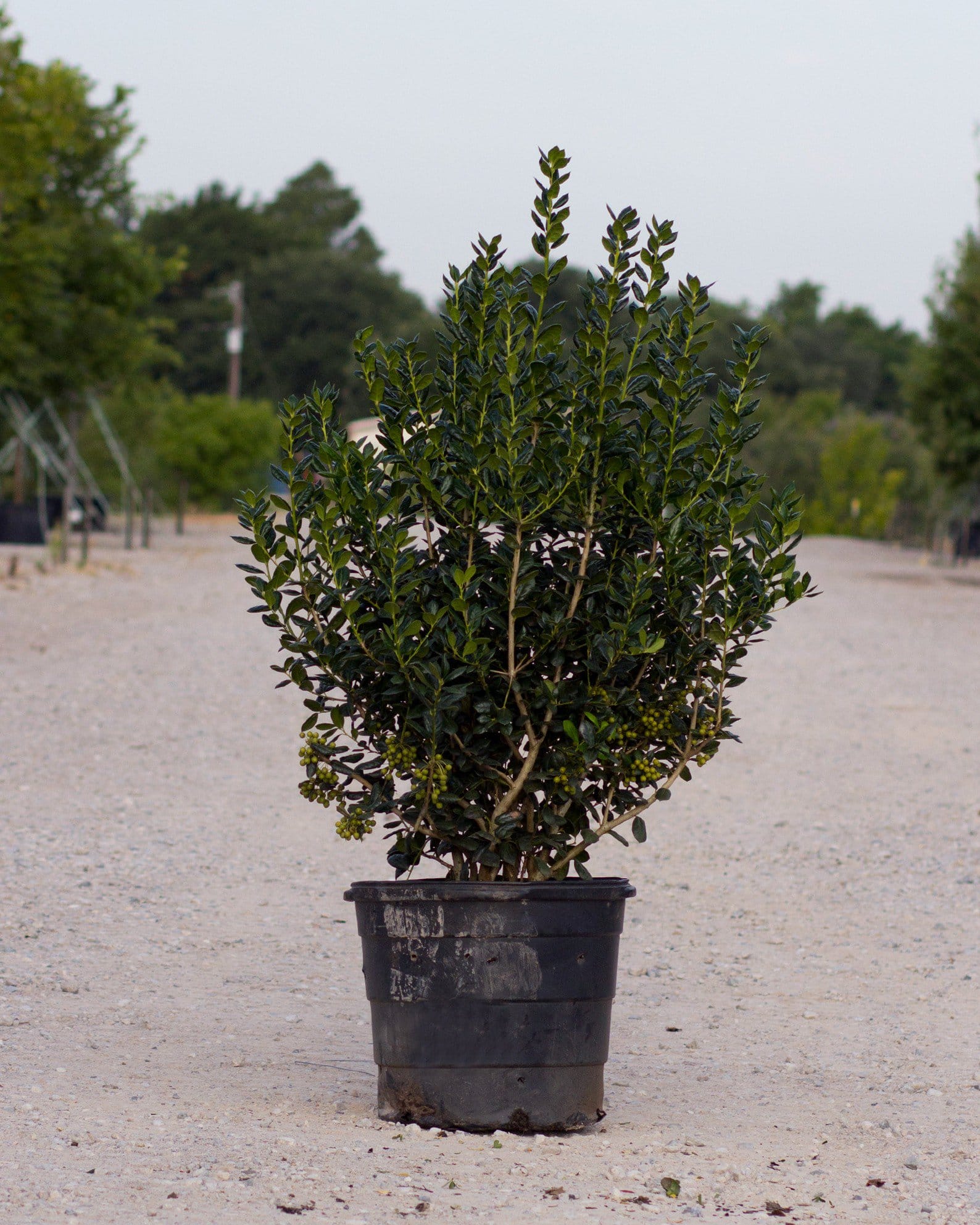
Burford Holly
Maturity: 15' H x 10' W
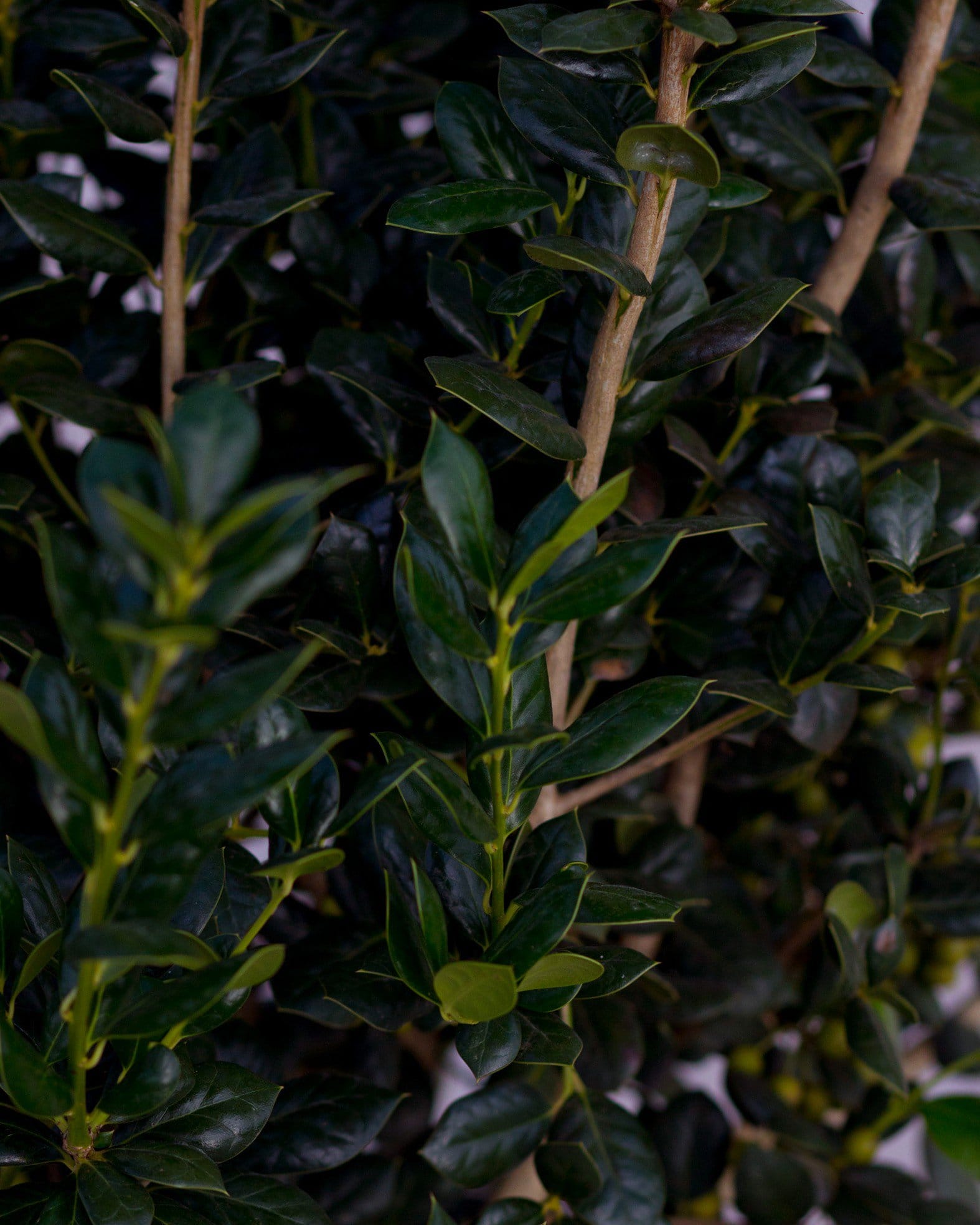
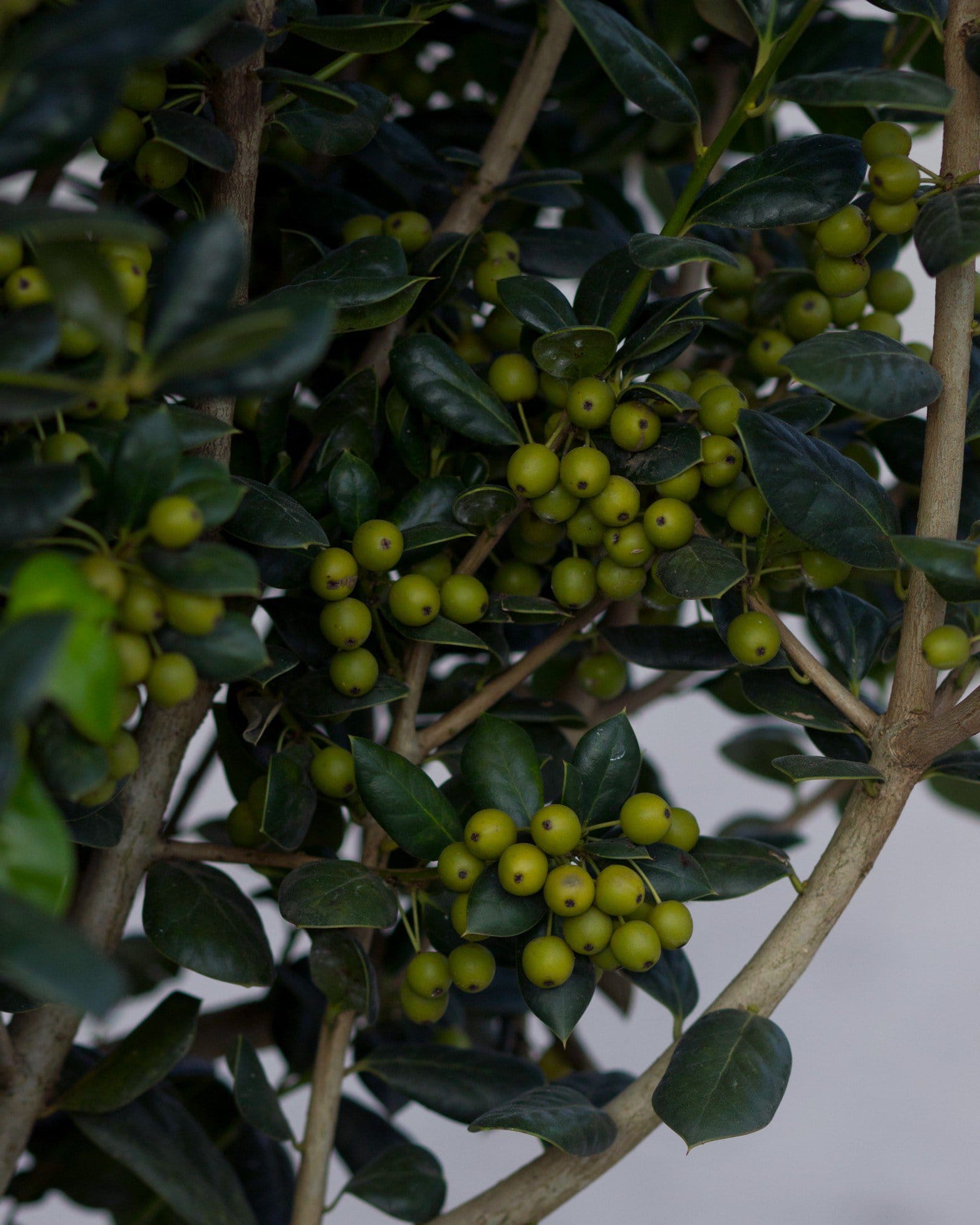
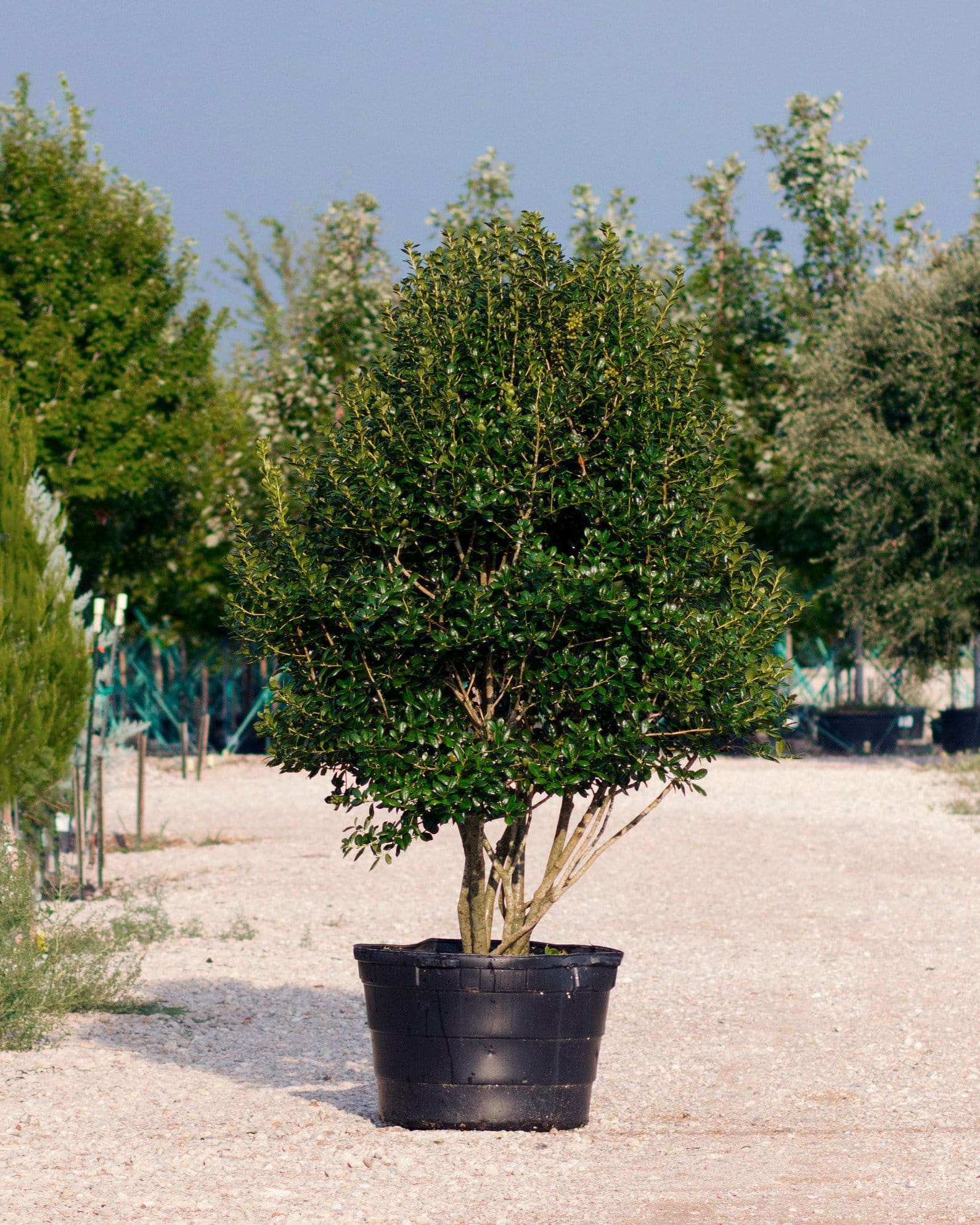
Burford Holly Tree Form
Maturity: 15' H x 10' W
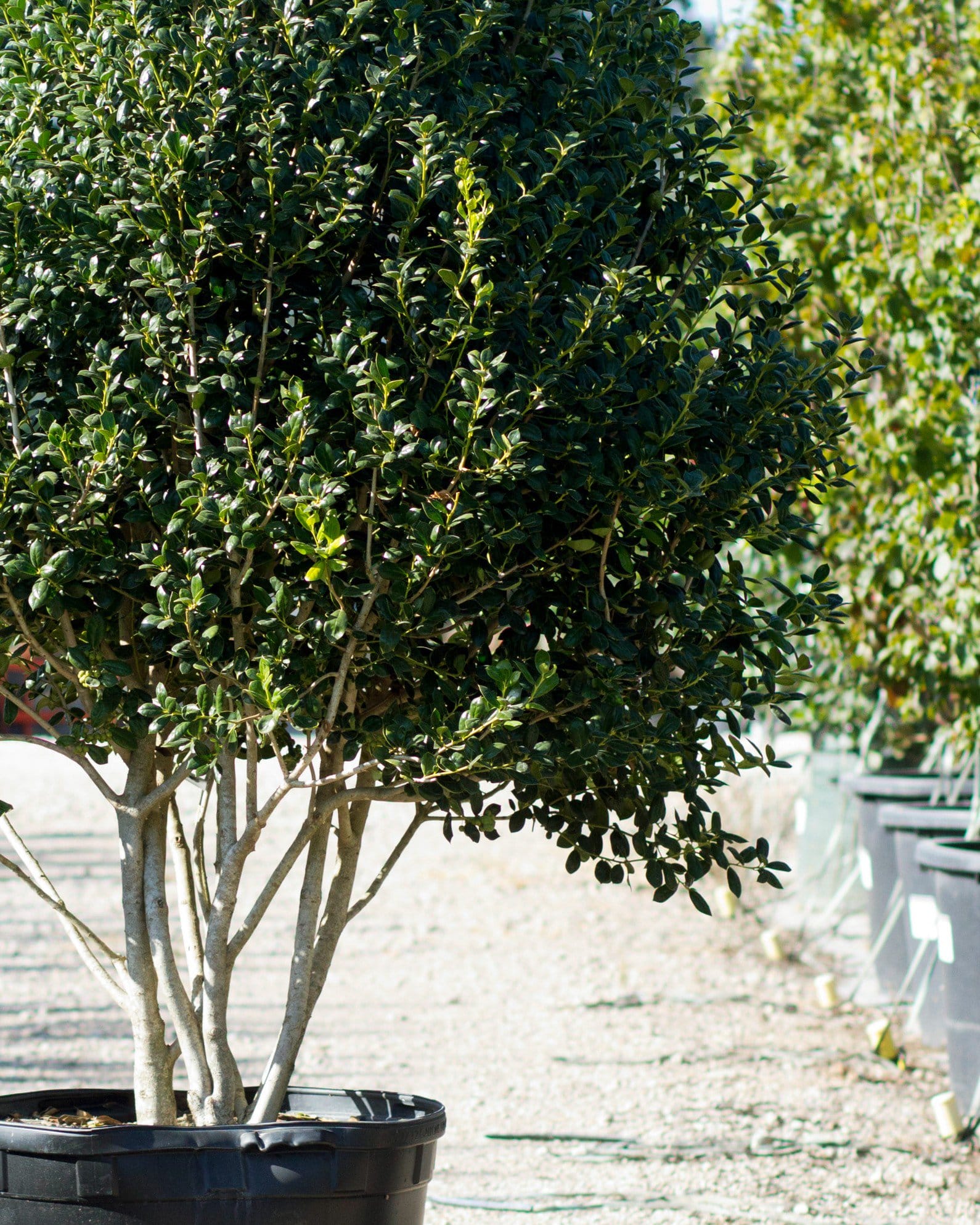
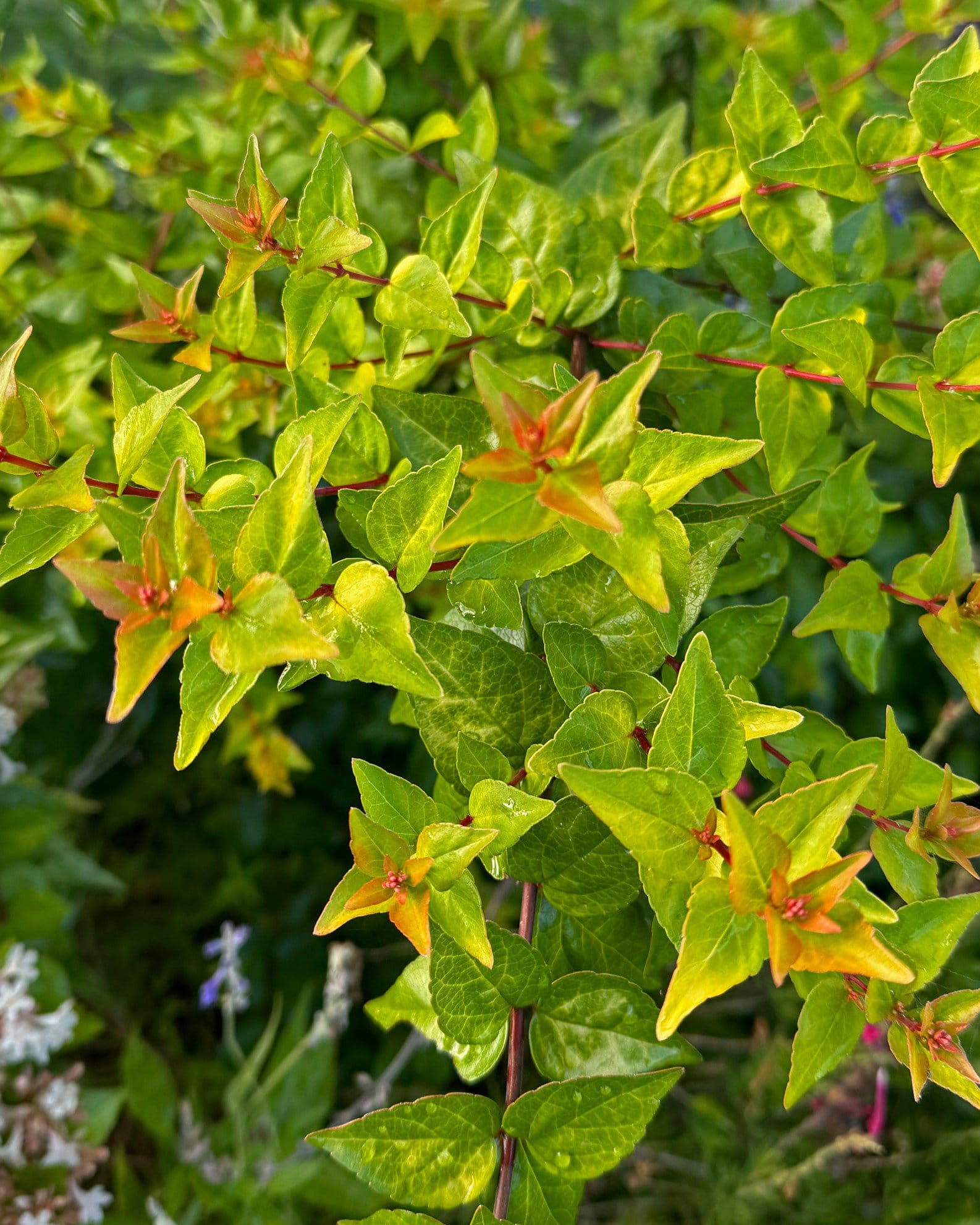
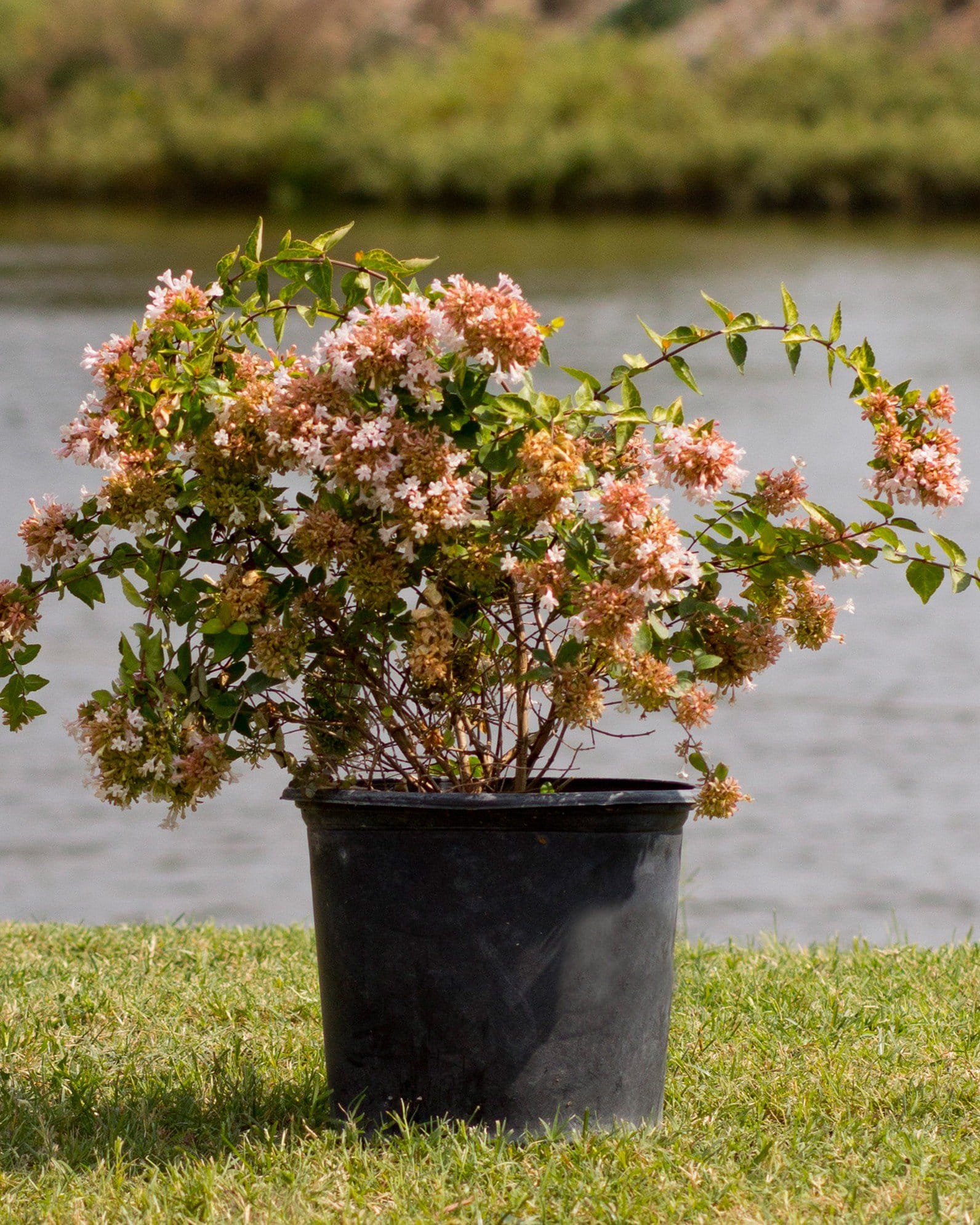
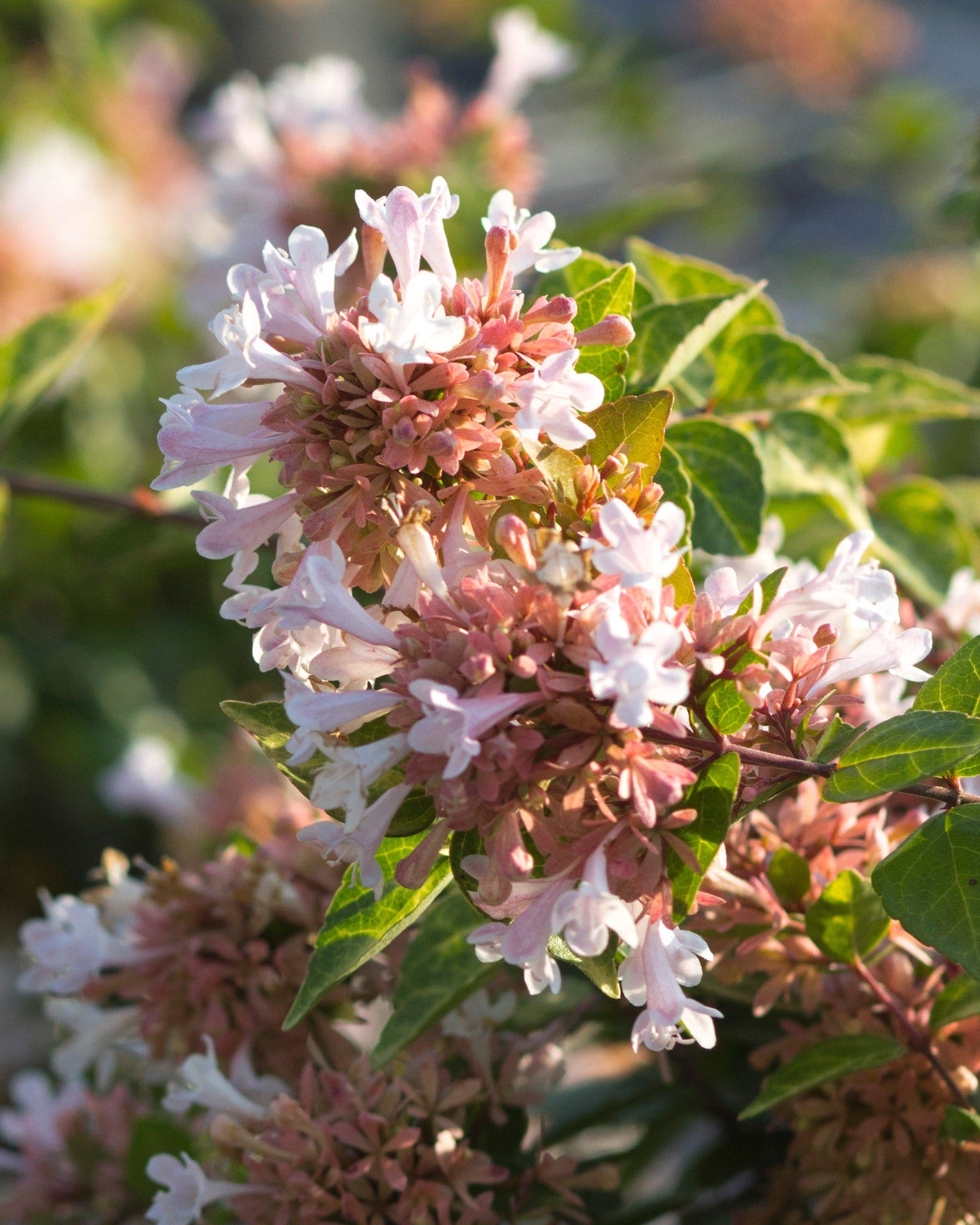
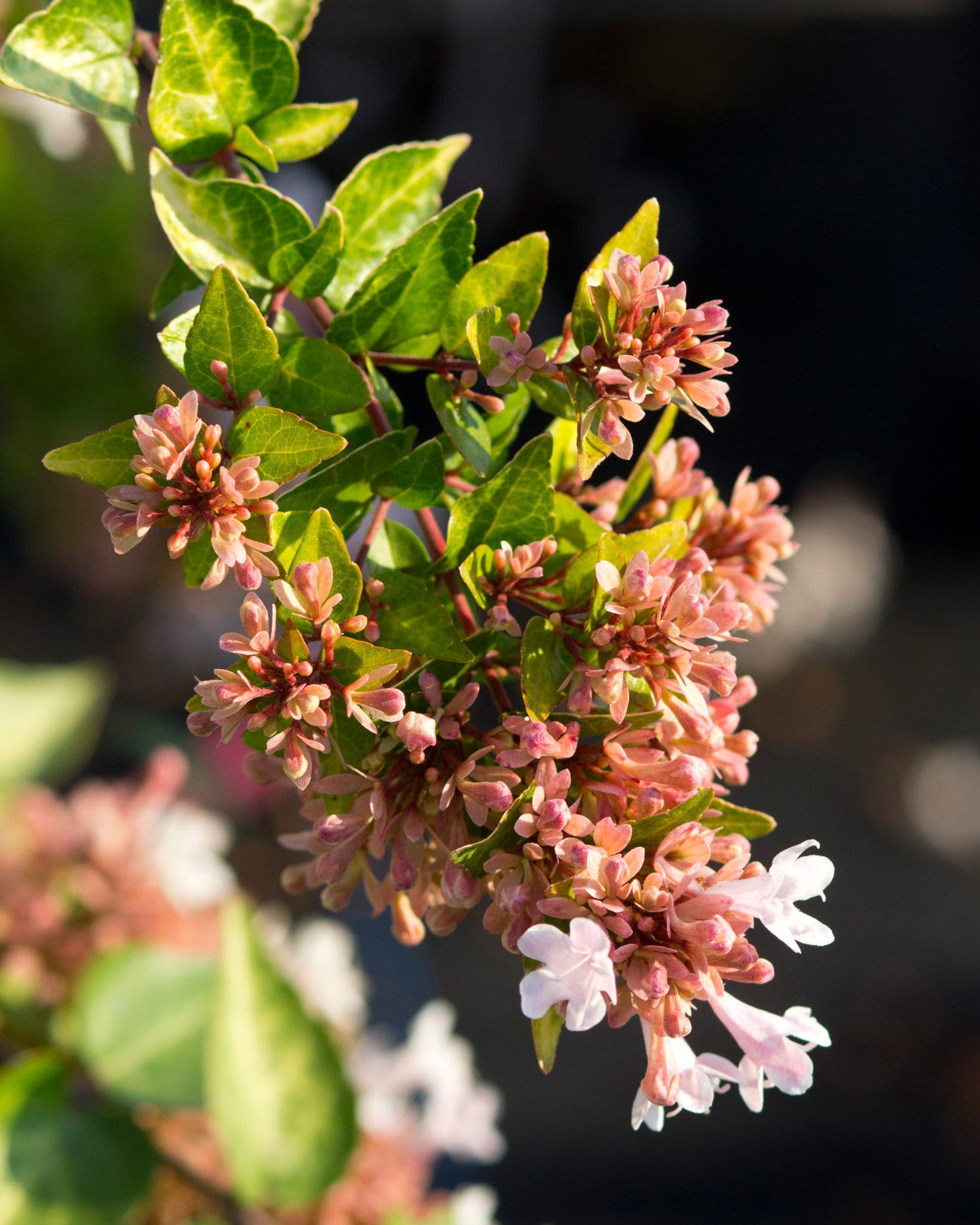
Canyon Creek Abelia
Maturity: 3' H x 3' W
Carolina Midnight Loropetalum
Maturity: 10' H x 10' W
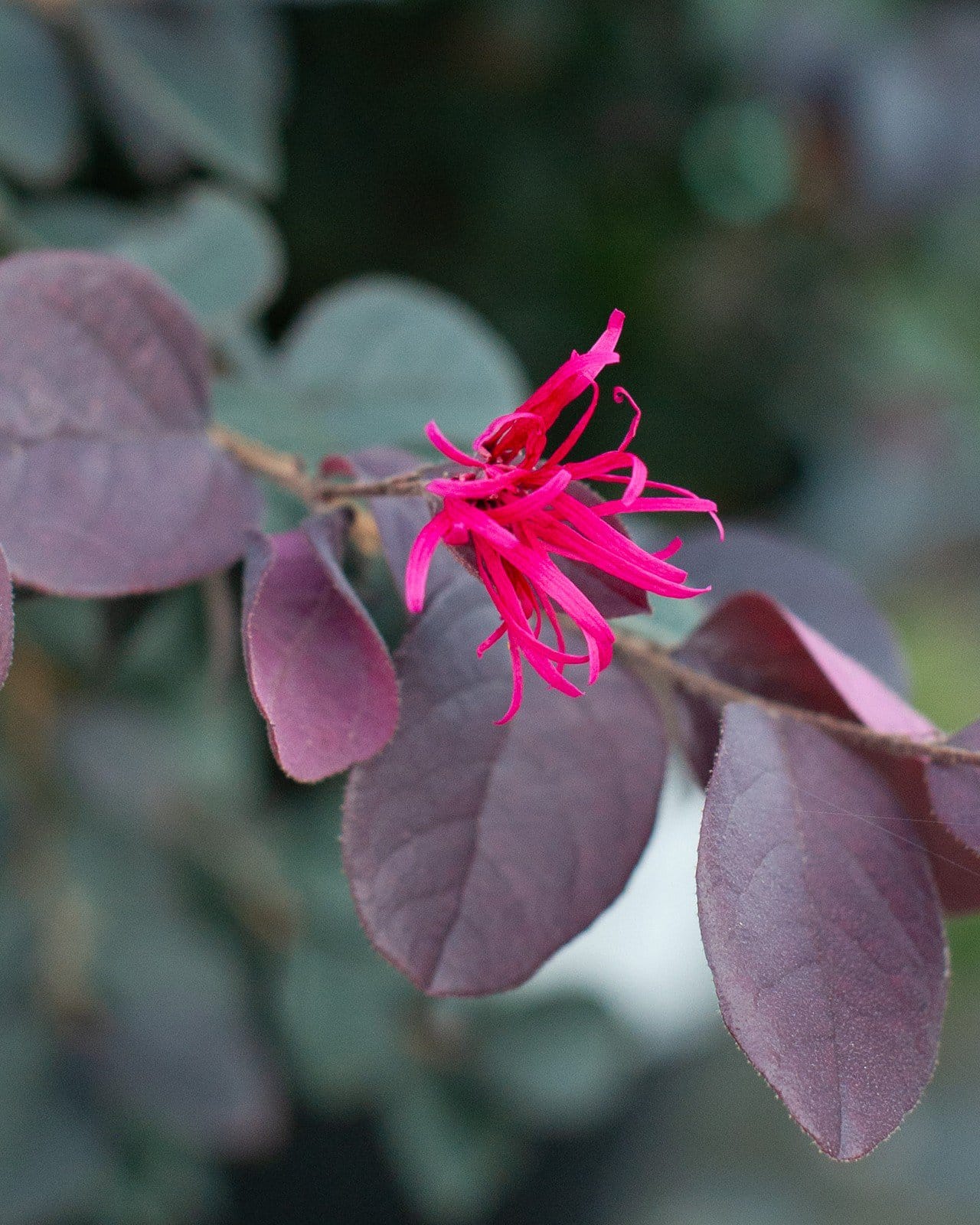
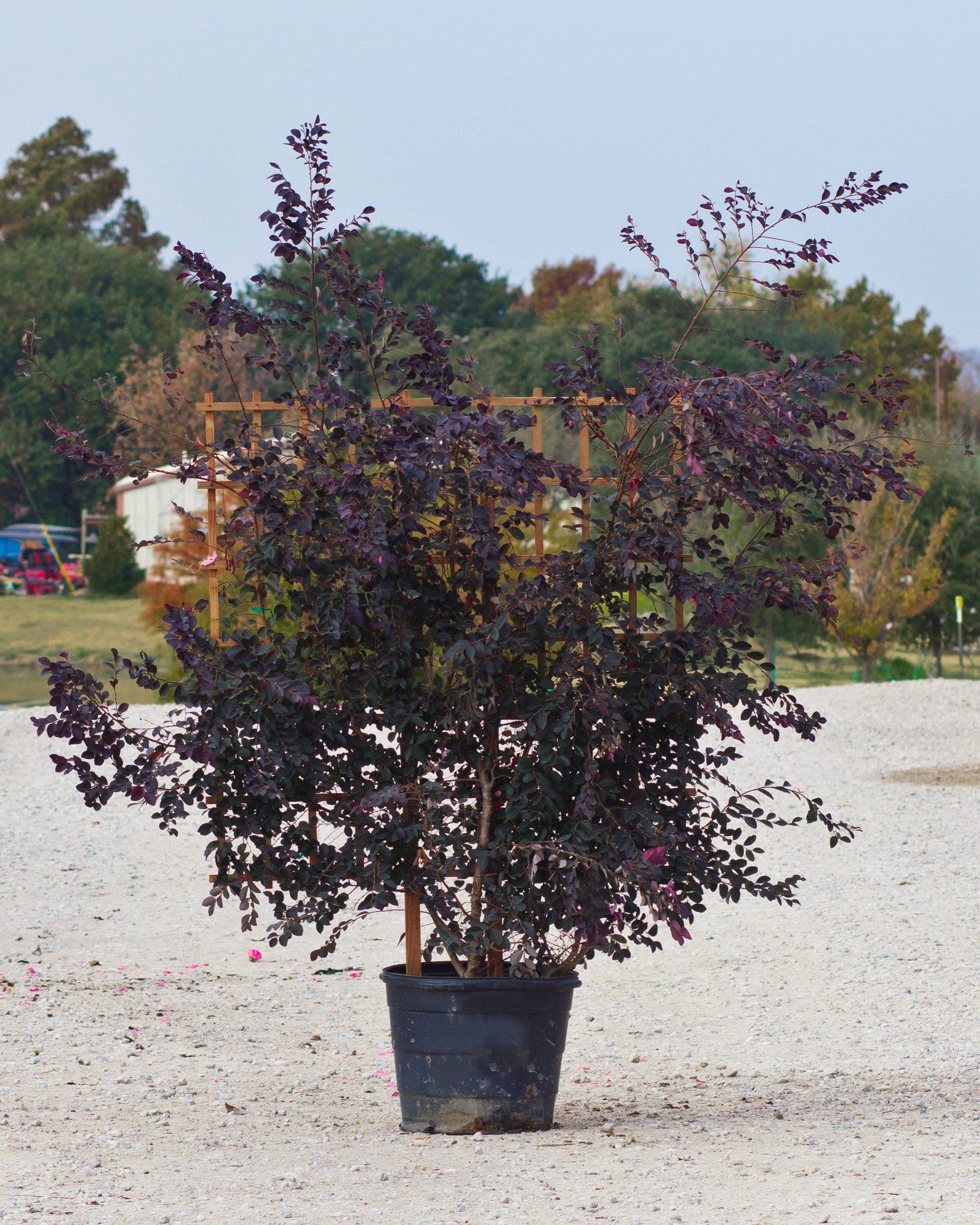
Carolina Midnight Loropetalum Espalier
Maturity: 10' H x 10' W
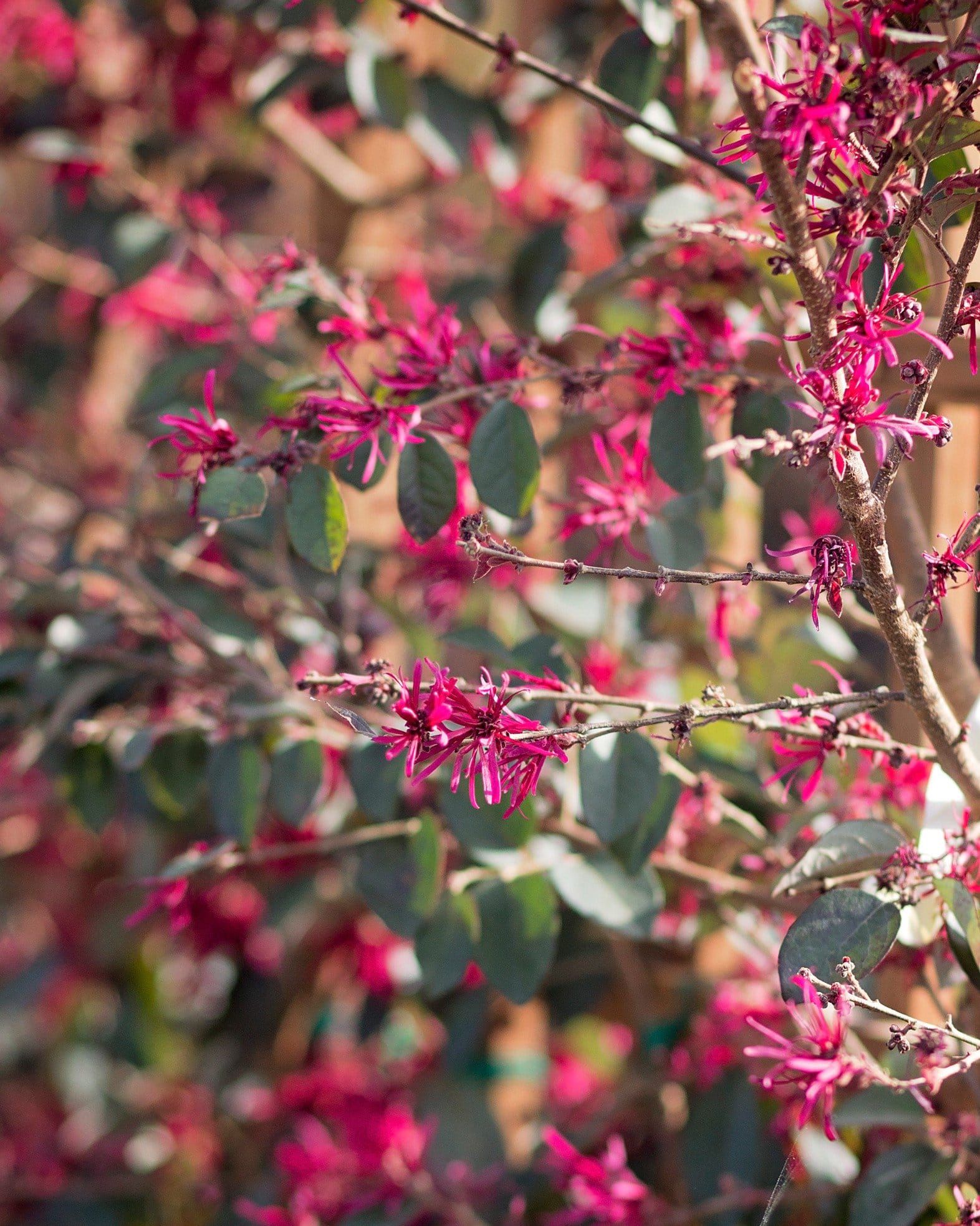
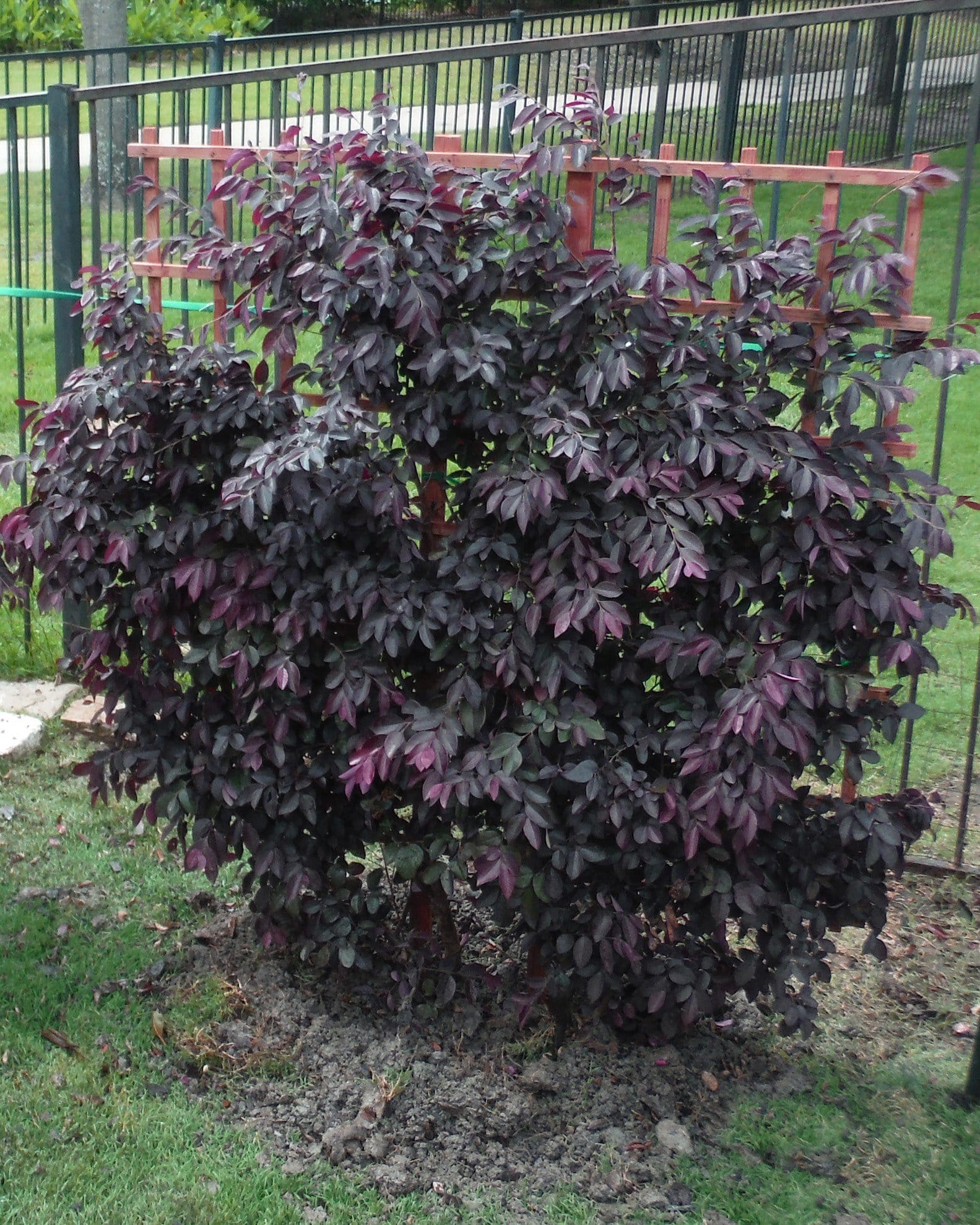
Cerise Charm Loropetalum
Maturity: 3' H x 3' W
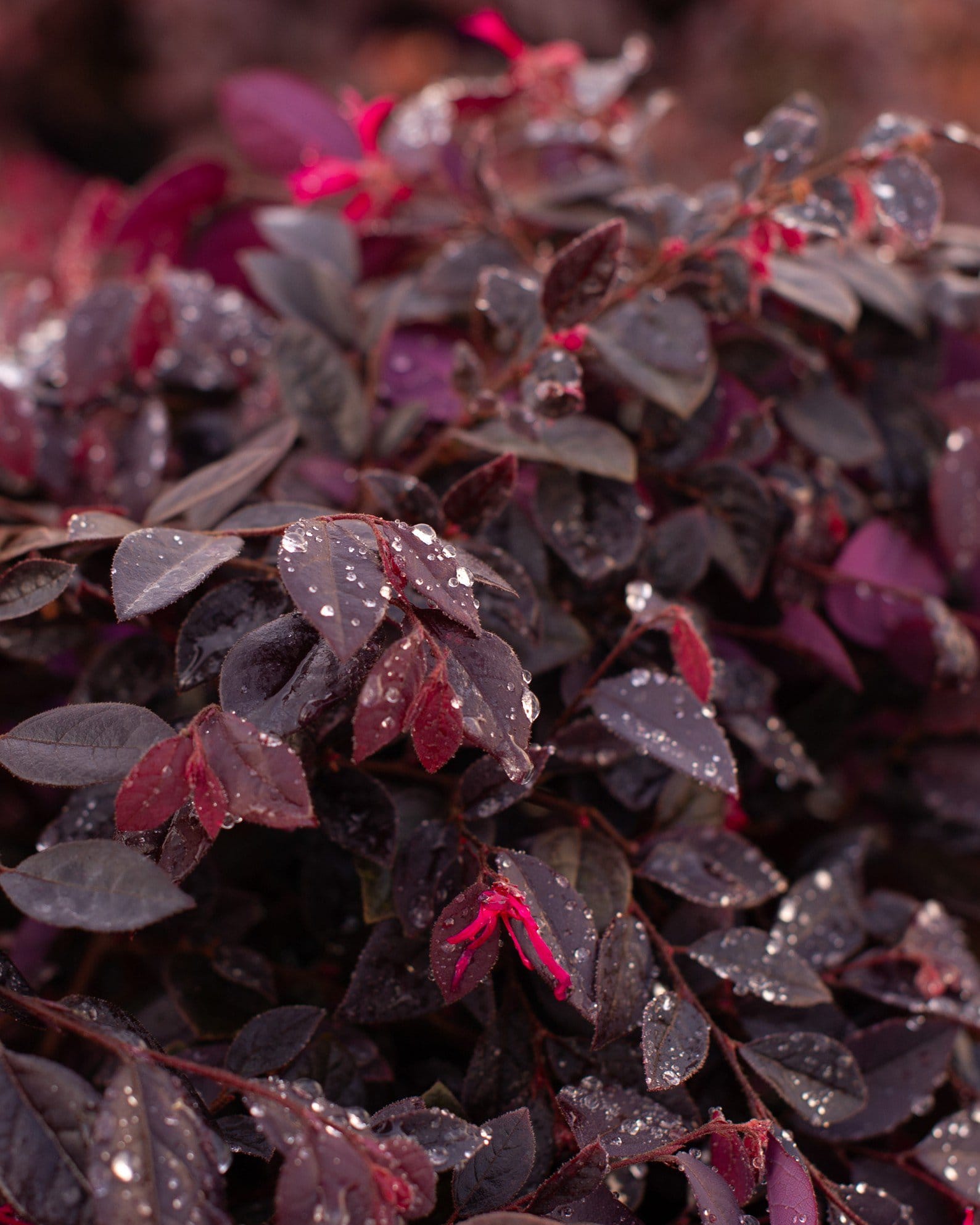
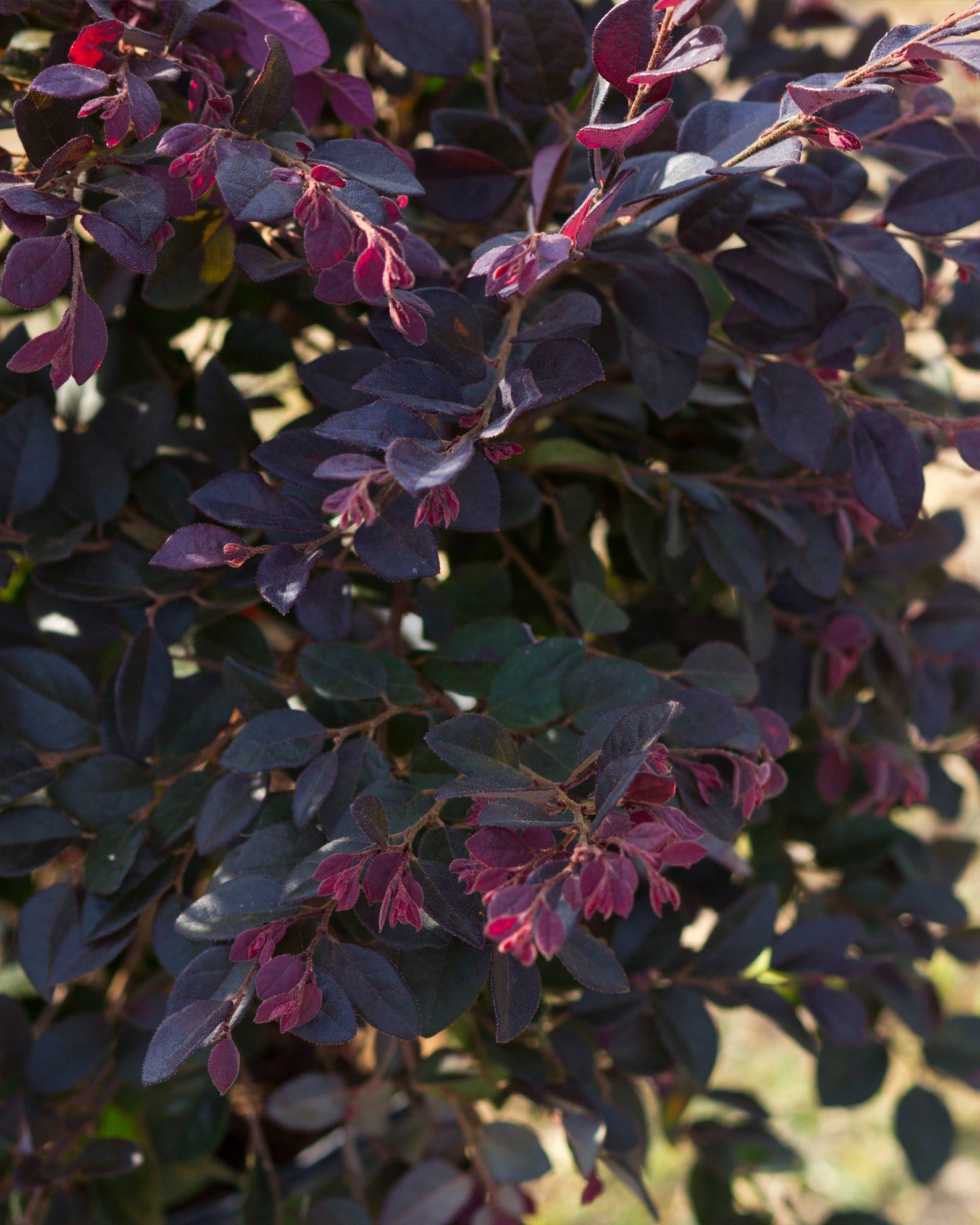
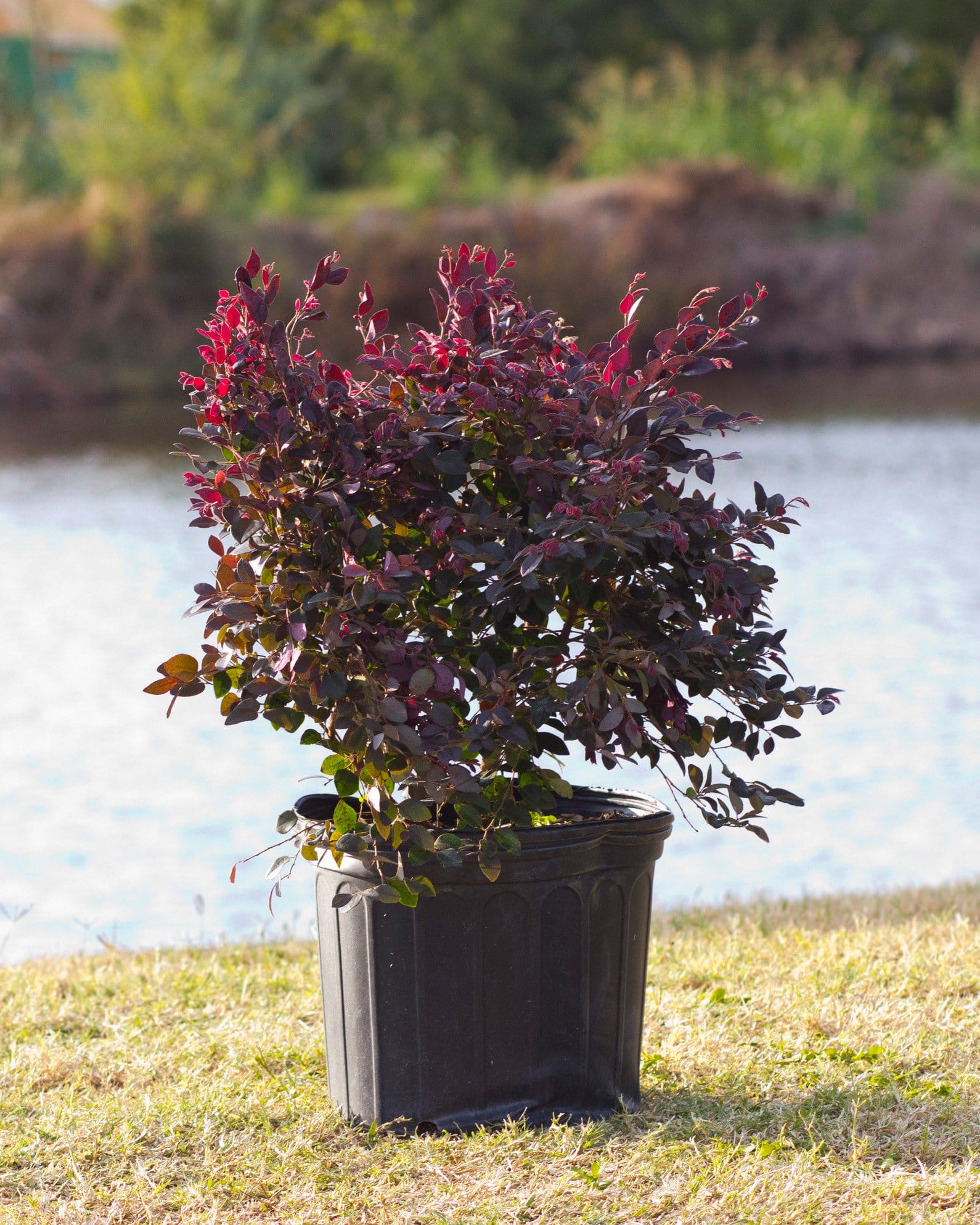
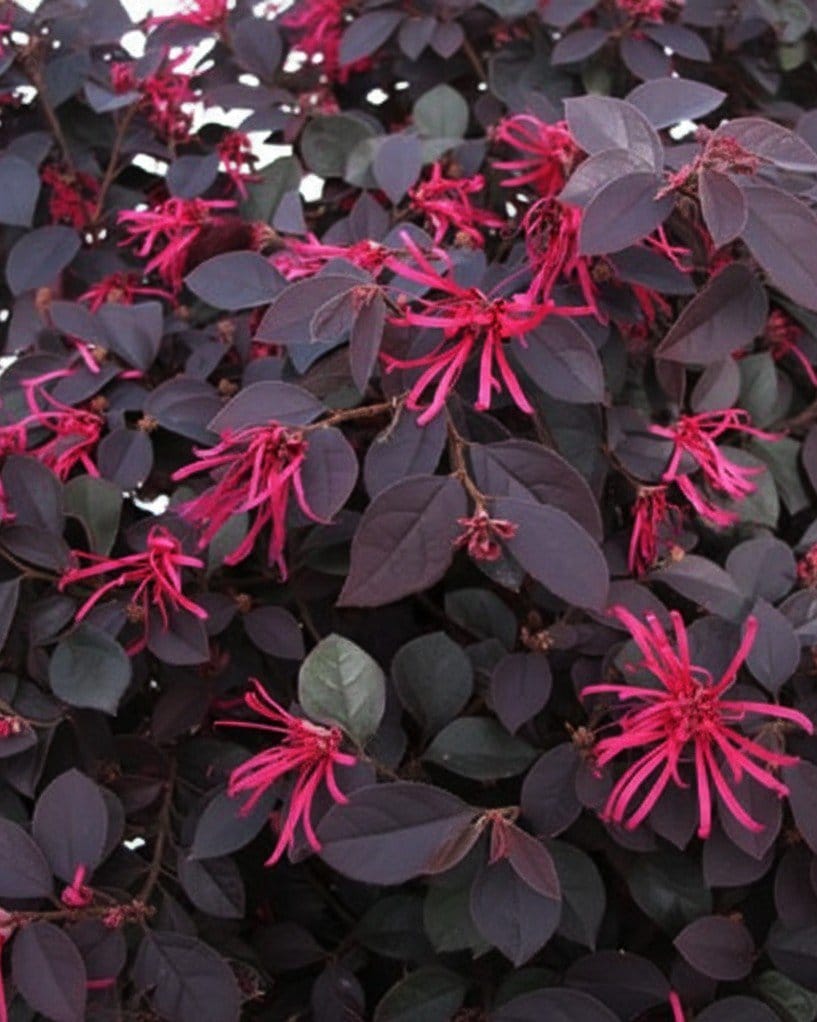
Cherry Blast Loropetalum
Maturity: 6' H x 6' W
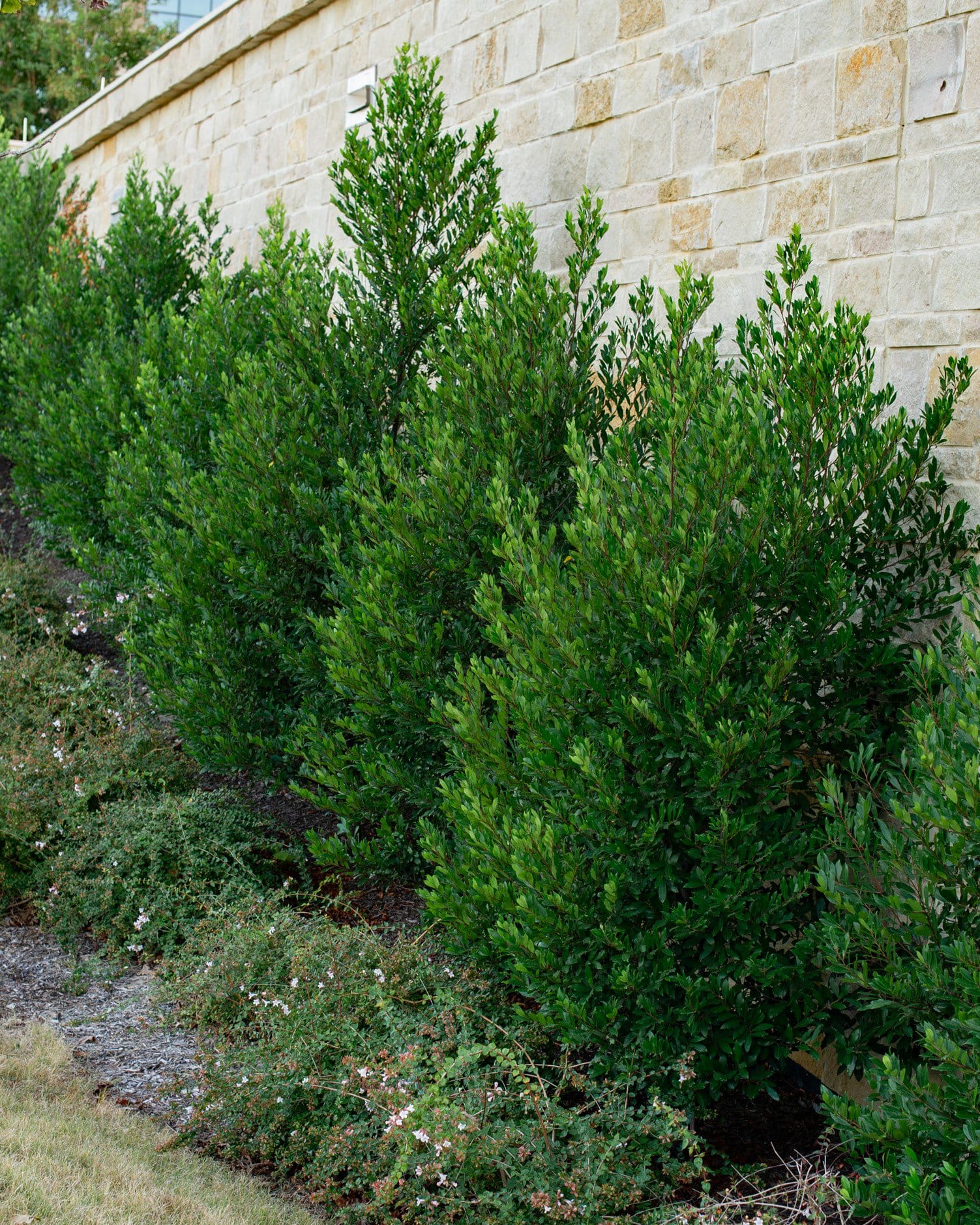
Cherry Laurel Bright 'N Tight
Maturity: 10' H x 8' W
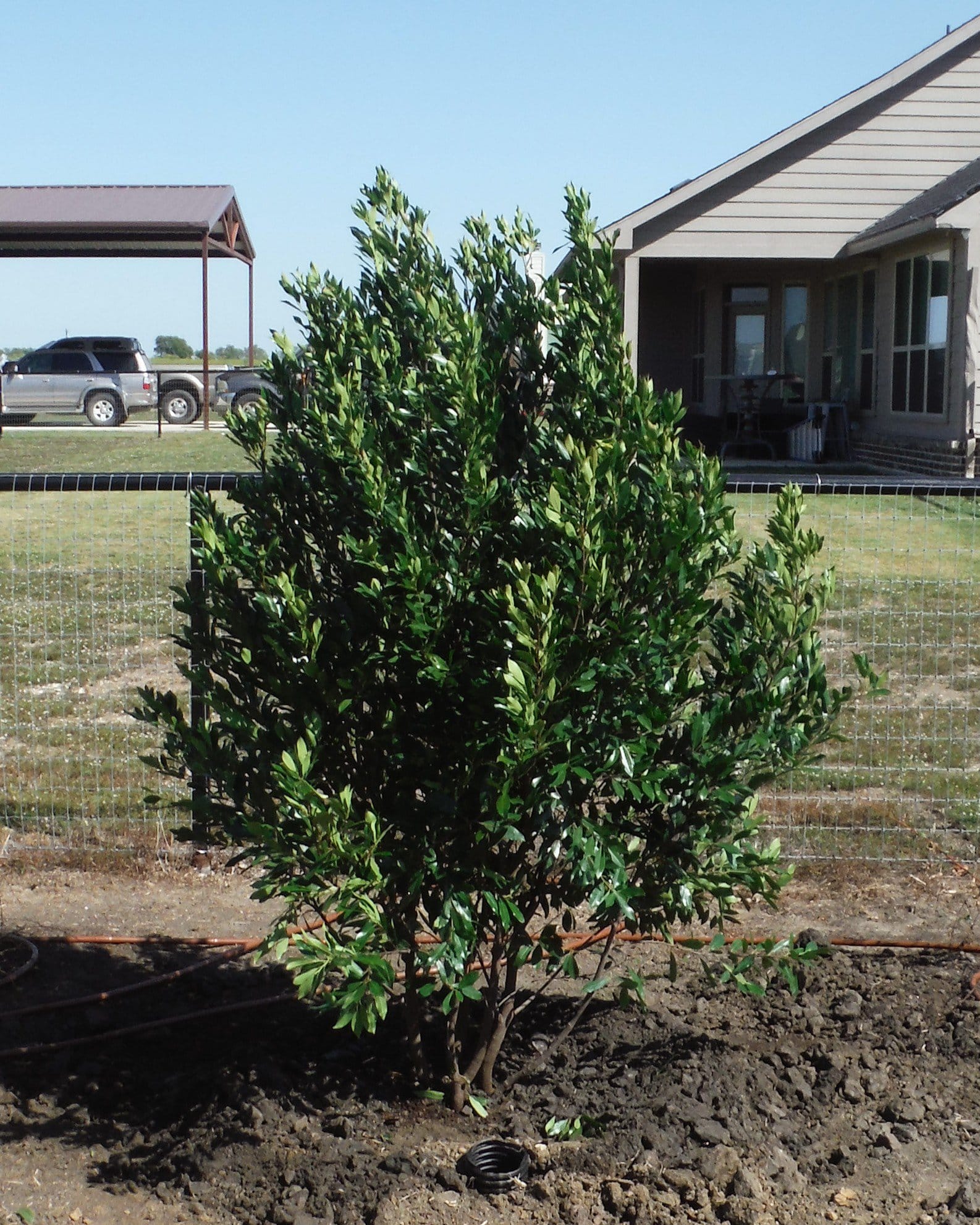
Cherry Laurel Centre Court
Maturity: 25' H x 15' W
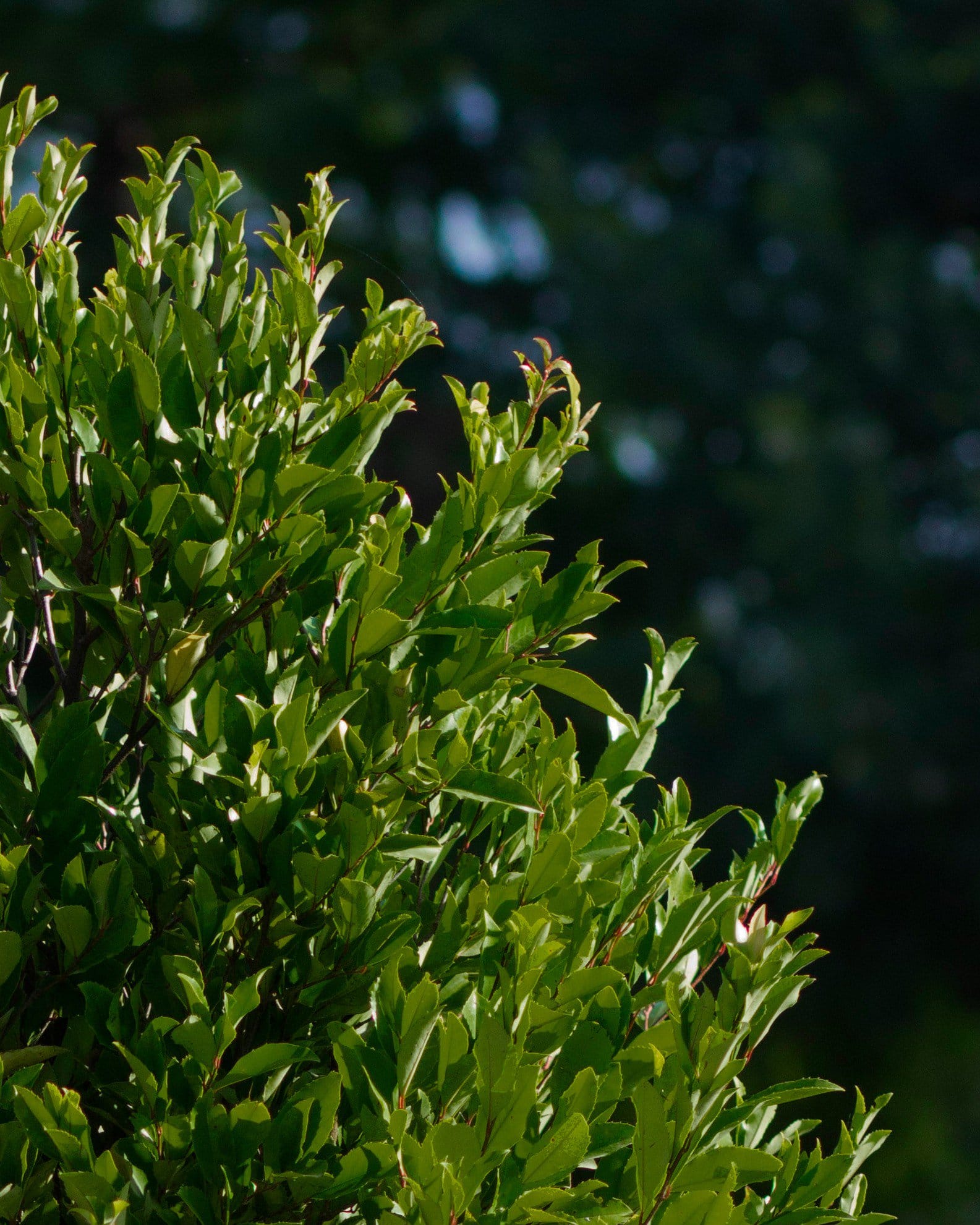
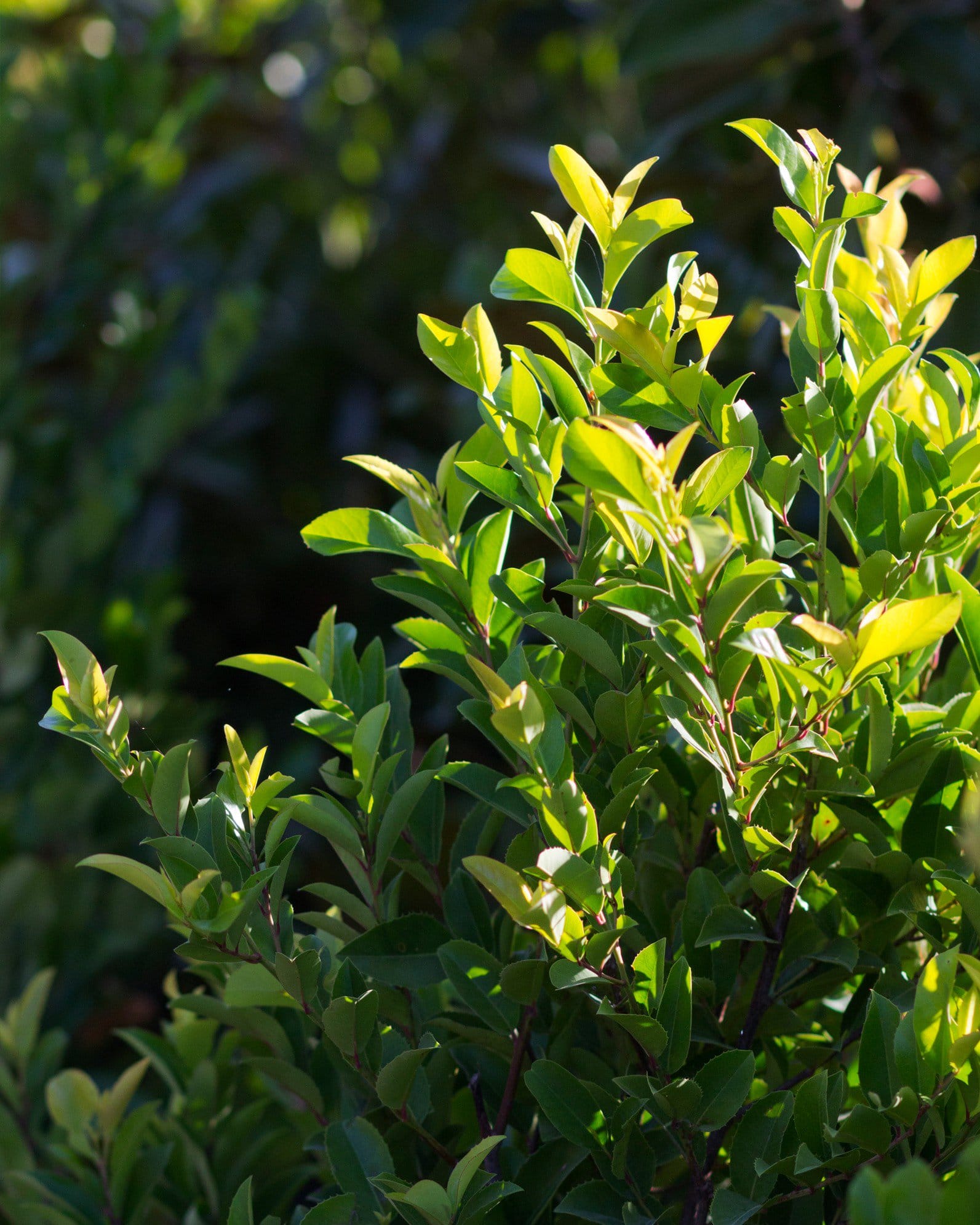
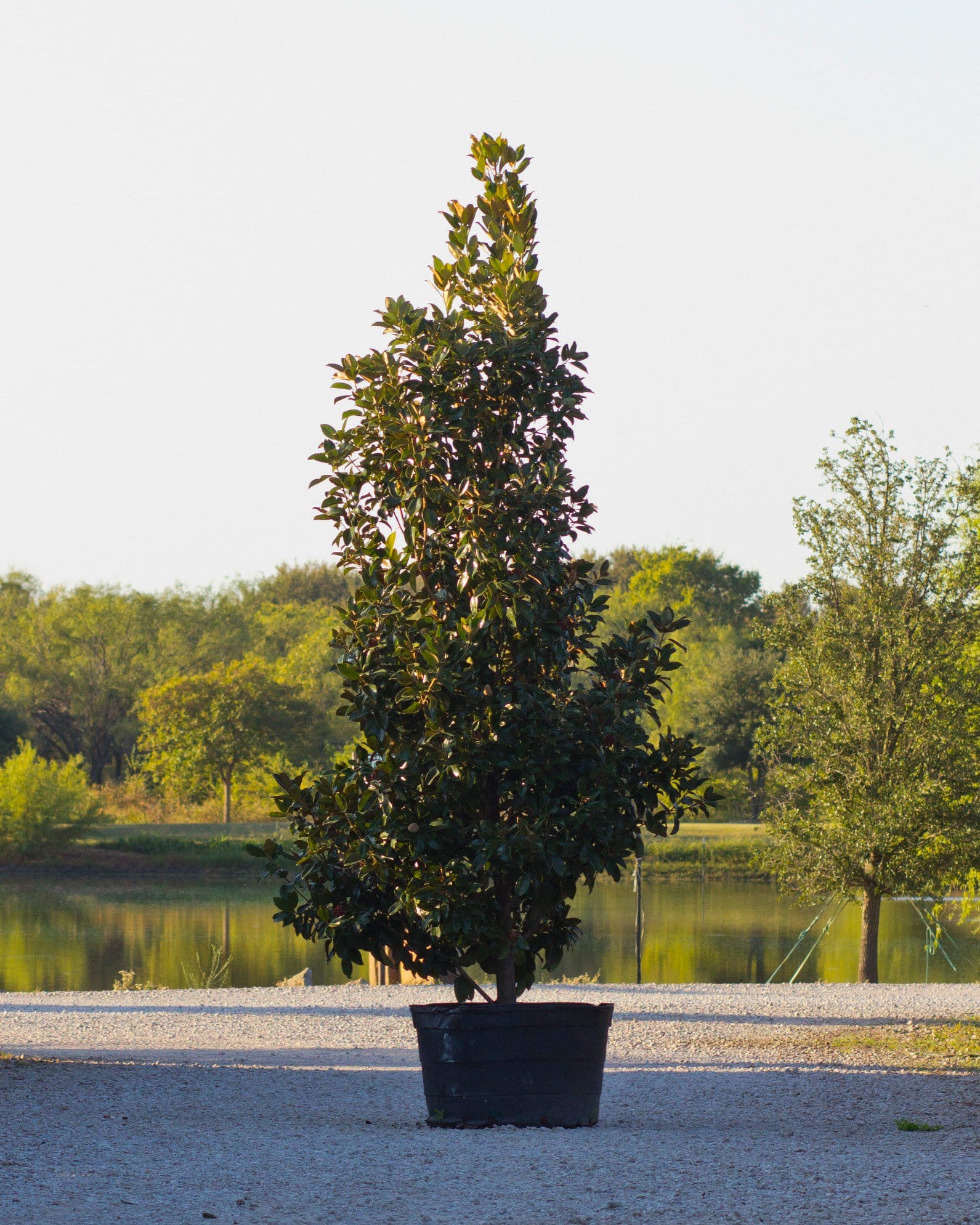
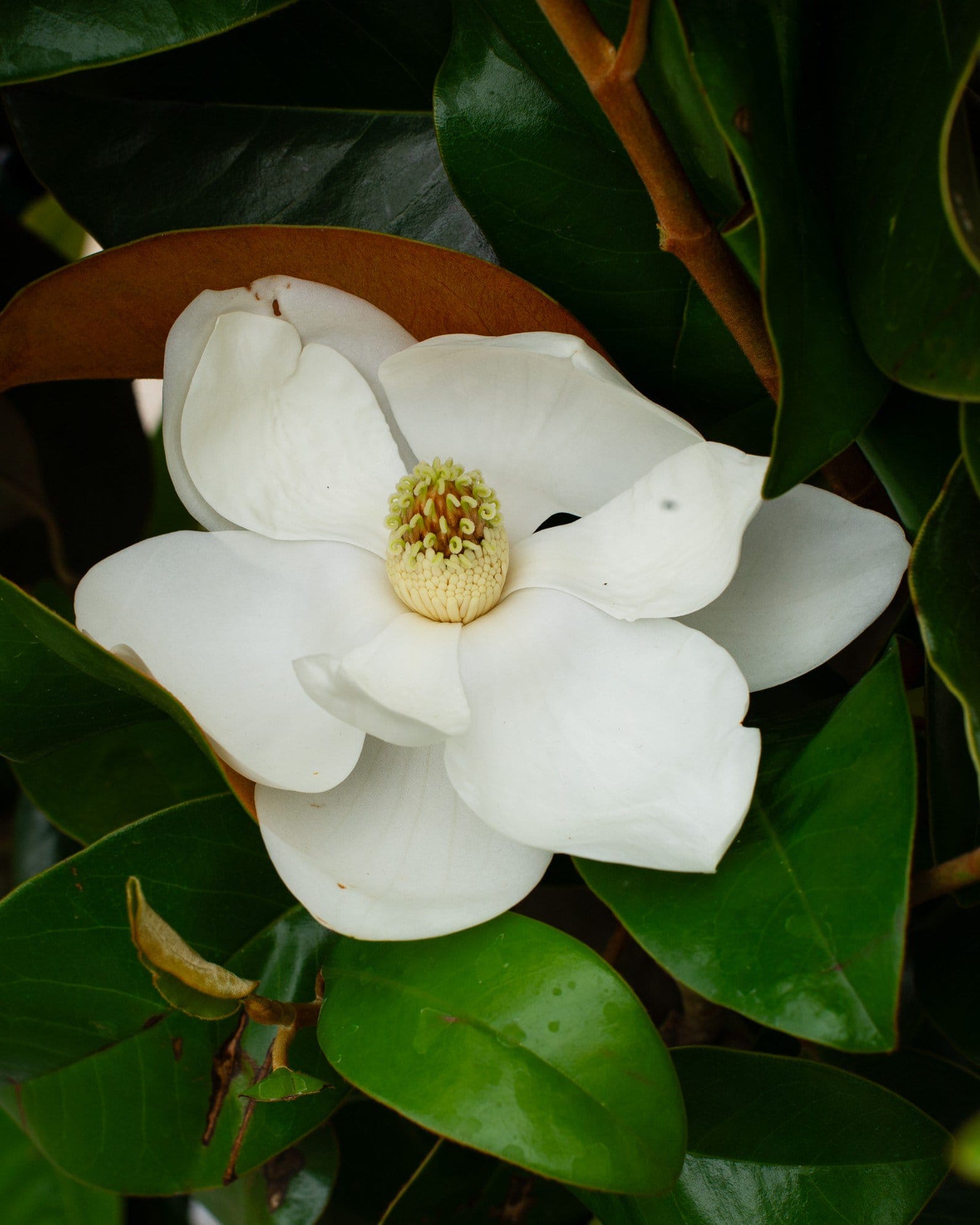
Claudia Wannamaker Magnolia
Maturity: 30' H x 20' W
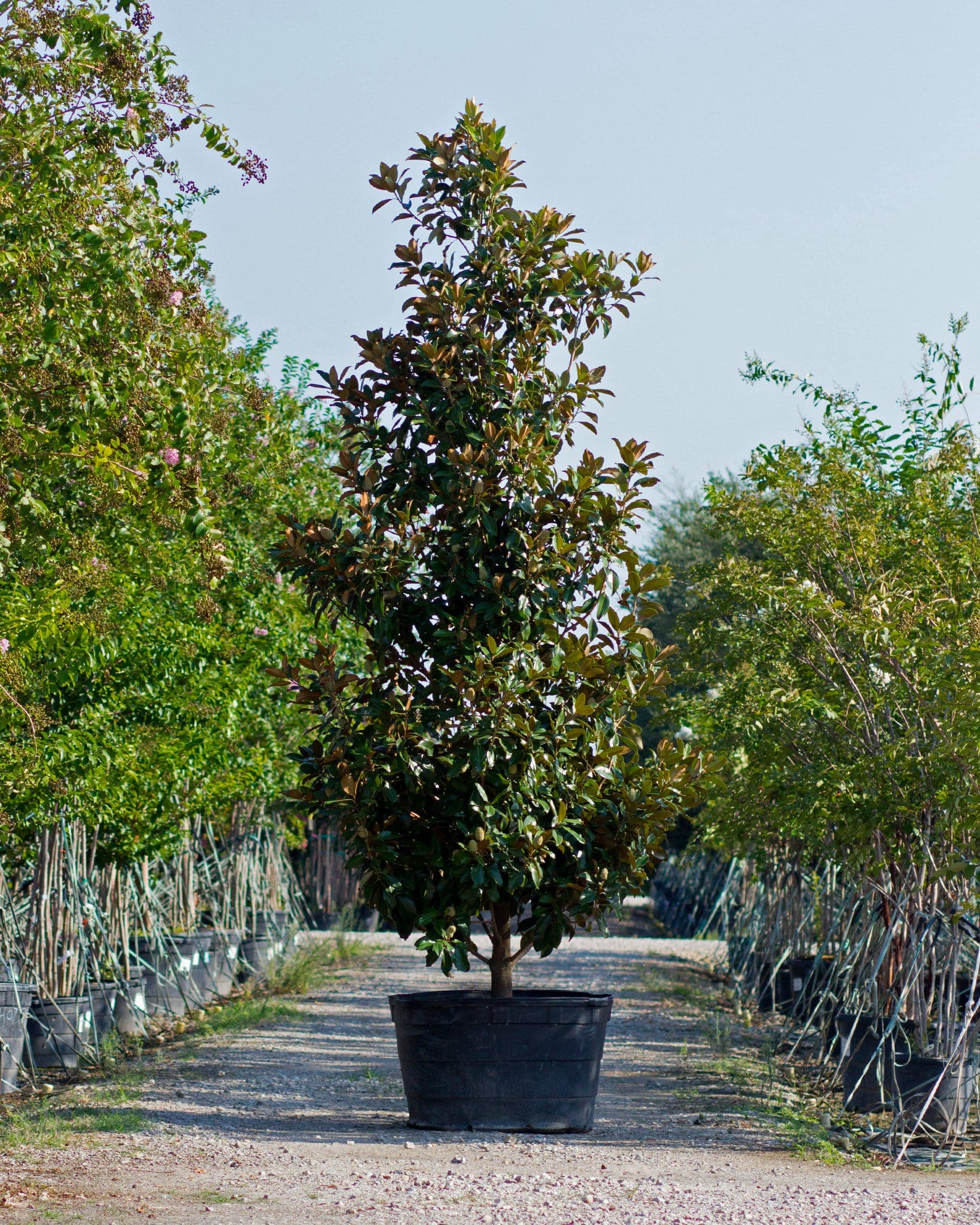
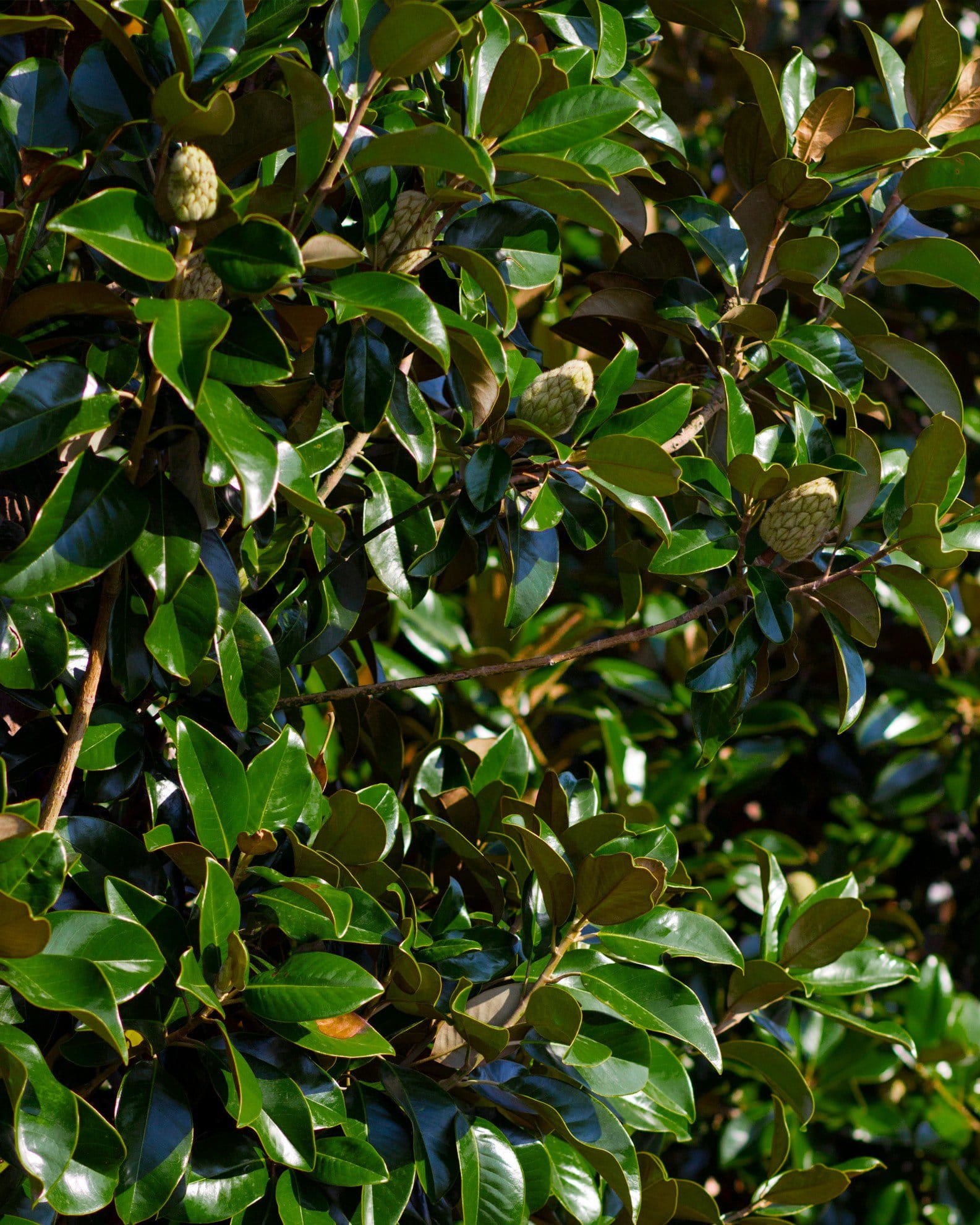
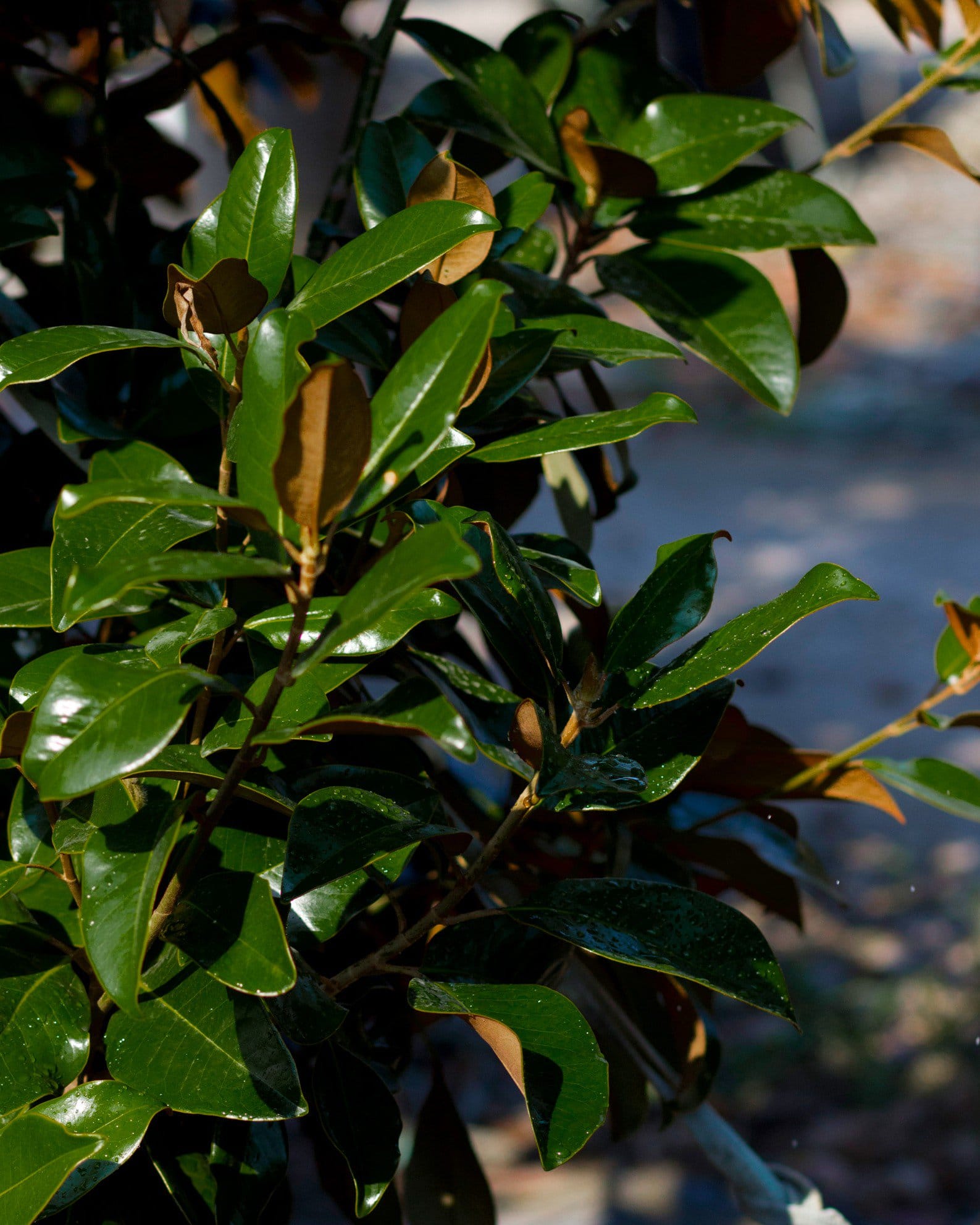
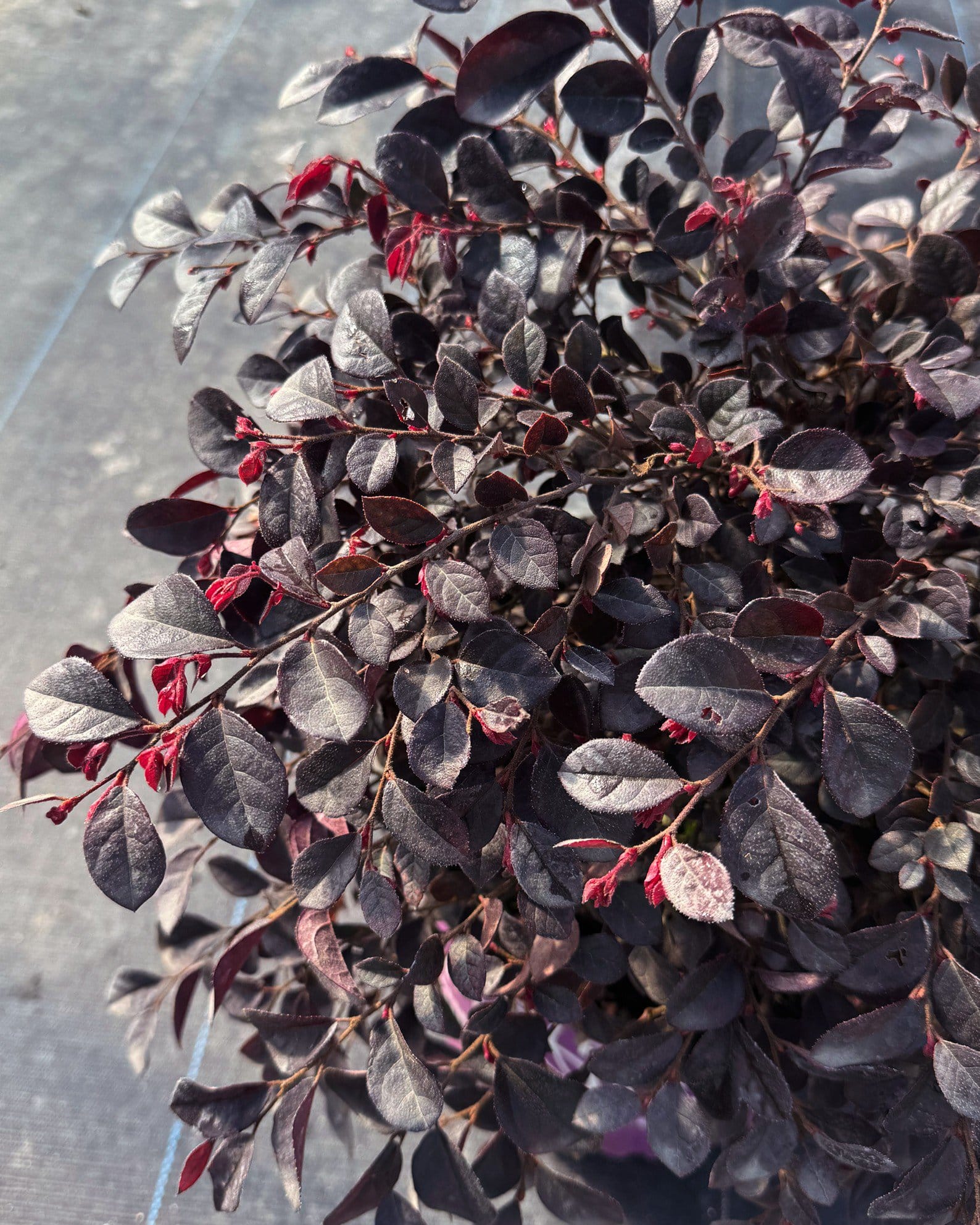
Crimson Fire Loropetalum
Maturity: 4' H x 4' W
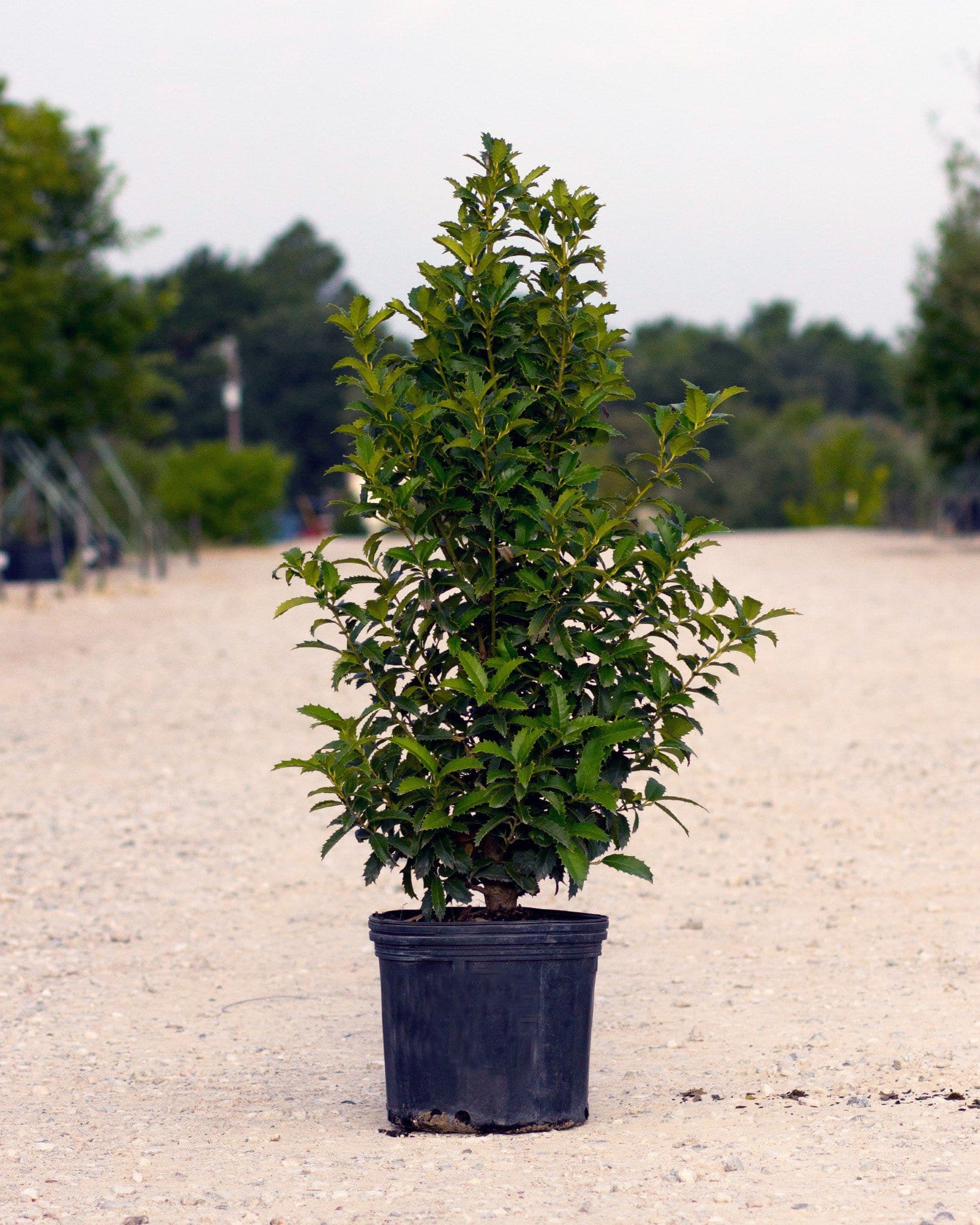
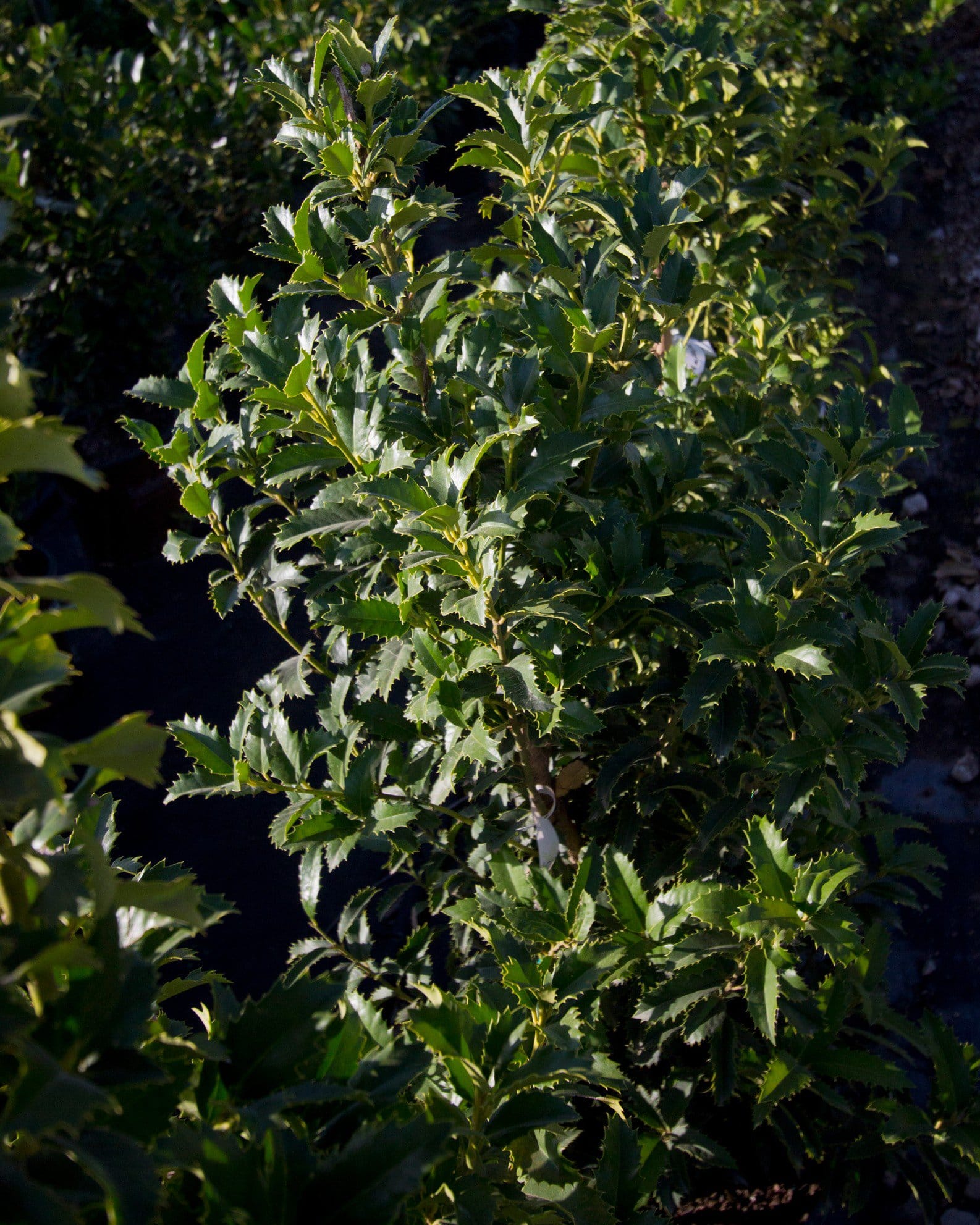
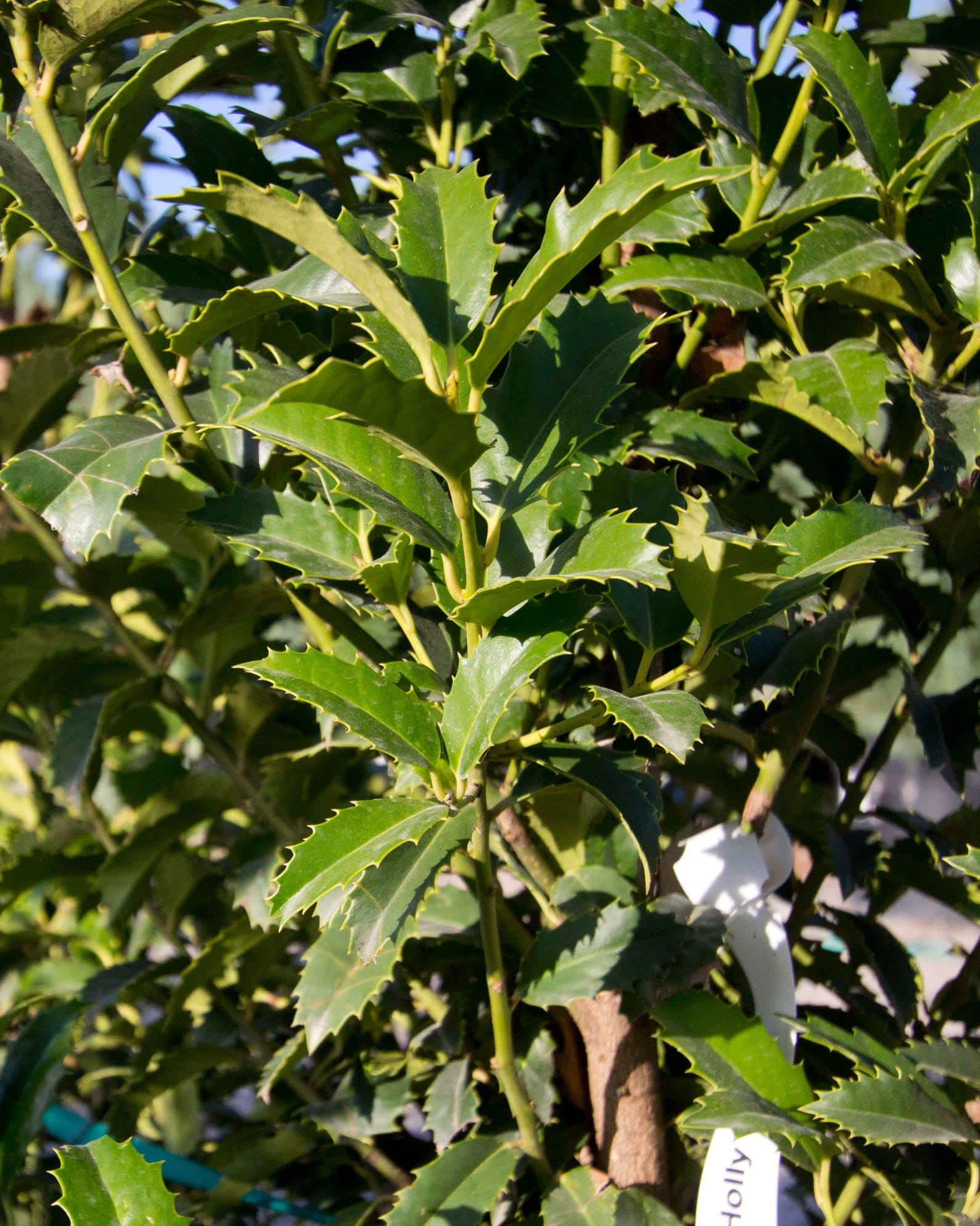
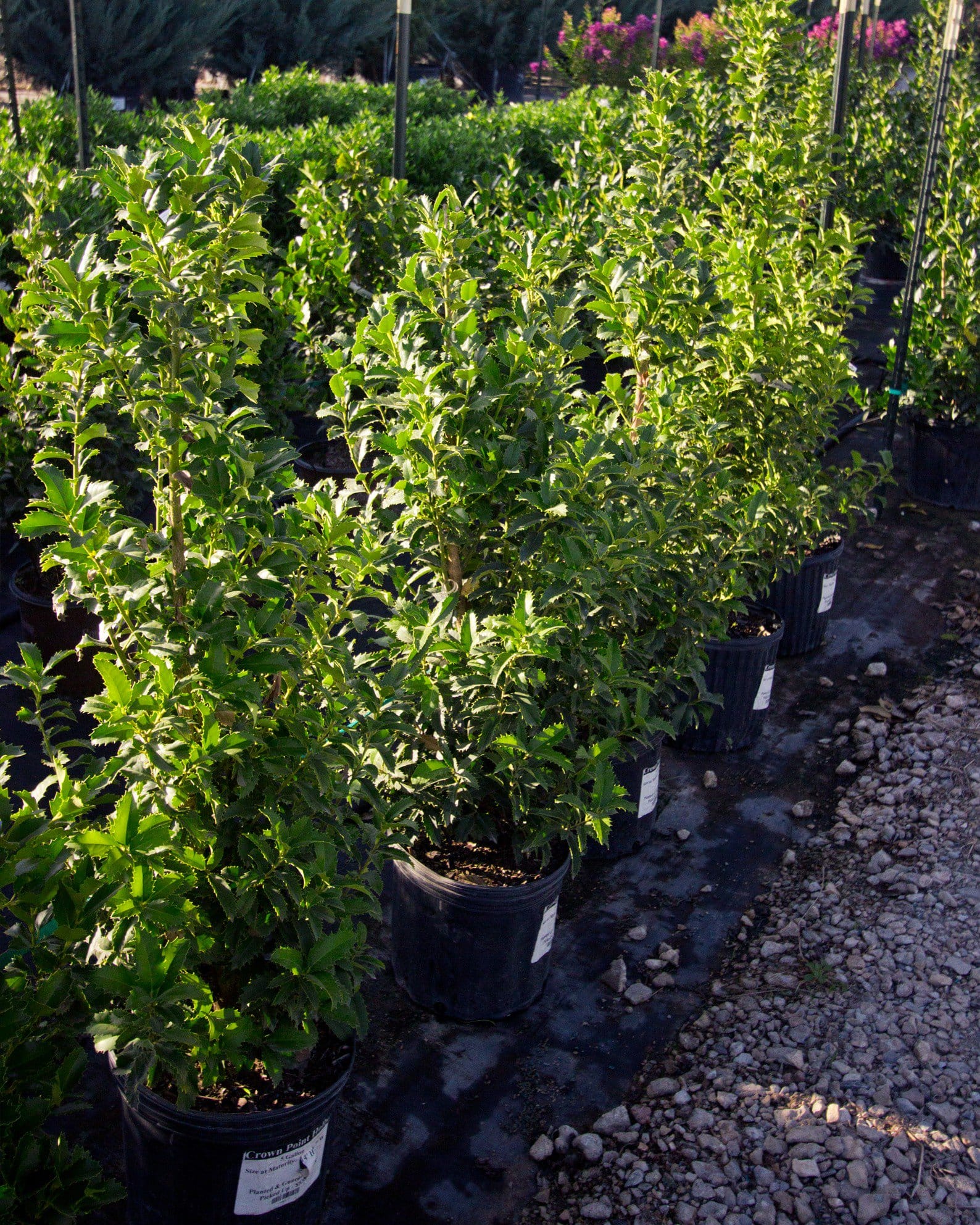
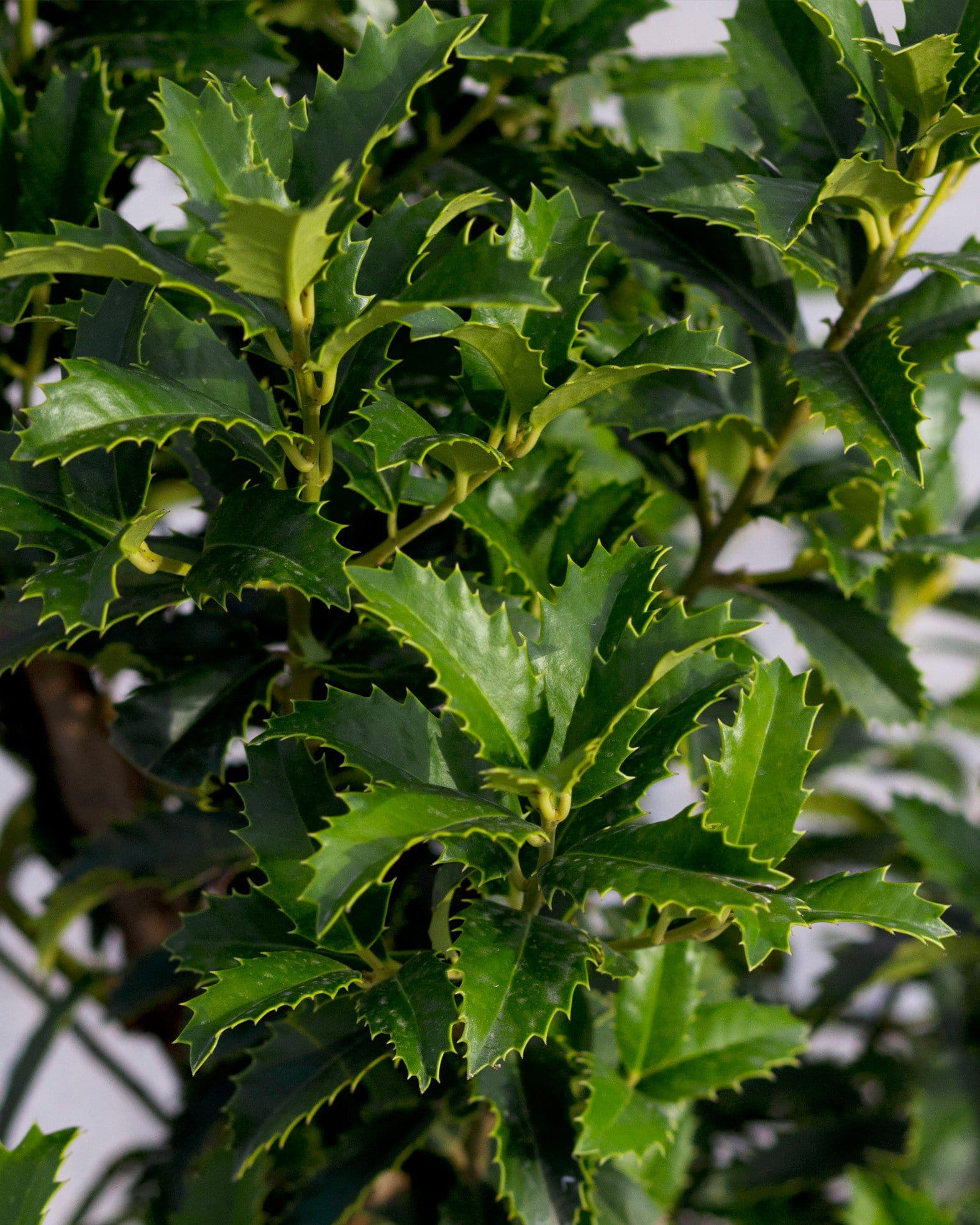
Crown Point Holly
Maturity: 14' H x 7' W
Compare Similar Plants
Pindo Palm This plant | ||
|---|---|---|
| Scientific Name | Butia capitata | Trachycarpus fortunei |
| Size at Maturity | 10' H x 10' W | 20' H x 6' W |
| Leaf Retention | Evergreen | Evergreen |
| Sizes Available | 3, 15, 30 gal | 7, 15, 30, 45 gal |


Our 1-Year Planting Guarantee
We take pride in our plants and installation services. If any plants or trees installed by Treeland fail to thrive within the first year, we'll provide a replacement credit in accordance with our guarantee program.
Learn More About Our Guarantee