
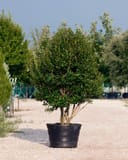
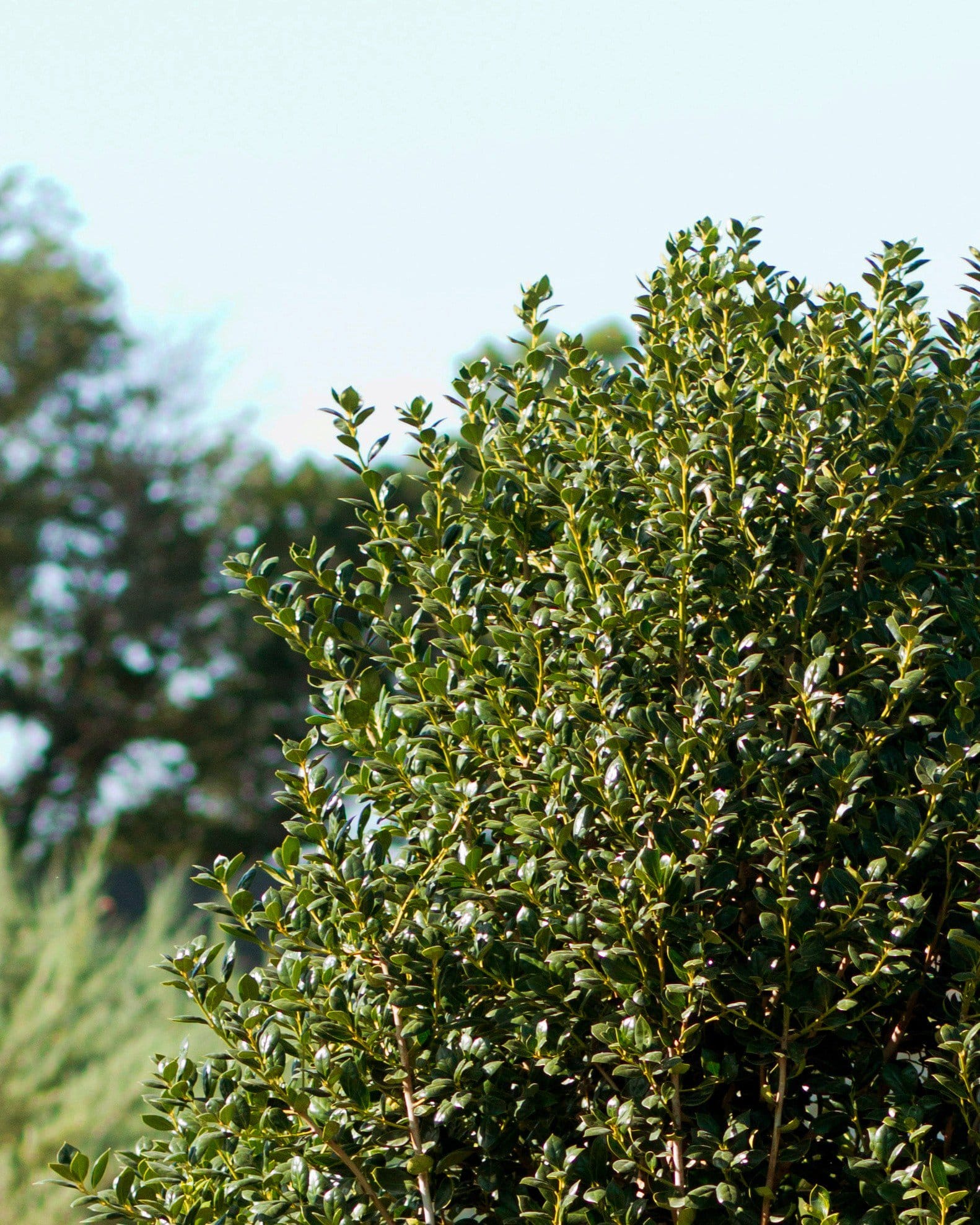
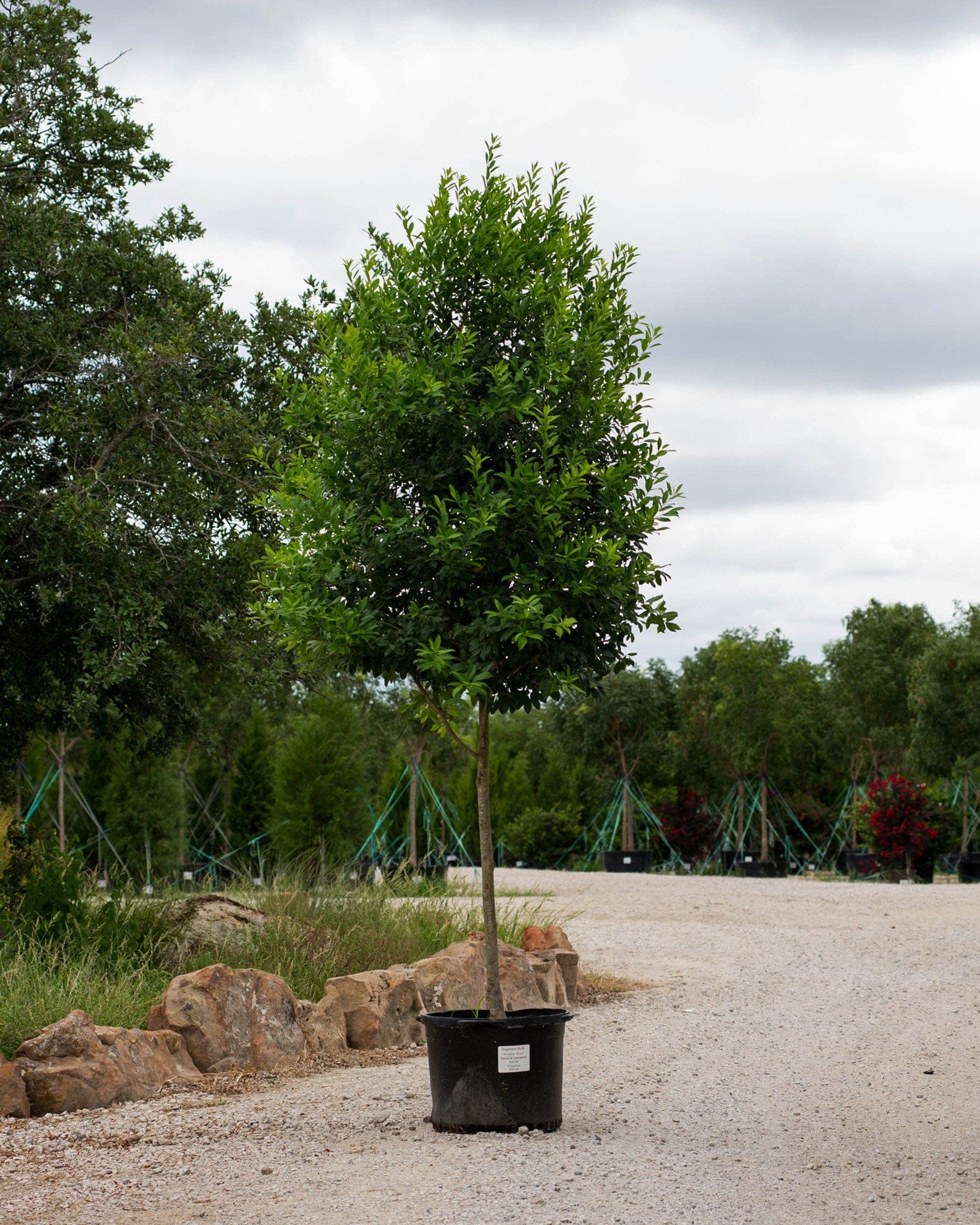
Burford Holly Tree Form
Ilex cornuta ‘Burfordii’Local DFW Delivery Only
Product Details
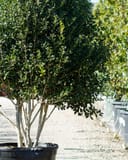
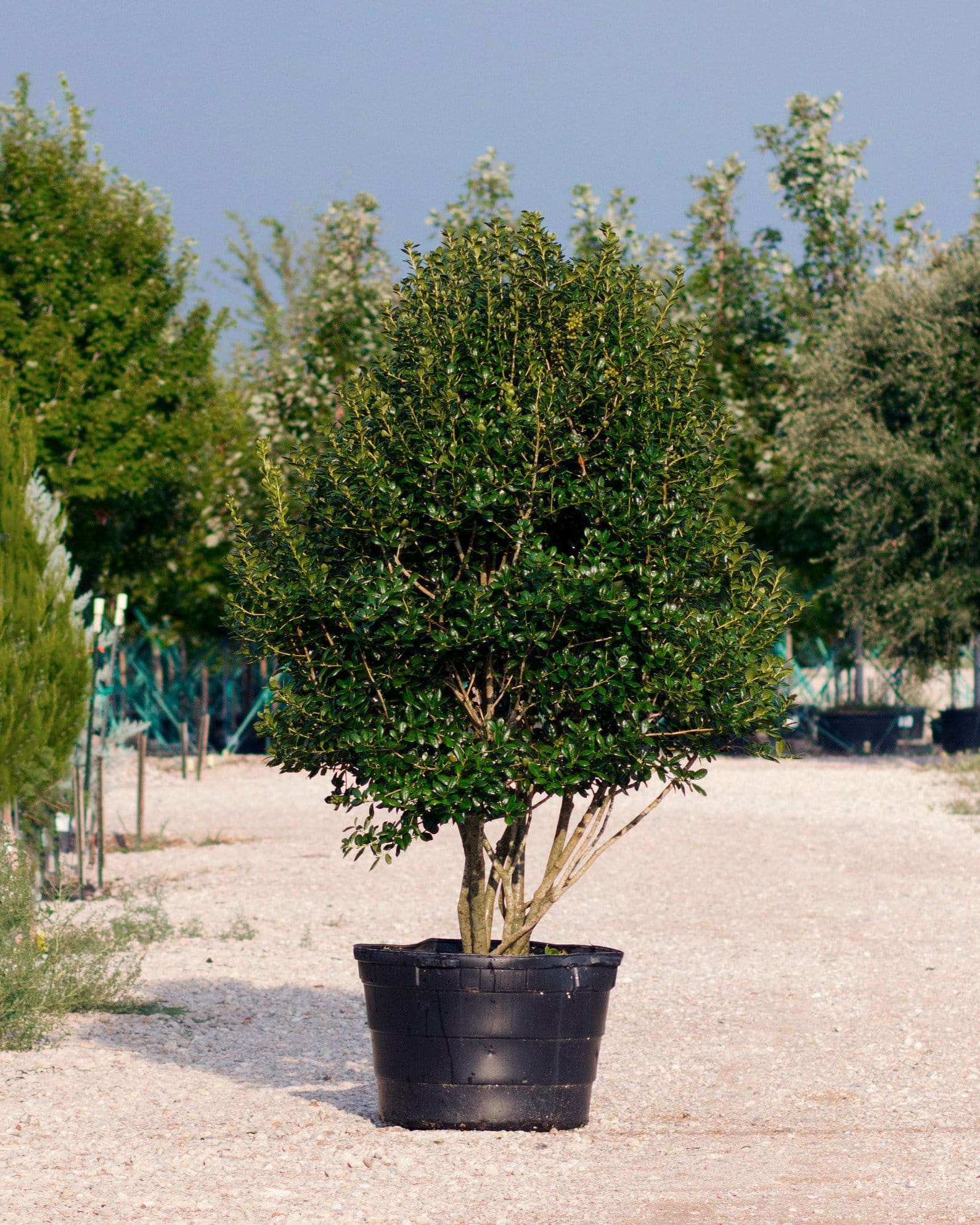
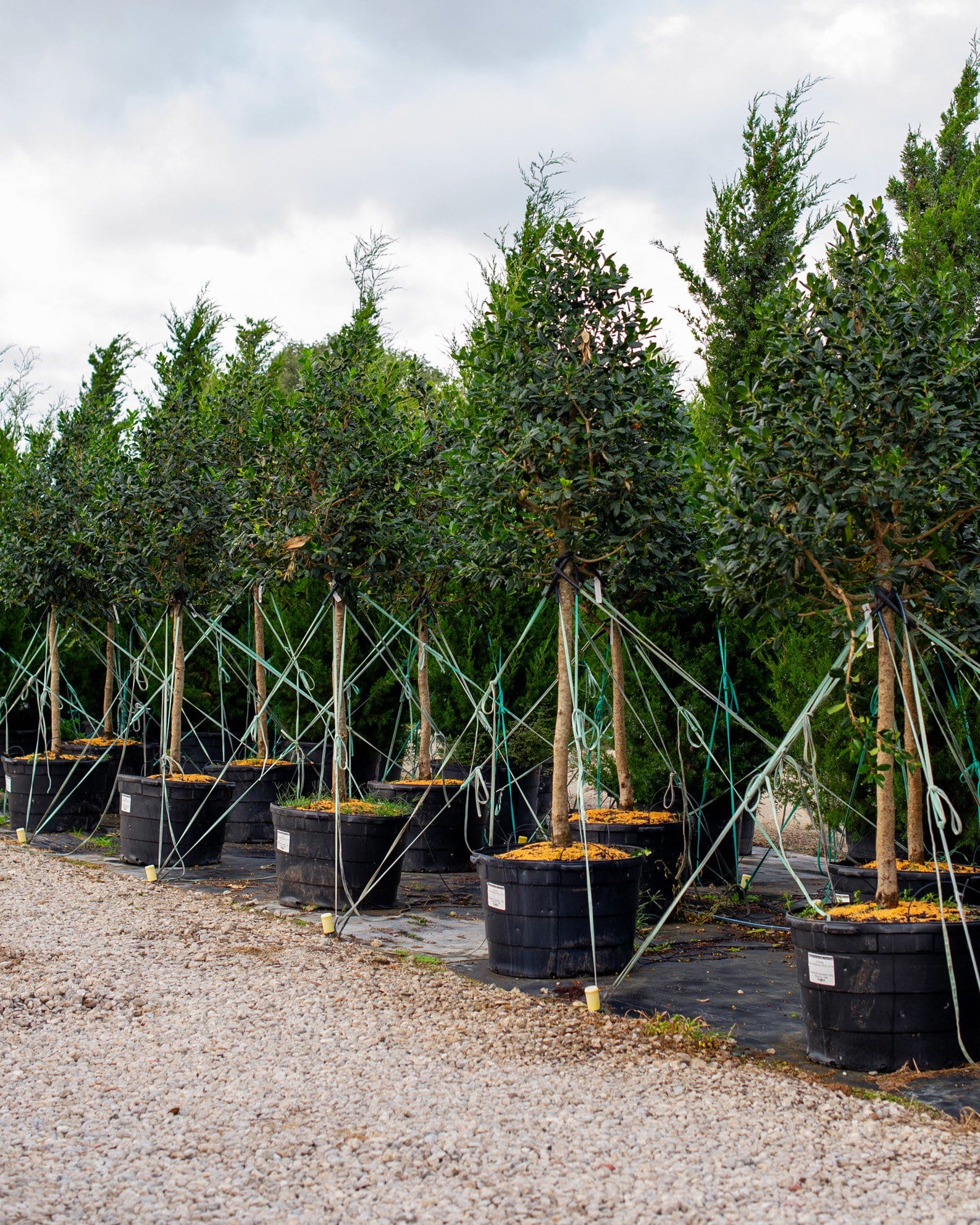
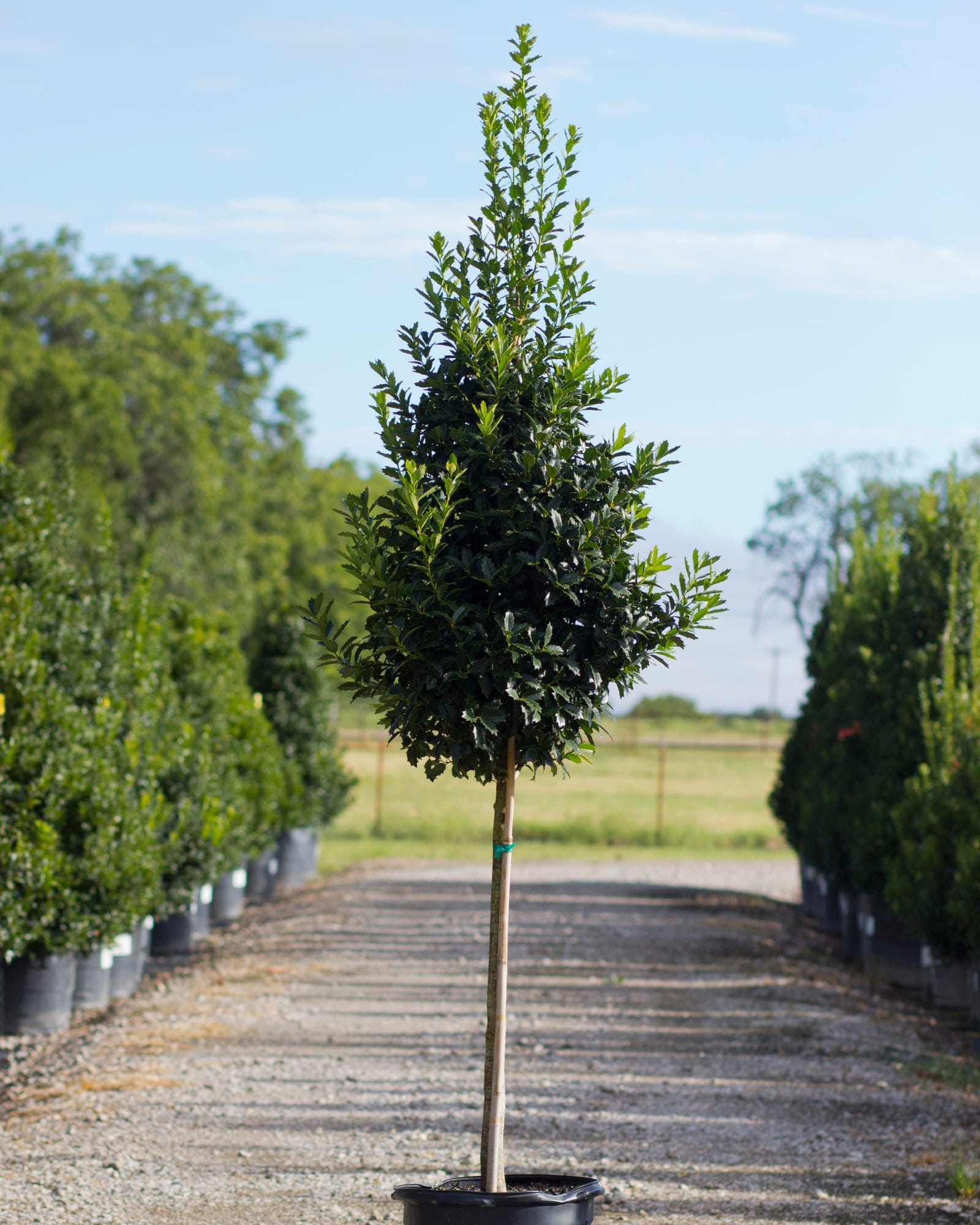
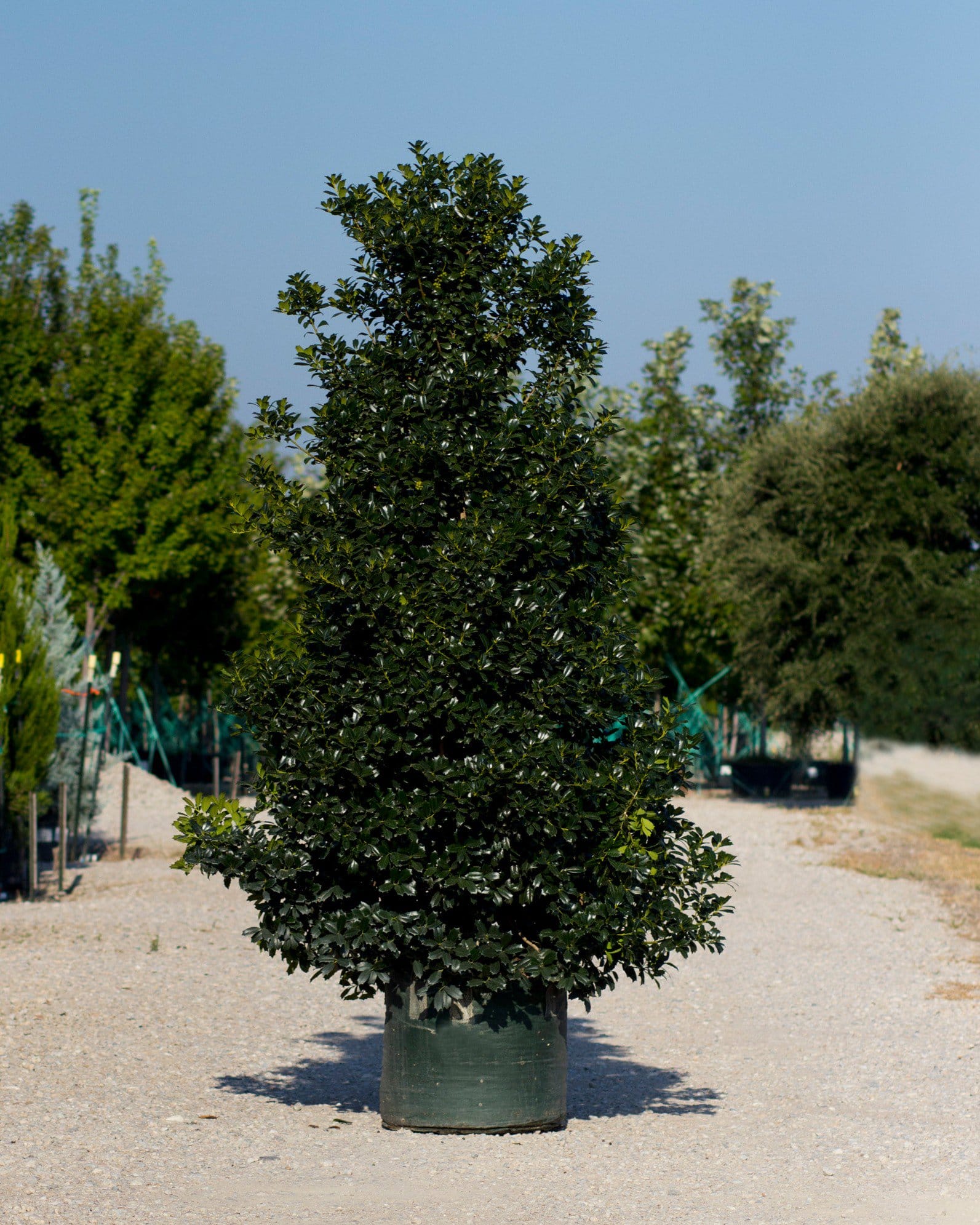
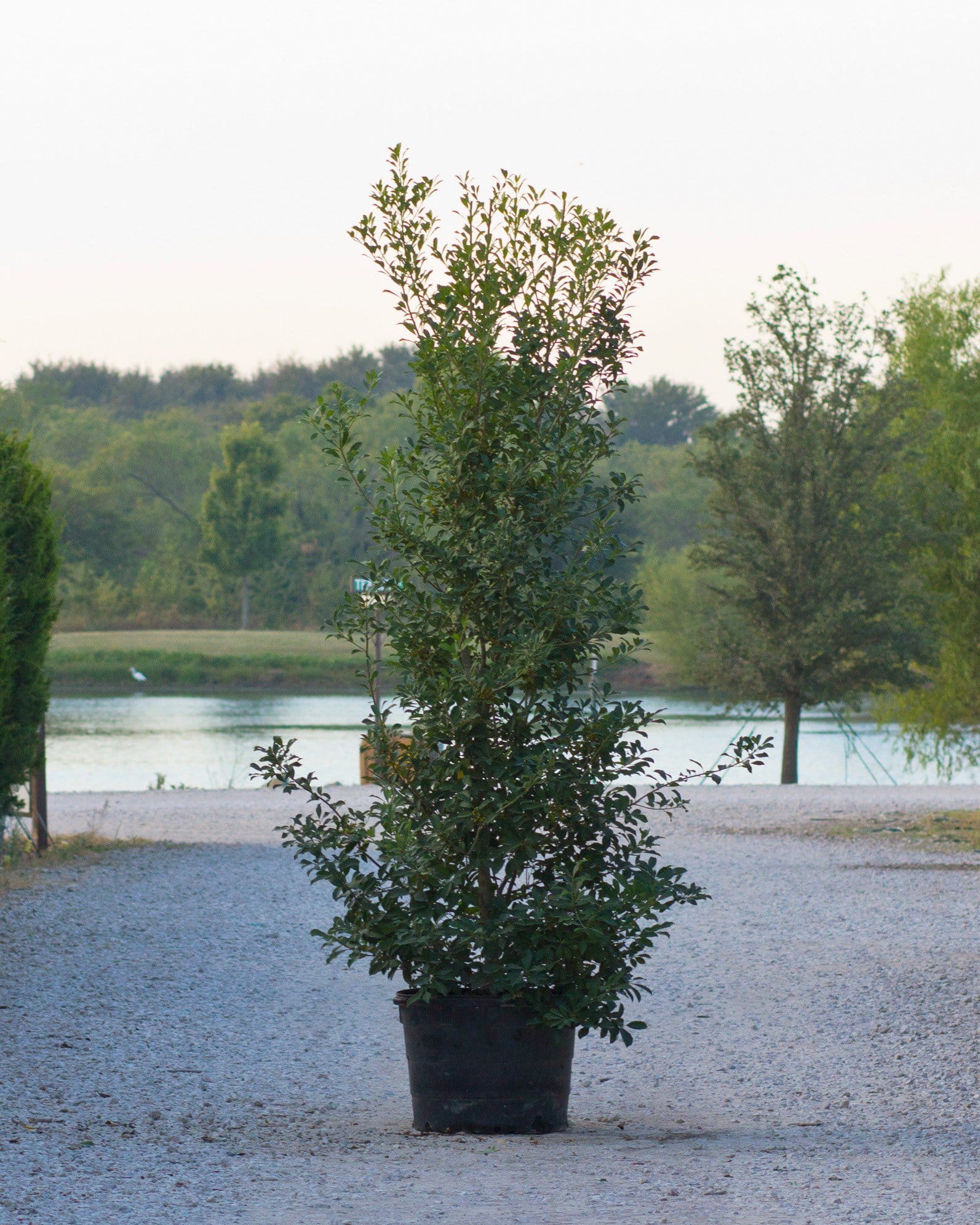
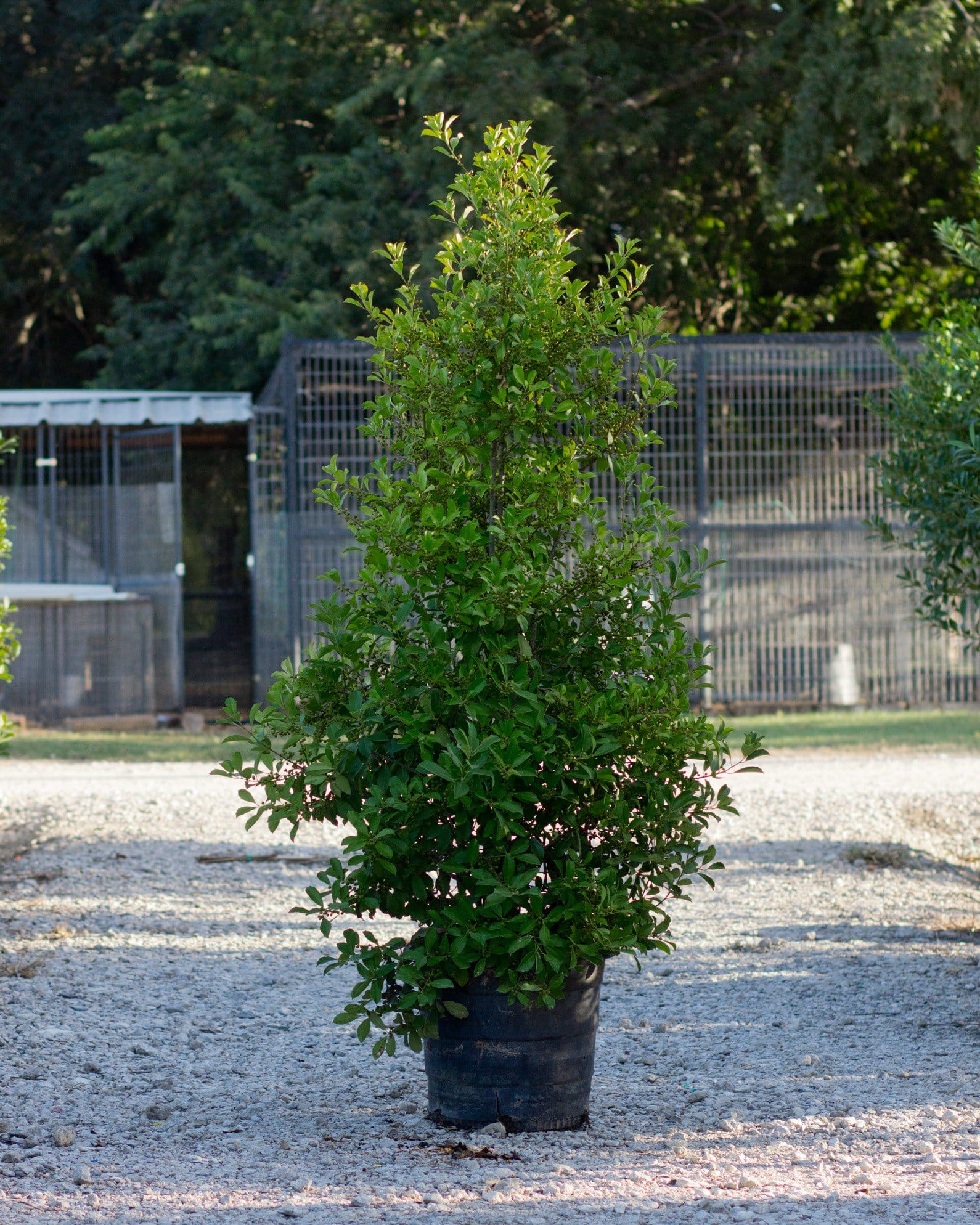
Burford Holly Tree Form
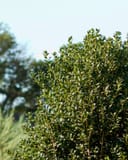
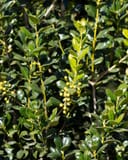
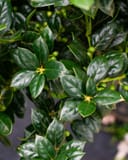
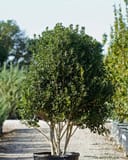
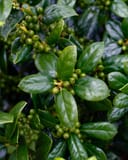
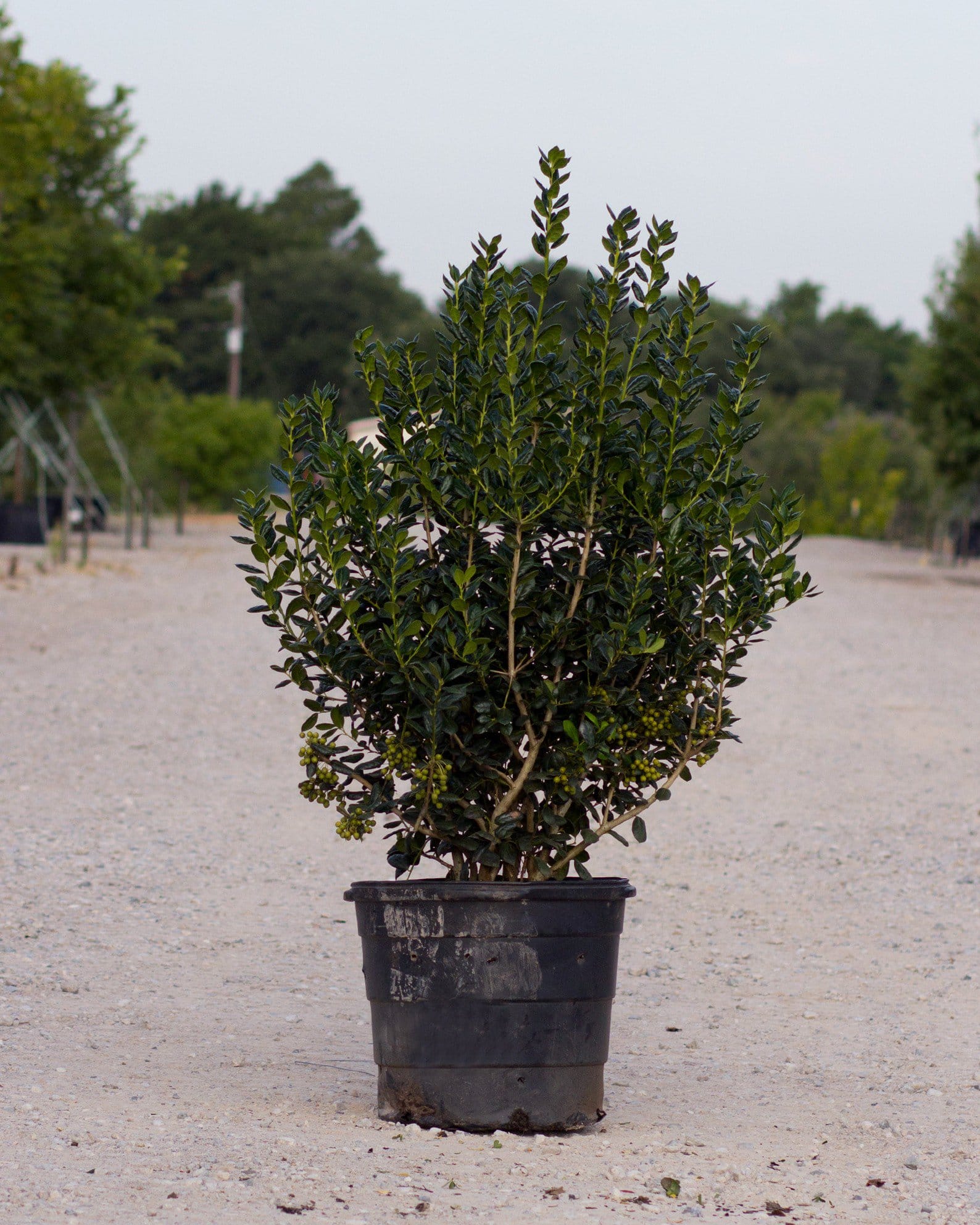
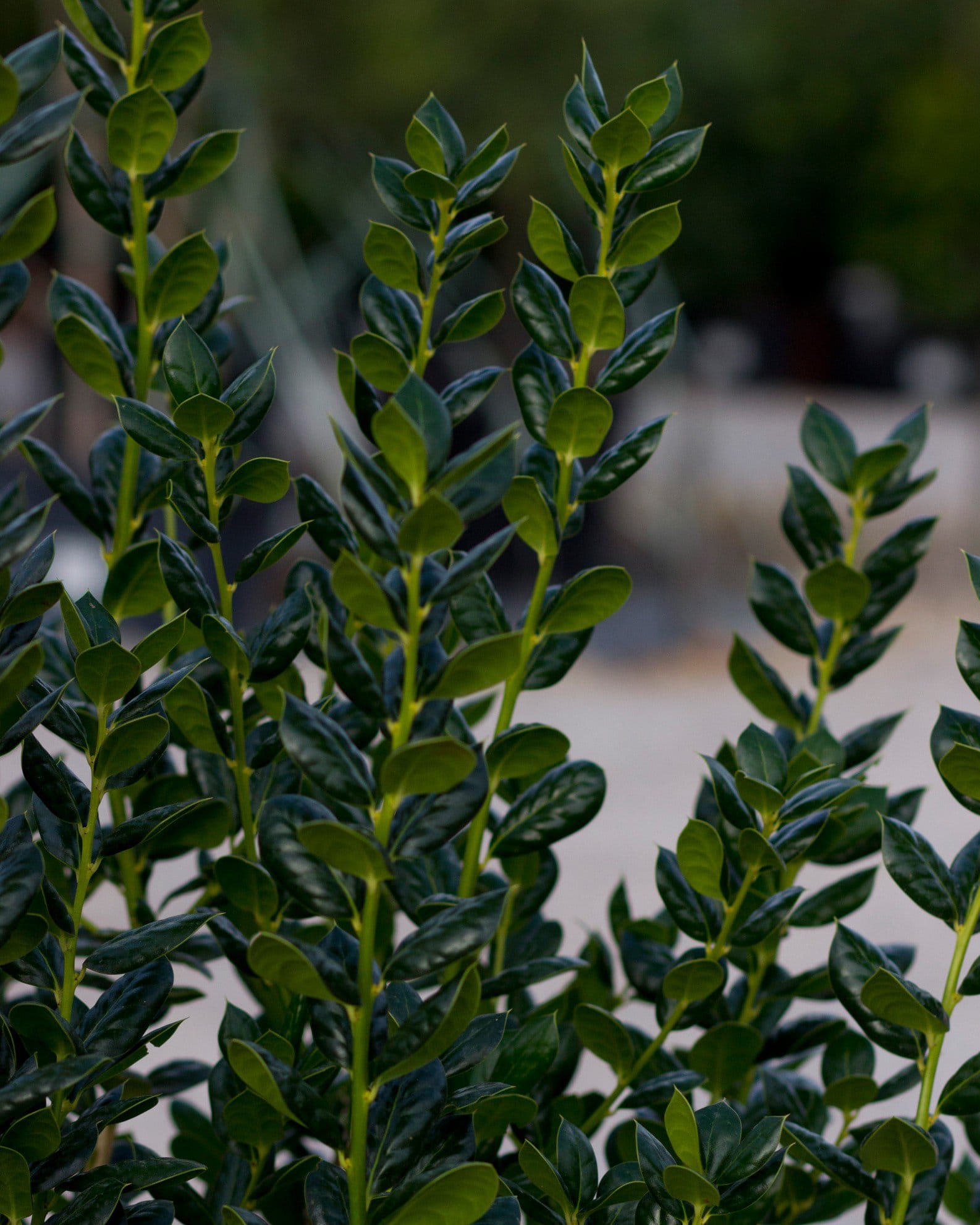
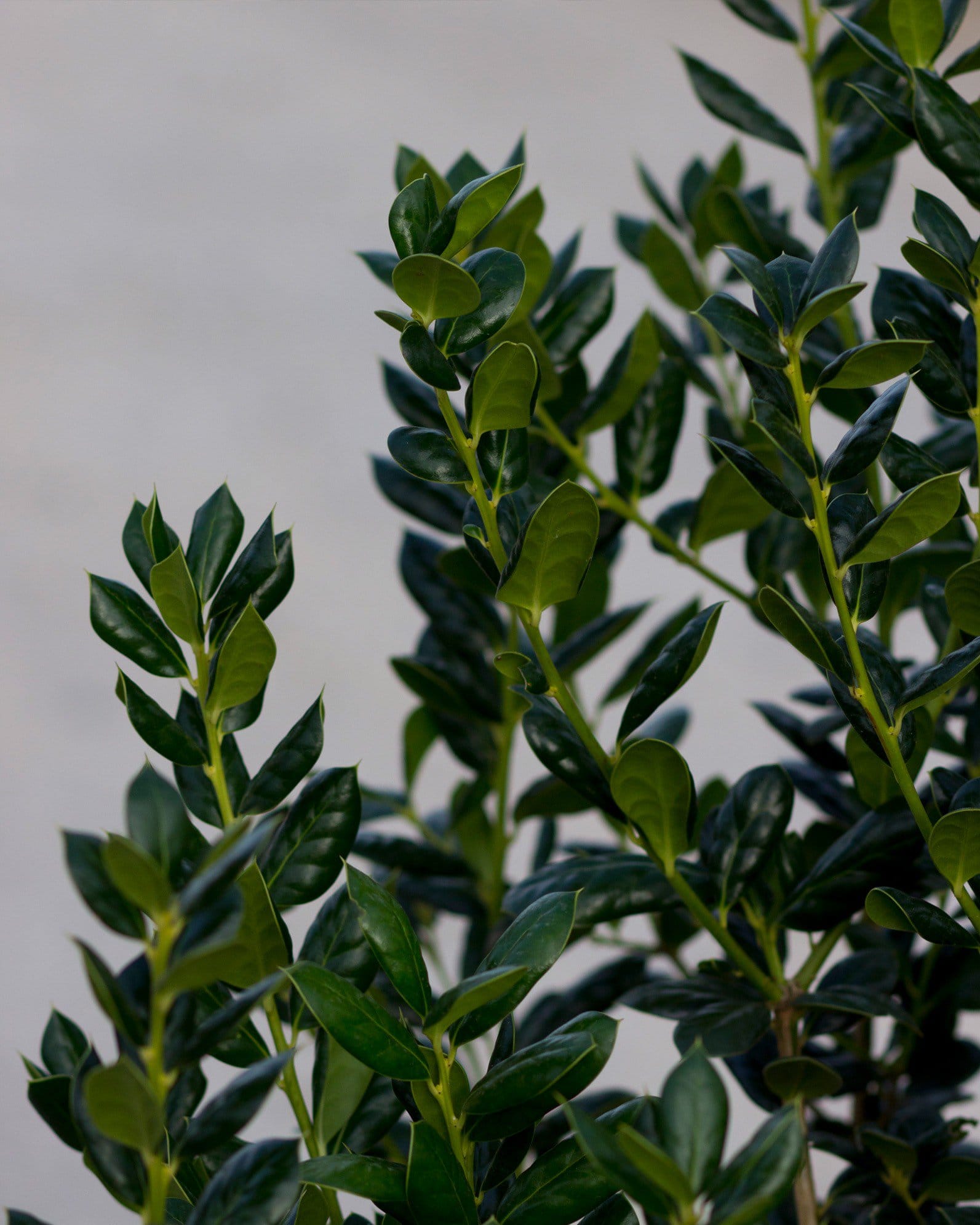
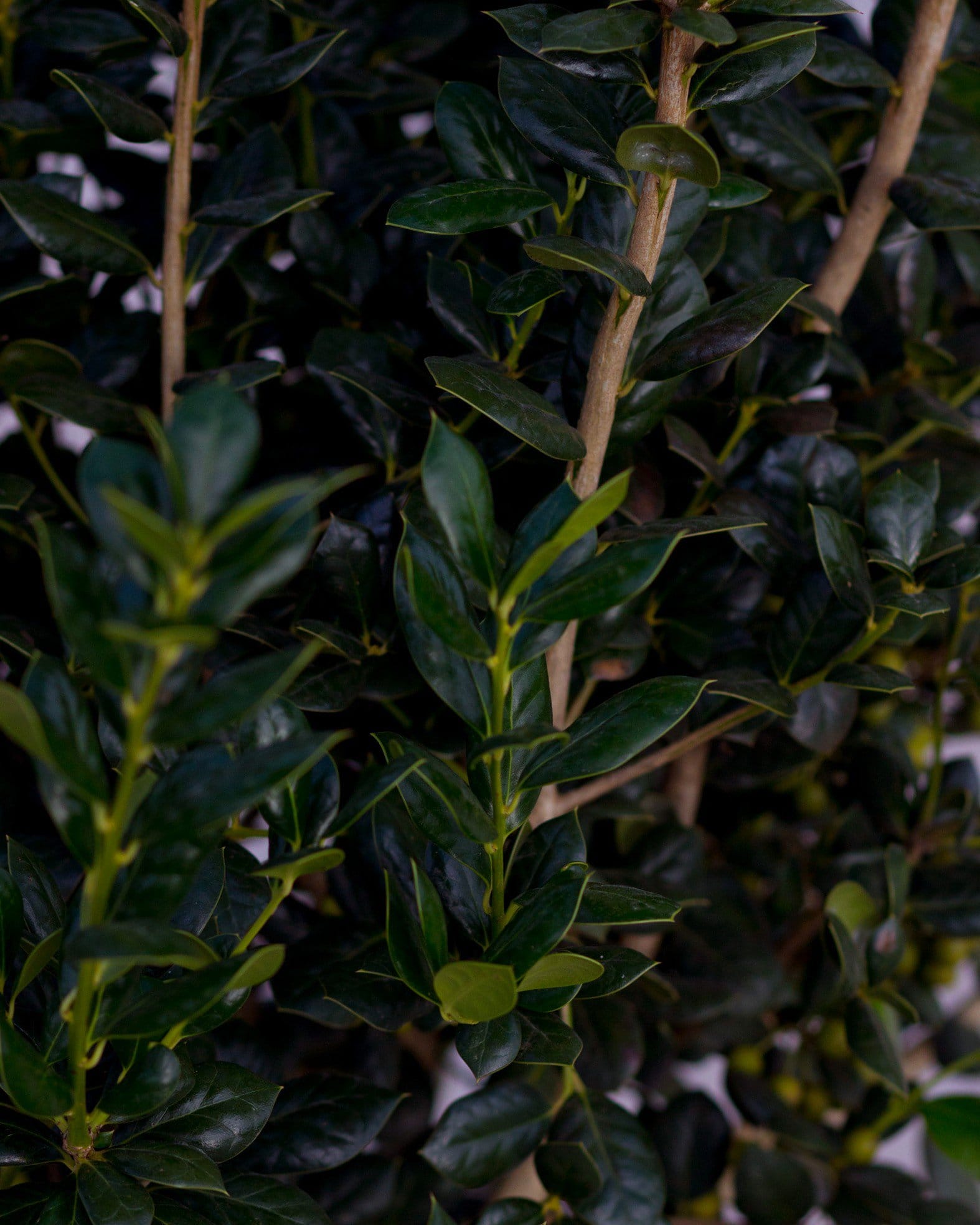
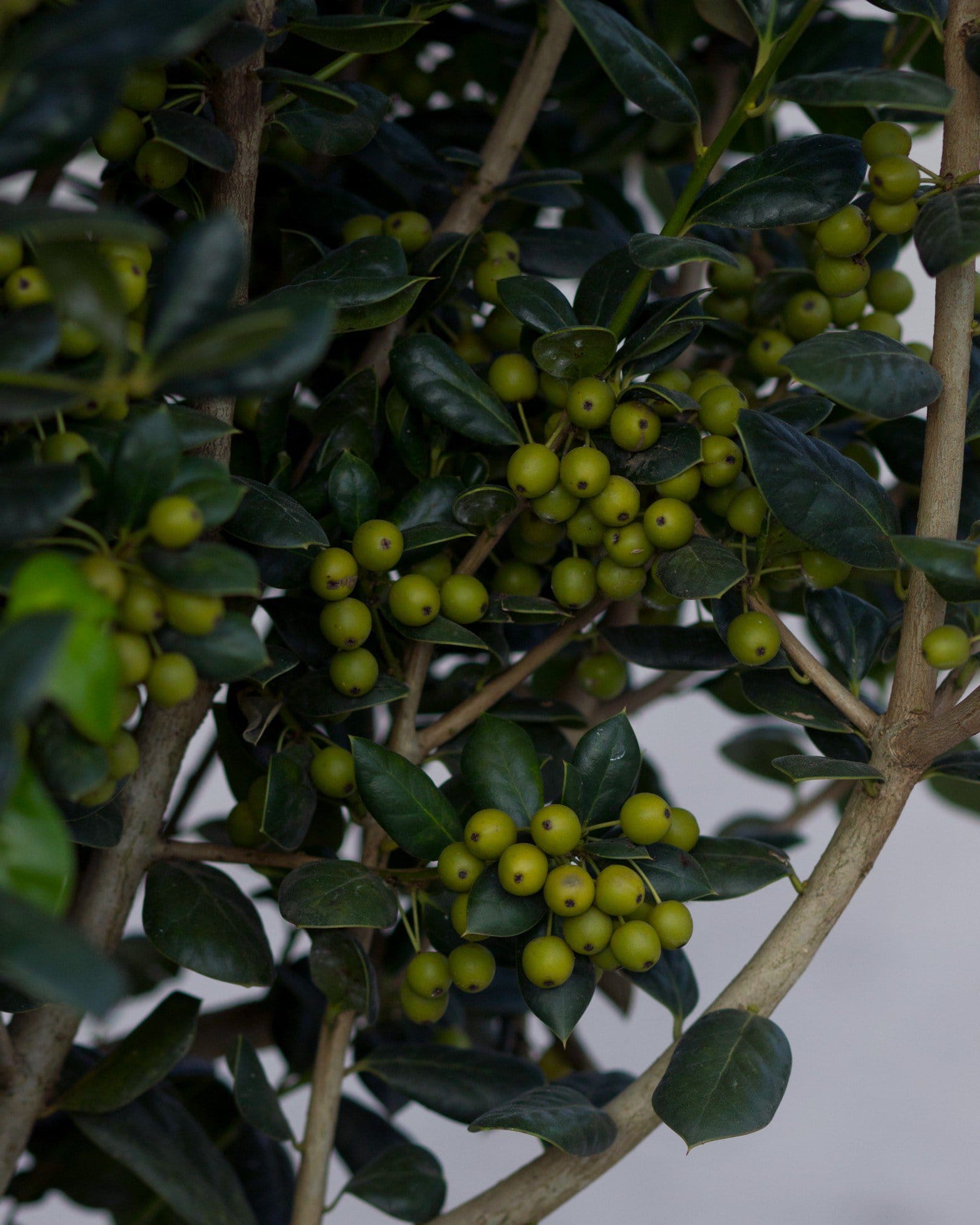
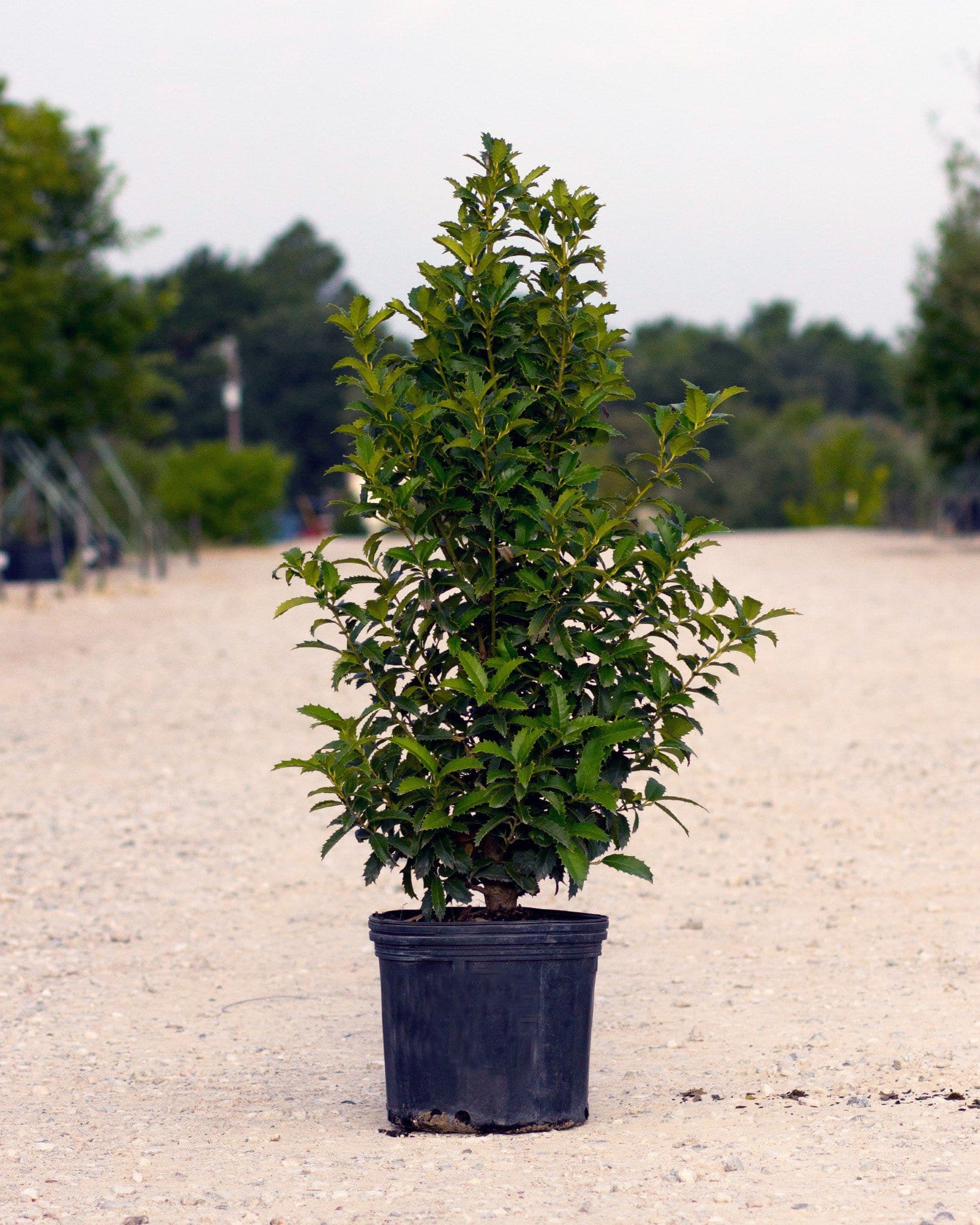
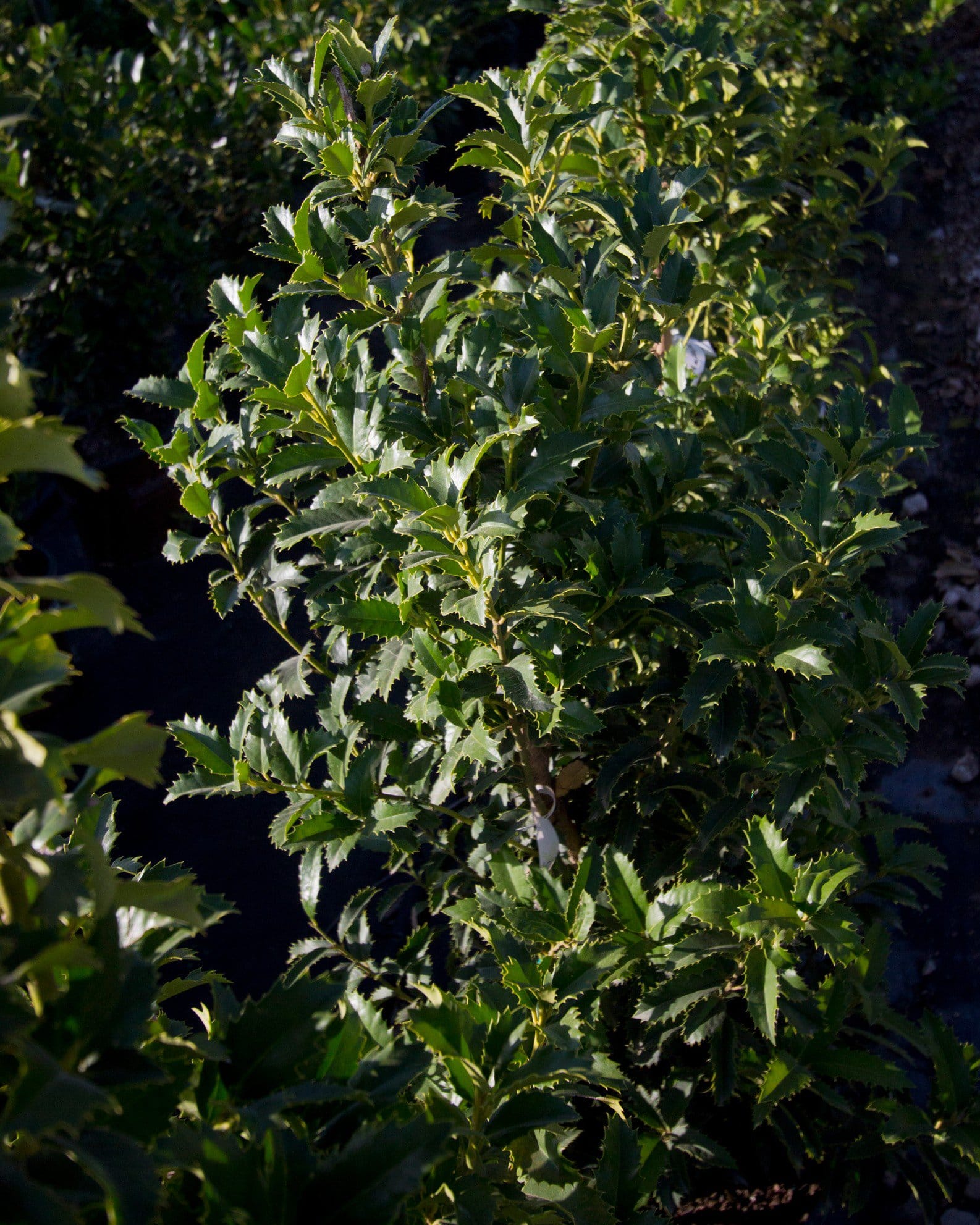
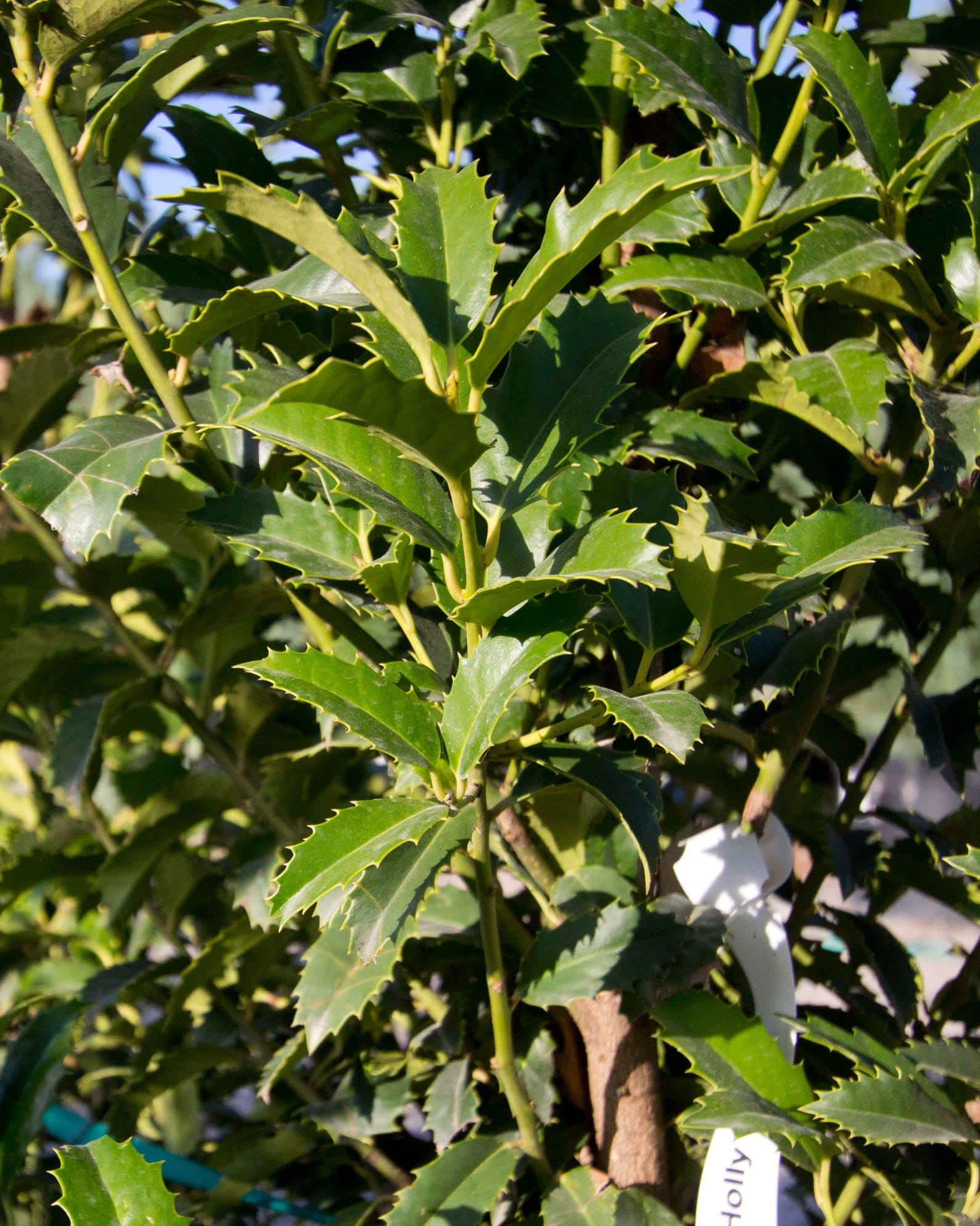
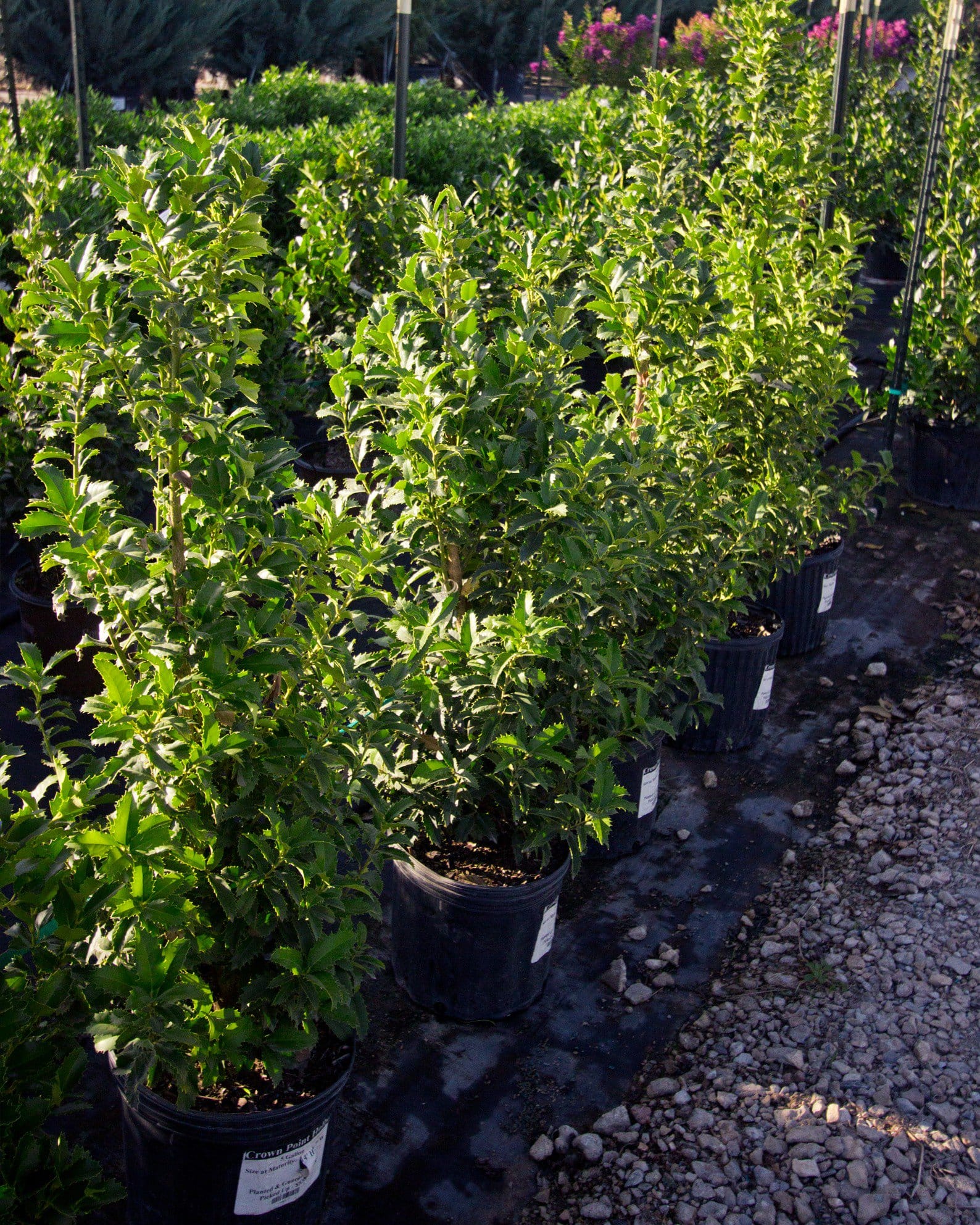
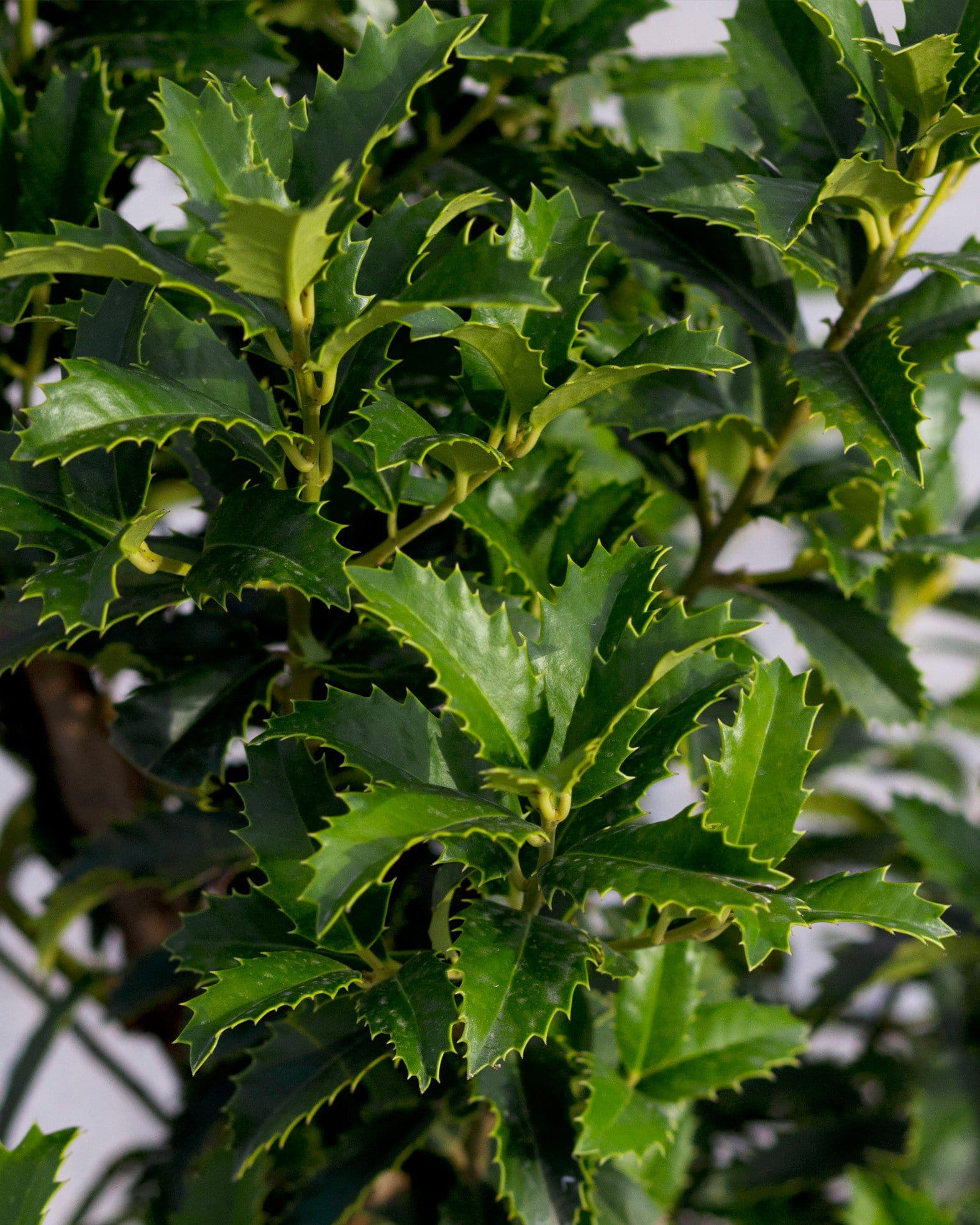
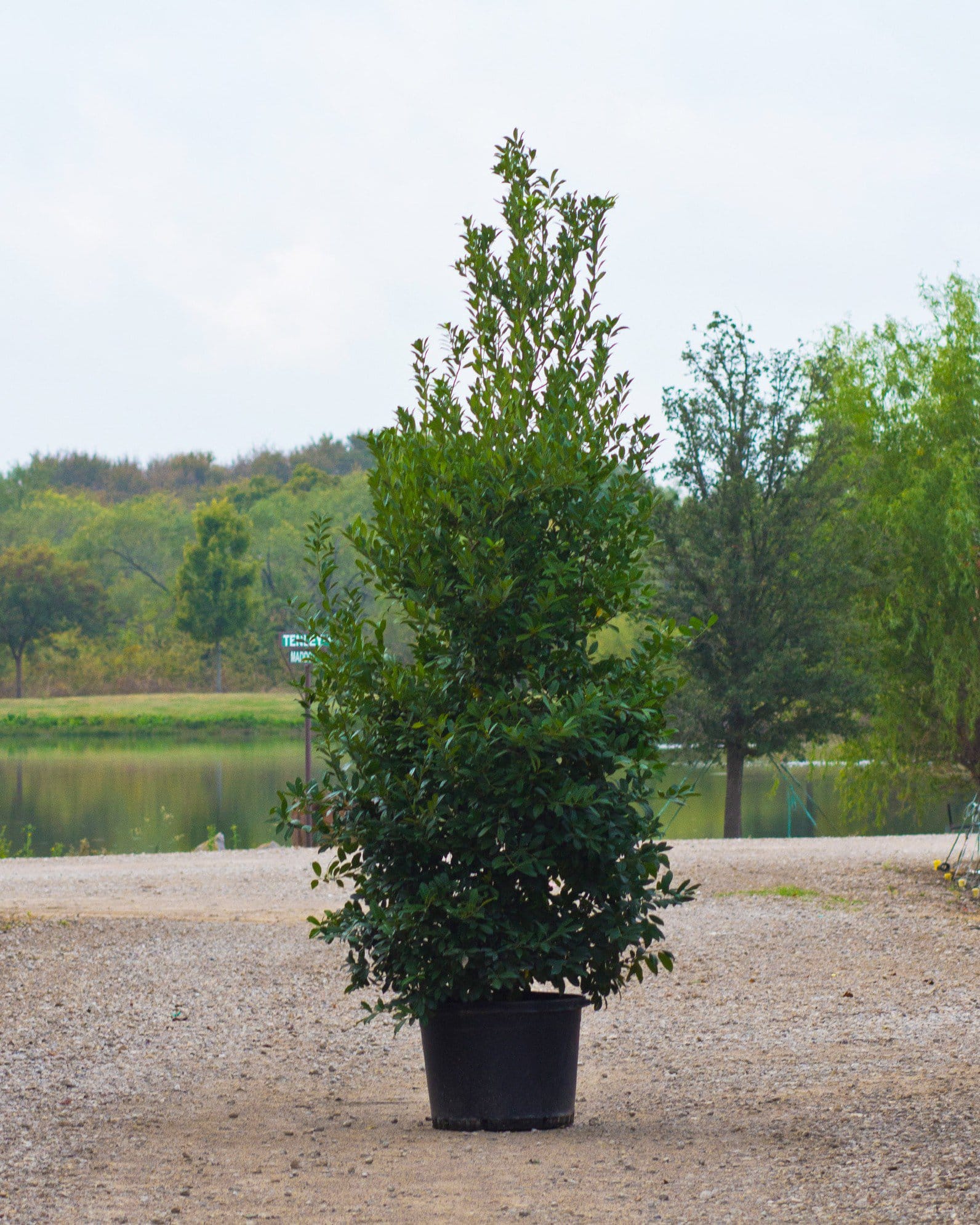
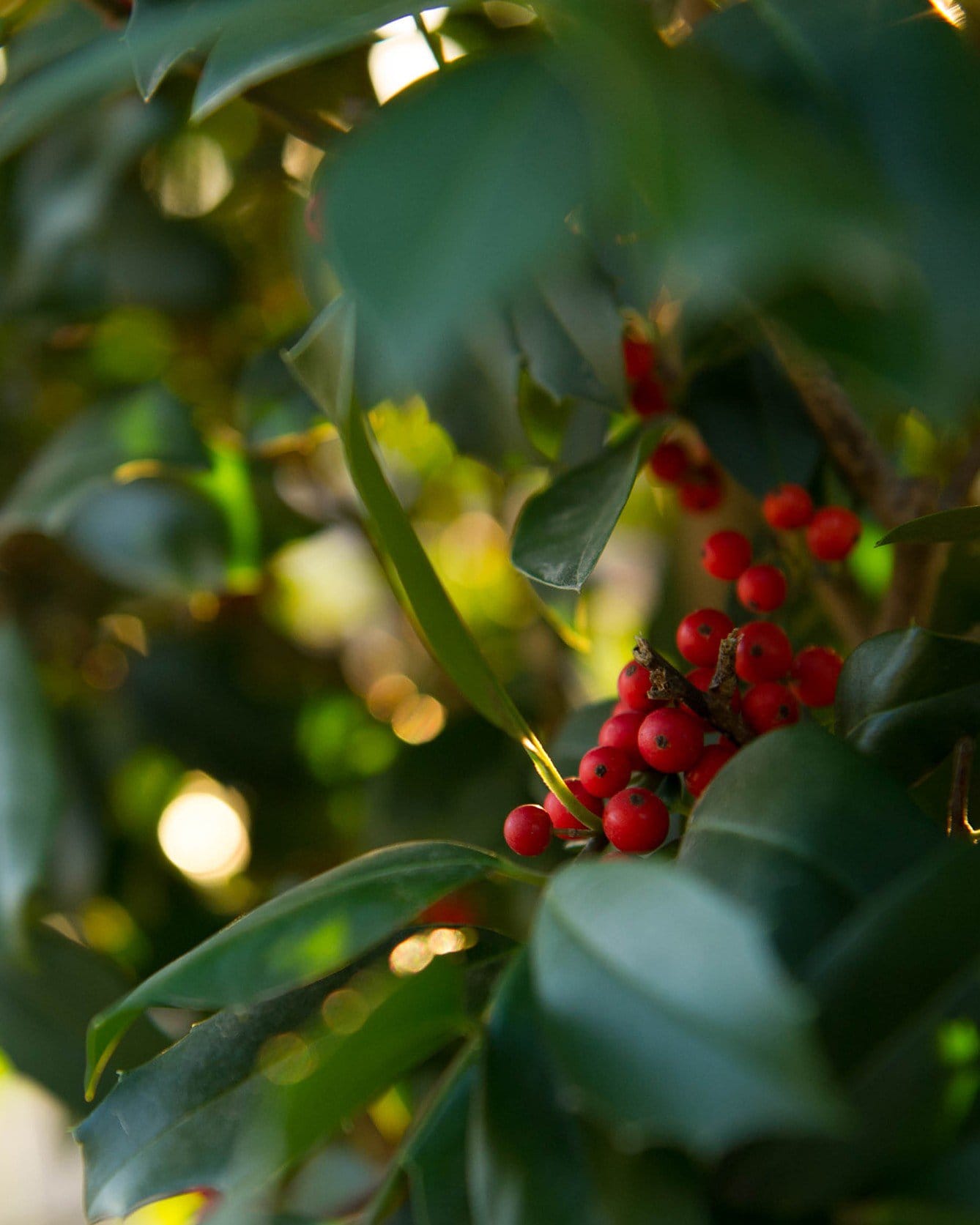
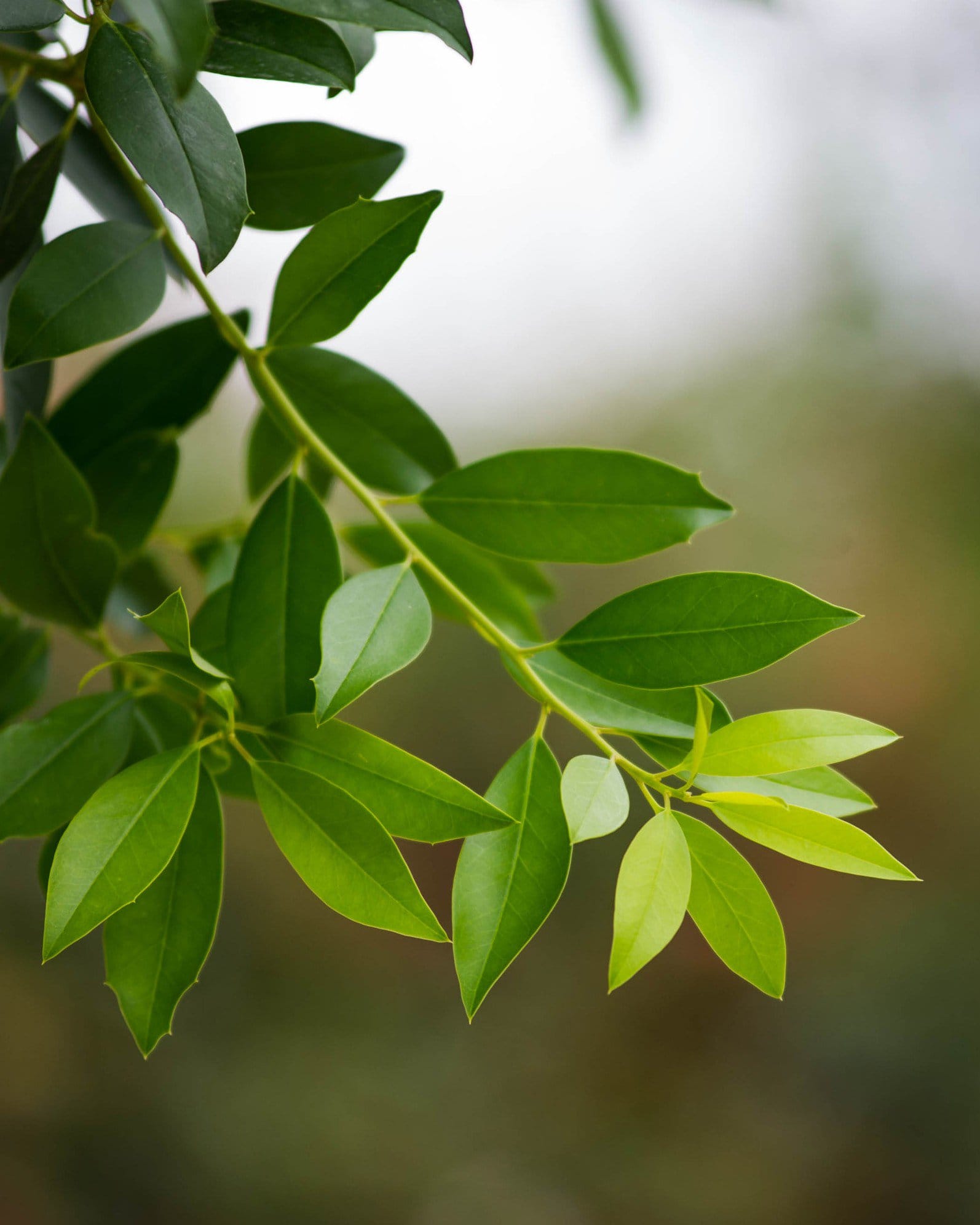
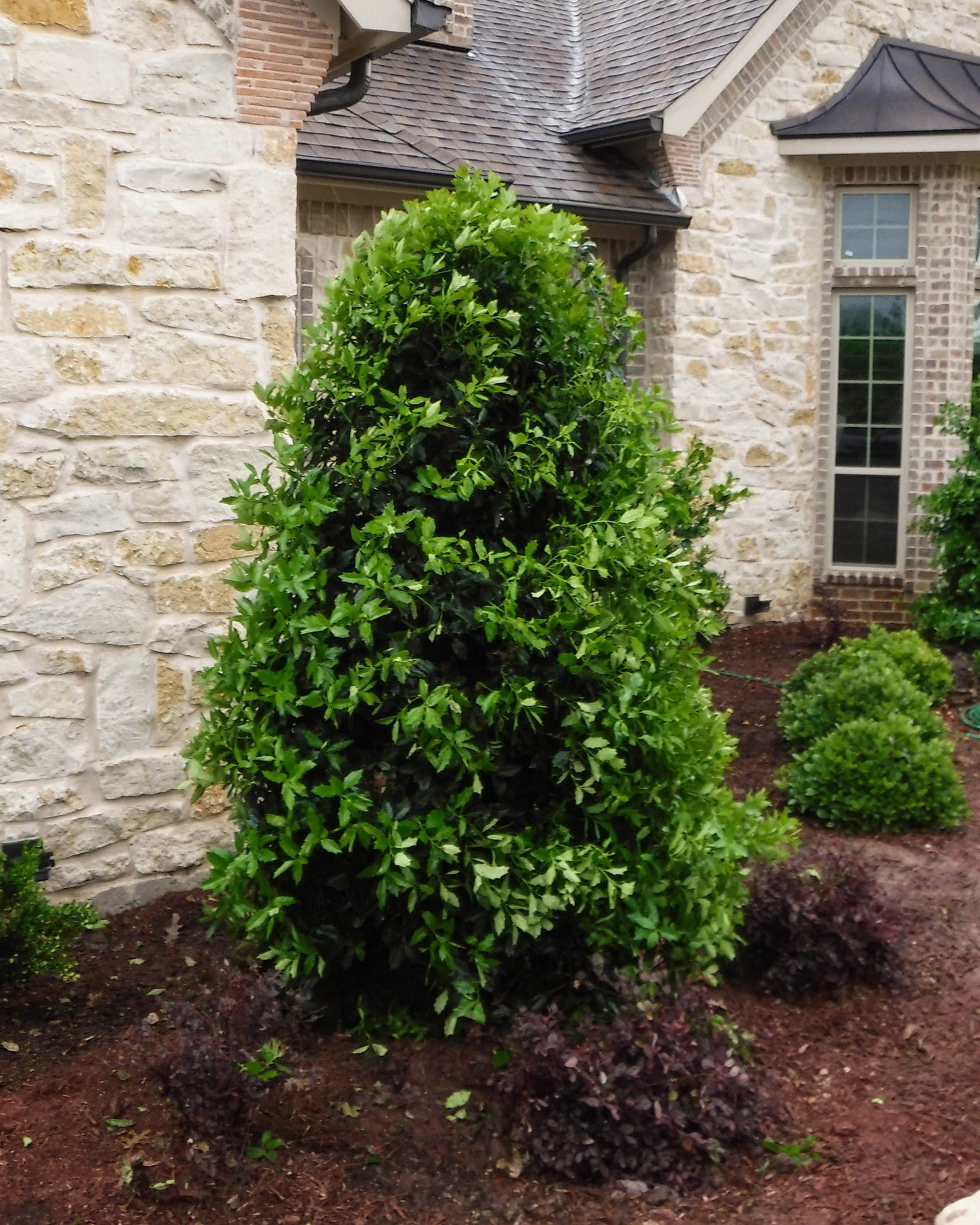
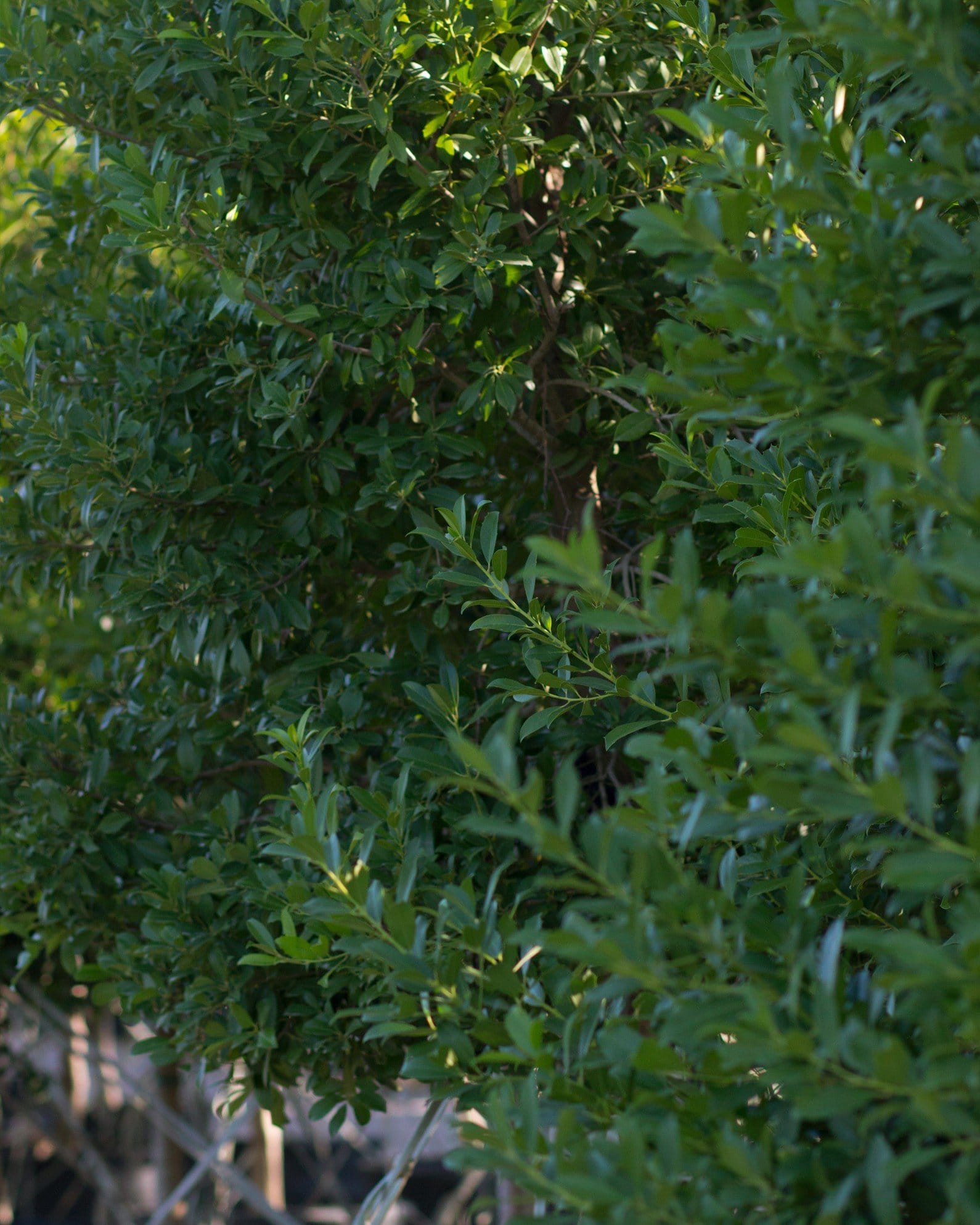
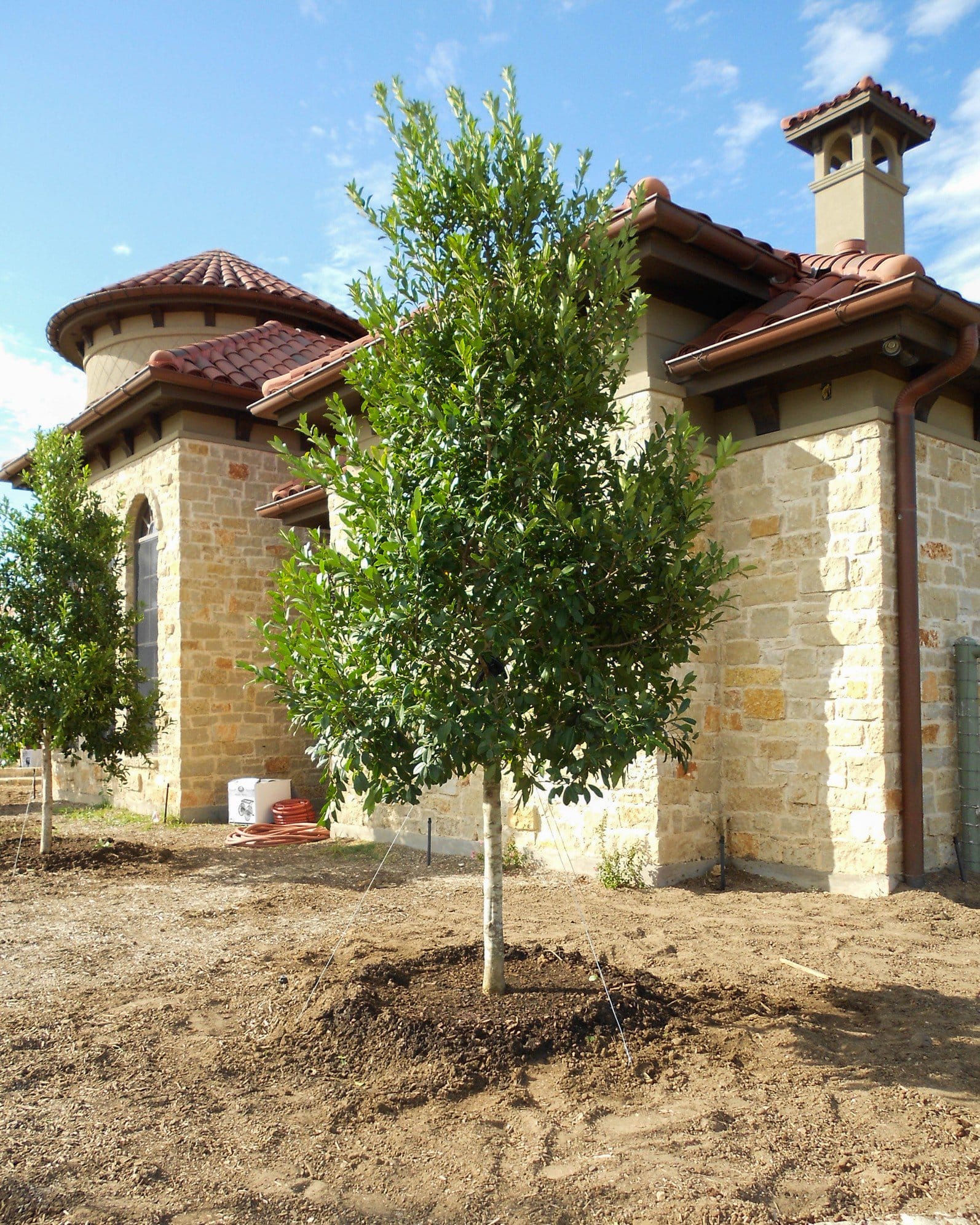
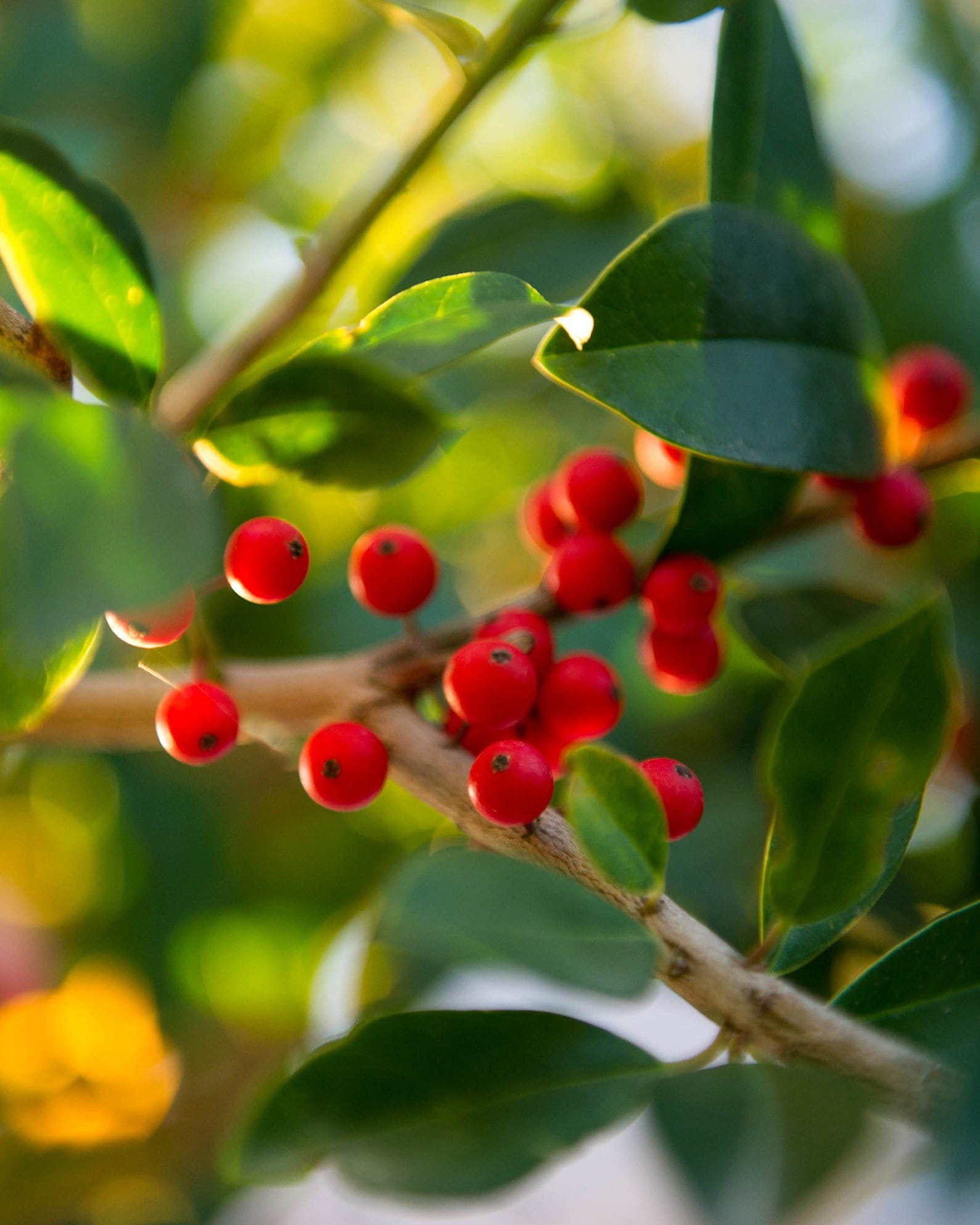
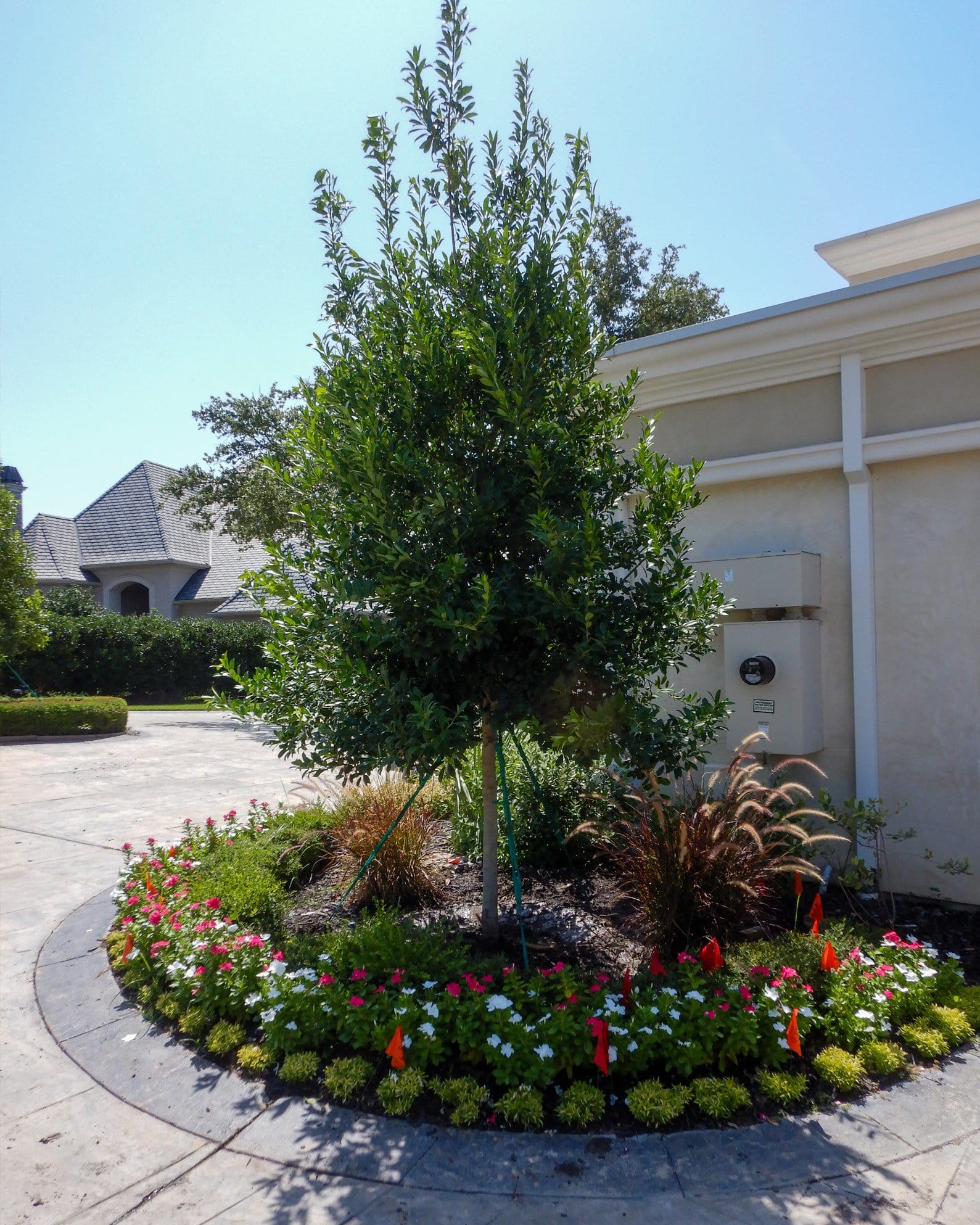
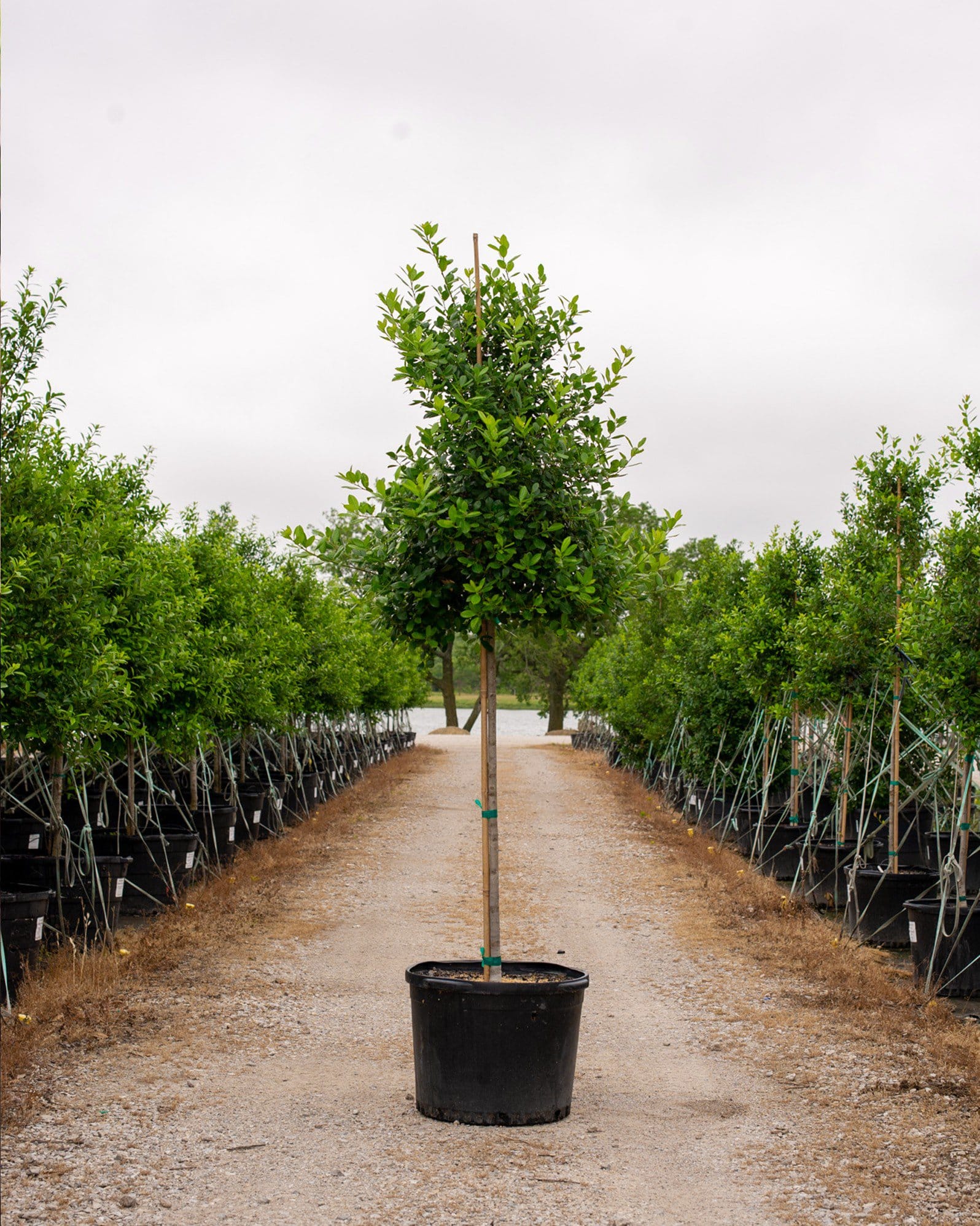
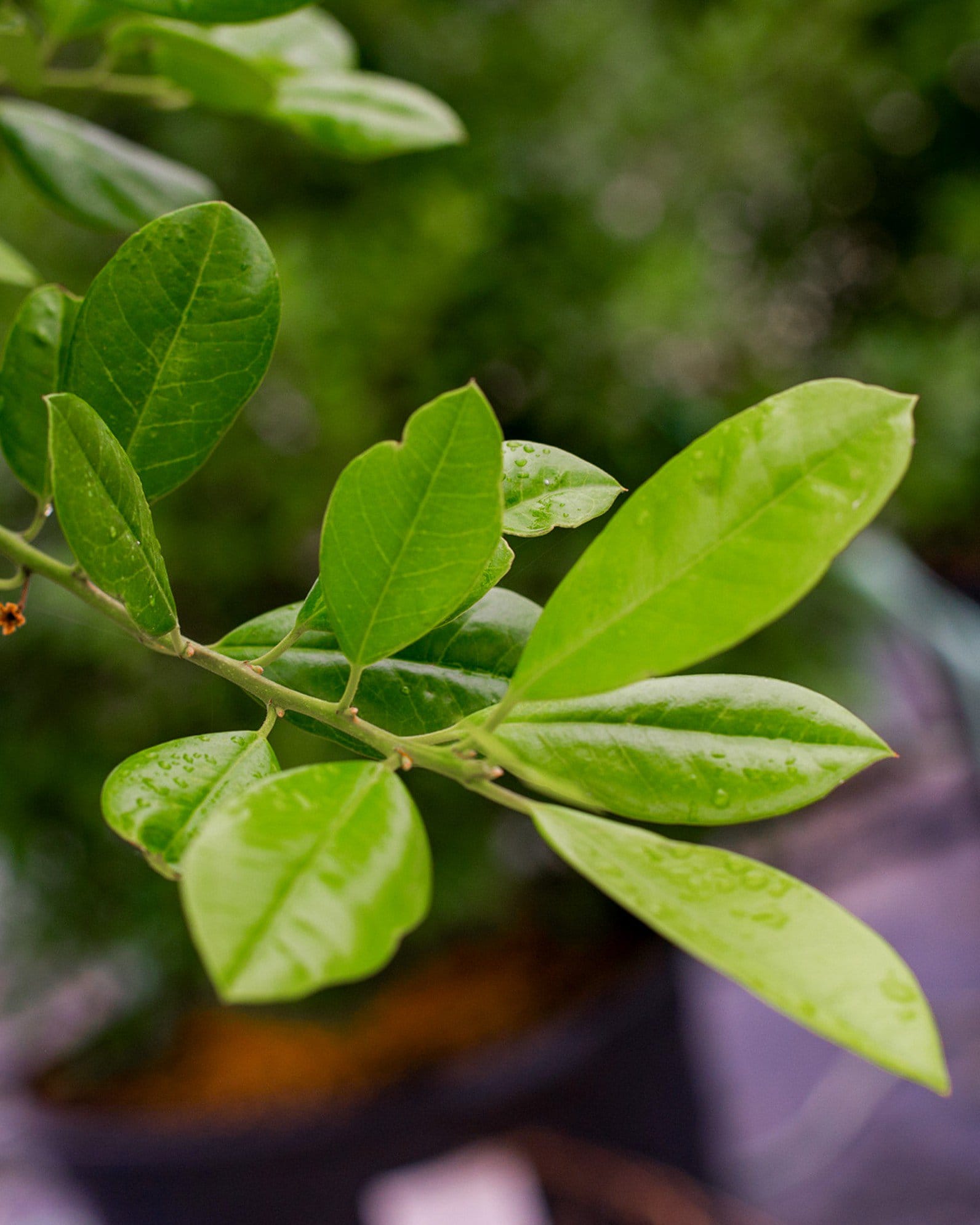
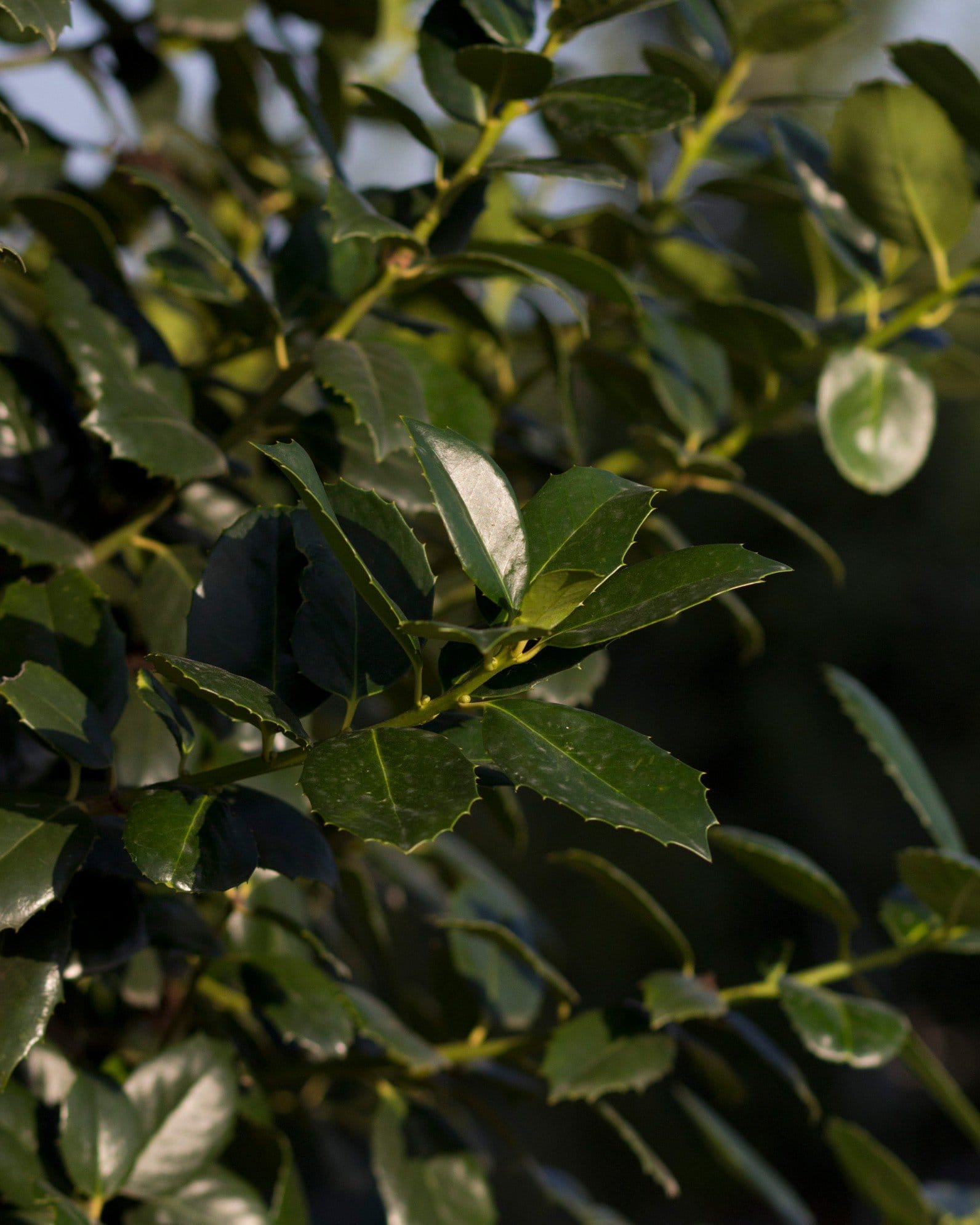
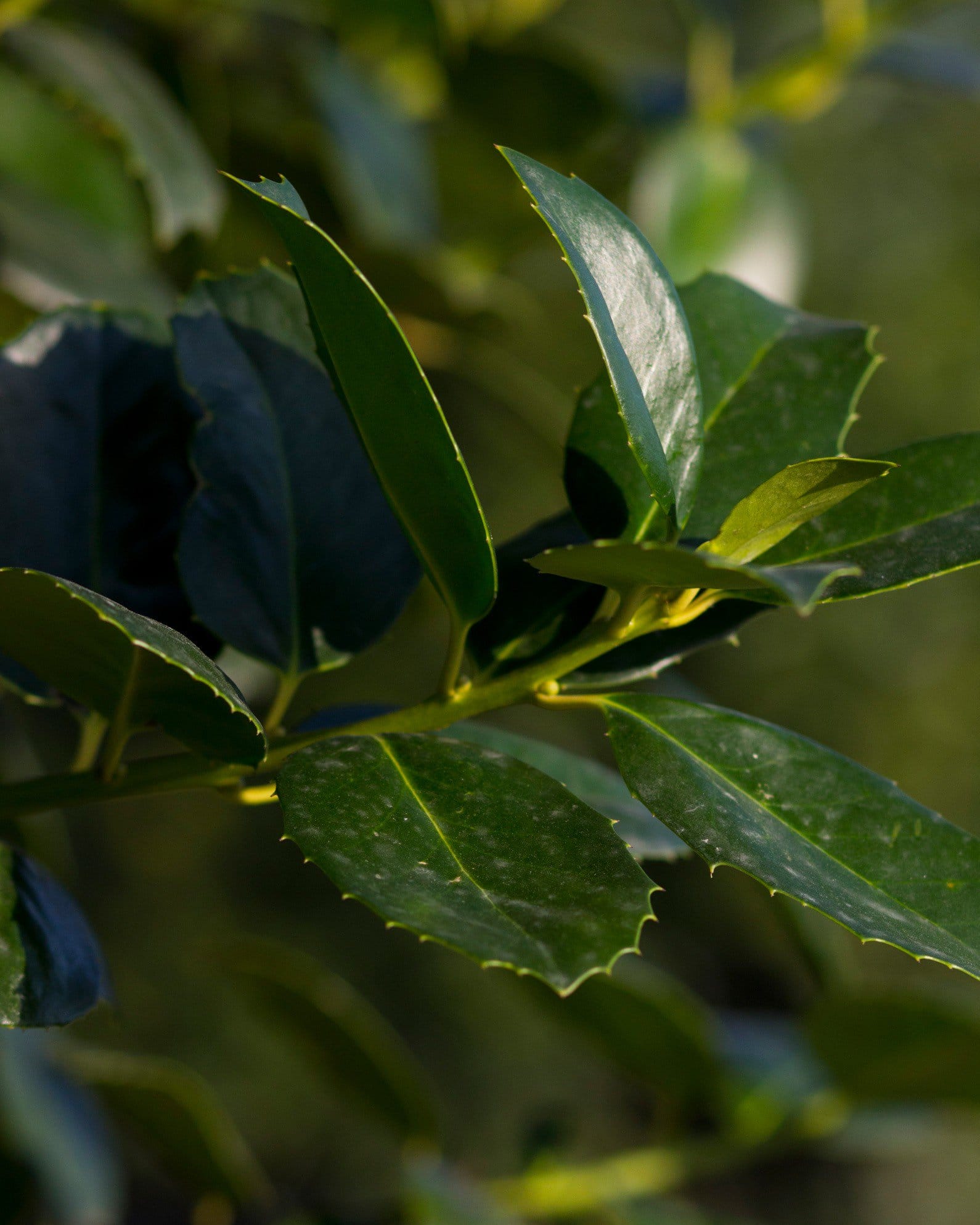
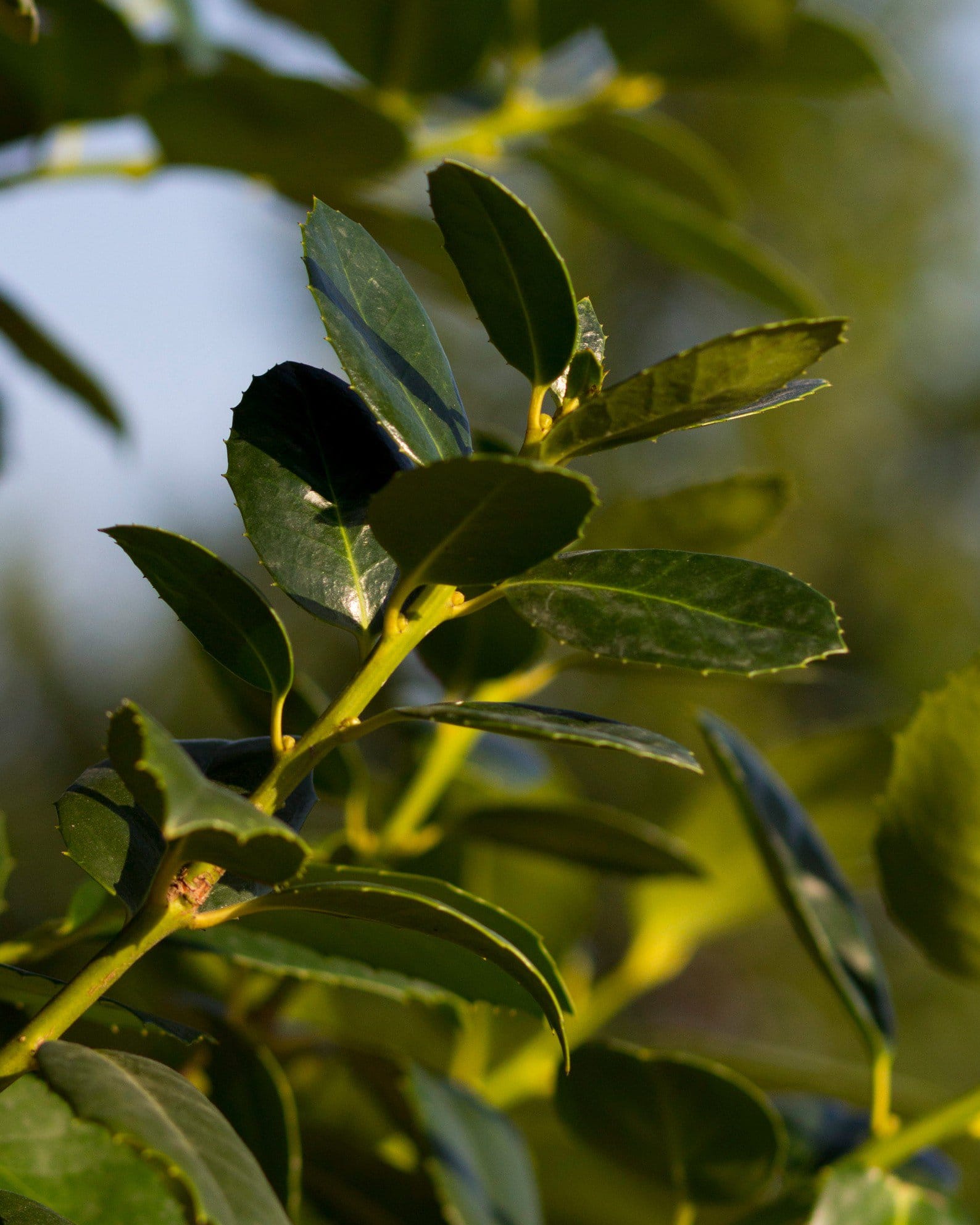
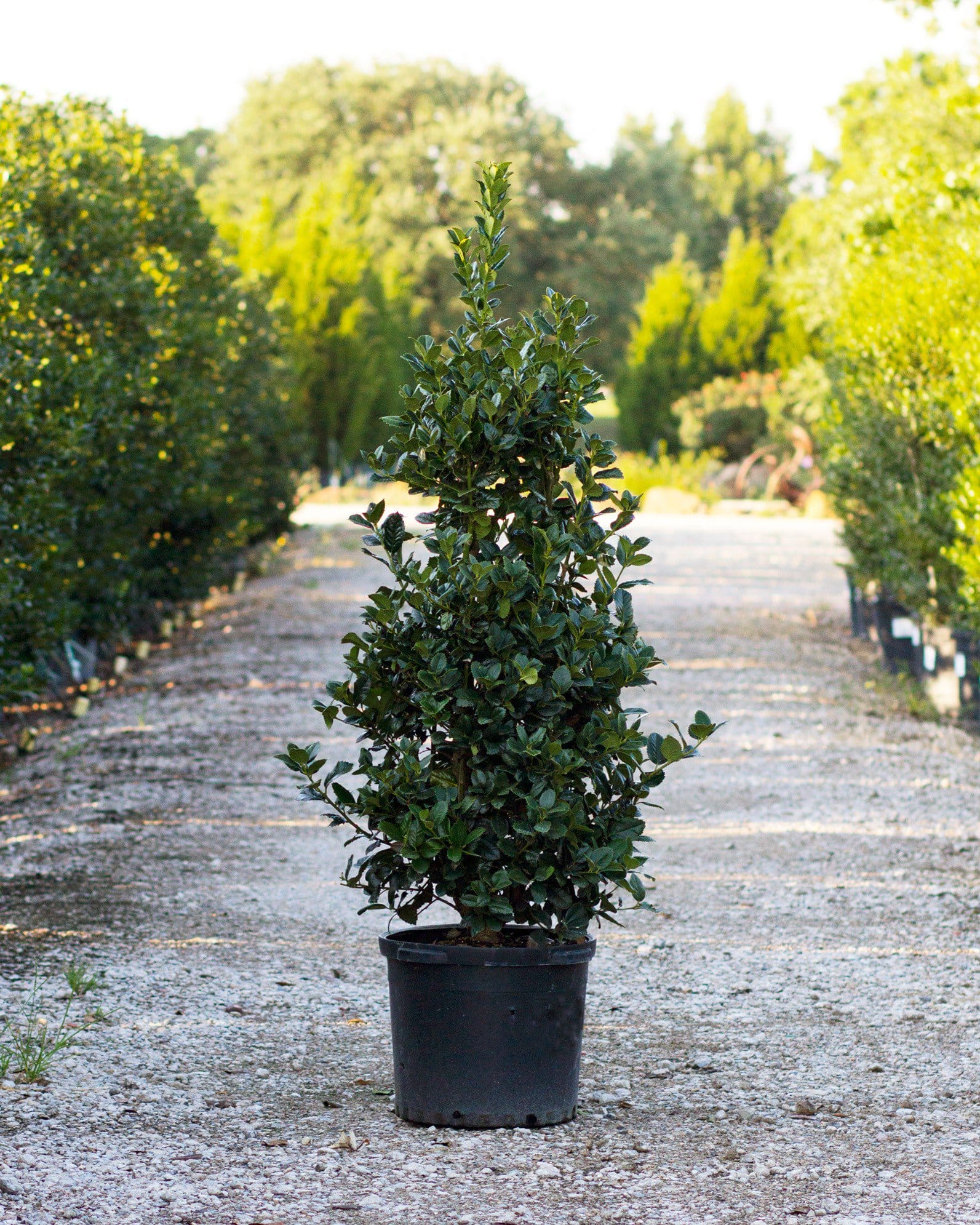
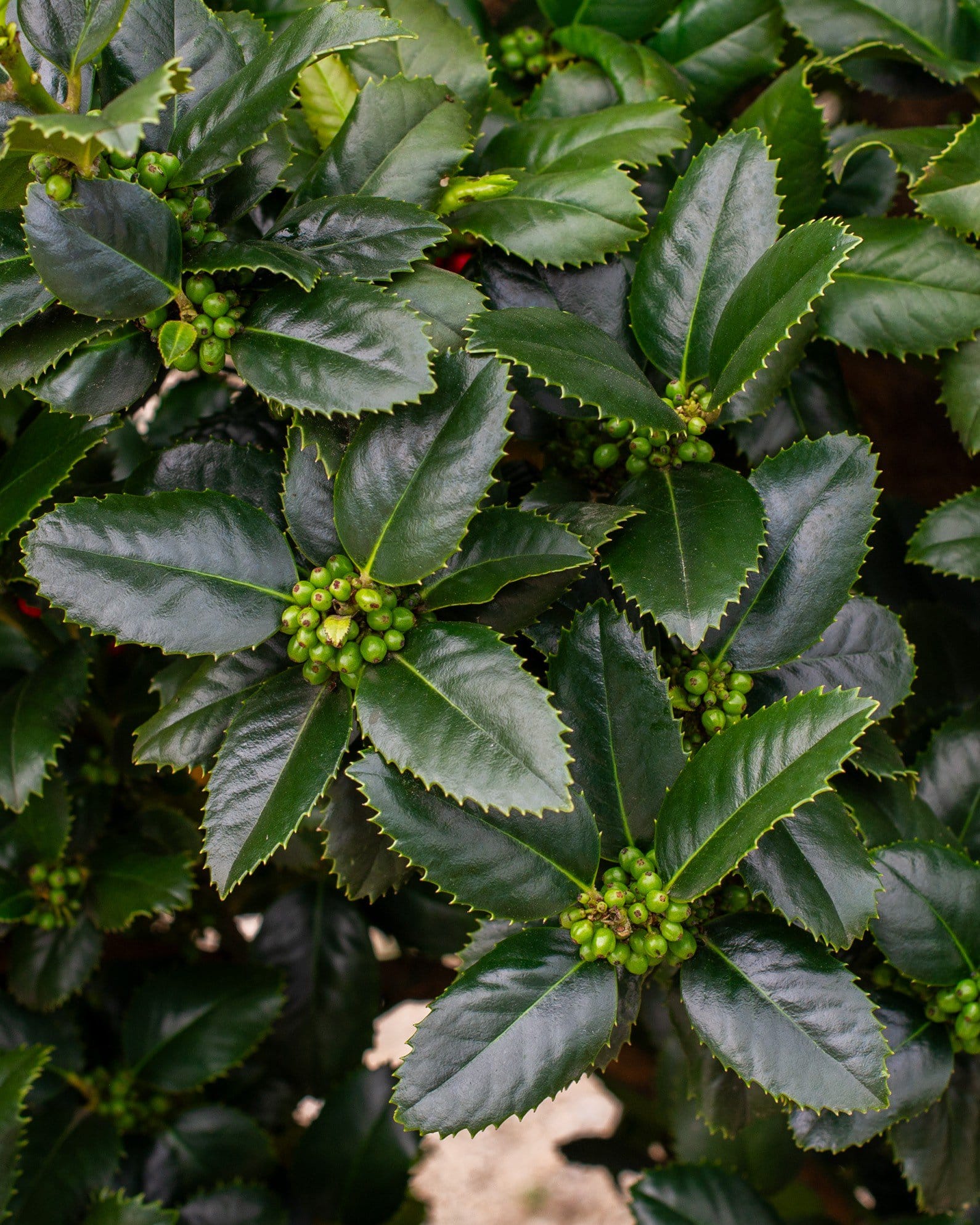
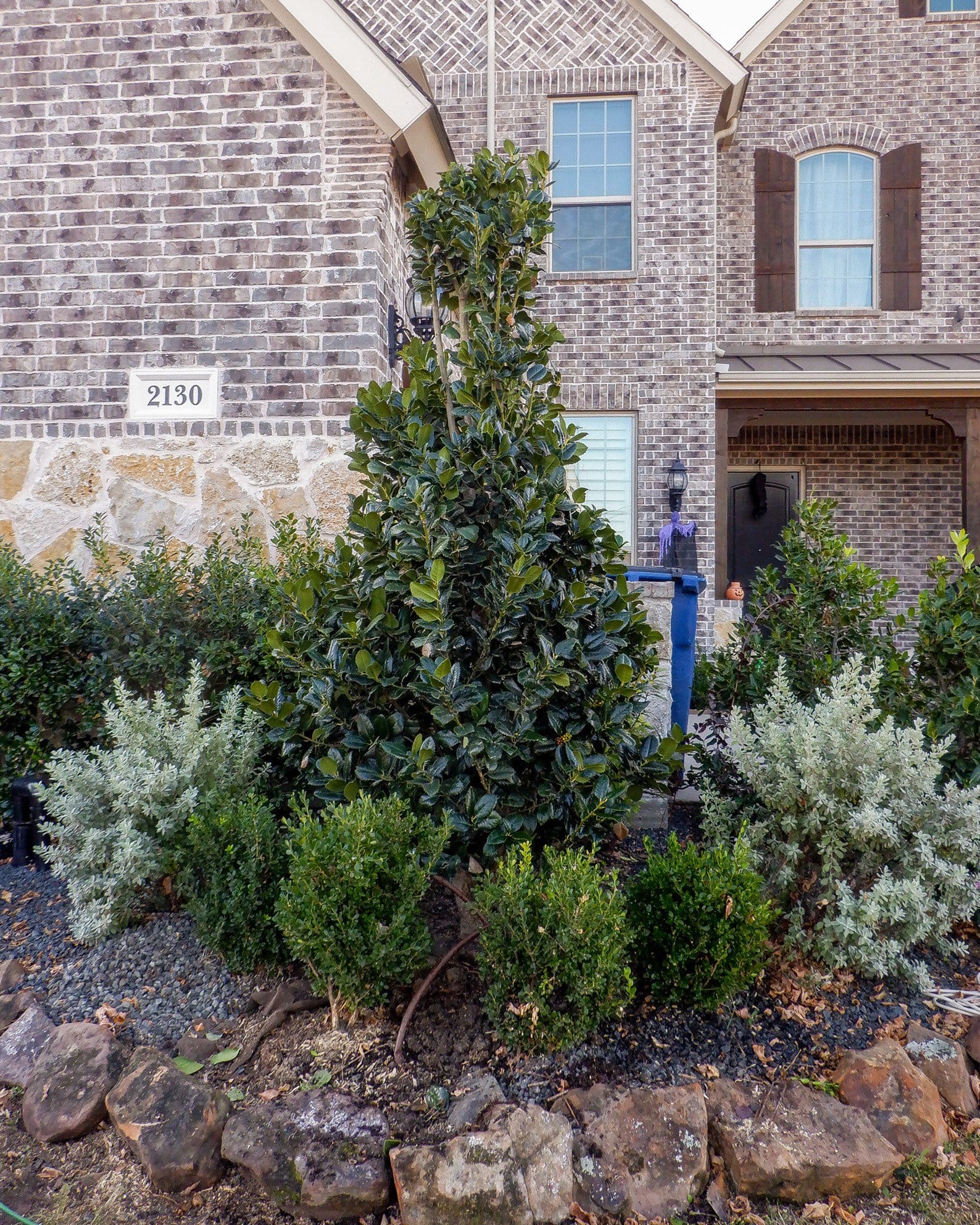
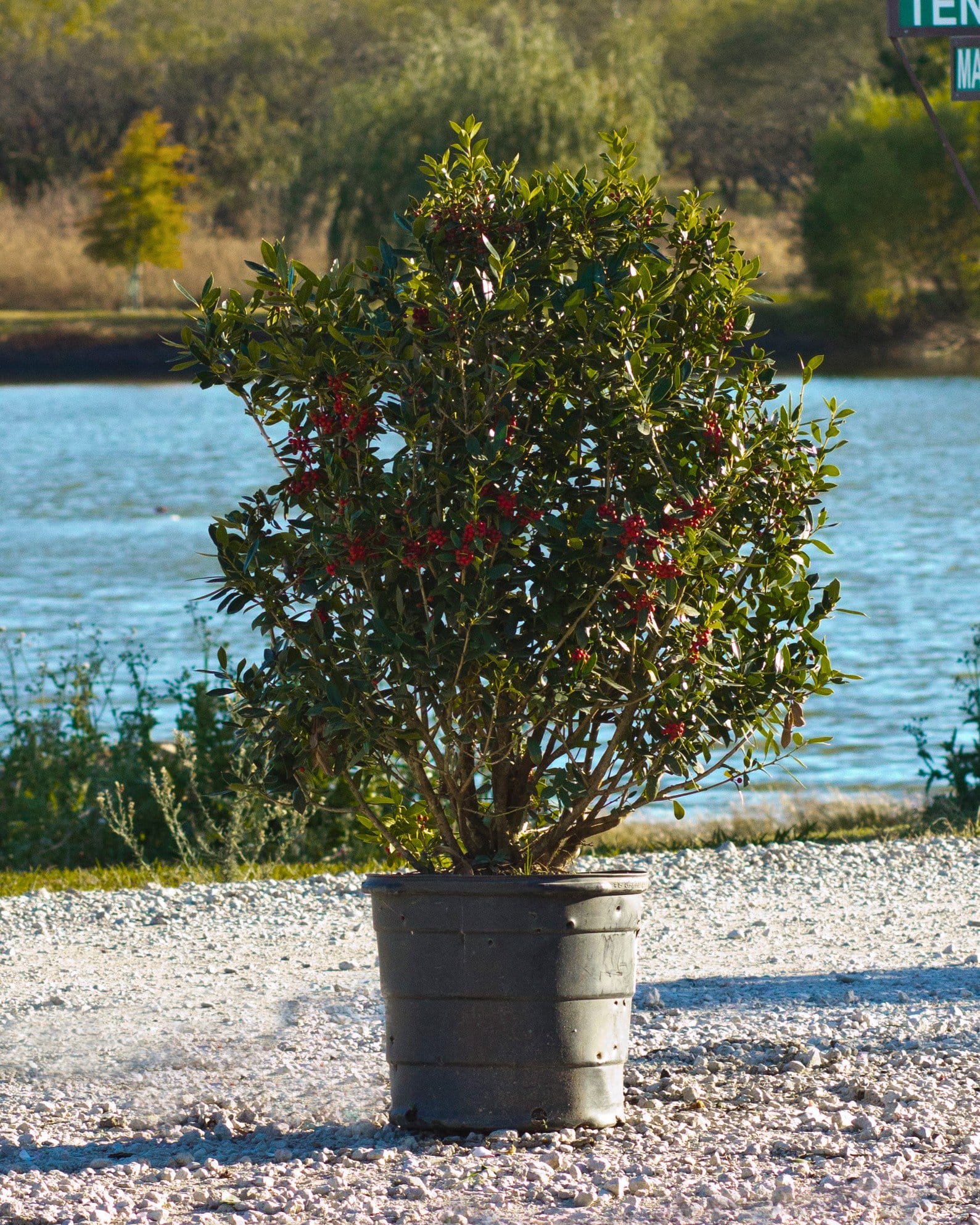
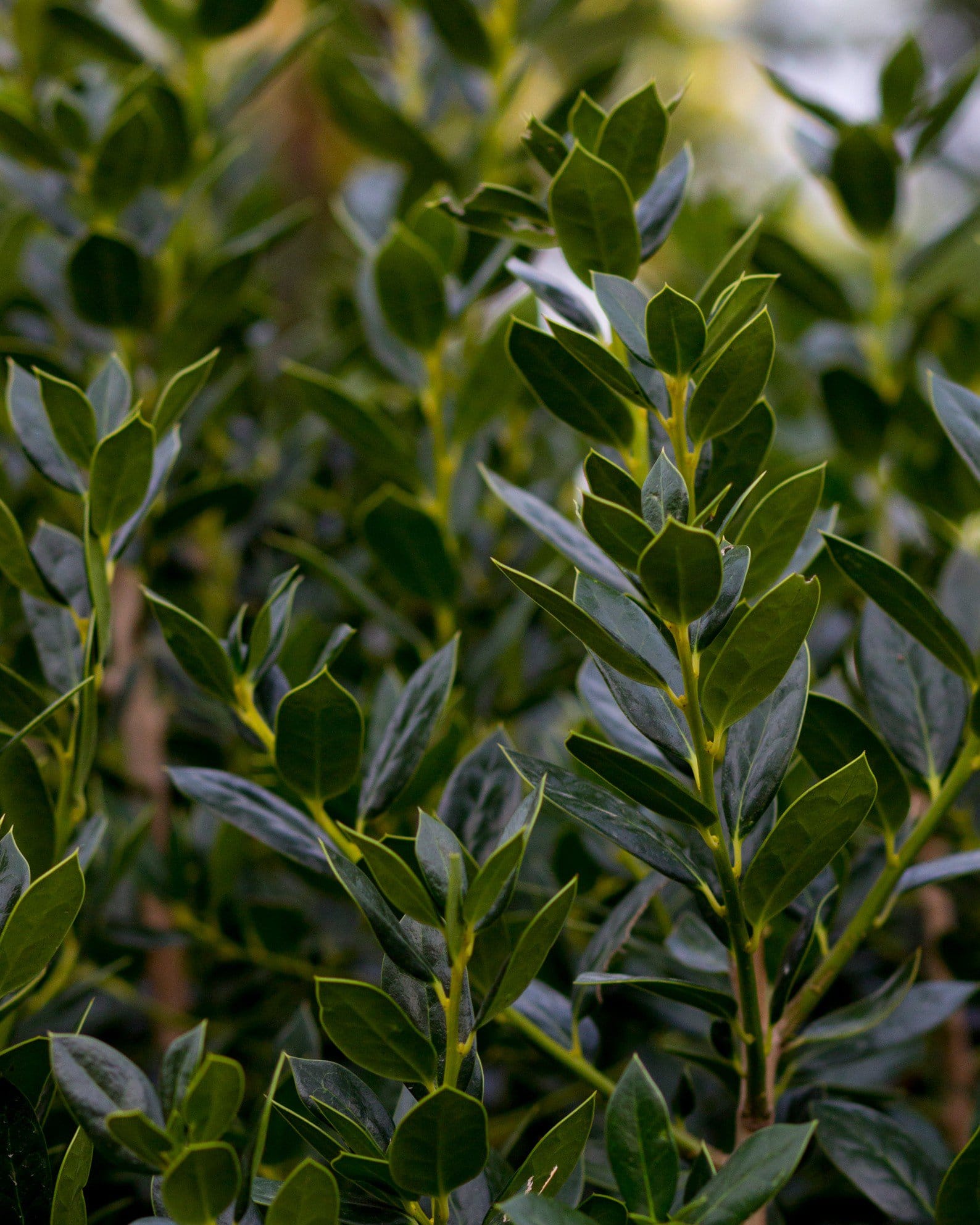
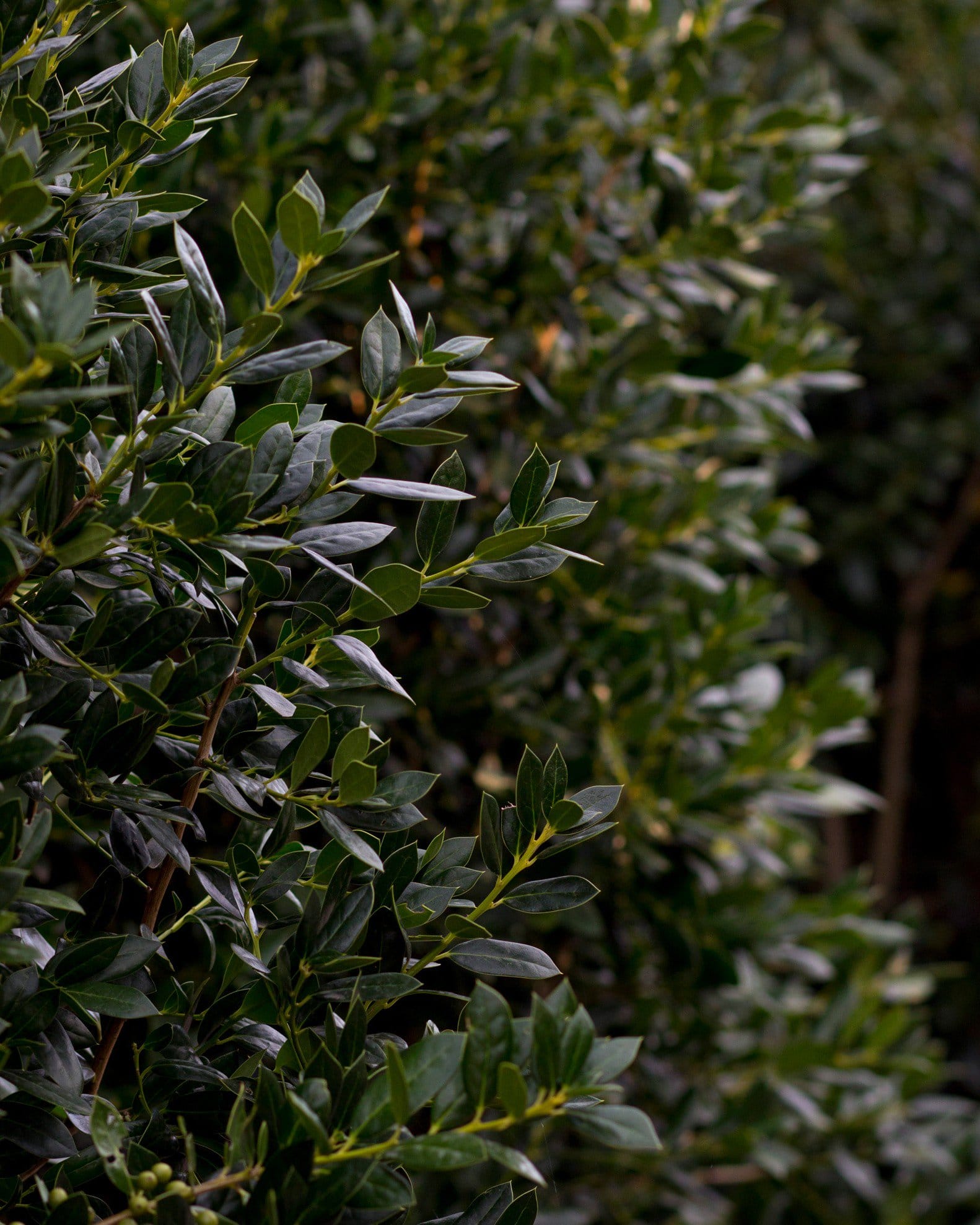
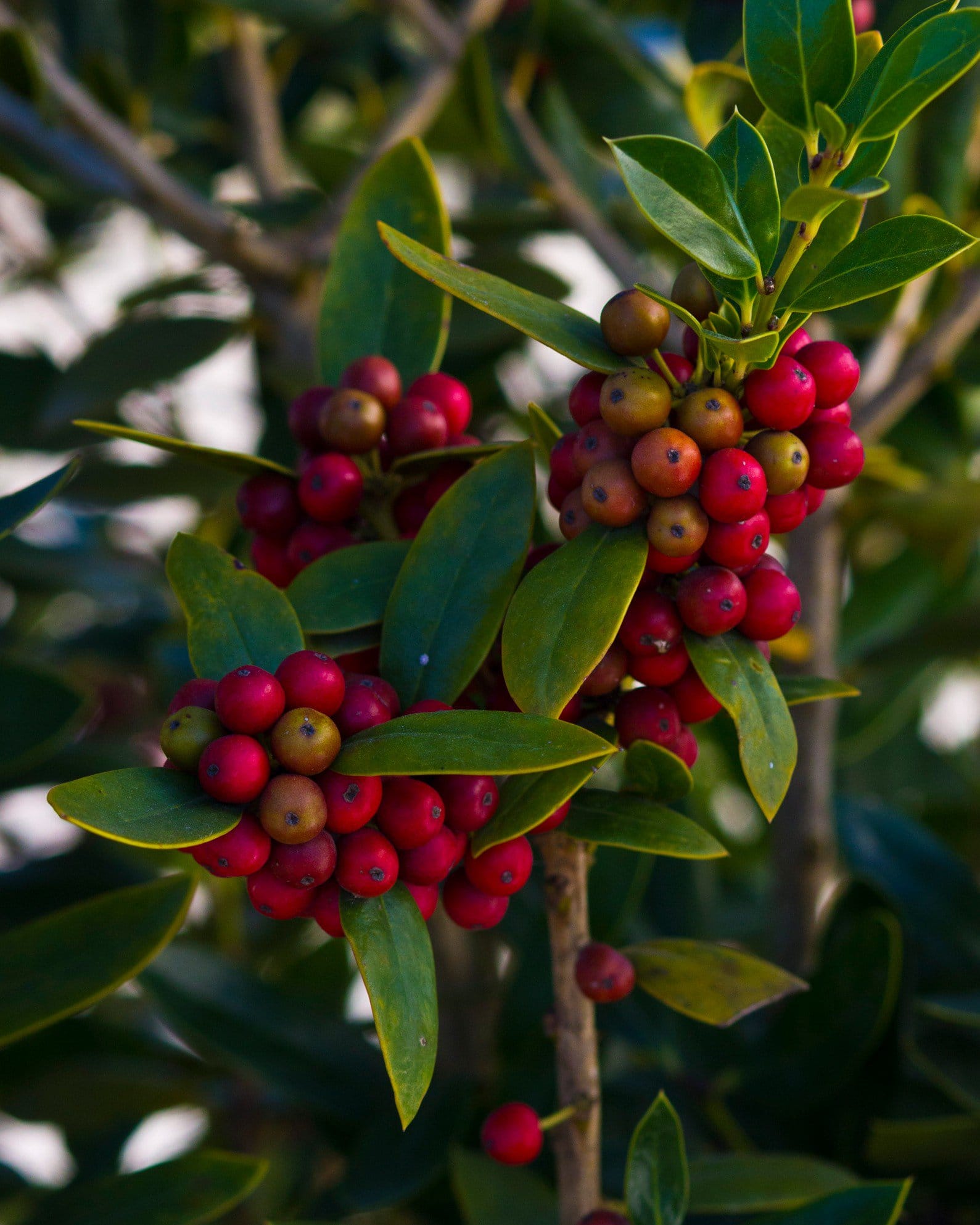
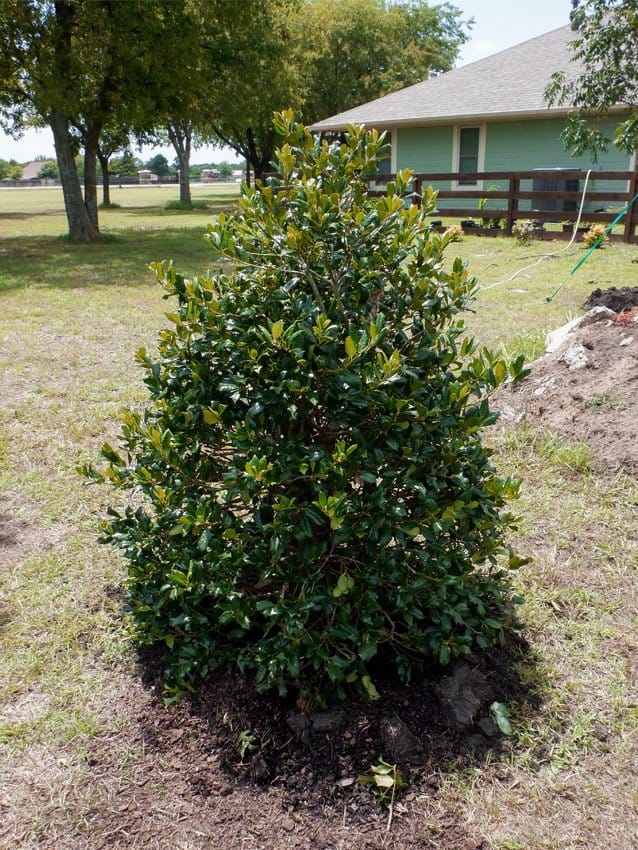
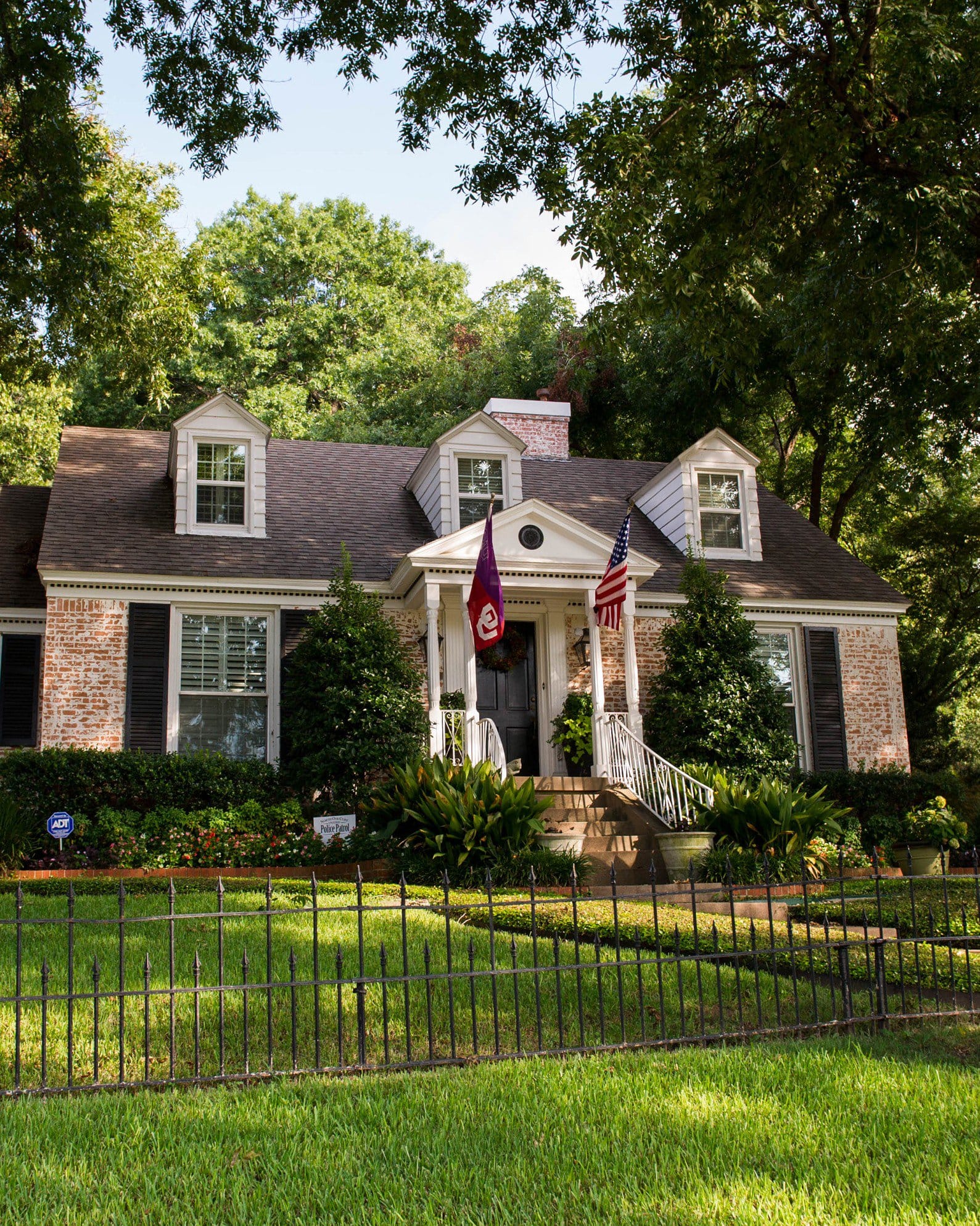
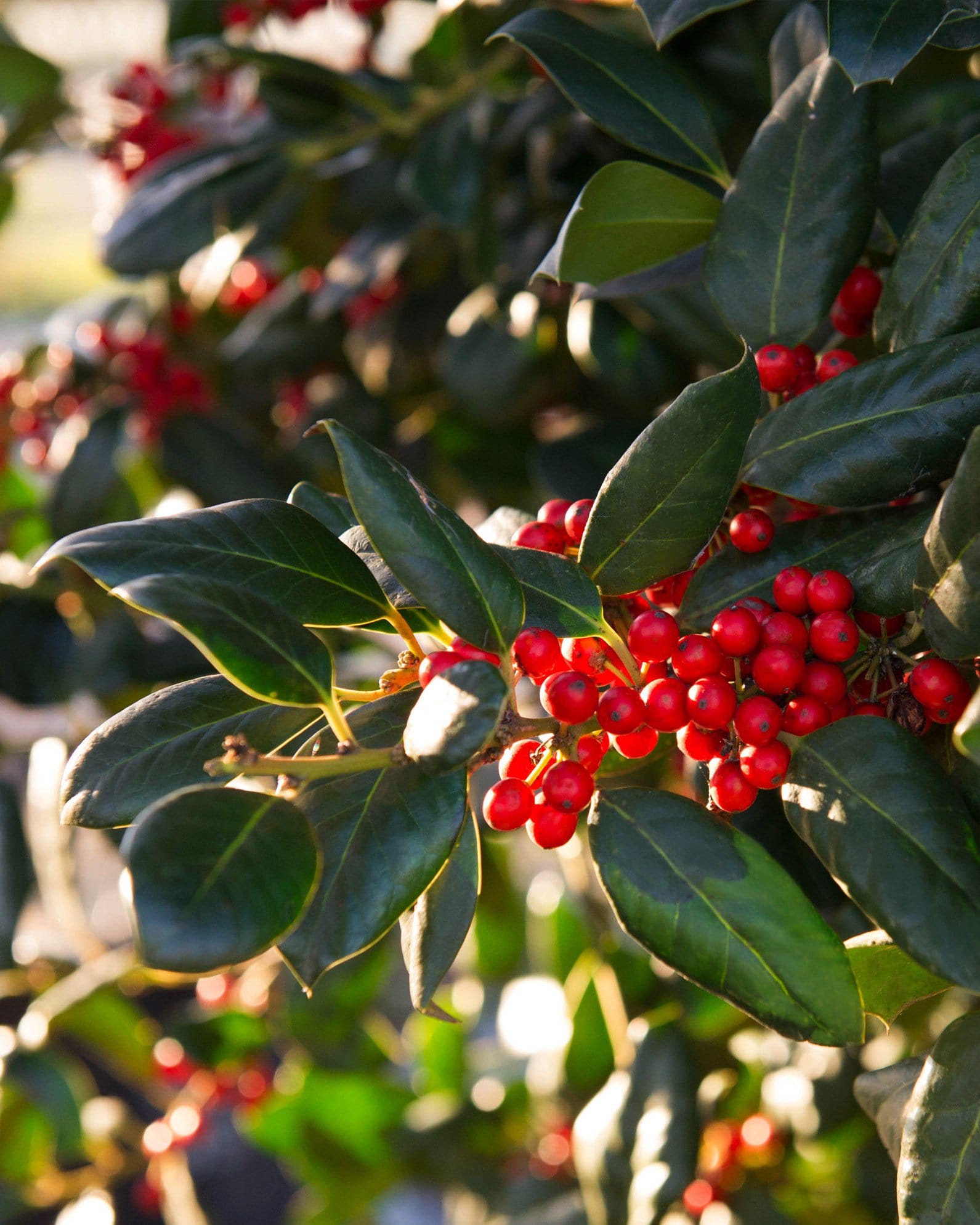
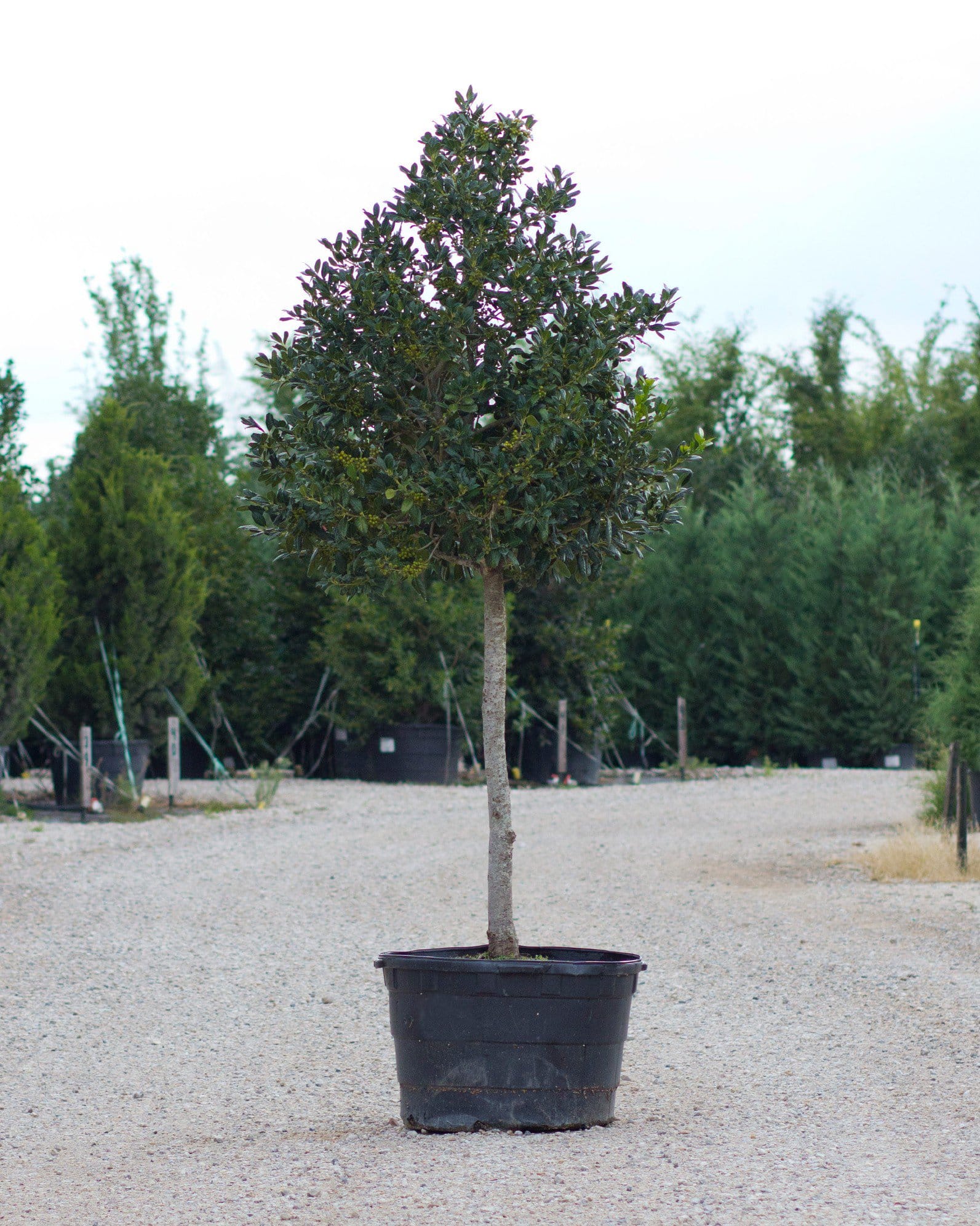
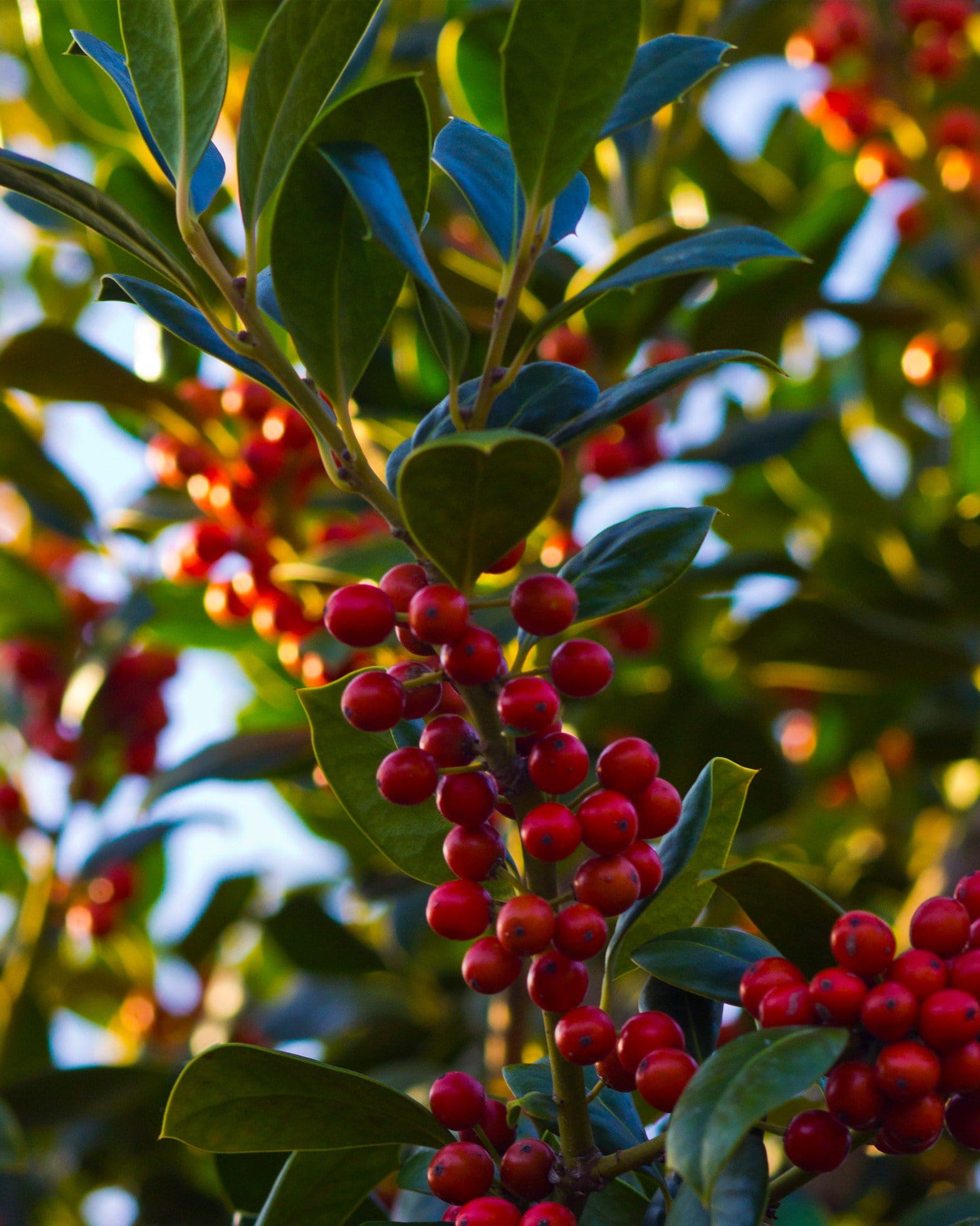
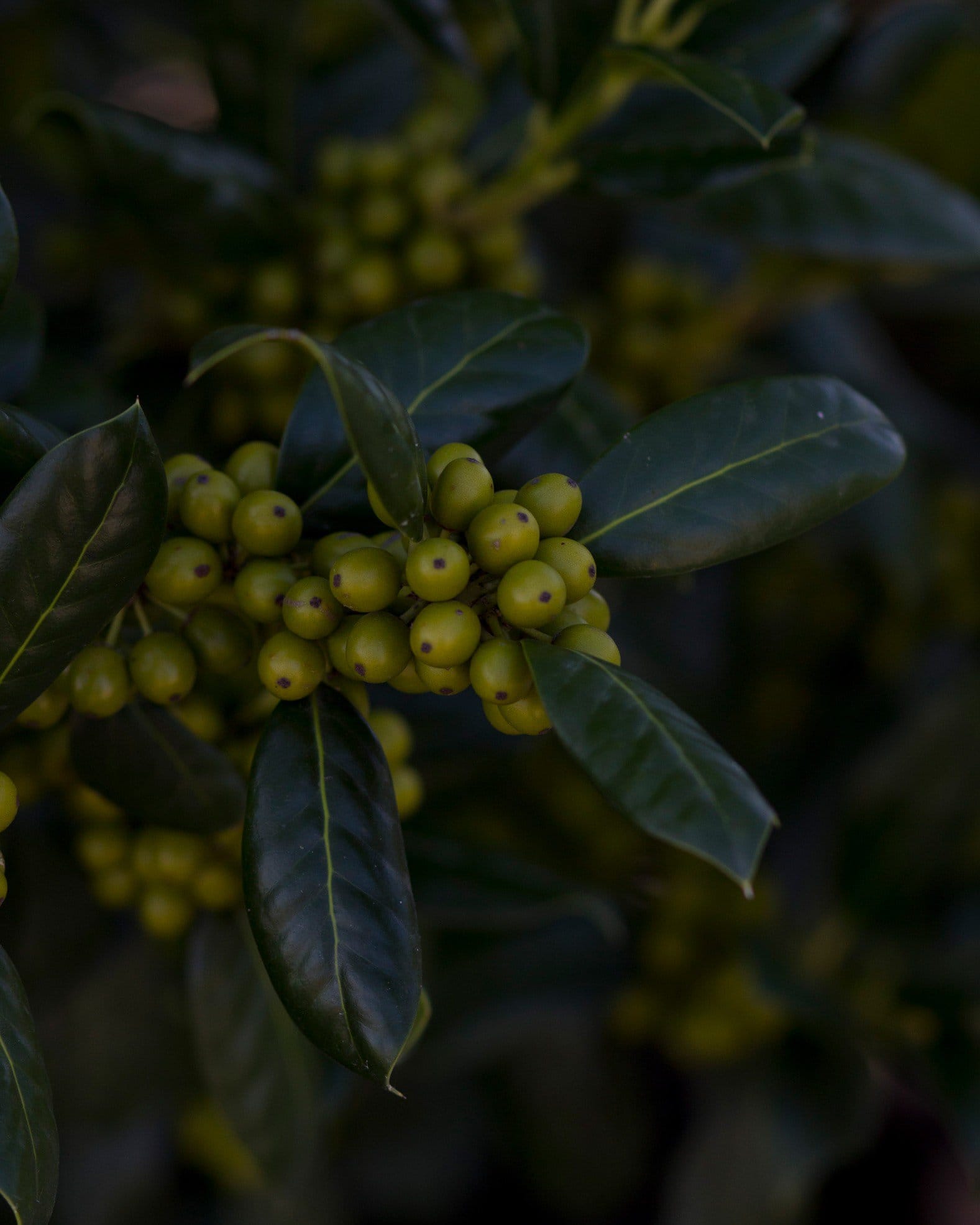
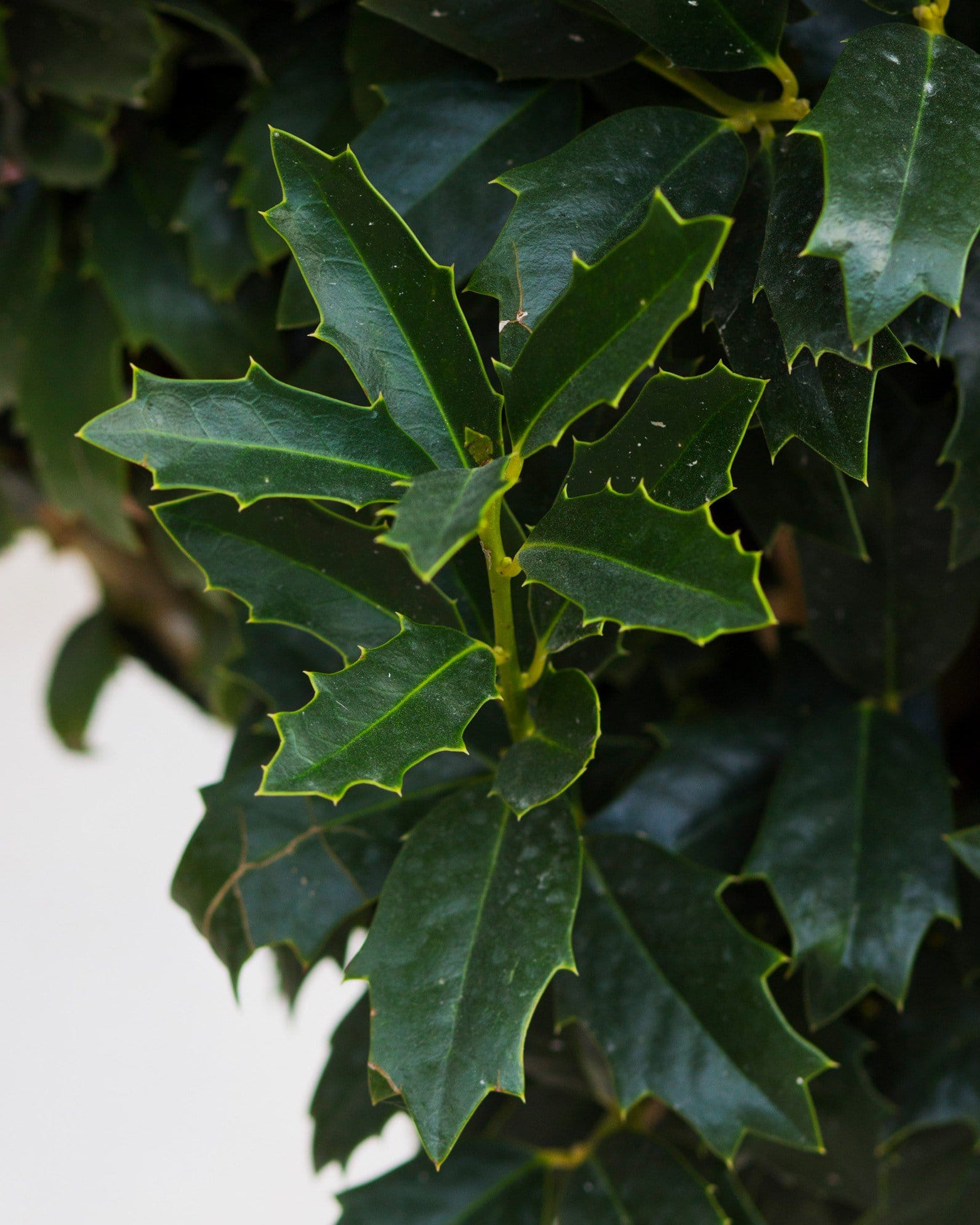
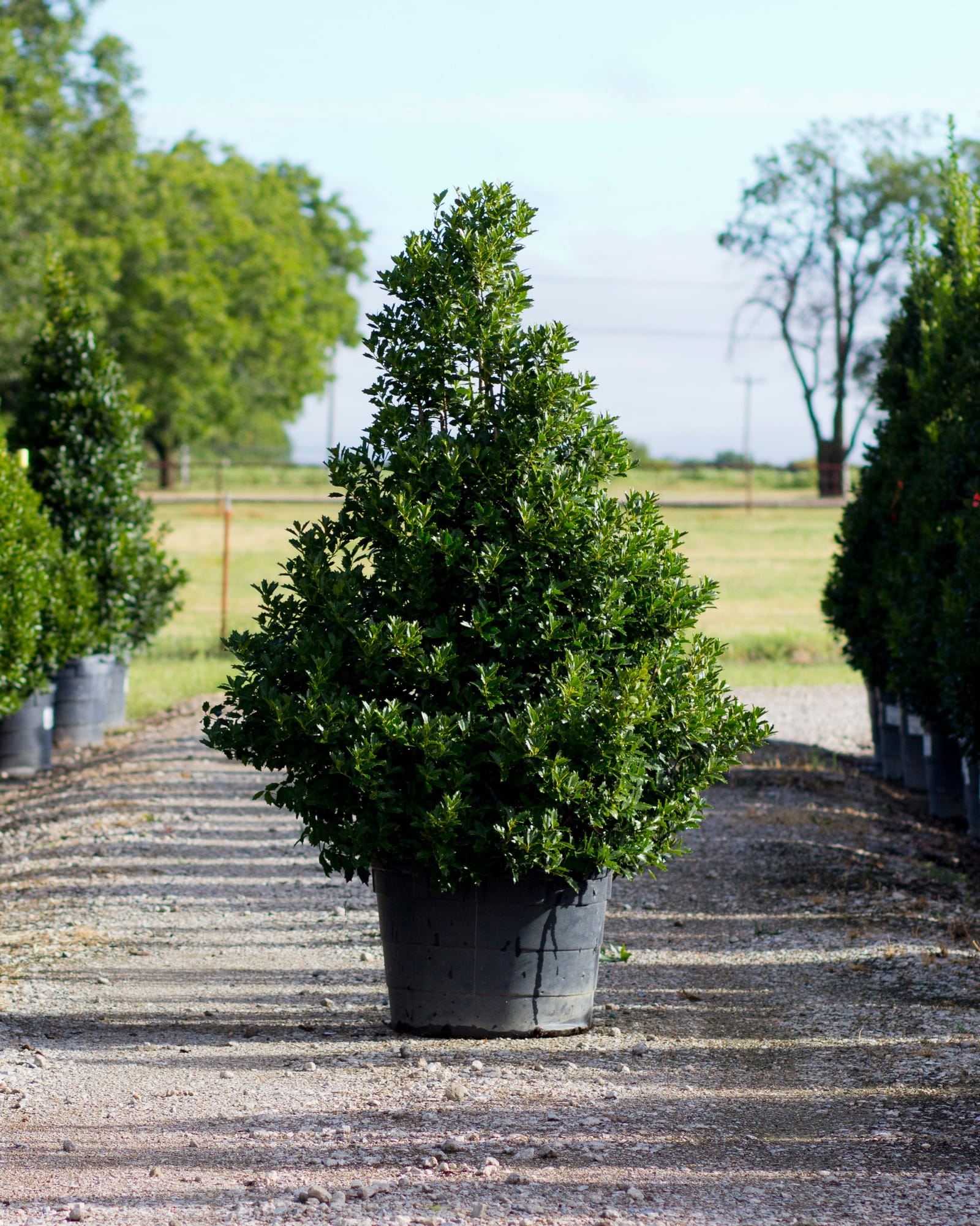
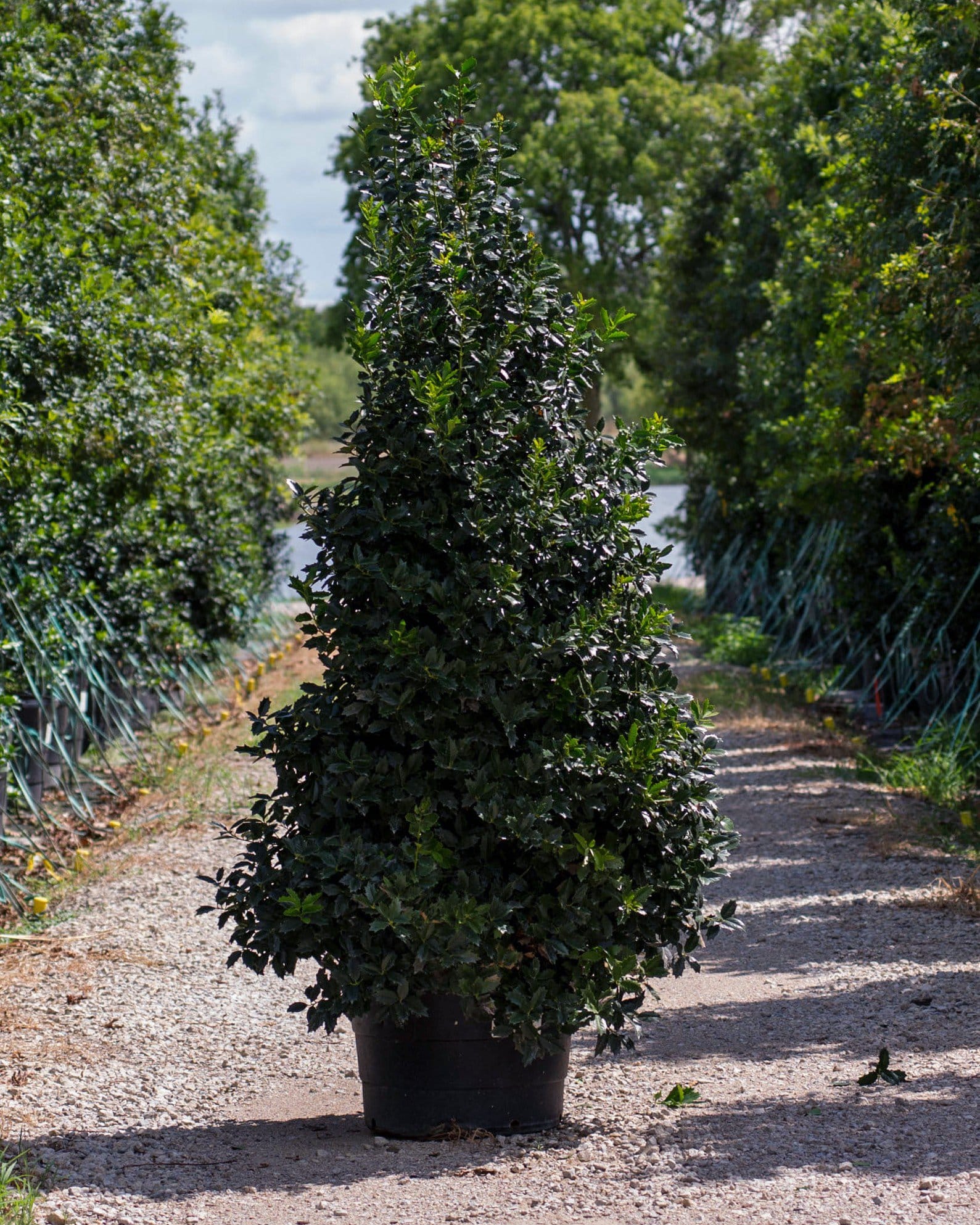
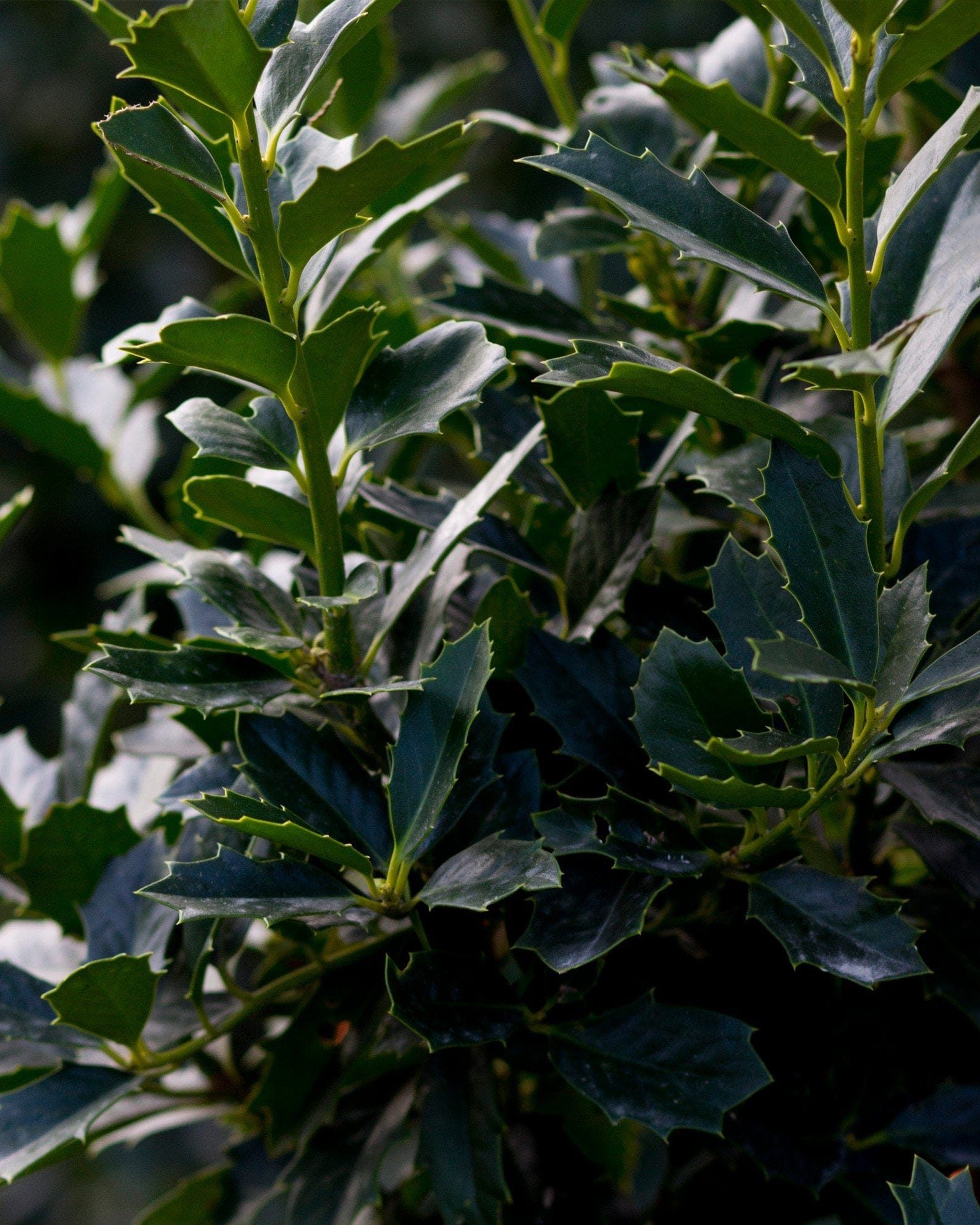
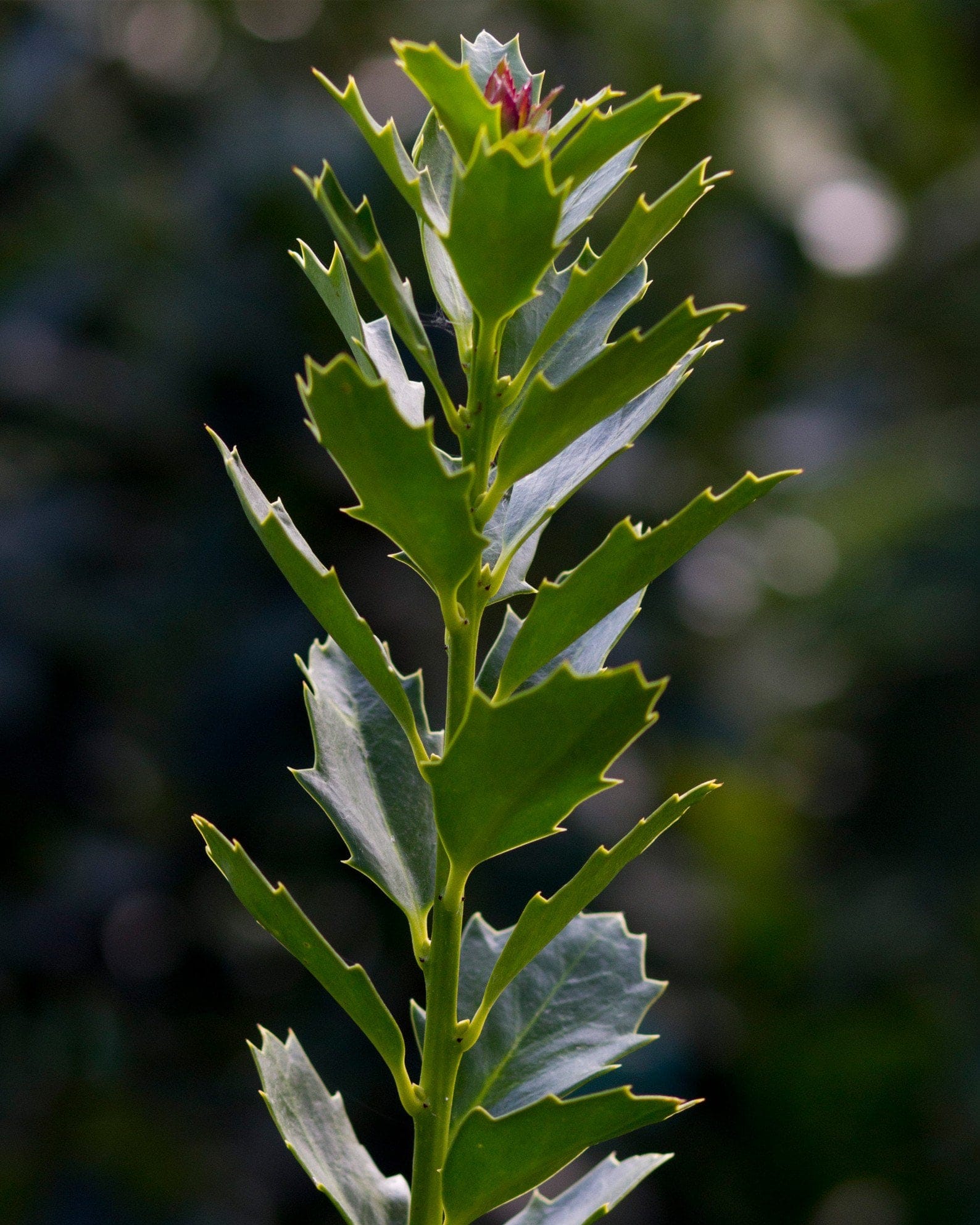
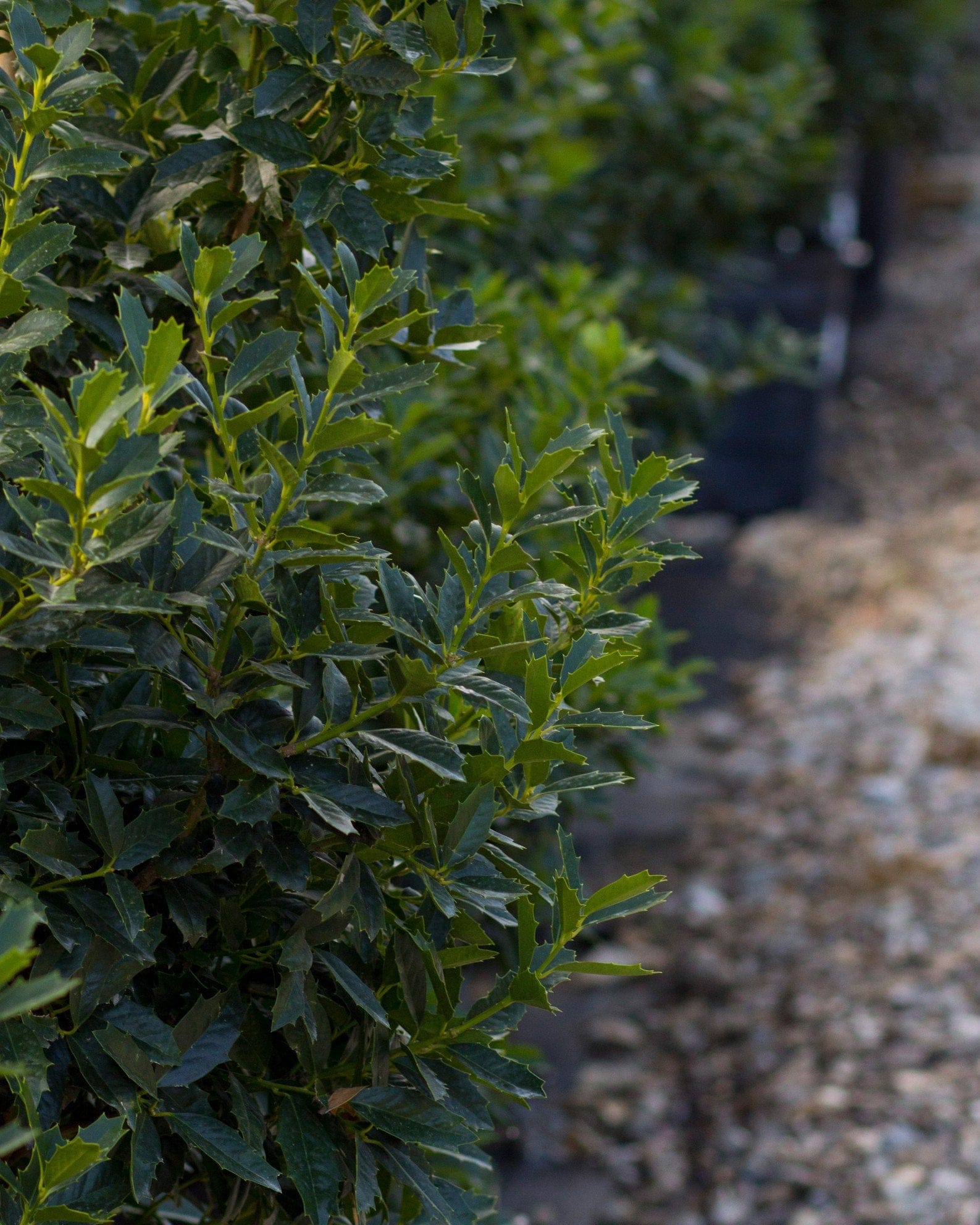
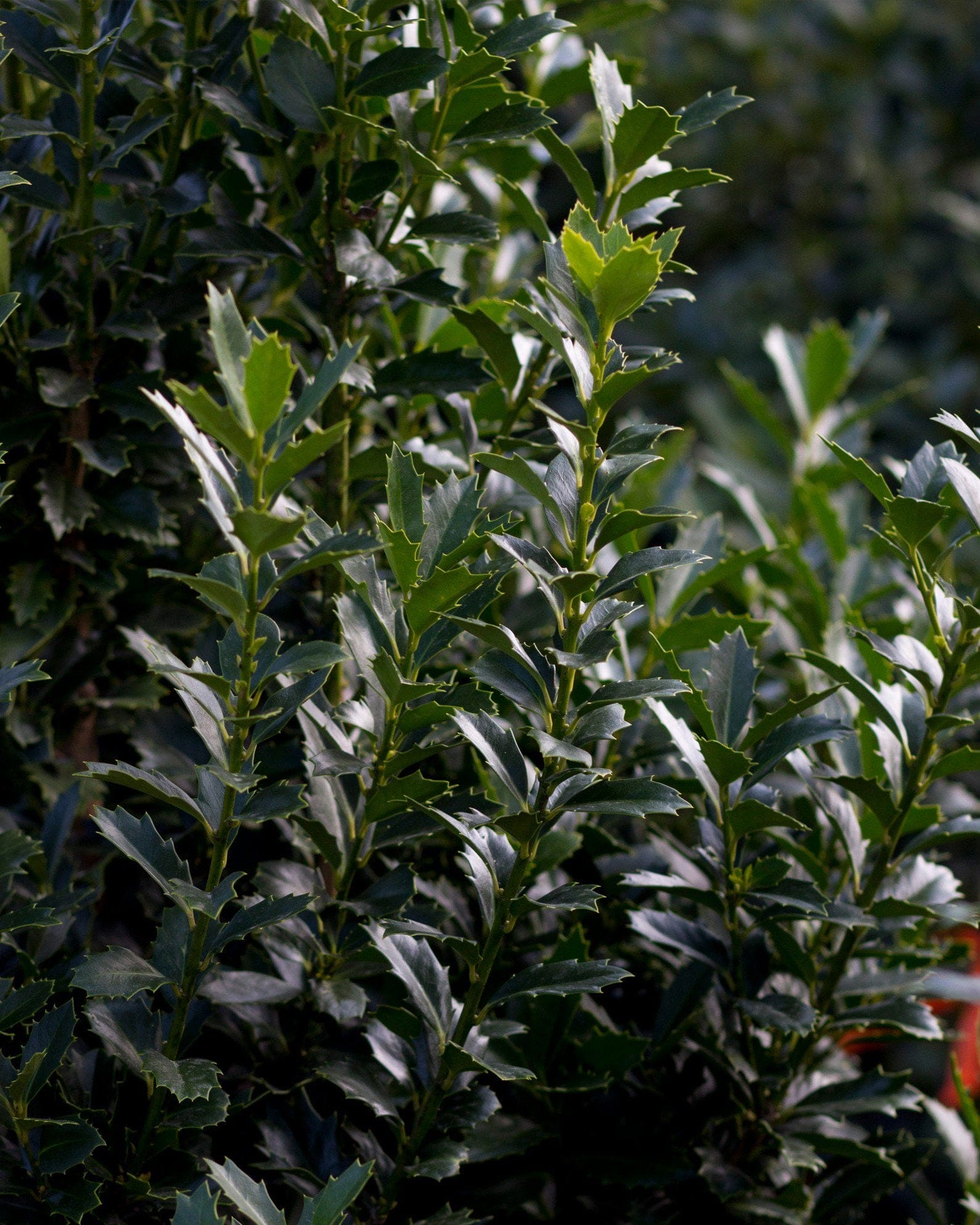
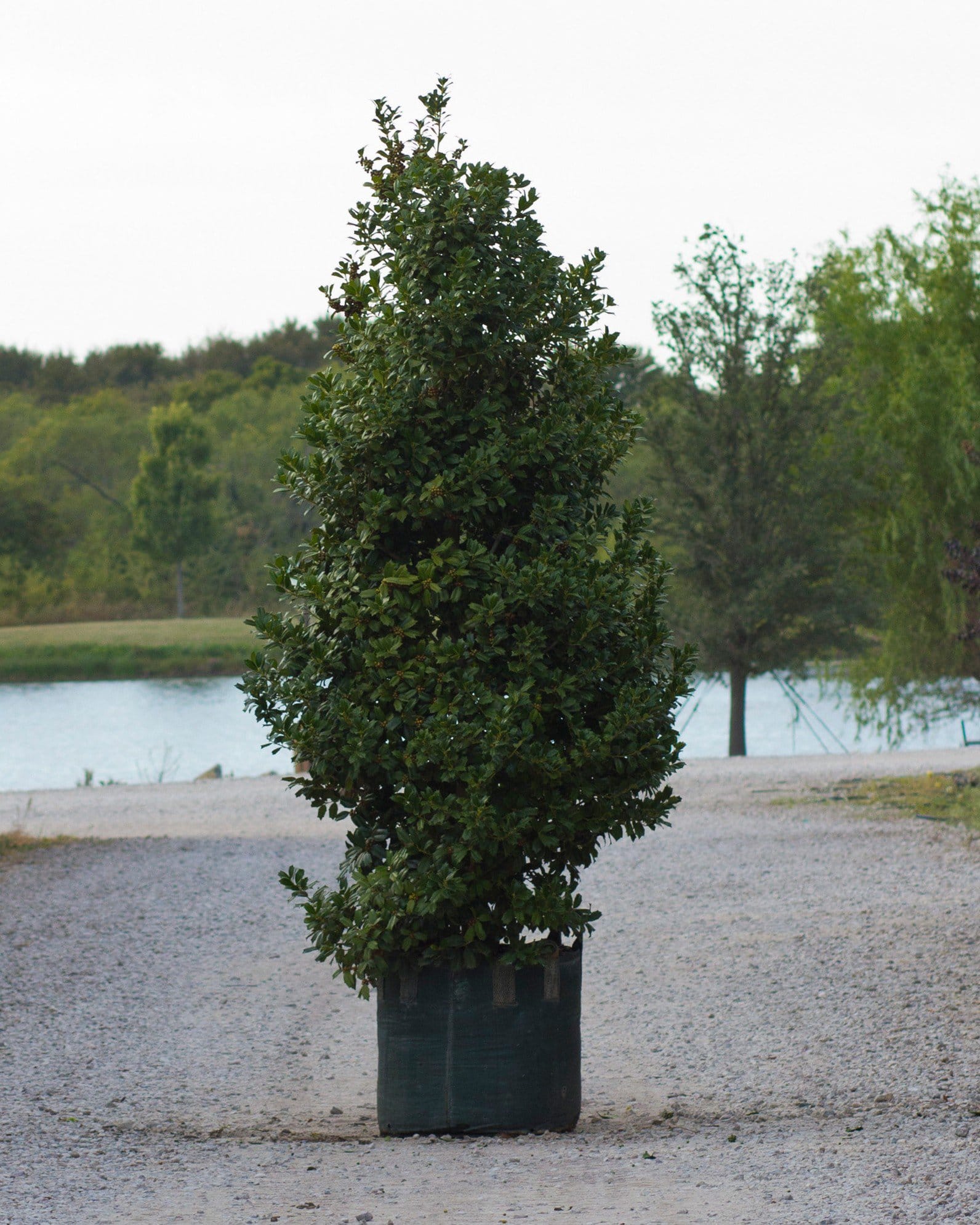
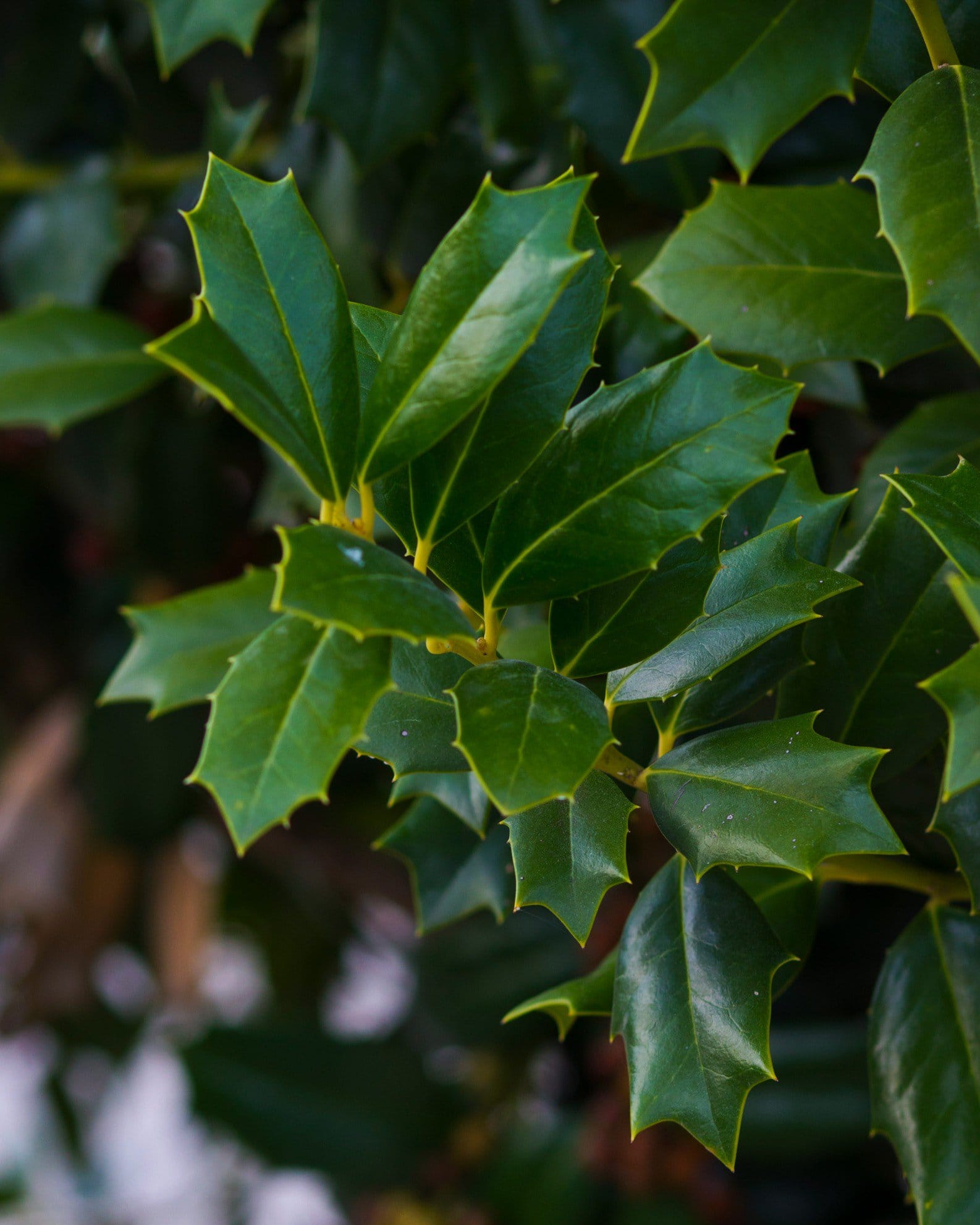
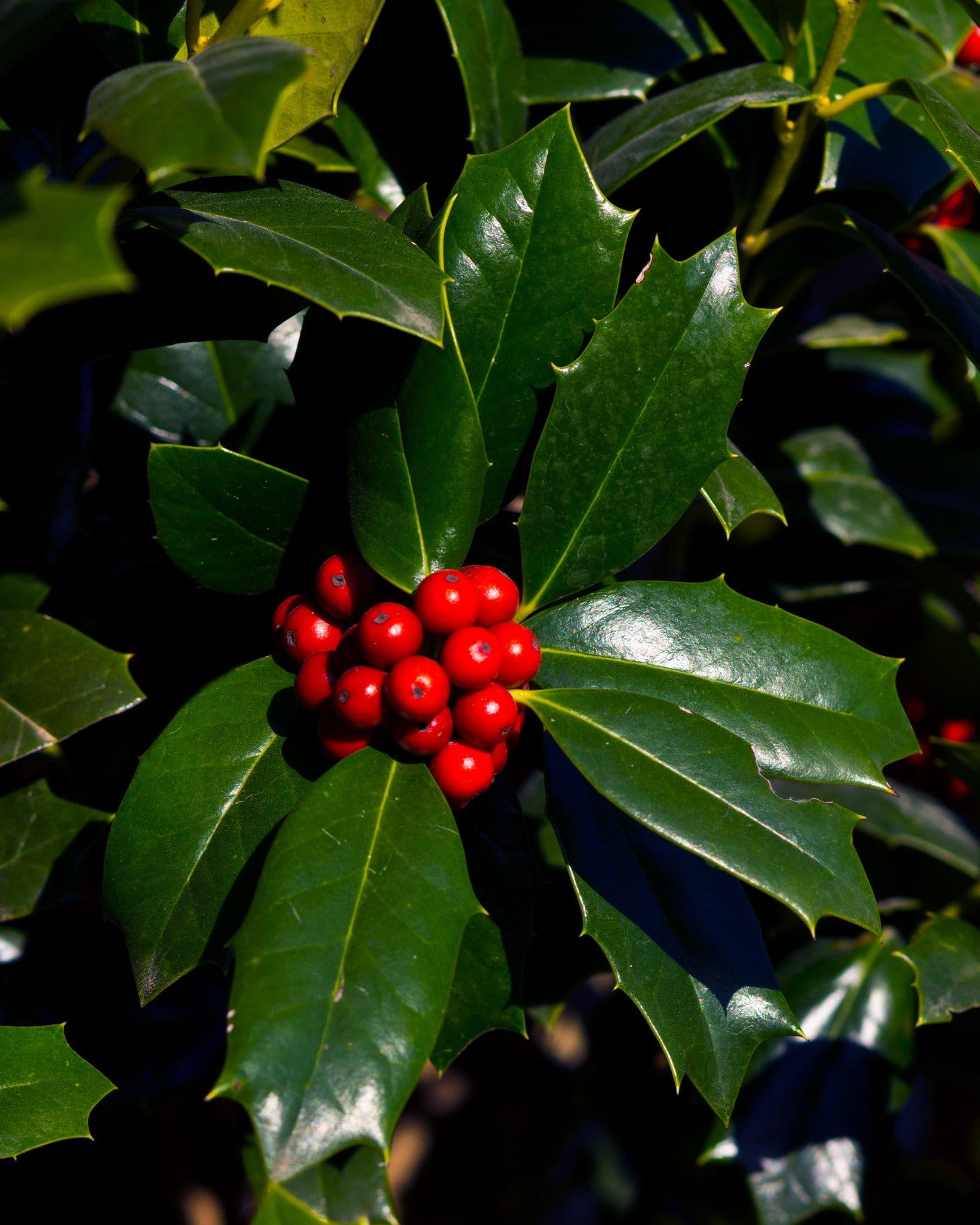
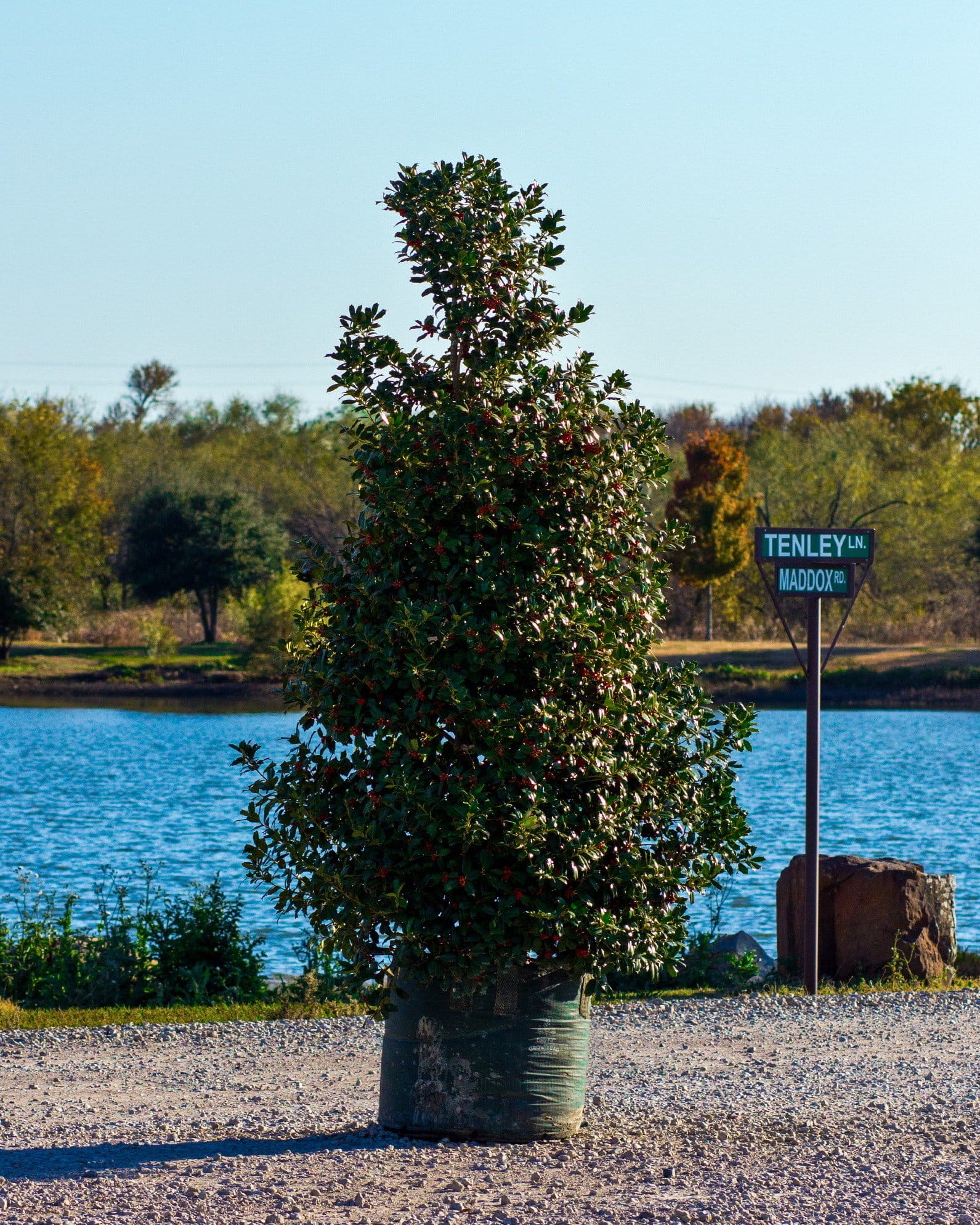
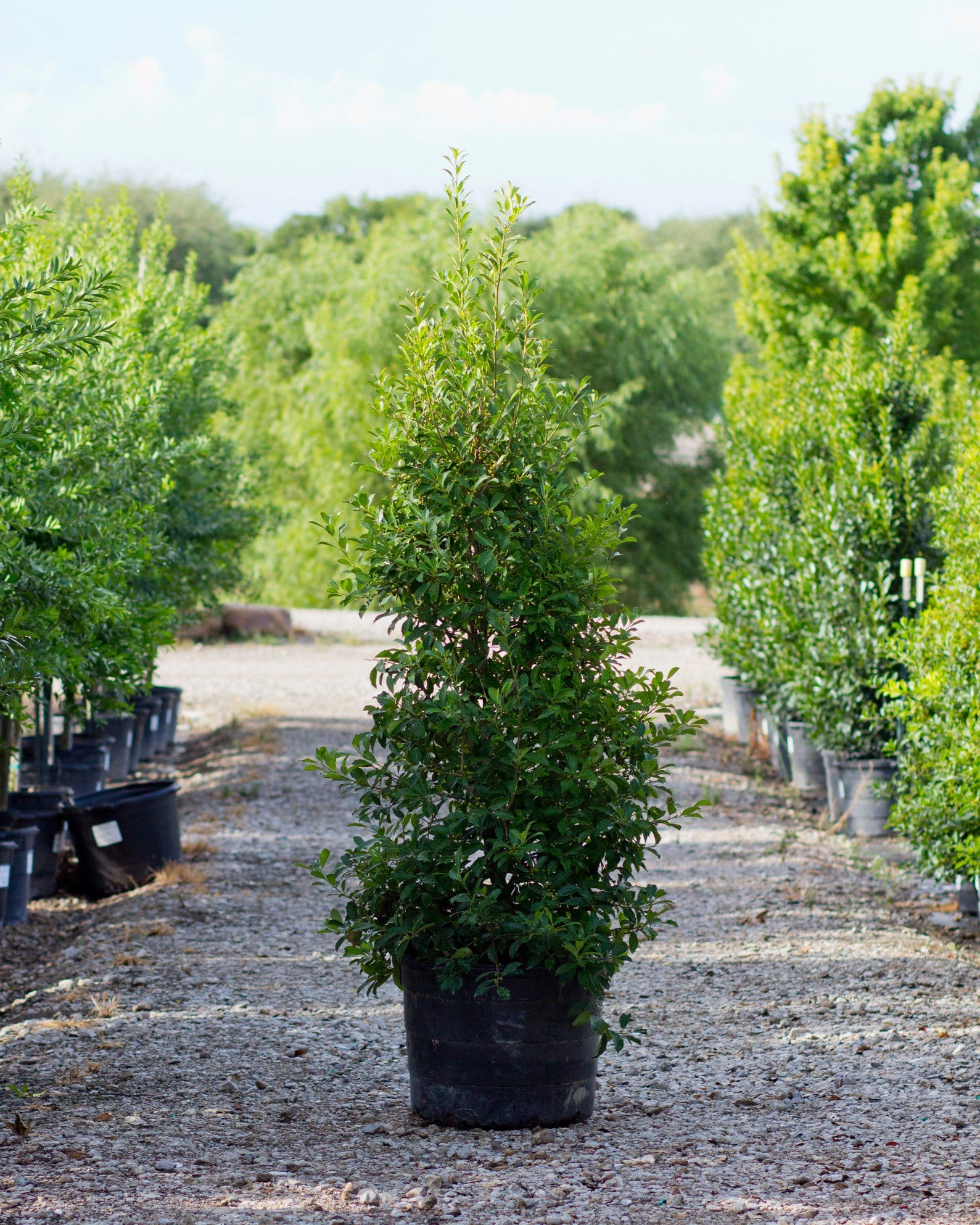
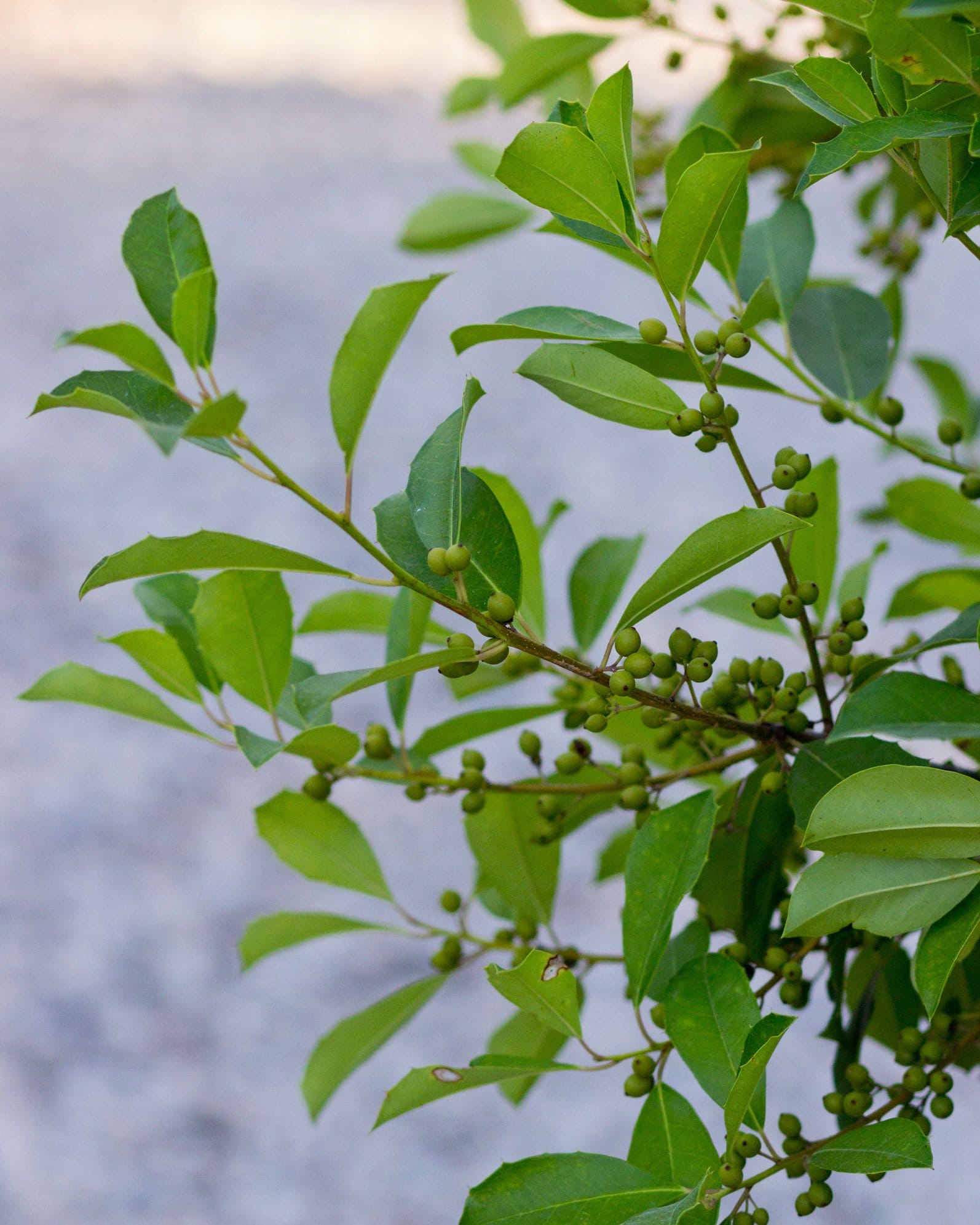
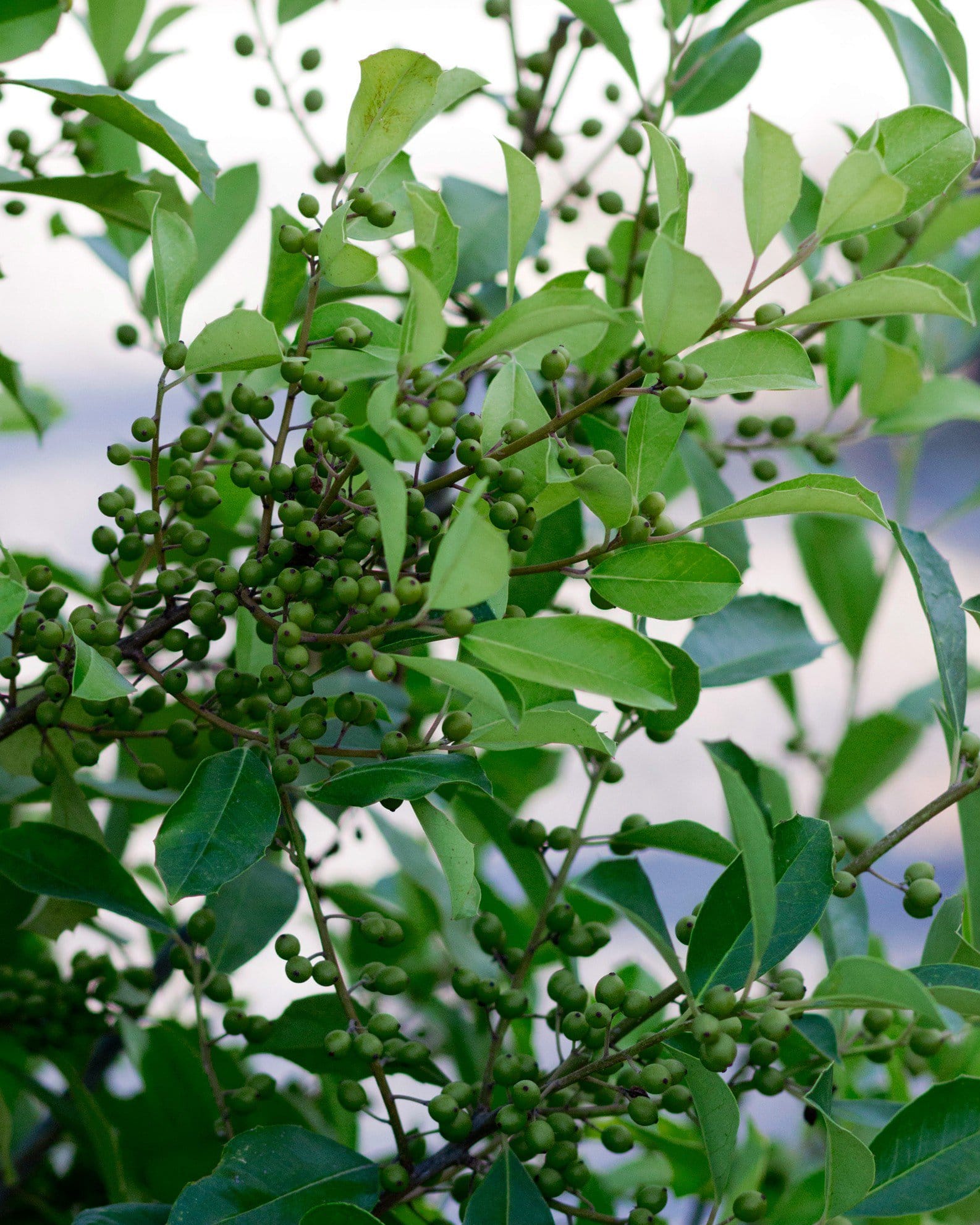
Ilex cornuta ‘Burfordii’An evergreen tree loved for its pyramidal silhouette and deep colored leaves. In fall and winter, it offers a plethora of red berries for seasonal interest and structure. Its spiny-edged foliage creates a refined look, making it a standout choice for a focal point or foundations. At maturity, it reaches around 15 feet in height and 10 feet in width.
- Evergreen tree form
- Moderate growth rate
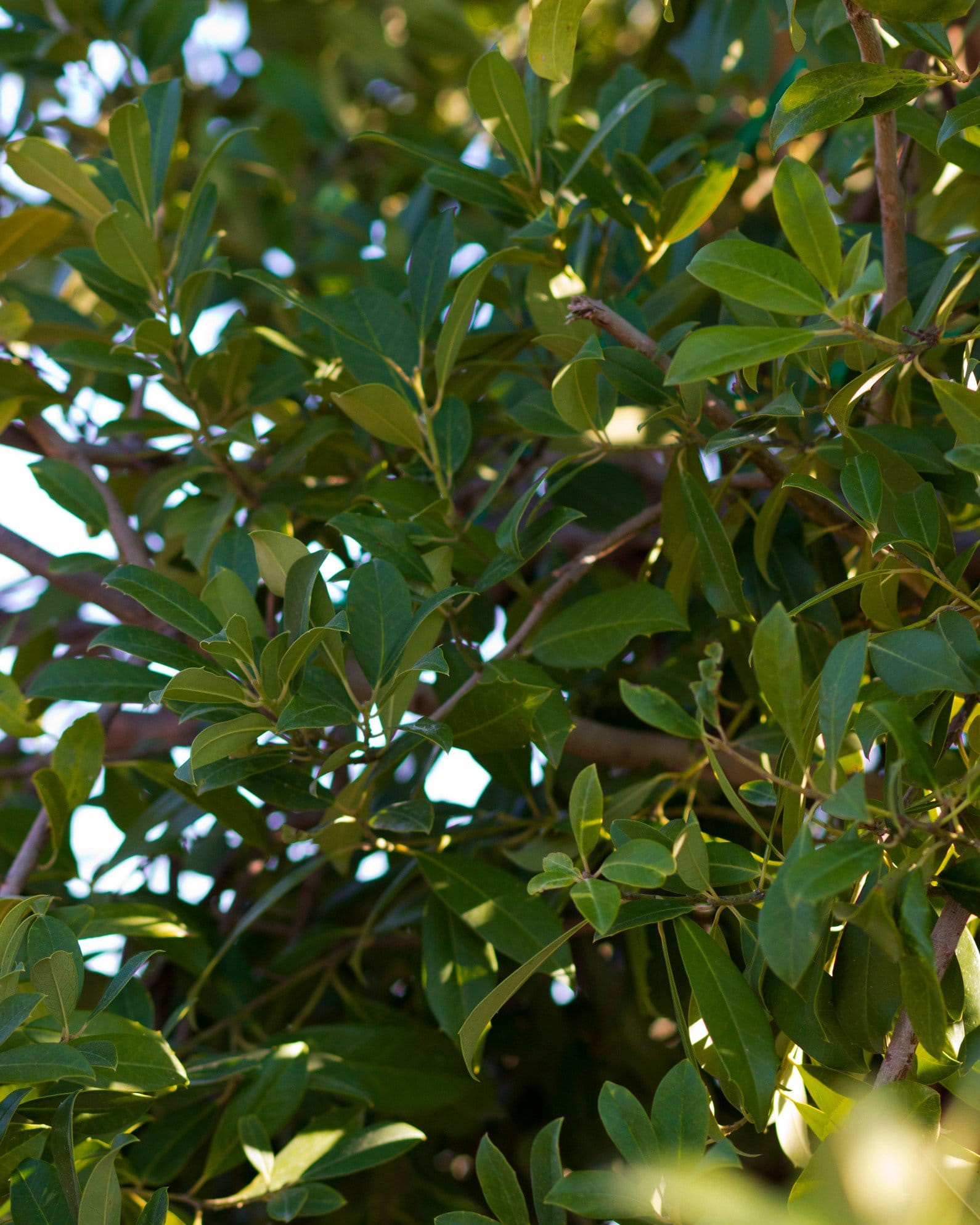
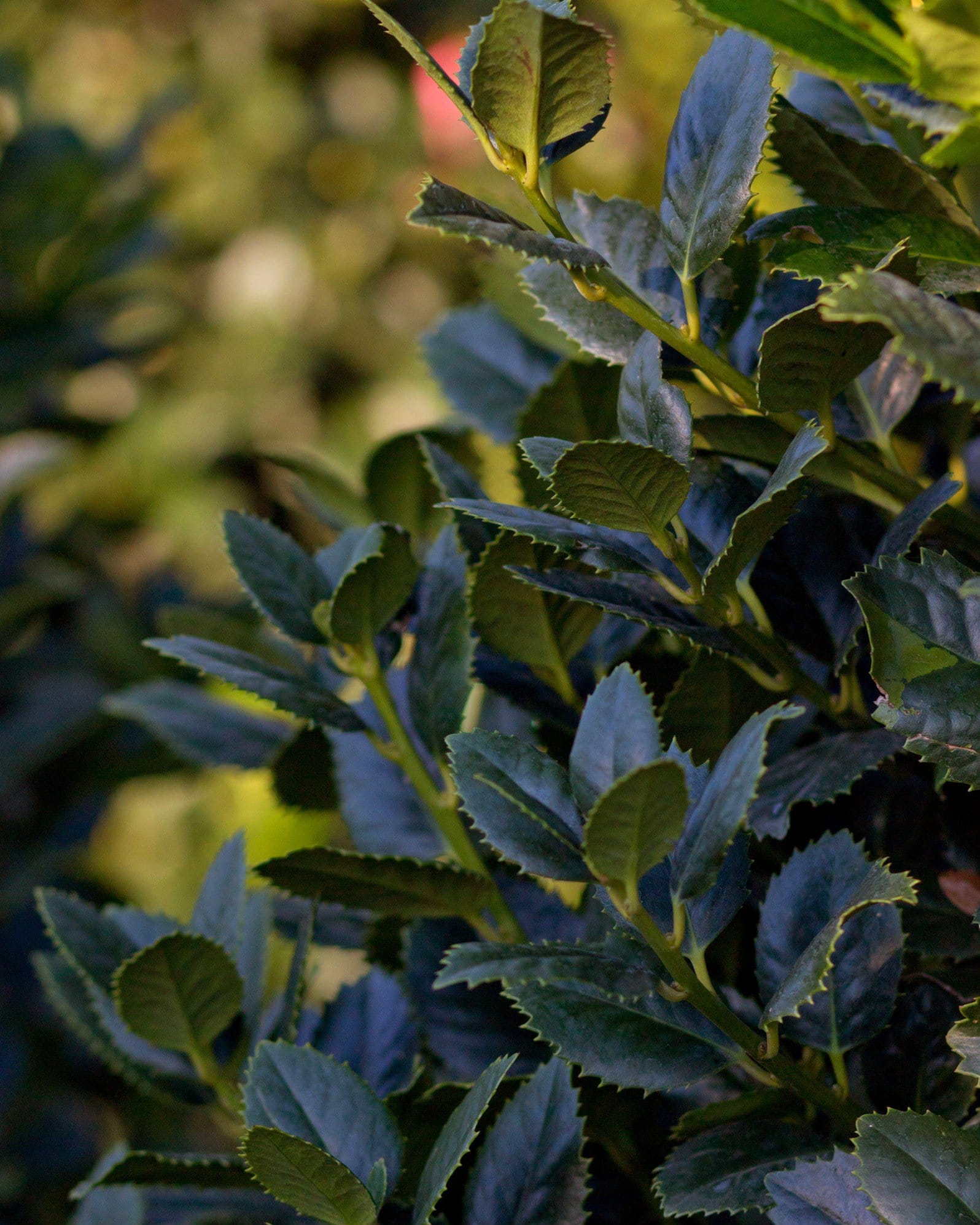
- Glossy green foliage year-round
- Bright red berries in colder months
- Works well as a specimen
The Burford Holly tree form loves sun to partial shade and well-drained soil. Heat-tolerant and drought-resistant once established, it adapts easily to both urban environments and classic landscapes in USDA zones 7–9. Its formal shape requires only minimal trimming to maintain.
Burford Holly Tree Form is impressively low-maintenance and thrives in both residential and commercial landscapes. Here’s everything you need to know:
- Watering: Water deeply and regularly during the first 2-3 years to promote a wide, resilient root system capable of supporting its developing tree canopy. Once established, Burford Holly becomes very drought-tolerant and typically requires supplemental water only during prolonged dry periods.
- Pruning: Prune in late winter to refine the tree form, removing lower suckers, awkward limbs, or dense interior growth. Occasional structural shaping when young helps maintain a strong central leader or balanced multi-stem outline.
- Fertilizing: This holly grows well in average soils and needs little fertilizer once mature. If foliage appears pale or growth slows, apply a light, slow-release, balanced fertilizer in early spring. Avoid overfertilizing, which can stimulate lanky, uneven growth.
- Mulching: Apply a wide 2-3 inch mulch ring around the base to preserve soil moisture and protect shallow feeder roots. Keep mulch several inches away from the trunk to prevent excess moisture against the bark.
- Winter Care: Burford Holly is highly cold-hardy and requires no winter protection in its growing range. In occasional severe colds, minor leaf bronzing may occur, but the tree rebounds quickly with spring warmth.
Burford Holly is tough and adaptable, though a few manageable issues may arise in humid climates or poorly drained soils:
- Leaf Spot: Brown or purplish lesions appear during wet, humid periods. Remove affected leaves and improve airflow to minimize fungal spread.
- Scale Insects: Shell-like bumps on stems and leaves cause yellowing and reduced vigor. Use horticultural oil or insecticidal soap to manage populations.
- Spider Mites: Dull foliage, fine stippling, and subtle webbing occur in hot, dry weather. Rinse foliage or apply horticultural oil to restore healthy appearance.
- Root Rot: Sudden wilting and yellowing develop when soil remains saturated. Improve drainage and reduce watering frequency to protect the root system.
- Chlorosis: Yellow leaves with green veins appear in highly alkaline soils. Treat with chelated iron and amend soil as needed to restore nutrient balance.
Tree-form Burford Hollies often live 40-60 years with proper care. Their long life and evergreen presence make them treasured focal points in both modern and traditional landscapes.
It grows at a moderate rate of 12-18 inches per year and usually develops a full, rounded canopy in 8-12 years. This steady pace provides reliable structure without overwhelming nearby plantings.
Yes - young trees adapt well to large containers and make striking patio accents. Long-term, planting in the ground offers the best stability and canopy development.
It tolerates heat exceptionally well, especially once established and mulched. Deep occasional watering during extreme drought helps maintain deep green foliage and berry production.
It cannot be divided, as it develops a single woody trunk or unified multi-trunk structure. Propagation requires cuttings or nursery-grown plants.
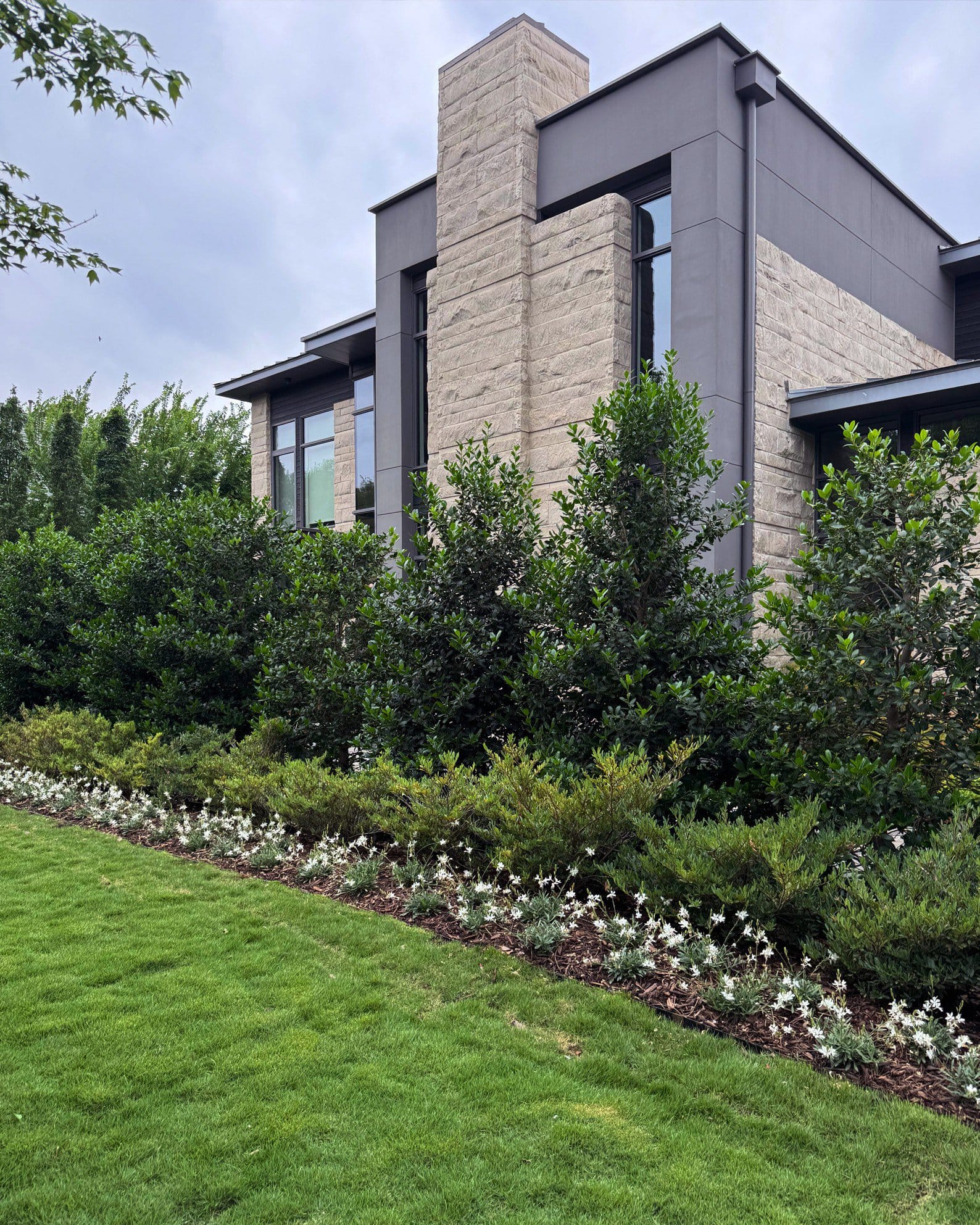
Absolutely - its consistent form and evergreen canopy create elegant, structured rows along streets, driveways, or garden paths. Repeated plantings produce striking year-round architecture.
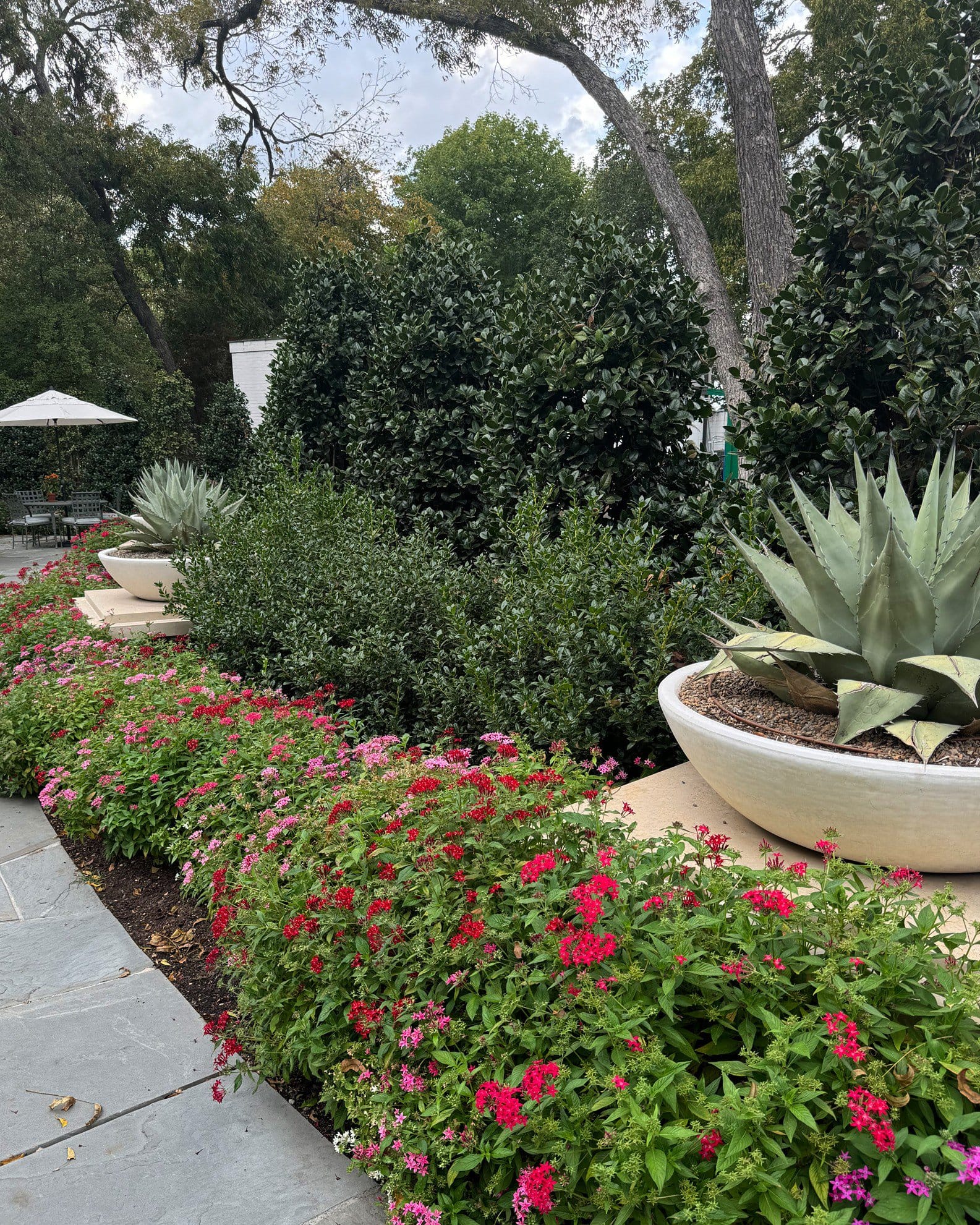
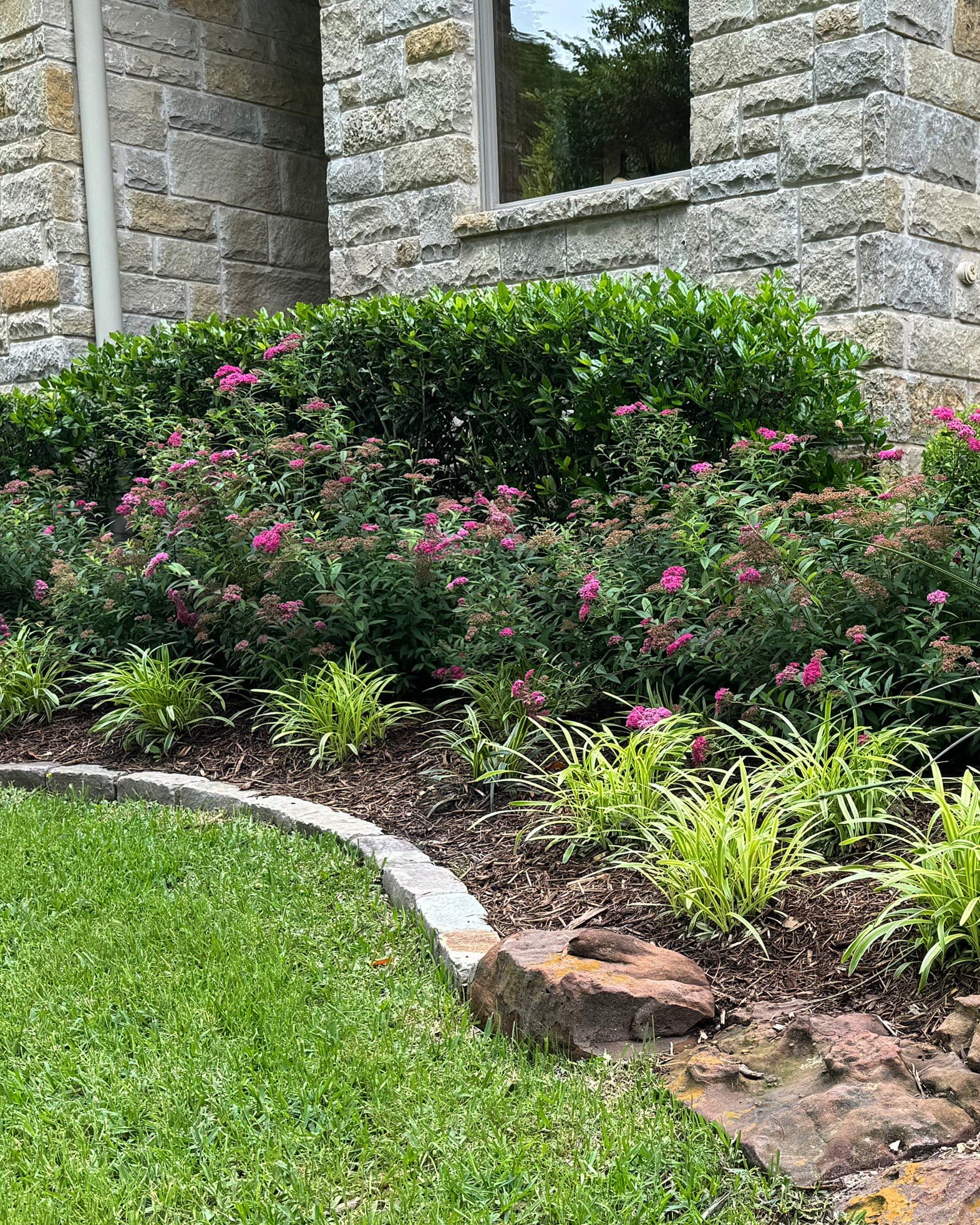
Companions like Loropetalum, Dwarf Yaupon, Abelias, ornamental grasses, and flowering perennials offer beautiful contrast. Their varied textures complement the holly’s glossy foliage and red berries.
Yes - it handles pollution, reflected heat, and compacted soils extremely well. Its evergreen canopy and neat structure make it ideal for plazas, courtyards, and street plantings.
Young tree-form hollies transplant well when moved during cool seasons with an intact root ball. Mature specimens can also be relocated with professional handling.
Its deep green foliage, abundant red berries, strong branching, and ability to thrive in difficult conditions give it standout beauty and reliability. Burford Holly offers year-round color and structure with remarkably little maintenance.
Special Features
You might also like
Burford Holly
Maturity: 15' H x 10' W
Crown Point Holly
Maturity: 14' H x 7' W
Eagleston Holly Full to Ground
Maturity: 20' H x 14' W
Eagleston Holly Tree Form
Maturity: 20' H x 14' W
East Palatka Holly Tree Form
Maturity: 25' H x 14' W
Emily Bruner Holly
Maturity: 20' H x 10' W
Liberty Holly
Maturity: 14' H x 7' W
Needlepoint Holly
Maturity: 10' H x 8' W
Nellie R Stevens Holly
Maturity: 20' H x 14' W
Nellie R Stevens Holly Tree Form
Maturity: 20' H x 14' W
Oakland Holly
Maturity: 16' H x 7' W
Oakland Holly Tree Form
Maturity: 16' H x 7' W
Oakleaf Holly
Maturity: 16' H x 7' W
Robin Holly
Maturity: 20' H x 12' W
Savannah Holly Full to Ground
Maturity: 20' H x 14' W
Compare Similar Plants
Burford Holly Tree Form This plant | ||
|---|---|---|
| Scientific Name | Ilex cornuta ‘Burfordii’ | Ilex x 'EN-7' |
| Size at Maturity | 15' H x 10' W | 14' H x 7' W |
| Leaf Retention | Evergreen | Evergreen |
| Sizes Available | 45 gal | 3, 5, 10, 15, 45 gal |


Our 1-Year Planting Guarantee
We take pride in our plants and installation services. If any plants or trees installed by Treeland fail to thrive within the first year, we'll provide a replacement credit in accordance with our guarantee program.
Learn More About Our Guarantee