




 Popular
Rose of Autumn Camellia
Camellia sasanqua ‘Rose of Autumn’Local DFW Delivery Only
Product Details
Rose of Autumn Camellia
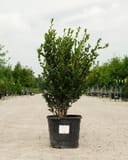
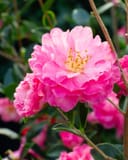
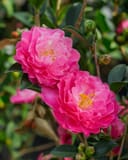
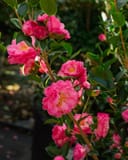
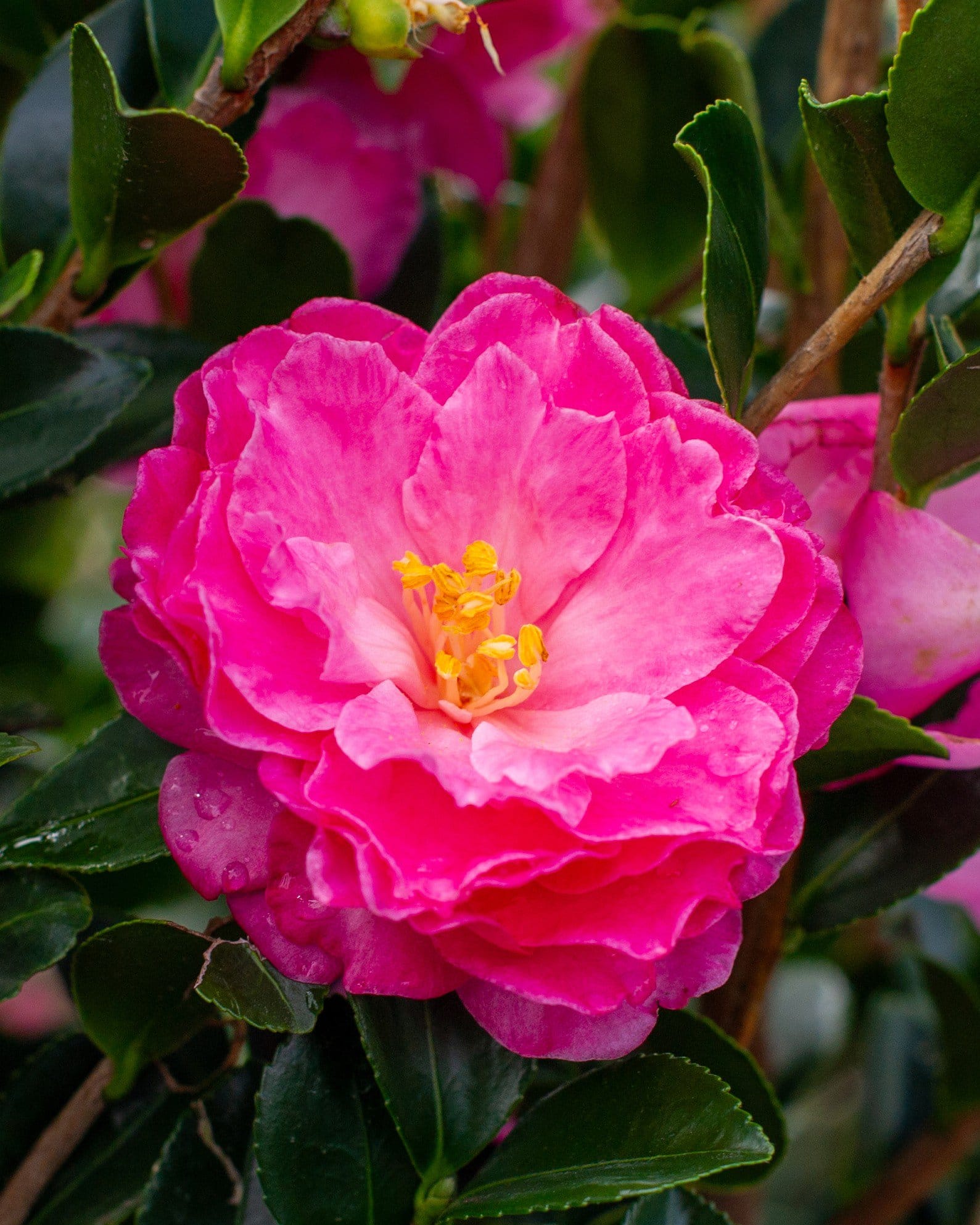
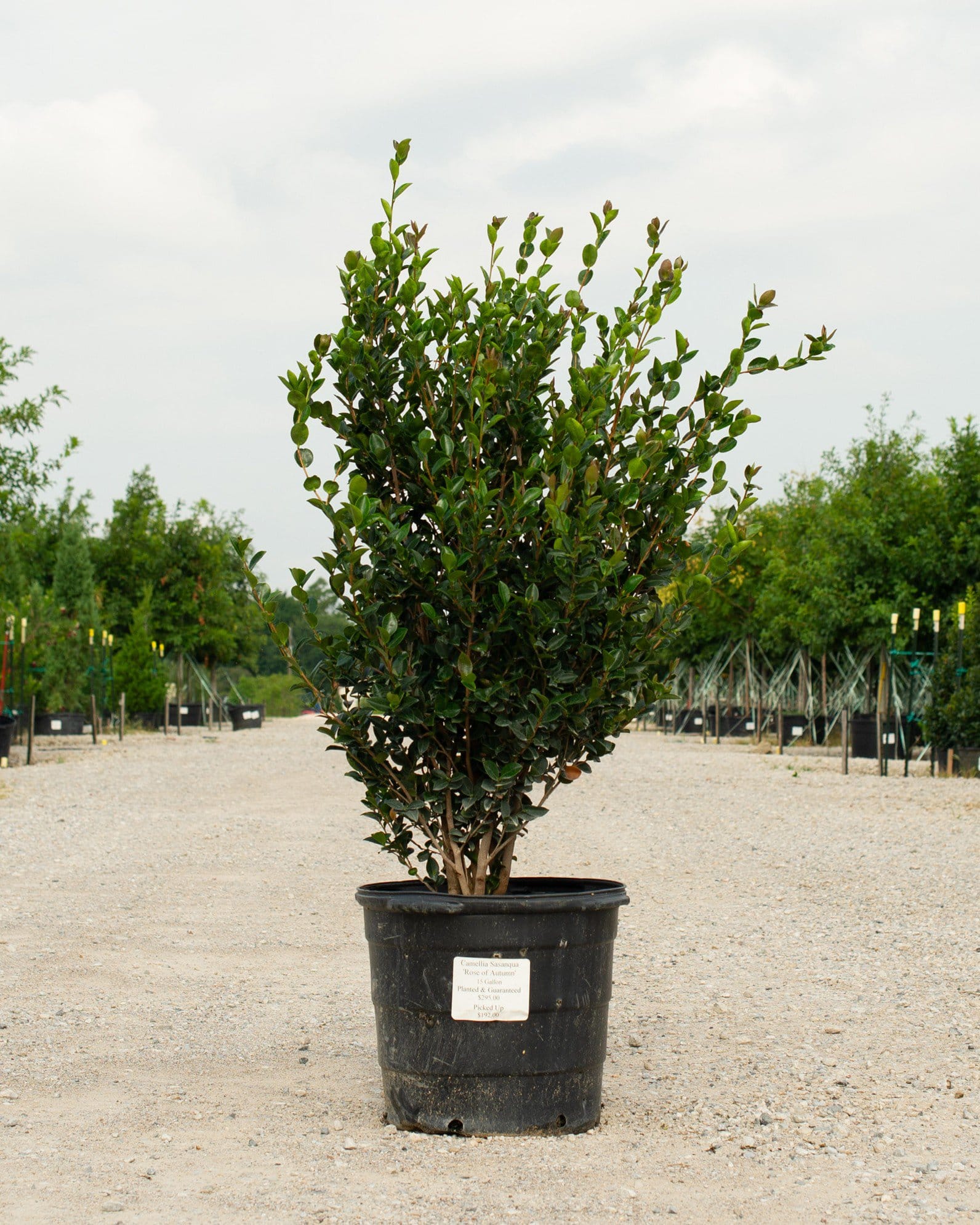
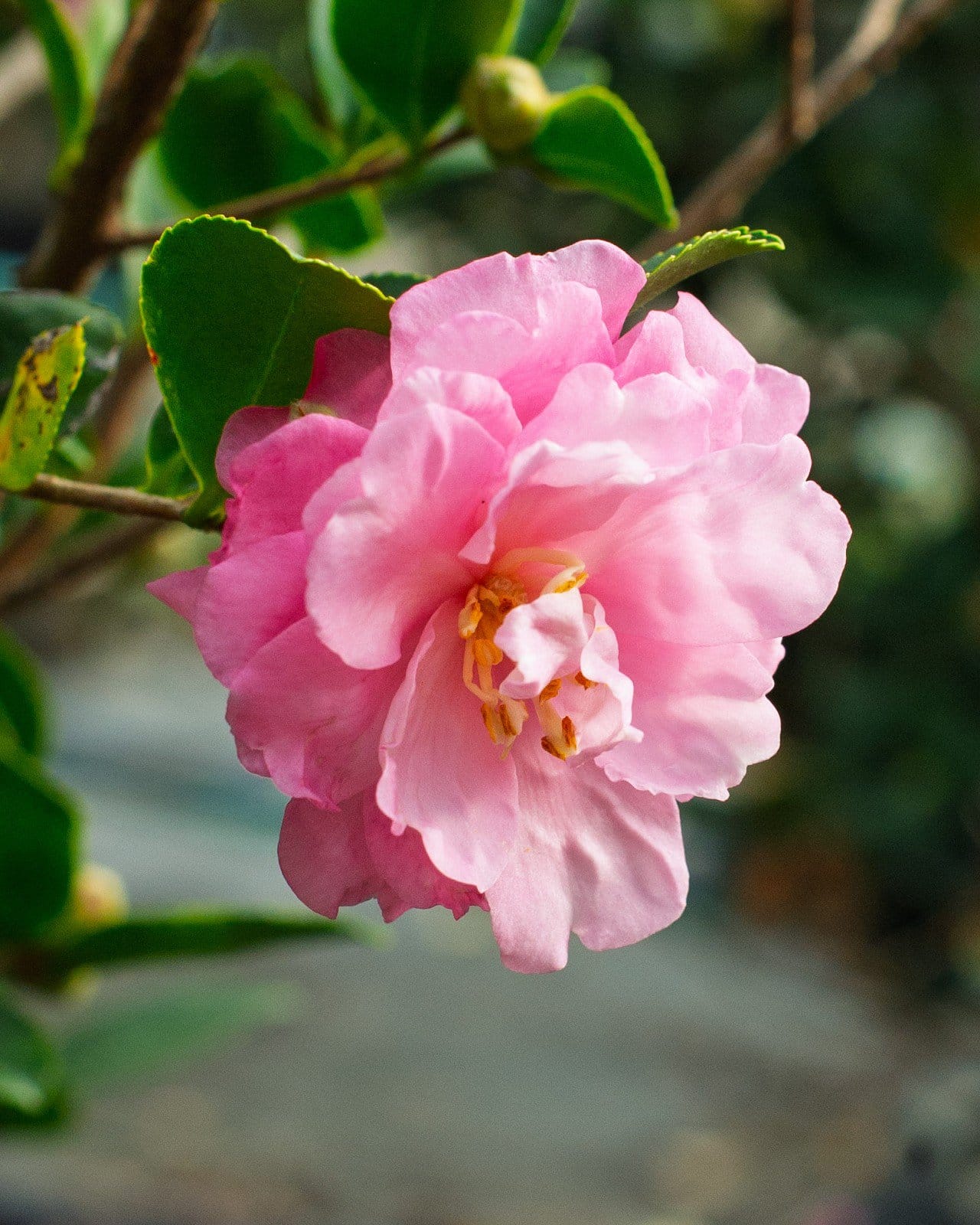
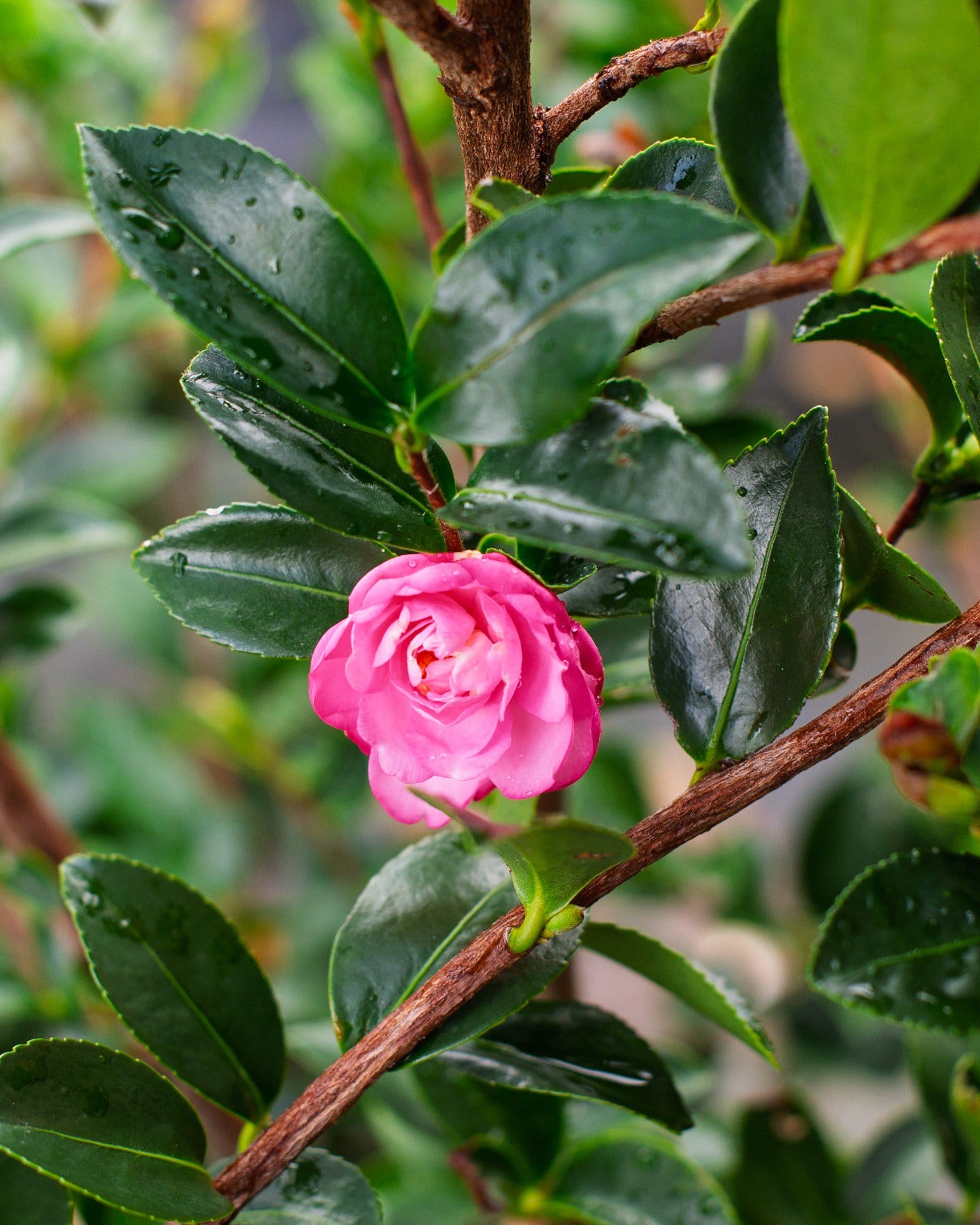
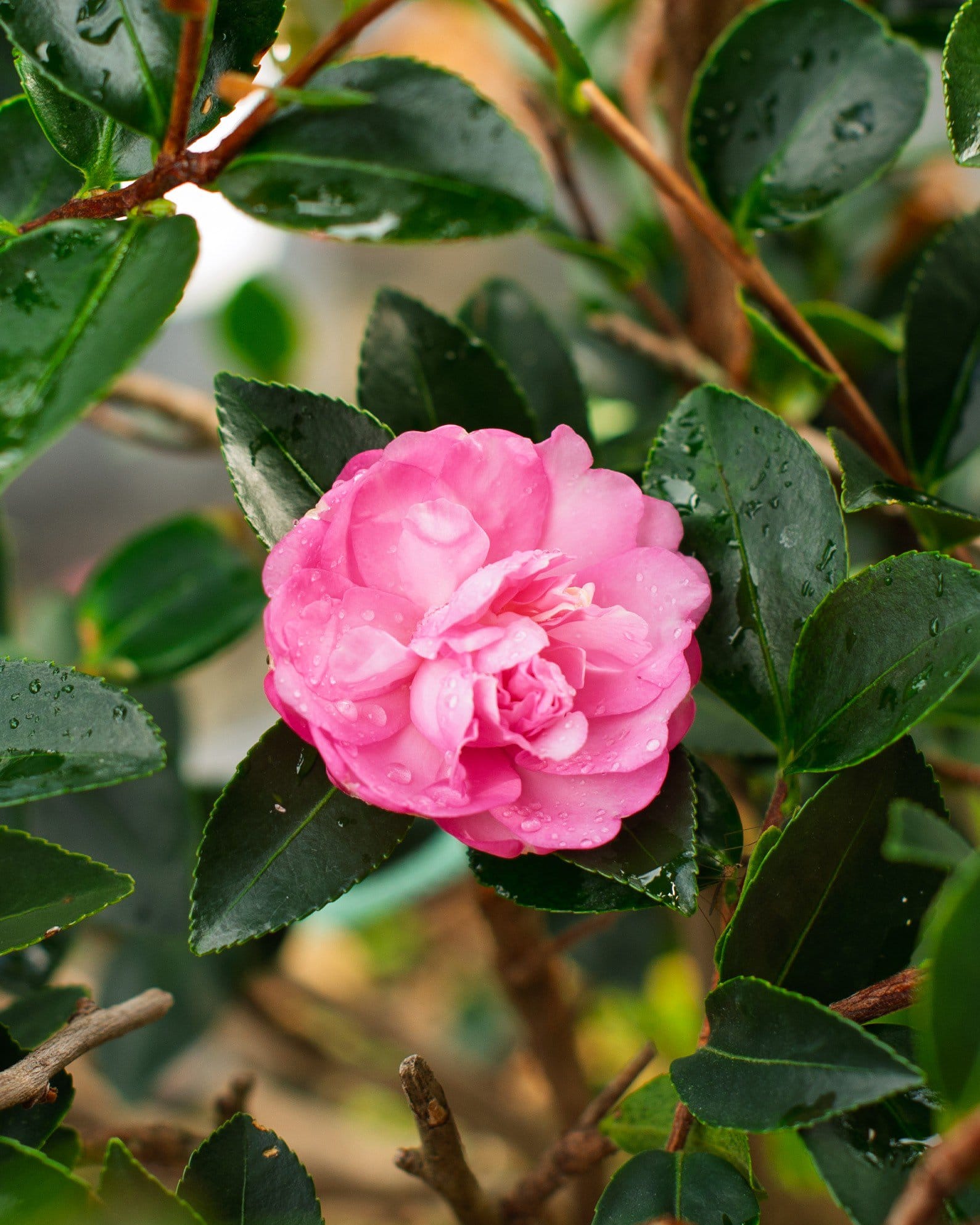
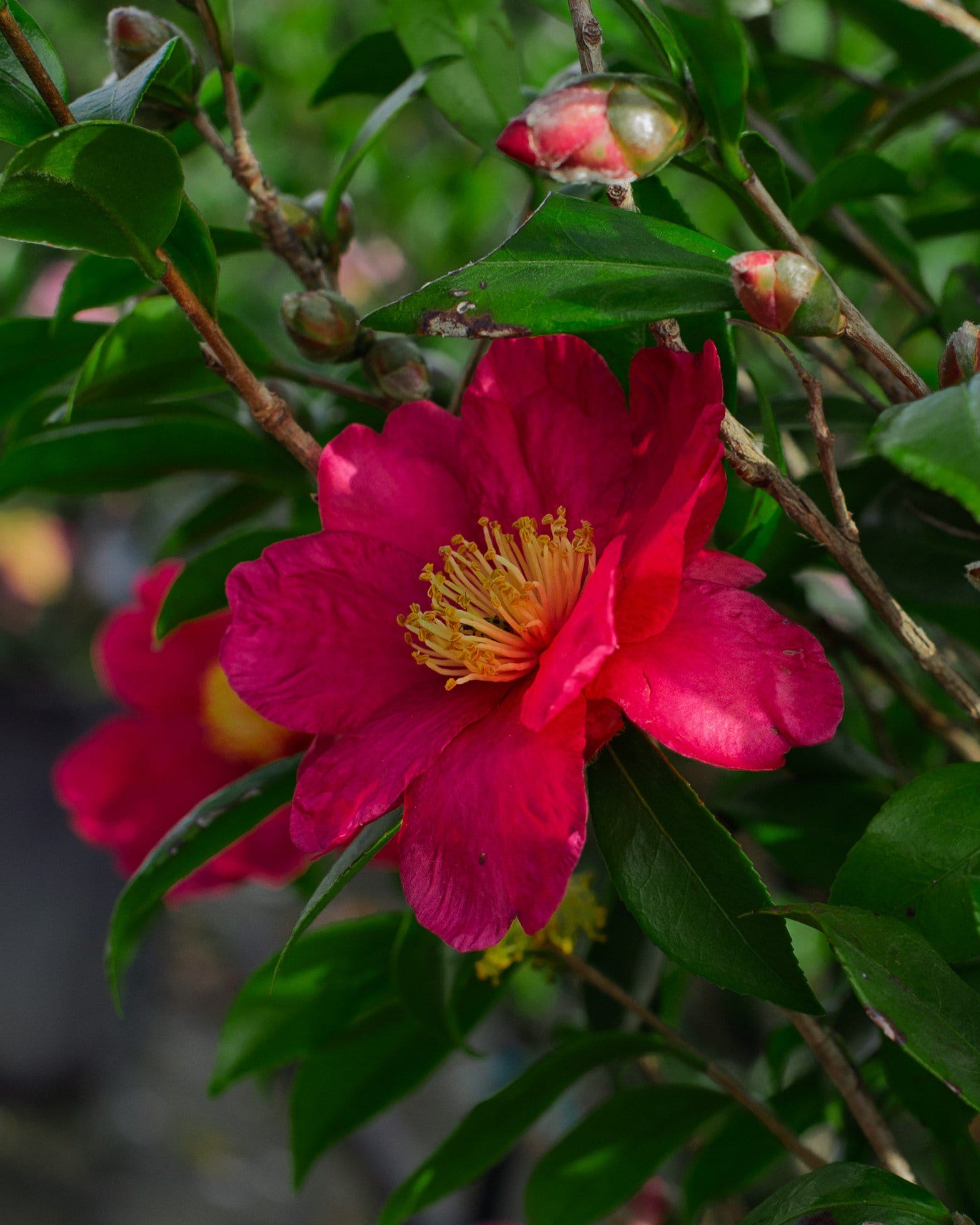
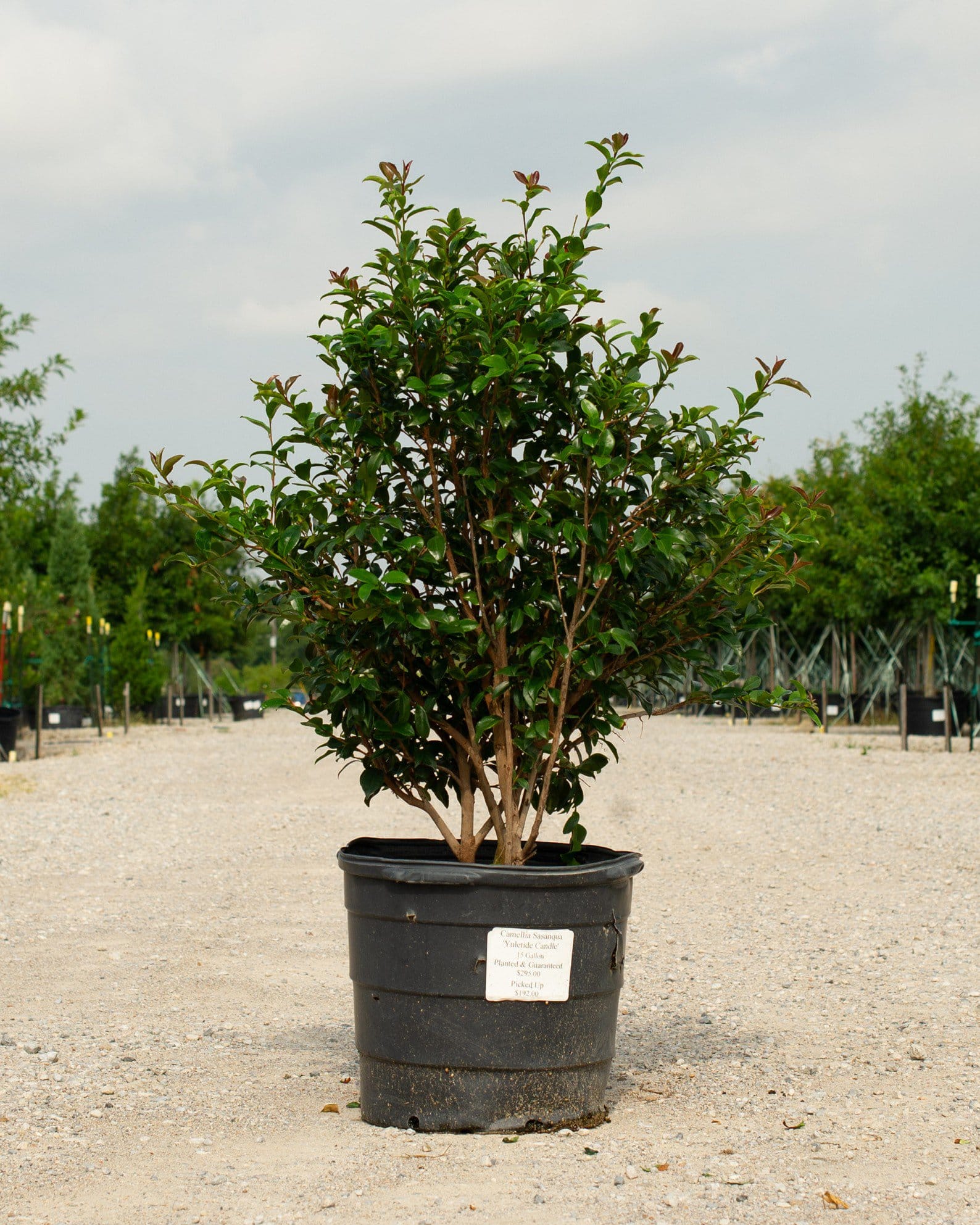
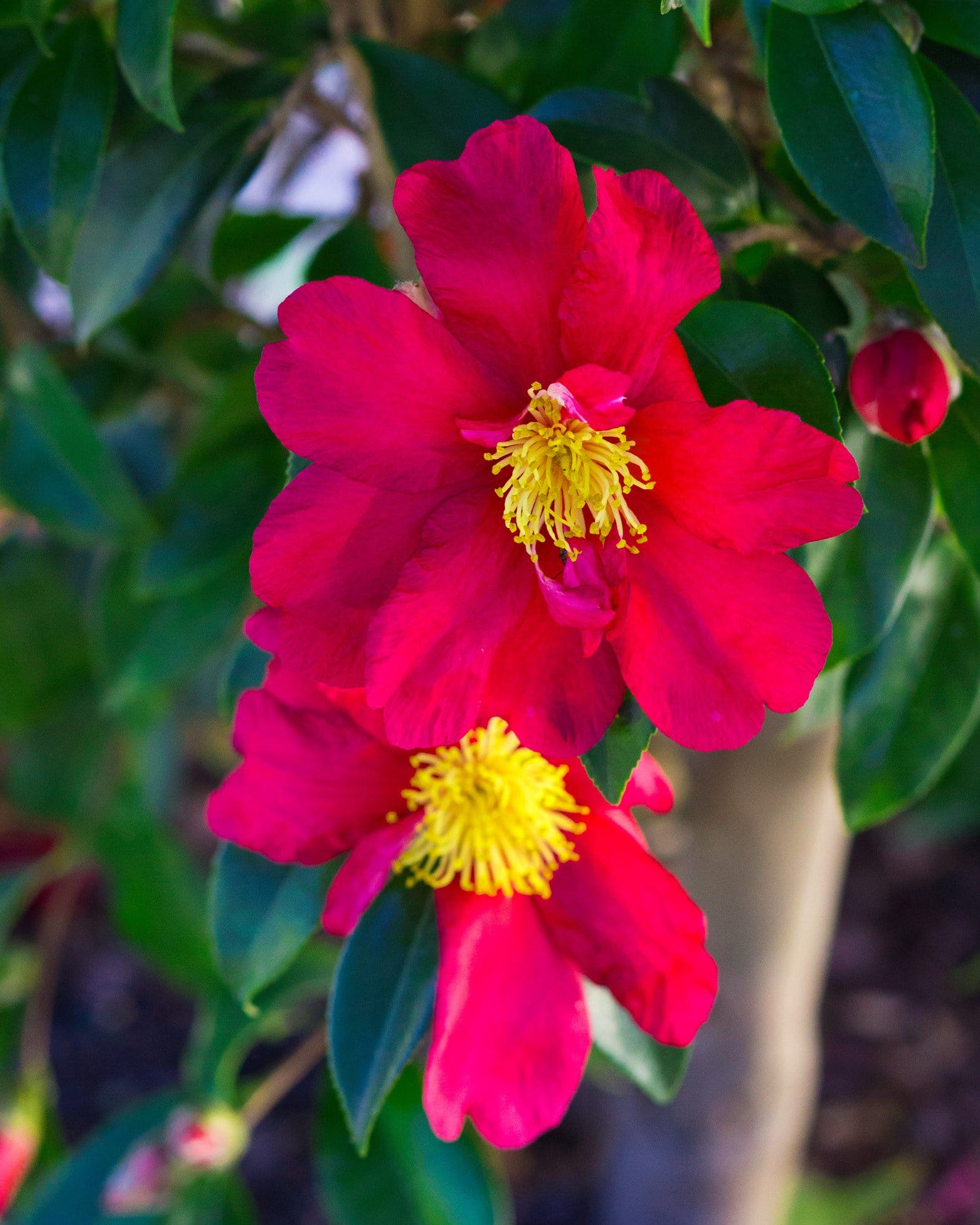
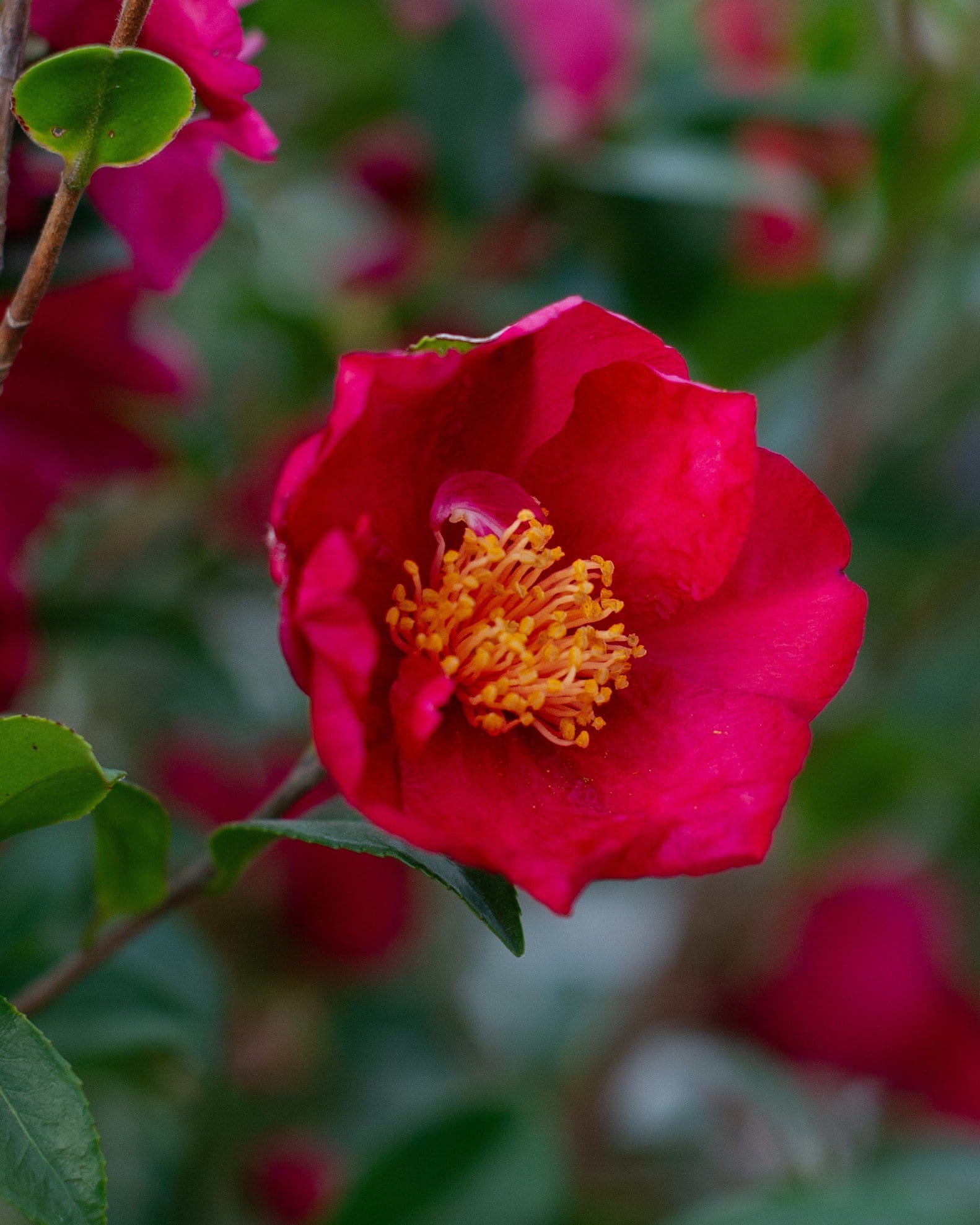
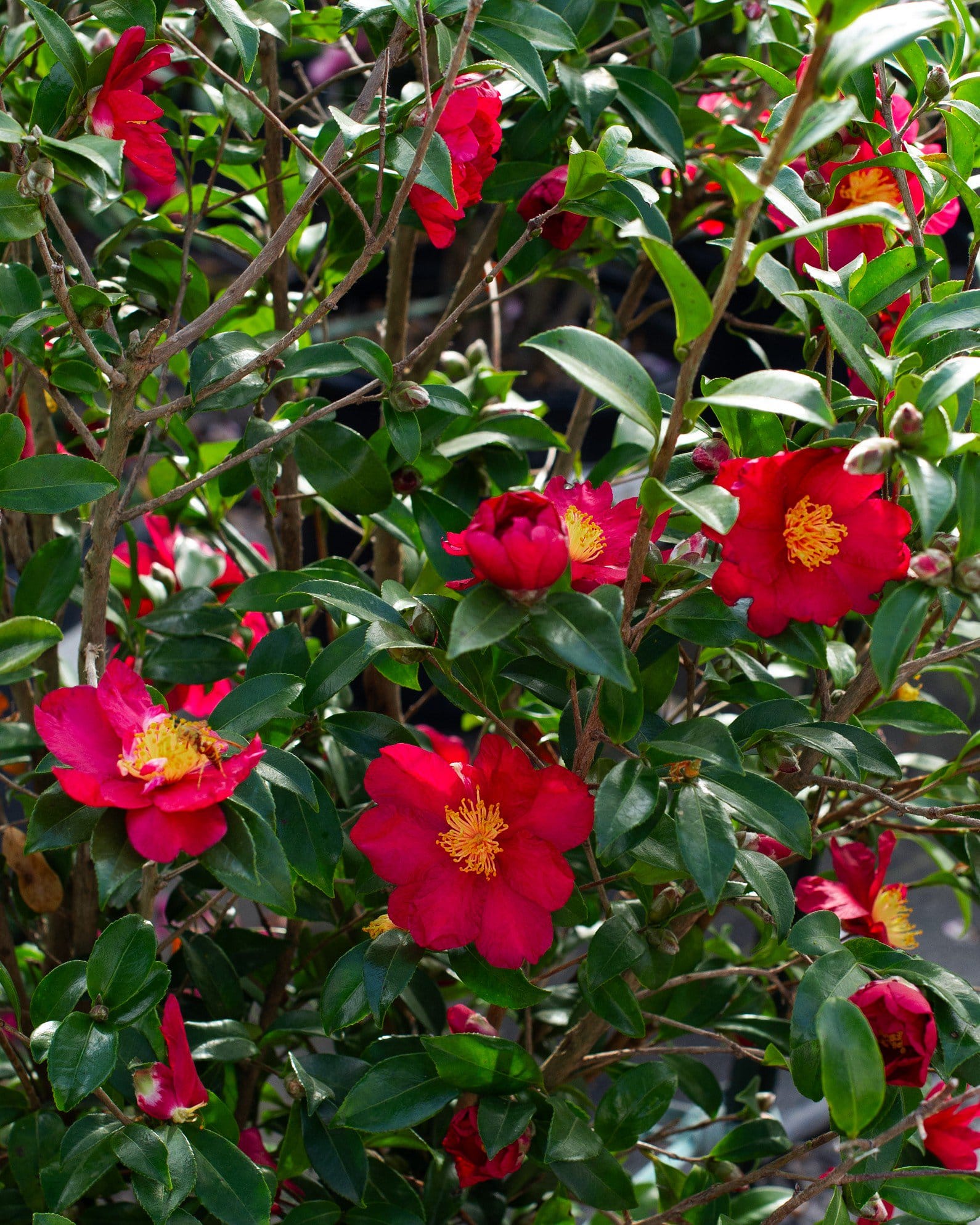
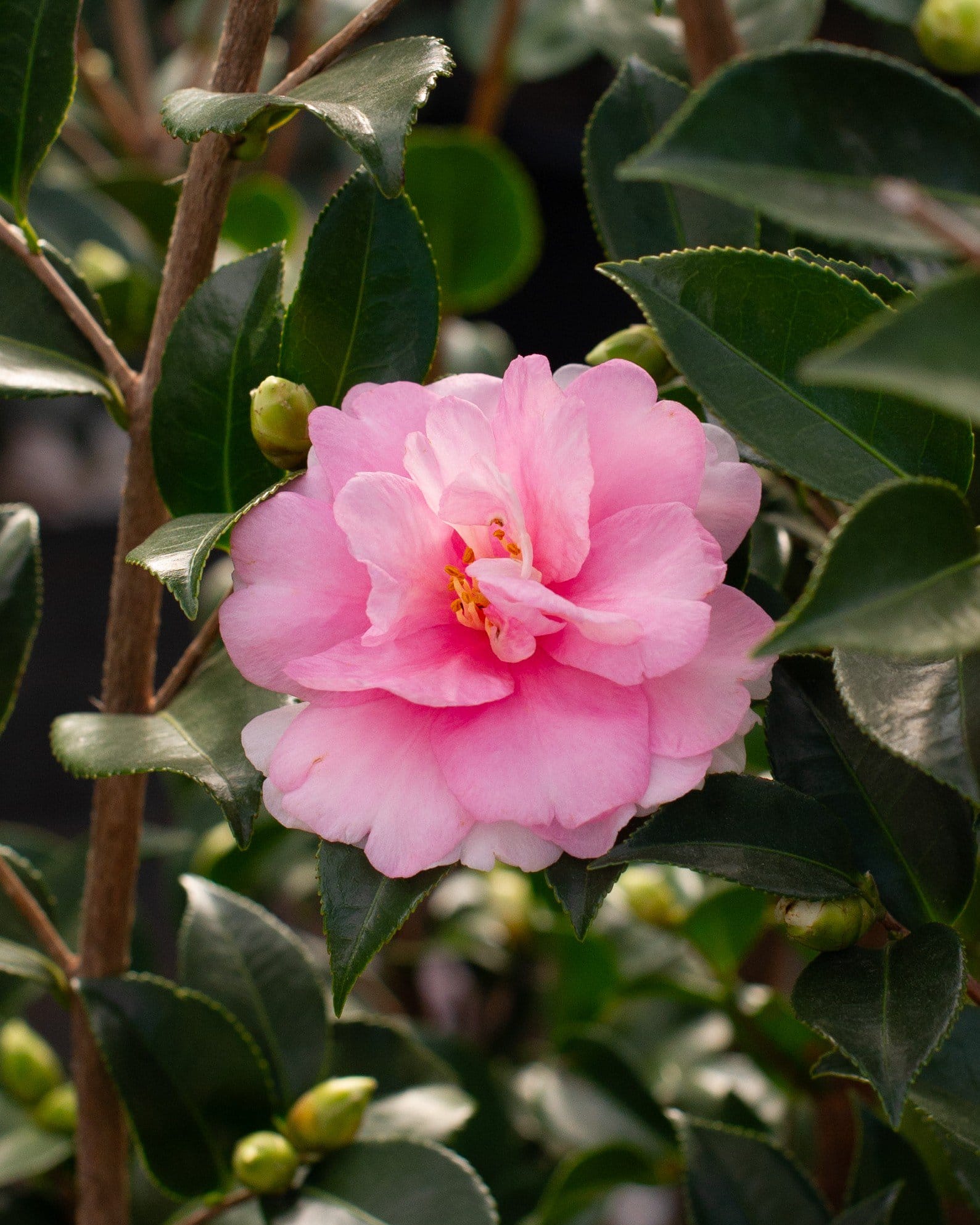
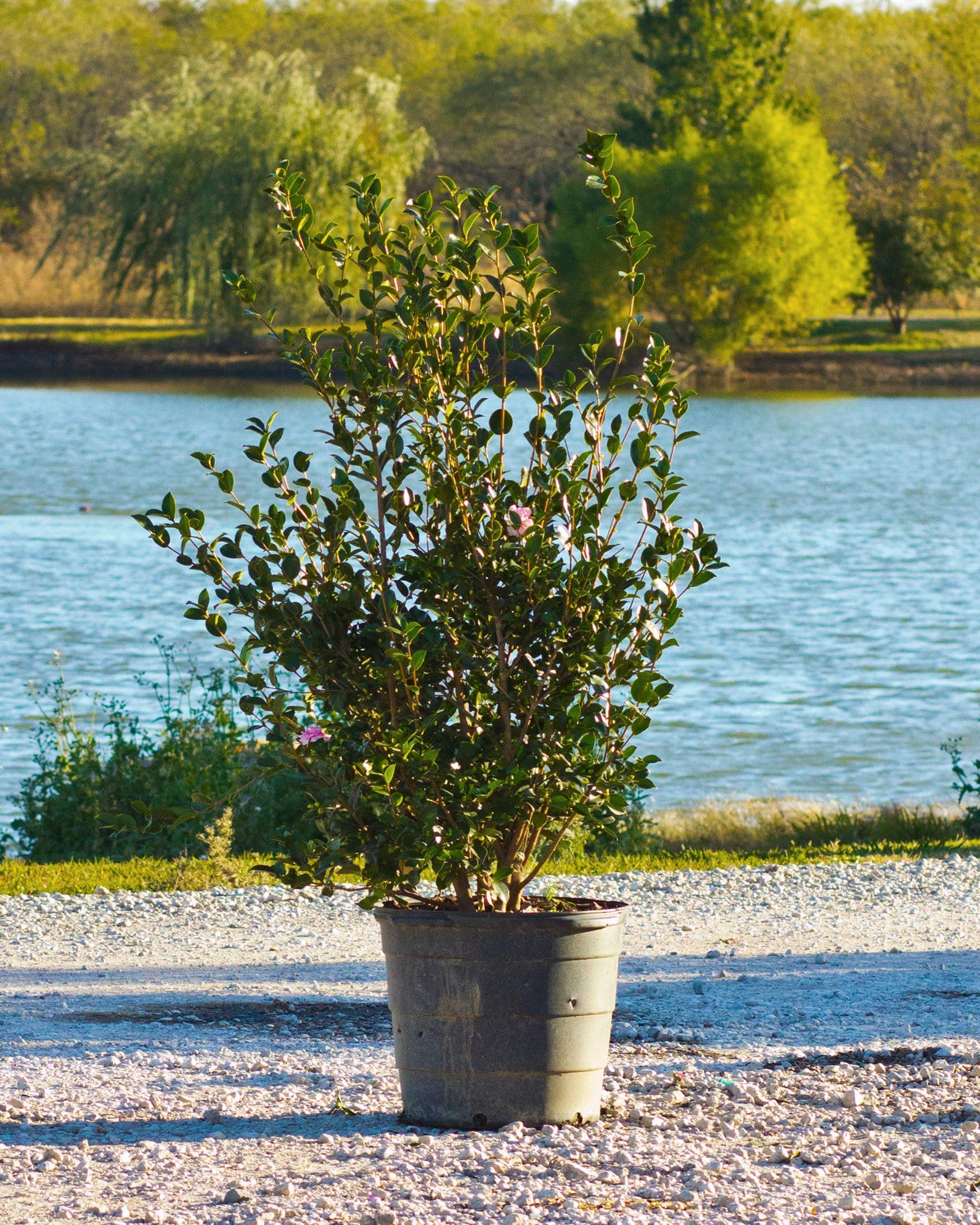
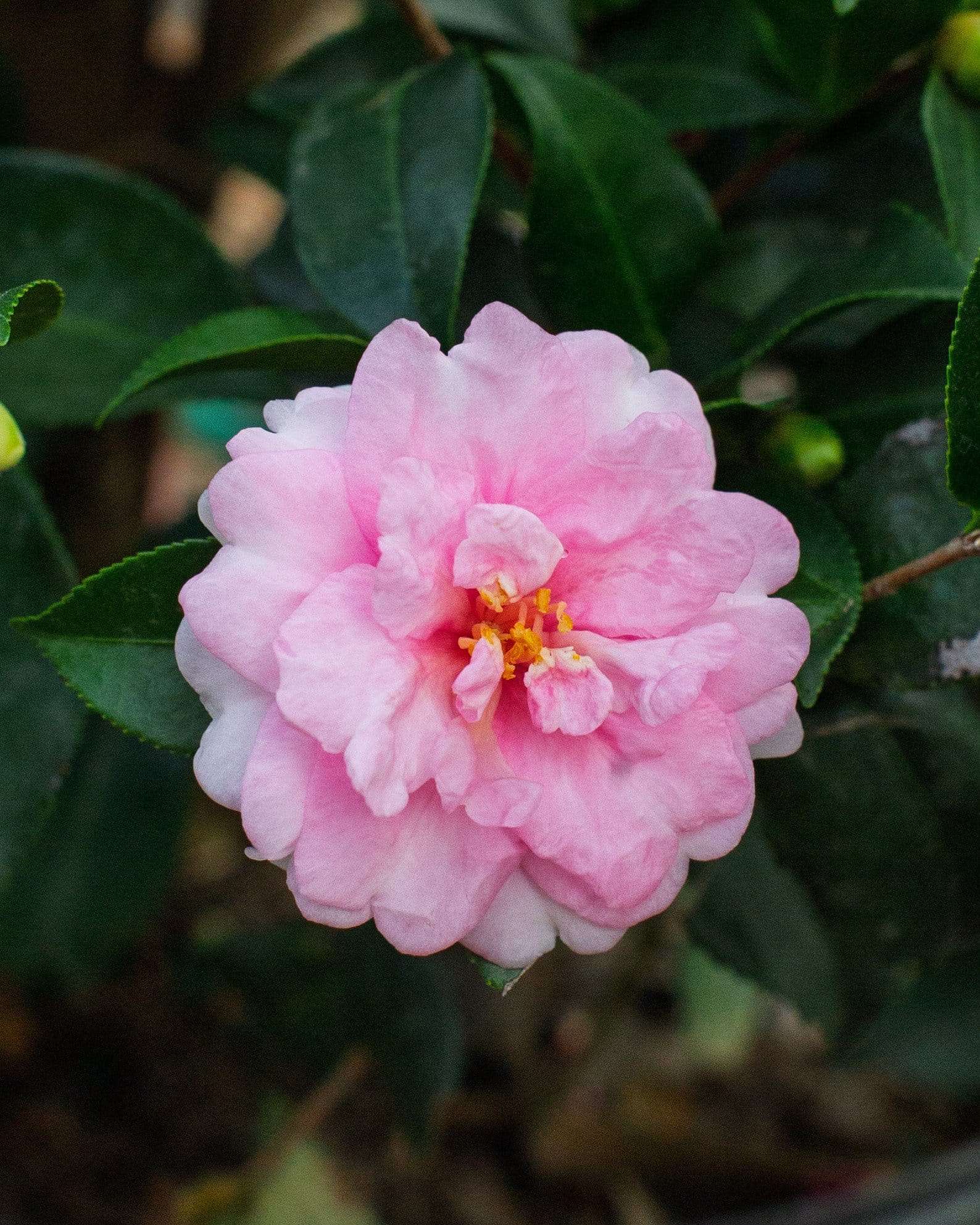
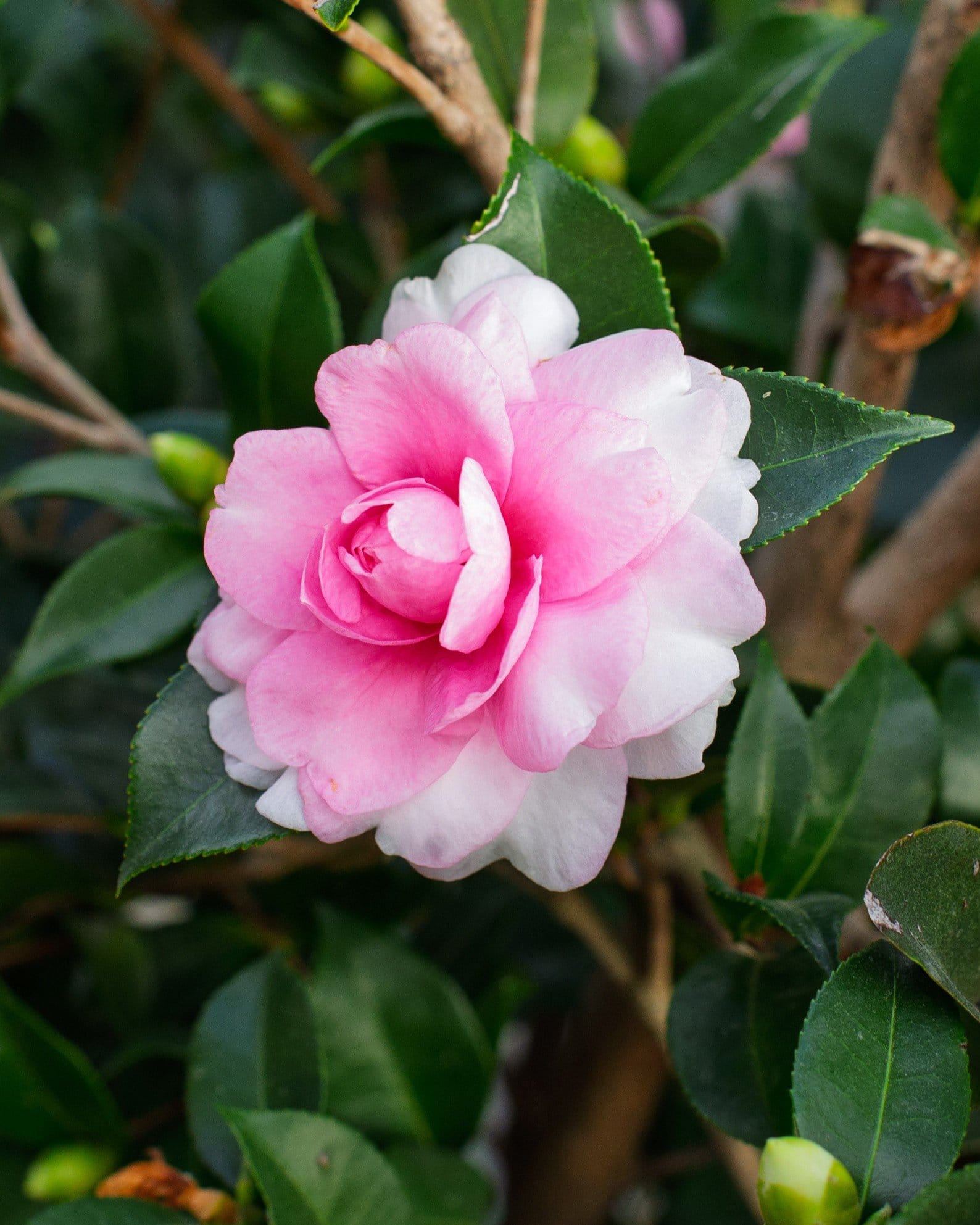
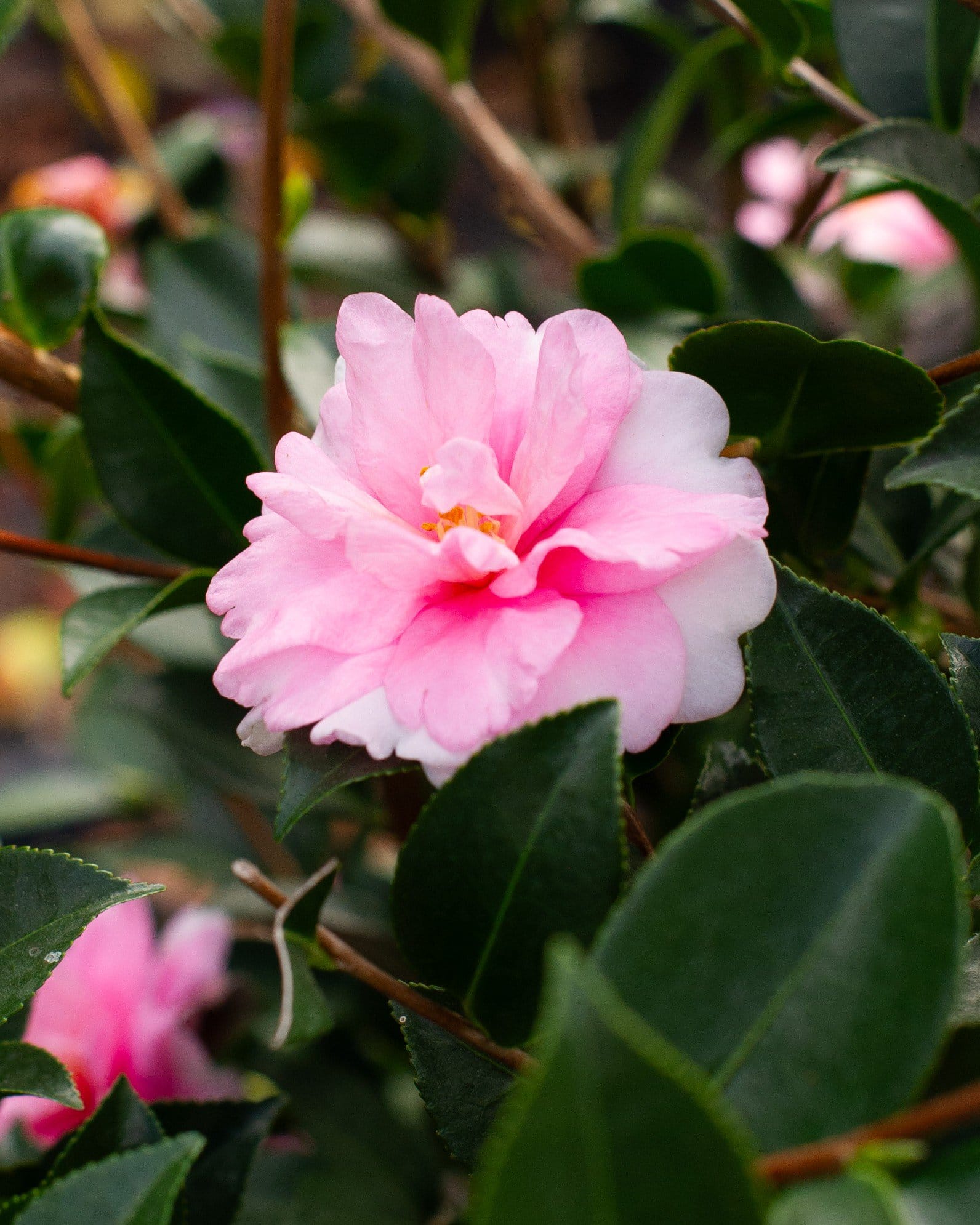
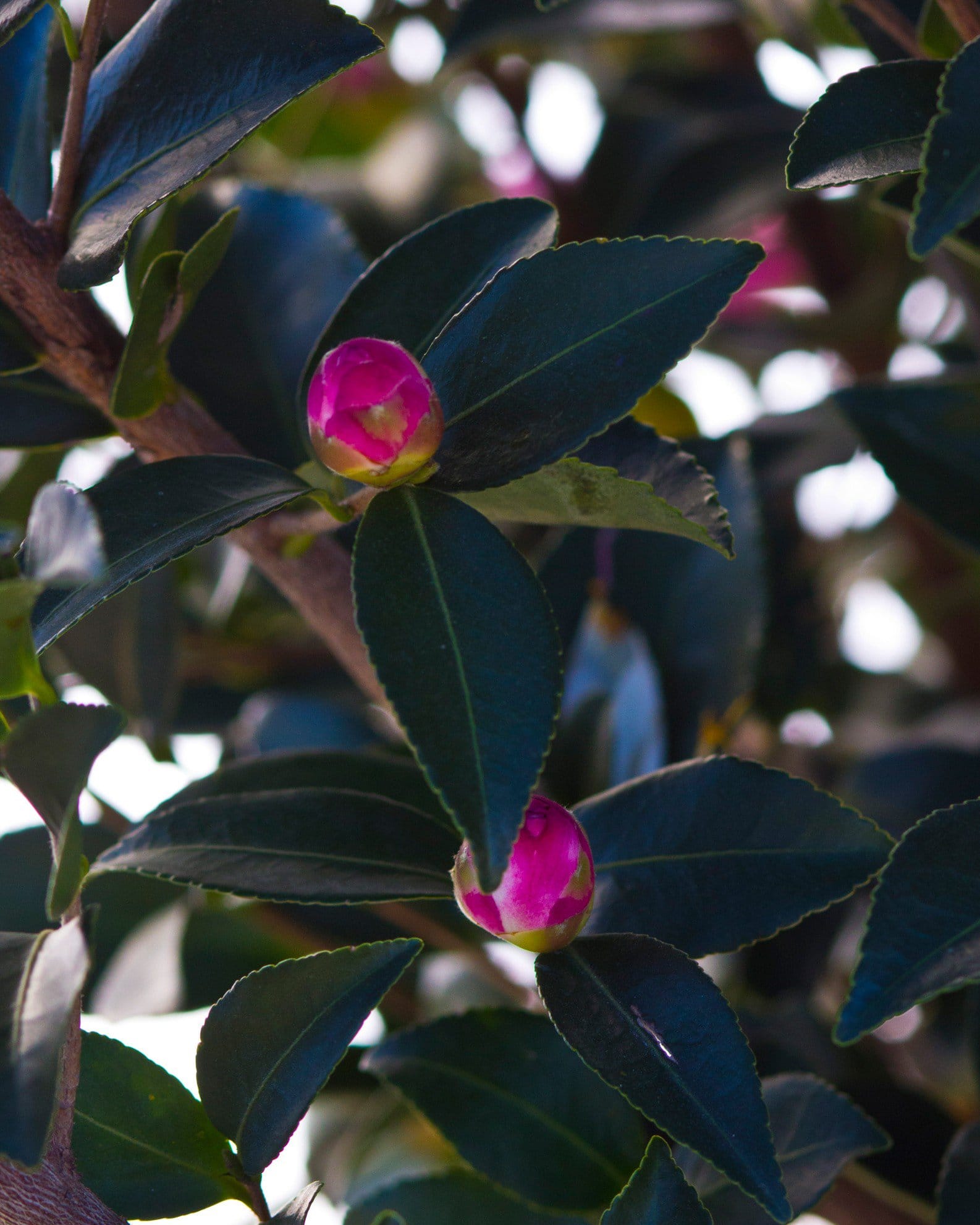
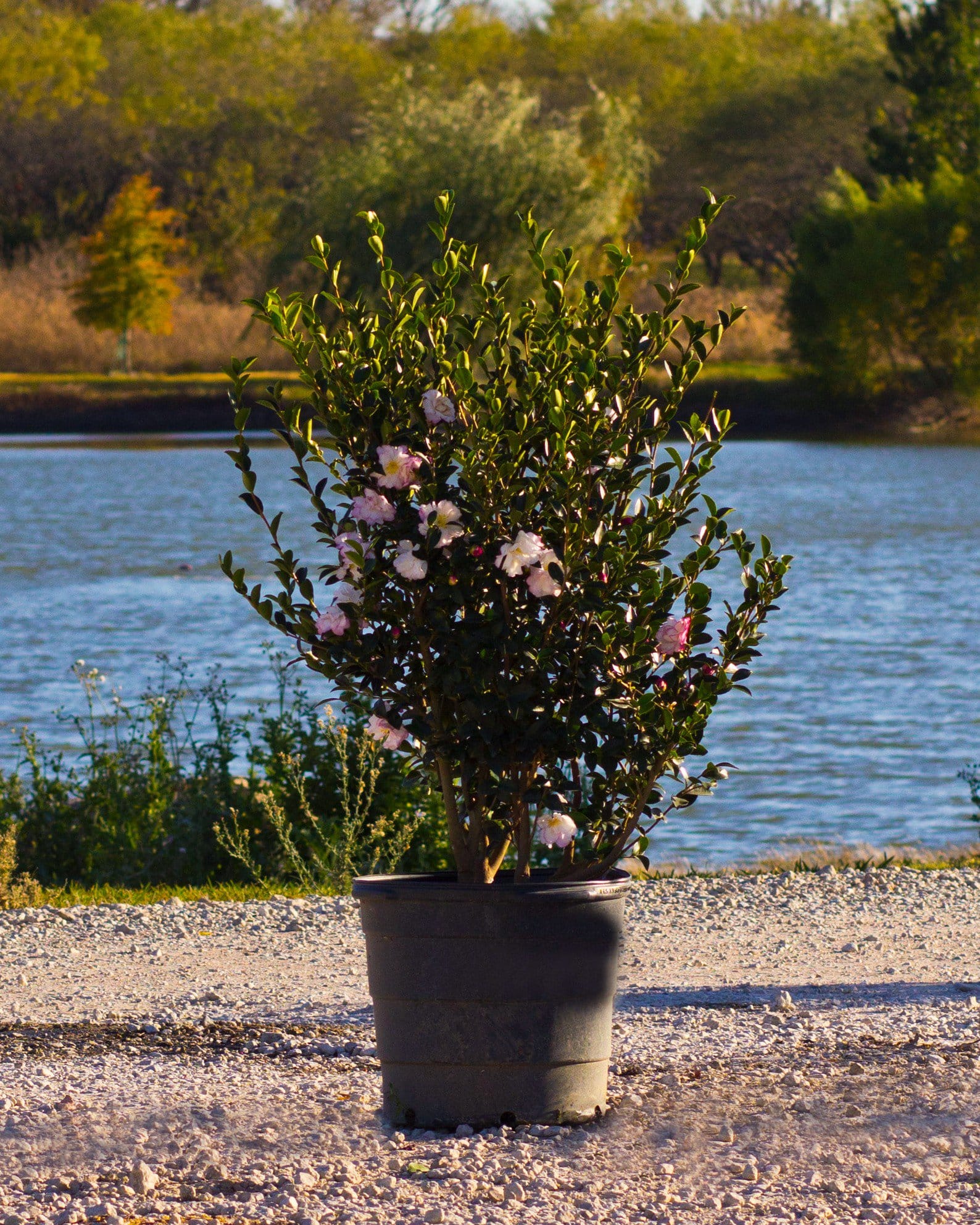
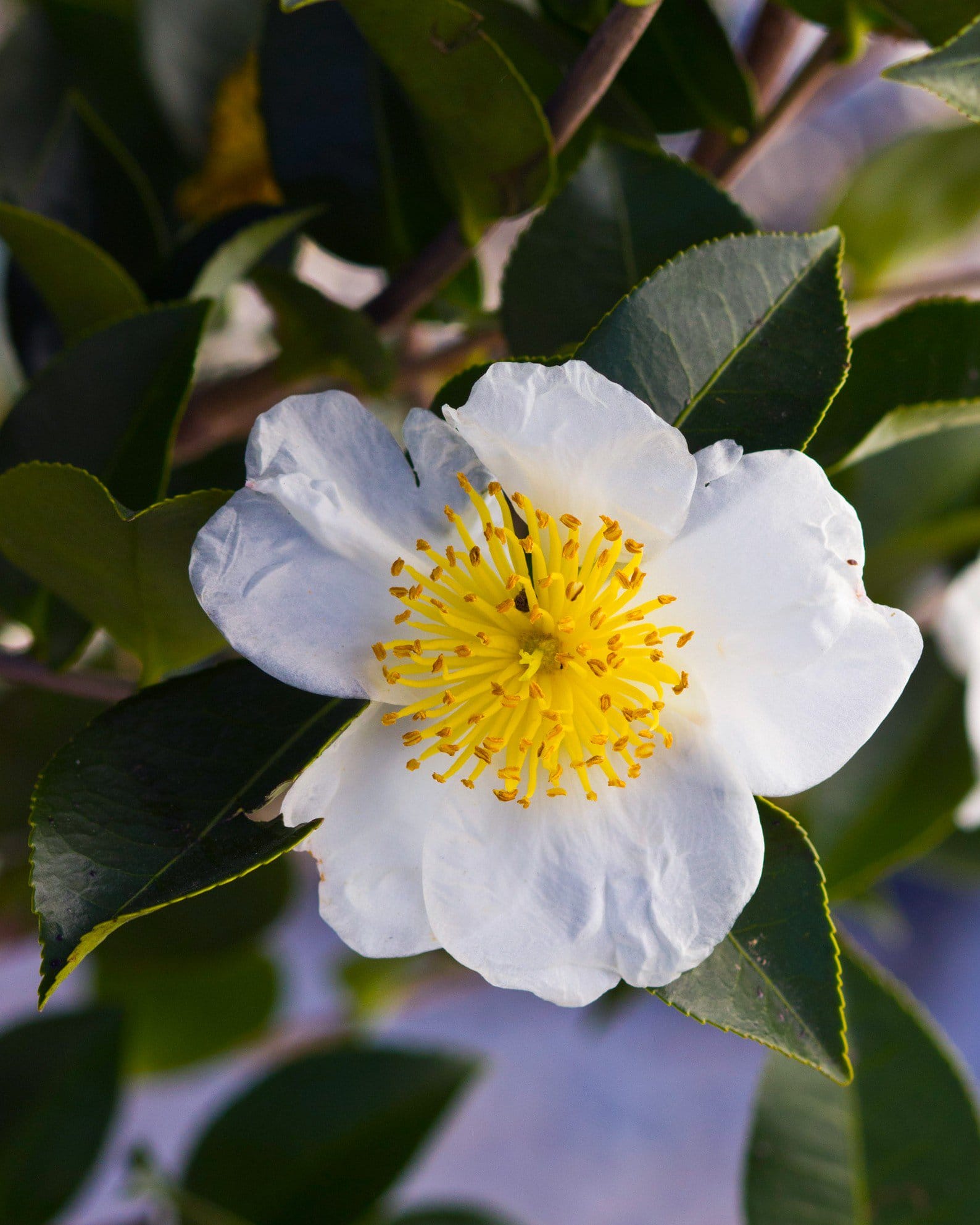
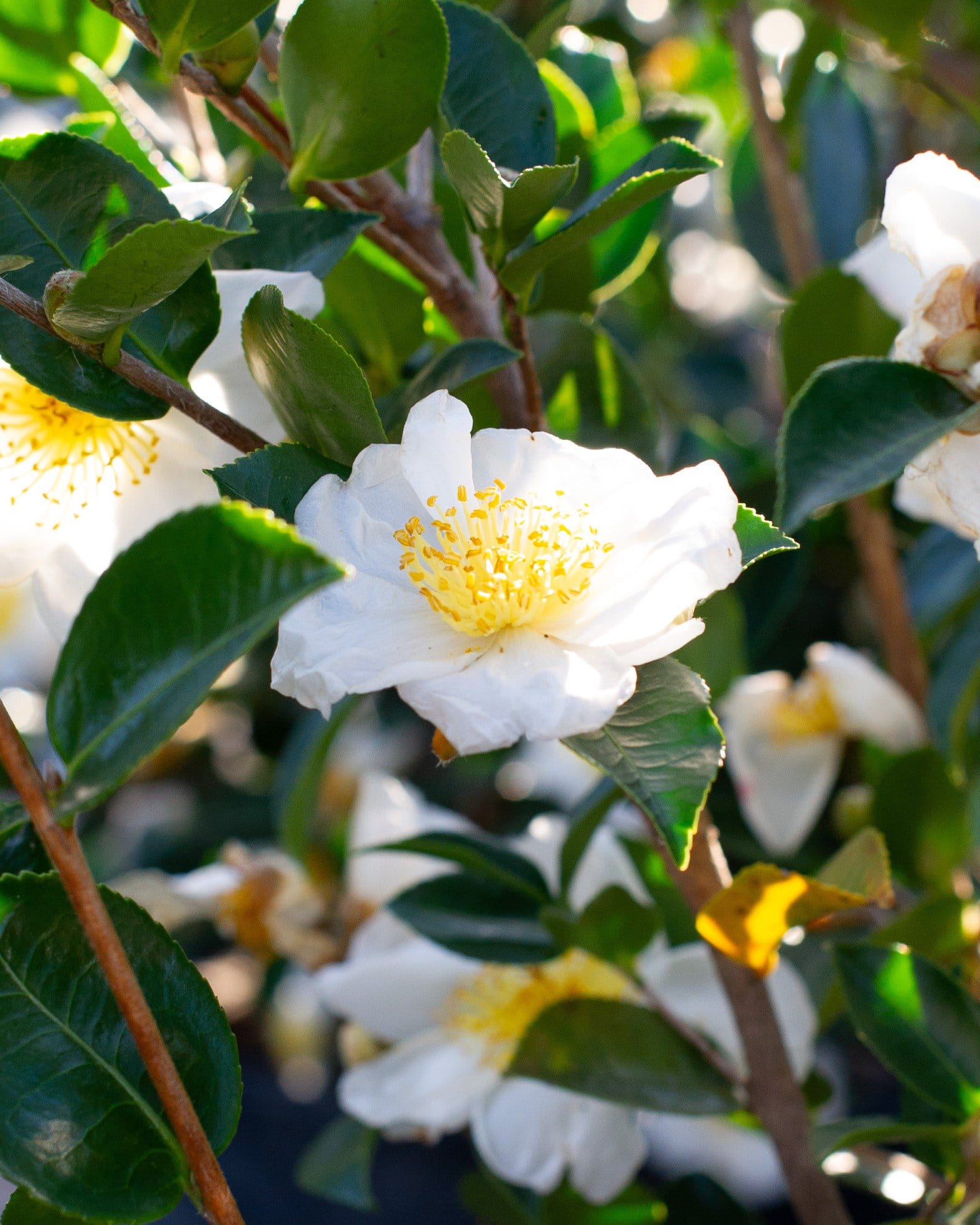
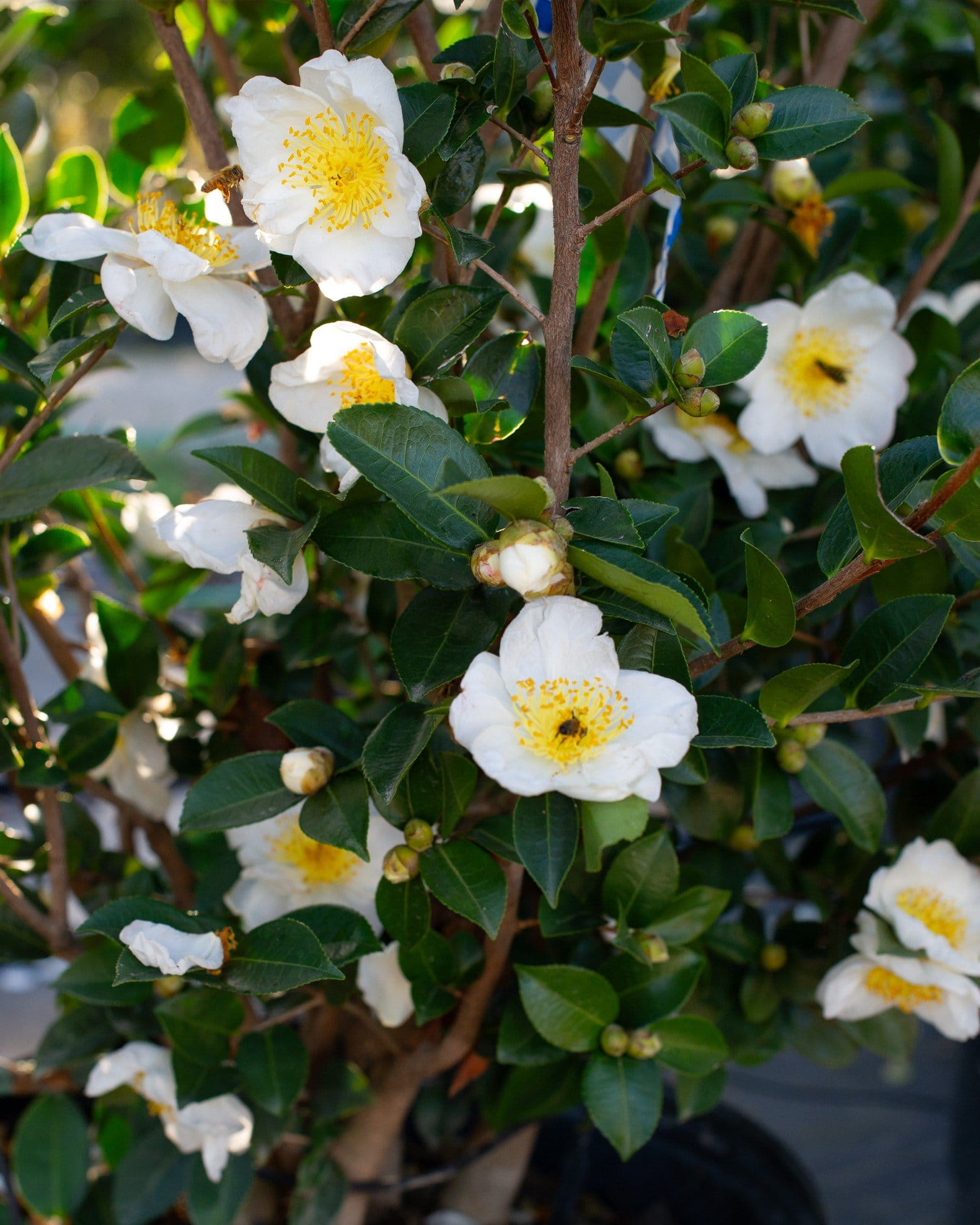
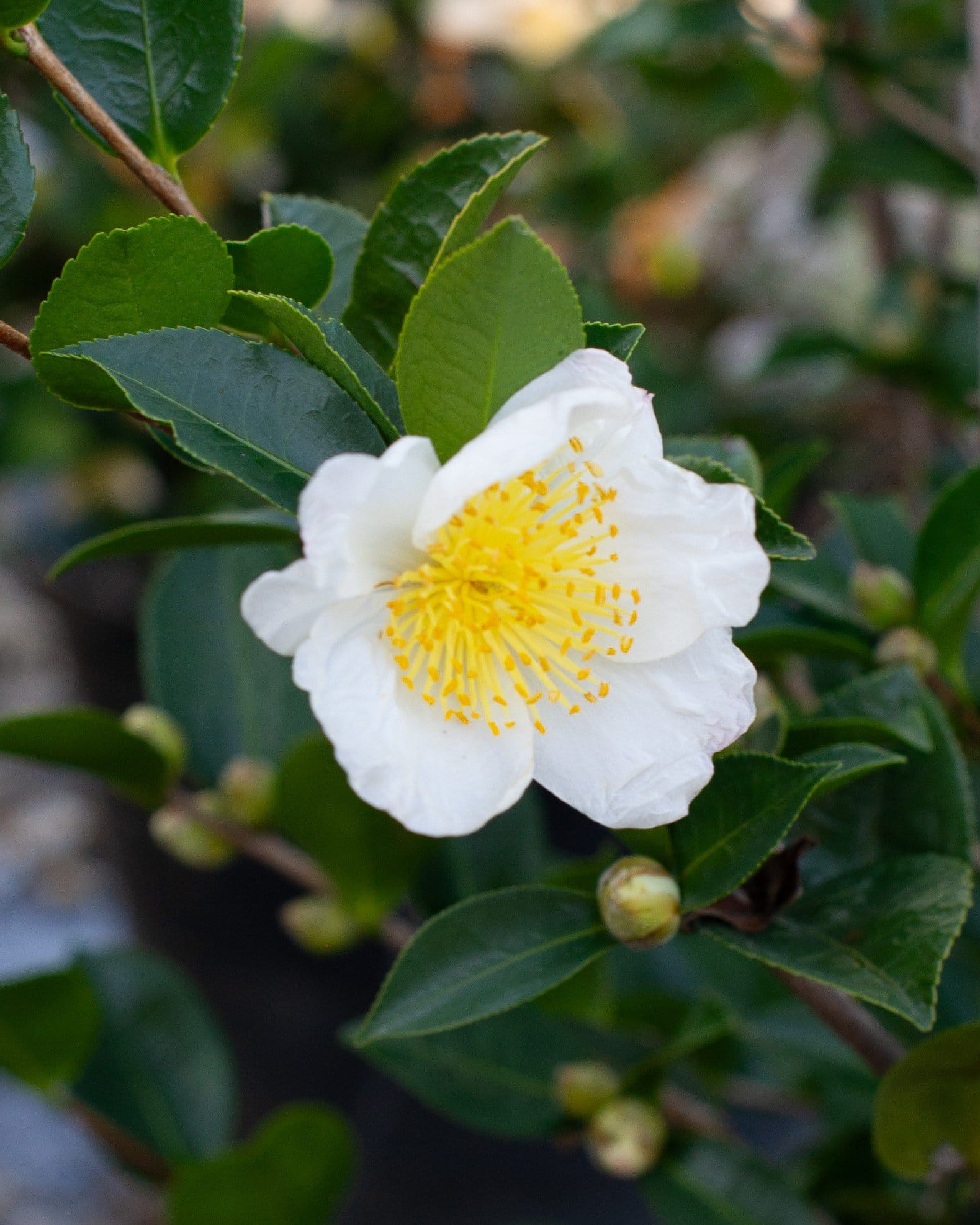
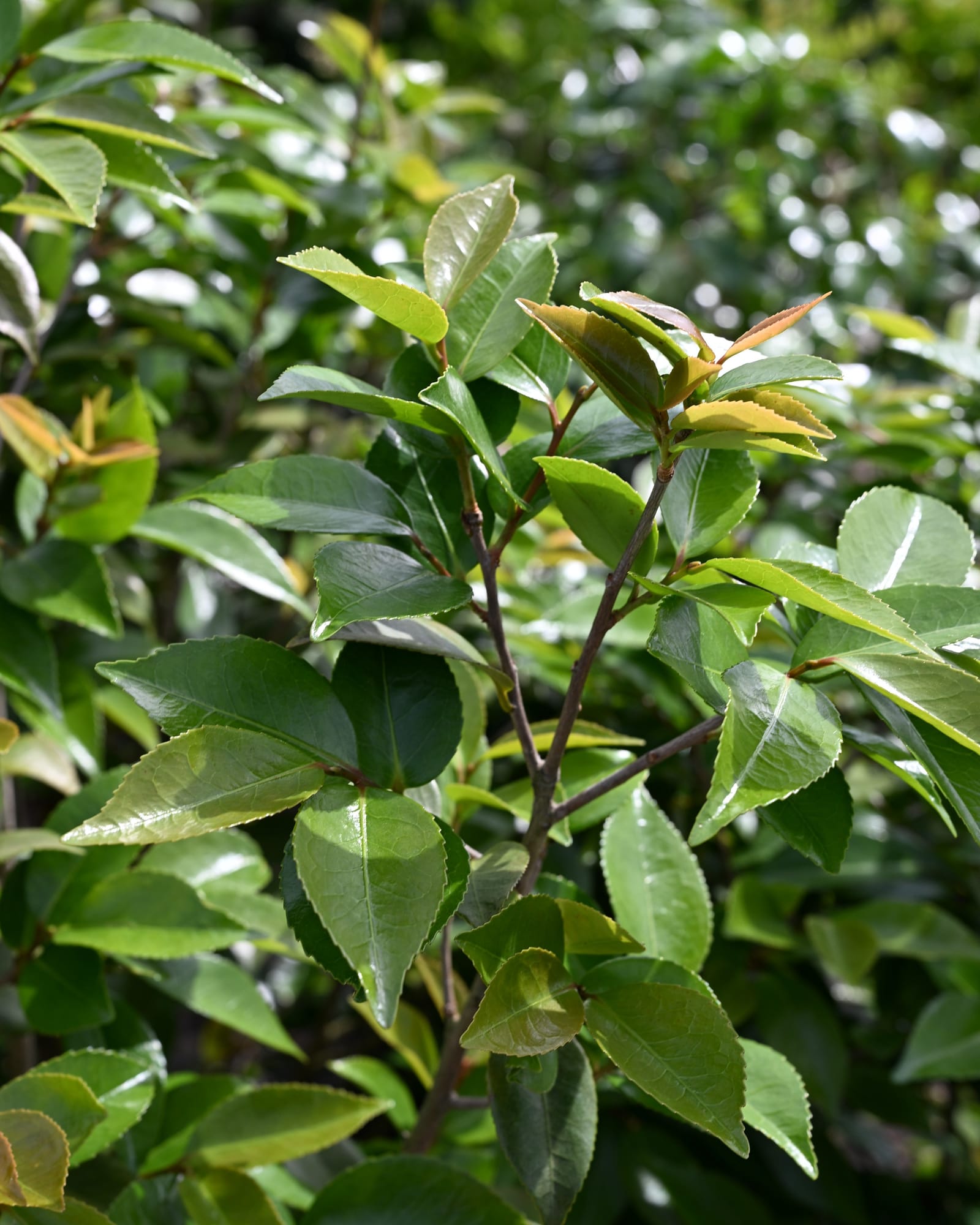
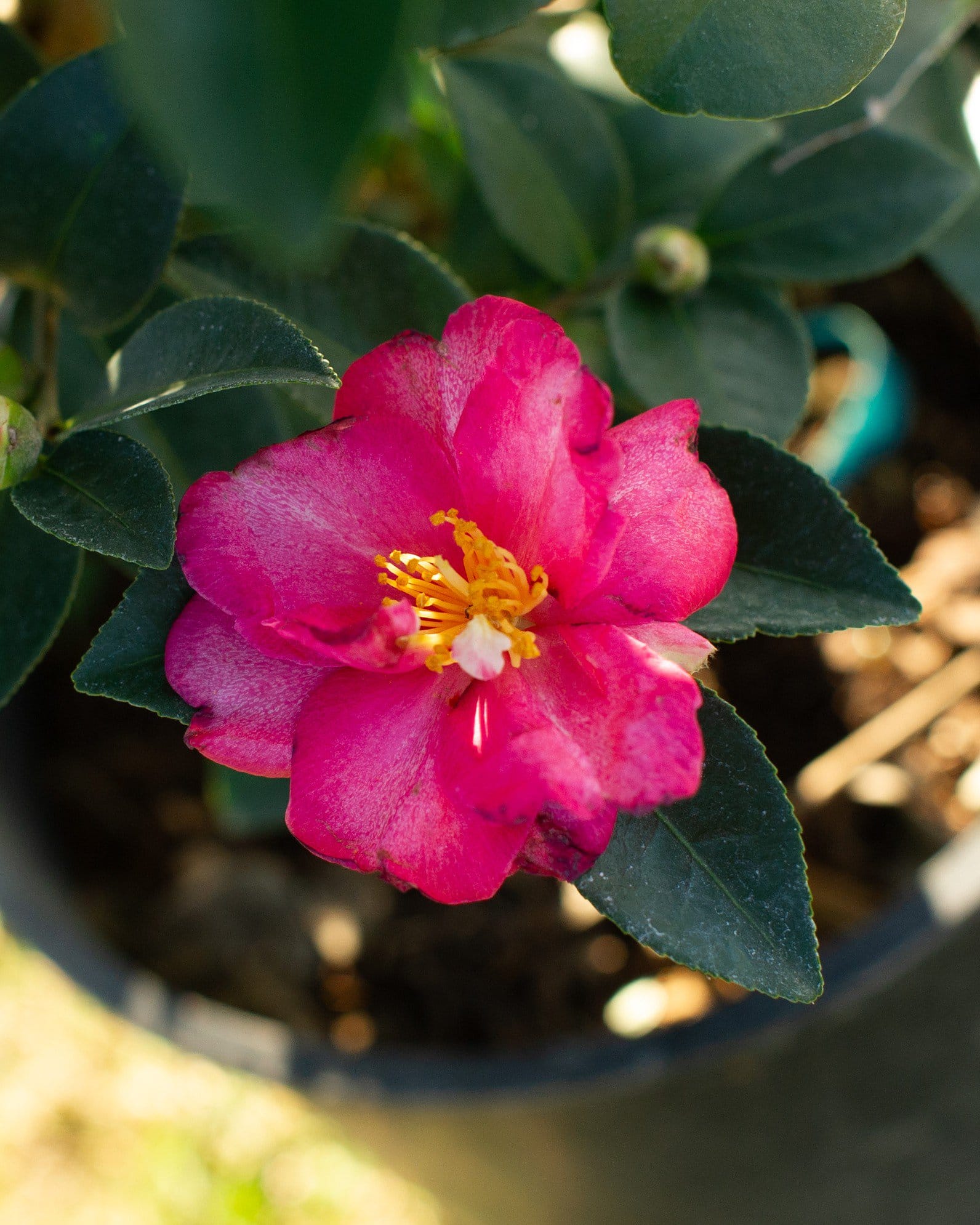
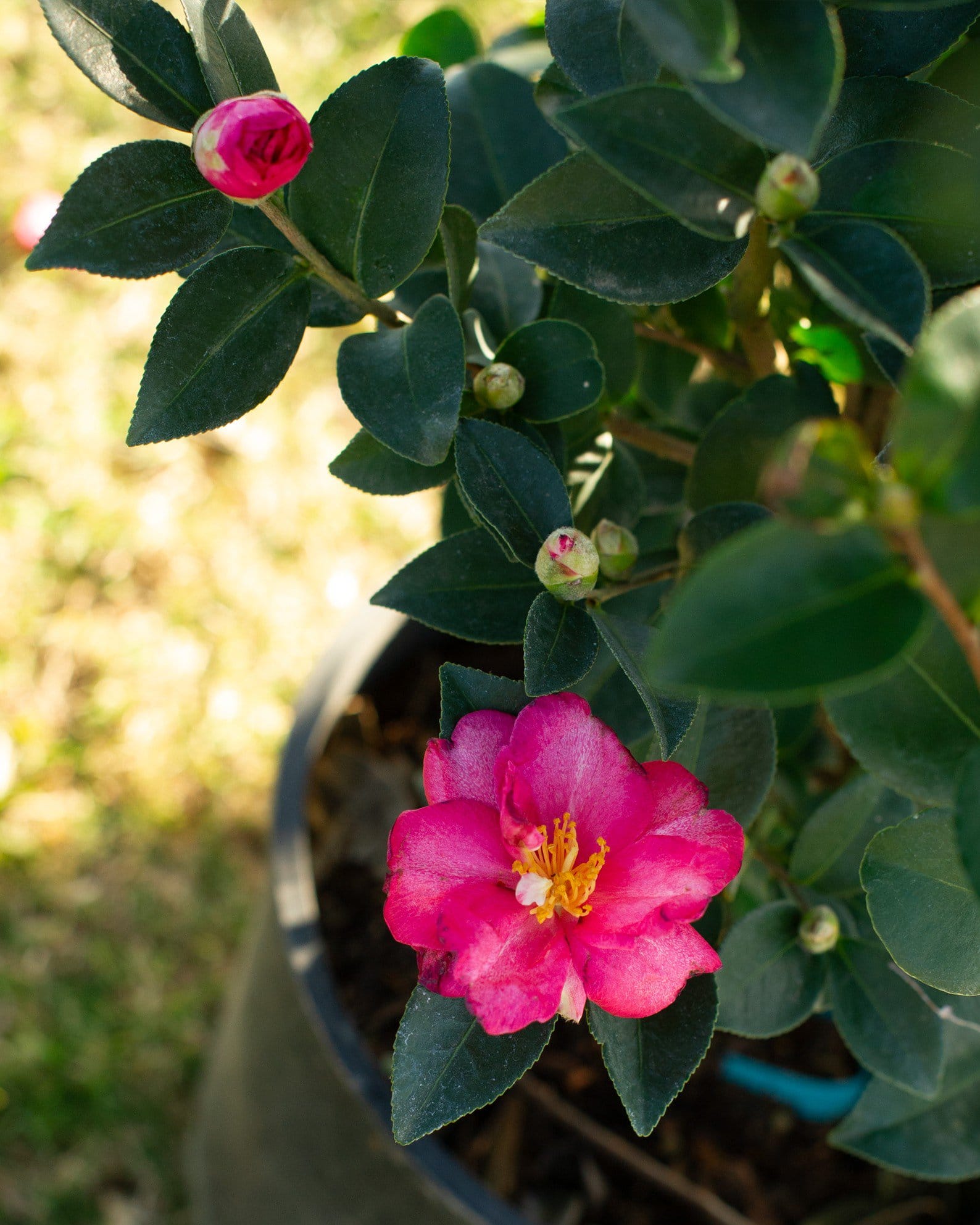
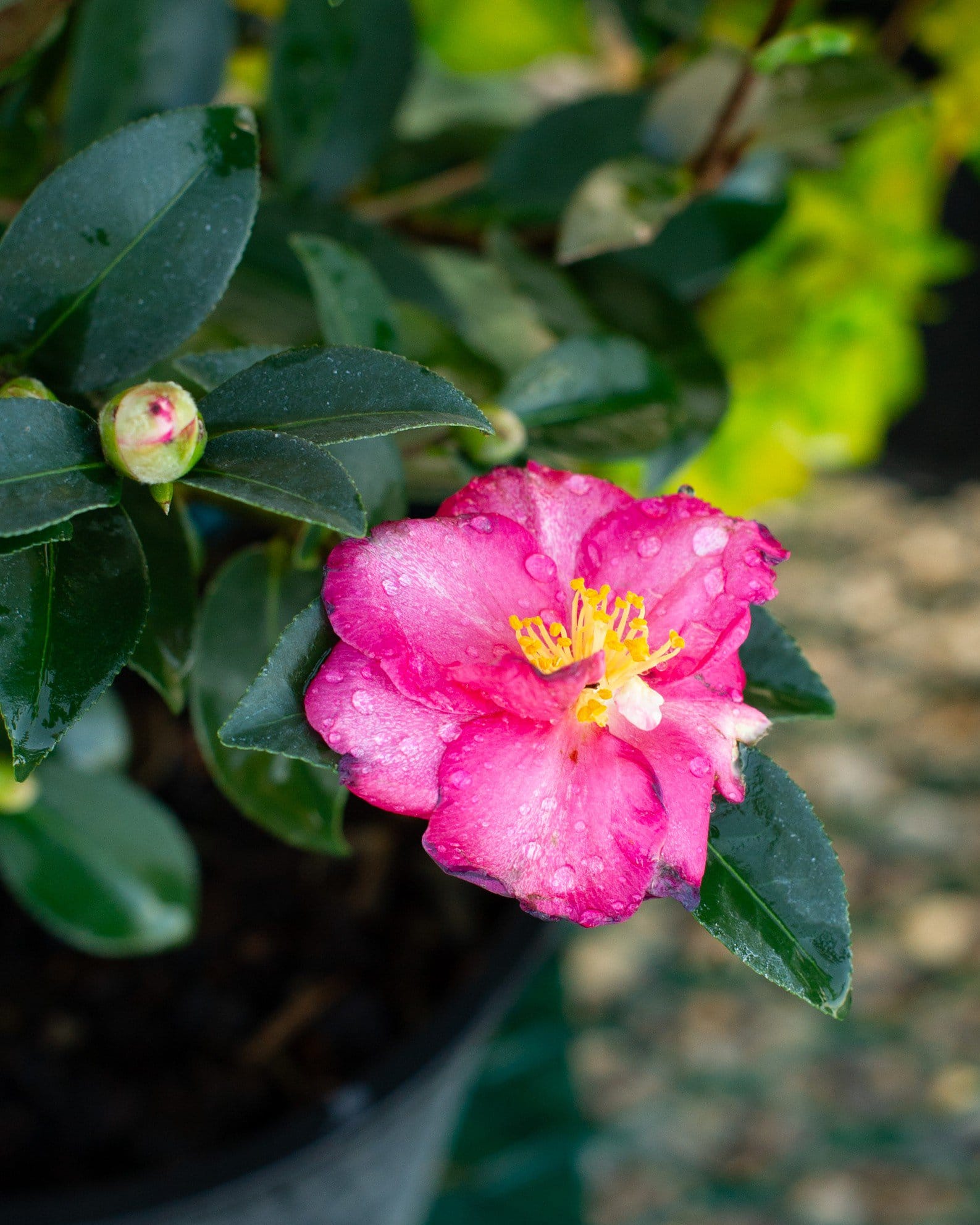
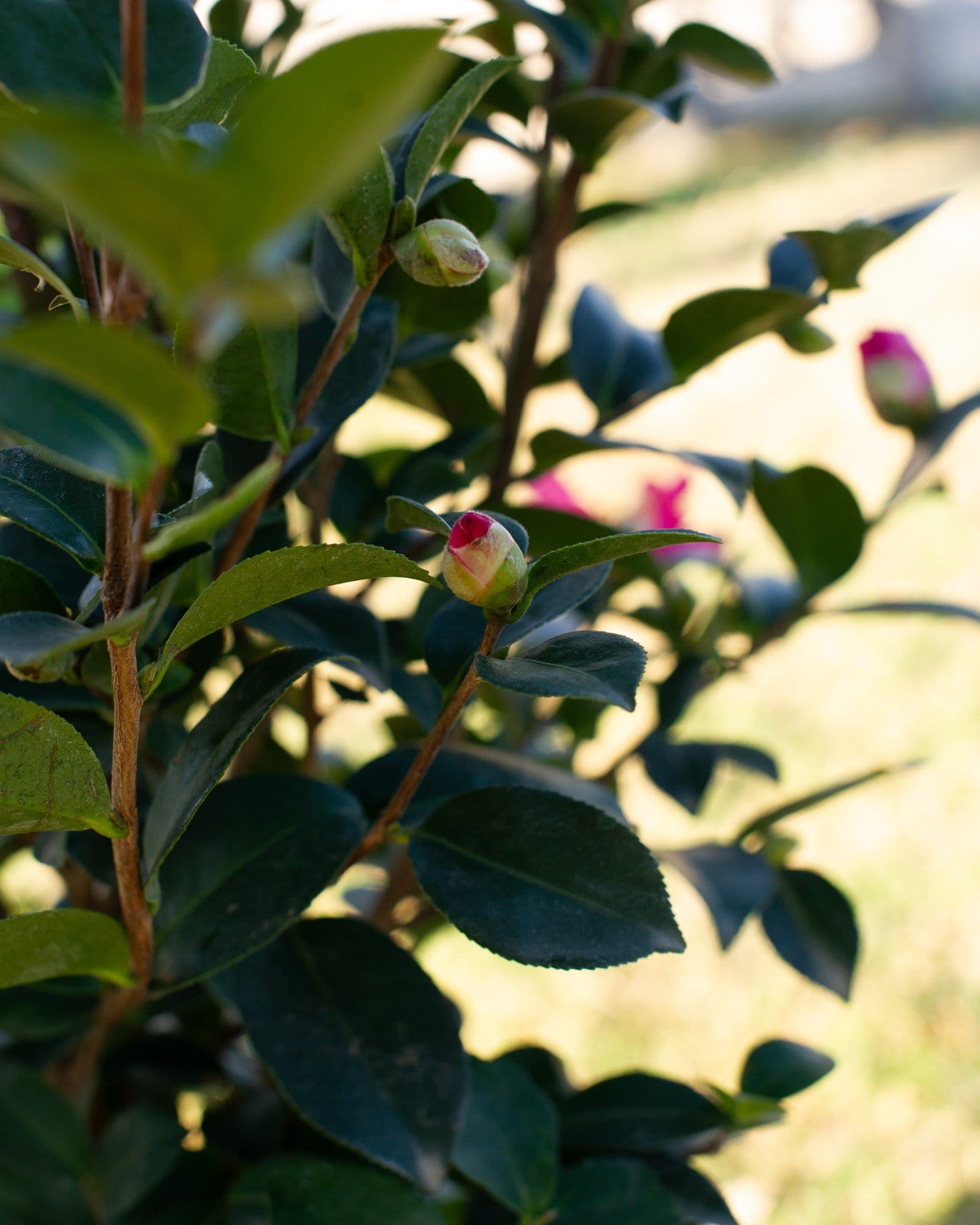
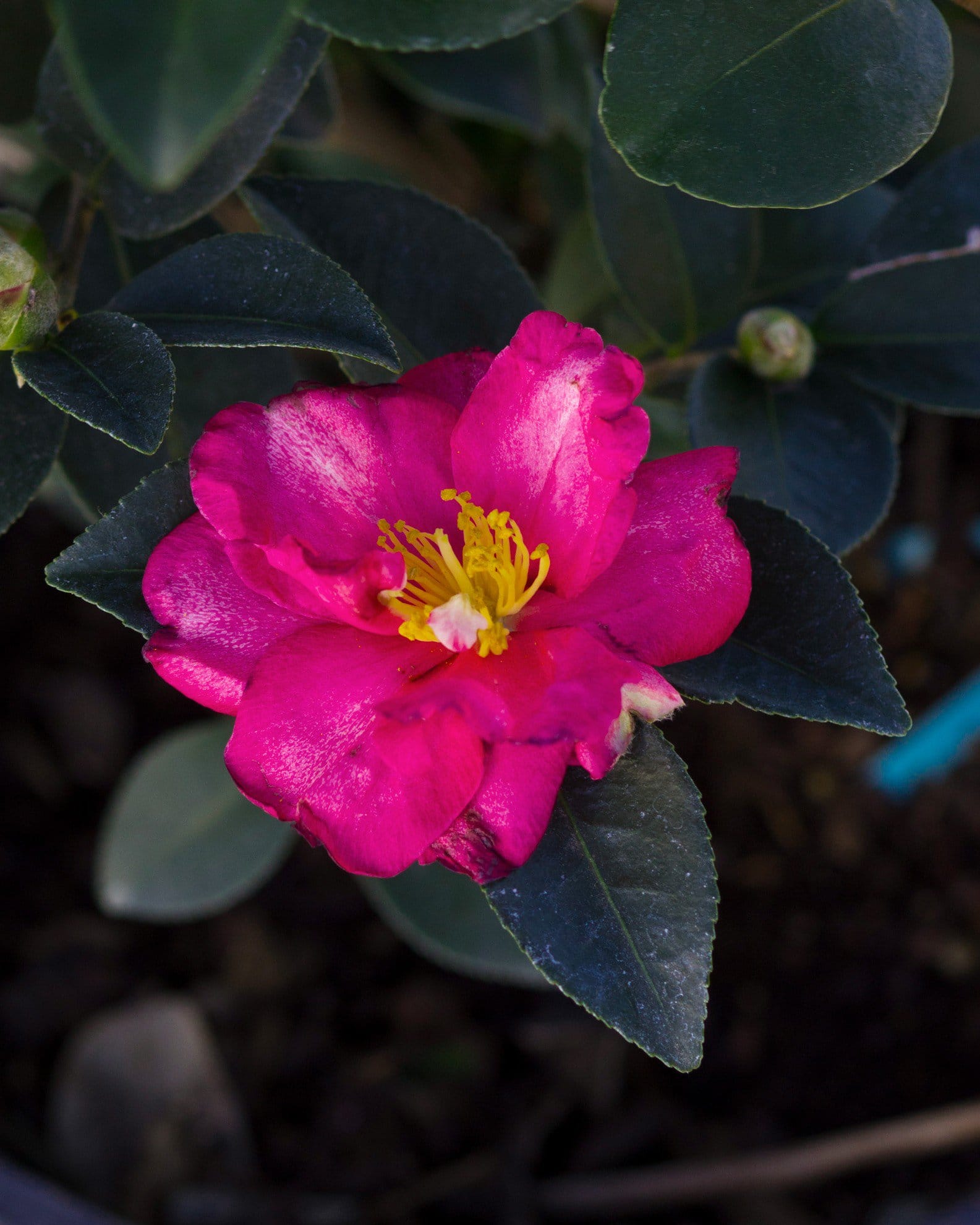
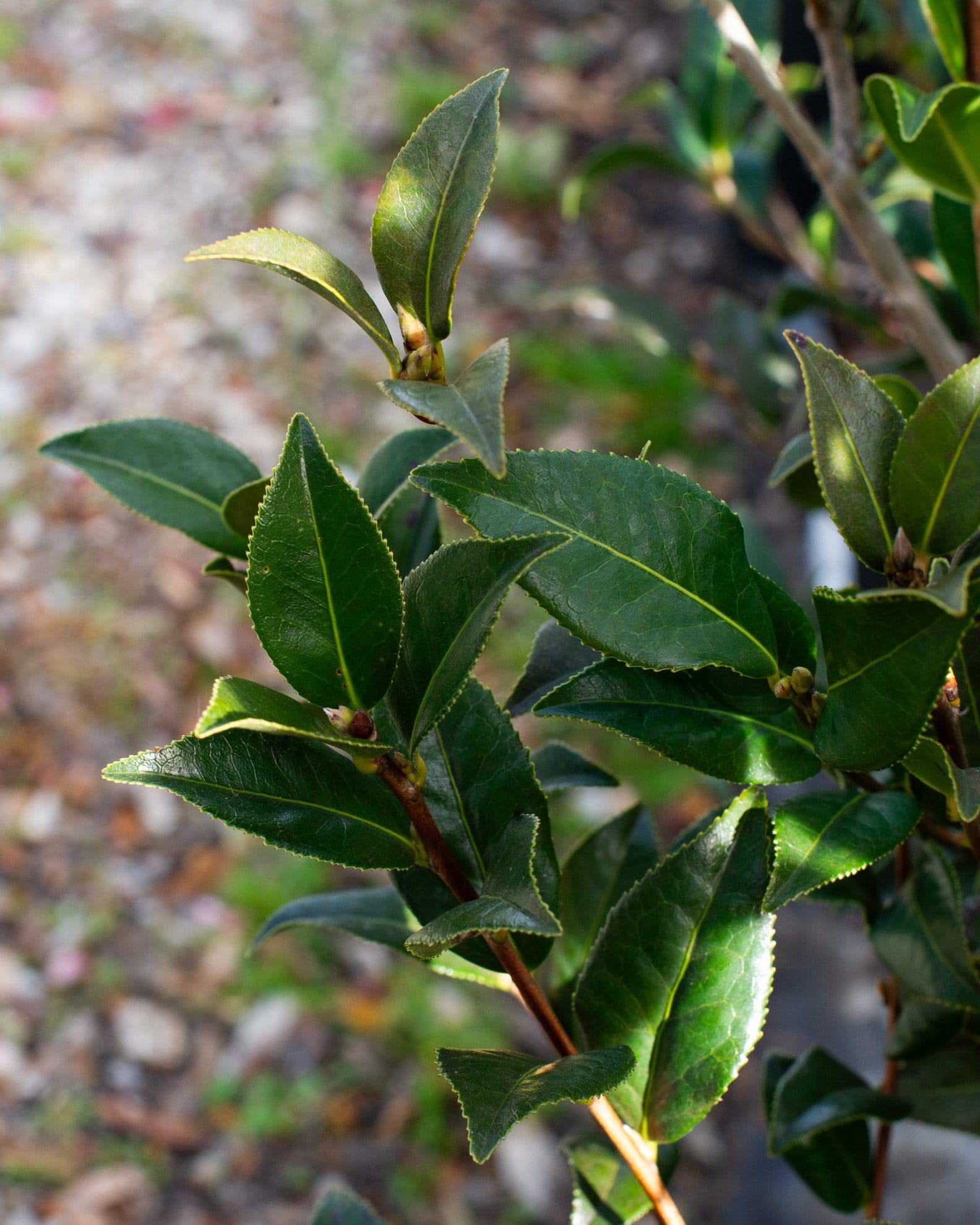
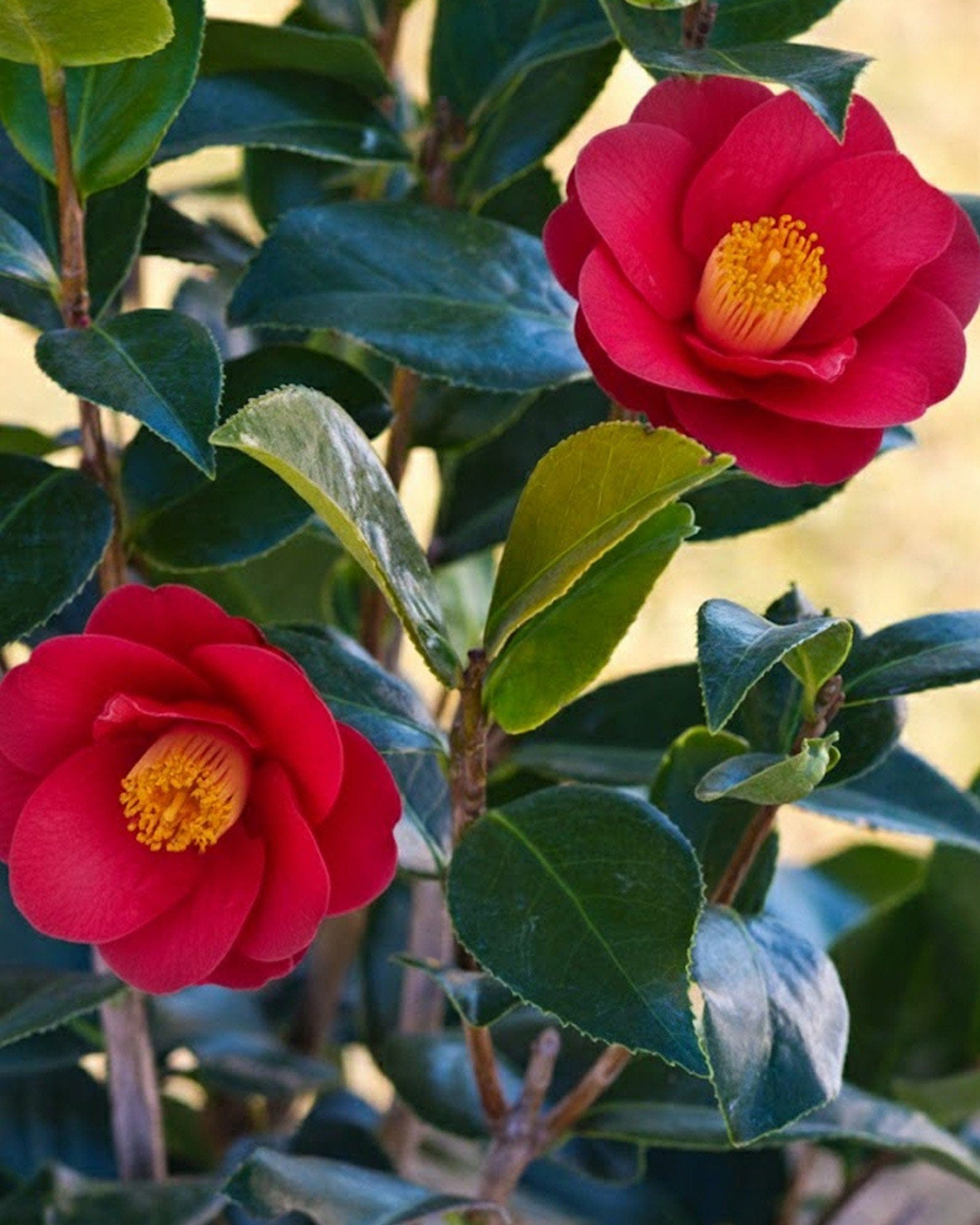
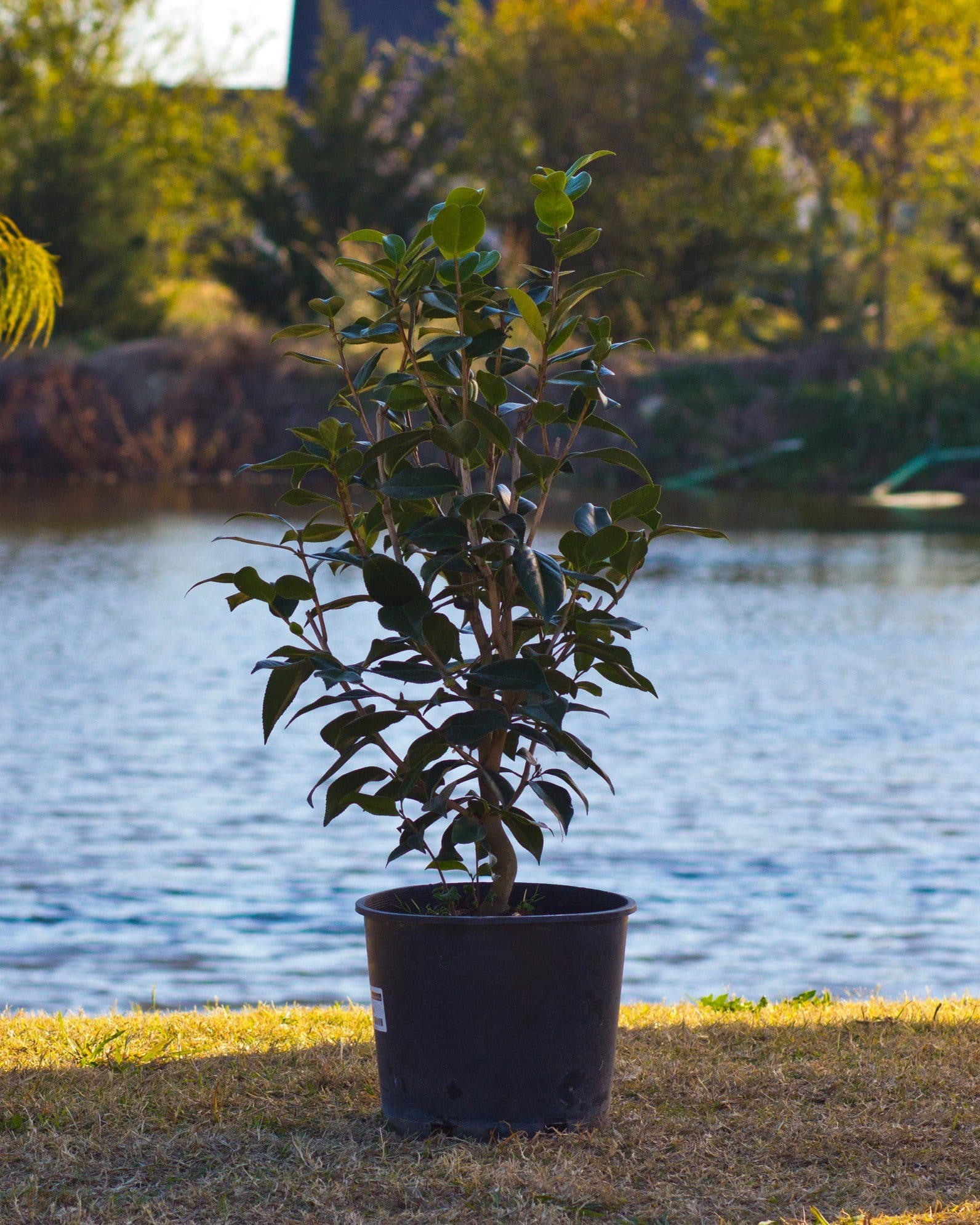
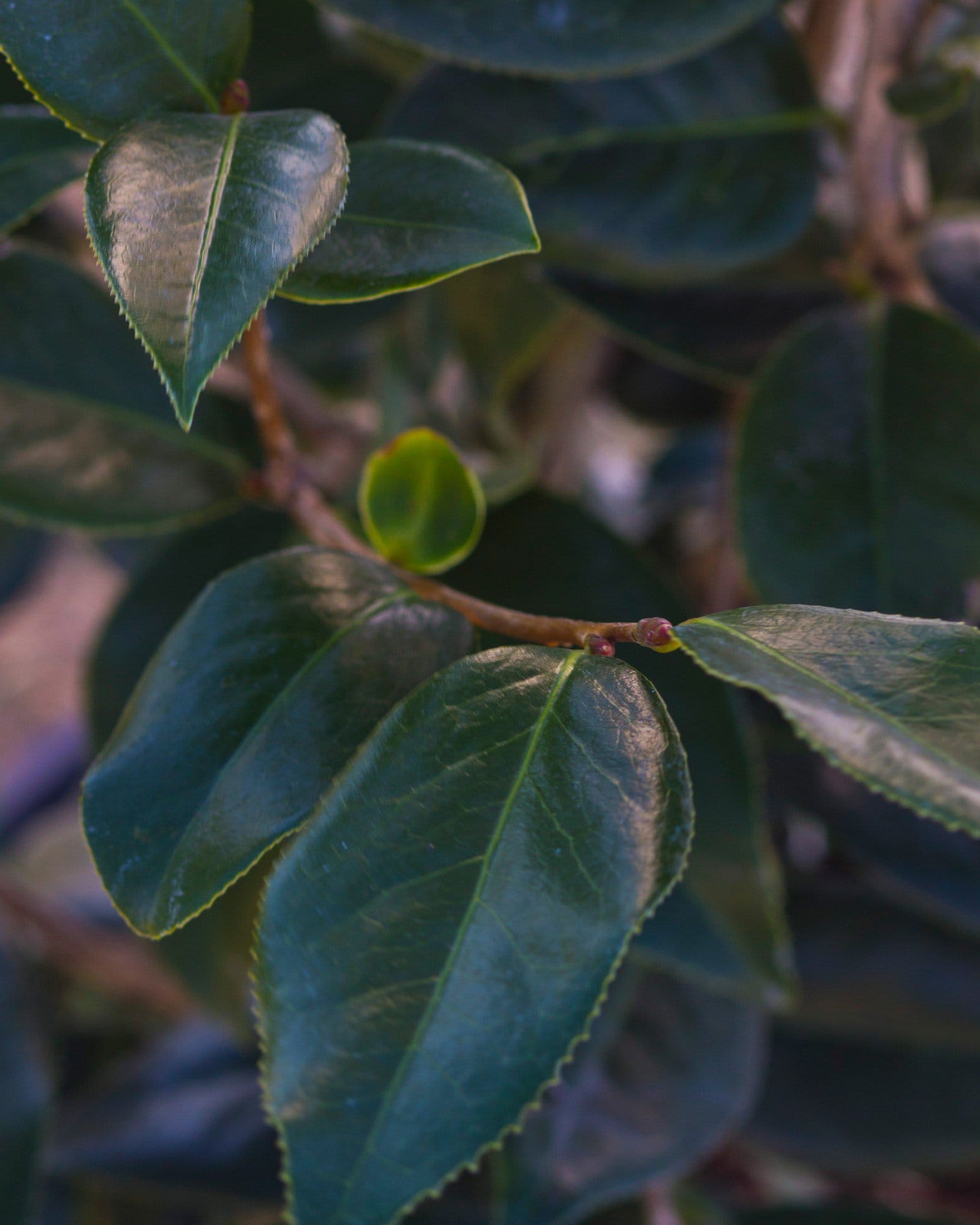
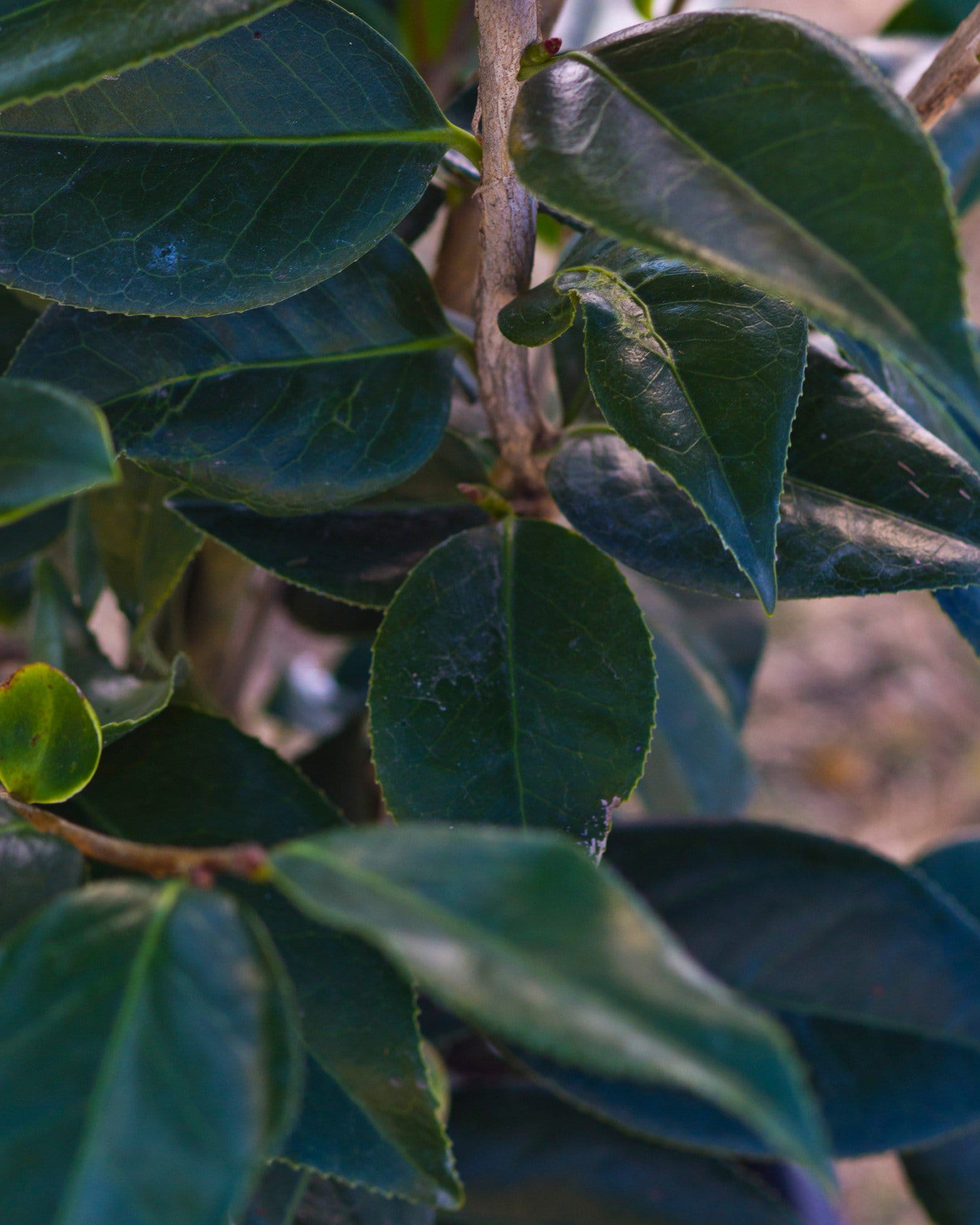
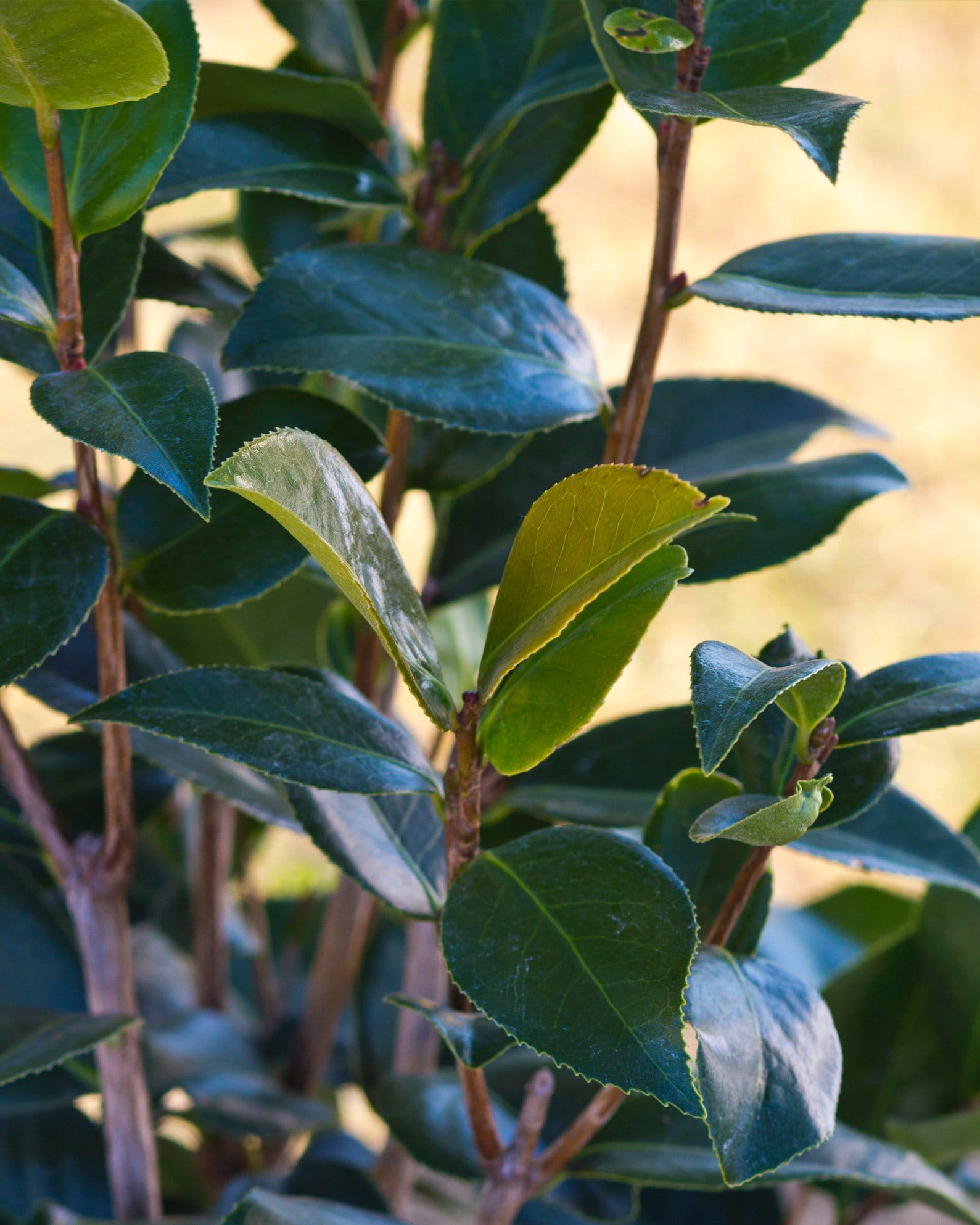
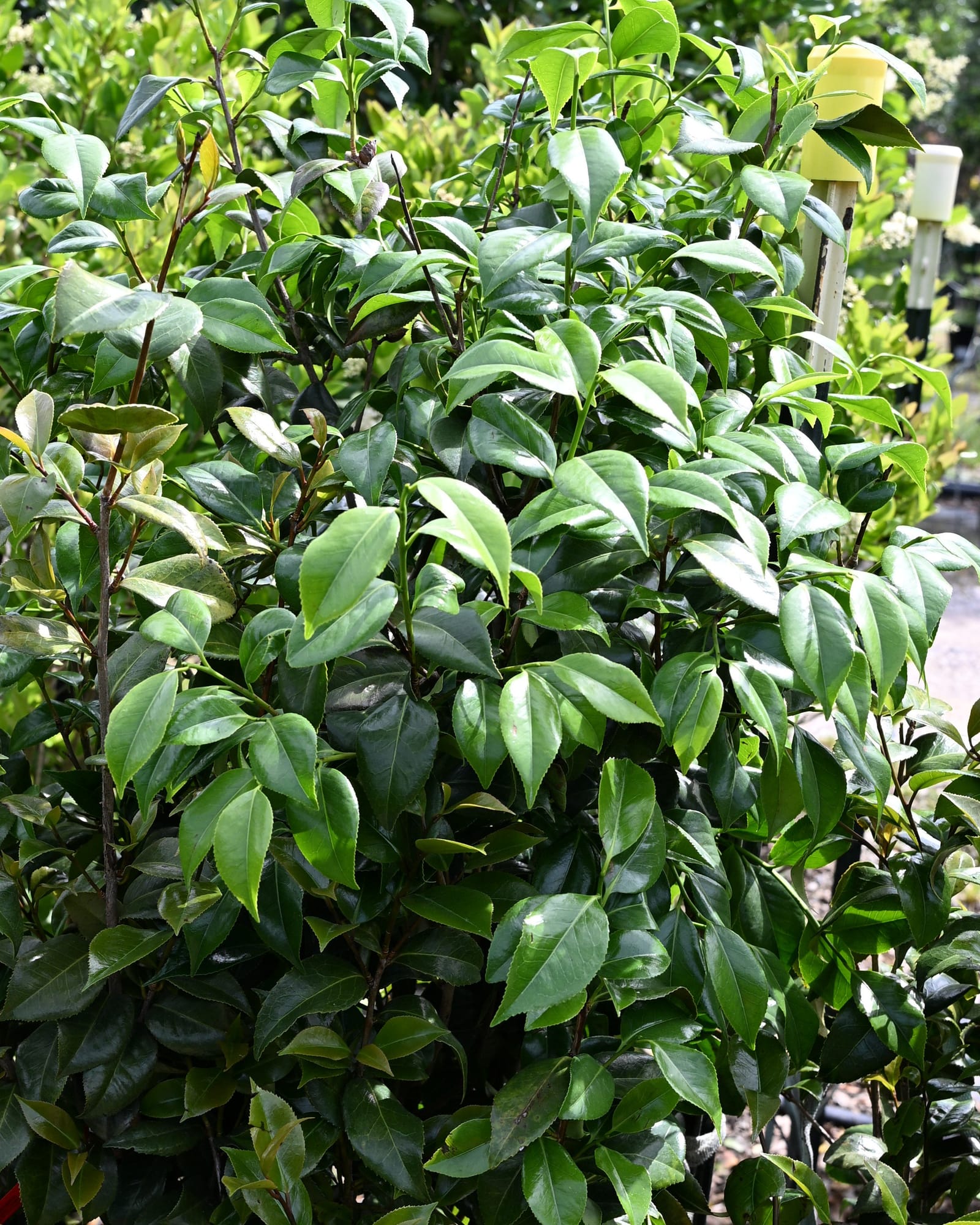
Camellia sasanqua ‘Rose of Autumn’Rose of Autumn Camellia brings vibrant color and classic elegance to your landscape with its vivid hot pink blooms that appear in fall. These eye-catching flowers contrast beautifully with dense, glossy dark green leaves, adding seasonal interest and structure. Reaching up to 8 feet in height and about 5 feet in width at maturity, it’s an excellent choice for borders, mass plantings, or as a bold focal point in your landscape.
- An evergreen shrub
- Upright, rounded growth habit
- Moderate growth rate
- Hot pink flowers blooming in fall
- Great for borders, mass plantings, or as a focal point
Rose of Autumn Camellia is hardy in zones 7-9 and fits seamlessly into your North Texas landscape. It thrives in partial shade and prefers well-drained, slightly acidic soil. With a bit of care, it will bring bold color and refined structure to your outdoor spaces season after season.
Maintenance
Rose of Autumn Camellia offers timeless charm with minimal maintenance. Here’s everything it needs to thrive:
- Watering: Water regularly during the first growing season to help roots establish deeply. Once mature, it requires minimal supplemental watering except during extended dry spells. Always allow soil to drain well between waterings to prevent root problems.
- Pruning: Prune lightly after the flowering season to maintain shape and size. Remove any dead, damaged, or crossing branches to improve airflow. Avoid heavy pruning in late summer or fall, as it may remove developing flower buds for the next season.
- Fertilizing: Feed in early spring after flowering with a balanced, slow-release fertilizer formulated for acid-loving shrubs. A light midseason feeding can be applied if growth appears sluggish. Avoid over-fertilizing, which can cause leaf burn or excessive growth.
- Mulching: Apply a 2-3 inch layer of mulch around the root zone to conserve moisture, suppress weeds, and regulate temperature. Keep mulch a few inches from the stem to prevent rot. Refresh mulch each spring to maintain healthy conditions.
- Winter care: Rose of Autumn Camellia is hardy and reliable, but in colder regions, an extra layer of mulch around the roots provides protection against freezing. Avoid pruning or fertilizing in late fall to prevent tender new growth that could be damaged by frost.
Common Issues and How to Take Care of Them
Rose of Autumn Camellia is resilient and largely trouble-free, but here are a few common issues to be aware of and how to handle them:
- Leaf Gall: Pale, swollen leaves caused by fungal infection. Remove and discard affected foliage early to prevent spread.
- Tea Scale: Small white or brown bumps under leaves that cause yellowing. Treat with horticultural oil or insecticidal soap in early spring.
- Root Rot: Overly wet conditions can lead to rot. Ensure good drainage and avoid standing water near the root zone.
- Bud Drop: Can occur from sudden temperature changes or overwatering. Keep moisture consistent and avoid disturbing roots during bud formation.
- Leaf Burn: Browning along leaf edges may occur from heat stress or fertilizer buildup. Flush soil occasionally with water and maintain mulch to keep roots cool.
- Aphids: Occasionally appear on new shoots. Rinse with a firm spray of water or use insecticidal soap if needed.
With proper care, it can live for 50 years or more. Camellias are known for their longevity and often become treasured, long-lasting features in established gardens.
It grows at a moderate rate, typically reaching maturity within 5 to 7 years. Once established, it maintains a steady pace of healthy new growth each season.
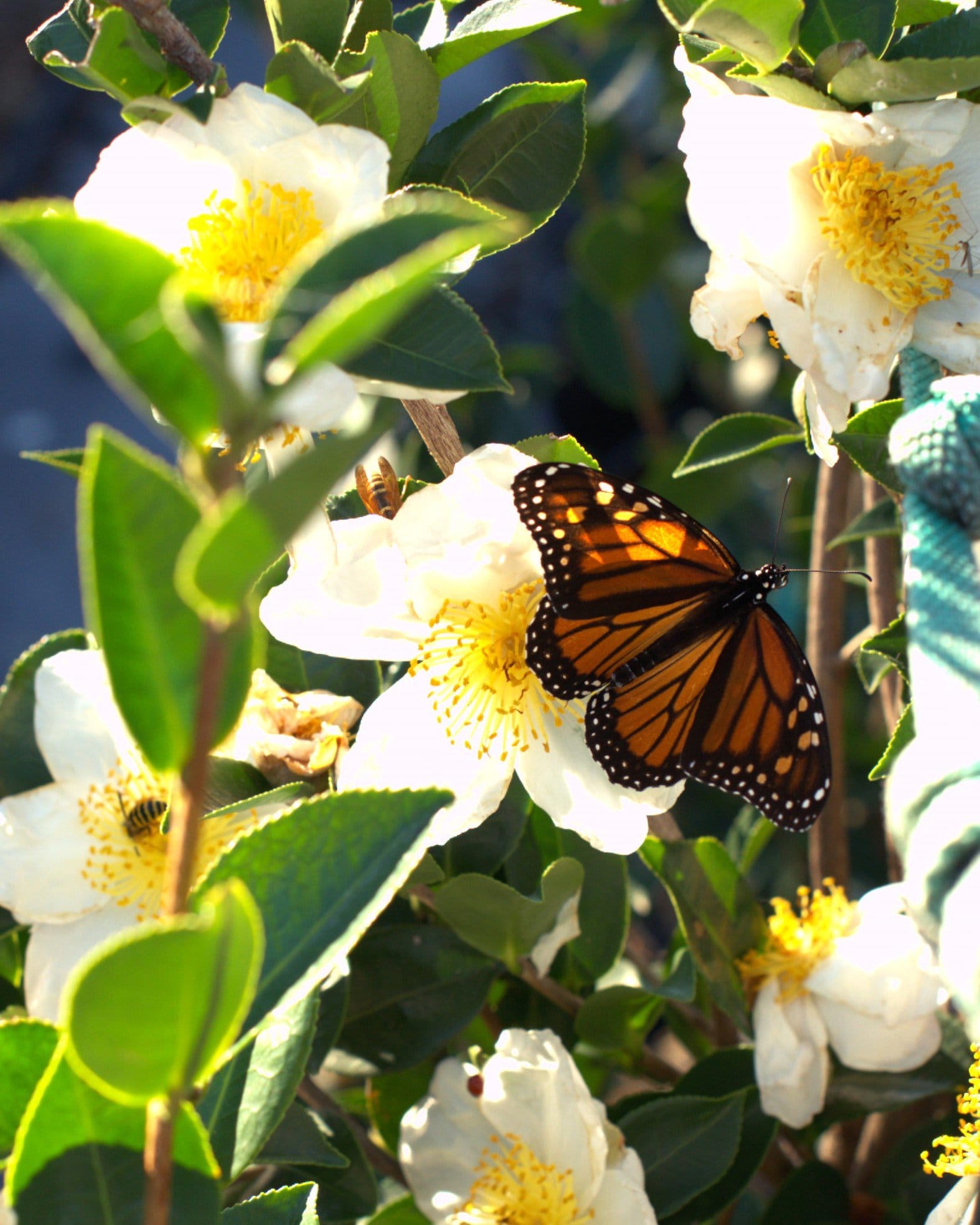
Yes - bees and other pollinators are drawn to its large, open blooms, especially during the cooler months when nectar sources are scarce.
Yes, it’s considered moderately deer-resistant. The thick, leathery leaves make it less appealing to browsing animals.
Absolutely. Its refined growth habit makes it an excellent choice for large decorative pots or entryway planters. Use a well-draining mix and feed lightly each spring to maintain vigor.
Very well. It’s bred for Southern climates and retains glossy foliage and healthy growth even through long, hot seasons when other shrubs may struggle.
Yes, it’s hardy and rebounds quickly after frost. Mulching heavily around the base before winter helps protect roots from temperature swings.
Yes - remove a few of the oldest branches at the base in early spring to promote vigorous new growth. The plant will quickly recover with fresh, glossy foliage.
Definitely. Its refined appearance, tidy growth, and resilience to pollution and compacted soils make it a perfect fit for city gardens and professional landscapes alike.
Its exceptional combination of cold tolerance, long bloom period, and soft pink double flowers make it one of the most versatile and dependable camellia varieties available - elegant, enduring, and easy to love.
Special Features
You might also like
Pink Snow Camellia
Maturity: 8' H x 5' W
Yuletide Candle Camellia
Maturity: 5' H x 3' W
Dream Weaver Camellia
Maturity: 8' H x 6' W
Moonshadow Camellia
Maturity: 8' H x 6' W
Daydream Believer Camellia
Maturity: 8' H x 6' W
High Fragrance Camellia
Maturity: 8' H x 6' W
Kanjiro Camellia
Maturity: 8' H x 6' W
Taylor's Perfection Camellia
Maturity: 6' H x 6' W
Royal Velvet Camellia
Maturity: 6' H x 6' W
Laura Walker Camellia
Maturity: 8' H x 6' W
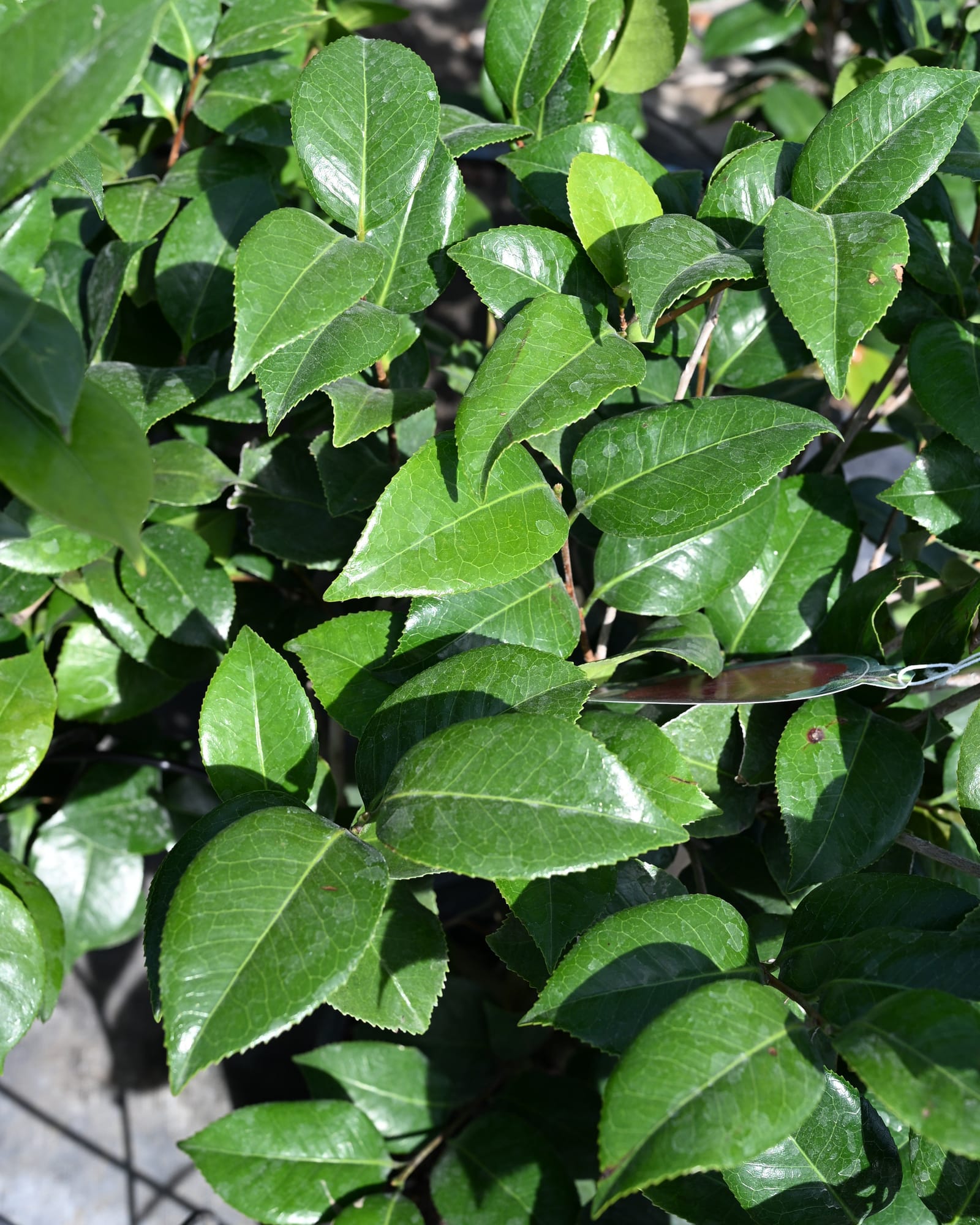
Professor Sargent Camellia
Maturity: 8' H x 5' W
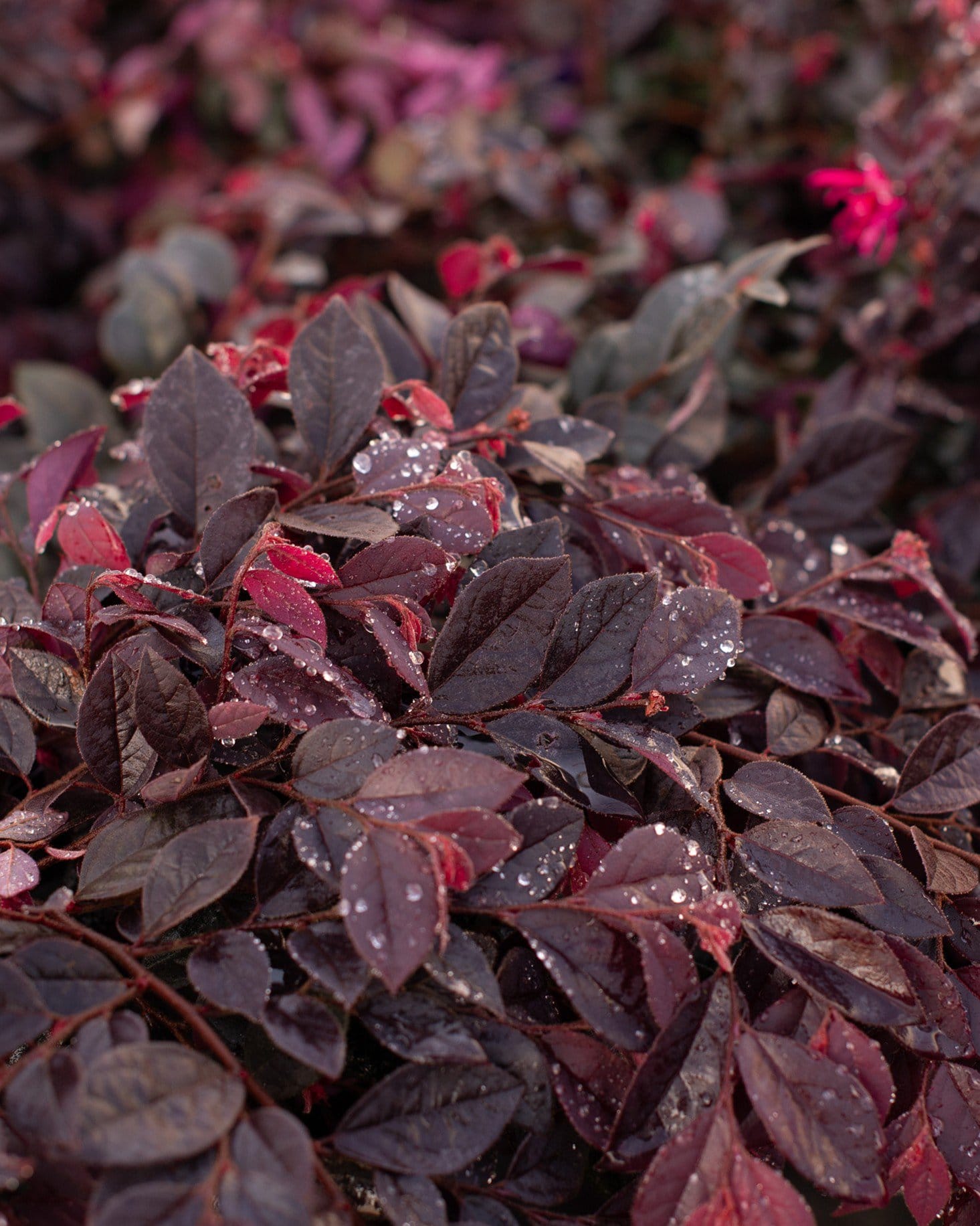
Cerise Charm Loropetalum
Maturity: 3' H x 3' W
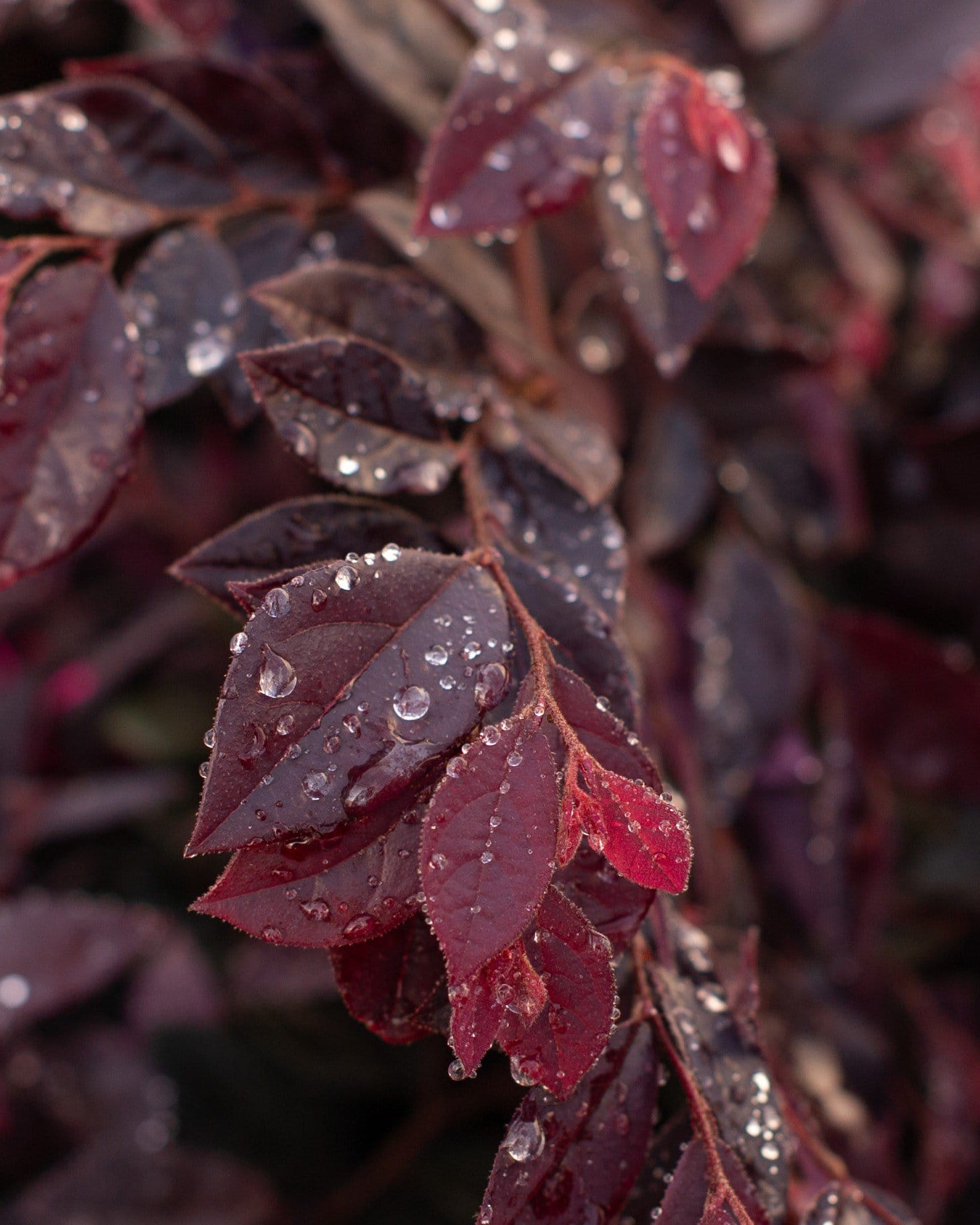
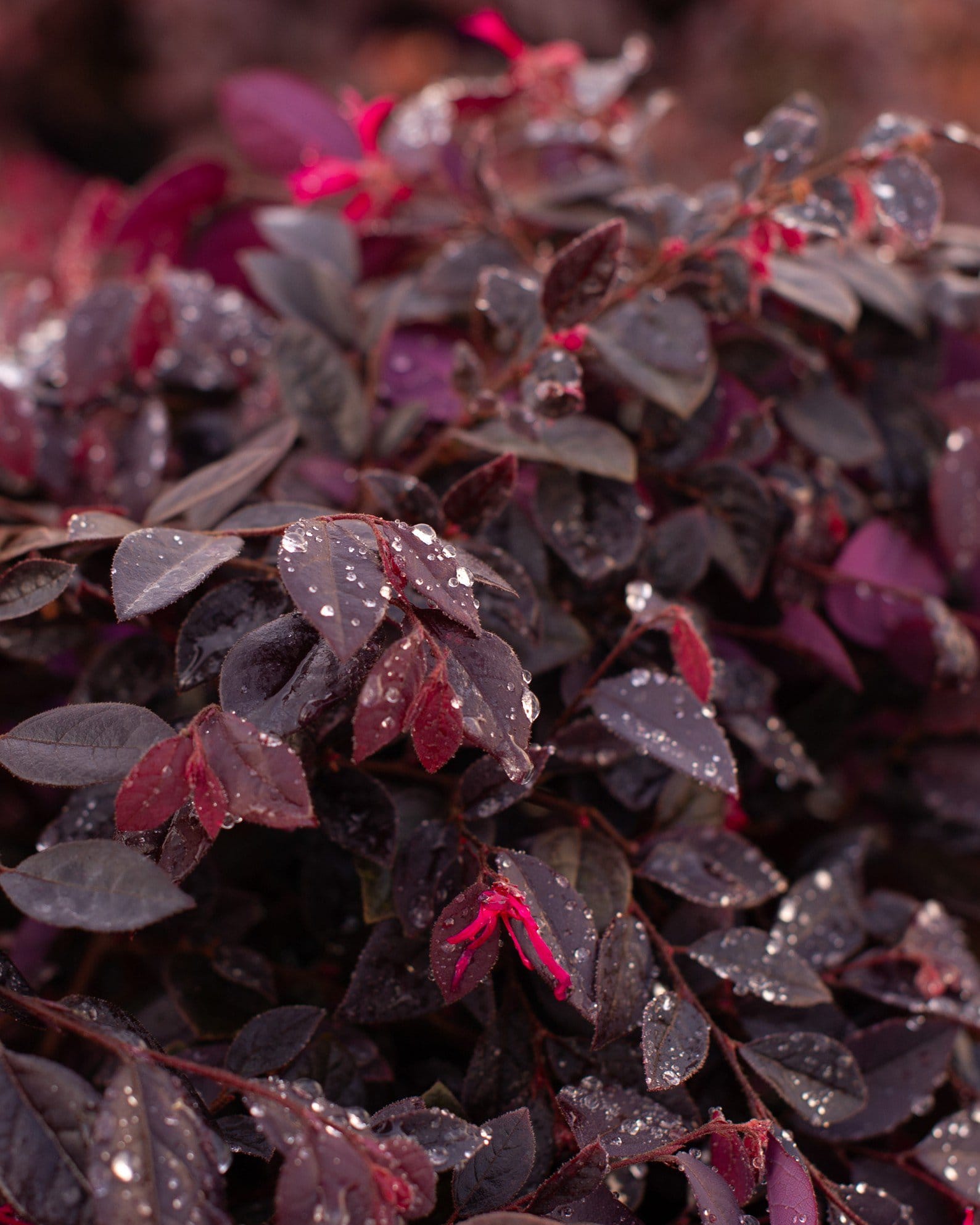
Cherry Blast Loropetalum
Maturity: 6' H x 6' W
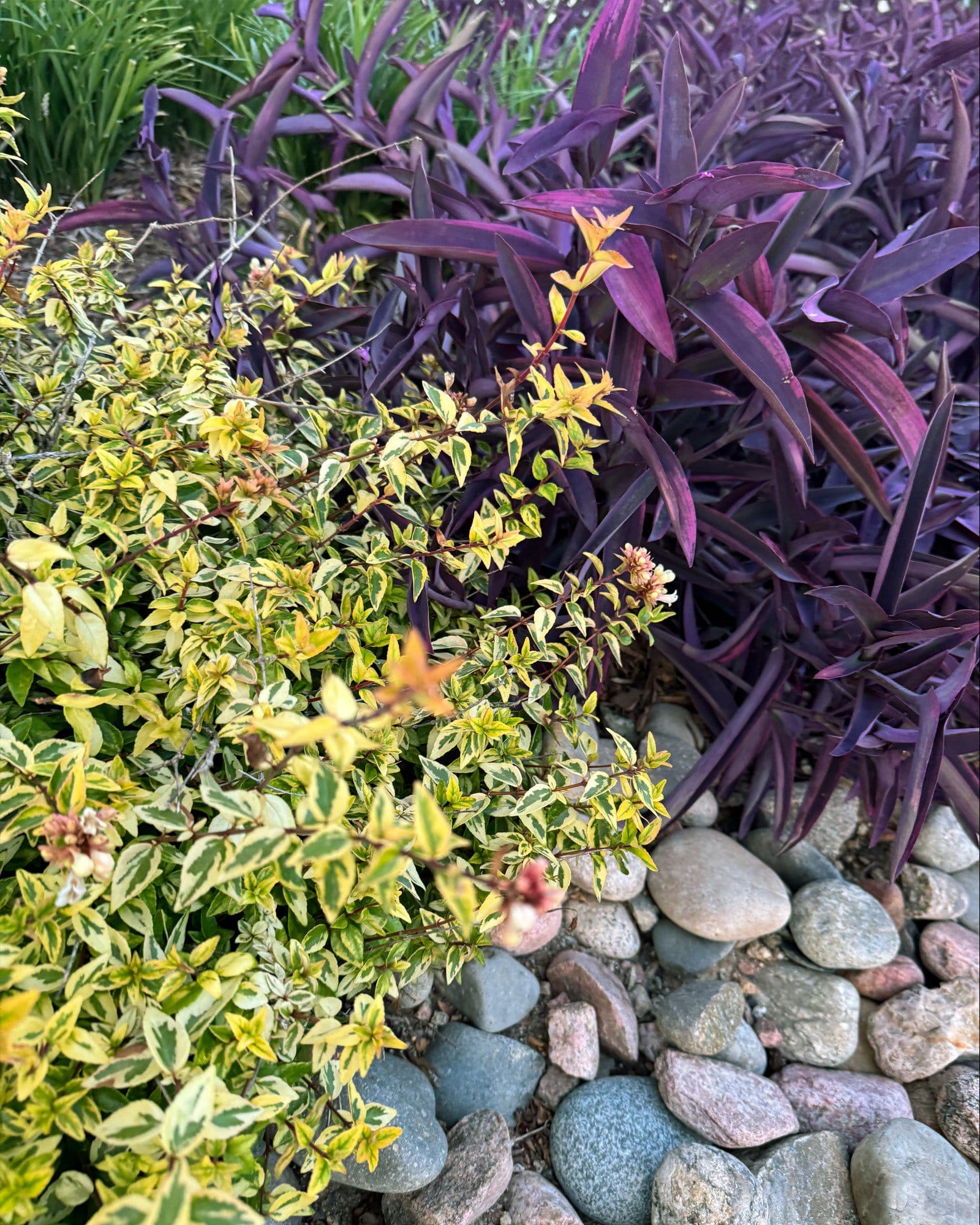
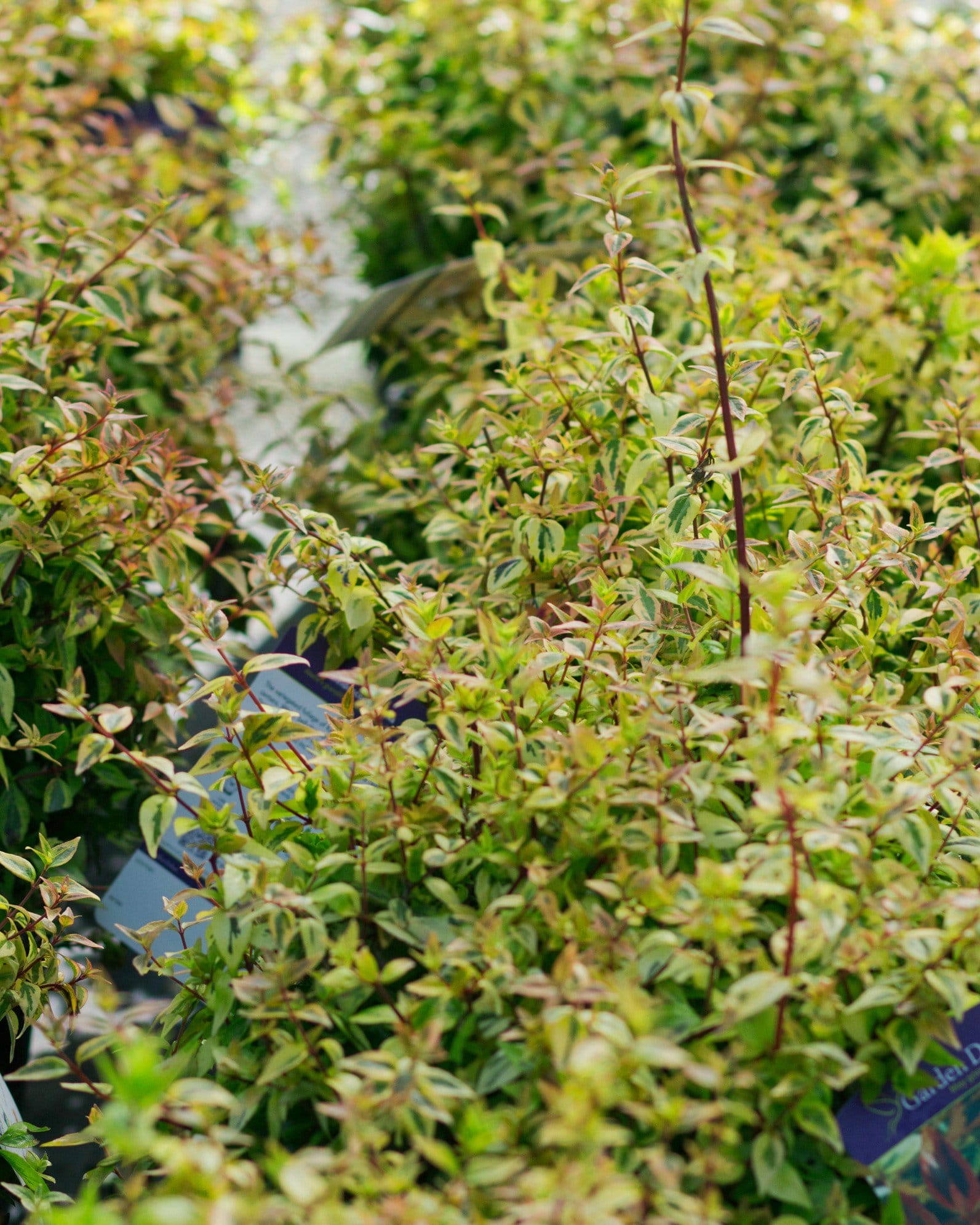
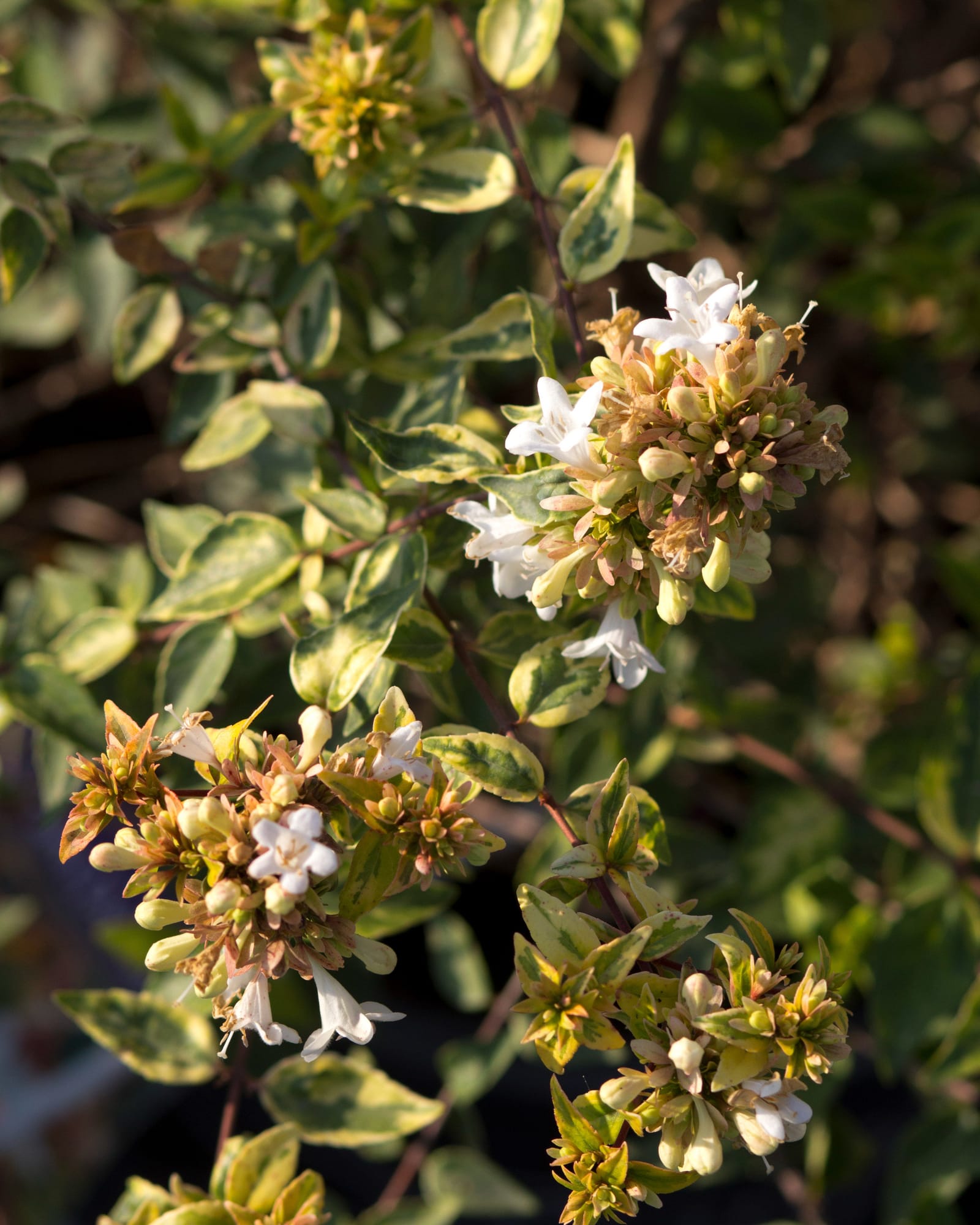
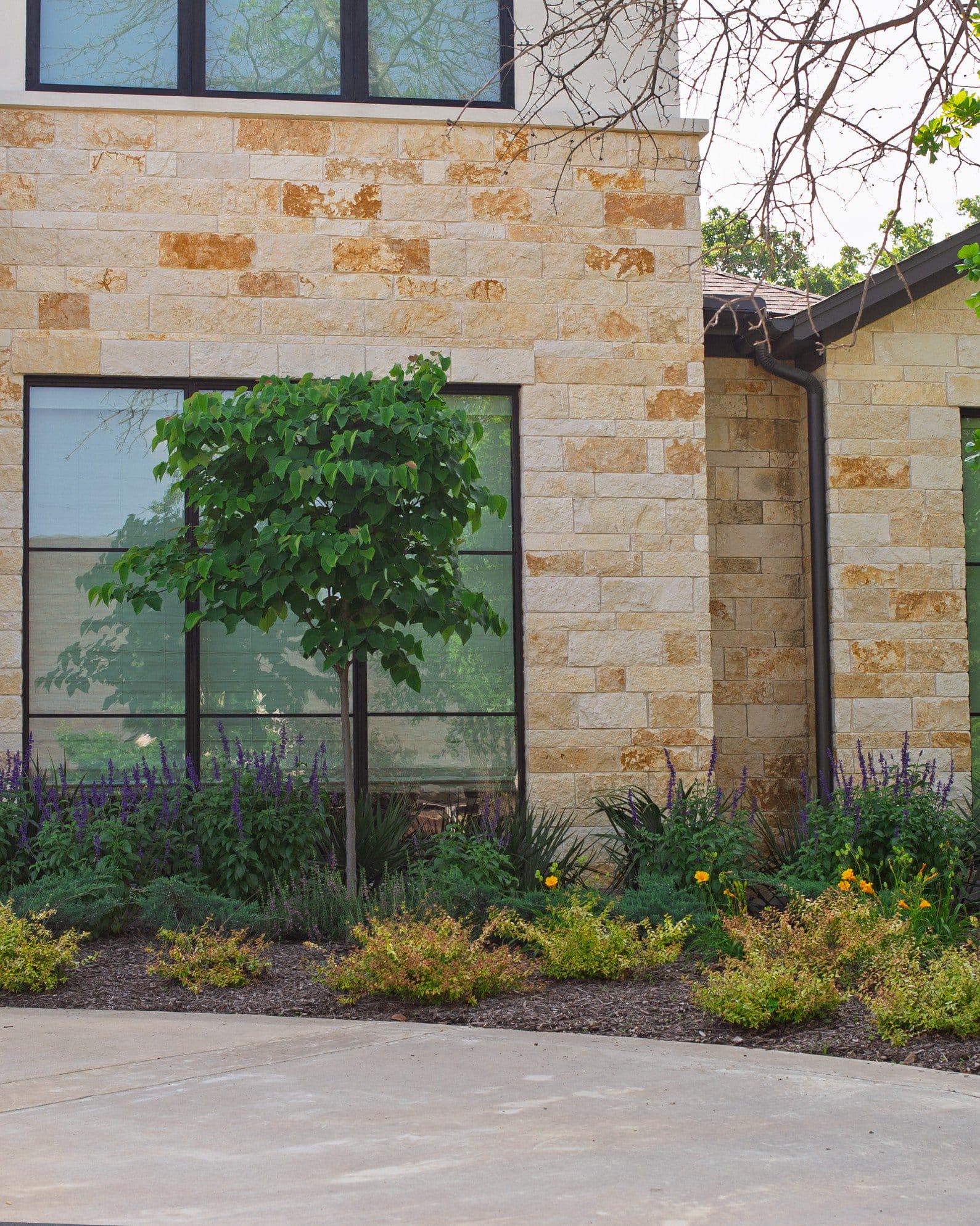
Kaleidoscope Abelia
Maturity: 2' H x 3' W
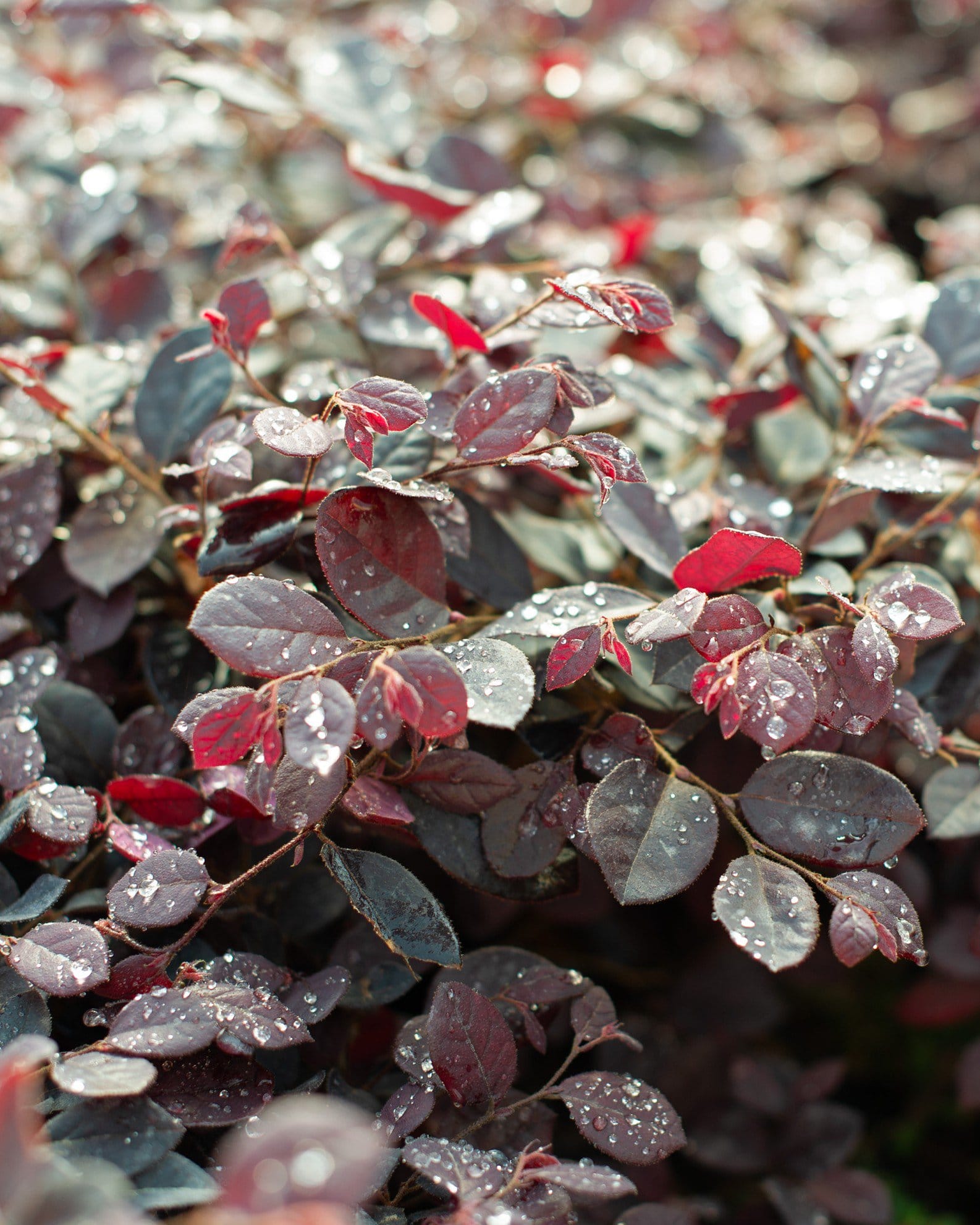
Purple Diamond Loropetalum
Maturity: 4' H x 4' W
Compare Similar Plants
Rose of Autumn Camellia This plant | ||
|---|---|---|
| Scientific Name | Camellia sasanqua ‘Rose of Autumn’ | Camellia sasanqua ‘Pink Snow’ |
| Size at Maturity | 8' H x 5' W | 8' H x 5' W |
| Leaf Retention | Evergreen | Evergreen |
| Flower Color | Pink | Pink |
| Bloom Times | Fall | Fall |
| Sizes Available | 15, 30, 45 gal | 15 gal |


Our 1-Year Planting Guarantee
We take pride in our plants and installation services. If any plants or trees installed by Treeland fail to thrive within the first year, we'll provide a replacement credit in accordance with our guarantee program.
Learn More About Our Guarantee