
Pink Snow Camellia
Camellia sasanqua ‘Pink Snow’Local DFW Delivery Only
Product Details
Pink Snow Camellia
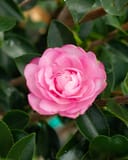
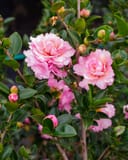
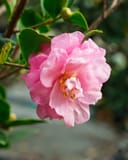
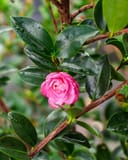
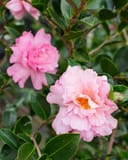
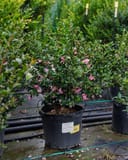
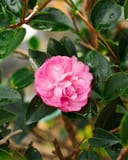
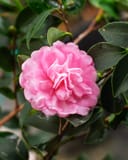
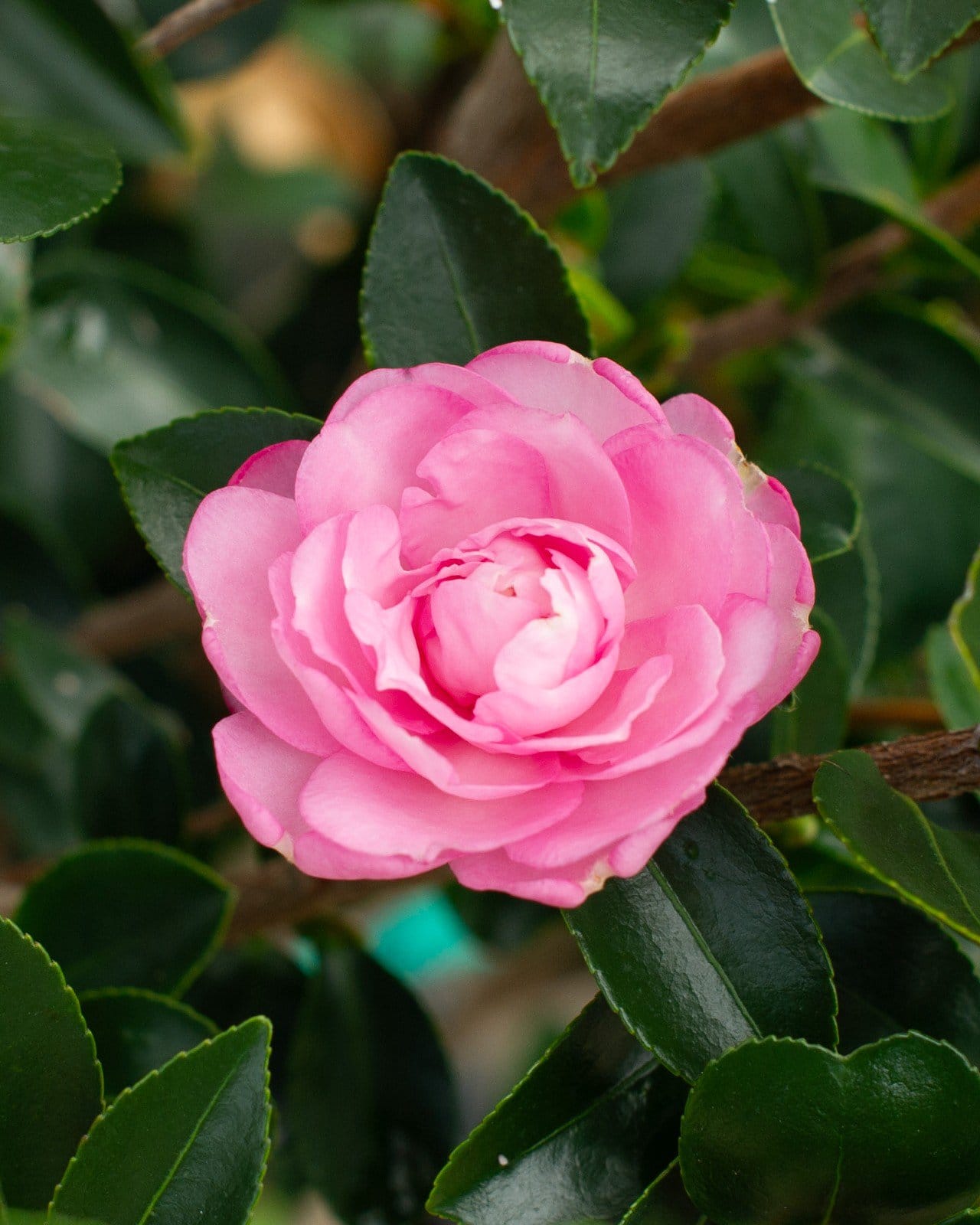
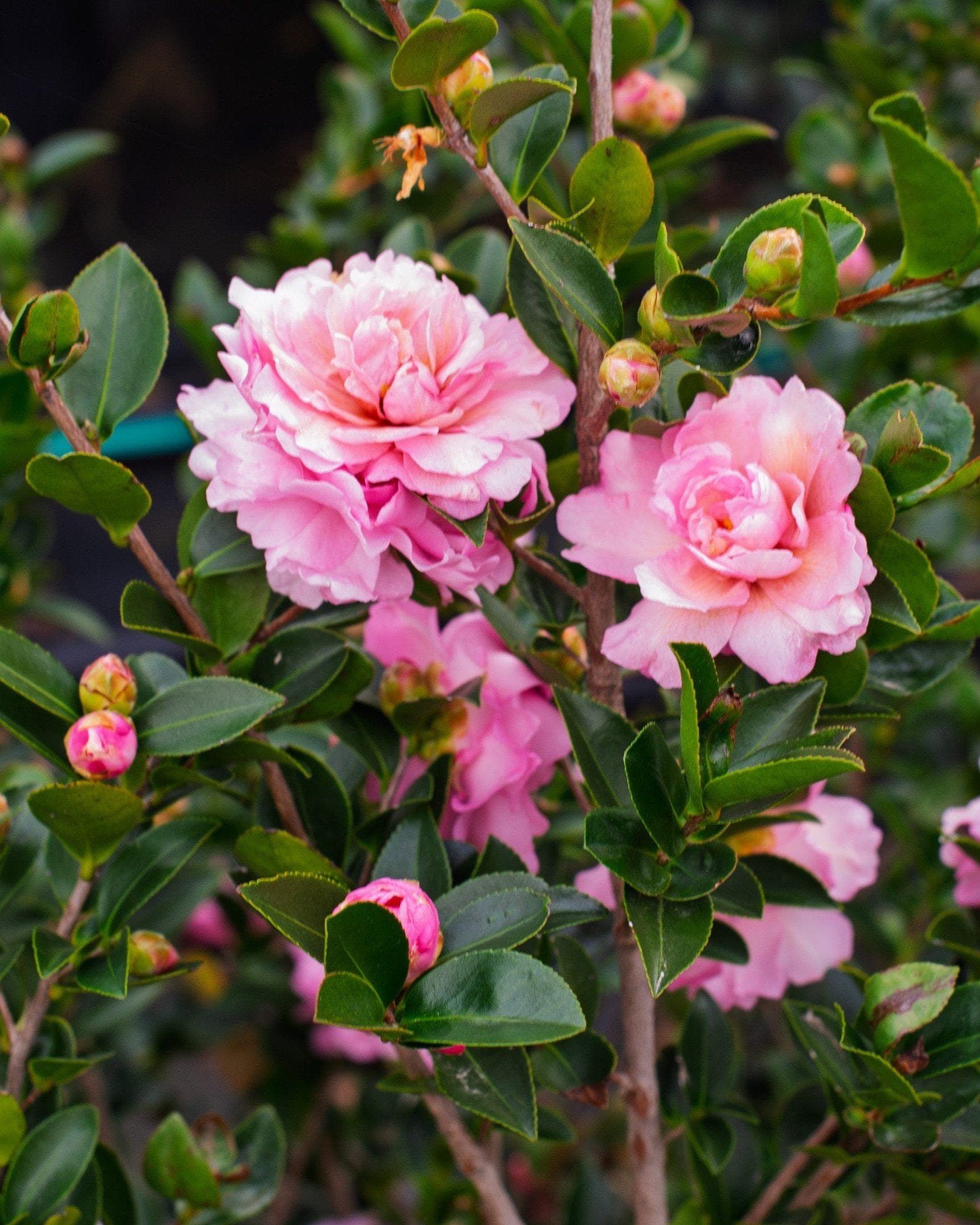
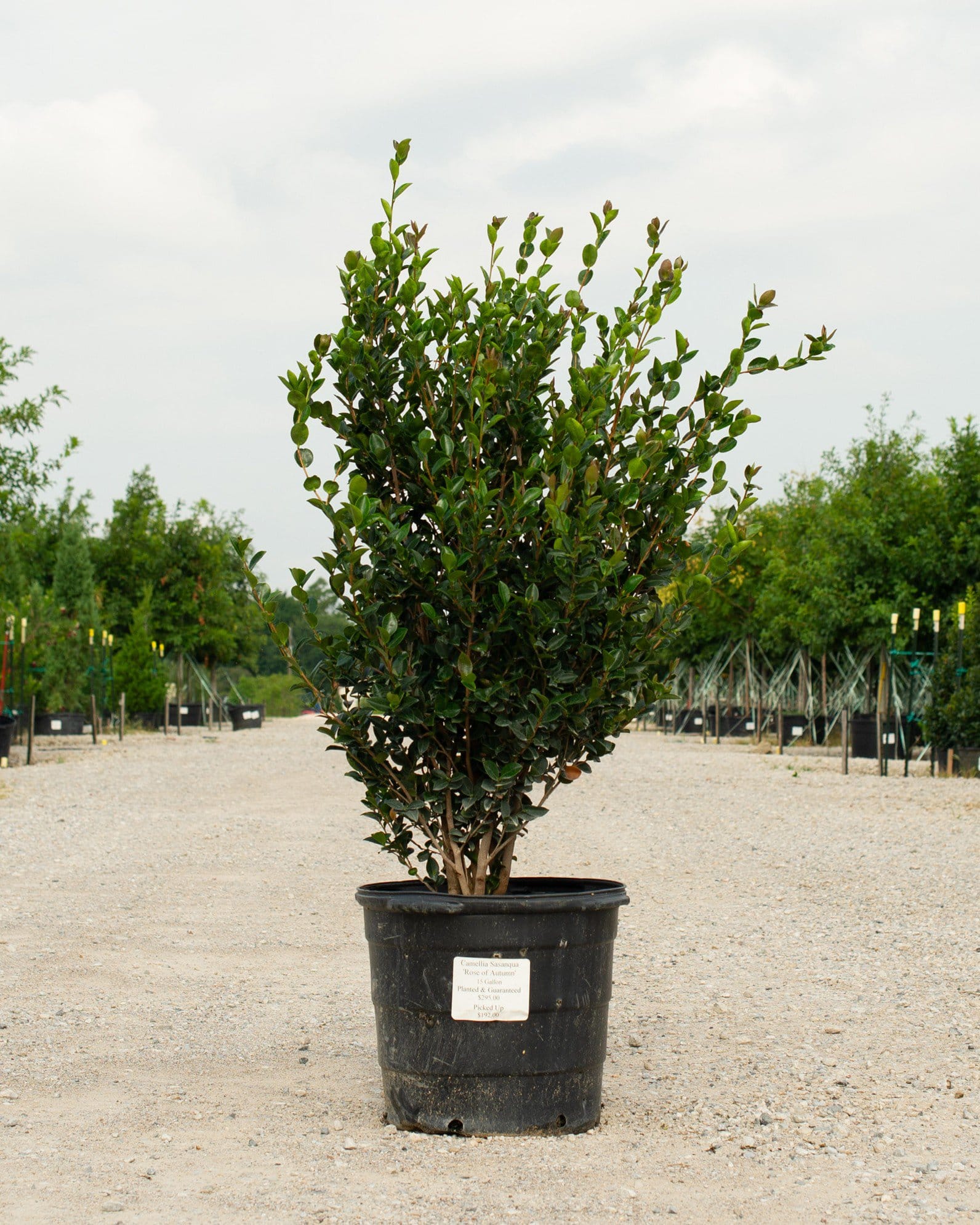
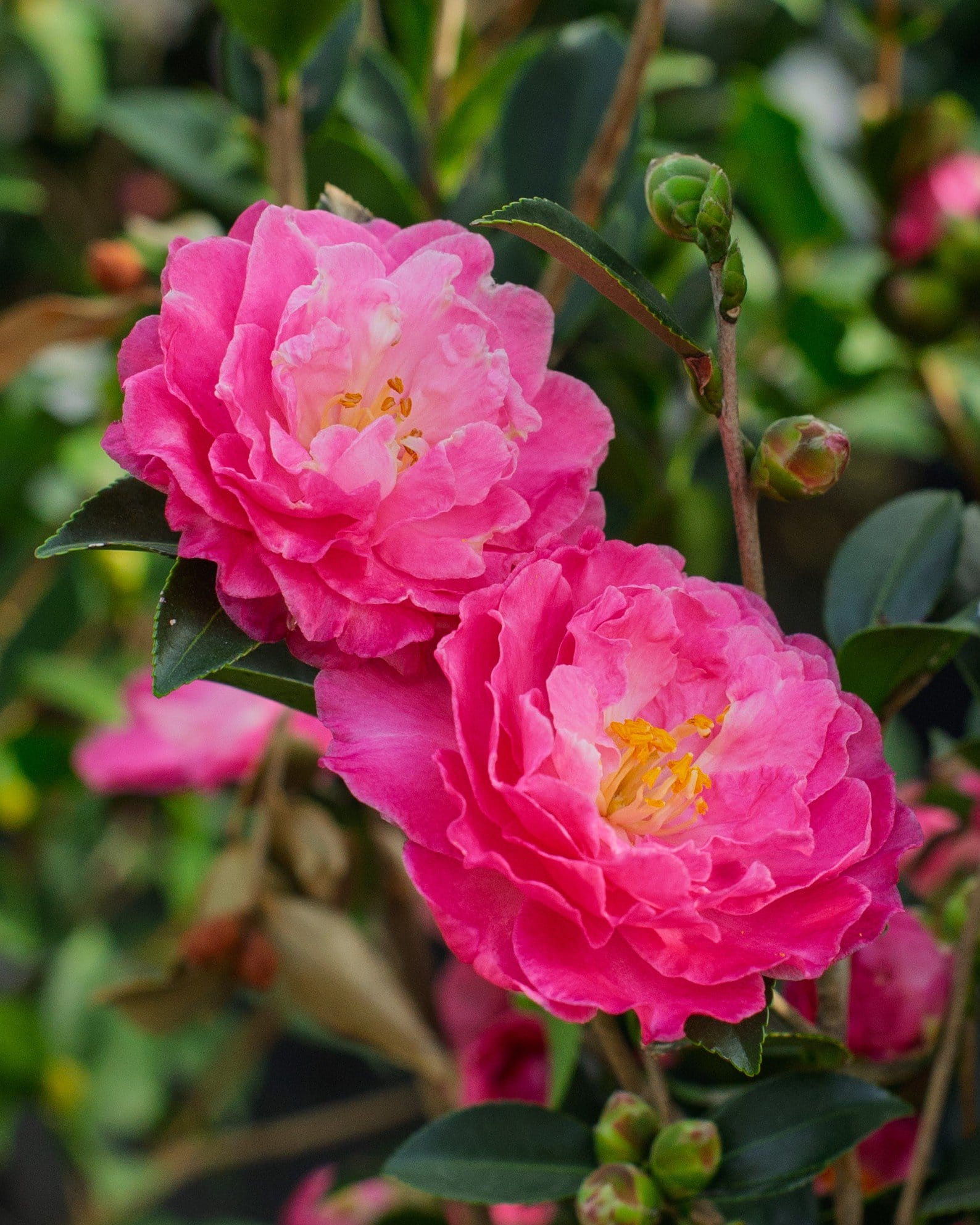
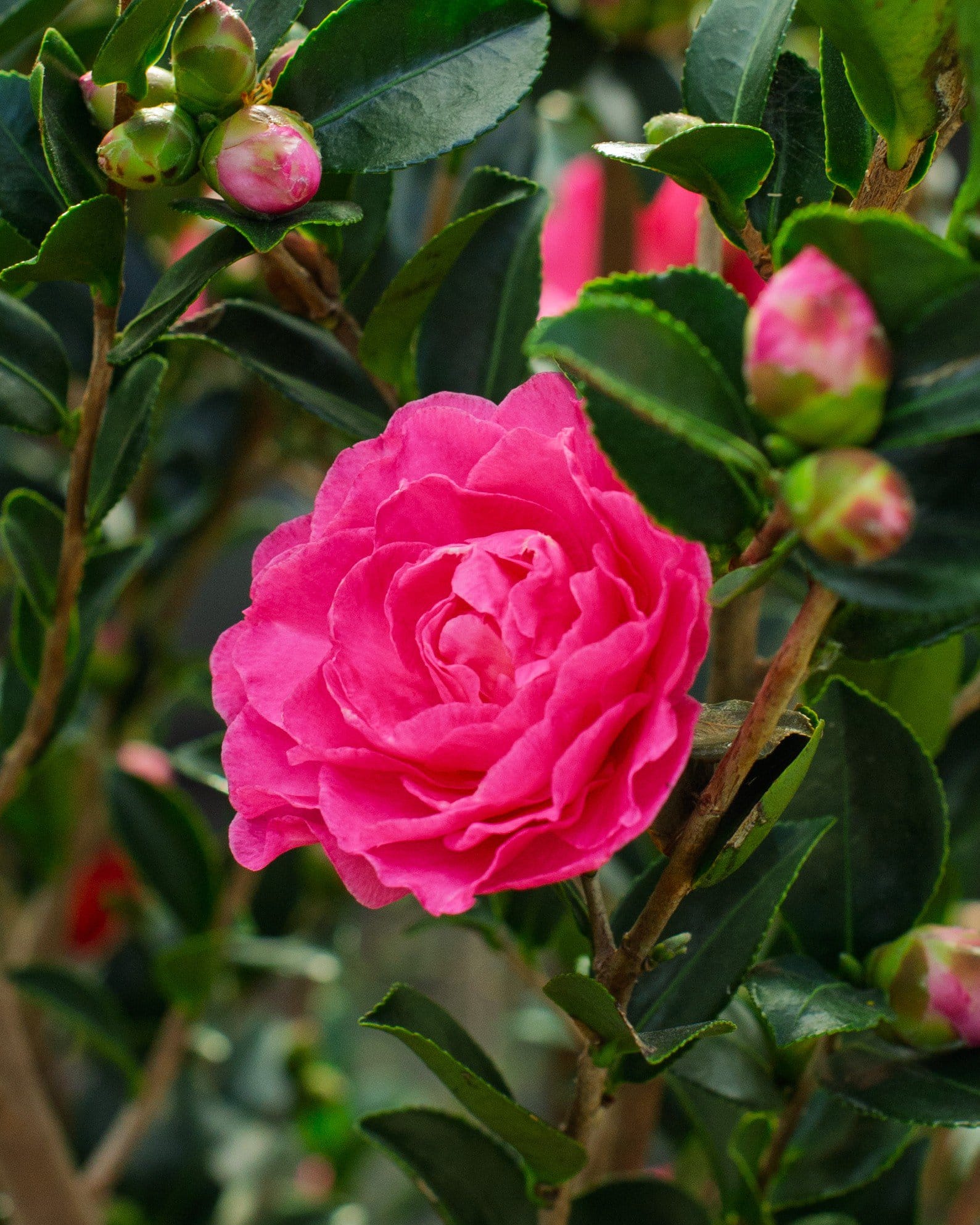
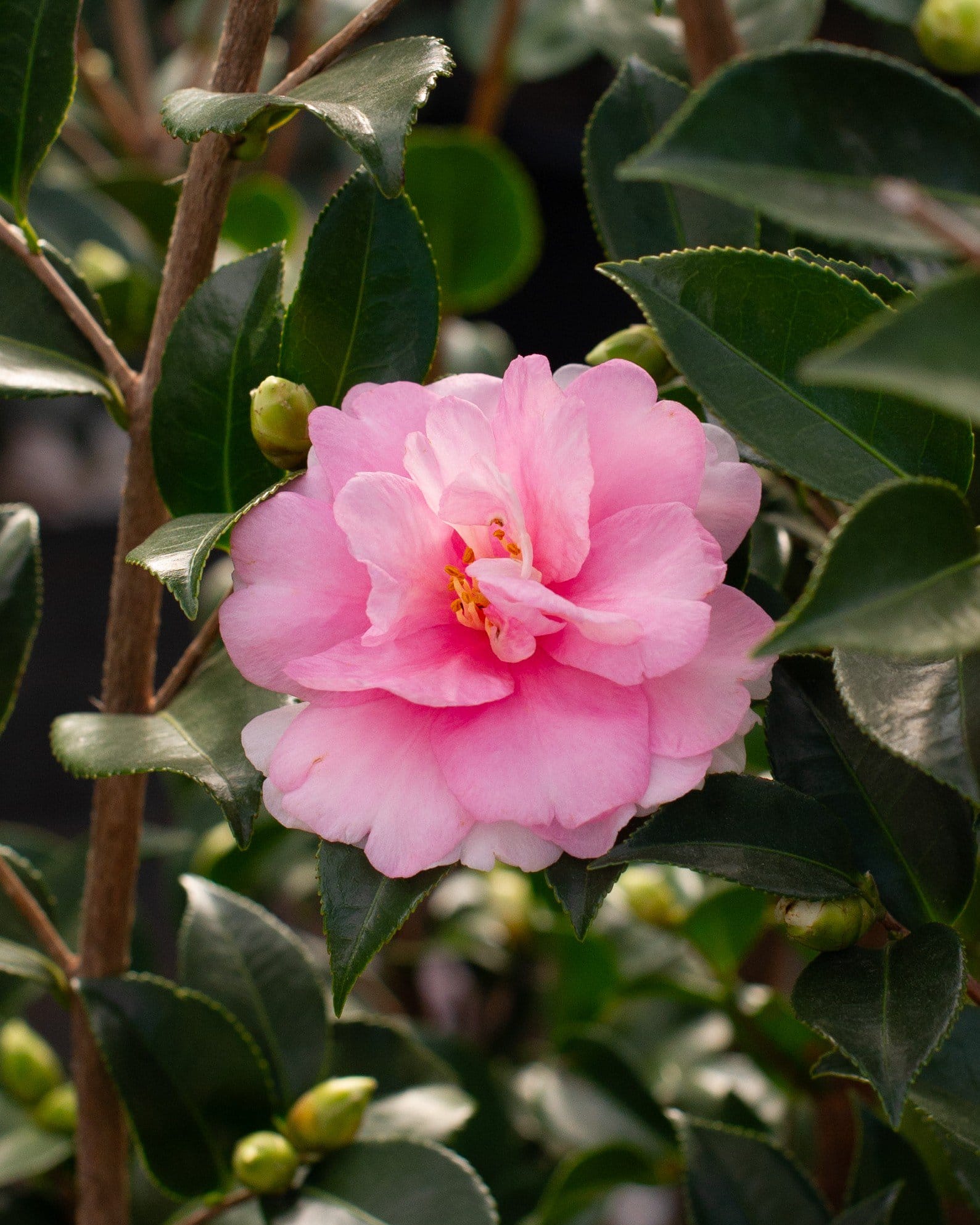
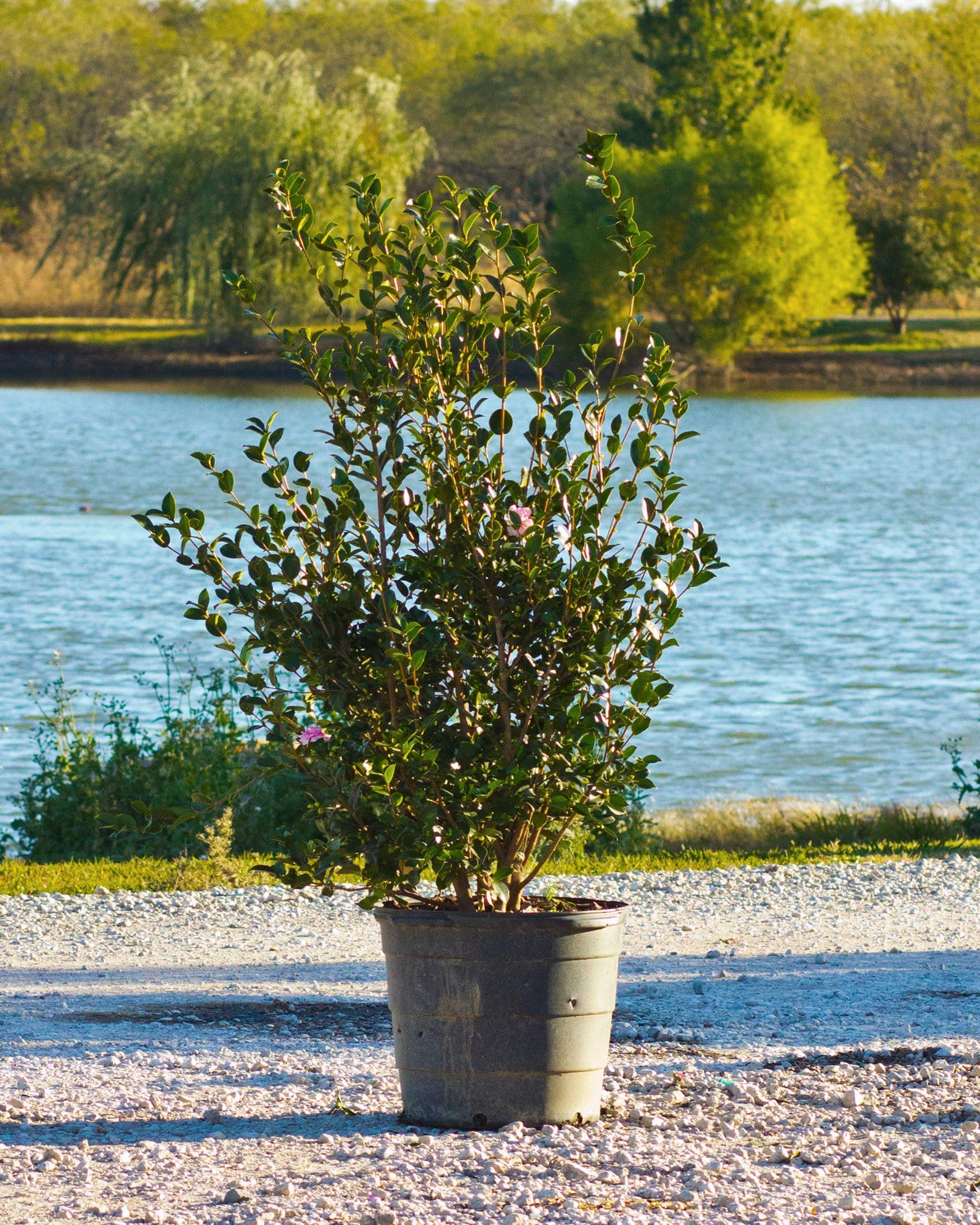
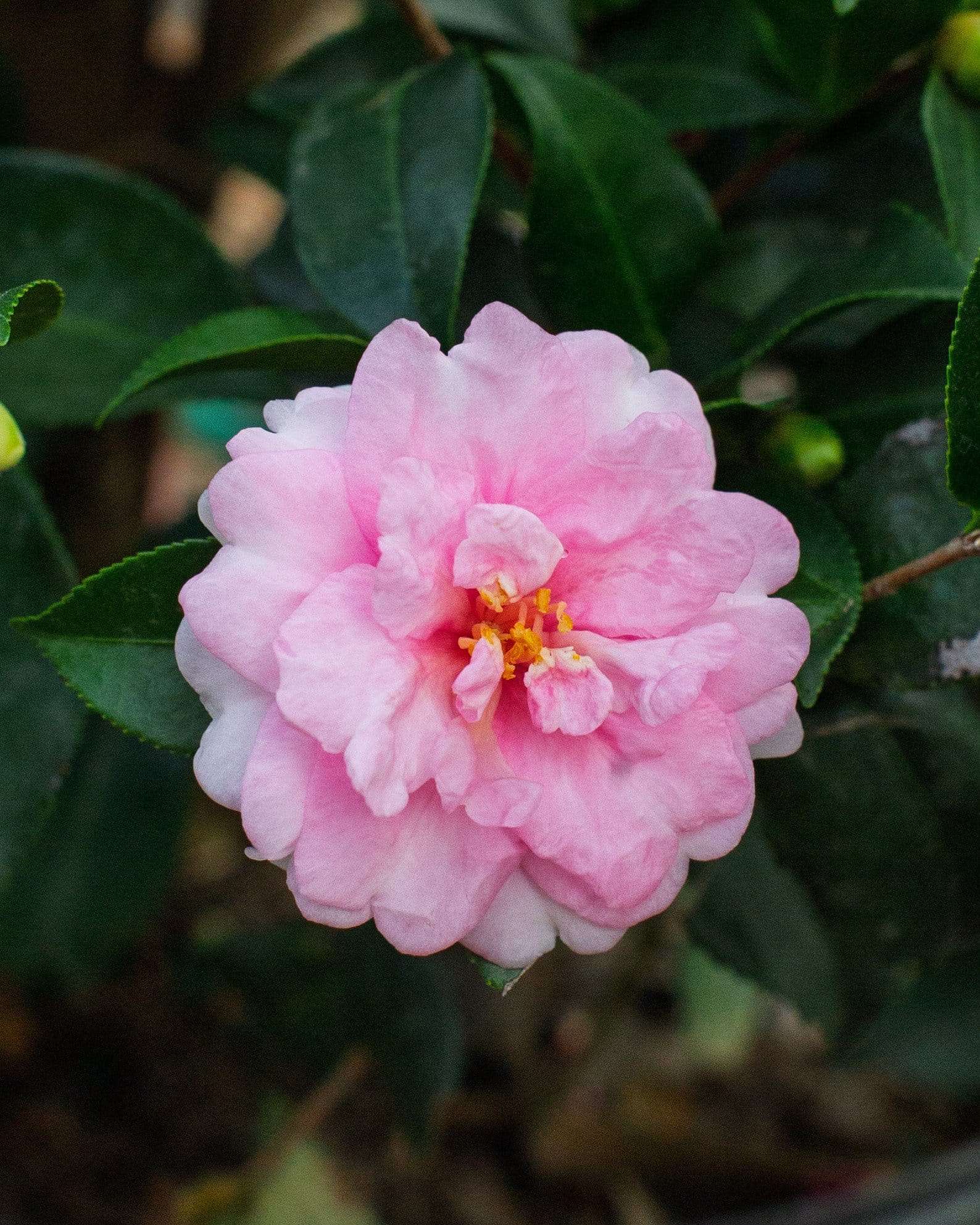
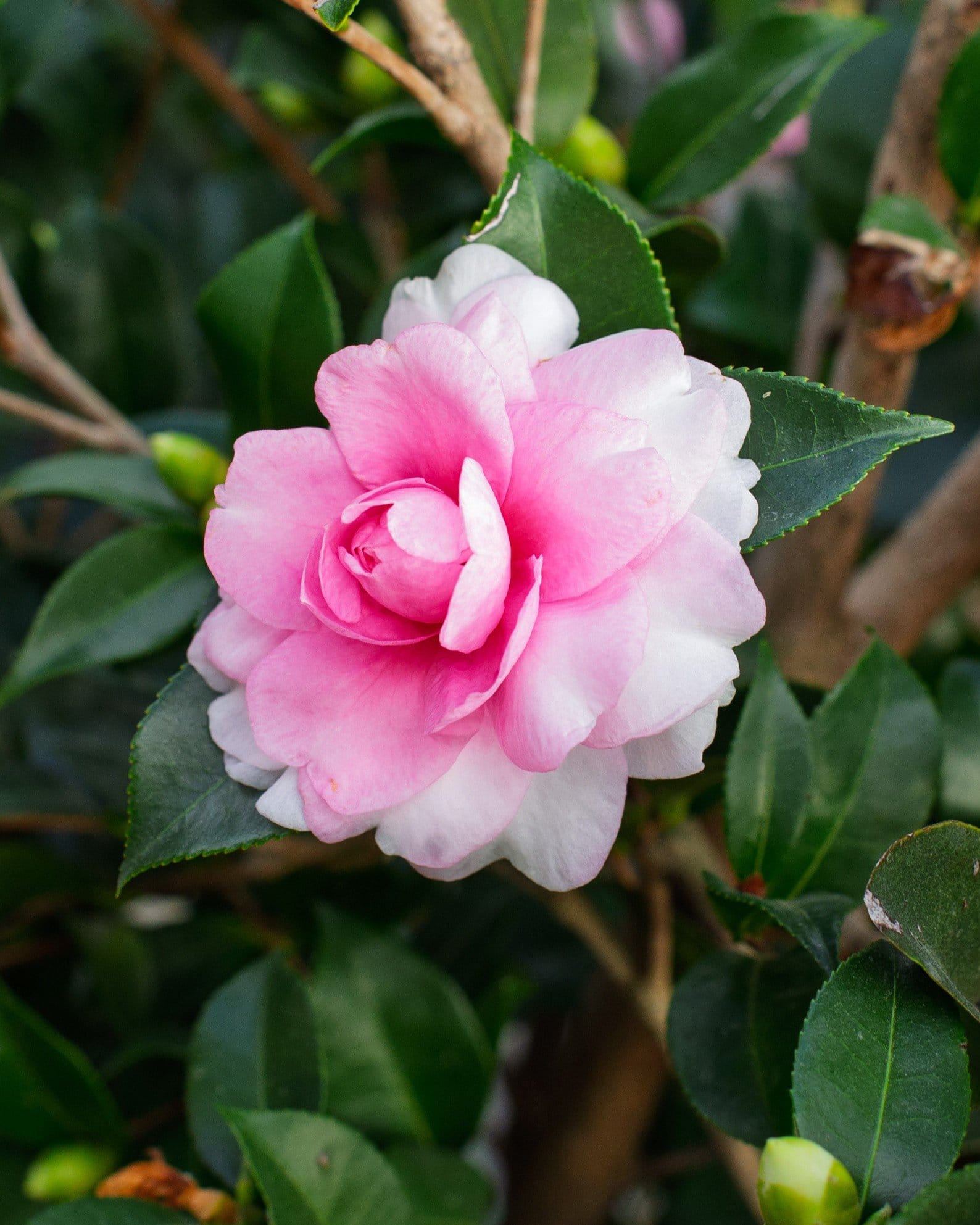
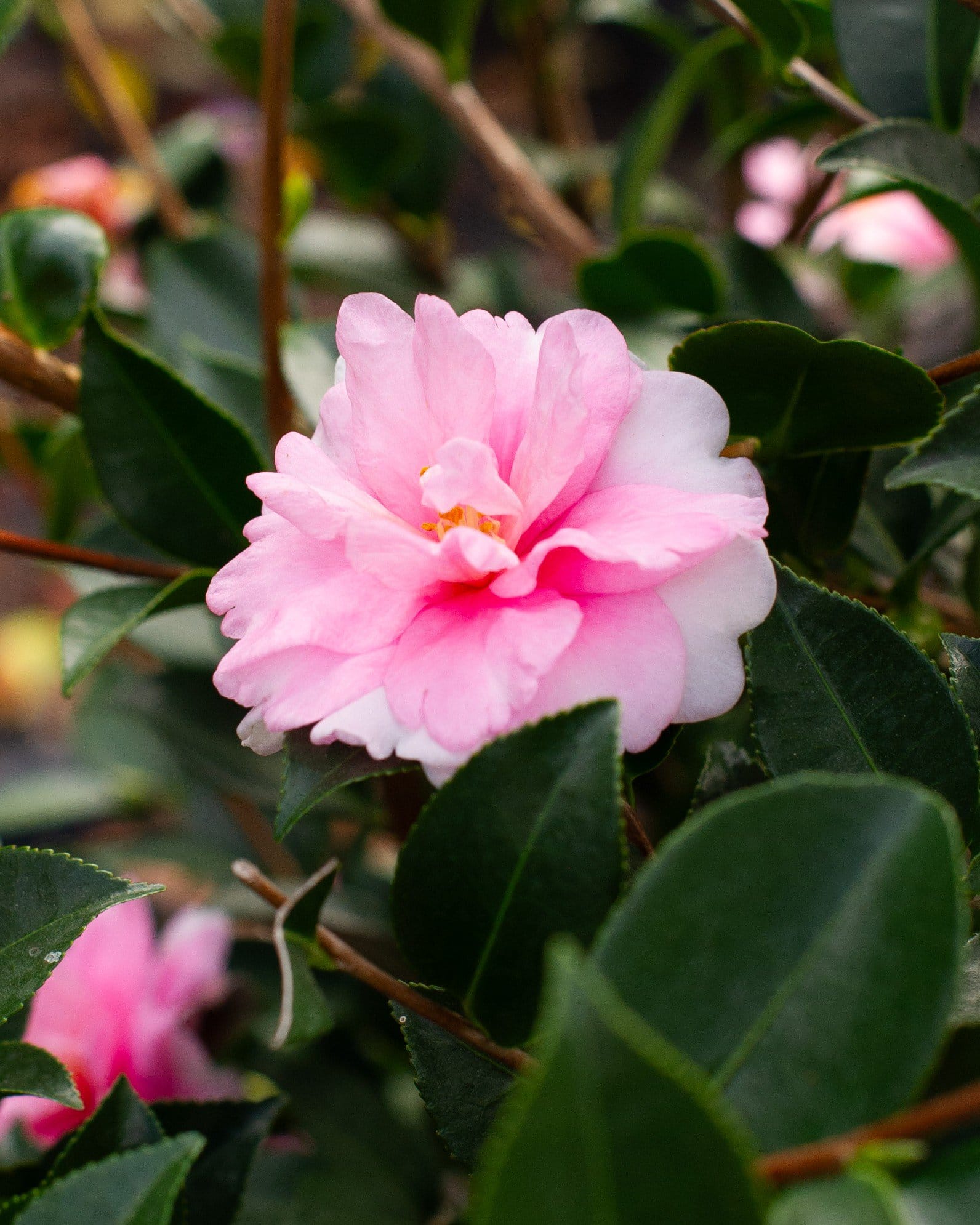
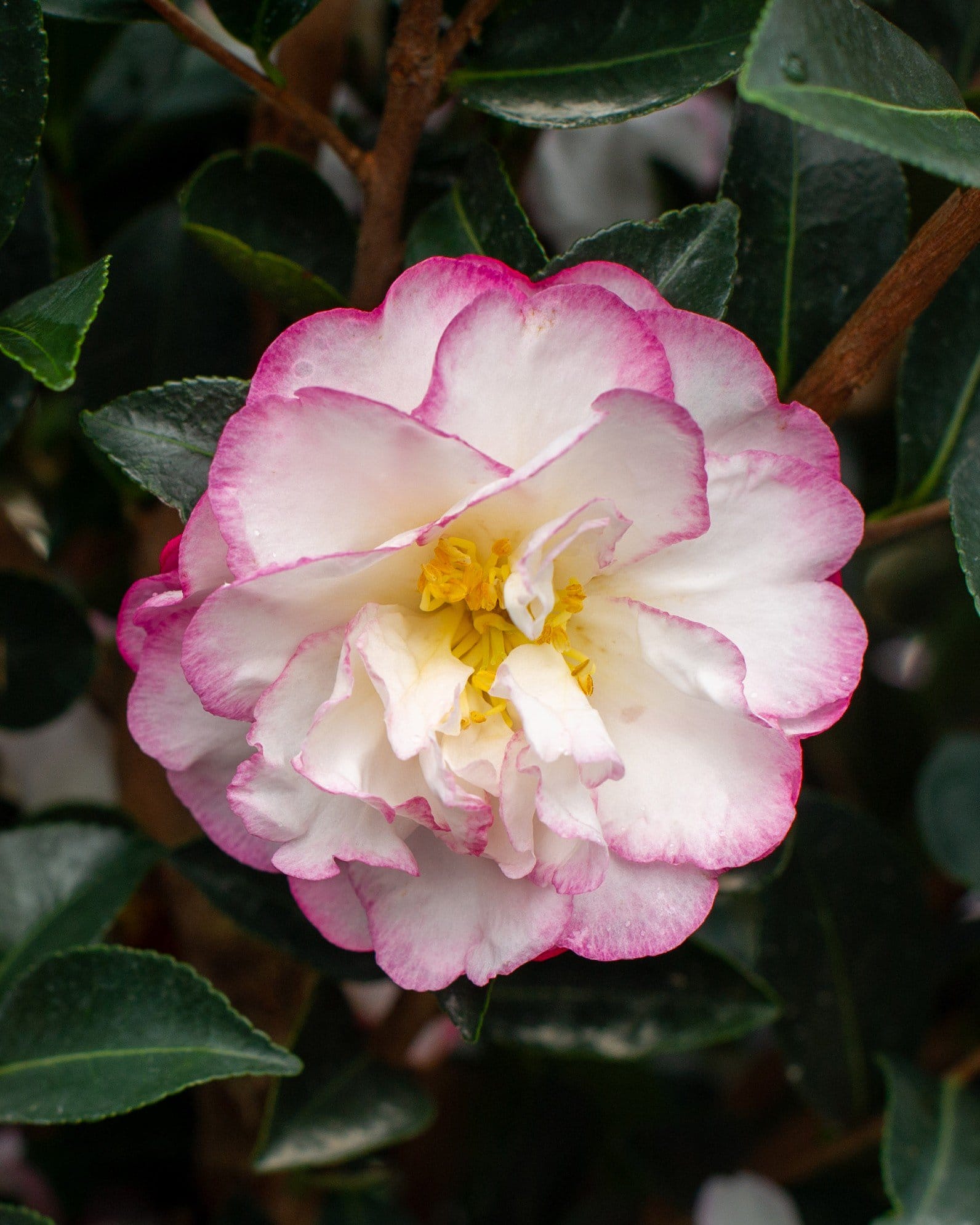
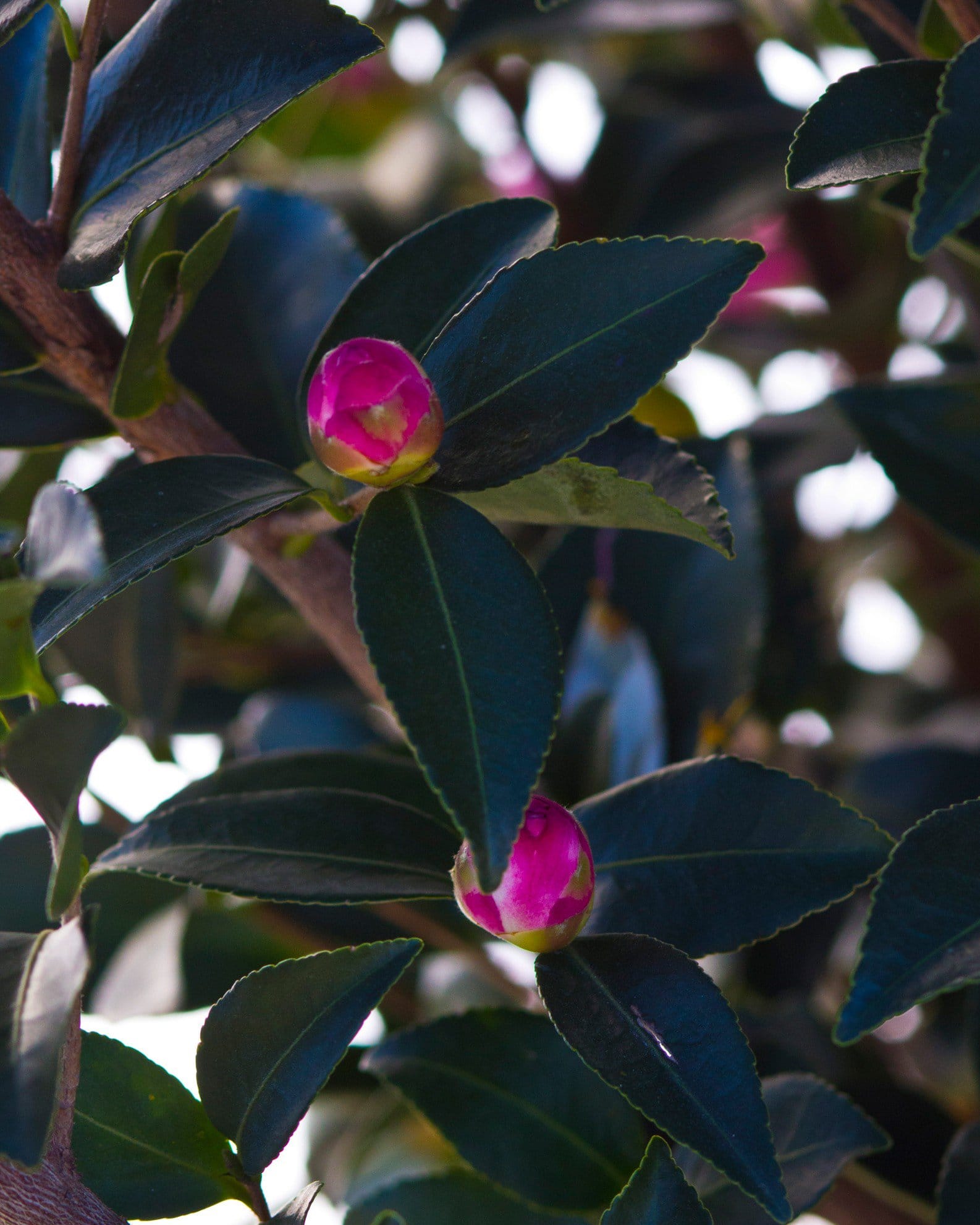
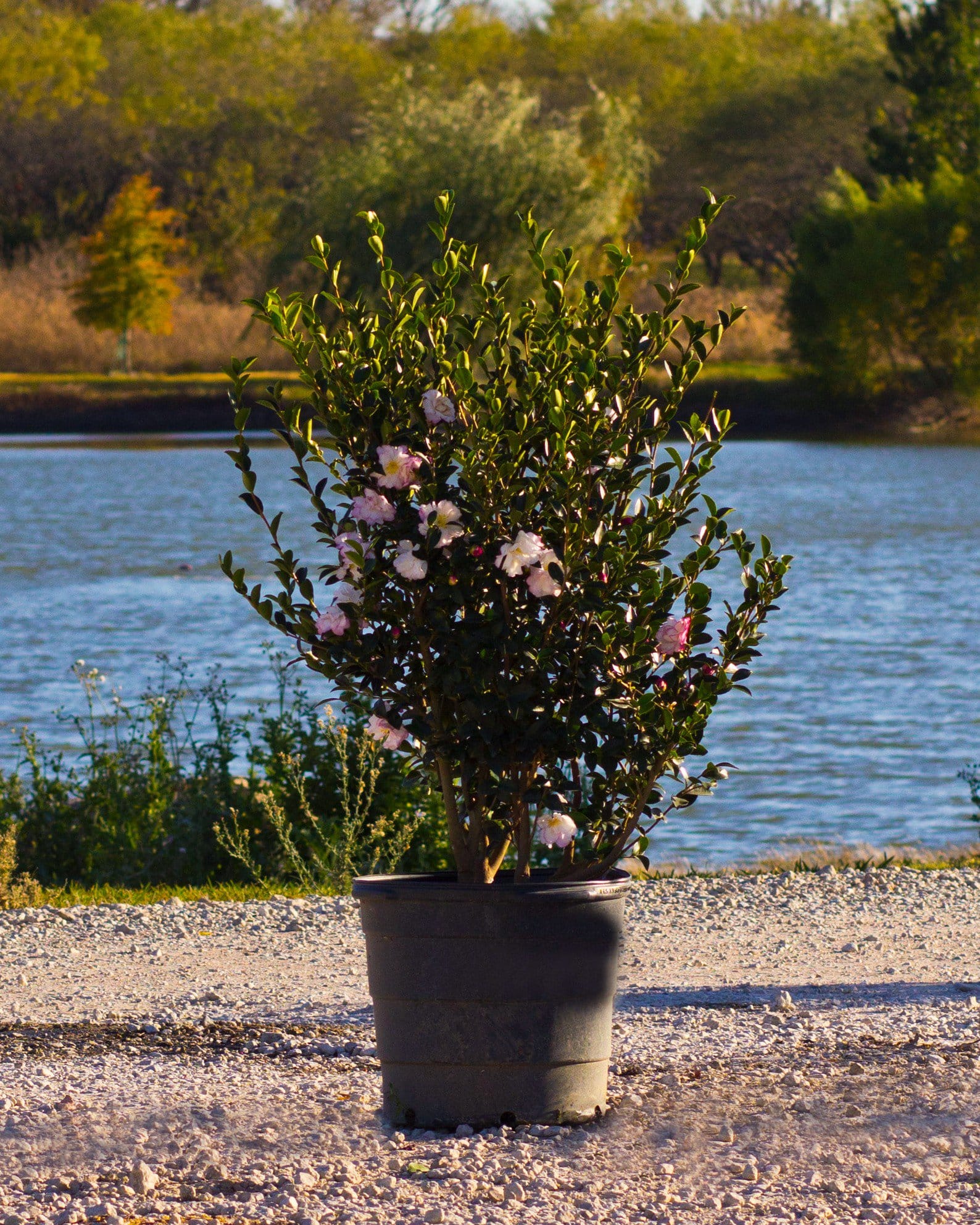
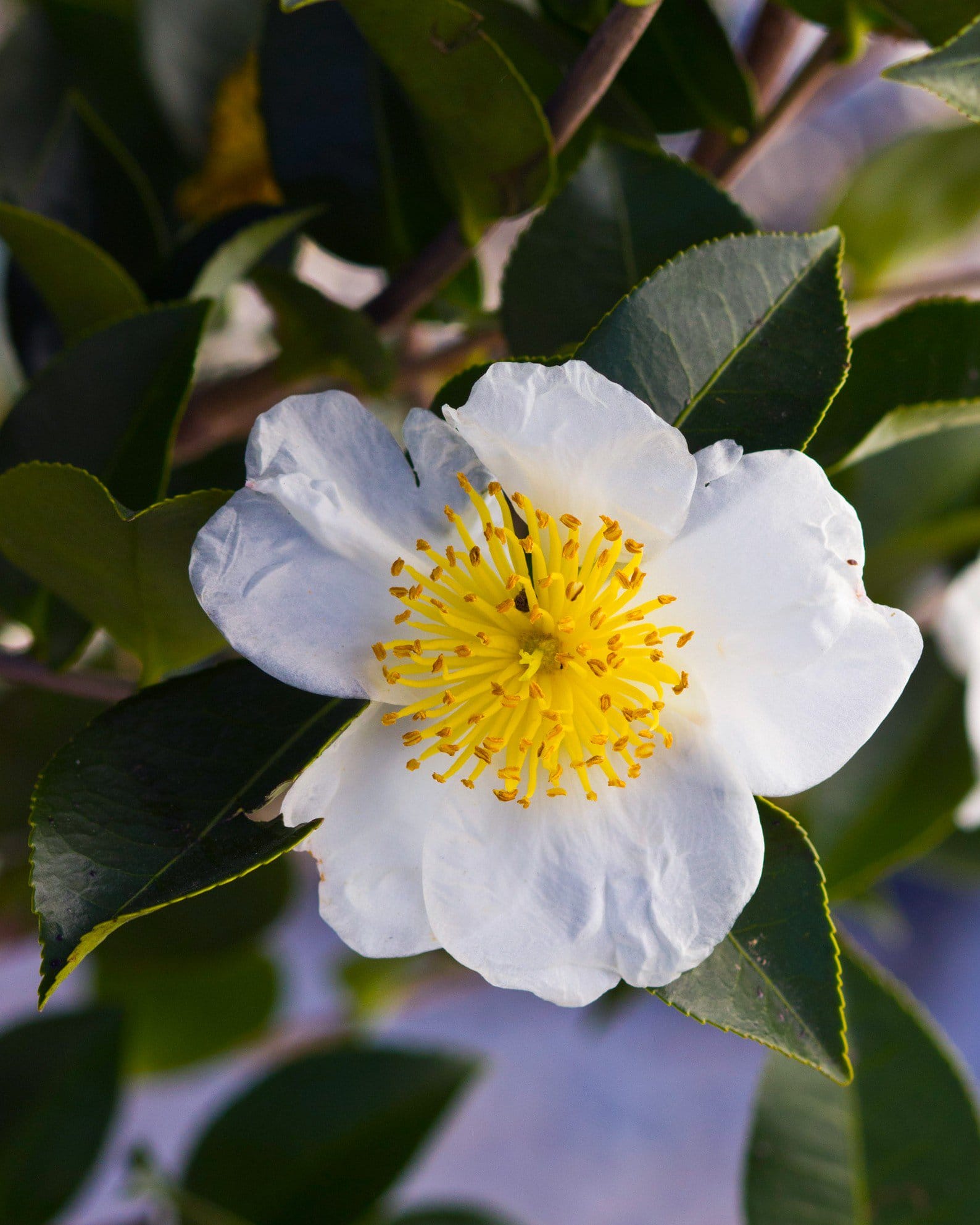
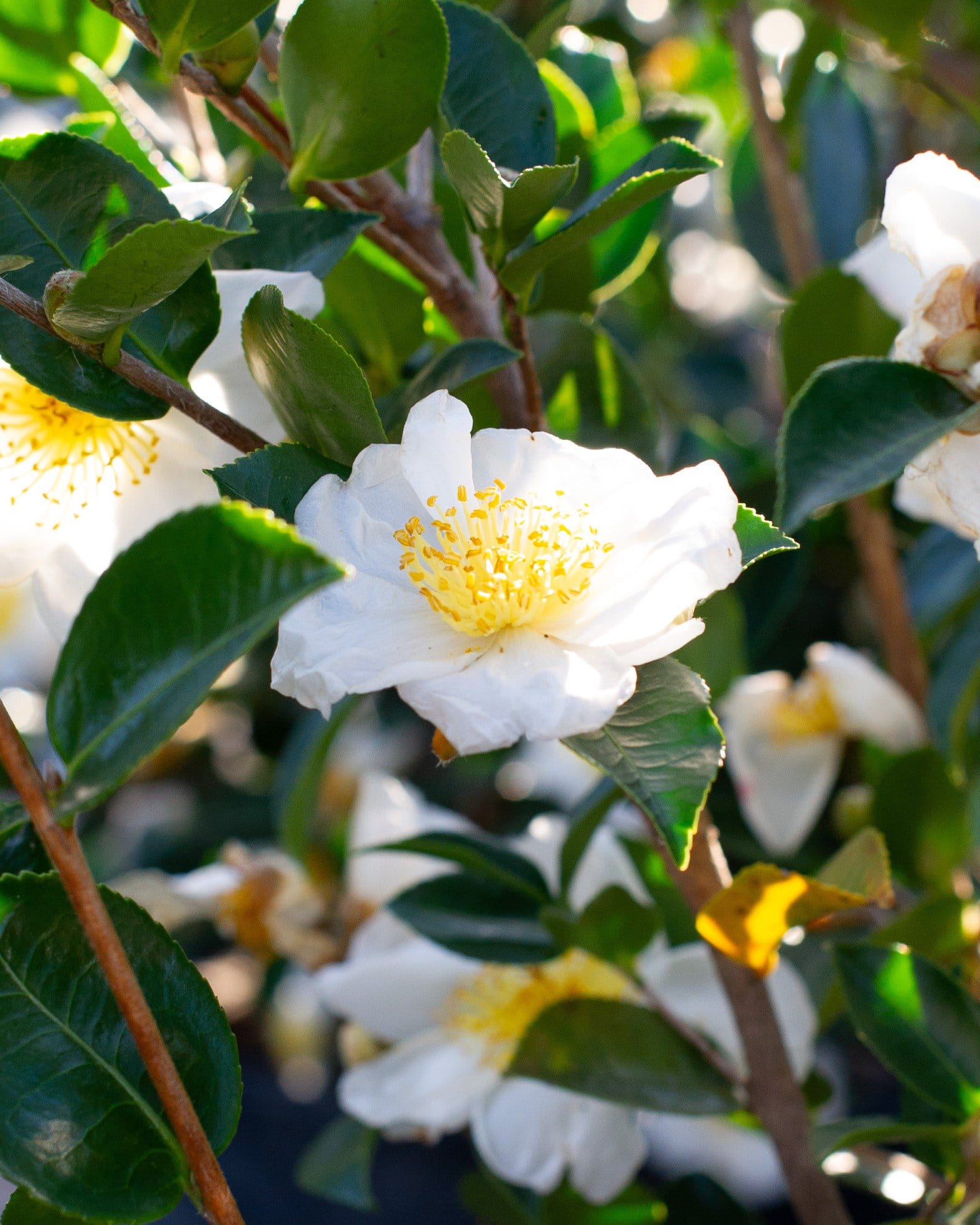
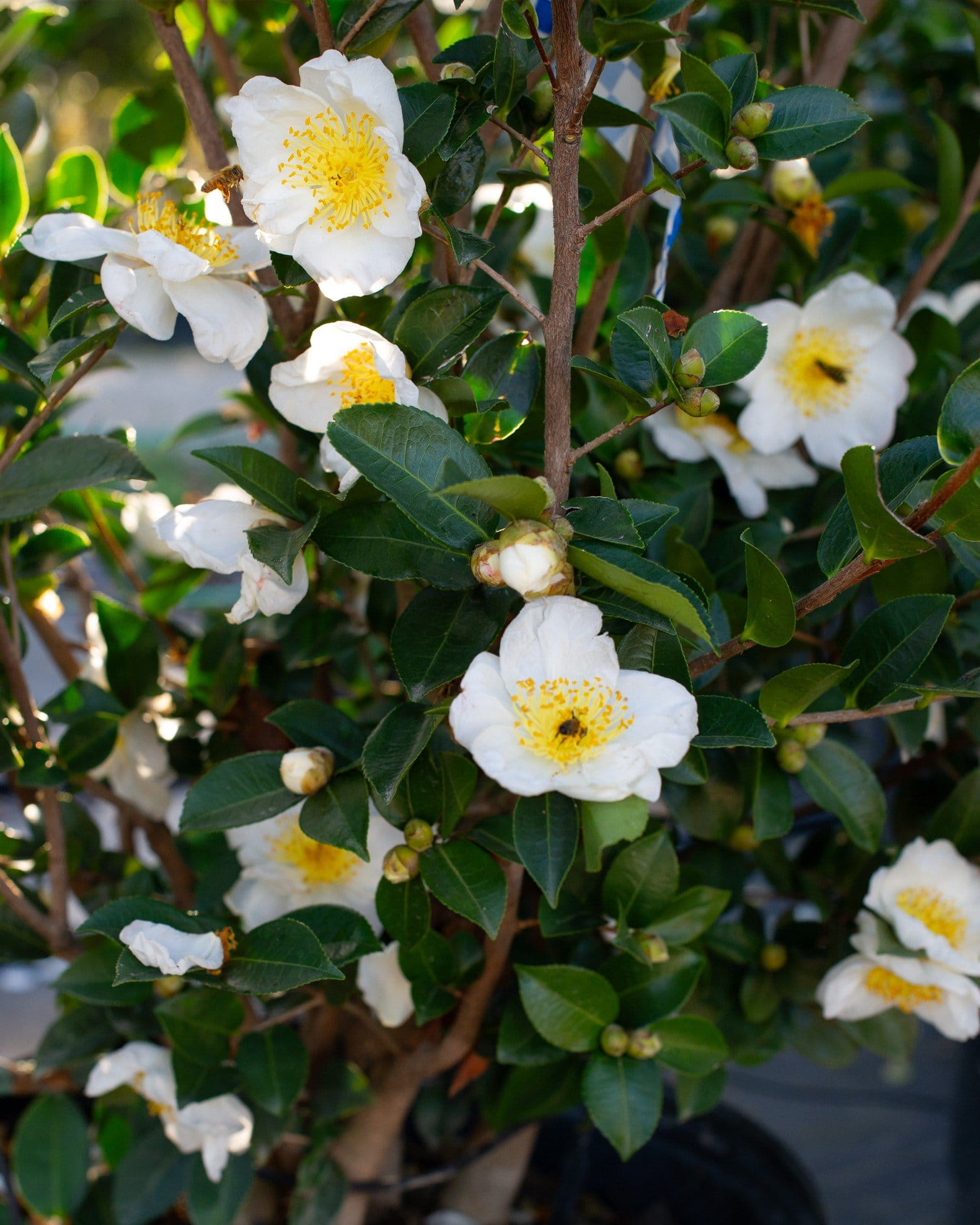
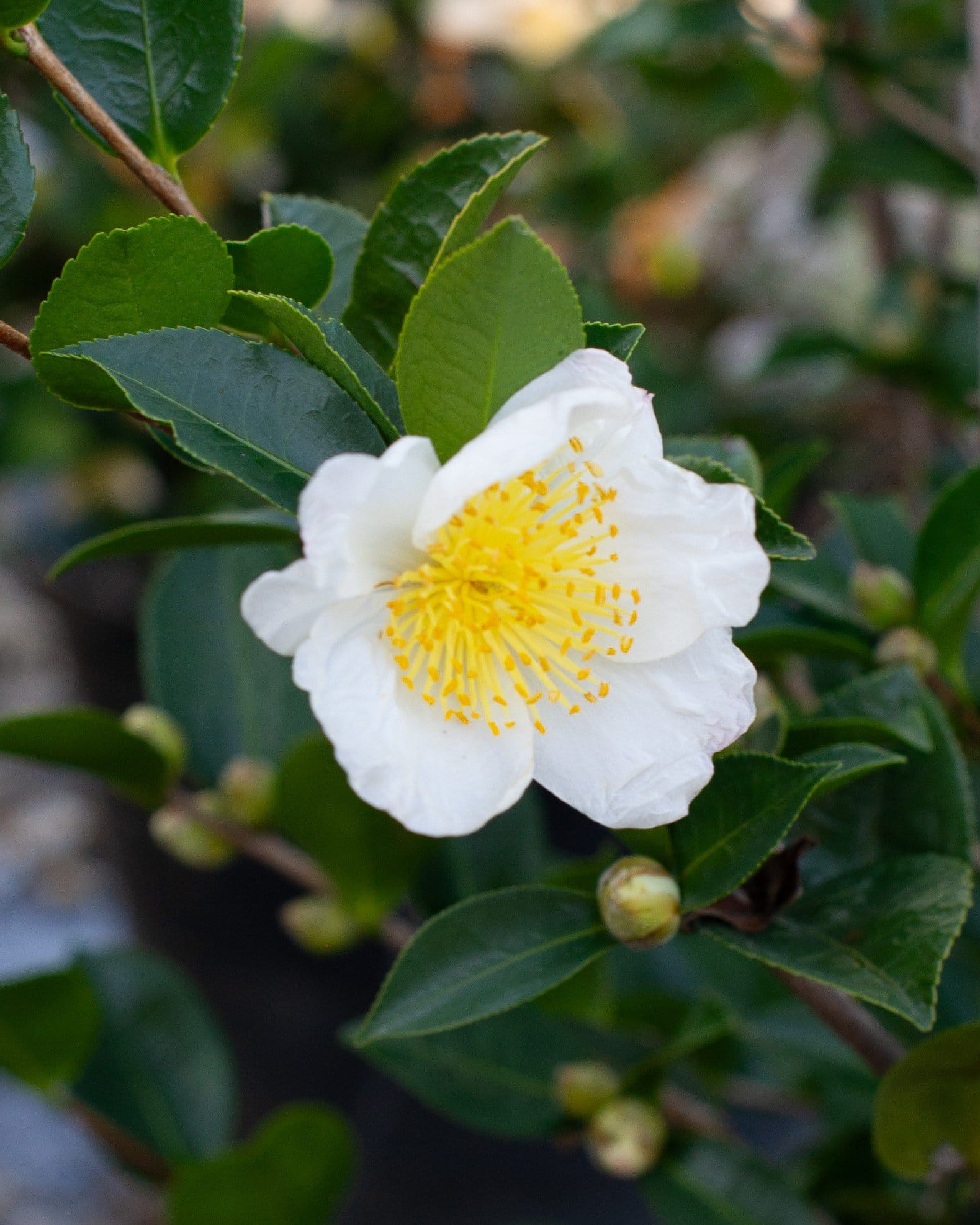
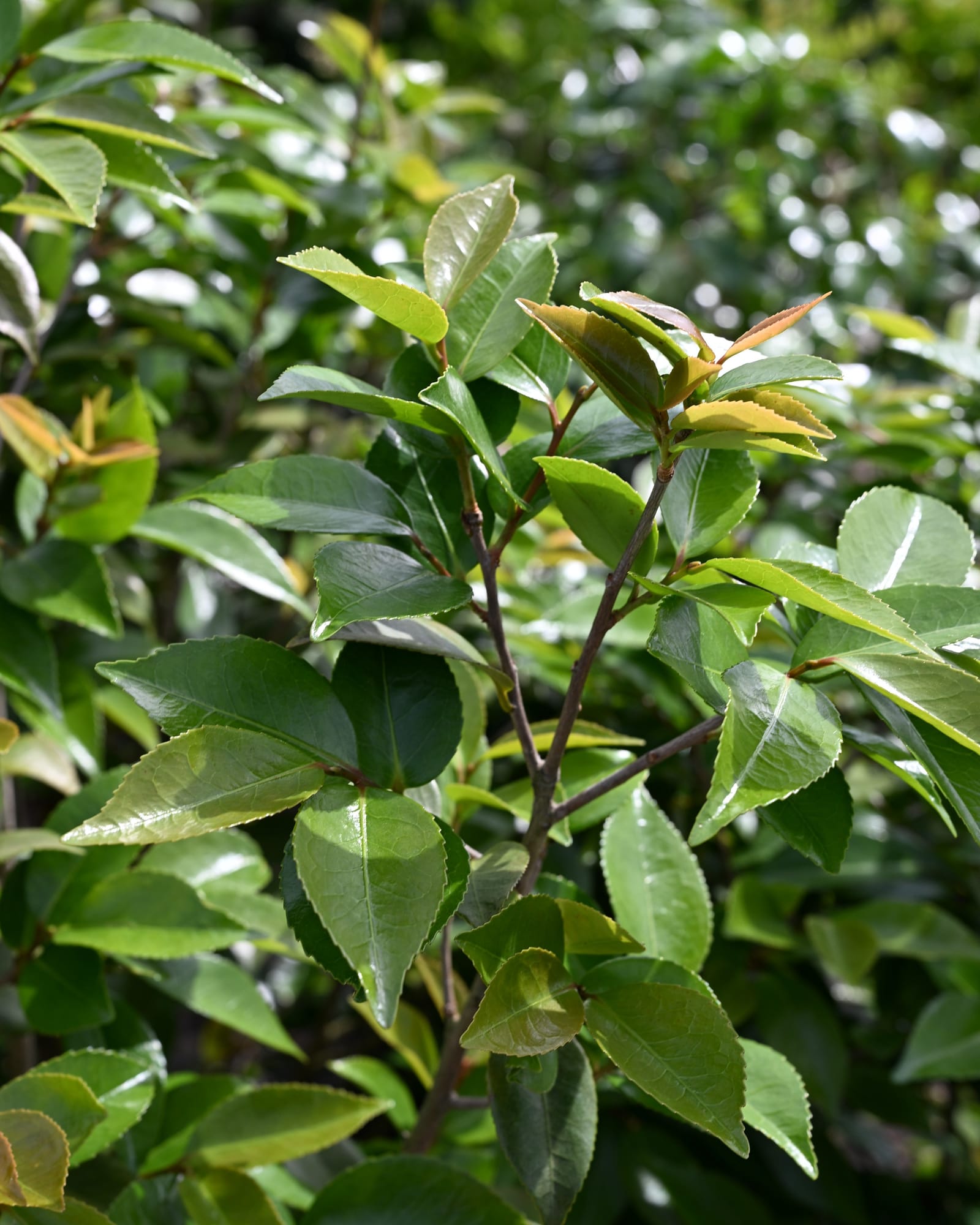
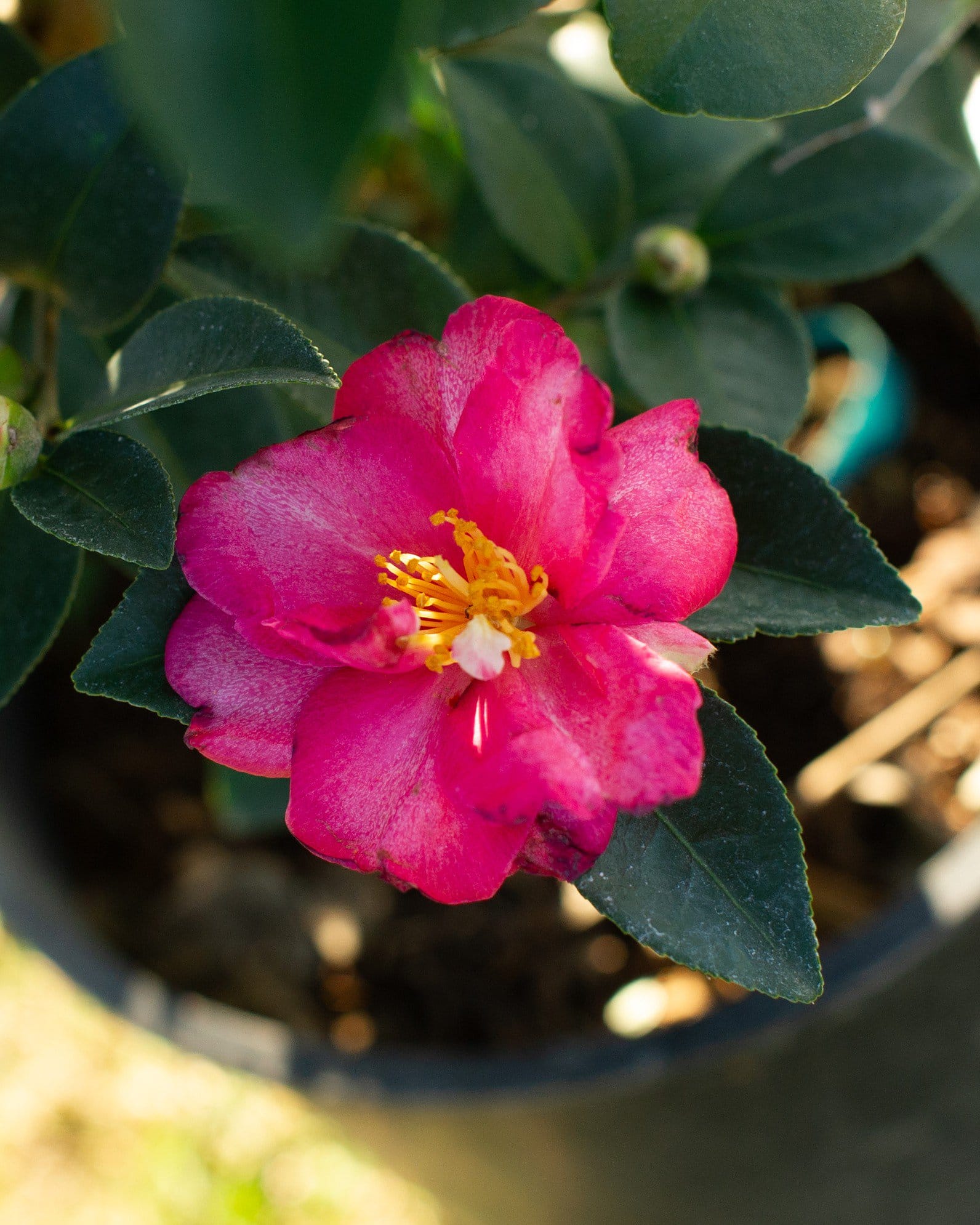
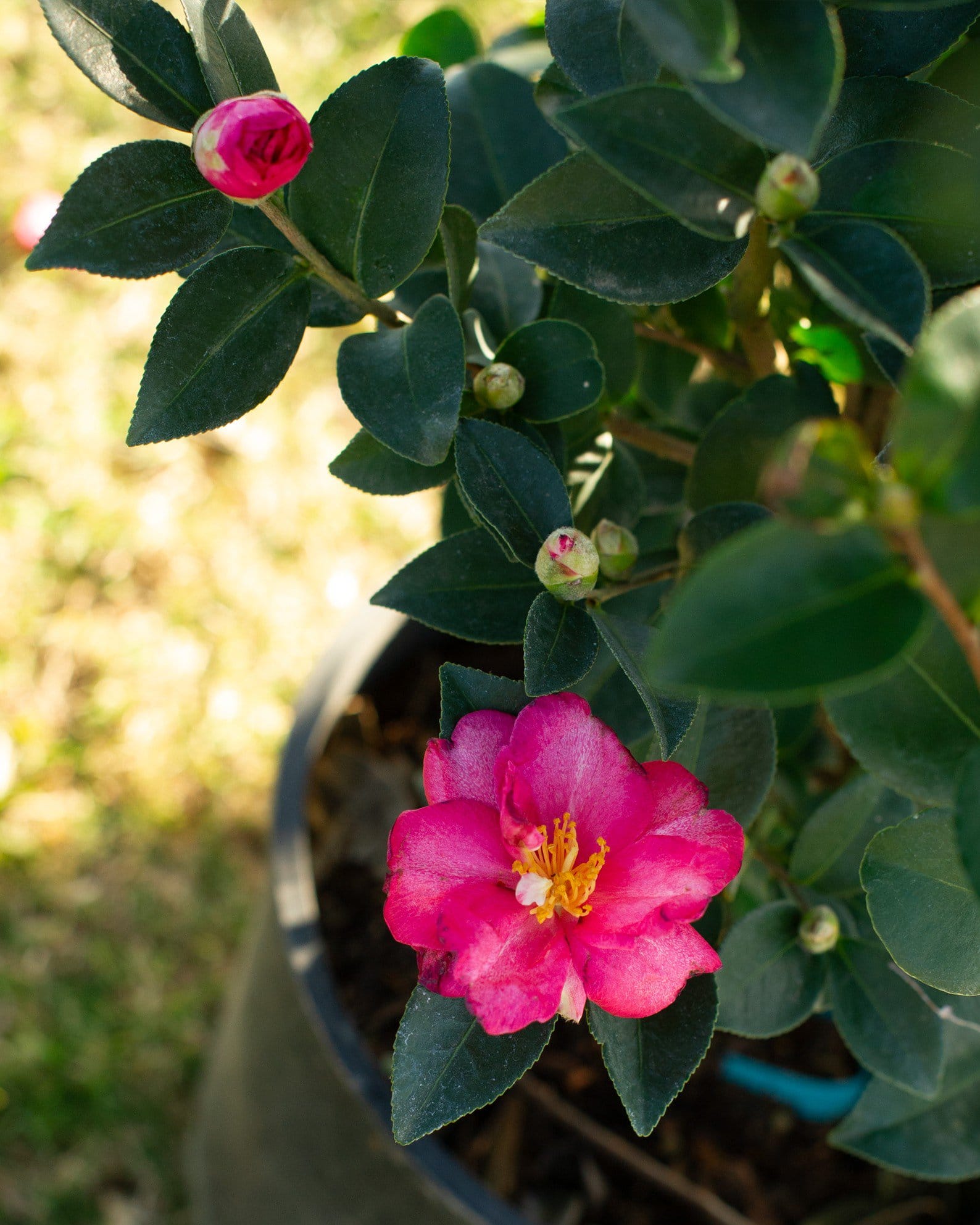
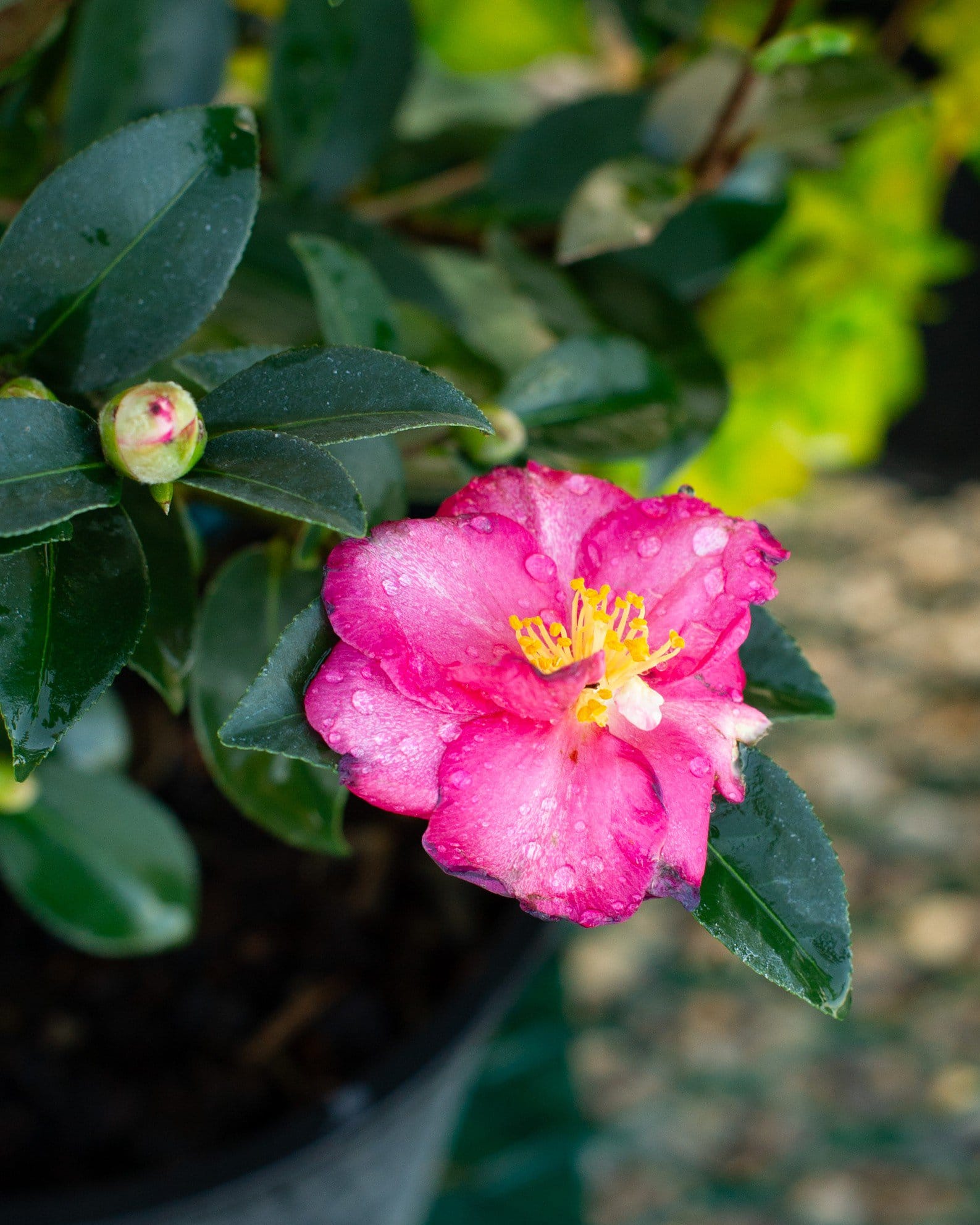
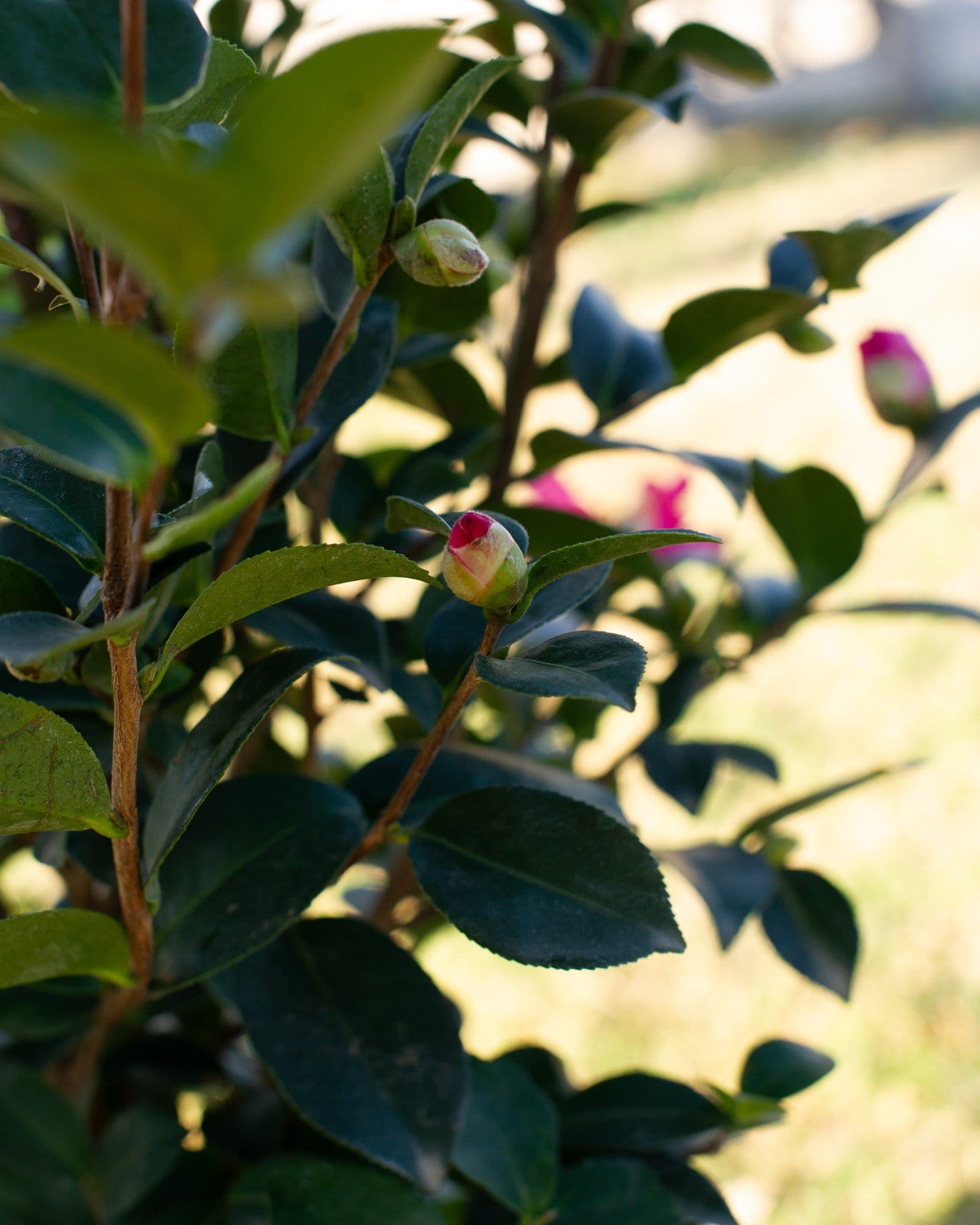
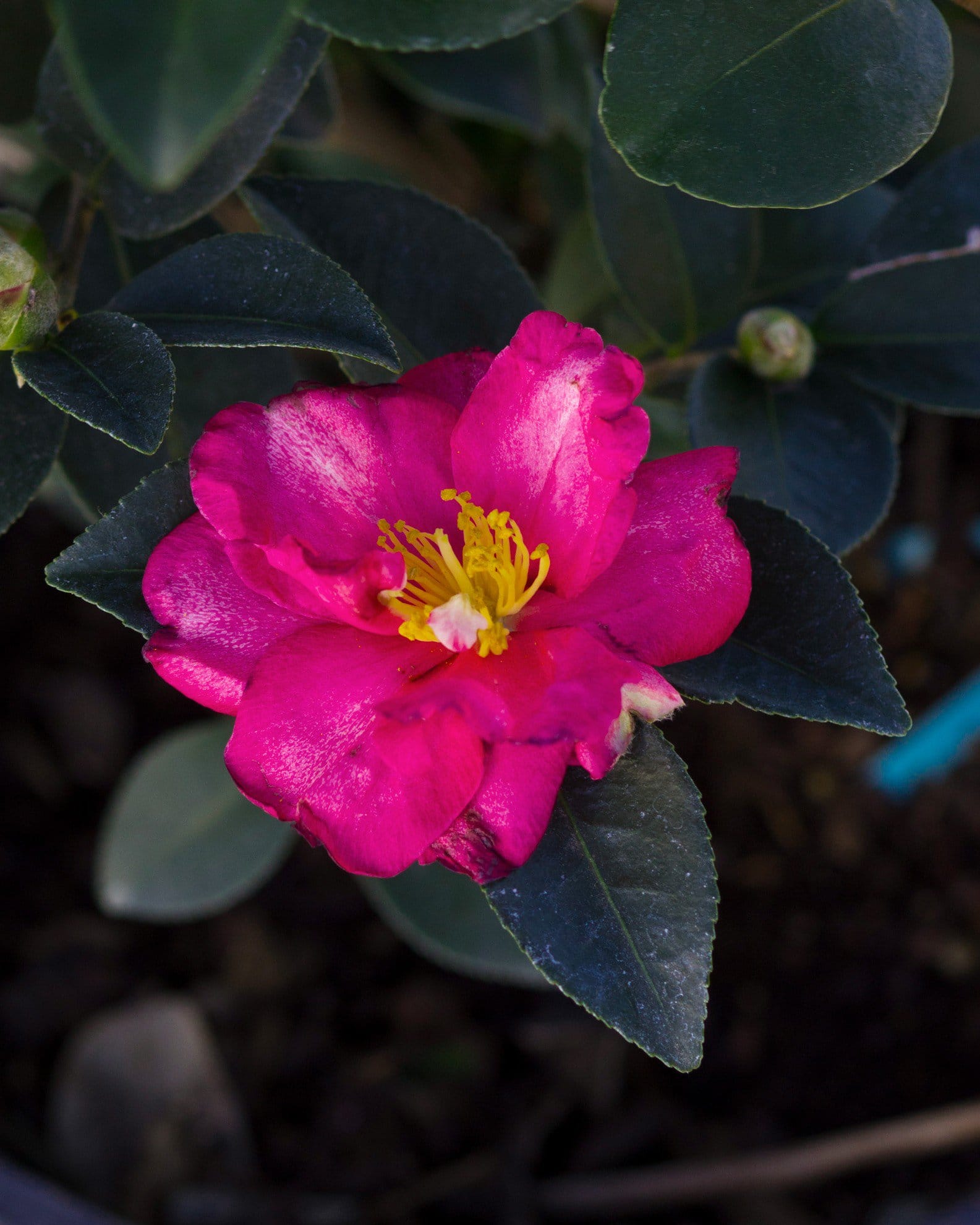
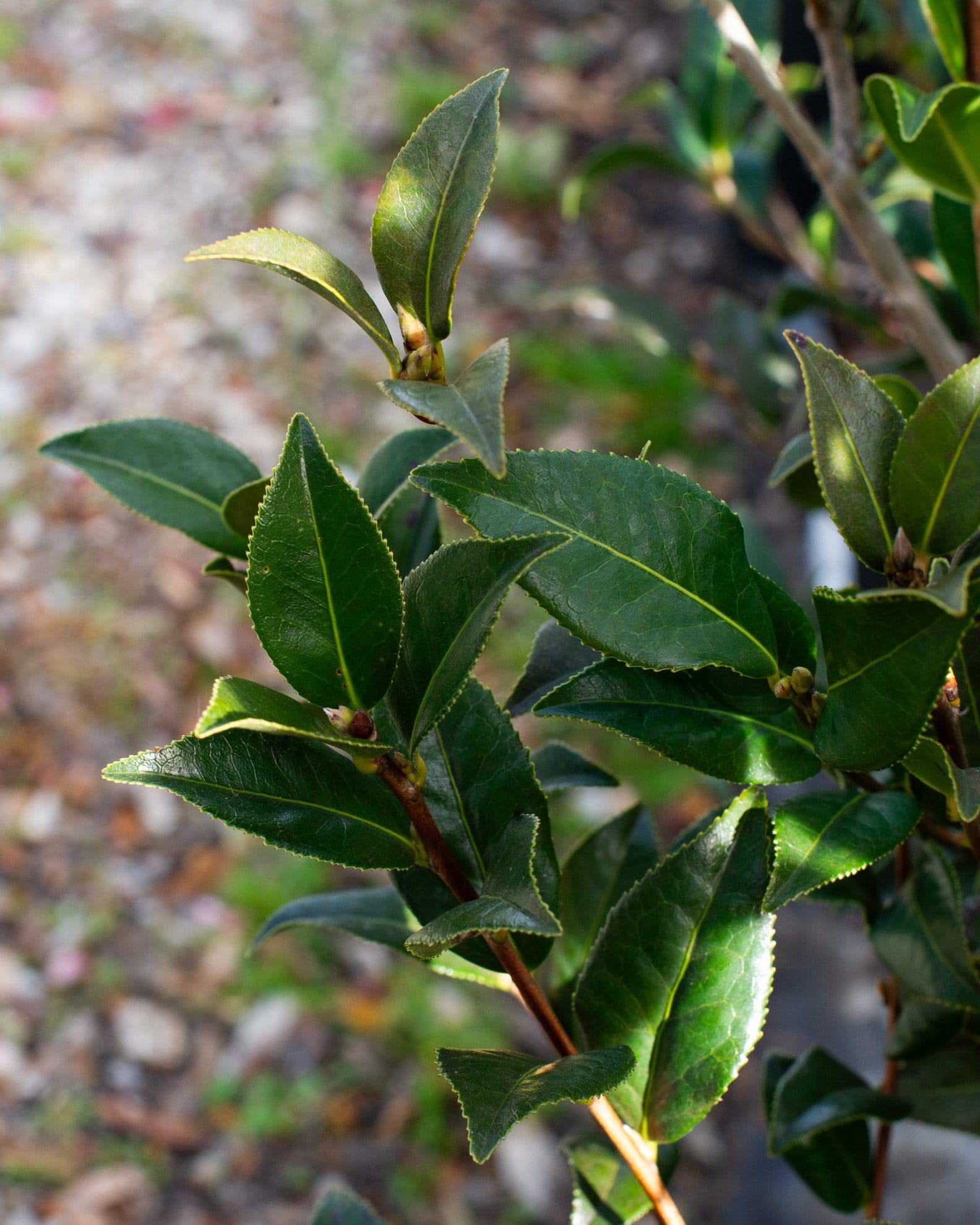
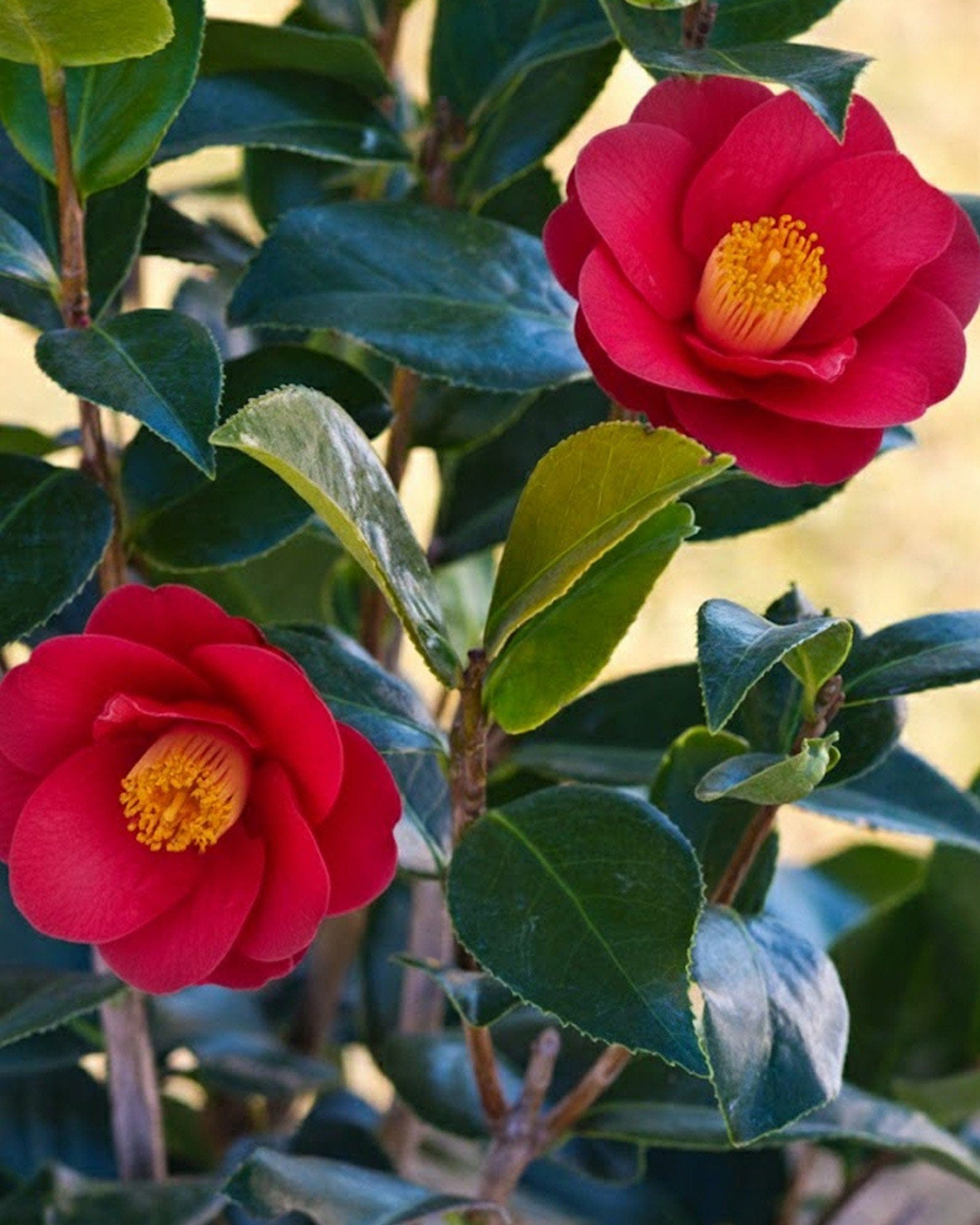
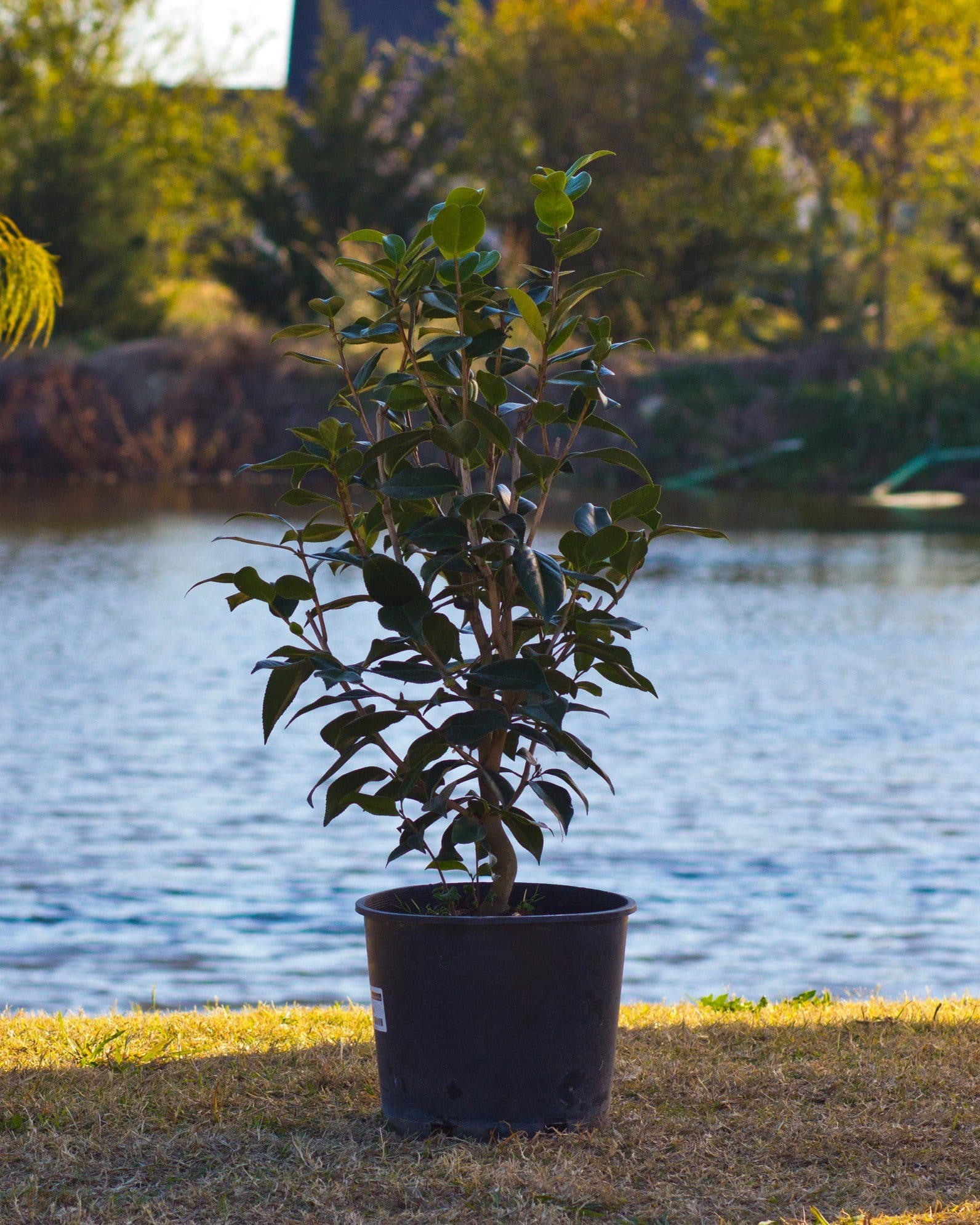
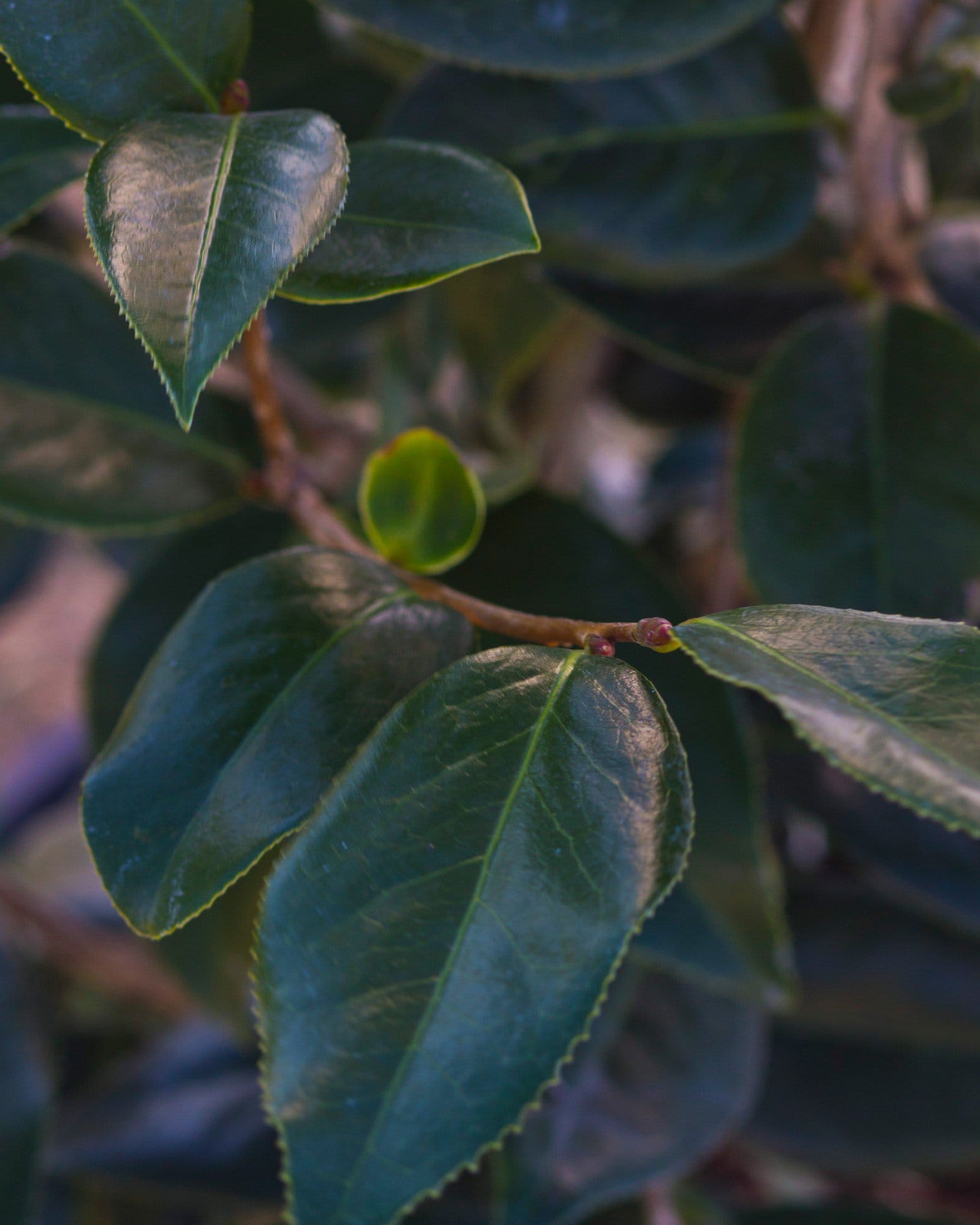
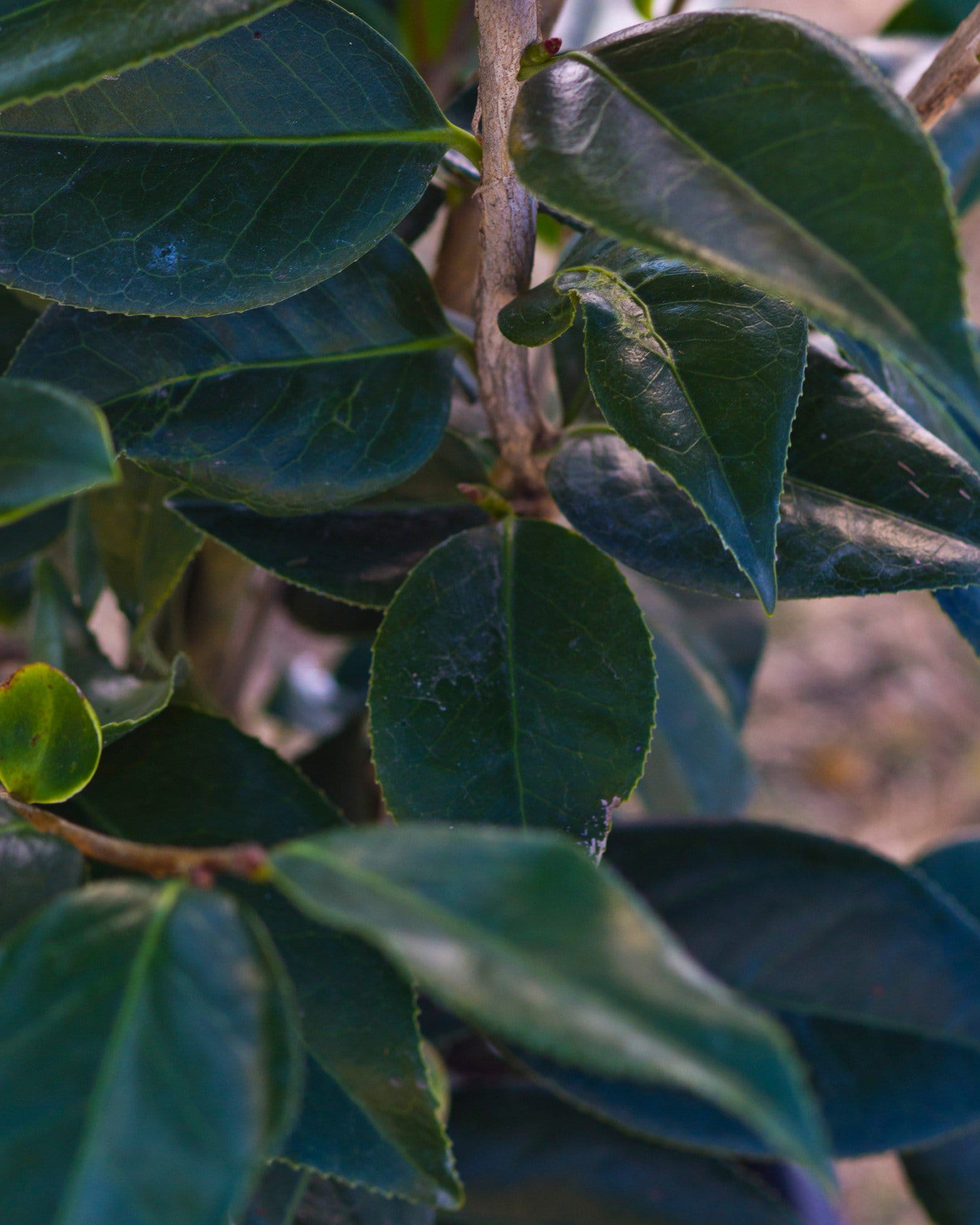
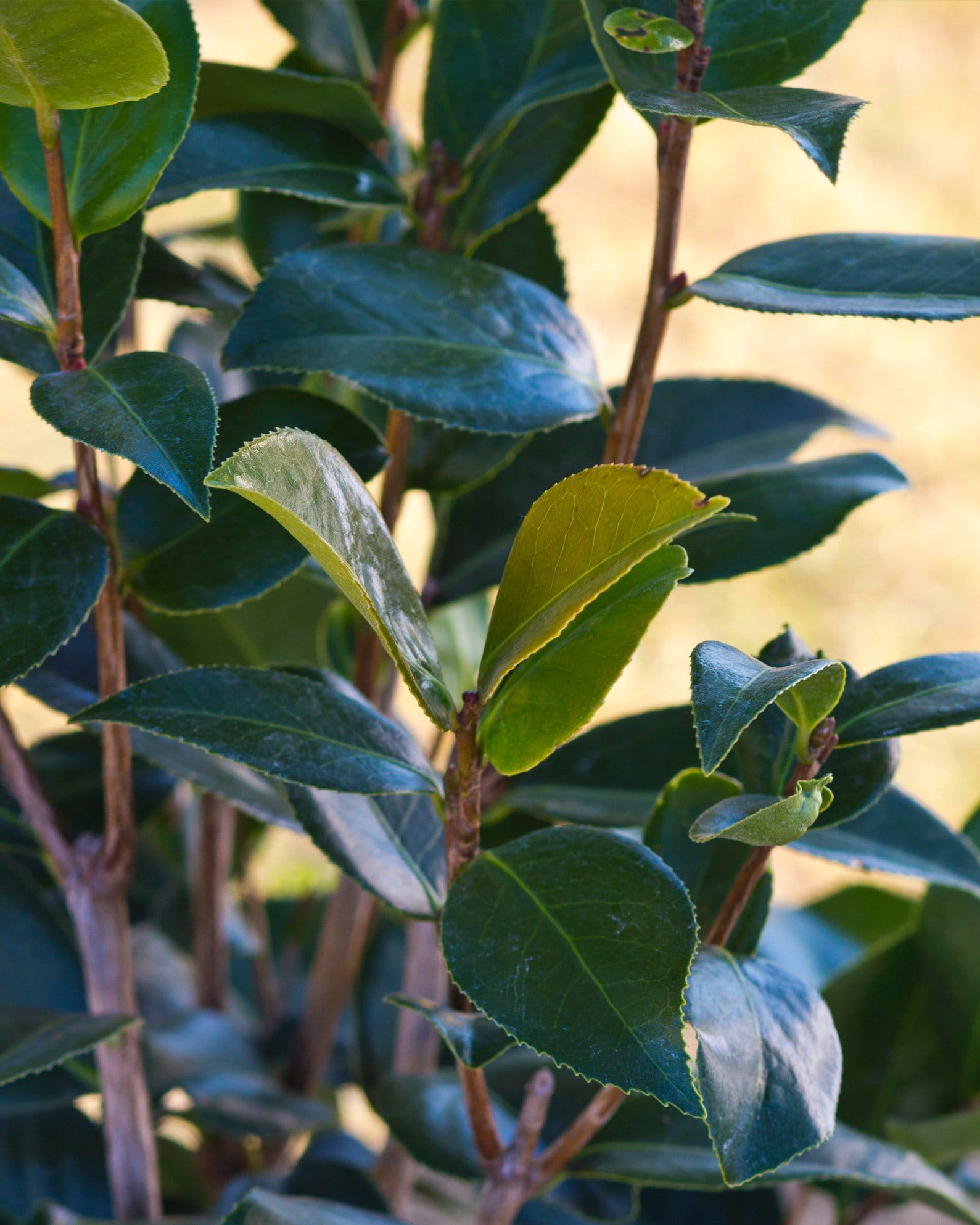
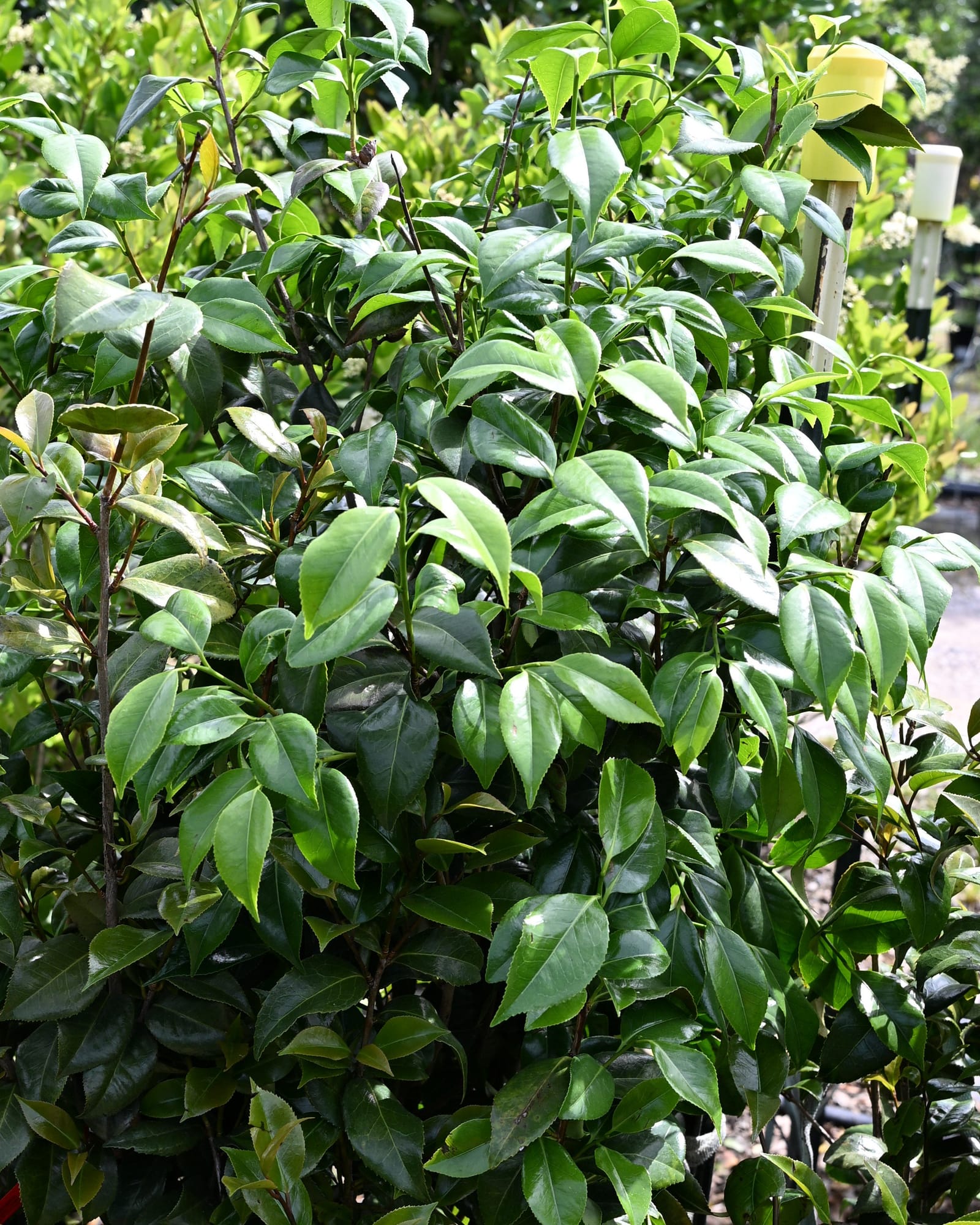
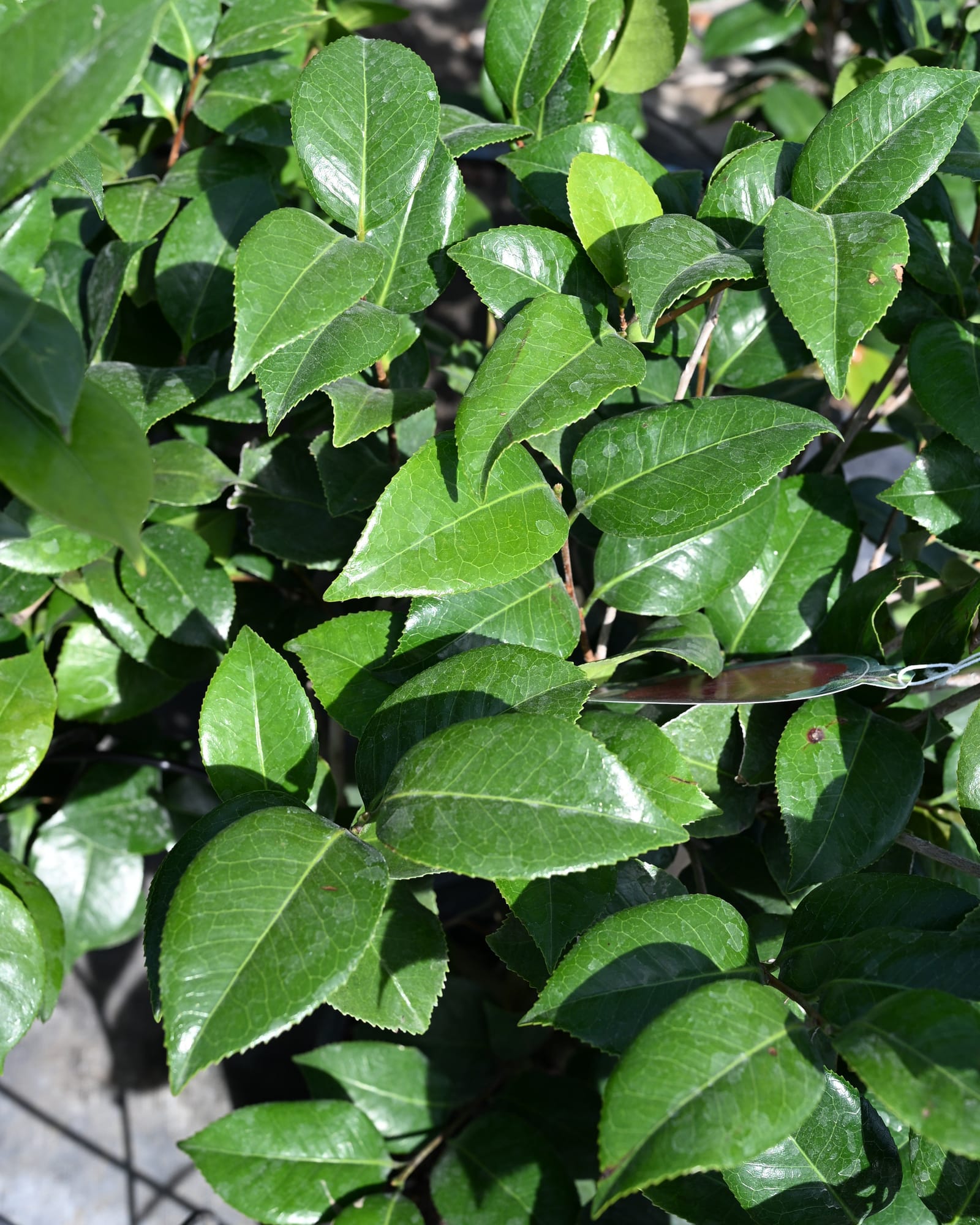
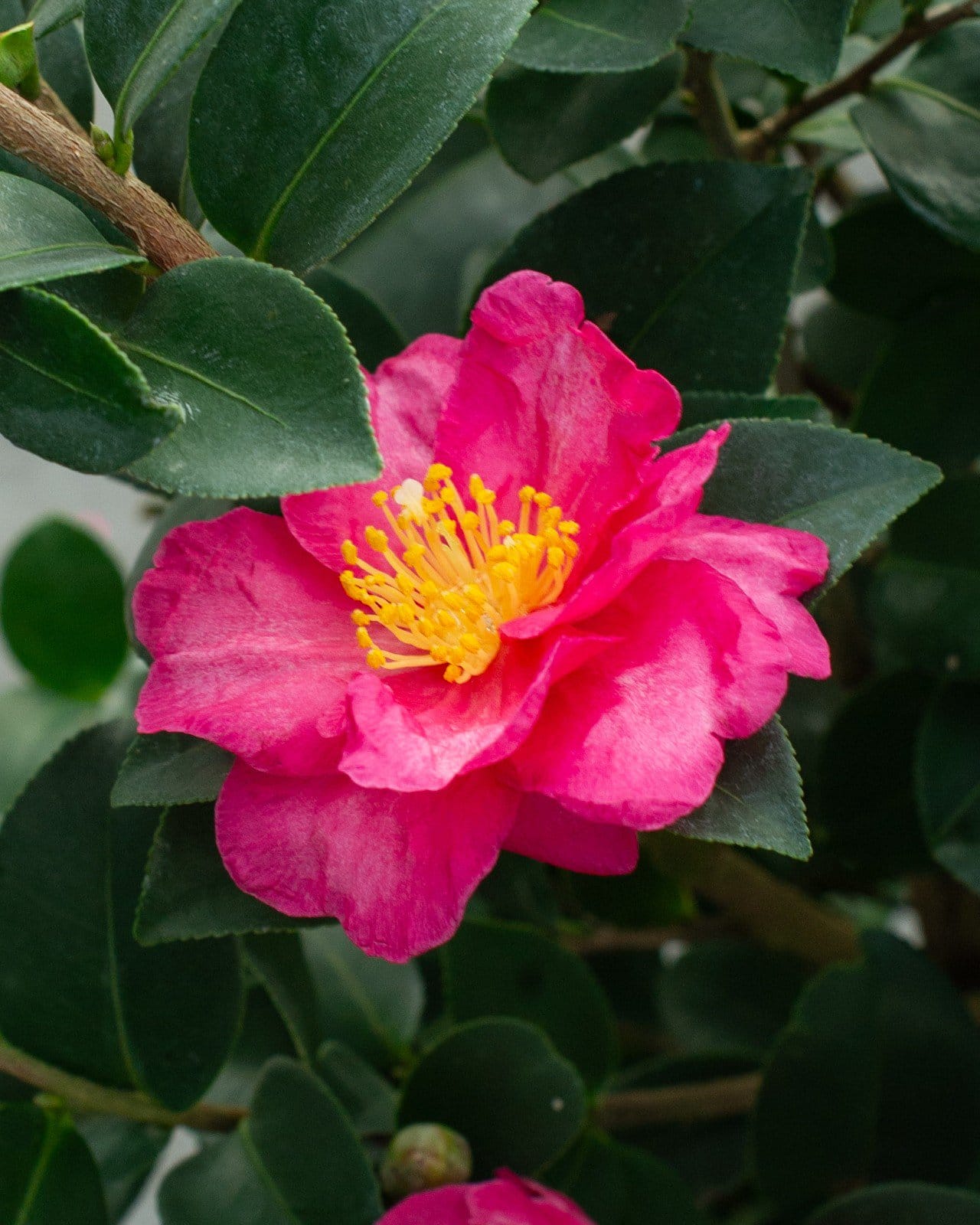
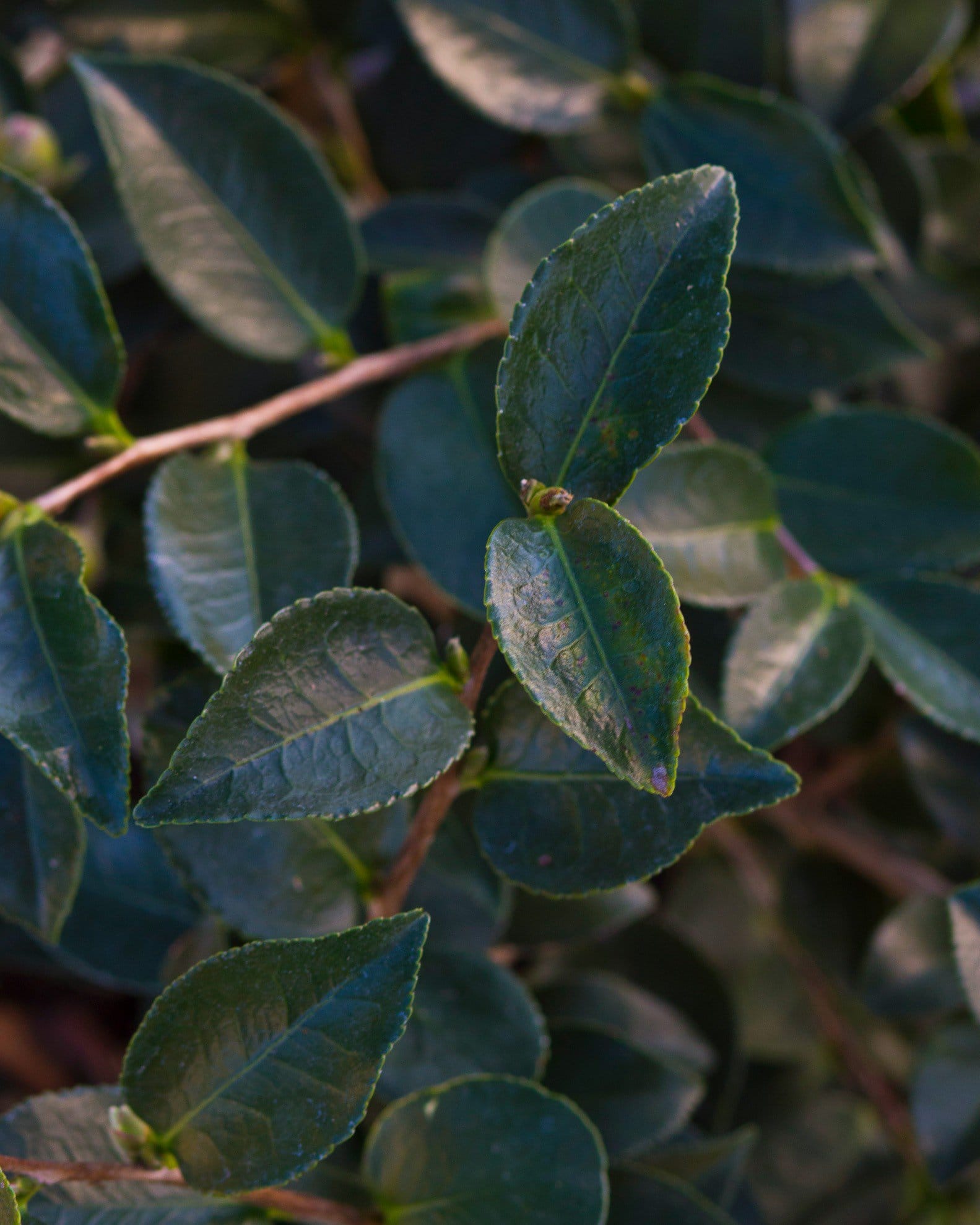
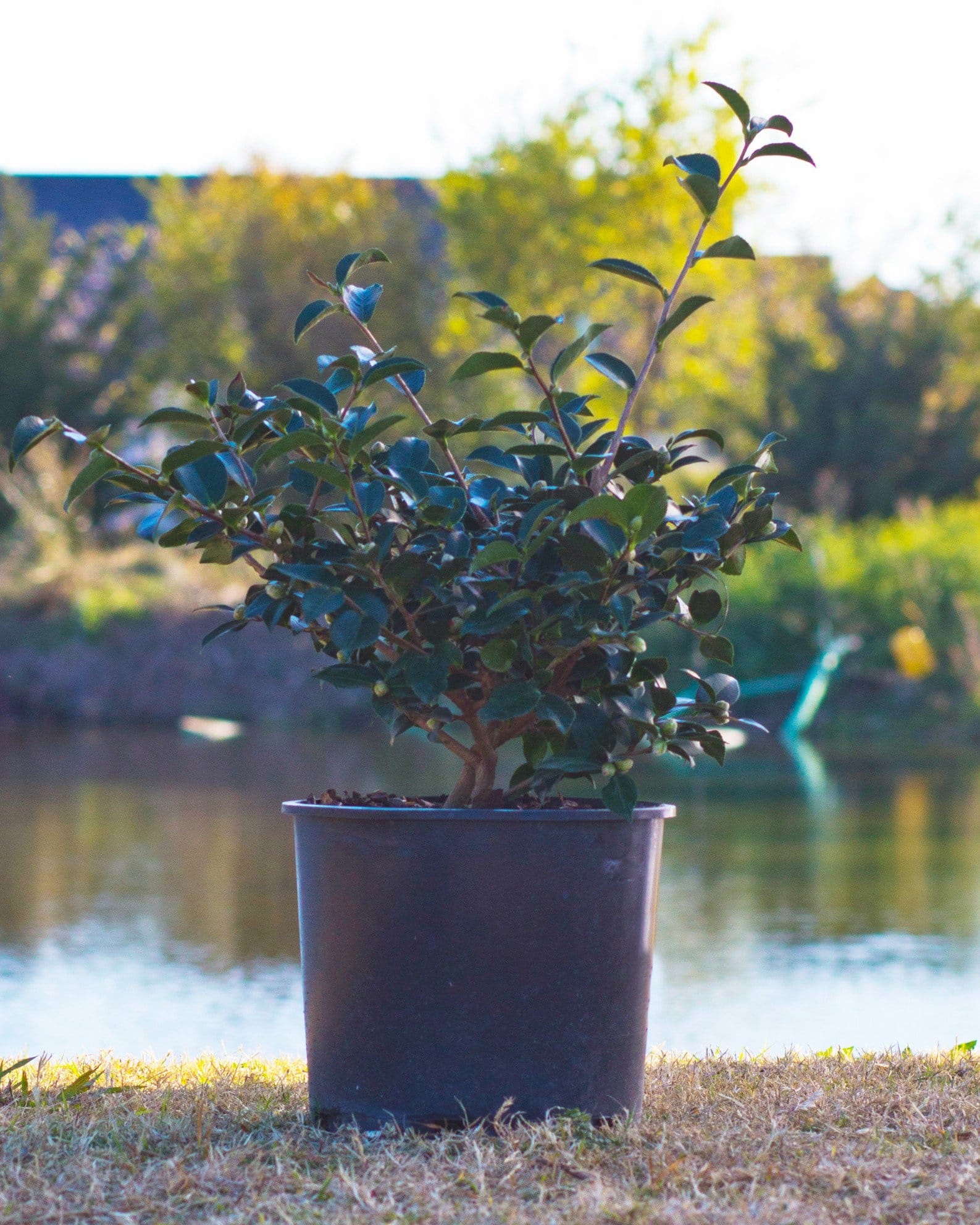
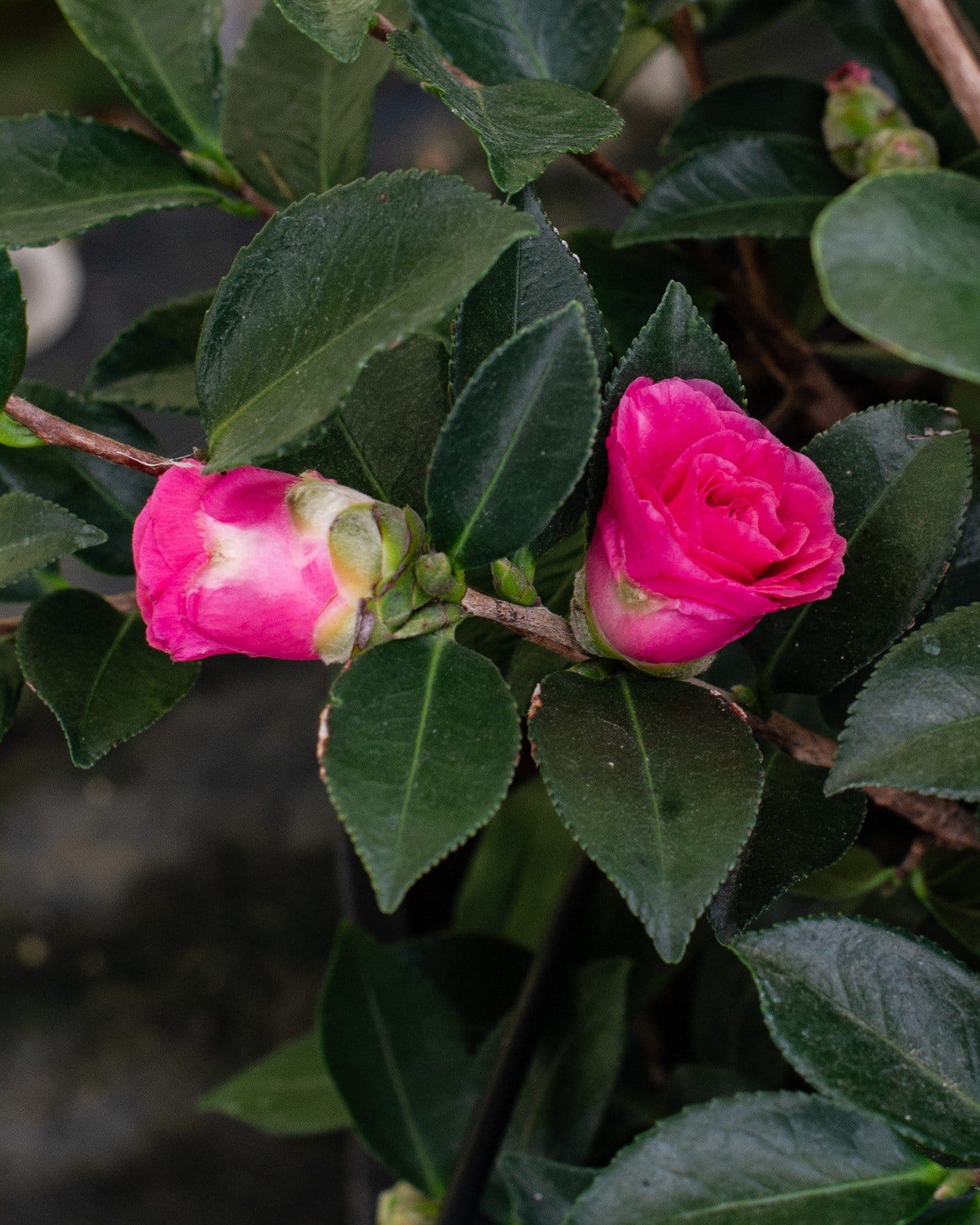
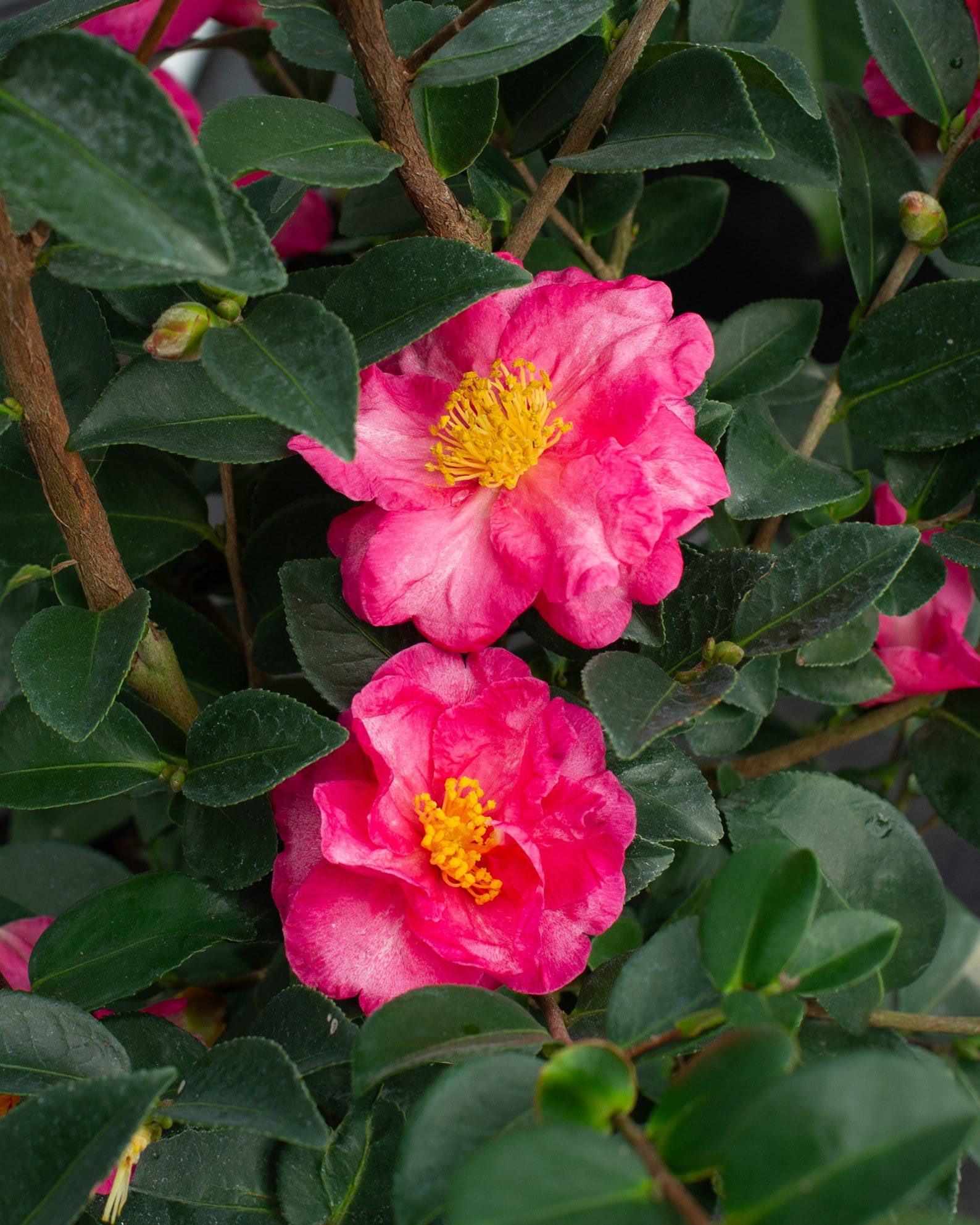
Camellia sasanqua ‘Pink Snow’Pink Snow Camellia brings timeless elegance to the landscape with its soft, light pink blooms that appear in fall. These blooms create a beautiful contrast against the shrub’s dense, glossy dark green leaves, adding gentle color and texture. Reaching up to 8 feet in height and about 5 feet in width at maturity, it works wonderfully as a showy focal point, in borders, or planted in groups for a stunning seasonal display.
- An evergreen shrub
- Upright, rounded growth habit
- Moderate growth rate
- Light pink flowers blooming in fall
- Great for borders, mass plantings, or as a focal point
Pink Snow Camellia is hardy in zones 7-9 and will feel right at home in your North Texas landscape. It thrives in partial shade and prefers well-drained, slightly acidic soil. With just a bit of care, it adds refined beauty and structure to your outdoor spaces year after year.
Pink Snow Camellia is the perfect specimen for garden beds and borders, offering year-round visual interest with low-maintenance care. Here’s all it needs to grow beautifully:
- Watering: Water consistently during the first growing season to establish a healthy root system. Once established, Pink Snow Camellia tolerates moderate drought but thrives with regular deep watering, especially during prolonged dry spells. Avoid waterlogged soil, which can lead to root decline or leaf yellowing.
- Pruning: Light pruning is recommended after flowering to maintain a compact shape and encourage dense branching. Remove dead, crossing, or weak stems to improve airflow and plant health. Avoid heavy pruning in late fall or winter, as tender new growth may be damaged by cold.
- Fertilizing: Apply a slow-release, acid-loving fertilizer in early spring if the soil is poor. Over-fertilization can cause excessive leafy growth at the expense of flowers. In most well-drained, slightly acidic soils, additional feeding is unnecessary. Avoid fertilizers high in nitrogen, which may reduce bloom production.
- Mulching: Apply a 2-3 inch layer of coarse mulch, pine bark, or gravel around the base to conserve moisture, suppress weeds, and regulate soil temperature. Keep mulch slightly away from the crown to prevent rot. Organic mulch gradually improves soil structure, while inorganic mulch helps maintain clean, dry conditions around the root zone.
- Winter Care: Pink Snow Camellia is hardy in USDA zones 7-9 and maintains glossy foliage in mild frost. In colder zones or during unusual freezes, apply a light mulch around the base to protect roots. Container-grown plants may require temporary shelter during prolonged cold periods.
- Leaf Yellowing: Often caused by overwatering, poor drainage, or nutrient imbalance. Adjust irrigation and ensure slightly acidic, well-draining soil.
- Bud Drop: Sudden temperature changes, insufficient water, or stress can cause flower buds to drop. Keep the soil evenly moist and avoid sudden exposure to cold winds.
- Pests: Generally pest-resistant, though occasional aphids, scale, or spider mites may appear. Treat infestations with insecticidal soap or by rinsing leaves thoroughly.
- Fungal Diseases: Camellias can be susceptible to petal blight or leaf spot in humid conditions. Remove affected flowers and leaves, improve airflow, and avoid overhead watering.
It grows moderately, typically reaching 4-6 feet tall and wide within 3-5 years. Its upright, rounded form makes it suitable for borders, specimen planting, and container use.
With proper care, Pink Snow Camellia can thrive for 20-30 years or more. Regular pruning, proper irrigation, and site selection help maintain vigor and bloom quality.
Yes. Its compact habit and year-round foliage make it ideal for large pots, patio planters, or decorative containers. Ensure excellent drainage and avoid water pooling at the crown.
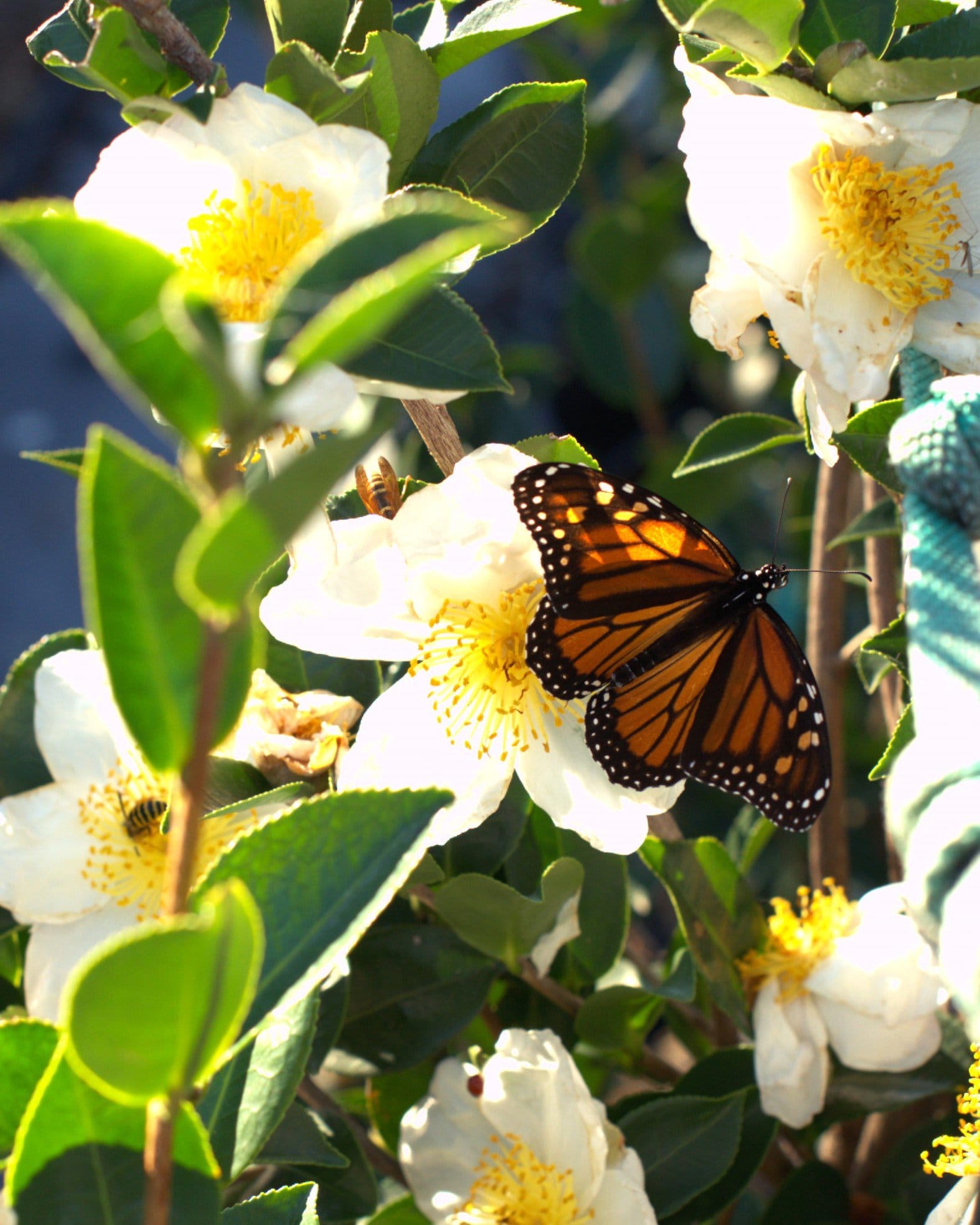
While not a primary pollinator plant, its blooms may attract occasional bees and other pollinators. The dense foliage provides shelter for small garden wildlife.
Once established, Pink Snow Camellia tolerates moderate dry periods but performs best with regular deep watering. Consistent moisture supports flower production and overall health.
It prefers slightly acidic, well-draining soils. While adaptable, heavy clay or alkaline soils may reduce flowering and stress the plant. Soil amendments or raised beds can improve performance.
Yes. Light pruning annually after flowering helps maintain shape, promote dense branching, and improve airflow. Avoid heavy cuts during colder months.
Absolutely. Its elegant blooms, evergreen foliage, and tidy habit make it perfect for mass plantings, foundation plantings, or as a striking accent in perennial borders.
Provide even, deep watering, feed with a light acid-loving fertilizer in early spring, remove spent flowers, and prune lightly after bloom. Avoid over-fertilization or sudden environmental stress.
Its large, soft pink flowers, glossy evergreen foliage, and refined rounded form create a timeless garden accent. With heat and cold tolerance, moderate drought resistance, and low-maintenance care, it delivers continuous beauty for formal or naturalistic landscapes.
Special Features
You might also like
Rose of Autumn Camellia
Maturity: 8' H x 5' W
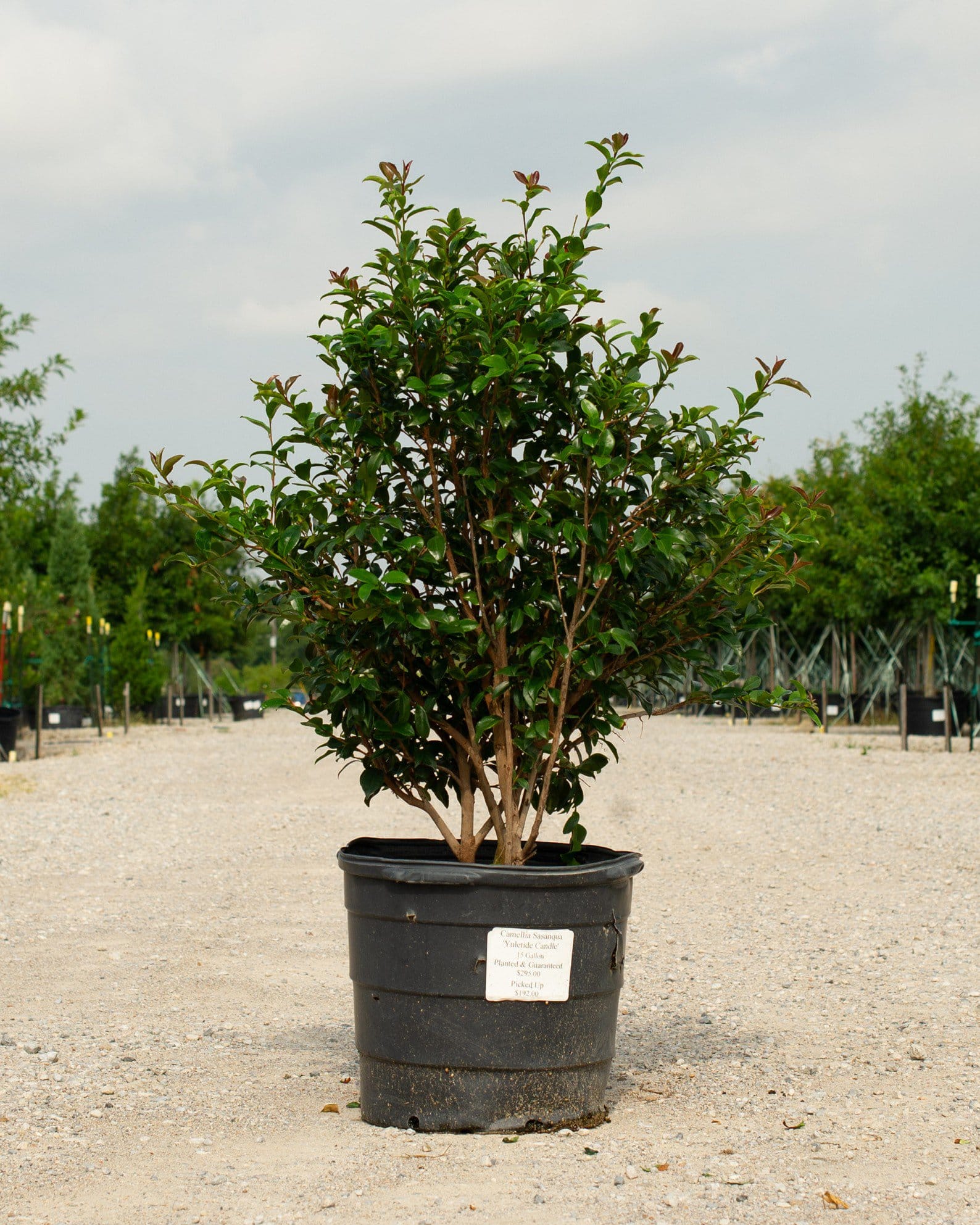
Yuletide Candle Camellia
Maturity: 5' H x 3' W
Dream Weaver Camellia
Maturity: 8' H x 6' W
Moonshadow Camellia
Maturity: 8' H x 6' W
Daydream Believer Camellia
Maturity: 8' H x 6' W
High Fragrance Camellia
Maturity: 8' H x 6' W
Kanjiro Camellia
Maturity: 8' H x 6' W
Taylor's Perfection Camellia
Maturity: 6' H x 6' W
Royal Velvet Camellia
Maturity: 6' H x 6' W
Laura Walker Camellia
Maturity: 8' H x 6' W
Professor Sargent Camellia
Maturity: 8' H x 5' W
Shishi Gashira Camellia
Maturity: 4' H x 6' W
Walter's Viburnum Withlacoochee
Maturity: 12' H x 8' W
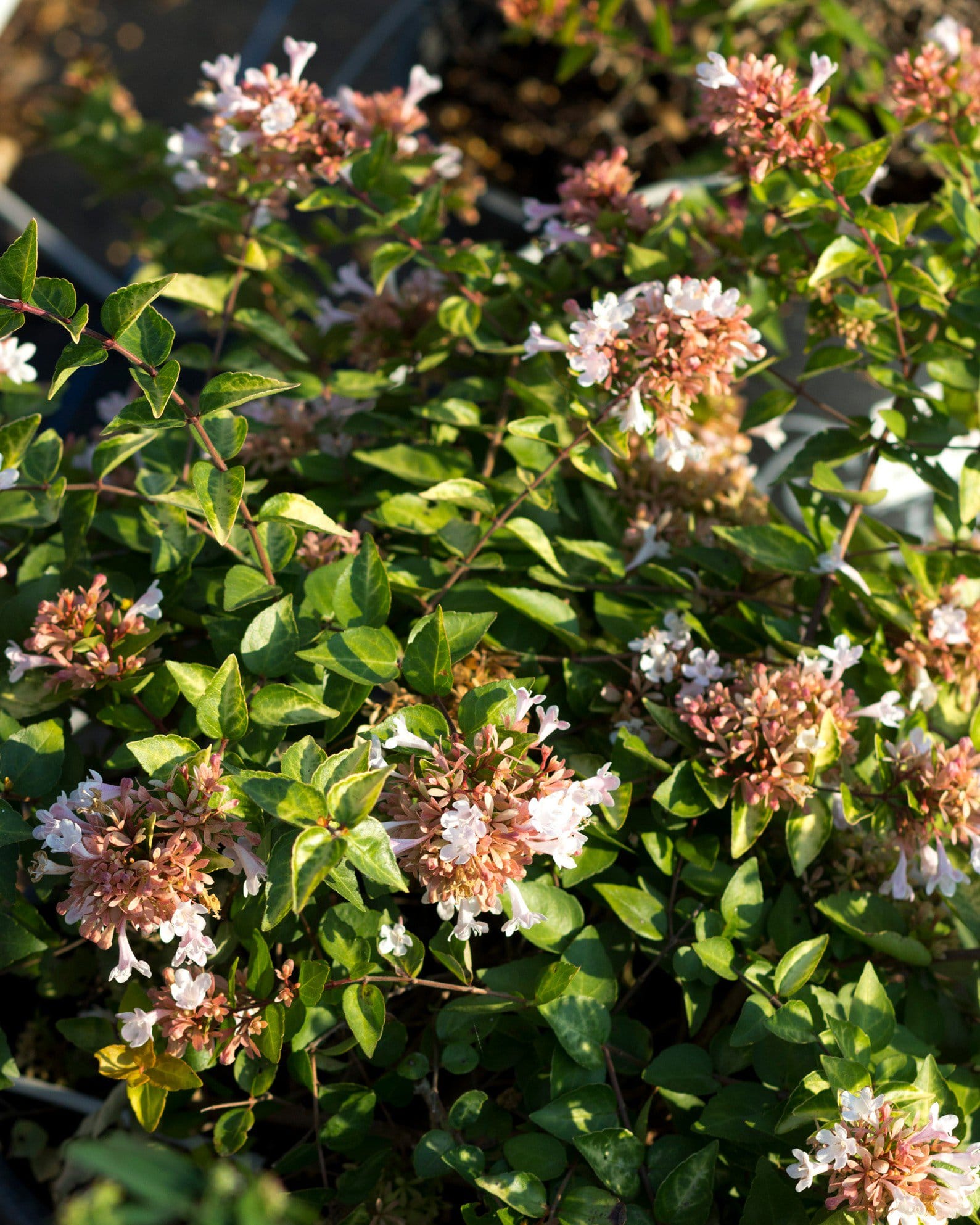
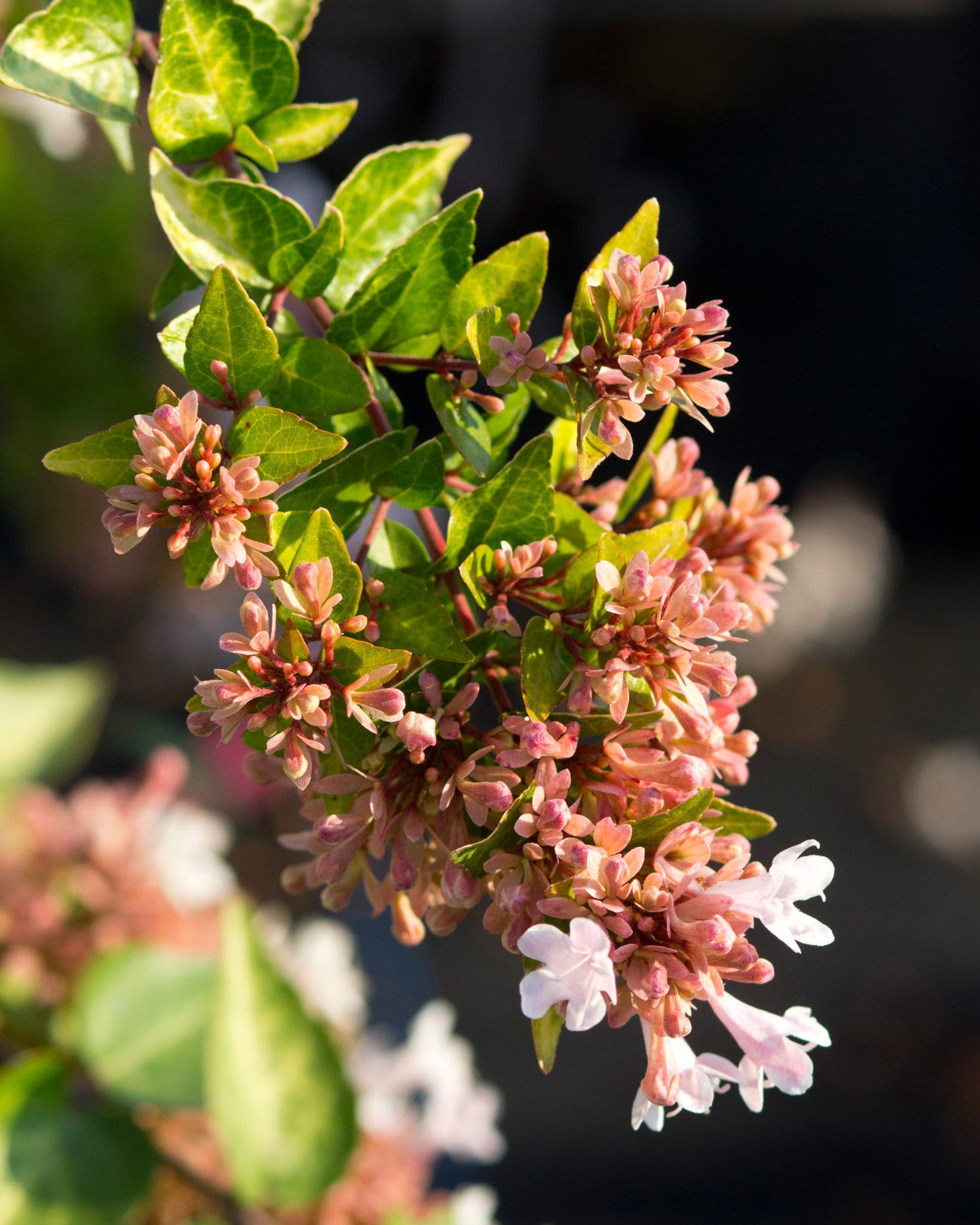
Canyon Creek Abelia
Maturity: 3' H x 3' W
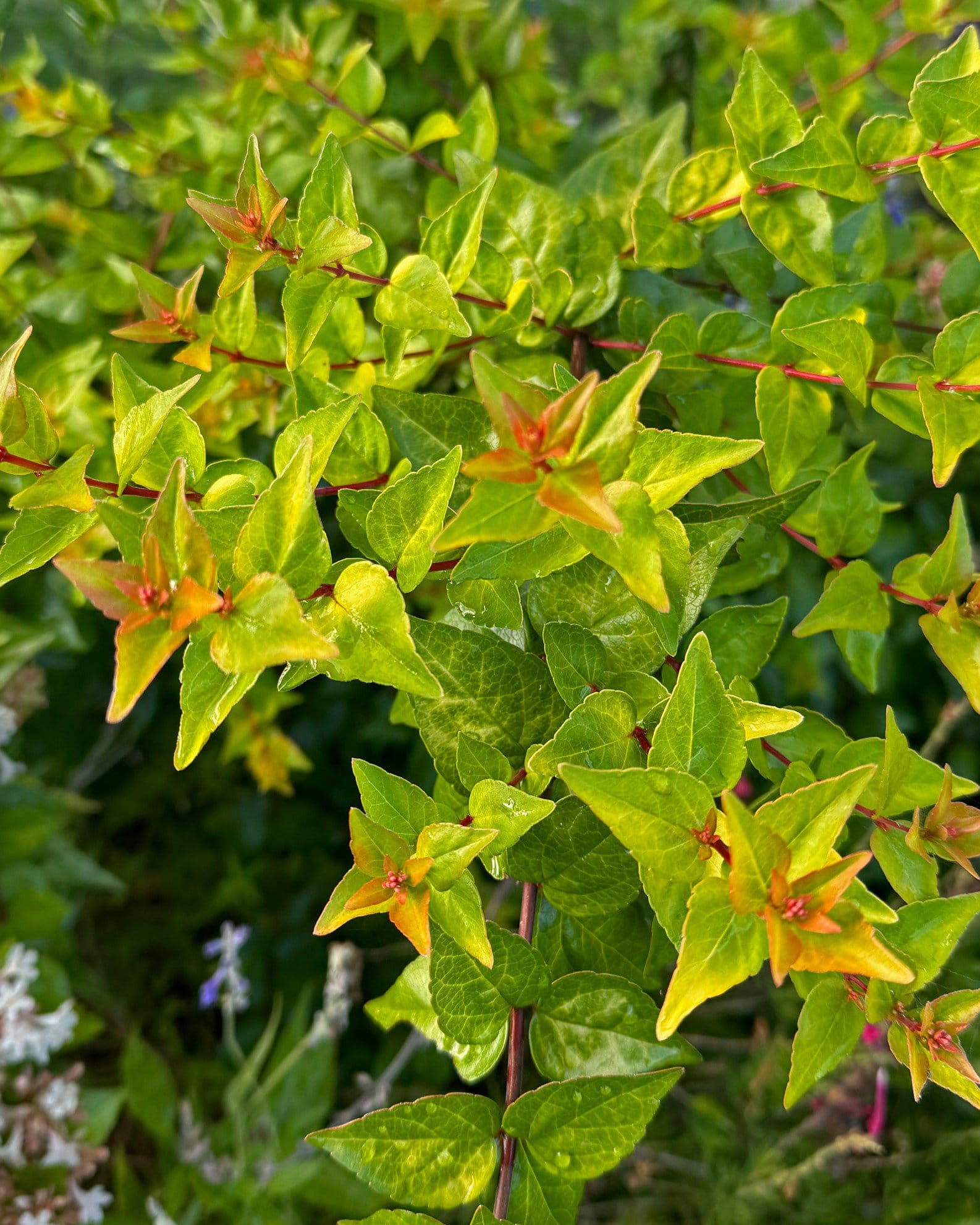
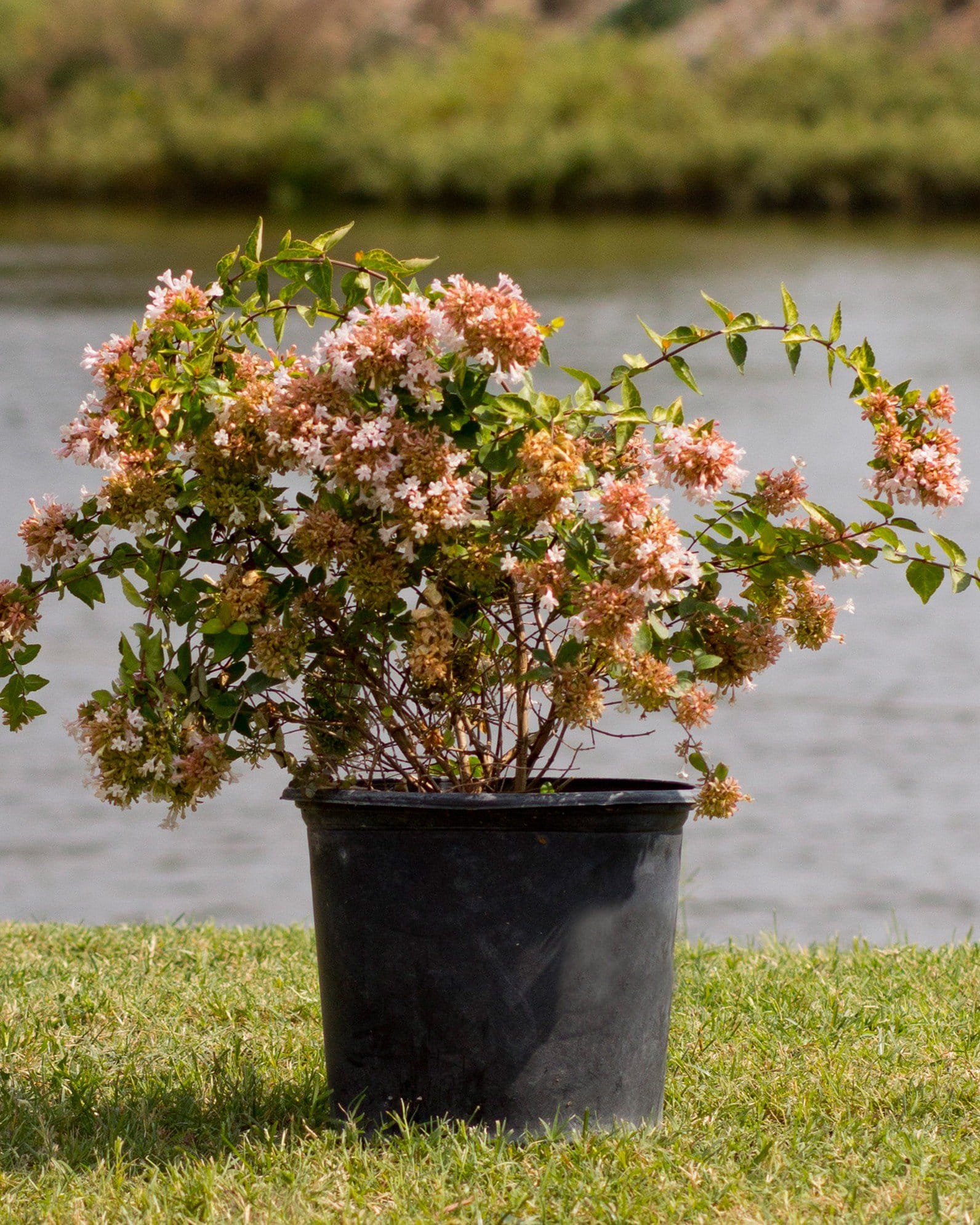
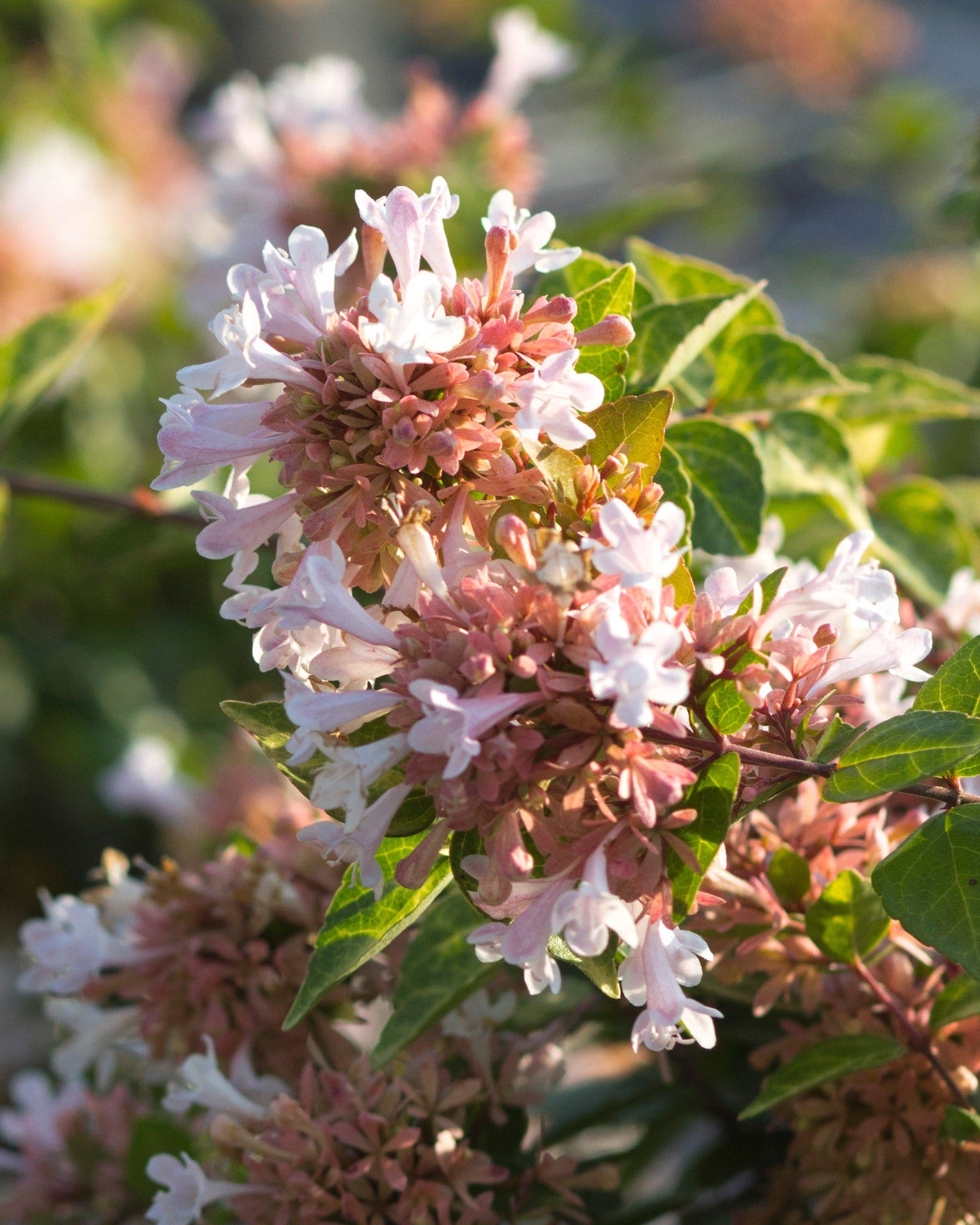
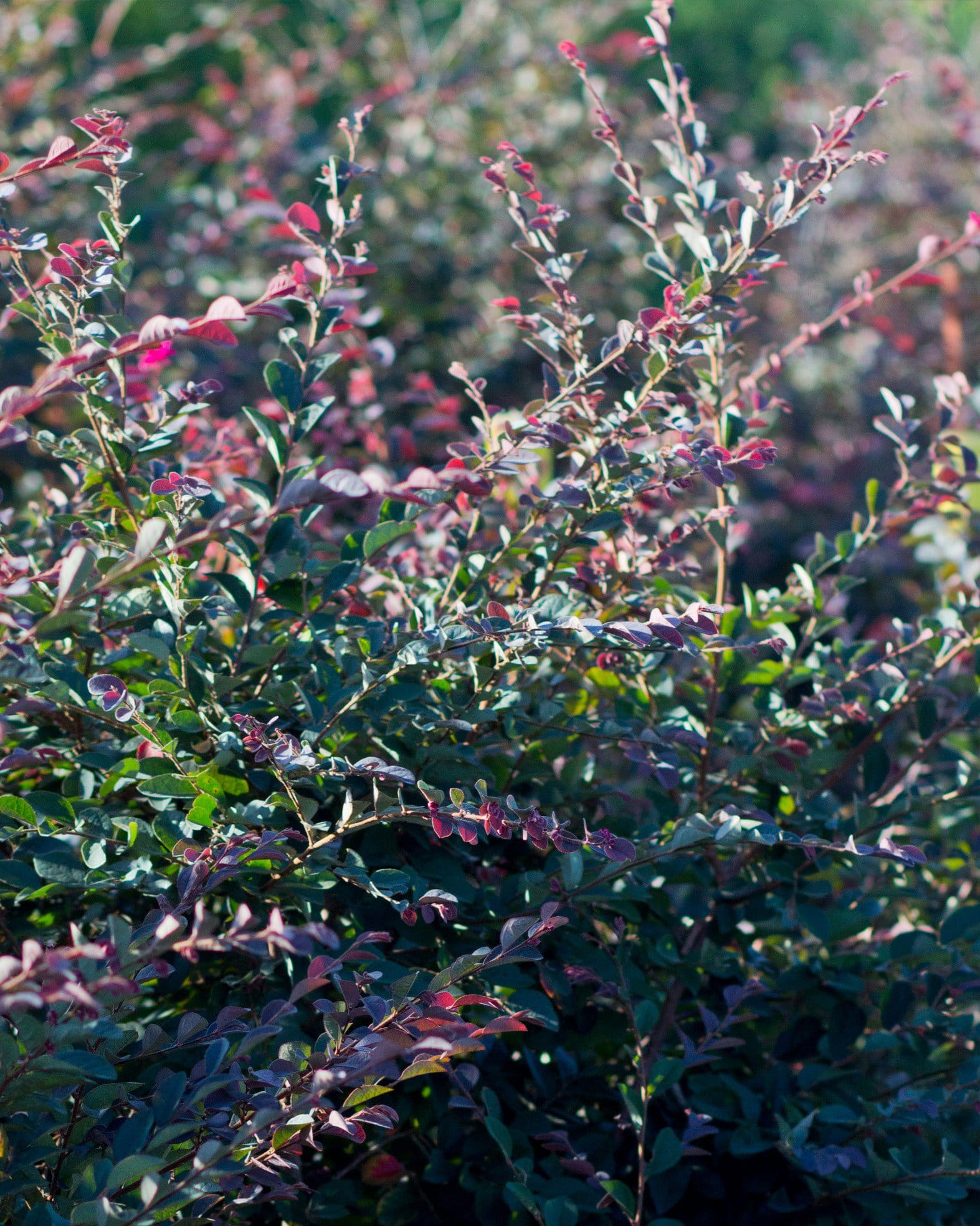
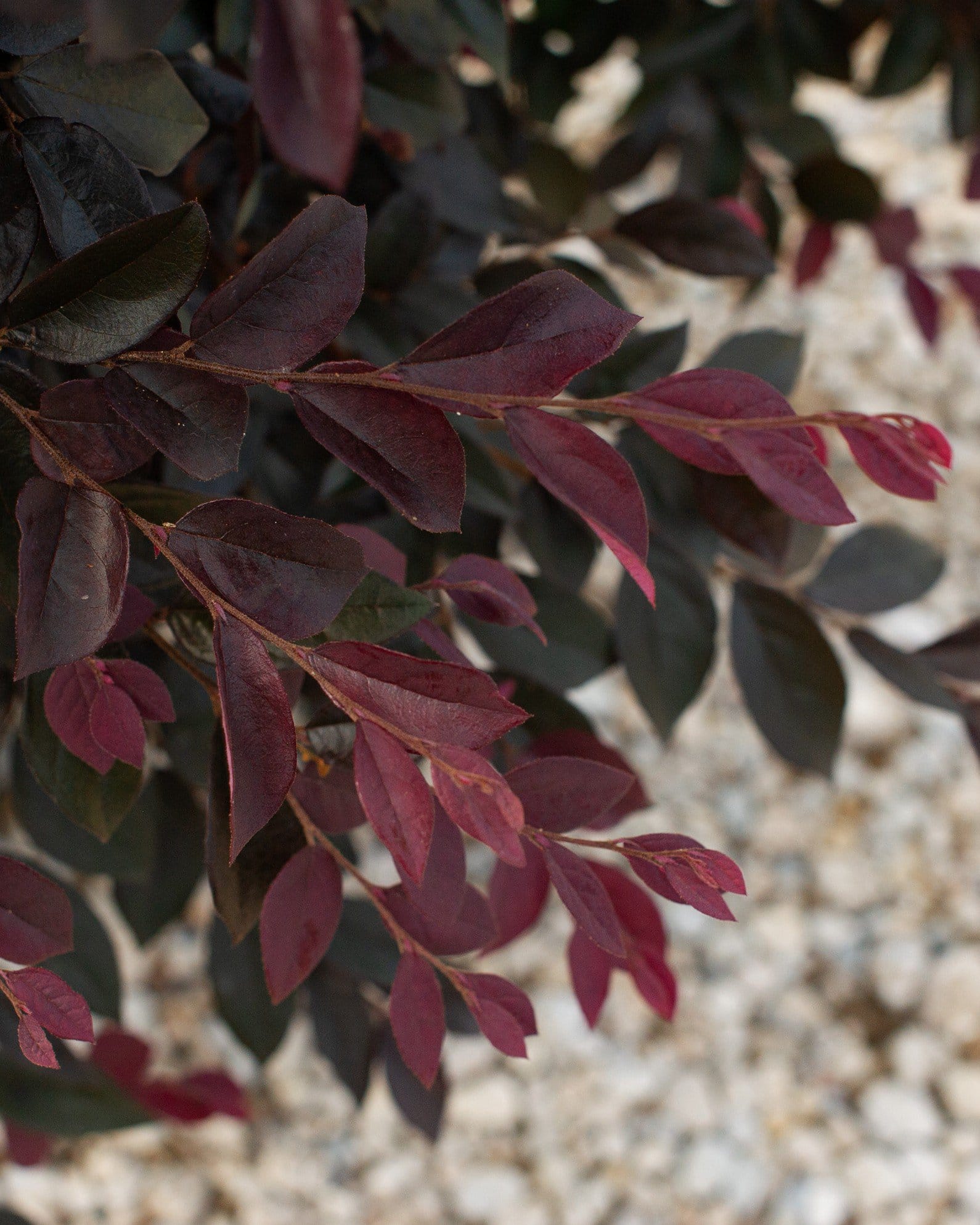
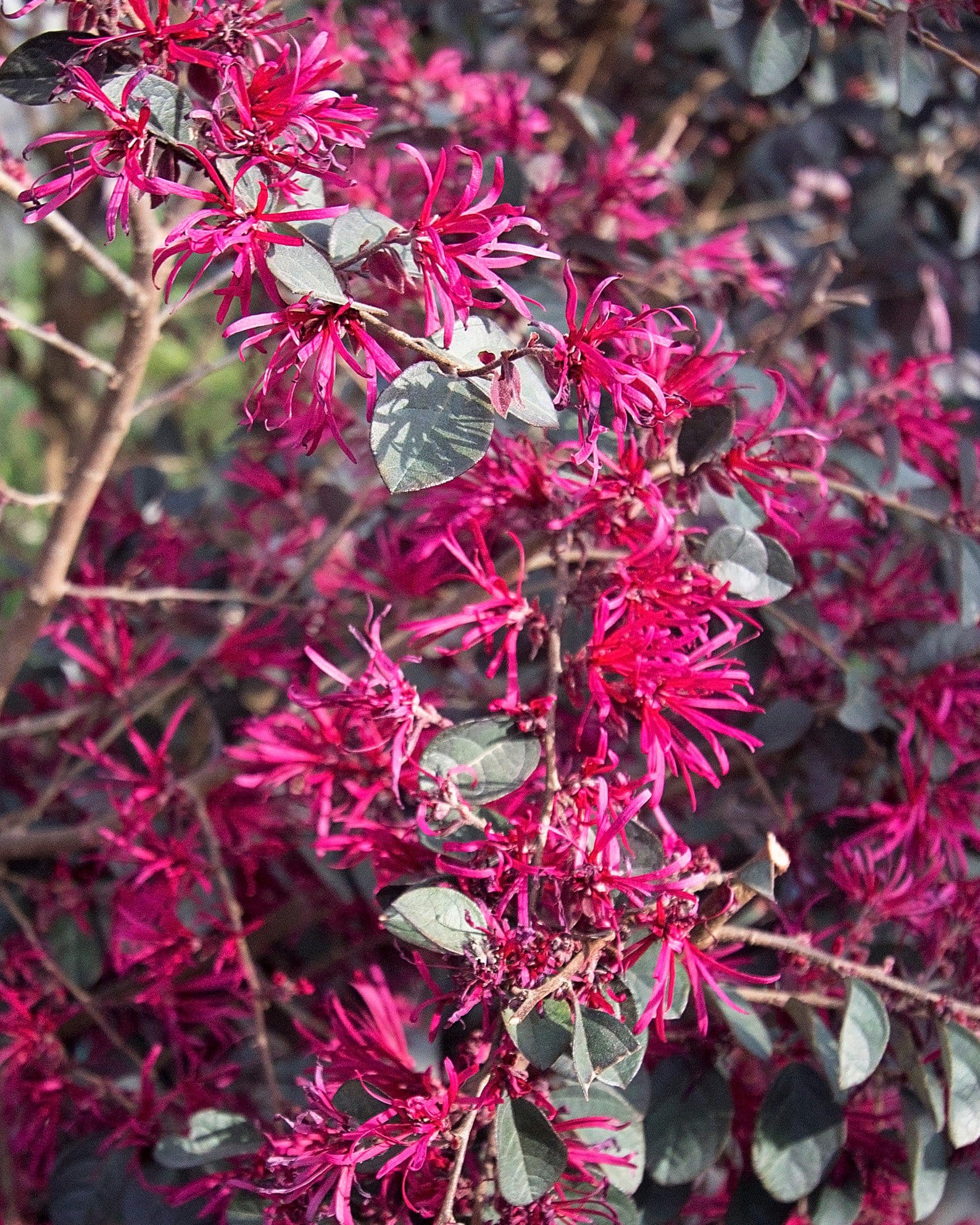
Carolina Midnight Loropetalum
Maturity: 10' H x 10' W
Compare Similar Plants
Pink Snow Camellia This plant | ||
|---|---|---|
| Scientific Name | Camellia sasanqua ‘Pink Snow’ | Camellia sasanqua ‘Rose of Autumn’ |
| Size at Maturity | 8' H x 5' W | 8' H x 5' W |
| Leaf Retention | Evergreen | Evergreen |
| Flower Color | Pink | Pink |
| Bloom Times | Fall | Fall |
| Sizes Available | 15 gal | 15, 30, 45 gal |


Our 1-Year Planting Guarantee
We take pride in our plants and installation services. If any plants or trees installed by Treeland fail to thrive within the first year, we'll provide a replacement credit in accordance with our guarantee program.
Learn More About Our Guarantee