
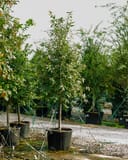
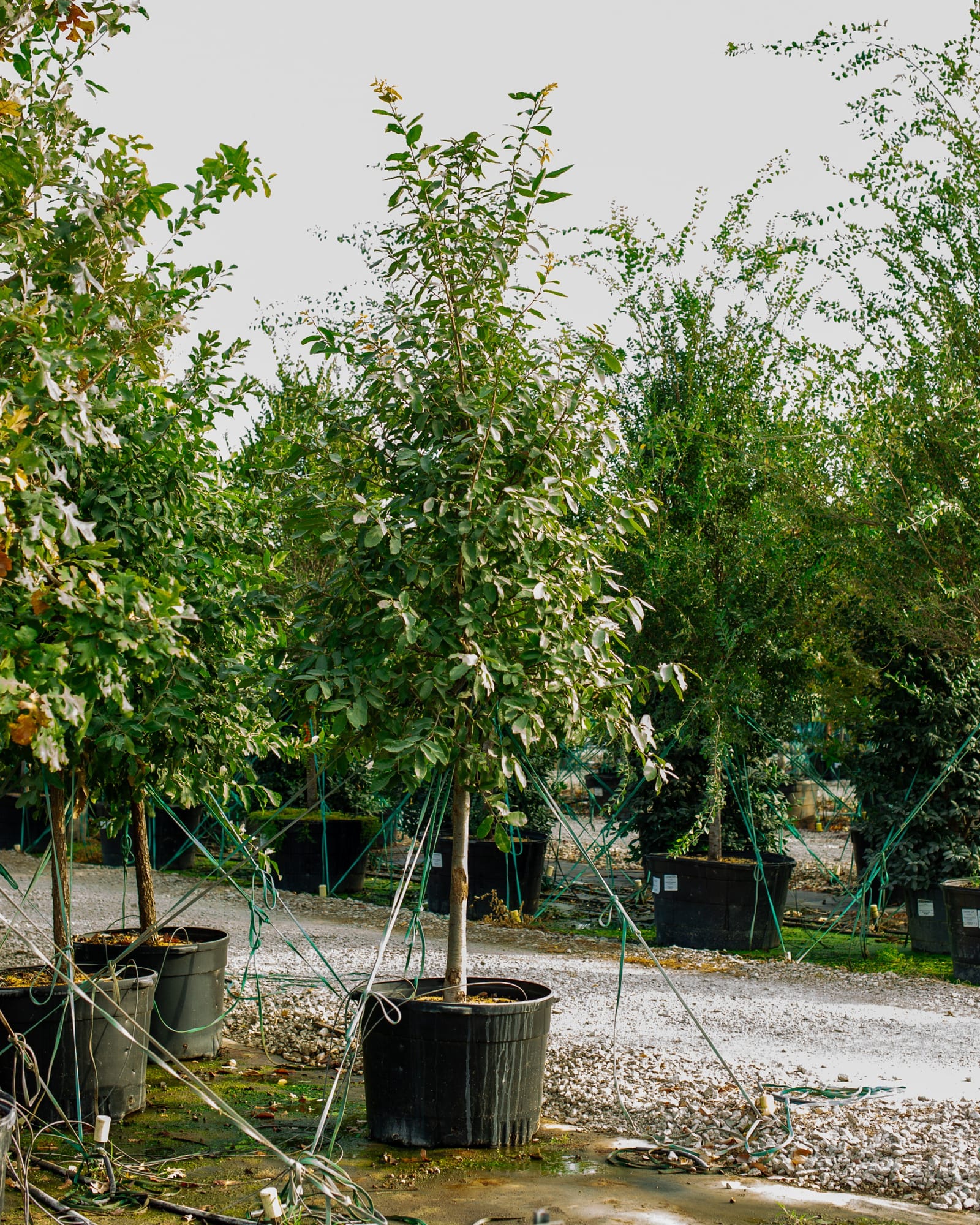
Paperbark Maple
Acer griseumLocal DFW Delivery Only
Product Details
Paperbark Maple
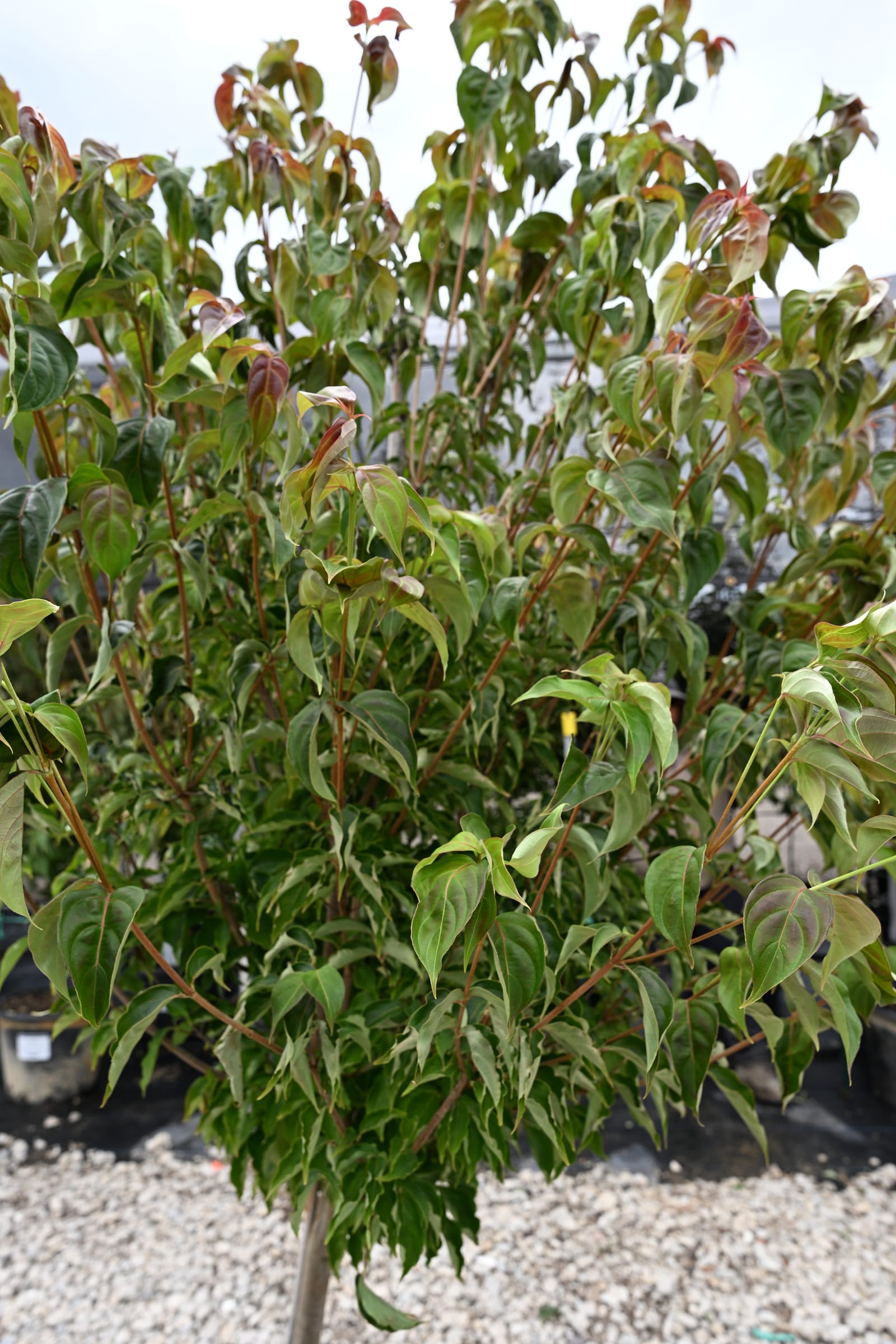
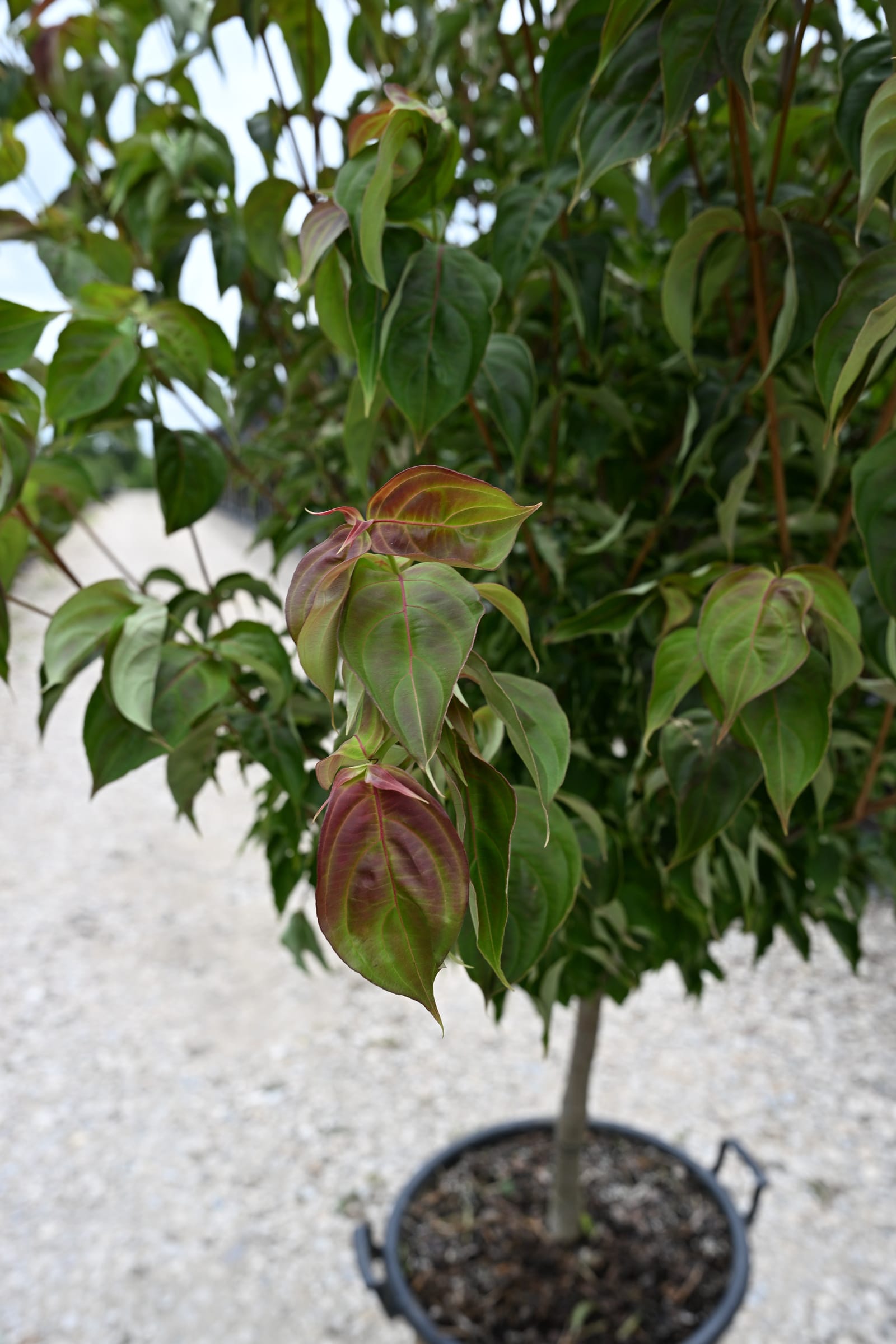
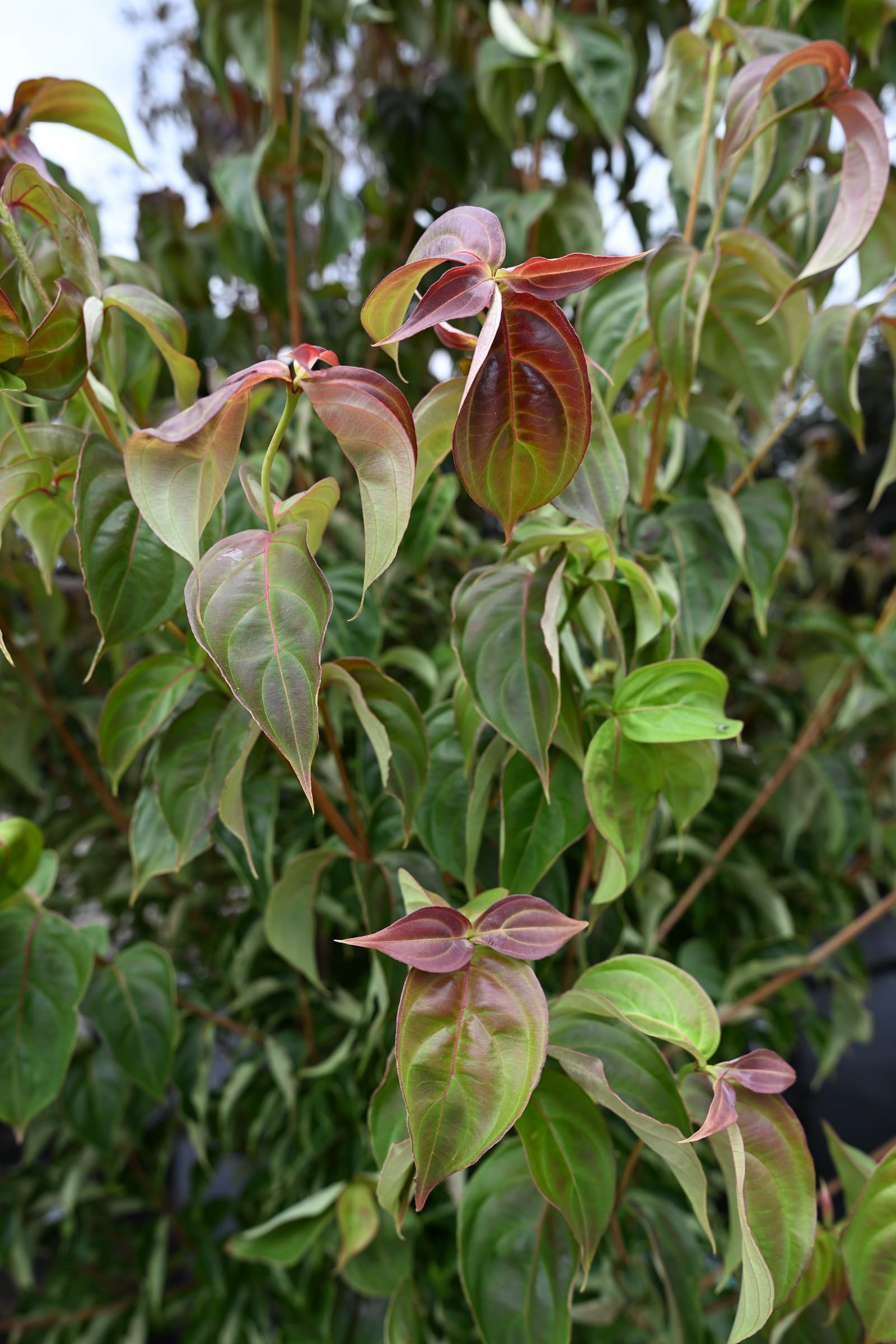
Acer griseumThe Paperbark Maple is a standout tree that delivers year-round visual appeal. In autumn, its foliage glows with vivid orange and red tones, creating a stunning seasonal highlight. Its signature feature, the cinnamon-brown bark, naturally peels and curls to reveal rich layers beneath, adding interest in every season. At full maturity, this tree grows to about 20 feet tall and 15 feet wide—perfect for smaller landscapes while still making a dramatic impression.
- Deciduous tree
- Moderate growth rate
- Signature cinnamon-brown, peeling bark
- Vibrant orange and red autumn foliage
- Excellent option for adding texture and seasonal color to beds and landscapes
Hardy in zones 4–8, the Paperbark Maple performs best in full sun but also adapts to partial shade. Plant in well-draining soil for optimal growth. With its graceful structure and radiant fall display, this tree adds lasting beauty and charm to any outdoor space.
Paperback Maple is an excellent choice for gardeners seeking elegance and texture without demanding maintenance. Here’s all it needs to thrive:
- Watering: Provide deep, consistent watering during the first several years to establish a healthy root system. Once mature, Paperbark Maple handles moderate dry spells but looks best when kept evenly moist through summer.
- Pruning: Prune lightly in late winter to maintain structure and remove any crossing or damaged branches. Heavy pruning is rarely needed and may disrupt the tree’s naturally graceful form. Avoid pruning in early spring.
- Fertilizing: A slow-release fertilizer applied in early spring supports steady growth and vibrant foliage. In poor soils, compost added yearly enhances vigor and leaf color.
- Mulching: Apply a 2-3 inch mulch layer to help regulate soil temperature and retain moisture. Keep mulch several inches away from the trunk to protect the bark. Refresh annually to maintain healthy conditions.
- Winter Care: Paperbark Maple is hardy and requires no special protection once established. Young trees may benefit from wind protection in exposed sites to prevent desiccation. The peeling trunk becomes particularly striking during winter months.
Paperbark Maple is generally resilient, though a few manageable issues can appear in stressful conditions:
- Aphids: Clusters of insects may cause curled foliage or sticky honeydew on leaves. Rinsing foliage or applying insecticidal soap restores healthy growth.
- Powdery Mildew: A soft white coating appears on leaves during humid conditions. Increasing airflow and avoiding overhead watering helps reduce recurrence.
- Chlorosis: Yellowing leaves with green veins suggest nutrient imbalance in alkaline soil. Applying chelated iron and improving soil pH gradually corrects the issue.
- Root Stress: Wilting or slow growth may occur in poorly drained soil. Enhancing drainage or adjusting irrigation ensures better long-term health.
- Scale Insects: Small bumps on branches or sticky residue indicate scale activity. Treat with horticultural oil and monitor new growth for improvements.
Paperbark Maple typically lives 60-100 years, developing richer bark texture and deeper color as it ages. Its long lifespan allows it to become a legacy centerpiece in well-designed landscapes.
It grows slowly, often adding just 6-12 inches per year, and takes about 10-20 years to form a mature, shapely canopy. The gradual pace contributes to its refined, well-mannered growth habit.
The bark naturally exfoliates in curling papery sheets that glow in sunlight, especially during winter. This feature alone makes it one of the most admired ornamental trees in four-season gardens.
Its compact size and slow, graceful habit make it ideal for intimate garden designs. Even in limited areas, it offers exceptional texture and year-round beauty.
The tree is renowned for its vibrant display of fiery orange, red, and scarlet hues. These colors intensify as the tree matures, creating a dramatic seasonal highlight.
The flexible branching and sturdy trunk tolerate moderate wind well. In very exposed sites, protection during the first few years helps the tree establish securely.
Hostas, Ferns, Hydrangeas, Heucheras, Japanese Forest Grass, and evergreen shrubs complement its soft texture and dramatic bark. These groupings create layered, elegant plantings that shine in every season.
Its adaptability and modest size make it a refined choice for urban courtyards, campuses, and small commercial spaces. The bark provides striking winter color in otherwise muted city landscapes.
Younger trees transplant successfully when moved during late winter or early spring. Once established, they settle quickly and resume steady growth.
It naturally develops a balanced, picturesque shape, though occasional removal of crossing branches improves structure. This light guidance enhances its sculptural quality without heavy shaping.
Special Features
You might also like
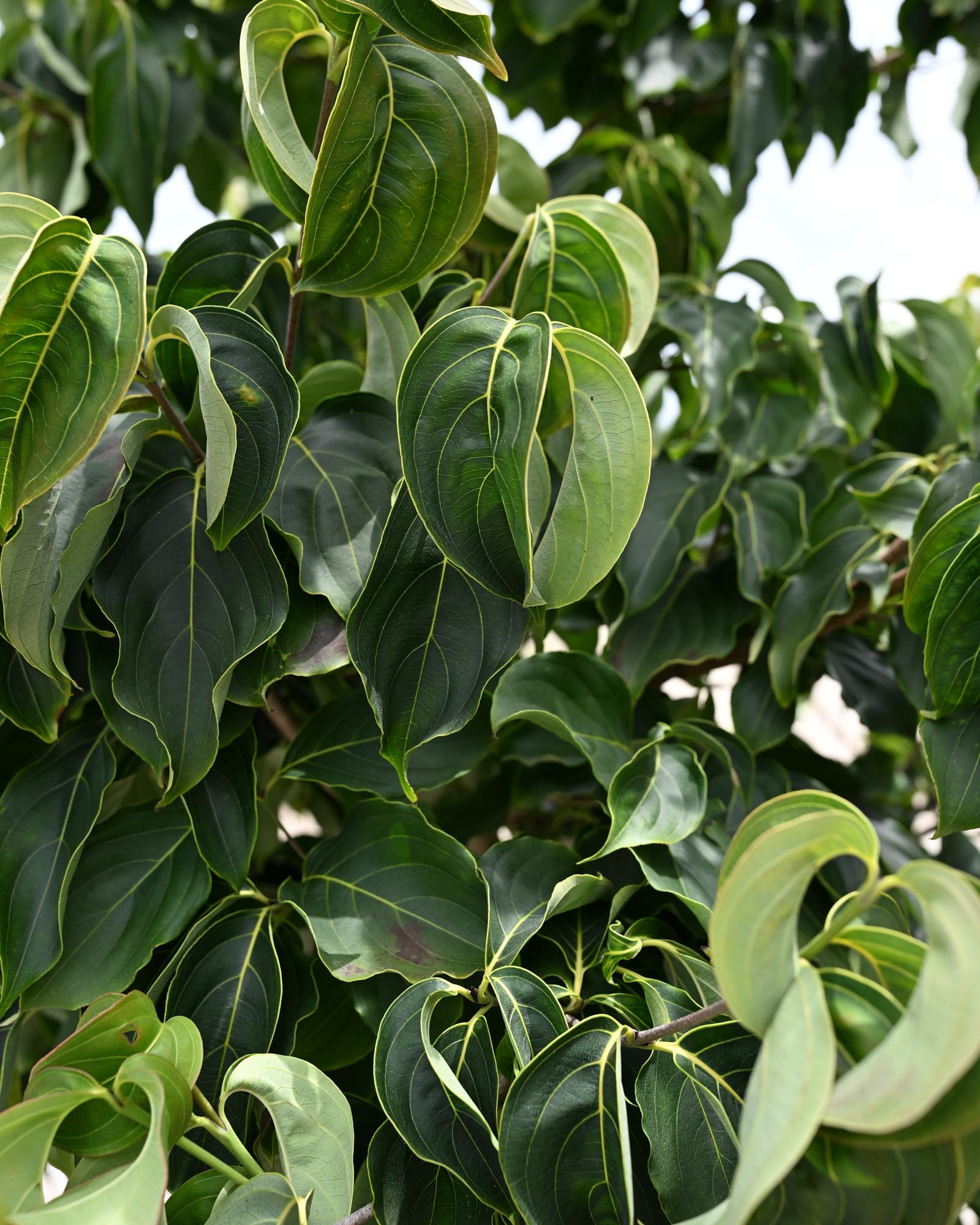
Chinese Dogwood
Maturity: 15' H x 15' W
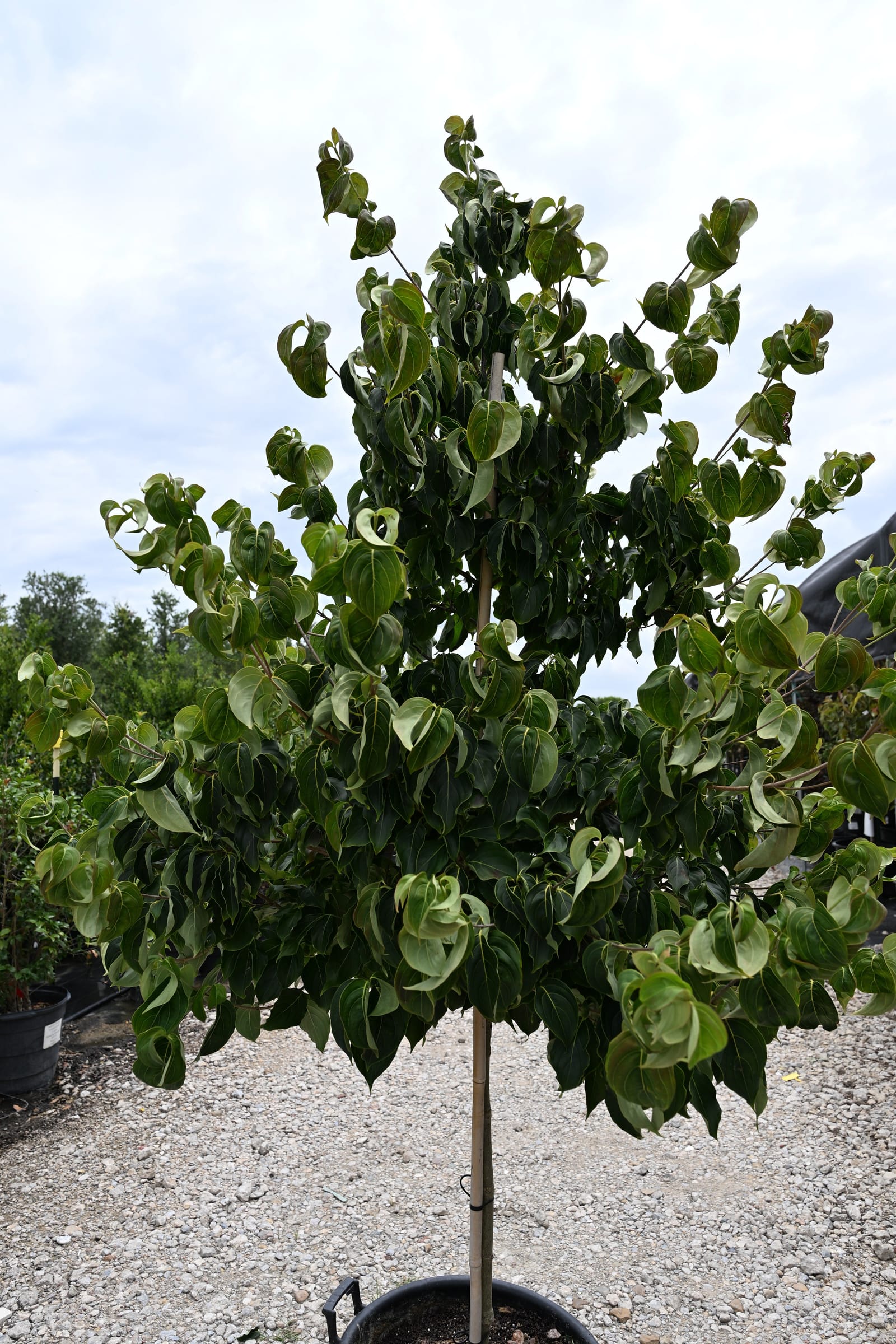
Chinese Dogwood Scarlet Fire
Maturity: 15' H x 15' W
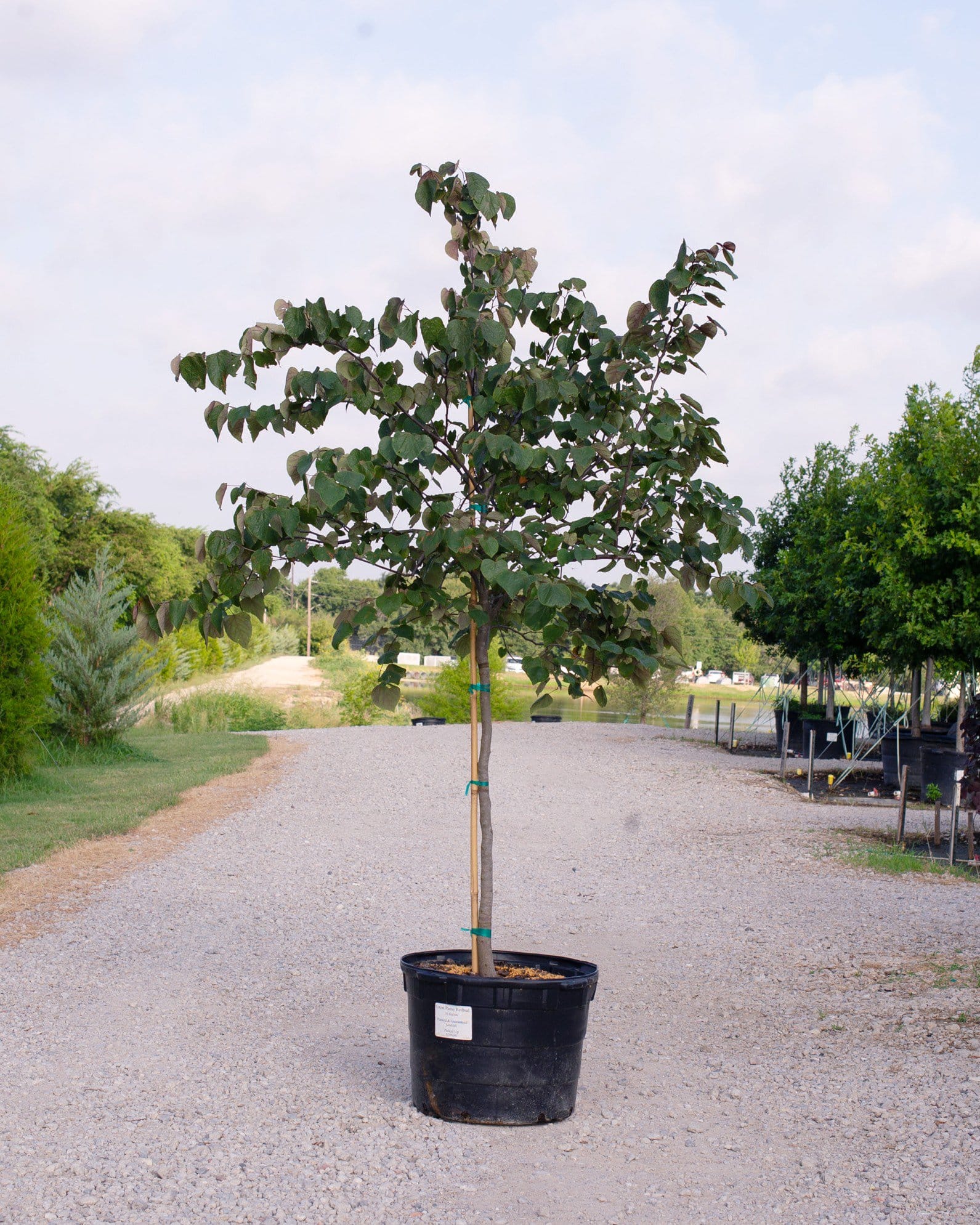
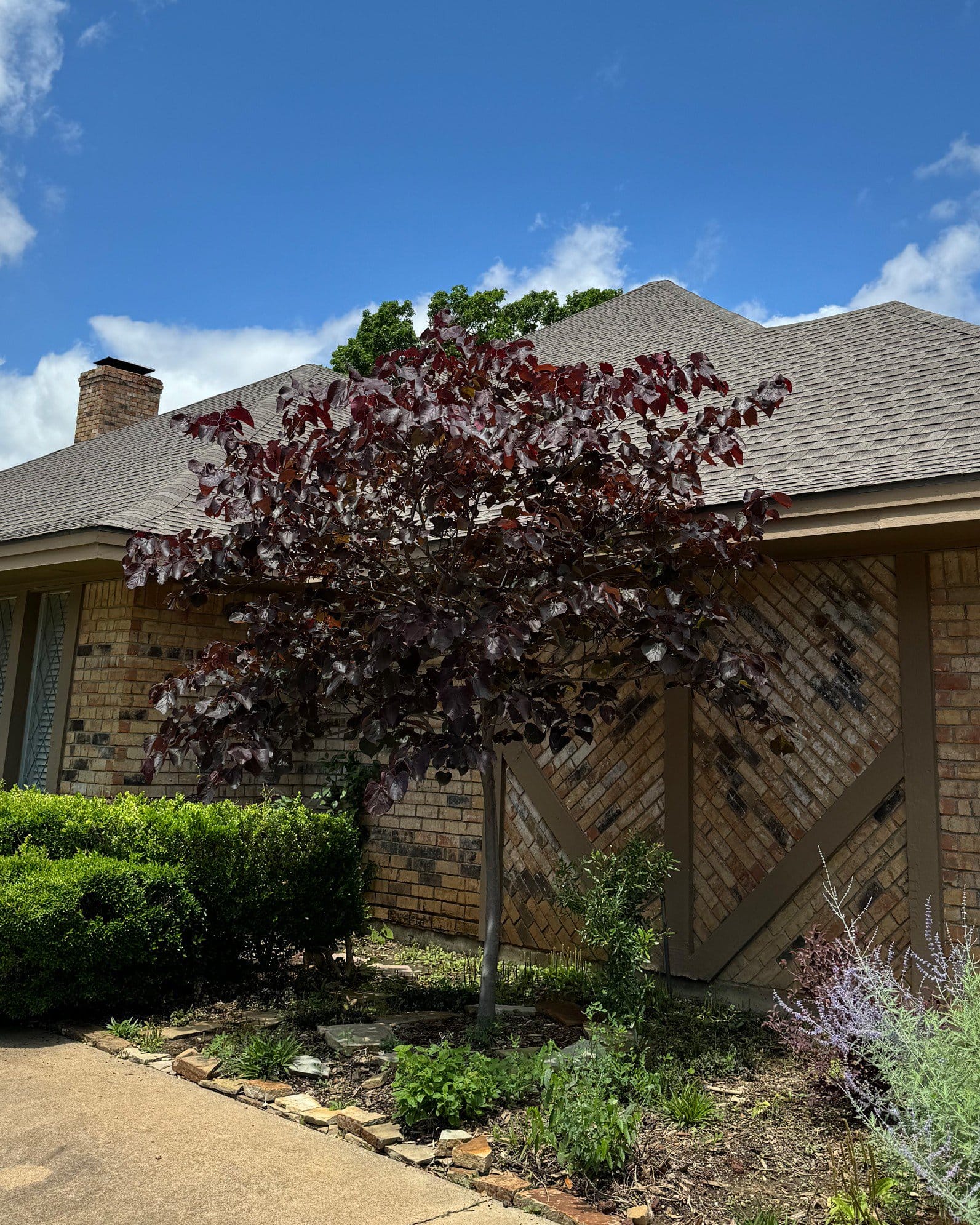
Forest Pansy Redbud
Maturity: 20' H x 20' W
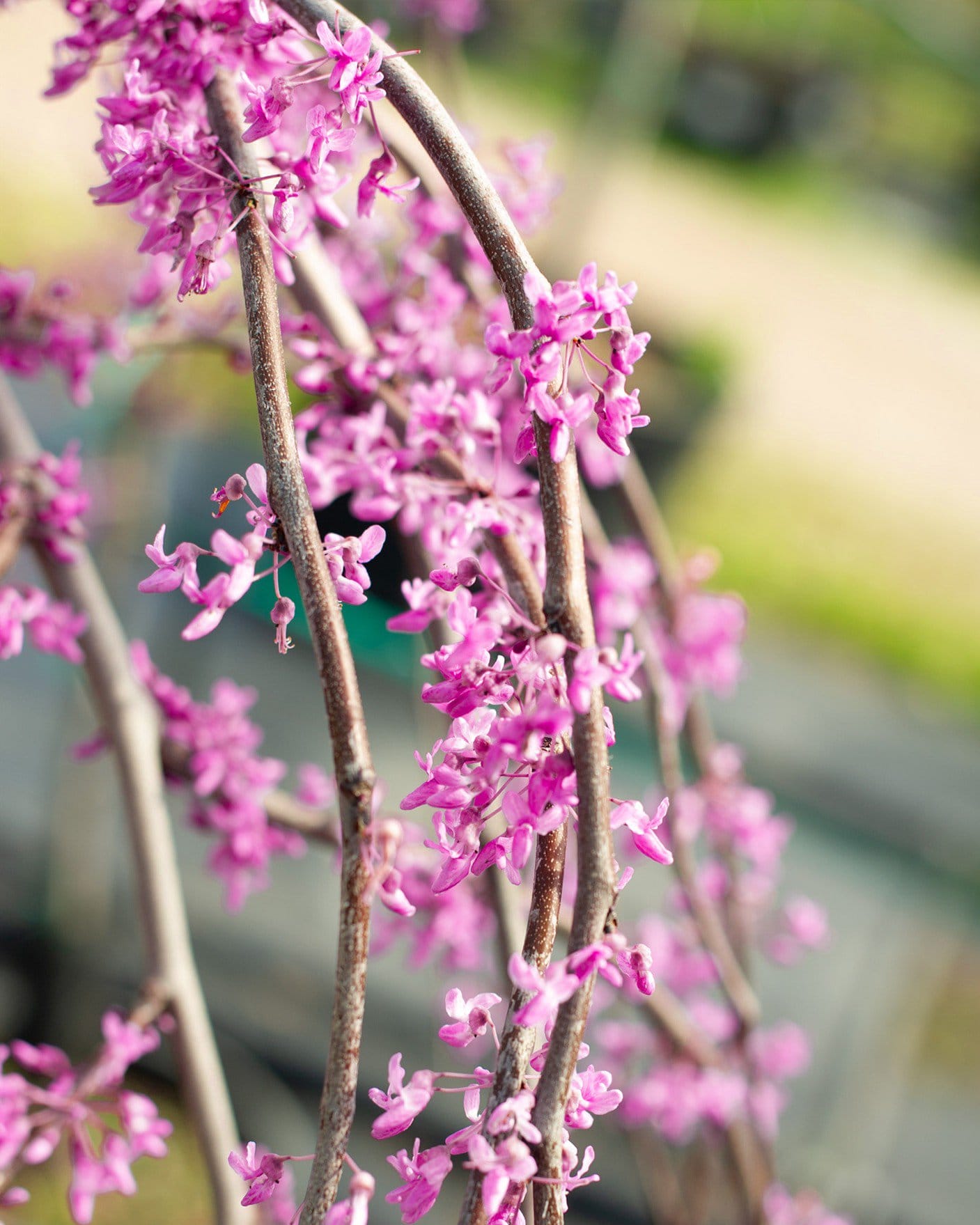
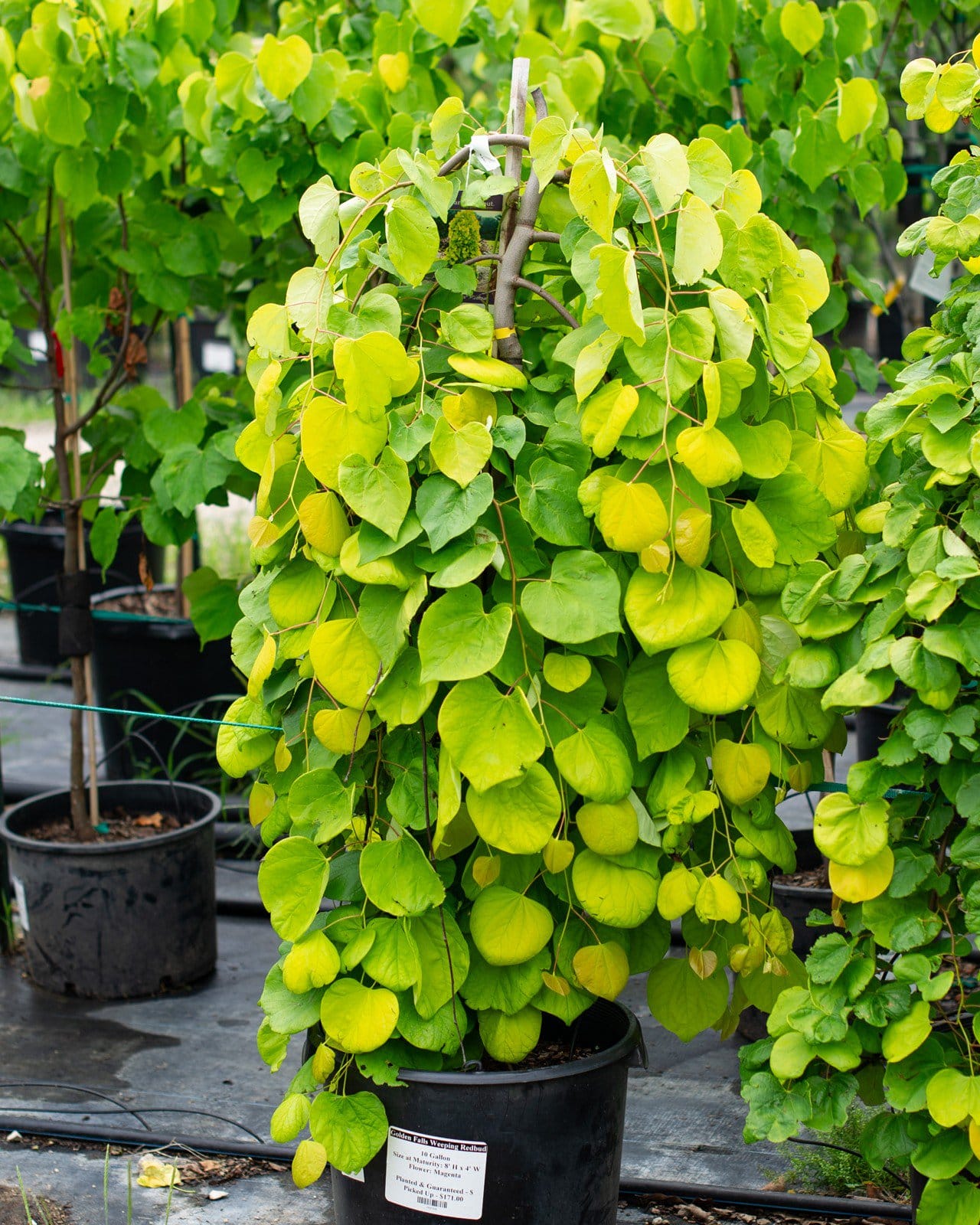
Golden Falls Weeping Redbud
Maturity: 8' H x 4' W
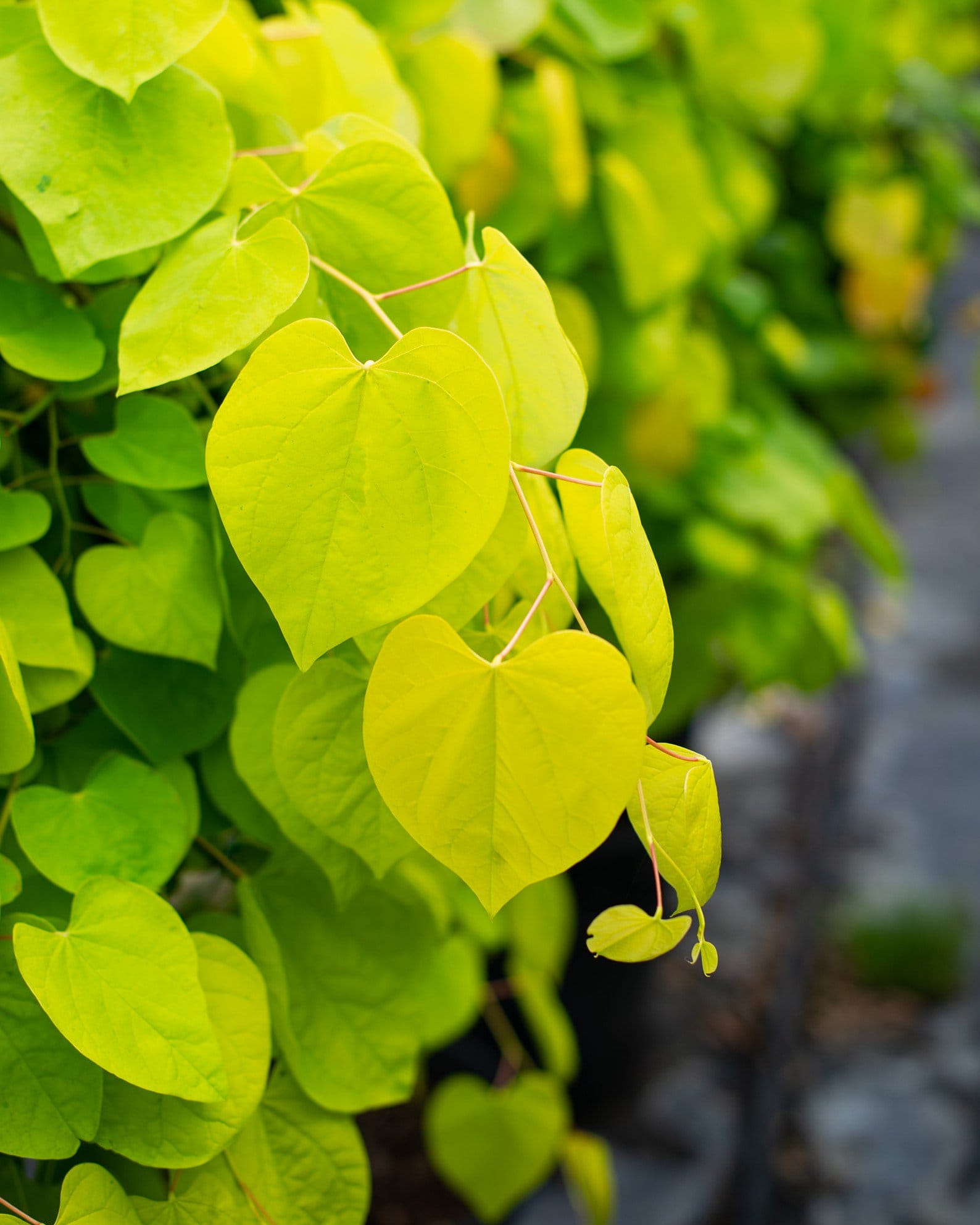
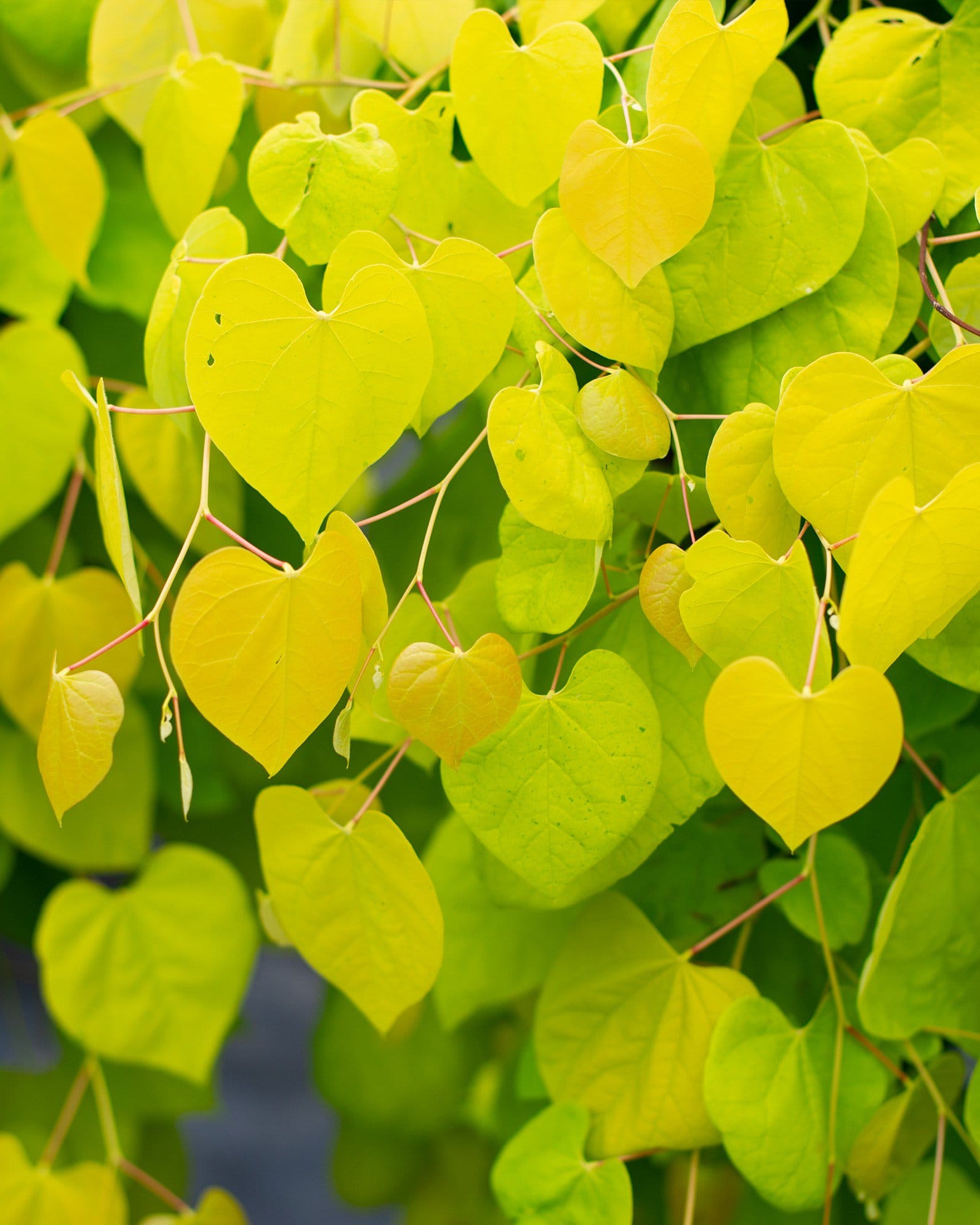
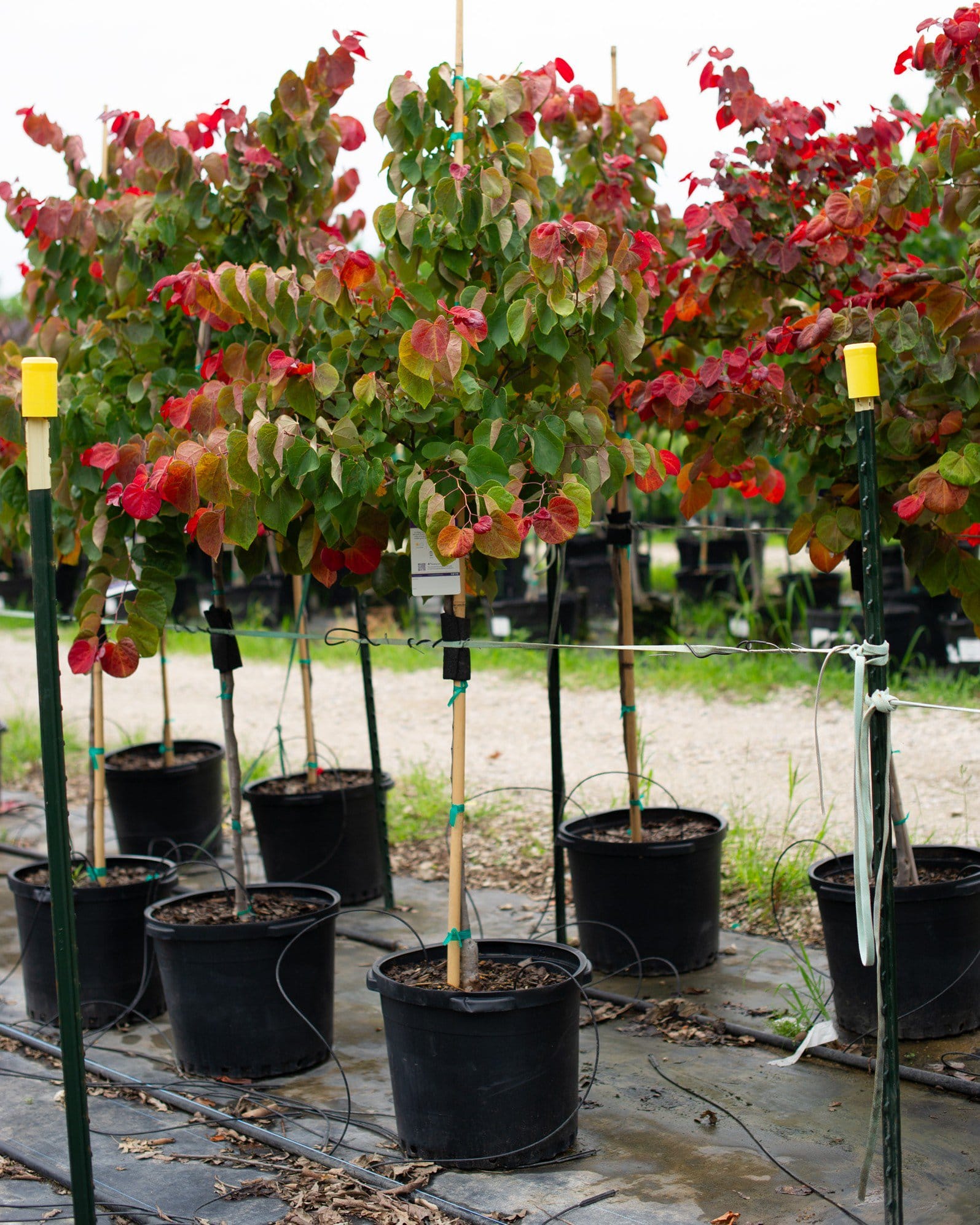
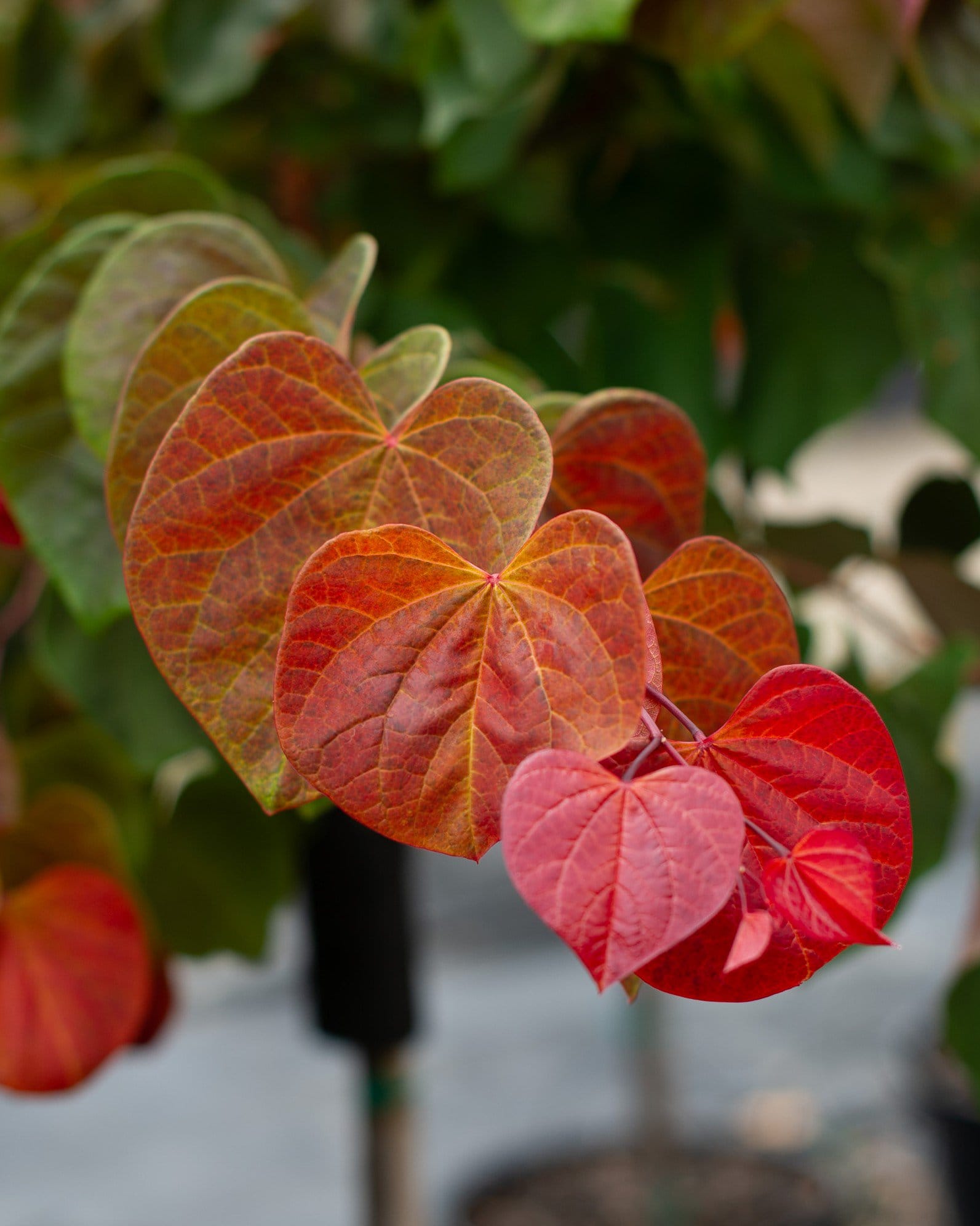
Hearts A'Fire Redbud
Maturity: 15' H x 15' W
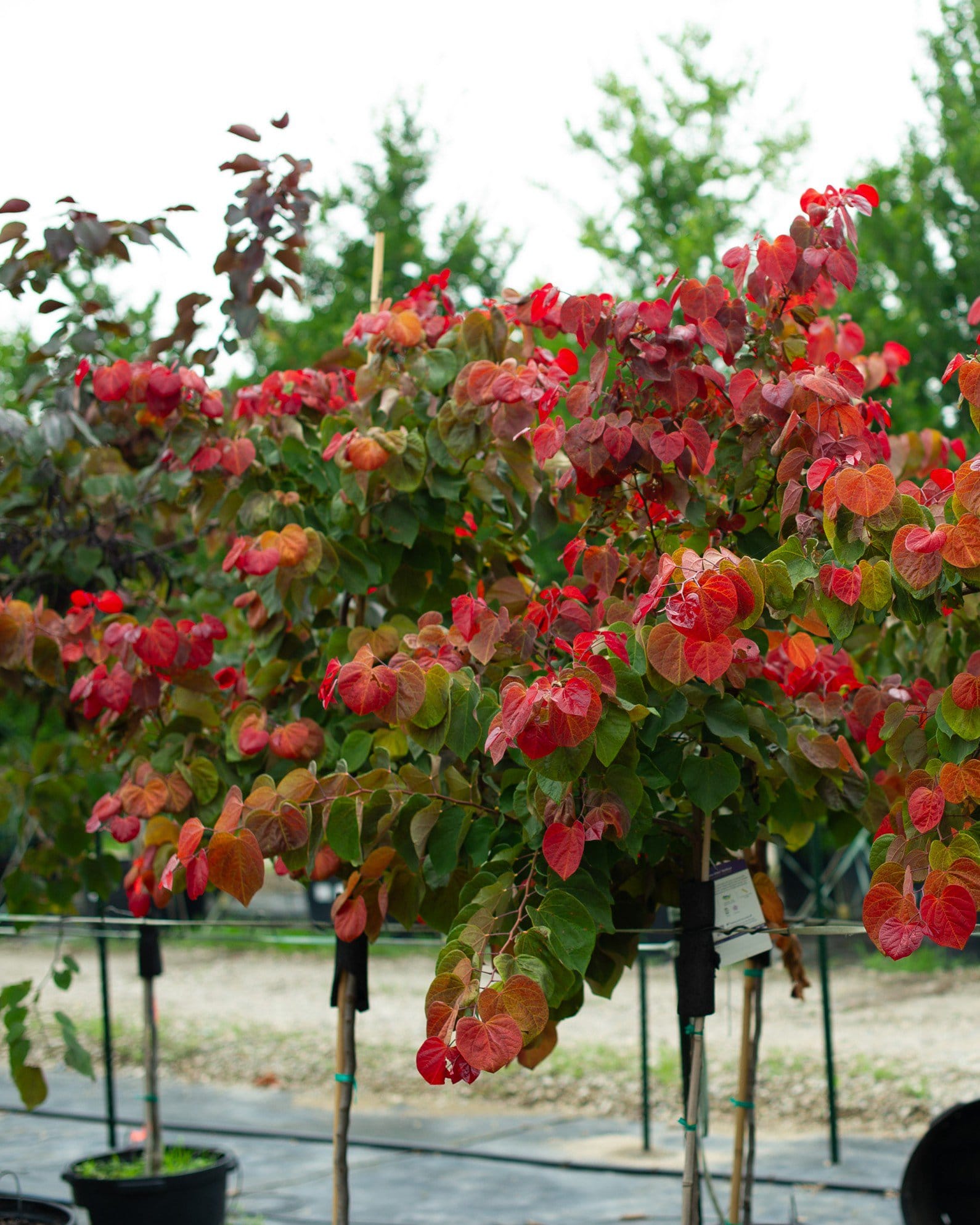
Hearts of Gold Redbud
Maturity: 15' H x 15' W
Merlot Redbud
Maturity: 15' H x 15' W
Persian Spire Ironwood Full to Ground
Maturity: 25' H x 10' W
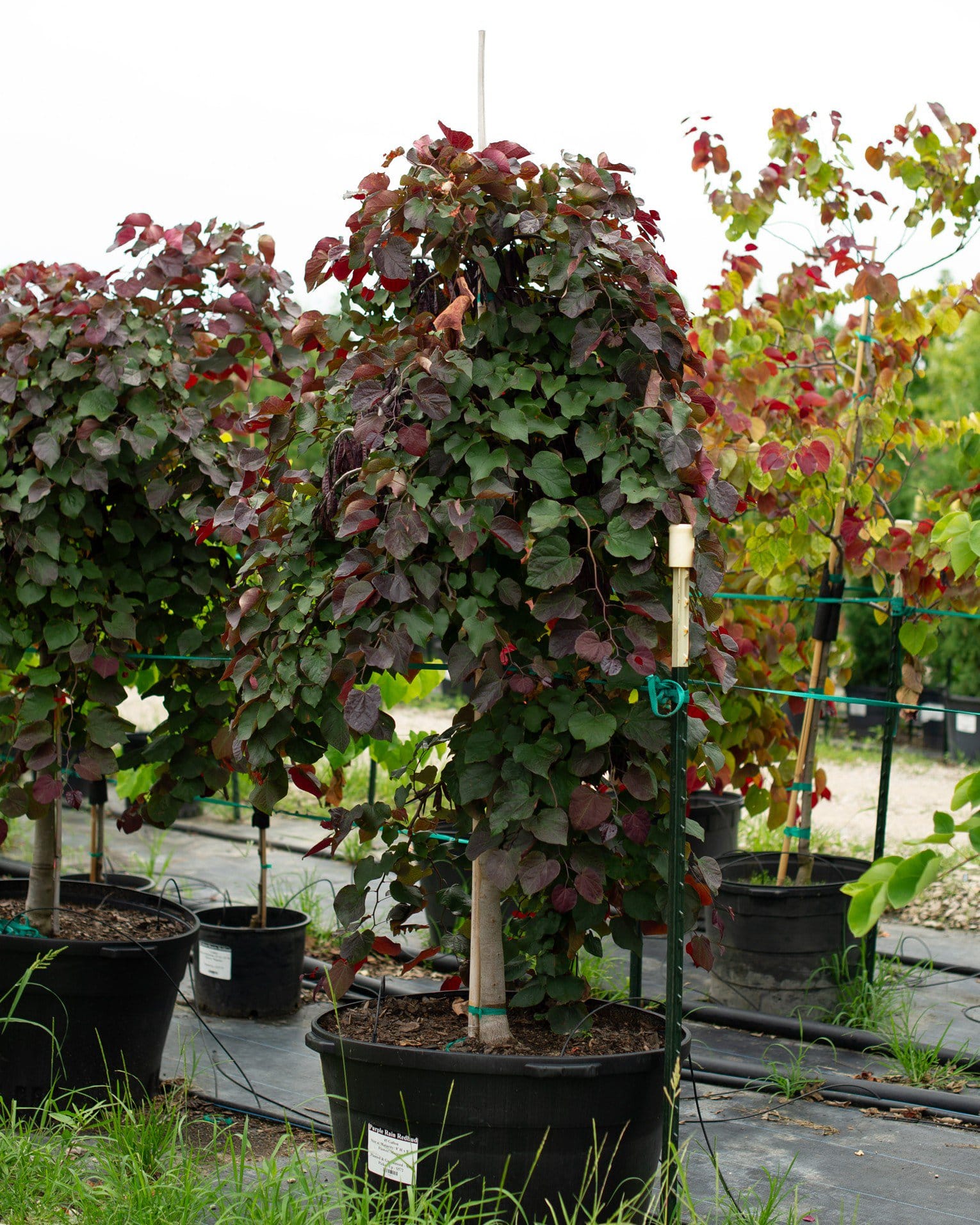
Purple Rain Weeping Redbud
Maturity: 8' H x 8' W
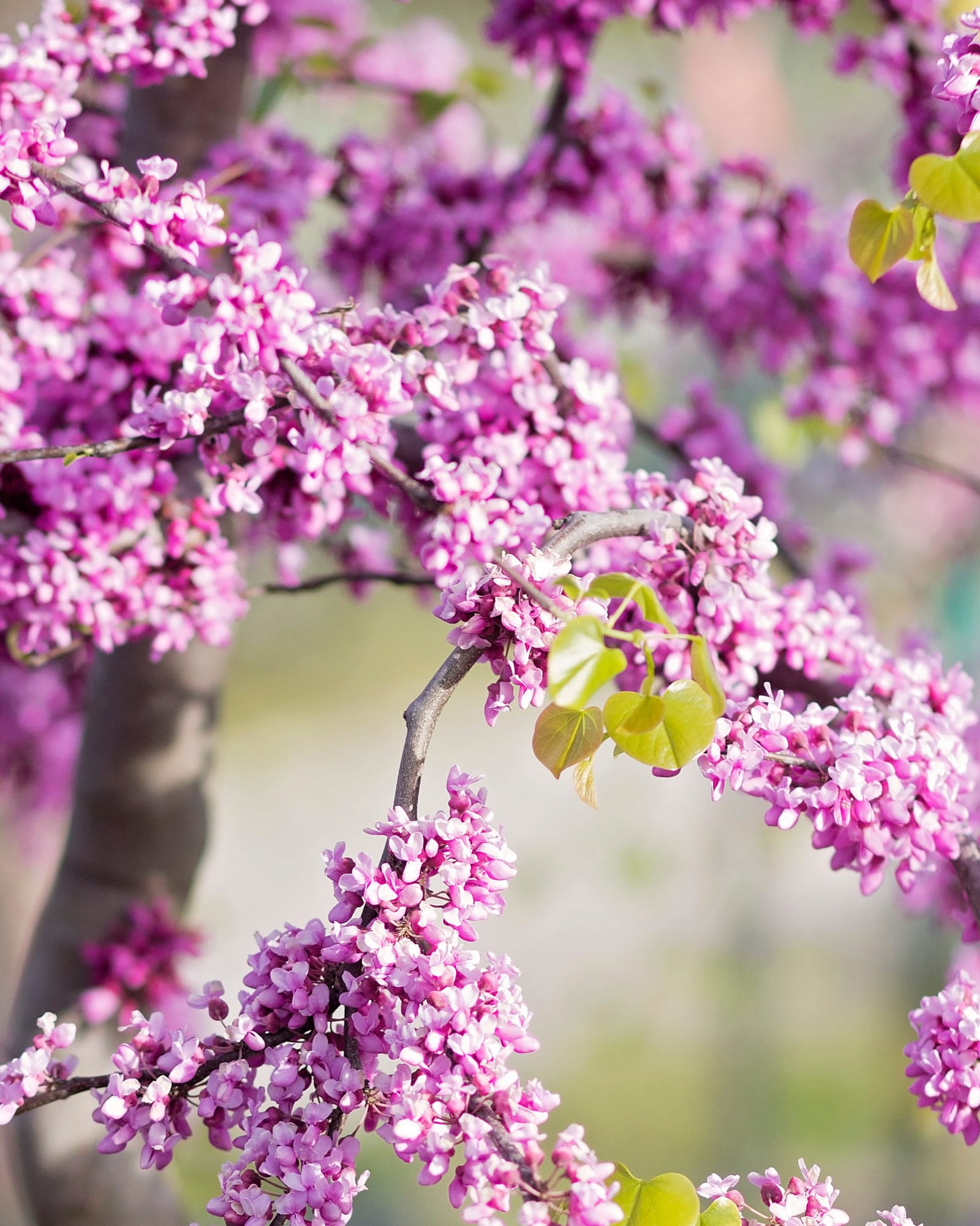
Traveller Weeping Redbud
Maturity: 5' H x 10' W
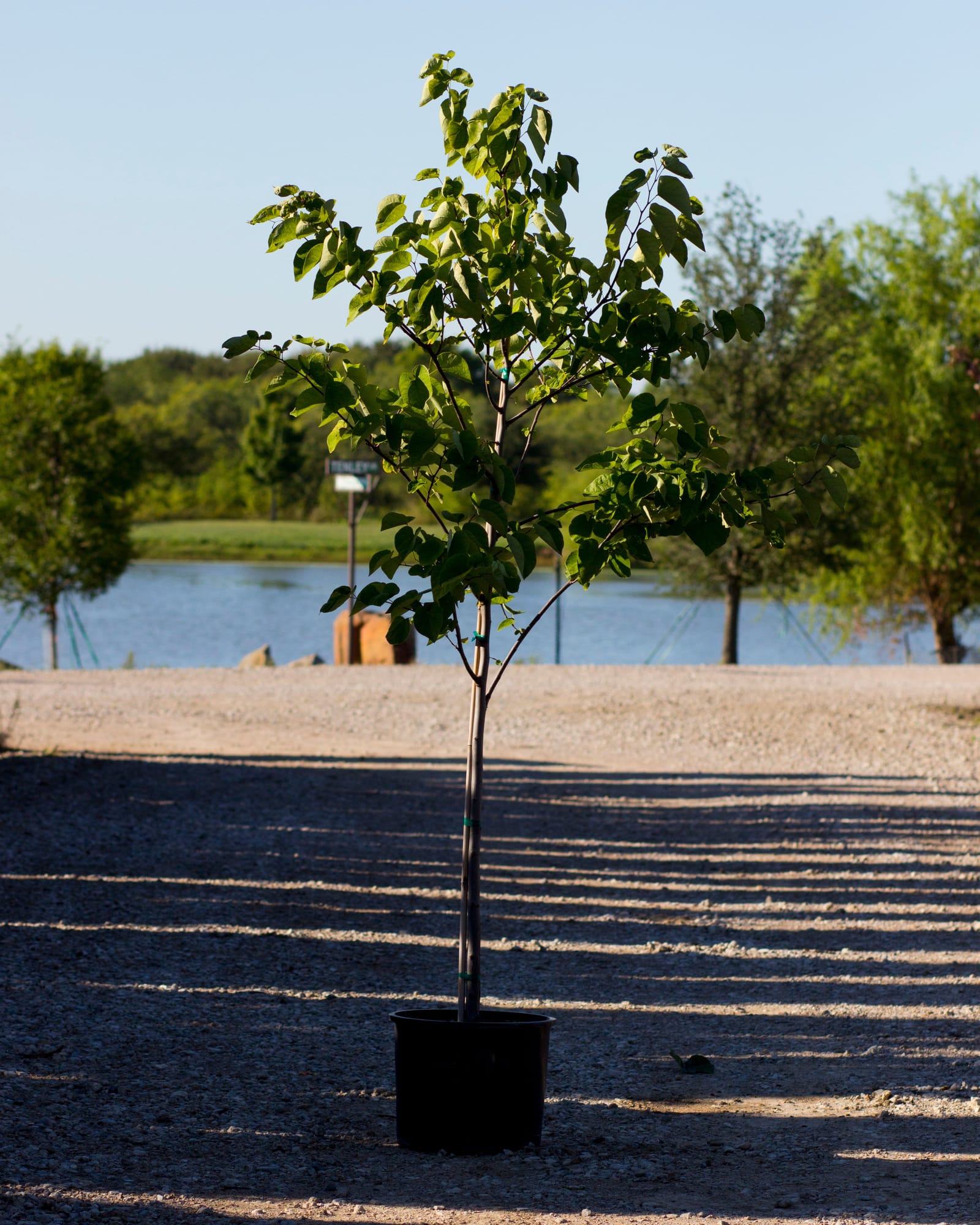
White Pom Poms Redbud
Maturity: 15' H x 15' W
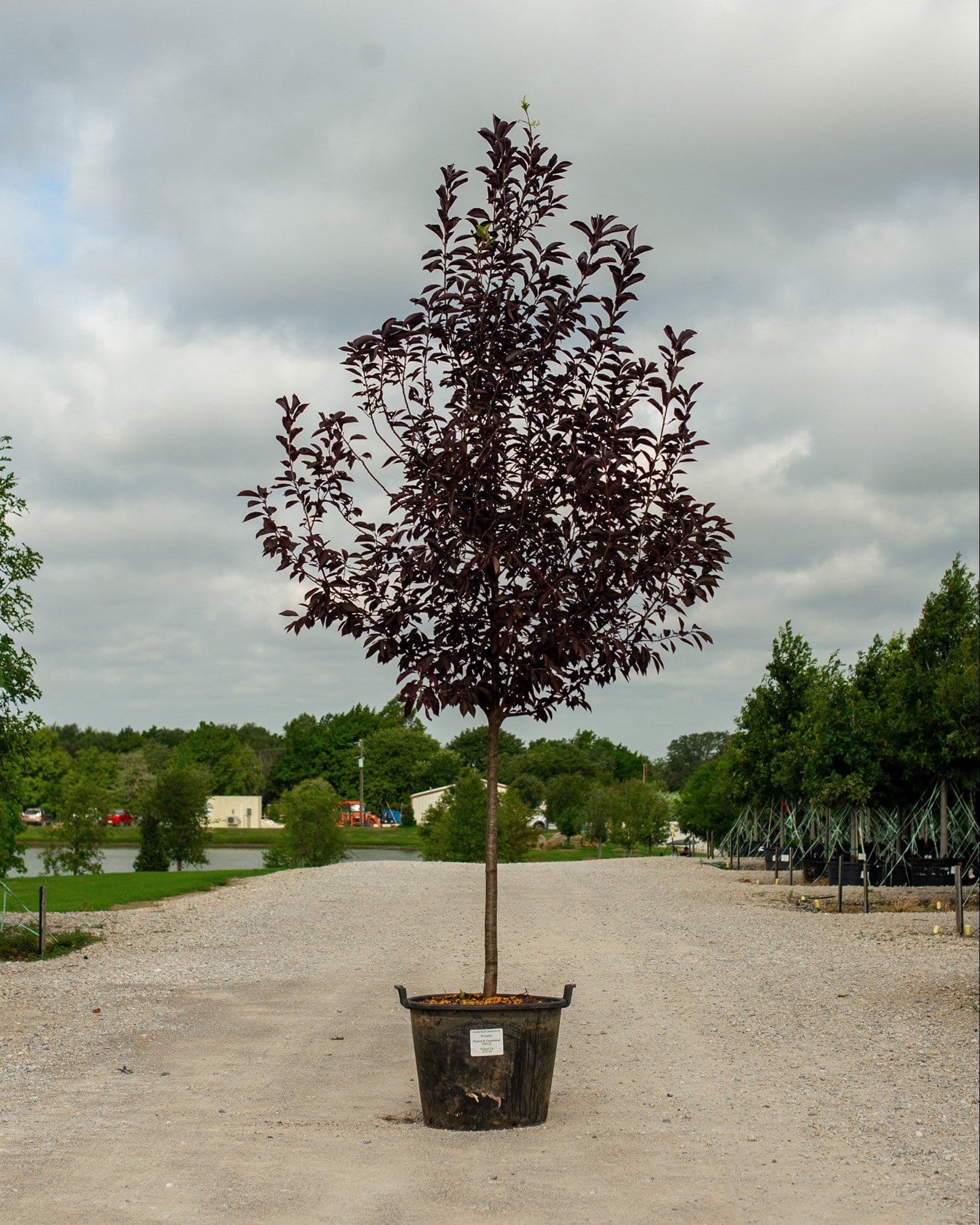
Canada Red Chokecherry
Maturity: 20' H x 15' W
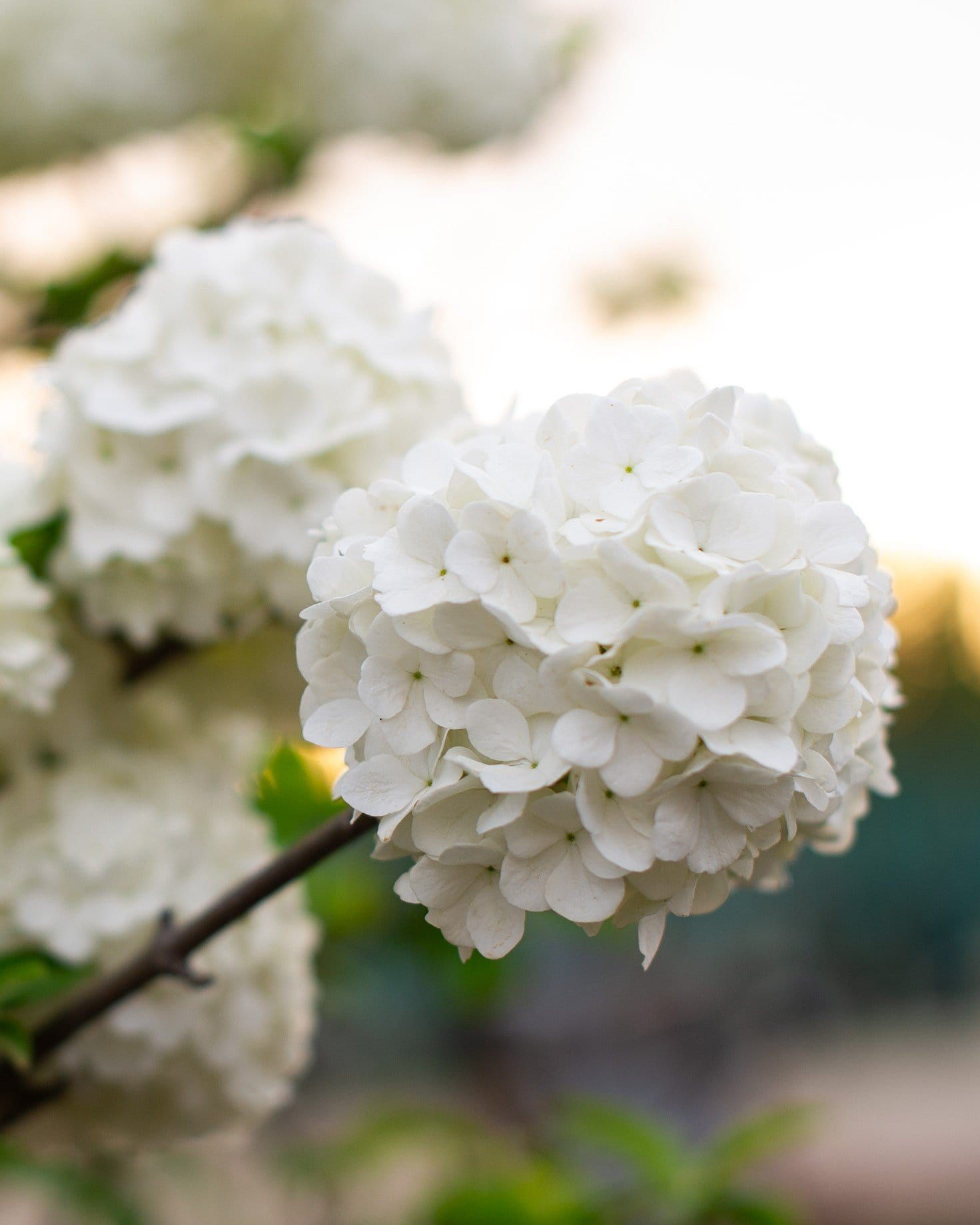
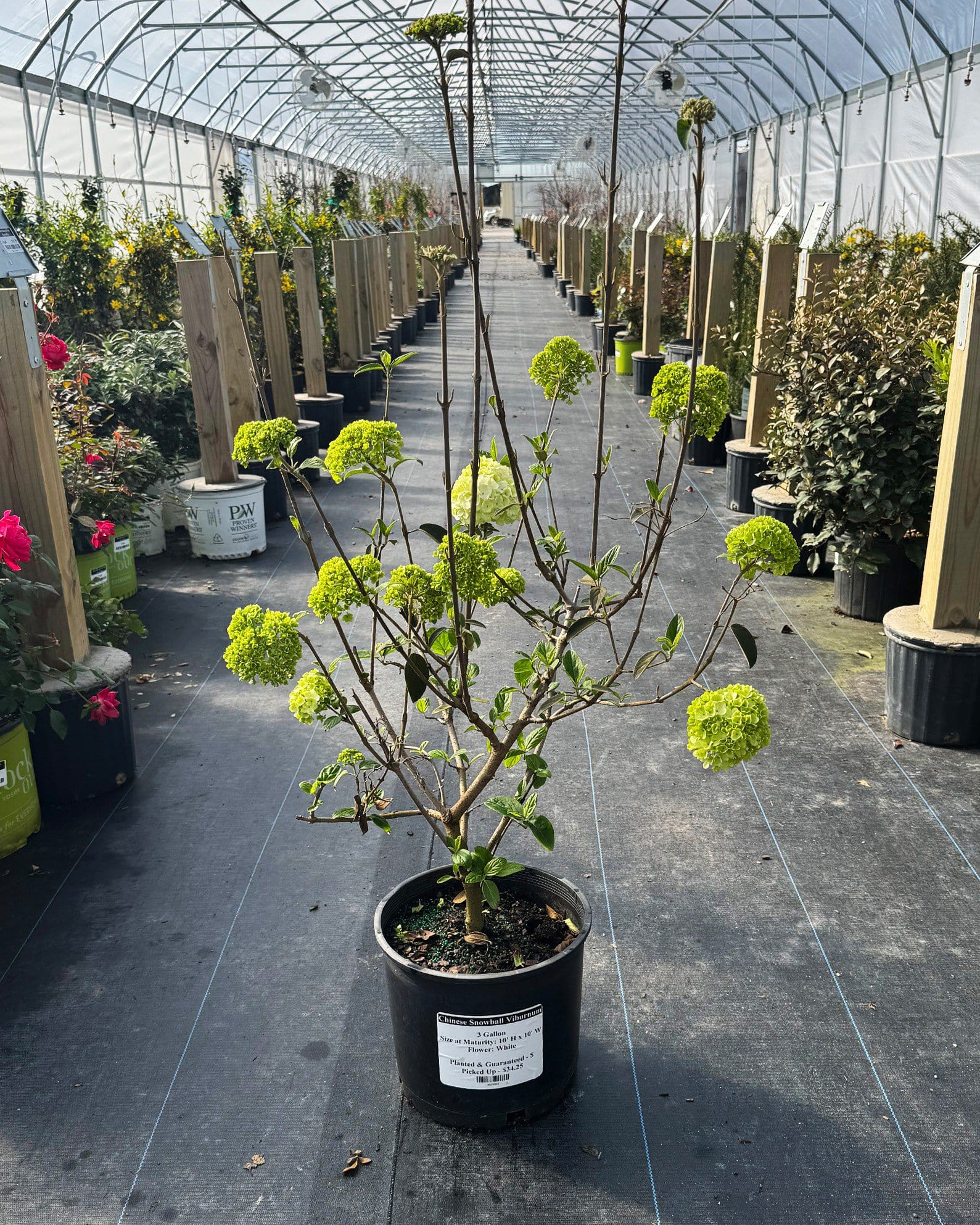
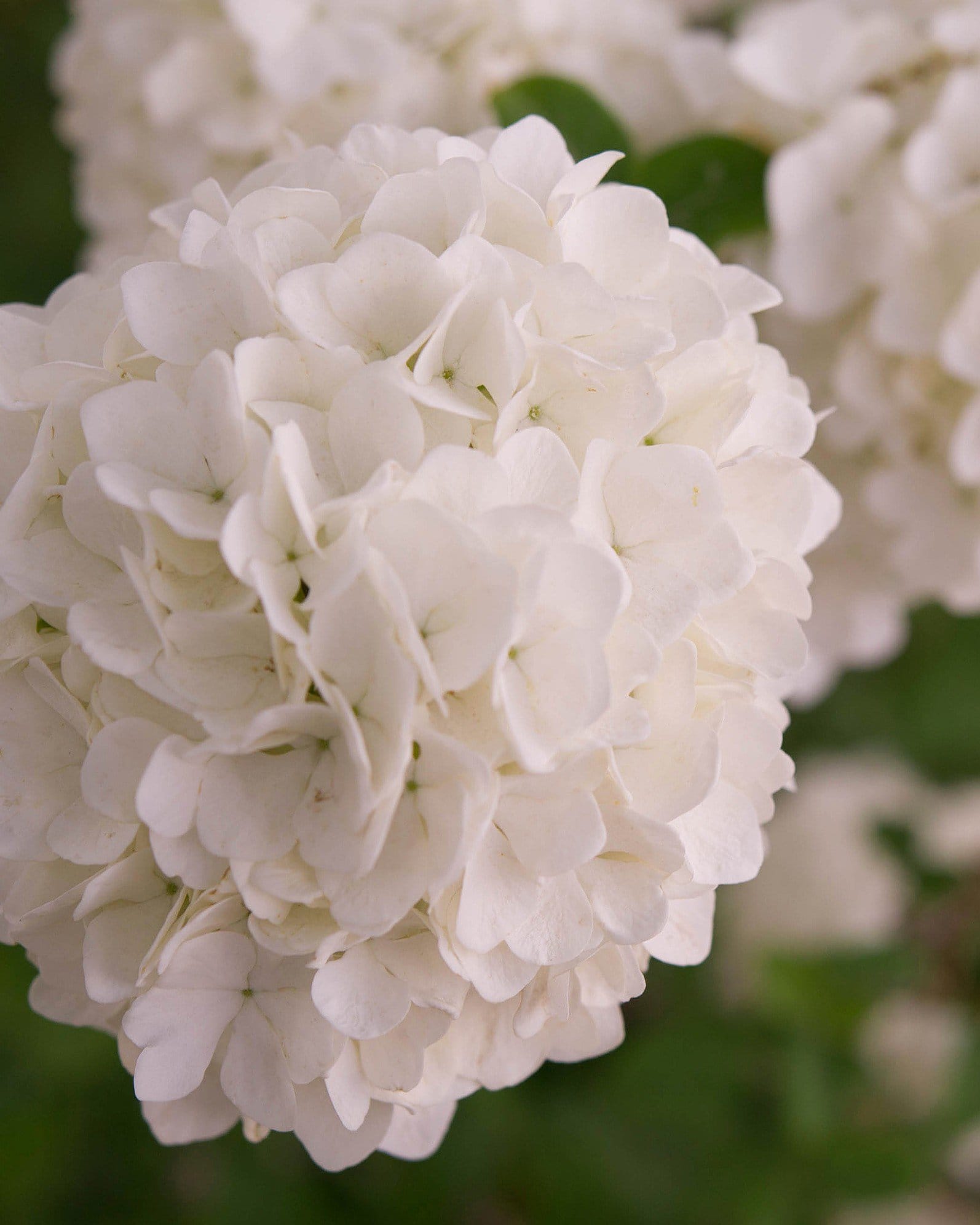
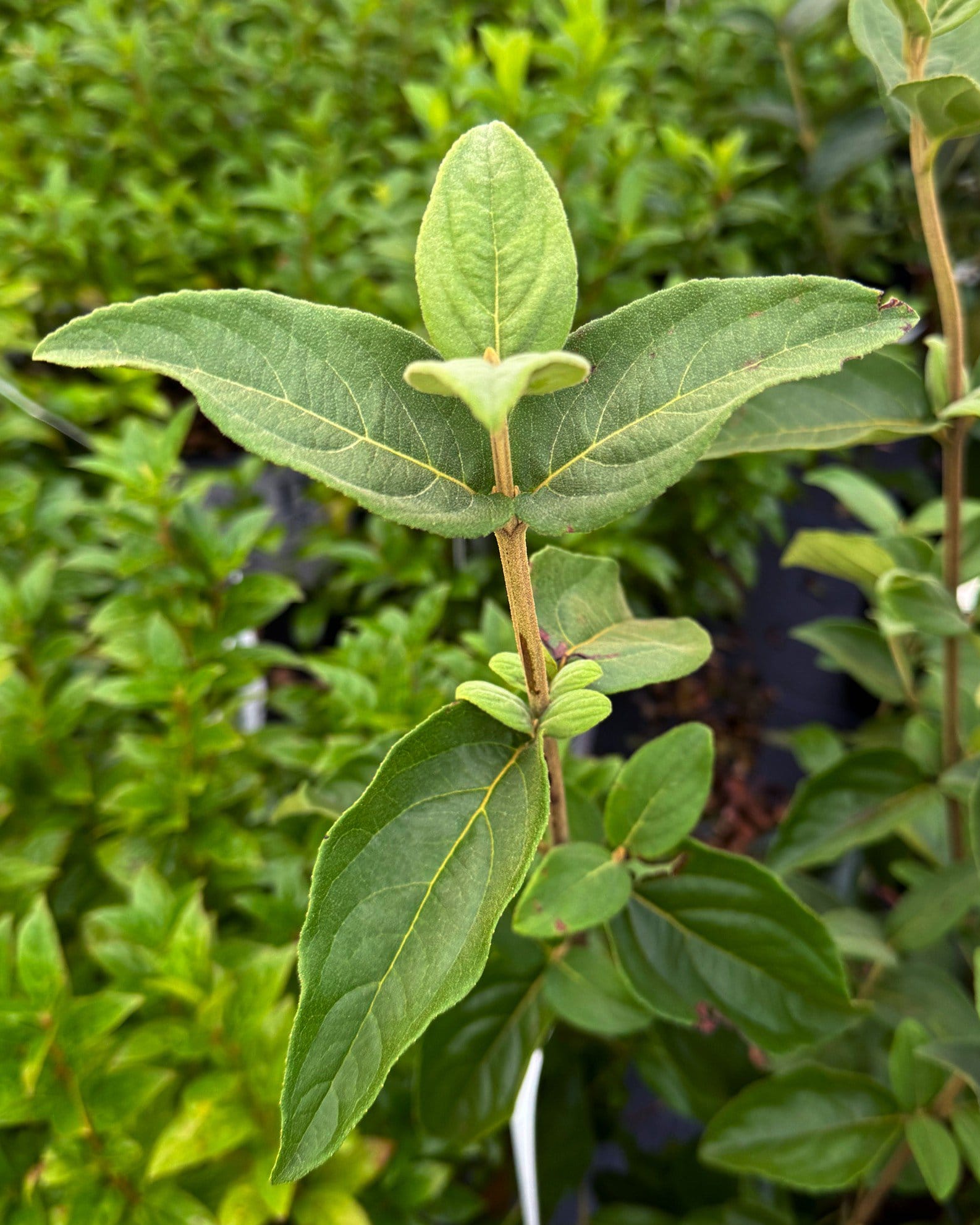
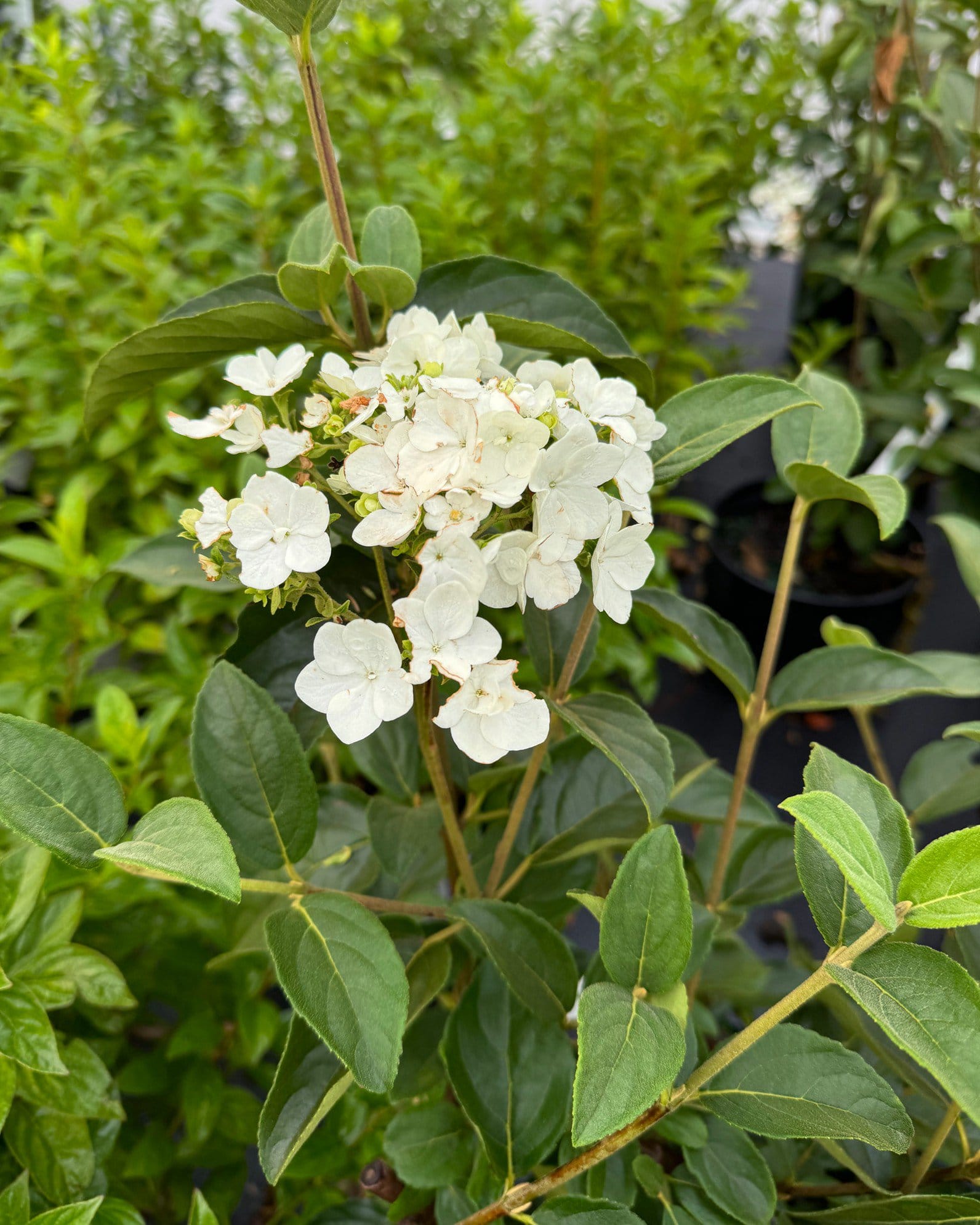
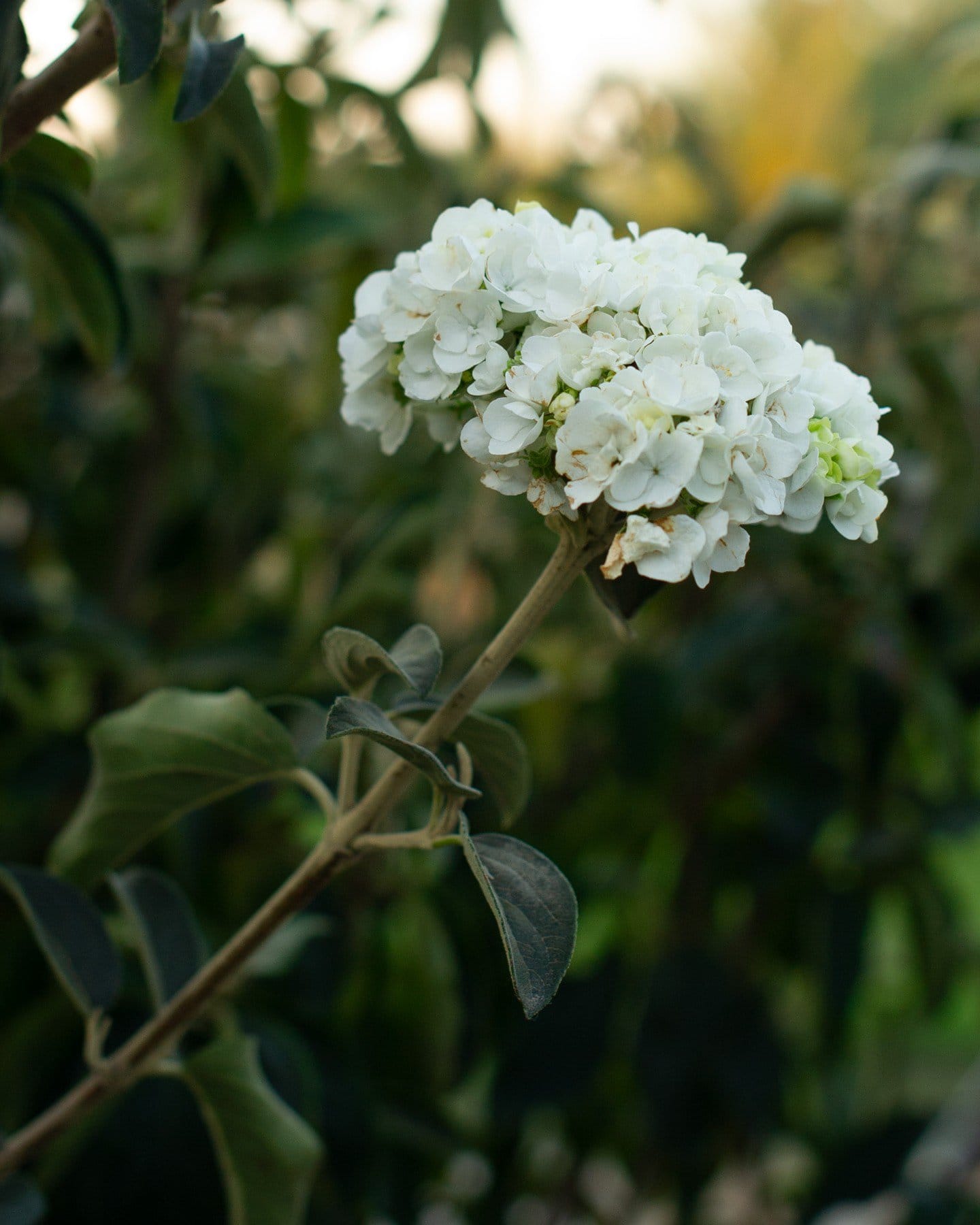
Chinese Snowball Viburnum
Maturity: 10' H x 10' W
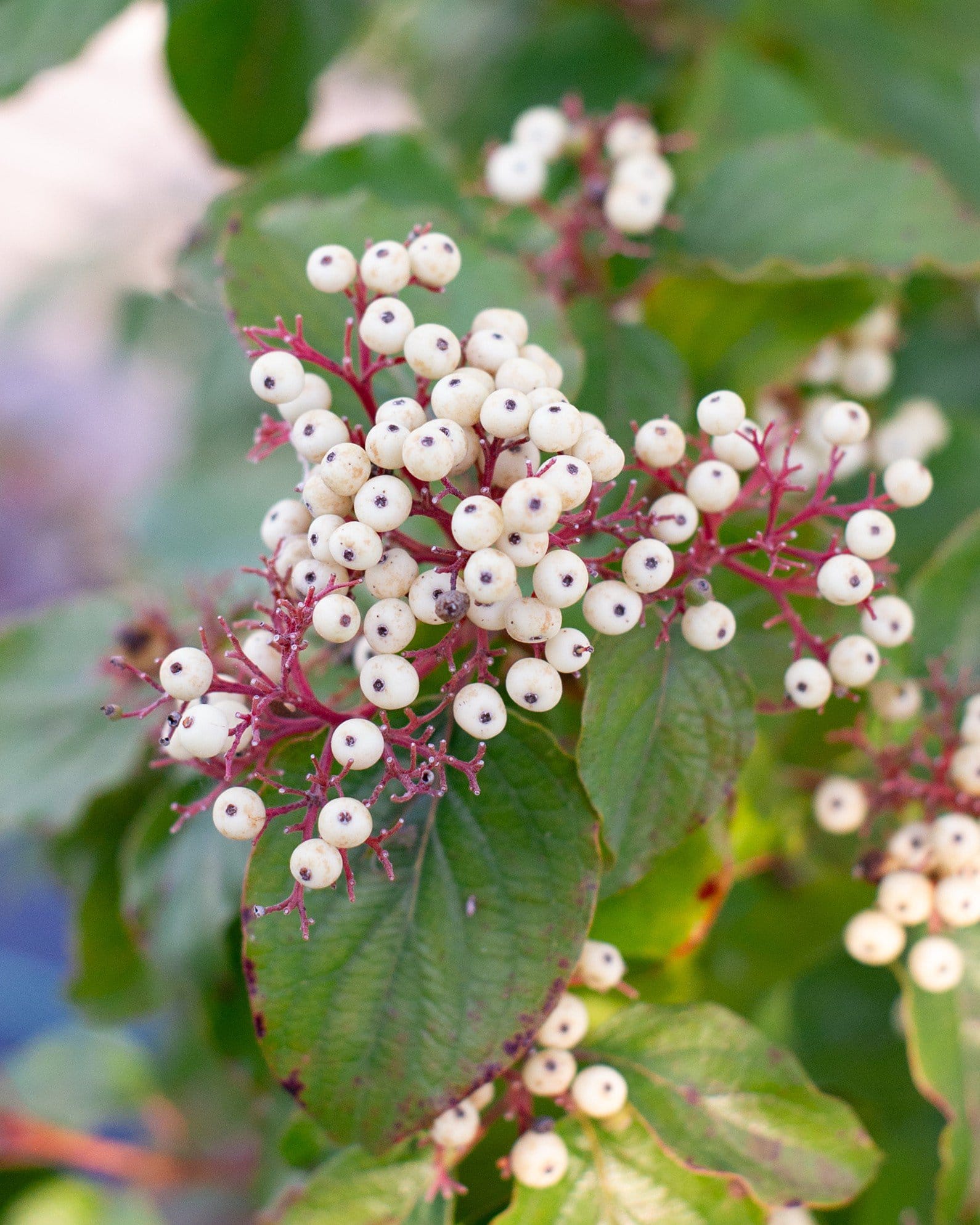
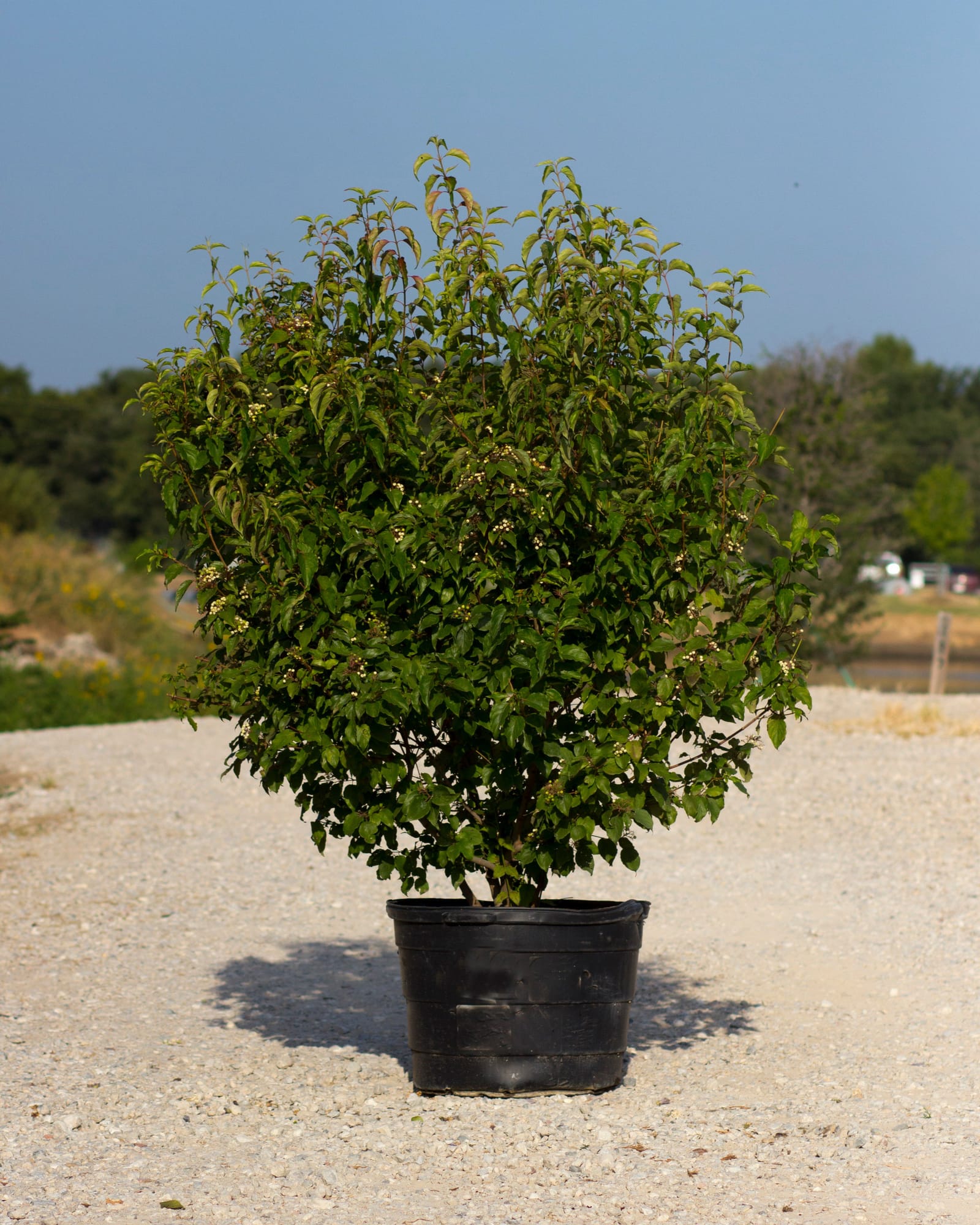
Roughleaf Dogwood
Maturity: 15' H x 8' W
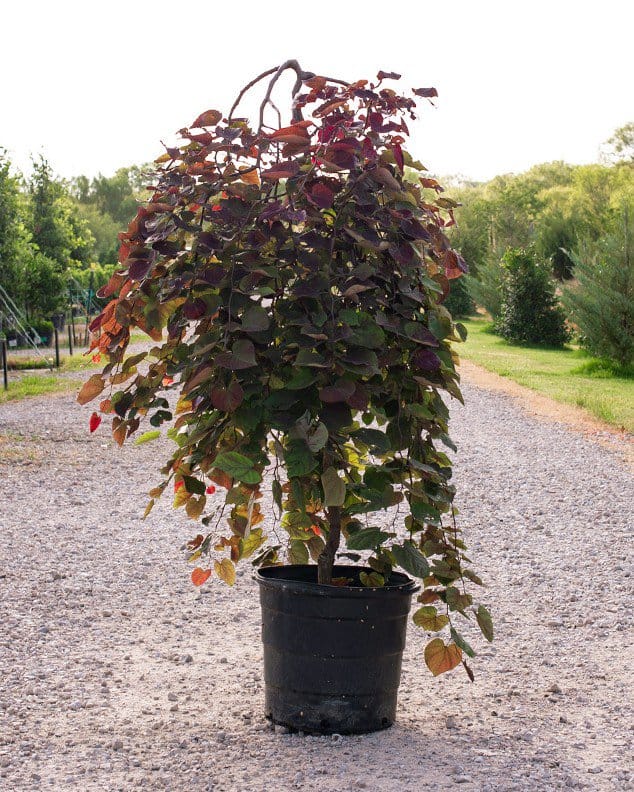
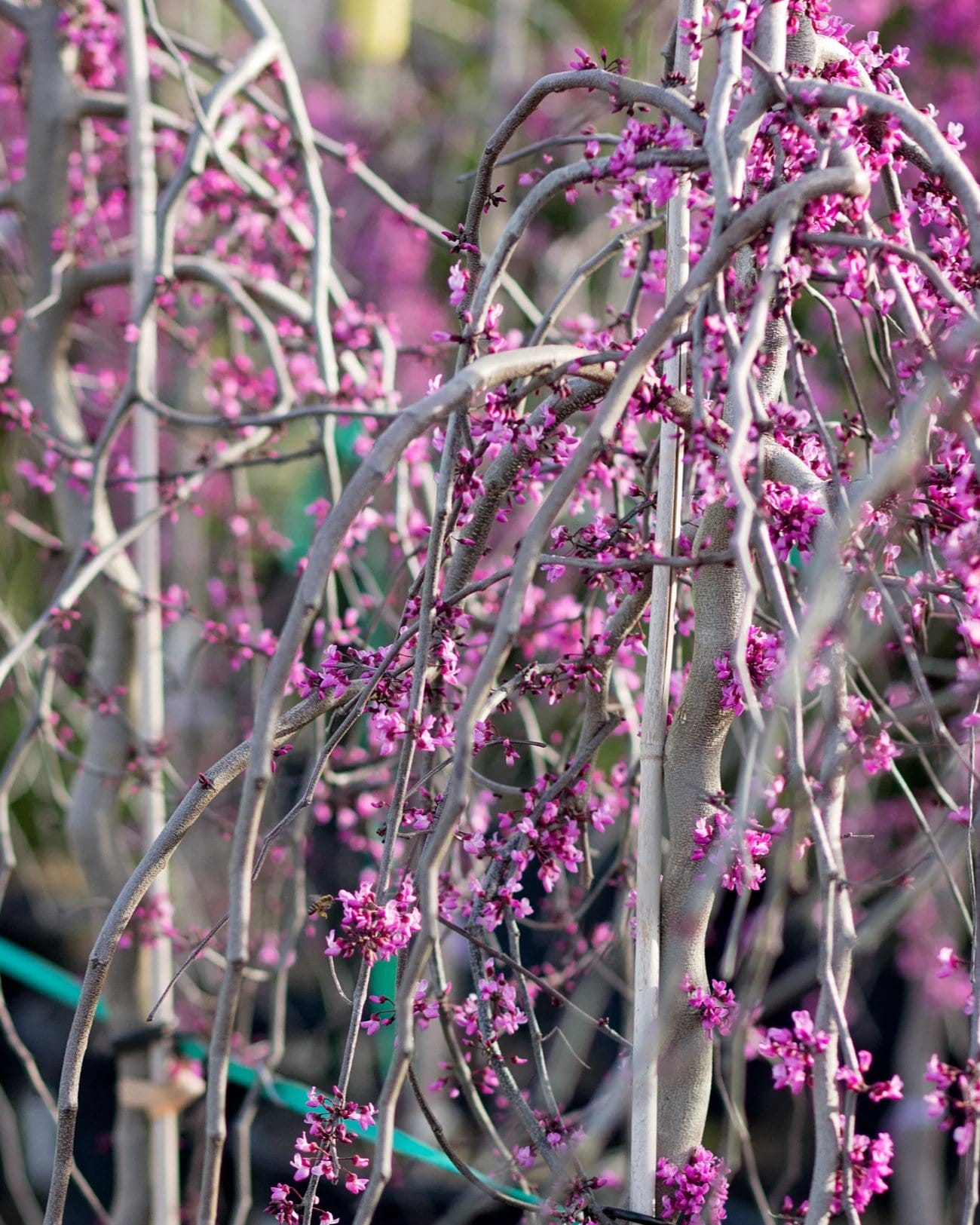
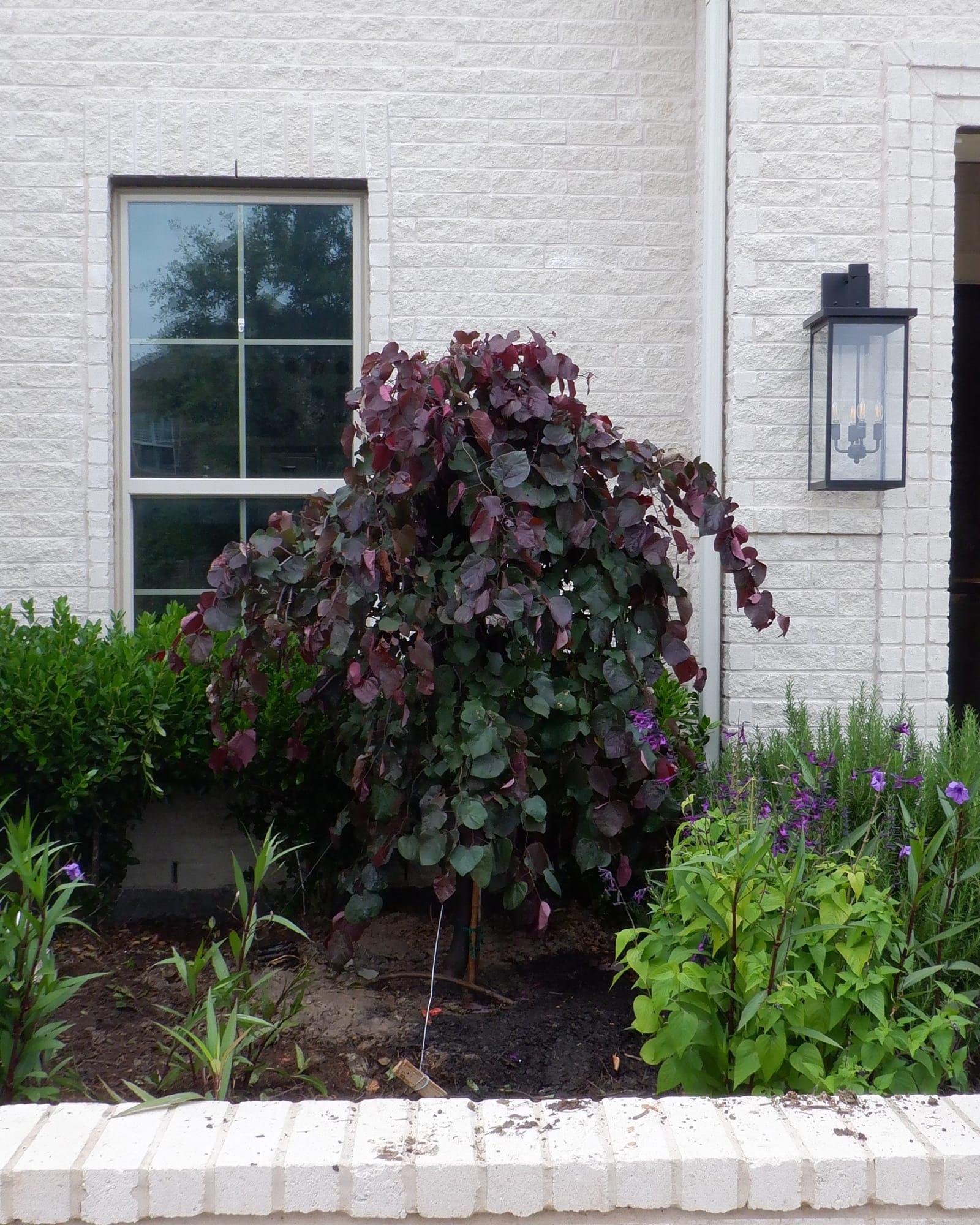
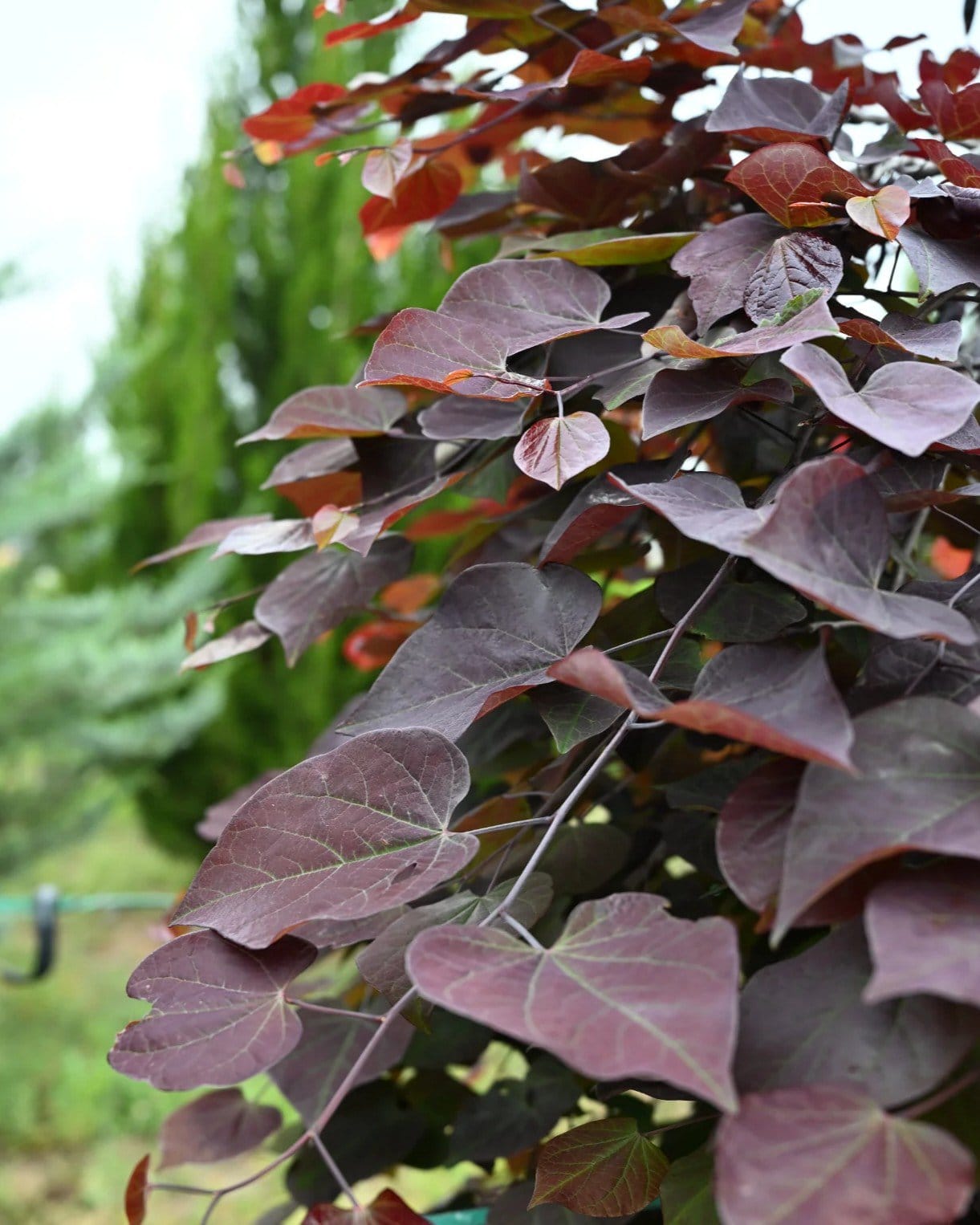
Ruby Falls Weeping Redbud
Maturity: 6' H x 10' W
Compare Similar Plants
Paperbark Maple This plant | ||
|---|---|---|
| Scientific Name | Acer griseum | Cornus kousa |
| Size at Maturity | 20' H x 15' W | 15' H x 15' W |
| Leaf Retention | Deciduous | Deciduous |
| Fall Color | Orange & Red | Orange & Red |
| Flower Color | — | White |
| Bloom Times | — | Summer |
| Sizes Available | 10 gal | 15 gal |

Our 1-Year Planting Guarantee
We take pride in our plants and installation services. If any plants or trees installed by Treeland fail to thrive within the first year, we'll provide a replacement credit in accordance with our guarantee program.
Learn More About Our Guarantee