
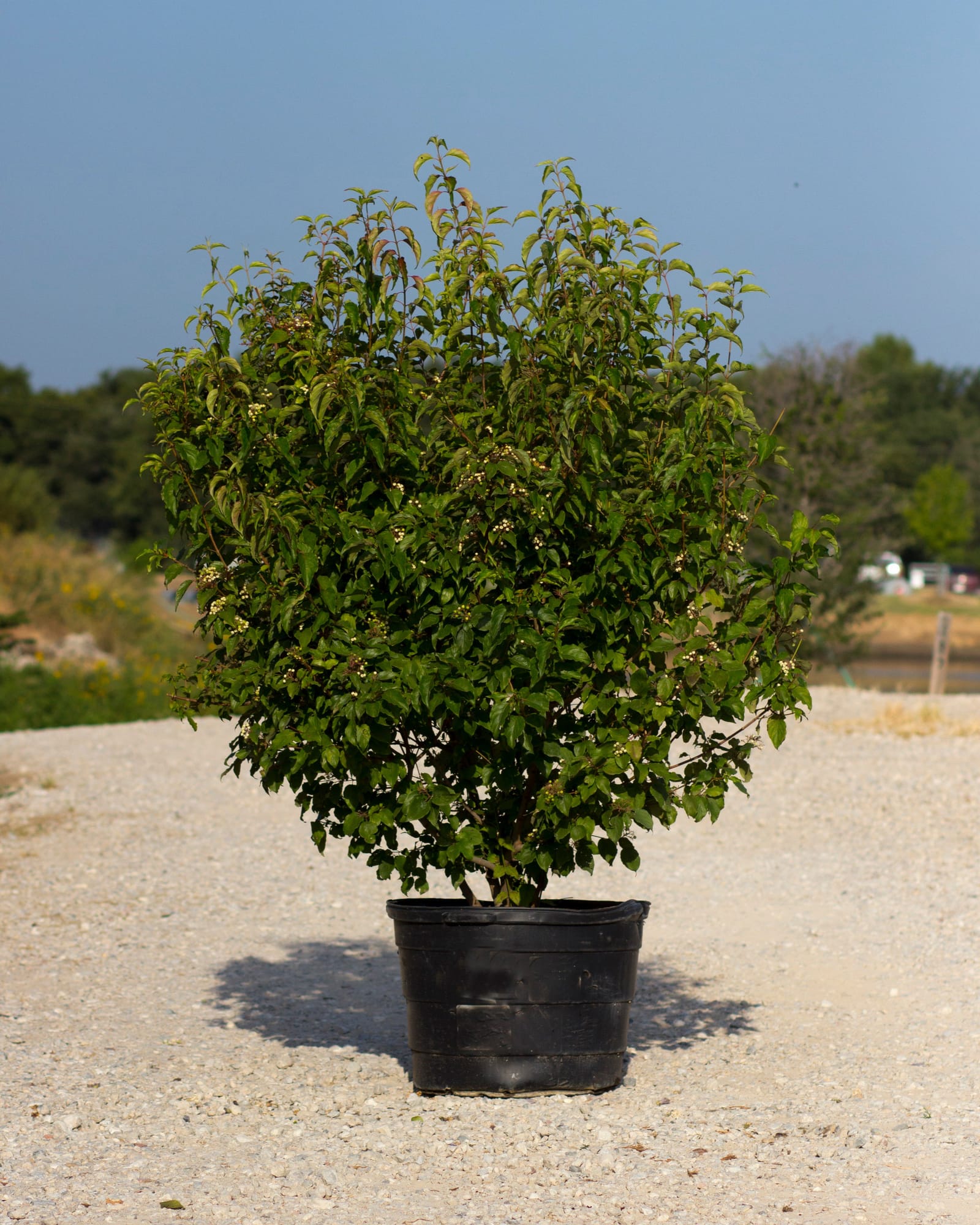
 Texas Native
Roughleaf Dogwood
Cornus drummondiiLocal DFW Delivery Only
Product Details
Roughleaf Dogwood
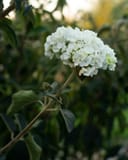
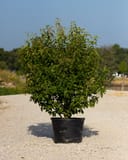
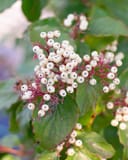
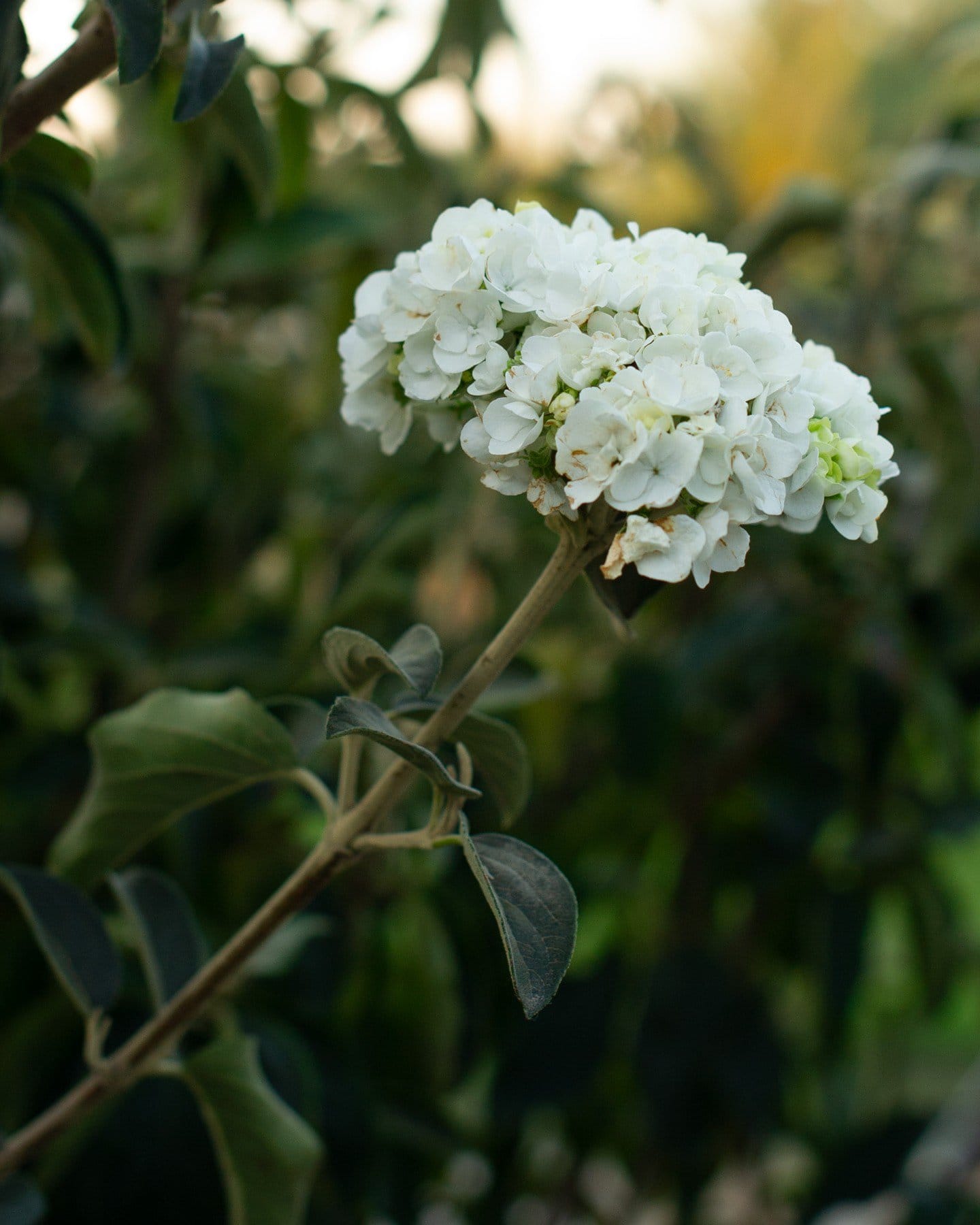
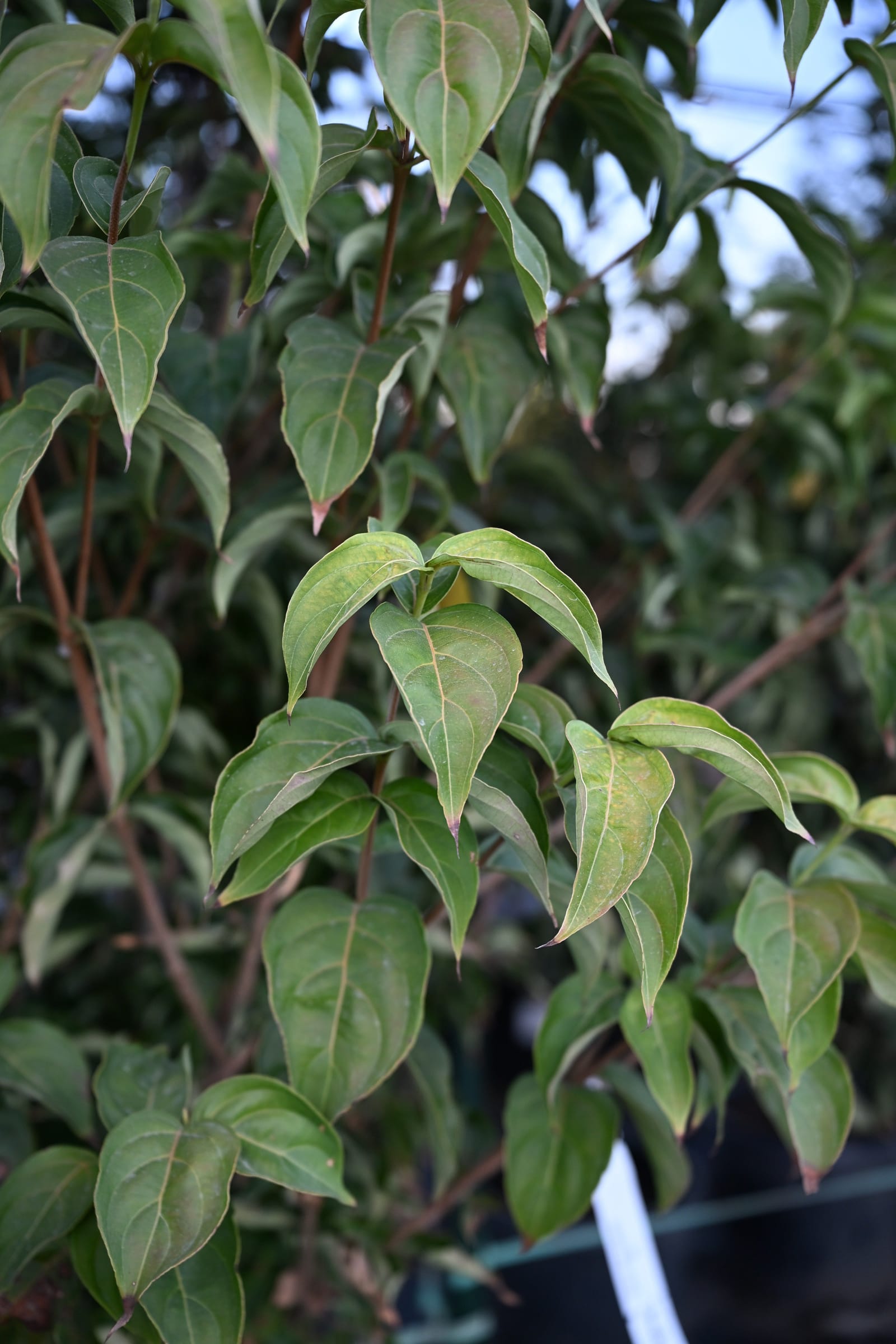
Cornus drummondiiRoughleaf Dogwood is a deciduous tree native to Texas and much of the central U.S. It's loved for its rough-textured leaves and creamy white flowers that bloom in spring-summer. In fall, the foliage turns a soft red, and clusters of white berries appear. This plant reaches 15 feet in height and 8 feet in width, forming a dense thicket ideal for landscapes or stabilizing slopes.
- Deciduous tree
- Fast growth rate with spreading habit
- Clusters of creamy white flowers in spring and summer
- Rough, textured green leaves turning red in fall
- White berries in late summer
Roughleaf Dogwood is highly adaptable and thrives in full sun to part shade. It prefers moist, well-drained soil but tolerates clay, rocky areas, and periods of drought once established. Hardy in USDA zones 4-9, excellent for adding native charm to your Texas landscape. Trim as needed to maintain shape or encourage denser growth.
Once established, Roughleaf Dogwood becomes relatively low-maintenance and develops into a resilient plant that requires only modest seasonal care. This is all it needs to grow beautifully:
- Watering: Water regularly during the first growing season to help establish a strong root system. After establishment, occasional deep watering during extended dry periods helps maintain healthy foliage and steady growth.
- Pruning: Pruning is typically minimal and limited to removing damaged or crowded branches. Light pruning in late winter helps maintain plant health and encourages balanced growth.
- Fertilizing: Fertilizer is rarely necessary in average soils. If growth appears slow, a balanced fertilizer applied in early spring can help support stronger seasonal development.
- Mulching: Maintain a 2-3 inch mulch layer around the root zone to conserve soil moisture and moderate soil temperatures. Keep mulch slightly away from the base of the stems to prevent excess moisture buildup.
- Winter Care: Established plants tolerate seasonal cold without special protection. Young plants benefit from mulch around the root zone during their first winters to help stabilize soil temperatures.
Roughleaf Dogwood is generally durable and rarely experiences serious problems. Occasional pests or environmental stresses may appear, but most issues remain minor with proper care.
- Leaf Spot: Small dark spots may appear on foliage during humid weather. Removing fallen leaves helps reduce the spread of fungal spores.
- Aphids: Sticky residue on leaves may indicate sap-feeding insects. Spraying foliage with water or applying insecticidal soap typically controls infestations.
- Powdery Mildew: A white coating may develop on leaves during periods of high humidity. Improving airflow around the plant helps limit recurrence.
- Drought Stress: Leaves may curl or appear dull during prolonged dry periods. Deep watering during drought conditions helps maintain plant health.
- Twig Dieback: Small branches may occasionally fail to leaf out after stress or winter damage. Removing affected twigs helps maintain vigorous growth.
Roughleaf Dogwood commonly lives 30-60 years in favorable conditions. Mature plants can remain vigorous for decades. Proper care helps support long-term health.
Growth typically averages about 12-24 inches per year. Noticeable size develops within several growing seasons. Full maturity often occurs within about 10-15 years.
This plant is valued for its ecological benefits and adaptability. It supports wildlife while maintaining an attractive natural form. Its durability makes it useful in naturalized landscapes.
The name refers to the texture of the foliage, which feels slightly rough compared to other dogwoods. The leaf surface has a subtle coarse quality. This feature helps distinguish it from smoother-leaved species.
The clusters of small flowers provide resources for bees and other beneficial insects. Spring blooming shrubs help support early pollinator activity. This contributes to biodiversity in garden spaces.
The plant remains attractive through its foliage and fruit during the growing season. Autumn foliage may develop warm tones before dropping. These seasonal changes add visual variety.
The plant may gradually spread through root sprouts, forming natural thickets. This growth habit can create dense vegetation over time. Such thickets can provide excellent wildlife cover.
The plant produces dense green foliage that remains present throughout the growing season. Leaves create a full and natural appearance. This helps maintain visual interest after flowering.
Native shrubs like this support pollinators, birds, and beneficial insects. Their presence increases biodiversity within garden ecosystems. This contributes to healthier landscapes overall.
The plant adapts well to informal landscapes and restoration plantings. Its natural growth habit blends well with other native species. Many gardeners include it in wildlife-focused gardens.
Special Features
You might also like
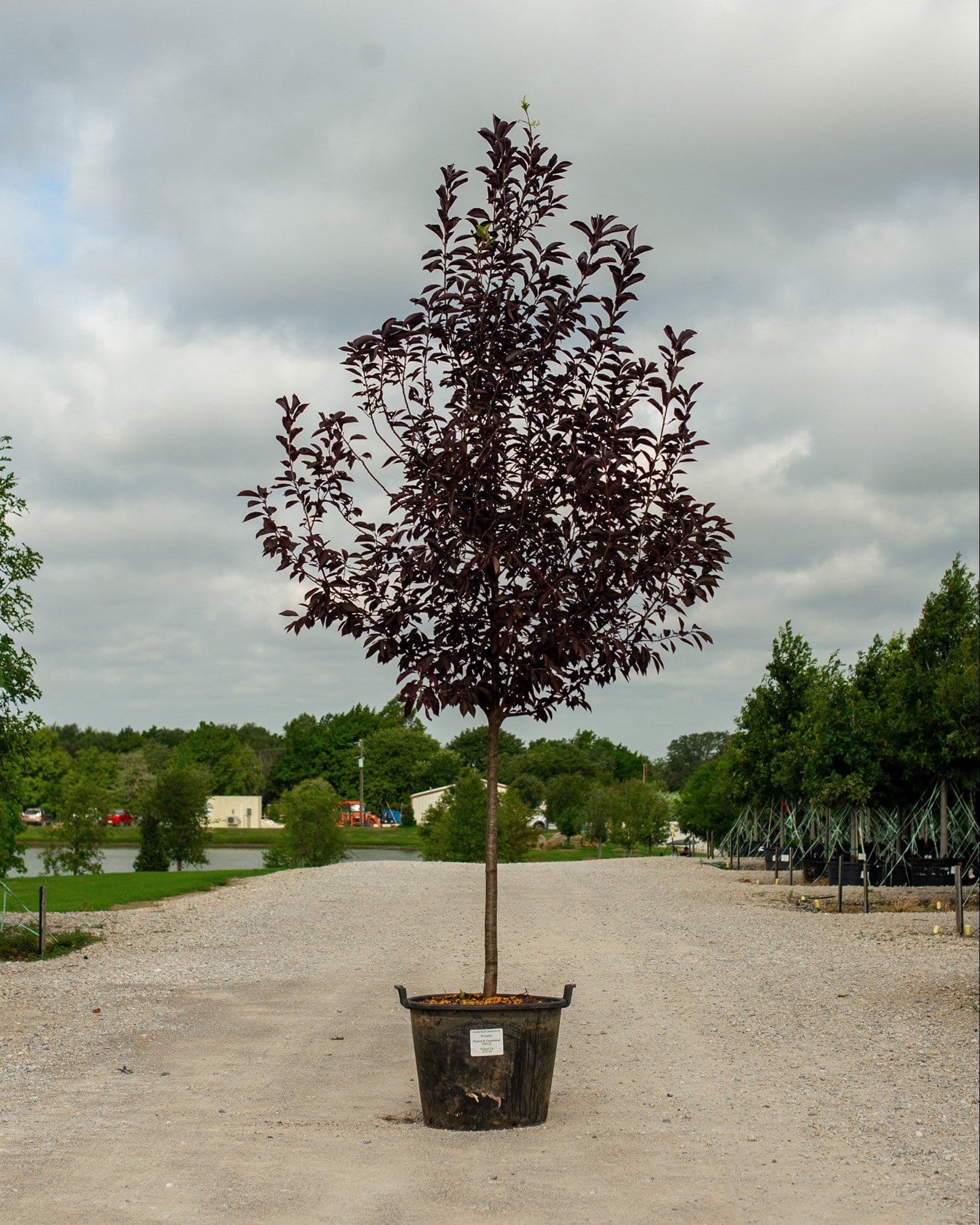
Canada Red Chokecherry
Maturity: 20' H x 15' W
Chinese Dogwood
Maturity: 15' H x 15' W
Sucker Punch Chokecherry Multi-Trunk
Maturity: 20' H x 15' W
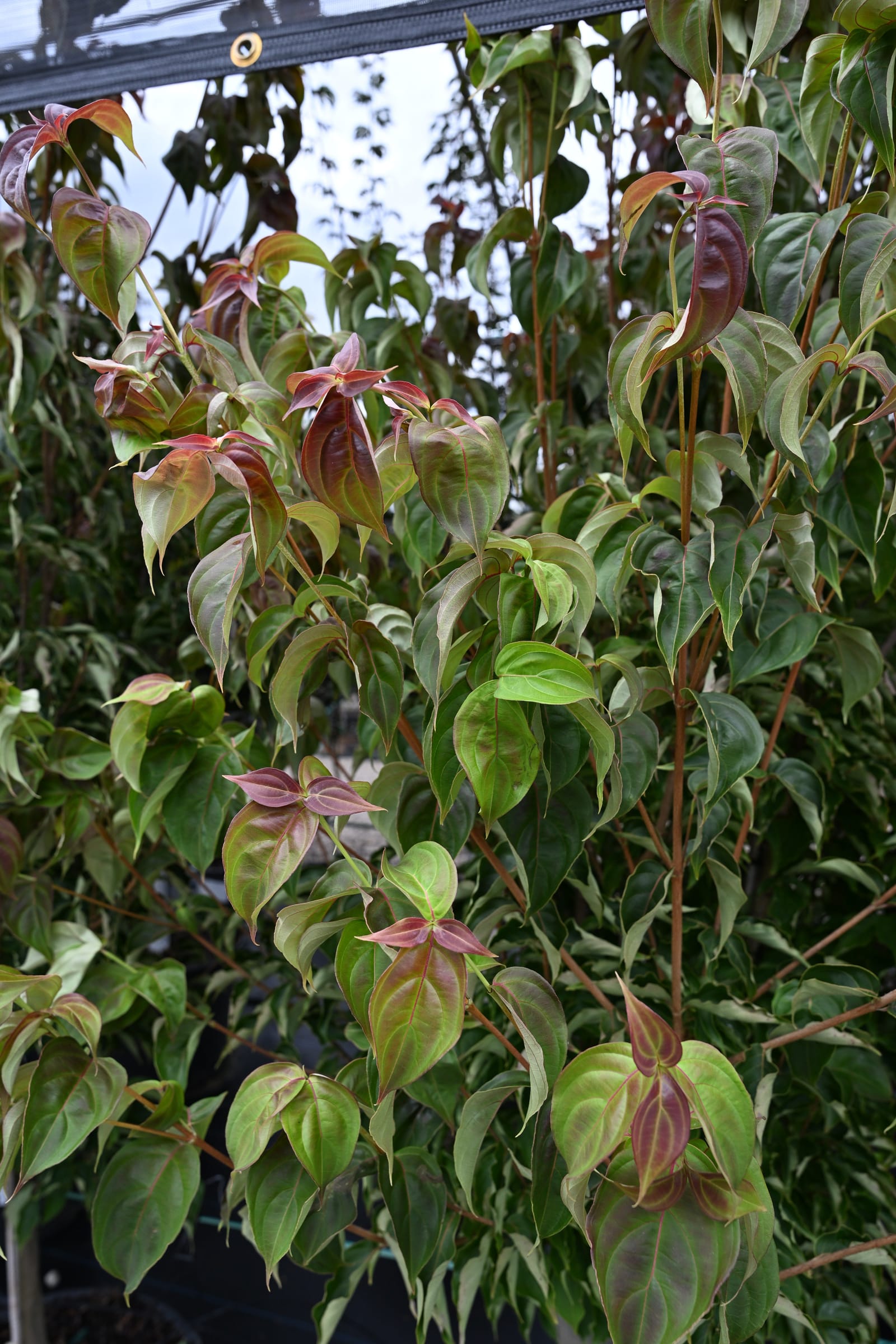
Chinese Dogwood Scarlet Fire
Maturity: 15' H x 15' W
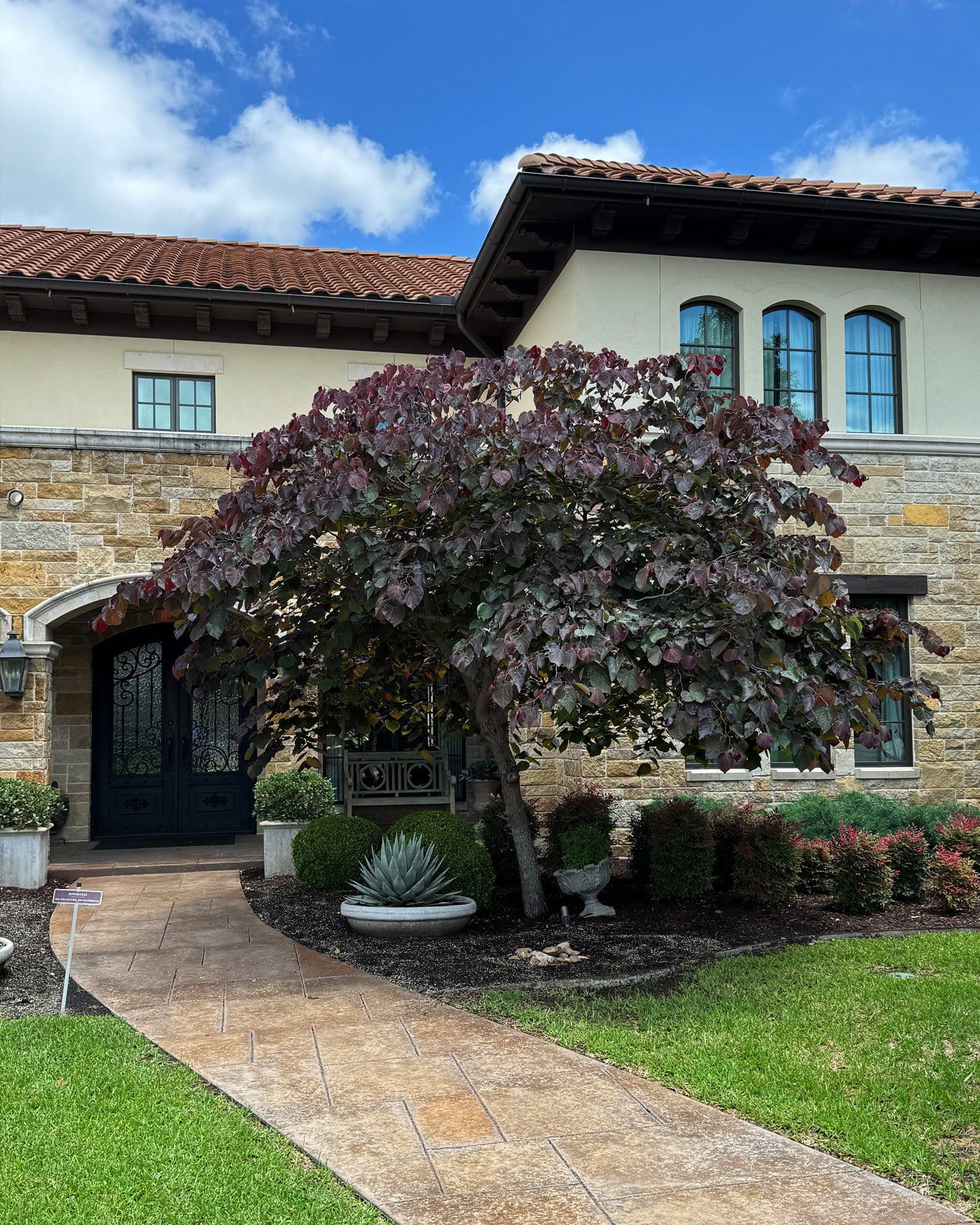
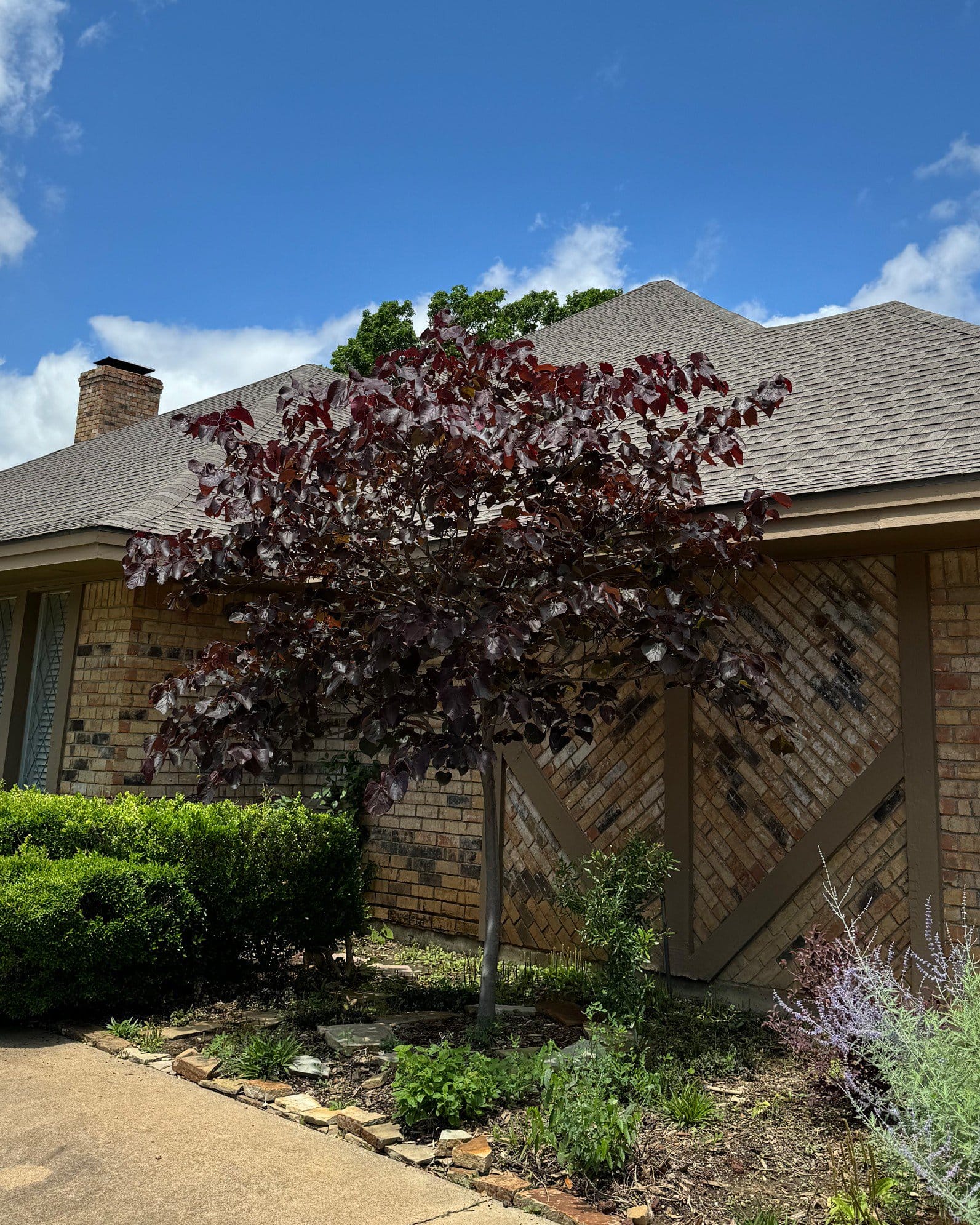
Forest Pansy Redbud
Maturity: 20' H x 20' W
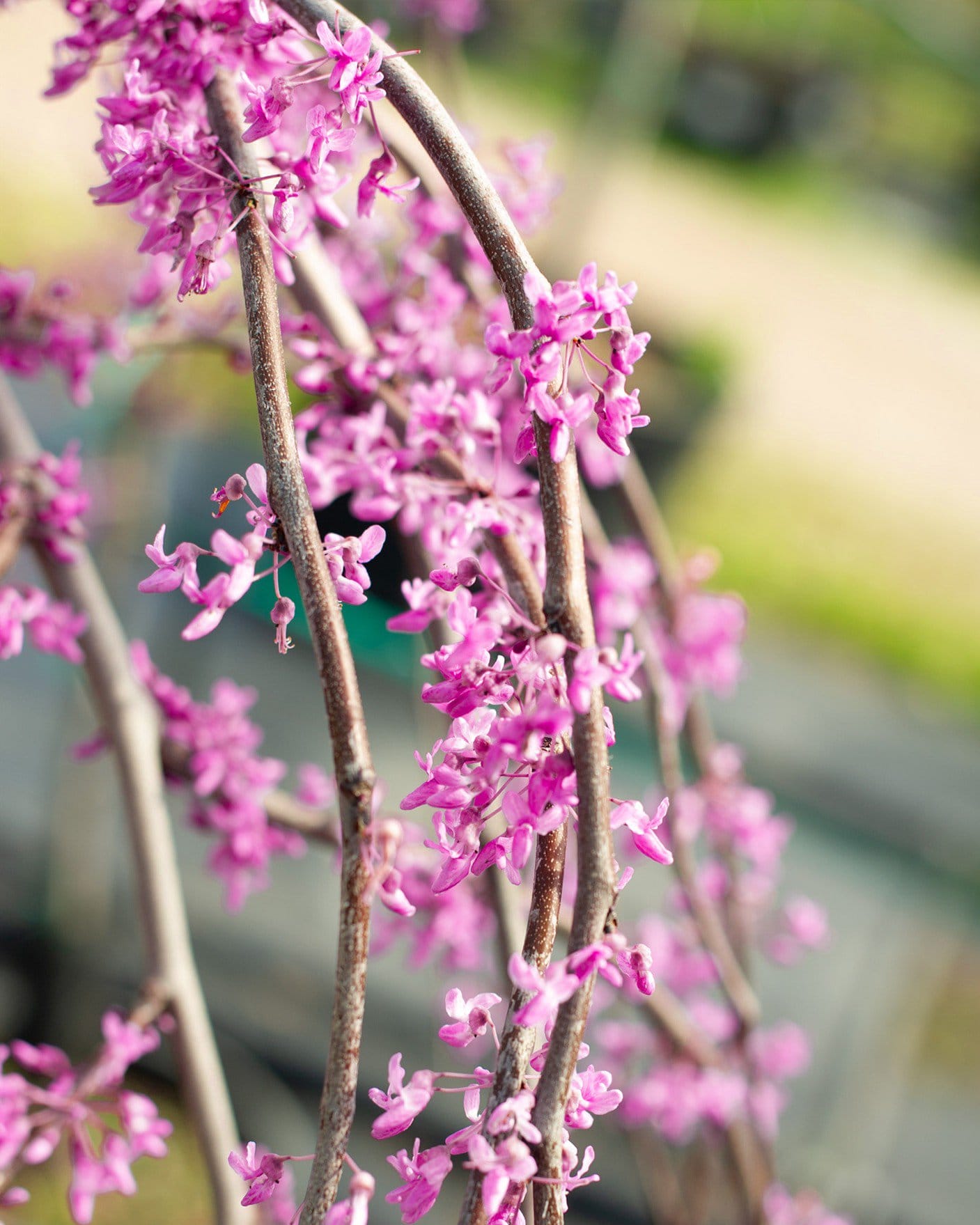
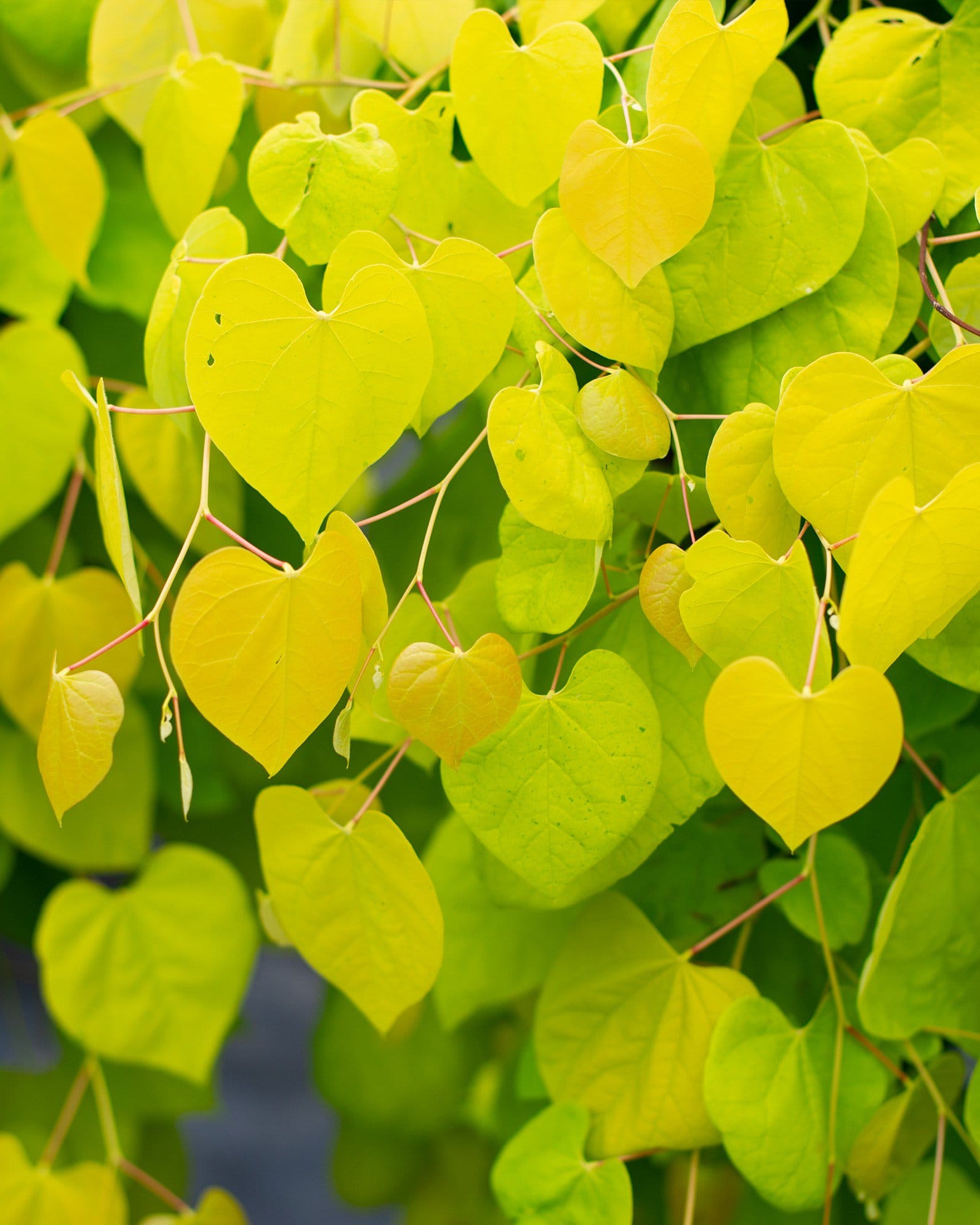
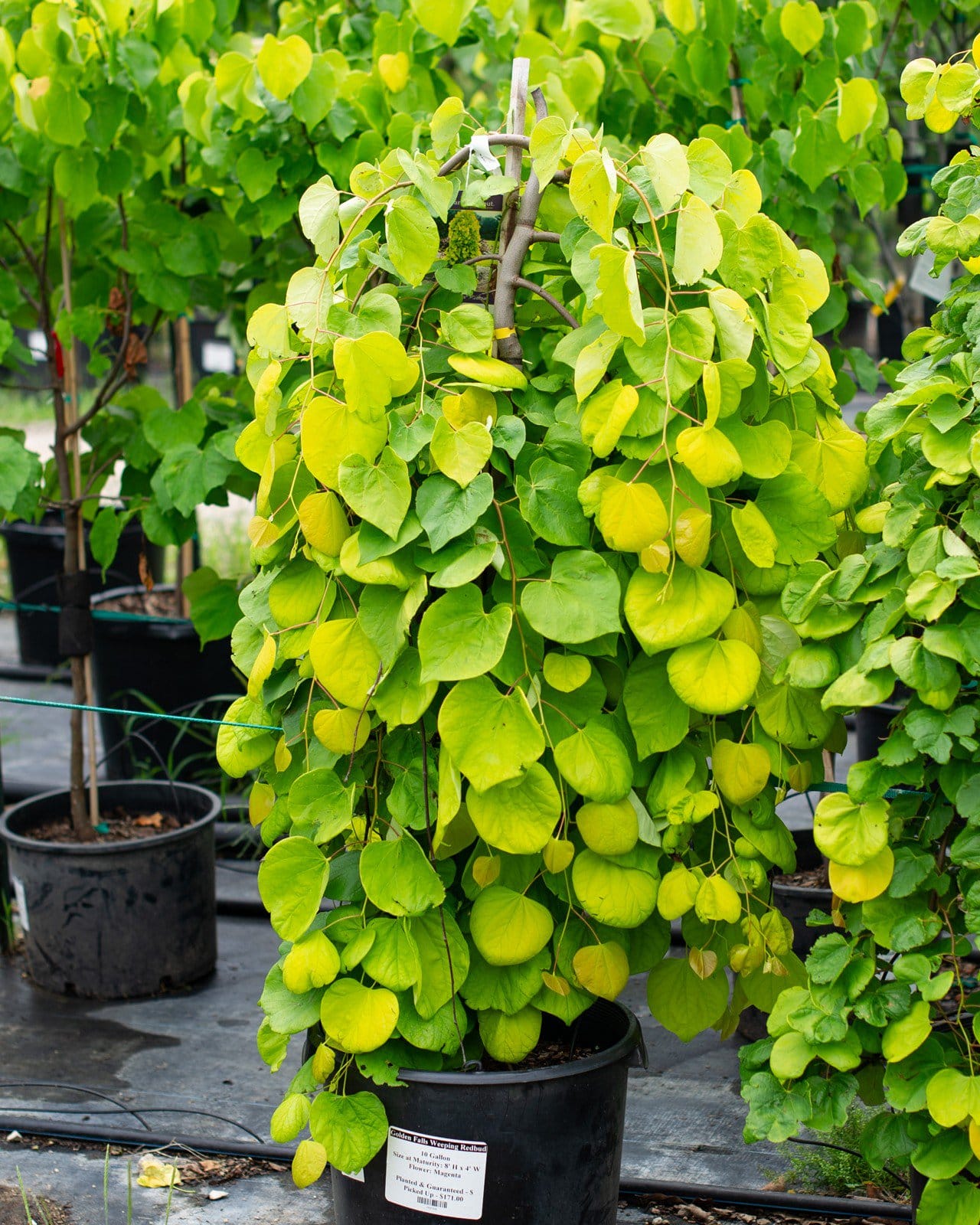
Golden Falls Weeping Redbud
Maturity: 8' H x 4' W
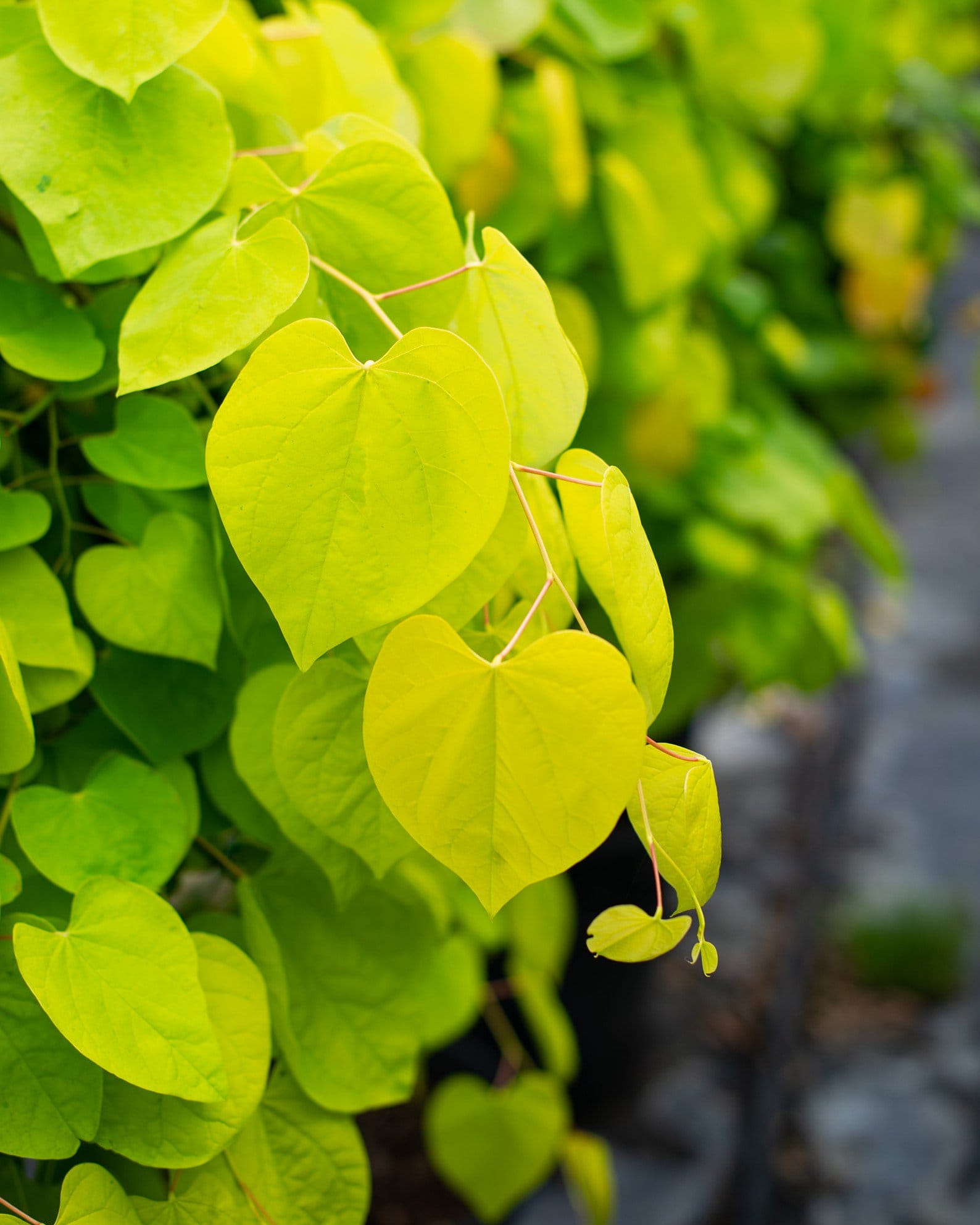
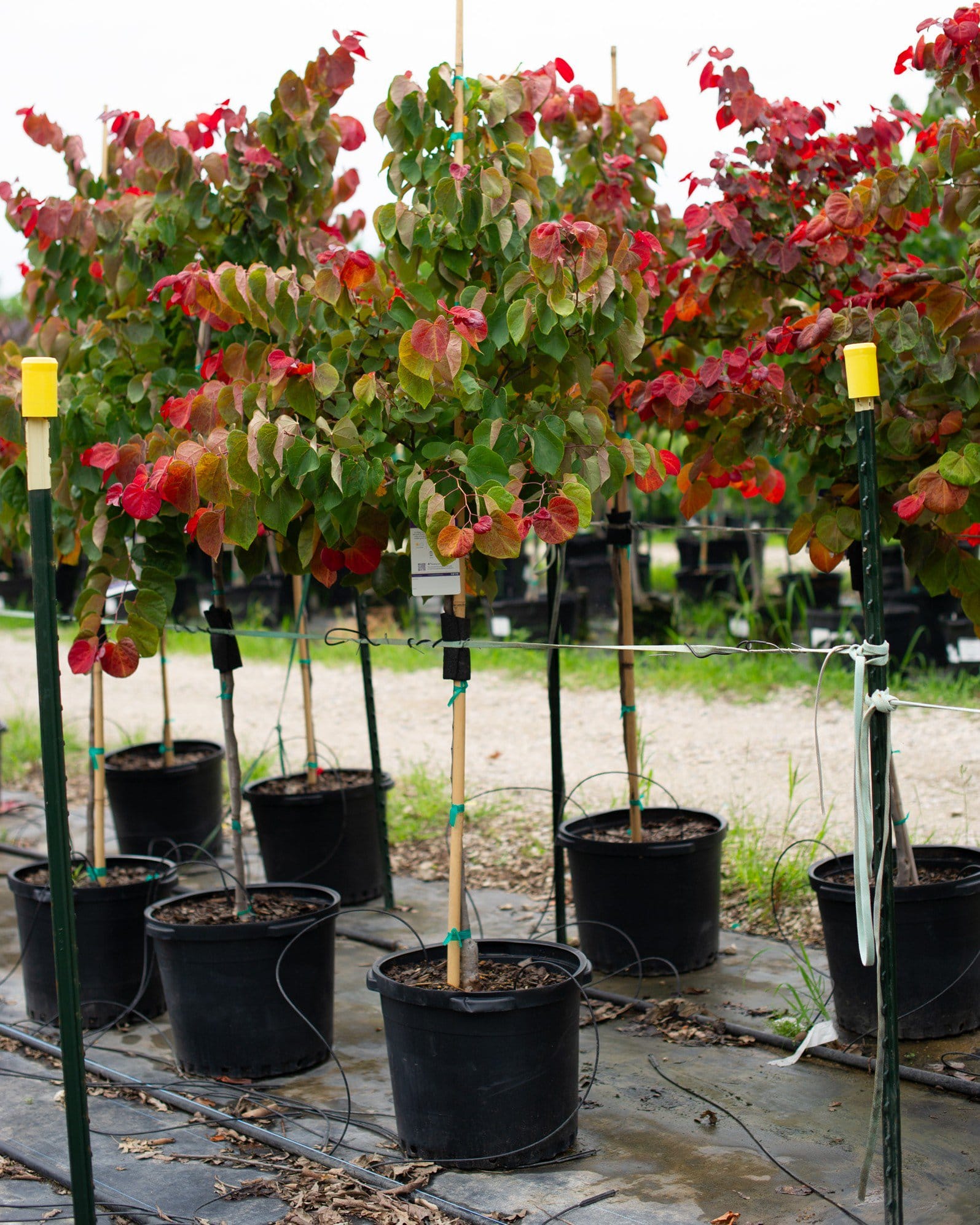
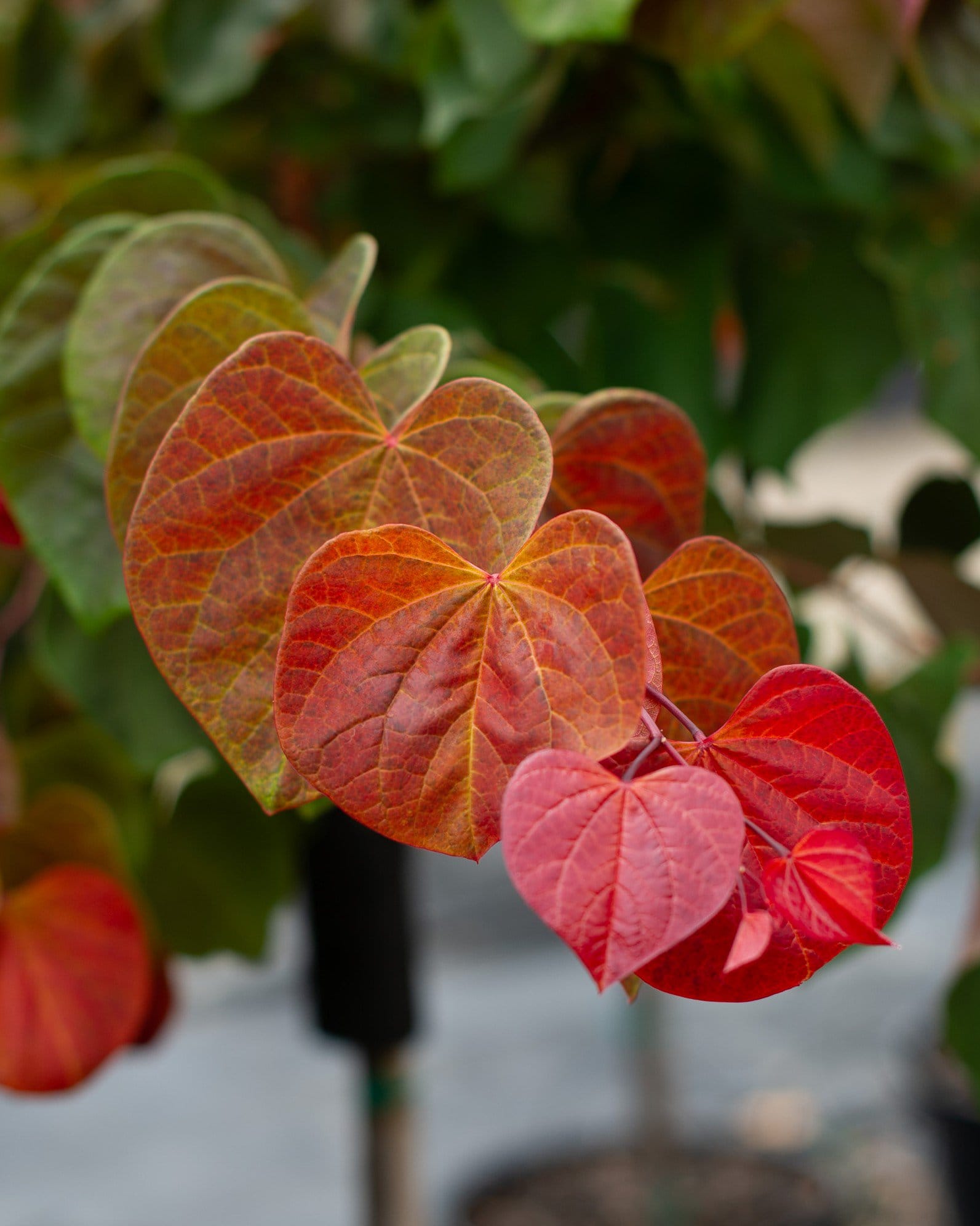
Hearts A'Fire Redbud
Maturity: 15' H x 15' W
Hearts of Gold Redbud
Maturity: 15' H x 15' W
Merlot Redbud
Maturity: 15' H x 15' W
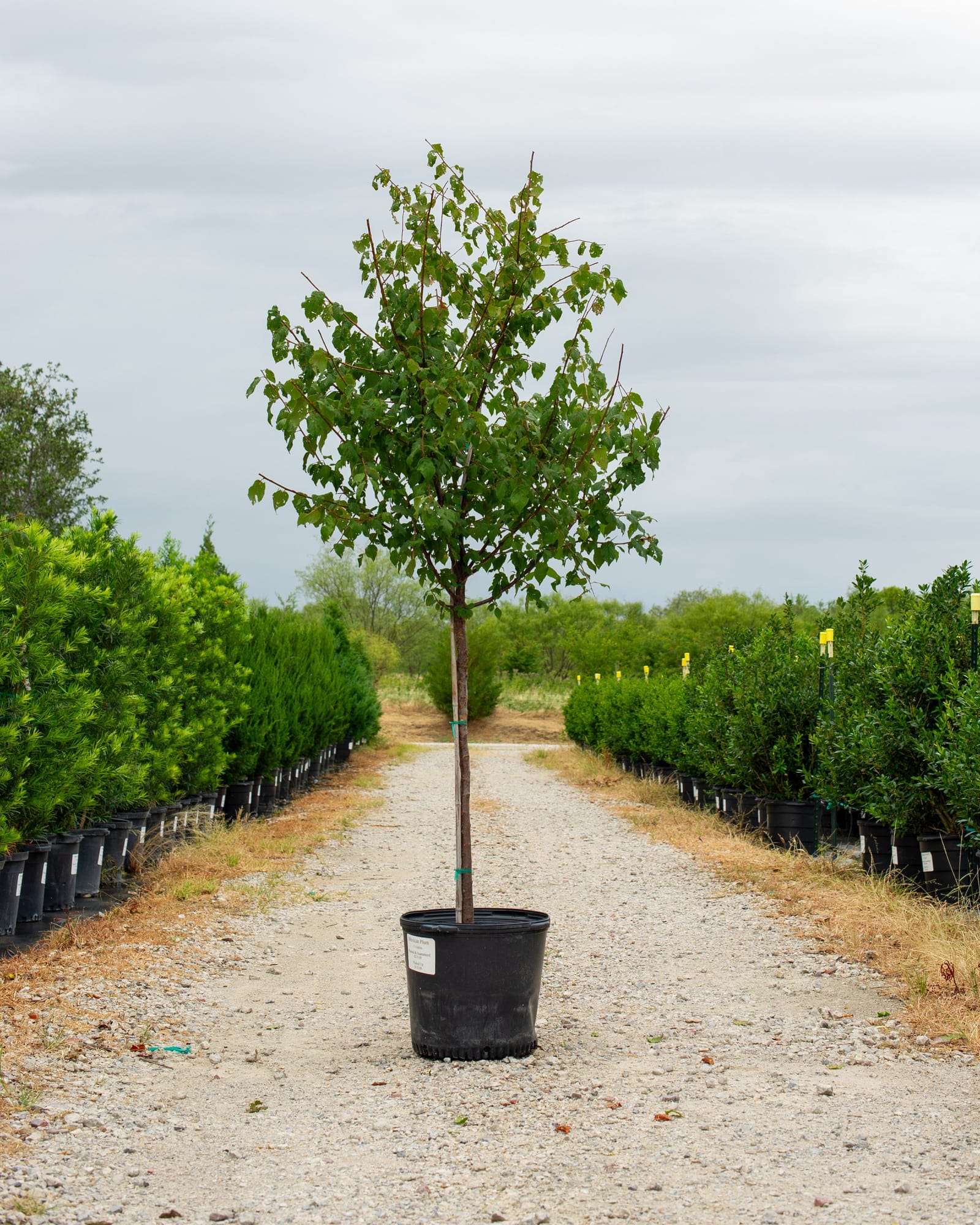
Mexican Plum
Maturity: 20' H x 15' W
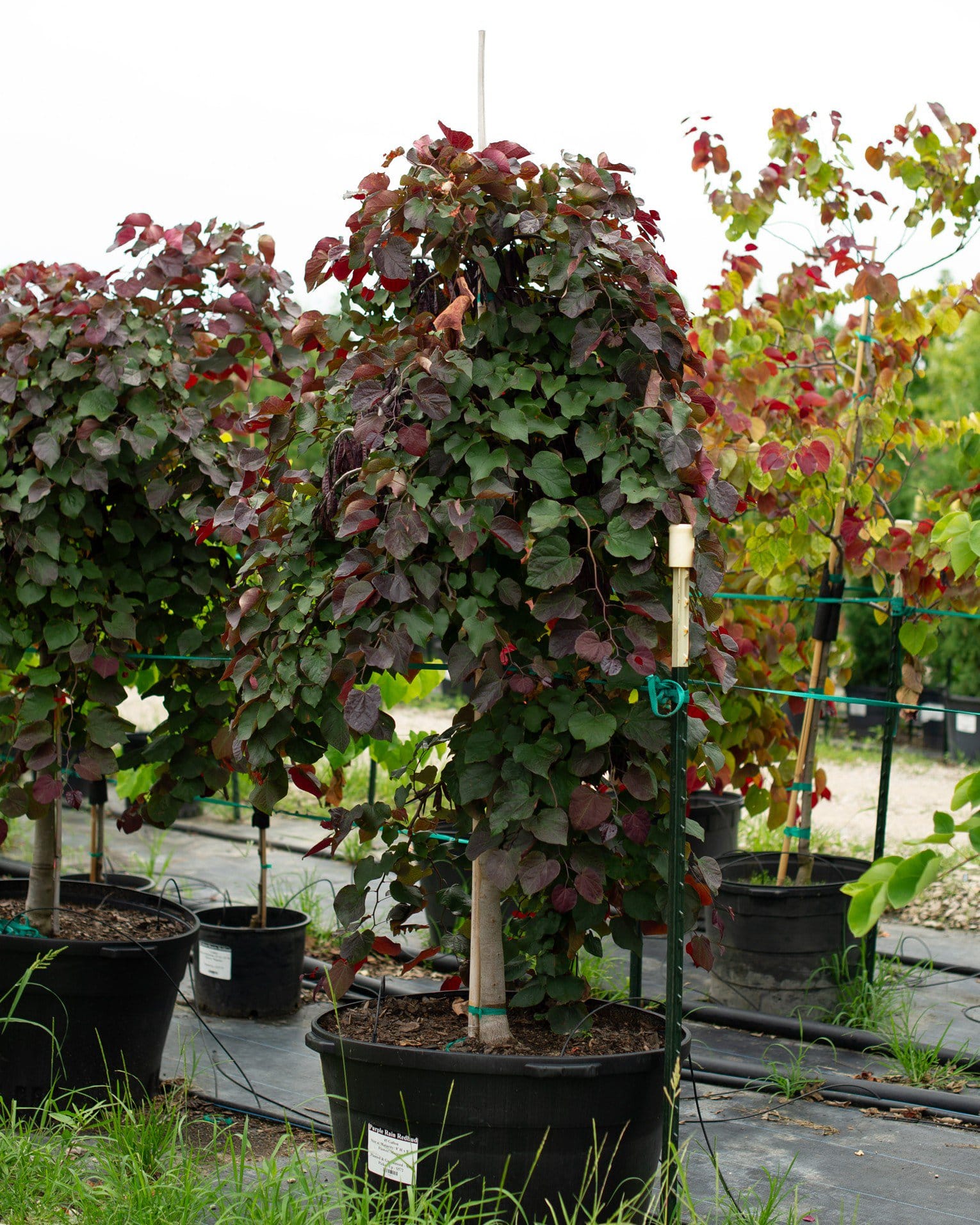
Purple Rain Weeping Redbud
Maturity: 8' H x 8' W
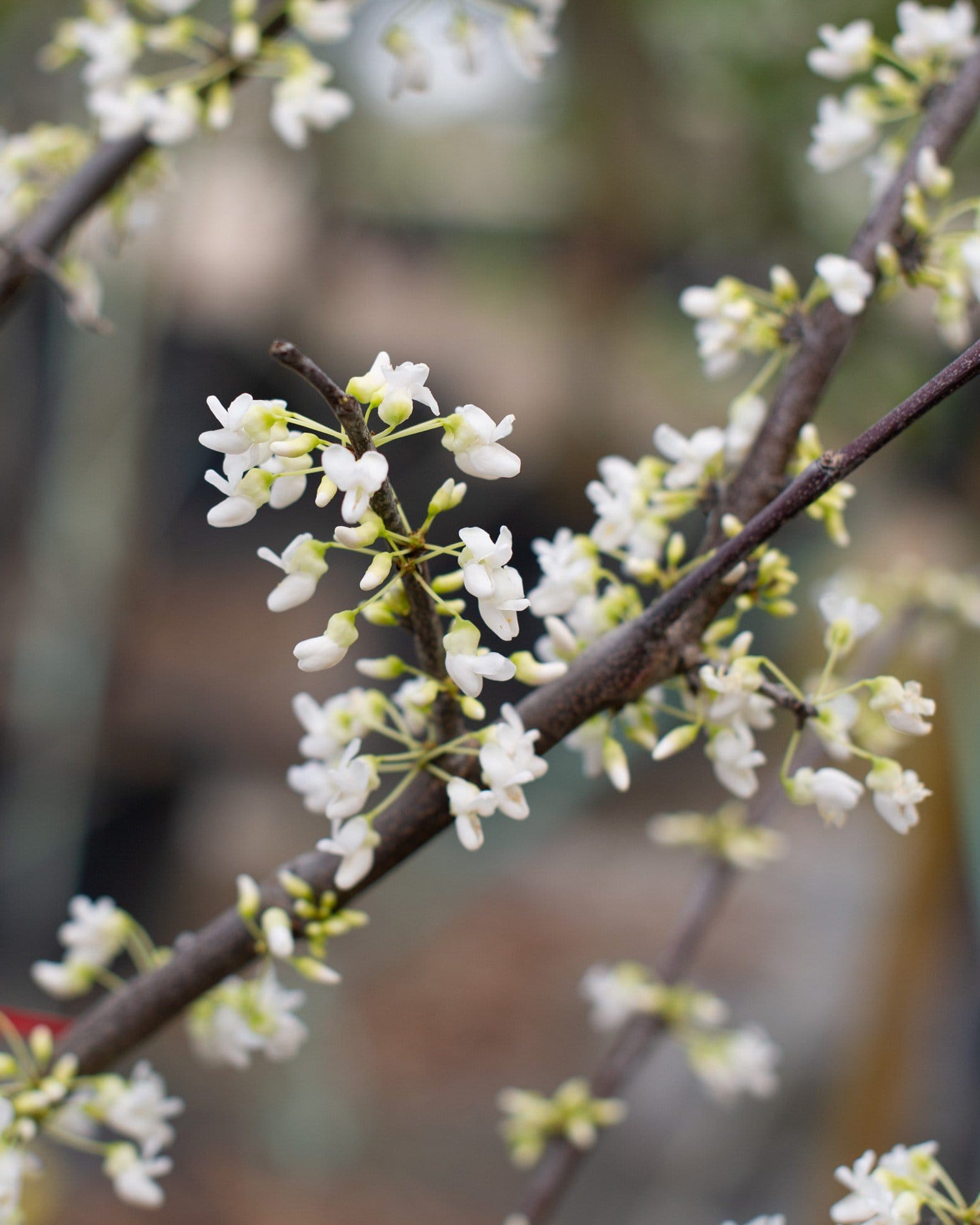
Royal White Redbud
Maturity: 20' H x 15' W
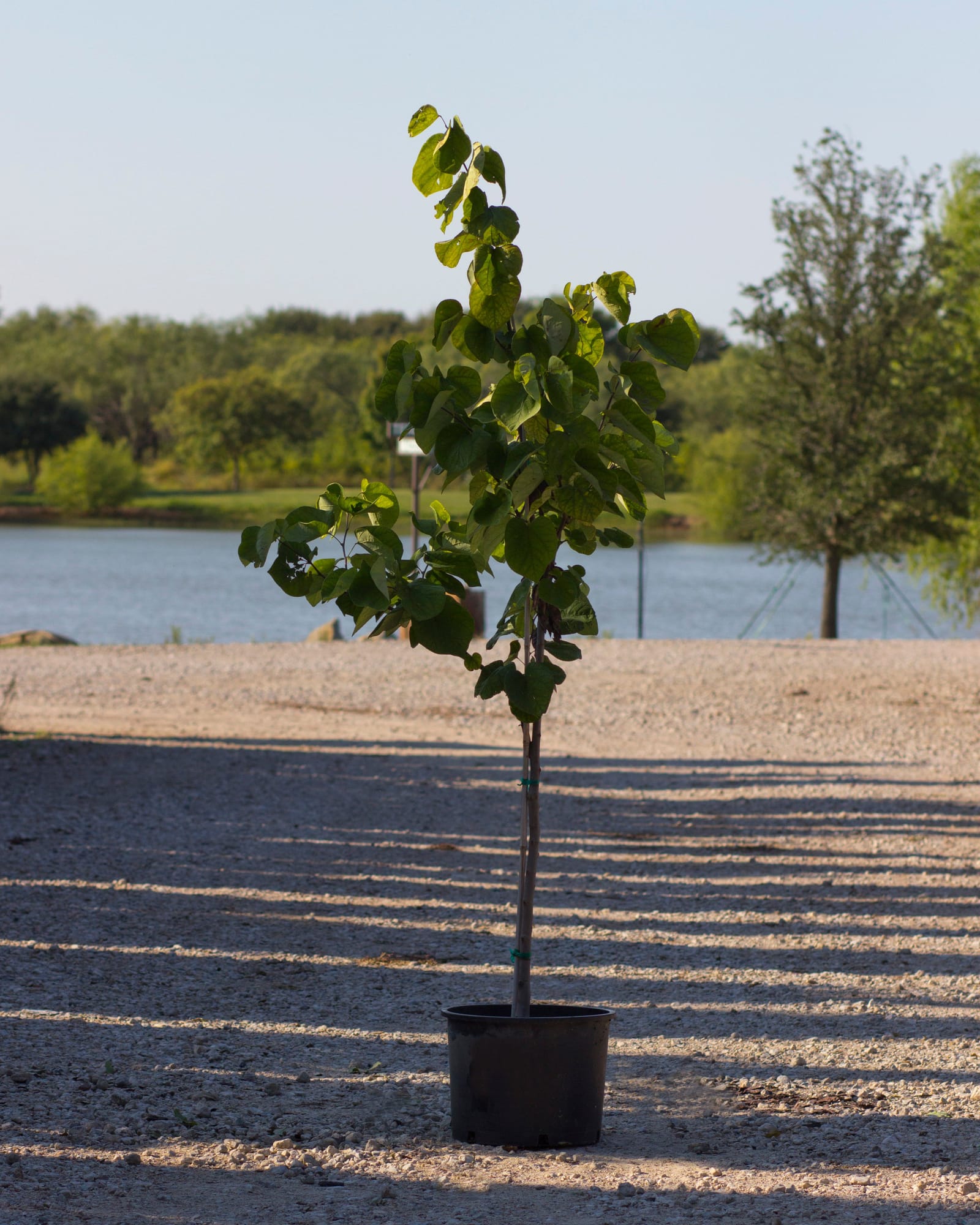
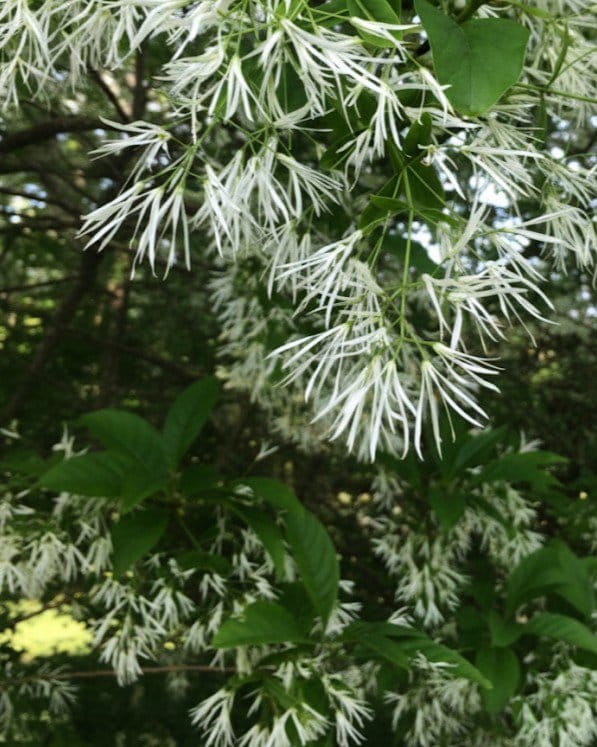
Spring Fleecing Fringe Tree
Maturity: 20' H x 15' W
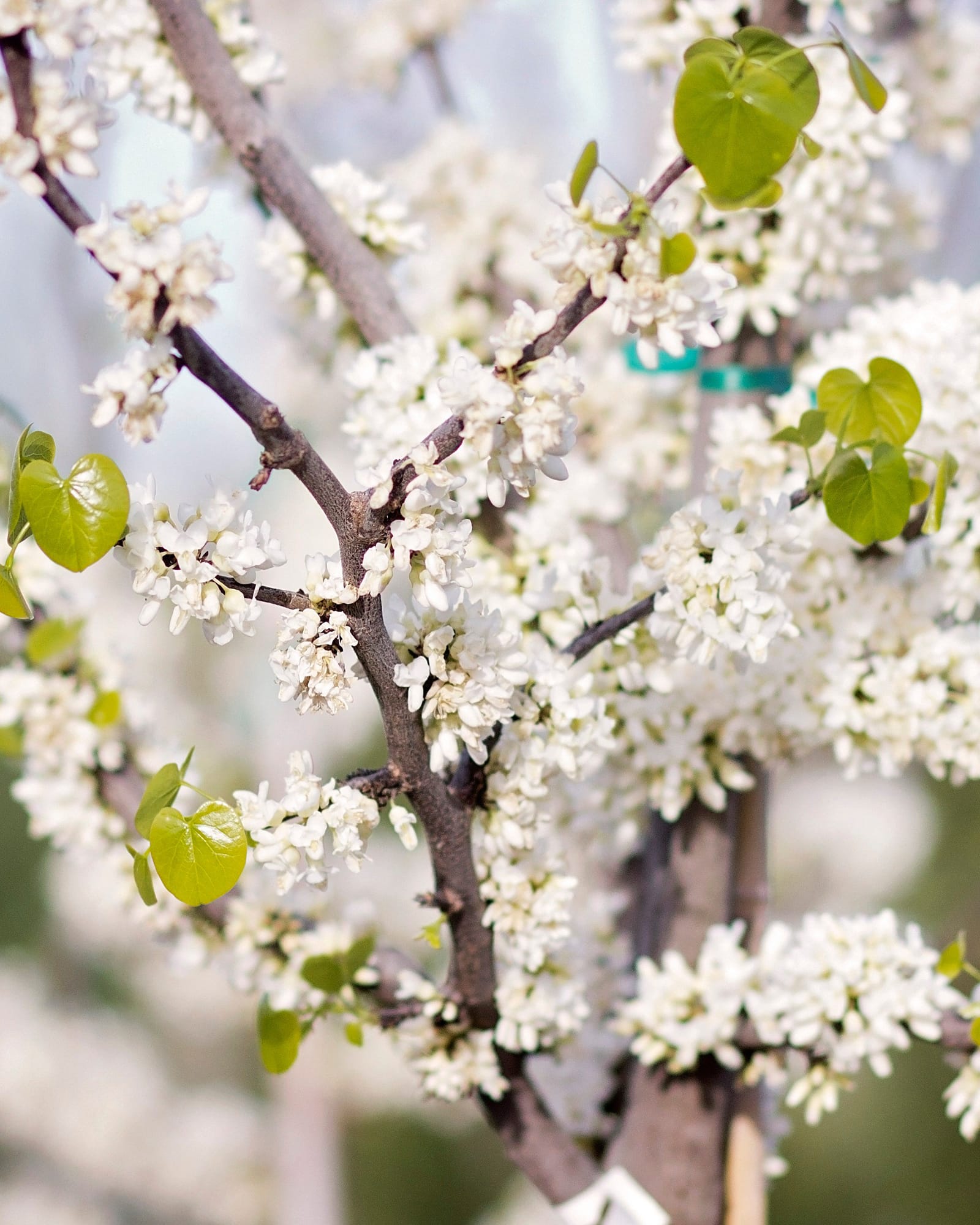
Texas White Redbud
Maturity: 20' H x 15' W
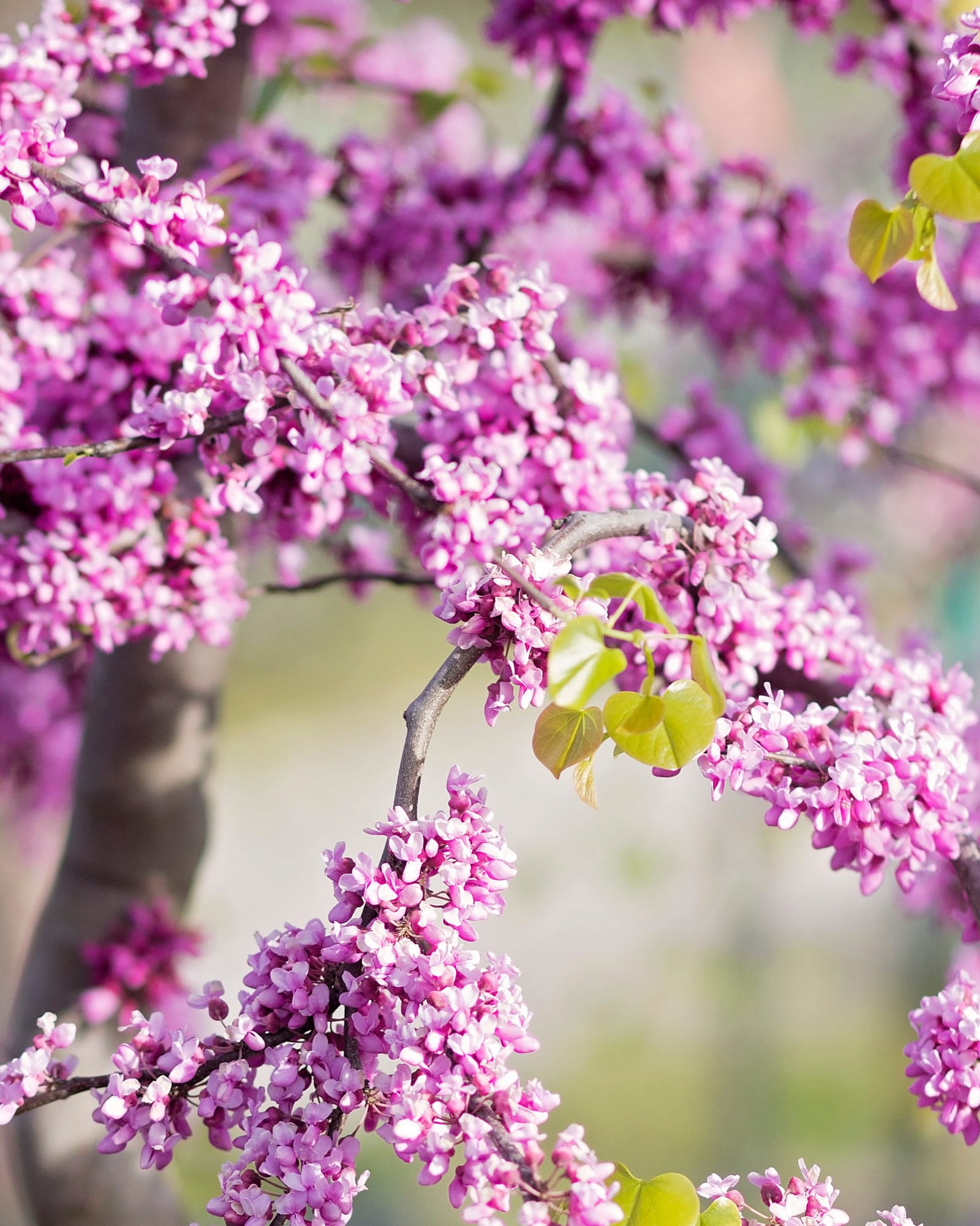
Traveller Weeping Redbud
Maturity: 5' H x 10' W
Compare Similar Plants
Roughleaf Dogwood This plant | ||
|---|---|---|
| Scientific Name | Cornus drummondii | Prunus virginiana ‘Canada Red’ |
| Size at Maturity | 15' H x 8' W | 20' H x 15' W |
| Leaf Retention | Deciduous | Deciduous |
| Fall Color | Red | Red |
| Flower Color | White | White |
| Bloom Times | Spring & Summer | Spring |
| Sizes Available | 10, 30, 45 gal | 30 gal |


Our 1-Year Planting Guarantee
We take pride in our plants and installation services. If any plants or trees installed by Treeland fail to thrive within the first year, we'll provide a replacement credit in accordance with our guarantee program.
Learn More About Our Guarantee