
Lemon Ball Sedum
Sedum mexicanum ‘Lemon Ball’Local DFW Delivery Only
Product Details
Lemon Ball Sedum
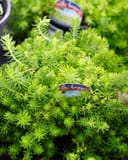
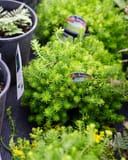
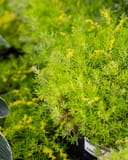
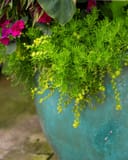
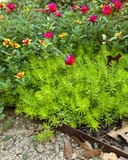
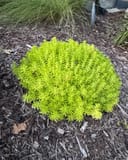
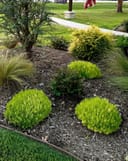
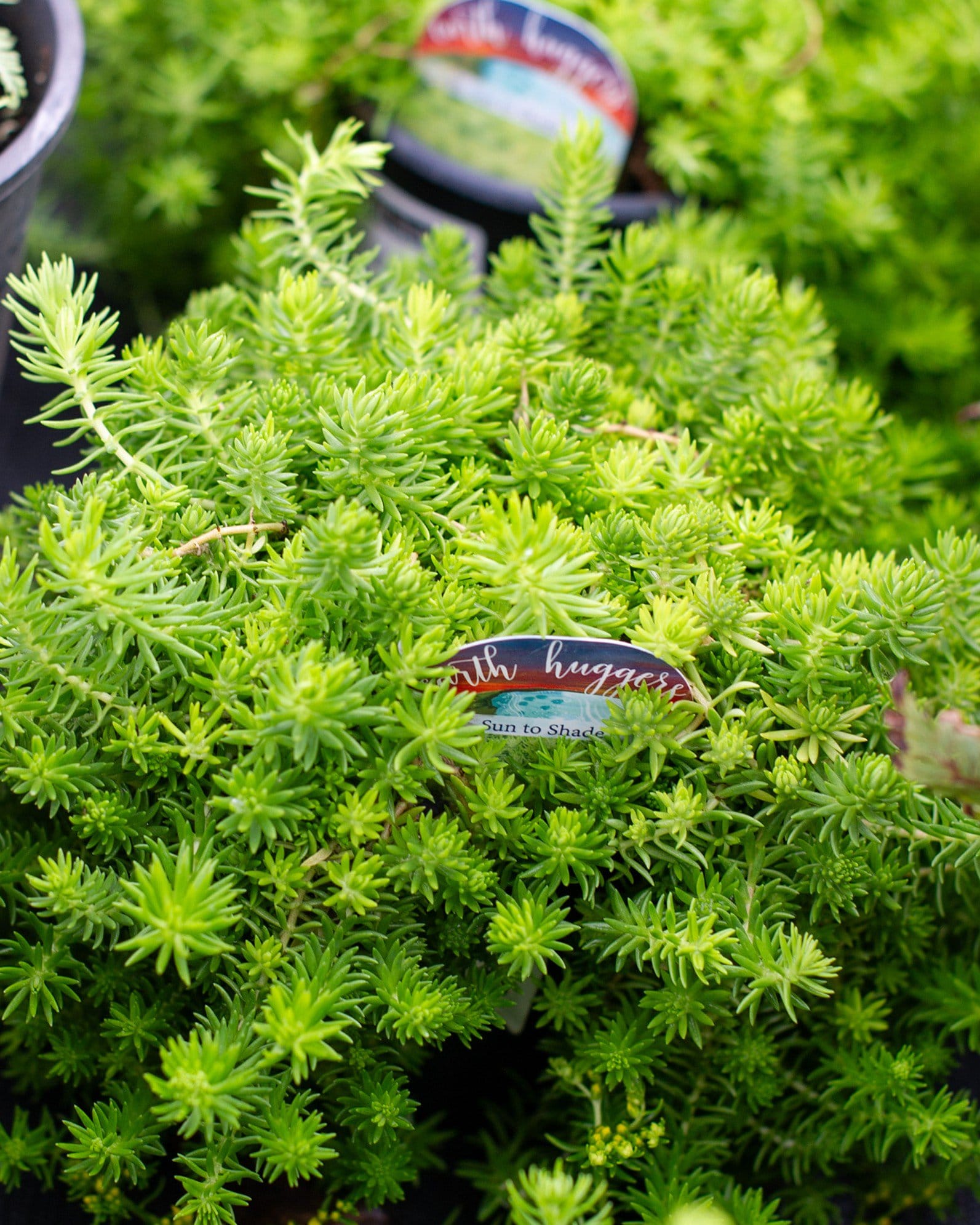
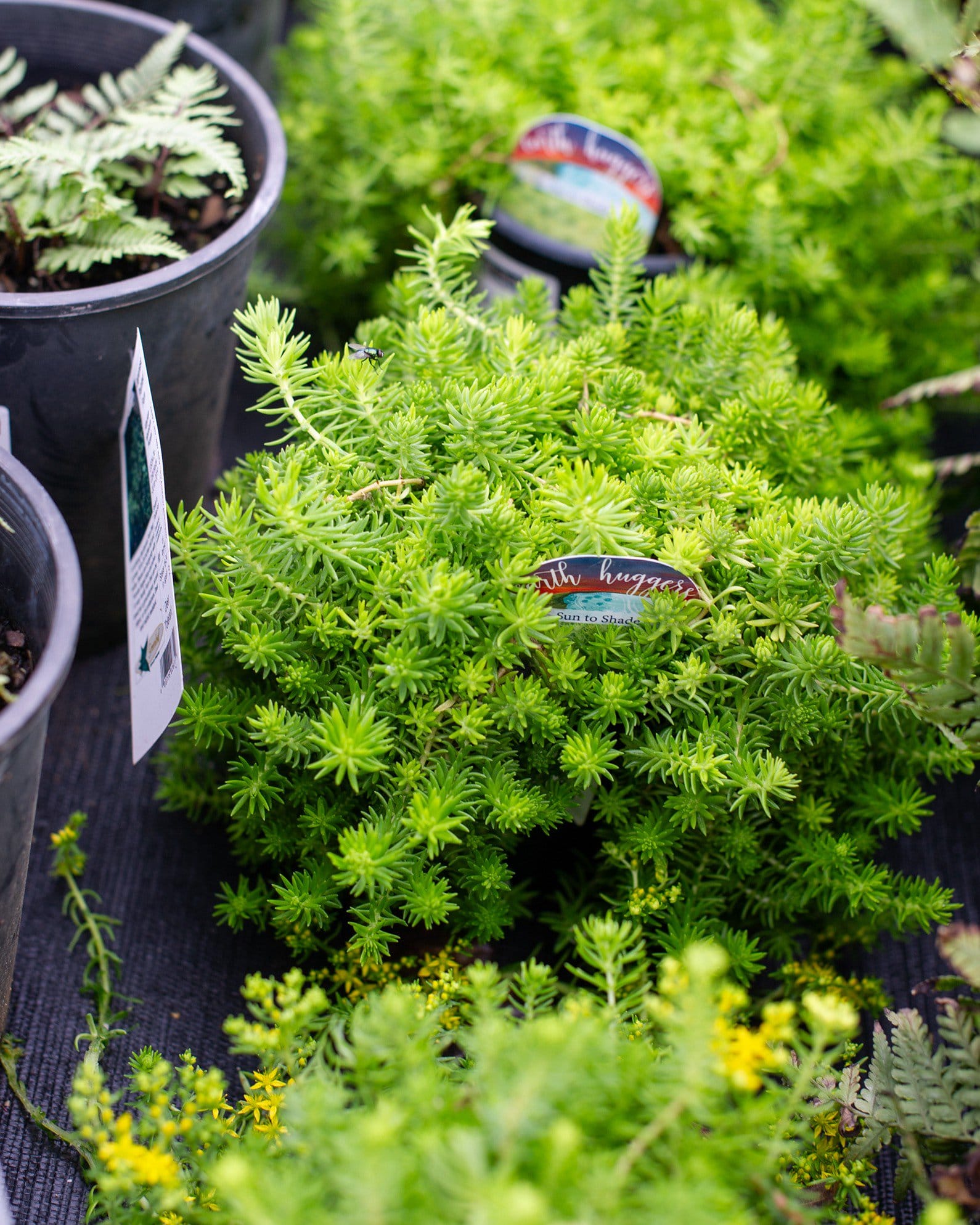
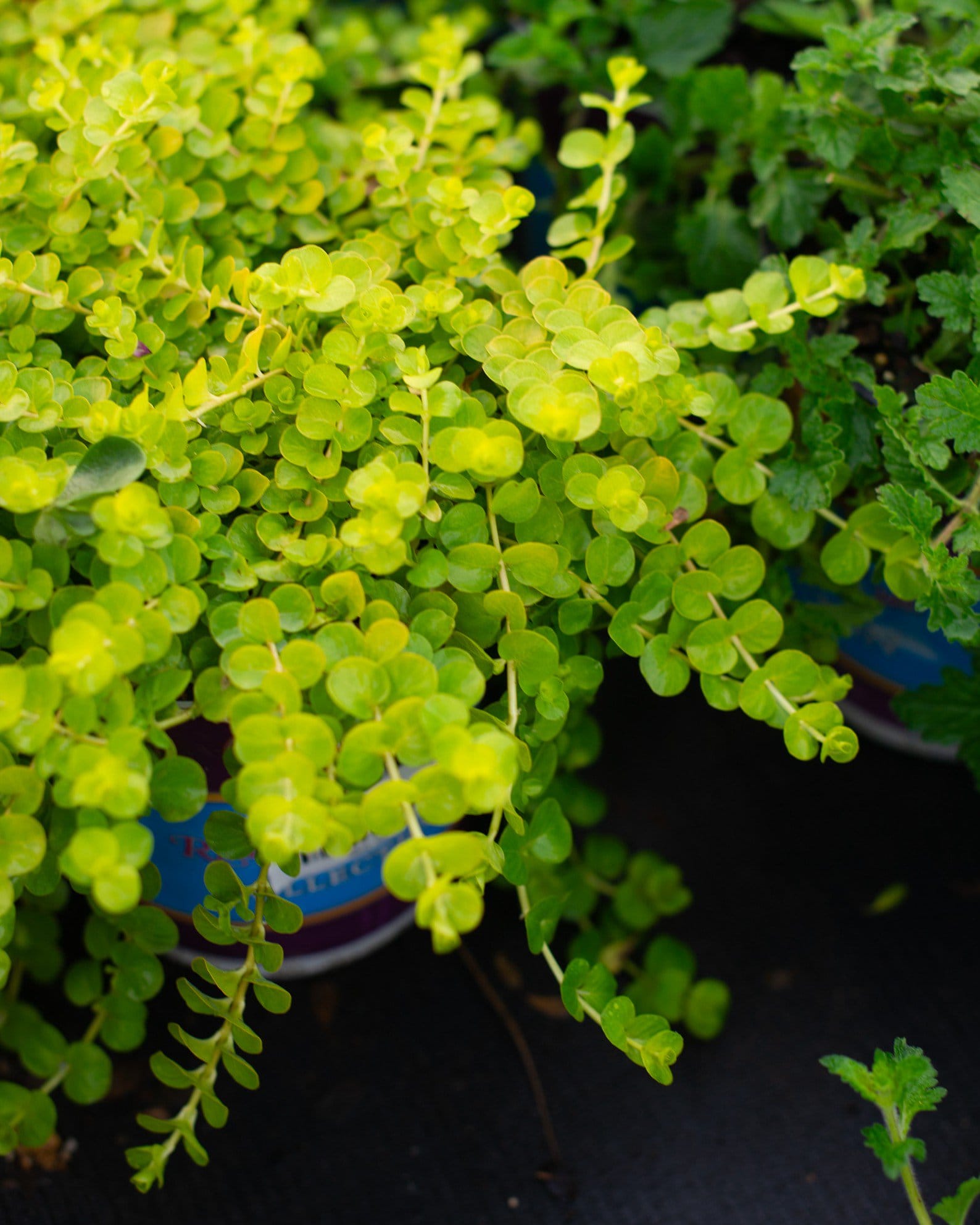
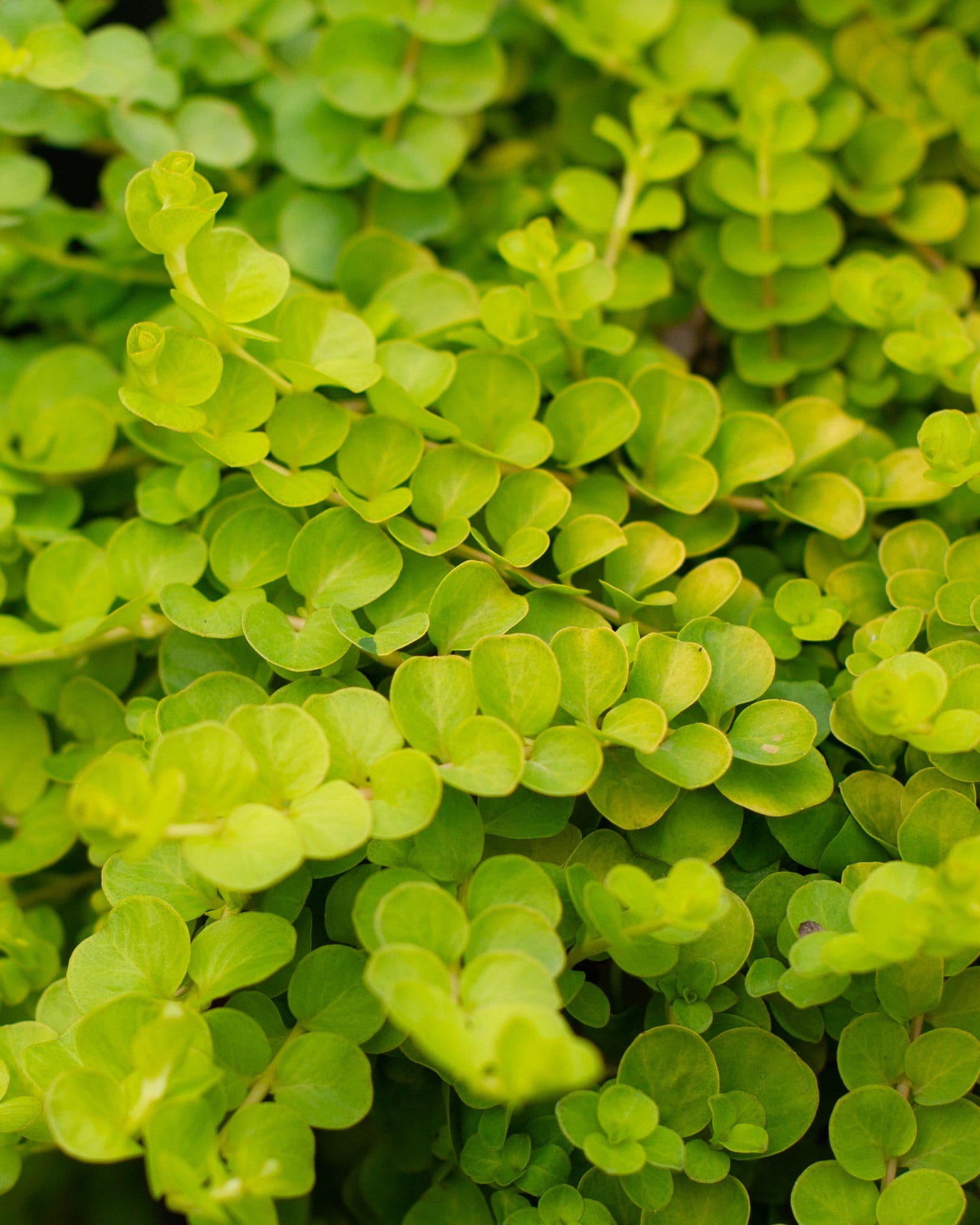
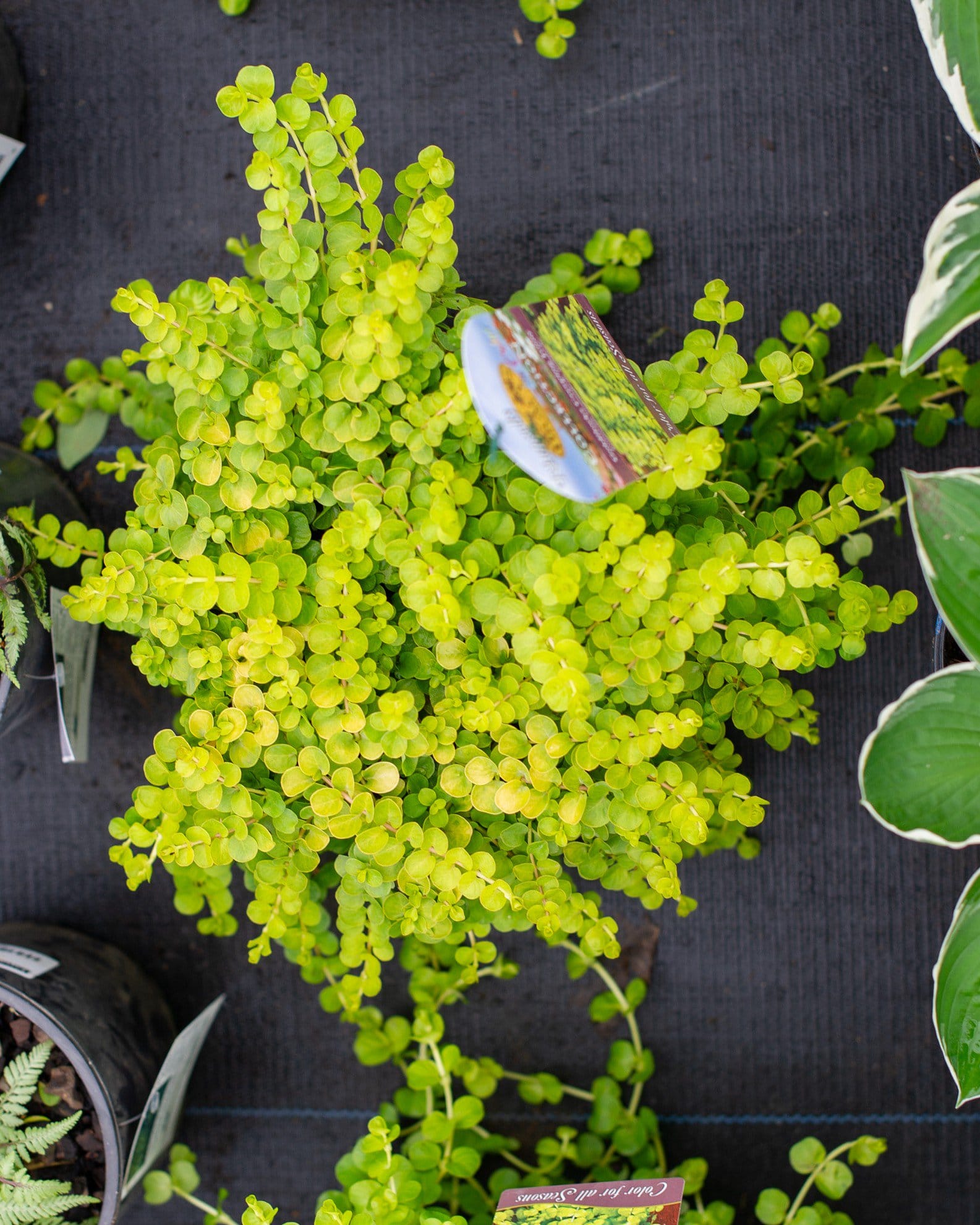
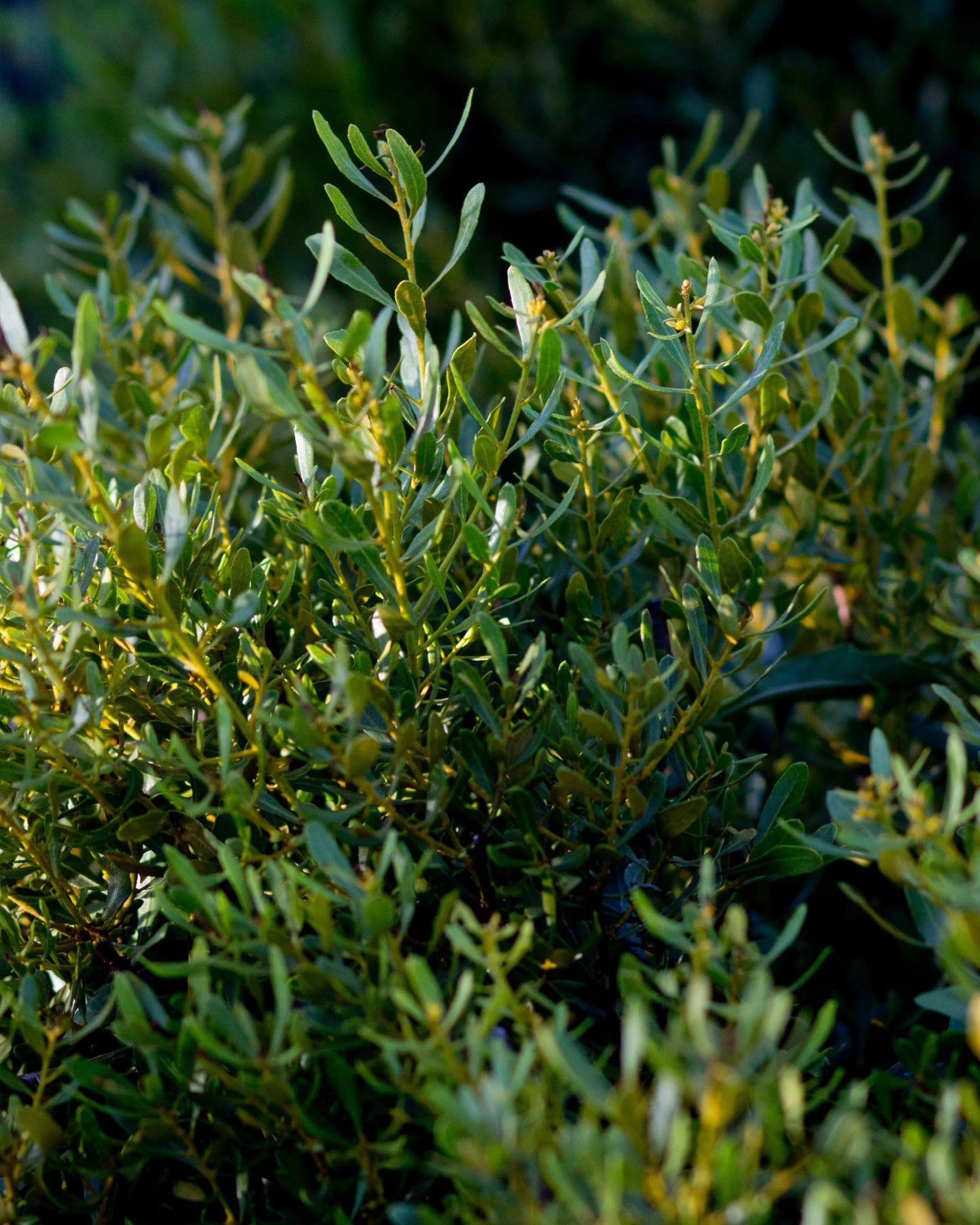
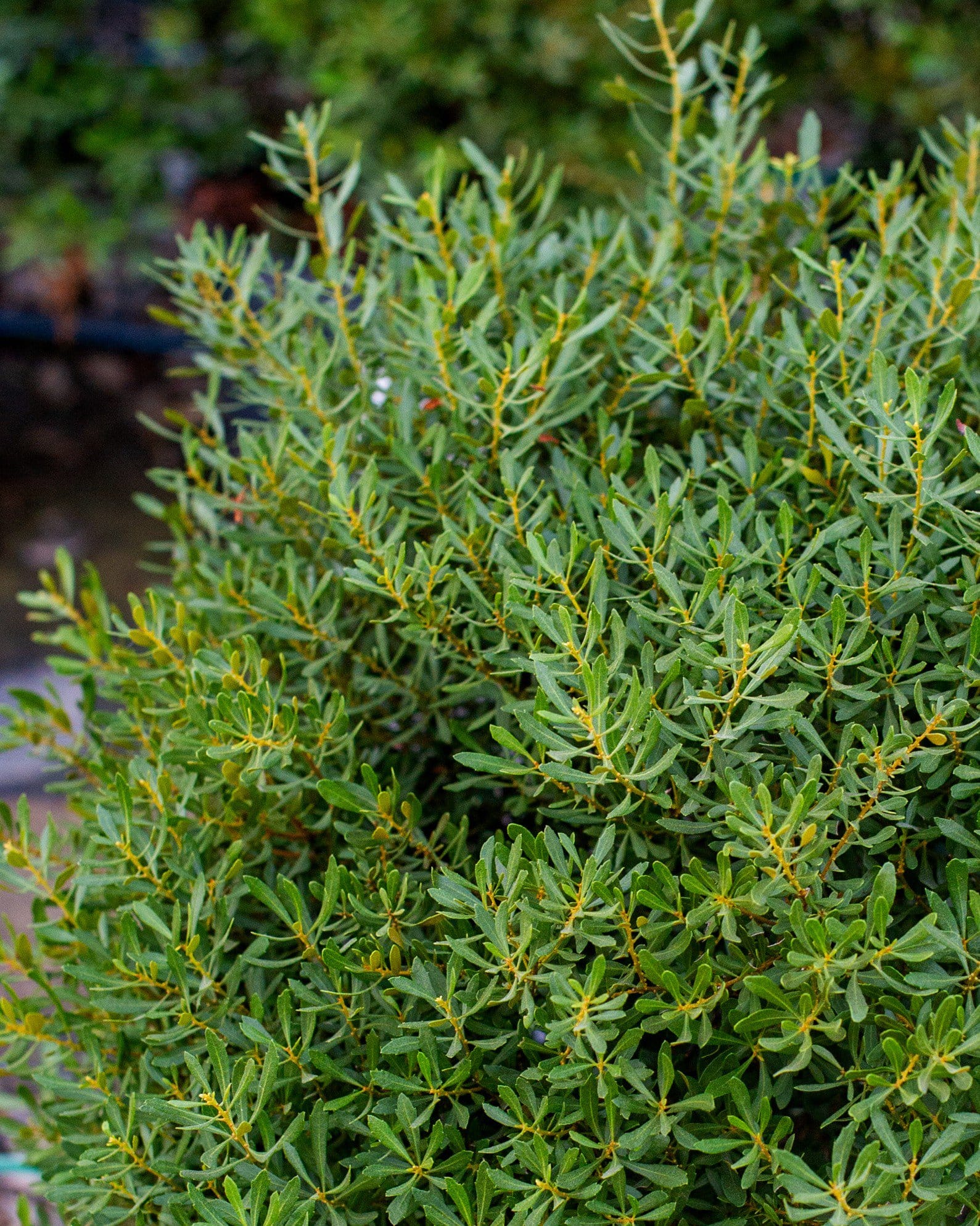
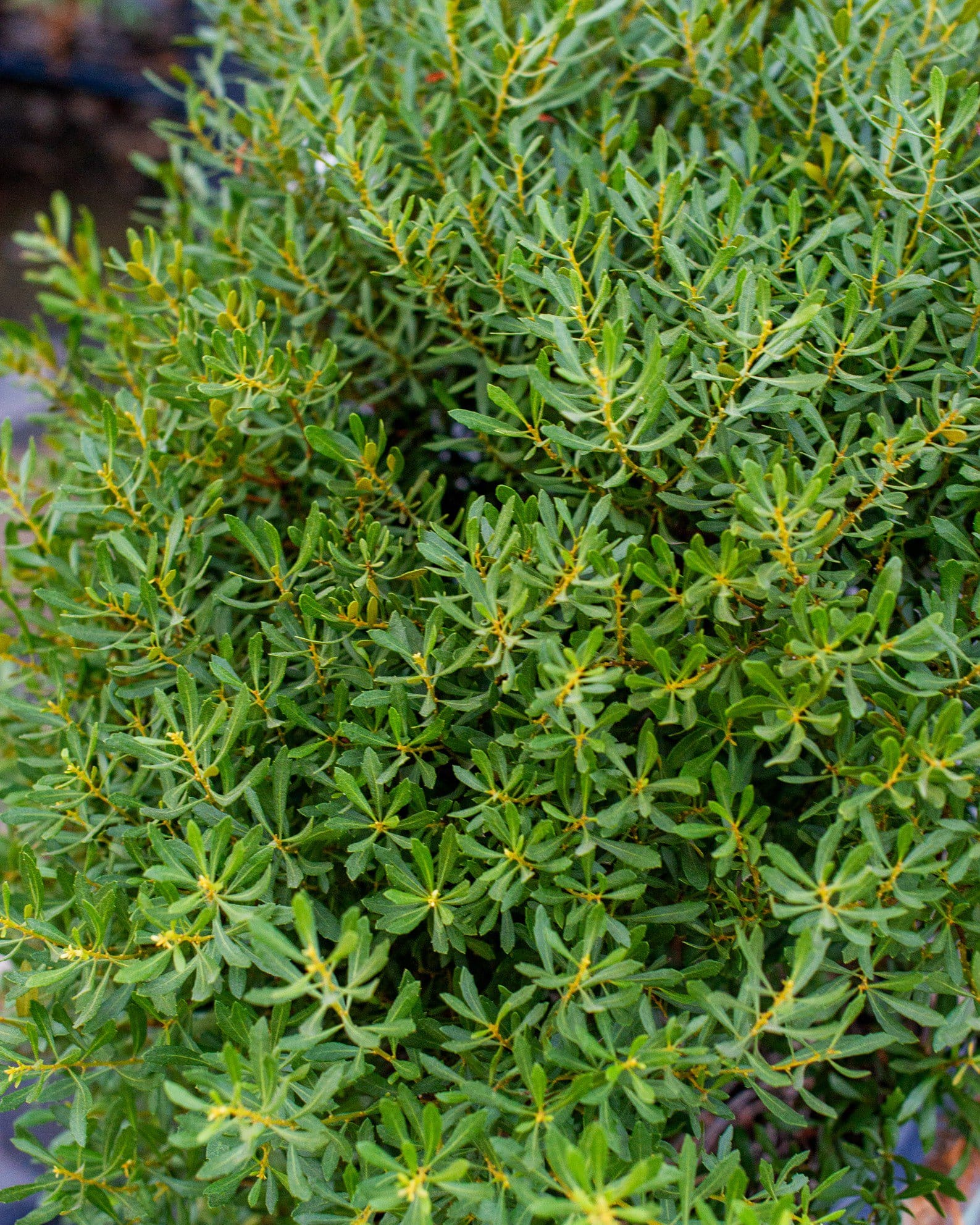
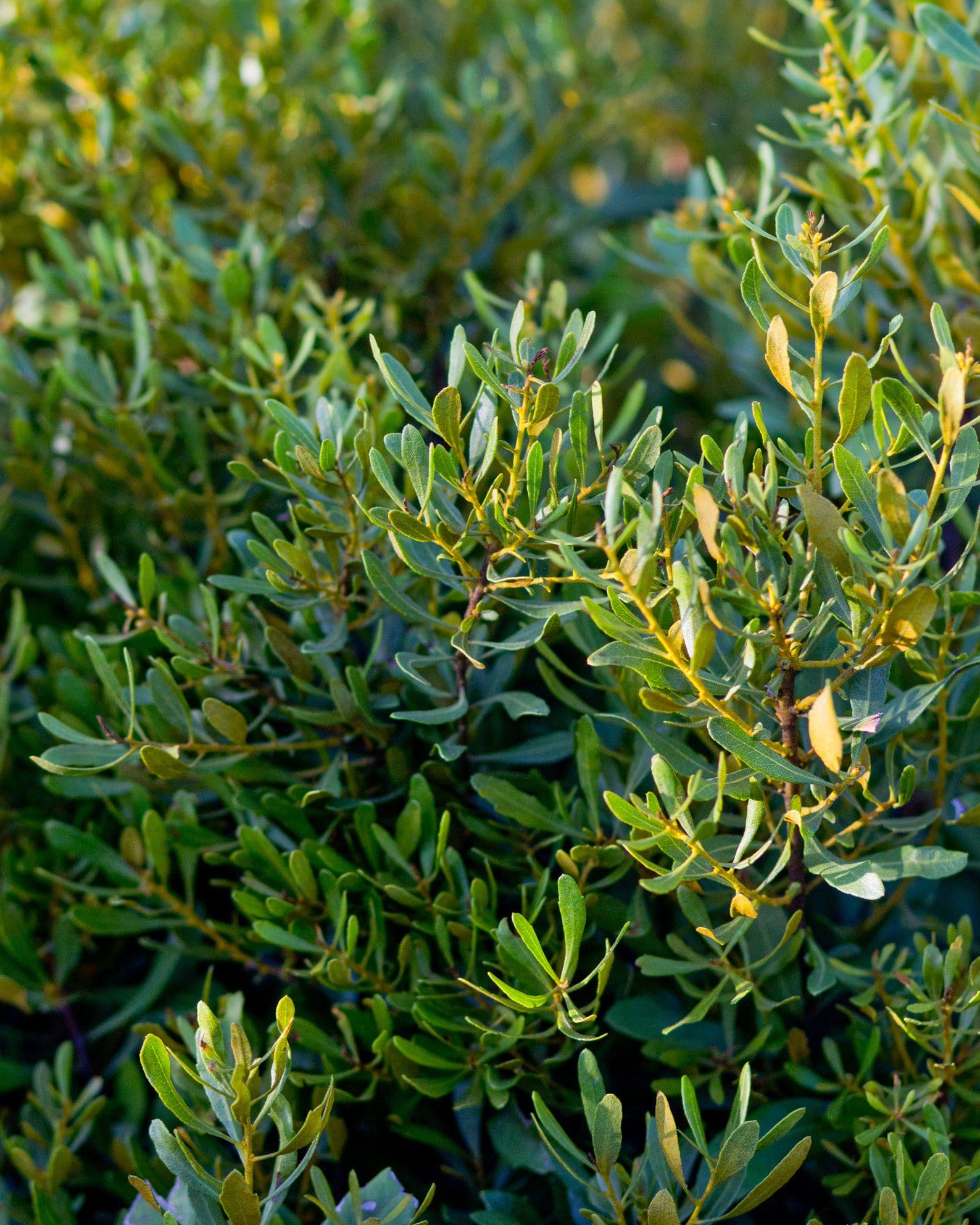
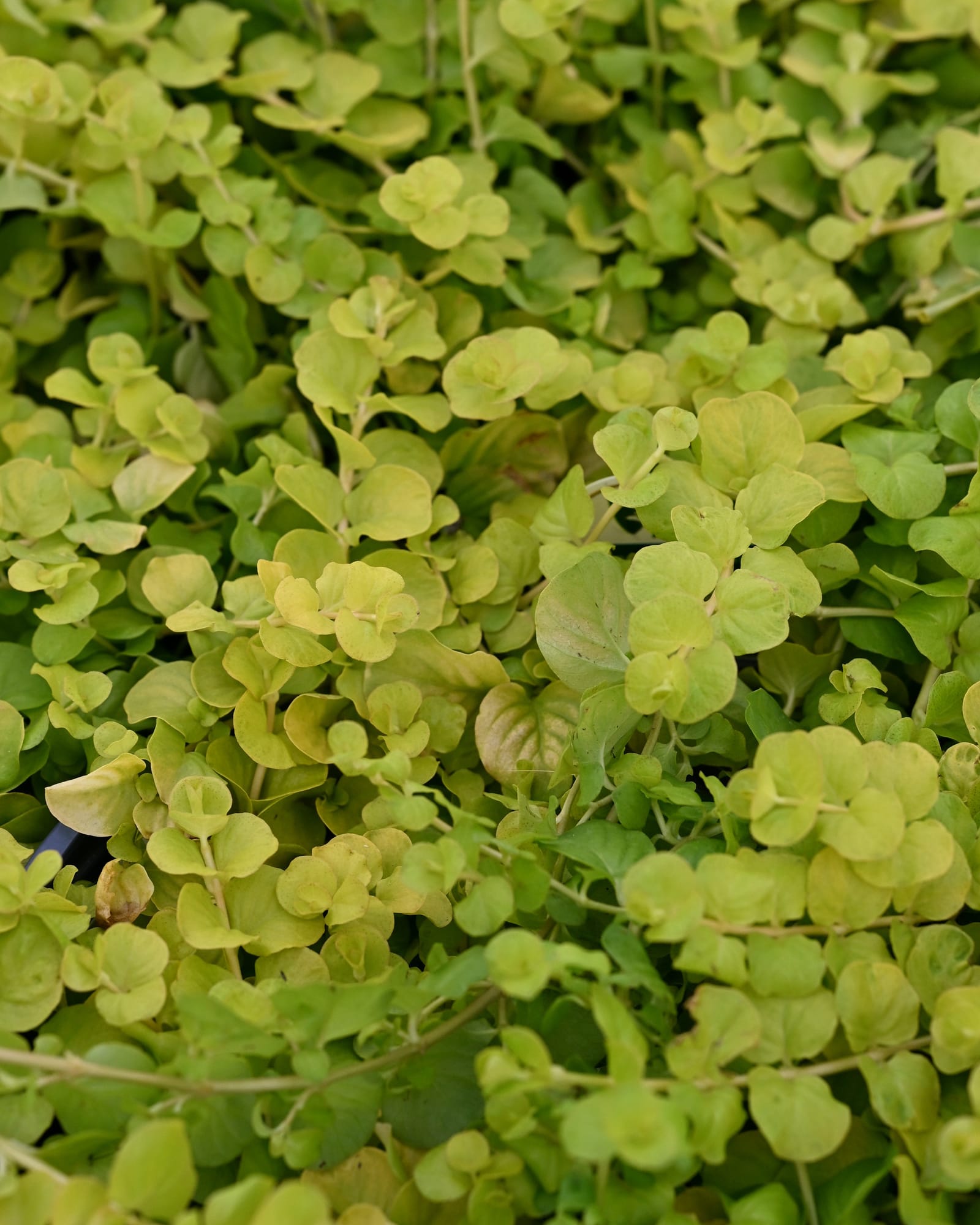
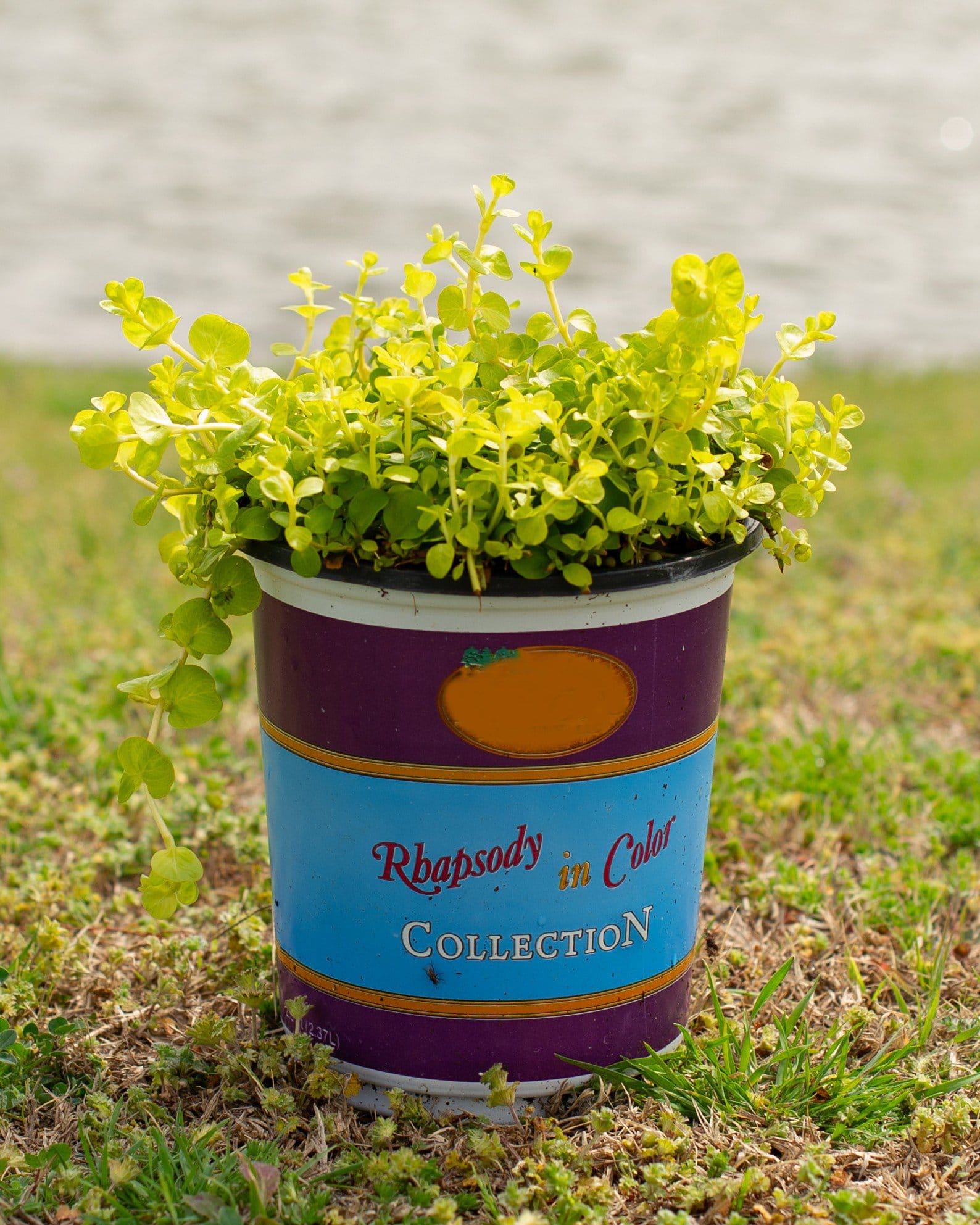
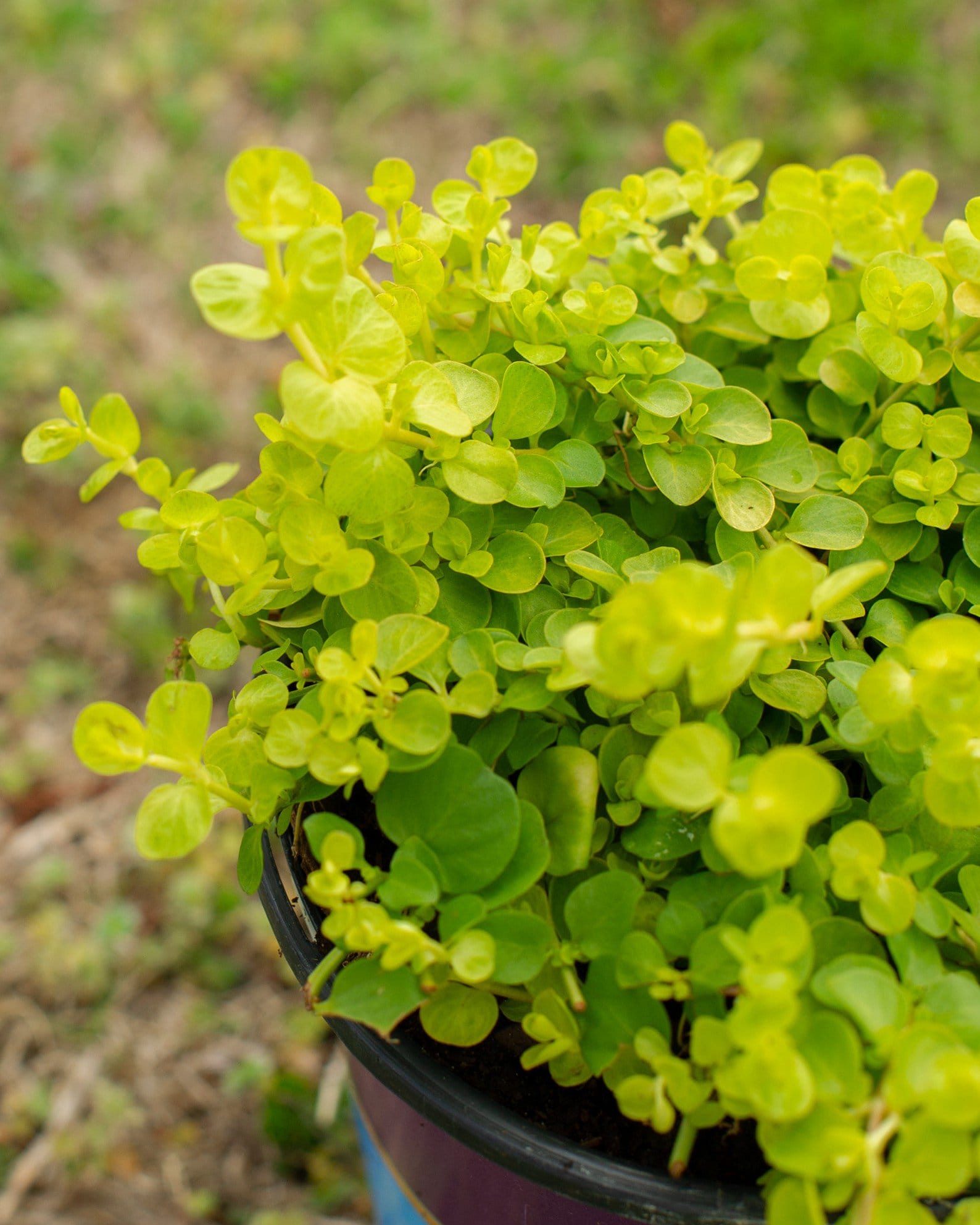
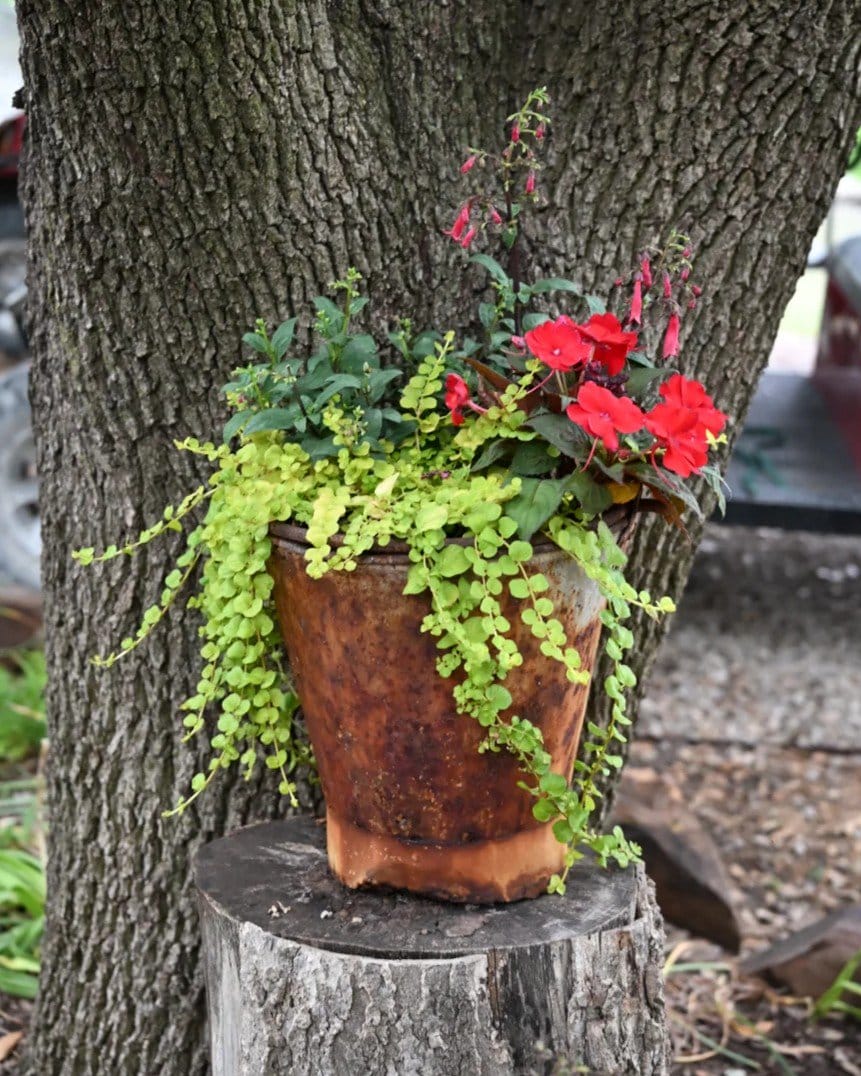
Sedum mexicanum ‘Lemon Ball’The Lemon Ball Sedum is a semi-evergreen groundcover, loved for its unique look. It features lime green foliage that looks like tiny needles. It forms a neat ball at maturity, hence its name. Keep in mind, this is a very small plant. It grows only 6 inches in height and 12 inches across. While it's usually used as groundcover, the Lemon Ball Sedum is a great plant for texturizing landscapes or big planters.
- A semi-evergreen groundcover
- Fast growth rate
- Lime green foliage forming small mounds
- A versatile choice for groundcover and texturizing
- Quite heat hardy
The Lemon Ball Sedum is not only an attractive plant, it's also hardy. It grows splendidly in zones 7 through 11, making it perfect for almost all of Texas. It loves full sun and will tolerate average soils, so keep this in mind when choosing a planting spot. It doesn't need much to maintain its beauty - just trim back as necessary.
Lemon Ball Sedum is incredibly easy going, rewarding minimal care with seasonal beauty. This is all you need to know about its maintenance:
- Watering: Water regularly during the first growing season to establish strong roots. Once established, Lemon Ball Sedum requires little water, thriving on natural rainfall in most climates. Avoid constant moisture, as overly wet conditions can lead to rot.
- Pruning: Trim lightly in early spring to remove winter dieback and encourage compact new growth. After flowering, a gentle shearing helps maintain shape and prevents legginess. Avoid heavy cutting during peak summer heat.
- Fertilizing: Lemon Ball Sedum thrives in lean soils and rarely needs feeding. If desired, apply a light dose of balanced, slow-release fertilizer in spring. Overfertilizing can reduce its bright color and make stems floppy.
- Mulching: Use a thin layer of gravel or coarse sand as mulch to enhance drainage and highlight its color. Avoid heavy organic mulch, which retains excess moisture. A fresh layer each year helps suppress weeds and maintain a clean appearance.
- Winter Care: Hardy and semi-evergreen in mild regions, Lemon Ball Sedum maintains color through winter in warmer zones. In colder areas, foliage may die back but reemerges vigorously in spring. Avoid overwatering during dormancy to protect roots from rot.
Lemon Ball Sedum is one of the most carefree groundcovers, but occasional issues may arise:
- Root Rot: Caused by poorly drained soil or overwatering. Ensure excellent drainage and let soil dry completely between waterings.
- Mealybugs: White, cottony pests that feed on sap and weaken the plant. Wipe with alcohol-dipped cotton swabs or apply insecticidal soap.
- Aphids: Small green or black insects that gather on new growth and flower stems. Spray off with water or treat with horticultural oil if infestations persist.
- Spider Mites: Microscopic pests that cause stippling and faded leaves in dry heat. Mist the plant occasionally and rinse foliage to dislodge them.
- Powdery Mildew: A fungal disease appearing as a white film on leaves in humid conditions. Improve air circulation and avoid overhead watering to prevent outbreaks.
- Slug Damage: Occurs in damp, shaded locations where slugs chew foliage. Use organic slug bait or remove debris where they hide.
With proper conditions, it can thrive for 10-15 years or more, continuously expanding through self-rooting stems. Established mats often rejuvenate themselves naturally by spreading into fresh soil each season.
It grows quickly, forming a full, lush mat within the first year or two after planting. Once mature, it maintains a steady, low profile with very little maintenance.
Yes - both deer and rabbits typically avoid it due to its mildly bitter, succulent foliage. This makes it a great option for open landscapes and wildlife-prone gardens.
Yes. Its clusters of tiny yellow flowers attract bees, butterflies, and beneficial insects during summer. The blooms provide nectar when few other low groundcovers are in flower.
Absolutely. It cascades beautifully over the edges of pots and troughs, creating bright, trailing color accents. Ensure excellent drainage and minimal watering for best results.
Yes - it thrives where many plants fail, performing best in sandy or gravelly soil. Rich soil can actually reduce its color intensity and compact form.
Simply snip healthy stems and replant them directly into soil or gravel - they’ll root within weeks. Rejuvenating by replanting cuttings every few years keeps color fresh and growth even.
Extremely well. It’s among the most heat- and sun-tolerant sedums, keeping its golden color even in scorching conditions. Once established, it can go weeks without supplemental watering.
Yes - it’s non-toxic and safe to grow around children and animals. Its soft, fleshy leaves are harmless if touched or accidentally nibbled.
Its vivid golden color, dense texture, and year-round resilience make it a standout among low-growing succulents. Unlike many sedums that sprawl loosely, Lemon Ball forms a compact, sculpted mound that keeps landscapes bright and carefree.
Special Features
You might also like
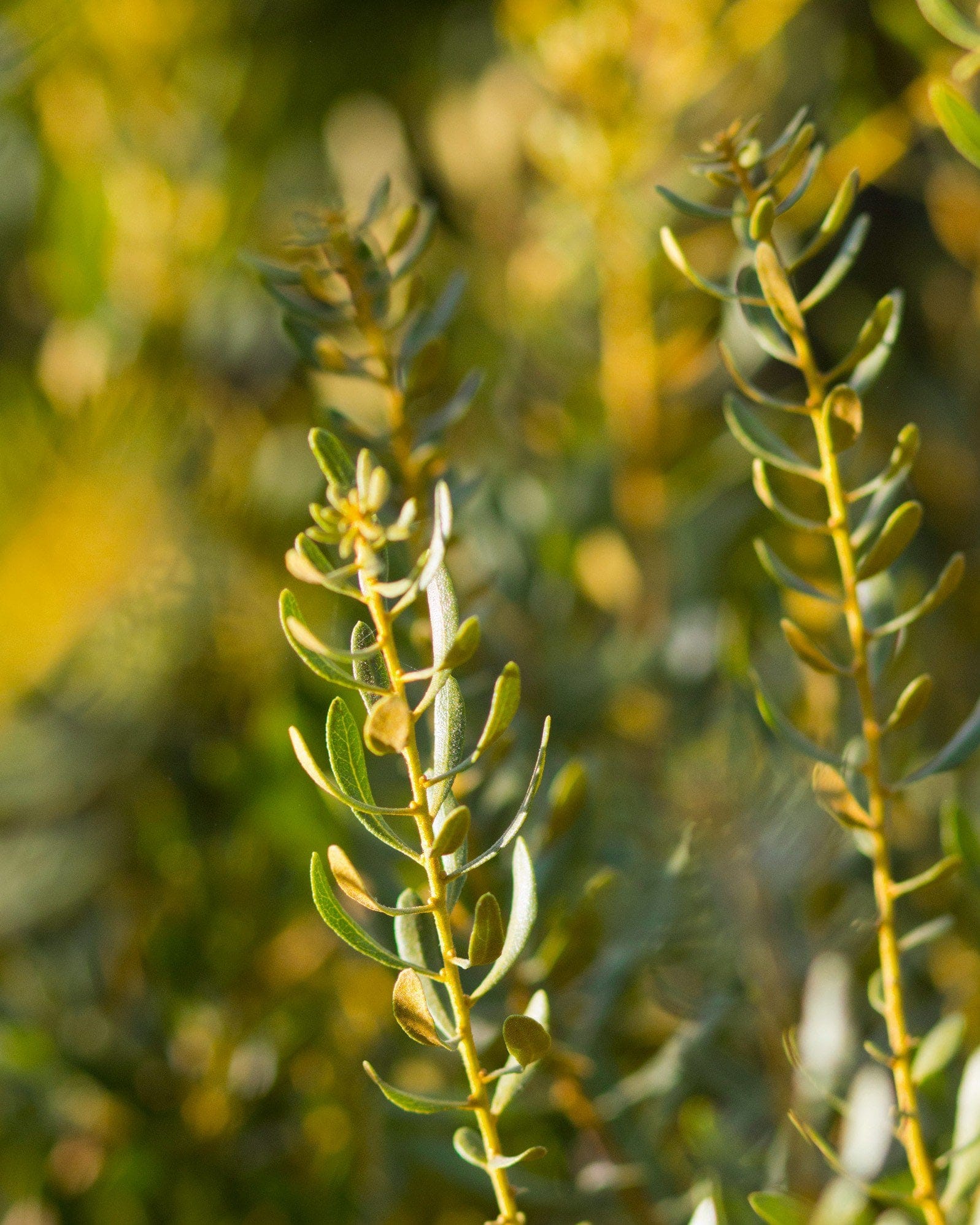
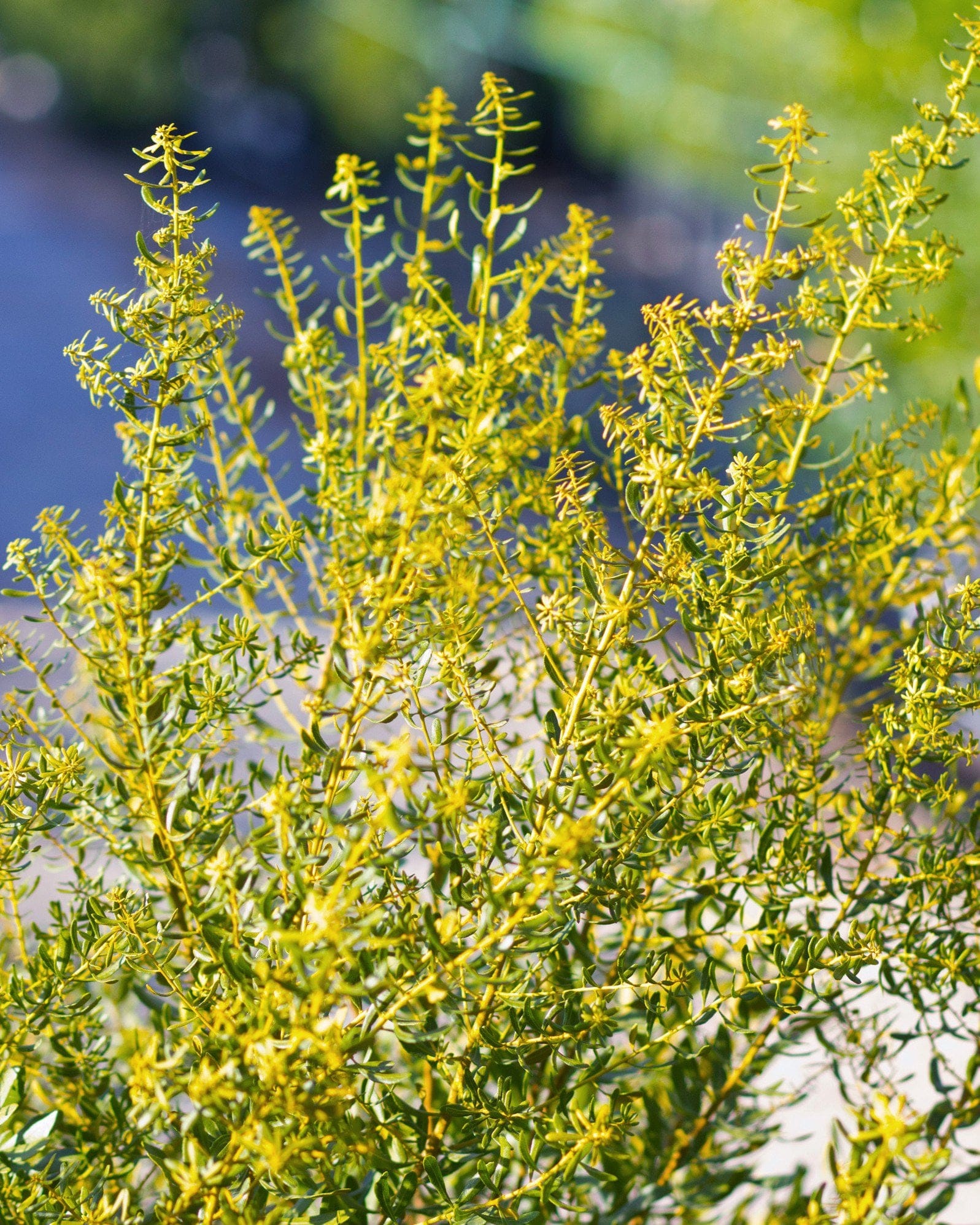
Don's Dwarf Wax Myrtle
Maturity: 3' H x 4' W
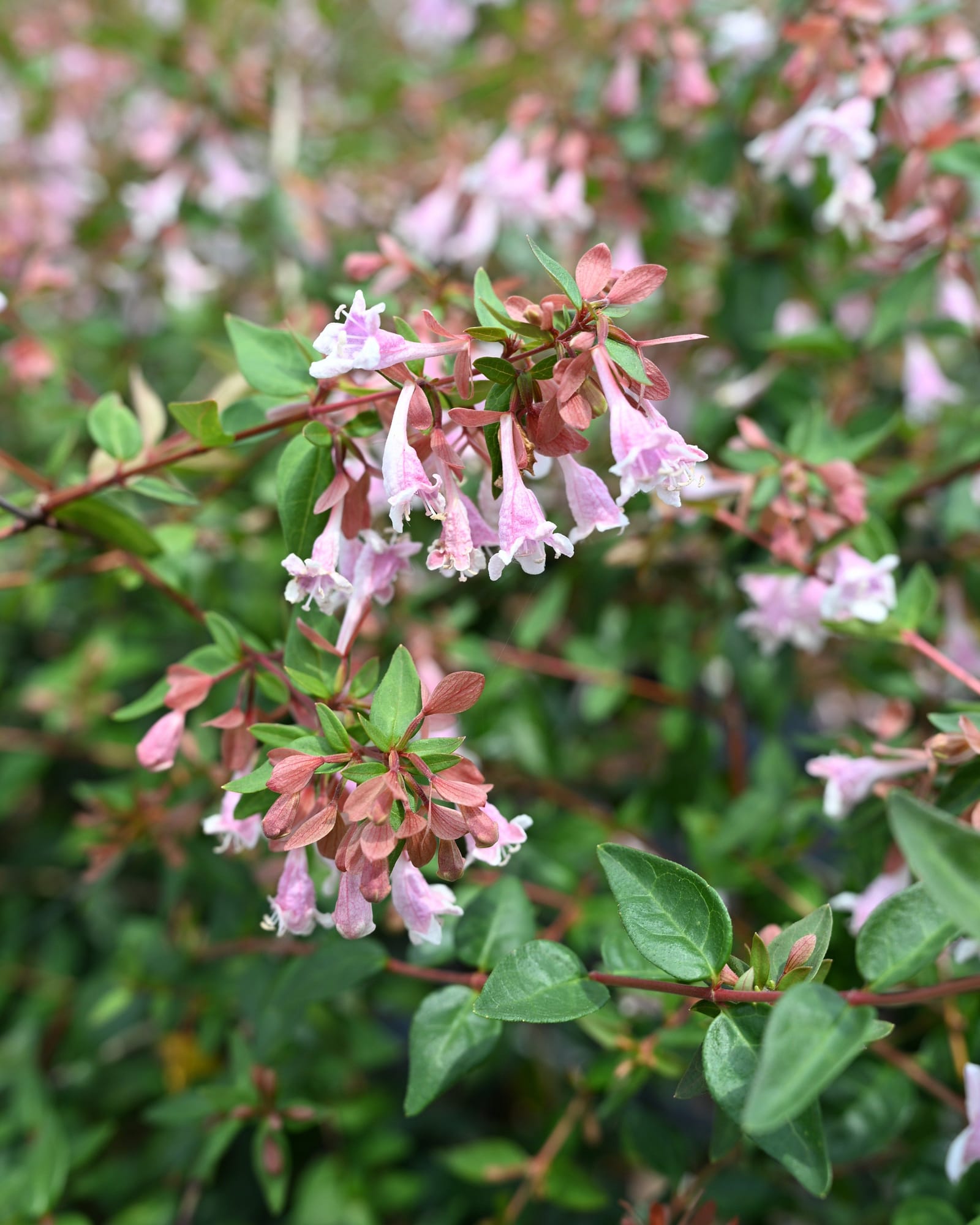
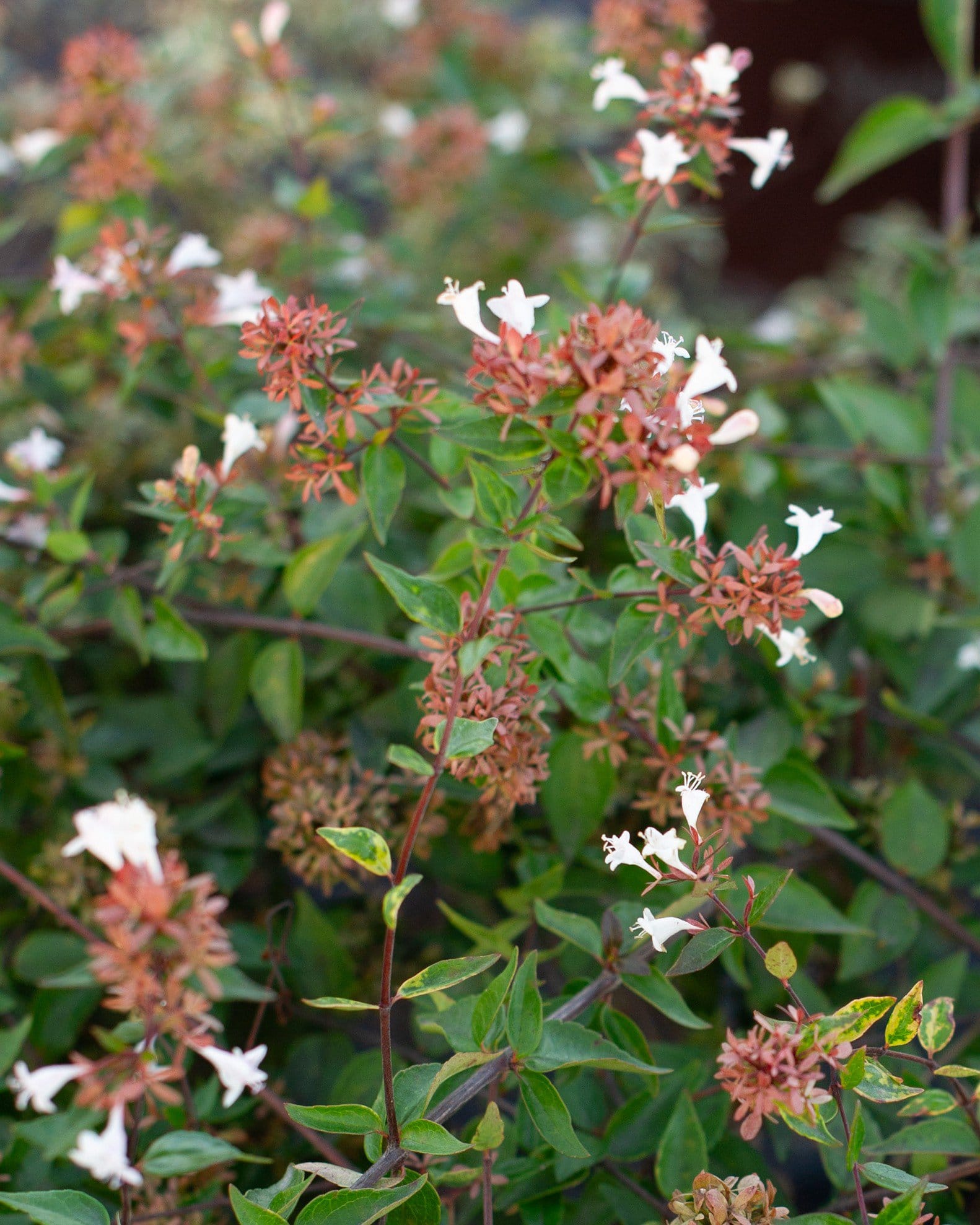
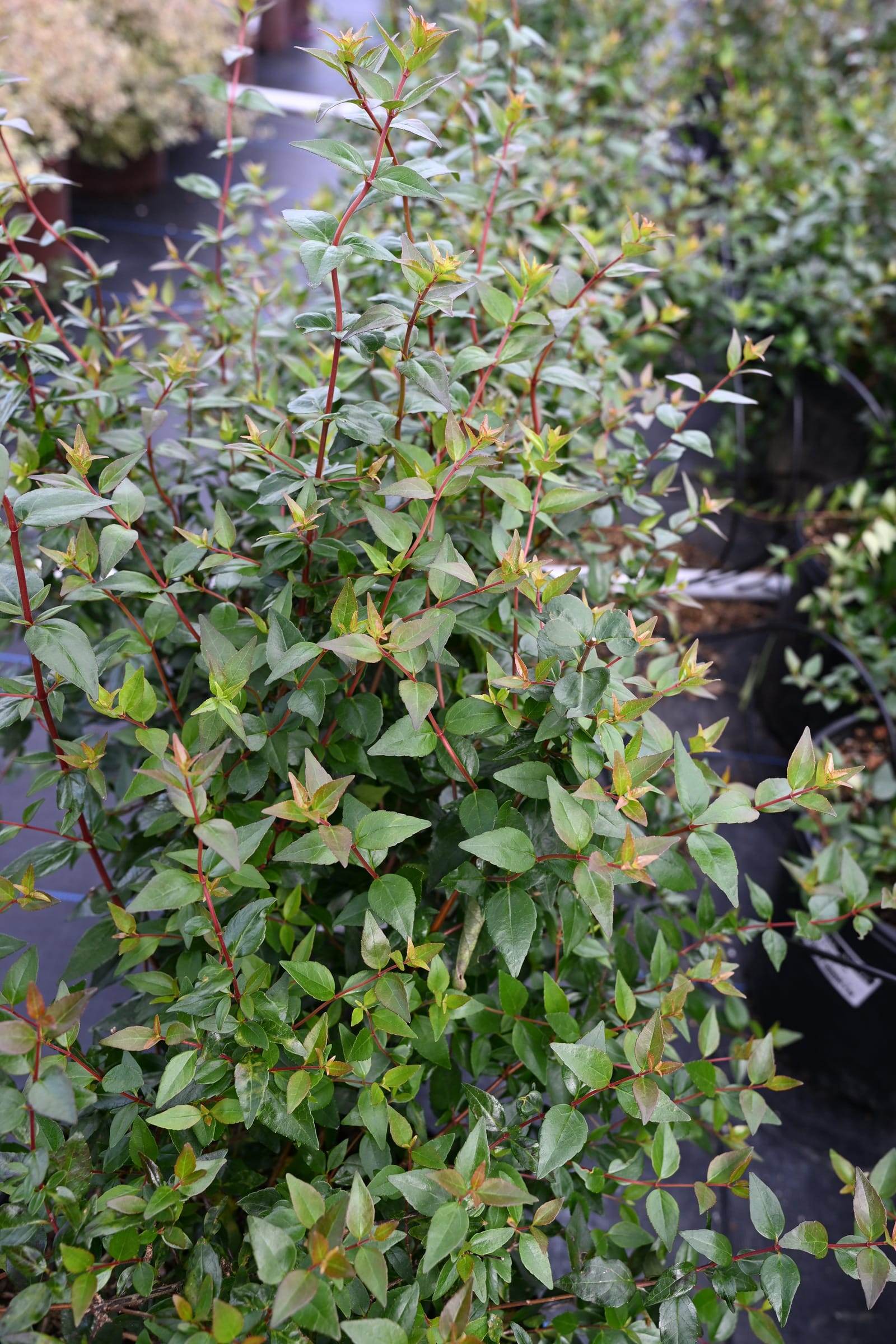
Edward Goucher Abelia
Maturity: 4' H x 4' W
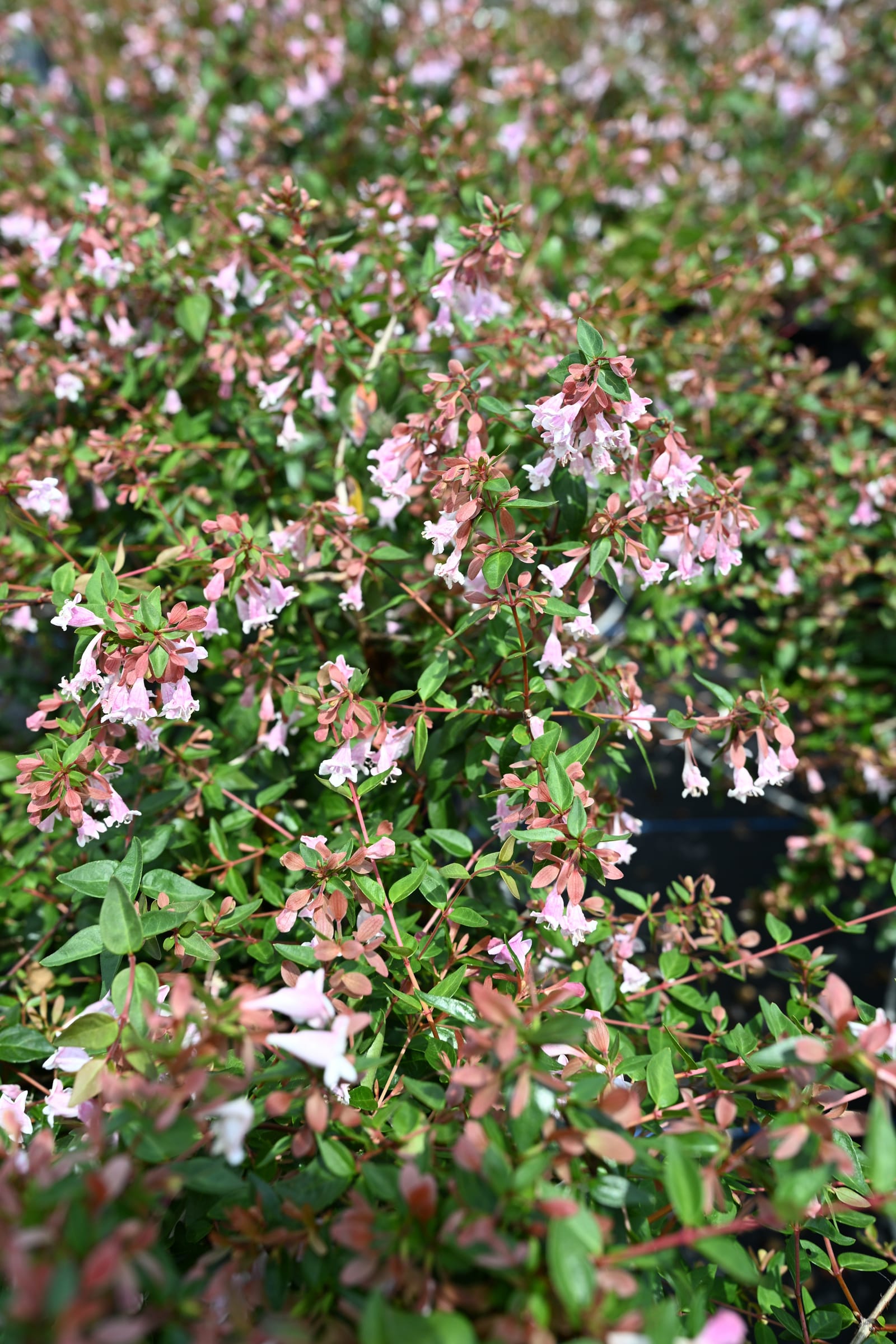
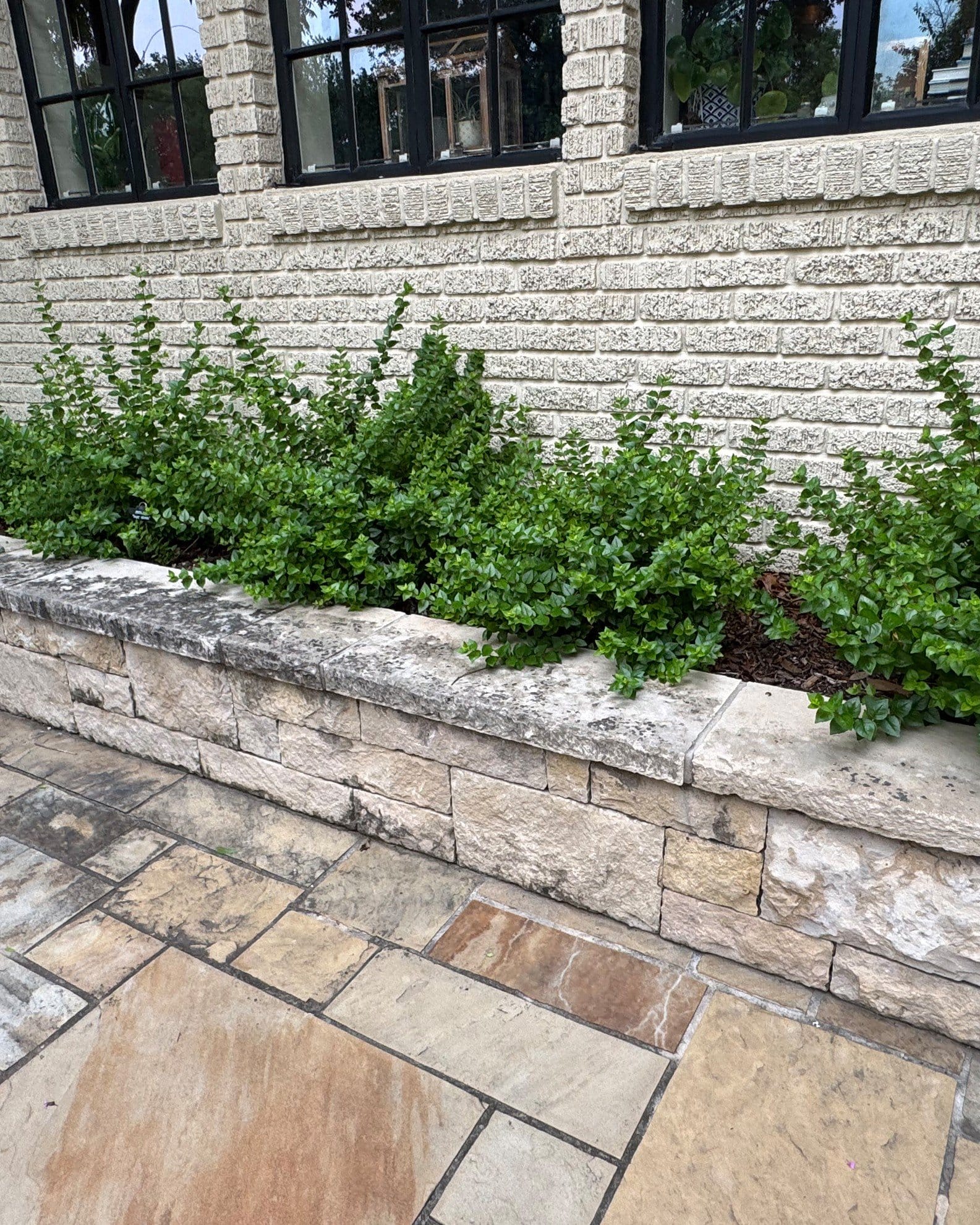
Glossy Abelia
Maturity: 6' H x 6' W
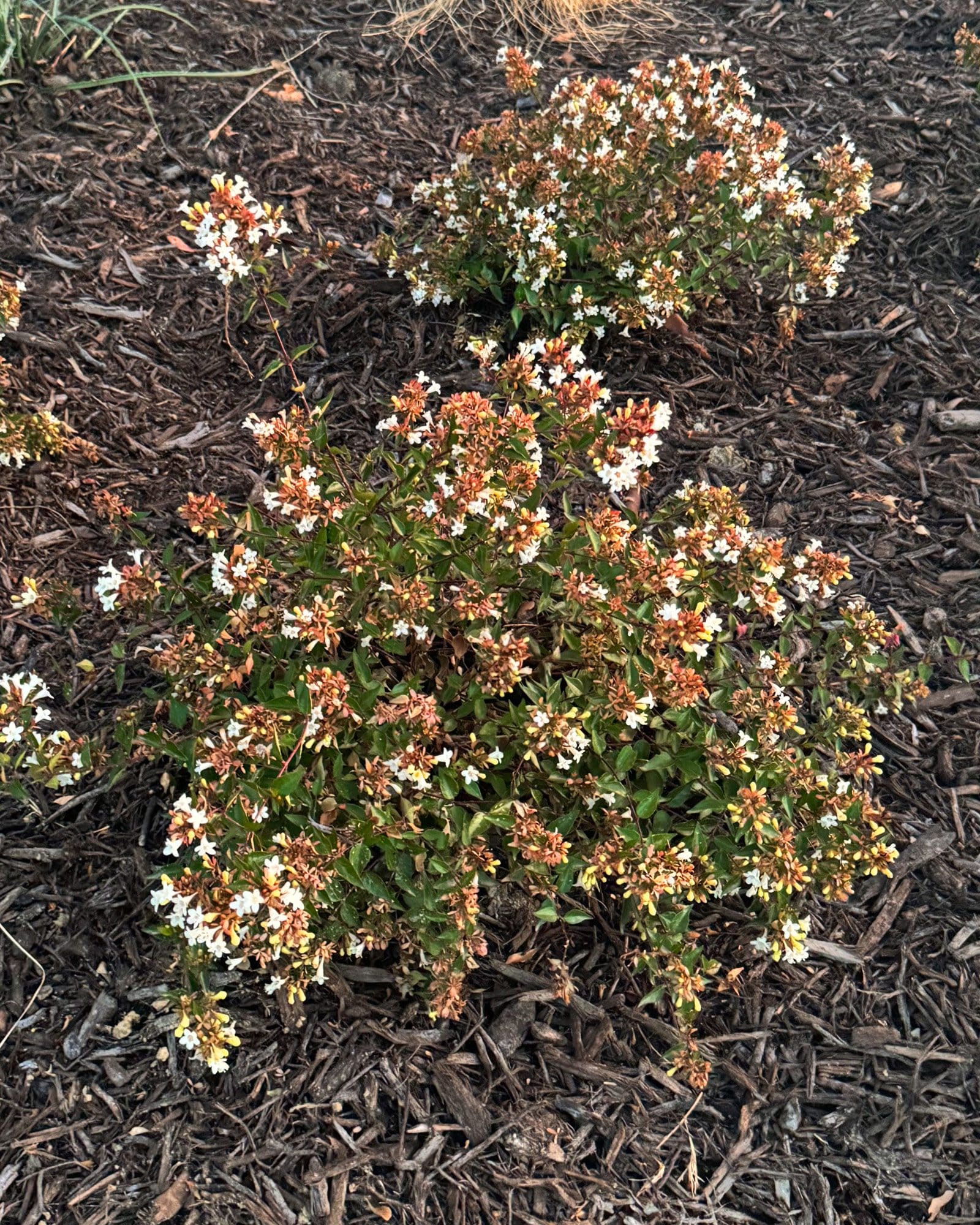
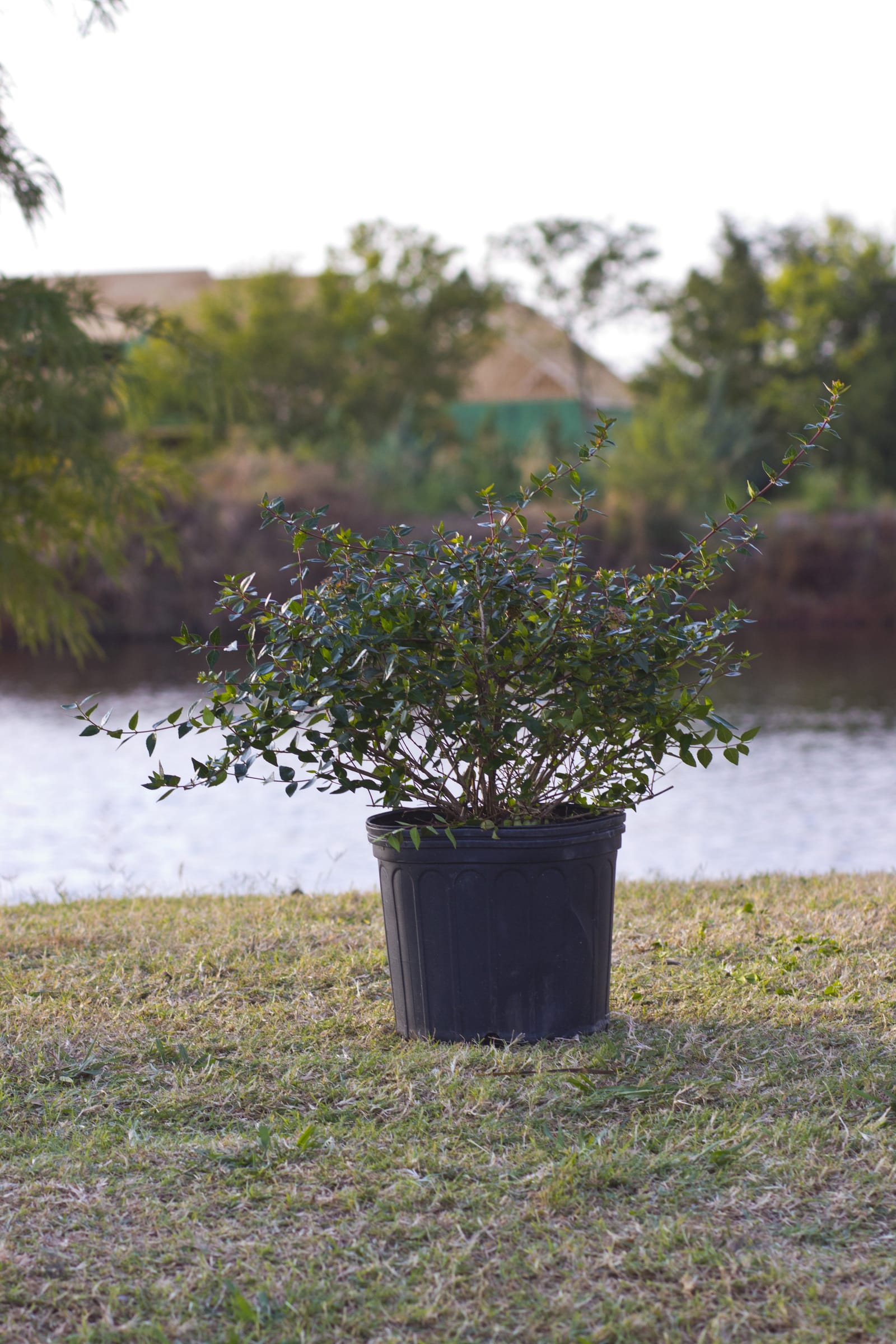
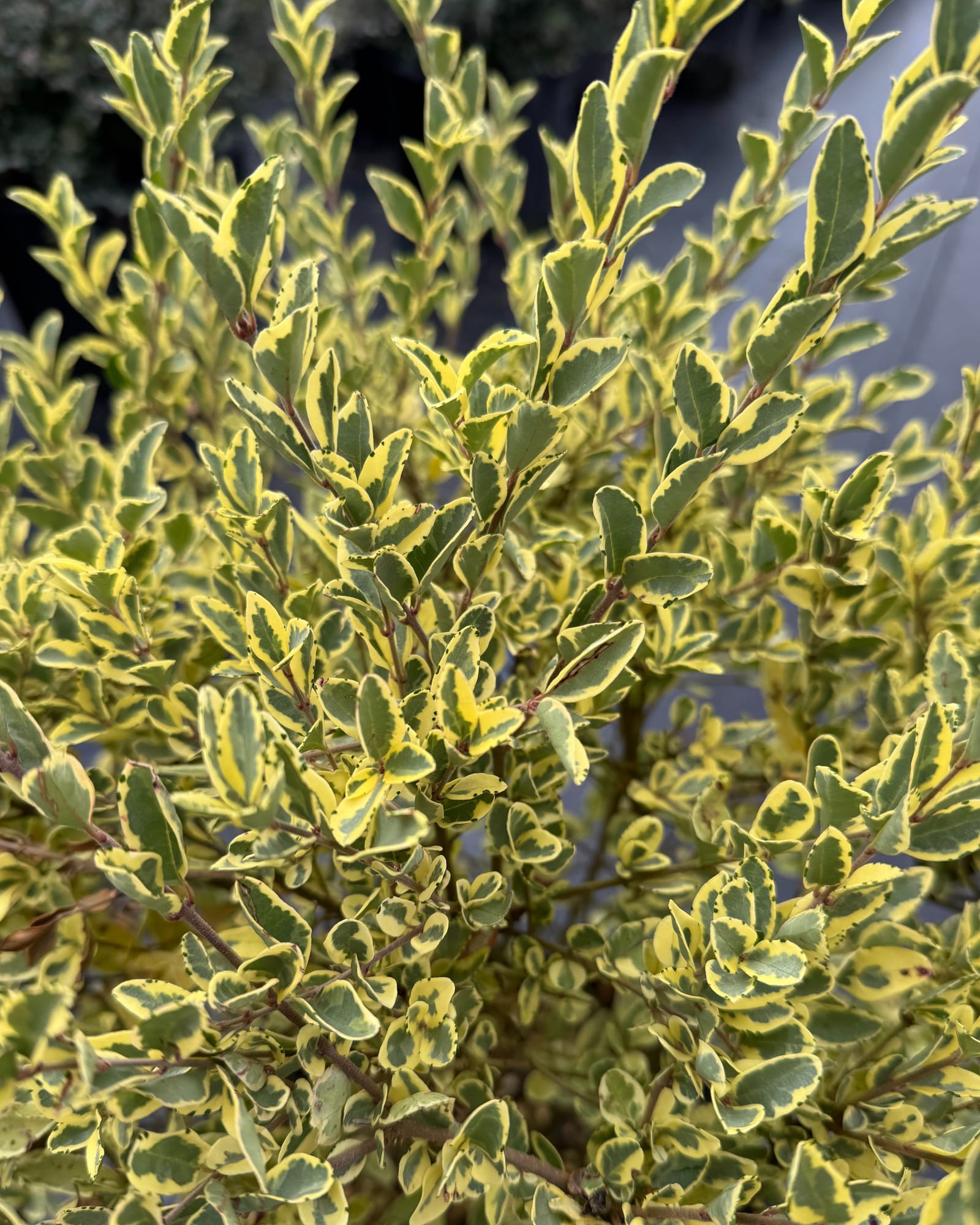
Variegated Privet Ligustrum
Maturity: 6' H x 6' W
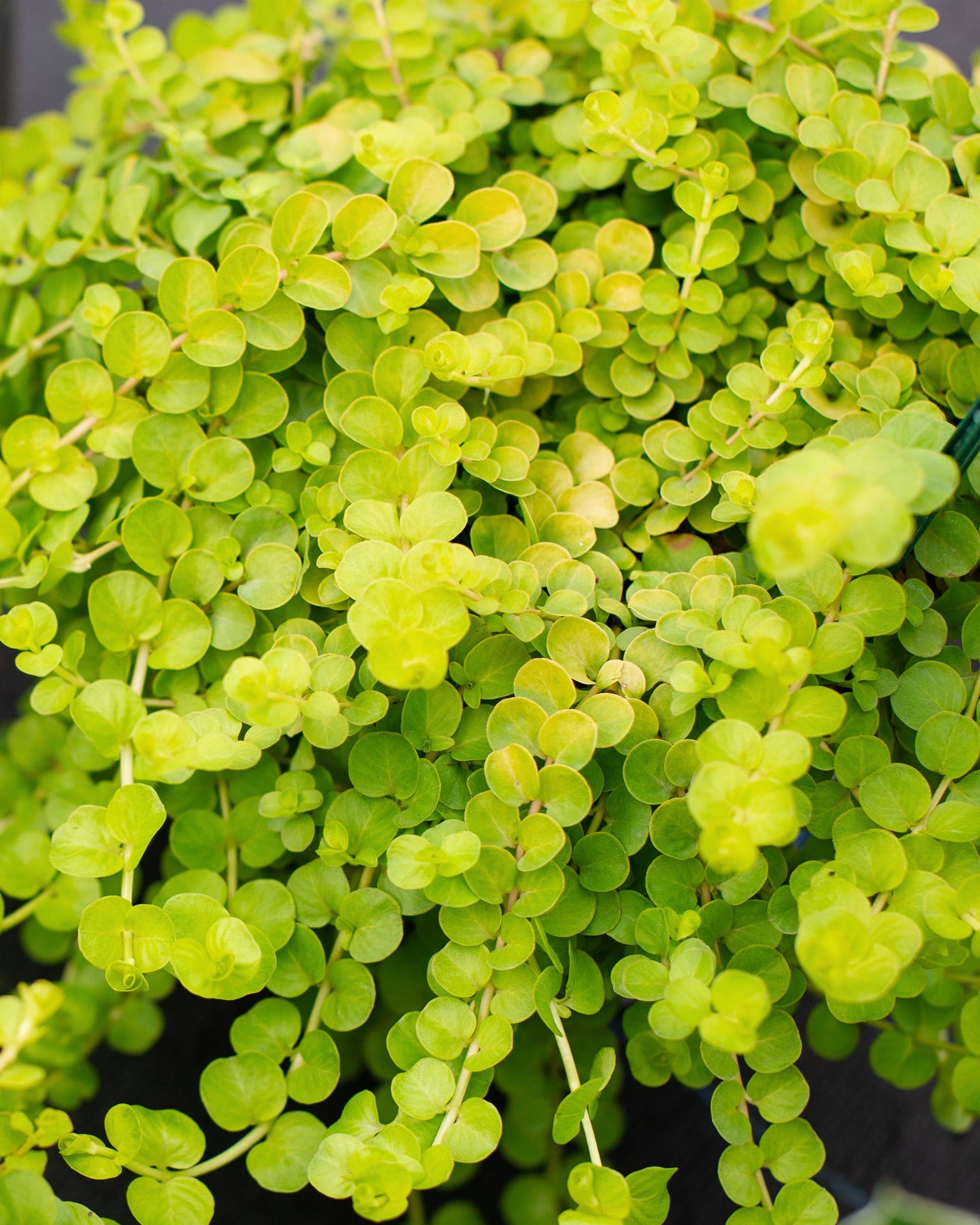
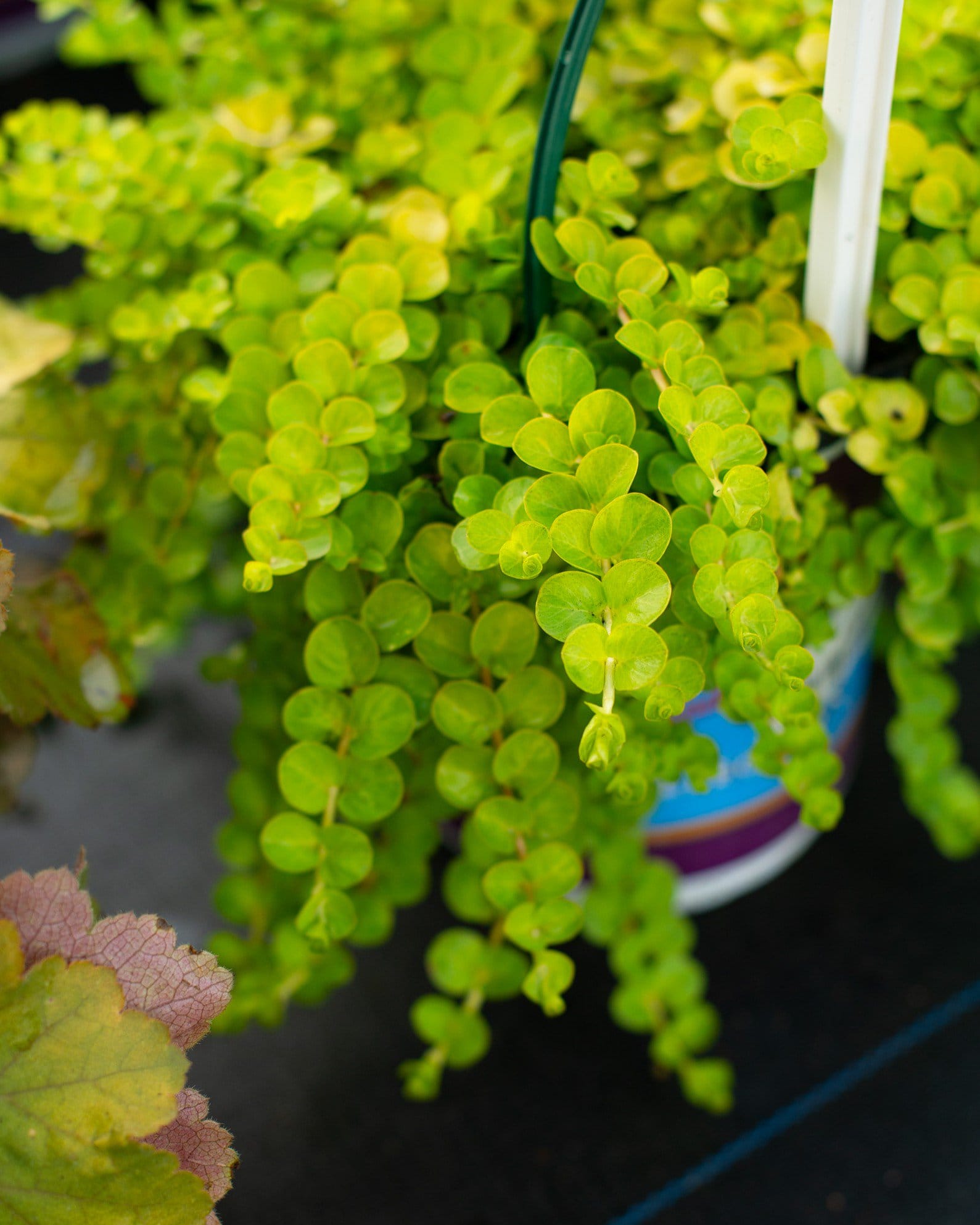
Creeping Jenny
Maturity: 0.5' H x 1' W
Dwarf Wax Myrtle
Maturity: 2' H x 3' W
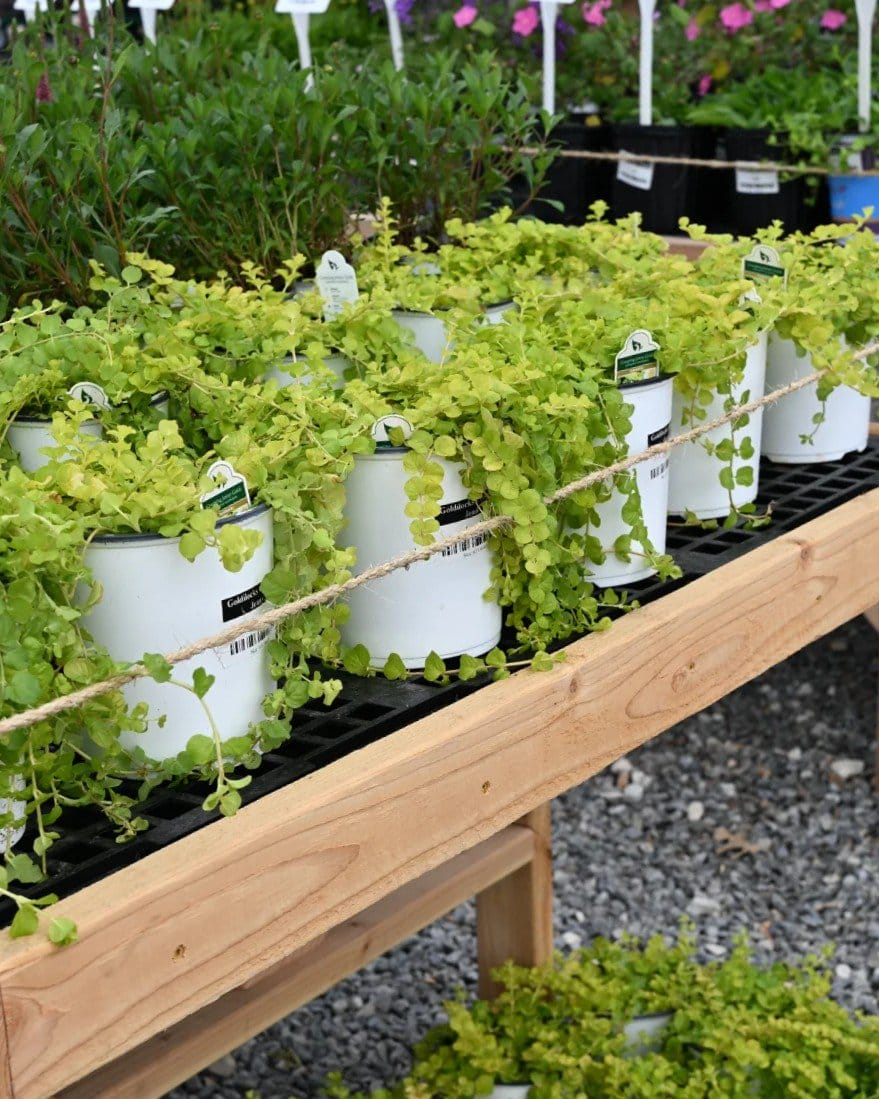
Goldilocks Creeping Jenny
Maturity: 2' H x 1' W
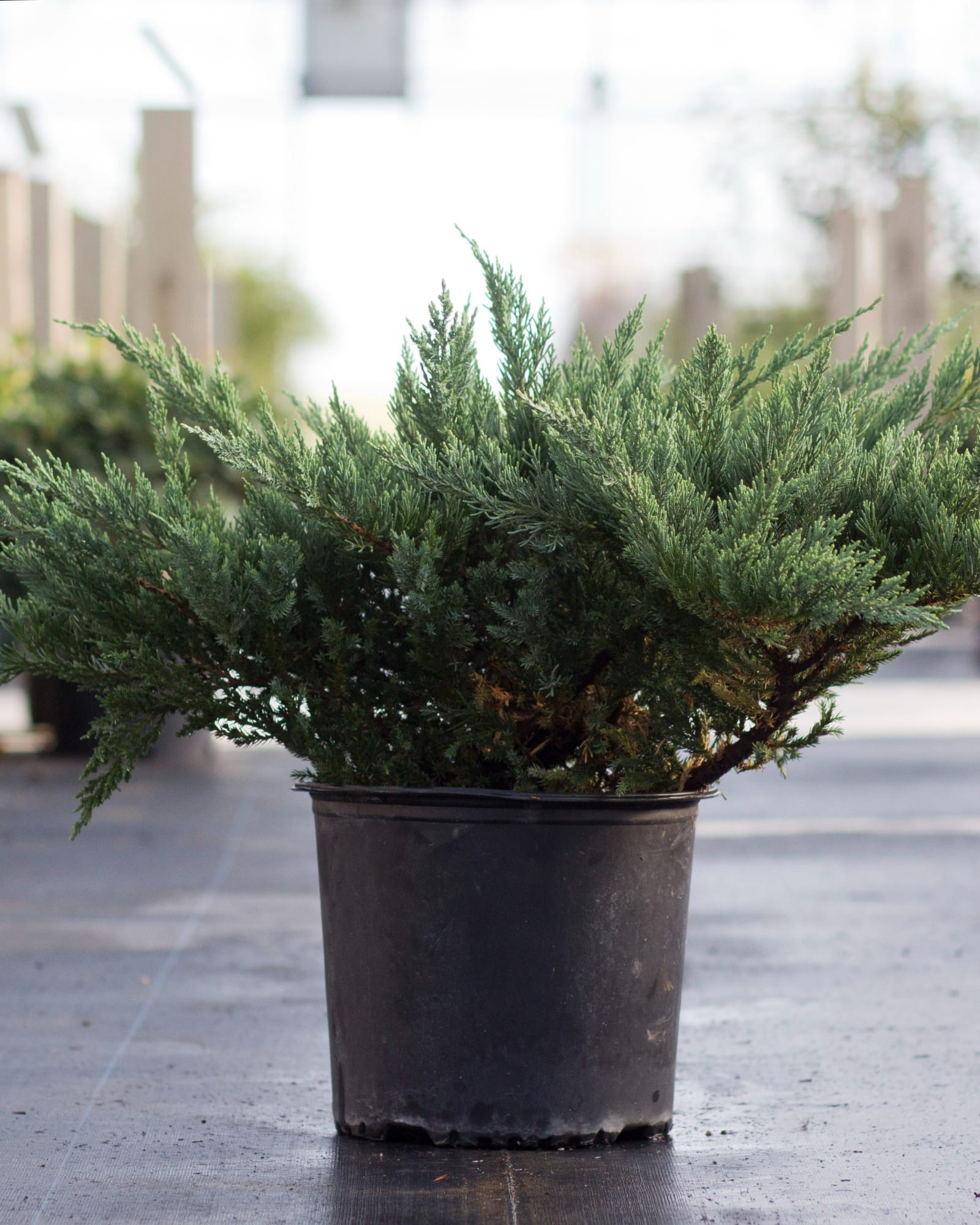
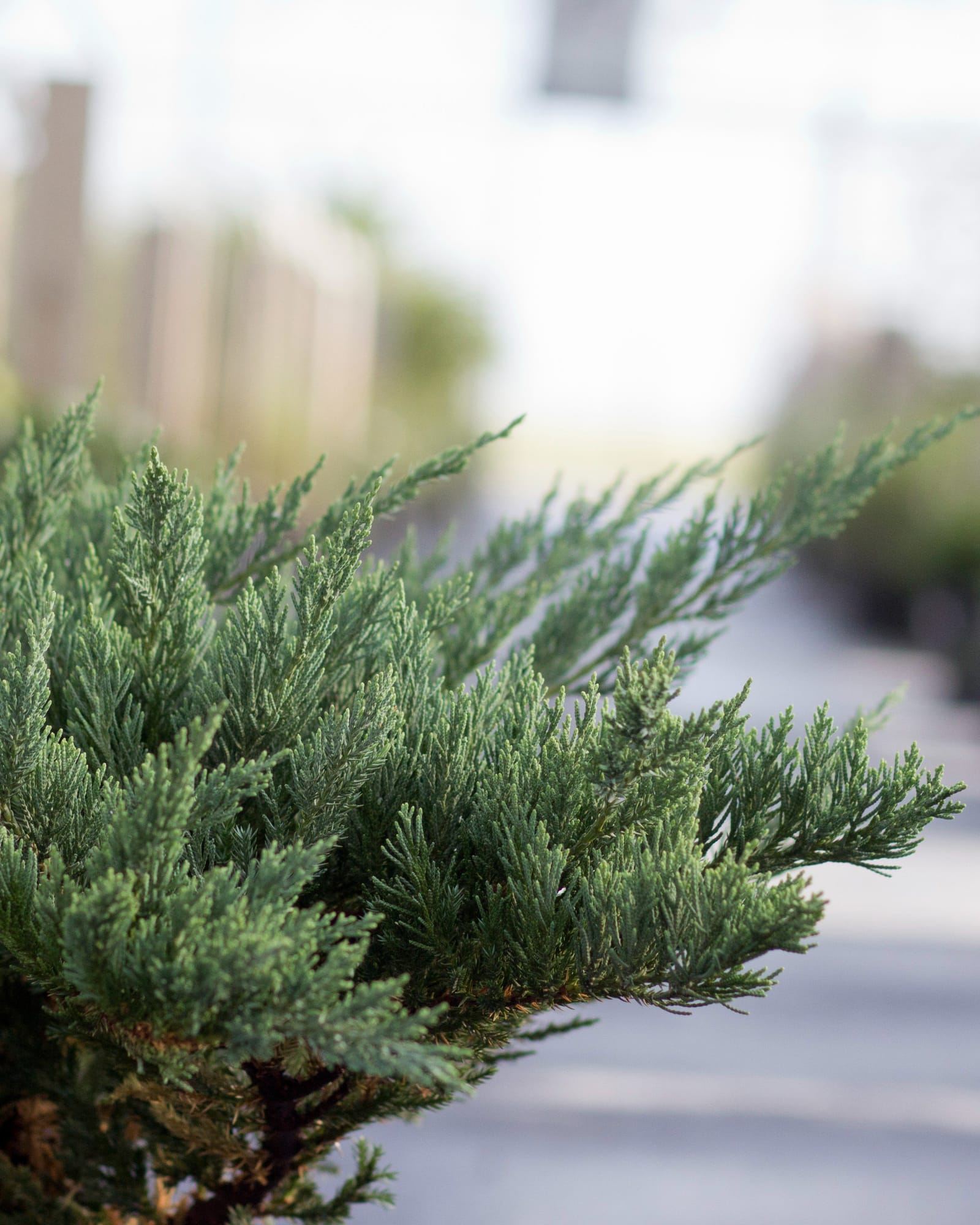
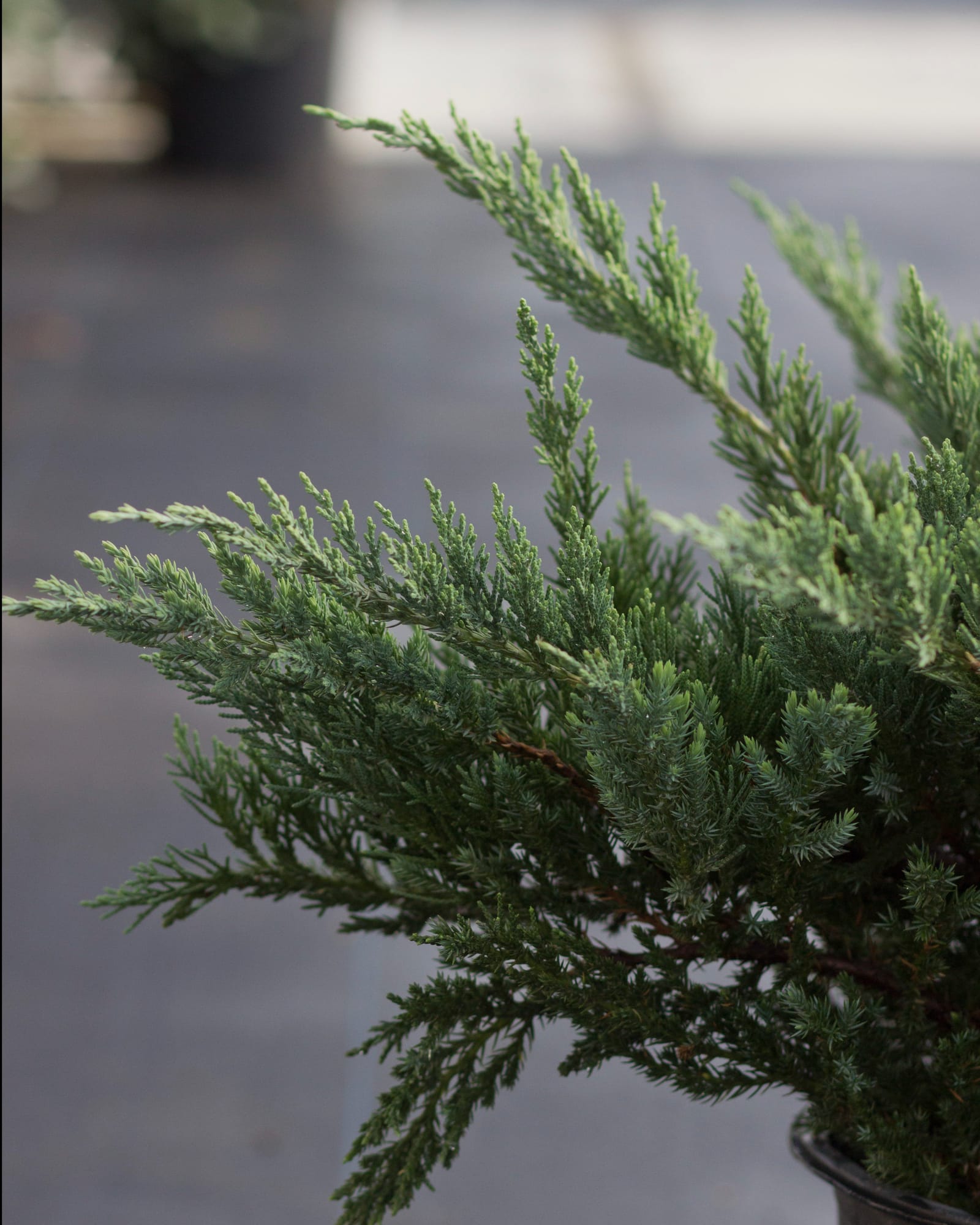
Parsoni Juniper
Maturity: 2' H x 4' W
Silver Dragon Liriope
Maturity: 1' H x 1.5' W
Super Blue Liriope
Maturity: 1.5' H x 1.5' W
Variegated Liriope
Maturity: 1' H x 1' W
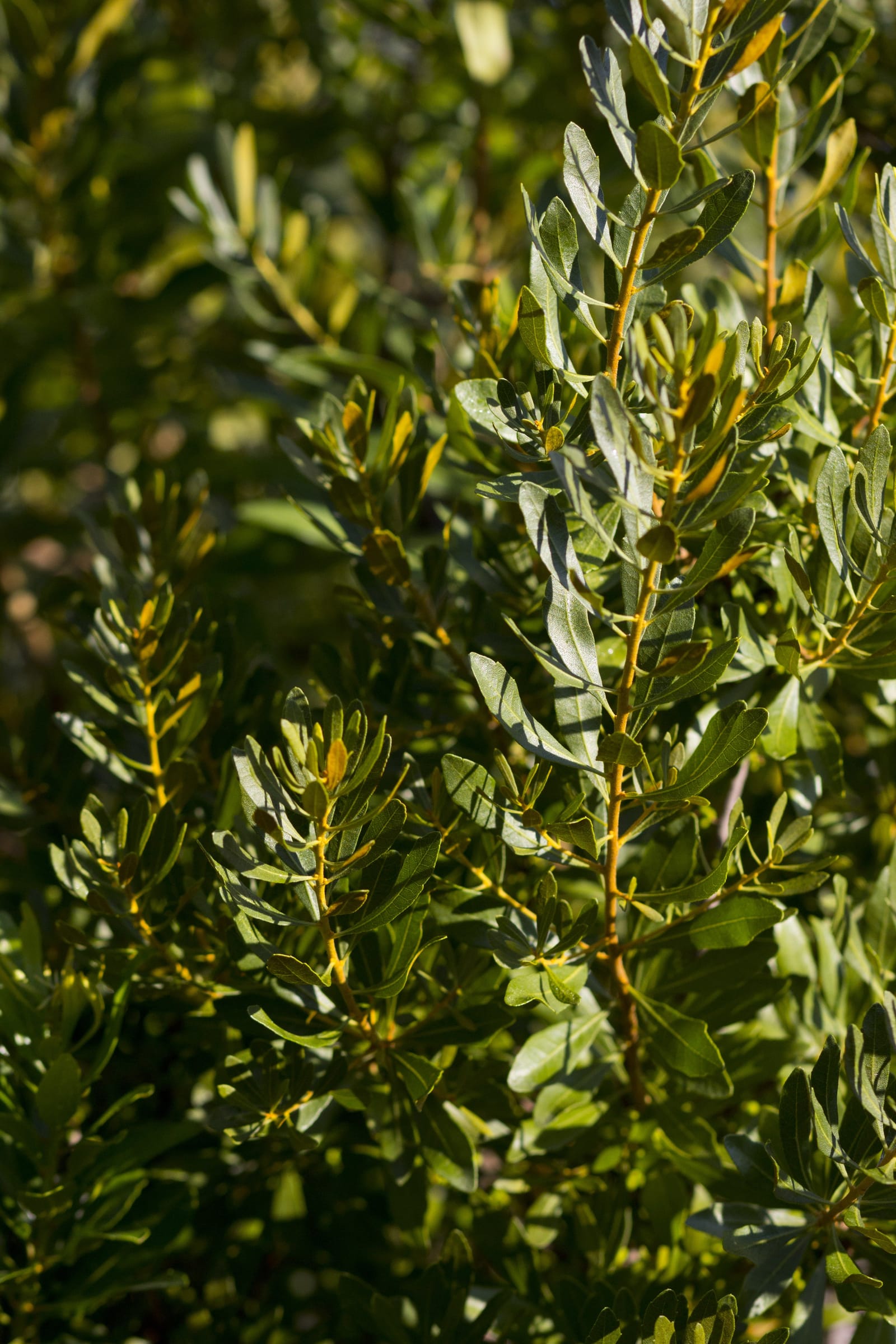
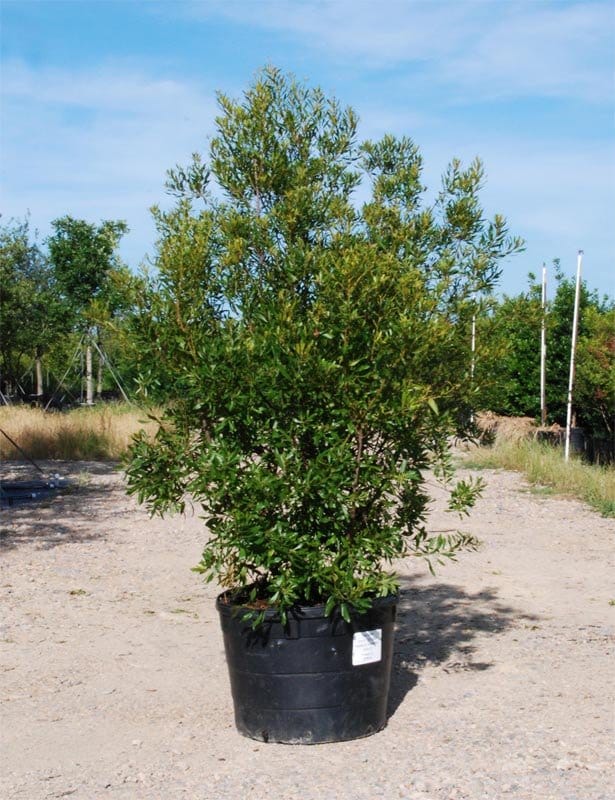
Wax Myrtle
Maturity: 15' H x 15' W
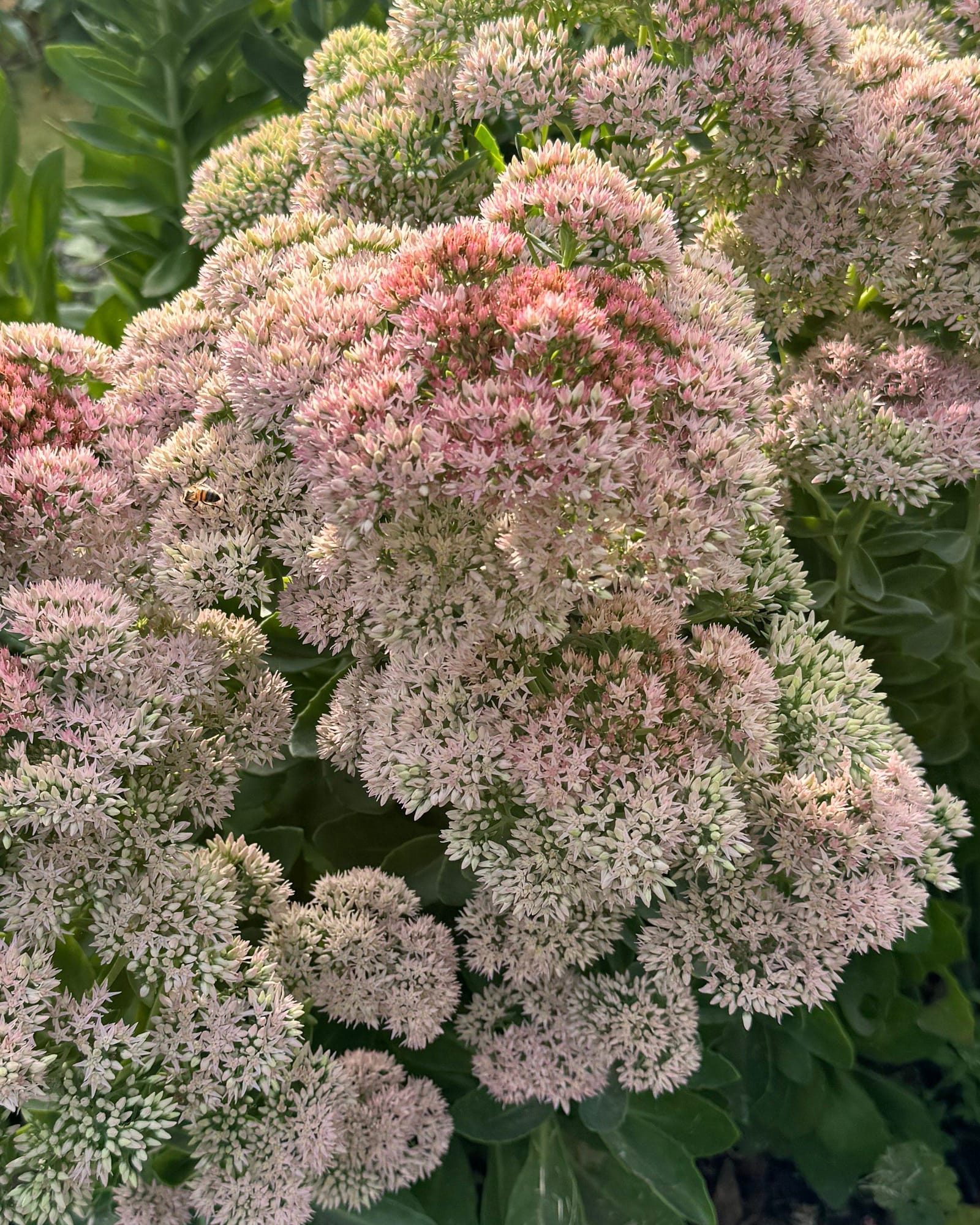
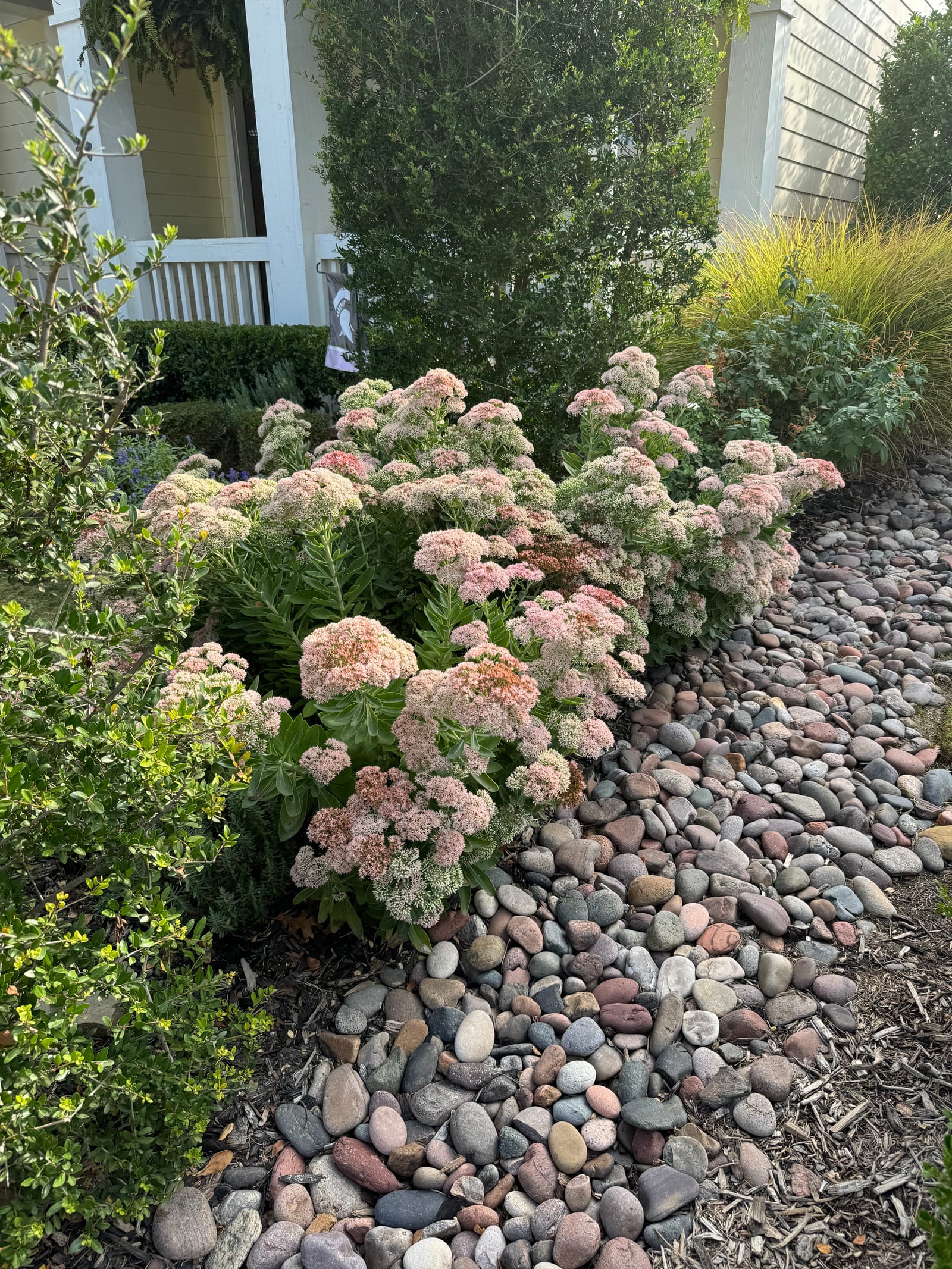
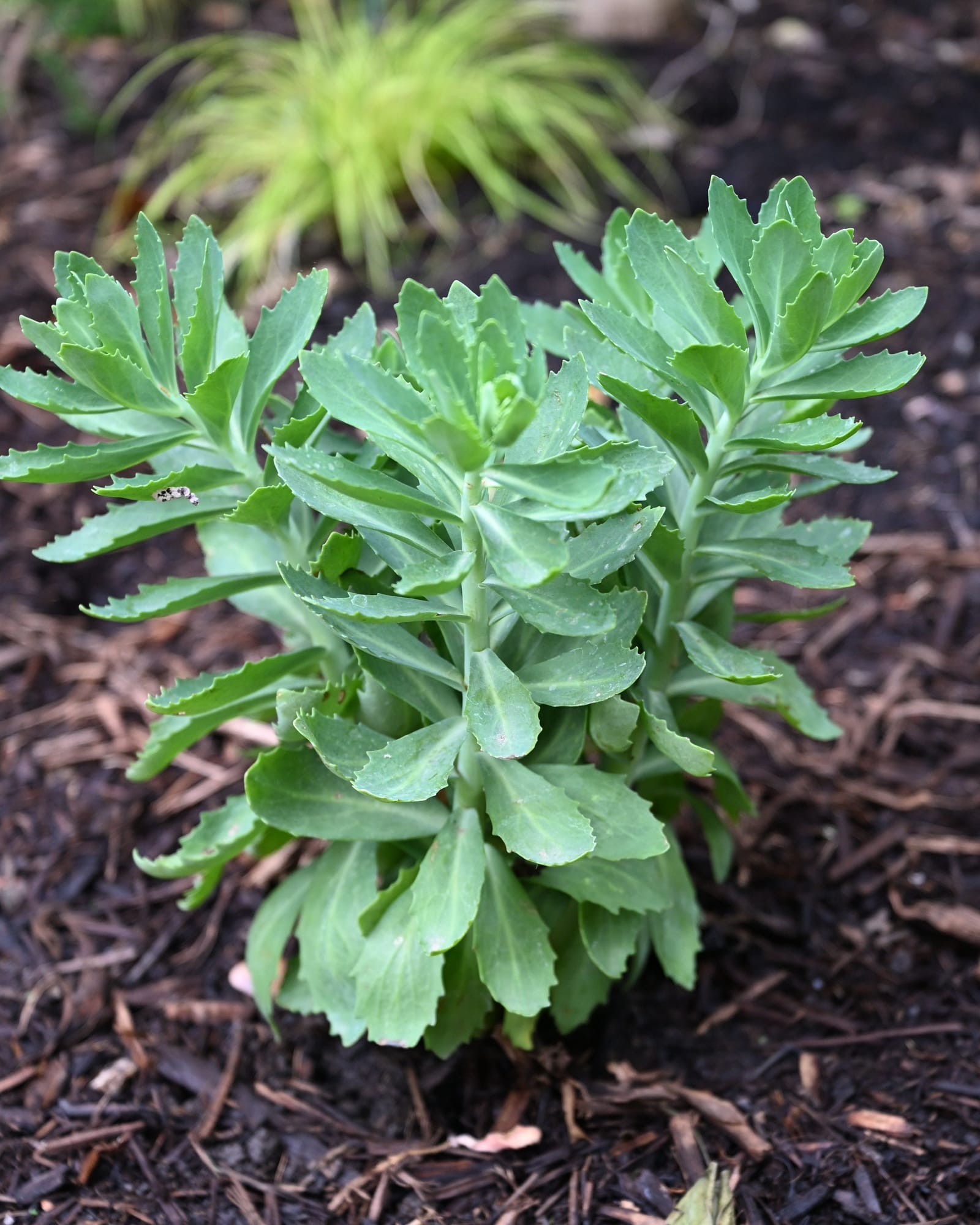
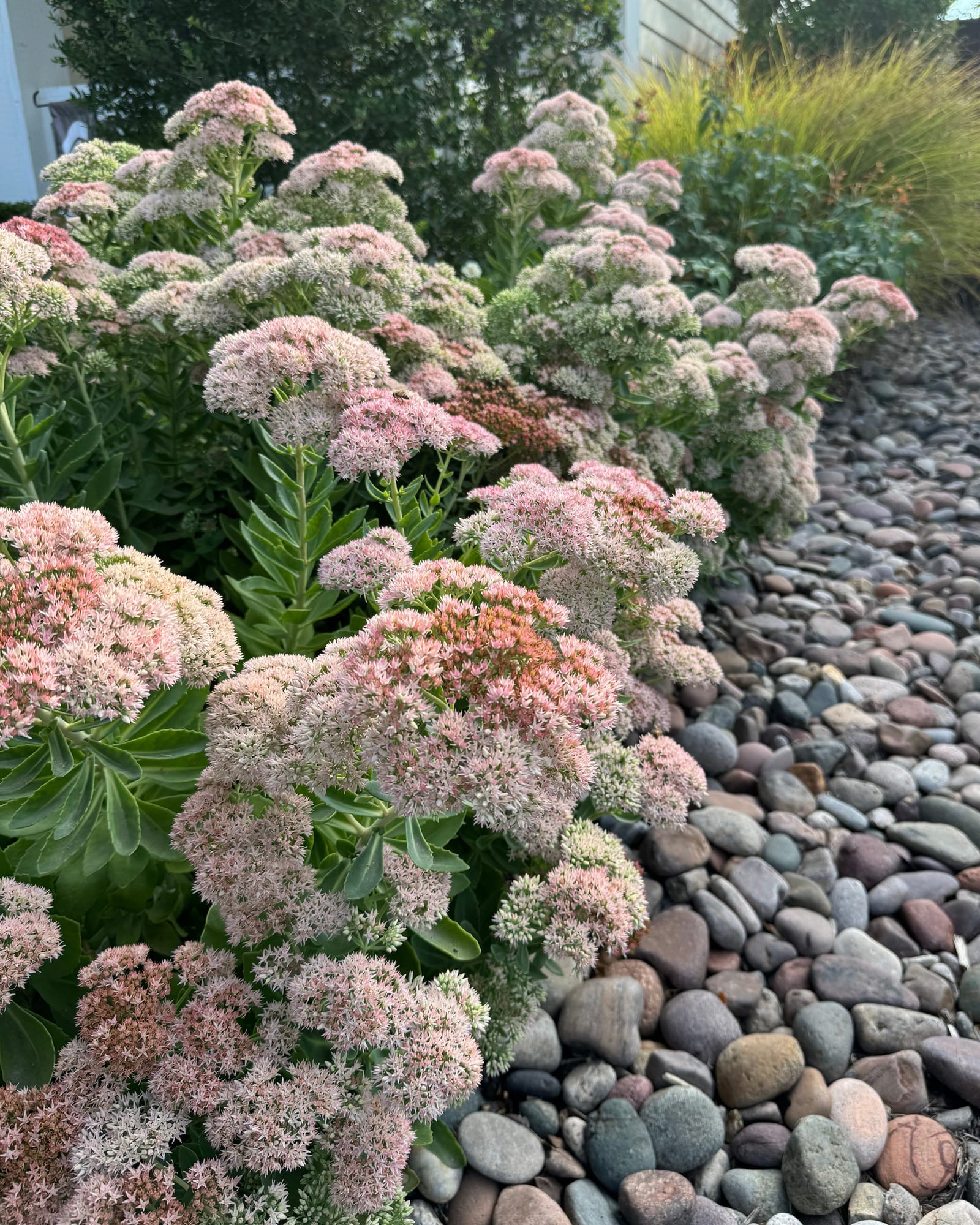
Autumn Joy Sedum
Maturity: 1.5' H x 1.5' W
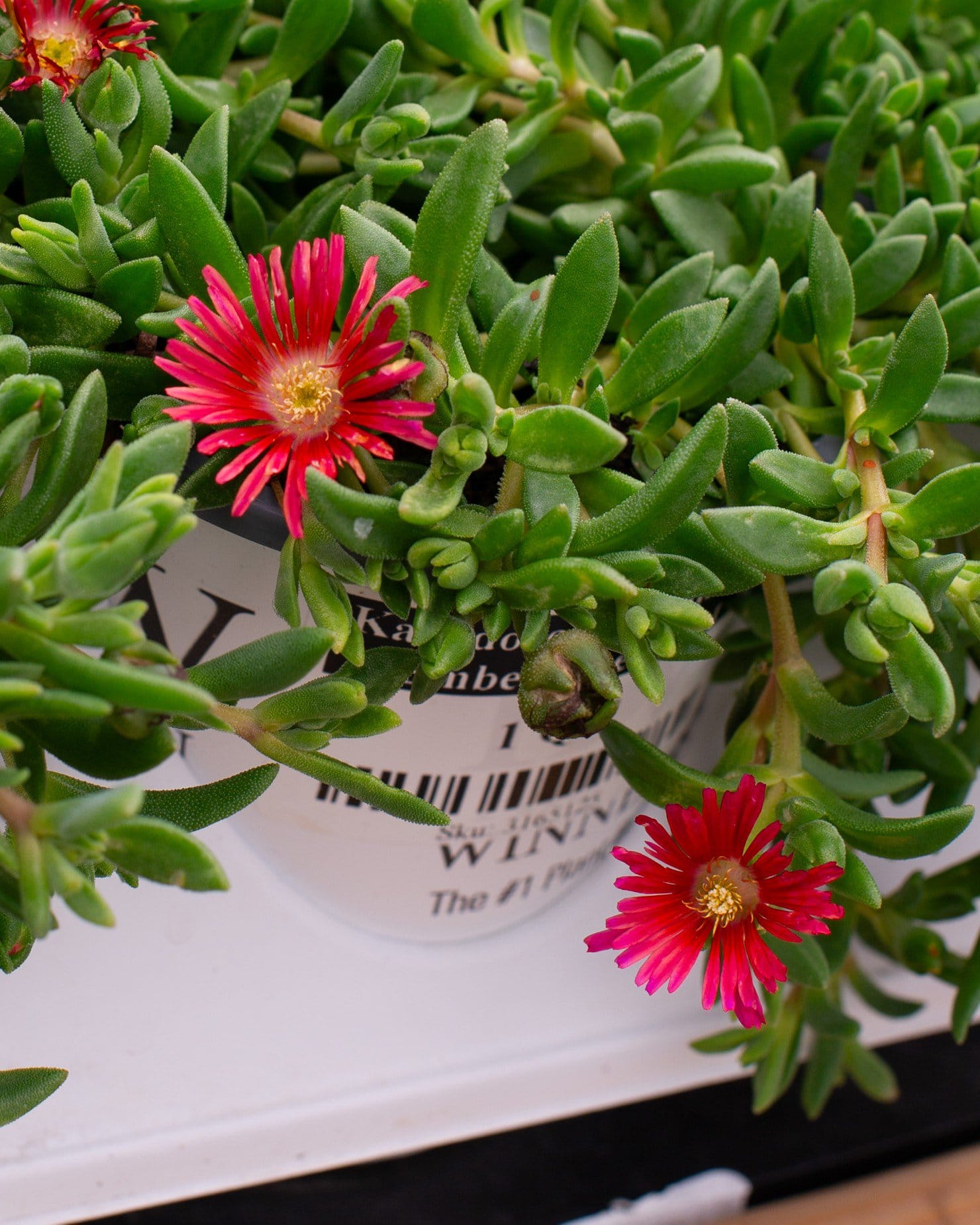
Kaleidoscope Dancing Embers Ice Plant
Maturity: 0.25' H x 2' W
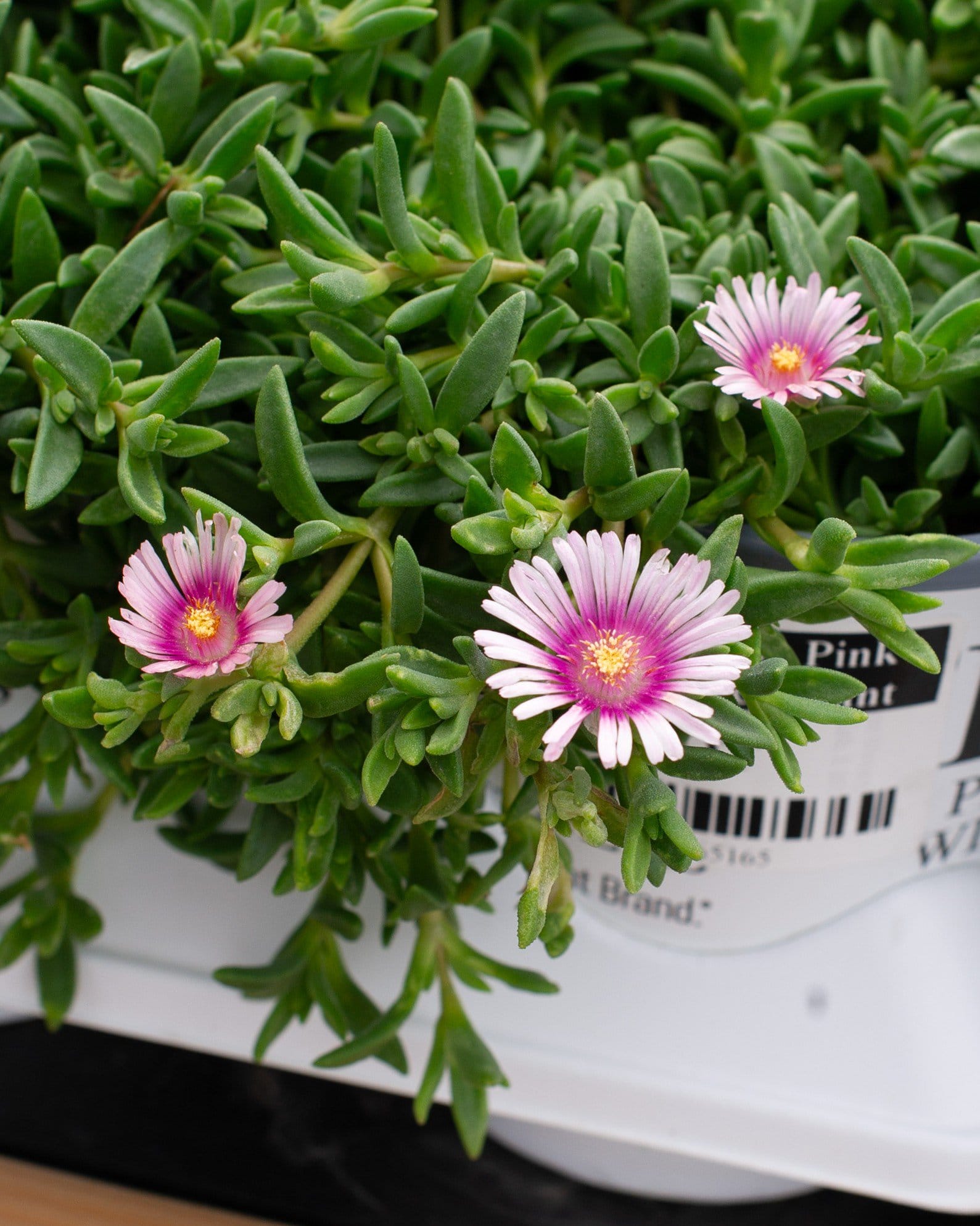
Kaleidoscope Pink Radiance Ice Plant
Maturity: 0.25' H x 2' W
Compare Similar Plants
Lemon Ball Sedum This plant | ||
|---|---|---|
| Scientific Name | Sedum mexicanum ‘Lemon Ball’ | Myrica cerifera ‘Don’s Dwarf’ |
| Size at Maturity | 0.5' H x 1' W | 3' H x 4' W |
| Leaf Retention | Semi-Evergreen | Semi-Evergreen |
| Flower Color | — | — |
| Bloom Times | — | — |
| Sizes Available | 1 gal | 3, 7 gal |


Our 1-Year Planting Guarantee
We take pride in our plants and installation services. If any plants or trees installed by Treeland fail to thrive within the first year, we'll provide a replacement credit in accordance with our guarantee program.
Learn More About Our Guarantee