
Edward Goucher Abelia
Abelia × grandiflora ‘Edward Goucher’Local DFW Delivery Only
Product Details
Edward Goucher Abelia
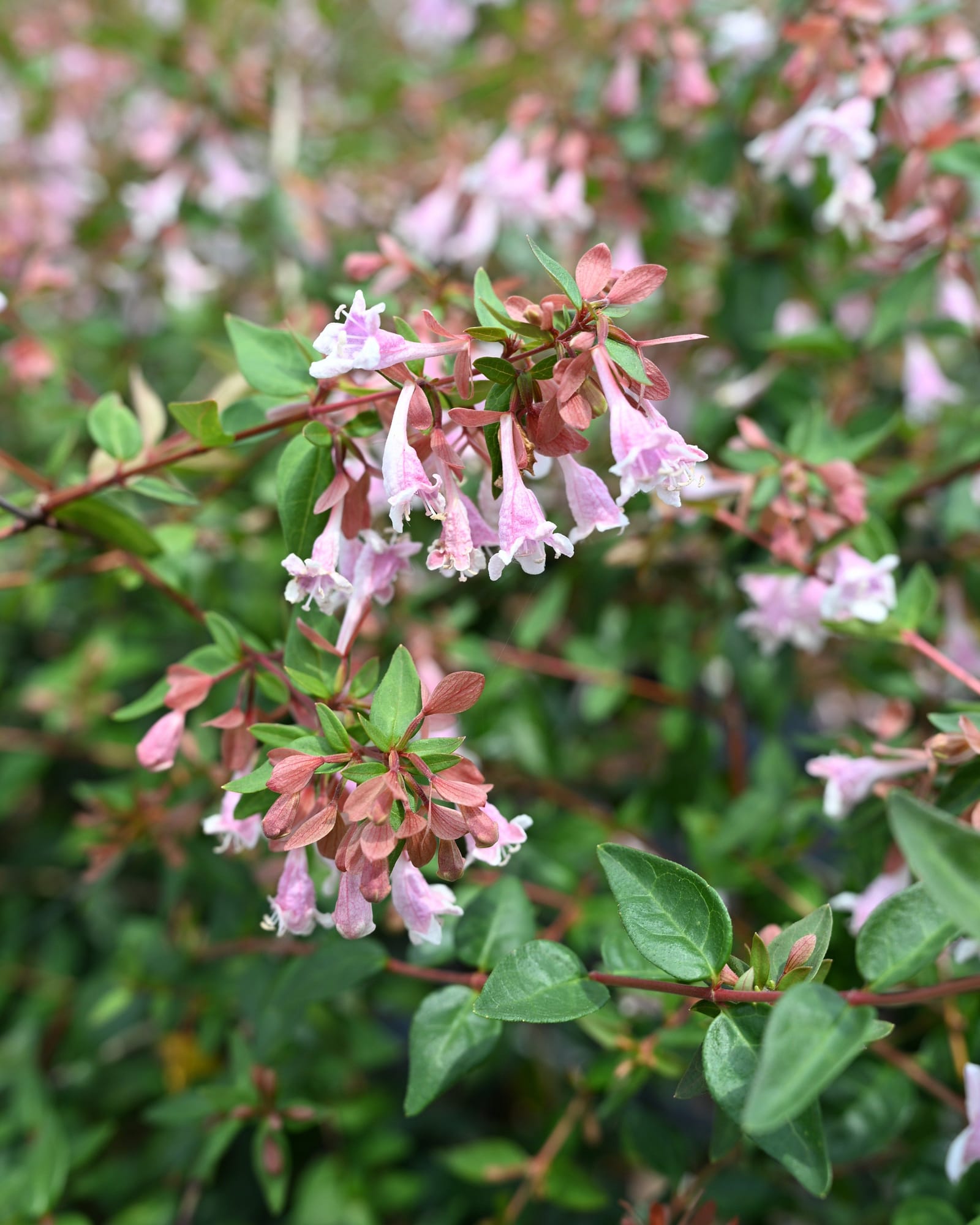
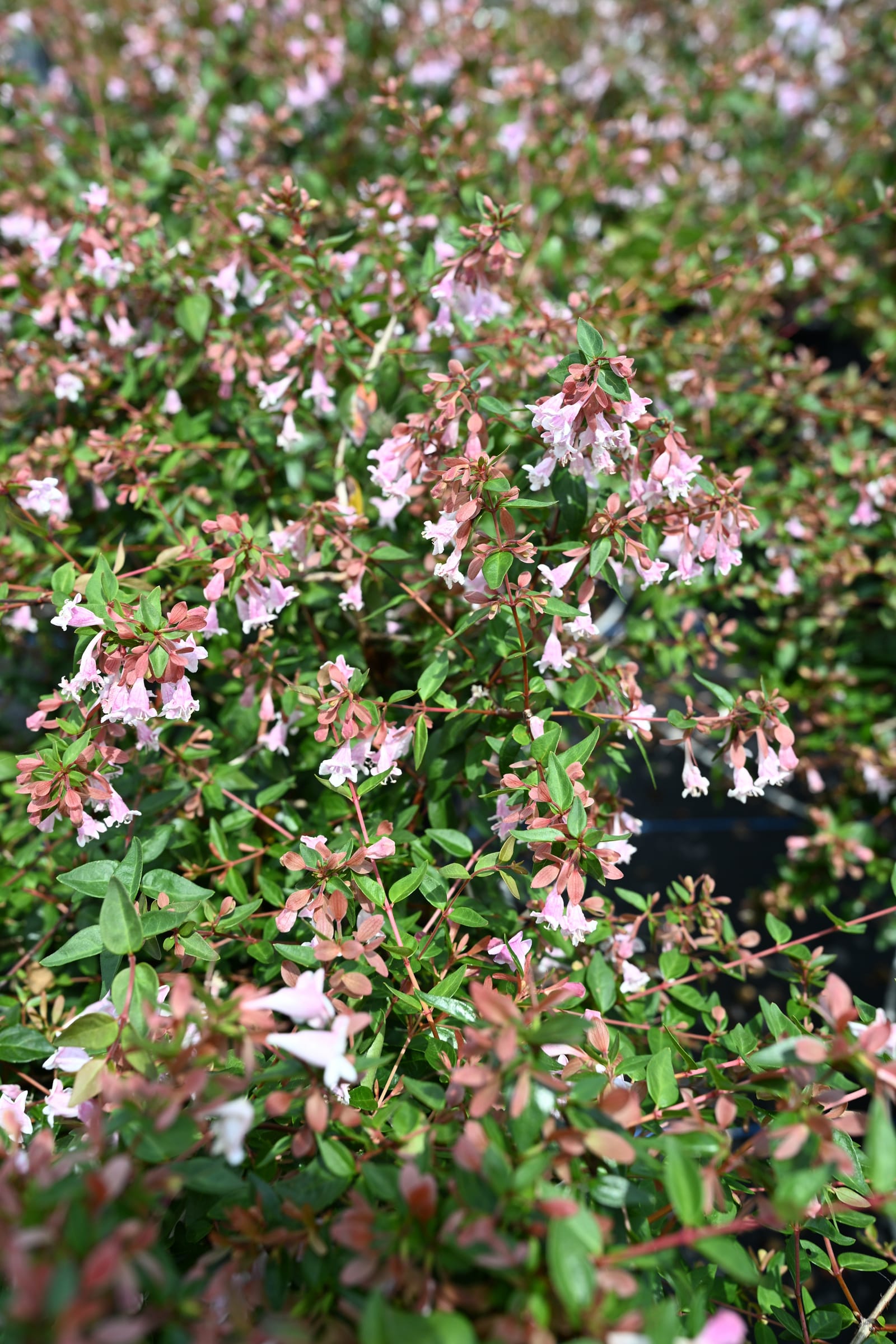
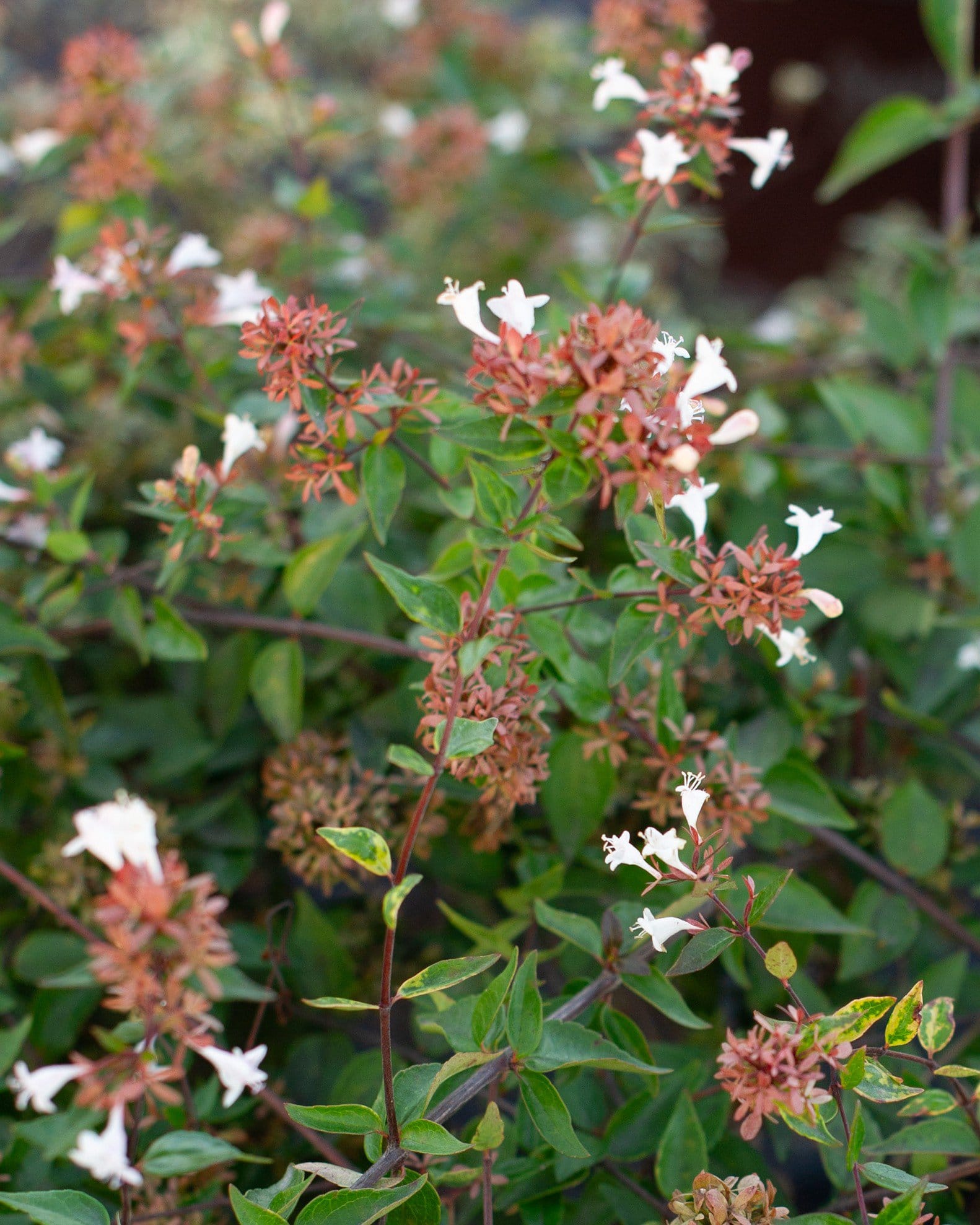
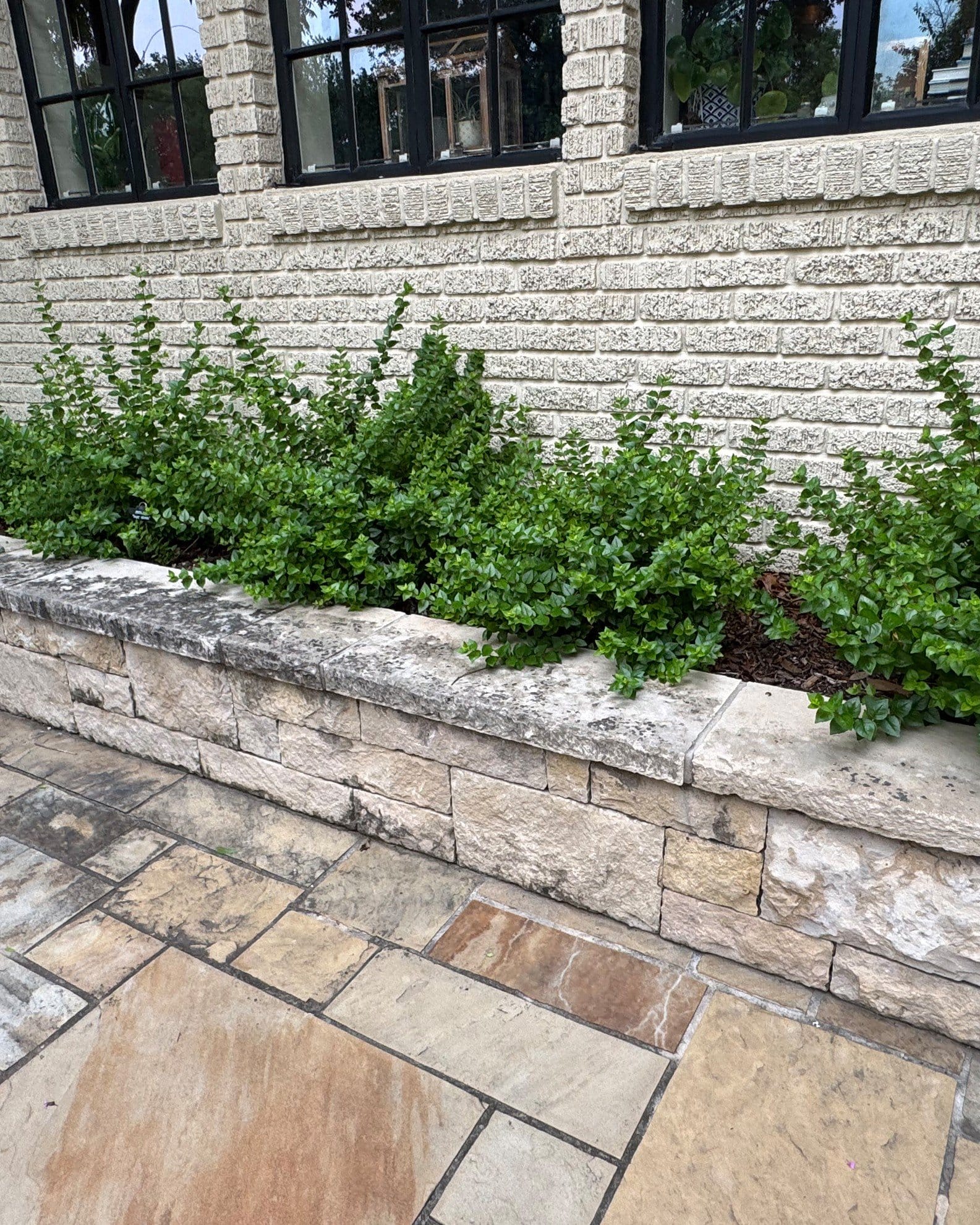
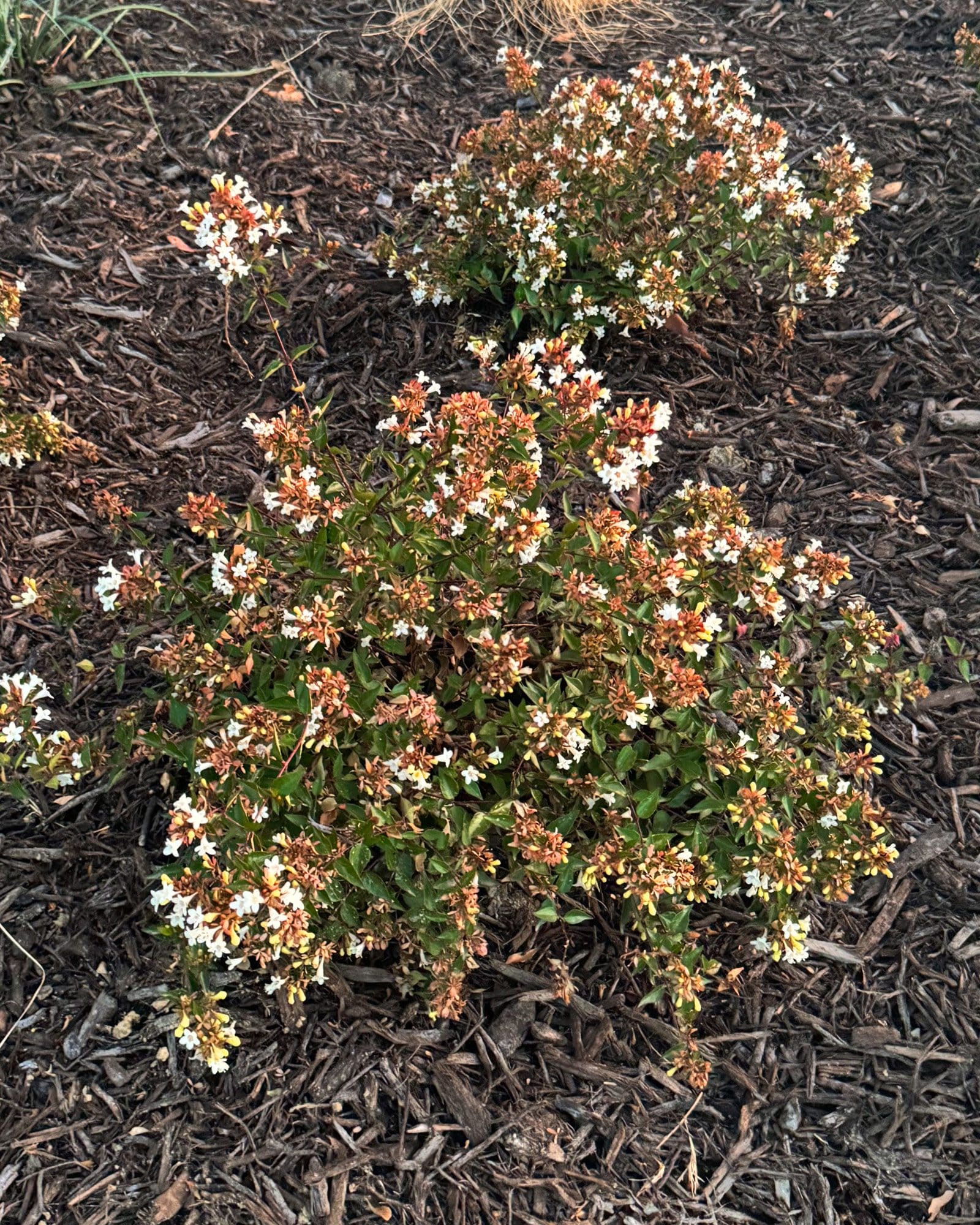
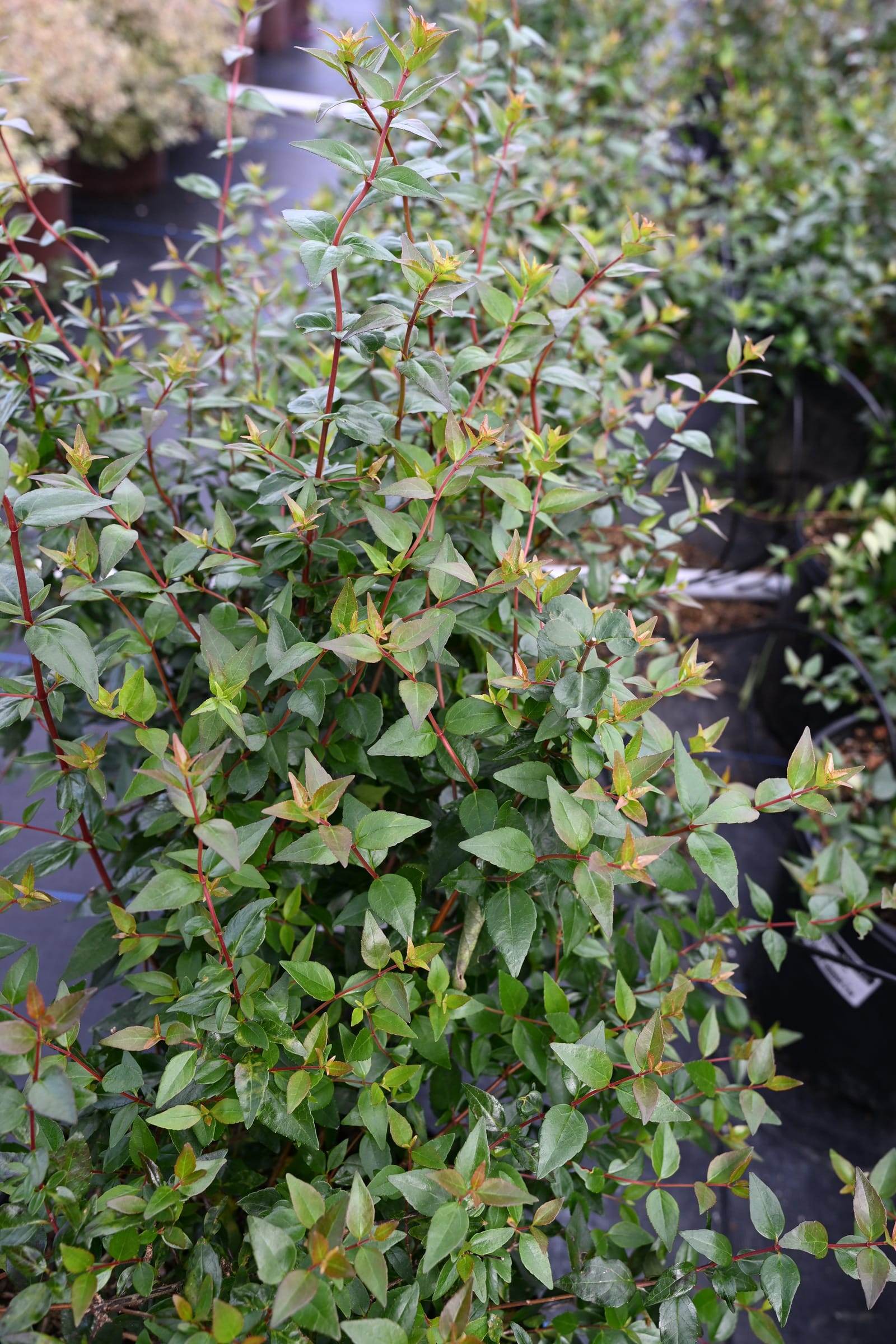
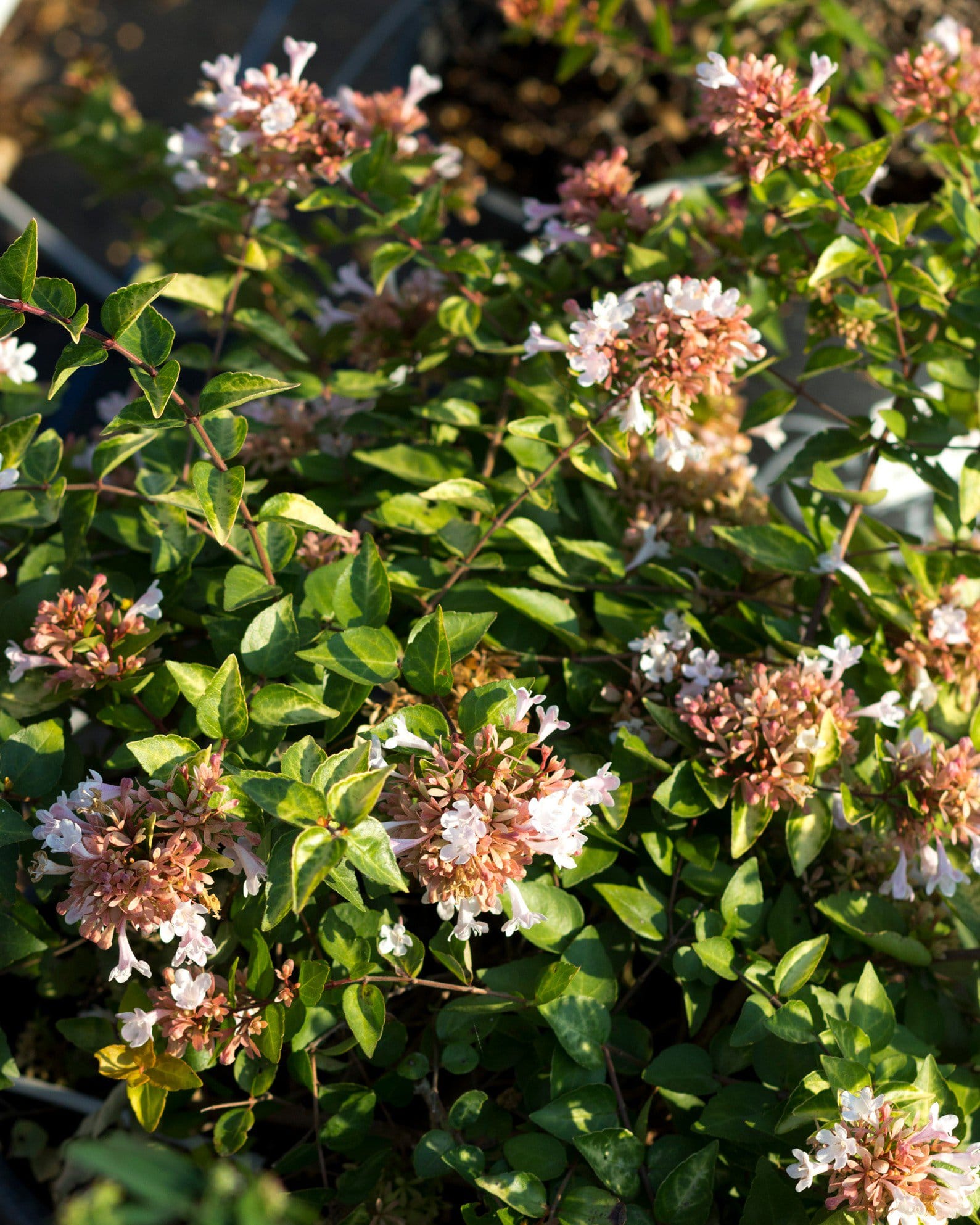
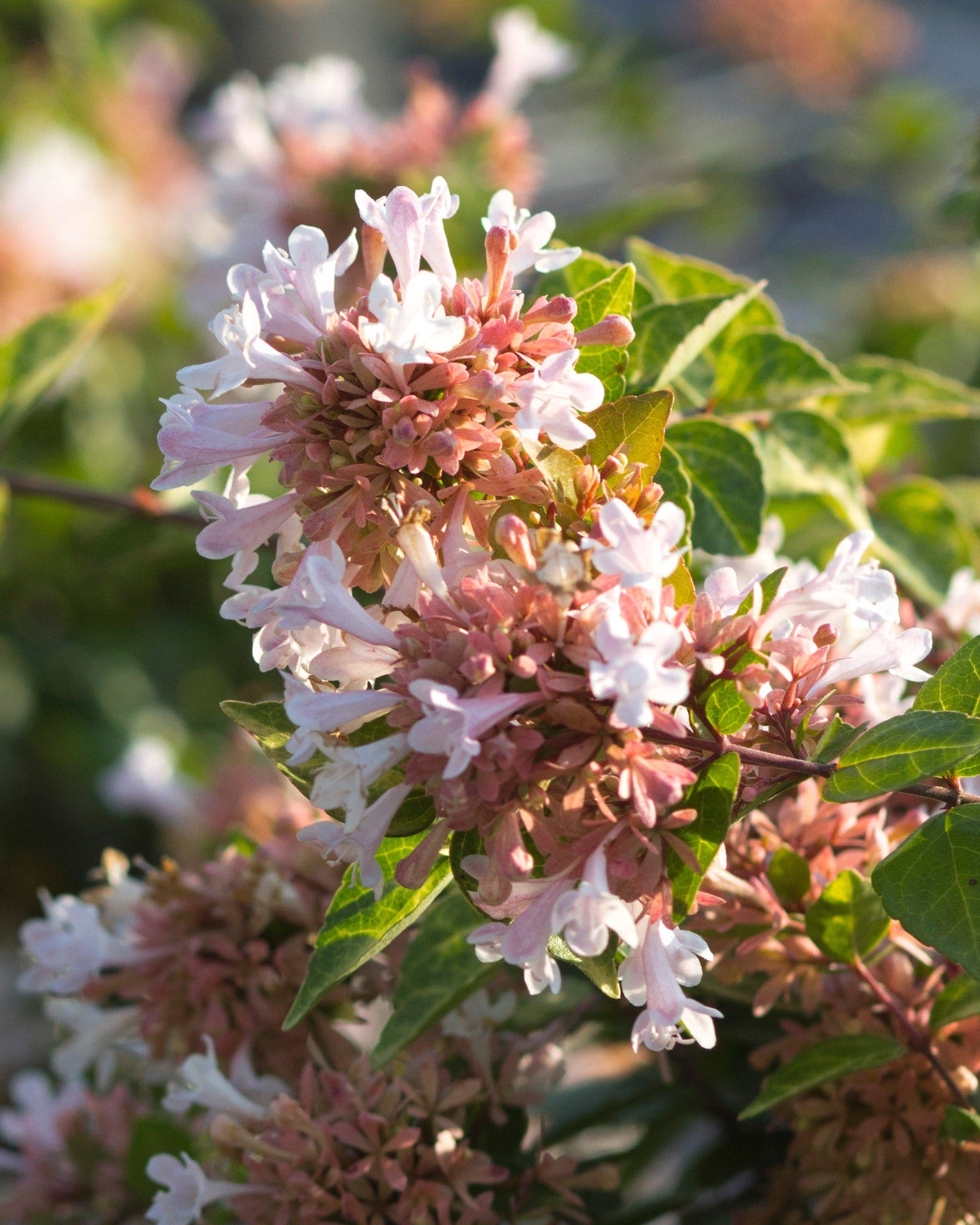
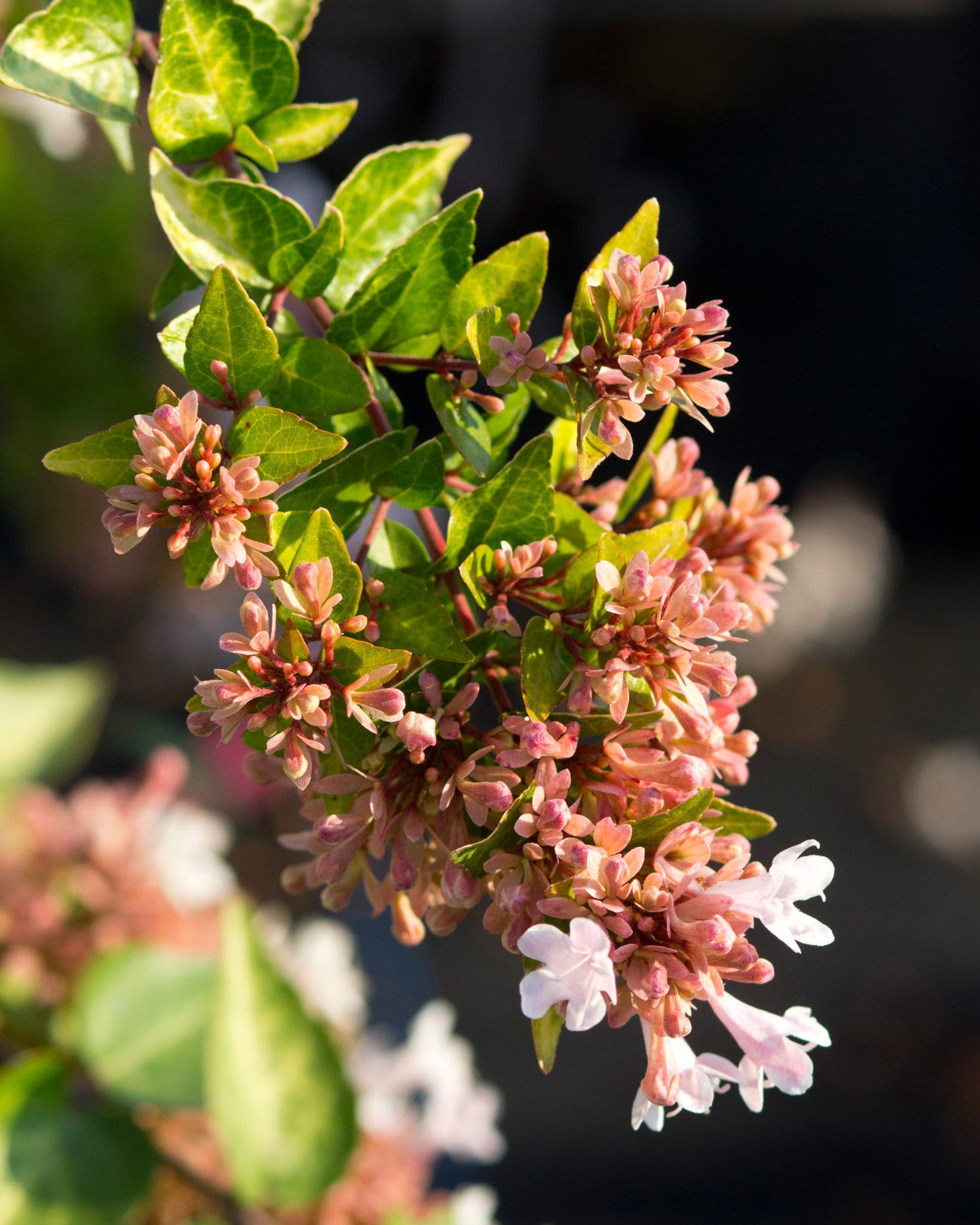
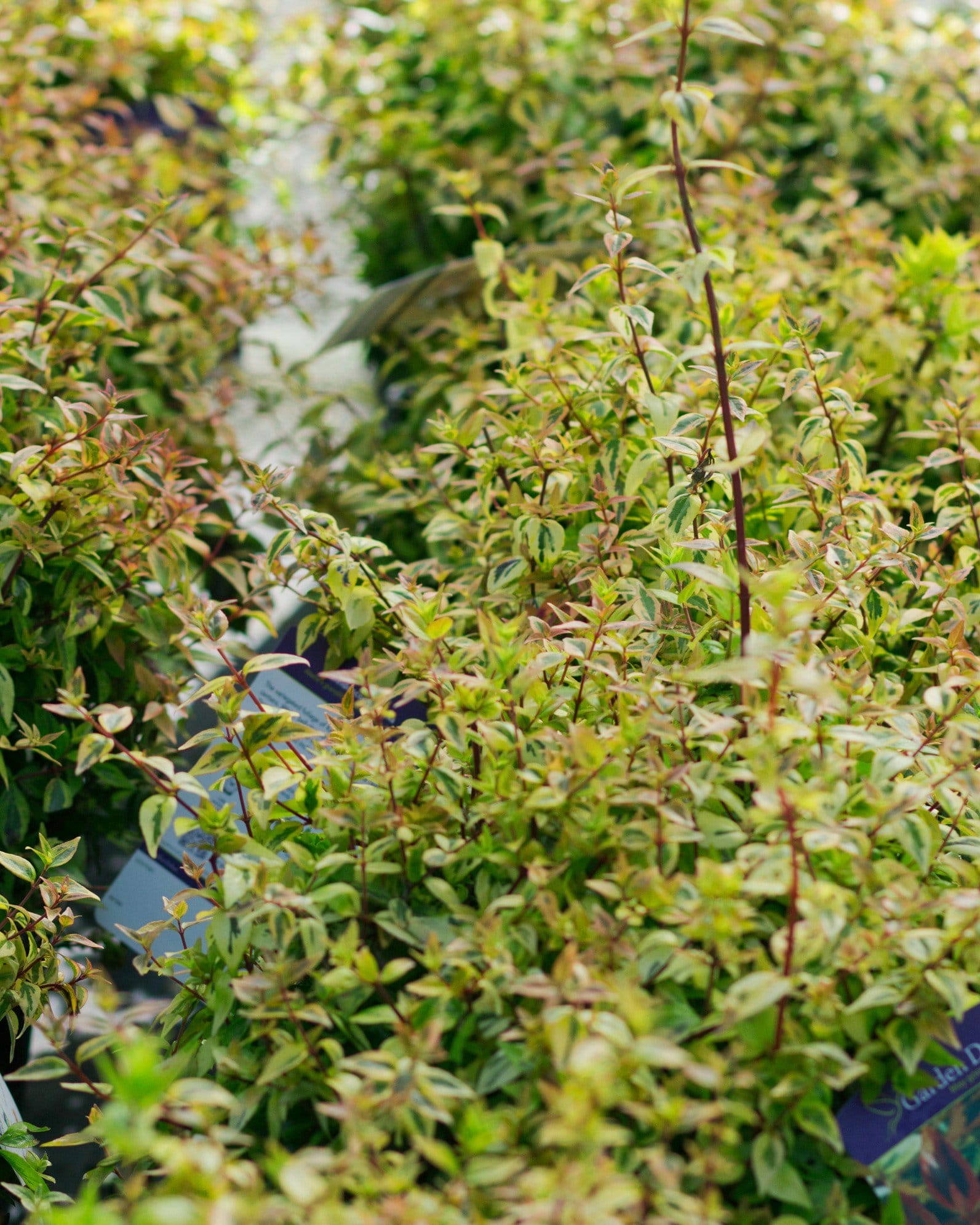
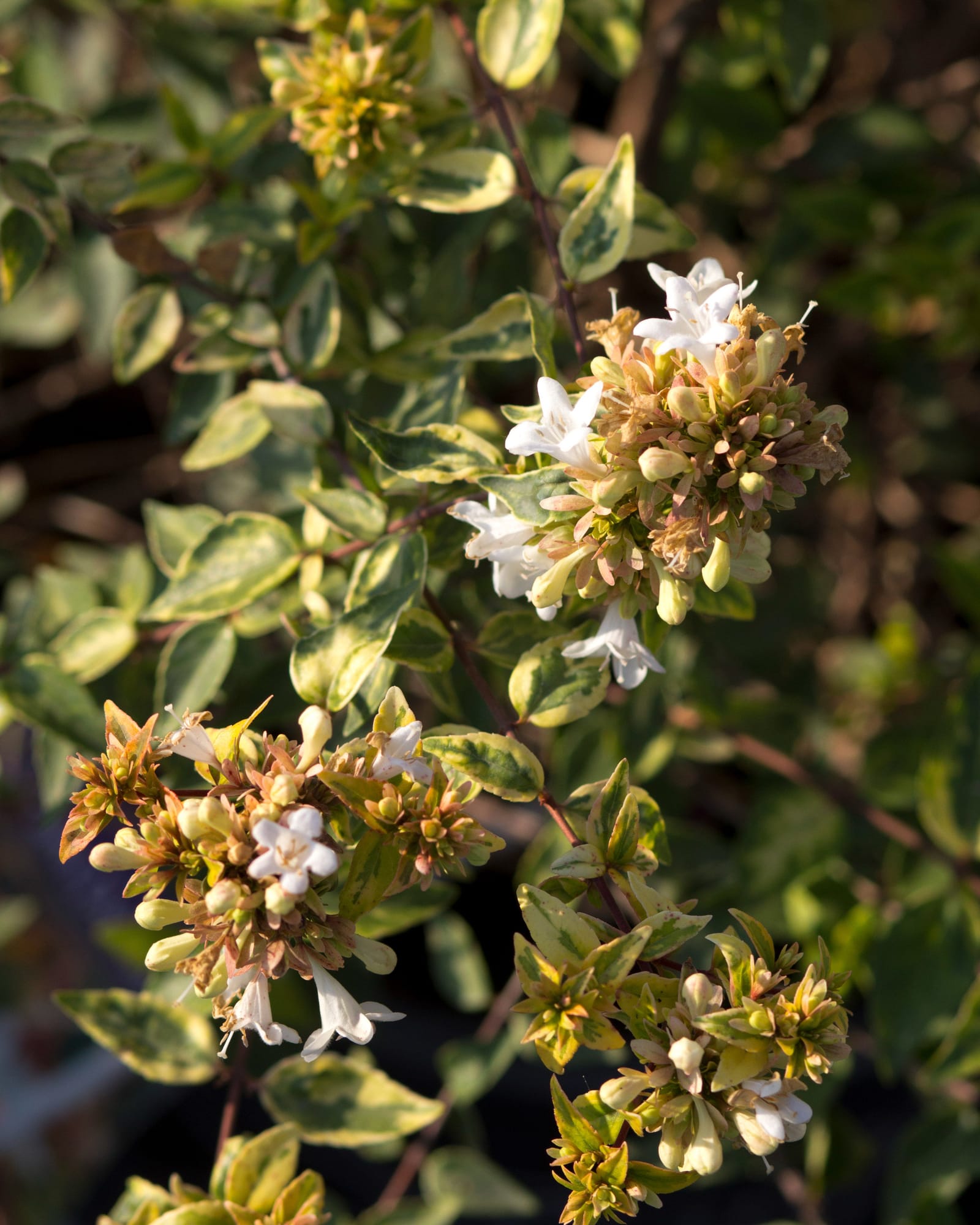
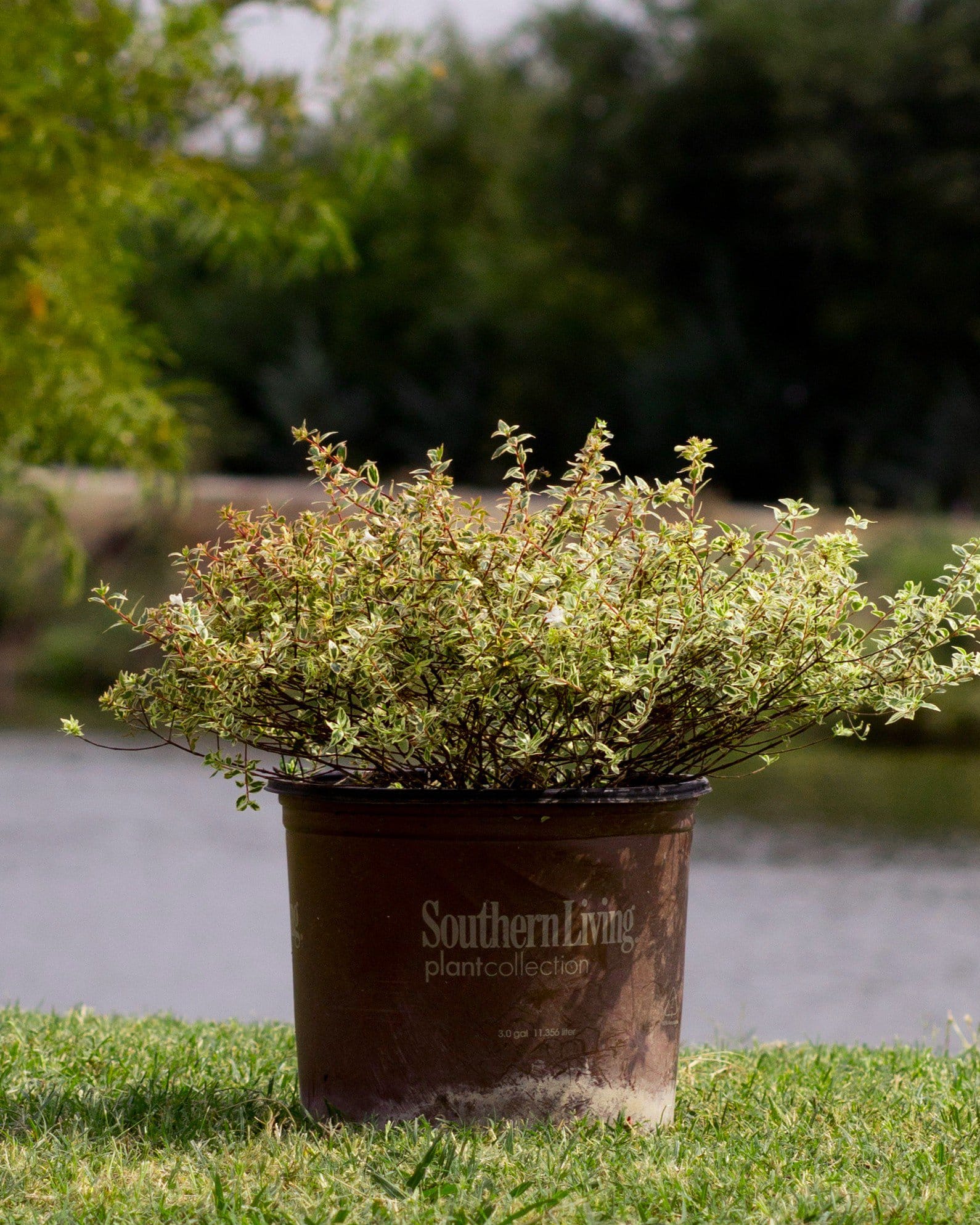
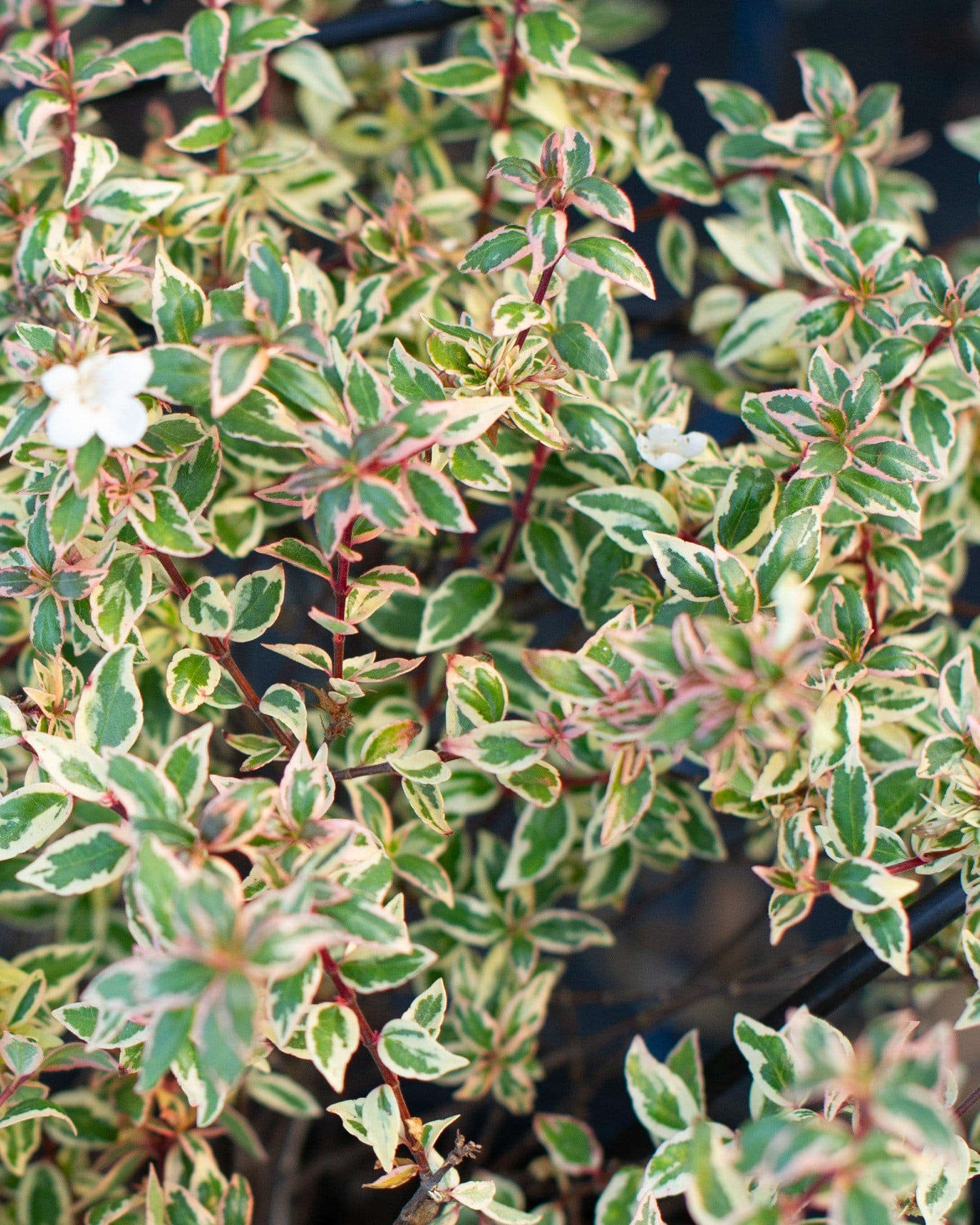
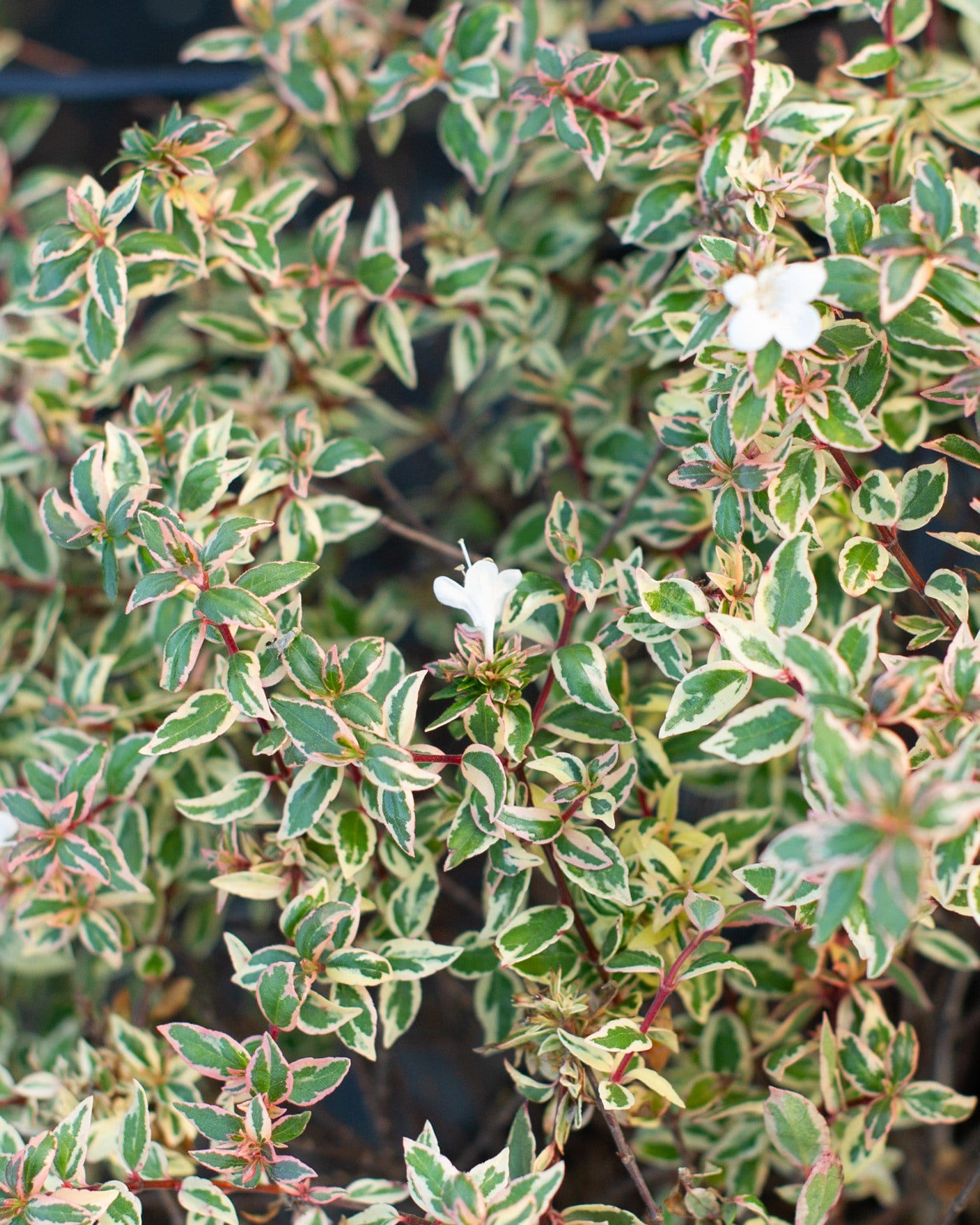
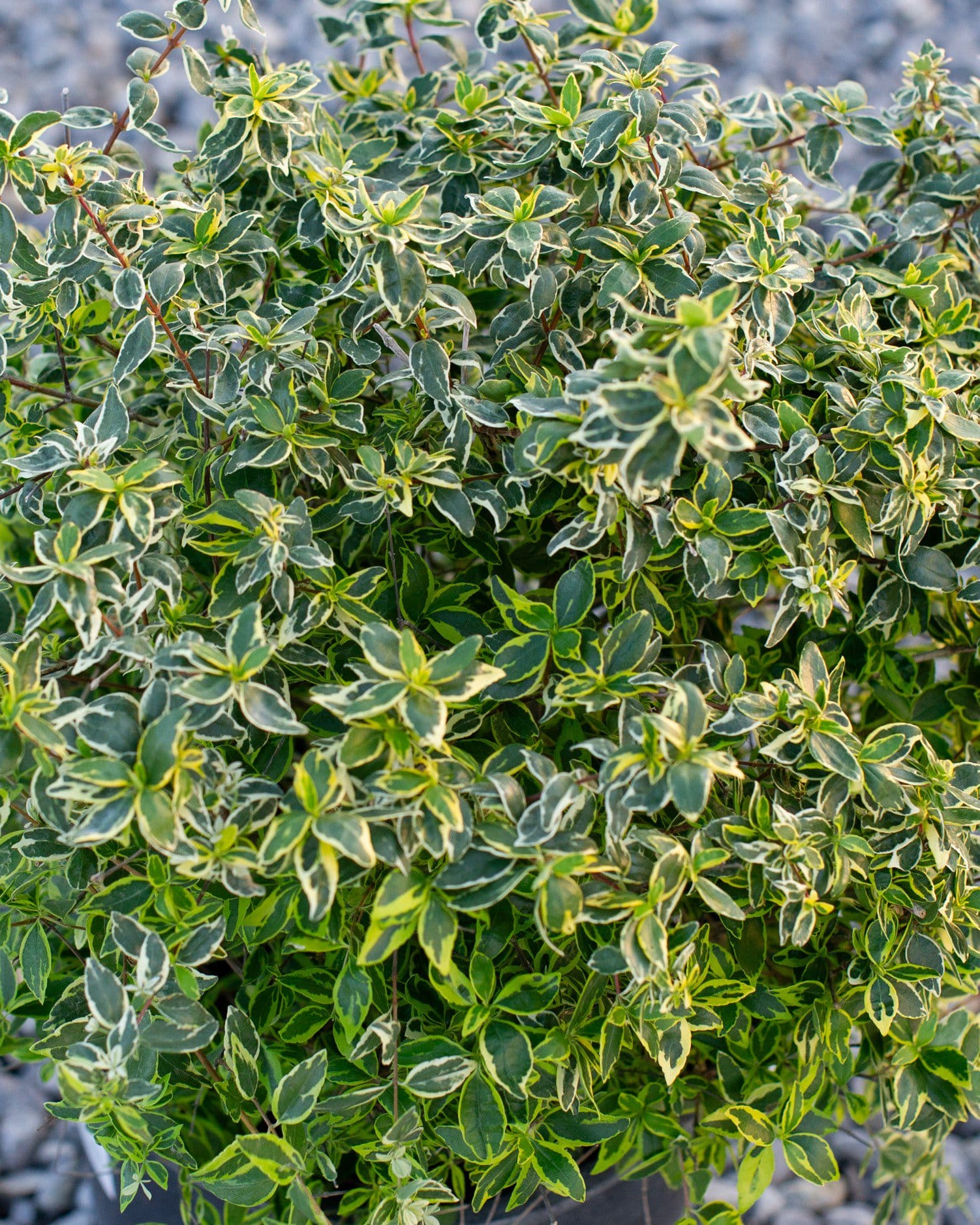
Abelia × grandiflora ‘Edward Goucher’Edward Goucher Abelia is a graceful semi-evergreen shrub prized for its arching branches and abundance of delicate lilac flowers. It grows 4 feet in both height and width, forming a rounded shape that works beautifully in borders, foundation plantings, or as a low hedge. Its blooms appear from summer through fall, attracting pollinators and providing seasonal interest
- Semi-evergreen shrub
- Moderate growth rate with a naturally rounded, arching habit
- Soft lilac flowers from summer through fall
- Excellent choice for landscapes, borders, or even as a hedge
- Attracts pollinators
Edward Goucher Abelia prefers full sun to partial shade and well-drained soil. Once it matures, it’s tolerant to heat and short periods of drought. Hardy in USDA zones 6 through 9, it’s a great choice for Texas landscapes. To keep this plant's beauty lasting, trim as necessary. This will help encourage new growth and maintain its shape.
Once established, Edward Goucher Abelia delivers long-lasting beauty with minimal effort. Here’s everything you need to know to help it thrive:
- Watering: Water deeply during the first few growing seasons to establish a strong, resilient root system. Mature plants handle dry periods well, though consistent moisture supports fuller growth and more abundant flowering.
- Pruning: Prune in late winter or early spring to remove older wood and maintain a balanced, flowing shape. Edward Goucher responds well to renewal pruning, quickly producing fresh growth that carries flowers.
- Fertilizing: Apply a balanced, slow-release fertilizer in early spring to support steady growth and flower production. Occasional compost topdressing improves soil structure and overall plant health.
- Mulching: Maintain a 2-3 inch mulch layer around the root zone to conserve moisture and suppress weeds. Keep mulch pulled back from the stems to prevent moisture-related issues.
- Winter Care: Edward Goucher performs reliably through Texas winters, though light leaf drop or tip dieback may occur during colder spells. Any winter damage can be cleaned up in early spring, with new growth filling in quickly.
Edward Goucher Abelia is generally problem-free, though minor issues may occasionally appear:
- Leaf Spot: Brown or dark spotting may occur during extended wet conditions. Improving airflow and removing affected foliage helps prevent recurrence.
- Aphids: Curled new growth or sticky residue may indicate aphid activity. A strong water spray or insecticidal soap typically resolves the issue.
- Scale Insects: Small raised bumps on stems or leaves signal scale presence. Dormant-season horticultural oil effectively reduces populations.
- Powdery Mildew: A light white coating may appear in crowded plantings. Thinning surrounding vegetation improves airflow and limits outbreaks.
- Twig Dieback: Minor dieback may follow winter cold snaps. Prune back to healthy wood in early spring to restore form.
- Chlorosis: Yellowing leaves with green veins suggest nutrient imbalance. Light fertilization or soil amendment corrects the problem.
Edward Goucher Abelia commonly lives 20-30 years in well-maintained landscapes. Its durability makes it a reliable long-term shrub for borders and foundation plantings.
It grows at a moderate pace, filling in steadily without becoming unruly. Most plants reach a mature, graceful form within 3 to 4 growing seasons.
Yes - its lavender-pink flowers are highly attractive to bees, butterflies, and other beneficial insects. The long flowering window makes it especially valuable in pollinator-friendly gardens.
It is generally avoided by deer and rabbits due to its aromatic foliage. Browsing issues are uncommon even in areas with moderate wildlife pressure.
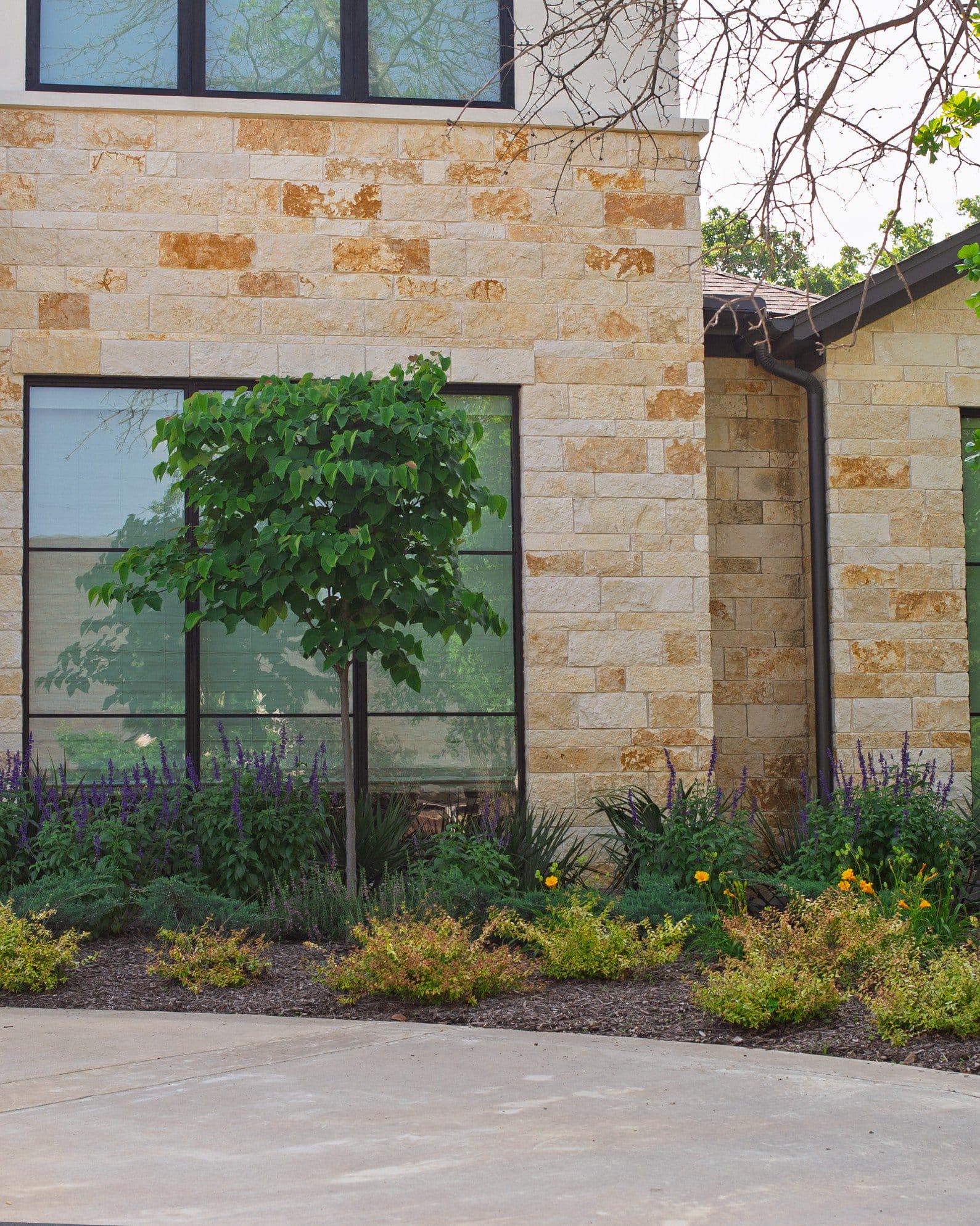
It fits beautifully in mixed shrub borders, cottage gardens, pollinator landscapes, foundation plantings, and naturalistic designs. Its soft arching habit adds movement and elegance to planting compositions.
Ornamental grasses, salvias, lantana, coneflowers, nandina, loropetalum, and evergreen shrubs complement its flower color and flowing form. These pairings provide contrast and extended seasonal interest.
Yes - its blooms carry a noticeable, sweet fragrance that is stronger than many other abelia varieties. The scent is especially pleasant near walkways and seating areas.
It transplants easily when moved in spring or fall and typically rebounds quickly. With consistent moisture after planting, establishment is smooth and reliable.
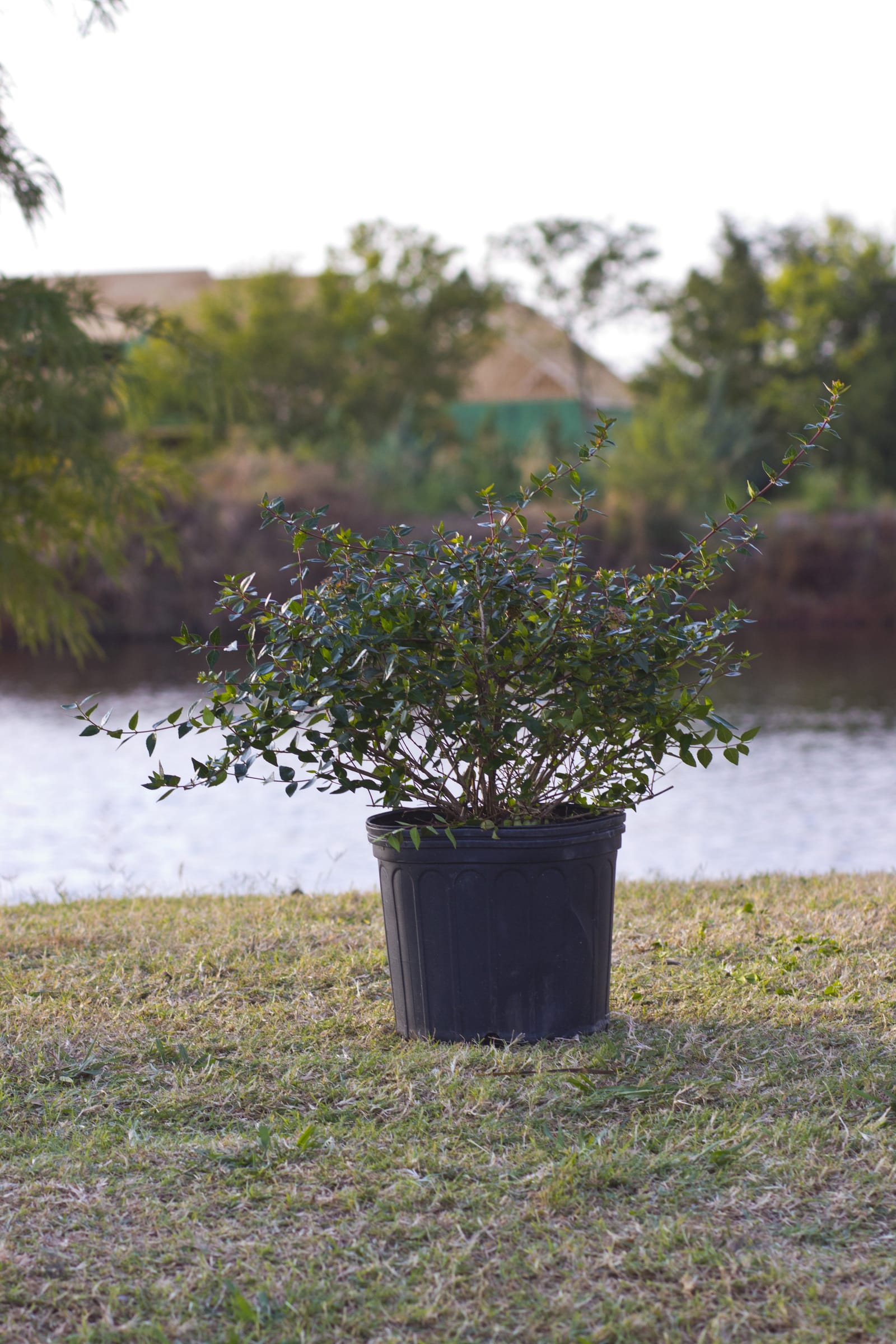
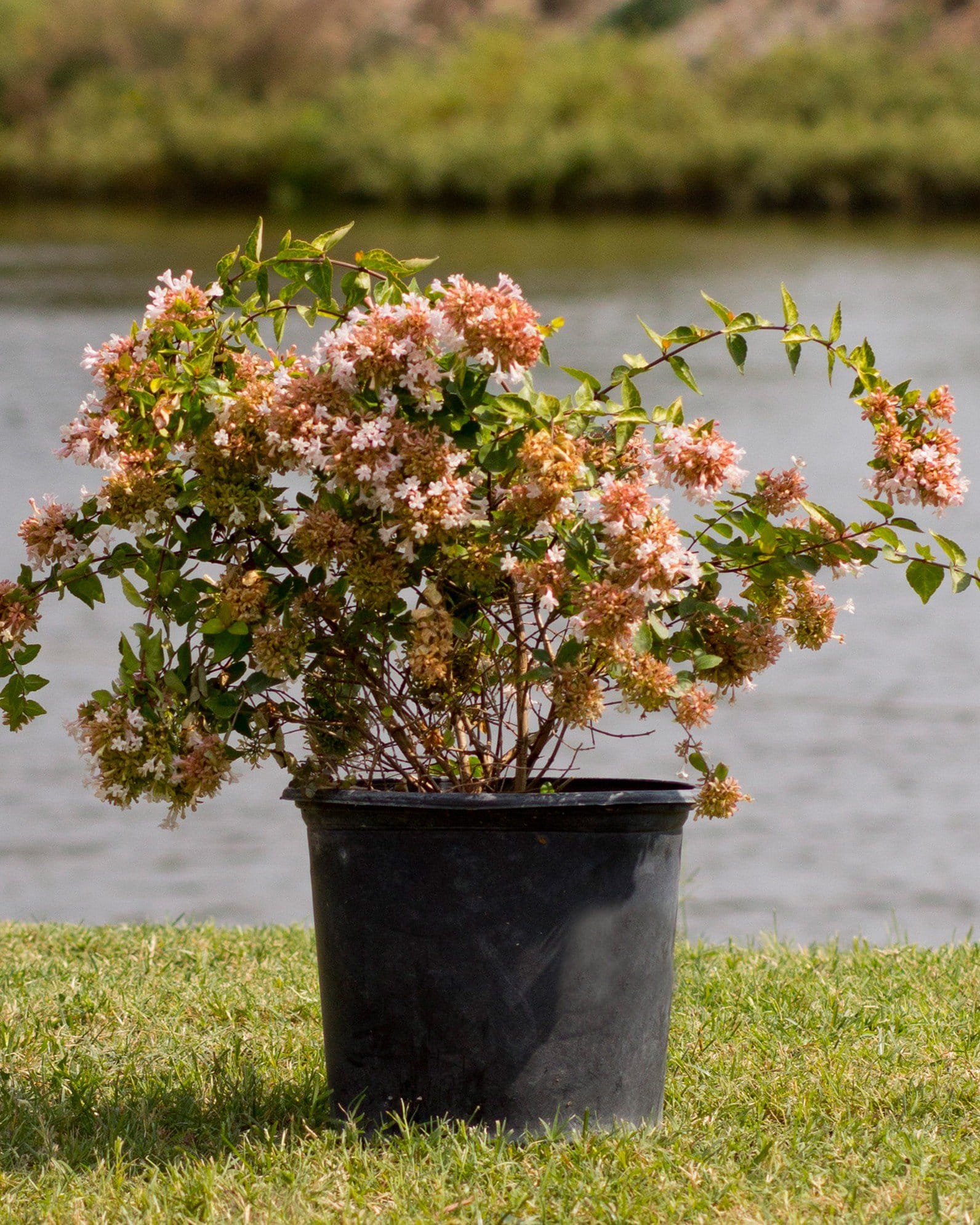
It adapts well to large containers, particularly during its early years. Container planting allows its flowers and fragrance to be enjoyed up close.
Its soft lavender-pink flowers, stronger fragrance, and elegant arching habit distinguish it from many other cultivars. Few abelias combine floral color, scent, and easy care as effectively.
Special Features
You might also like
Glossy Abelia
Maturity: 6' H x 6' W
Canyon Creek Abelia
Maturity: 3' H x 3' W
Kaleidoscope Abelia
Maturity: 2' H x 3' W
Peach Perfection Abelia
Maturity: 3' H x 2' W
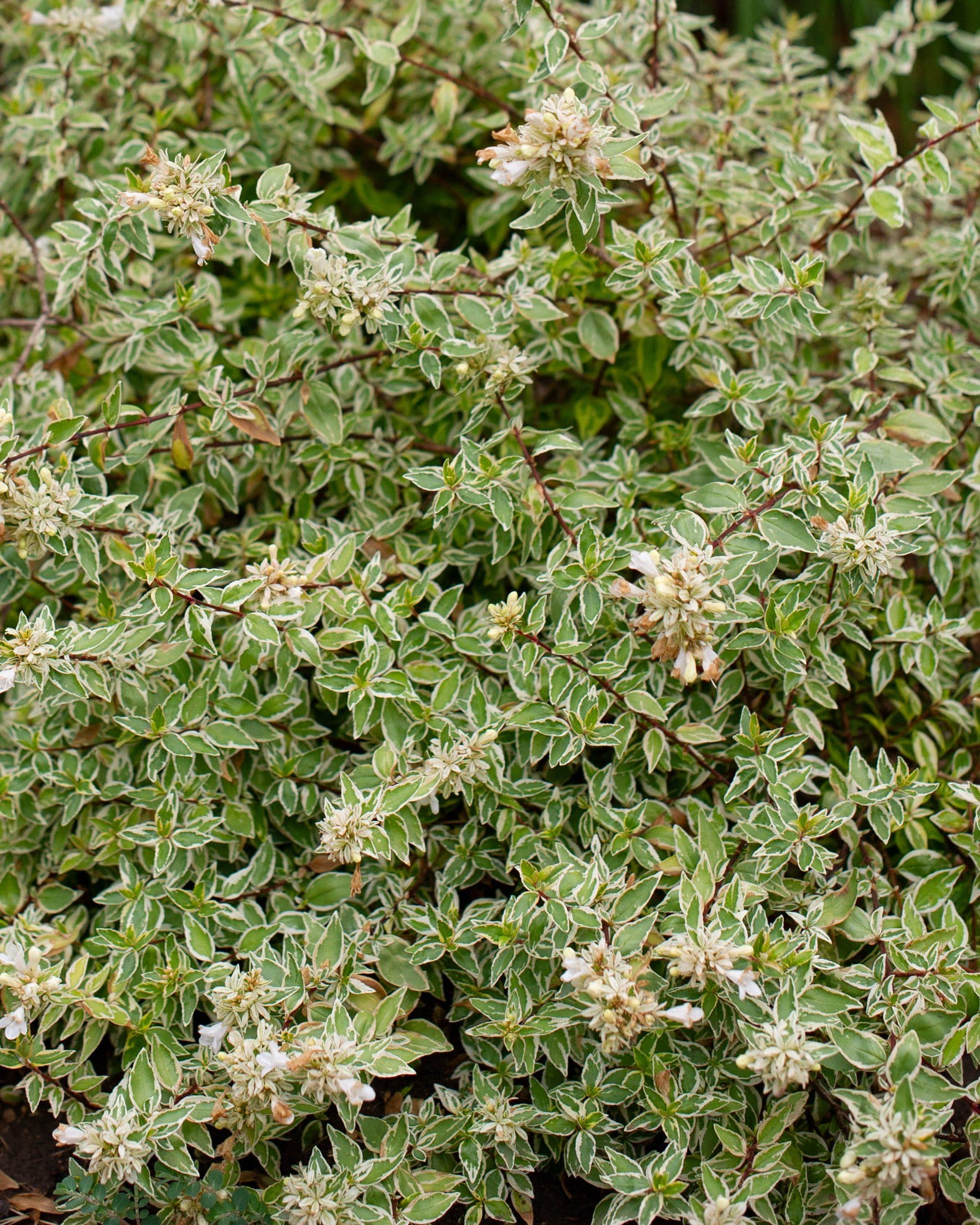
Radiance Abelia
Maturity: 3' H x 3' W
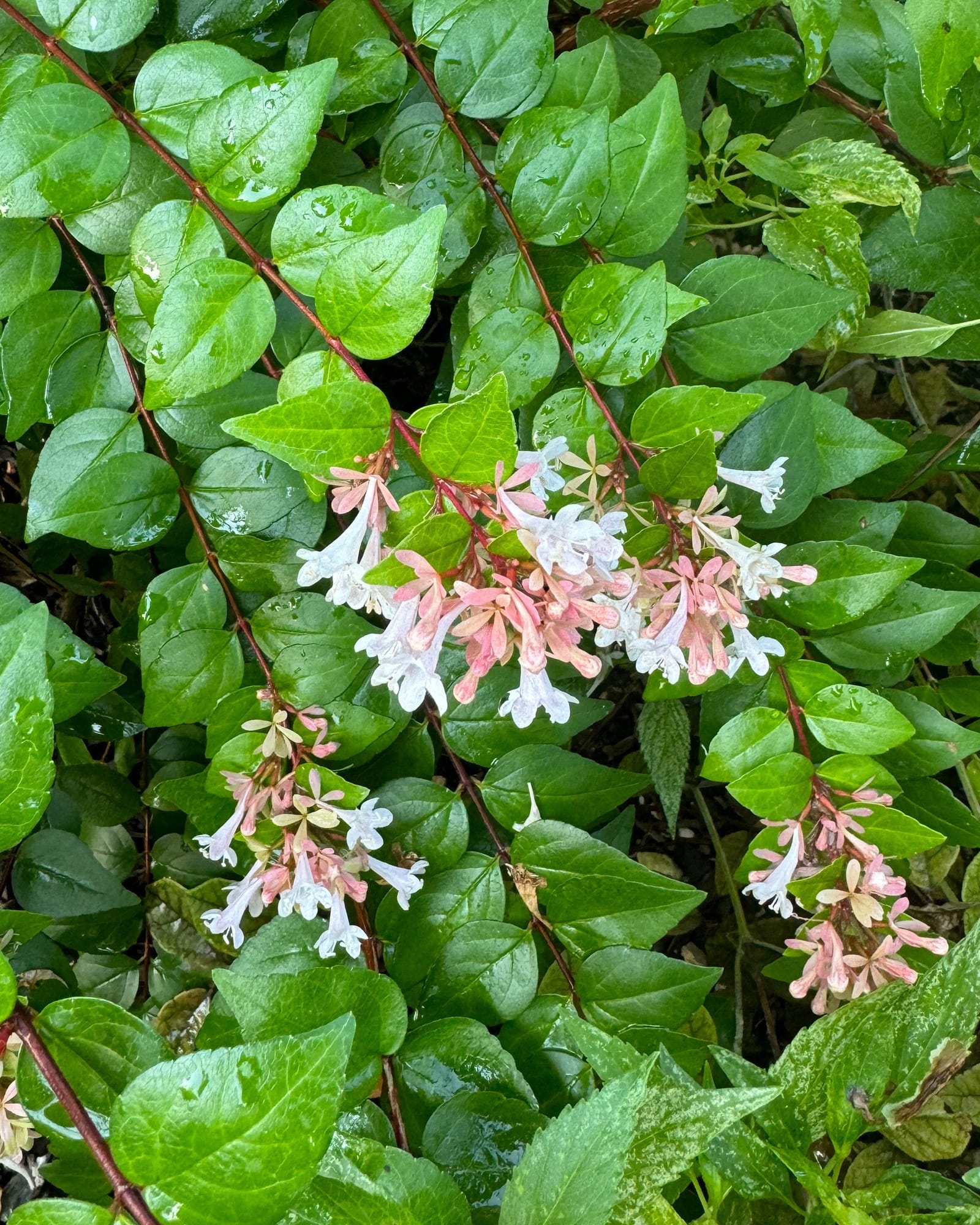
Rose Creek Abelia
Maturity: 2' H x 3' W
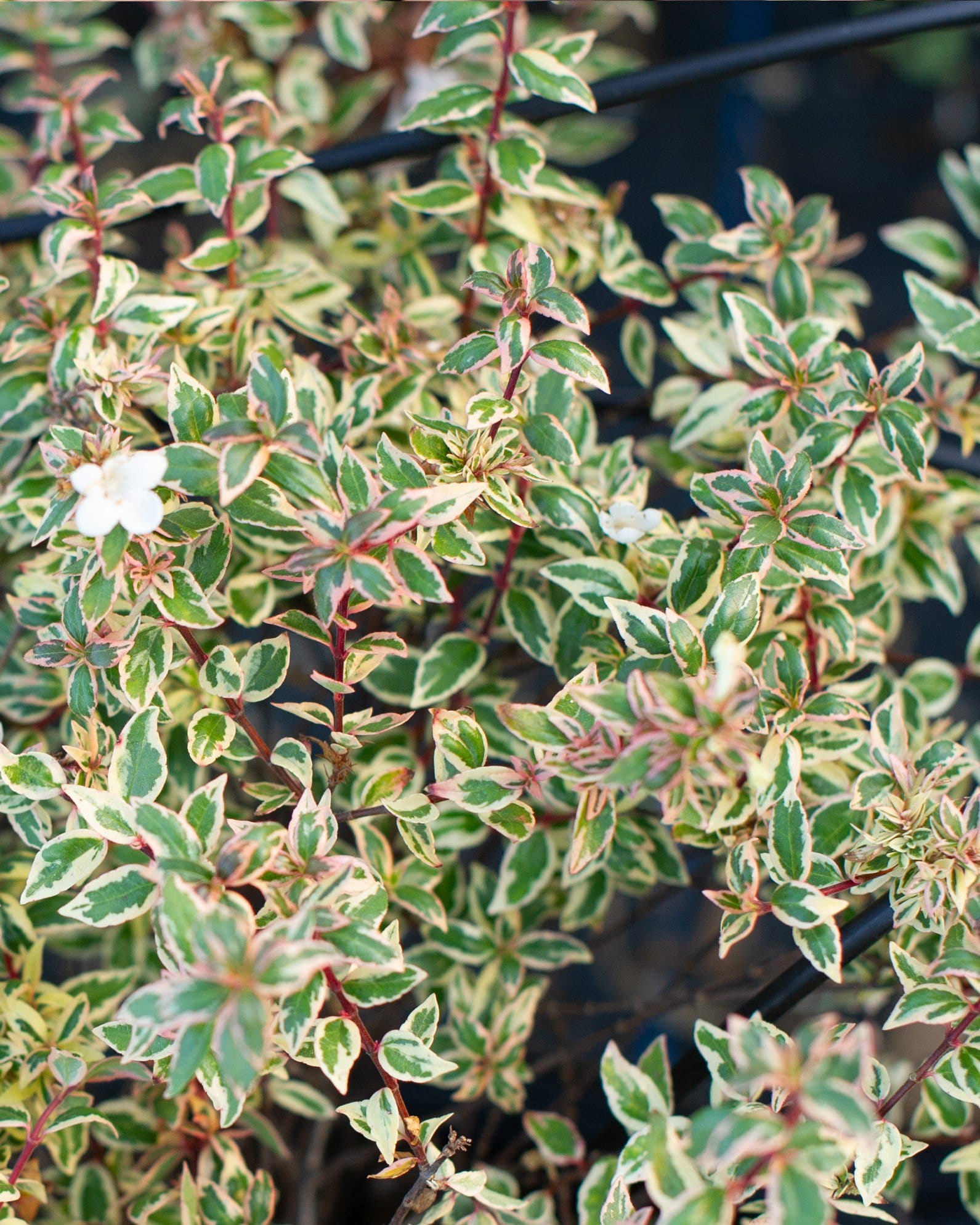
Suntastic Pink Abelia
Maturity: 2' H x 3' W
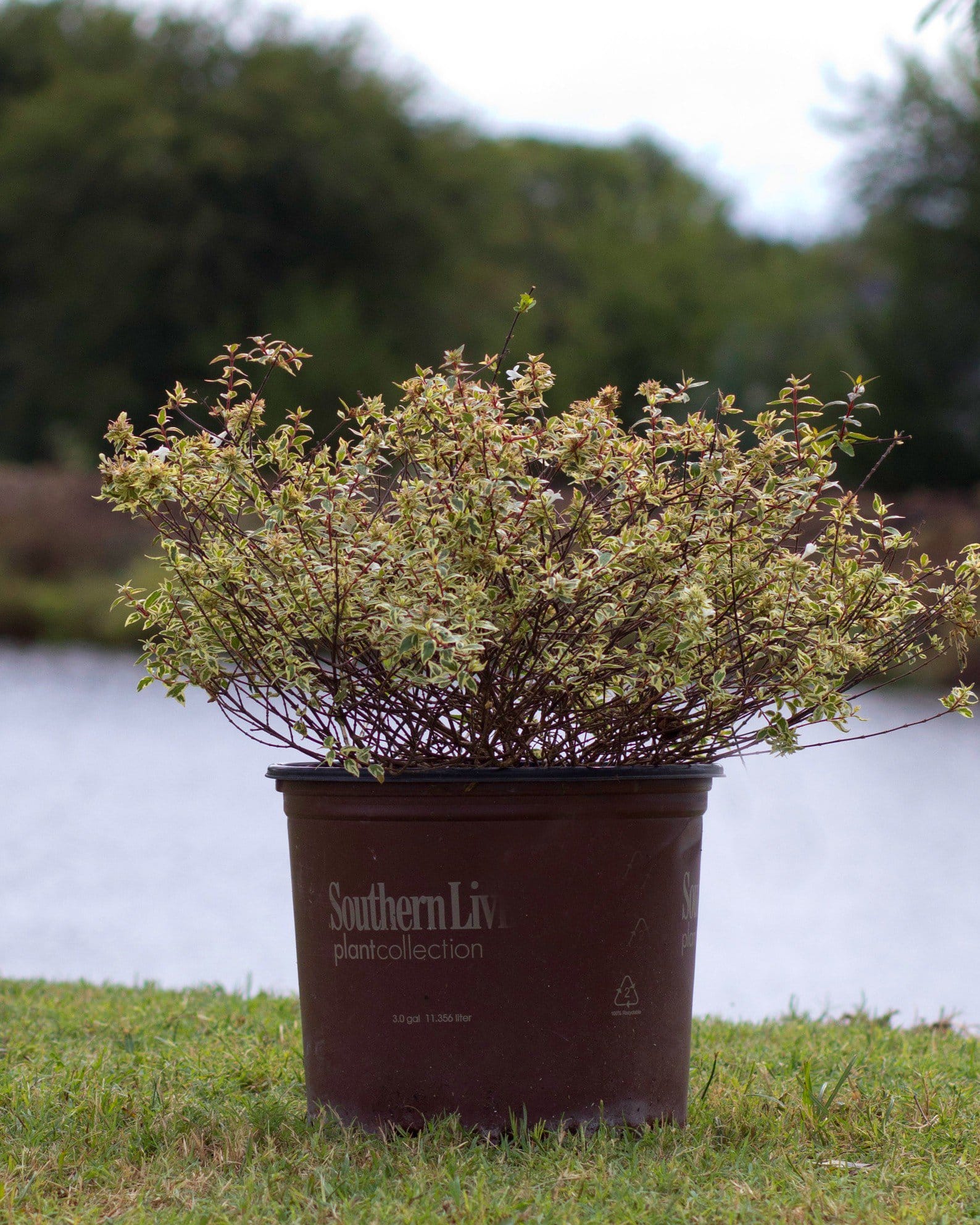
Twist of Lime Abelia
Maturity: 4' H x 4' W
Twist of Orange Abelia
Maturity: 4' H x 4' W
Variegated Privet Ligustrum
Maturity: 6' H x 6' W
August Beauty Gardenia
Maturity: 4' H x 3' W
Frost Proof Gardenia
Maturity: 3' H x 3' W
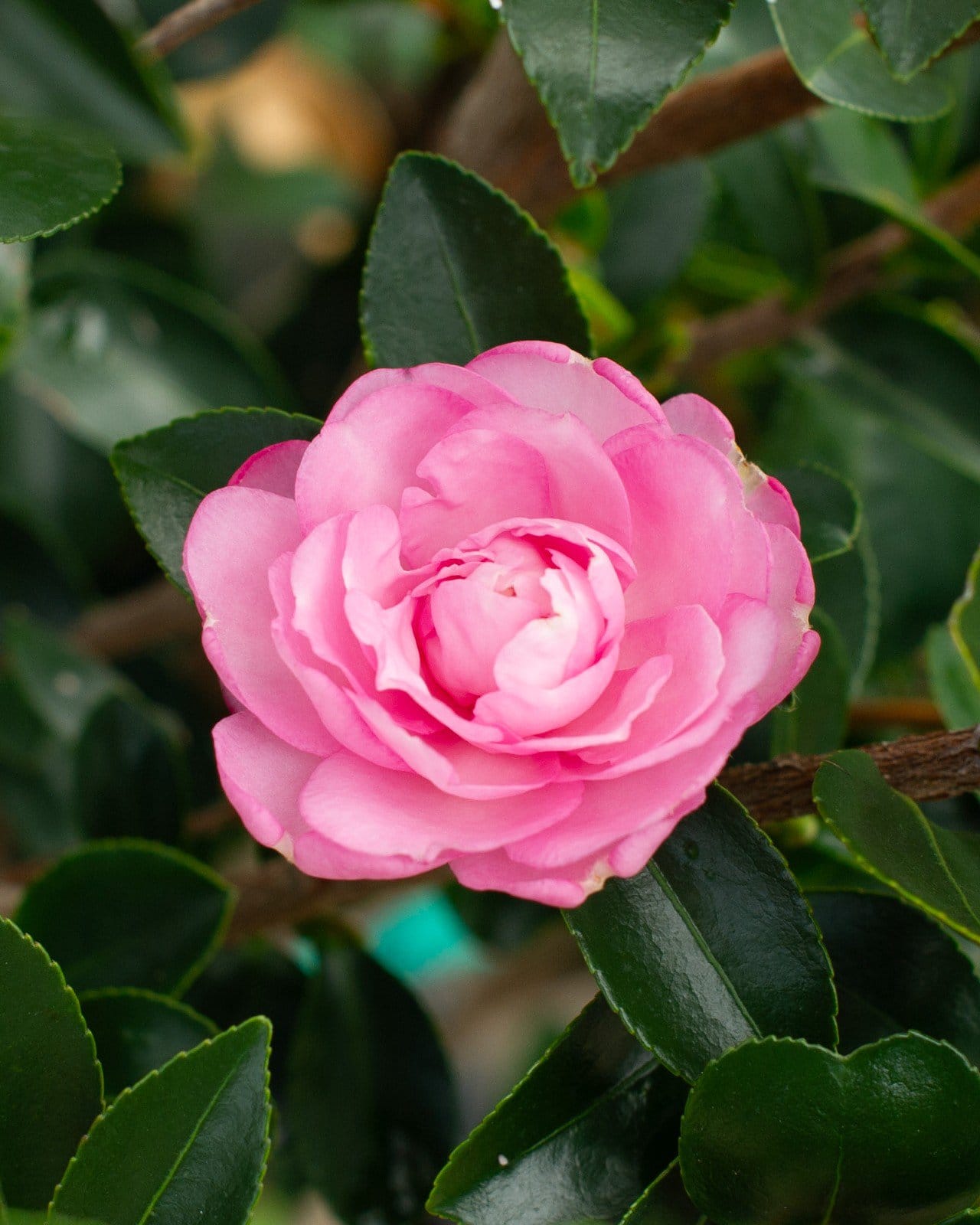
Pink Snow Camellia
Maturity: 8' H x 5' W
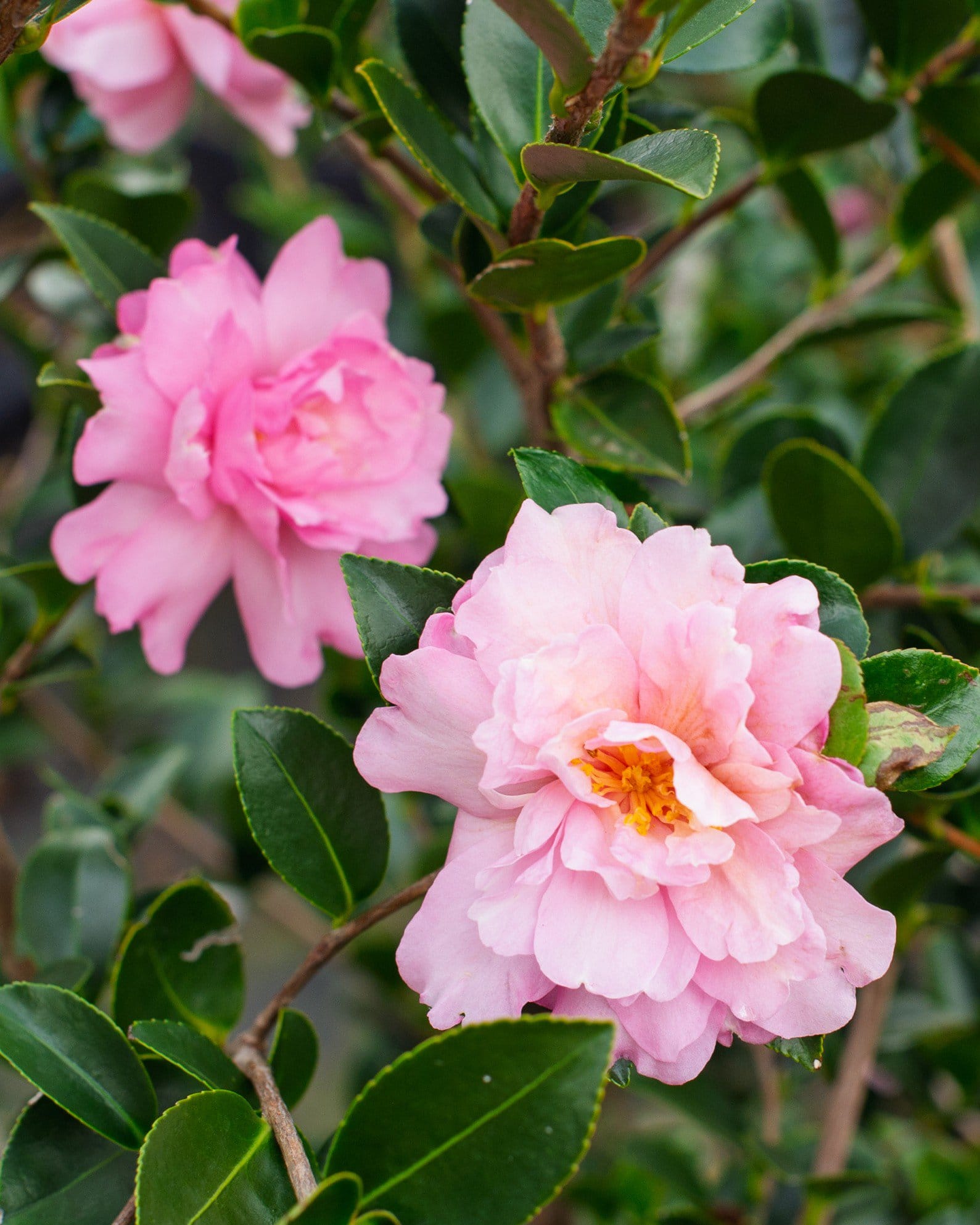
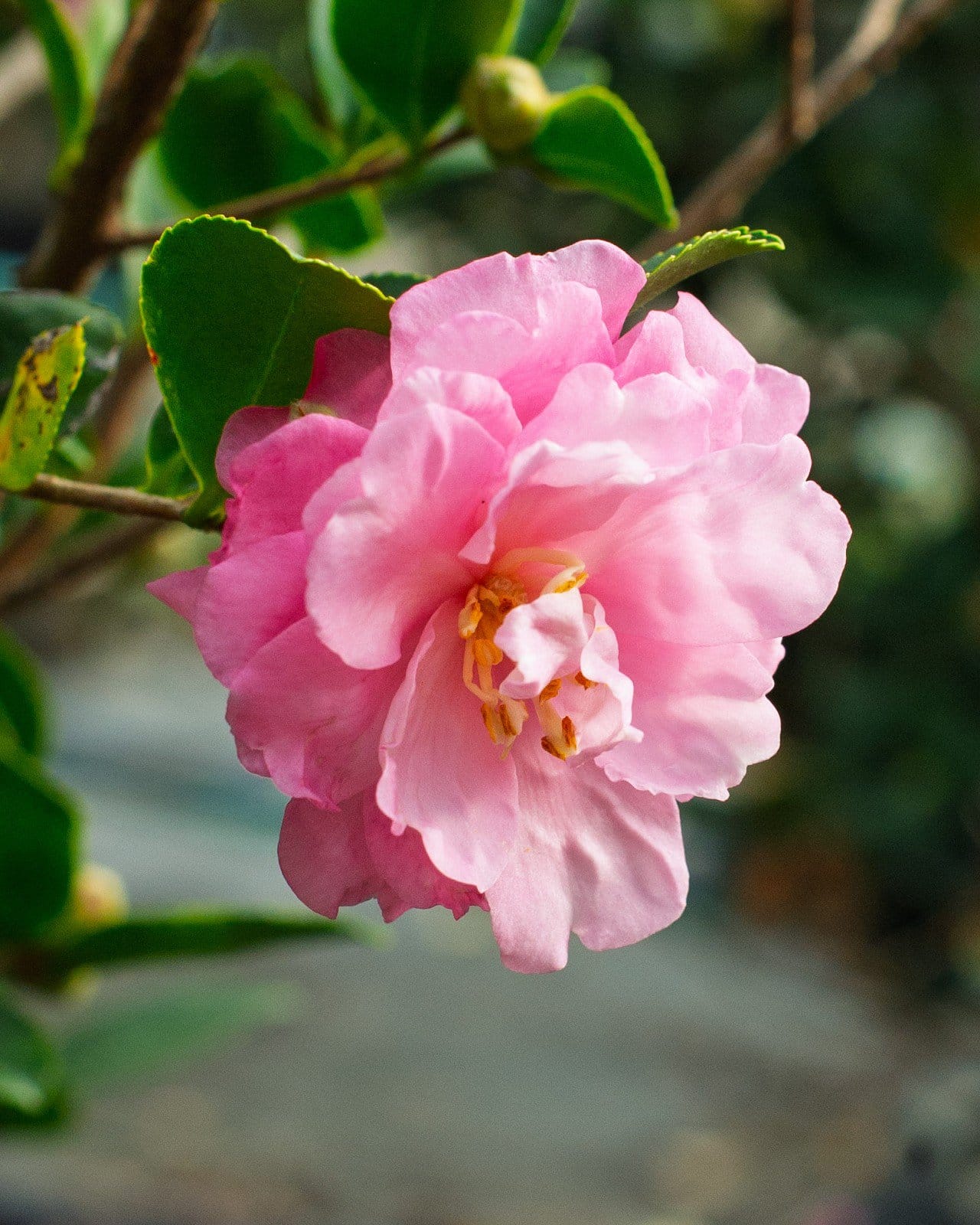
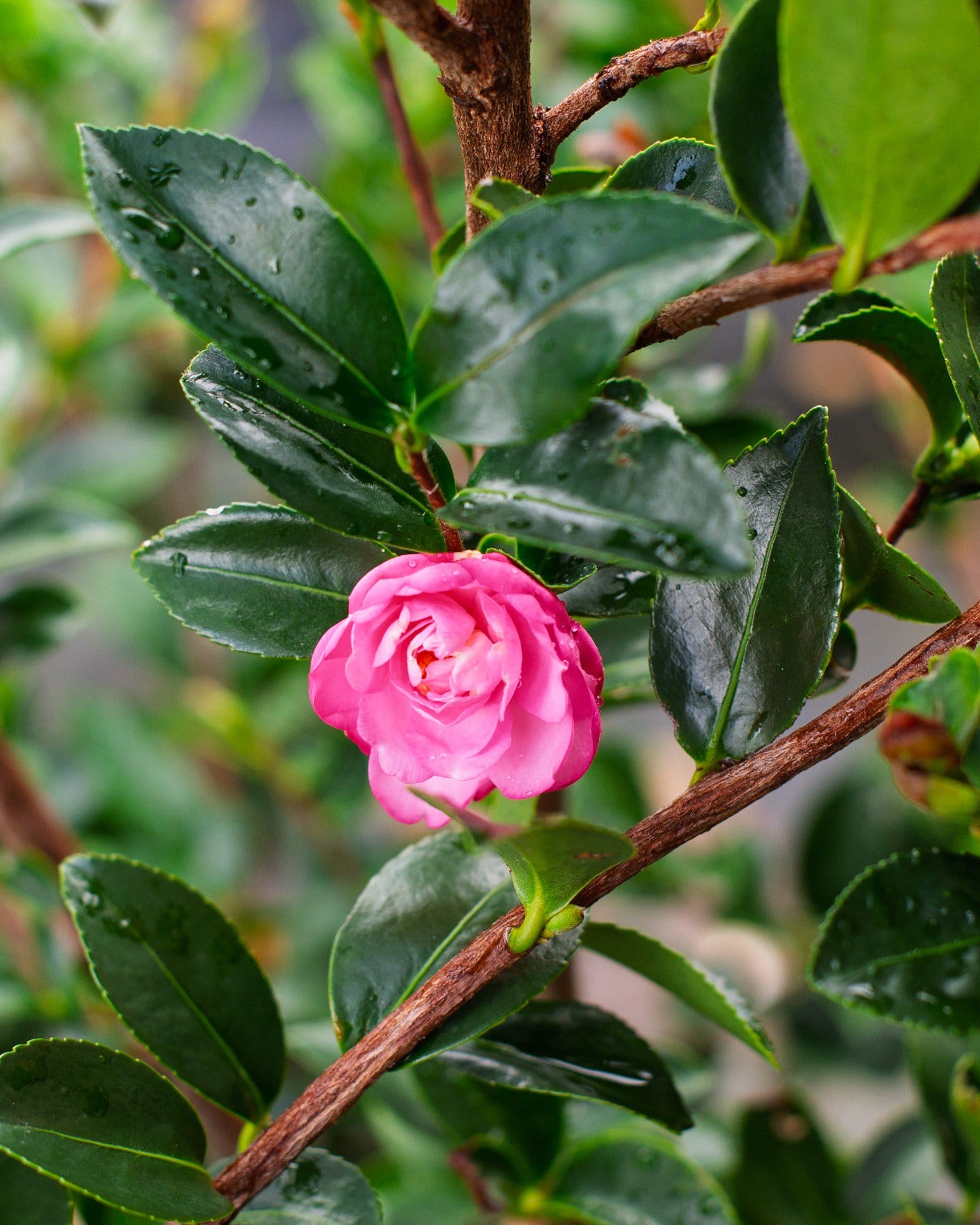
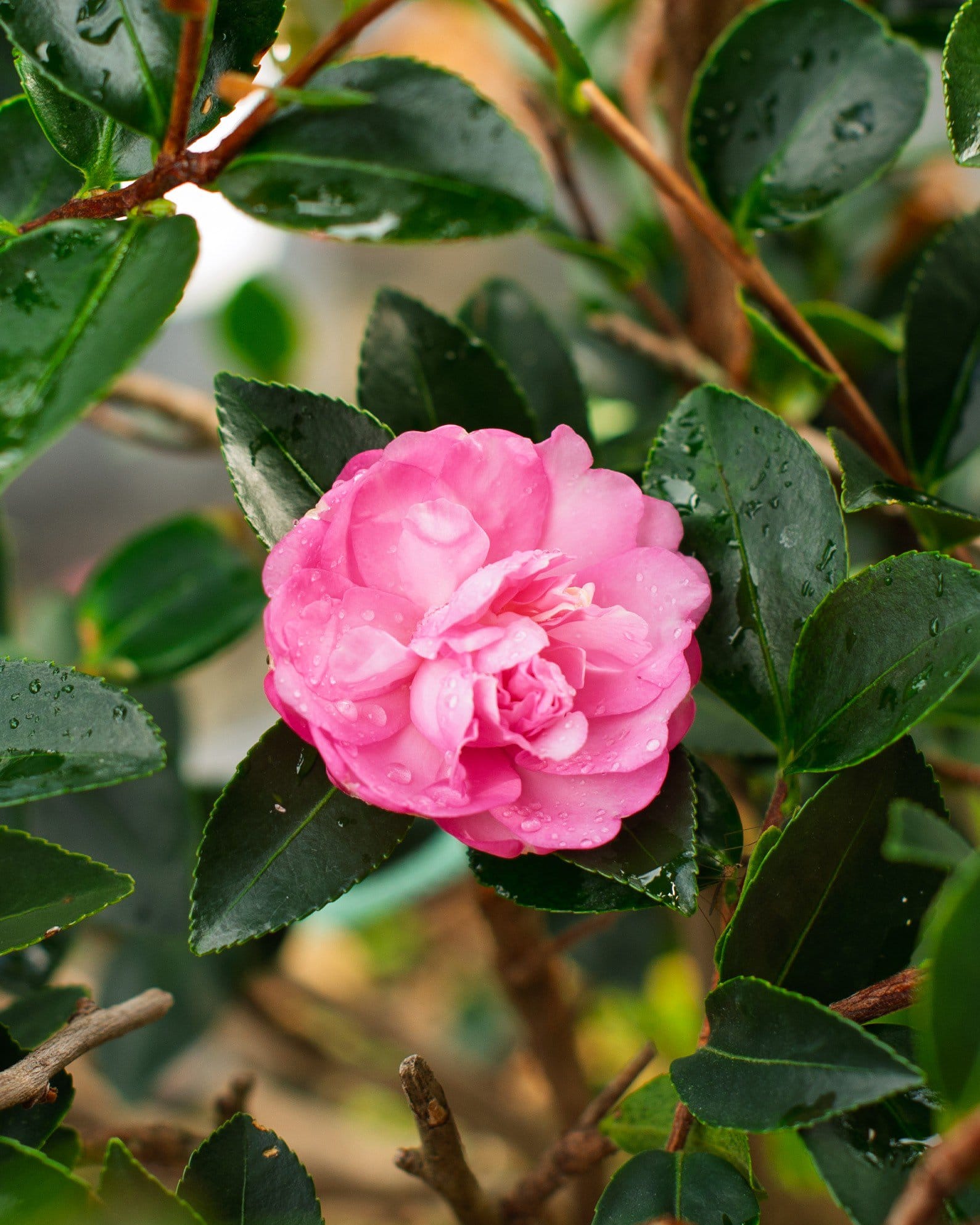
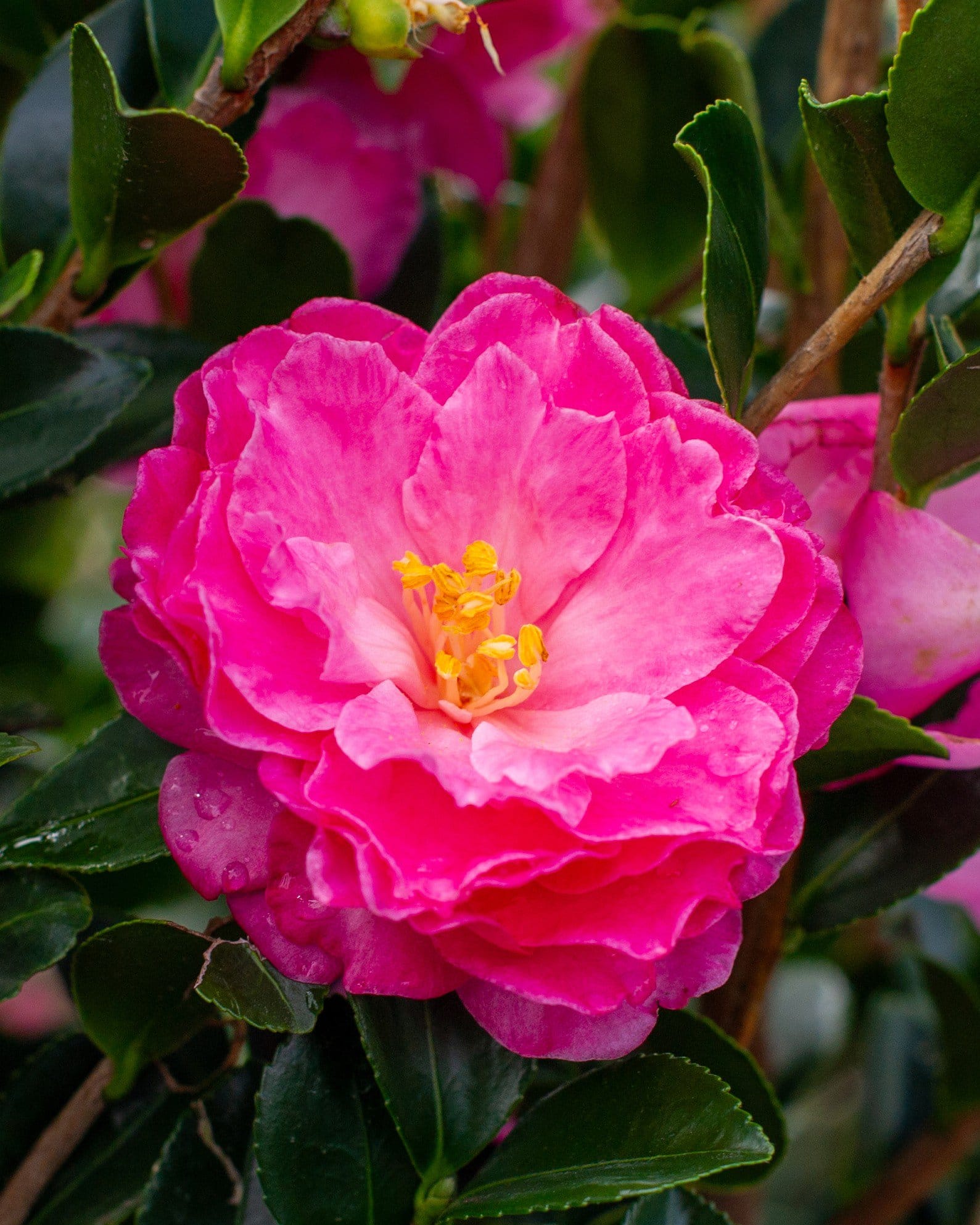
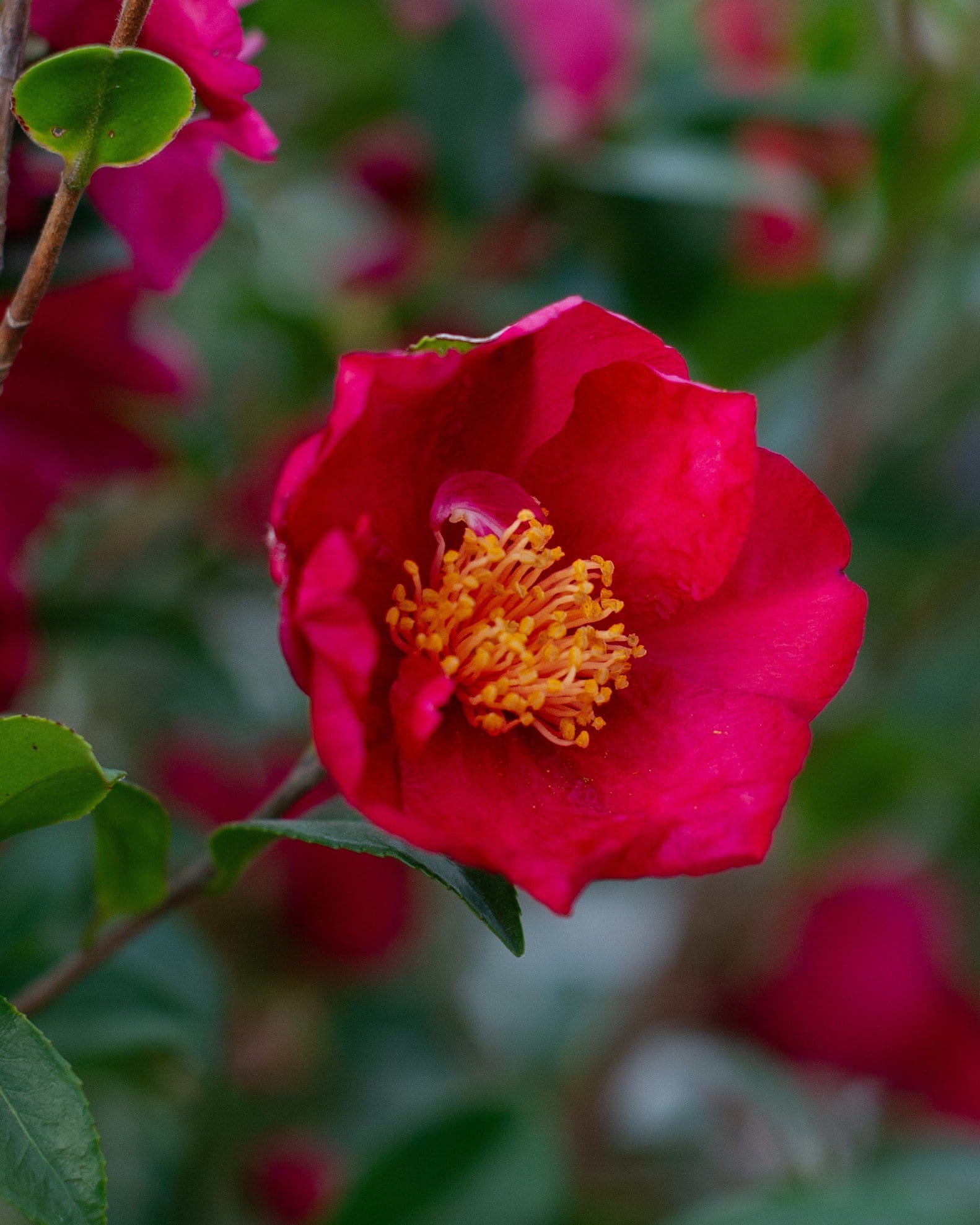
Rose of Autumn Camellia
Maturity: 8' H x 5' W
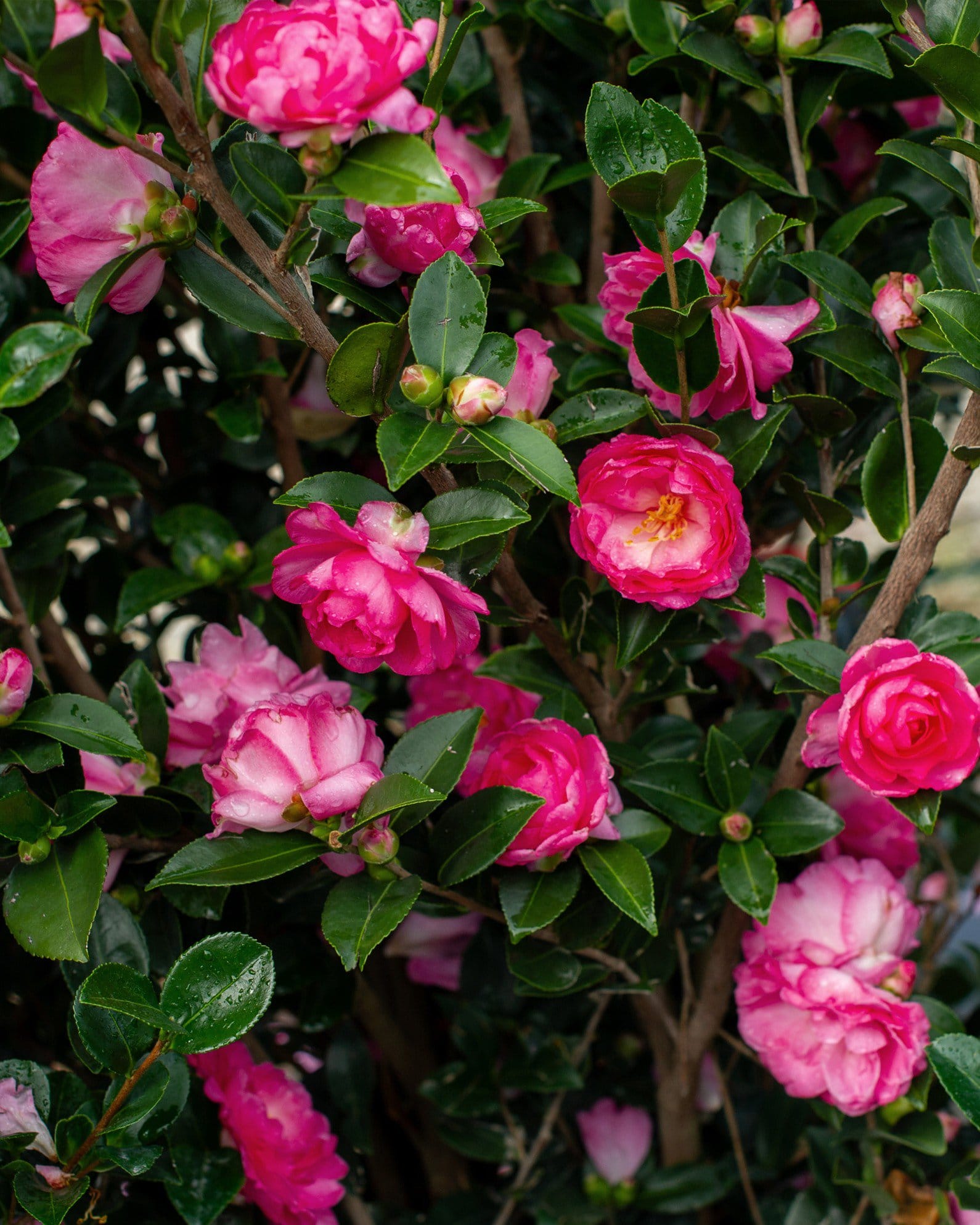
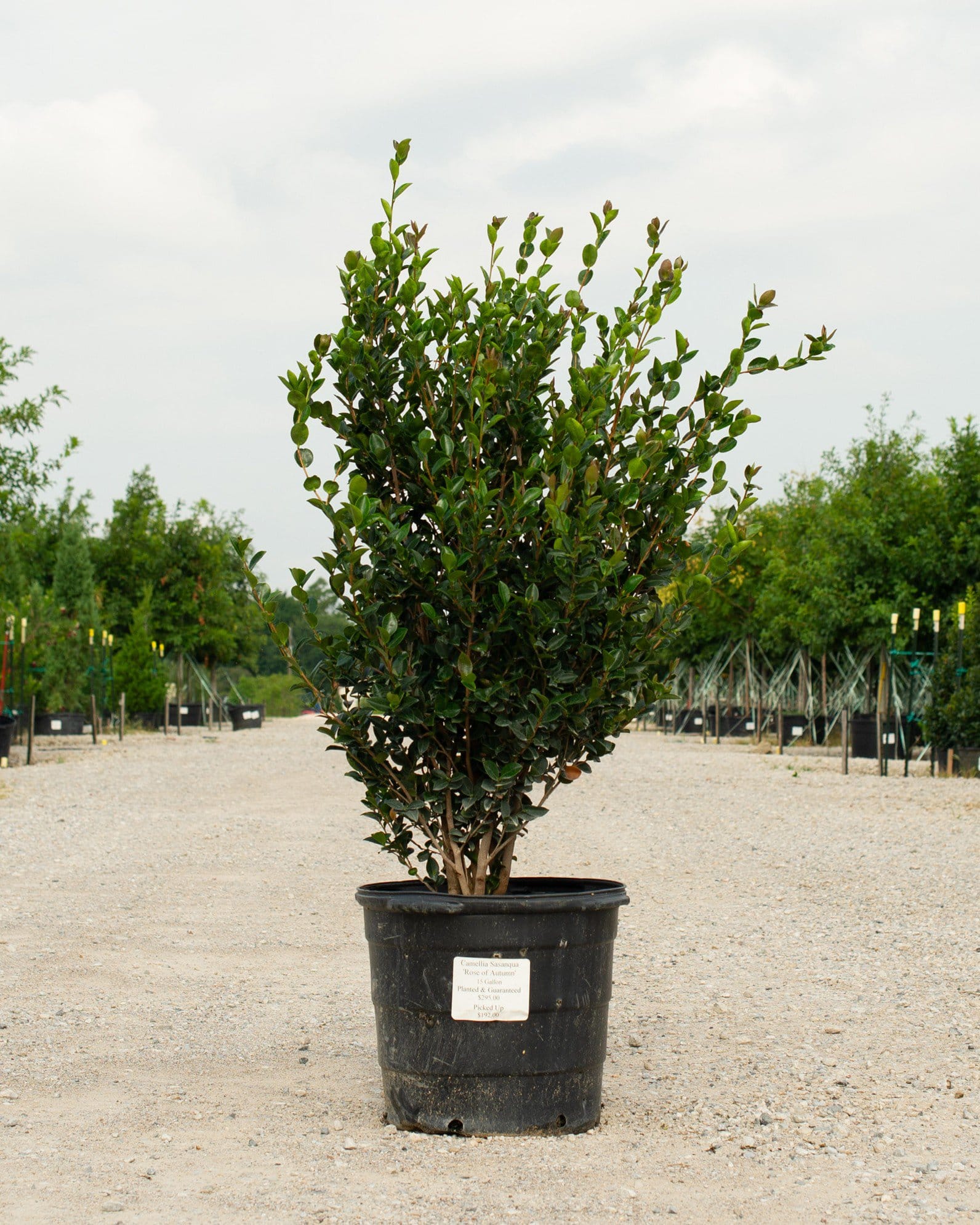
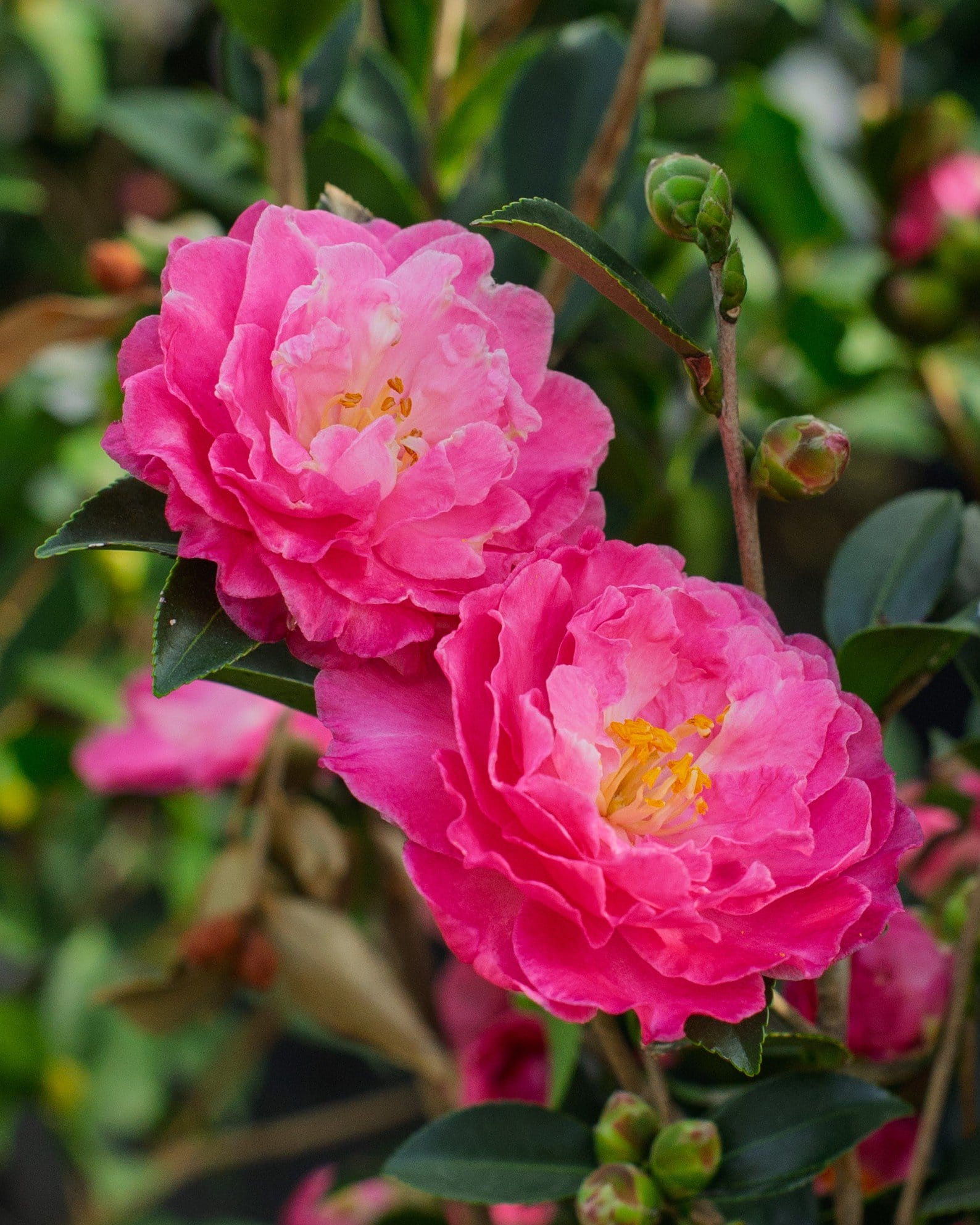
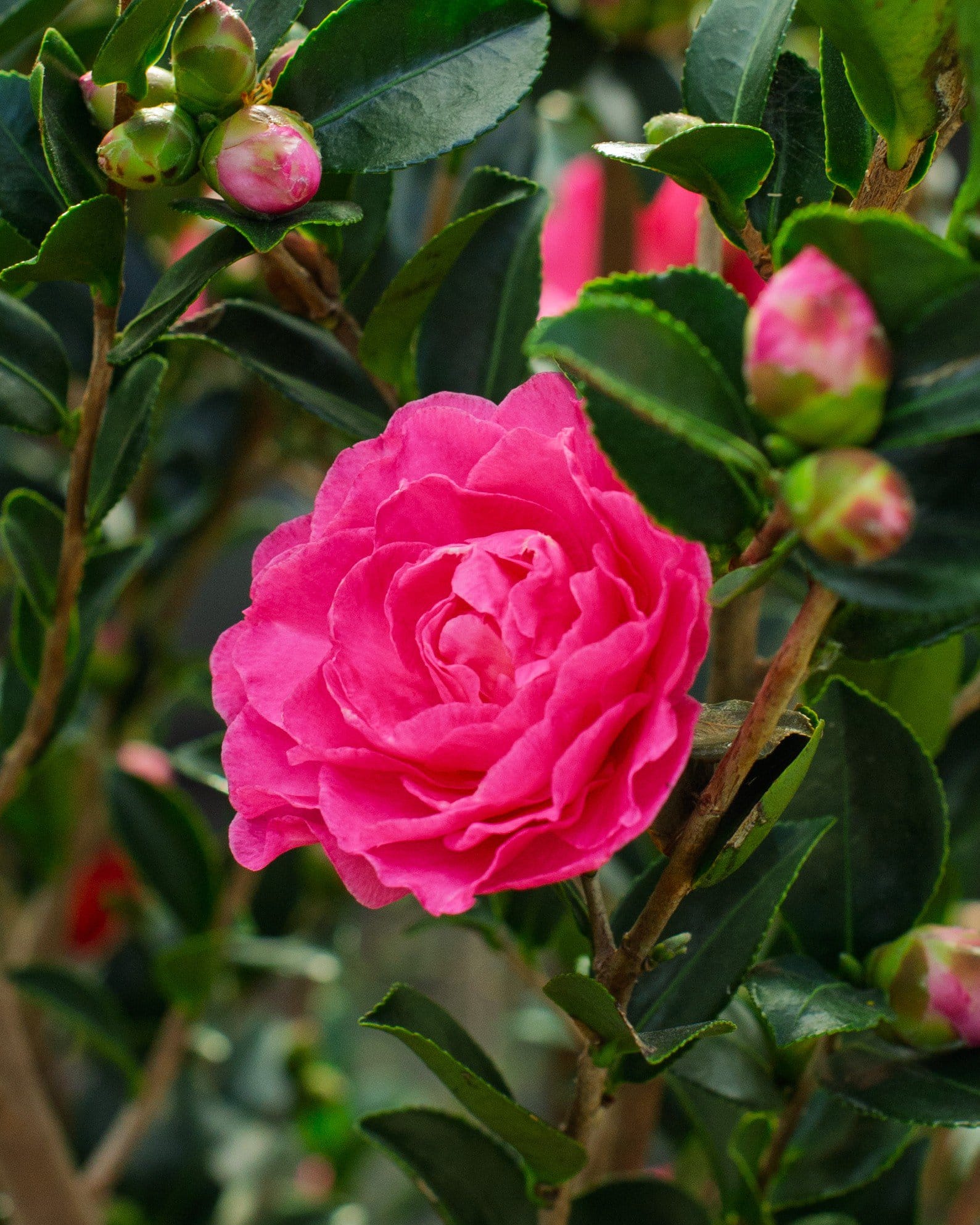
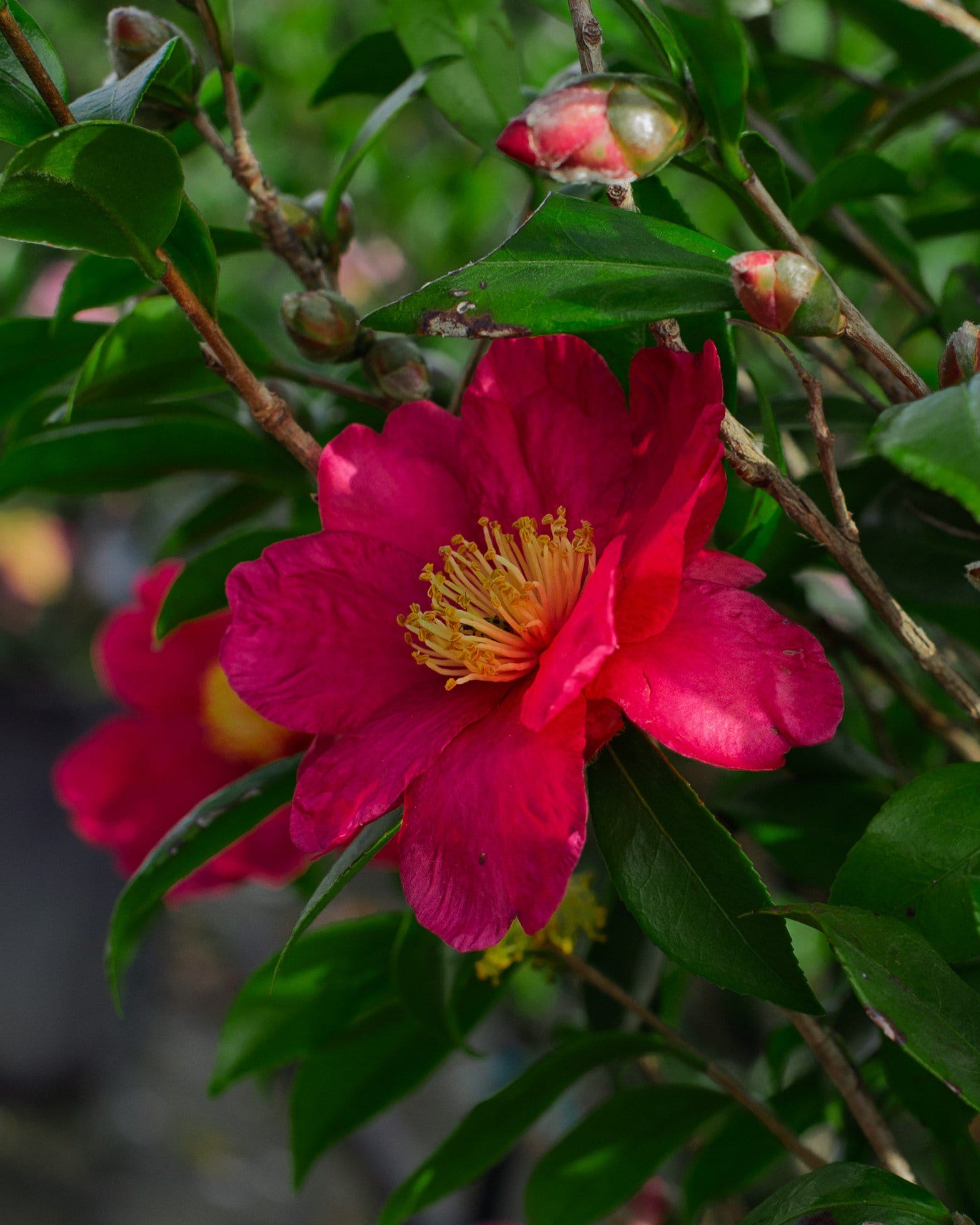
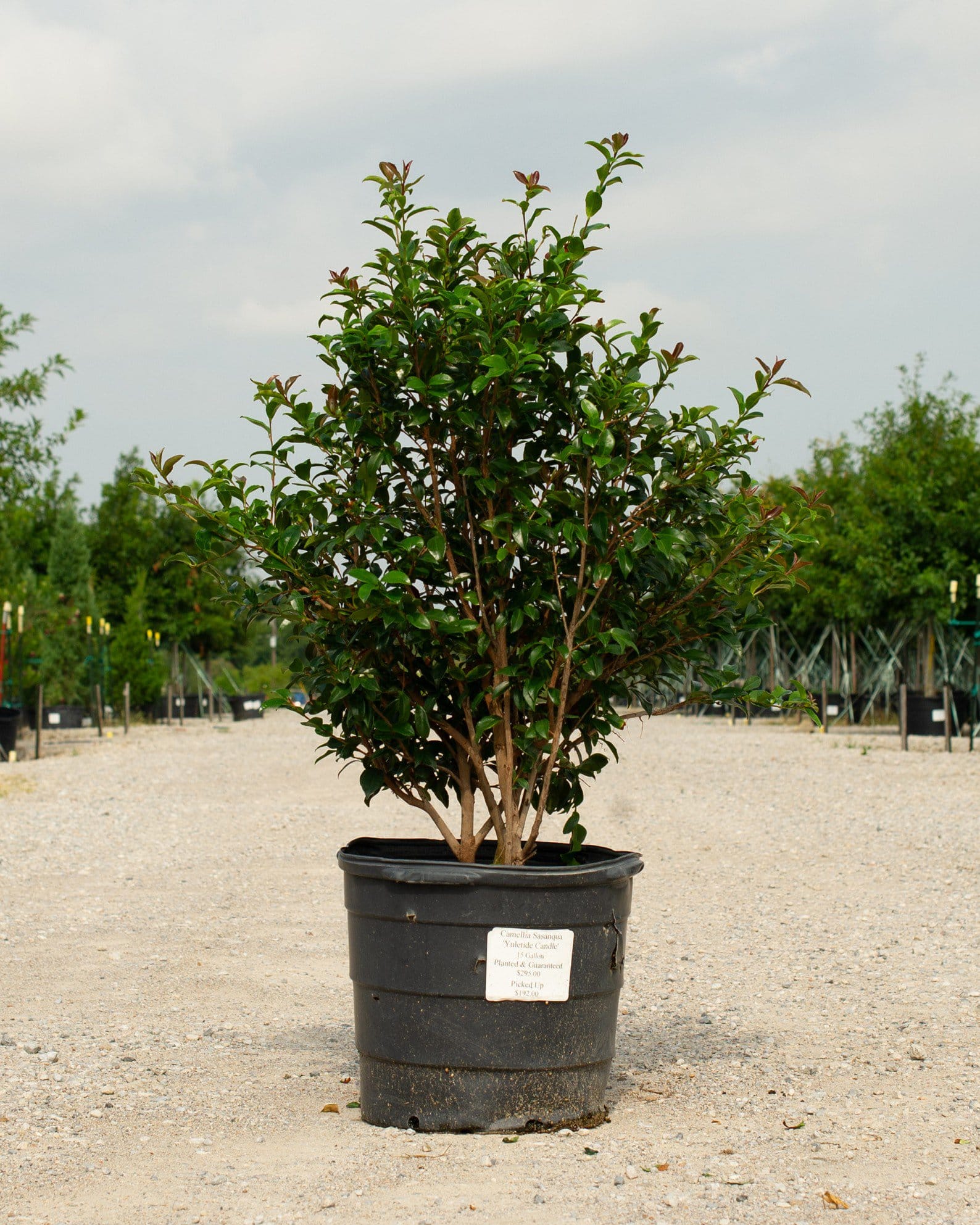
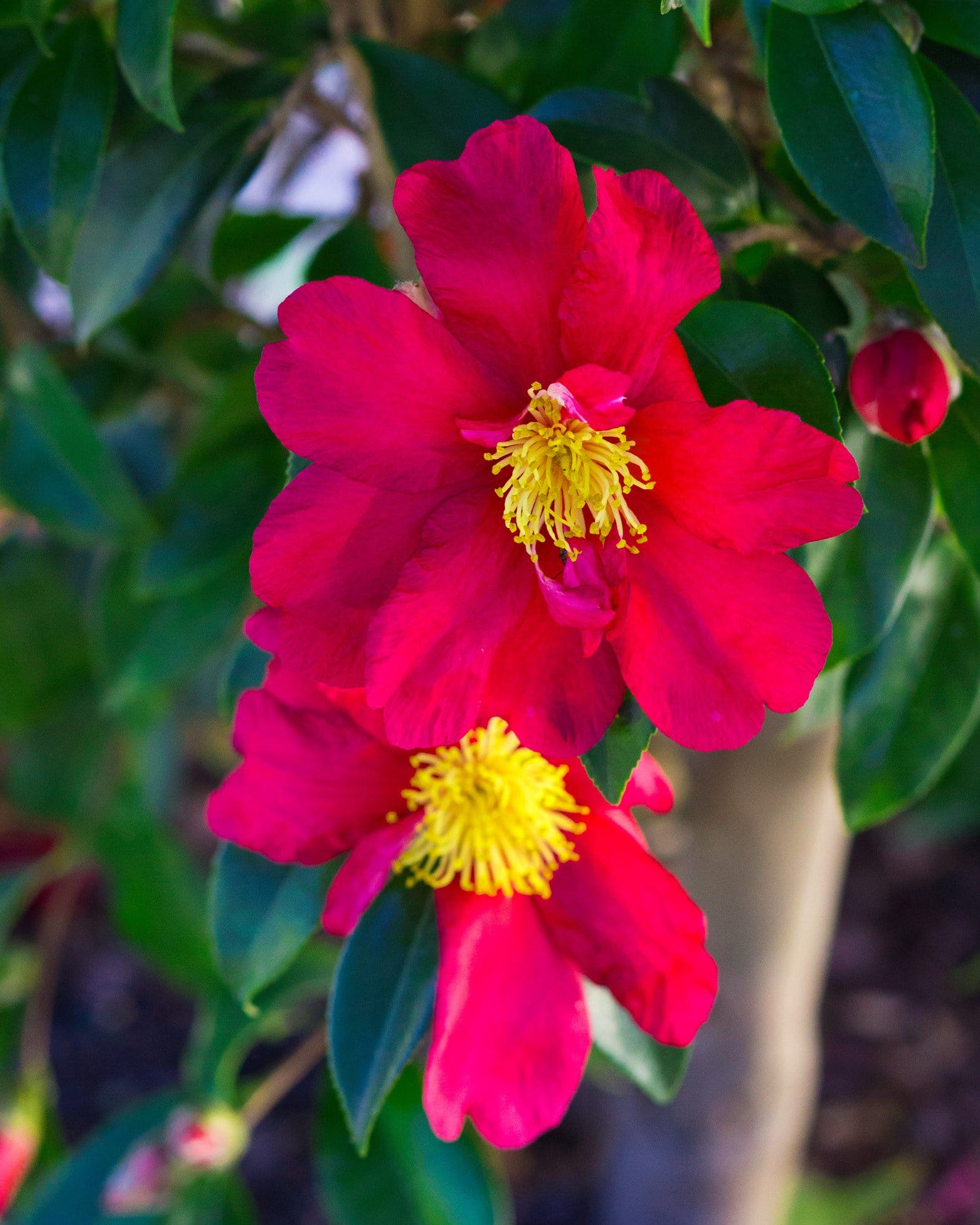
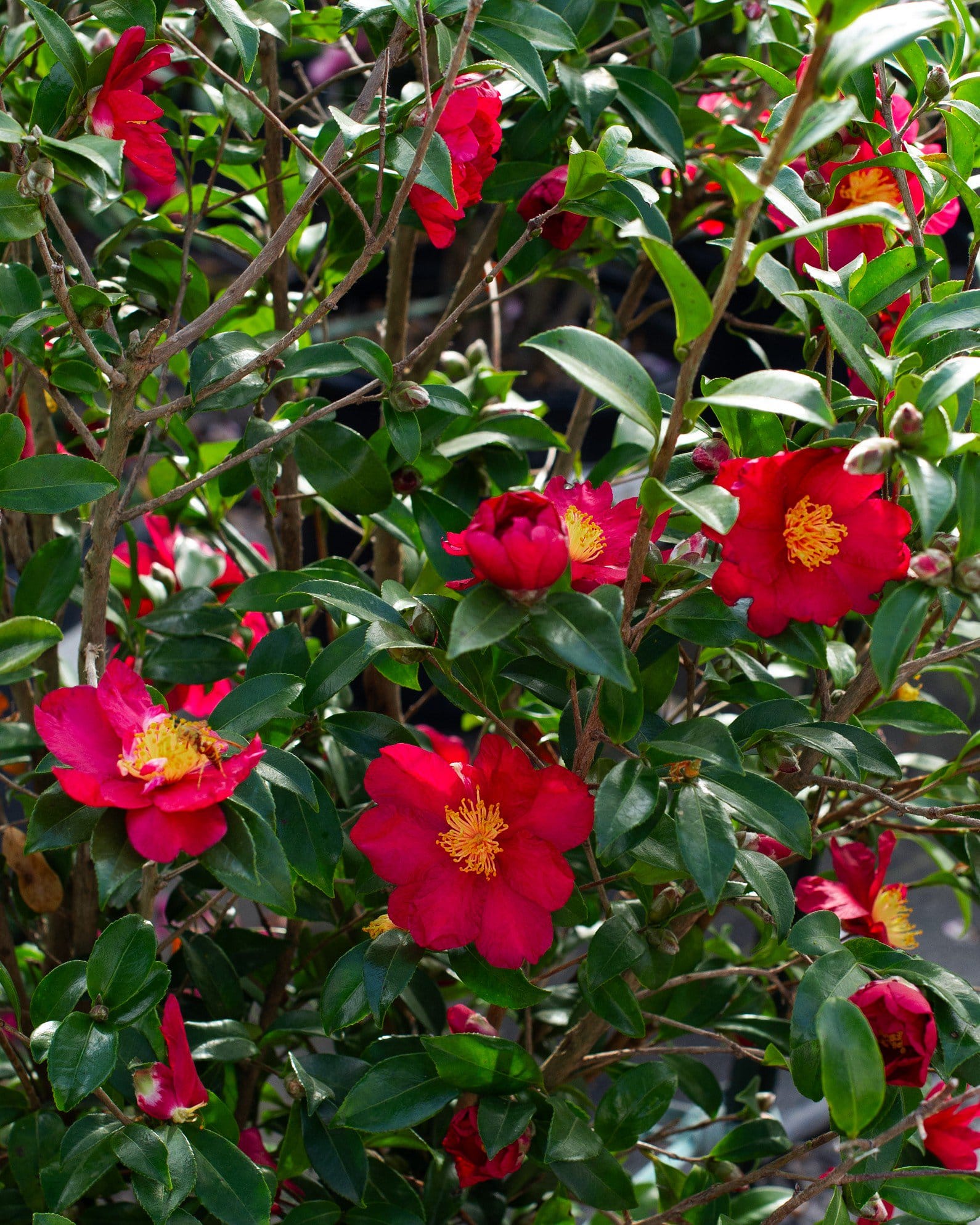
Yuletide Candle Camellia
Maturity: 5' H x 3' W
Compare Similar Plants
Edward Goucher Abelia This plant | ||
|---|---|---|
| Scientific Name | Abelia × grandiflora ‘Edward Goucher’ | Abelia × grandiflora |
| Size at Maturity | 4' H x 4' W | 6' H x 6' W |
| Leaf Retention | Semi-Evergreen | Semi-Evergreen |
| Flower Color | Purple | White |
| Bloom Times | Summer & Fall | Summer & Fall |
| Sizes Available | 3 gal | 3 gal |


Our 1-Year Planting Guarantee
We take pride in our plants and installation services. If any plants or trees installed by Treeland fail to thrive within the first year, we'll provide a replacement credit in accordance with our guarantee program.
Learn More About Our Guarantee