
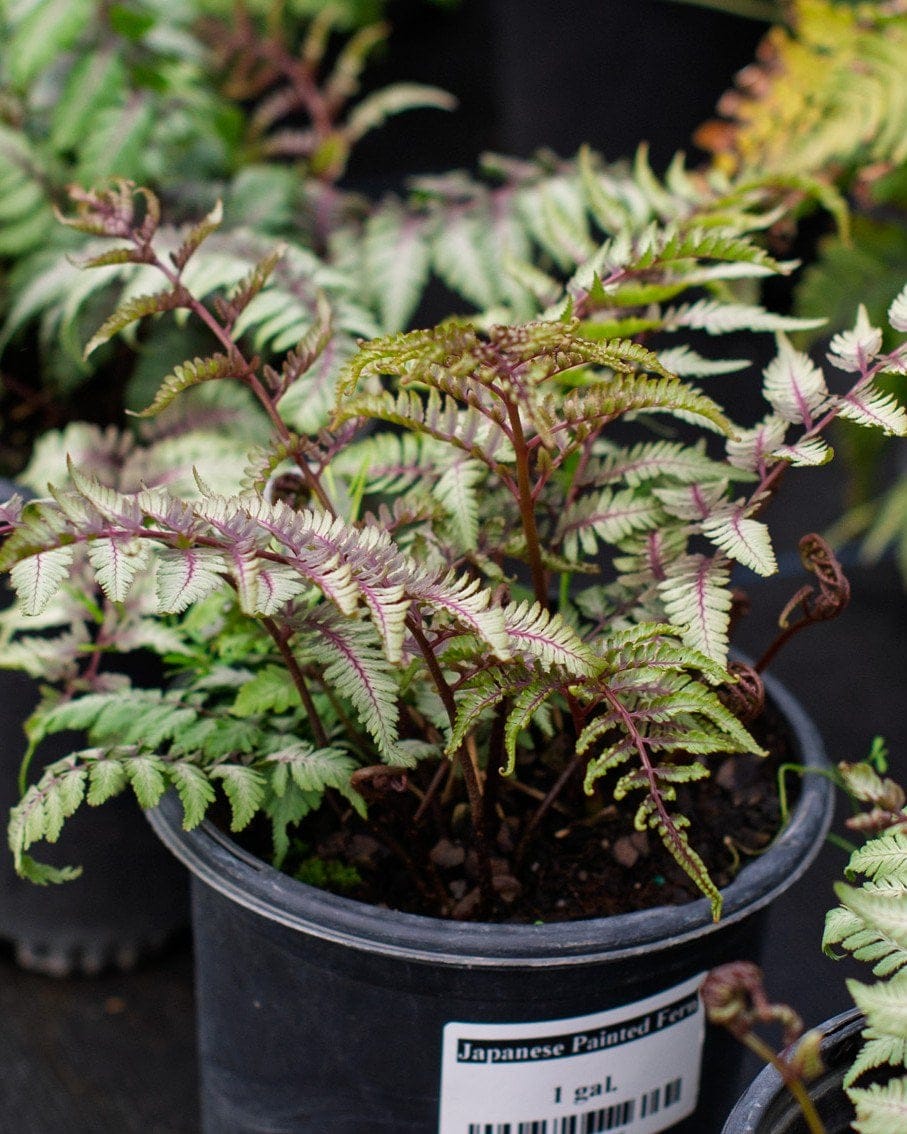
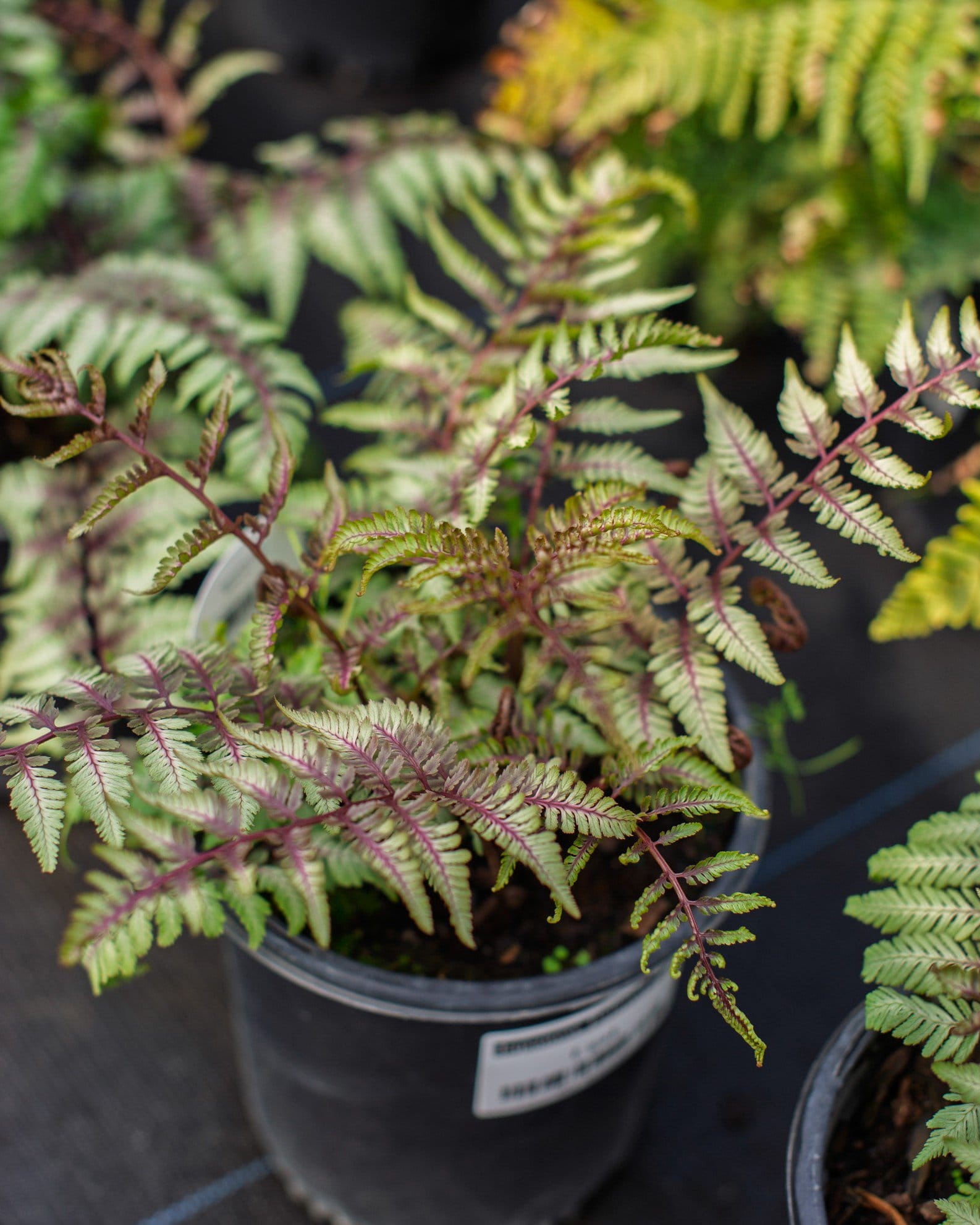
Japanese Painted Fern
Athyrium niponicum 'Pictum'Product Details
Japanese Painted Fern
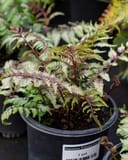
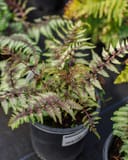
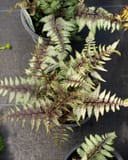
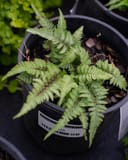
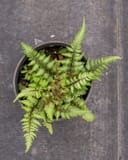
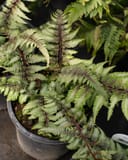
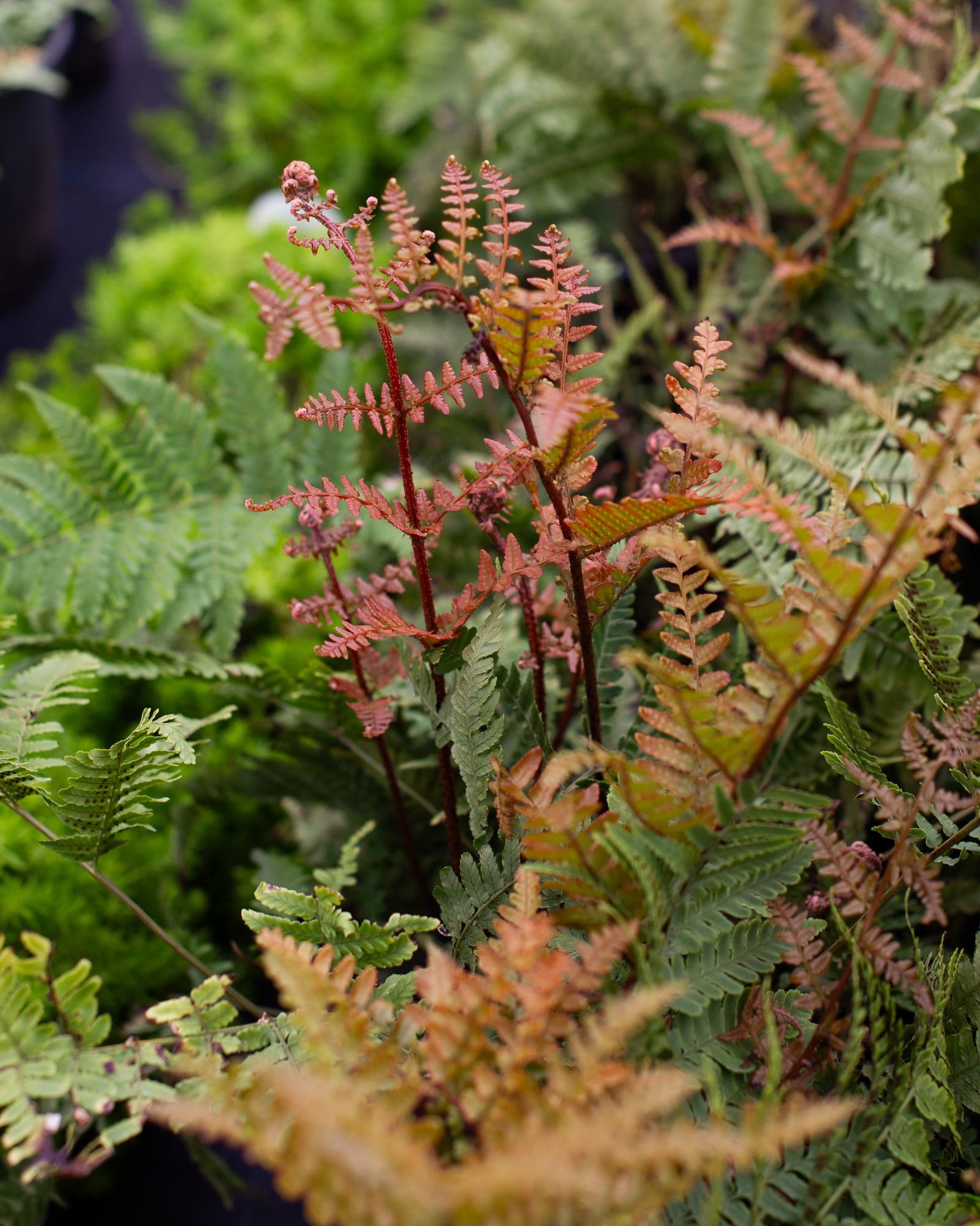
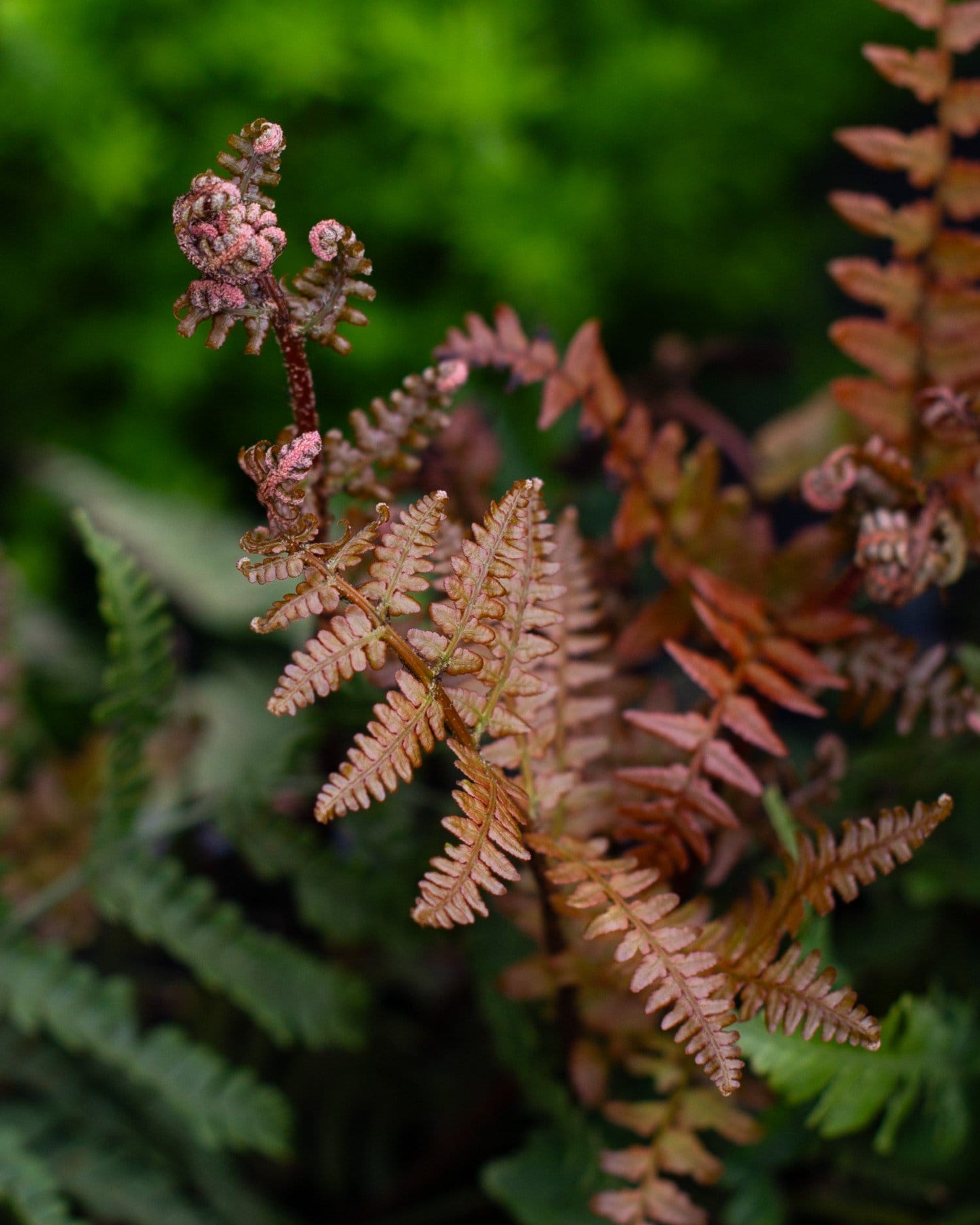
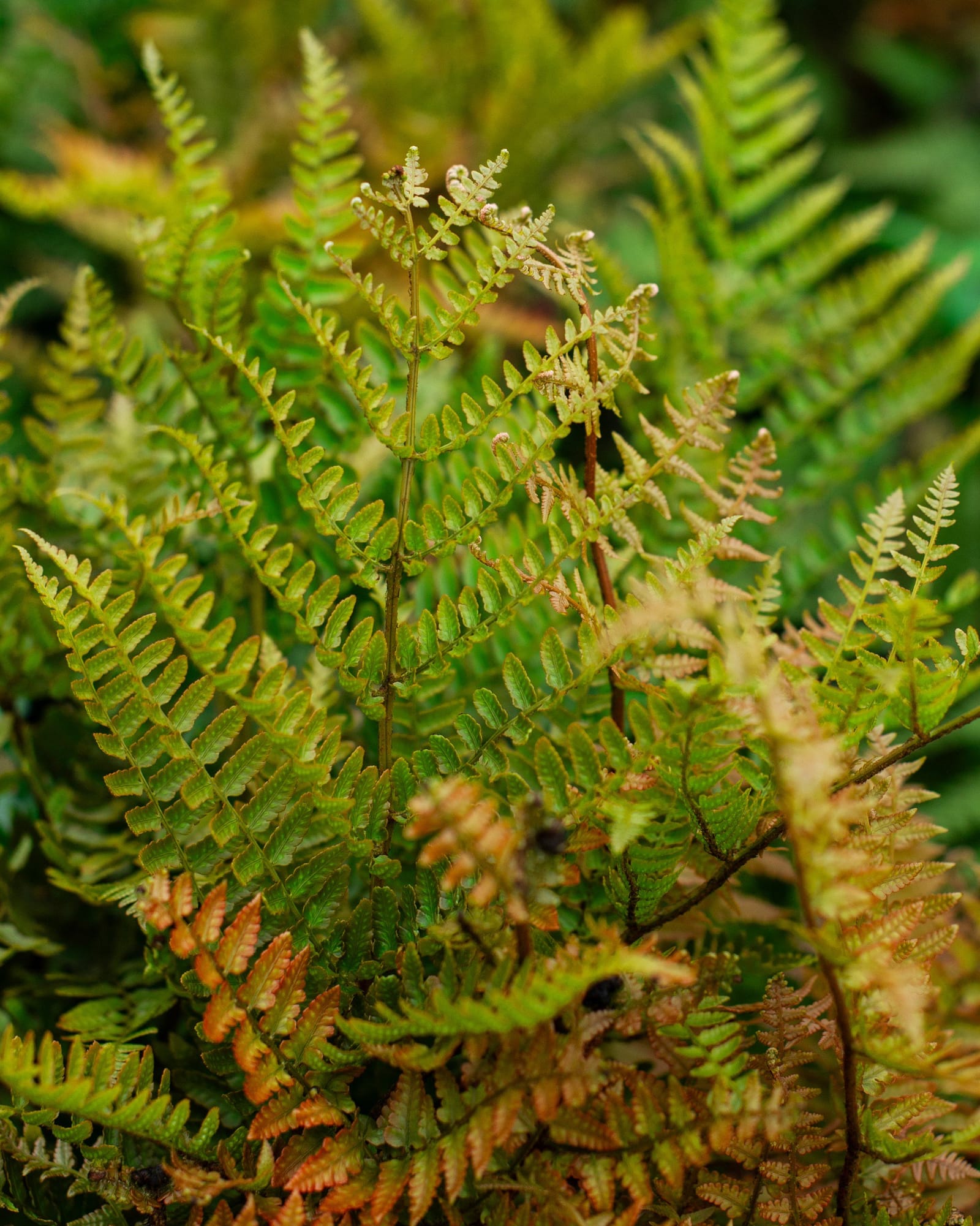
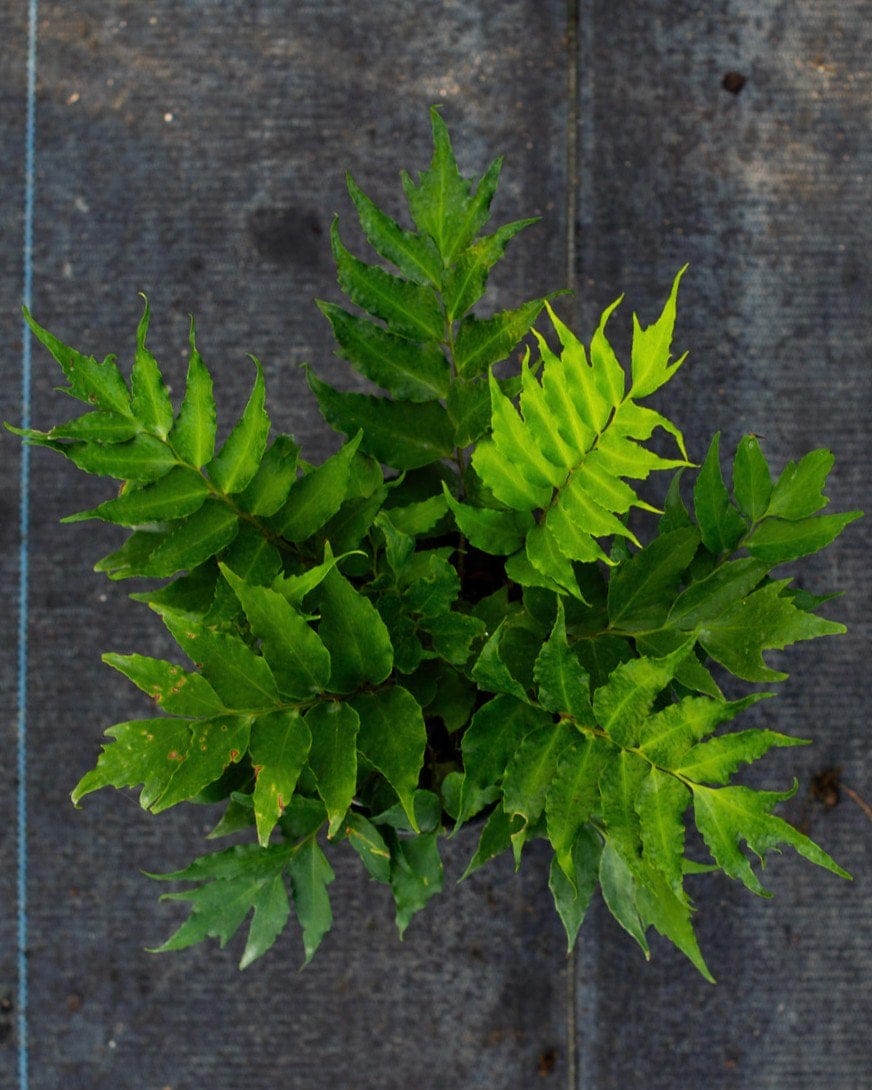
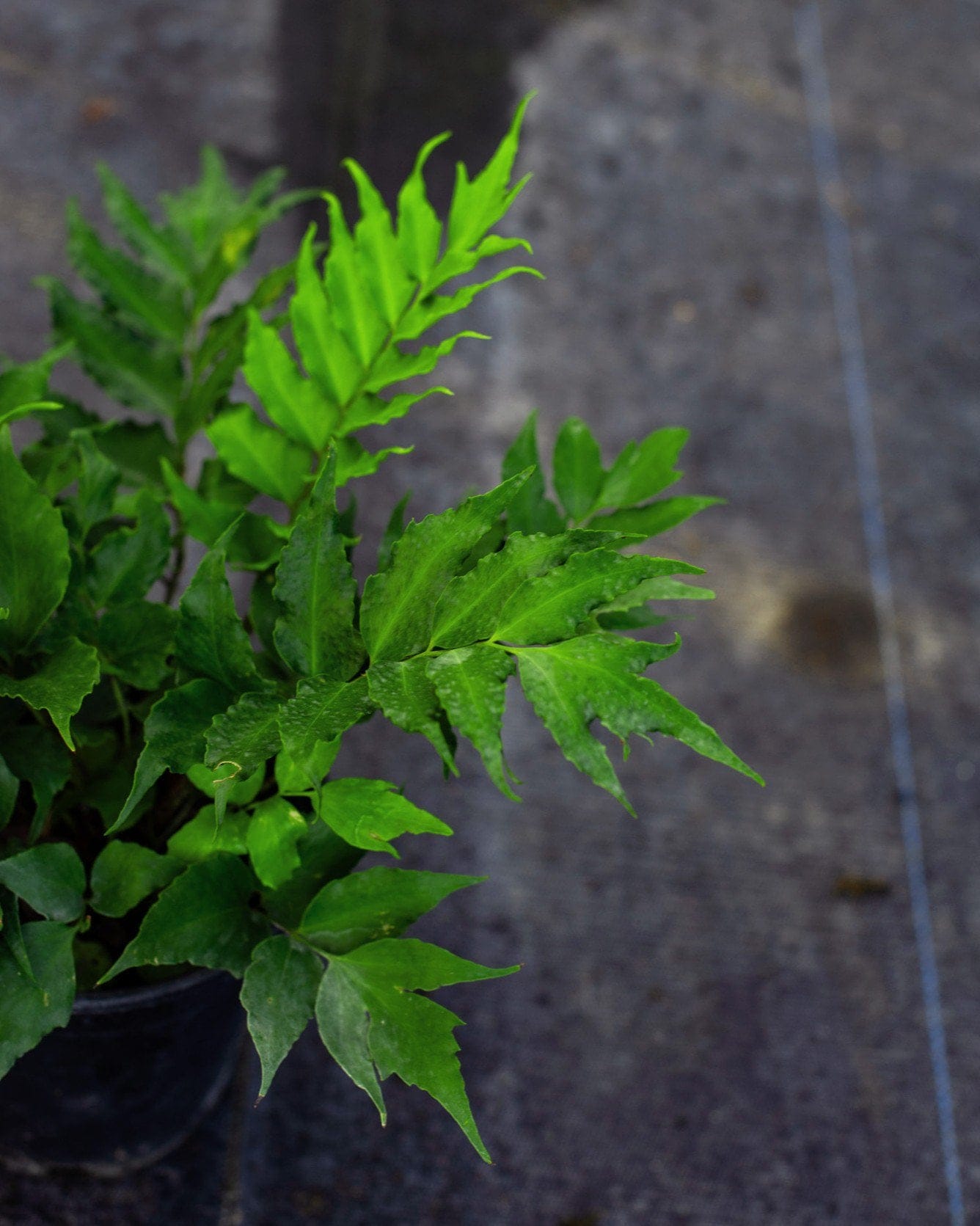
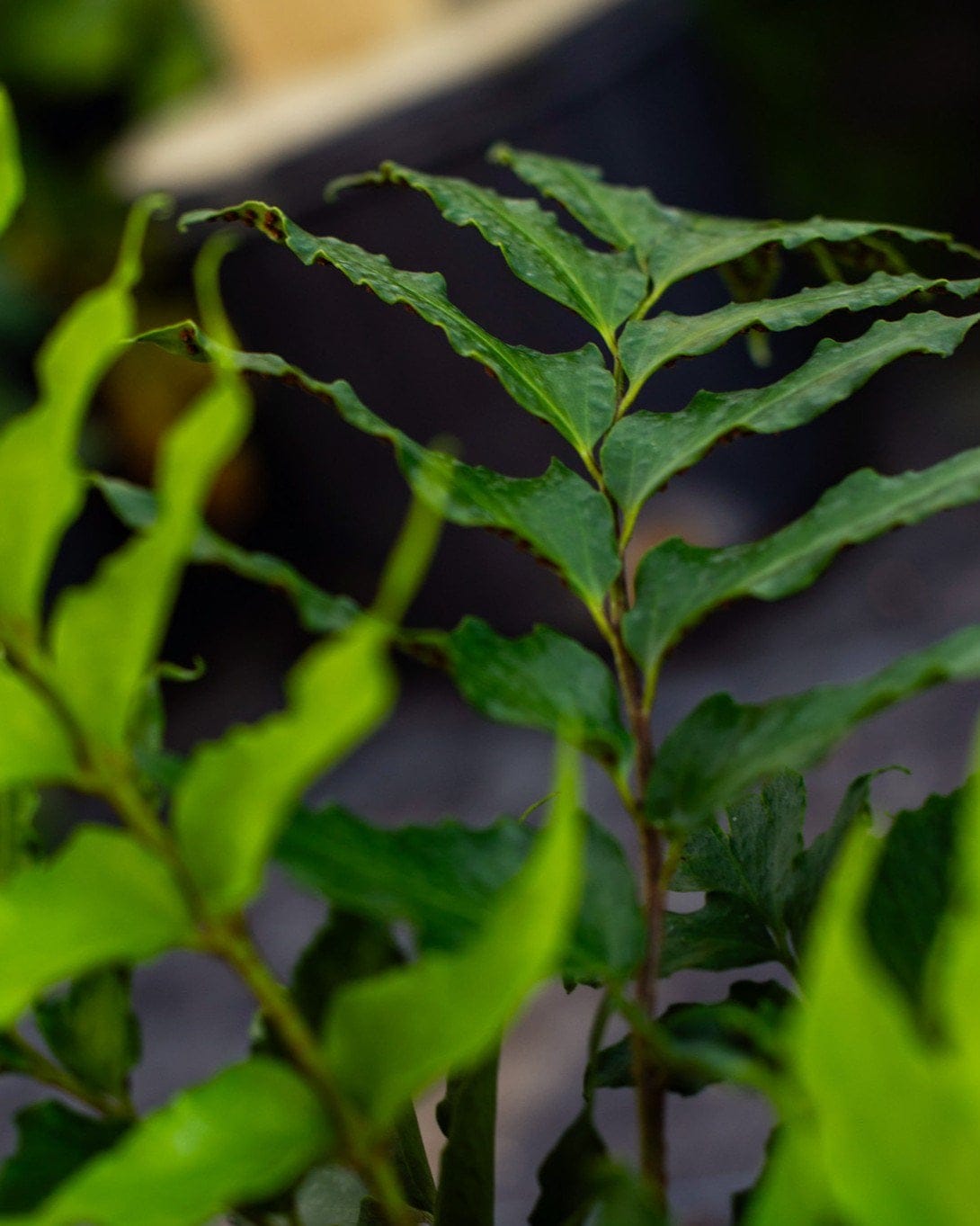
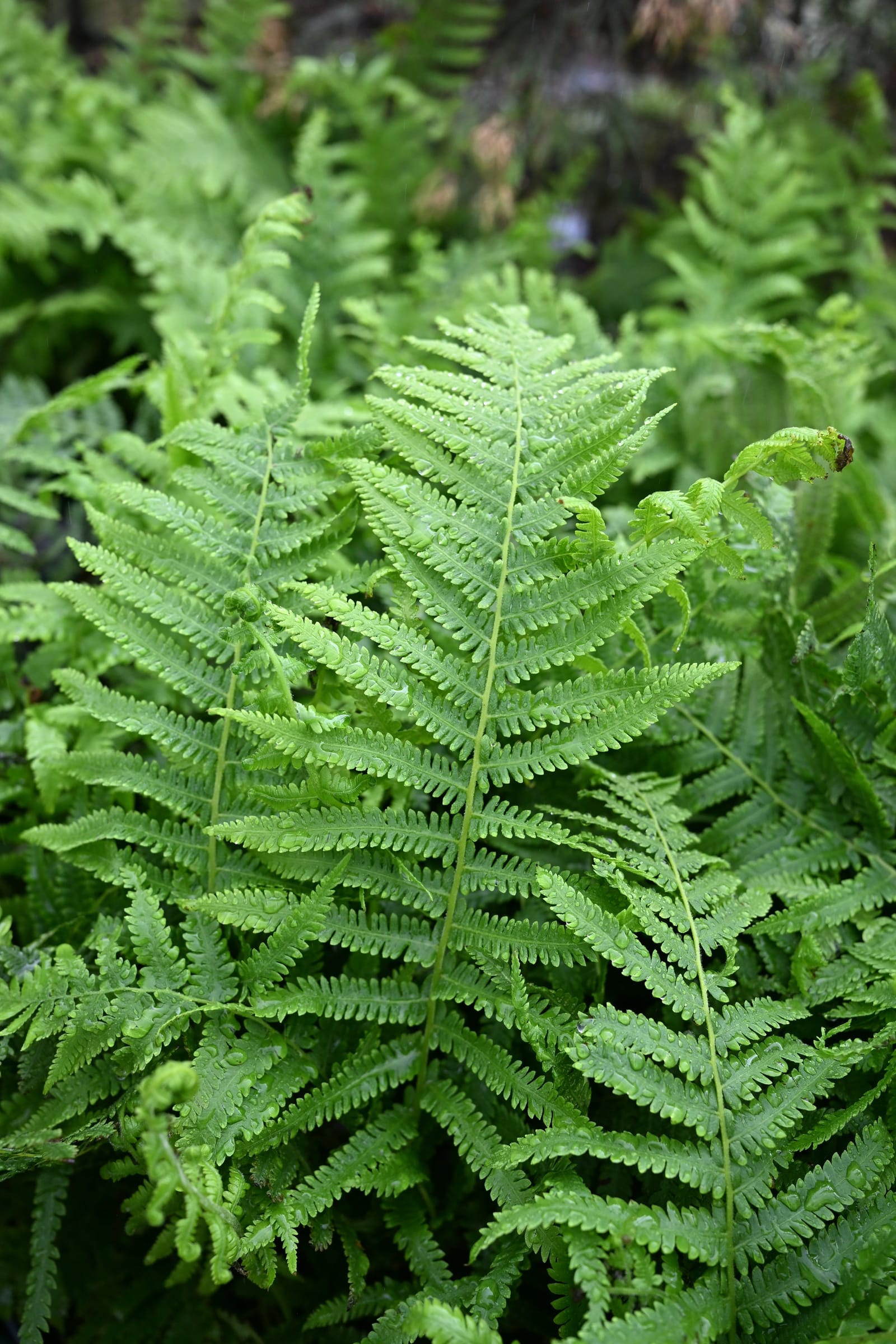
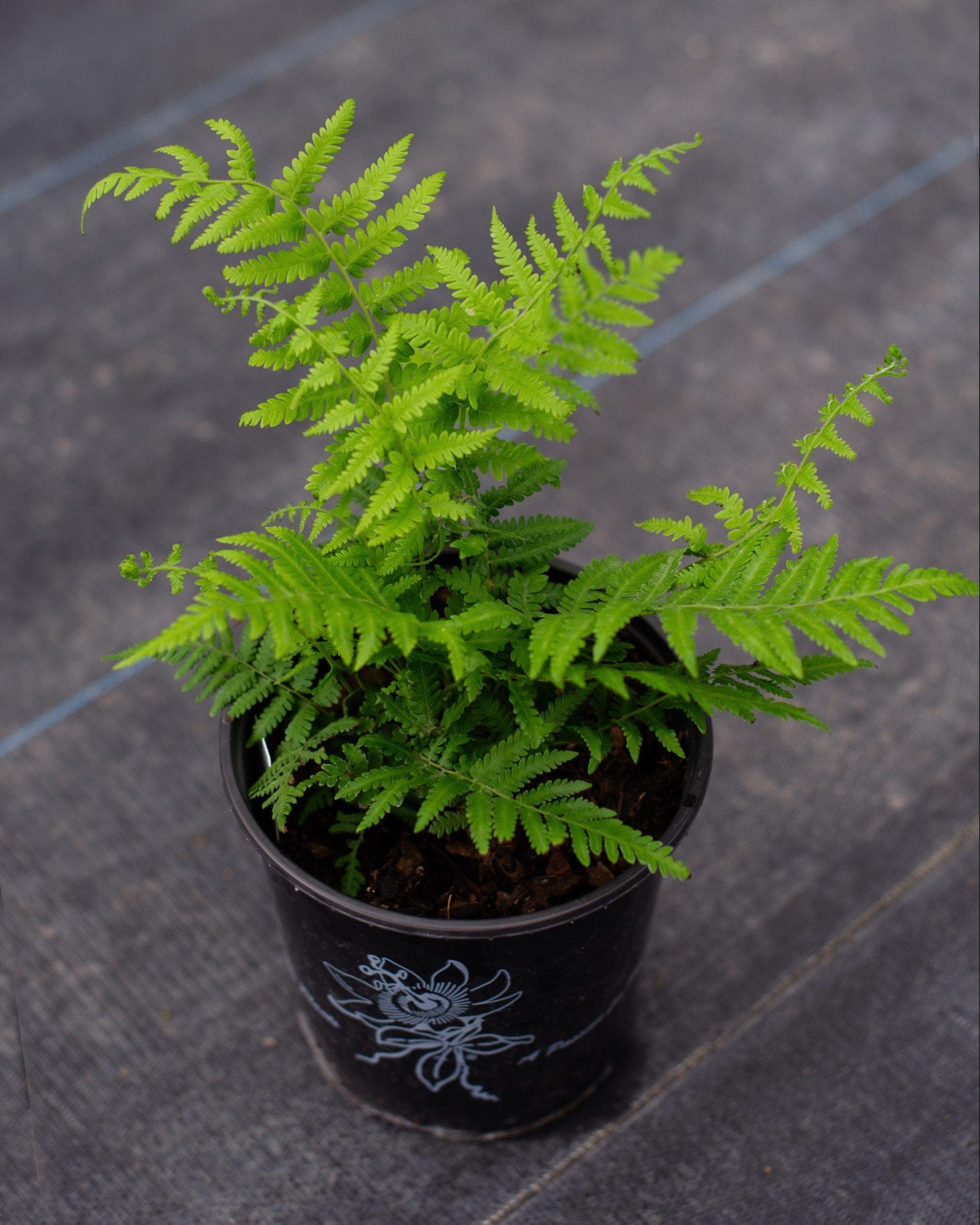
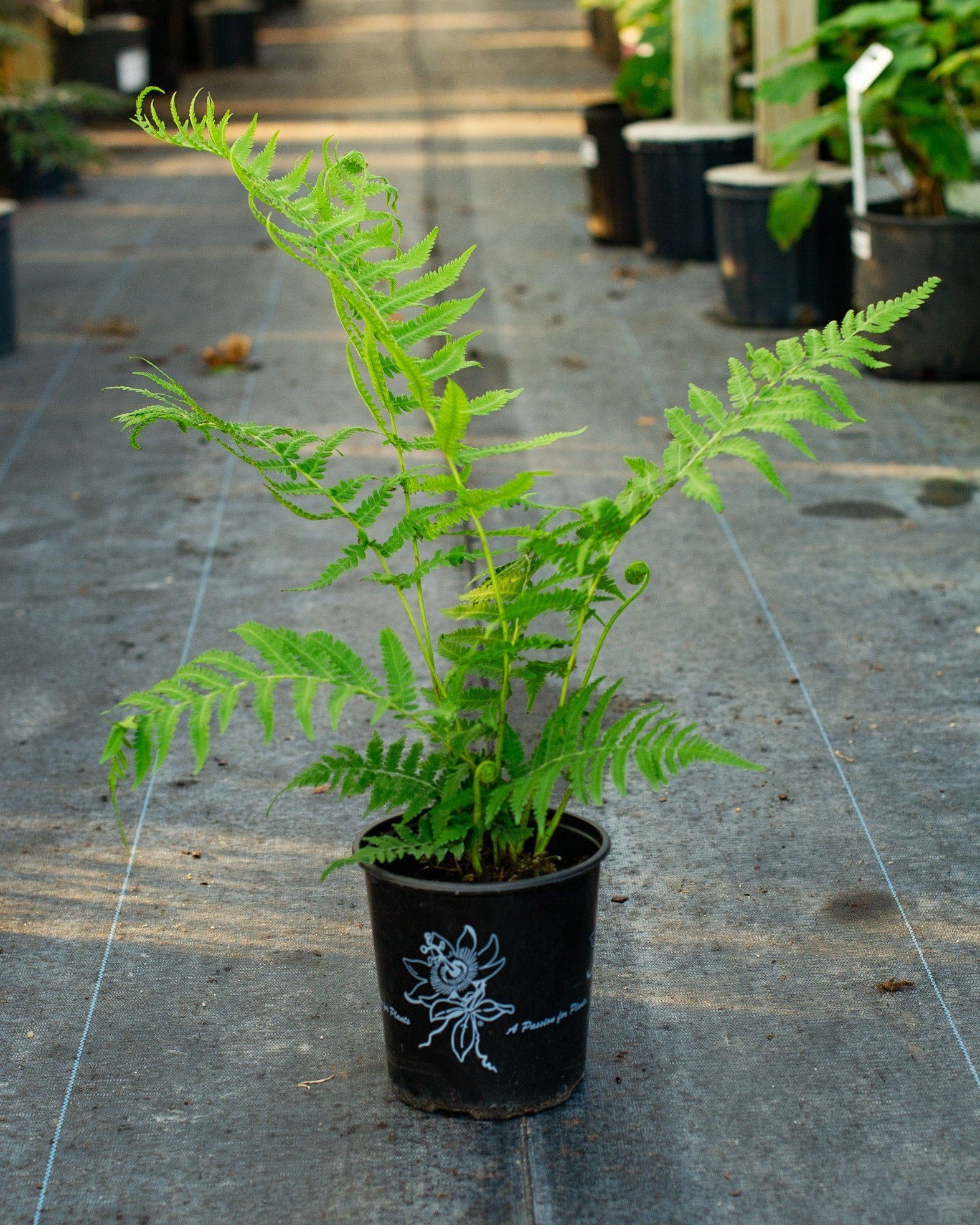
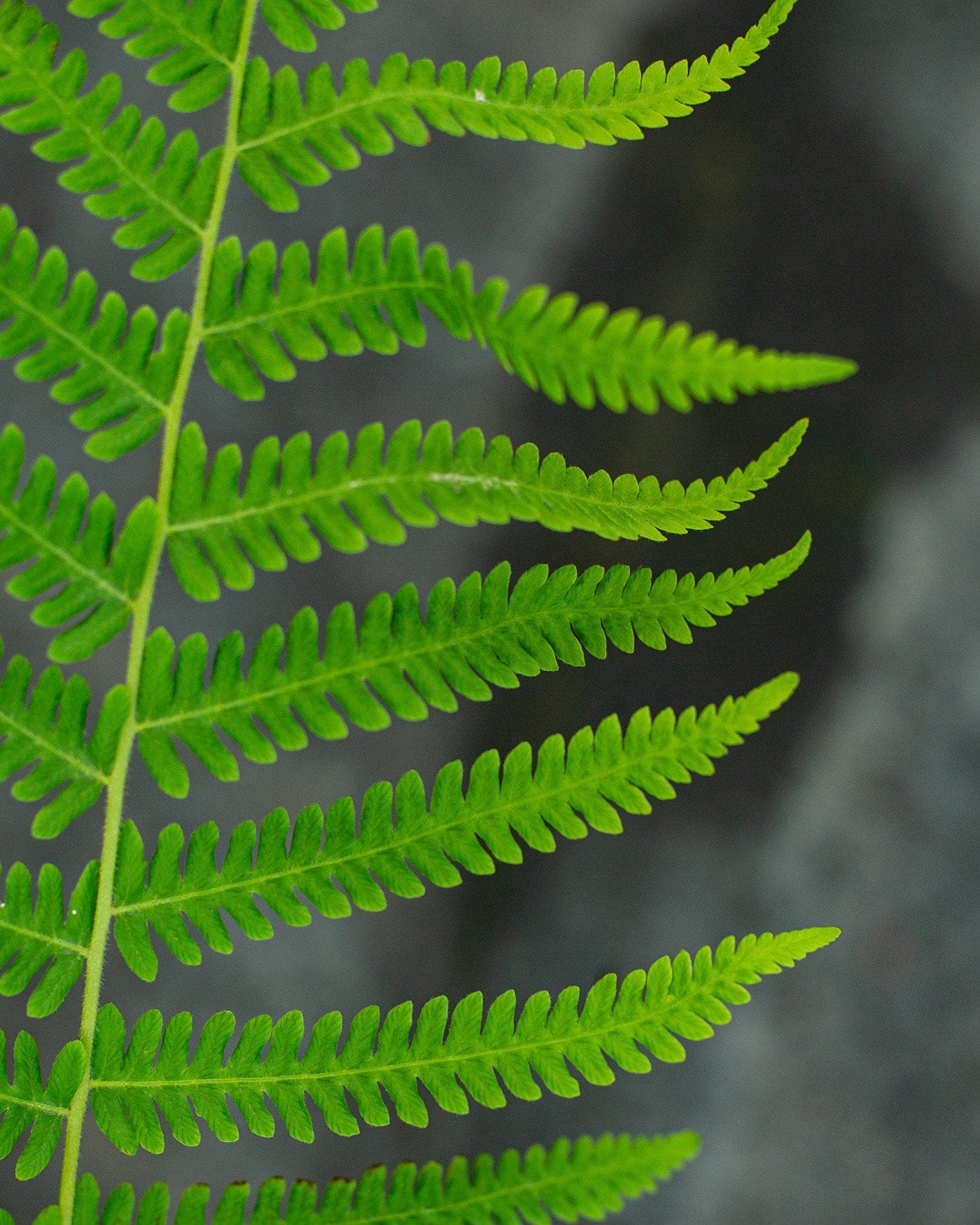
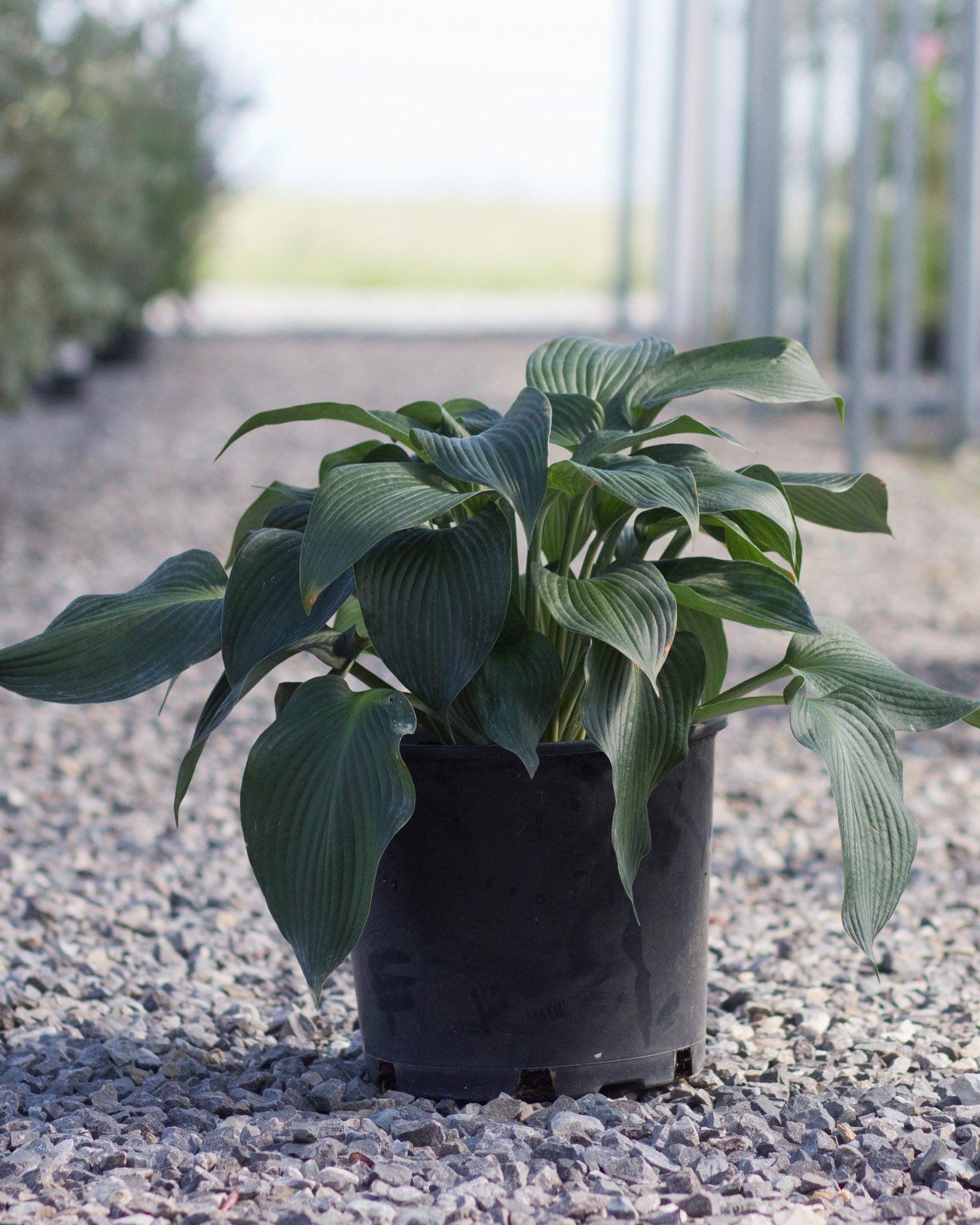
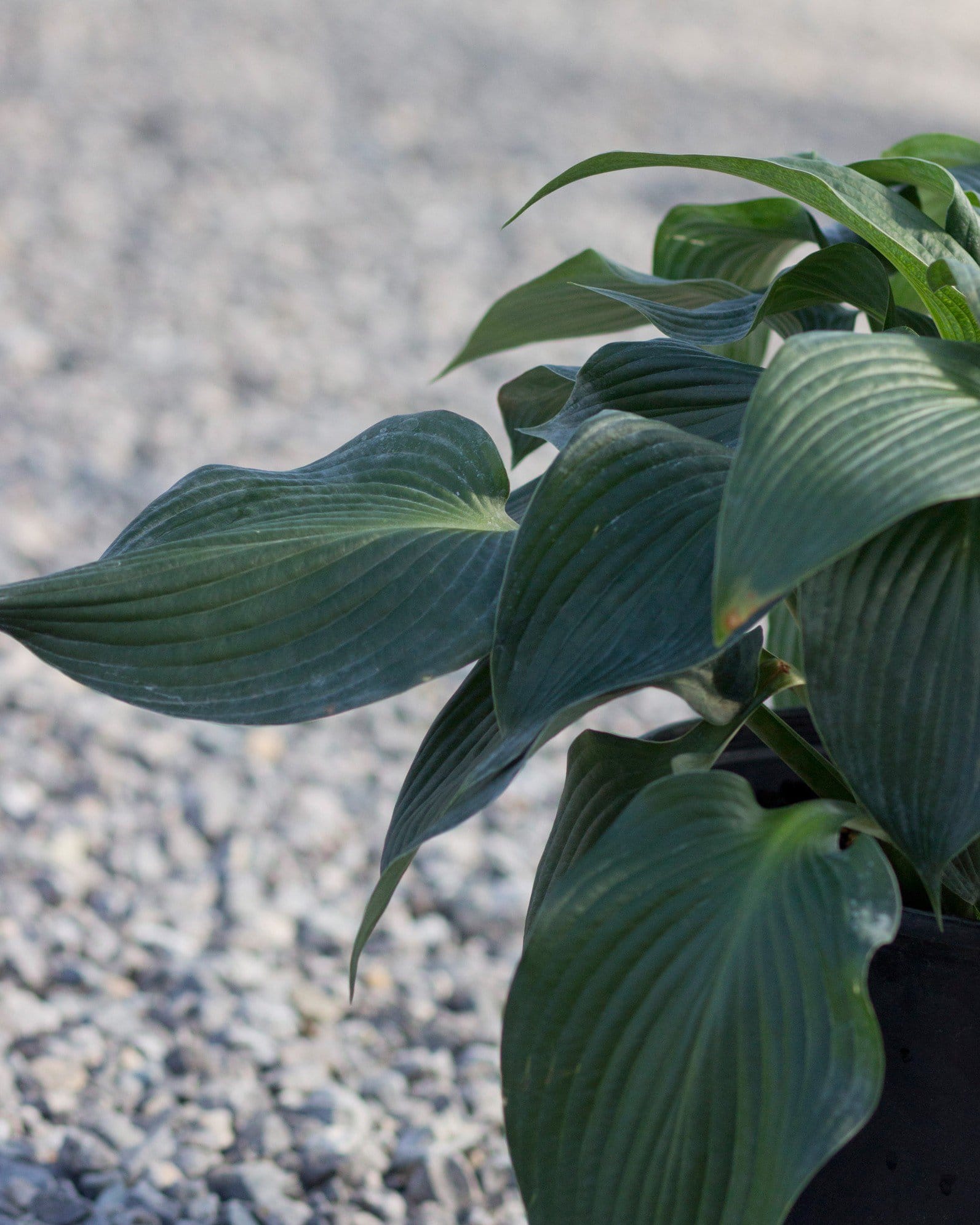
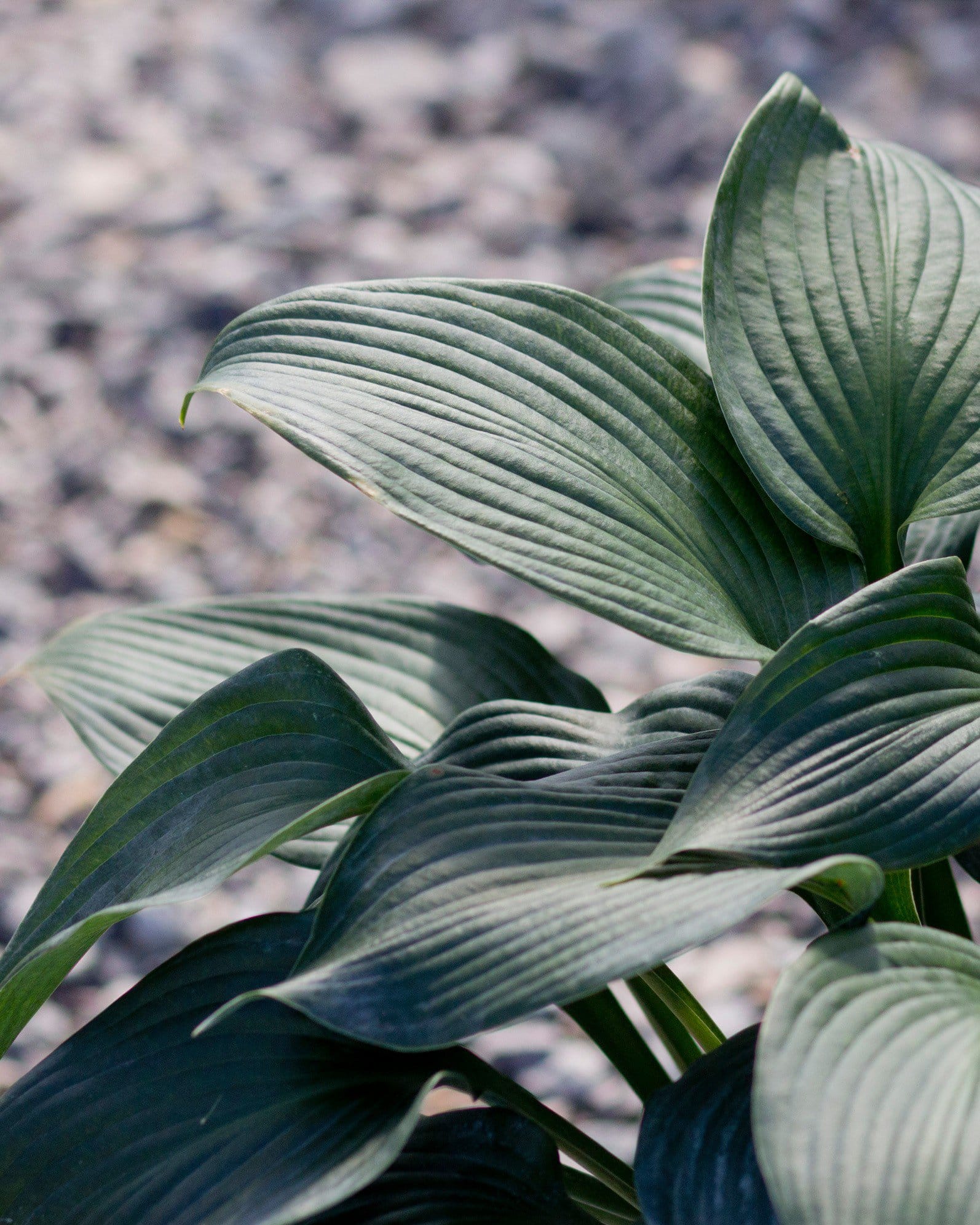
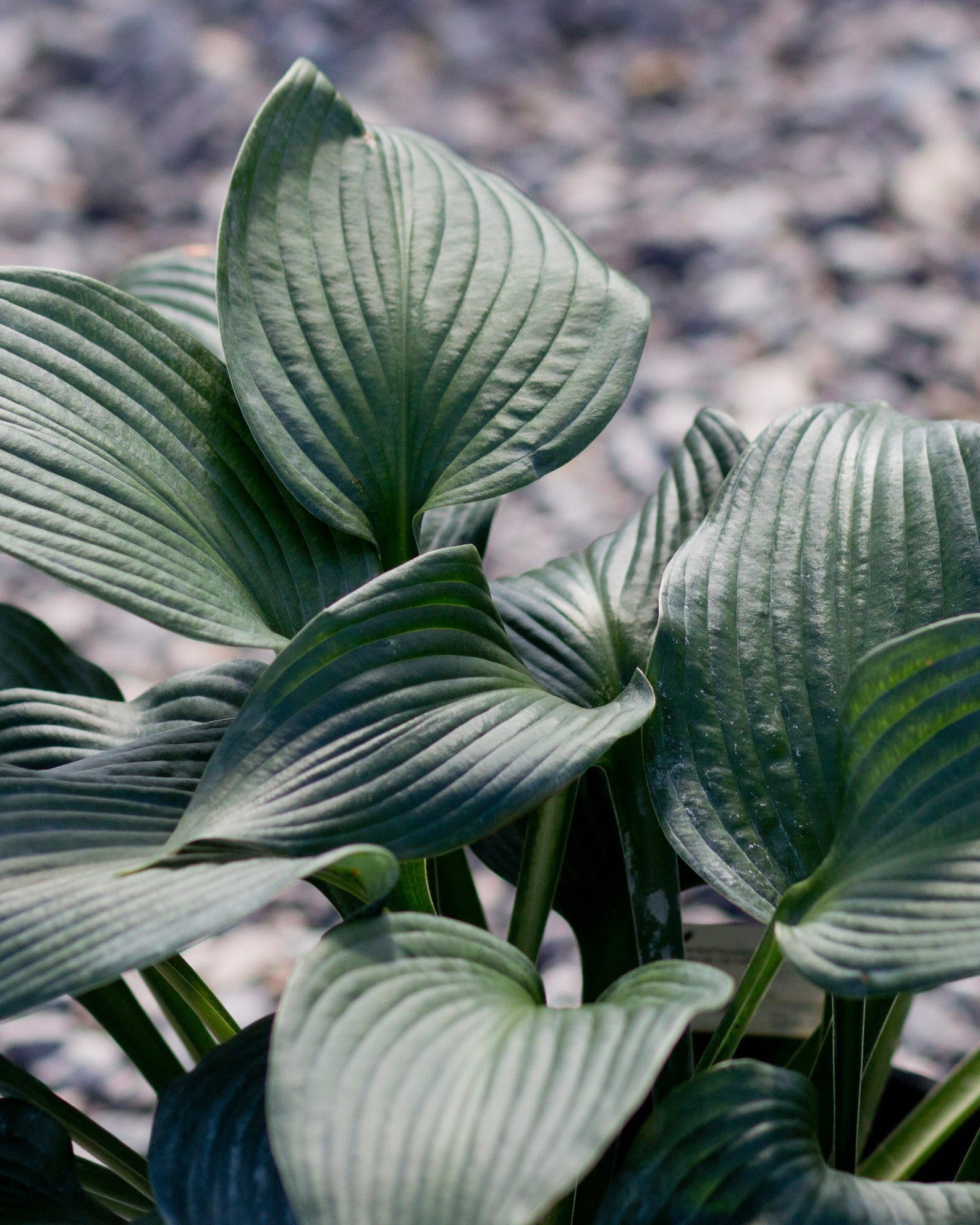
Athyrium niponicum 'Pictum'Adding dramatic foliage colors to your flower bed or as a potted plant has never been easier with the Japanese Painted Fern. This herbaceous fern grows only 1 foot in height and as much in width, and it’s prized for its silver-greenish leaves that grow on purple stems. This gives the Japanese Painted Fern a frosted-over look that is sure to stand out in flower beds.
- Herbaceous fern variety
- Dramatic foliage colors
- Moderate growth rate
- Versatile plant, great for planters or flower beds
- Very cold-hardy
The Japanese Painted Fern doesn’t enjoy too much sun, so plant it in partial or full shade and in moist soil. It can withstand very cold weather, growing successfully in zones 4 - 8. That makes this plant excellent for almost all of Texas, except for the warm South. To maintain its beauty and shape, trim from time to time to allow for new growth. For the best foliage color, choose a lightly shaded planting spot.
This low-maintenance fern thrives with little to no care, and here’s everything it needs to grow beautifully:
- Watering: Water regularly during the first growing season to establish deep roots. Once established, Japanese Painted Fern appreciates consistent moisture but dislikes soggy soil. Water deeply whenever the top inch begins to dry, especially during warm spells.
- Pruning: Remove old or damaged fronds throughout the season to keep the plant neat. In late fall or early spring, cut back all spent foliage before new fronds unfurl. Regular cleanup encourages strong, fresh growth and maintains its striking coloration.
- Fertilizing: Feed lightly in early spring with a balanced, slow-release fertilizer or a mix rich in organic matter such as compost or worm castings. Avoid overfertilizing - too much nitrogen can cause dull-colored foliage and weaker stems.
- Mulching: Apply a 2-3 inch layer of organic mulch to conserve moisture, regulate temperature, and protect shallow roots. Keep mulch a few inches away from the crown to prevent rot and allow good air circulation.
- Winter Care: Japanese Painted Fern is deciduous, dying back in winter and re-emerging in spring with renewed color and vigor. In colder zones, a light mulch layer after frost helps insulate the root system.
Japanese Painted Fern is also quite resilient, but it’s still susceptible to some pests and issues:
- Leaf Browning or Crisping: Usually caused by low humidity, drought stress, or too much sun exposure. Provide afternoon shade and maintain consistent soil moisture. Mulching and regular watering help prevent drying out.
- Frond Yellowing: Can occur due to overwatering or poor drainage. Ensure soil drains freely and avoid standing water. In containers, use a peat-based, airy mix to balance moisture retention with airflow.
- Slug or Snail Damage: In damp or shaded gardens, slugs may chew holes in fronds. Use iron phosphate bait, copper tape, or beer traps to protect young growth.
- Fungal Spots or Blight: May appear during prolonged wet periods. Improve air circulation and remove affected fronds promptly. A light application of copper-based fungicide can help prevent recurrence.
- Cold Damage: In harsh winters, crowns may freeze if unprotected. Add mulch once the ground cools and trim away dead fronds to prevent moisture buildup around the base.
With proper care, it can live for decades, forming graceful clumps that return stronger and more colorful each spring.
It grows slowly at first, reaching maturity in about 3 years. Once established, it spreads steadily, creating soft drifts of silvery foliage.
While ferns don’t flower, their soft fronds provide shelter and nesting cover for beneficial insects and small garden creatures.
Yes - its fibrous texture and low scent make it naturally unappealing to deer and rabbits.
Moderately. It prefers consistent moisture but can handle short dry periods once established. Regular watering helps preserve its vivid color and delicate texture.
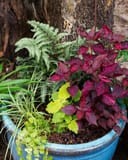
Absolutely. It performs beautifully in pots or mixed shade planters, especially when paired with hostas, heucheras, or begonias. Keep container soil evenly moist and shaded from hot afternoon sun.
Yes. It’s fully hardy through most temperate climates and reliably returns each spring, even after harsh freezes.
Yes - divide clumps every 3-4 years in early spring just as new fronds begin to emerge. Replant divisions immediately in moist, shaded soil.
Yes. It’s excellent for shaded urban gardens, courtyards, and commercial plantings where a soft, refined look is desired with little maintenance.
Beautifully. It complements shade companions like hostas, astilbes, ferns, or coral bells, providing contrast in both texture and color.
Special Features
You might also like
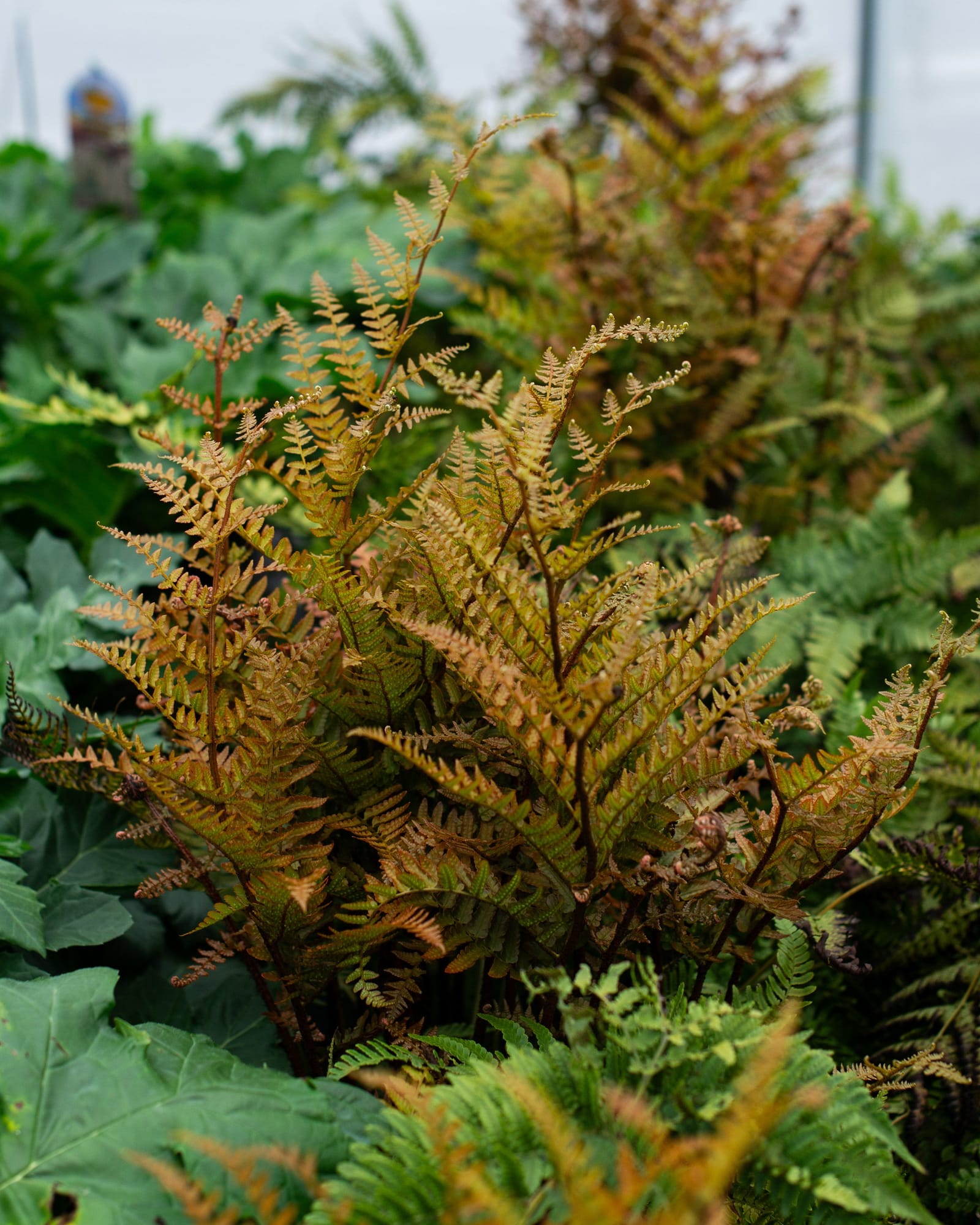
Autumn Fern Brilliance
Maturity: 2' H x 2' W
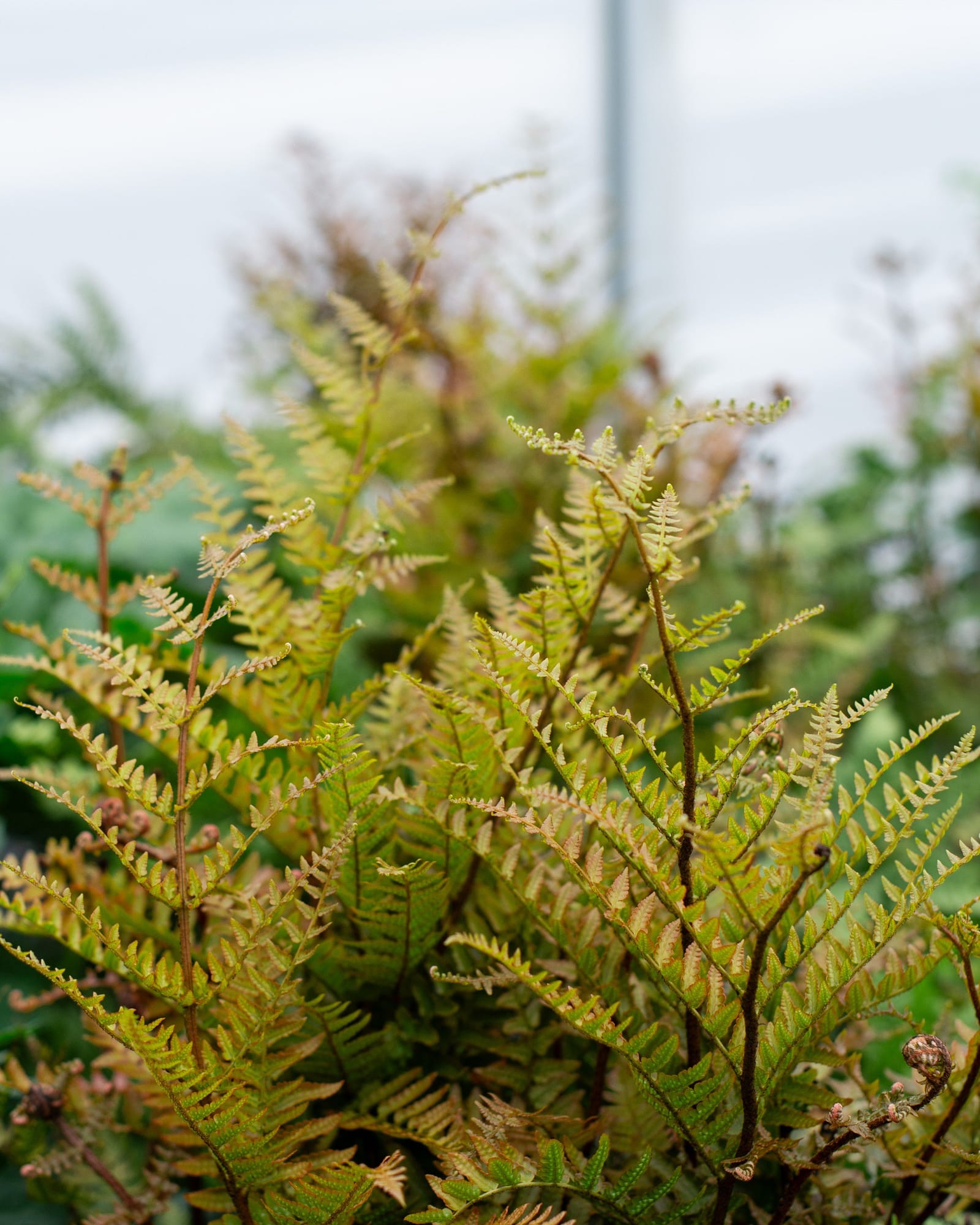
Holly Fern
Maturity: 2' H x 2' W
Southern Wood Fern
Maturity: 3' H x 3' W
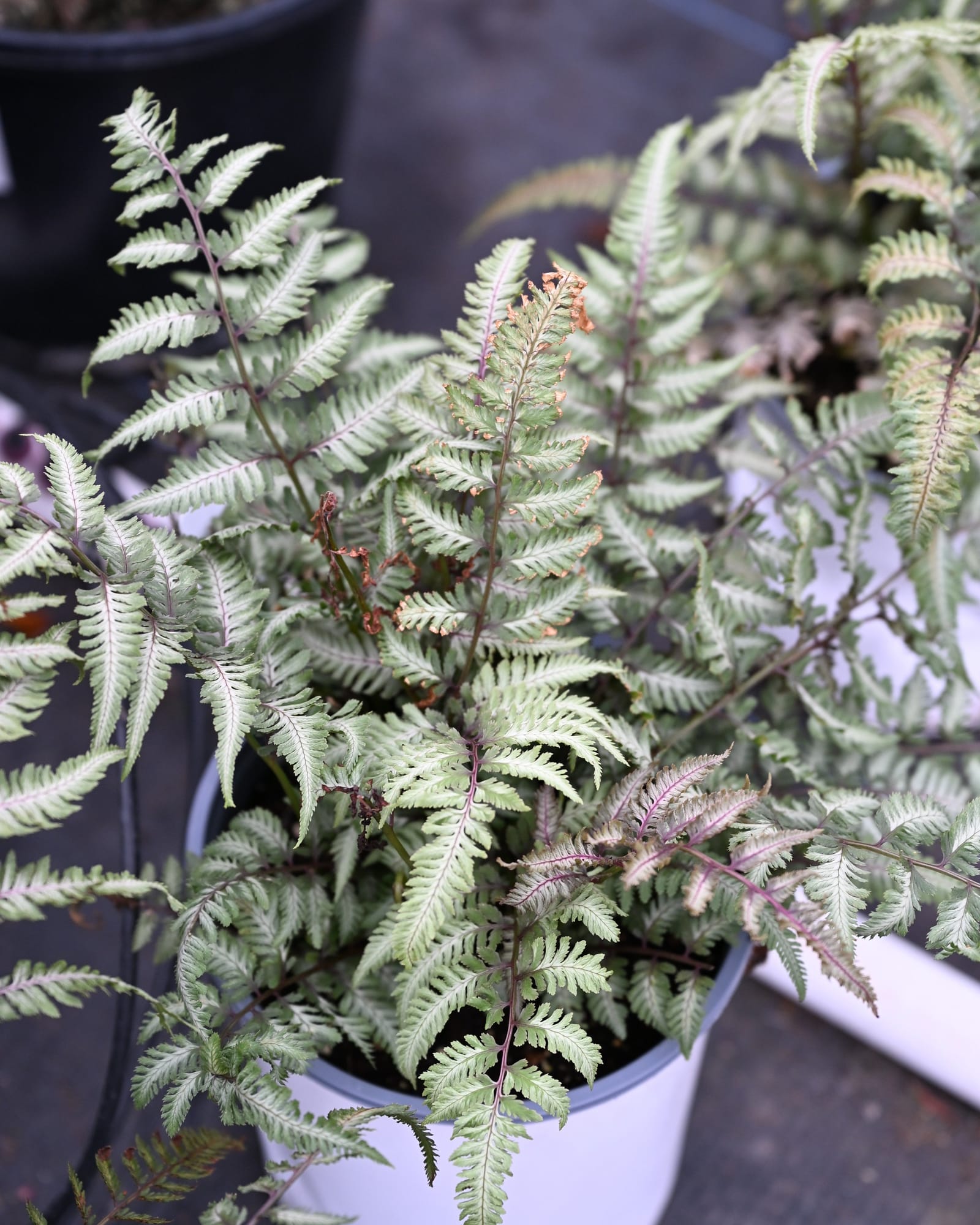
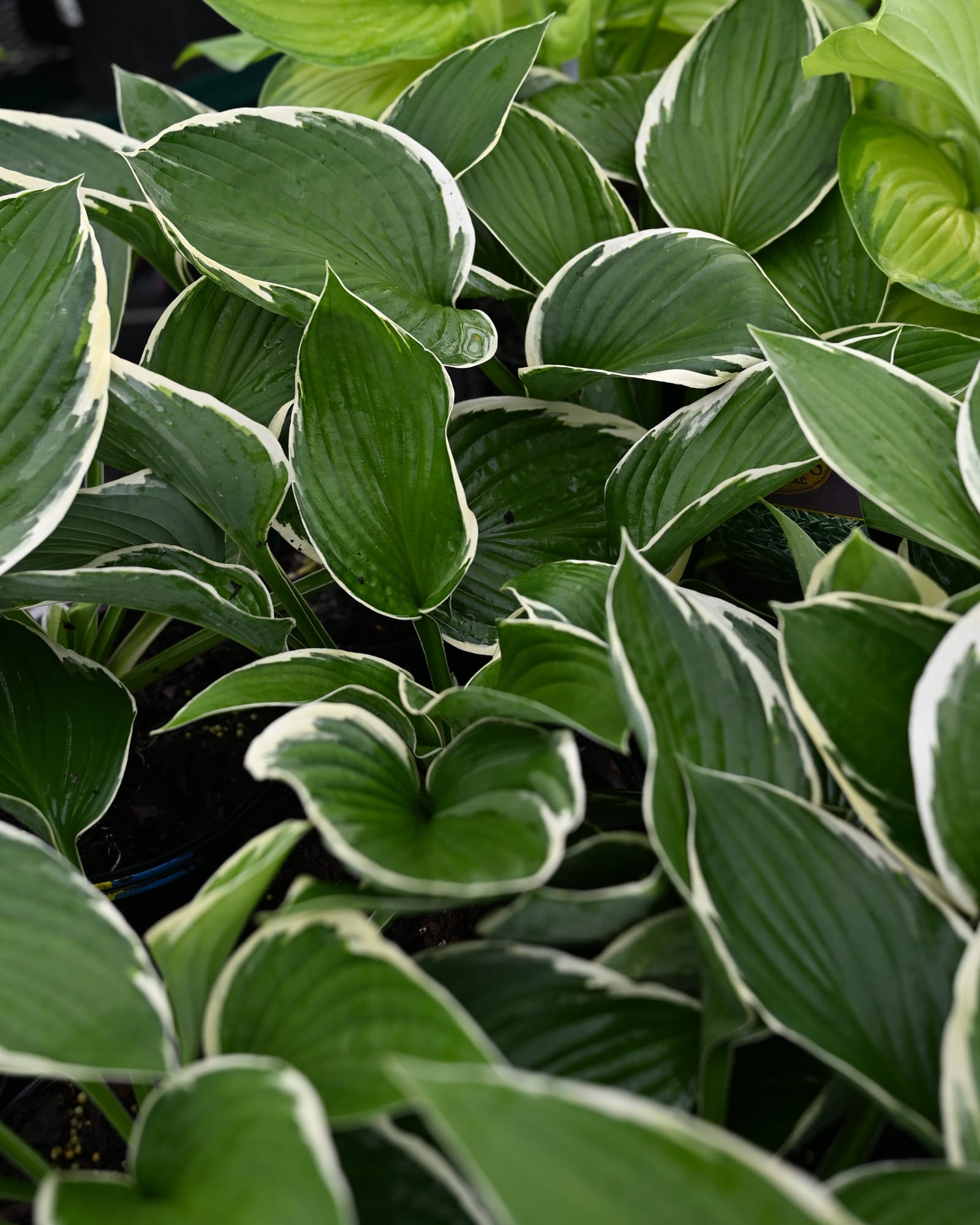
Pewter Lace Japanese Painted Fern
Maturity: 1.5' H x 1.5' W
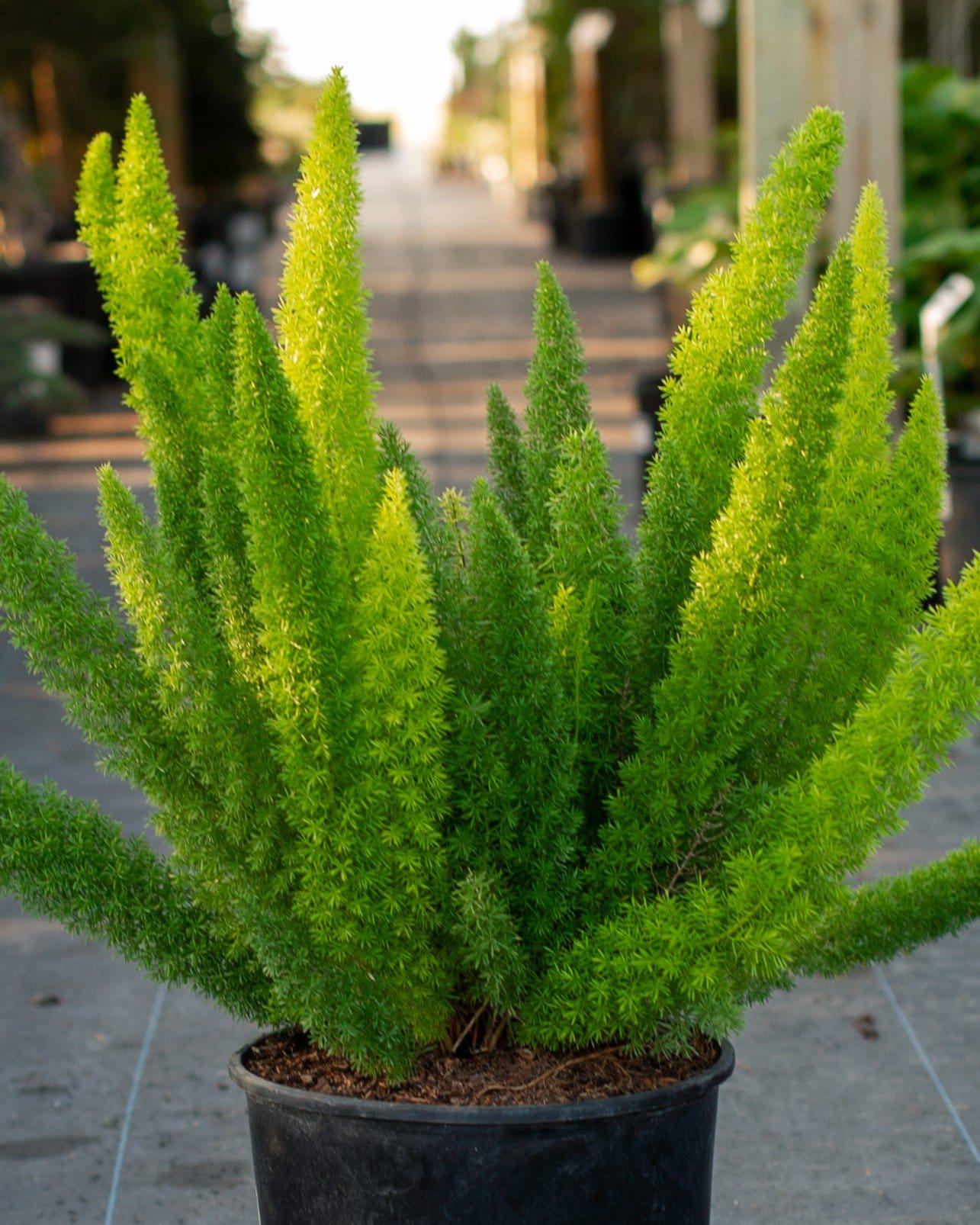
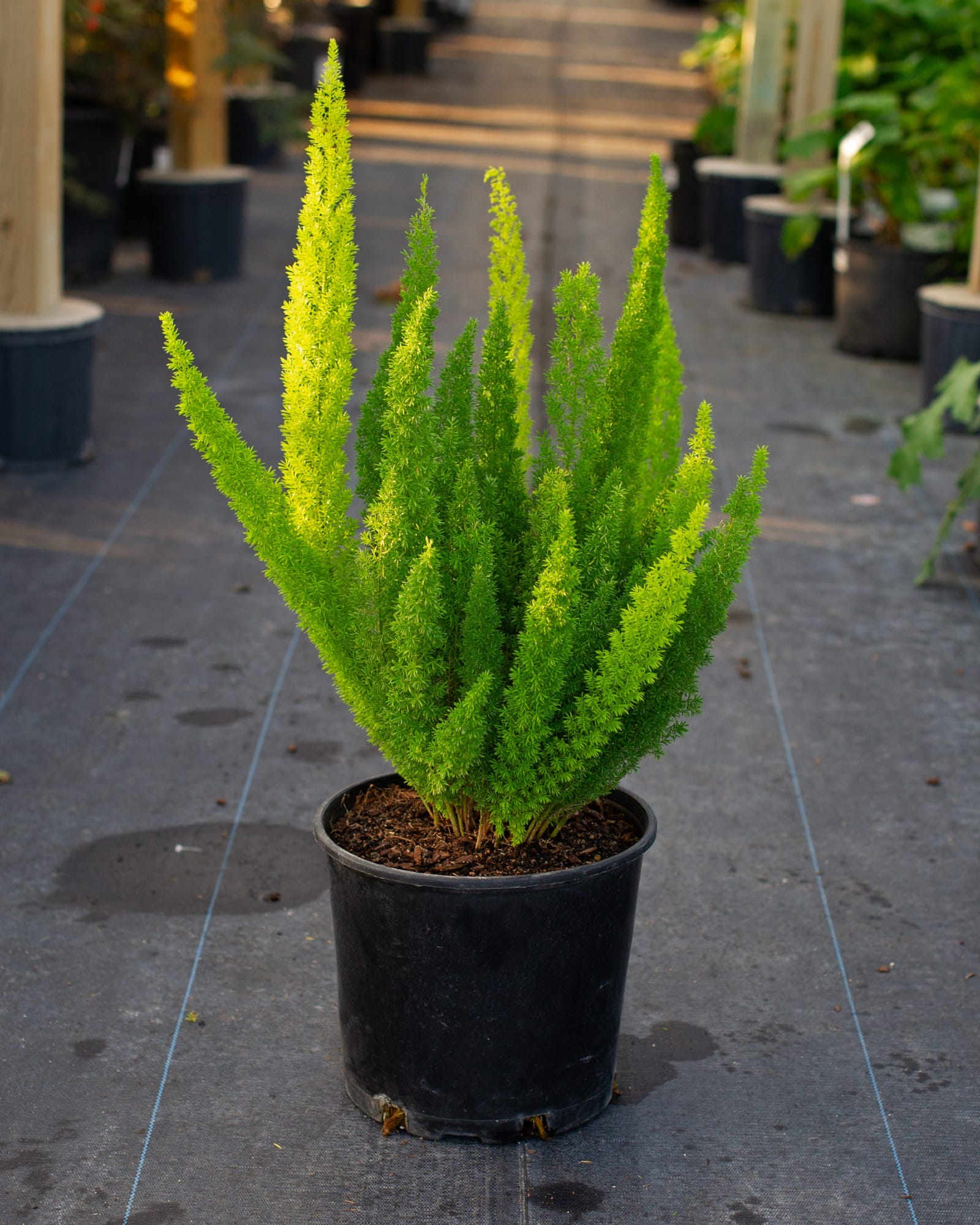
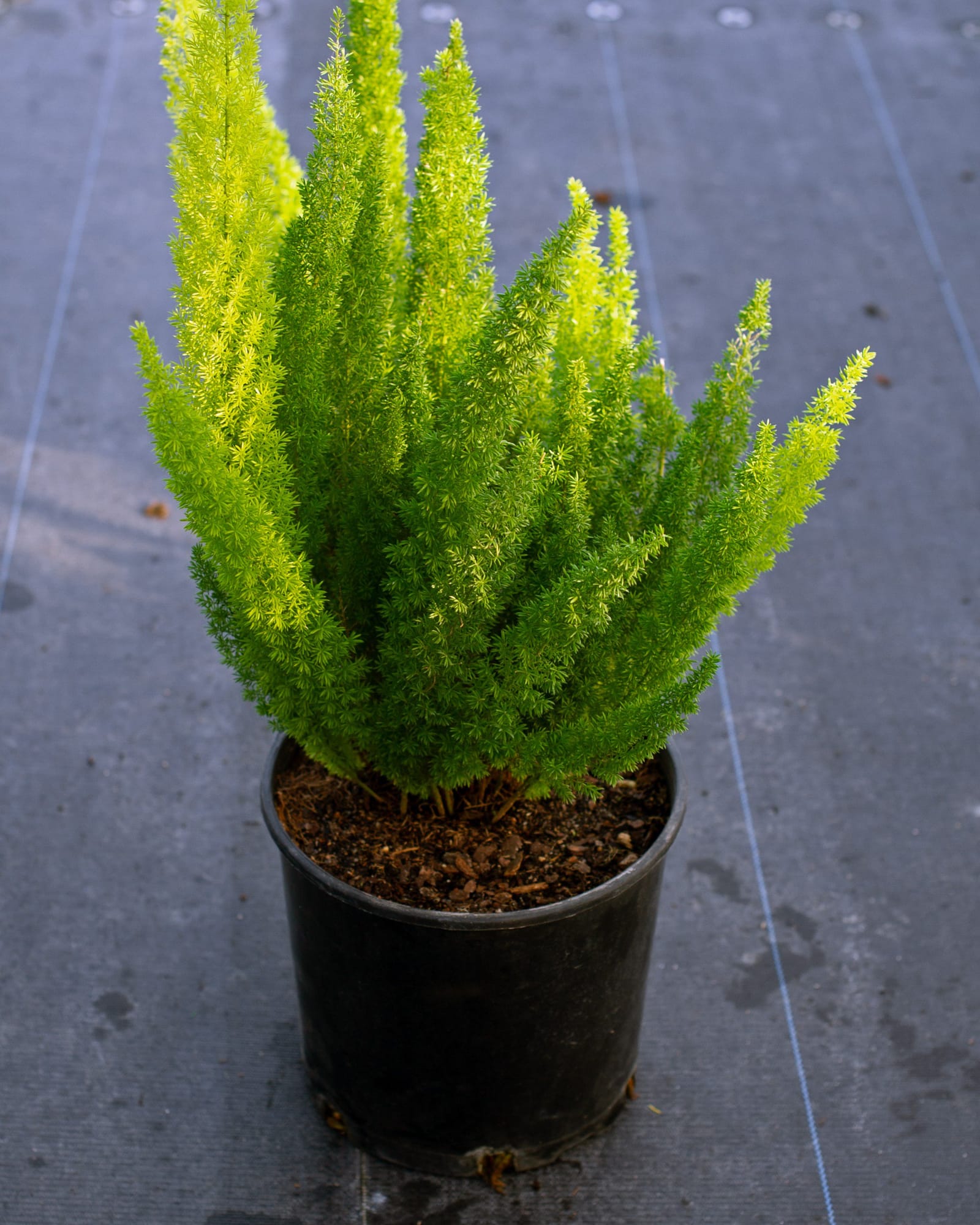
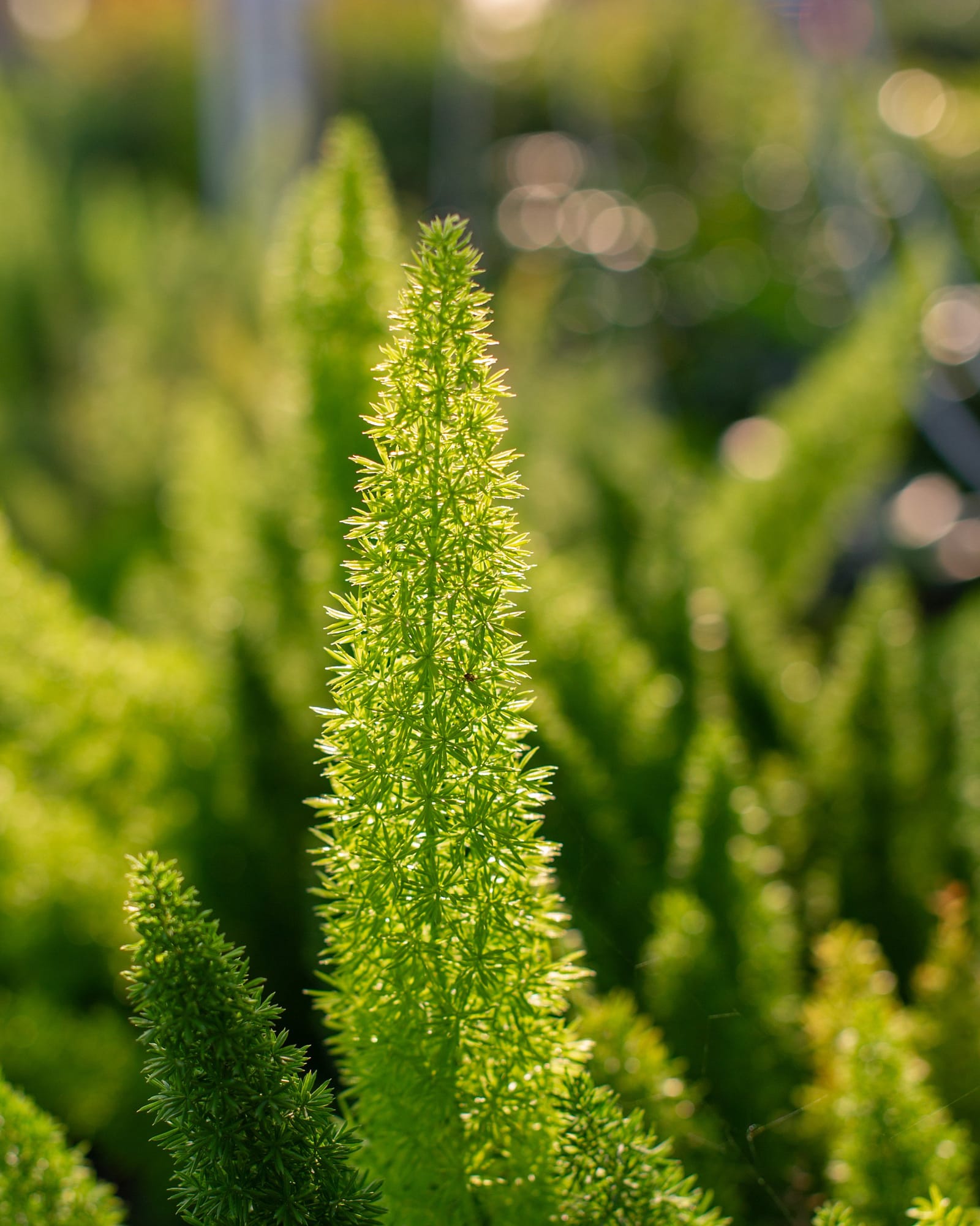
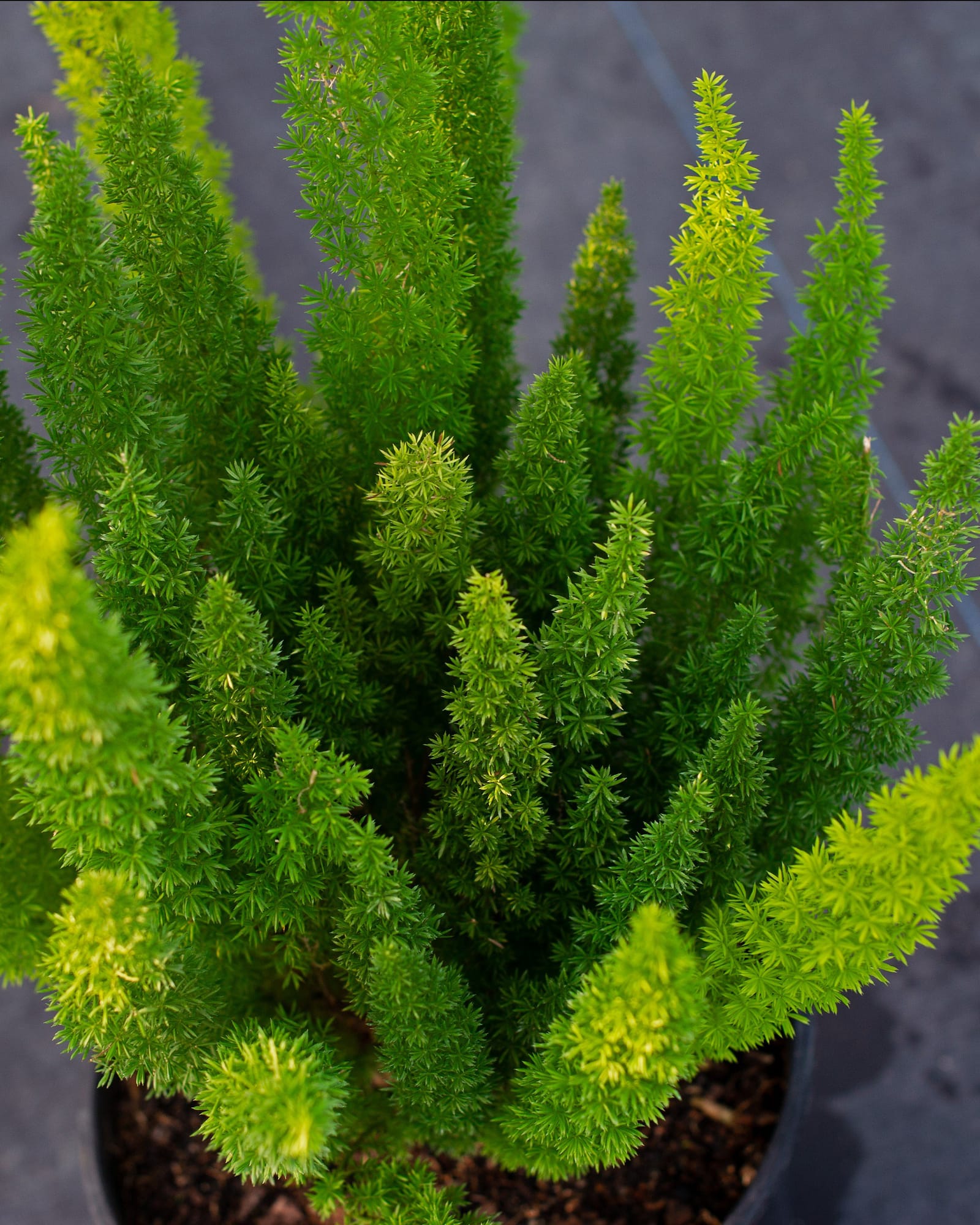
Foxtail Fern
Maturity: 2' H x 2' W
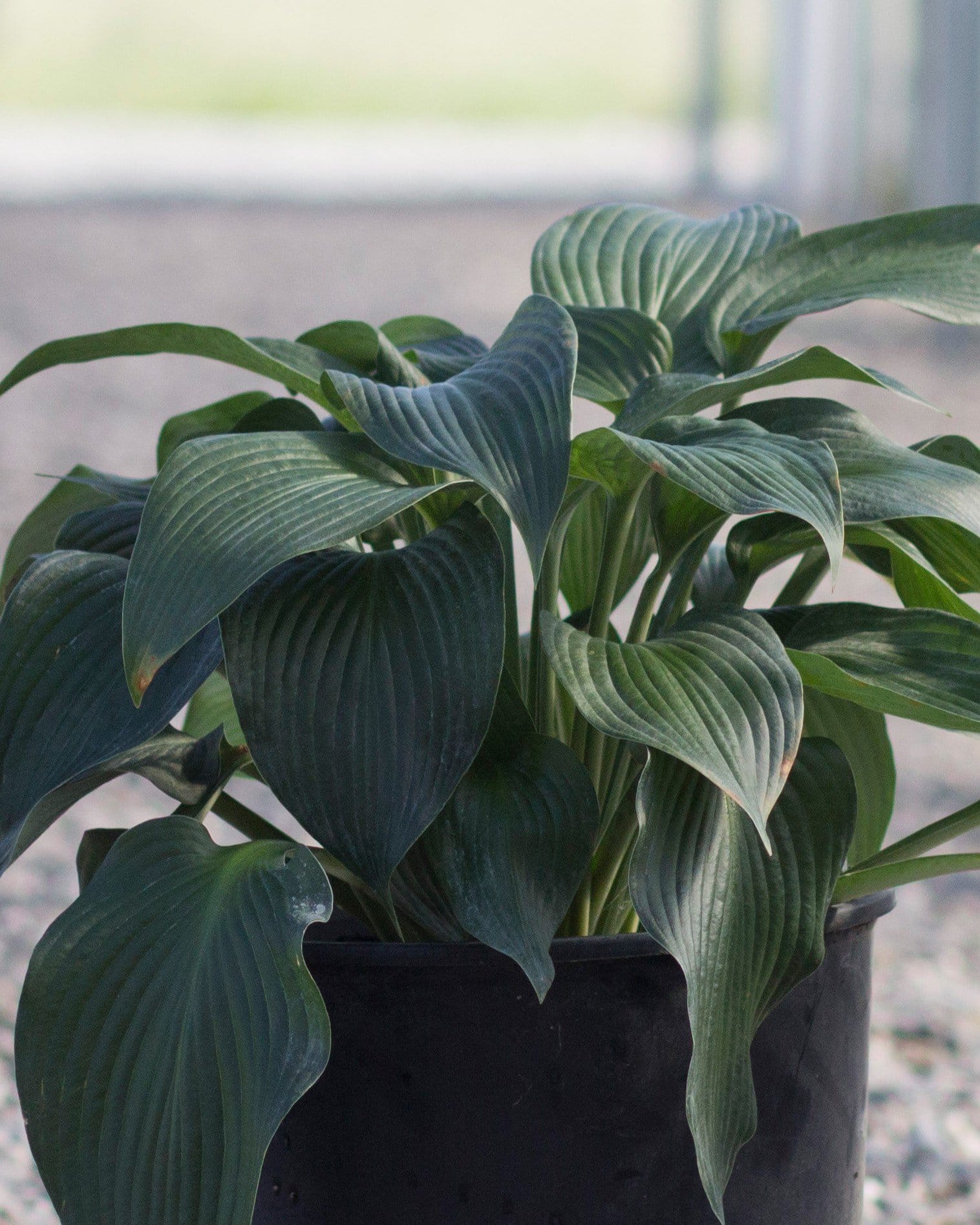
Blue Angel Hosta
Maturity: 2' H x 3' W
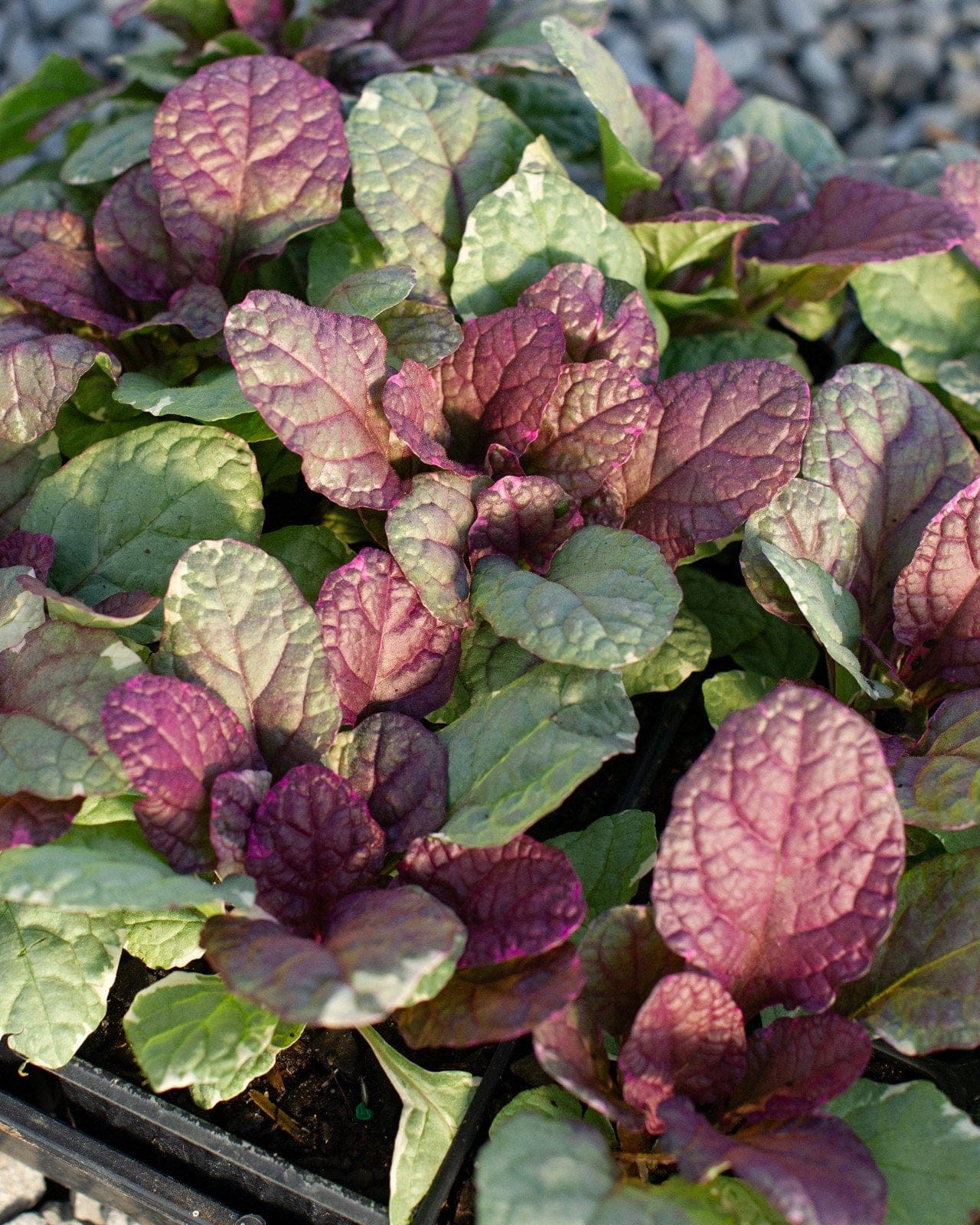
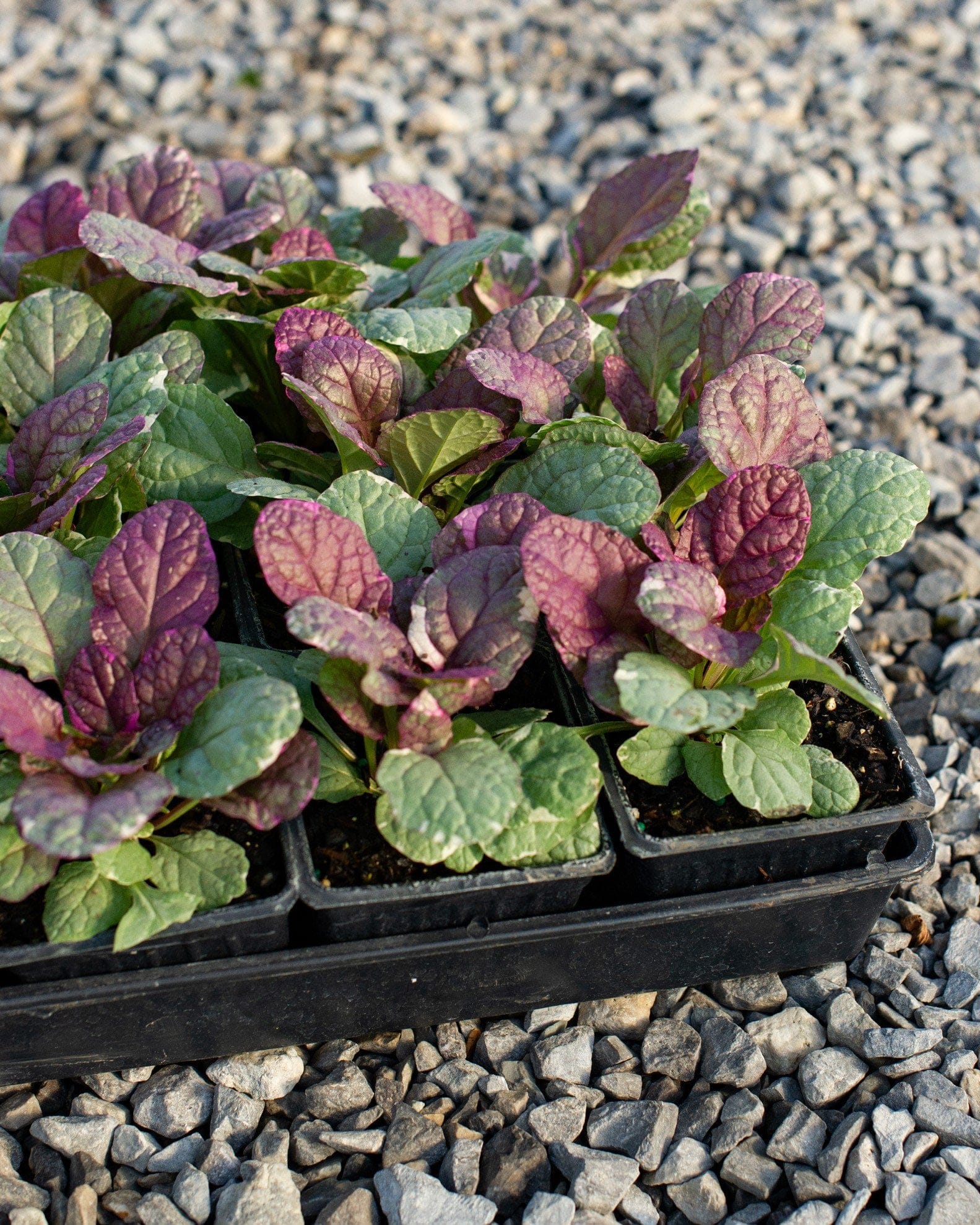
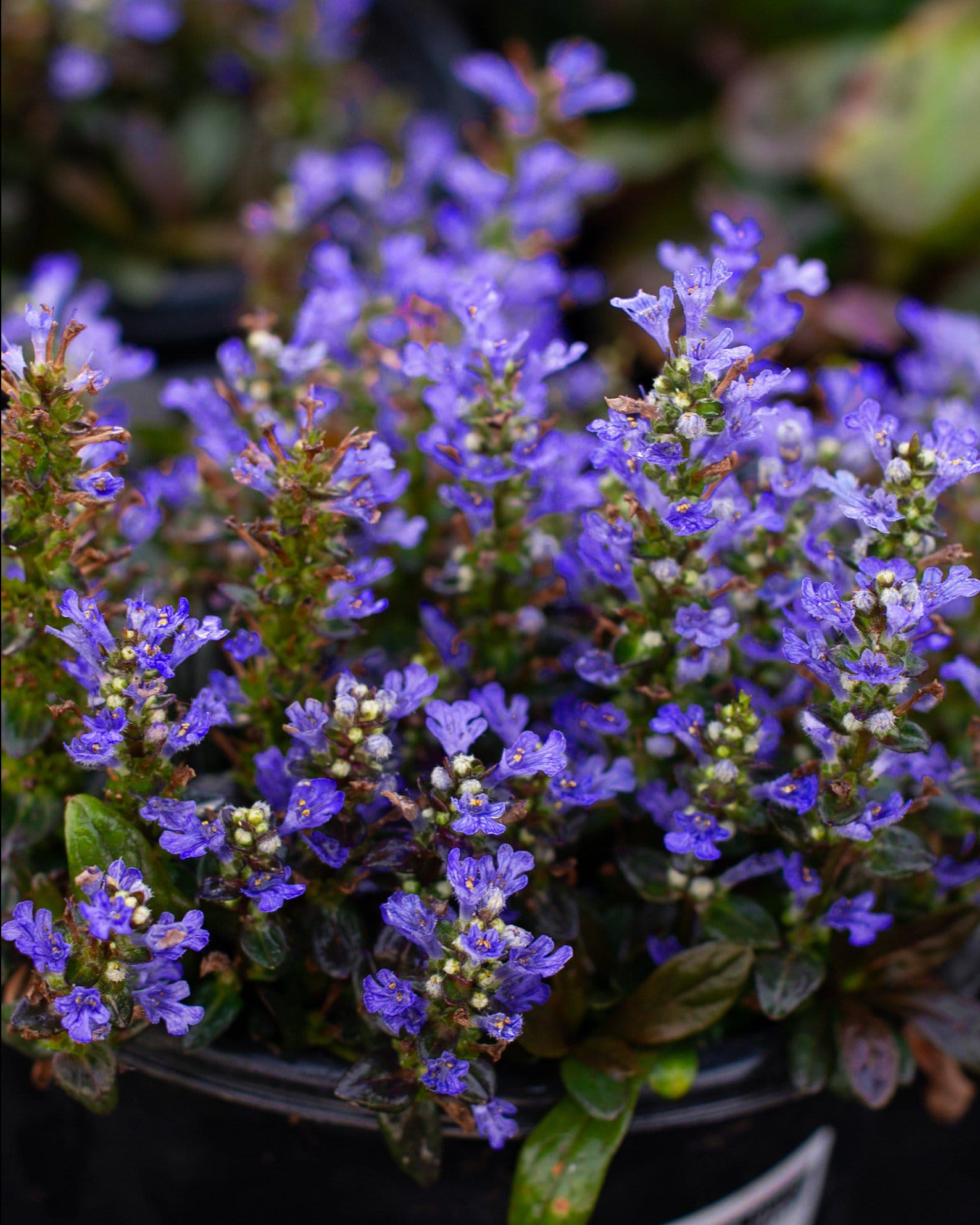
Burgundy Glow Ajuga
Maturity: 0.5' H x 1' W
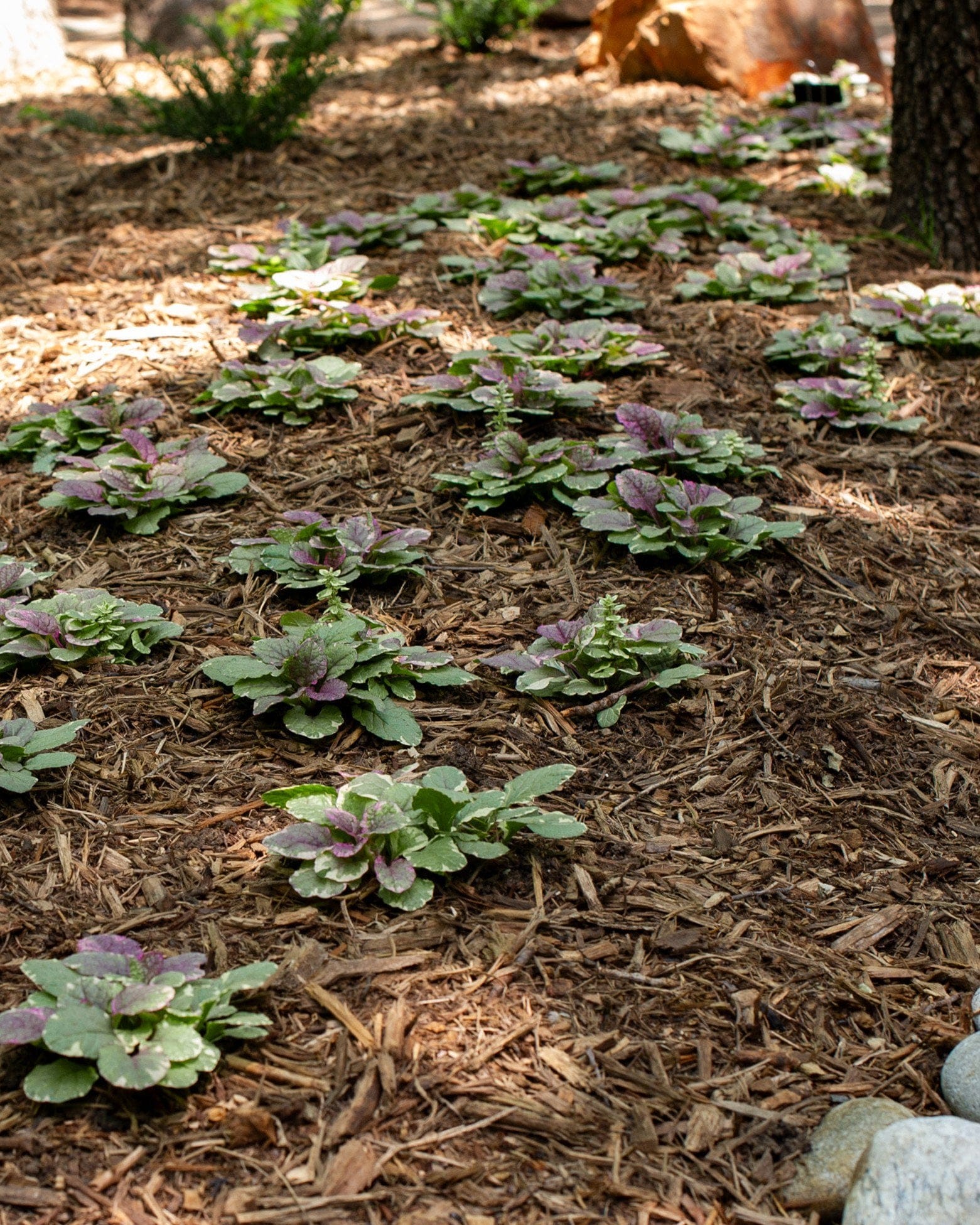
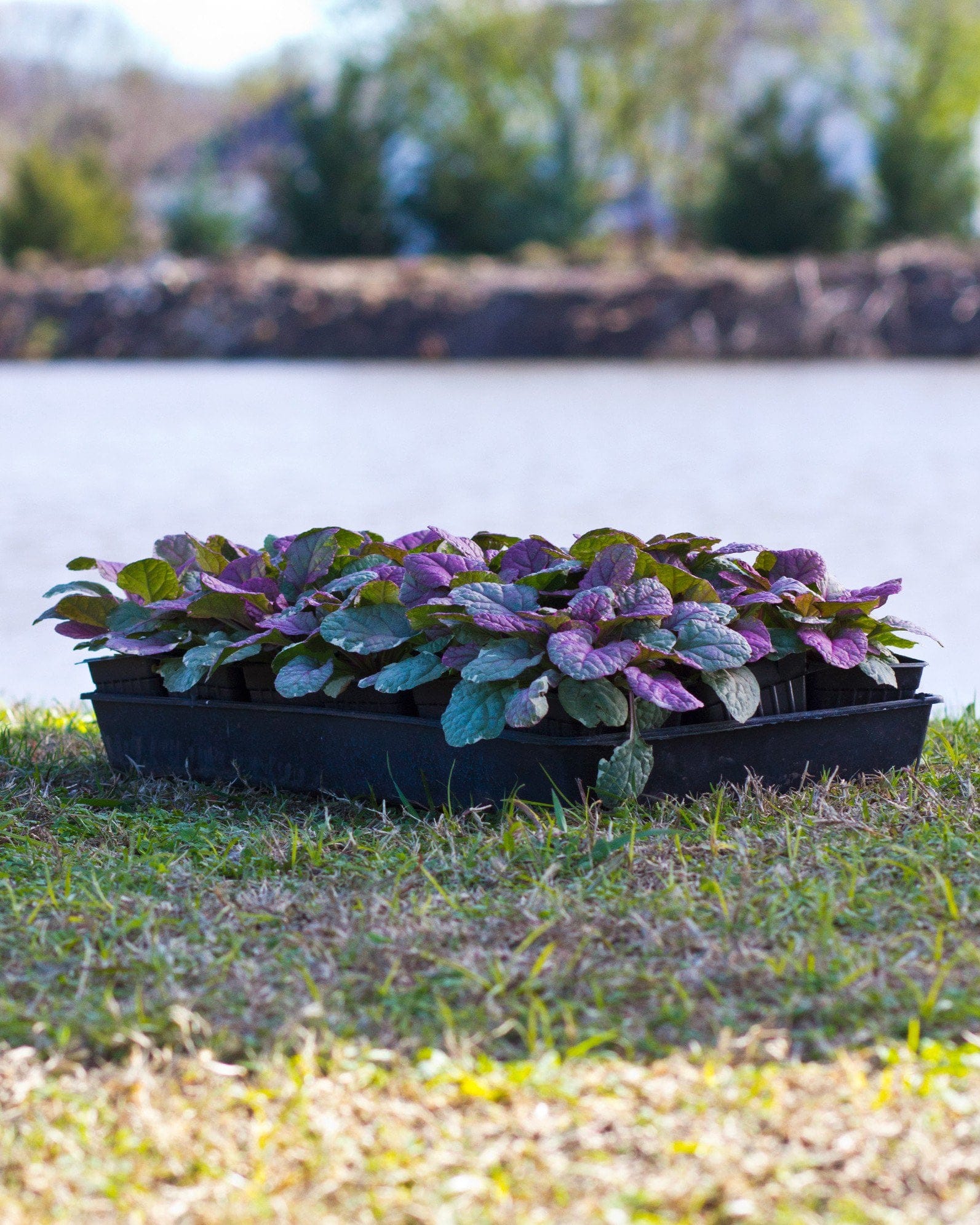
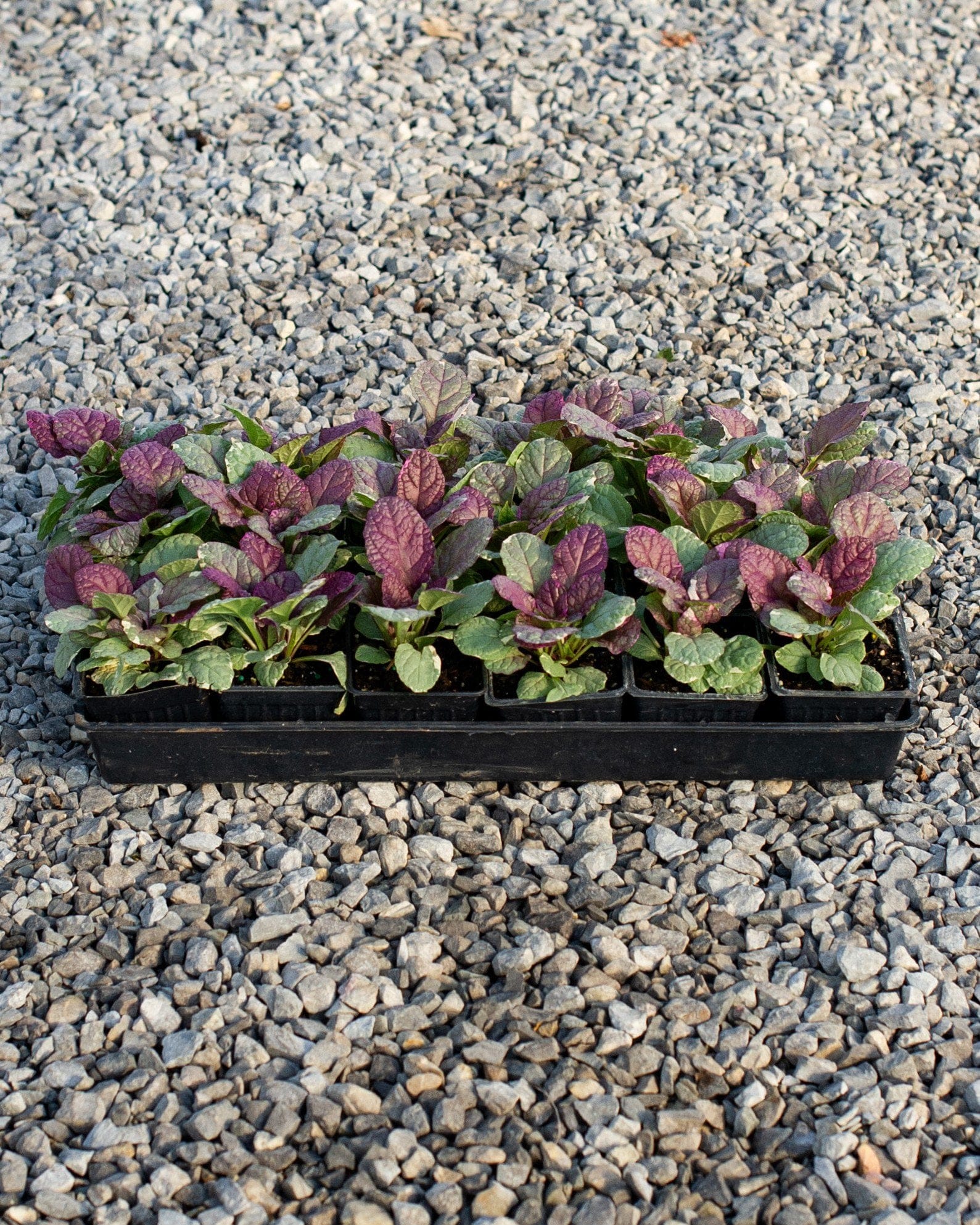
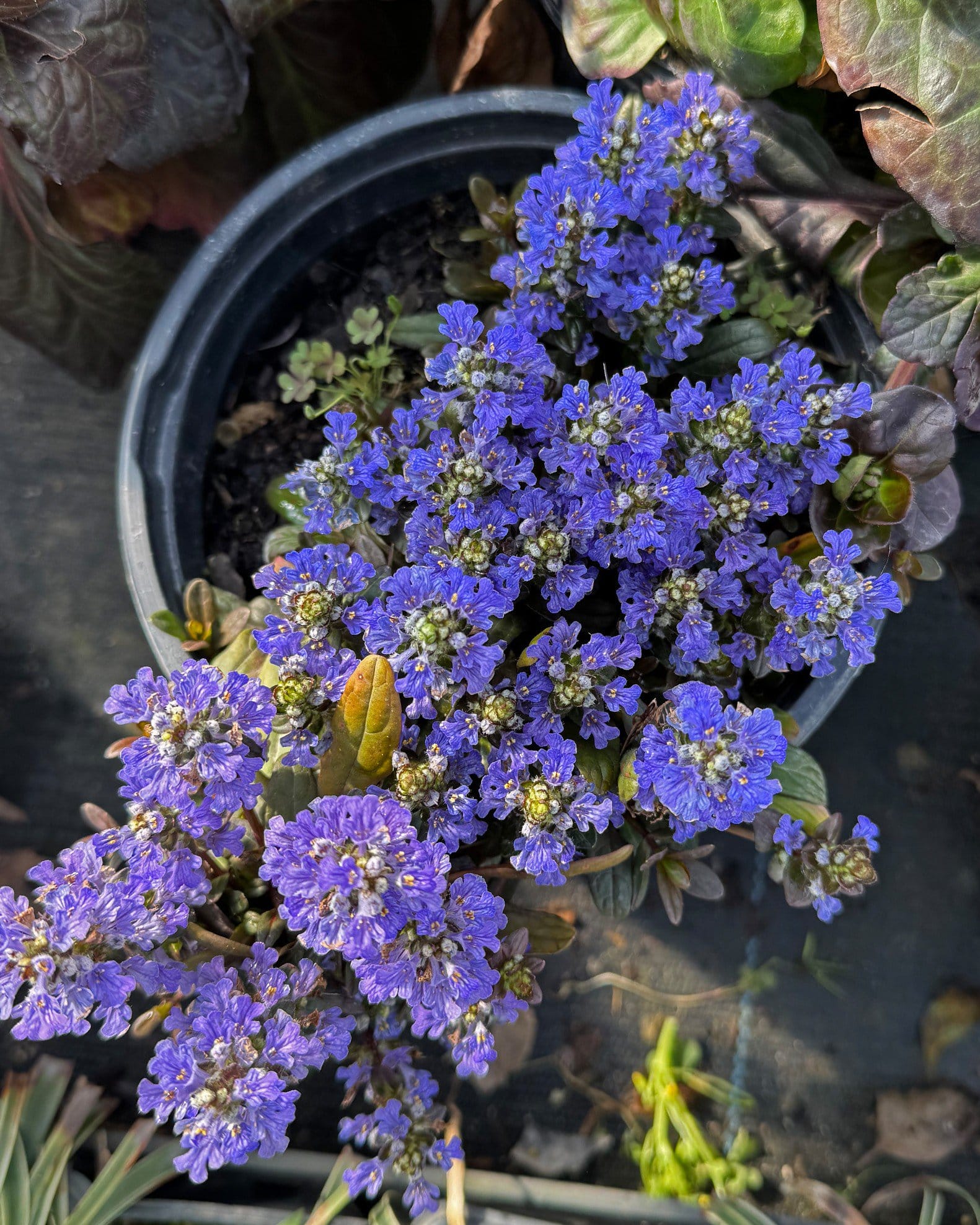
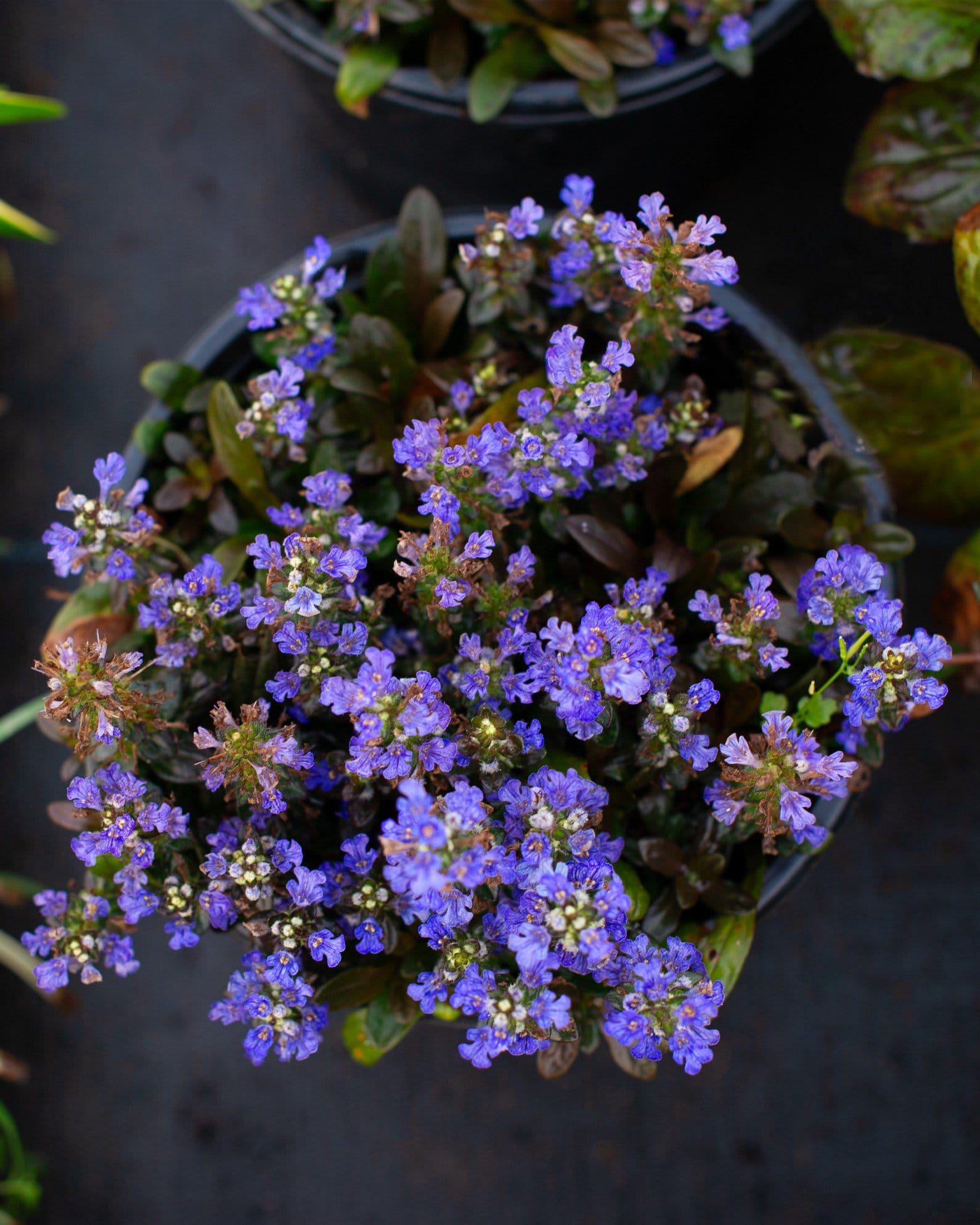
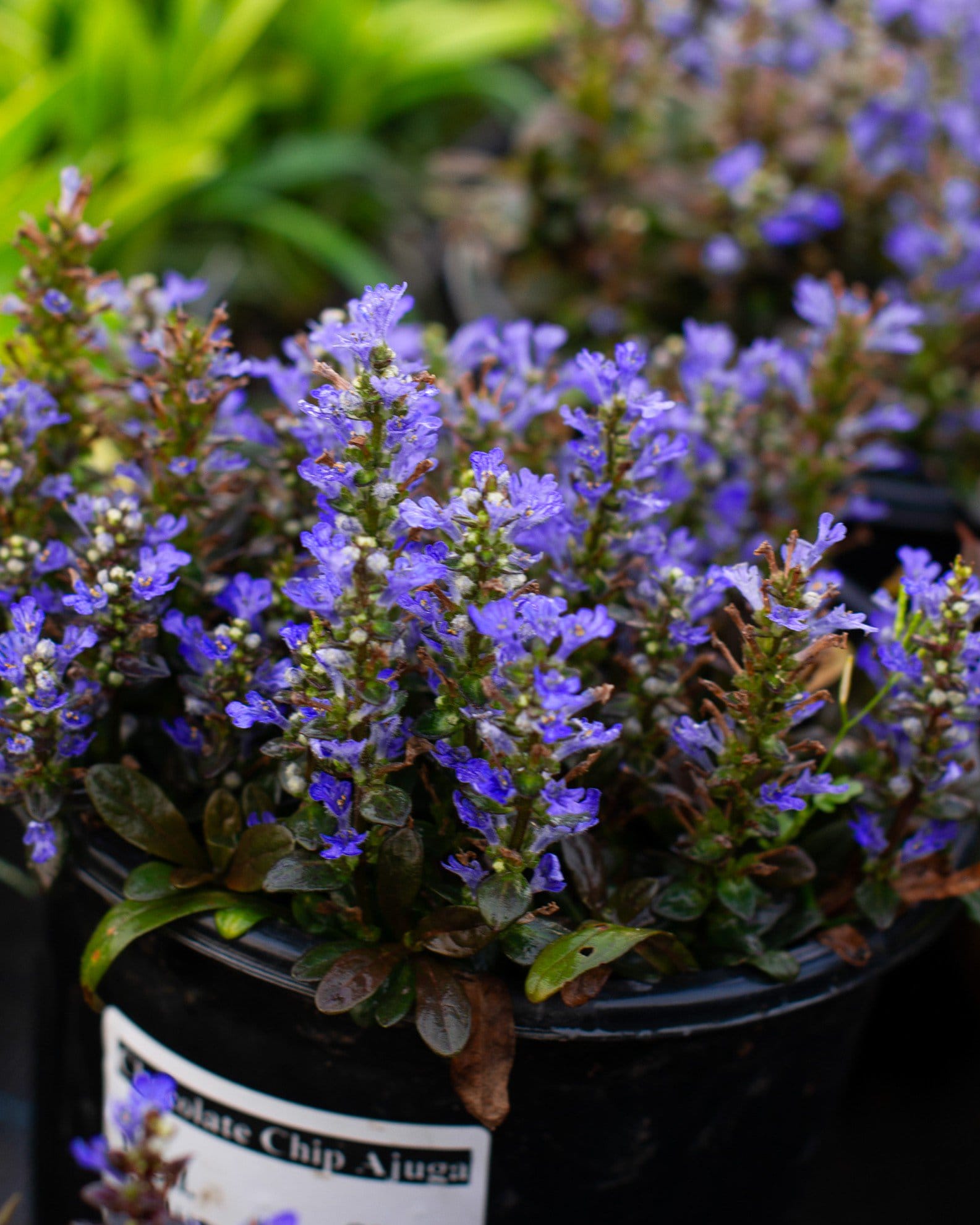
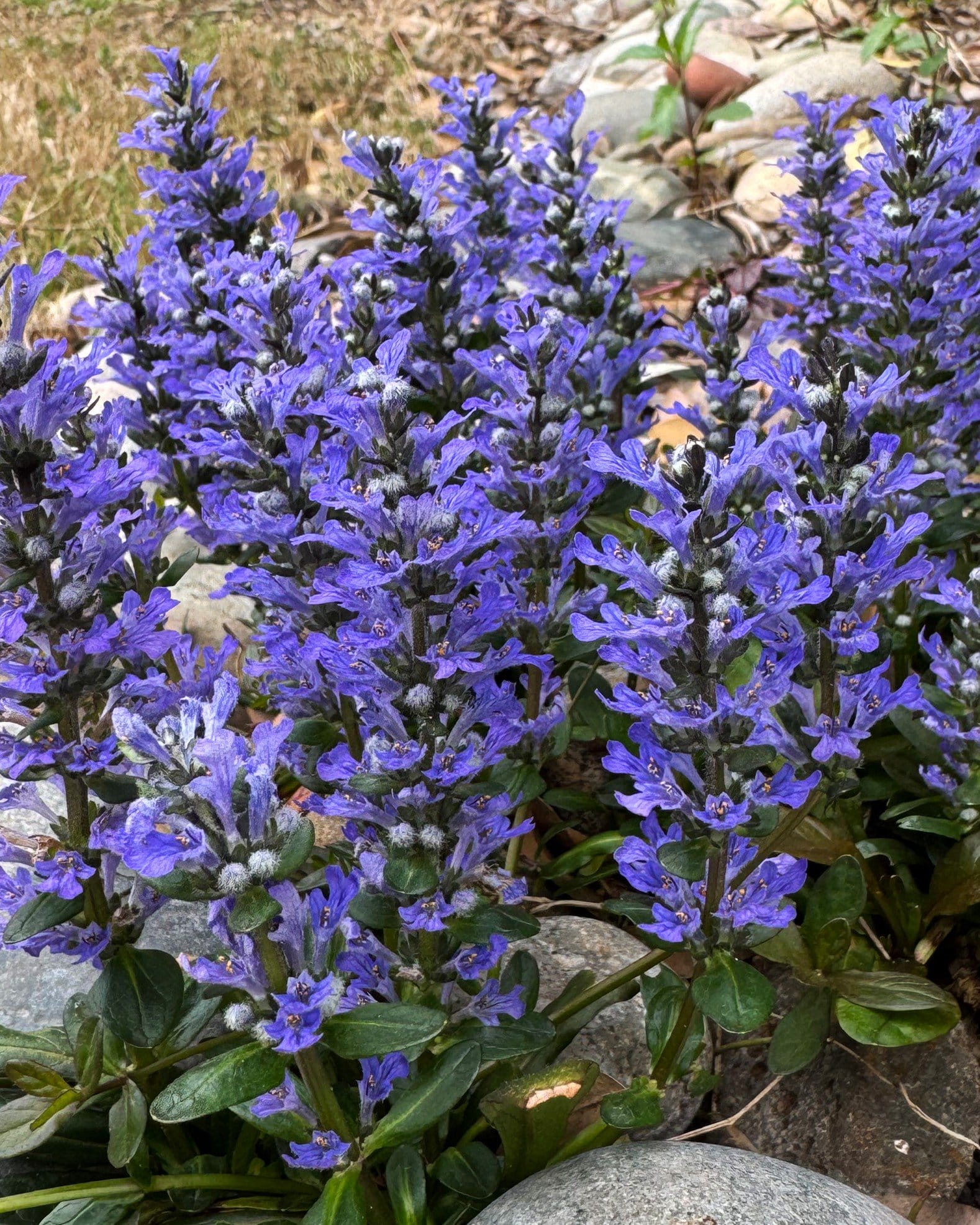
Chocolate Chip Ajuga
Maturity: 0.5' H x 1.5' W
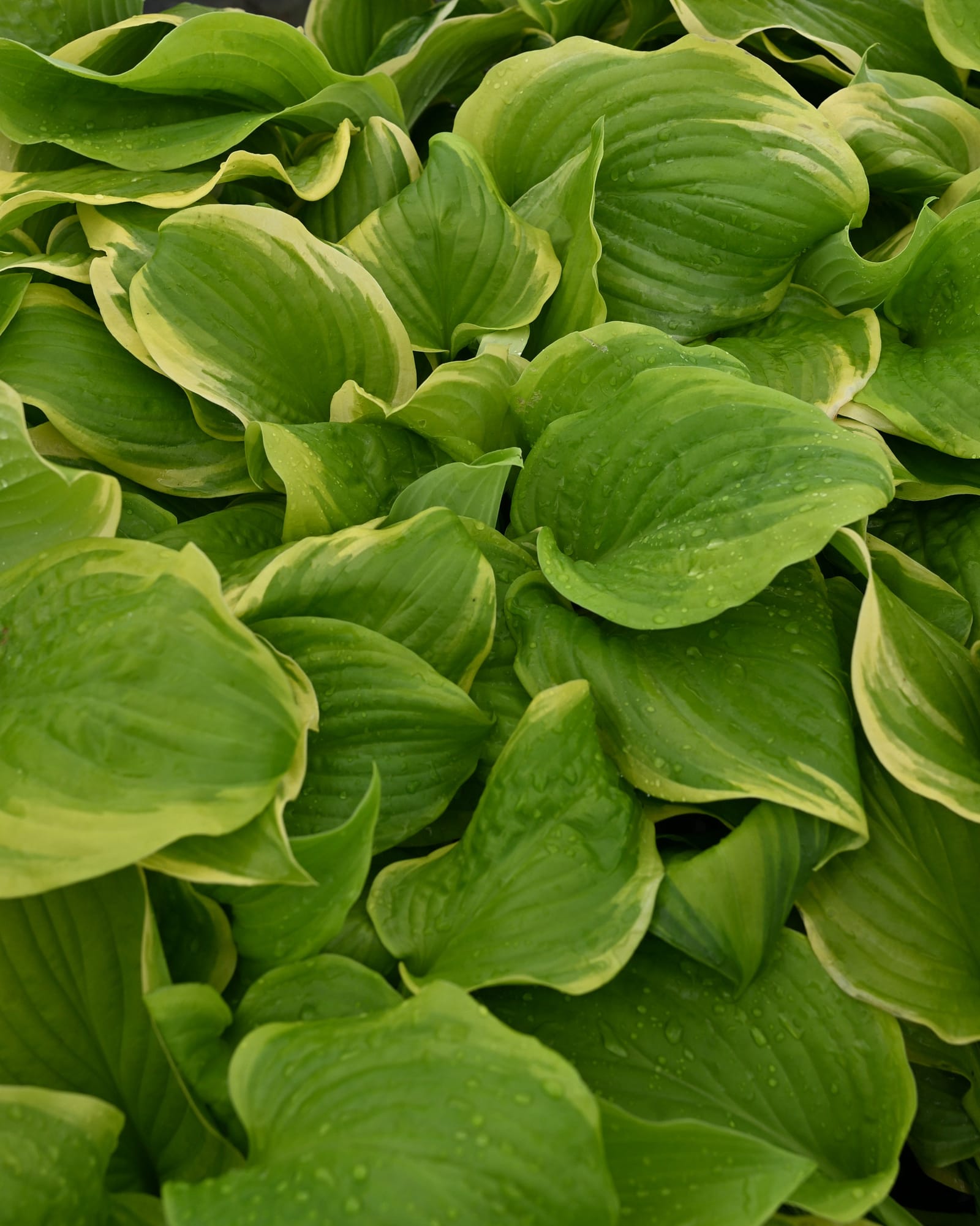
Fragrant Bouquet Hosta
Maturity: 2' H x 3' W
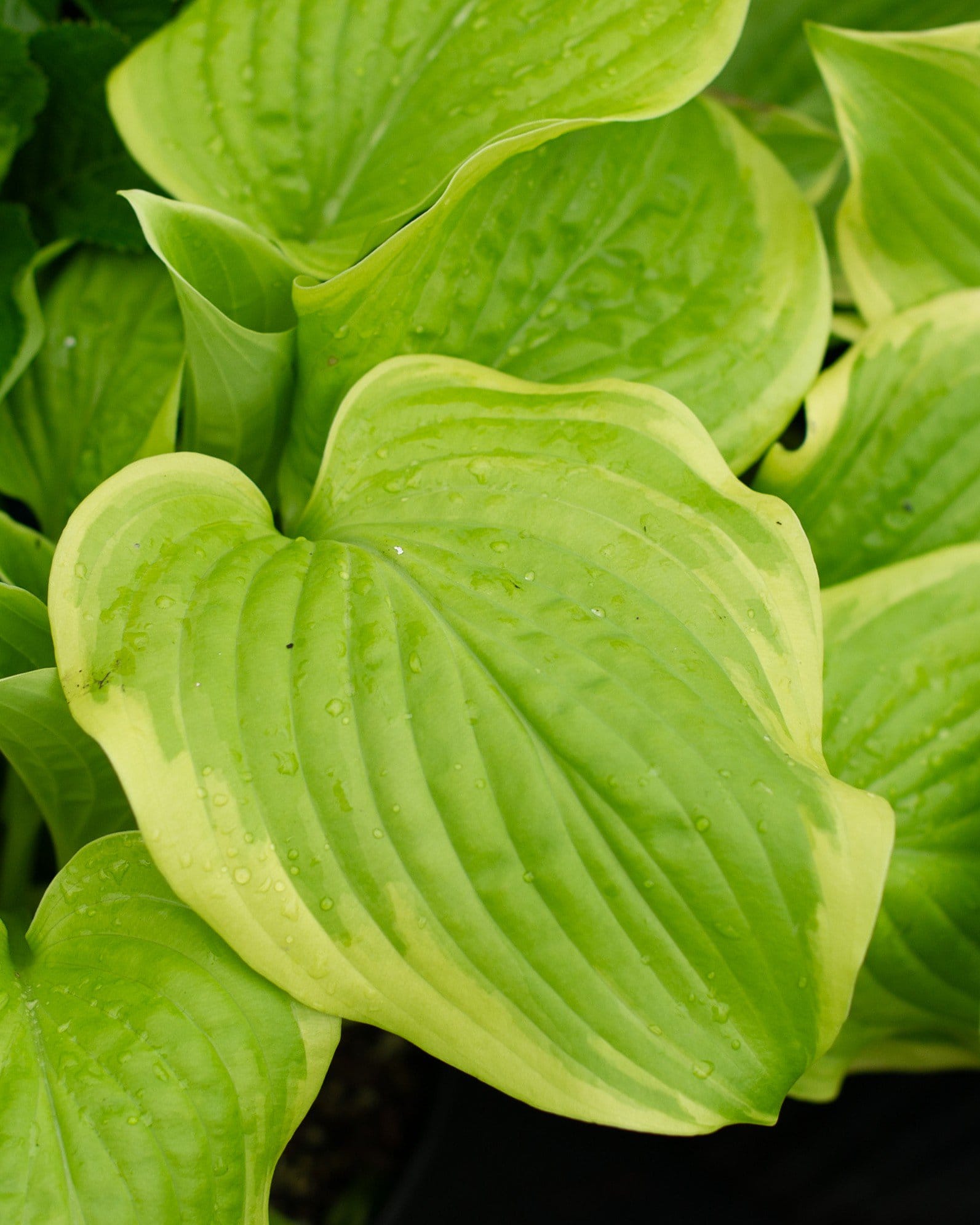
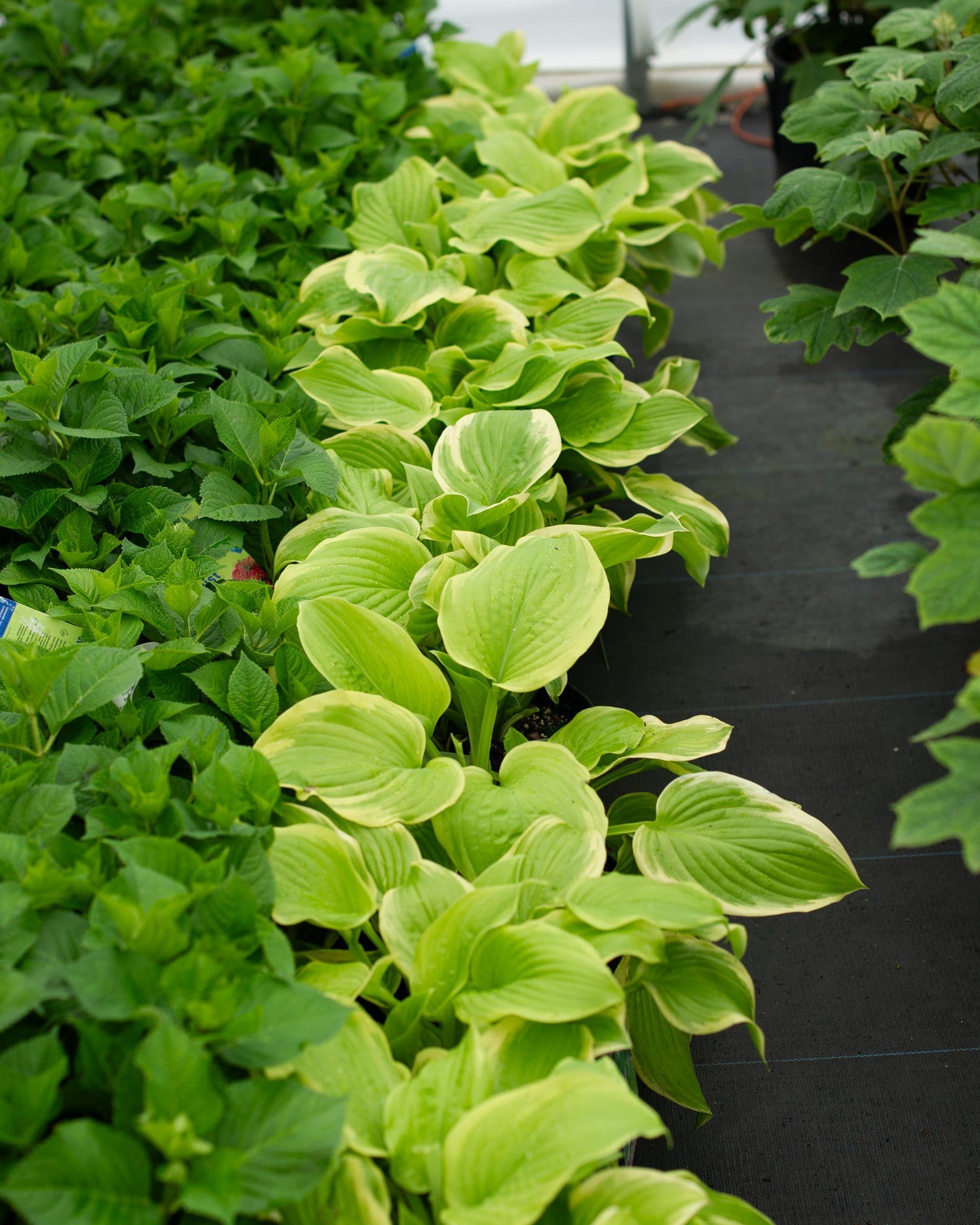
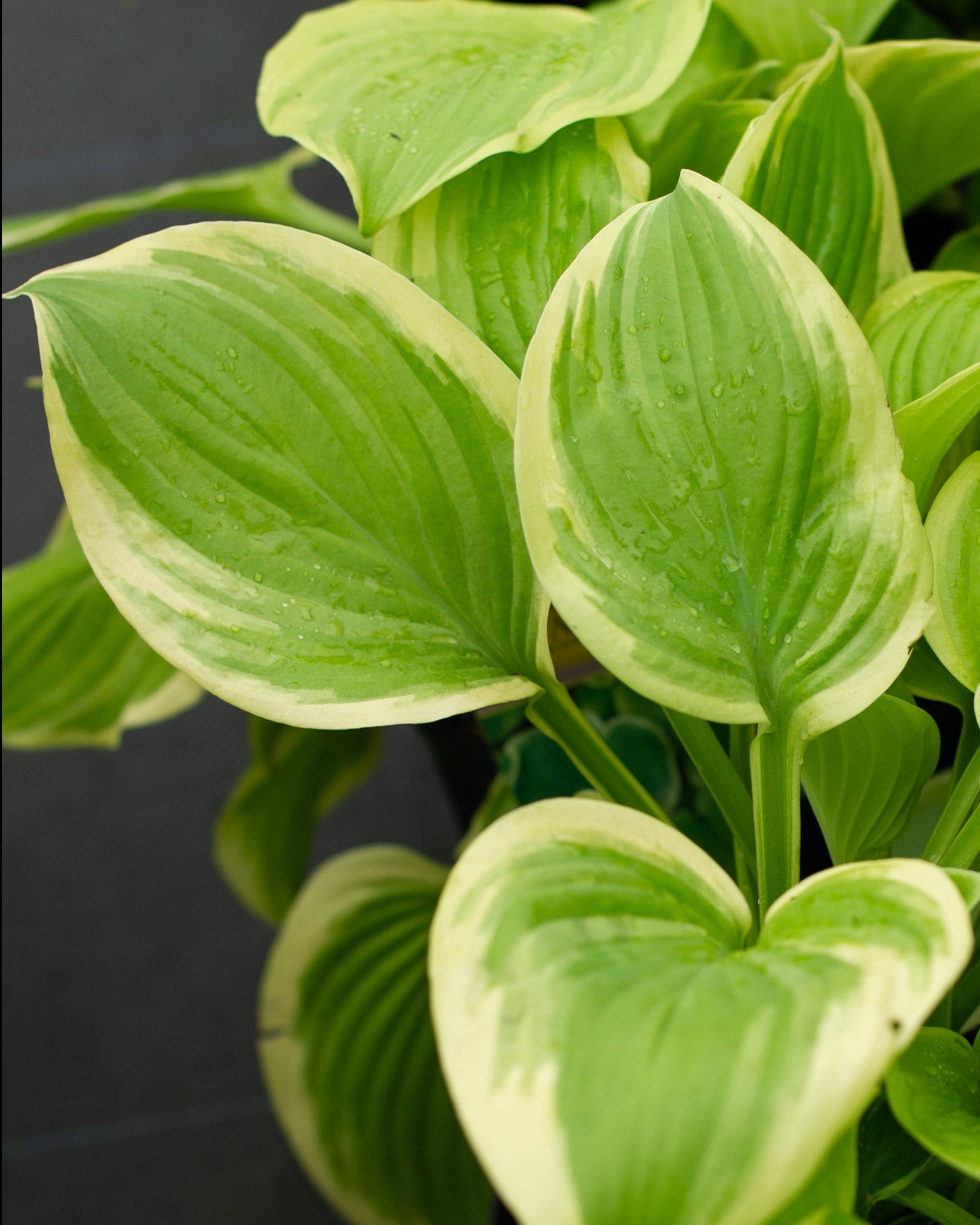
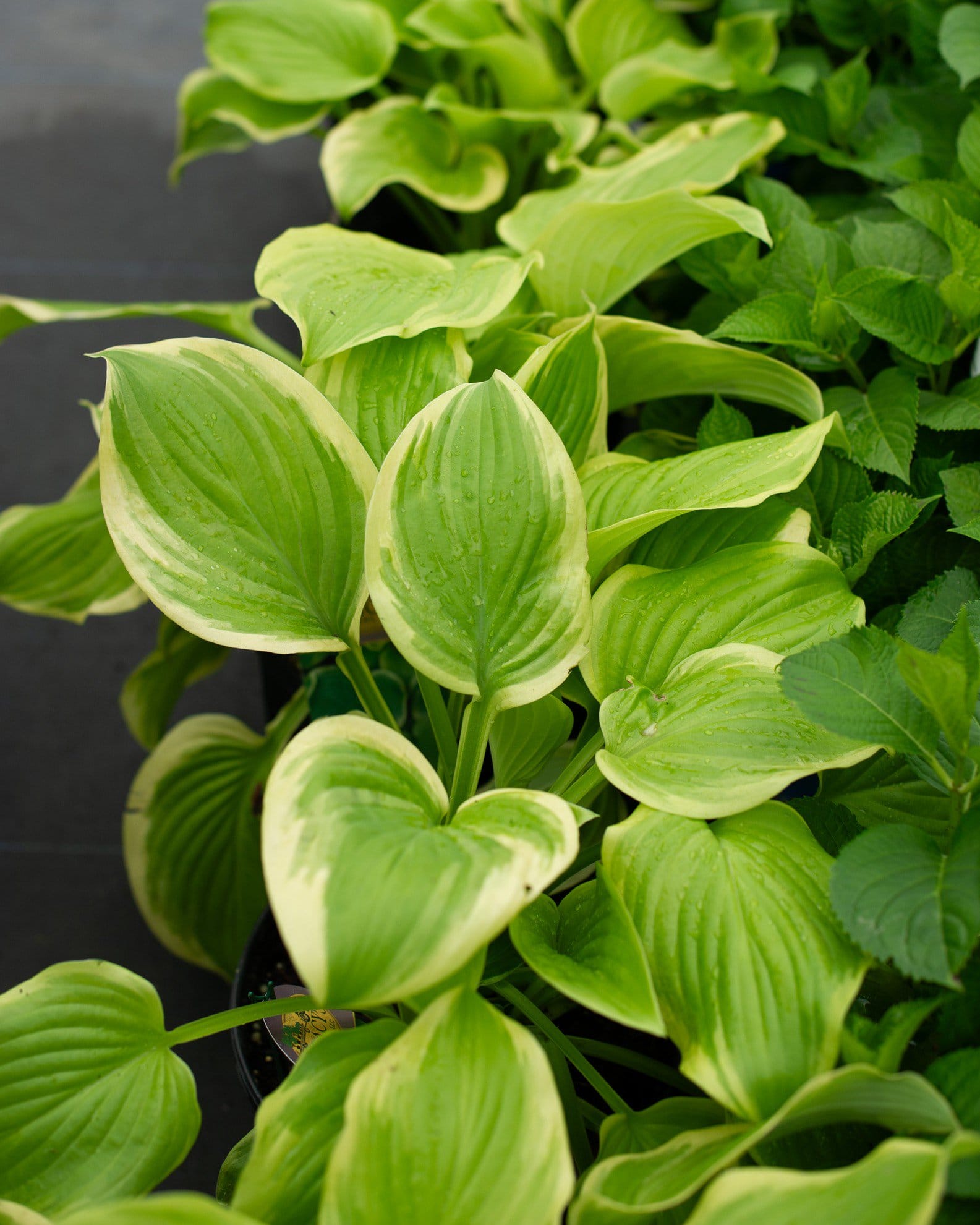
Francee Hosta
Maturity: 2' H x 4' W
Giant Leopard Plant
Maturity: 3' H x 3' W
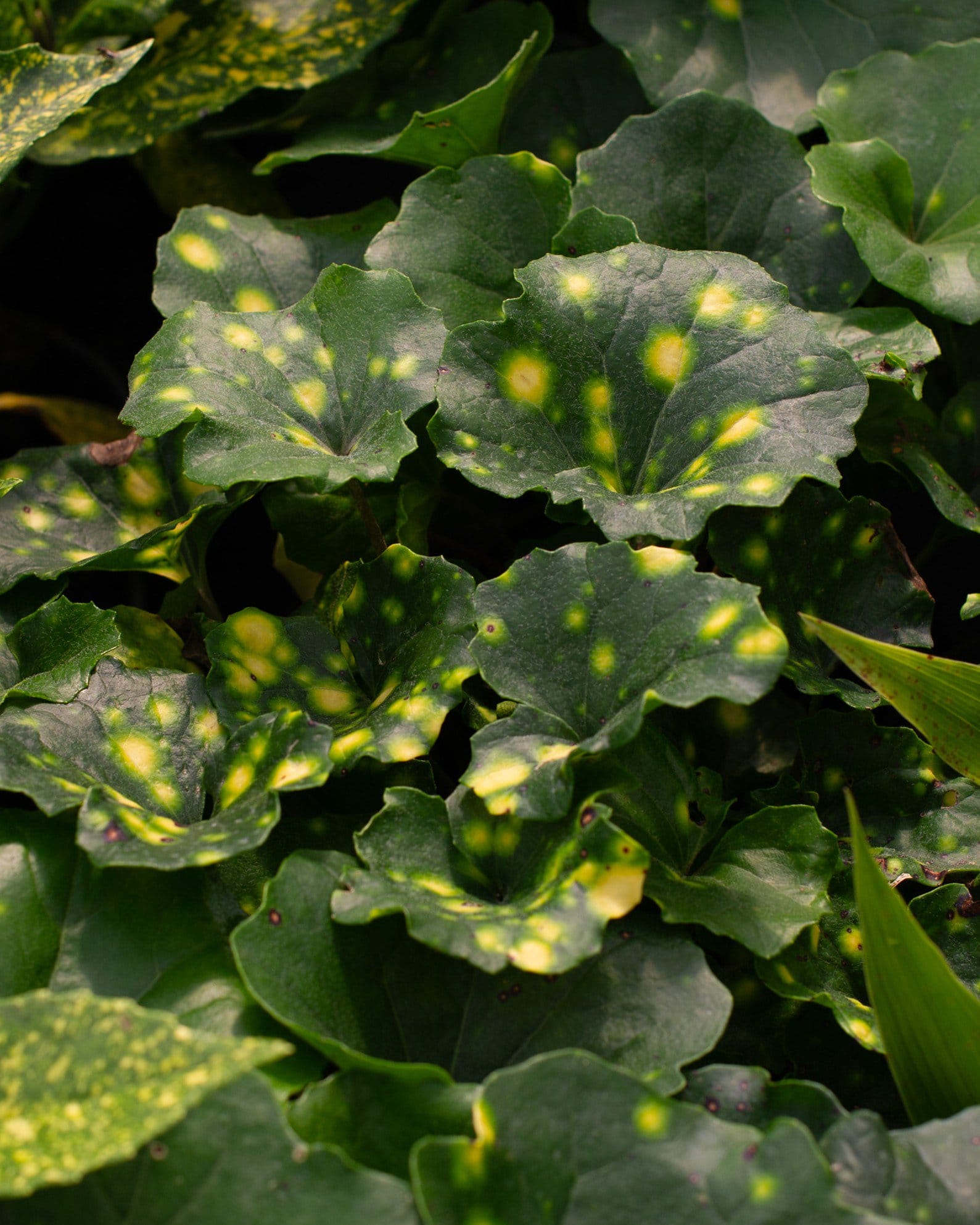
Variegated Leopard Plant
Maturity: 2' H x 2.5' W
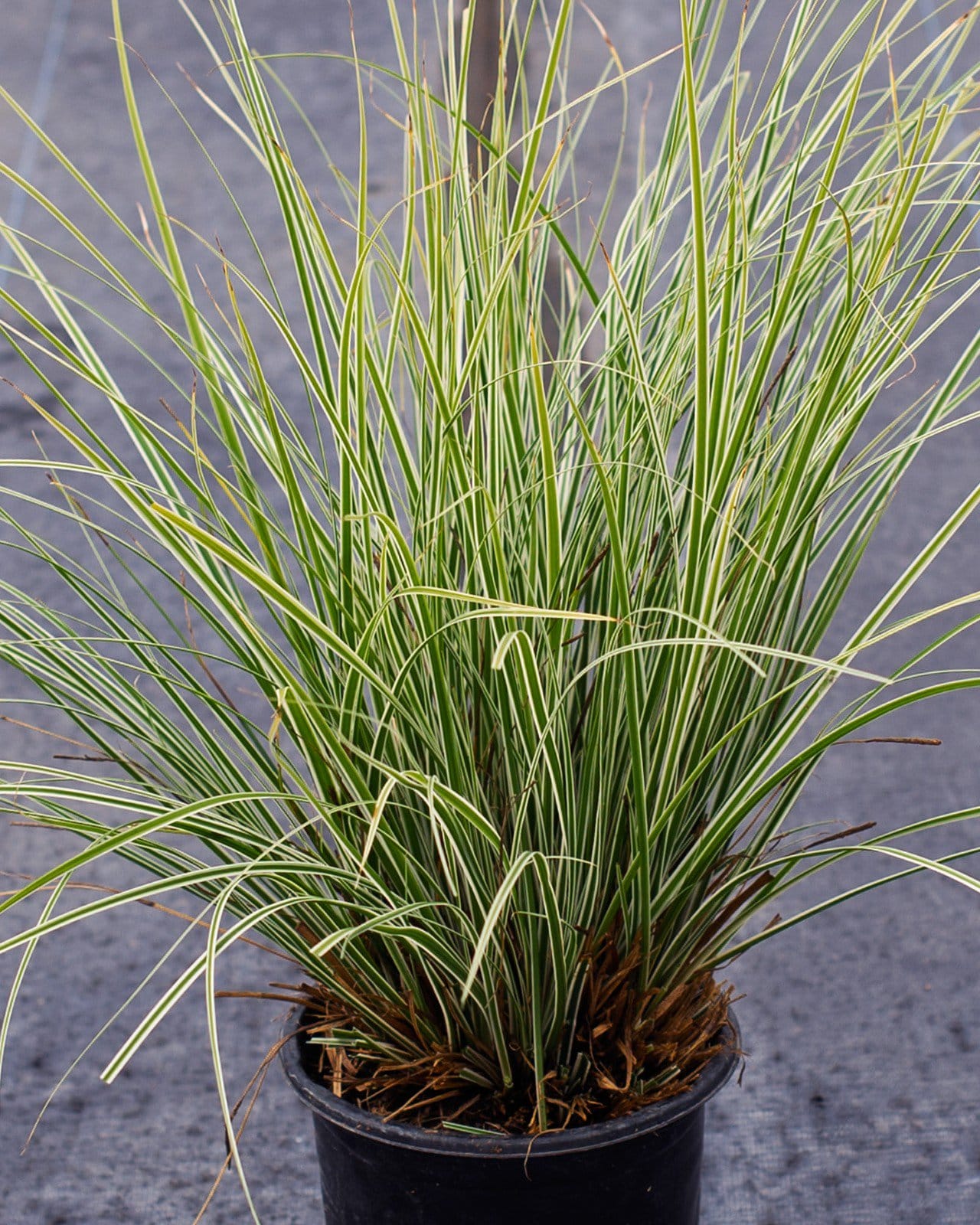
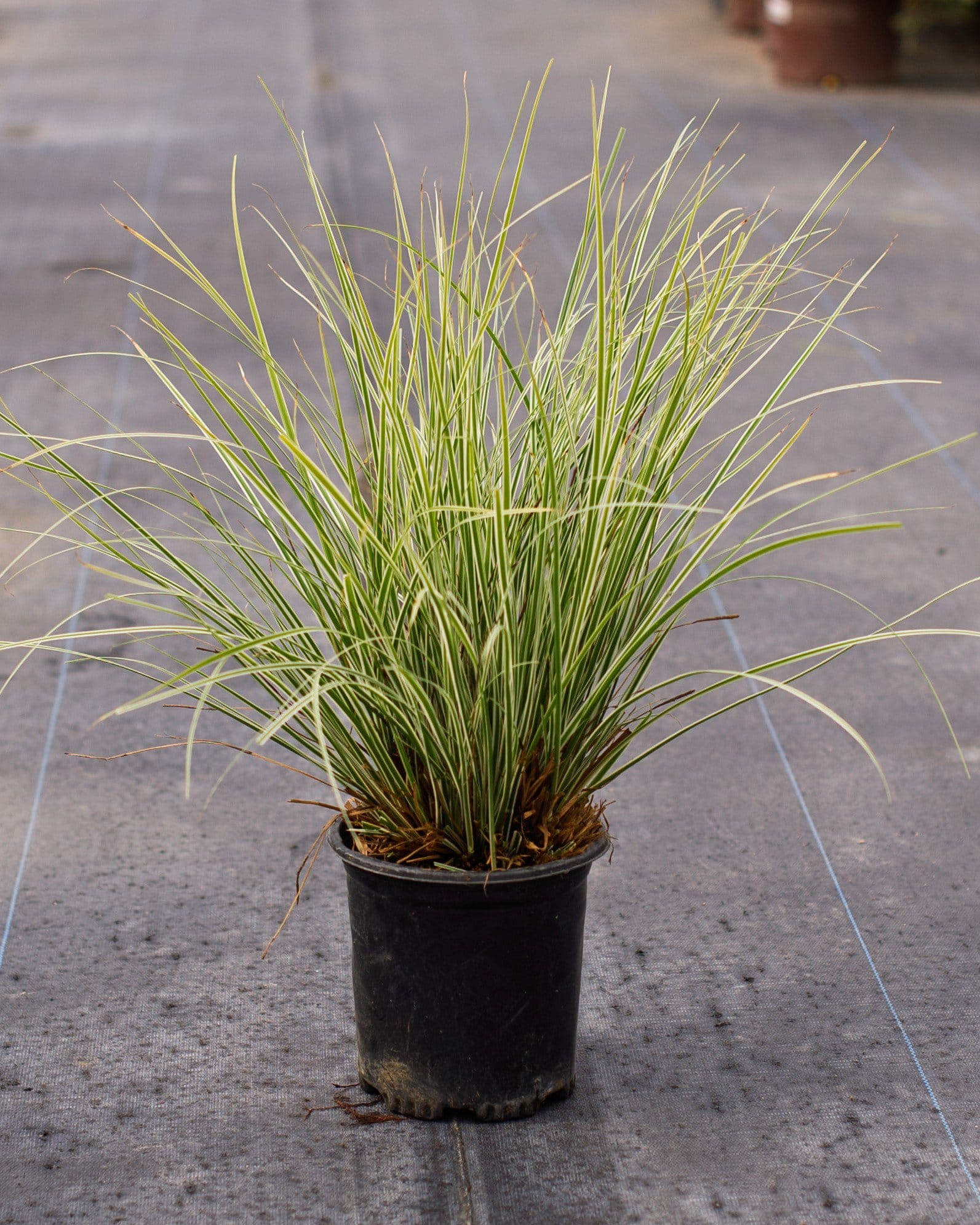
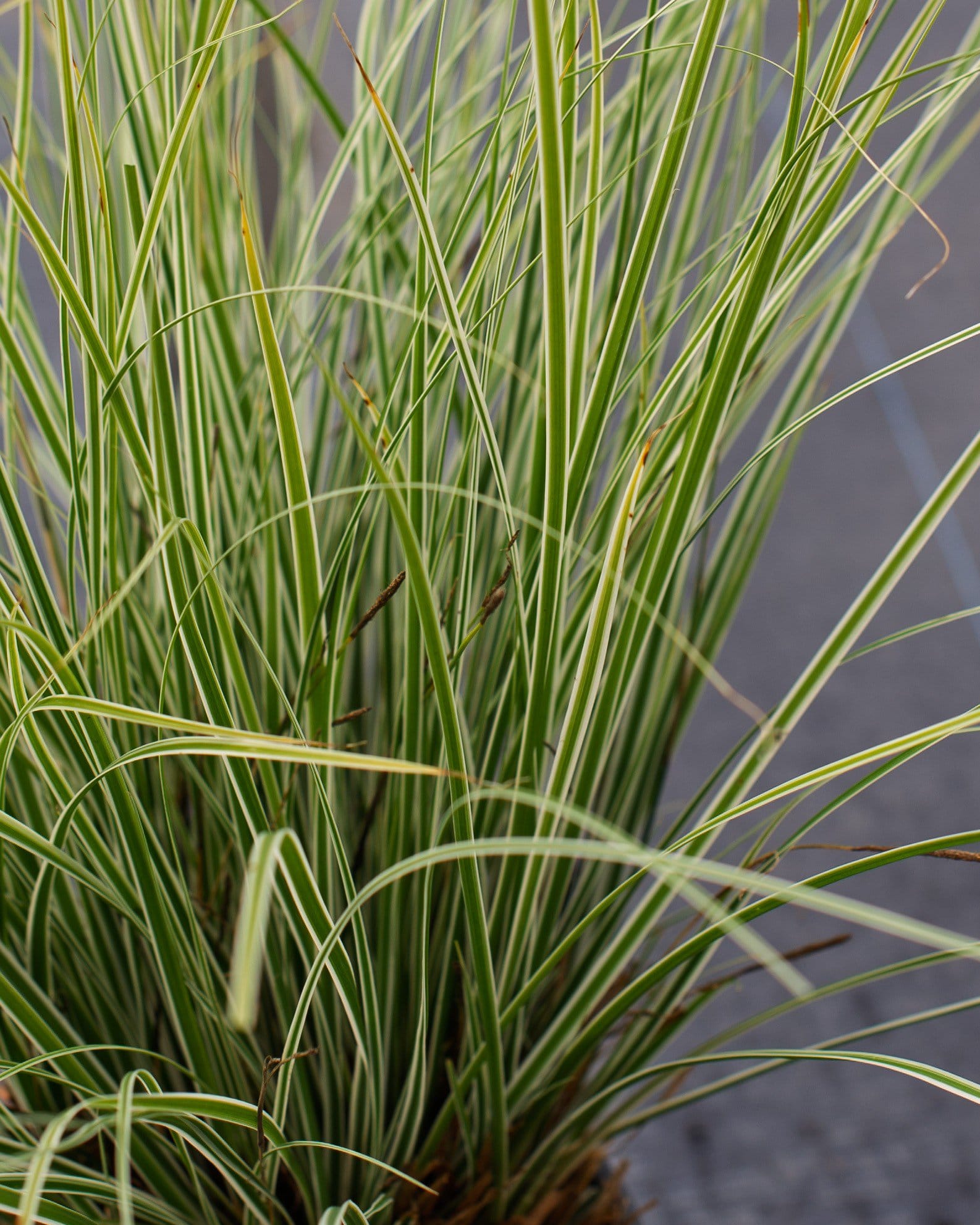
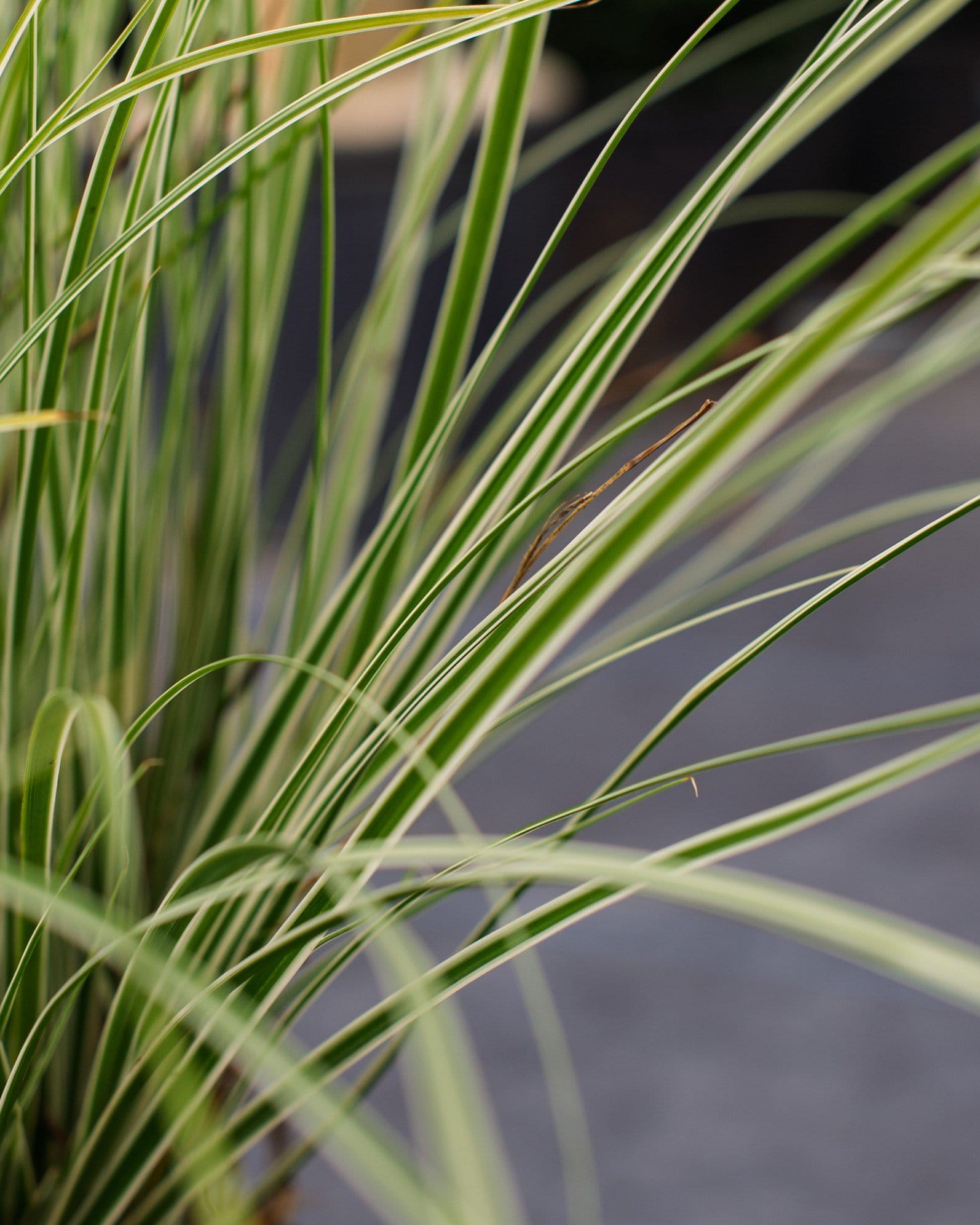
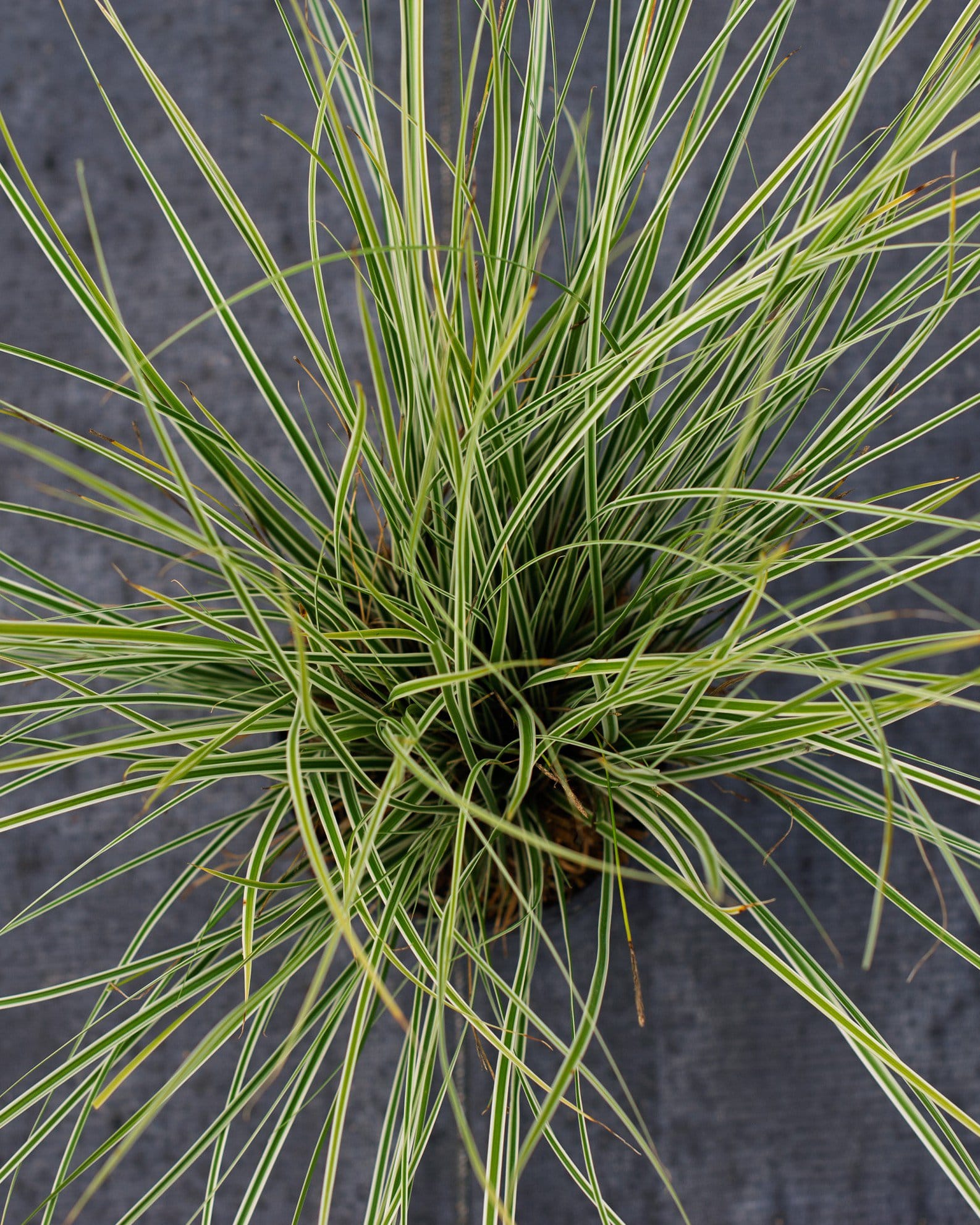
Everest EverColor Carex Sedge
Maturity: 1' H x 1.5' W
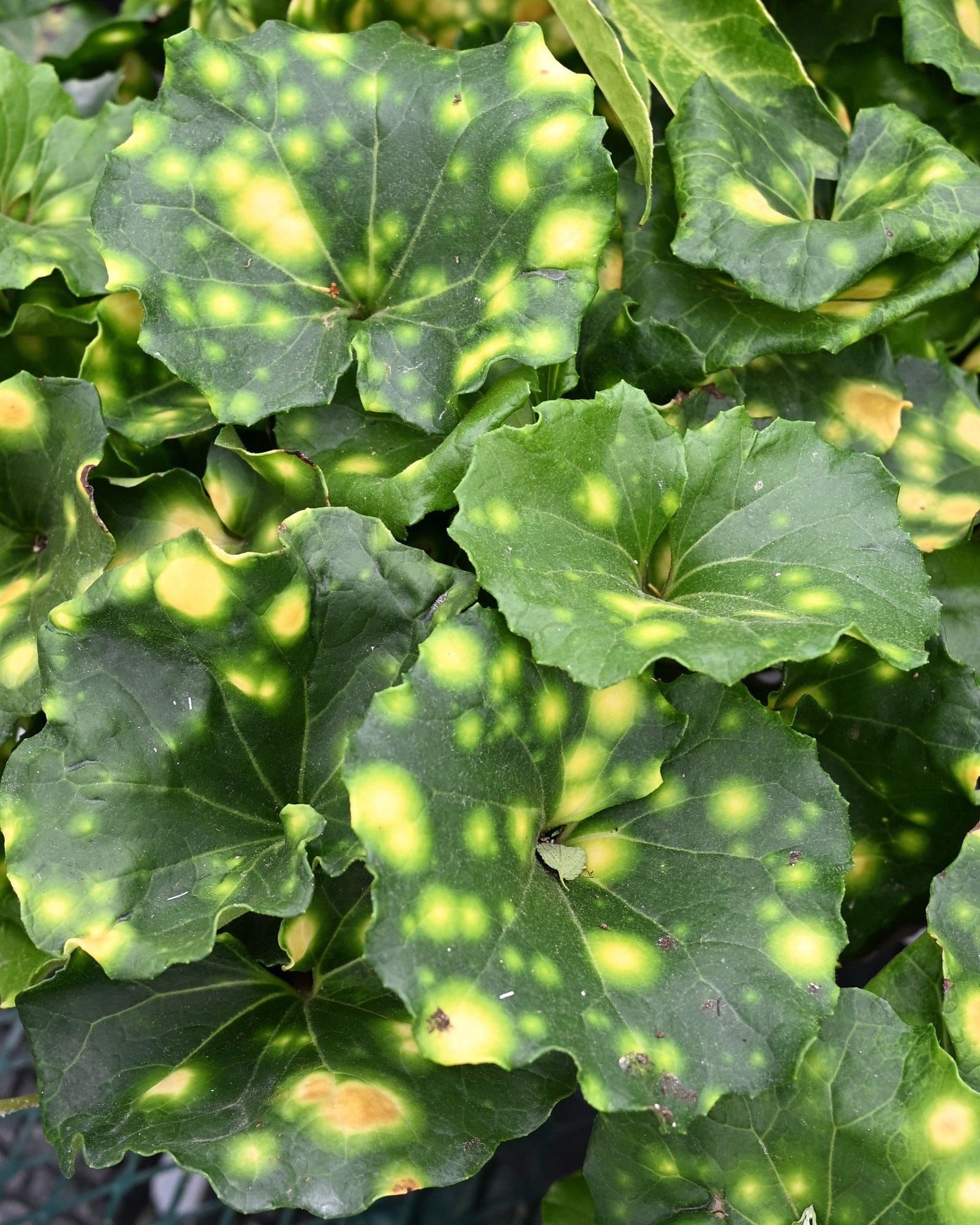
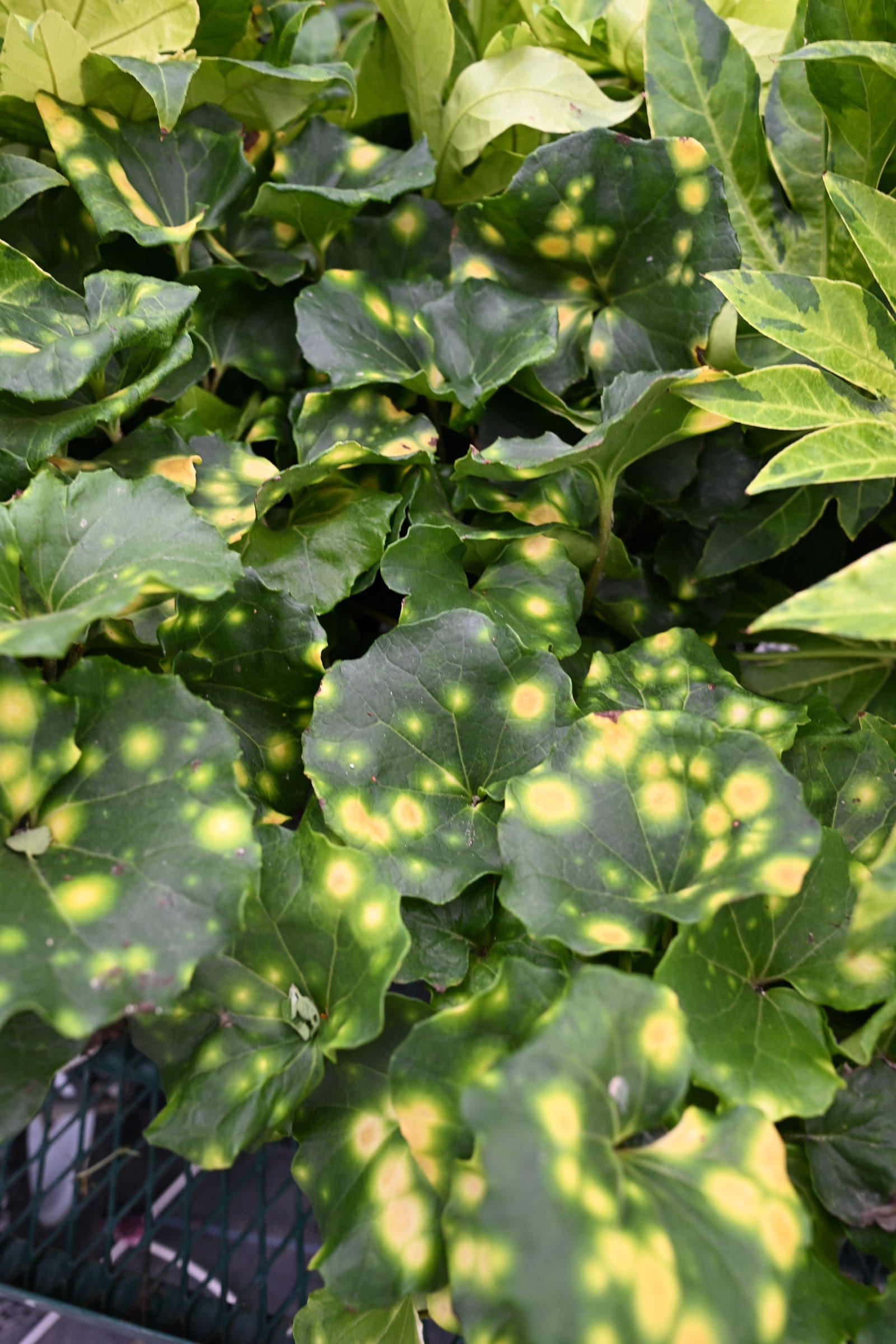
Firefly Leopard Plant
Maturity: 2' H x 2' W
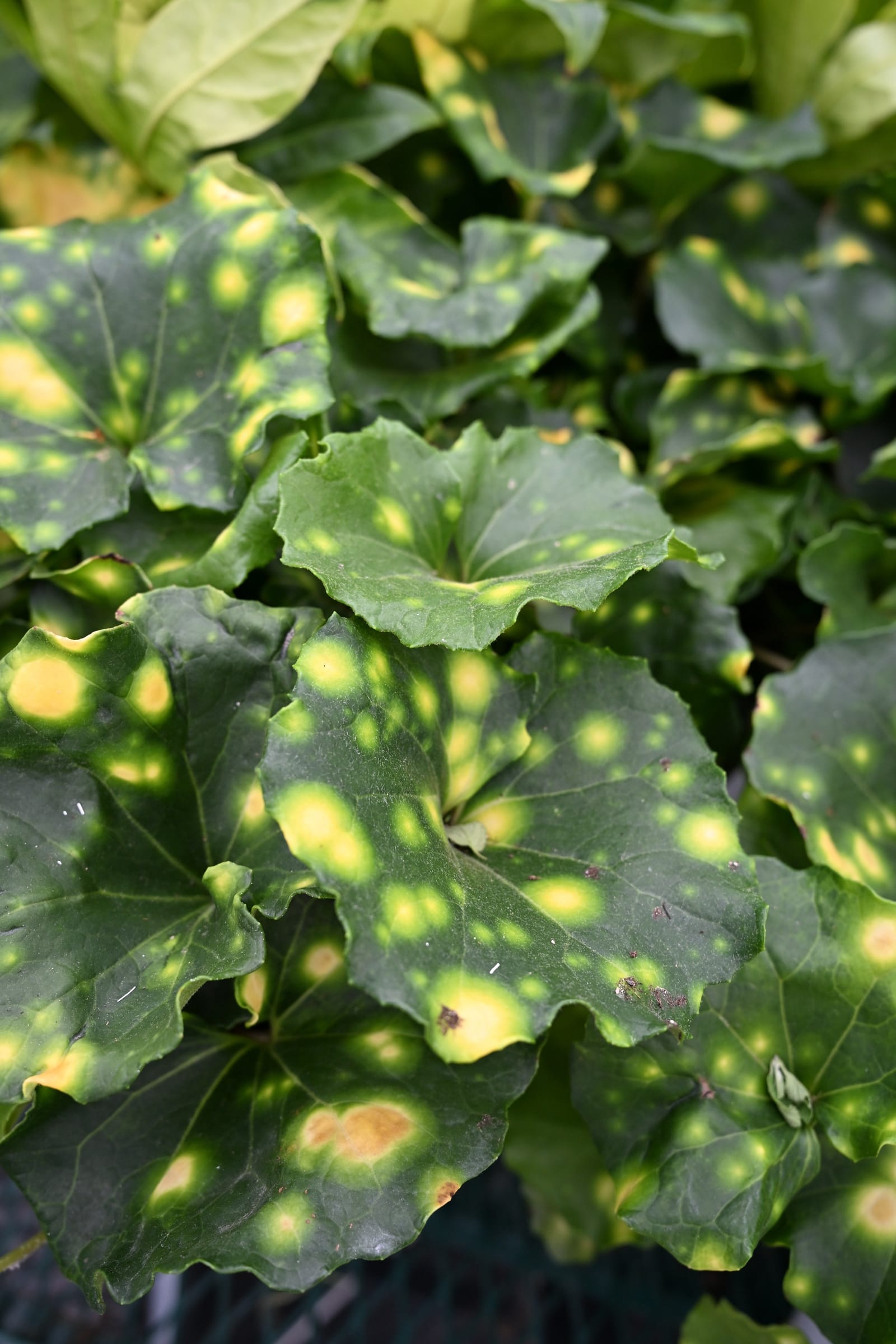
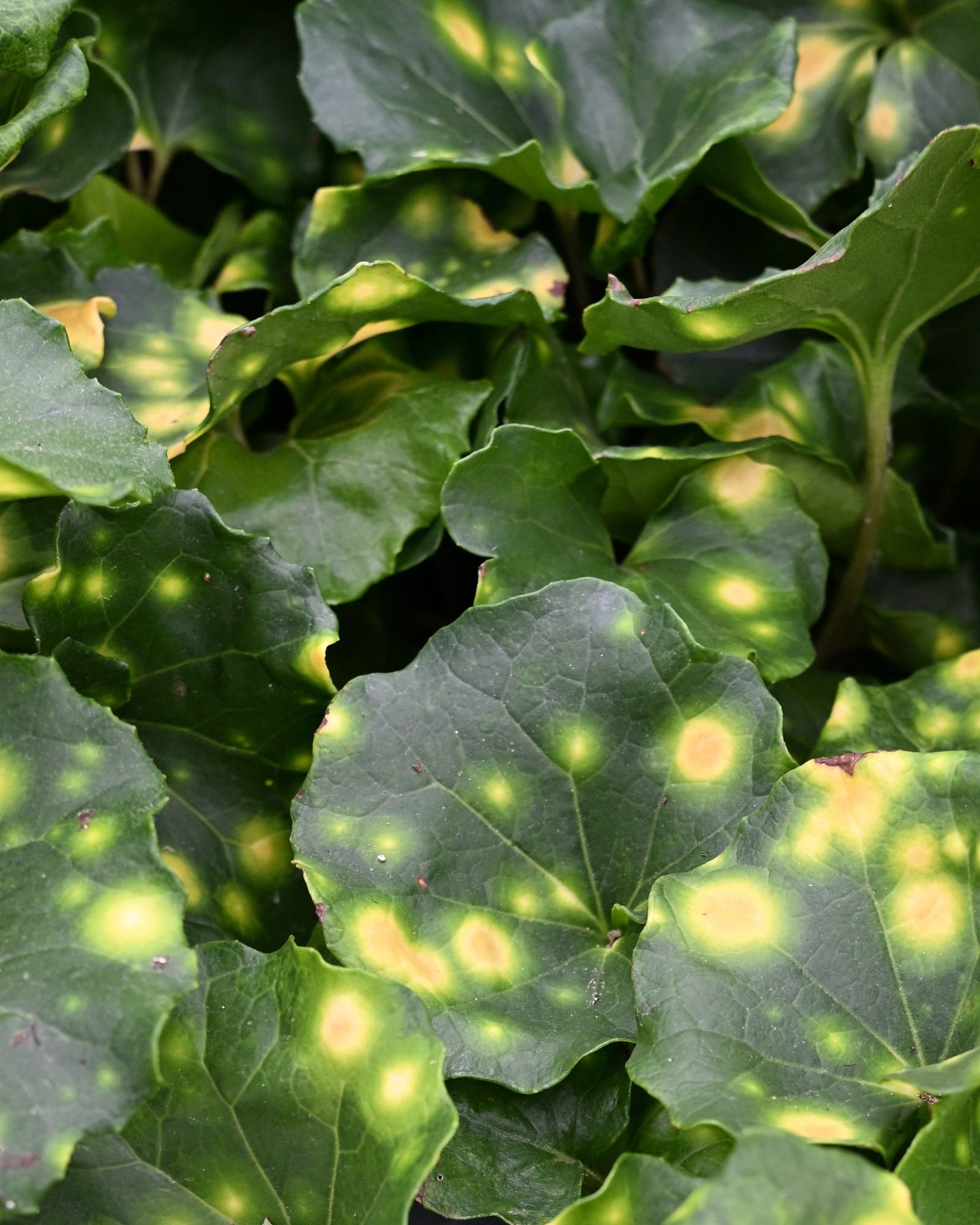
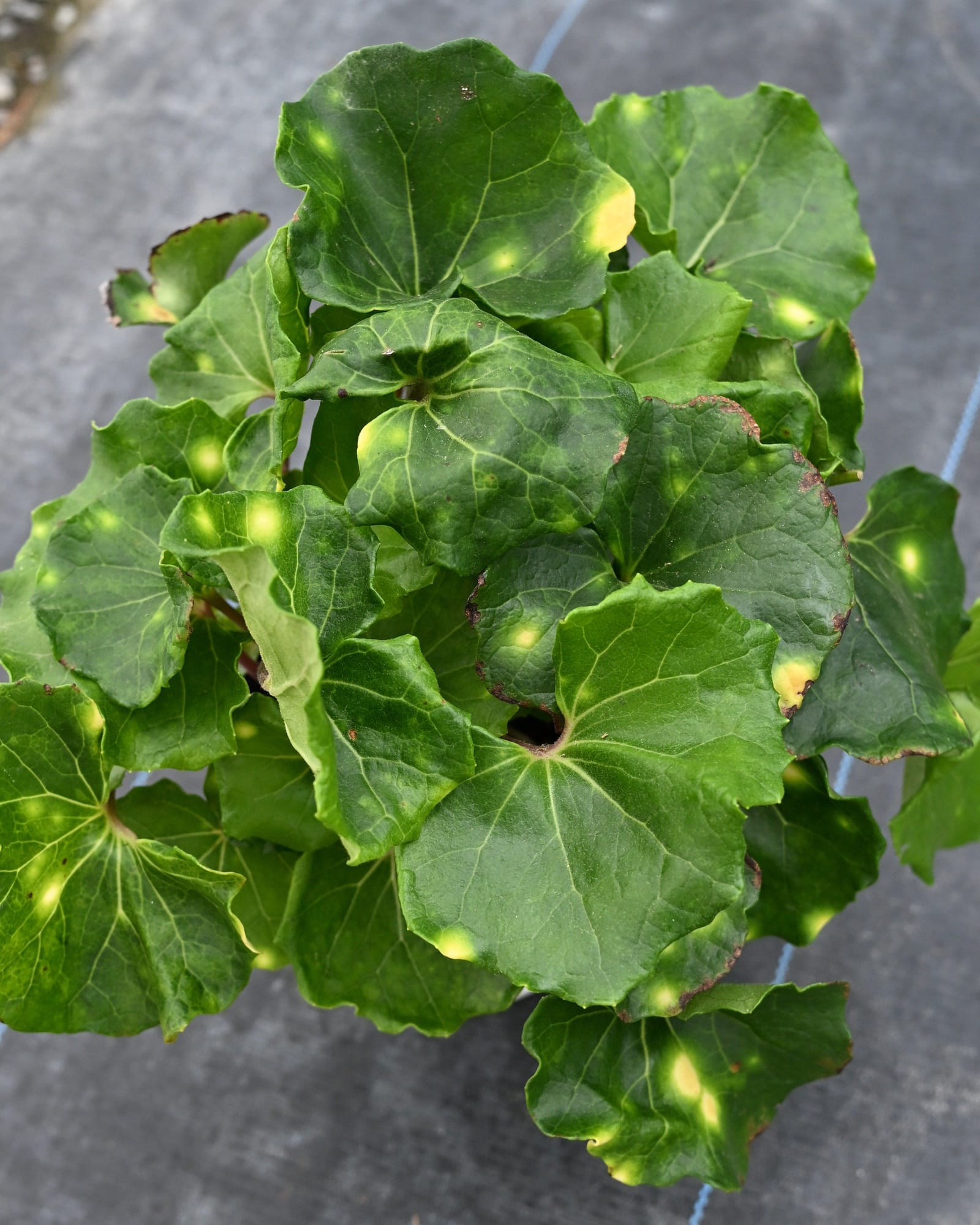
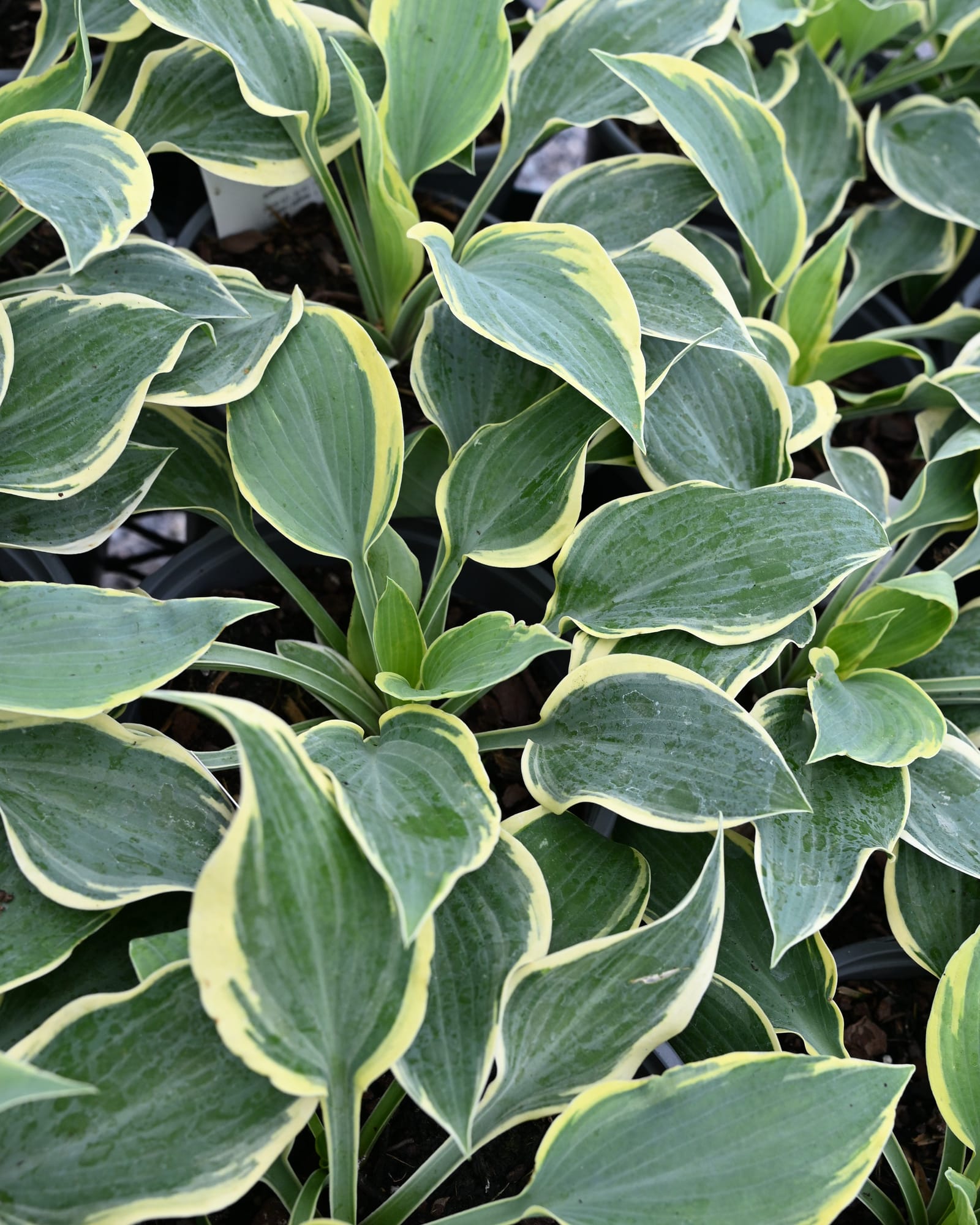
First Frost Hosta
Maturity: 1.25' H x 2.5' W
Compare Similar Plants
Japanese Painted Fern This plant | ||
|---|---|---|
| Scientific Name | Athyrium niponicum 'Pictum' | Dryopteris erythrosora 'Brilliance' |
| Size at Maturity | 1' H x 1' W | 2' H x 2' W |
| Leaf Retention | Herbaceous | Herbaceous |
| Sizes Available | — | 1, 3 gal |


Our 1-Year Planting Guarantee
We take pride in our plants and installation services. If any plants or trees installed by Treeland fail to thrive within the first year, we'll provide a replacement credit in accordance with our guarantee program.
Learn More About Our Guarantee