


Holly Fern
Cyrtomium falcatum 'Rochfordianum'Local DFW Delivery Only
Product Details
Holly Fern
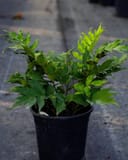
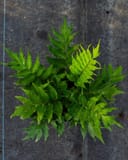
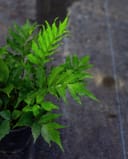
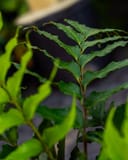
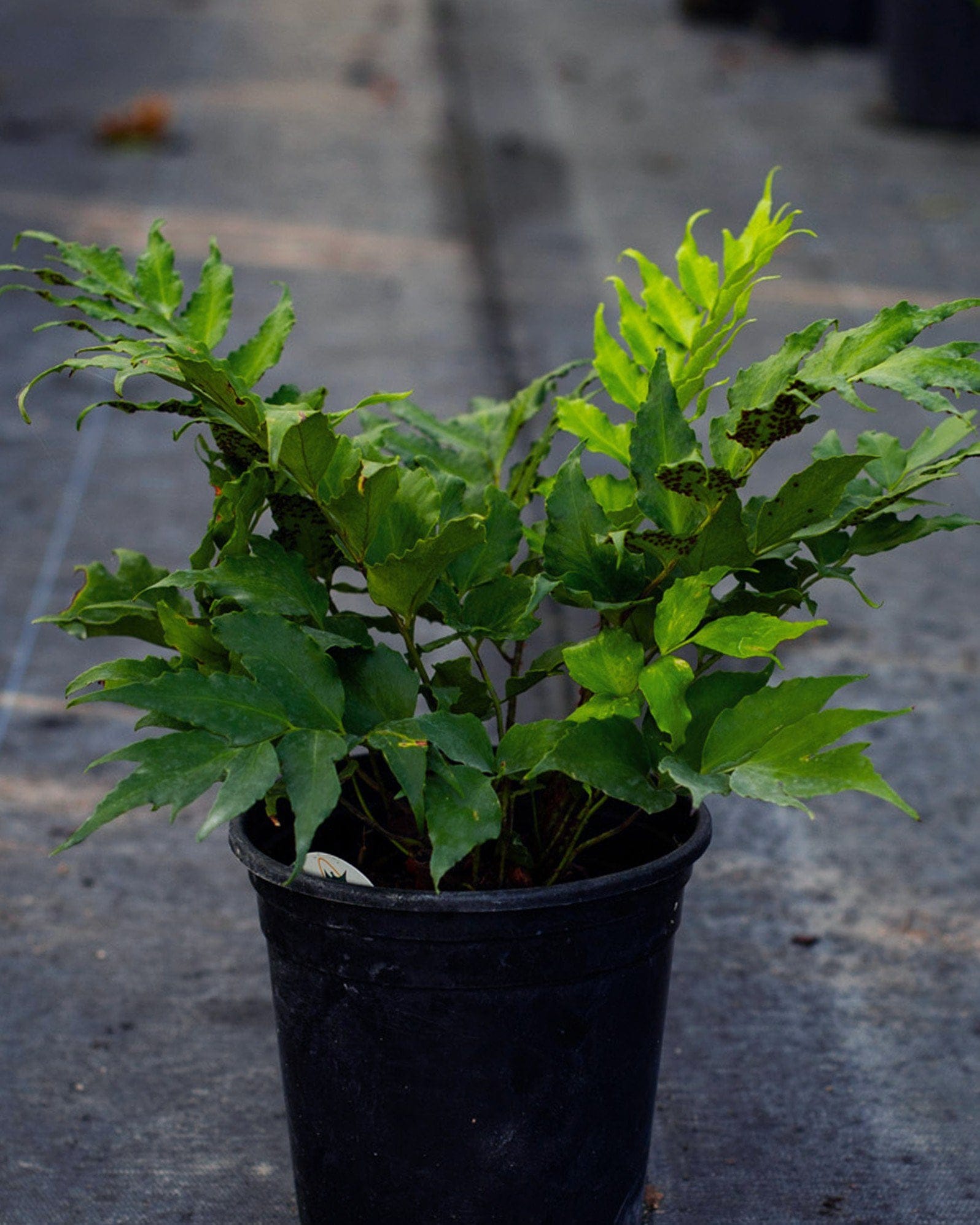
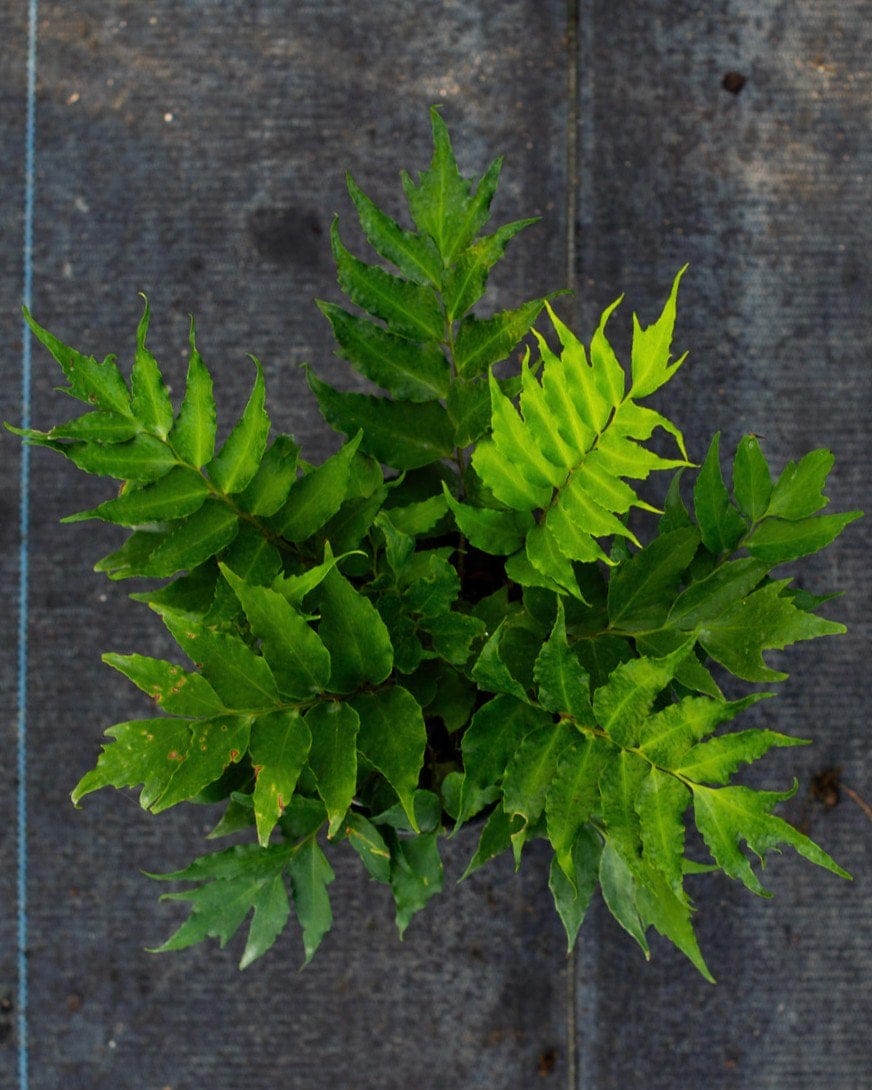
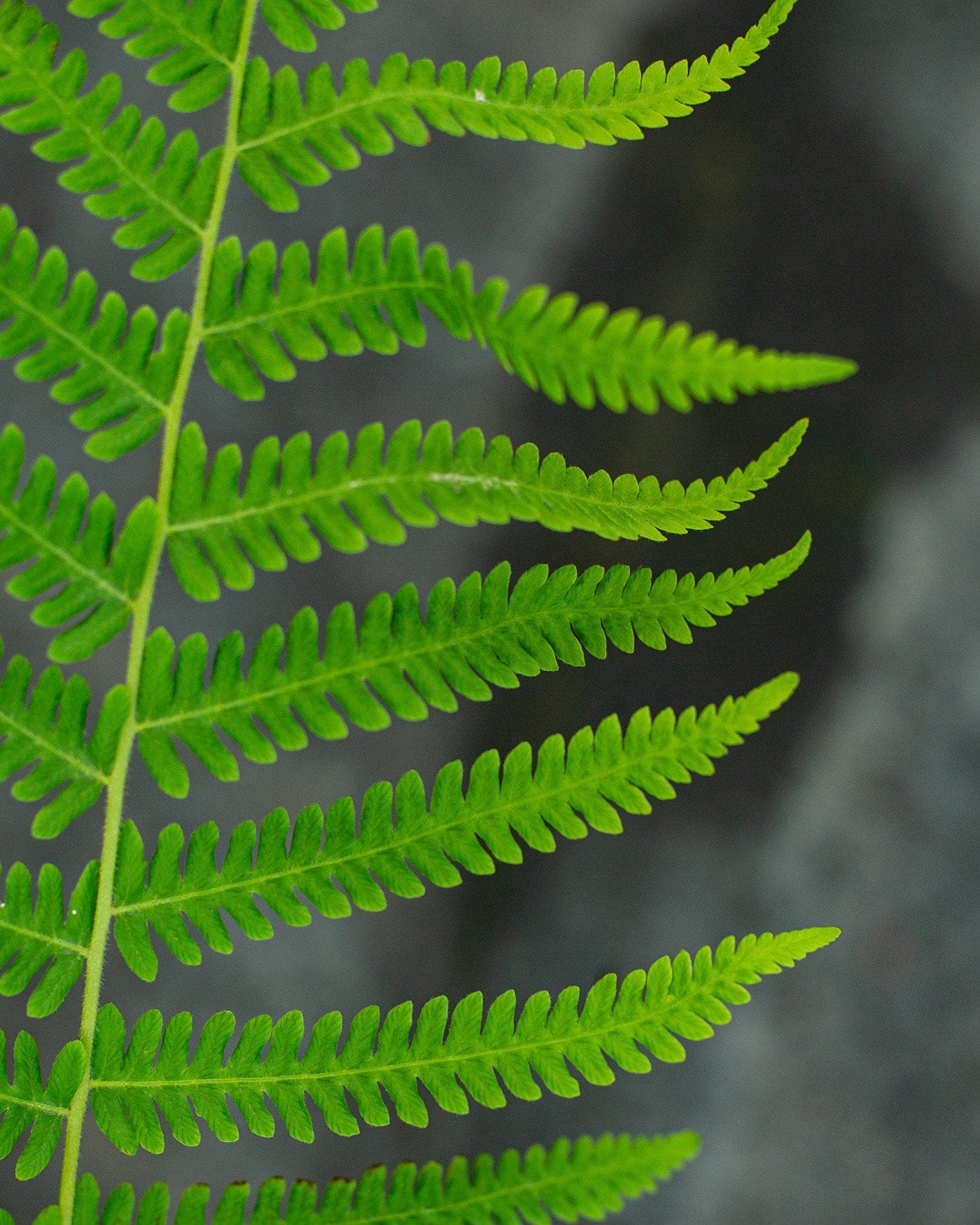
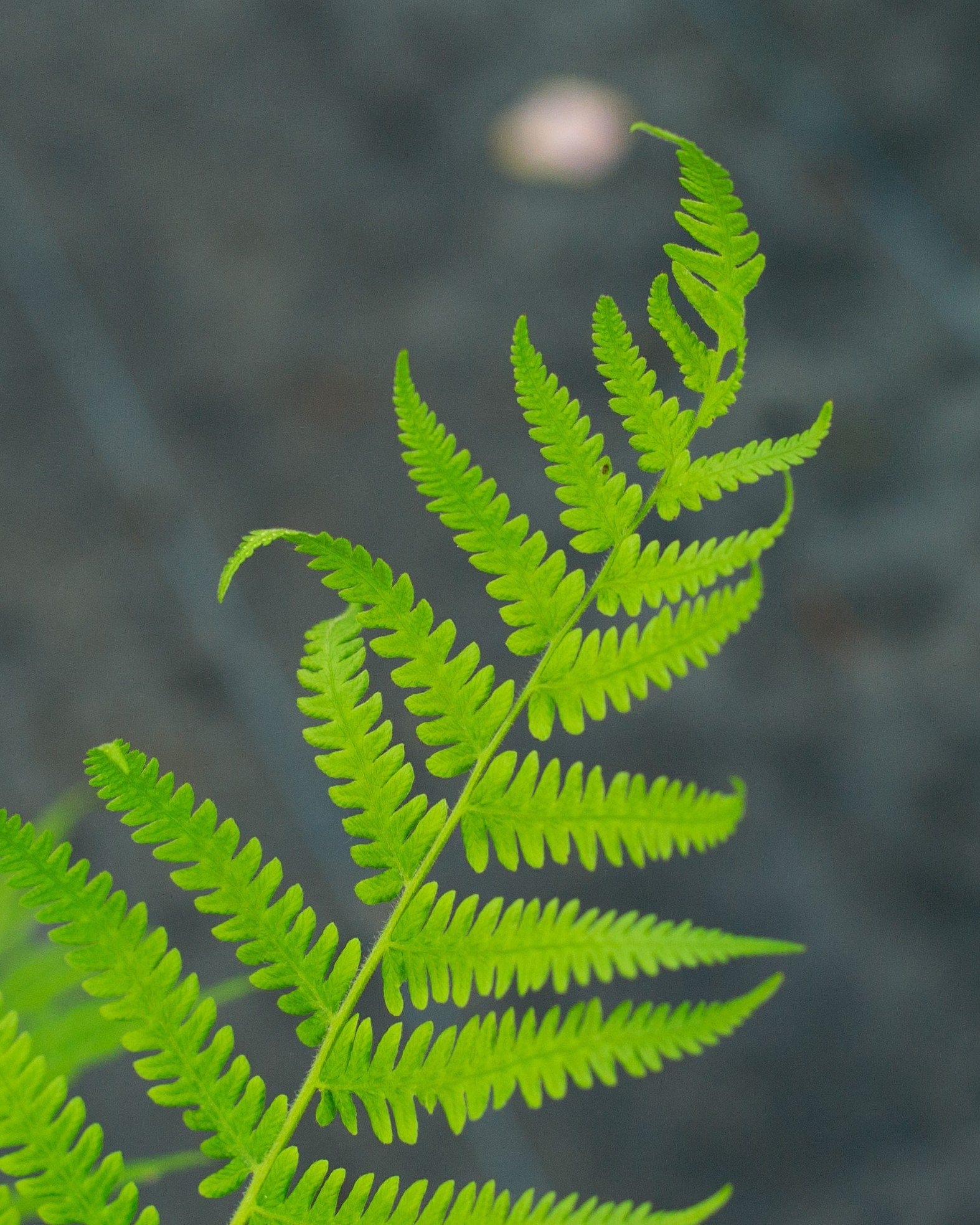
Cyrtomium falcatum 'Rochfordianum'Not all plants need flowers to be spectacular, and Holly Fern is proof. This herbaceous plant is prized for its brilliant emerald foliage - the jagged-edged leaves that grow on thin branches. It grows 2 feet in height and as much across, making it perfect for borders, planters, and even as ground cover.
- Herbaceous fern variety
- Moderate growth rate
- Vivid green leaves
- Makes for an excellent green carpet, and does well in containers too
- Good for mixed planting
The Holly Fern variety is as hardy as it is handsome, thriving in zones 6 through 10. That makes it perfect for Northern Texas, as well as the rest of the state. When planting, avoid sunny spots, as this fern loves partial or full shade. It prefers moist soil and needs only occasional trimming to maintain its beauty and allow new sprouts to grow uninterrupted. In colder zones, ensure your Holly Fern is protected.
Holly Fern provides effortless beauty with minimal upkeep, and here’s everything you need to do to help it thrive:
- Watering: Water regularly during the first growing season to establish deep roots. Once mature, Holly Fern tolerates short dry periods but prefers consistent moisture in well-draining soil. Water deeply when the top inch of soil feels dry, especially during long dry spells or in container plantings.
- Pruning: Remove old or damaged fronds as they age to maintain a fresh, vibrant appearance. New growth emerges steadily from the center, so regular cleanup keeps the plant looking tidy. In early spring, a light trim can help rejuvenate older clumps and stimulate fresh growth.
- Fertilizing: Feed once or twice a year - in spring and midsummer - with a balanced, slow-release fertilizer. Avoid excessive feeding, as it can lead to overly soft growth and reduced resilience. In rich garden soil, Holly Fern often needs no additional fertilizer.
- Mulching: Apply a 2-3 inch layer of mulch around the base to help retain soil moisture and regulate temperature. Keep mulch an inch or two away from the crown to prevent rot. In warmer climates, mulch also helps reduce evaporation and keep roots cool.
- Winter Care: Holly Fern is evergreen in mild climates and semi-evergreen in colder zones. During harsh winters, fronds may brown - simply trim them back in early spring, and the plant will regrow quickly.
Holly Fern is a great example of resilience, but it’s still not 100% immune to some pests and issues that can arise from improper care:
- Leaf Browning or Crispy Tips: Usually due to low humidity or prolonged dryness. Increase watering frequency slightly and mist occasionally to maintain healthy fronds, especially indoors or in dry climates.
- Scale or Mealybugs: Small pests that attach to stems and leaf undersides, often leaving a sticky residue. Remove by hand or treat with horticultural oil or insecticidal soap.
- Slug or Snail Damage: In shaded, moist gardens, slugs may chew small holes in fronds. Use iron phosphate bait or set out shallow dishes of beer to trap them naturally.
- Sparse Growth: Often a result of excessive sun or compacted roots. Move to a shaded area and loosen the soil around the base. A light spring feeding encourages fuller regrowth.
- Wilting in Summer Heat: Though hardy, ferns can droop in intense afternoon sun. Provide additional shade or mulch to conserve moisture and cool the root zone.
With proper care, it can thrive for decades. Mature clumps often expand slowly over the years, forming graceful, long-lasting colonies.
It grows moderately fast, reaching full size within 3-4 years. Once established, it maintains a consistent, steady growth rate year-round.
While ferns don’t flower, their dense foliage provides habitat for beneficial insects and ground-dwelling wildlife in shaded gardens.
Yes. Its leathery fronds and subtle scent make it naturally unappealing to browsing animals.
Yes, once established. It’s one of the most drought-tolerant ferns available, thriving in dry shade where others struggle.
Absolutely. It performs beautifully in decorative pots, shady patios, or courtyards. Use a rich, well-draining mix and water regularly during hot weather.
Yes. Divide mature clumps every few years in early spring. Replant divisions promptly and keep soil moist until new roots establish.
Yes - it’s ideal for low-light, low-maintenance sites like shaded courtyards, foundation plantings, and city gardens. It tolerates pollution, reflected heat, and dry air better than most ferns.
Yes. It adapts well to bright, indirect light and moderate humidity. Keep soil lightly moist and avoid cold drafts.
Its glossy, holly-shaped leaves and ability to thrive in dry shade make it unique. Unlike delicate ferns, Holly Fern combines a bold, sculptural look with impressive toughness - an ideal choice for landscapes that need both texture and resilience.
Special Features
You might also like
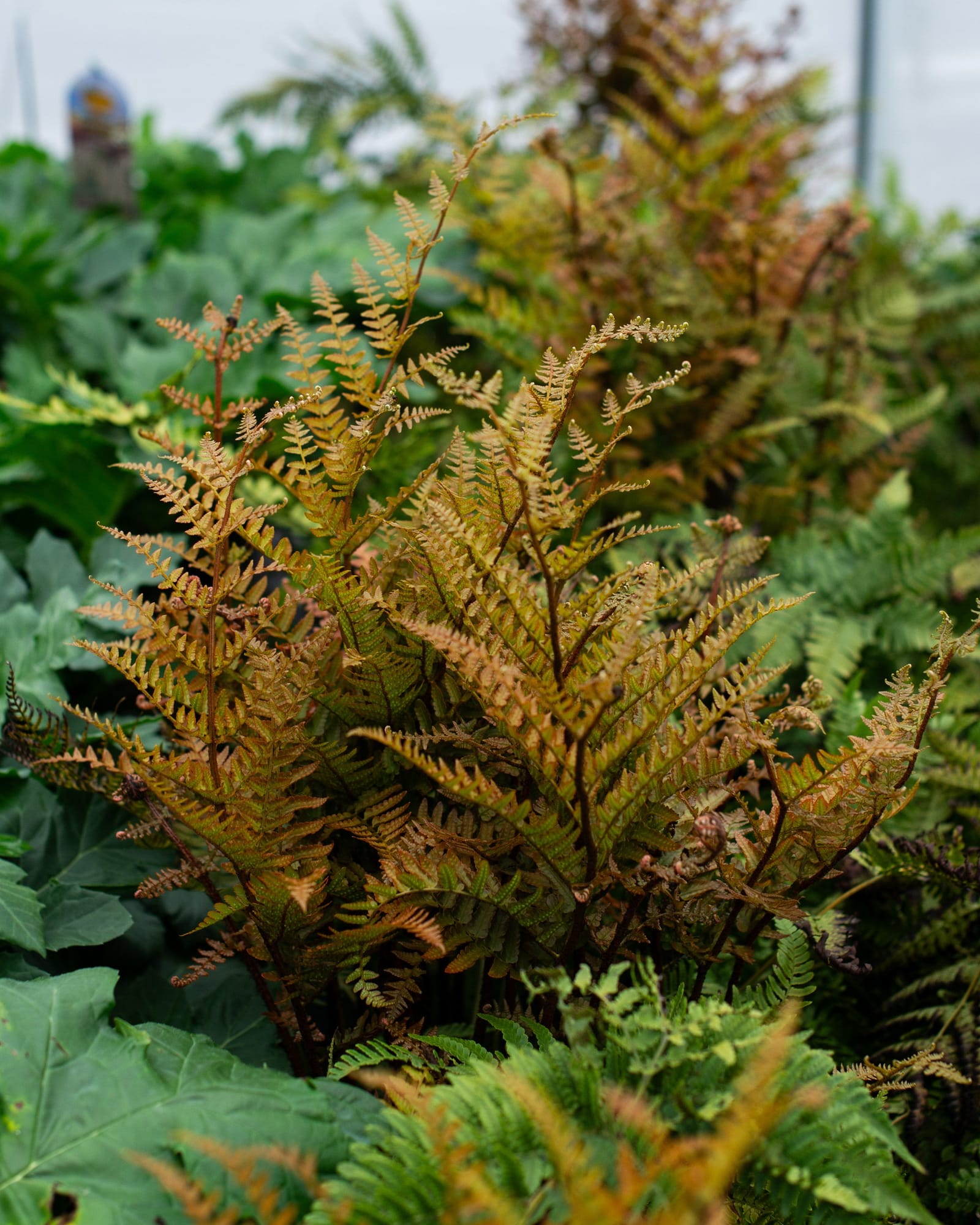
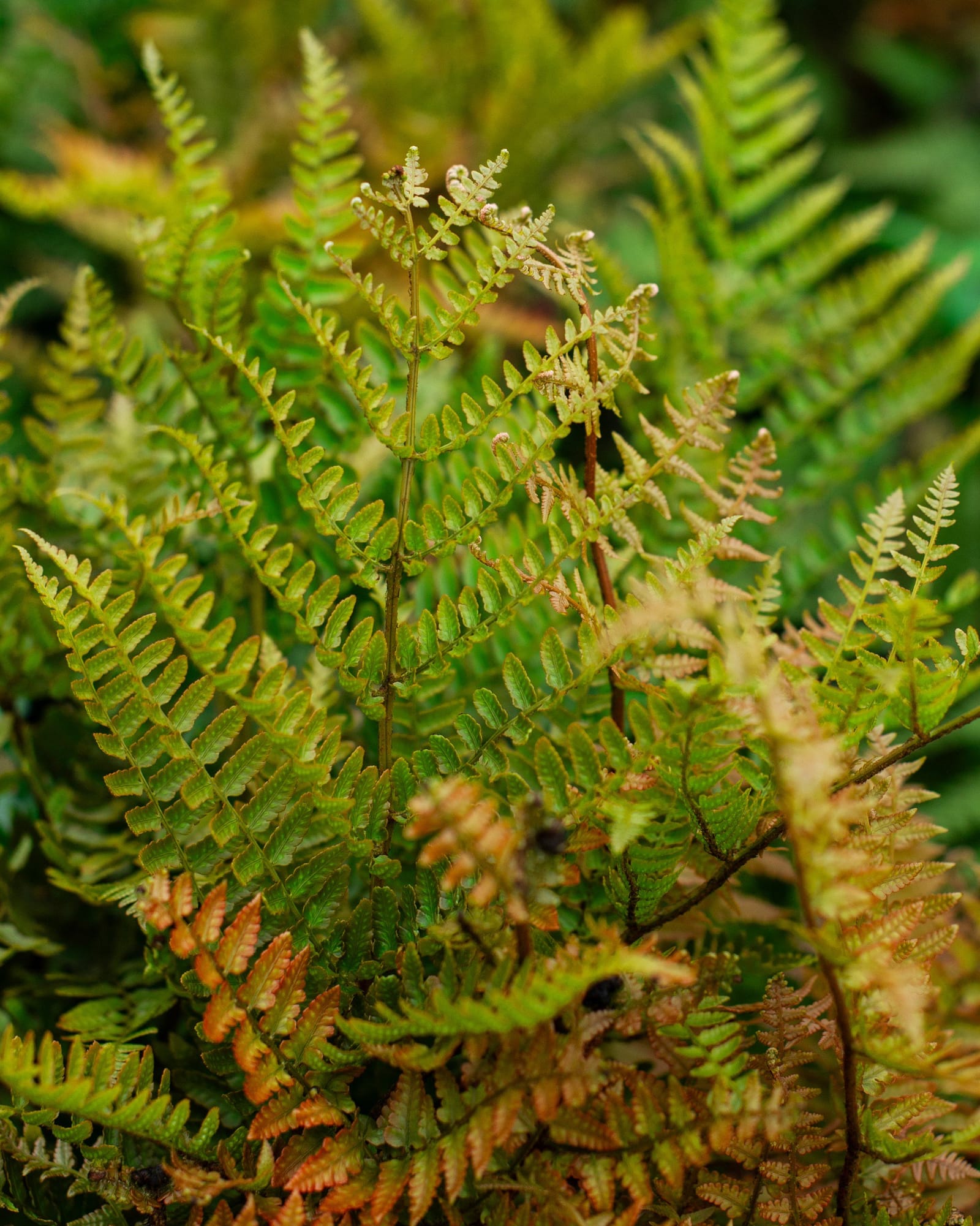
Autumn Fern Brilliance
Maturity: 2' H x 2' W
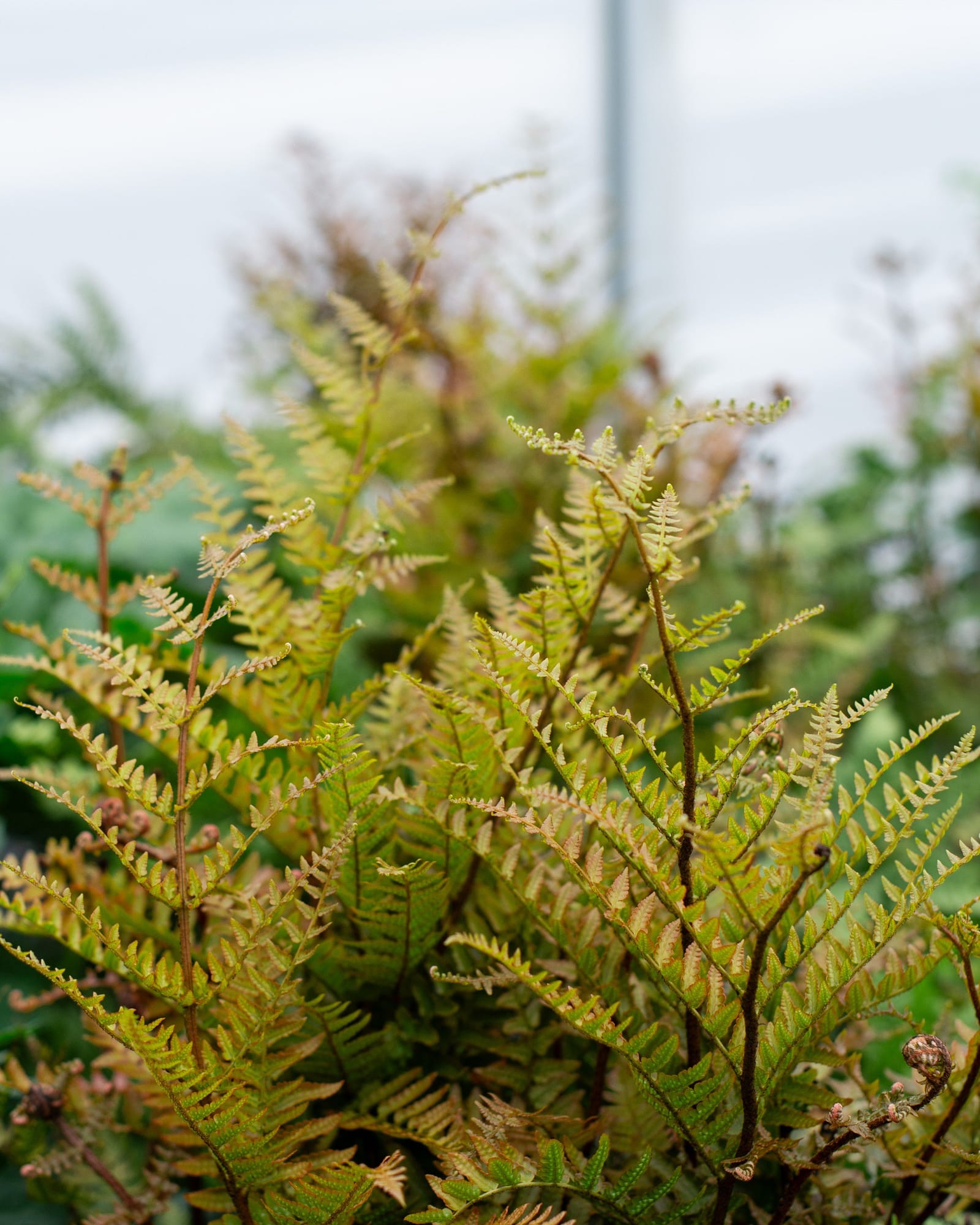
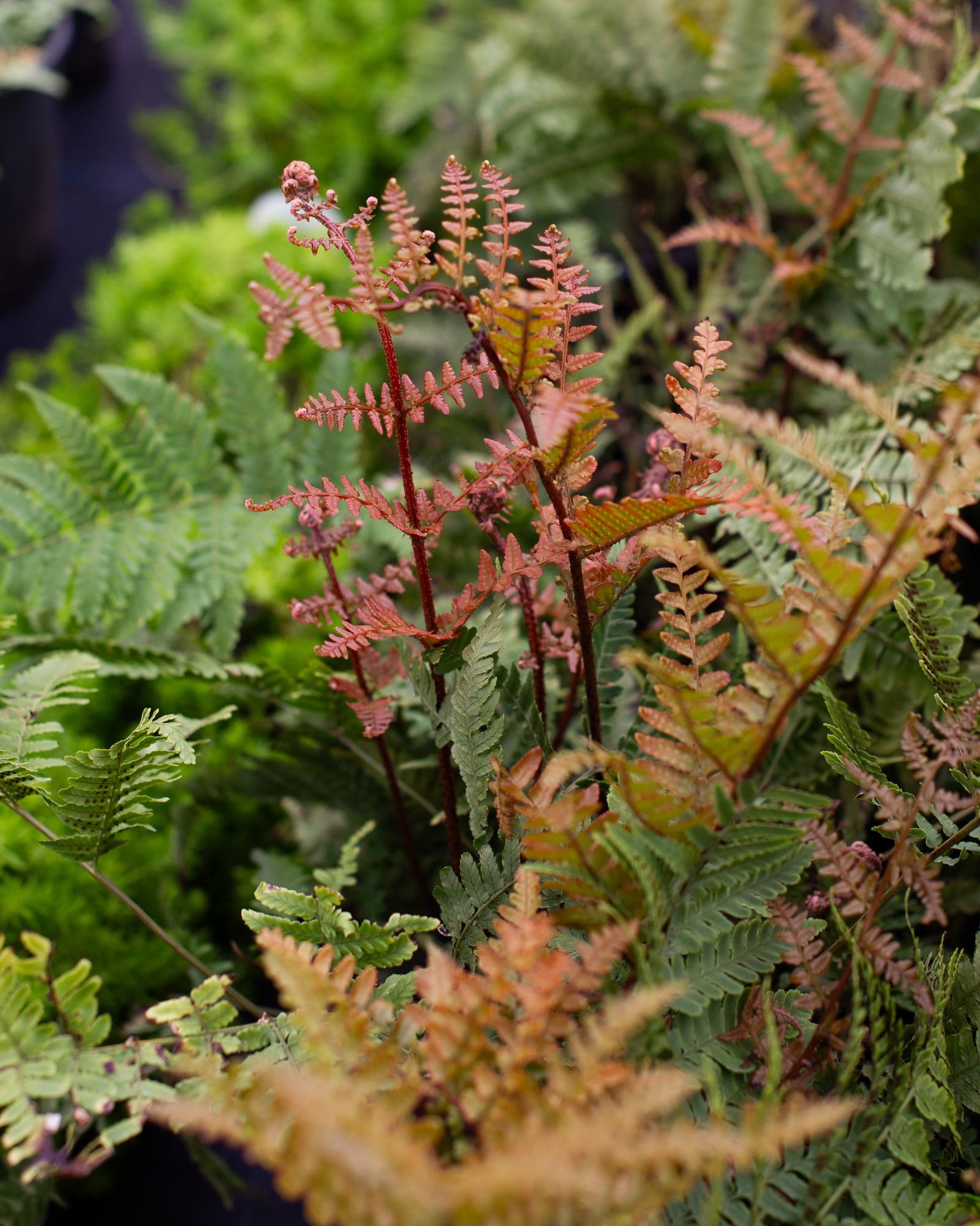
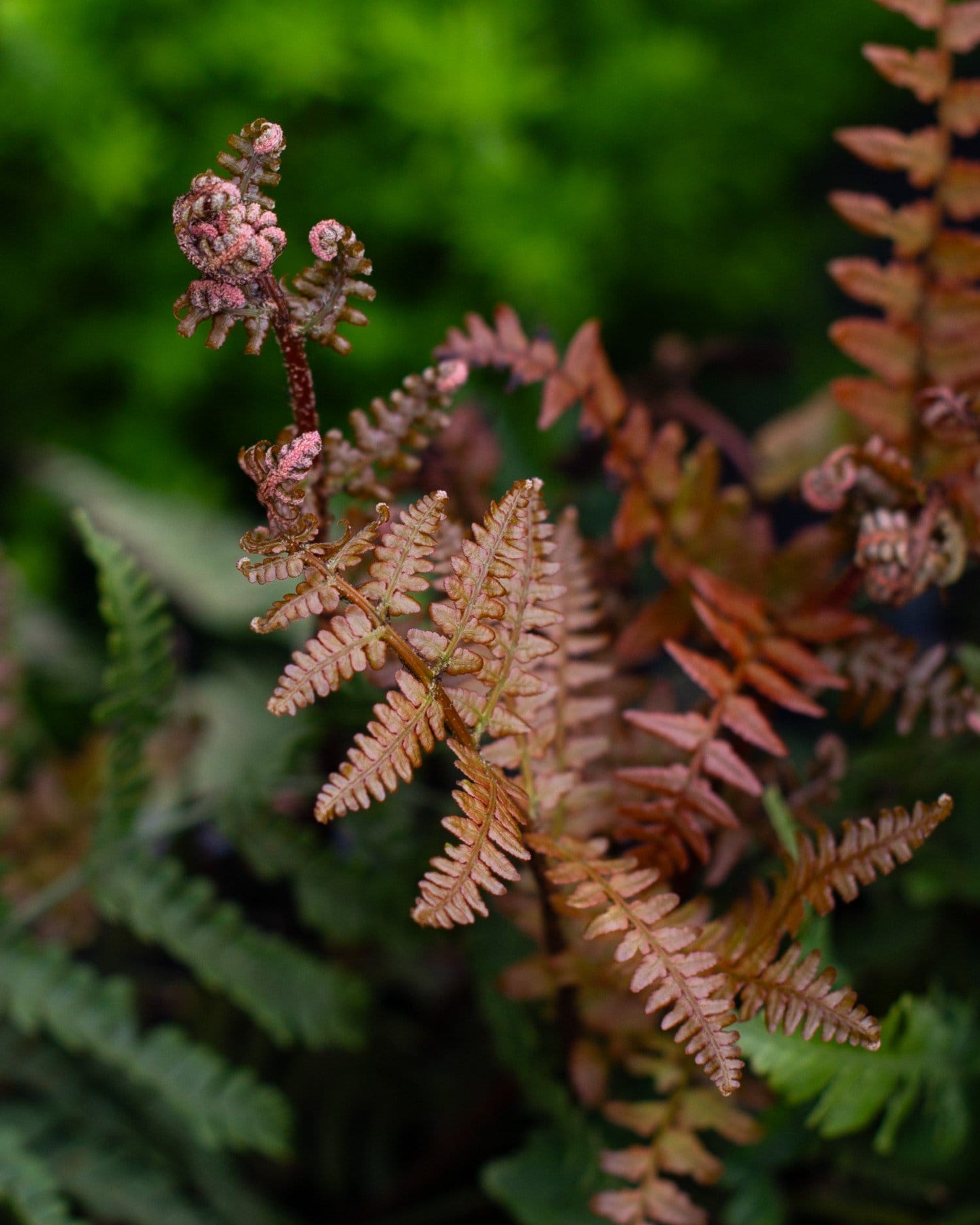
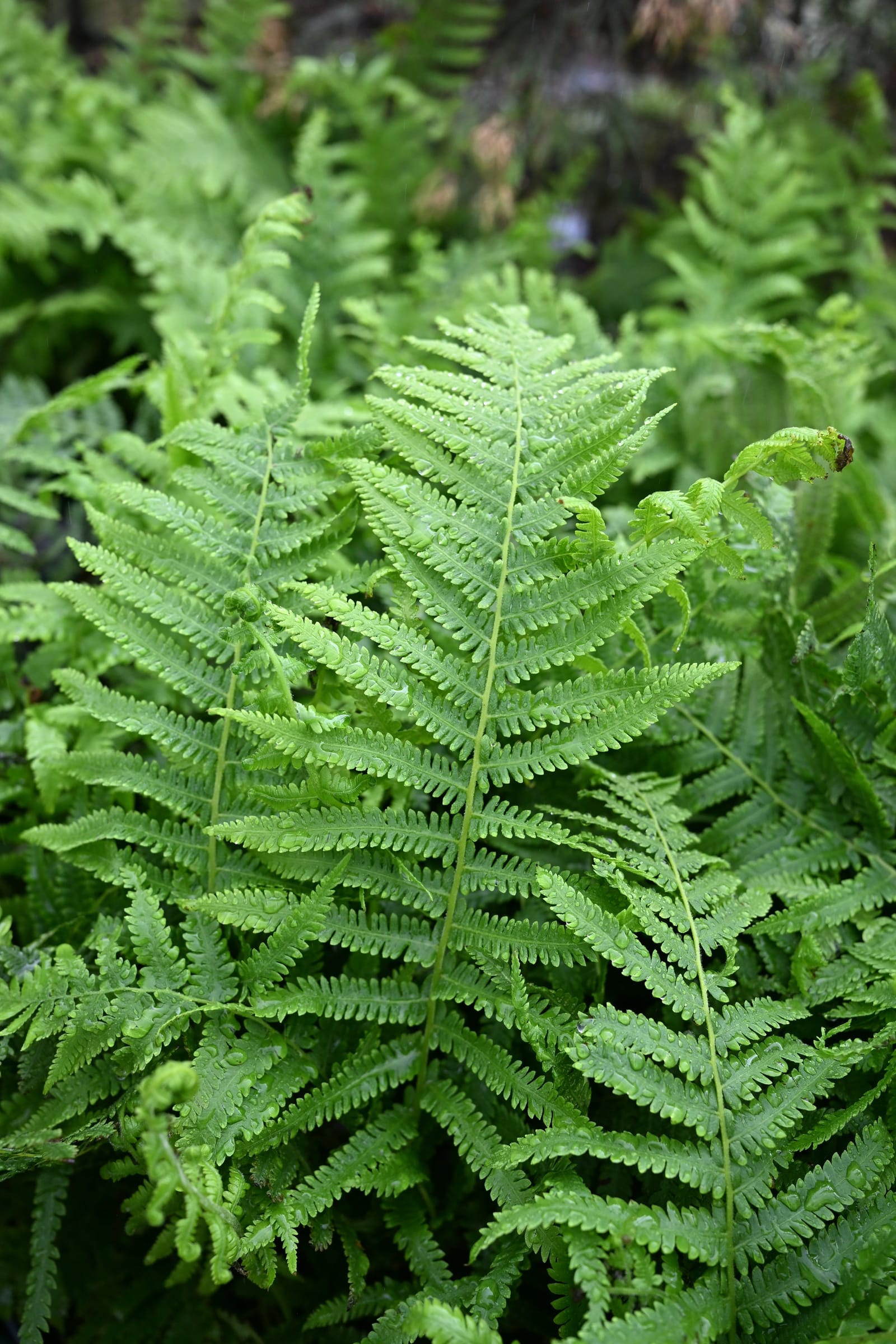
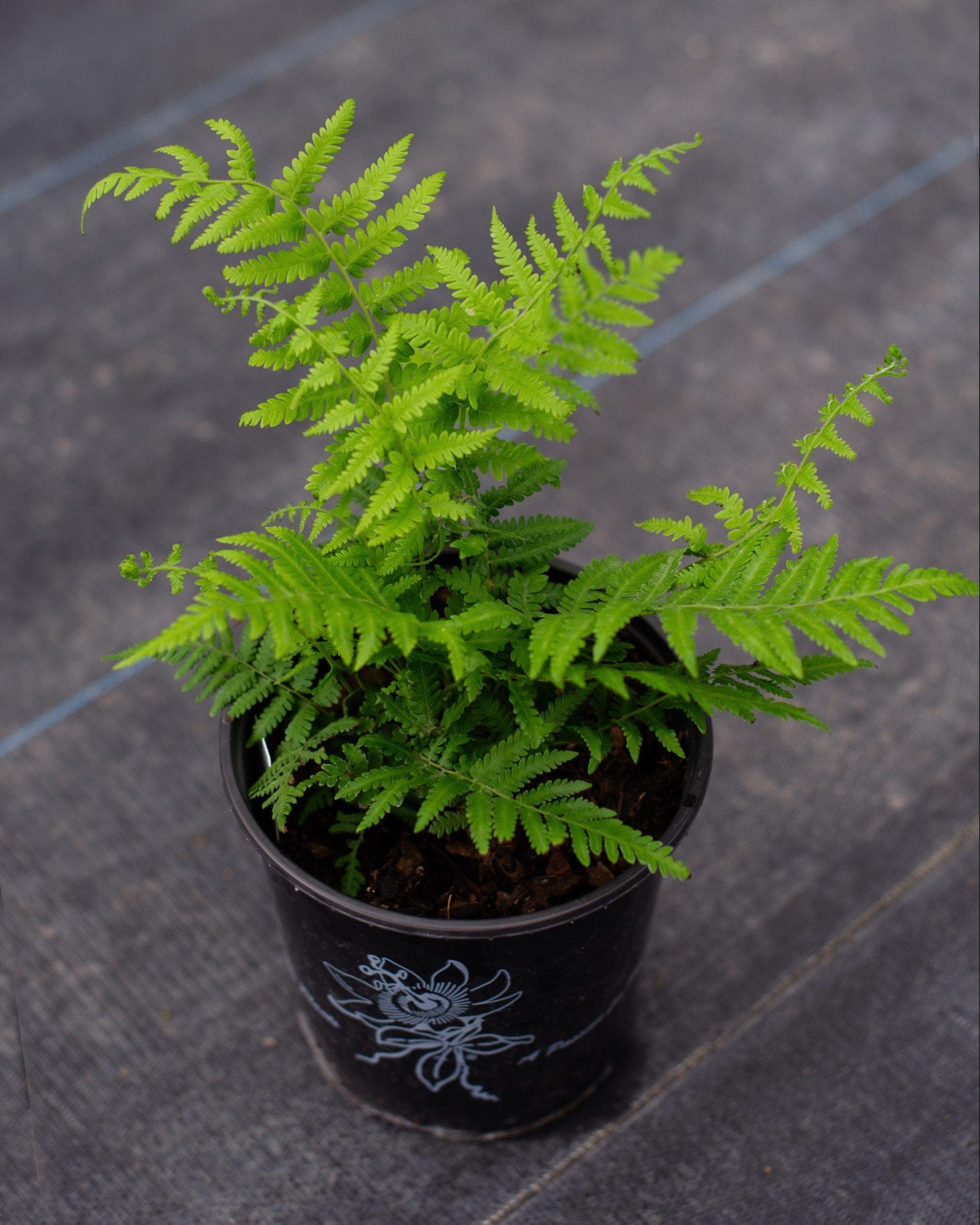
Southern Wood Fern
Maturity: 3' H x 3' W
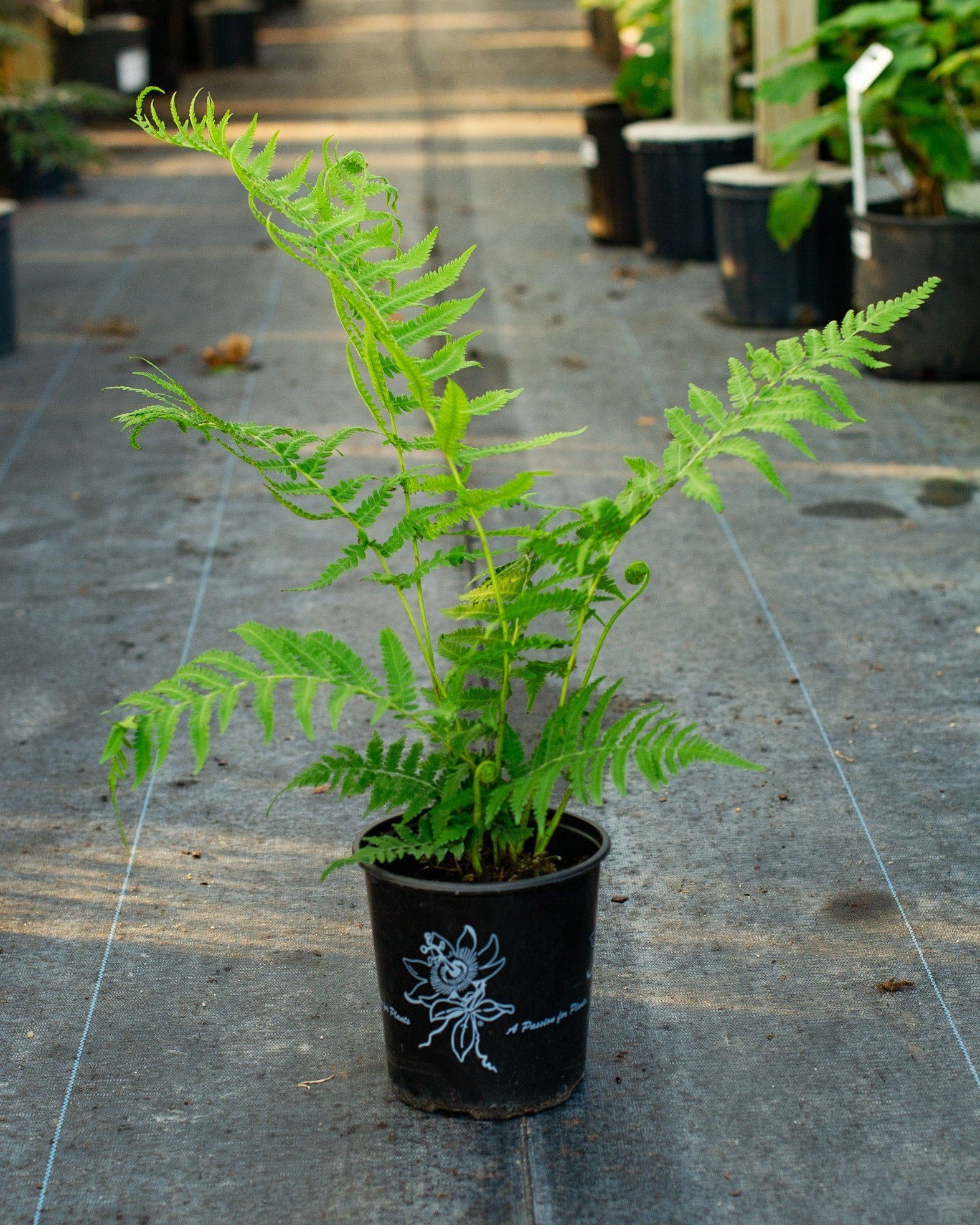
Giant Leopard Plant
Maturity: 3' H x 3' W
Pewter Lace Japanese Painted Fern
Maturity: 1.5' H x 1.5' W
Variegated Leopard Plant
Maturity: 2' H x 2.5' W
Foxtail Fern
Maturity: 2' H x 2' W
Blue Angel Hosta
Maturity: 2' H x 3' W
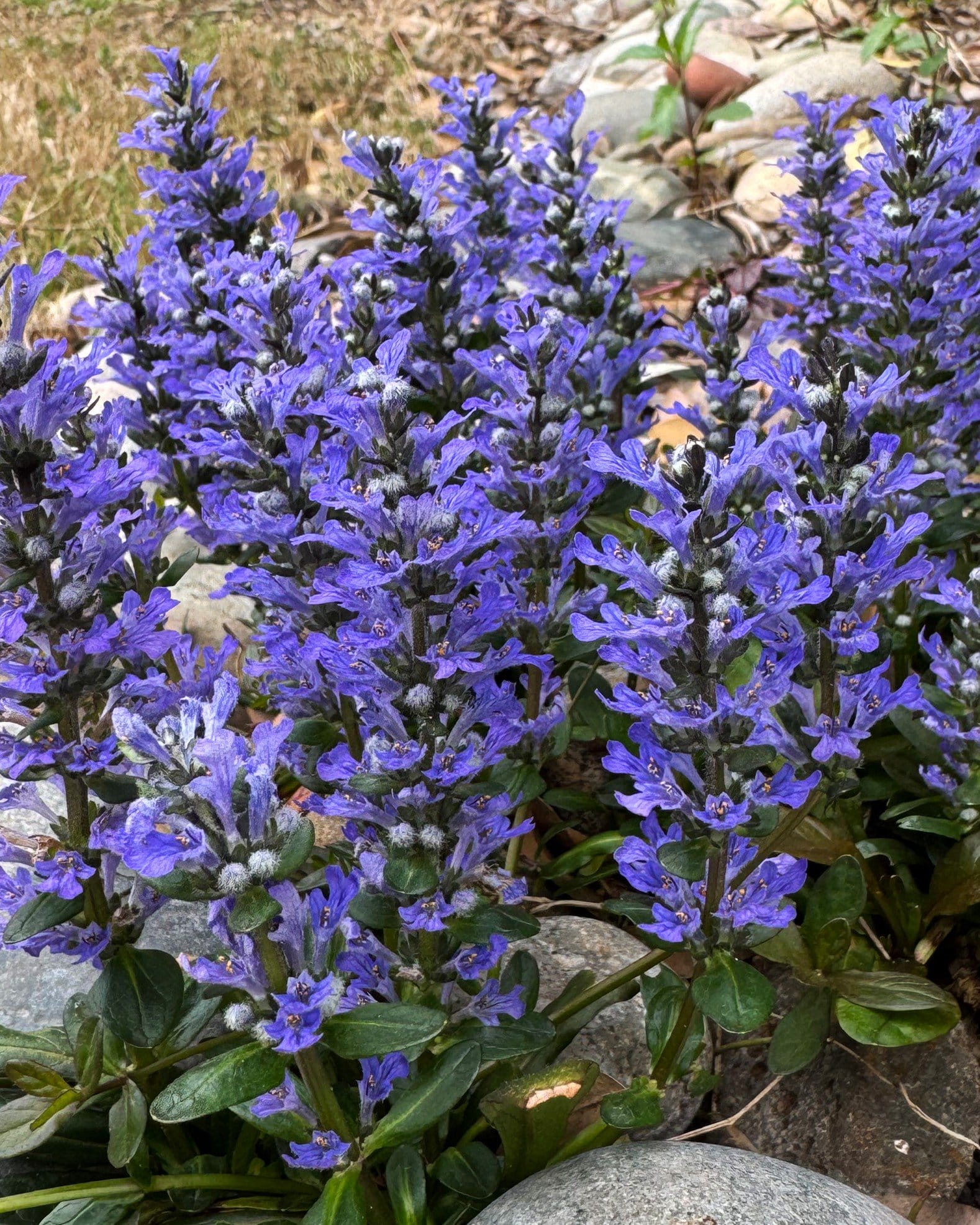
Burgundy Glow Ajuga
Maturity: 0.5' H x 1' W
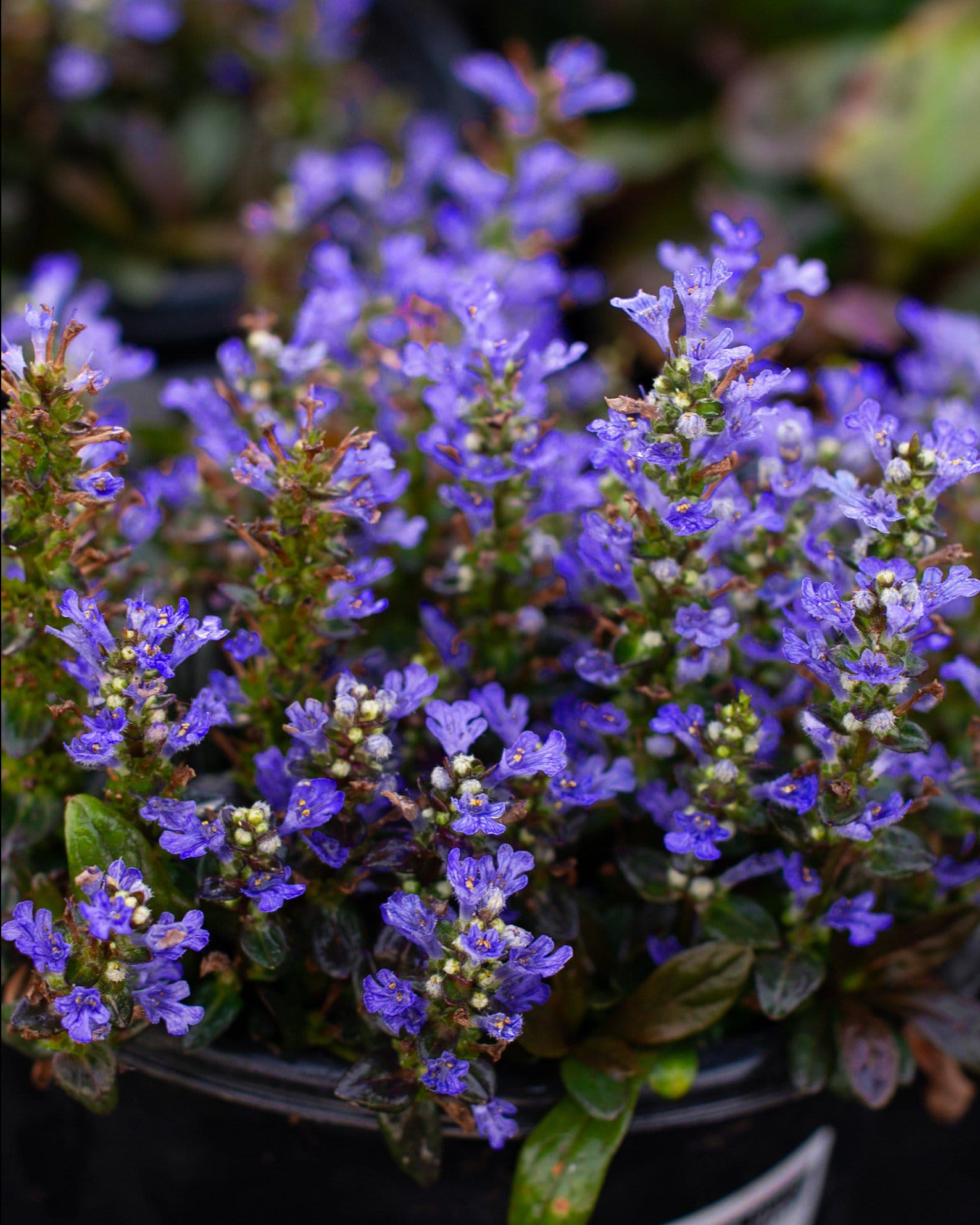
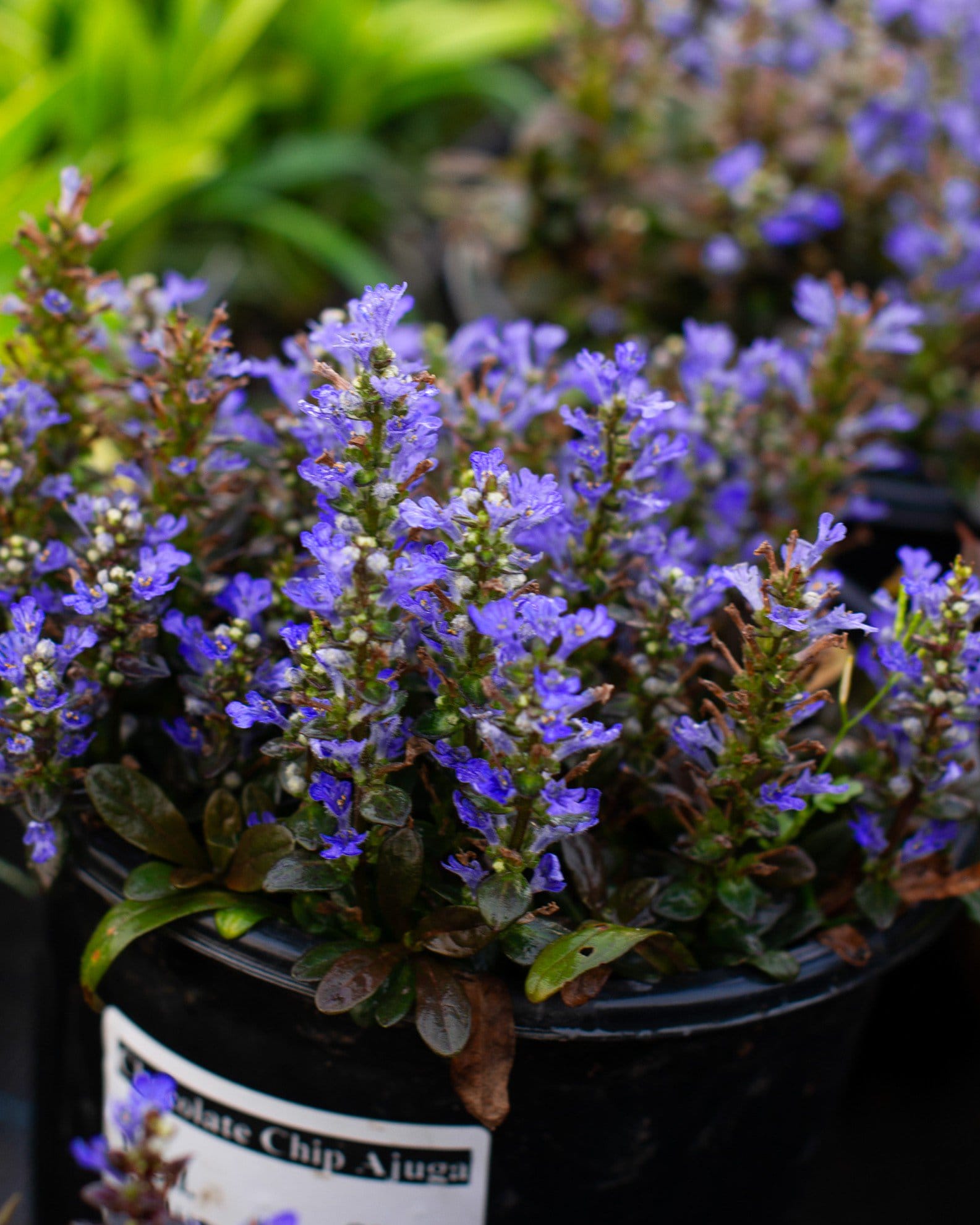
Chocolate Chip Ajuga
Maturity: 0.5' H x 1.5' W
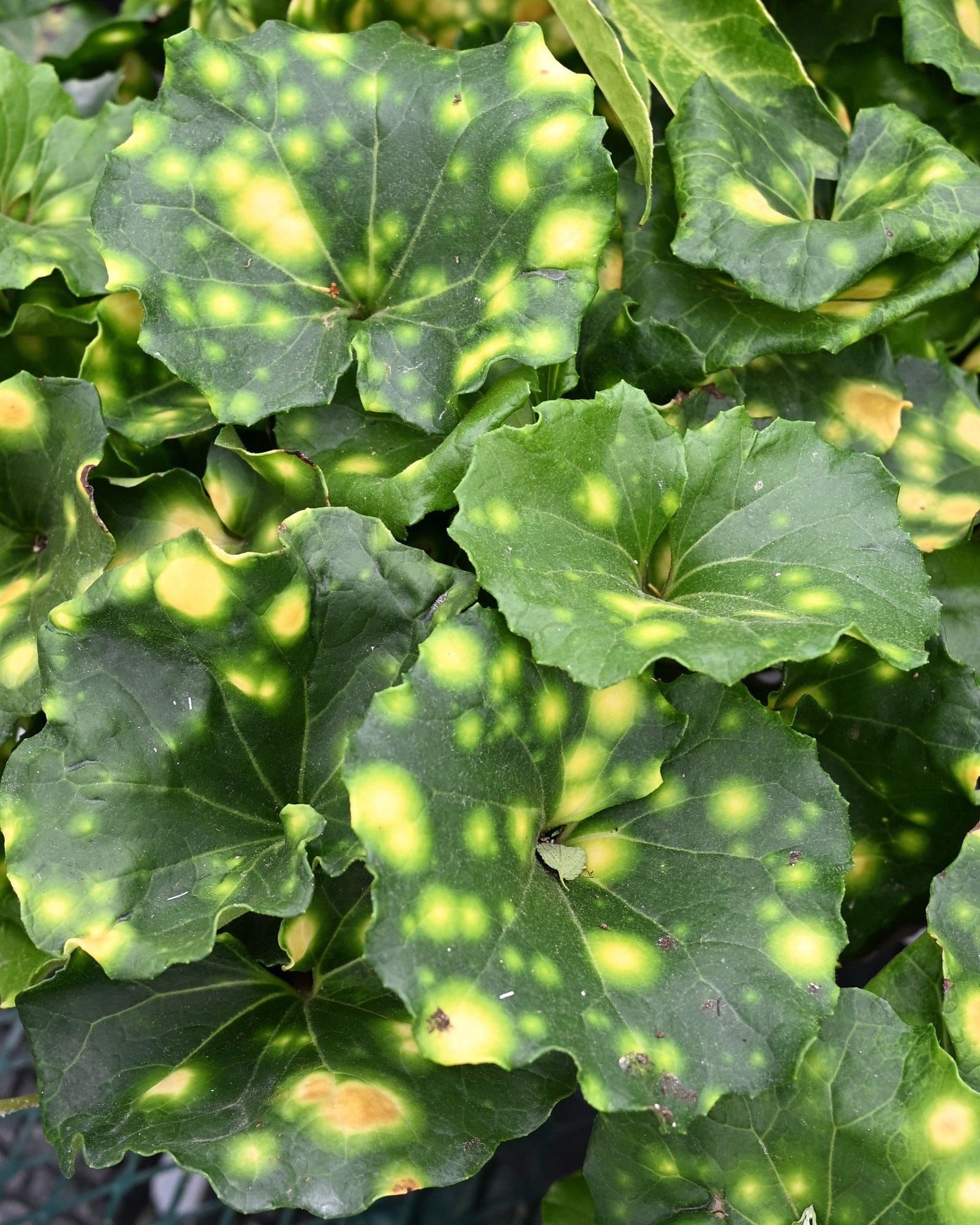
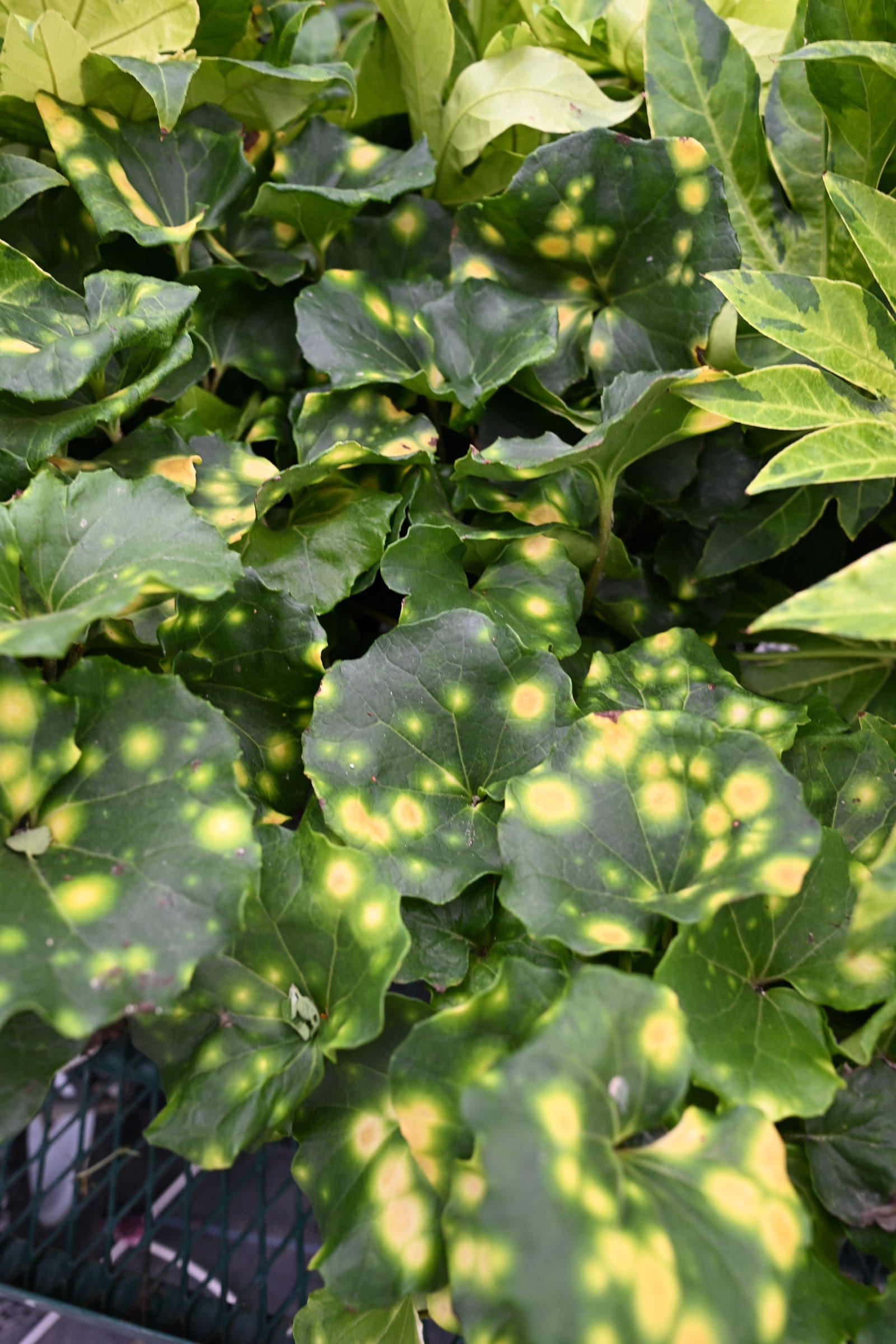
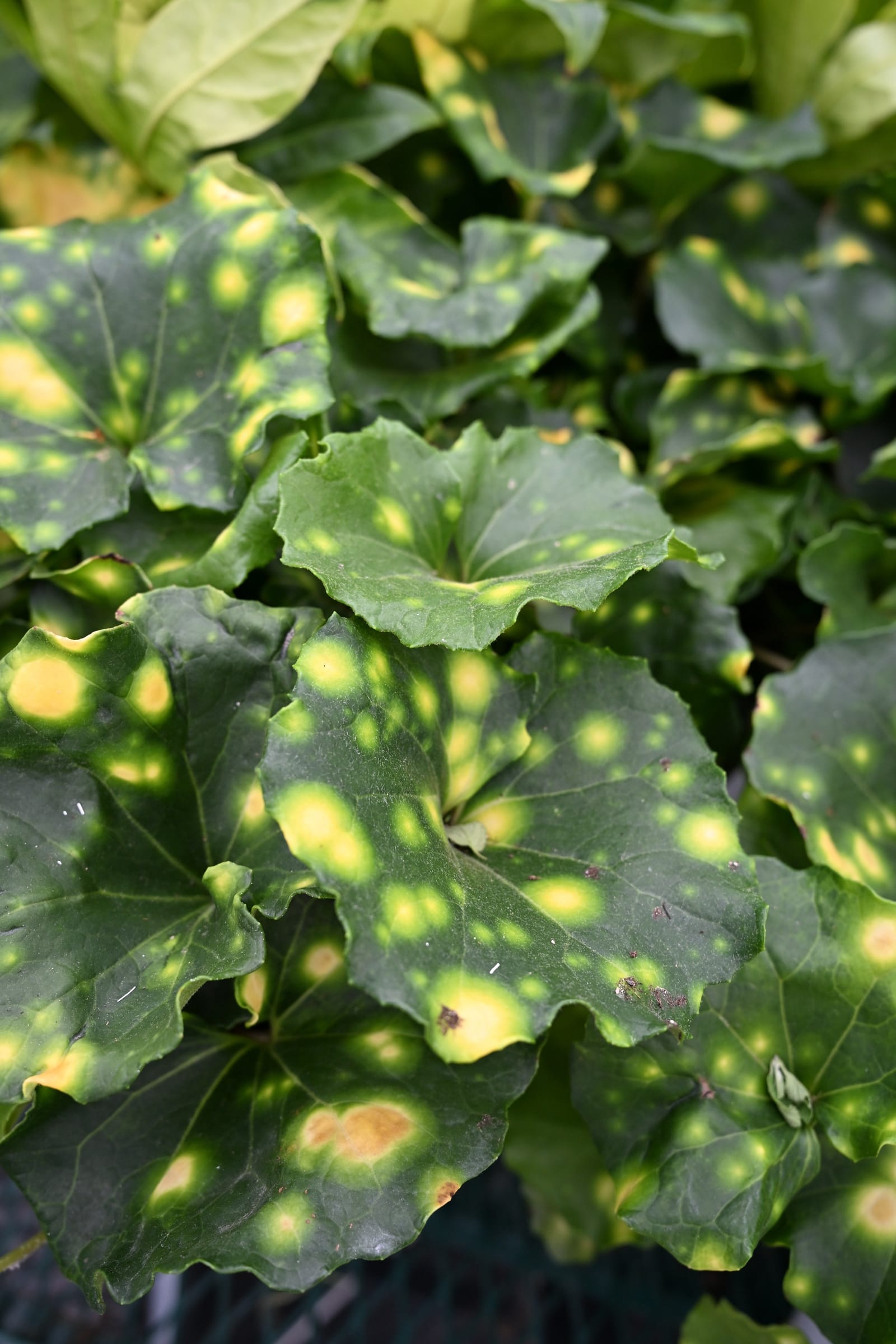
Firefly Leopard Plant
Maturity: 2' H x 2' W
Fragrant Bouquet Hosta
Maturity: 2' H x 3' W
Francee Hosta
Maturity: 2' H x 4' W
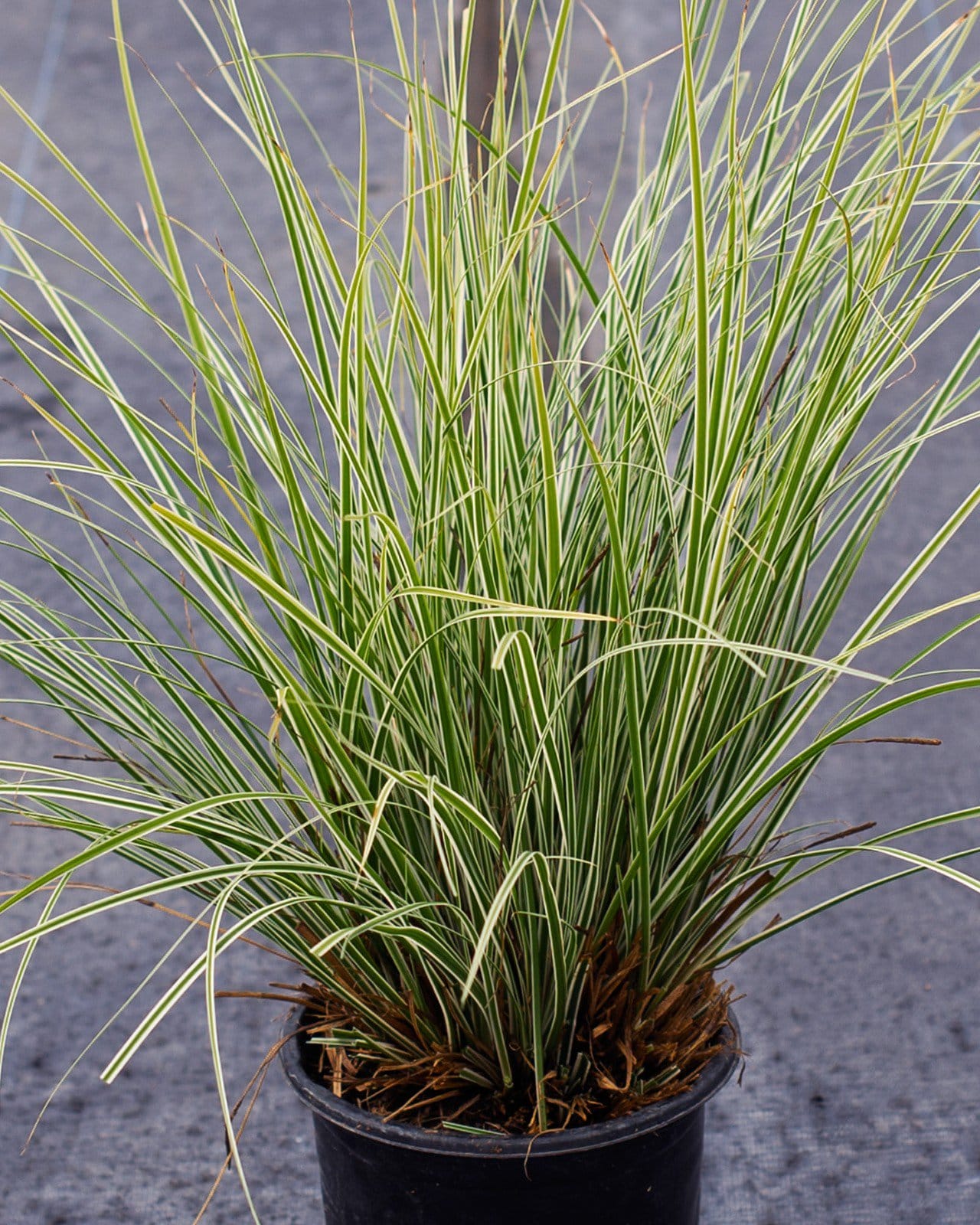
Everest EverColor Carex Sedge
Maturity: 1' H x 1.5' W
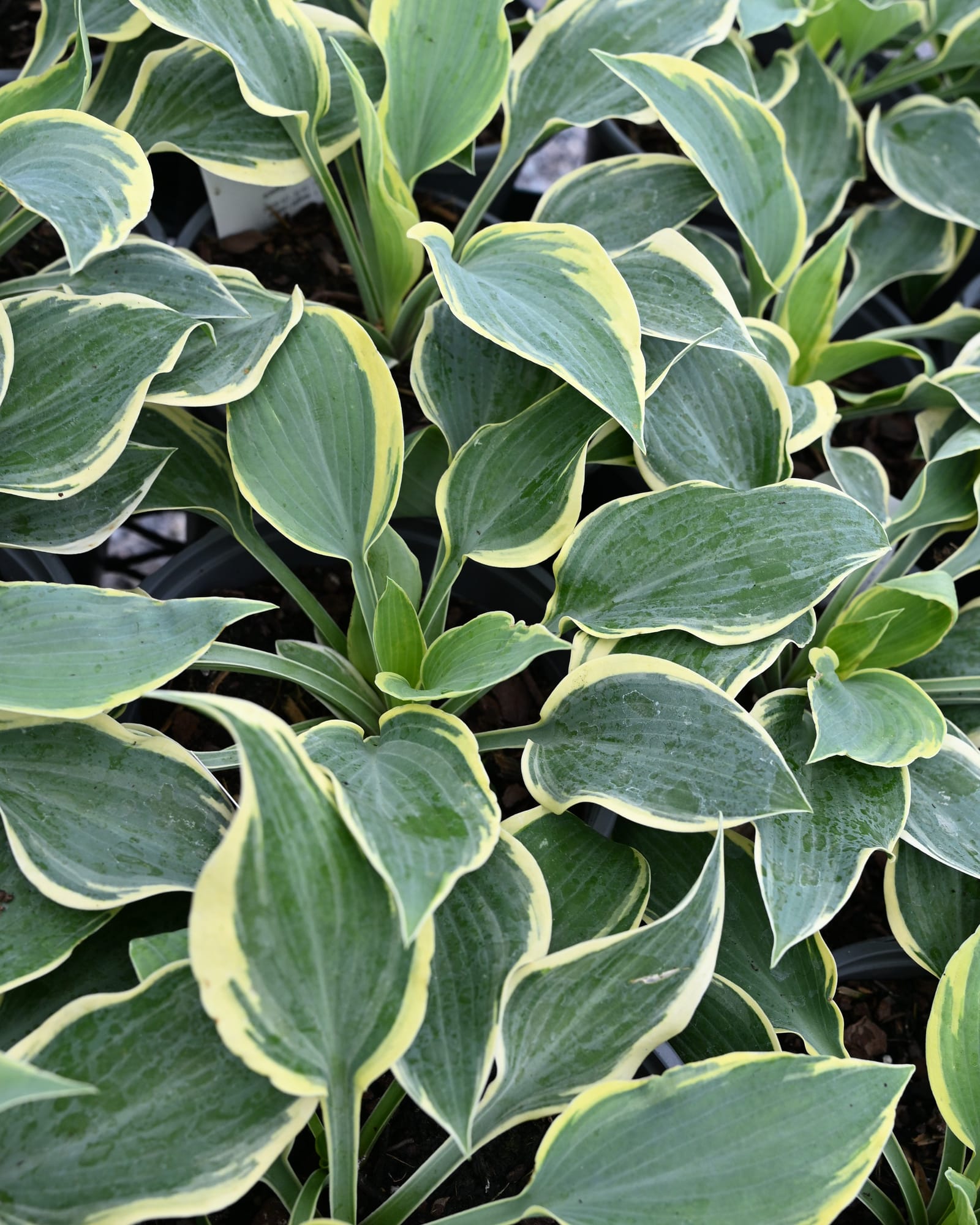
First Frost Hosta
Maturity: 1.25' H x 2.5' W
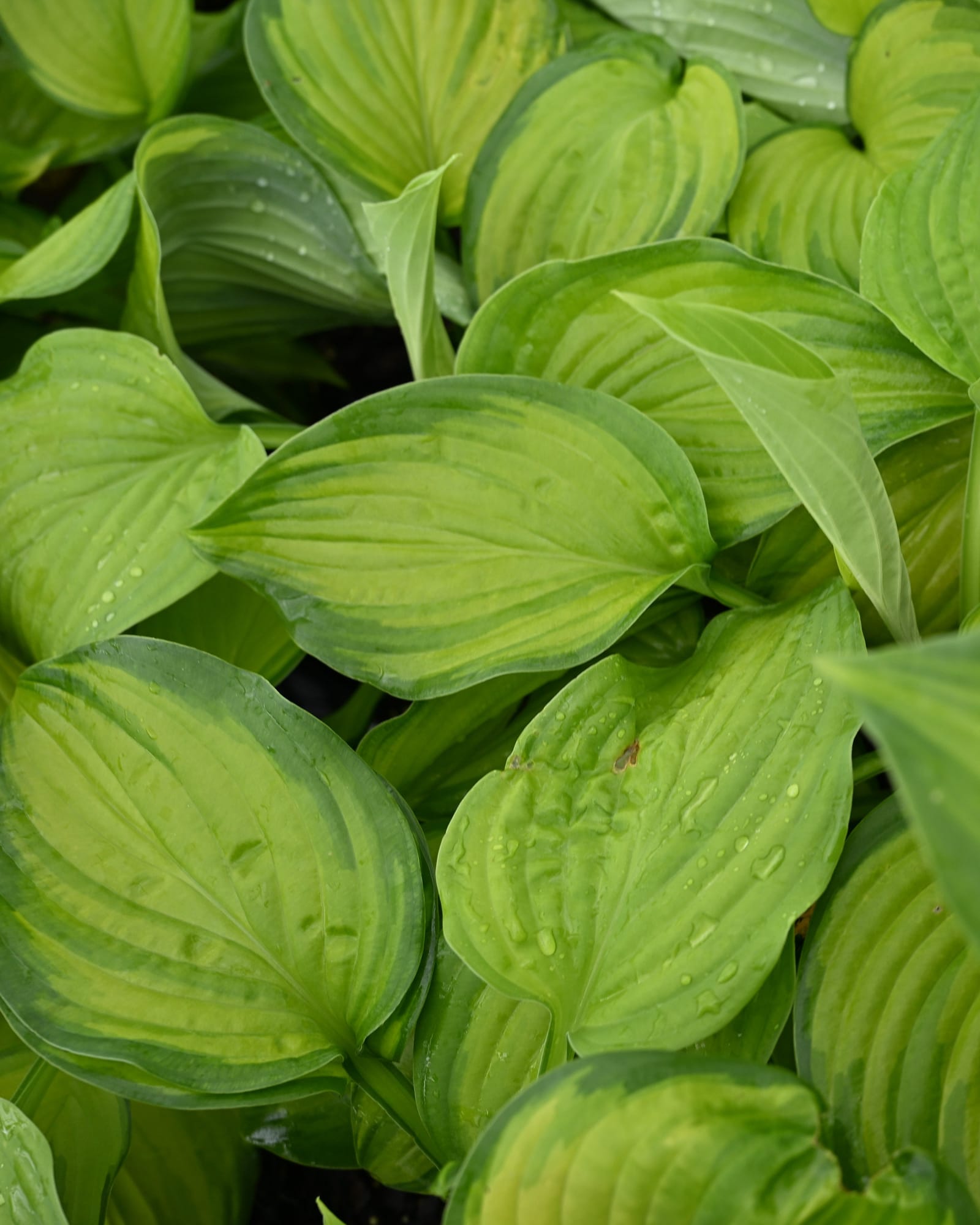
Guacamole Hosta
Maturity: 1.5' H x 2' W
Compare Similar Plants
Holly Fern This plant | ||
|---|---|---|
| Scientific Name | Cyrtomium falcatum 'Rochfordianum' | Dryopteris erythrosora 'Brilliance' |
| Size at Maturity | 2' H x 2' W | 2' H x 2' W |
| Leaf Retention | Herbaceous | Herbaceous |
| Sizes Available | 1, 3 gal | 1, 3 gal |


Our 1-Year Planting Guarantee
We take pride in our plants and installation services. If any plants or trees installed by Treeland fail to thrive within the first year, we'll provide a replacement credit in accordance with our guarantee program.
Learn More About Our Guarantee