
Southern Wood Fern
Dryopteris ludovicianaLocal DFW Delivery Only
Product Details
Southern Wood Fern
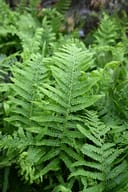
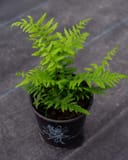
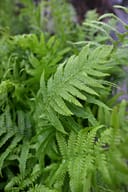
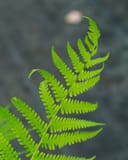
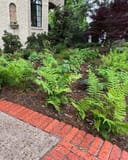
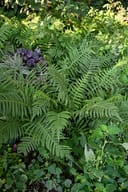
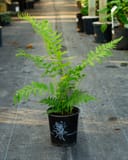
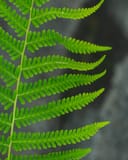
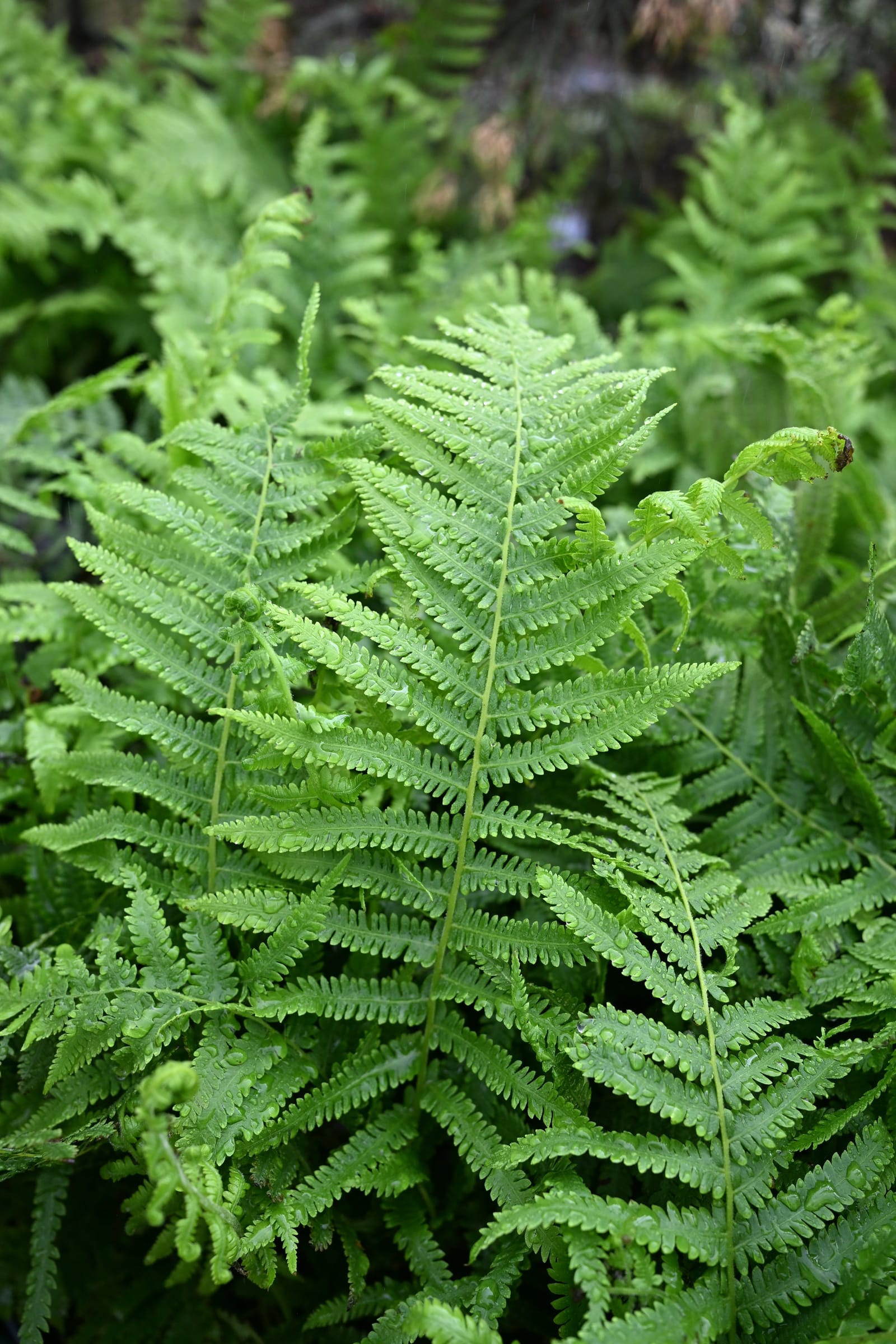
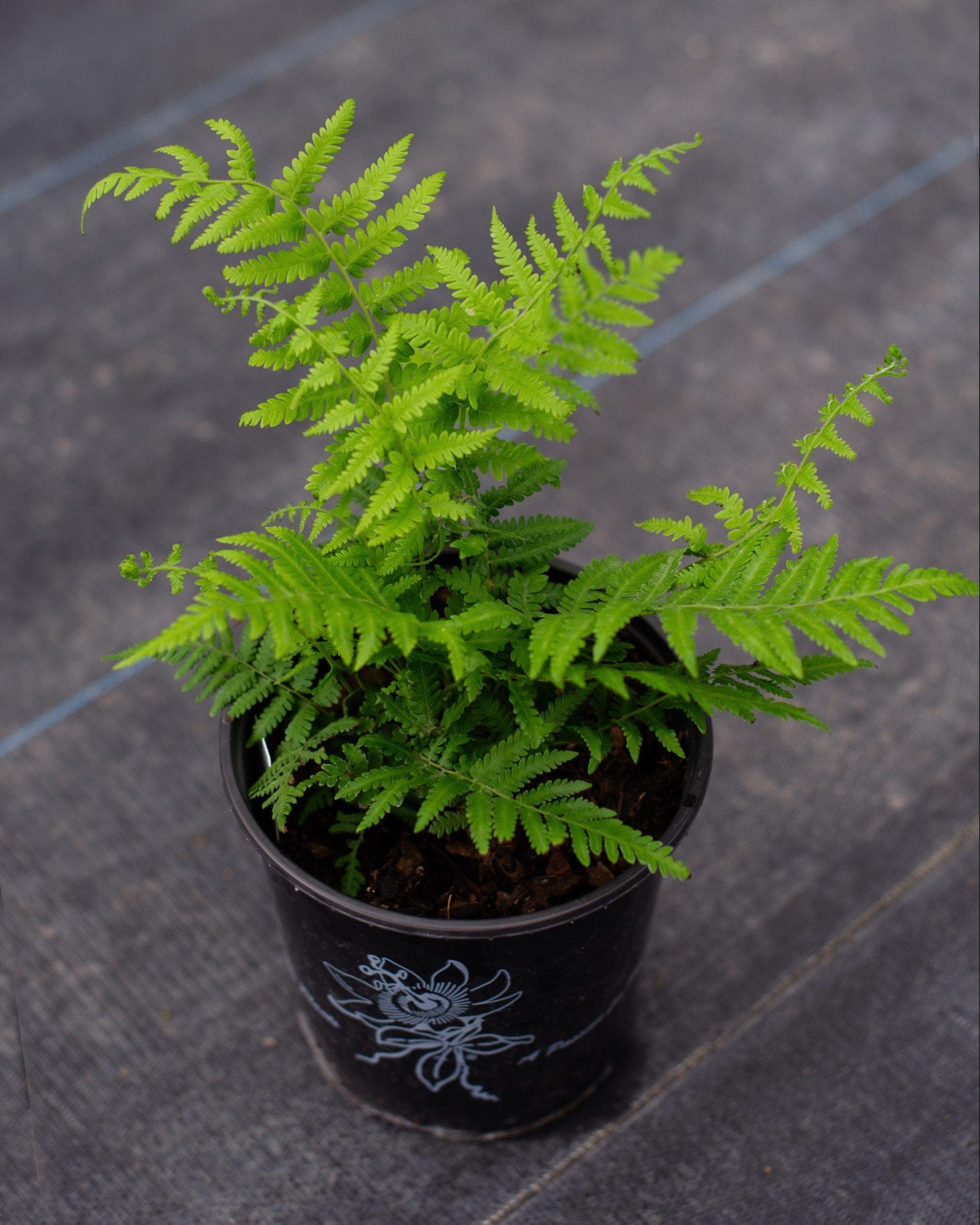
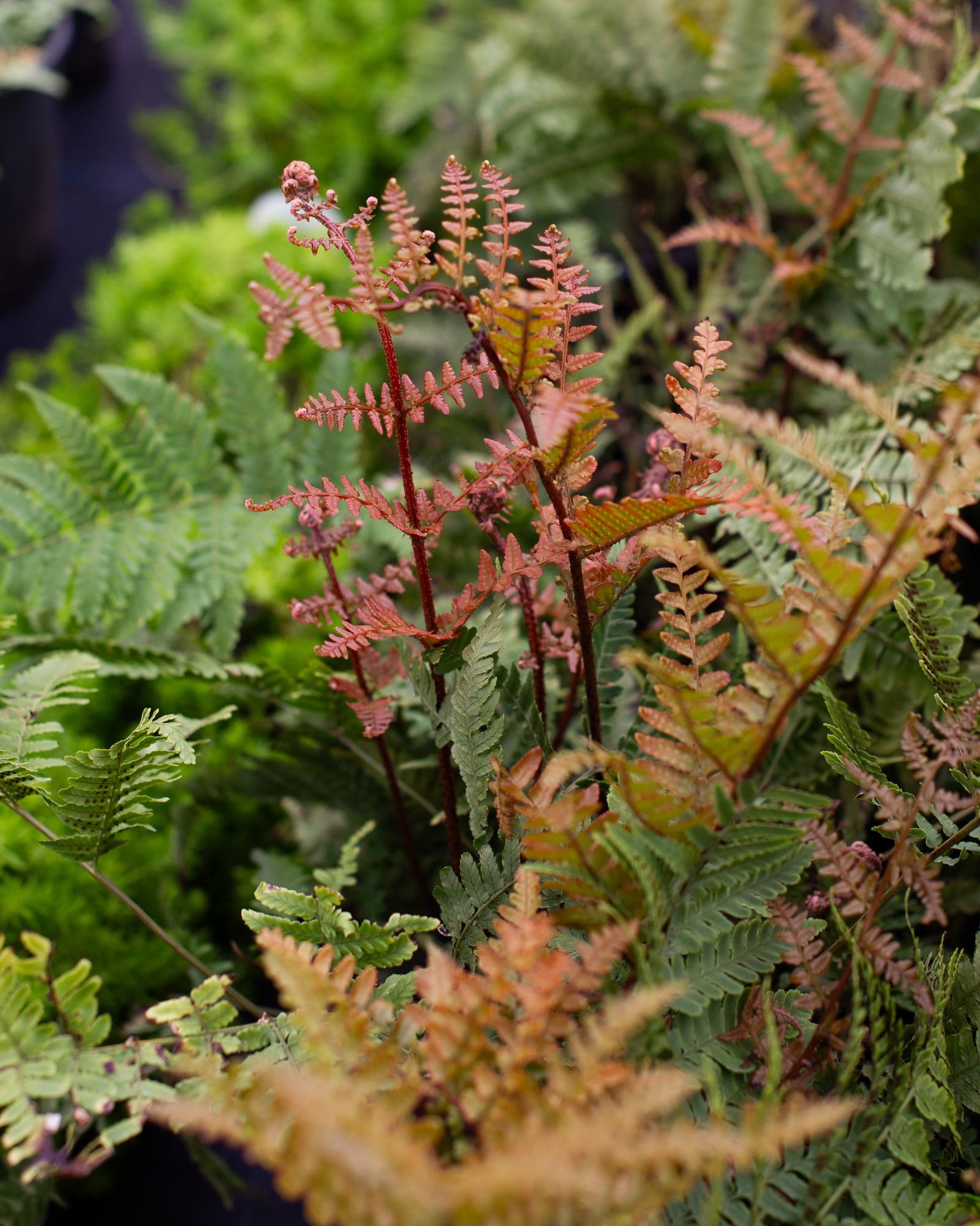
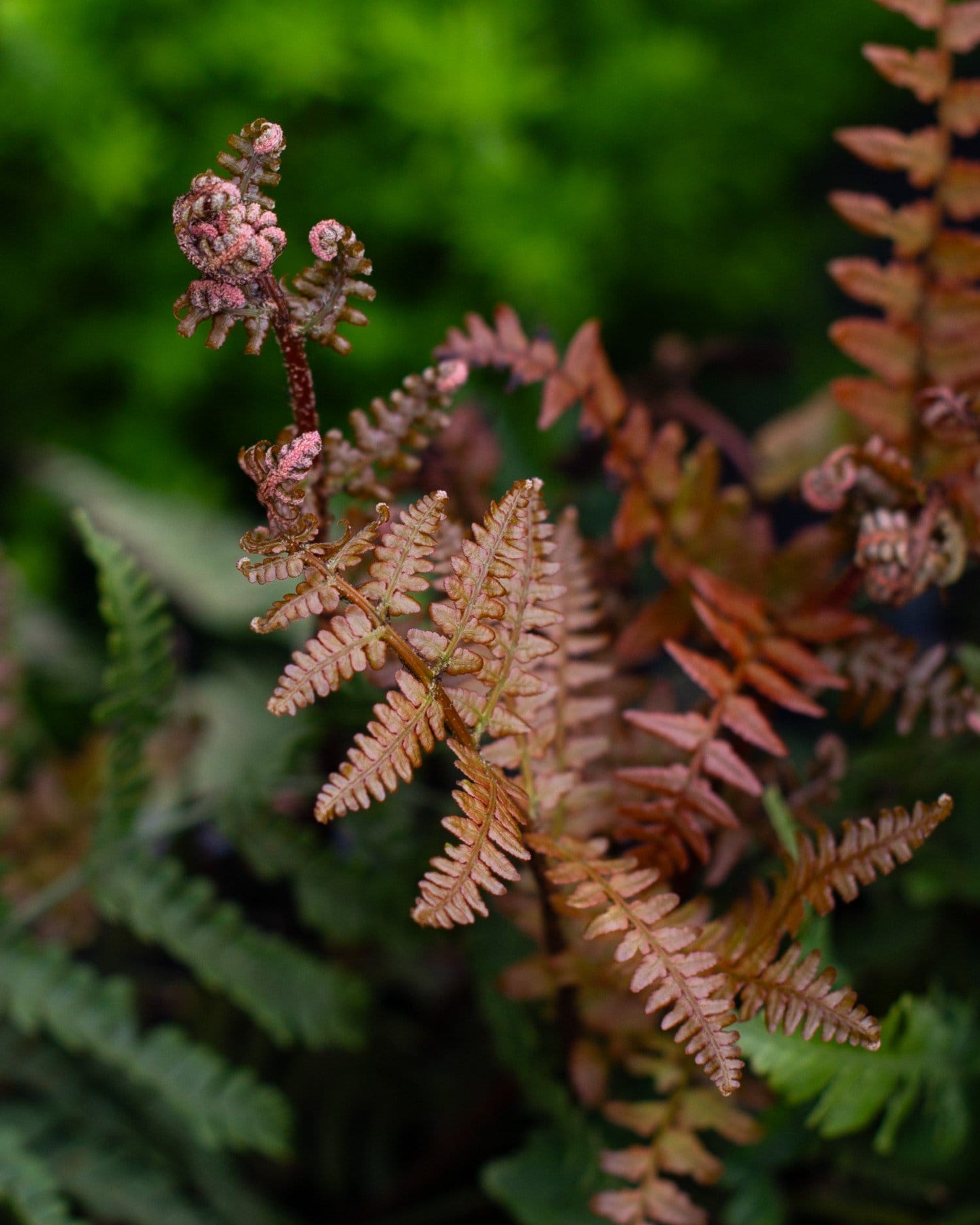
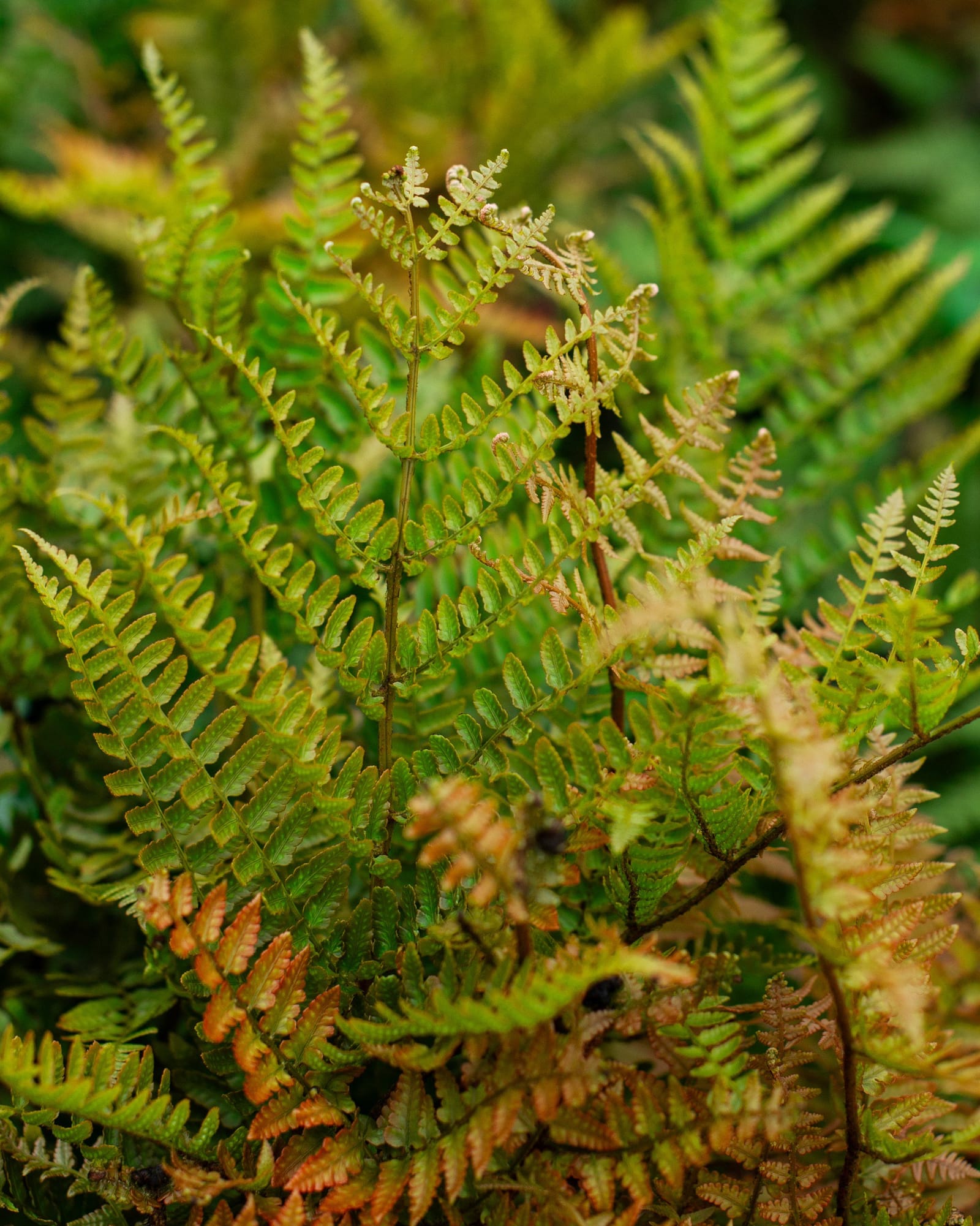
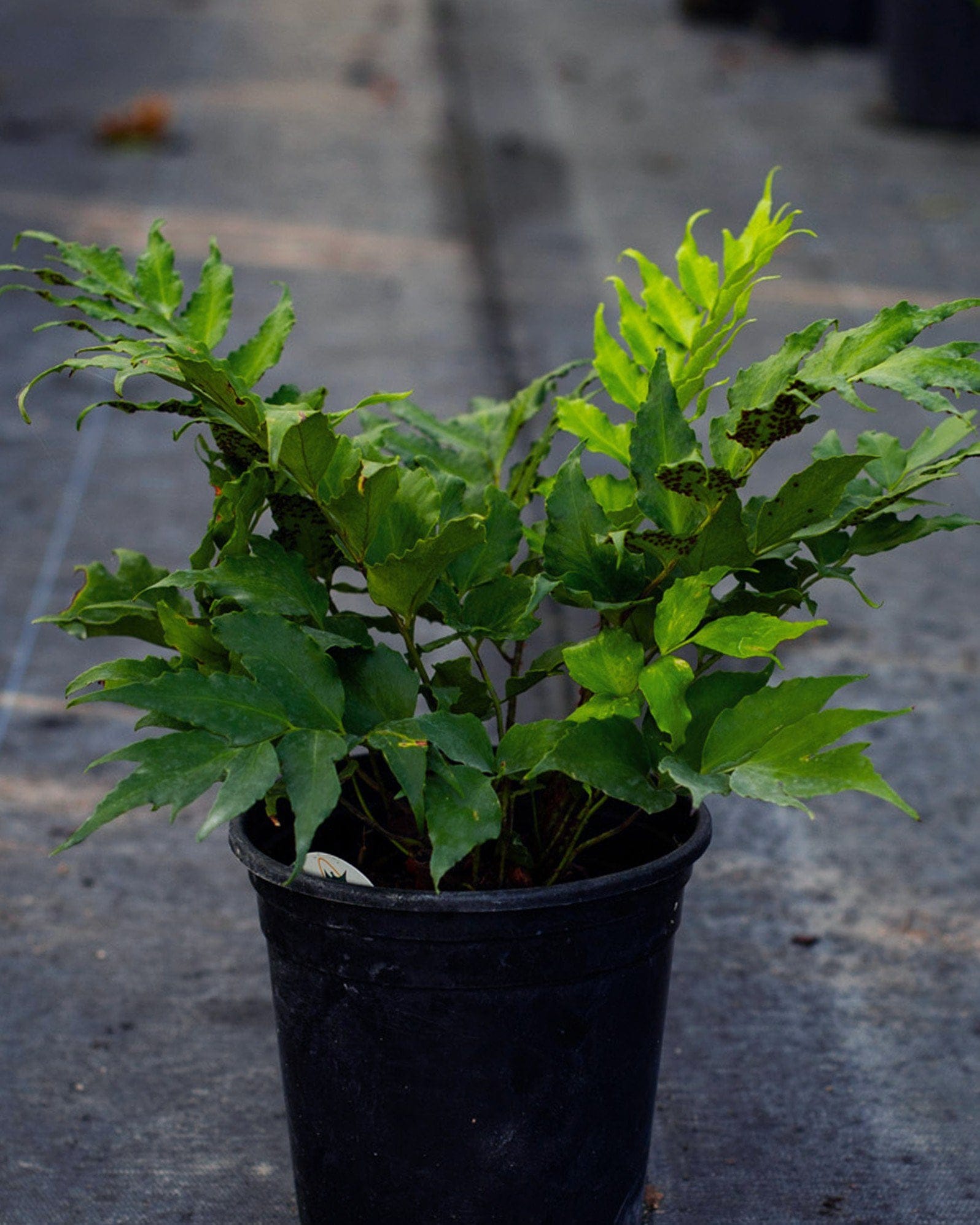
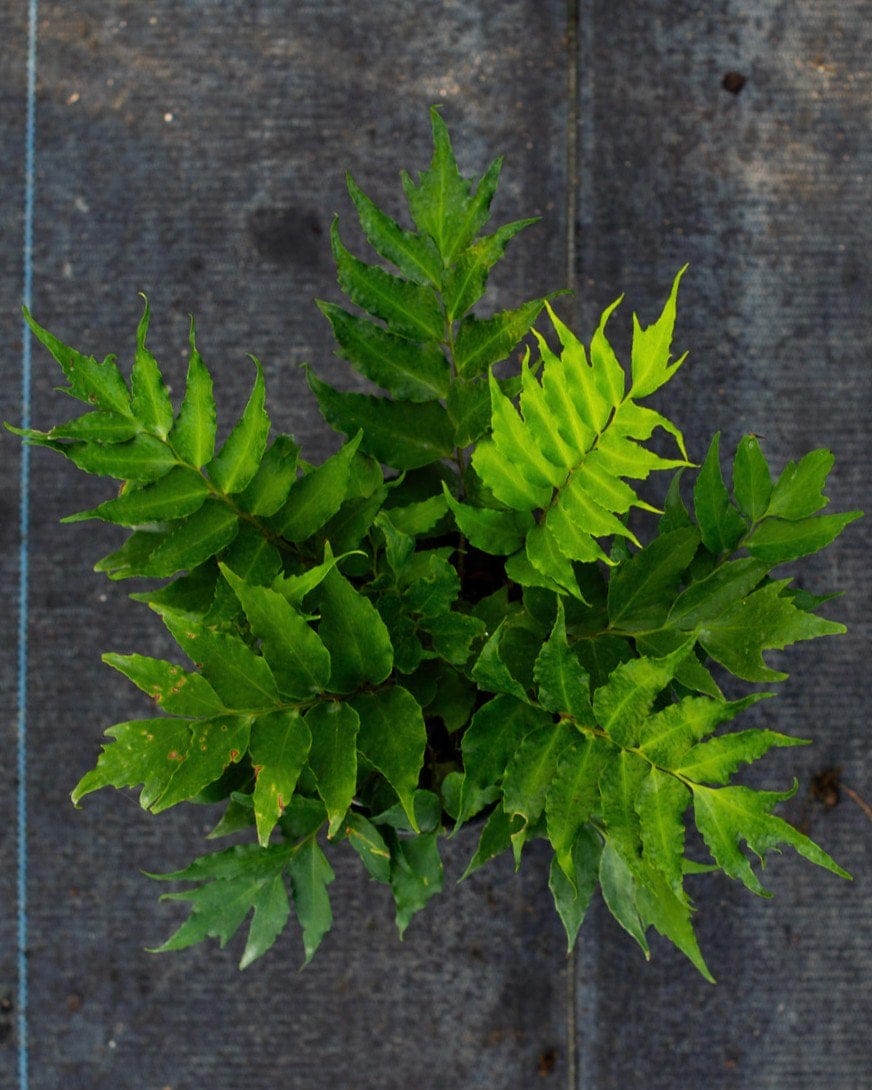
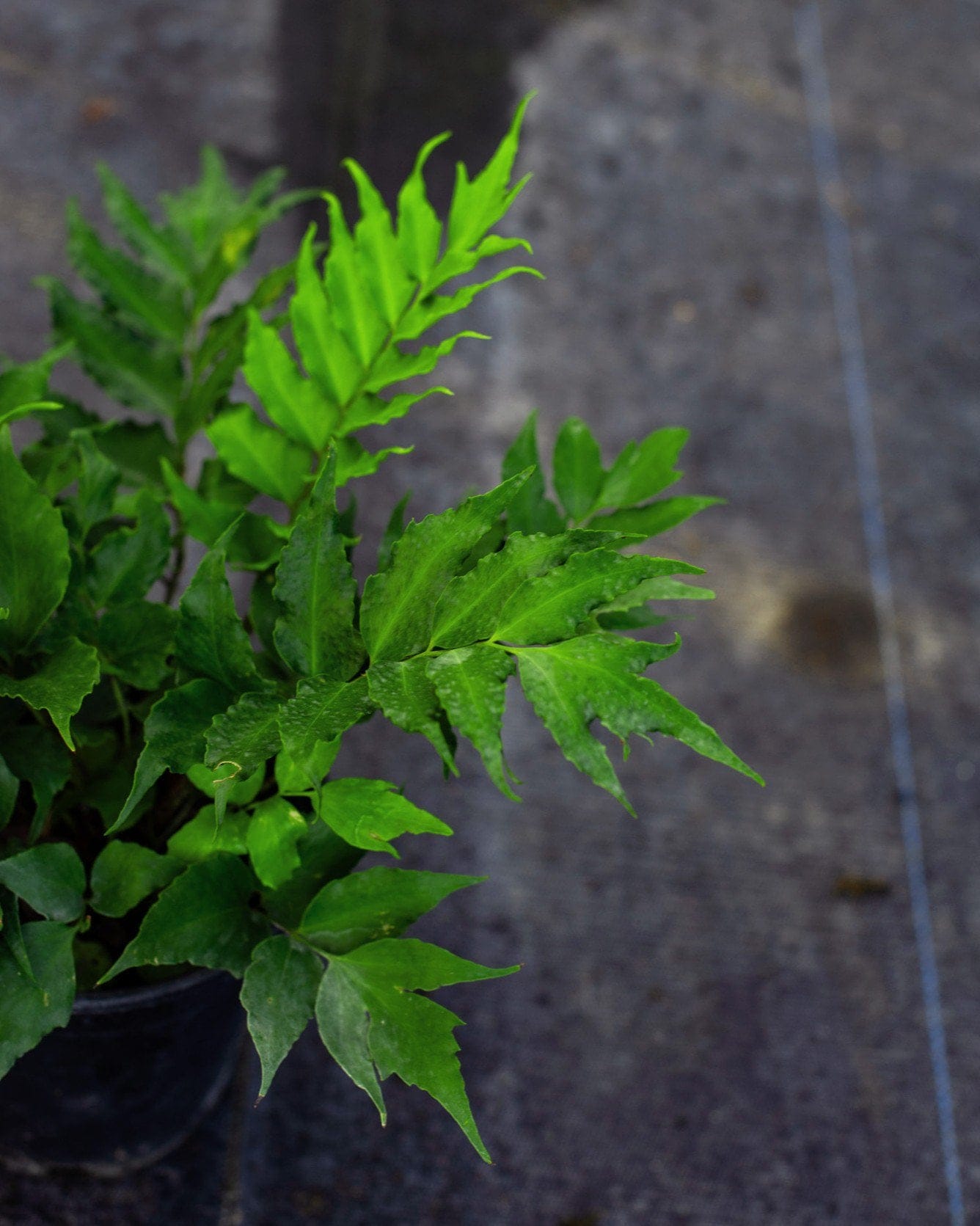
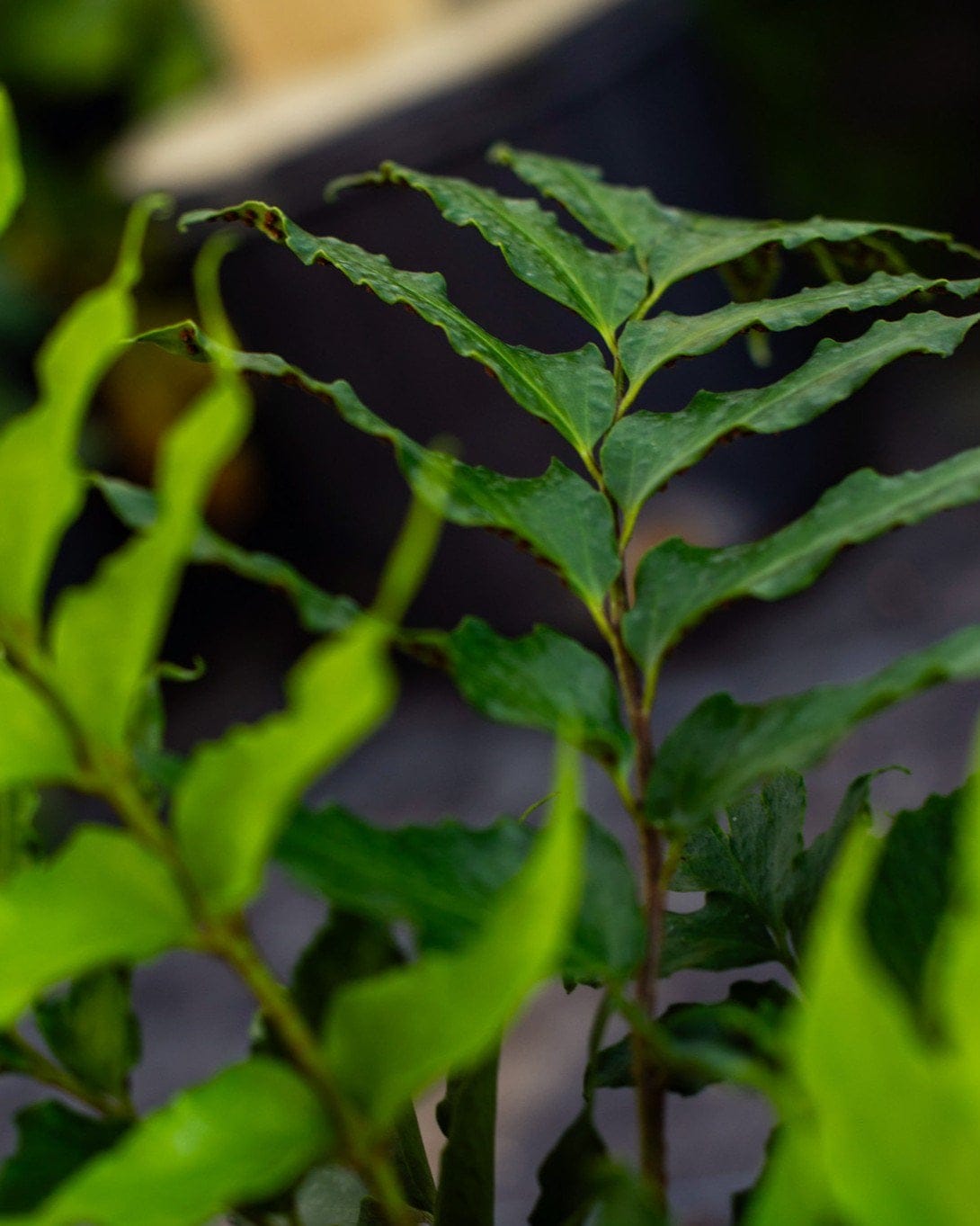
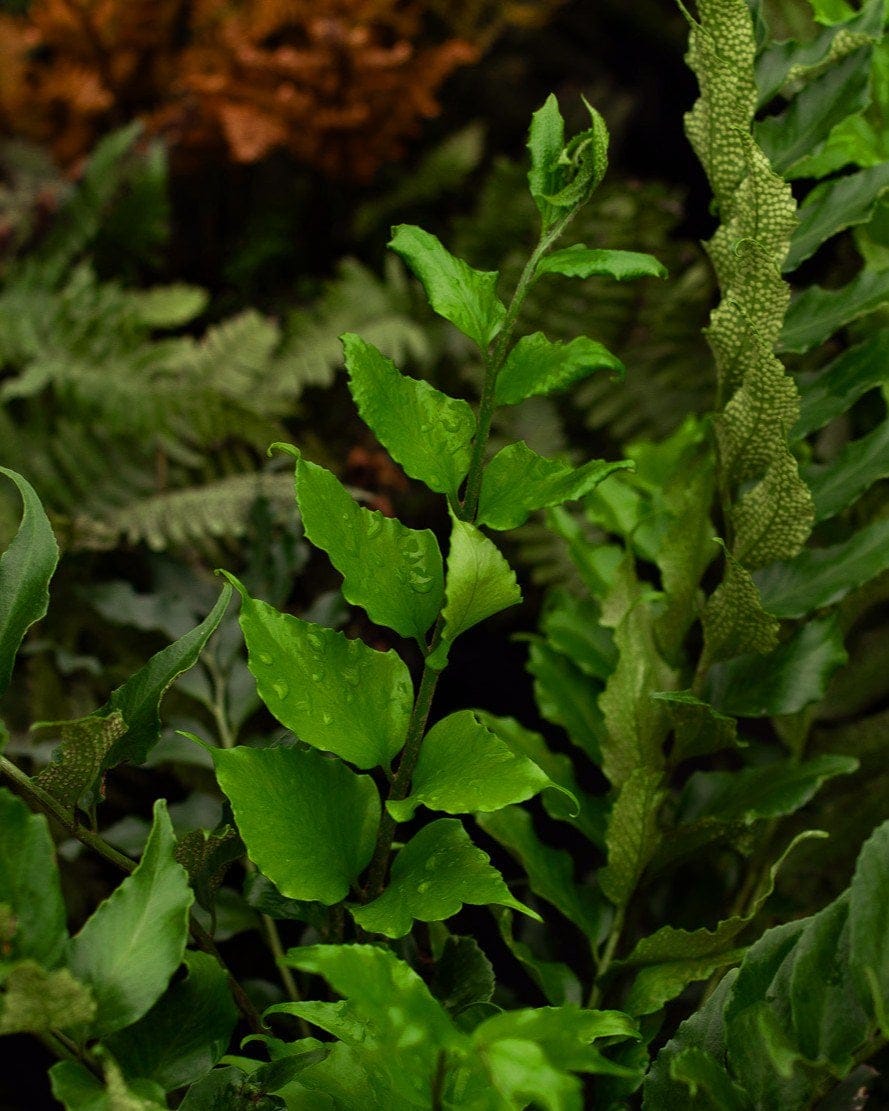
Dryopteris ludovicianaThe Southern Wood Fern is just what your flower bed, border, or foundation has been missing. This herbaceous plant reaches 3 feet in height and as much across at full maturity. It's loved for its plentiful foliage, which grows in light green tones on both the jagged leaves and stems.
- Herbaceous fern variety
- Prized for its light green leaves
- Fast growth rate
- Versatile, but usually used as a texturizer in mixed plantings, for borders, or under shade trees
- Moderately cold-hardy
The Southern Wood Fern lives up to its name in terms of hardiness. It thrives in zones 8 to 10, but doesn't love direct sun. When planting, avoid sunny spots and provide full or partial shade. This fern type loves moist soil but will tolerate drought to an extent. To maintain its beauty and shape, trim old fronds as needed. This will also help new growth sprout more freely in spring.
Durable and easy to grow, Southern Wood Fern thrives with minimal maintenance. Here’s all it needs:
- Watering: Water regularly during the first growing season to encourage deep root development. Once established, Southern Wood Fern tolerates short dry spells but prefers consistent moisture. Keep soil evenly damp, not soggy, and water deeply during hot or windy periods.
- Pruning: Remove old, damaged, or faded fronds periodically to maintain a tidy appearance. In late winter or early spring, prune back older foliage before new fronds emerge to encourage vigorous, upright growth.
- Fertilizing: Feed in early spring with a balanced, slow-release fertilizer or enrich the soil with compost or leaf mold. Avoid overfertilizing - ferns thrive in moderately rich soil and excessive nutrients can lead to soft, floppy fronds.
- Mulching: Apply a 2-3 inch layer of organic mulch, such as shredded bark or pine straw, to help regulate soil temperature and conserve moisture. Keep mulch a few inches away from the base to prevent rot and improve air circulation.
- Winter Care: In warmer regions, Southern Wood Fern remains evergreen throughout winter. In colder climates, fronds may brown after frost - simply cut them back in late winter before new growth begins.
Even though Southern Wood Fern is naturally hardy and low-maintenance, a few minor issues may arise under less-than-ideal growing conditions:
- Frond Browning or Crisping: Usually caused by insufficient watering or exposure to direct afternoon sun. Provide partial to full shade and maintain consistent soil moisture, especially in hot, dry weather.
- Yellowing Leaves: Often a sign of overwatering or poor drainage. Ensure soil drains freely and water less frequently if the ground feels constantly damp.
- Slug or Snail Damage: Small holes or ragged edges on fronds indicate slug activity, especially in damp, shaded gardens. Use iron phosphate bait or copper barriers to deter them naturally.
- Crown Rot: Caused by excessive mulch or buried crowns. Keep the crown slightly above soil level and avoid piling mulch directly on top.
- Fungal Leaf Spot: Brown or black spots may appear after prolonged humidity. Trim affected fronds to prevent spread and increase airflow by thinning dense growth.
With proper care, it can thrive for decades, forming large, graceful clumps that return reliably year after year.
It grows steadily, reaching full height and width within 3-4 years. Once mature, it produces new fronds continuously through the growing season.
Yes - while it doesn’t flower, its dense foliage provides shelter and habitat for beneficial insects, frogs, and small garden wildlife.
Yes. Its leathery fronds are generally avoided by deer and rabbits, making it a reliable choice for woodland gardens.
It prefers consistent moisture but can handle brief dry periods once well established, especially if shaded and mulched.
Yes. It performs beautifully in large, shaded containers or courtyard planters. Use rich, well-draining soil and water regularly to keep it thriving.
Yes. It’s hardy through much of the South and lower Midwest, regrowing easily after light frost. Mulching in late fall provides extra root protection.
Yes. Divide mature clumps in early spring before new fronds unfurl. Each division should include several healthy crowns and roots for quick re-establishment.
Absolutely. Its heat and humidity tolerance, evergreen habit, and polished look make it perfect for shaded city gardens, courtyards, and large-scale plantings.
Yes. It pairs beautifully with shade companions like hostas, hydrangeas, caladiums, and begonias, providing a lush green backdrop that enhances color contrast.
Special Features
You might also like
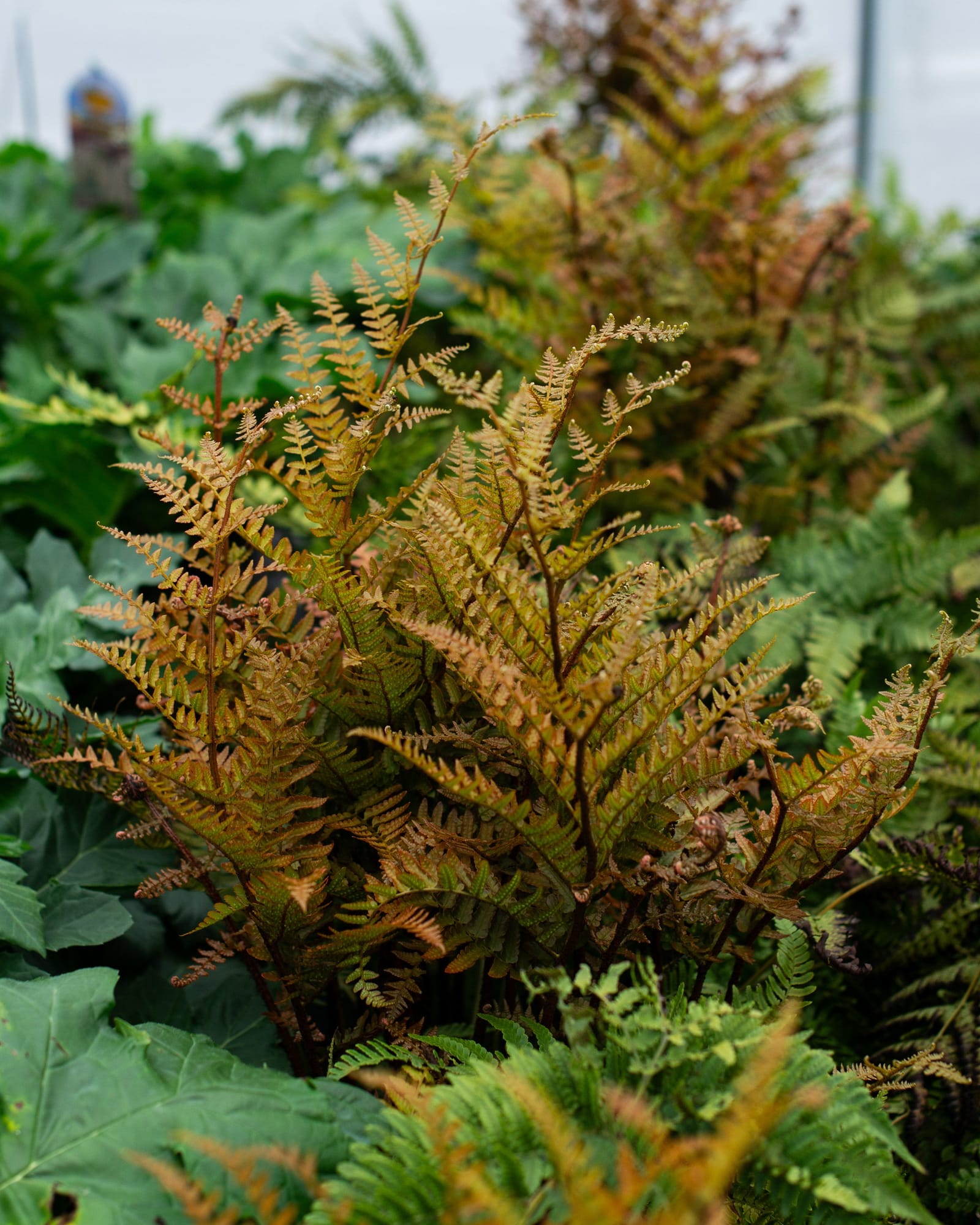
Autumn Fern Brilliance
Maturity: 2' H x 2' W
Holly Fern
Maturity: 2' H x 2' W
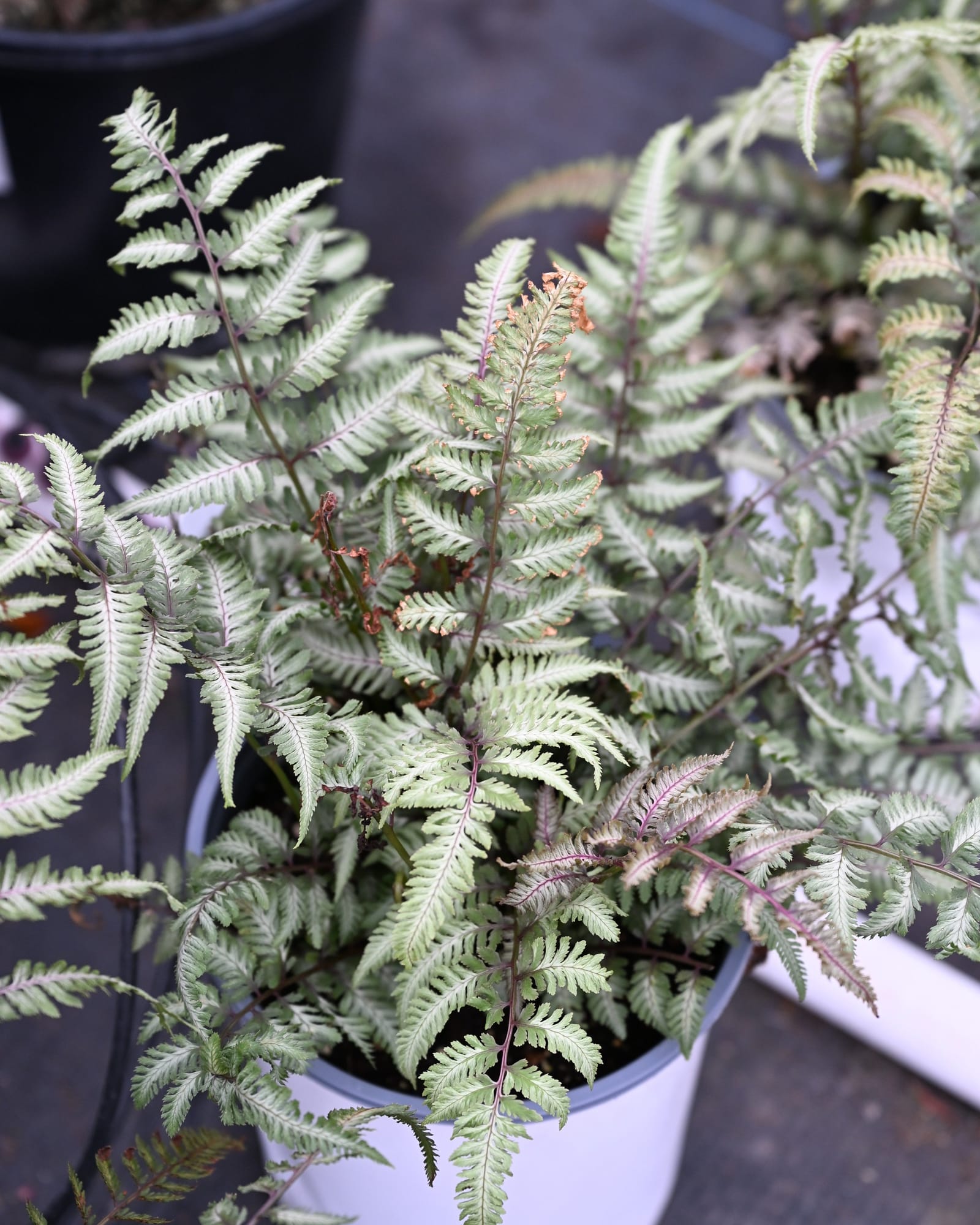
Pewter Lace Japanese Painted Fern
Maturity: 1.5' H x 1.5' W
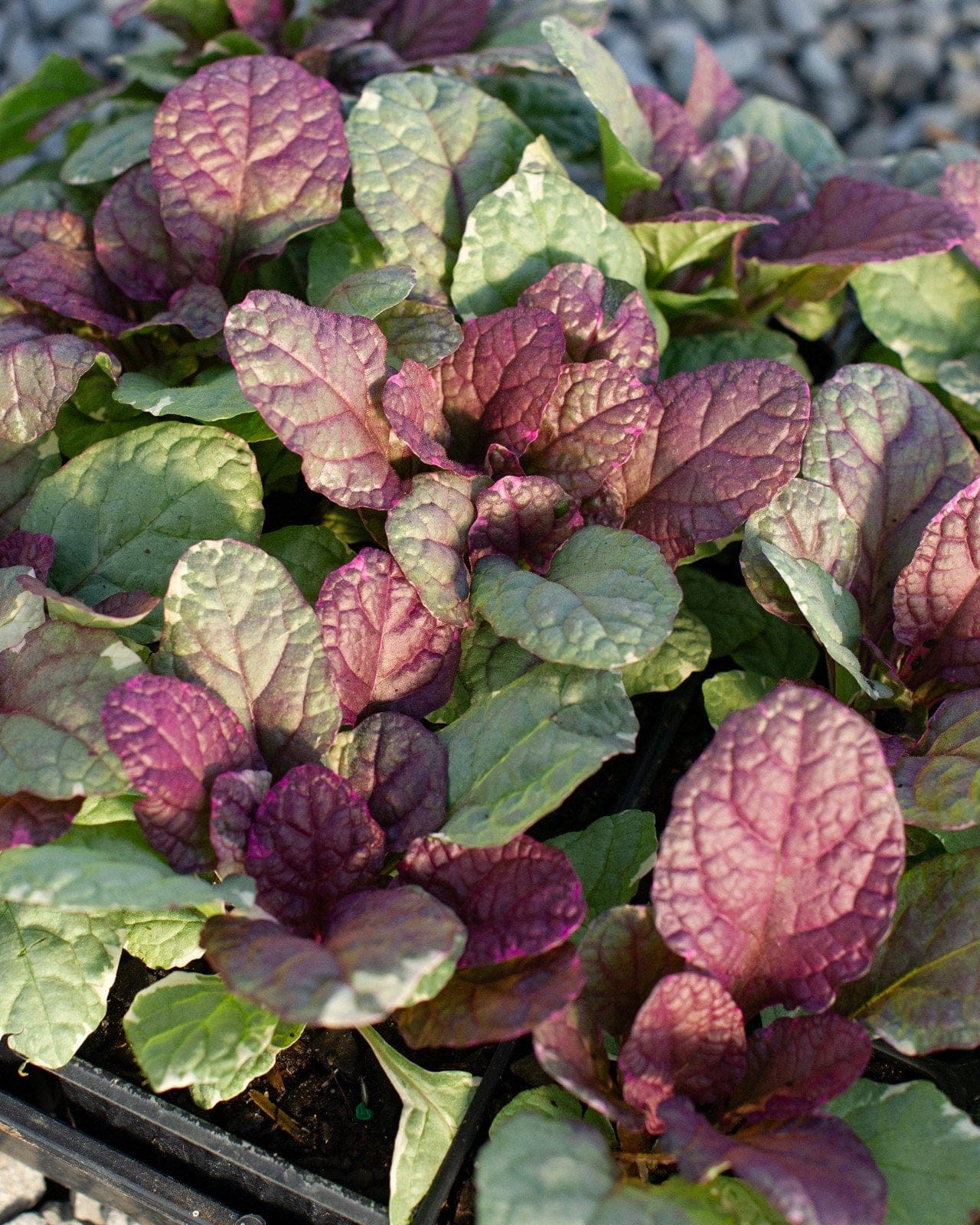
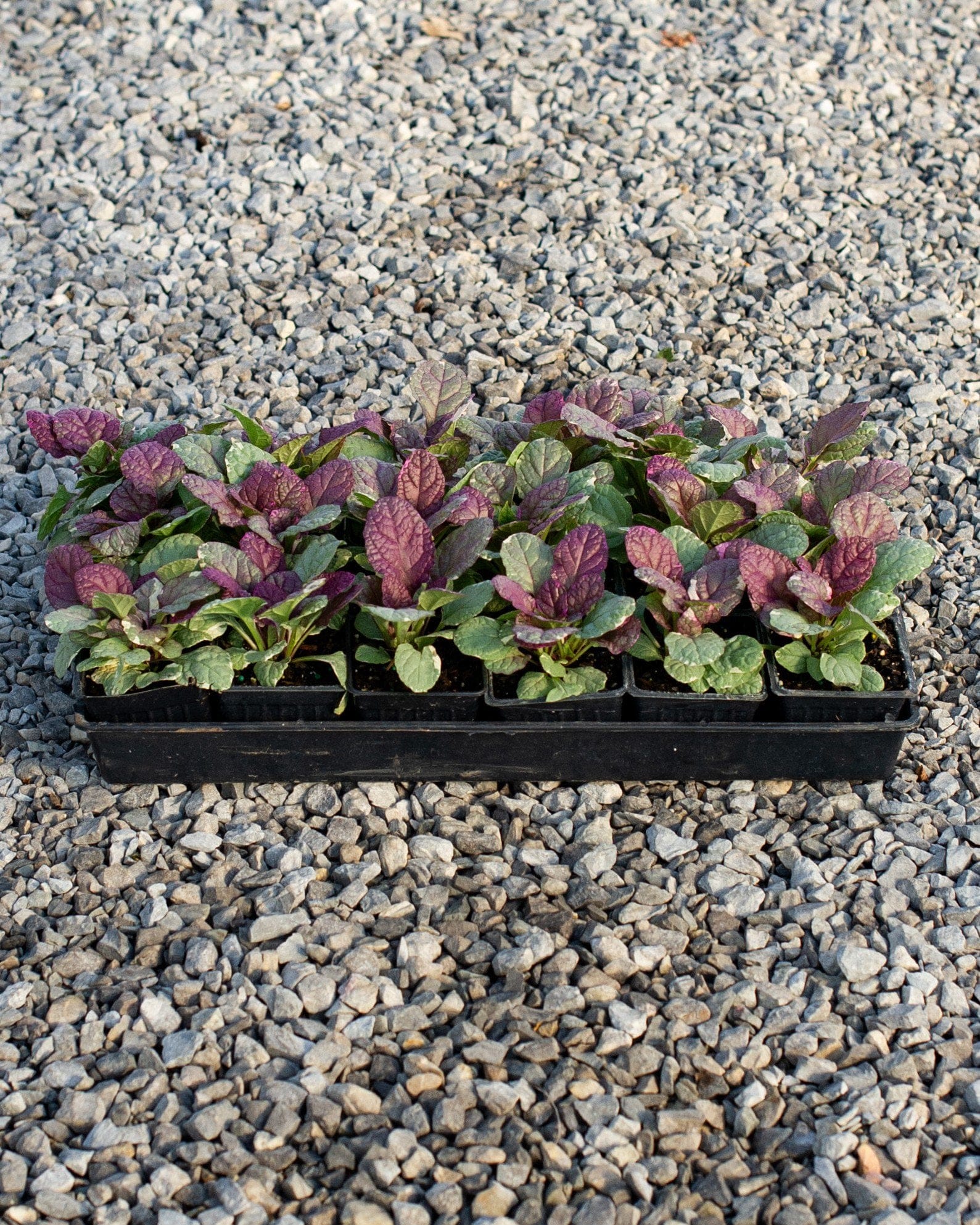
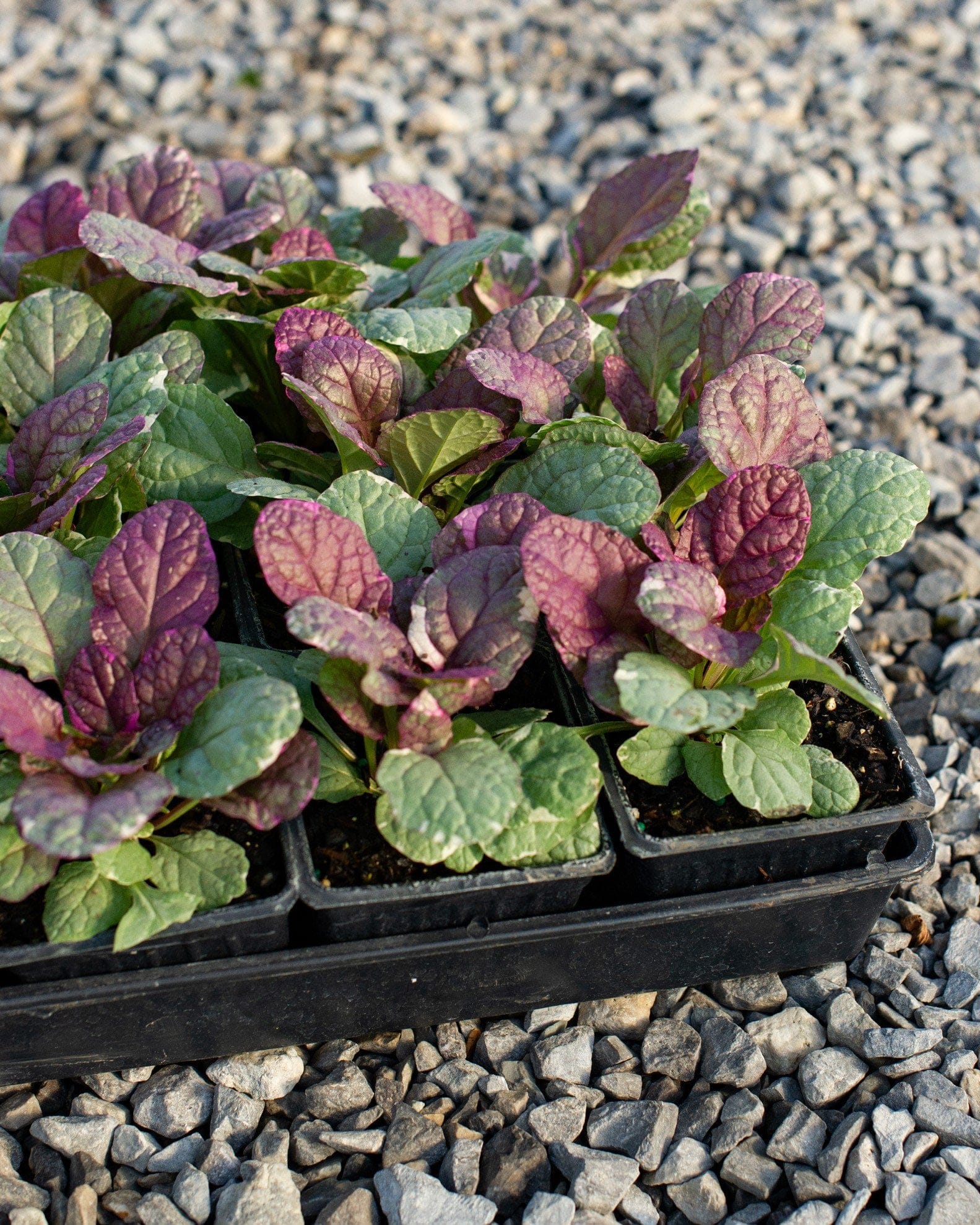
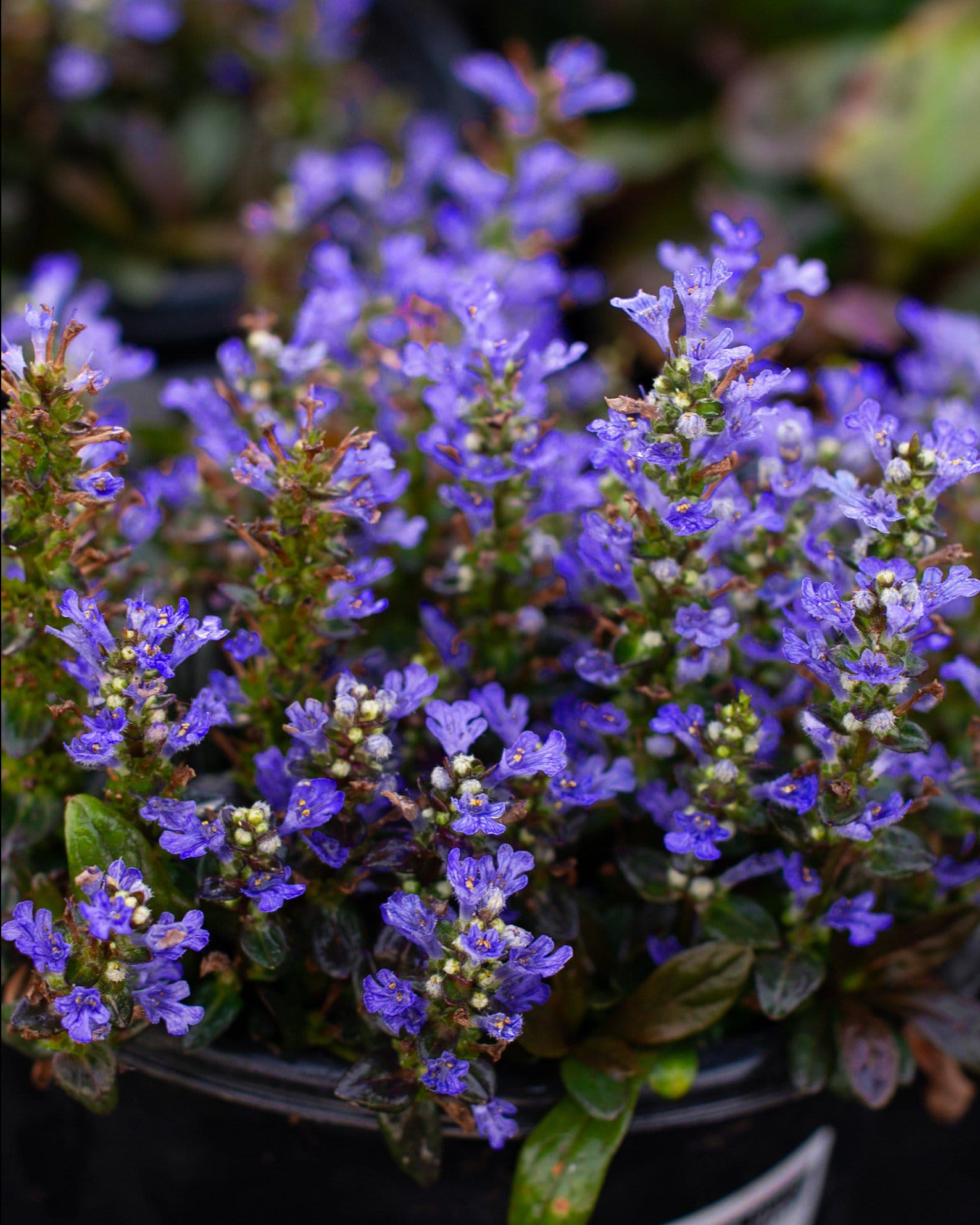
Burgundy Glow Ajuga
Maturity: 0.5' H x 1' W
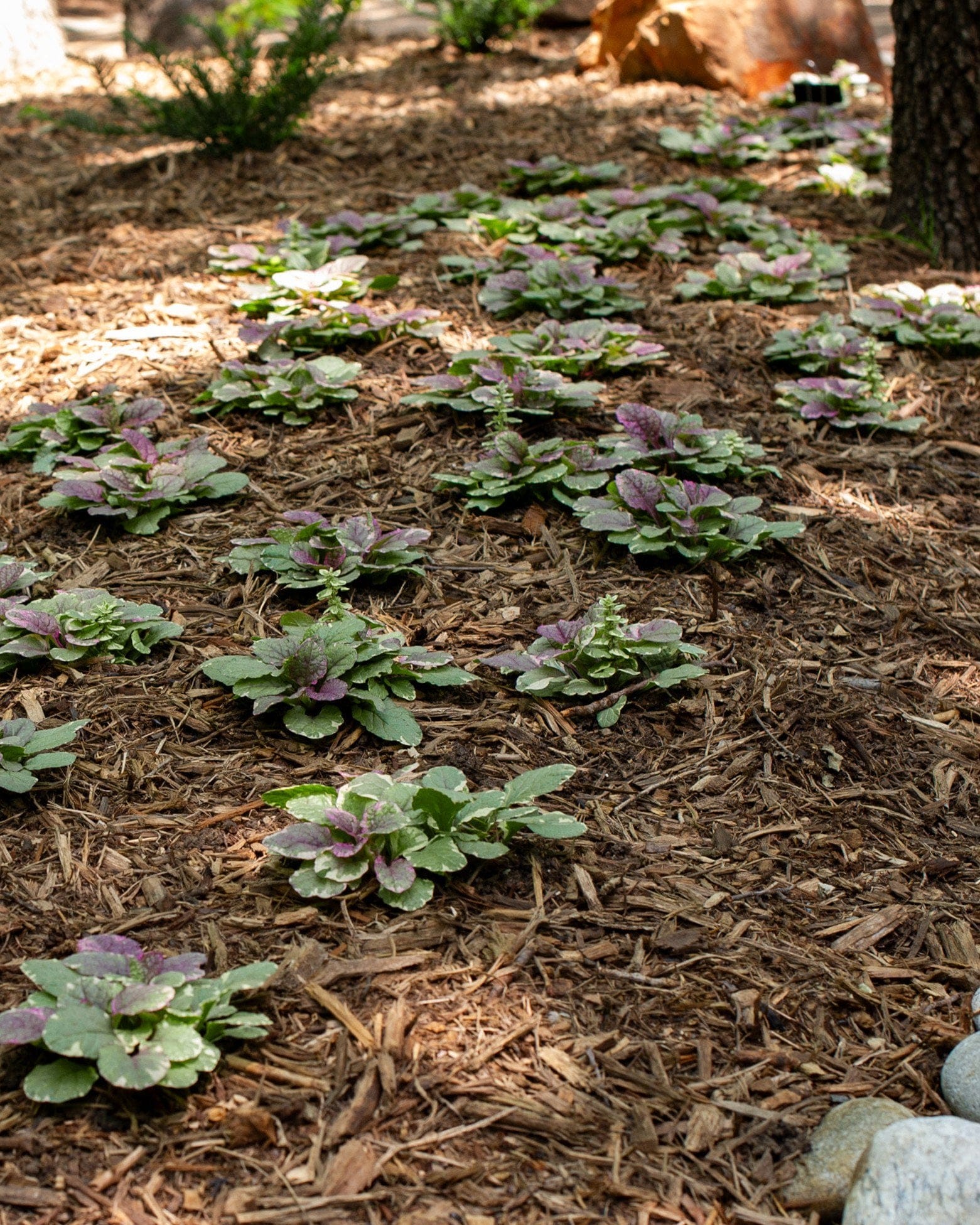
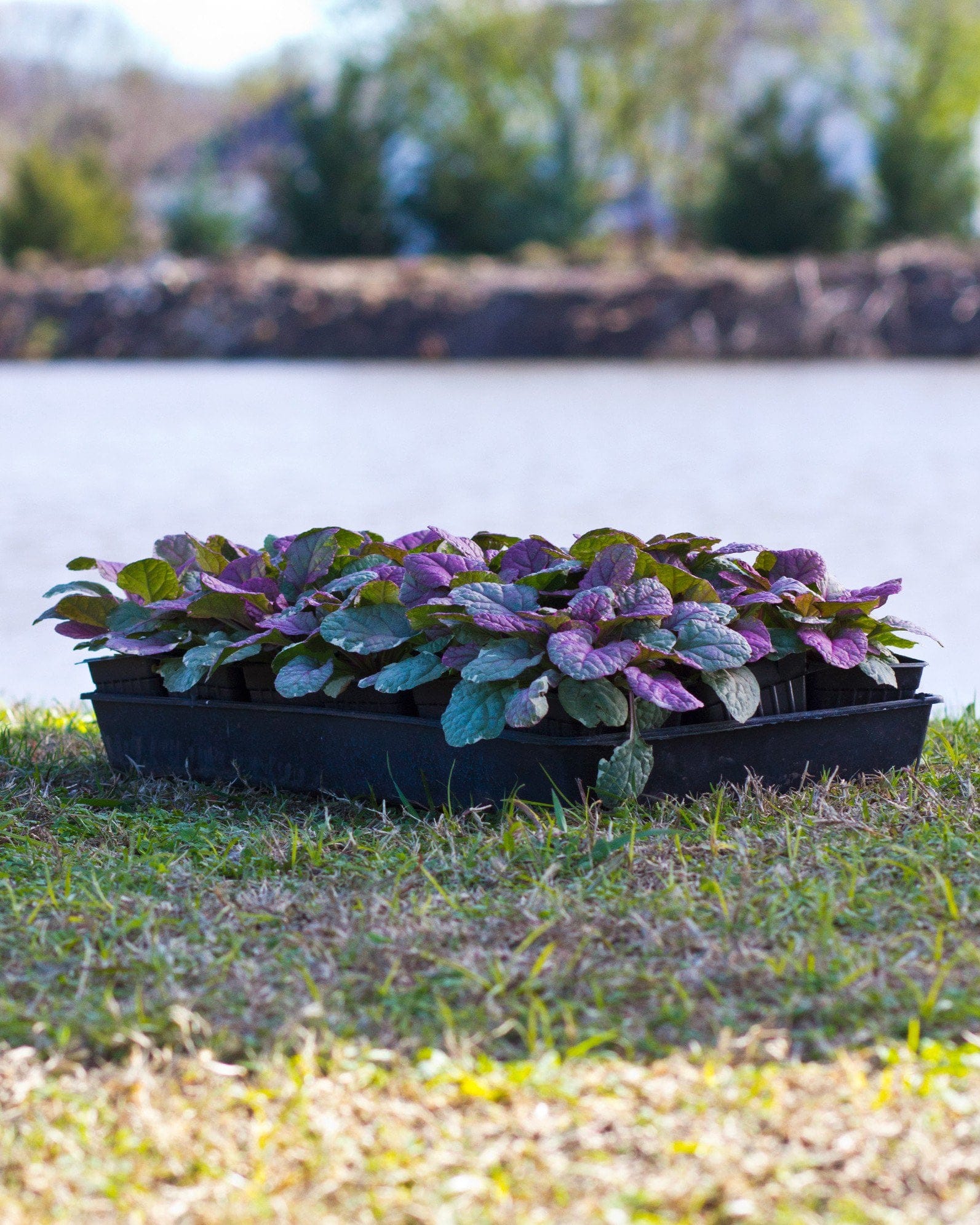
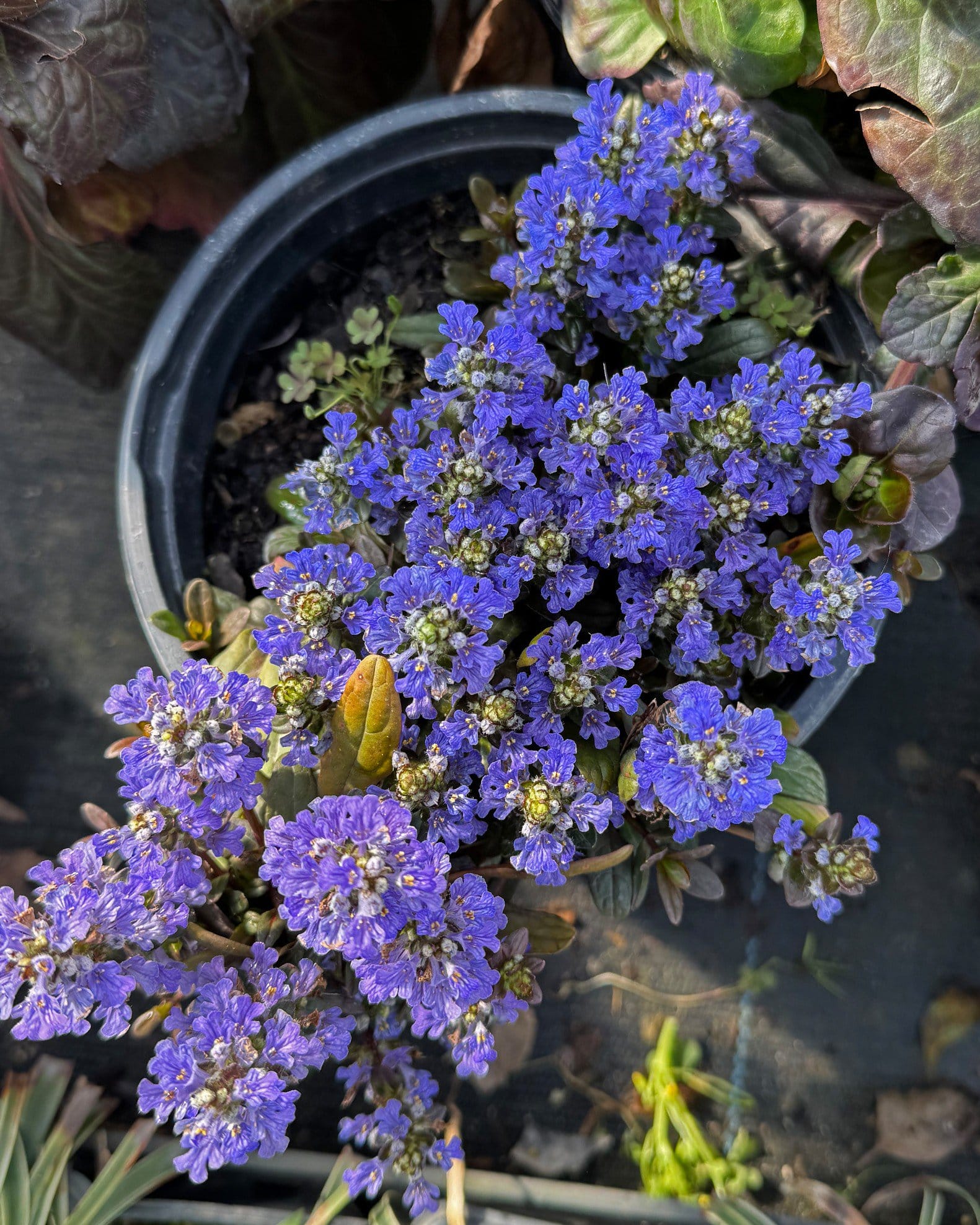
Chocolate Chip Ajuga
Maturity: 0.5' H x 1.5' W
Variegated Leopard Plant
Maturity: 2' H x 2.5' W
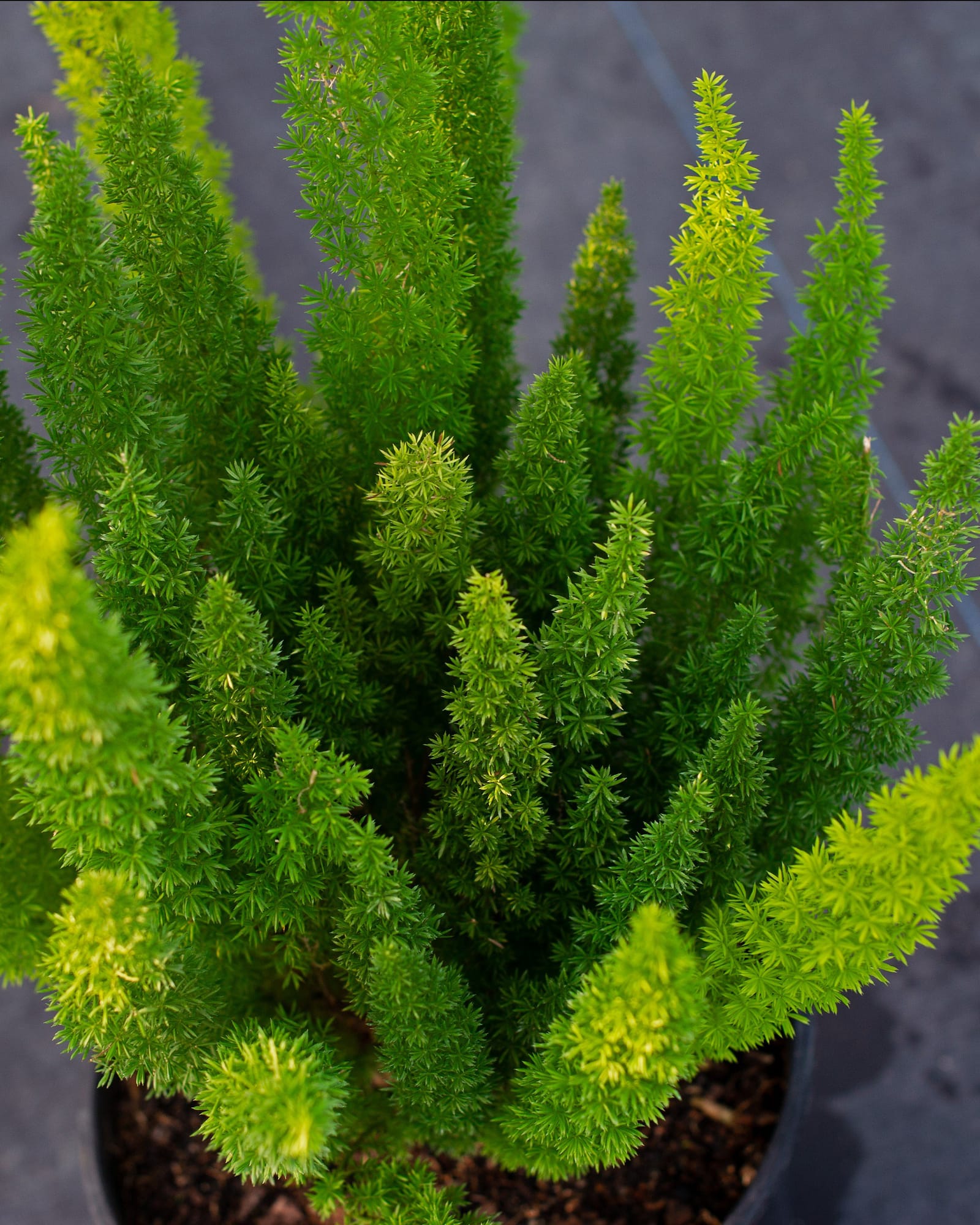
Foxtail Fern
Maturity: 2' H x 2' W
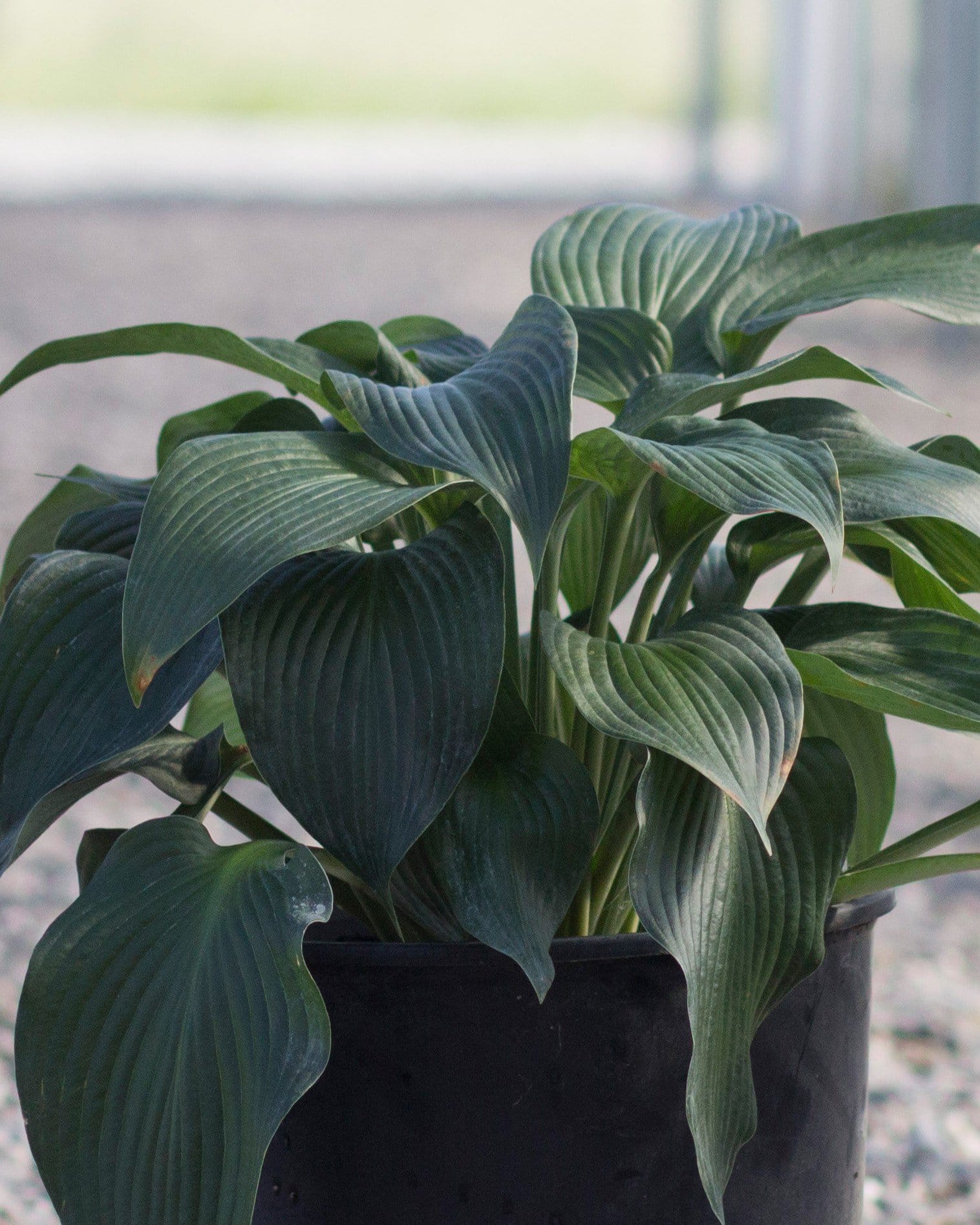
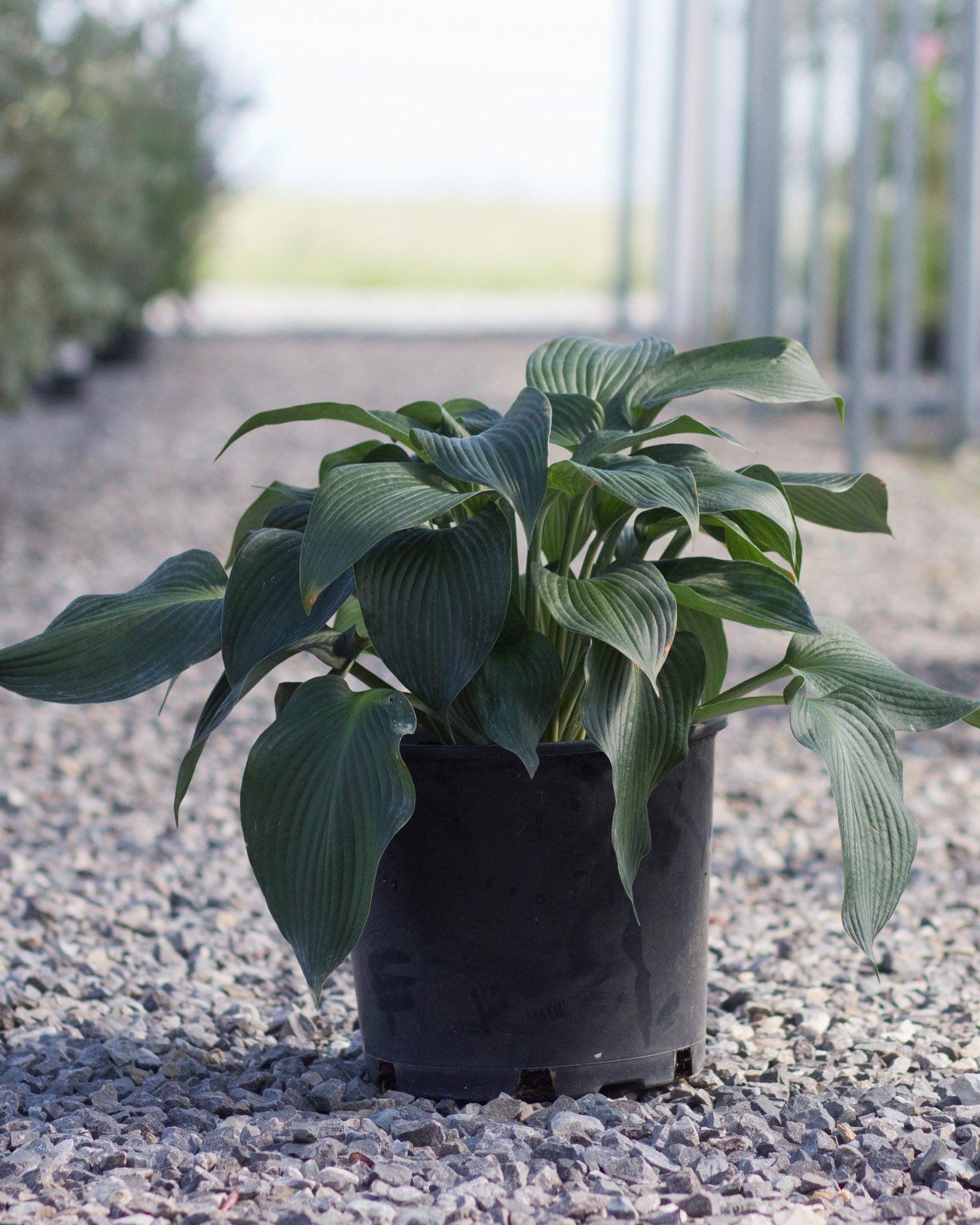
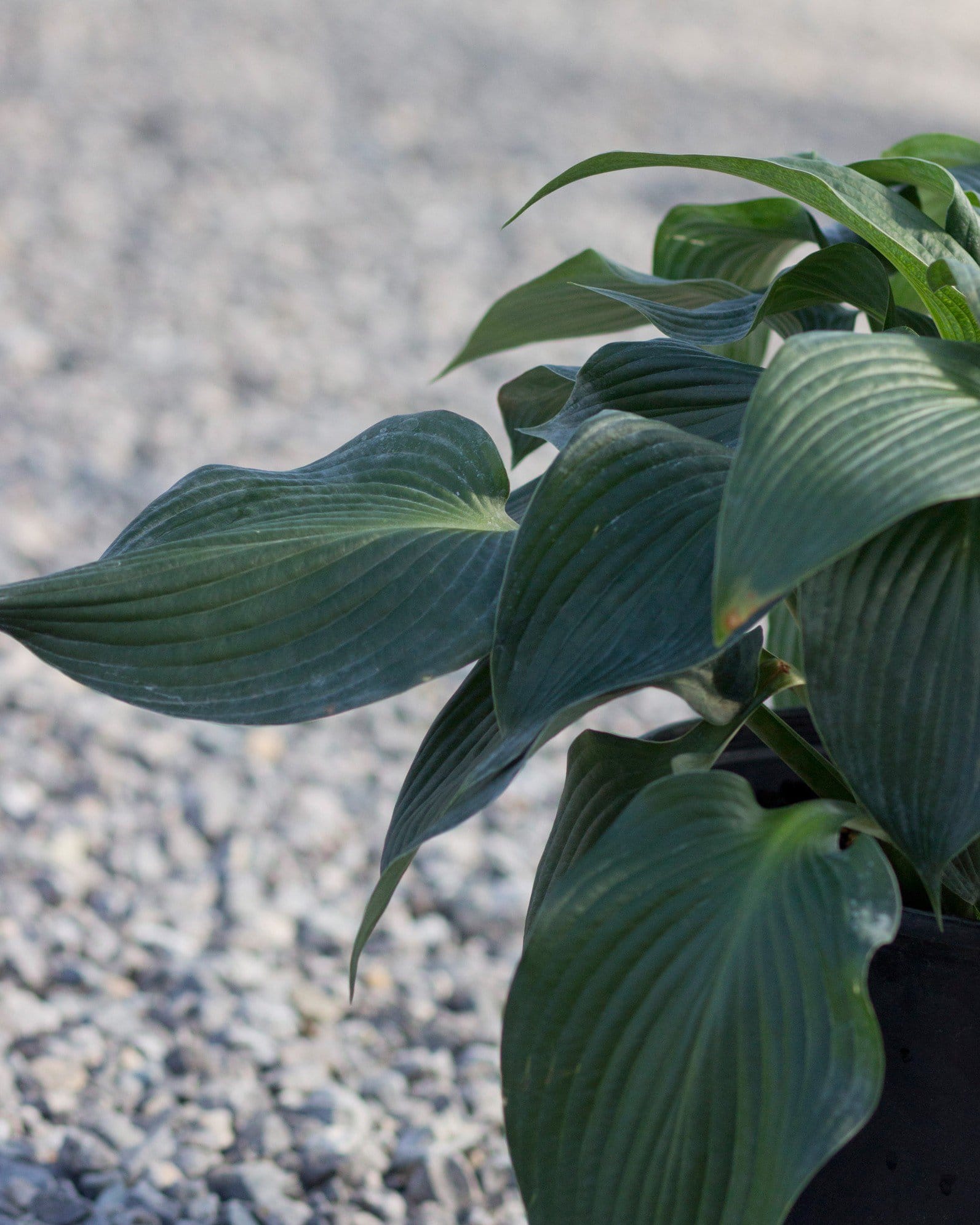
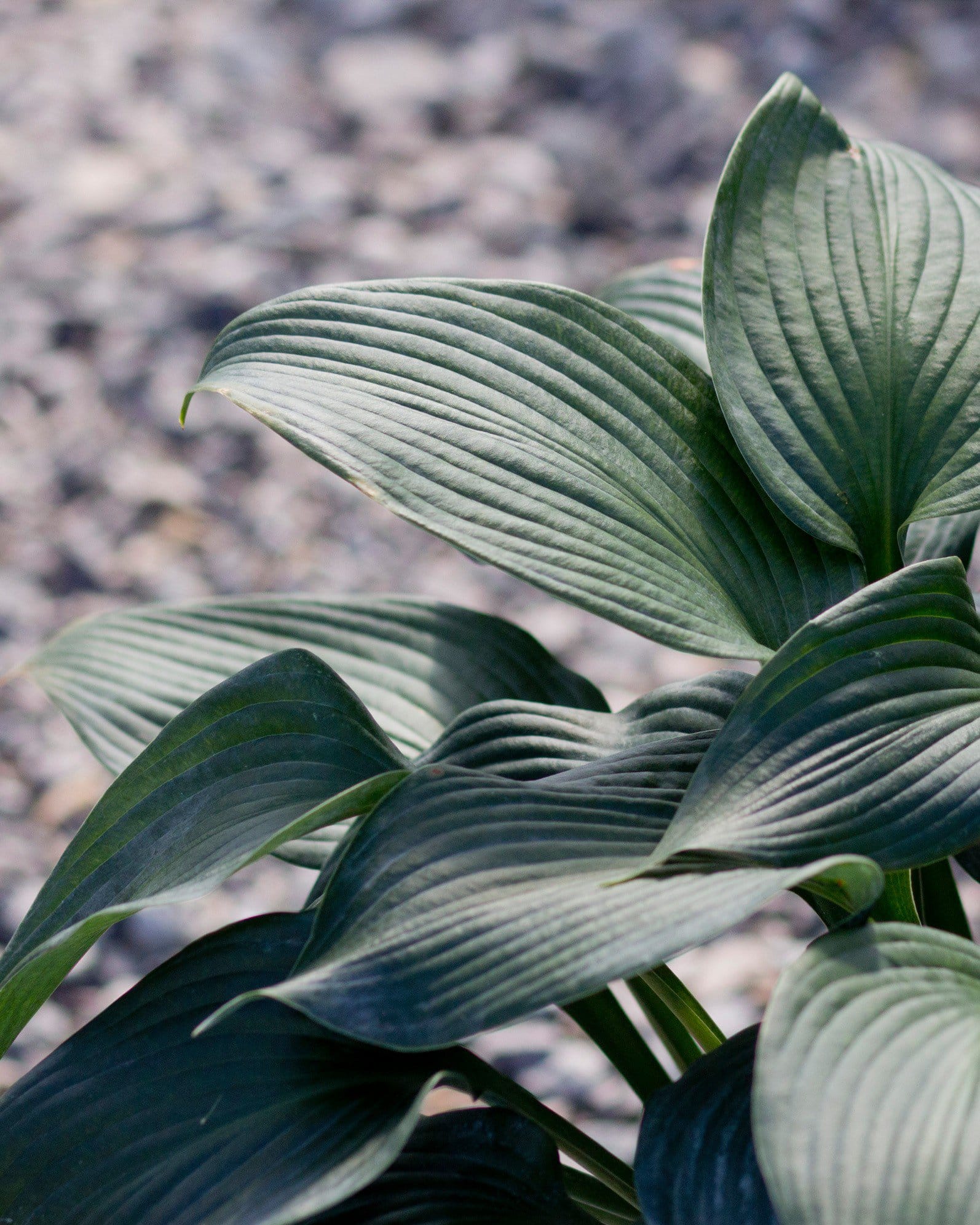
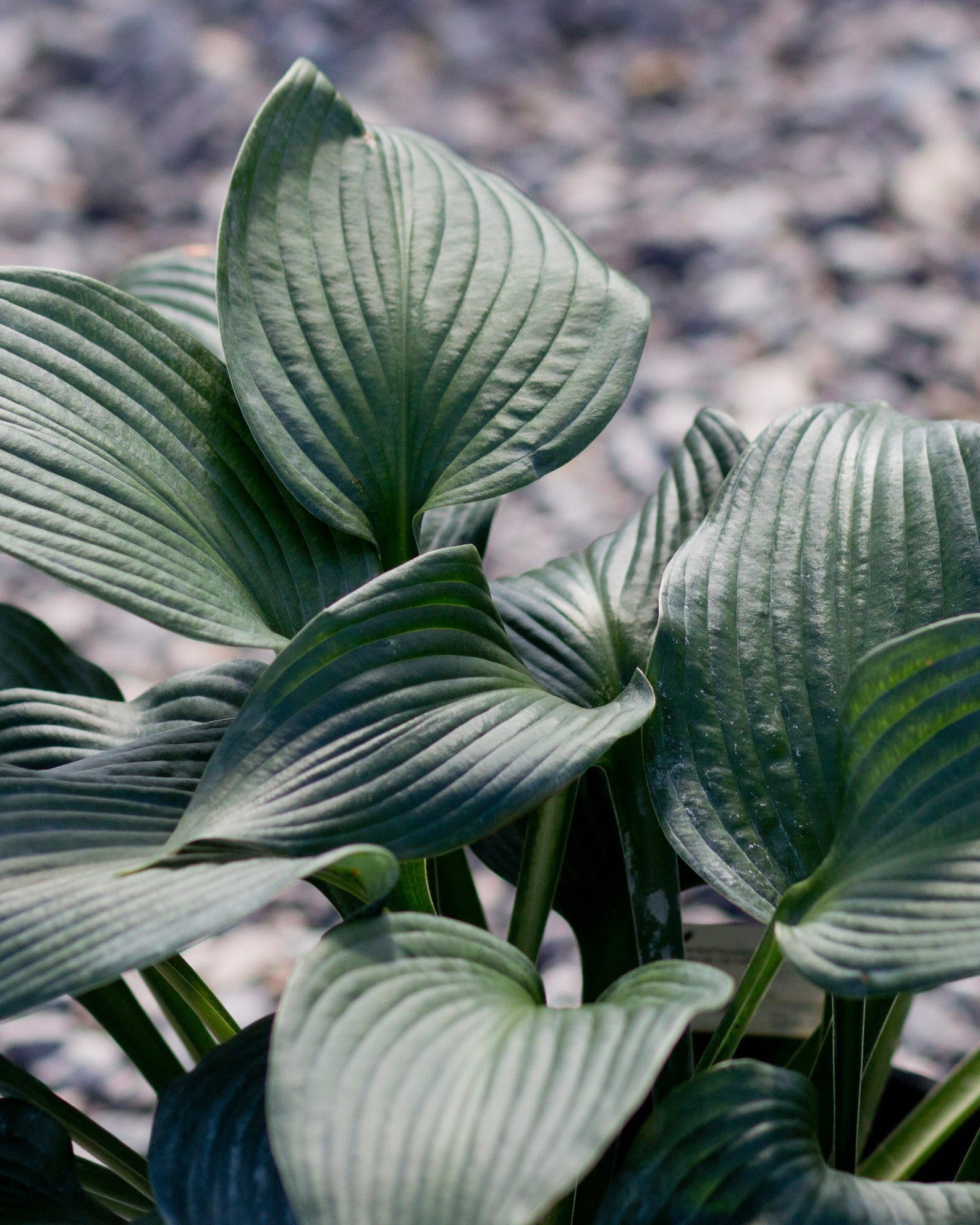
Blue Angel Hosta
Maturity: 2' H x 3' W
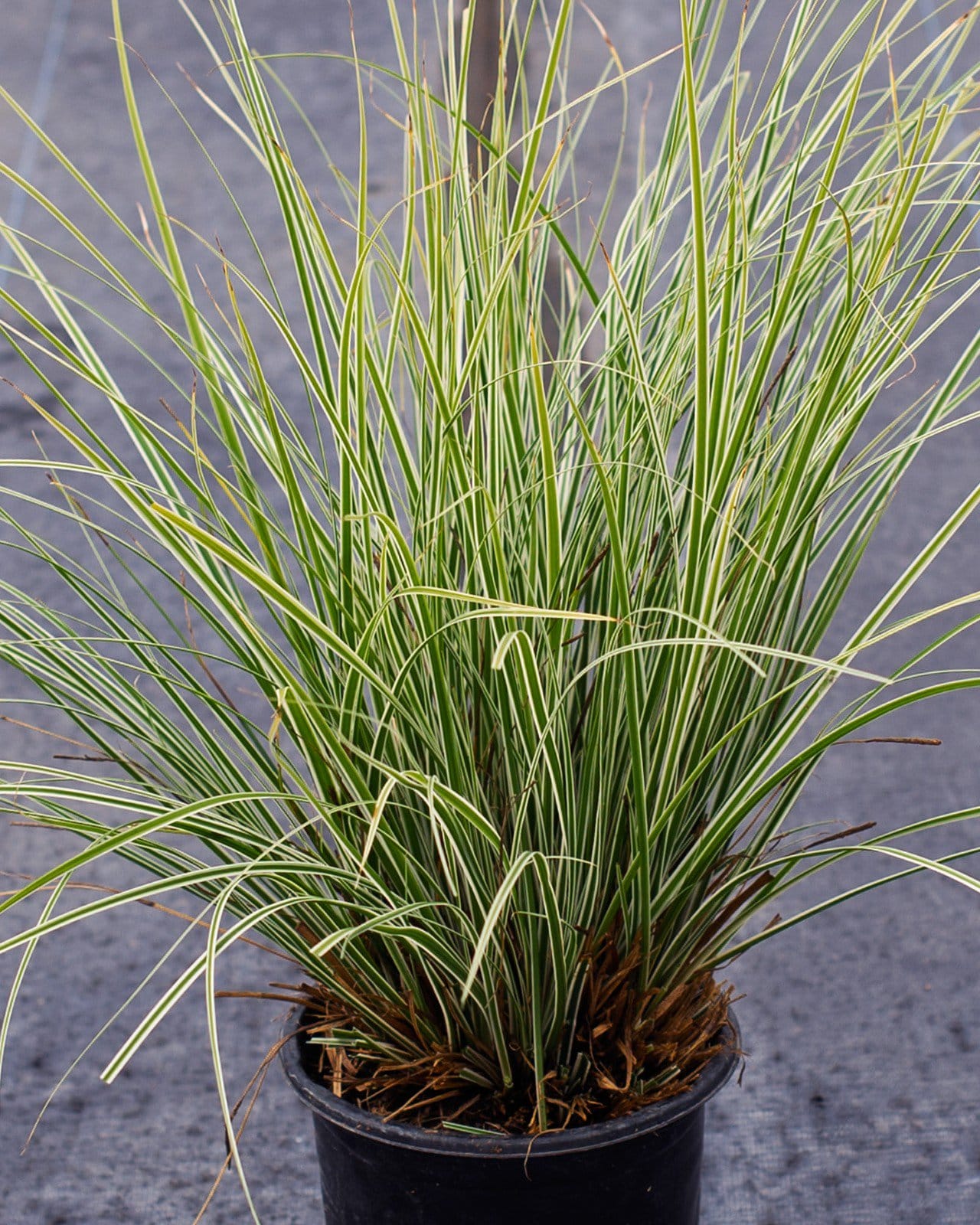
Everest EverColor Carex Sedge
Maturity: 1' H x 1.5' W
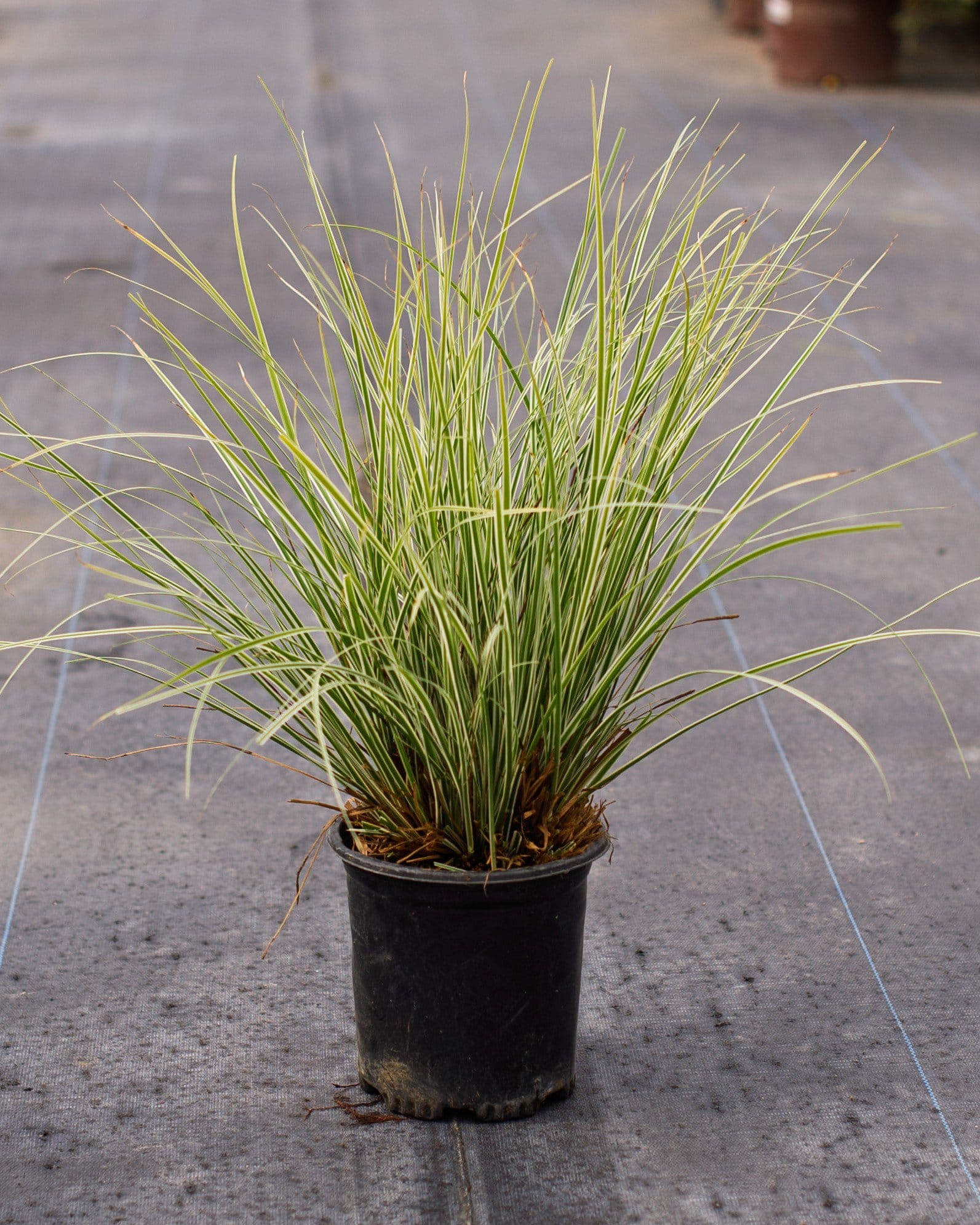
Firefly Leopard Plant
Maturity: 2' H x 2' W
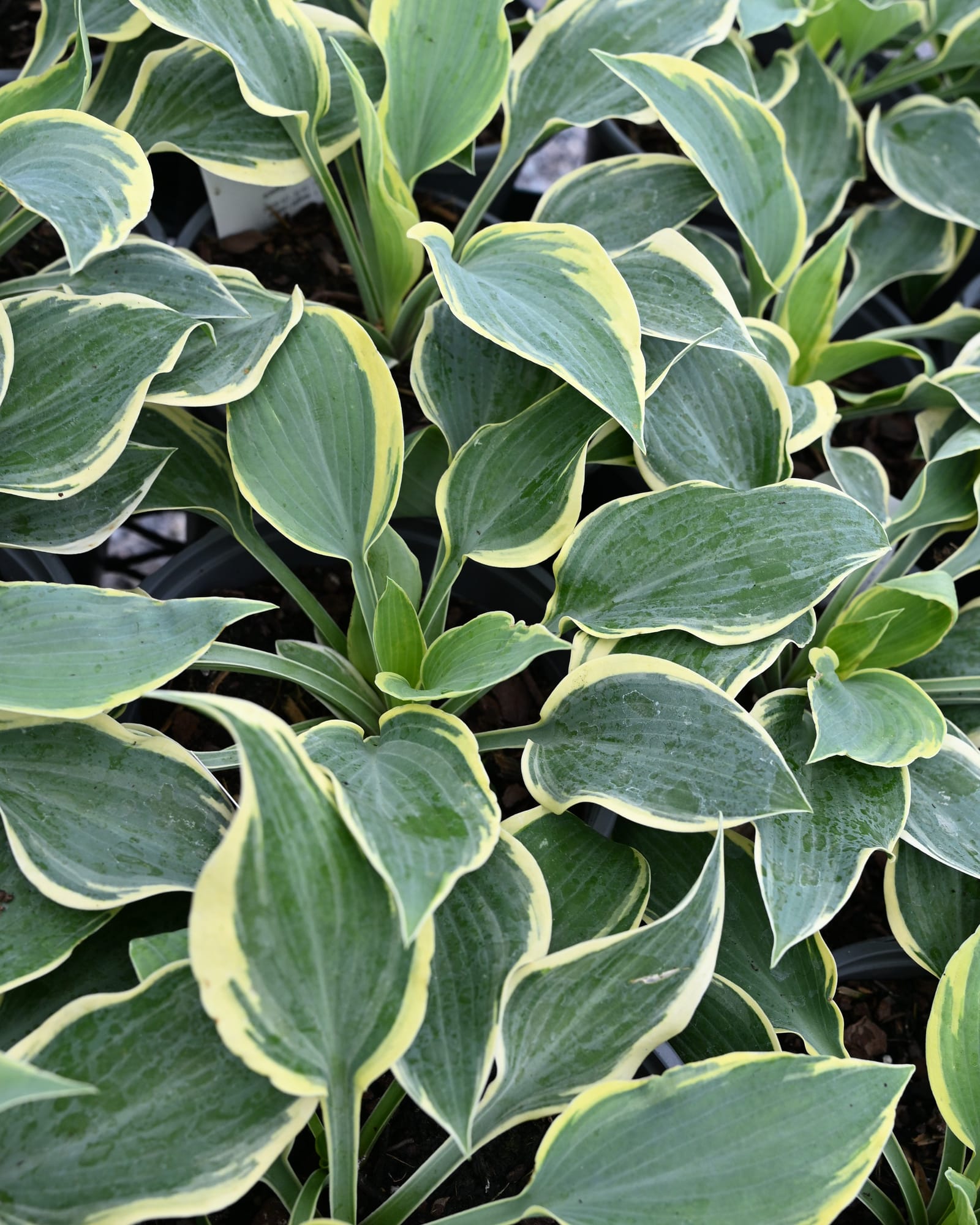
First Frost Hosta
Maturity: 1.25' H x 2.5' W
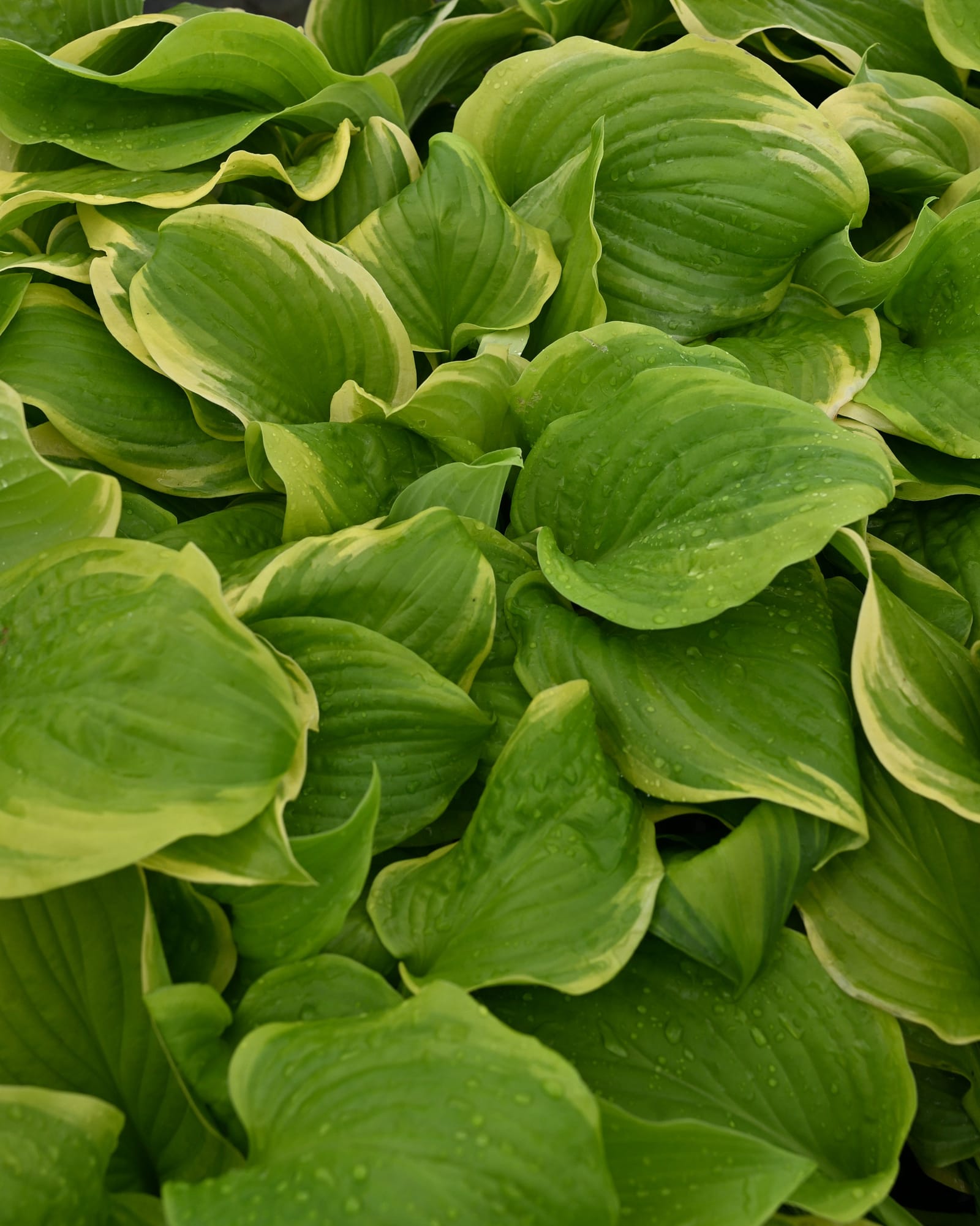
Fragrant Bouquet Hosta
Maturity: 2' H x 3' W
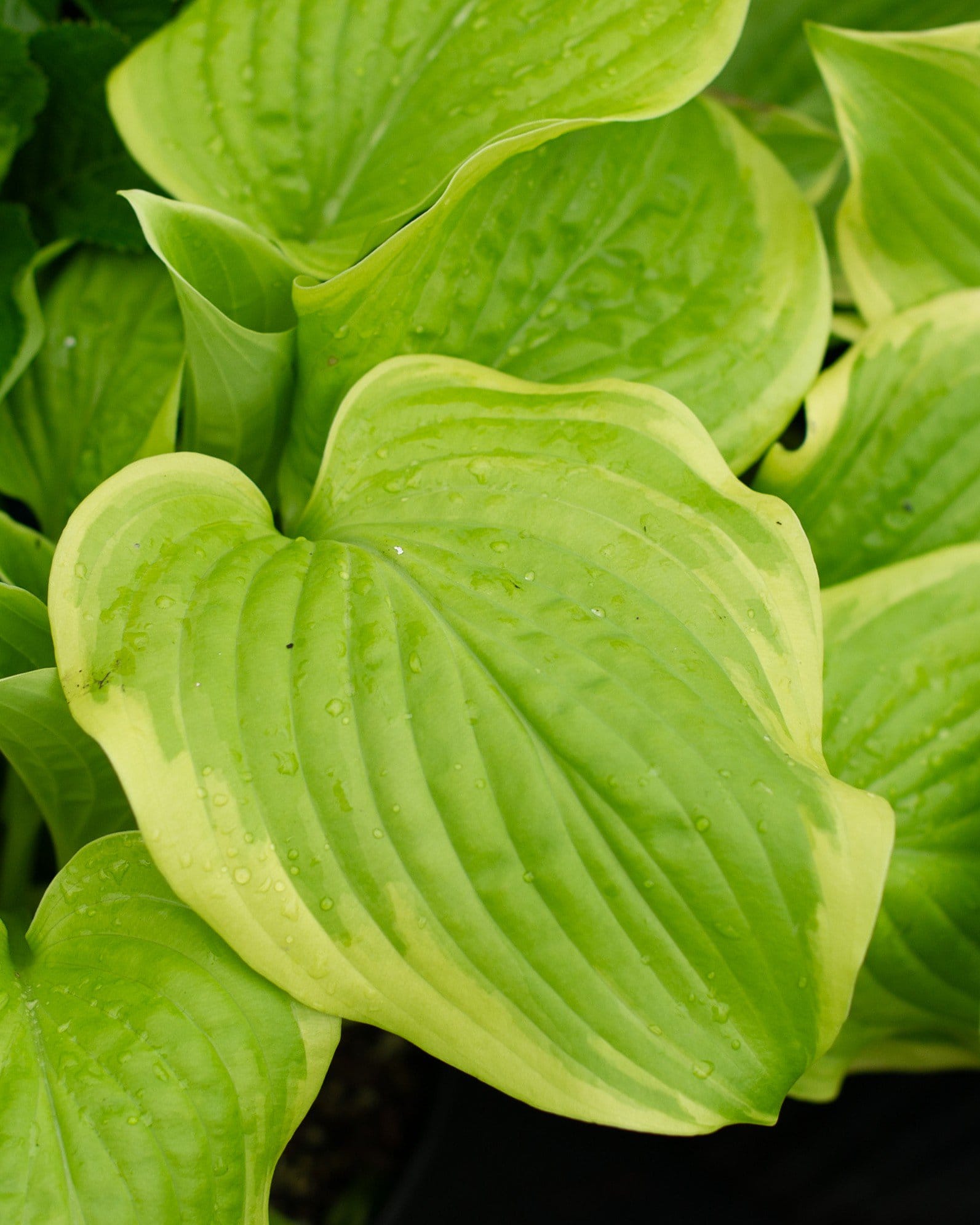
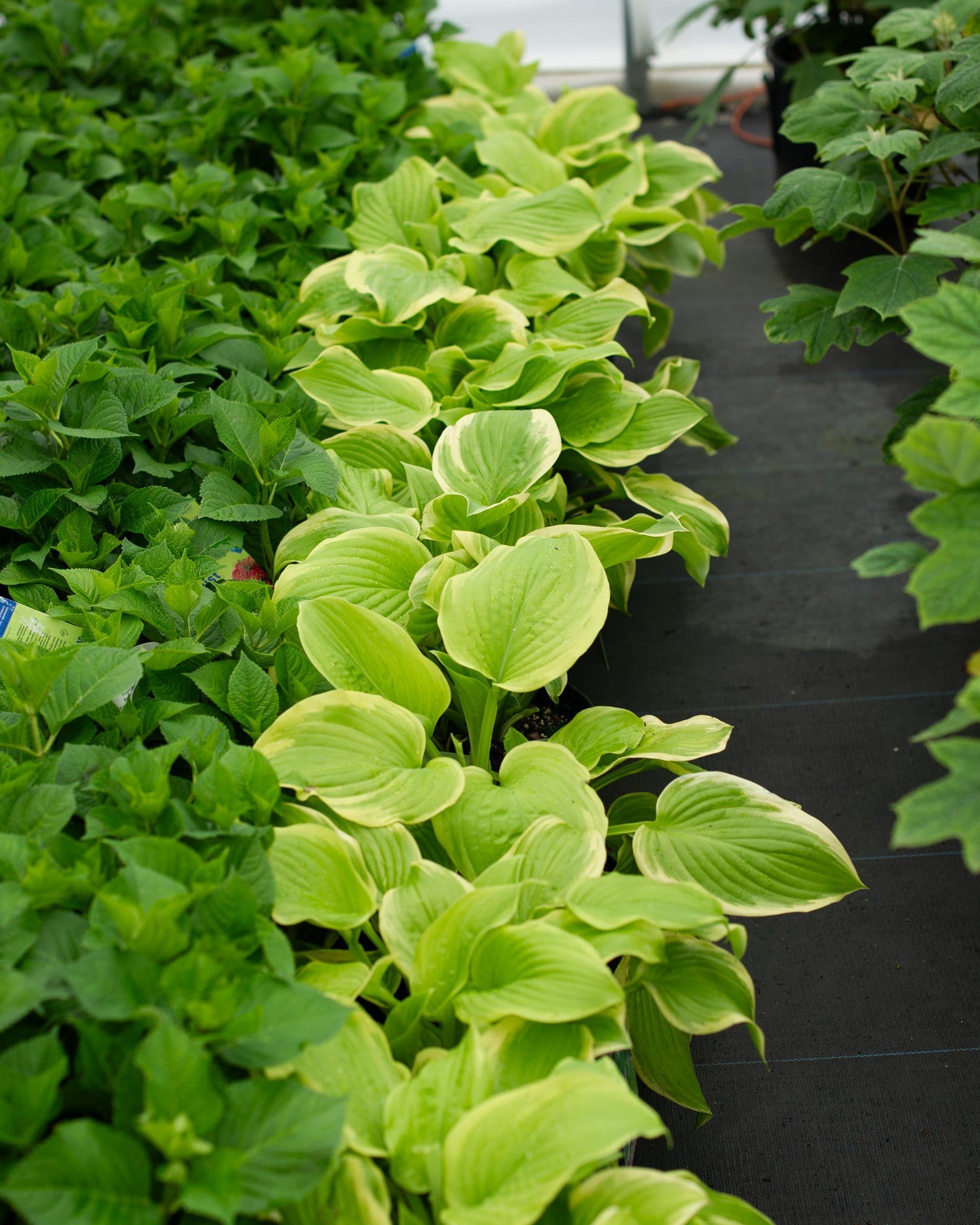
Francee Hosta
Maturity: 2' H x 4' W
Giant Leopard Plant
Maturity: 3' H x 3' W
Guacamole Hosta
Maturity: 1.5' H x 2' W
Compare Similar Plants
Southern Wood Fern This plant | ||
|---|---|---|
| Scientific Name | Dryopteris ludoviciana | Dryopteris erythrosora 'Brilliance' |
| Size at Maturity | 3' H x 3' W | 2' H x 2' W |
| Leaf Retention | Herbaceous | Herbaceous |
| Sizes Available | 1, 3 gal | 1, 3 gal |


Our 1-Year Planting Guarantee
We take pride in our plants and installation services. If any plants or trees installed by Treeland fail to thrive within the first year, we'll provide a replacement credit in accordance with our guarantee program.
Learn More About Our Guarantee