
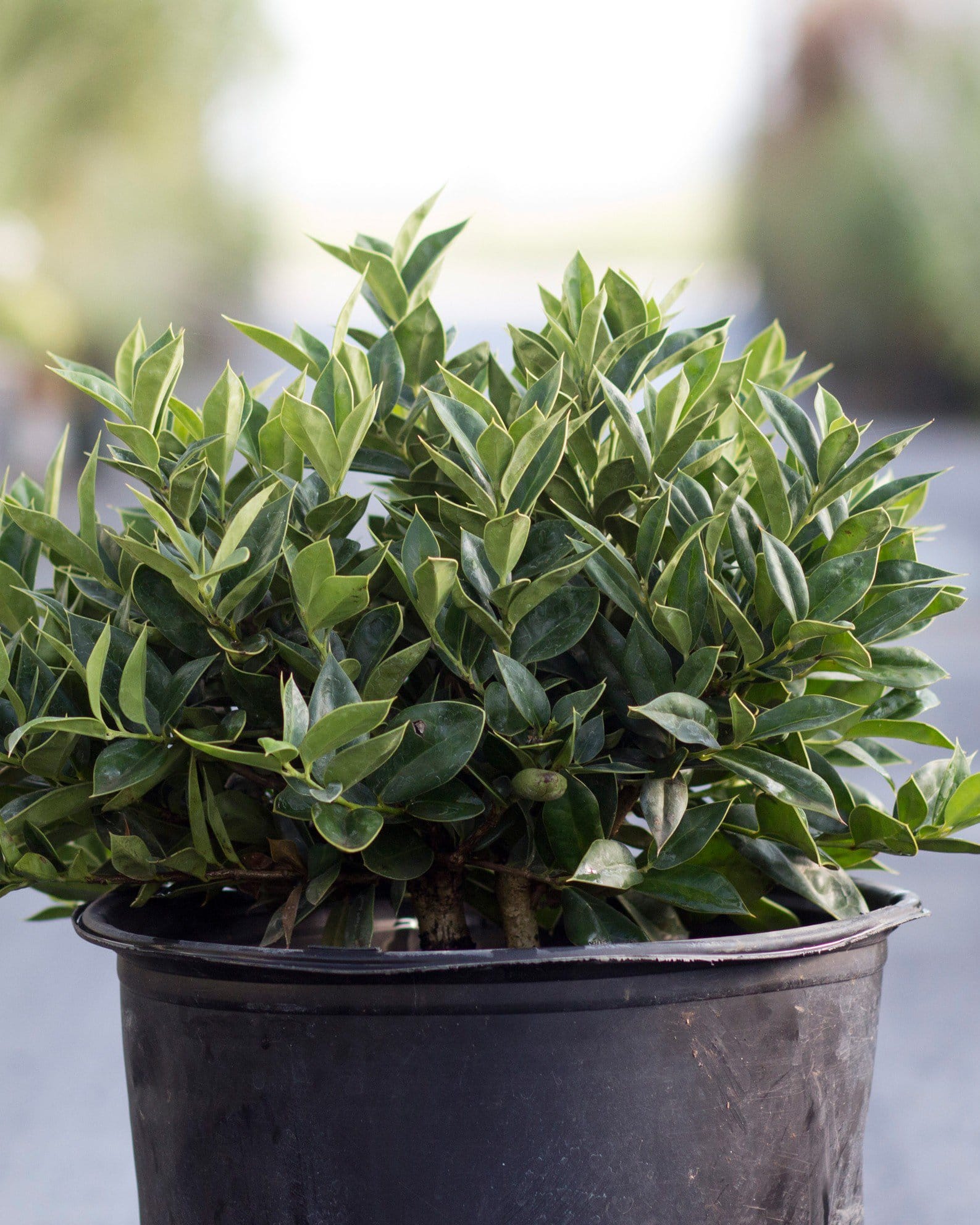
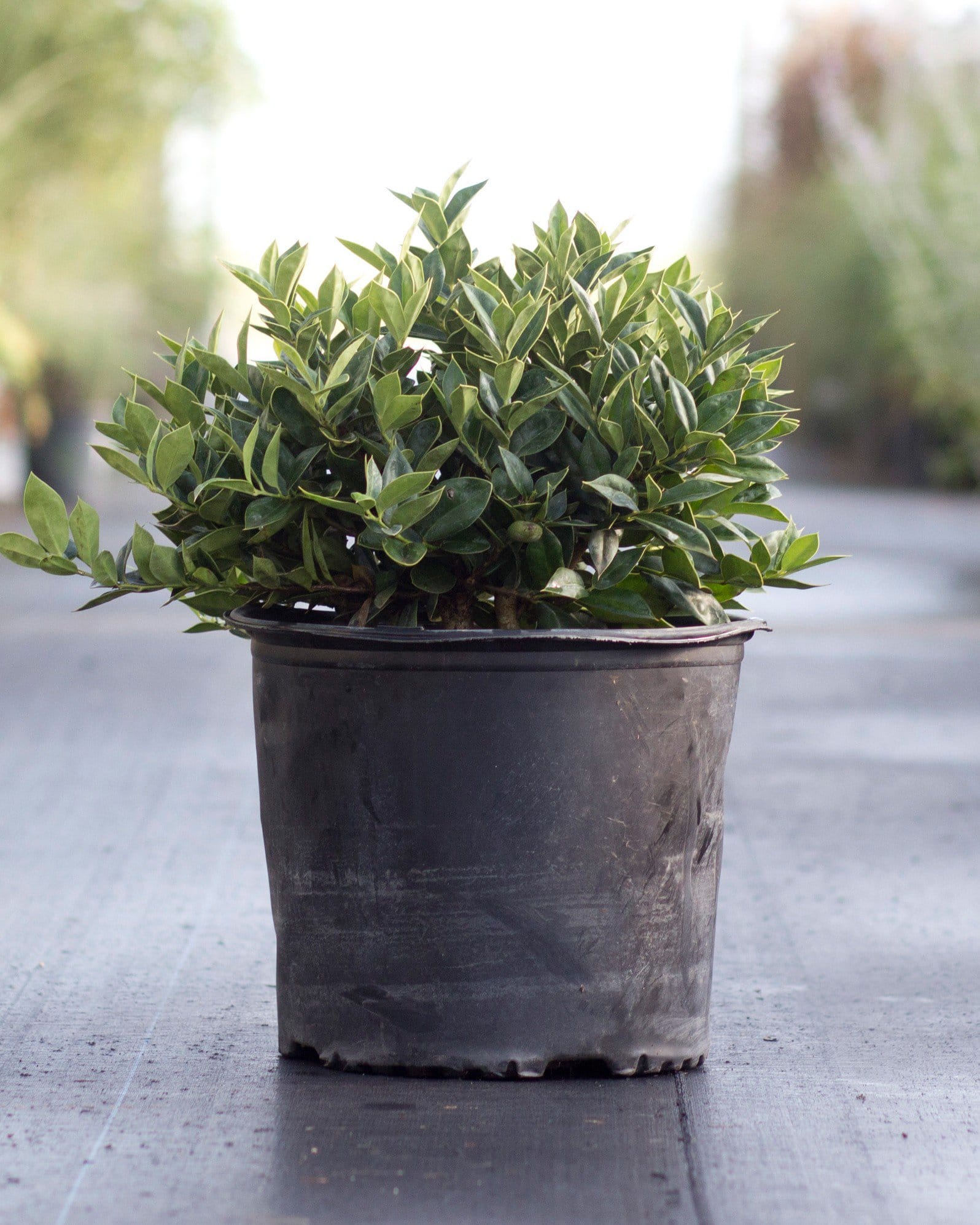
Carissa Holly
Ilex cornuta ‘Carissa’Local DFW Delivery Only
Product Details
Carissa Holly
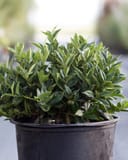
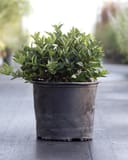
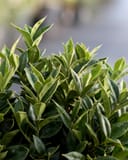
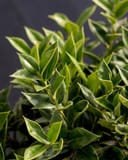
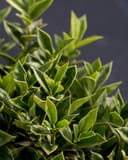
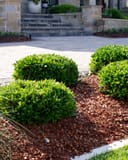
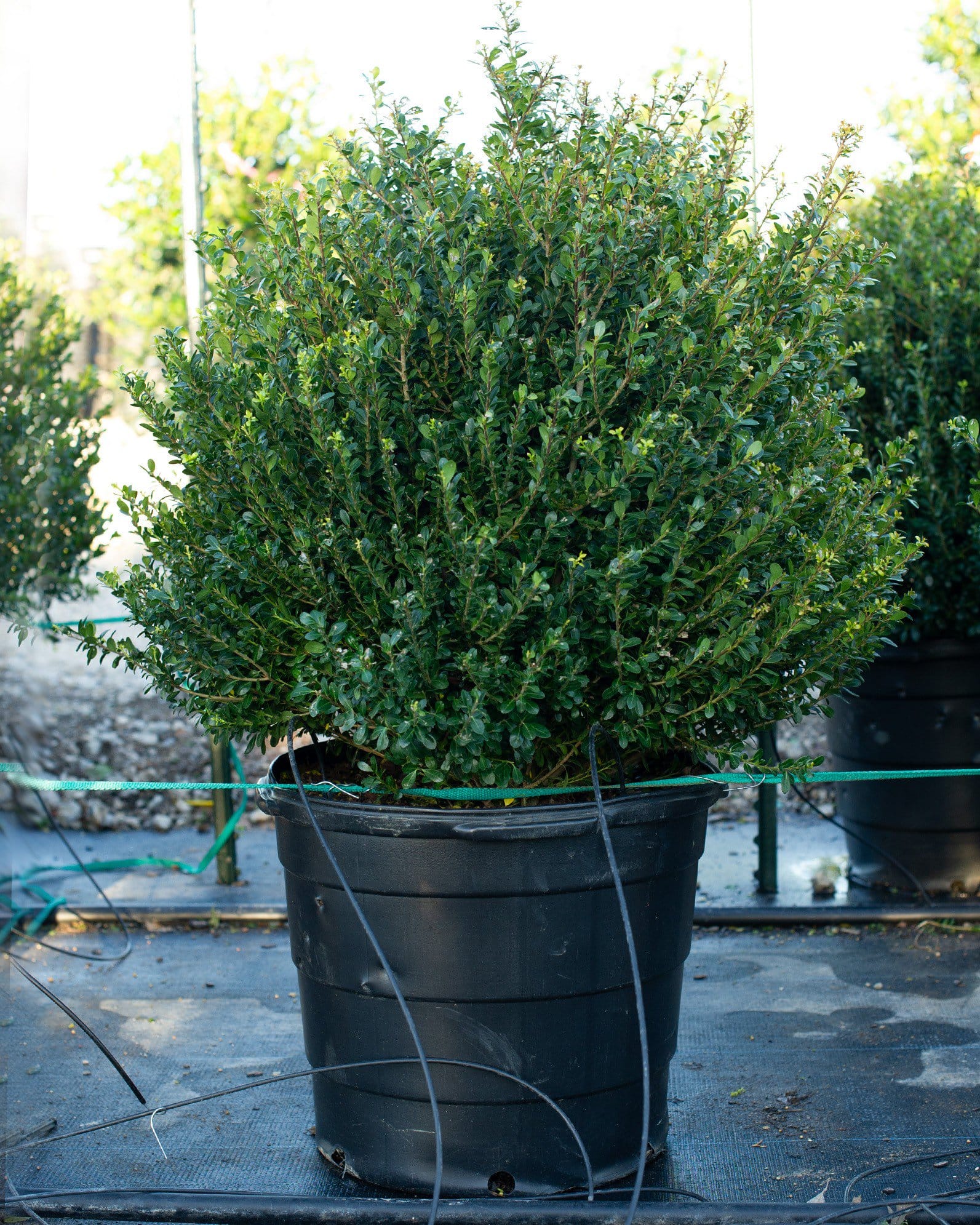
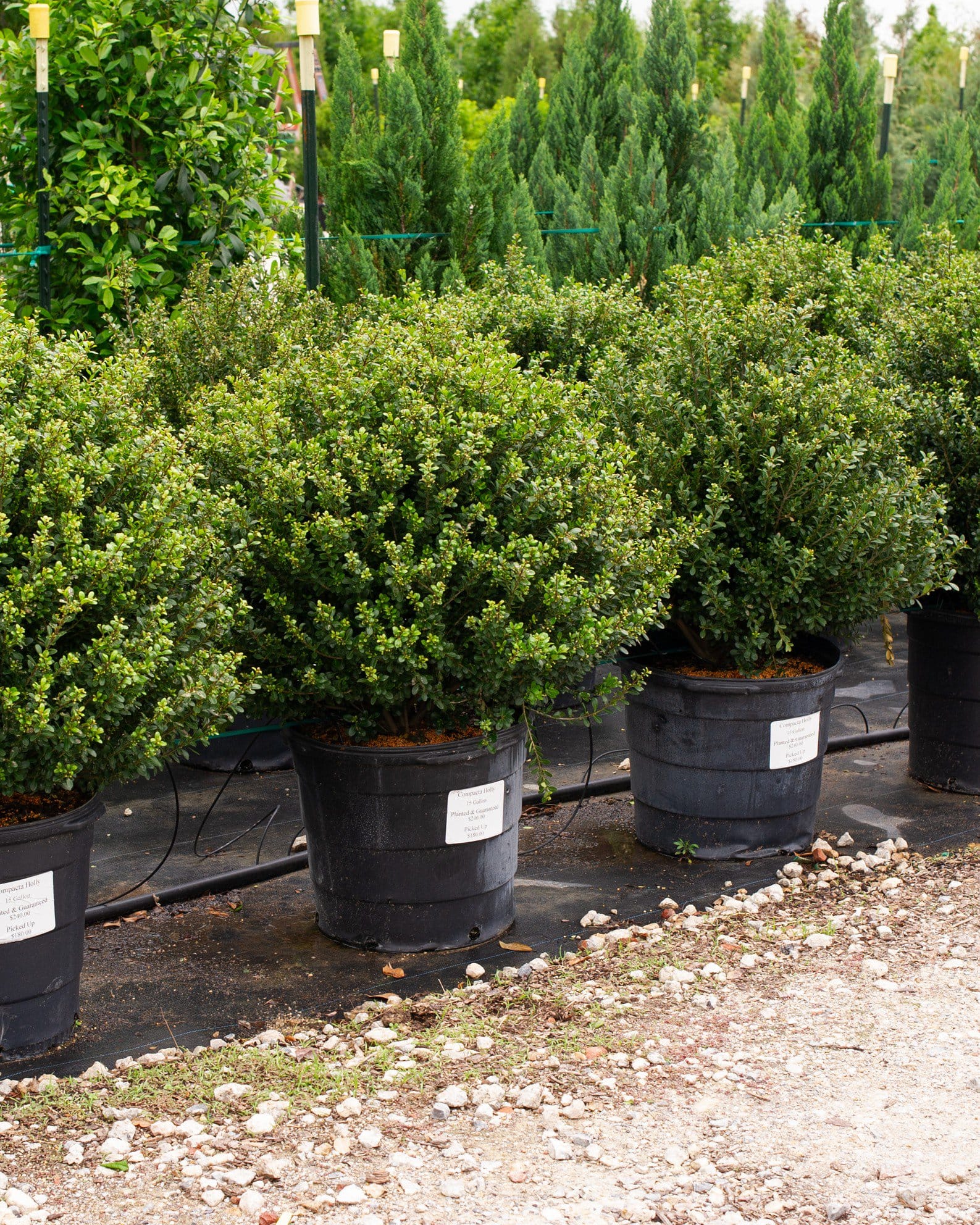
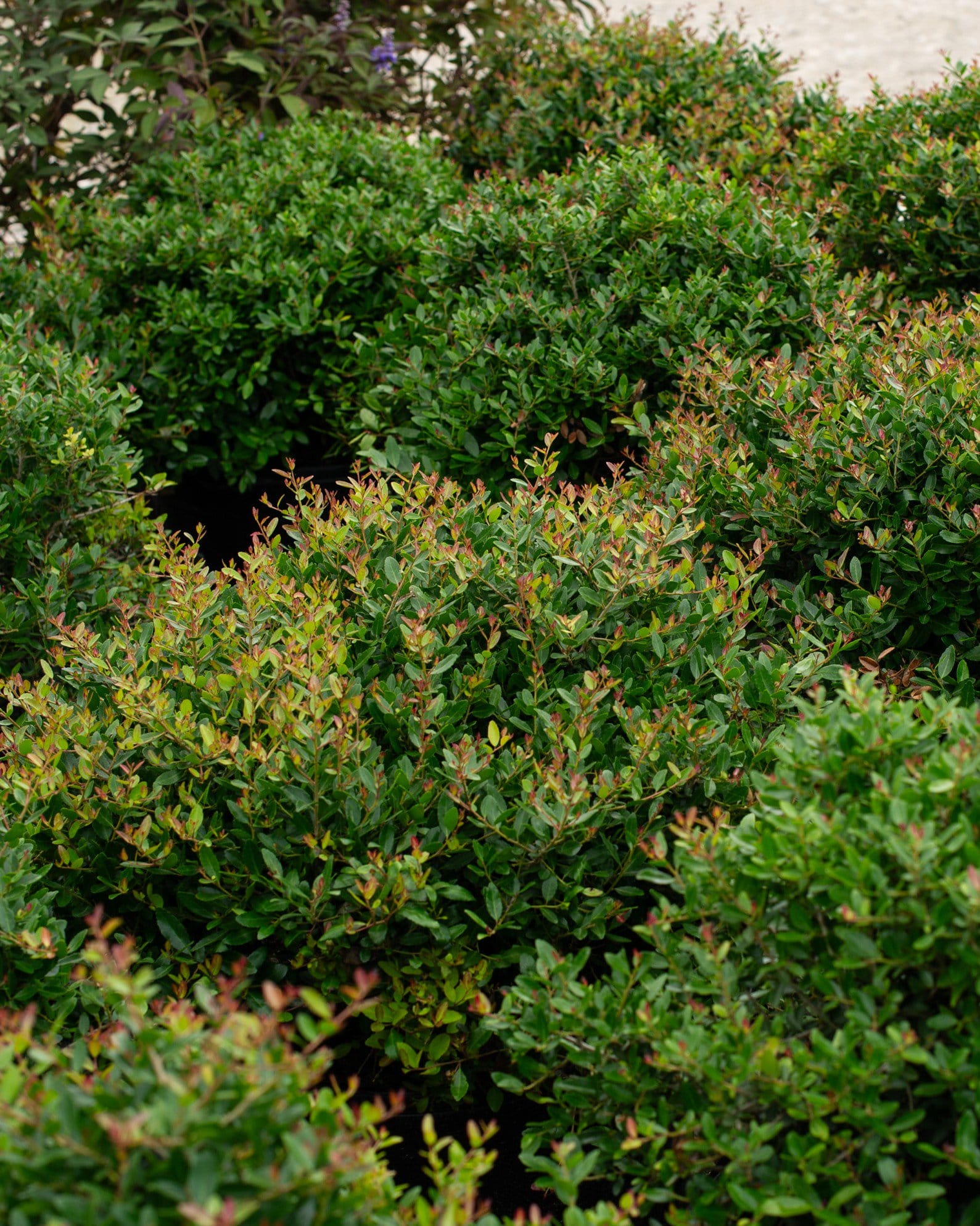
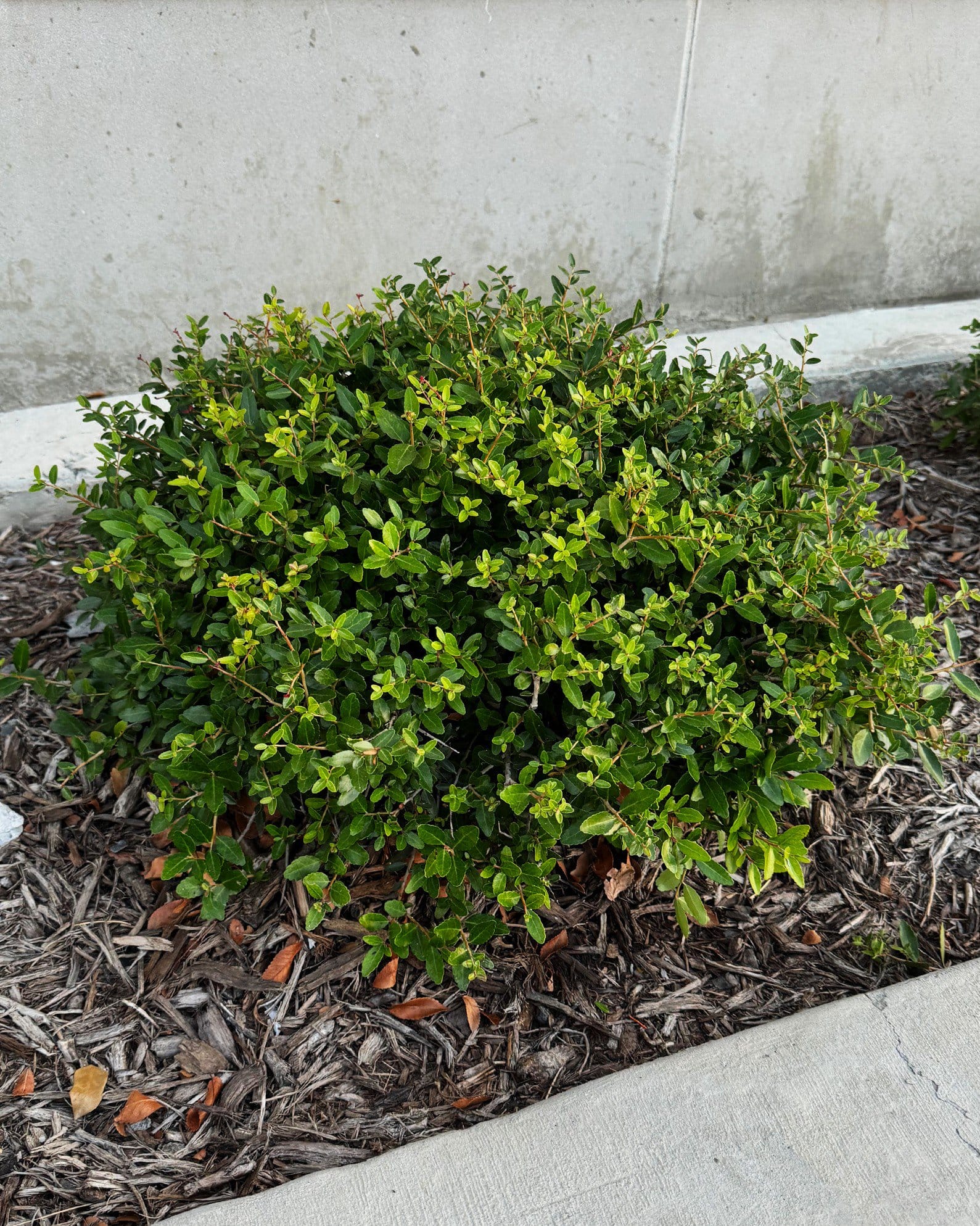
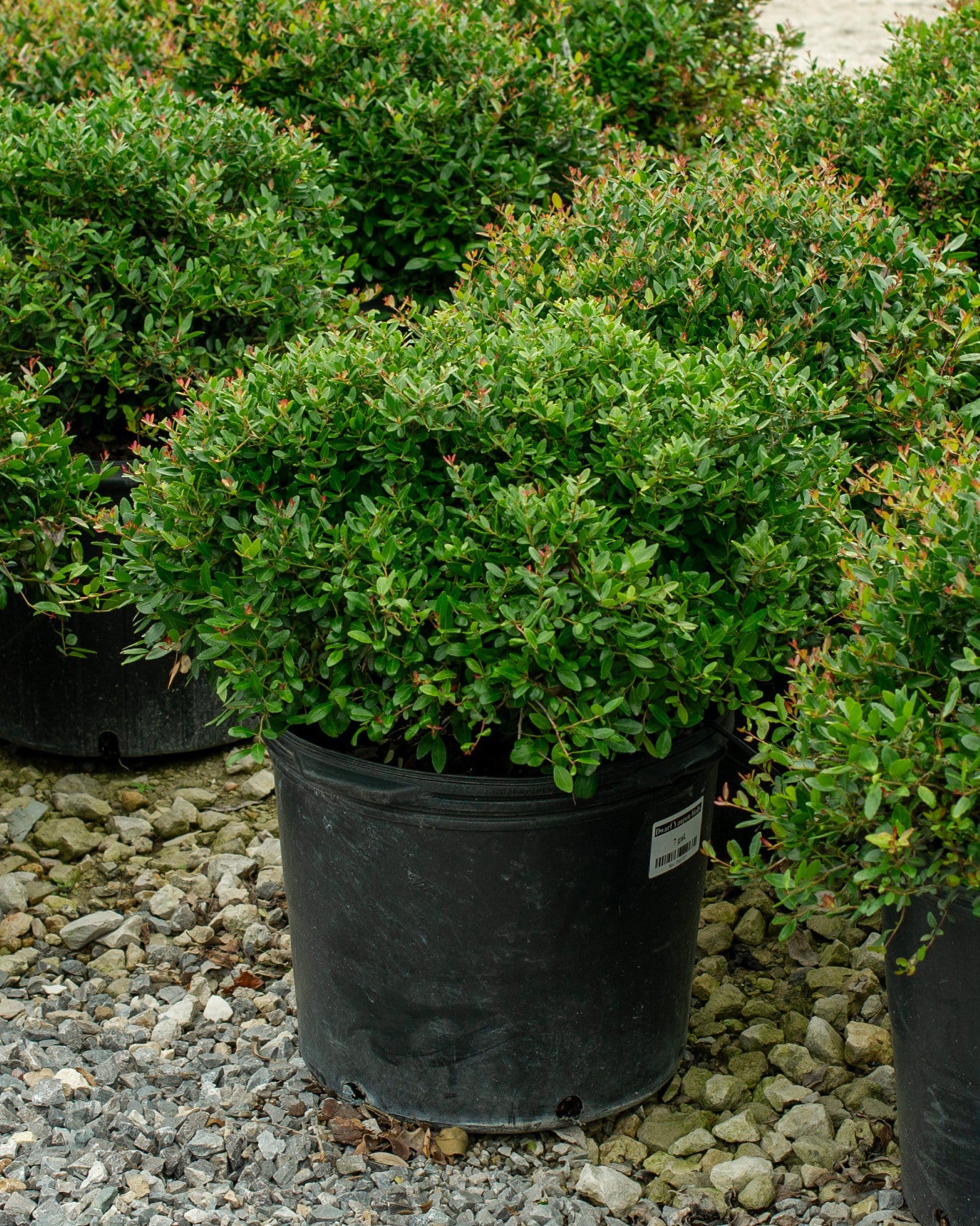
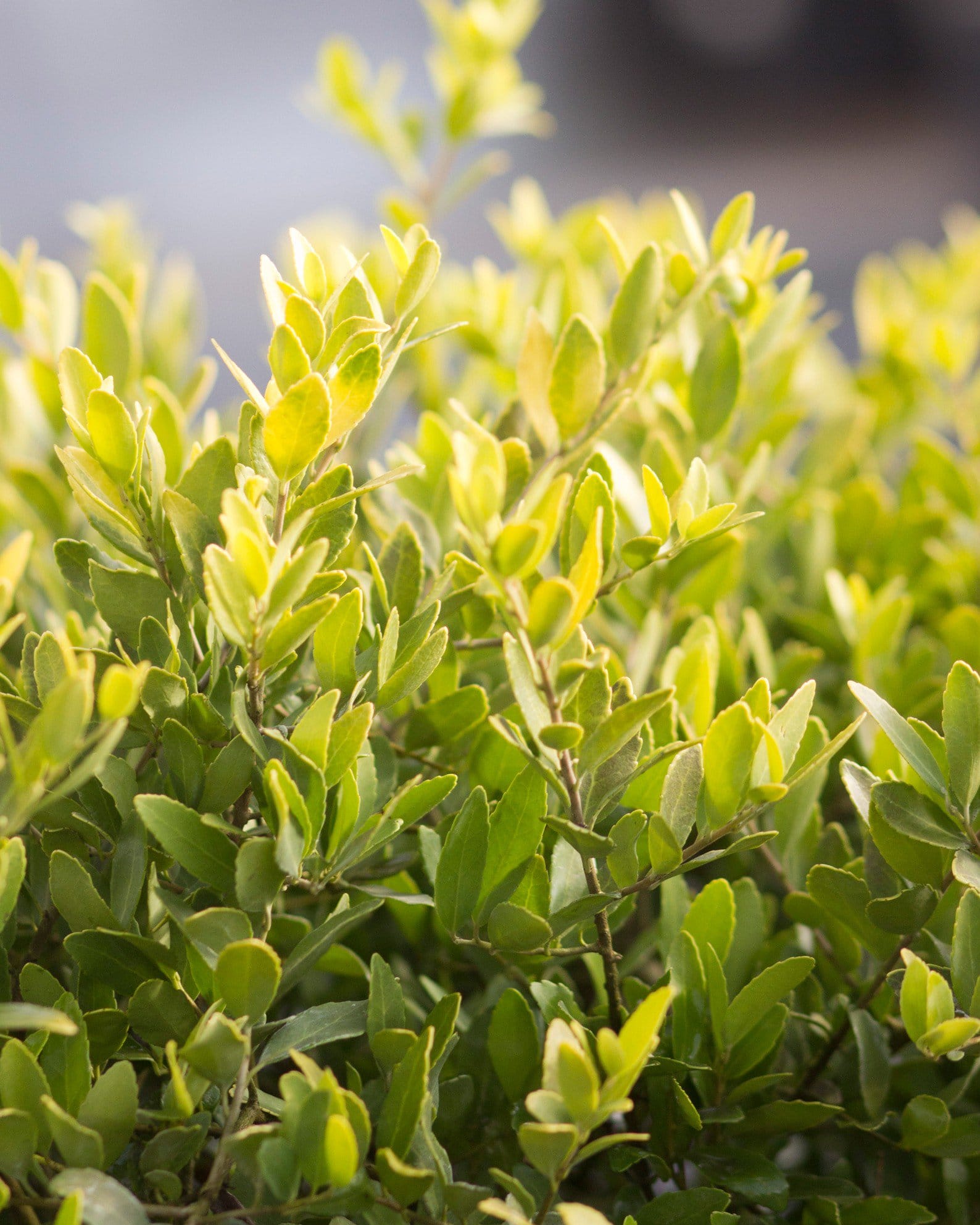
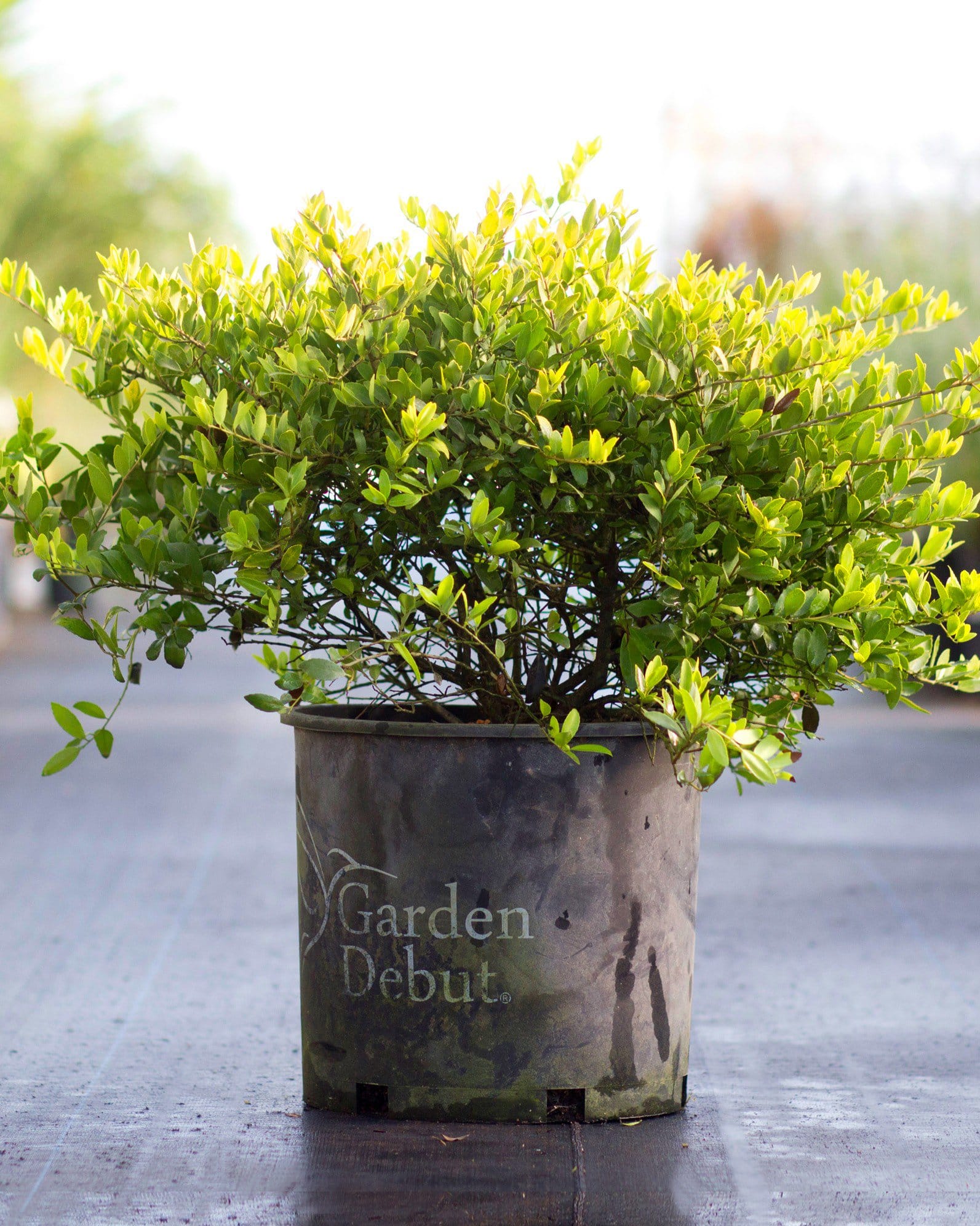
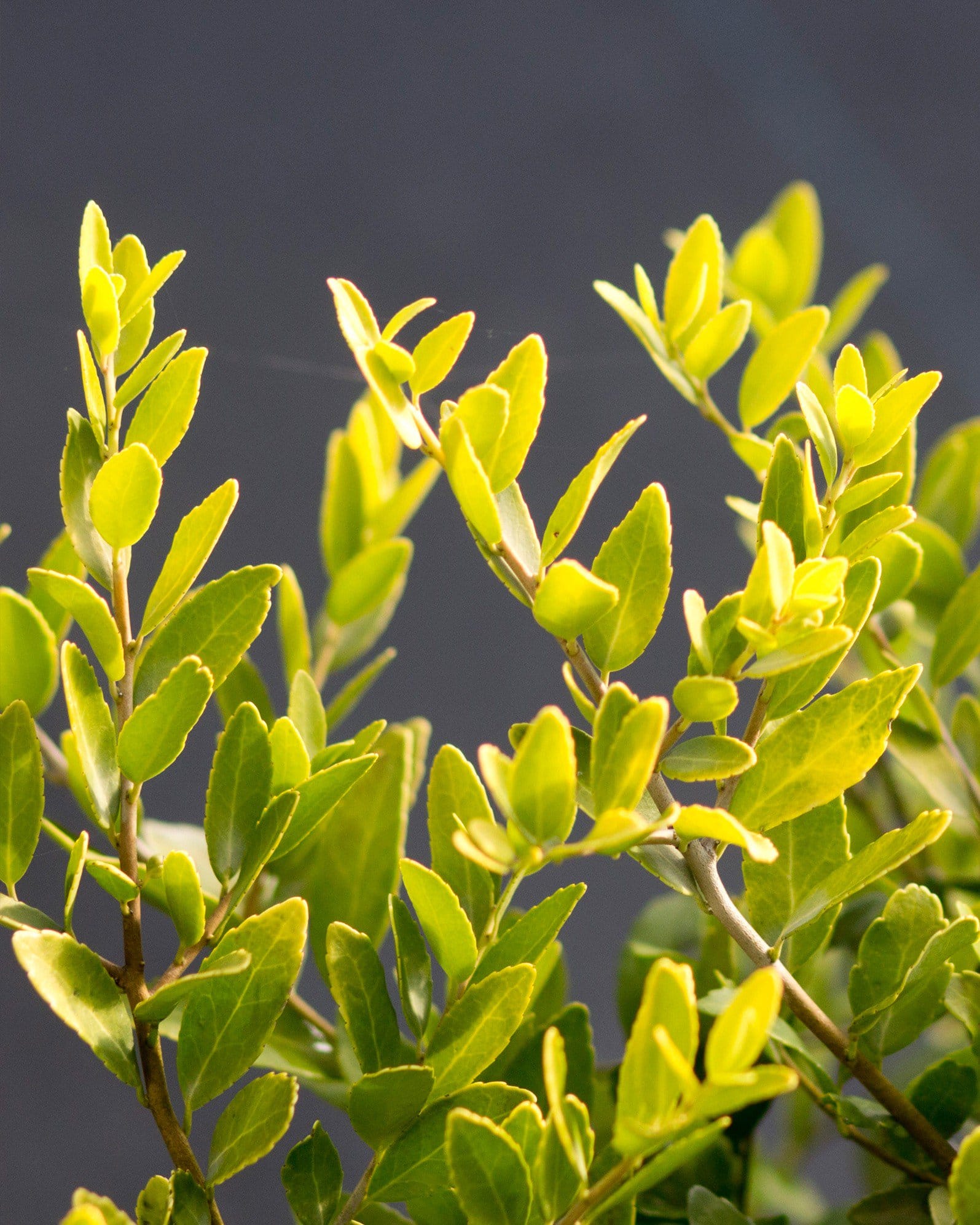
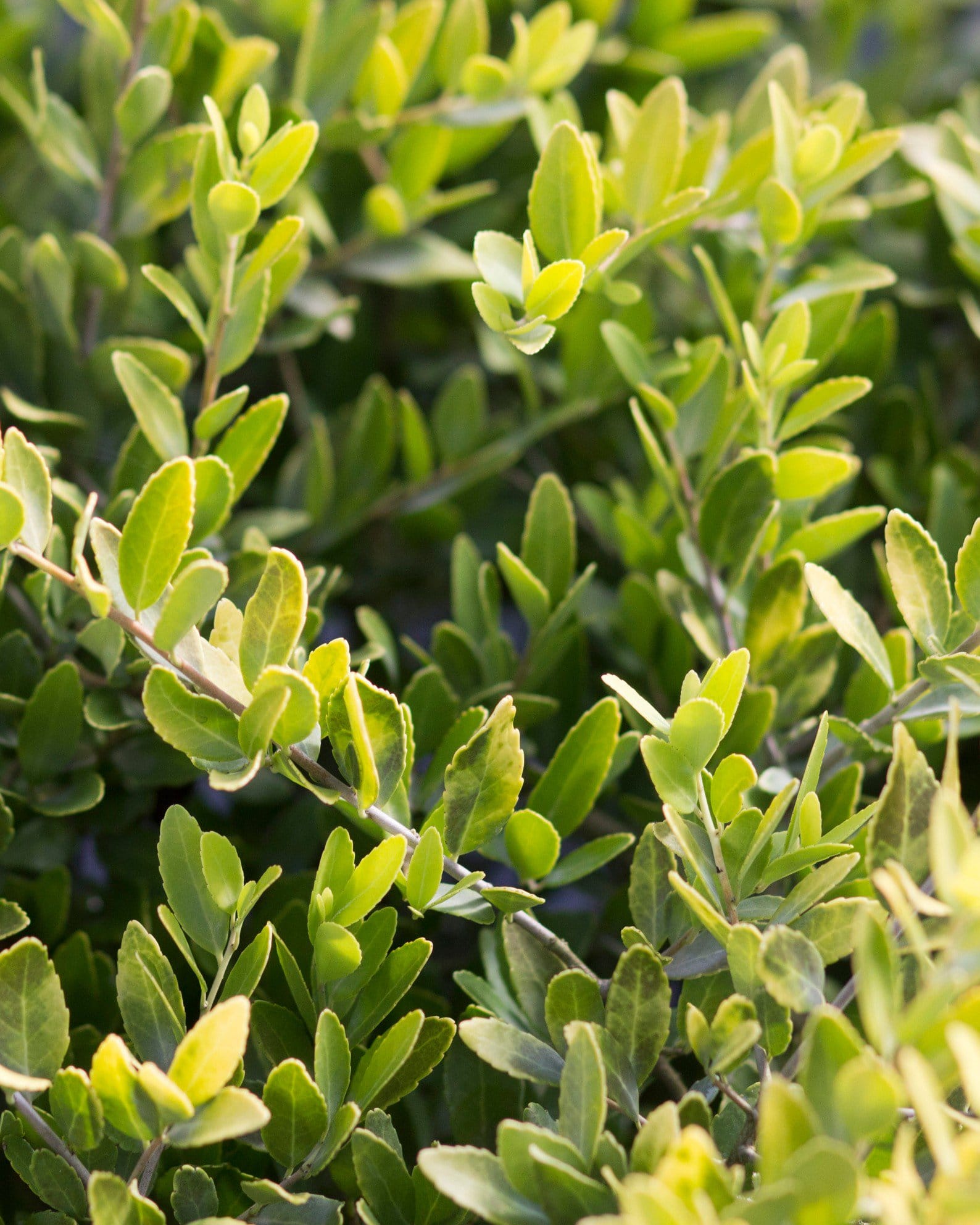
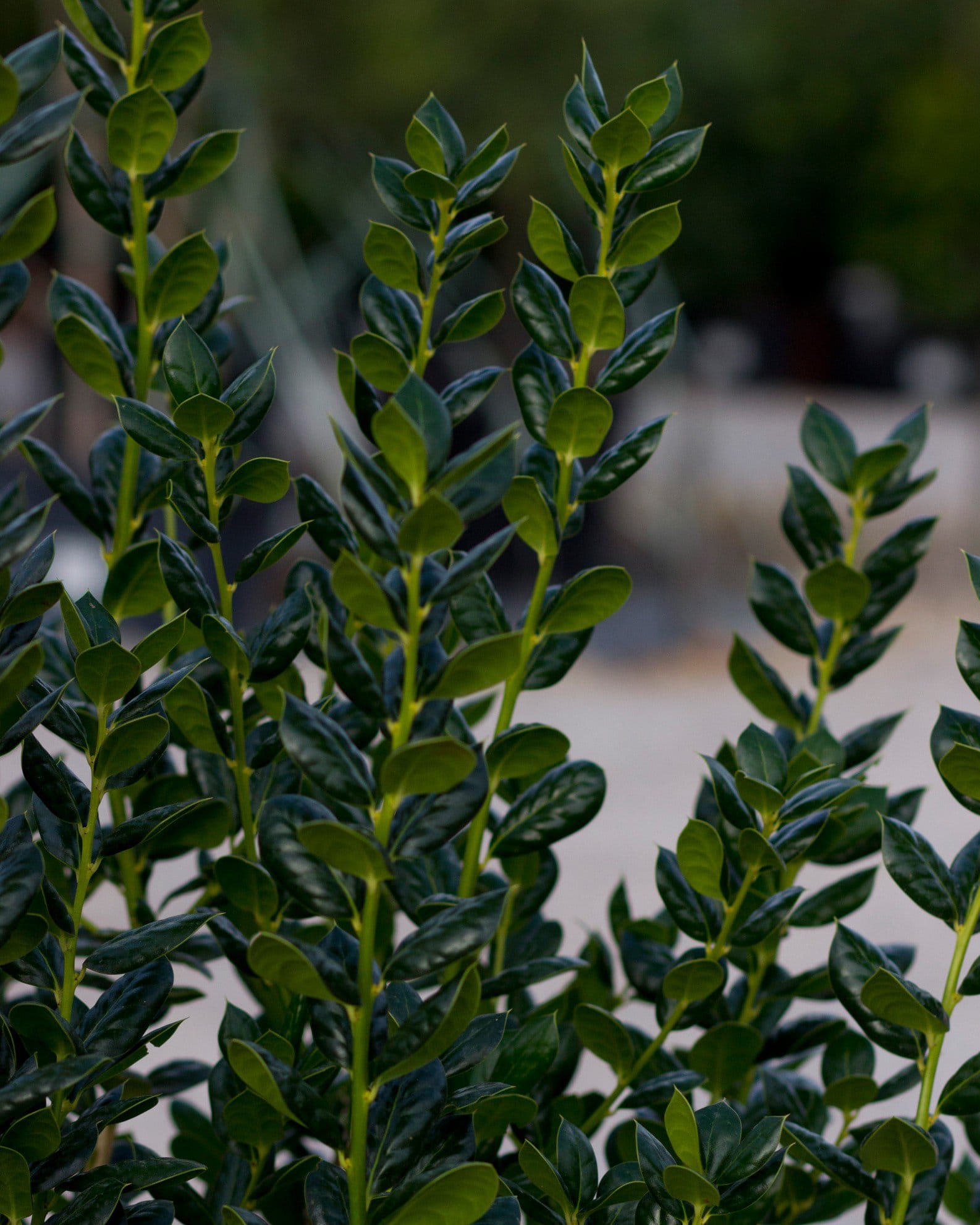
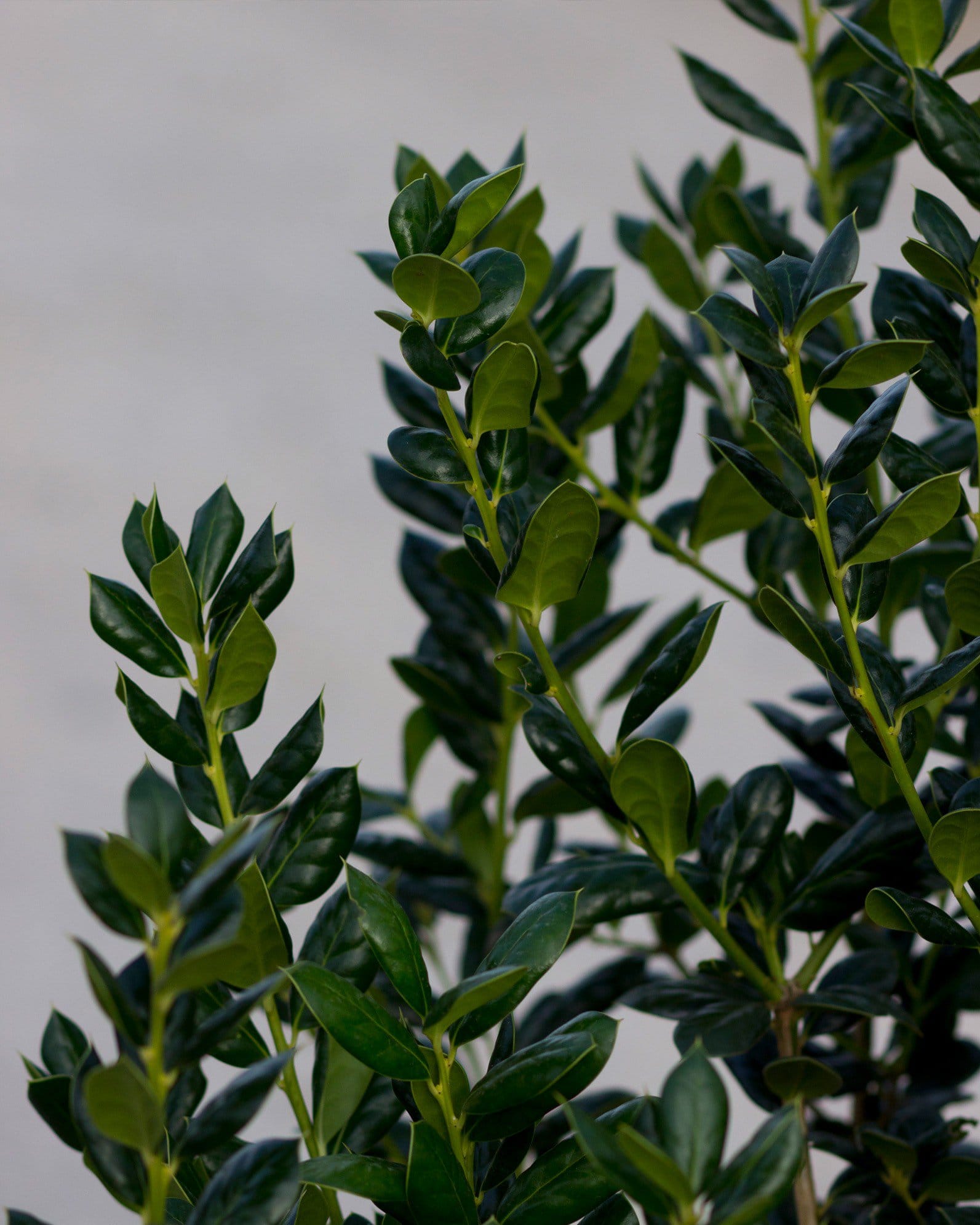
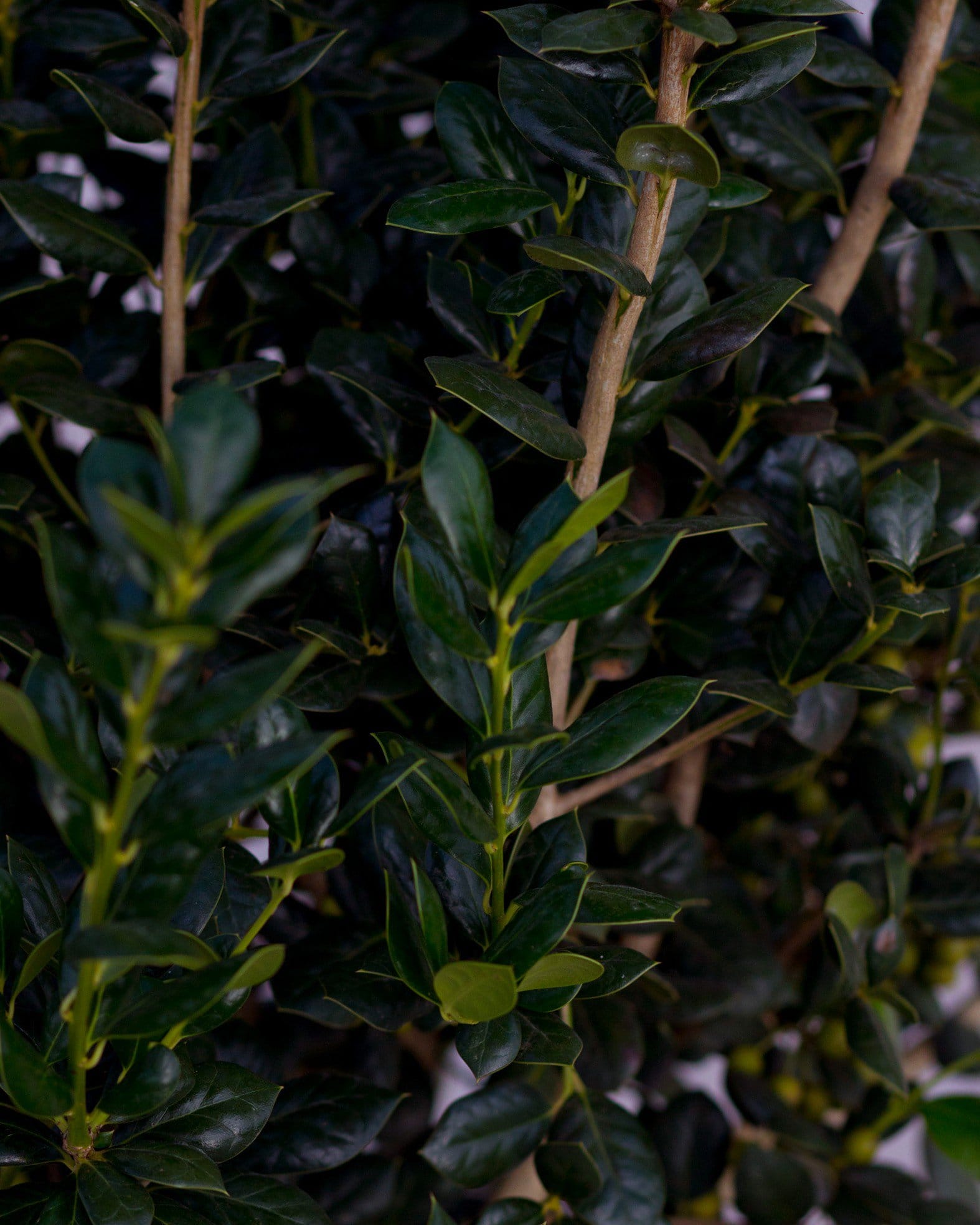
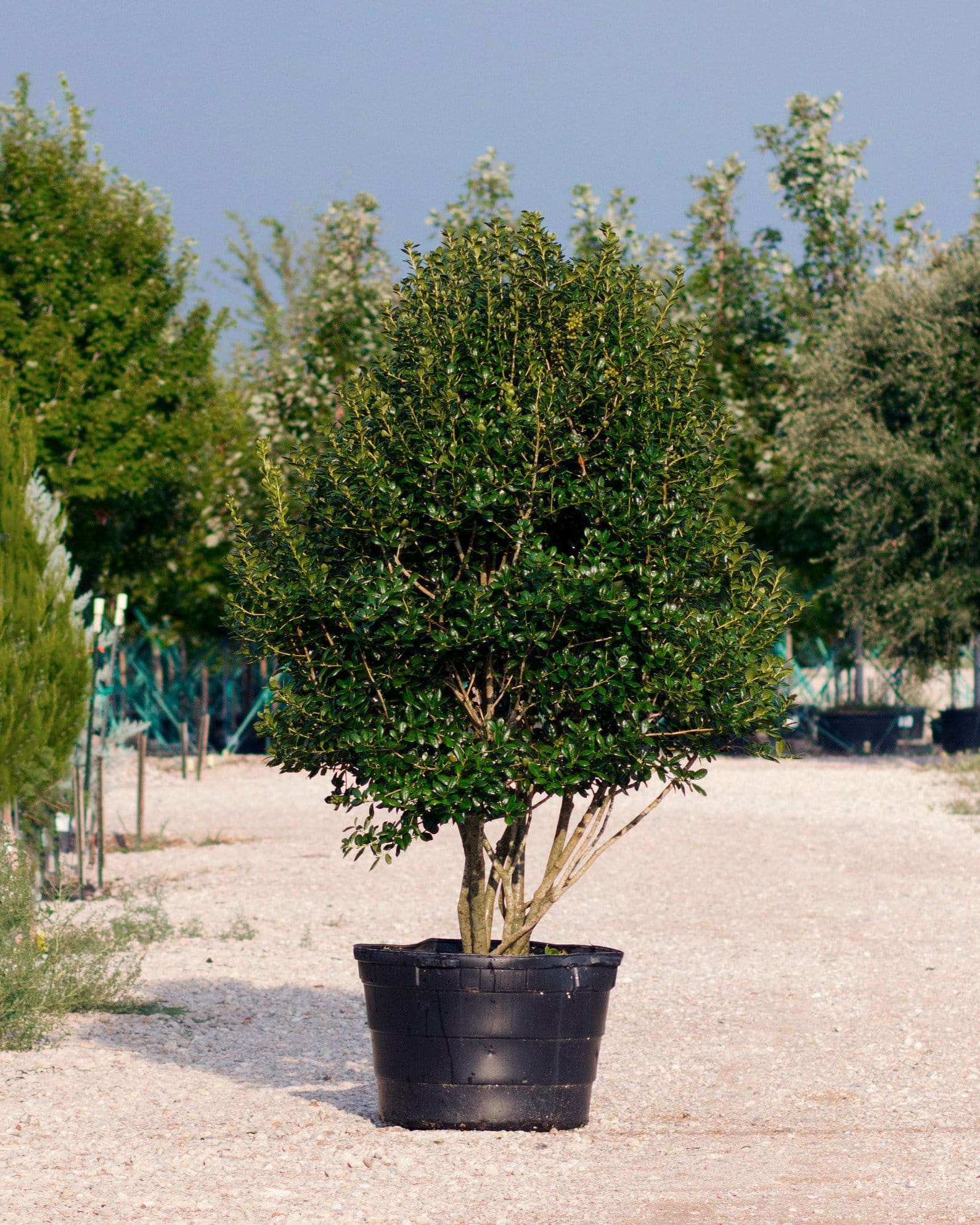
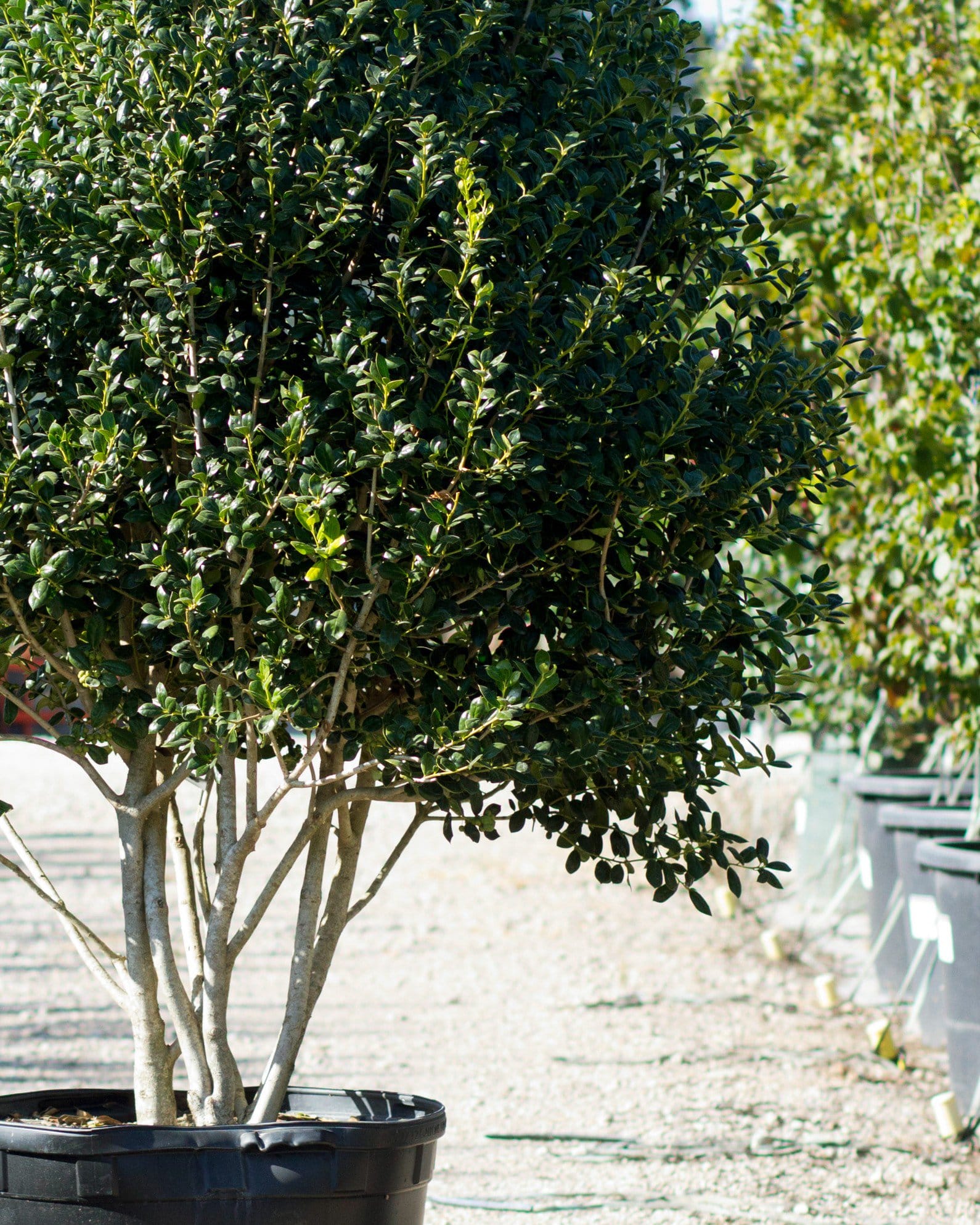
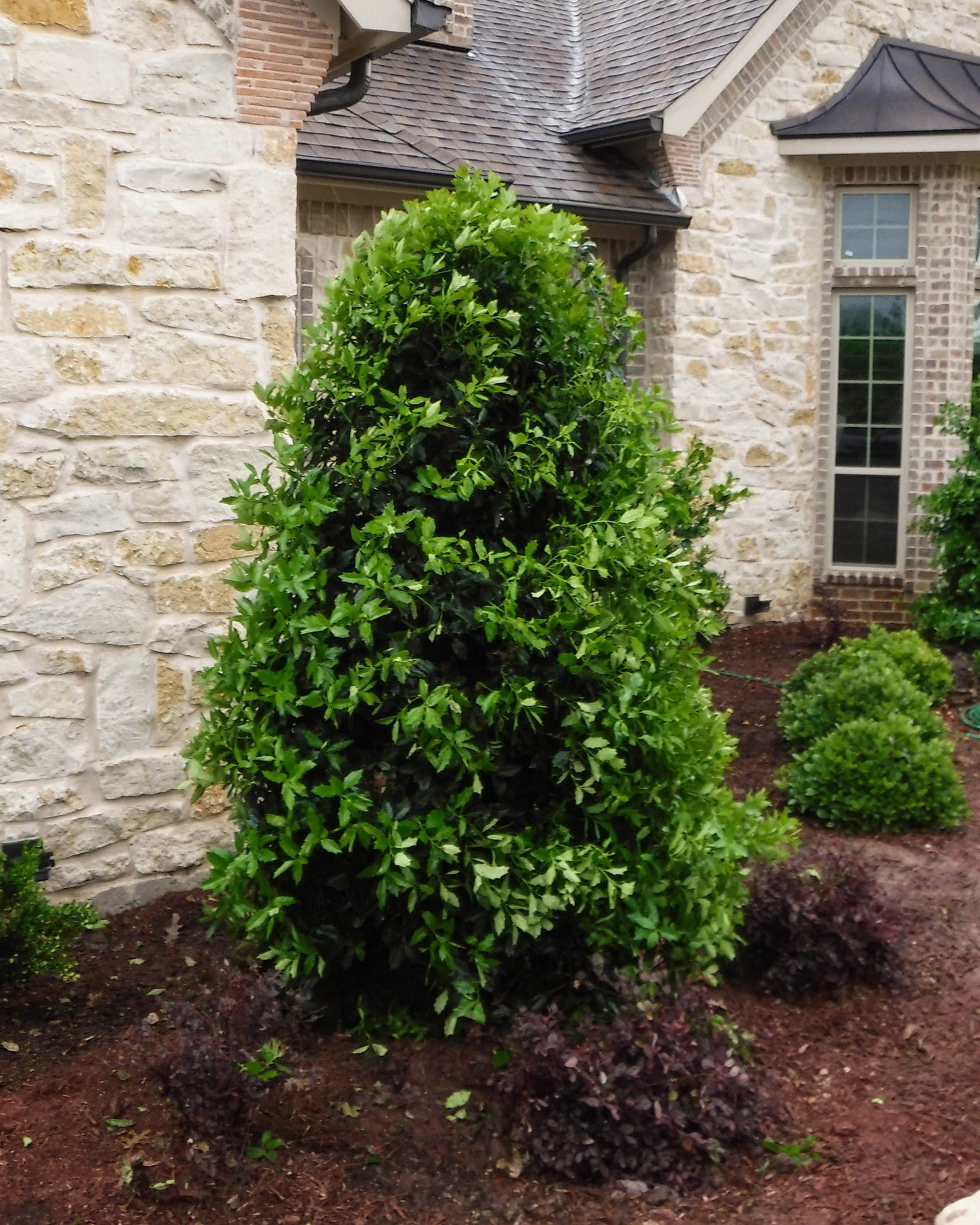
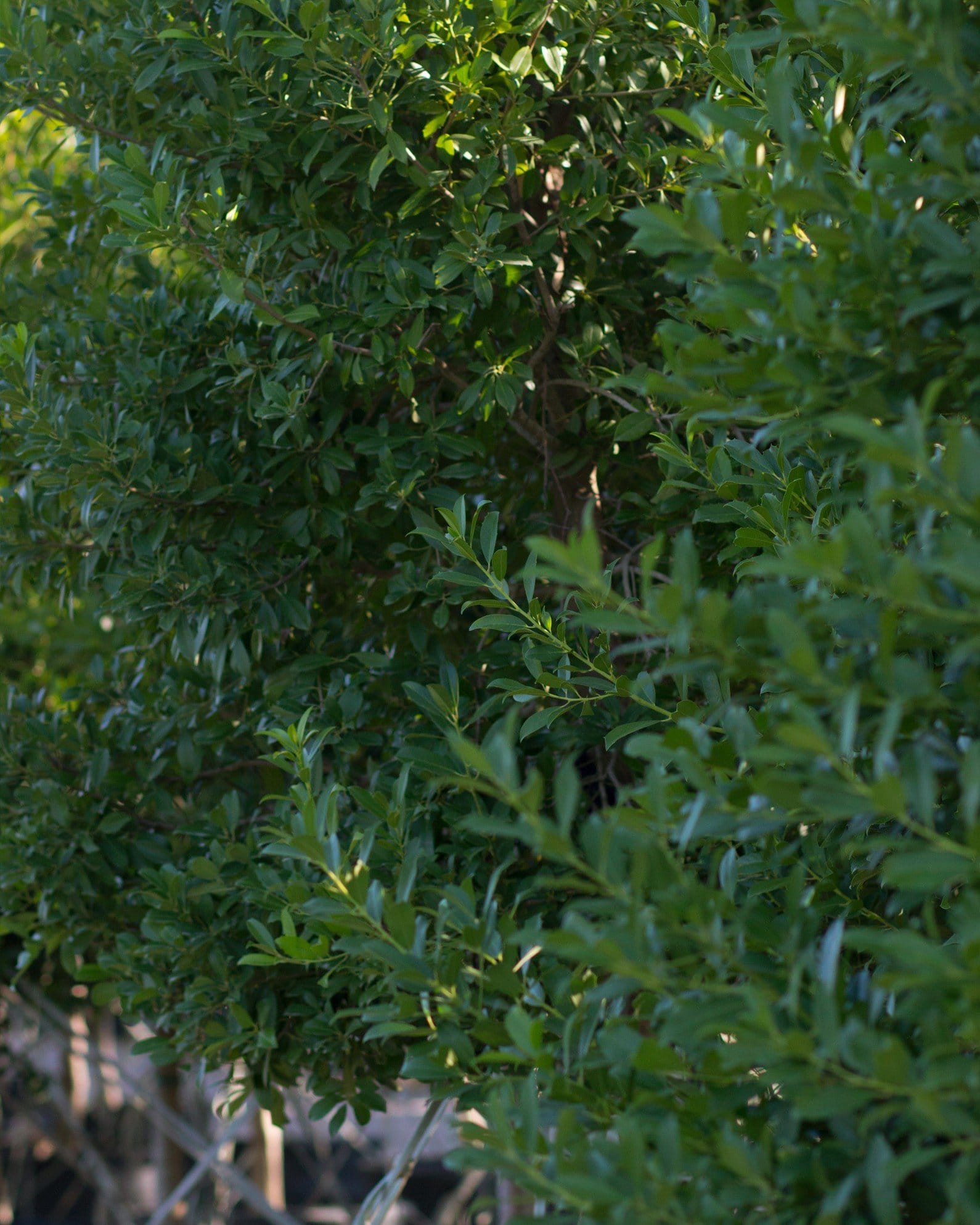
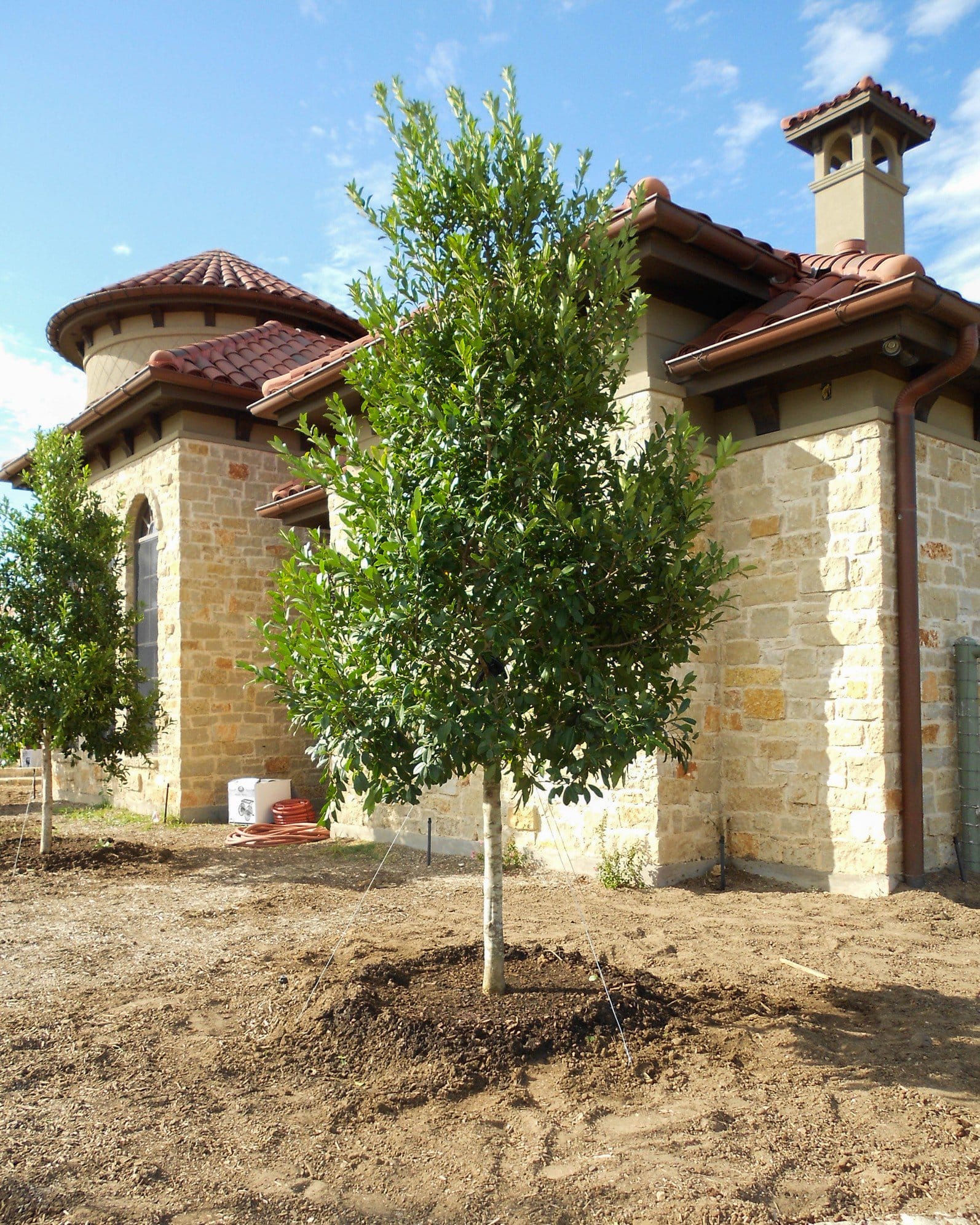
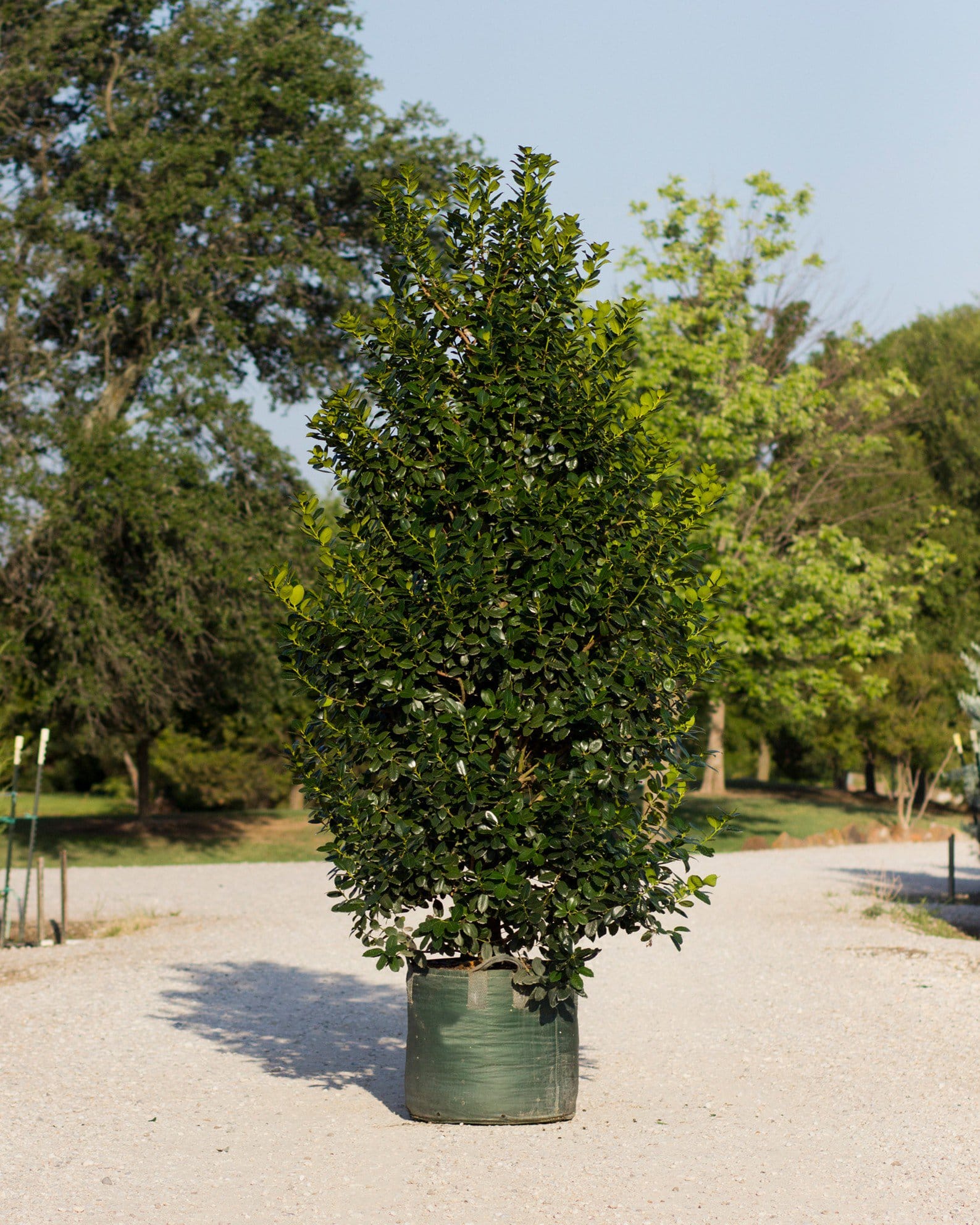
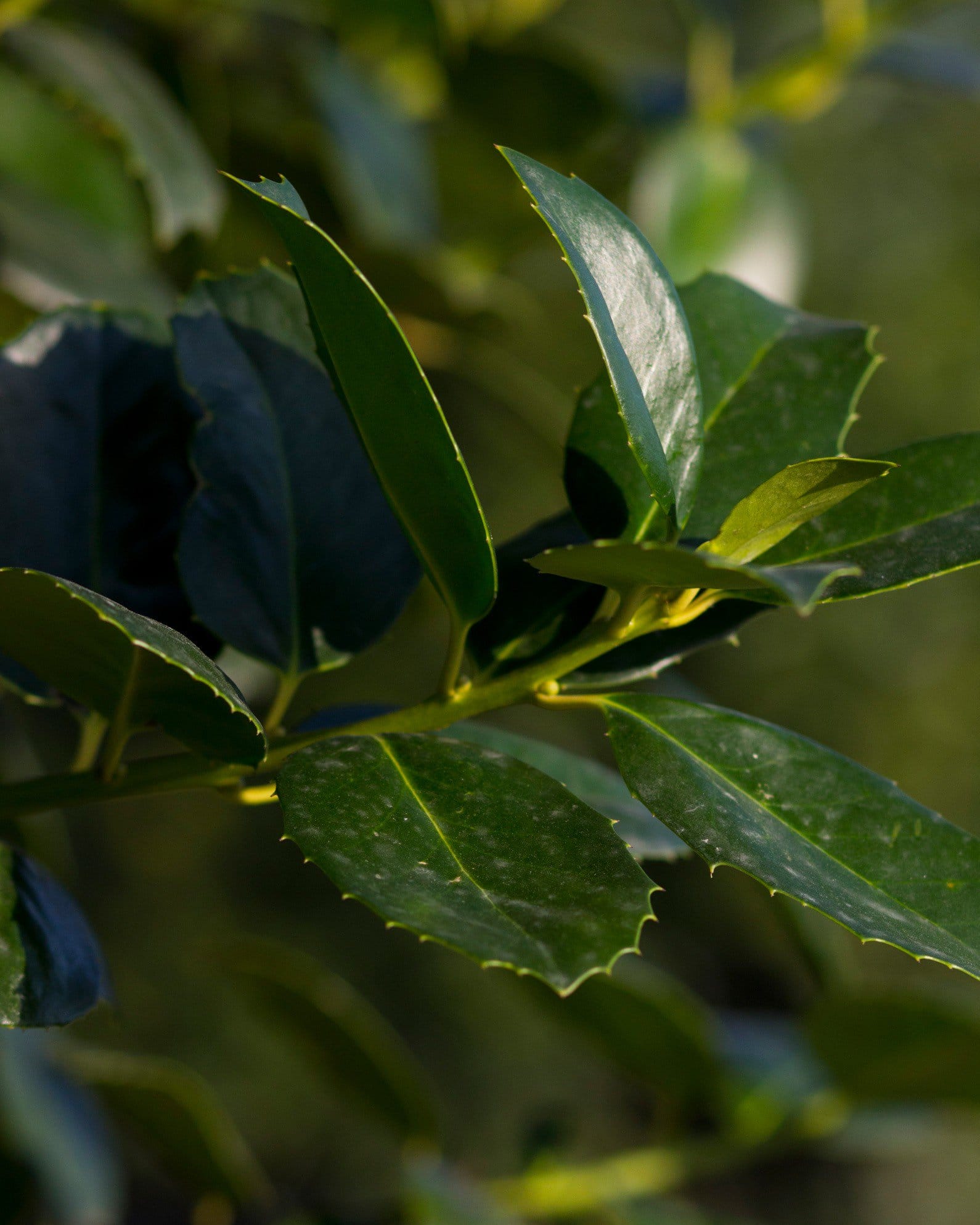
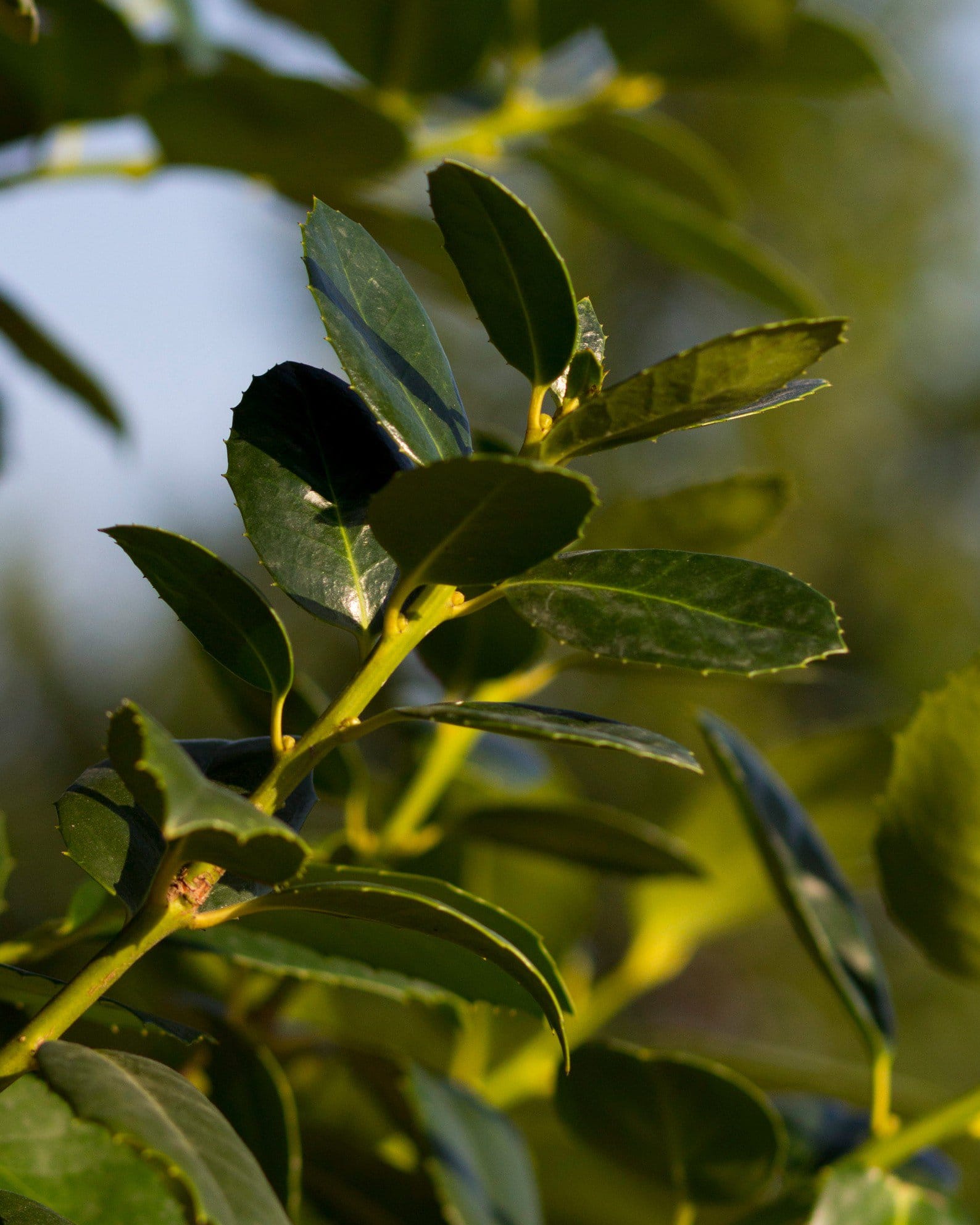
Ilex cornuta ‘Carissa’Carissa Holly is a versatile shrub that brings year-round structure and rich green color to your landscape. Its dense, glossy foliage creates a lush look, while its naturally rounded growth habit keeps it looking tidy with minimal effort. Growing up to 3 feet in height and spreading to about 4 feet in width at maturity, it’s ideal for low hedges, borders, or as a foundation plant to add texture and depth.
- An evergreen shrub
- Dense, rounded growth habit
- Moderate growth rate
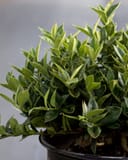
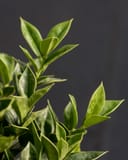
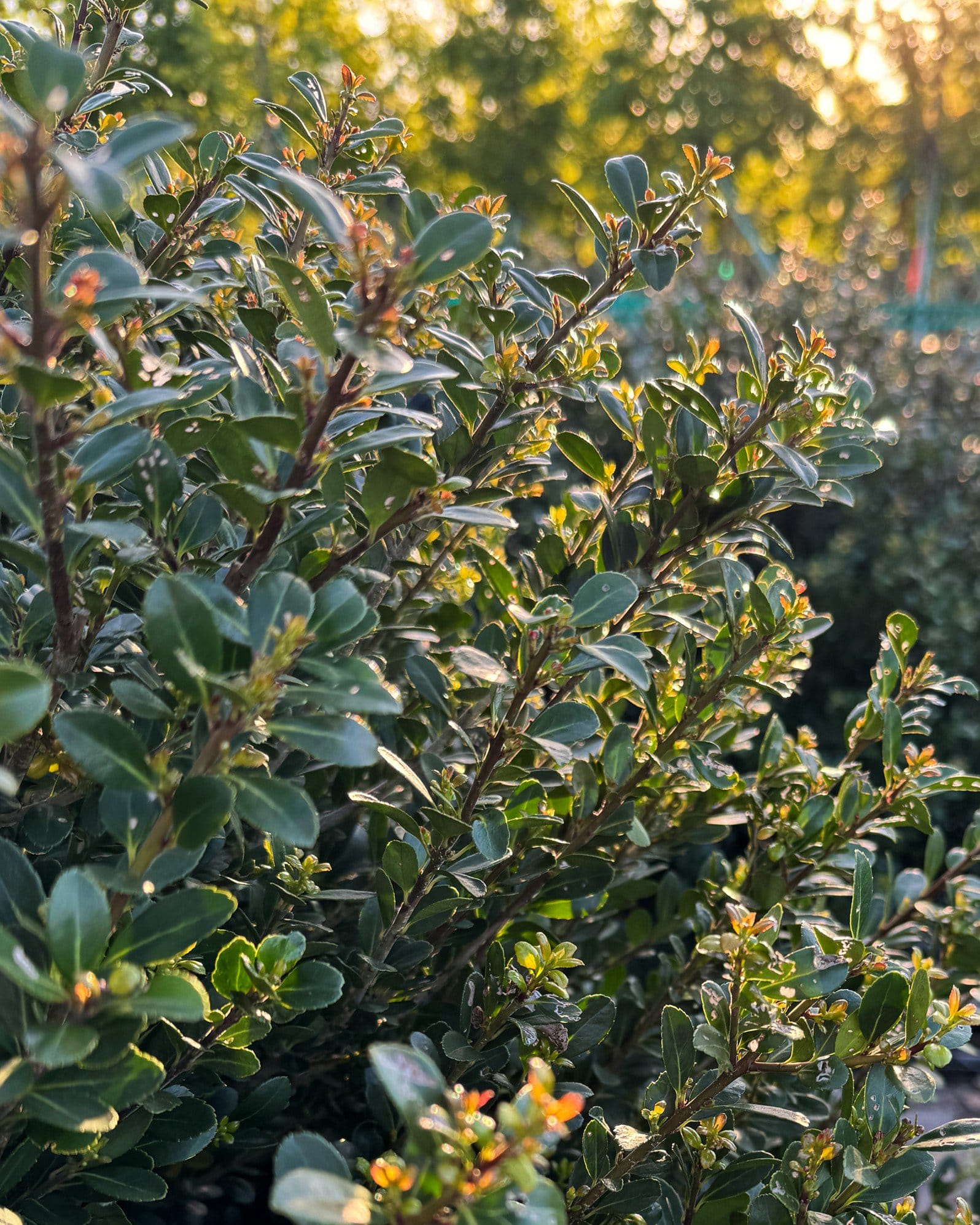
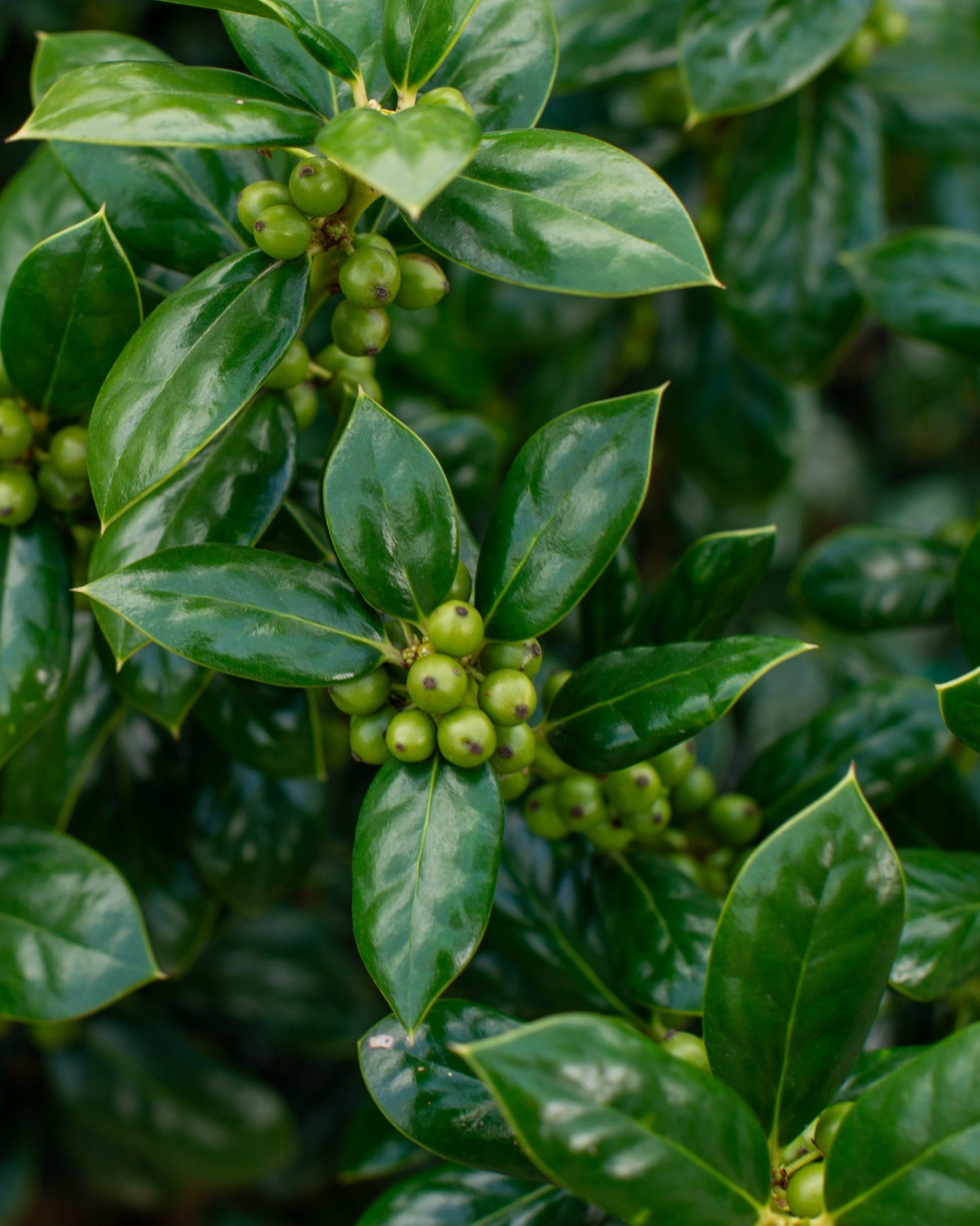
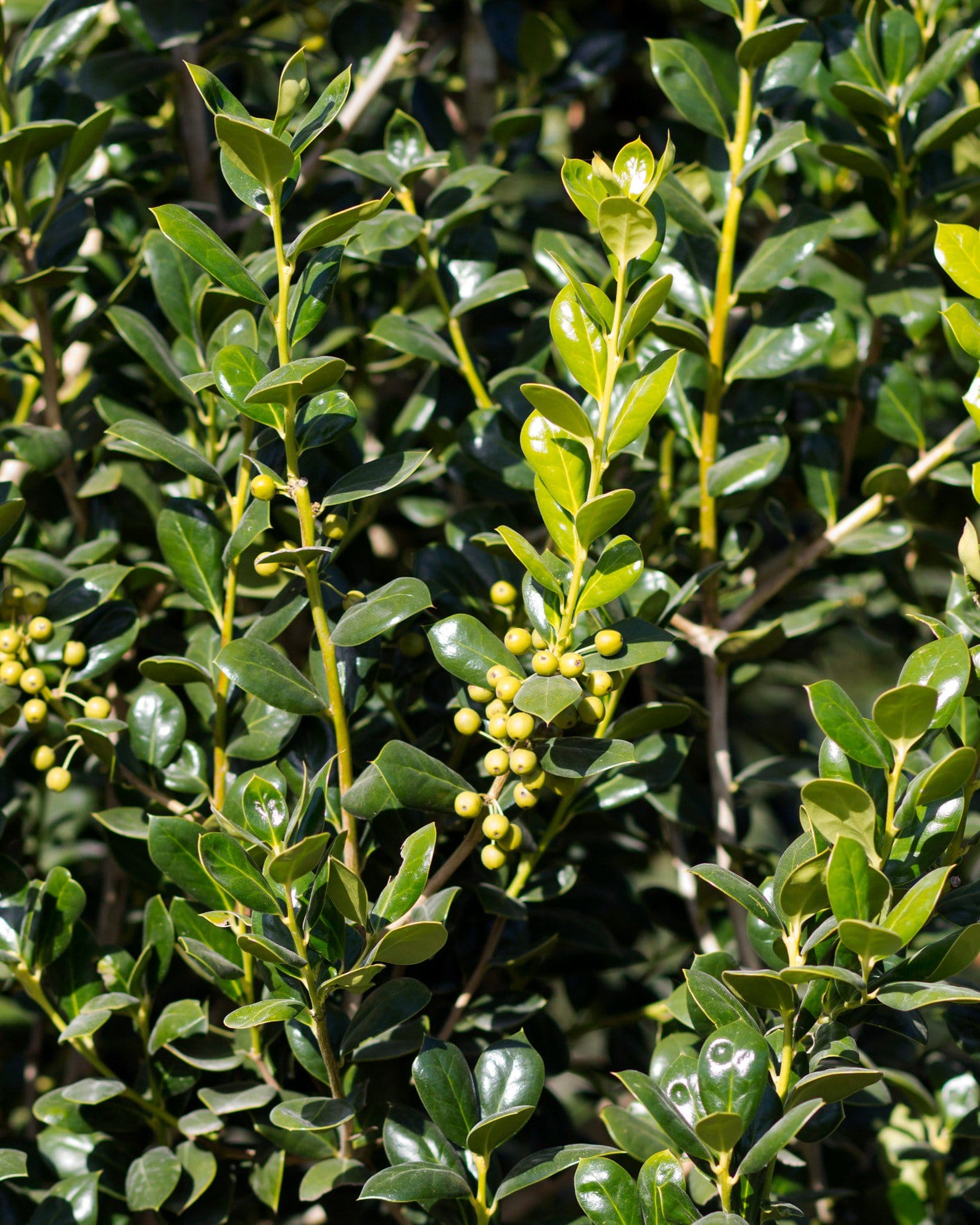
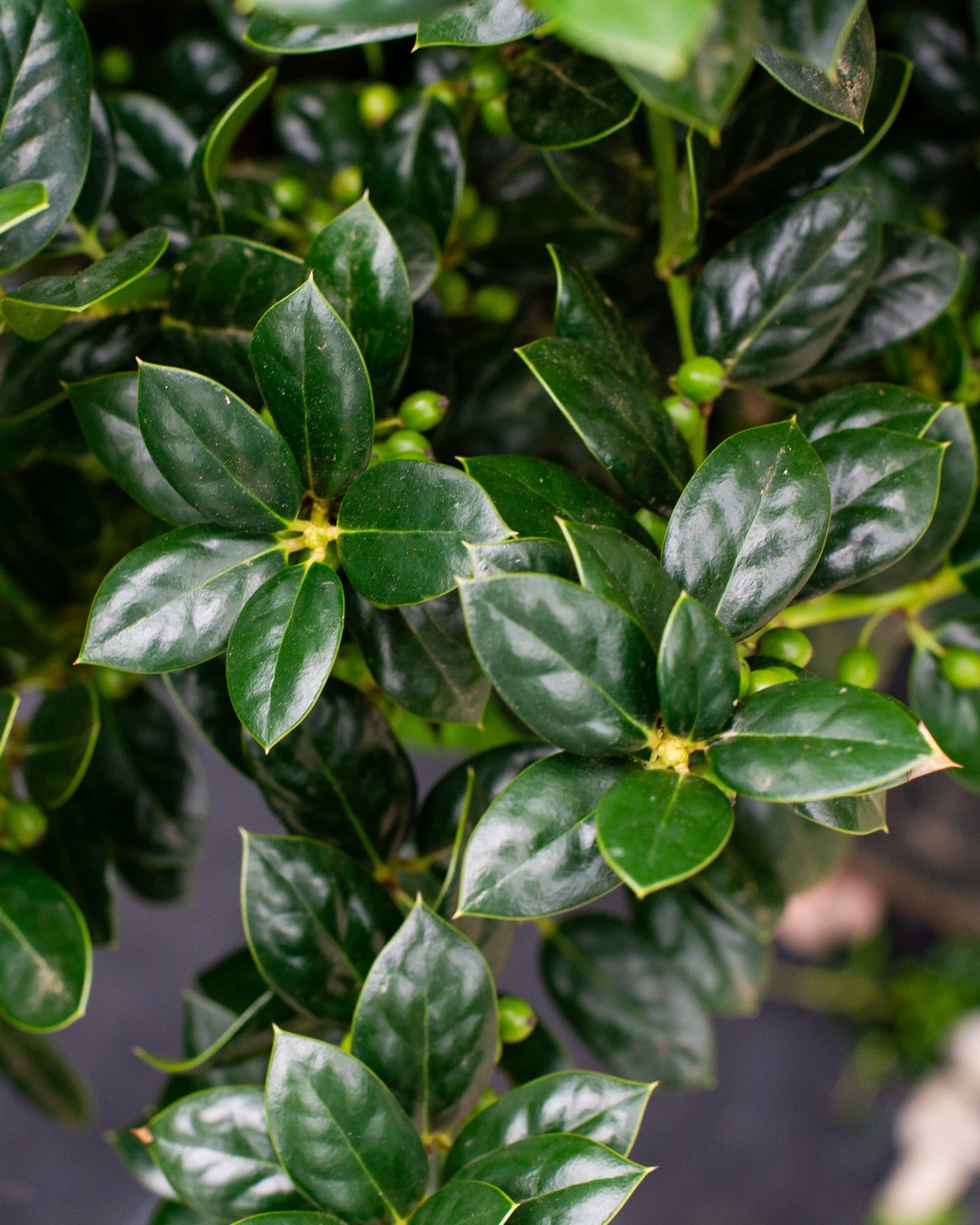
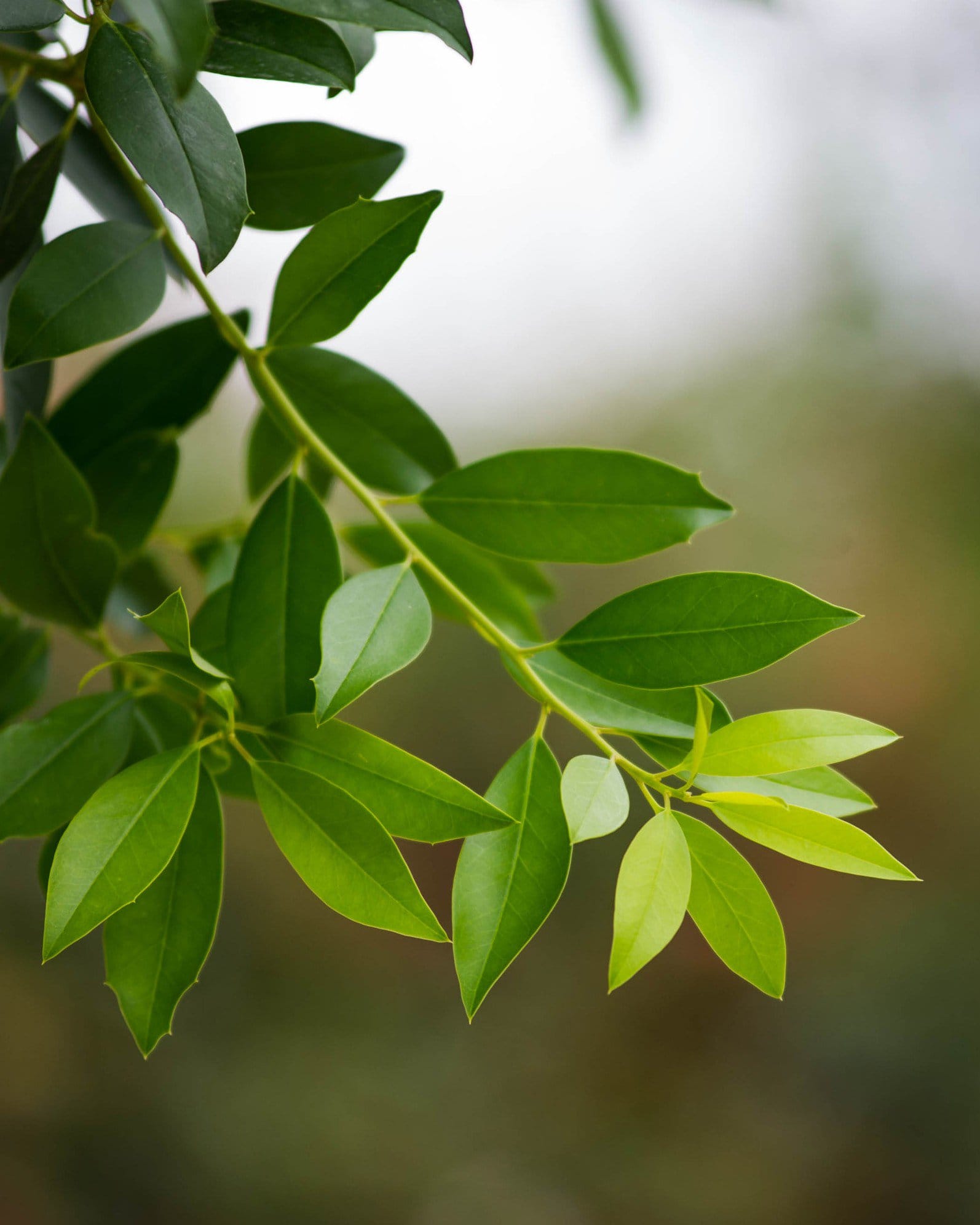
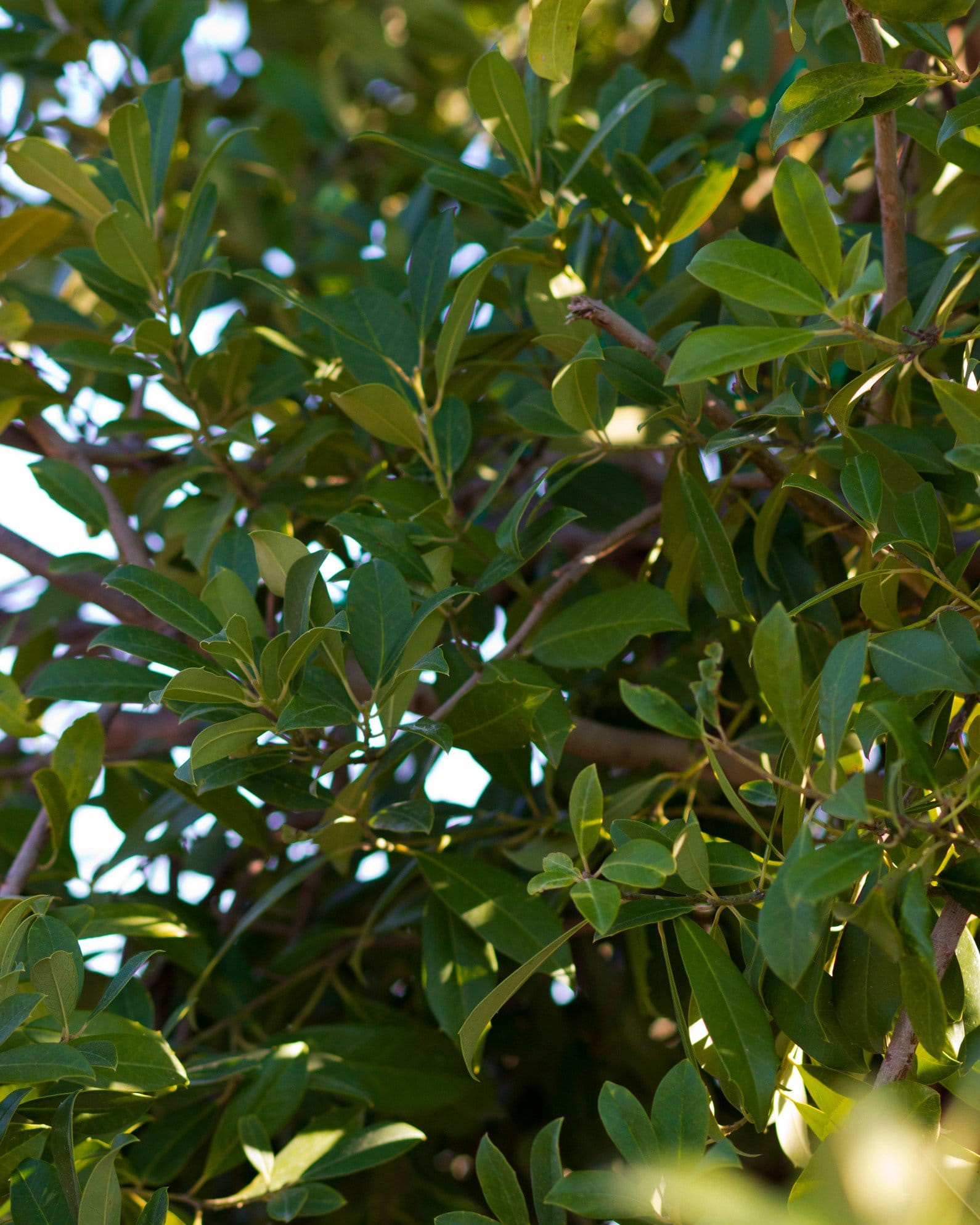
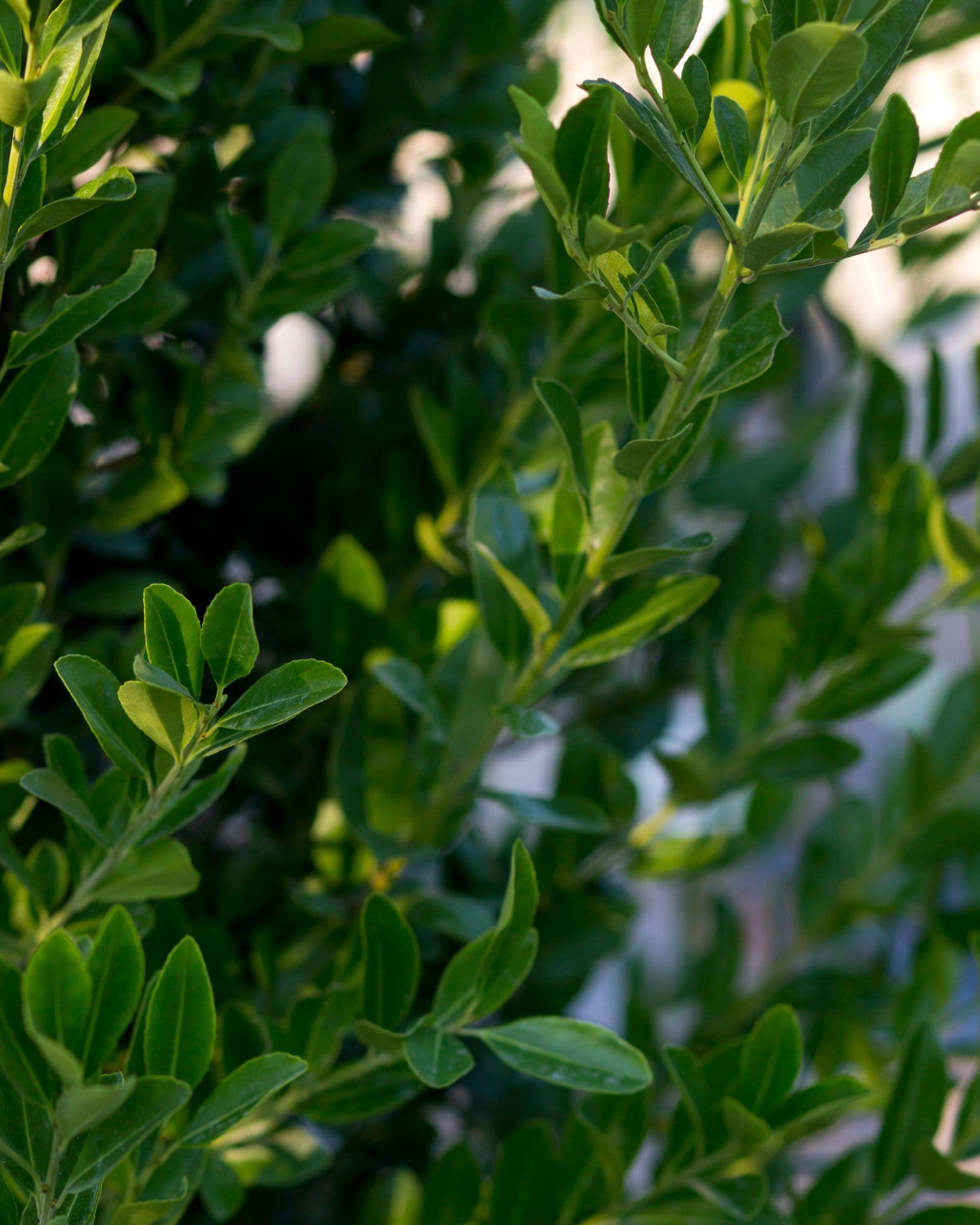
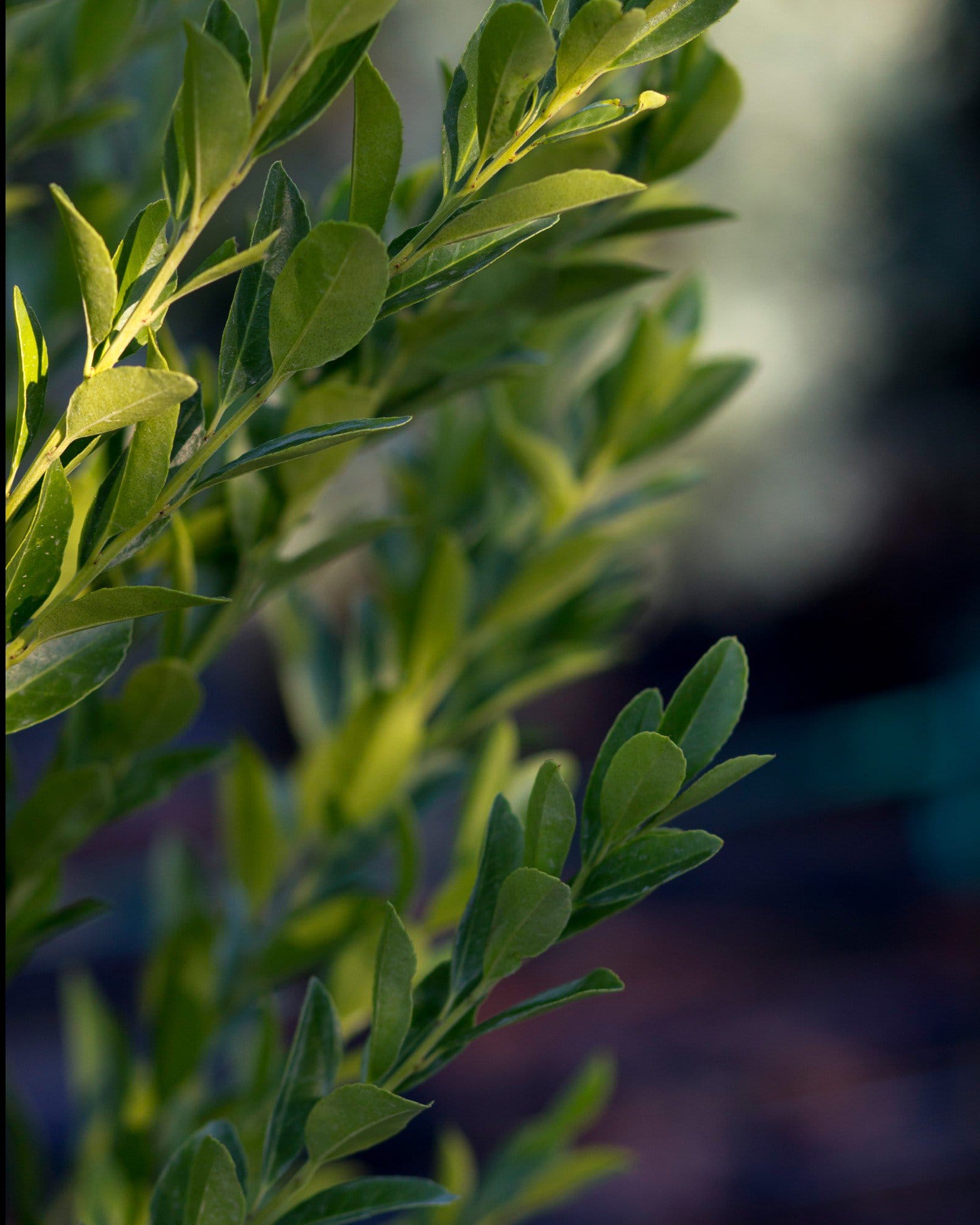
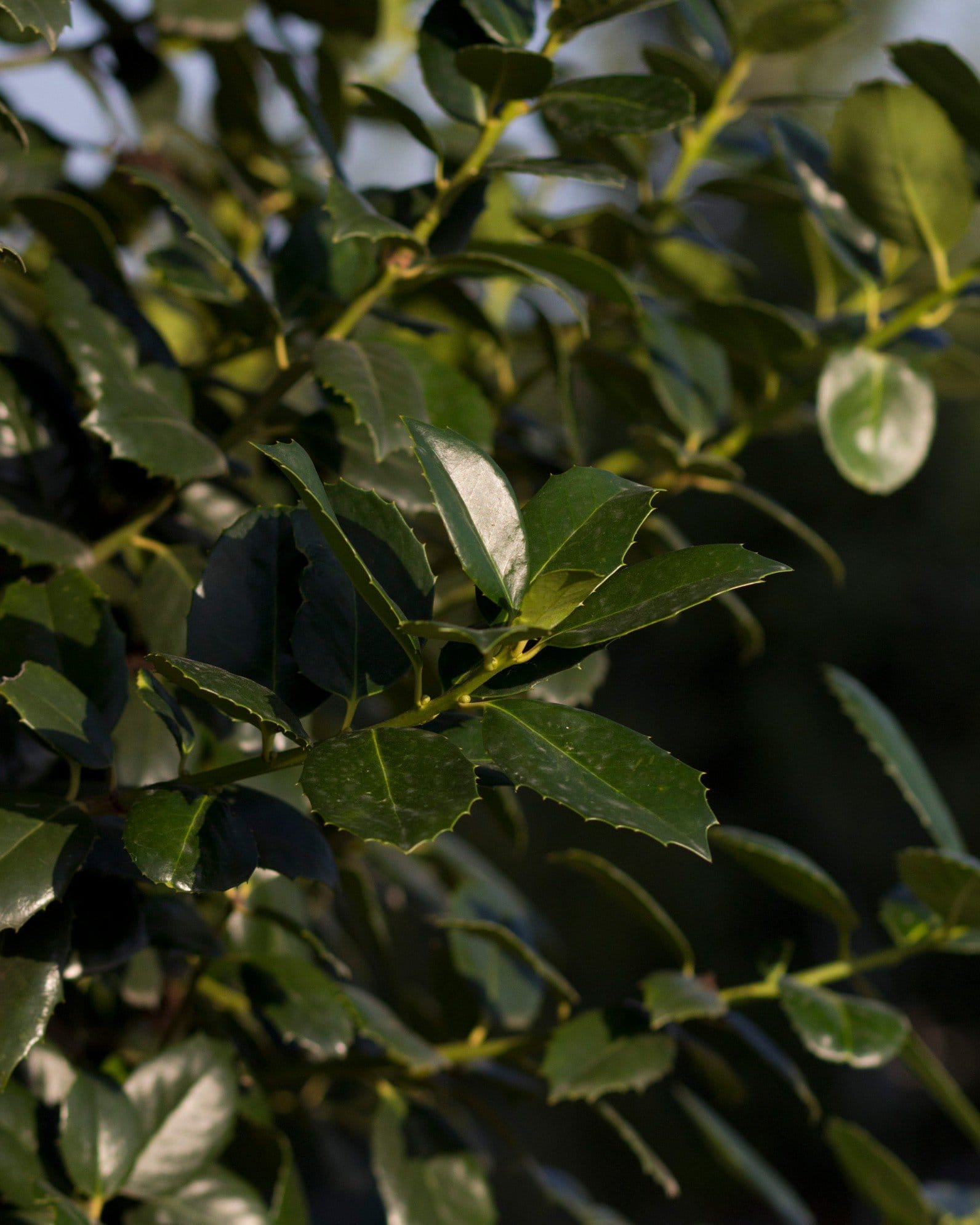
- Glossy, dark green foliage
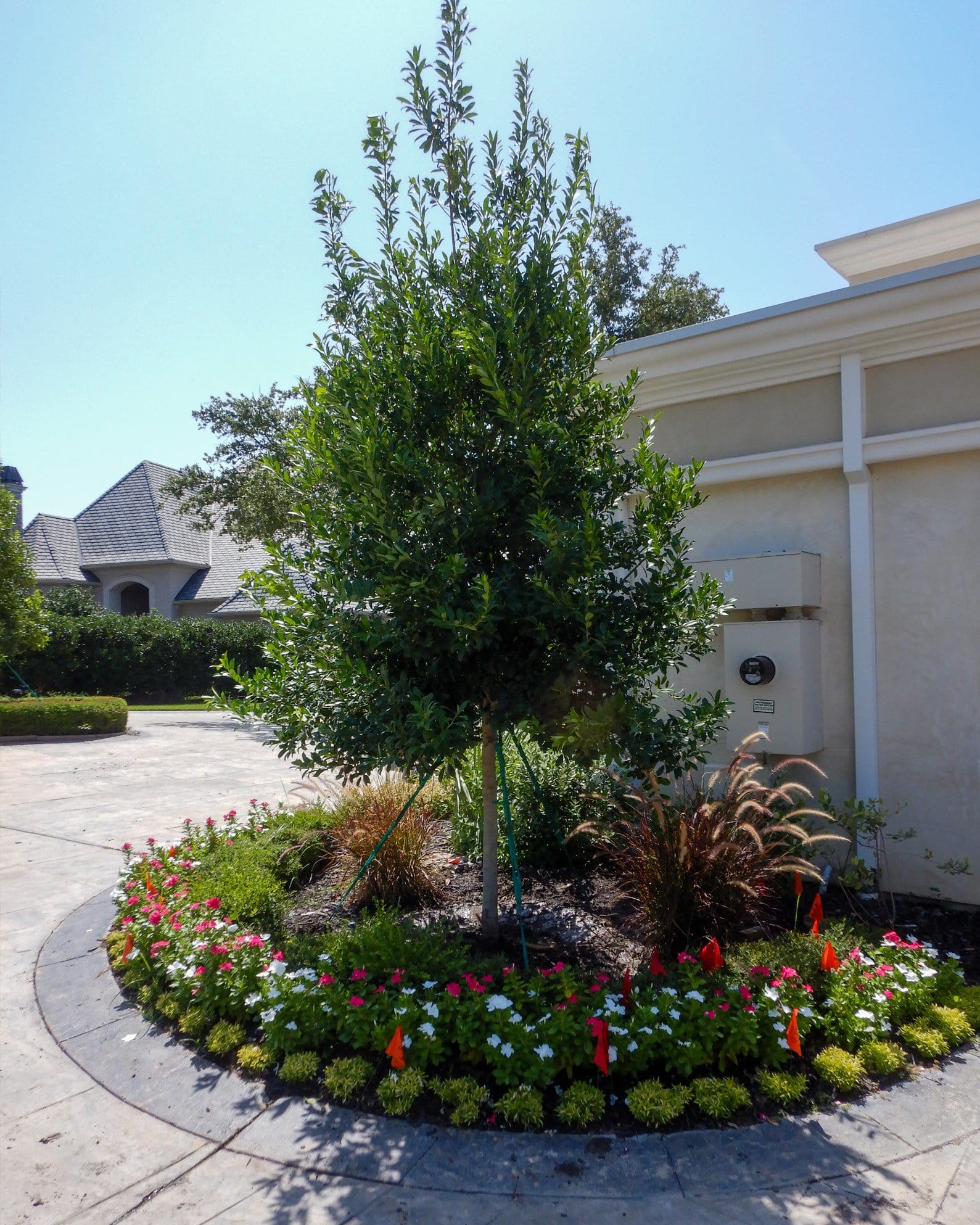
- Excellent for borders and low hedges
Carissa Holly is hardy in zones 7-9 and perfectly suited to the North Texas climate. It thrives in full sun to partial shade and prefers well-drained soil. With a bit of care, it adds reliable structure and rich color to your landscape all year long.
With just a bit of consistent care during establishment, Carissa Holly becomes one of the lowest-maintenance shrubs in the landscape. Here’s all it needs to thrive:
- Watering: Water deeply and regularly during the first 1-2 years to create a strong root system that supports dense foliage and year-round health. Once established, Carissa Holly is notably drought-tolerant and usually needs supplemental watering only during extended dry spells.
- Pruning: Pruning is minimal thanks to its naturally rounded shape. If refinement is desired, prune lightly in late winter or early spring to remove damaged or stray branches, maintaining its clean, compact silhouette without heavy shaping.
- Fertilizing: This holly performs well in average soils and typically requires little fertilizer once mature. If foliage looks pale or growth slows, apply a light dose of slow-release, balanced fertilizer in early spring.
- Mulching: Apply a 2-3 inch layer of mulch around the base to conserve moisture and keep soil temperatures stable. Keep mulch several inches back from the trunk to prevent excess moisture against the bark.
- Winter Care: Carissa Holly is reliably evergreen and cold-hardy throughout its range. In unusually harsh winters, young shrubs may show slight leaf bronzing, but they recover quickly with warm weather and new growth.
Carissa Holly is generally very tough, though several minor issues may appear during periods of high humidity, poor drainage, or environmental stress:
- Leaf Spot: Dark or tan spots appear on leaves during very wet or humid periods. Remove affected foliage and improve airflow to reduce fungal pressure.
- Scale Insects: Small, shell-like bumps appear on stems and leaves, causing yellowing or thinning foliage. Treat with horticultural oil or insecticidal soap to suppress populations.
- Spider Mites: Fine stippling and dull or dusty-looking foliage appear in hot, dry weather. Rinse foliage and increase humidity, or apply horticultural oil to restore vigor.
- Root Rot: Wilting and yellowing occur in poorly drained soil that stays wet for long periods. Improve drainage and reduce watering to protect the root system.
- Chlorosis: Yellow leaves with green veins indicate nutrient imbalance in very alkaline soils. Treat with chelated iron and amend soil if necessary.
Carissa Holly often lives 30-50 years when planted in well-drained soil and given proper establishment care. Its long lifespan makes it a dependable, evergreen foundation shrub for residential landscapes.
It grows at a moderate rate of 6-12 inches per year and typically forms its mature, rounded habit in about 5-8 years. This steady pace keeps the plant full, dense, and easy to manage.
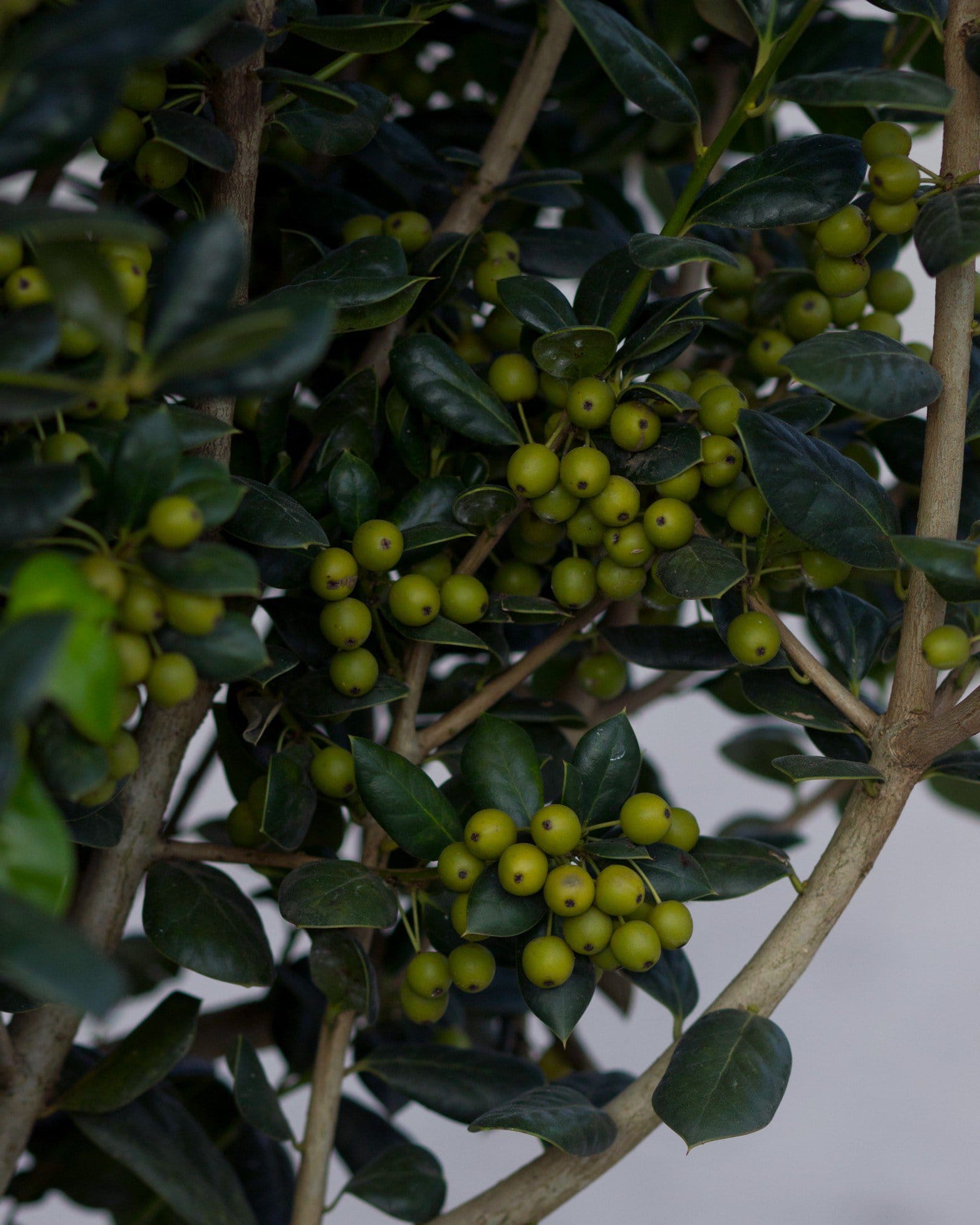
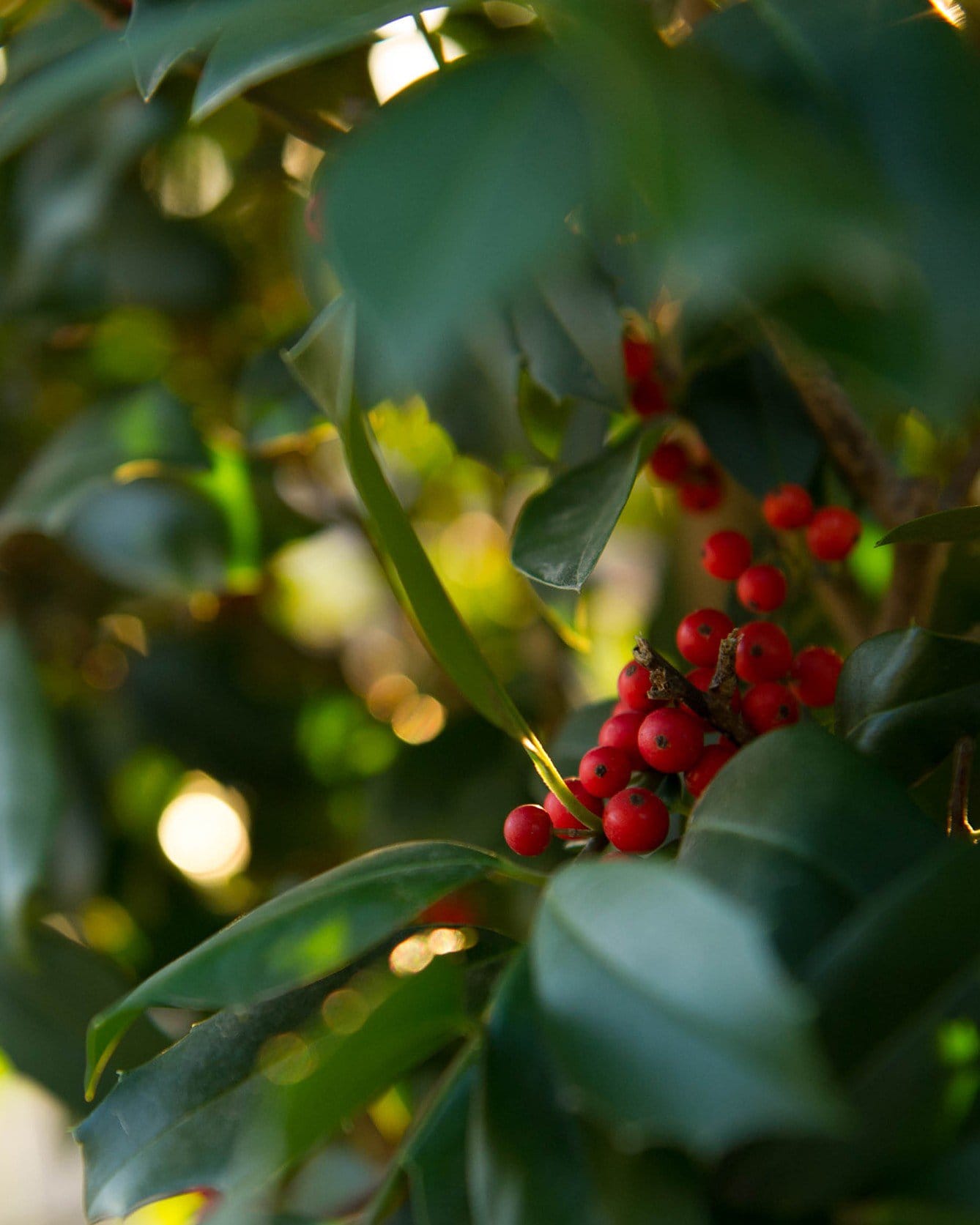
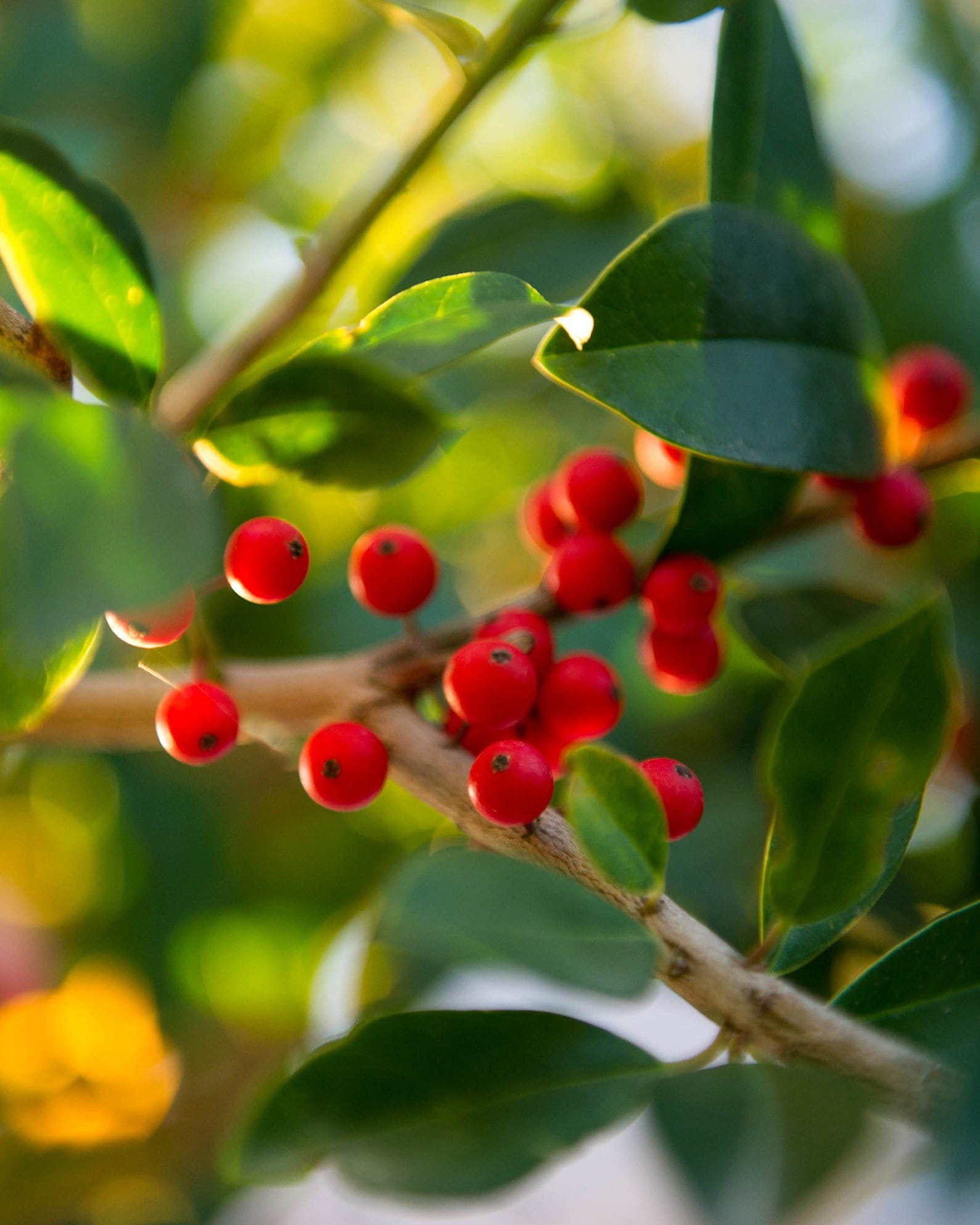
Its small, hidden flowers attract pollinating insects, and its berries offer occasional food for birds. The dense evergreen structure provides excellent shelter for small urban wildlife.
Its thick, leathery leaves are generally unappealing to deer, making browsing uncommon. Young shrubs may still need early protection in high-pressure deer areas.
It performs beautifully in large containers thanks to its compact size and neat structure. Over time, planting in the ground offers the best long-term performance and root stability.
Extremely well - it is one of the most heat-tolerant hollies used in southern landscapes. Mulching and deep occasional watering help maintain foliage sheen during intense summer weather.
It cannot be divided, as it grows from a single woody trunk. Propagation requires cuttings or nursery-grown plants.
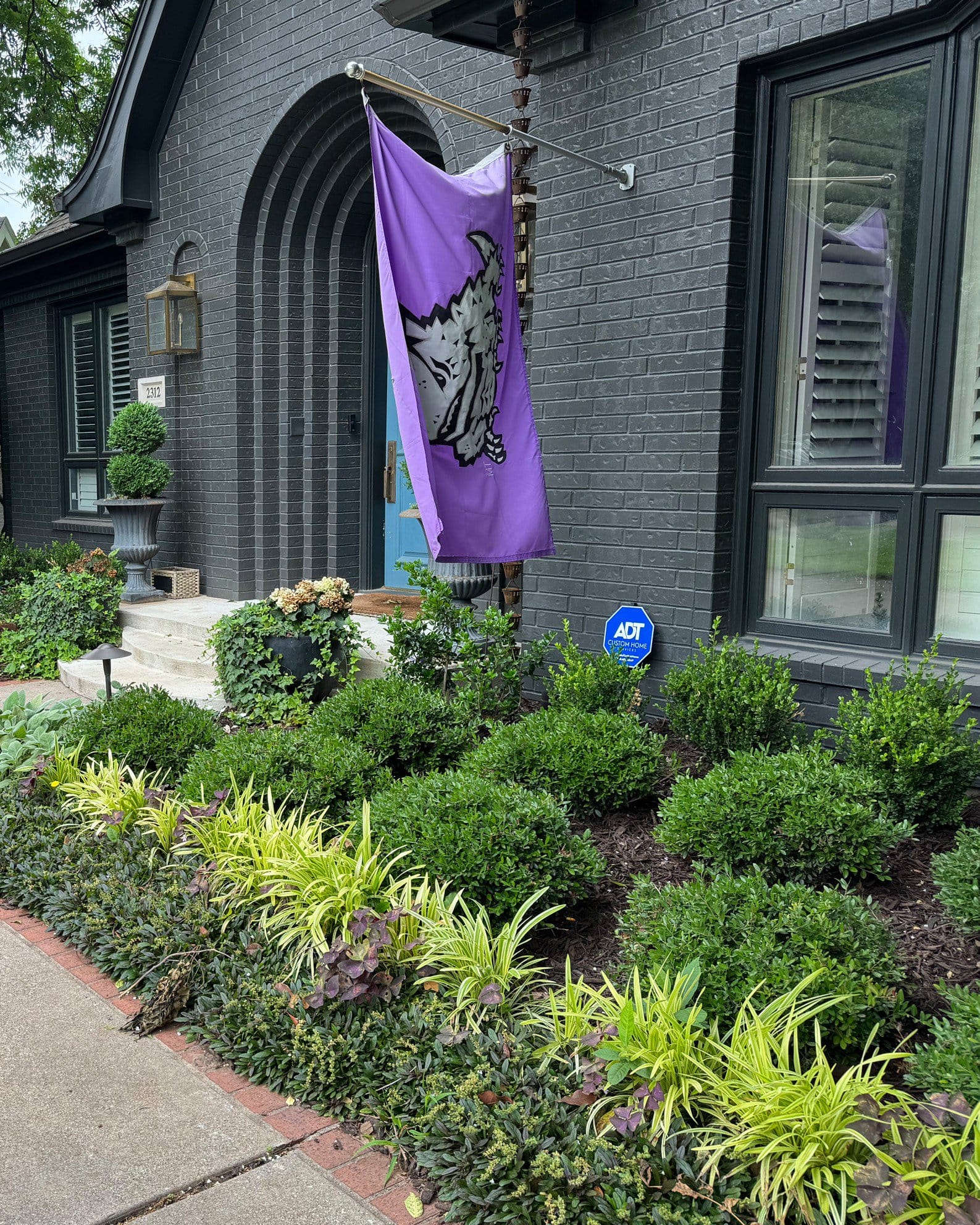
It’s excellent - its compact, evergreen form and glossy leaves create a clean, polished look along walkways, foundations, and low hedges. Repeated plantings give a cohesive, modern aesthetic.
Perennials like Autumn Sage, Liriope, Feather Grass, and seasonal annuals provide texture and color. Small ornamental trees or larger evergreens offer a layered structure behind their rounded form.
Young shrubs transplant reliably when moved during cooler months with intact root balls. Once established, they remain sturdy and adapt quickly to new locations.
Special Features
You might also like
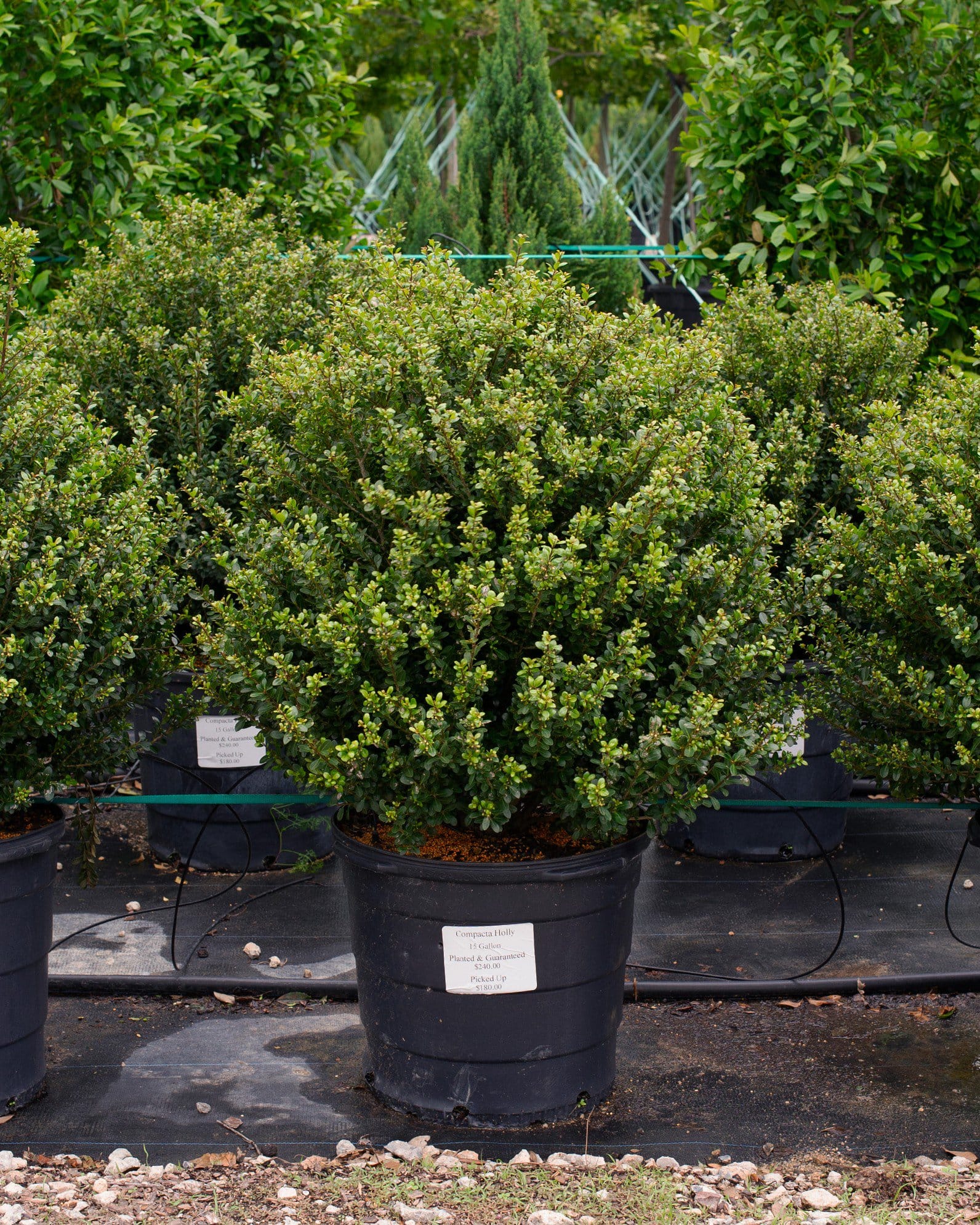
Compacta Holly
Maturity: 5' H x 5' W
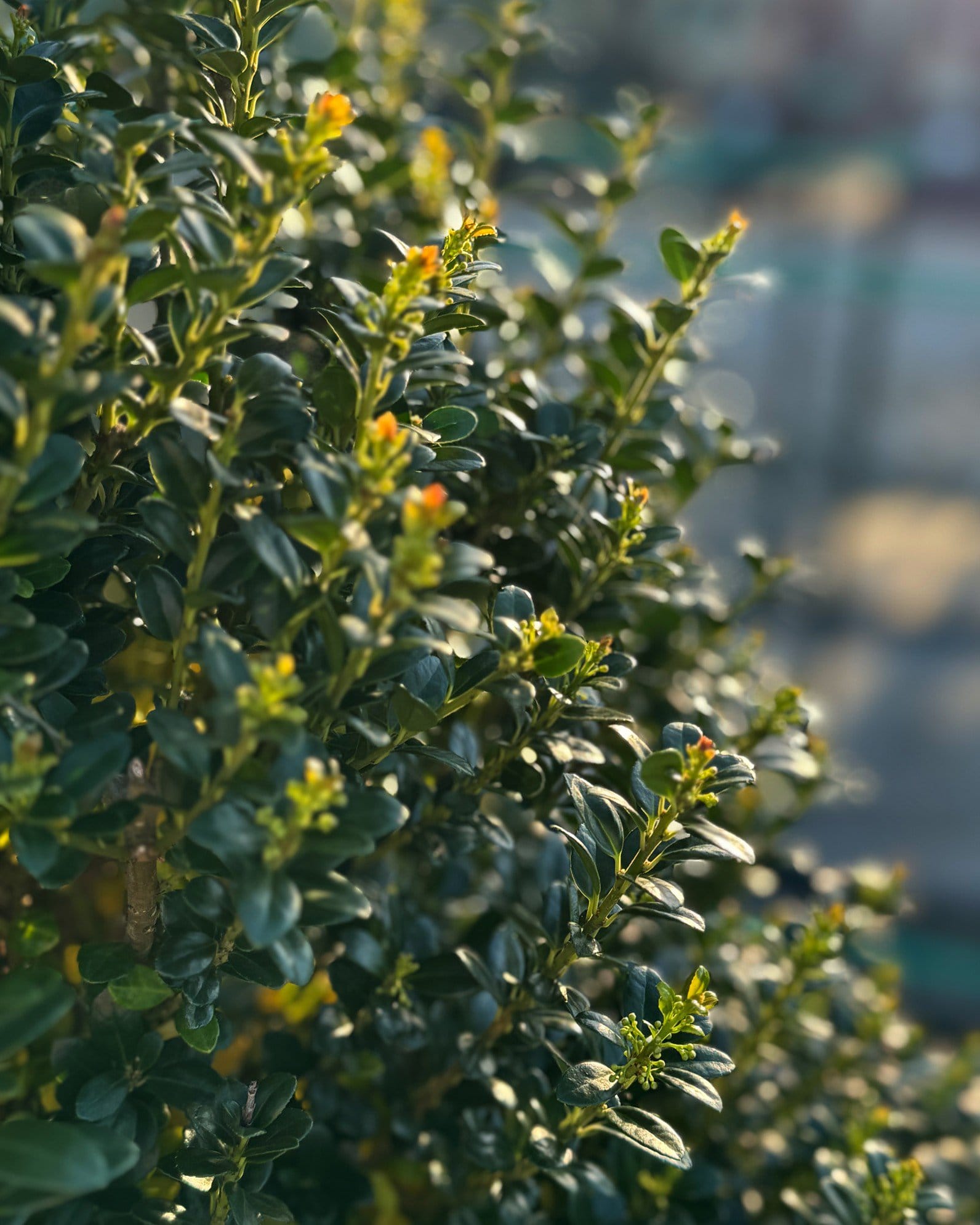
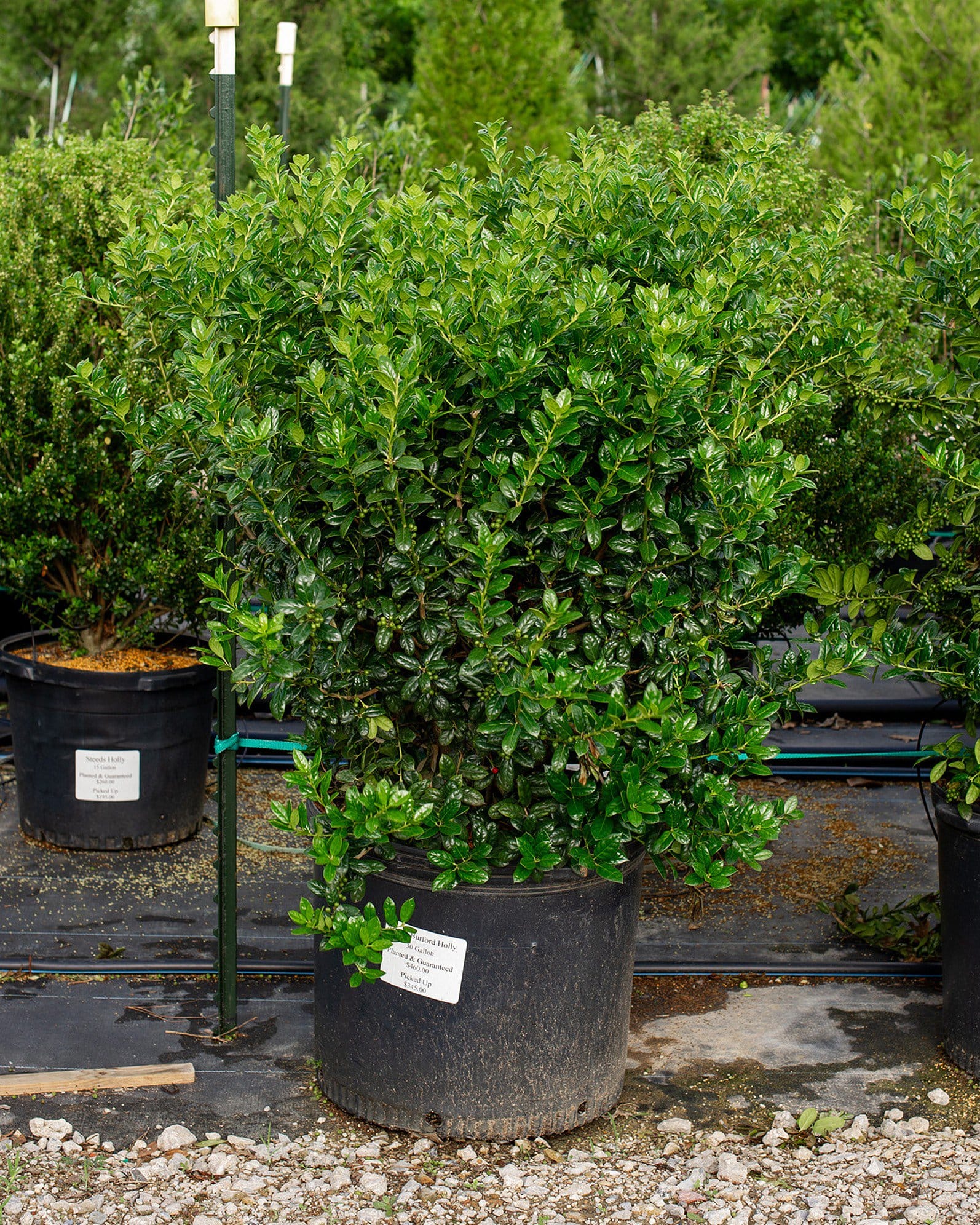
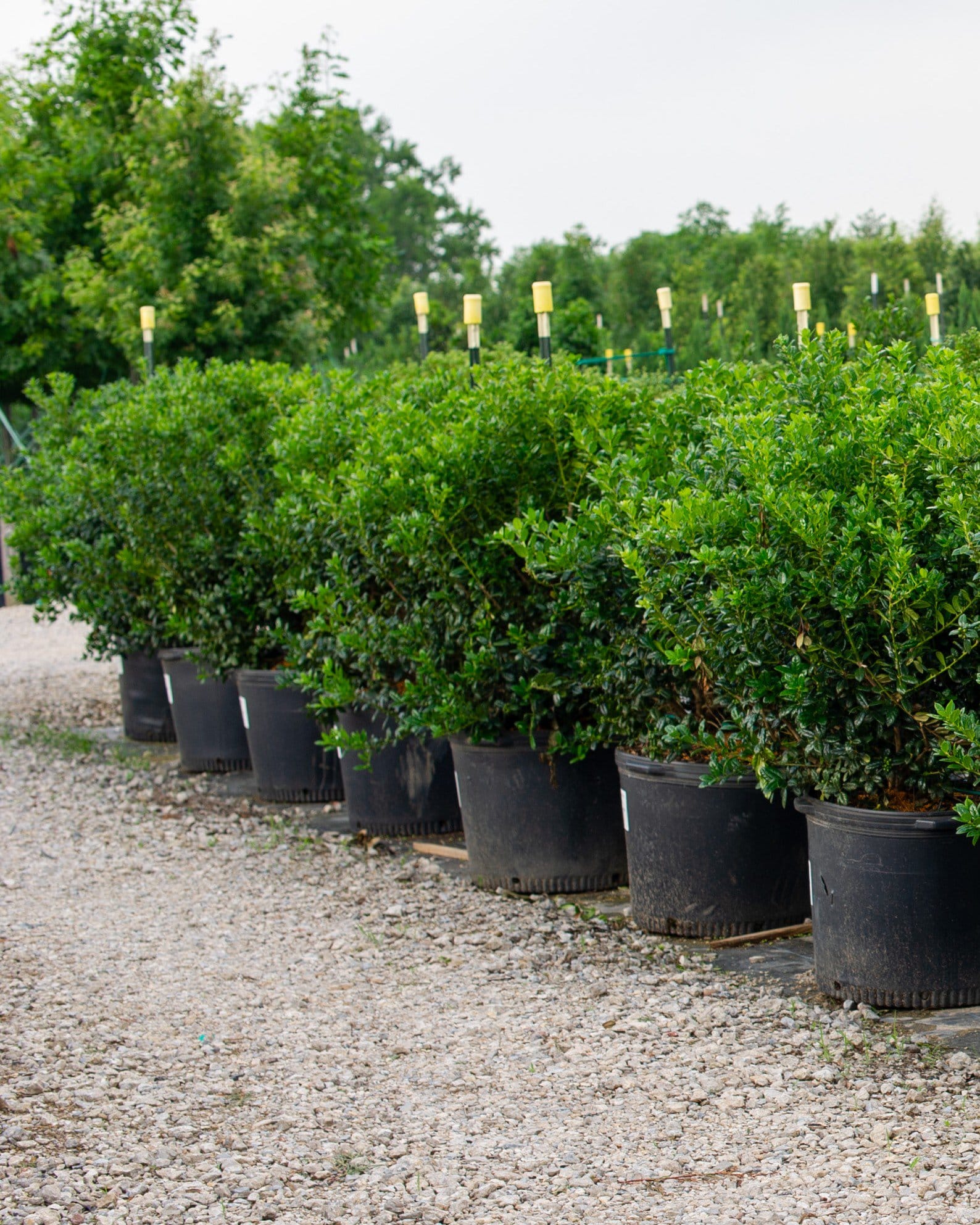
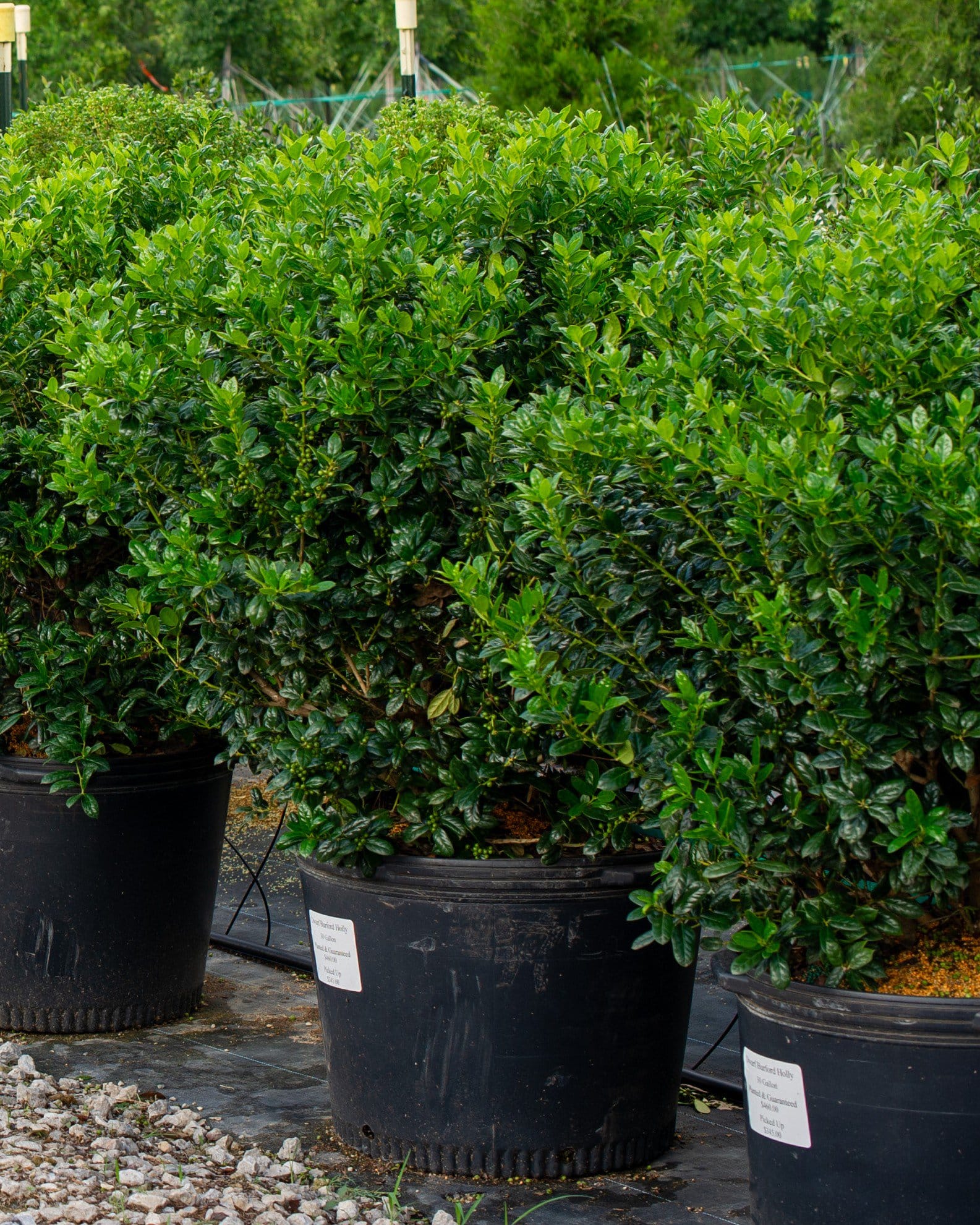
Dwarf Burford Holly
Maturity: 7' H x 7' W
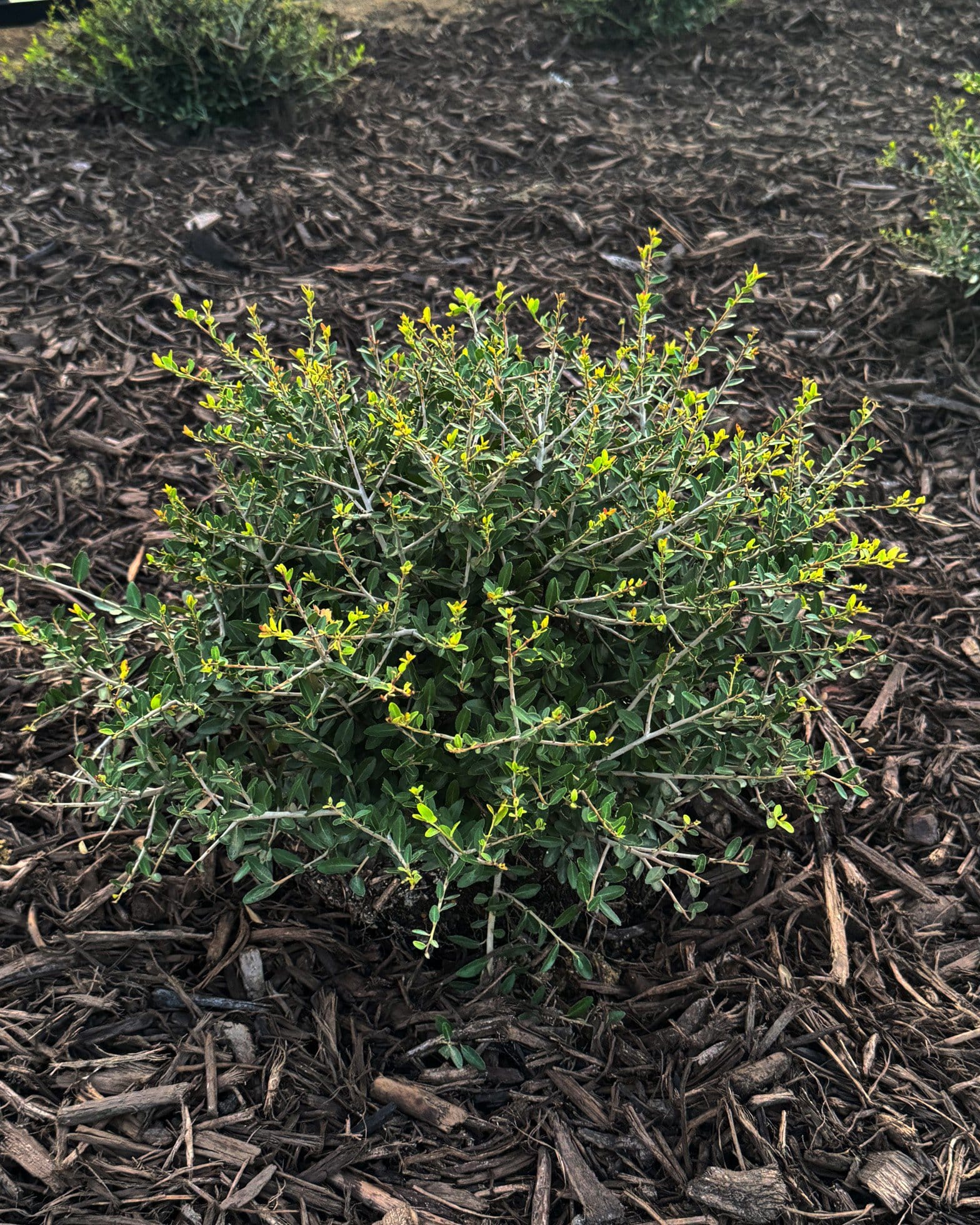
Dwarf Yaupon Holly
Maturity: 3' H x 3' W
Dwarf Yaupon Holly Eureka Gold
Maturity: 4' H x 4' W
Micron Holly
Maturity: 1.5' H x 2.5' W
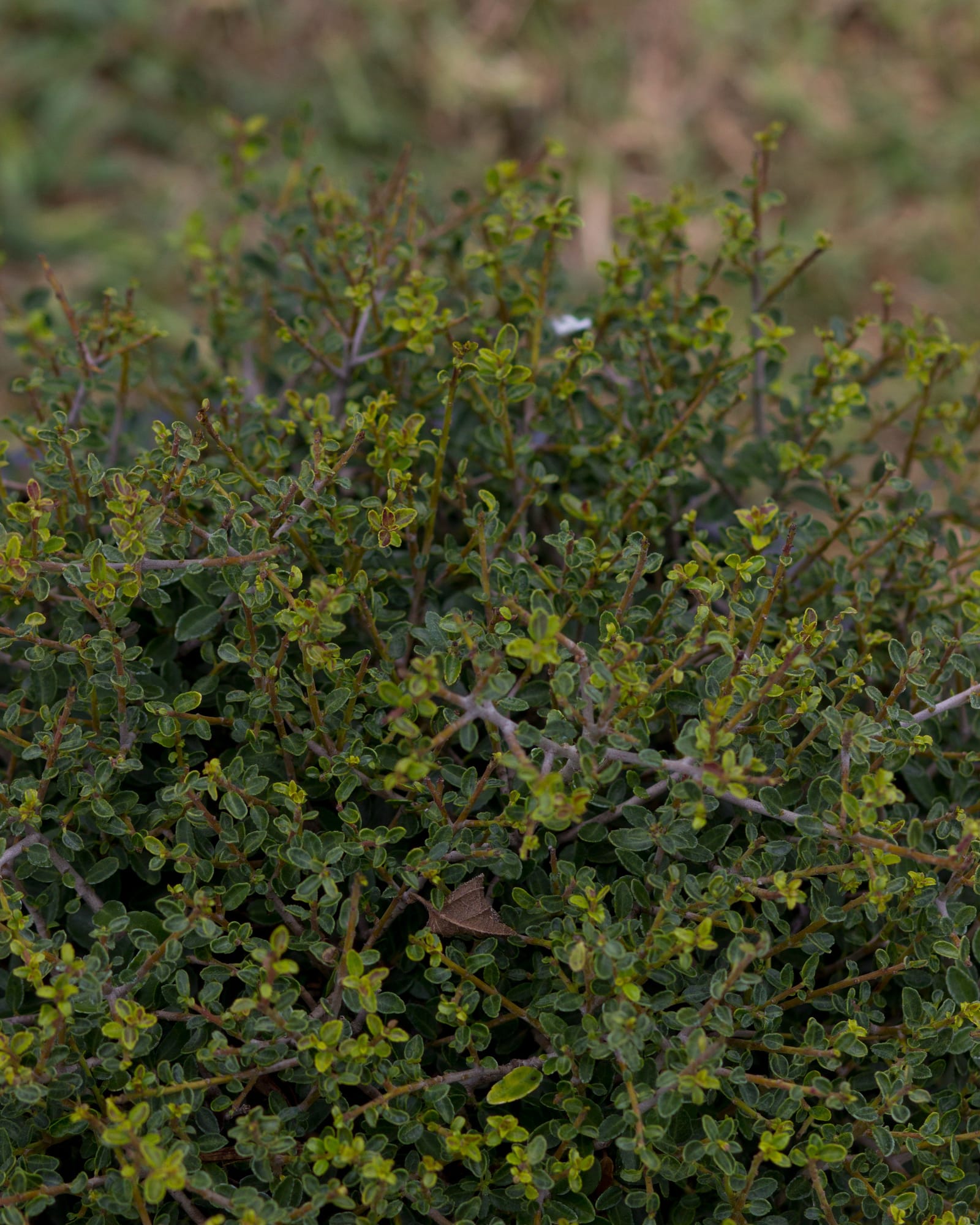
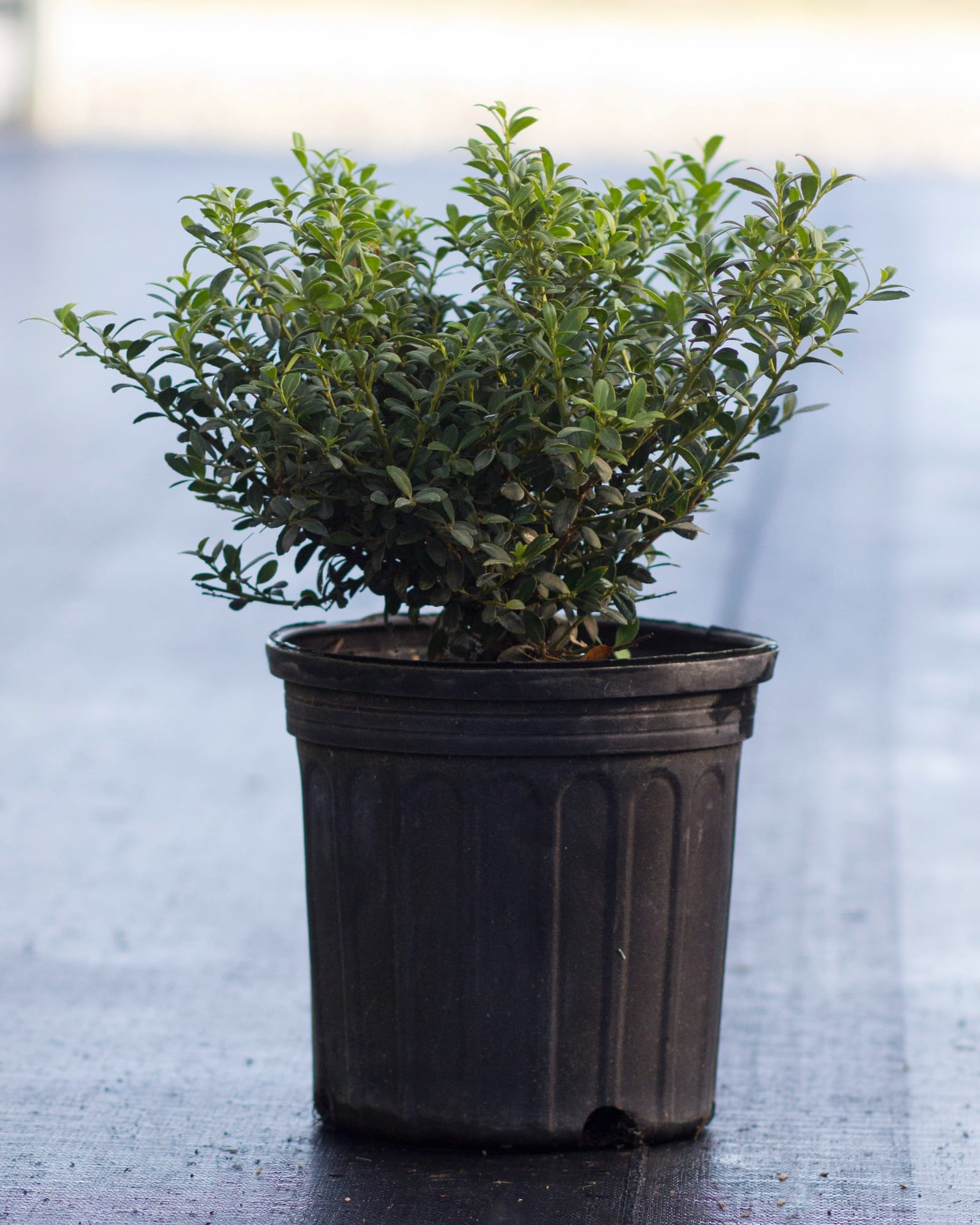
Soft Touch Holly
Maturity: 2' H x 2' W
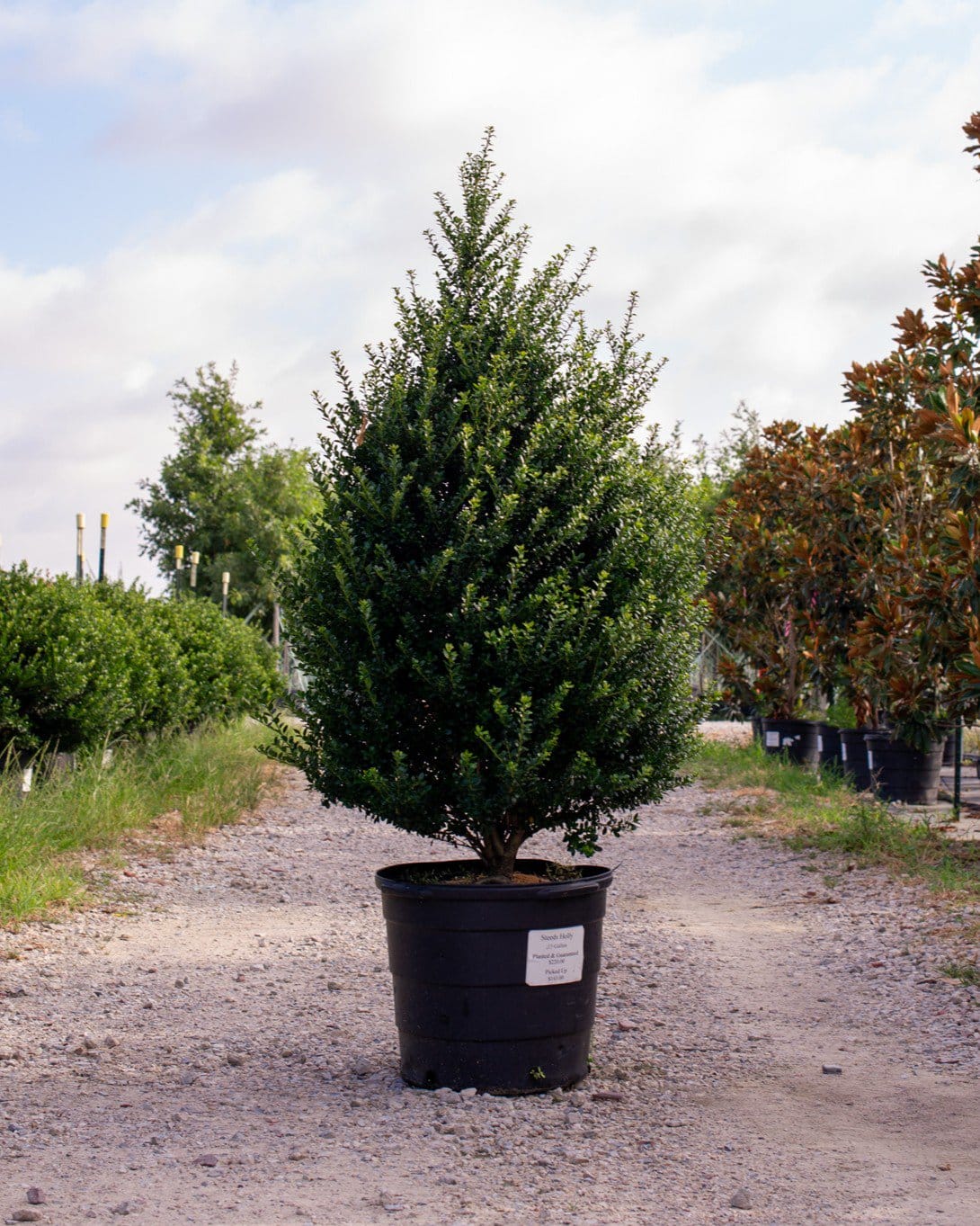
Steeds Holly
Maturity: 7' H x 5' W
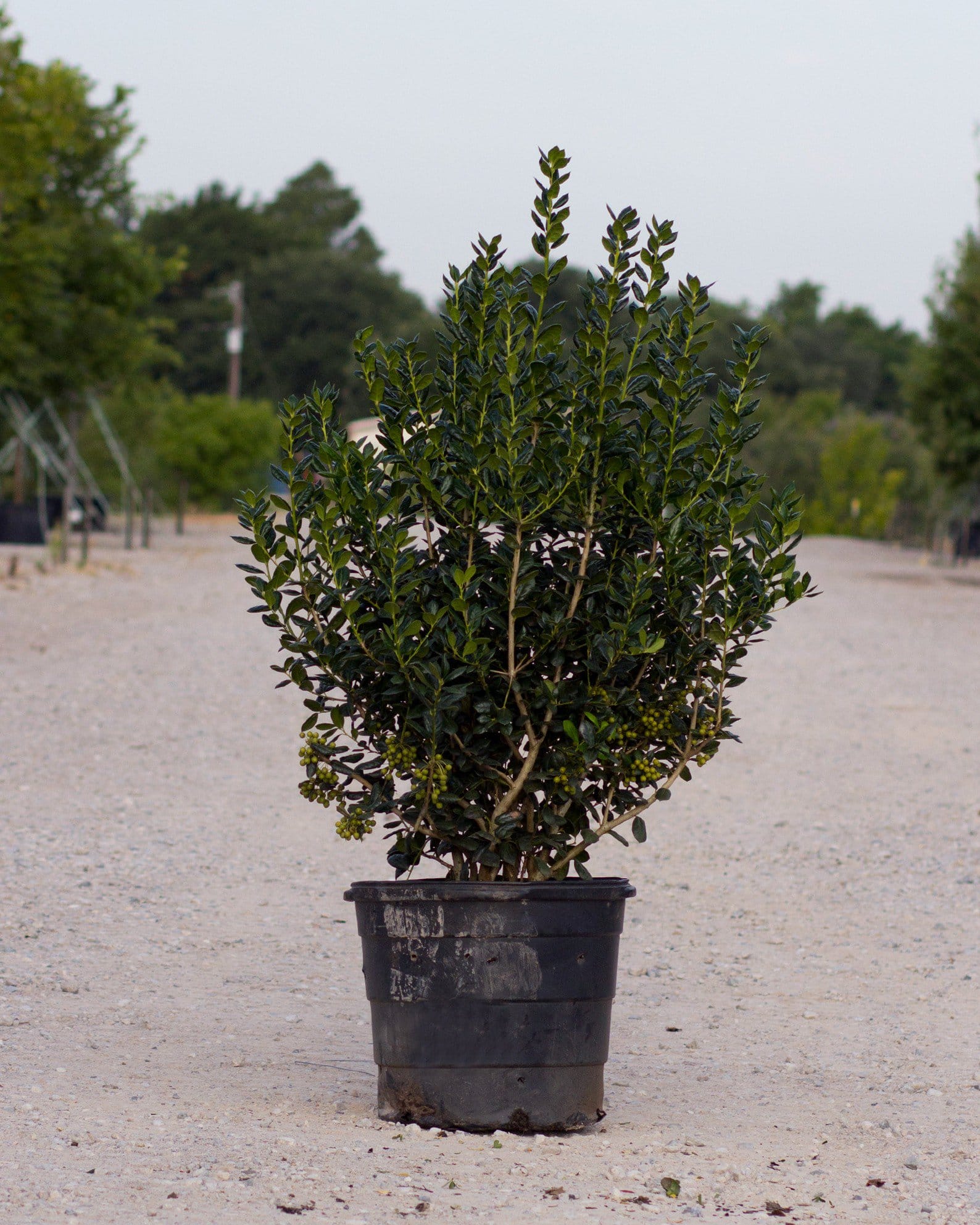
Burford Holly
Maturity: 15' H x 10' W
Burford Holly Tree Form
Maturity: 15' H x 10' W
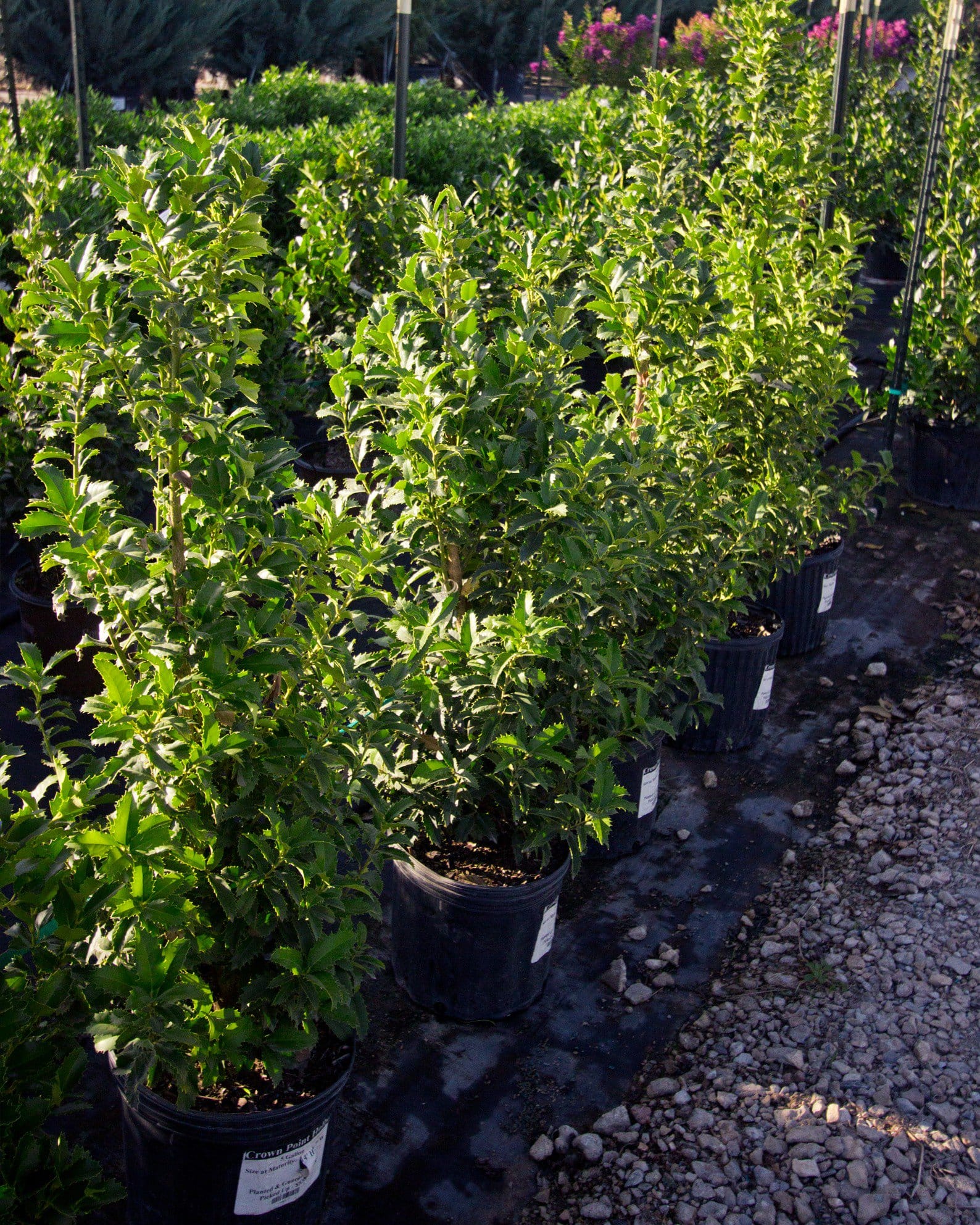
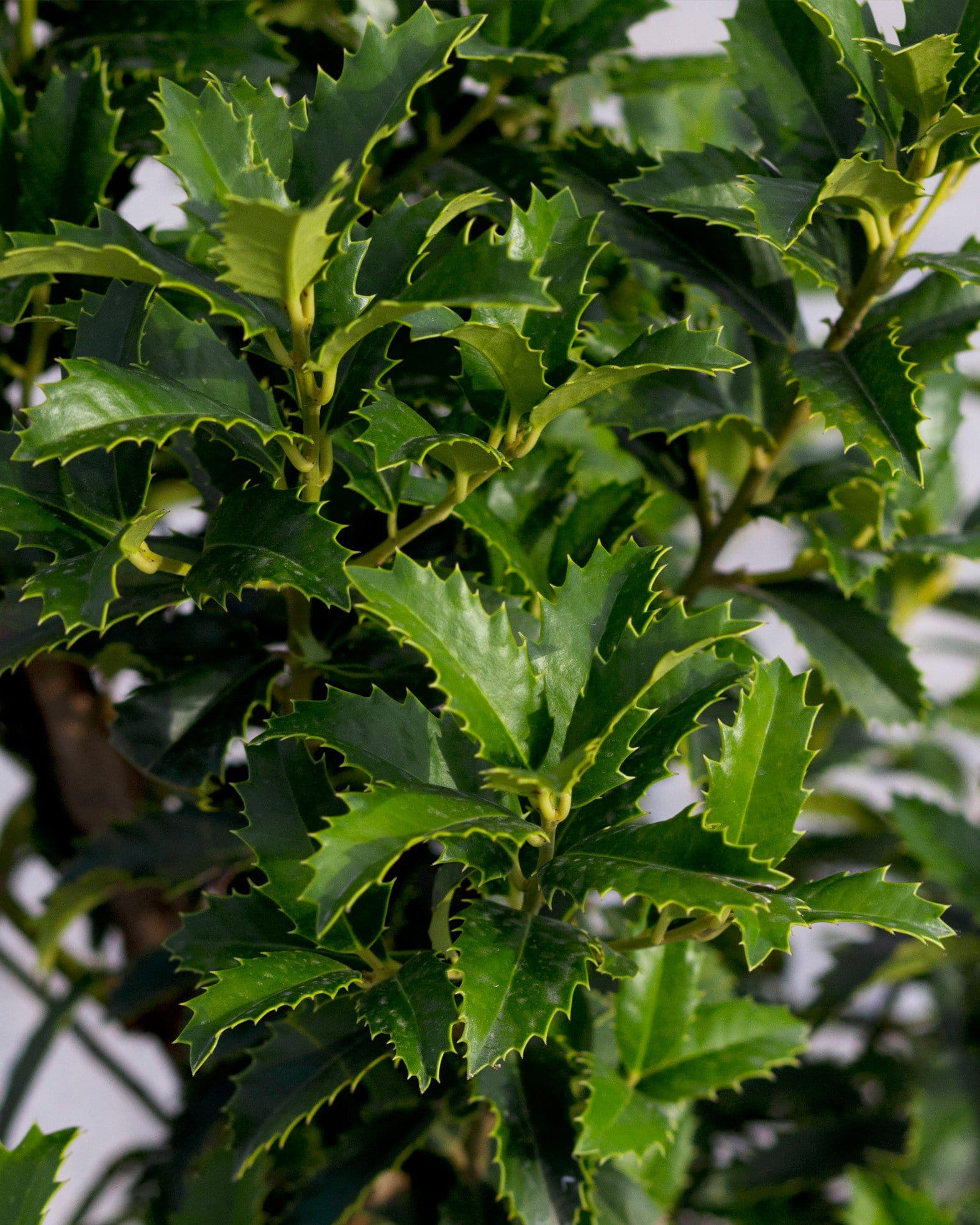
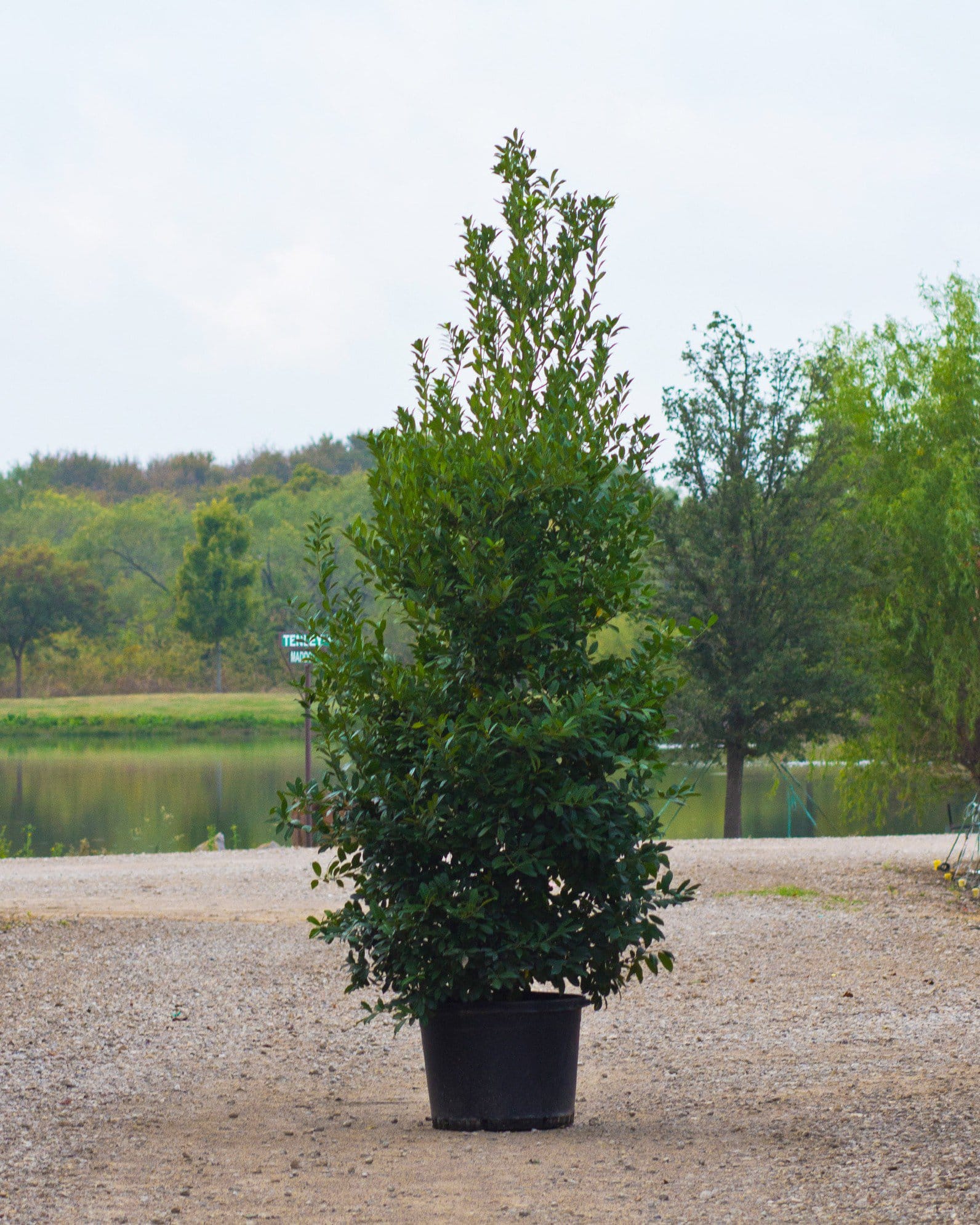
Crown Point Holly
Maturity: 14' H x 7' W
Eagleston Holly Full to Ground
Maturity: 20' H x 14' W
Eagleston Holly Tree Form
Maturity: 20' H x 14' W
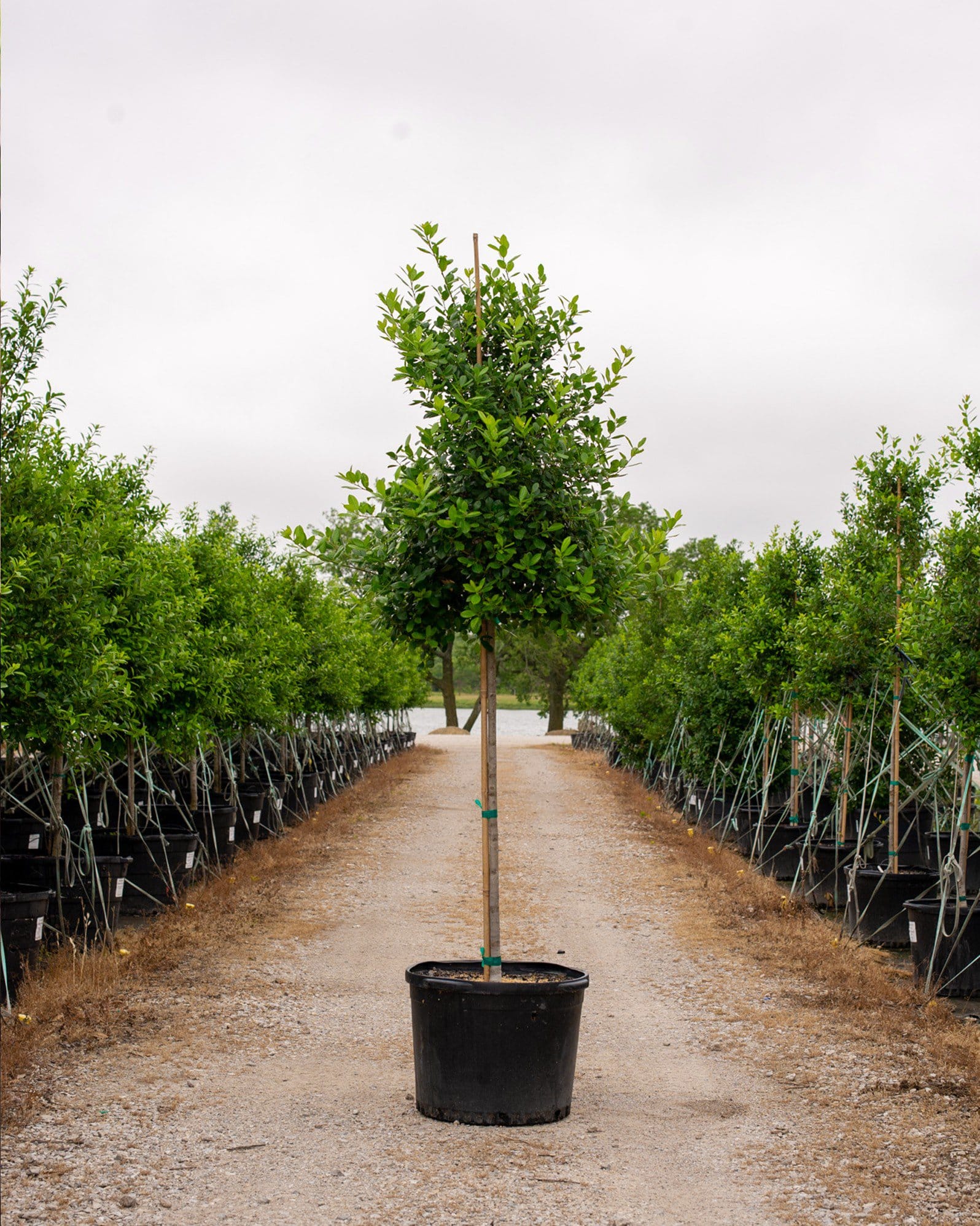
East Palatka Holly Tree Form
Maturity: 25' H x 14' W
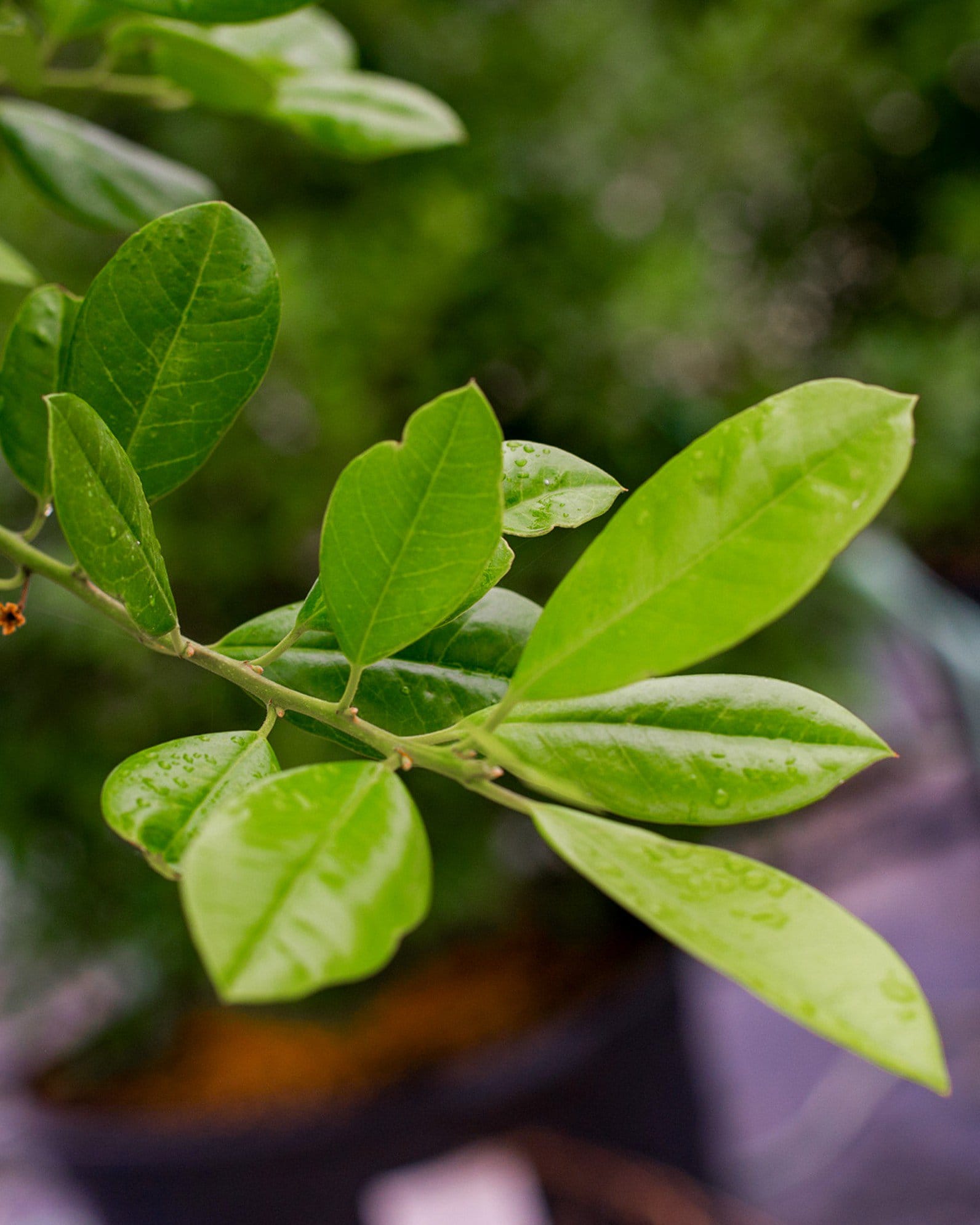
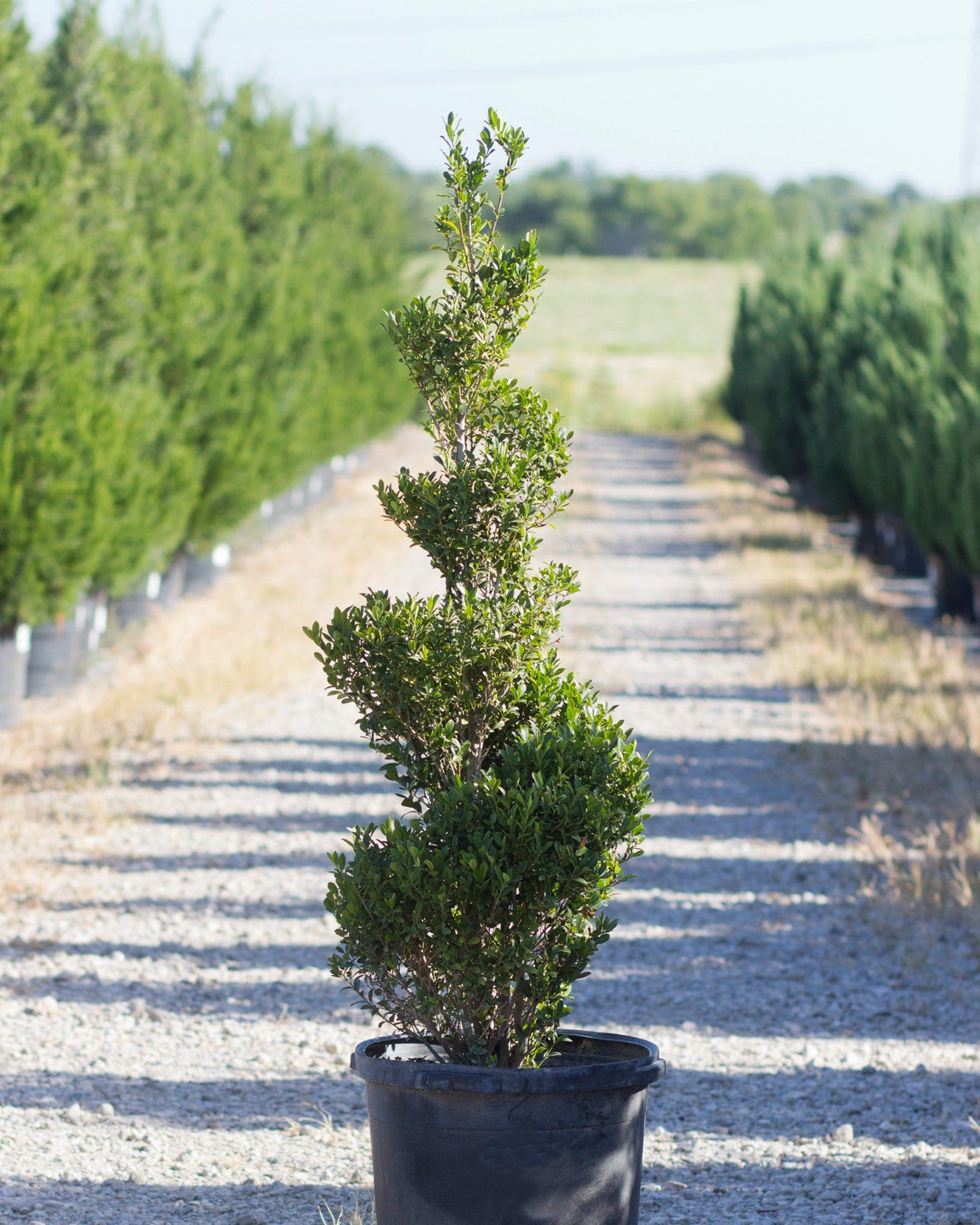
Emerald Colonnade Holly Spiral
Maturity: 12' H x 8' W
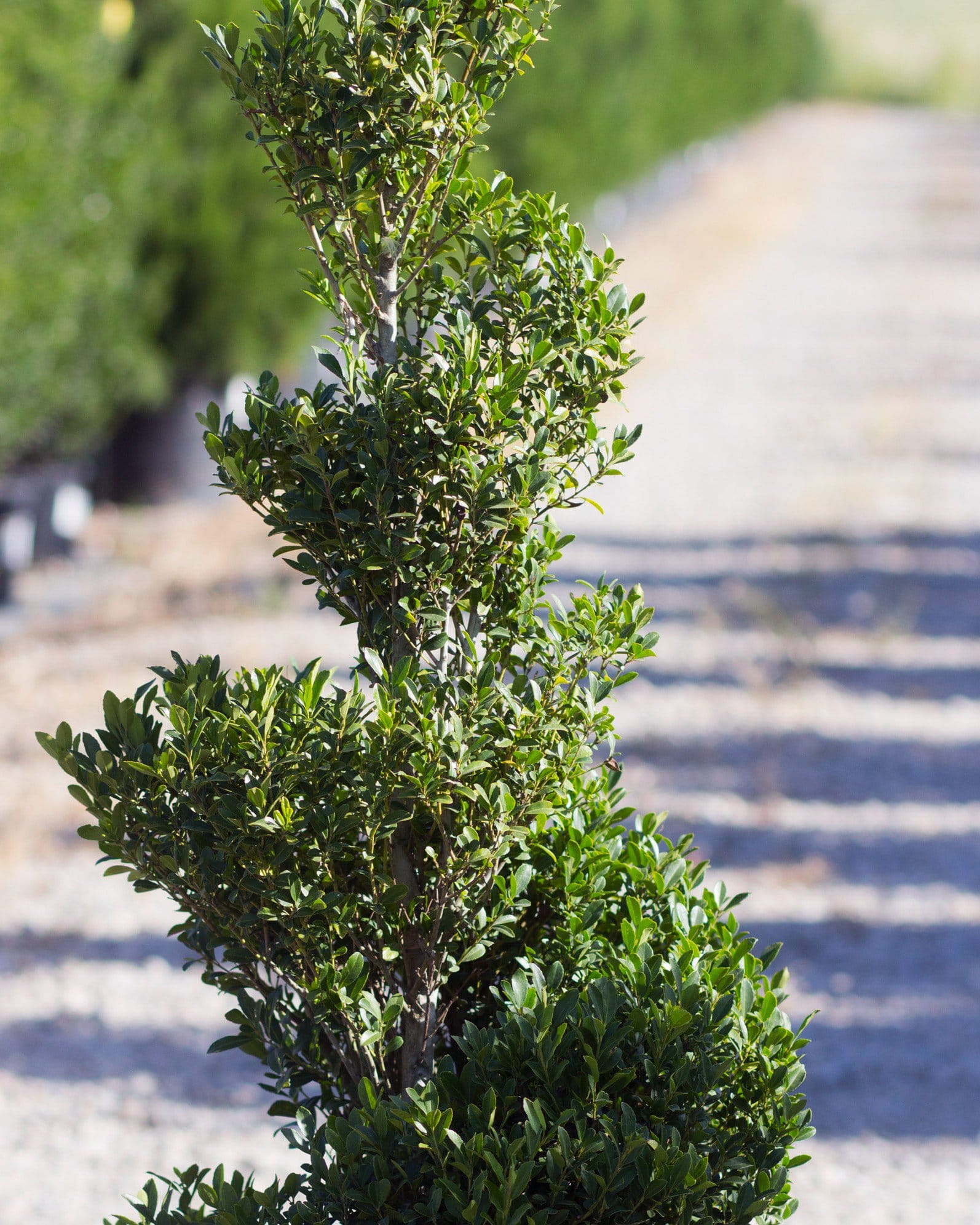
Emily Bruner Holly
Maturity: 20' H x 10' W
Compare Similar Plants
Carissa Holly This plant | ||
|---|---|---|
| Scientific Name | Ilex cornuta ‘Carissa’ | Ilex crenata ‘Compacta’ |
| Size at Maturity | 3' H x 4' W | 5' H x 5' W |
| Leaf Retention | Evergreen | Evergreen |
| Sizes Available | 3, 7 gal | 3, 7, 10, 15 gal |


Our 1-Year Planting Guarantee
We take pride in our plants and installation services. If any plants or trees installed by Treeland fail to thrive within the first year, we'll provide a replacement credit in accordance with our guarantee program.
Learn More About Our Guarantee