
 Popular
 Texas Native
Graceful Pink Gaura
Oenothera lindheimeri ‘Graceful Pink’Product Details
Graceful Pink Gaura
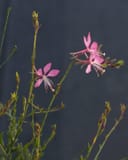
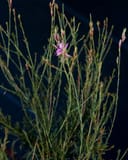
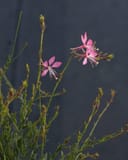
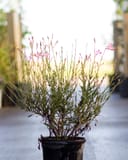
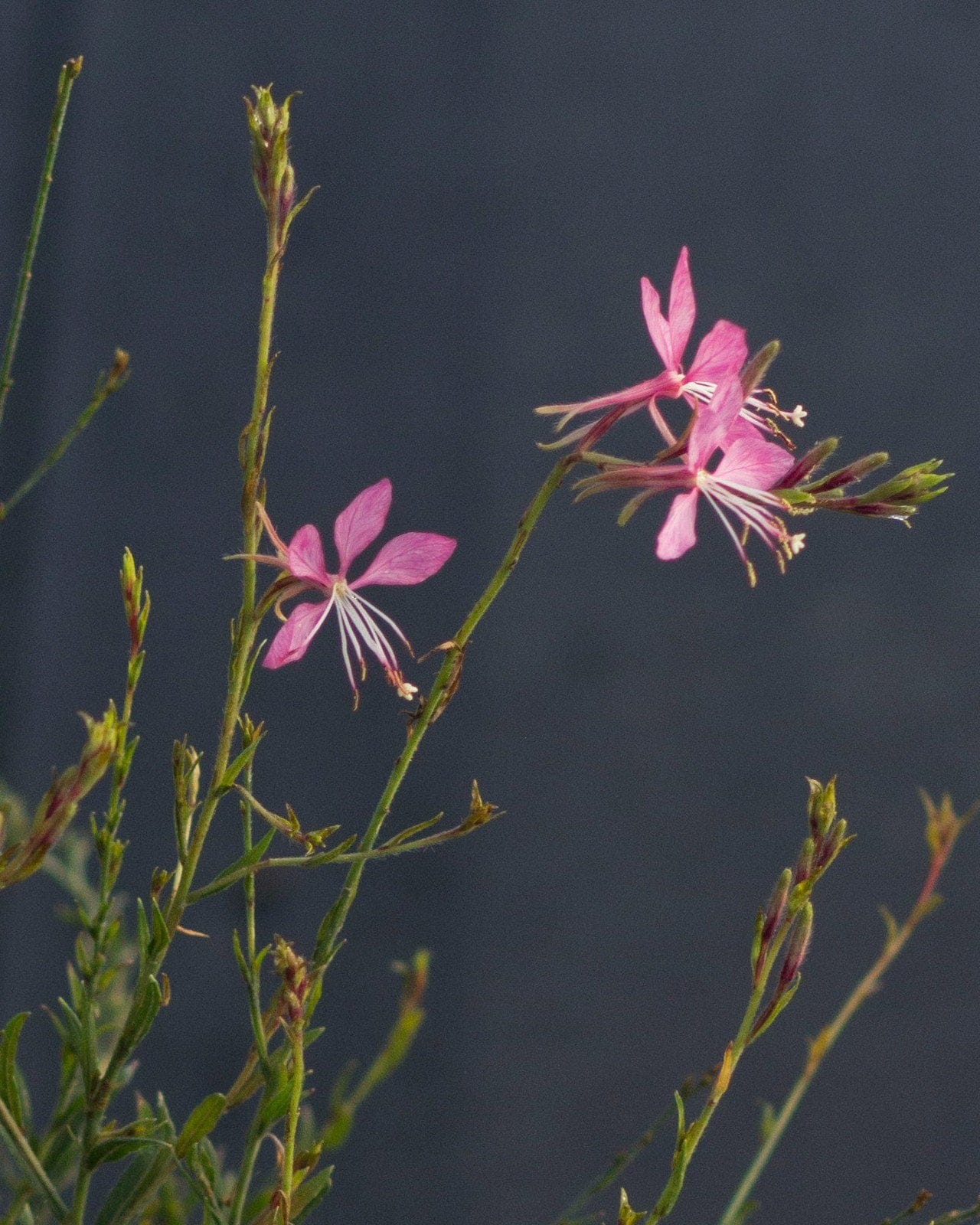
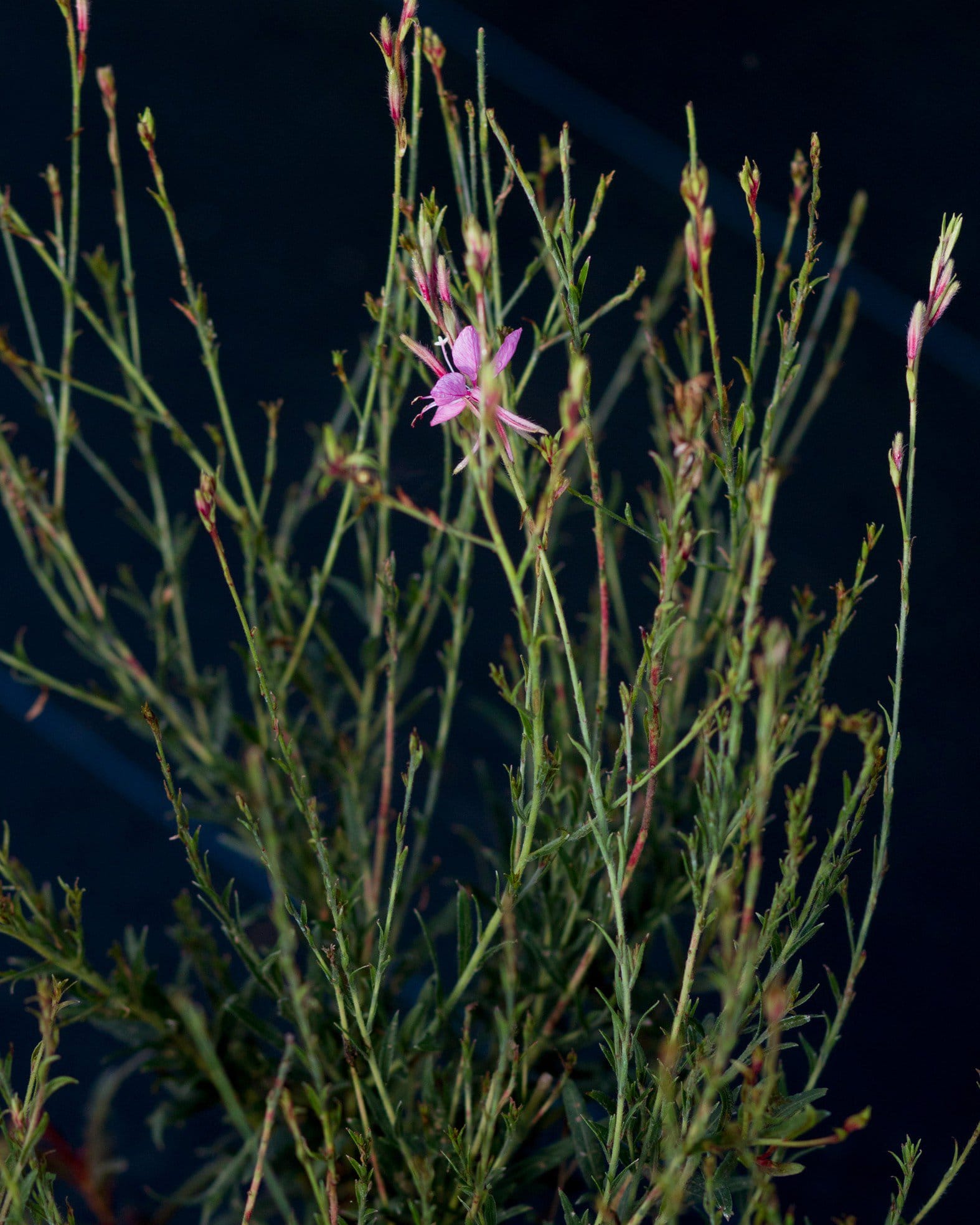
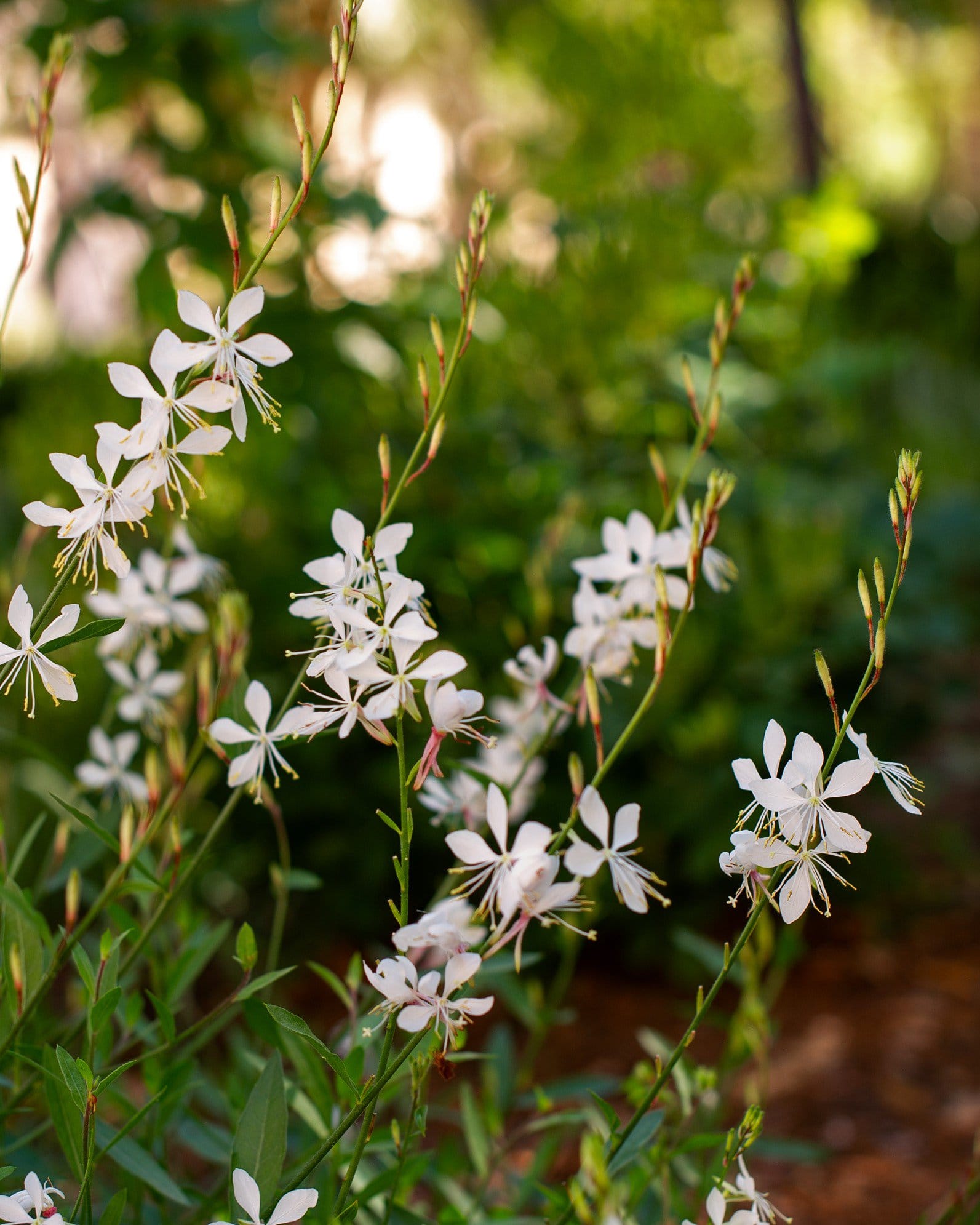
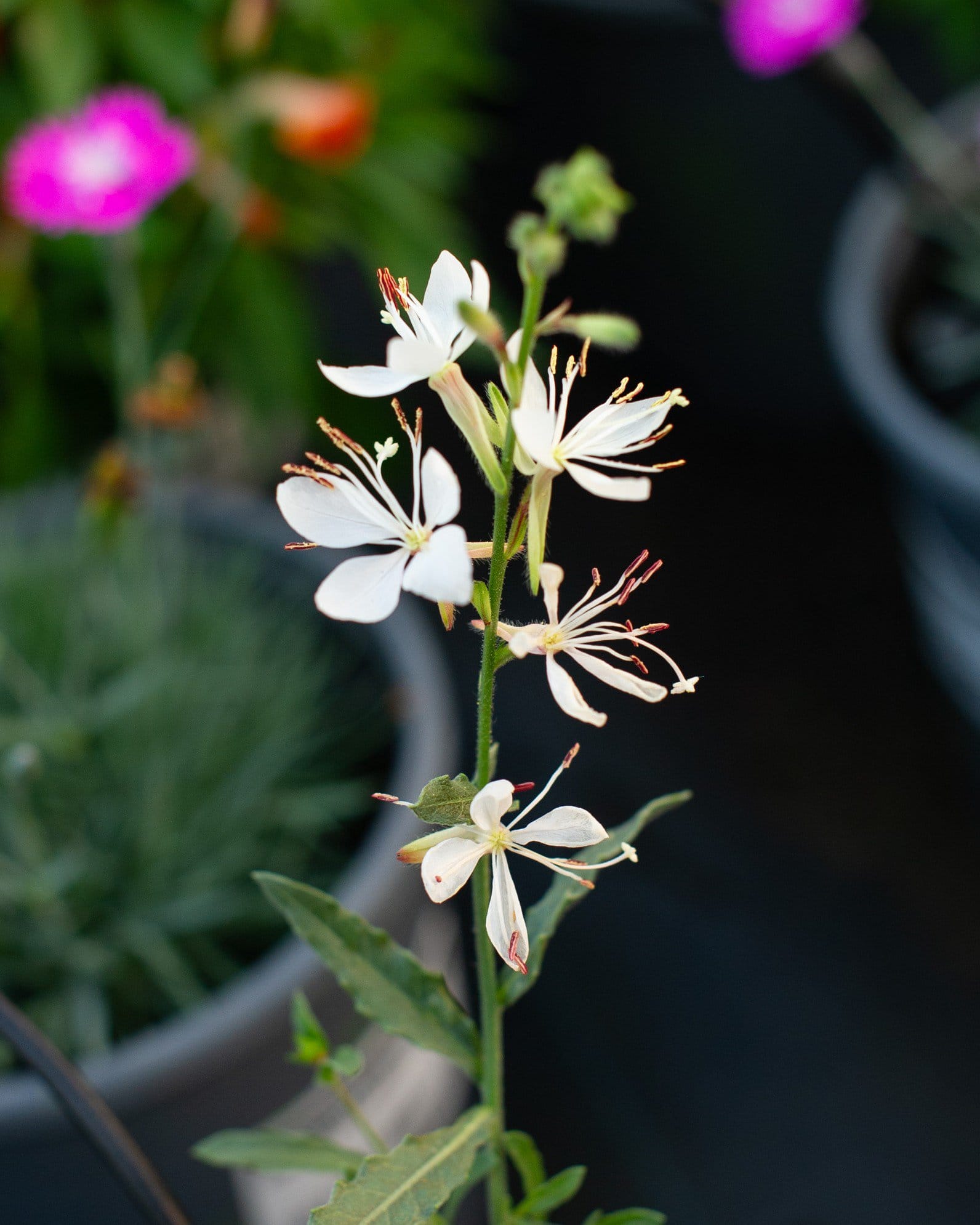
Oenothera lindheimeri ‘Graceful Pink’Graceful Pink Gaura lives up to its name with loose, arching stems that carry delicate pink flowers above a base of slender green foliage. Blooming begins in early summer and continues well into fall, adding a long-lasting splash of color. The blossoms open in succession, creating a light, airy effect that adds motion and softness to plantings. Growing up to 24 inches tall and about 1.5 feet wide, this variety works well in the middle of a border or as a standalone accent. It’s especially well-suited to North Texas climates, where it handles sun and heat with ease.
- Soft pink blooms on airy stems
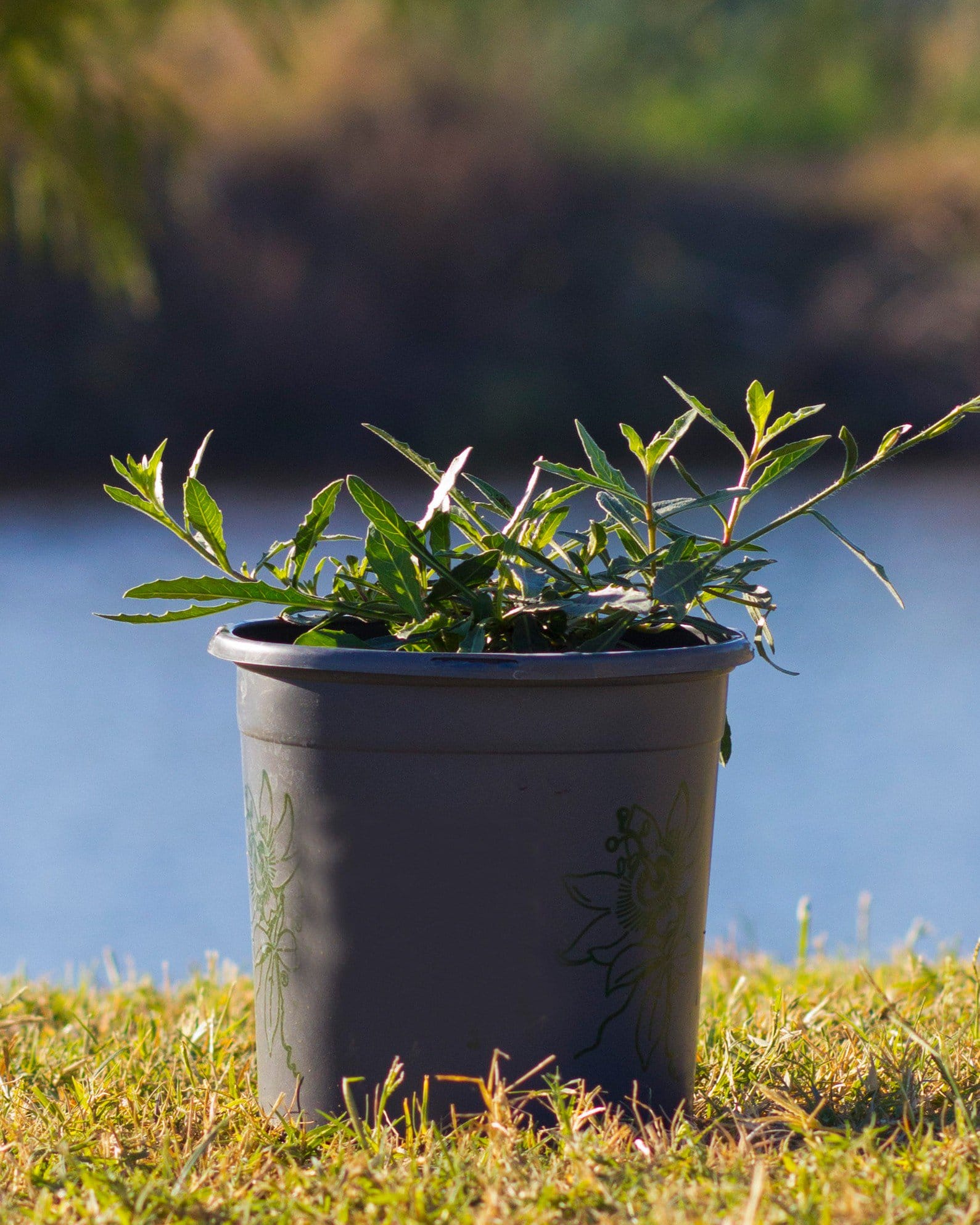
- Green, fine-textured foliage
- Reaches 2 feet tall in bloom
- Long flowering season
- Blends easily into layered plantings
Graceful Pink Gaura thrives in full sun and well-drained soil. Remove spent blooms to refresh appearance and trim back in early spring to allow unfettered growth. A graceful, reliable perennial for North Texas flower beds, borders, or containers.
Maintenance
Graceful Pink Gaura is an easy-care plant that thrives with minimal attention once established. Here’s how to keep it looking its best:
- Watering: Water consistently during the first growing season to help roots establish deeply. Once mature, Graceful Pink Gaura is notably drought-tolerant and prefers infrequent but deep watering during prolonged dry spells. Avoid constant moisture or waterlogging, as overly wet conditions can cause root issues and reduce flowering vigor.
- Pruning: Trim spent flower stalks periodically through the blooming season to encourage continuous flowering. In late winter or early spring, cut back old stems to a few inches above the base to refresh the plant and stimulate new growth. Avoid heavy mid-season pruning, which may delay flowering.
- Fertilizing: Apply a light dose of balanced, slow-release fertilizer in early spring to support strong growth and abundant blooms. Over-fertilization can result in excessive leafy growth at the expense of flowers.
- Mulching: A 2-3 inch layer of mulch helps conserve soil moisture, regulate temperature, and reduce weed competition. Keep mulch a few inches away from the crown to prevent rot, especially in damp or humid conditions. Refresh mulch annually to maintain its benefits.
- Winter care: In colder climates, apply an extra layer of mulch around the base after the first frost to insulate roots. Avoid cutting back too early in fall - leaving some top growth can protect the crown through winter.
Common Issues and How to Take Care of Them
This plant is generally resilient but still susceptible to a couple of pests and diseases. Pay attention to signs of:
- Powdery Mildew: A white powdery coating may appear on foliage during humid weather or poor air circulation. Improve spacing, prune for airflow, and avoid overhead watering. Fungicides can be applied if necessary.
- Aphids: Clusters of small, soft-bodied insects may form on new growth, leading to curled leaves or sticky residue. Remove them with a strong stream of water or apply insecticidal soap to control infestations.
- Root Rot: Prolonged wet conditions can lead to root decay. Ensure consistent but moderate watering and avoid soggy conditions to keep roots healthy.
- Spider Mites: Tiny pests can cause stippling or bronzing of leaves in hot, dry conditions. Increase humidity with occasional misting and treat infestations with horticultural oil or insecticidal soap.
- Flopping or Lodging: Mature plants can become floppy, especially after heavy rain or strong wind. Cutting back by one-third in midseason encourages sturdier, bushier growth and reduces flopping.
The ideal time to plant is in early spring or fall, when temperatures are moderate and the soil is still warm. This allows the roots to establish before summer heat or winter chill sets in, resulting in a stronger, more resilient plant the following season.
Water deeply once or twice per week to encourage strong root development during establishing. After that, reduce watering to only during prolonged dry periods.
Yes, once mature, it handles dry conditions exceptionally well. It’s often used in low-water landscapes for that reason. However, a little supplemental watering during heatwaves keeps the blooms fresher and more prolific.
Yes, it adapts well to large containers, bringing movement and airy texture to patios, balconies, or terraces. Choose a pot deep enough to accommodate its root system, and water a bit more often than you would for in-ground plants, as containers dry out faster.
Absolutely! Butterflies, bees, and even hummingbirds love its flowers. It’s a wonderful choice for pollinator-friendly gardens.
Yes, division is an excellent way to rejuvenate older plants. Divide clumps every 3-4 years in early spring before new growth begins.
It can lightly self-seed in suitable conditions, often popping up near the parent plant. The seedlings are easy to identify and can either be transplanted or removed depending on your preference.
Graceful Pink Gaura generally lives for 3-5 years, though it often maintains its presence through self-seeding.
Yes, deer typically avoid Gaura thanks to its slightly aromatic foliage and wiry stems.
Yes, this plant tolerates heat, wind, and pollution remarkably well, making it perfect for urban or roadside gardens.
Special Features
You might also like
Belleza White Gaura
Maturity: 1' H x 1.5' W
Pink Skullcap
Maturity: 1' H x 2' W
Mexican Bush Sage
Maturity: 3' H x 3' W
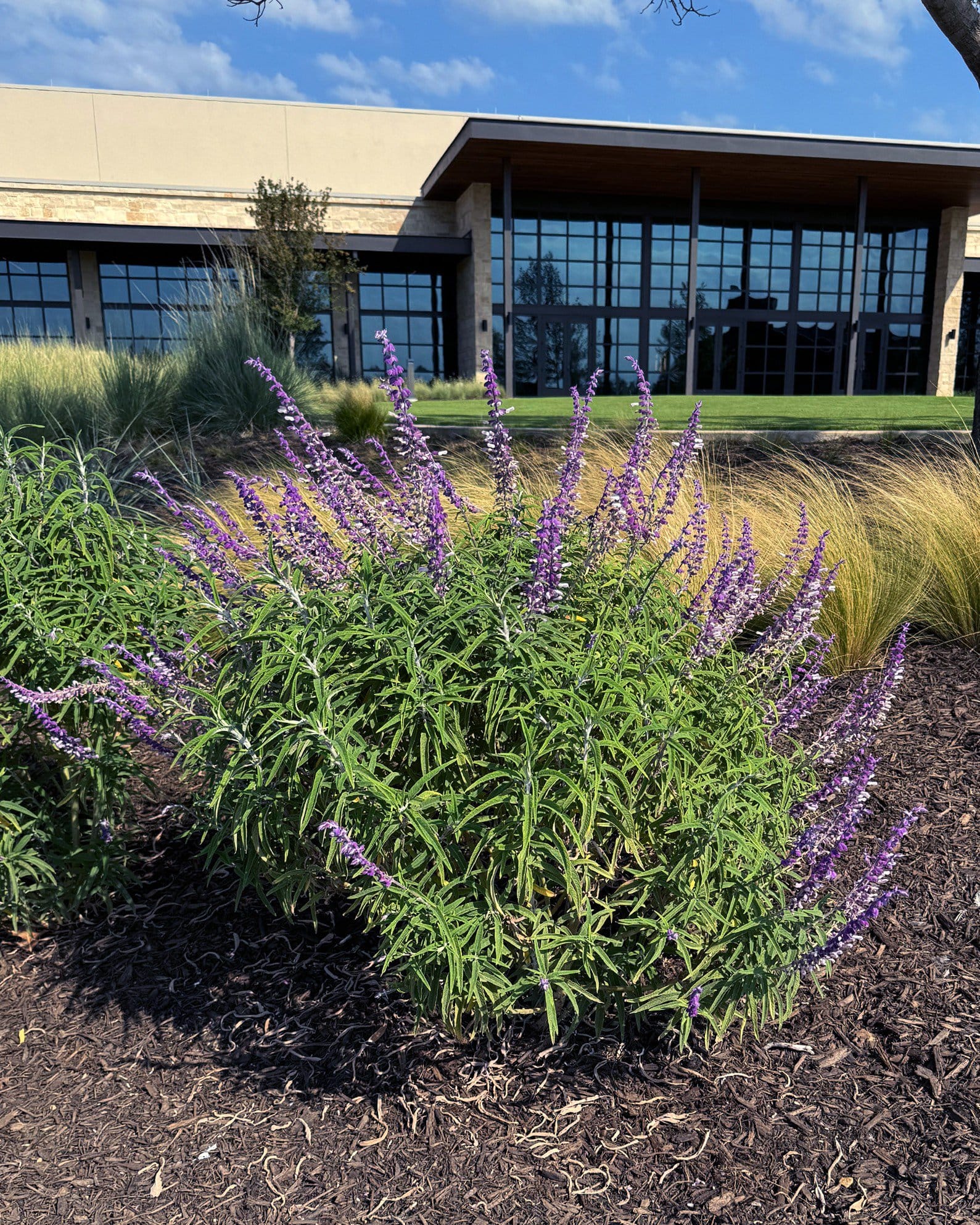
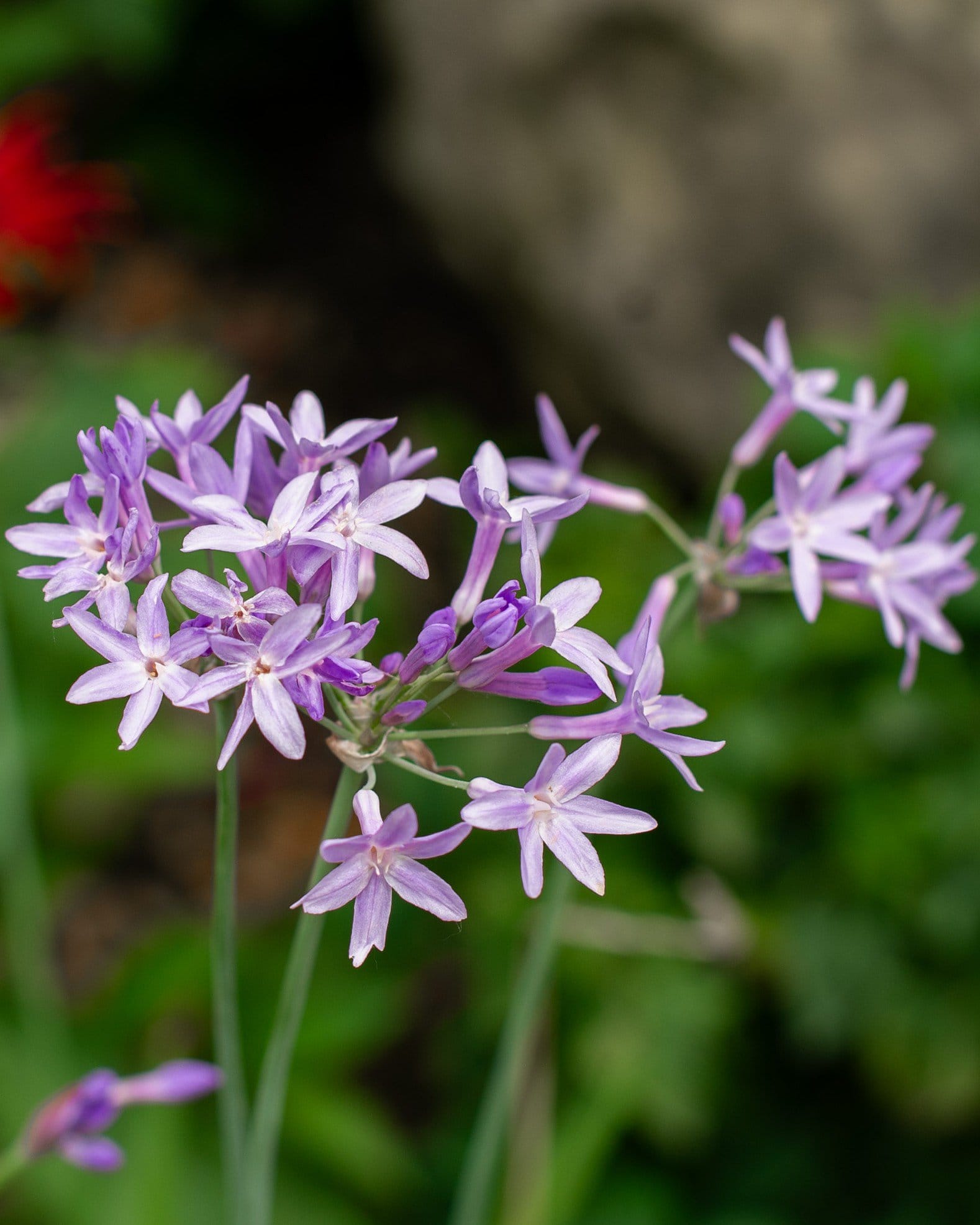
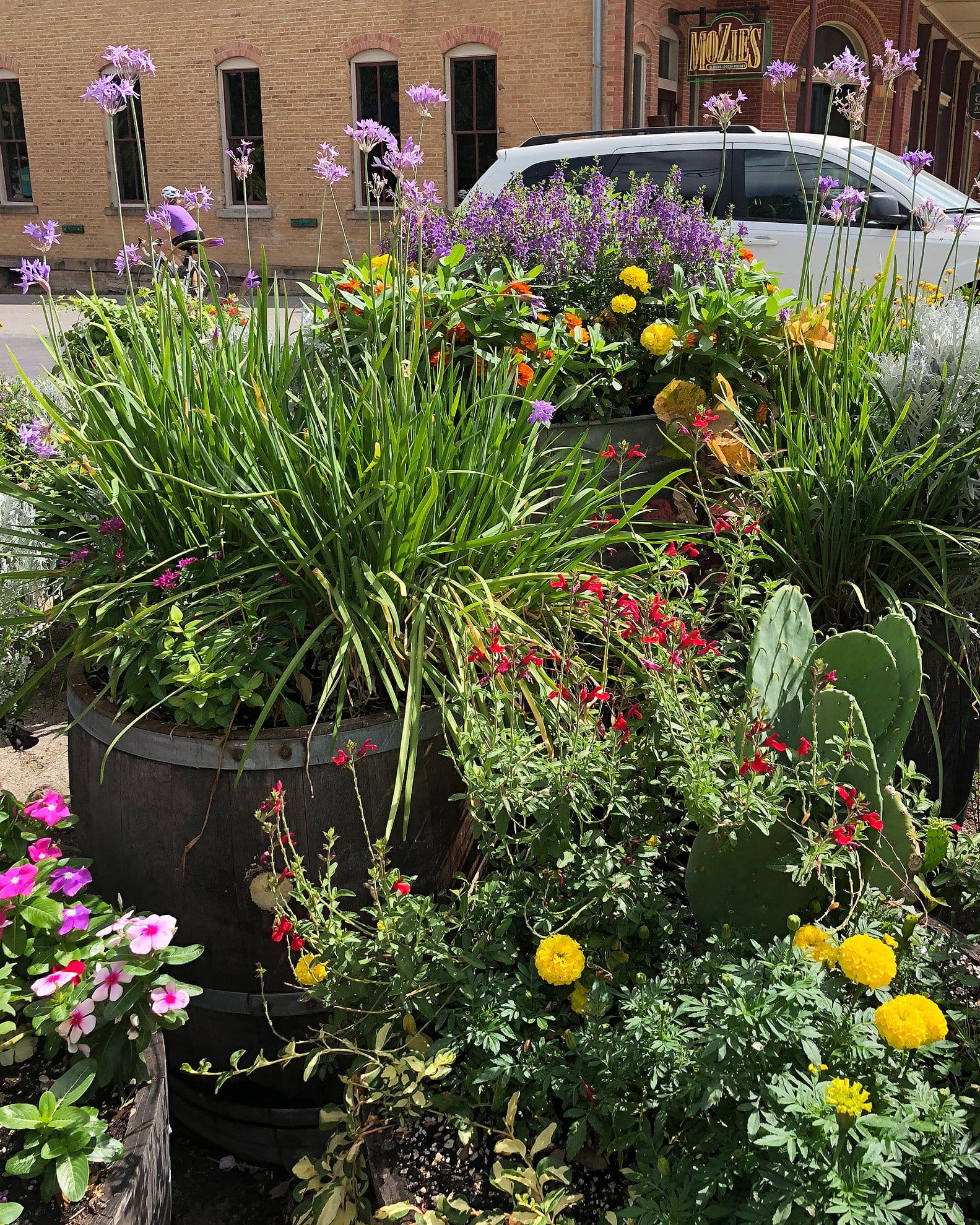
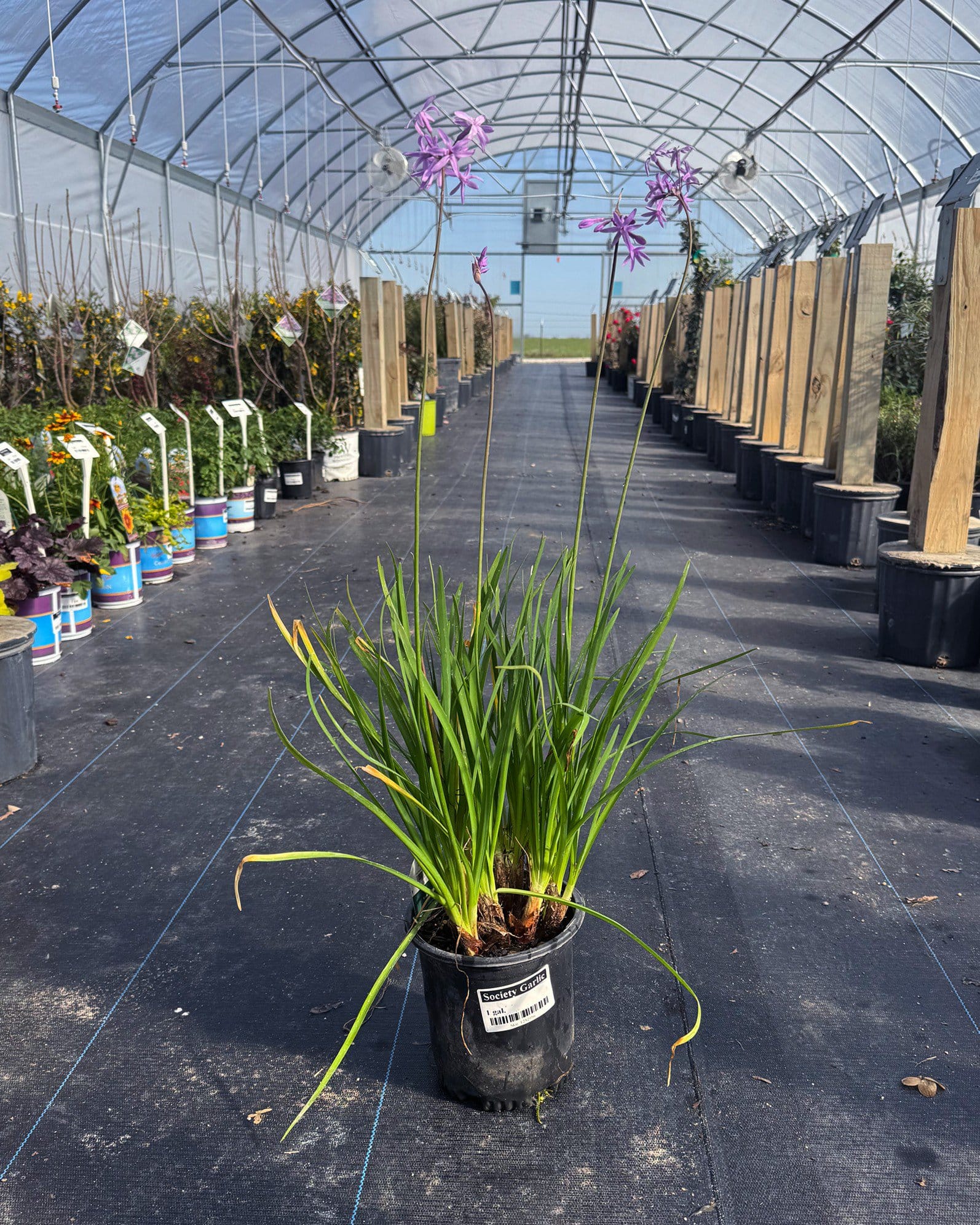
Society Garlic
Maturity: 1' H x 1' W
Belleza Dark Pink Gaura
Maturity: 1' H x 1.5' W
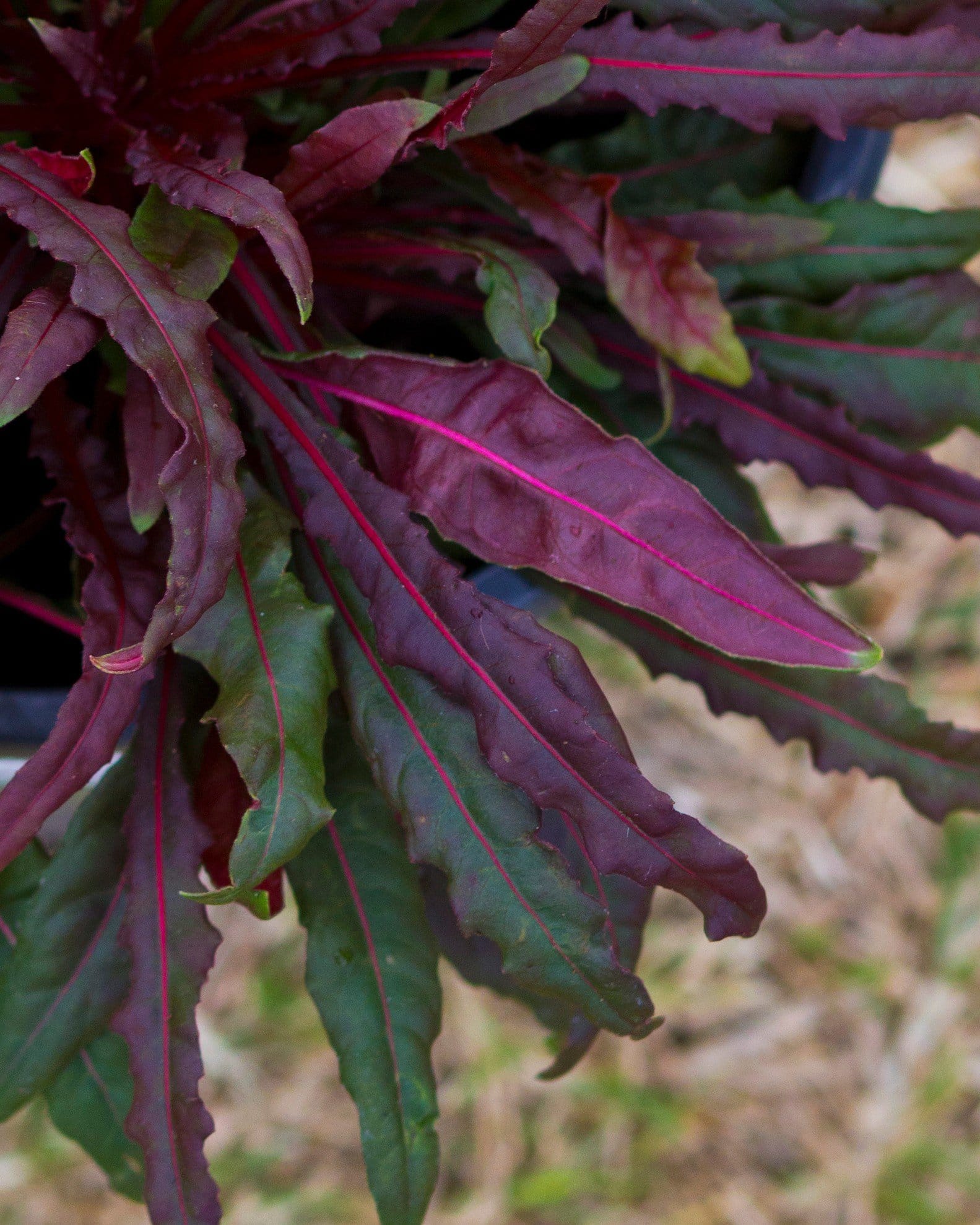
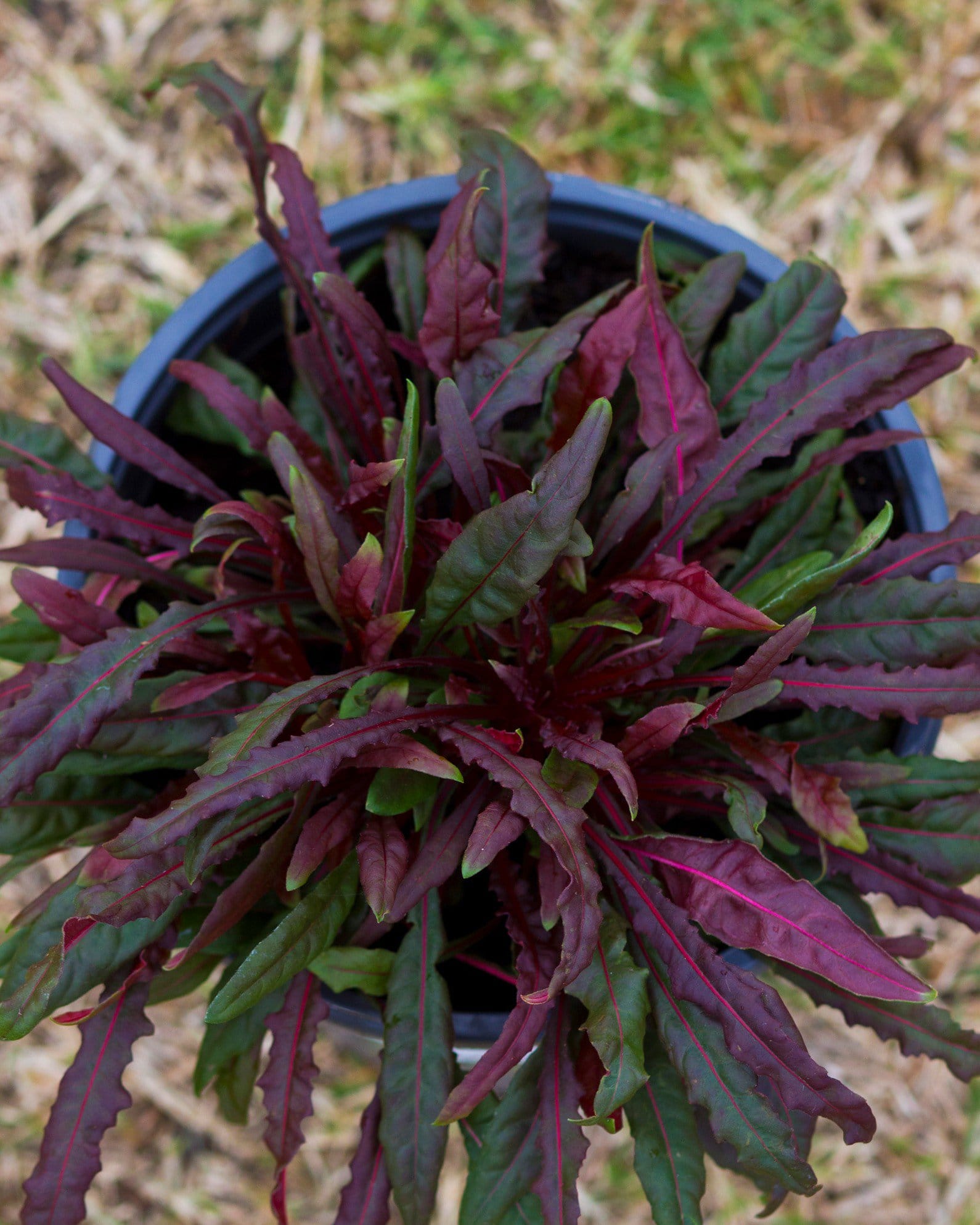
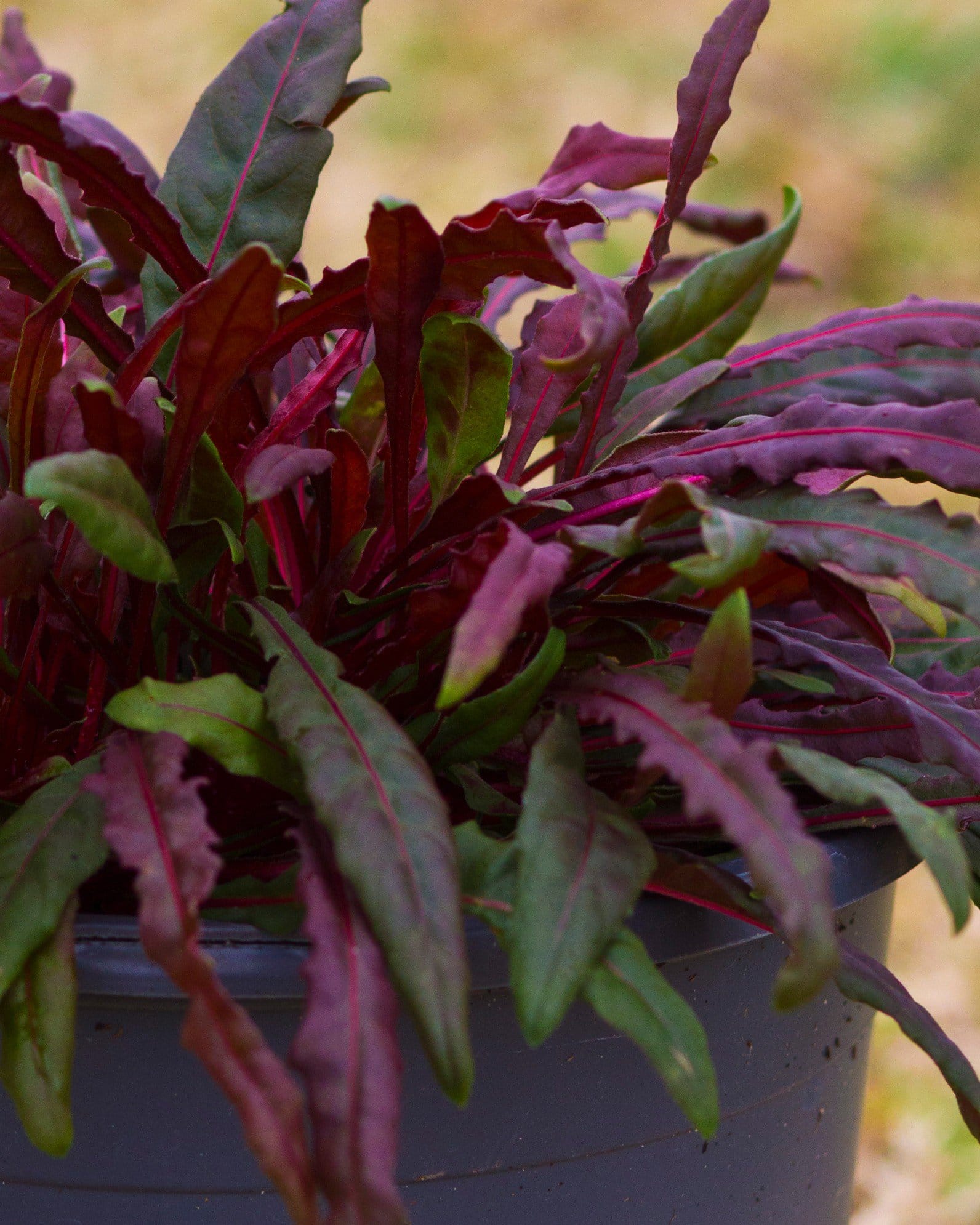
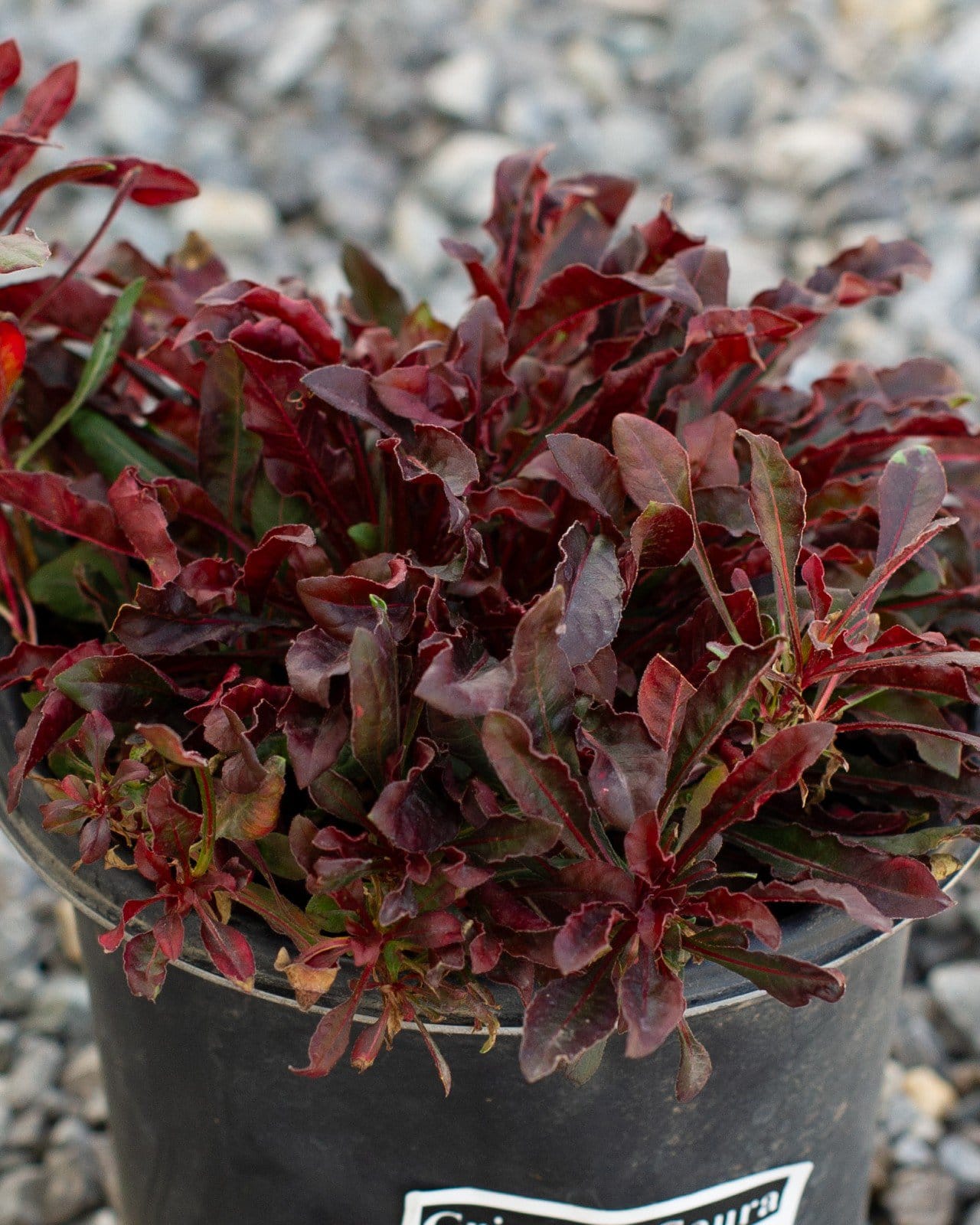
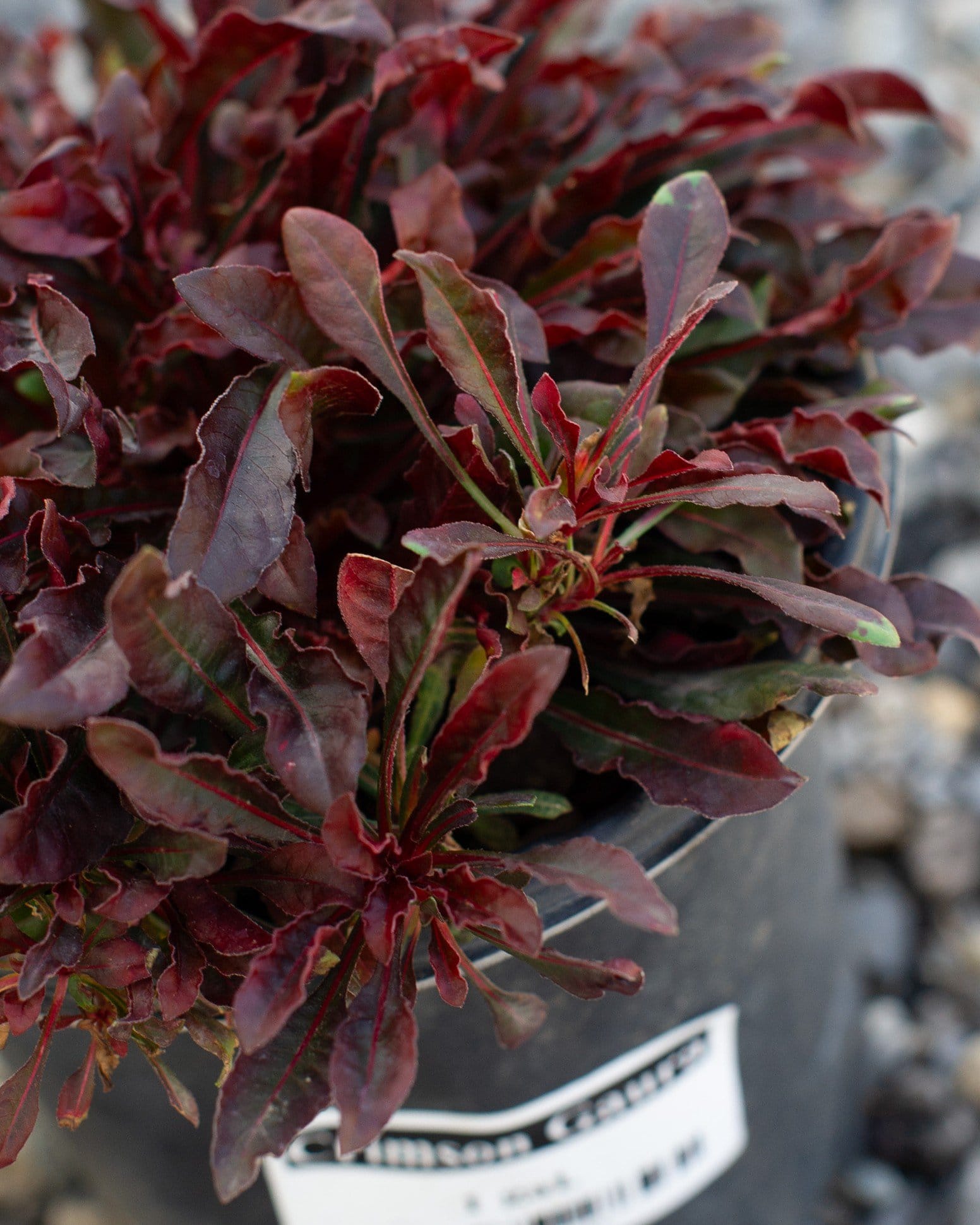
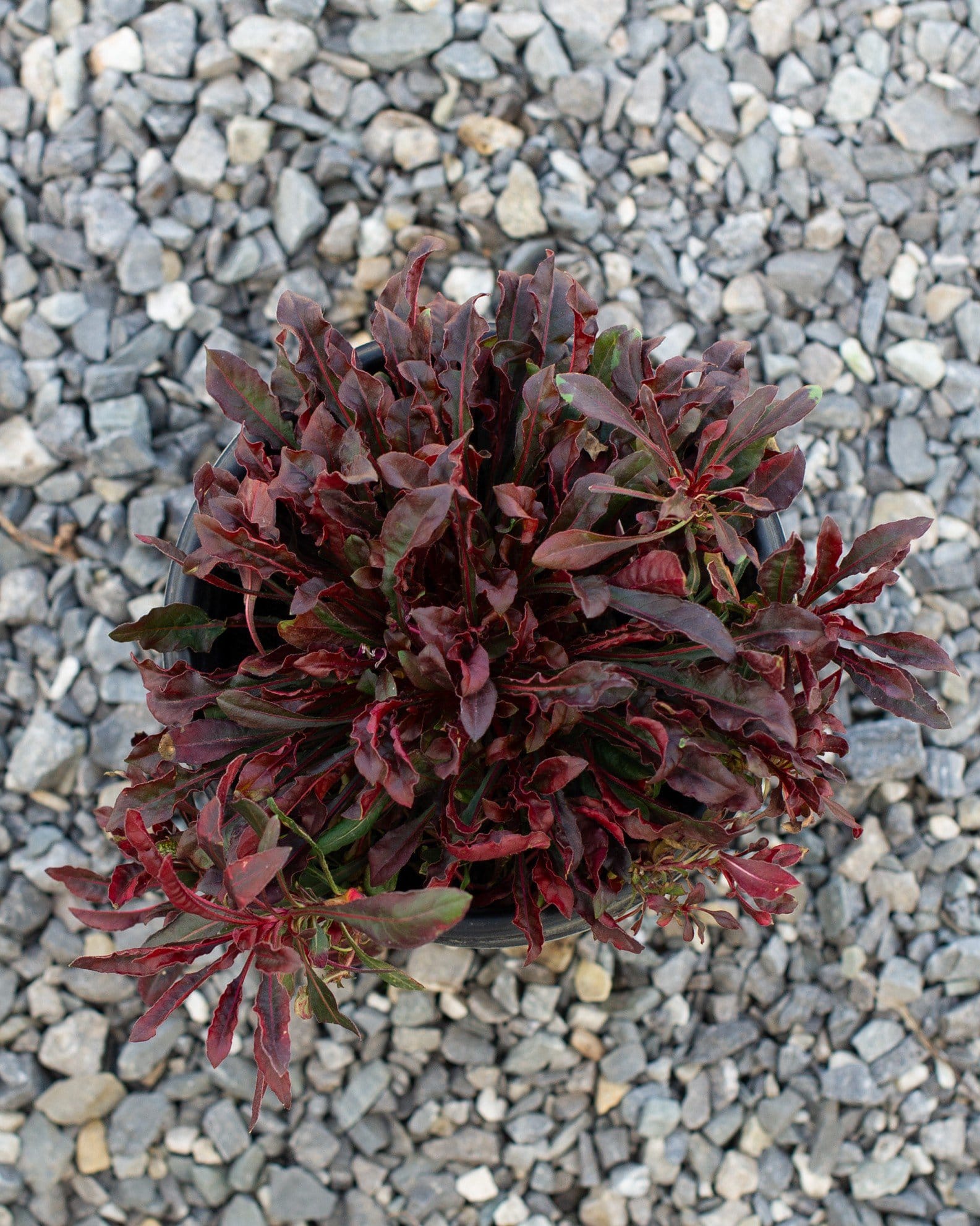
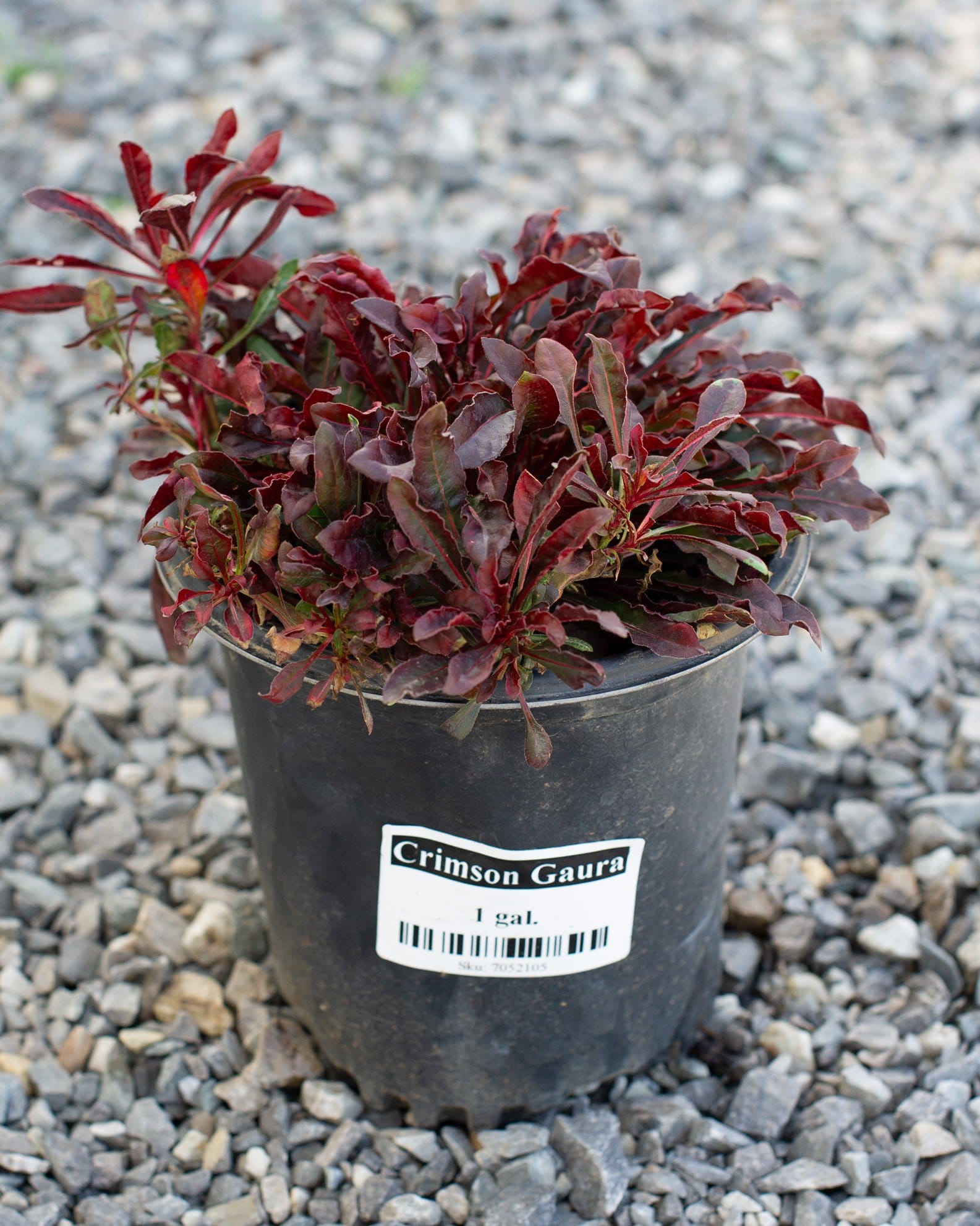
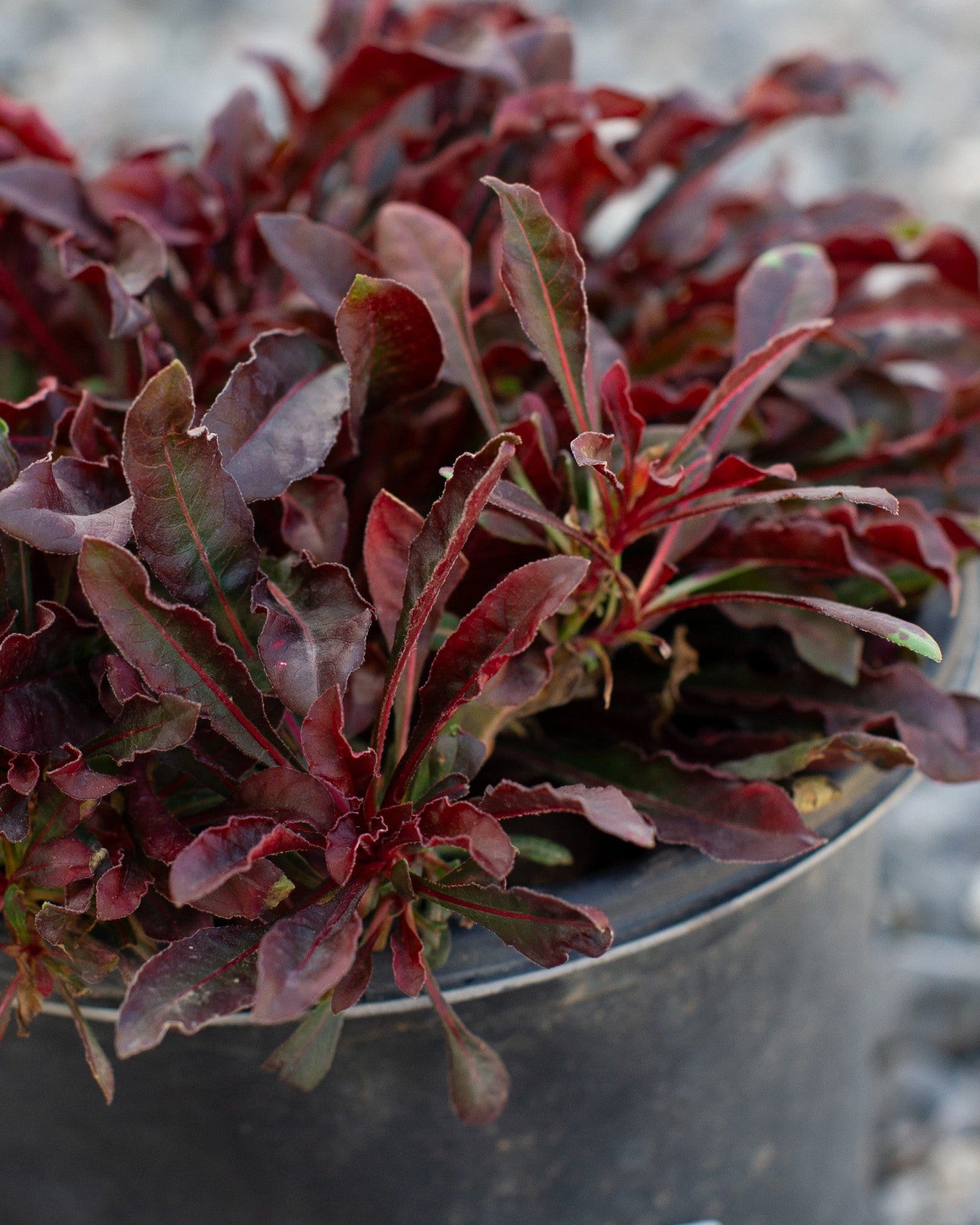
Crimson Gaura
Maturity: 1' H x 1.5' W
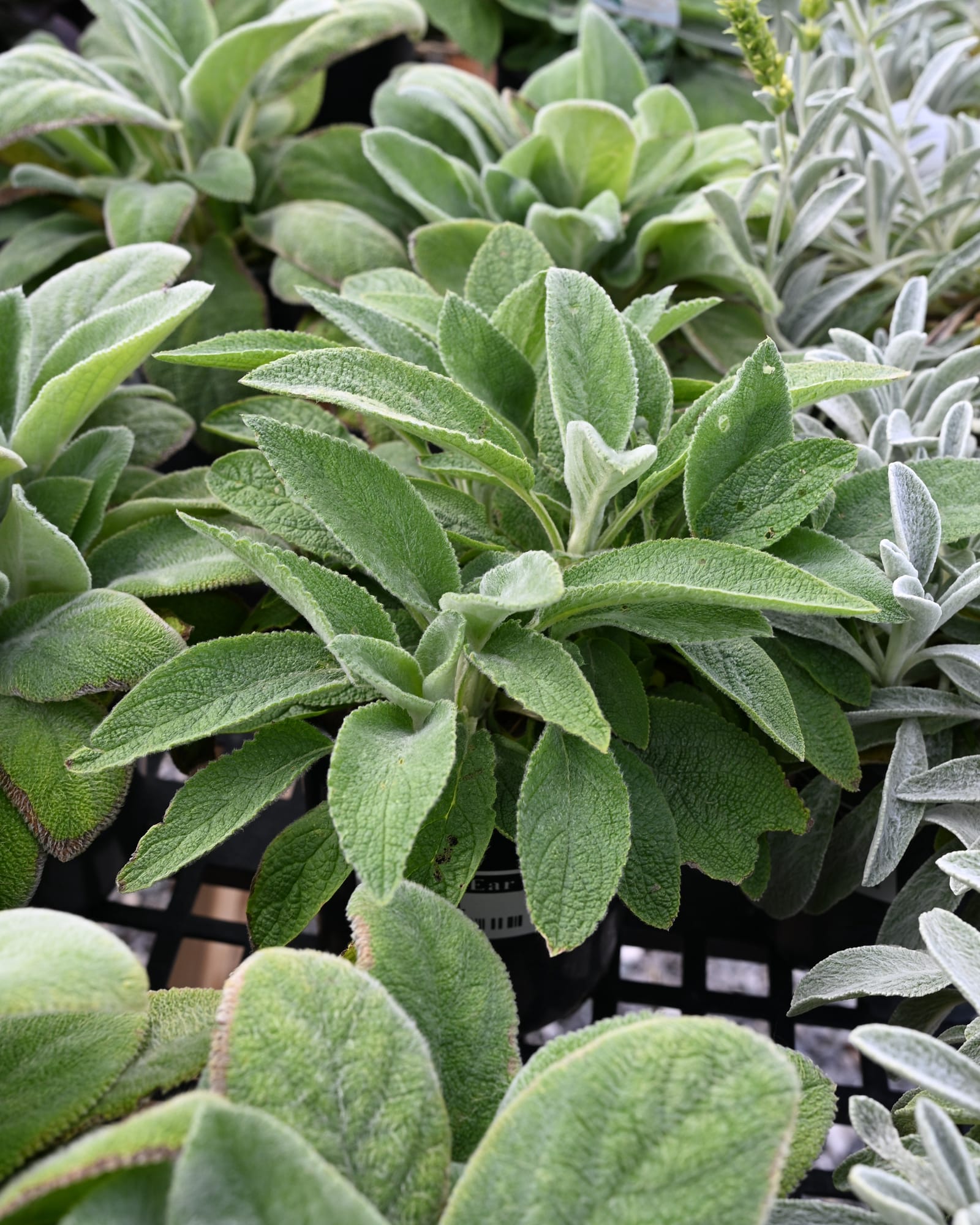
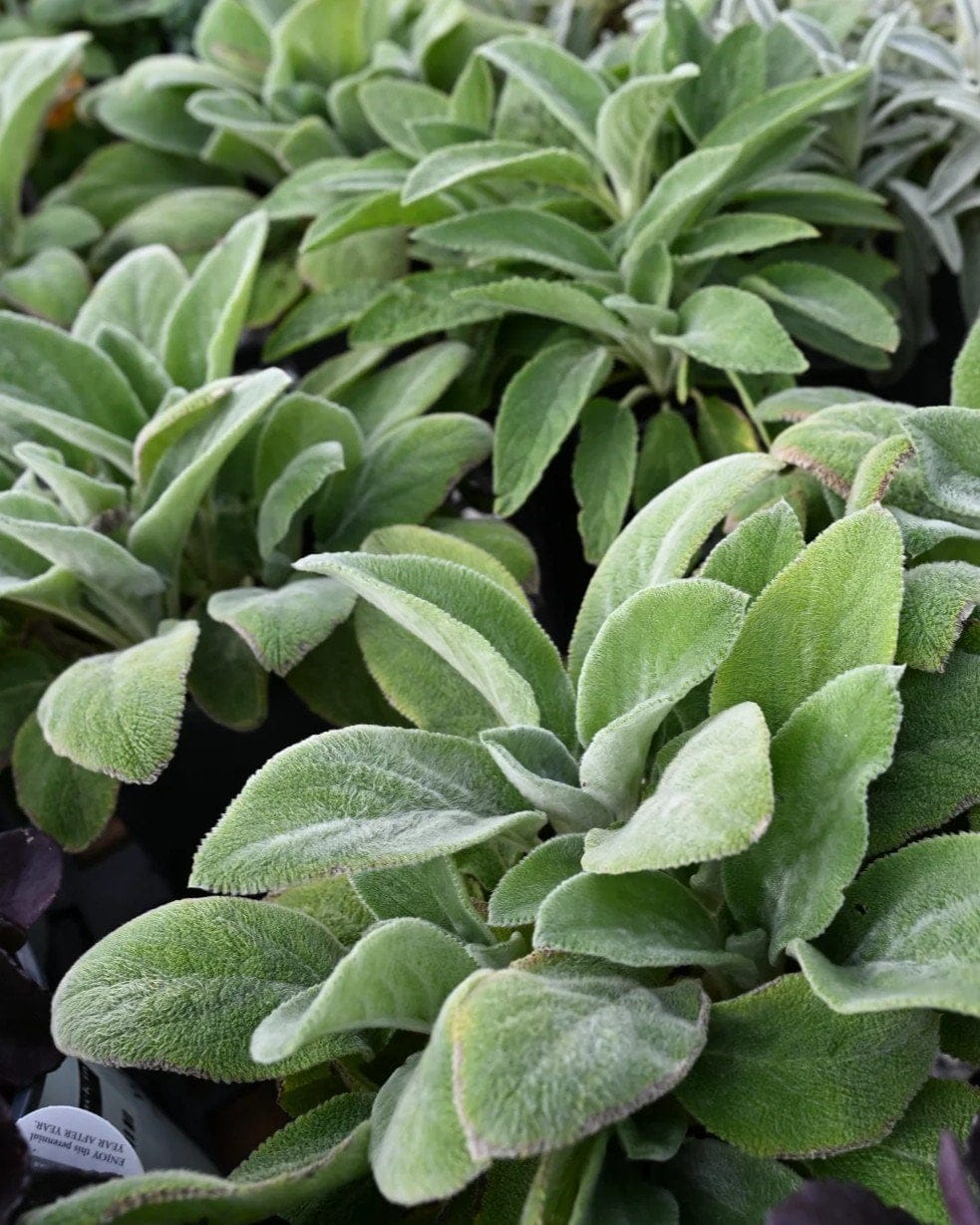
Lamb's Ear
Maturity: 1' H x 1.5' W
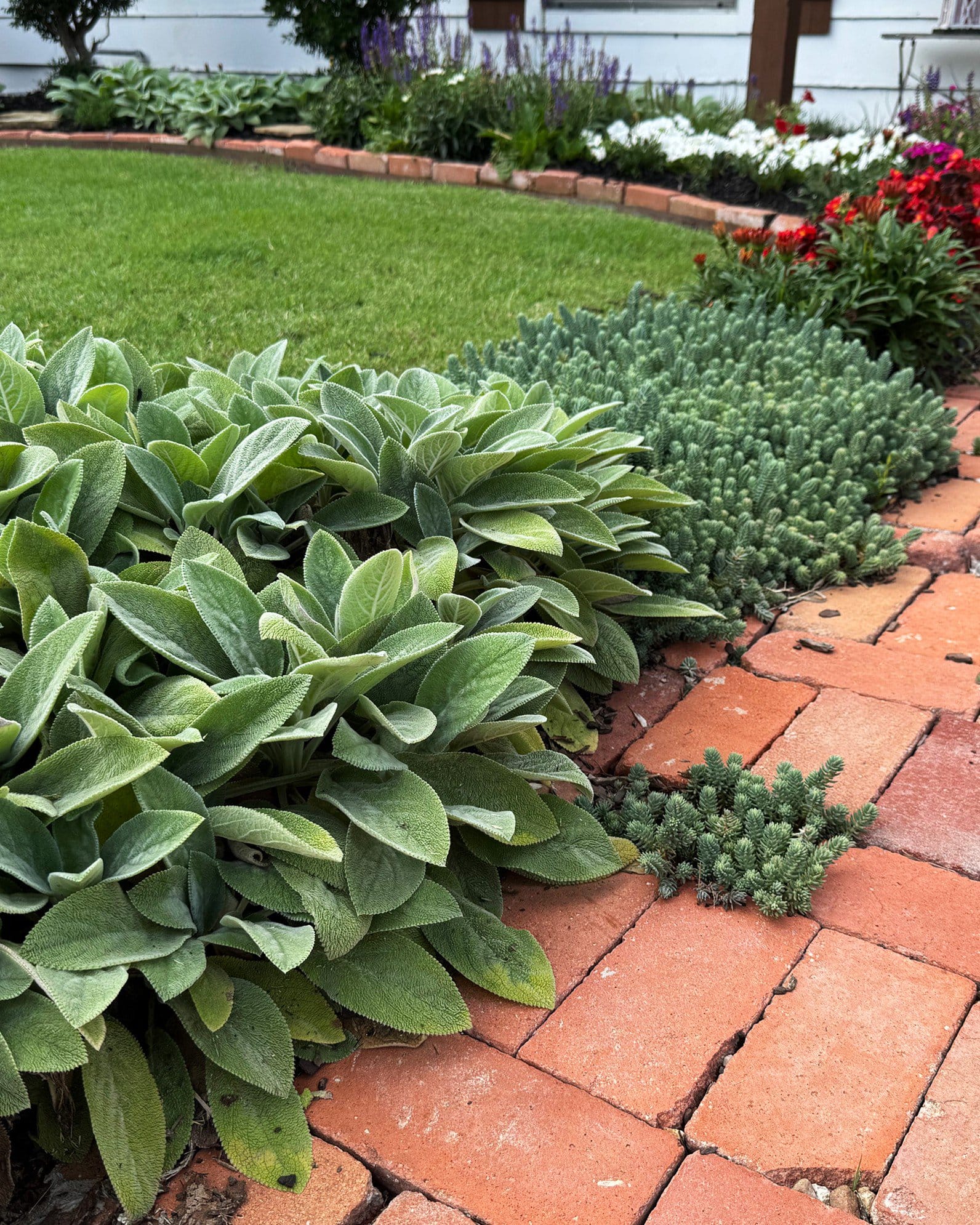
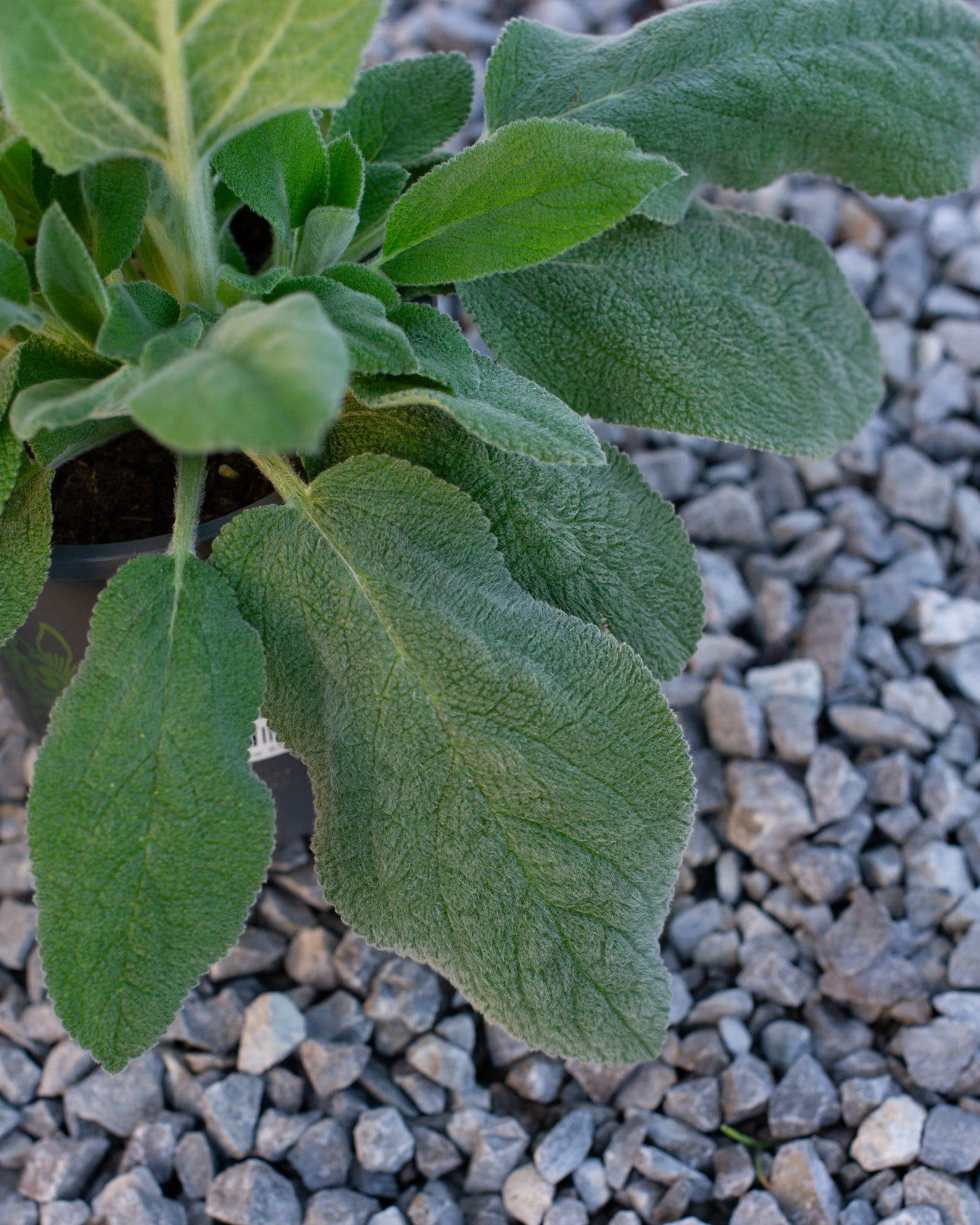
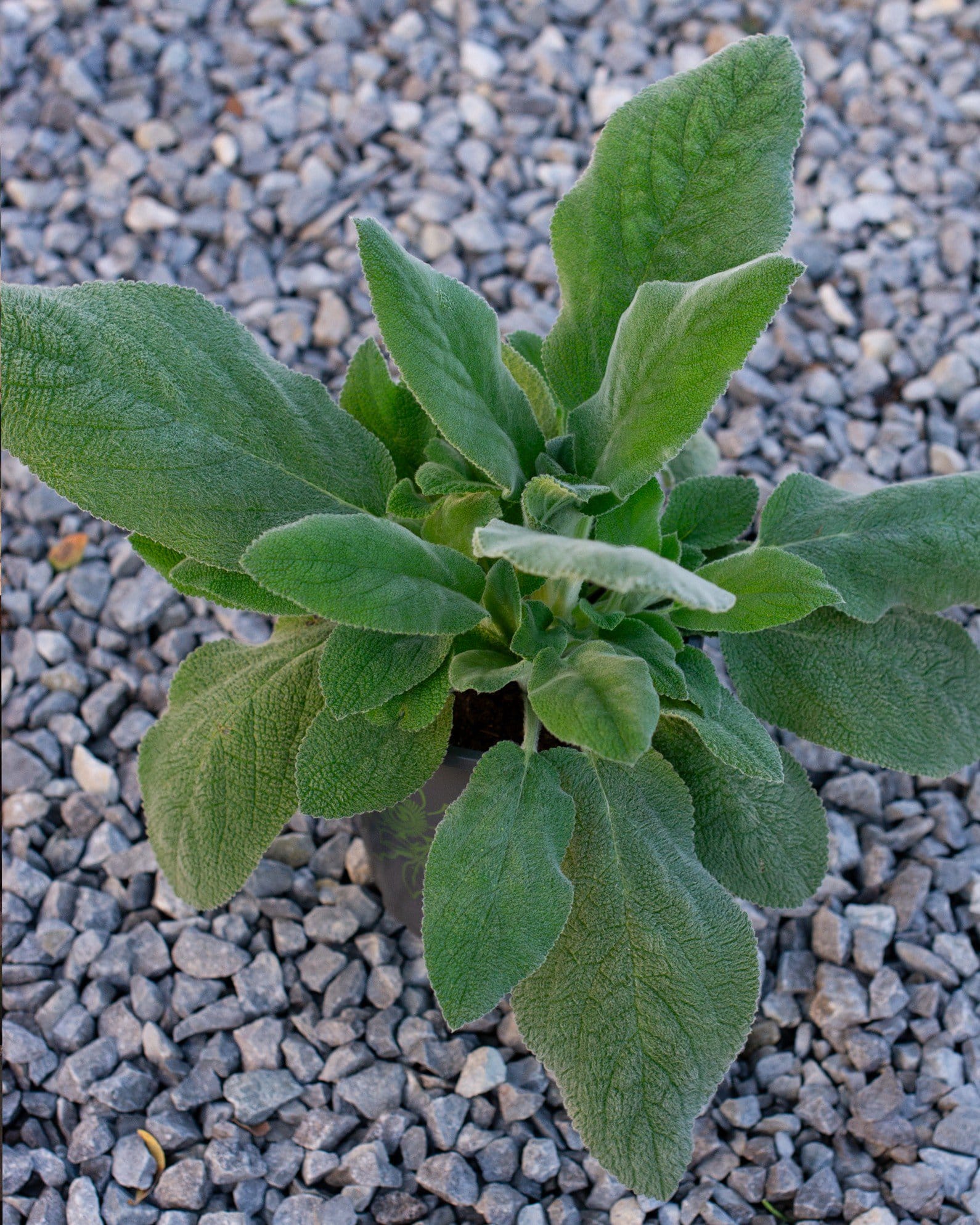
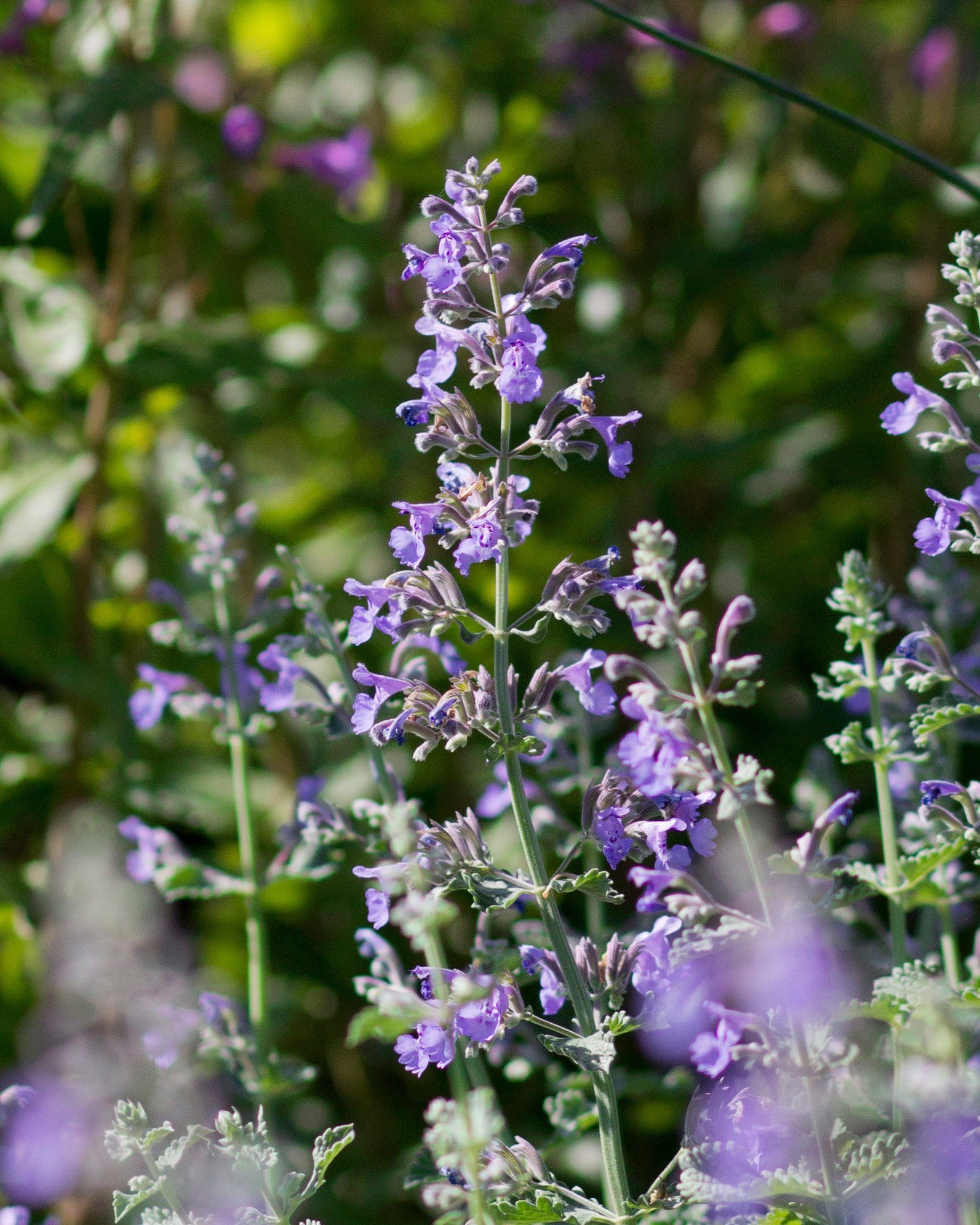
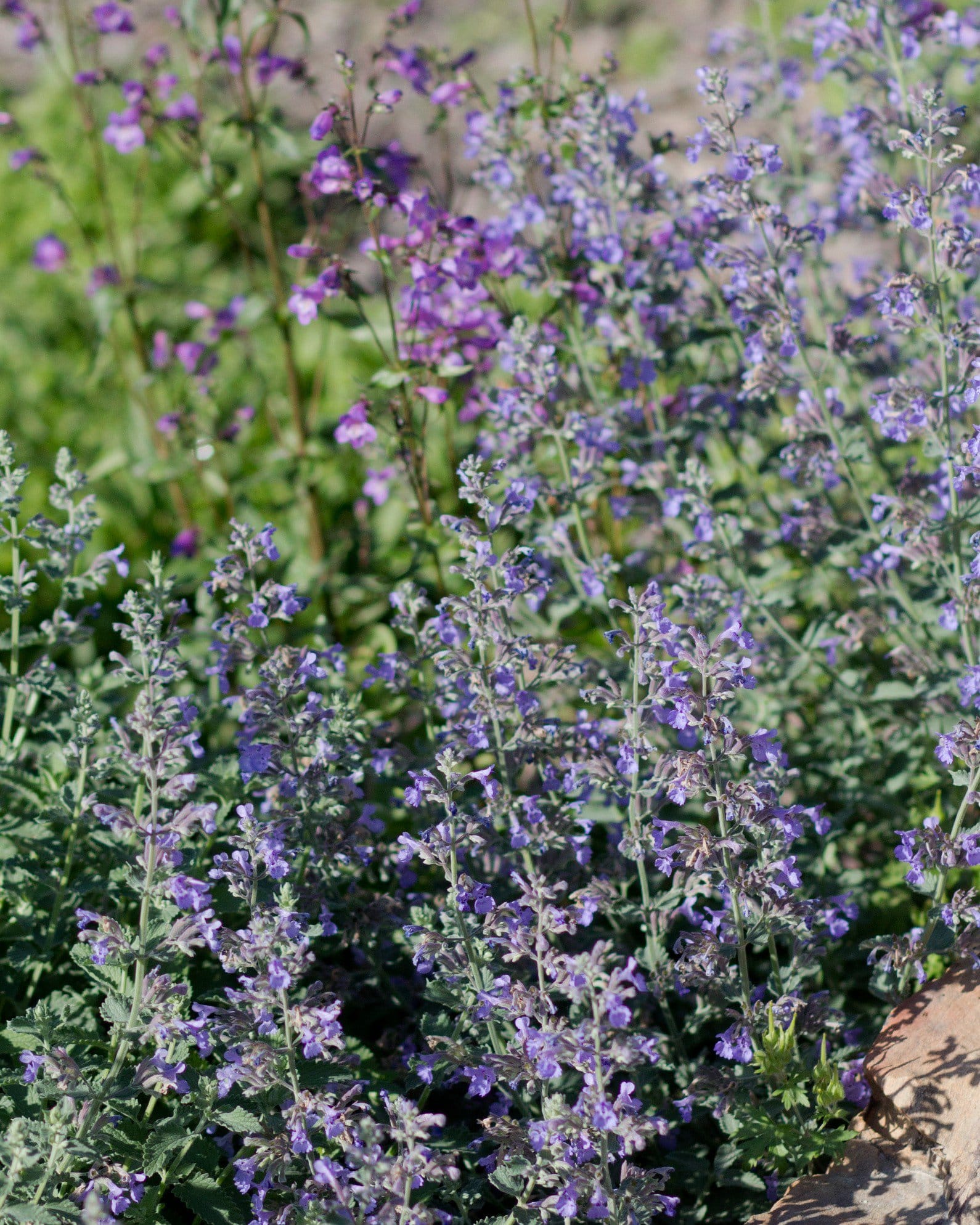
Walker's Low Catmint
Maturity: 2' H x 3' W
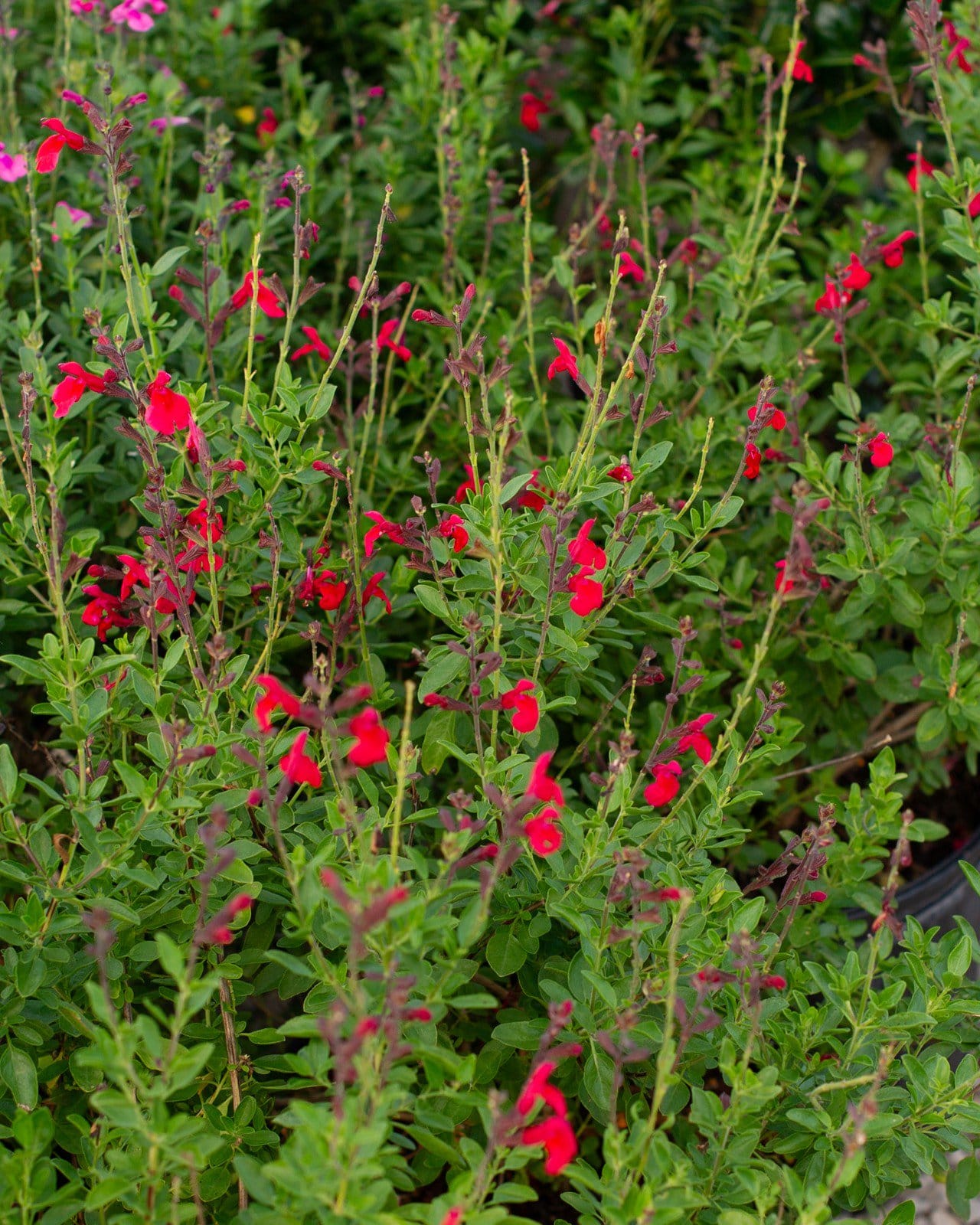
Furman's Red Salvia Greggii
Maturity: 3' H x 3' W
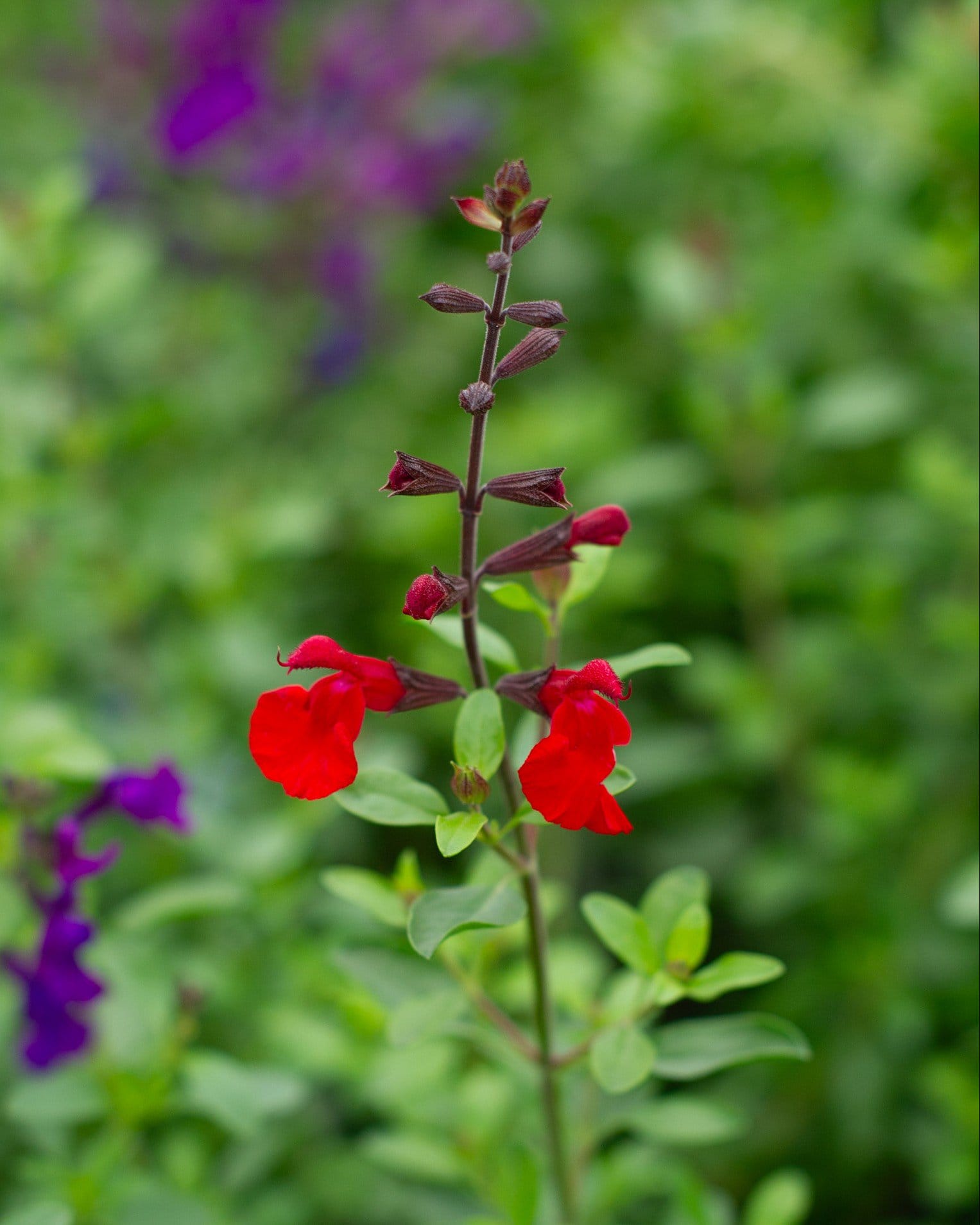
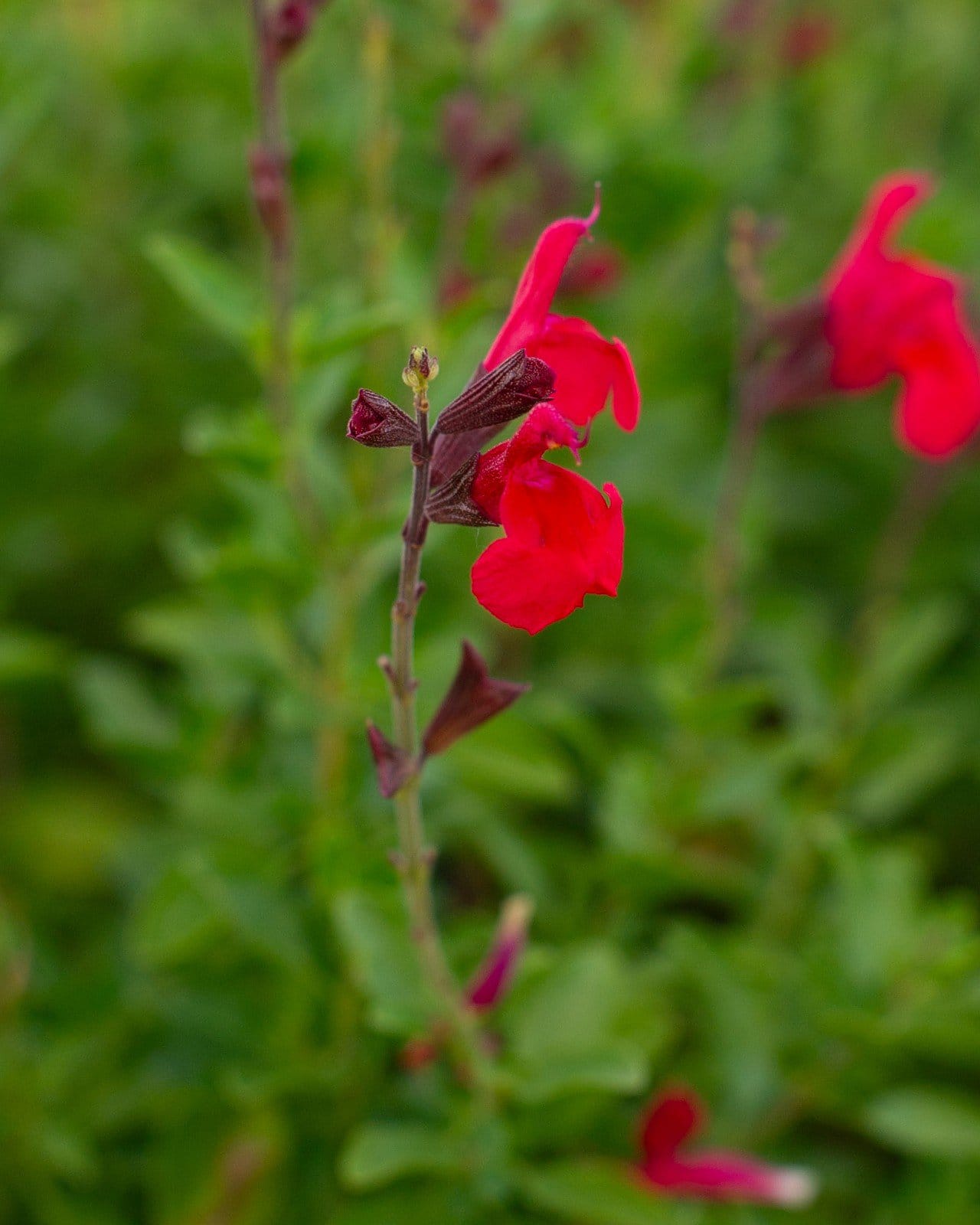
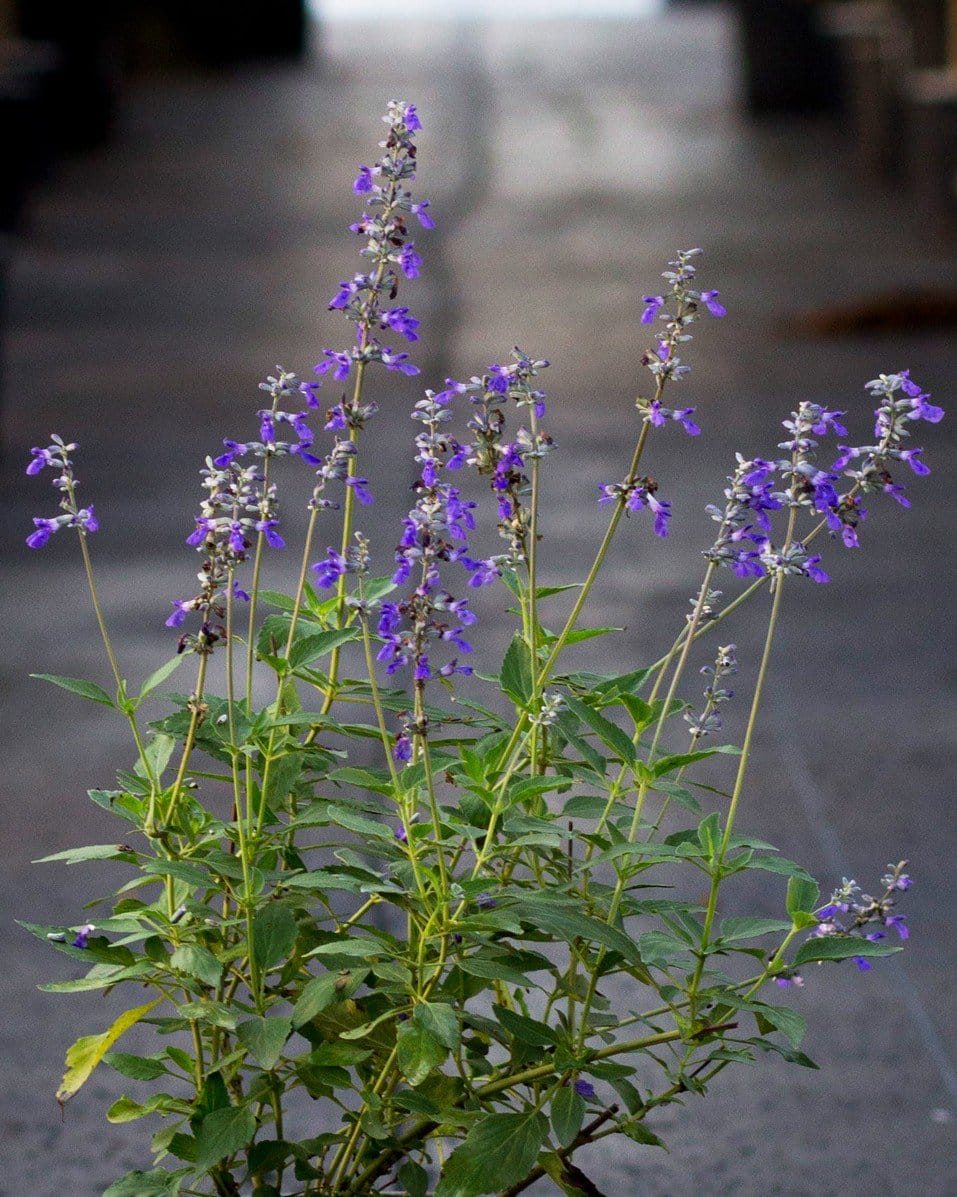
Henry Duelberg Salvia
Maturity: 3' H x 3' W
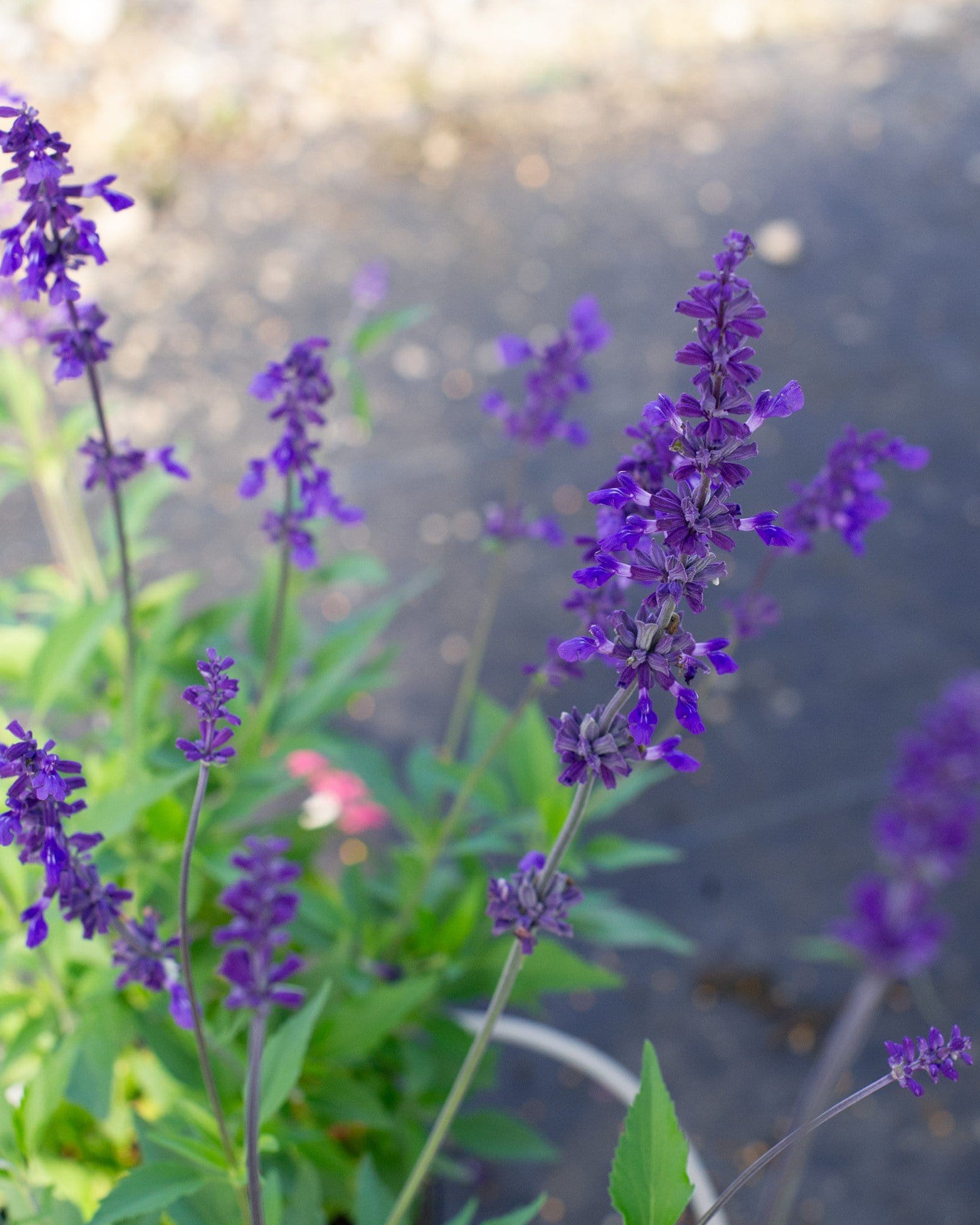
Homestead Purple Verbena
Maturity: 1' H x 2' W
Mirage Cherry Red Salvia Greggii
Maturity: 1' H x 1' W
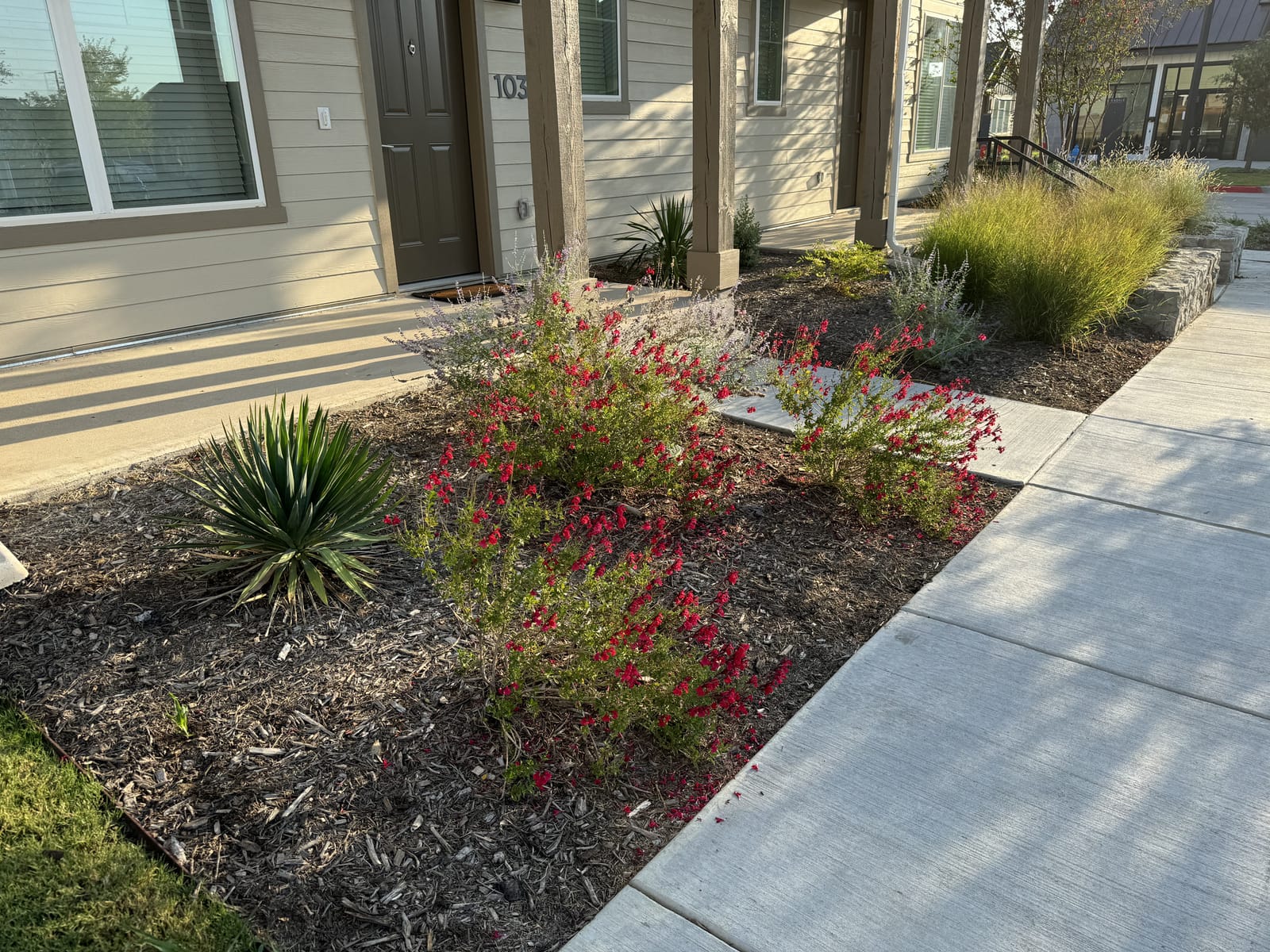
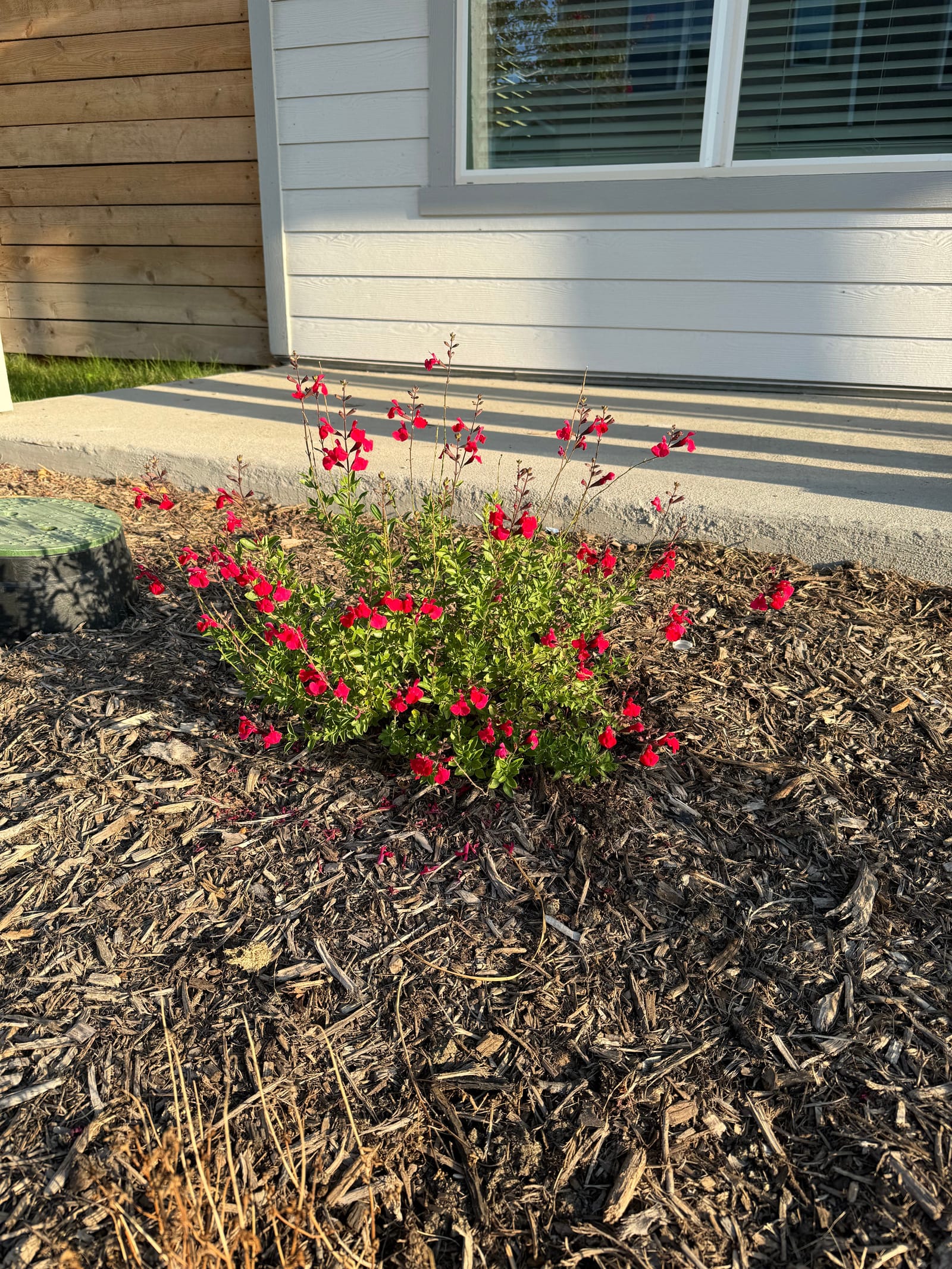
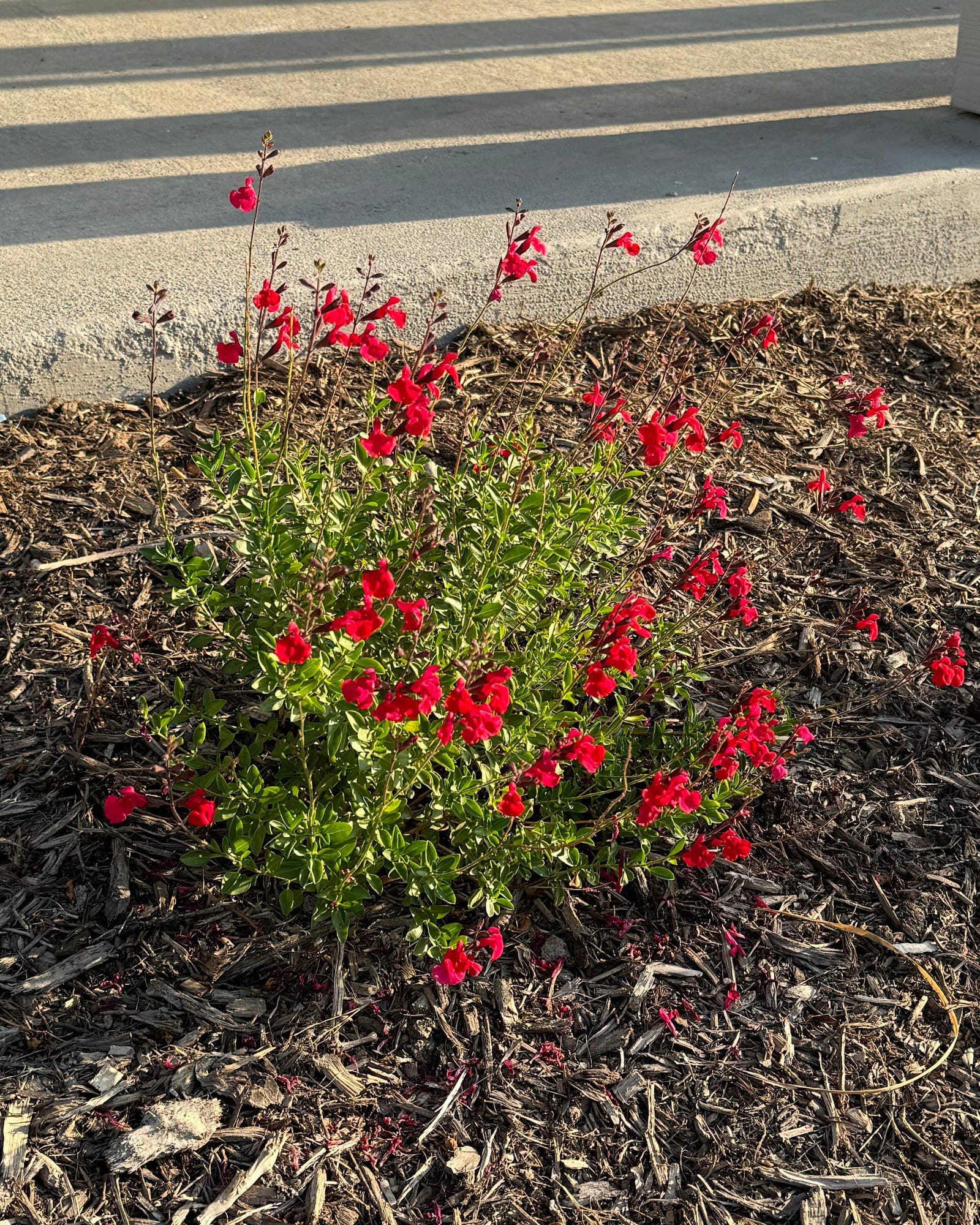
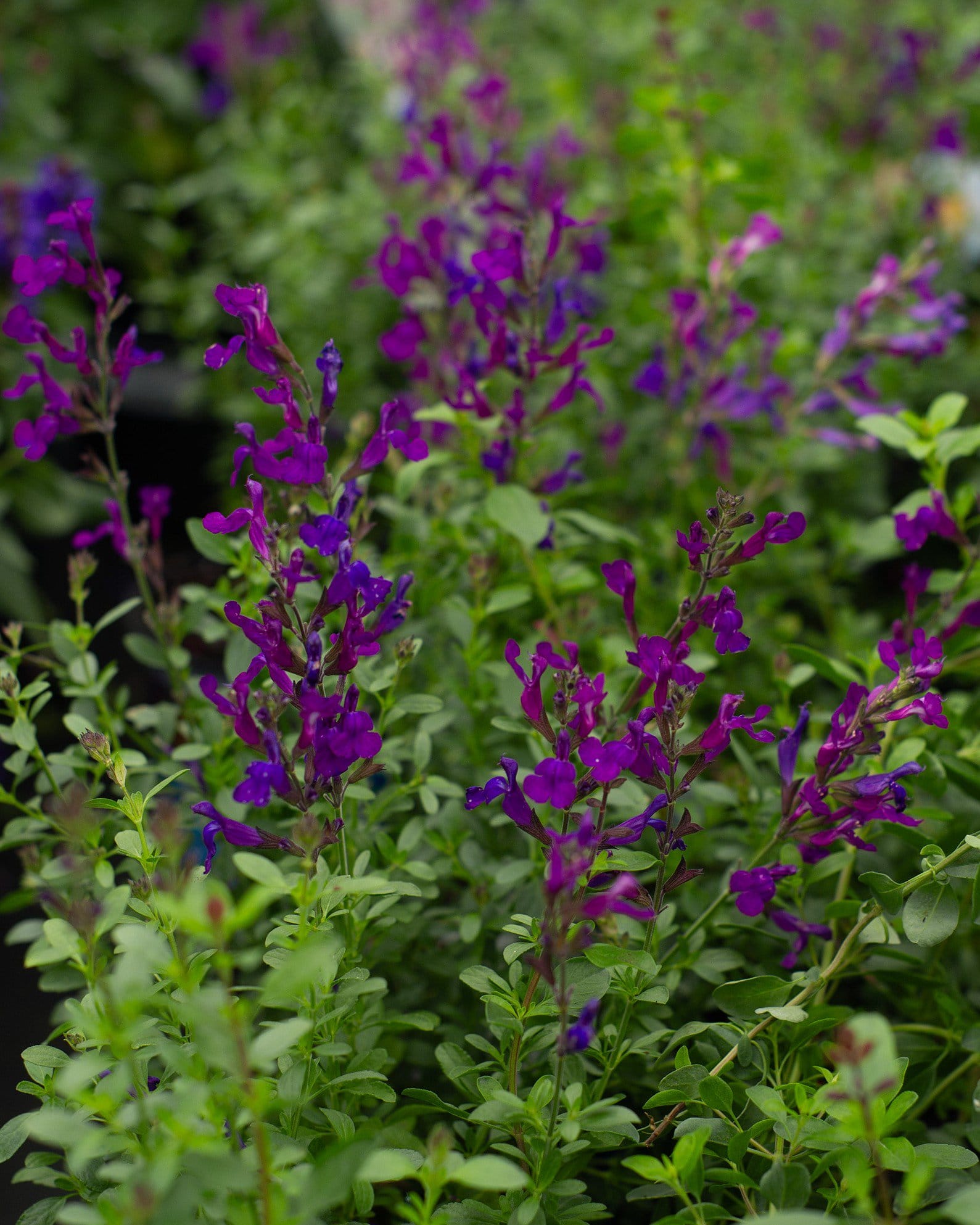
Mirage Deep Purple Salvia Greggii
Maturity: 1' H x 1' W
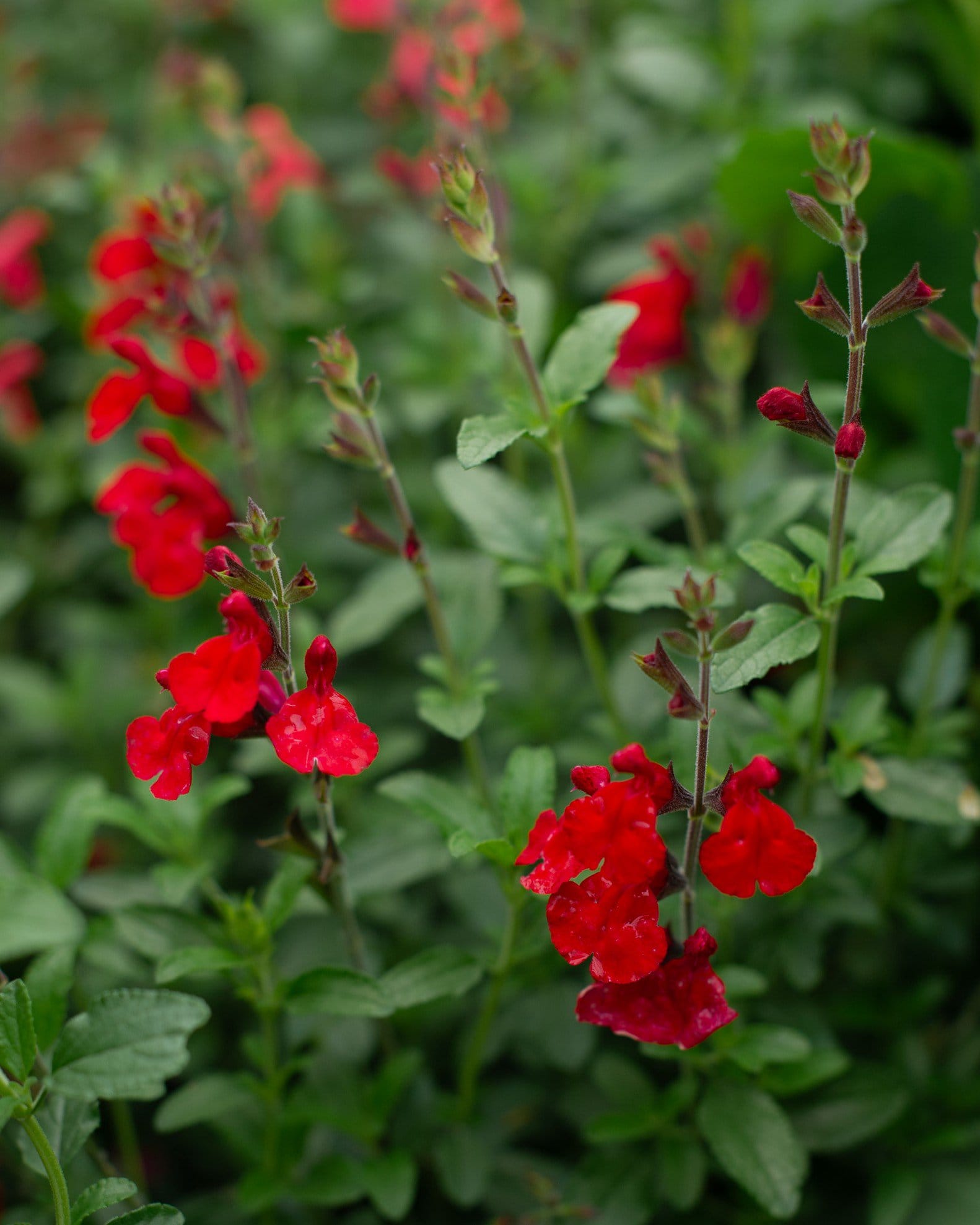
Red Salvia Greggii
Maturity: 3' H x 3' W
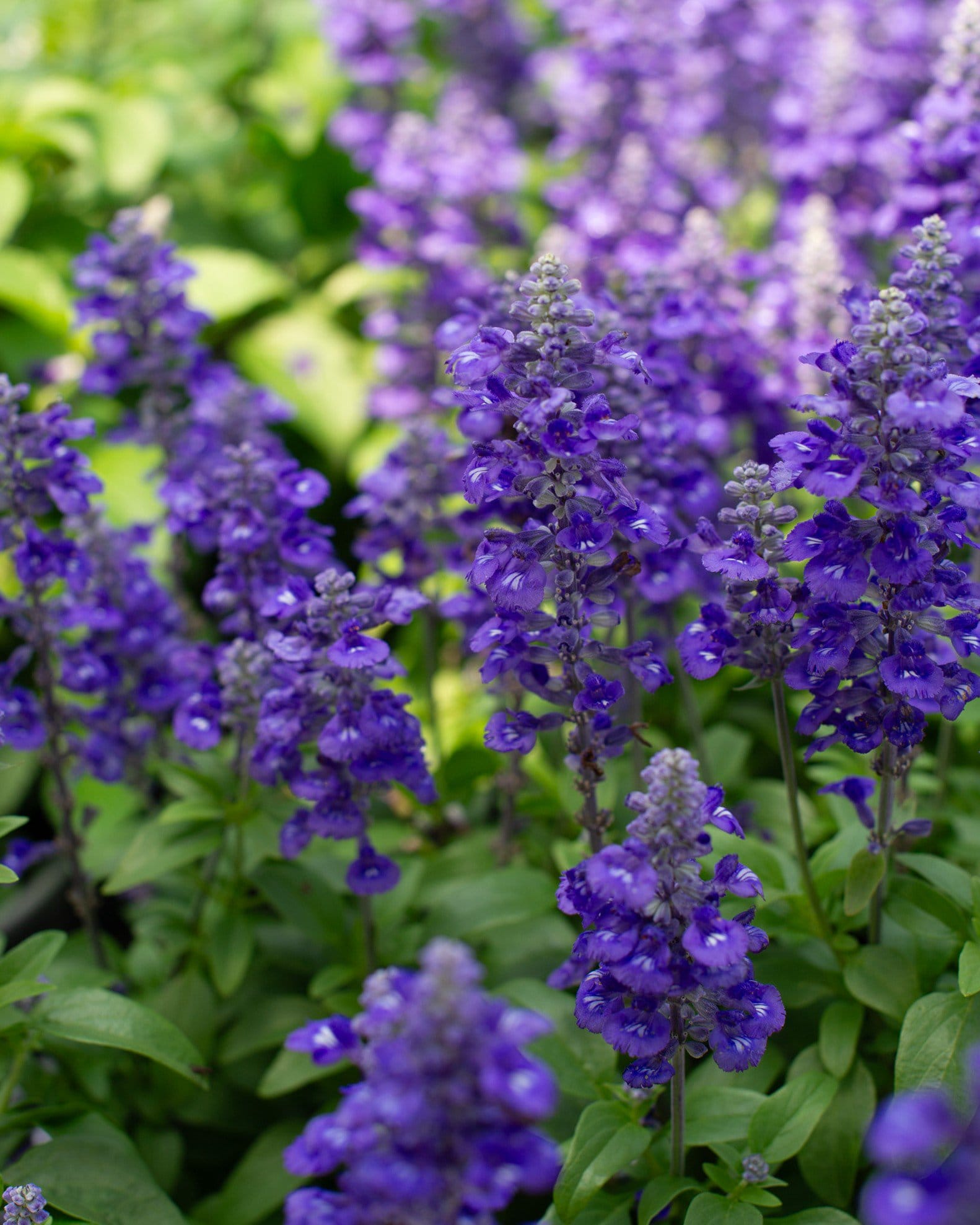
Sallyfun Blue Lagoon Salvia
Maturity: 1.5' H x 1.5' W
Compare Similar Plants
Graceful Pink Gaura This plant | ||
|---|---|---|
| Scientific Name | Oenothera lindheimeri ‘Graceful Pink’ | Oenothera lindheimeri ‘Belleza White’ |
| Size at Maturity | 2' H x 1.5' W | 1' H x 1.5' W |
| Leaf Retention | Herbaceous | Herbaceous |
| Flower Color | Pink | White |
| Bloom Times | Summer & Fall | Summer & Fall |
| Sizes Available | — | 1 gal |


Our 1-Year Planting Guarantee
We take pride in our plants and installation services. If any plants or trees installed by Treeland fail to thrive within the first year, we'll provide a replacement credit in accordance with our guarantee program.
Learn More About Our Guarantee