
 Popular
 Texas Native
Red Salvia Greggii
Salvia greggii ‘Red’Local DFW Delivery Only
Product Details
Red Salvia Greggii
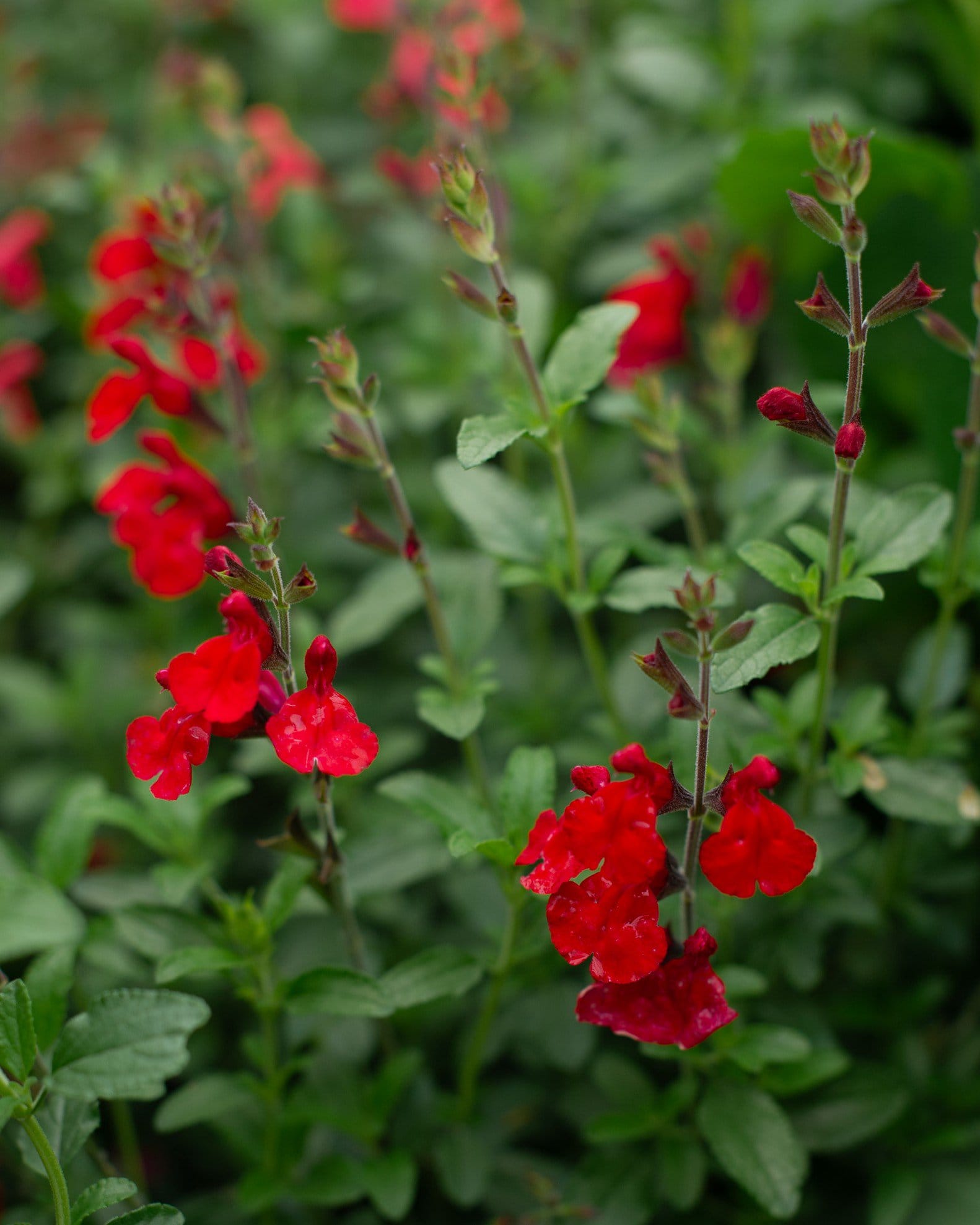
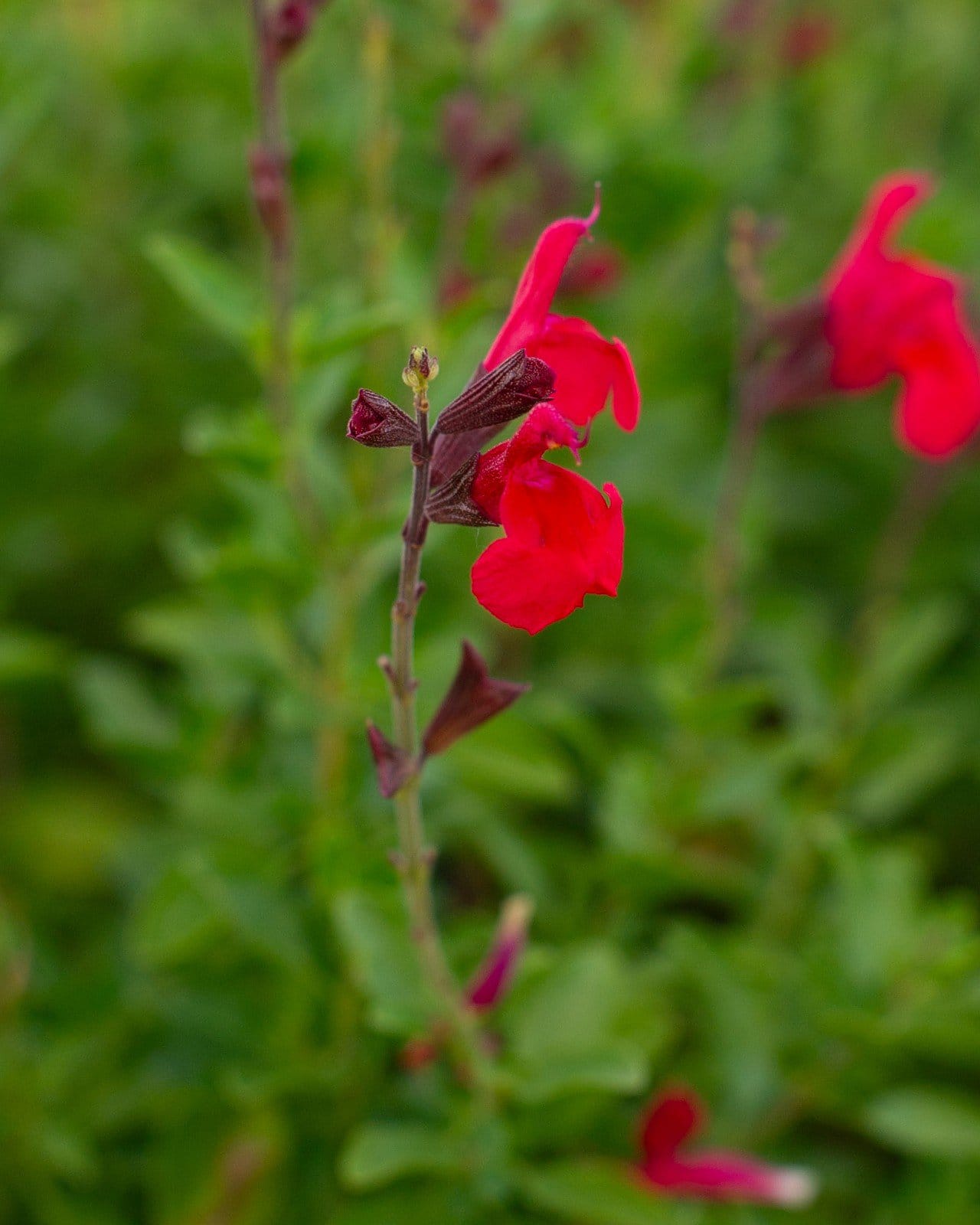
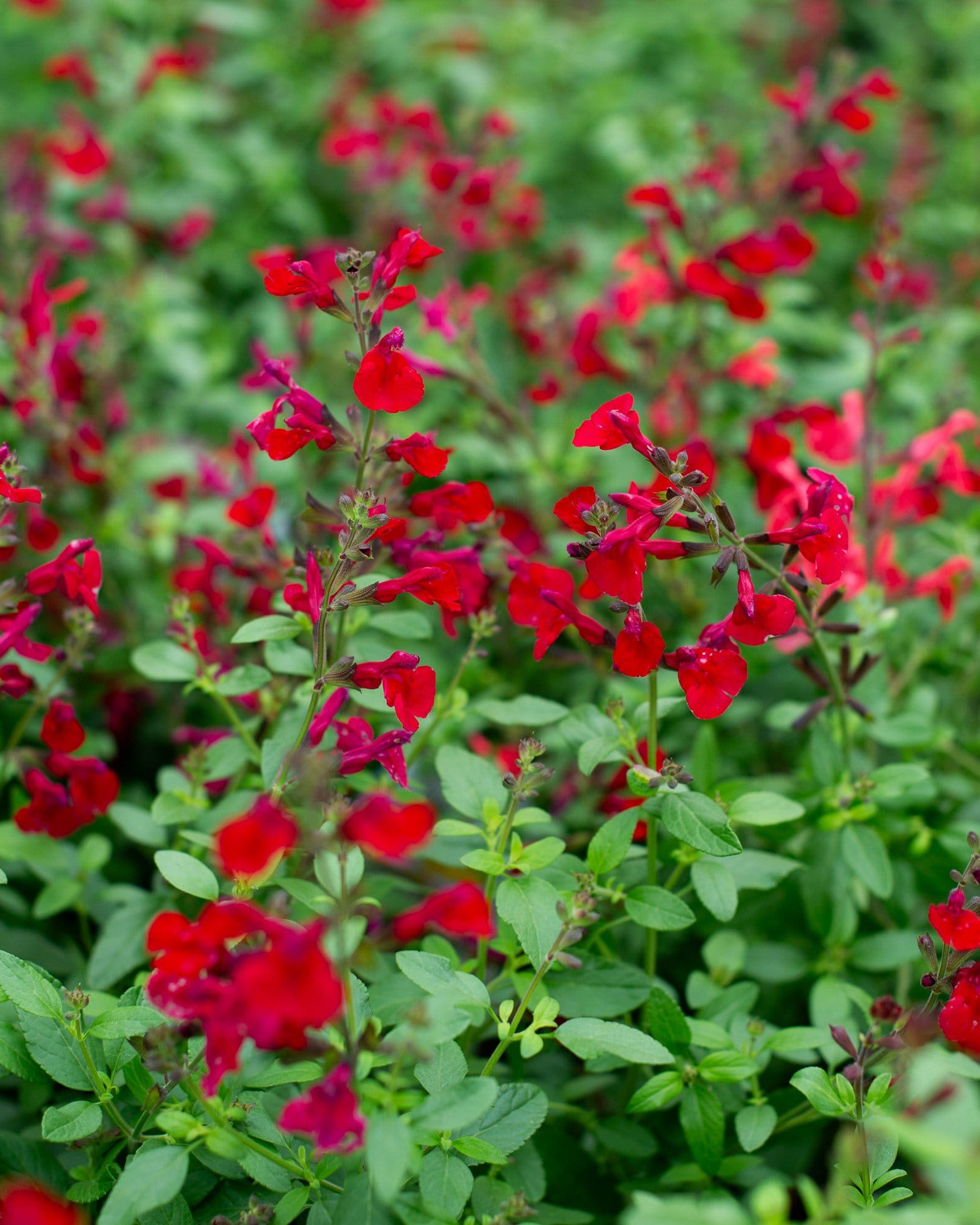
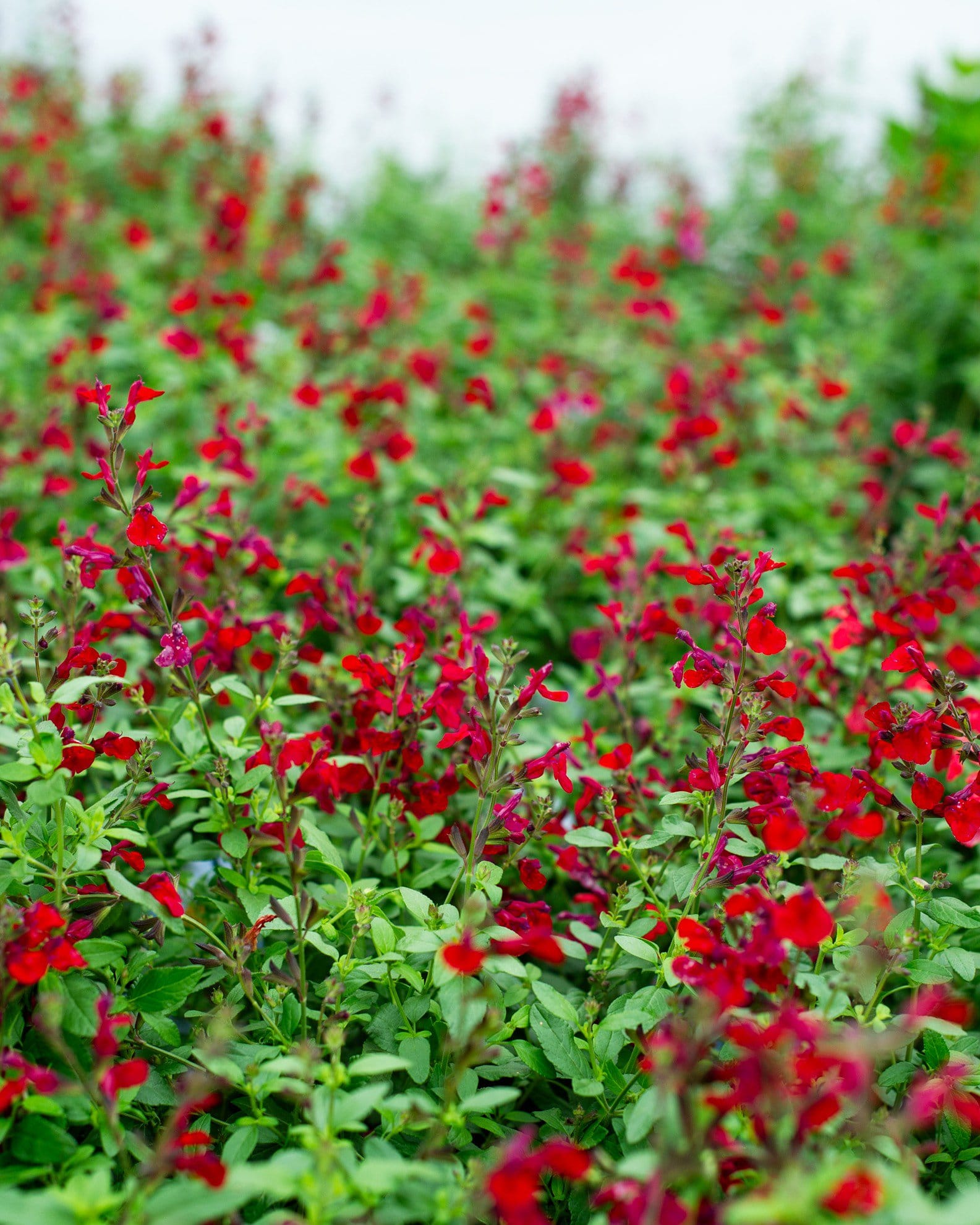
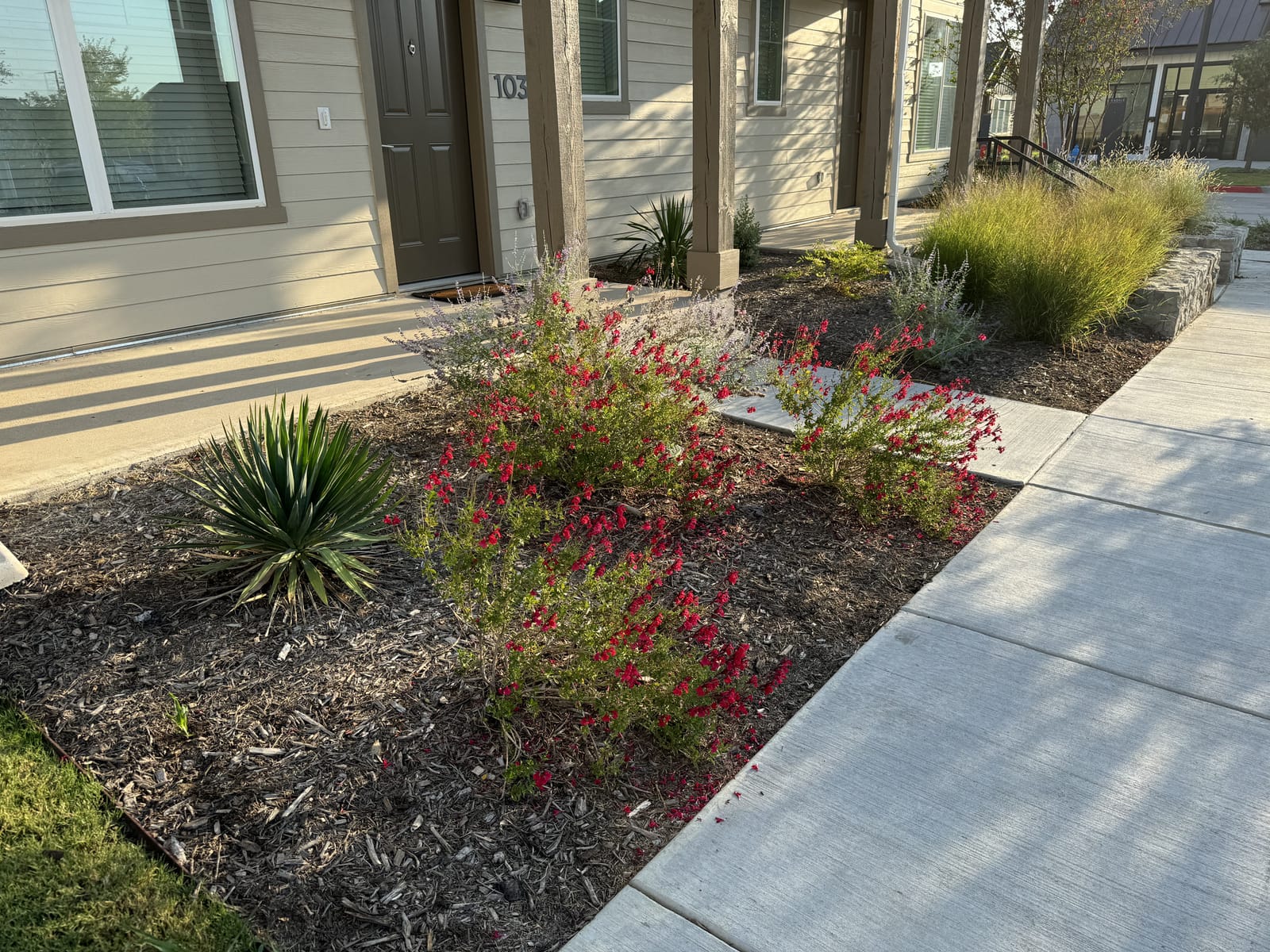
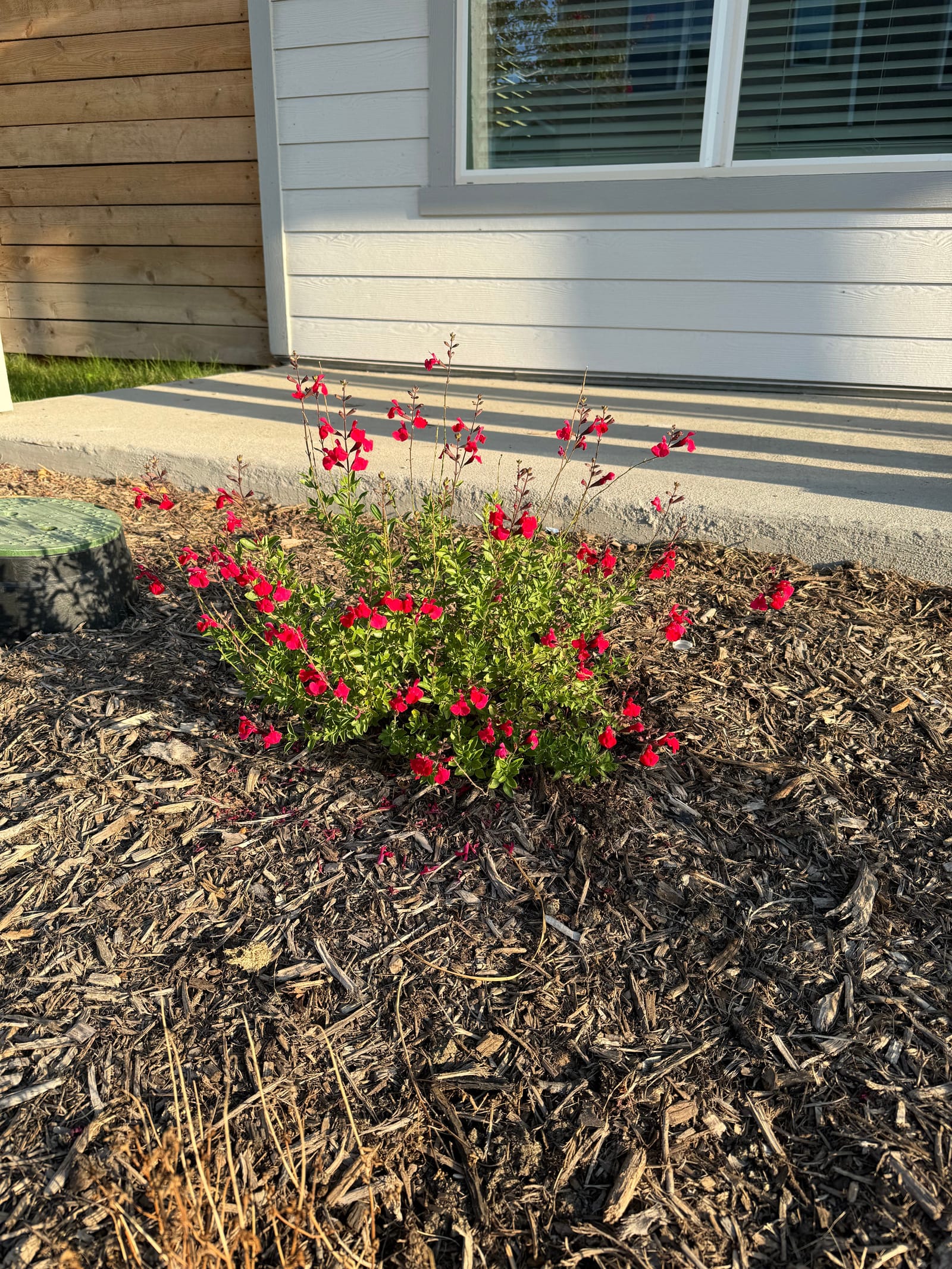
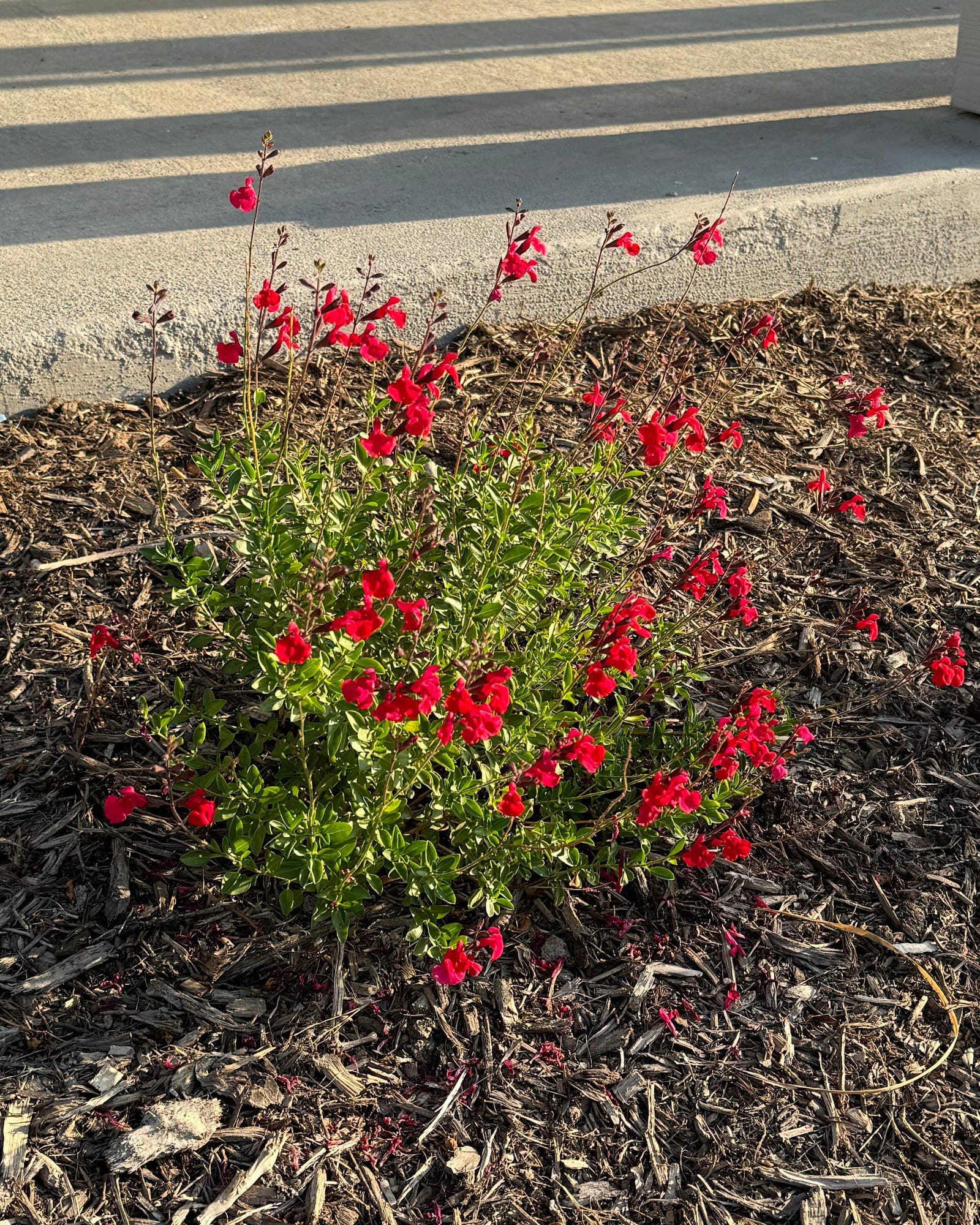
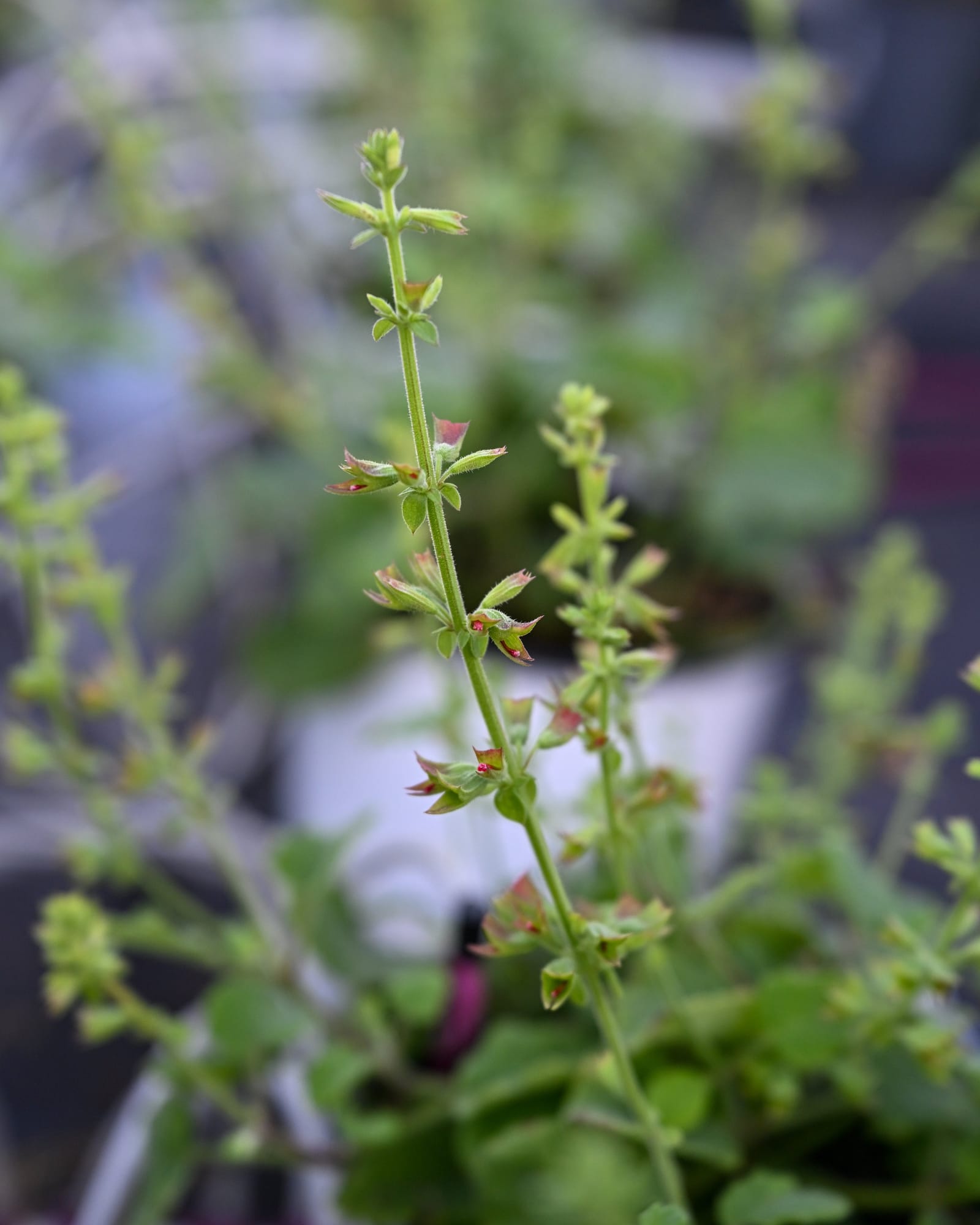
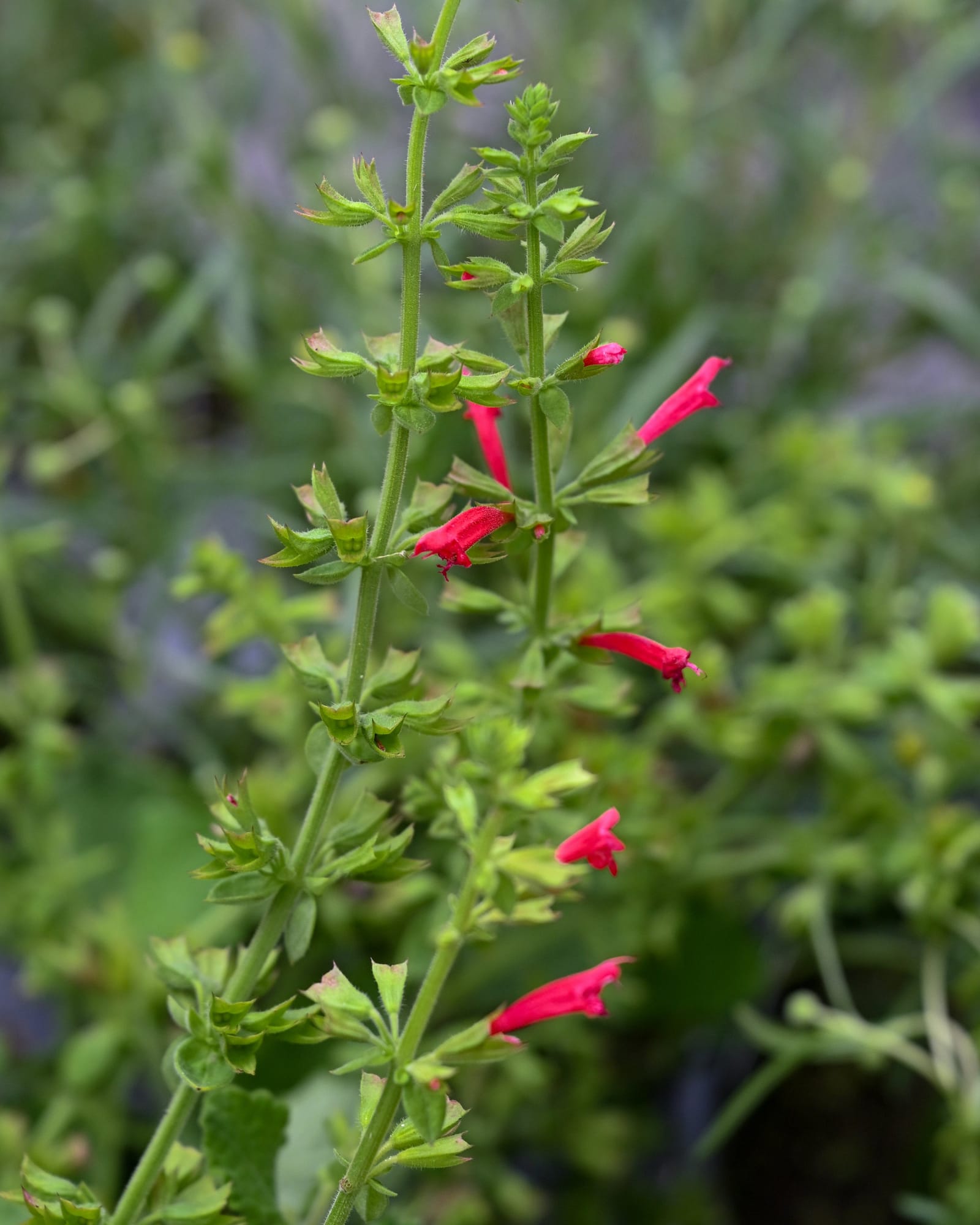
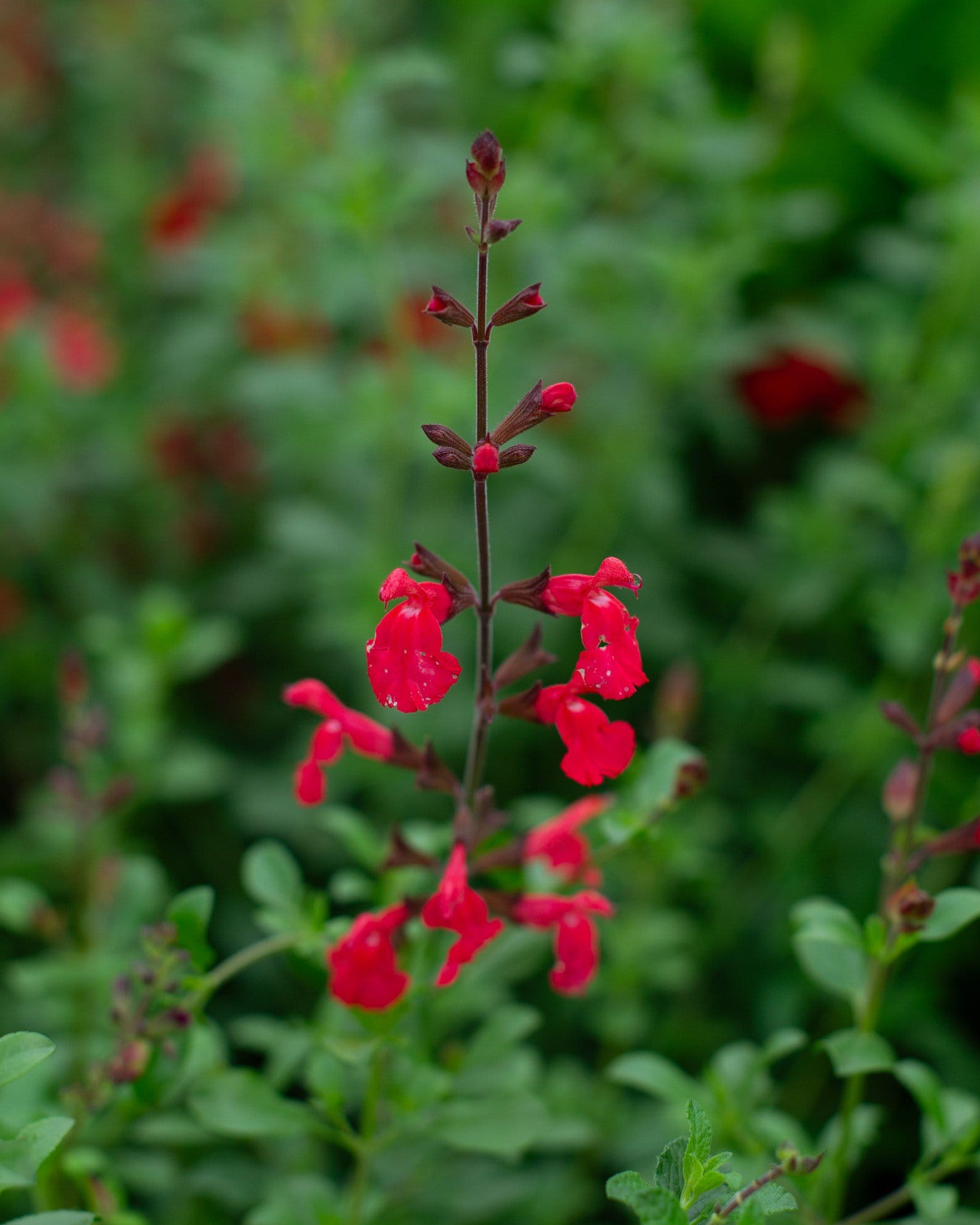
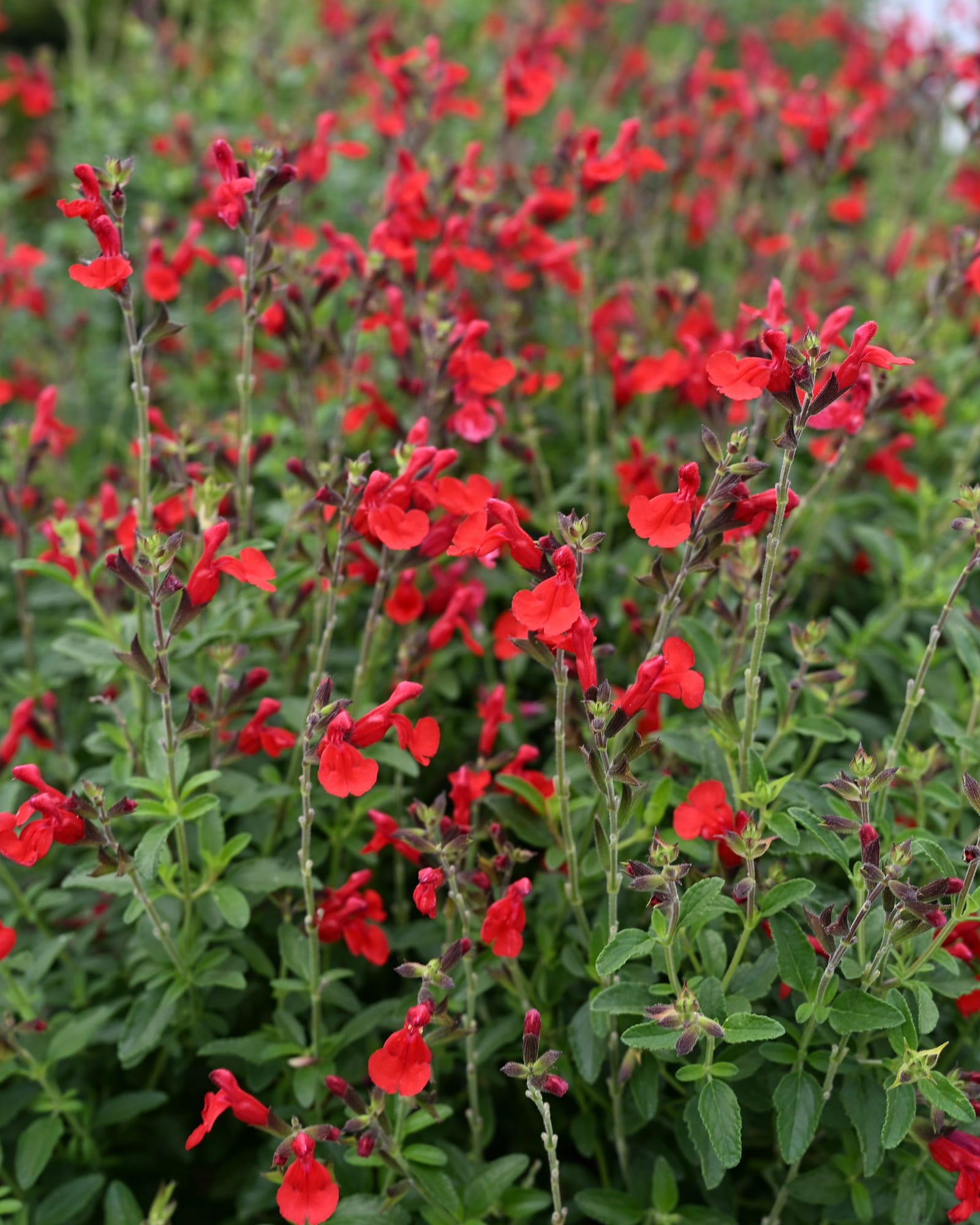
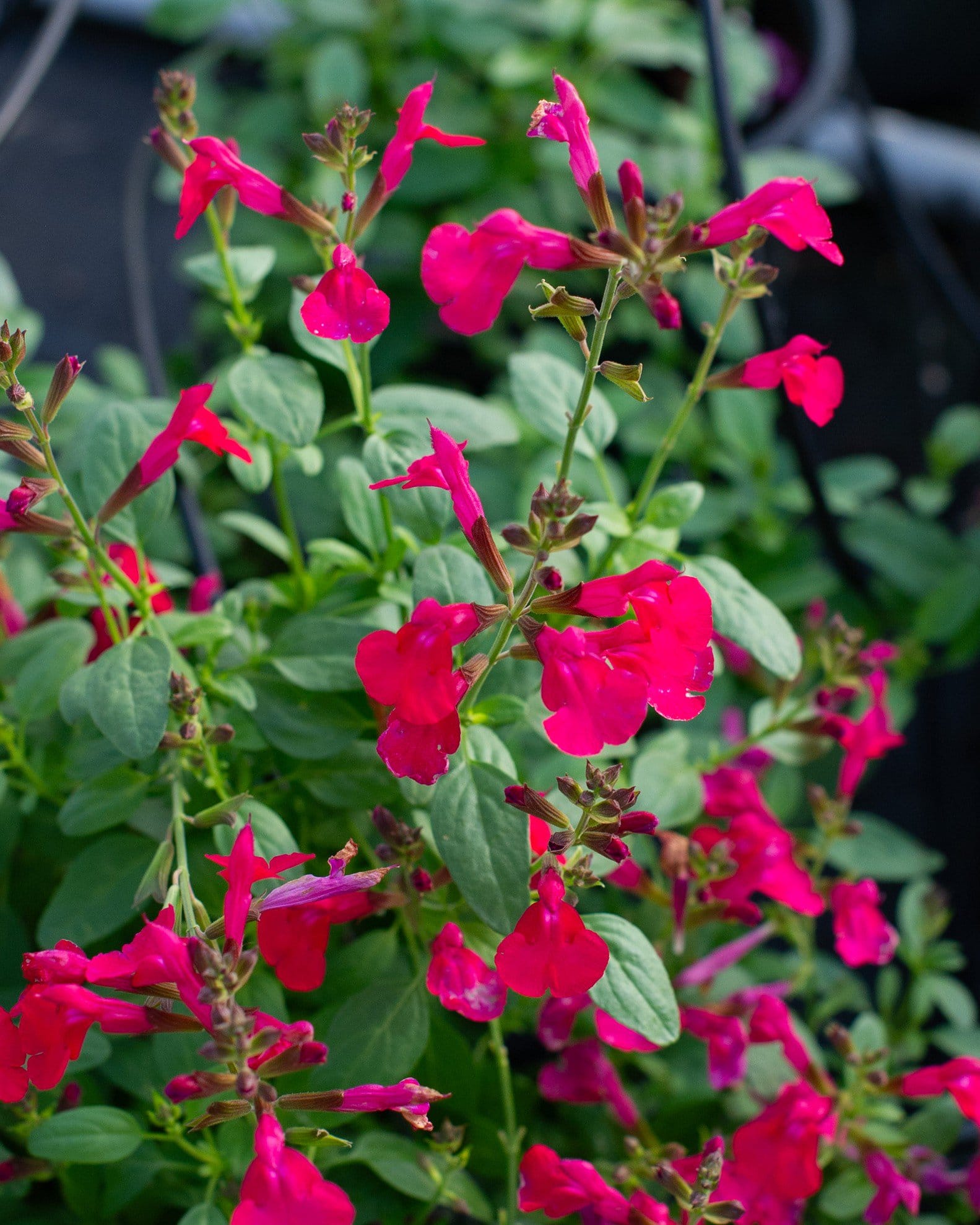
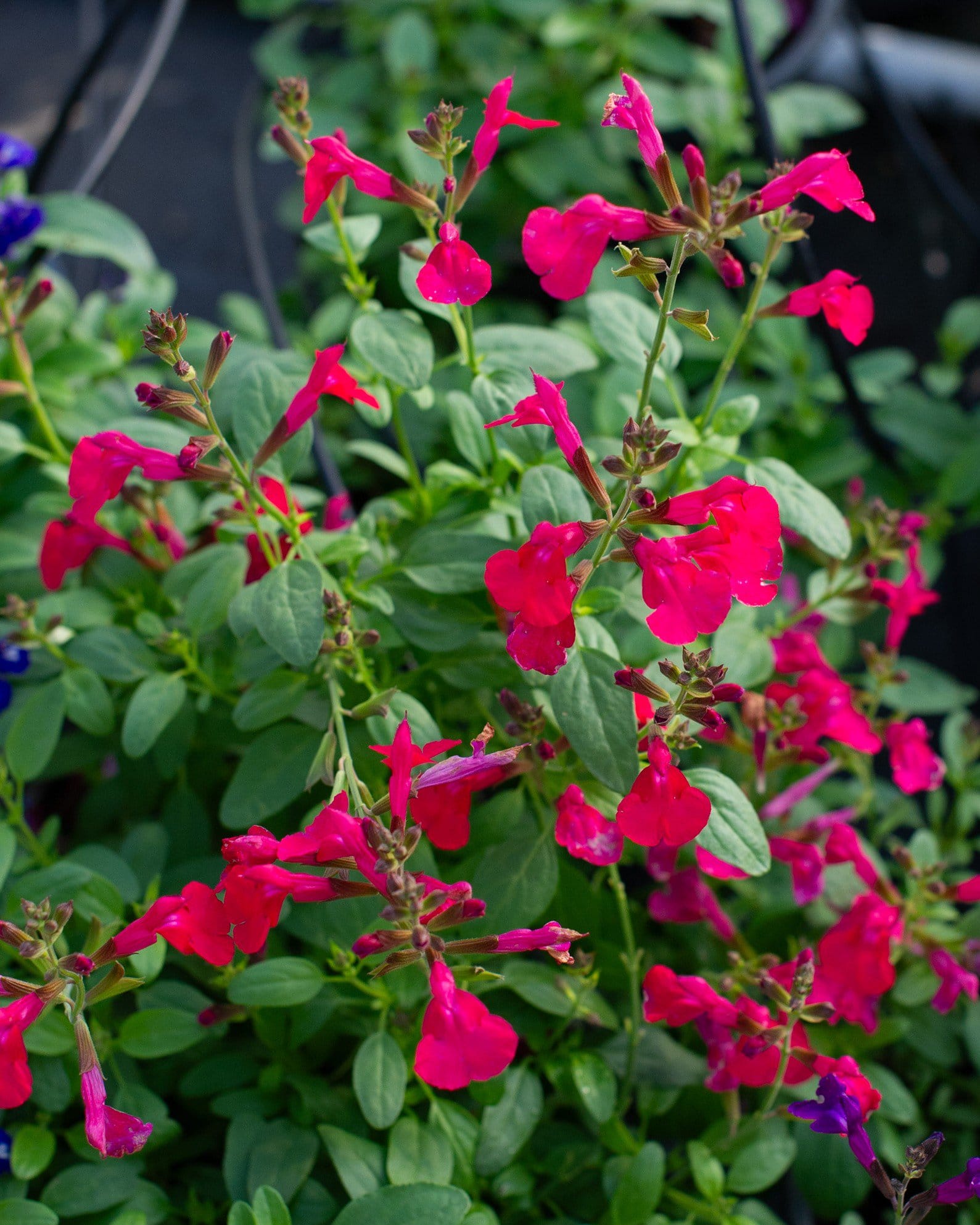
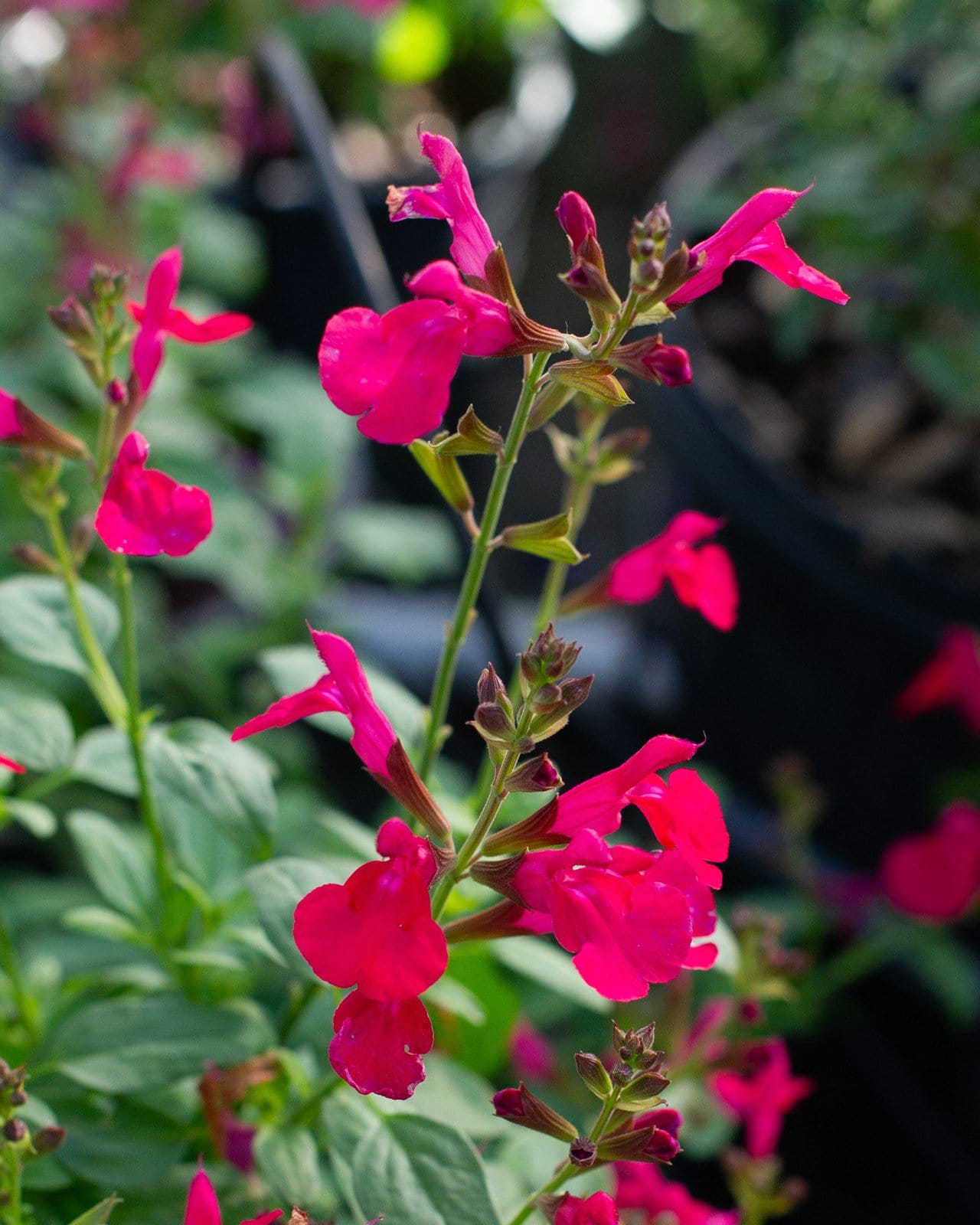
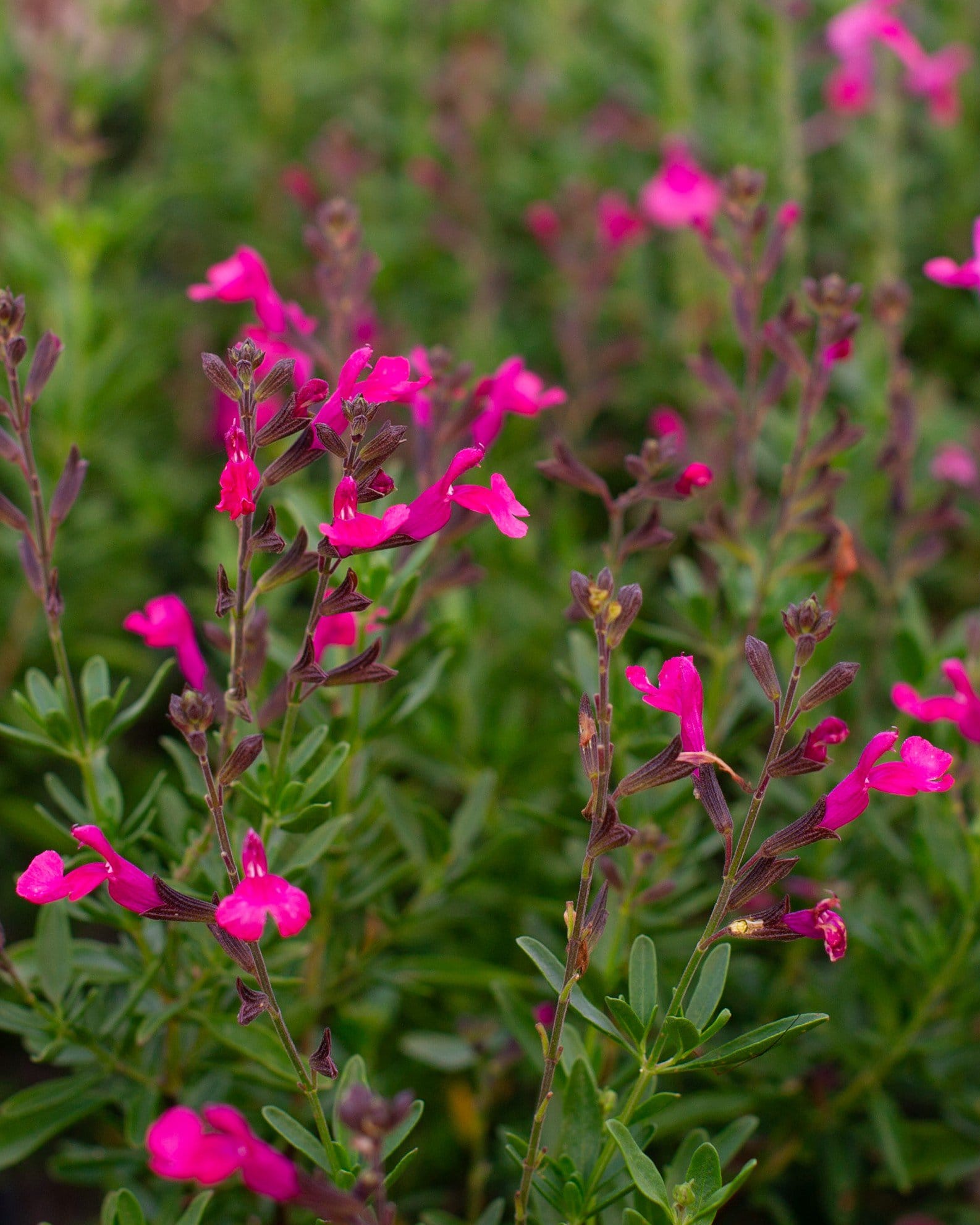
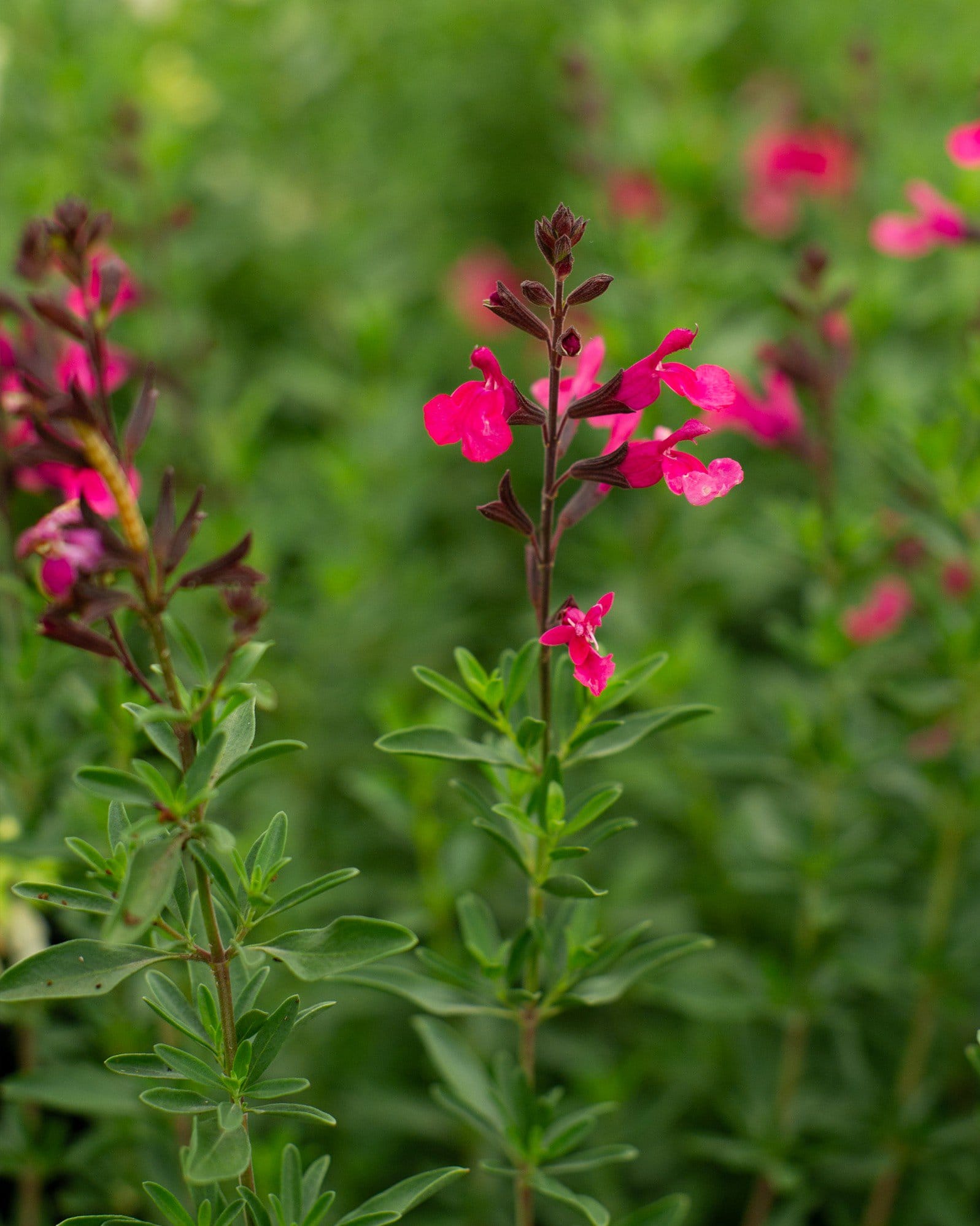
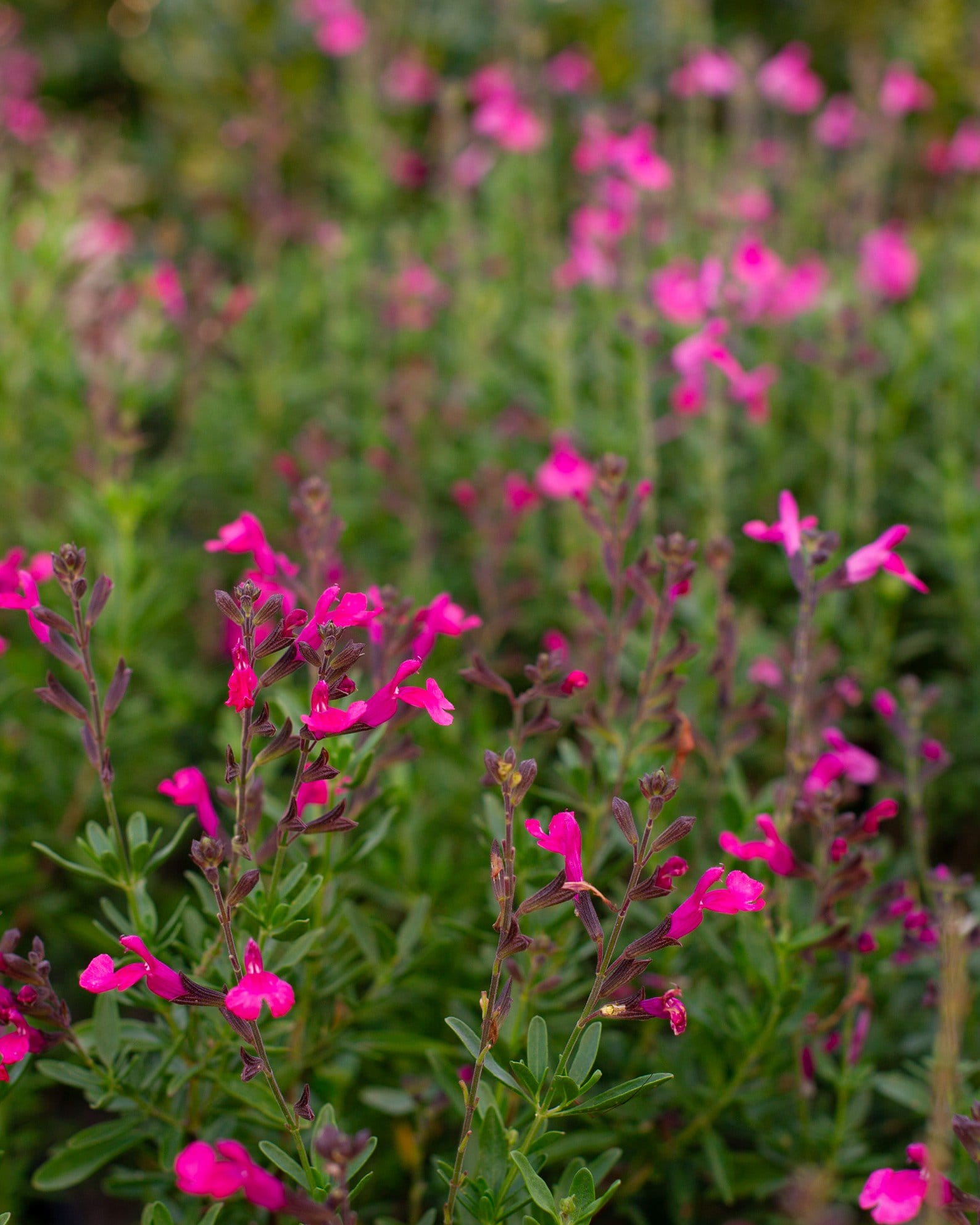
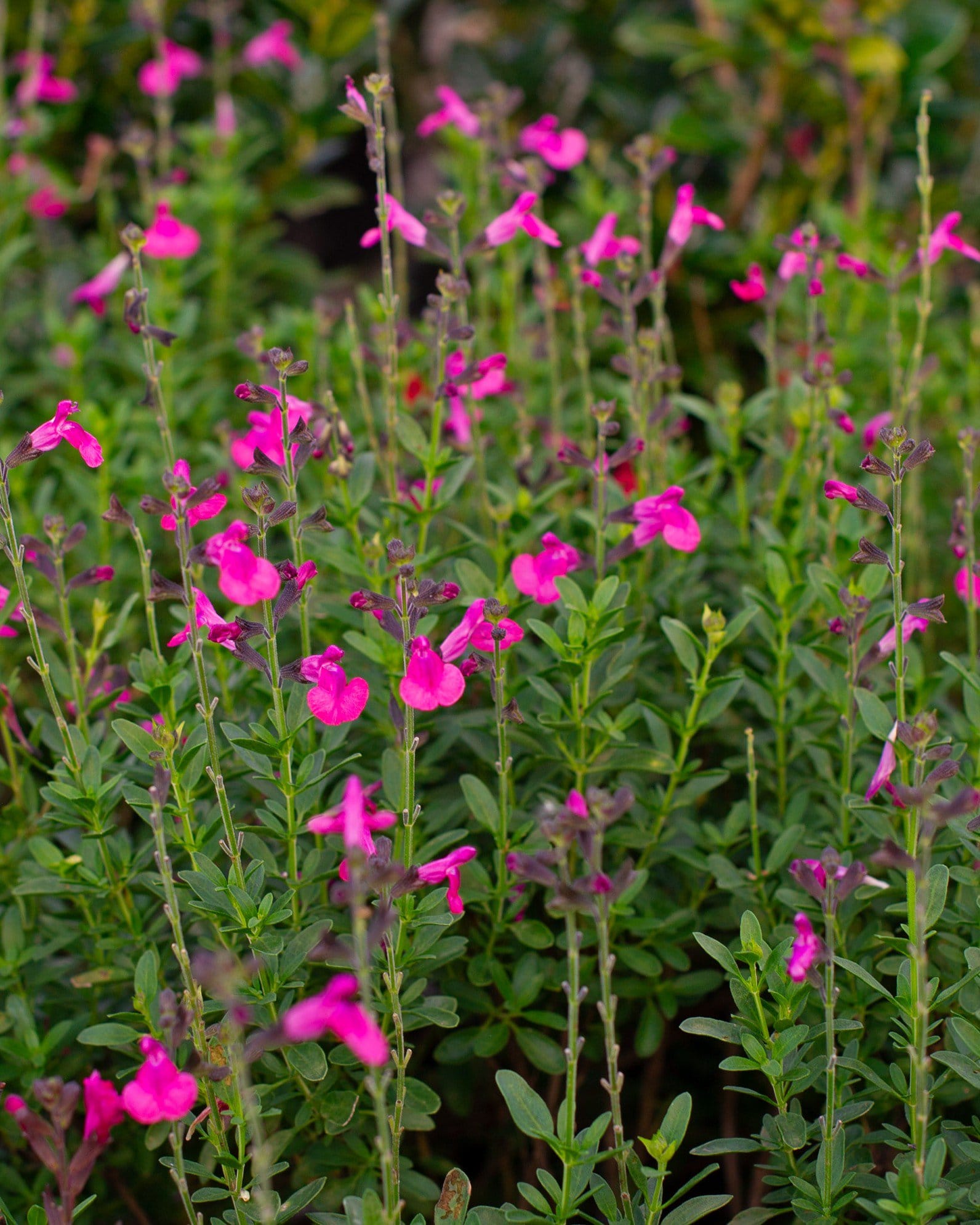
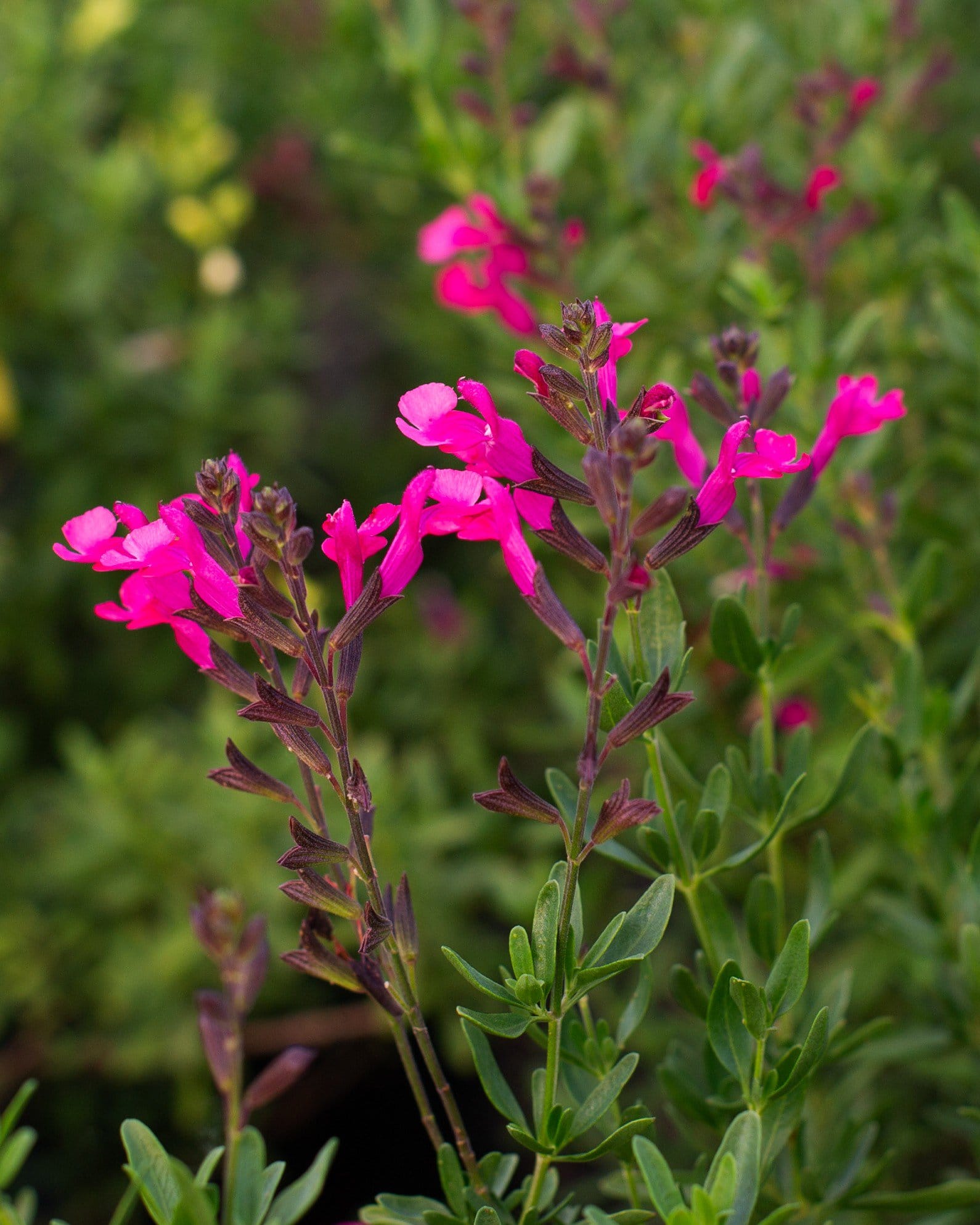
Salvia greggii ‘Red’Red Salvia greggii, also called Autumn Sage, features tubular scarlet blooms that cover the plant from spring through fall. Its small, dark green leaves and tidy shape make it a dependable backbone in layered perennial beds. The bright flowers stay vivid even in the peak of summer heat, and the plant’s form stays neat without constant pruning. It blends well with ornamental grasses, coreopsis, or silver-leaved perennials. Thanks to its compact habit and high color impact, it's also a favorite for public spaces and high-traffic commercial installations. It’s also an excellent candidate for water-wise landscapes and low-maintenance seasonal displays.
- A herbaceous perennial
- Bright red blooms on upright stems
- Rounded, bushy habit to 3 feet
- Aromatic green foliage
- Great for borders and pollinator-friendly beds
This variety thrives in full sun and well-drained soil, and is hardy in USDA zones 7–9. It performs beautifully in North Texas beds with seasonal cleanup and light spring pruning. Deadheading can help extend blooming throughout the warmer months.
Maintenance
Red Salvia Greggii is a low-maintenance favorite for Texas landscapes, and here’s all it needs to grow beautifully:
- Watering: Water regularly during the first growing season to help roots establish. Once mature, it becomes highly drought-tolerant - occasional deep watering every 10-14 days is usually all it needs during dry spells.
- Pruning: Trim lightly throughout the season to remove spent blooms and encourage new growth. In late winter or early spring, cut the plant back by one-third to maintain a compact, bushy shape and promote vigorous flowering.
- Fertilizing: Red Salvia Greggii doesn’t need heavy feeding. A light application of balanced fertilizer in early spring can boost growth and flowering, but overfertilizing can reduce bloom intensity.
- Mulching: Apply a thin layer of mulch around the base to retain moisture and reduce weeds. Refresh it annually, keeping it a few inches away from the crown to avoid rot.
- Winter care: In mild climates, this salvia remains evergreen. In colder regions, the top growth may die back after frost - simply prune it down and it will resprout when temperatures rise in spring.
Common Issues and How to Take Care of Them
While Red Salvia greggii is generally hardy, these are a few of the pests and diseases it can be susceptible to:
- Powdery Mildew: May appear in humid or crowded conditions. Improve airflow and avoid overhead watering to keep foliage dry.
- Aphids: Small insects that feed on tender shoots. Rinse them off with water or use insecticidal soap if infestations persist.
- Spider Mites: Tiny pests that cause stippled leaves and webbing. Regular misting or neem oil applications help prevent outbreaks.
- Root Rot: Caused by excess moisture or poor drainage. Allow the soil to dry slightly between waterings and avoid planting too deep.
- Leggy Growth: Can happen if not pruned regularly. Trim back lightly to encourage dense branching and more flowers.
- Bloom Slowdown: Older plants may flower less. Rejuvenate by cutting back hard in late winter and feeding lightly in early spring.
Spring or early fall are best, when temperatures are mild and roots can establish before the growing season. These conditions help the plant adapt quickly and start blooming earlier.
Red Salvia Greggii grows at a moderate pace, filling out nicely within a few months of planting. With regular trimming, it quickly develops into a dense, flowering mound.
Lightly trim after each bloom cycle to keep it tidy and blooming. A more substantial cutback in late winter helps it regrow strong and compact.
No, once a year in early spring is enough. Too much fertilizer encourages leafy growth at the expense of flowers.
Yes, it’s hardy in many regions, but the top may die back after frost. Simply cut it down, and it will re-emerge once warm weather returns.
Absolutely - it’s a favorite of hummingbirds and butterflies. The bright red flowers provide nectar for pollinators well into late fall.
Yes, the aromatic foliage tends to deter both deer and rabbits. It’s a great choice for gardens where wildlife browsing is a problem.
Yes, it thrives in pots and patio planters with good drainage. Container-grown plants may need a bit more frequent watering, especially in summer heat.
Typically several years, often longer if pruned regularly and protected from harsh winter conditions. Cutting it back yearly helps maintain vigor and bloom production.
Very - softwood cuttings taken in late spring or early summer root quickly. This makes it simple to expand your garden or share with friends.
Yes, Salvia greggii is the scientific name for the species, and "Autumn Sage" is a common name for the entire species.
Special Features
You might also like
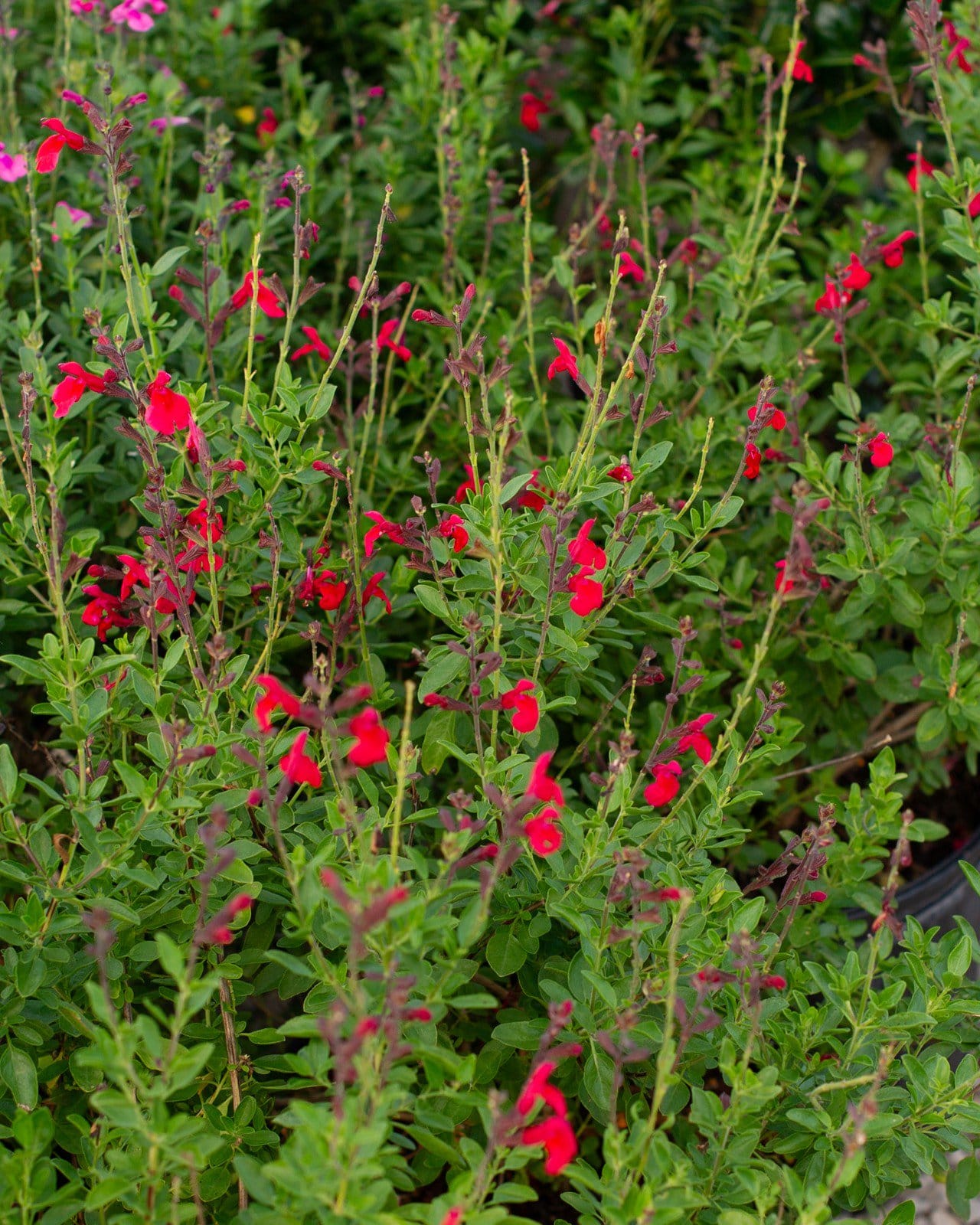
Furman's Red Salvia Greggii
Maturity: 3' H x 3' W
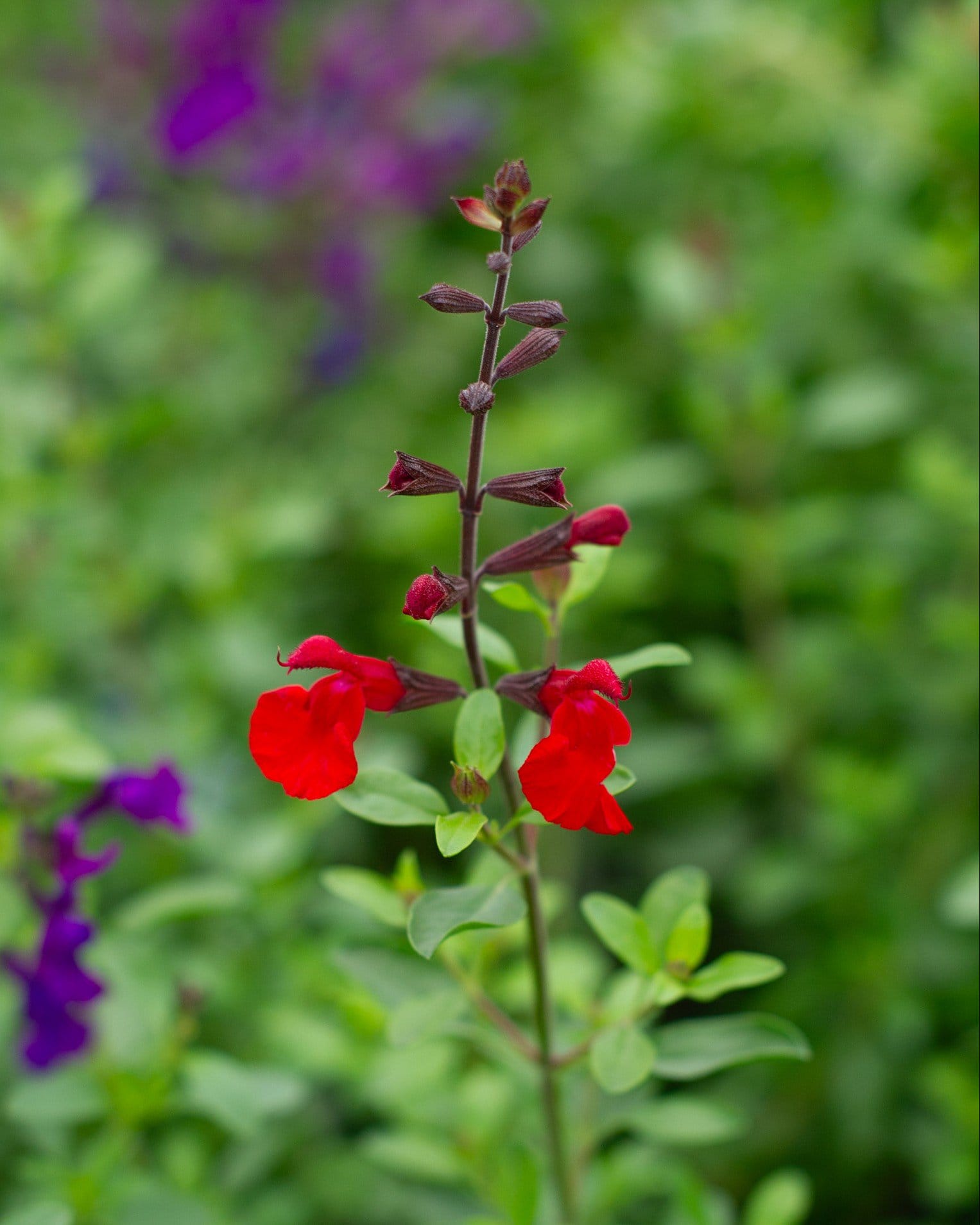
Mirage Cherry Red Salvia Greggii
Maturity: 1' H x 1' W
Henry Duelberg Salvia
Maturity: 3' H x 3' W
Mirage Deep Purple Salvia Greggii
Maturity: 1' H x 1' W
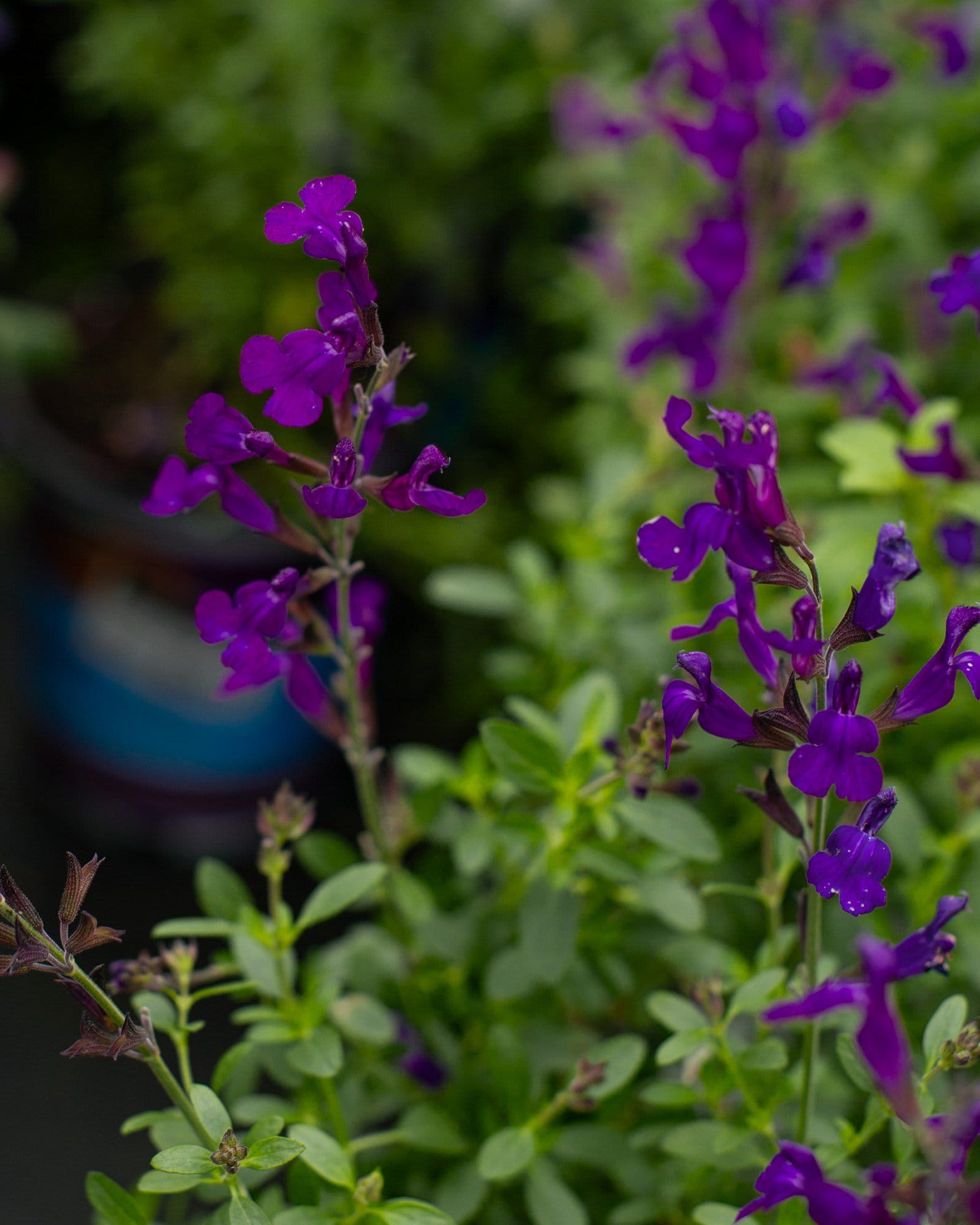
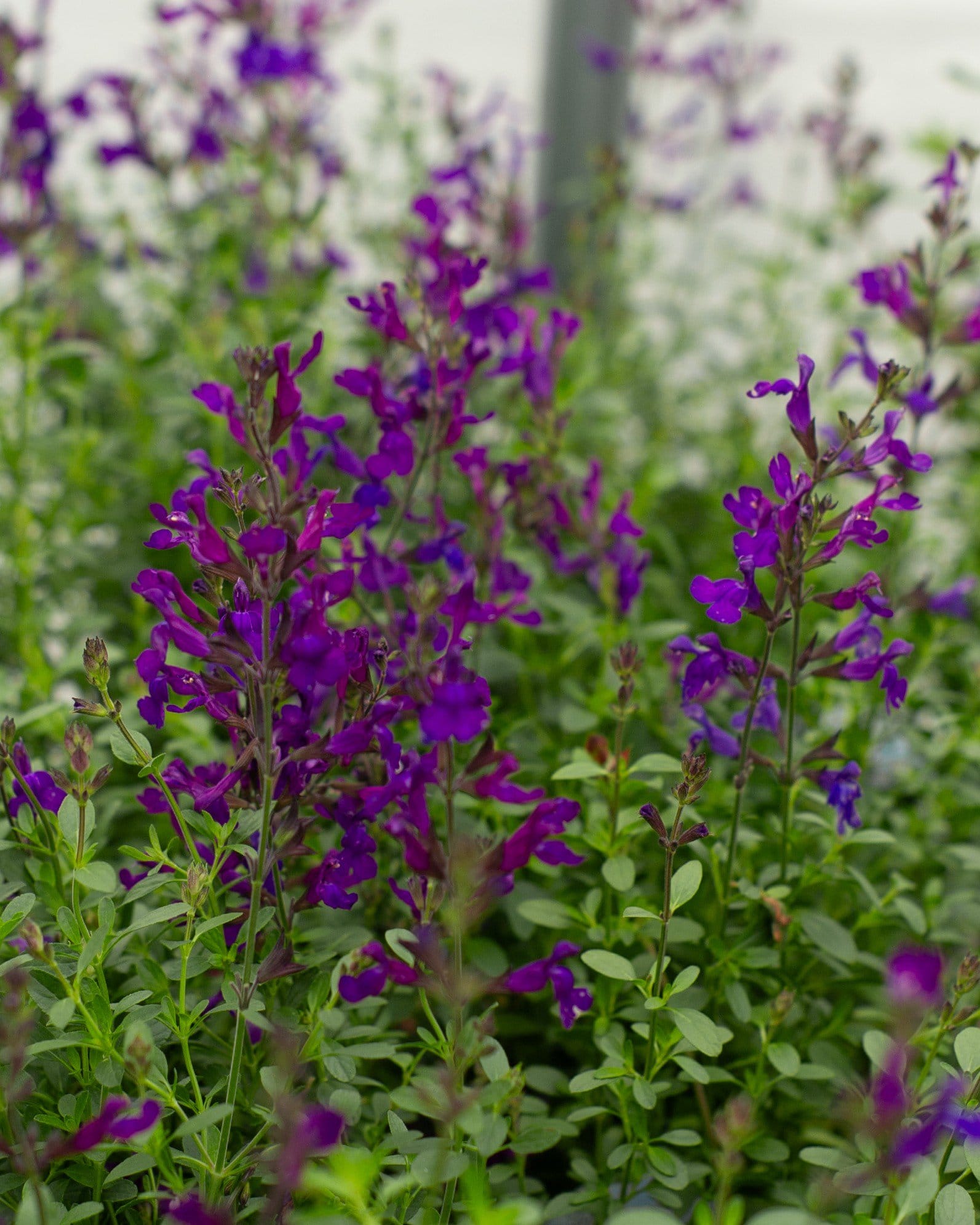
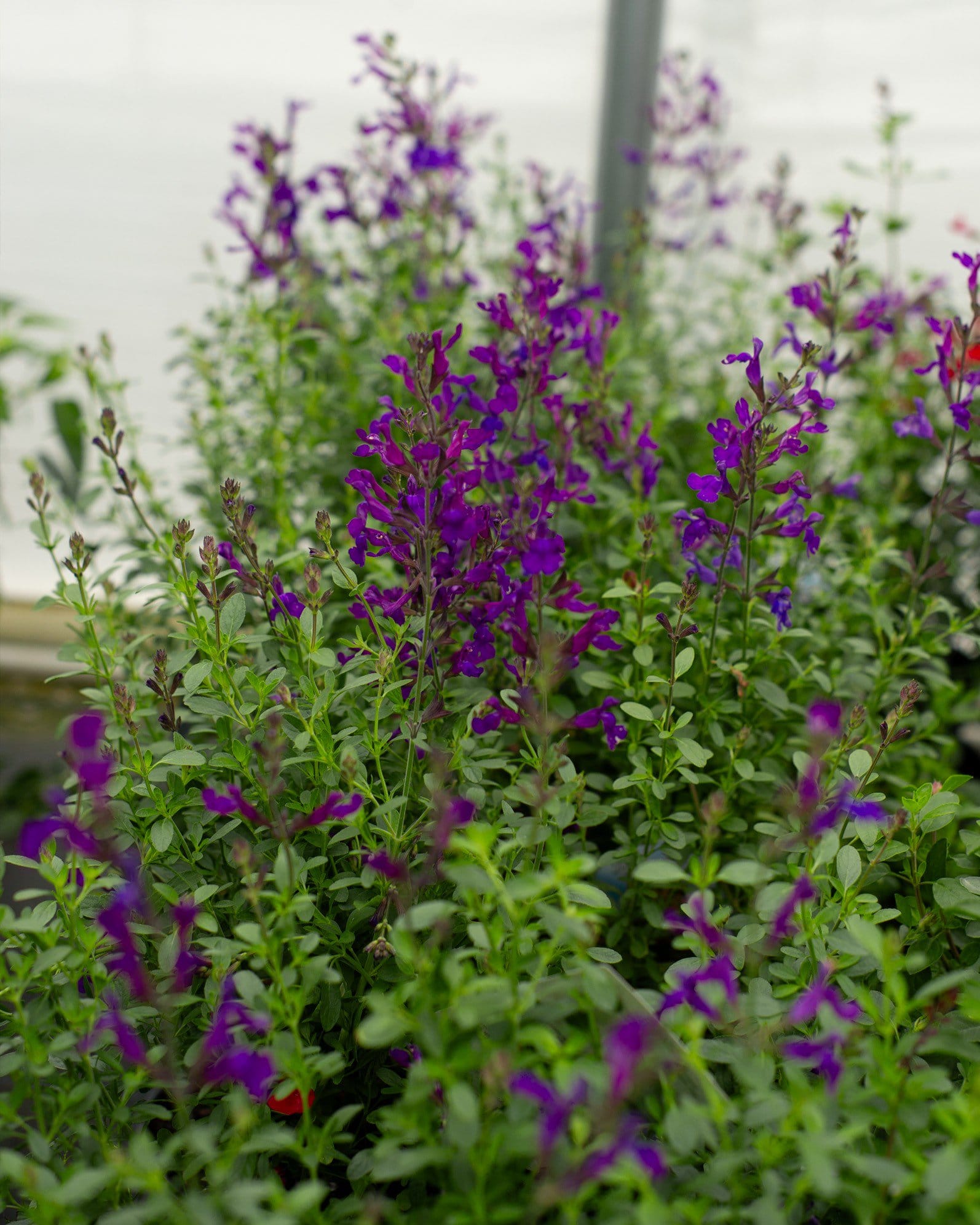
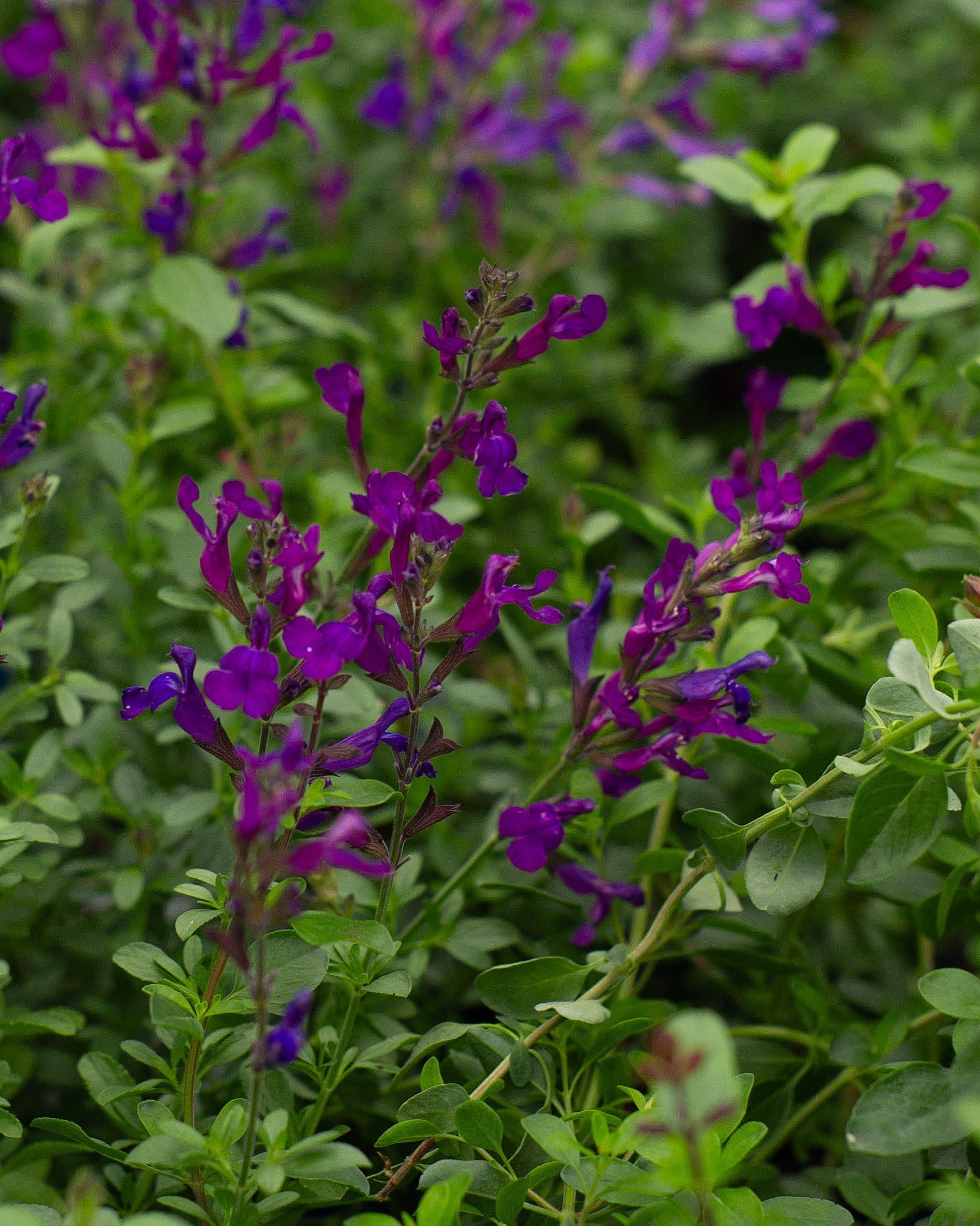
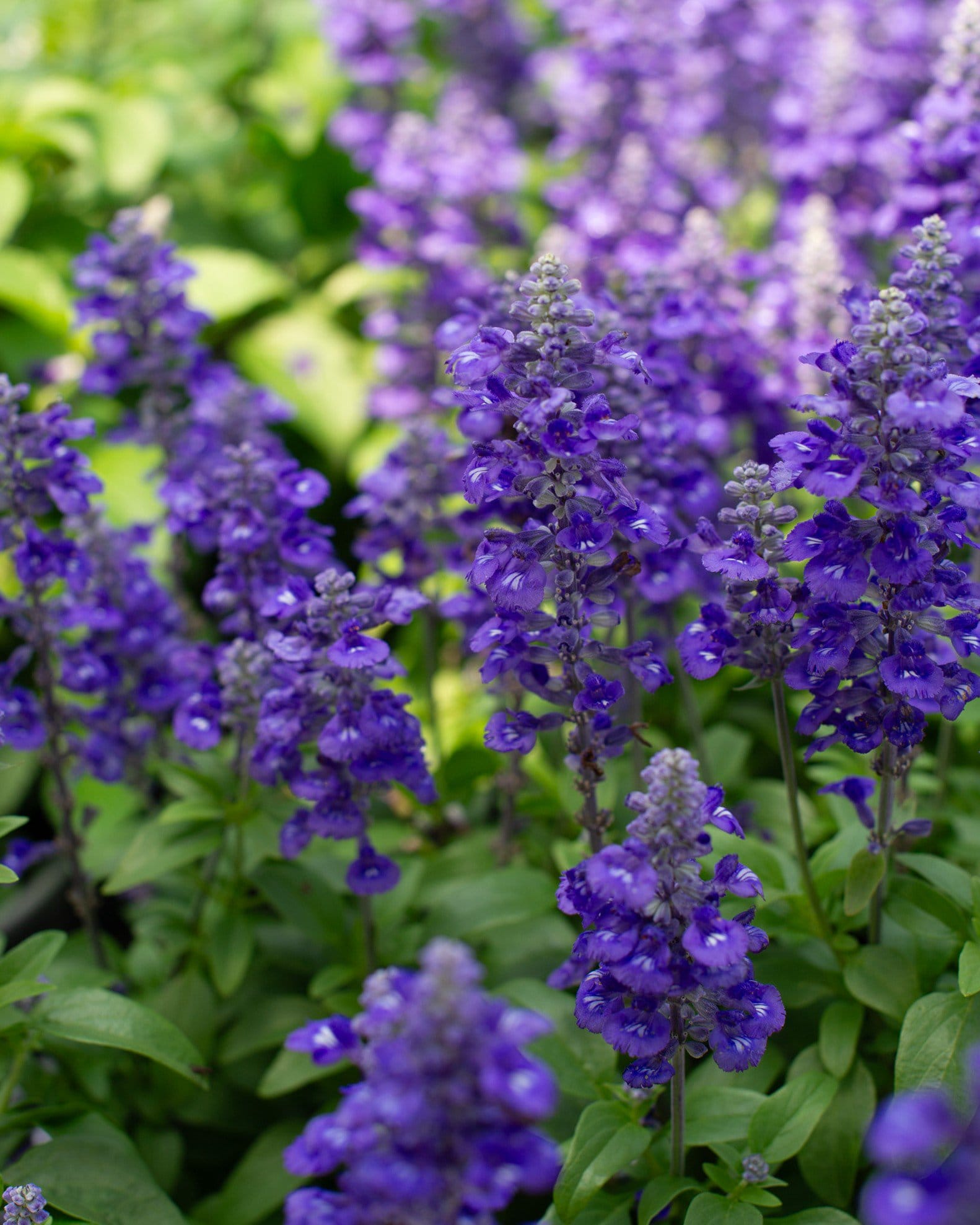
Sallyfun Blue Lagoon Salvia
Maturity: 1.5' H x 1.5' W
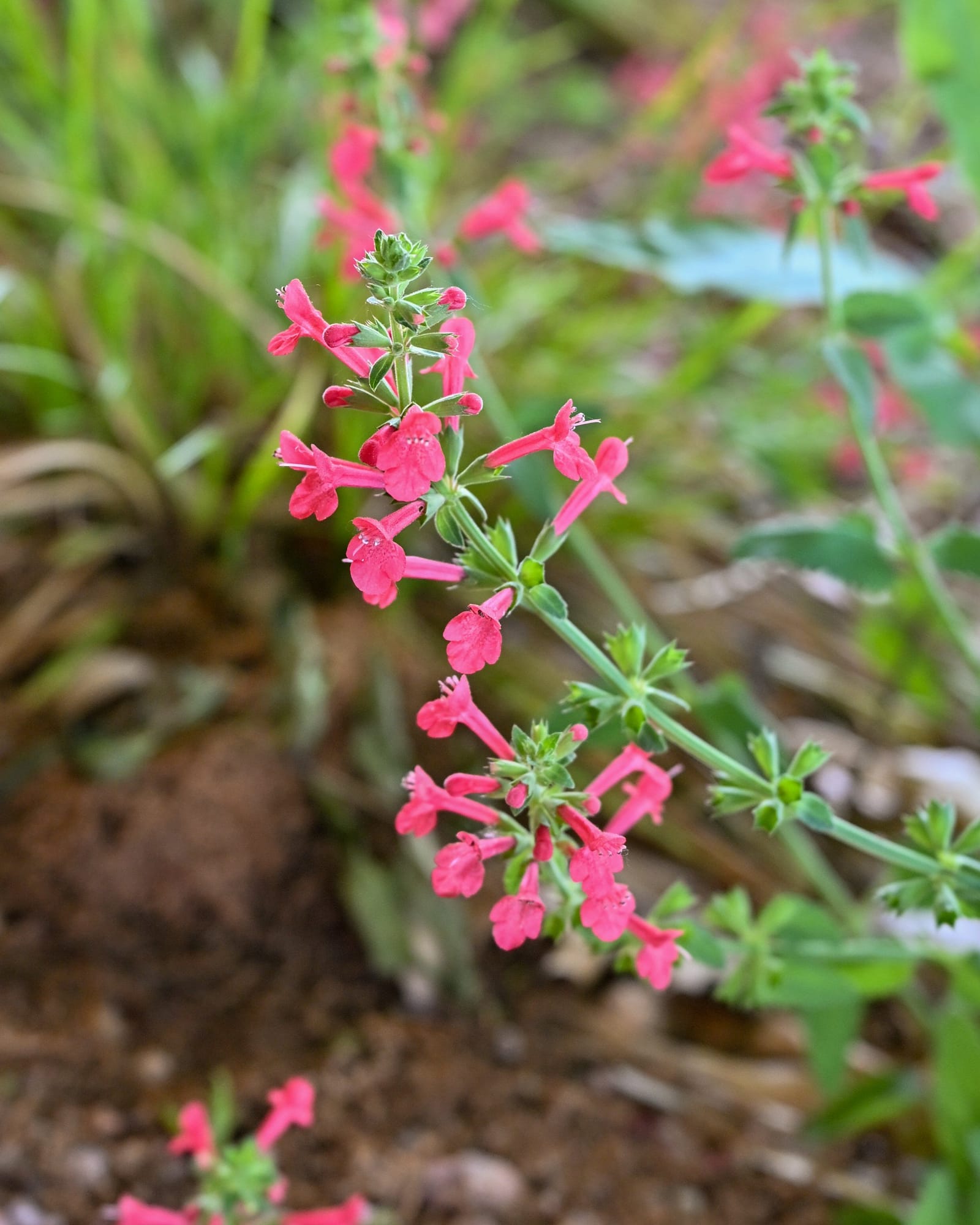
Cedar Sage Salvia
Maturity: 2' H x 1.5' W
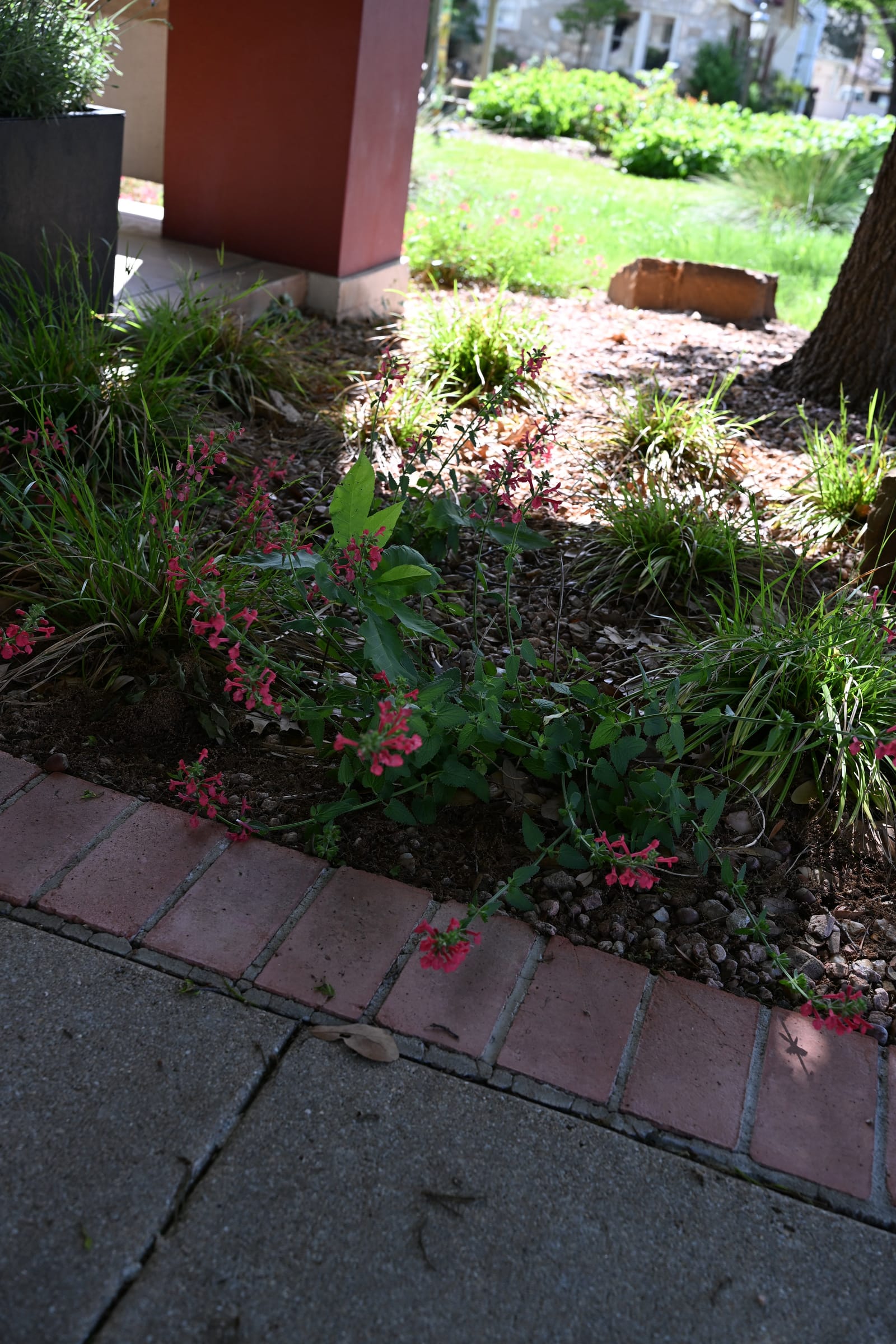
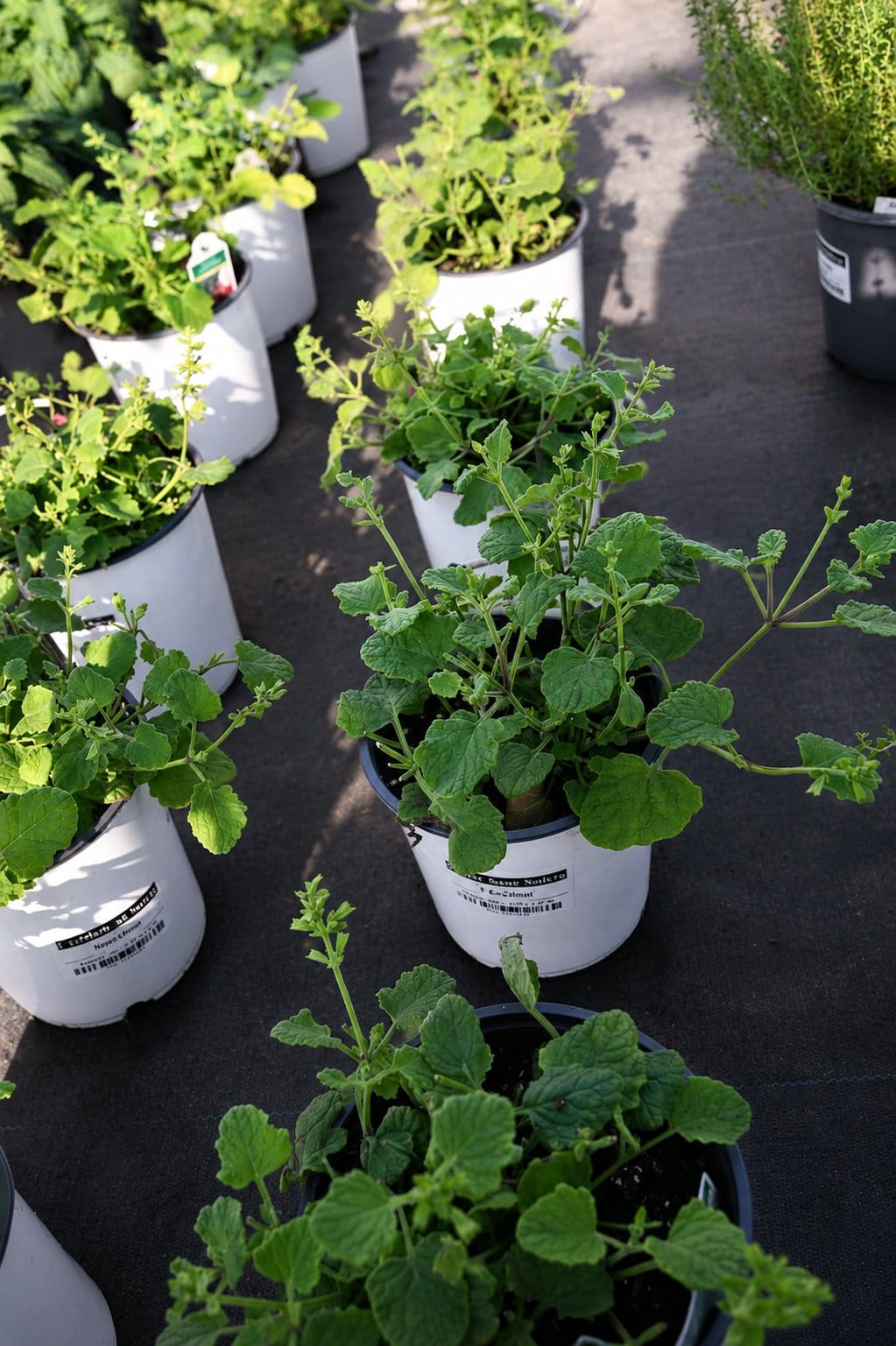
Lipstick Salvia Greggii
Maturity: 2' H x 2' W
Radio Red Salvia Greggii
Maturity: 3' H x 3' W
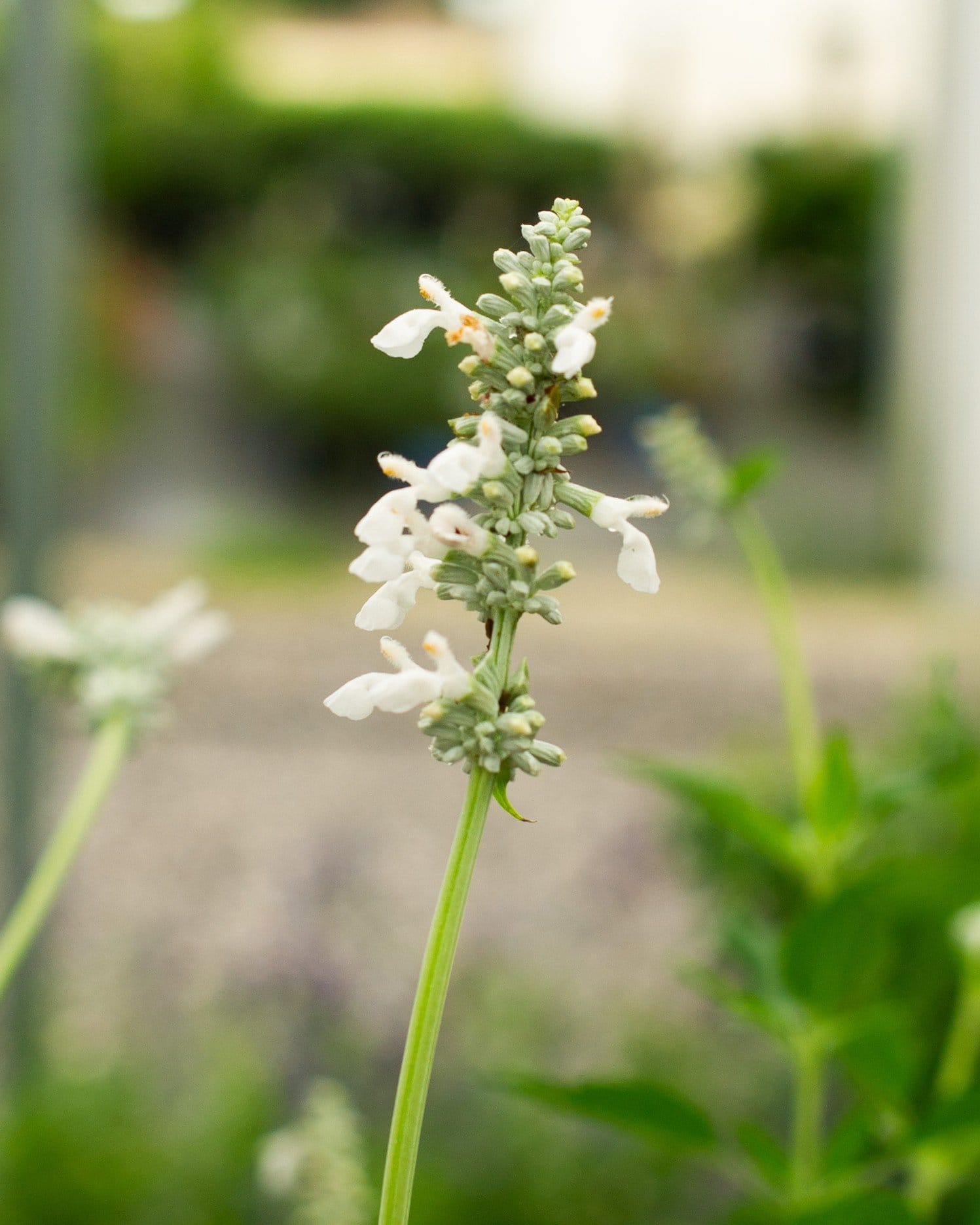
Augusta Duelberg Salvia
Maturity: 3' H x 3' W
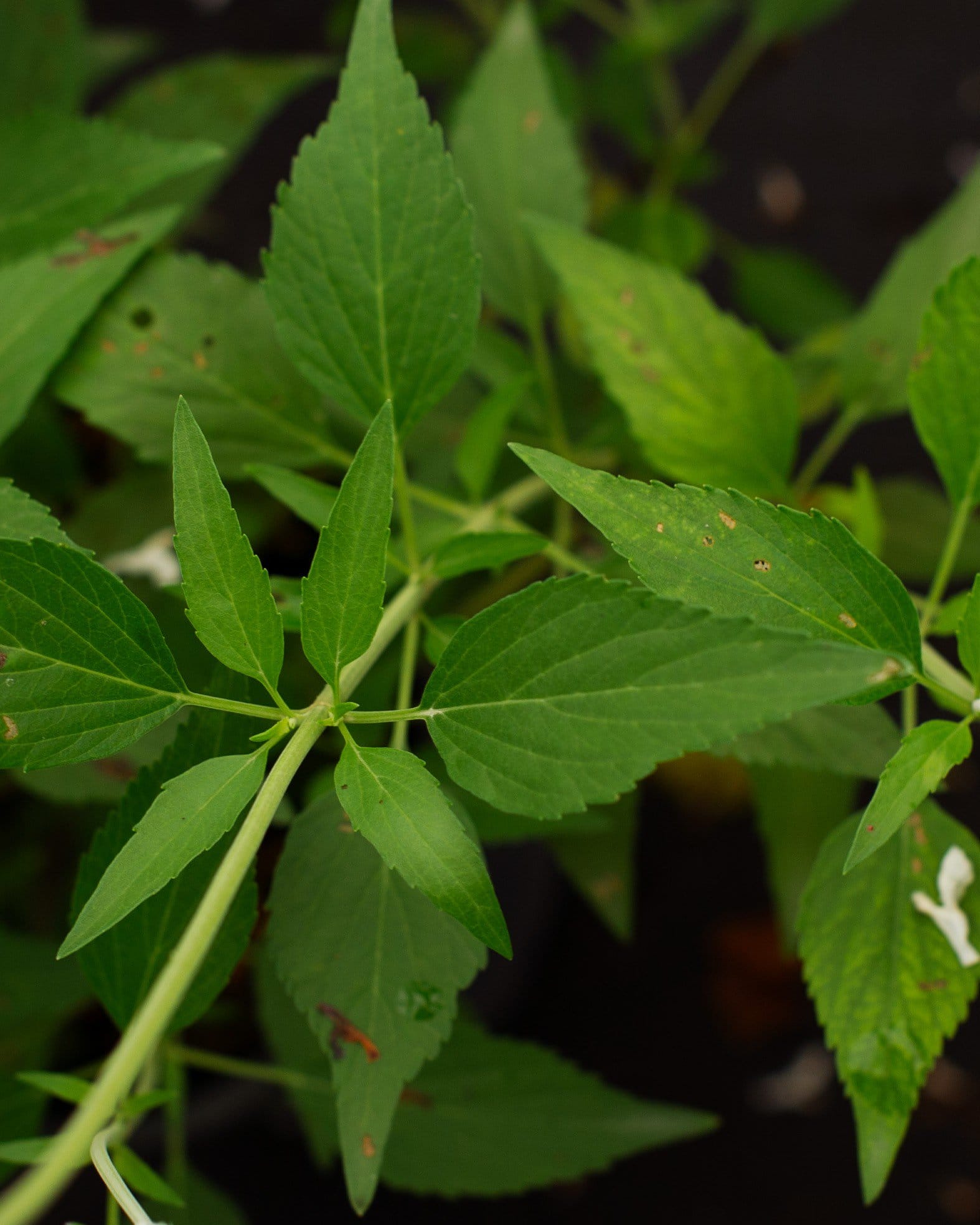
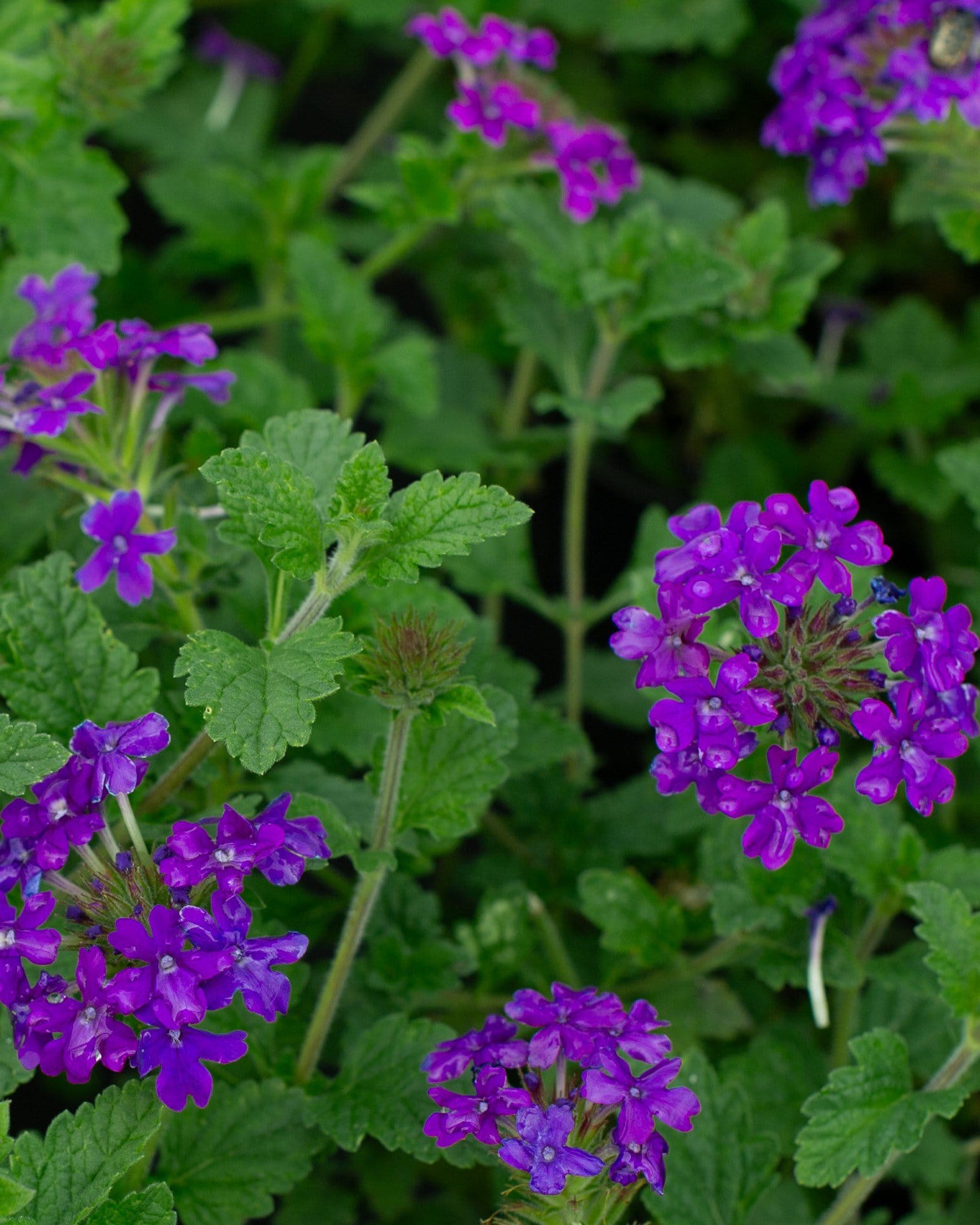
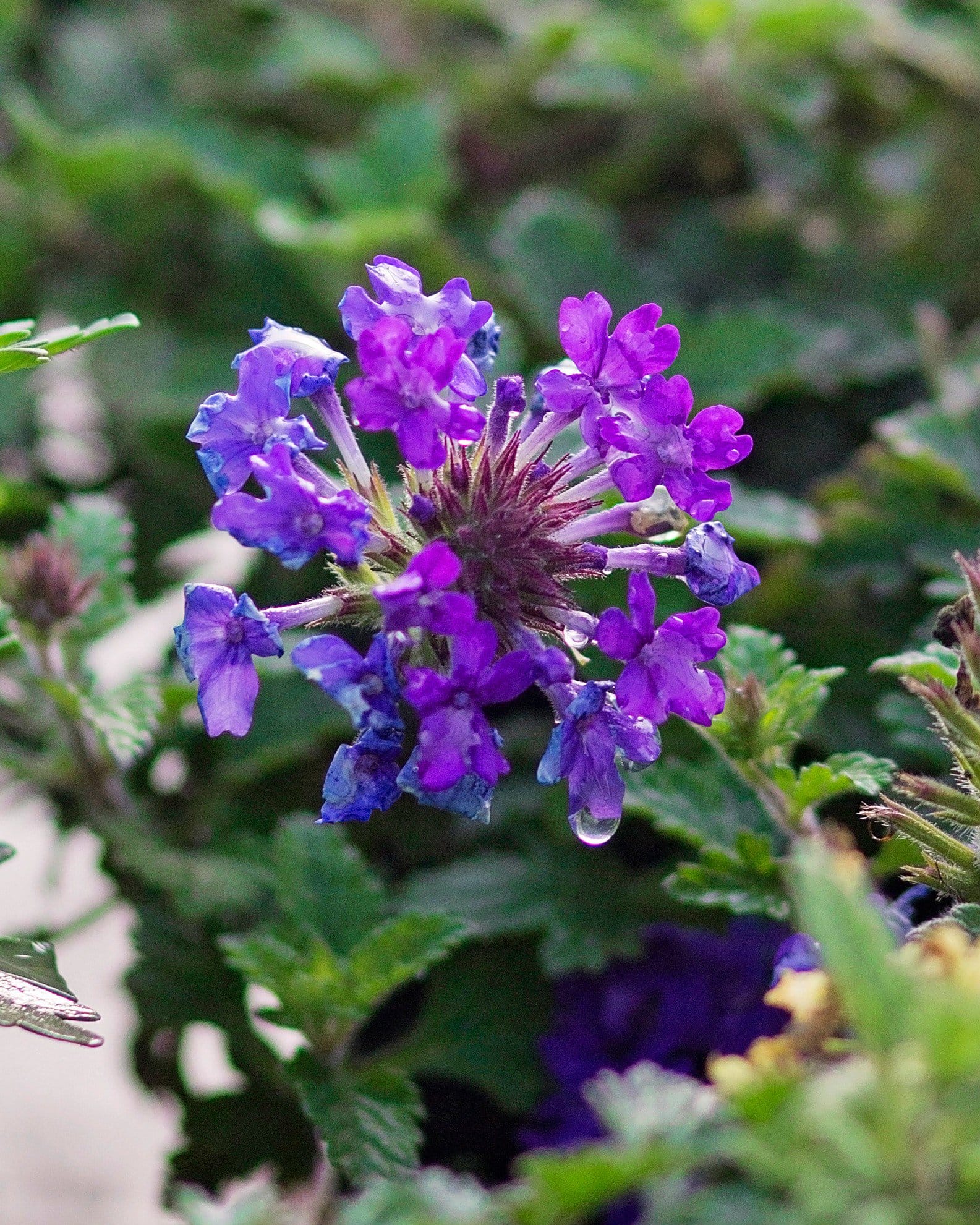
Homestead Purple Verbena
Maturity: 1' H x 2' W
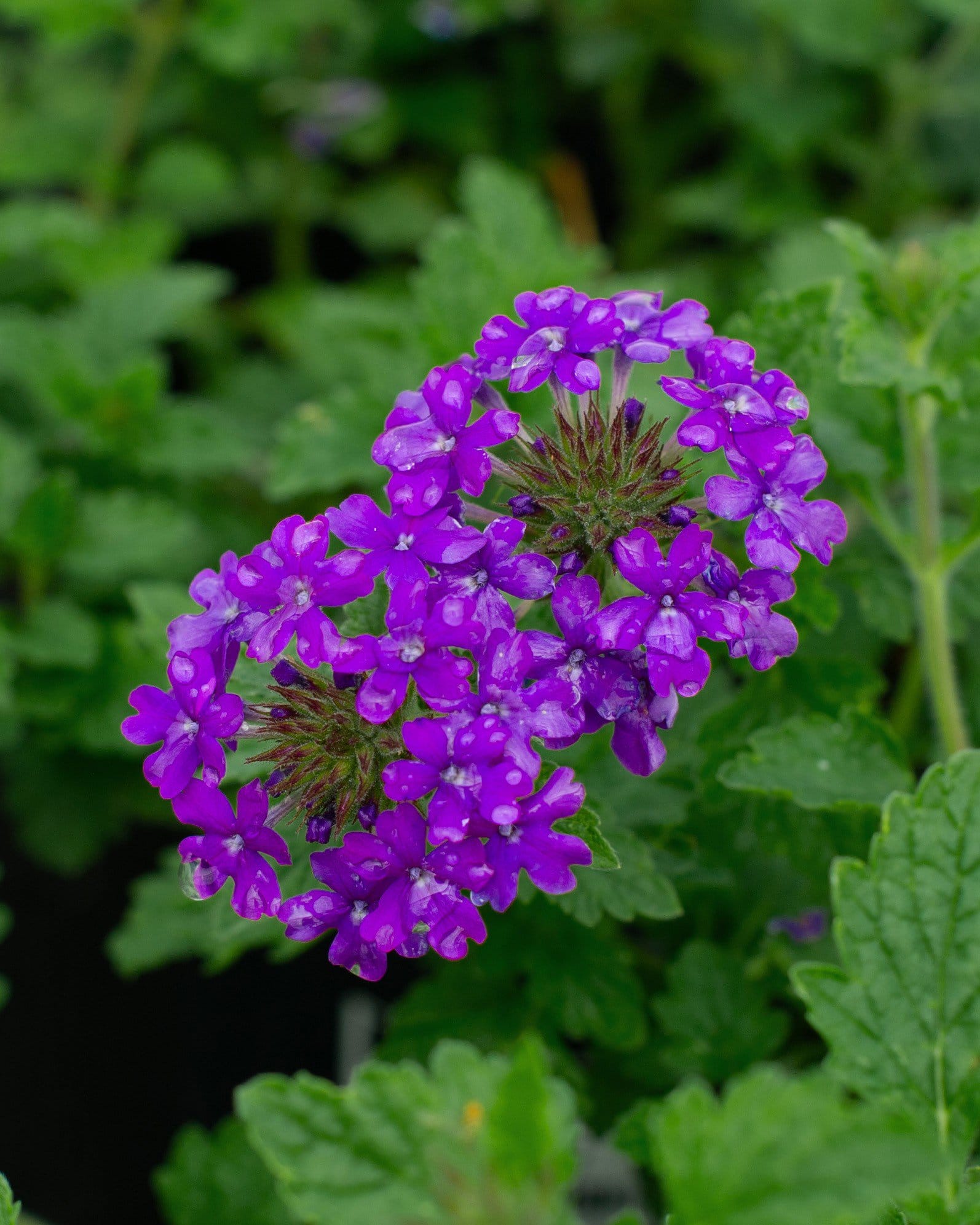
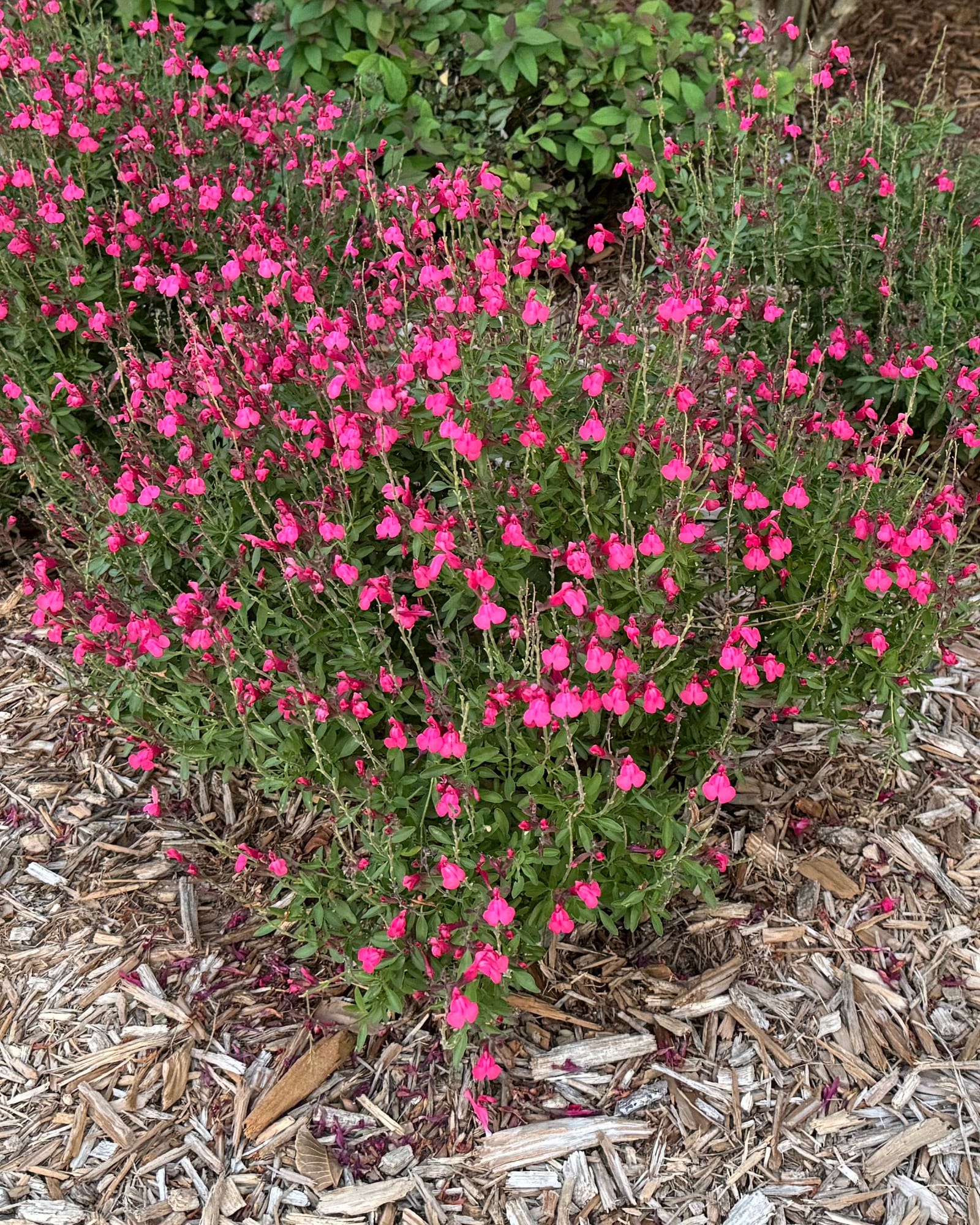
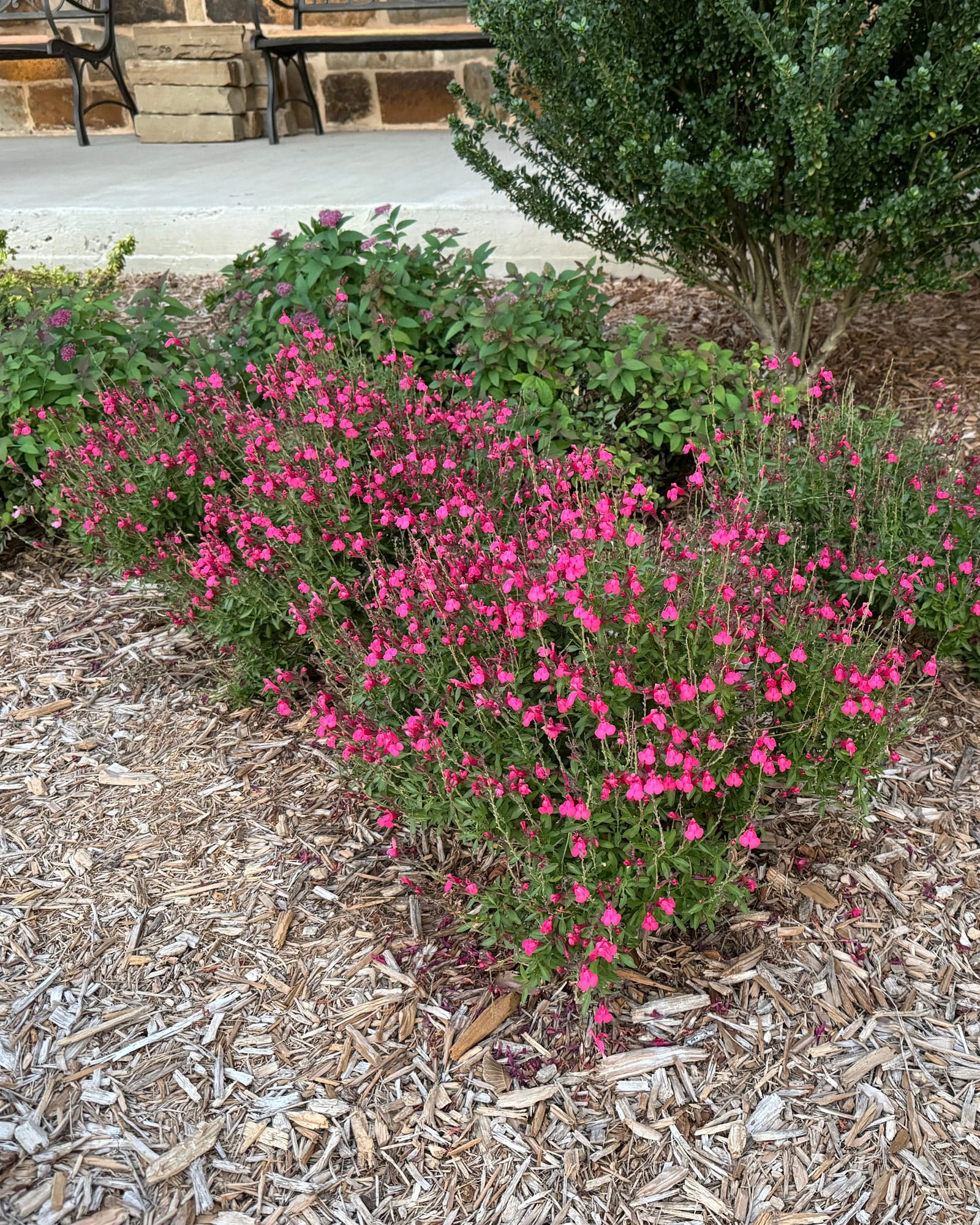
Hot Pink Salvia Greggii
Maturity: 3' H x 3' W
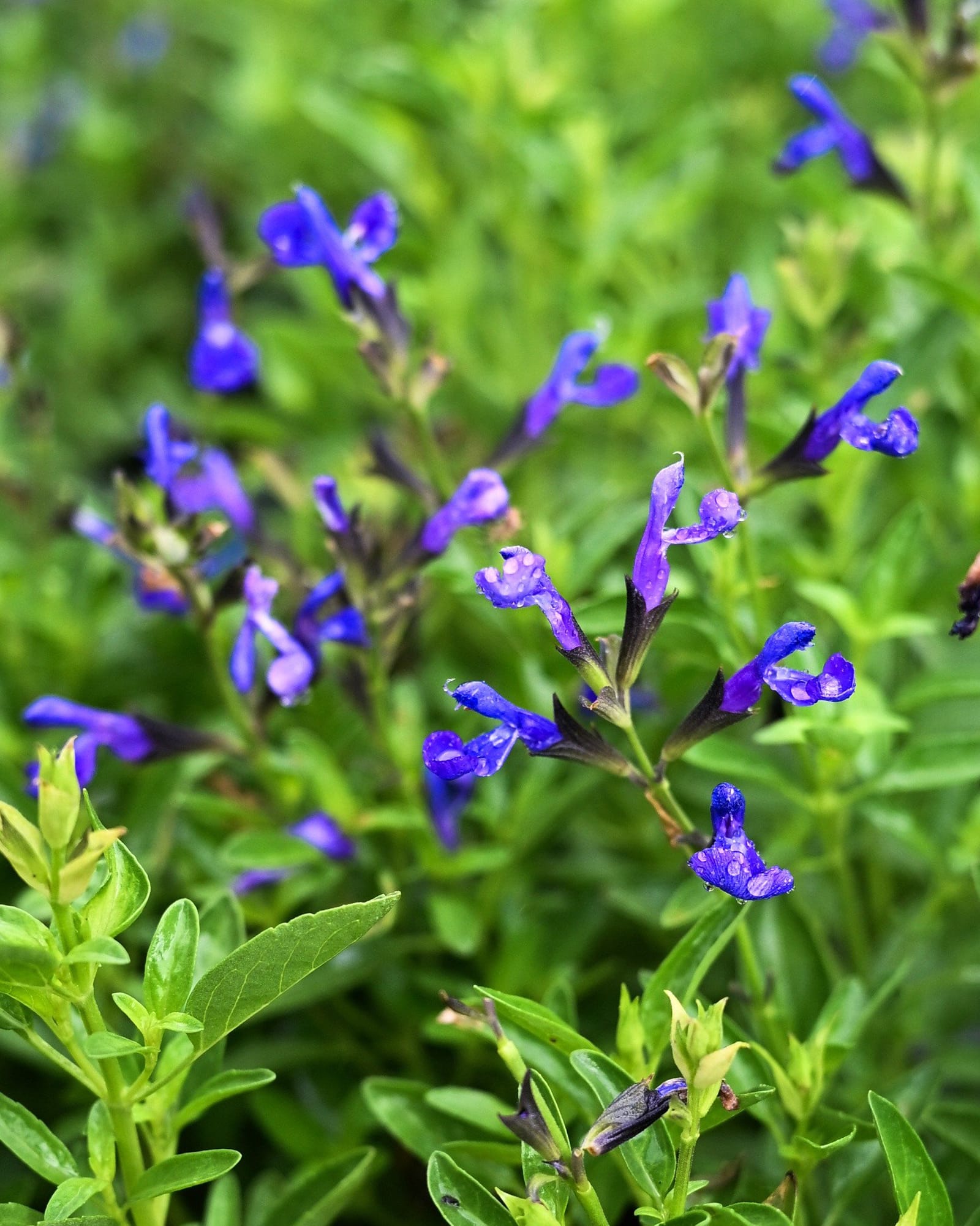
Mirage Blue Salvia Greggii
Maturity: 1' H x 1' W
Mirage Hot Pink Salvia Greggii
Maturity: 1' H x 1' W
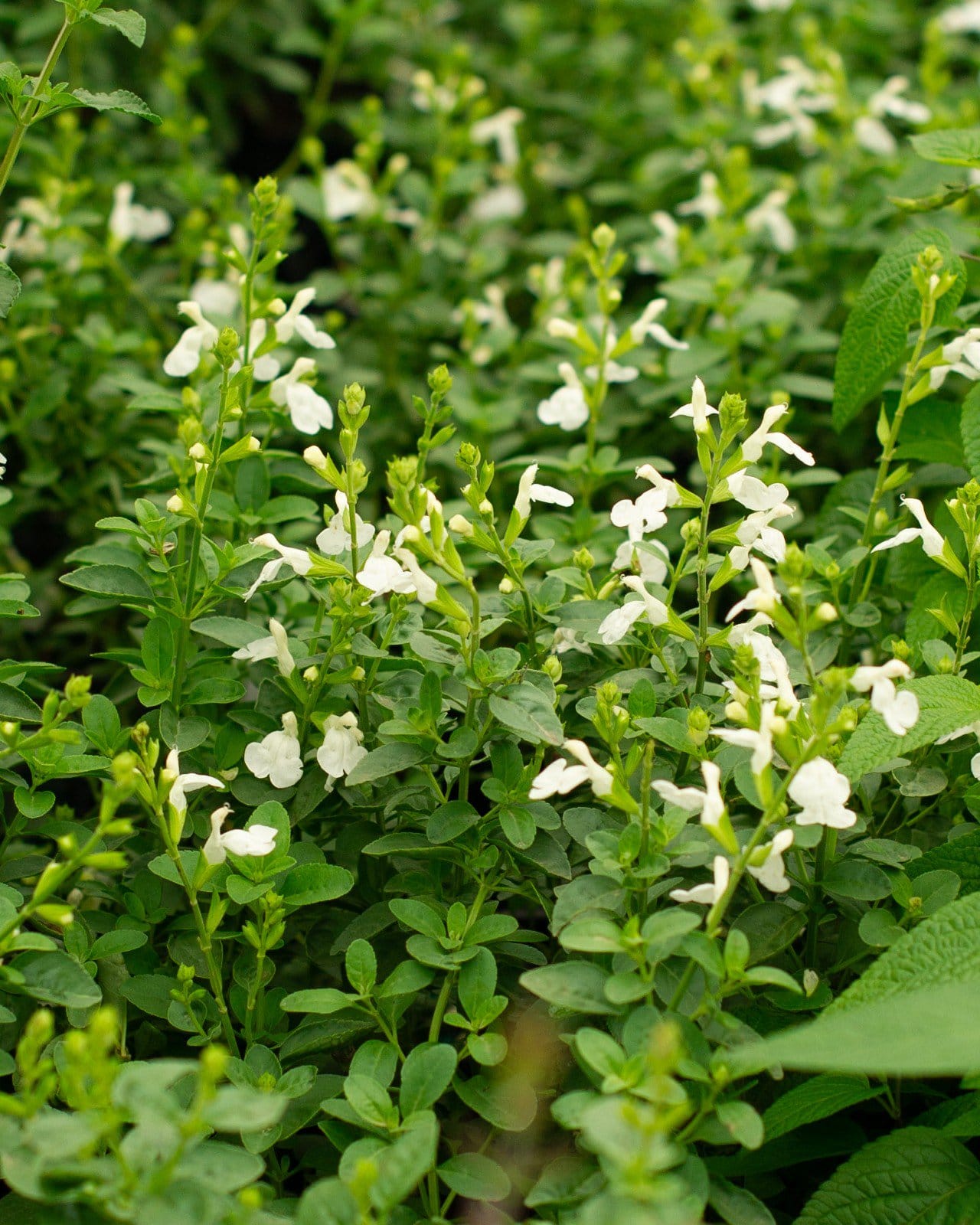
Mirage White Salvia Greggii
Maturity: 1' H x 1' W
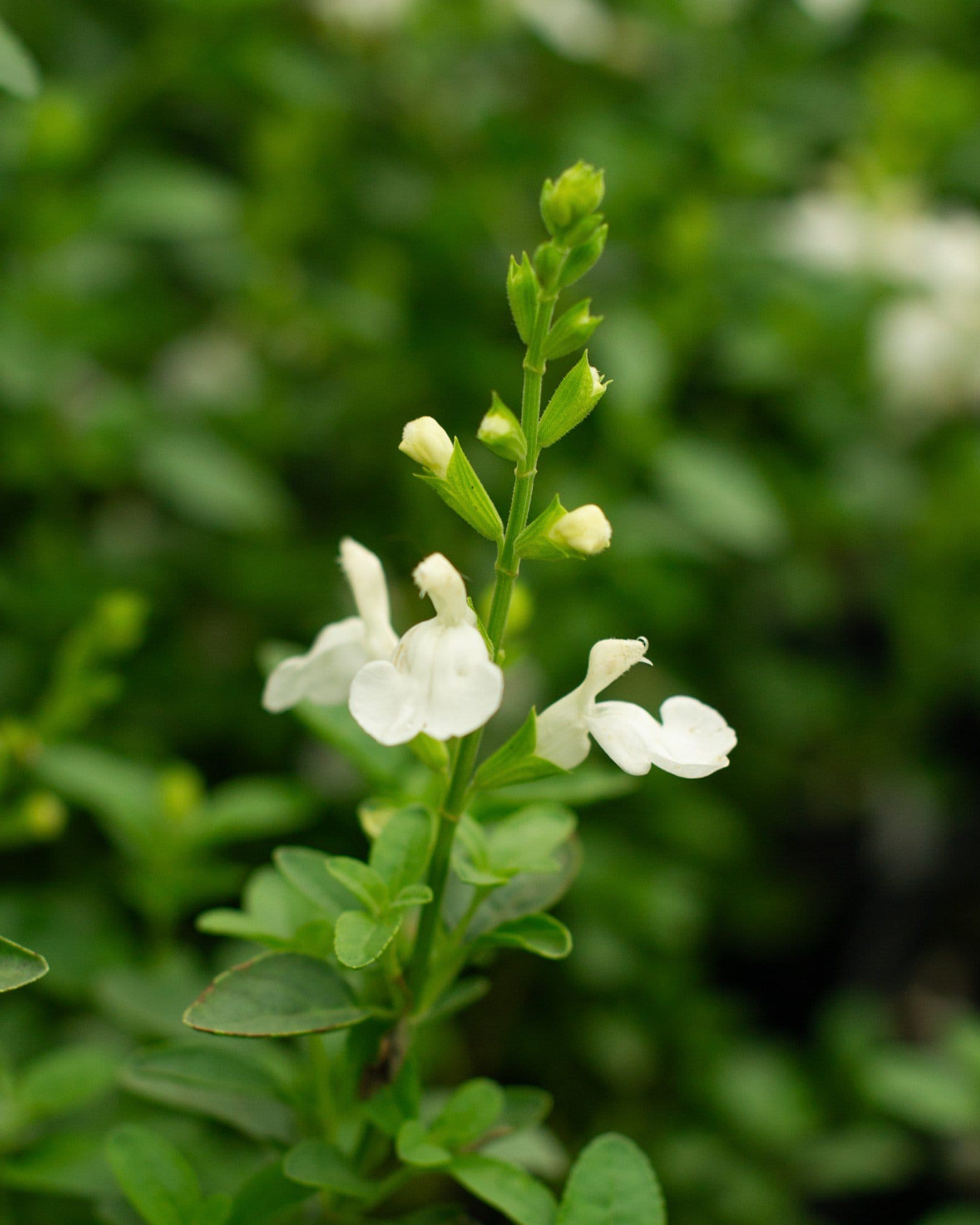
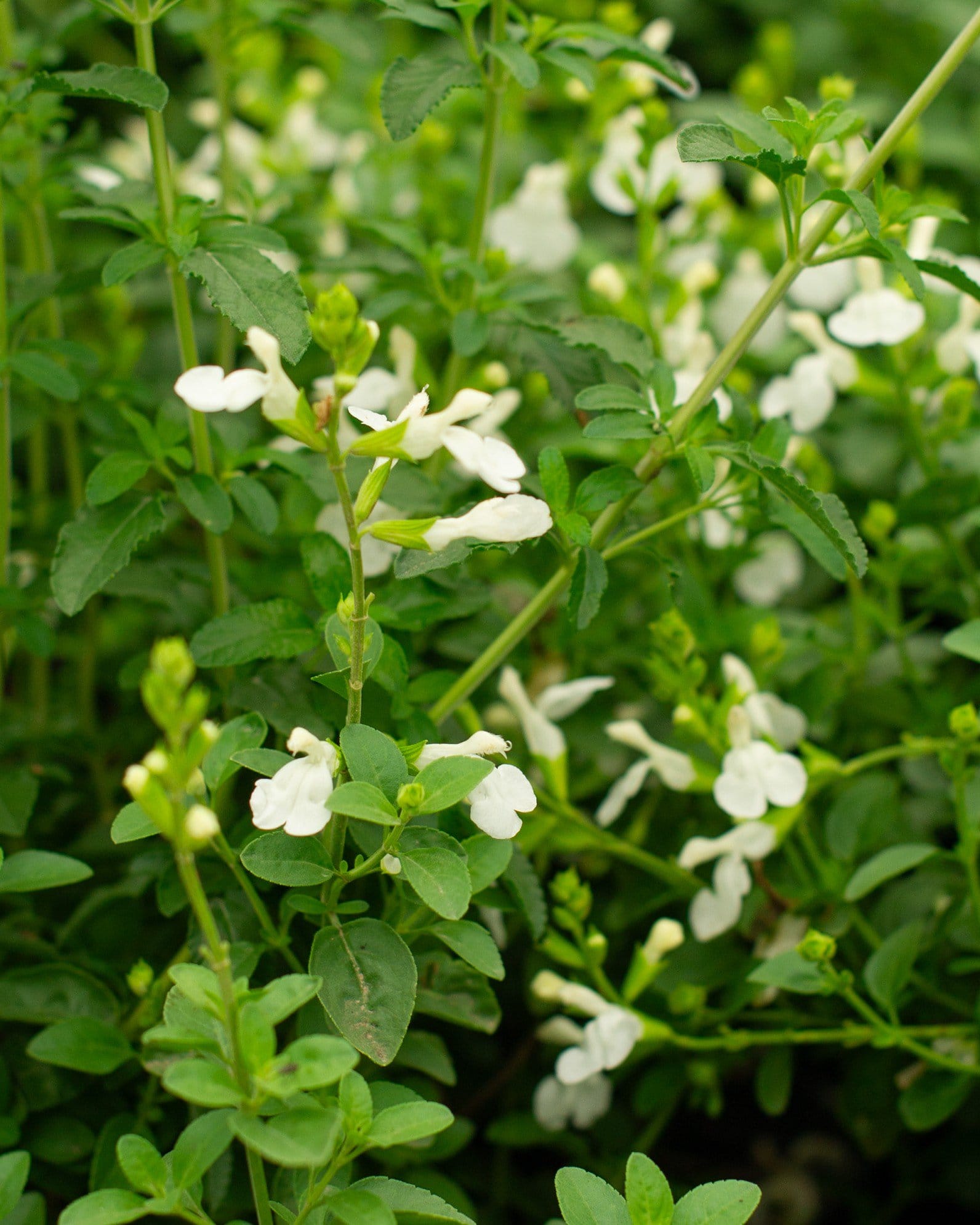
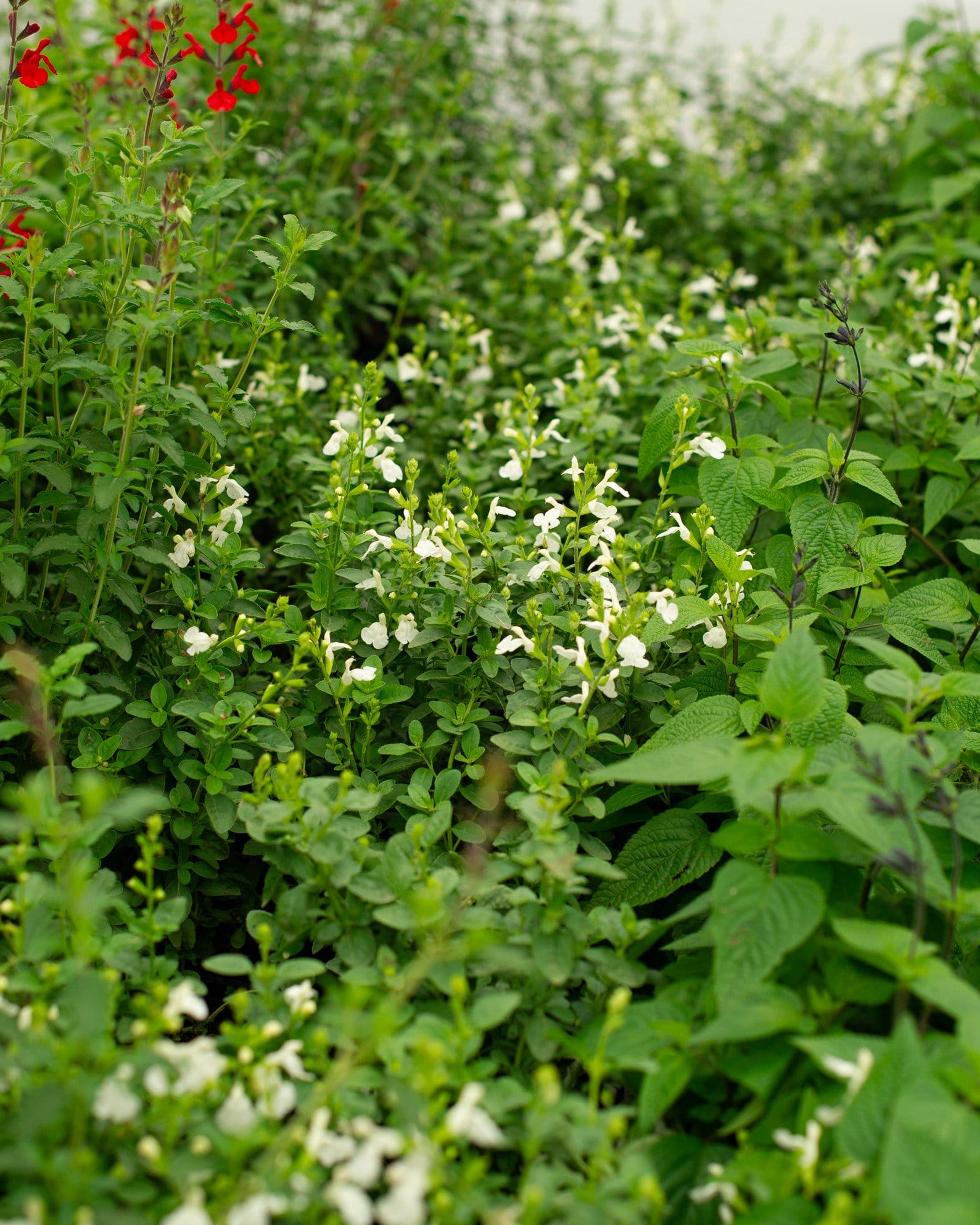
Pink Salvia Greggii
Maturity: 3' H x 3' W
Compare Similar Plants
Red Salvia Greggii This plant | ||
|---|---|---|
| Scientific Name | Salvia greggii ‘Red’ | Salvia greggii ‘Furman’s Red’ |
| Size at Maturity | 3' H x 3' W | 3' H x 3' W |
| Leaf Retention | Herbaceous | Herbaceous |
| Flower Color | Red | Red |
| Bloom Times | Spring, Summer & Fall | Spring, Summer & Fall |
| Sizes Available | 3 gal | 1, 2 gal |

Our 1-Year Planting Guarantee
We take pride in our plants and installation services. If any plants or trees installed by Treeland fail to thrive within the first year, we'll provide a replacement credit in accordance with our guarantee program.
Learn More About Our Guarantee