

 Popular
Local DFW Delivery Only
Product Details
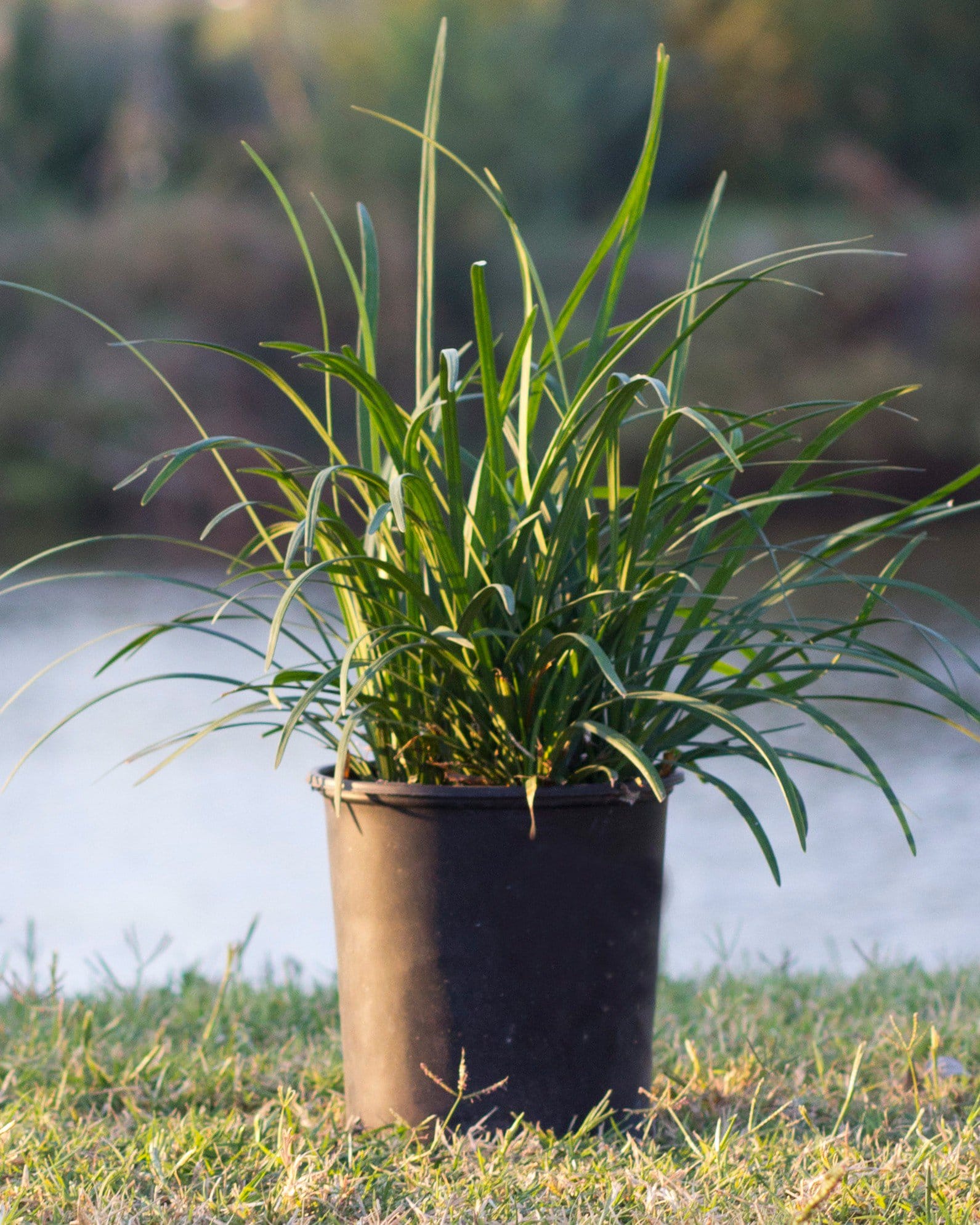
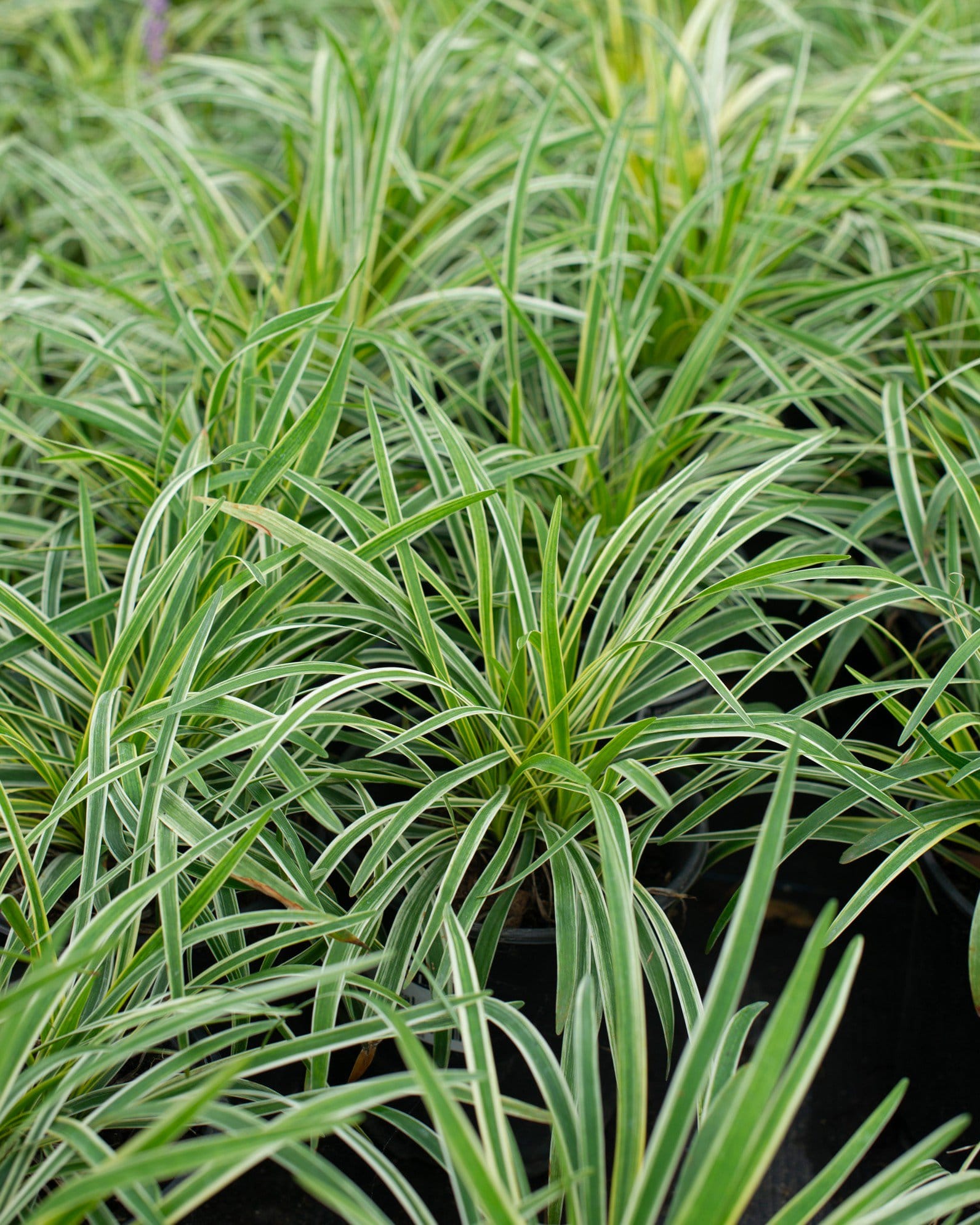
Big Blue Liriope
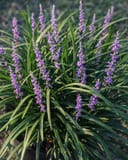
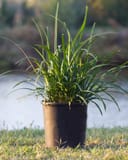
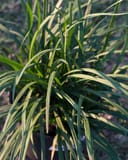
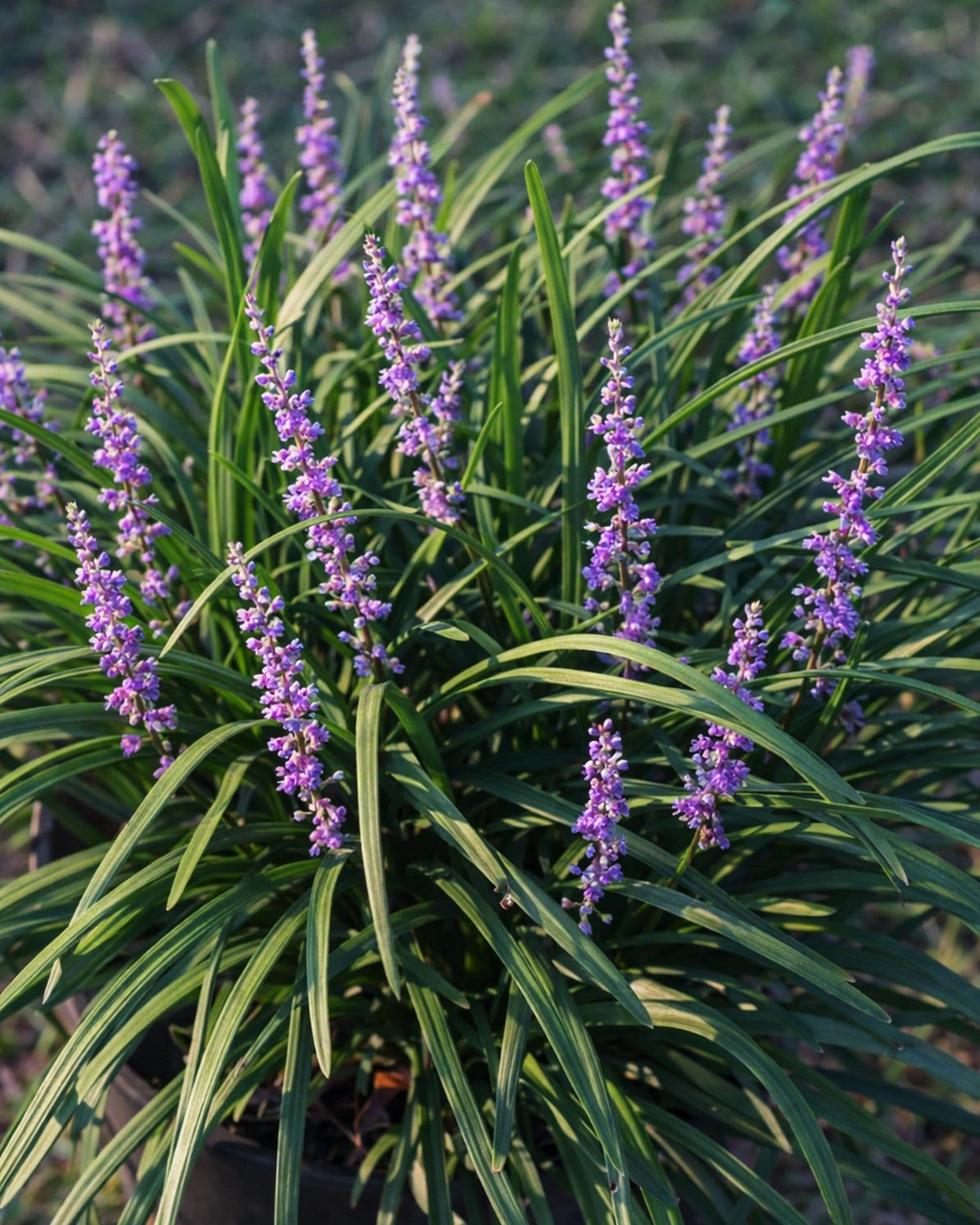
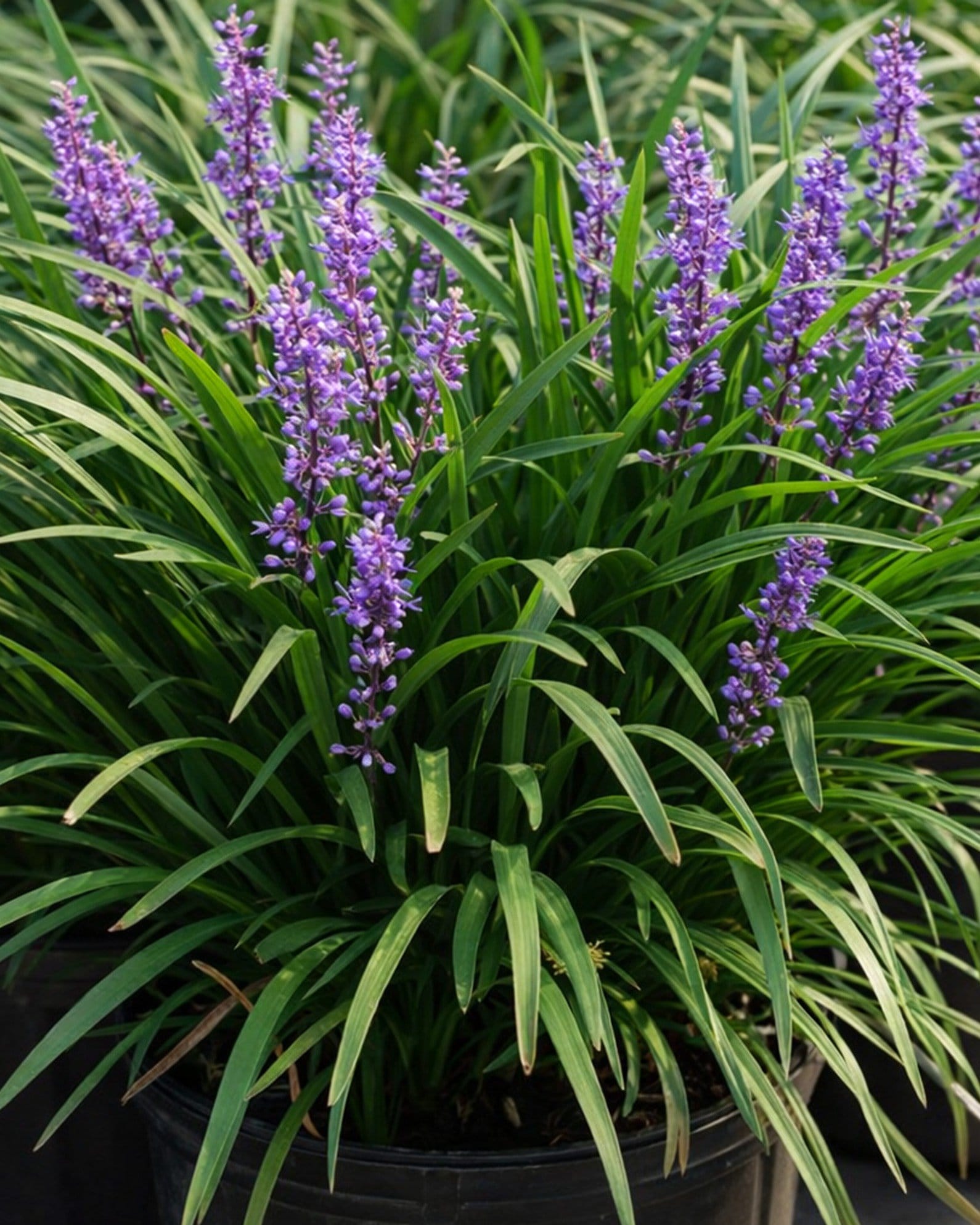
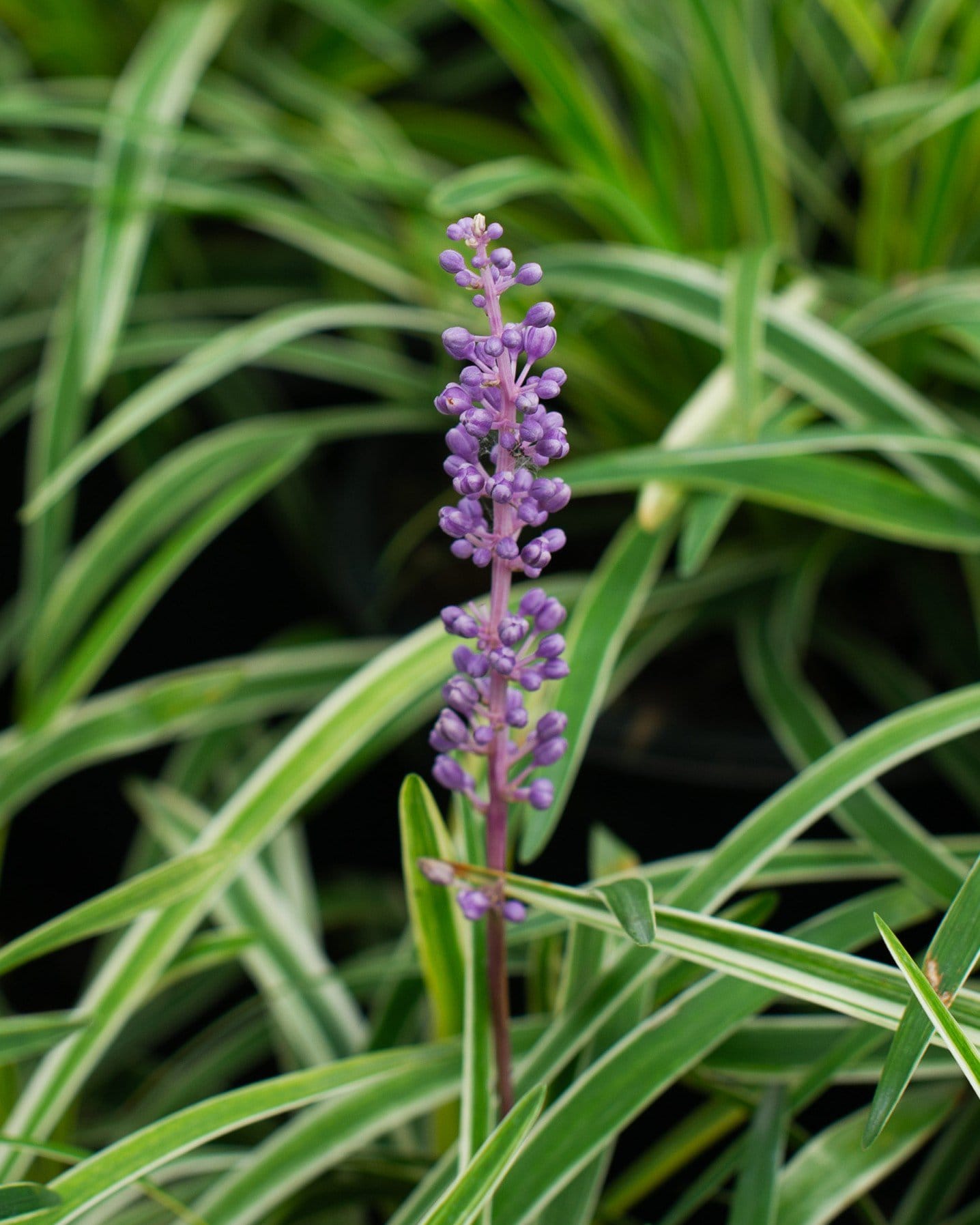
Liriope muscari ‘Big Blue’The Big Blue Liriope is a very unique-looking groundcover. It grows 1.5 feet in height and width. This plant features foliage reminiscent of long blades of grass, in deep green colors. It also has spikes of purple flower clusters in summer, adding color to your landscape. The Big Blue Liriope is a versatile plant, performing great as both groundcover and in border plantings.
- Evergreen groundcover
- Moderate growth rate
- Green foliage and purple flowers
- Blossoms throughout summer and autumn
- A versatile choice, performing well as a border or edge plant
This plant loves sun and will tolerate average soil and mild drought once established, so choose your planting spot accordingly. It's very hardy, thriving in zones 5 through 11, making it perfect for all of Texas. To maintain its beauty, remove old leaves to make room for new ones.
Big Blue Liriope are a hardy, low-maintenance plant that thrives with minimal effort. However, consistent care ensures dense growth and long-lasting beauty.
- Watering: Water deeply once or twice a week during the first growing season to help roots establish. Once mature, Big Blue Liriope is quite drought-tolerant, requiring only occasional watering during extended dry periods. Deep watering is preferable to frequent, shallow watering, as it encourages stronger root development.
- Pruning: Prune the foliage back to about 2-3 inches, as this helps refresh the plant and remove old, discolored leaves. Avoid pruning during active growth, as it can damage new shoots.
- Fertilizing: Big Blue Liriope generally requires little fertilizer, but to support healthy foliage and vibrant blooms, apply a balanced, slow-release fertilizer in early spring. A single feeding per year is usually sufficient. Avoid excessive nitrogen, which encourages leaf growth at the expense of flowers.
- Mulching: Add a 2-3 inch layer of mulch around the base of the plants to conserve moisture and suppress weeds. Keep mulch slightly away from the crown to prevent rot.
- Dividing: Every 3-5 years, divide crowded clumps in early spring or fall to rejuvenate growth and prevent thinning centers. Replant divisions immediately and water well to help them establish quickly.
Common Issues and How to Take Care of Them
While Big Blue Liriope are known for their toughness and resilience, a few issues can occasionally arise:
- Crown Rot: Often caused by overly wet or poorly drained soils. The crown turns soft or blackened. Prevent this by ensuring proper drainage and avoiding overwatering.
- Anthracnose: A fungal leaf disease that causes brown or black streaks on the foliage. Remove infected leaves and apply a fungicide if needed. Proper spacing and airflow are excellent ways to prevent fungal diseases.
- Slugs and Snails: These pests may feed on tender leaves, especially in damp conditions. Remove them by hand or use pet-safe slug baits to control them.
Maintain good drainage and spacing for airflow, refresh mulch each year while keeping it off the crown, and remove old foliage and debris to prevent fungal issues.
Plant it in early spring, once the frost has passed, or in early fall, giving it the time to establish the root system before the winter. Container-grown Big Blue Liriope could be planted in summer, but make sure to water regularly, especially during dry spells.
During establishment, water once or twice per week depending on rainfall. Afterward, water deeply every 10–14 days during prolonged dry spells.
Yes. Cut back the foliage in late winter or early spring before new growth begins. This encourages healthy, fresh foliage and prevents a ragged look.
Dig up mature clumps and separate them into smaller sections with several shoots and healthy roots. Replant divisions immediately, spacing them about 12 inches apart.
In warmer climates (zones 7–10), it remains evergreen. In colder regions, it may lose some foliage in winter but will quickly regrow in spring.
Yes, it’s a popular low-maintenance substitute for grass in shady or partially shaded areas. It handles light foot traffic and reduces the need for mowing.
Yes, Big Blue Liriope thrives in containers and raised beds, as long as soil quality, airflow, and drainage are ensured.
It spreads moderately through underground rhizomes, forming dense clumps. While it fills in nicely, it’s not considered invasive and can be easily controlled by edging or dividing.
Yes, it’s generally unappealing to deer and rabbits, making it an excellent choice for areas prone to wildlife browsing.
Liriope does best in a fertile, moist, well-drained soil with a pH slightly acidic to neutral.
Special Features
You might also like
Super Blue Liriope
Maturity: 1.5' H x 1.5' W
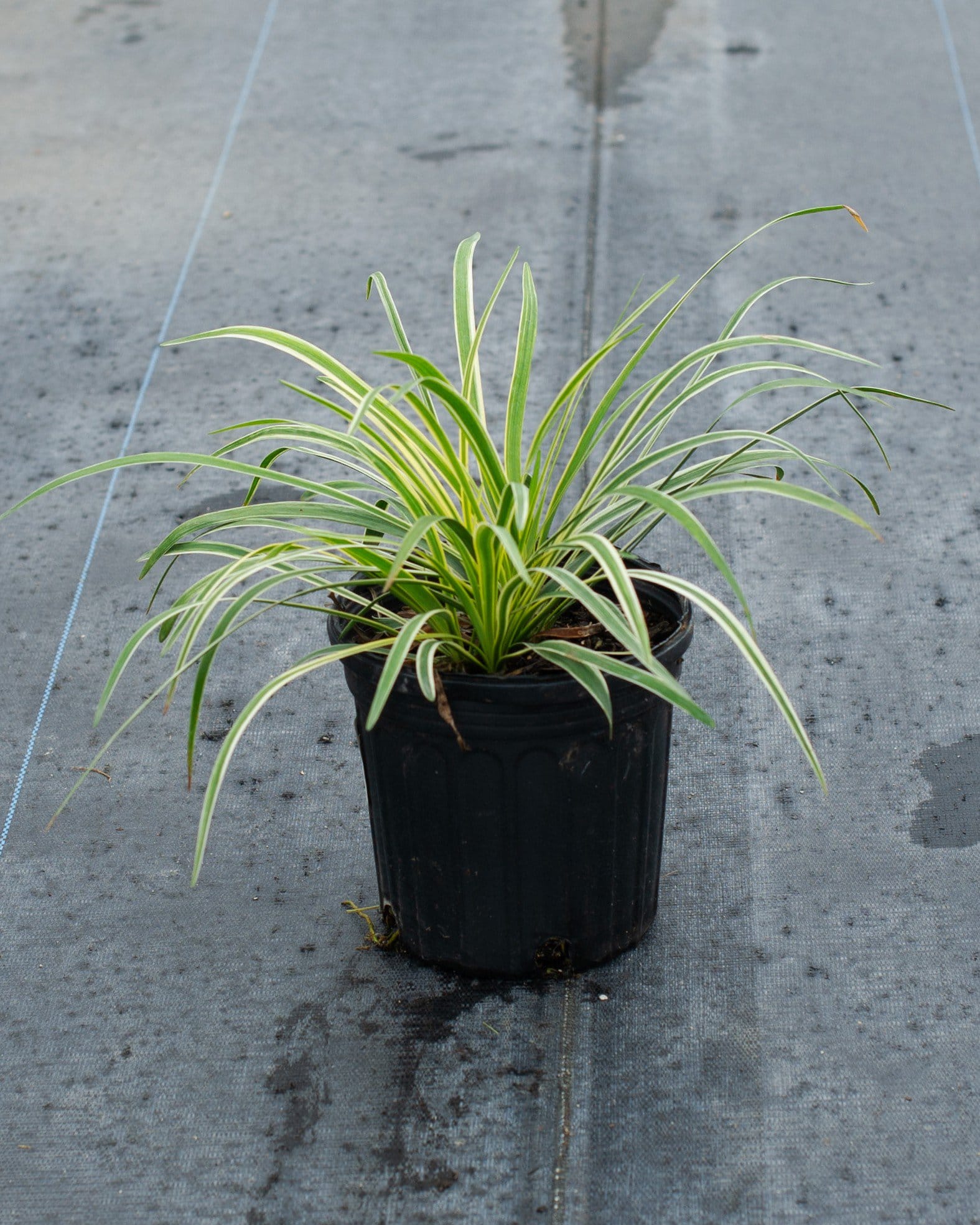
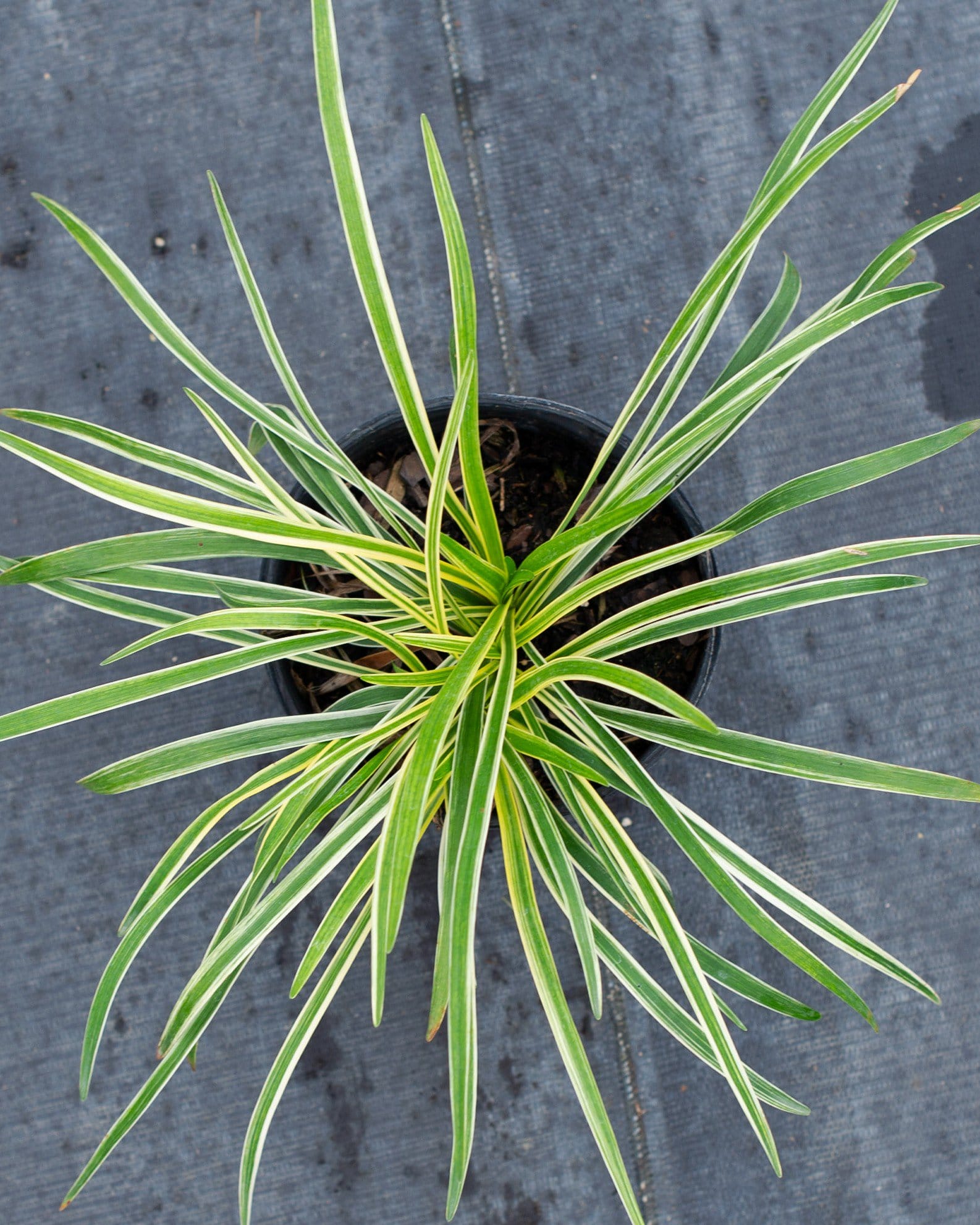
Variegated Liriope
Maturity: 1' H x 1' W
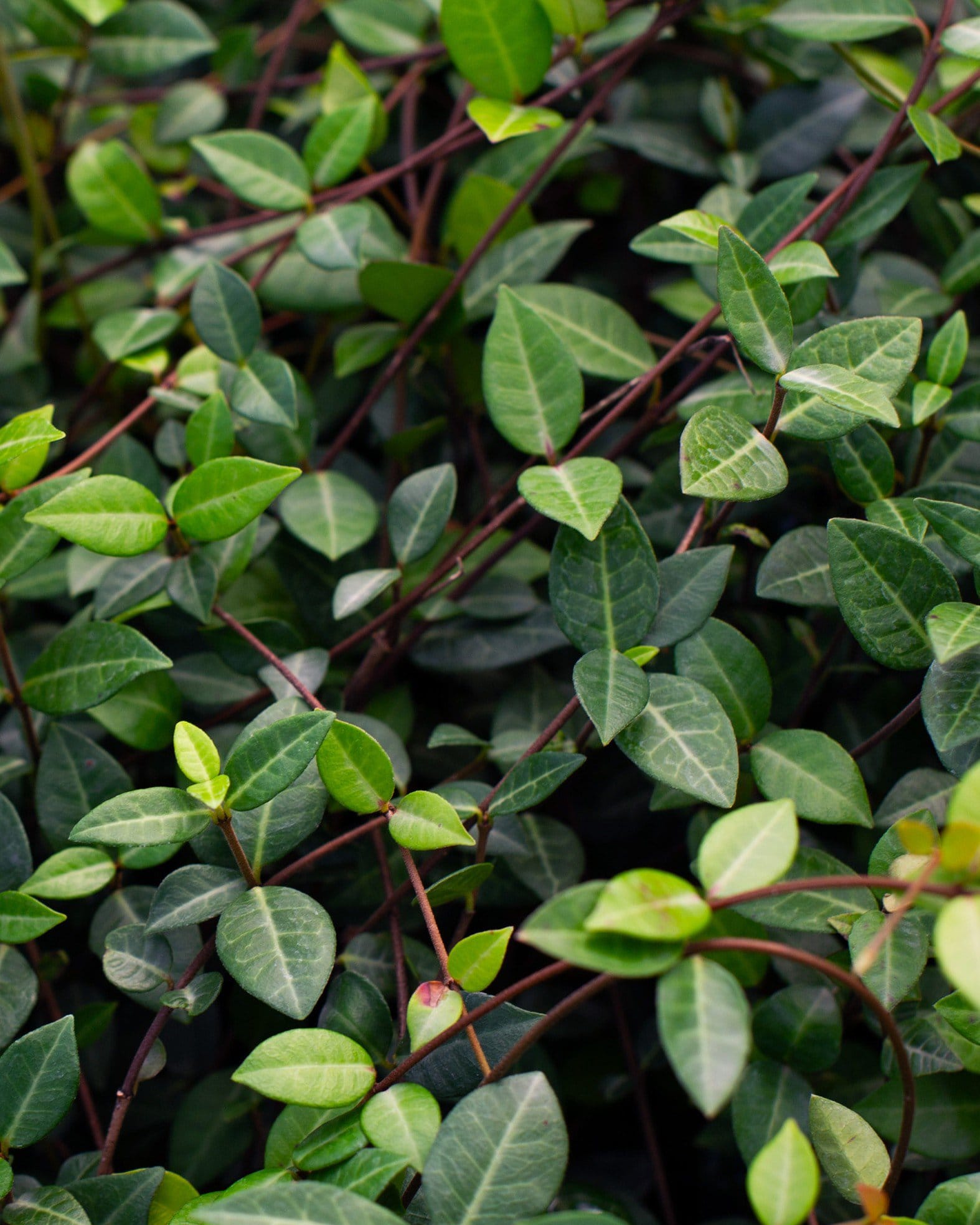
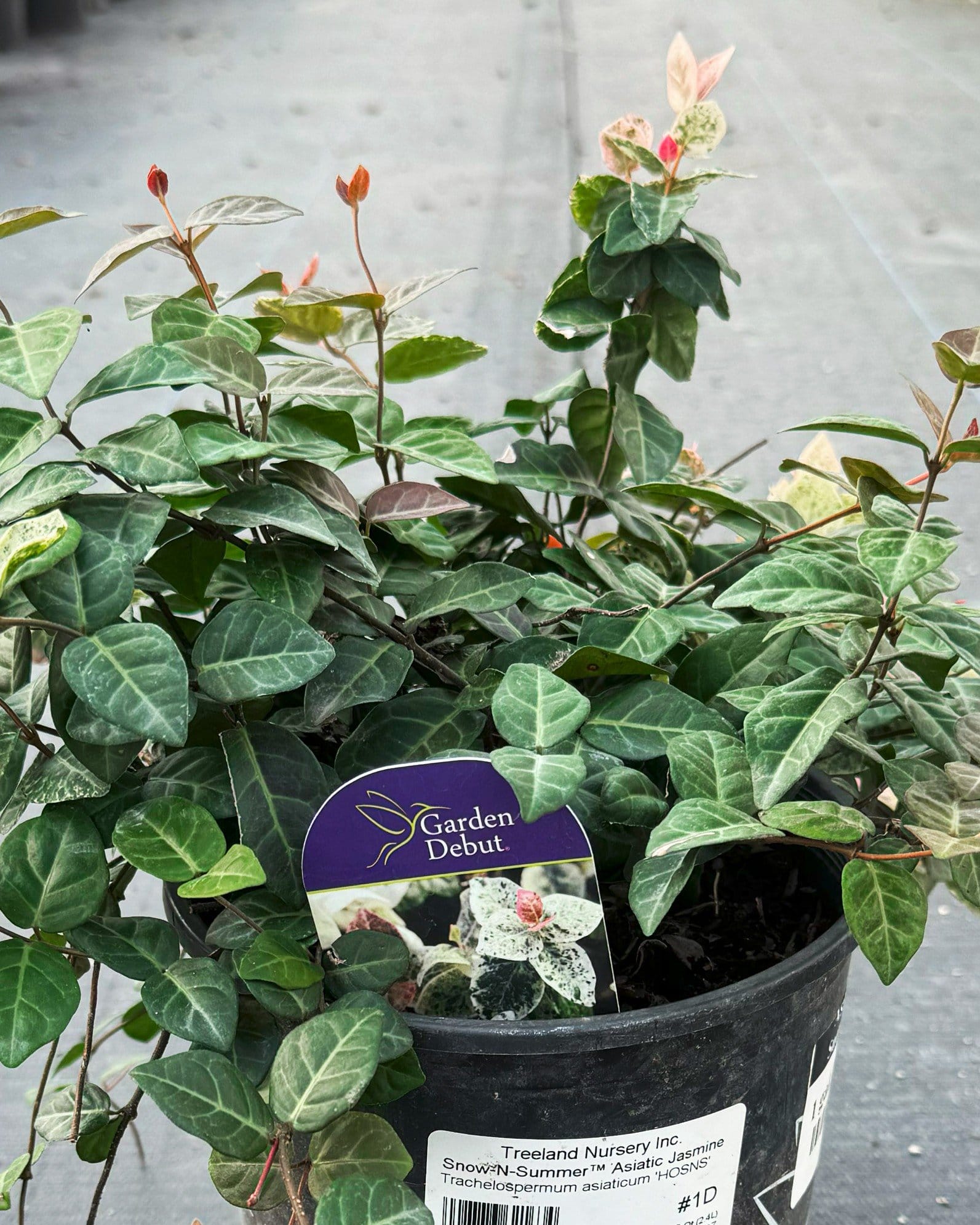
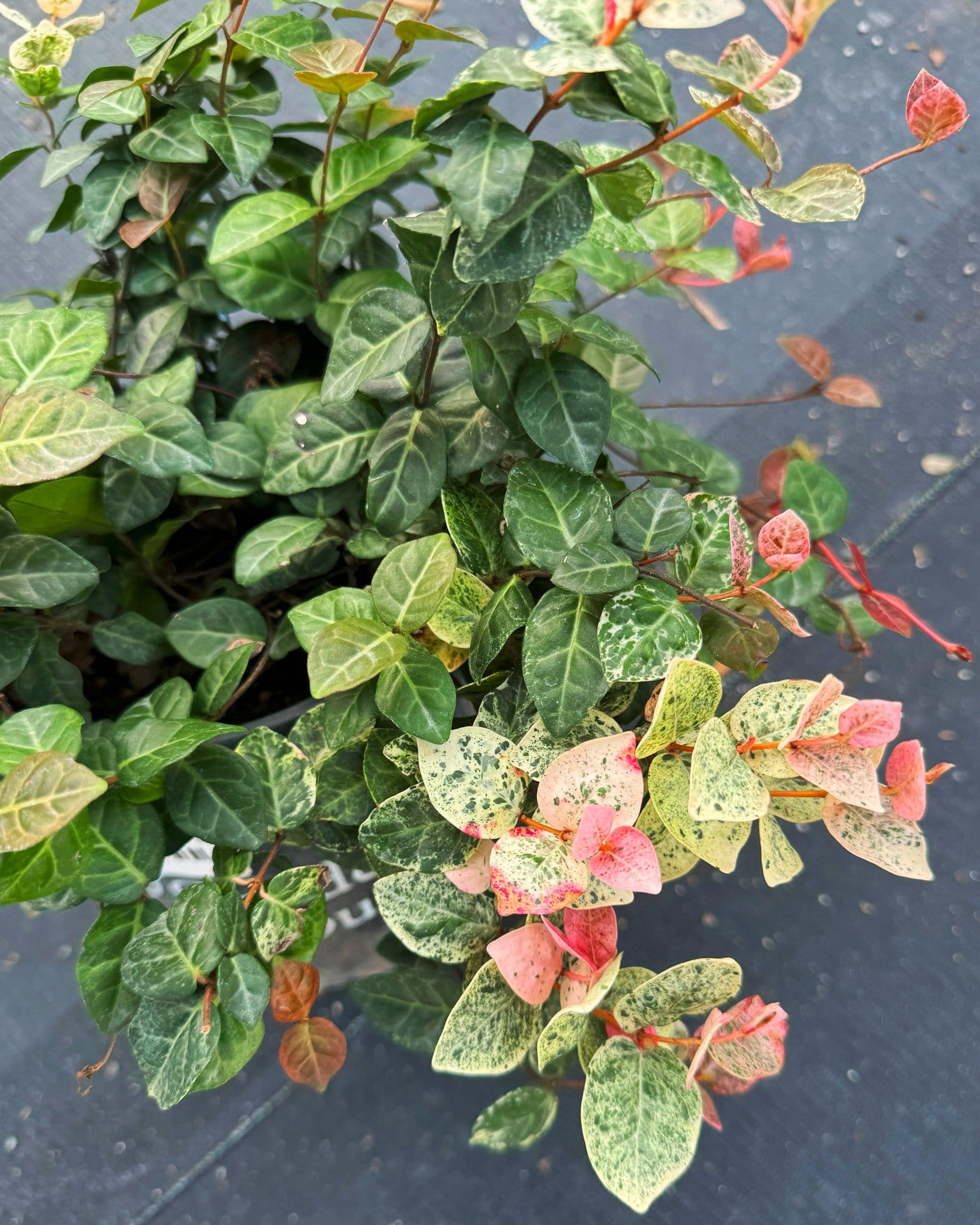
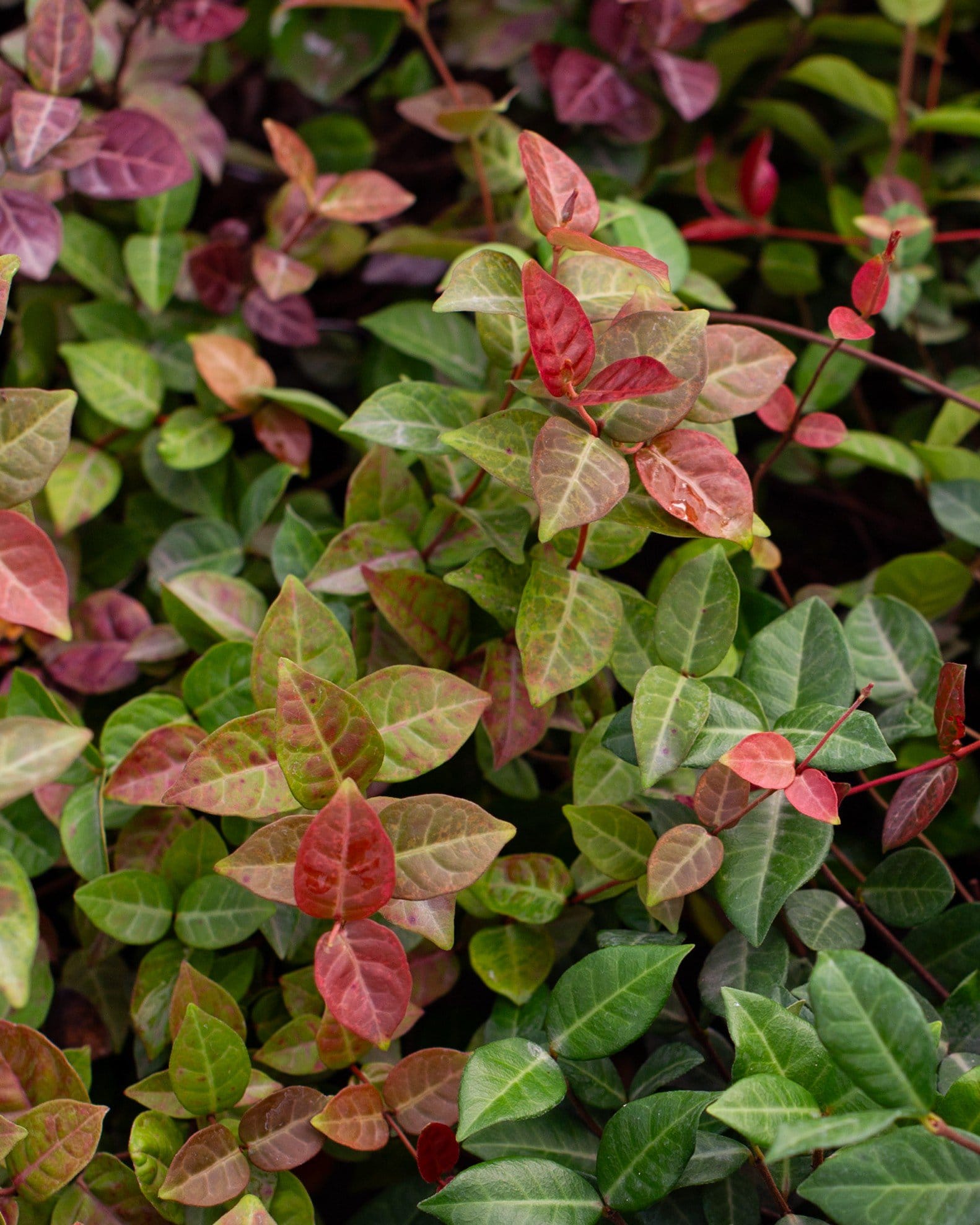
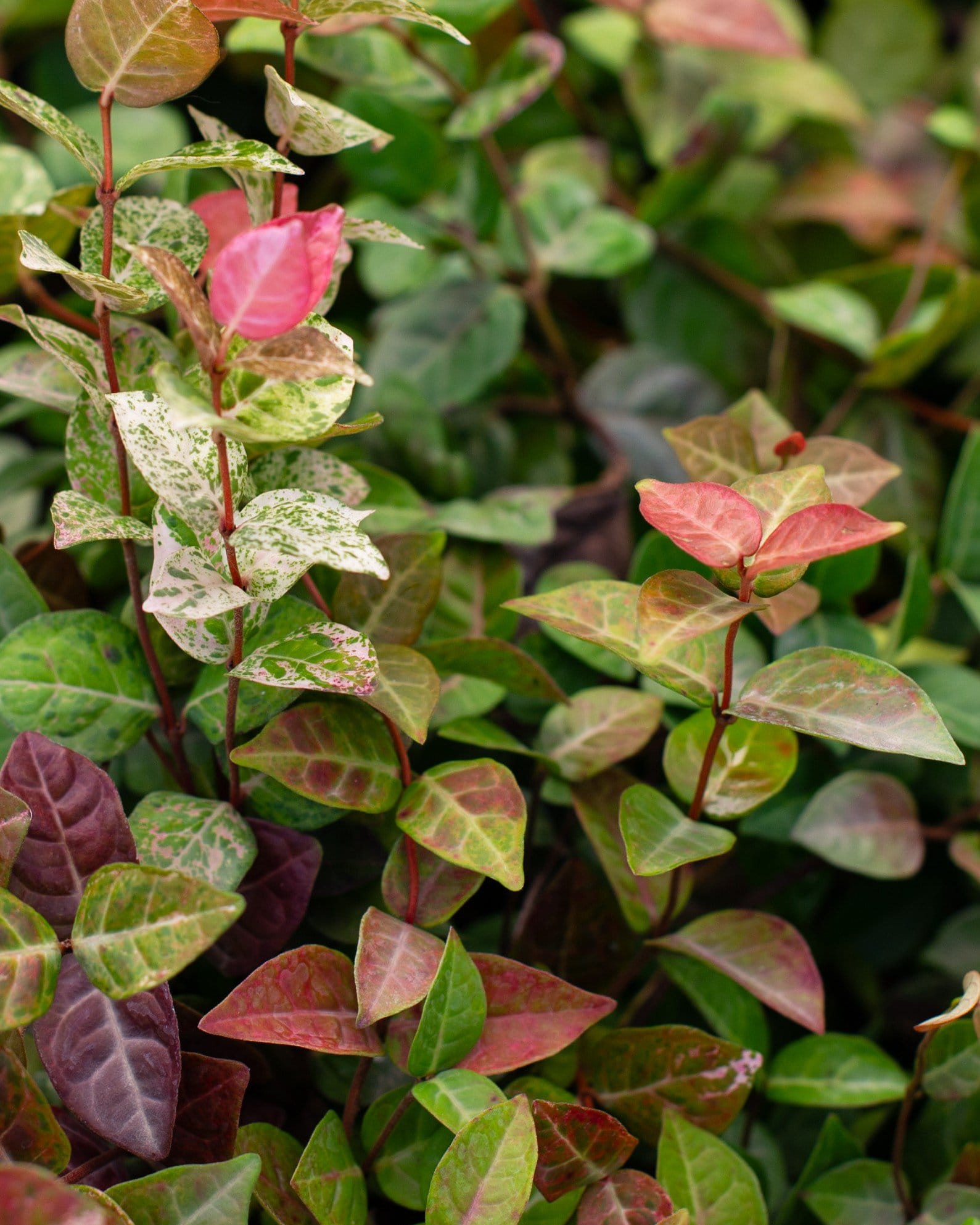
Asiatic Jasmine
Maturity: 1' H x 3' W

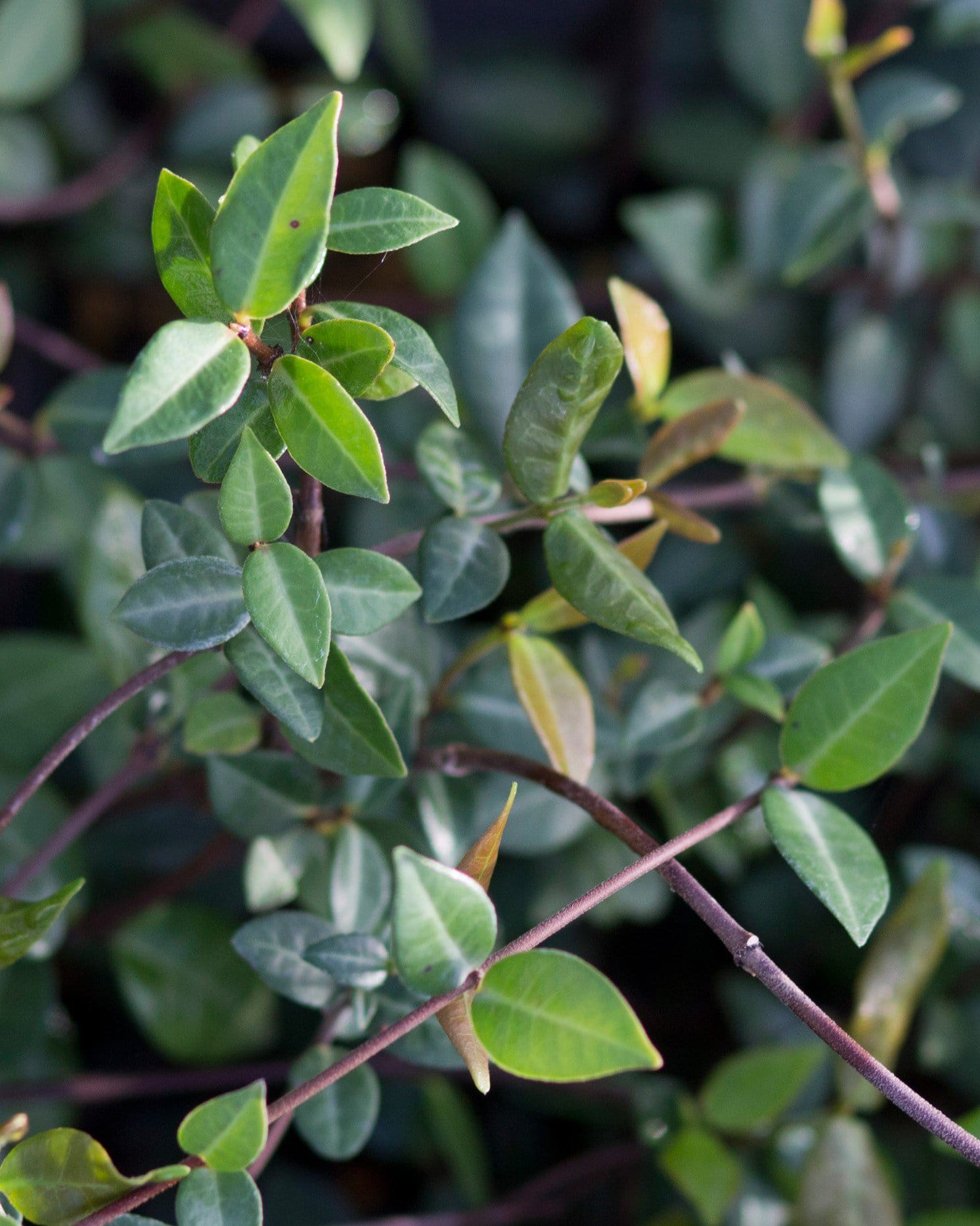
Silver Dragon Liriope
Maturity: 1' H x 1.5' W
Asiatic Jasmine Snow-N-Summer
Maturity: 0.75' H x 3' W
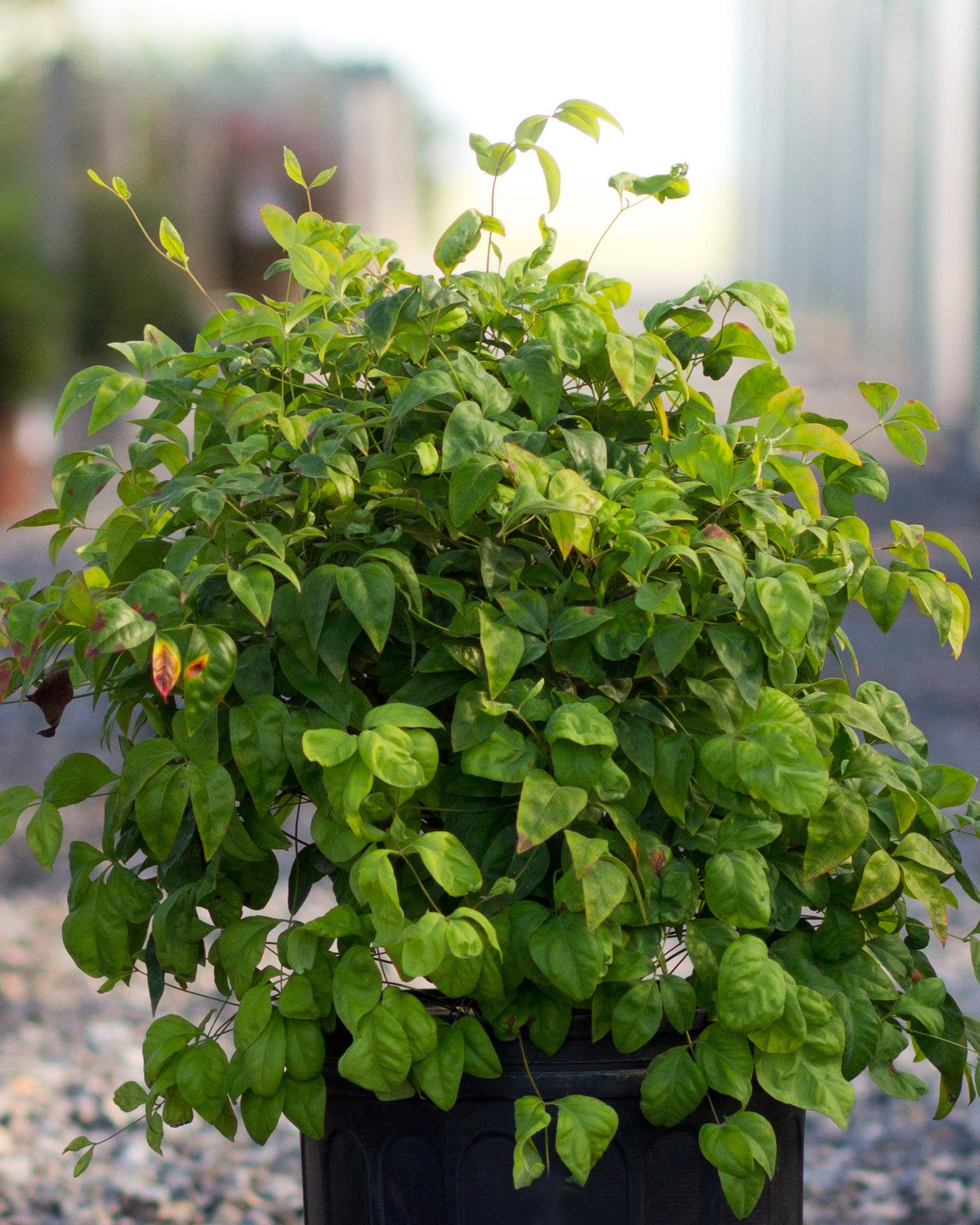
Firepower Nandina
Maturity: 2' H x 2' W
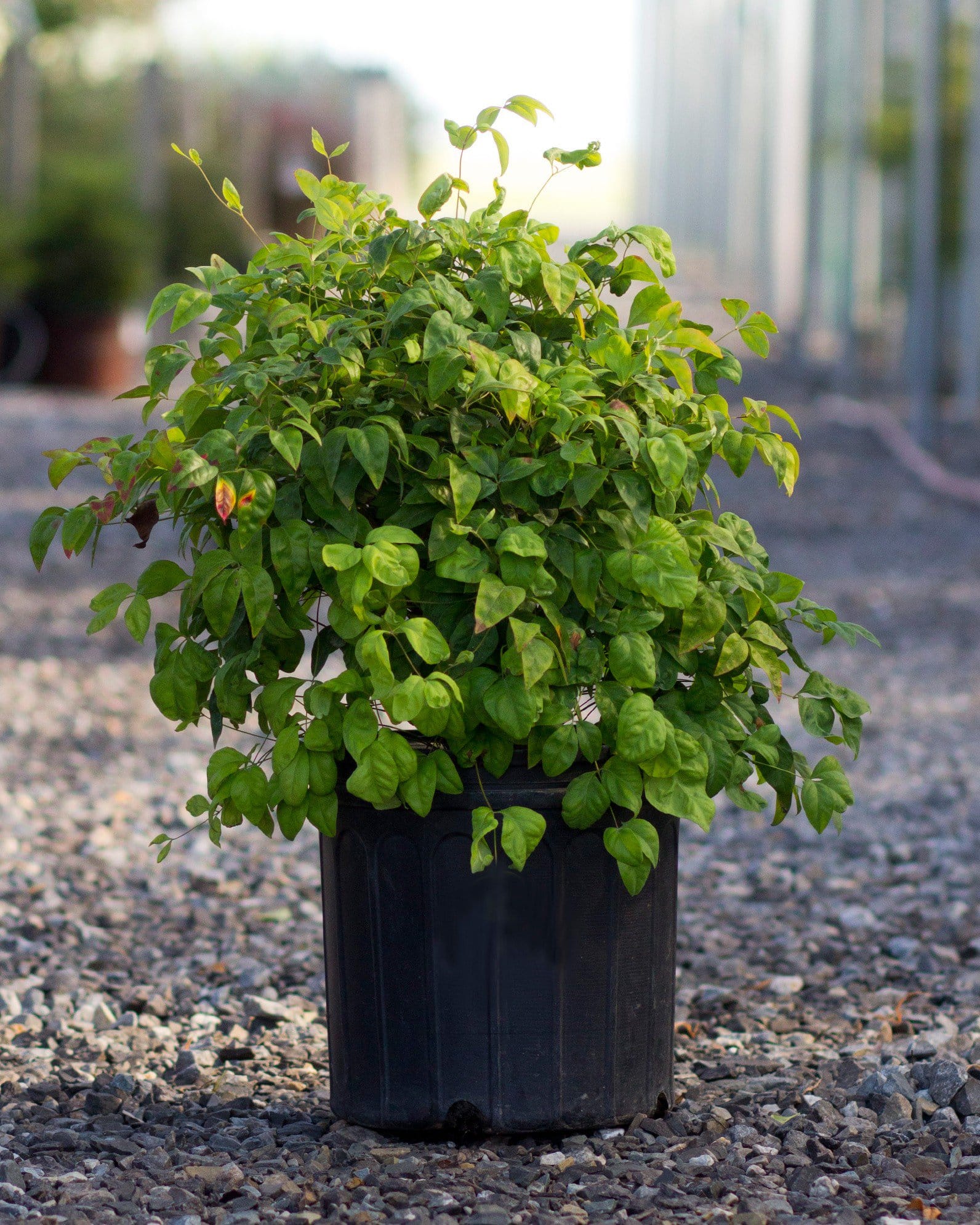
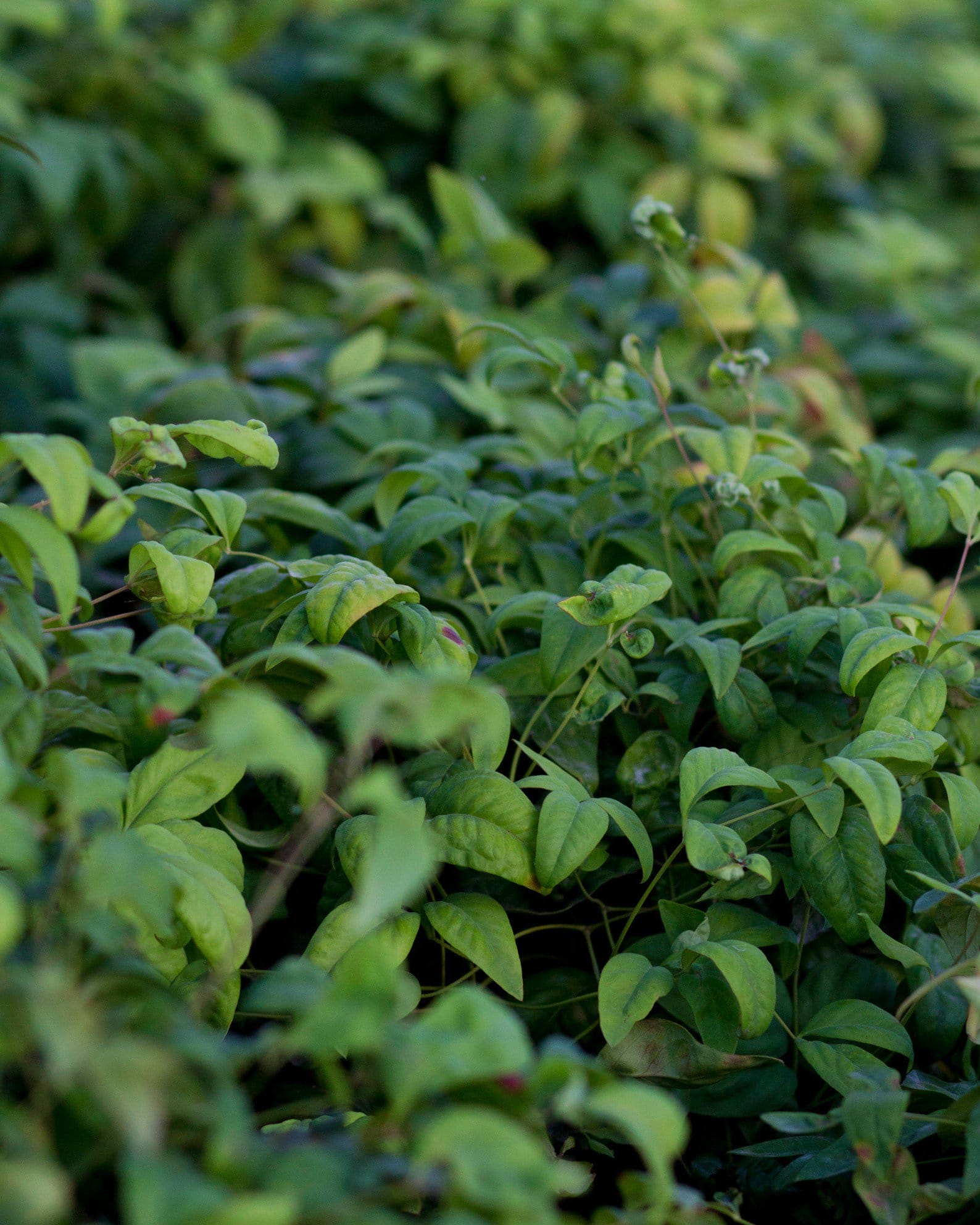
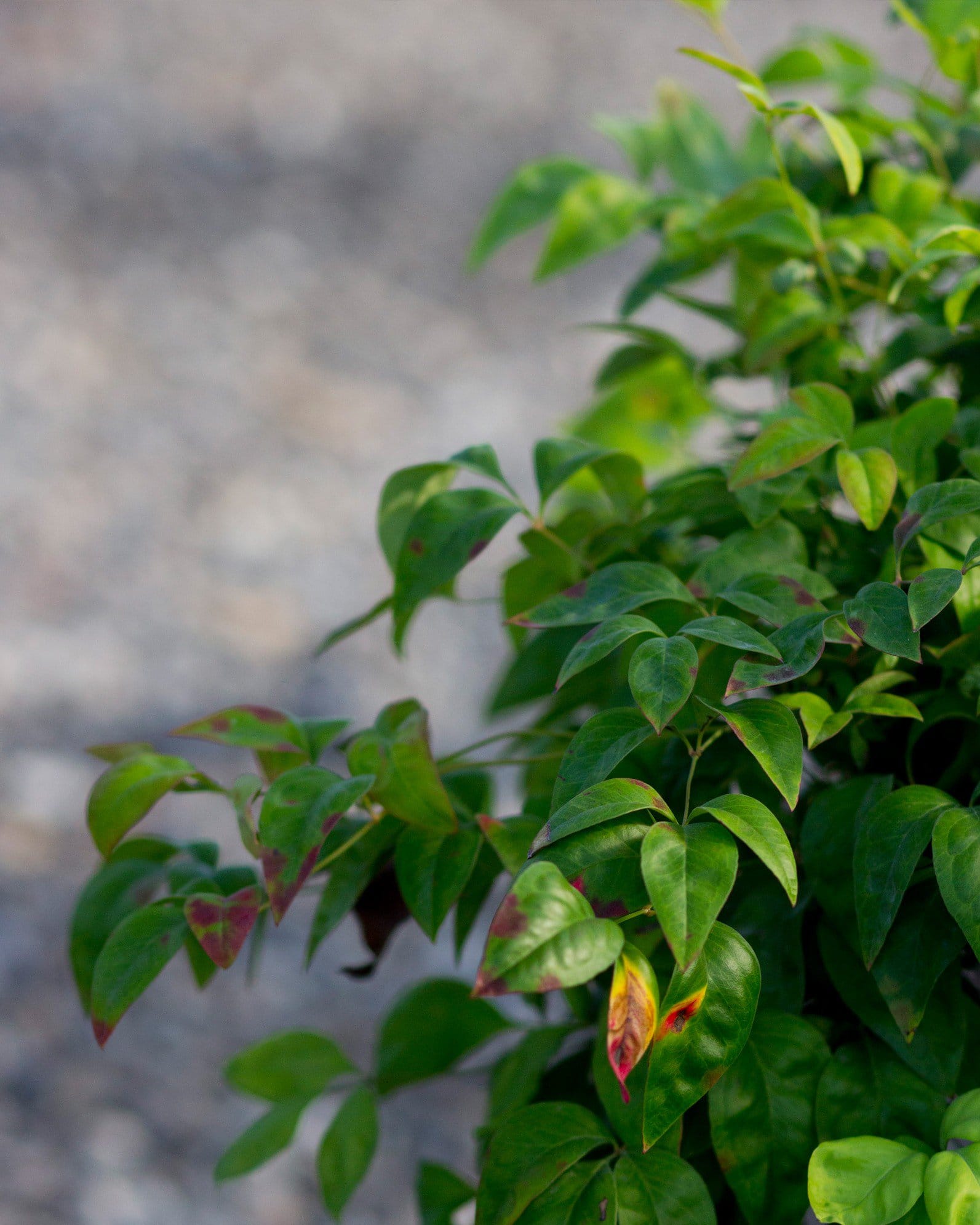
Gulf Stream Nandina
Maturity: 3' H x 3' W
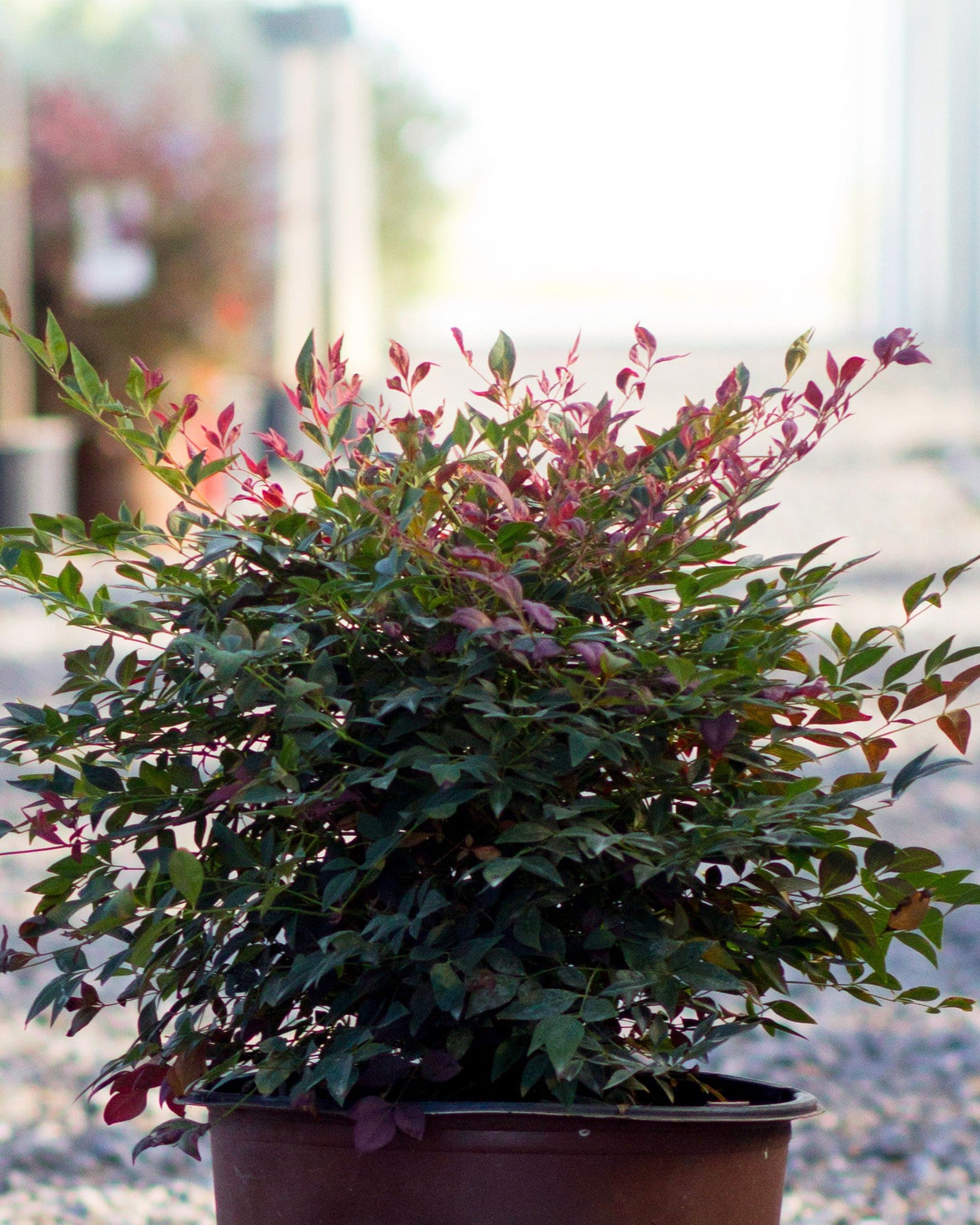
Obsession Nandina
Maturity: 3' H x 3' W
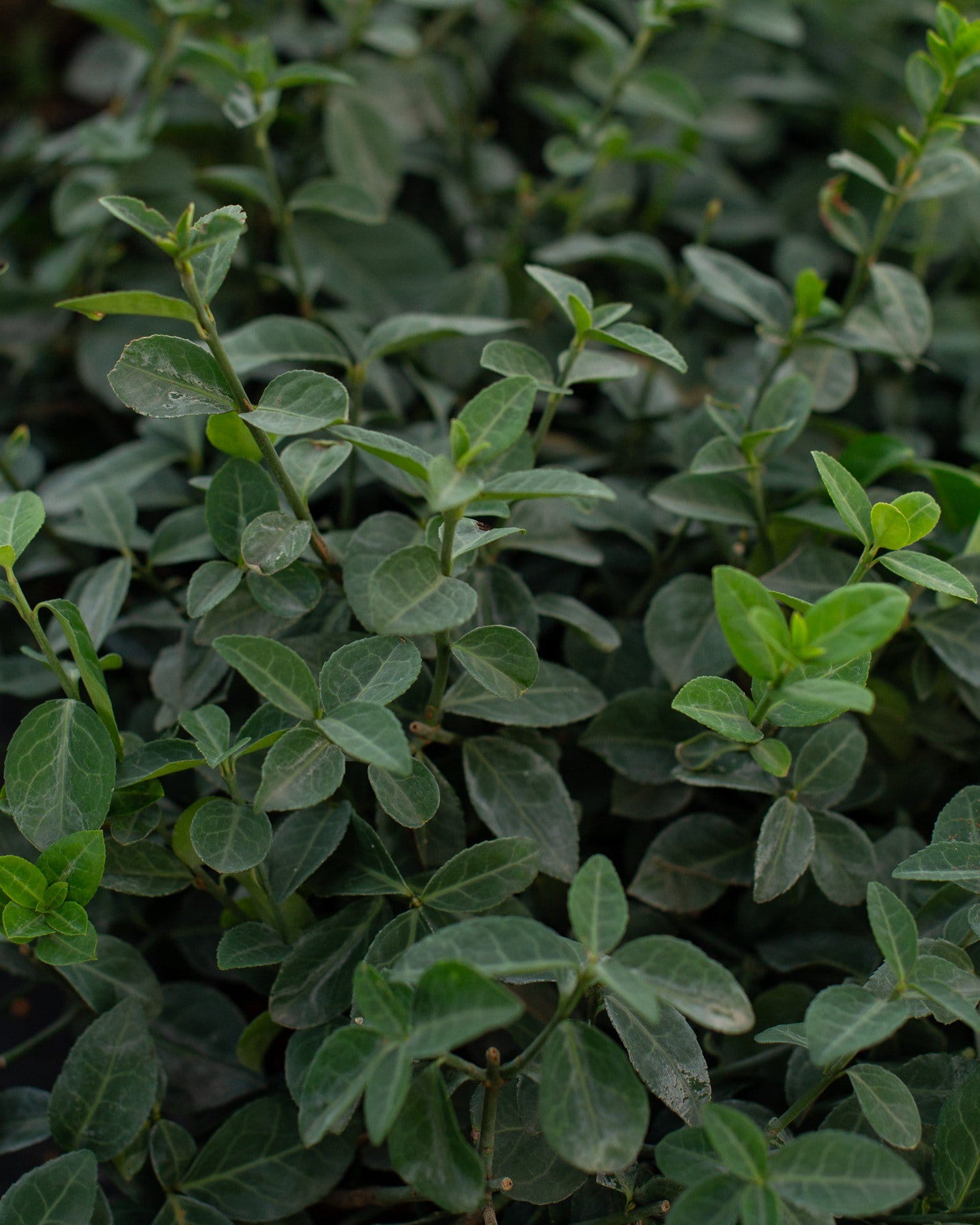
Wintercreeper Euonymus
Maturity: 0.75' H x 1.5' W
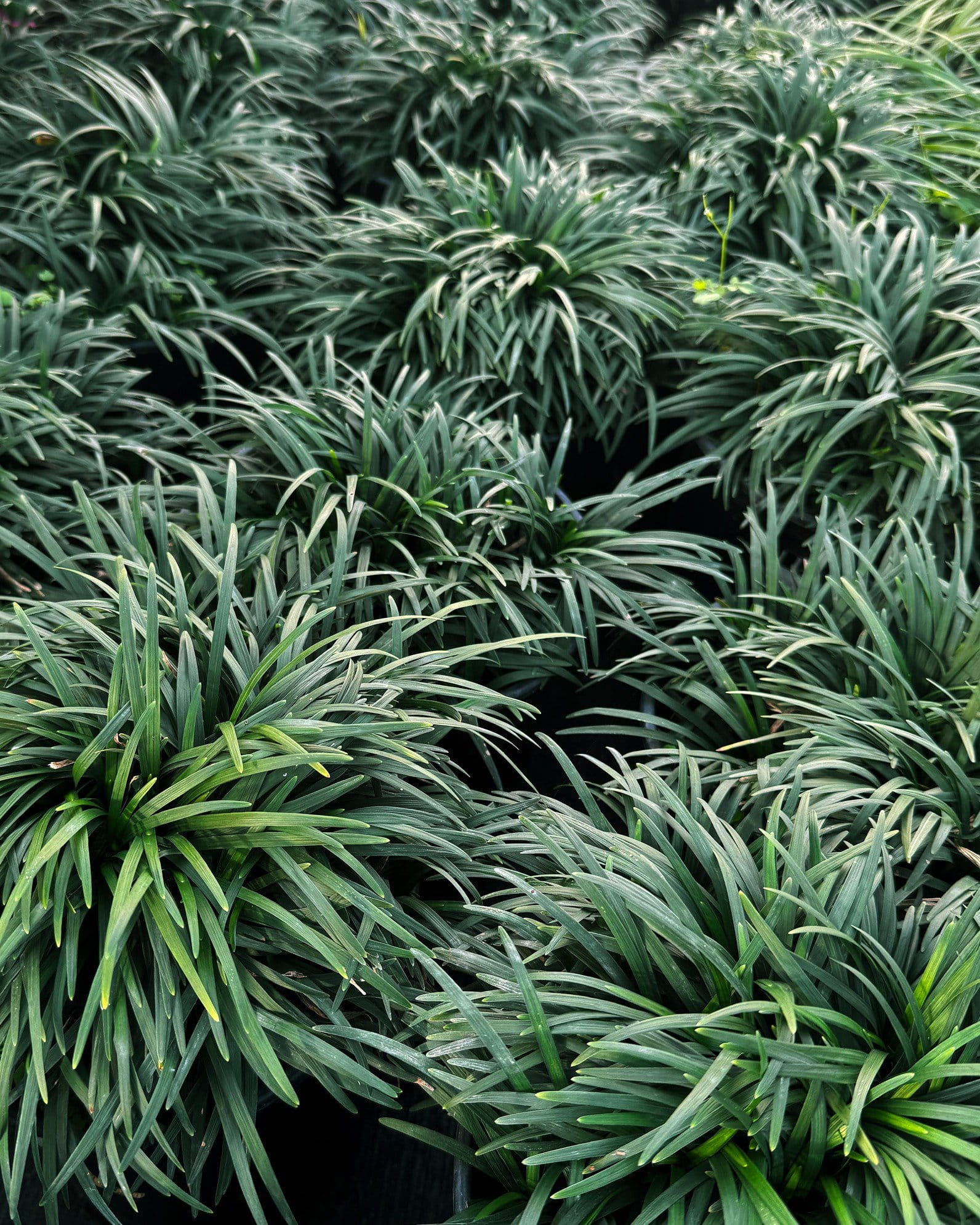
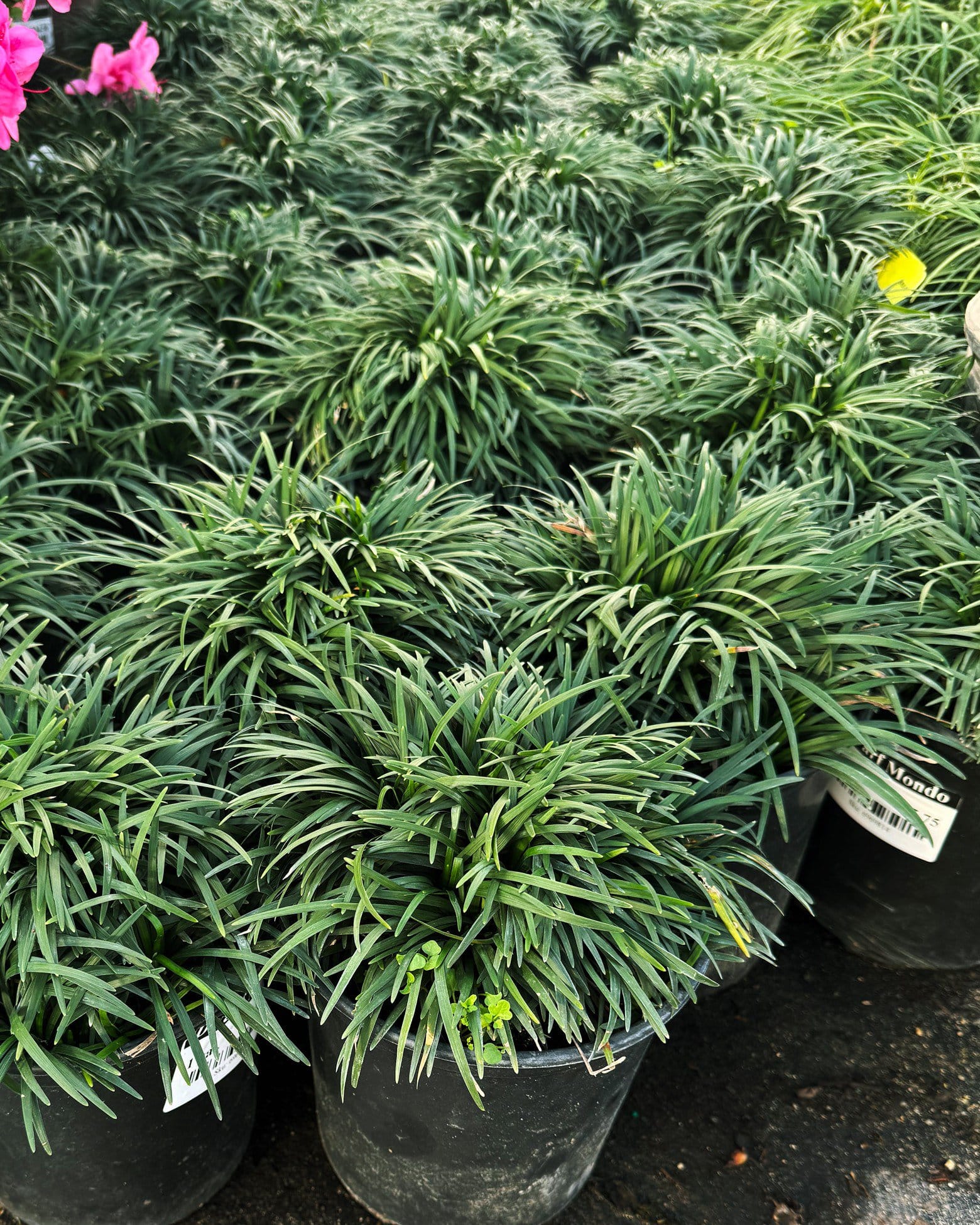
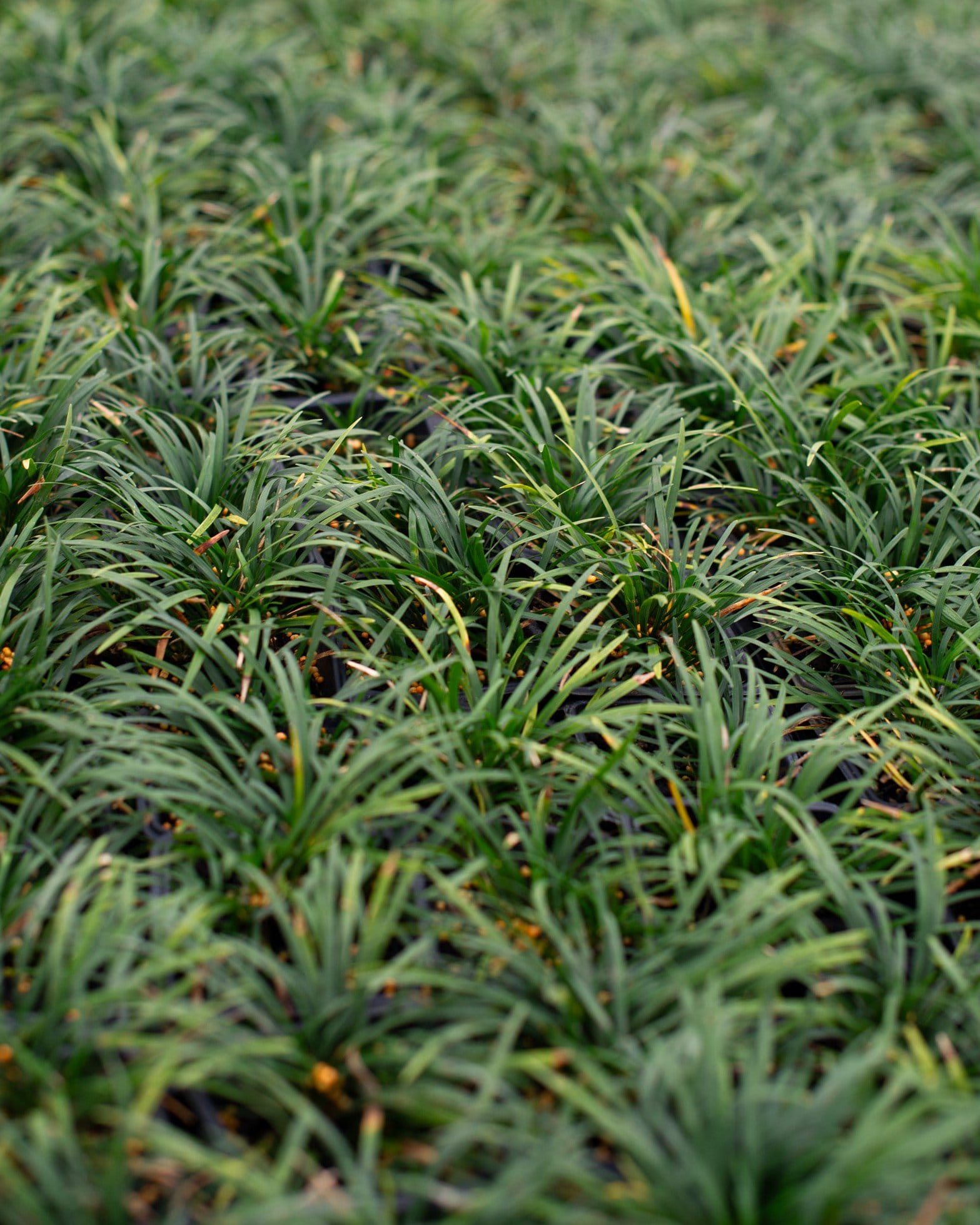
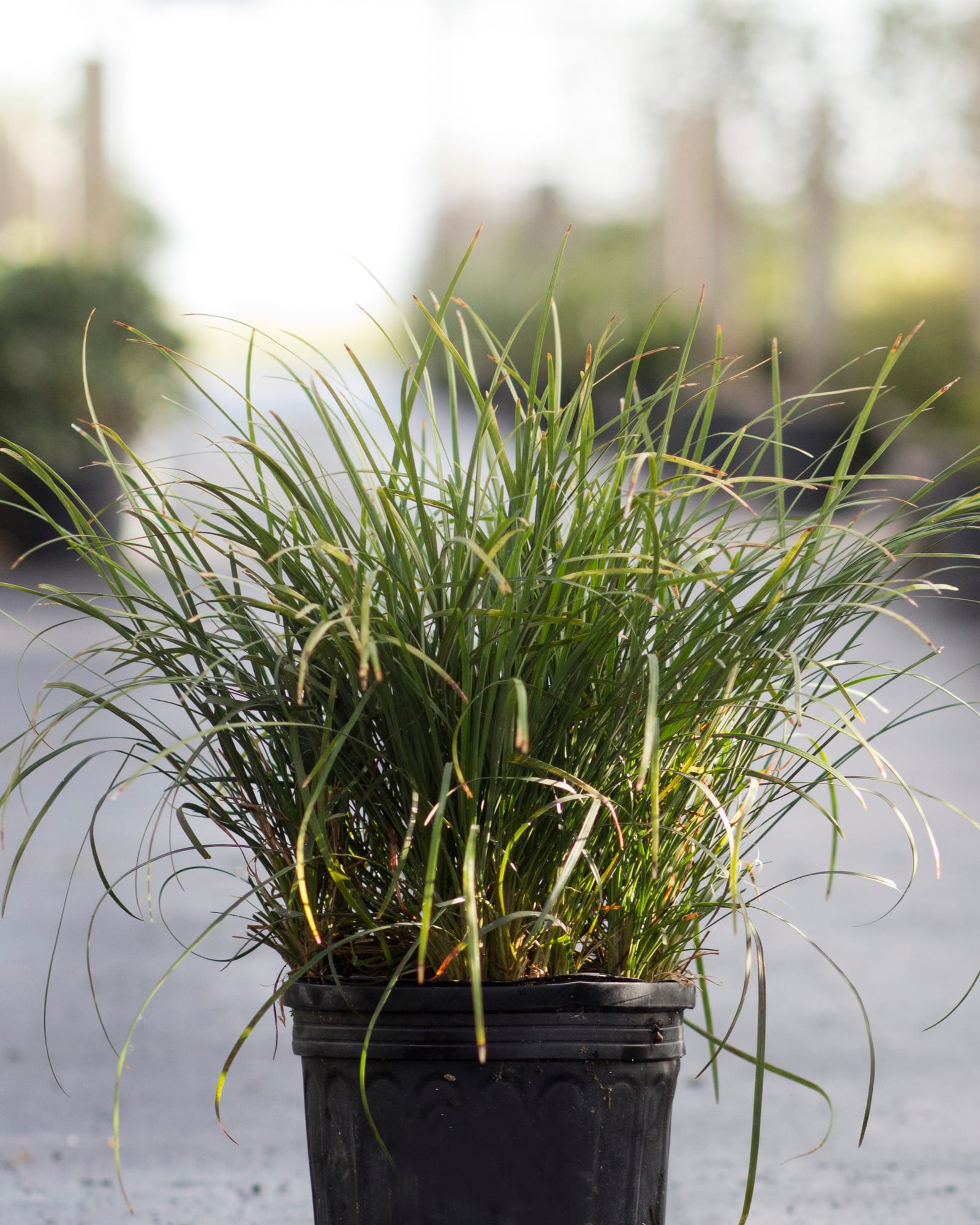
Dwarf Mondo
Maturity: 0.5' H x 0.5' W
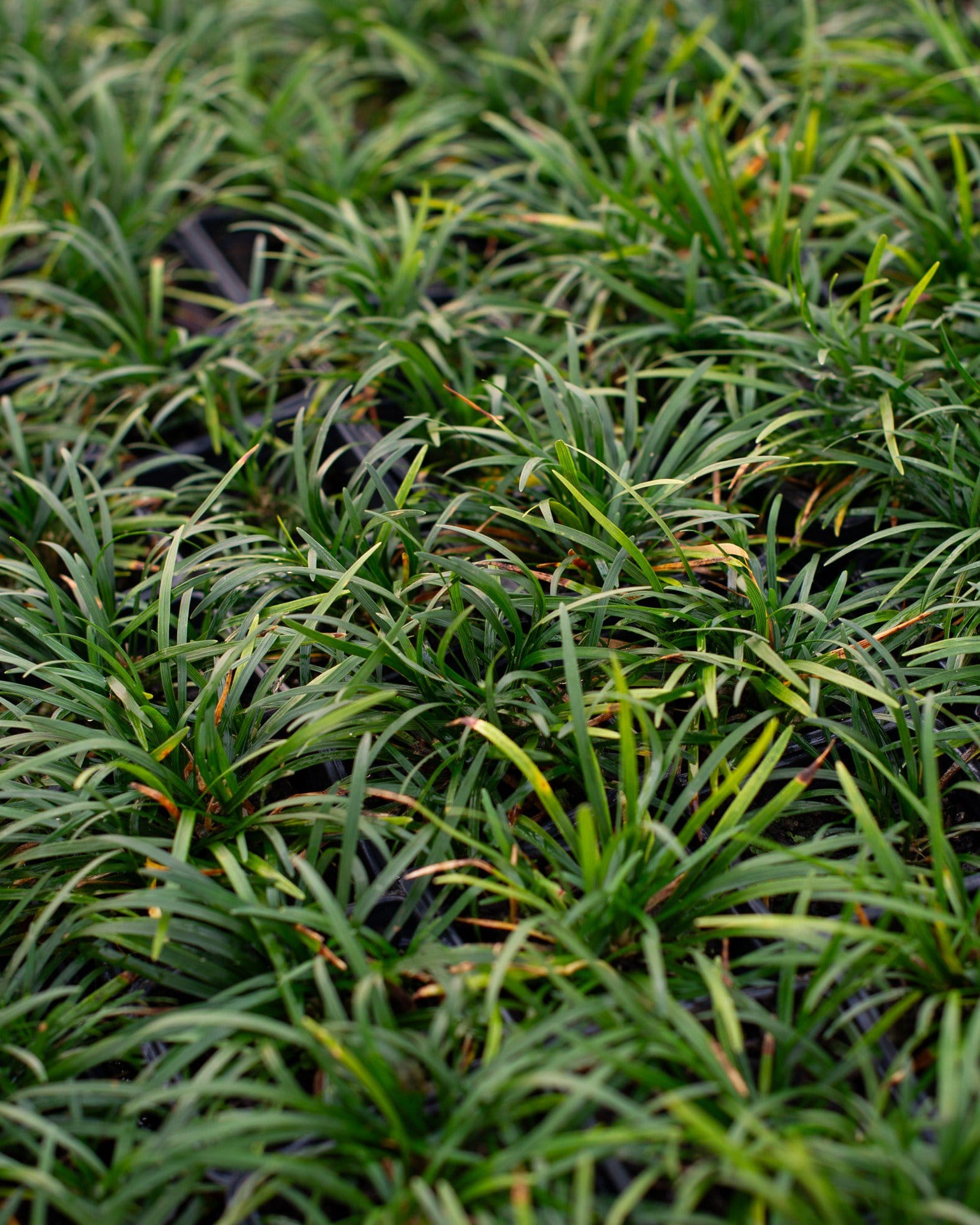
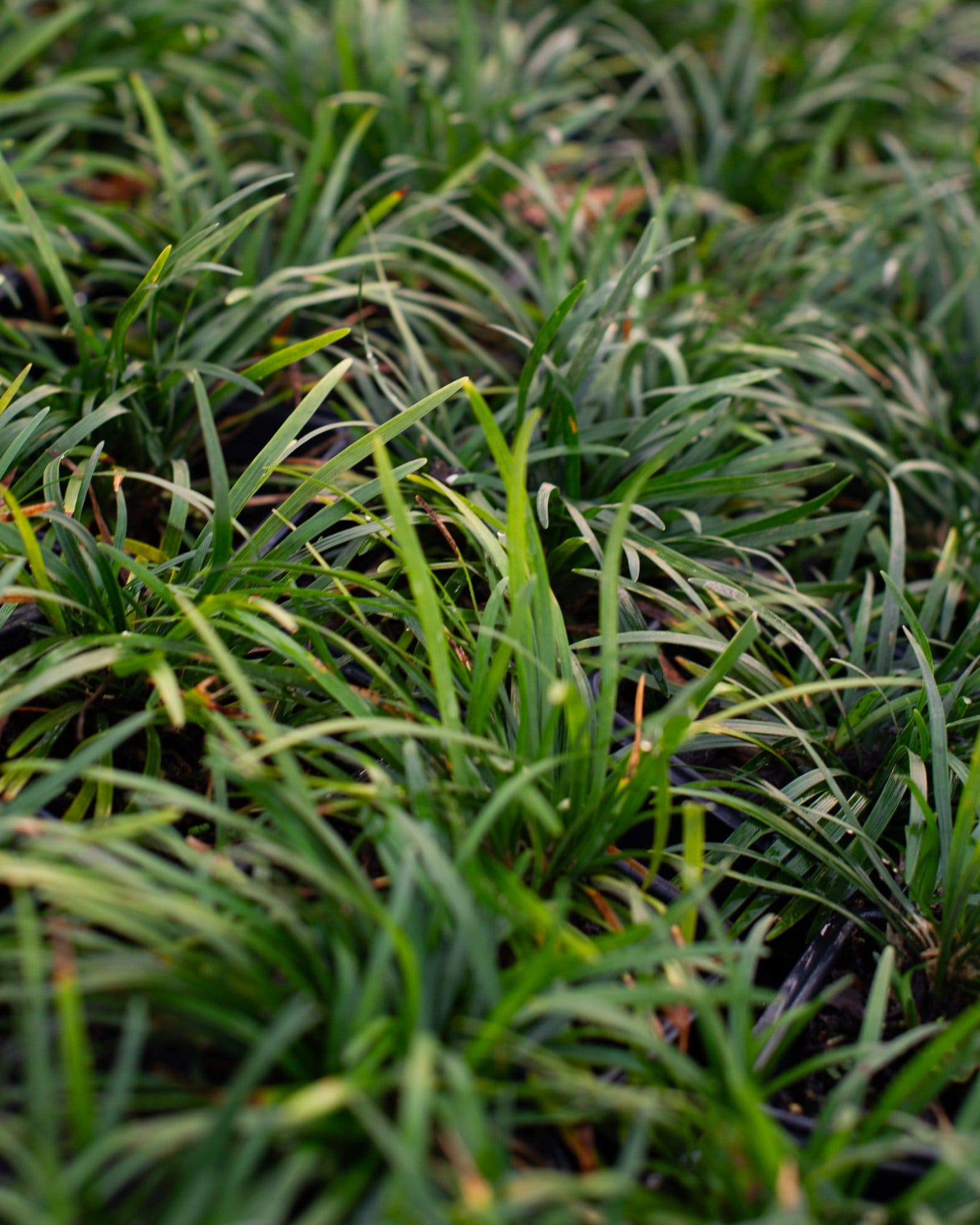
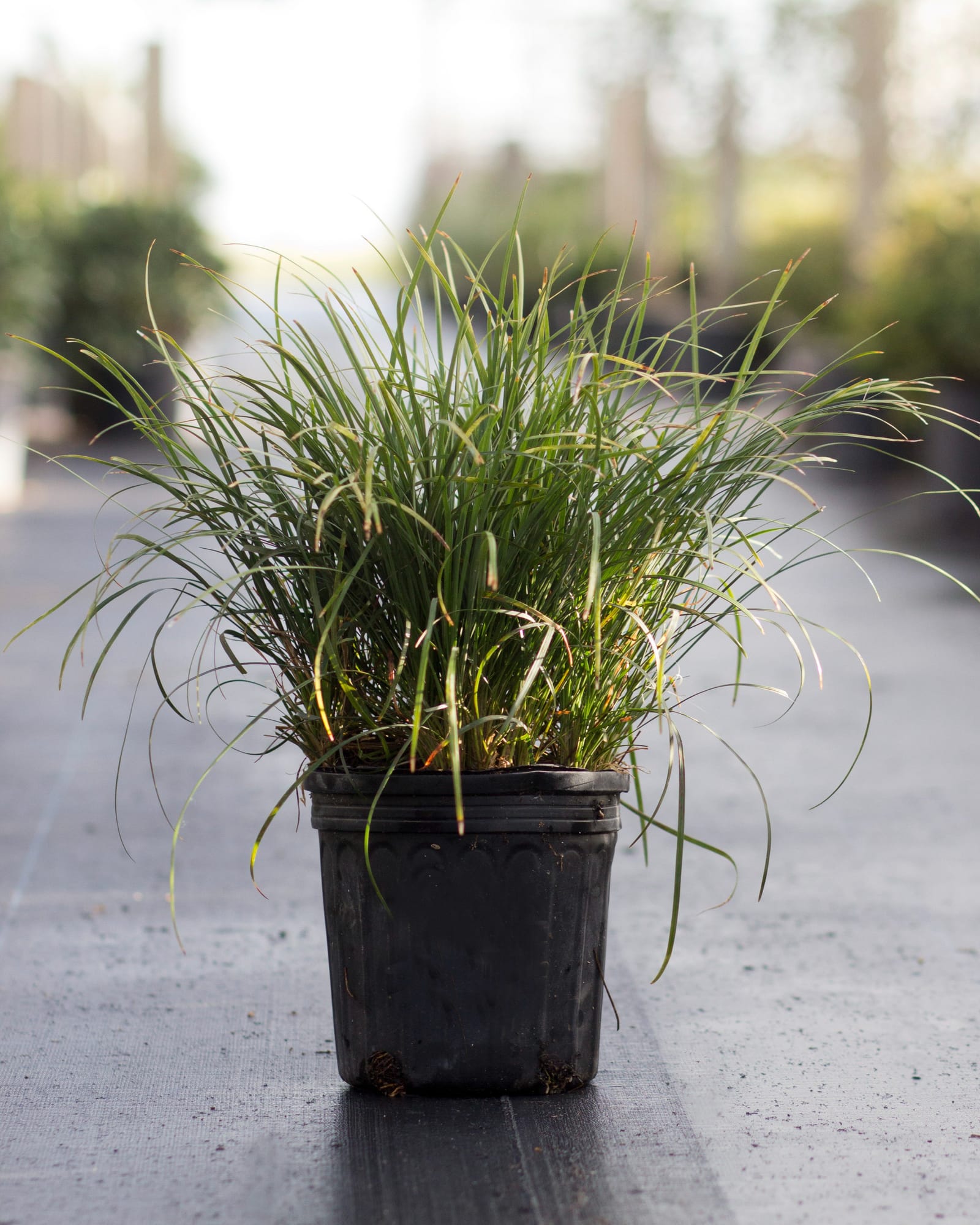
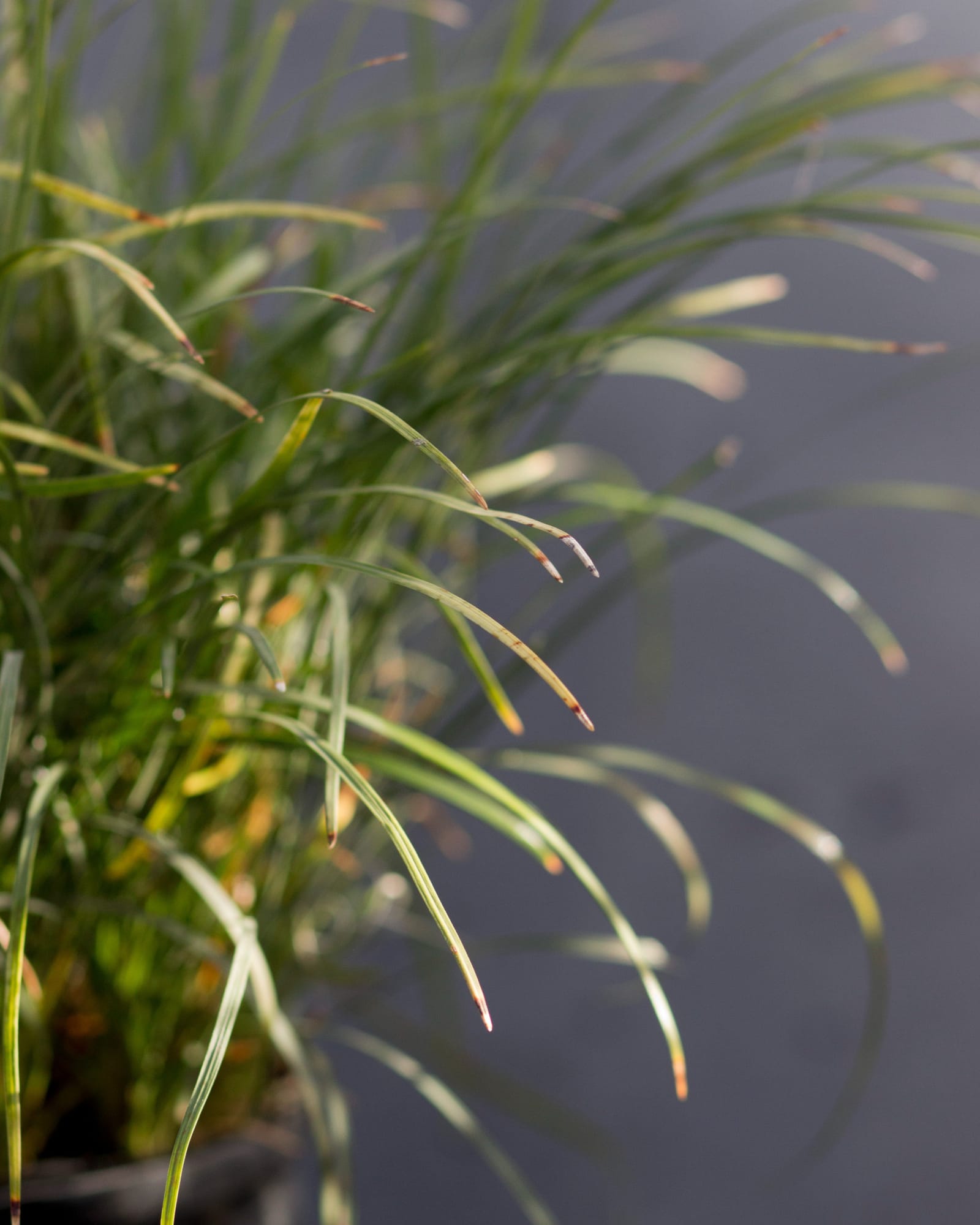
Mondo
Maturity: 0.75' H x 1' W

Emerald Goddess Liriope
Maturity: 1.5' H x 2' W
Firewitch Dianthus
Maturity: 1' H x 1' W
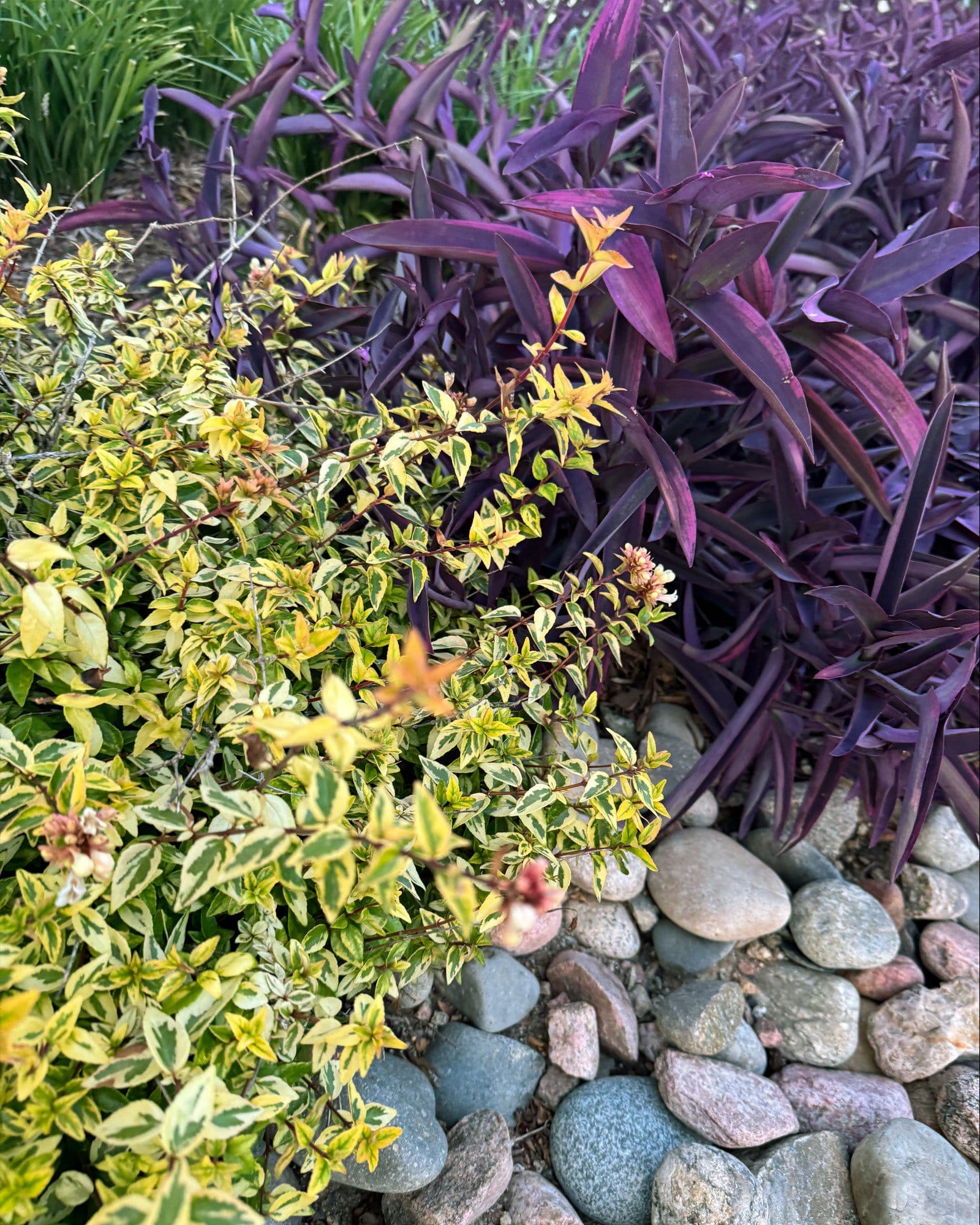
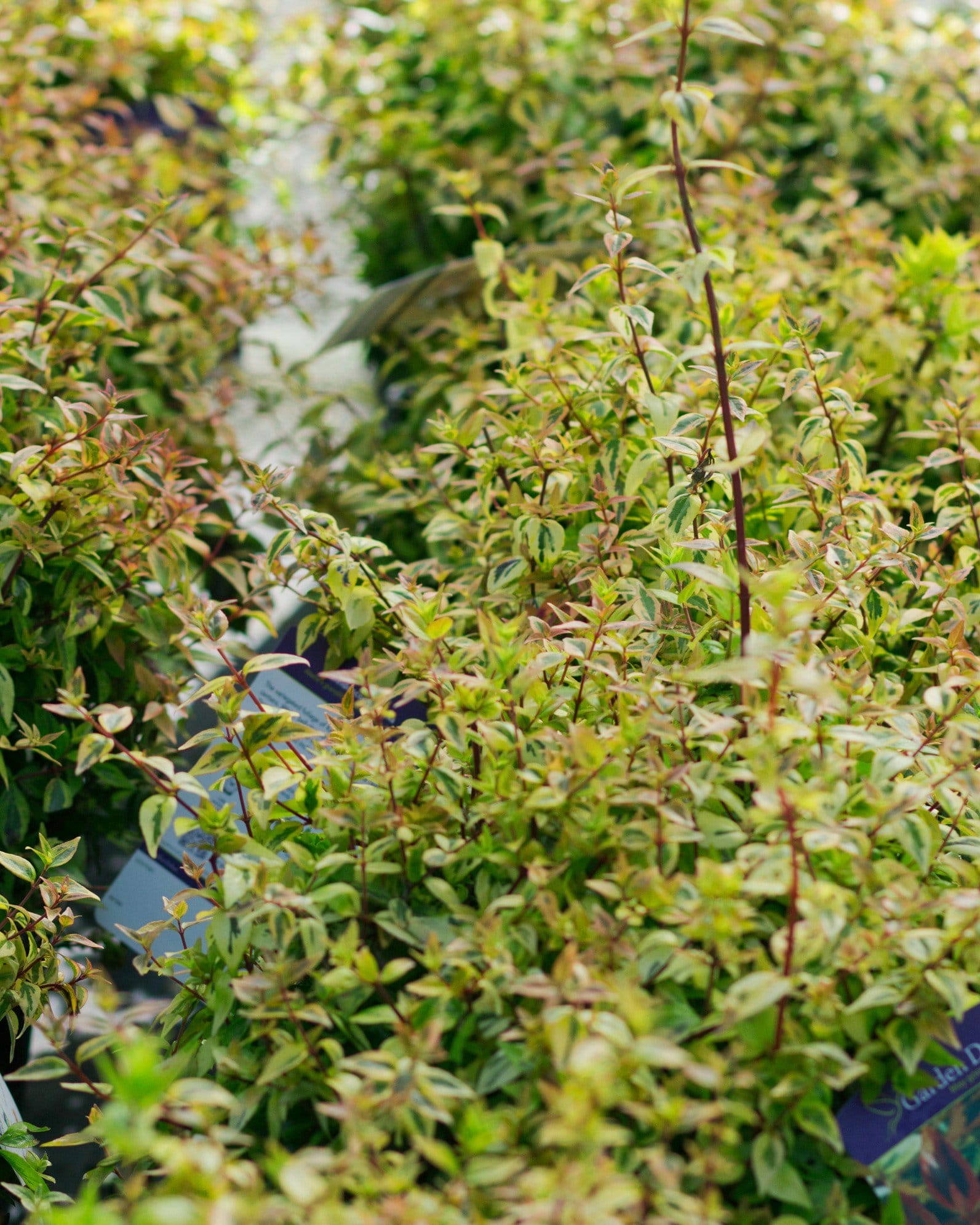
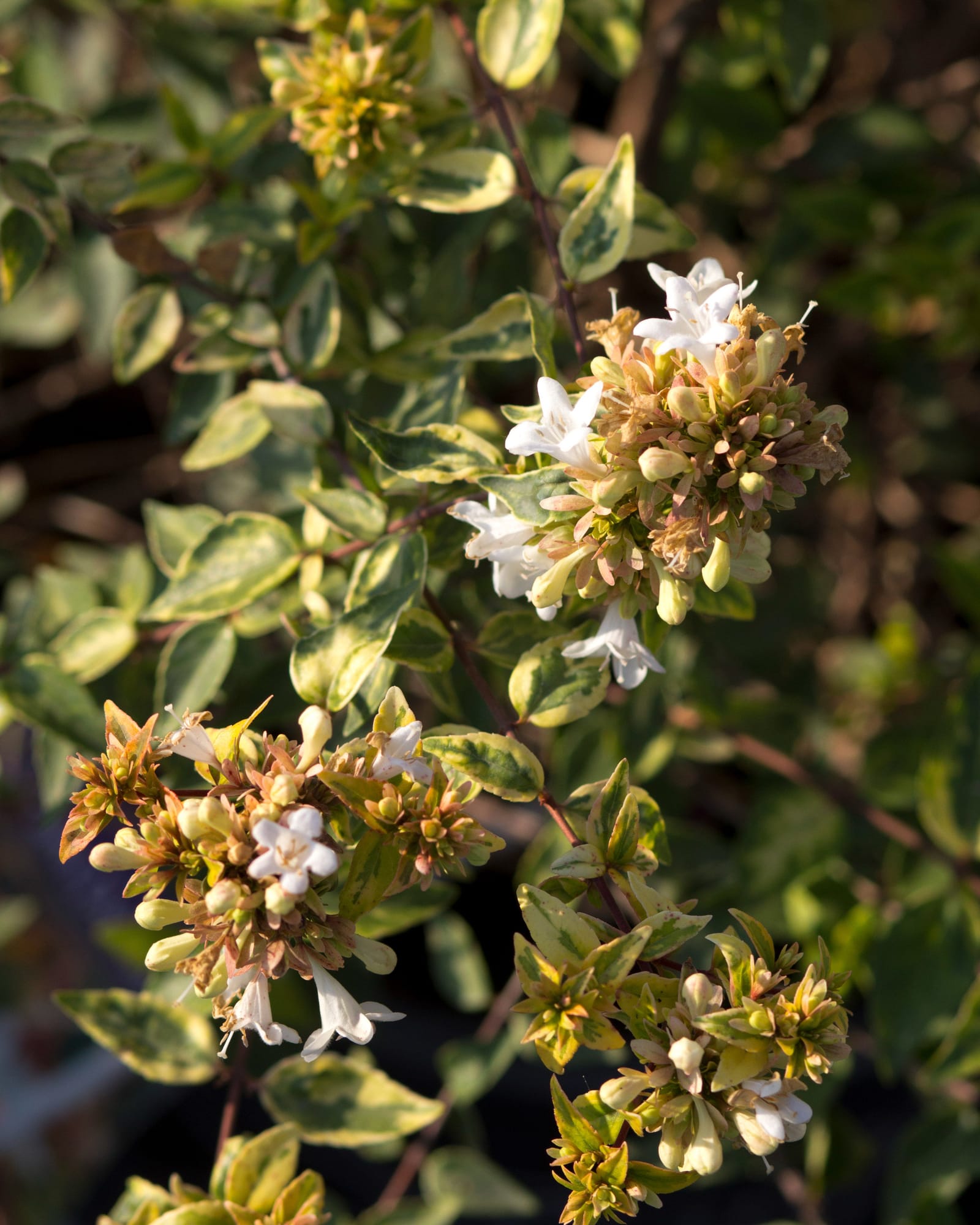
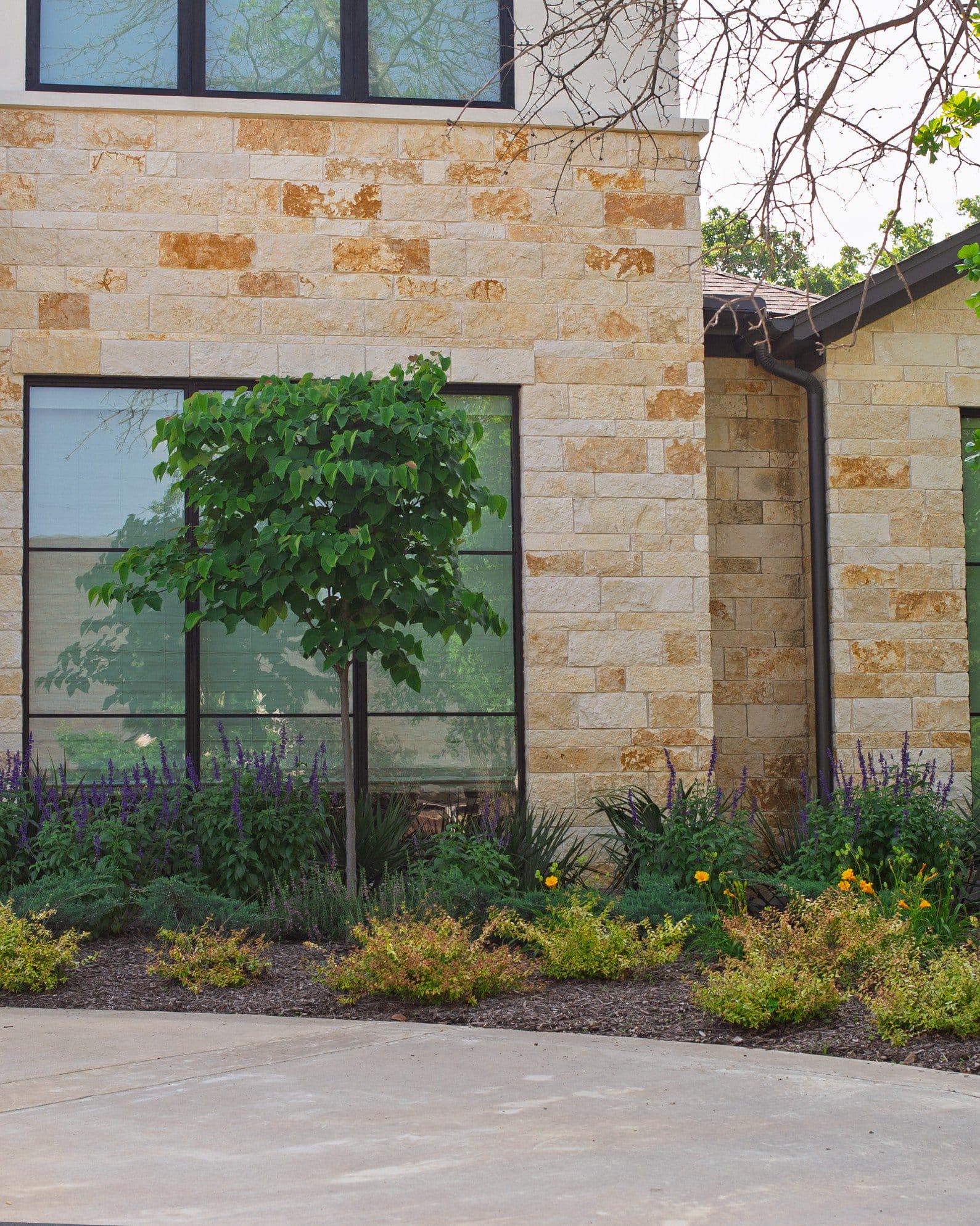
Kaleidoscope Abelia
Maturity: 2' H x 3' W
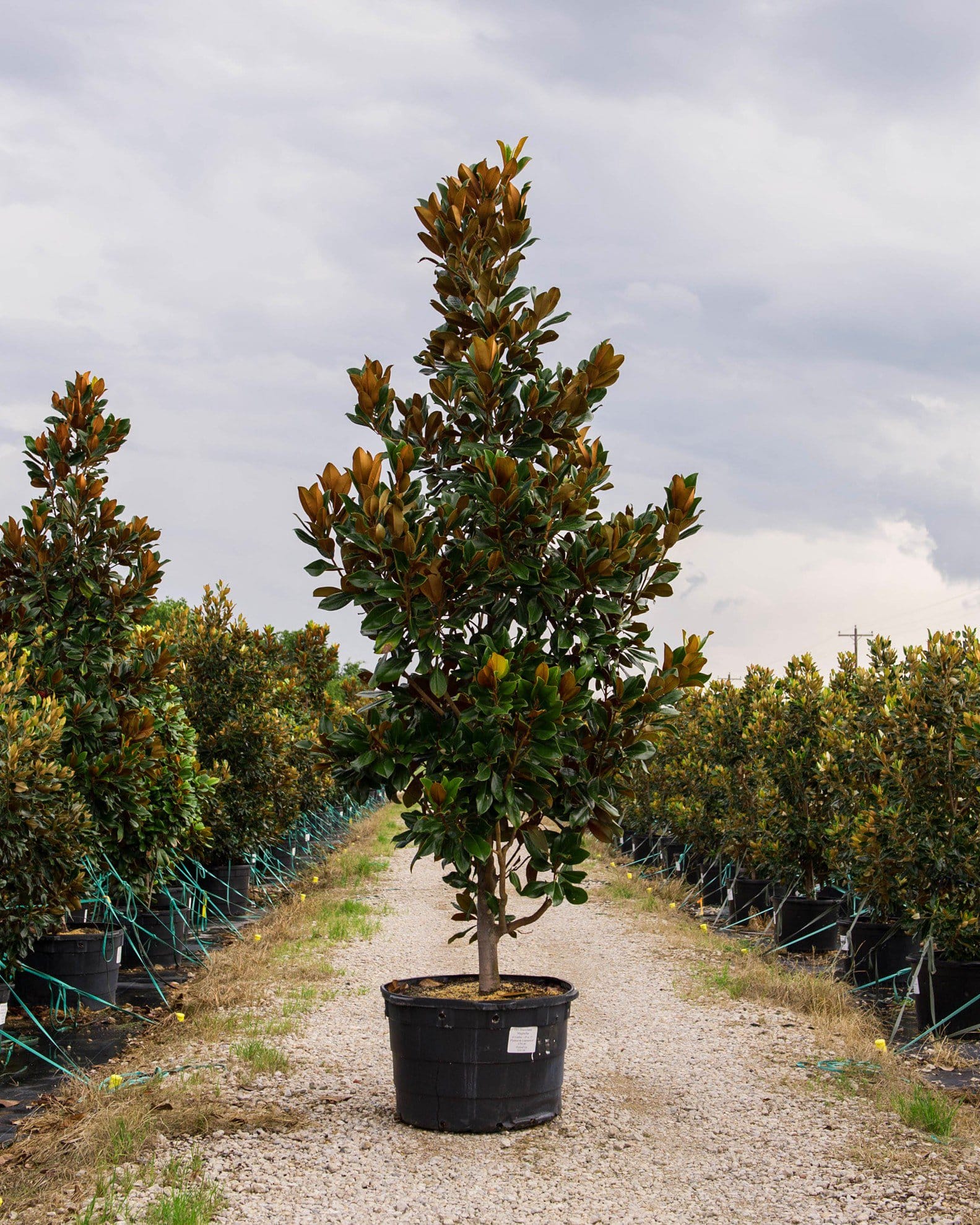
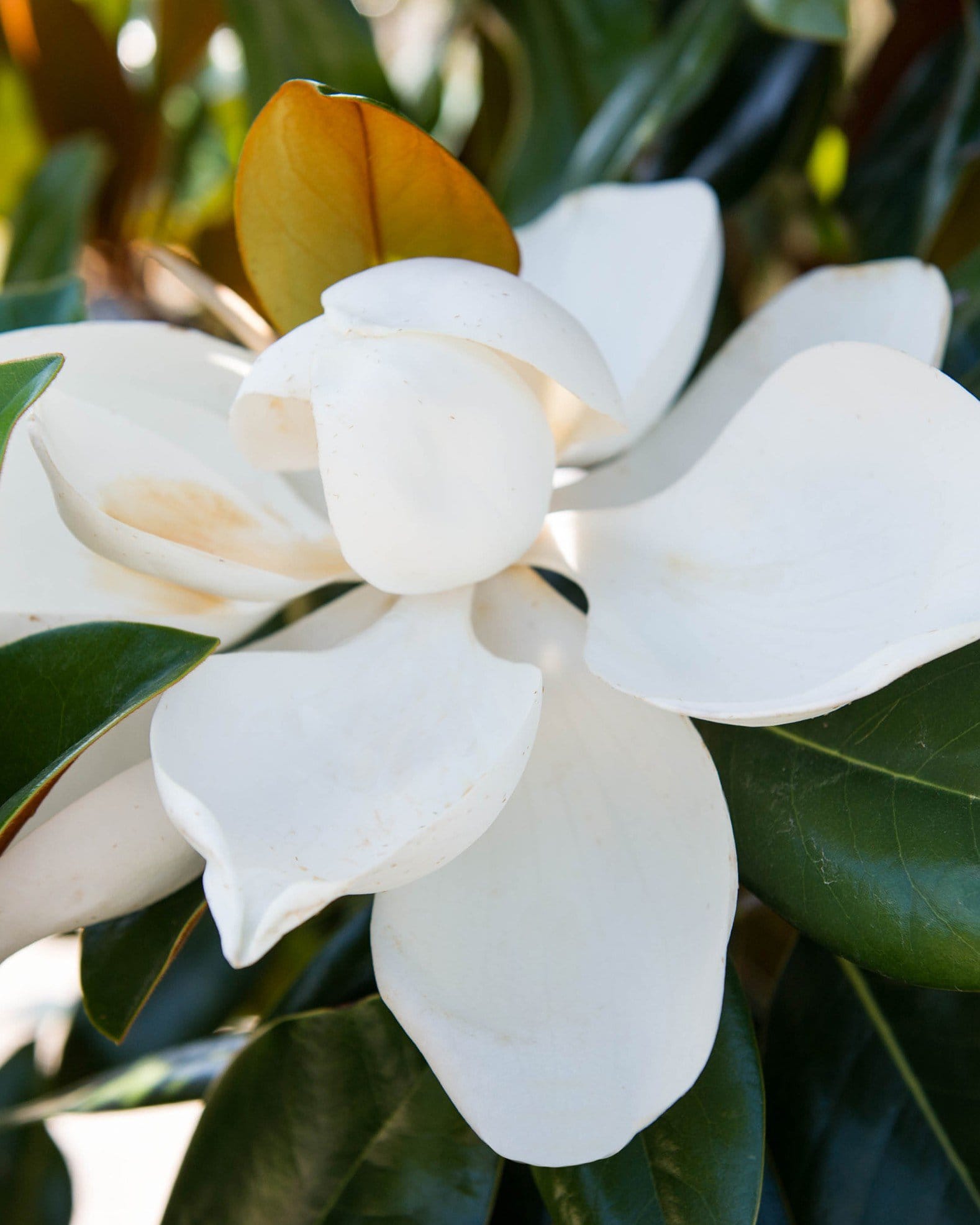
DD Blanchard Magnolia
Maturity: 45' H x 25' W
Compare Similar Plants
Big Blue Liriope This plant | ||
|---|---|---|
| Scientific Name | Liriope muscari ‘Big Blue’ | Liriope muscari ‘Super Blue’ |
| Size at Maturity | 1.5' H x 1.5' W | 1.5' H x 1.5' W |
| Leaf Retention | Evergreen | Evergreen |
| Flower Color | Purple | Purple |
| Bloom Times | Summer & Fall | Summer & Fall |
| Sizes Available | 1 gal, Flat | 1 gal, 3 gal, Flat |


Our 1-Year Planting Guarantee
We take pride in our plants and installation services. If any plants or trees installed by Treeland fail to thrive within the first year, we'll provide a replacement credit in accordance with our guarantee program.
Learn More About Our Guarantee