
 Texas Native
Coralberry
Symphoricarpos orbiculatusProduct Details
Coralberry
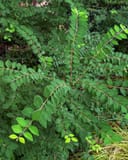
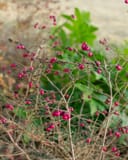
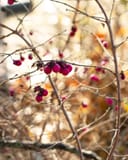
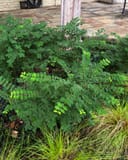
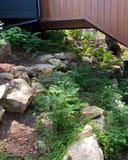
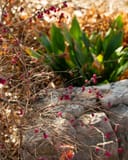
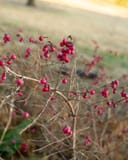
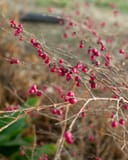
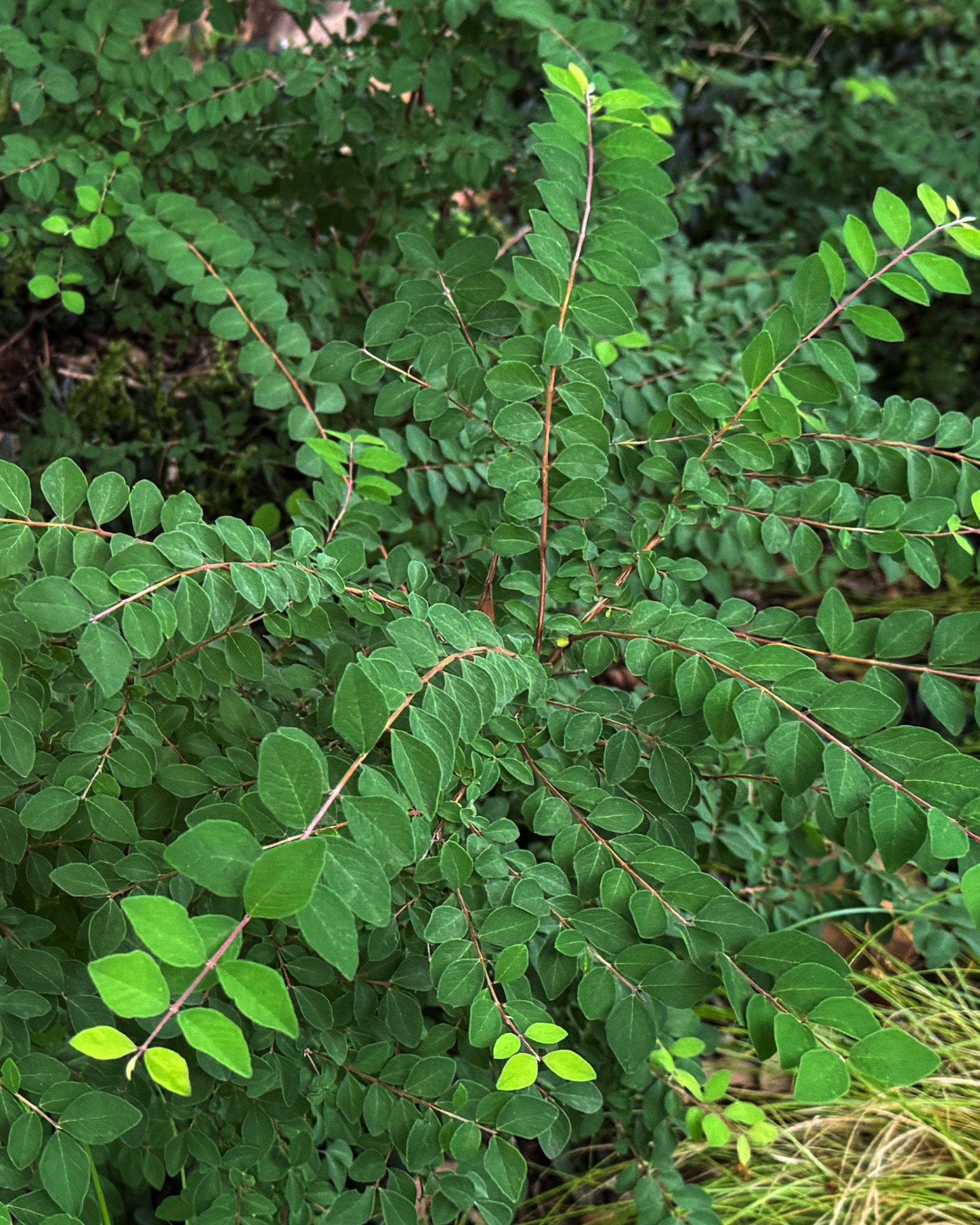
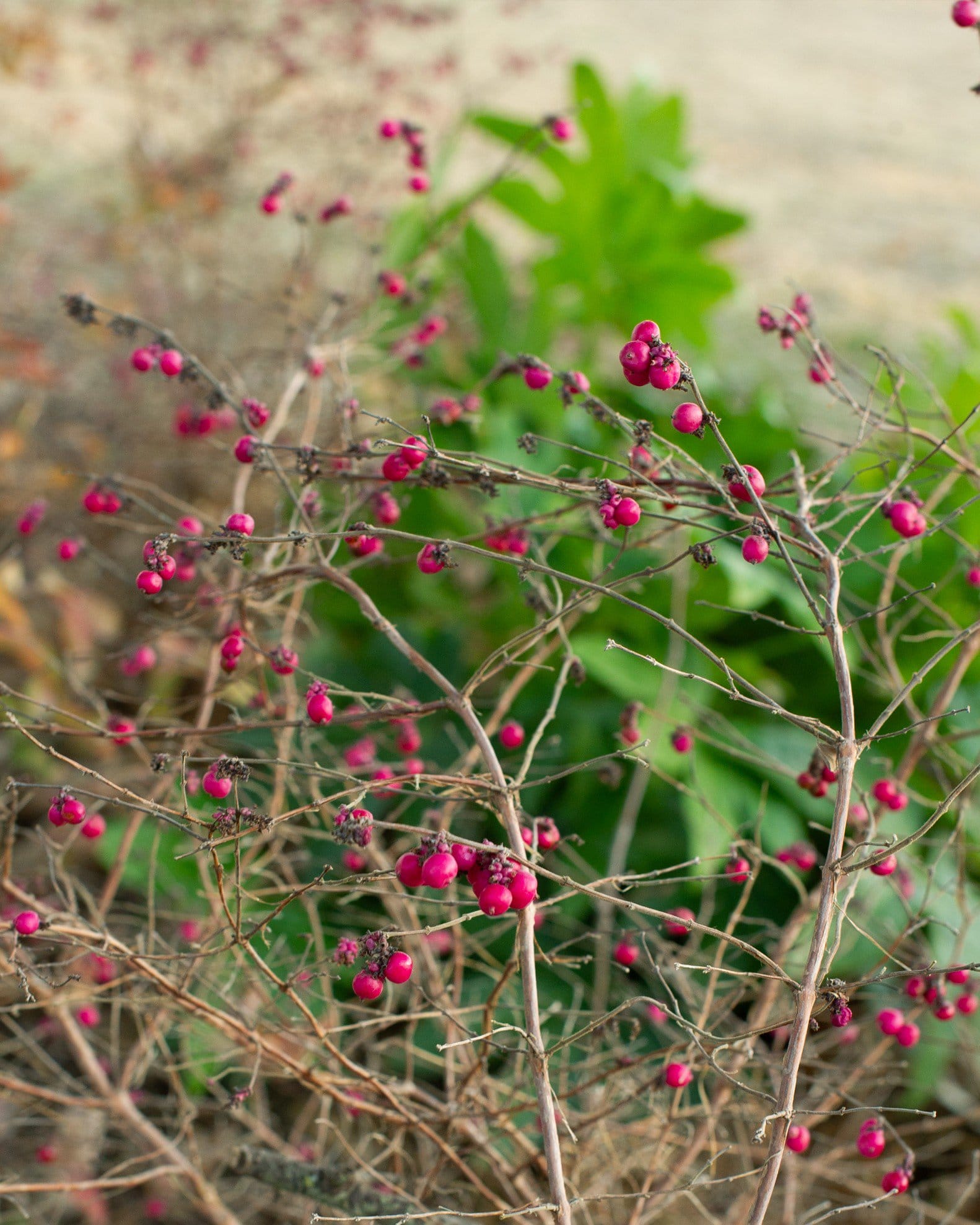
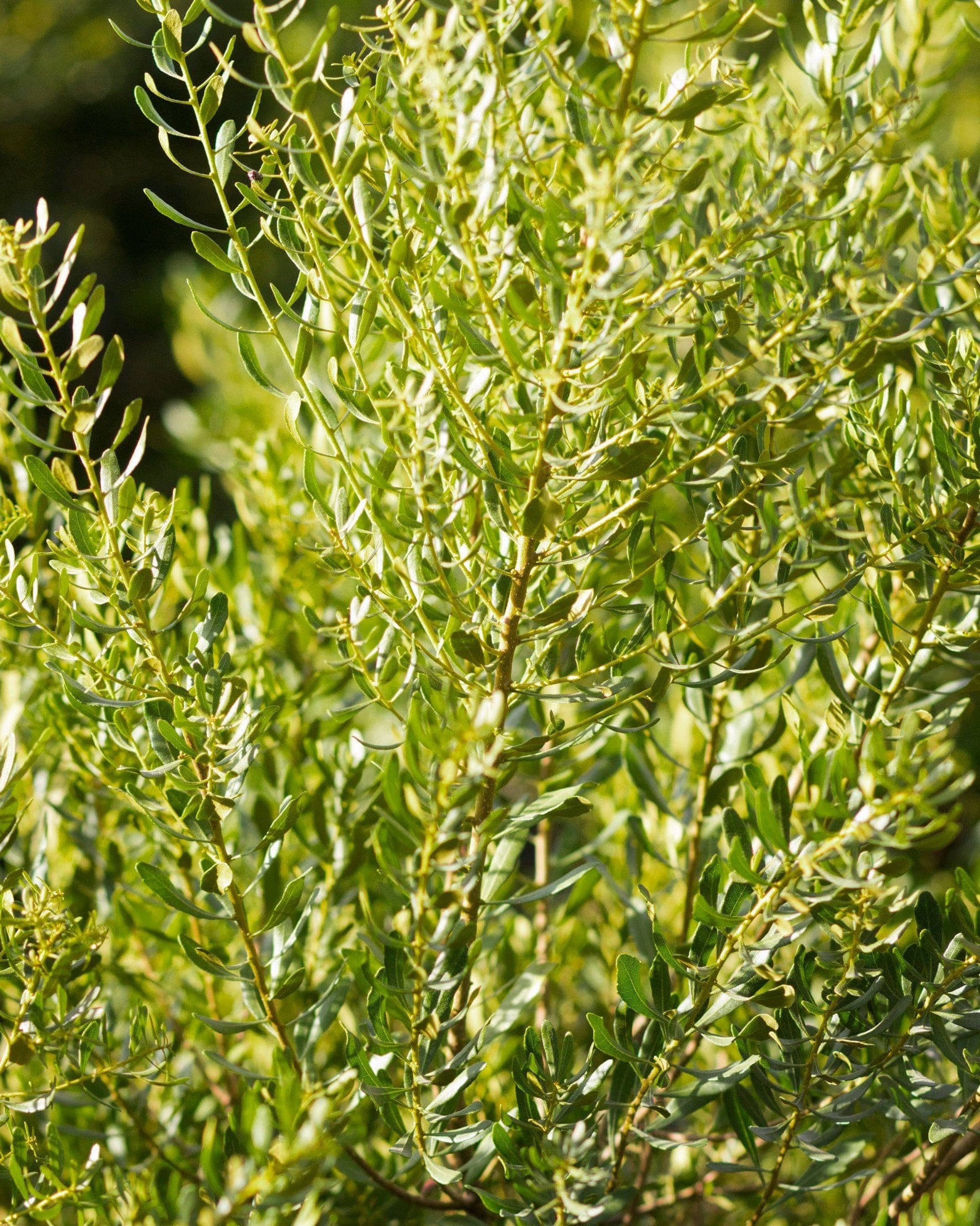
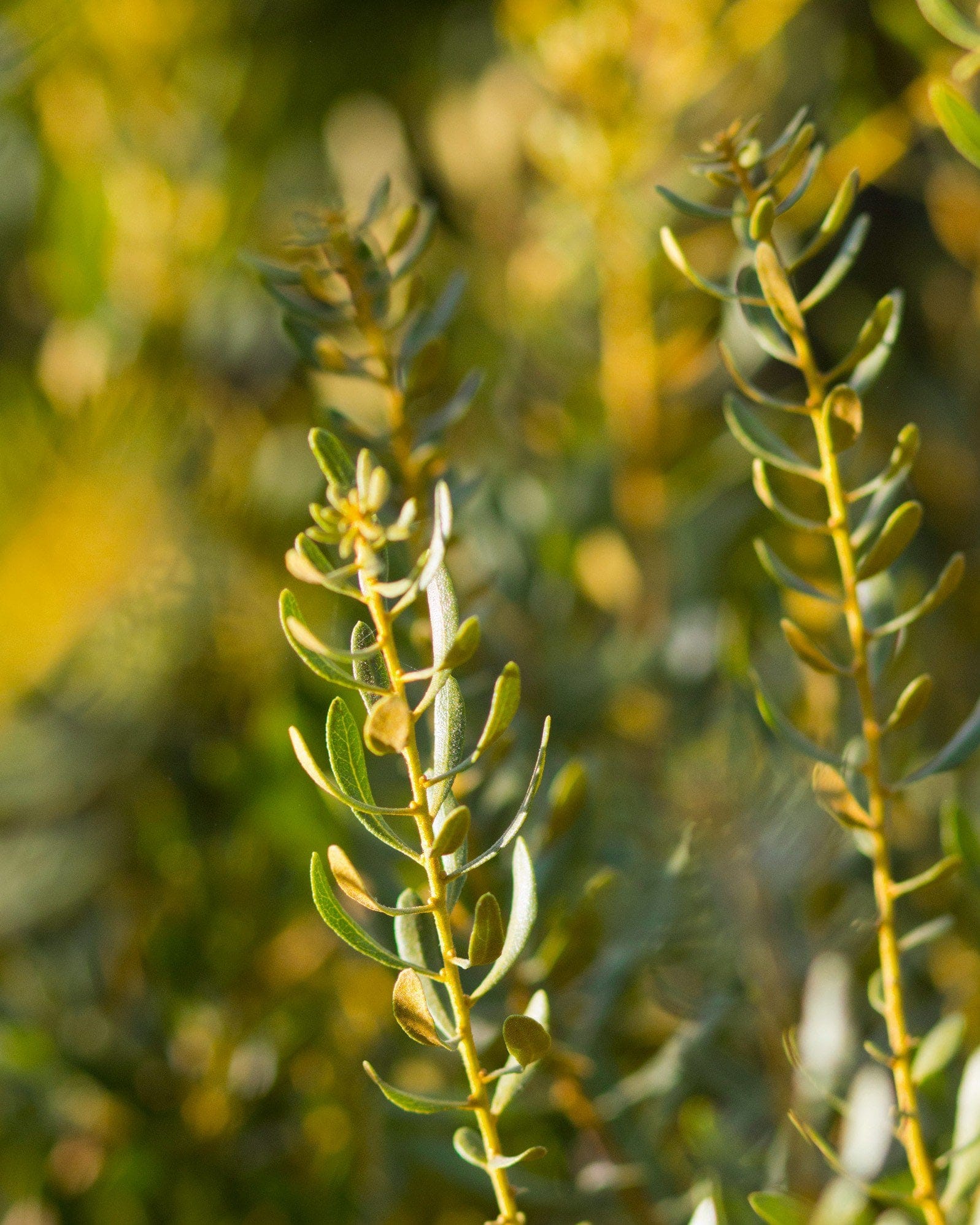
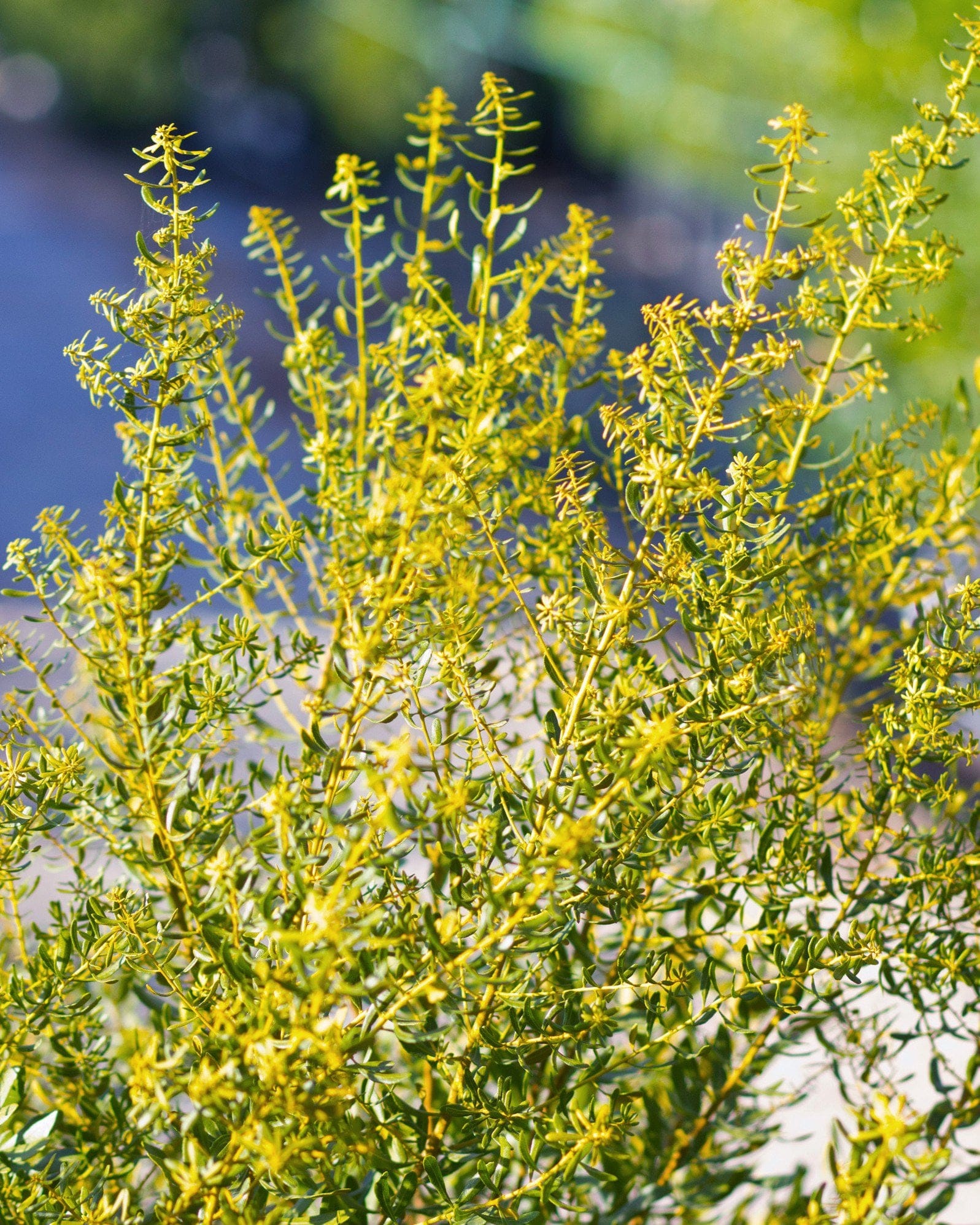
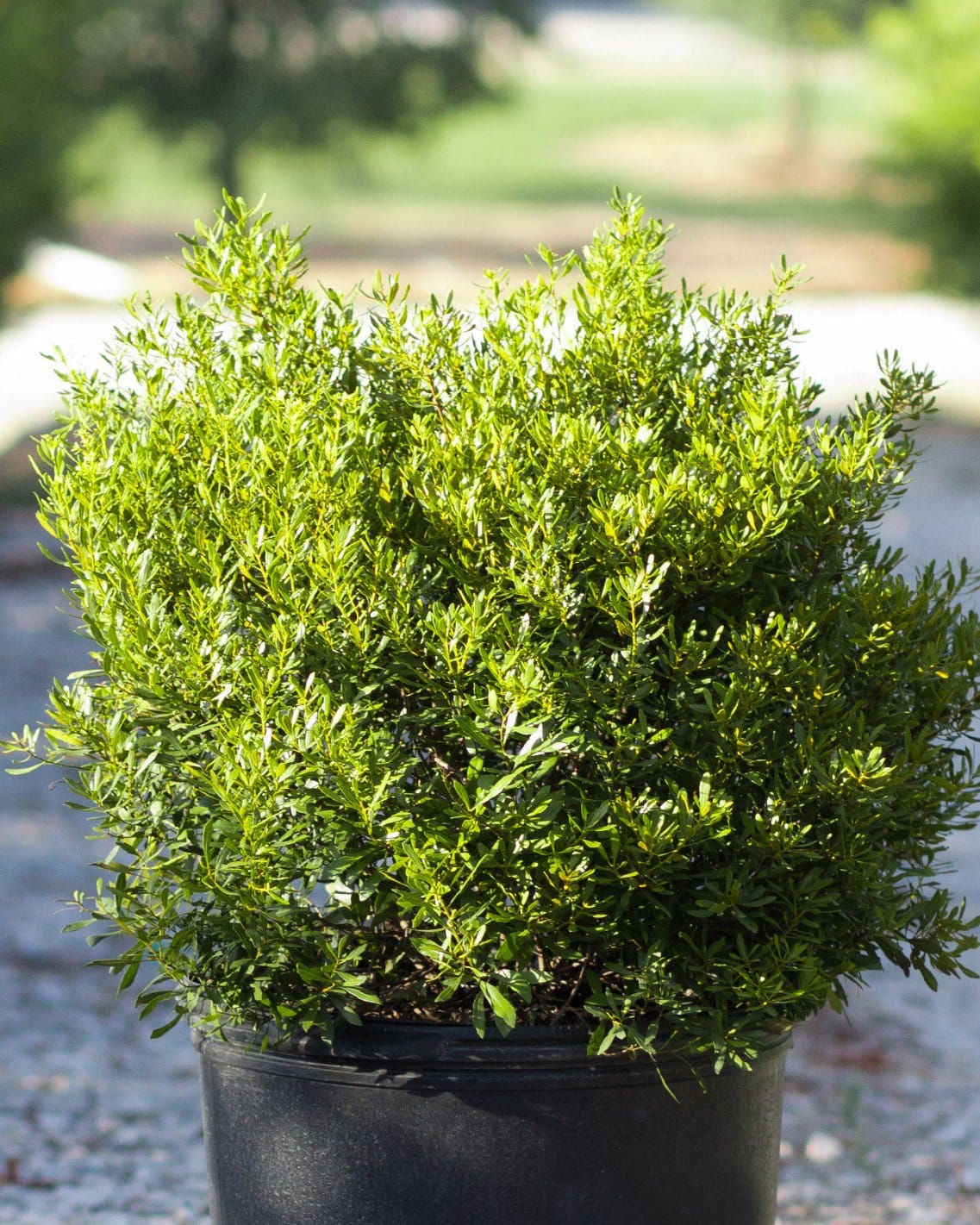
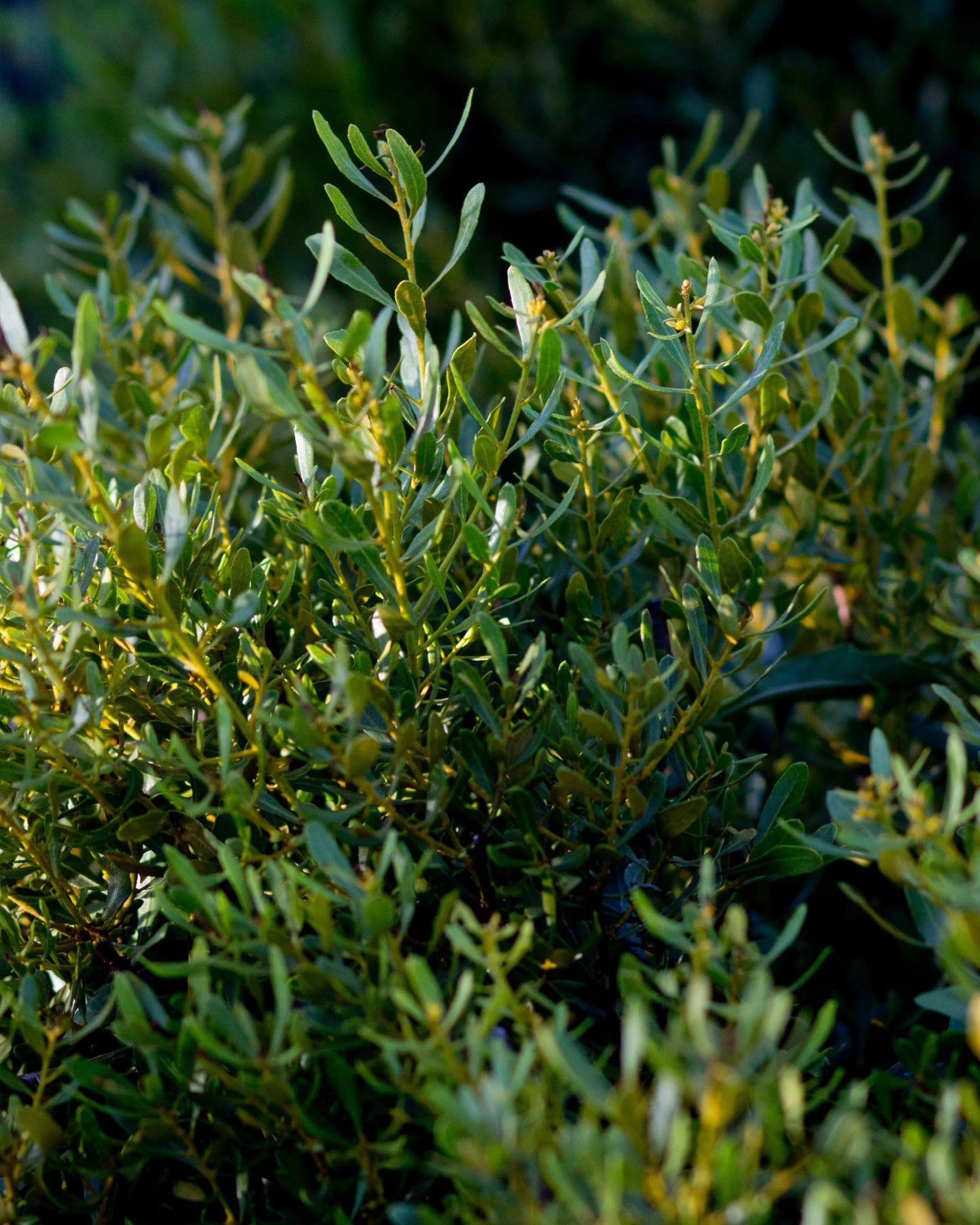
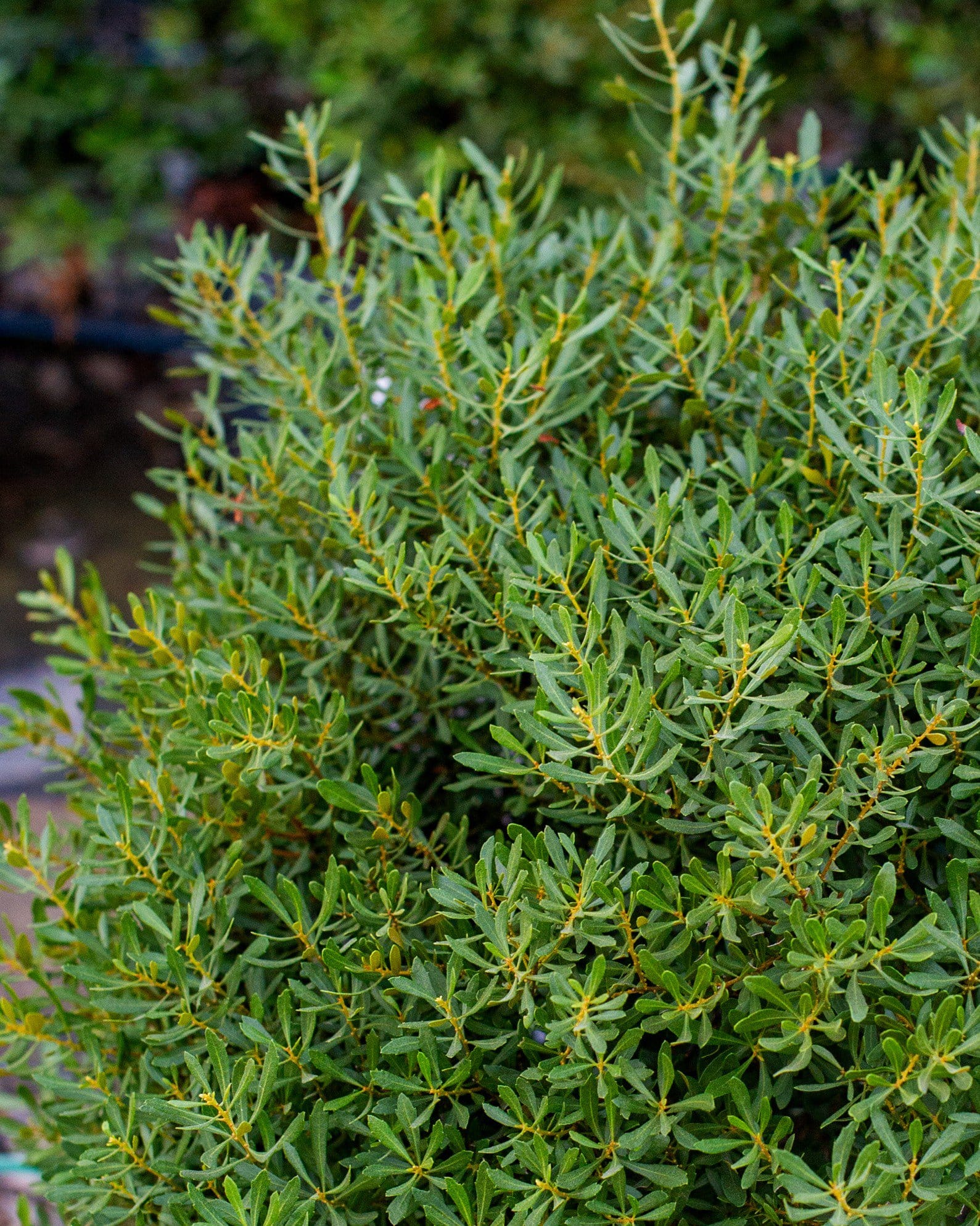
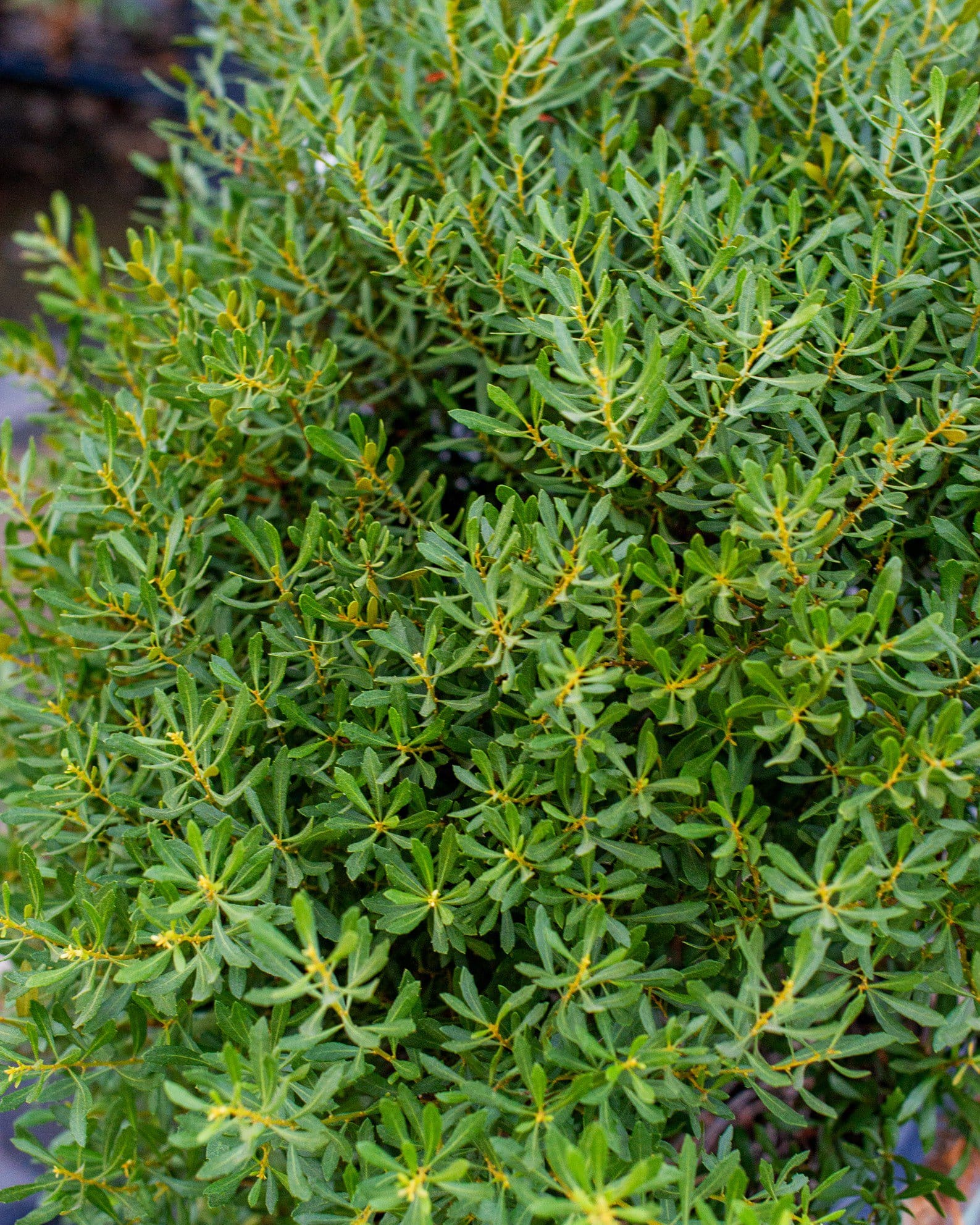
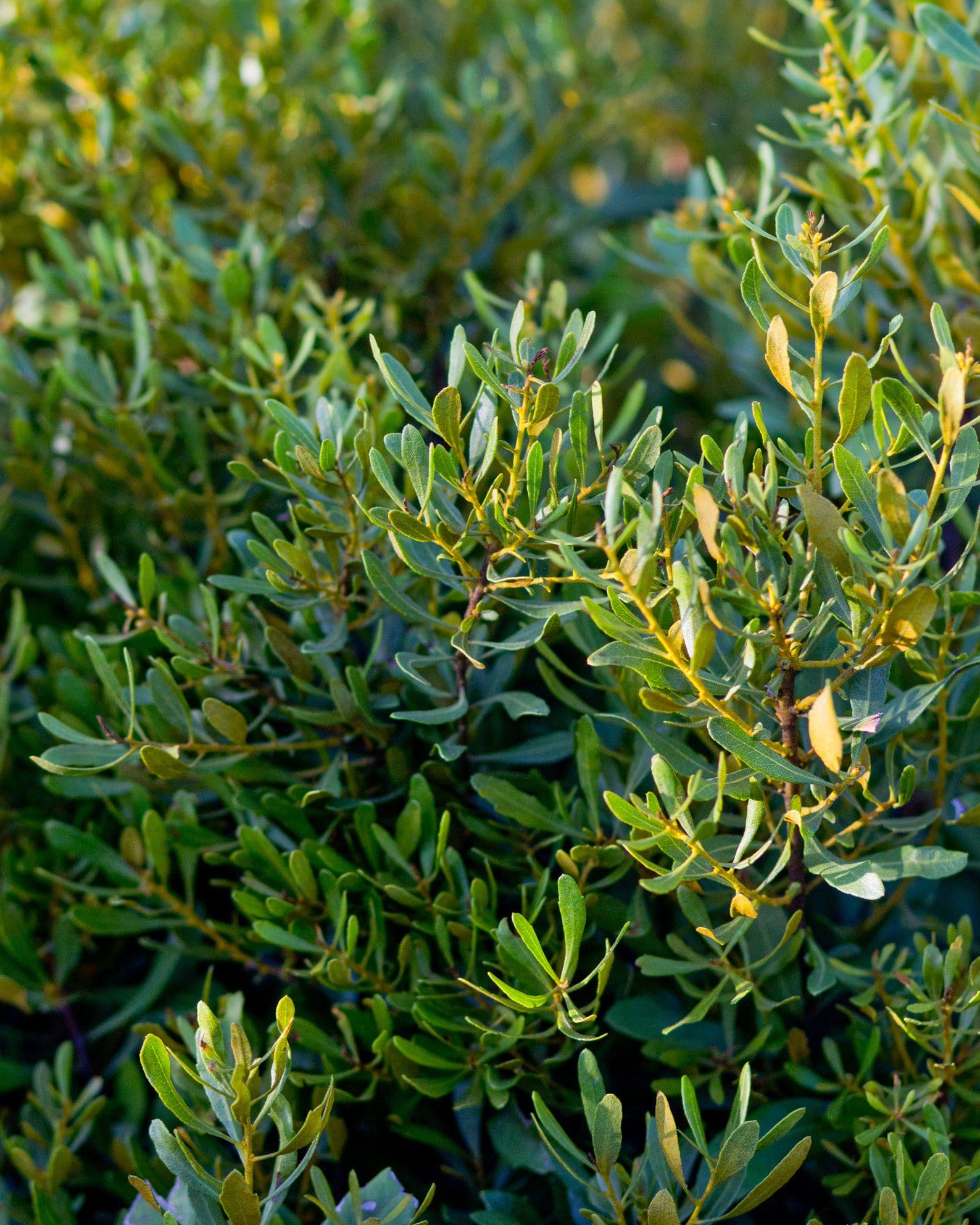
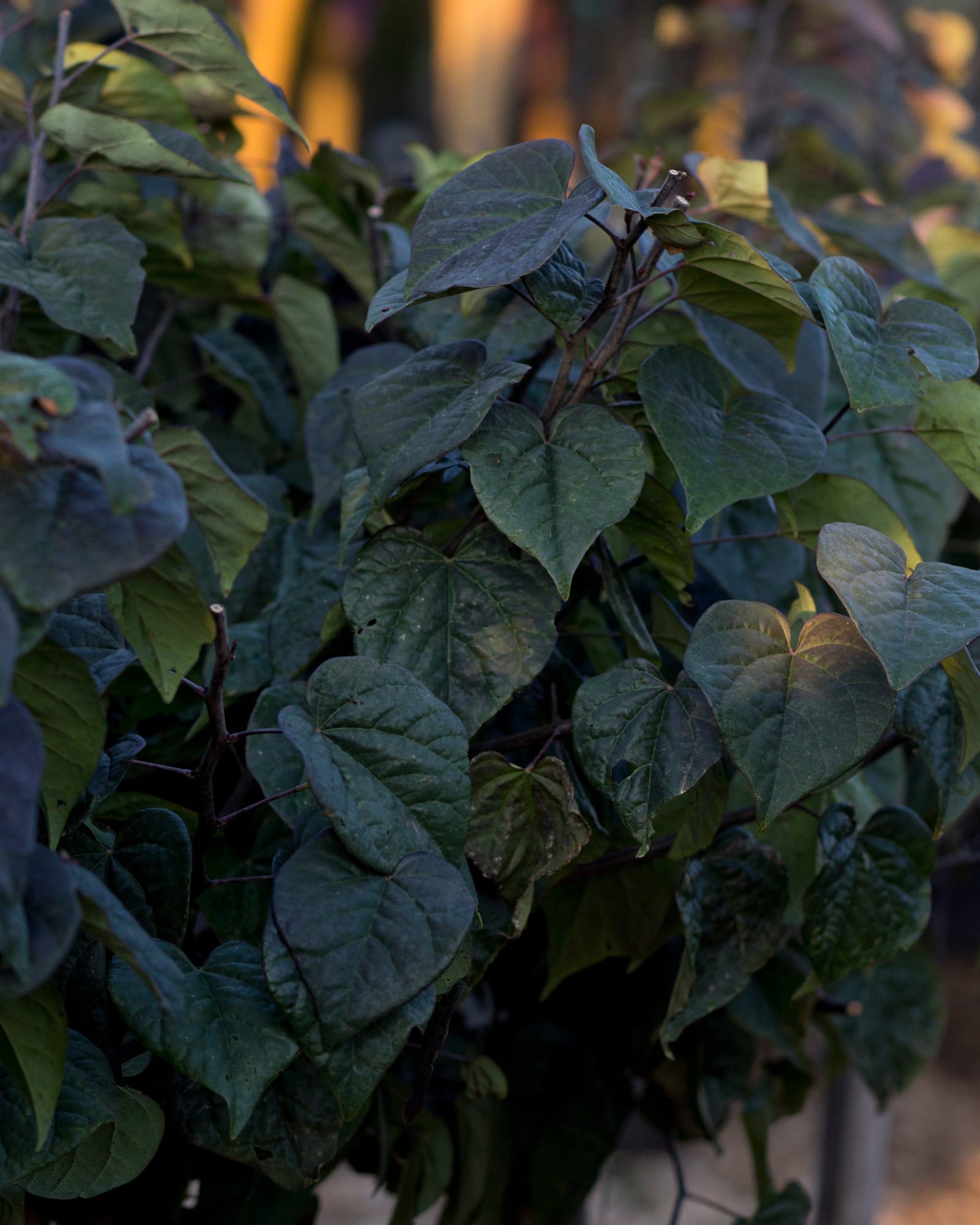
Symphoricarpos orbiculatusCoralberry is a semi-evergreen shrub known for its arching form and vibrant fall and winter berries. It reaches 2 feet in height and 3 feet in width, spreading by suckers to form colonies over time. In summer, small pink flowers attract pollinators, followed by tight clusters of coral-colored berries that persist into winter. The foliage is soft green and oval-shaped, turning yellow in fall. Coralberry is particularly valuable in native or naturalized plantings where wildlife attraction is a goal. Its suckering habit makes it effective for erosion control on slopes or loose screens in informal landscapes. The bright berries are a favorite of birds and a visual highlight when most plants are dormant.
- A semi-evergreen shrub
- Coral-pink berries in fall and winter
- Moderate growth rate
- Pink flowers in summer
- Arching growth form
Coralberry grows best in part sun and tolerates a range of well-drained soils. Hardy in USDA zones 2–7, it works well in shaded North Texas landscapes with minimal maintenance beyond seasonal cleanup.
Coralberry is naturally tough and adaptable, it works beautifully in naturalized plantings, woodland edges, and low-maintenance landscapes. Here’s all it needs to thrive:
- Watering: Water regularly during the first growing season to establish a strong, spreading root system. Once established, Coralberry is drought-tolerant and performs well with occasional deep watering during prolonged dry periods.
- Pruning: Prune in late winter or early spring to remove old, weak, or crossing branches. Thinning older stems encourages fresh growth and improves berry production on younger wood.
- Fertilizing: Coralberry thrives in average soils and typically does not require fertilizer once established. If growth appears weak, a light application of balanced, slow-release fertilizer in early spring is sufficient.
- Mulching: Apply a light mulch layer to conserve moisture and suppress weeds, especially during establishment. Keep mulch pulled slightly away from the base to prevent excess moisture buildup around stems.
- Winter Care: Coralberry is extremely cold-hardy and requires no winter protection once established. Its berries often persist through winter, adding visual interest even after leaf drop.
Coralberry is durable and forgiving, though a few manageable issues may appear under stress or overcrowding:
- Powdery Mildew: A white, powdery coating may appear on leaves during humid conditions. Improving airflow and thinning dense growth helps reduce recurrence.
- Sparse Berry Production: Fewer berries may develop if plants receive excessive pruning or insufficient light. Limiting pruning and allowing mature wood to remain improves fruiting.
- Leaf Spot: Dark or irregular spots may develop during prolonged wet weather. Removing affected foliage and cleaning up debris limits spread.
- Suckering Spread: New shoots may appear beyond the main plant over time. Removing unwanted suckers keeps growth contained and tidy.
- Twig Dieback: Older stems may decline naturally as the plant ages. Regular renewal pruning encourages vigorous new growth.
Coralberry typically lives 20-30 years in the landscape. Its resilient root system allows it to persist through drought and seasonal stress. With occasional renewal pruning, plants remain productive for decades.
It grows at a moderate rate, adding approximately 8-12 inches per year. Plants usually reach mature size and reliable berry production within 3-5 years. Growth becomes denser and more graceful with age.
Small spring flowers attract native bees and other beneficial insects. While not showy, they provide valuable early-season nectar. Pollination is essential for strong berry development later in the year.
It’s considered moderately deer-resistant. Browsing may occur occasionally, especially on young shoots. Established plants typically recover quickly.
Coralberry is not well-suited for long-term container growth due to its spreading root system. It performs best when planted directly in the ground. Containers may restrict growth and berry production.
It can be propagated through suckers rather than traditional division. New shoots can be carefully removed and replanted. This method helps control spread while creating new plants.
Mass plantings create natural-looking drifts with strong seasonal interest. Grouped shrubs produce heavier berry displays and improved wildlife value. This approach works especially well in naturalized landscapes.
It pairs beautifully with ornamental grasses, viburnum, sumac, and native perennials. Its fine texture contrasts nicely with bolder foliage. These combinations support wildlife and seasonal interest.
Once established, Coralberry requires very little care beyond occasional pruning. Its toughness makes it ideal for low-input and native plant gardens. Consistent performance reduces long-term maintenance needs.
Coralberry stands out for its vibrant winter berries and natural growth habit. It provides color when most plants are dormant. Few shrubs offer such seasonal interest with so little effort.
Special Features
You might also like
Don's Dwarf Wax Myrtle
Maturity: 3' H x 4' W
Dwarf Wax Myrtle
Maturity: 2' H x 3' W
Glossy Abelia
Maturity: 6' H x 6' W
Edward Goucher Abelia
Maturity: 4' H x 4' W
Variegated Privet Ligustrum
Maturity: 6' H x 6' W
Cherry Laurel Compacta
Maturity: 8' H x 6' W
Cherry Laurel Everbrite
Maturity: 8' H x 6' W
Fizzy Mizzy Sweetspire
Maturity: 2' H x 2' W
Little Henry Sweetspire
Maturity: 3' H x 2' W
Dwarf Yaupon Holly
Maturity: 3' H x 3' W
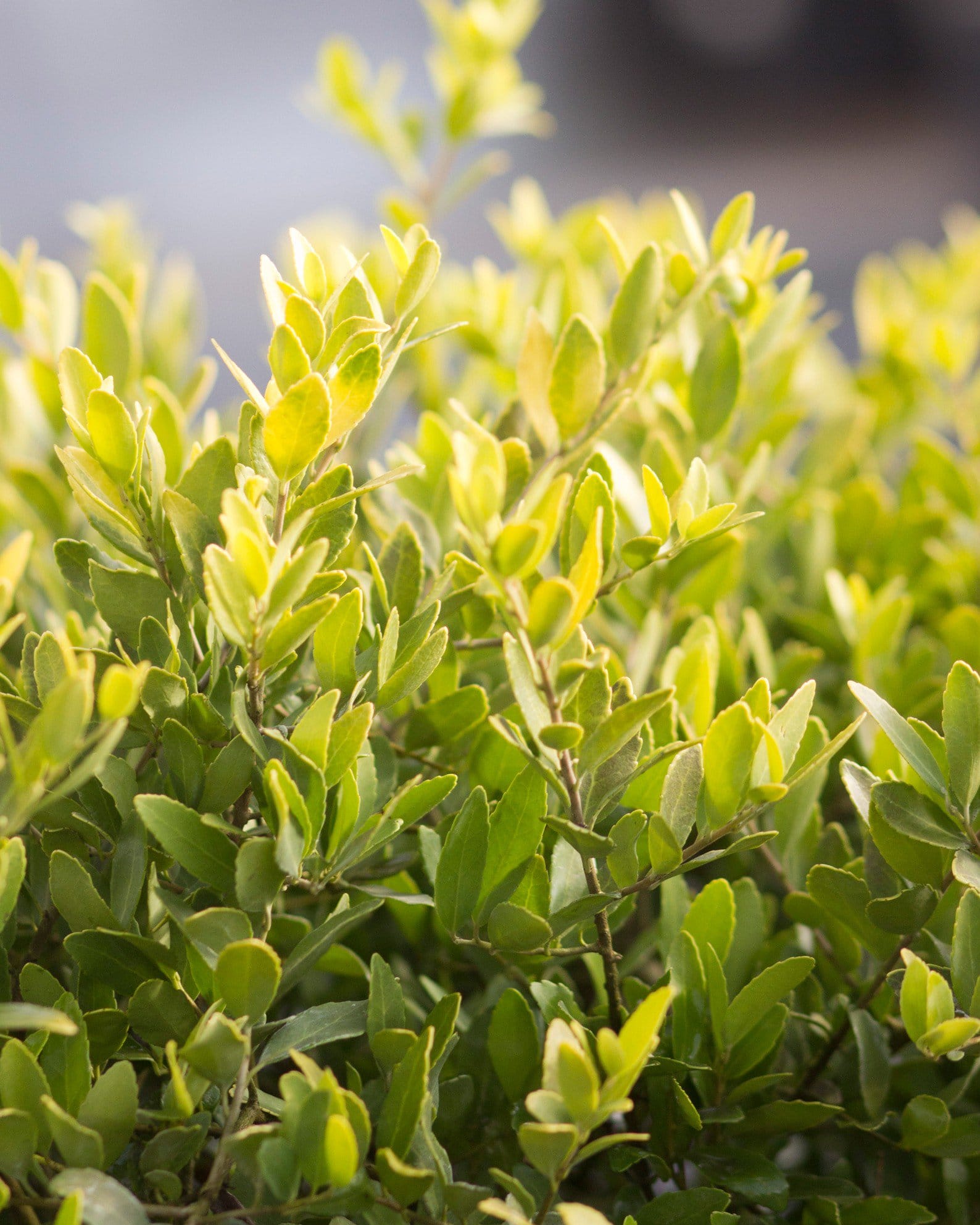
Dwarf Yaupon Holly Eureka Gold
Maturity: 4' H x 4' W
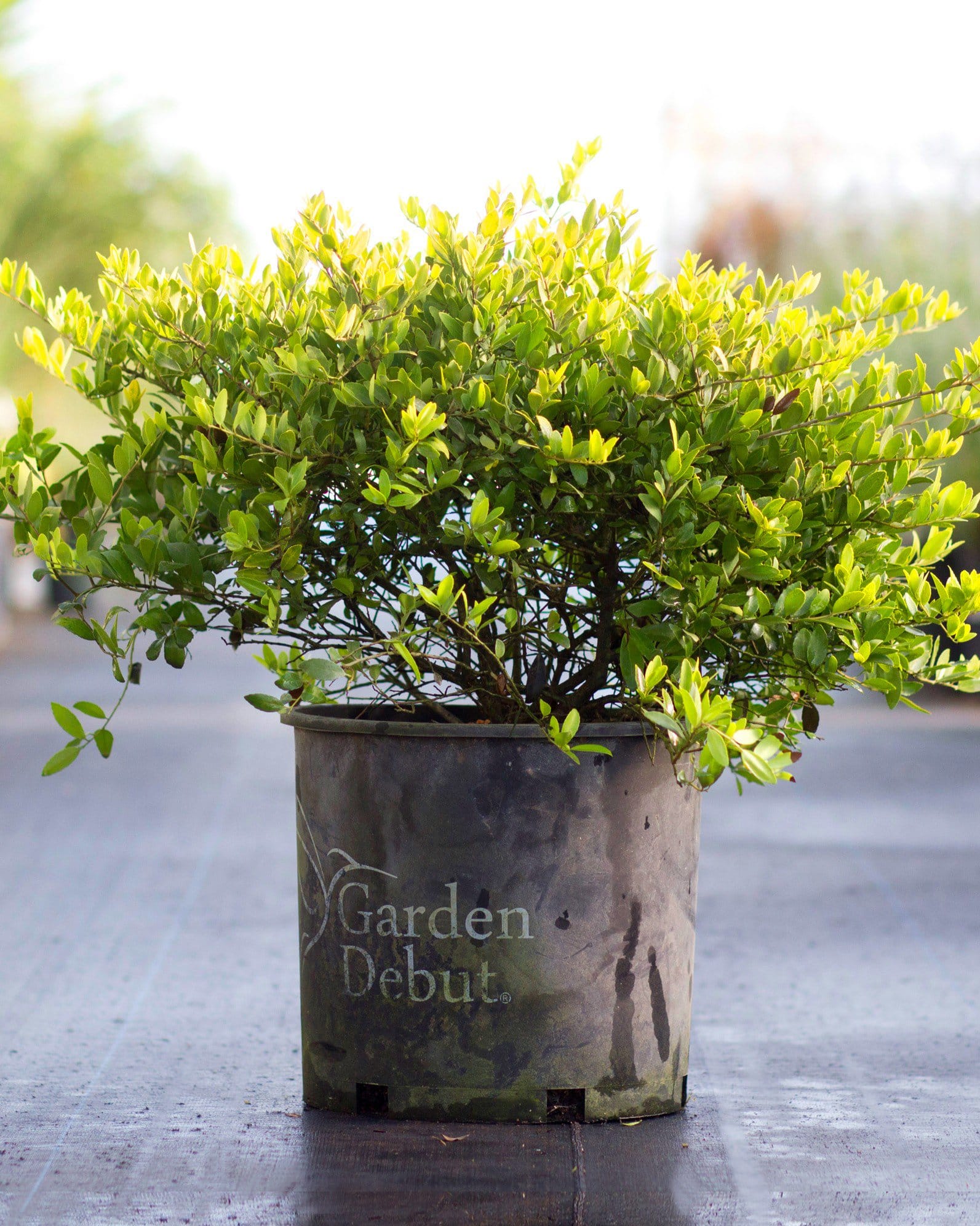
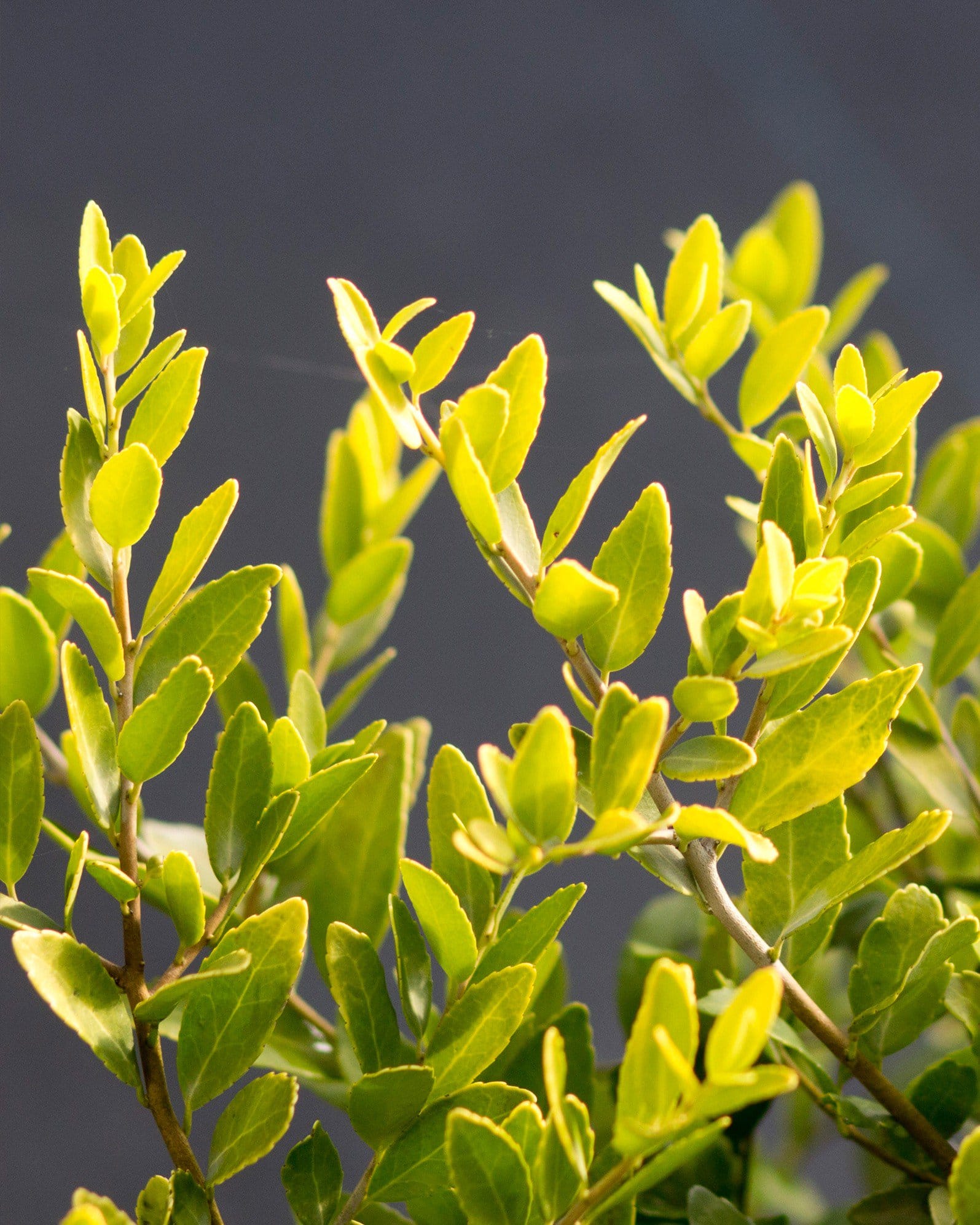
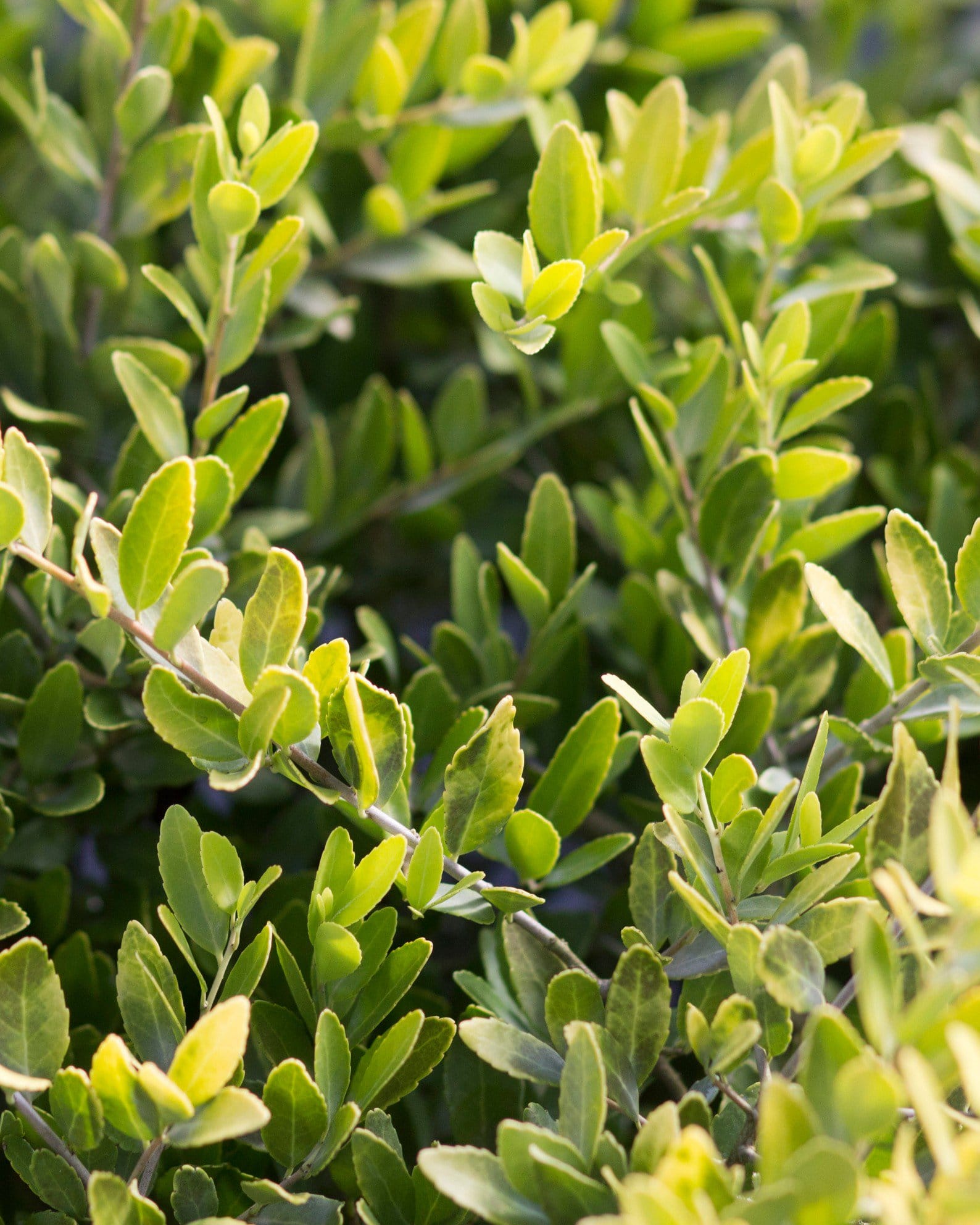
Micron Holly
Maturity: 1.5' H x 2.5' W
Wax Myrtle
Maturity: 15' H x 15' W
Sweet Bay Magnolia Moonglow
Maturity: 20' H x 10' W
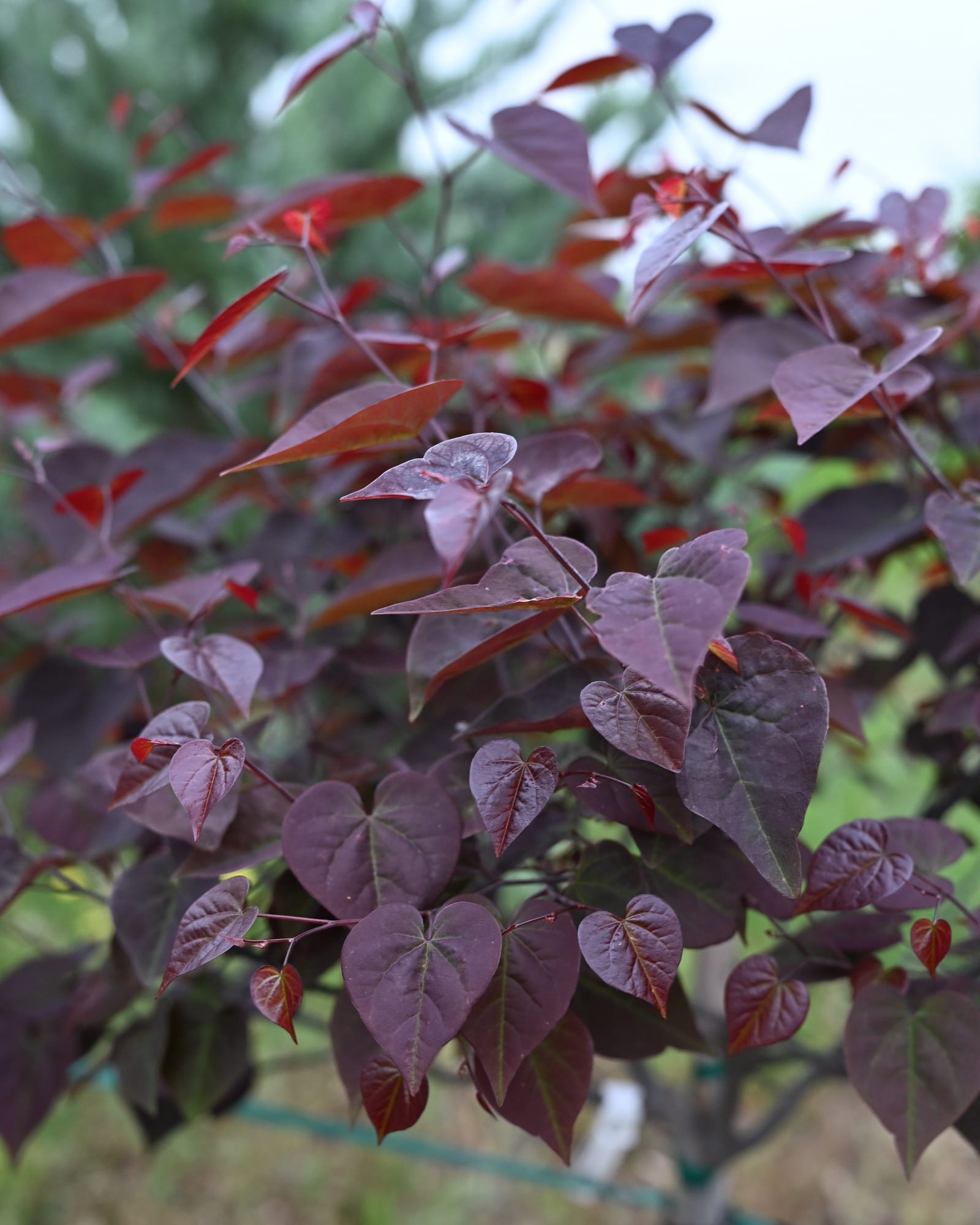
Amethyst Redbud
Maturity: 8' H x 8' W
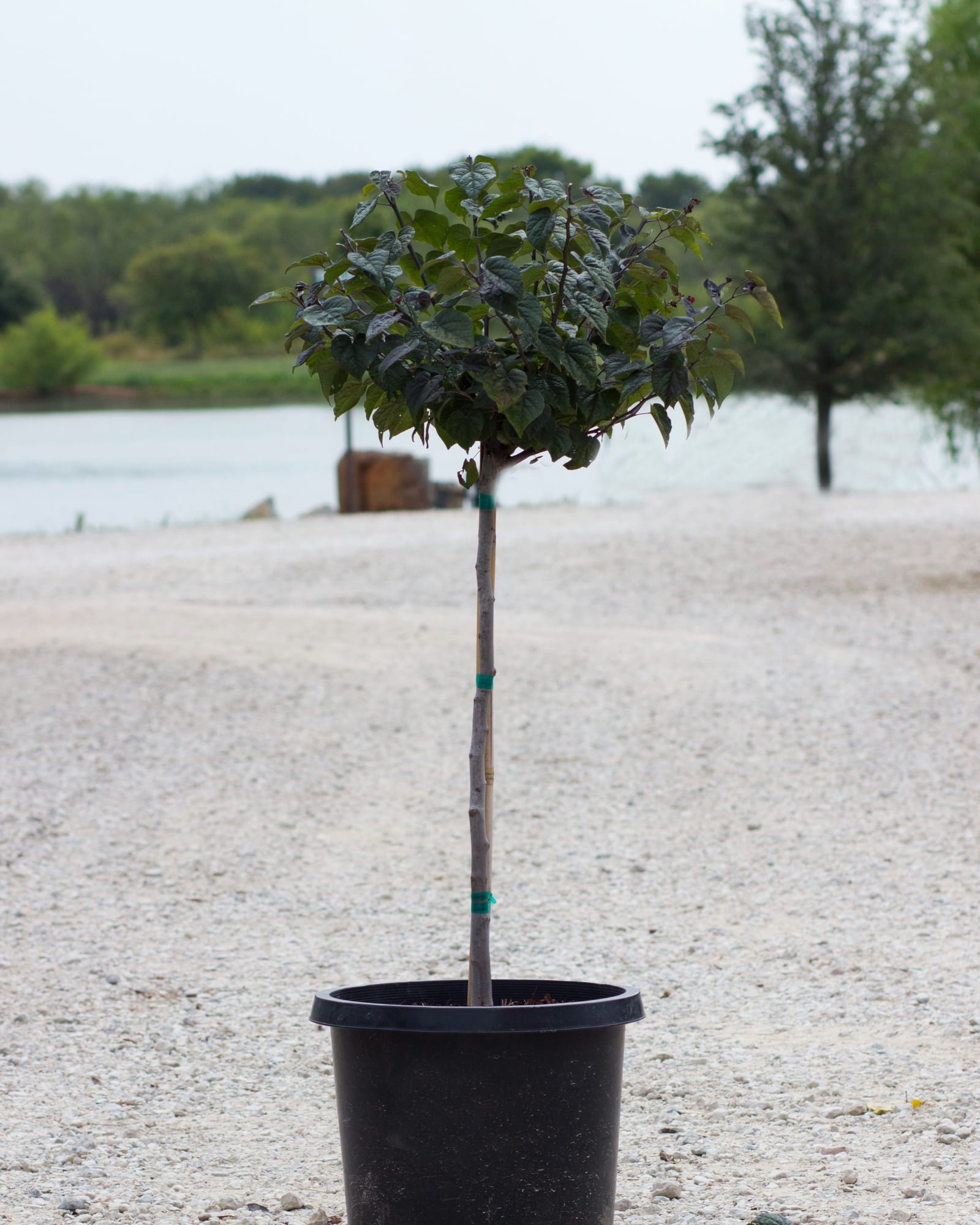
Compare Similar Plants
Coralberry This plant | ||
|---|---|---|
| Scientific Name | Symphoricarpos orbiculatus | Myrica cerifera ‘Don’s Dwarf’ |
| Size at Maturity | 2' H x 3' W | 3' H x 4' W |
| Leaf Retention | Semi-Evergreen | Semi-Evergreen |
| Fall Color | Yellow | — |
| Flower Color | Pink & White | — |
| Bloom Times | Spring & Summer | — |
| Sizes Available | — | 3, 7 gal |


Our 1-Year Planting Guarantee
We take pride in our plants and installation services. If any plants or trees installed by Treeland fail to thrive within the first year, we'll provide a replacement credit in accordance with our guarantee program.
Learn More About Our Guarantee