
 Texas Native
Winter King Hawthorn
Crataegus viridis ‘Winter King’Product Details
Winter King Hawthorn
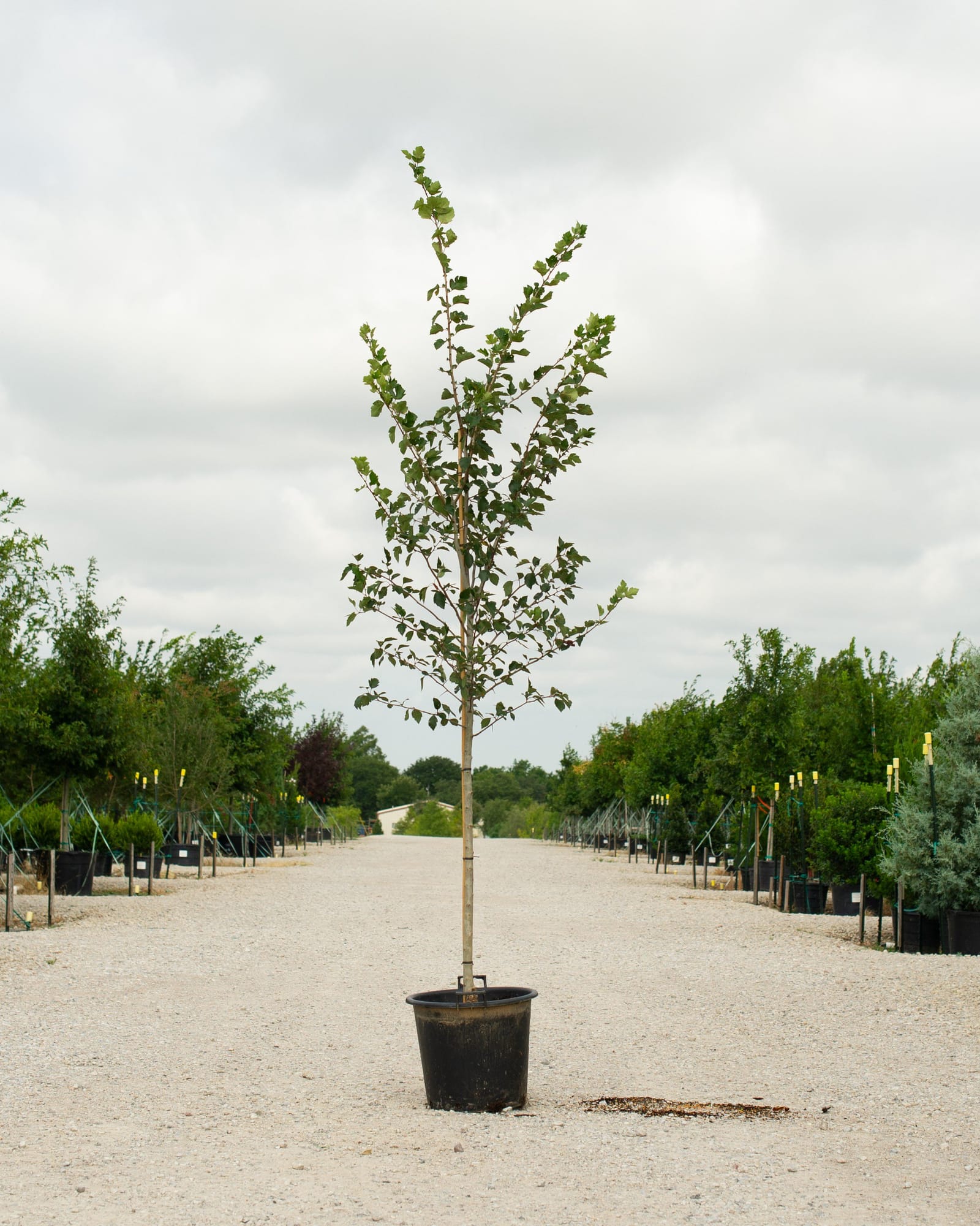
Crataegus viridis ‘Winter King’The Winter King Hawthorn is a striking ornamental tree that shines in every season. Spring showcases clusters of white blooms, followed by summer’s rich green foliage and eye-catching silvery-gray bark that peels gracefully. In autumn, golden-yellow leaves appear alongside bright red berries, which remain through winter, creating a vivid contrast against bare branches. With a mature size of about 20 feet tall and wide and a rounded, open form, it’s an ideal choice for small landscapes, cottage-style plantings, and streetscapes where year-round beauty is desired.
- Deciduous ornamental tree
- Moderate growth rate with rounded form
- White spring flowers followed by bright red berries
- Silver-gray bark and golden fall foliage
- Excellent winter interest
The Winter King Hawthorn is hardy and versatile, flourishing in full sun and well-drained soil. Once established, it tolerates drought and adapts well to urban environments. Suitable for USDA zones 4–7, it’s an excellent option for North Texas and much of the state.
Once established, Winter King Hawthorn becomes relatively low-maintenance and develops into a hardy small tree that requires only modest seasonal care. Here’s all it needs:
- Watering: Water regularly during the first growing season to establish a strong root system. After establishment, occasional deep watering during extended dry periods helps maintain healthy growth.
- Pruning: Pruning is generally limited to removing damaged or crossing branches. Light pruning during late winter helps maintain balanced structure while preserving the tree’s natural form.
- Fertilizing: Fertilizer is rarely required in average soils. If growth appears slow, applying a balanced fertilizer in early spring can encourage stronger seasonal development.
- Mulching: Maintain a 2-3 inch mulch layer around the root zone to conserve soil moisture and regulate soil temperature. Keep mulch slightly away from the trunk to prevent excess moisture accumulation.
- Winter Care: Established trees tolerate seasonal cold without special protection. Young plants benefit from mulch around the root zone during their first winters to help stabilize soil temperatures.
Winter King Hawthorn is generally durable, though occasional pests or environmental stress may occur. Proper care and routine monitoring help keep most problems manageable.
- Leaf Spot: Small dark spots may develop on foliage during humid weather. Removing fallen leaves helps reduce fungal spread.
- Rust Diseases: Orange or reddish spots may appear on leaves if rust fungi are present. Good airflow around the canopy helps reduce infection.
- Aphids: Sticky residue on foliage may indicate sap-feeding insects. Spraying foliage with water or applying insecticidal soap usually reduces populations.
- Drought Stress: Leaves may wilt or discolor during prolonged dry conditions. Deep watering during drought helps maintain plant health.
- Branch Dieback: Small twigs may occasionally fail to leaf out after environmental stress. Removing affected branches helps maintain a healthy canopy.
Winter King Hawthorn can live for several decades when grown in suitable conditions. Mature trees often remain healthy for 40-60 years. Proper care helps support long-term vitality.
Growth generally averages about 12-18 inches per year. The tree gradually develops its branching structure over time. Full maturity often occurs within about 15-20 years.
This cultivar is admired for its bright red fruit that often persists into winter. The fruit creates striking seasonal interest when many other trees are bare. Its ornamental bark also adds visual appeal.
Most healthy trees produce fruit following the spring flowering period. The berries typically develop during the growing season and remain visible for an extended time. Consistent flowering helps ensure regular fruiting.
The spring flowers provide nectar and pollen for bees and other beneficial insects. Flowering trees help support pollinator activity during the growing season. This contributes to garden biodiversity.
The sharp thorns are a natural protective feature of hawthorn species. They help protect the tree from browsing animals. These thorns are a characteristic trait of the genus.
As the tree matures, the bark begins to peel slightly in thin flakes. This exfoliating effect reveals warm tones beneath the surface. The bark becomes especially noticeable during winter.
Birds may feed on the berries during the colder months. The fruit can remain on the tree for extended periods, providing seasonal food sources. This activity often adds movement and interest to the tree.
The tree gradually develops a well-branched structure. This branching pattern creates a balanced canopy. Mature specimens often appear full and structured.
Hawthorns combine flowers, fruit, and textured bark in a single plant. These features provide multiple seasons of interest. Their unique character sets them apart from many other small trees.
Special Features
You might also like
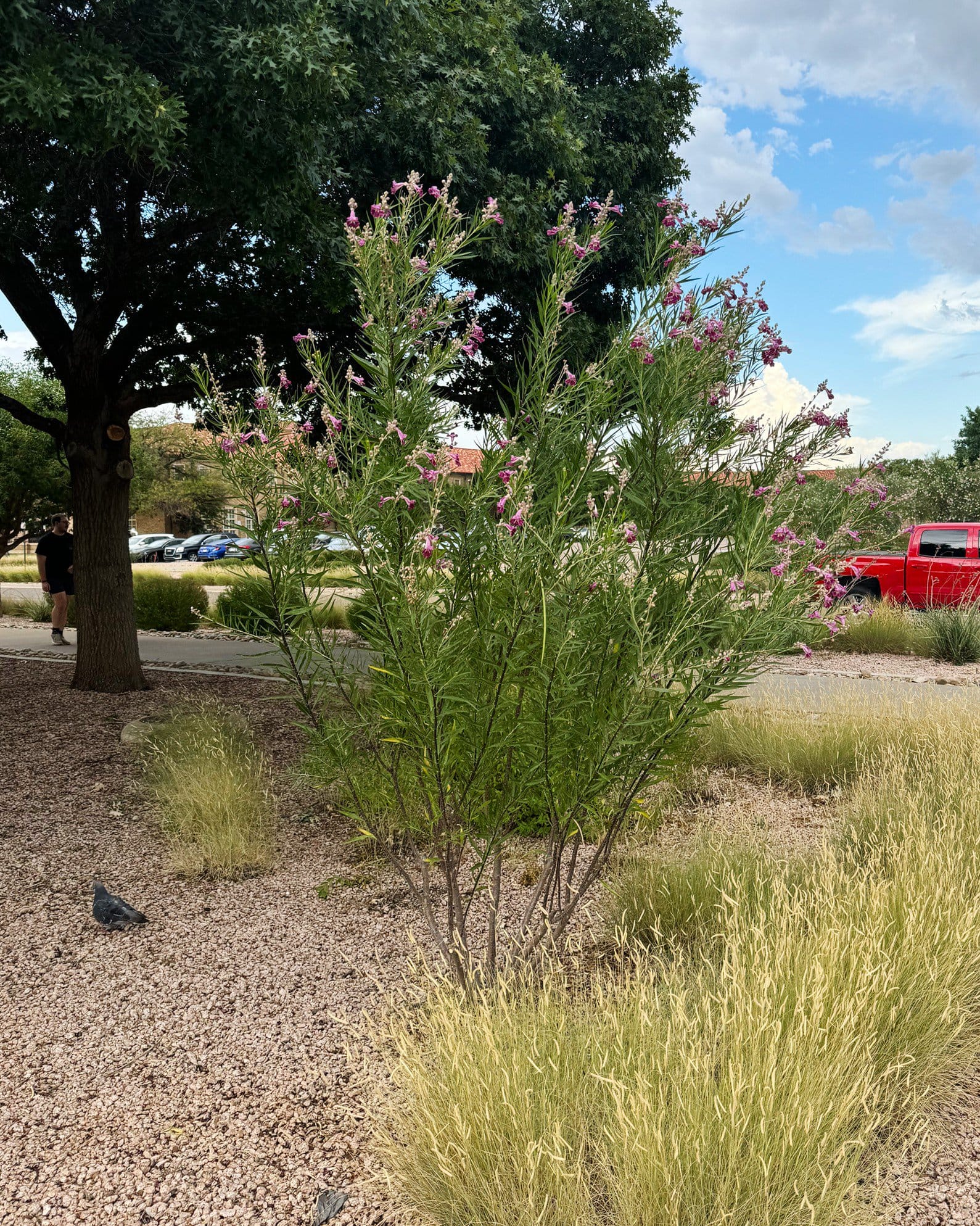
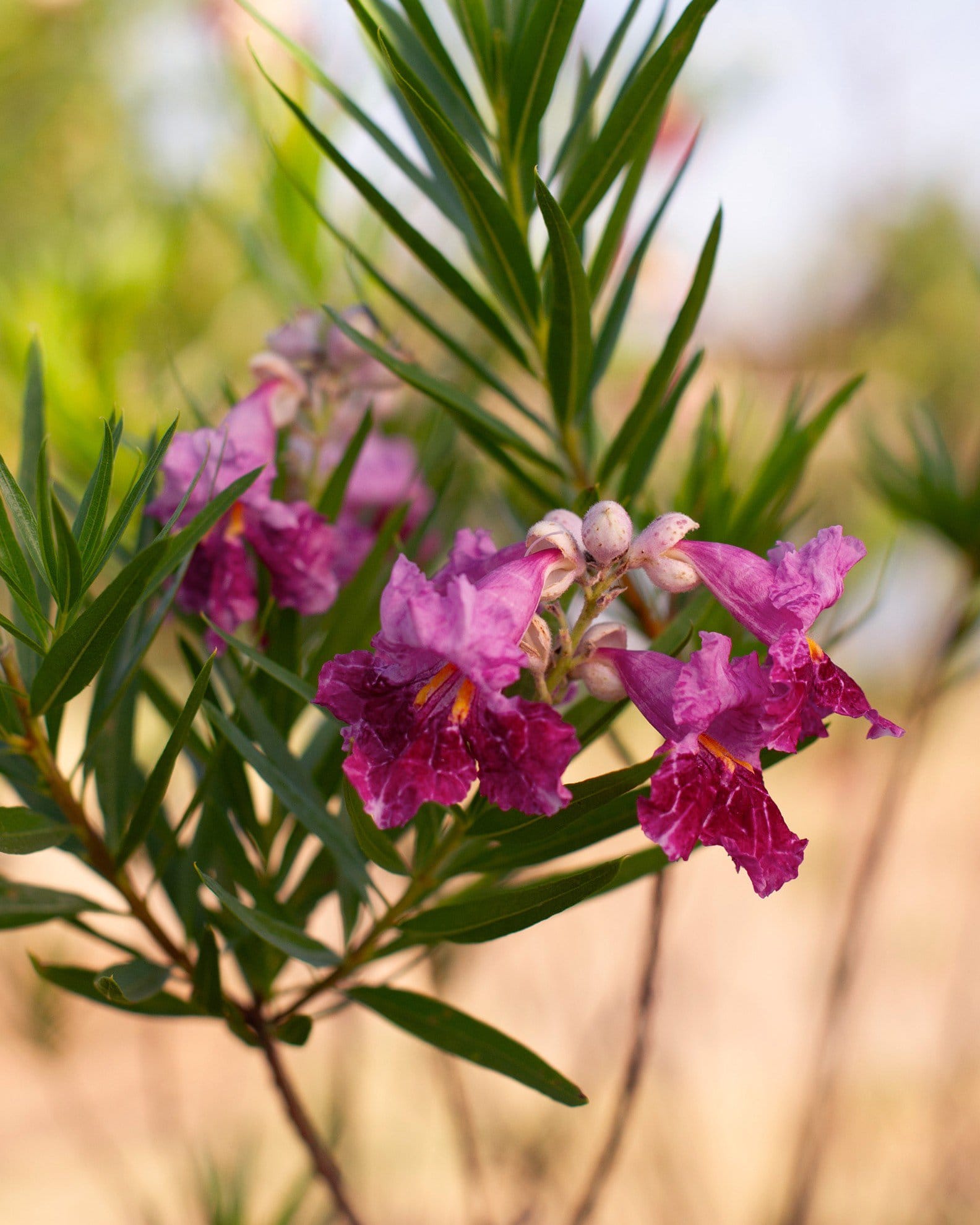
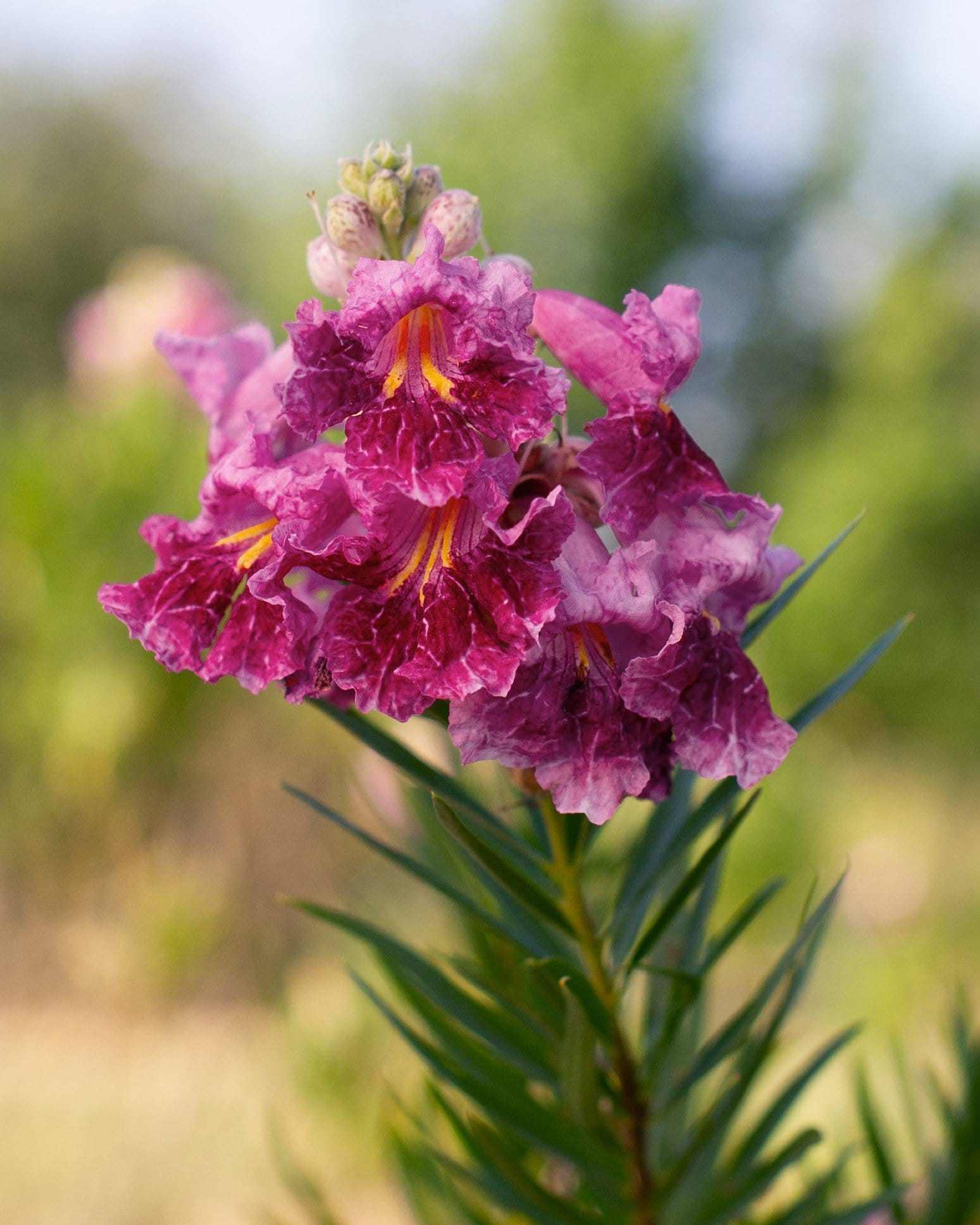
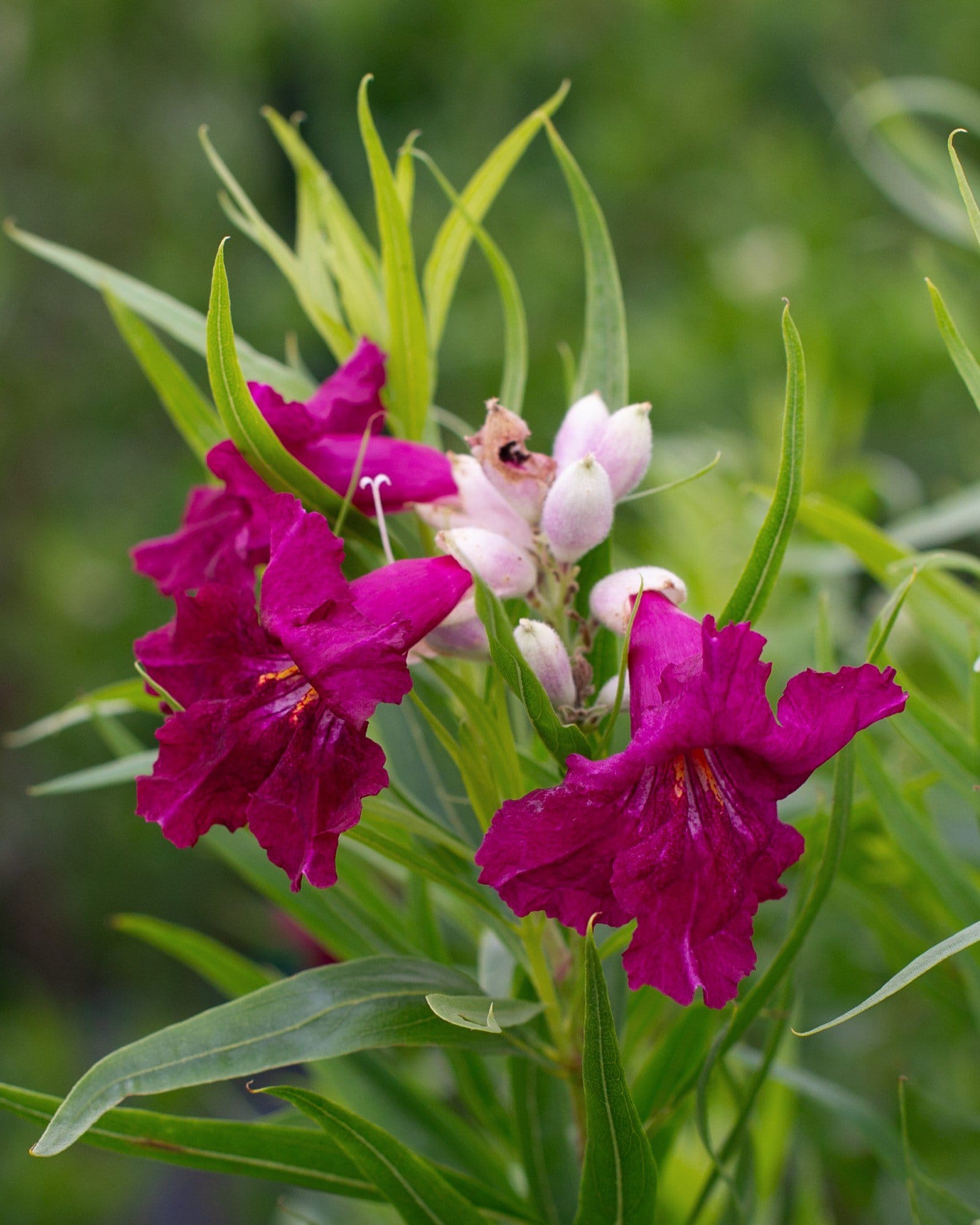
Bubba Desert Willow
Maturity: 15' H x 15' W
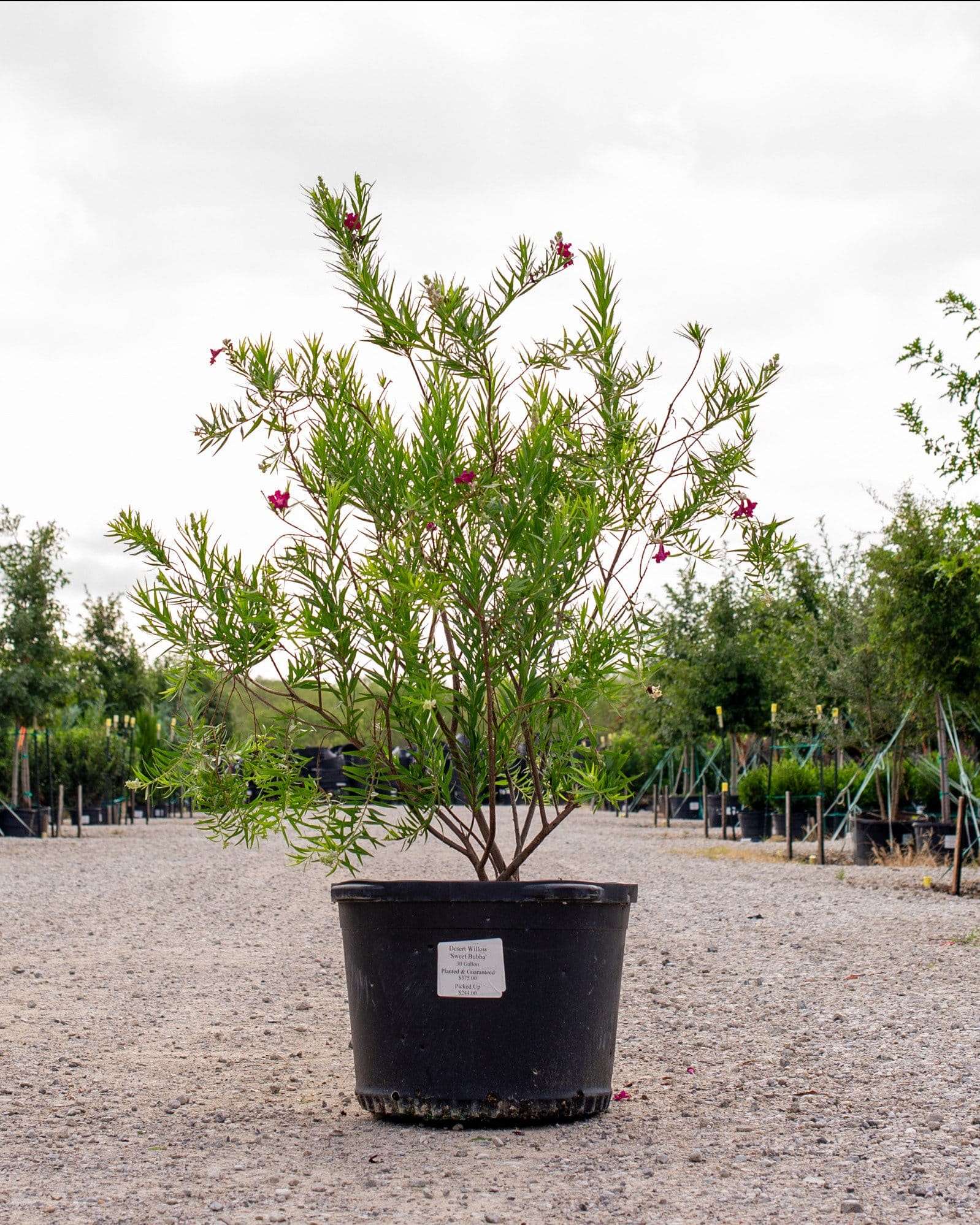
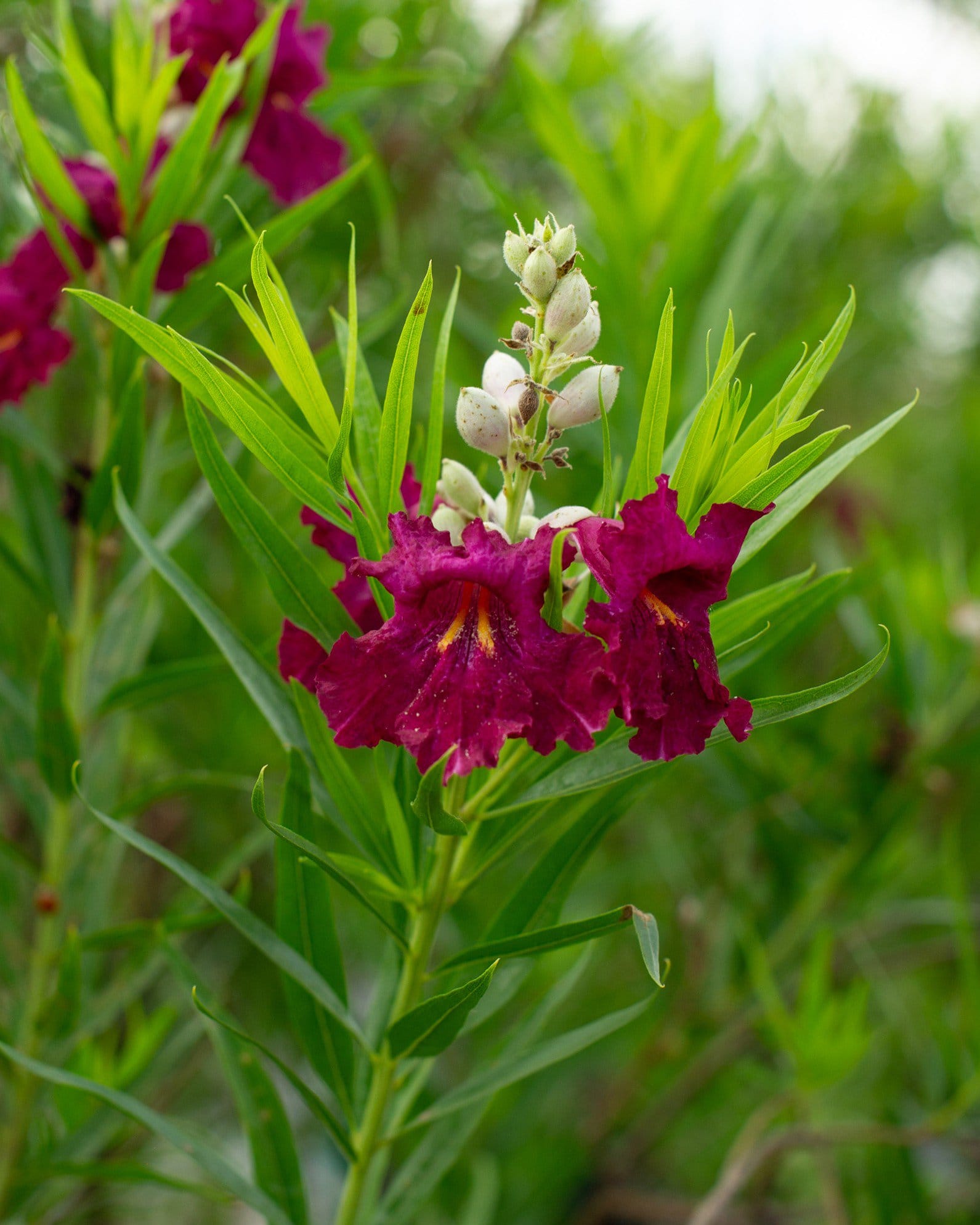
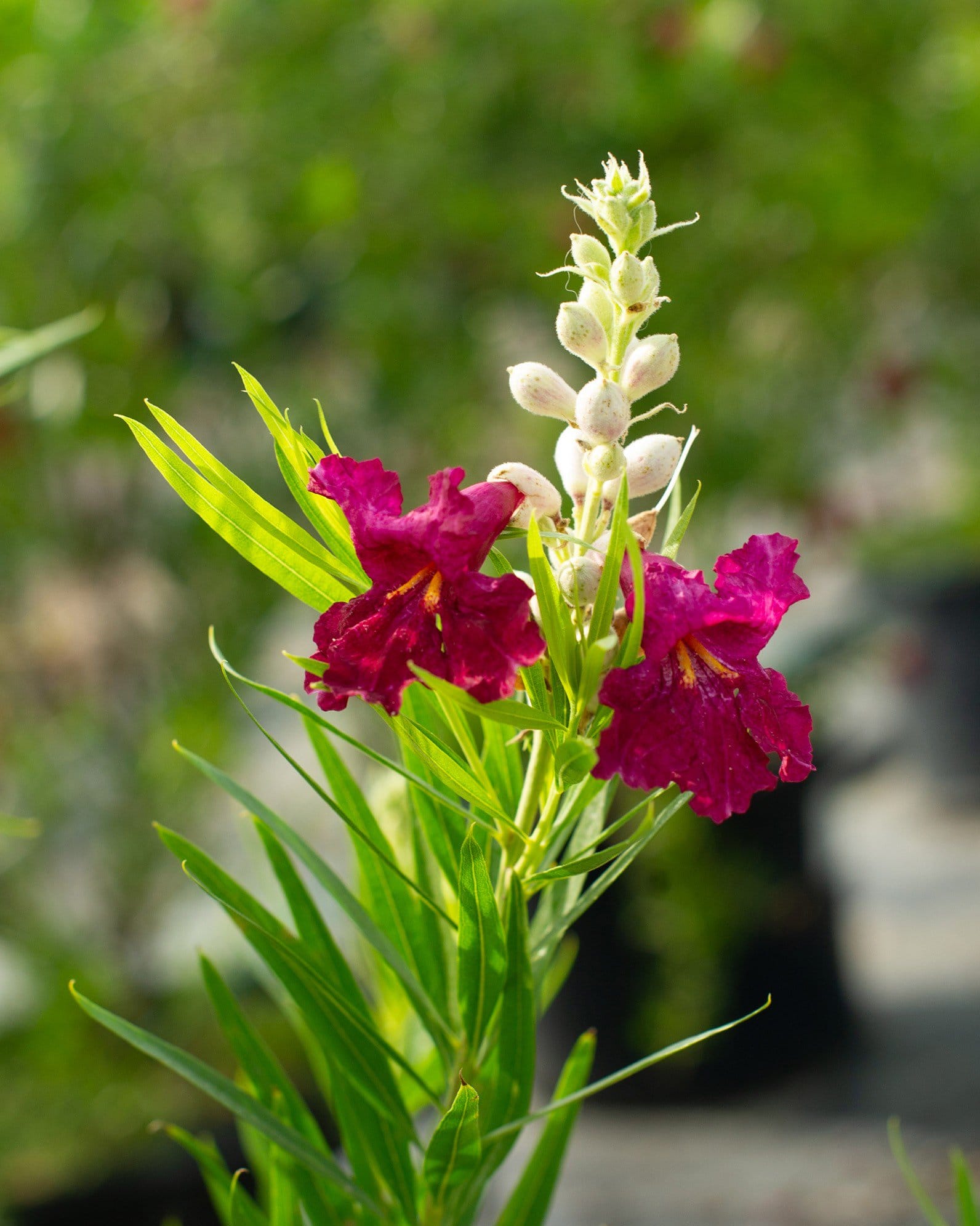
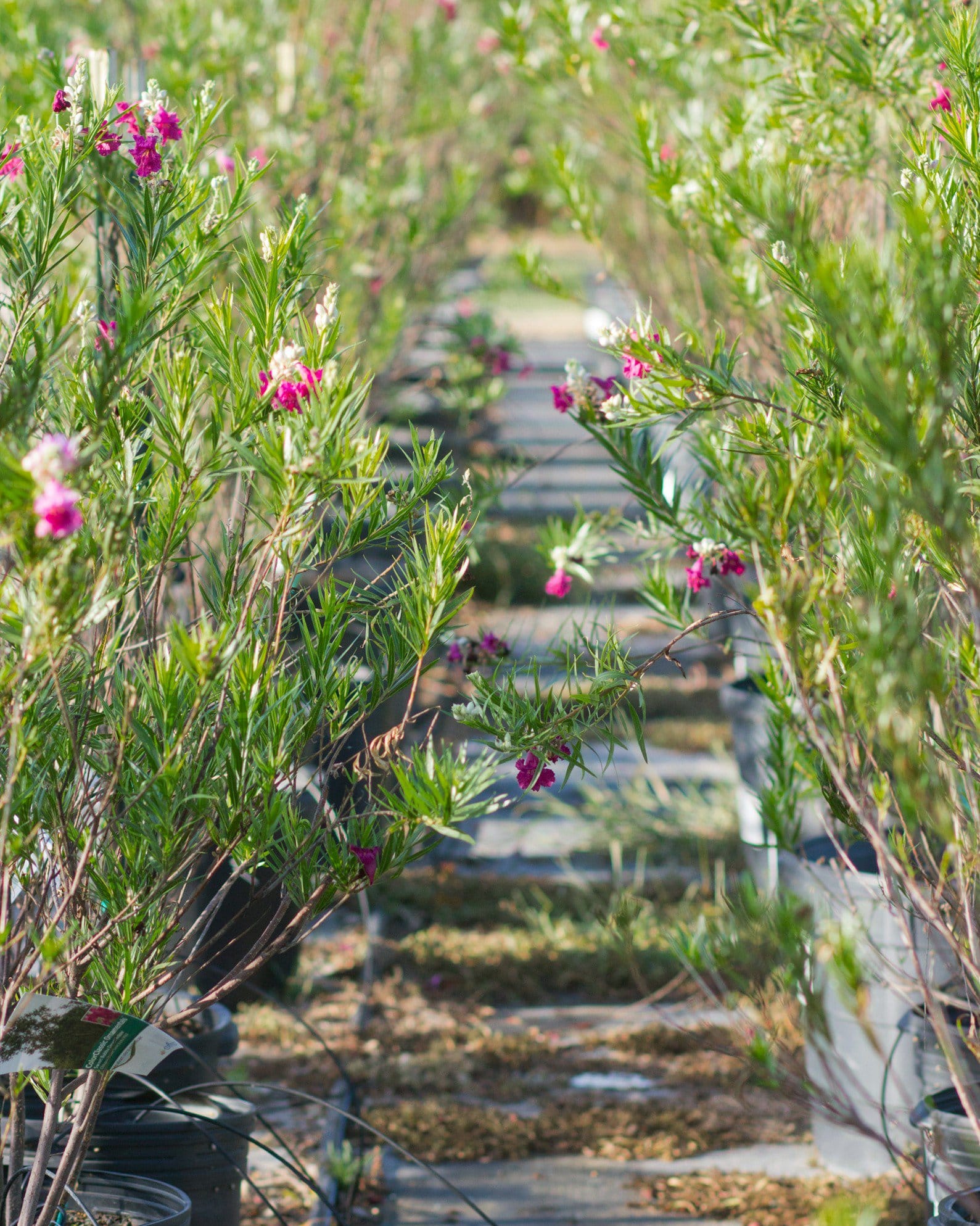
Sweet Bubba Desert Willow
Maturity: 15' H x 15' W
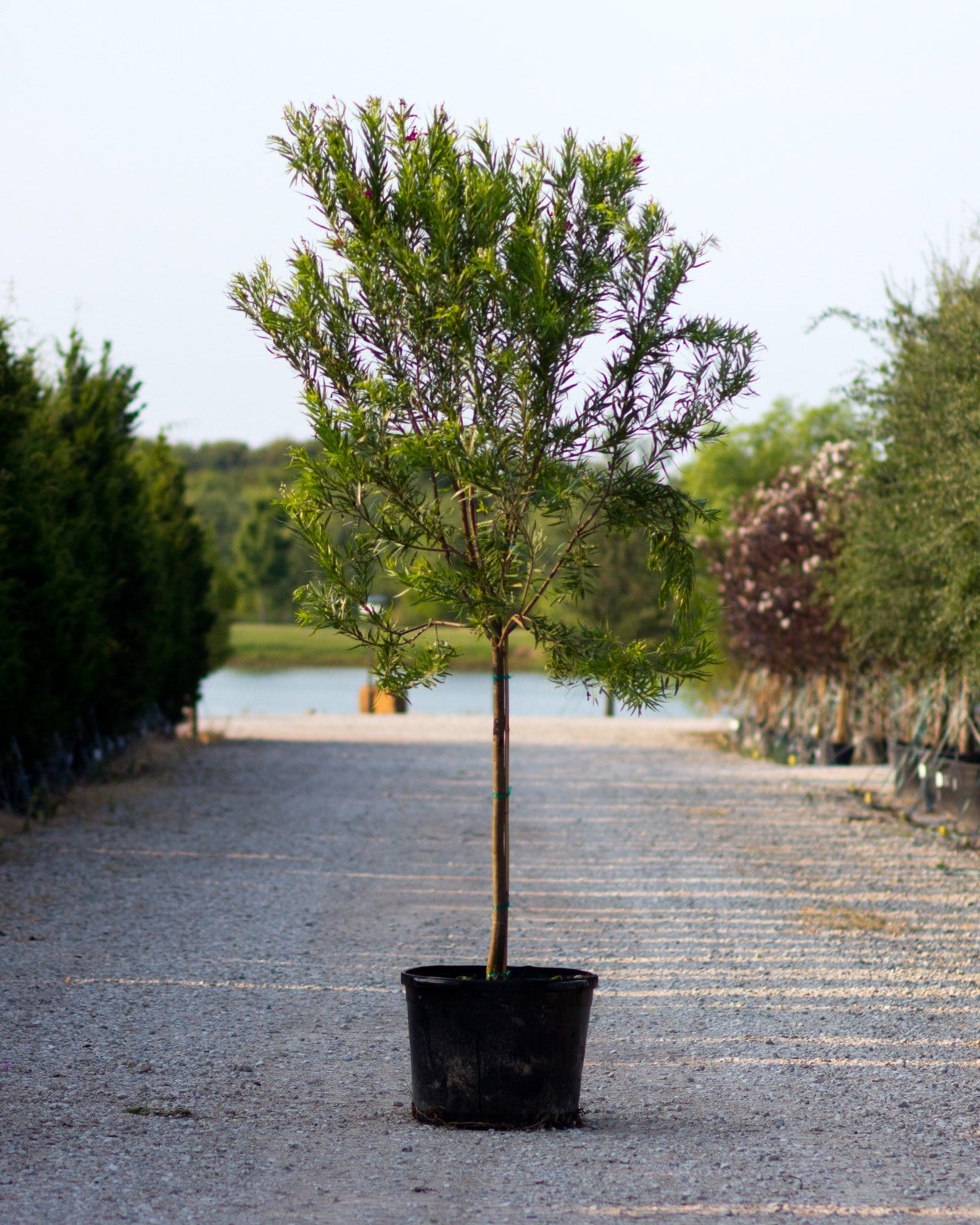
Sweet Bubba Desert Willow Tree Form
Maturity: 15' H x 15' W
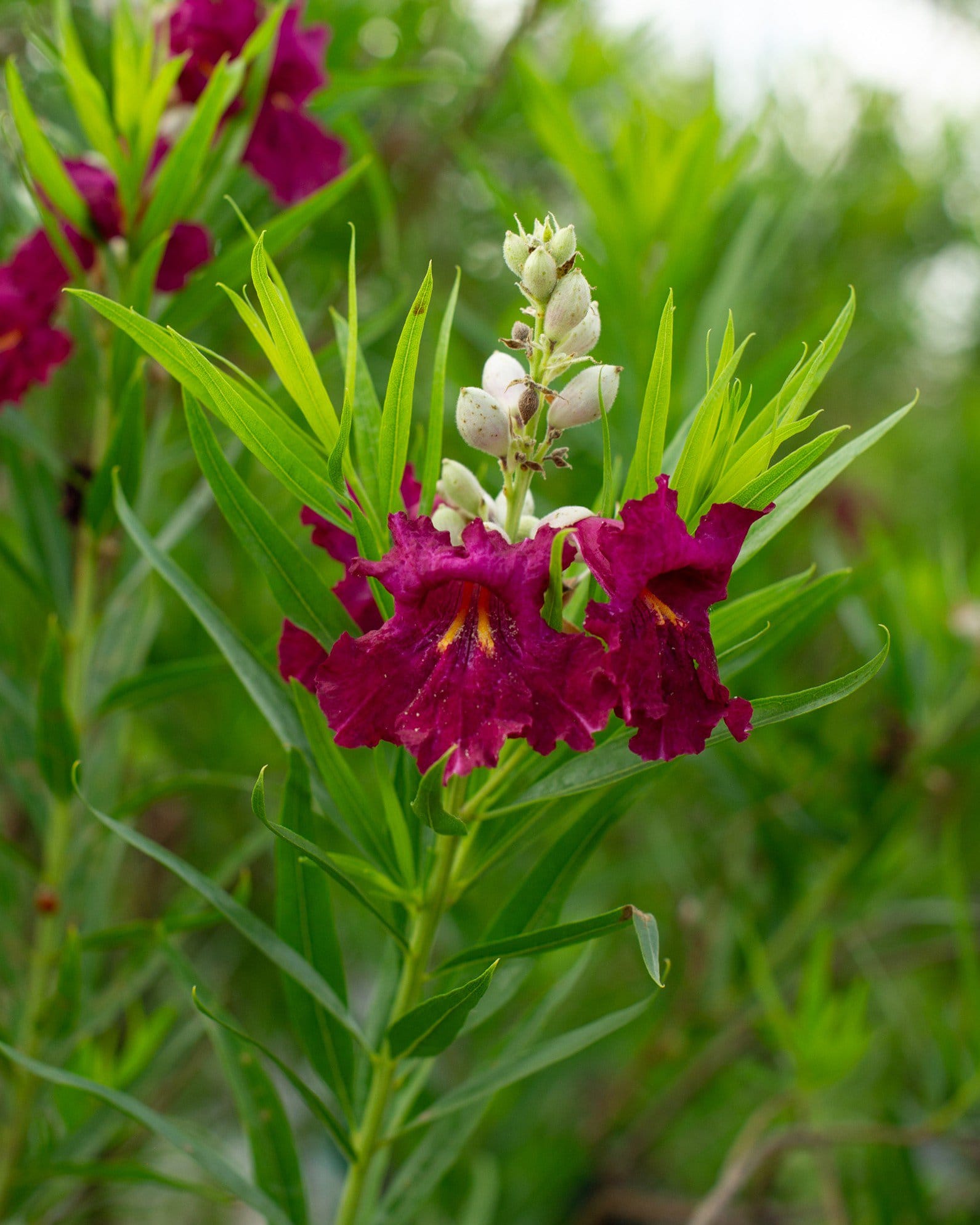
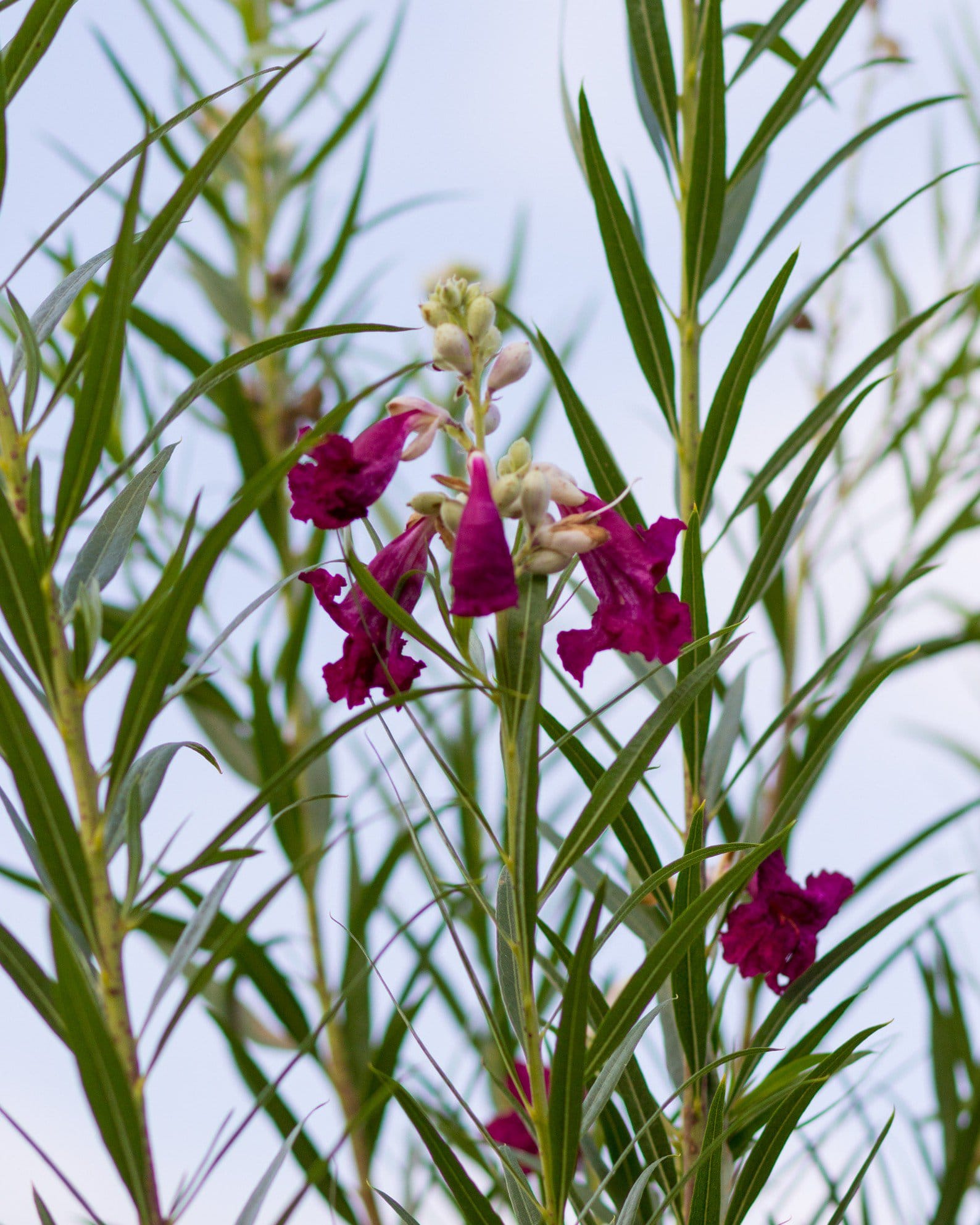
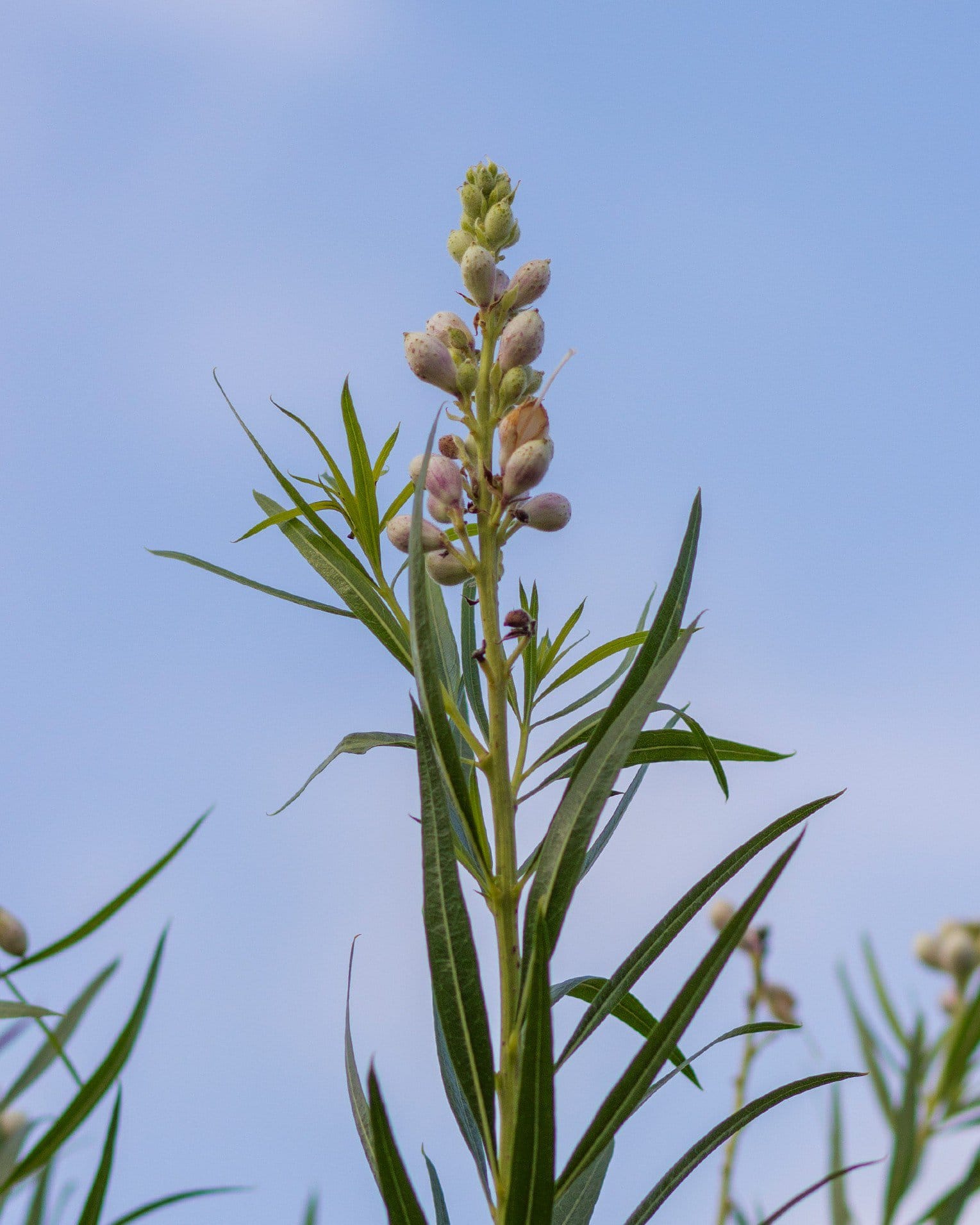
Diana Althea Tree Form
Maturity: 8' H x 5' W
Lady Stanley Althea Tree Form
Maturity: 8' H x 5' W
Morning Star Althea Tree Form
Maturity: 8' H x 5' W
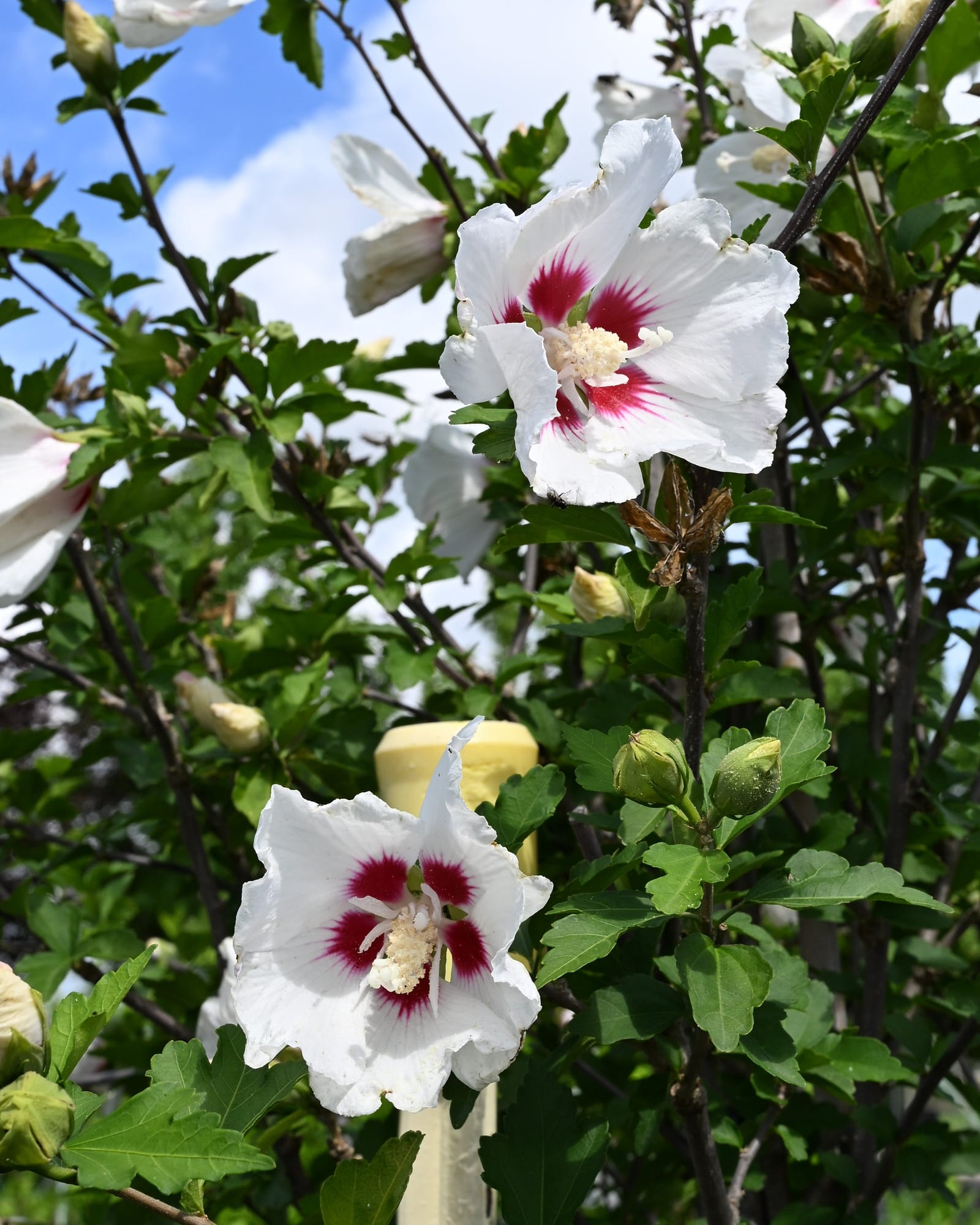
Red Heart Althea Tree Form
Maturity: 8' H x 6' W
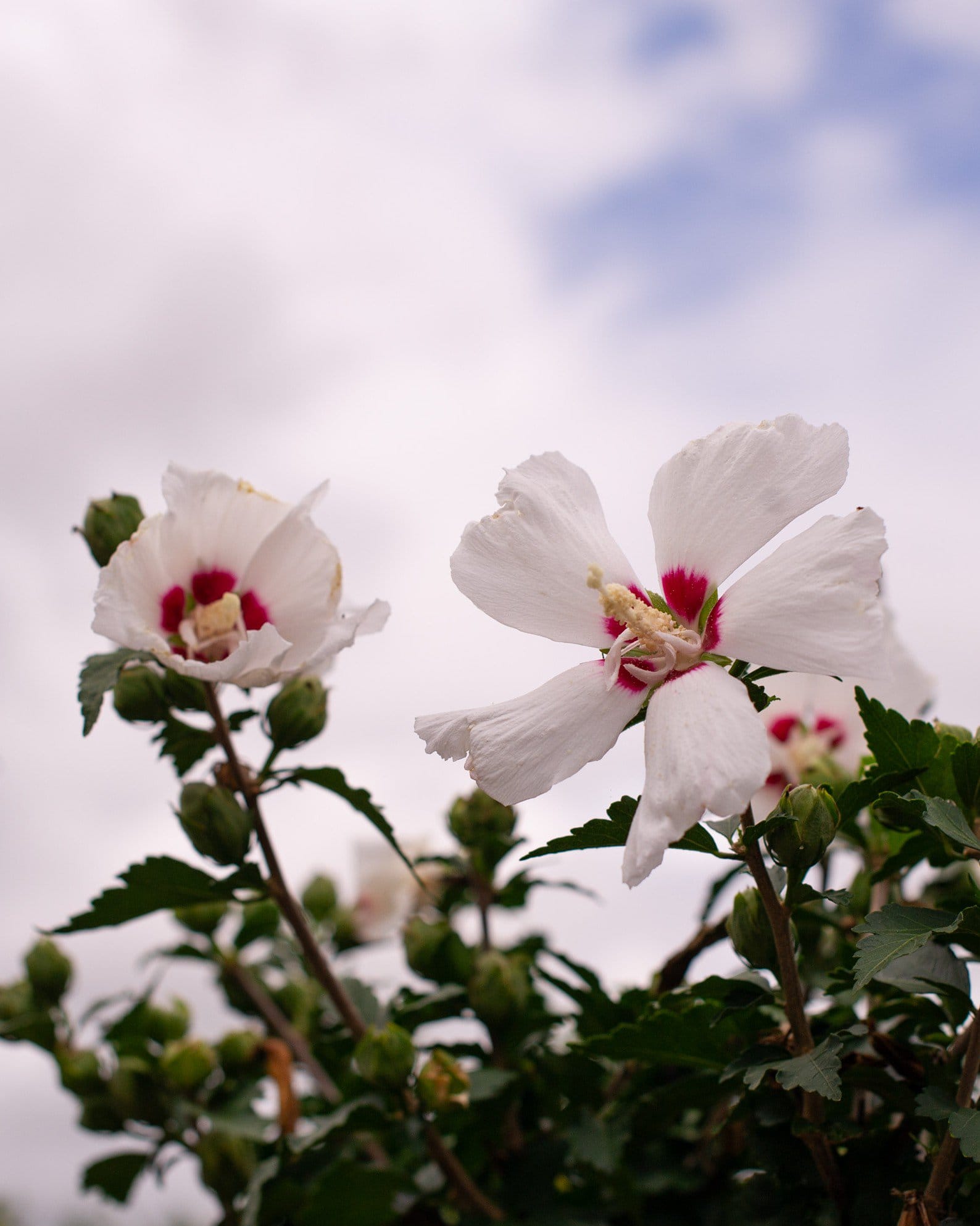
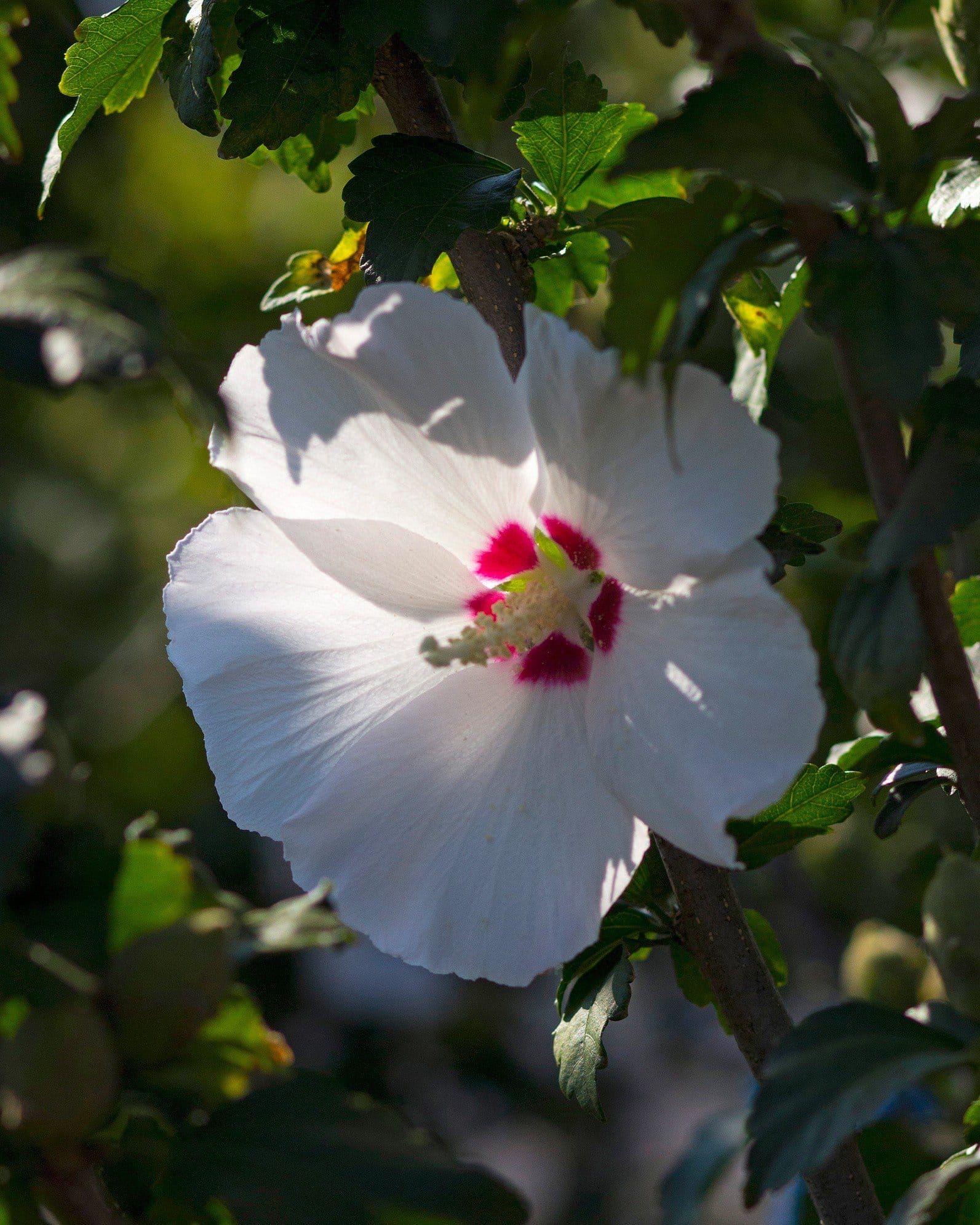
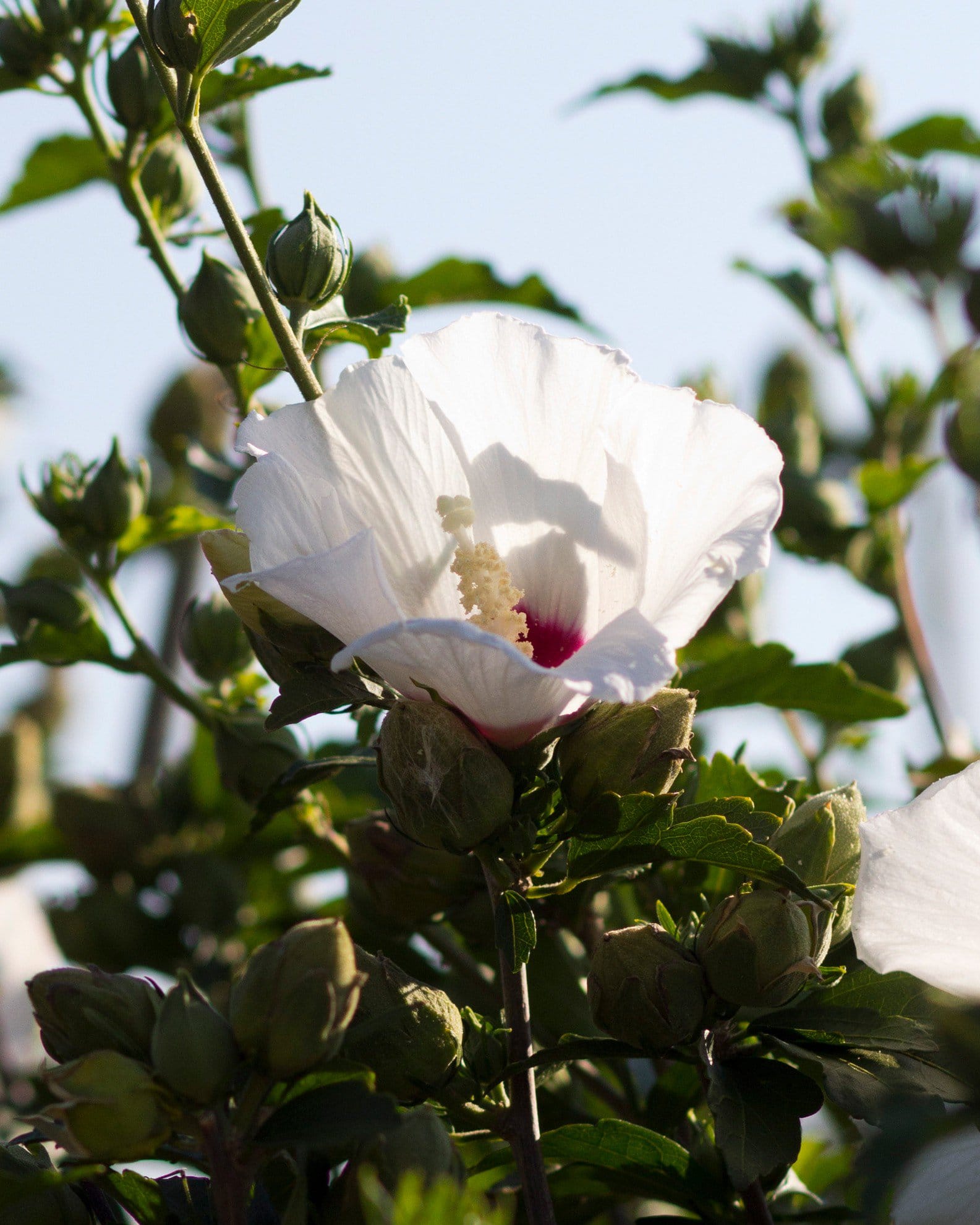
White Chiffon Althea Tree Form
Maturity: 8' H x 6' W
White Flash Crape Myrtle
Maturity: 15' H x 10' W
White Lightning Crape Myrtle
Maturity: 20' H x 12' W
White Pillar Althea
Maturity: 10' H x 4' W
Aphrodite Althea Tree Form
Maturity: 8' H x 6' W
Bald Cypress Lindsey's Skyward
Maturity: 30' H x 10' W
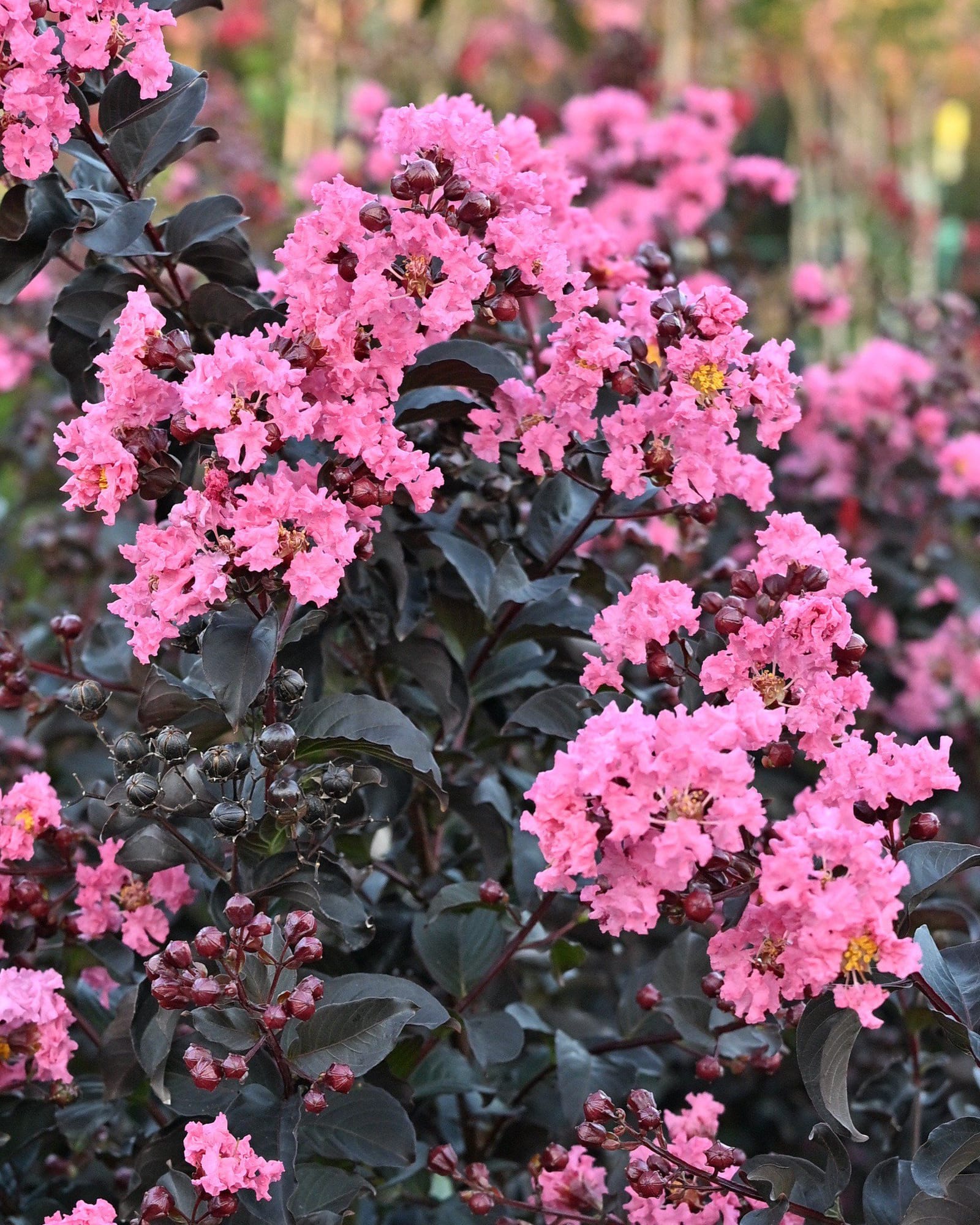
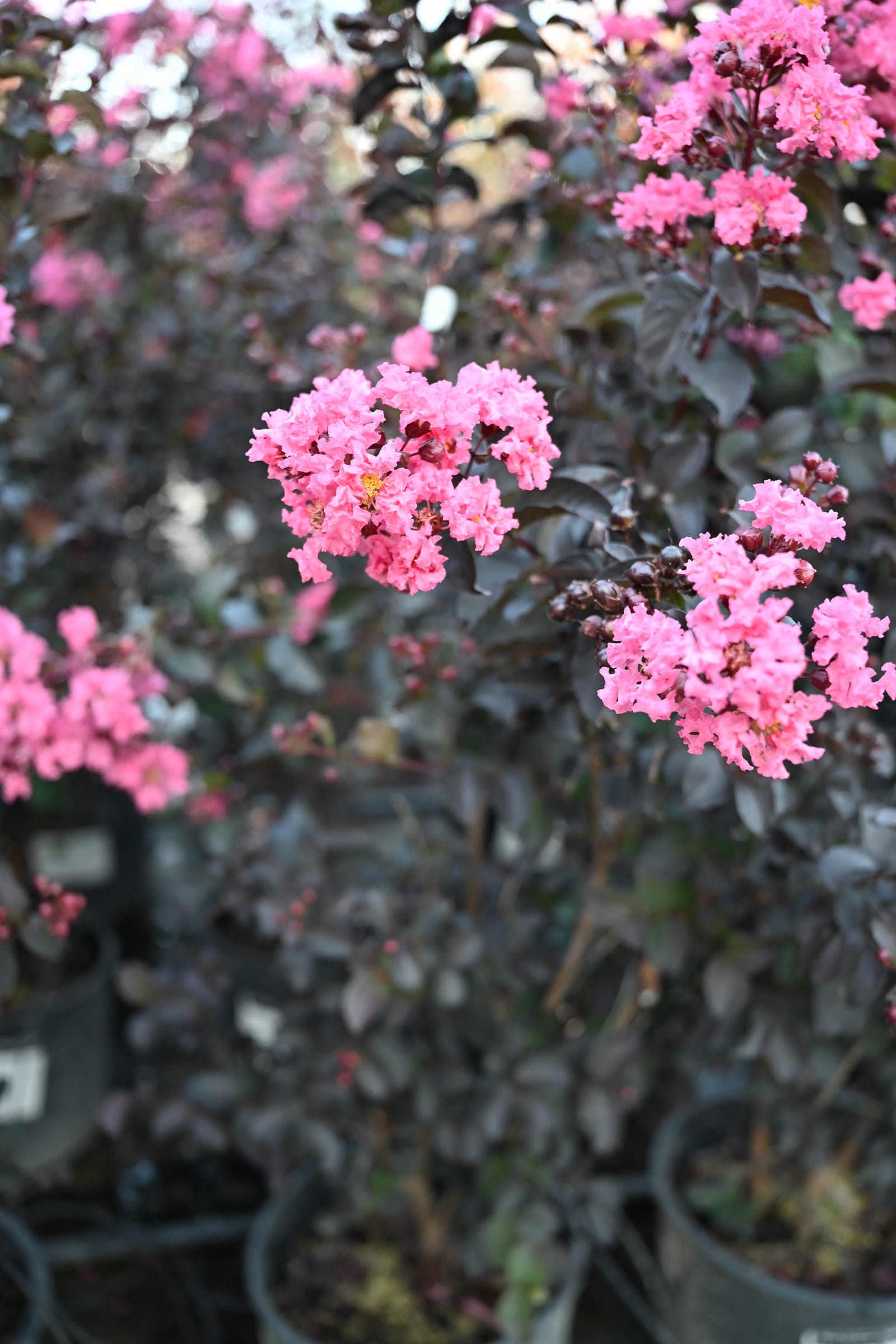
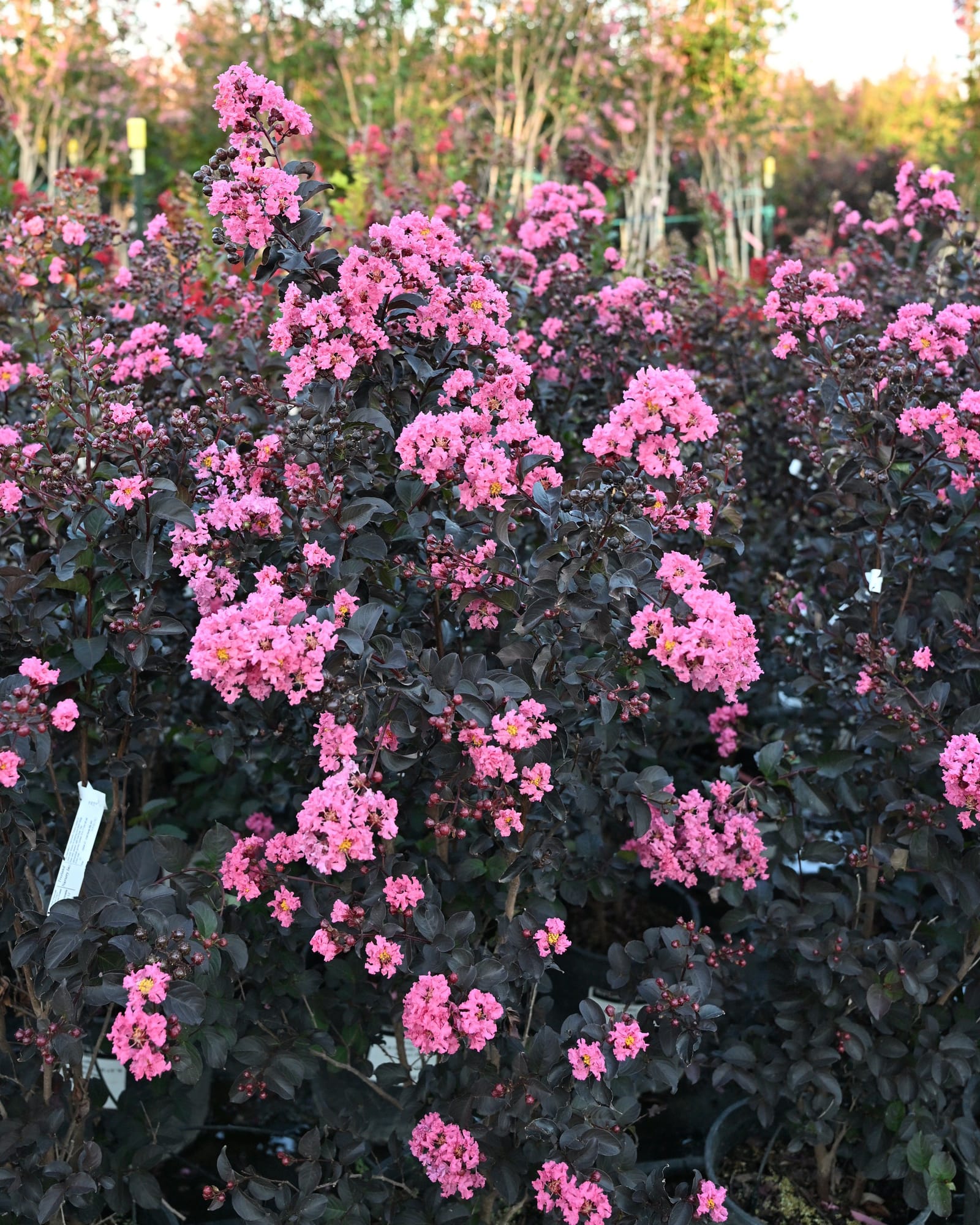
Black Diamond Shell Pink Crape Myrtle
Maturity: 12' H x 8' W
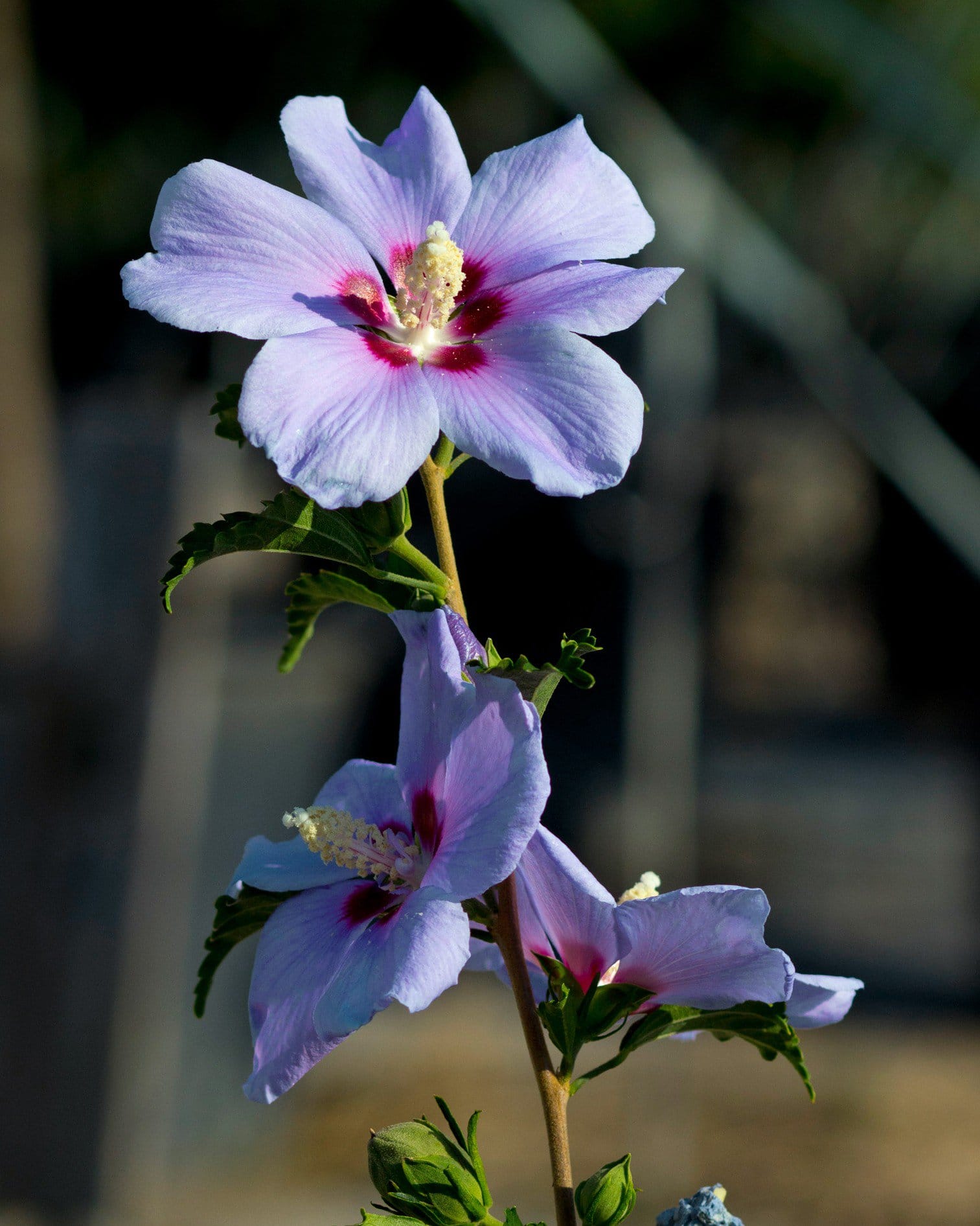
Blue Angel Althea
Maturity: 8' H x 6' W
Compare Similar Plants
Winter King Hawthorn This plant | ||
|---|---|---|
| Scientific Name | Crataegus viridis ‘Winter King’ | Chilopsis linearis 'Bubba' |
| Size at Maturity | 20' H x 20' W | 15' H x 15' W |
| Leaf Retention | Deciduous | Deciduous |
| Fall Color | Orange | Yellow |
| Flower Color | White | Pink |
| Bloom Times | Spring | Summer |
| Sizes Available | — | 15, 30, 45 gal |


Our 1-Year Planting Guarantee
We take pride in our plants and installation services. If any plants or trees installed by Treeland fail to thrive within the first year, we'll provide a replacement credit in accordance with our guarantee program.
Learn More About Our Guarantee