
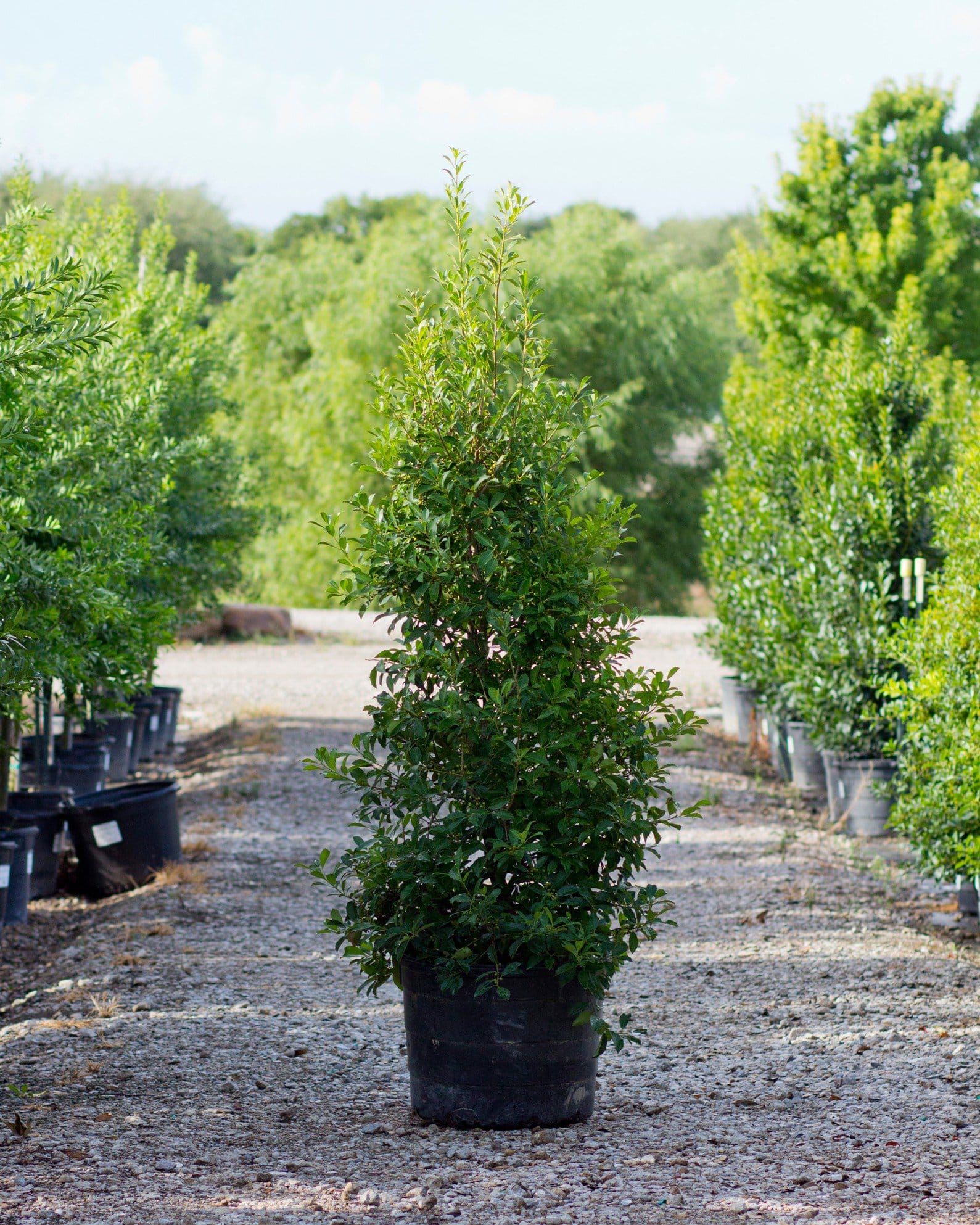
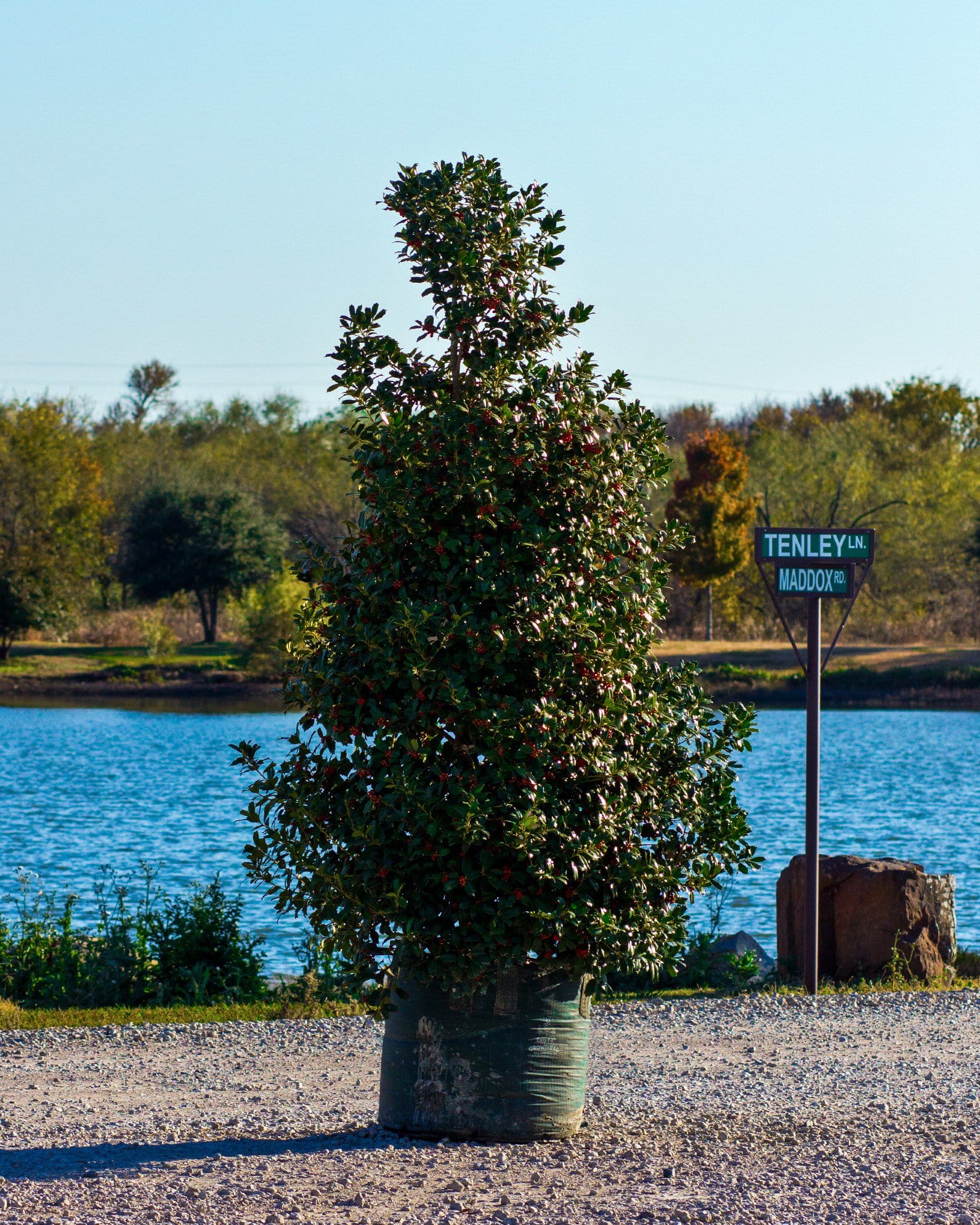
Savannah Holly Full to Ground
Ilex × attenuata ‘Savannah’Local DFW Delivery Only
Product Details
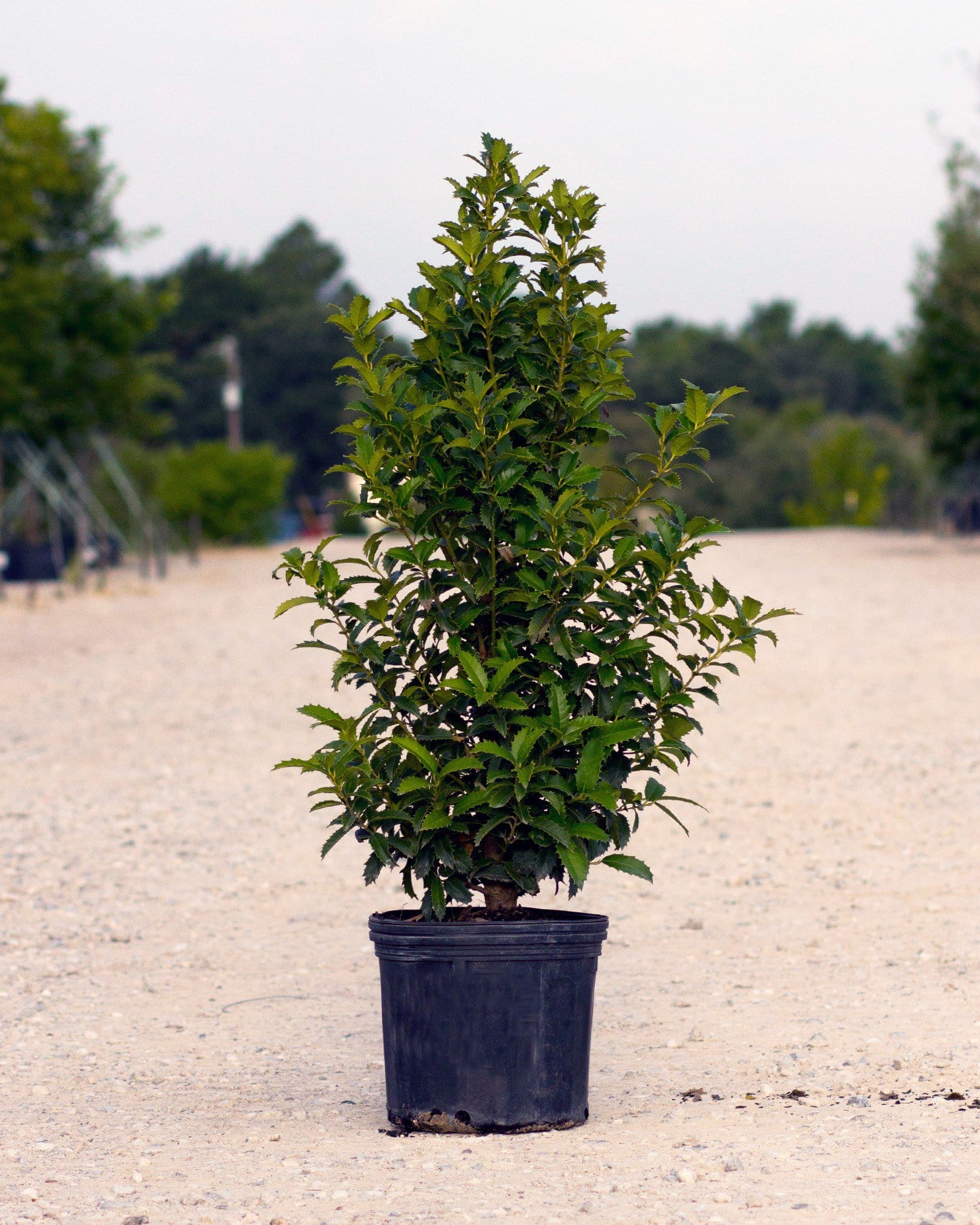
Savannah Holly Full to Ground
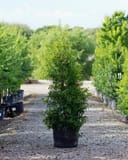
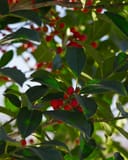
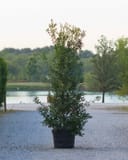
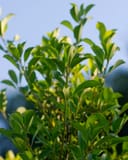
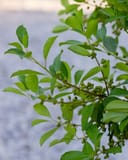
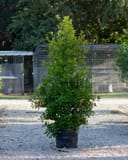
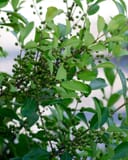
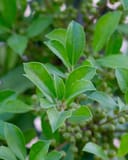
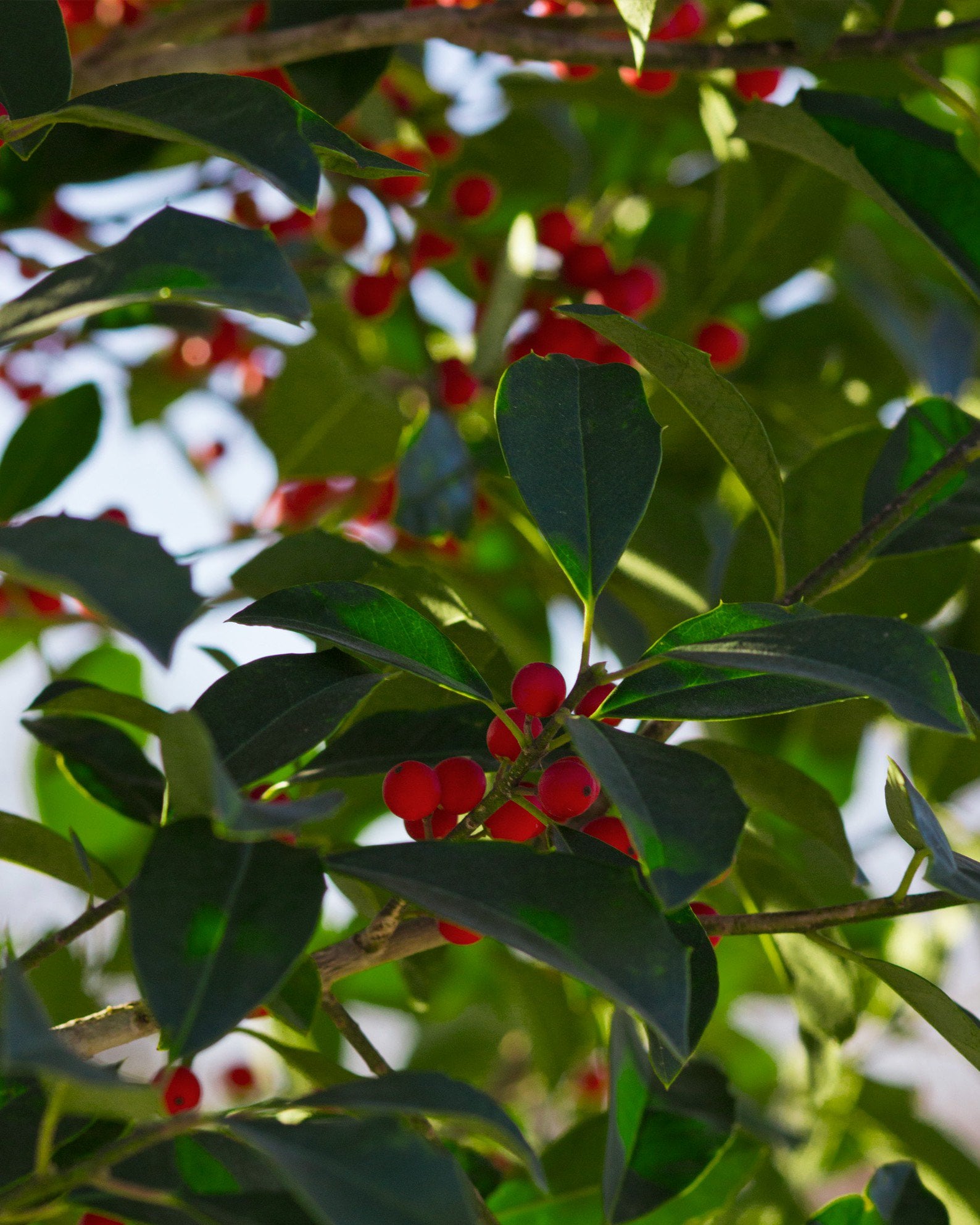
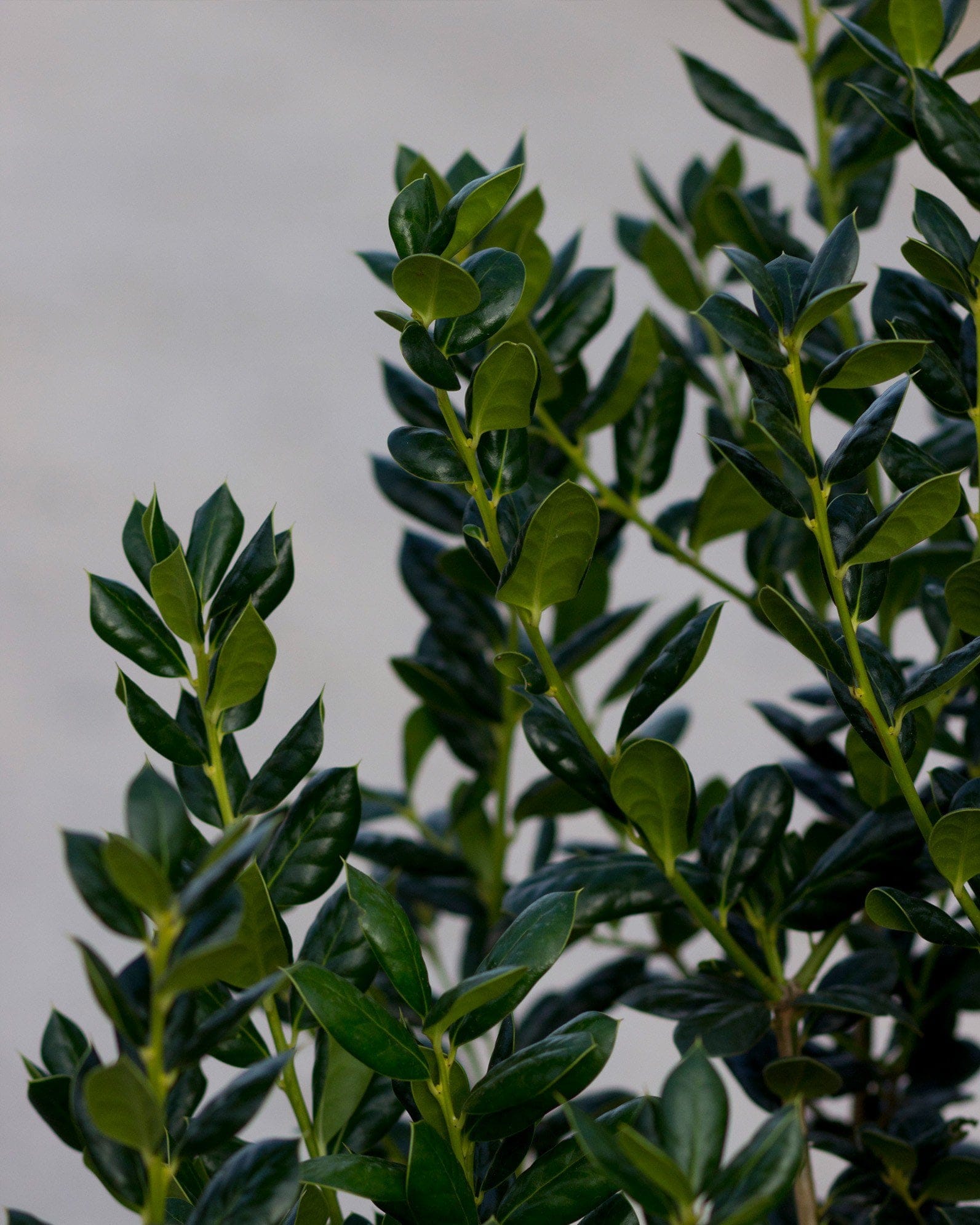
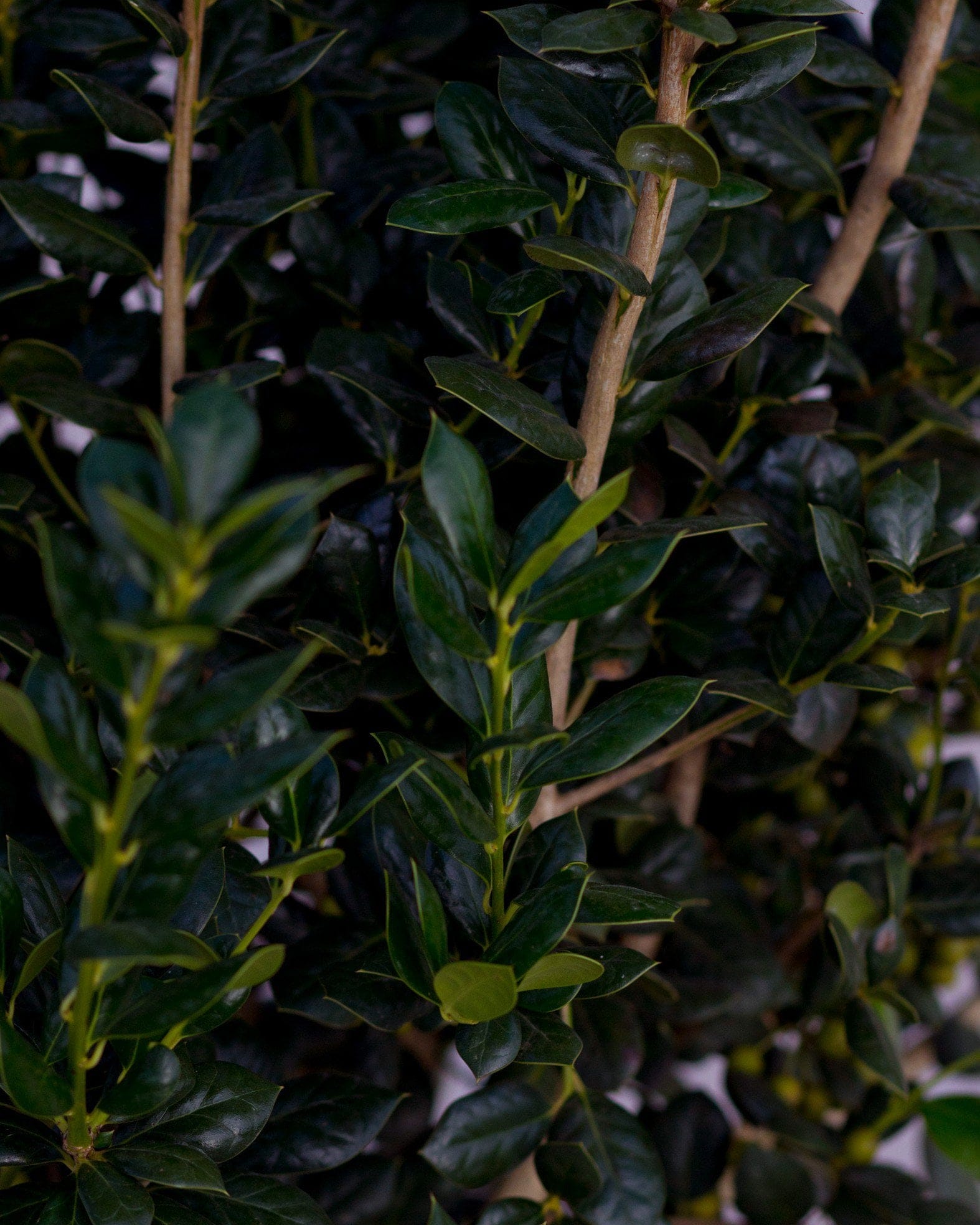
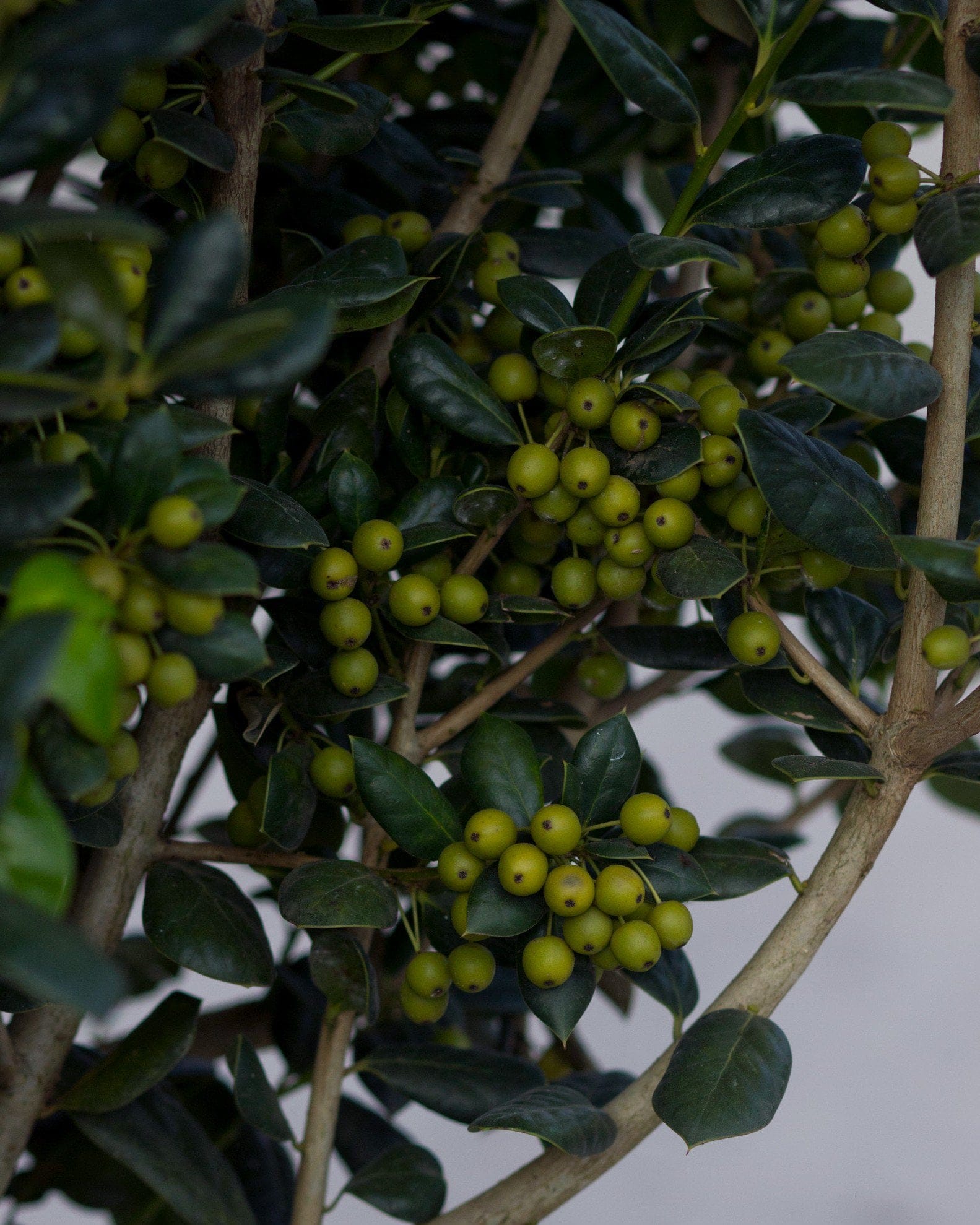
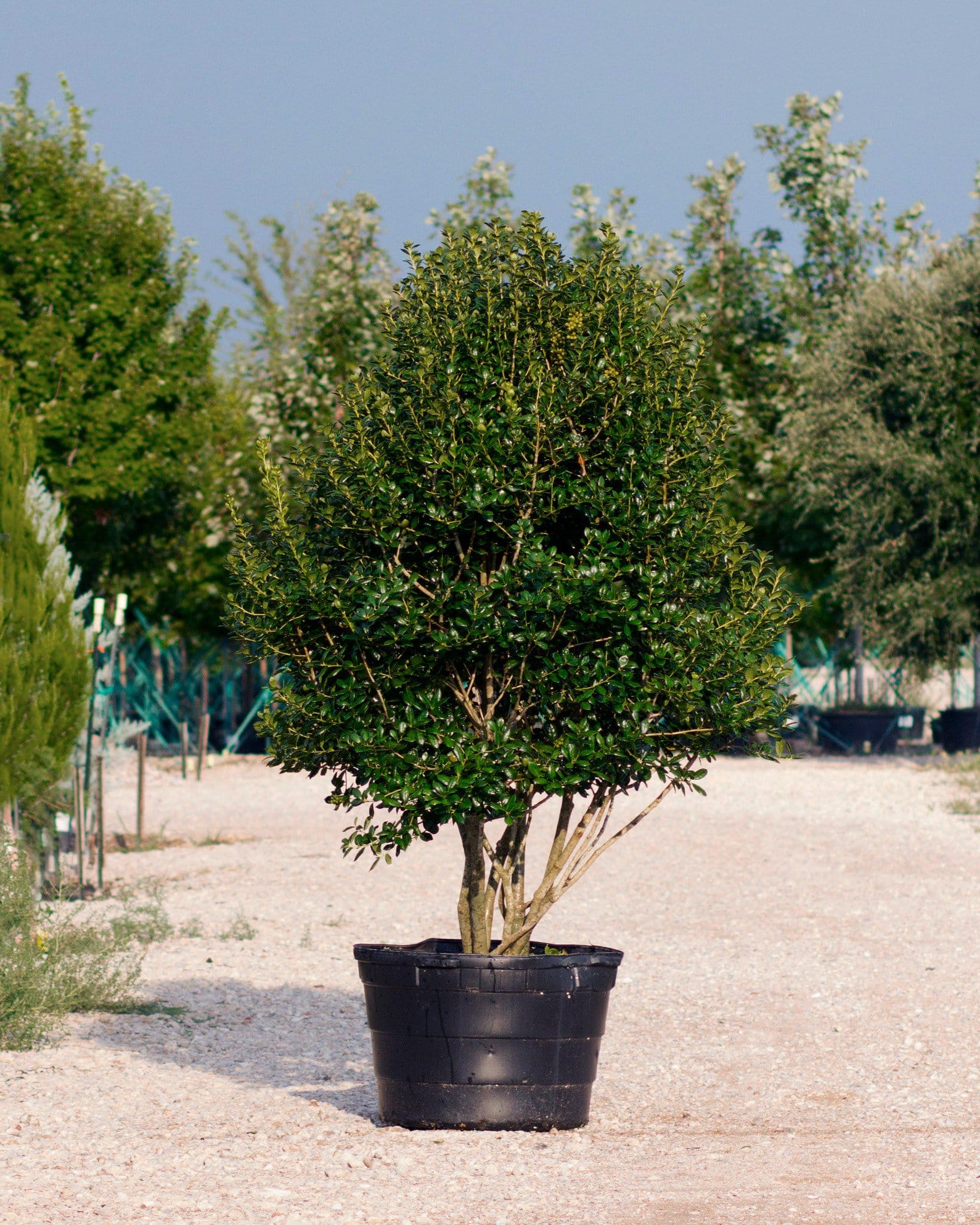
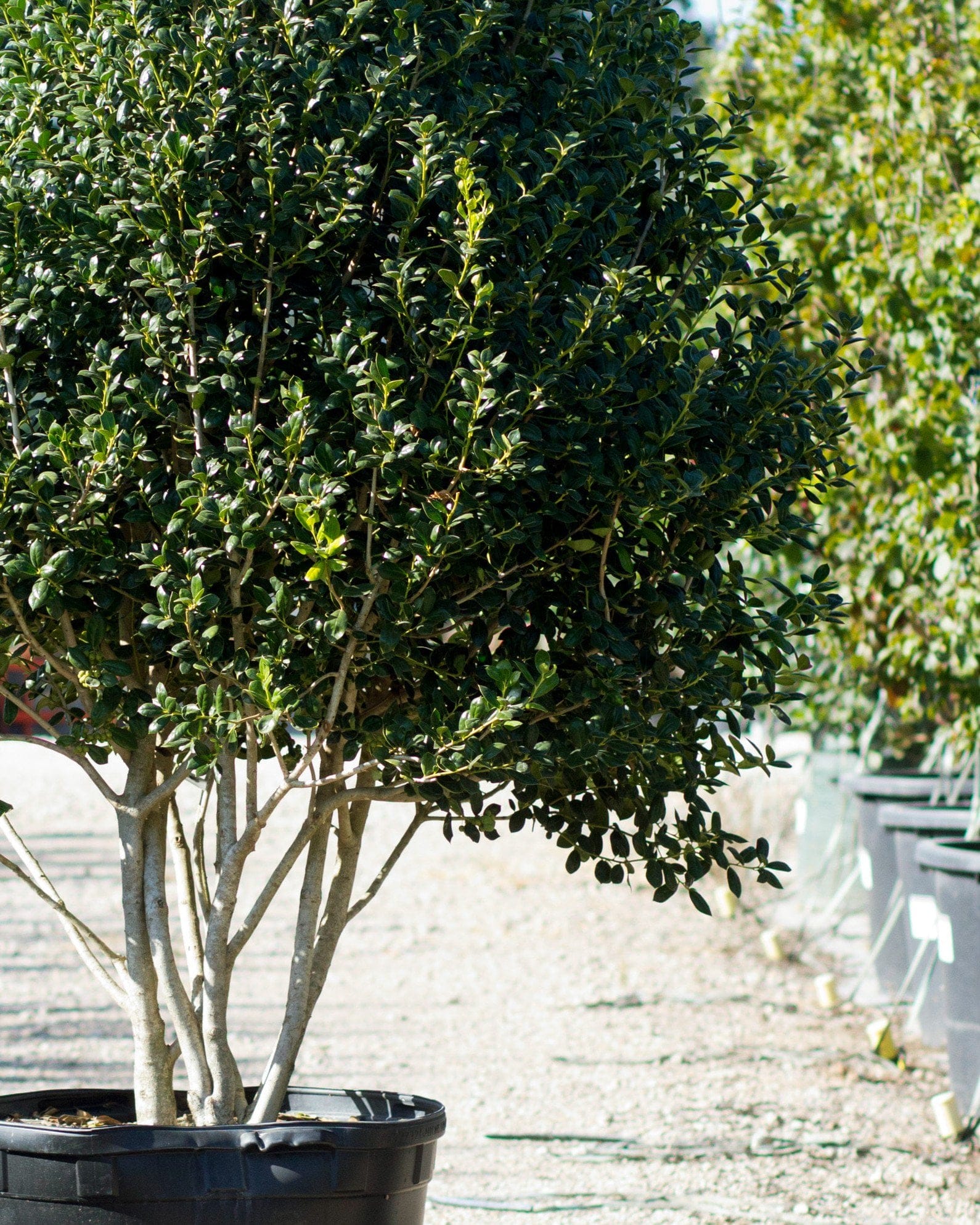
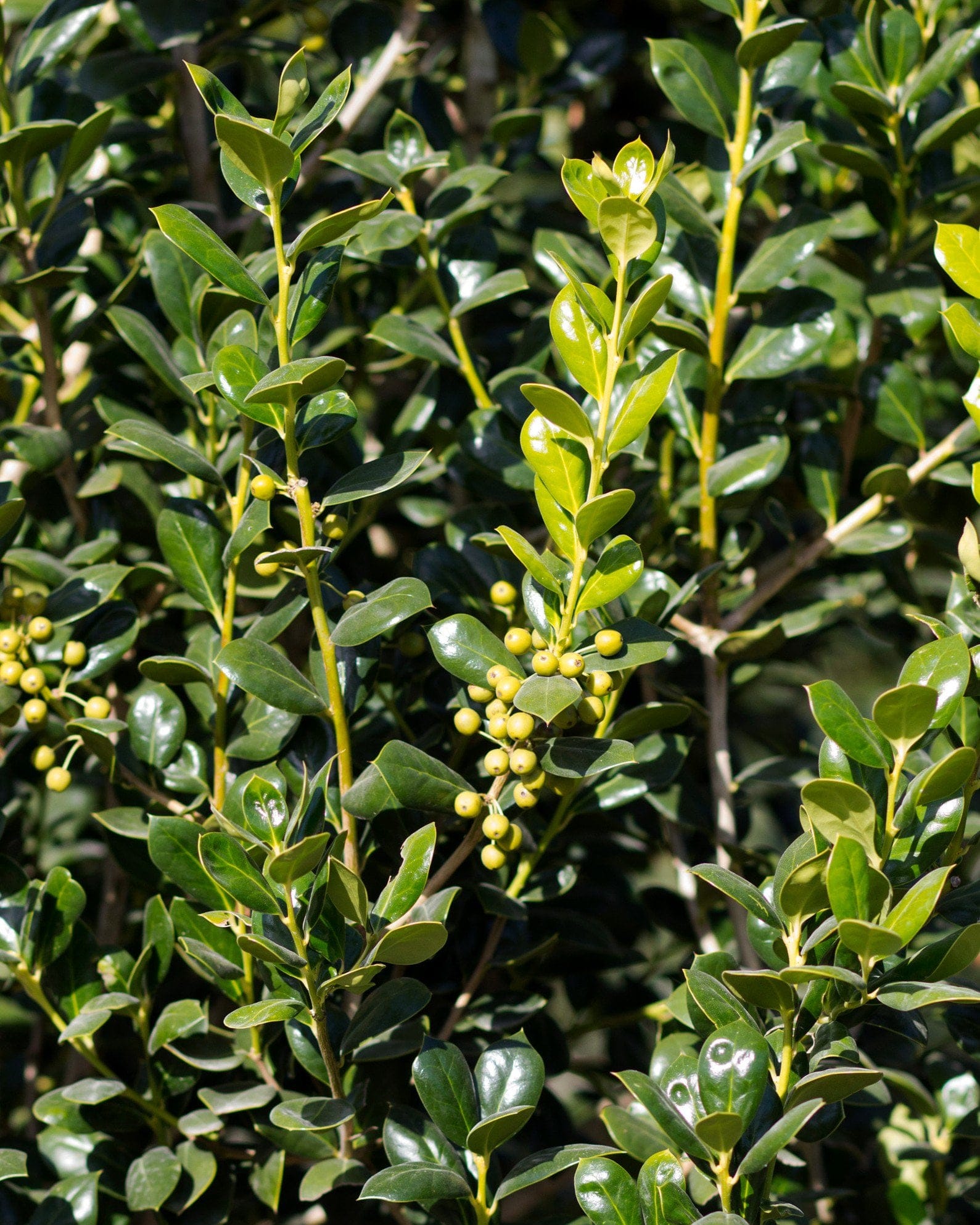
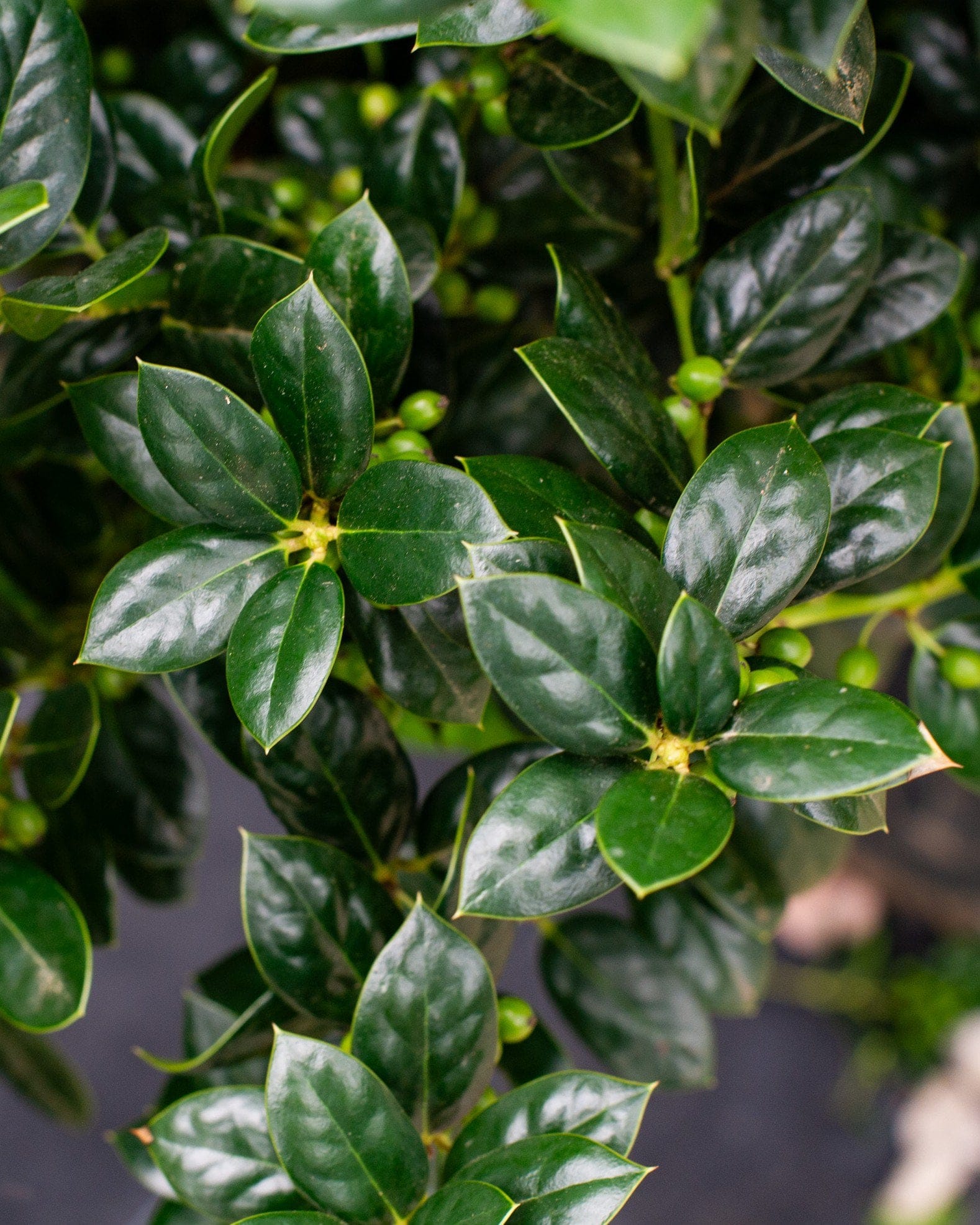
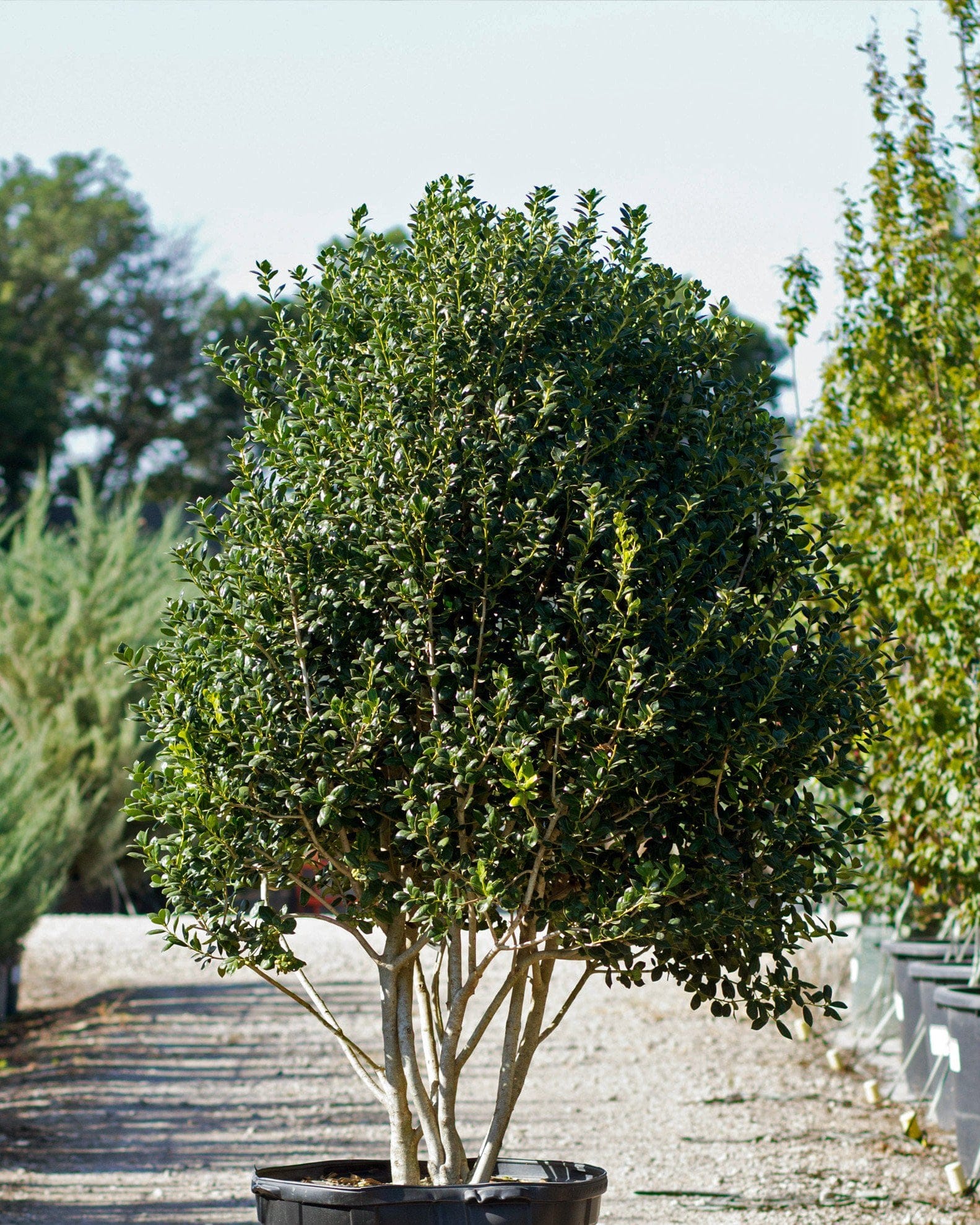
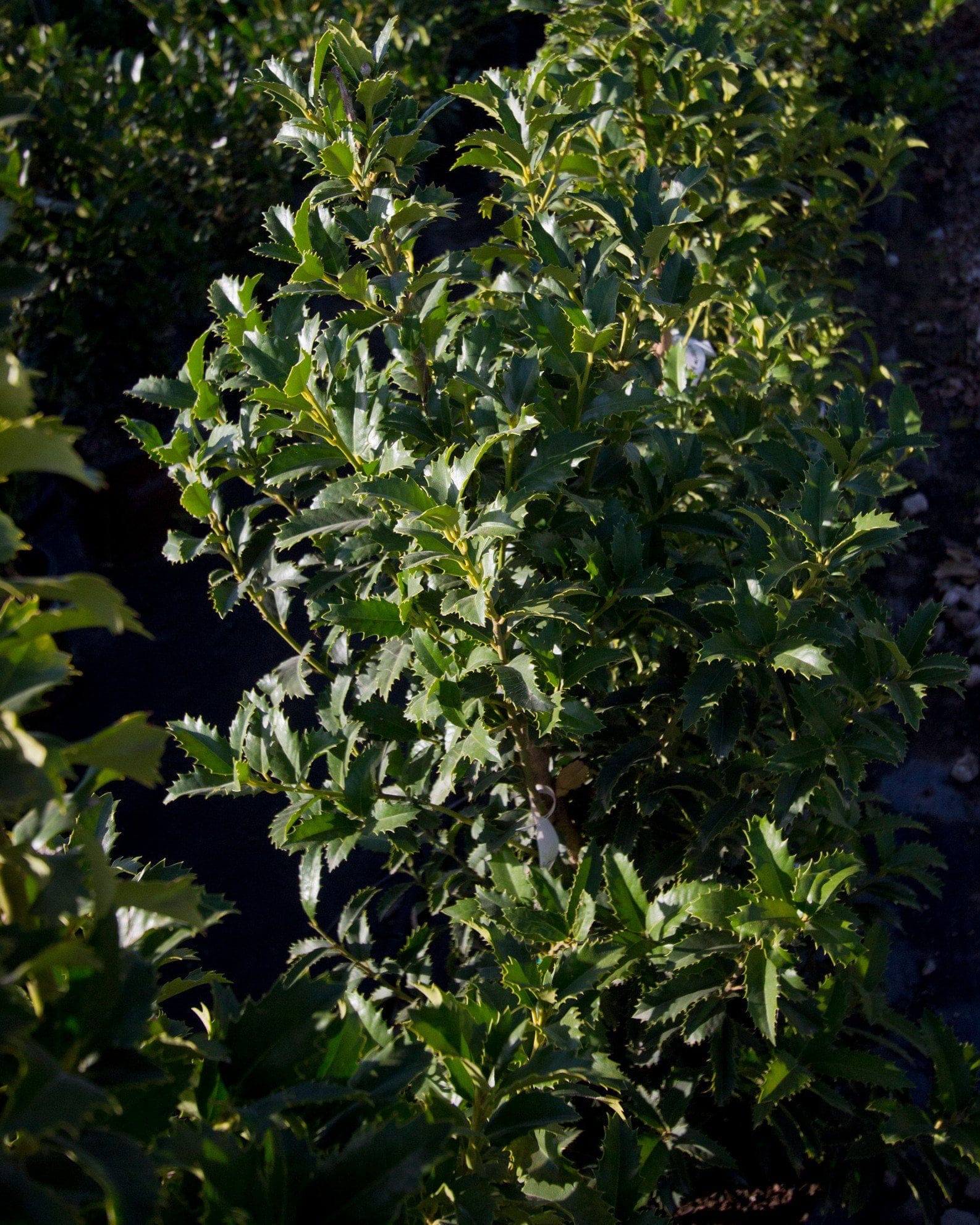
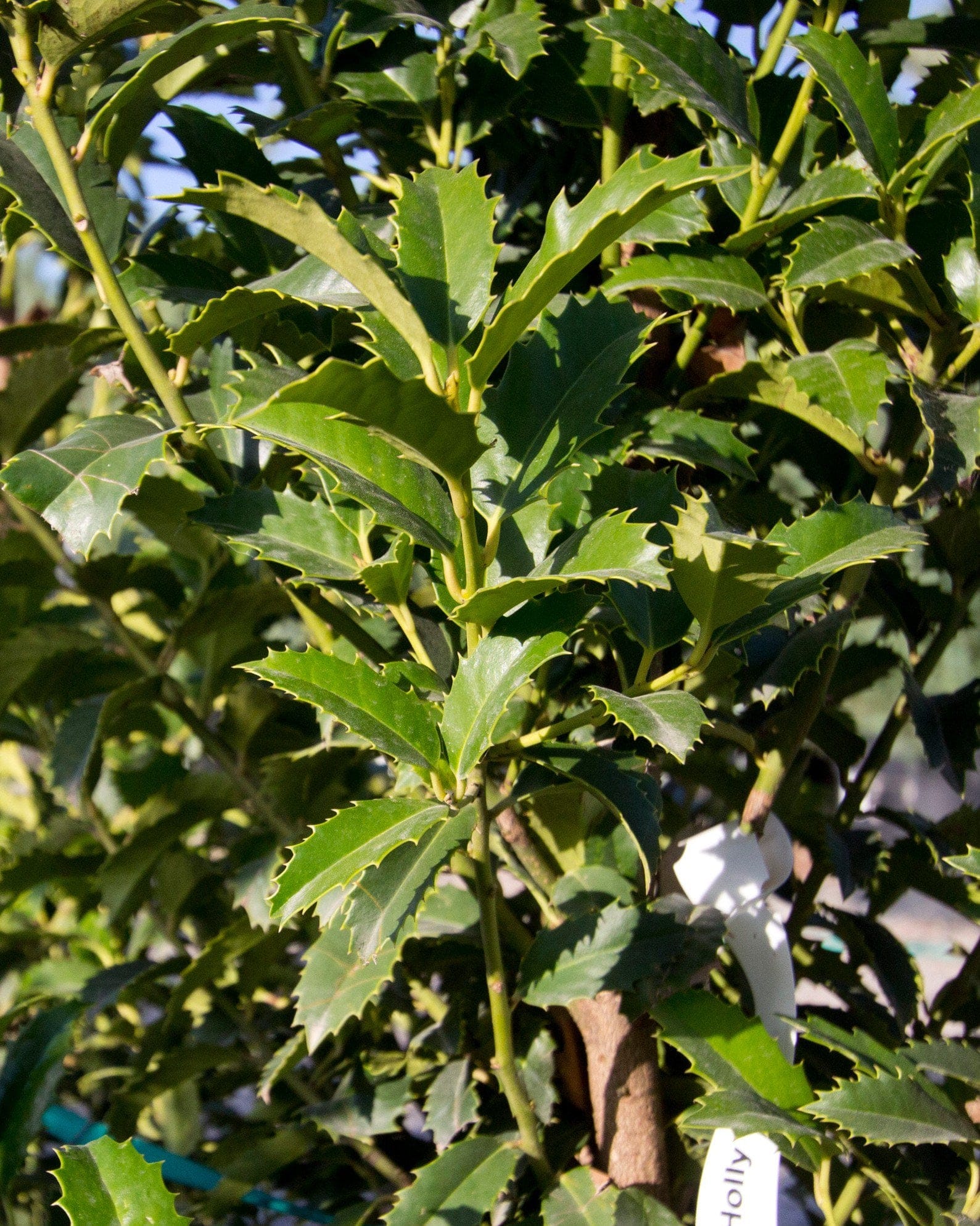
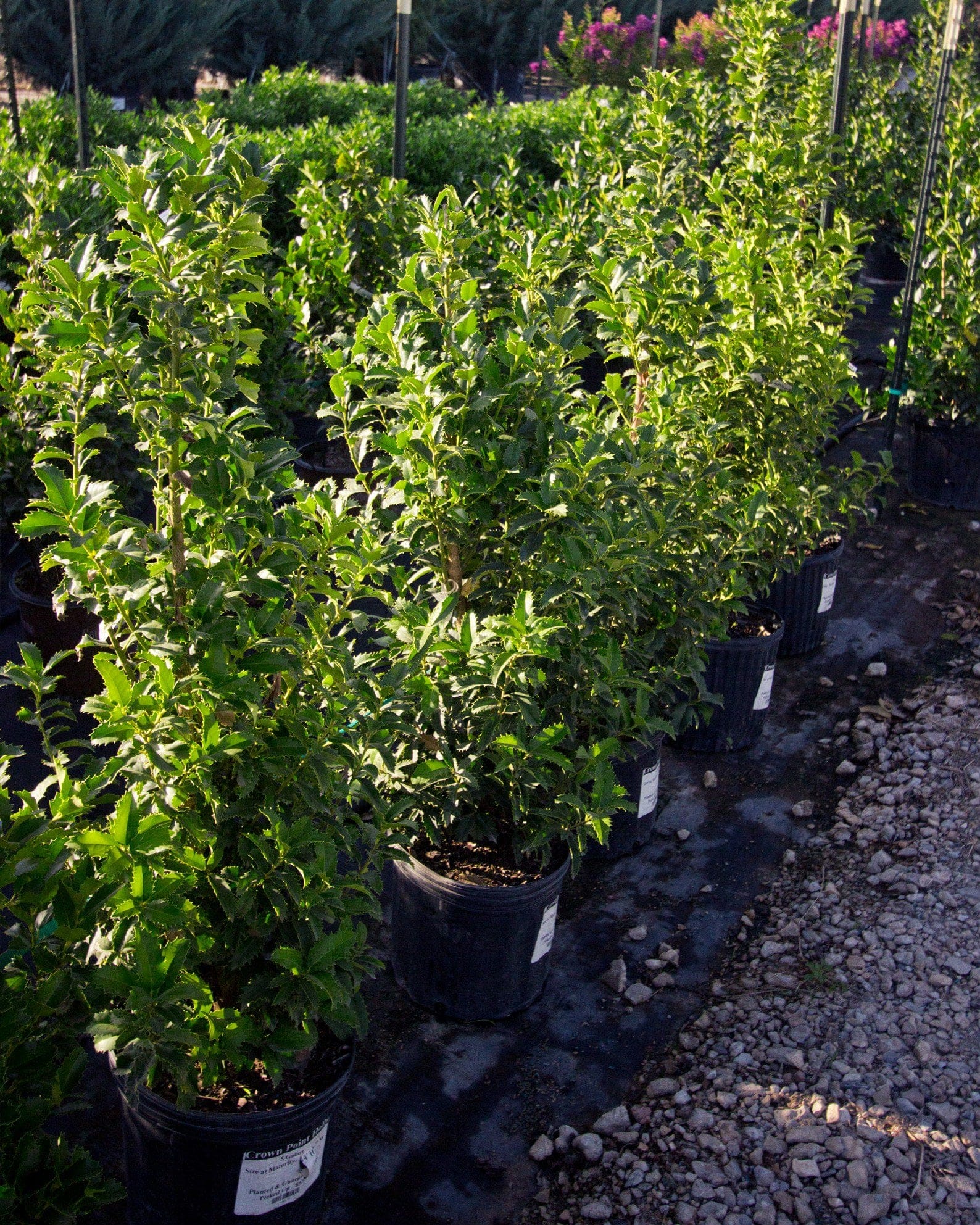
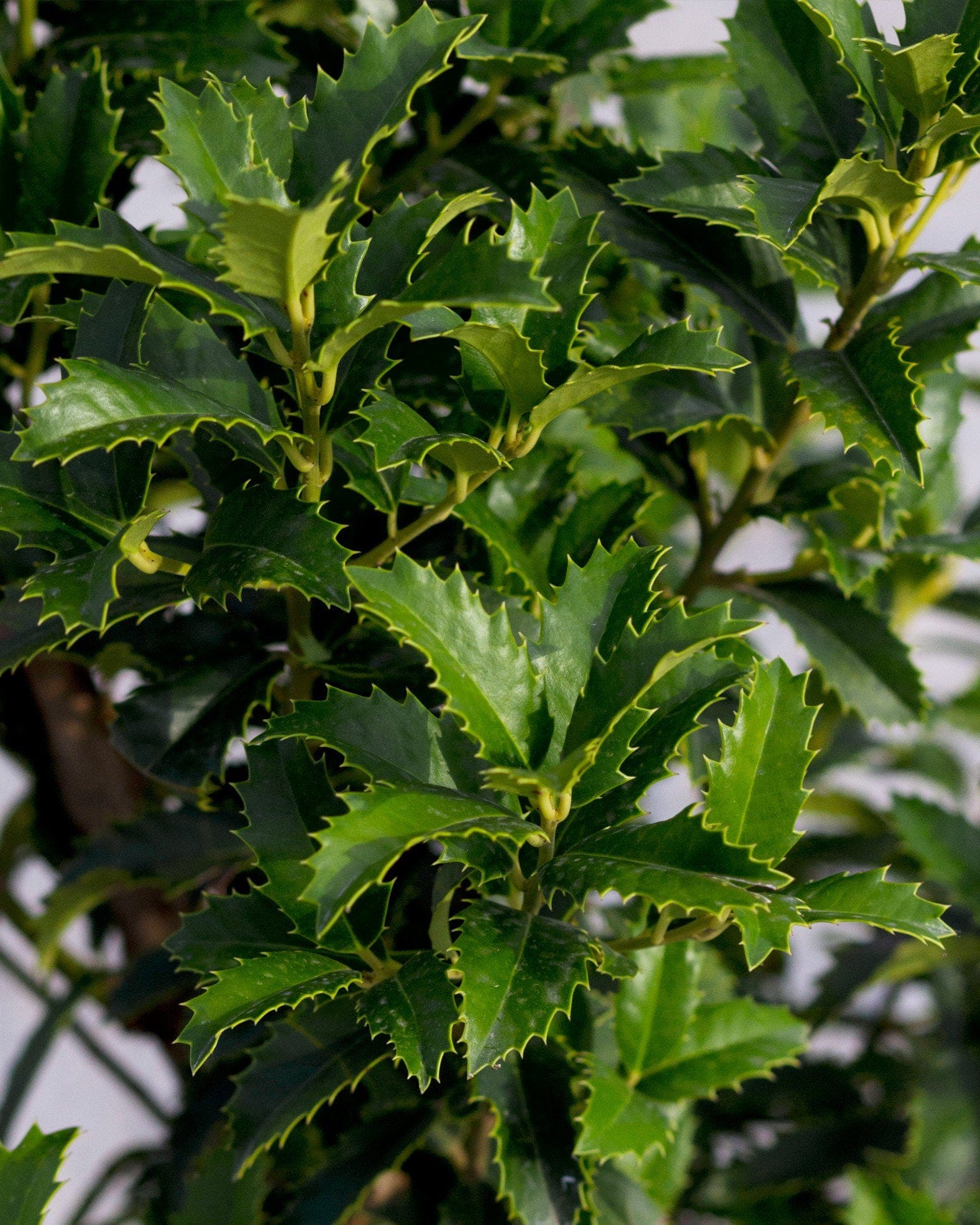
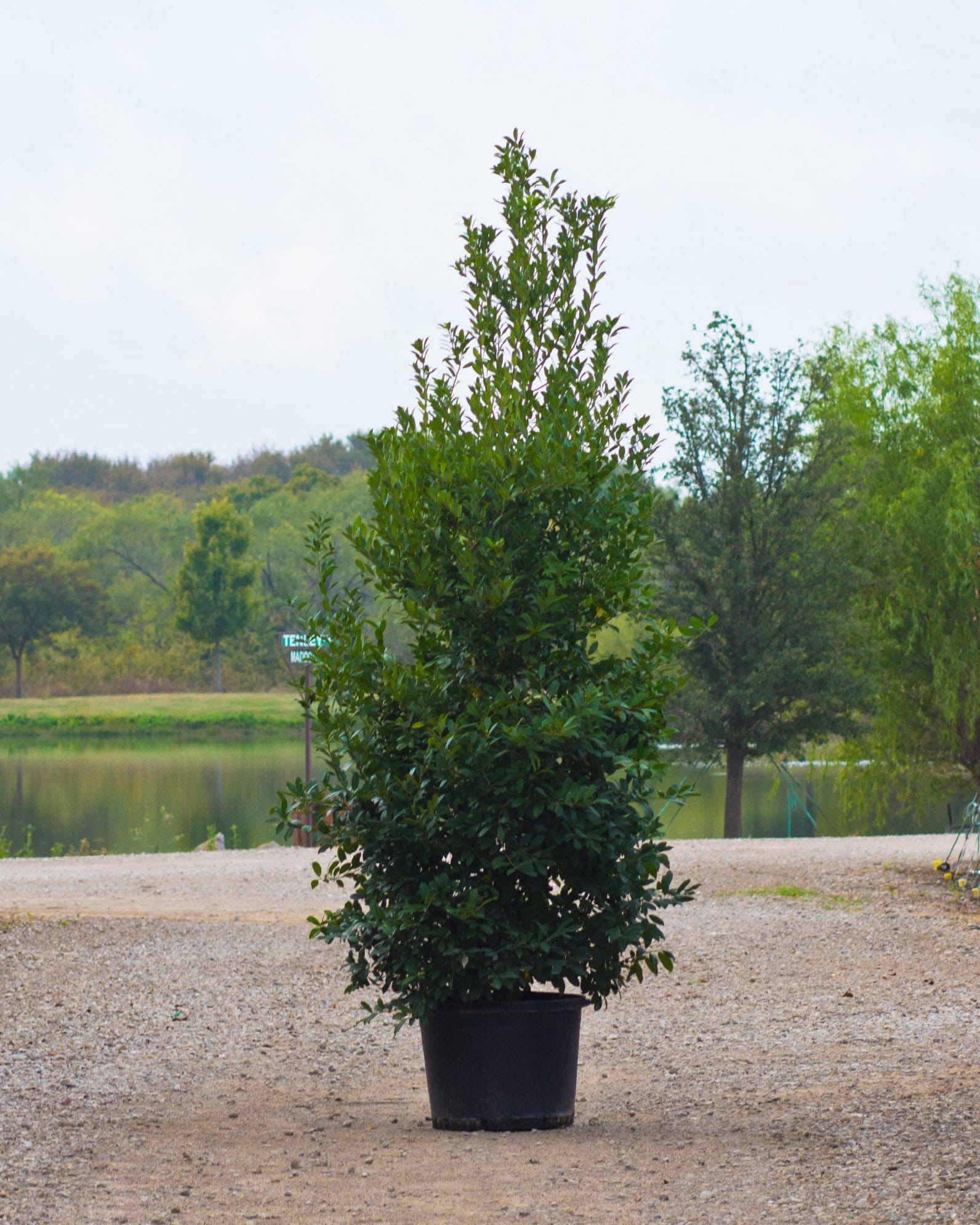
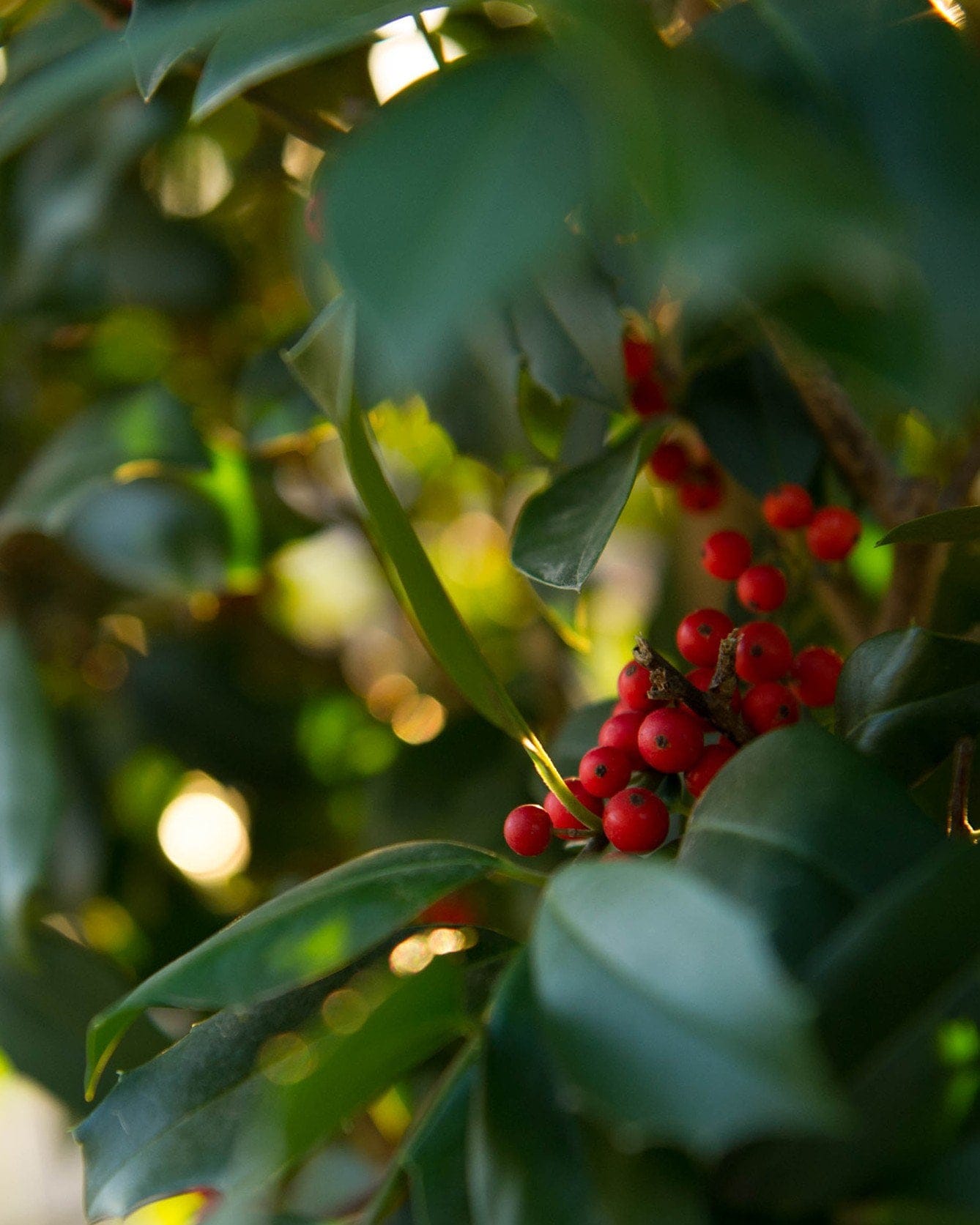
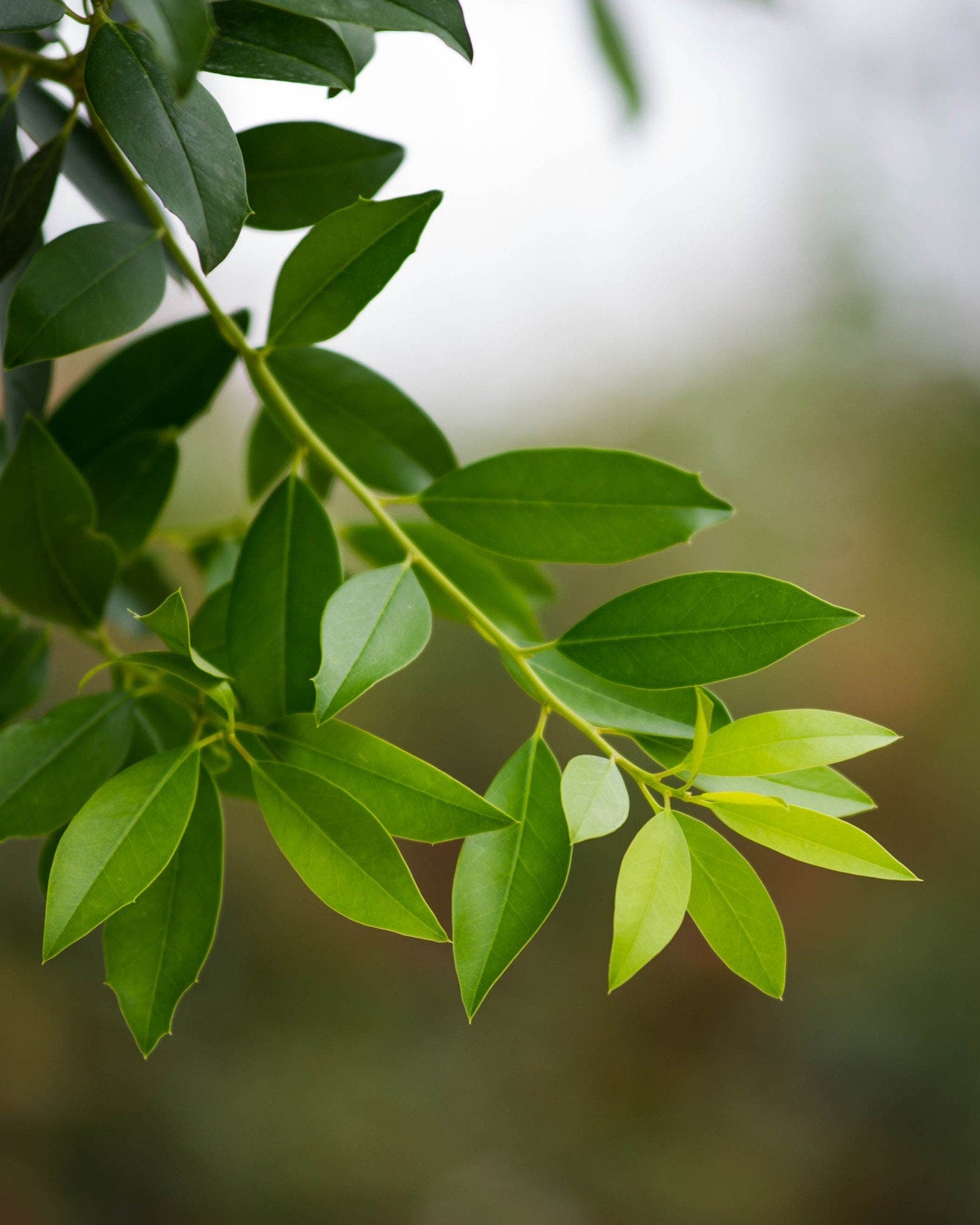
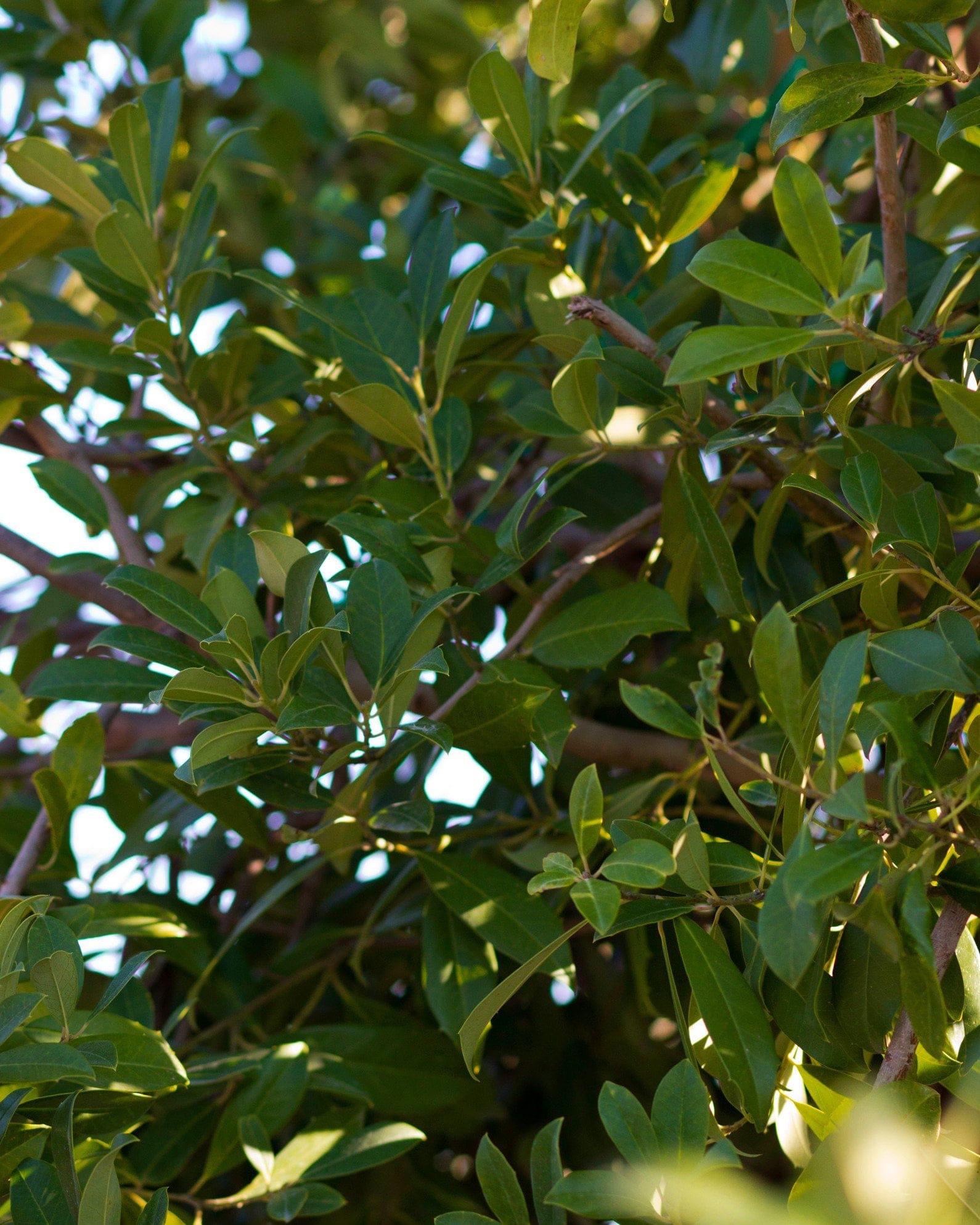
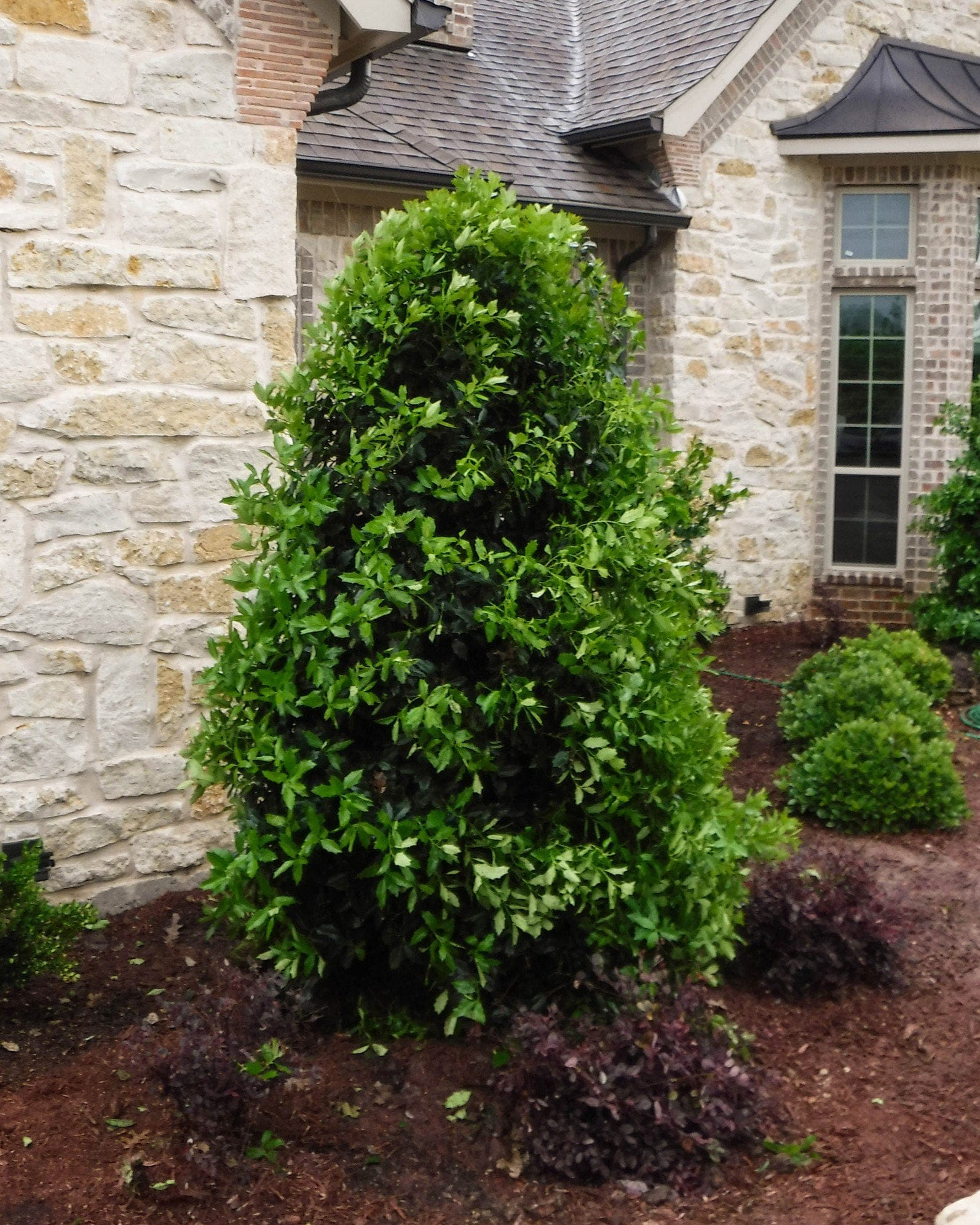
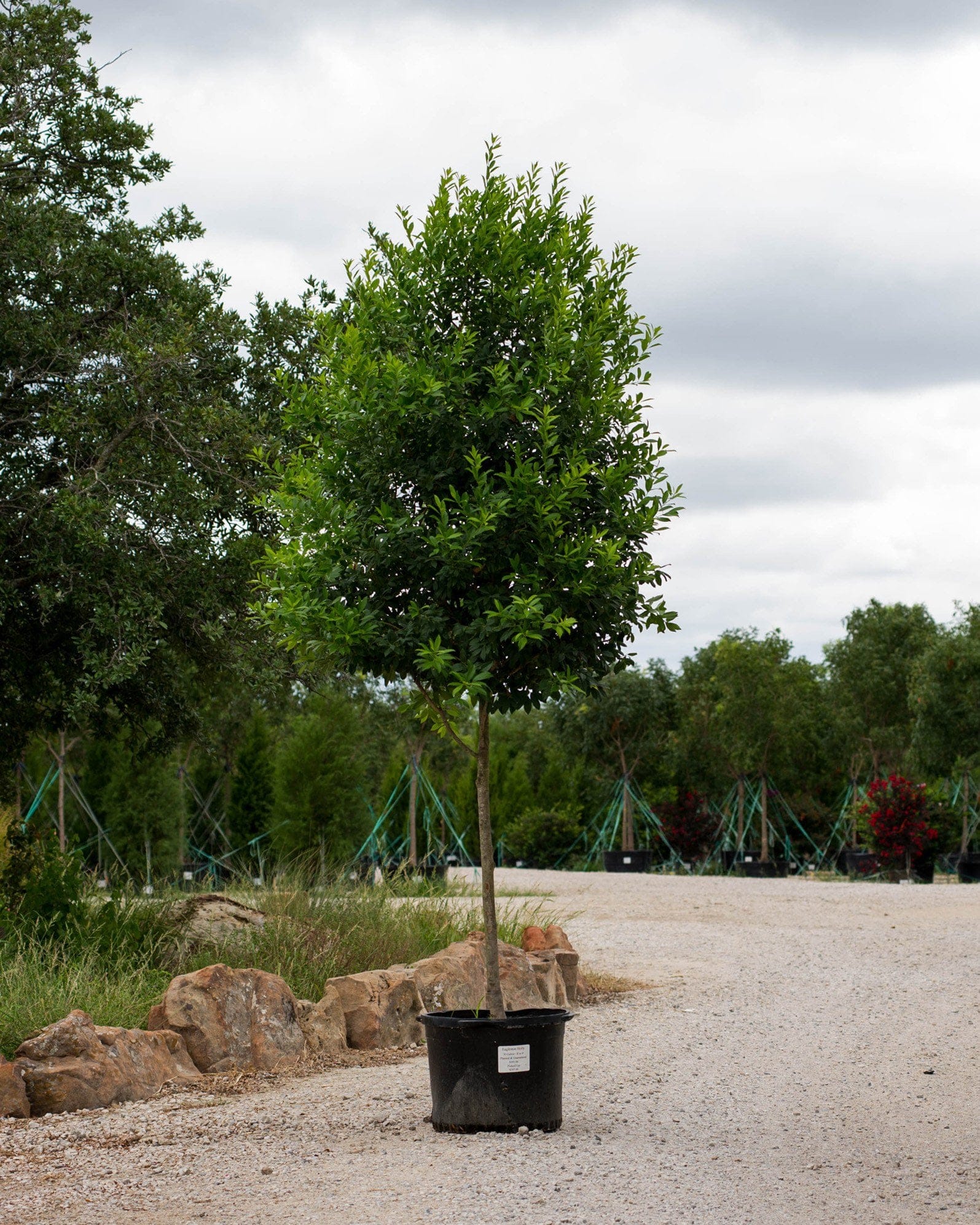
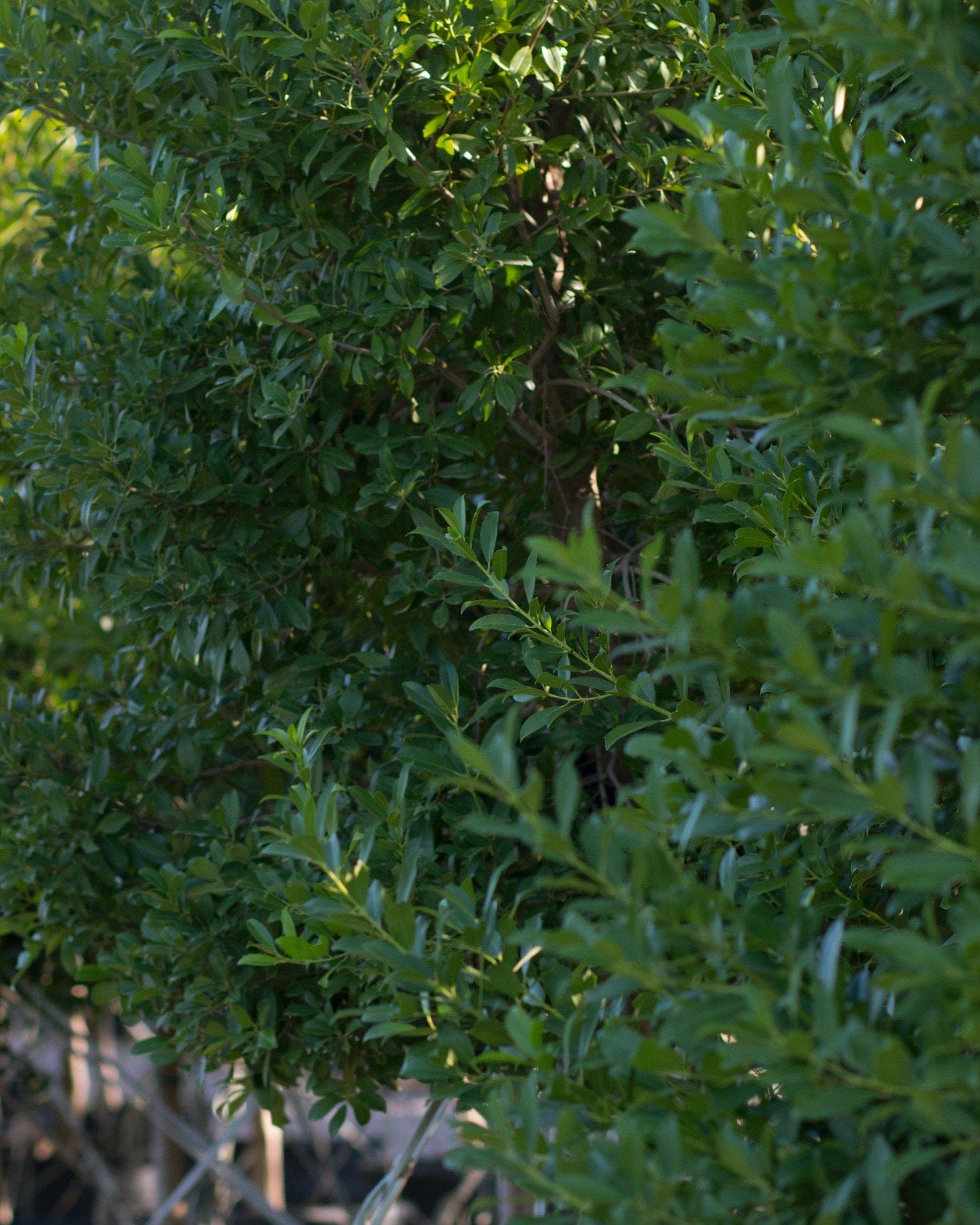
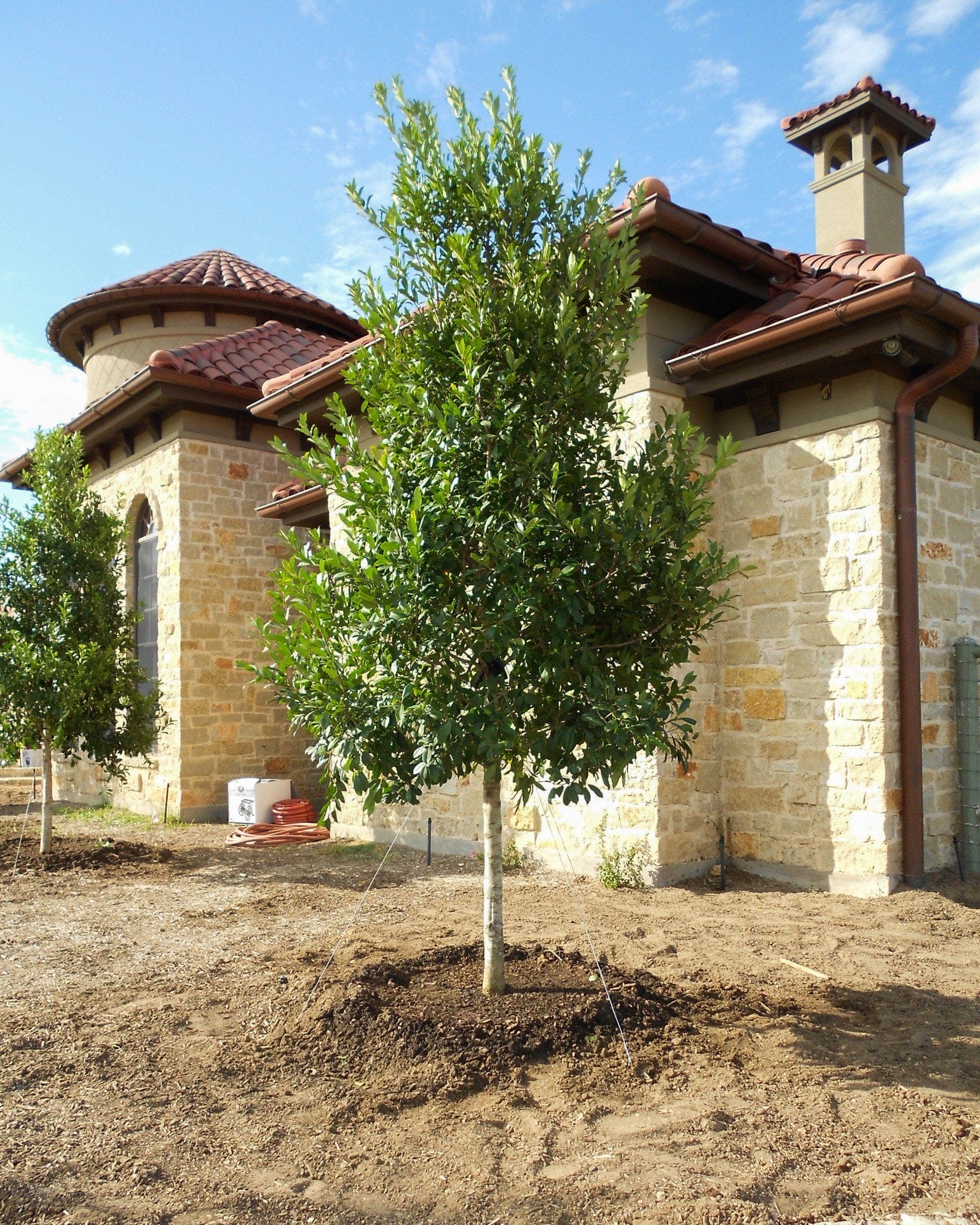
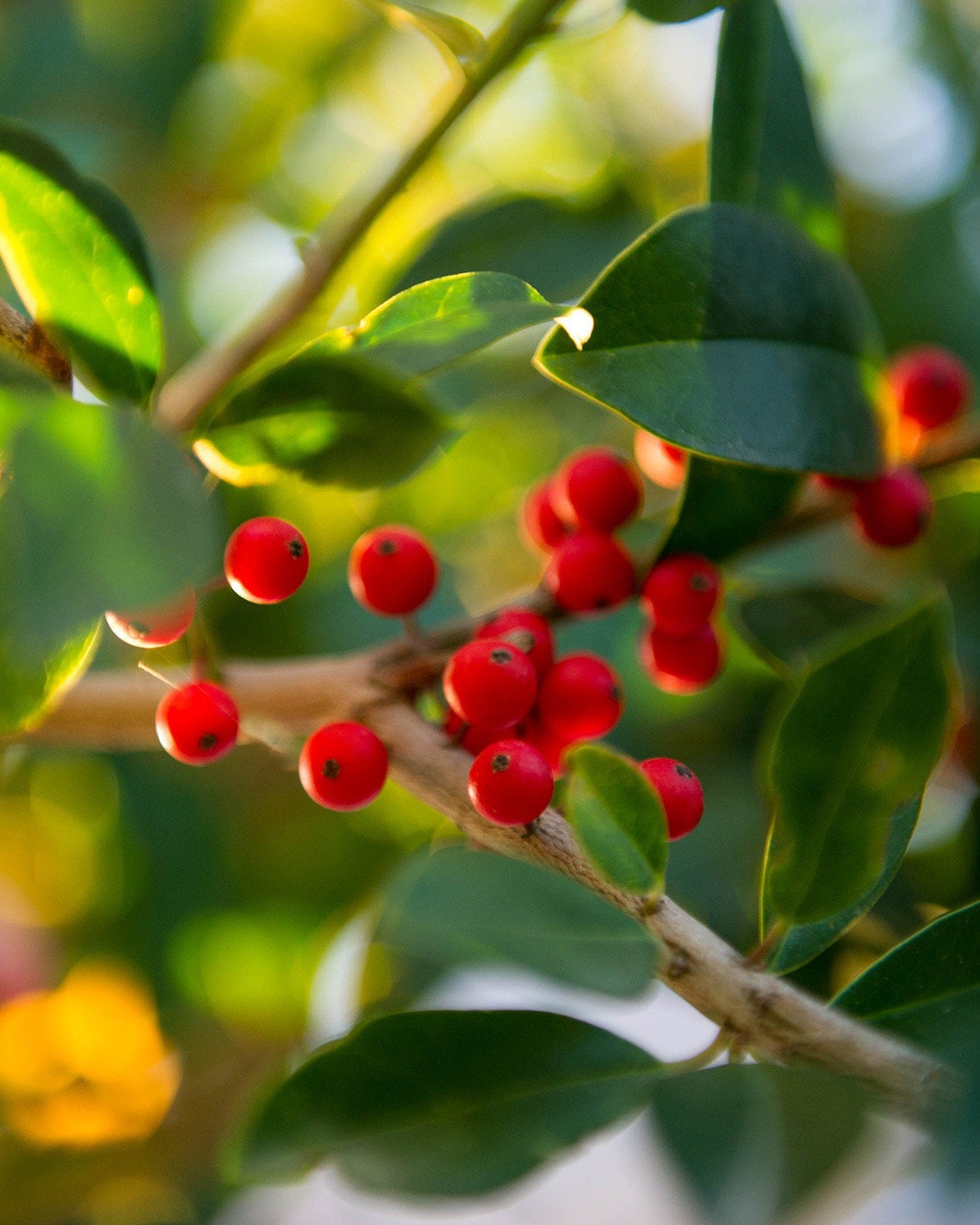
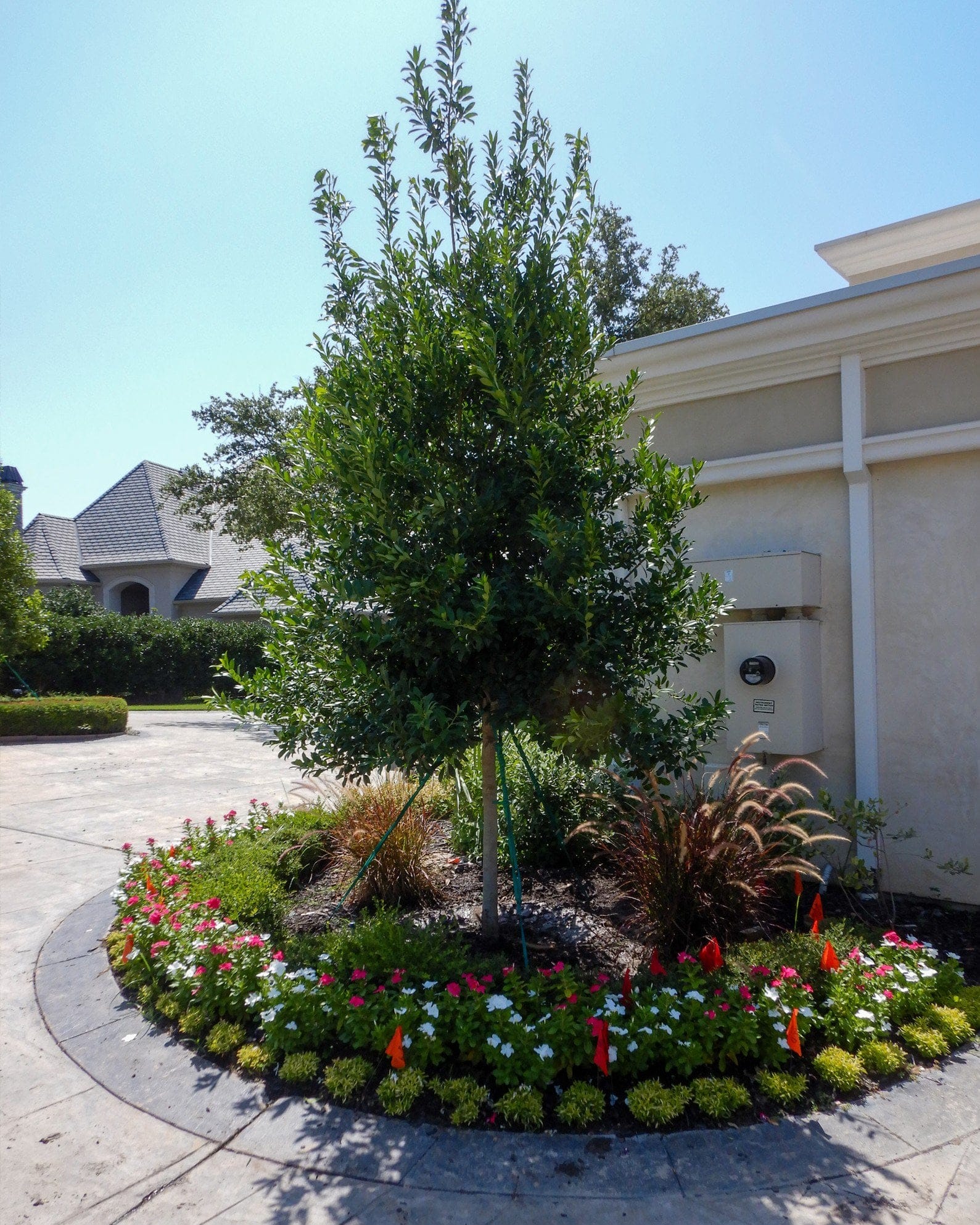
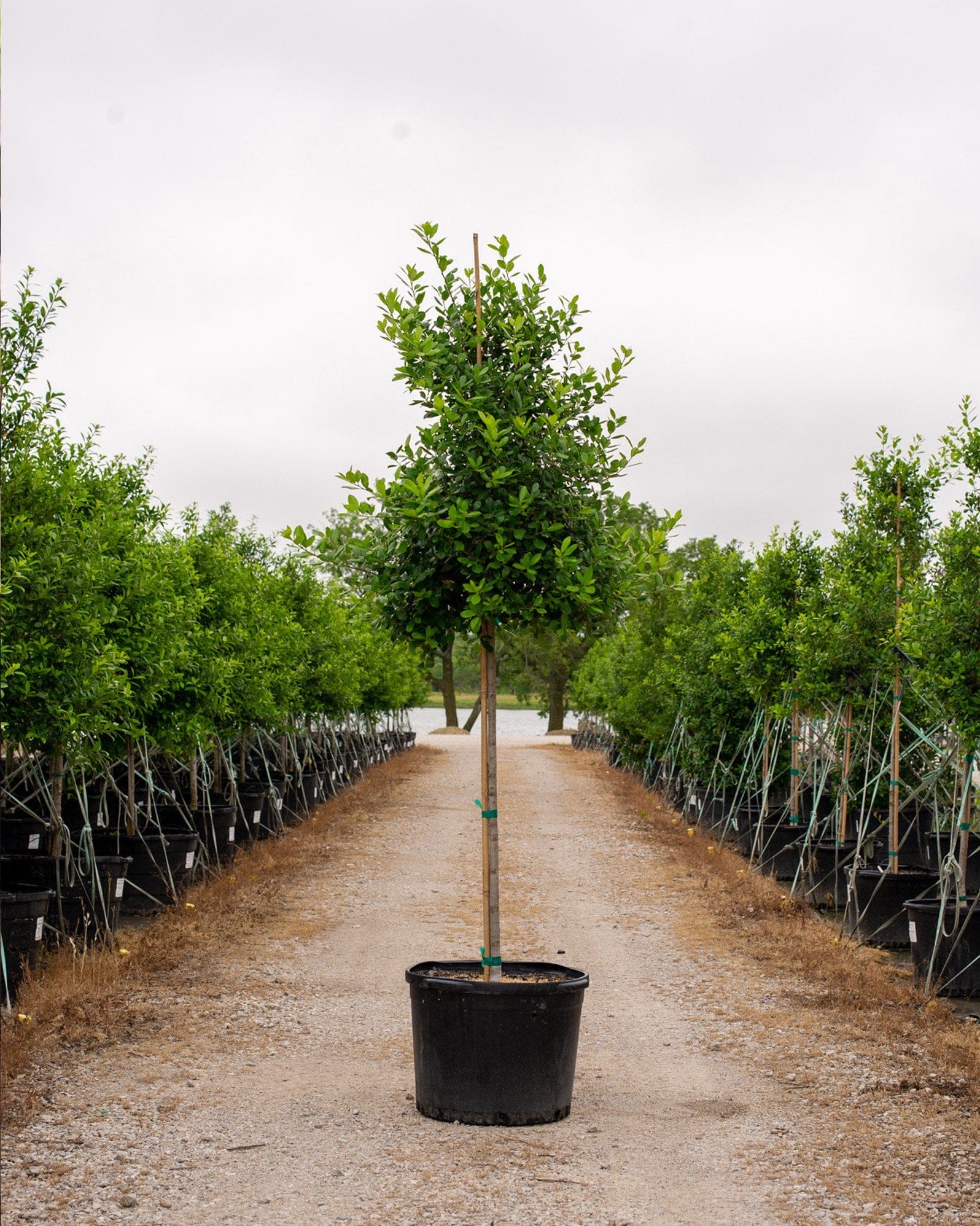
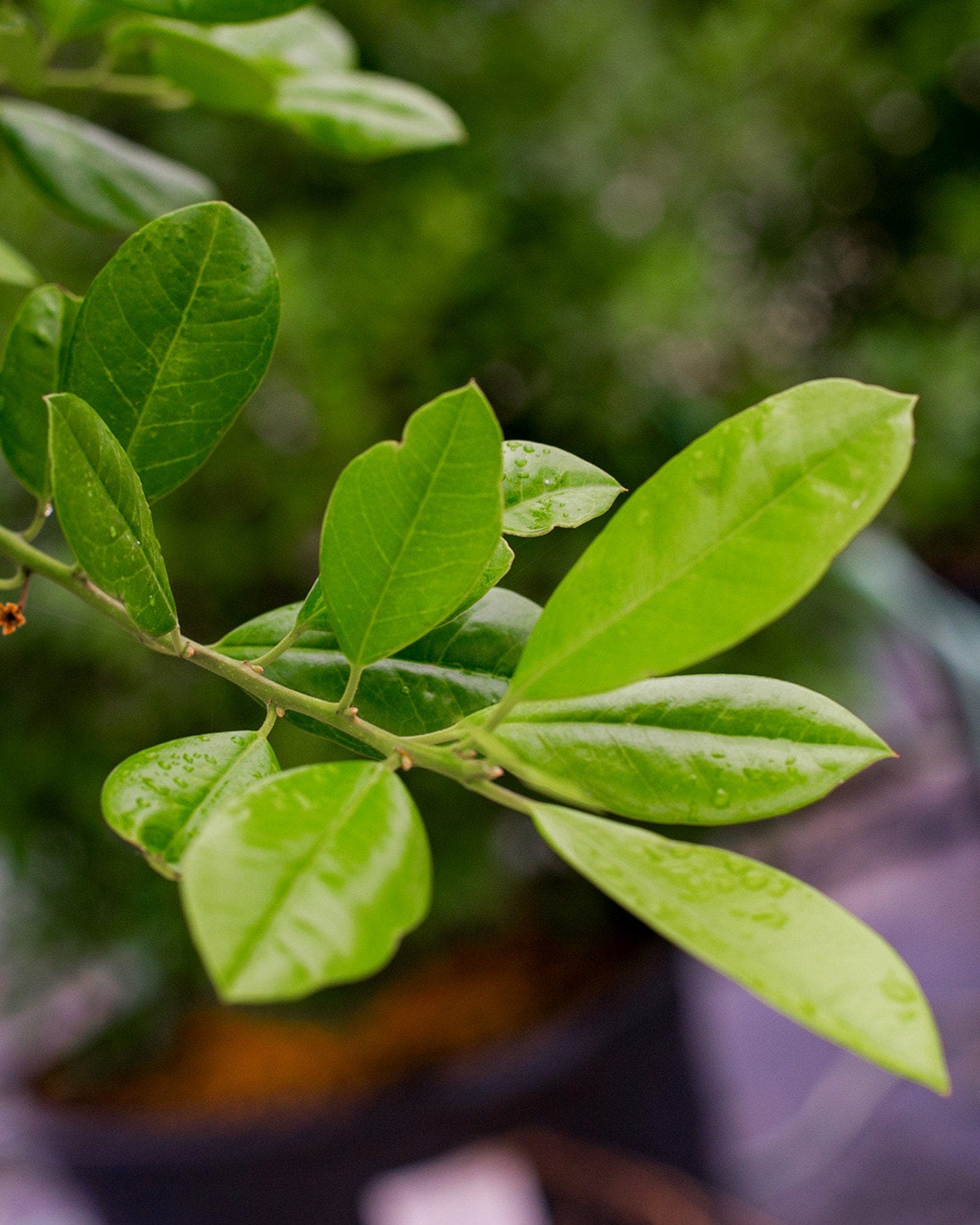
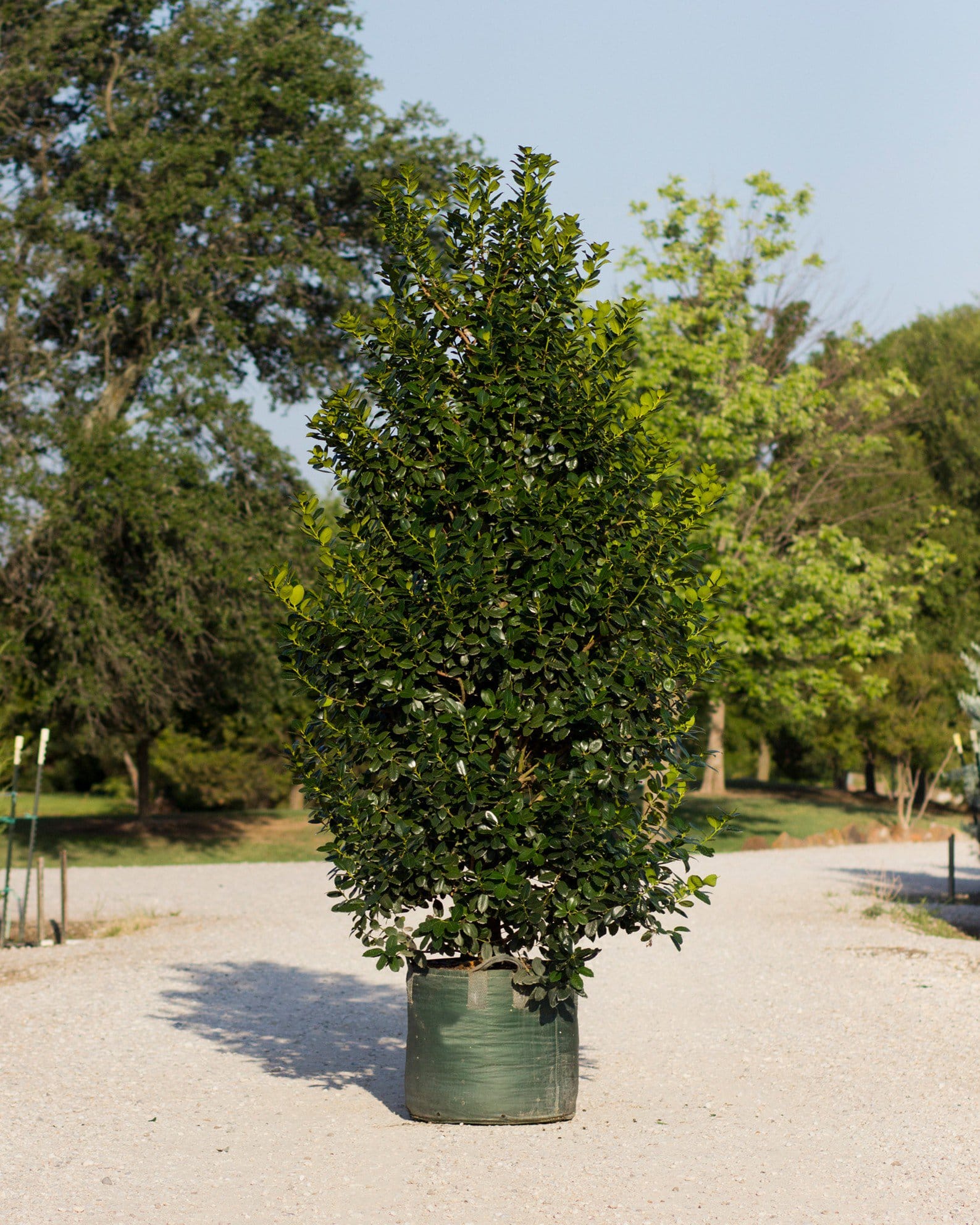
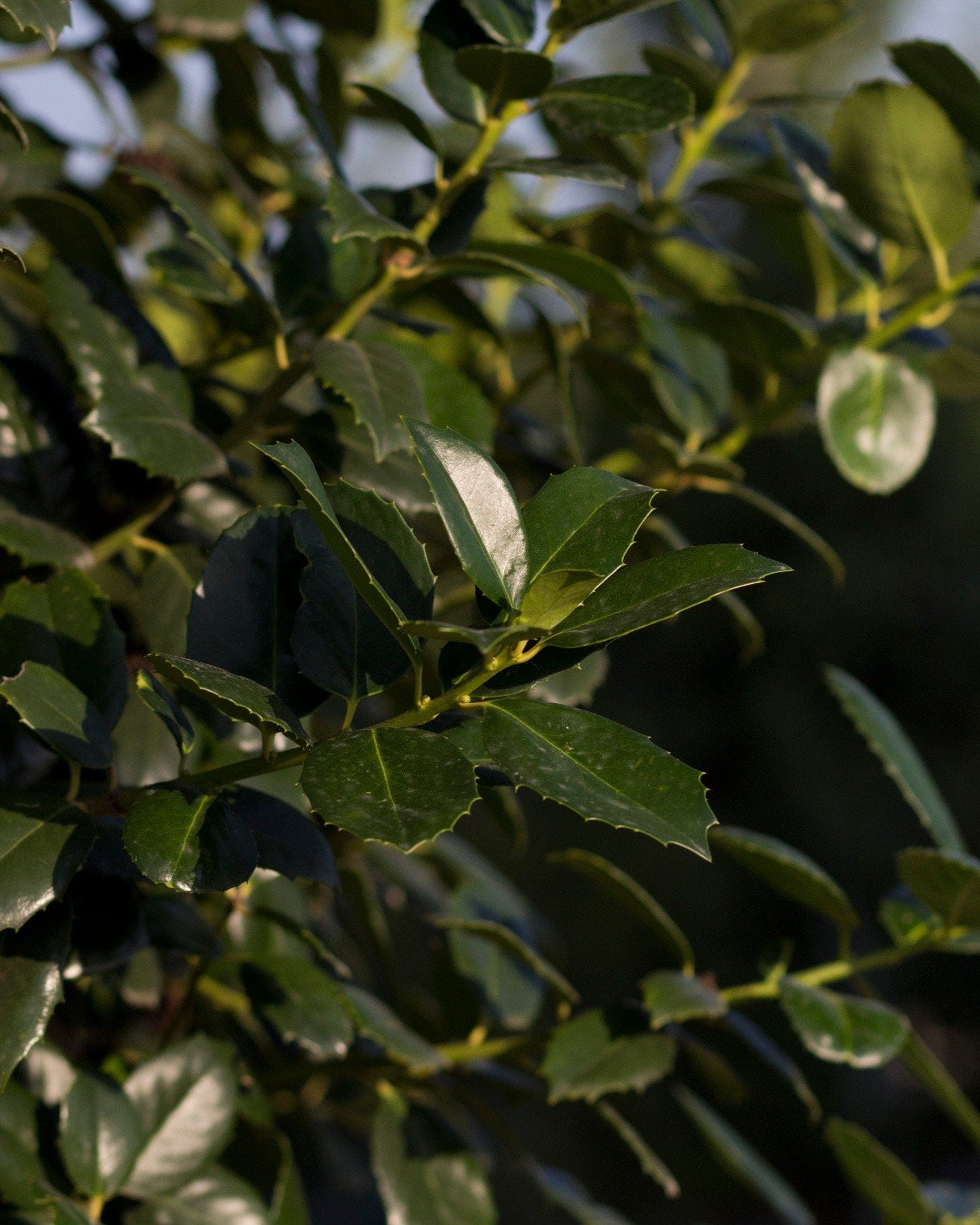
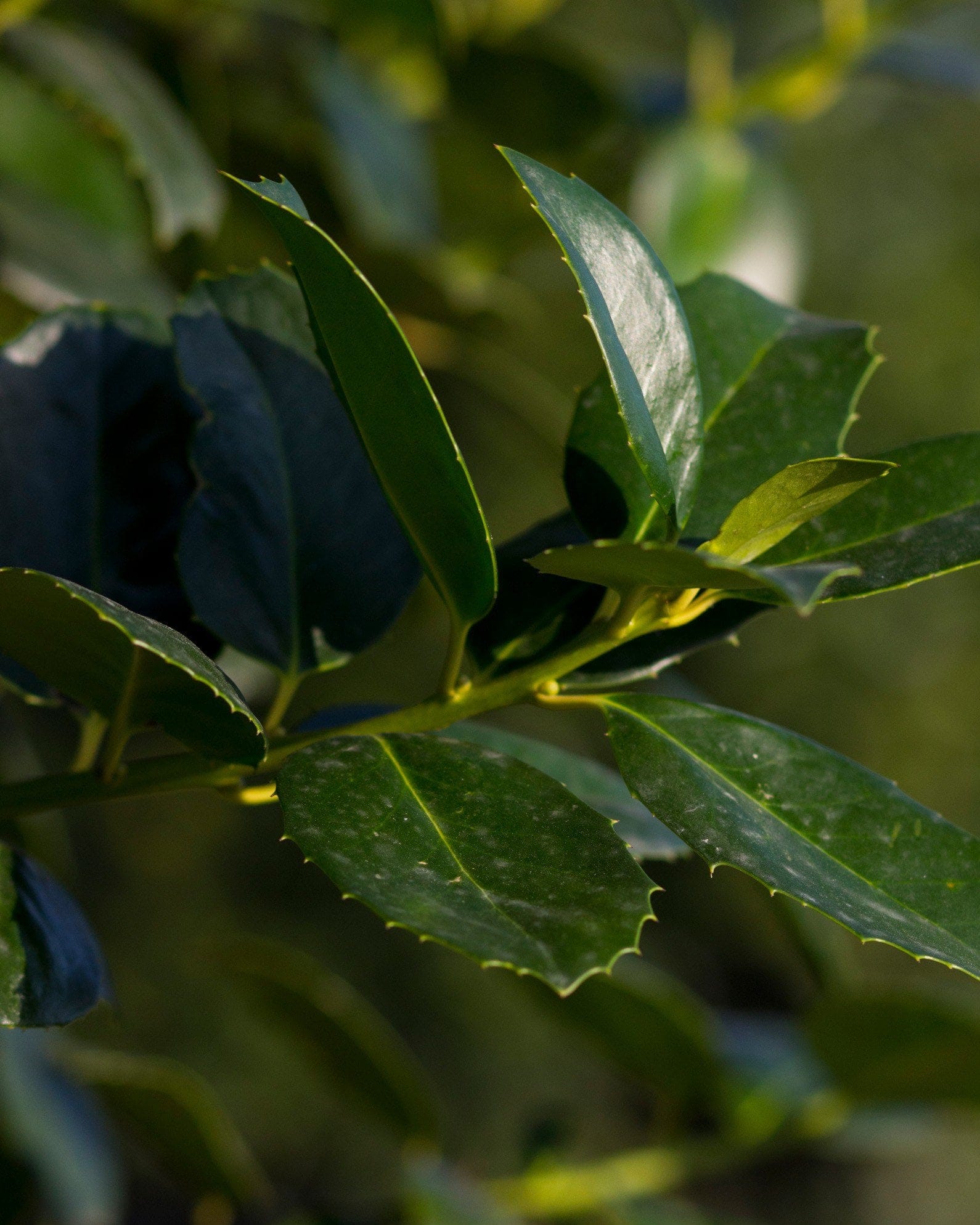
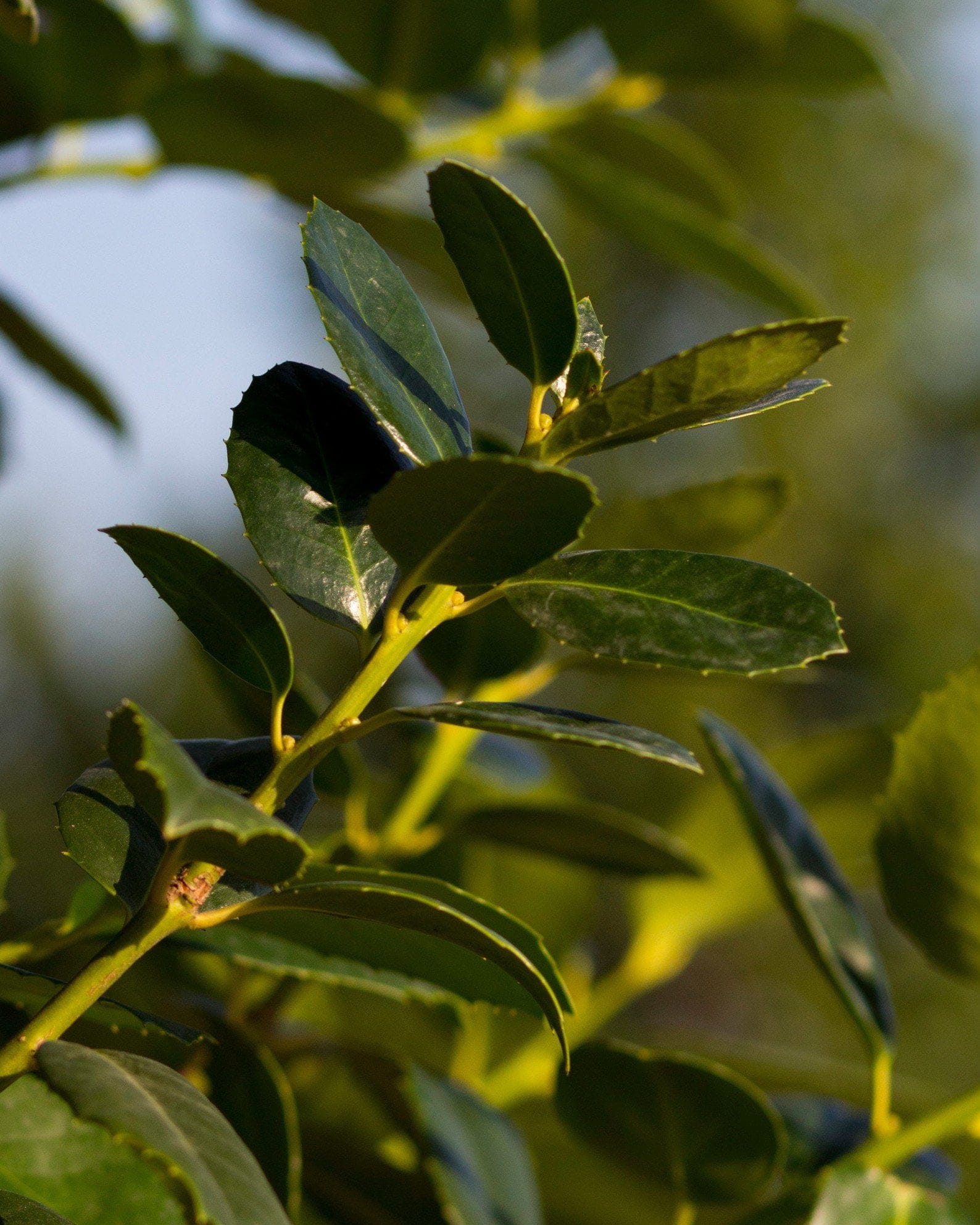
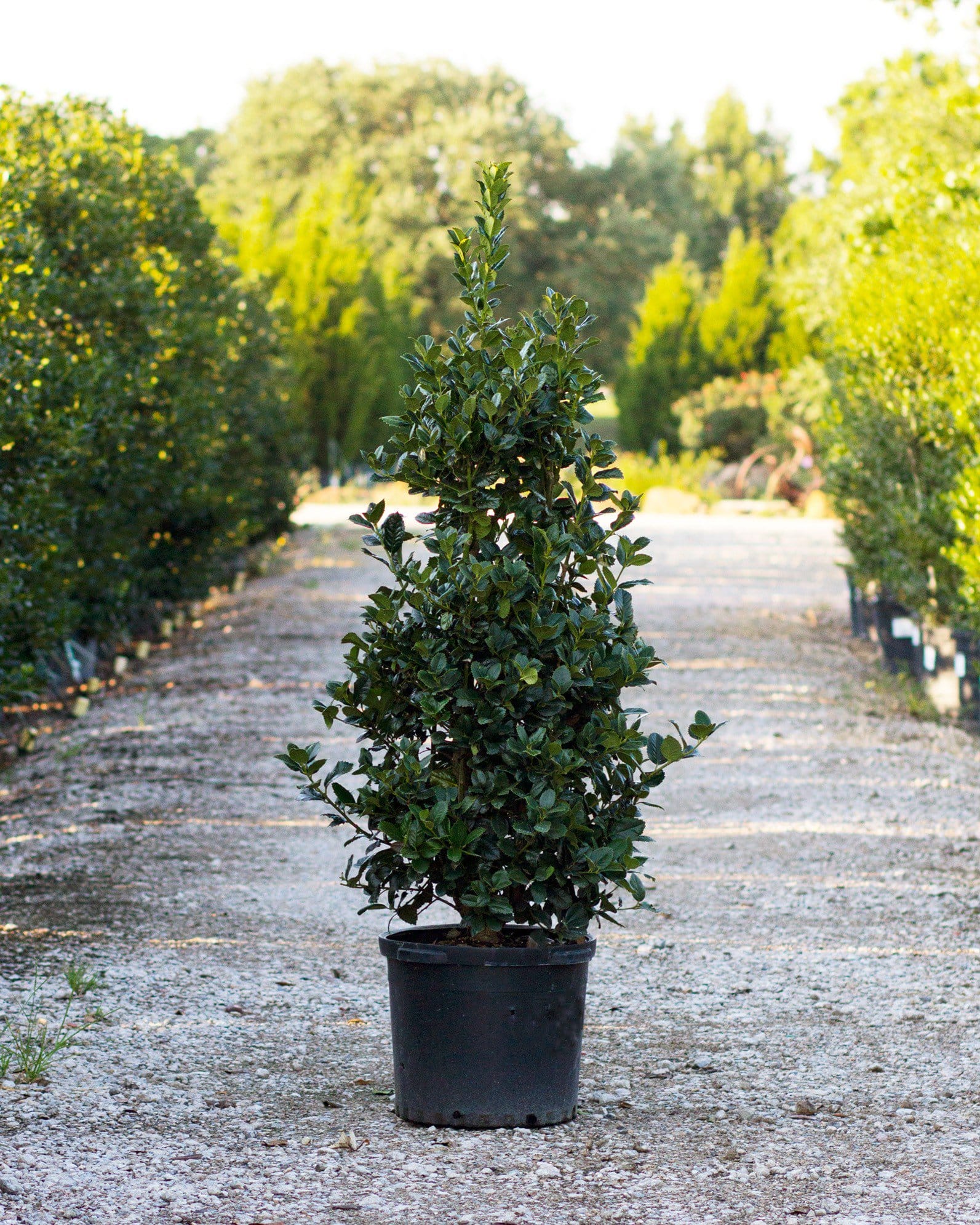
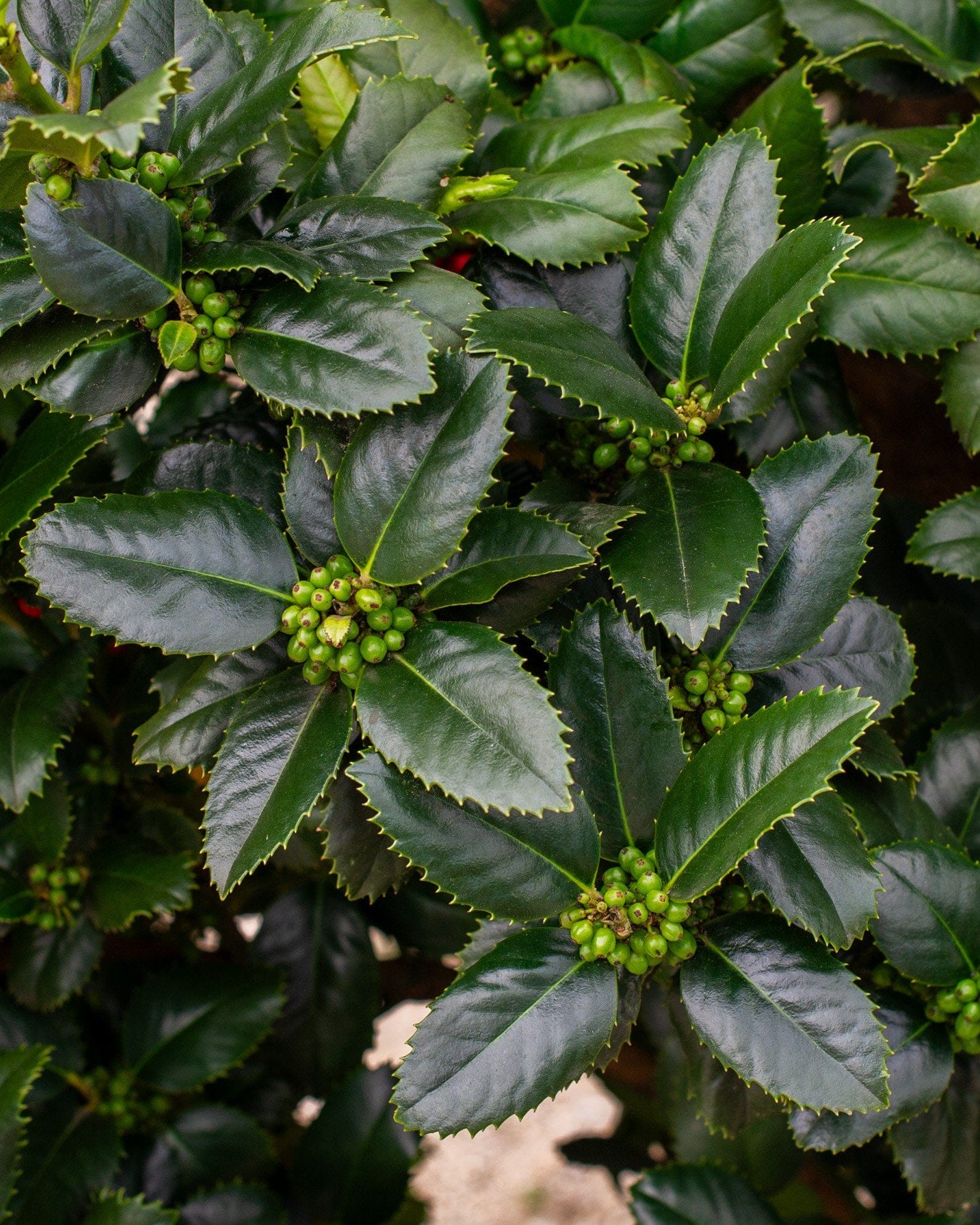
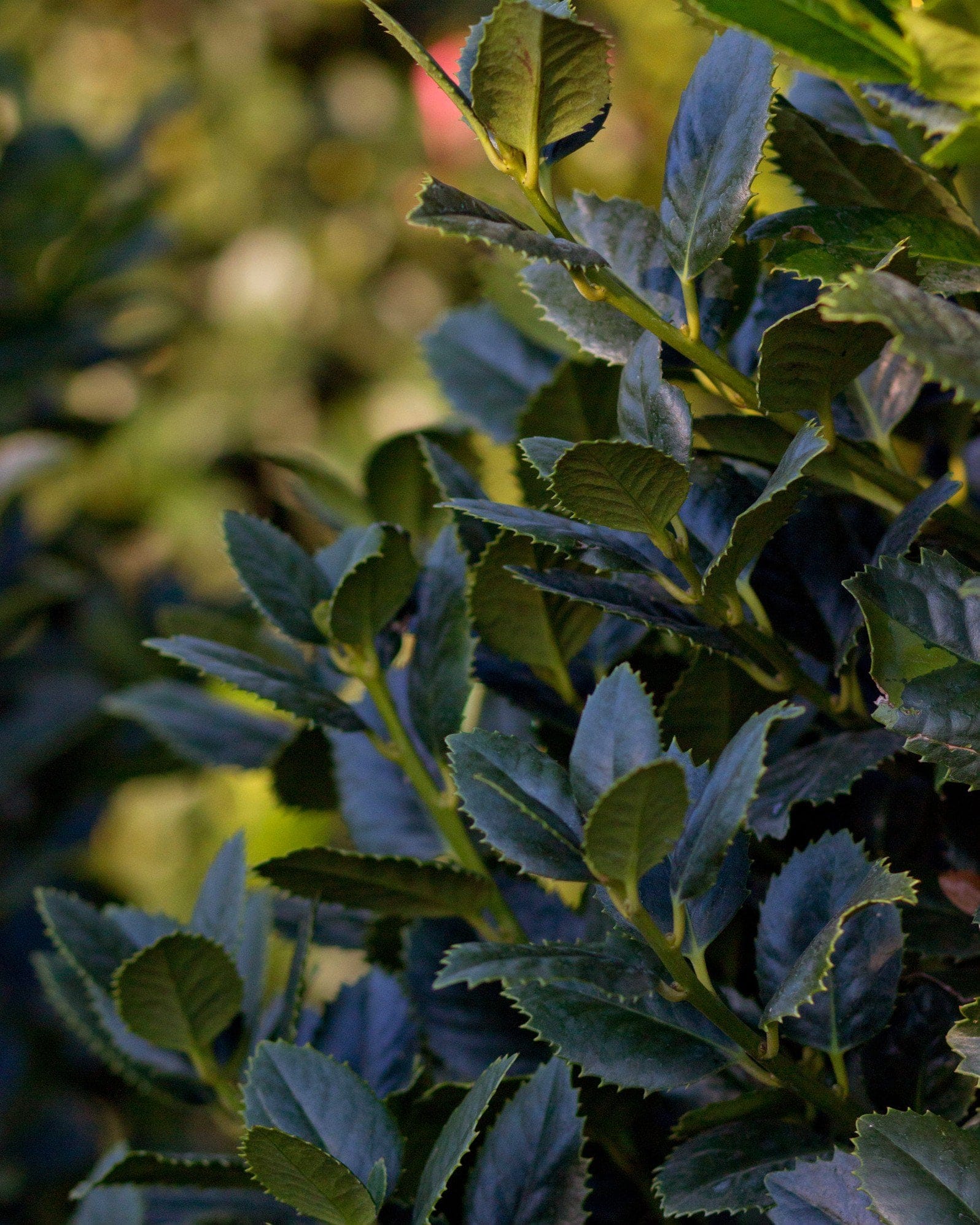
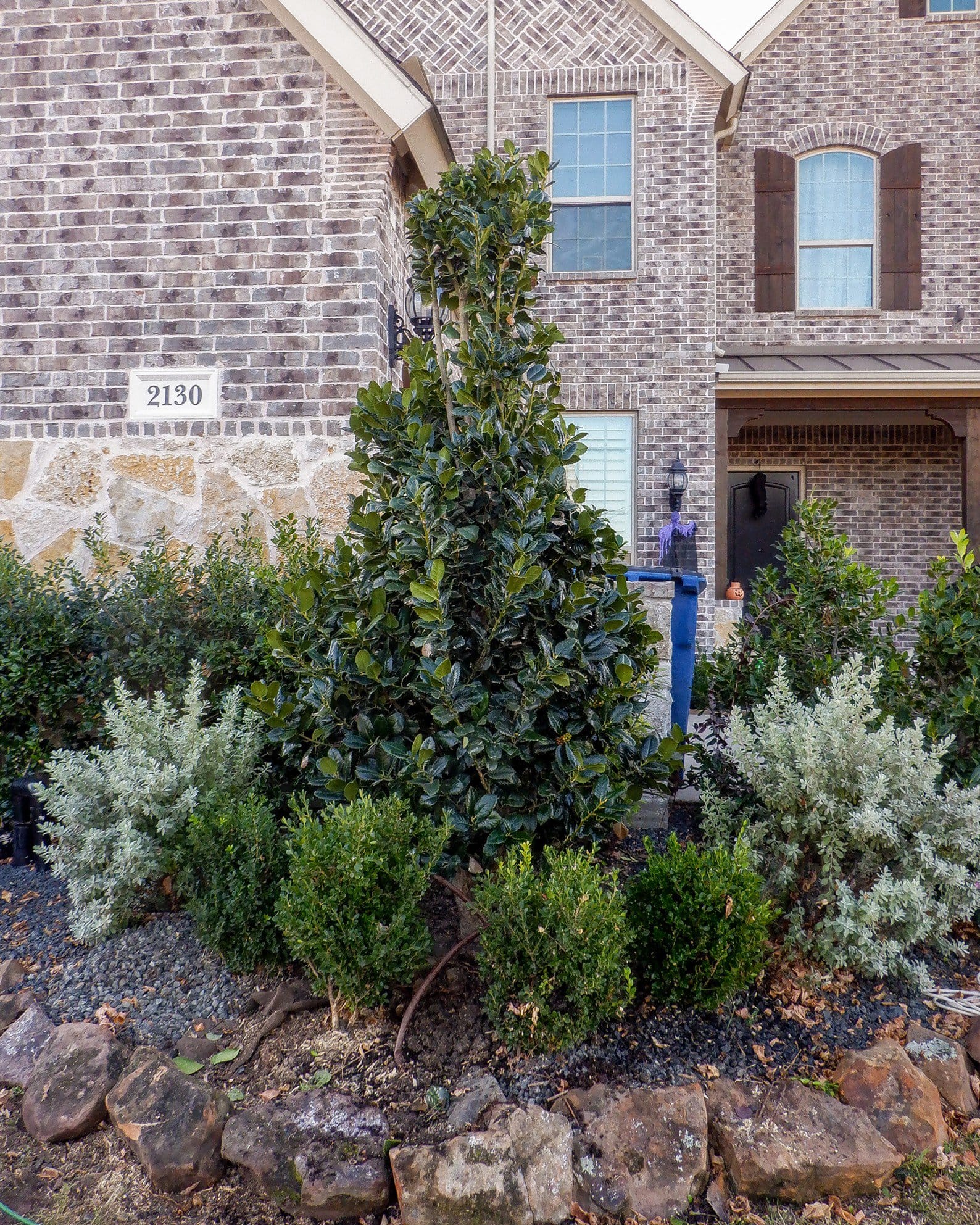
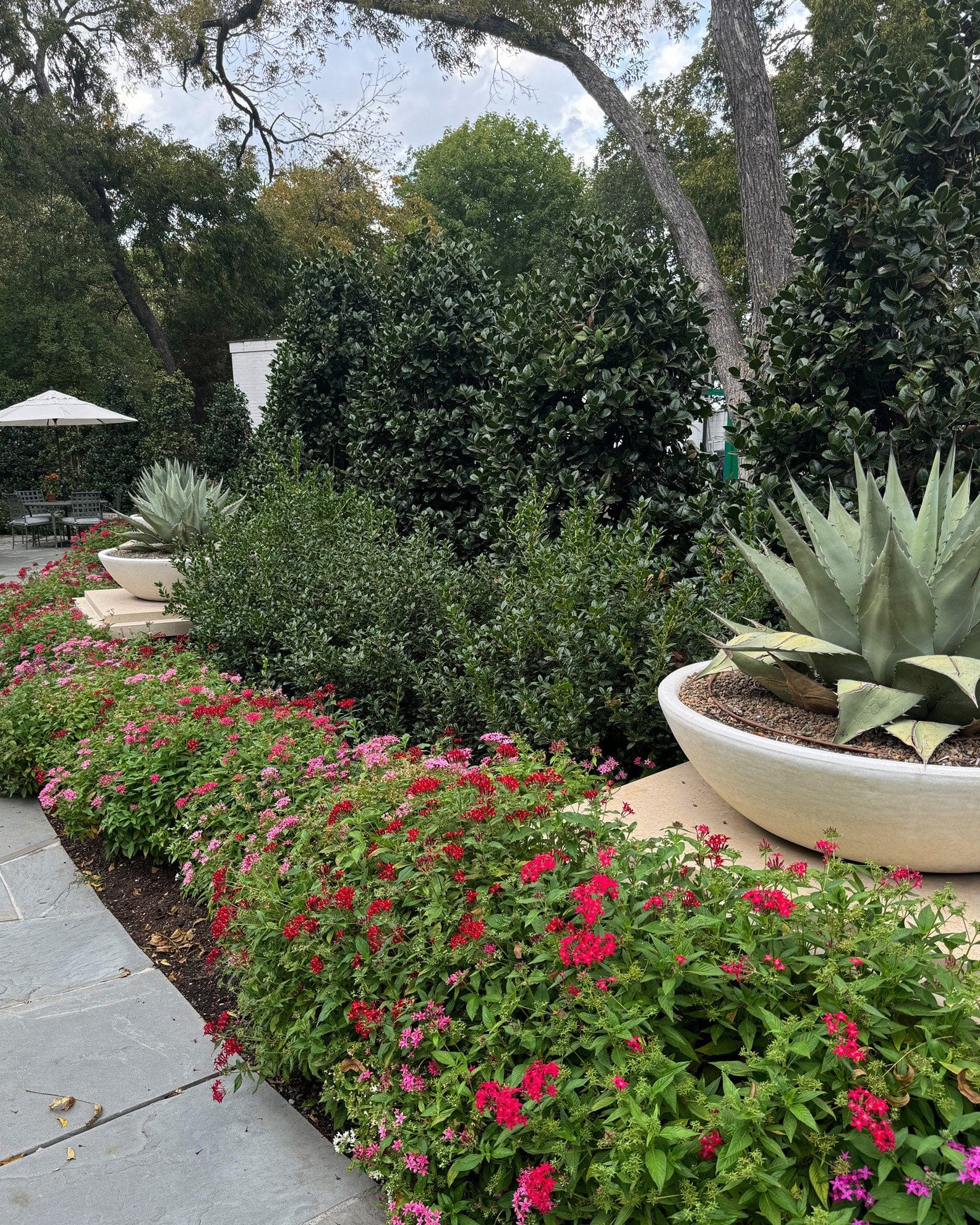
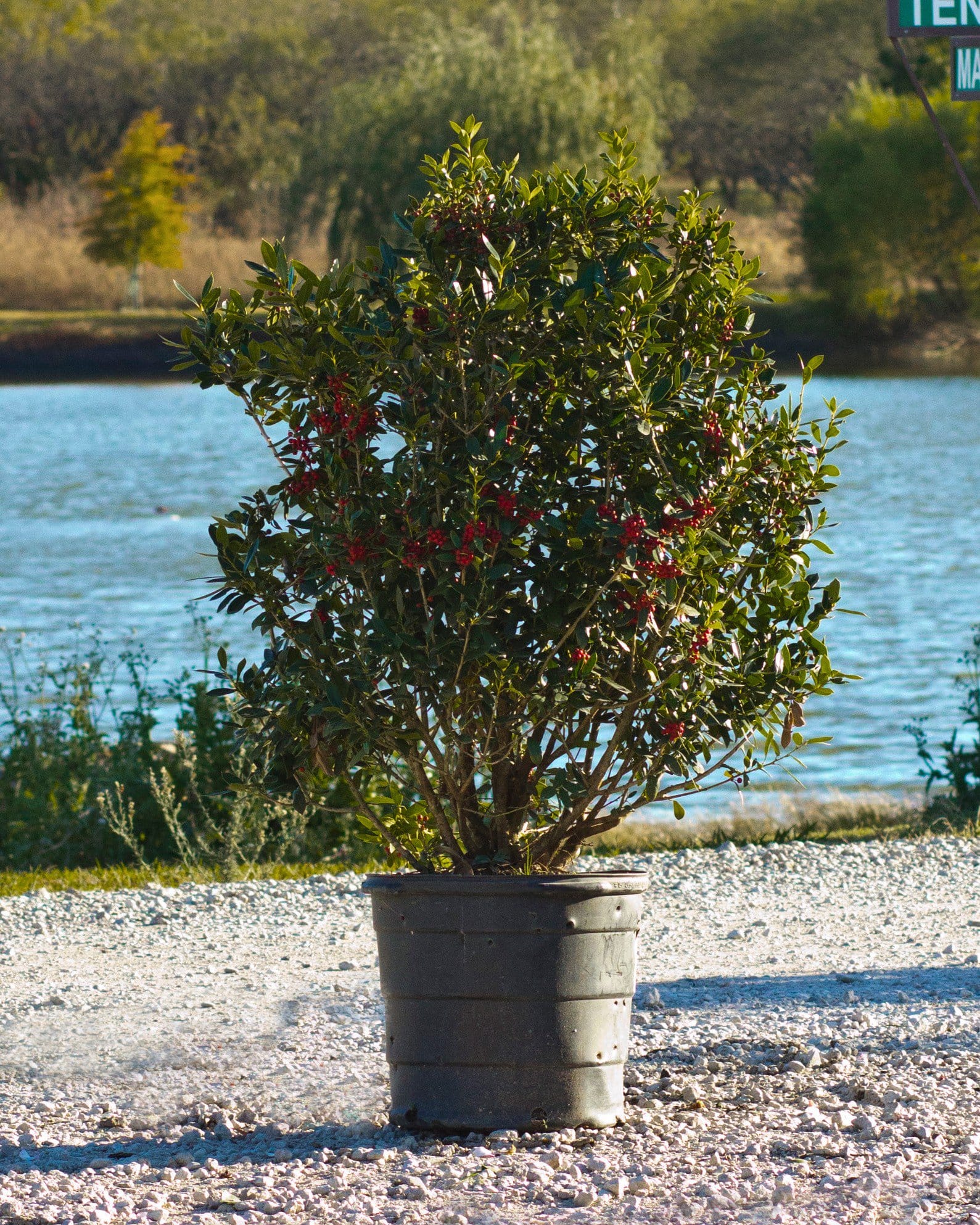
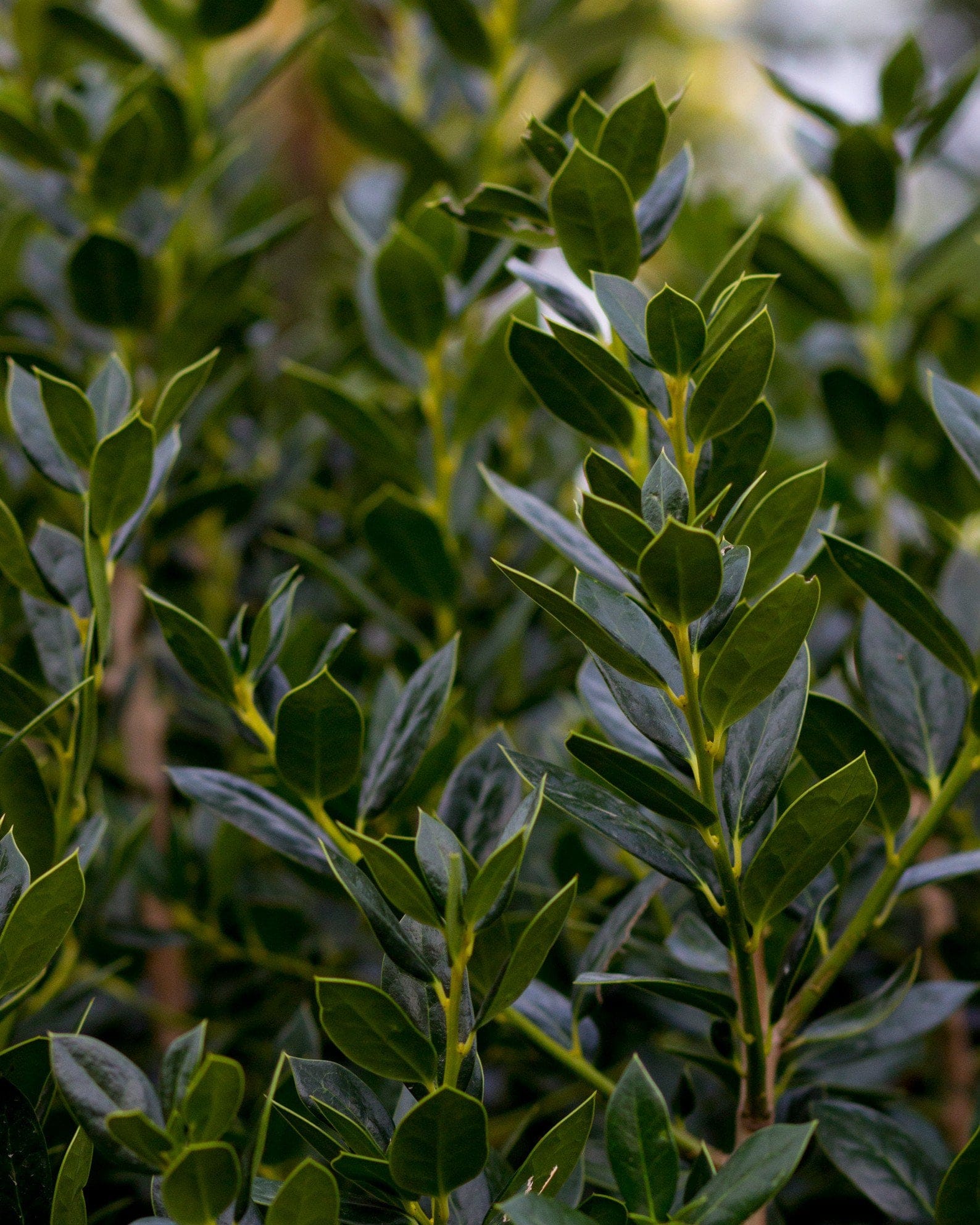
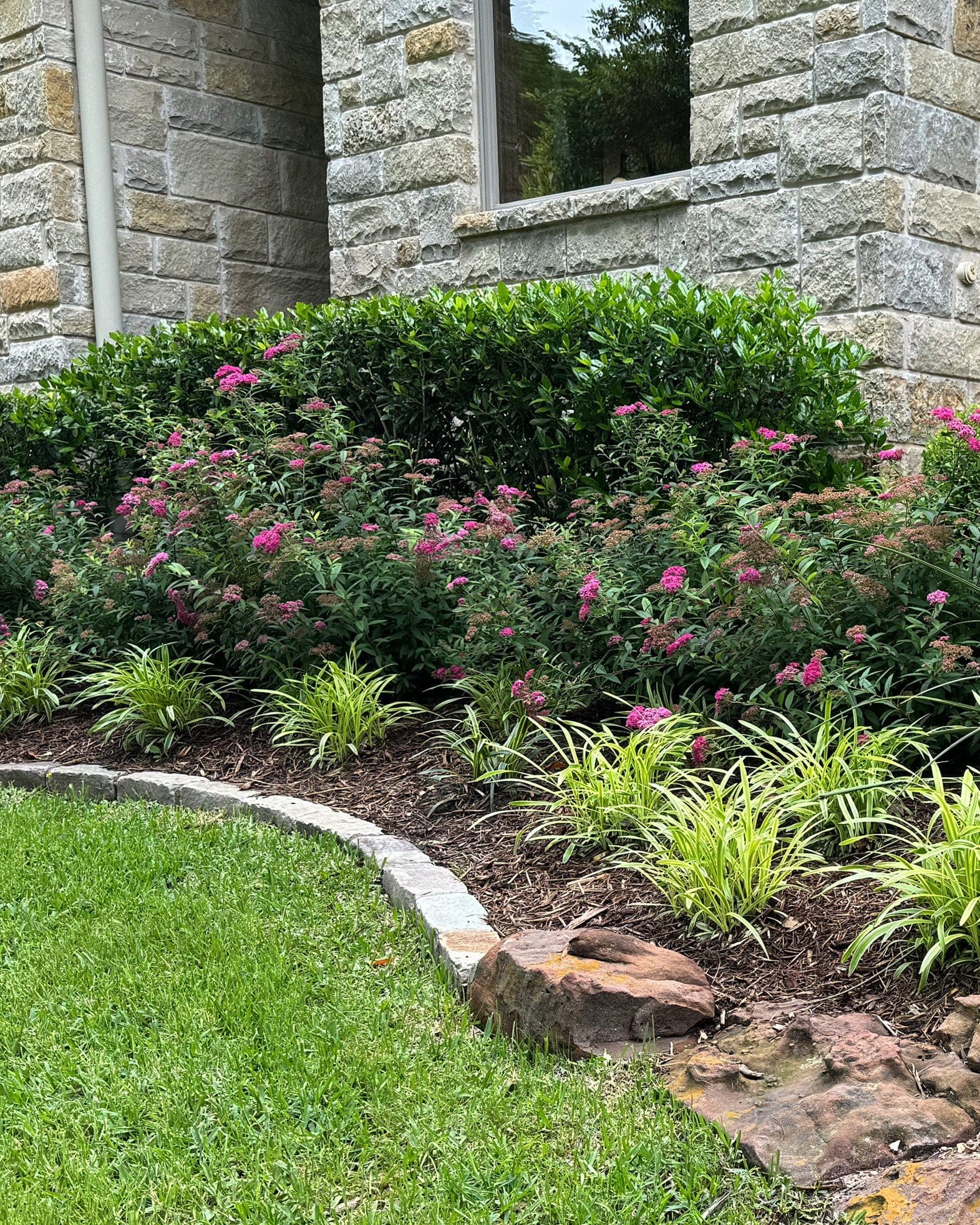
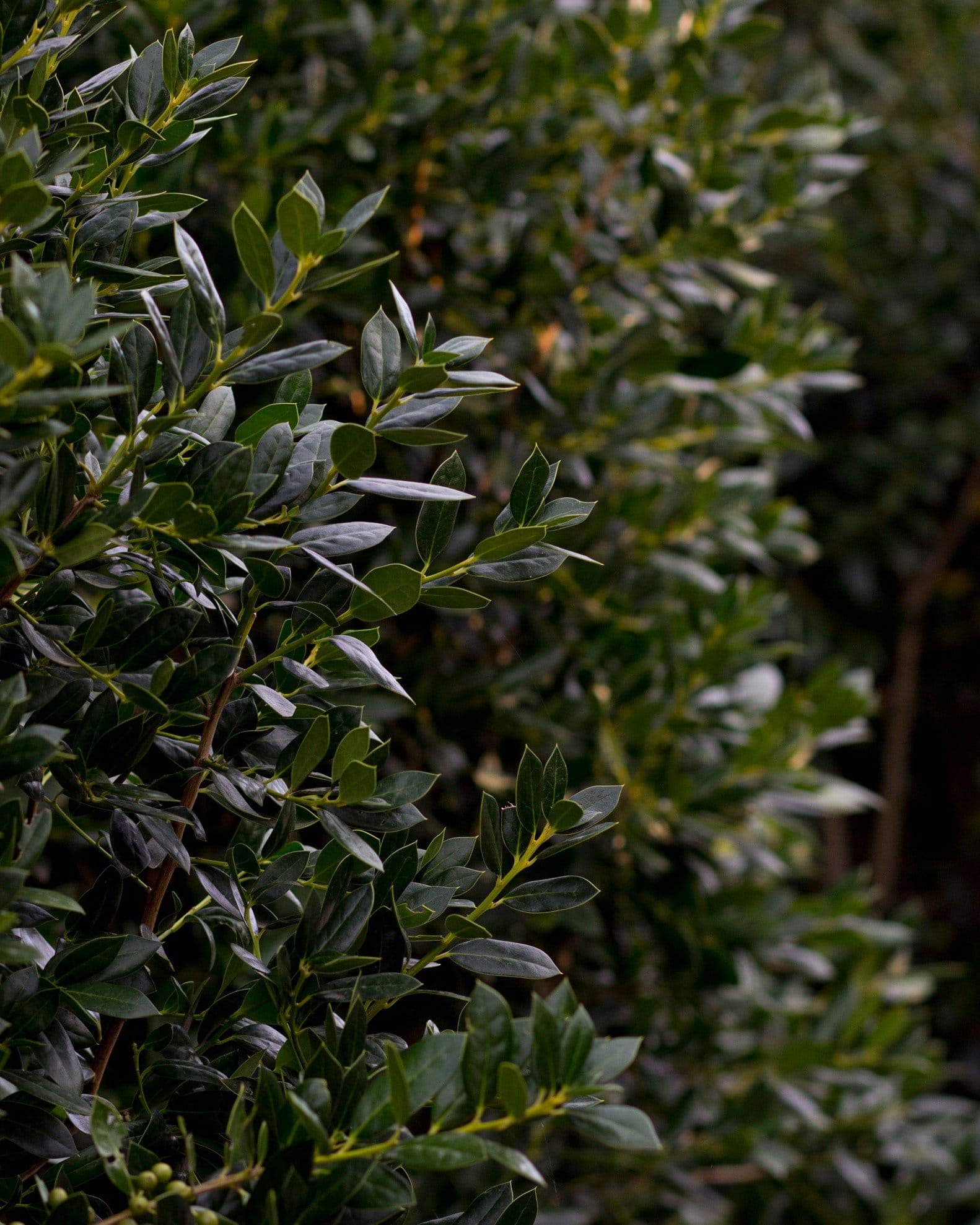
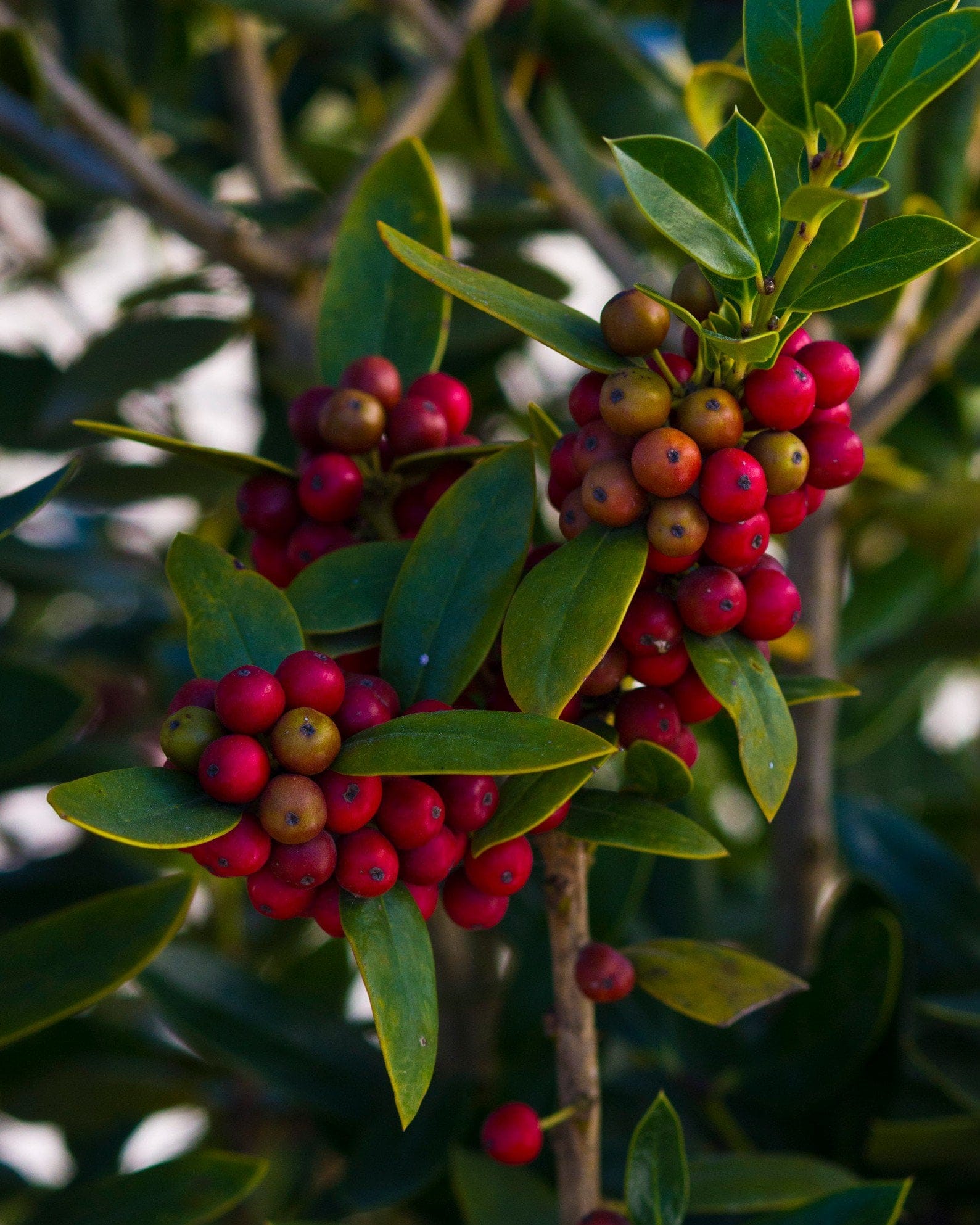
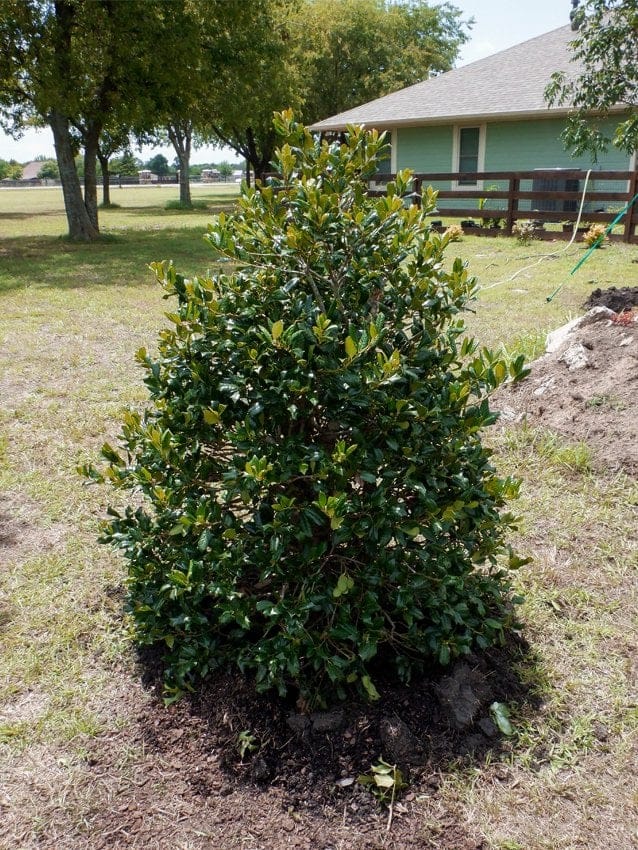
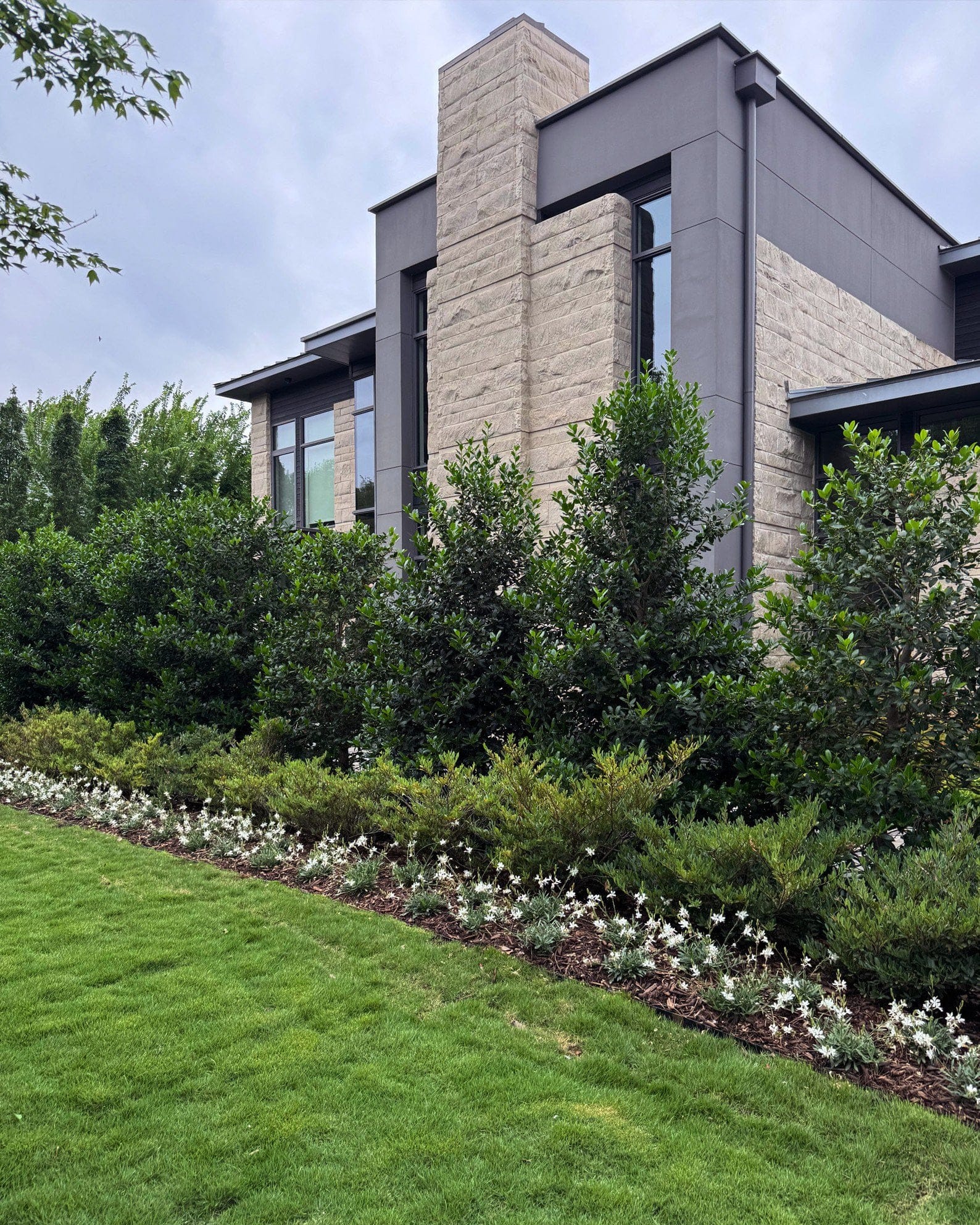
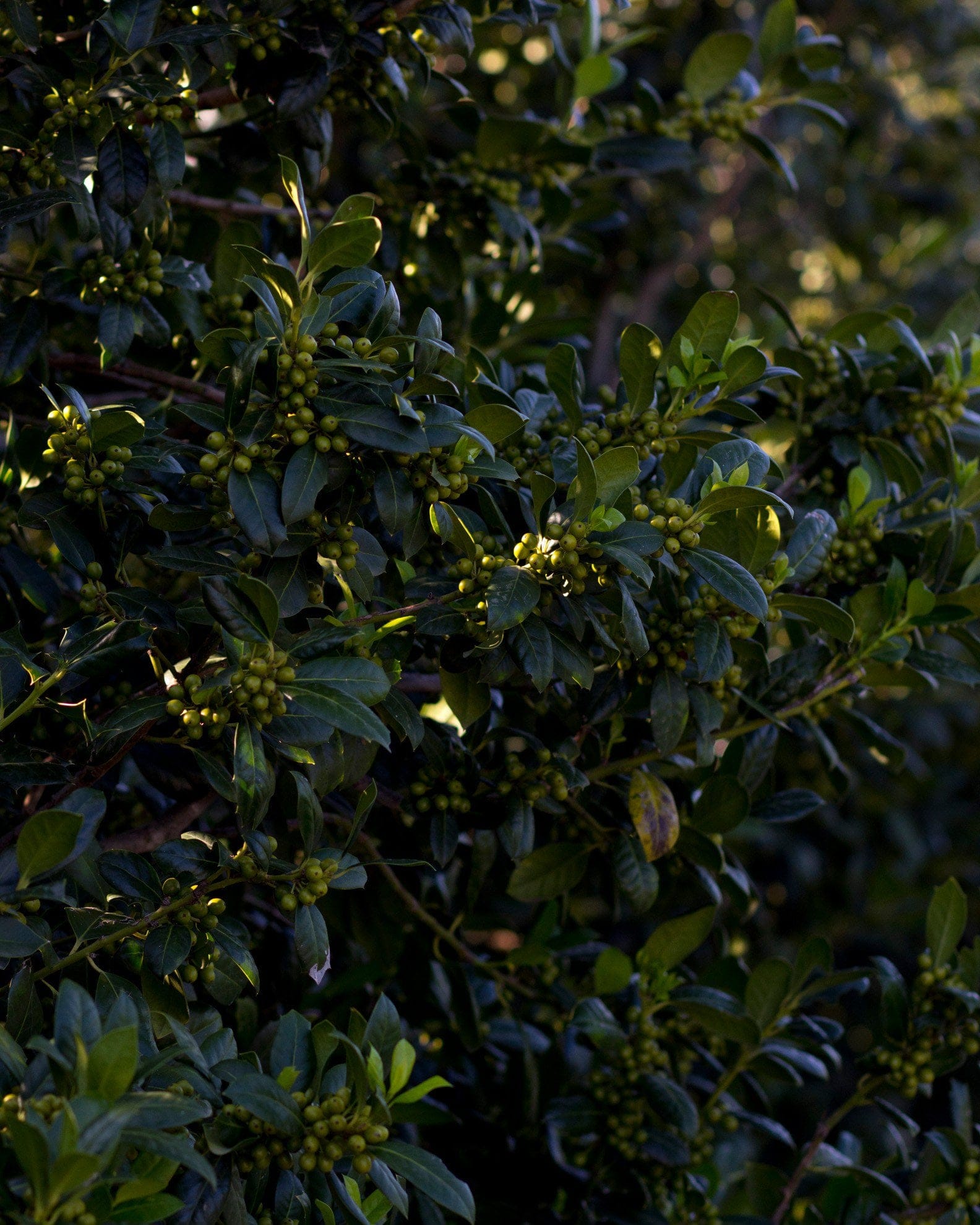
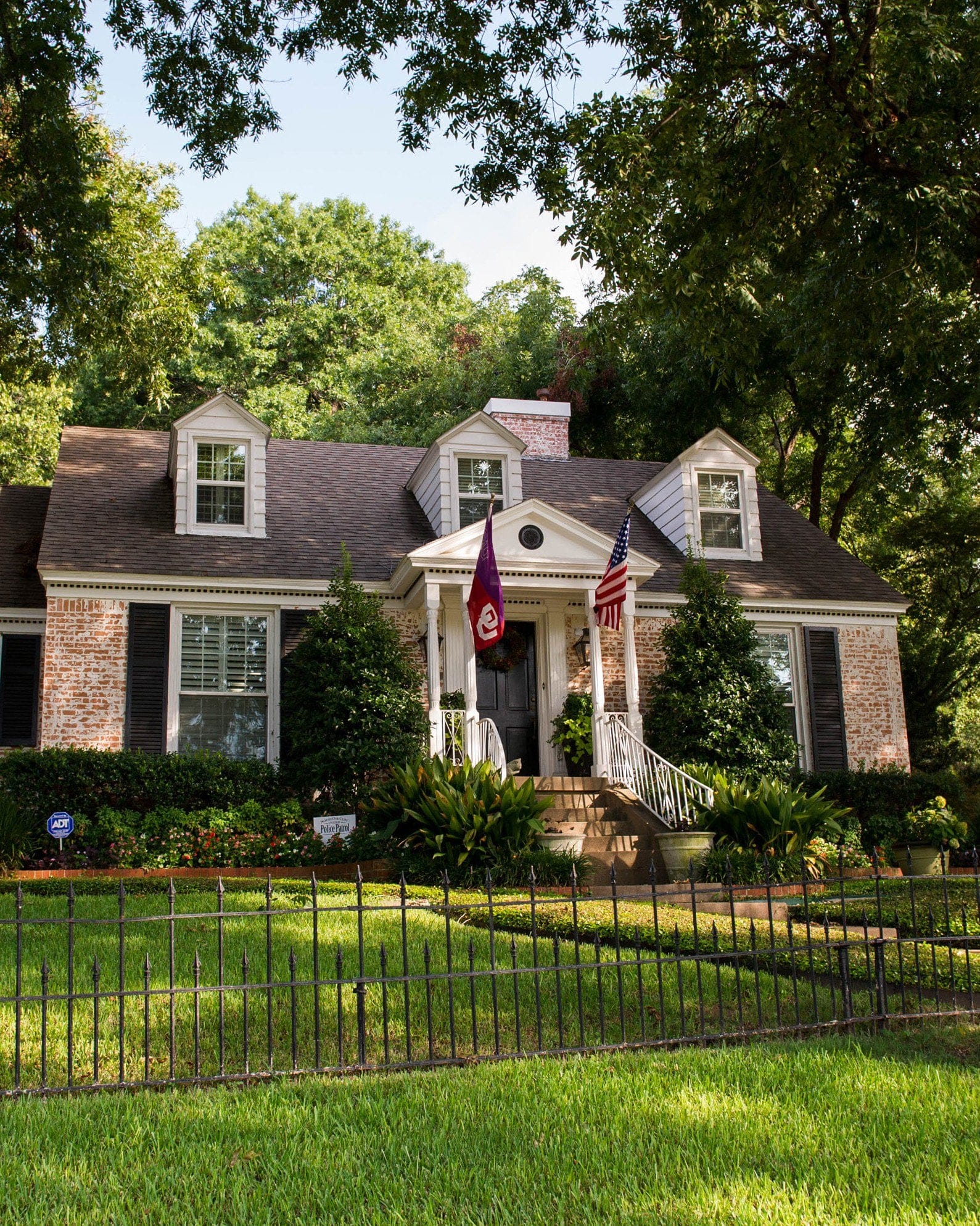
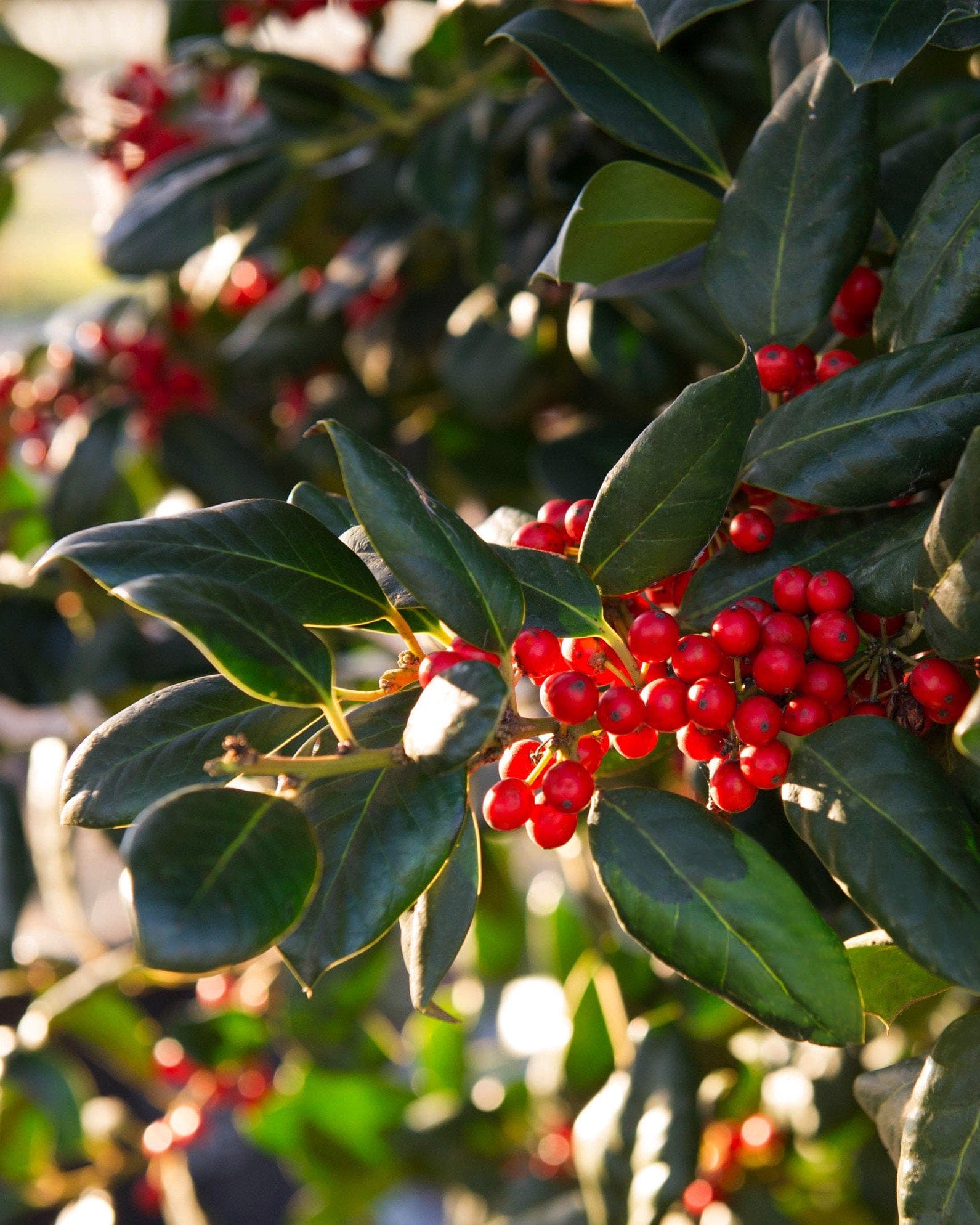
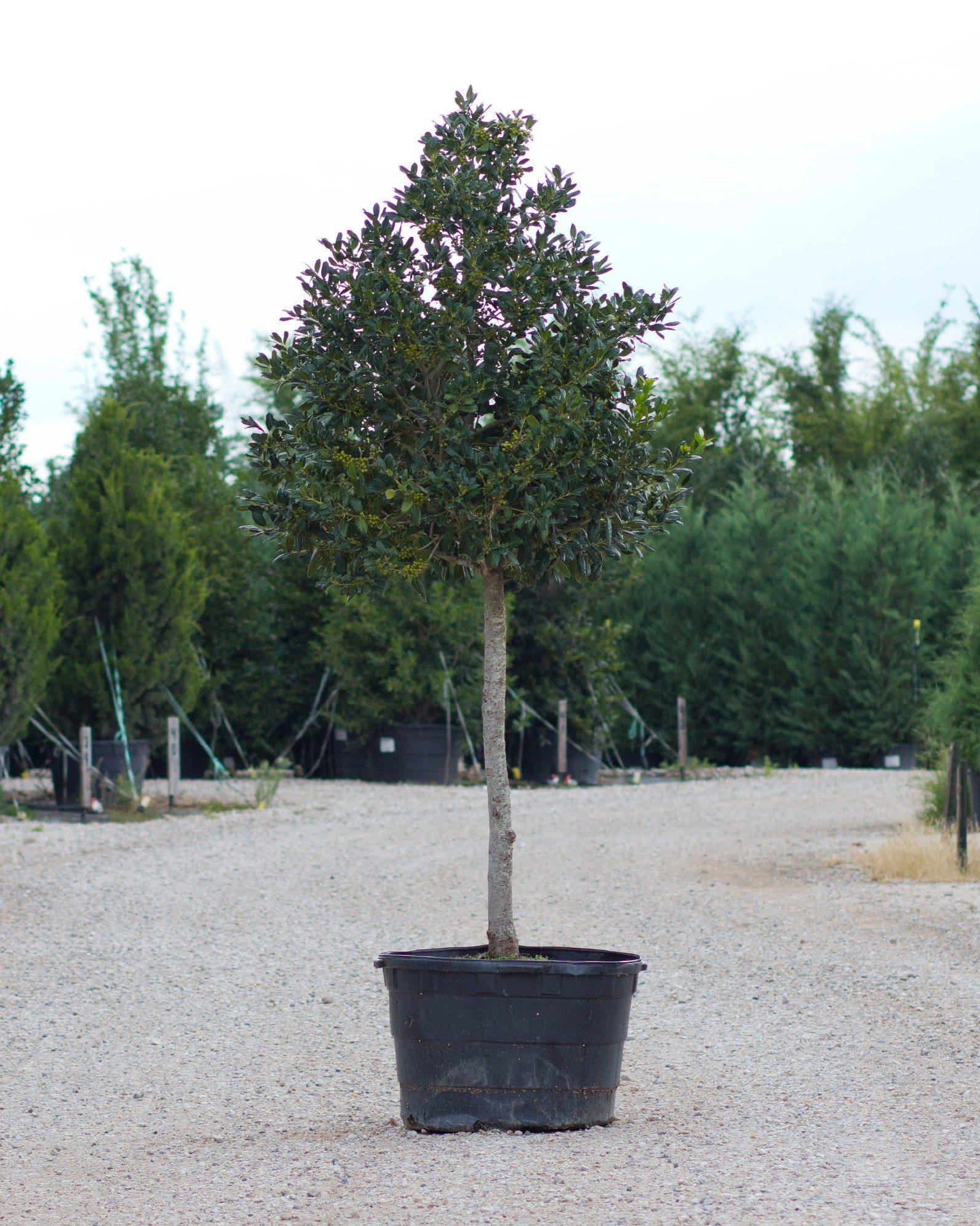
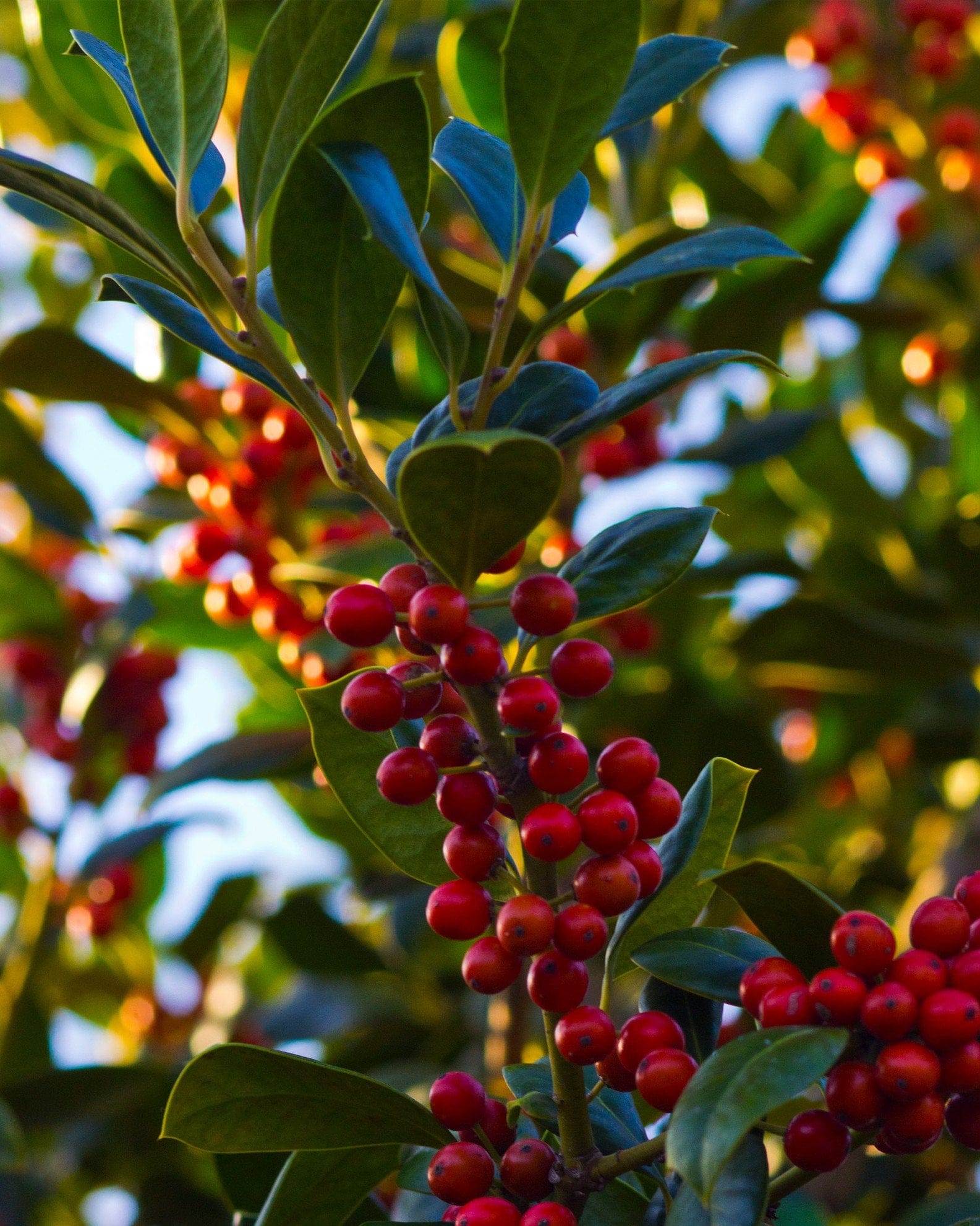
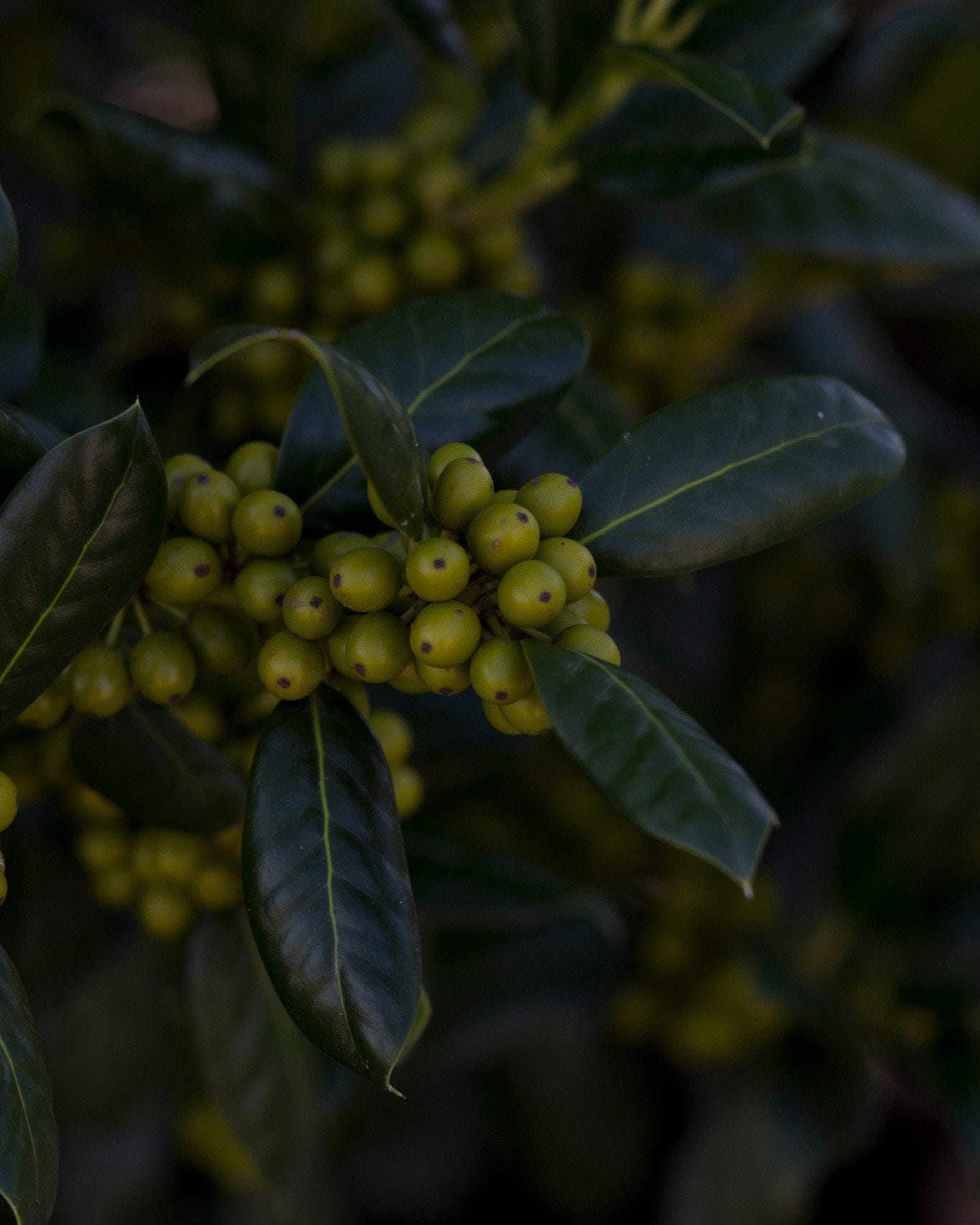
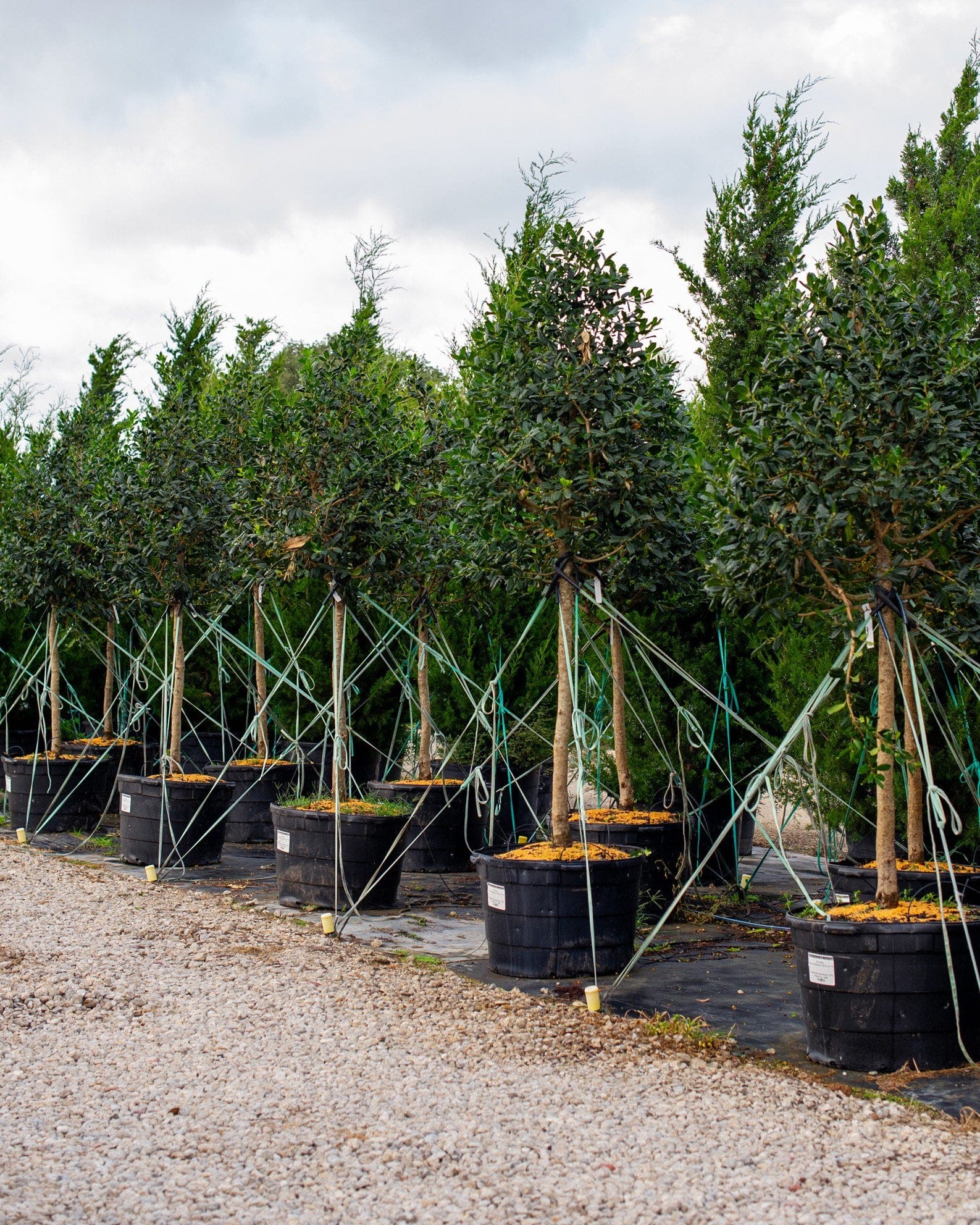
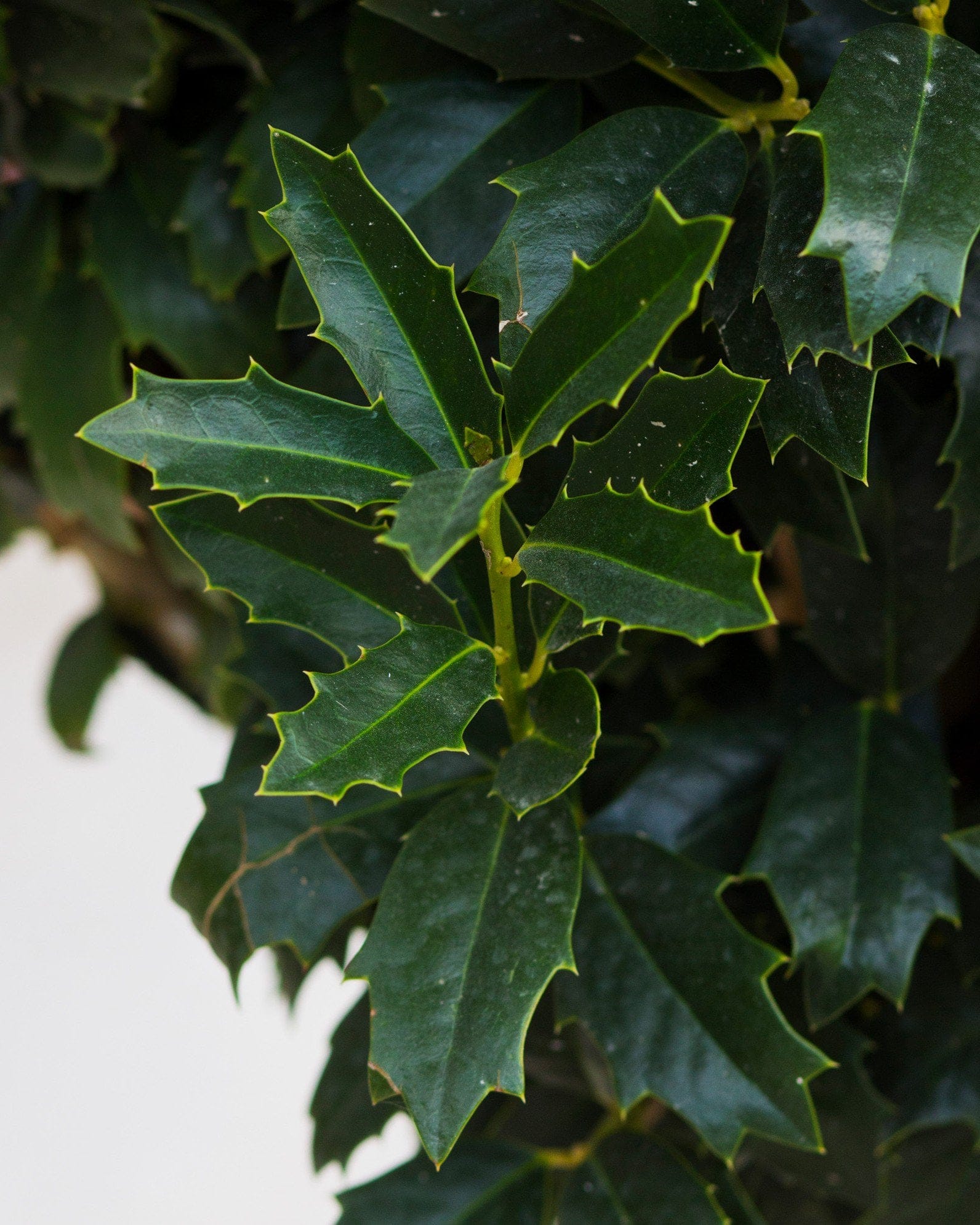
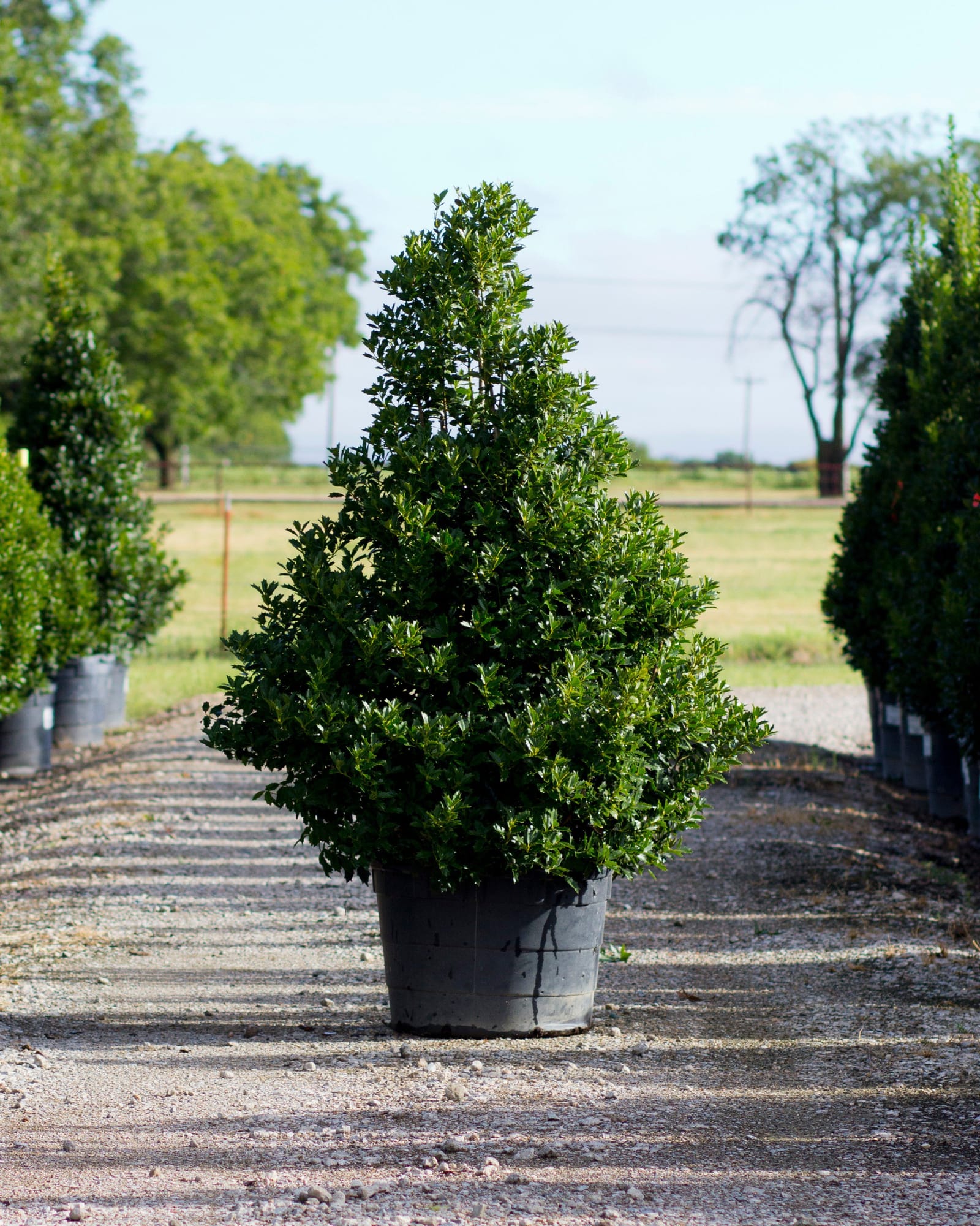
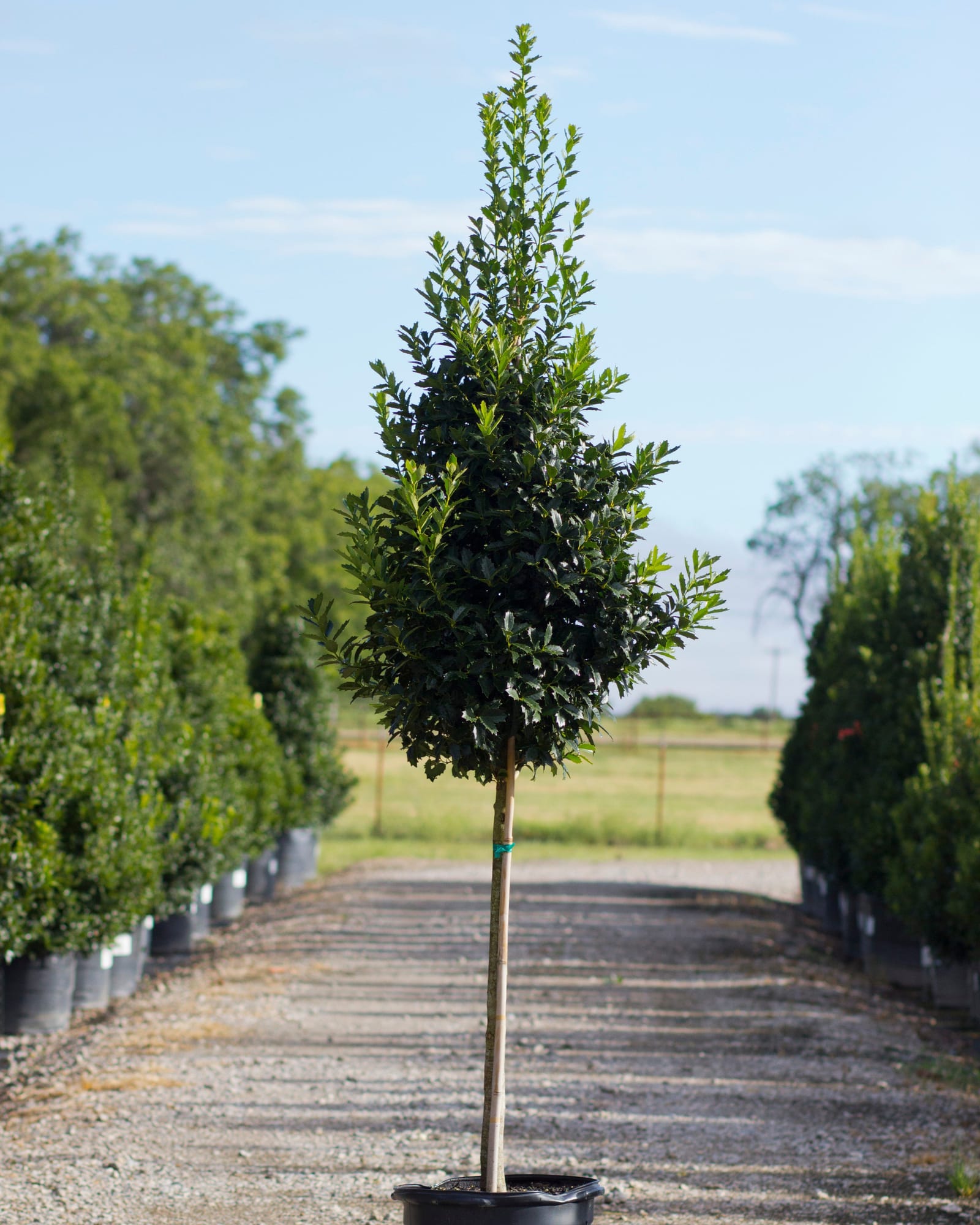
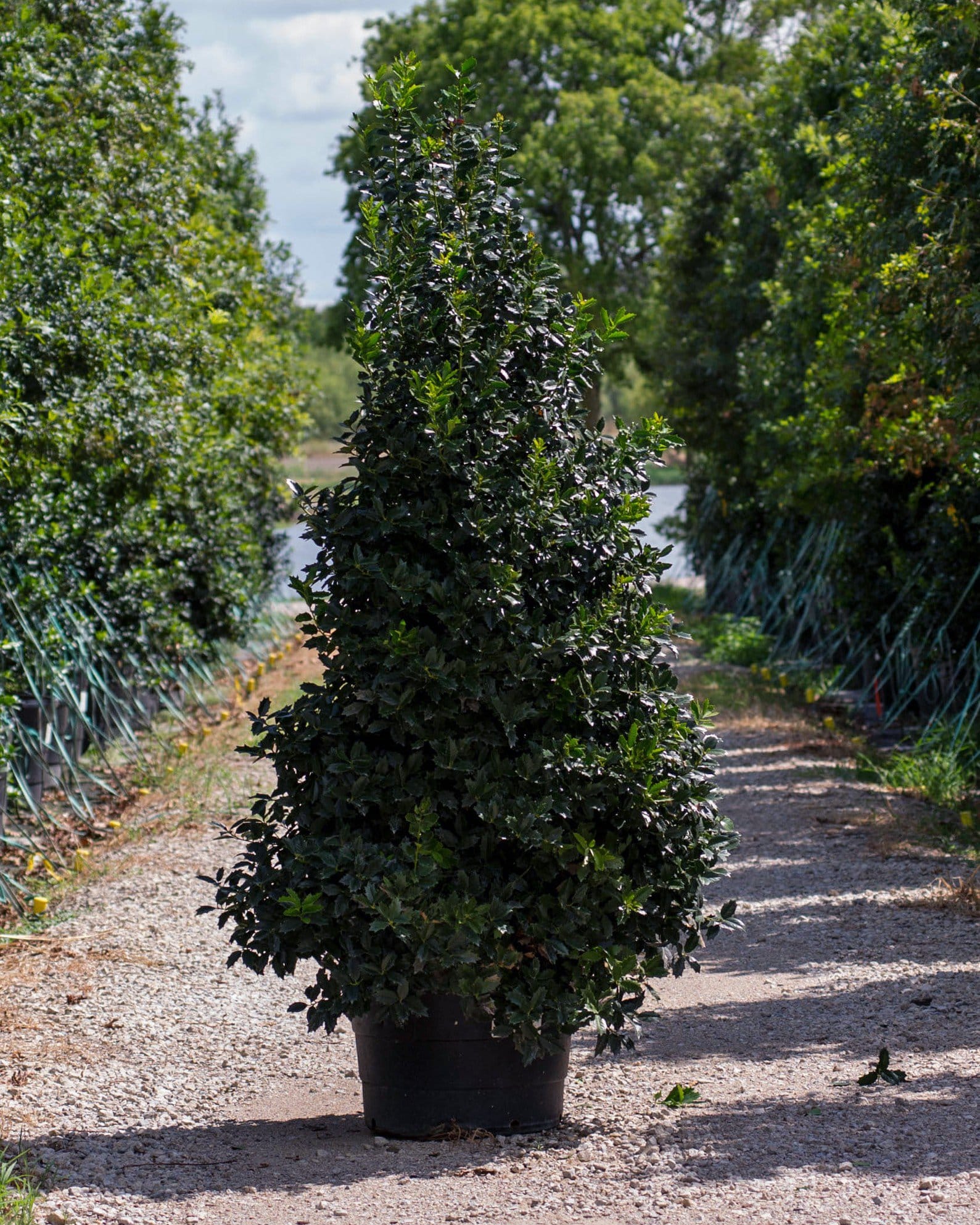
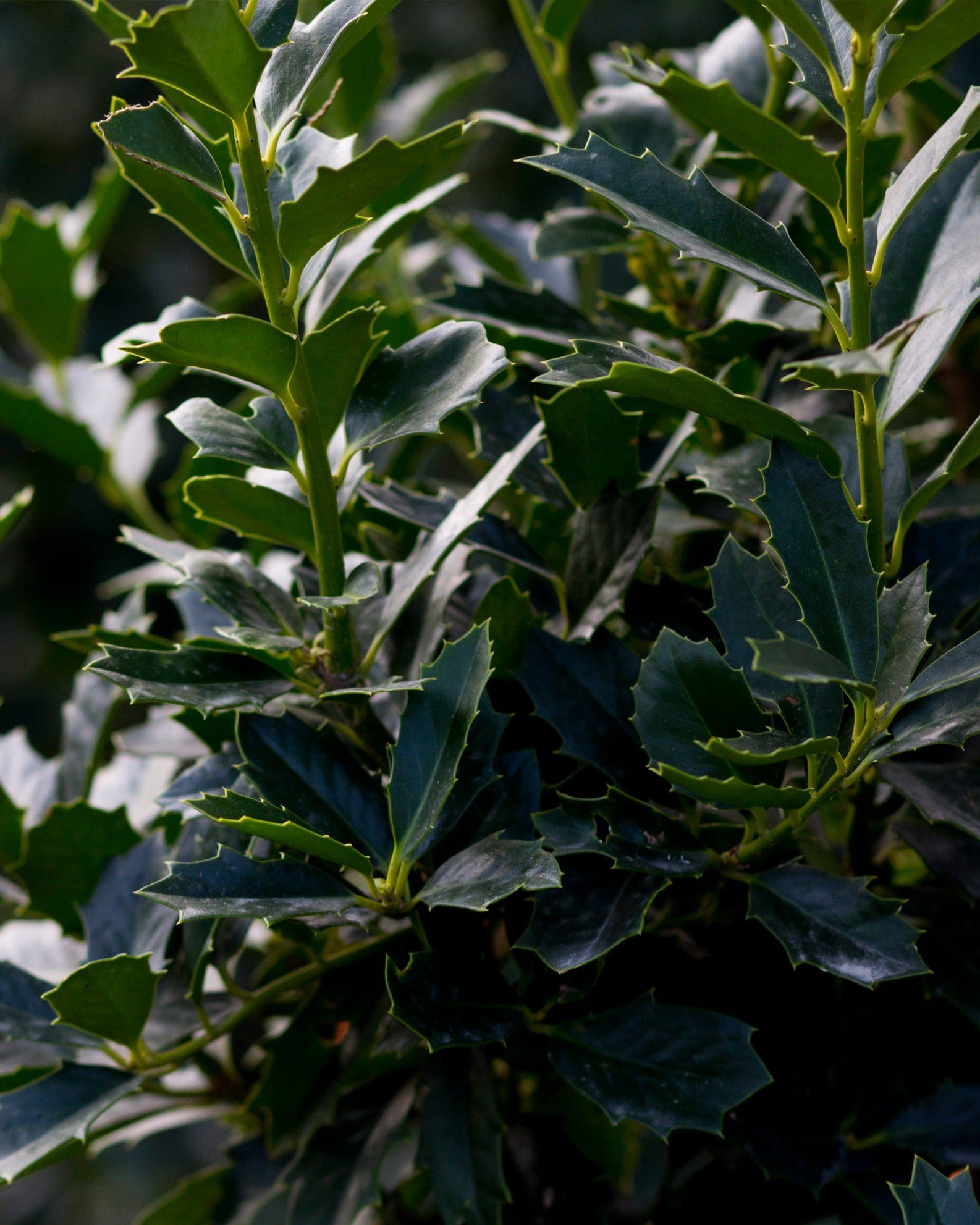
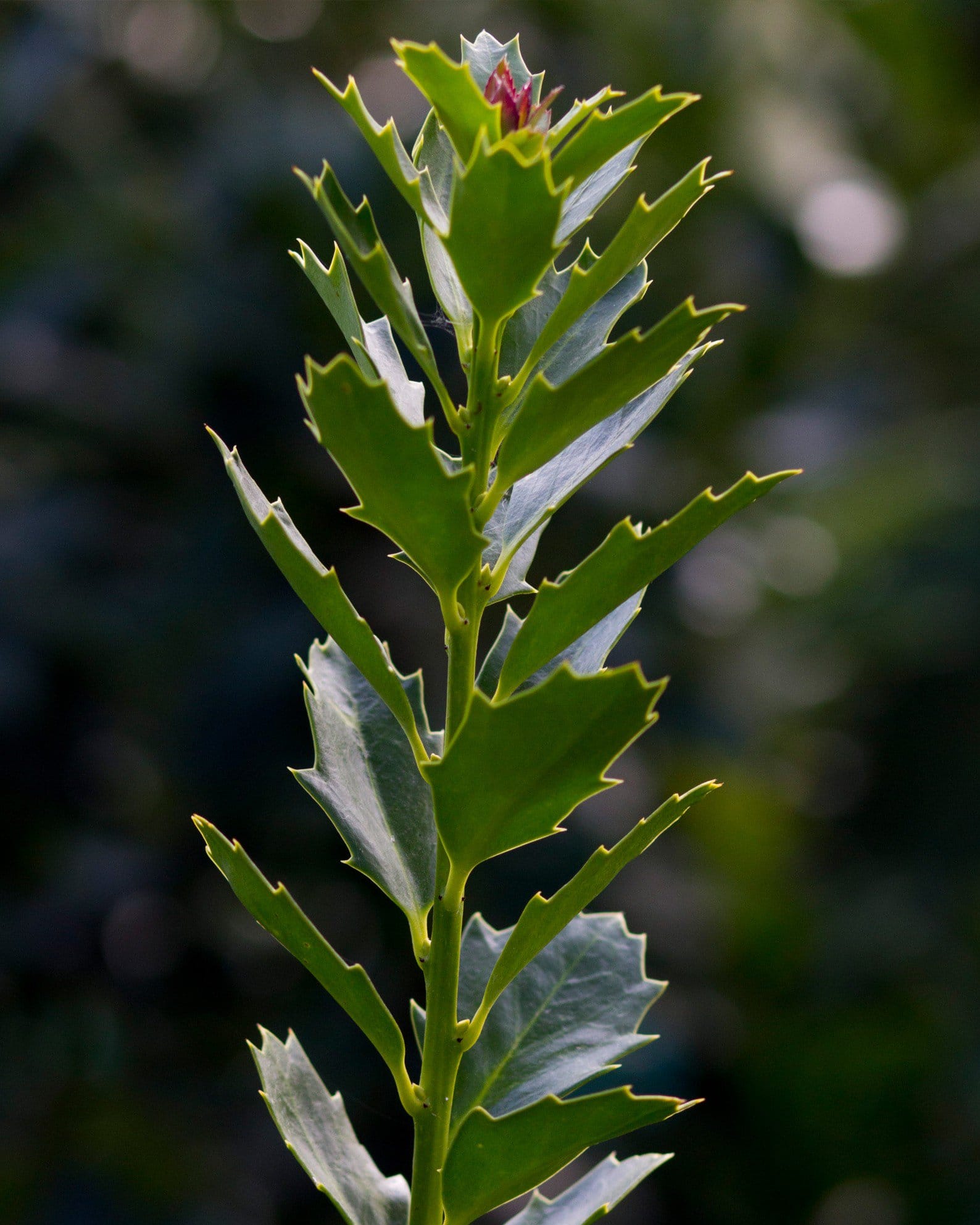
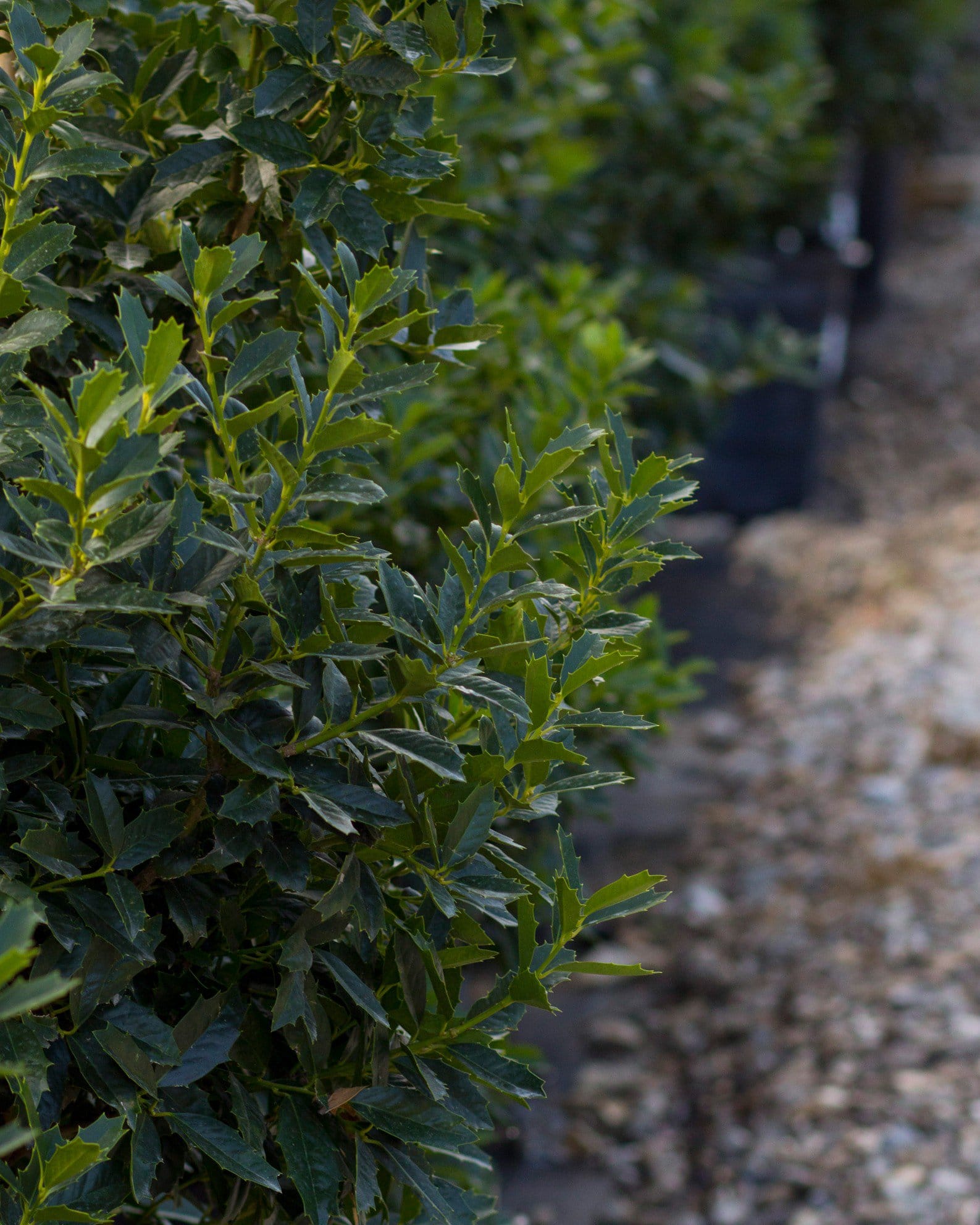
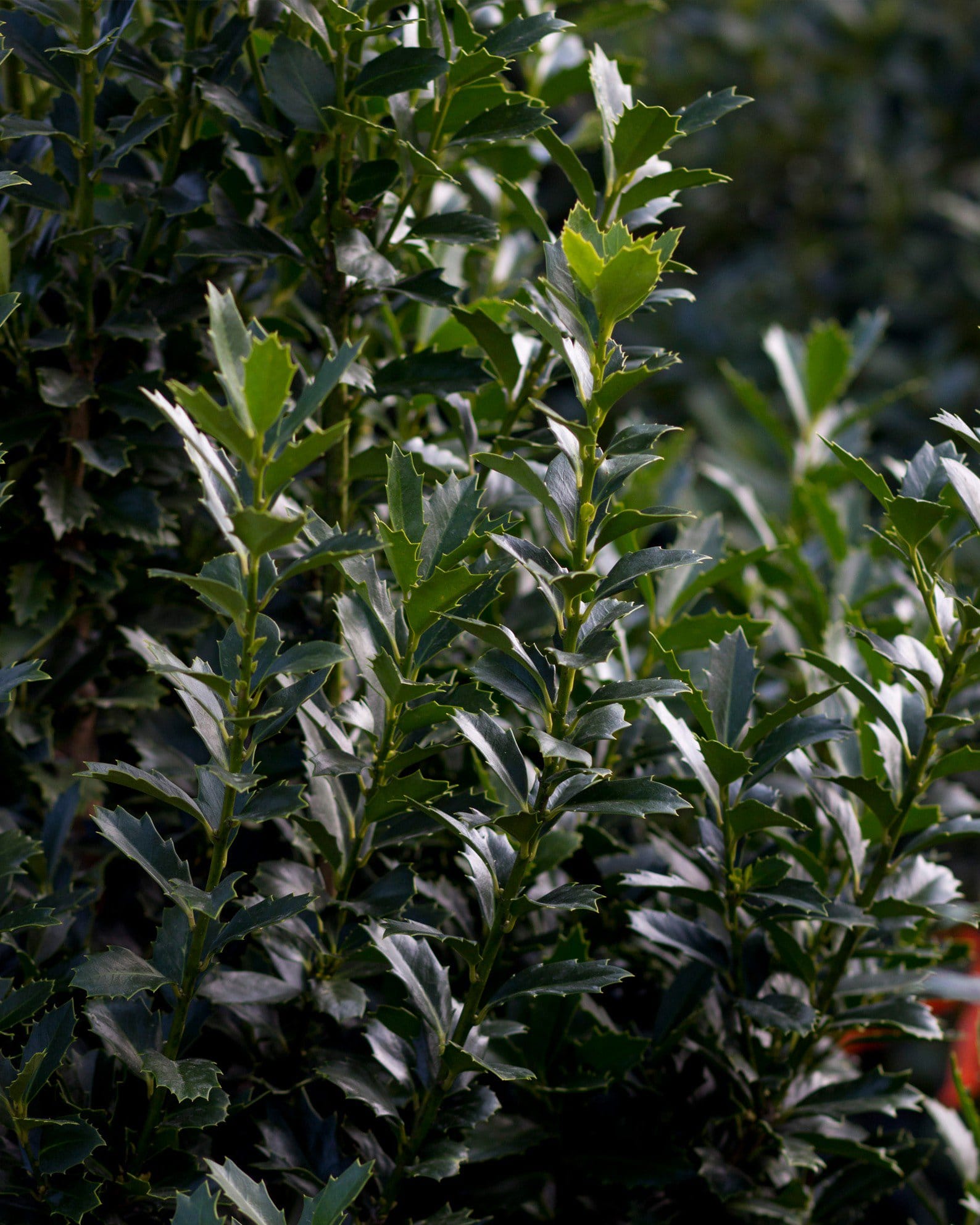
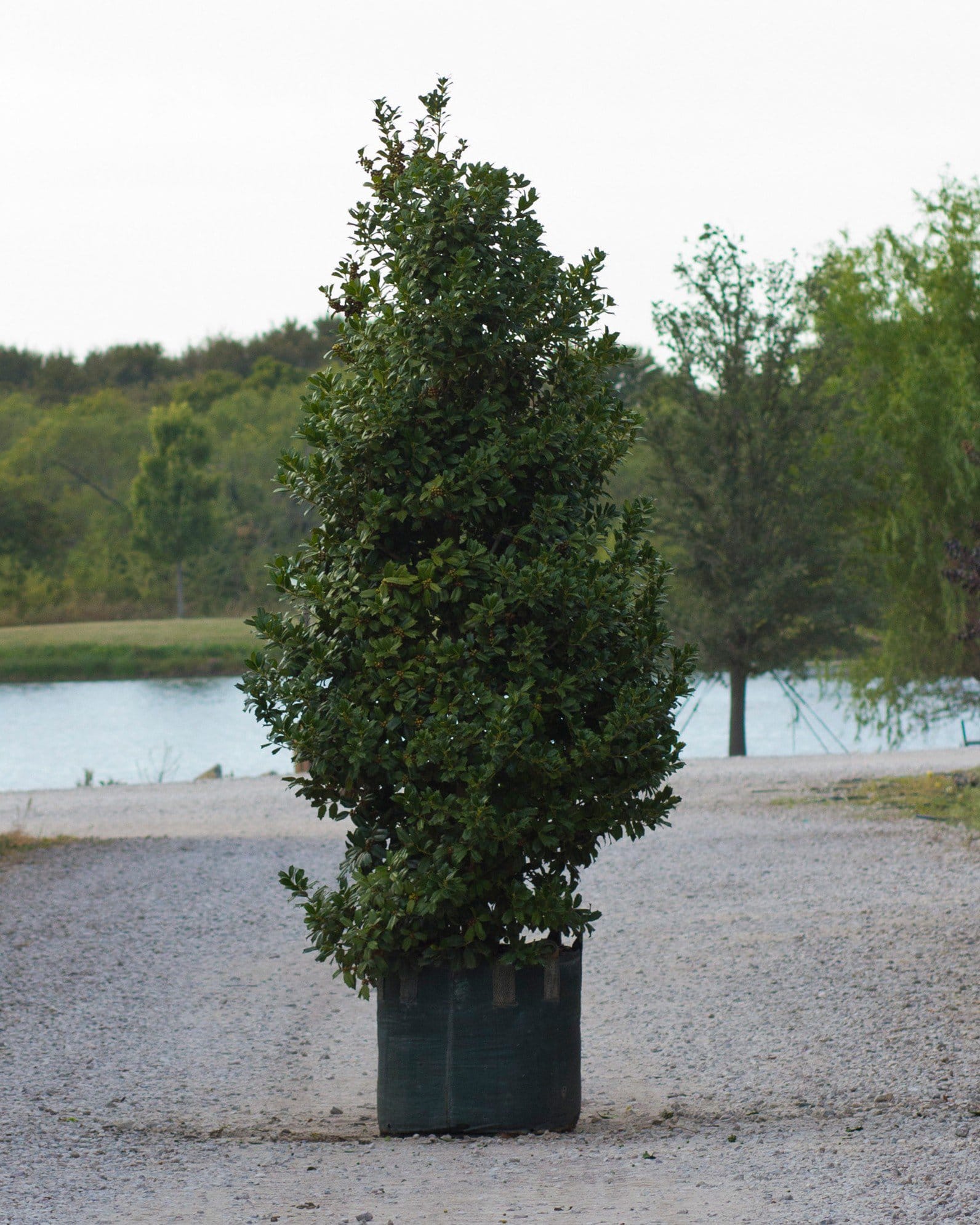
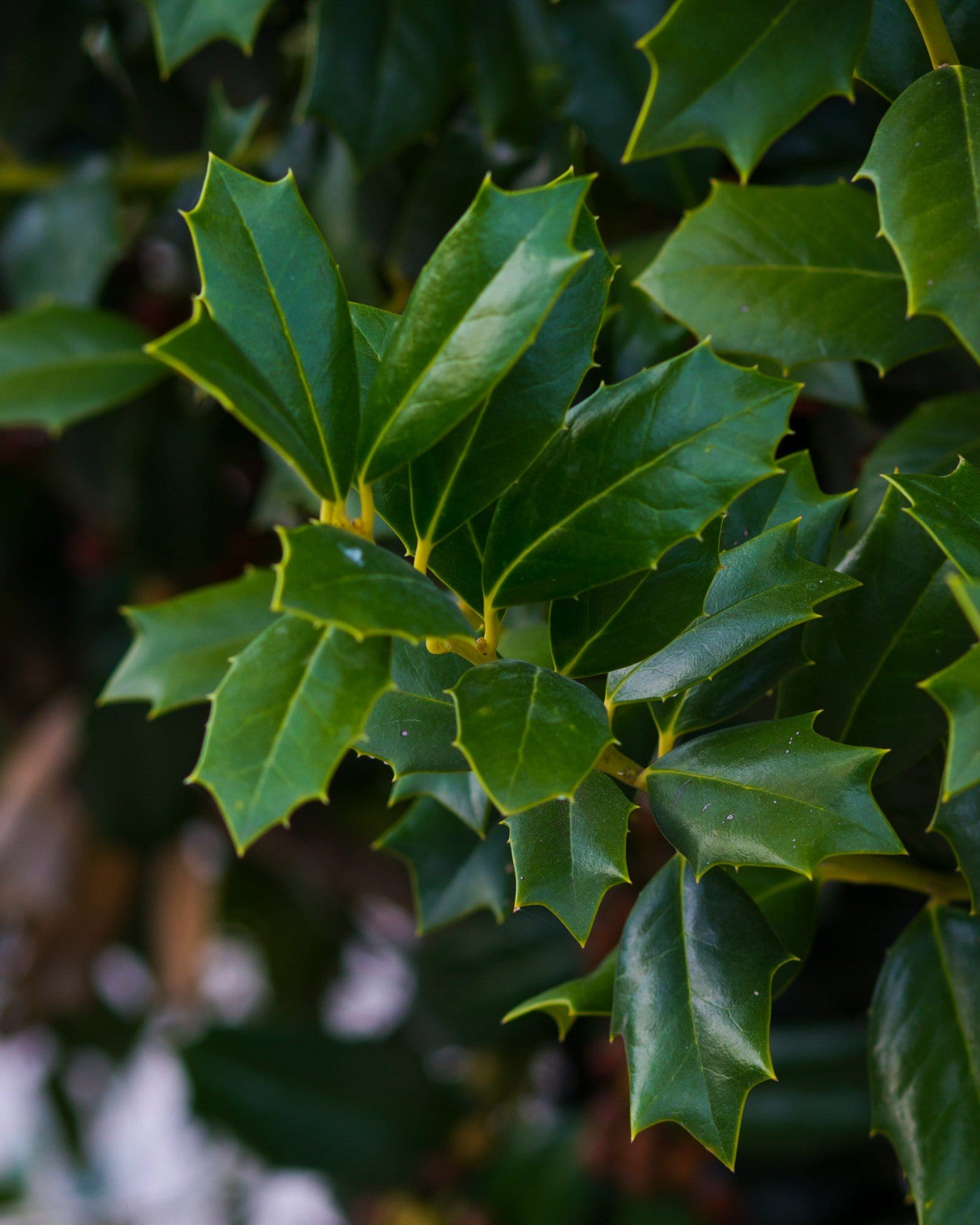
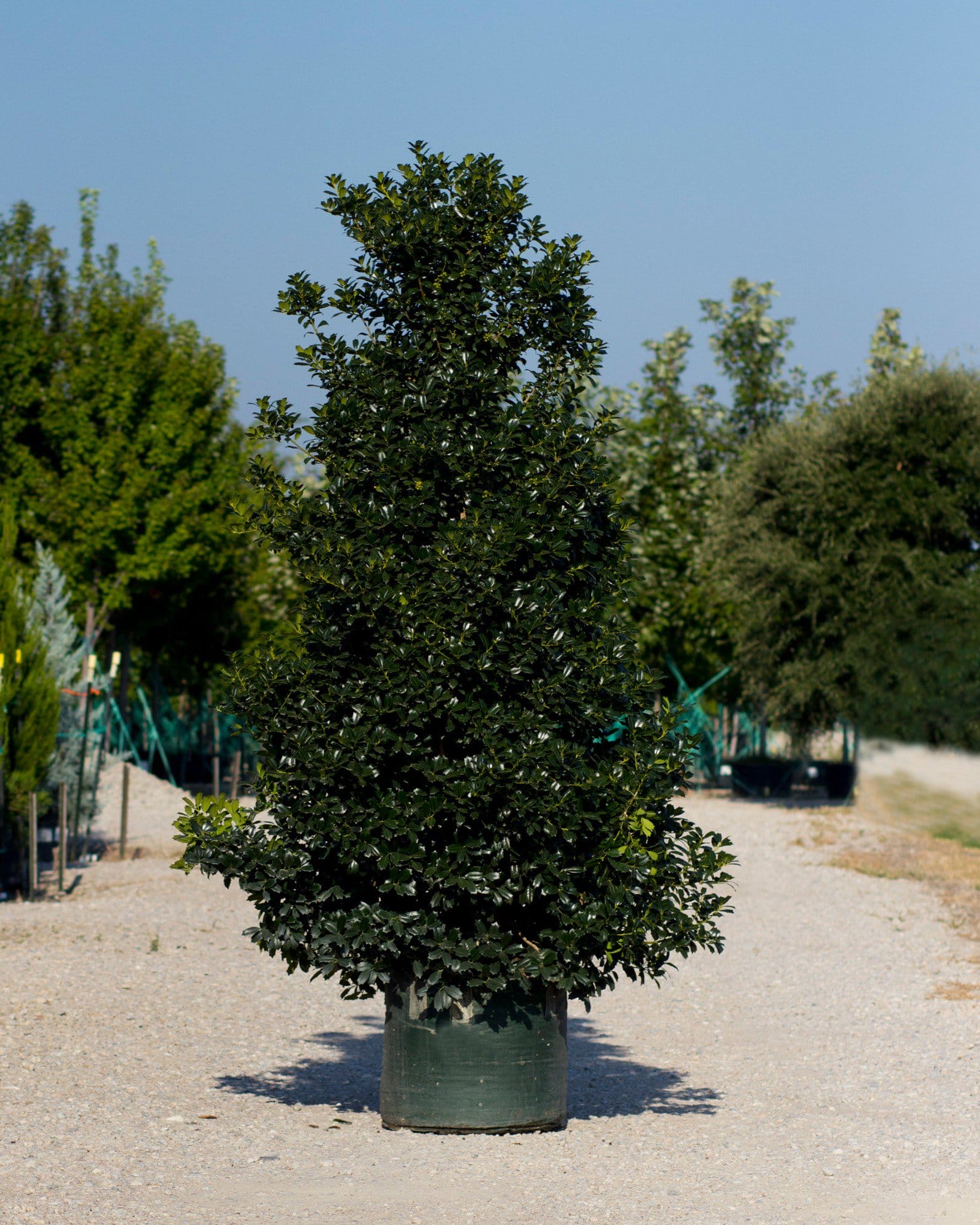
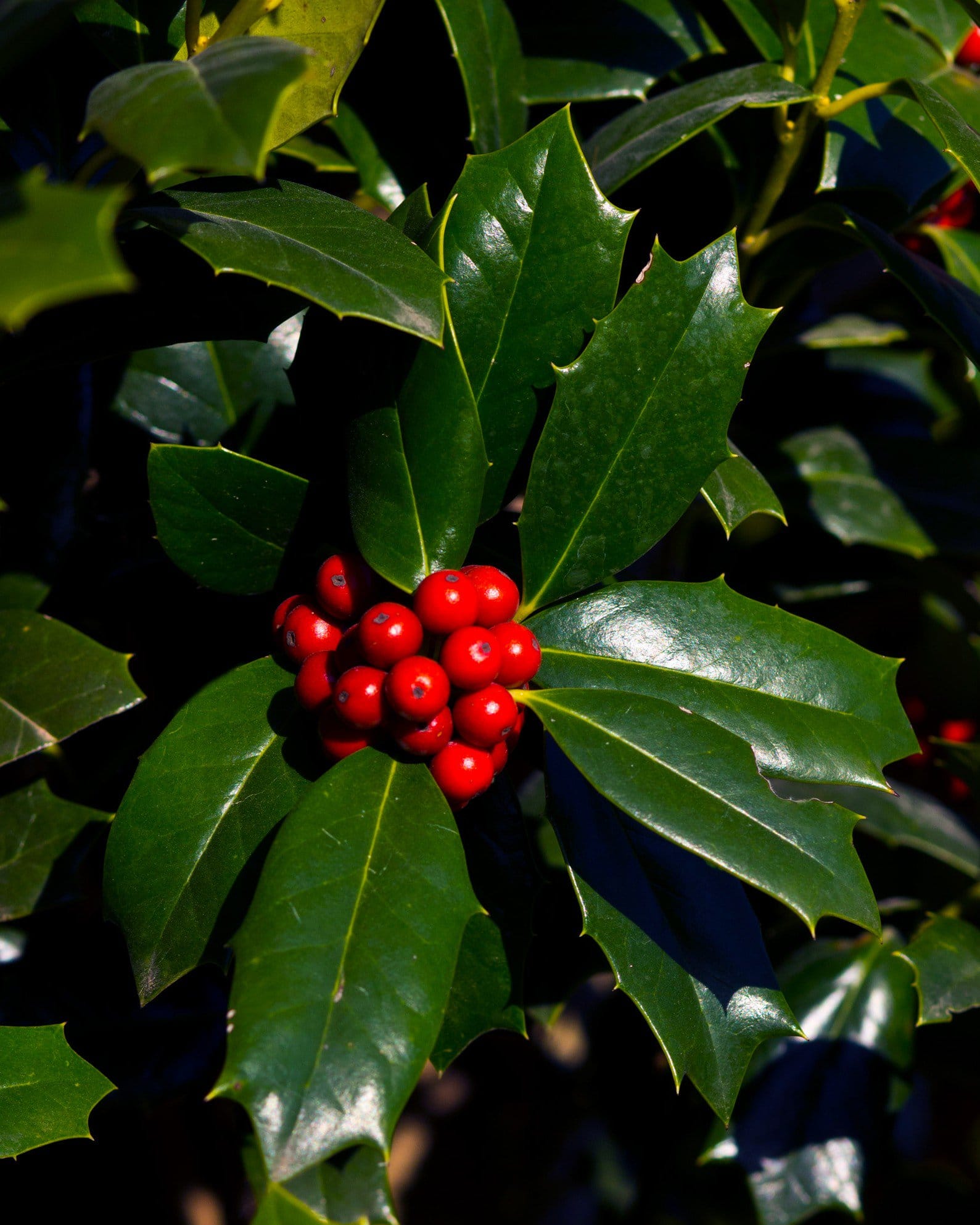
Ilex × attenuata ‘Savannah’Savannah Holly is a classic evergreen holly known for its soft-textured foliage, upright form, and heavy clusters of bright red berries. Unlike many hollies, its spines are minimal and leaves are slightly lighter green, giving the plant a refined, airy look while still offering year-round seasonal color. With a mature height of 20 feet and a spread of 14 feet, the full-to-ground form creates a lush, dense silhouette from base to tip - perfect for screening, borders, or natural fences.
- Upright evergreen holly tree
- Moderate to fast growth rate
- Full-to-ground form for dense coverage
- Bright red berries provide winter interest
- Excellent for accents
Savannah Holly performs best in full sun to partial shade and thrives in well-drained soils. Drought-tolerant once established and hardy in USDA zones 6 through 9, it’s a reliable, no-fuss choice that blends beauty and function effortlessly in Texas landscapes.
With proper care, Savannah Holly remains vigorous, tidy, and consistently ornamental year-round. Here’s all it needs to thrive in Texas landscapes:
- Watering: Water well during the first year to establish a deep, healthy root system. Once established, Savannah Holly develops moderate drought tolerance but still prefers occasional deep watering during extended dry periods, especially in summer when heat stress can impact berry production.
- Pruning: Savannah Holly typically requires very little pruning, especially when grown full to ground for its natural shape. Light pruning in late winter or early spring can remove crossed, damaged, or overly long branches. Avoid heavy or aggressive cuts, which can disrupt its balanced form and reduce the upcoming berry crop. If shaping is desired, make small, selective cuts rather than shearing.
- Fertilizing: Feed in early spring with a balanced, slow-release fertilizer formulated for acid-loving broadleaf evergreens. If growth seems slow or foliage is pale, a light midsummer feeding can help. Avoid excessive nitrogen, which may promote leaf growth at the expense of fruit production.
- Mulching: Apply 2-3 inches of mulch around the base to conserve moisture, suppress weeds, and regulate soil temperature. Keep mulch slightly away from the trunk to prevent rot or pest issues. Annual replenishing is helpful, especially during hot summers.
- Winter Care: Savannah Holly is generally hardy and maintains vibrant foliage year-round. Young plants benefit from winter mulch over the root zone during their first season or two. In areas with heavy ice or snow, gently shake or brush off buildup to prevent branch stress.
- Leaf Yellowing: Often caused by alkaline soil or nutrient deficiency. Applying an acidifying fertilizer or iron supplement typically restores healthy leaf color.
- Scale Insects: Appear as small raised bumps on leaves or stems. Treat with horticultural oil during dormancy or insecticidal soap during the growing season.
- Spider Mites: Can appear during hot, dry weather. A strong spray of water or a neem-oil application helps control them.
- Root Rot: Caused by waterlogged soil. Ensure the planting area has proper drainage and avoid overwatering.
- Berry Drop: Sometimes occurs due to extreme heat, drought, or lack of pollination. Regular watering and proper placement usually prevent this.
It typically grows 15-25 feet tall and 8-12 feet wide, forming a full, dense pyramid that maintains foliage all the way to the ground for excellent screening and year-round structure.
Savannah Holly grows at a moderate rate, often adding 1-2 feet of growth per year once established. Growth speed increases with proper watering and fertilizing during the first few years.
Yes - when a male pollinator holly is nearby, female Savannah Holly plants produce abundant bright red berries each winter. Adequate sun and moisture also support heavy fruiting.
Yes. Its prickly, glossy foliage makes it unappealing to deer, making it reliable in areas with wildlife browsing.
Yes, though it performs best in full sun. Partial shade is tolerated, but berry production and foliage density may decrease slightly.
Absolutely. Its naturally dense, bottom-to-ground foliage makes Savannah Holly one of the best evergreen hollies for screening, windbreaks, and property line borders.
Water deeply every 10-14 days during hot or dry spells. Regular moisture supports healthier foliage and more plentiful berries.
It can be grown in large containers for several years, though it prefers being planted in the ground long-term due to its eventual size and root spread.
Yes - Savannah Holly has strong branching and flexible wood, making it generally resilient in windy locations. However, newly planted shrubs may need staking during their first year if exposed.
Yes. Although Savannah Holly is female, it requires a male holly such as ‘Nellie R. Stevens’ or ‘Oakland’ nearby to ensure consistent berry production. One male can pollinate several females.
Special Features
You might also like
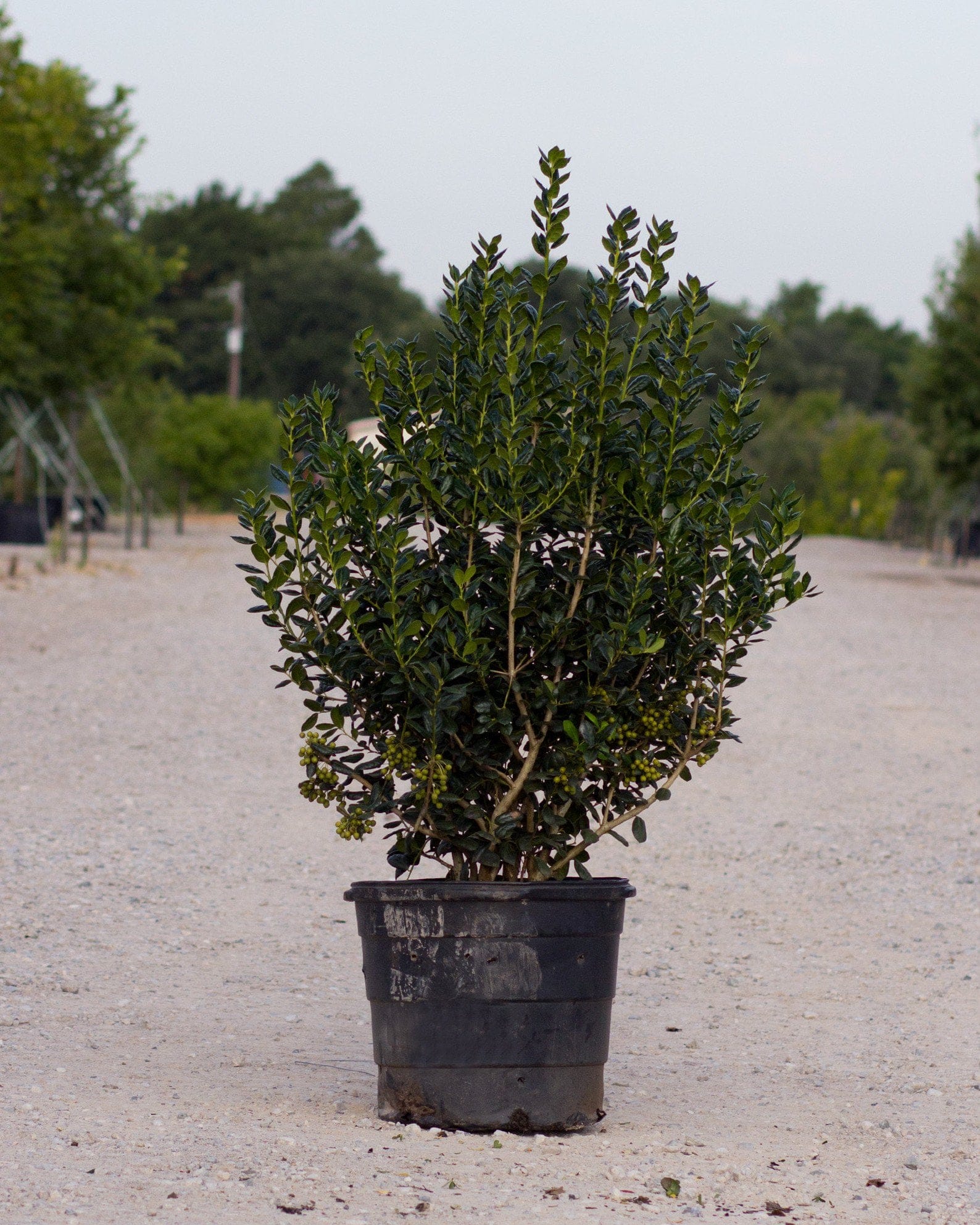
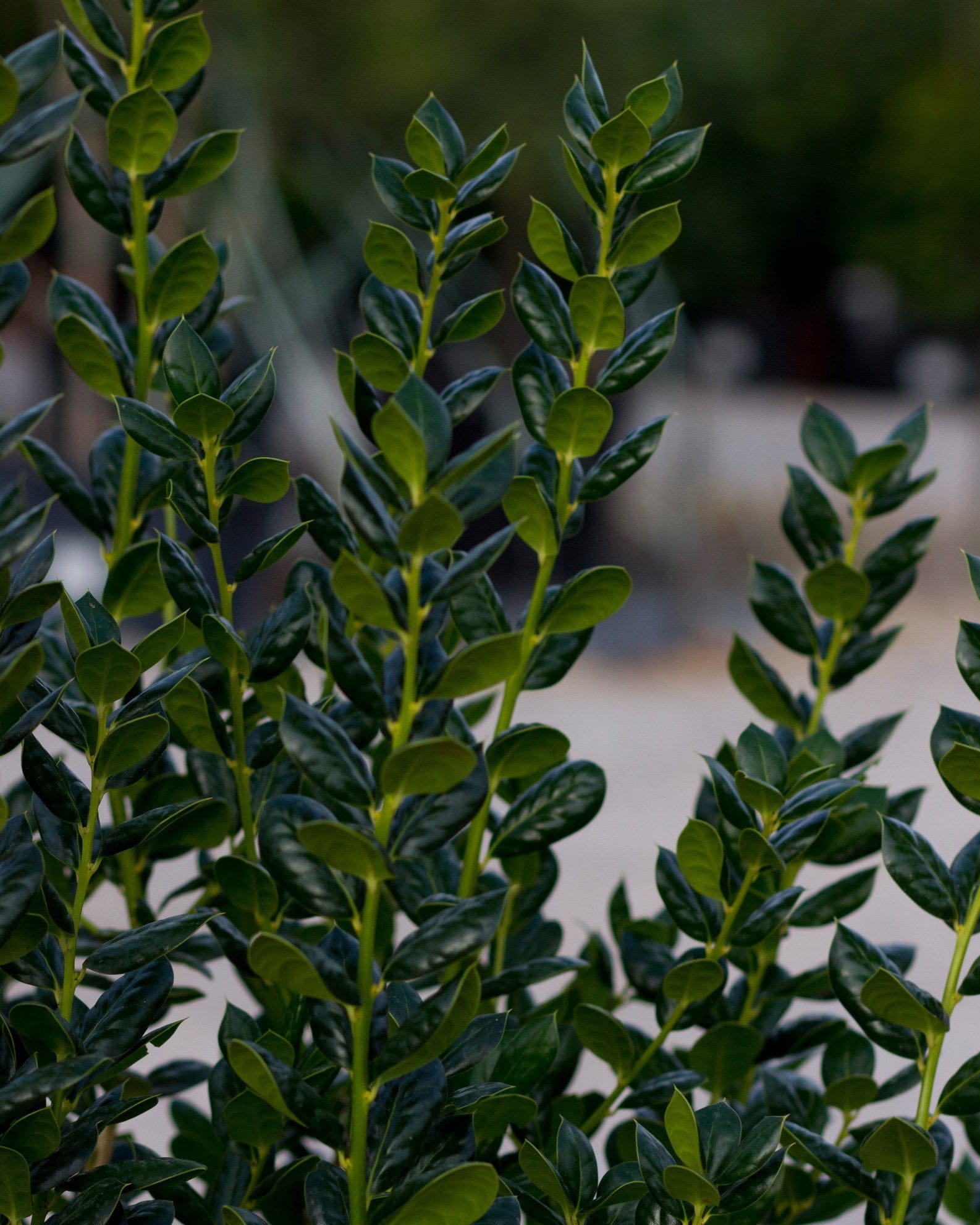
Compare Similar Plants
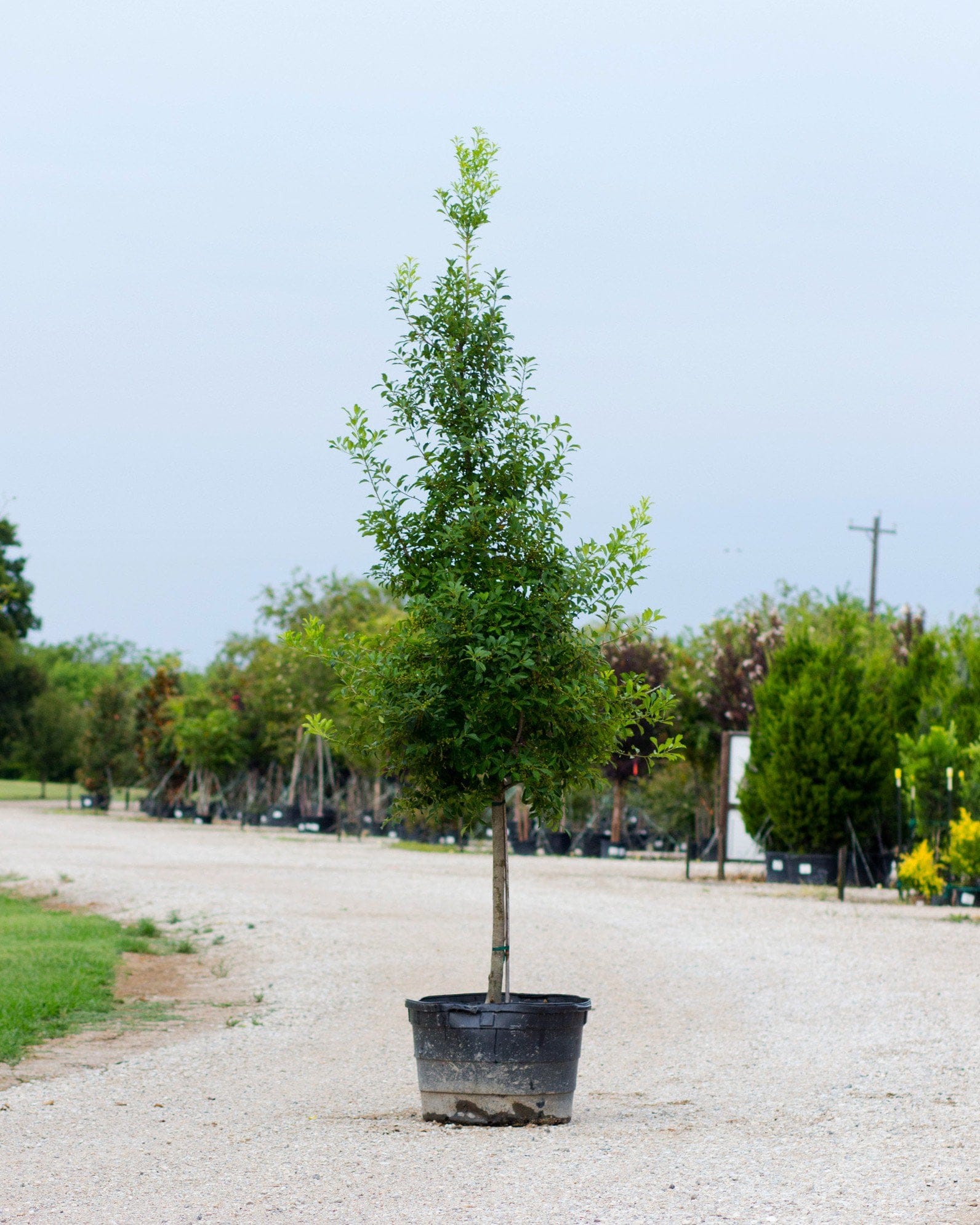
Savannah Holly Full to Ground This plant | ||
|---|---|---|
| Scientific Name | Ilex × attenuata ‘Savannah’ | Ilex × attenuata ‘Savannah’ |
| Size at Maturity | 20' H x 14' W | 20' H x 14' W |
| Leaf Retention | Evergreen | Evergreen |
| Sizes Available | 15, 30 gal | 15, 30, 45 gal |


Our 1-Year Planting Guarantee
We take pride in our plants and installation services. If any plants or trees installed by Treeland fail to thrive within the first year, we'll provide a replacement credit in accordance with our guarantee program.
Learn More About Our Guarantee