
Robin Holly
Ilex x 'Conin'Local DFW Delivery Only
Product Details
Robin Holly
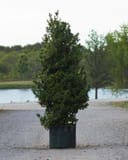
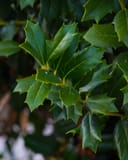
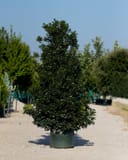
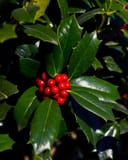
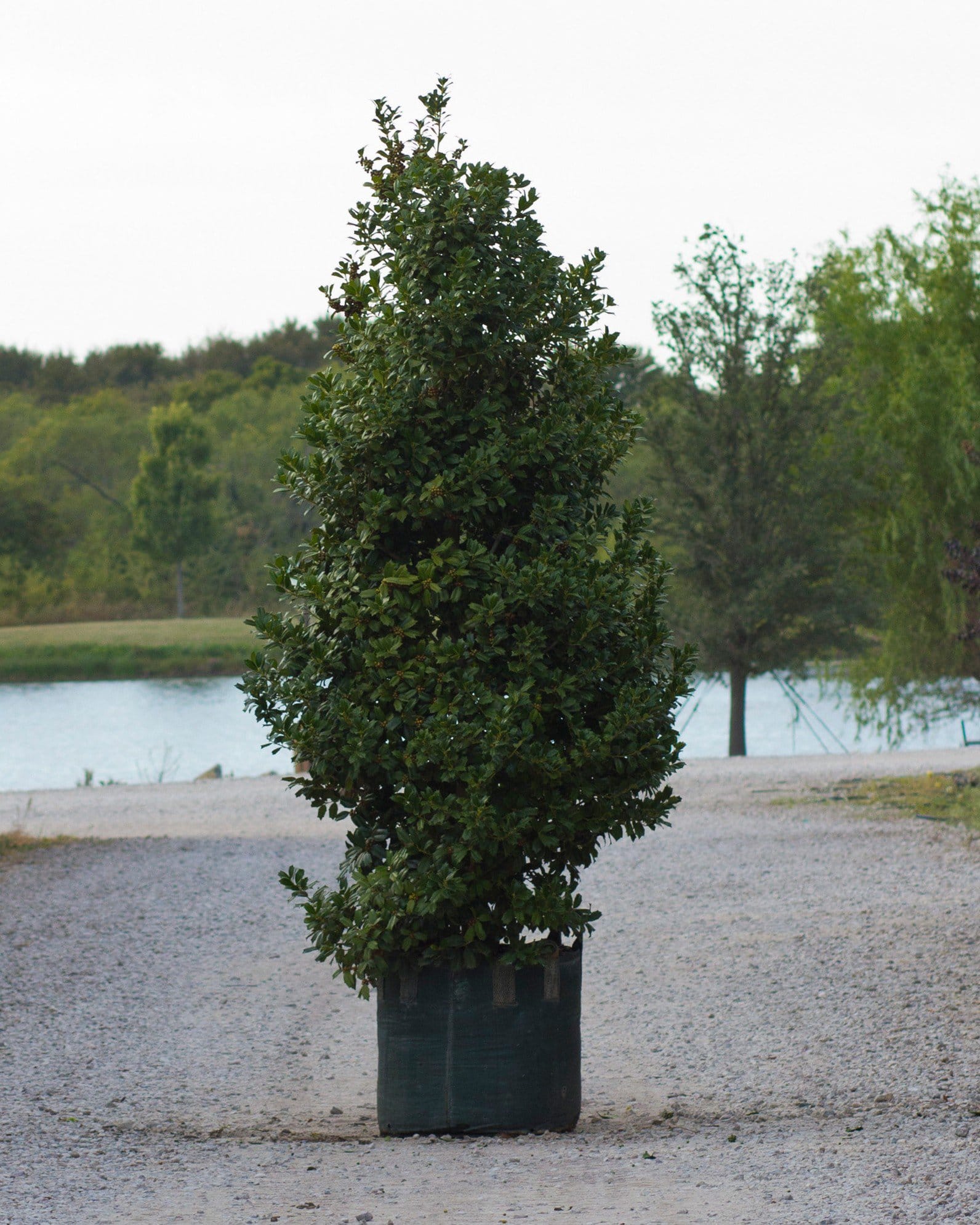
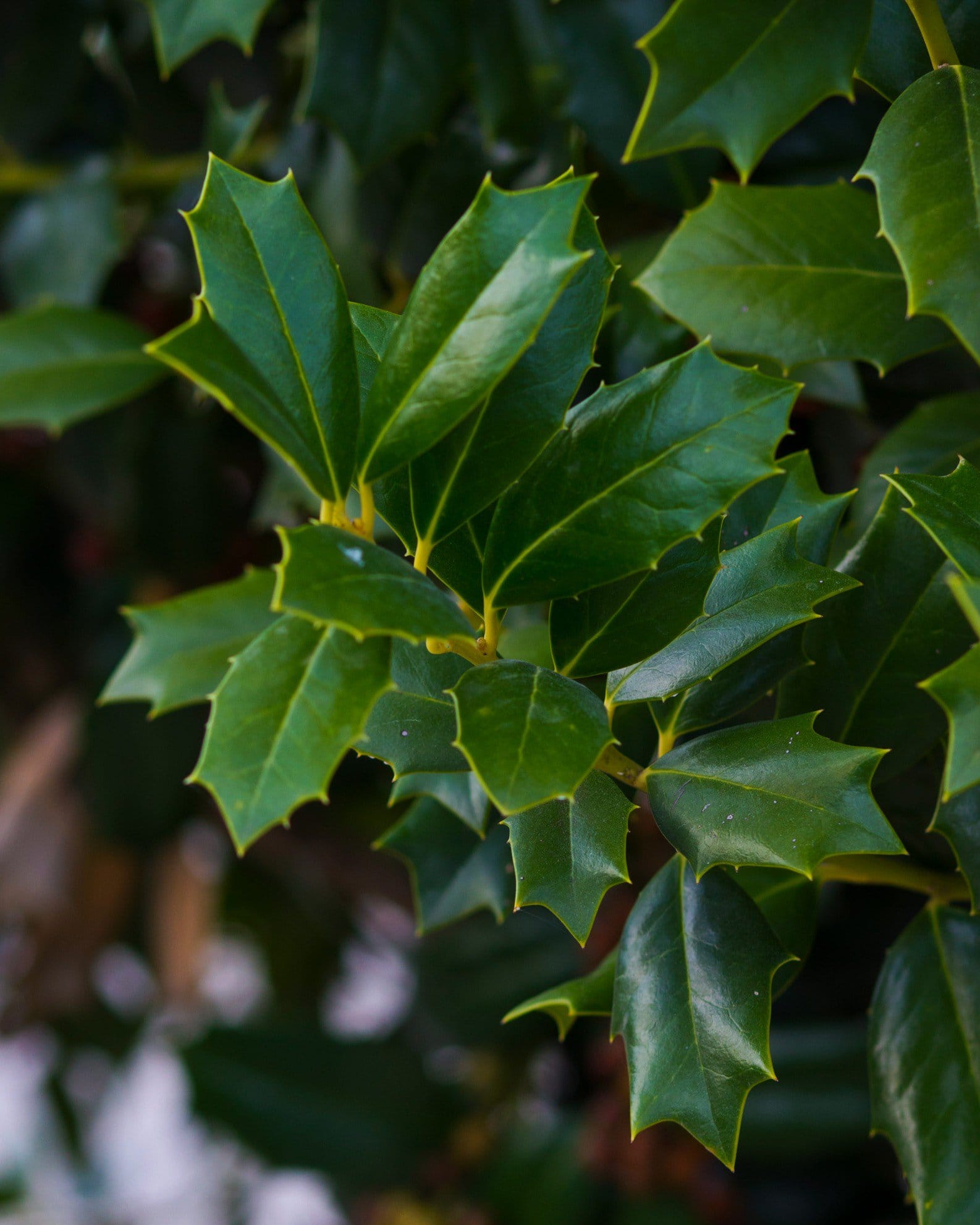
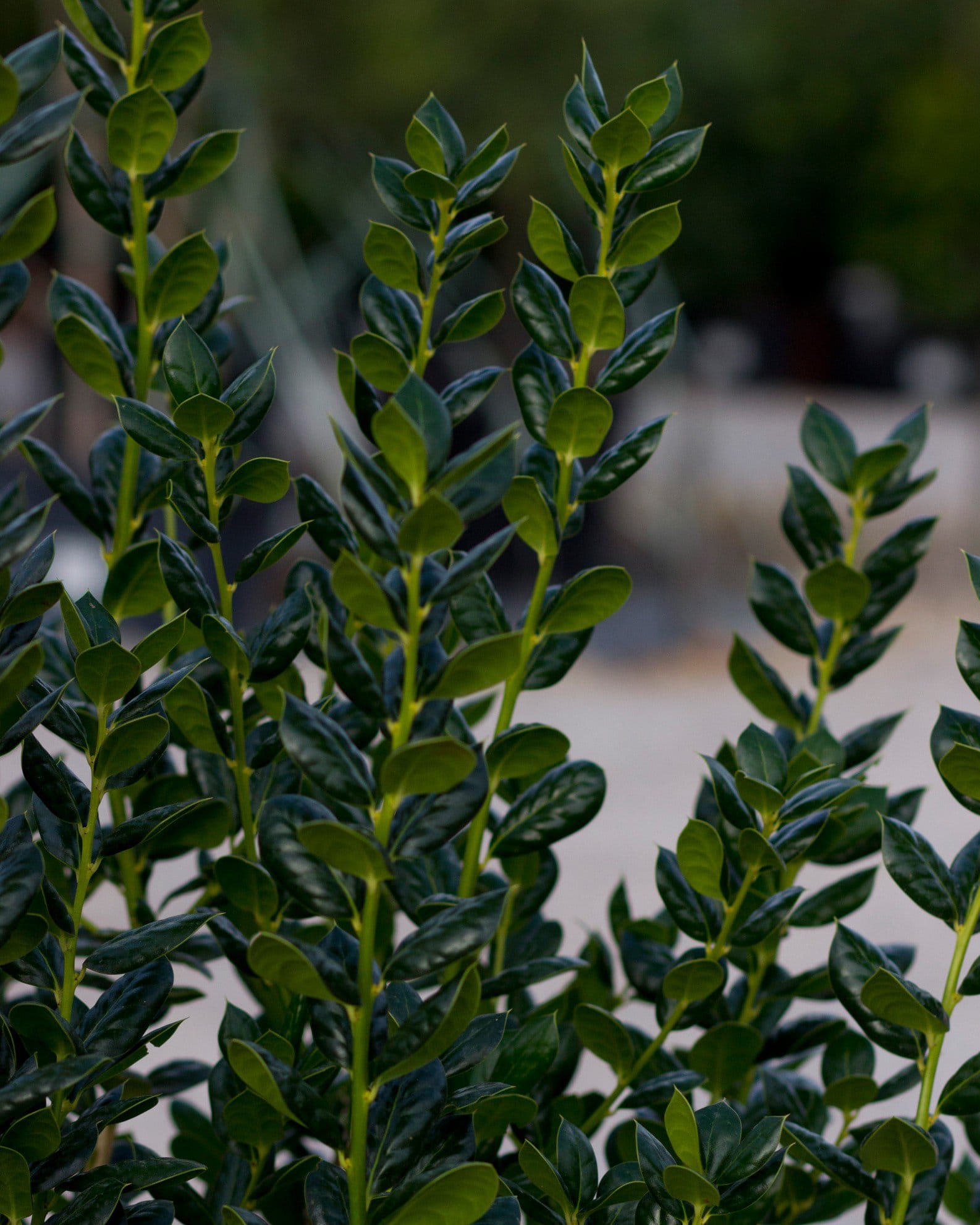
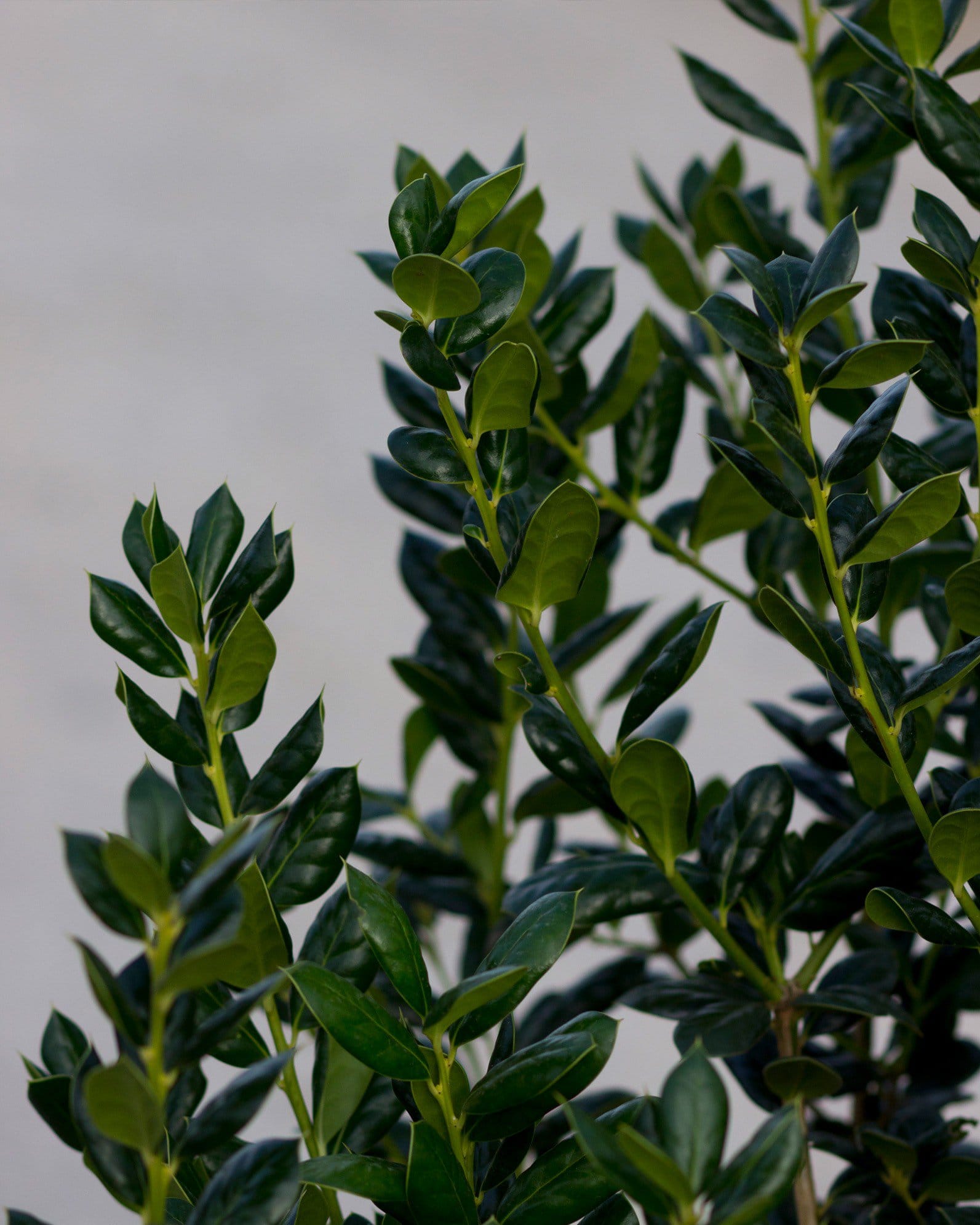
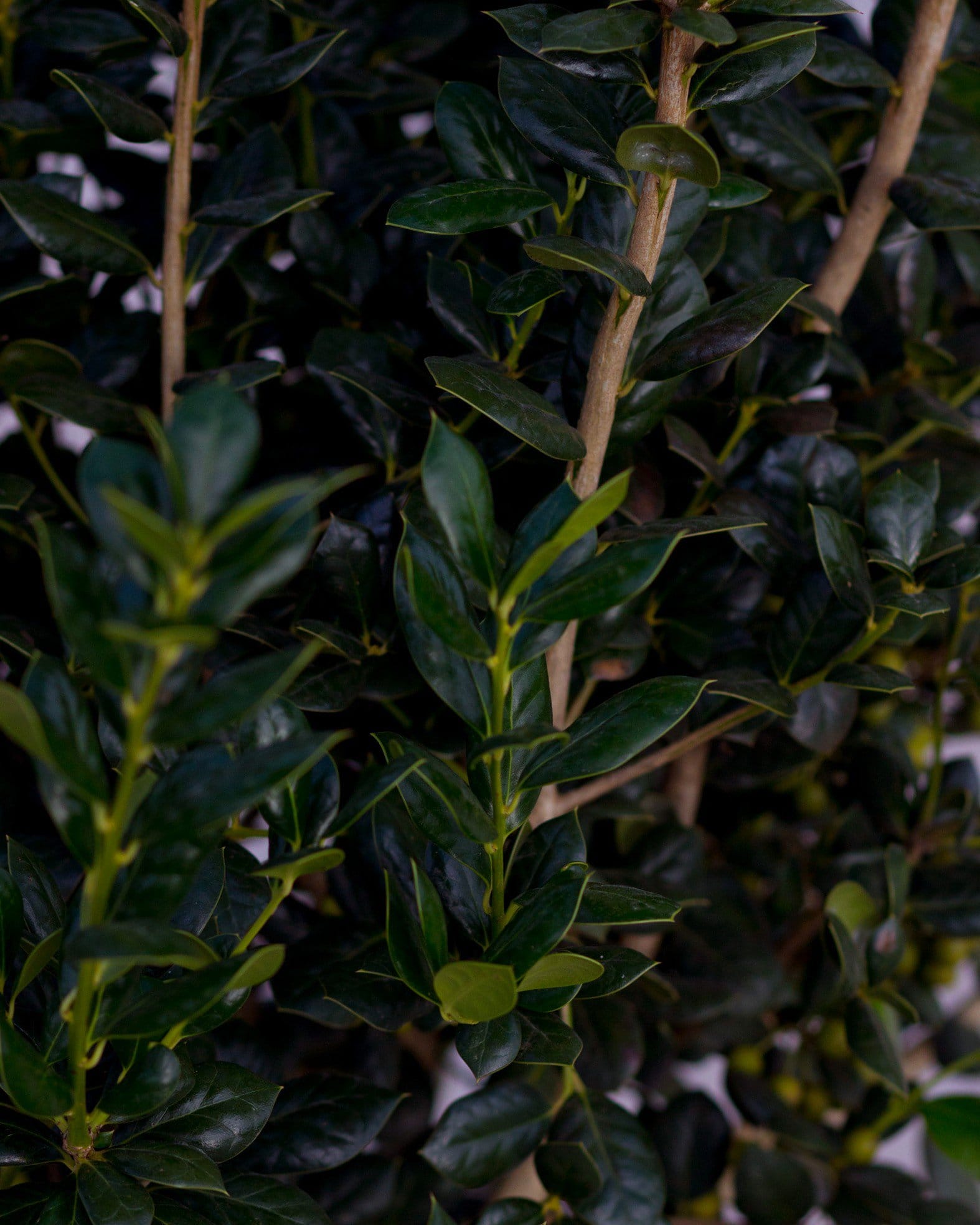
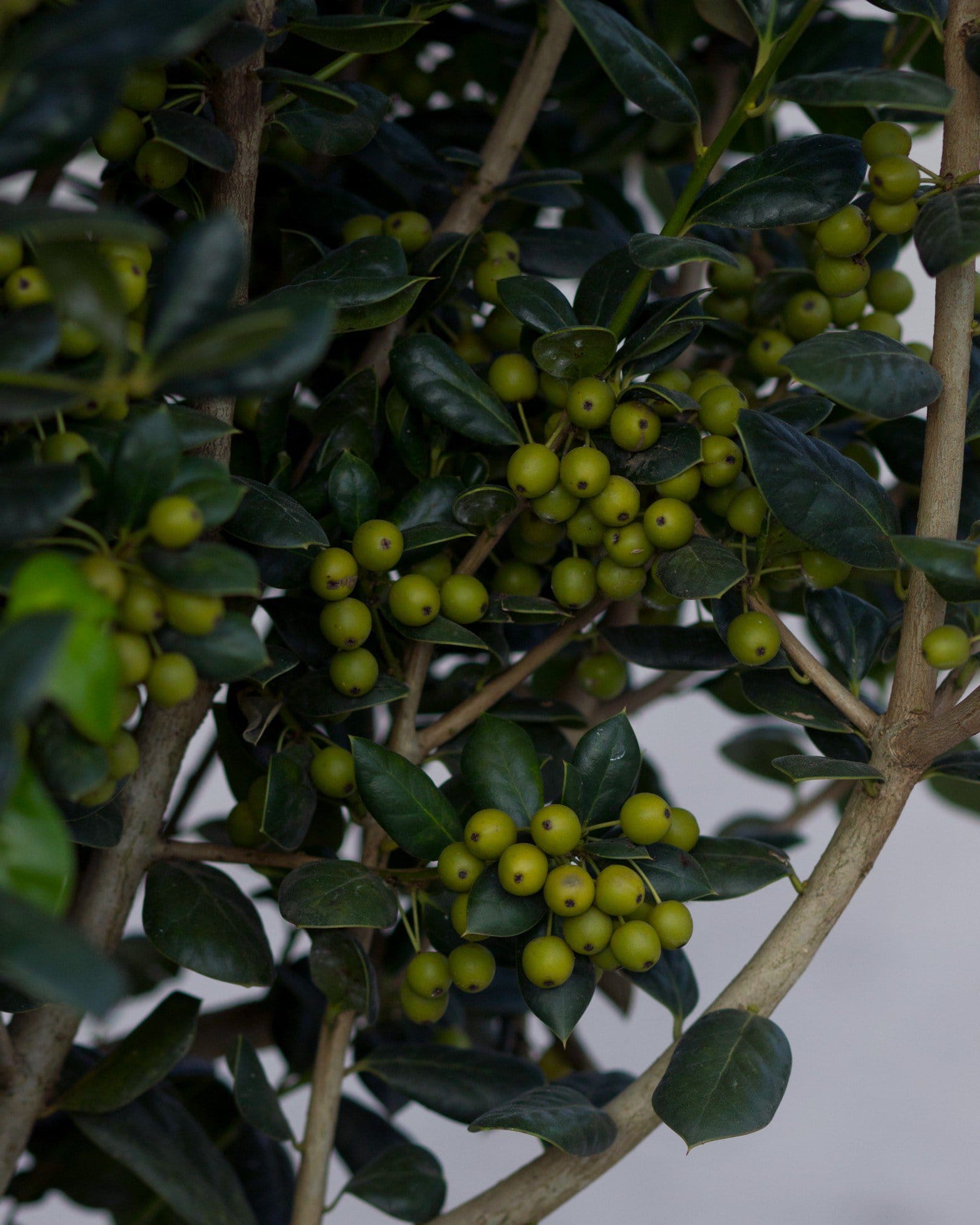
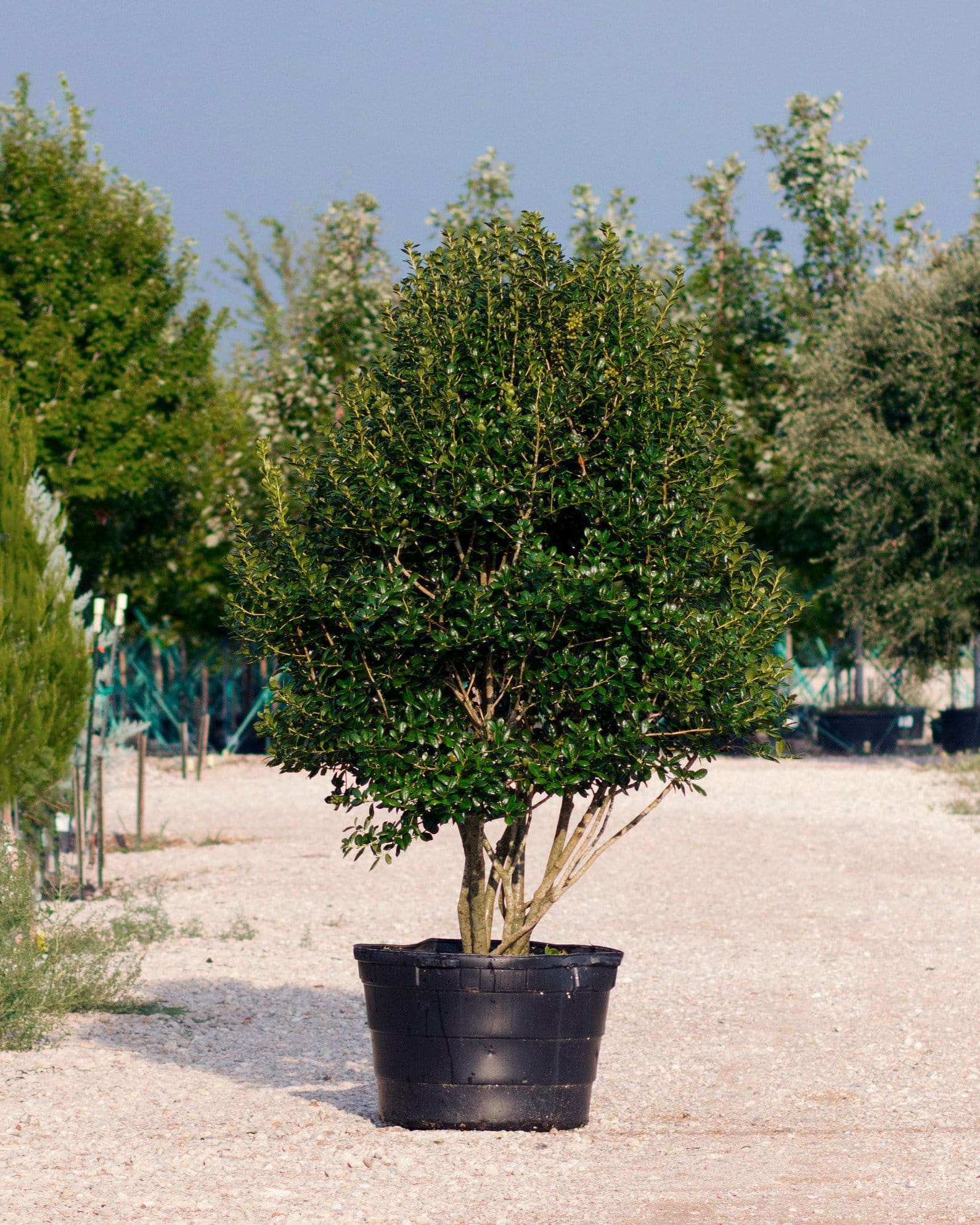
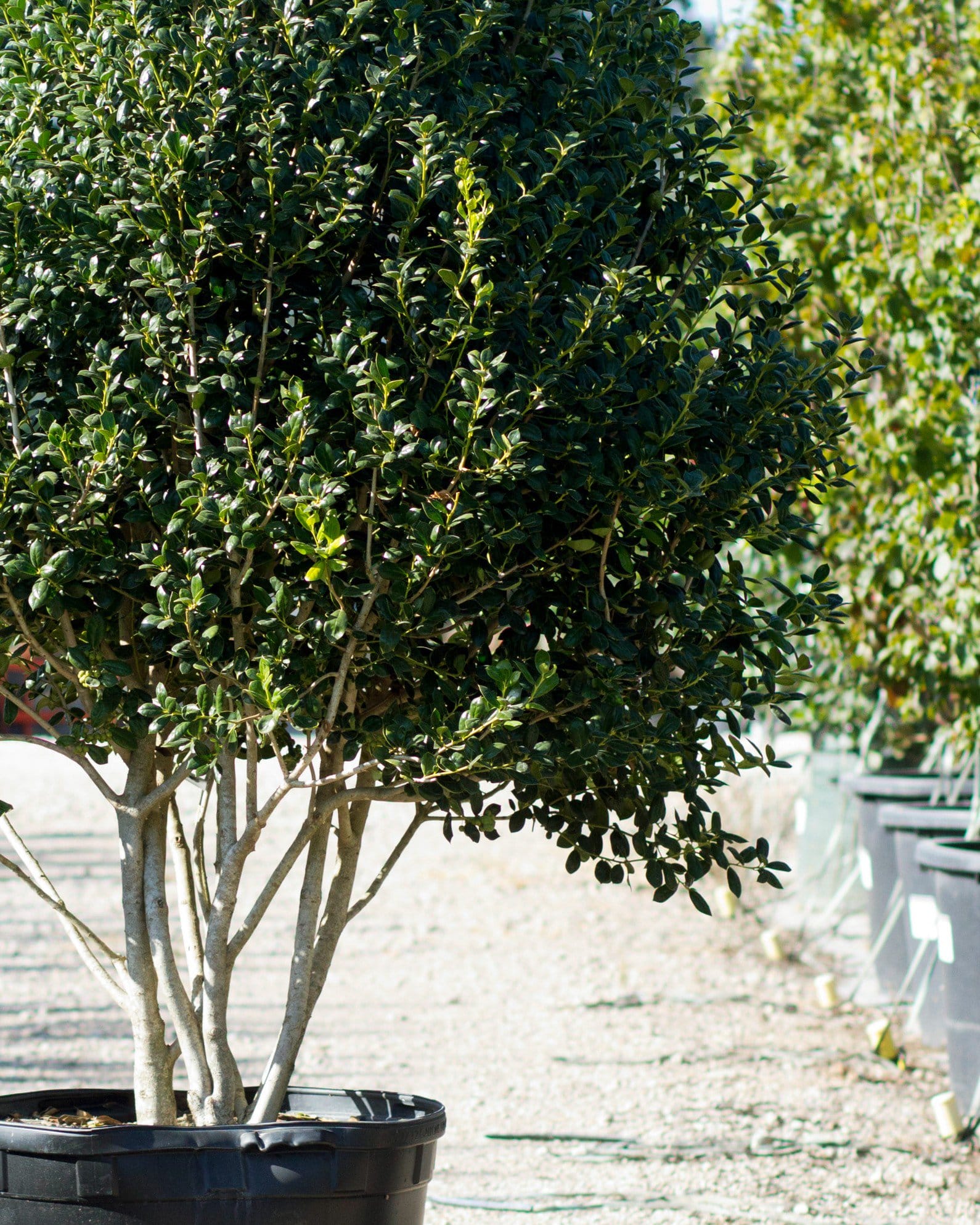
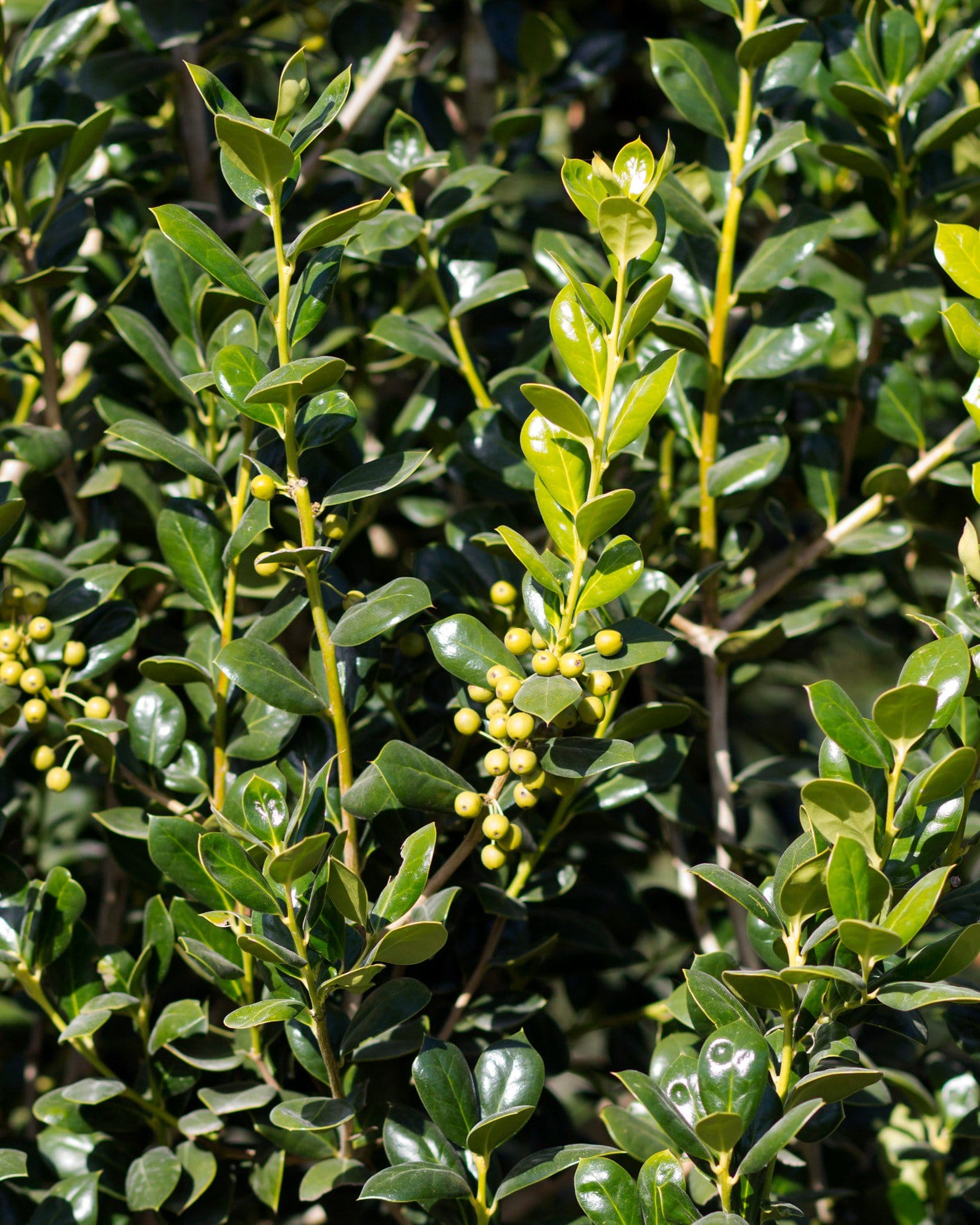
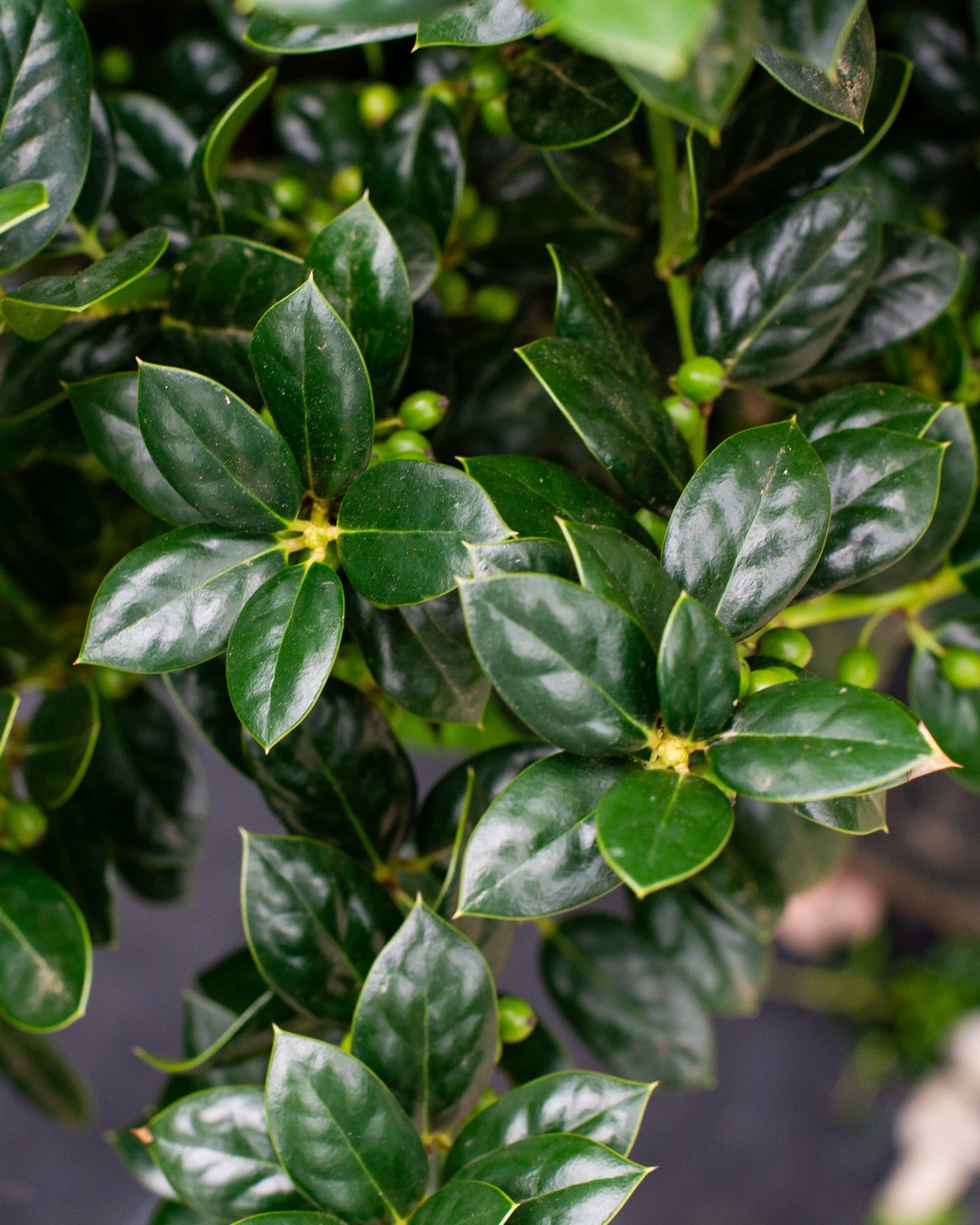
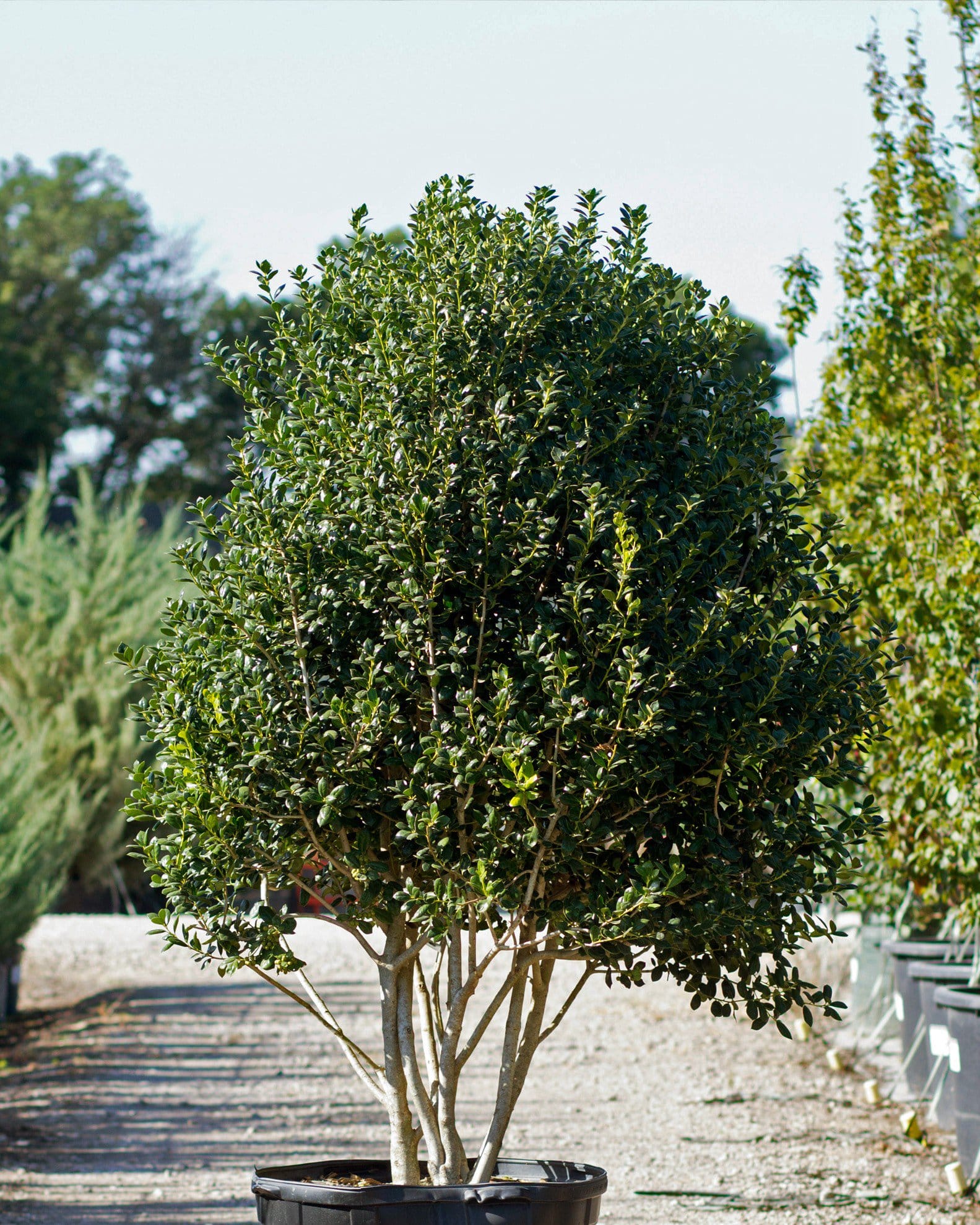
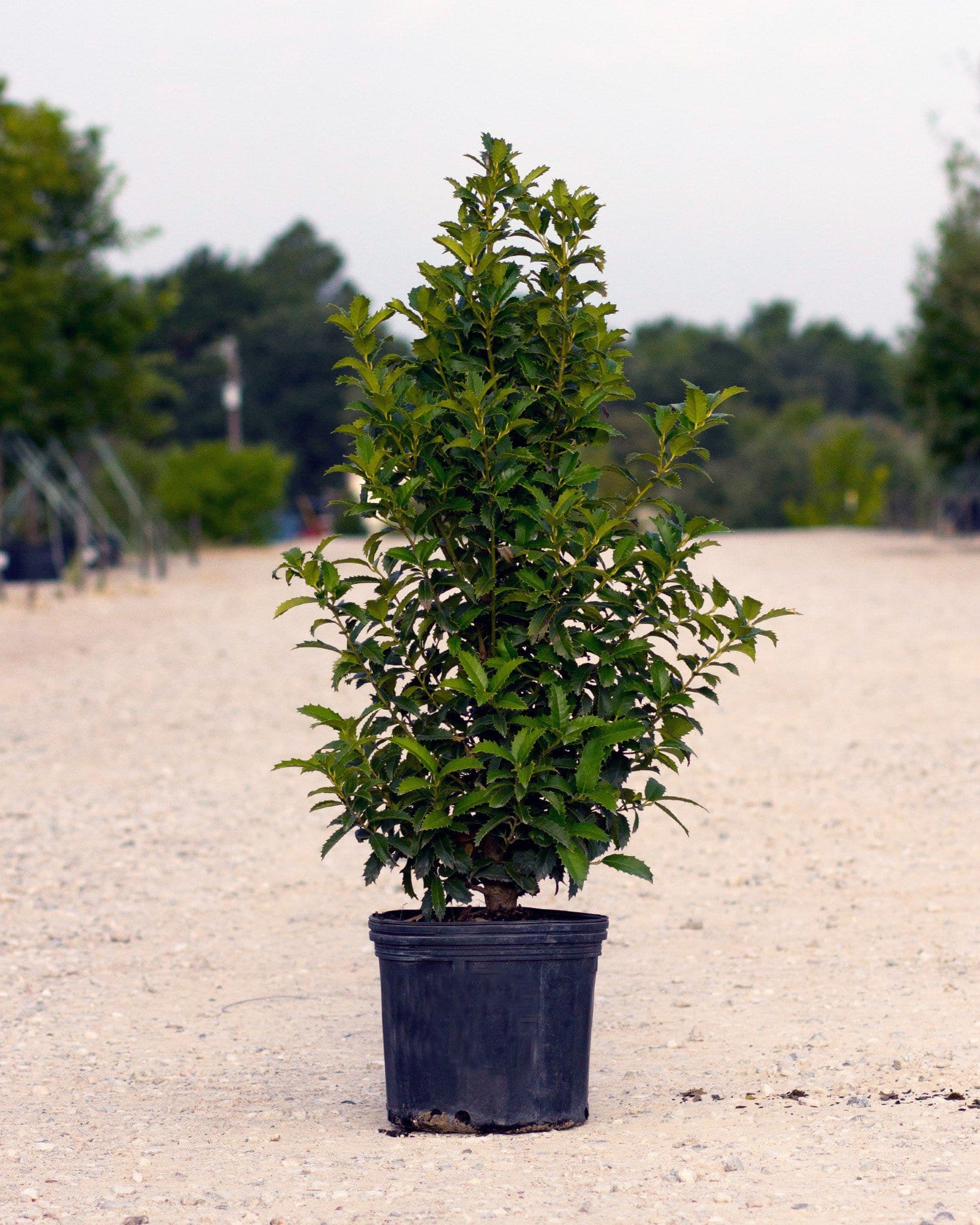
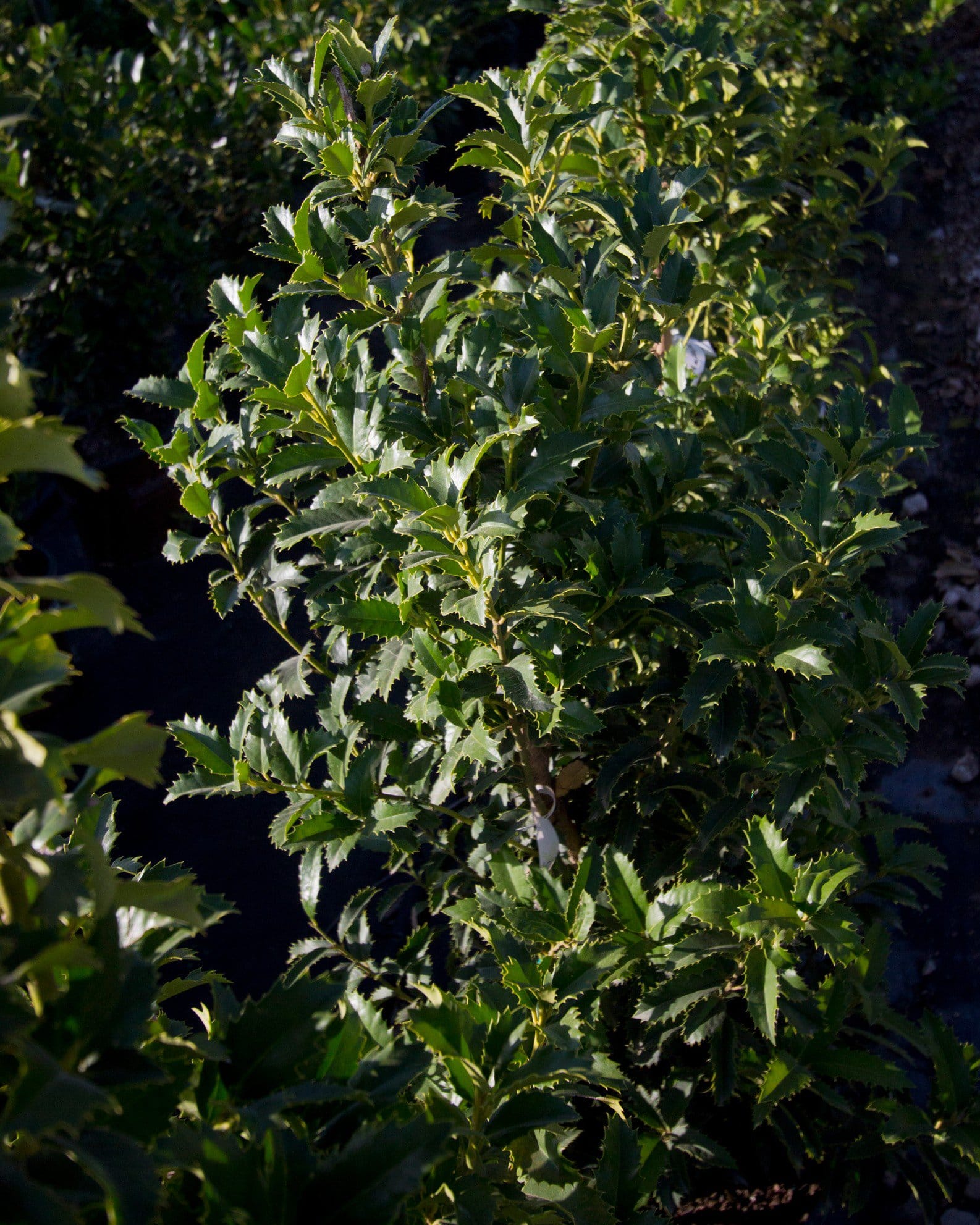
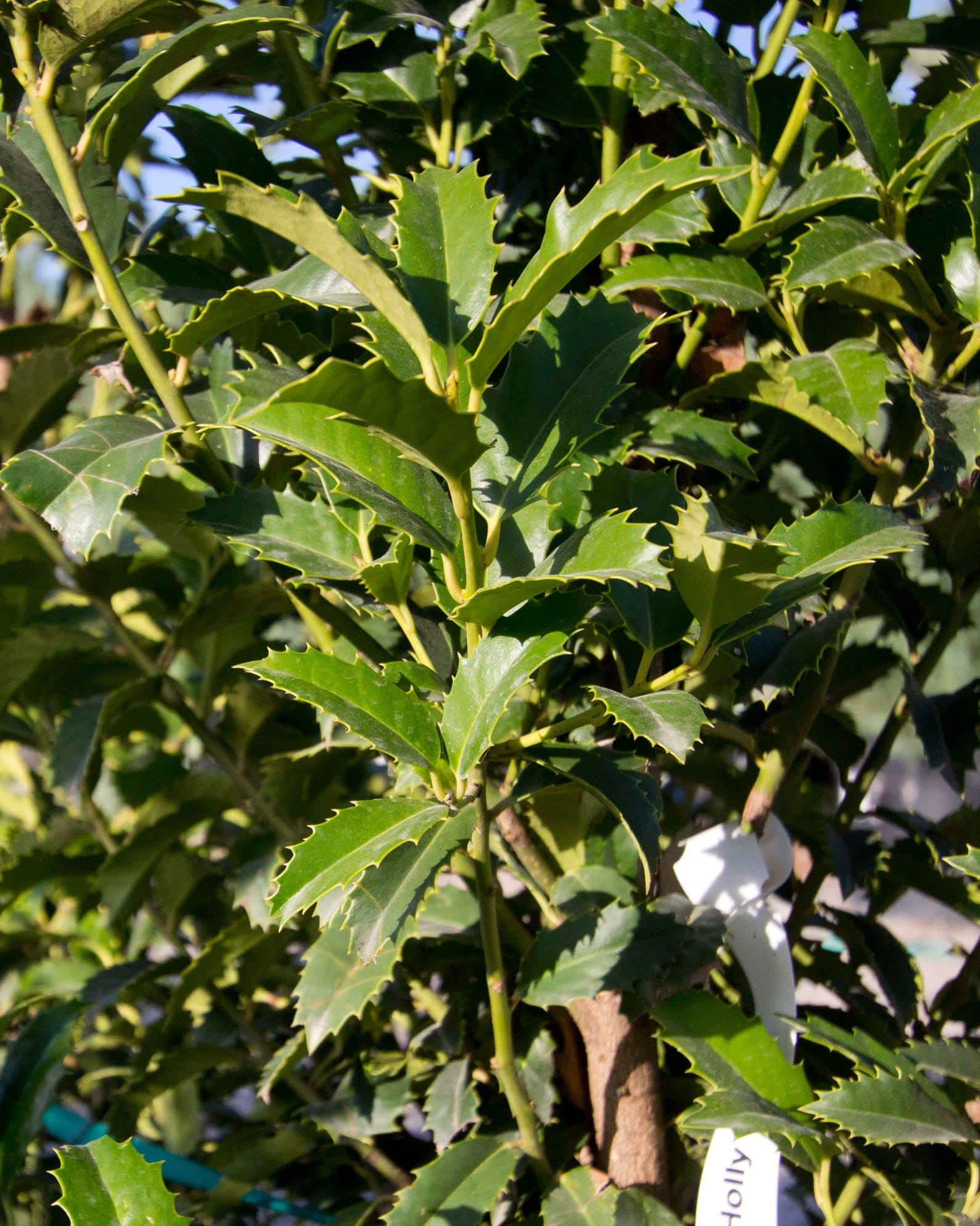
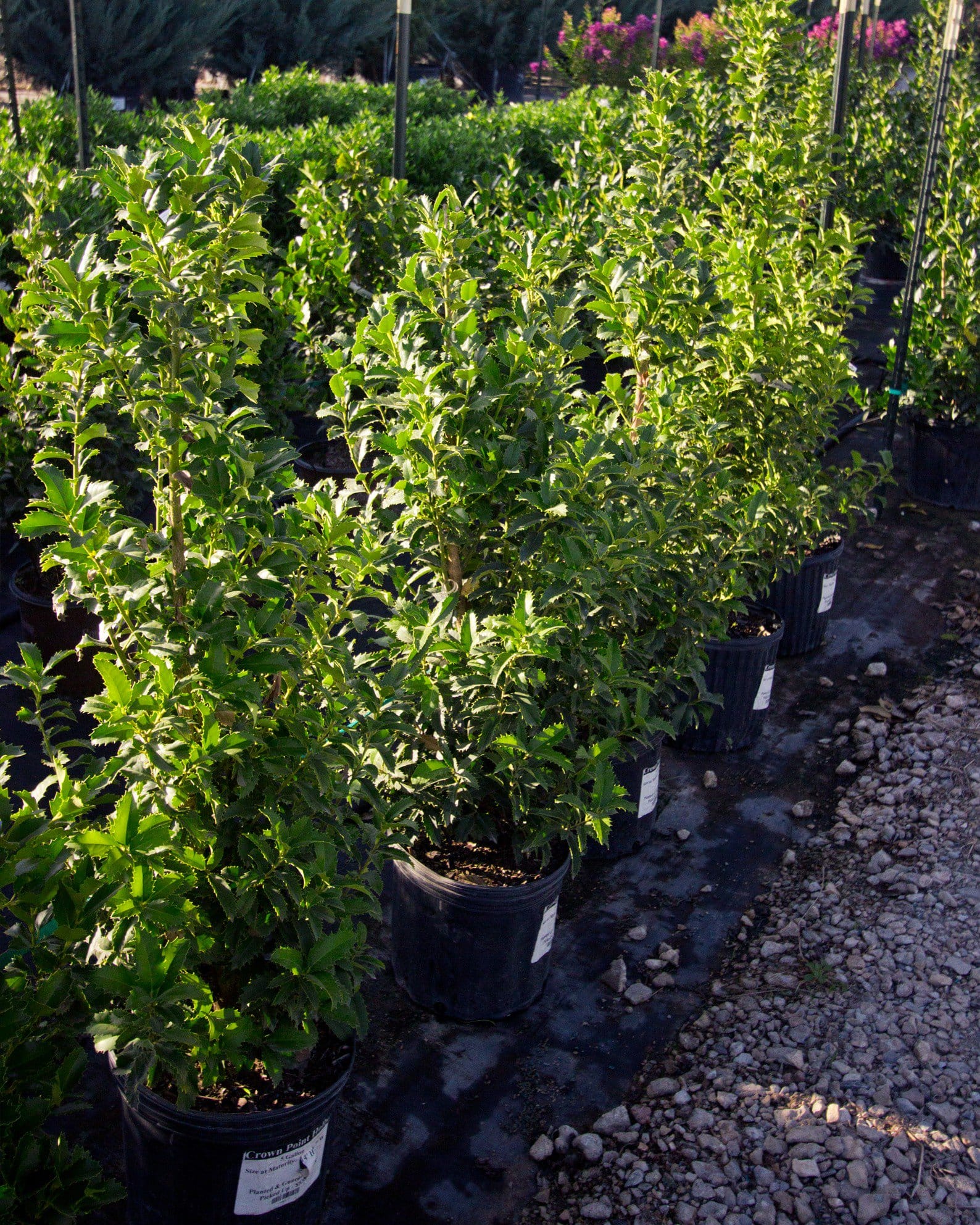
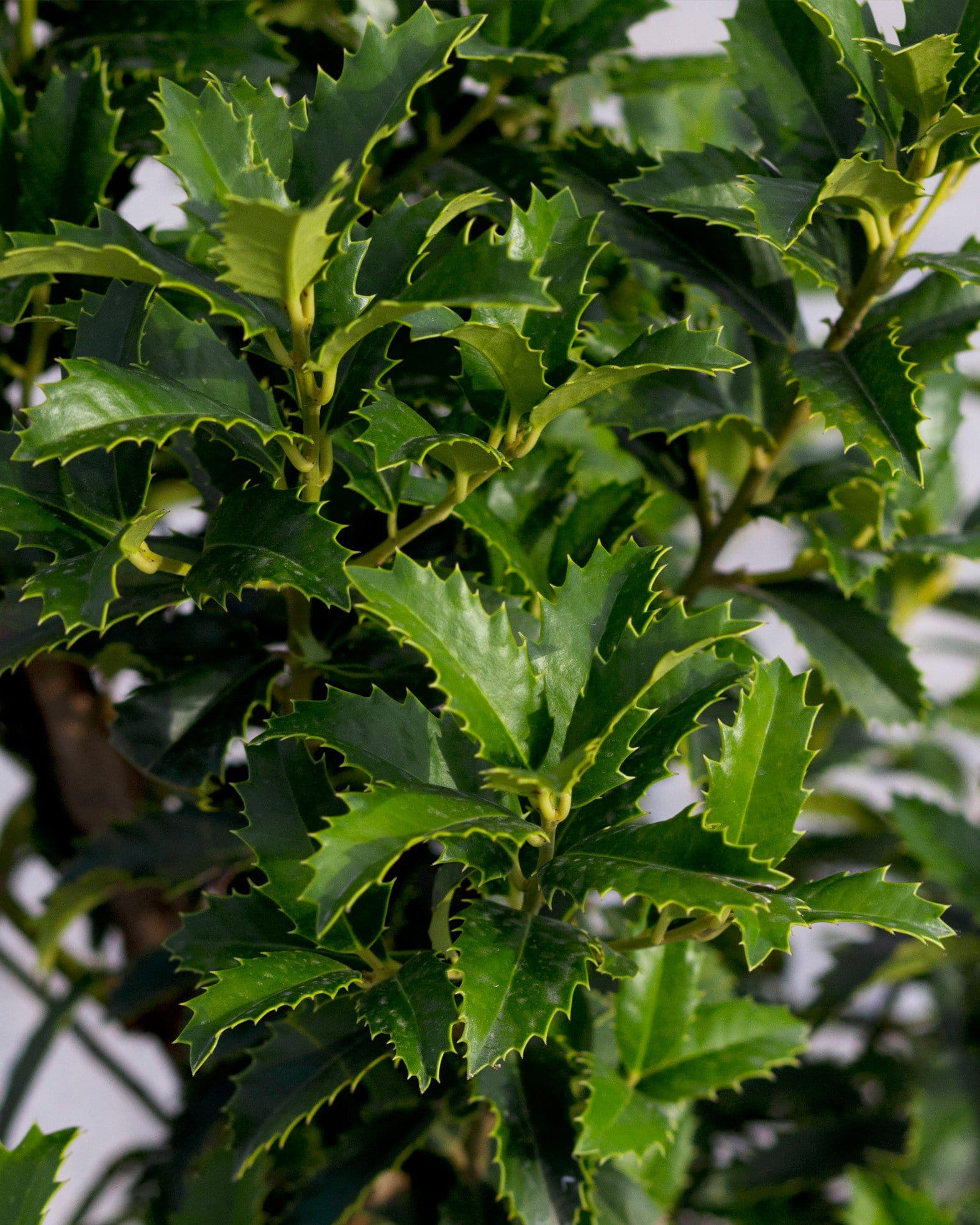
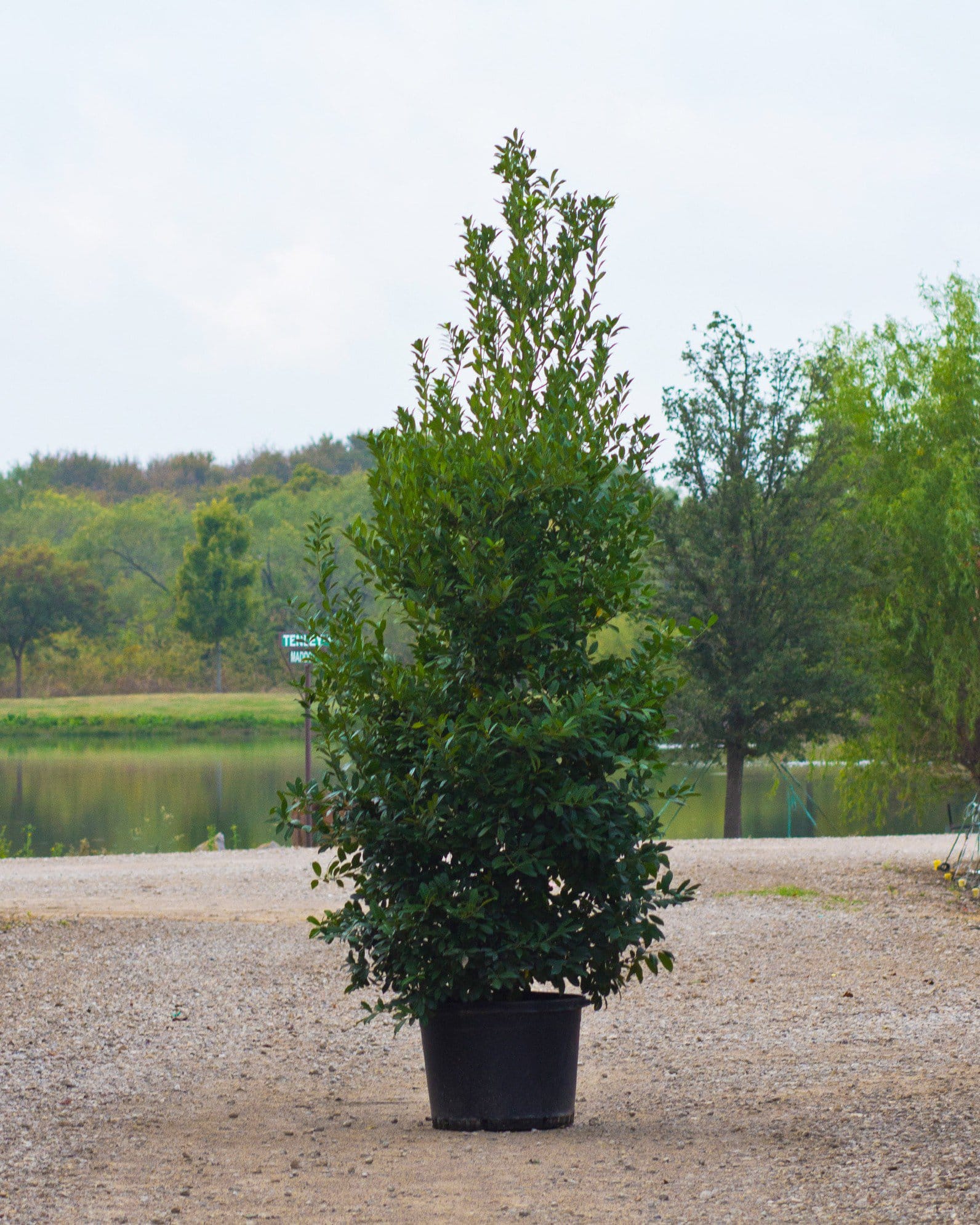
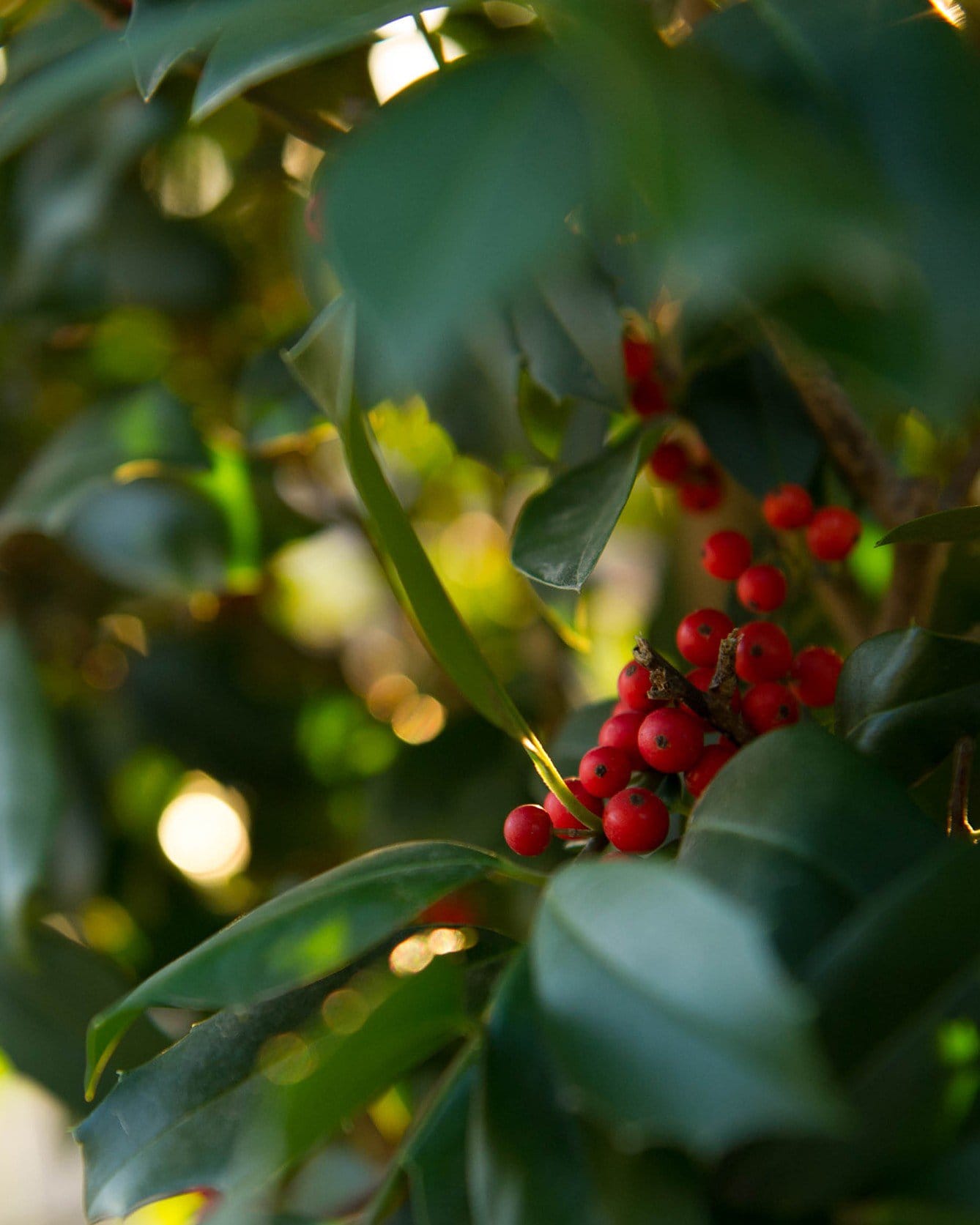
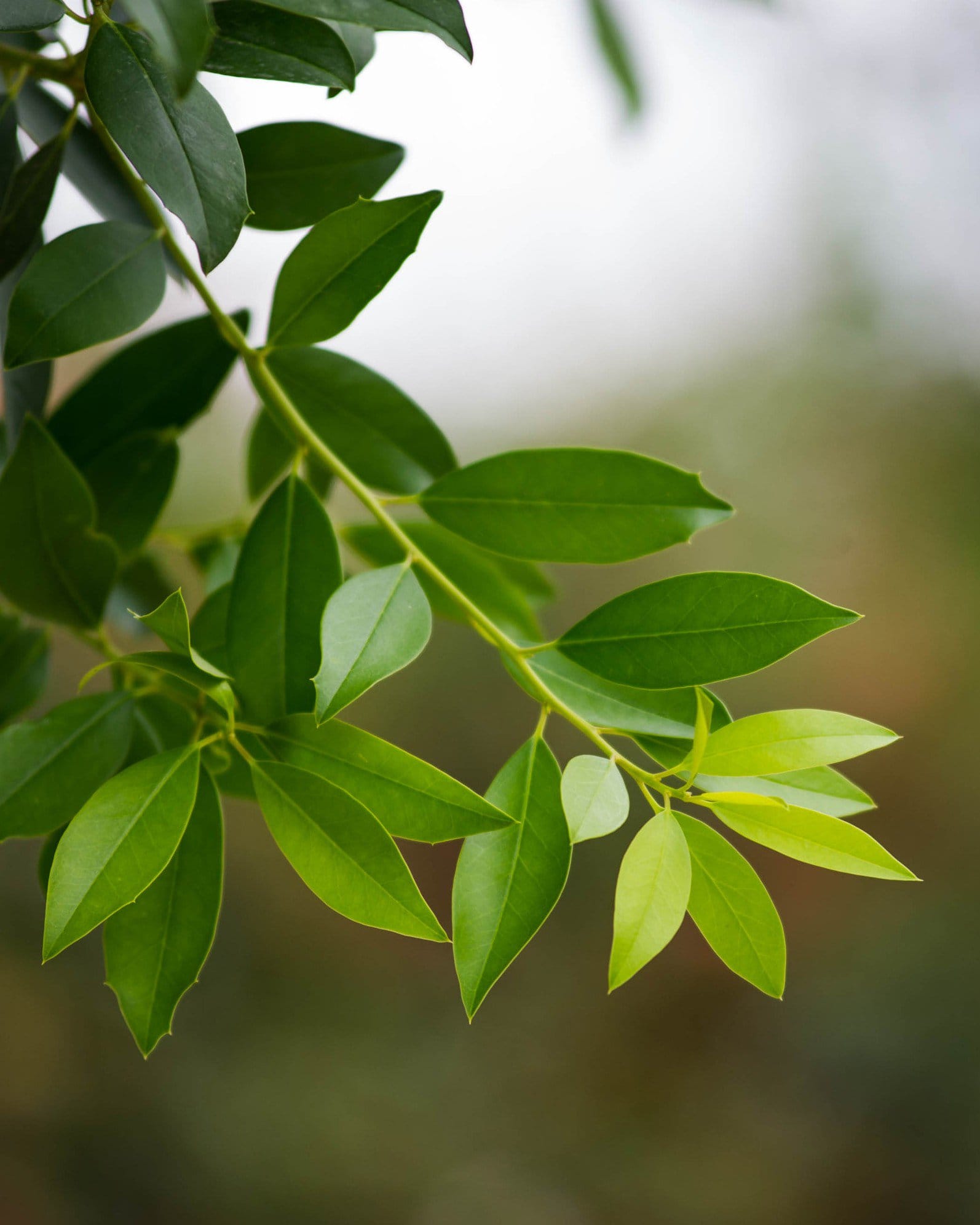
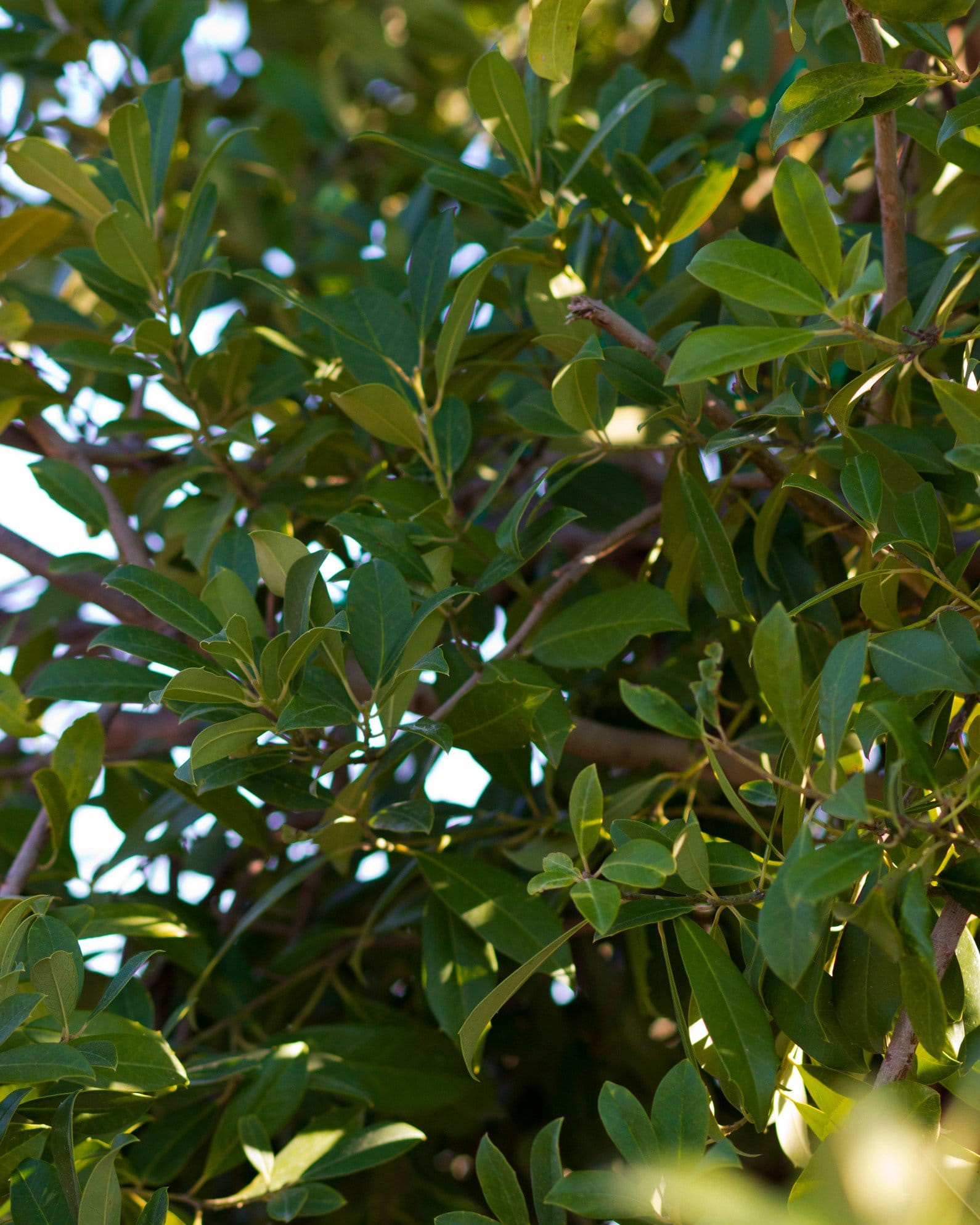
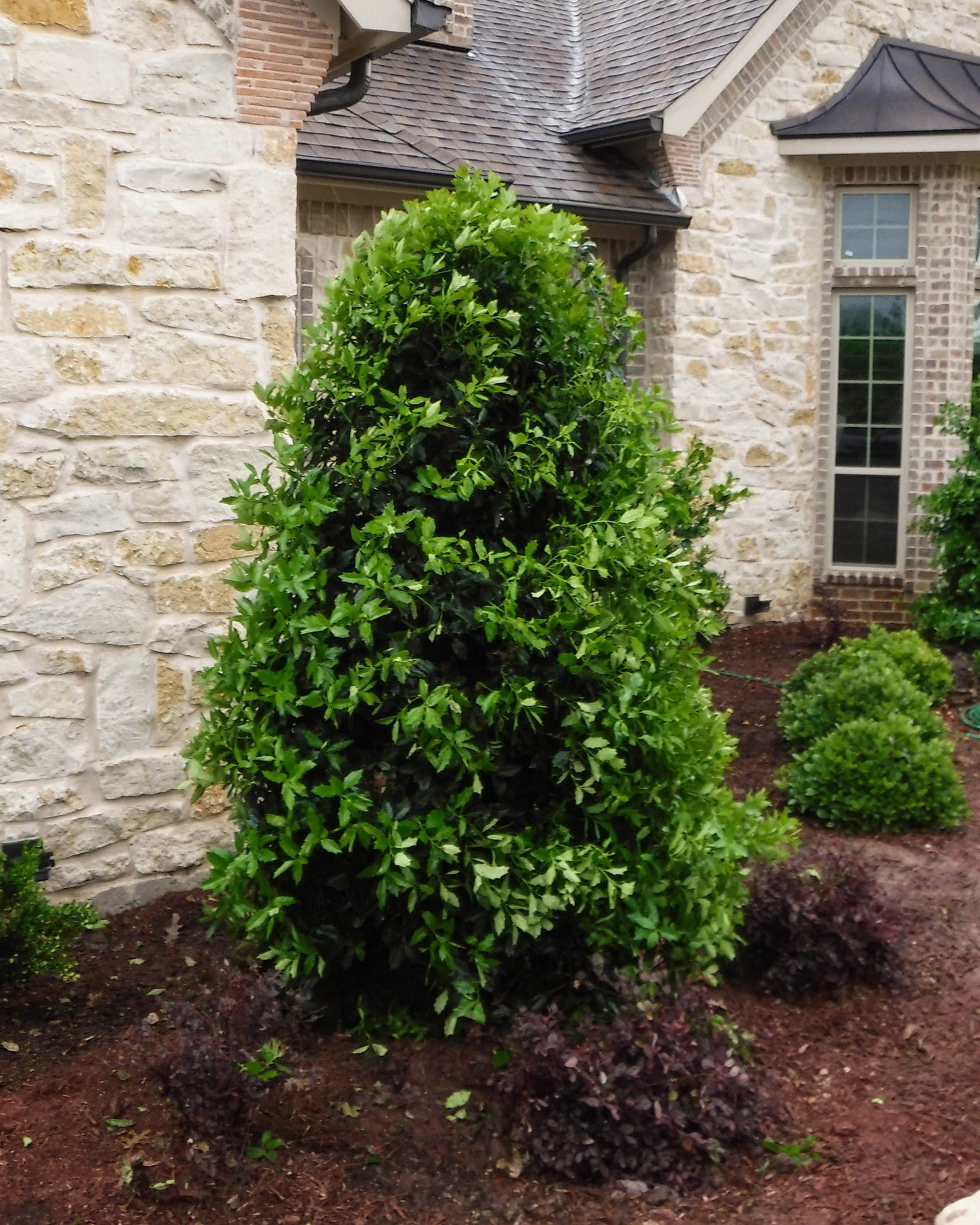
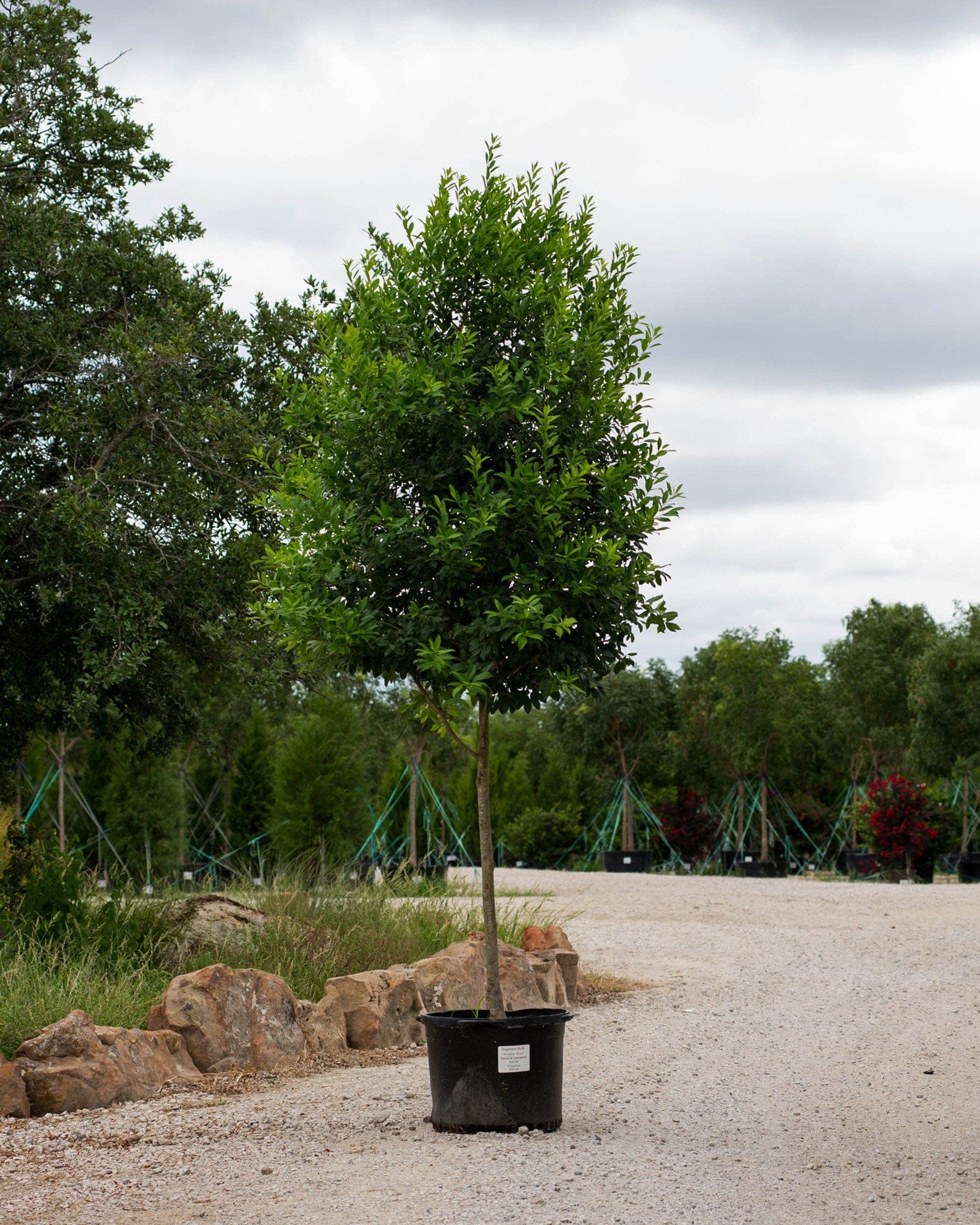
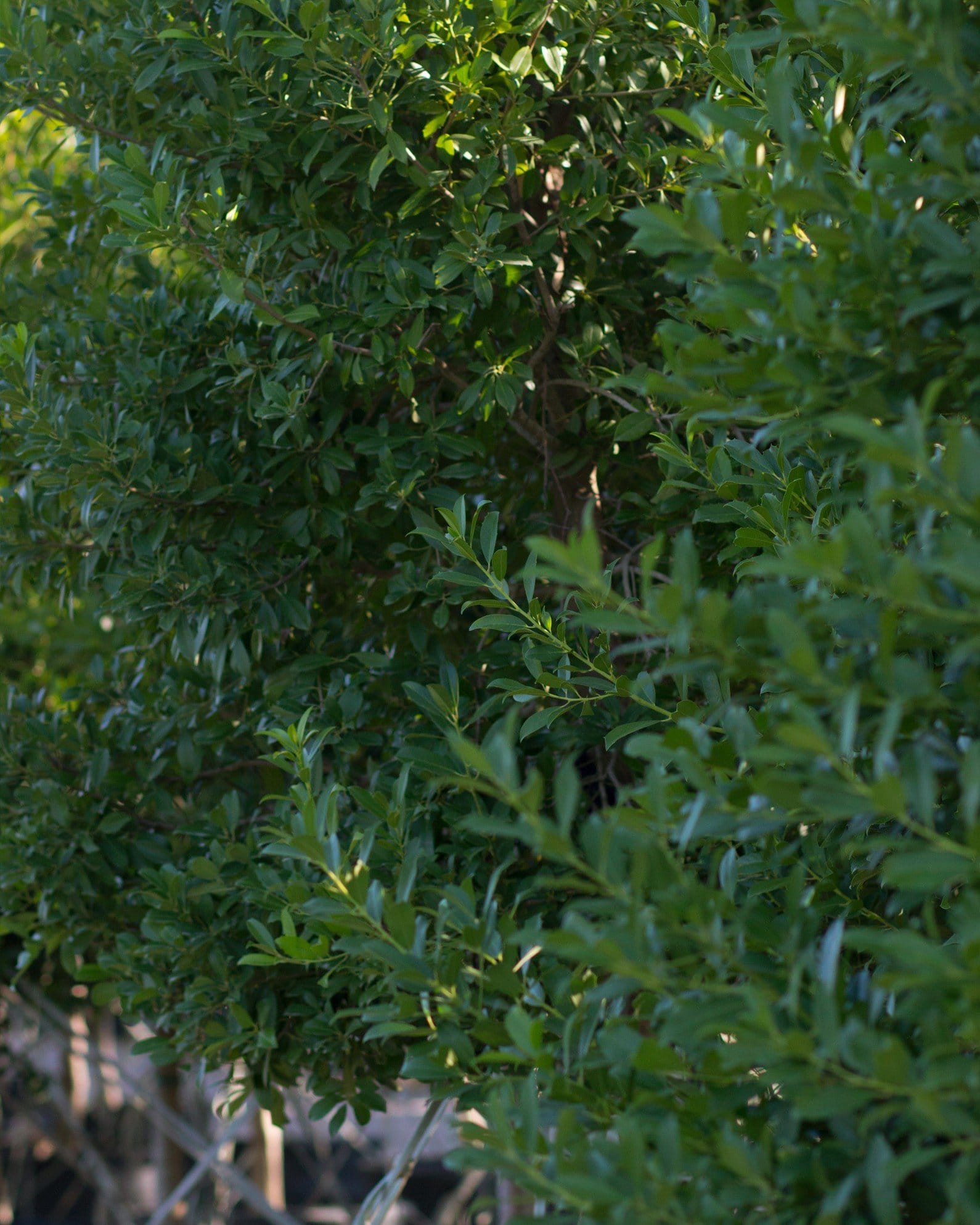
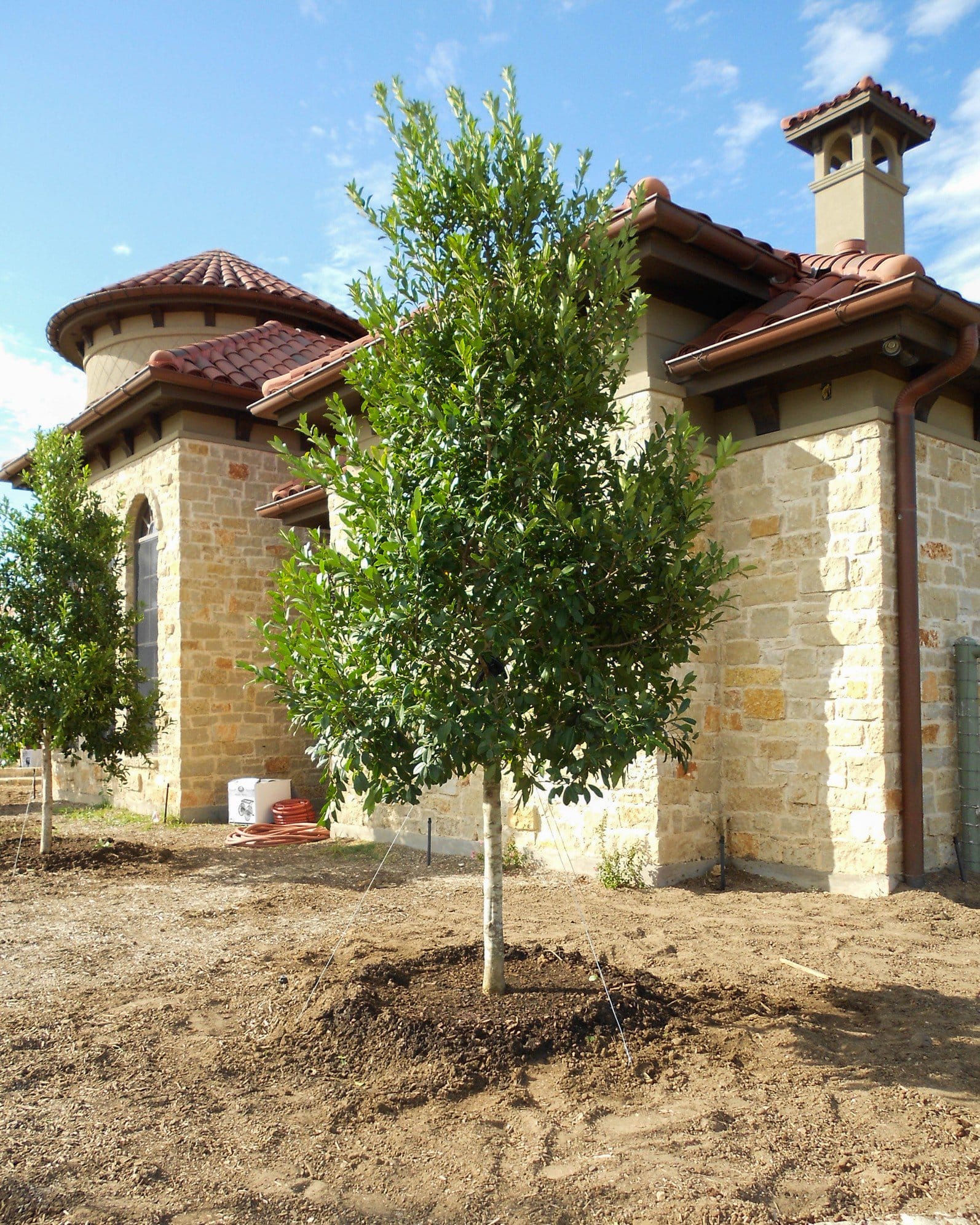
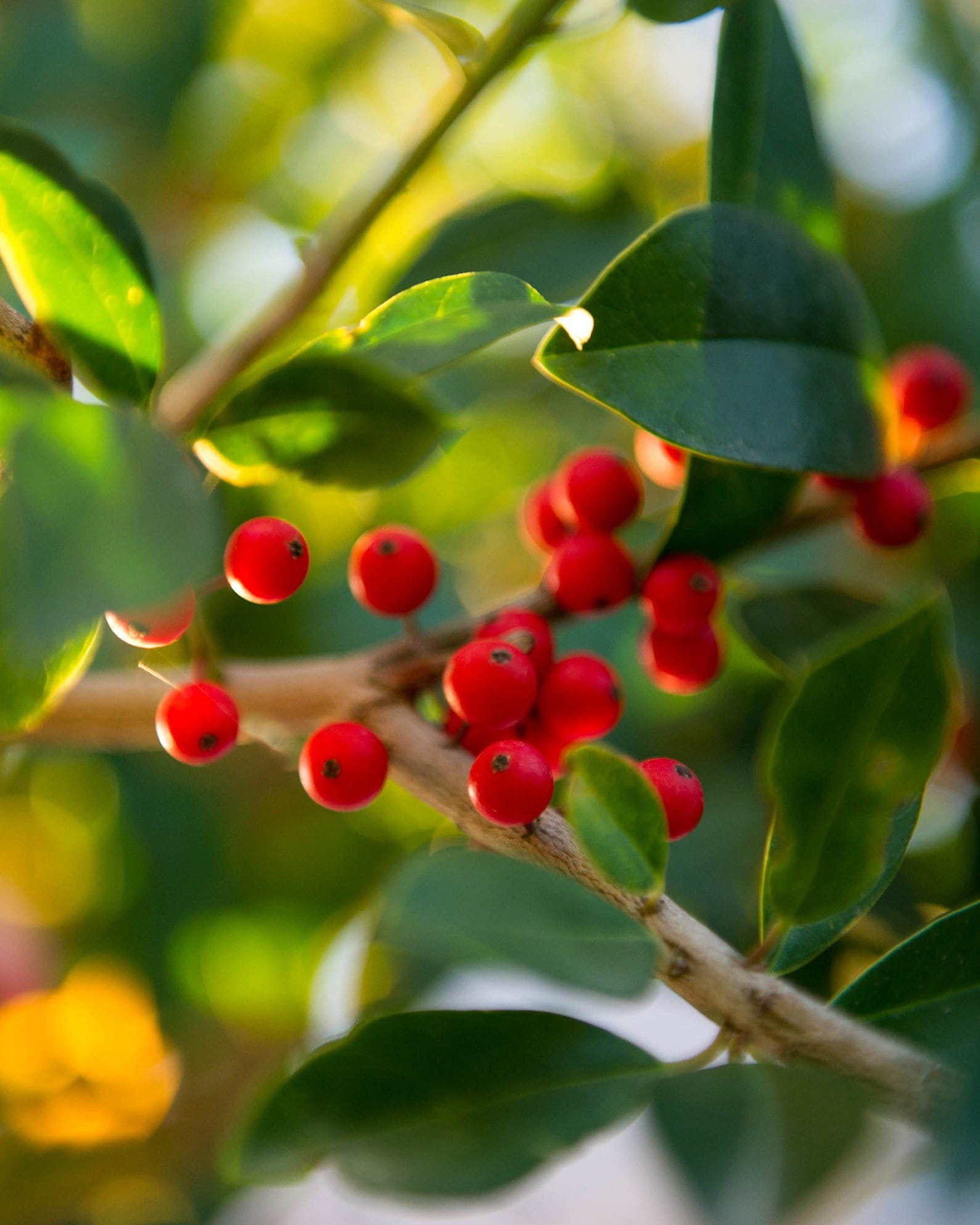
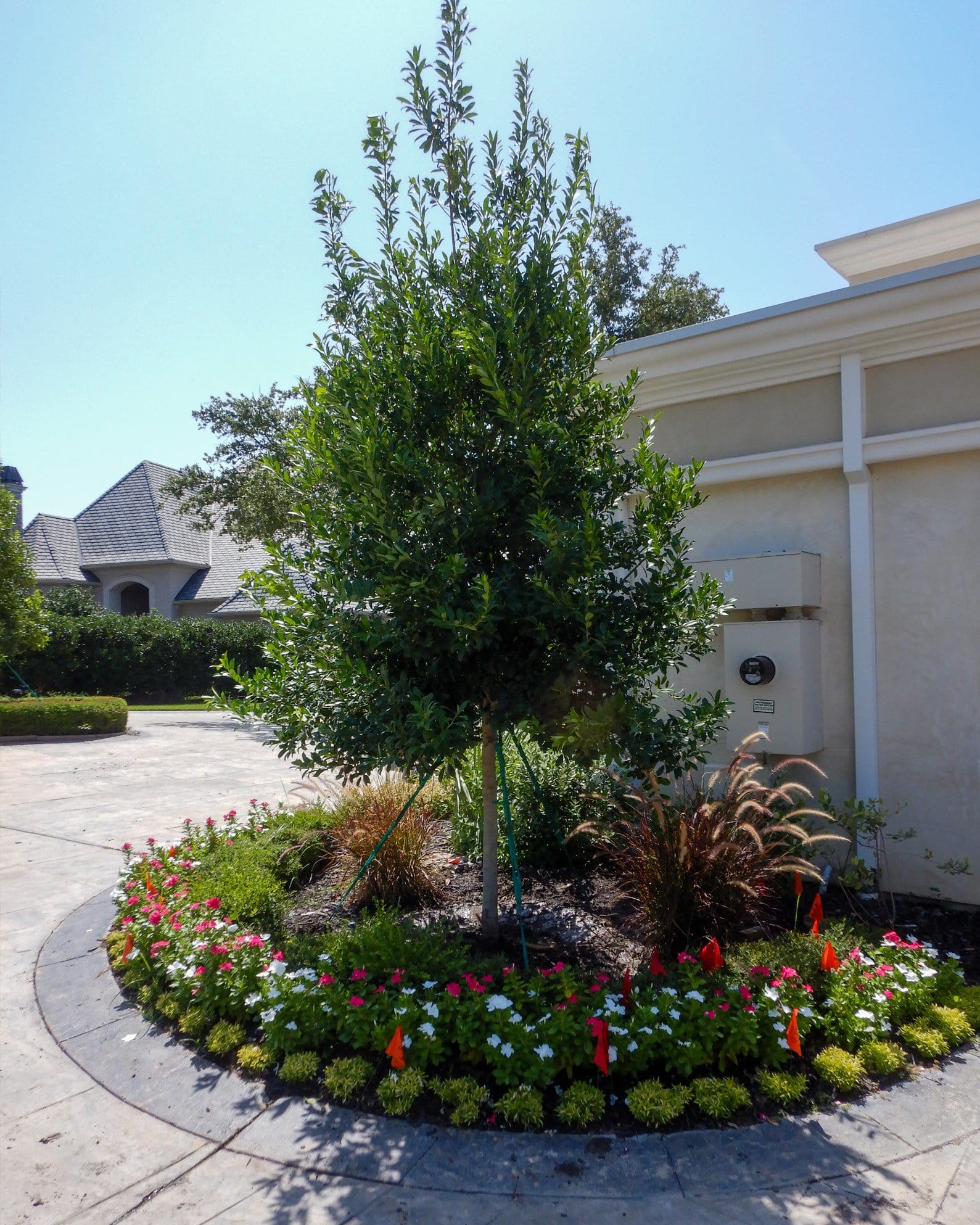
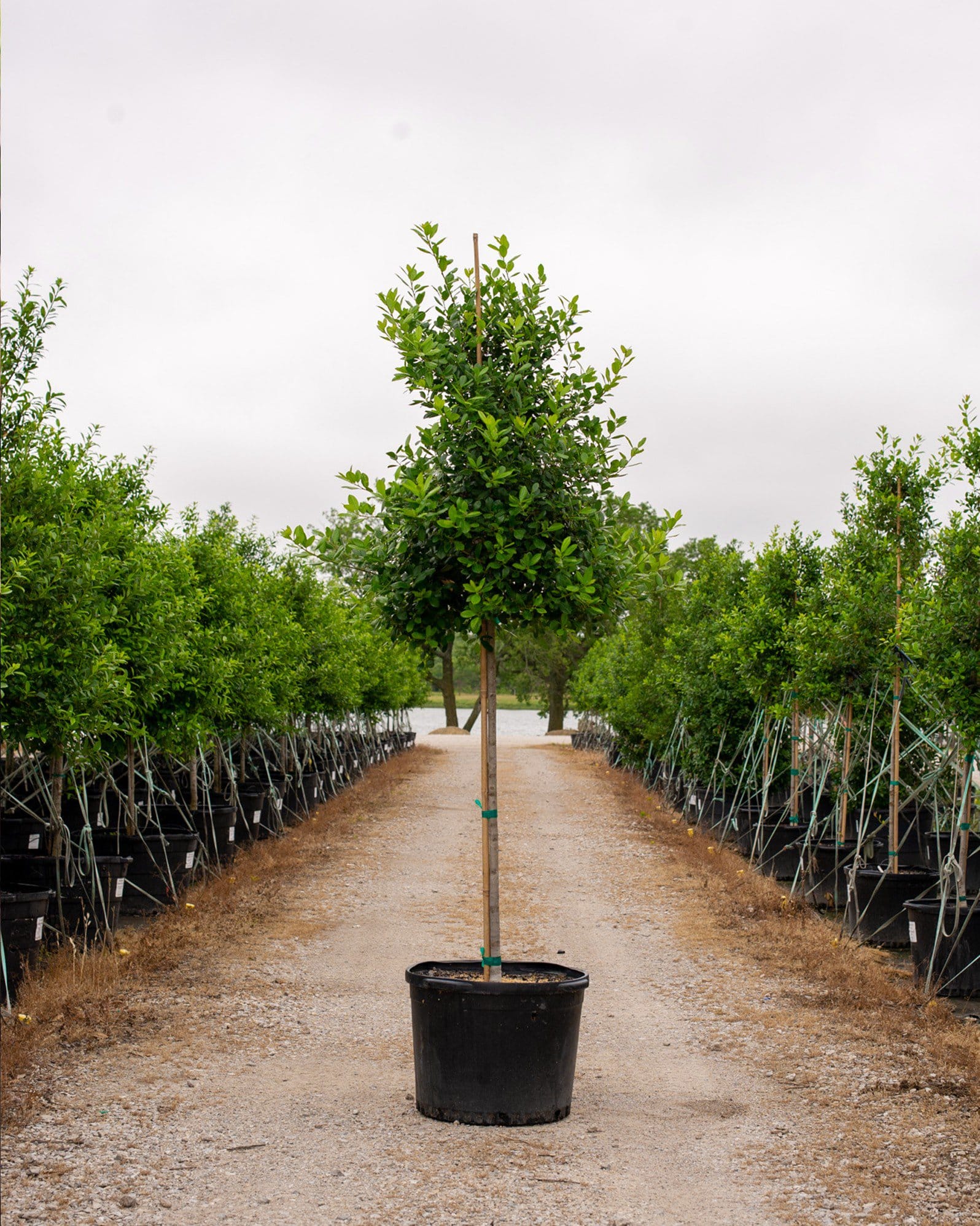
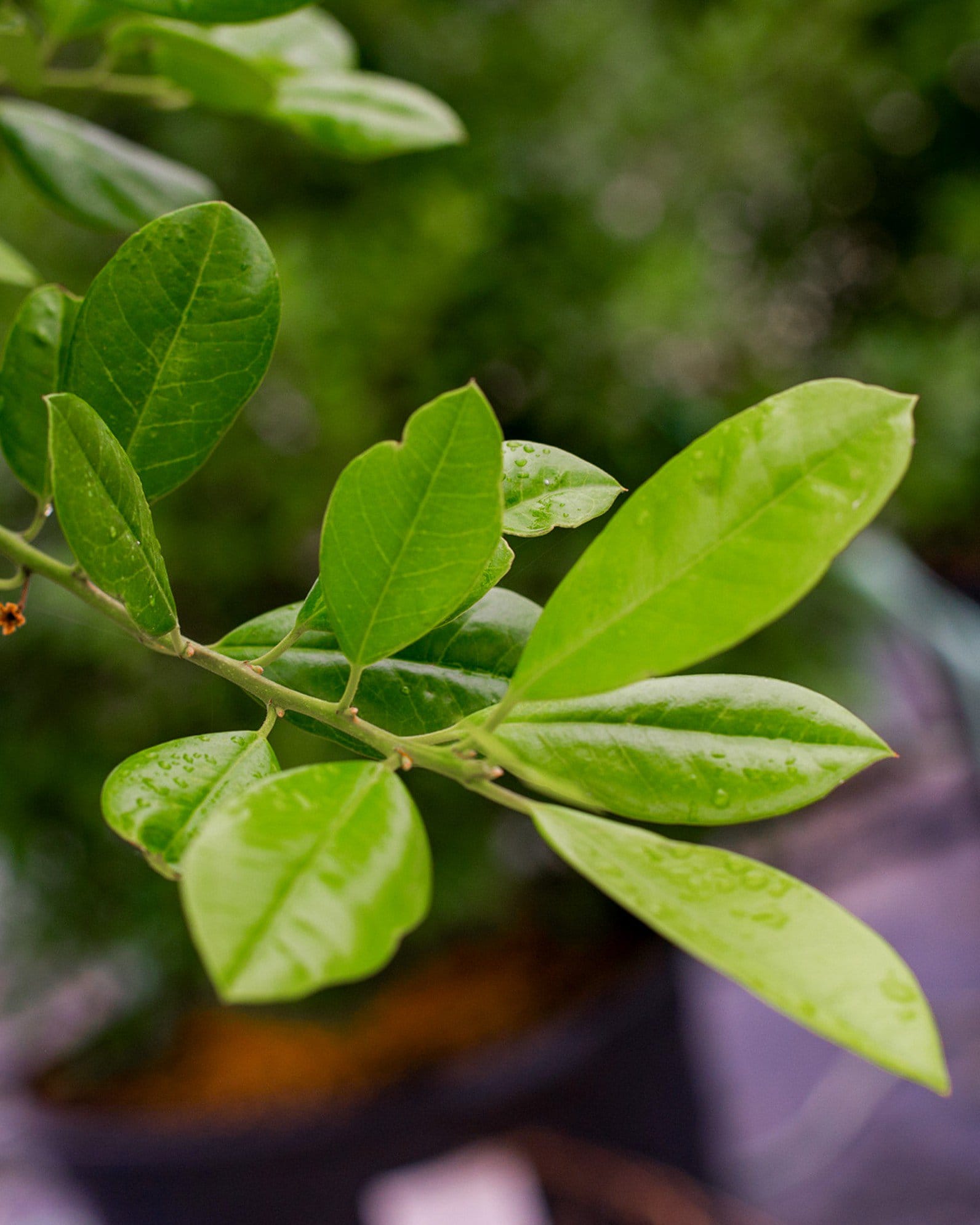
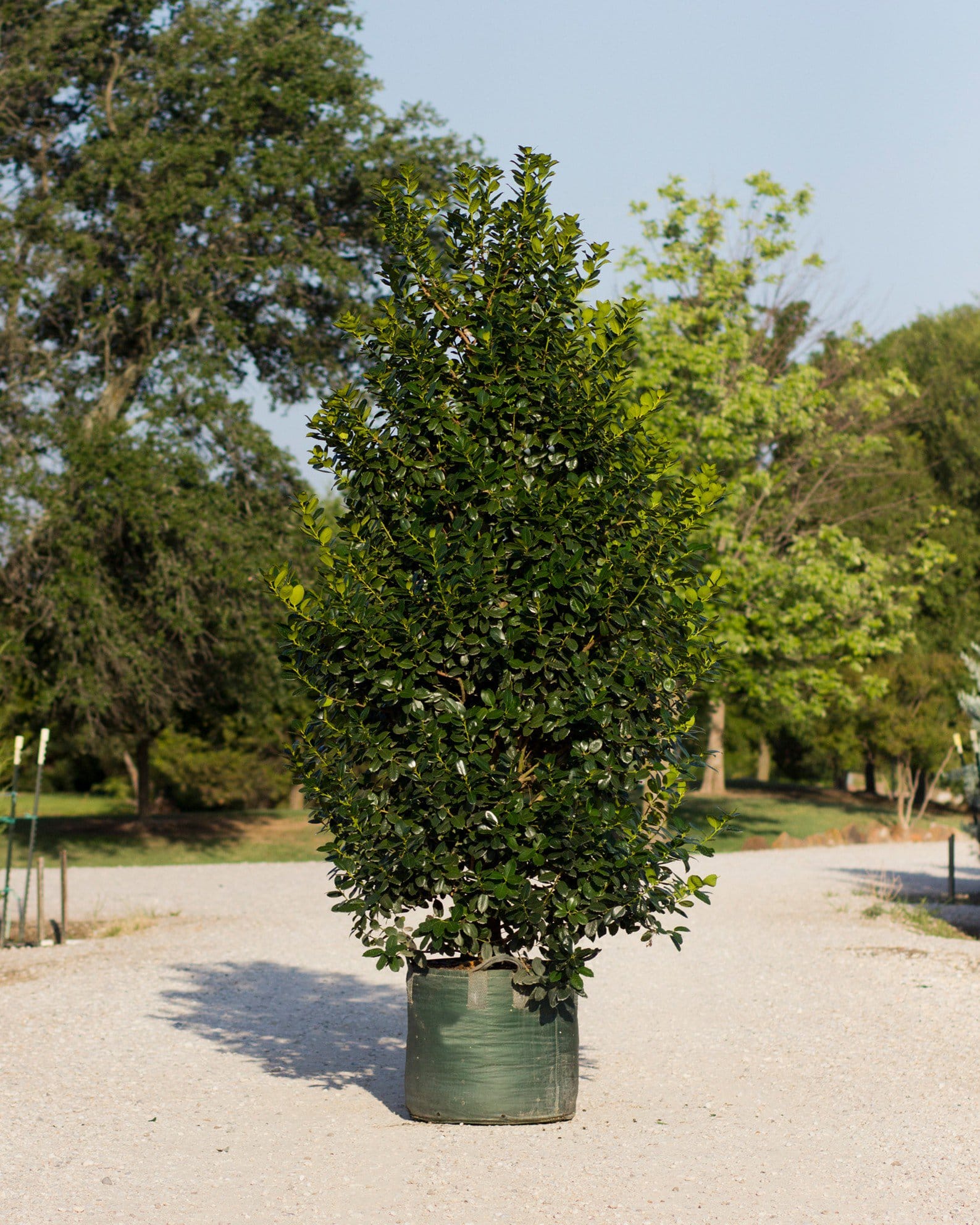
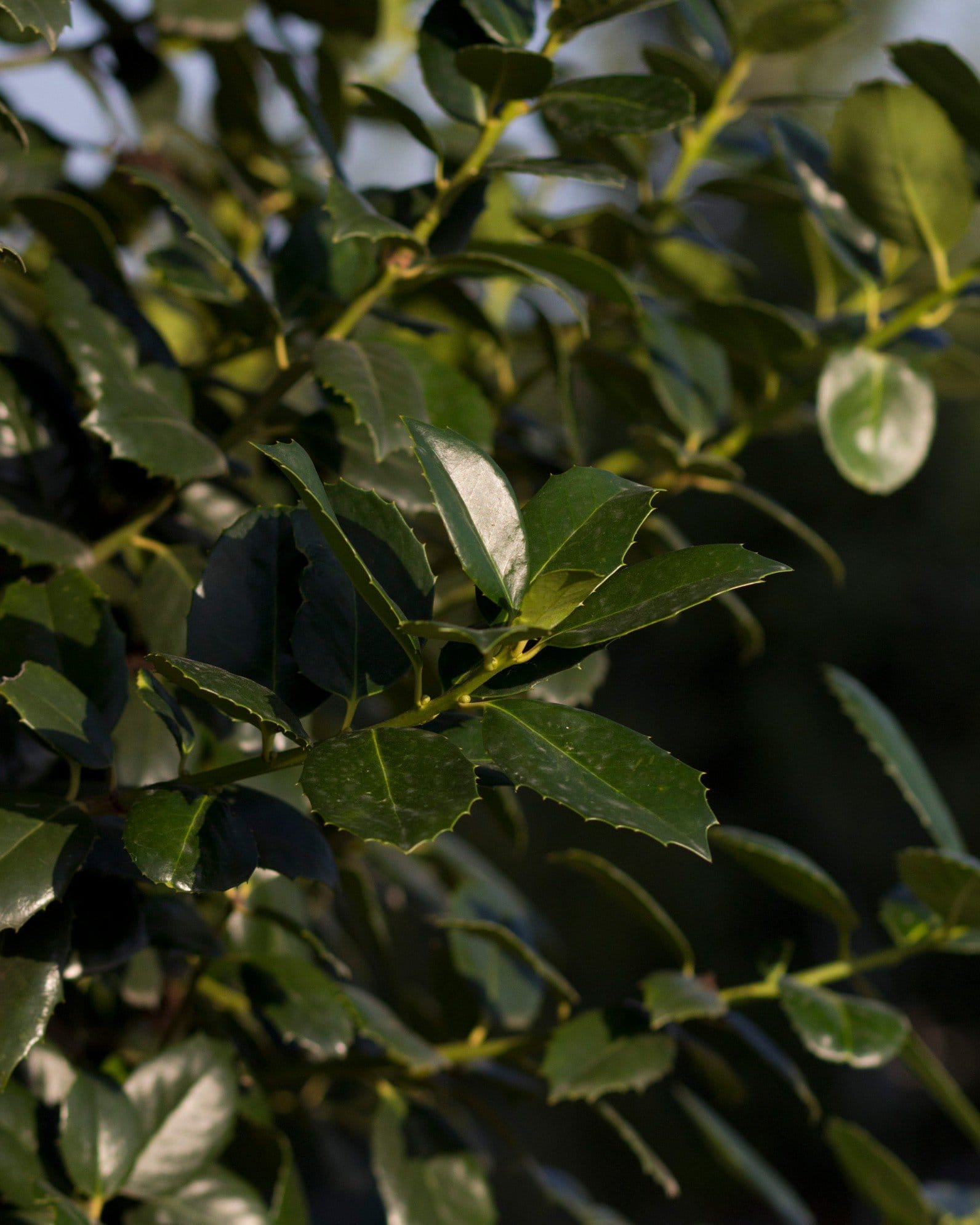
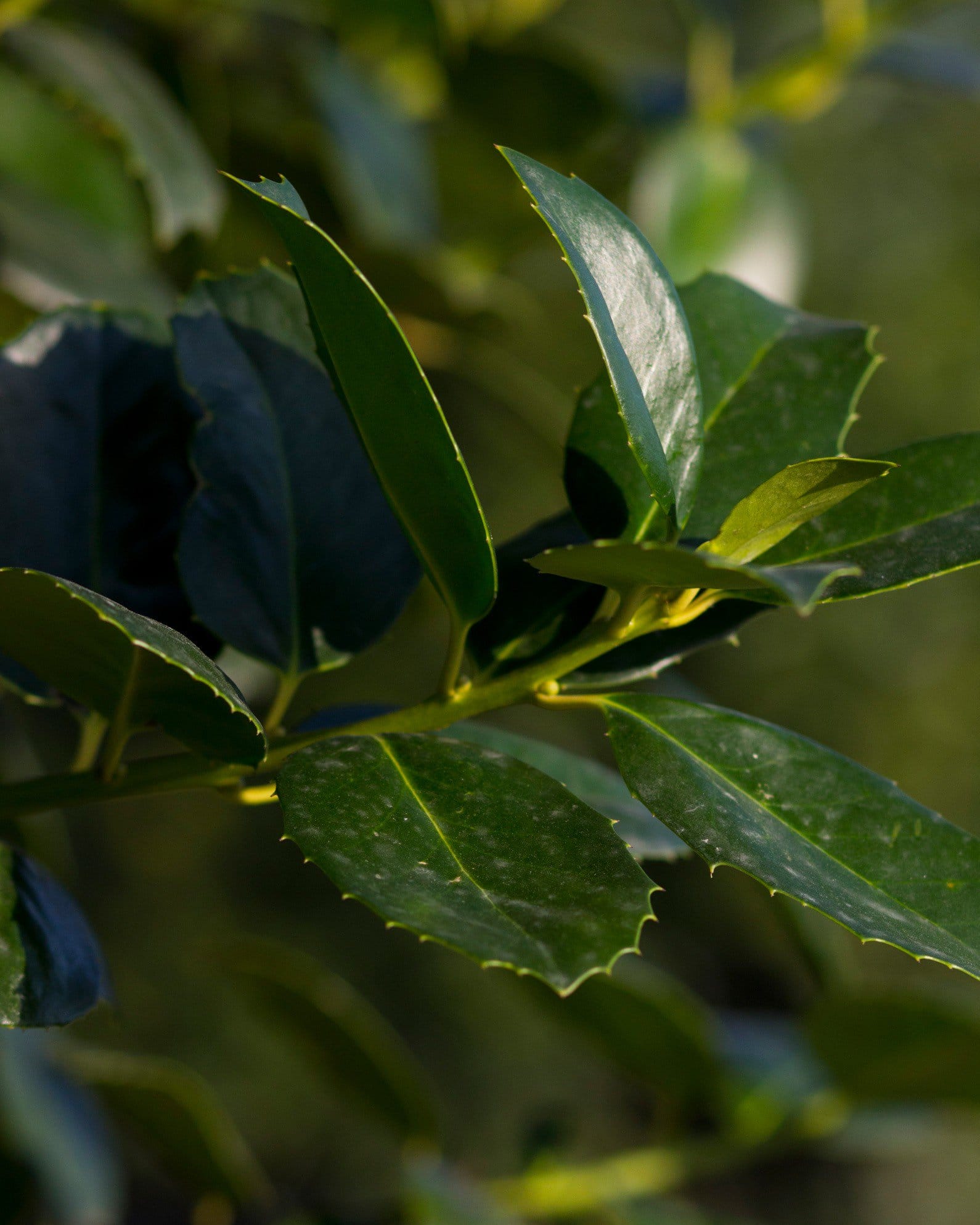
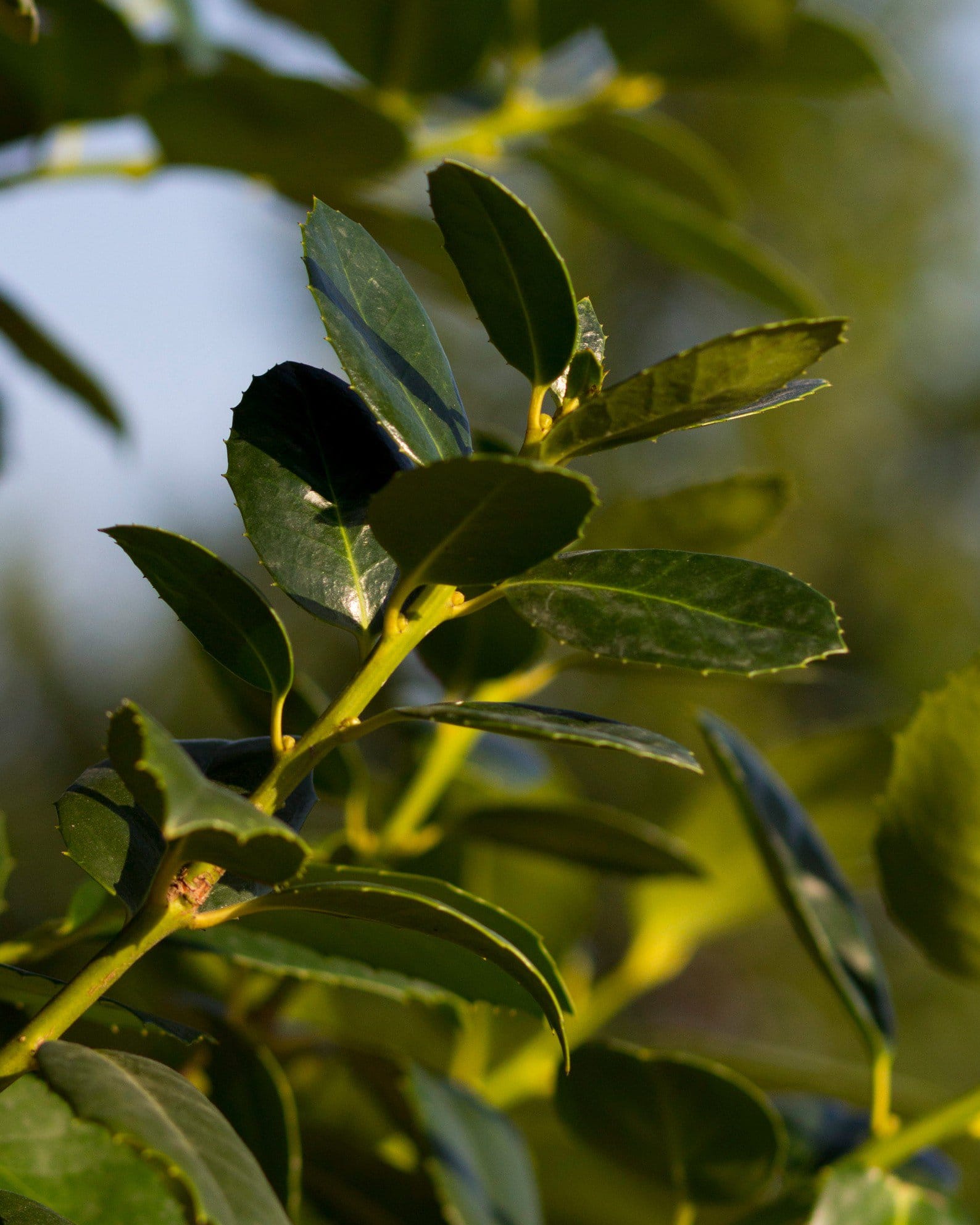
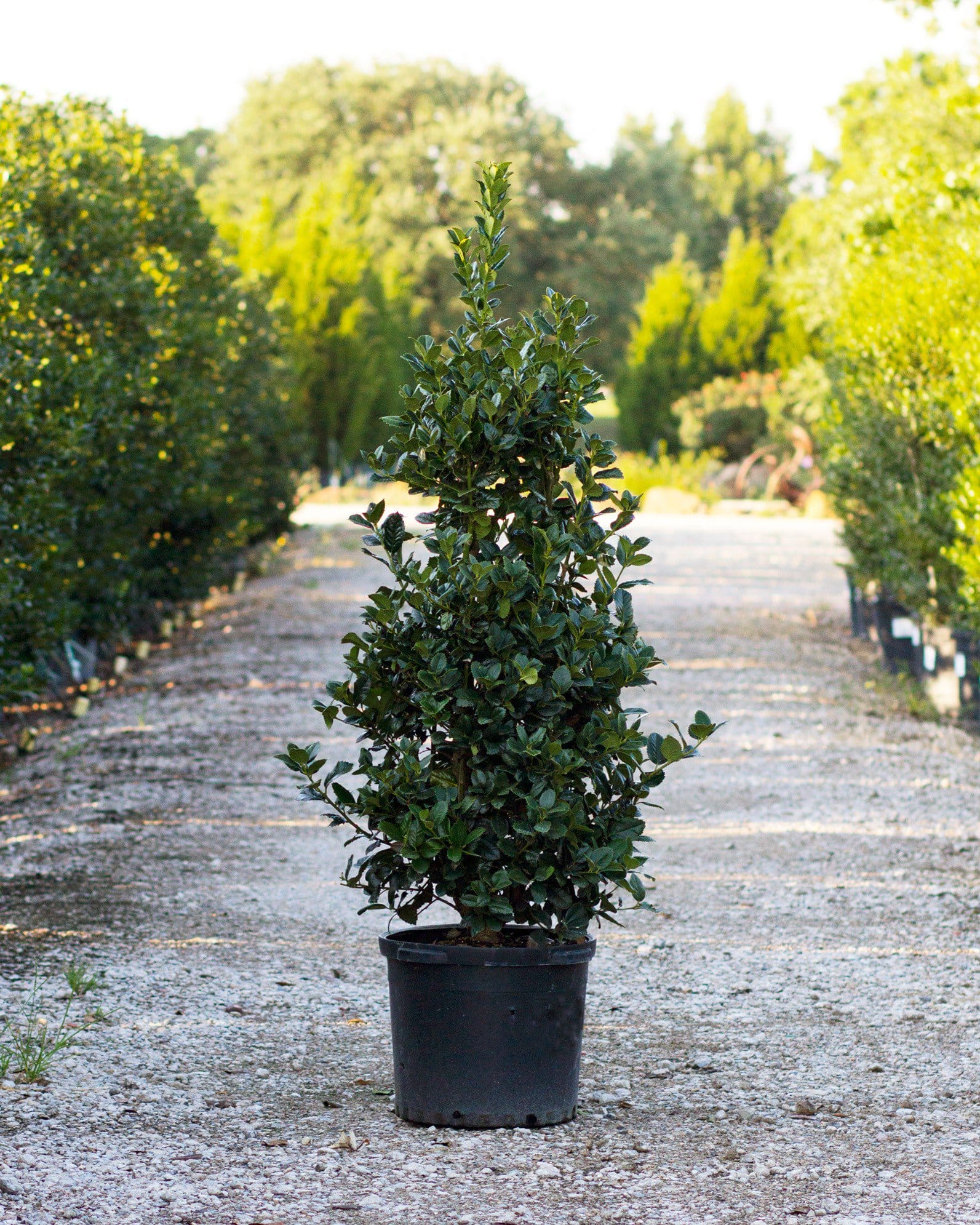
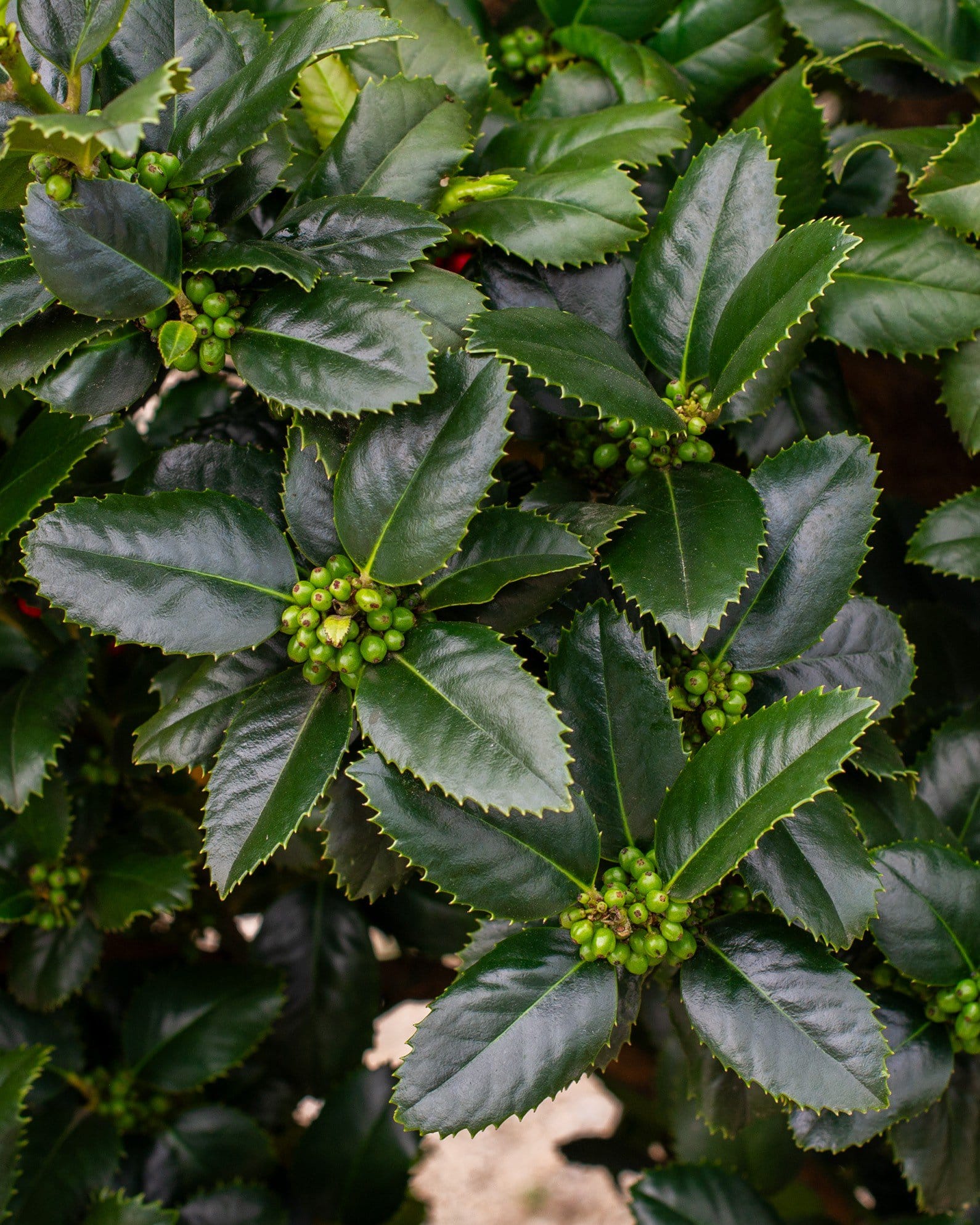
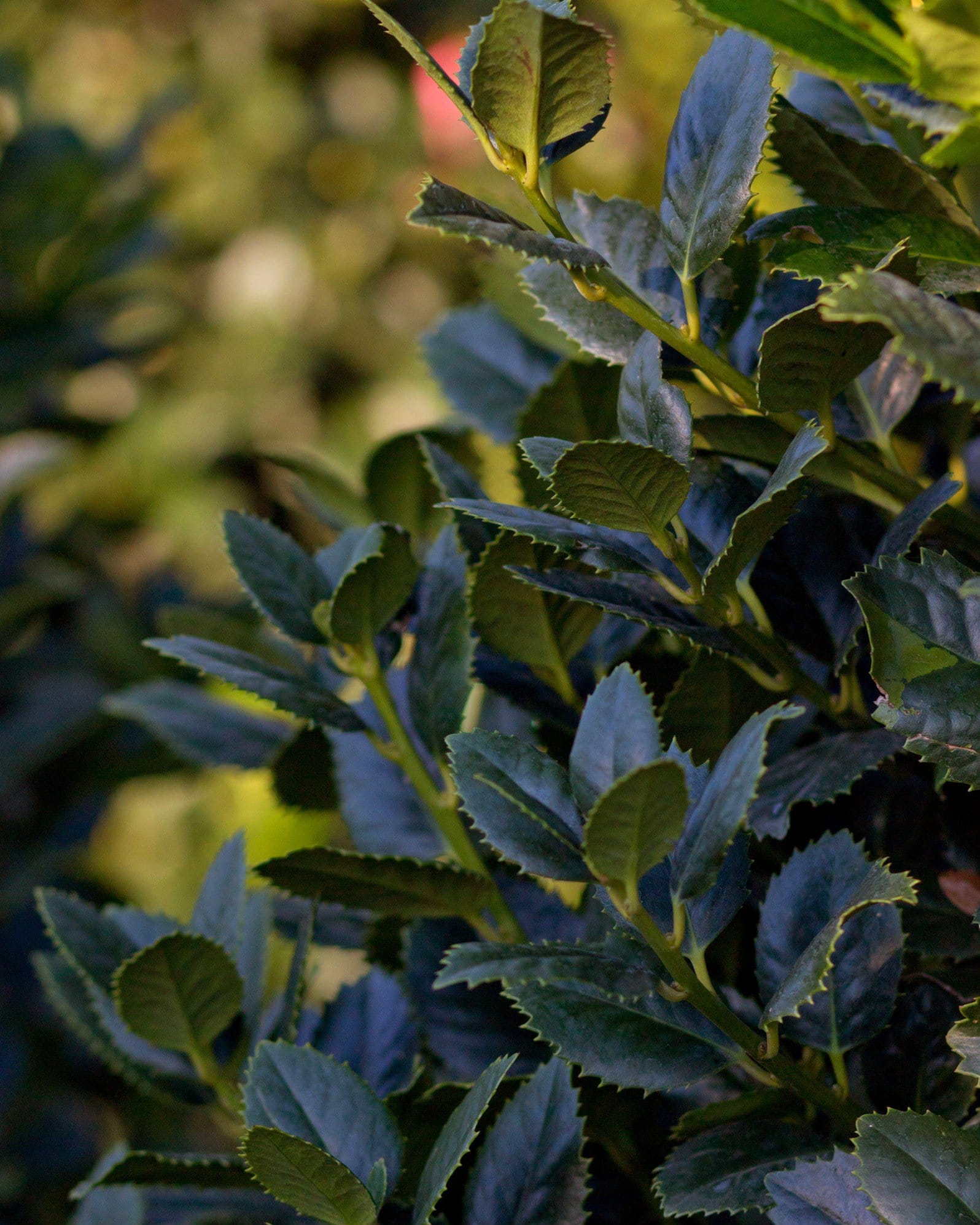
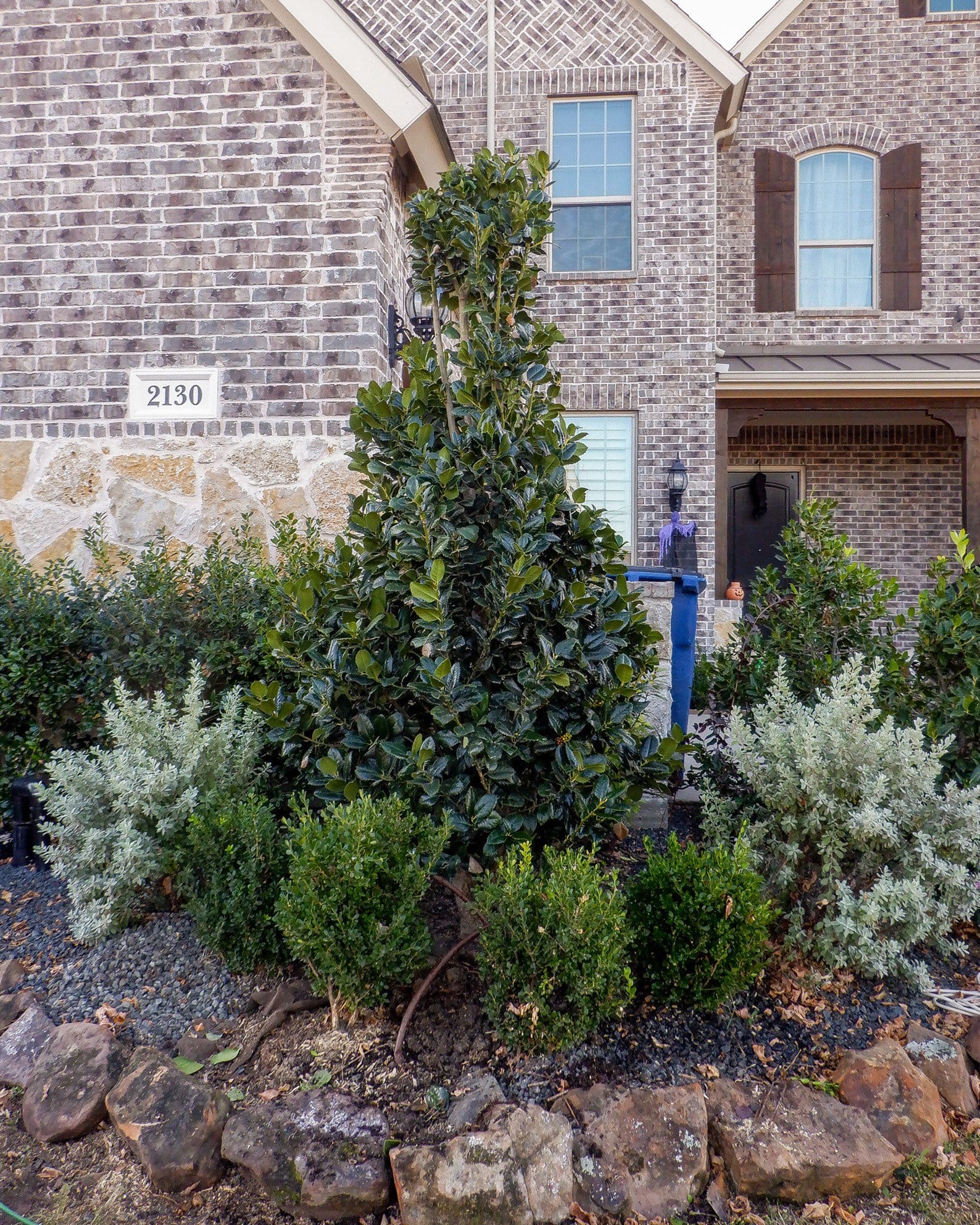
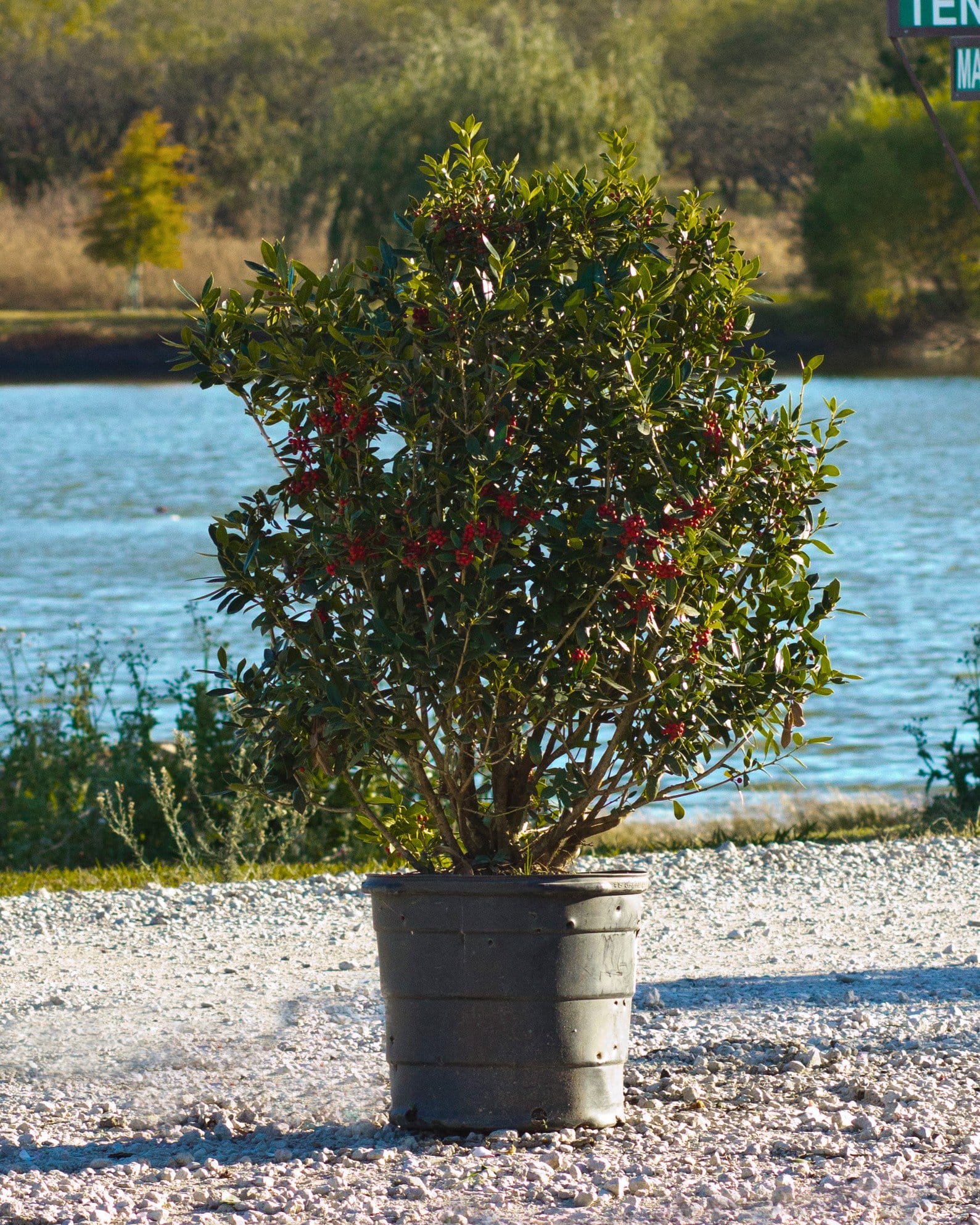
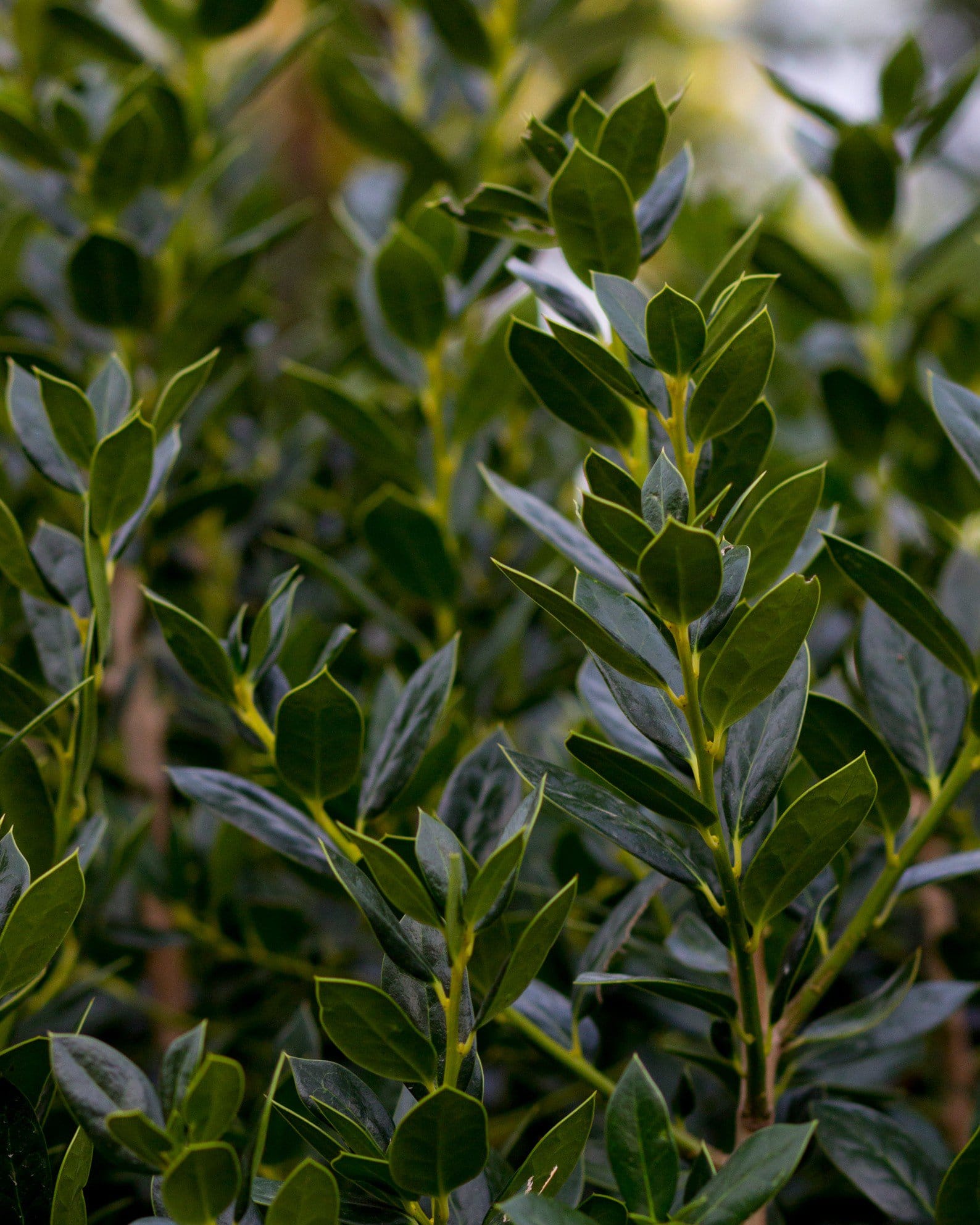
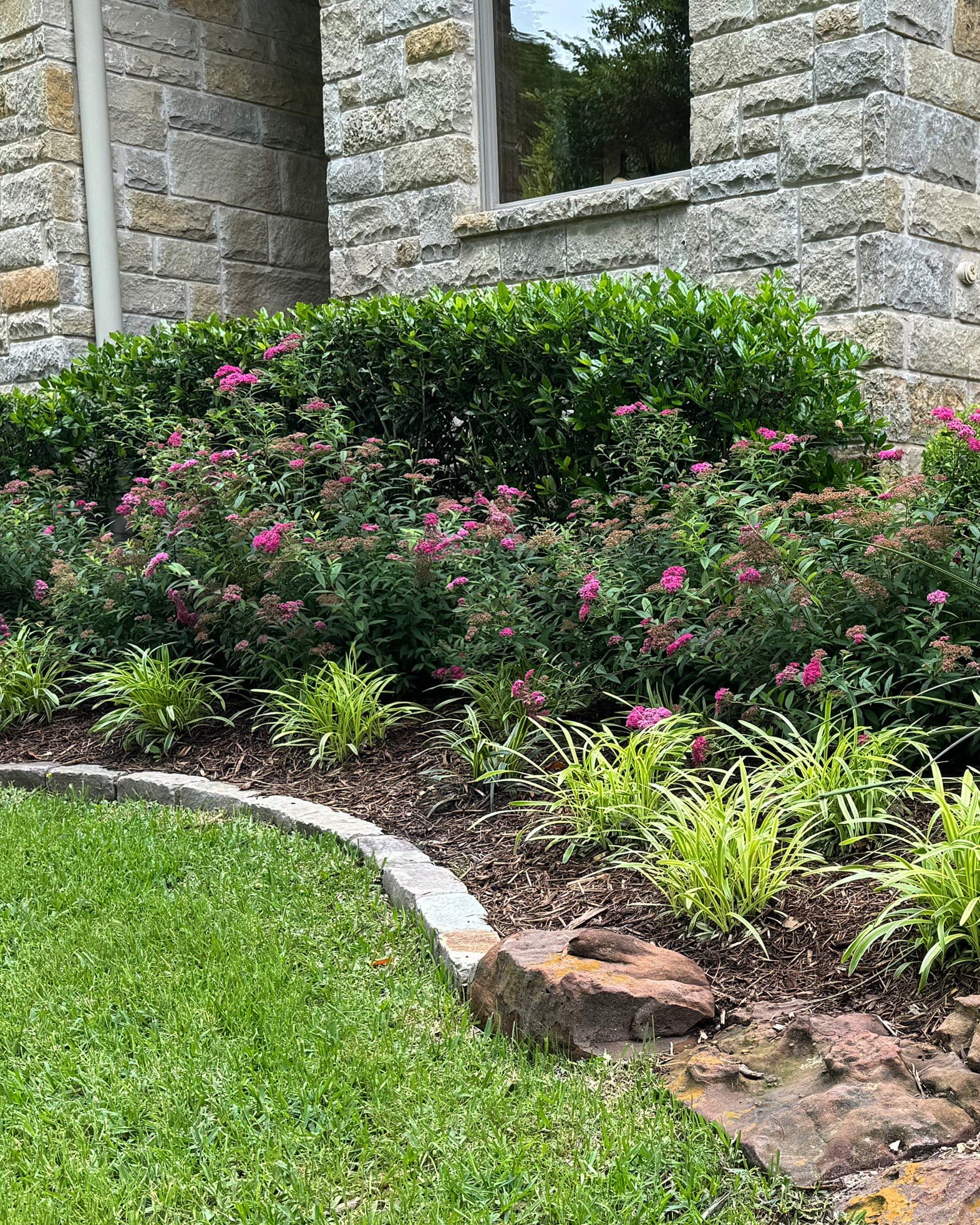
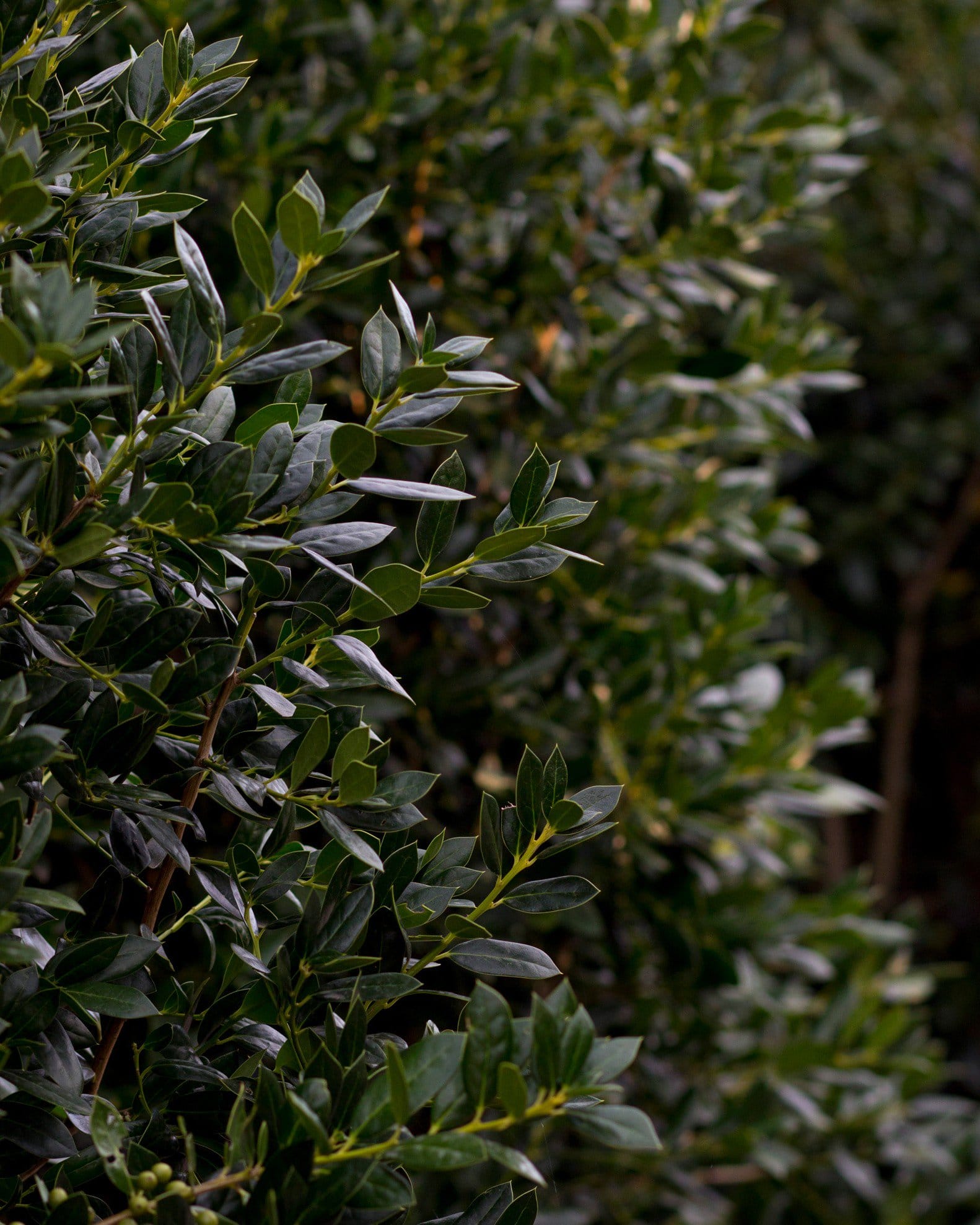
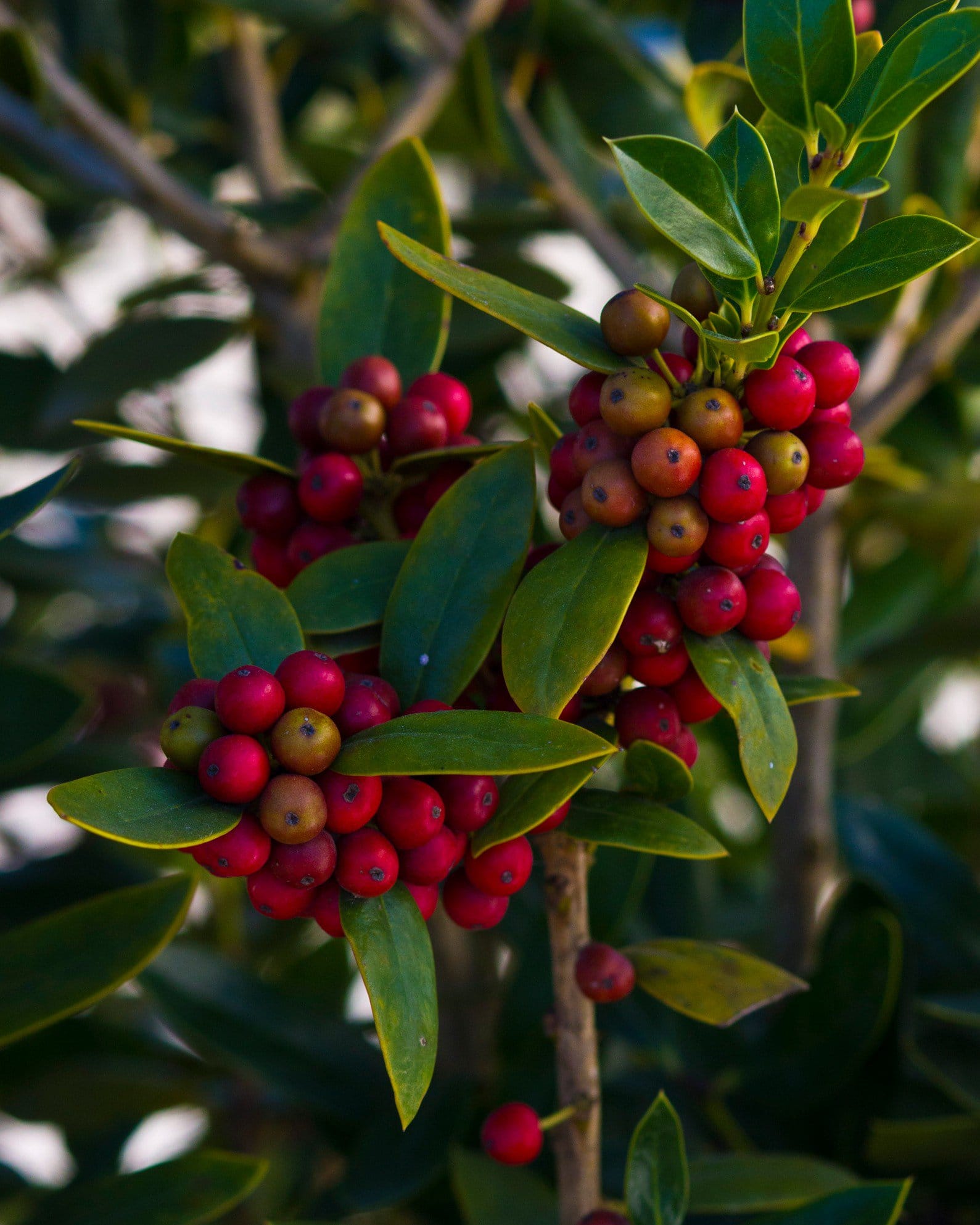
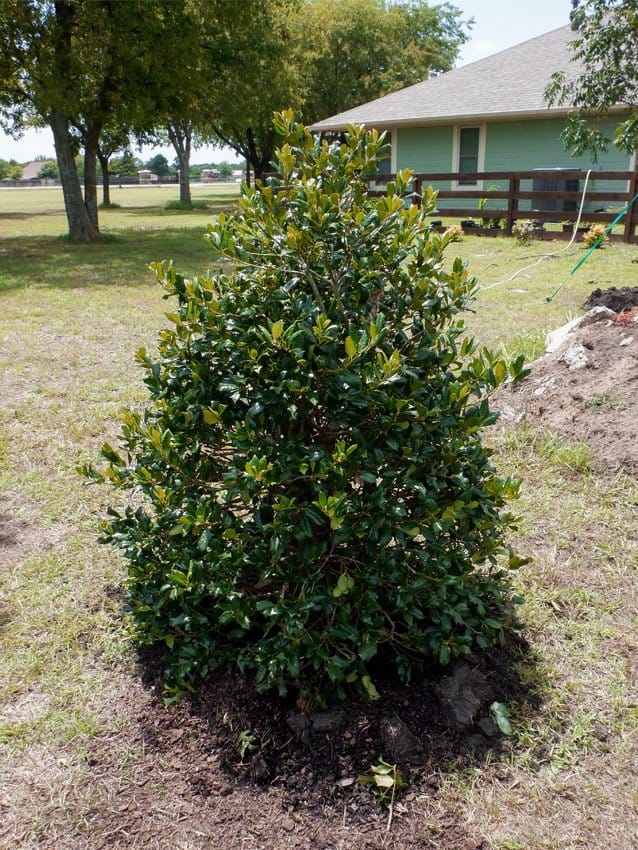
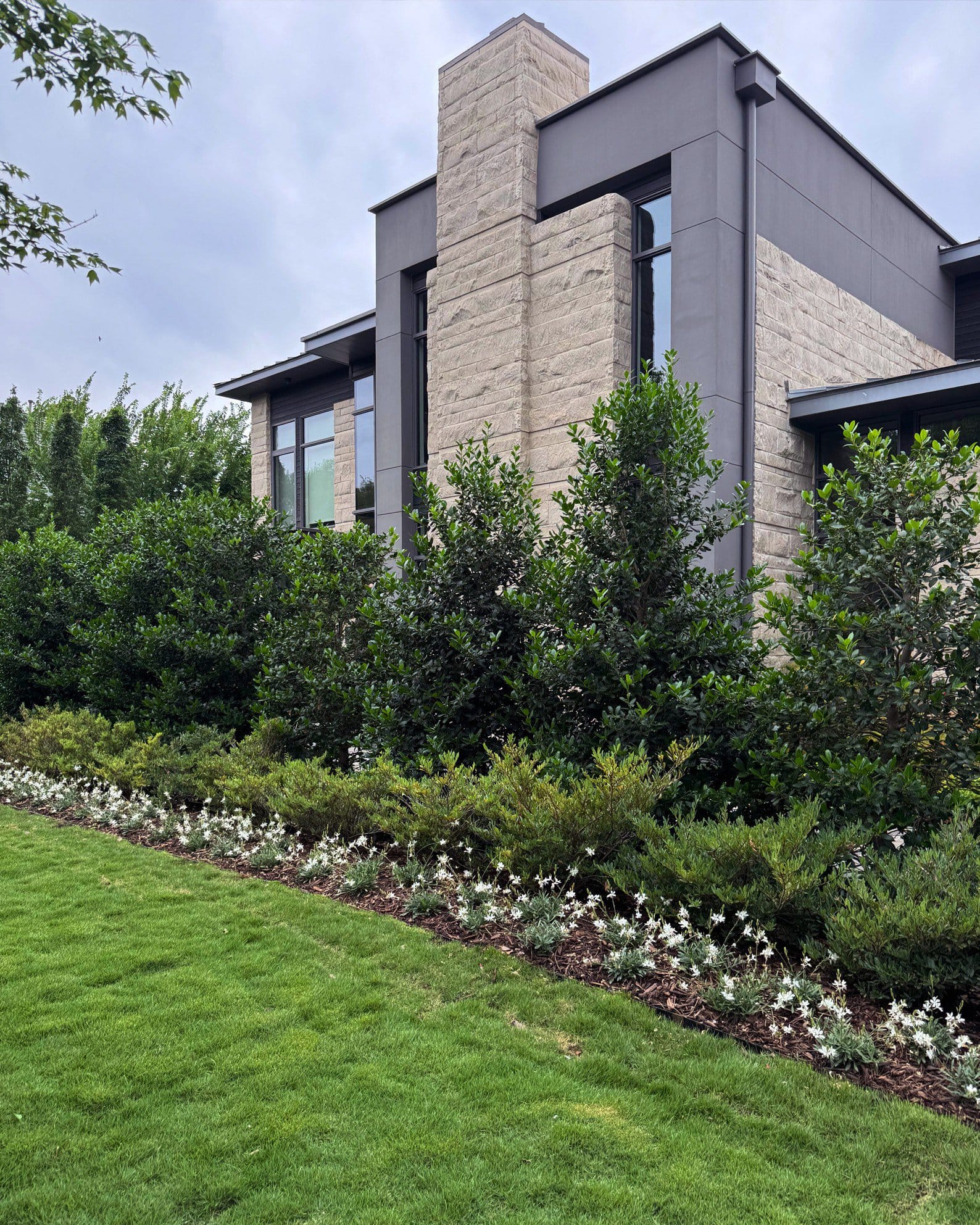
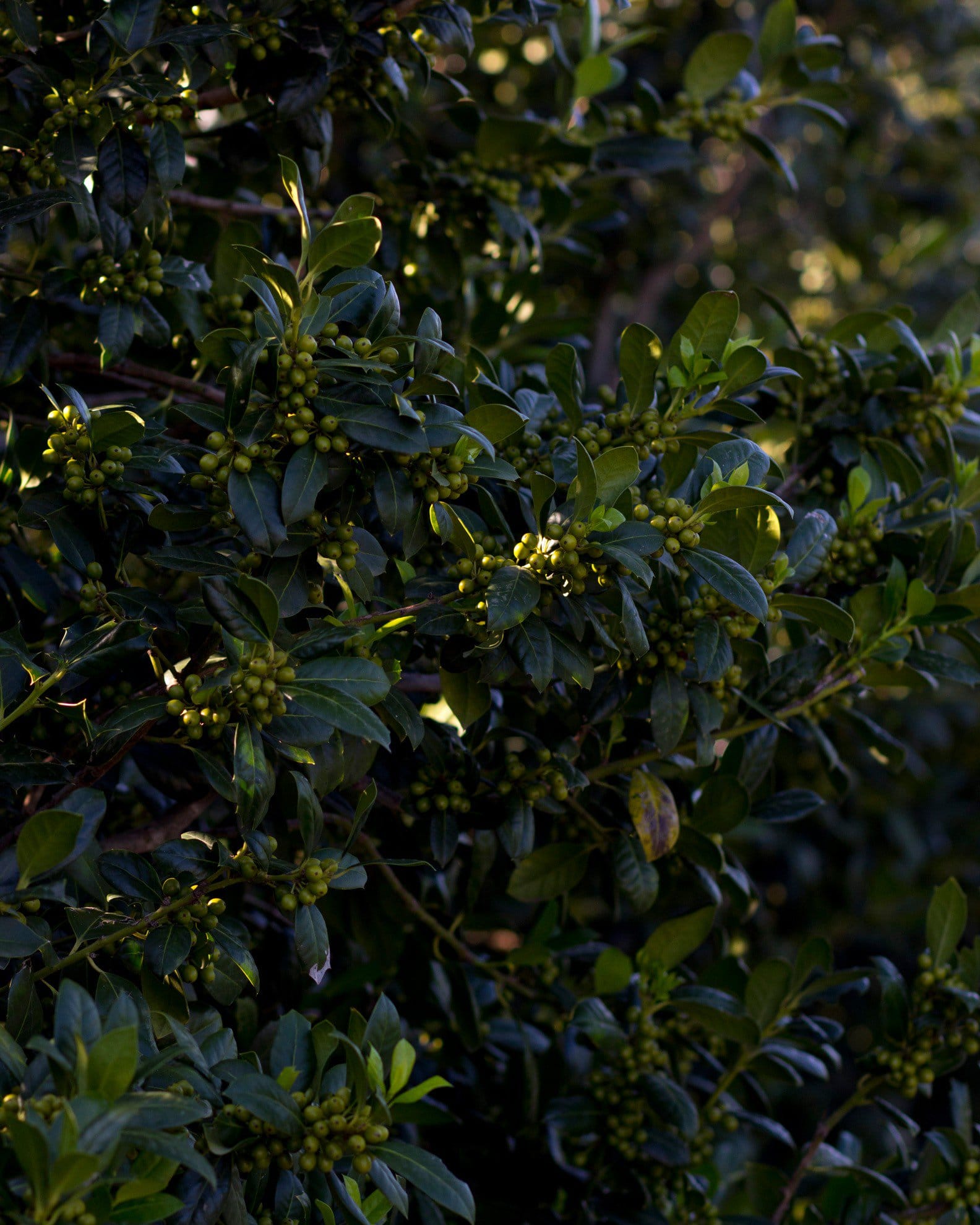
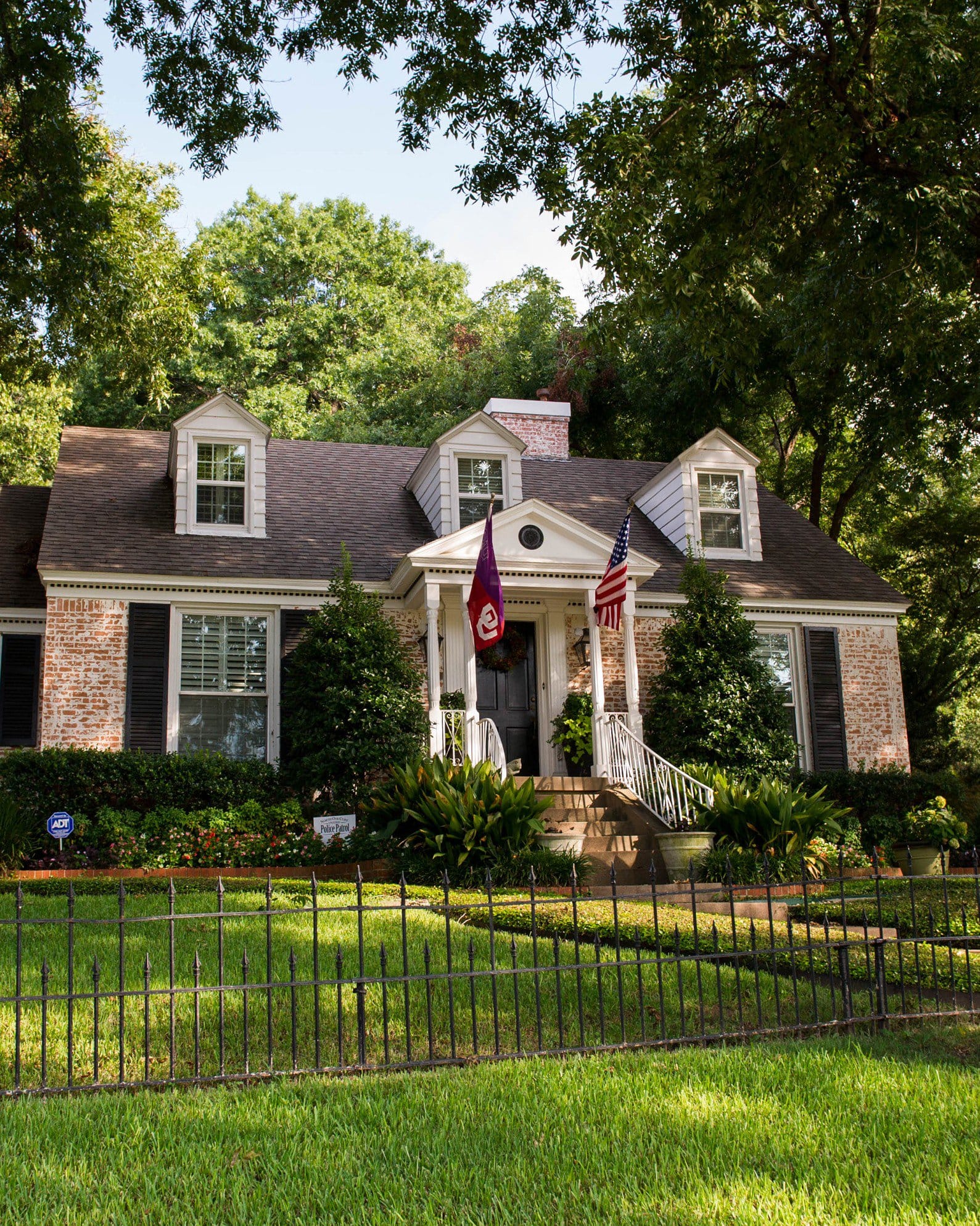
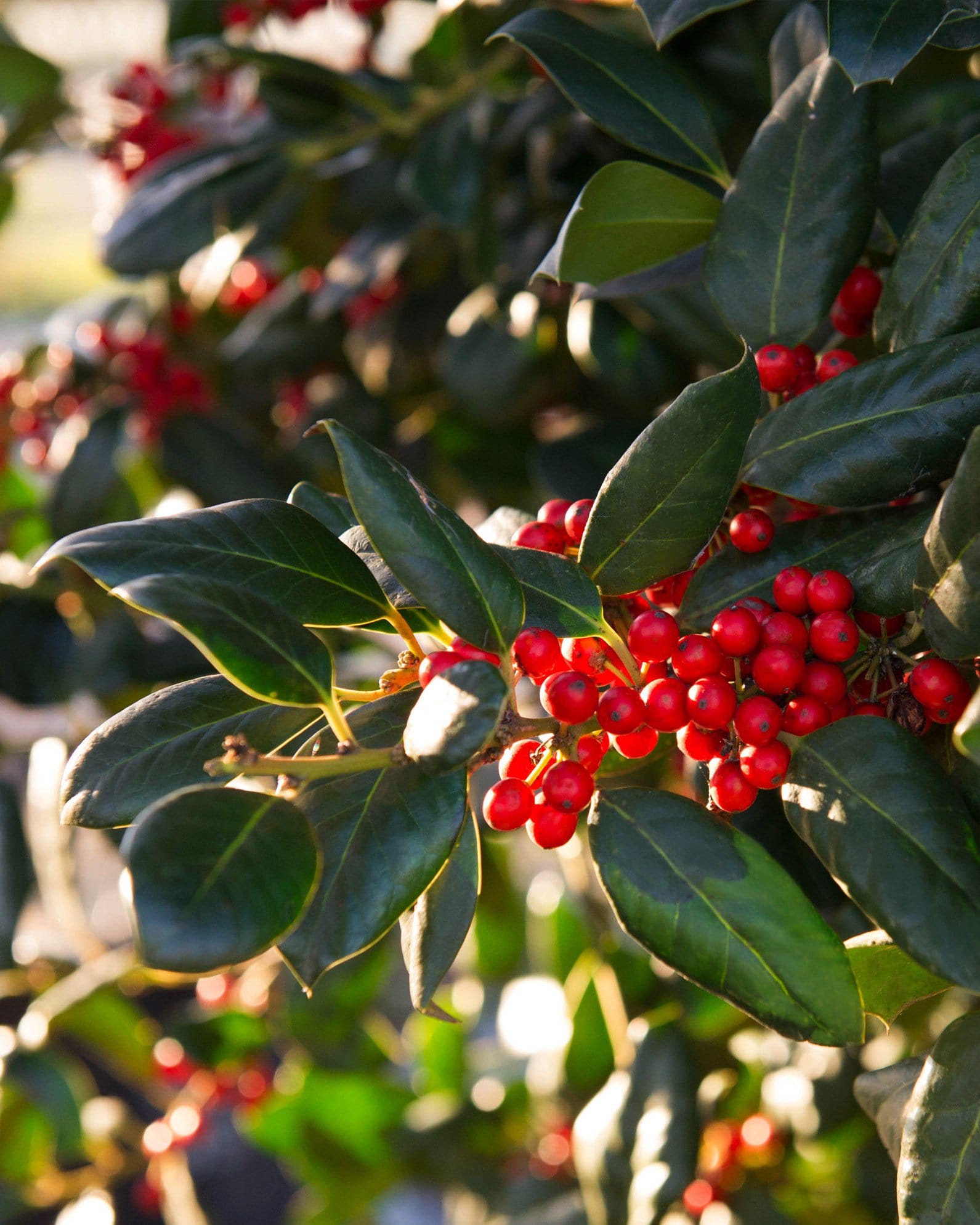
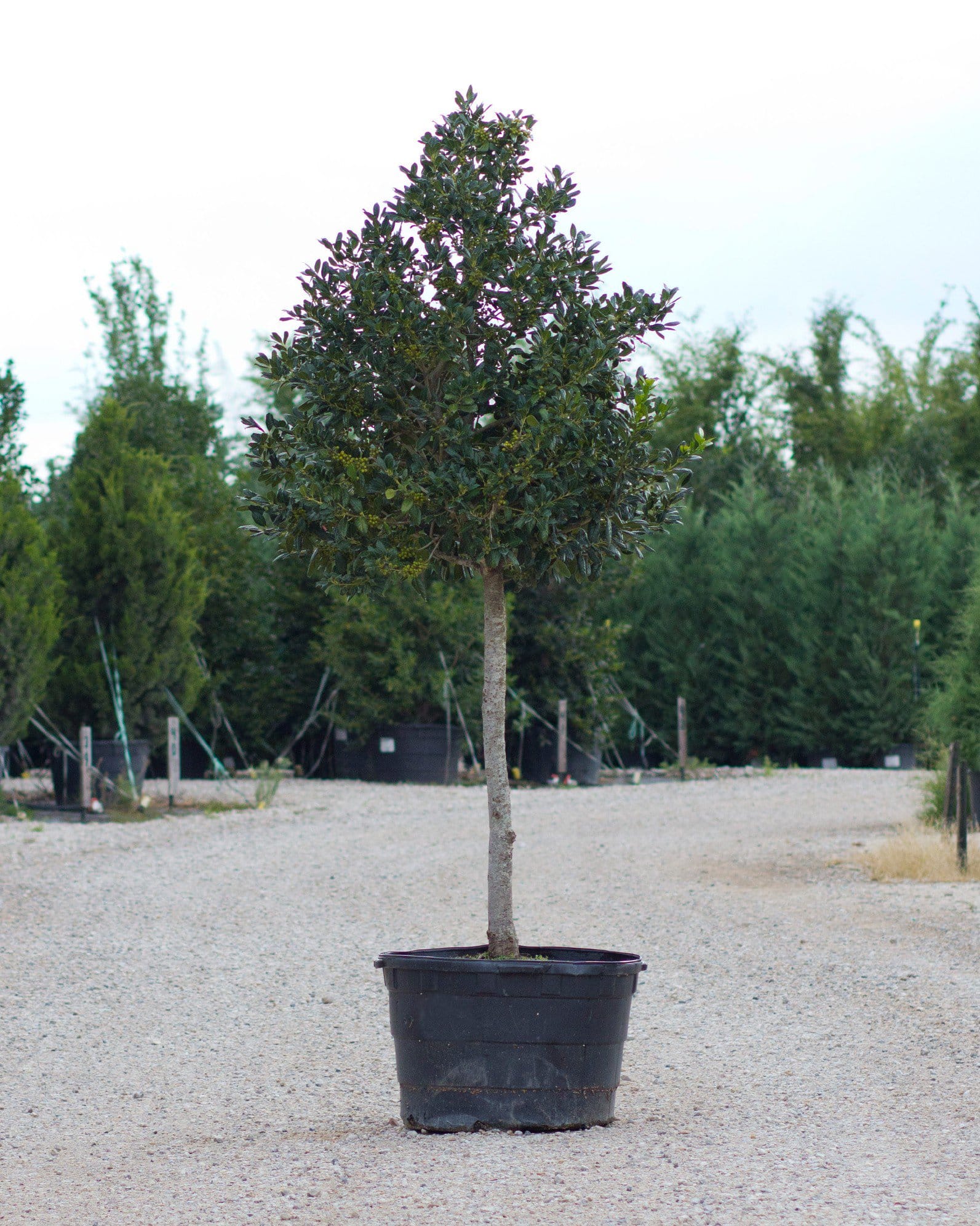
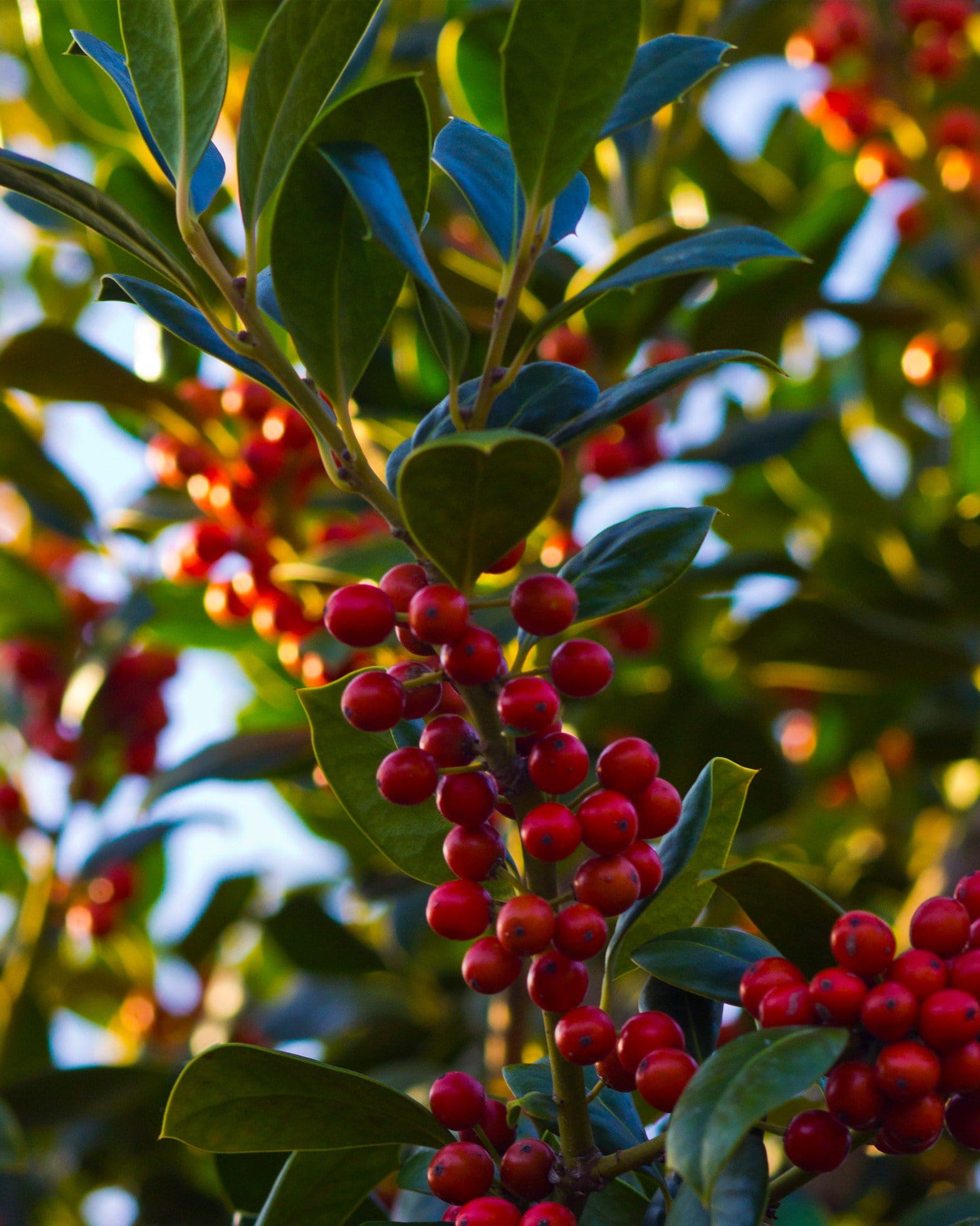
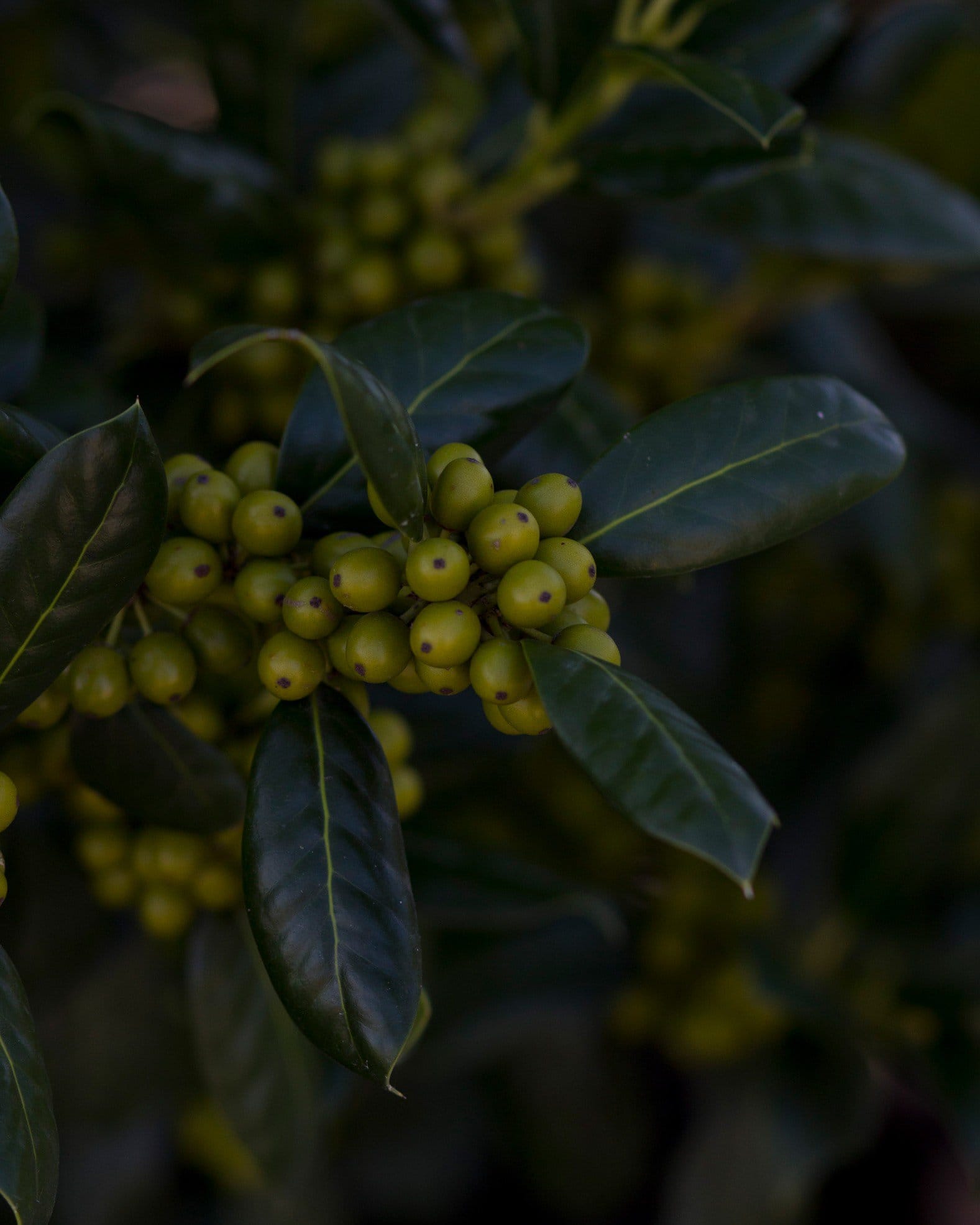
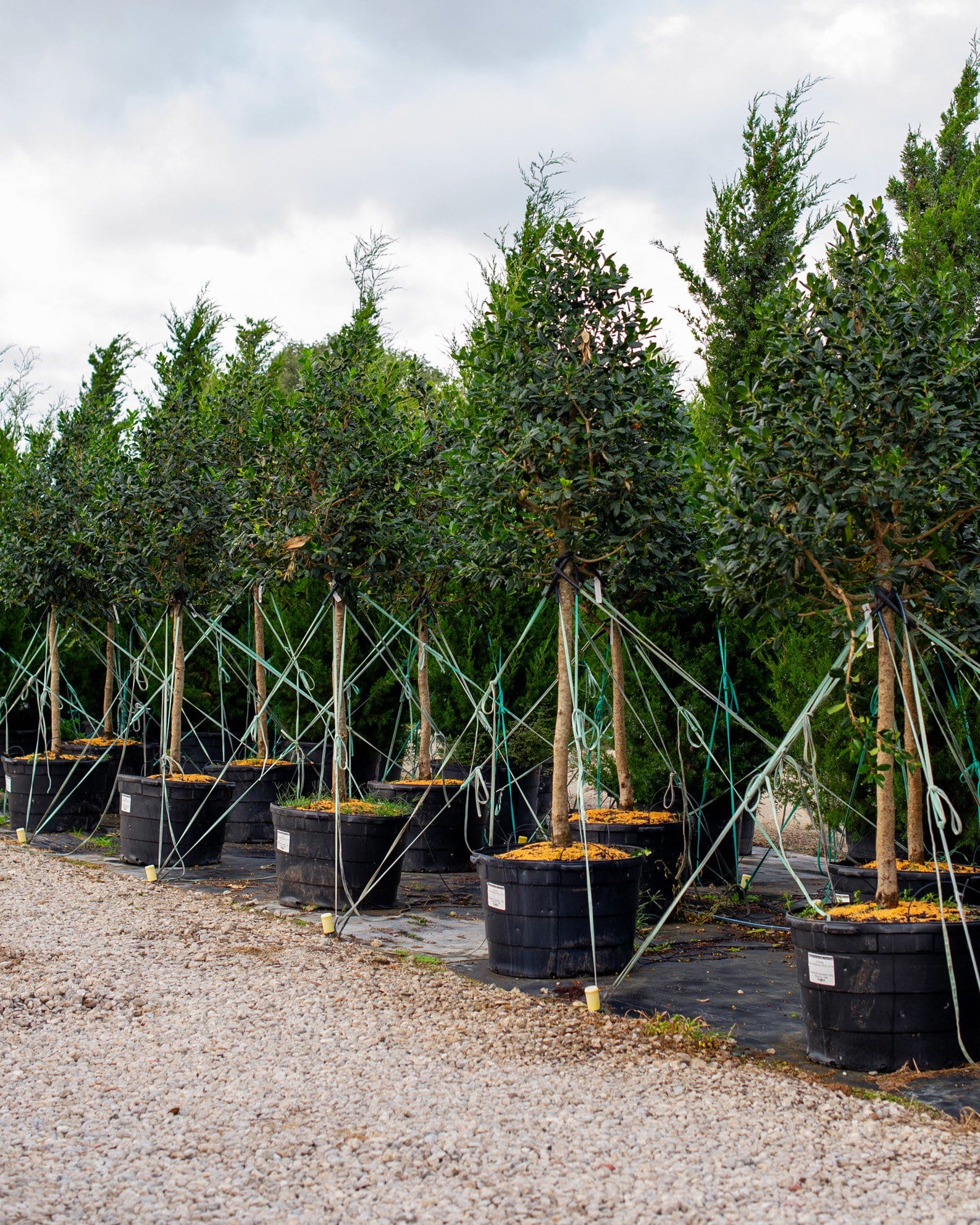
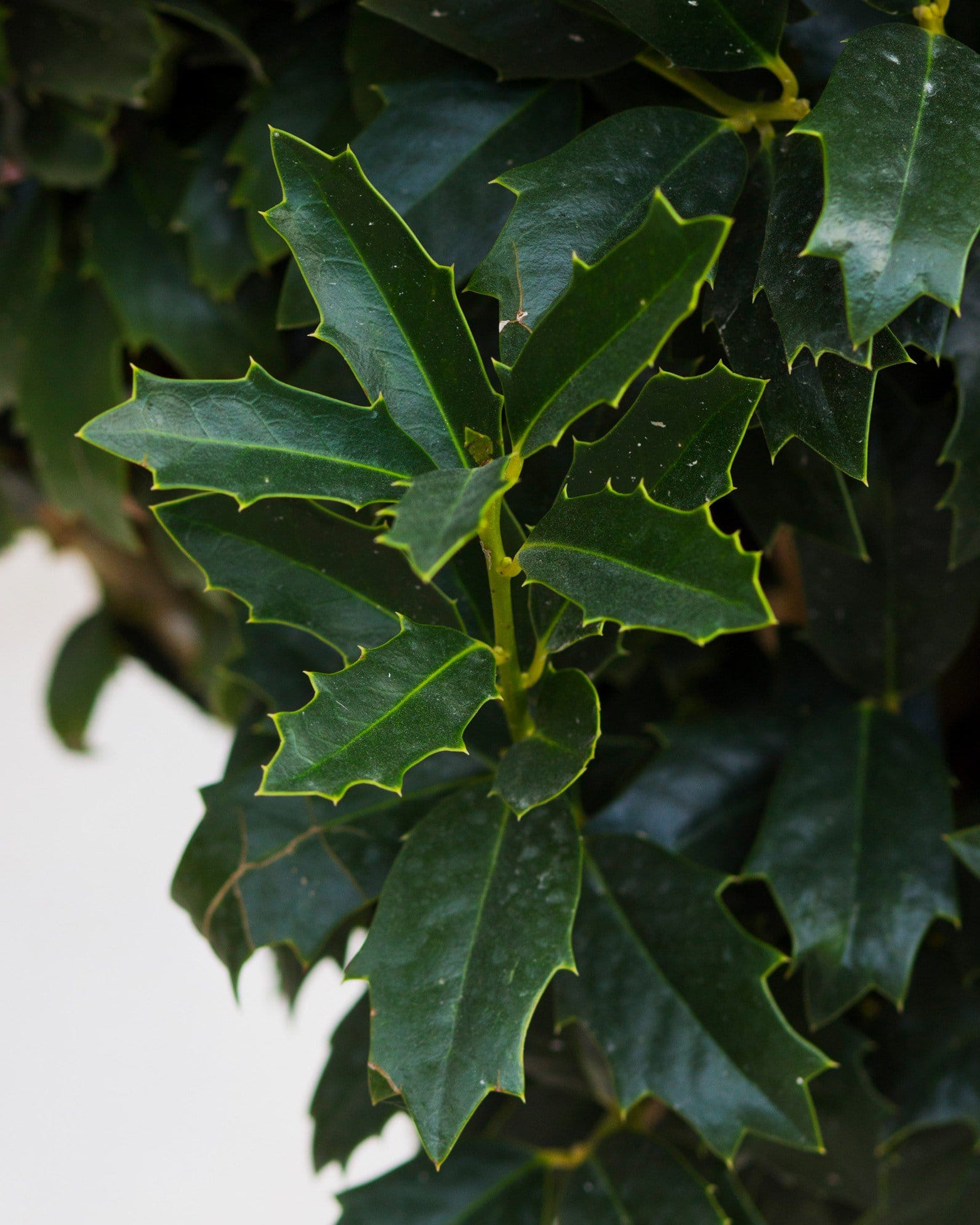
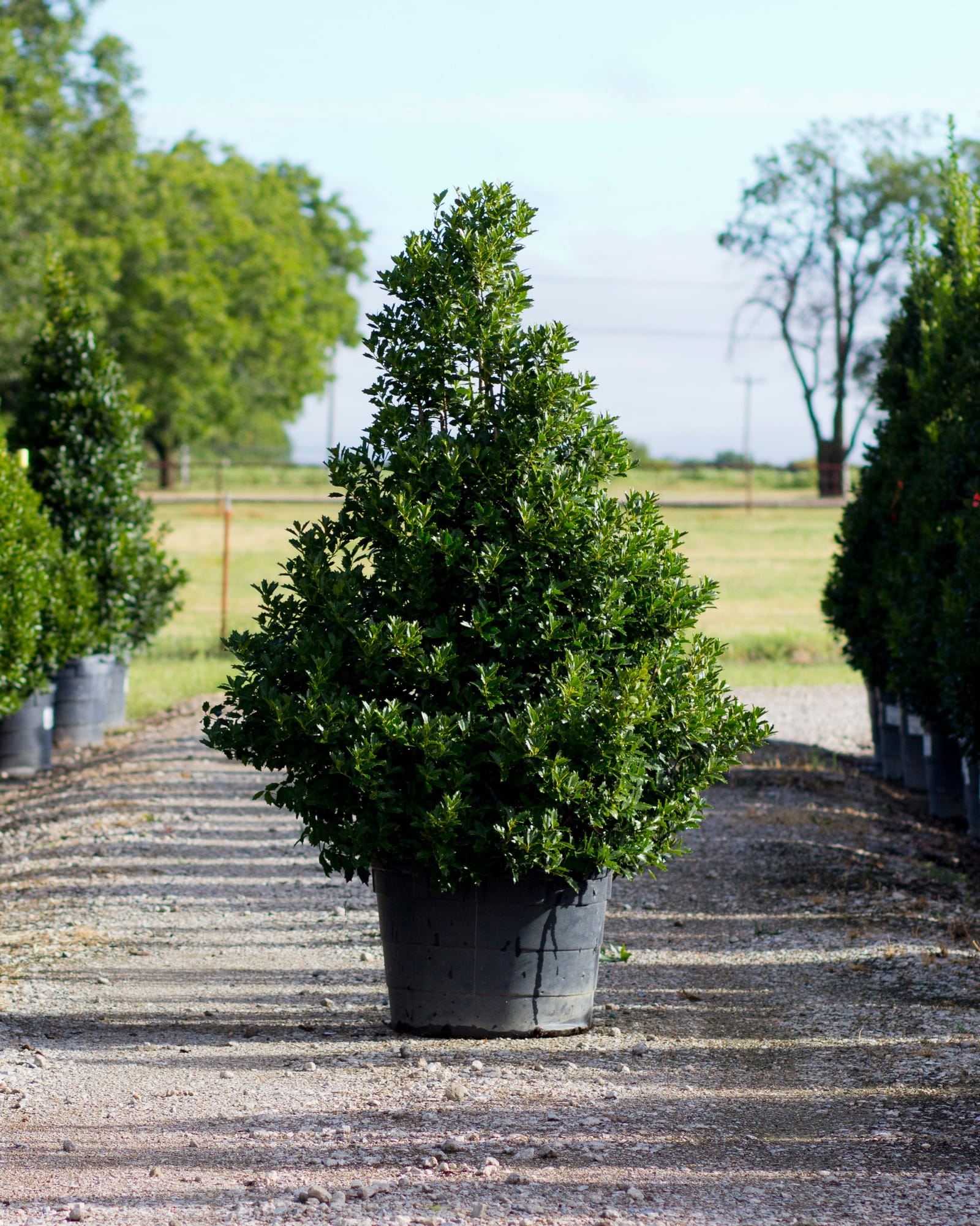
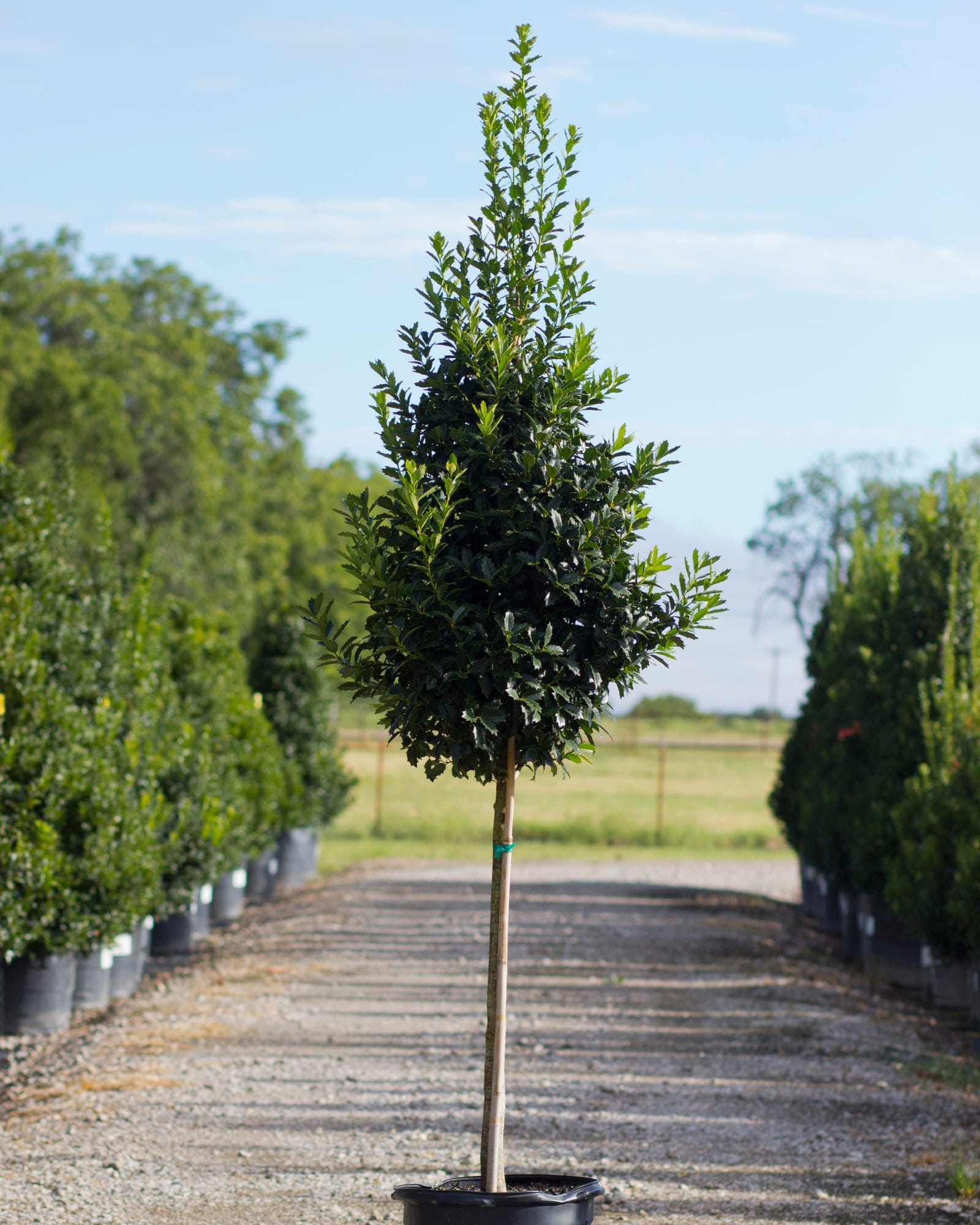
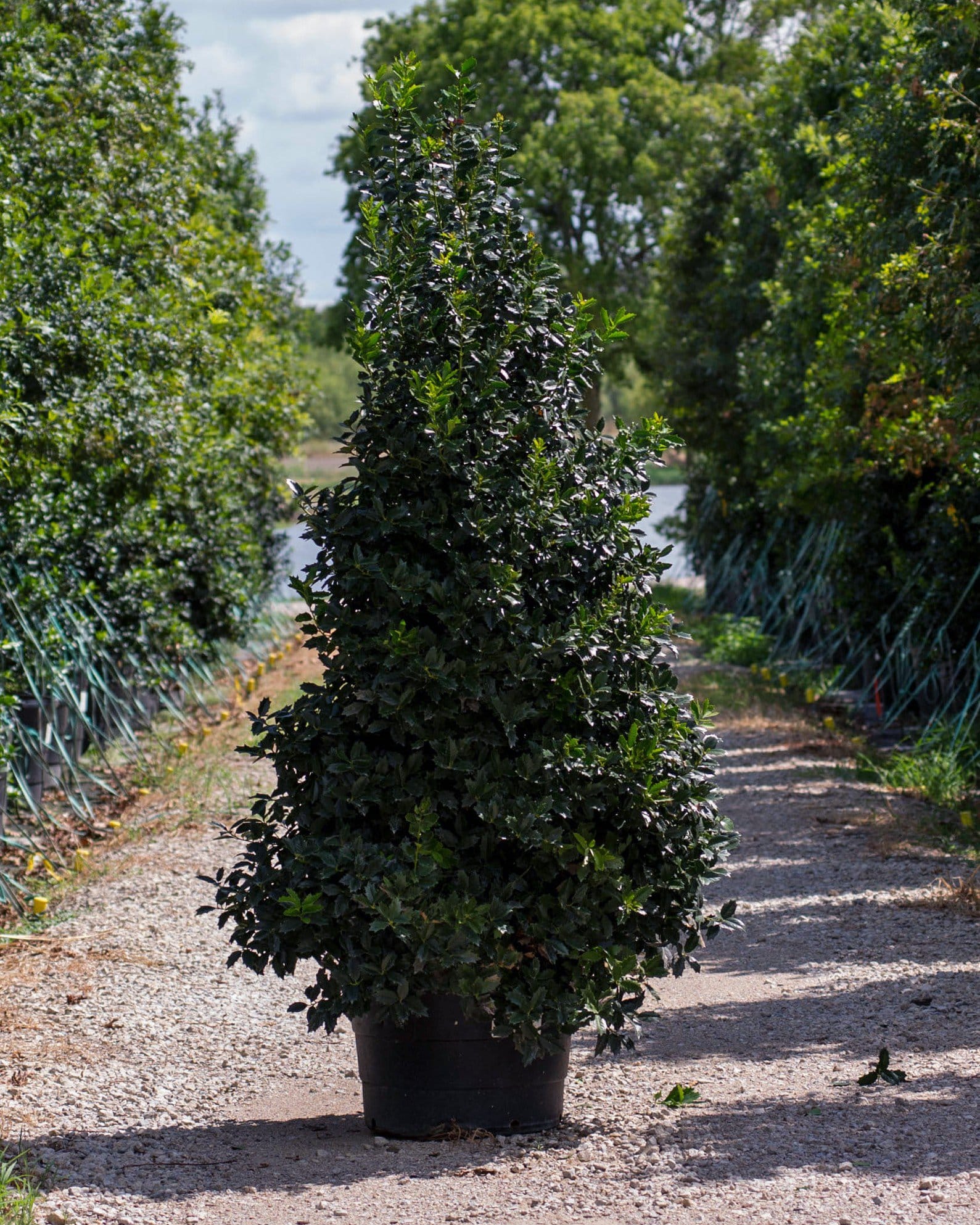
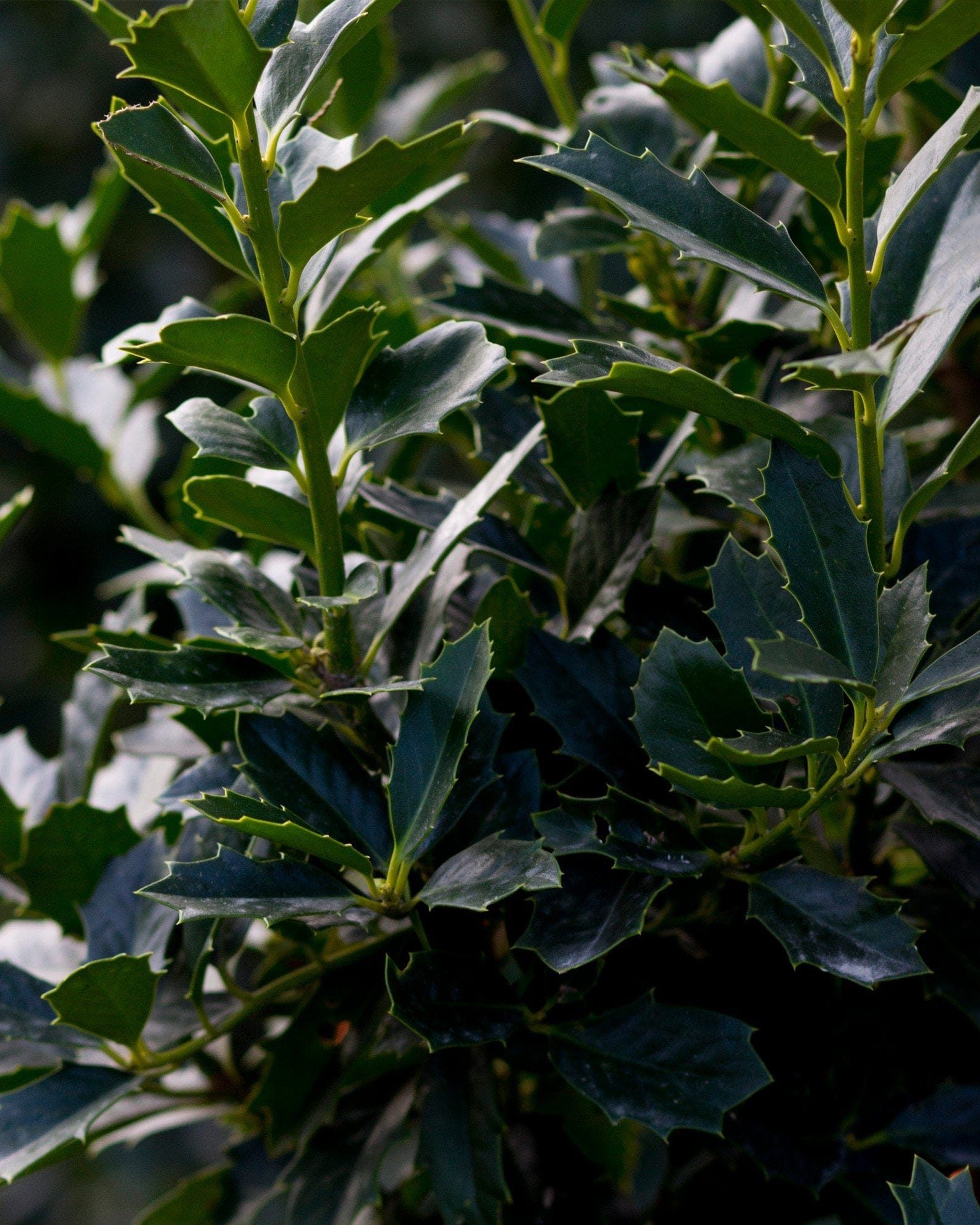
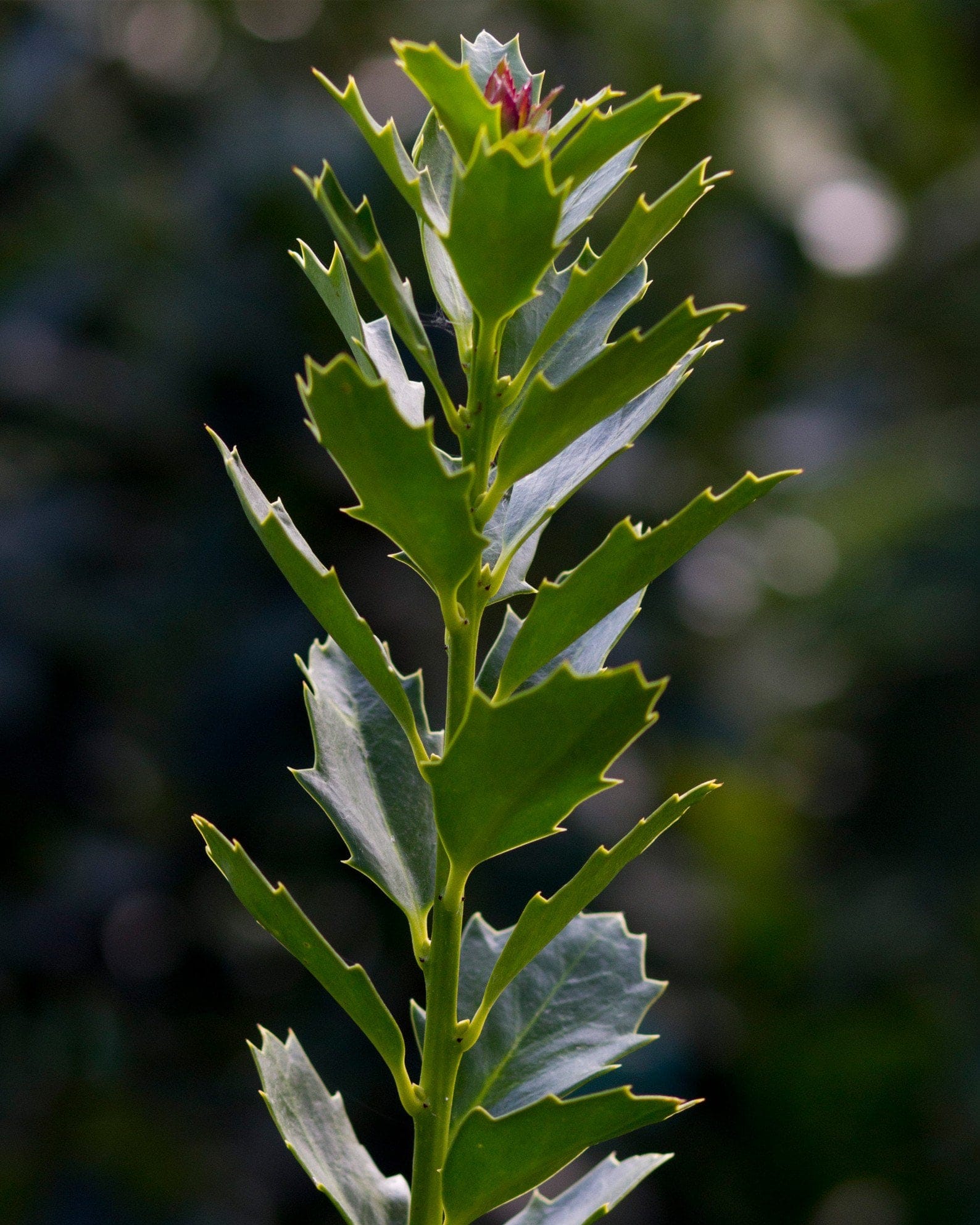
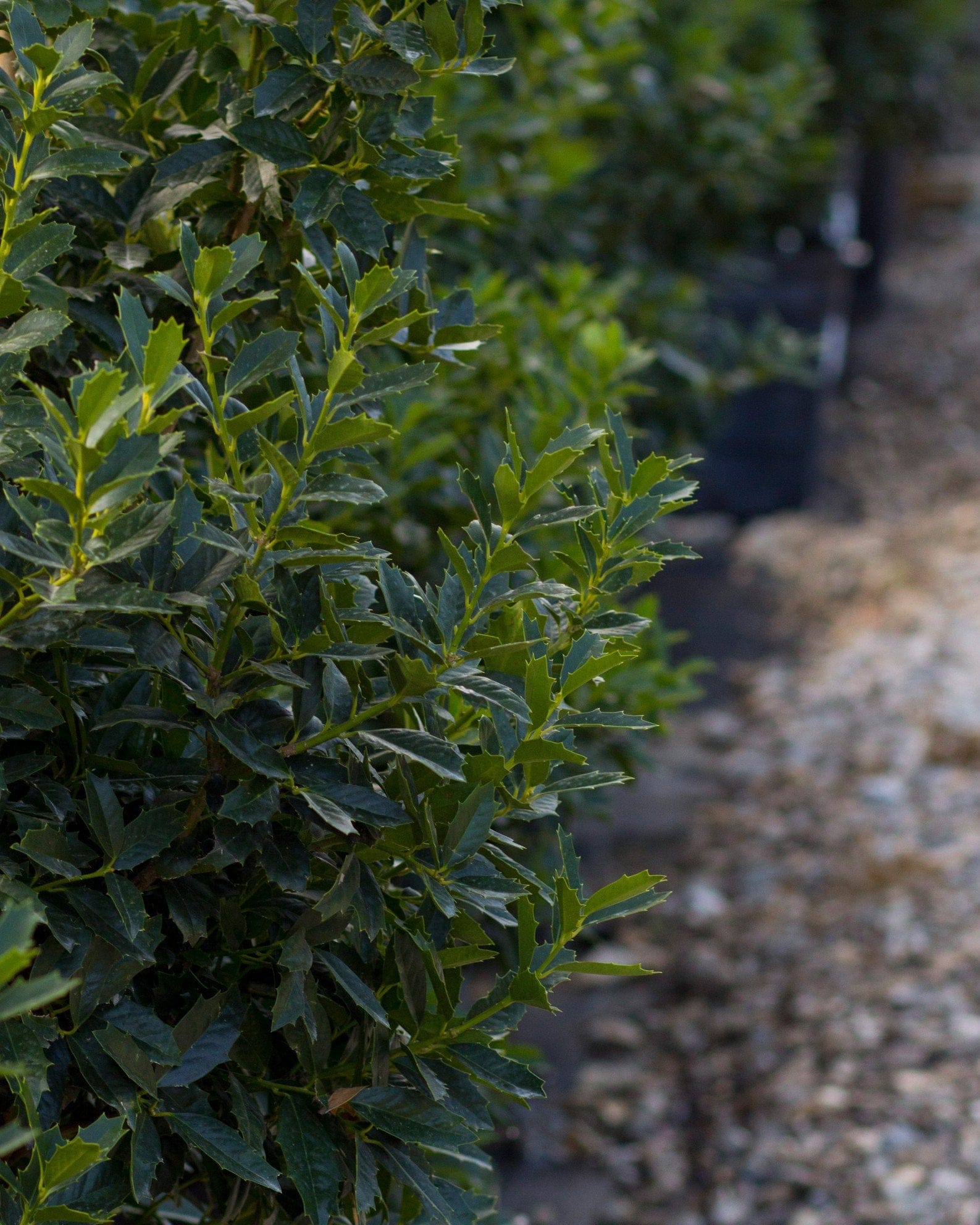
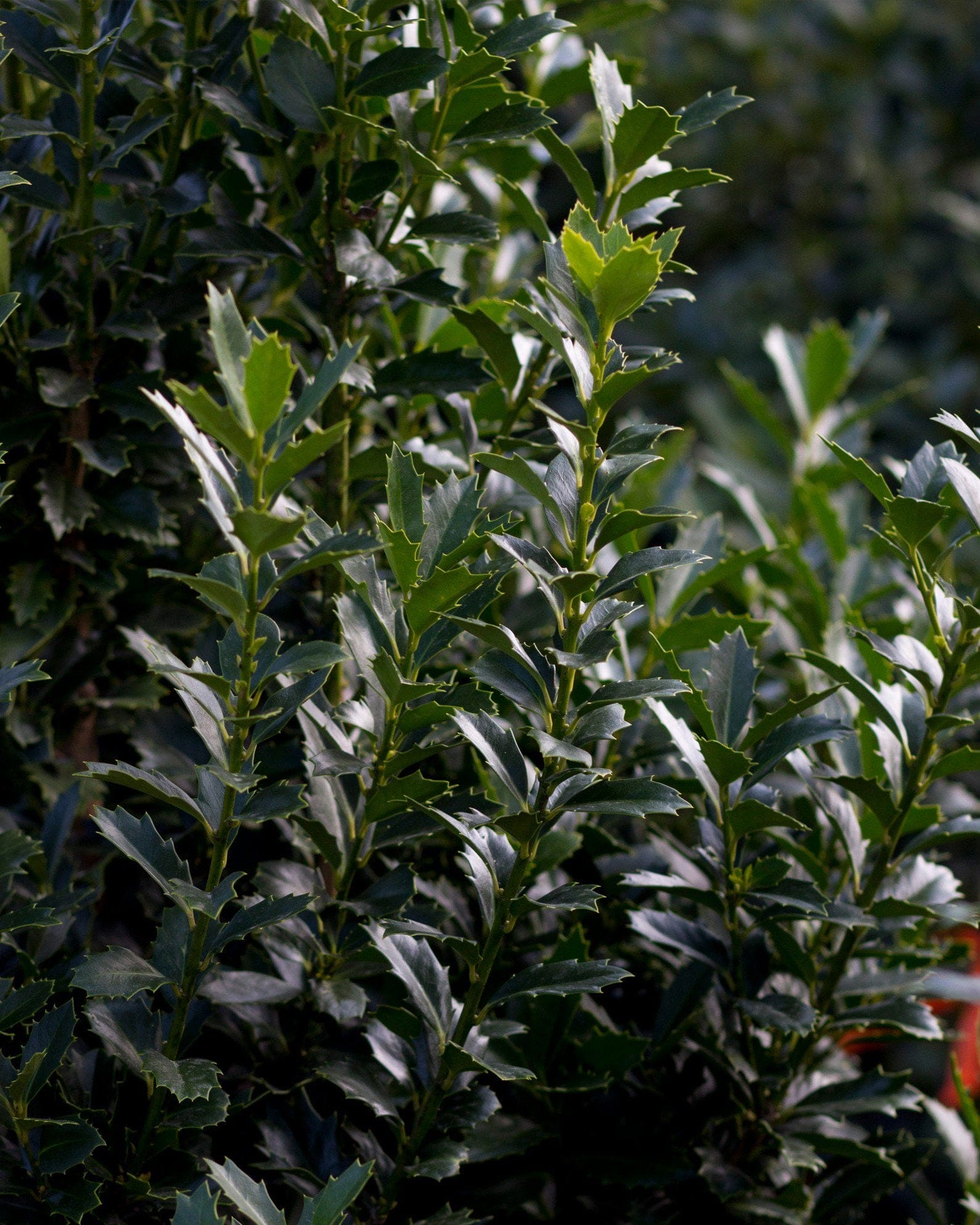
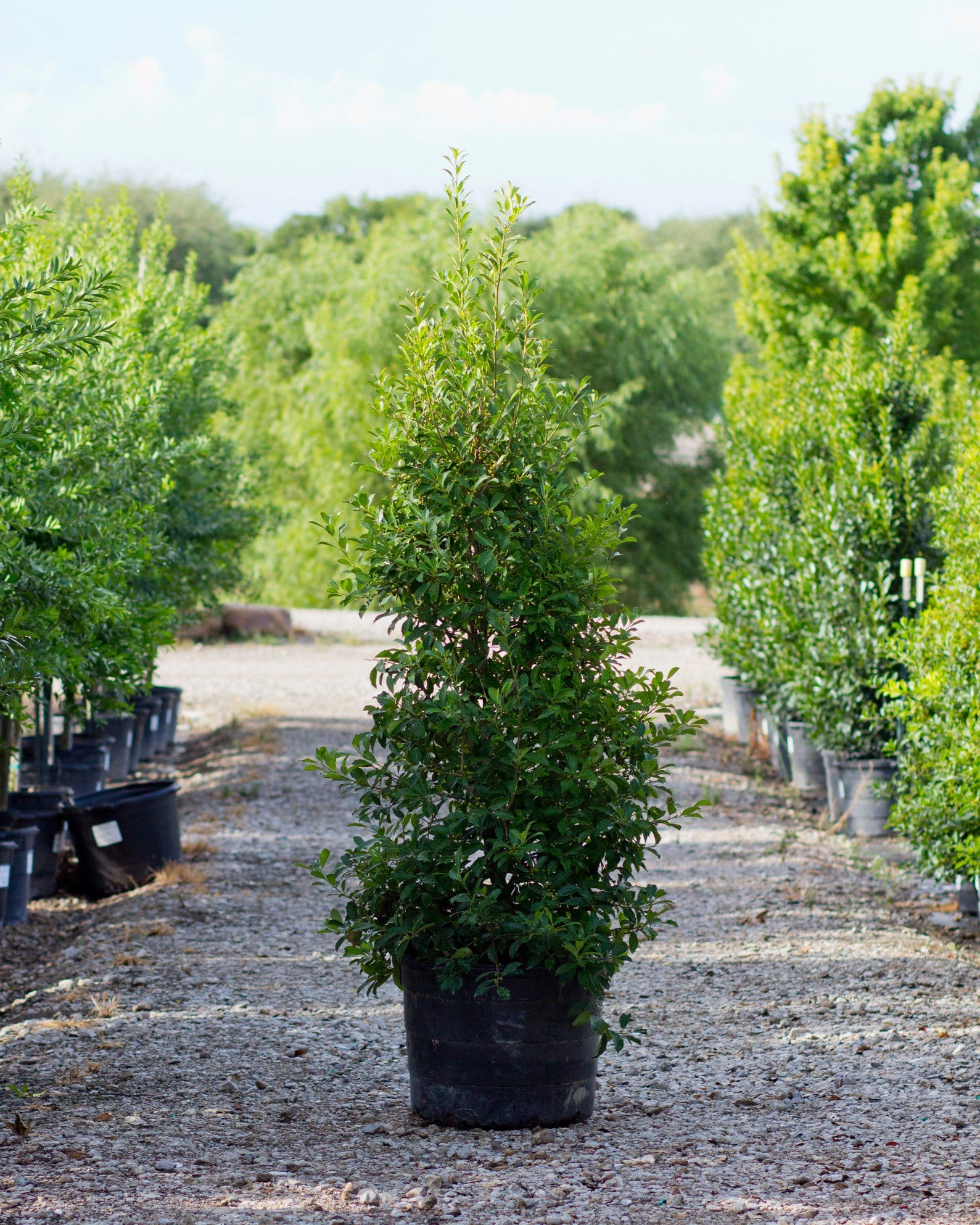
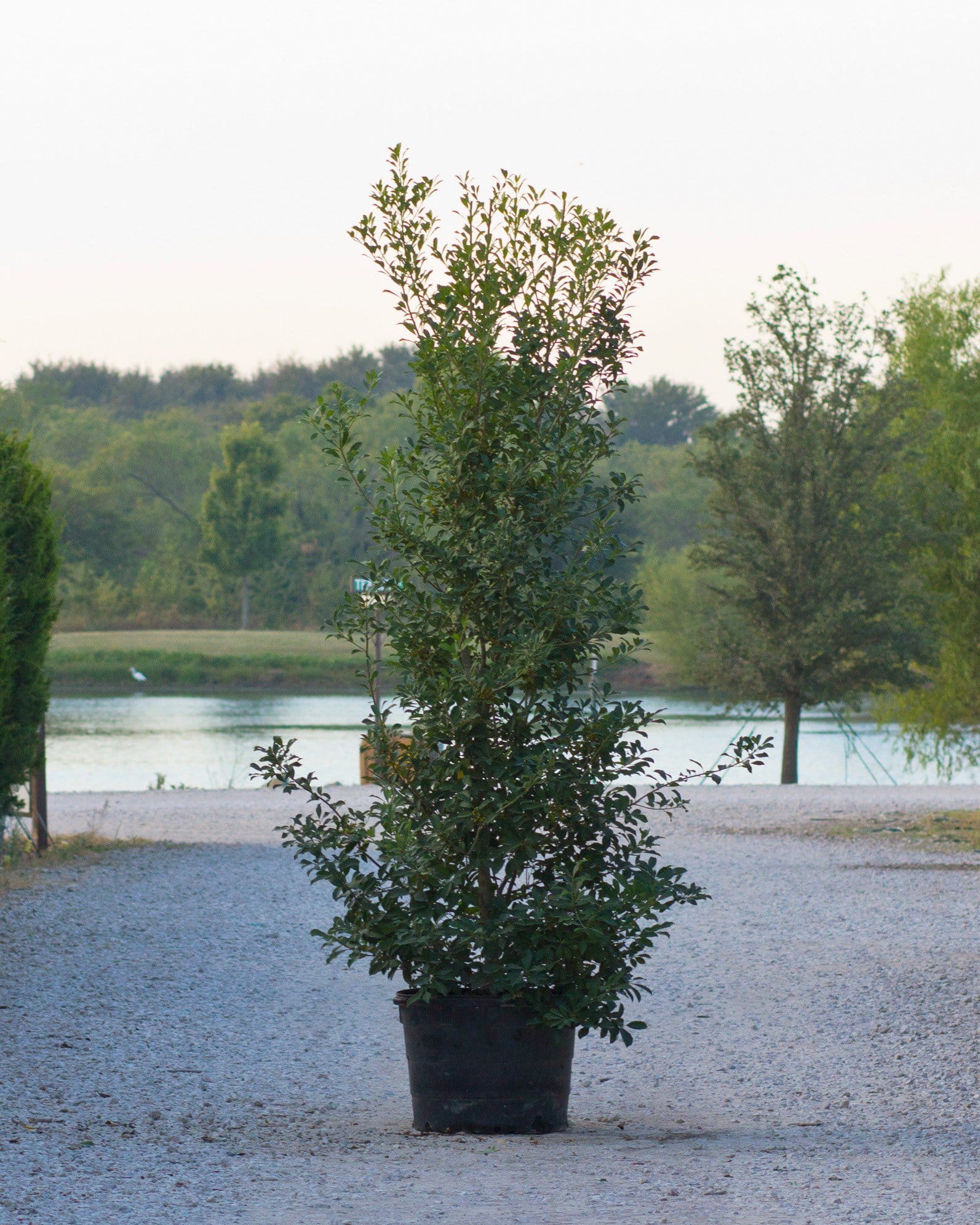
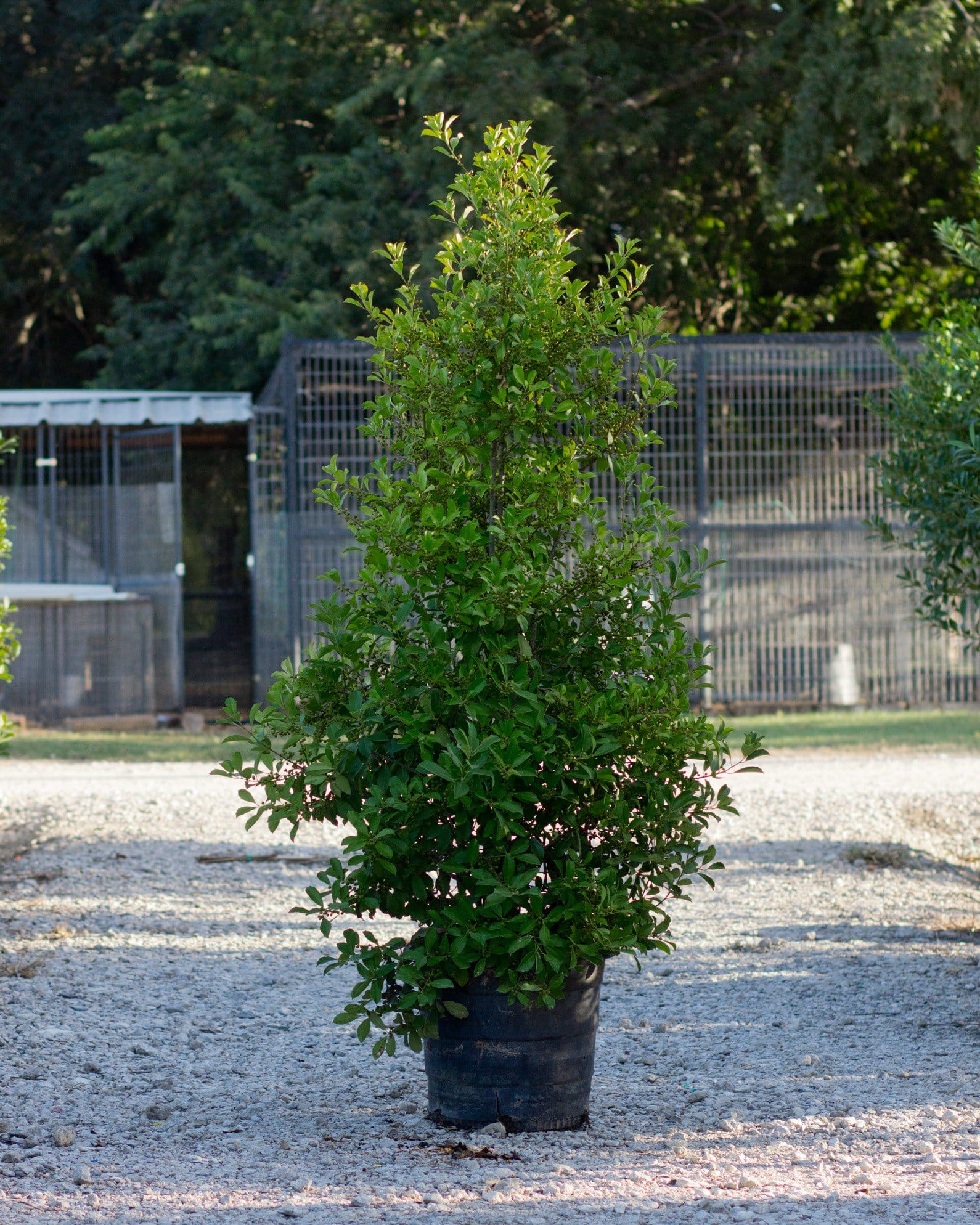
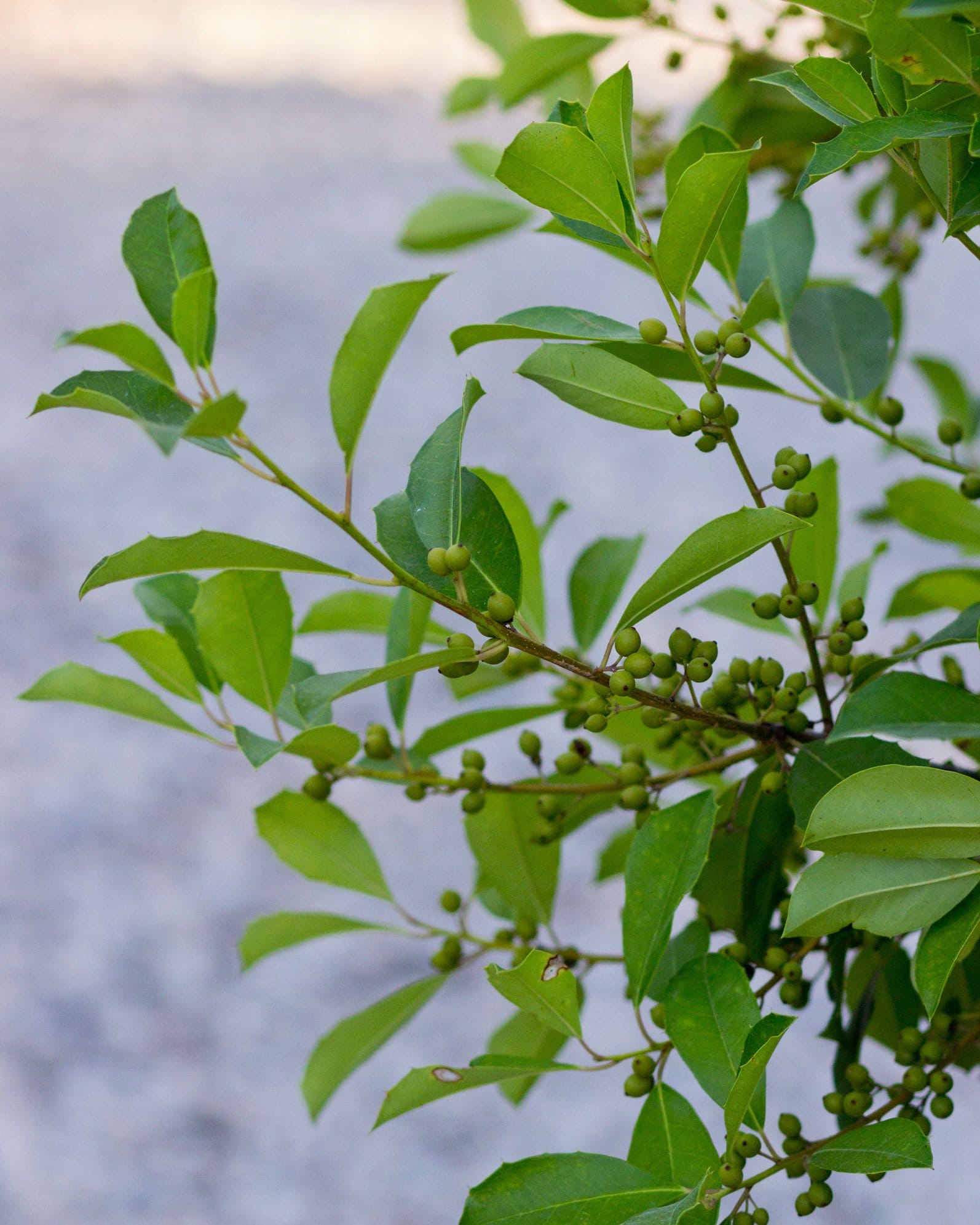
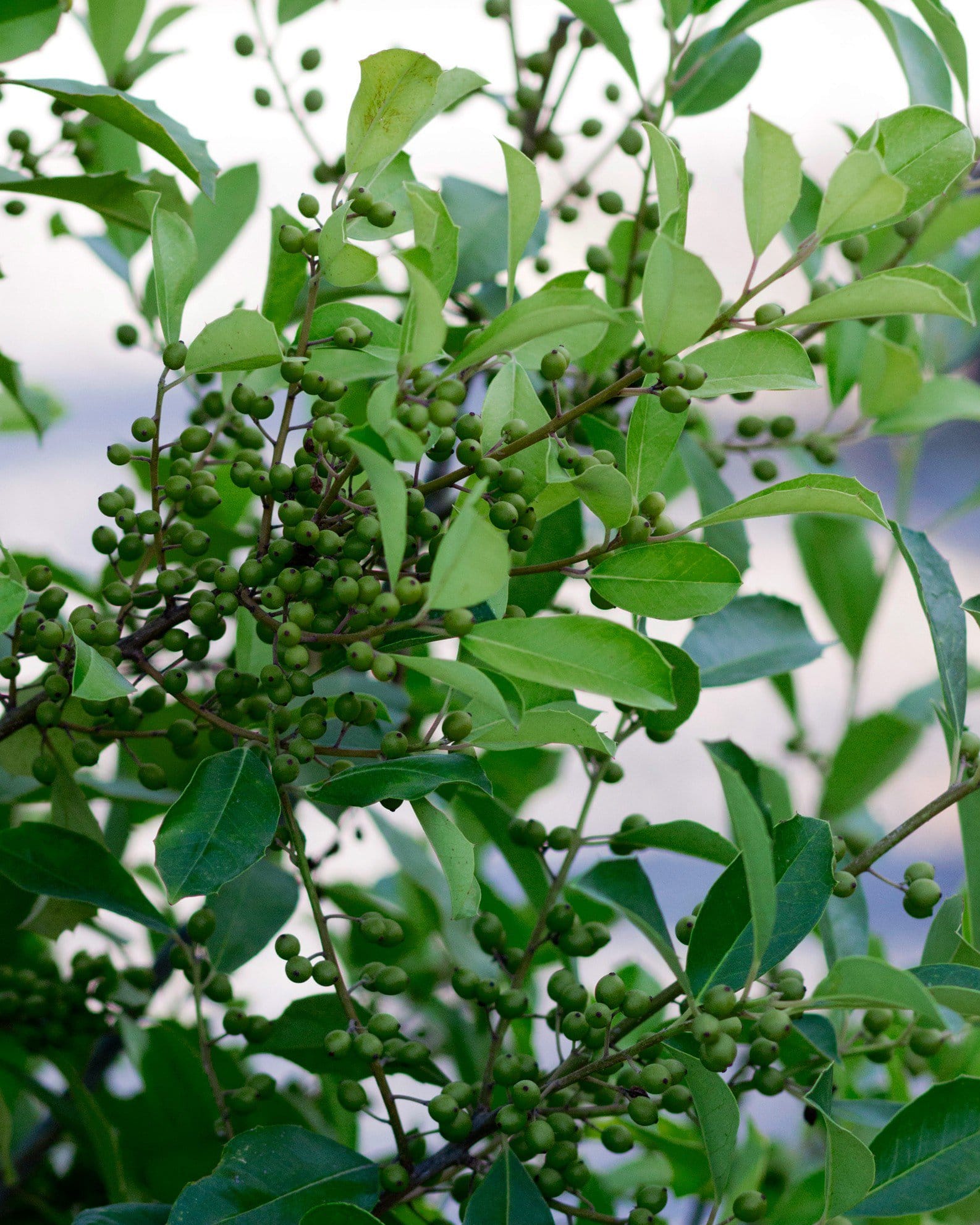
Ilex x 'Conin'Robin Holly is a beautiful evergreen tree known for its stately form and vibrant foliage. Its new growth emerges a rich burgundy-red before maturing into glossy, deep green leaves with classic holly spines, adding dimension and color to the landscape throughout the seasons. In fall and winter, female plants produce bright red berries (when a male pollinator is nearby), enhancing the plant's ornamental appeal. With a naturally pyramidal shape, Robin Holly grows 20 feet tall and 12 feet wide, making it a great choice for foundation plantings or standalone focal points.
- Evergreen holly tree
- Moderate growth rate with upright, pyramidal habit
- Bright red berries on female plants (requires male nearby)
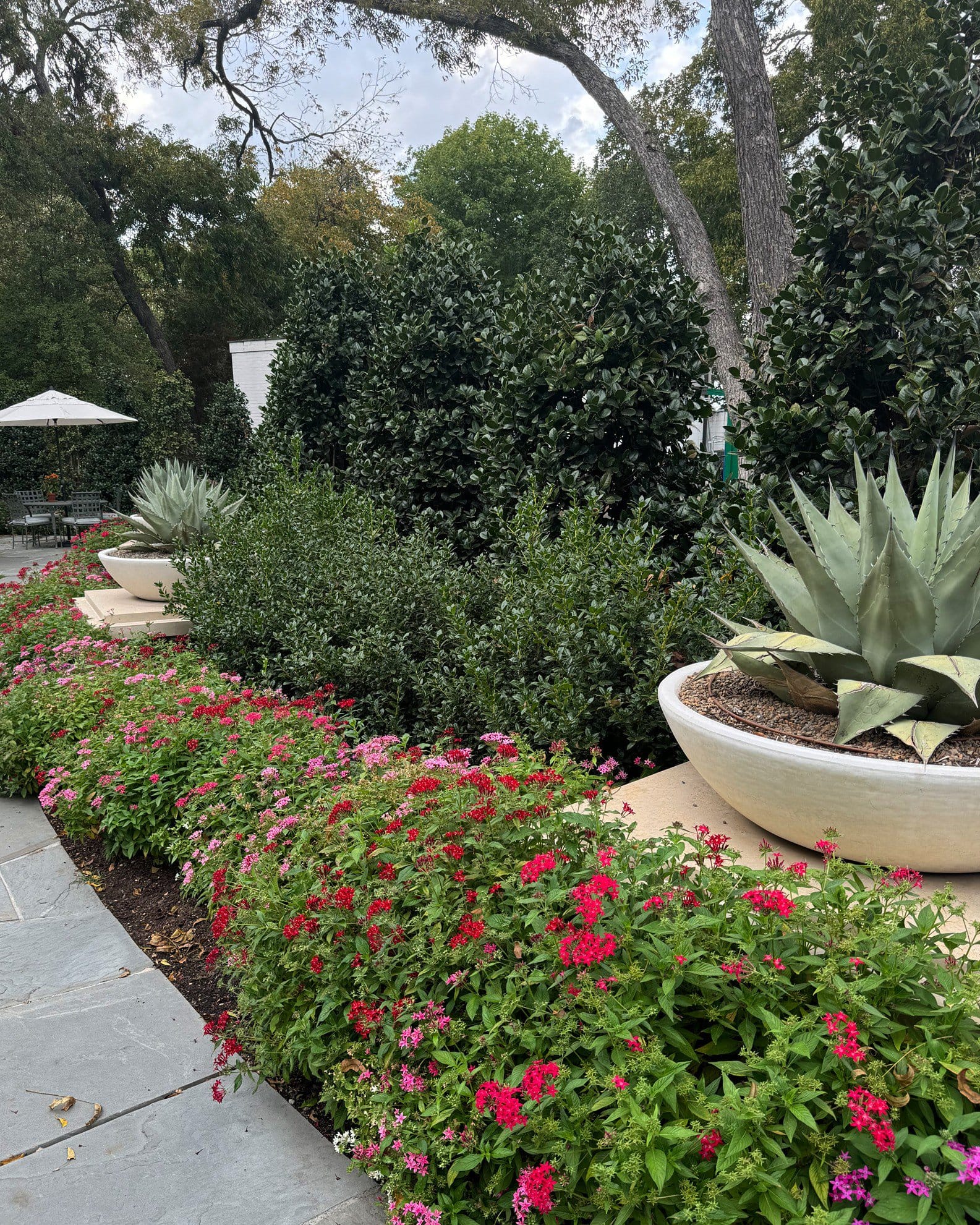
- Excellent for privacy, structure, and seasonal interest
- Adaptable and hardy
Robin Holly grows best in full sun to partial shade and well-drained soil. Hardy in USDA zones 6 through 10, it’s well-suited for a variety of Texas conditions and brings reliable year-round beauty to any outdoor space.
Robin Holly is a robust, versatile evergreen shrub admired for its glossy foliage and vibrant red berries. Proper care helps it thrive beautifully with minimal effort:
- Watering: Water regularly during the first growing season to establish strong roots. Once established, Robin Holly is moderately drought-tolerant but benefits from occasional deep watering during extended dry spells, especially to support berry production and maintain lush foliage. Avoid overwatering, which can lead to root rot. In containers, check soil moisture more frequently, as pots dry faster than in-ground plantings.
- Pruning: Light pruning in late winter or early spring helps maintain a tidy, naturally rounded form, remove dead or crossing branches, and improve air circulation. Avoid heavy pruning that removes too much foliage, as this can reduce berry production and alter its natural shape. Removing faded flowers or lightly thinning after berry season helps the shrub remain healthy and vigorous.
- Fertilizing: Feed once in early spring with a slow-release, balanced fertilizer formulated for evergreens. Mature plants rarely need supplemental feeding unless leaves appear pale or growth is slow. A light midseason feed supports new growth and enhances the berry set. Avoid excess nitrogen, which can promote leafy growth at the expense of fruiting.
- Mulching: Apply a 2-3 inch layer of organic mulch around the base to retain soil moisture, moderate temperature, and suppress weeds. Keep mulch a few inches away from the trunk to prevent rot or pest buildup. Refresh annually to maintain soil health and encourage root development.
- Winter care: Robin Holly is hardy and retains its foliage and berries throughout winter. Young plants benefit from a protective layer of mulch around the root zone during the first winters. In areas with ice or heavy snow, gently remove accumulation from branches to prevent breakage.
Robin Holly is generally low-maintenance, but a few manageable issues can occur:
- Leaf Drop: Often caused by transplant shock, sudden environmental changes, or drought stress. Maintaining consistent soil moisture helps recovery.
- Scale Insects: Small bumps on stems or leaves that may cause yellowing. Treat with horticultural oil during dormancy or insecticidal soap during the growing season.
- Spider Mites: Can appear in hot, dry weather, causing stippled or faded leaves. Rinse foliage or apply neem oil to control infestations.
- Sooty Mold: Black residue caused by honeydew from sap-feeding insects. Eliminating the pest usually resolves the mold naturally.
- Chlorosis (Yellow Leaves): Often due to alkaline soil or poor drainage. Apply iron supplements or soil amendments to restore green foliage.
With proper care, Robin Holly can live 40-50 years or more. Its durable structure and vibrant red berries make it a long-lasting, low-maintenance landscape shrub.
It grows at a moderate rate, typically reaching maturity in 5-7 years. Once established, it fills in naturally with minimal pruning, forming a dense, attractive shrub.
Yes - female plants reliably produce bright red berries each fall and winter when a male plant is nearby for pollination. Consistent sunlight and water help maximize fruiting.
Yes - its tough, spiny leaves deter deer, making it suitable for wildlife-prone areas.
Yes - it adapts well to large, deep containers with well-draining soil. Container plants may need slightly more frequent watering than in-ground specimens, particularly during hot weather.
Very well once established. Occasional deep watering during prolonged dry periods helps maintain leaf health and berry production.
Yes - mature plants withstand frost well, and young shrubs benefit from mulch protection during their first winters.
Absolutely. Light pruning encourages dense growth, making it ideal for hedges, privacy screens, or layered borders while retaining natural form.
Remove up to one-third of the oldest stems in late winter to encourage vigorous new growth from the center. This helps restore fullness and improves berry display.
Yes - it tolerates reflected heat, compacted soils, and moderate pollution, while maintaining its vibrant foliage and berries, making it an excellent choice for city yards, medians, and commercial plantings.
Special Features
You might also like
Burford Holly
Maturity: 15' H x 10' W
Burford Holly Tree Form
Maturity: 15' H x 10' W
Crown Point Holly
Maturity: 14' H x 7' W
Eagleston Holly Full to Ground
Maturity: 20' H x 14' W
Eagleston Holly Tree Form
Maturity: 20' H x 14' W
East Palatka Holly Tree Form
Maturity: 25' H x 14' W
Emily Bruner Holly
Maturity: 20' H x 10' W
Liberty Holly
Maturity: 14' H x 7' W
Needlepoint Holly
Maturity: 10' H x 8' W
Nellie R Stevens Holly
Maturity: 20' H x 14' W
Nellie R Stevens Holly Tree Form
Maturity: 20' H x 14' W
Oakland Holly
Maturity: 16' H x 7' W
Oakland Holly Tree Form
Maturity: 16' H x 7' W
Oakleaf Holly
Maturity: 16' H x 7' W
Savannah Holly Full to Ground
Maturity: 20' H x 14' W
Compare Similar Plants
Robin Holly This plant | ||
|---|---|---|
| Scientific Name | Ilex x 'Conin' | Ilex cornuta 'Burfordii' |
| Size at Maturity | 20' H x 12' W | 15' H x 10' W |
| Leaf Retention | Evergreen | Evergreen |
| Sizes Available | 65 gal | 15, 30, 45 gal |


Our 1-Year Planting Guarantee
We take pride in our plants and installation services. If any plants or trees installed by Treeland fail to thrive within the first year, we'll provide a replacement credit in accordance with our guarantee program.
Learn More About Our Guarantee