
 Popular
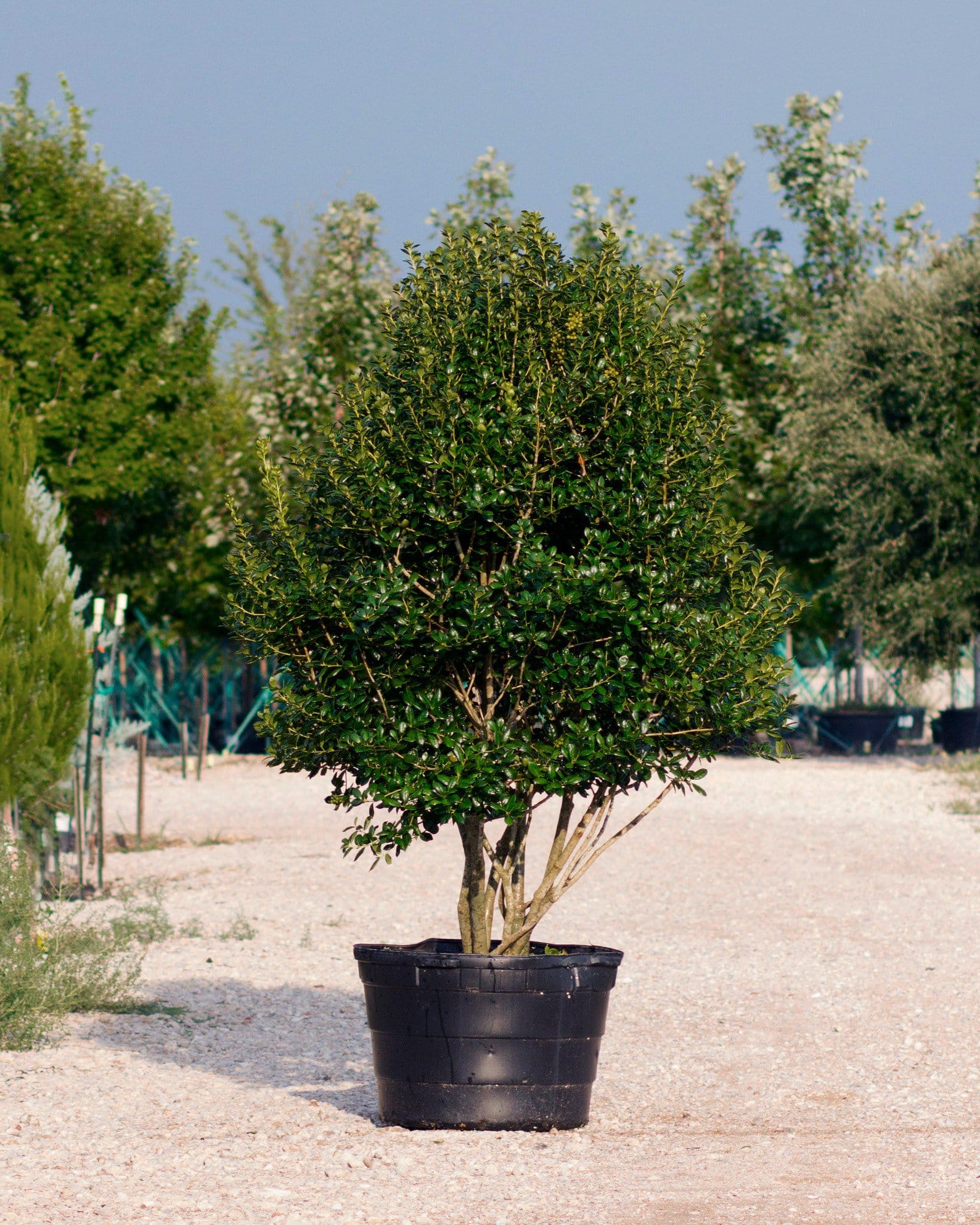
Nellie R Stevens Holly
Ilex × ‘Nellie R. Stevens’Local DFW Delivery Only
Product Details
Nellie R Stevens Holly
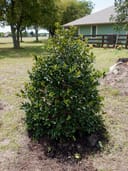
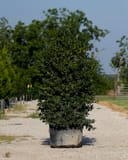
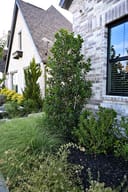
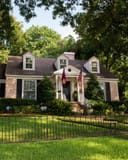
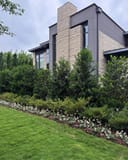
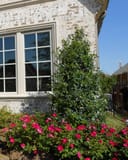
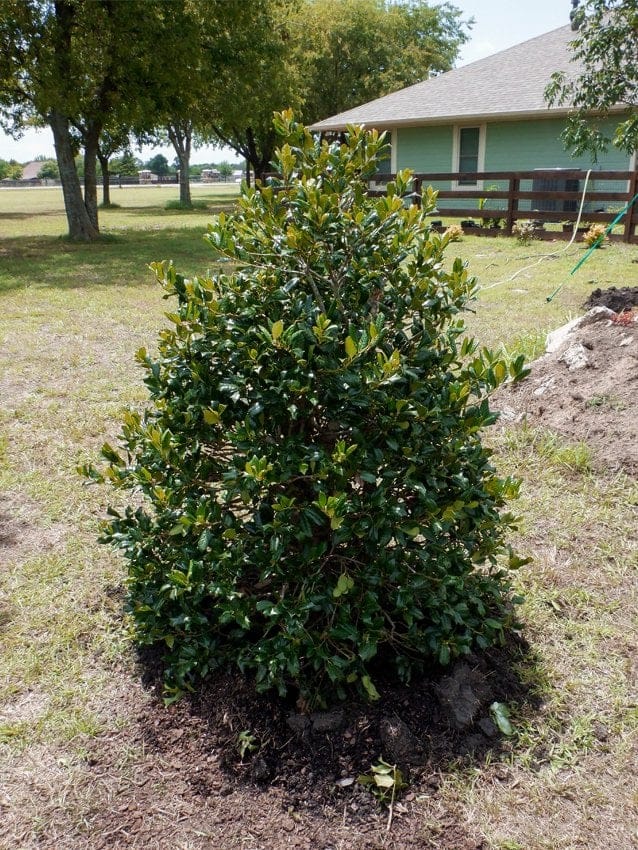
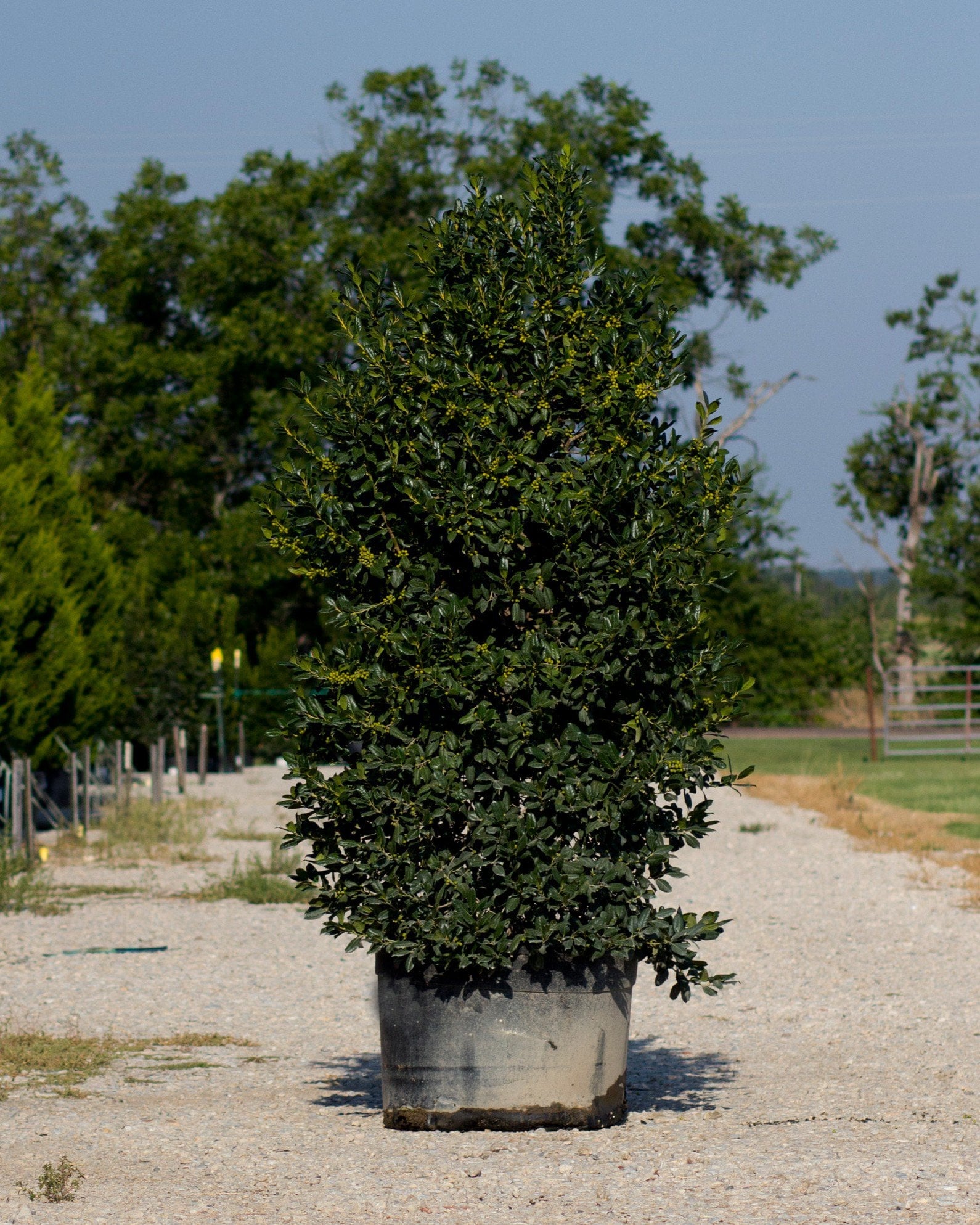
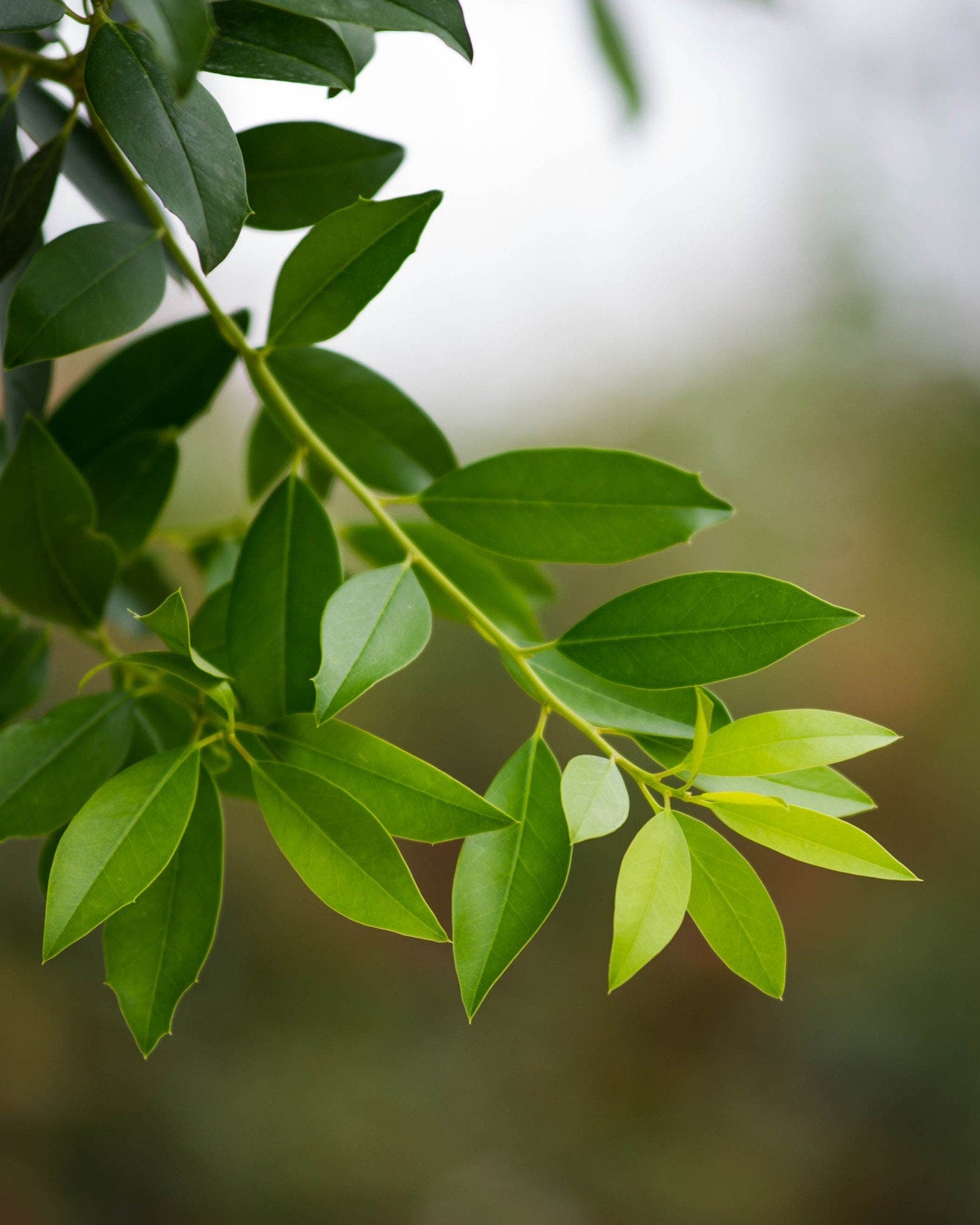
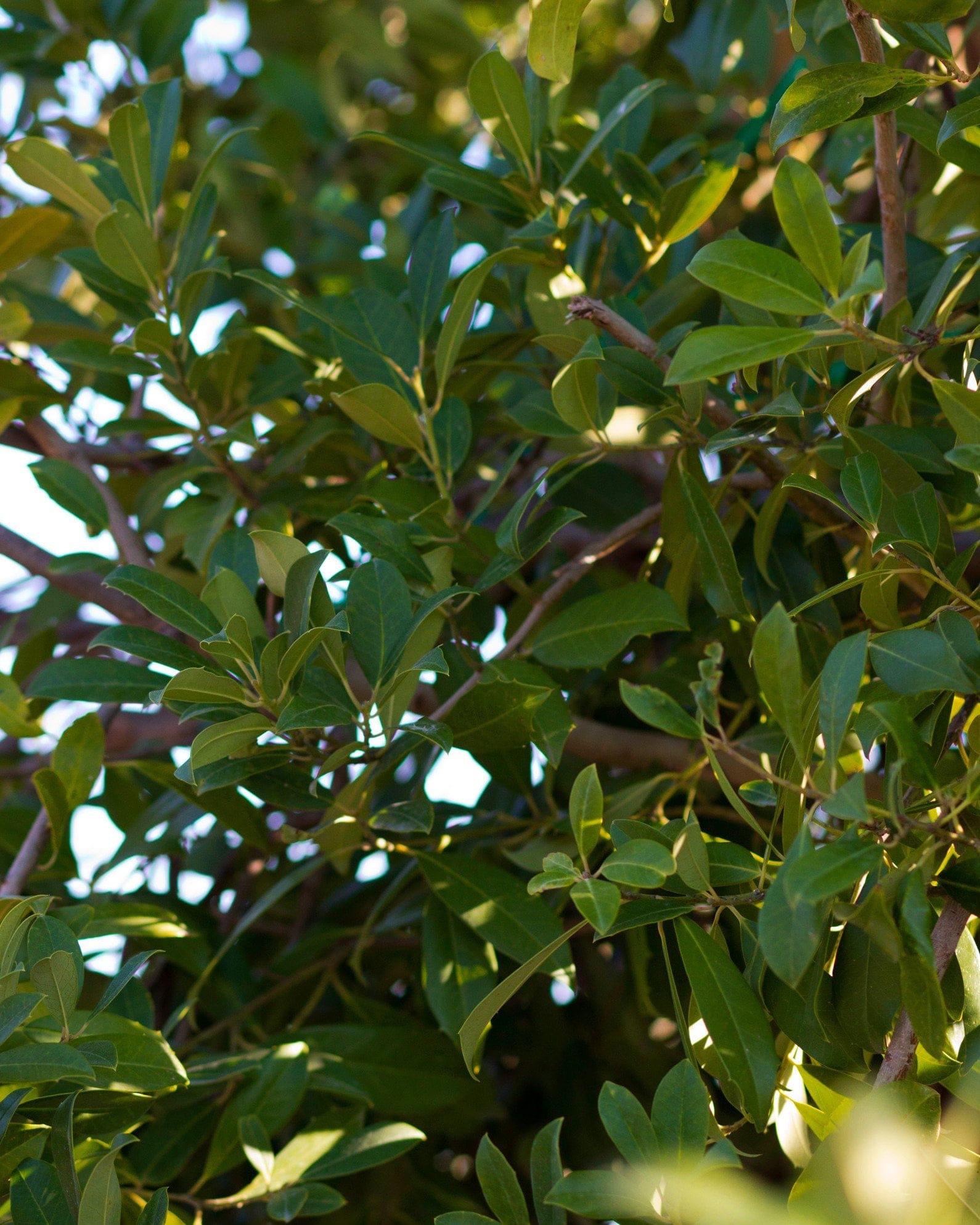
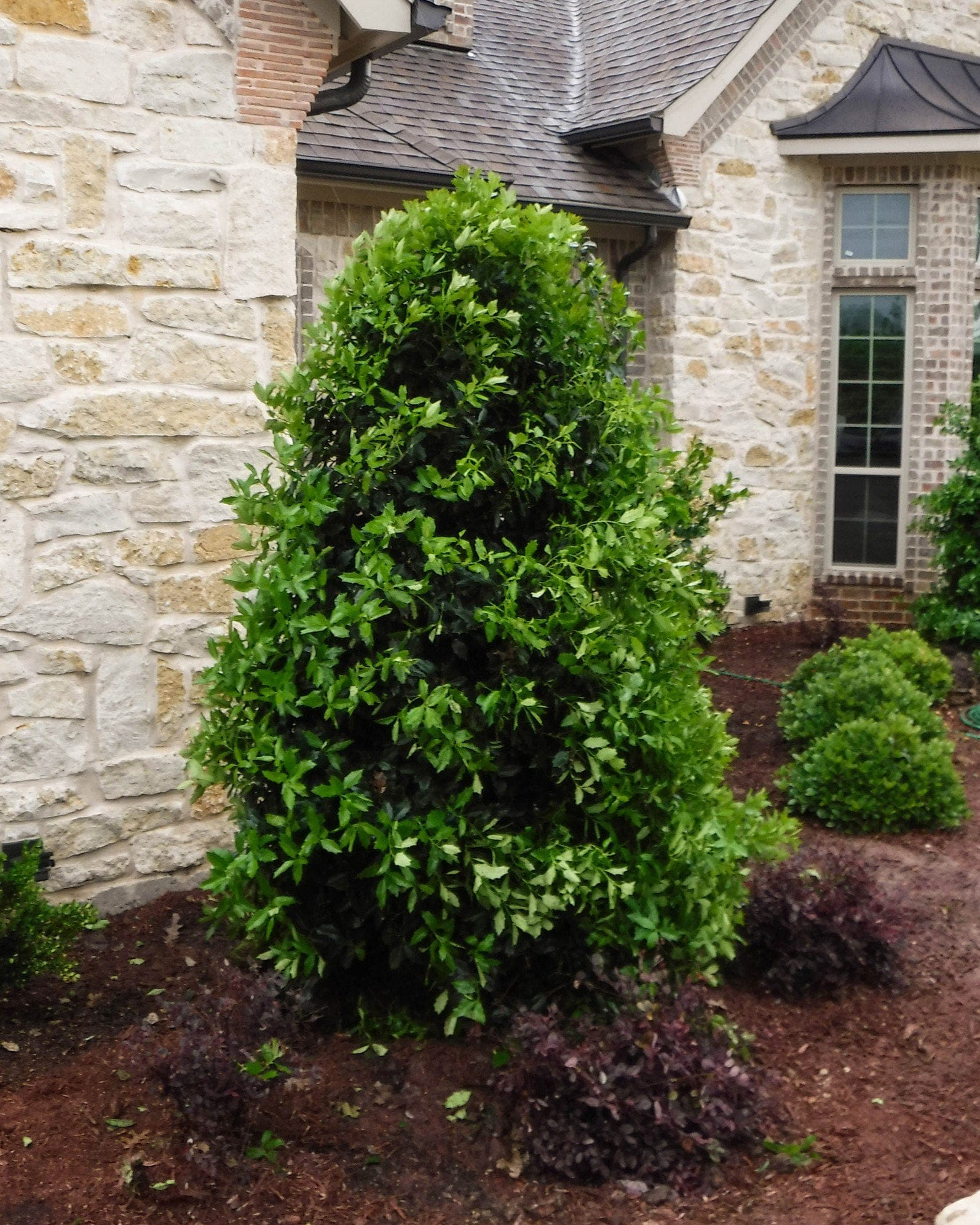
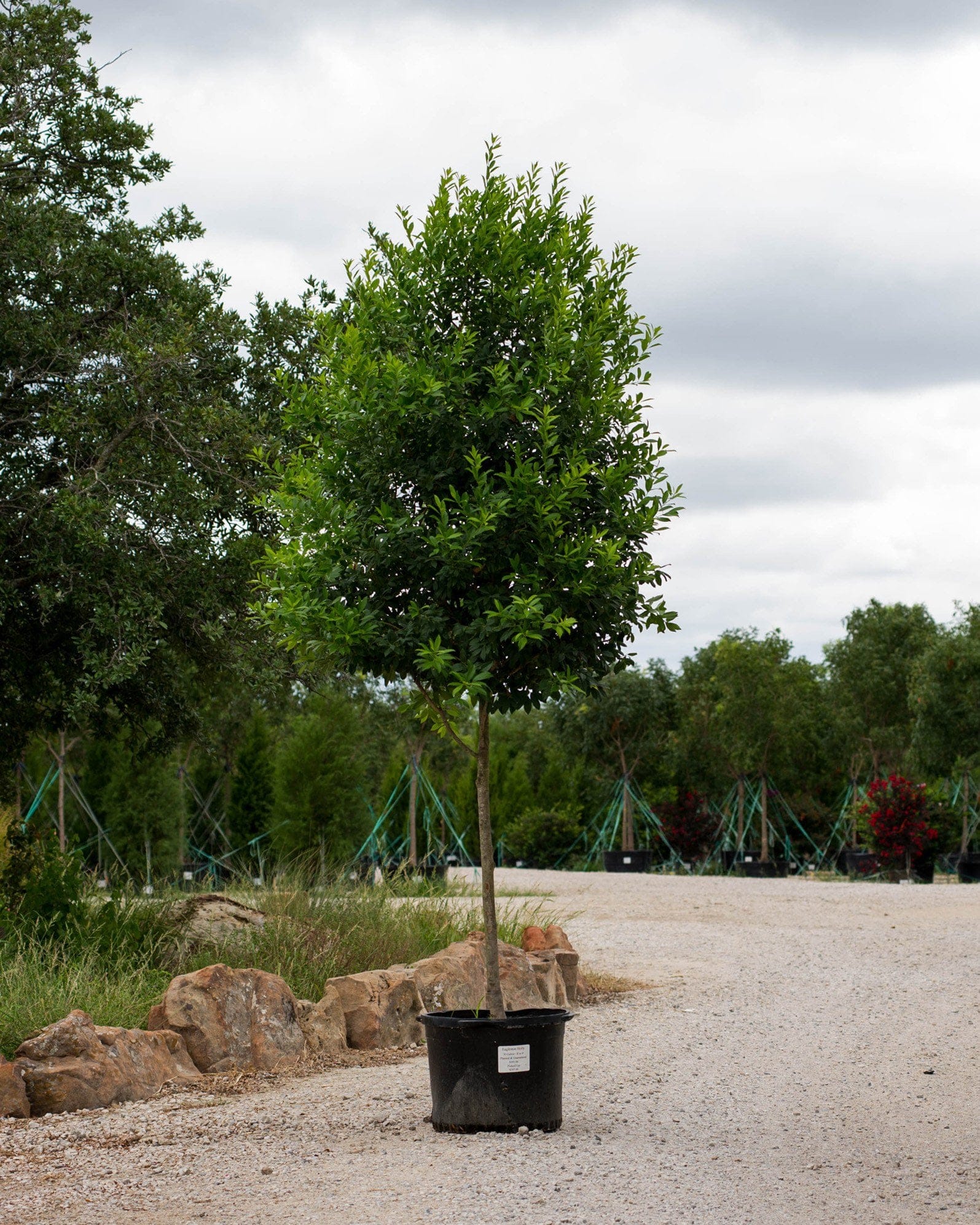
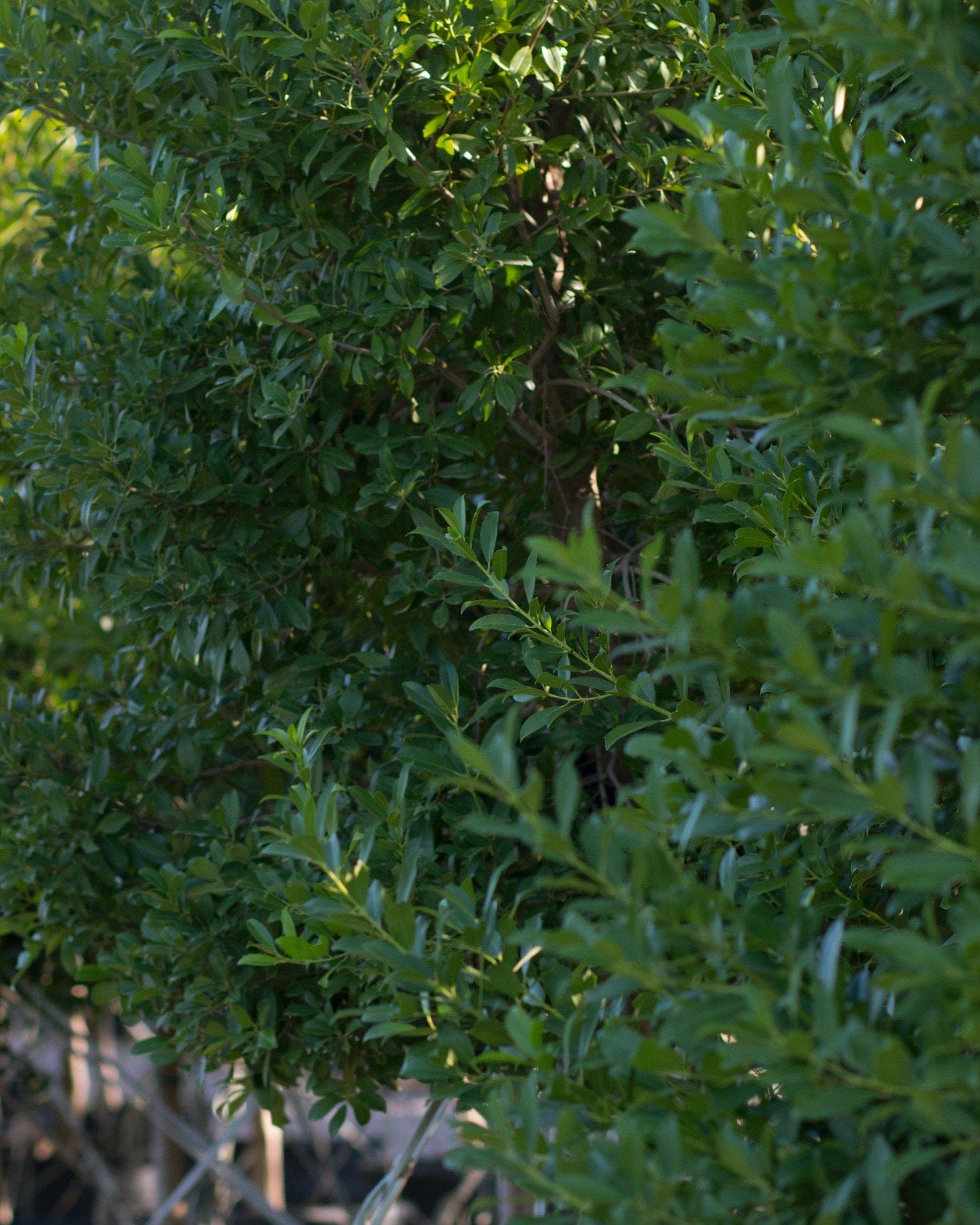
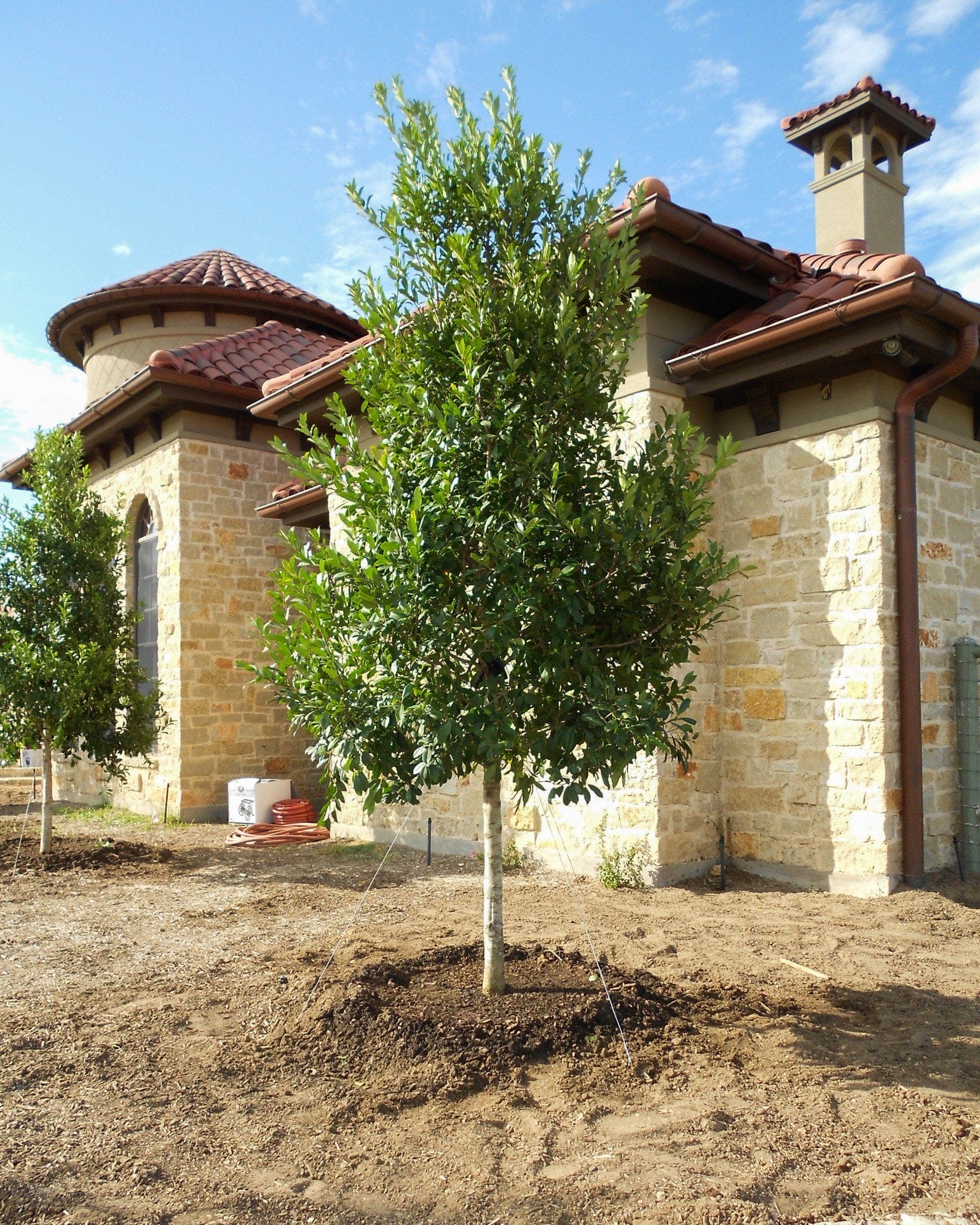
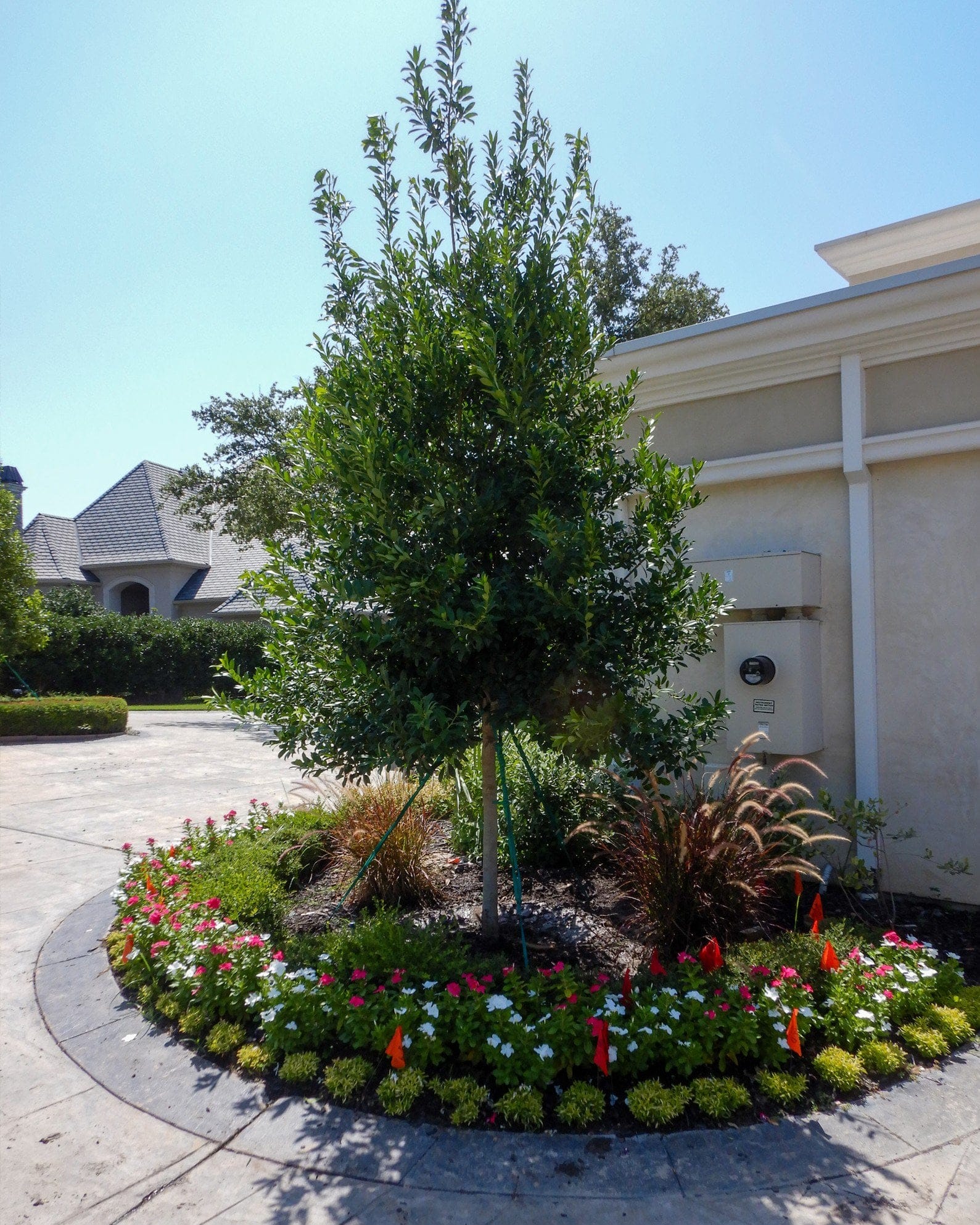
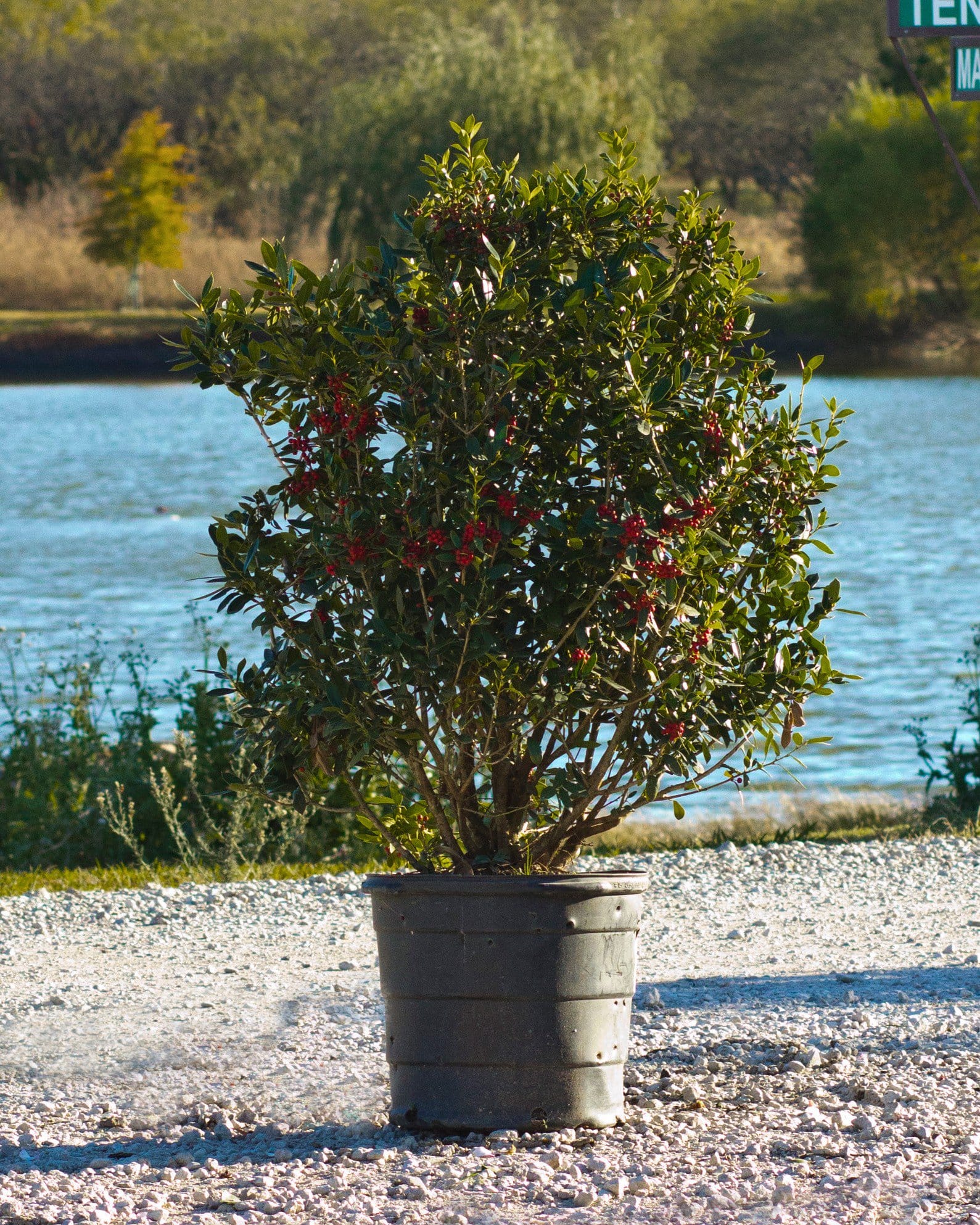
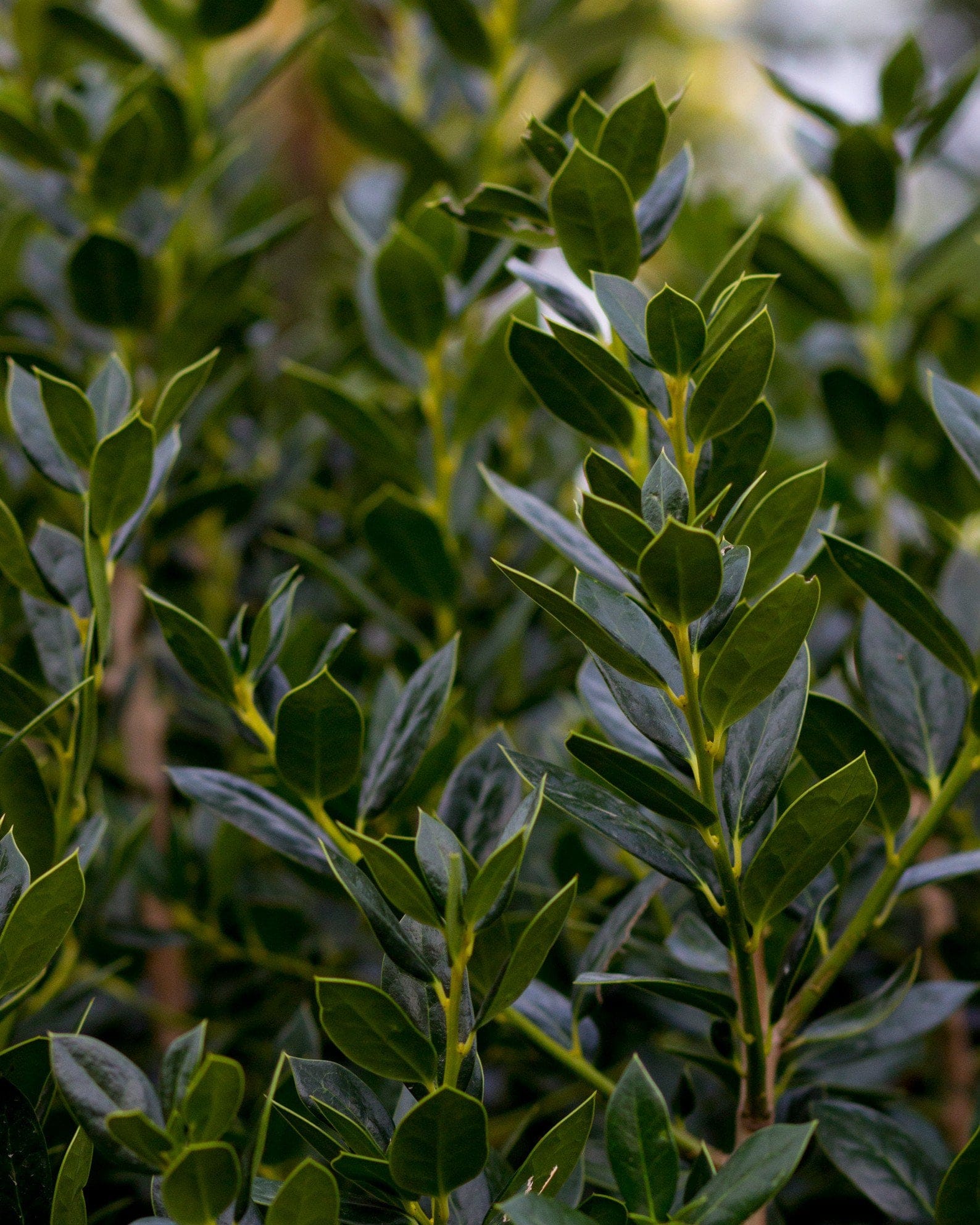
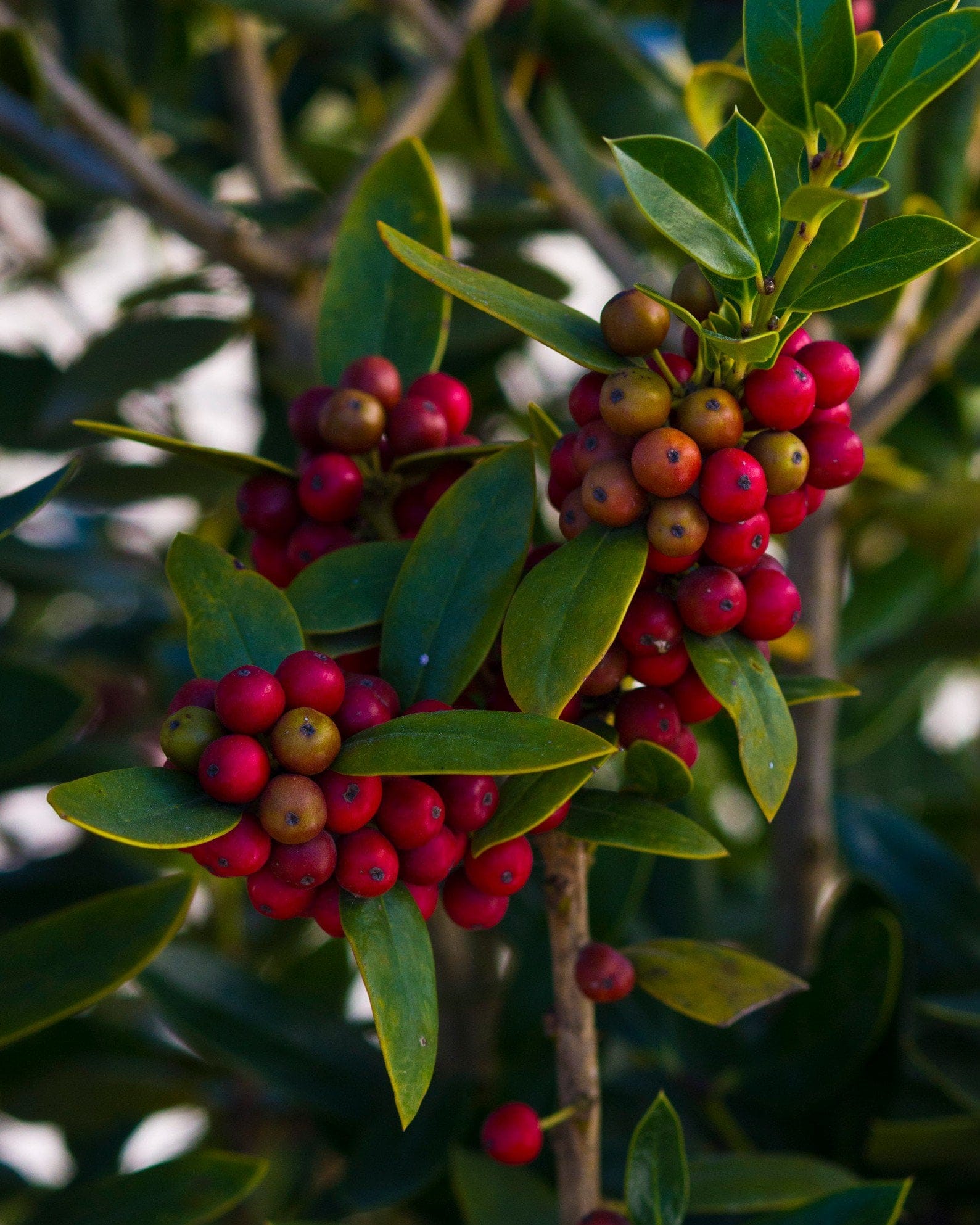
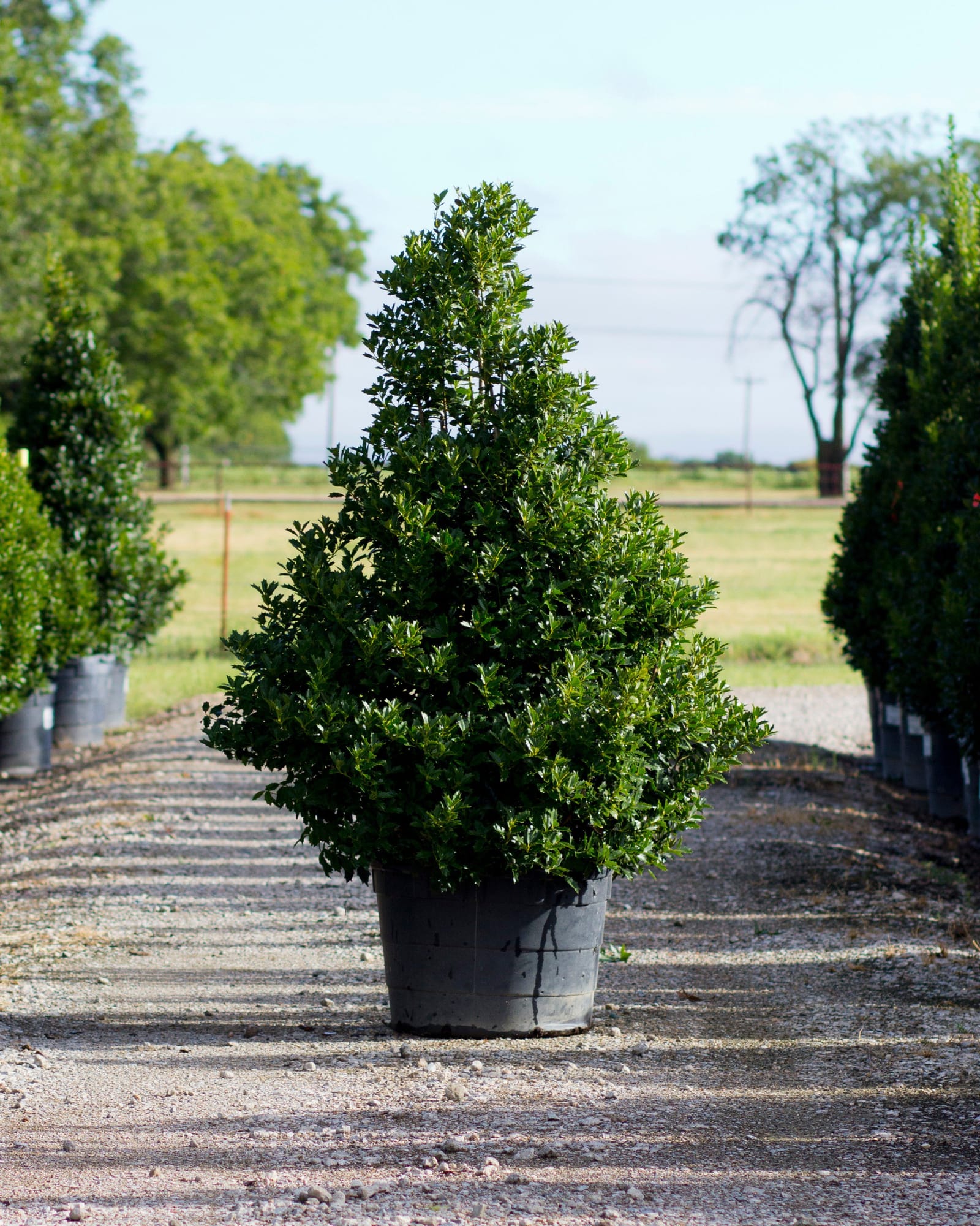
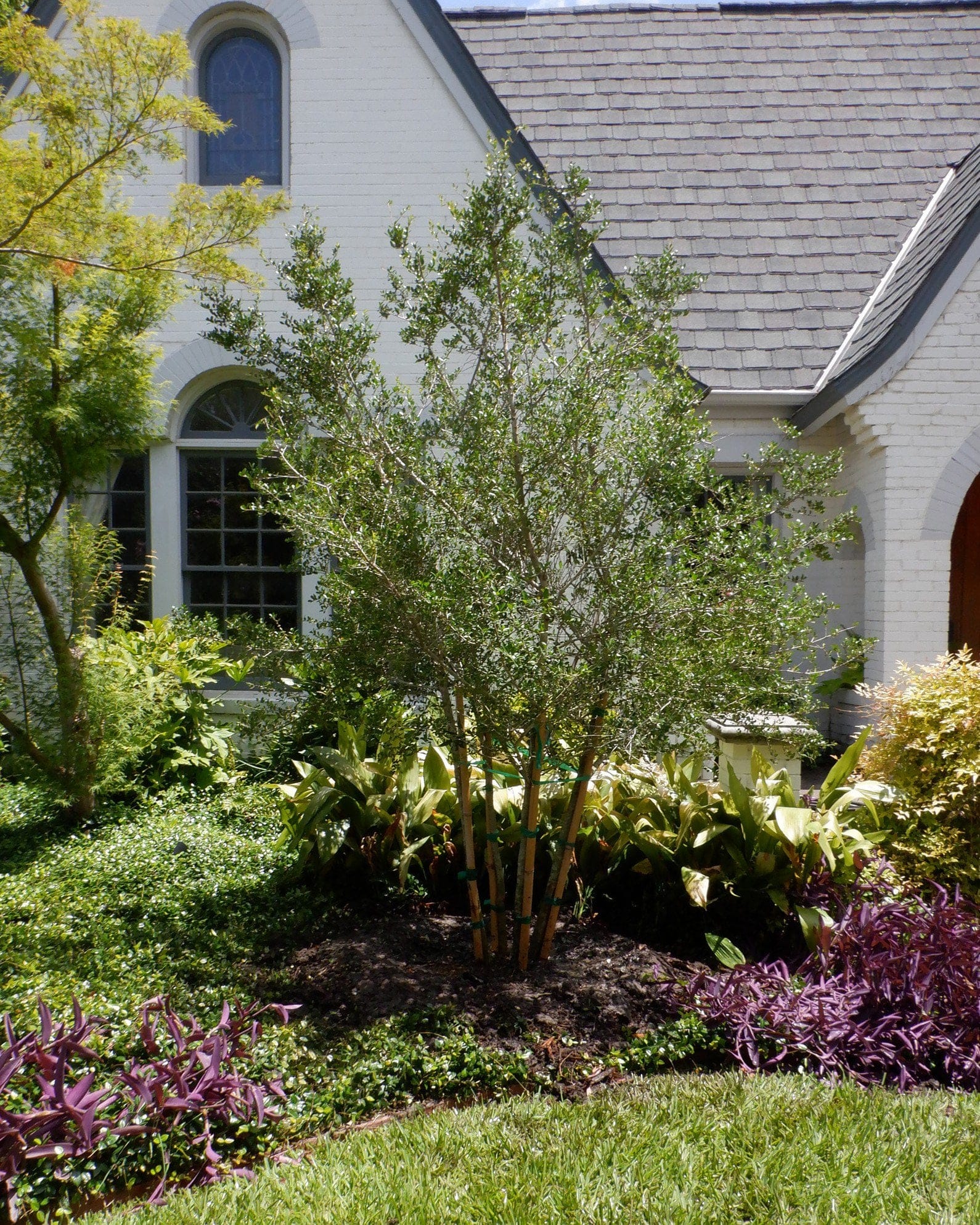
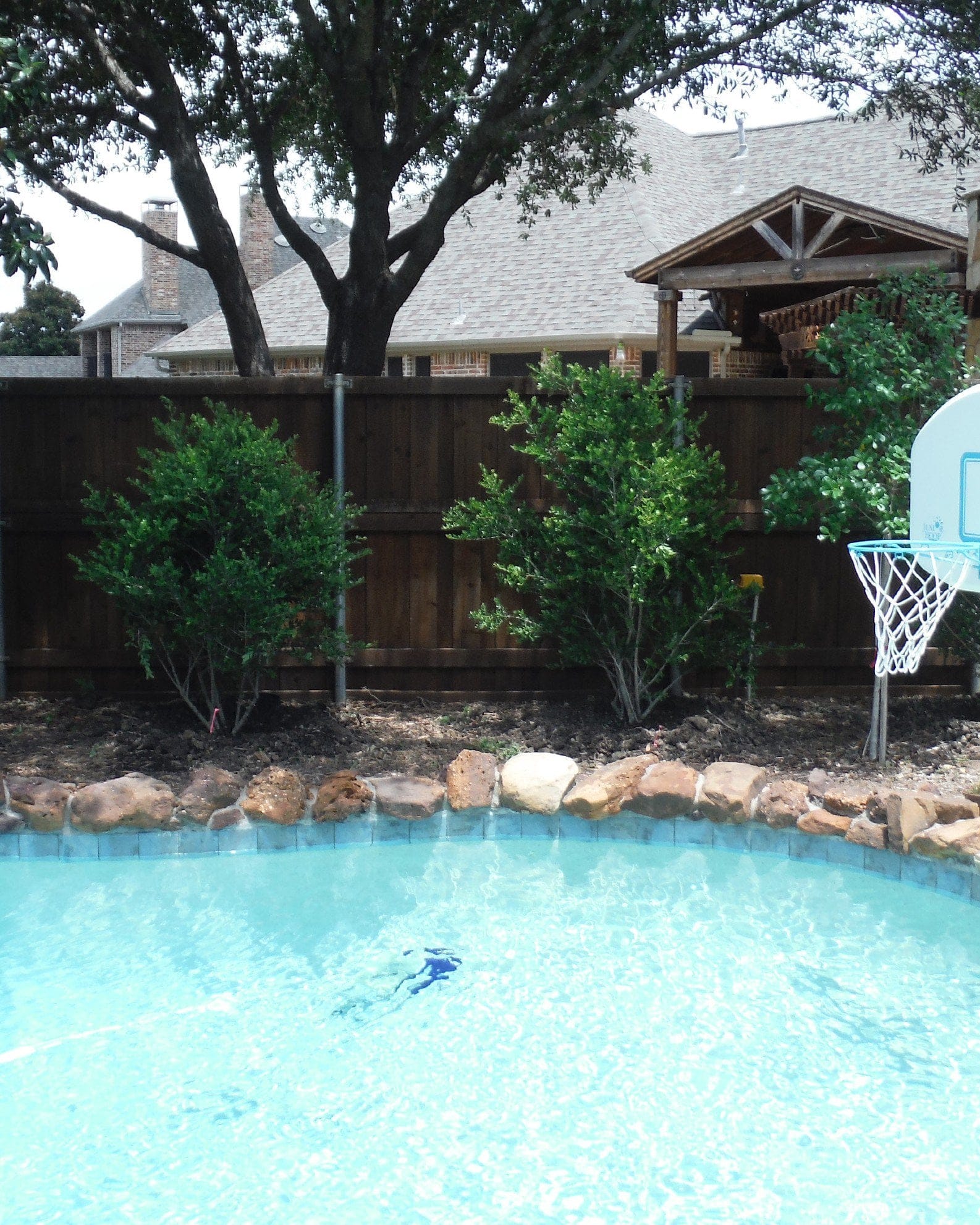
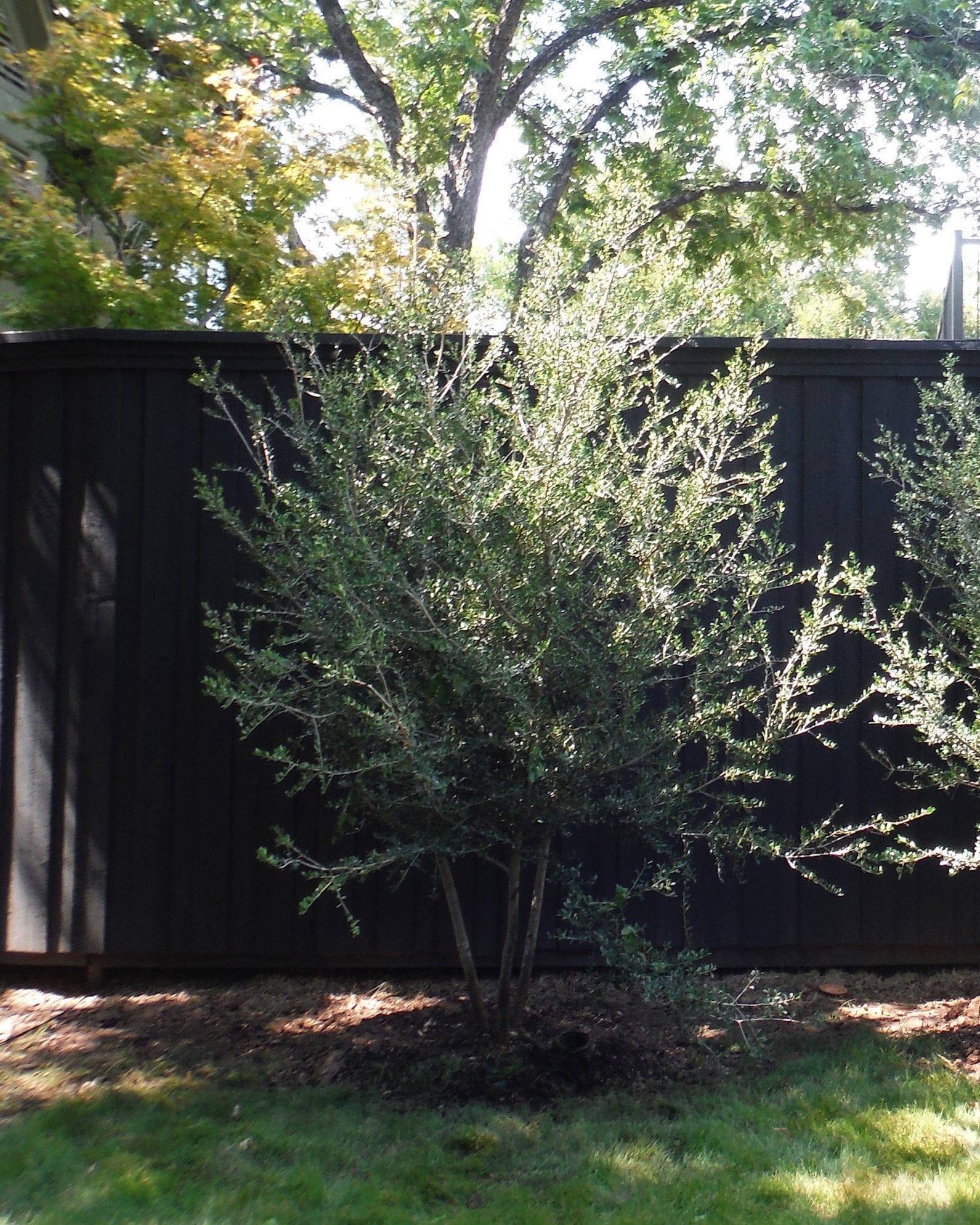
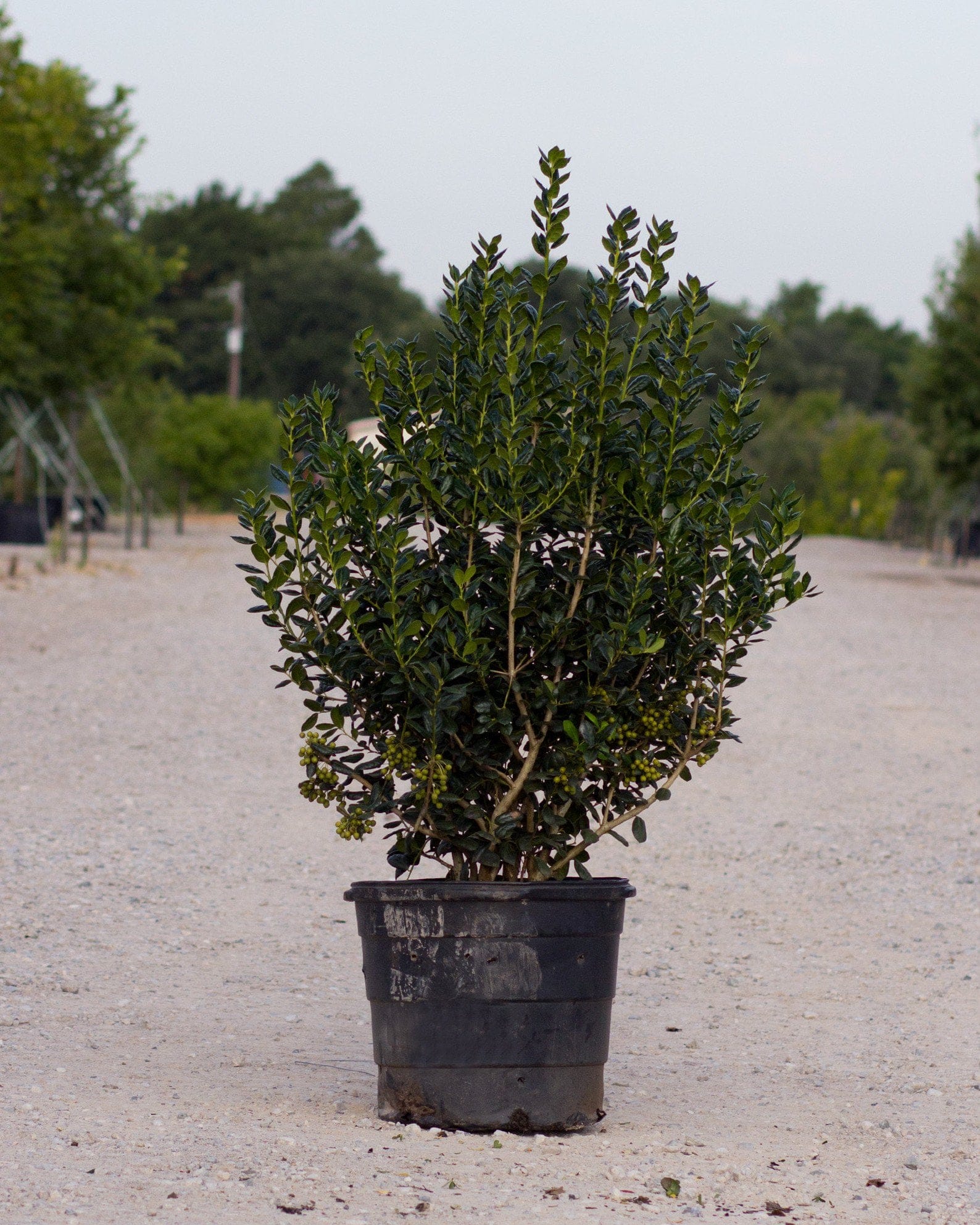
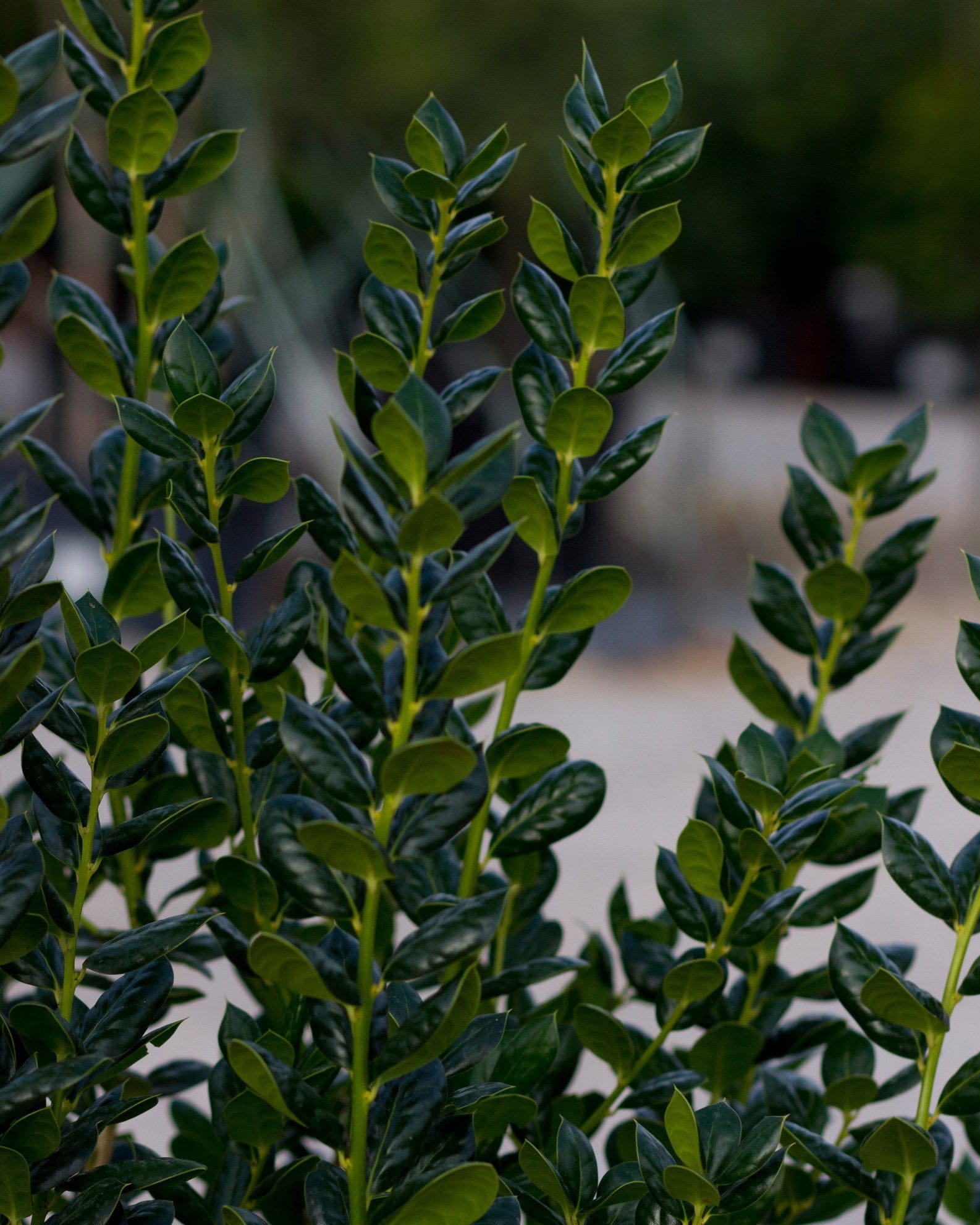
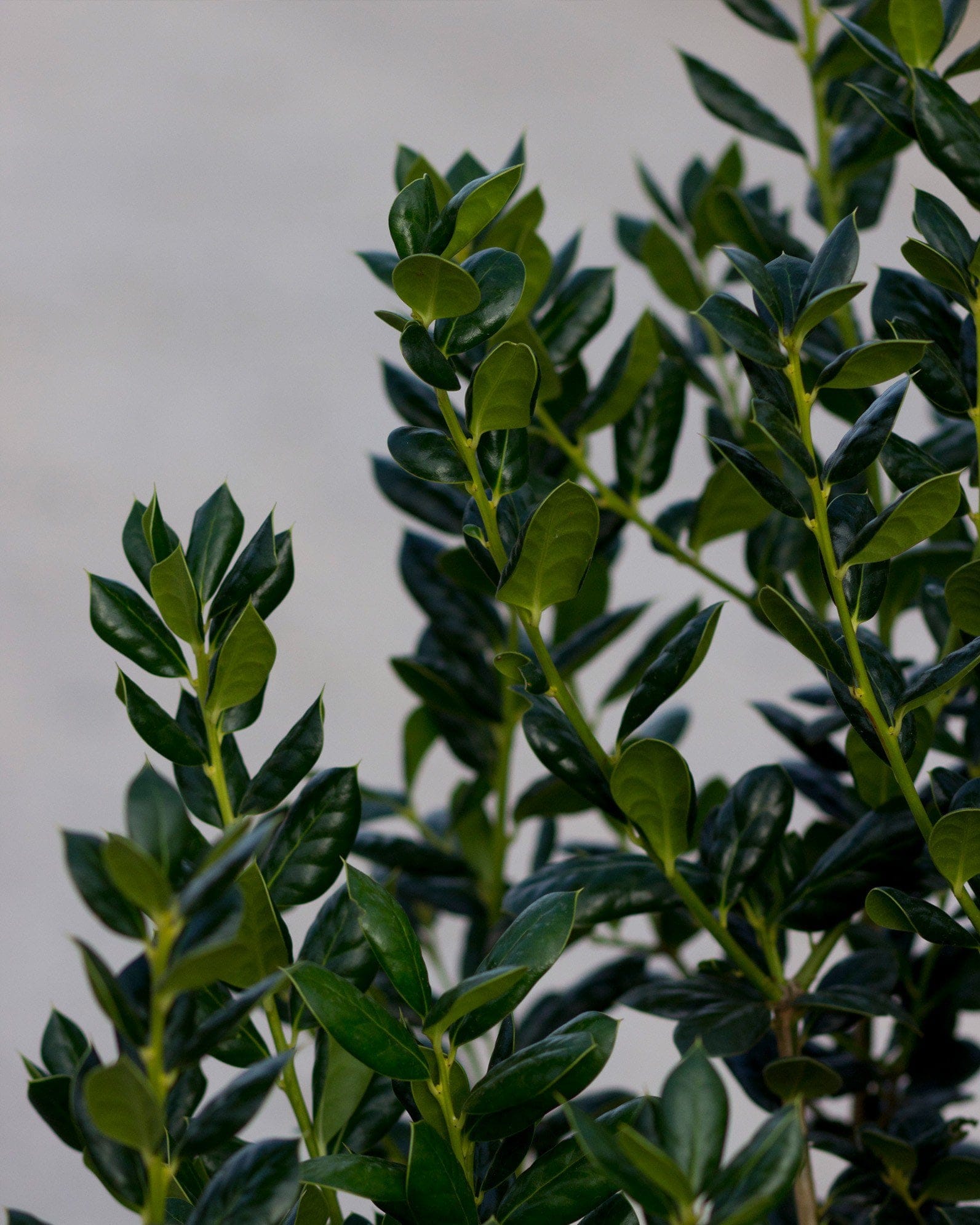
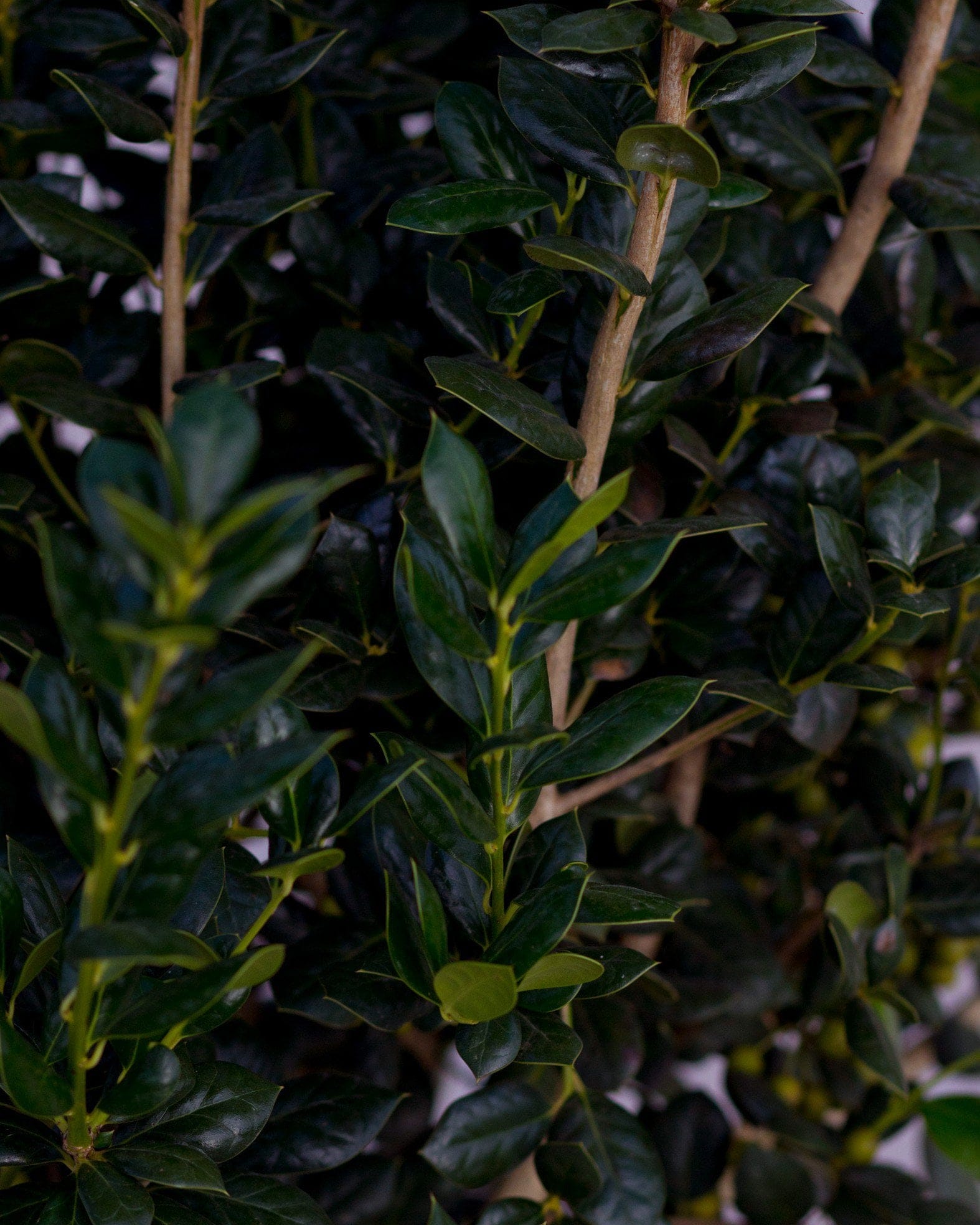
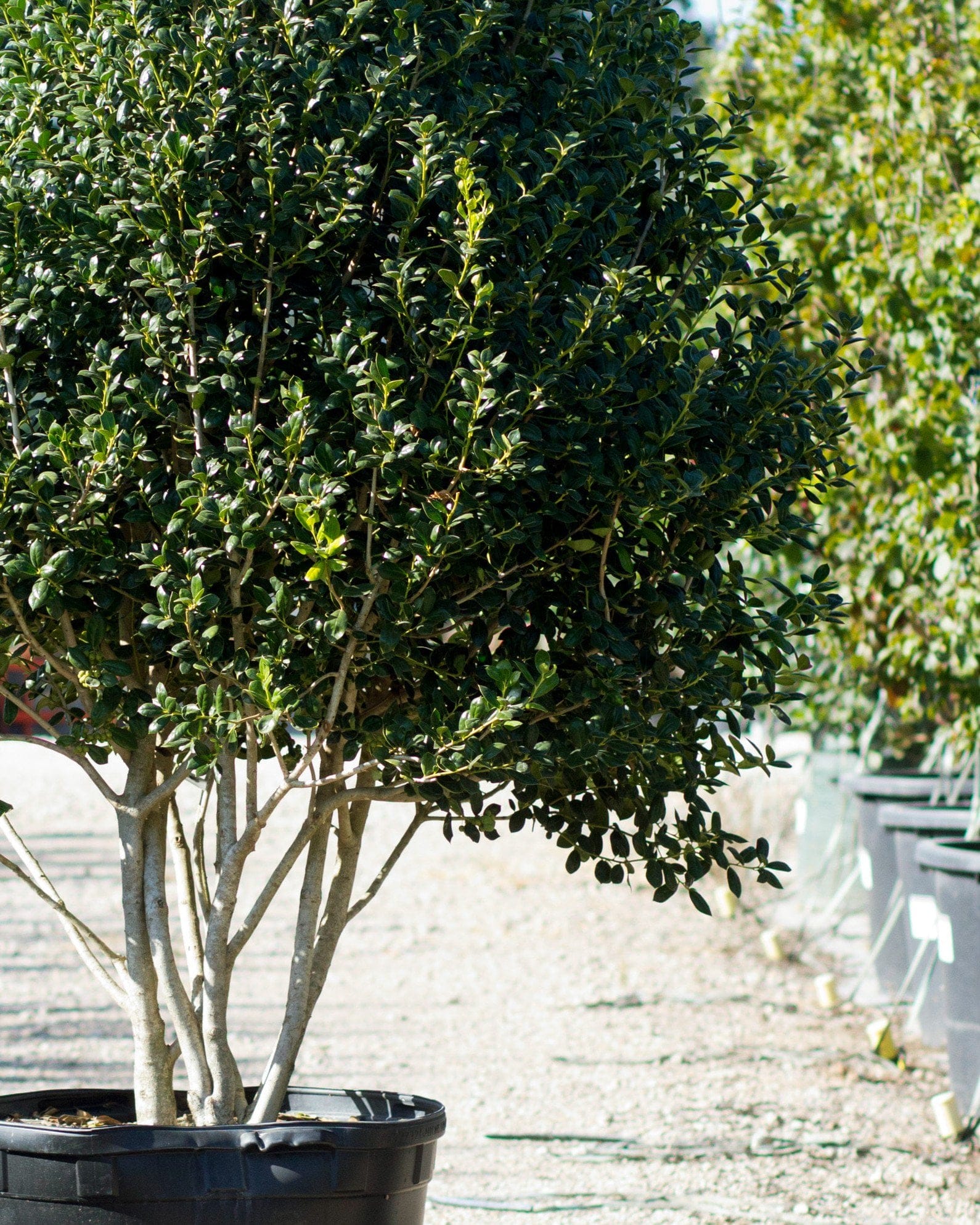
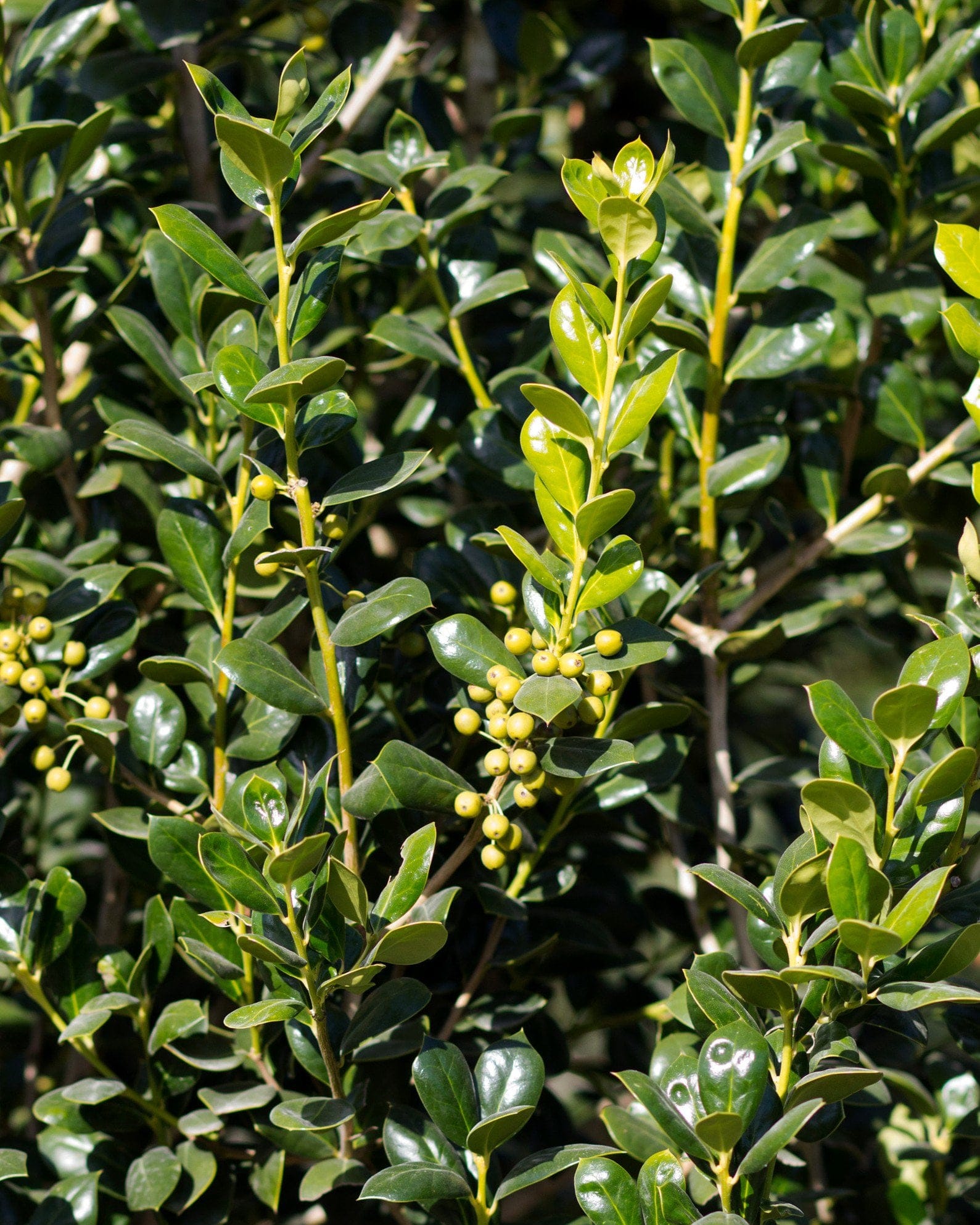
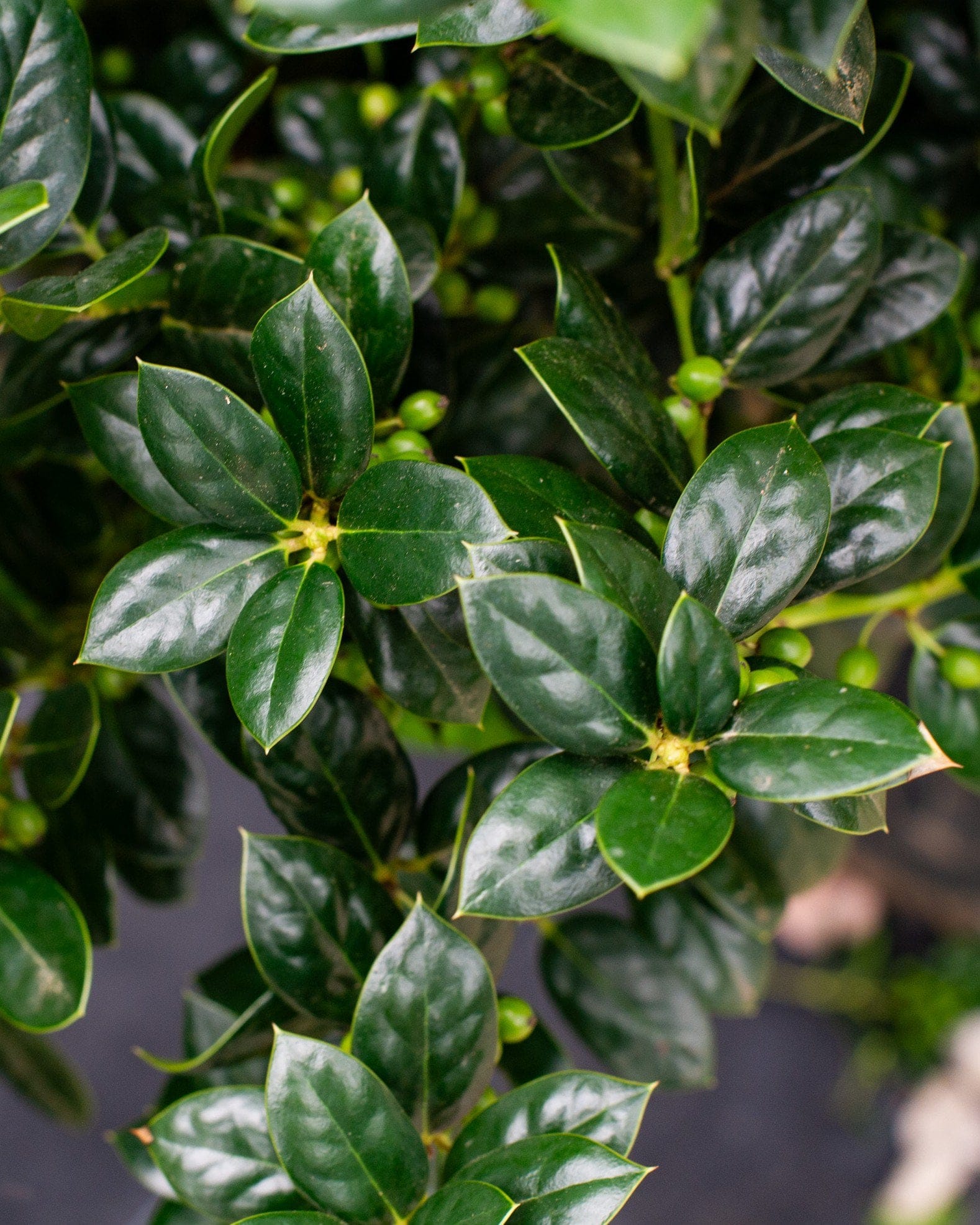
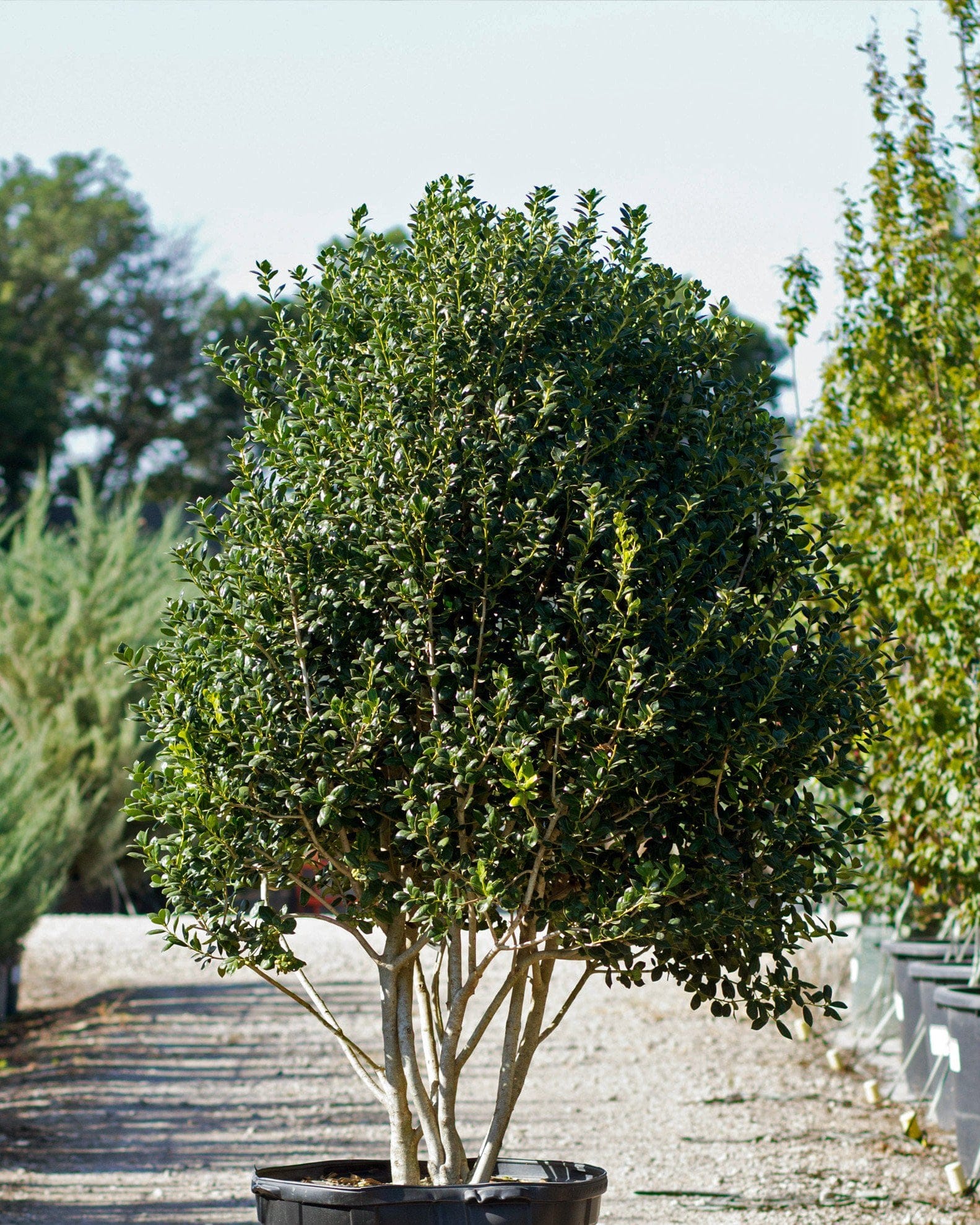
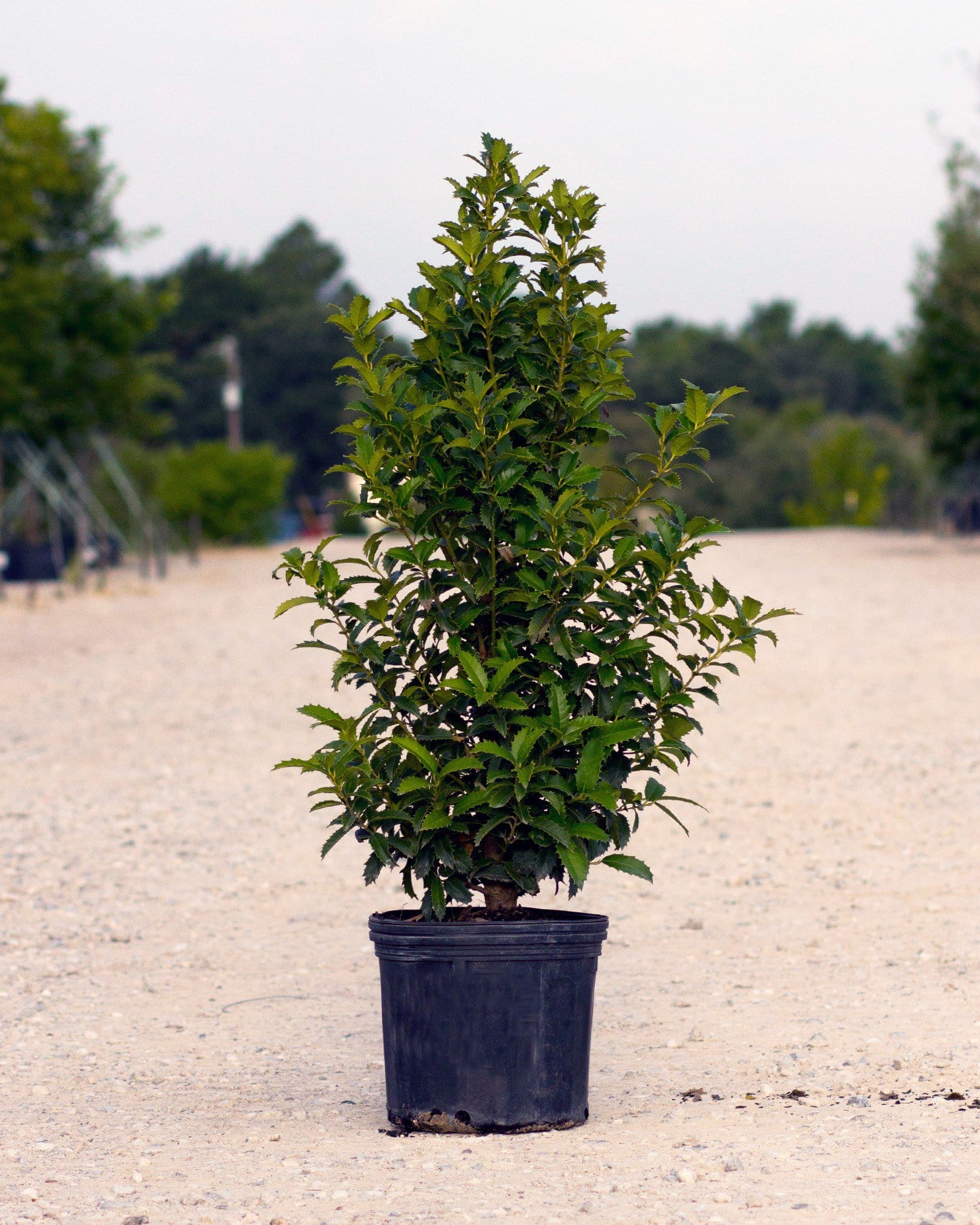
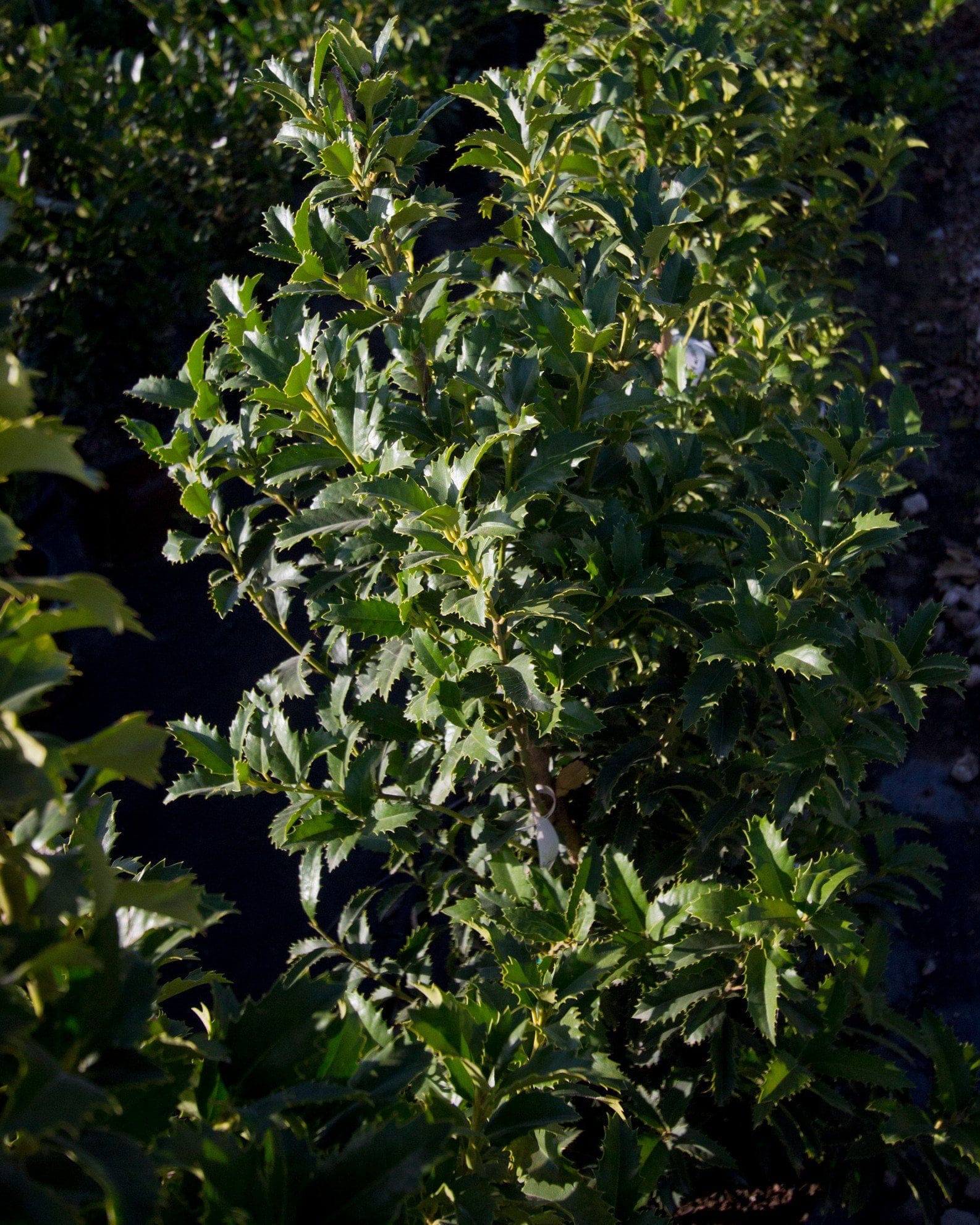
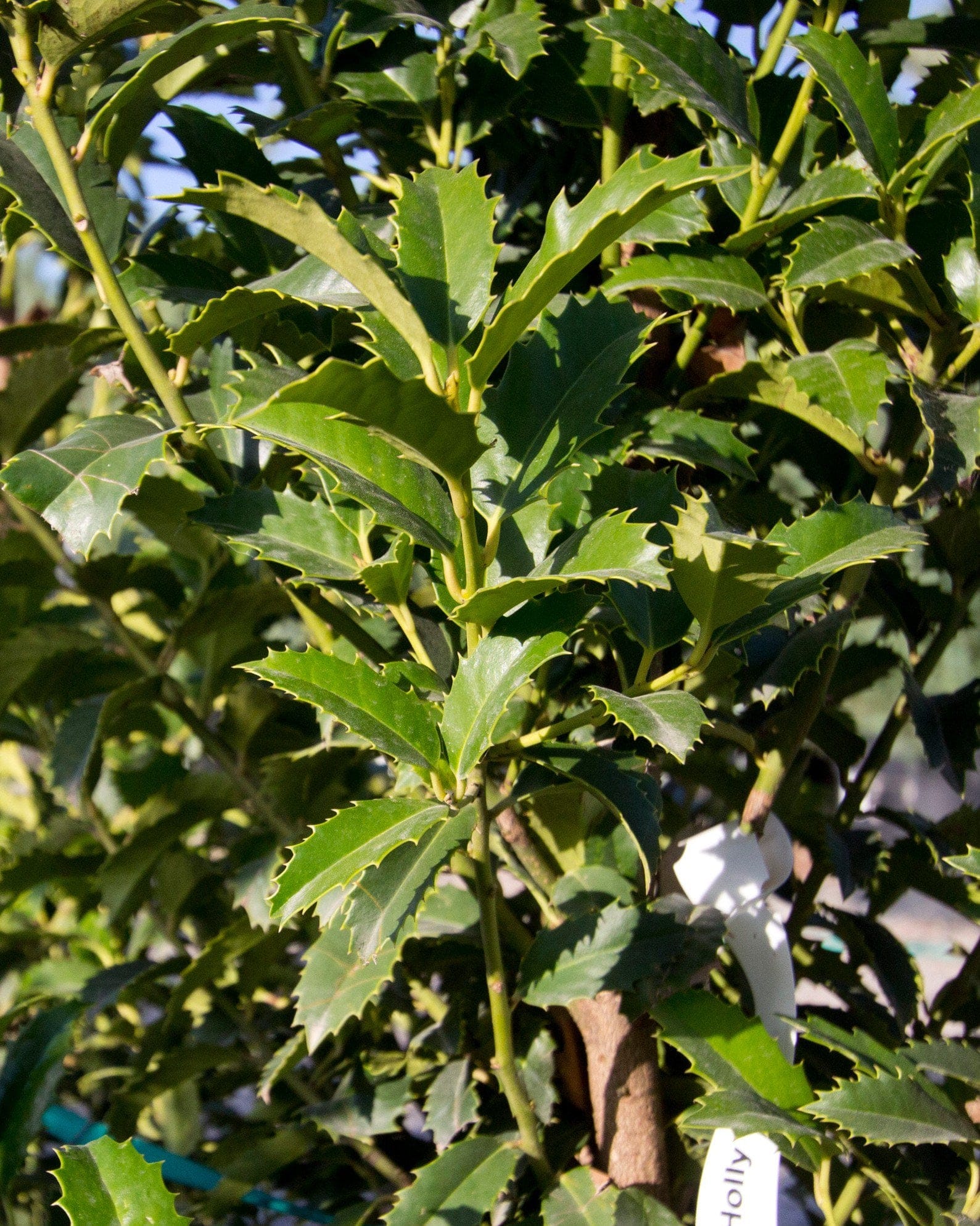
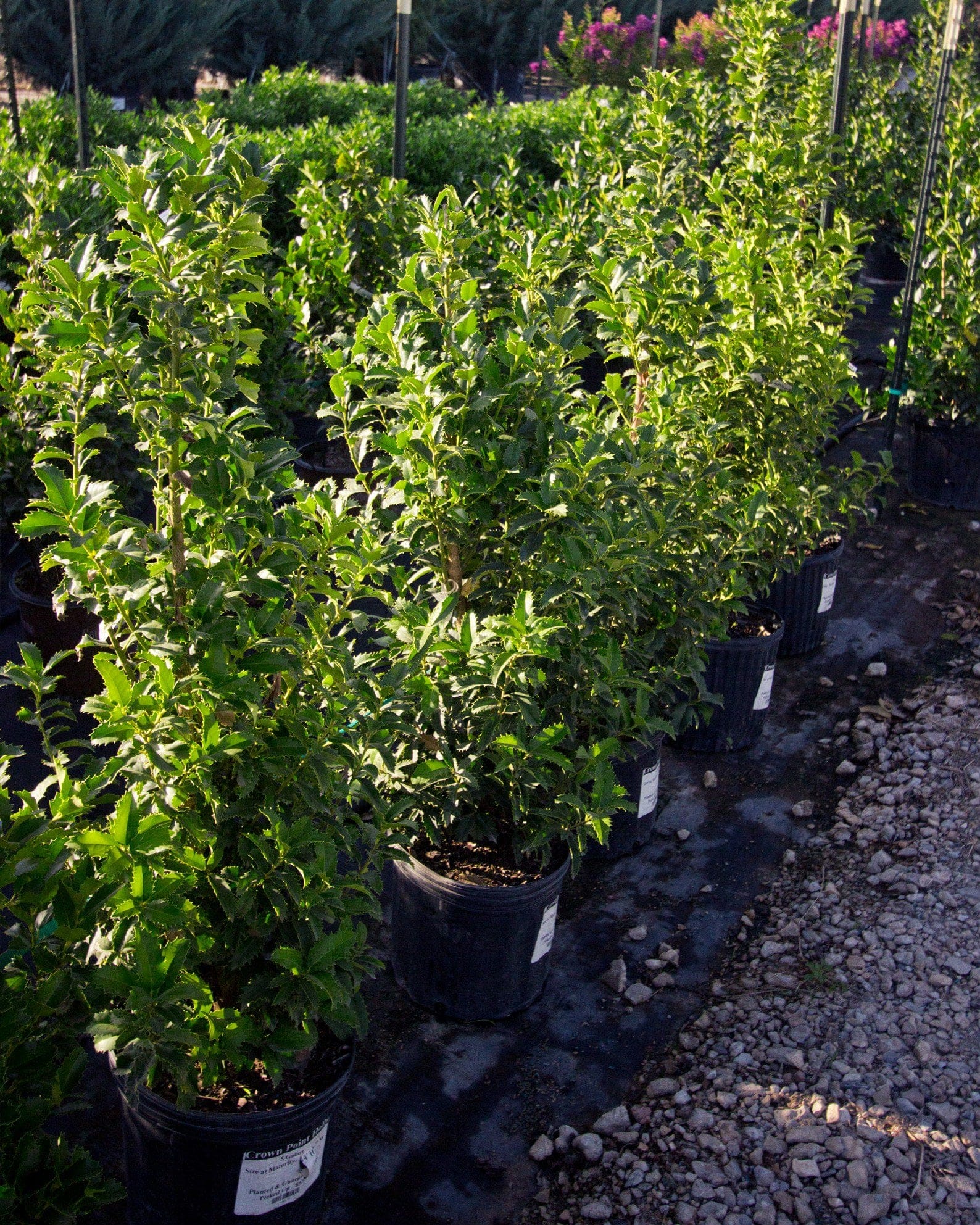
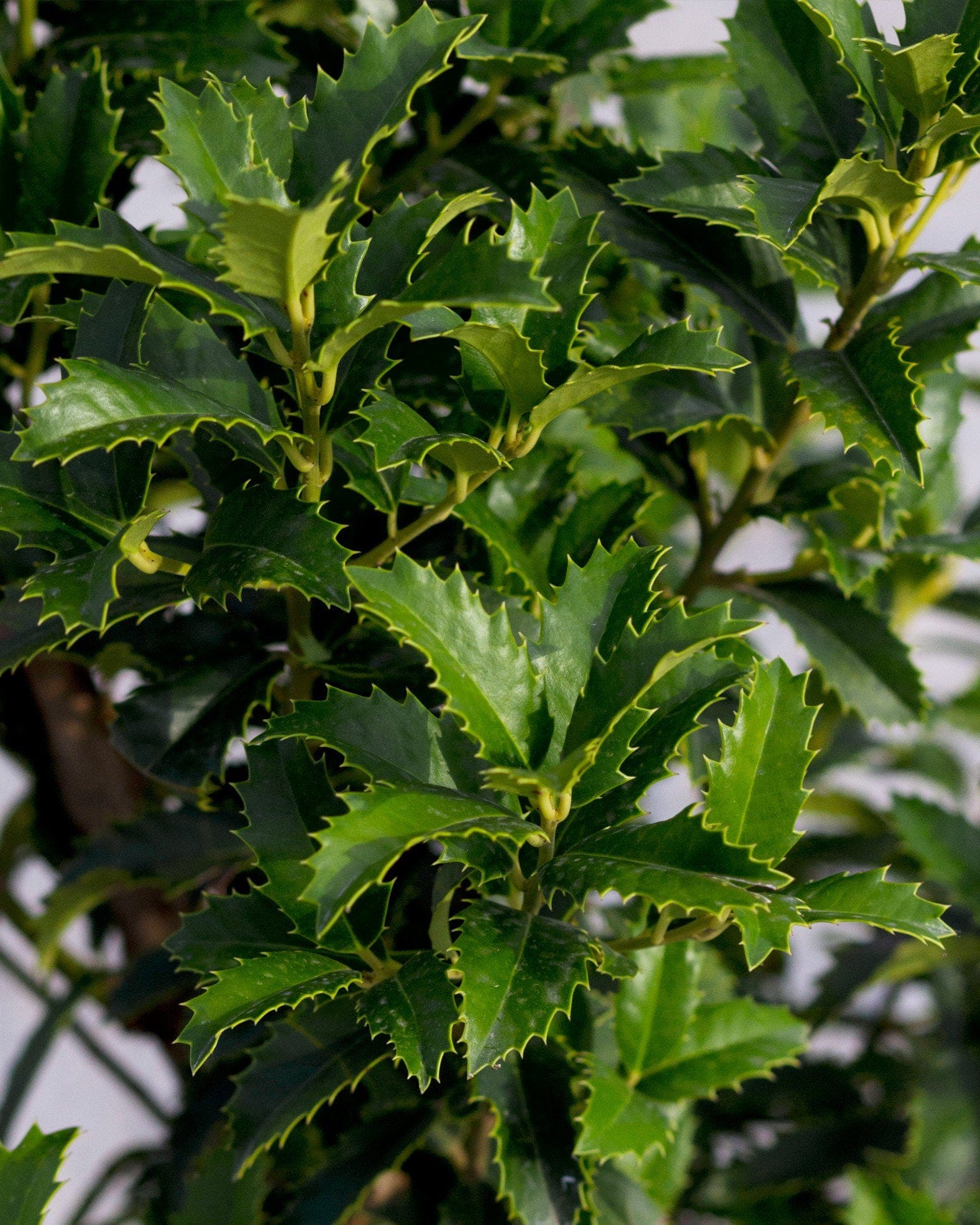
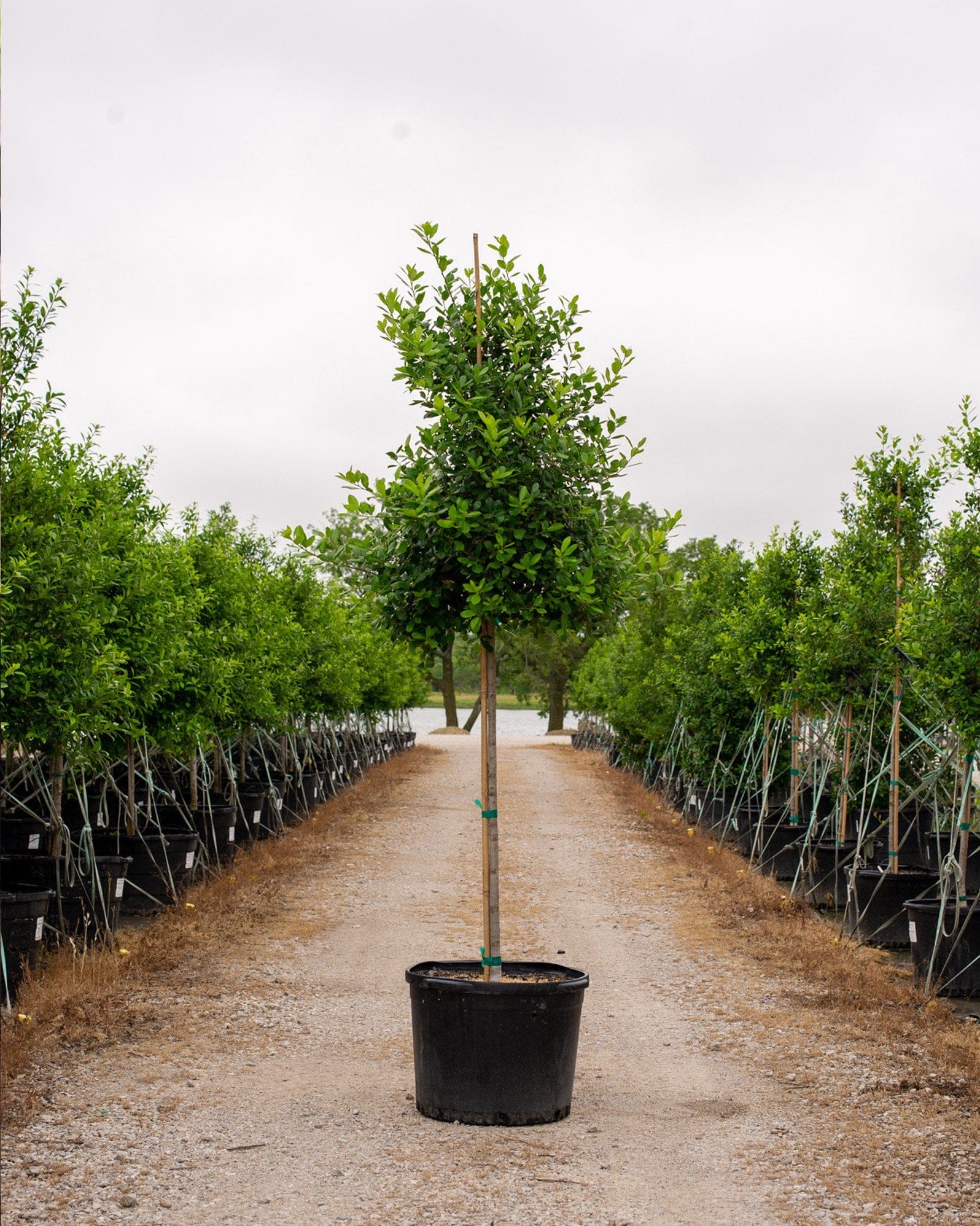
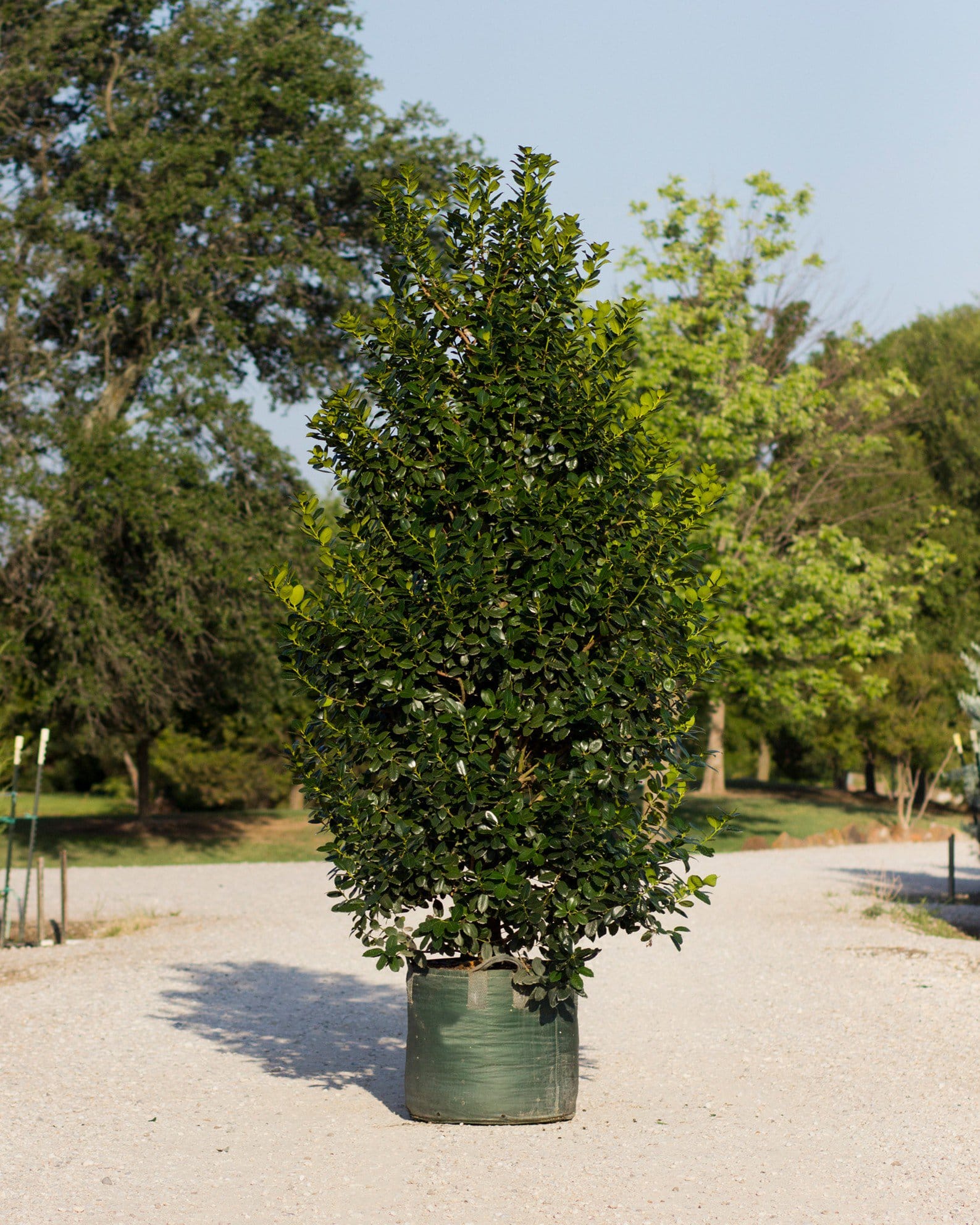
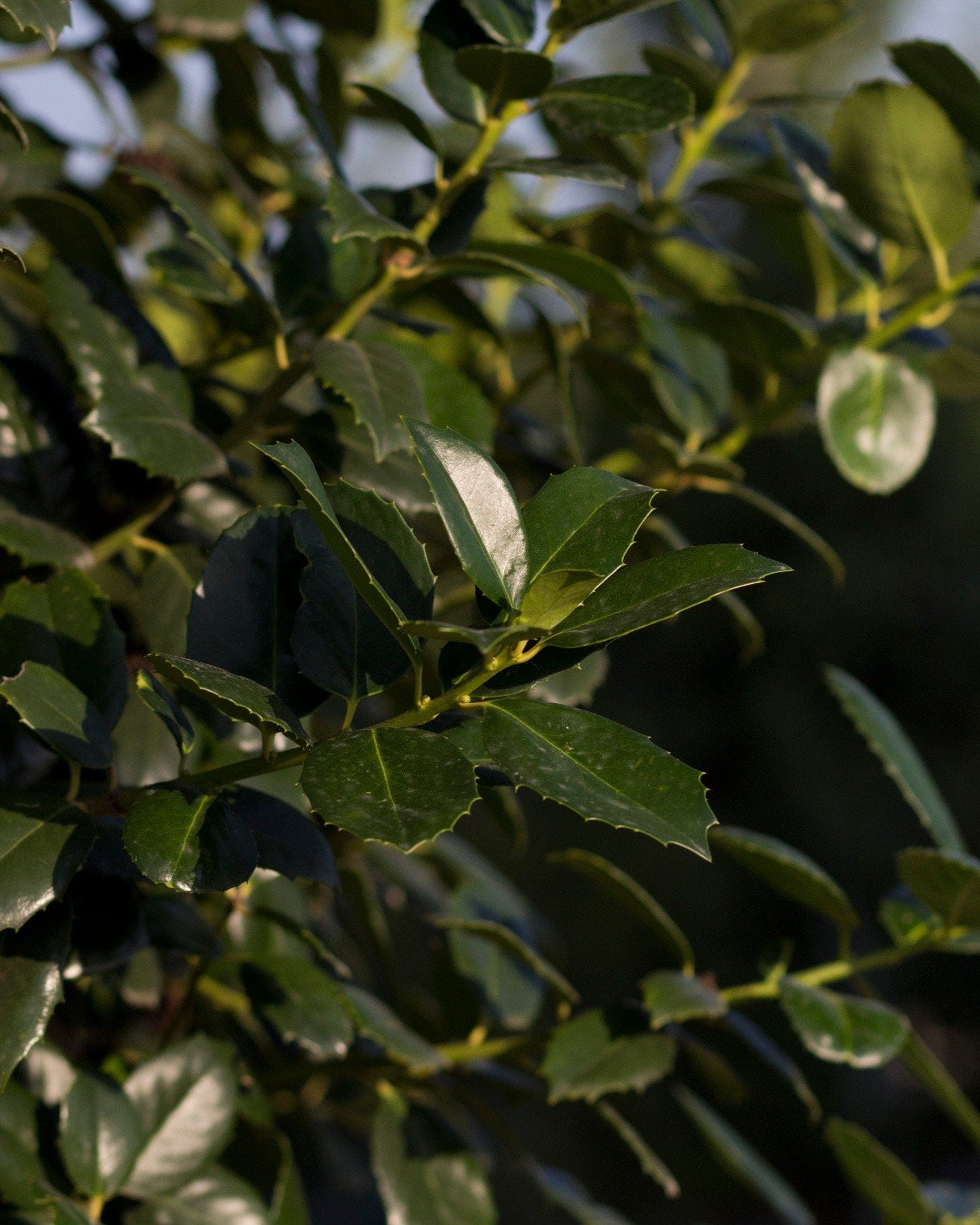
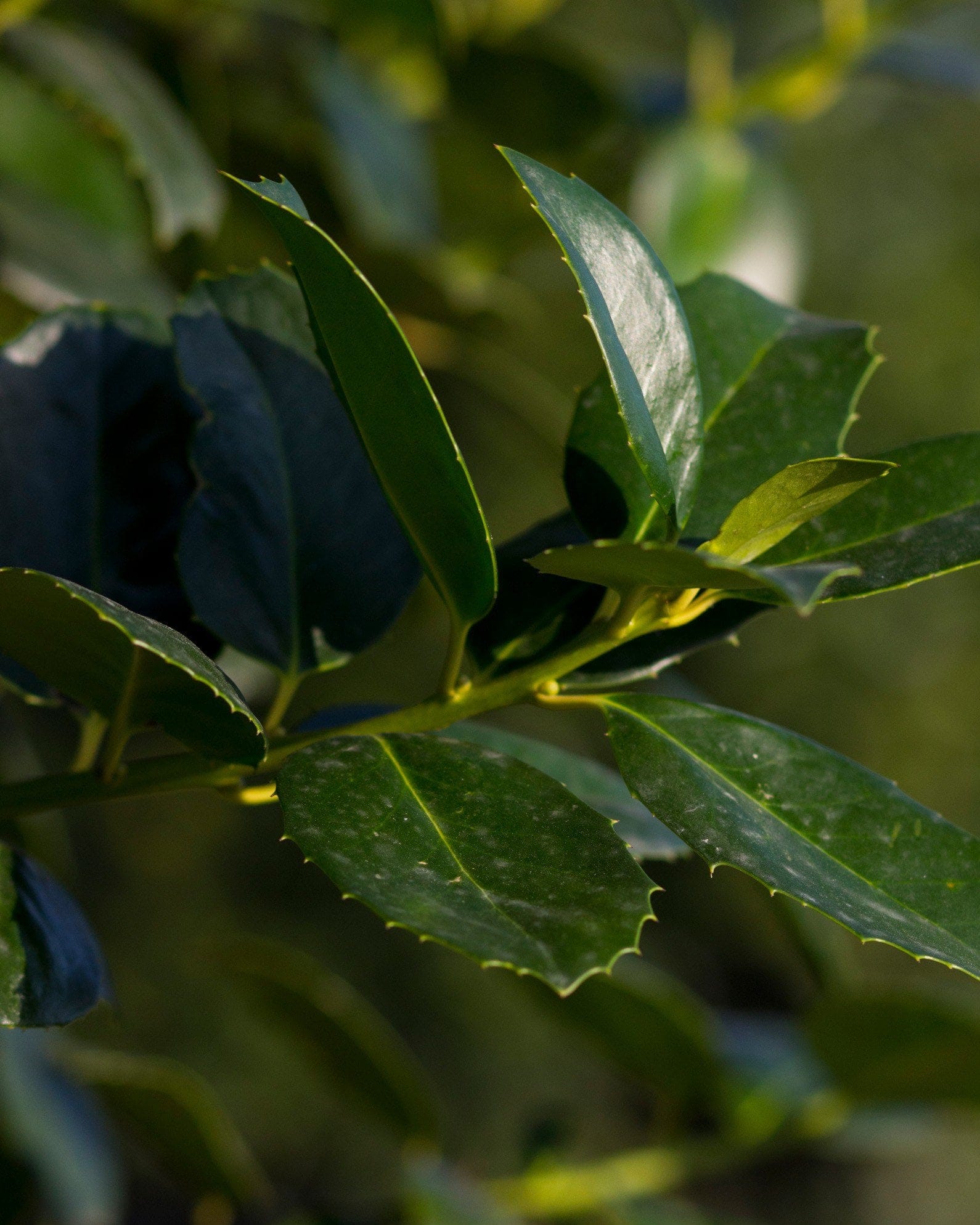
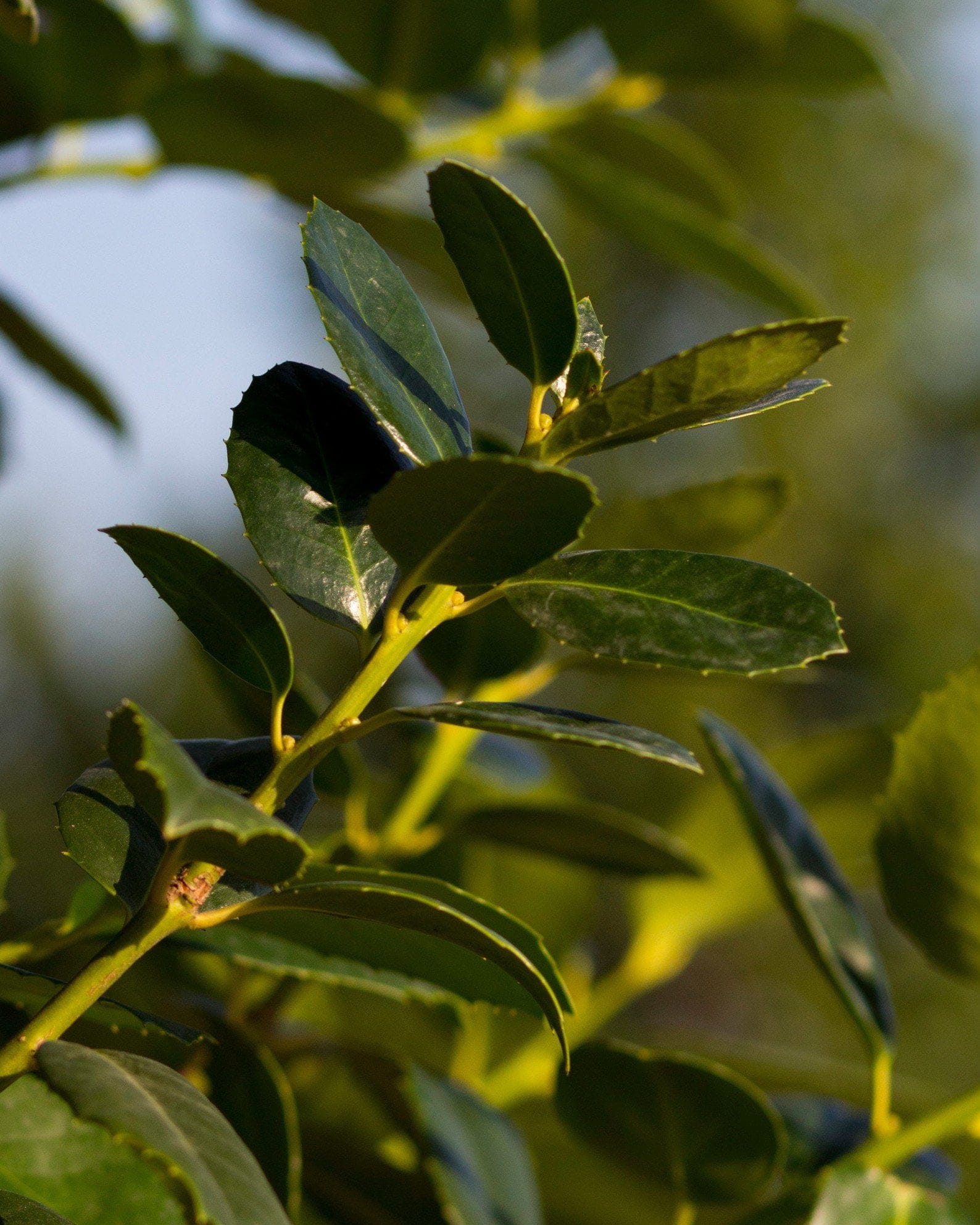
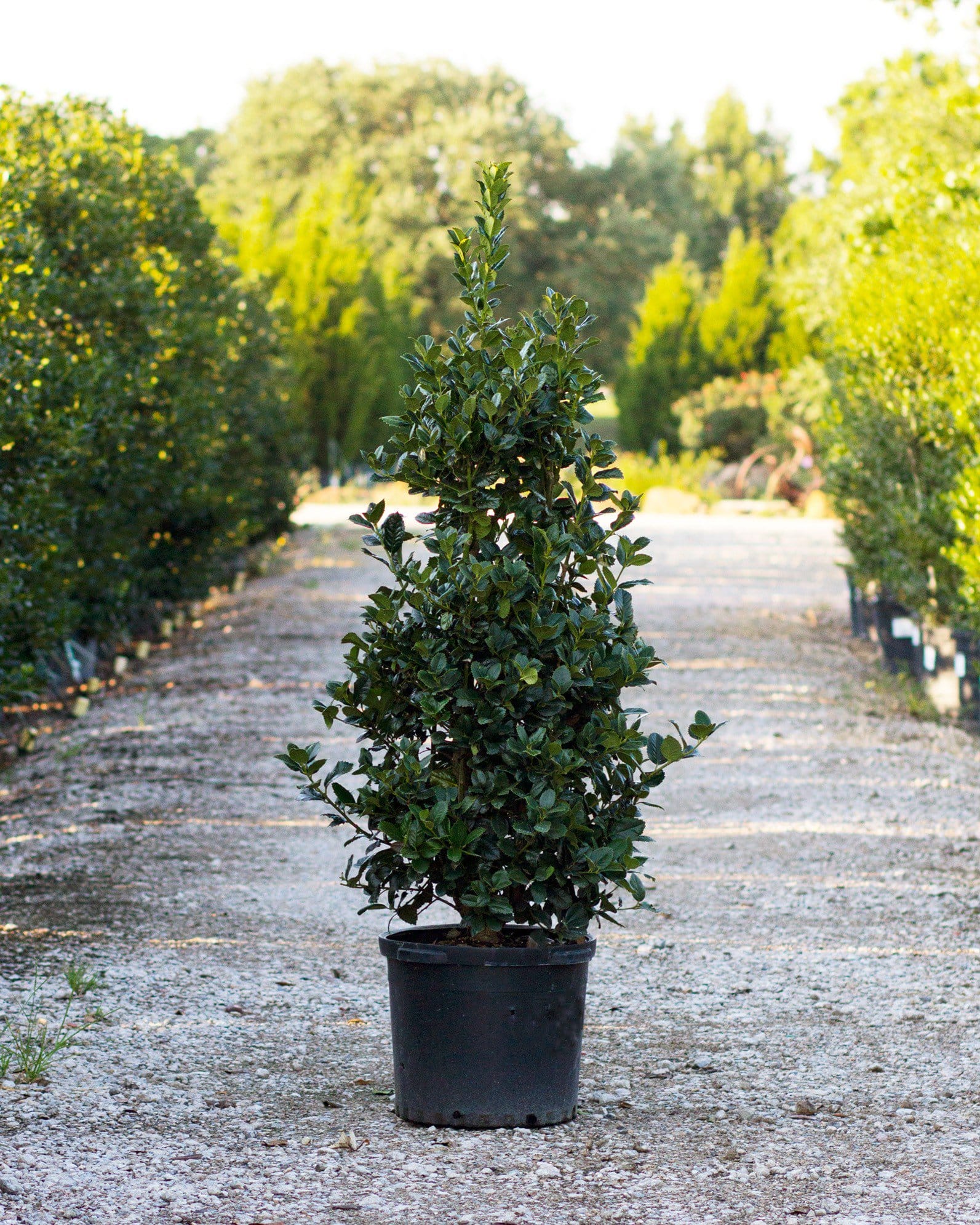
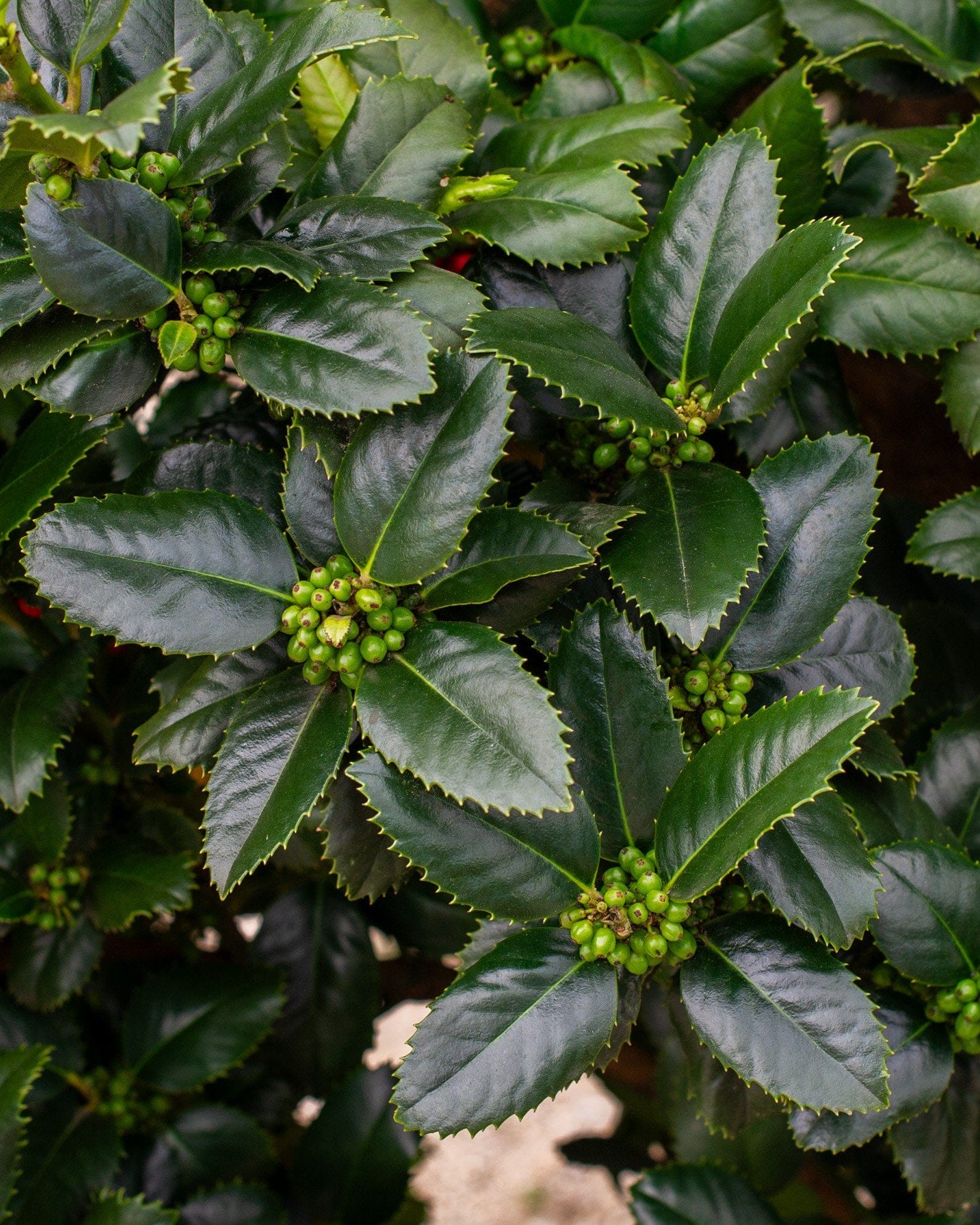
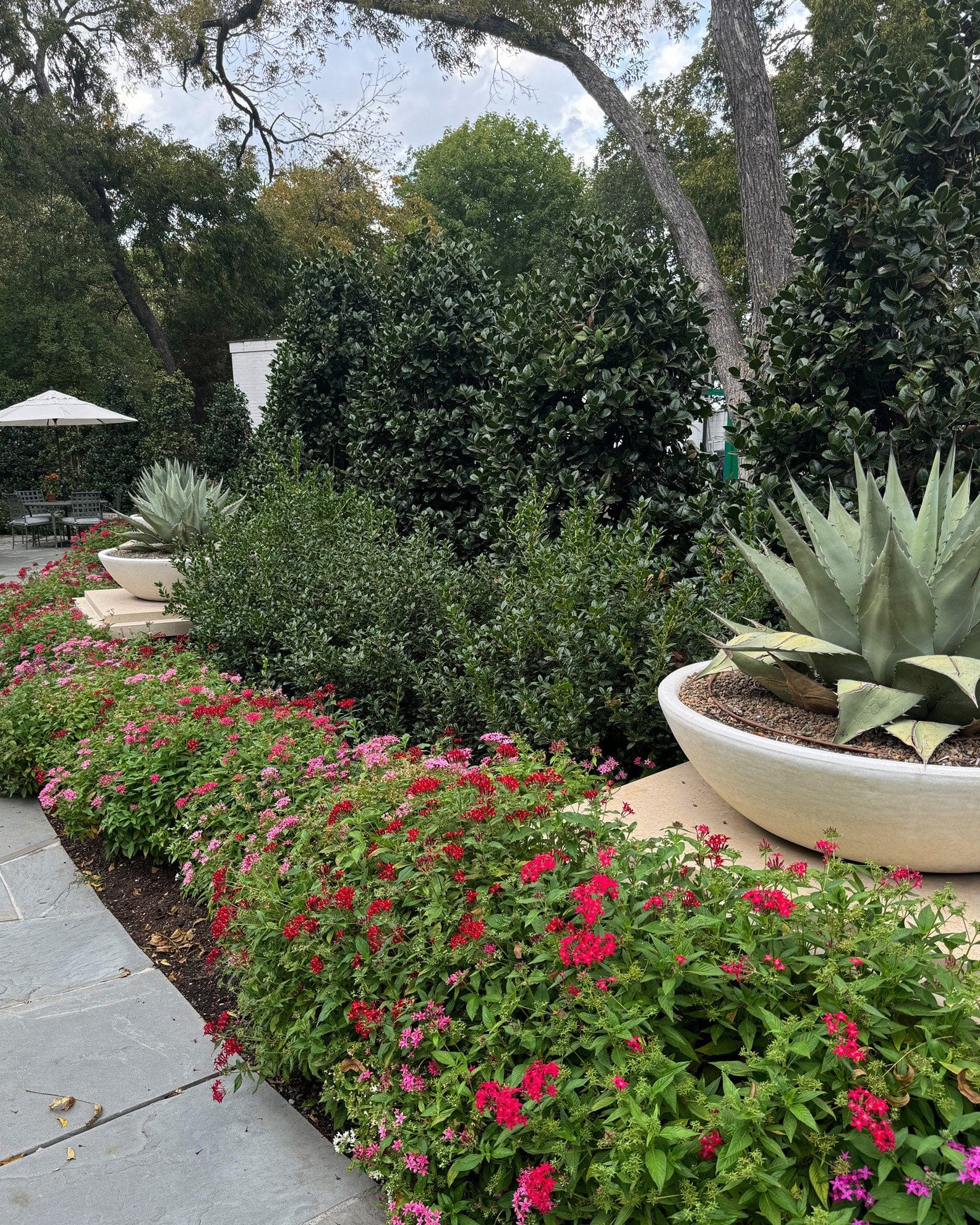
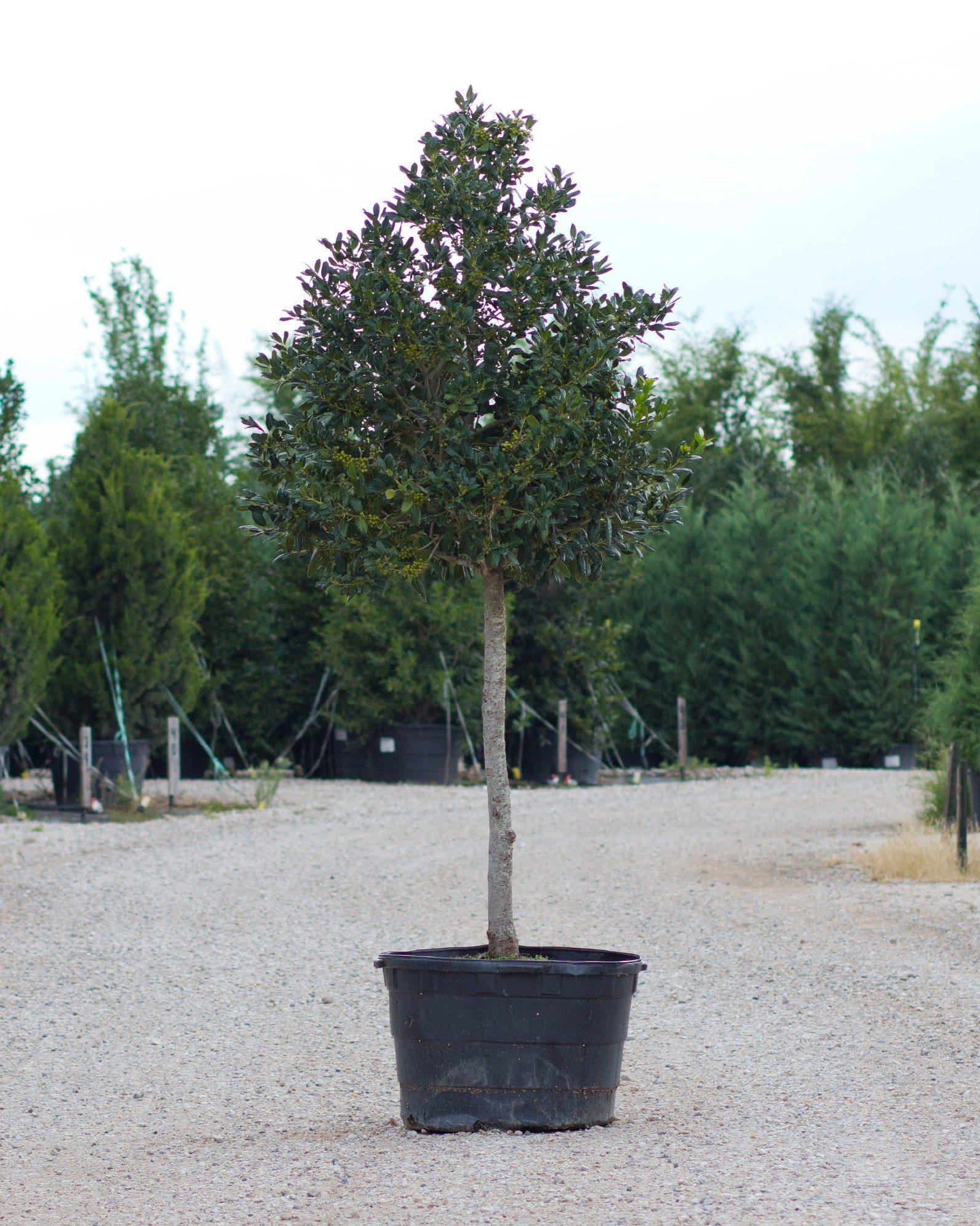
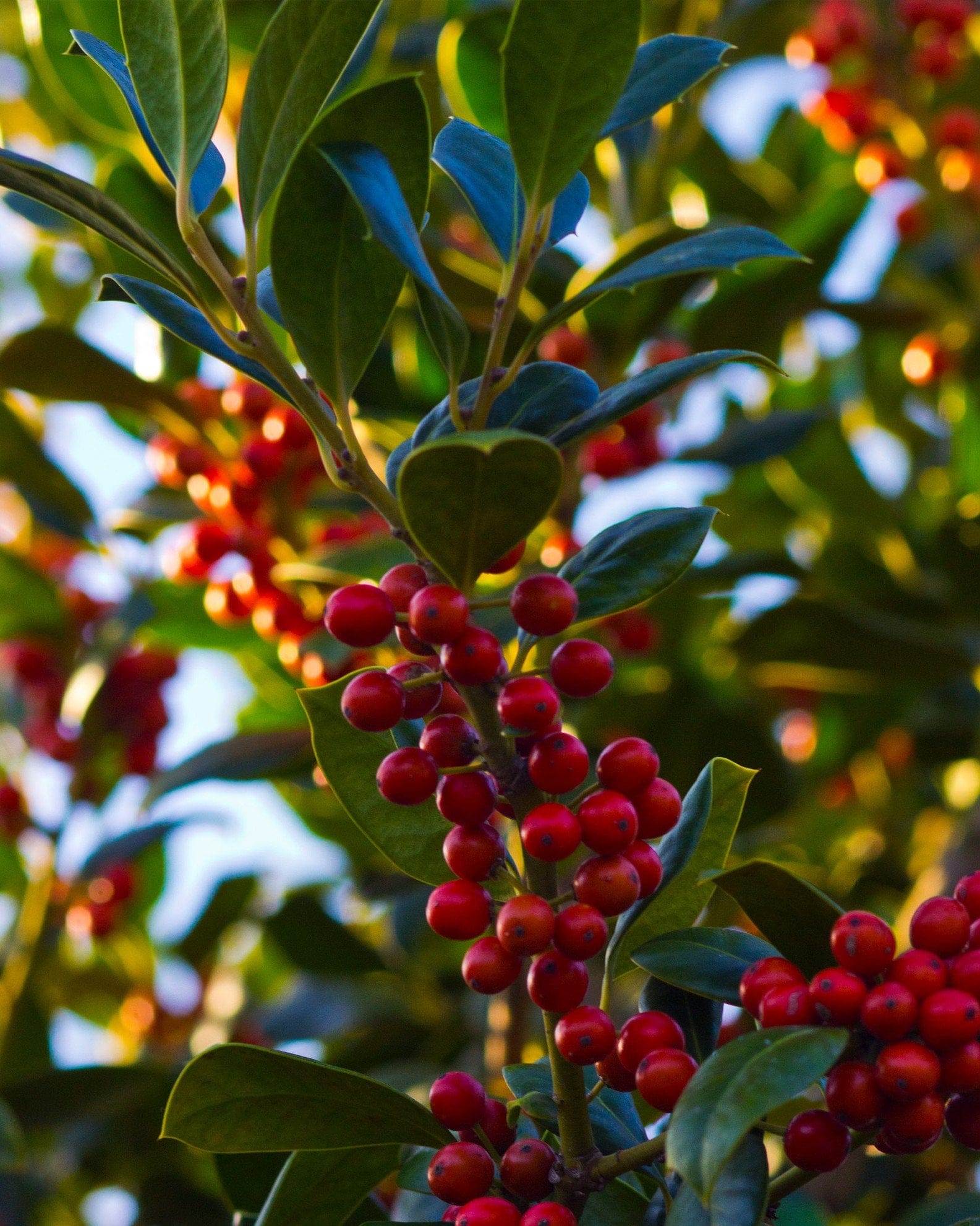
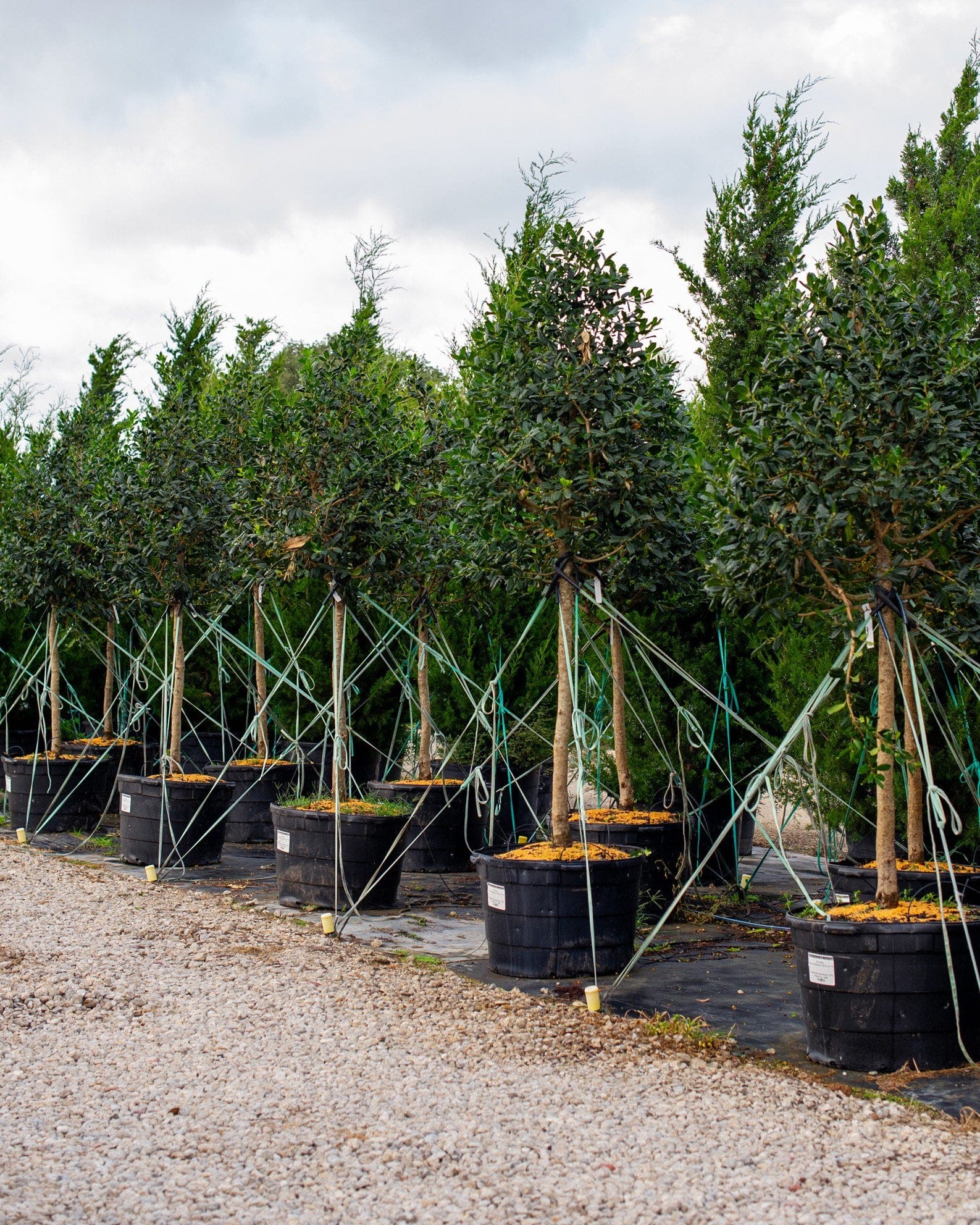
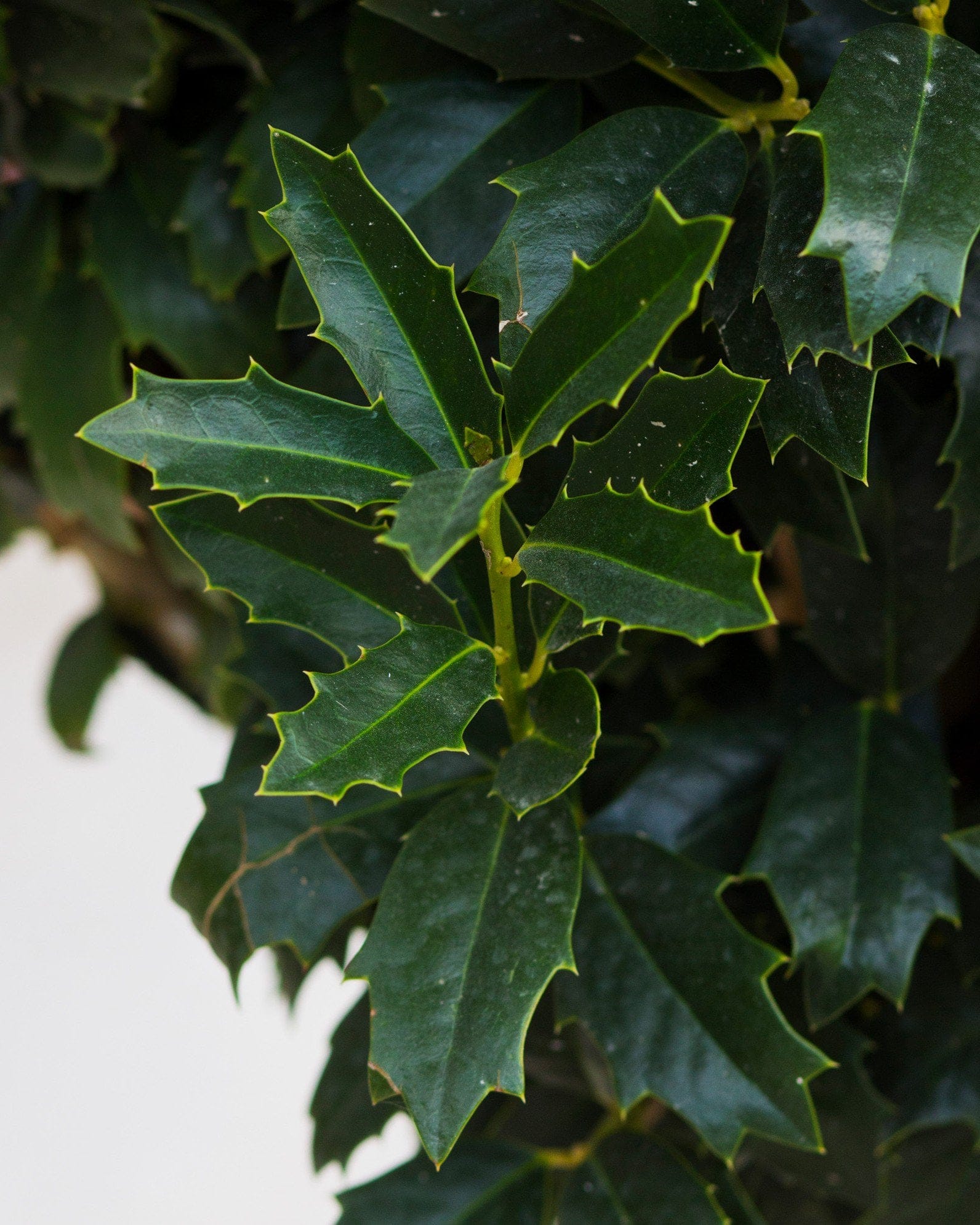
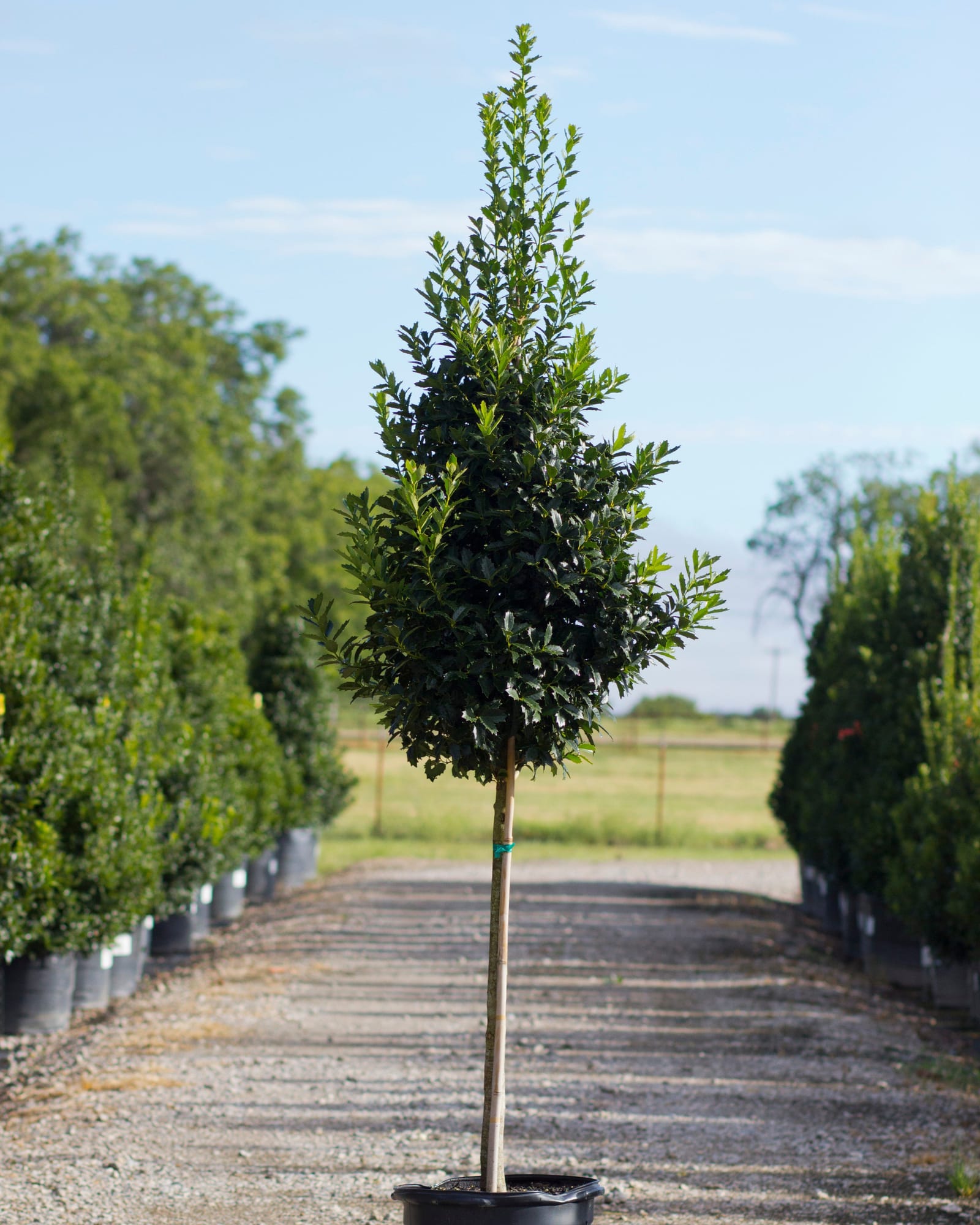
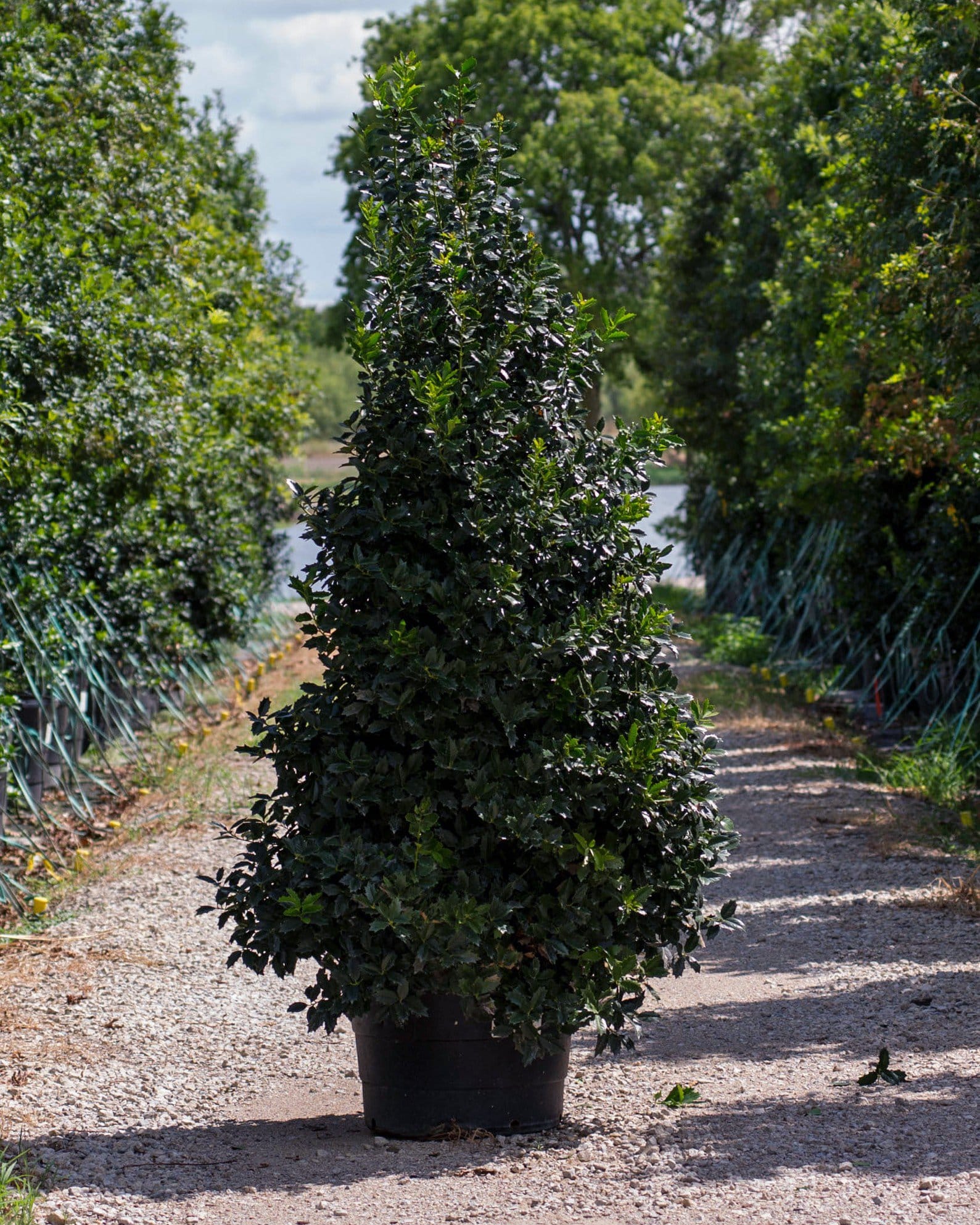
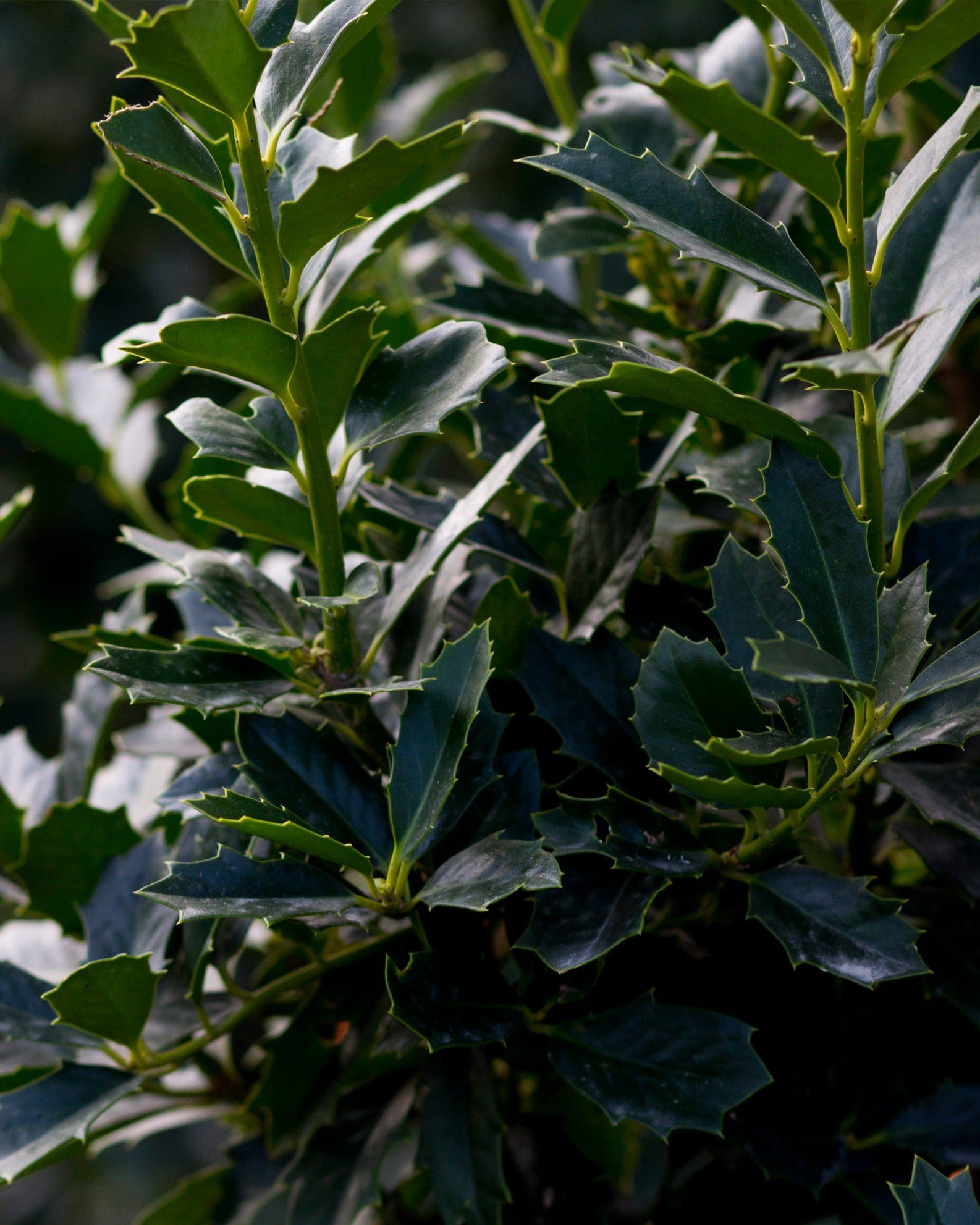
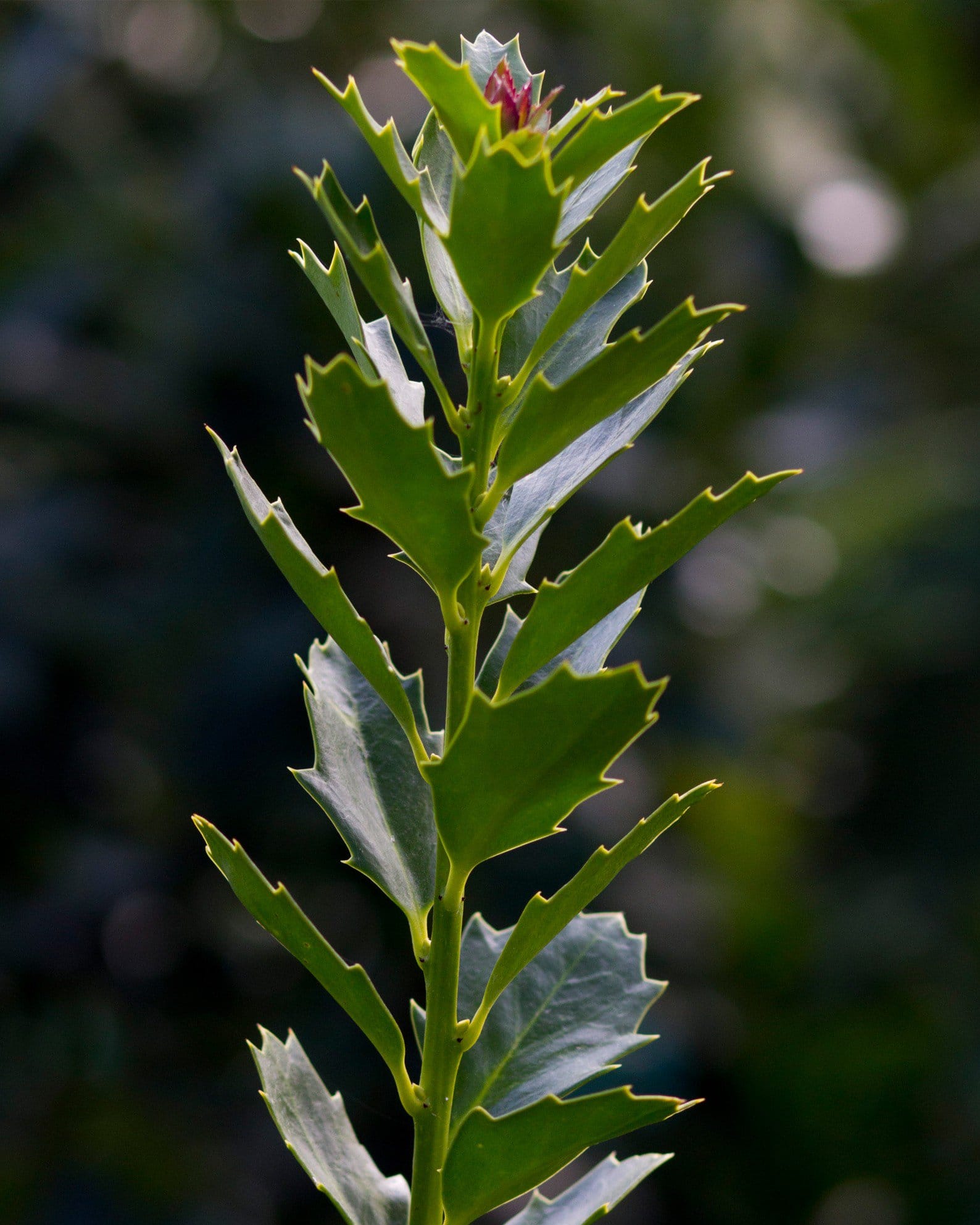
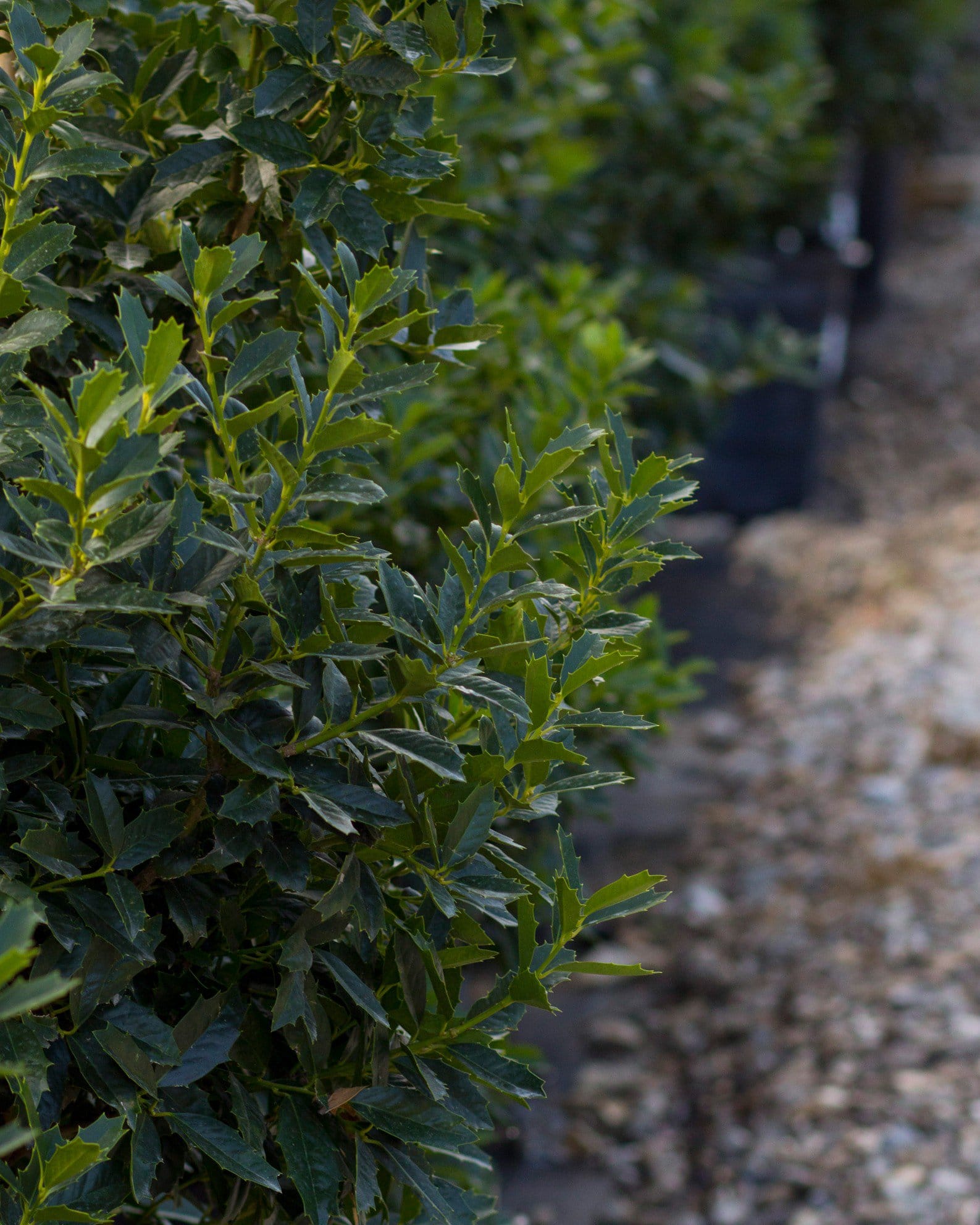
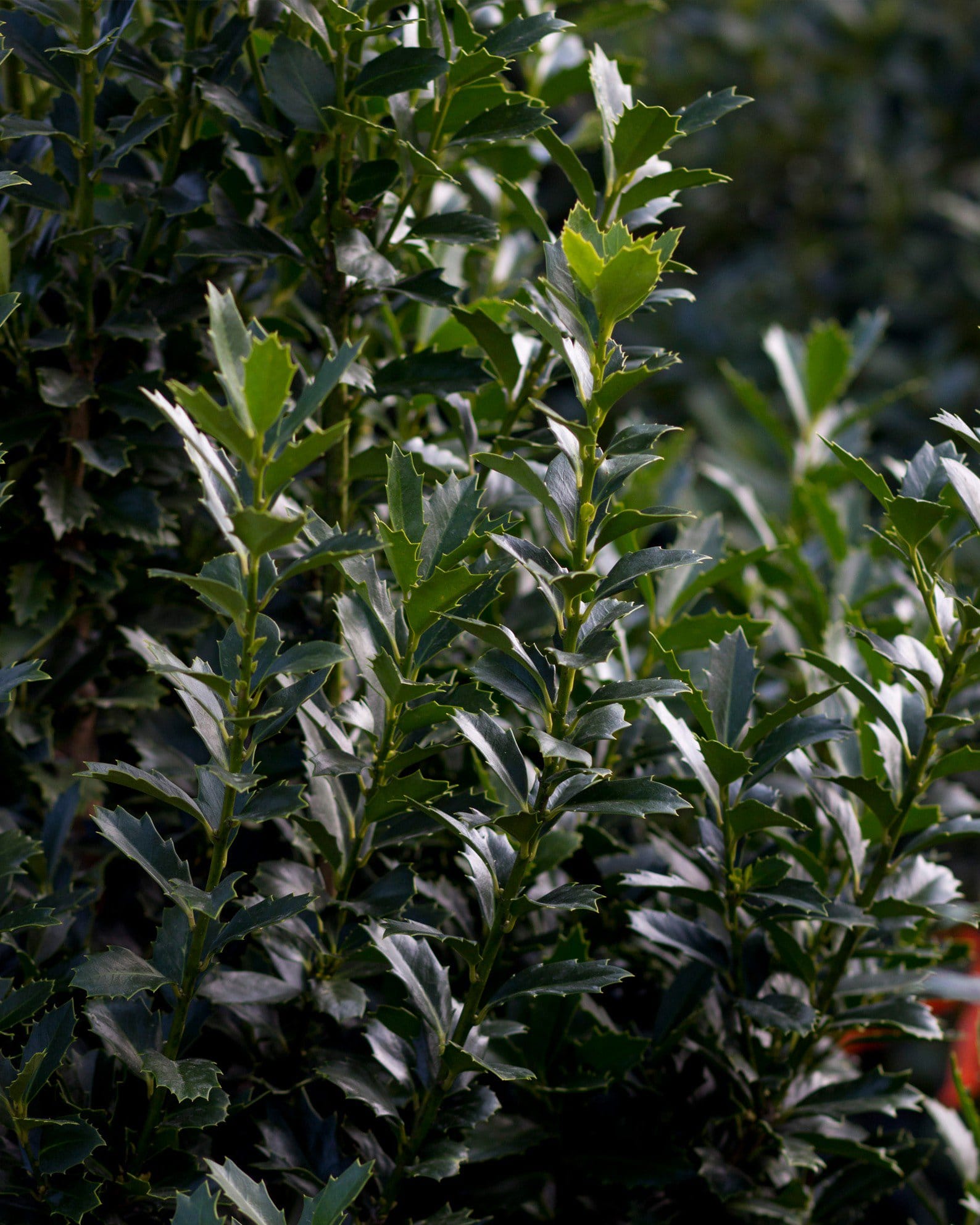
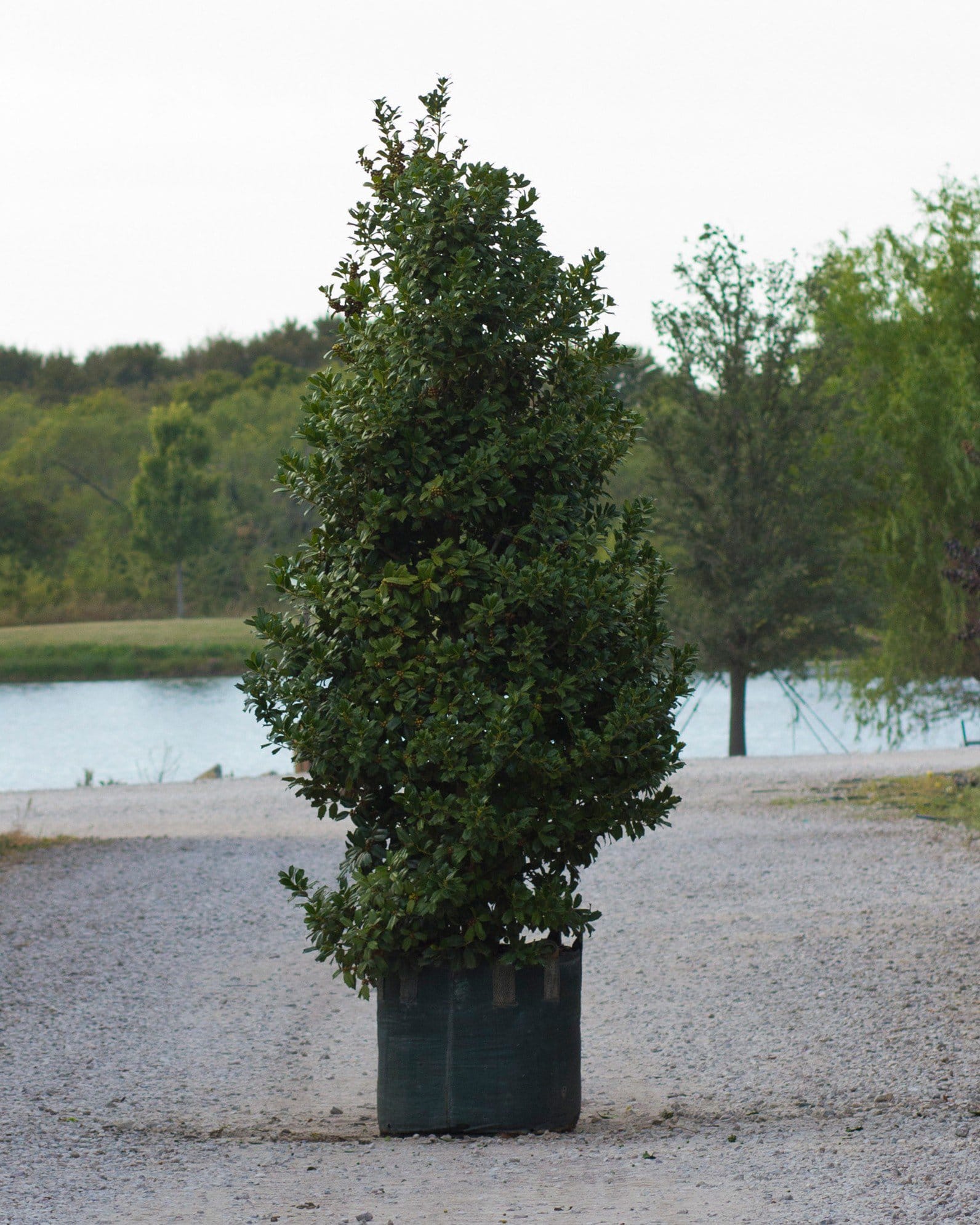
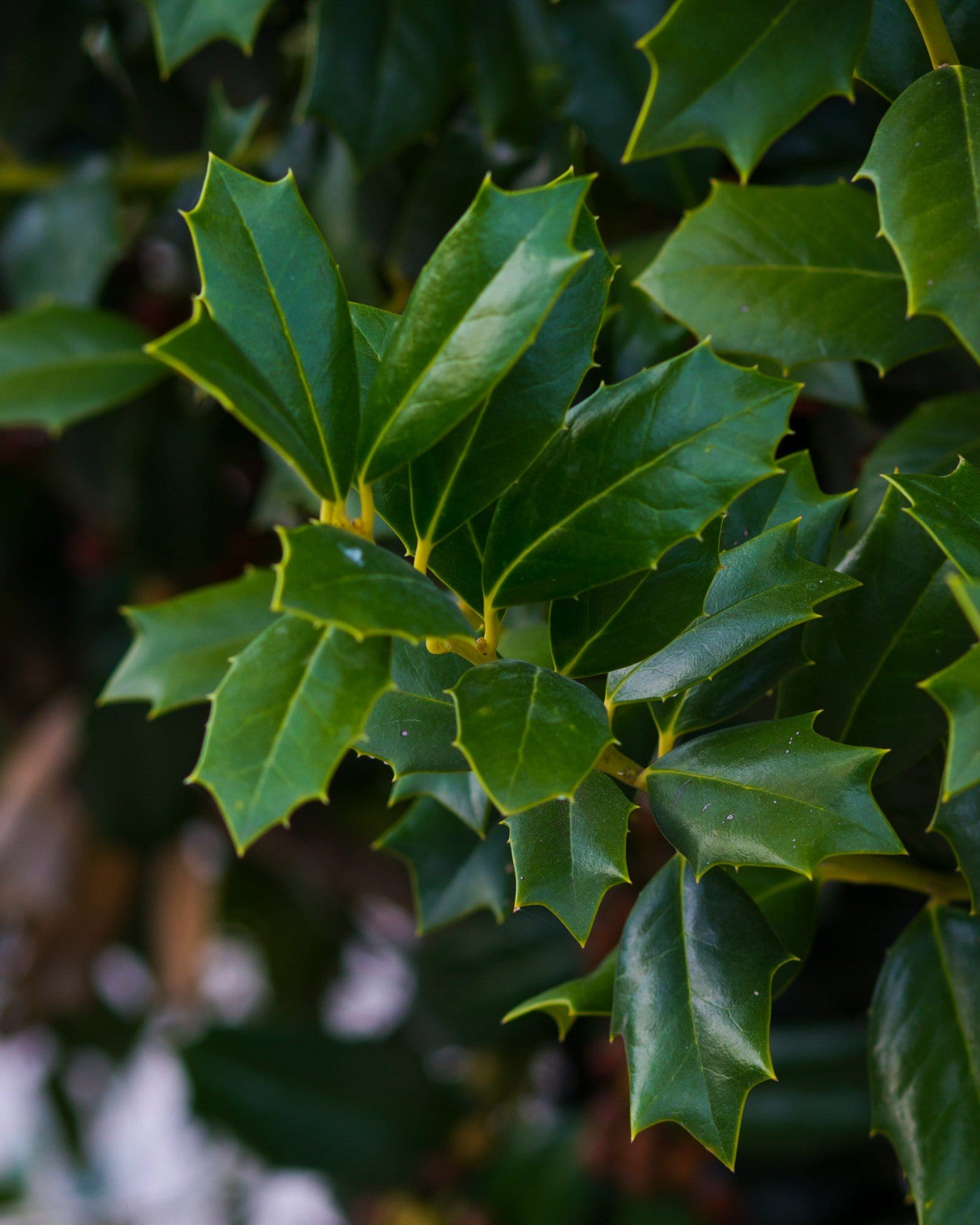
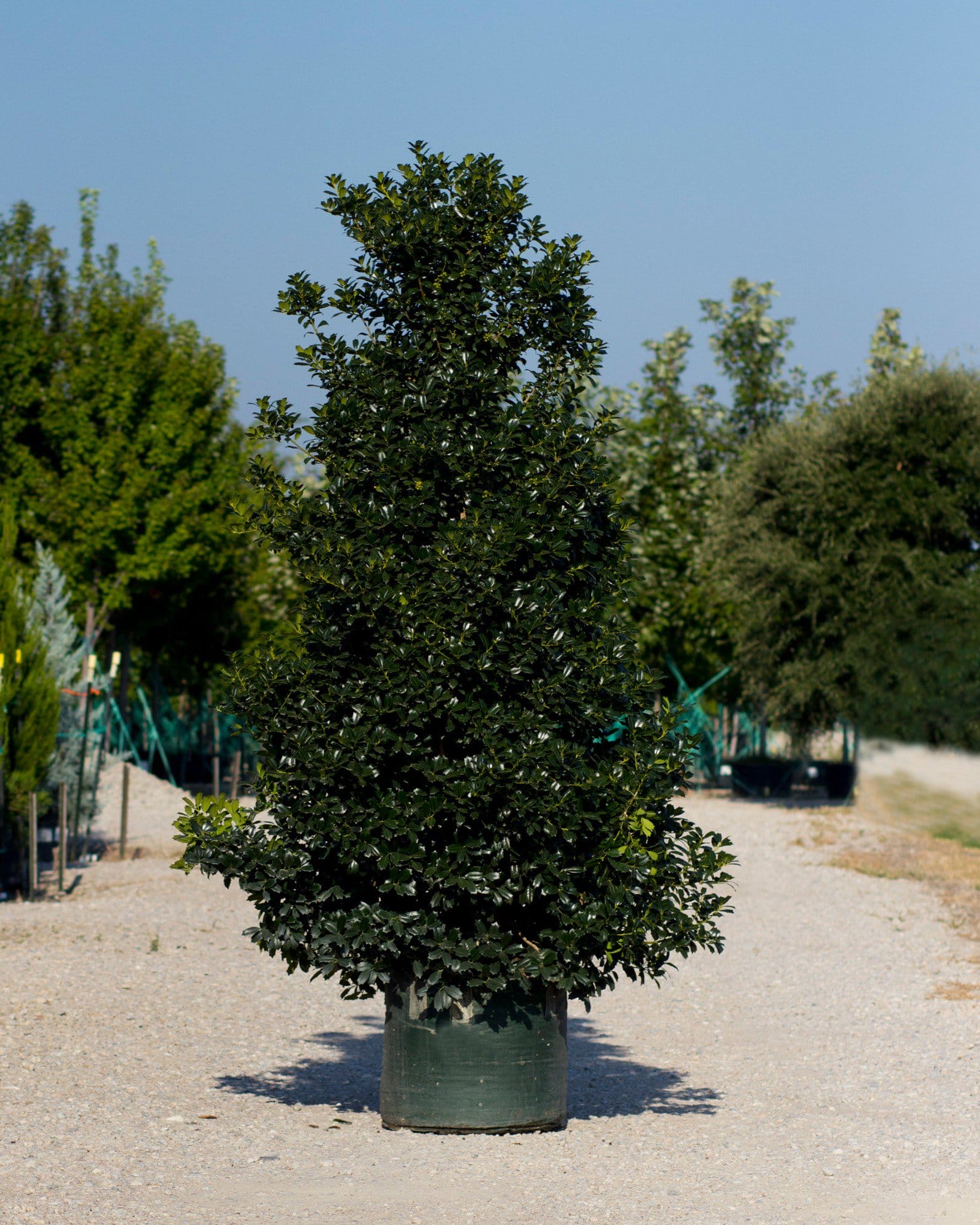
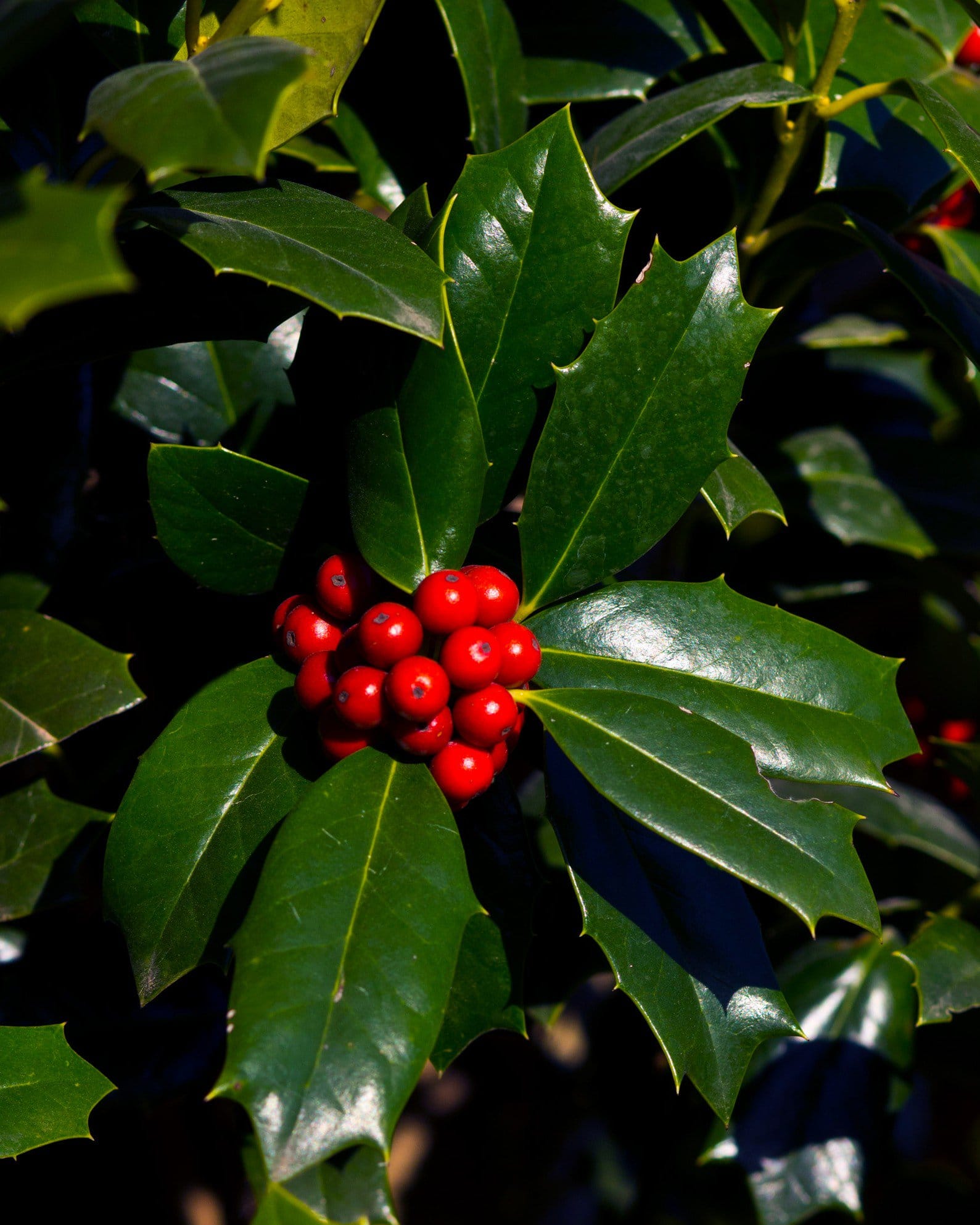
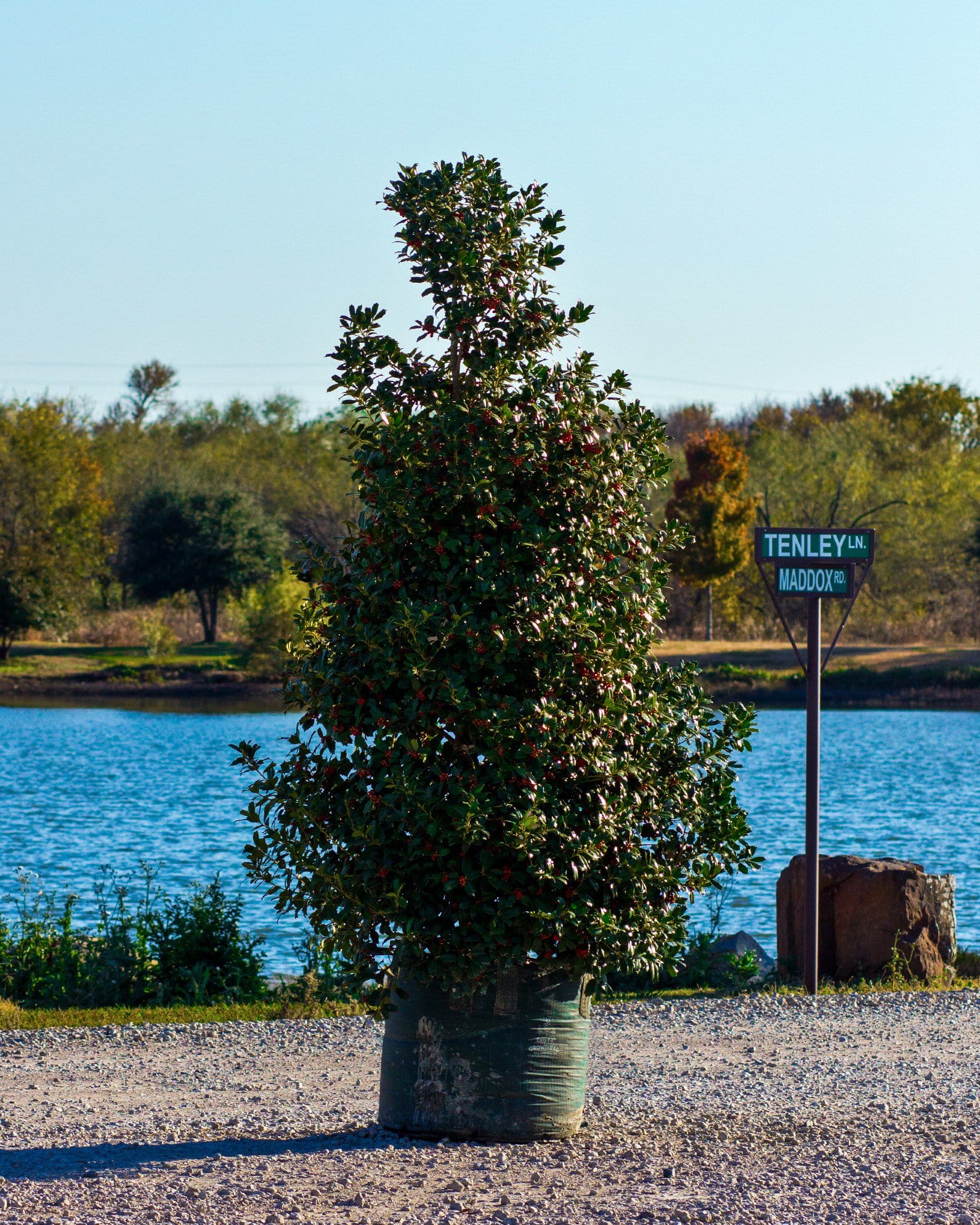
Ilex × ‘Nellie R. Stevens’Nellie R. Stevens Holly is a strong, upright evergreen tree valued for its thick, glossy, dark green leaves providing lush color throughout the year. In fall and winter, it produces bright red berries for seasonal interest. With its dense branching and rapid growth, it is well-suited for tall hedges or as a striking specimen. Mature plants typically grow to about 20 feet tall and 14 feet wide, offering both beauty and practical use in Texas landscapes.
- It is our 3rd most popular privacy screen
- Evergreen tree
- Fast growth rate with dense, upright form
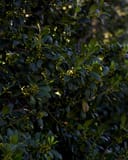
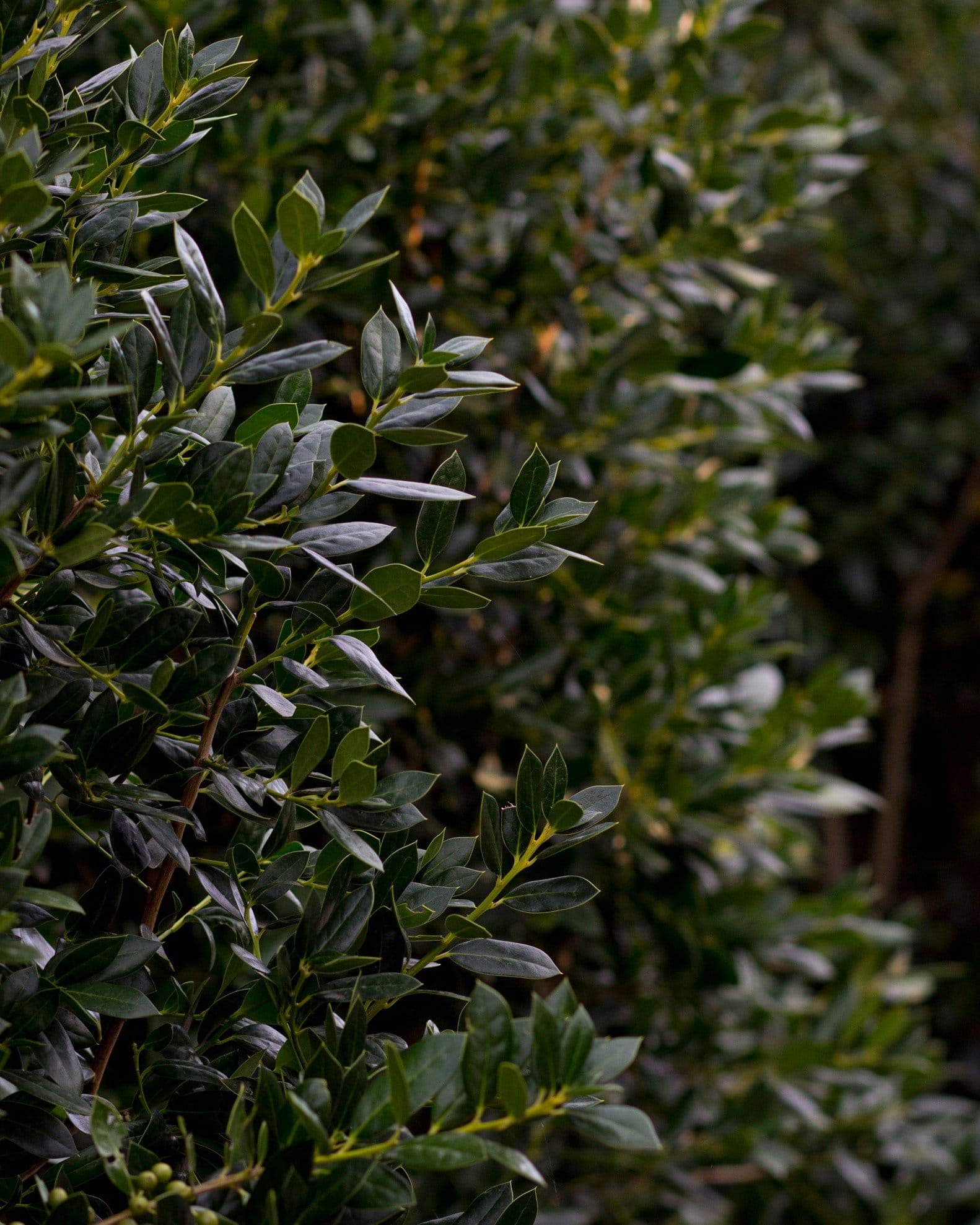
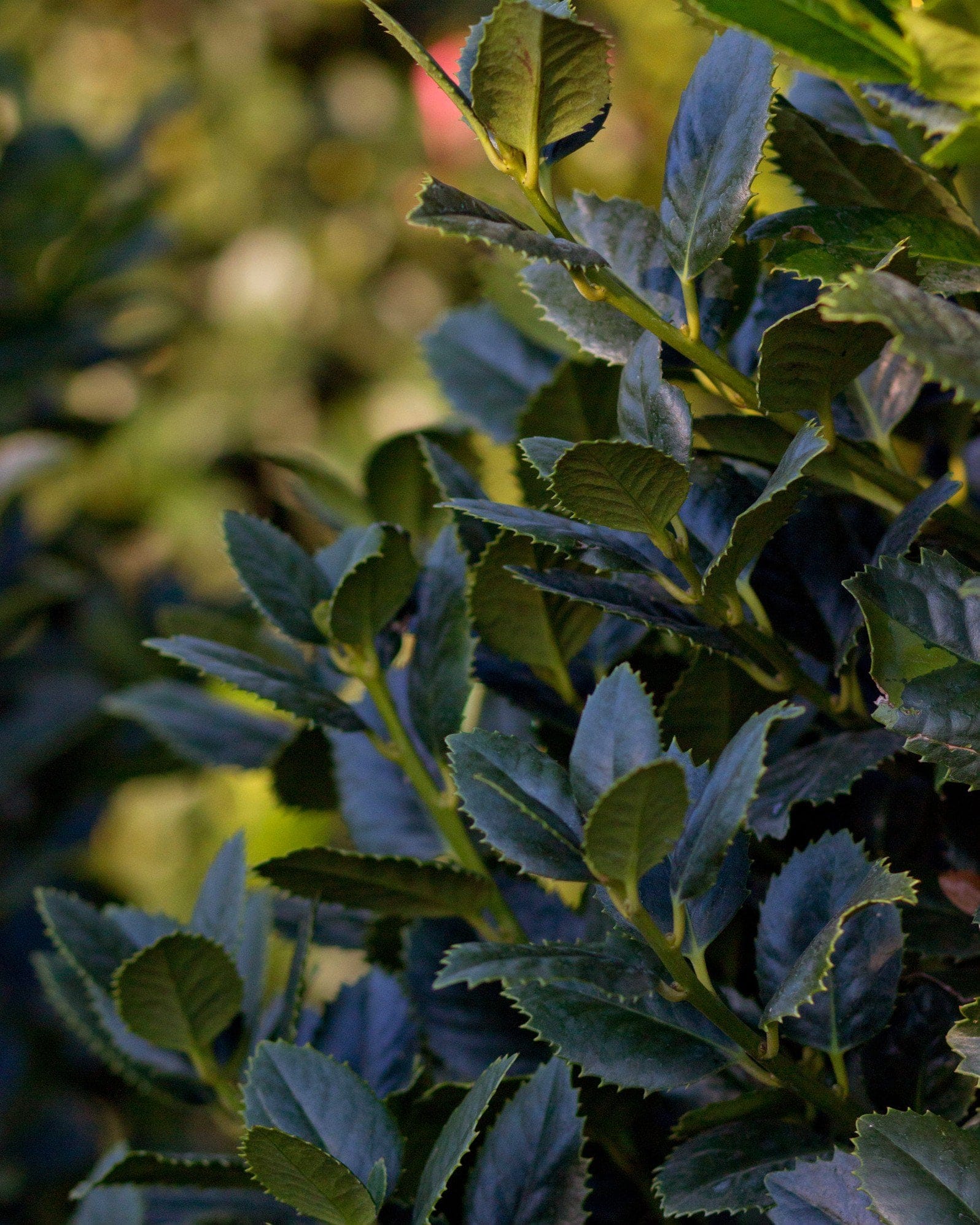
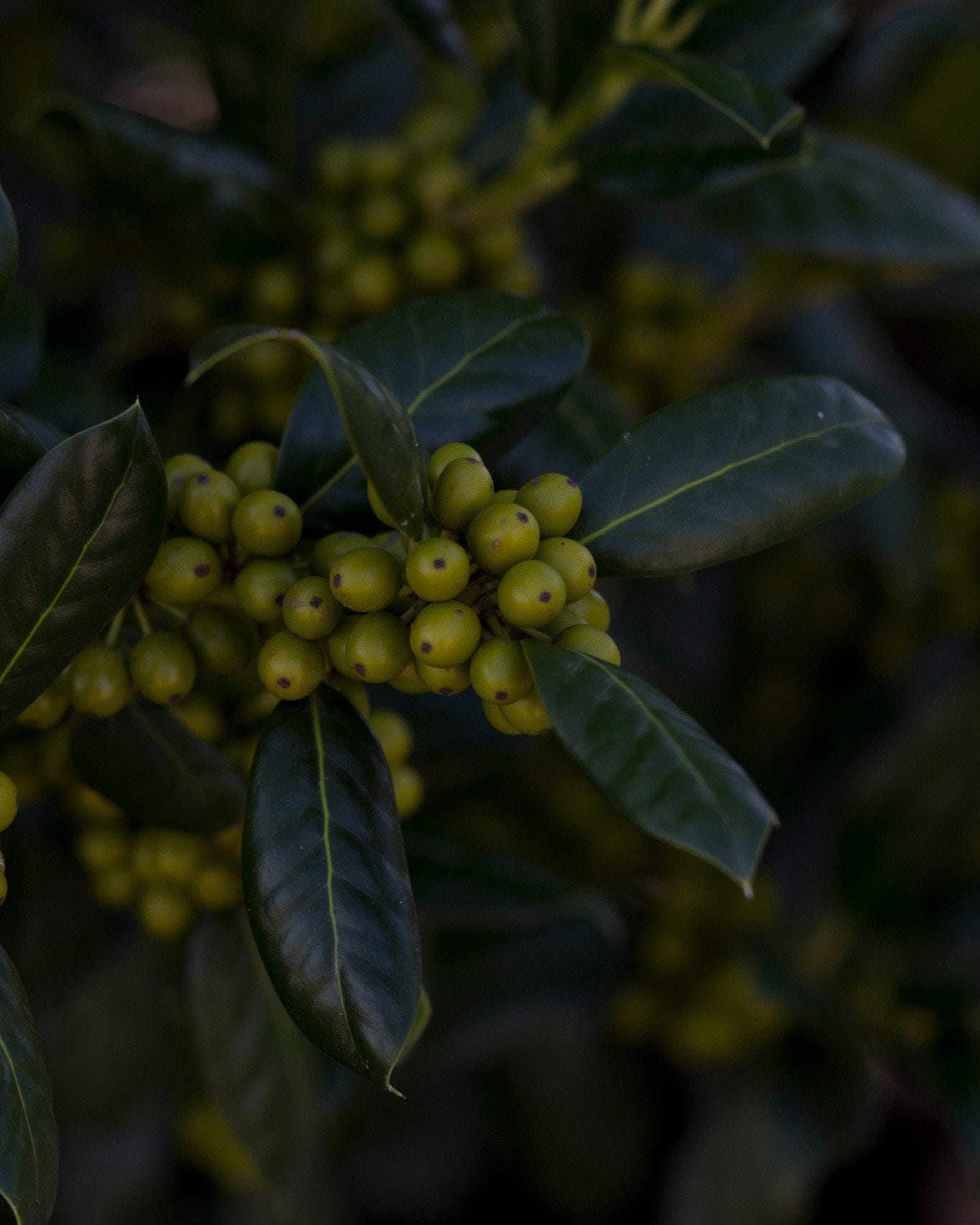
- Glossy, dark green foliage
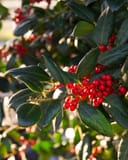
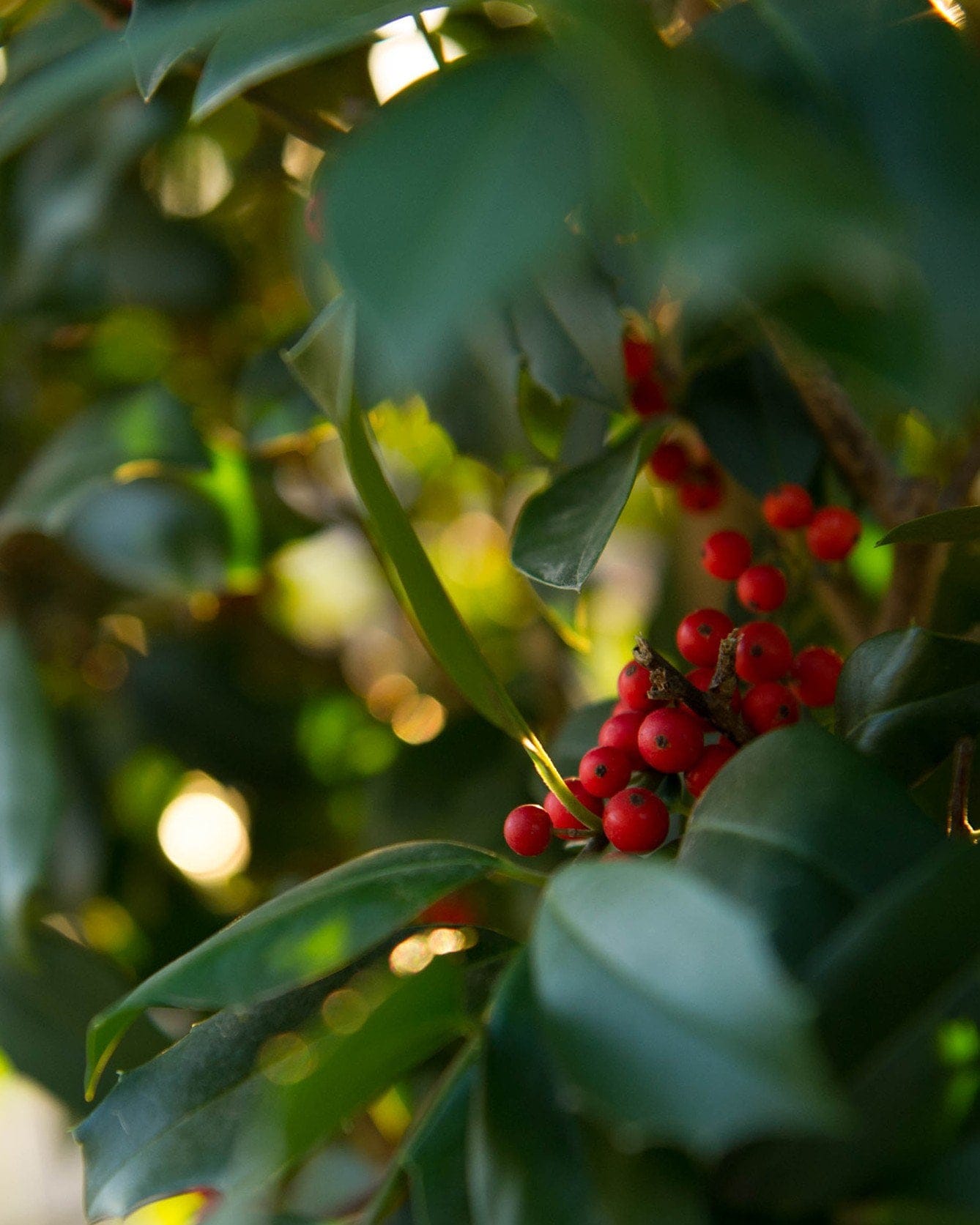
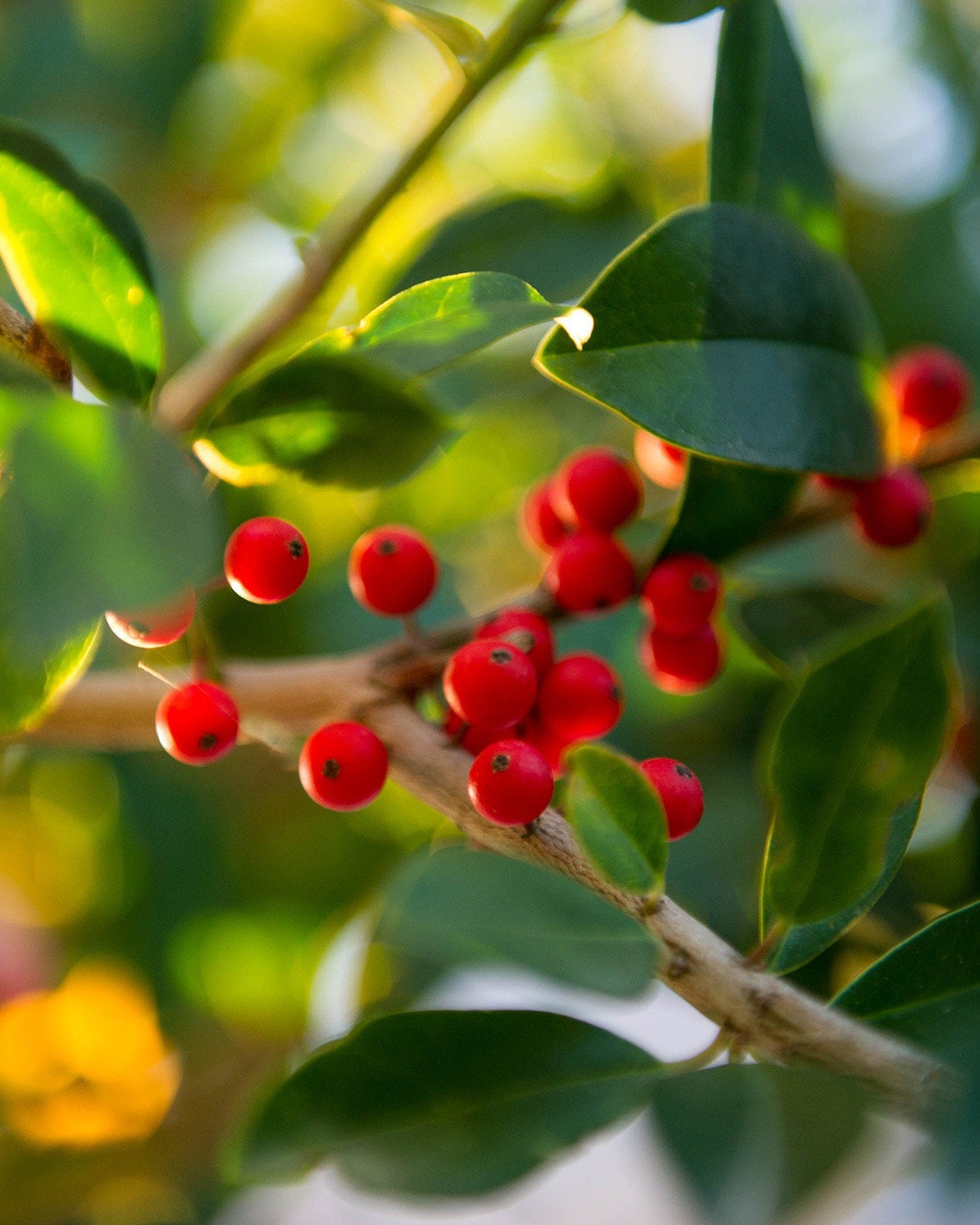
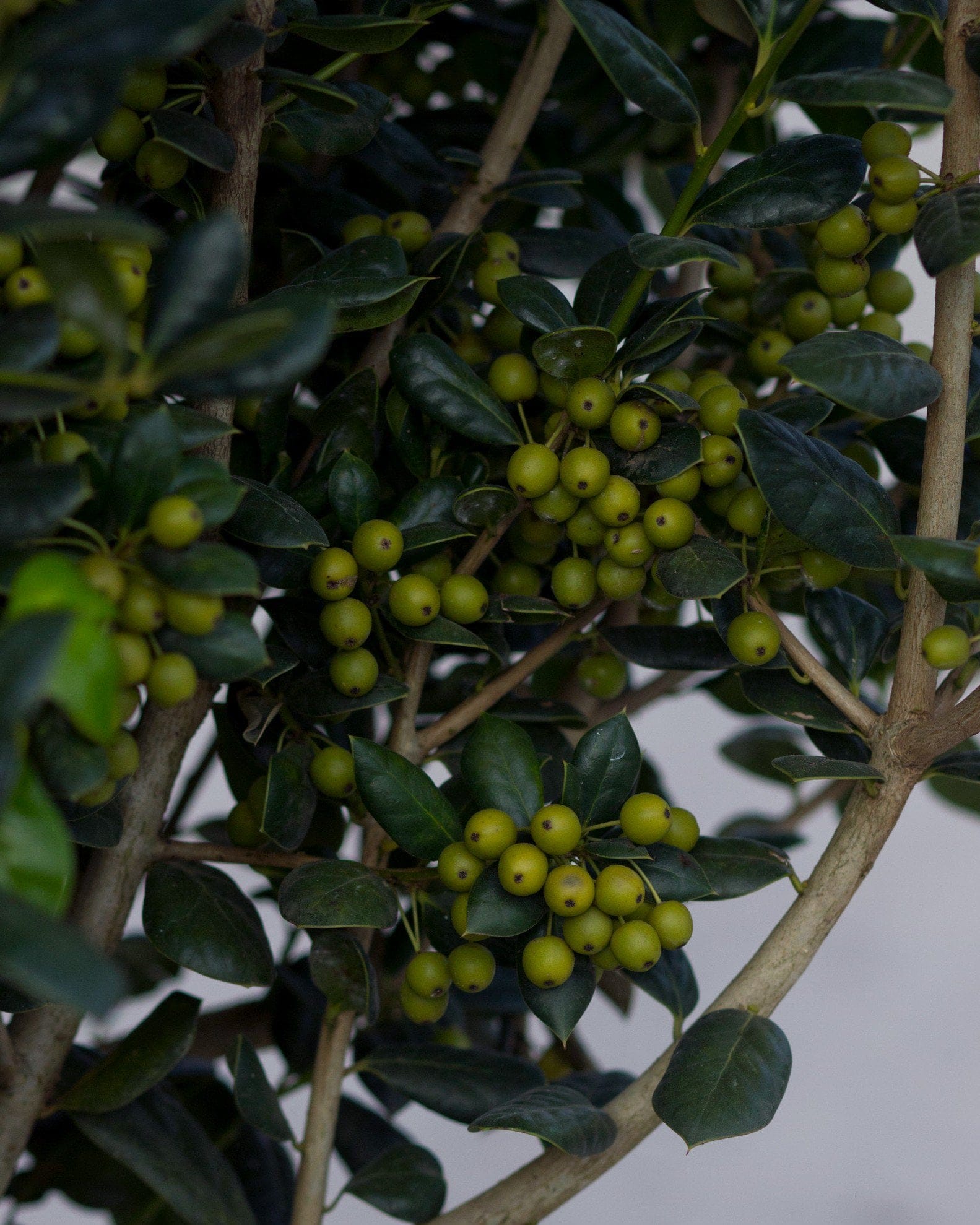
- Produces bright red berries in fall and winter
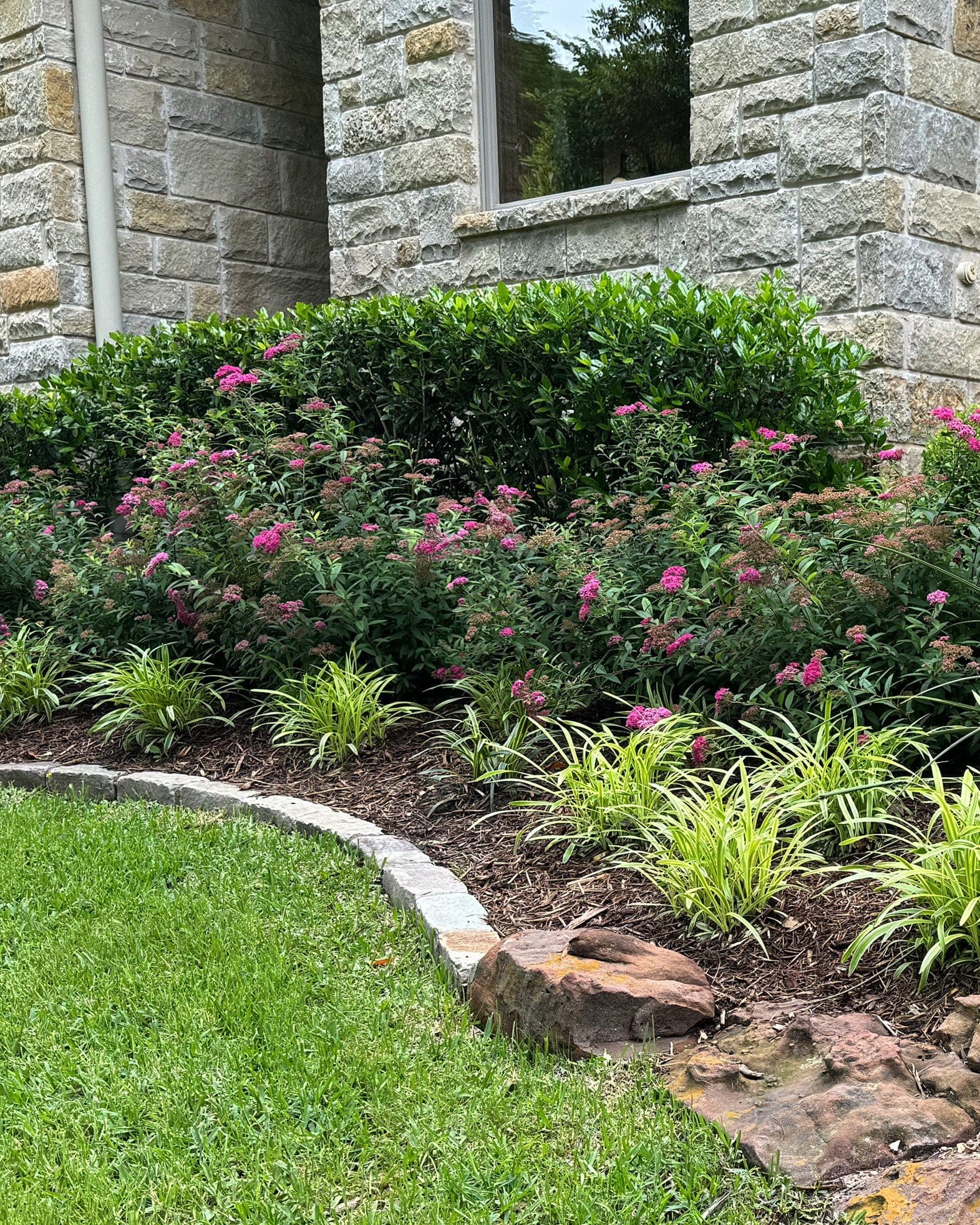
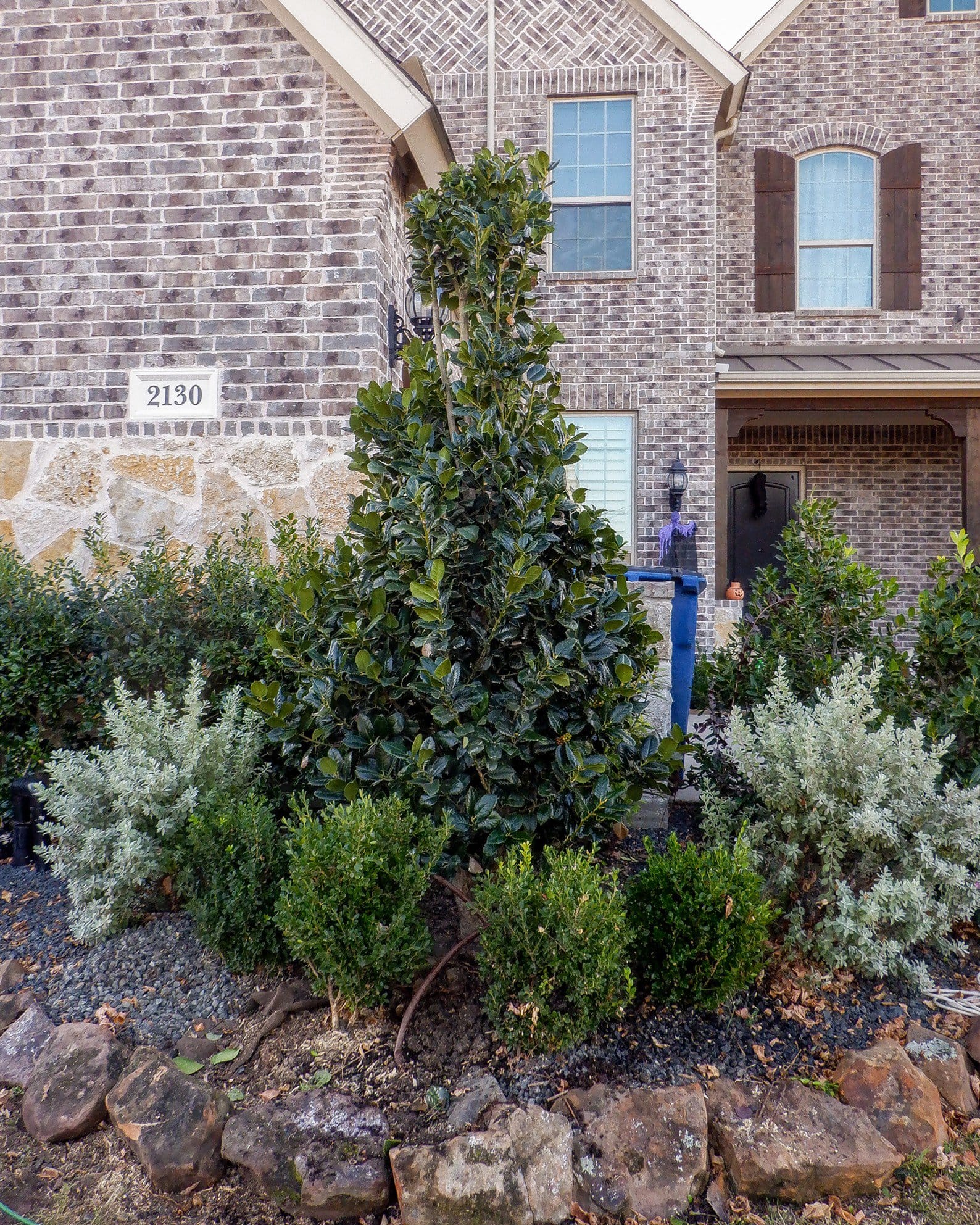
- Ideal for screens, hedges, and foundation plantings
Nellie R. Stevens Holly prefers well-drained, slightly acidic soil. It thrives in full sun to partial shade. Once established, it is heat-tolerant and drought-resistant, adapting well to both urban and suburban settings in Texas. Hardy in USDA zones 6–9, it provides dependable greenery and vivid seasonal color year-round.
Maintenance
Once established, Nellie R. Stevens Holly is one of the most dependable evergreens, loved for its no-fuss nature. This is how you can keep it growing beautifully:
- Watering: Water regularly during the first growing season to encourage deep, healthy root growth. Once established, it requires little additional watering, except during long dry spells. Always water deeply rather than frequently to strengthen root development.
- Pruning: Light pruning once or twice a year keeps its form neat and dense. Prune in late winter or early spring to shape the canopy and remove any damaged or crossing branches. Avoid cutting too late in the season, as this can remove developing flower buds that lead to berries.
- Fertilizing: Feed once in early spring with a slow-release, balanced fertilizer formulated for evergreens. Established plants rarely need heavy feeding, but a light top-dressing each spring helps maintain rich color and healthy foliage.
- Mulching: Apply a 2-3 inch layer of mulch around the base each spring to retain soil moisture, regulate temperature, and reduce weed competition. Keep mulch a few inches away from the trunk to prevent bark rot or pest buildup.
- Winter care: Nellie R. Stevens Holly is hardy and evergreen year-round. In colder climates or unusually harsh winters, a layer of mulch around the root zone provides extra protection. Water deeply before ground freezes to minimize winter leaf scorch and maintain foliage vitality.
Common Issues and How to Take Care of Them
Nellie R. Stevens Holly is generally pest- and disease-resistant, but a few minor issues can occur under extreme conditions or stress:
- Leaf Drop: Temporary leaf loss can occur after transplanting or extreme drought. Consistent deep watering and mulch help stabilize recovery.
- Scale Insects: Small, waxy bumps on stems or leaves that cause yellowing. Treat with horticultural oil during dormancy or insecticidal soap during active growth.
- Spider Mites: These tiny pests can cause stippled, faded foliage in hot, dry weather. Rinse with water or treat with neem oil to prevent outbreaks.
- Sooty Mold: Black residue resulting from insect honeydew. Address the underlying pest issue, and the mold will clear up on its own.
- Iron Chlorosis: Yellowing between leaf veins may occur in alkaline soils. An iron supplement or soil acidifier can restore healthy green color.
With proper care, it can live 50 years or longer. Its durable structure and disease resistance make it one of the most long-lasting evergreens for landscapes and screens.
It grows at a moderate to fast rate, maturing quickly compared to other hollies. Once established, it fills in beautifully and maintains its pyramidal shape with minimal shaping.
Yes - mature female plants reliably produce clusters of bright red berries each winter. You’ll get the best fruiting if a male holly is planted nearby for pollination.
Yes, deer generally avoid hollies due to their tough, spiny leaves, making them an excellent choice for rural and suburban landscapes prone to browsing.
Yes, though it prefers spacious conditions. Use large, deep containers with excellent drainage, and water more frequently during summer. Container-grown specimens make stunning focal points or entryway plantings.
Extremely well. It thrives in hot, humid conditions and maintains its lush green foliage even through long, intense summers.
Yes, it’s cold-hardy and resilient. Once established, it easily withstands frost and freezing temperatures, keeping its deep green color all winter long.
Absolutely. Its dense branching and uniform growth make it one of the best hollies for tall, evergreen privacy hedges or windbreaks.
Yes. It tolerates heat, wind, and moderate pollution, making it a strong choice for urban landscapes and large-scale plantings where durability and structure are essential.
When it comes to spacing there is no right or wrong answer. We prefer to give trees the most amount of separation possible and aesthetically this leads to a prettier looking tree at maturity because they develop naturally wider, fuller and more symmetrical canopies. As far as the tree's health is concerned it will not be affected by how closely it is planted to another tree but the shape of the canopy will become taller and thinner and begin to overlap, which will create a continuous hedge. If privacy is not of an immediate concern and we are just looking to diffuse the view then we could plant the trees where they barely touch at maturity.
For example, we could plant Nellies 14' apart (their mature width is 14') and at maturity their canopies would barely touch or we could space them even further apart than 14' which would leave a gap between the trees. Most of us don't have the luxury of planting trees this far apart and waiting 10-15 years for them to grow together and get privacy. For people that need more immediate privacy then the question to answer is "how long do you want to wait before you have a solid privacy screen?" Most answers that we get to this question will either be immediate or they are willing to wait between 2-4 years before they get solid coverage. Again, there is no right or wrong answer to this question and it is solely dependent upon how quickly the privacy is needed. For example, if a customer is looking for immediate coverage and they are planting Nellies, then we need to find out how wide the trees are that are being purchased and then plant them that far apart. If we find Nellies that are 3.5' wide then we would need to plant them 3.5' apart from trunk to trunk which allows for the branches to touch immediately at the time of planting. If we are looking for coverage in 3-4 years then the spacing would be dependent upon how quickly the trees grown per year in width and what size tree the customer decides to start with. Let's look at the previous example of a Nellie that is currently 3.5' wide. We know that they grow about .75' per year in terms of width so over 3 years they will be about 5.75’ wide and therefore we would space the 5.75’ apart (trunk to trunk) so that the trees would be touching in 3 years.
Yes, Nellie R. Stevens hollies produce abundant, bright red berries that typically ripen in the fall and persist throughout the winter. While most holly species require both a male and female tree to produce fruit, the Nellie R. Stevens is unique because it is parthenocarpic. This means the female plant has the rare ability to develop fruit without being fertilized by pollen, though the resulting berries will be seedless. Although a single Nellie R. Stevens can produce berries on its own, it will produce a significantly heavier and more reliable crop if a male pollinator is nearby.
Special Features
You might also like
Compare Similar Plants
Nellie R Stevens Holly This plant | ||
|---|---|---|
| Scientific Name | Ilex × ‘Nellie R. Stevens’ | Ilex × attenuata ‘Eagleston’ |
| Size at Maturity | 20' H x 14' W | 20' H x 14' W |
| Leaf Retention | Evergreen | Evergreen |
| Sizes Available | 3, 7, 15, 30, 45, 65, 95 gal | 3, 7, 15, 30, 45 gal |


Our 1-Year Planting Guarantee
We take pride in our plants and installation services. If any plants or trees installed by Treeland fail to thrive within the first year, we'll provide a replacement credit in accordance with our guarantee program.
Learn More About Our Guarantee