
 Popular
 Texas Native
Forest Pansy Redbud
Cercis canadensis ‘Forest Pansy’Local DFW Delivery Only
Product Details
Forest Pansy Redbud
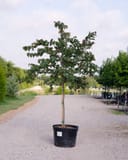
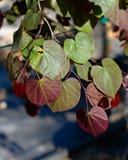
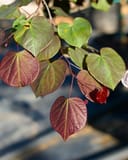
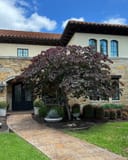
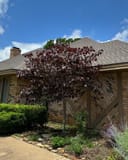
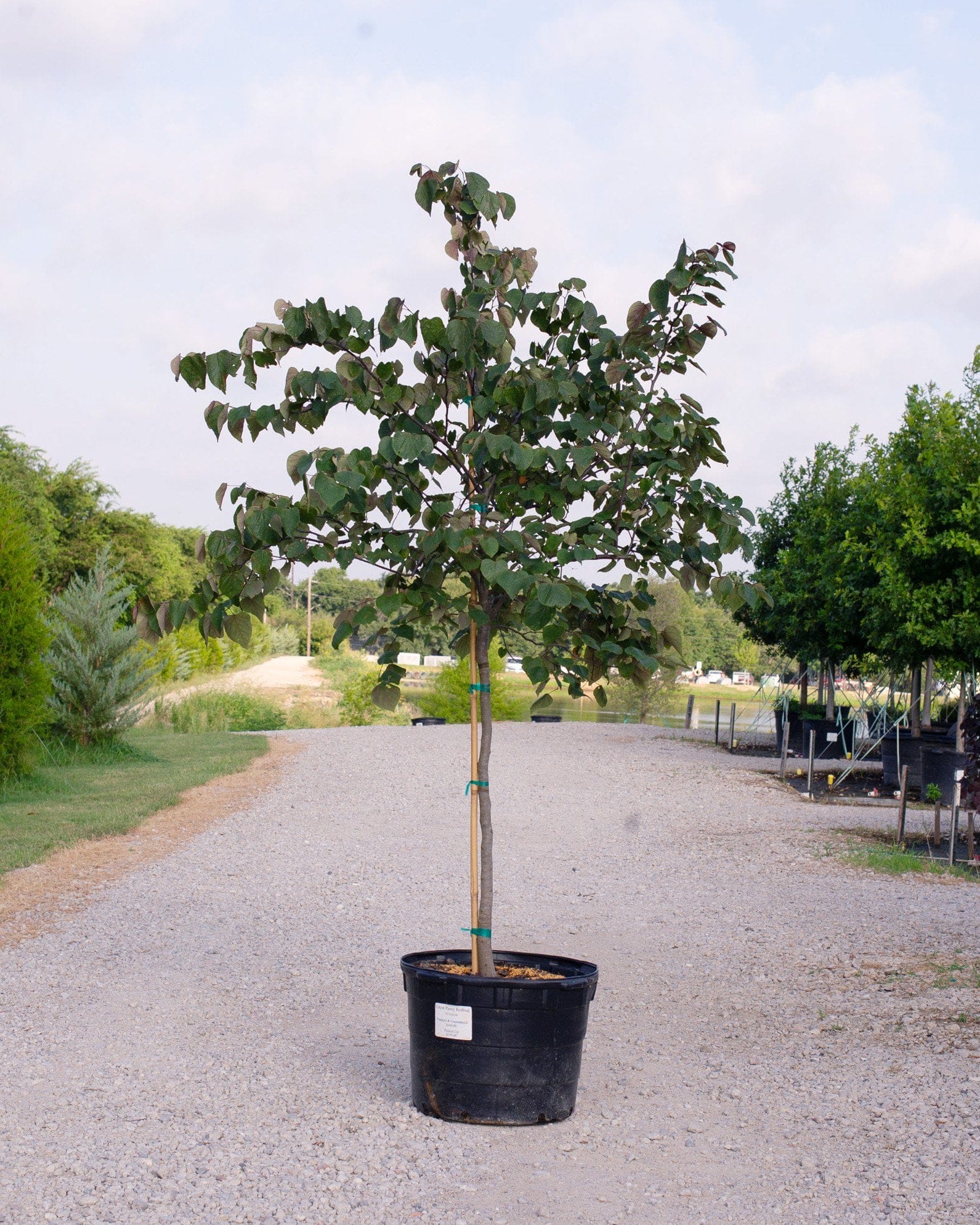
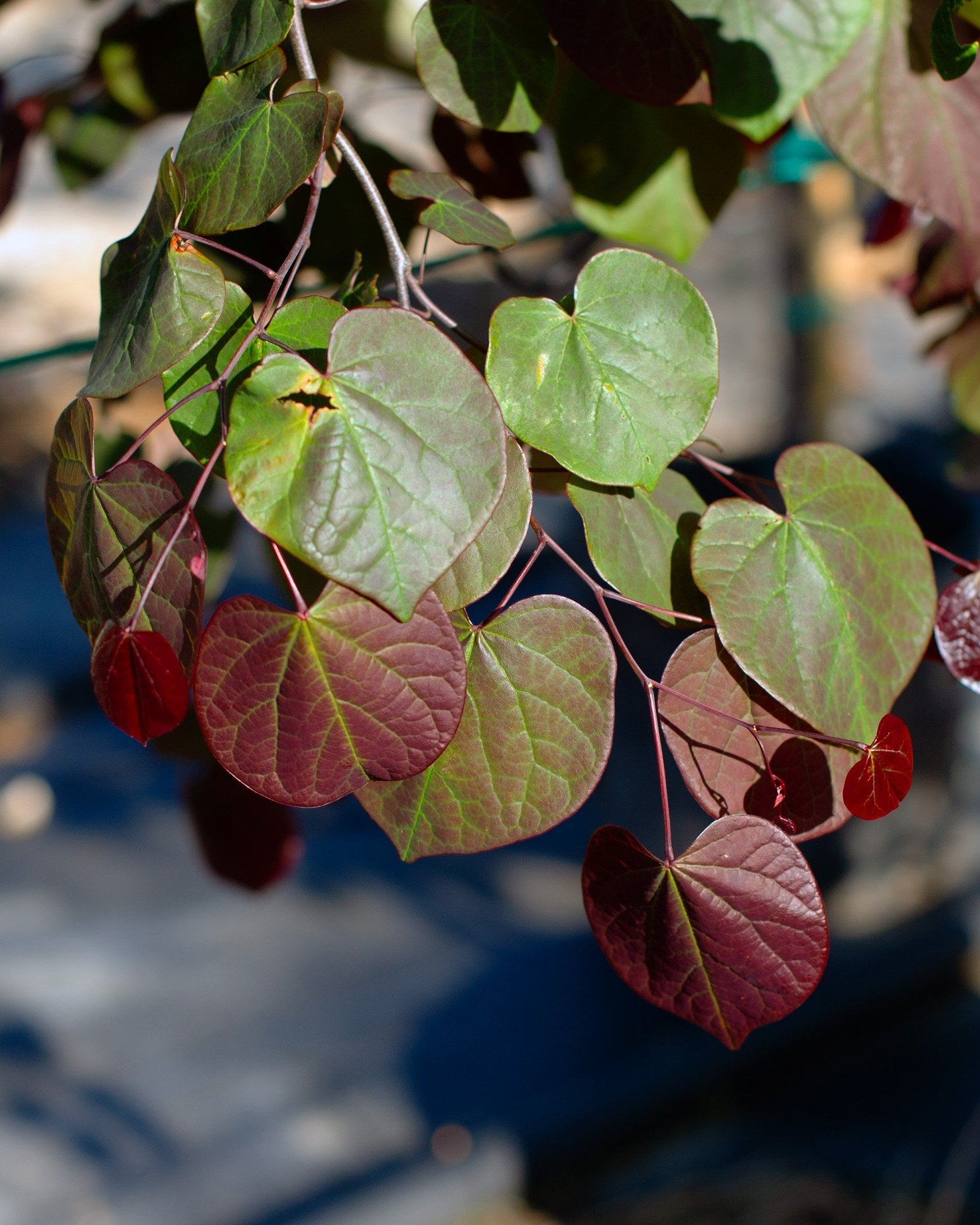
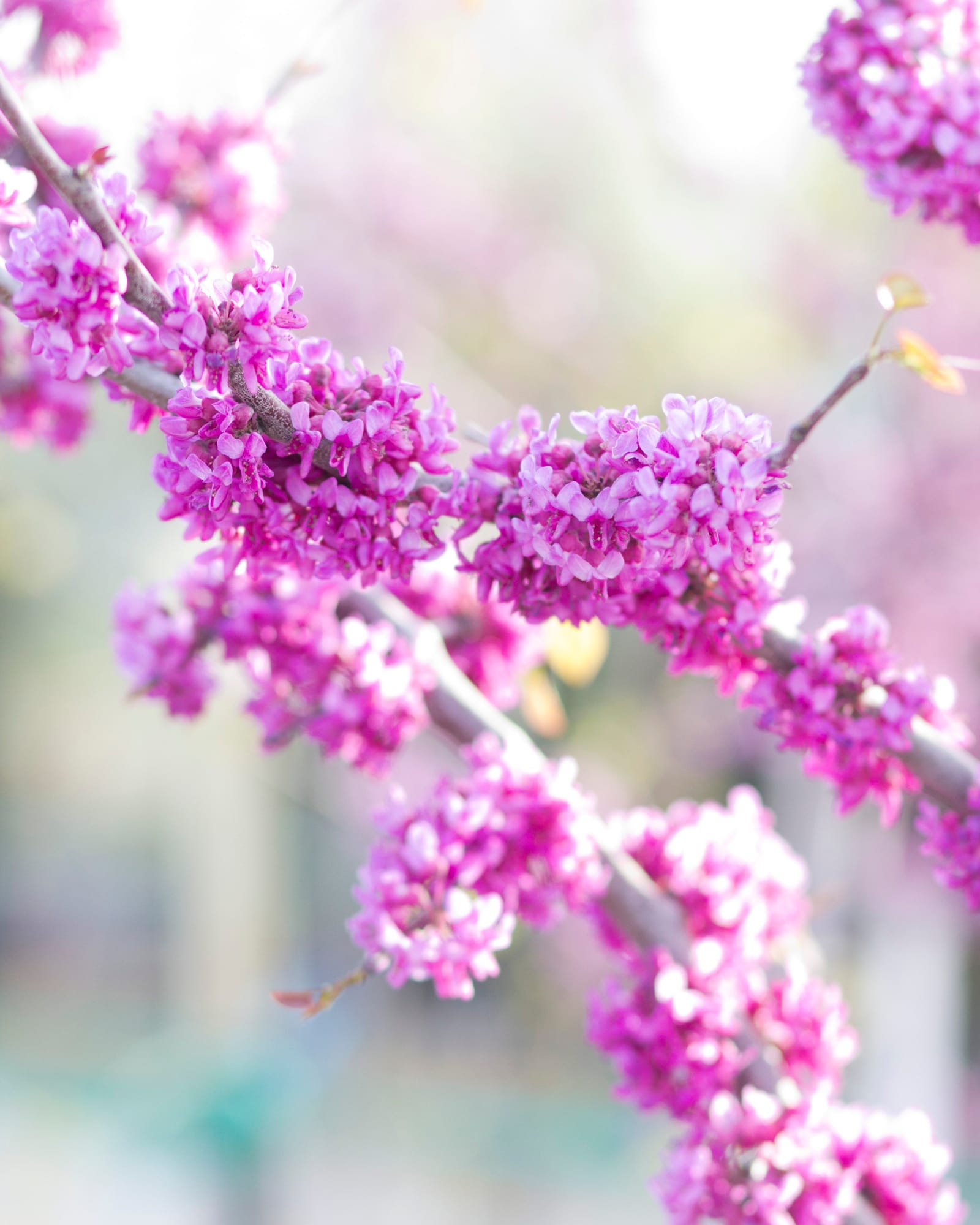
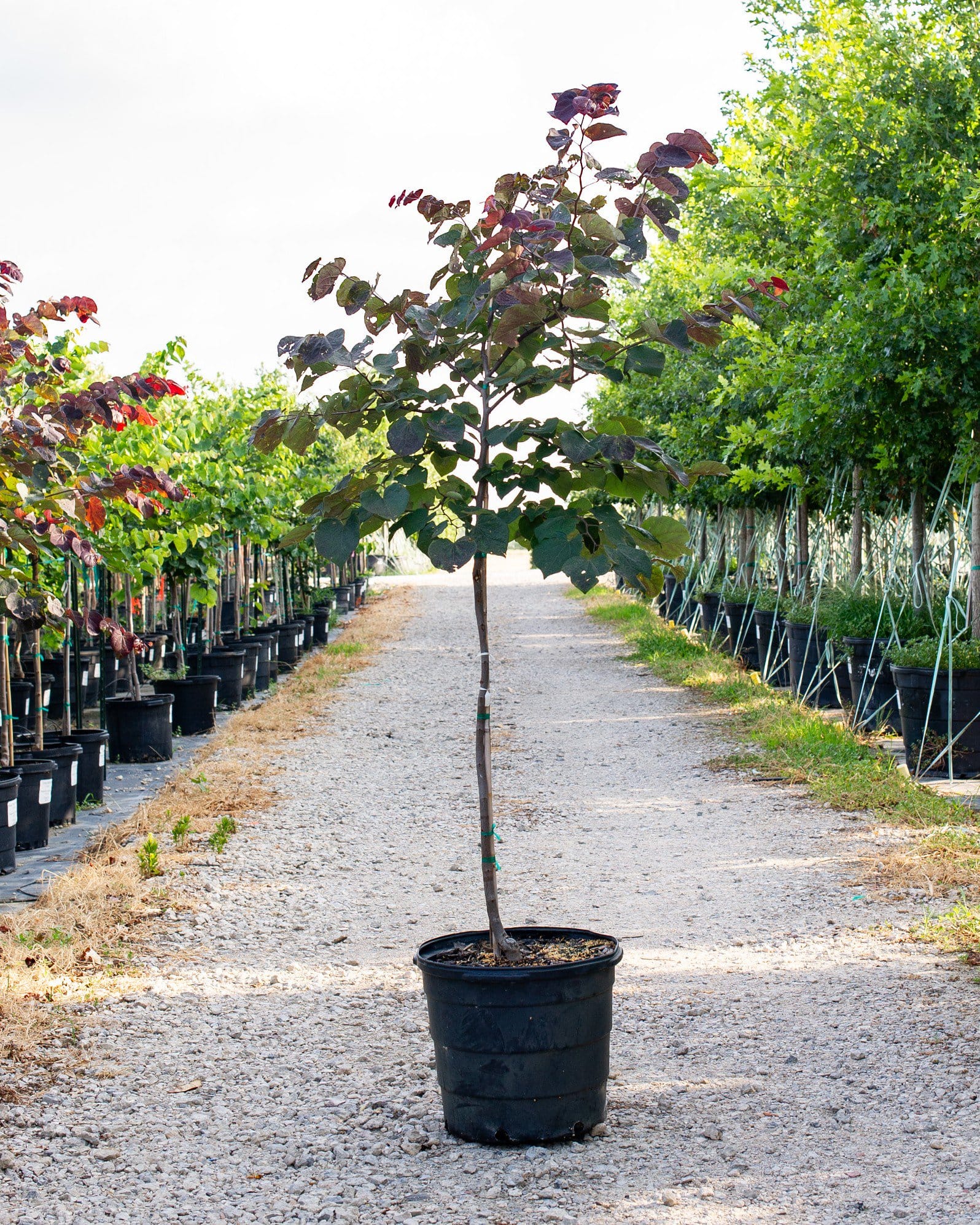
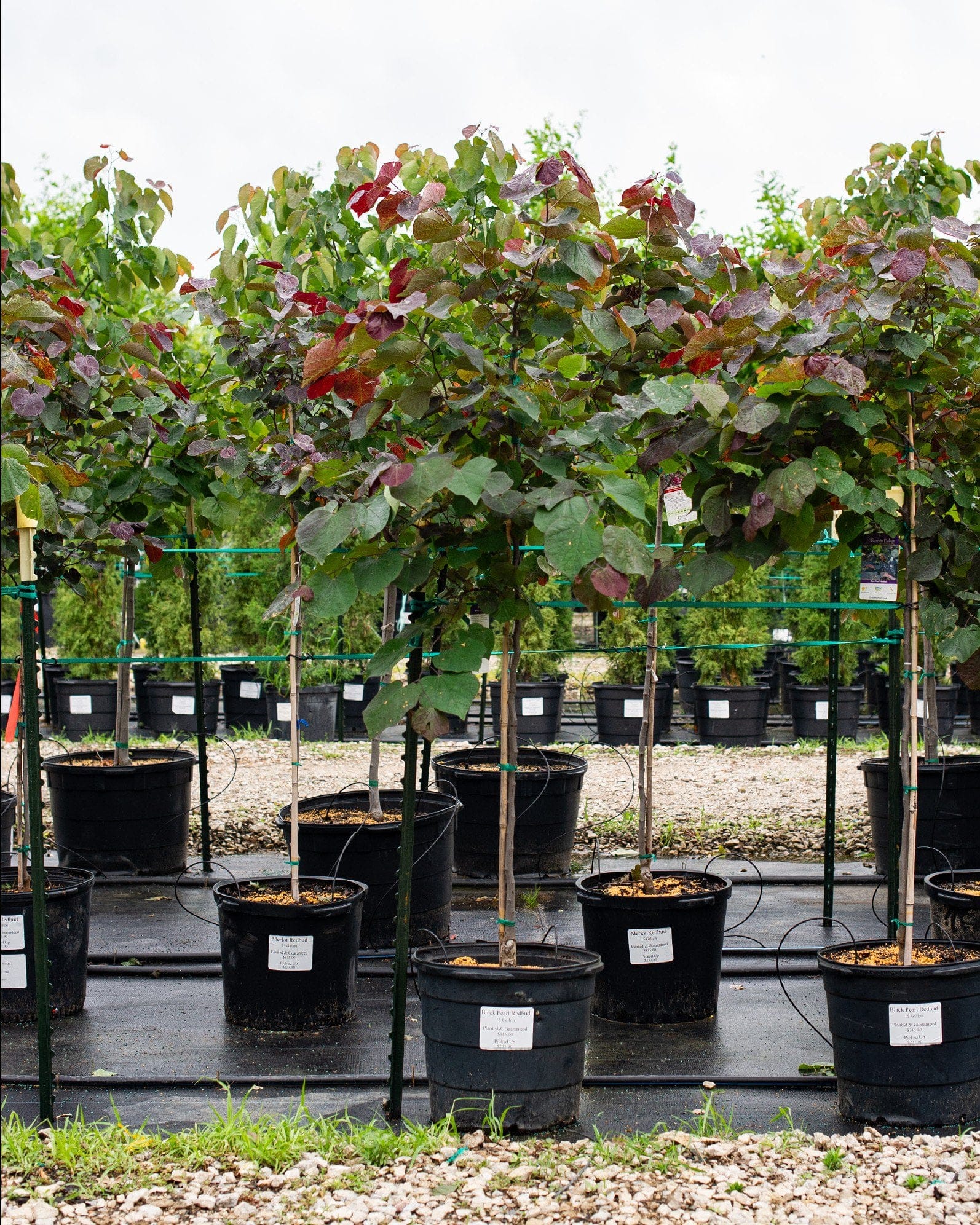
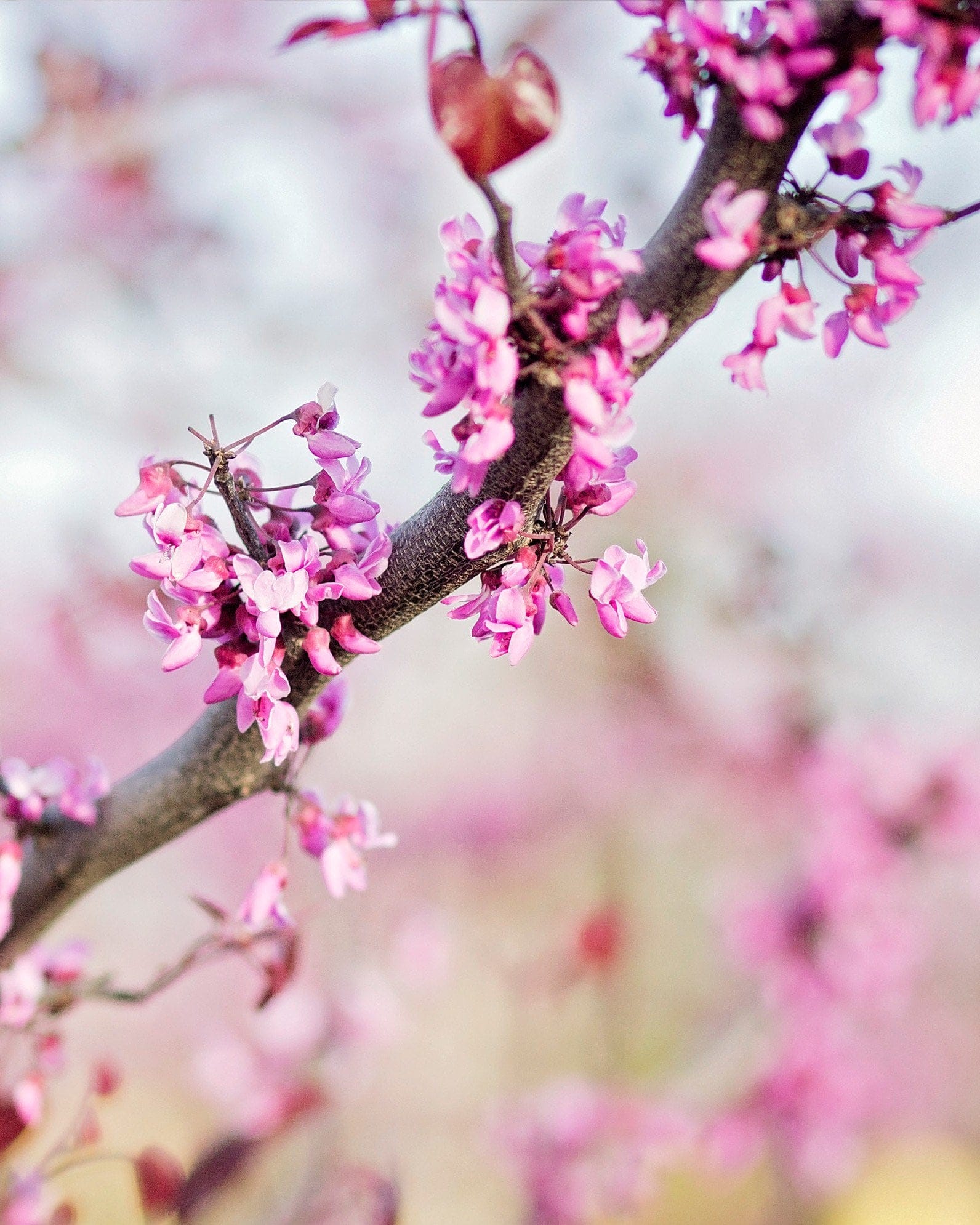
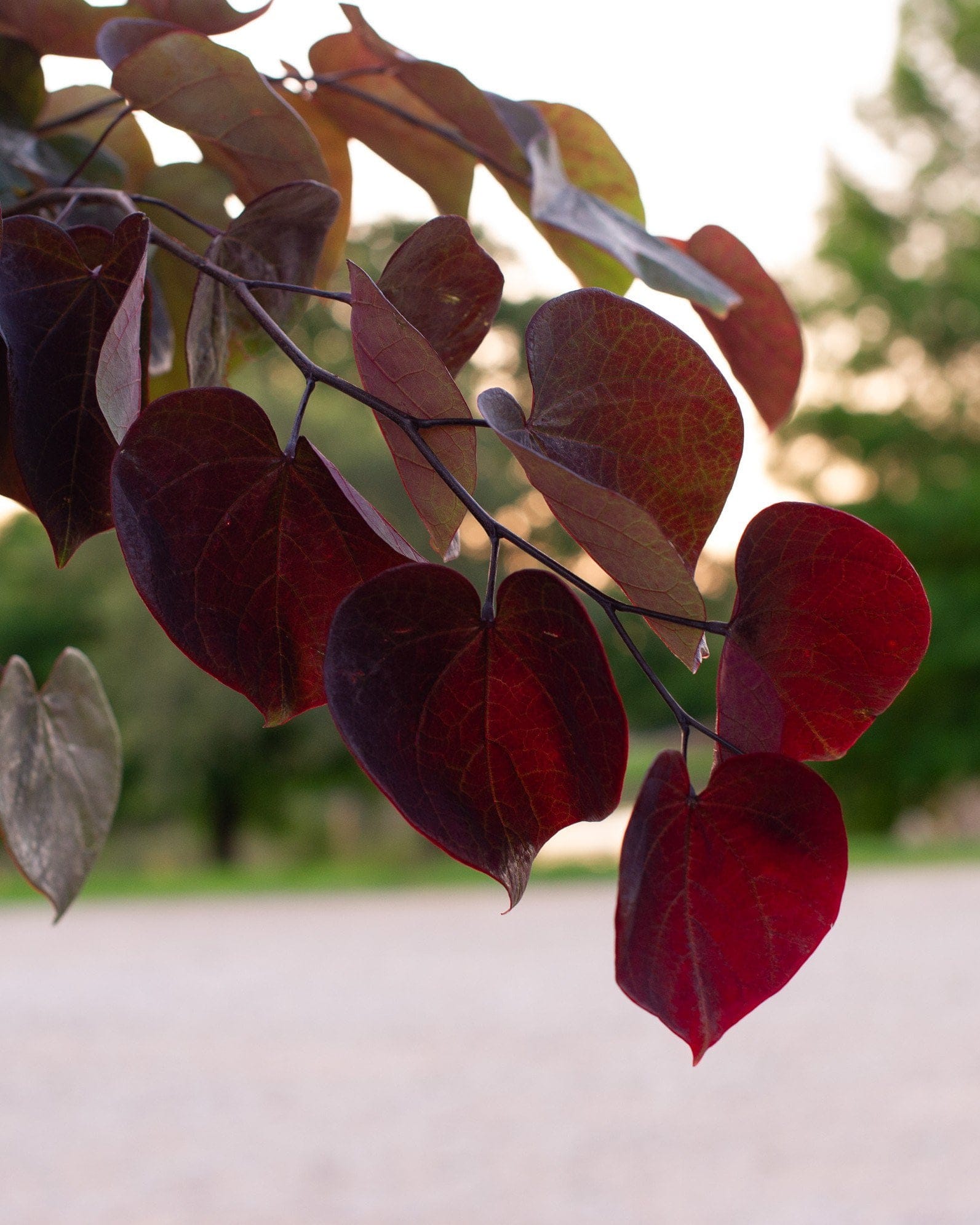
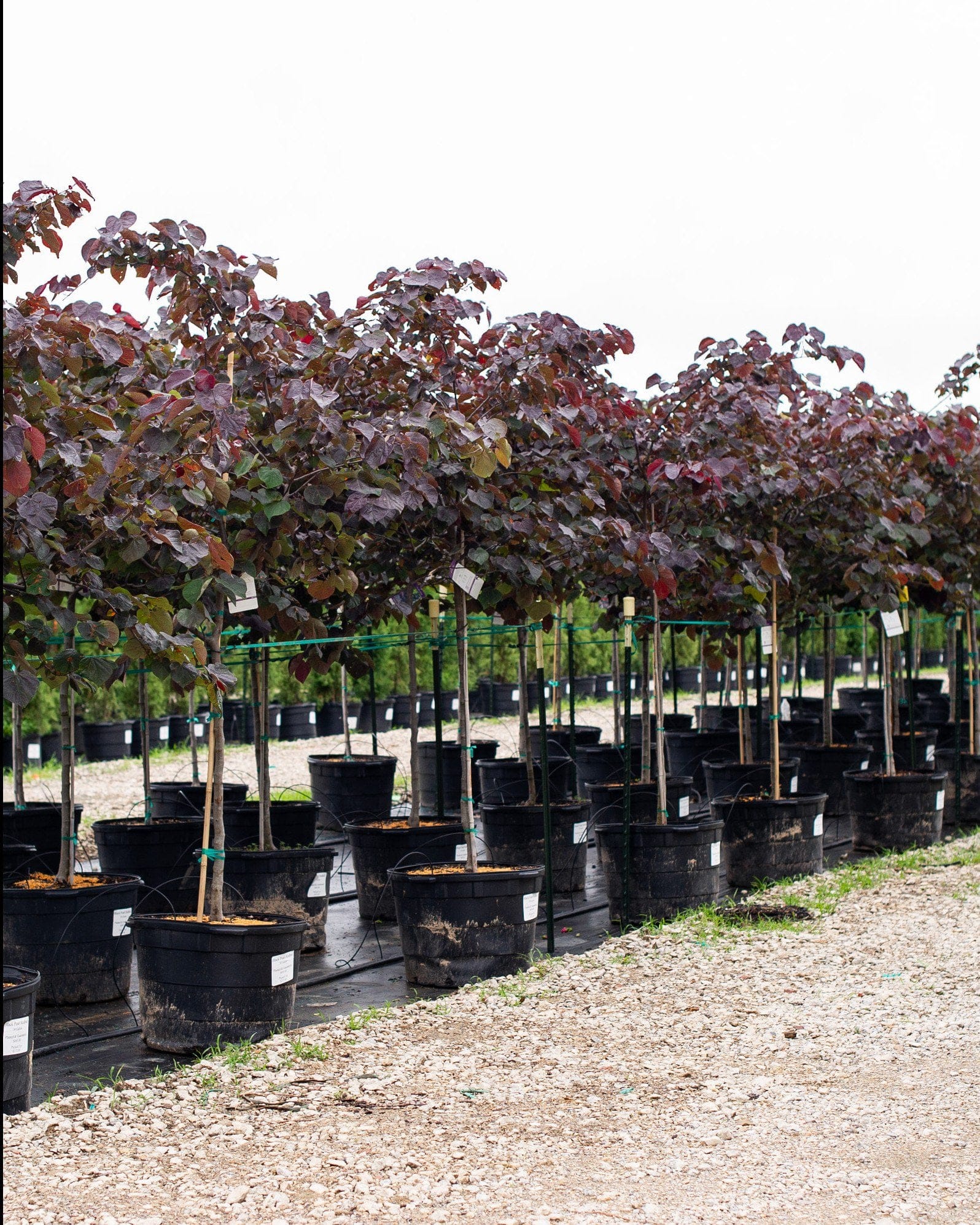
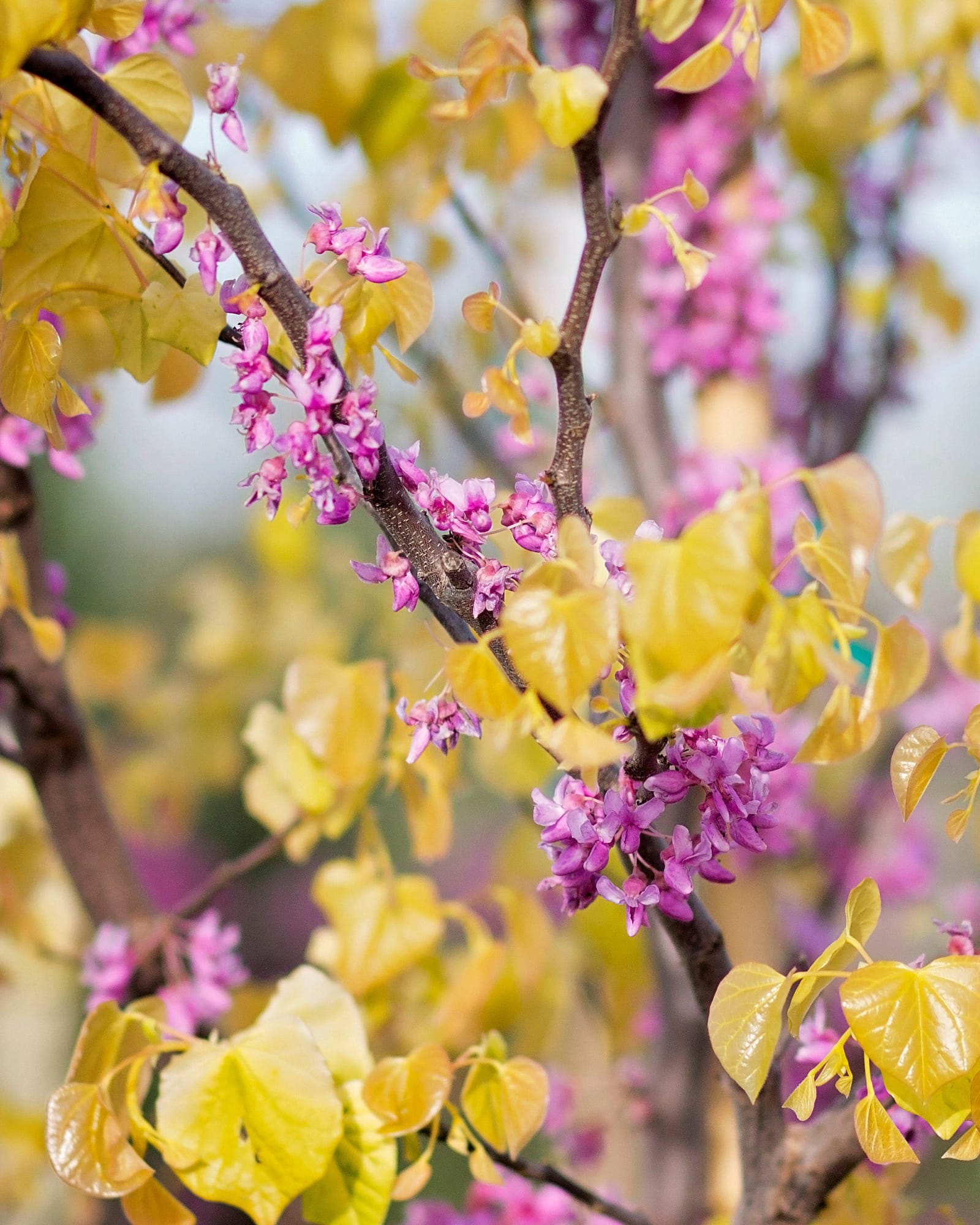
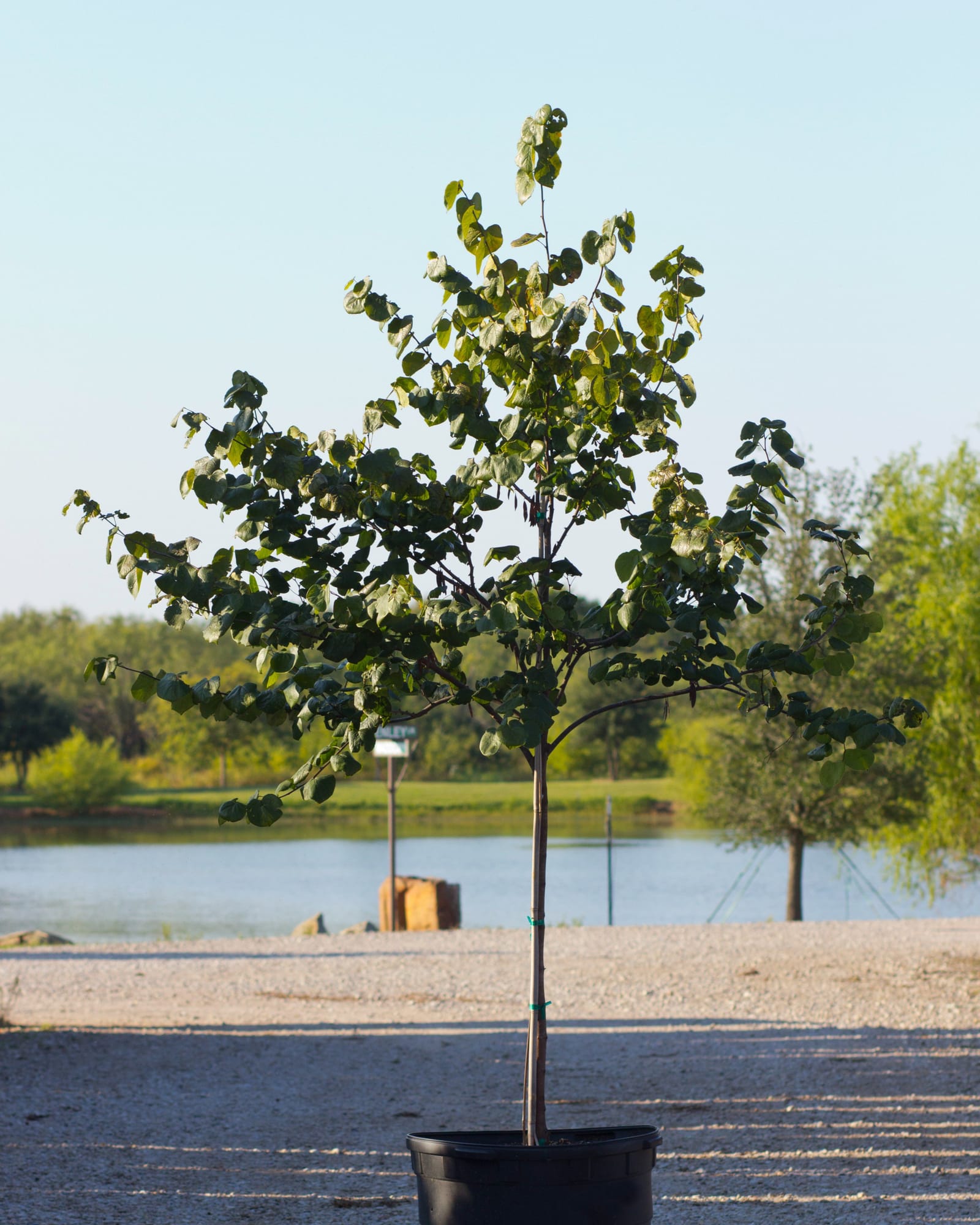
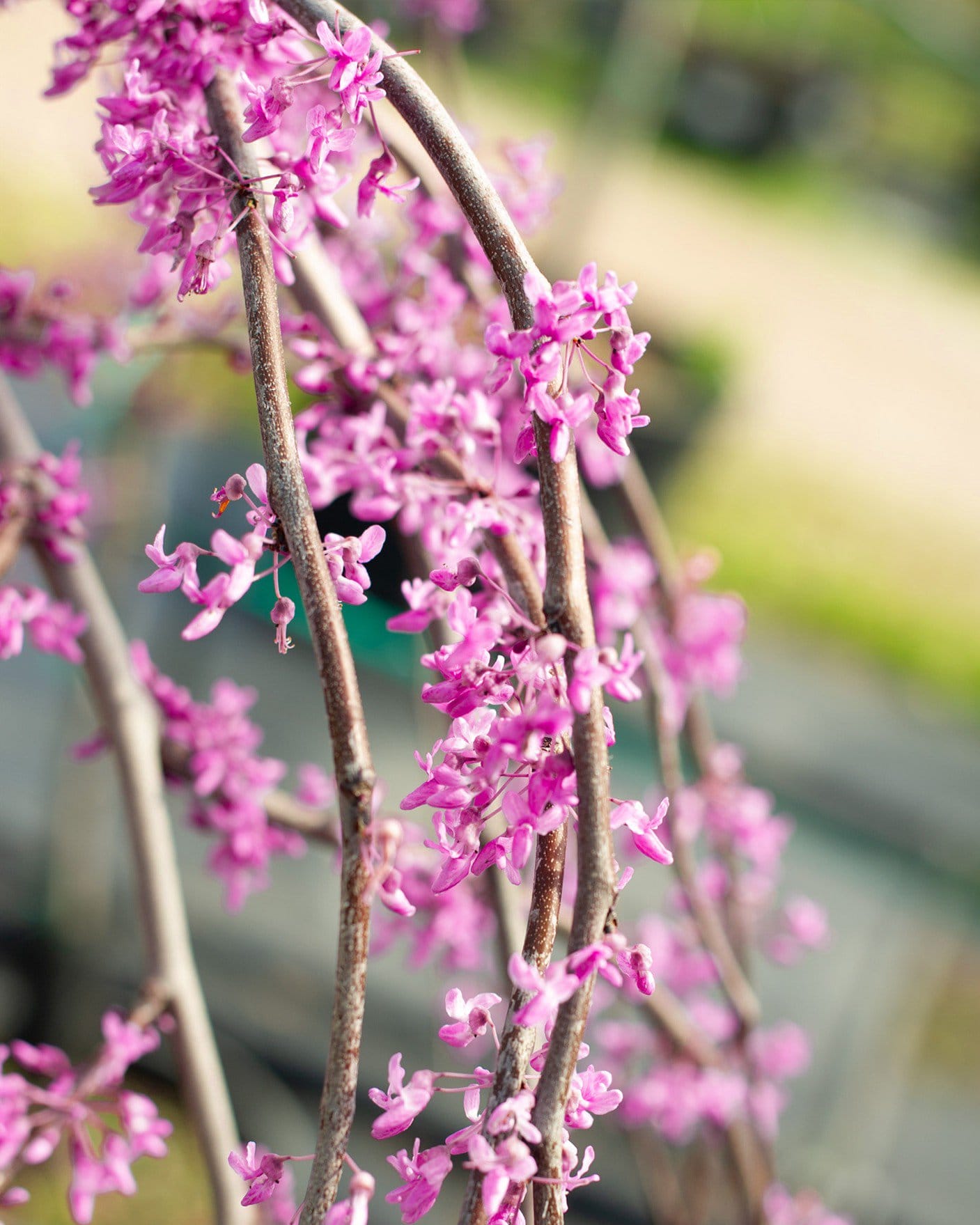
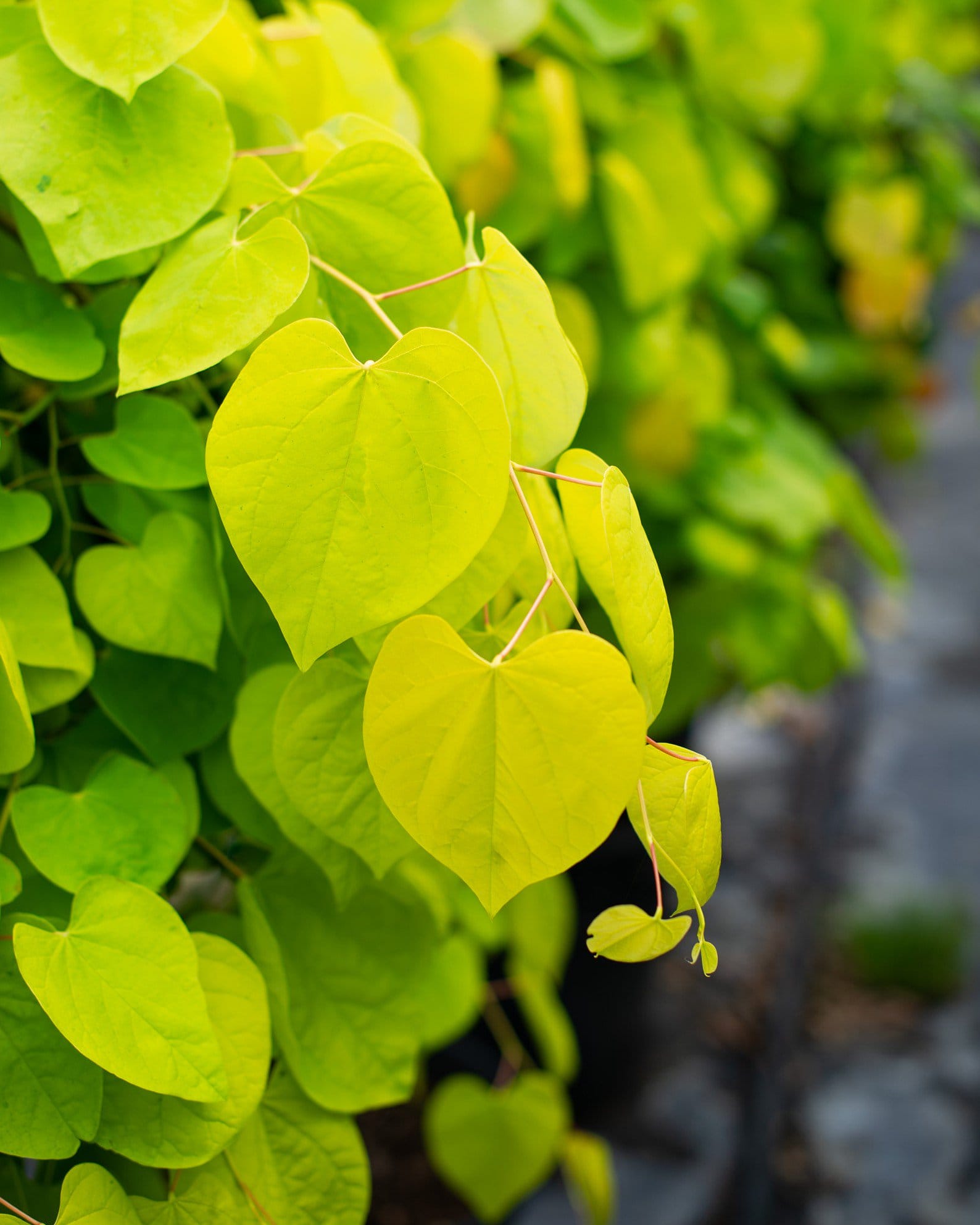
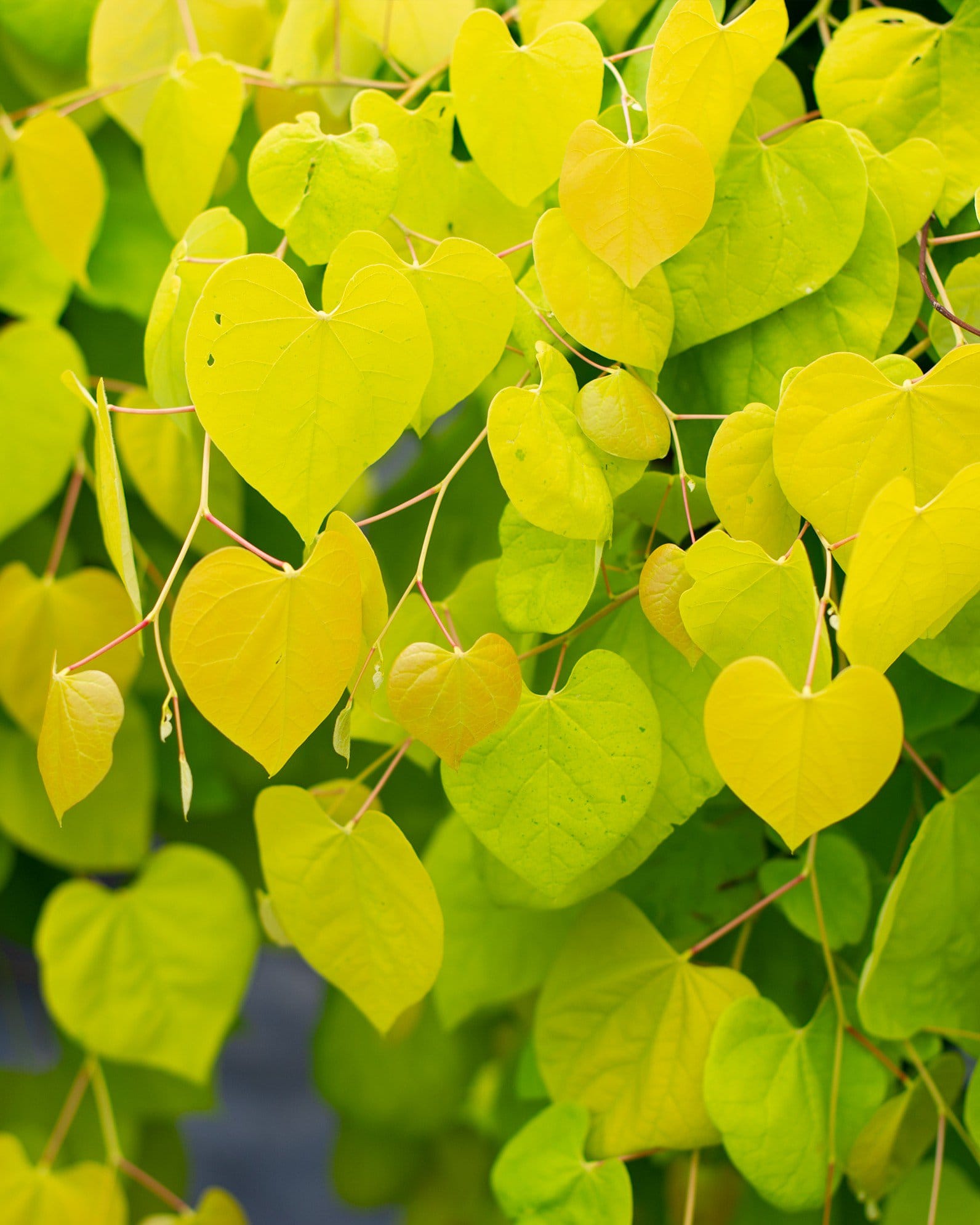
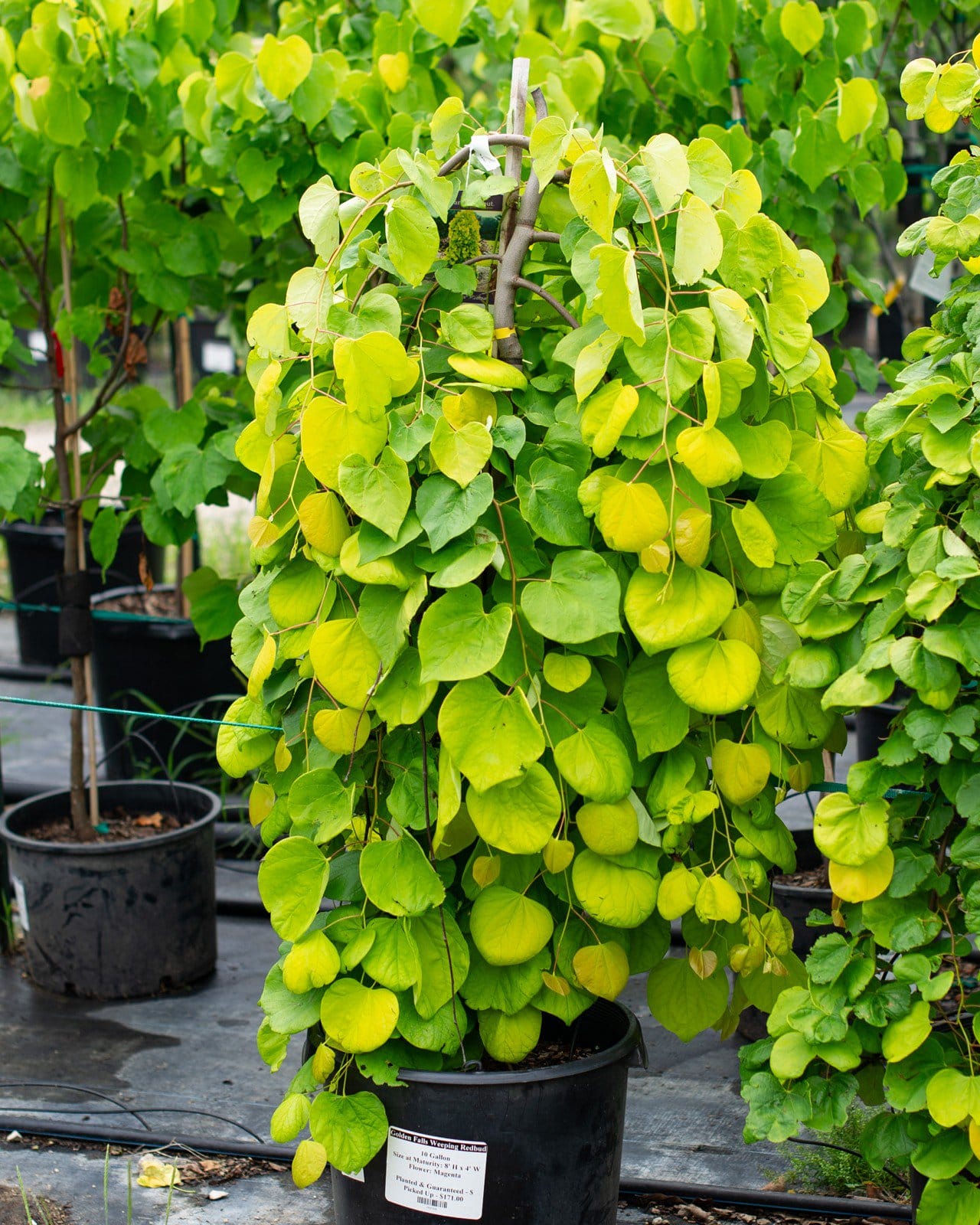
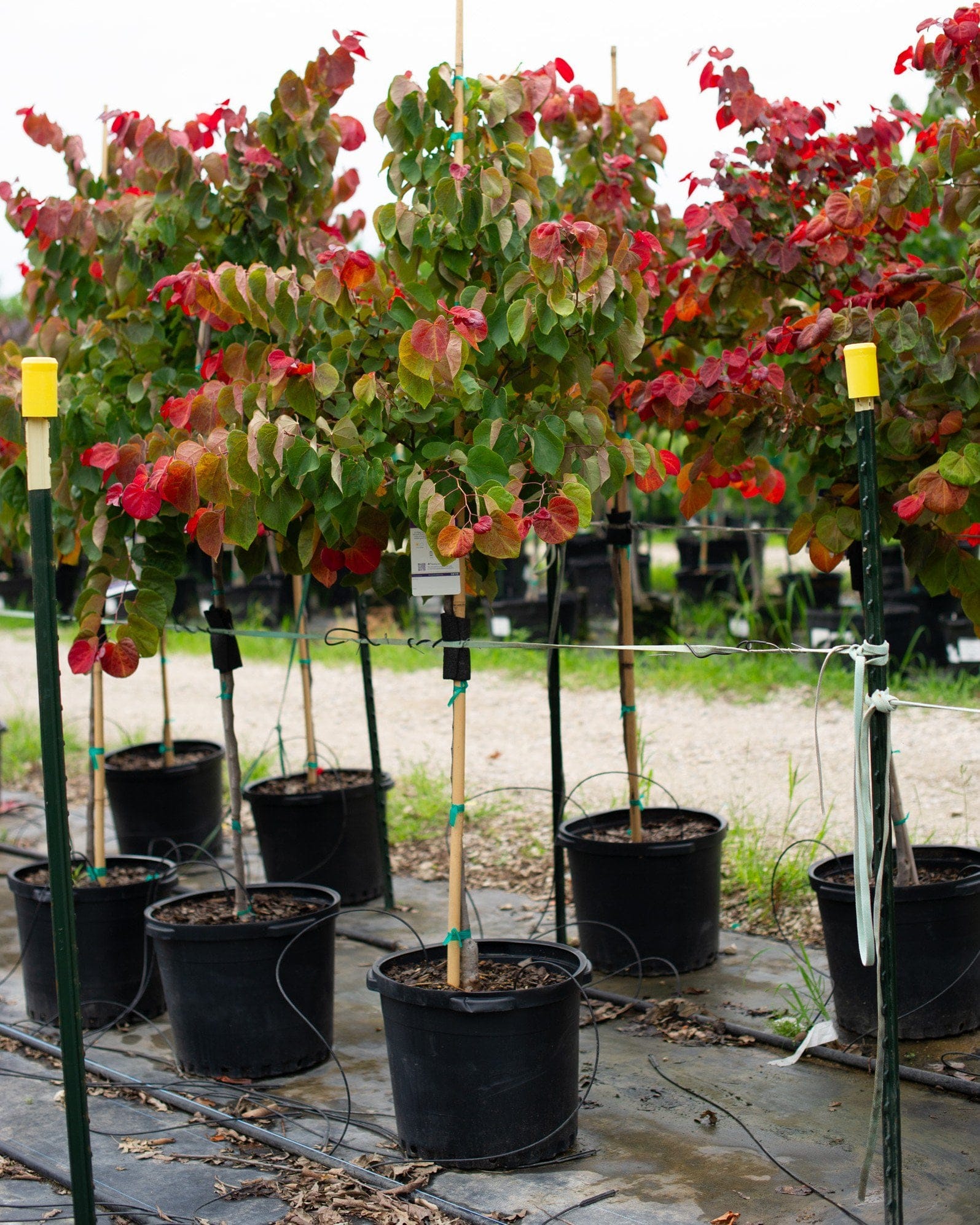
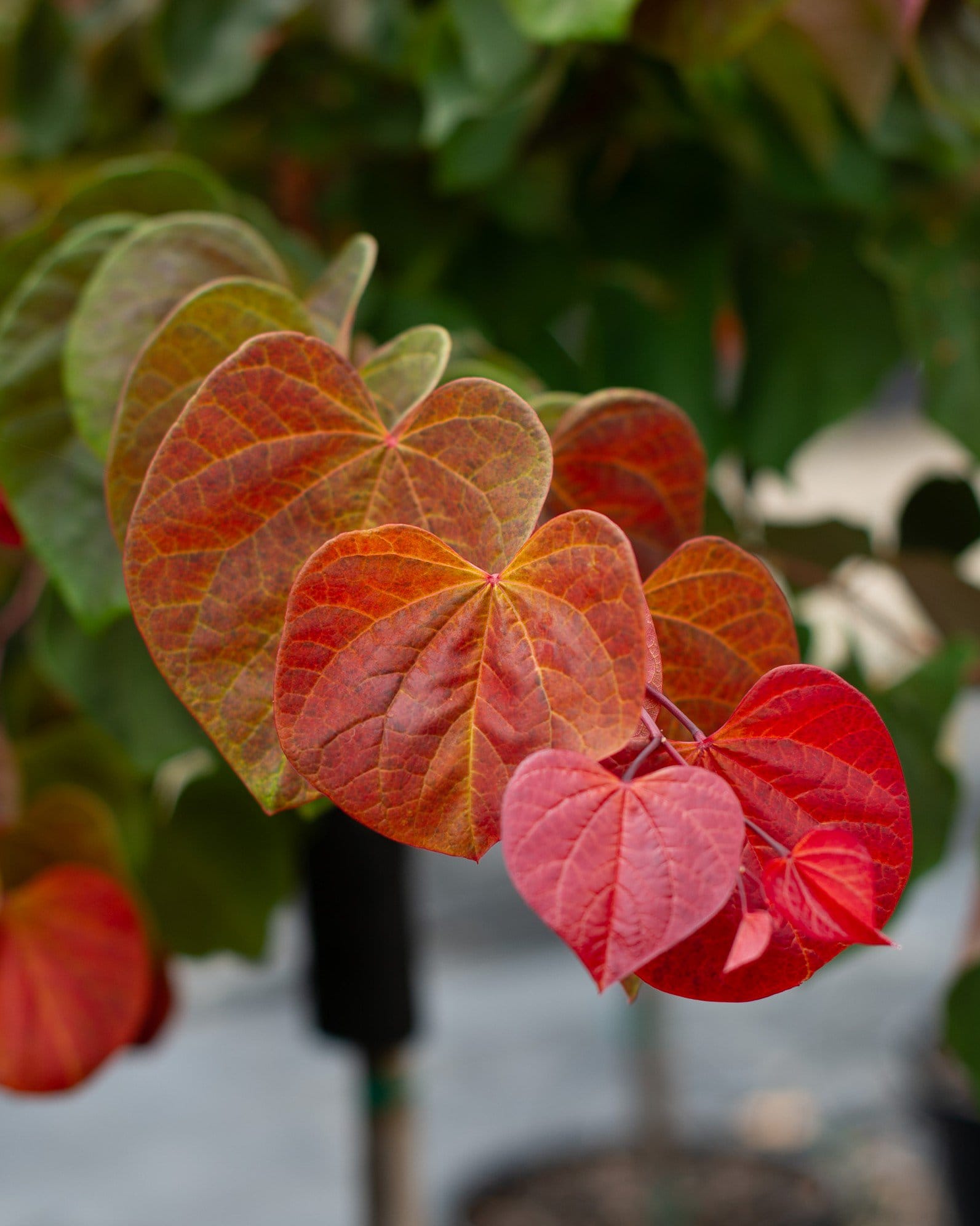
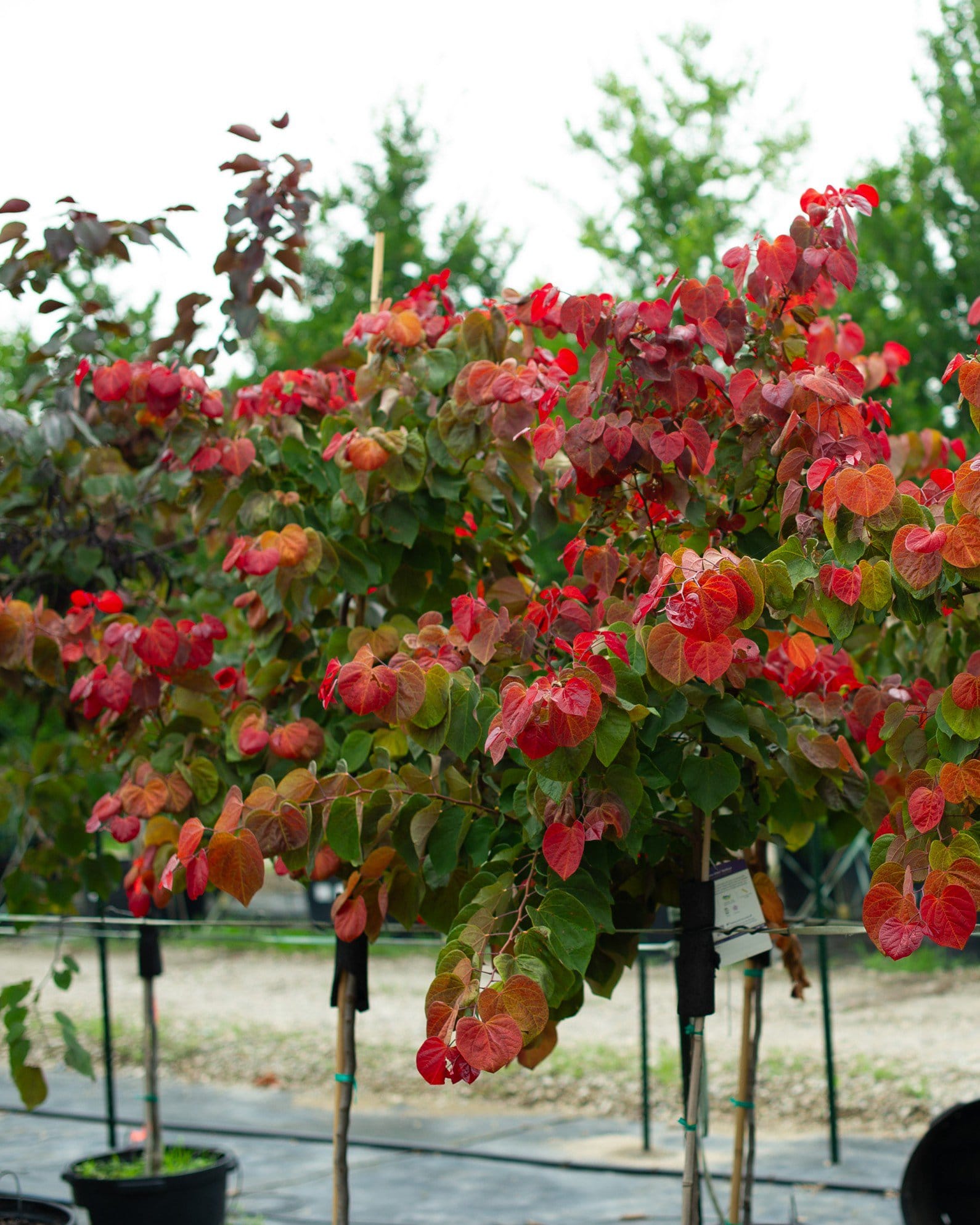
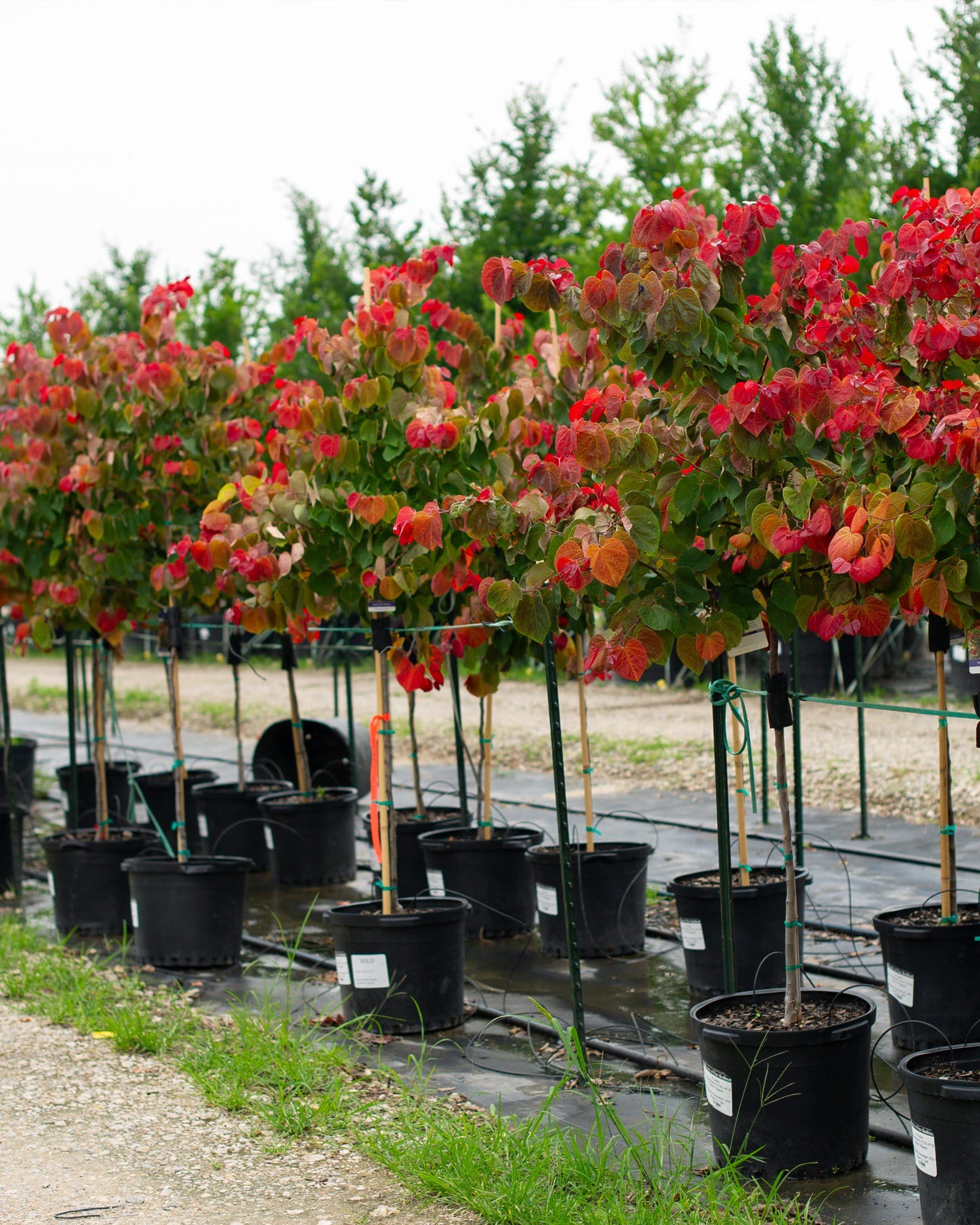
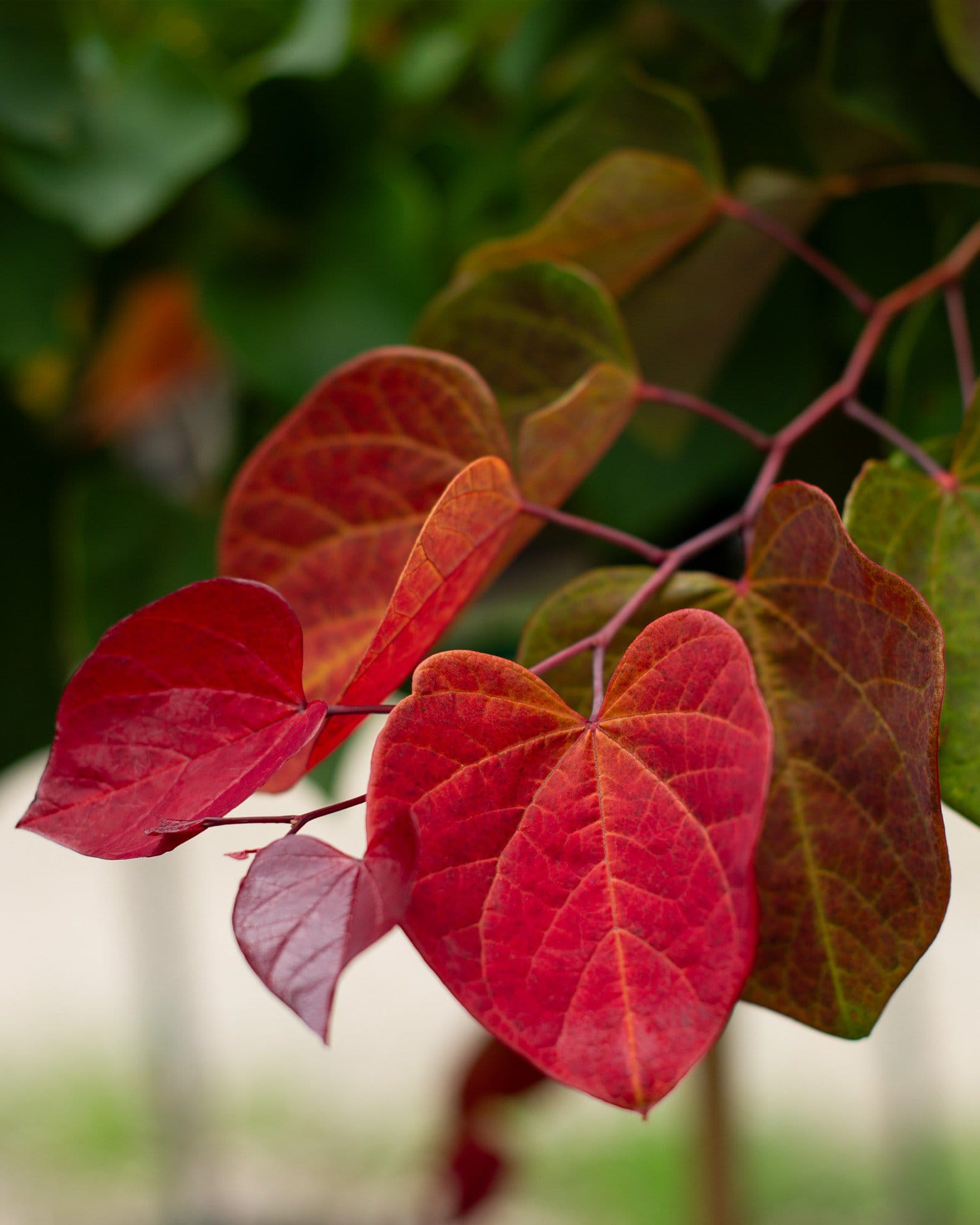
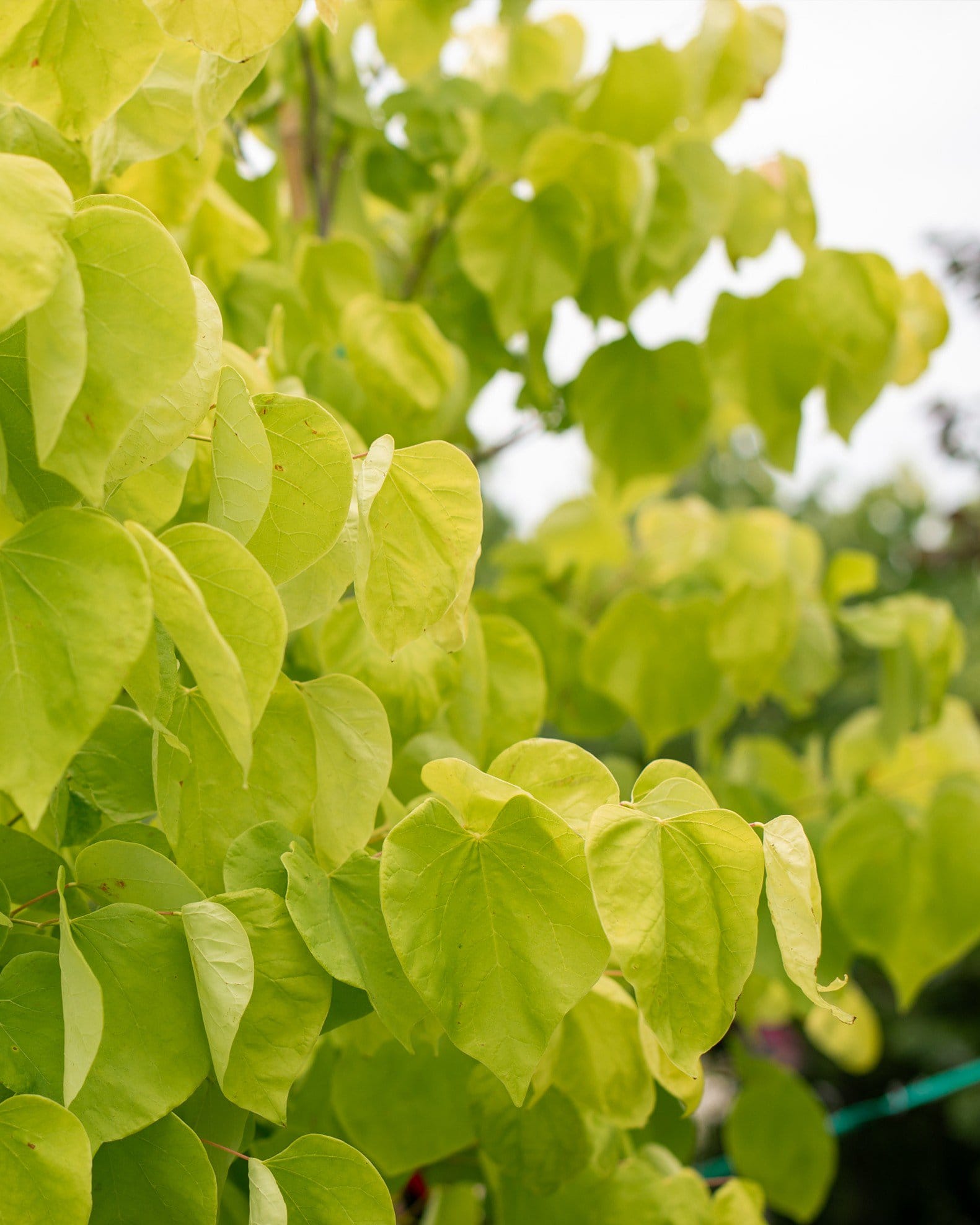
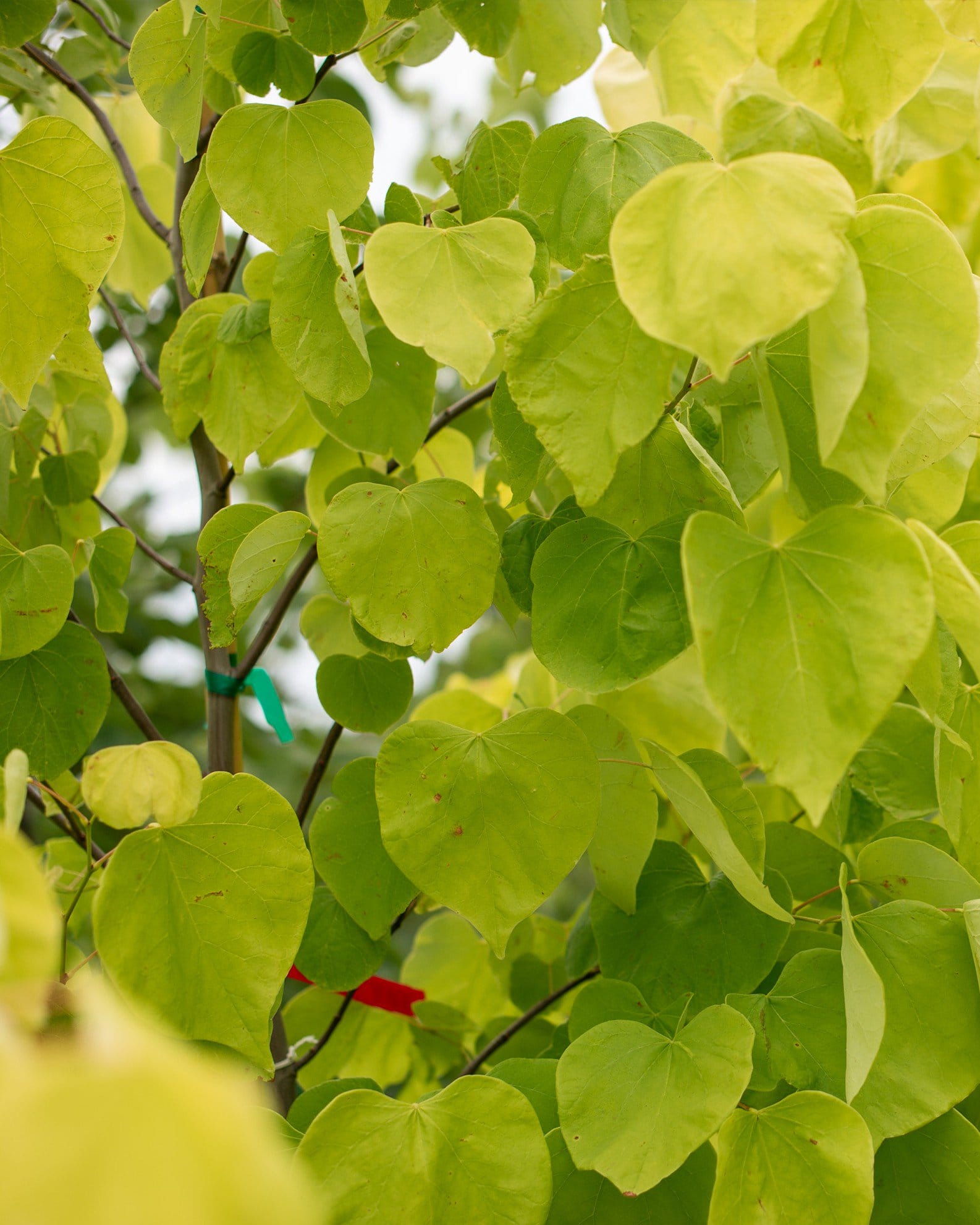
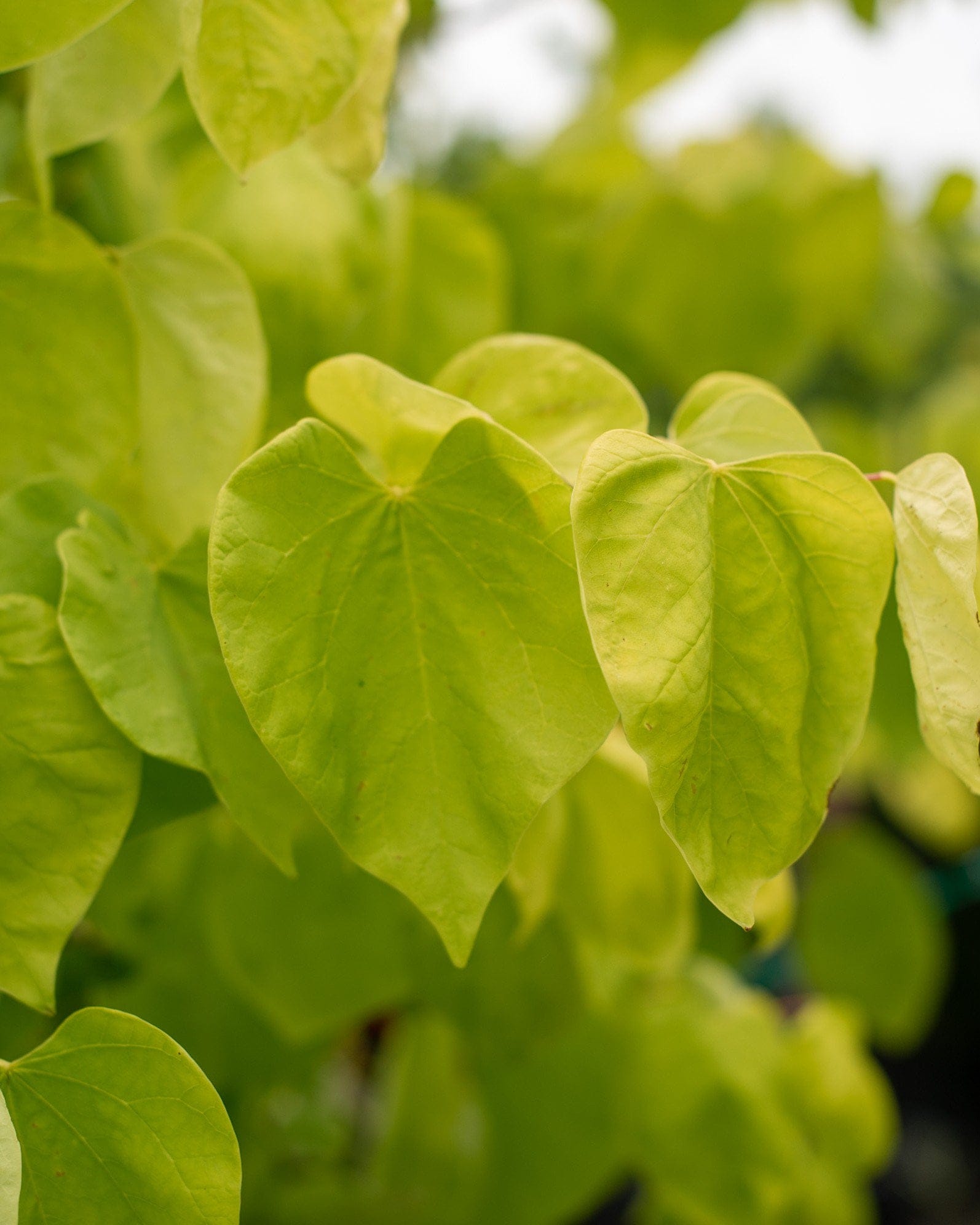
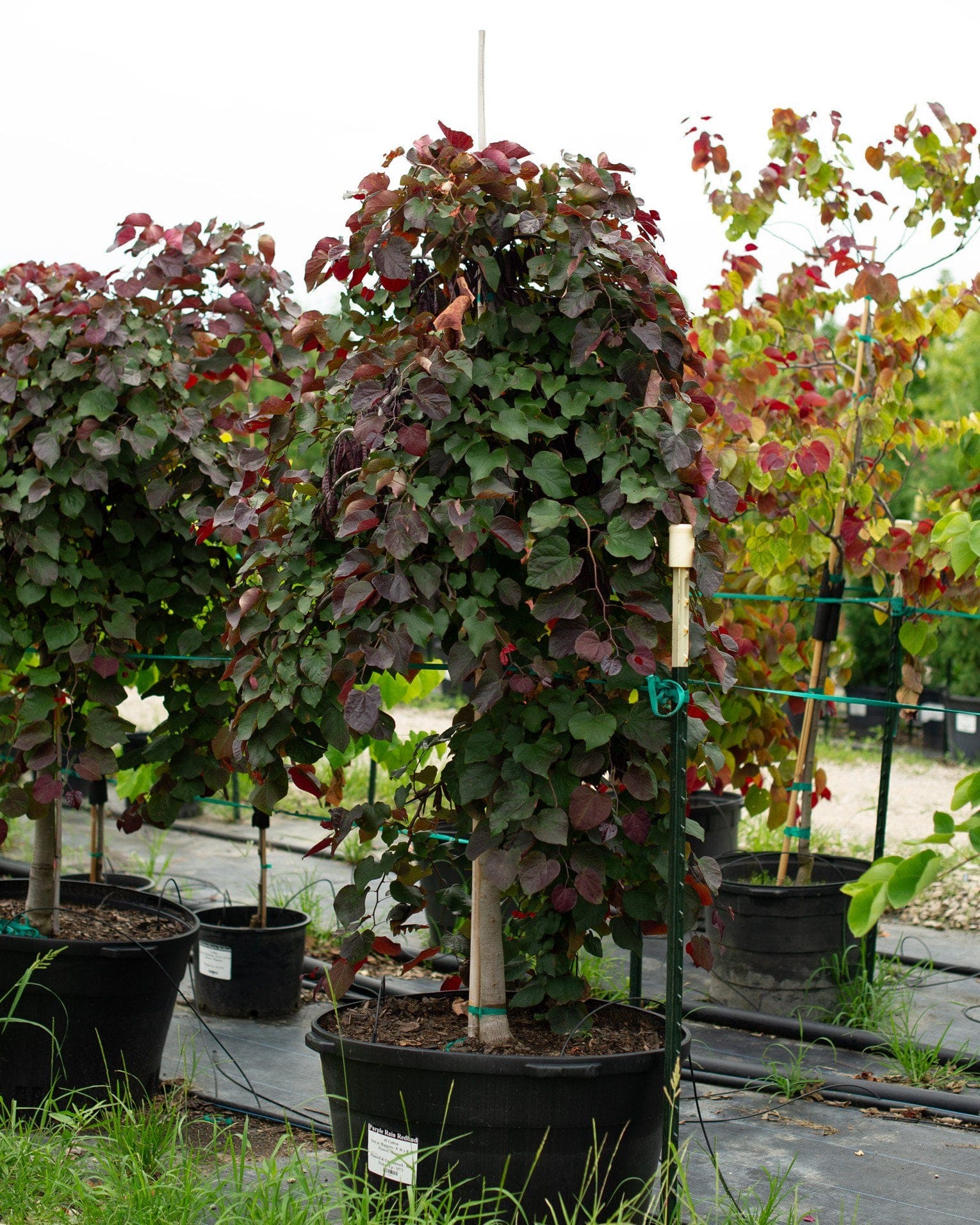
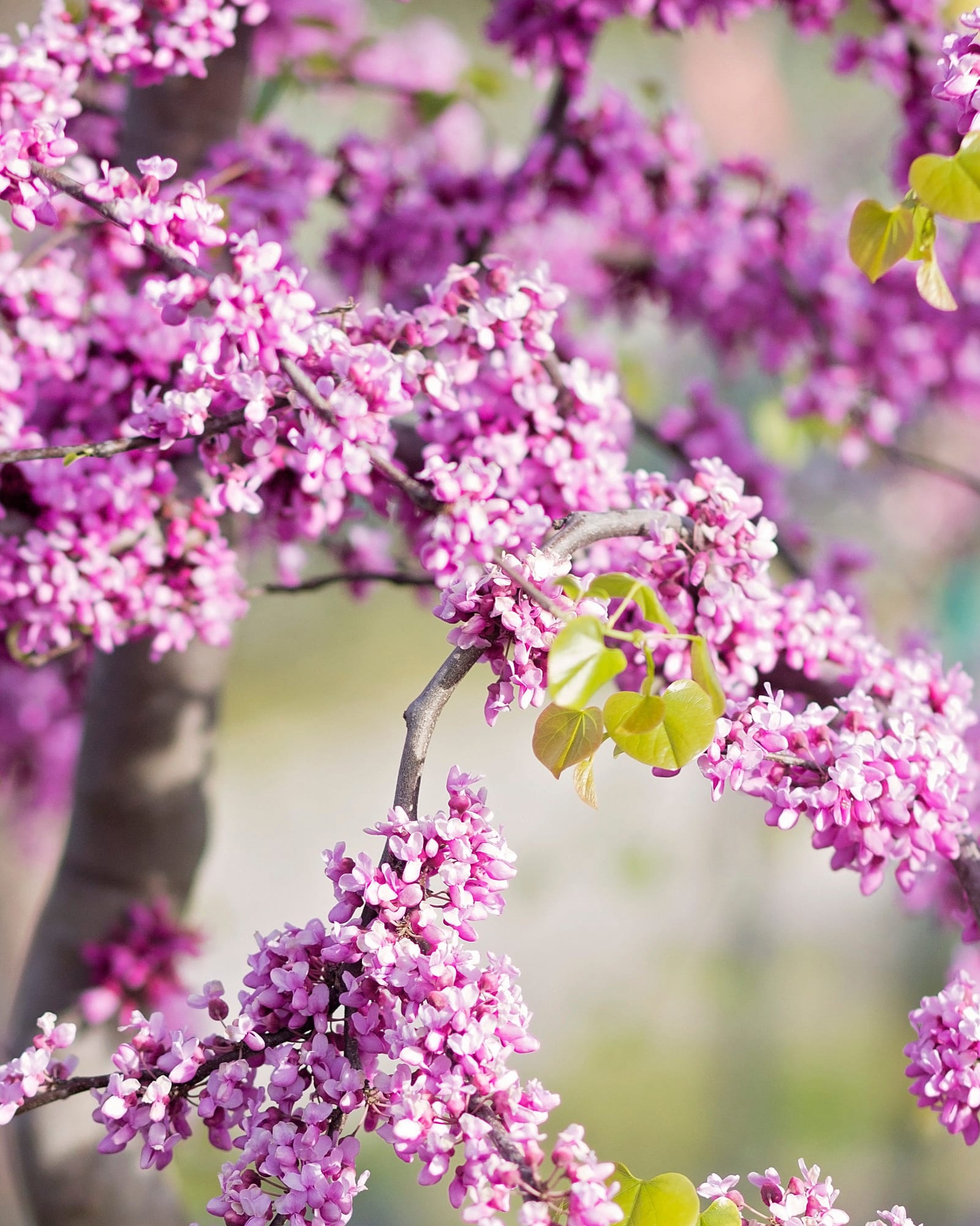
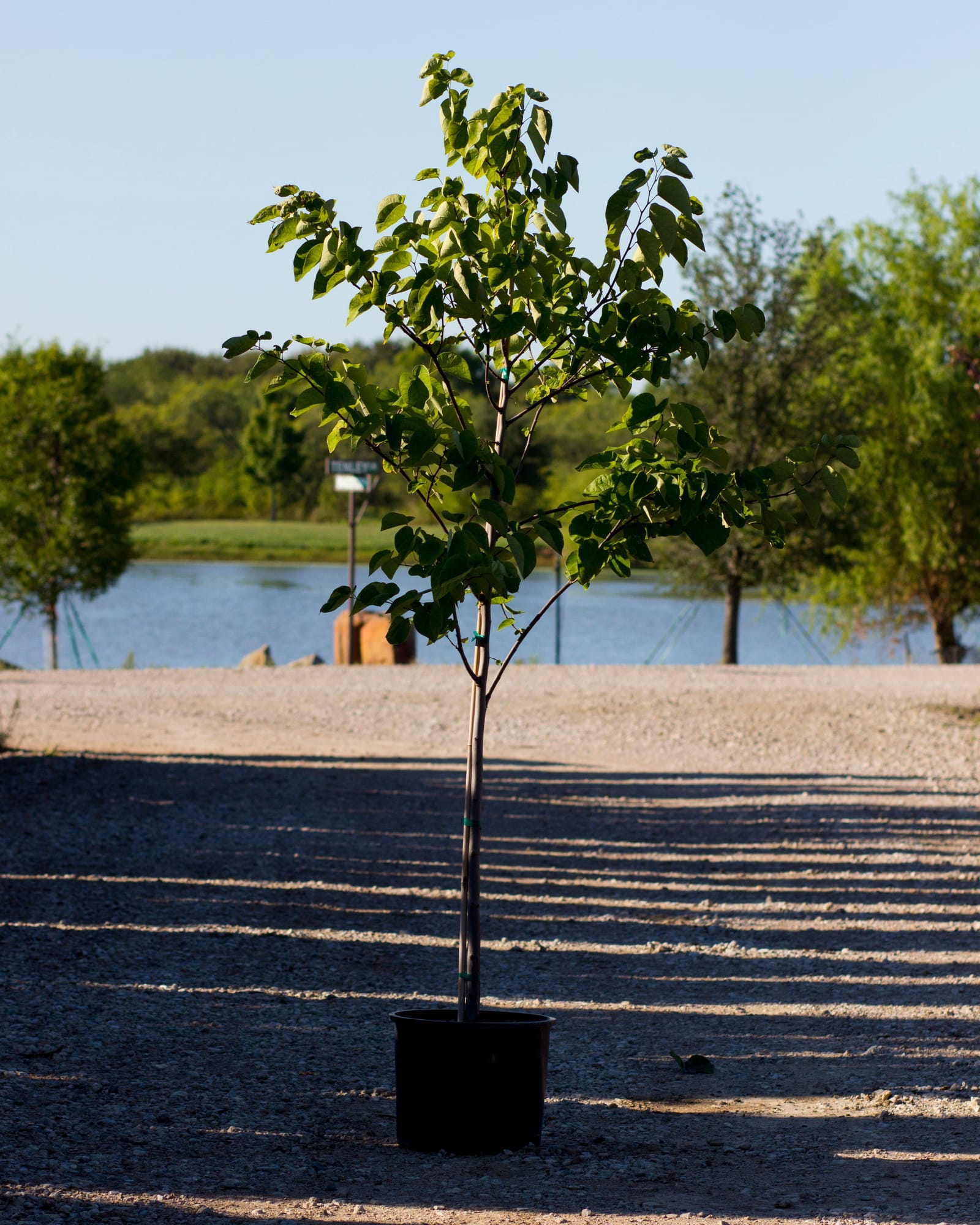
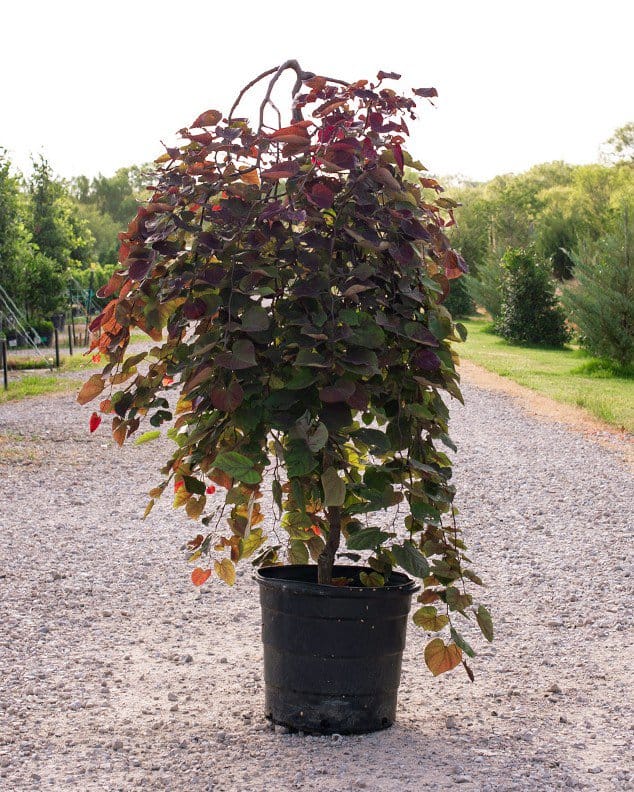
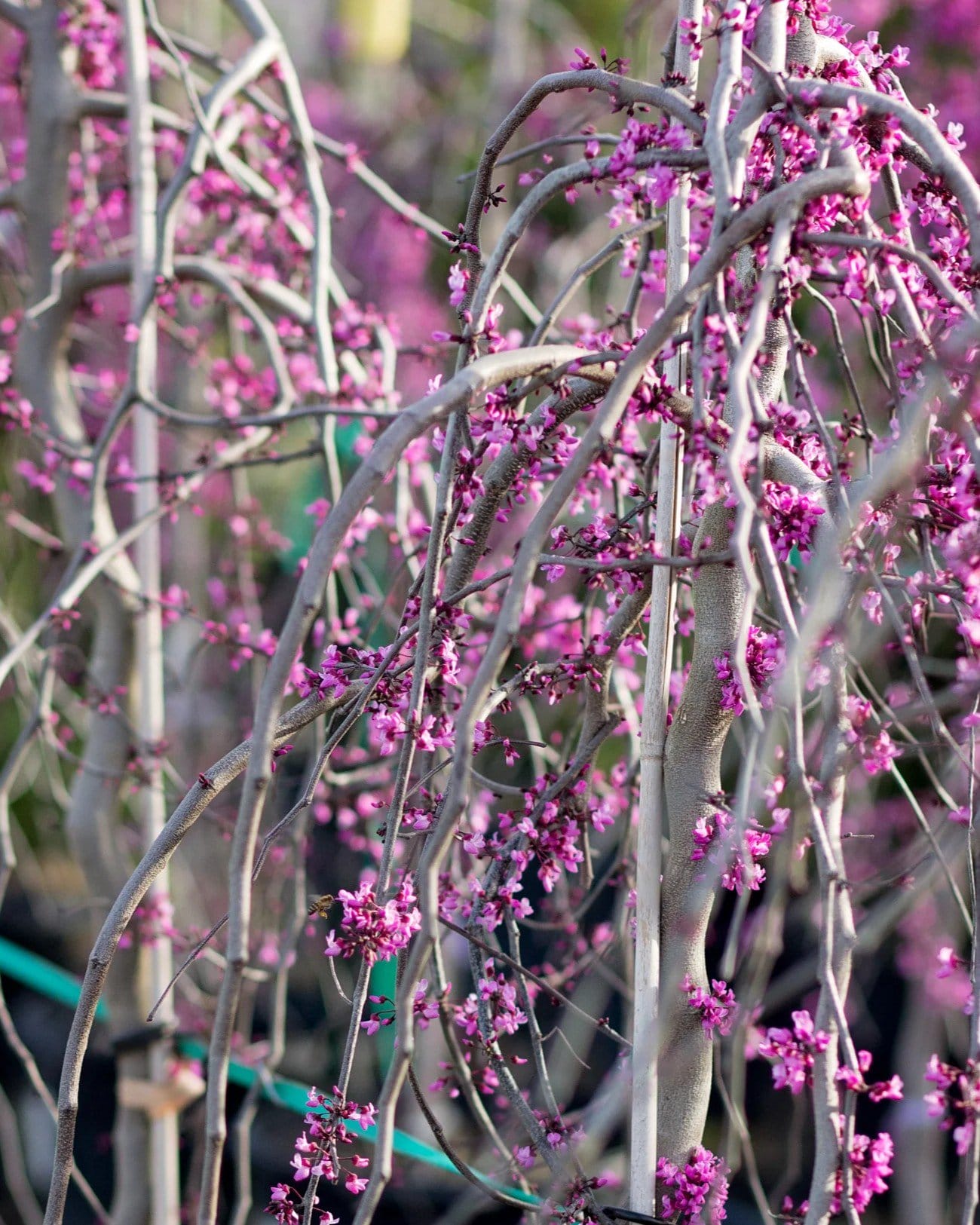
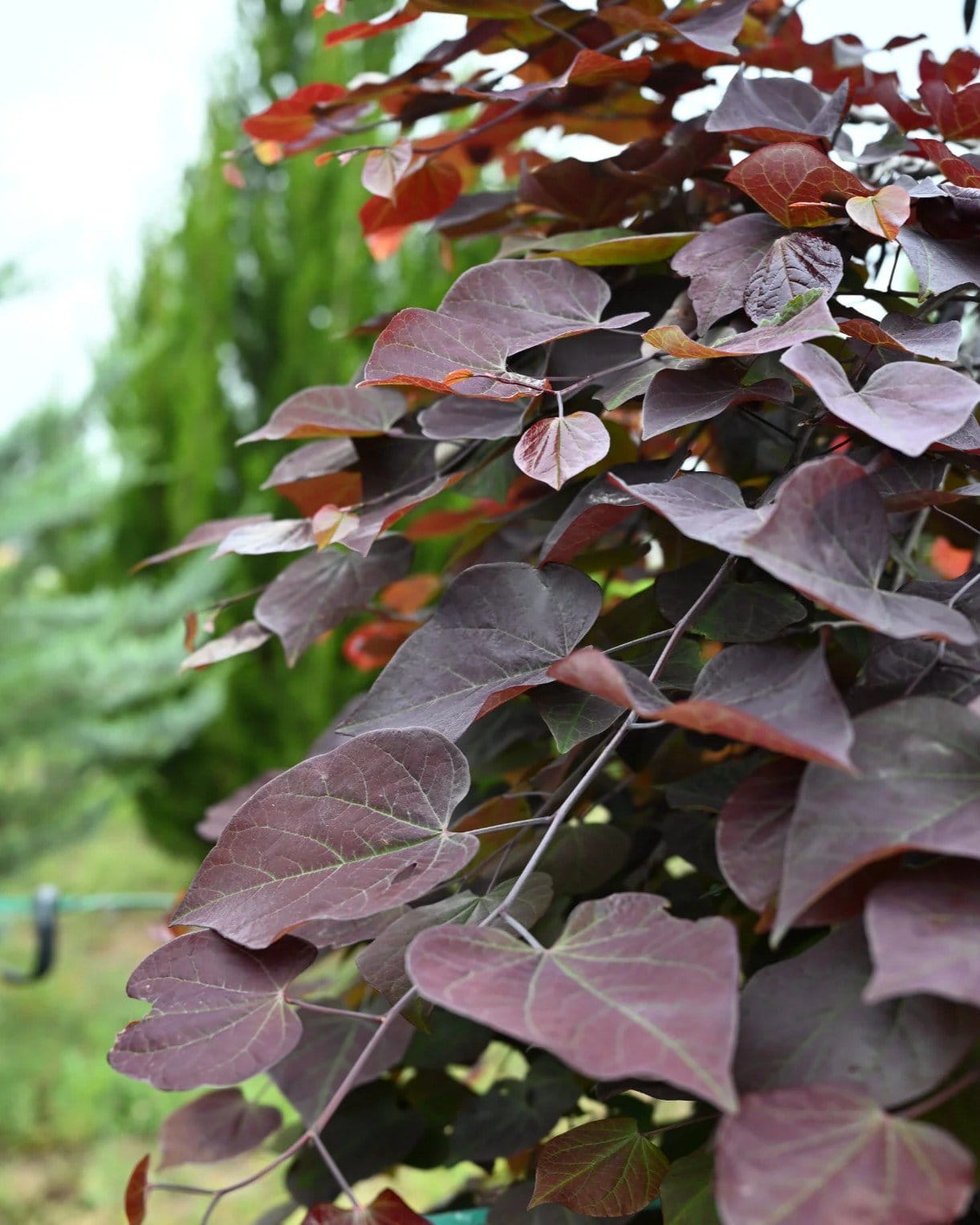
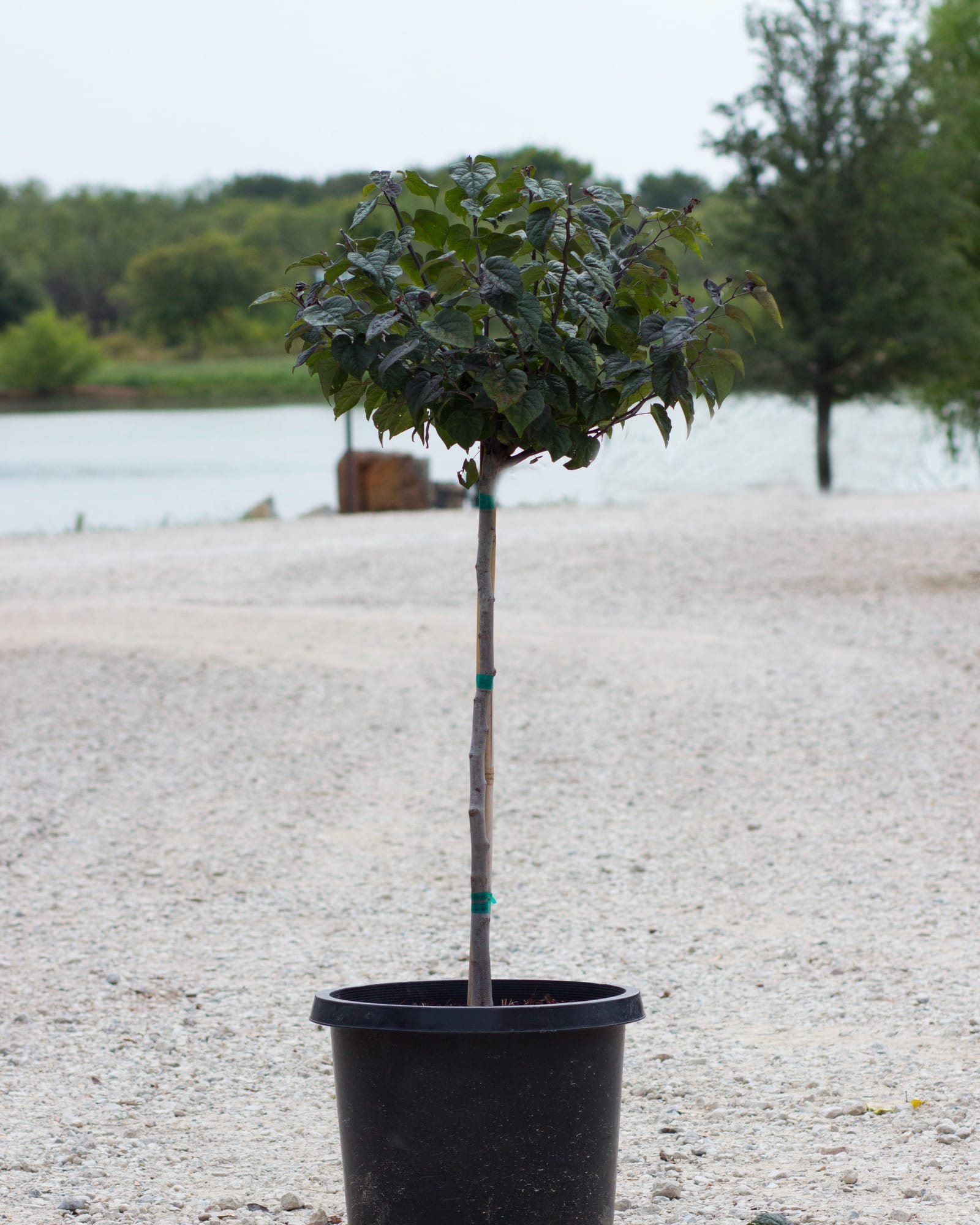
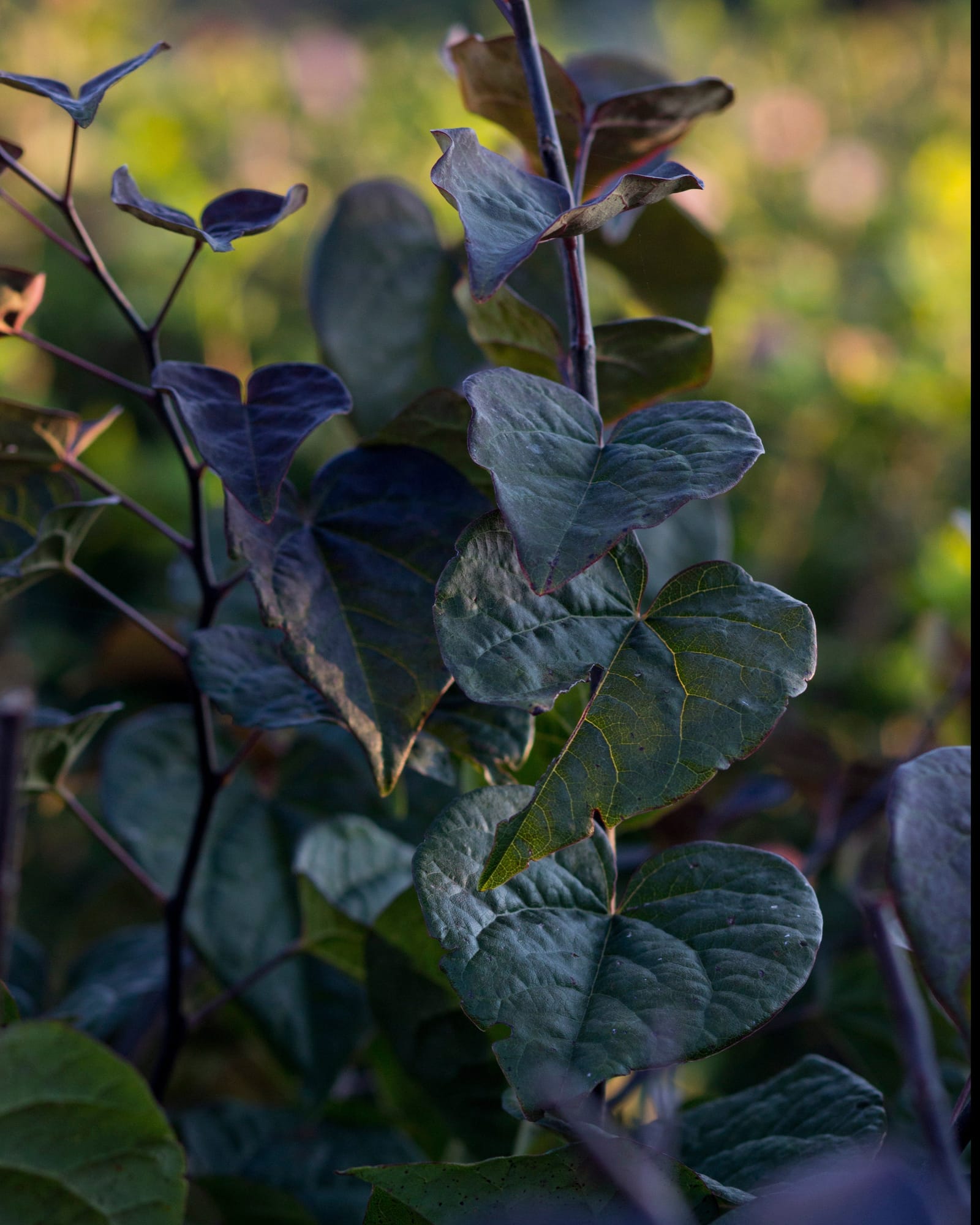
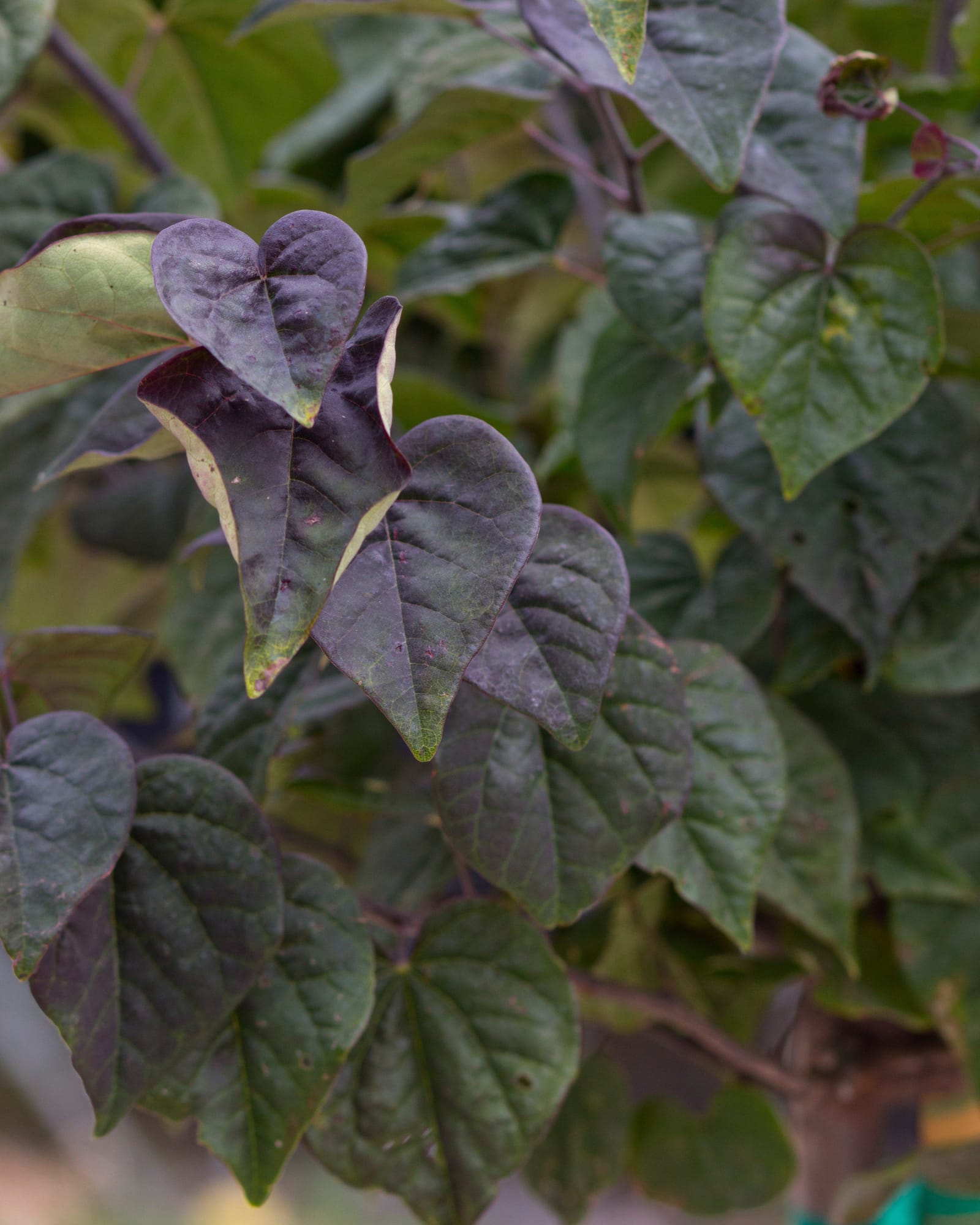
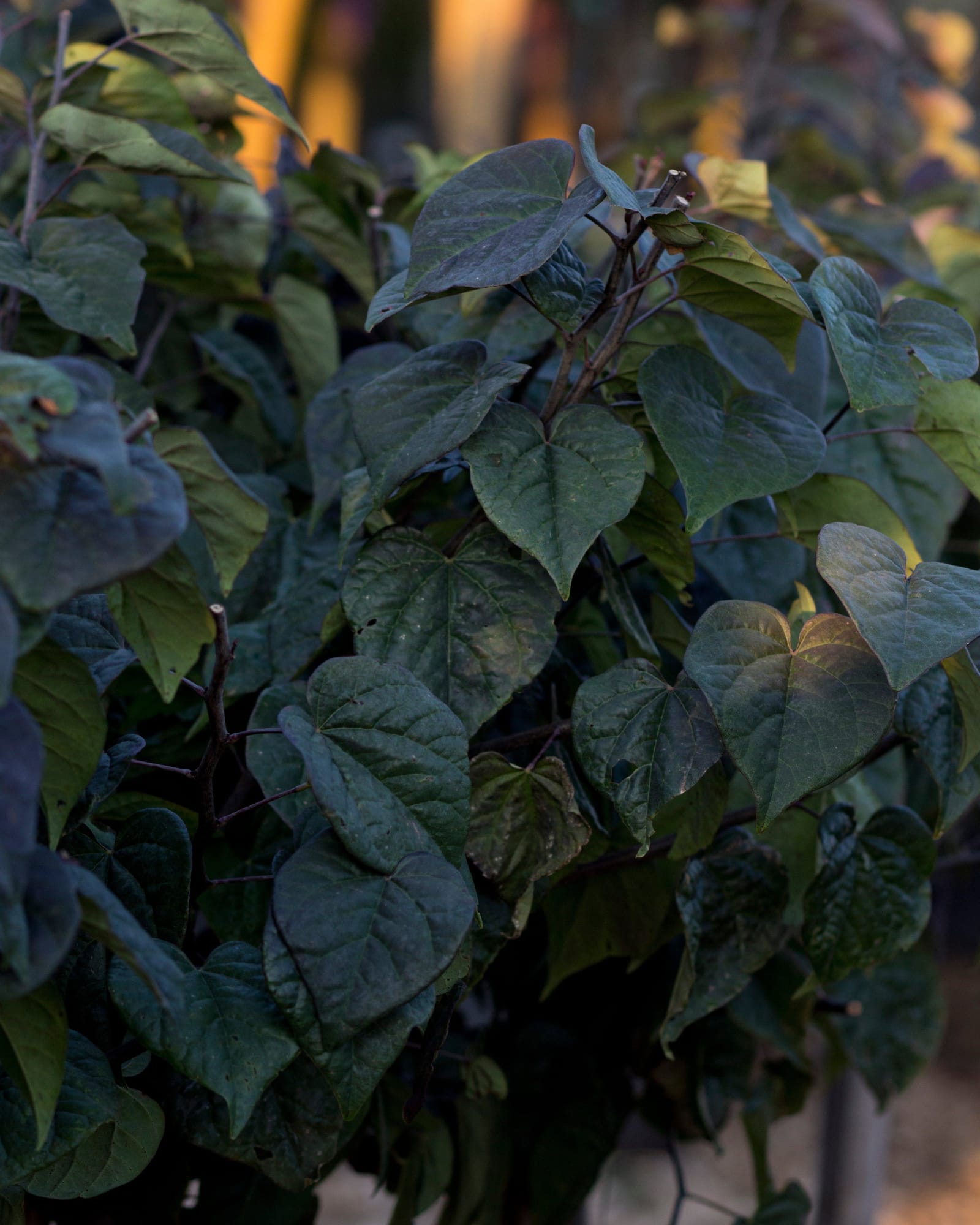
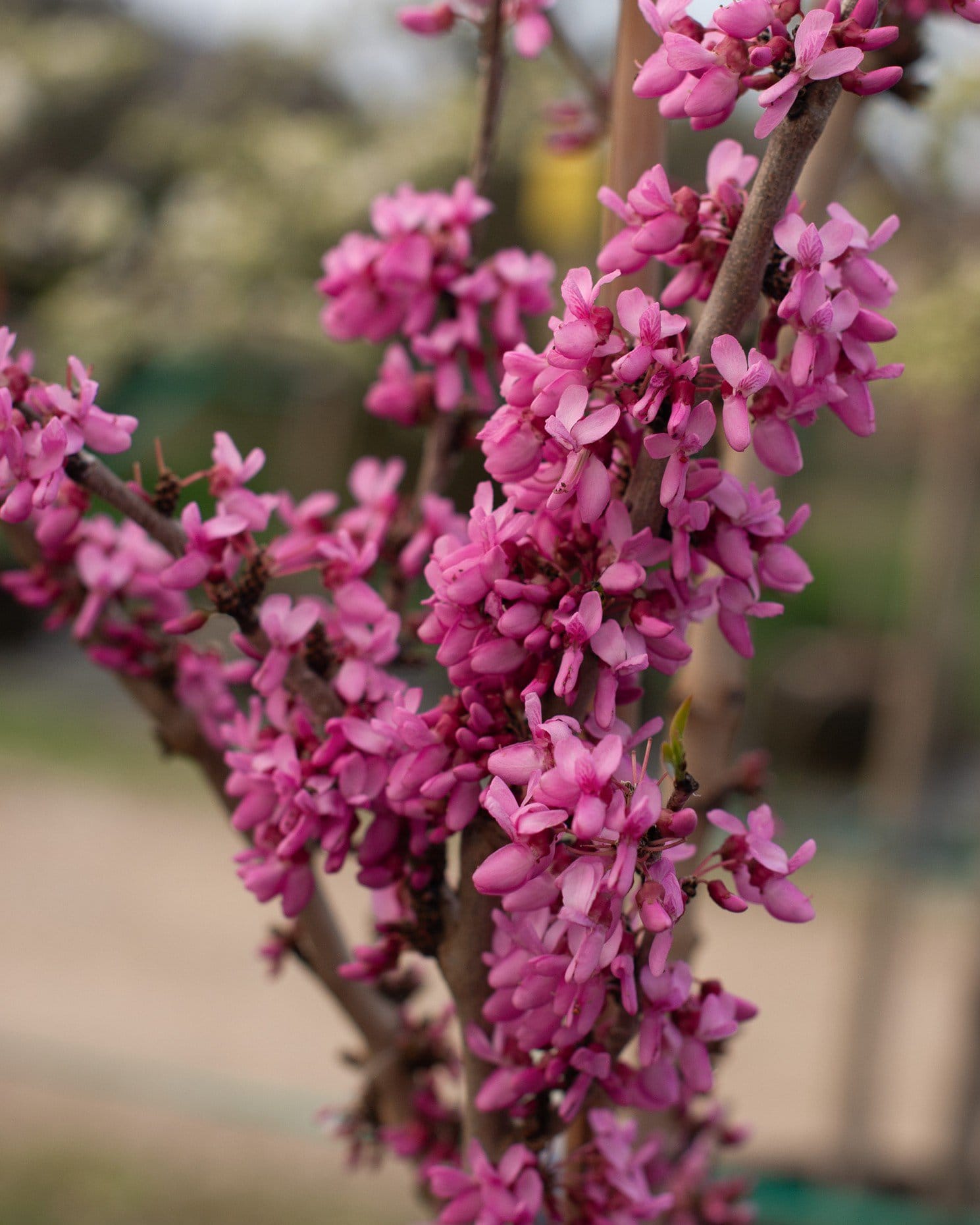
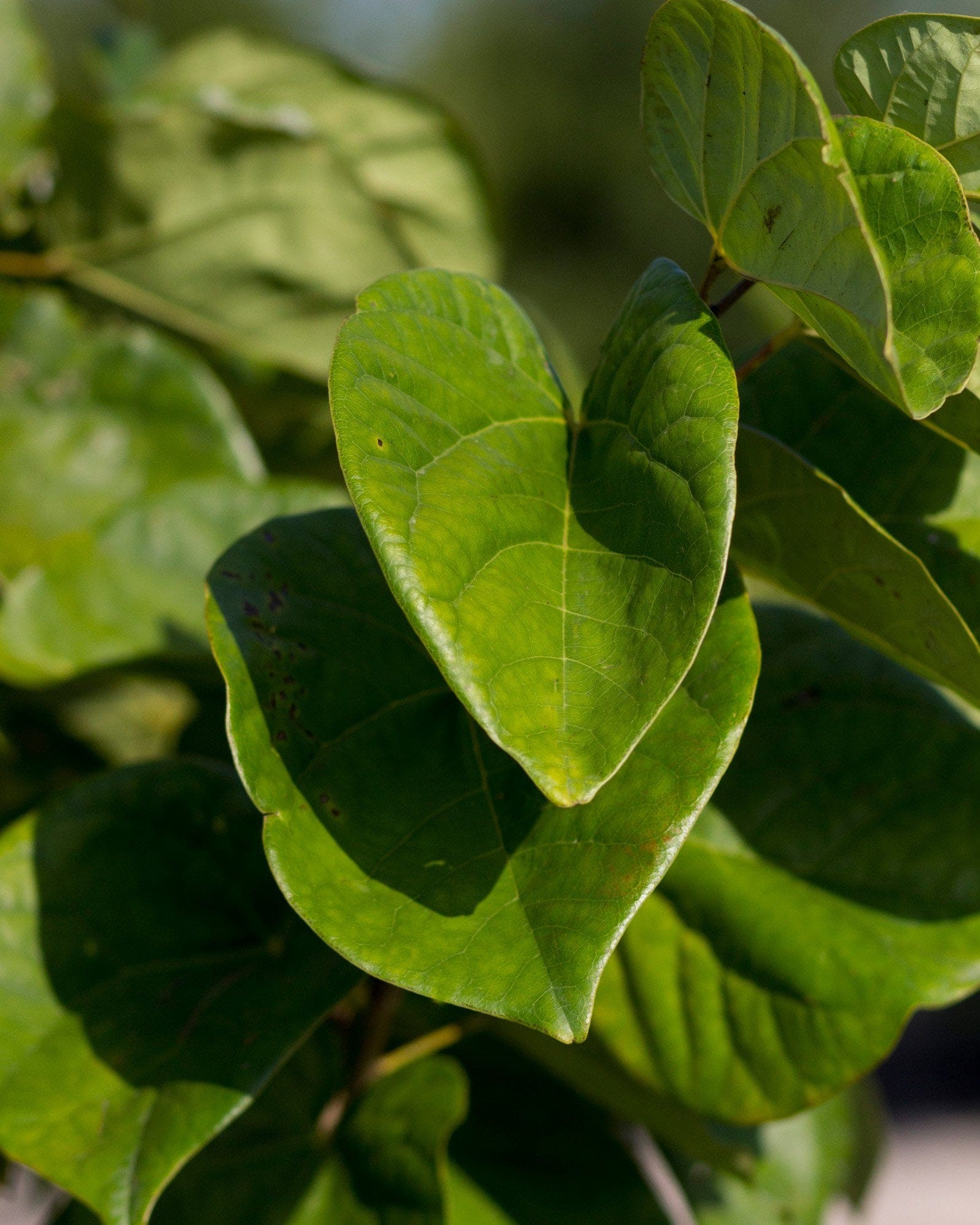
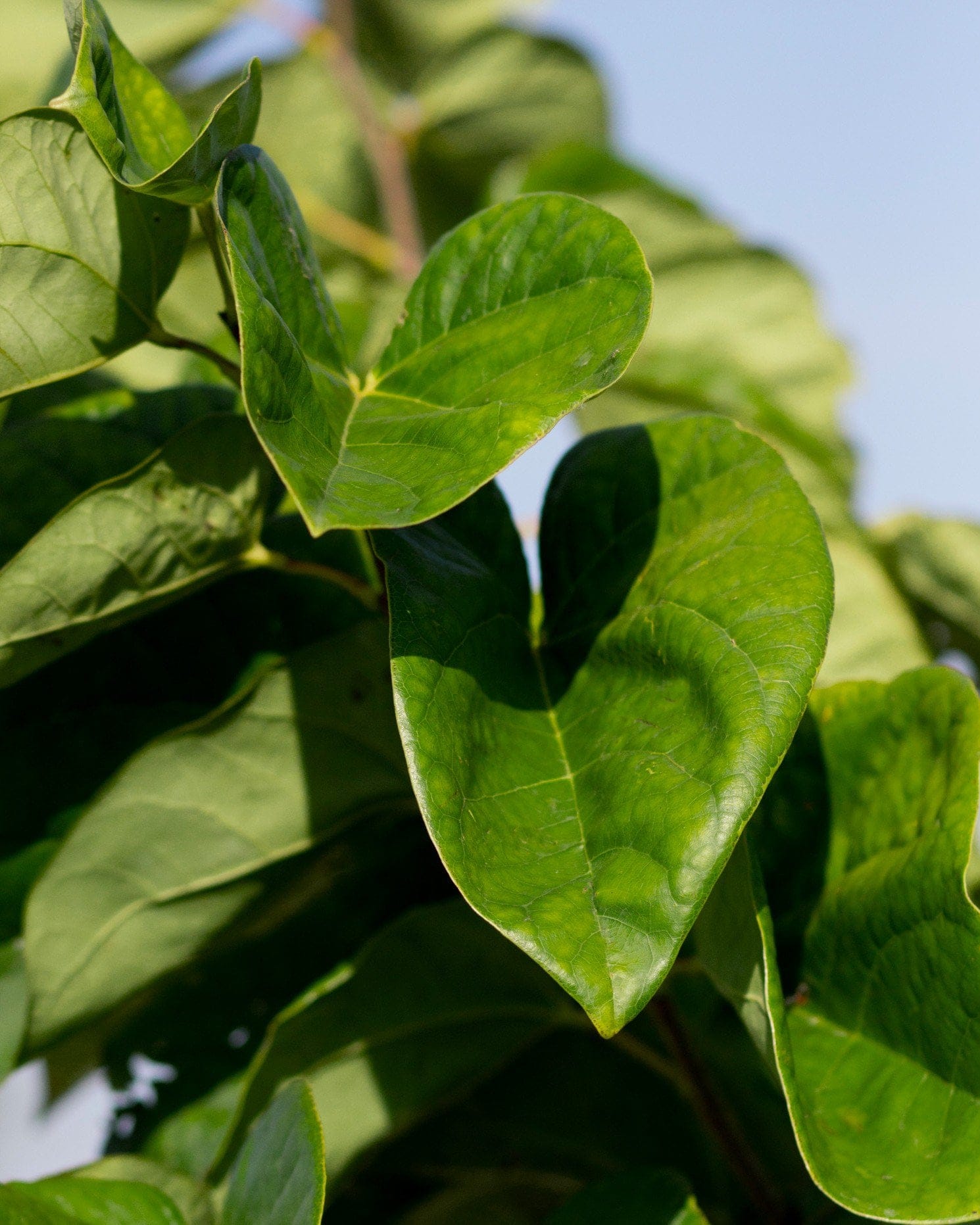
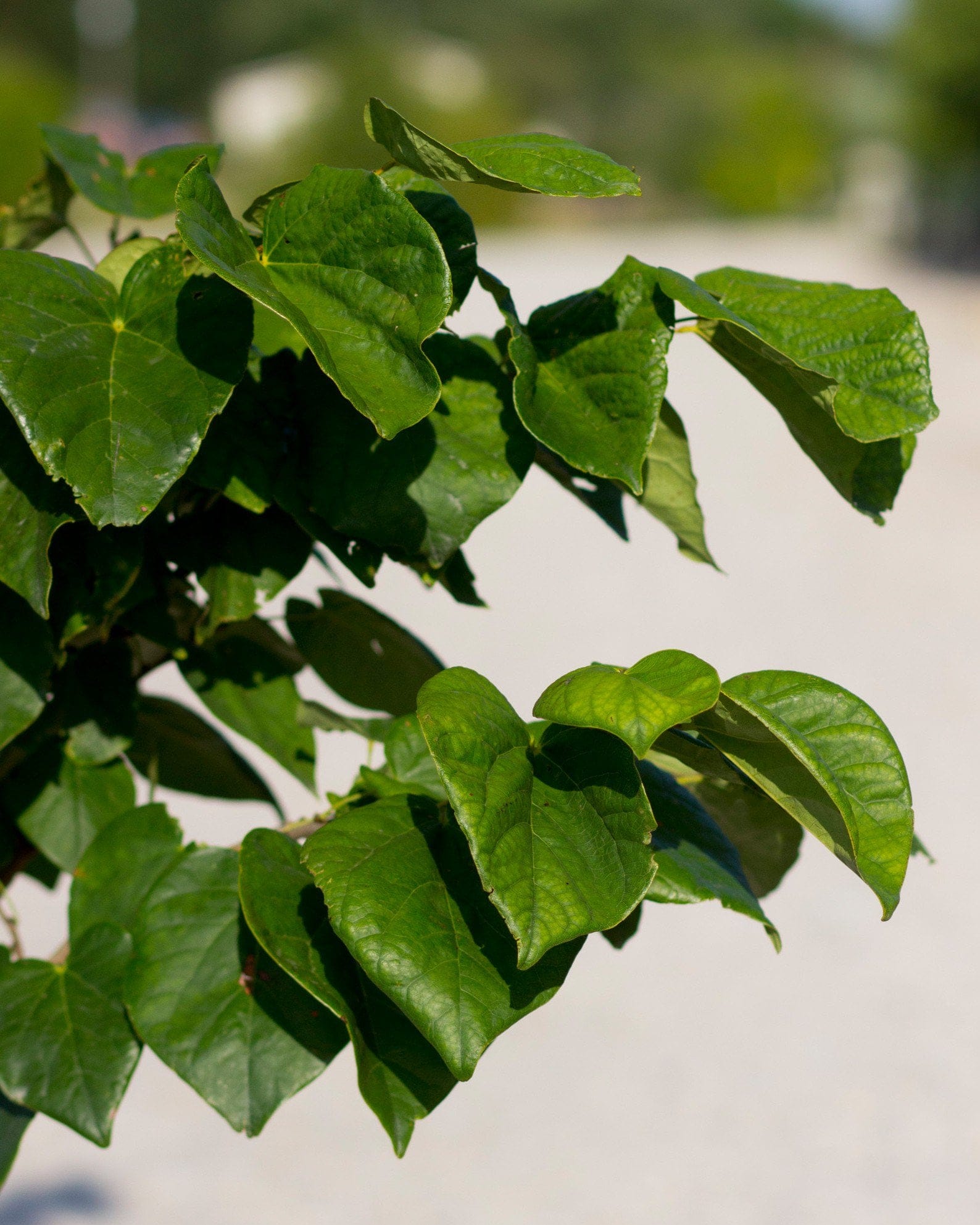
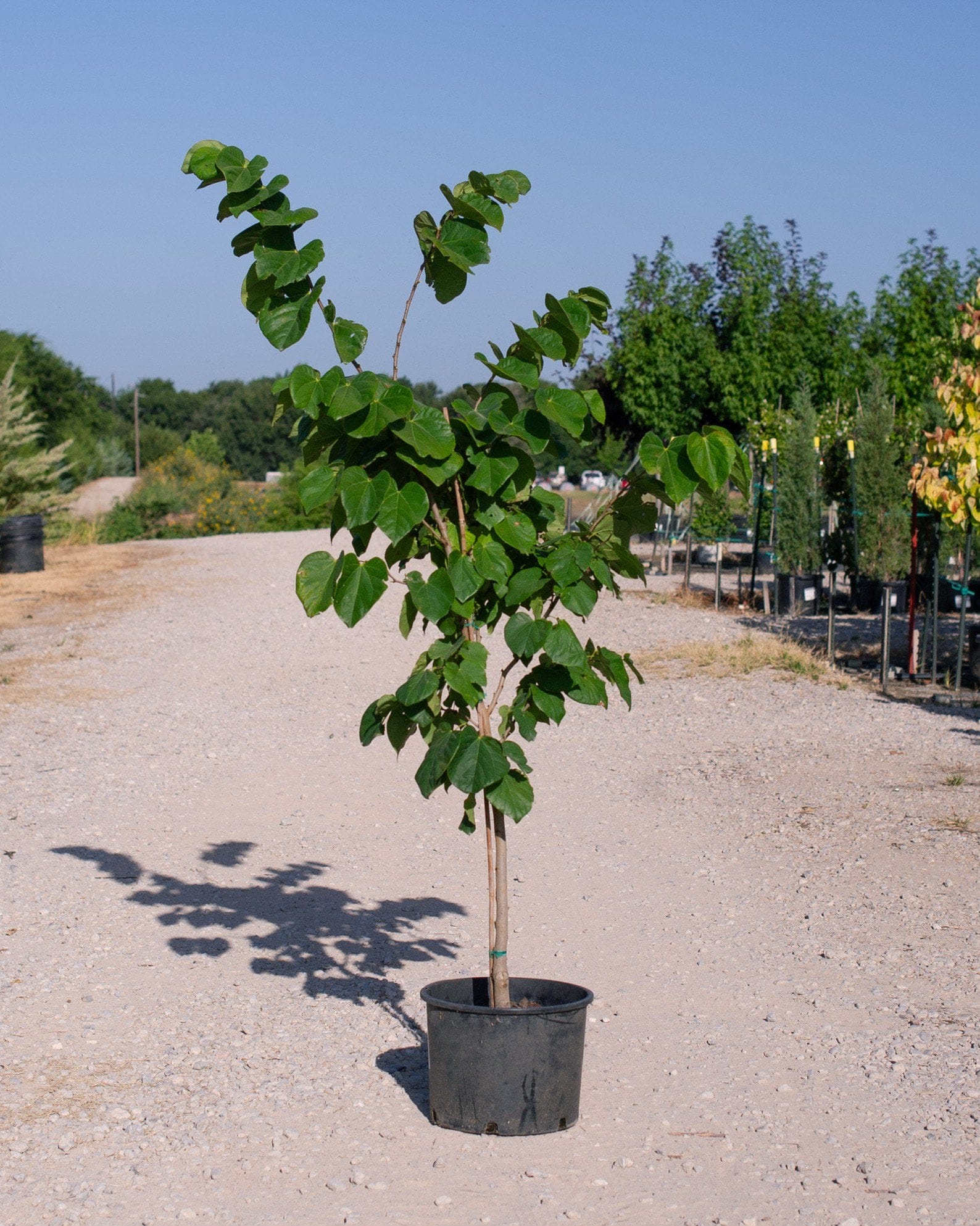
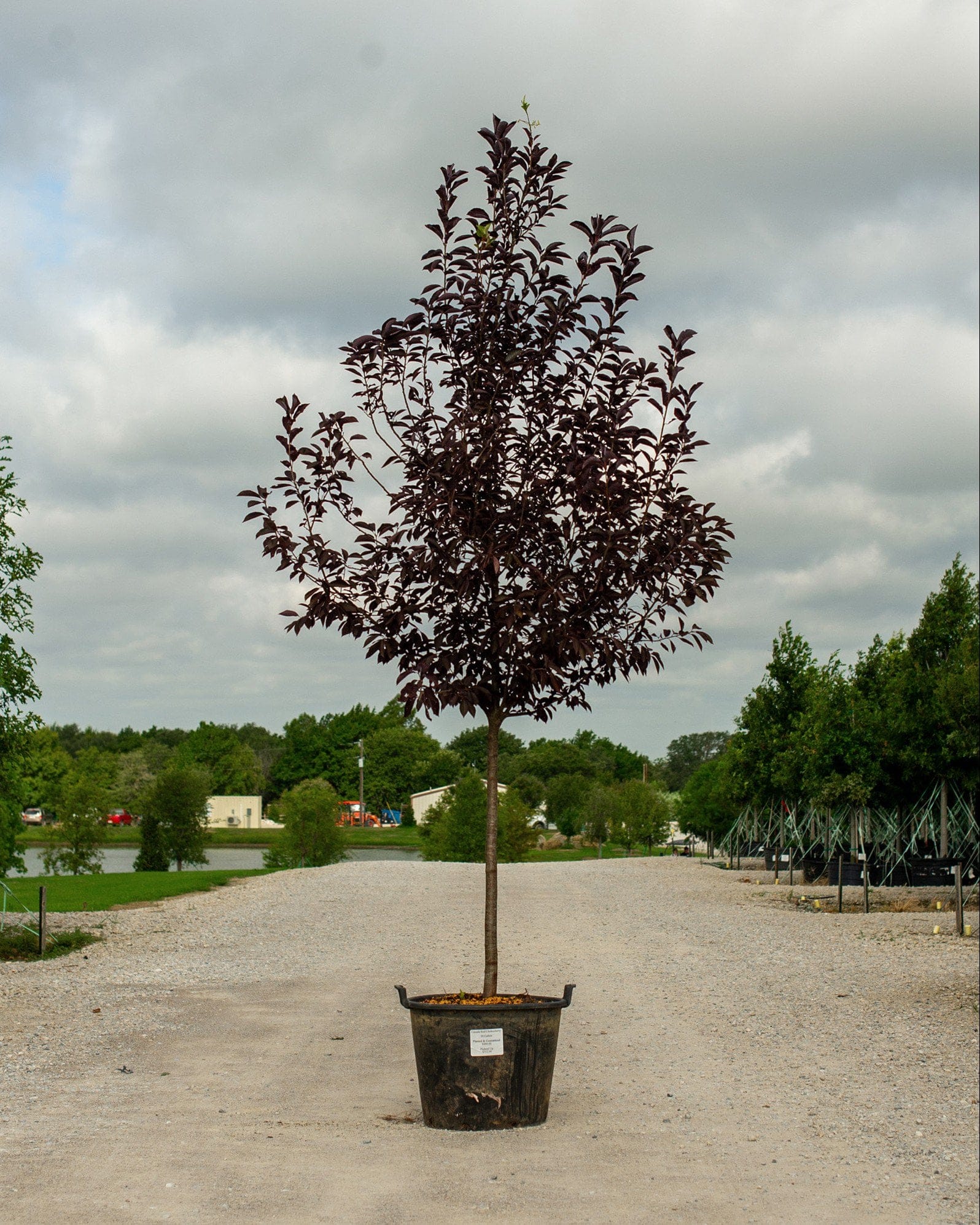
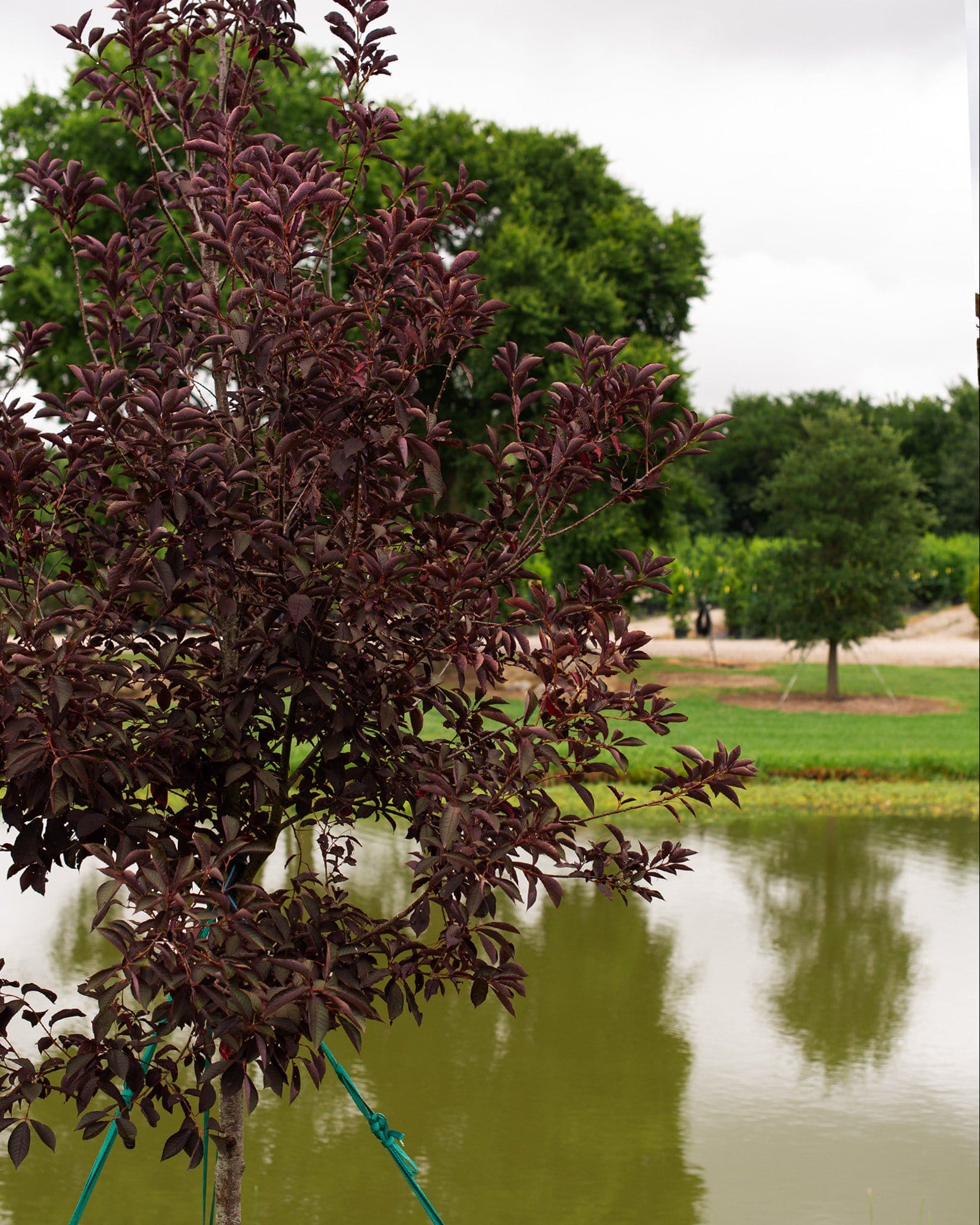
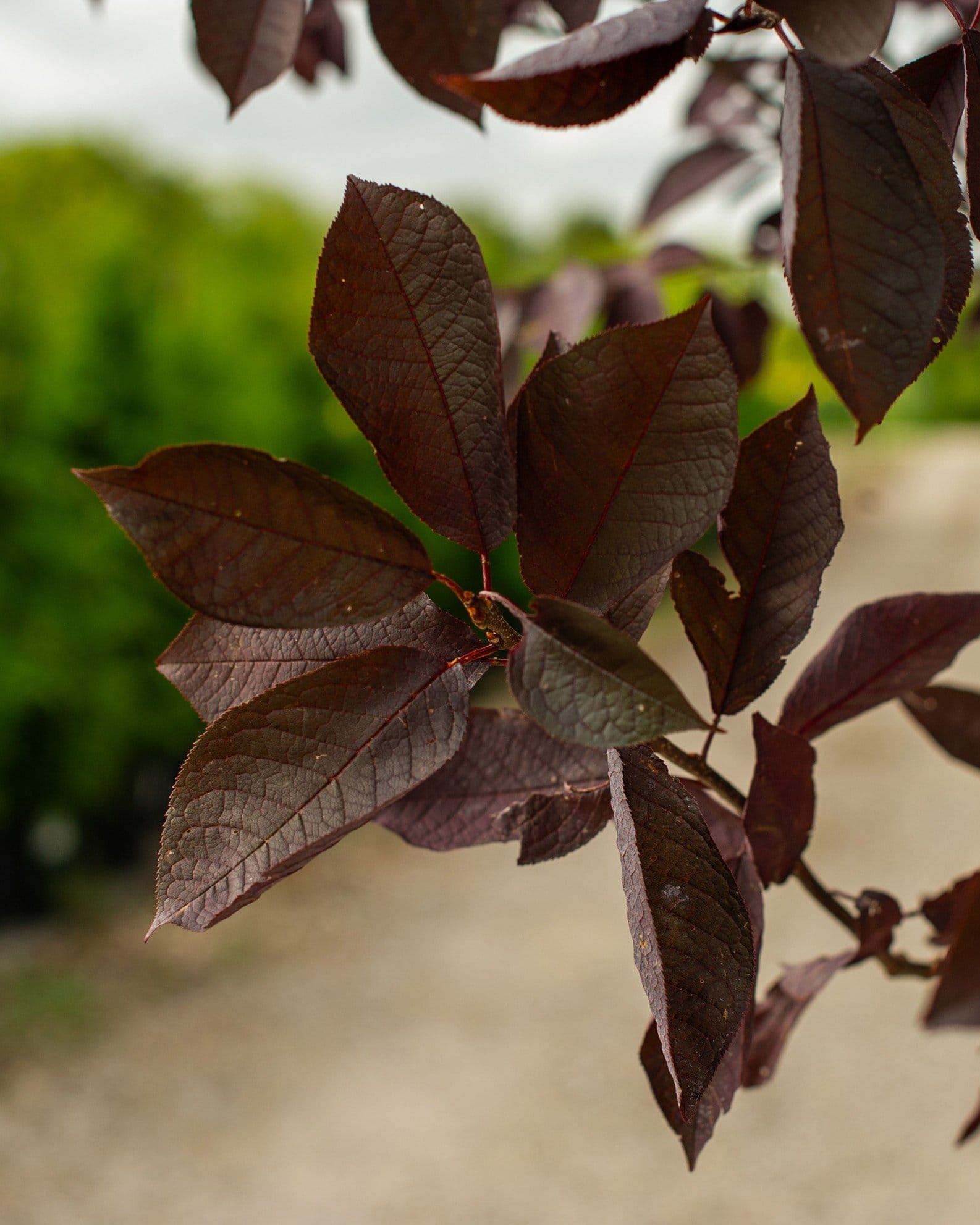
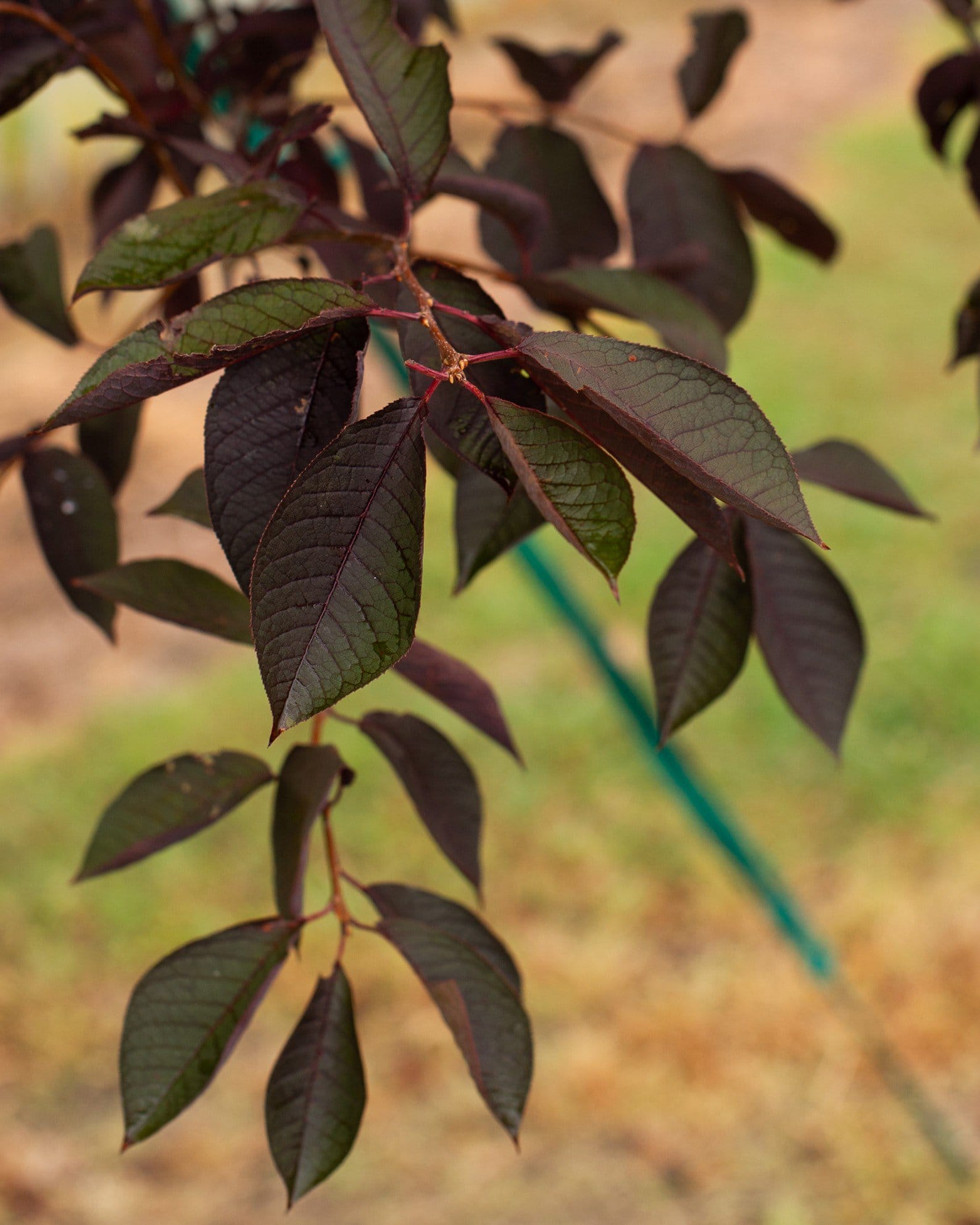
Cercis canadensis ‘Forest Pansy’The Forest Pansy Redbud is a colorful and eye-catching variation of the classic Eastern Redbud, featuring dramatic purple-red leaves that instantly enhance the visual appeal of any landscape. In early spring, its bare branches are adorned with clusters of rosy-pink blooms before the foliage emerges. As the seasons change, the heart-shaped leaves transition from deep burgundy to a rich green with subtle bronze undertones, providing multi-season interest. This deciduous tree grows to about 20 feet tall and wide, forming a rounded canopy that works beautifully in front yards, borders, or as a standout specimen tree.
- Deciduous tree
- Moderate growth rate
- Deep purple to red foliage
- Signature pink spring flowers
- Ideal as a specimen or accent tree in beds
Plant the Forest Pansy Redbud in full sun to partial shade with well-drained soil. Hardy in USDA zones 5 through 9, it's a top pick for adding bold color and elegant structure to North Texas landscapes and beyond.
Forest Pansy Redbud is tough once established, adaptable, and remarkably easy to care for. Here’s everything it needs to grow beautifully:
- Watering: Water deeply once or twice per week during the first growing season to help roots establish. Once mature, it tolerates short dry spells but benefits from occasional deep watering during extended heat. Avoid soggy soils - good drainage is key.
- Pruning: Lightly prune in late winter while the tree is dormant to shape the canopy and remove dead or crossing branches. Avoid heavy pruning after early spring, as this can remove buds that will bloom next season.
- Fertilizing: Apply a balanced, slow-release fertilizer in early spring before new growth appears. Over-fertilizing isn’t needed - too much nitrogen can reduce flower production.
- Mulching: Spread a 2-3 inch layer of mulch around the base to retain moisture and regulate temperature. Keep mulch 6 inches from the trunk to prevent crown rot.
- Spacing: Plant 15-20 feet away from other trees or structures to allow the canopy’s natural vase-shaped form to develop fully.
Common Issues and How to Take Care of Them
Forest Pansy Redbud is generally hardy and resilient, but certain environmental stresses can cause problems if not addressed early:
- Leaf scorch: Common in prolonged drought or high heat. Provide extra water during dry periods and a layer of mulch to retain moisture.
- Canker disease: Look for sunken, dark patches on branches. Prune affected areas with clean tools and dispose of cuttings to prevent spread.
- Verticillium wilt: A soil-borne fungus that can cause leaf yellowing or wilting. Plant in well-drained soil and avoid replanting redbuds where wilt has occurred.
- Aphids: These small pests can appear on new leaves in spring. Rinse with water or apply insecticidal soap to keep populations in check.
- Powdery mildew: In humid or shaded conditions, white film may appear on leaves. Increase airflow and apply a fungicide if needed.
- Frost damage: Young growth can be sensitive to late frosts. Allow damaged leaves to fall naturally; new growth will emerge as temperatures rise.
With bright sun, deep watering, and good airflow, Forest Pansy Redbud remains one of the most rewarding and resilient small ornamental trees for Texas landscapes.
Typically, it lives 20-30 years in home landscapes, though with ideal care and protection from trunk damage, some trees can thrive for up to 40 years.
It grows at a moderate rate, about 1 to 2 feet per year, reaching full height in 8 to 10 years. Growth may be faster with deep, regular watering in the first few seasons.
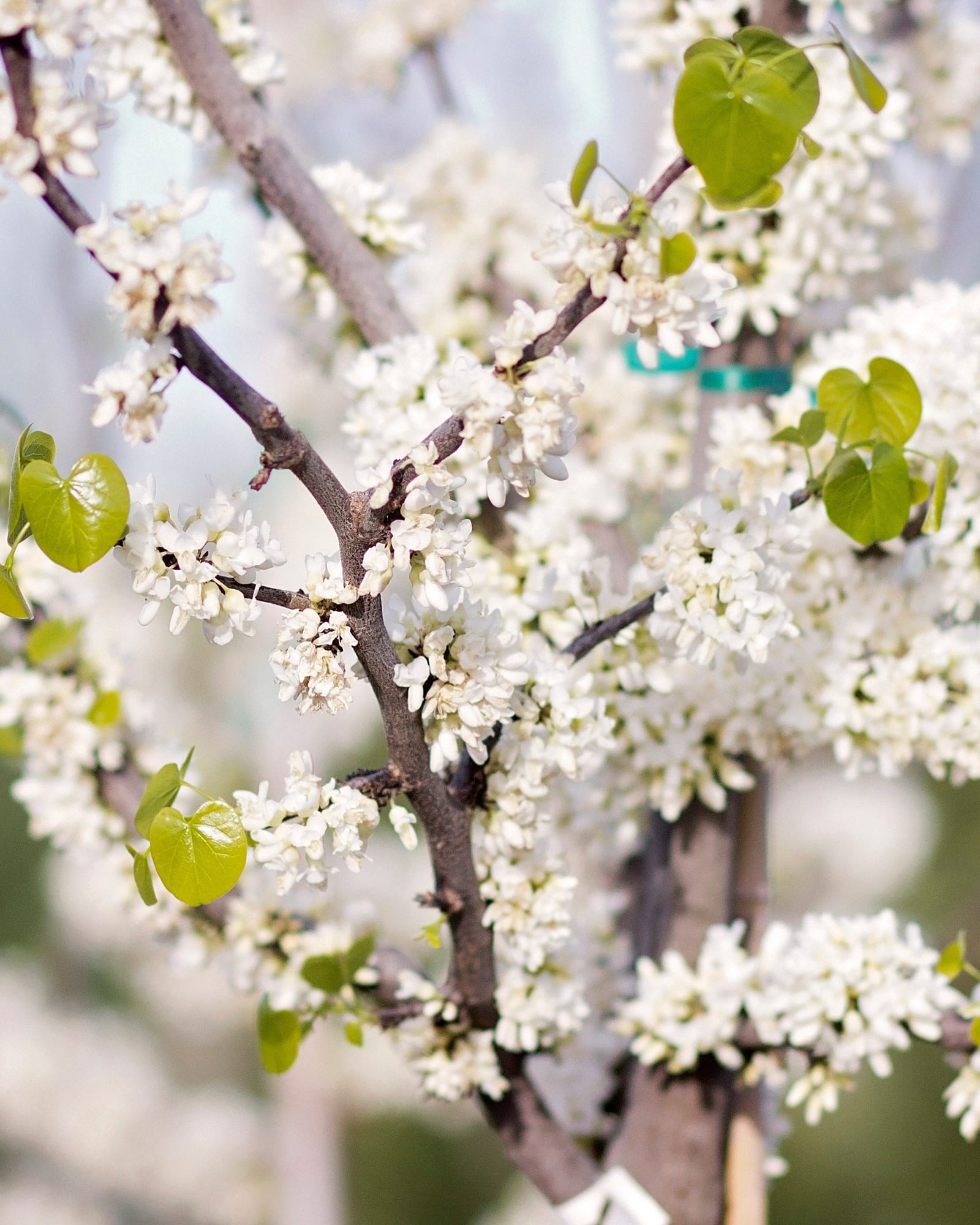
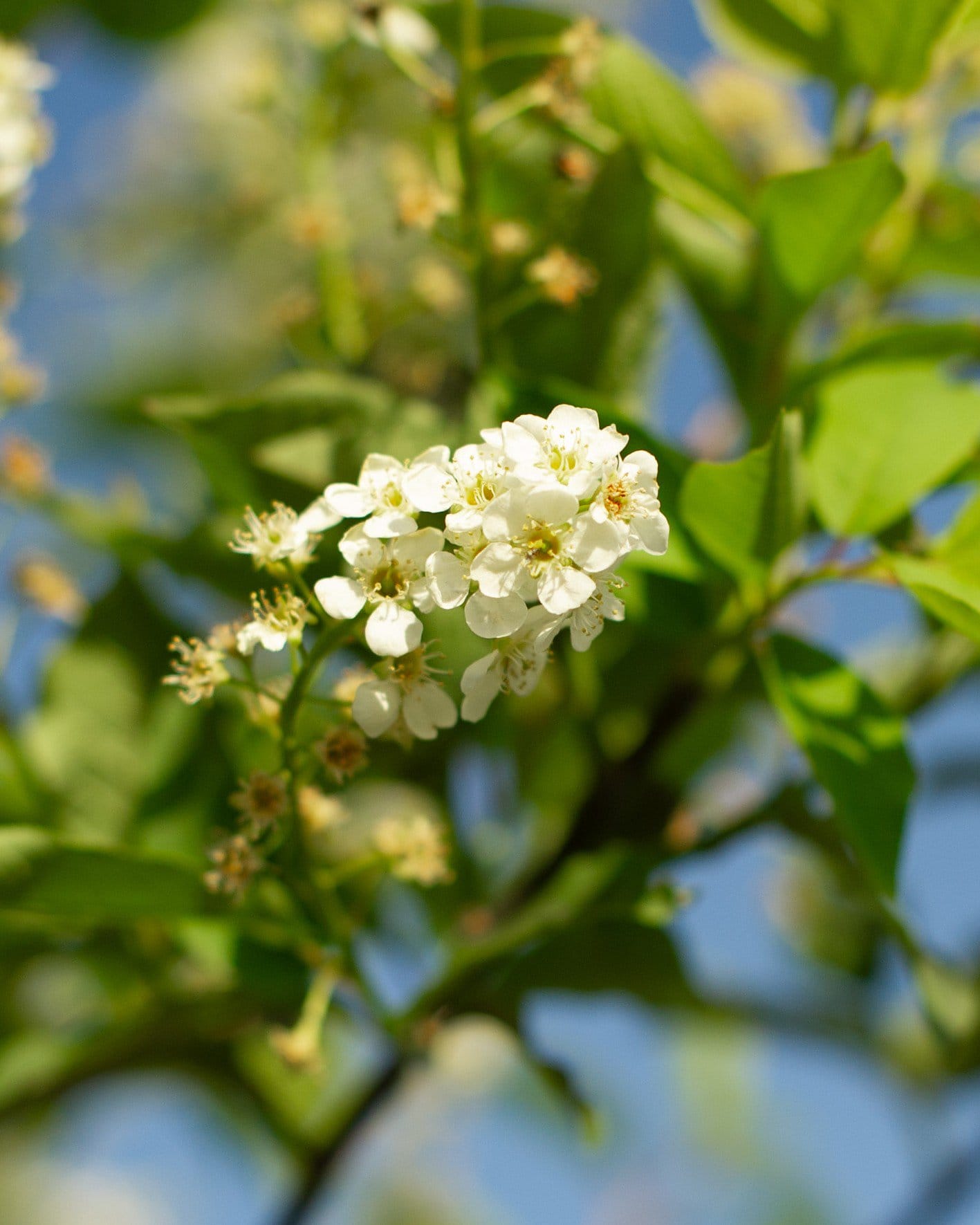
Typically, Forest Pansy Redbud bursts into bloom in early spring, just before the leaves appear. Clusters of bright pinkish-purple flowers cover bare branches, creating an unforgettable display.
Yes, though it varies with the sun and temperature. The deep burgundy-purple foliage remains rich through summer, softening to bronze-green in late season, and glowing red-orange before falling in autumn.
It performs beautifully in Texas, especially when planted in areas with morning sun and a bit of afternoon shade. Once established, it tolerates heat and moderate drought but prefers consistent deep watering during extended dry spells.
Yes, generally. While deer might nibble on tender shoots occasionally, they rarely cause significant damage to mature trees.
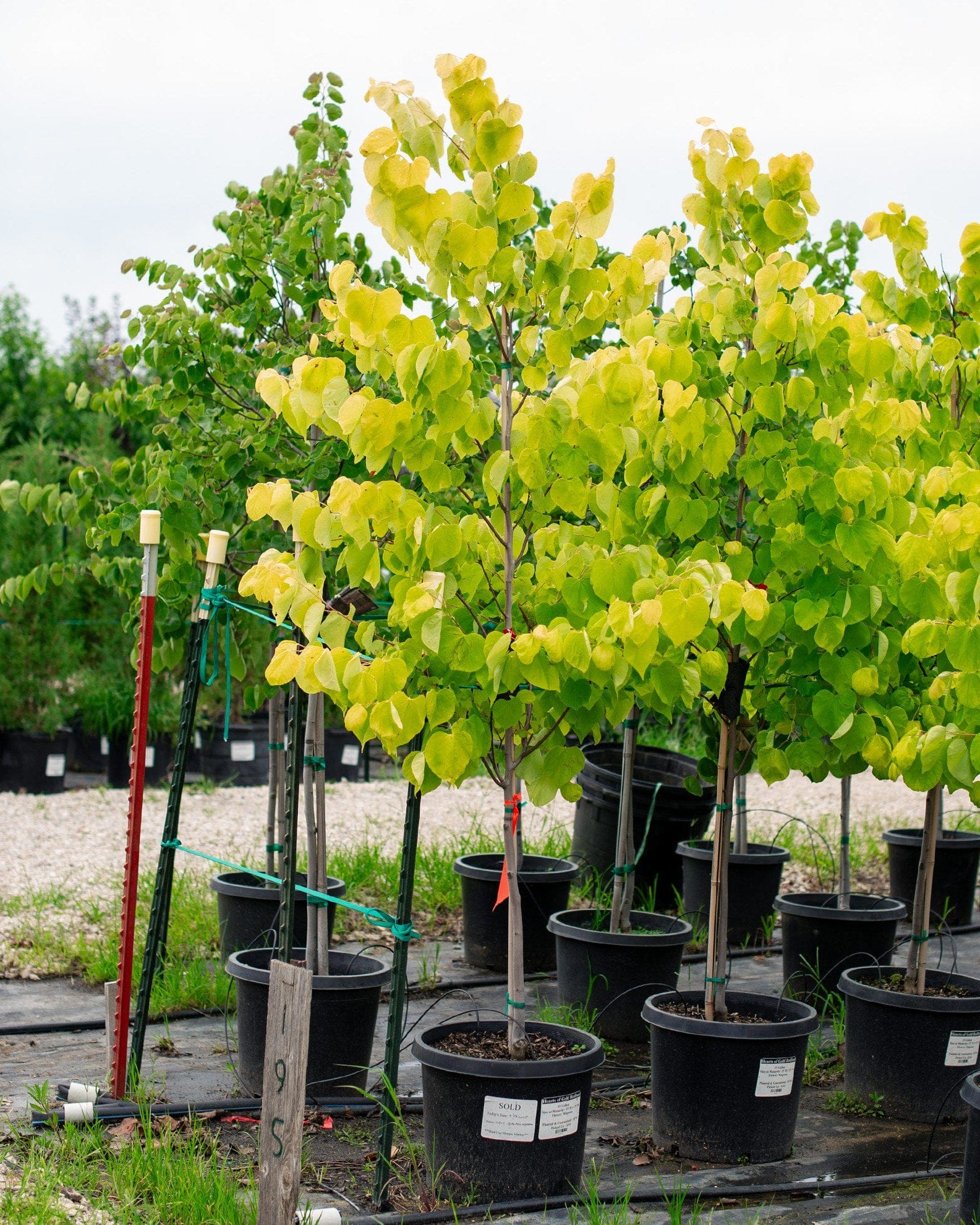
Yes - young trees do well in large containers for several years, and their compact size makes them suitable for small urban gardens, courtyards, or as a patio accent.
Plant in early spring or early fall, when temperatures are mild and soil moisture is consistent. Fall planting gives roots a head start before the following growing season.
This can happen with too much shade or excess fertilizer. Forest Pansy’s signature purple leaves need bright light to maintain their deep color. Trim nearby plants or move to a sunnier spot for the best foliage intensity.
Yes - the flowers are rich in nectar and attract bees, butterflies, and early-season pollinators, supporting wildlife right as spring begins.
Special Features
You might also like


Compare Similar Plants
Forest Pansy Redbud This plant | ||
|---|---|---|
| Scientific Name | Cercis canadensis ‘Forest Pansy’ | Cercis canadensis 'Merlot' |
| Size at Maturity | 20' H x 20' W | 15' H x 15' W |
| Leaf Retention | Deciduous | Deciduous |
| Fall Color | Orange & Red | Orange, Red & Yellow |
| Flower Color | Pink | Pink |
| Bloom Times | Spring | Spring |
| Sizes Available | 7, 15, 30, 45 gal | 15, 30, 45 gal |


Our 1-Year Planting Guarantee
We take pride in our plants and installation services. If any plants or trees installed by Treeland fail to thrive within the first year, we'll provide a replacement credit in accordance with our guarantee program.
Learn More About Our Guarantee