


Venus Dogwood
Cornus x 'KN30-8'Product Details
Venus Dogwood
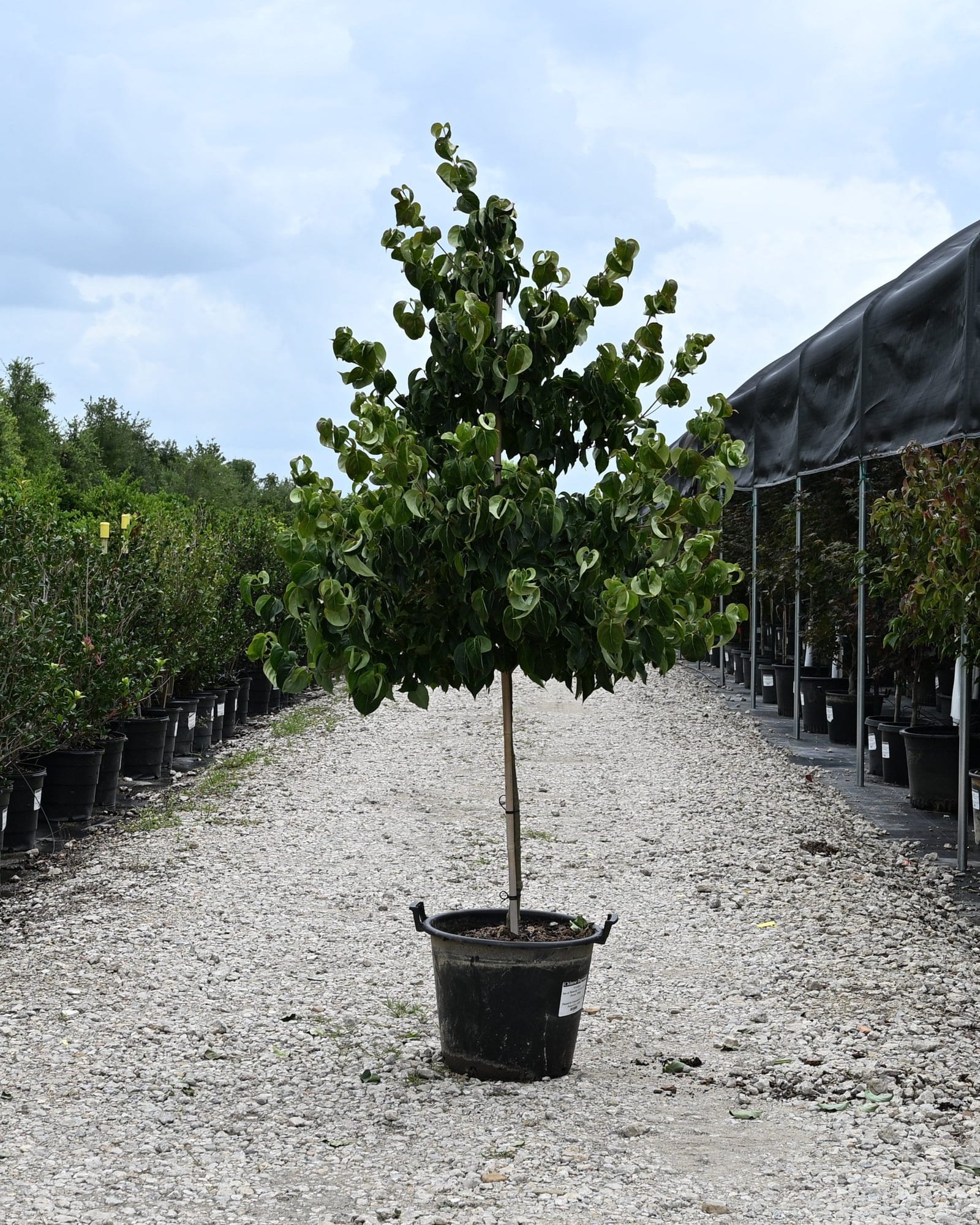
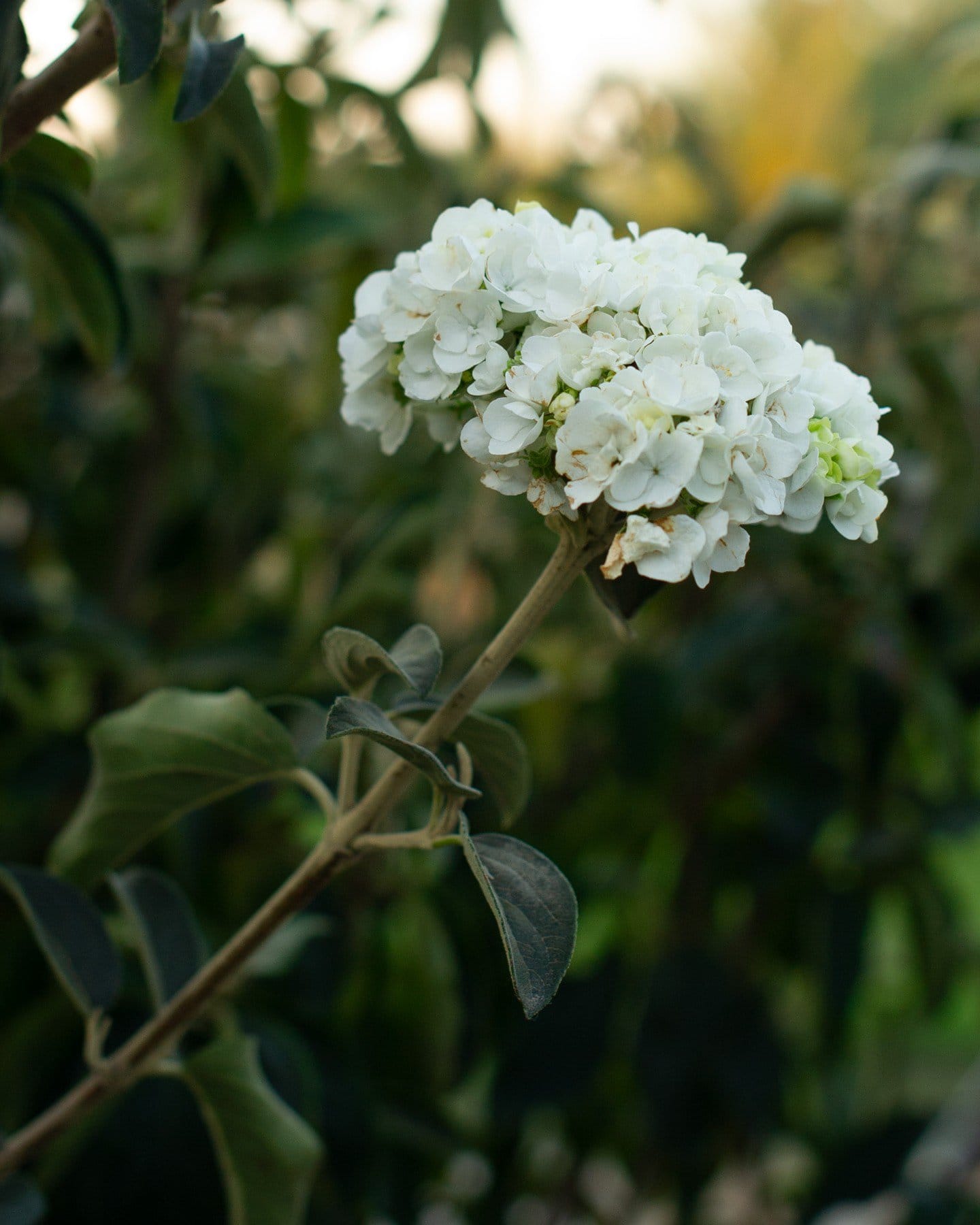
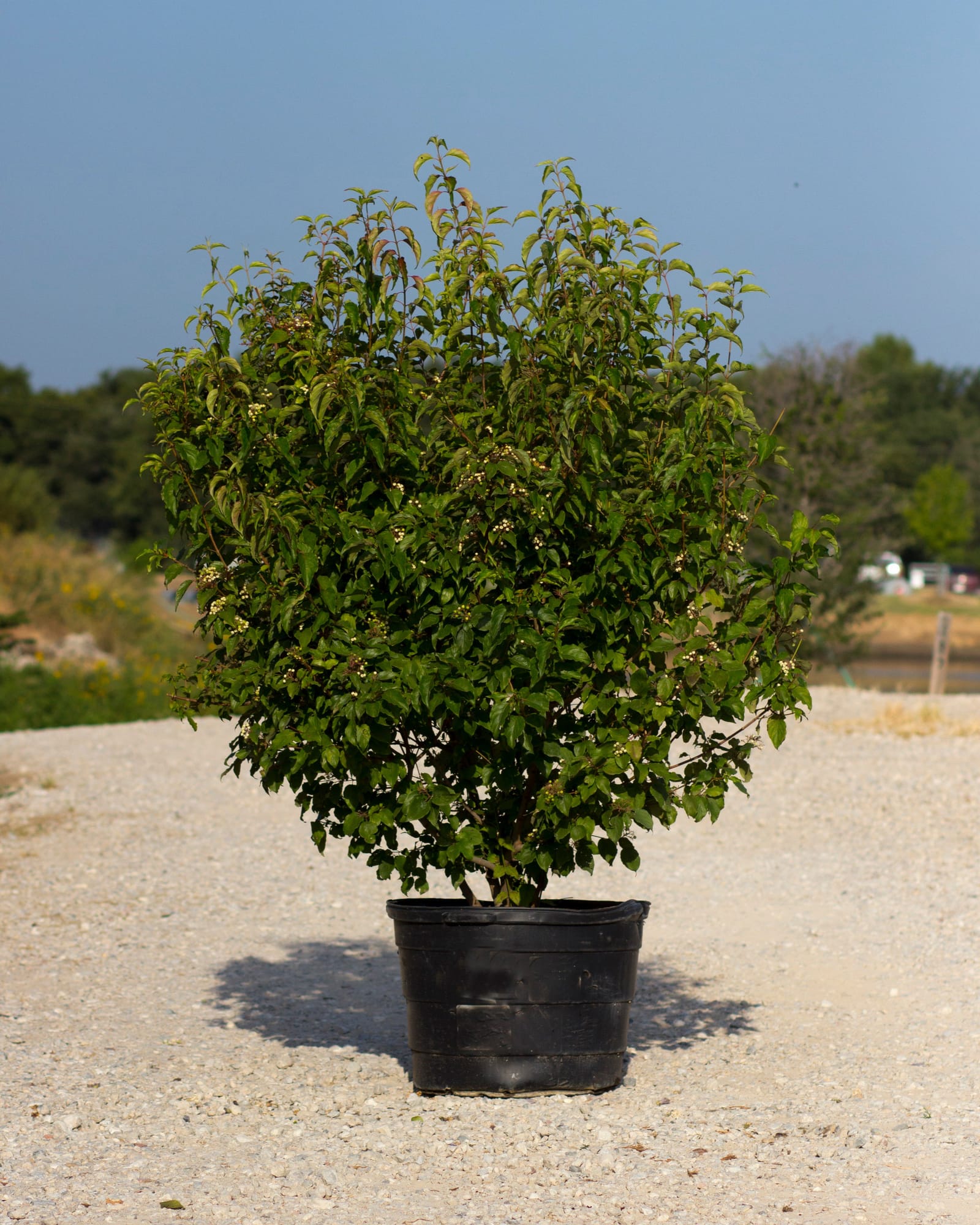
Cornus x 'KN30-8'Venus Dogwood is a stunning hybrid tree celebrated for its prolific, oversized white flowers that can span 6 inches across. Blooming in summer, it creates a dramatic display that rivals any ornamental tree. Its lush green foliage remains attractive throughout summer and turns a soft reddish hue in fall. It reaches 20 feet tall and 15 feet wide, with a broad, rounded shape.
- Deciduous flowering tree
- Fast growth rate with a rounded form
- Huge creamy white blooms in late spring
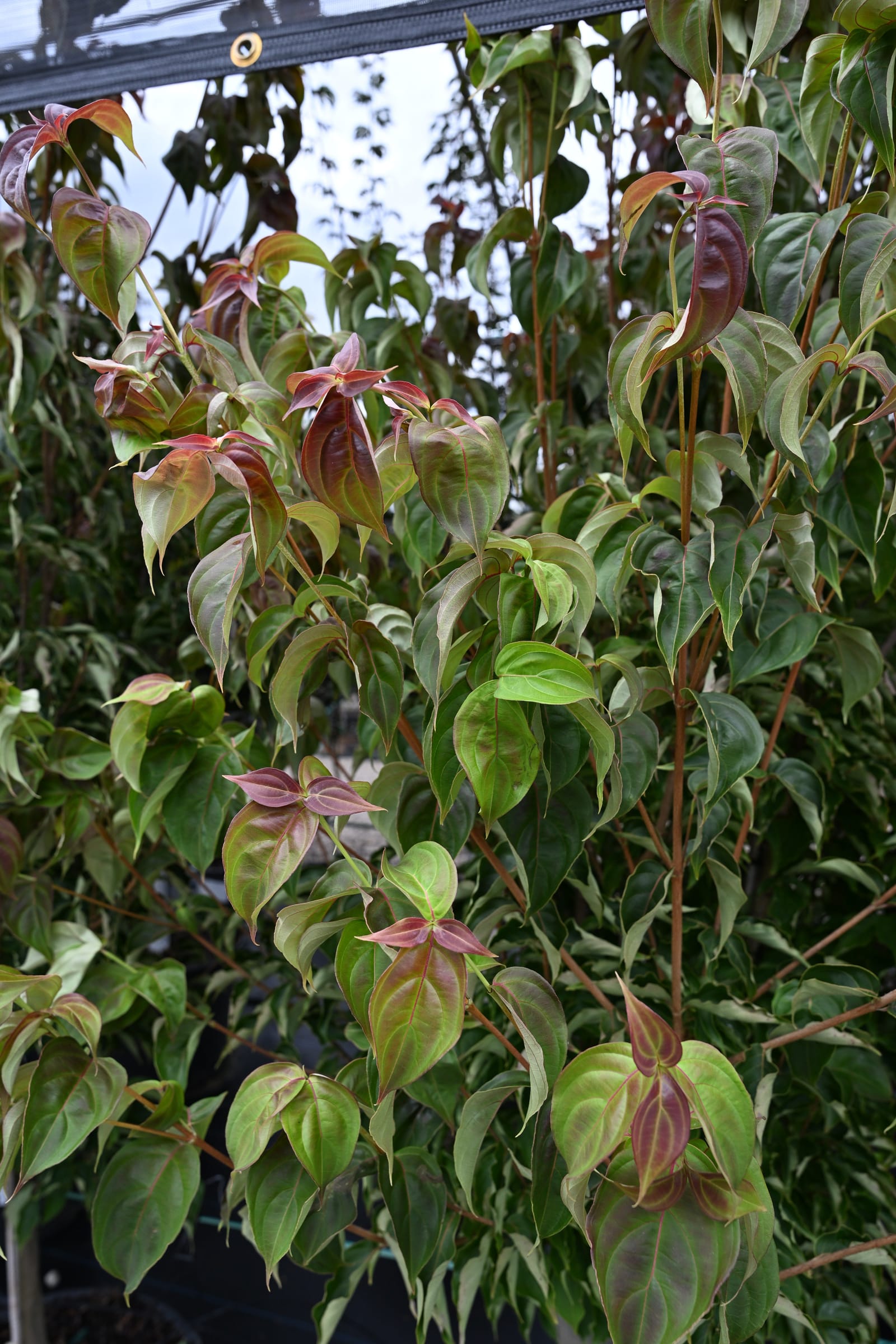
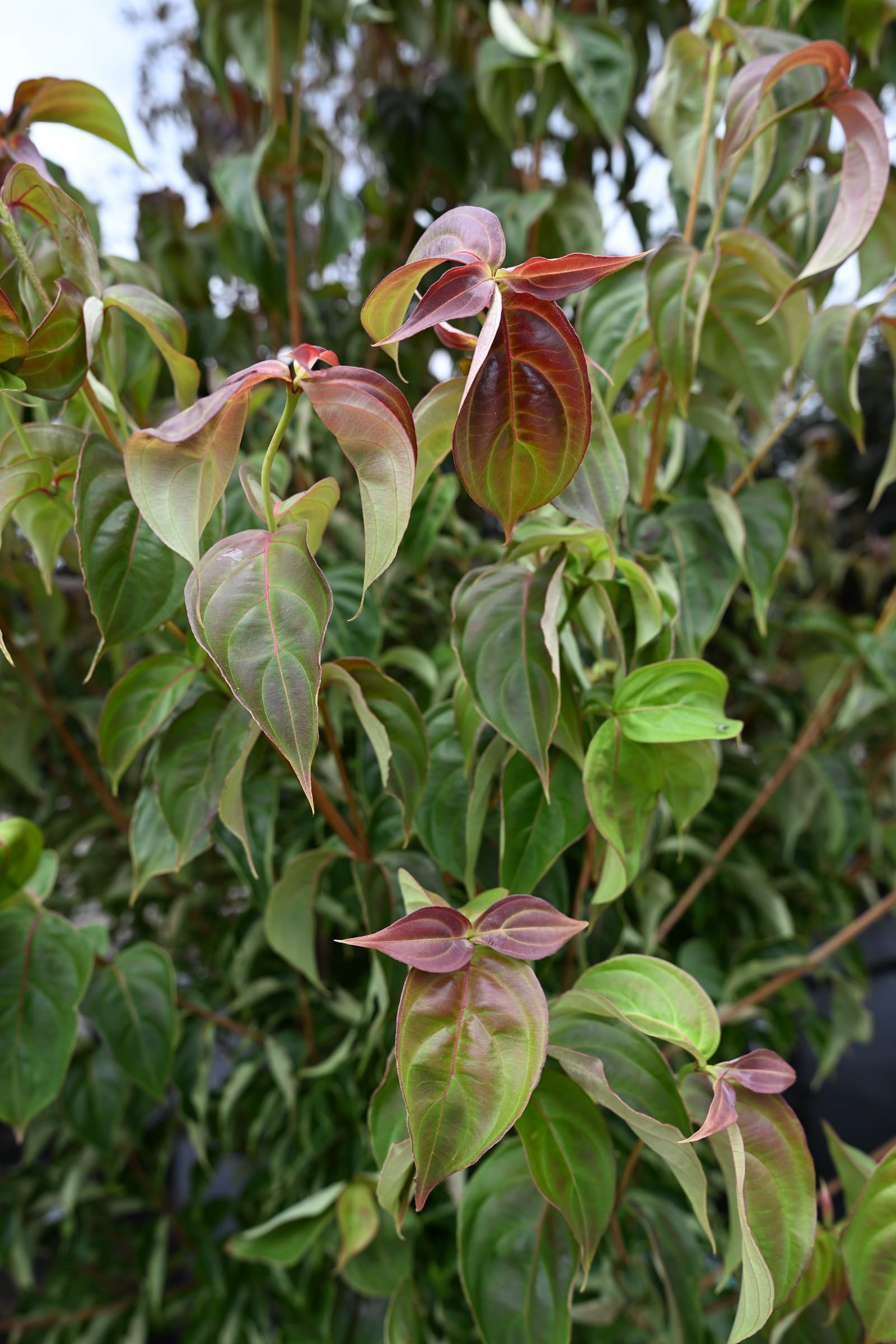
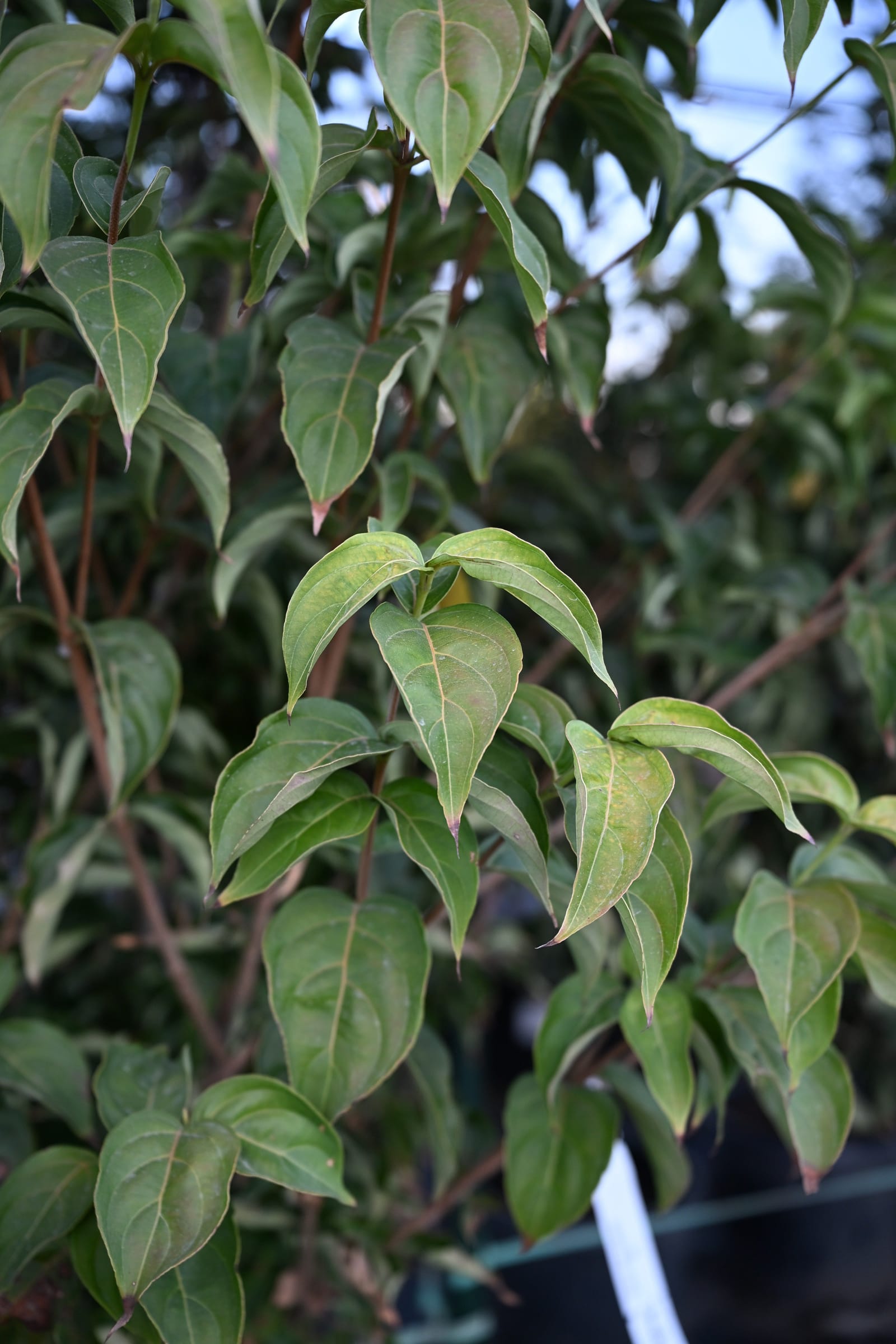
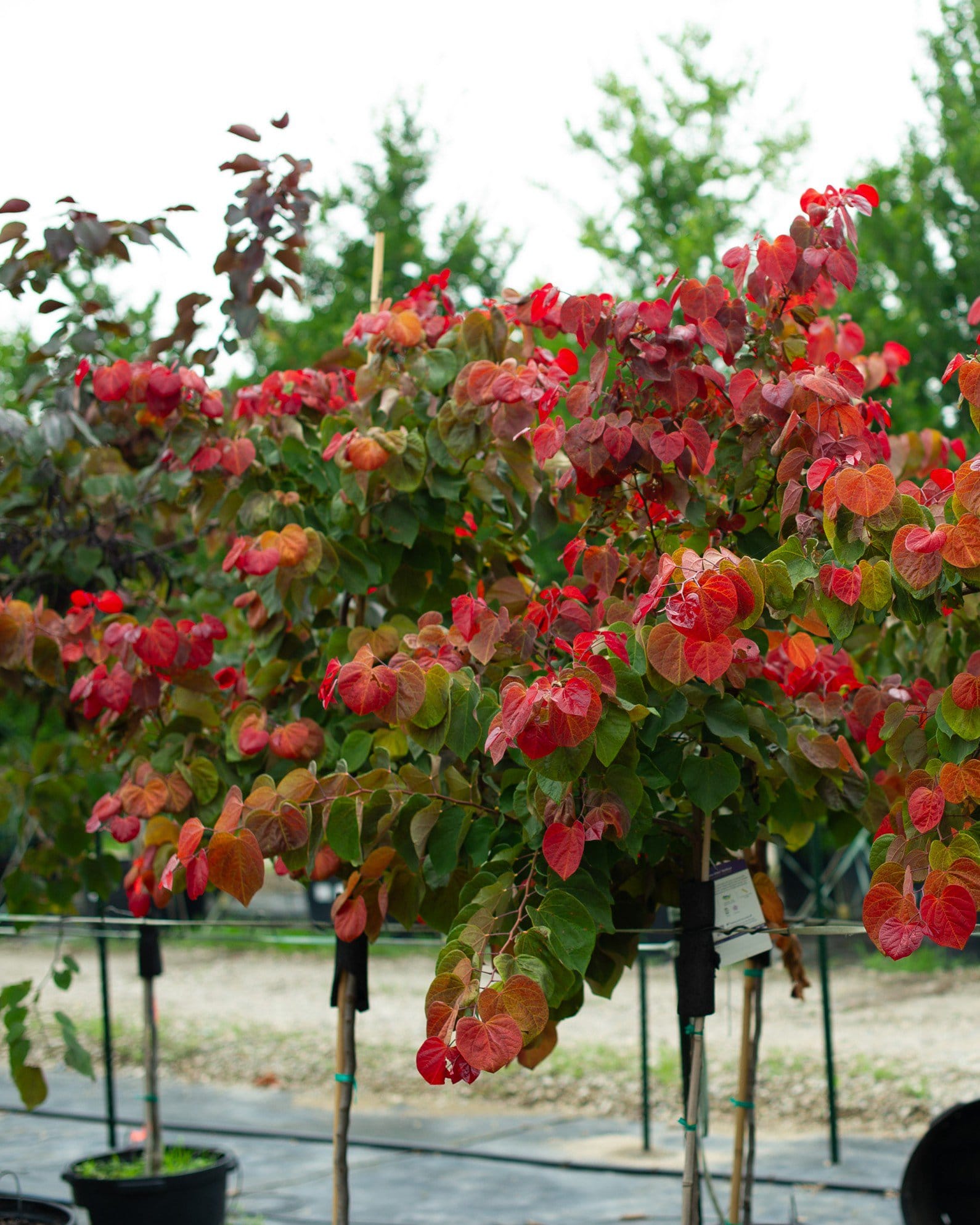
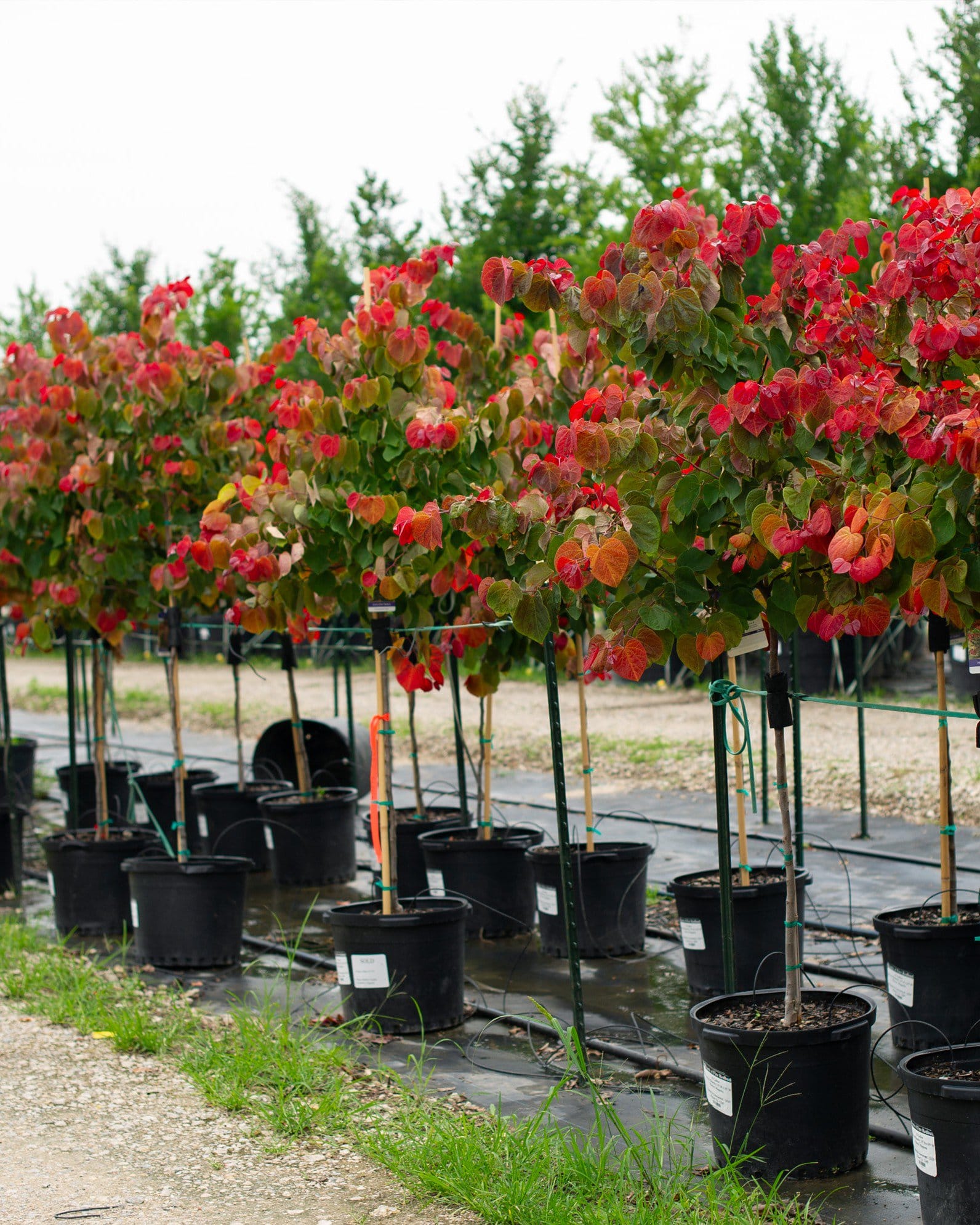
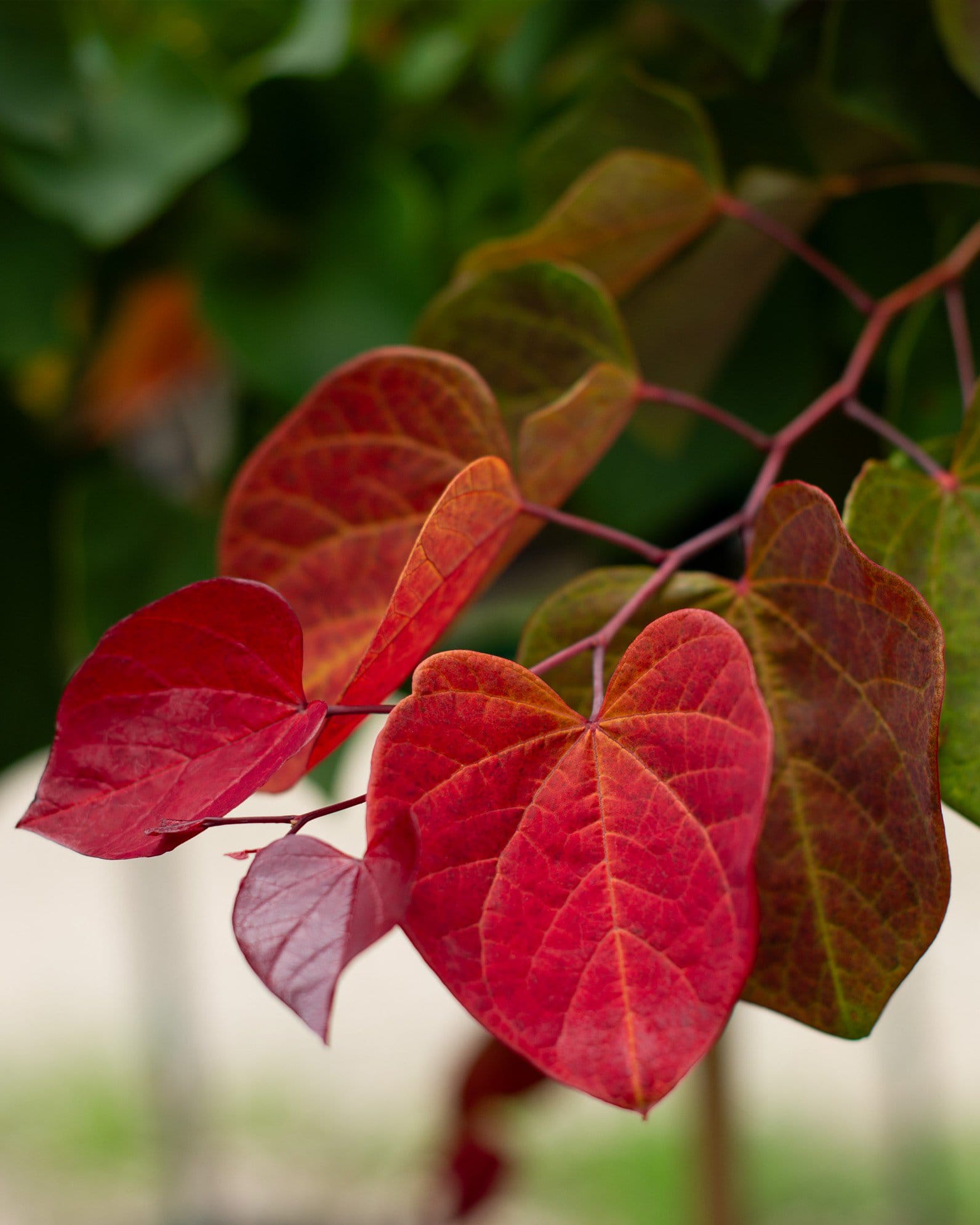
- Lush green foliage with ruby fall color
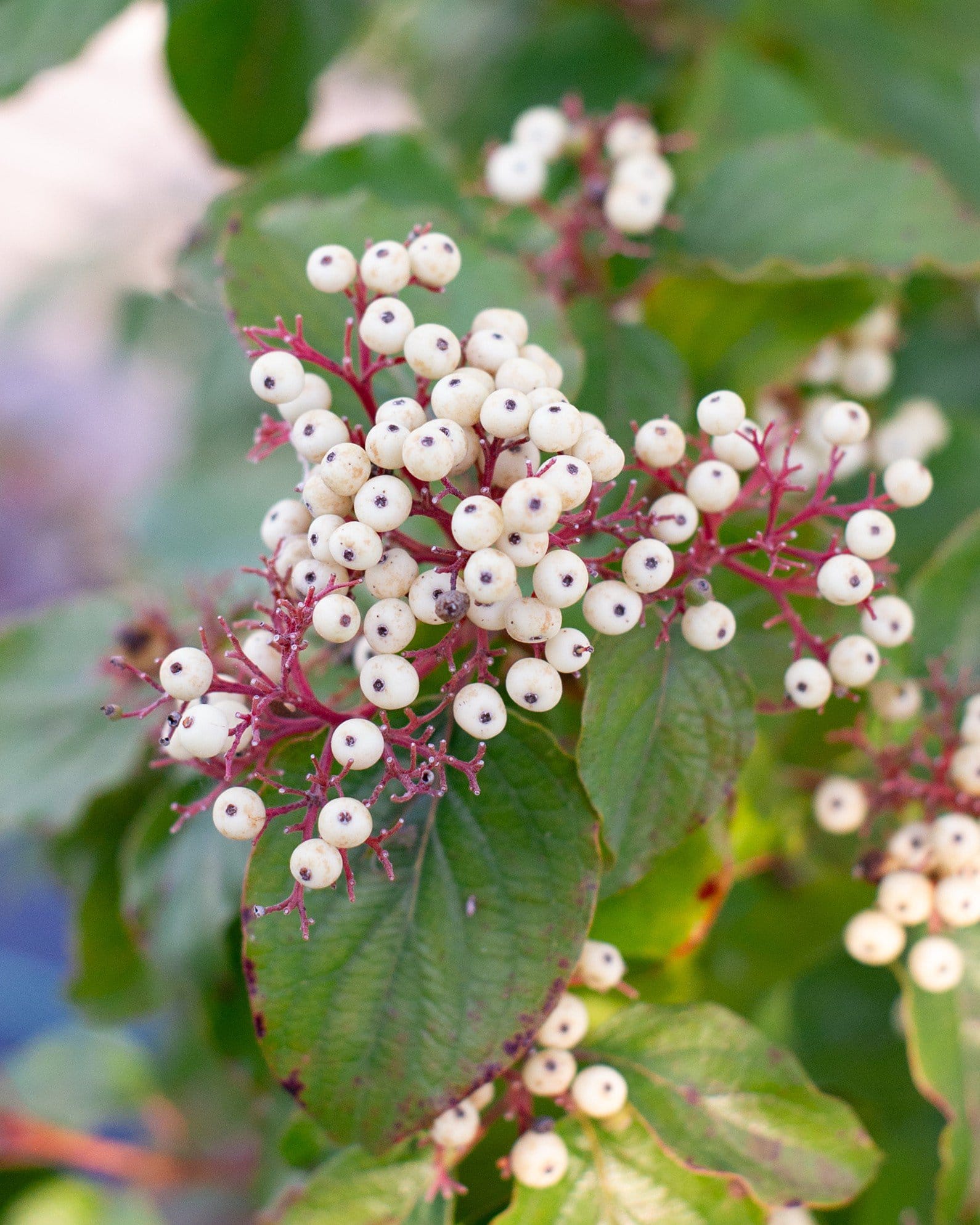
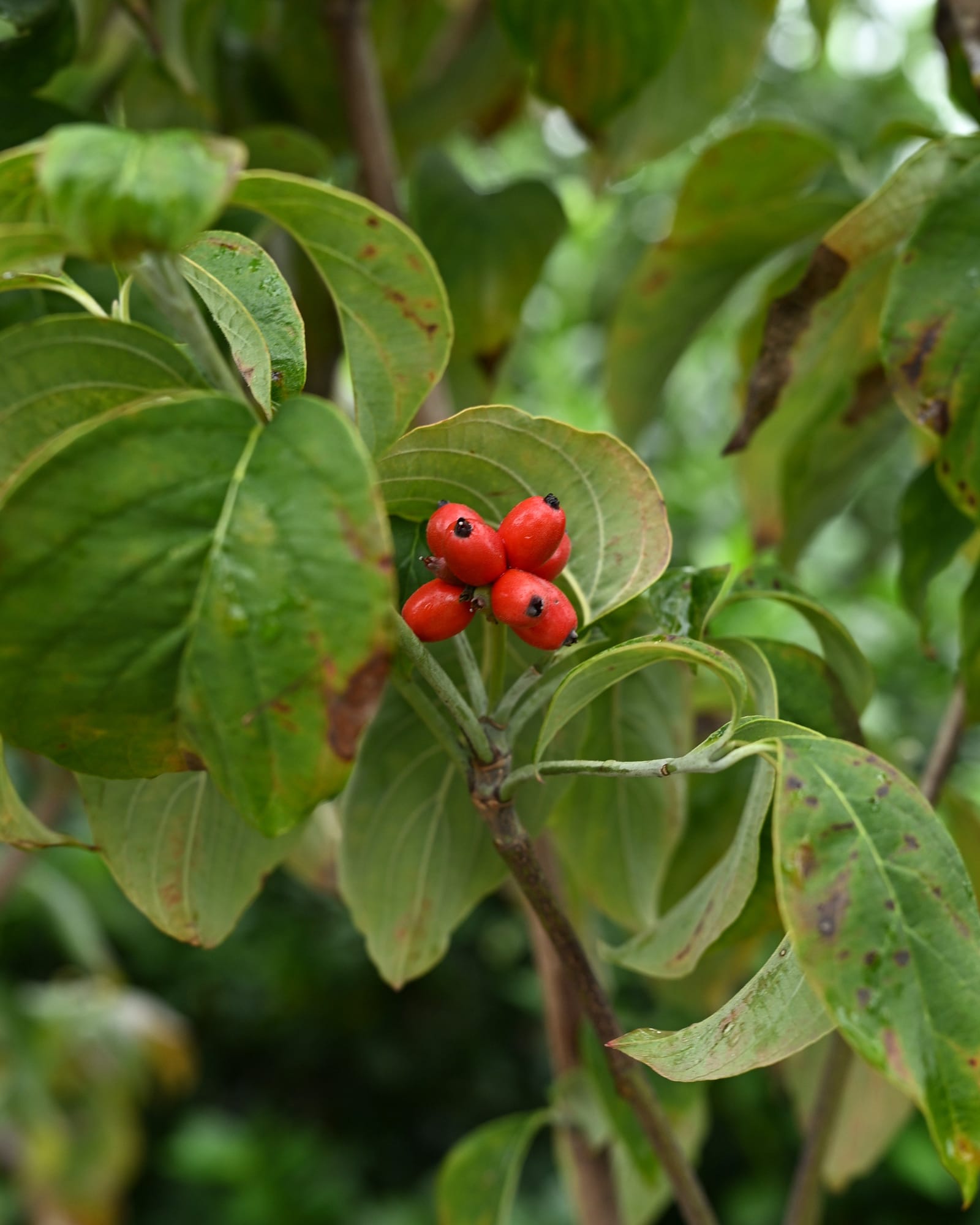
- Produces berries
Venus Dogwood performs best in full sun to part shade and prefers rich, well-drained soil. It's tolerant of a range of climates and is particularly well-suited for Texas landscapes looking for bold spring impact. Hardy in USDA zones 5-9. A perfect specimen tree for front yards, borders, or woodland edges.
Once established, Venus Dogwood becomes relatively low-maintenance and develops into a durable specimen tree that requires only moderate seasonal care. This is all it needs to grow beautifully:
- Watering: Water consistently during the first growing season to encourage a strong root system. After establishment, occasional deep watering during extended dry periods helps maintain healthy foliage and steady growth.
- Pruning: Pruning needs are minimal and generally limited to removing damaged or crossing branches. Light pruning in late winter helps maintain plant health while preserving the tree’s natural form.
- Fertilizing: Fertilizer is rarely necessary in average soils. If growth appears weak, applying a balanced fertilizer in early spring can encourage stronger seasonal development.
- Mulching: Maintain a 2-3 inch mulch layer around the root zone to conserve soil moisture and regulate soil temperature. Keep mulch slightly away from the trunk to prevent excess moisture accumulation.
- Winter Care: Established trees tolerate seasonal cold within their growing zones without special protection. Young trees benefit from mulch around the root zone during their first winters to stabilize soil temperatures.
Venus Dogwood is generally durable and experiences relatively few serious problems. Occasional pests or environmental stress may appear, so here’s what to look out for:
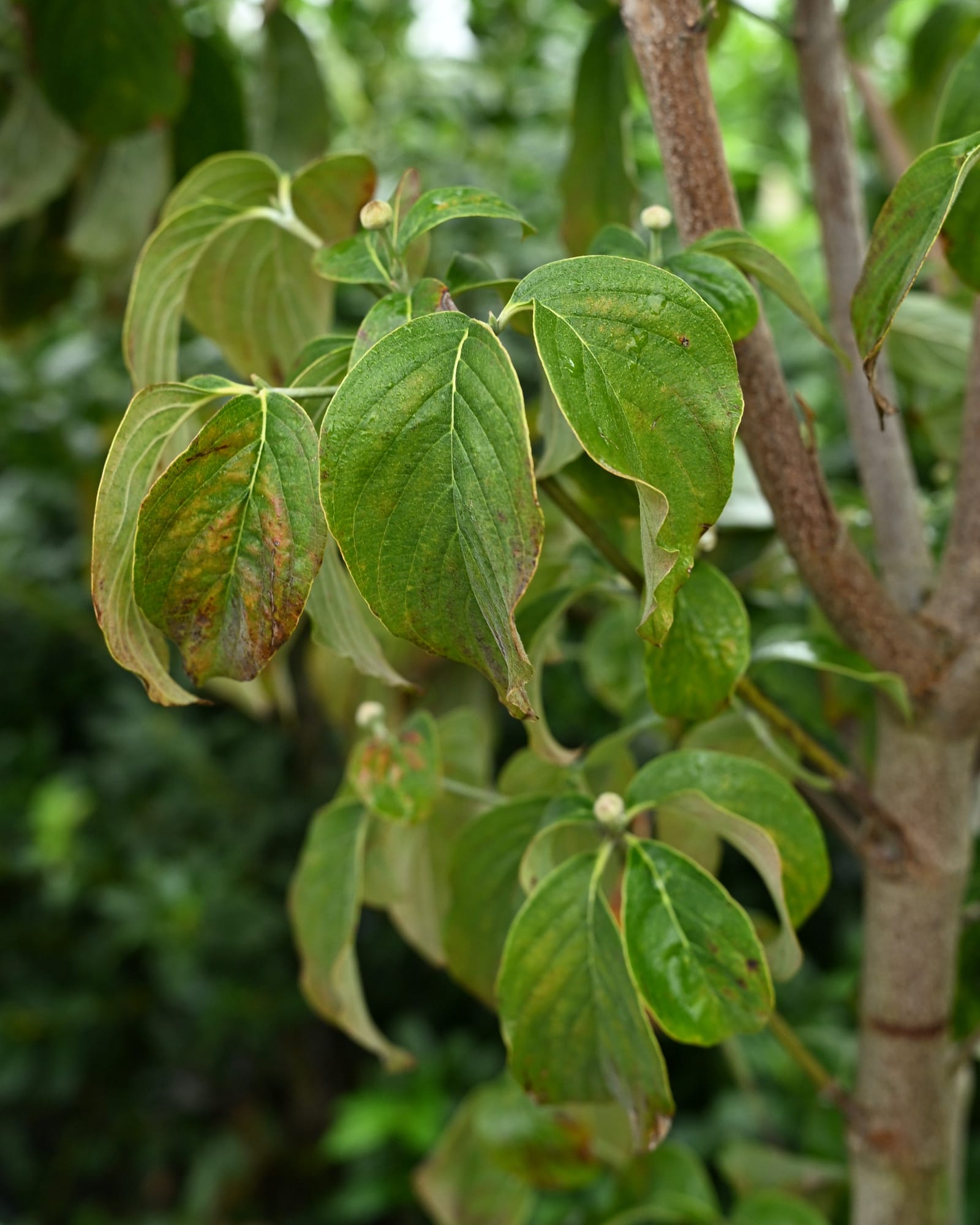
- Leaf Spot: Small dark spots may appear on leaves during wet conditions. Removing fallen foliage helps reduce fungal spread.
- Powdery Mildew: A light white coating may develop on foliage during humid weather. Increasing airflow around the canopy helps limit recurrence.
- Aphids: Sticky residue on foliage may indicate sap-feeding insects. Spraying leaves with water or applying insecticidal soap typically controls infestations.
- Drought Stress: Leaves may curl or discolor during extended dry periods. Deep watering during drought conditions helps maintain plant health.
- Minor Branch Dieback: Small branch tips may occasionally fail to leaf out after stress. Removing affected branches helps maintain a healthy canopy.
Venus Dogwood typically lives 40-60 years when grown in favorable conditions. Mature trees can remain healthy and ornamental for many decades. Proper care helps maintain long-term vitality.
Growth generally averages about 12-24 inches per year. Noticeable size develops within several growing seasons. Full maturity often occurs within about 12-15 years.
This cultivar is known for producing some of the largest flower bracts among dogwoods. The dramatic blooms create a bold spring display. Its impressive floral scale makes it a standout ornamental tree.
The bracts can reach several inches across, often appearing noticeably larger than many traditional dogwoods. Their broad shape creates a striking floral display. This large bloom size is one of the tree’s defining traits.
The flowers provide resources for bees and other beneficial insects. Spring blooming trees help support early pollinator activity. This contributes to biodiversity in garden environments.
Small berry-like fruits may develop after the blooming period. These fruits add subtle seasonal interest to the tree. They typically appear as the growing season progresses.
The foliage often develops warm reddish or burgundy tones during the fall season. These colors add another layer of seasonal beauty. The change provides visual interest after the flowering period.
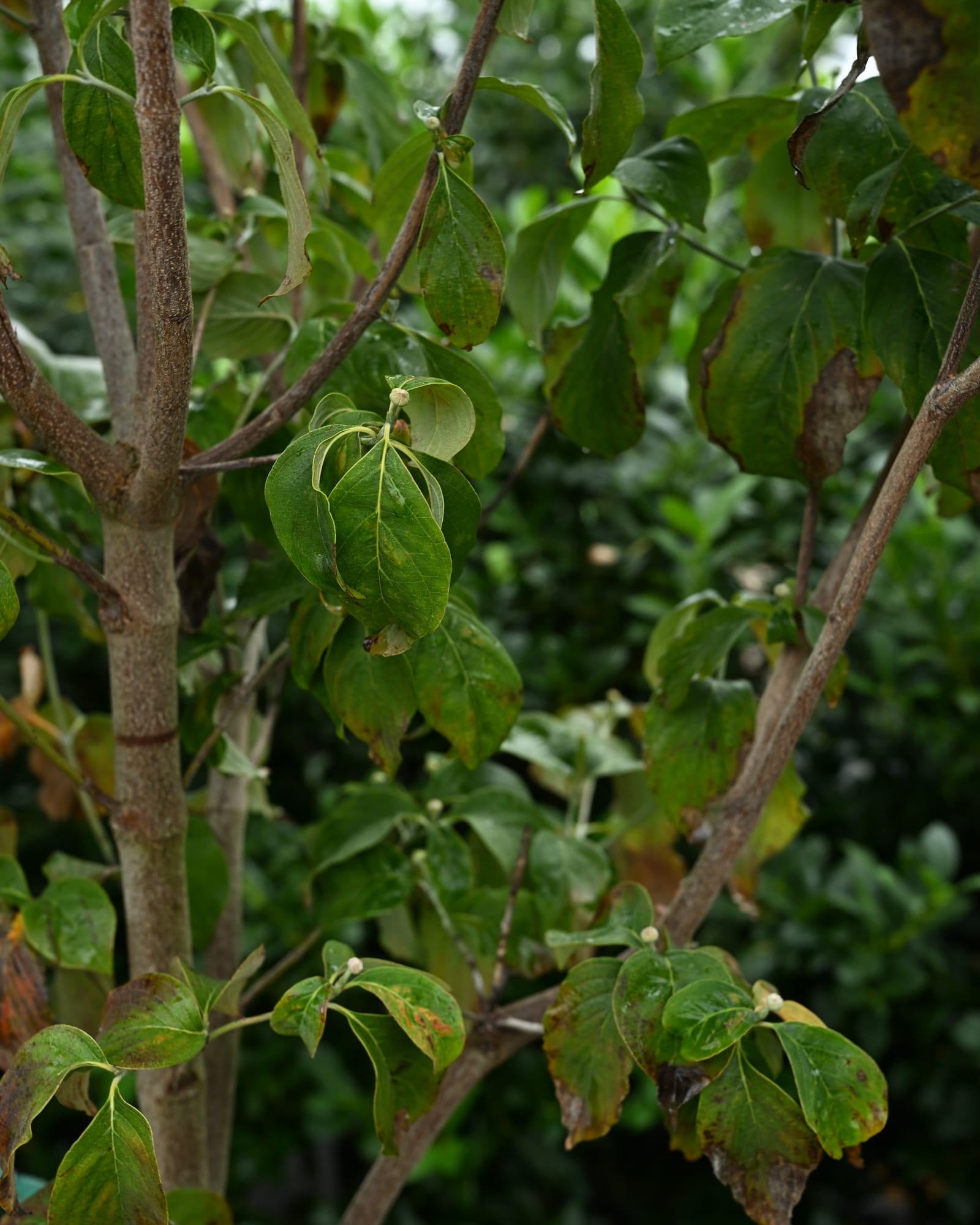
Healthy green leaves form a refined canopy throughout the growing season. The foliage complements surrounding landscape plants. This helps maintain ornamental value after the bloom display ends.
Mature trees gradually develop textured bark that becomes more noticeable with age. This bark adds subtle winter interest. The feature helps extend the tree’s ornamental appeal beyond the growing season.
Its dramatic flowers and graceful structure make it well suited for specimen planting. The tree often serves as a focal point in ornamental landscapes. Many gardeners choose it for this purpose.
Special Features
You might also like
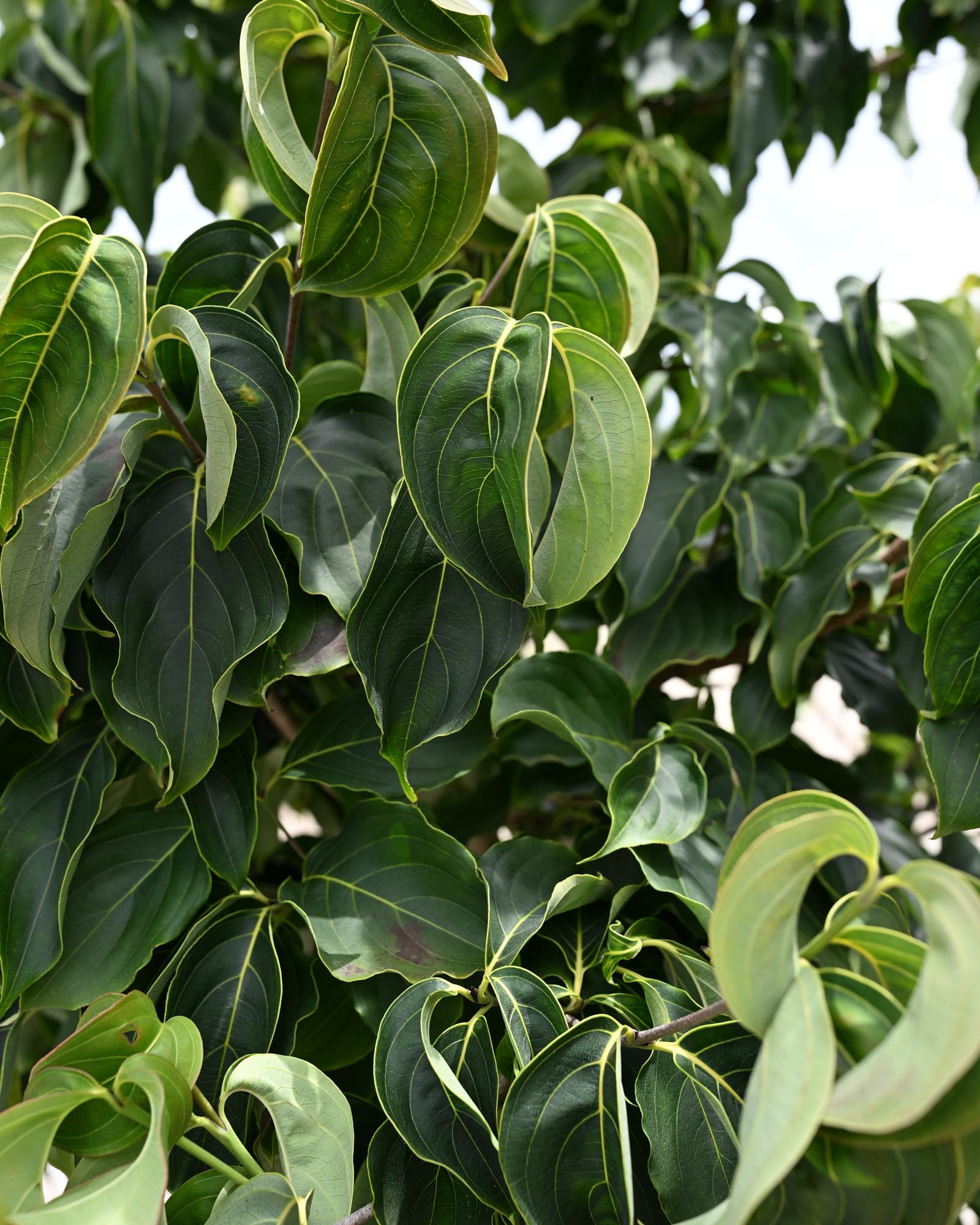
Chinese Dogwood
Maturity: 15' H x 15' W
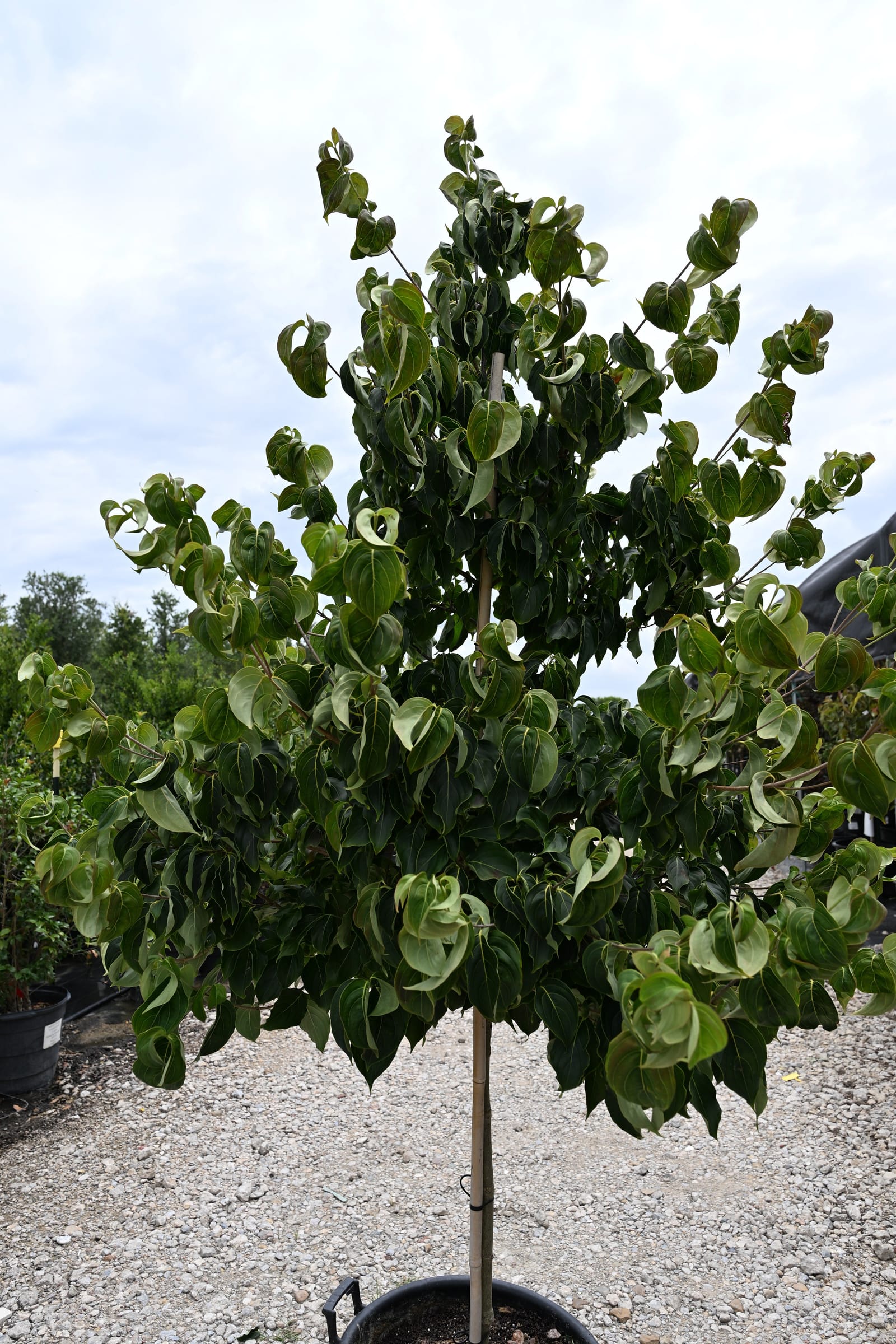
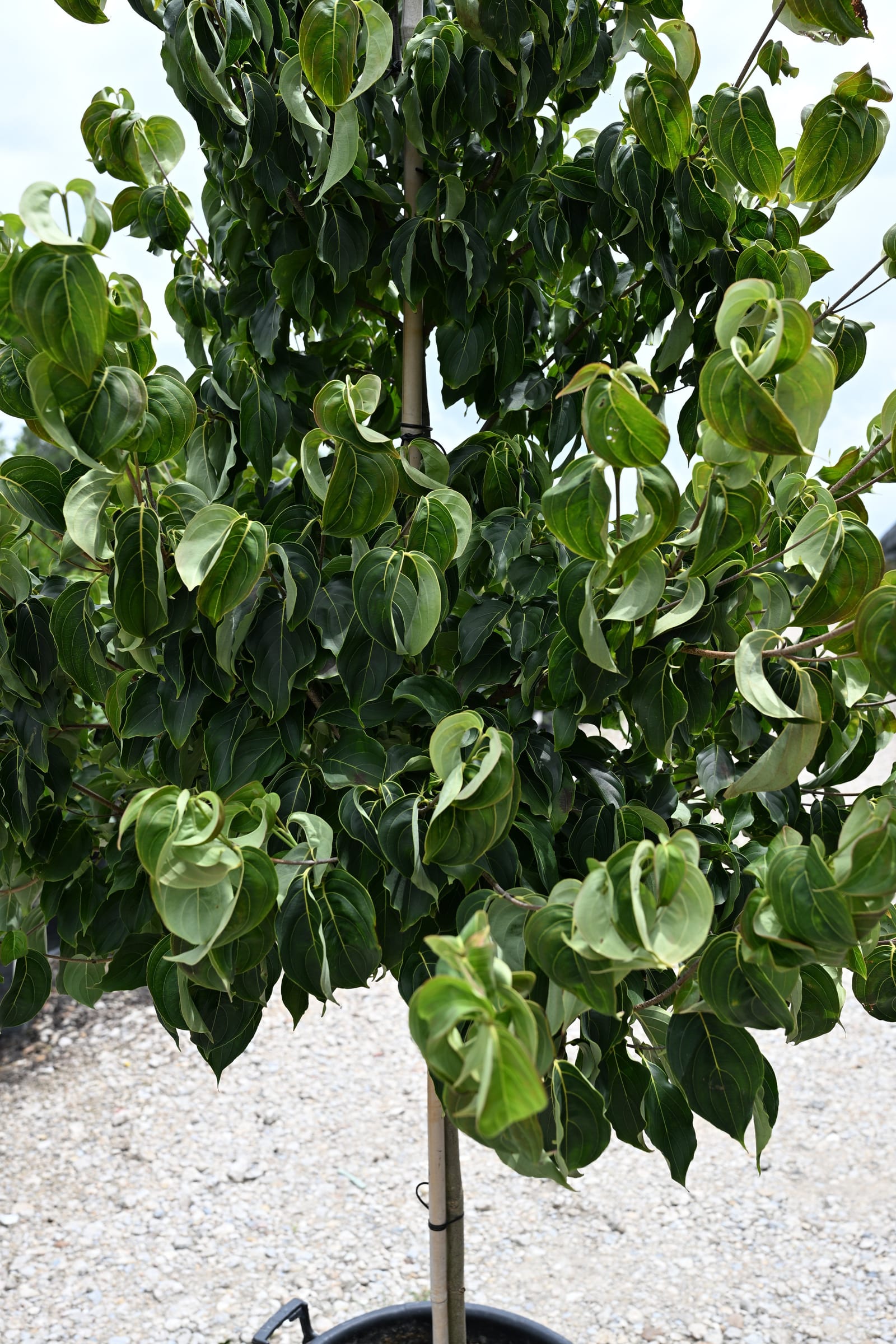
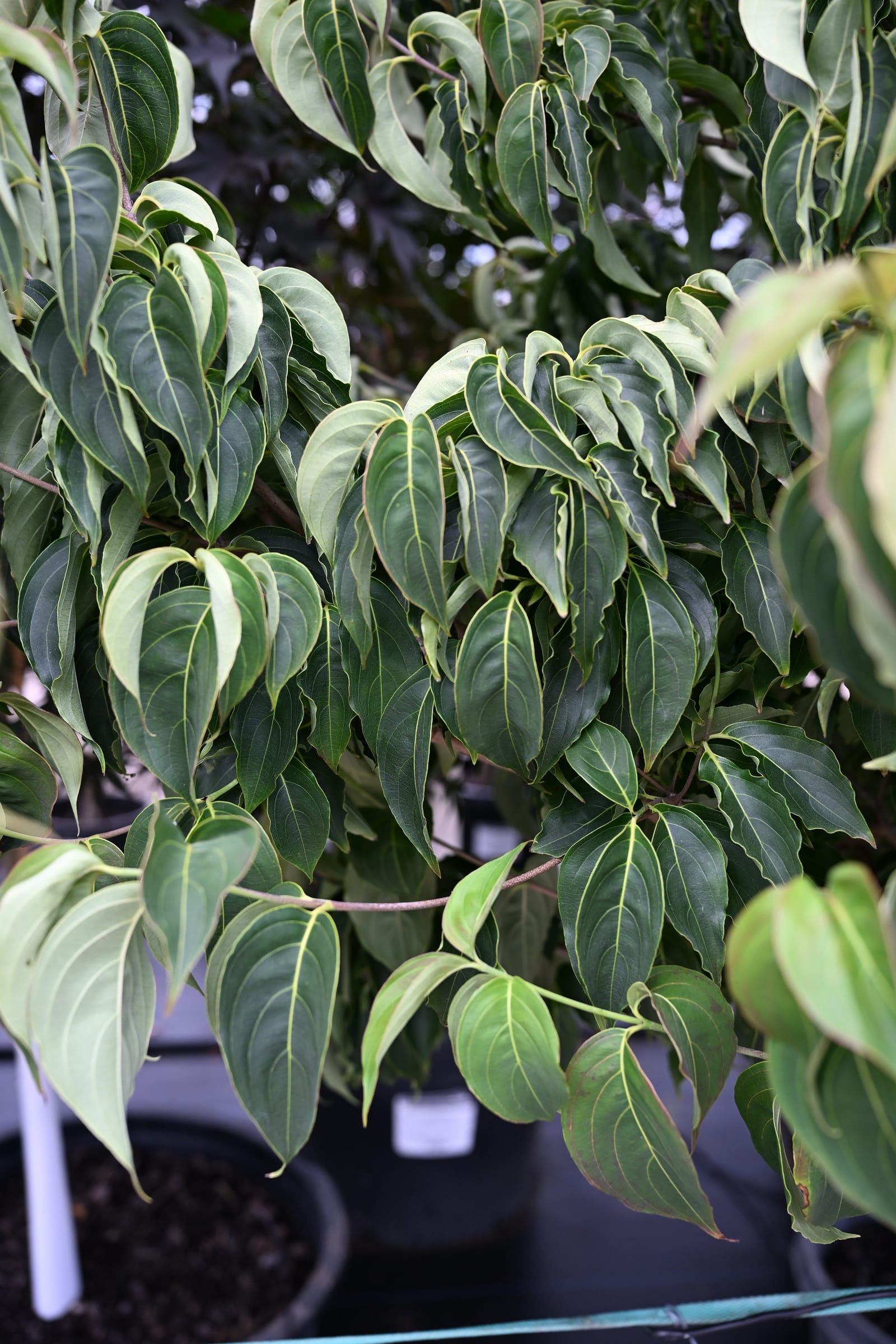
Chinese Dogwood Scarlet Fire
Maturity: 15' H x 15' W
Roughleaf Dogwood
Maturity: 15' H x 8' W
Pink Dogwood
Maturity: 15' H x 15' W
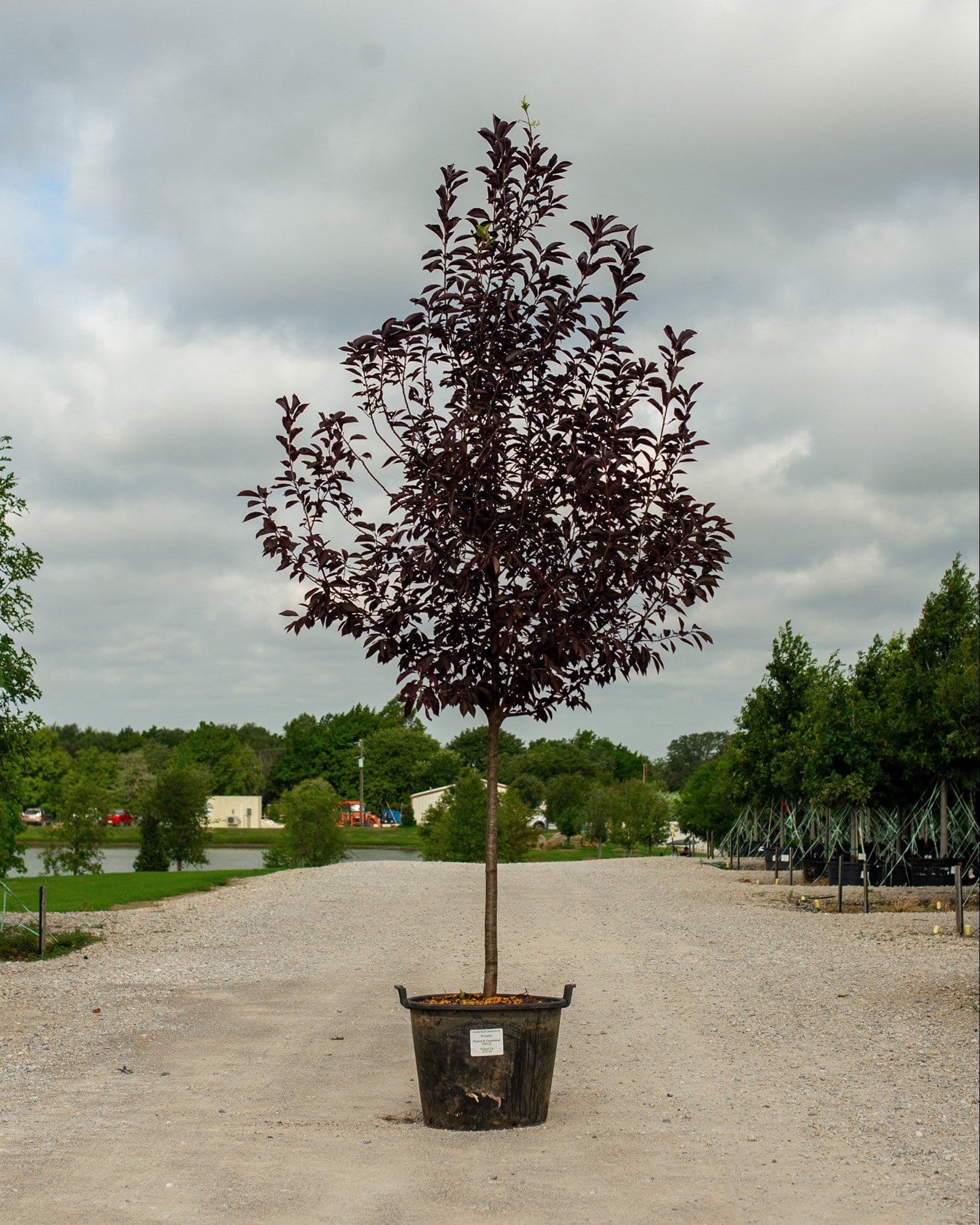
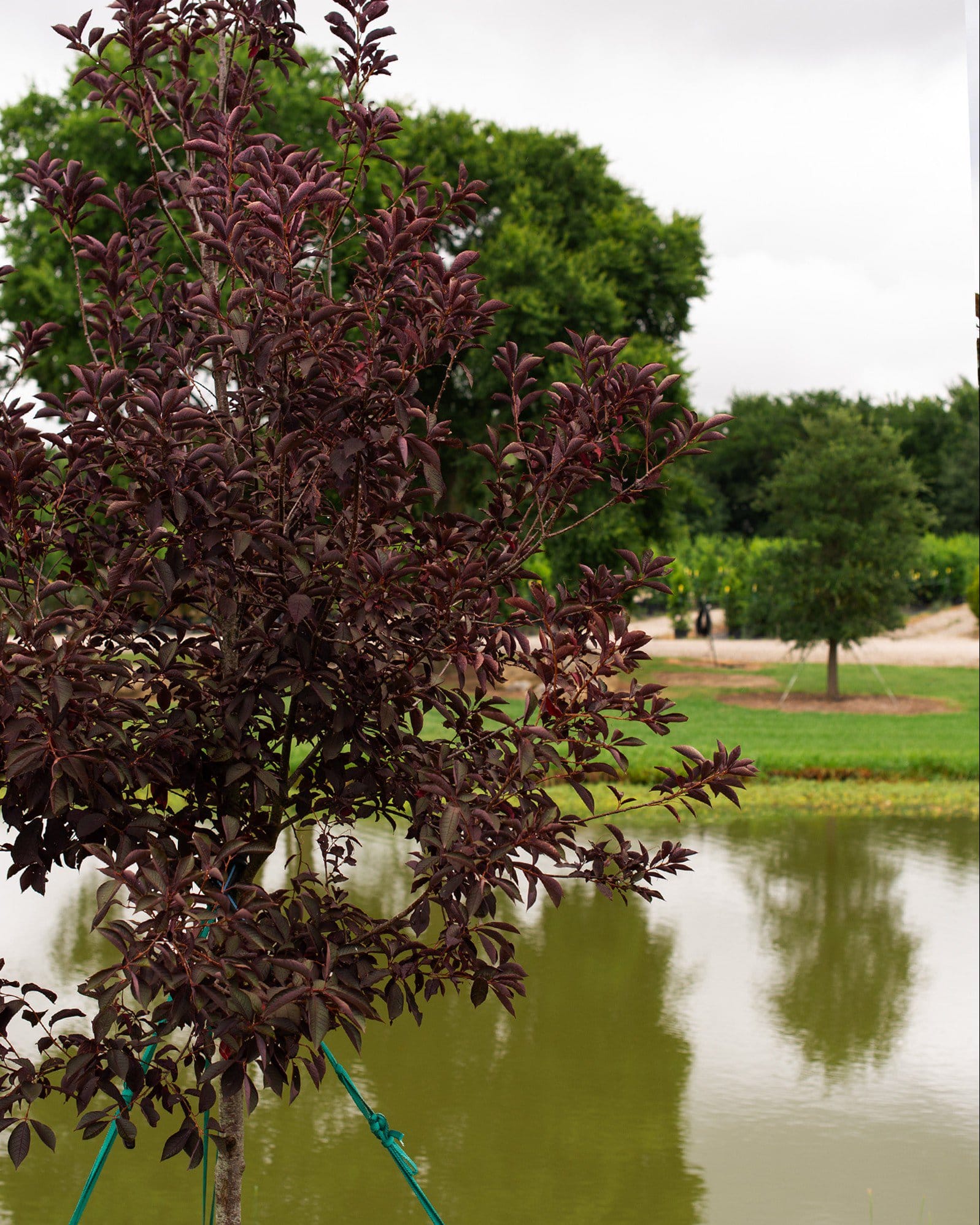
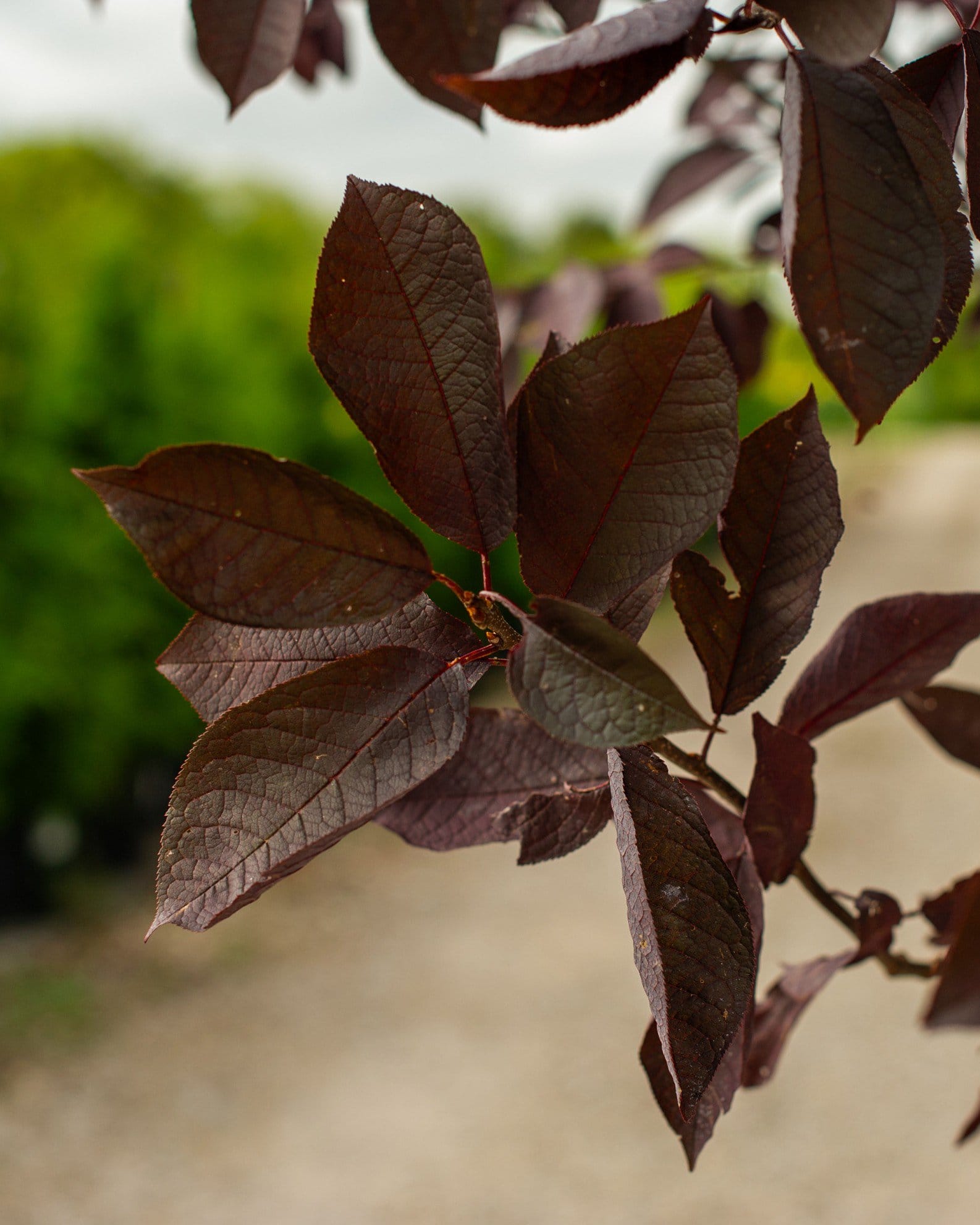
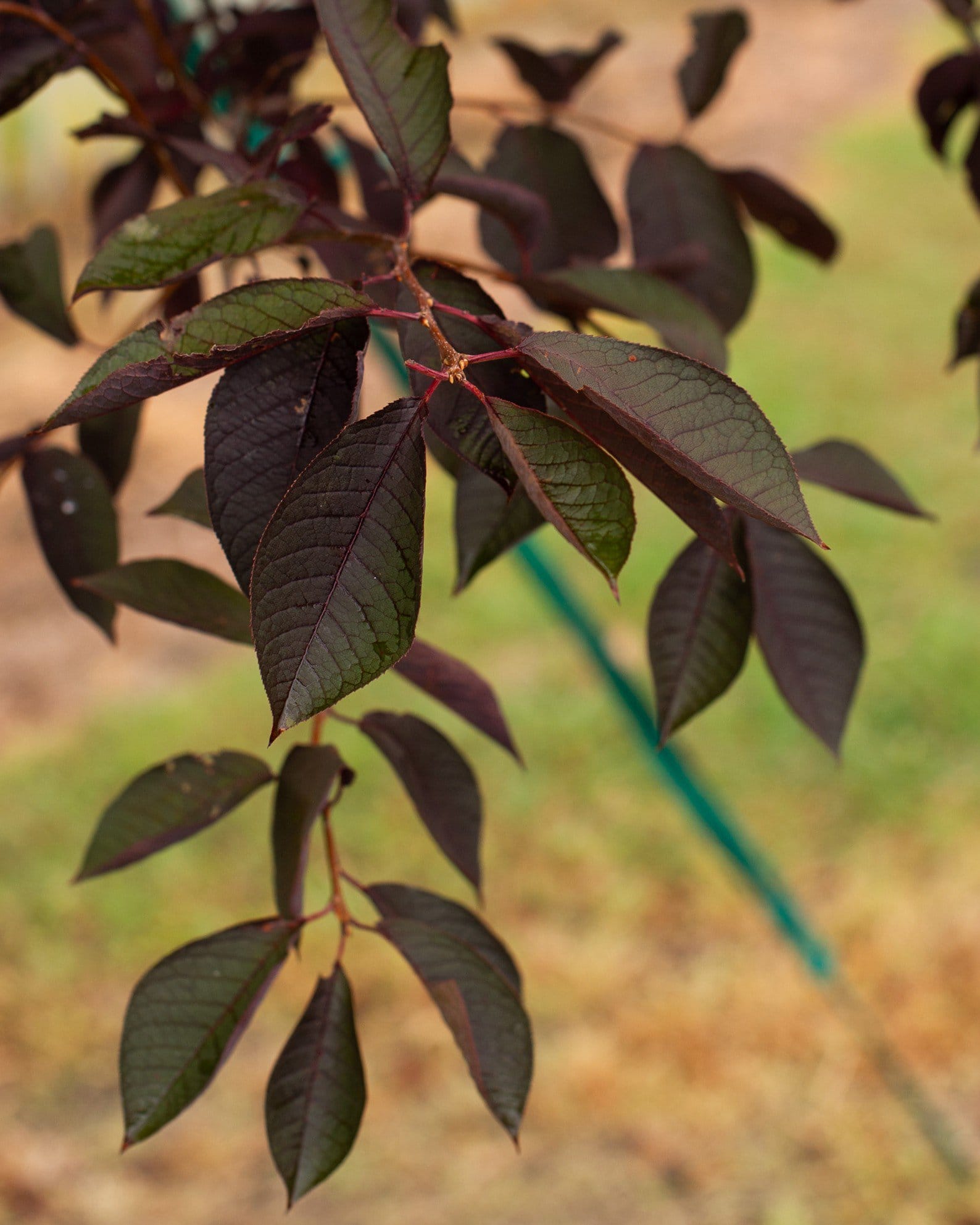
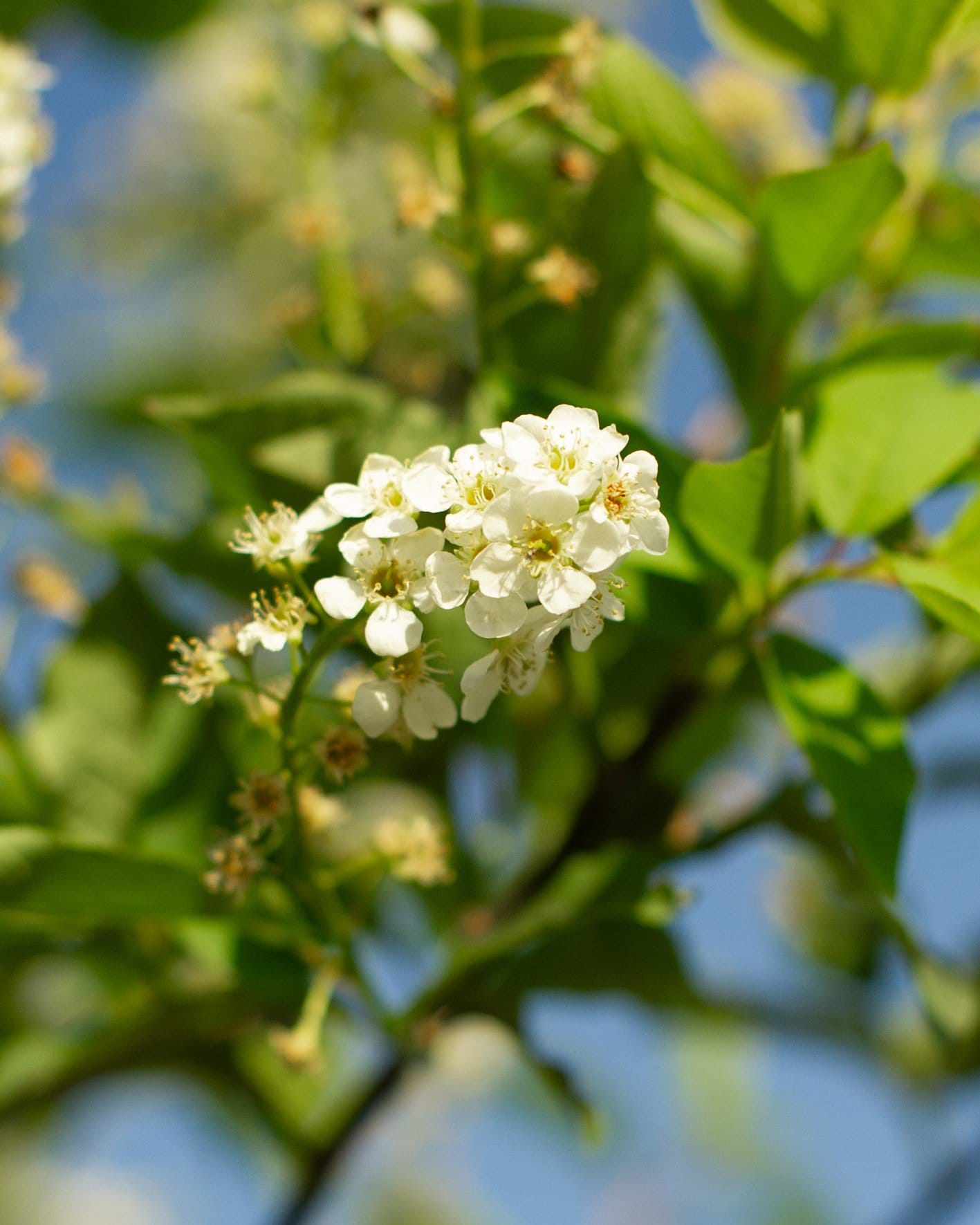
Canada Red Chokecherry
Maturity: 20' H x 15' W
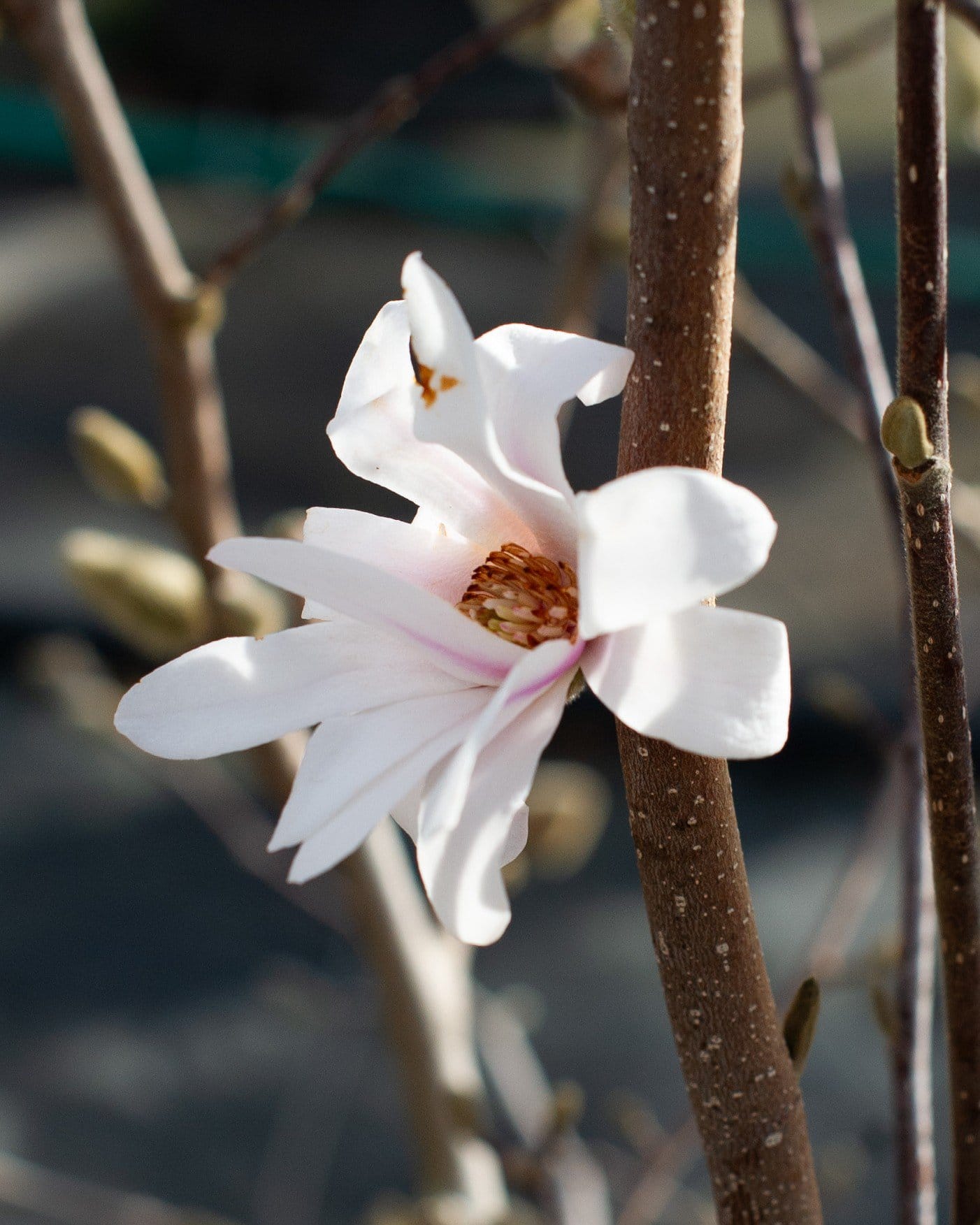
Centennial Blush Star Magnolia
Maturity: 12' H x 10' W
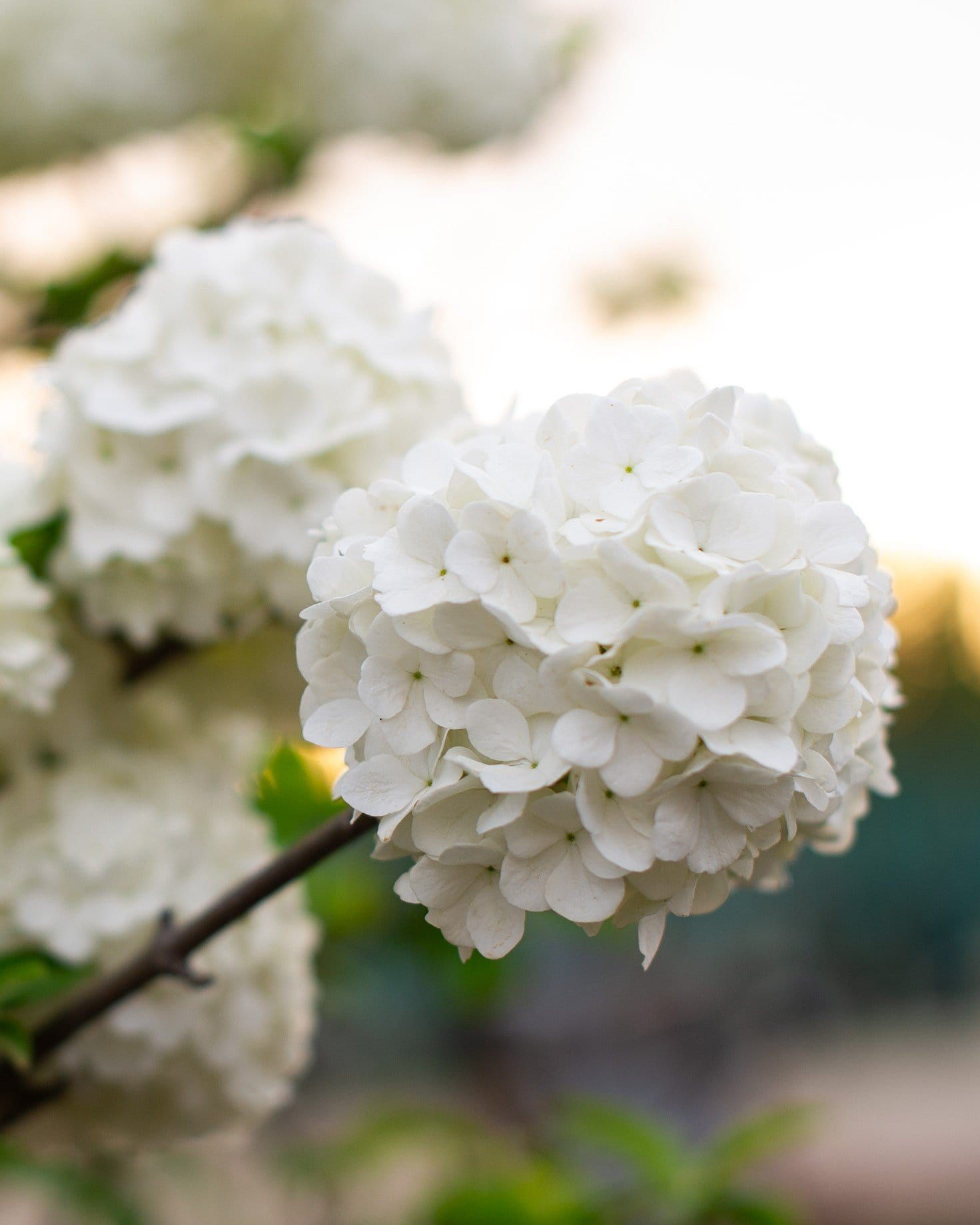
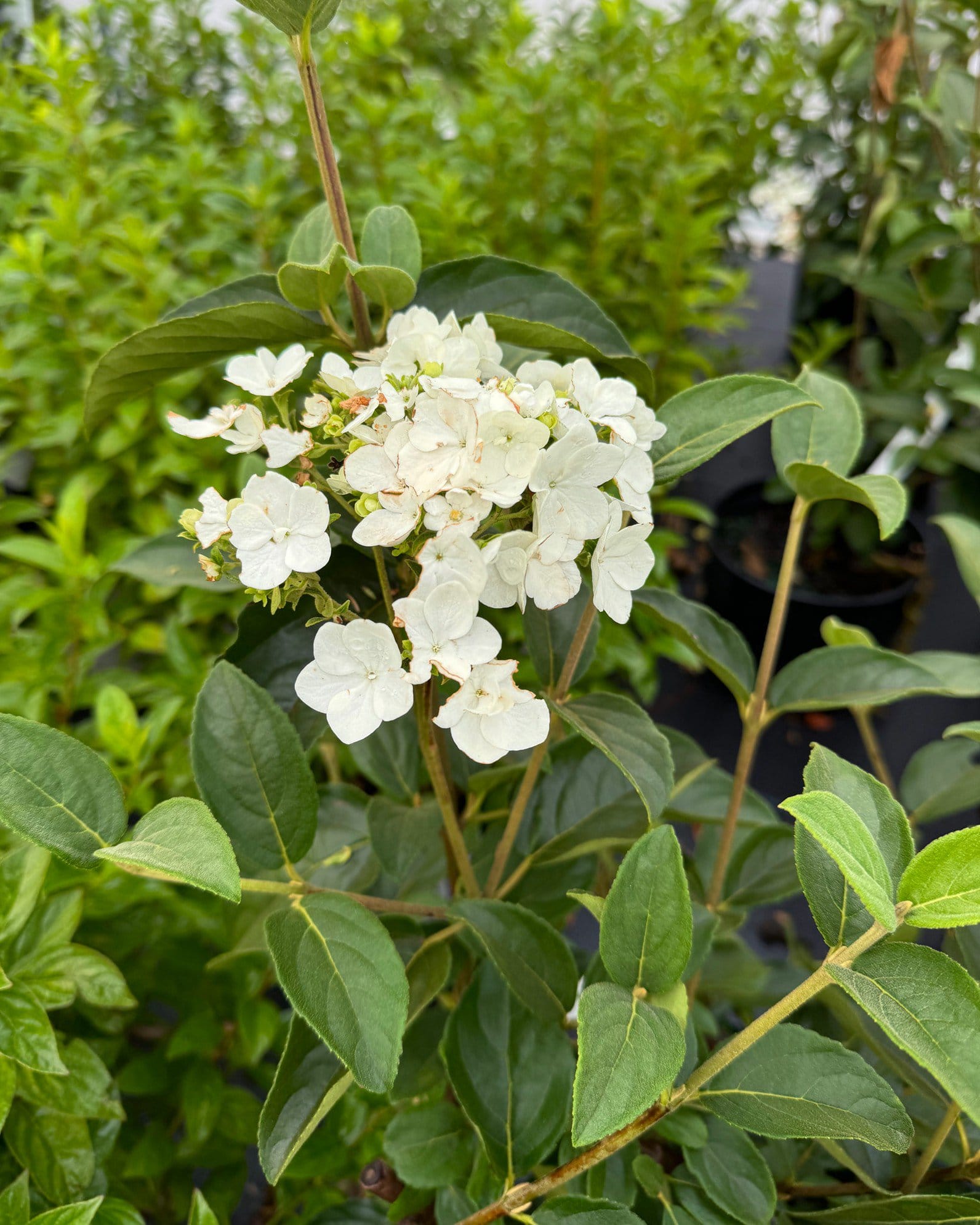
Chinese Snowball Viburnum
Maturity: 10' H x 10' W
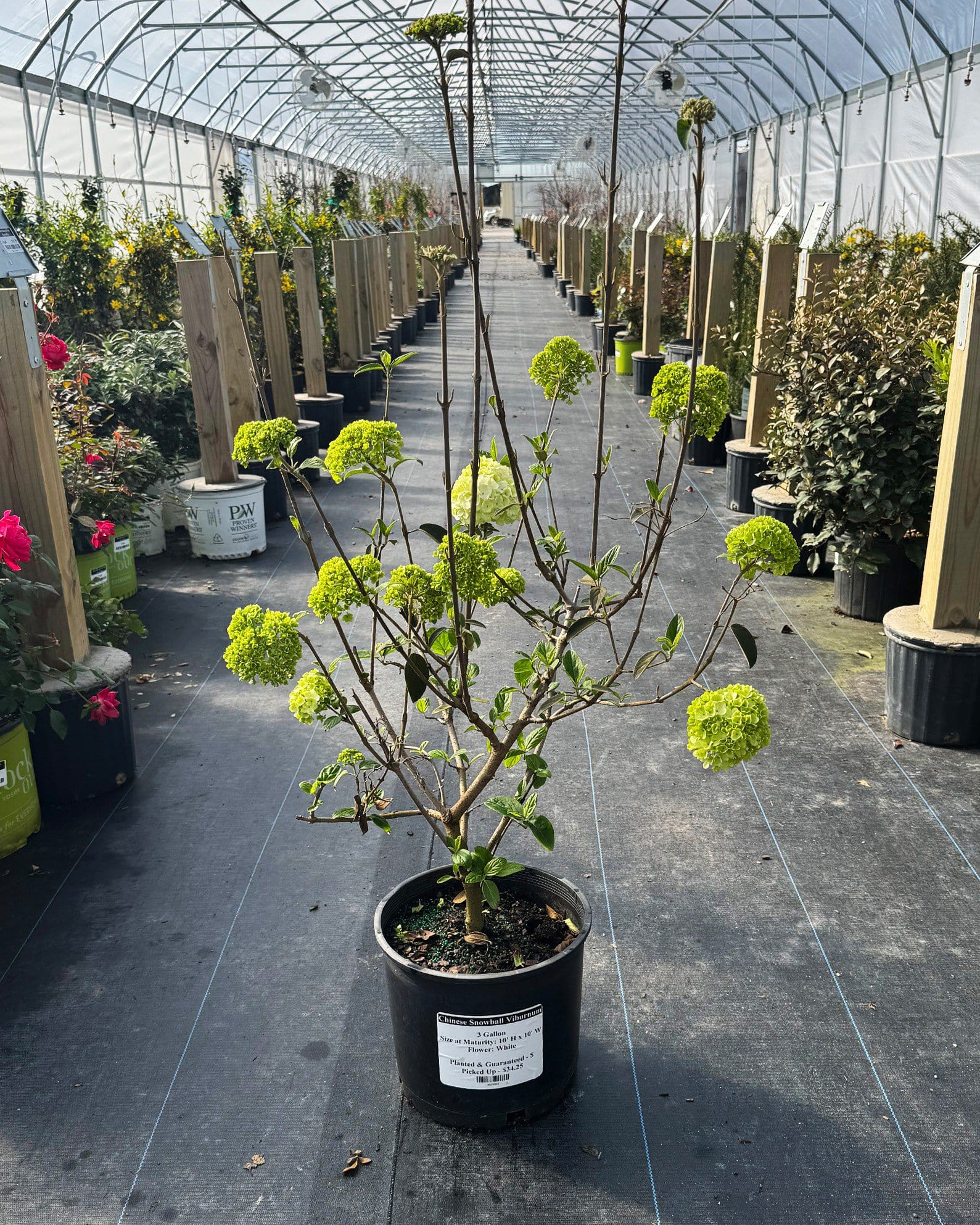
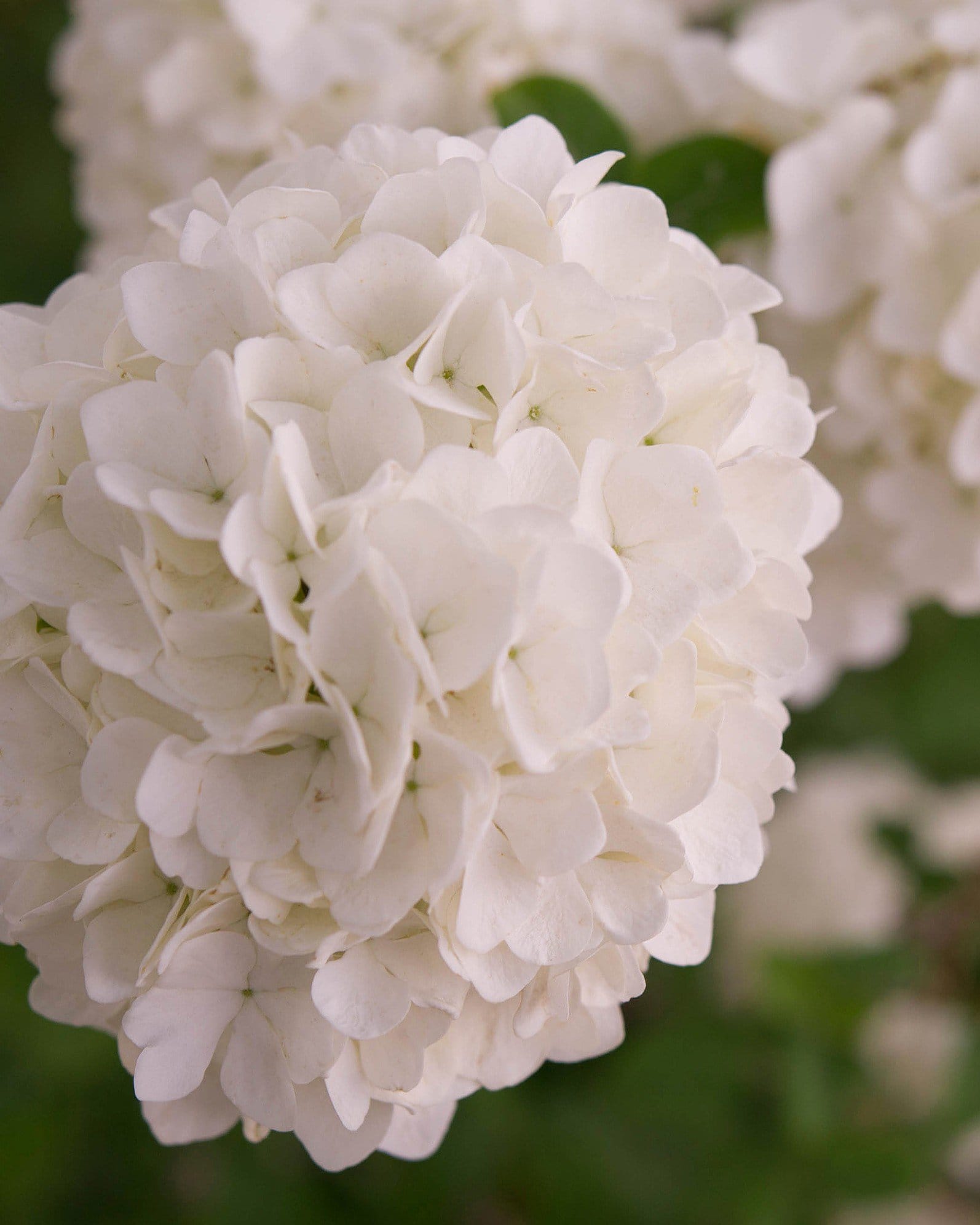
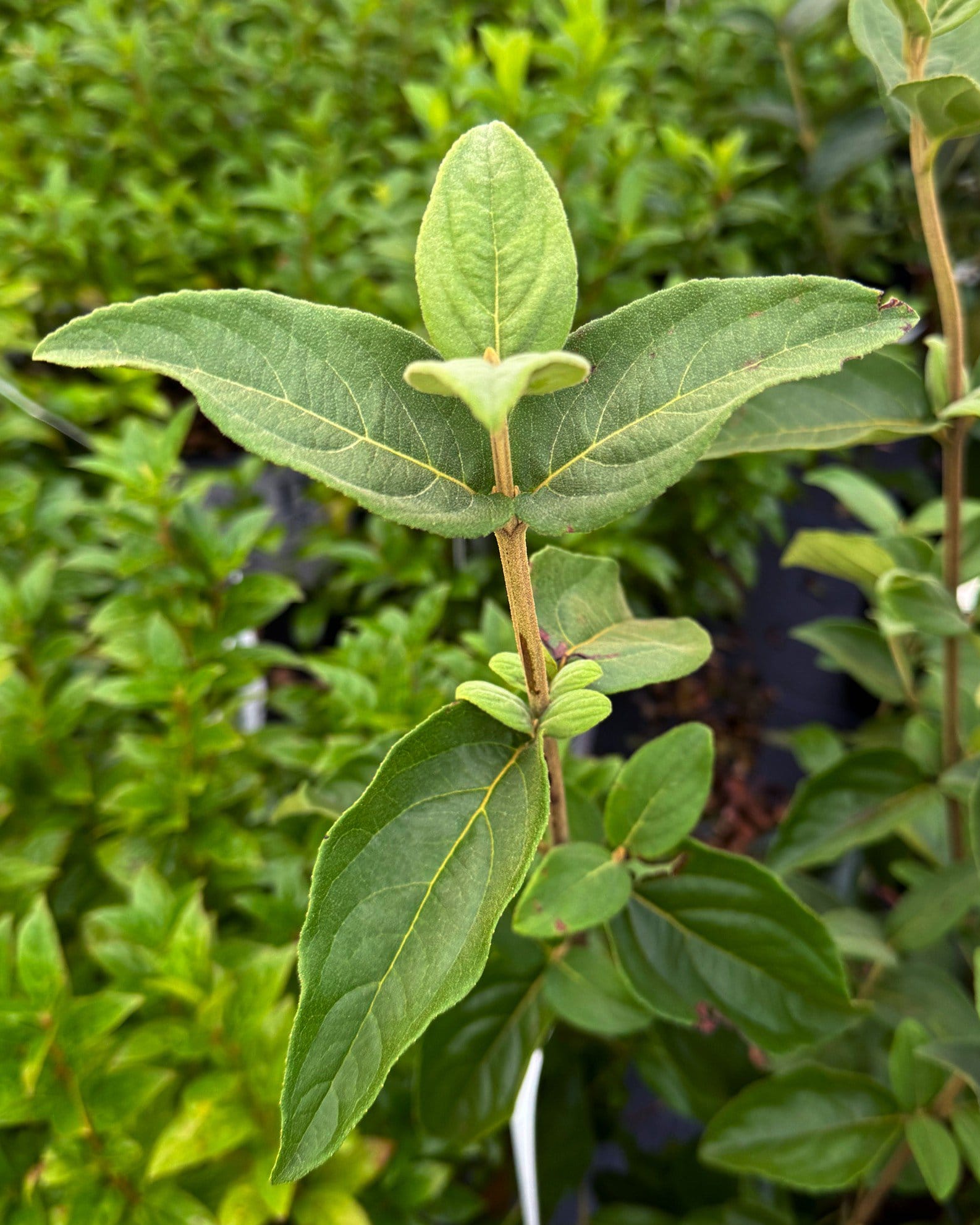
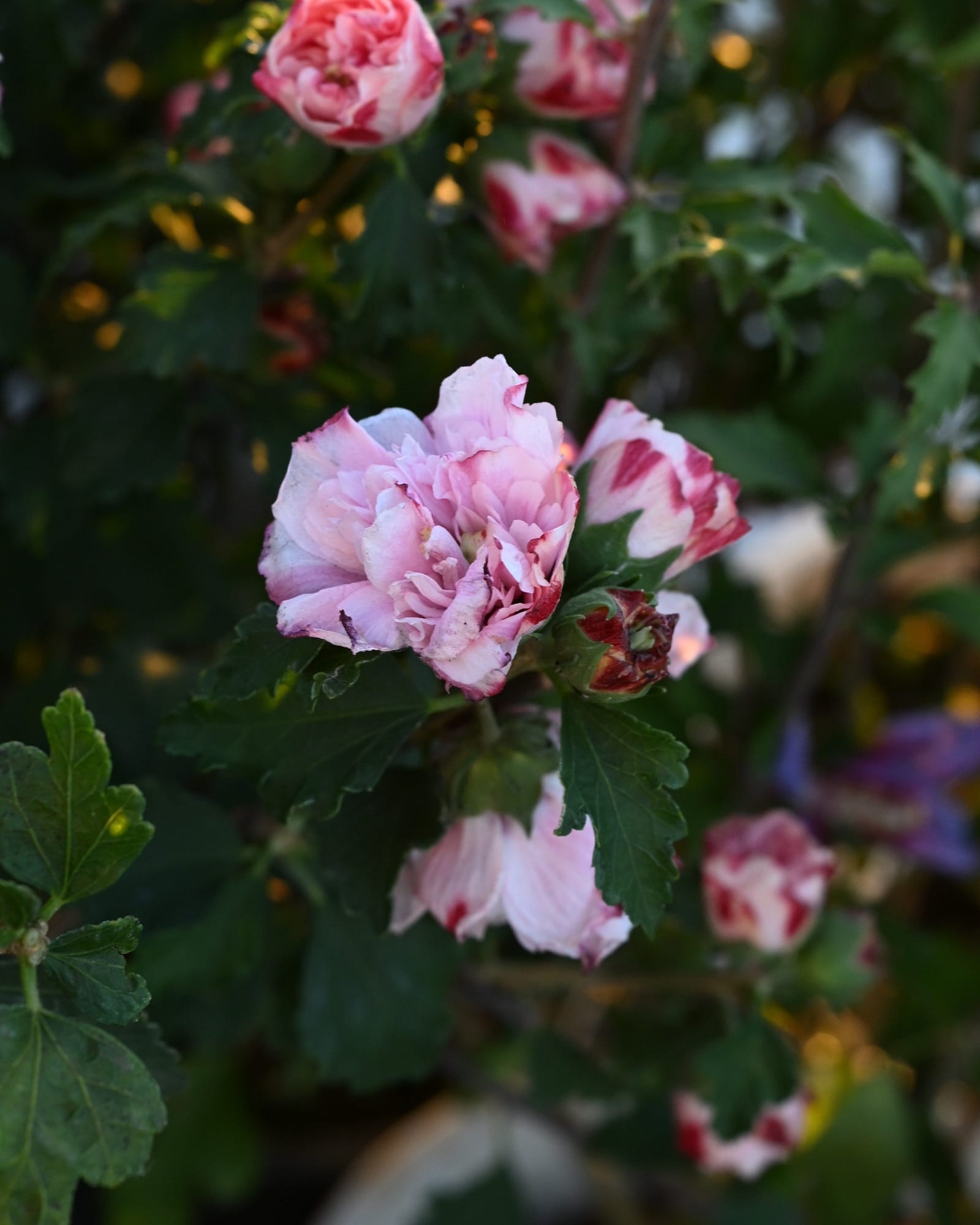
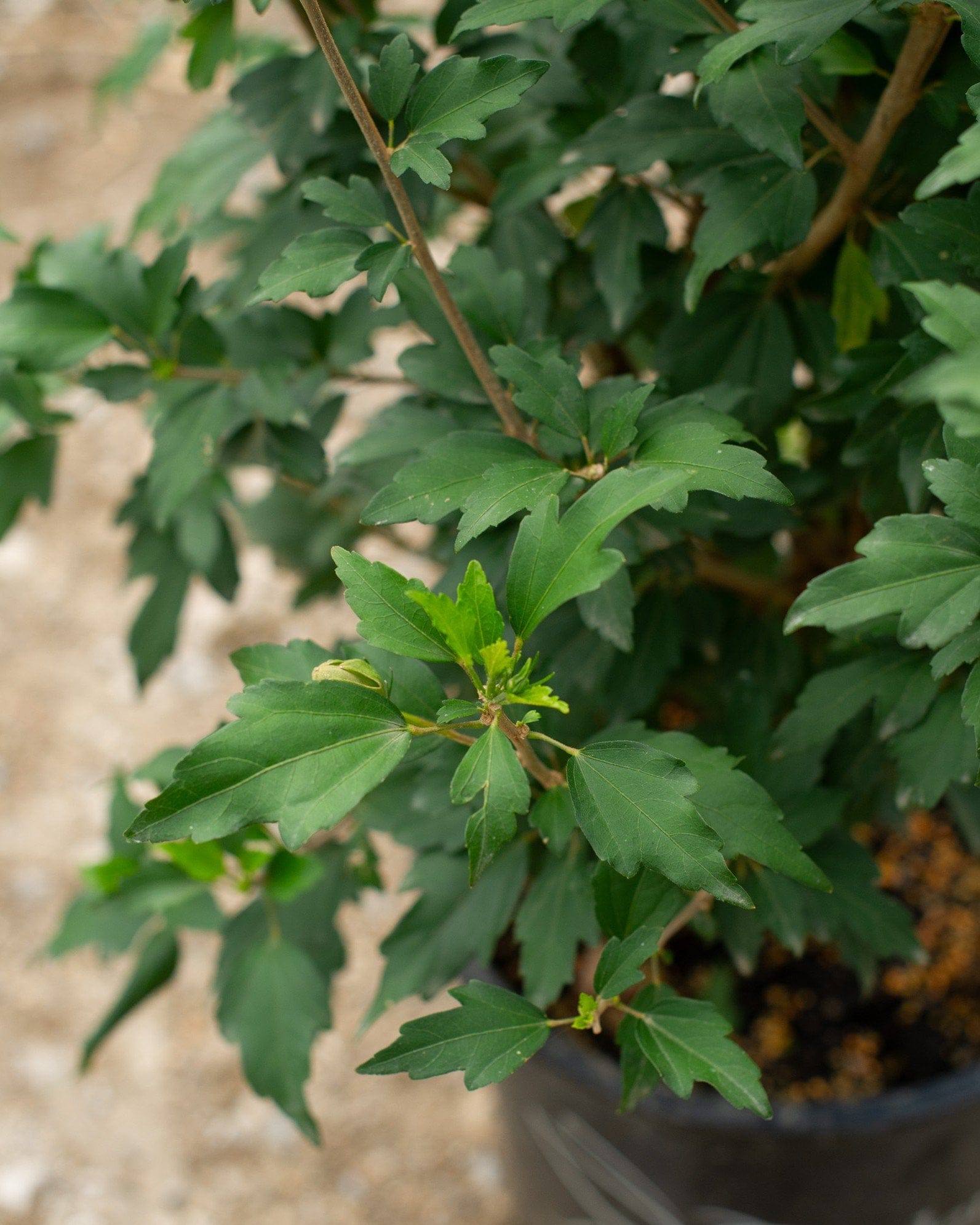
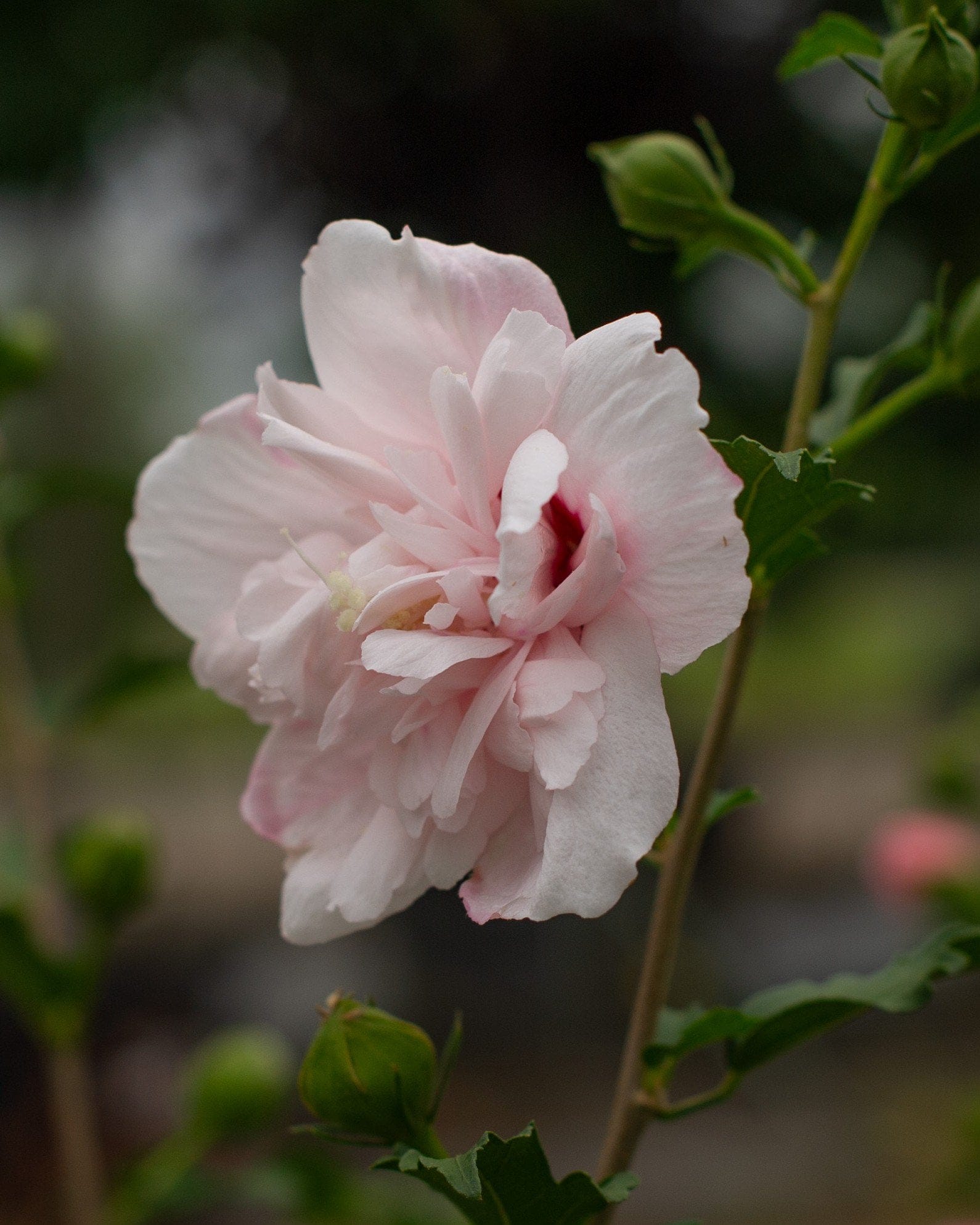
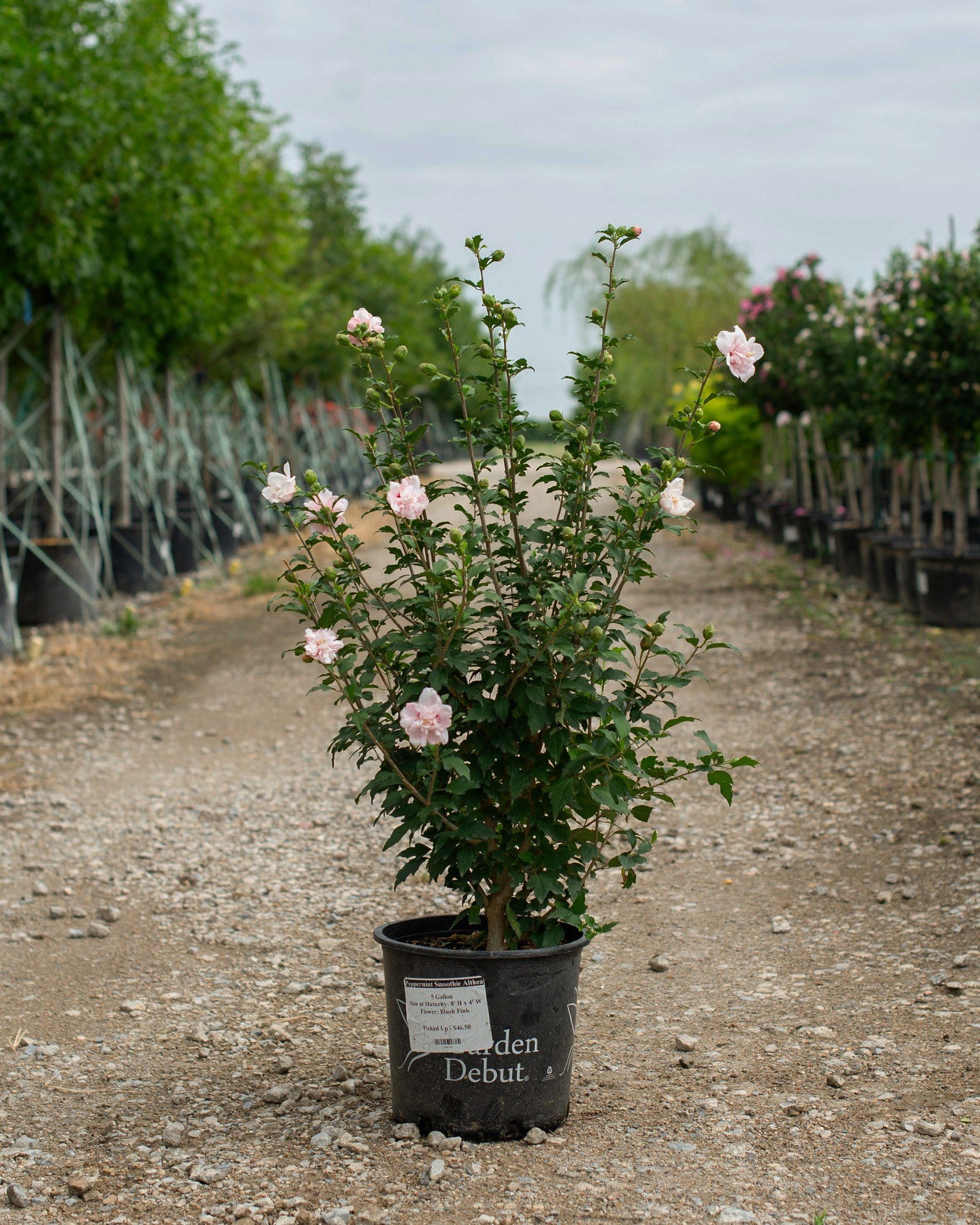
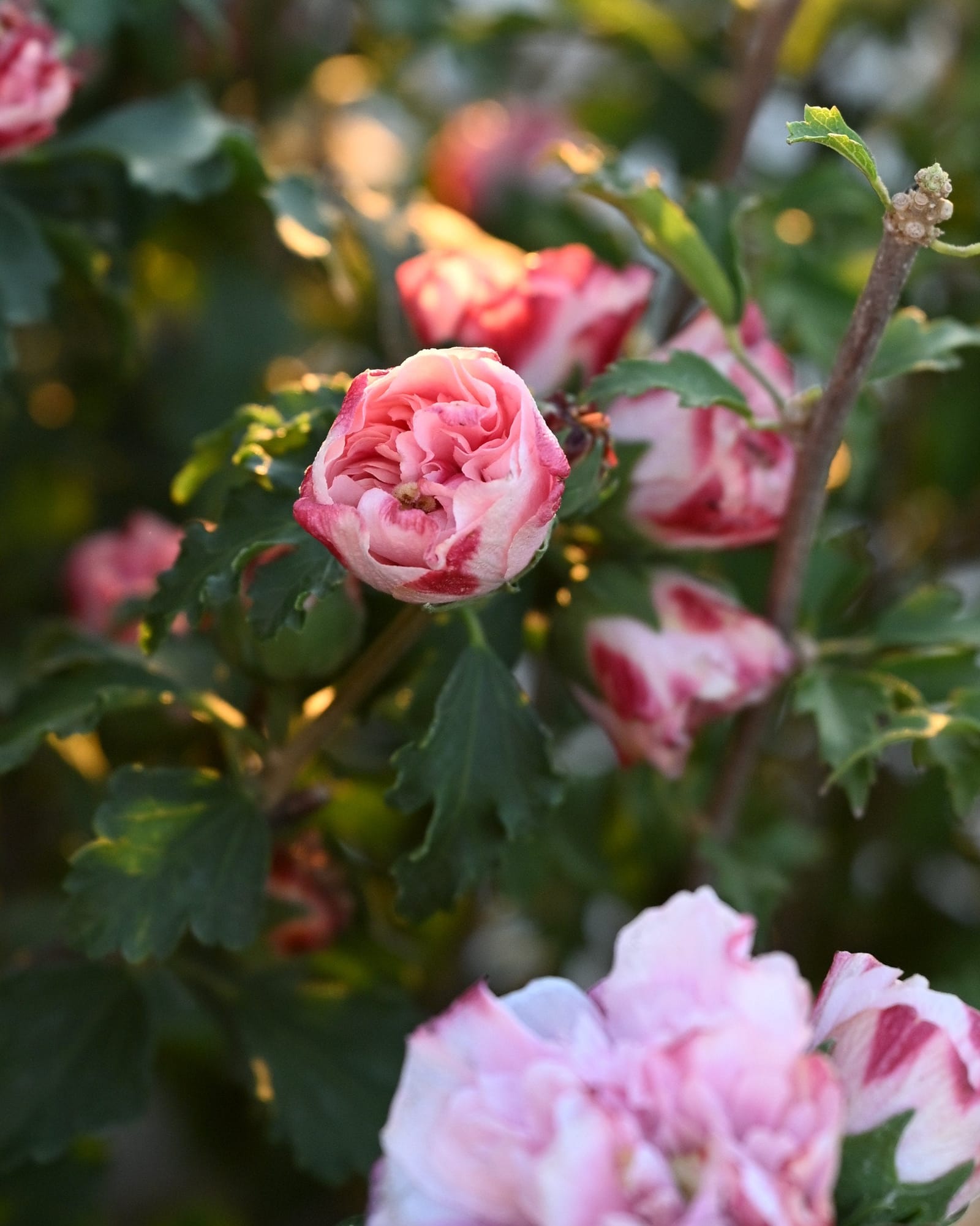
Peppermint Smoothie Althea
Maturity: 8' H x 4' W
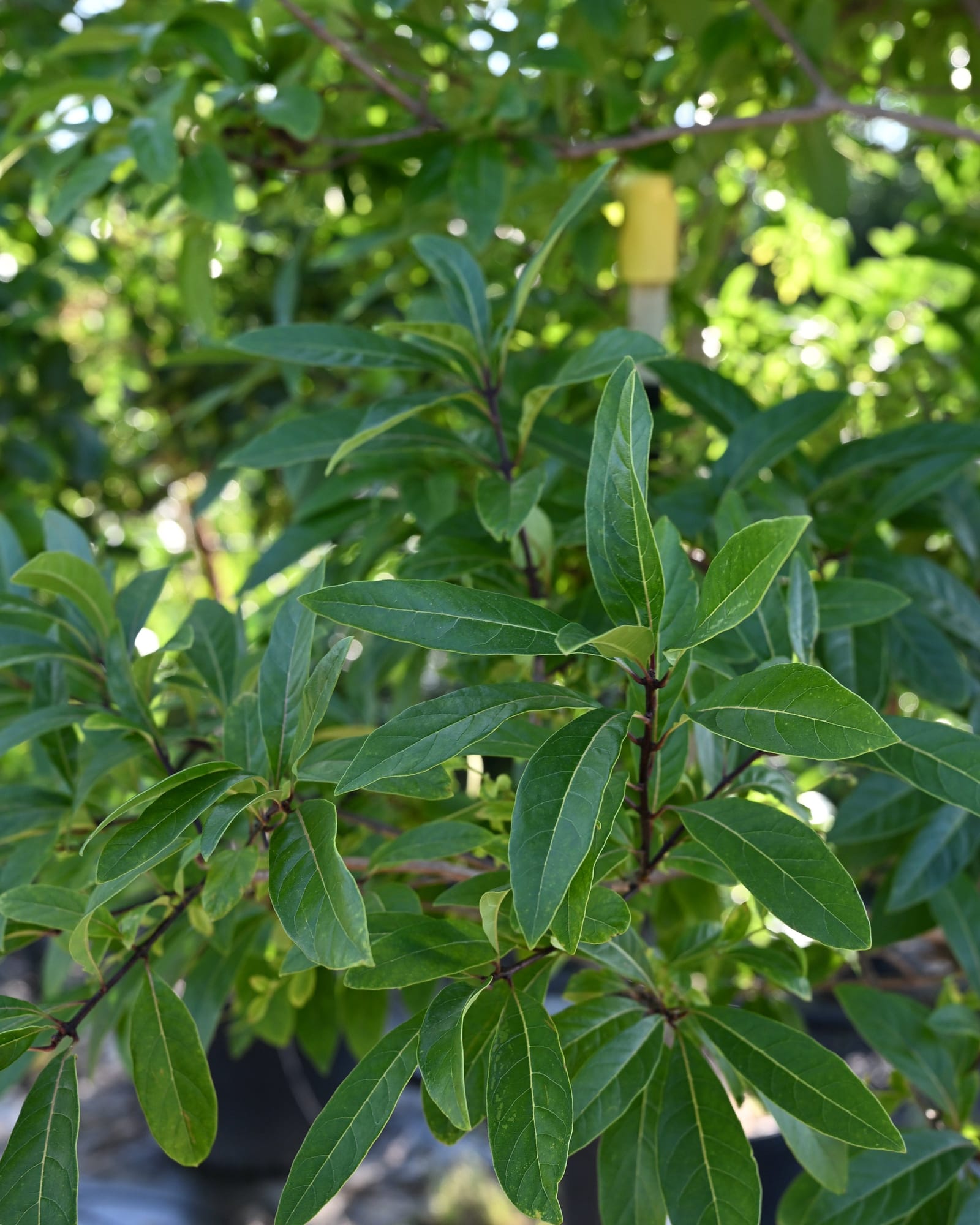
Pygmy Fringe Tree
Maturity: 10' H x 10' W
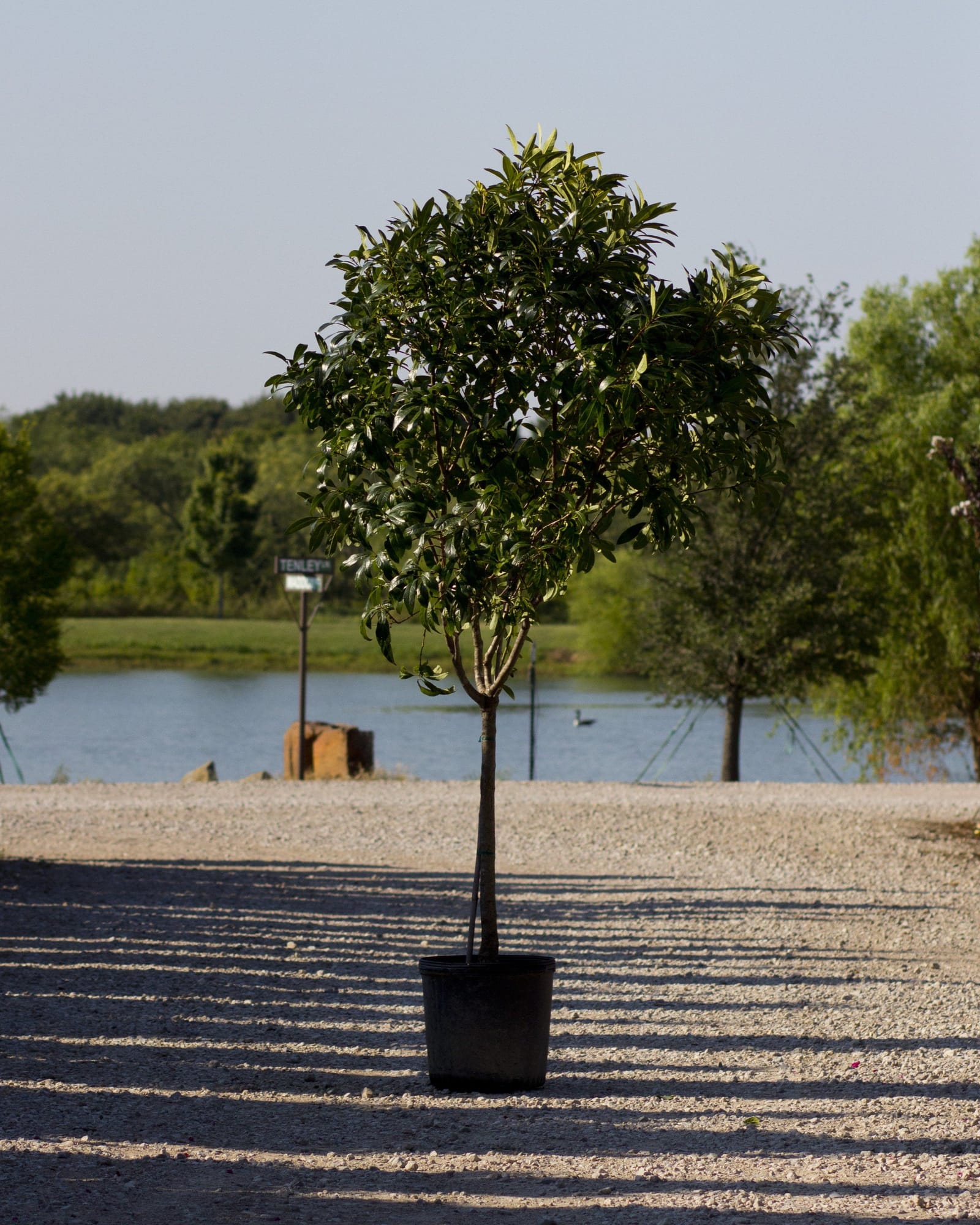
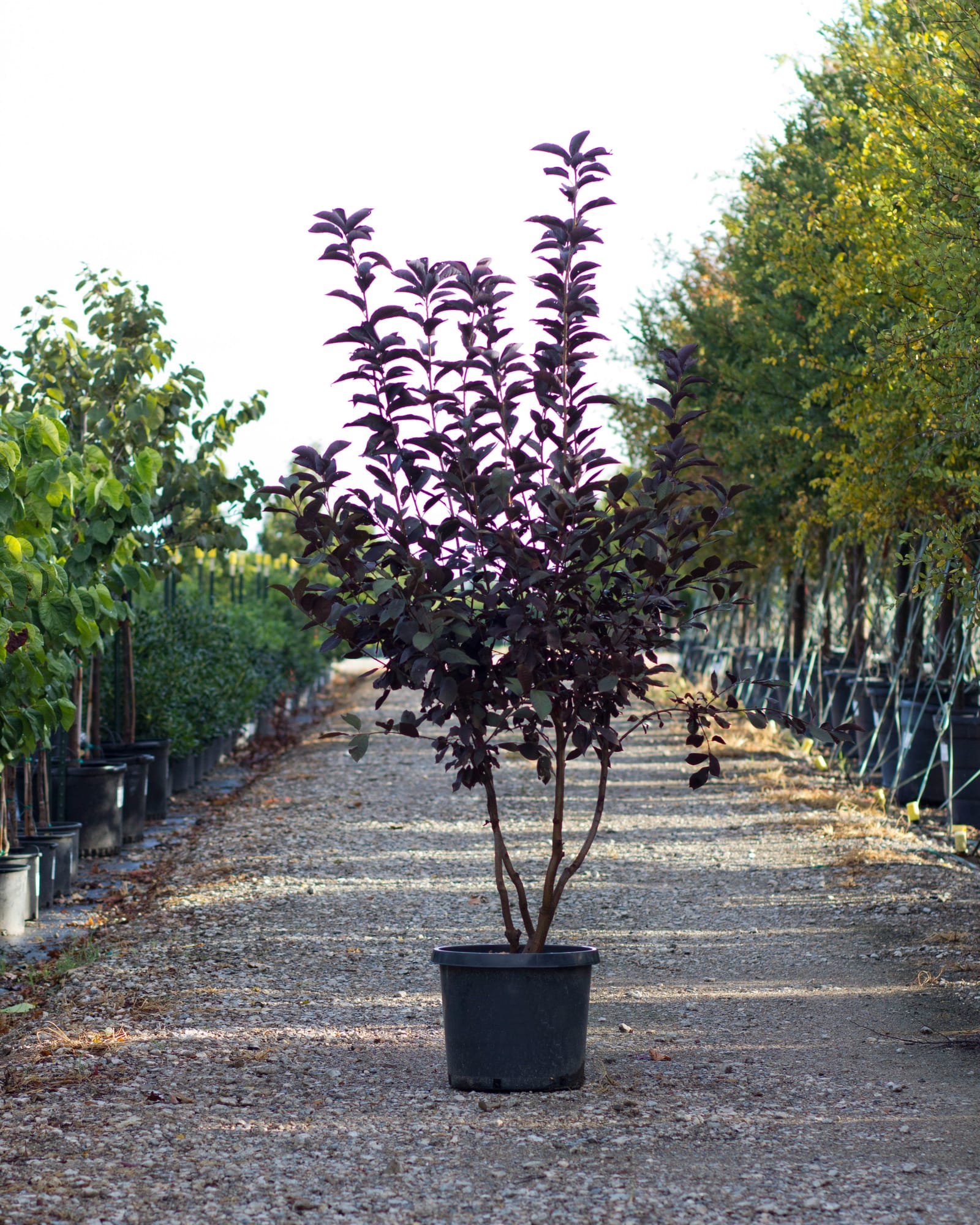
Sucker Punch Chokecherry Multi-Trunk
Maturity: 20' H x 15' W
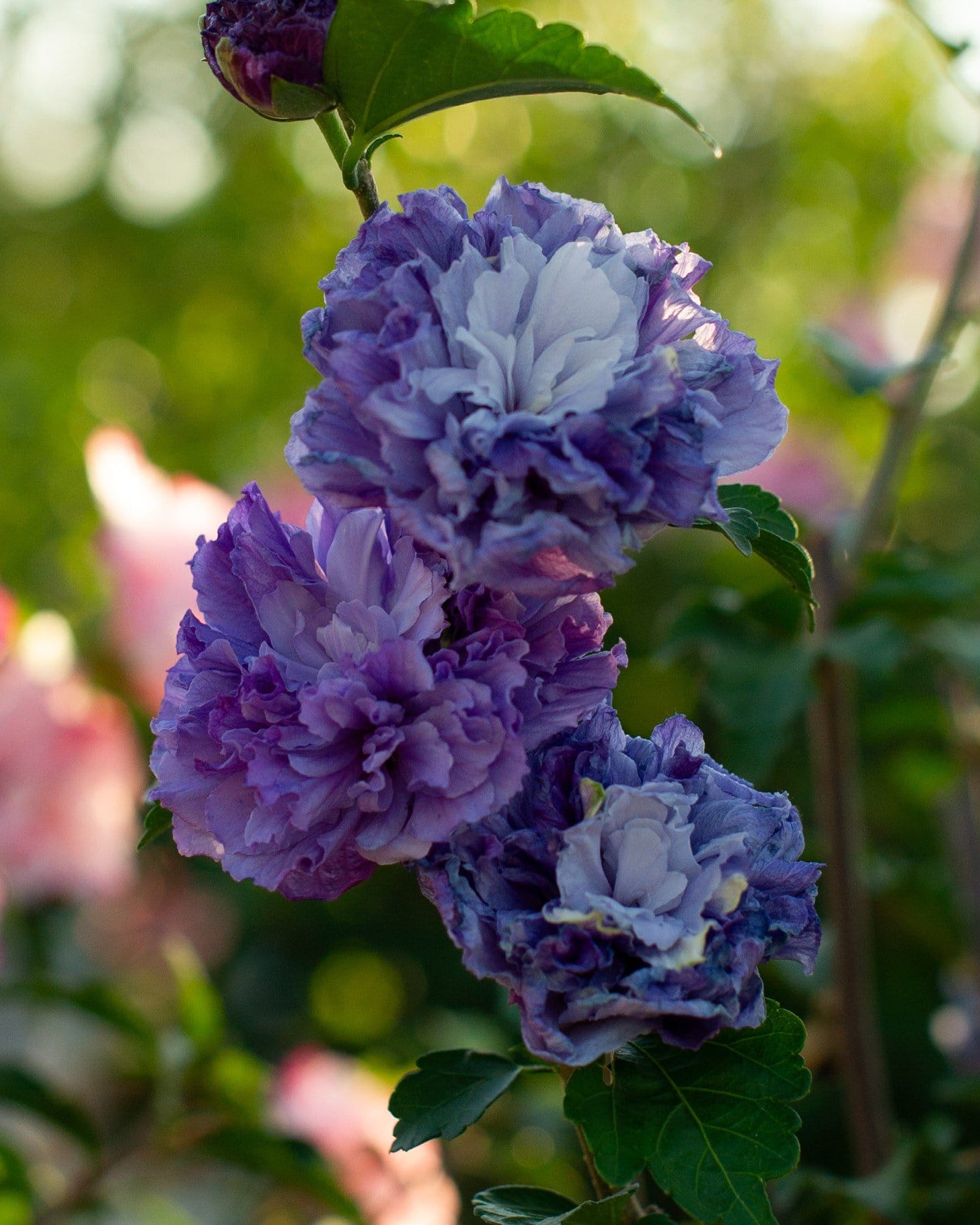
Blueberry Smoothie Althea
Maturity: 8' H x 4' W
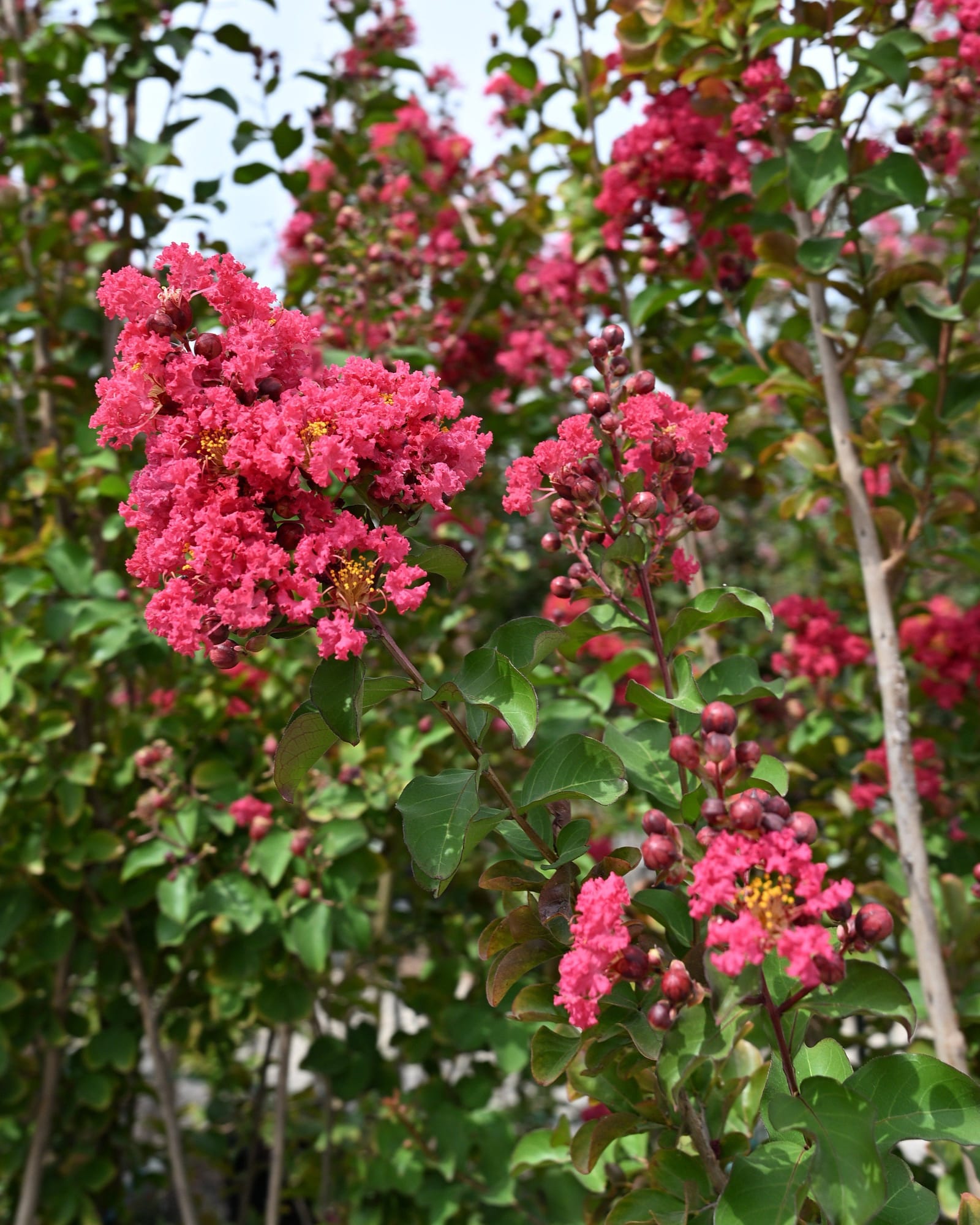
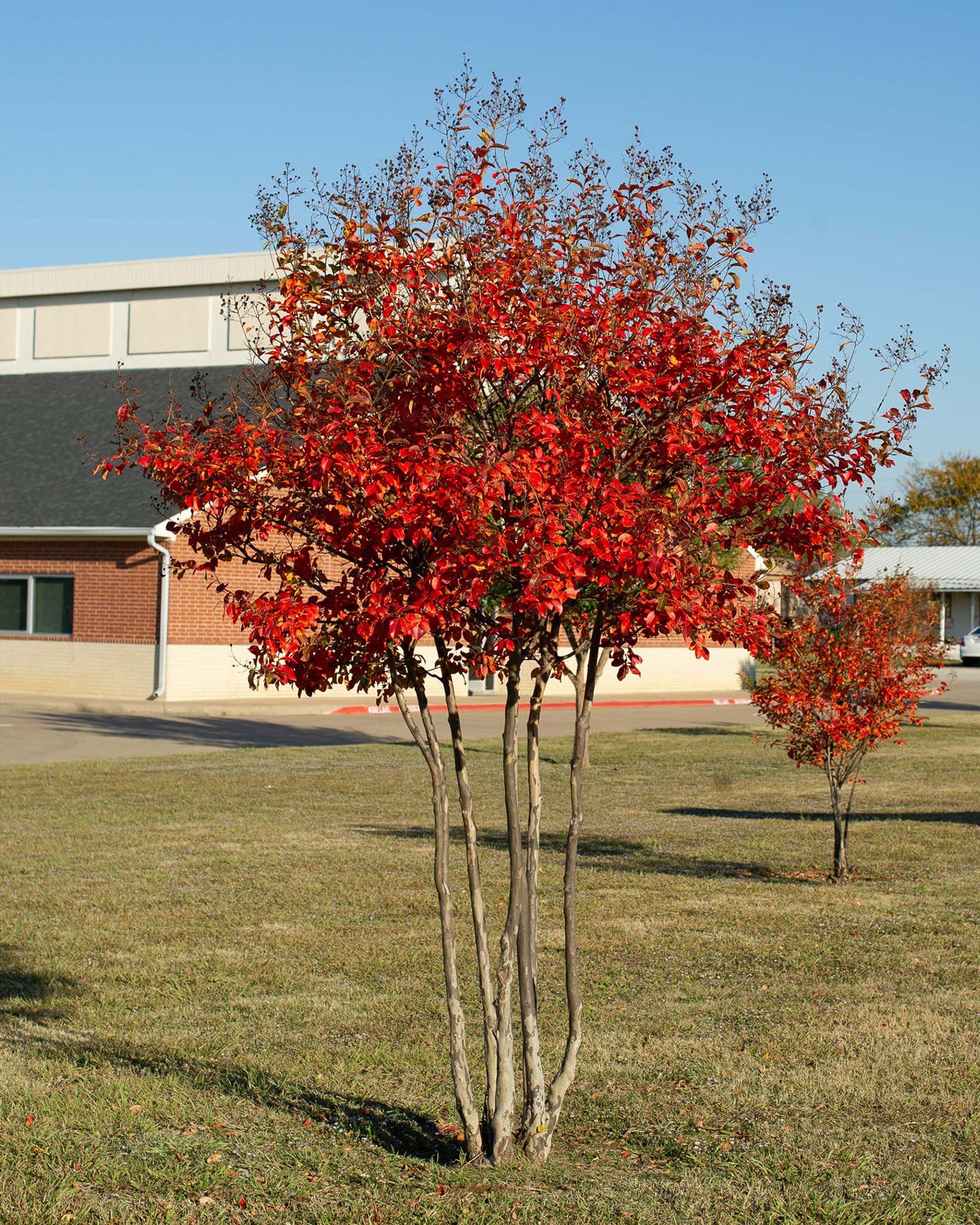
Centennial Spirit Crape Myrtle
Maturity: 20' H x 12' W
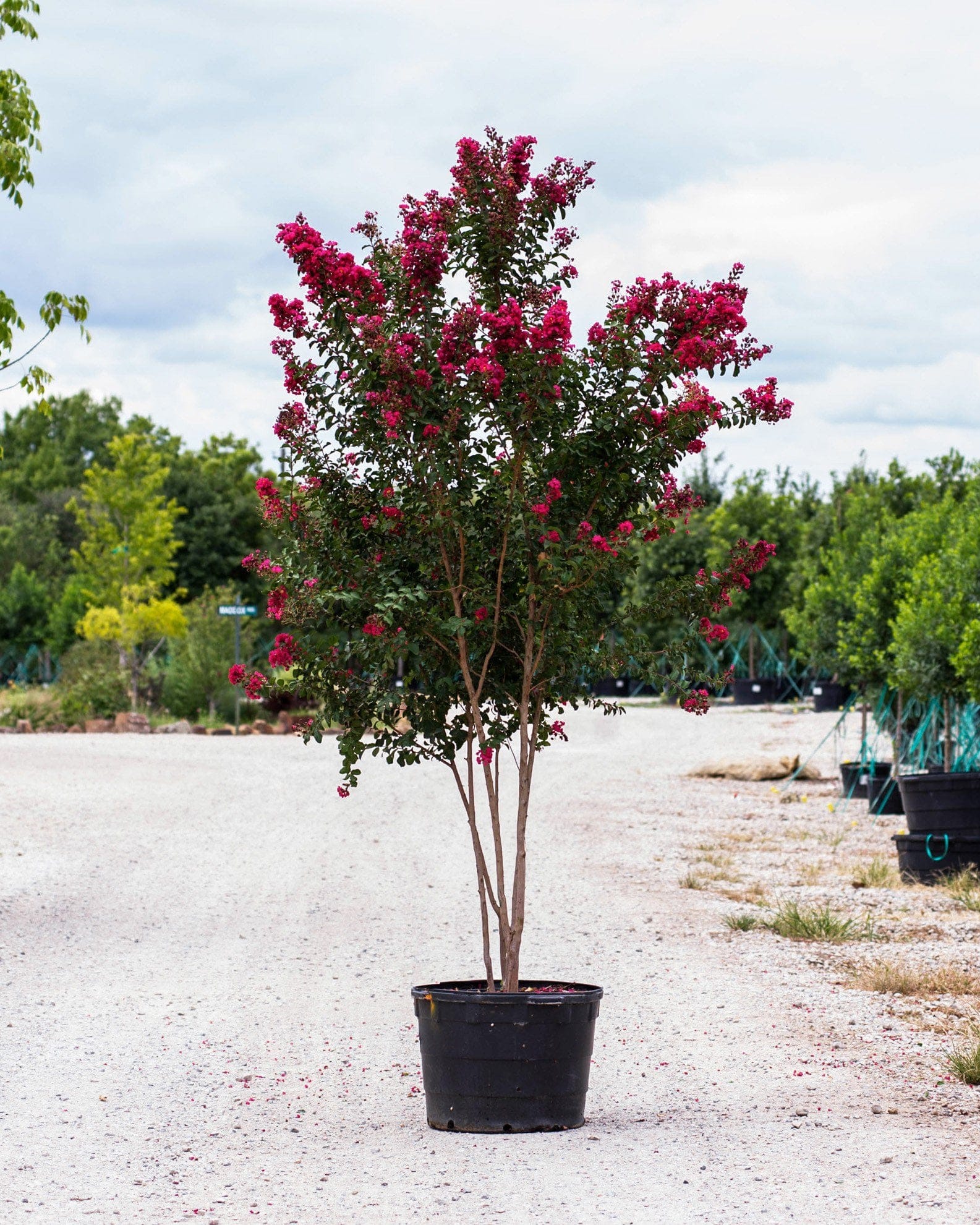
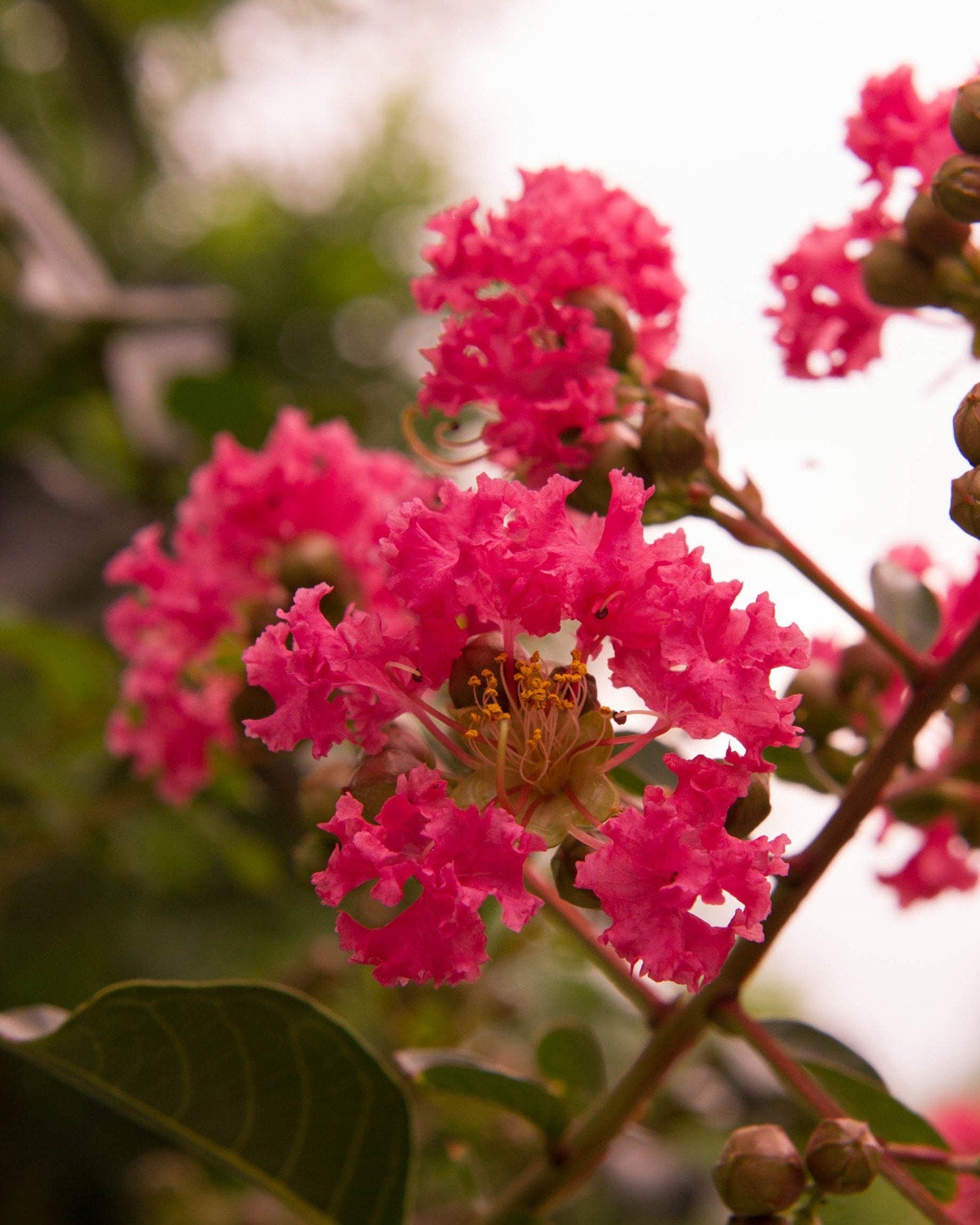
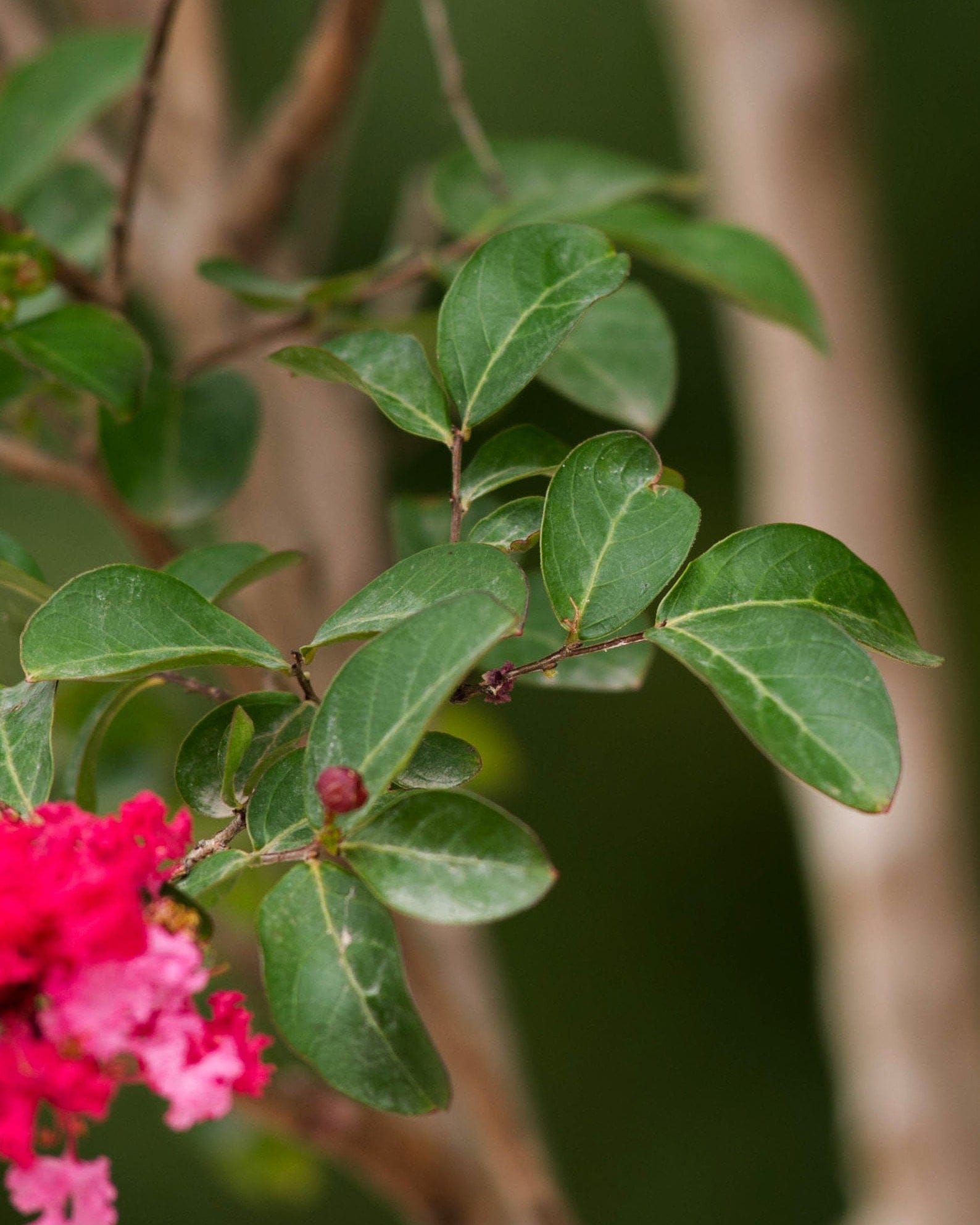
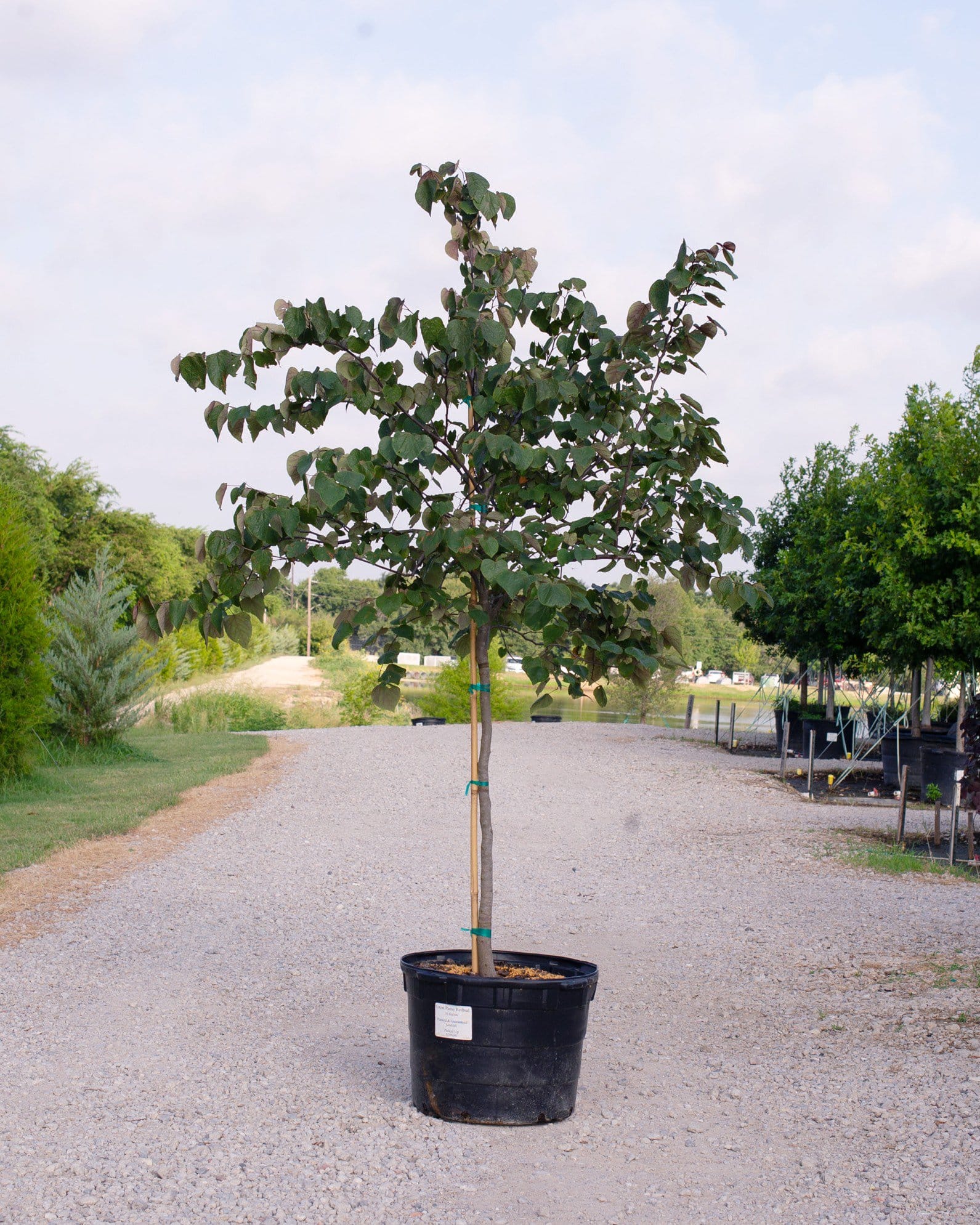
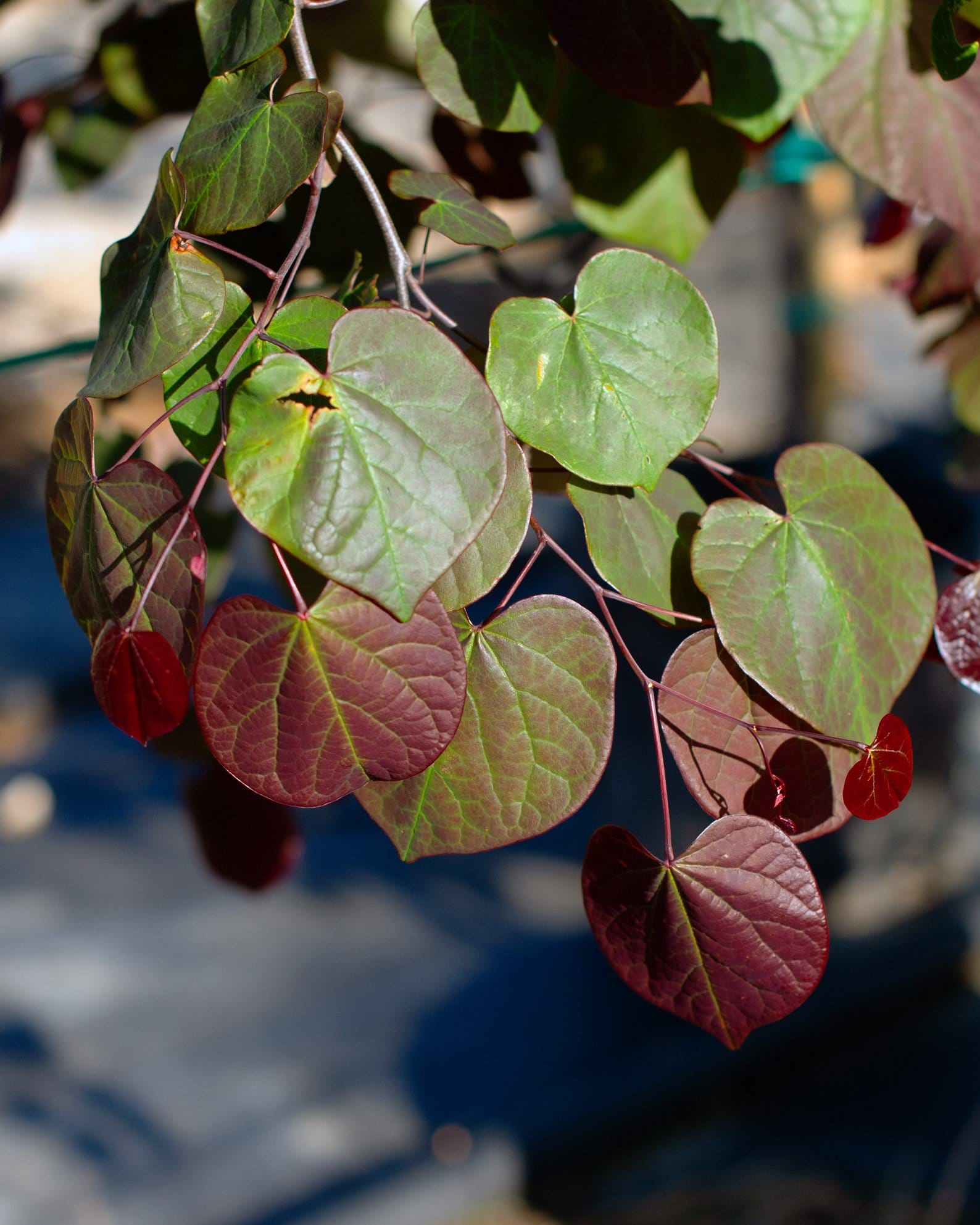
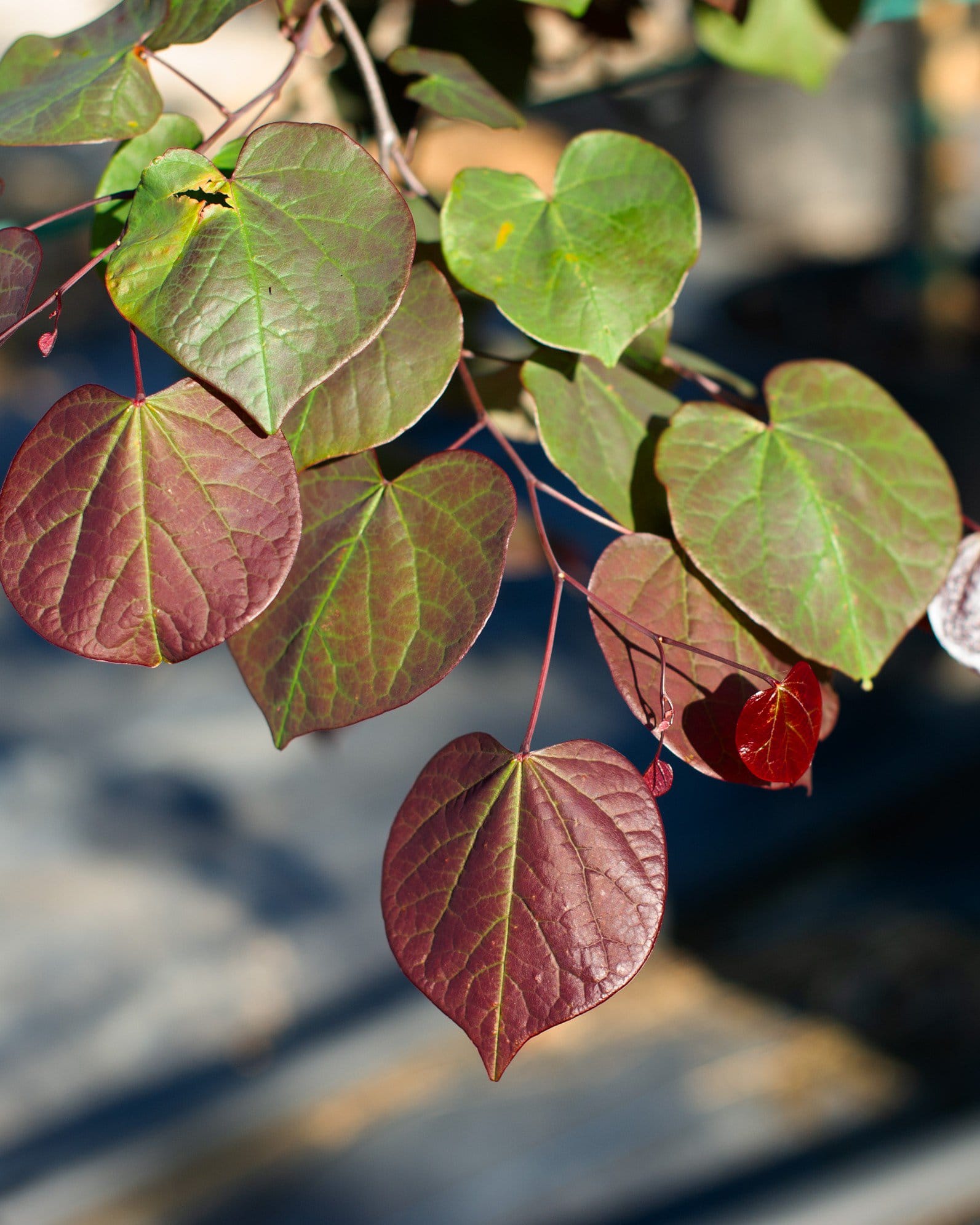
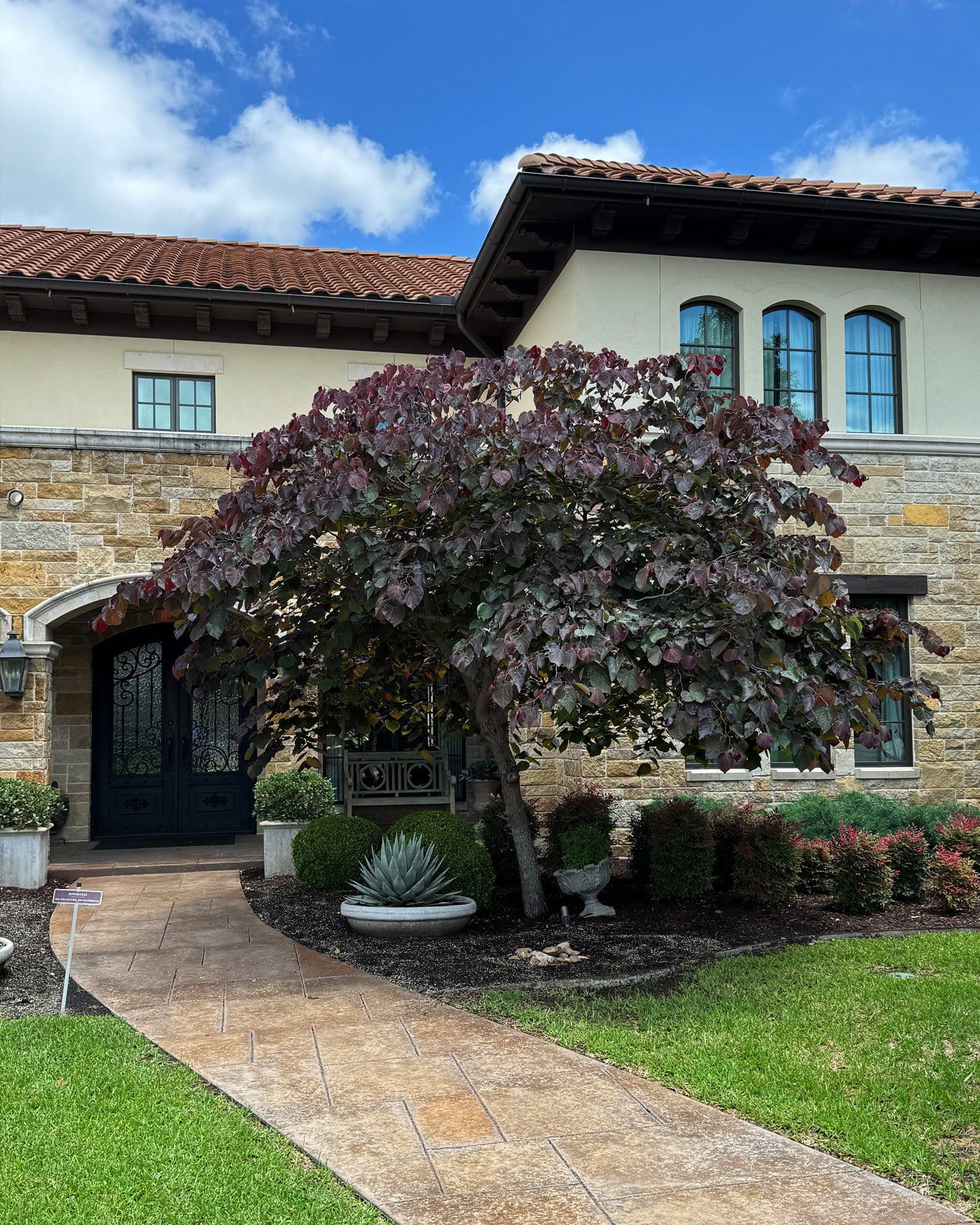
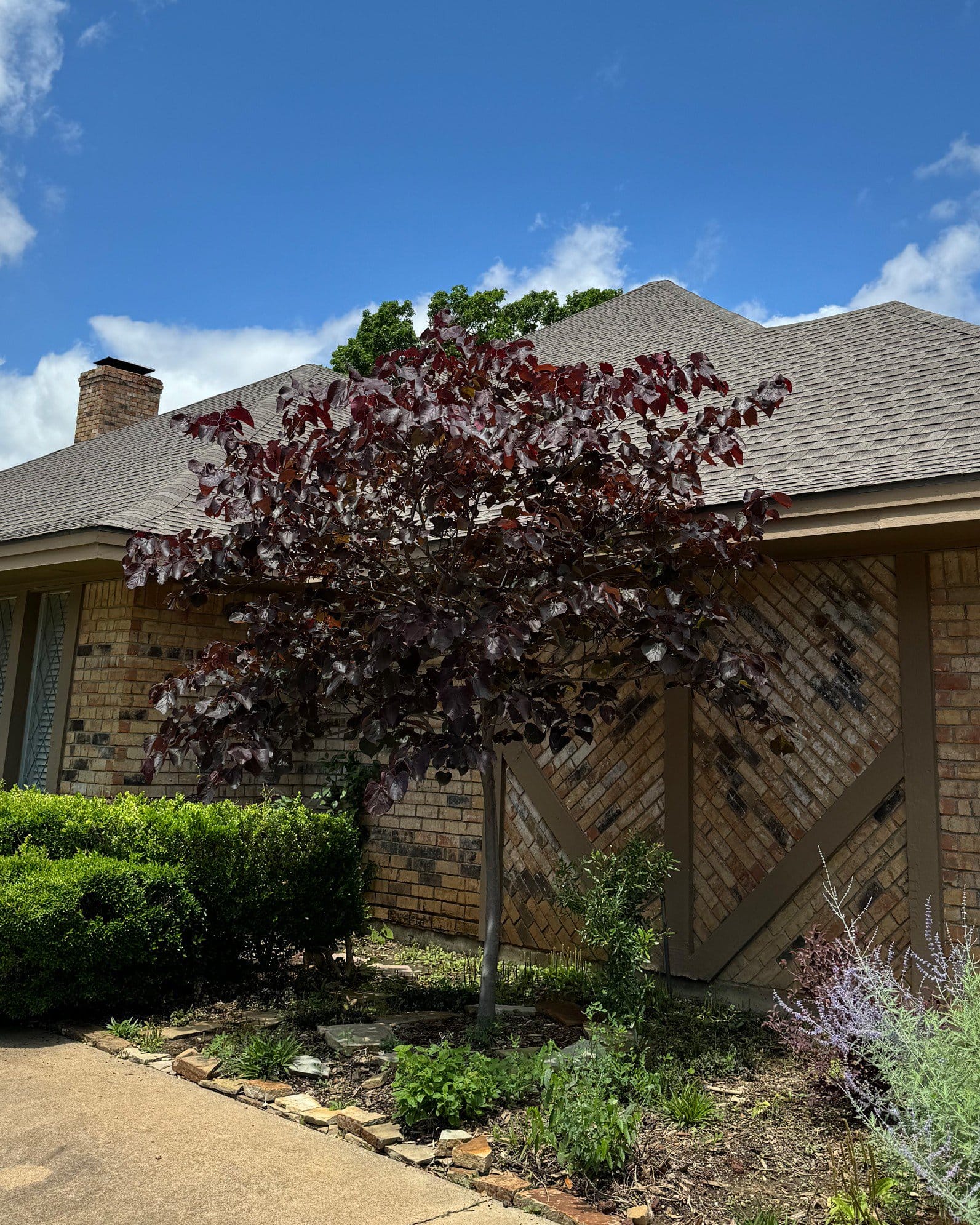
Forest Pansy Redbud
Maturity: 20' H x 20' W
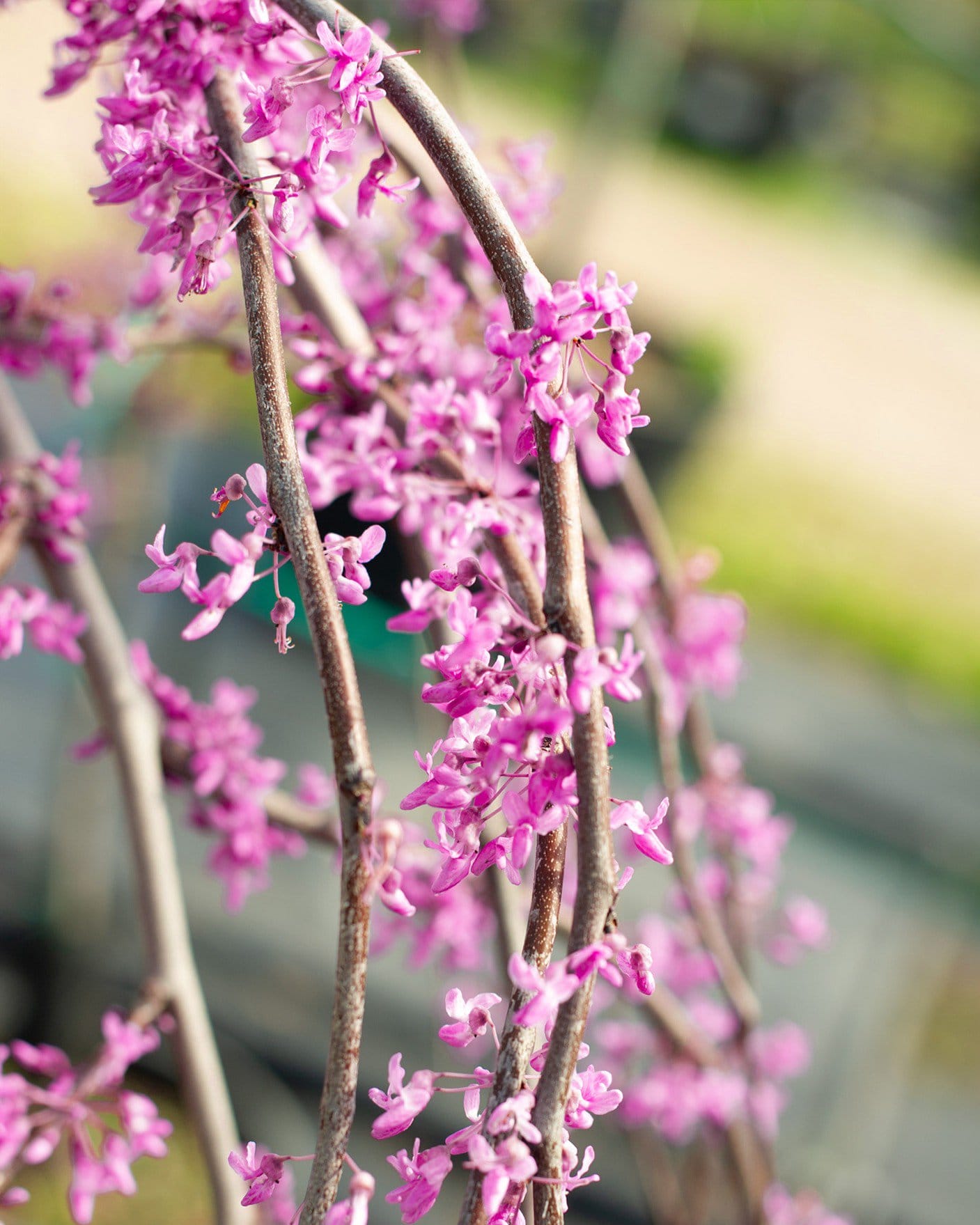
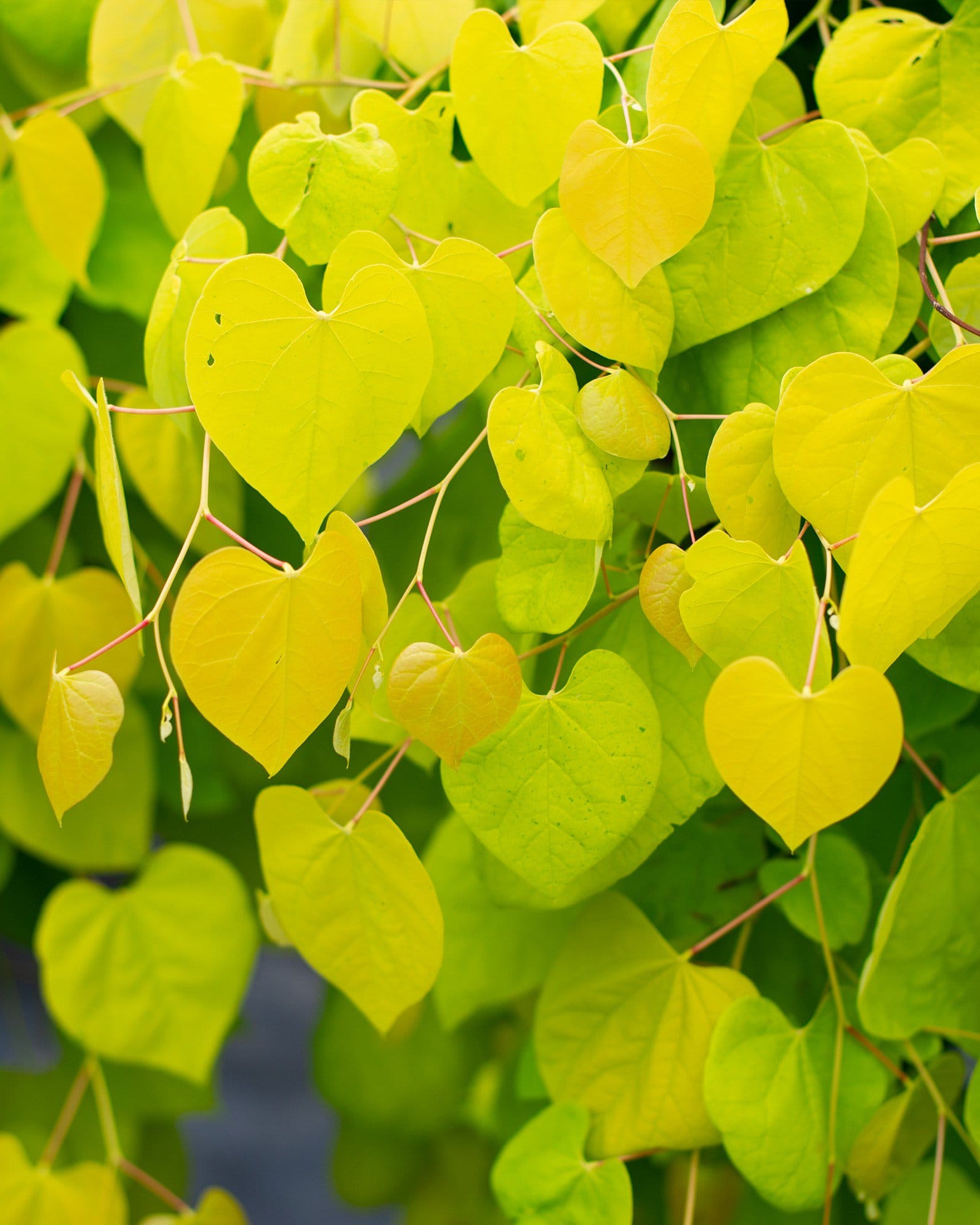
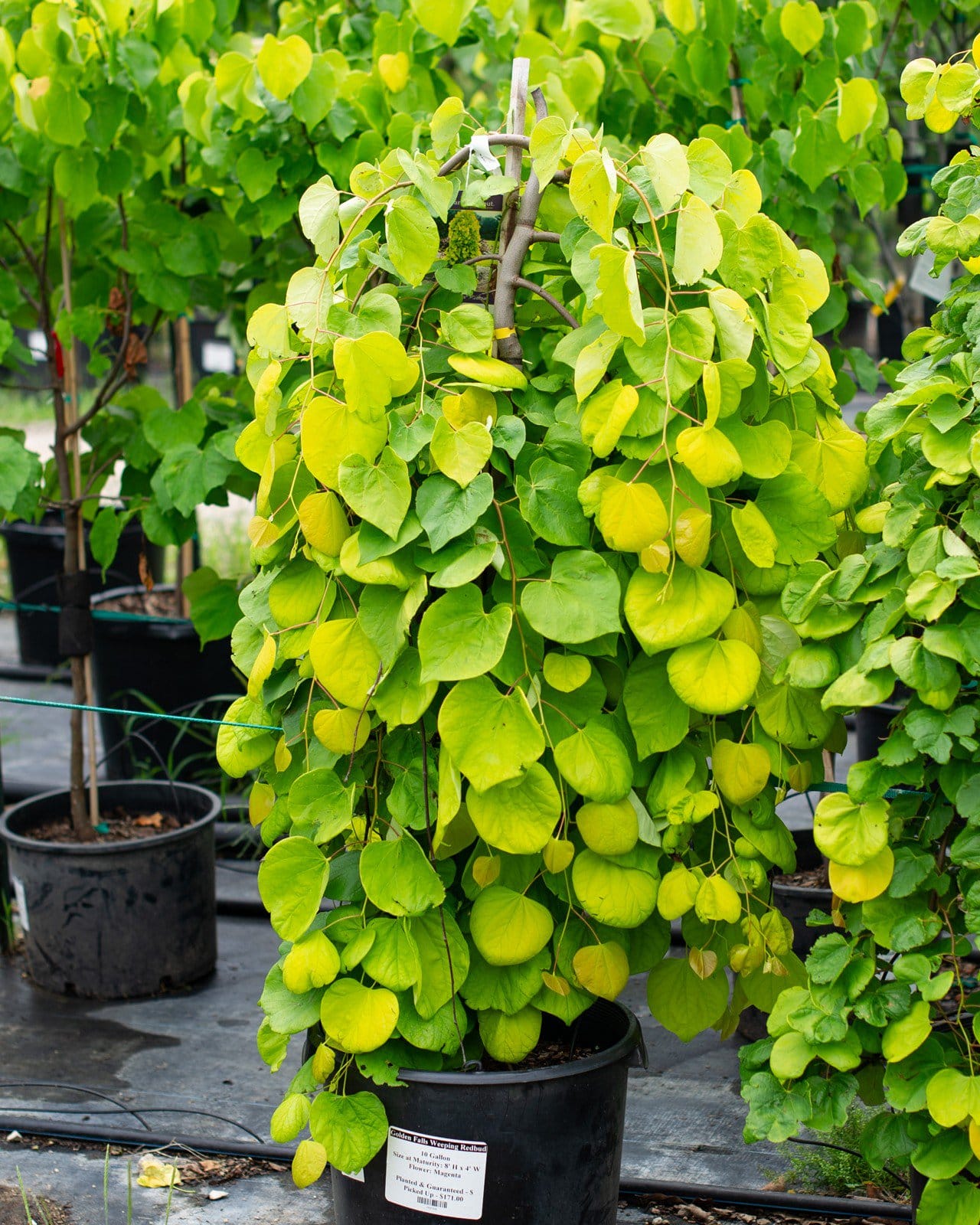
Golden Falls Weeping Redbud
Maturity: 8' H x 4' W
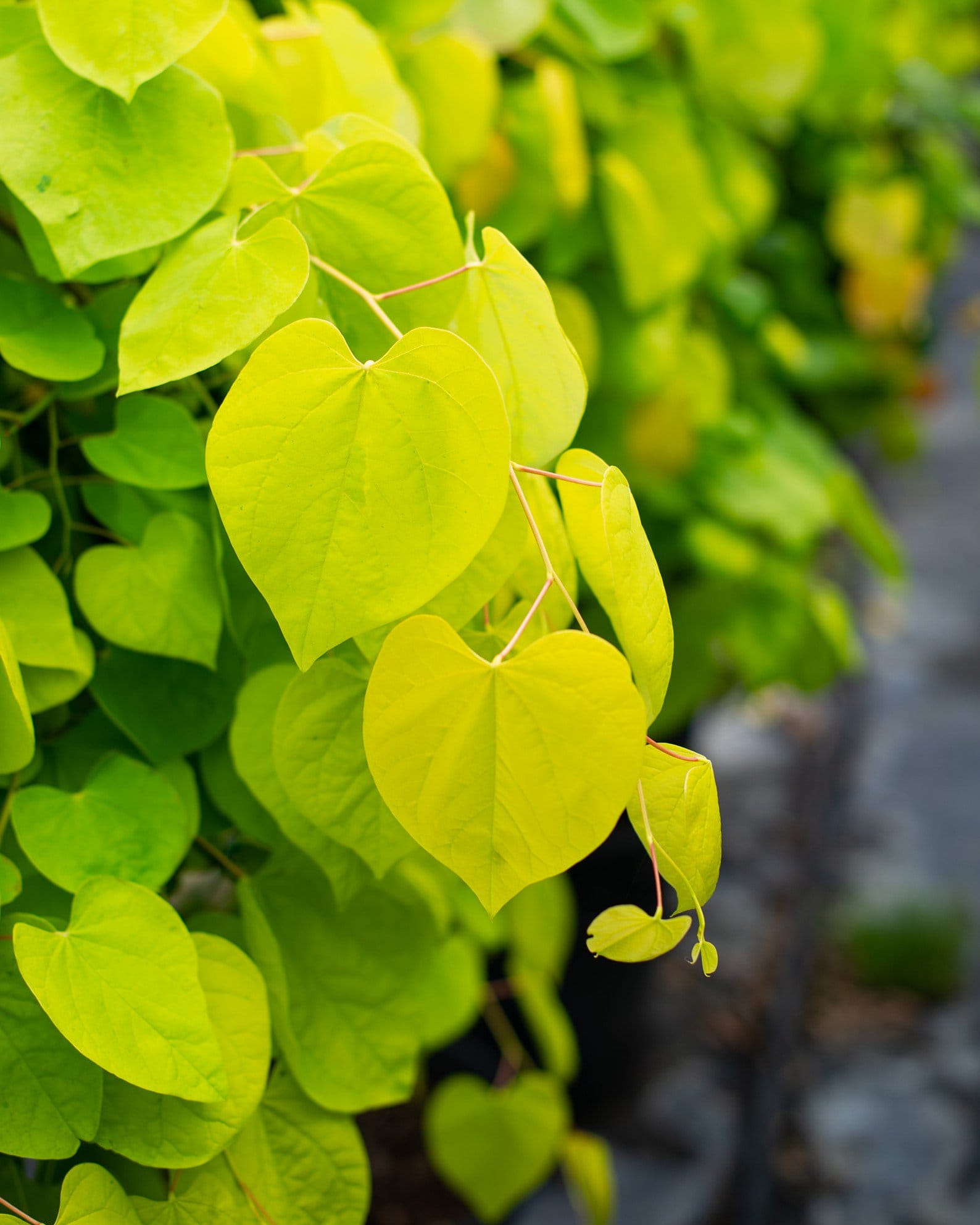
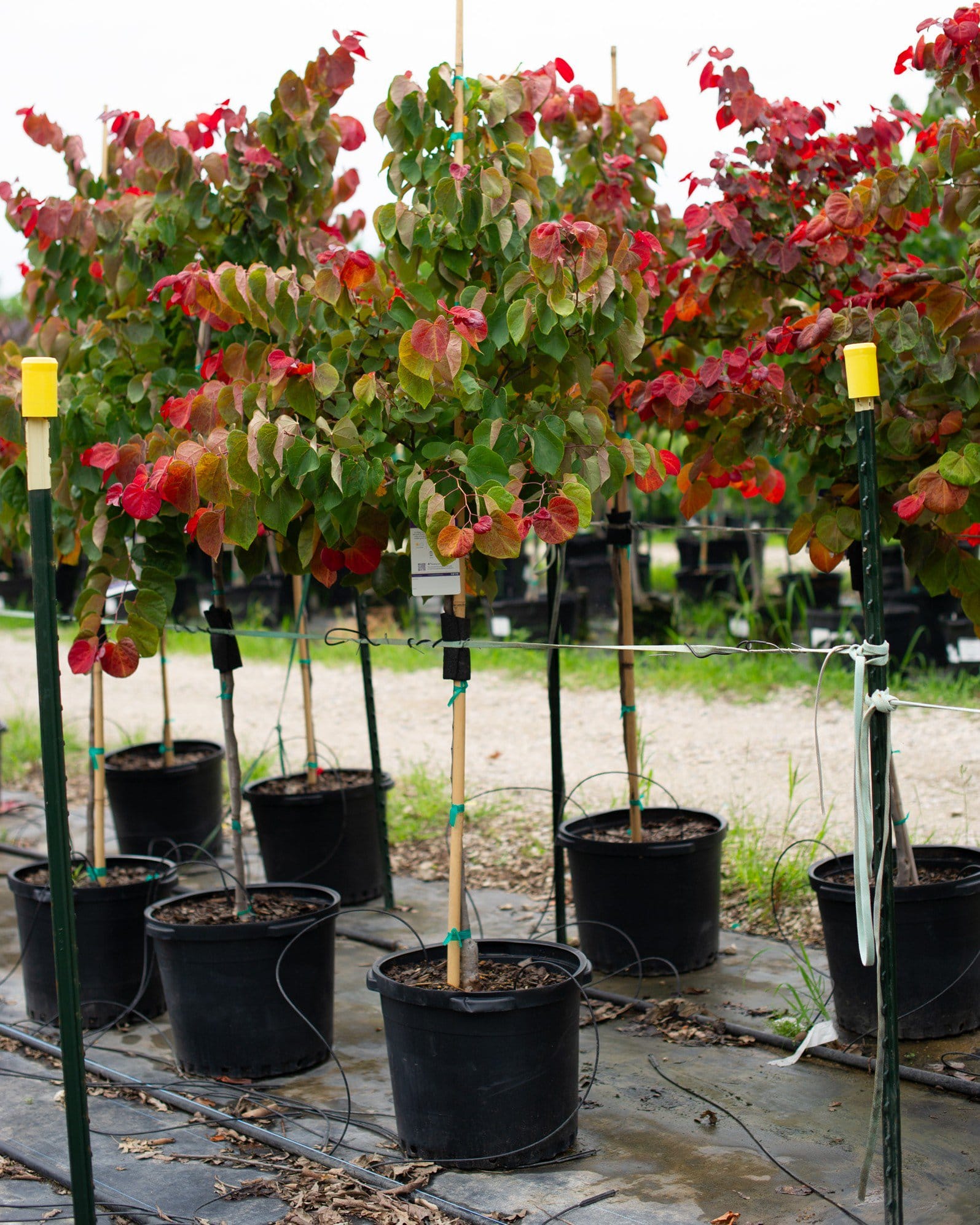
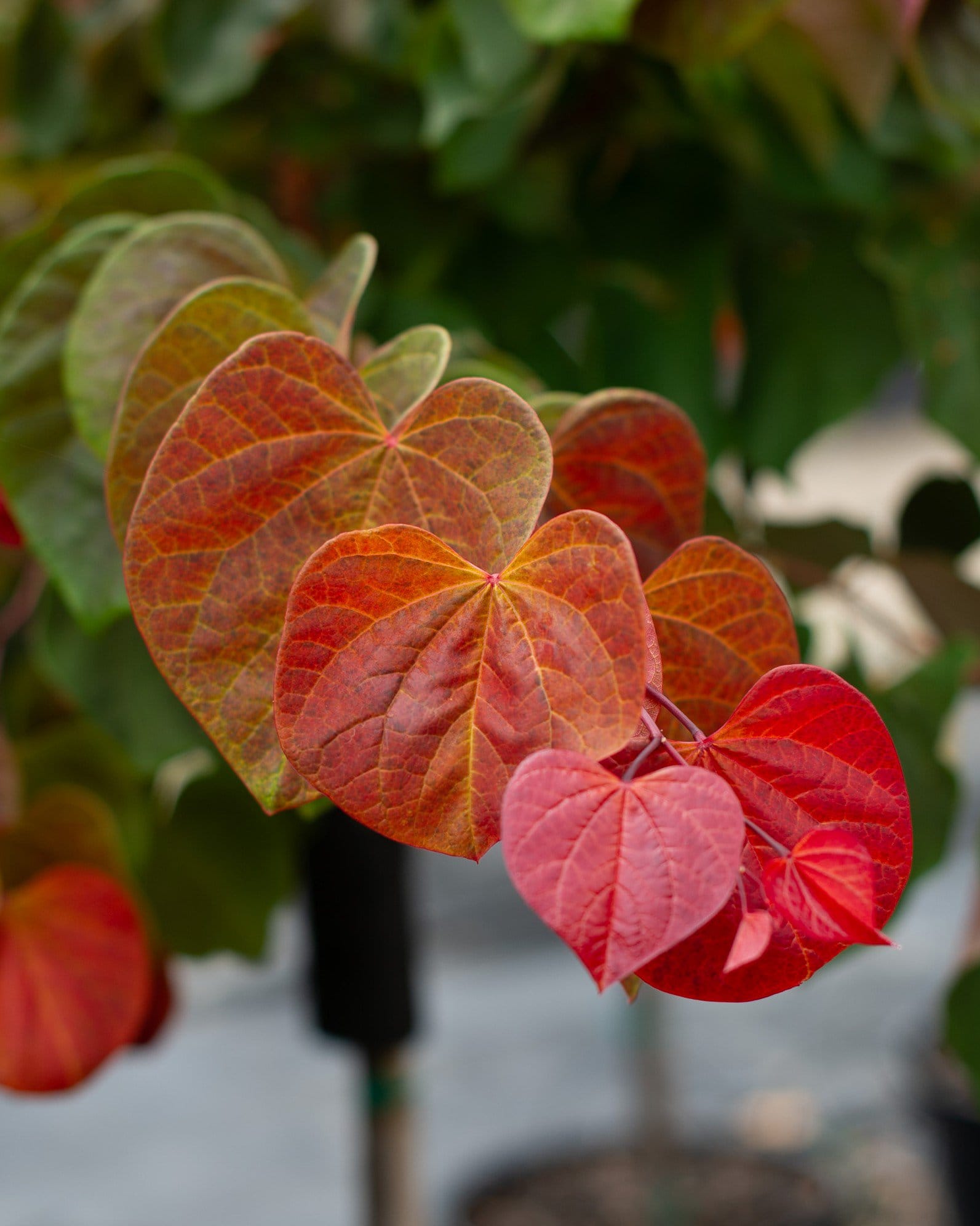
Hearts A'Fire Redbud
Maturity: 15' H x 15' W
Compare Similar Plants
Venus Dogwood This plant | ||
|---|---|---|
| Scientific Name | Cornus x 'KN30-8' | Cornus kousa |
| Size at Maturity | 20' H x 15' W | 15' H x 15' W |
| Leaf Retention | Deciduous | Deciduous |
| Fall Color | Red | Orange & Red |
| Flower Color | White | White |
| Bloom Times | Summer | Summer |
| Sizes Available | — | 15 gal |

Our 1-Year Planting Guarantee
We take pride in our plants and installation services. If any plants or trees installed by Treeland fail to thrive within the first year, we'll provide a replacement credit in accordance with our guarantee program.
Learn More About Our Guarantee