
Centennial Spirit Crape Myrtle
Lagerstroemia indica ‘Centennial Spirit’Local DFW Delivery Only
Product Details
Centennial Spirit Crape Myrtle
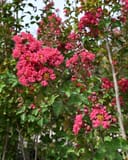
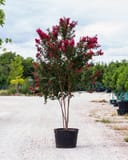
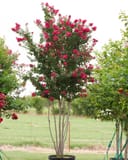
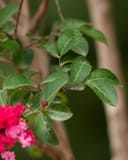
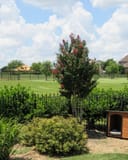
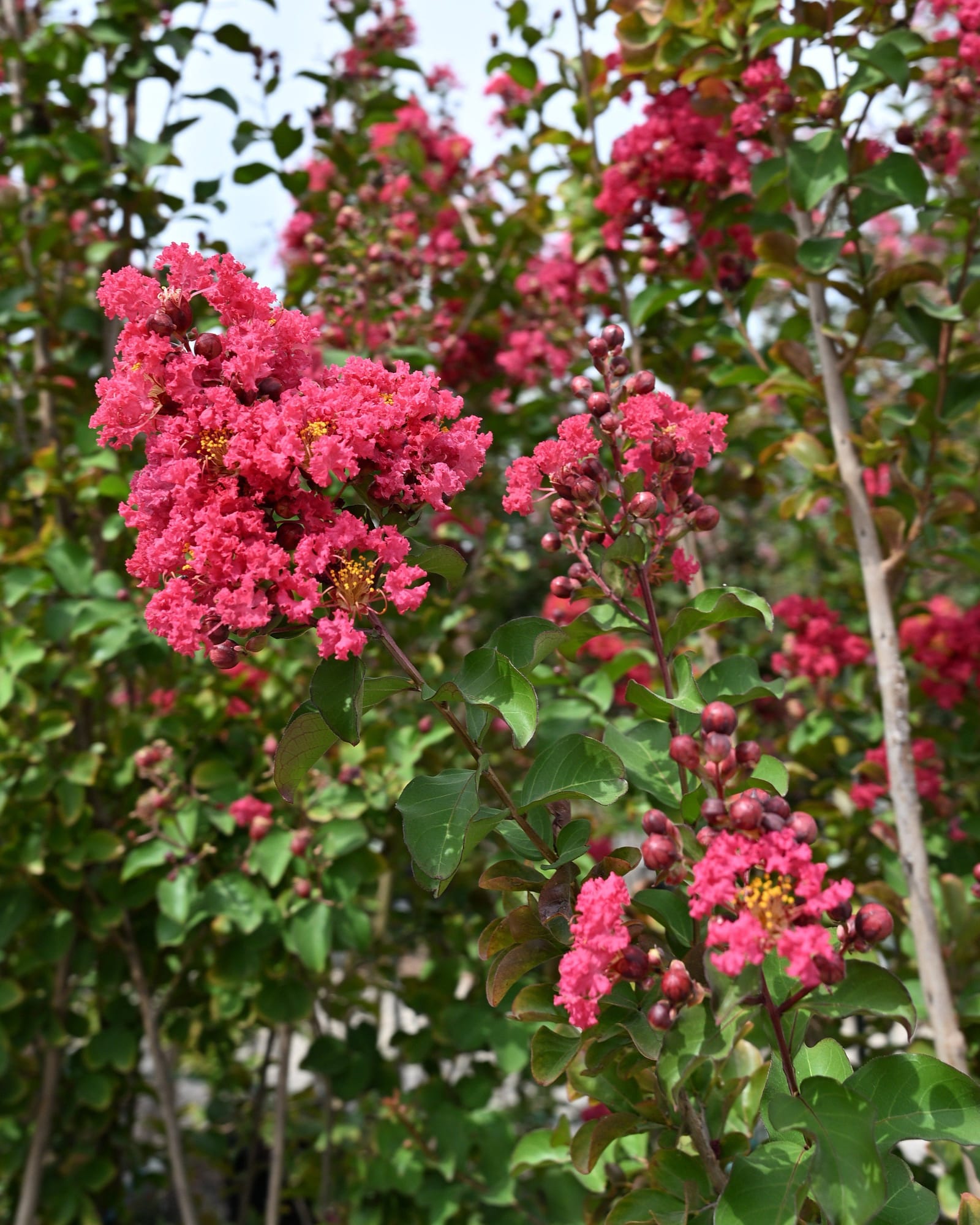
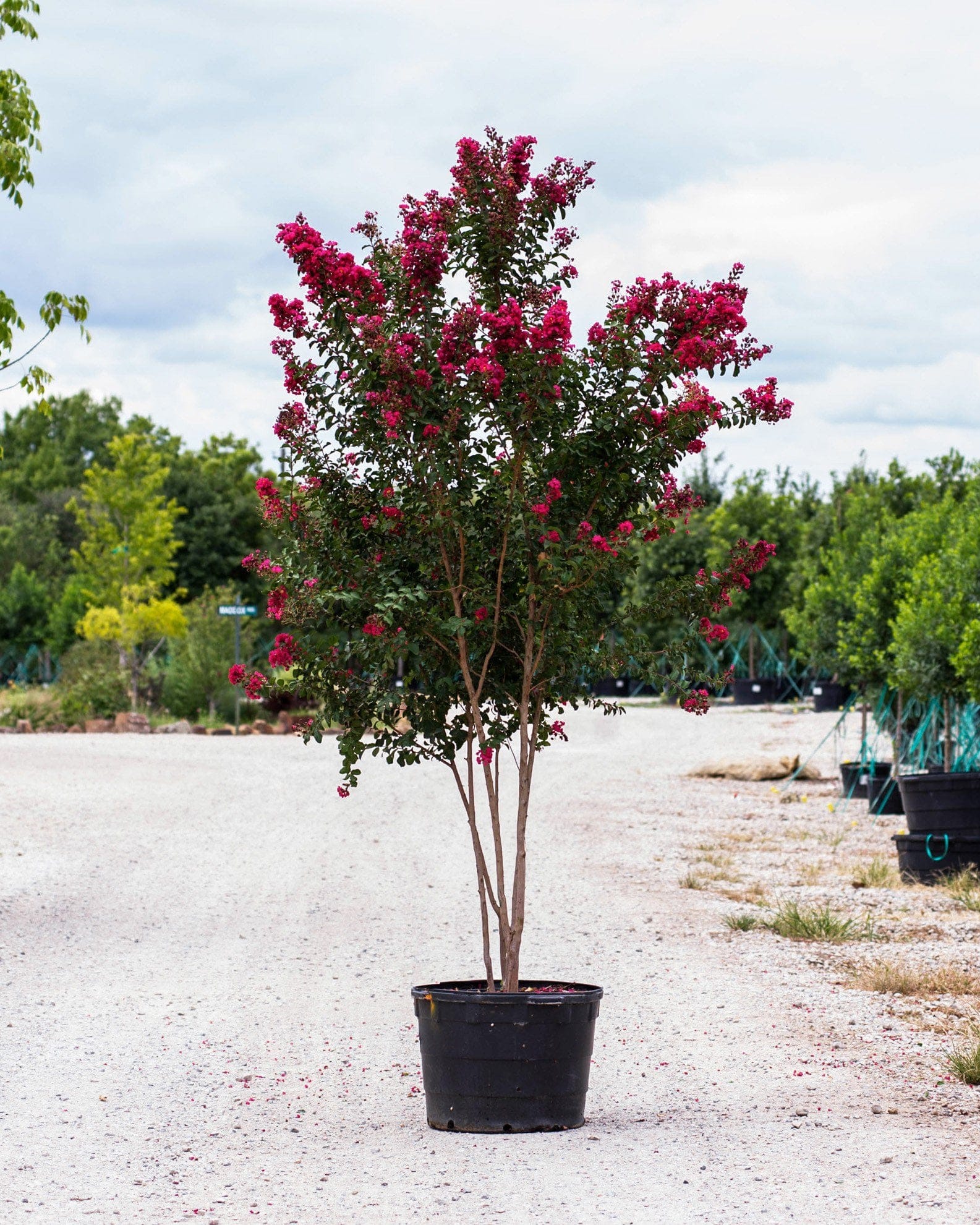
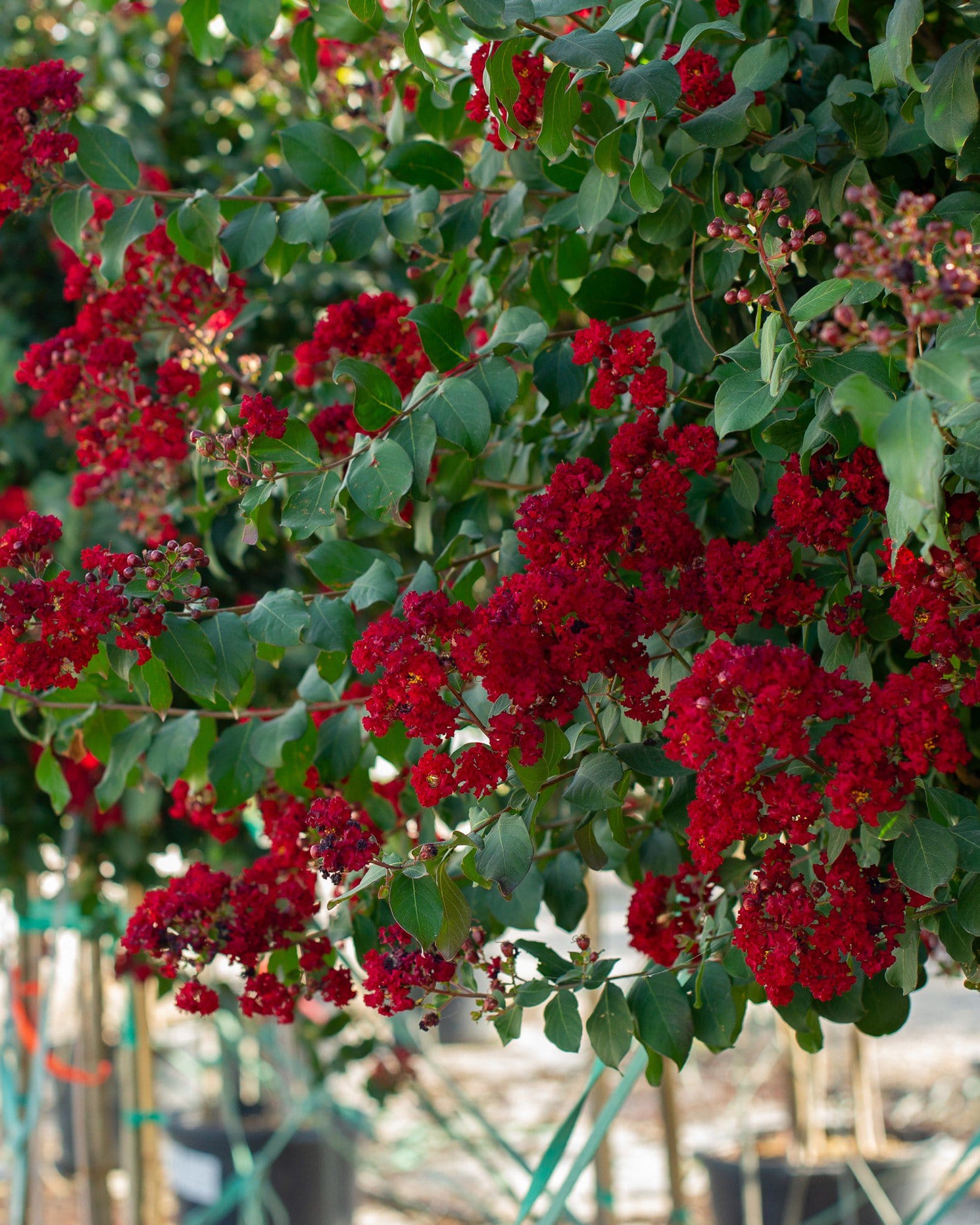
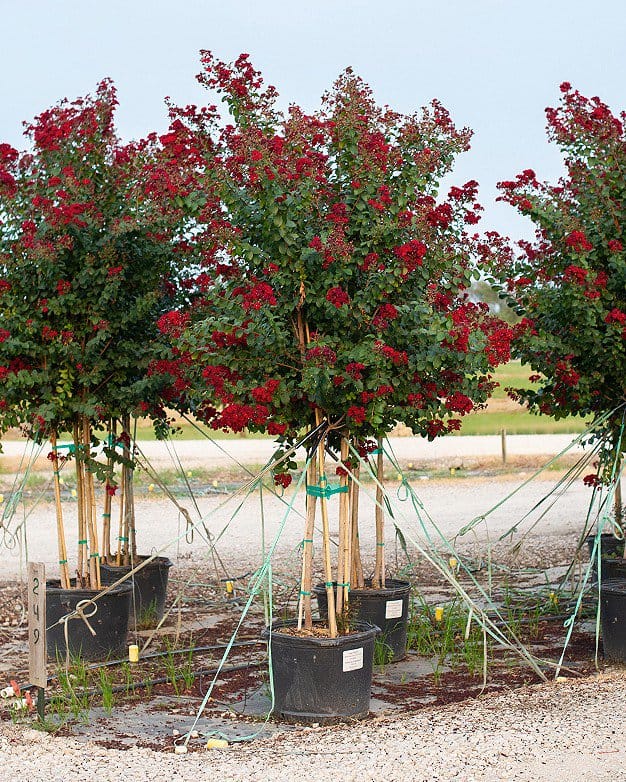
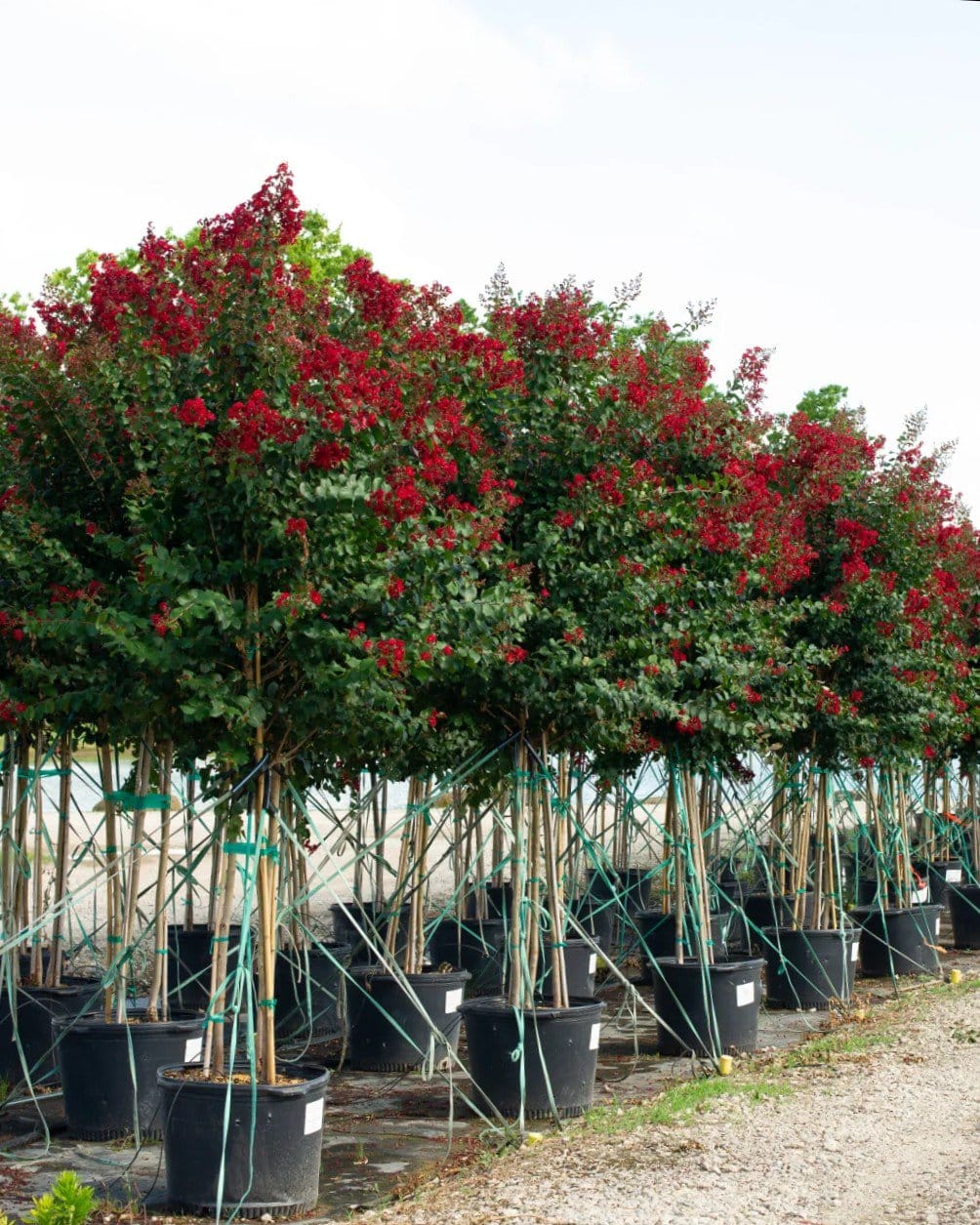
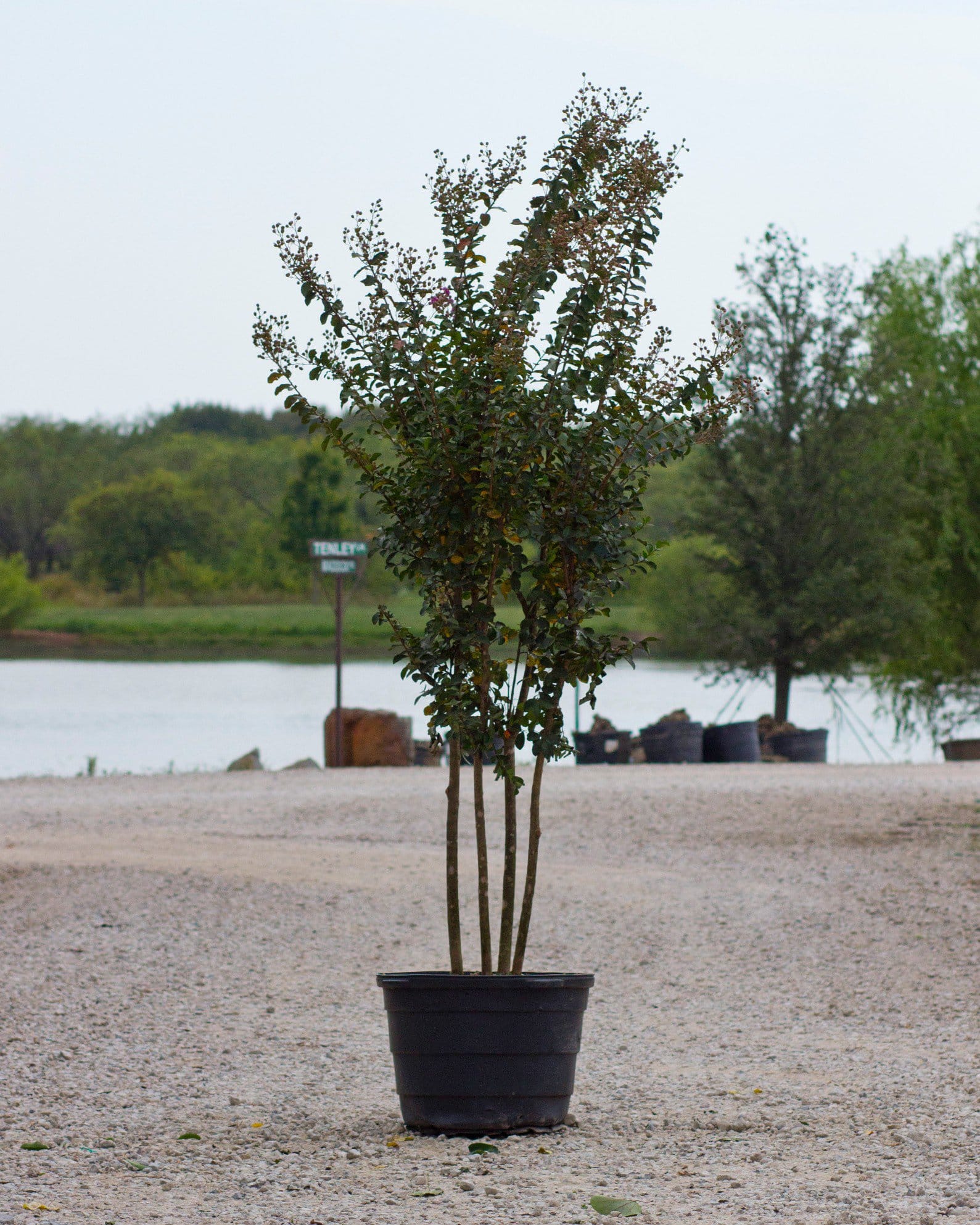
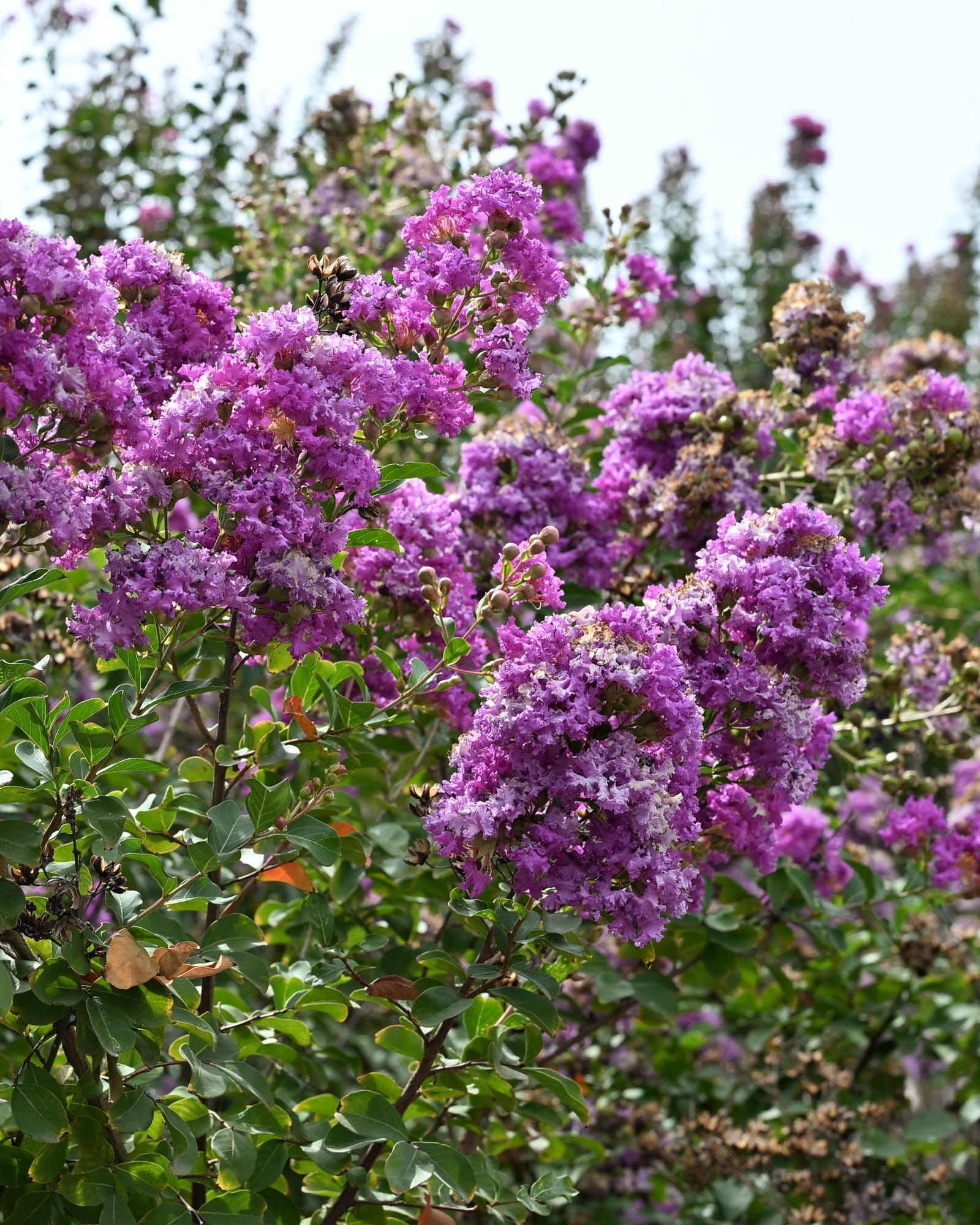
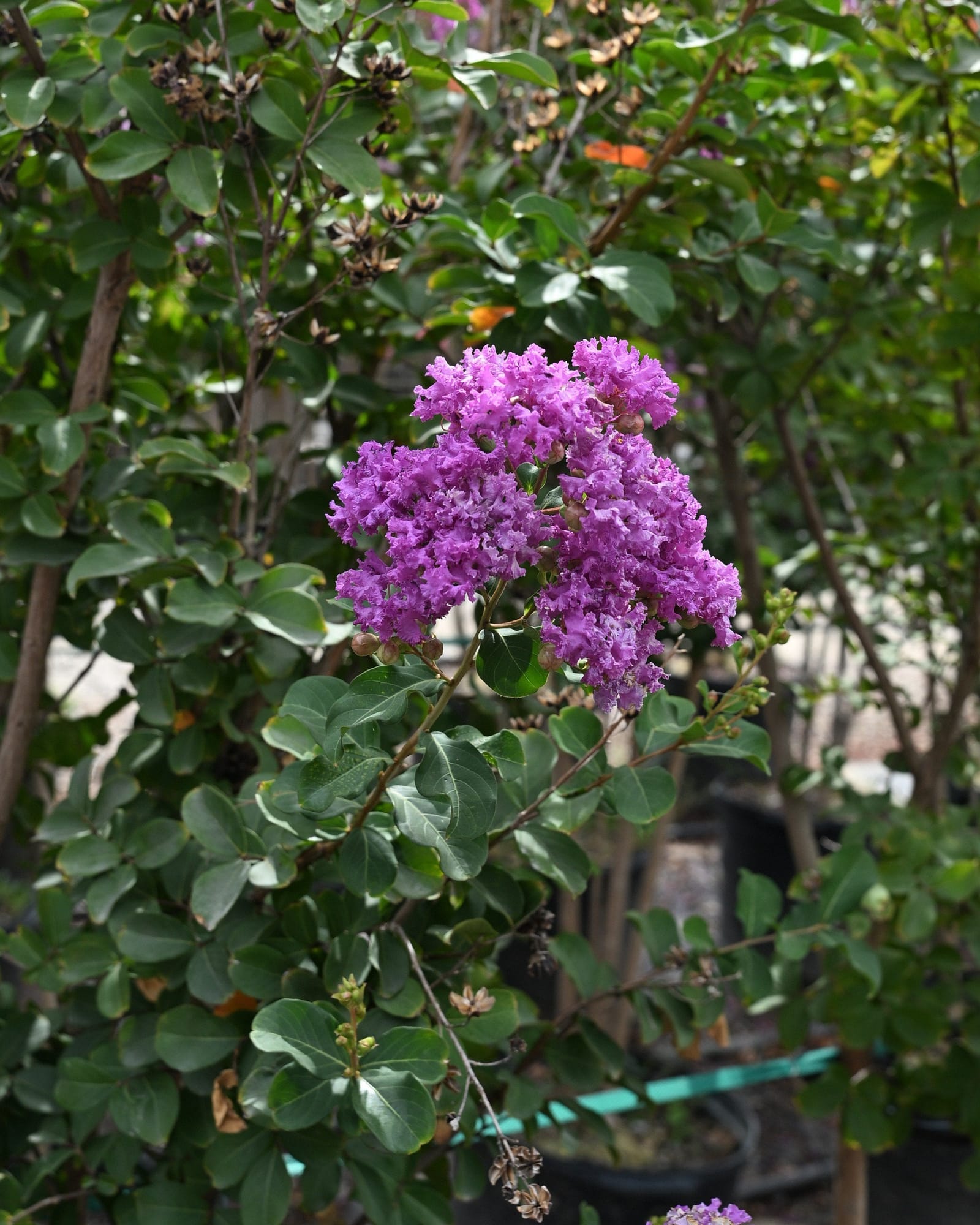
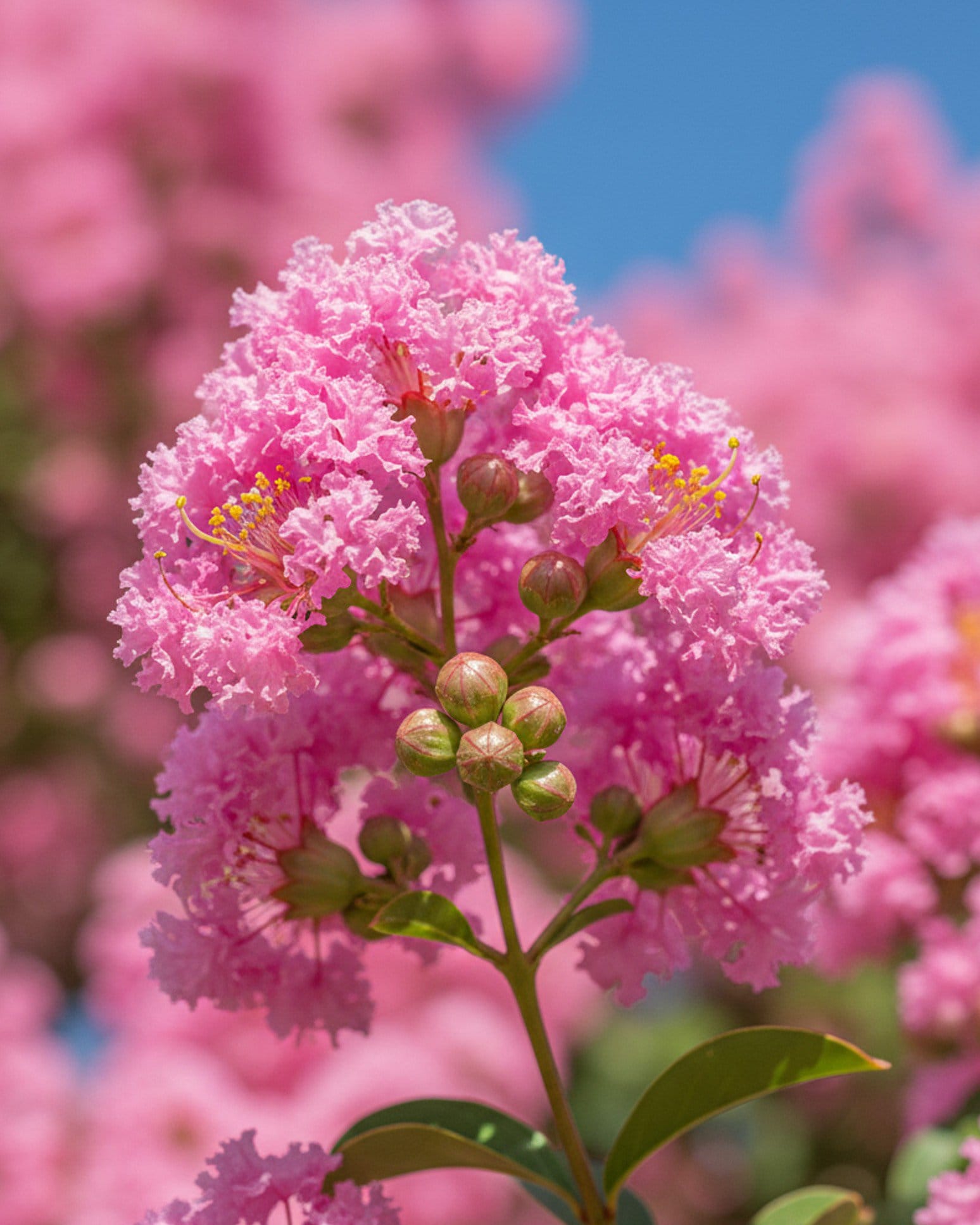
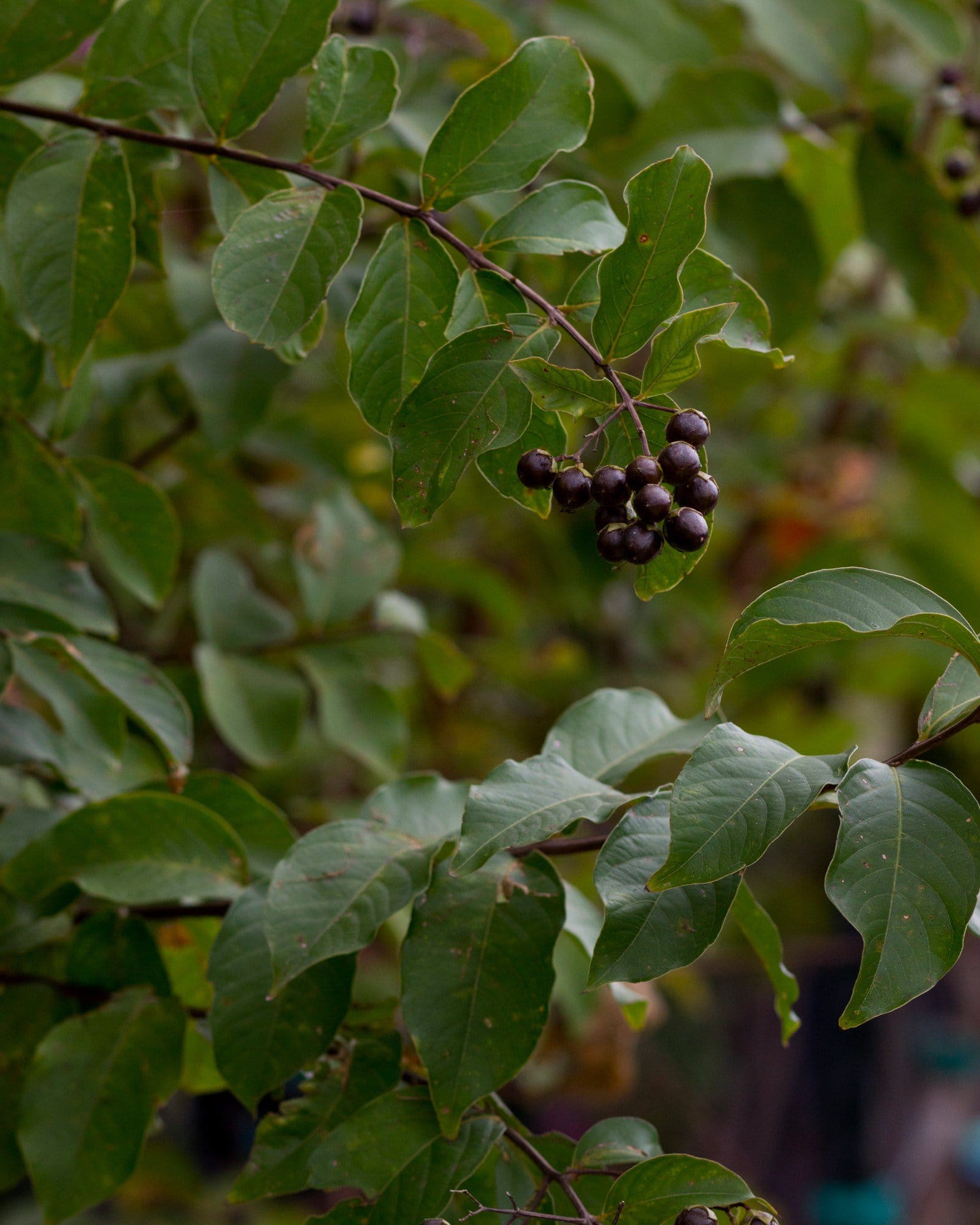
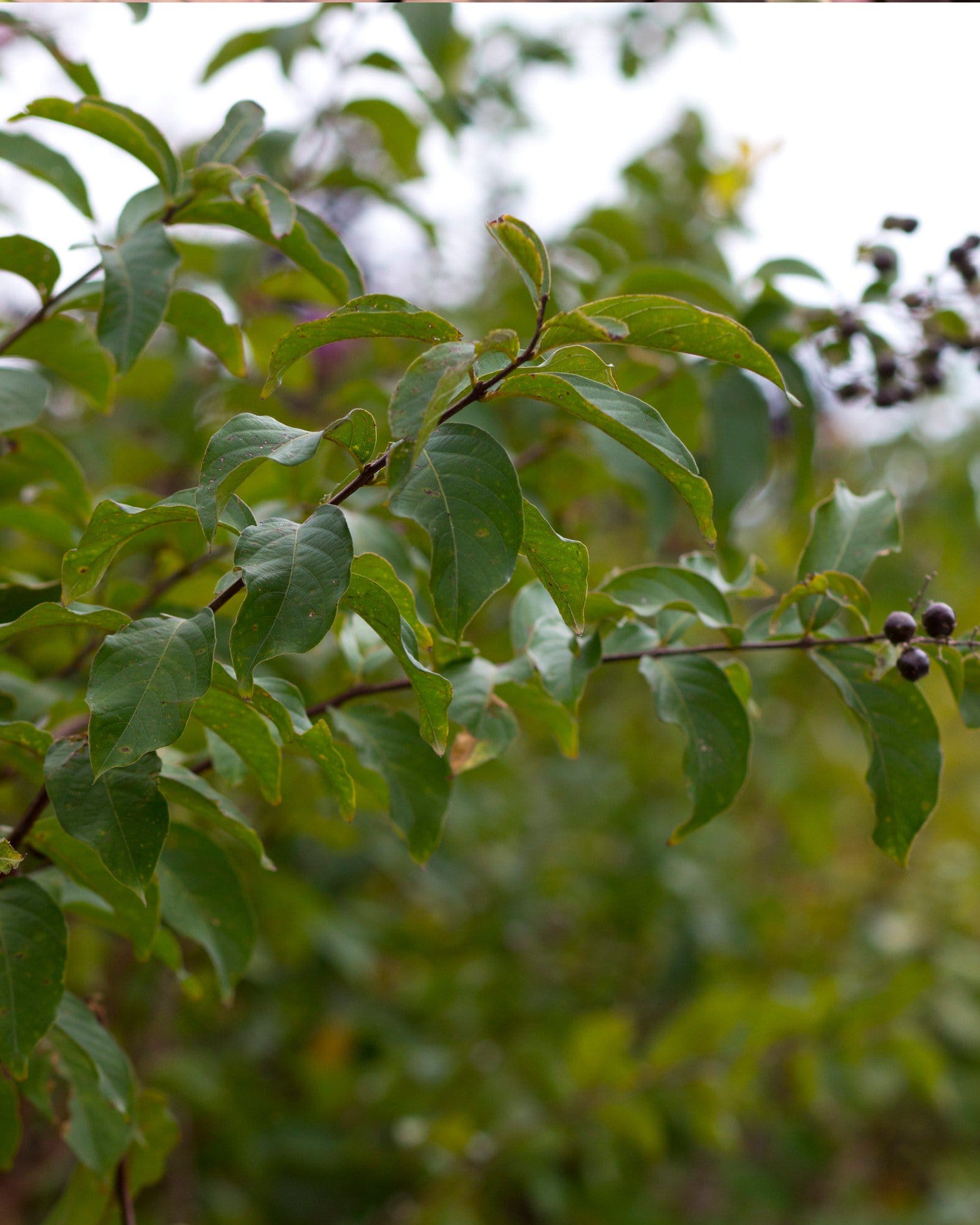
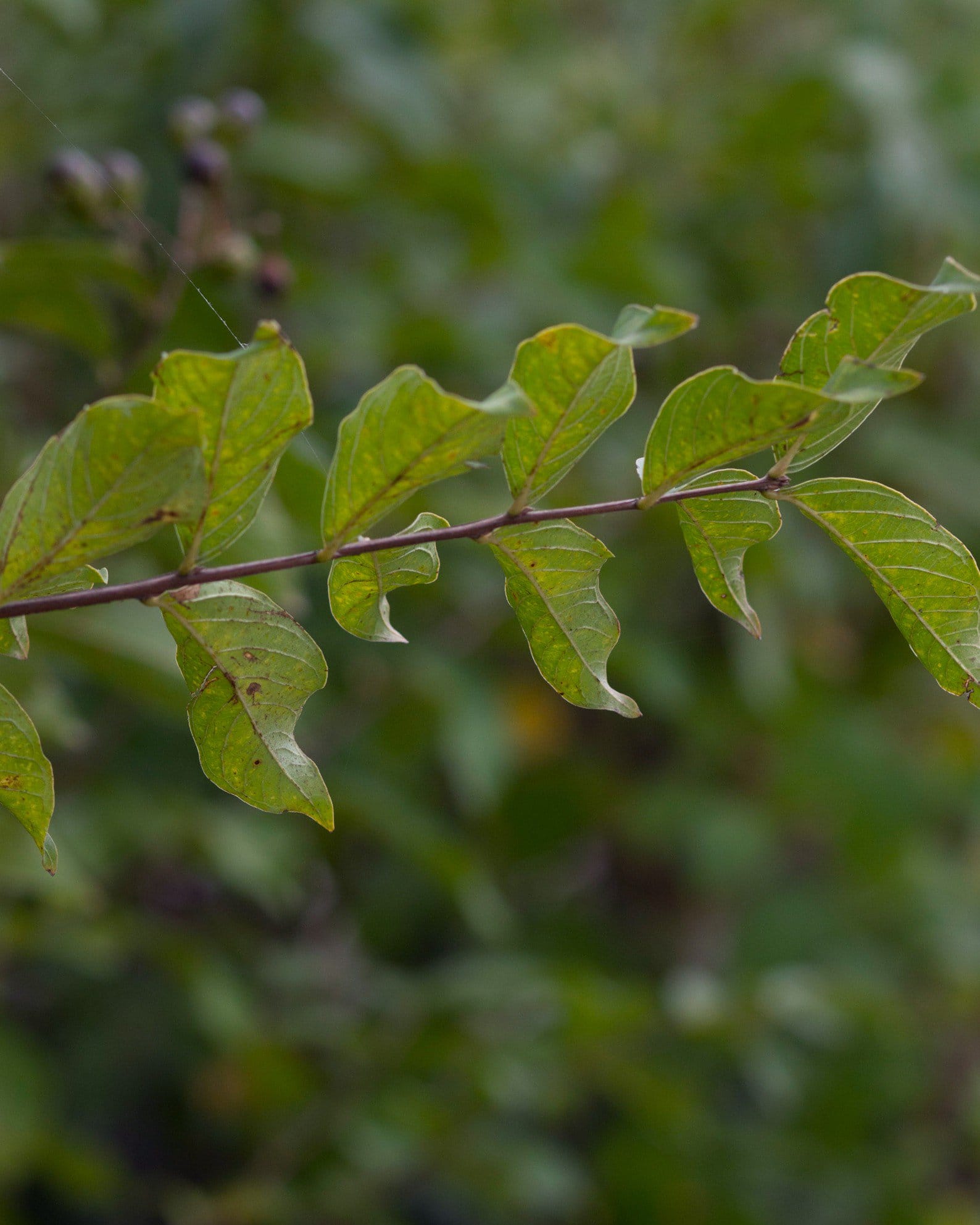
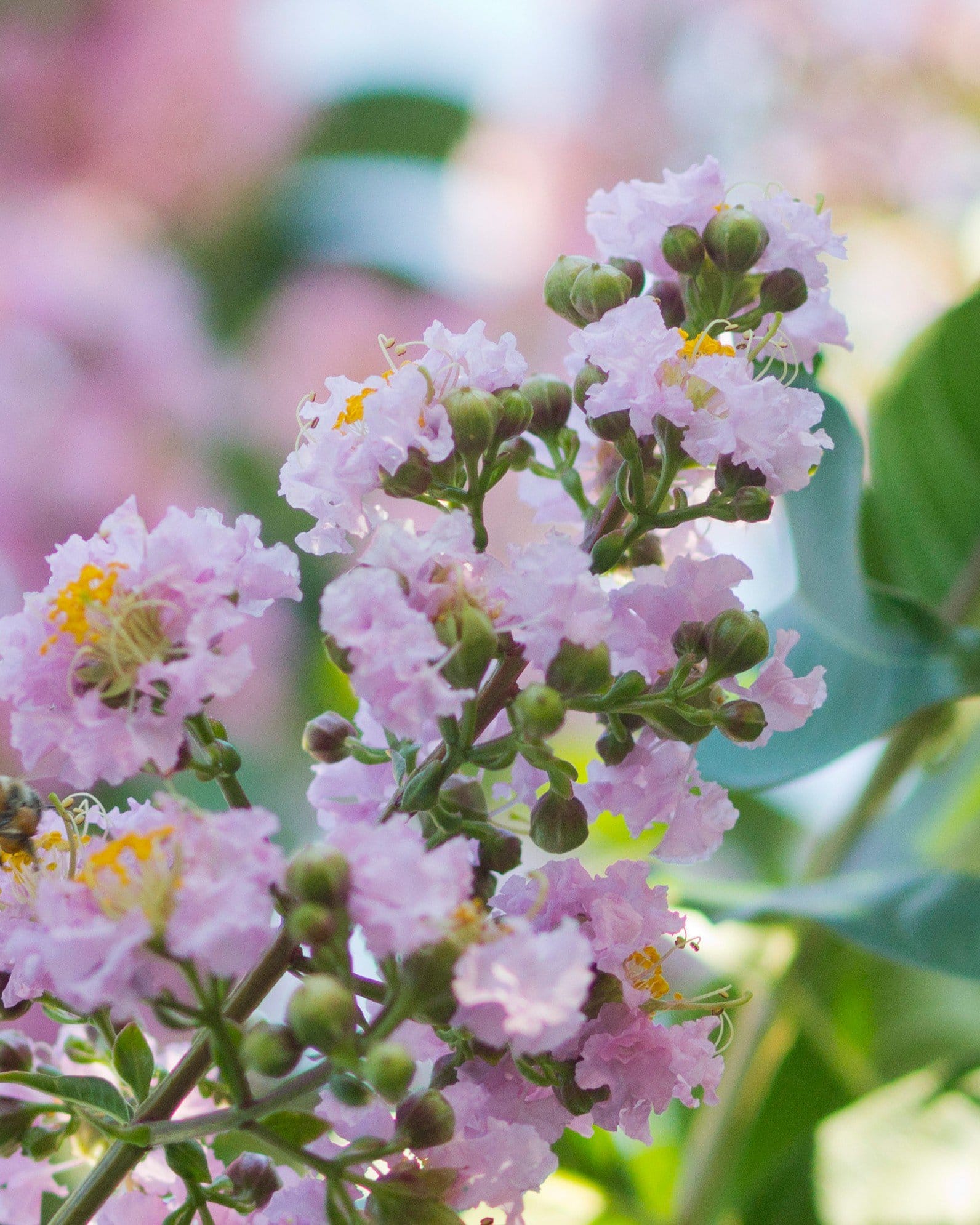
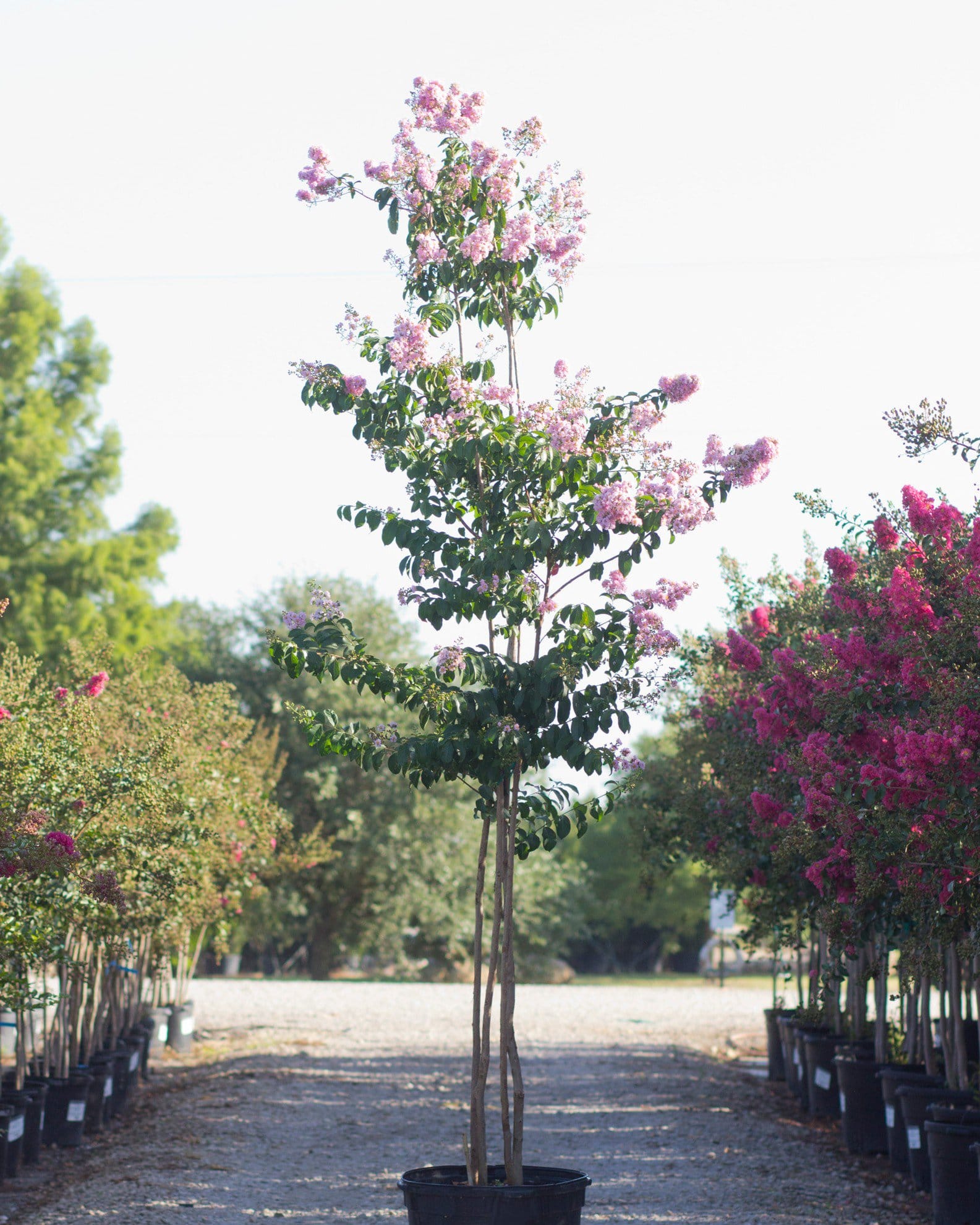
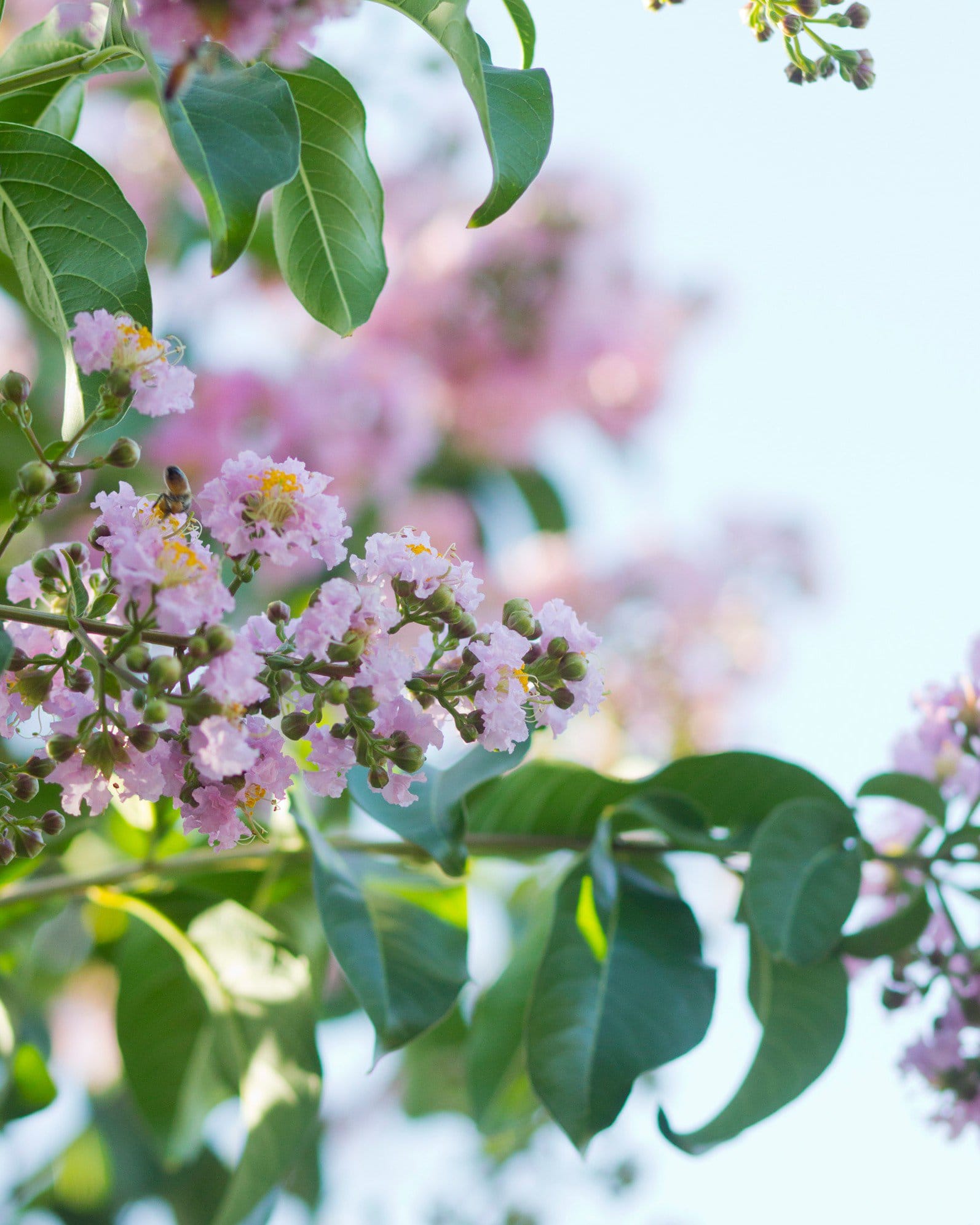
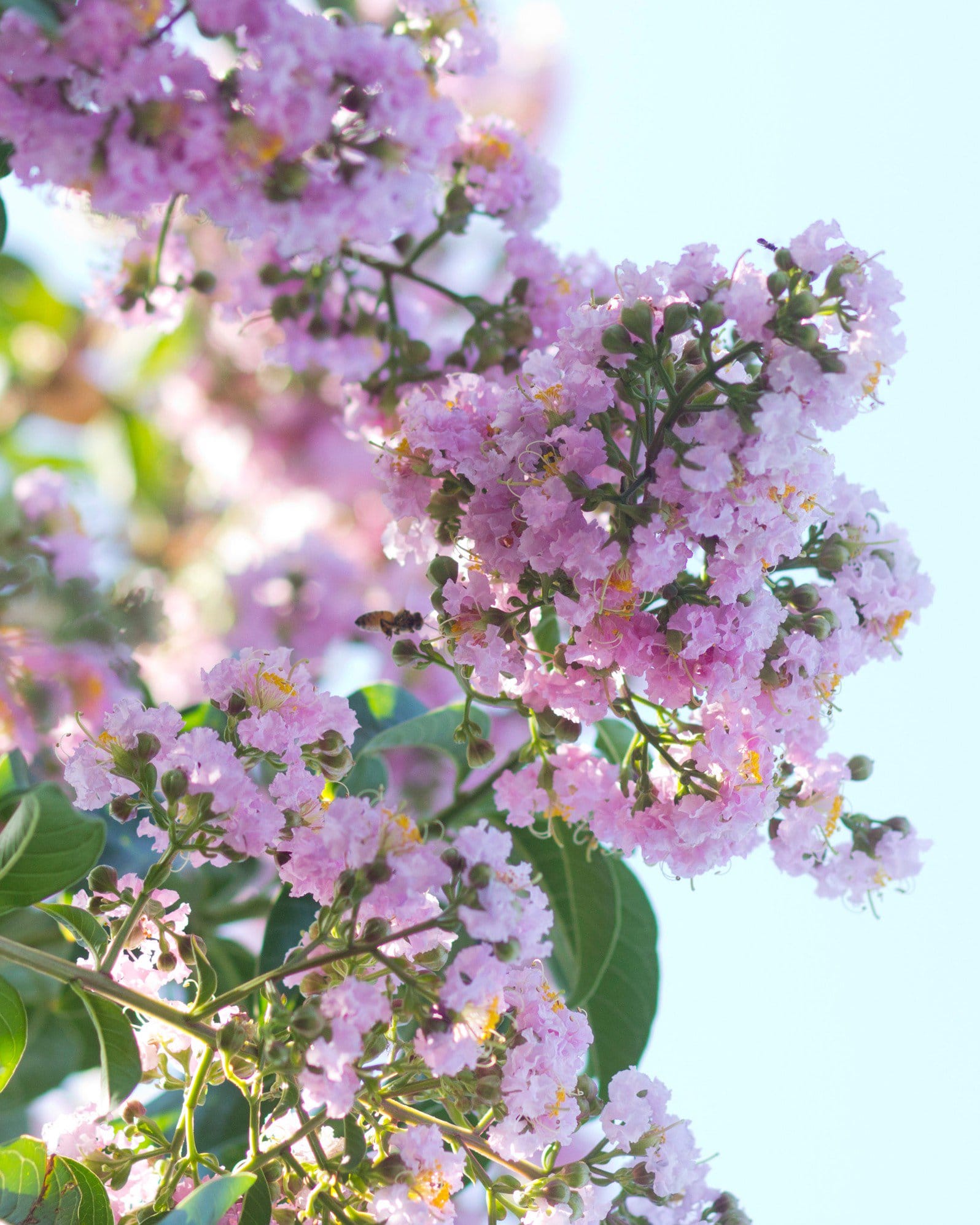
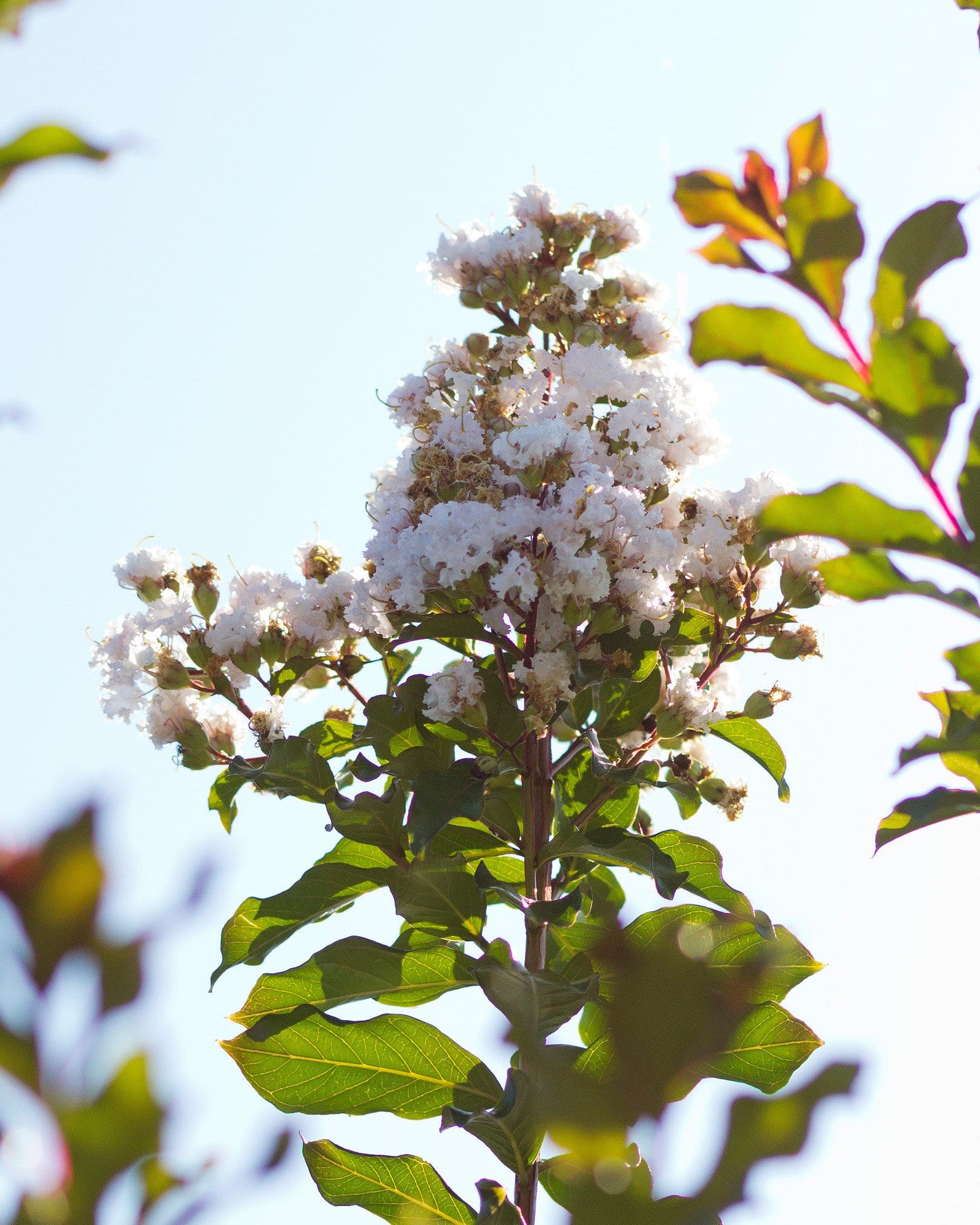
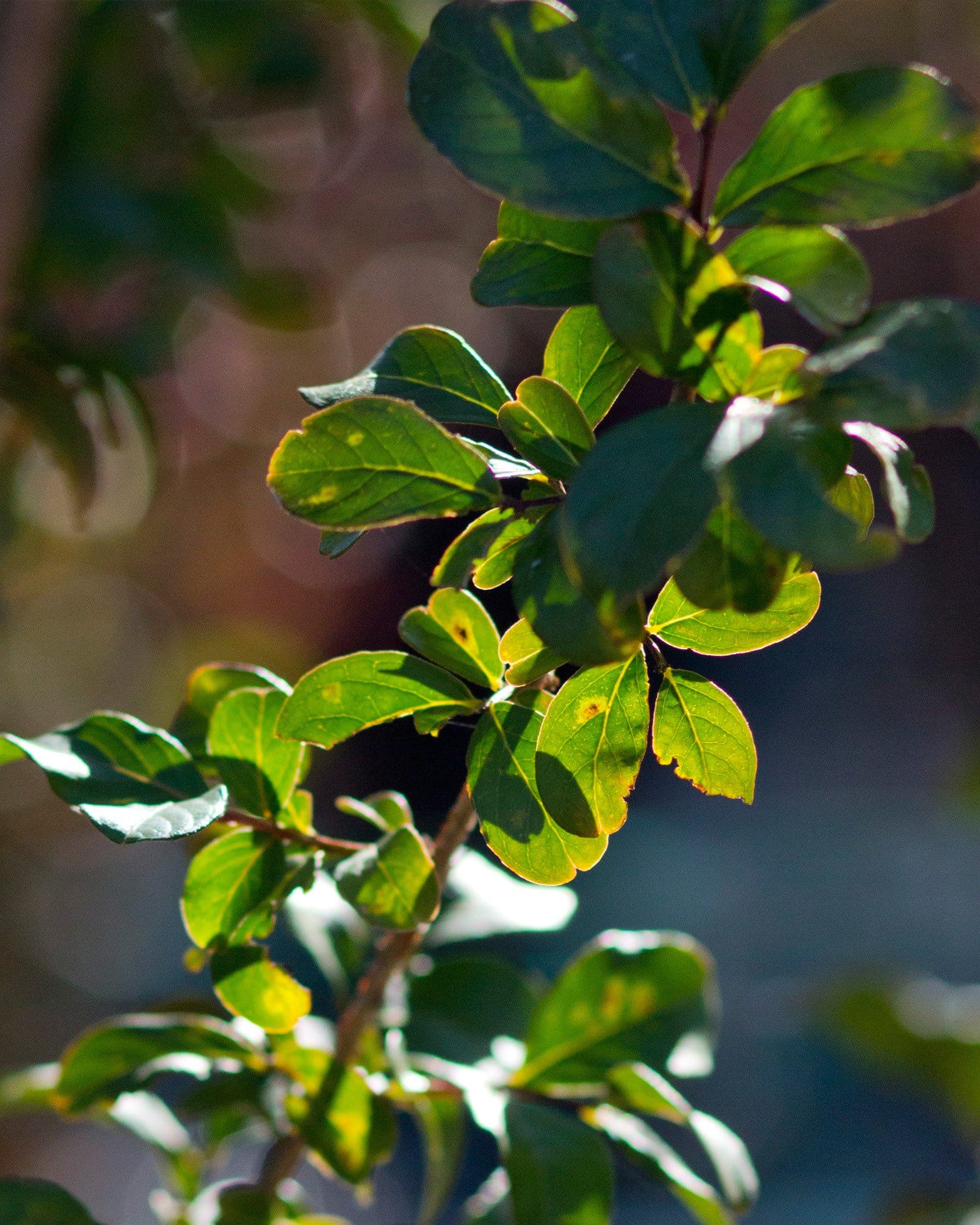
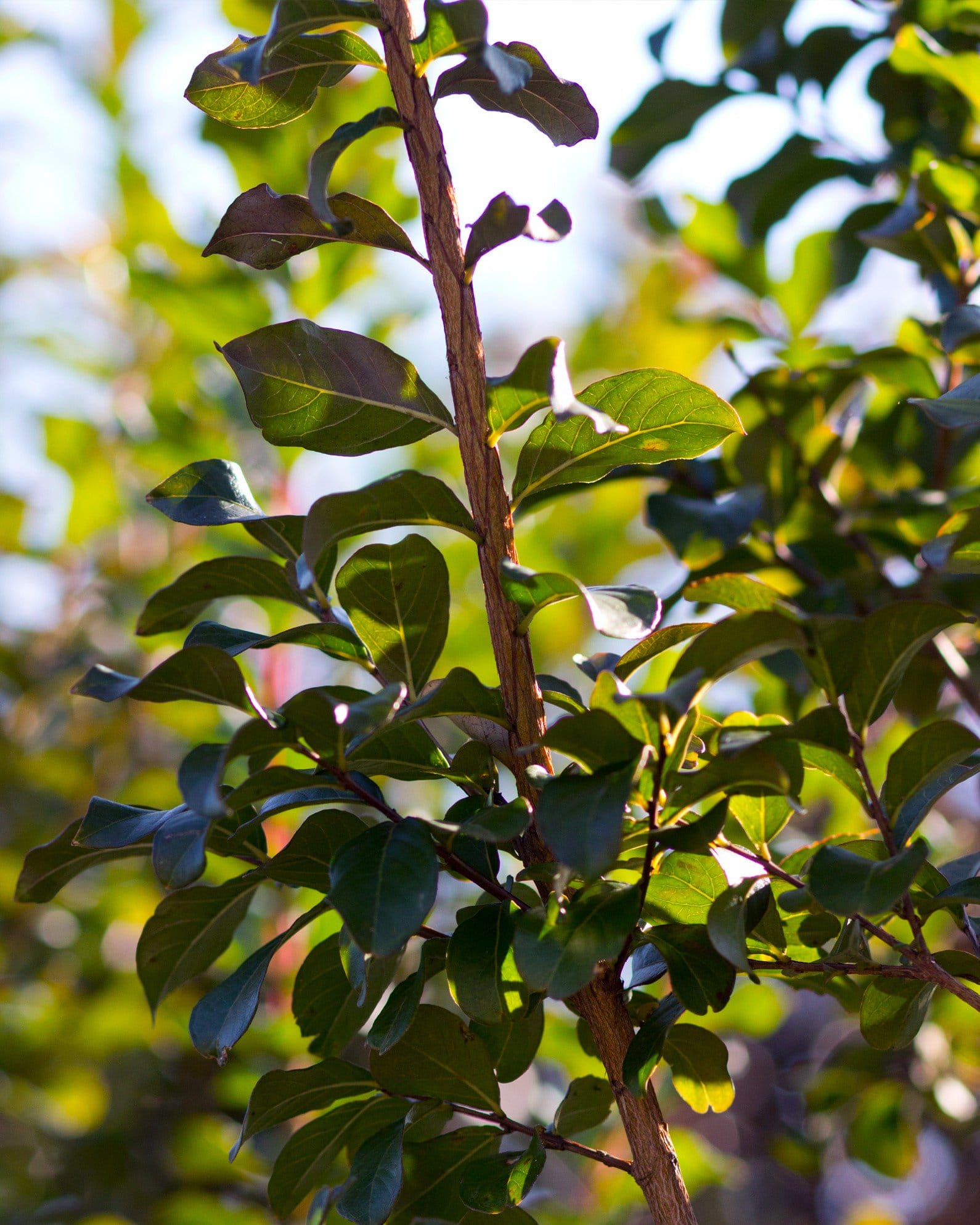
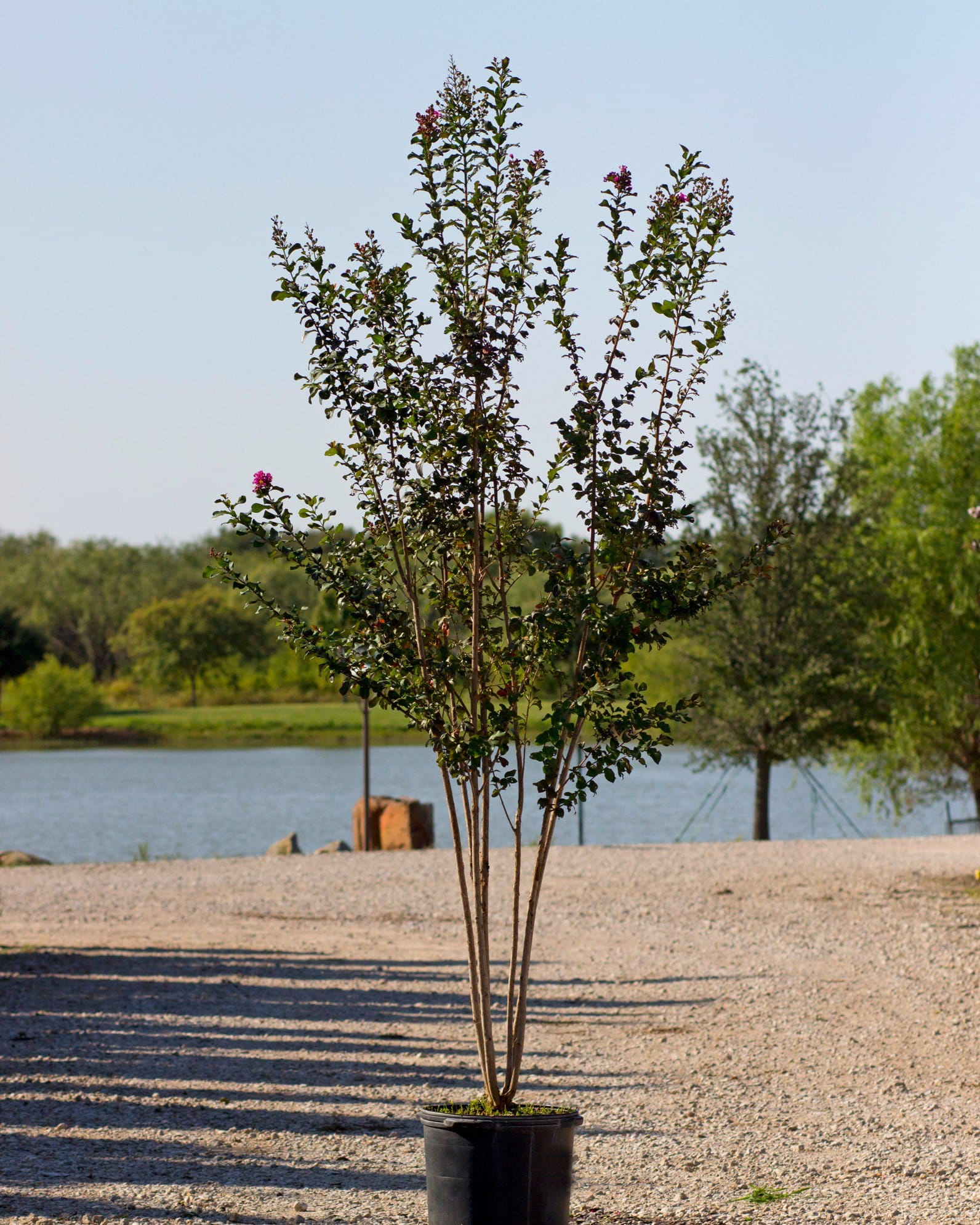
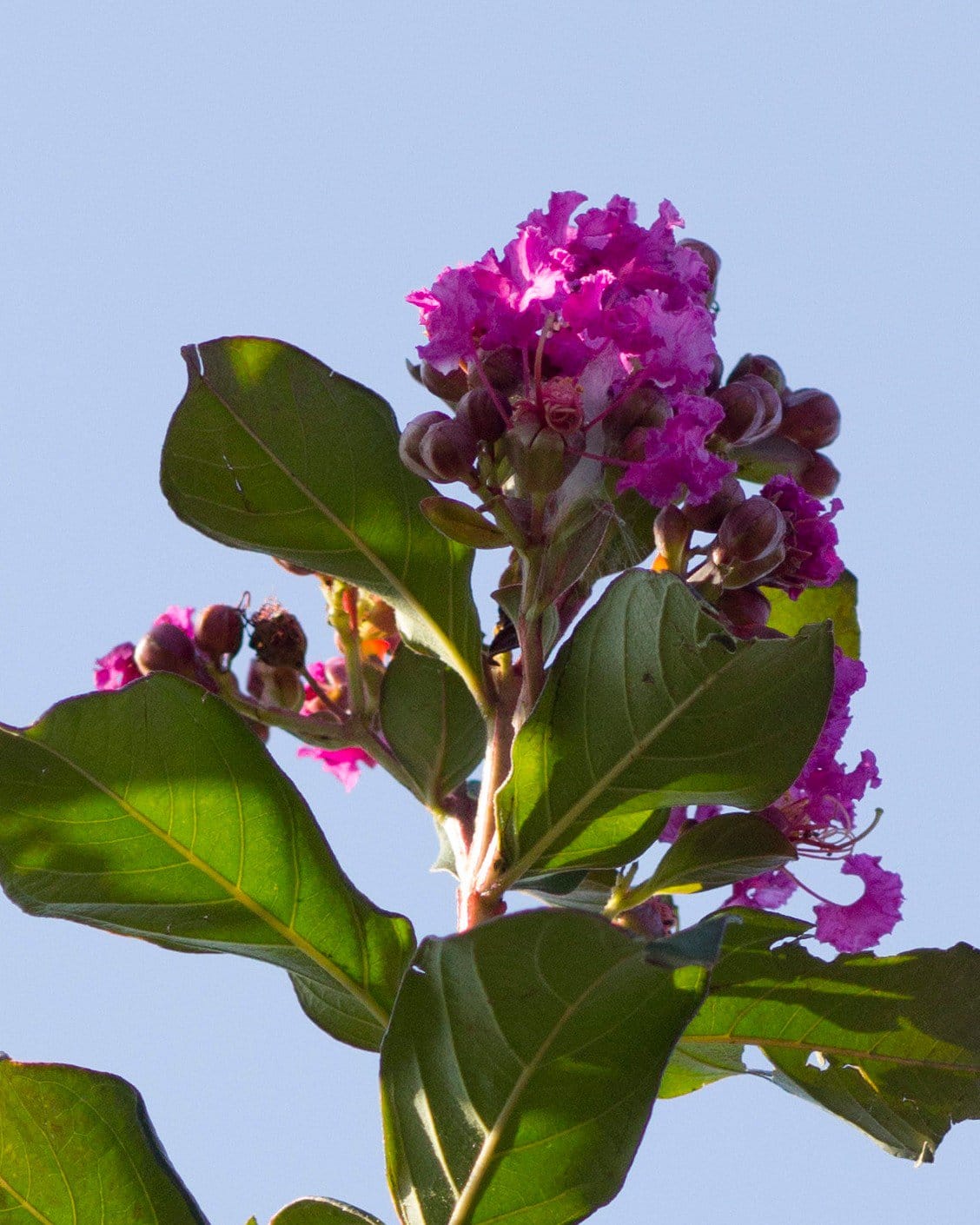
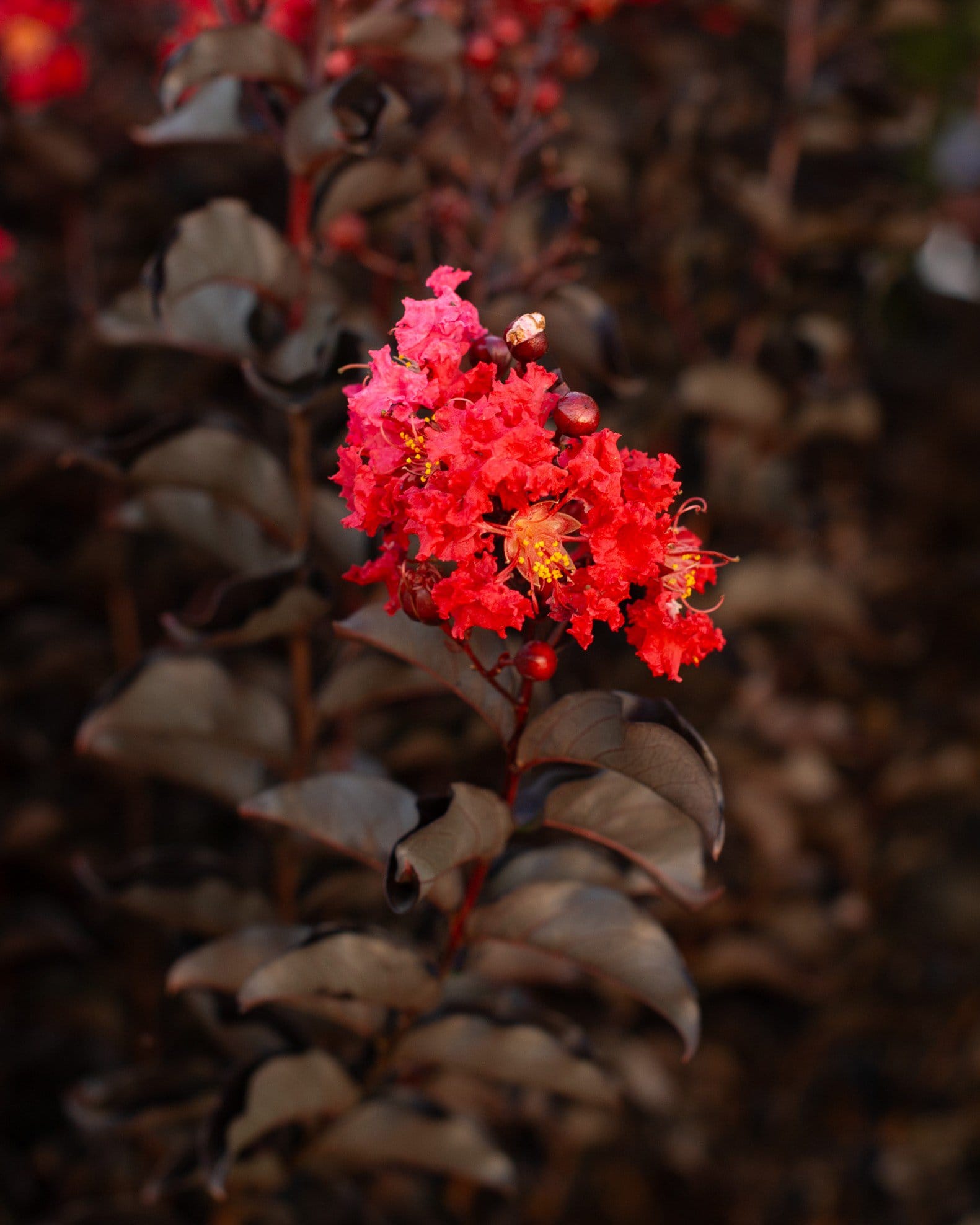
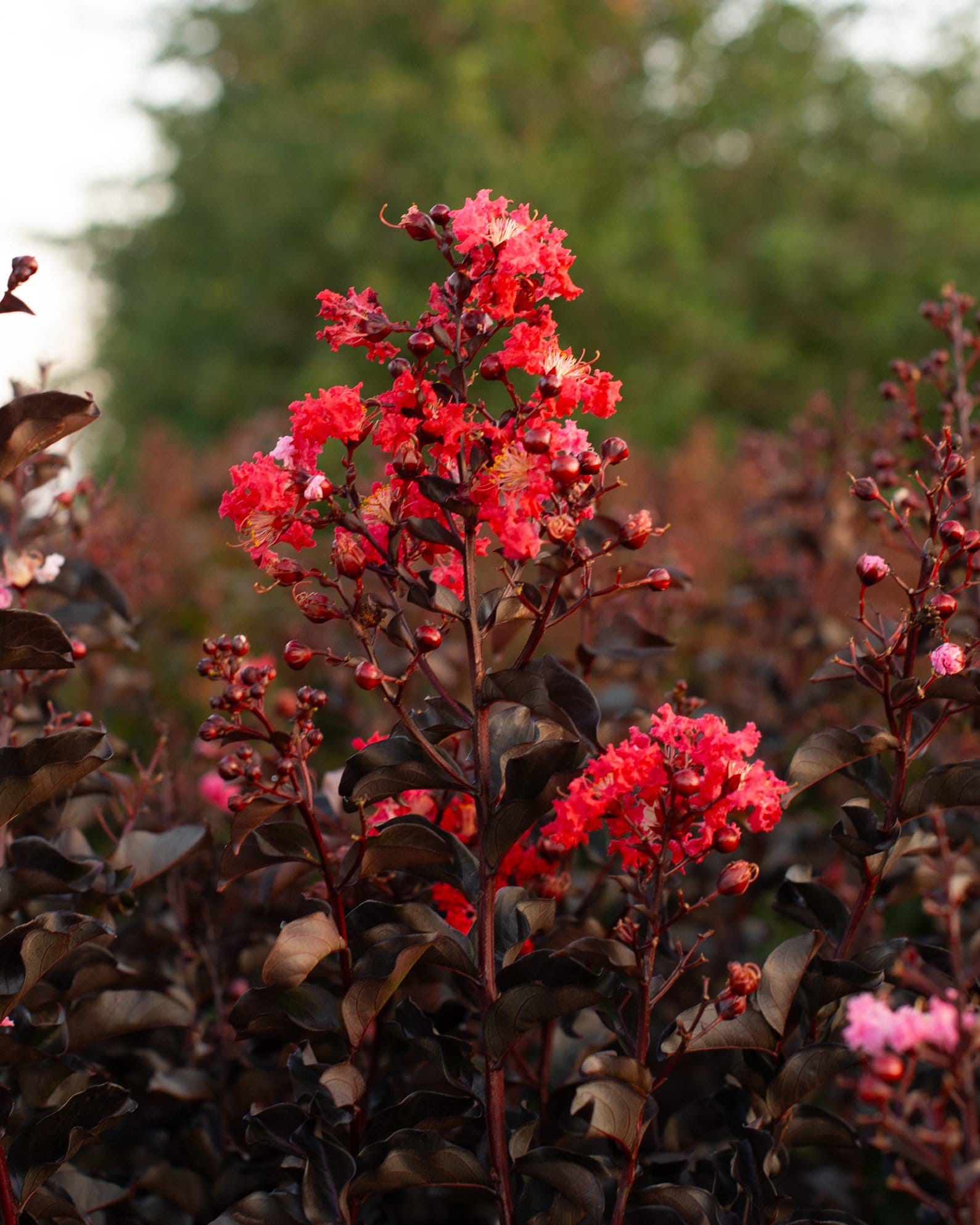
Lagerstroemia indica ‘Centennial Spirit’This shrub adds stunning color to your landscape across multiple seasons. In summer, it produces abundant clusters of striking fuchsia red flowers that stand out against its attractive green foliage. As the seasons shift, its leaves transition to warm yellow in fall, bringing an extra layer of seasonal interest. Reaching up to 20 feet in height and about 12 feet in width at maturity, it works beautifully as a focal point, in borders, or planted in small groups for greater impact.
- A deciduous shrub
- Upright, spreading growth habit
- Moderate growth rate
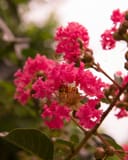
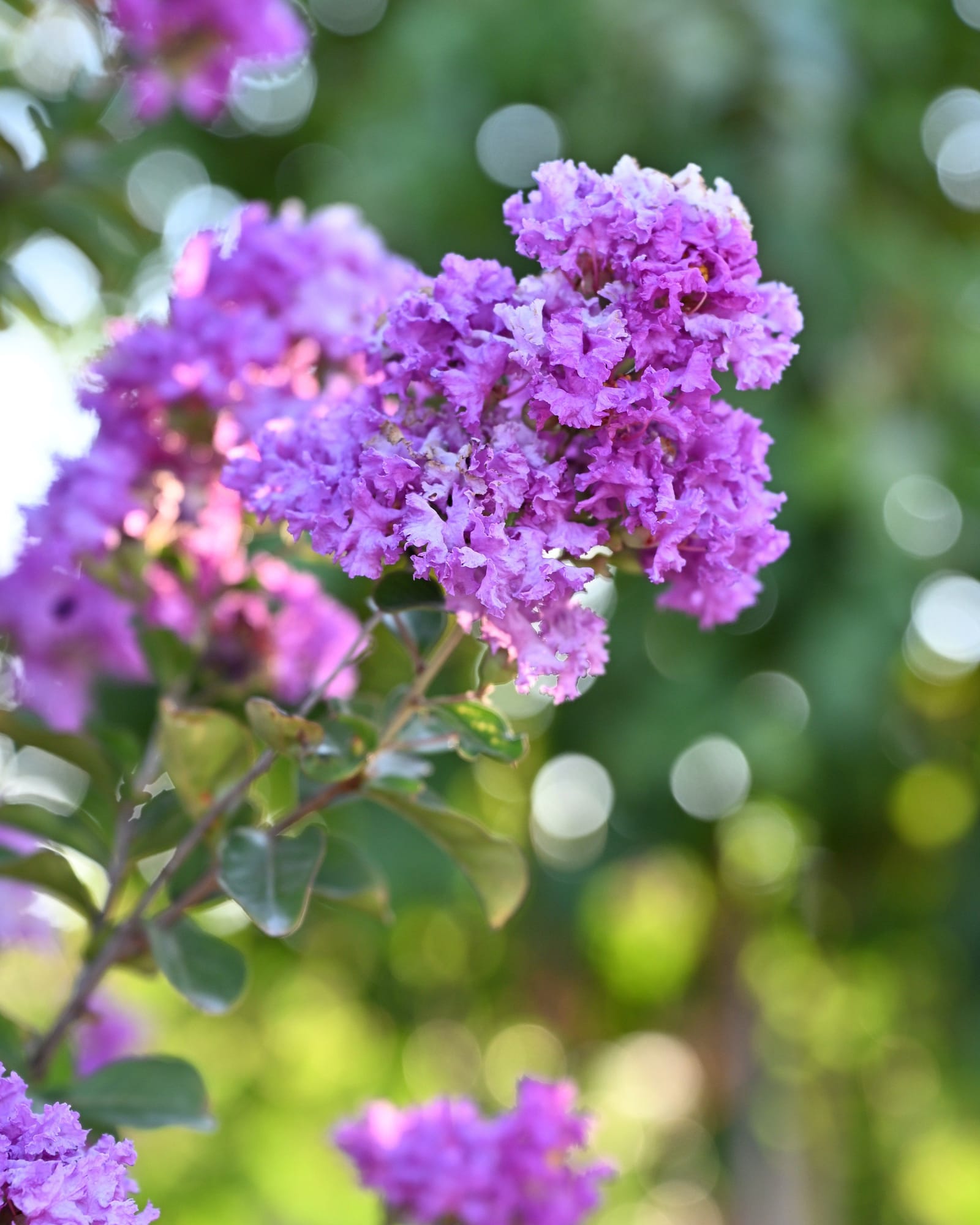
- Fuchsia red flowers blooming in summer
- Foliage turning yellow in fall
This plant is hardy in zones 7–9 and is a great fit for your North Texas landscape. It thrives in full sun and prefers well-drained soil. With a bit of care, it offers brilliant blooms and warm fall color, adding year-round beauty to your space.
Centennial Spirit Crape Myrtle becomes notably low-maintenance once established. Its compact structure and strong summer bloom performance make seasonal care straightforward and predictable. Here’s all it needs to thrive:
- Watering: Water deeply and consistently during the first growing season to establish a strong, drought-tolerant root system. Once established, it tolerates heat and moderate drought well, though deep irrigation during prolonged dry spells supports continued flowering and healthy foliage density.
- Pruning: Prune in late winter while dormant to remove weak, crowded, or crossing branches and to refine its natural framework. Avoid severe topping, as maintaining natural branch structure encourages better bloom distribution and long-term strength.
- Fertilizing: Fertilizer is rarely required in average soils. If growth appears weak or flowering declines, apply a balanced fertilizer in early spring to promote steady vigor without encouraging excessive leafy growth.
- Mulching: Maintain a 2-3 inch layer of mulch around the root zone to stabilize soil temperature and conserve moisture. Keep mulch slightly away from the trunk to prevent bark moisture buildup and discourage pests.
- Winter Care: Established trees are cold-hardy within their recommended range and typically require no additional protection. Young plants may benefit from light root-zone insulation during their first winters in cooler climates.
Centennial Spirit Crape Myrtle is generally resilient, though occasional environmental or insect pressures may arise.
- Aphids: Sticky residue on leaves or surfaces below may indicate feeding activity. A firm spray of water or insecticidal soap usually manages light infestations effectively.
- Sooty Mold: Black film may develop on leaves due to honeydew from aphids. Controlling the insect source allows foliage to gradually clean itself.
- Cercospora Leaf Spot: Small dark spotting on lower leaves may appear during humid conditions, sometimes leading to early leaf drop. Removing fallen leaves and maintaining airflow helps reduce recurrence.
- Powdery Mildew: A faint white coating may develop during extended humidity. Planting in full sun and avoiding overhead watering significantly limits outbreaks.
- Drought Stress: Wilting or reduced bloom production may occur during extreme heat without irrigation. Deep, infrequent watering helps stabilize soil moisture and restore vigor.
Centennial Spirit Crape Myrtle typically lives 30-50 years under favorable conditions. Proper pruning and drainage support long-term structural health. Mature trees can remain vibrant landscape features for decades.
It generally grows 12-24 inches per year in warm climates. Structural maturity often develops within 5-8 years. Full canopy development may take 8-12 years depending on conditions.
It is especially valued for its deep, true red summer blooms. The saturated flower color holds well in intense sun without fading to pink. Its compact size makes it versatile in many landscape settings.
Yes, it is known for repeat blooming when spent flowers are removed. Deadheading can encourage additional flushes of color later in summer. Warm temperatures support extended bloom cycles.
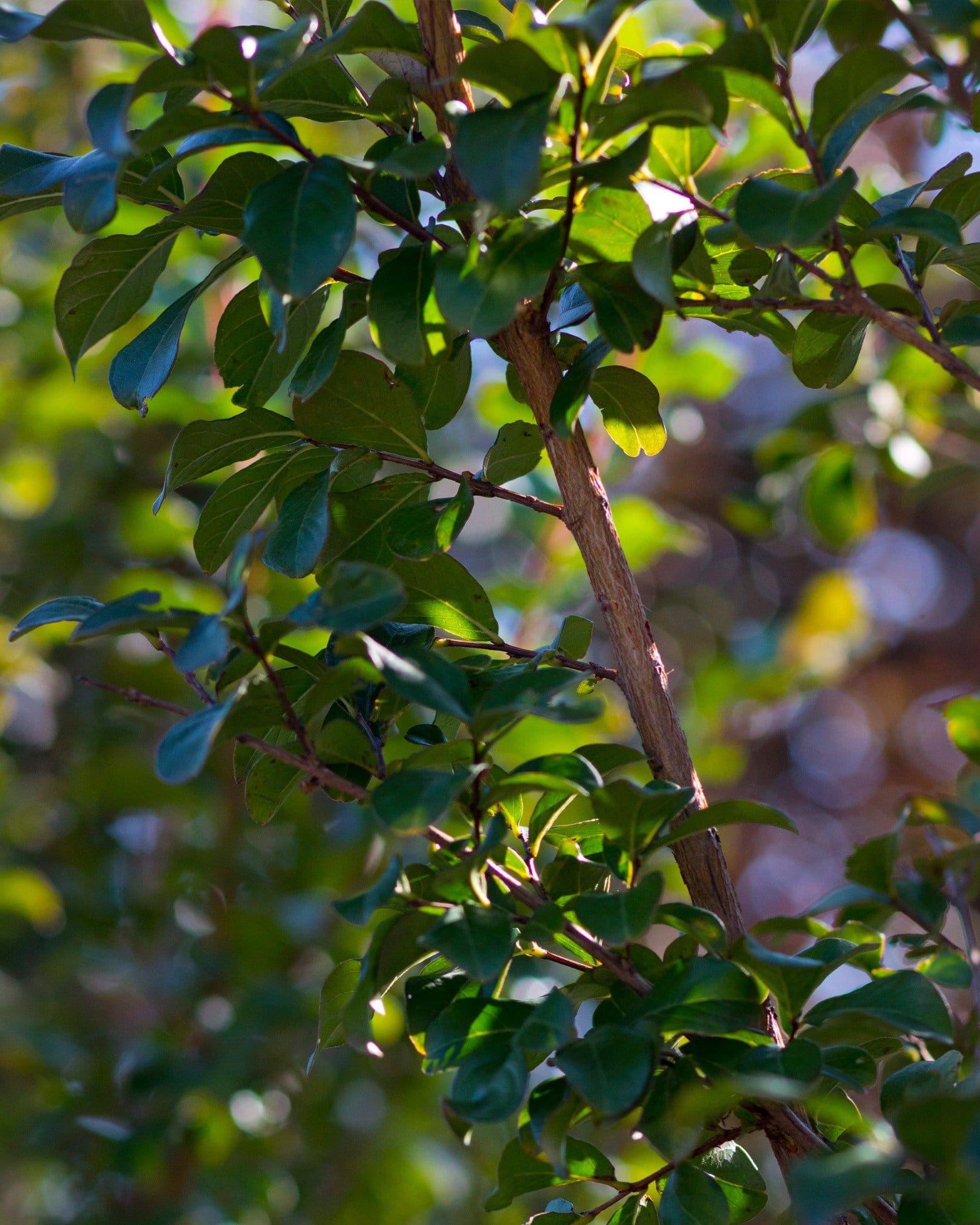
It develops smooth bark that exfoliates subtly as it matures. While not as dramatic as some taller varieties, it still provides winter interest. The bark adds textural appeal beyond flowering season.
Its vibrant summer blooms attract bees and other beneficial insects. The extended flowering period provides nectar during hotter months. This supports pollinator activity when fewer trees are in bloom.
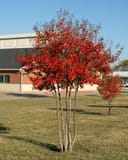
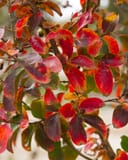
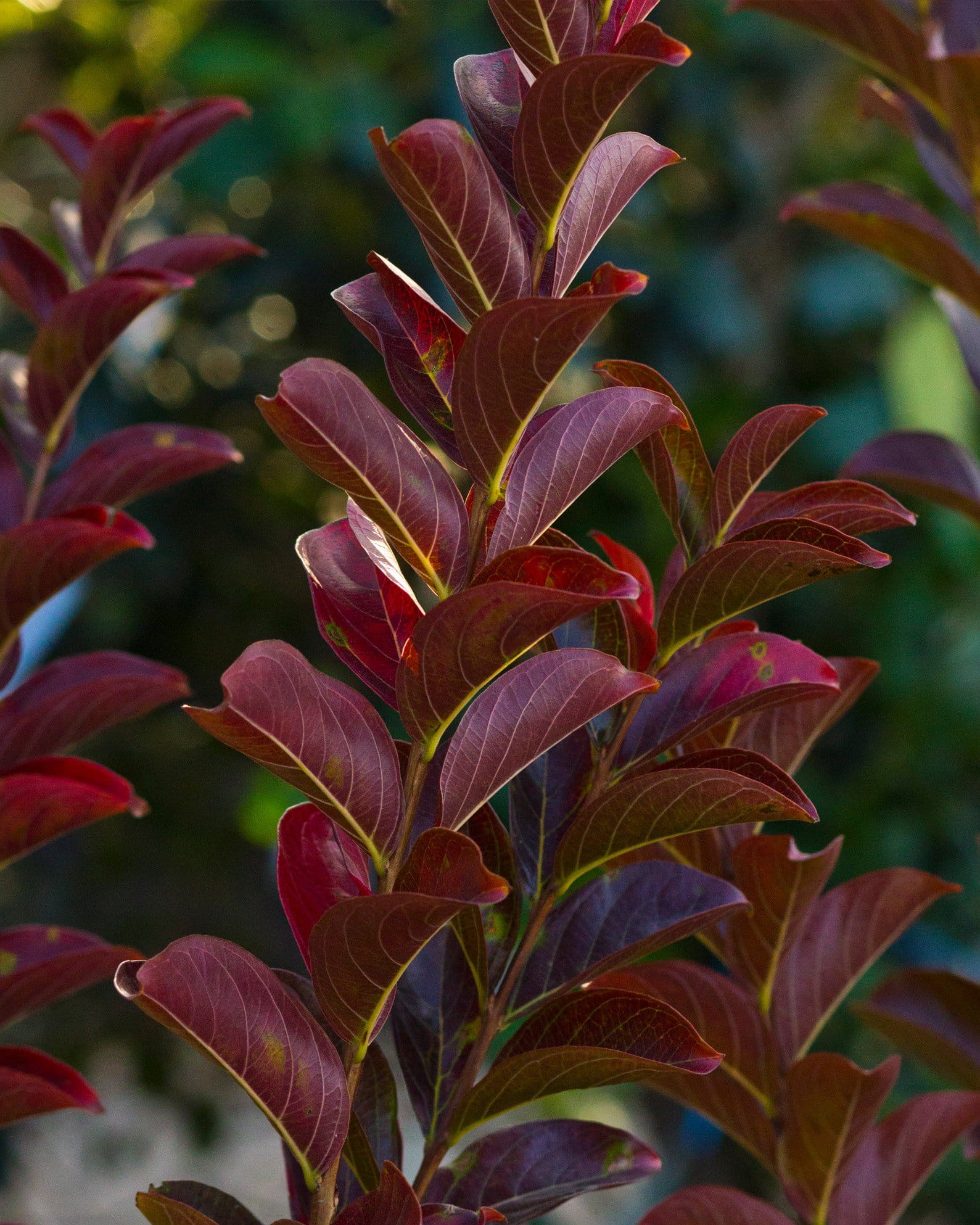
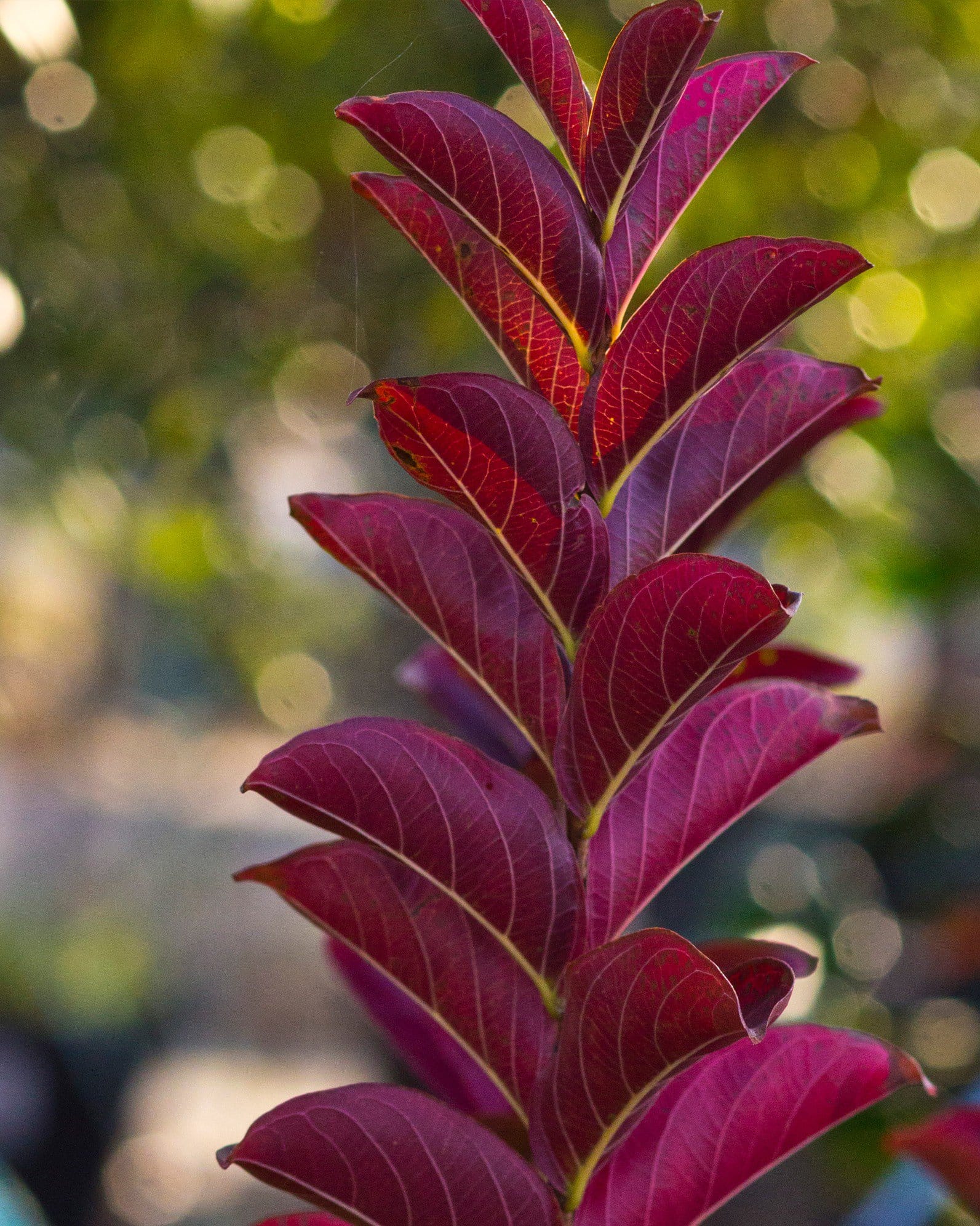
Foliage may shift to warm tones of red and orange in autumn. Cooler nights enhance the intensity of seasonal color. This adds visual interest beyond the summer bloom display.
Yes, it is commonly trained in multi-stem form to highlight its structure. Early pruning establishes the desired framework. Mature multi-trunk specimens offer strong architectural presence.
It performs very well in hot, sun-exposed environments. Reflected heat from pavement rarely diminishes bloom performance. Adequate irrigation during prolonged drought maintains vigor.
It develops a full, rounded canopy with proper sunlight exposure. Light thinning improves airflow without sacrificing density. Balanced growth supports even bloom coverage.
Special Features
You might also like
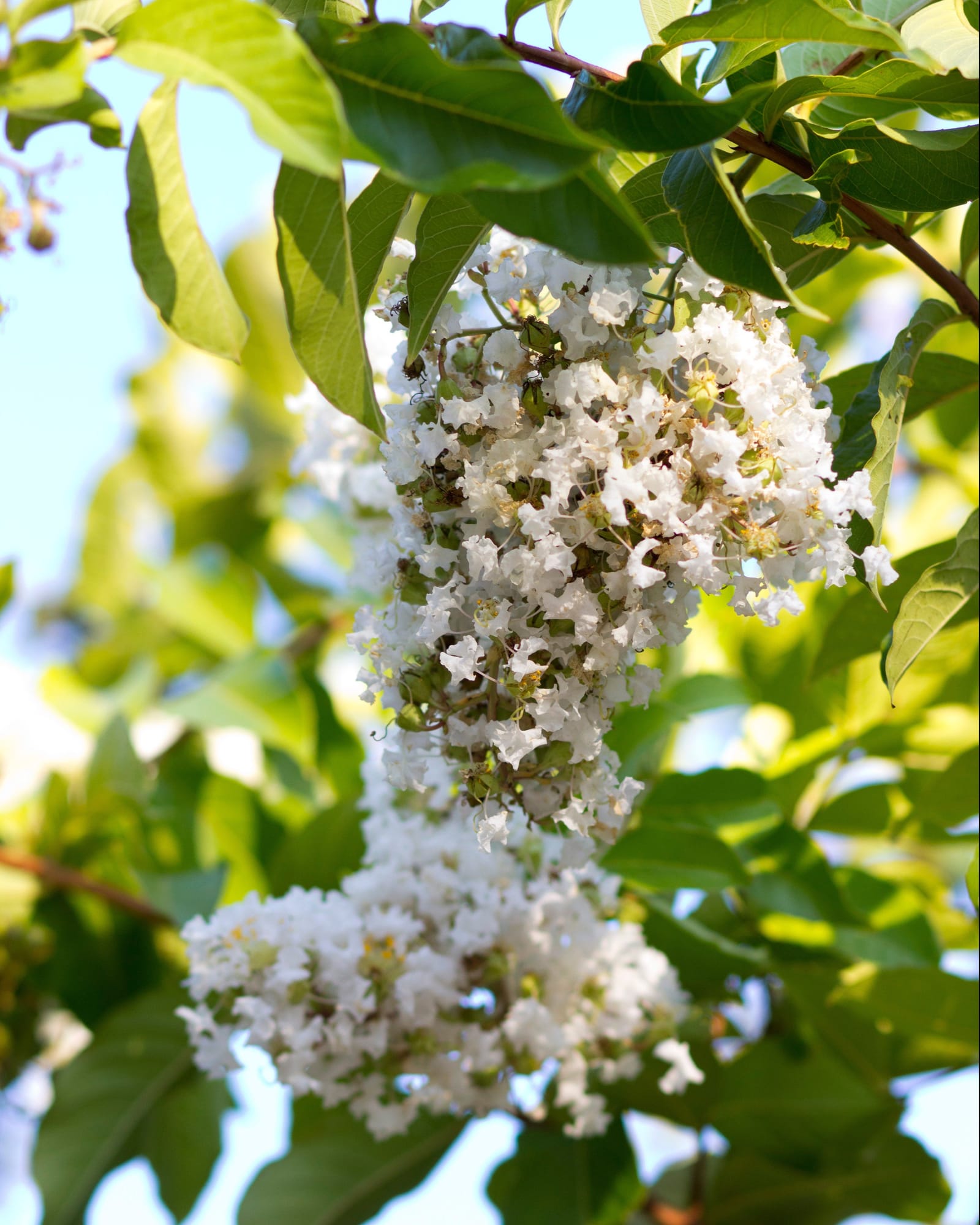
Natchez Crape Myrtle
Maturity: 25' H x 20' W
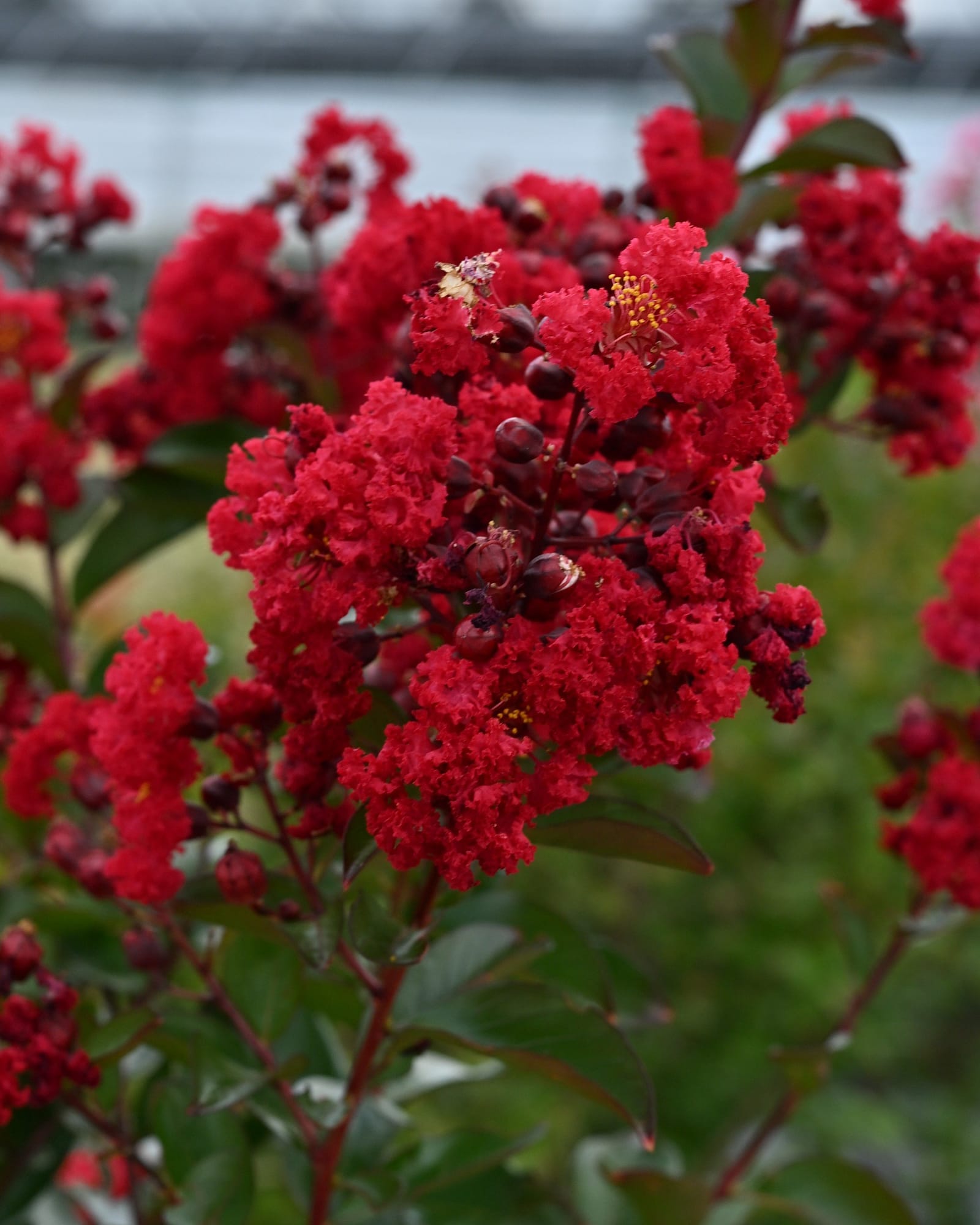
Ruffled Red Magic Crape Myrtle
Maturity: 9' H x 7' W
Scarlet Crape Myrtle
Maturity: 20' H x 12' W
Autauga Crape Myrtle
Maturity: 20' H x 12' W
Basham's Party Pink Crape Myrtle
Maturity: 20' H x 15' W
Biloxi Crape Myrtle
Maturity: 20' H x 15' W
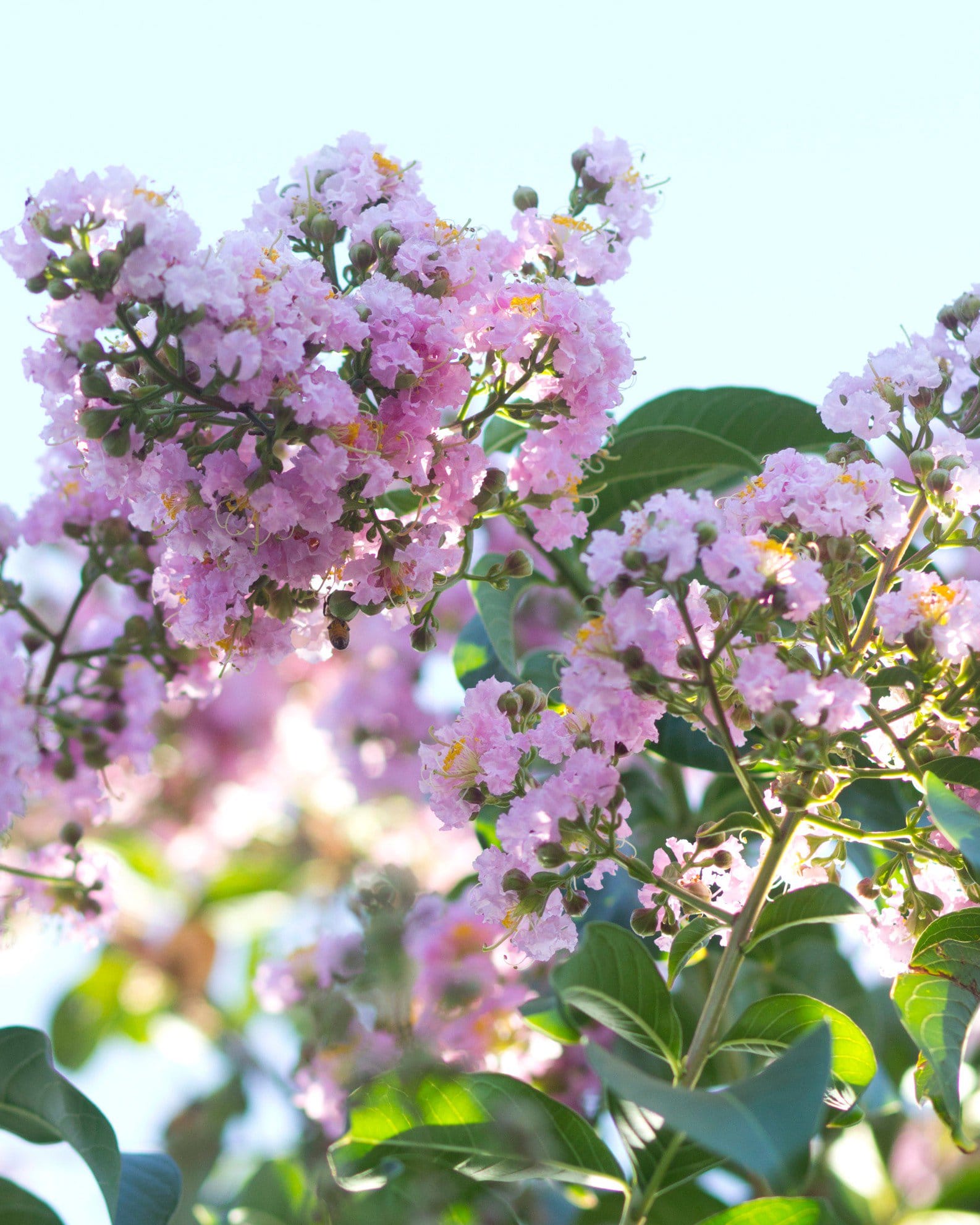
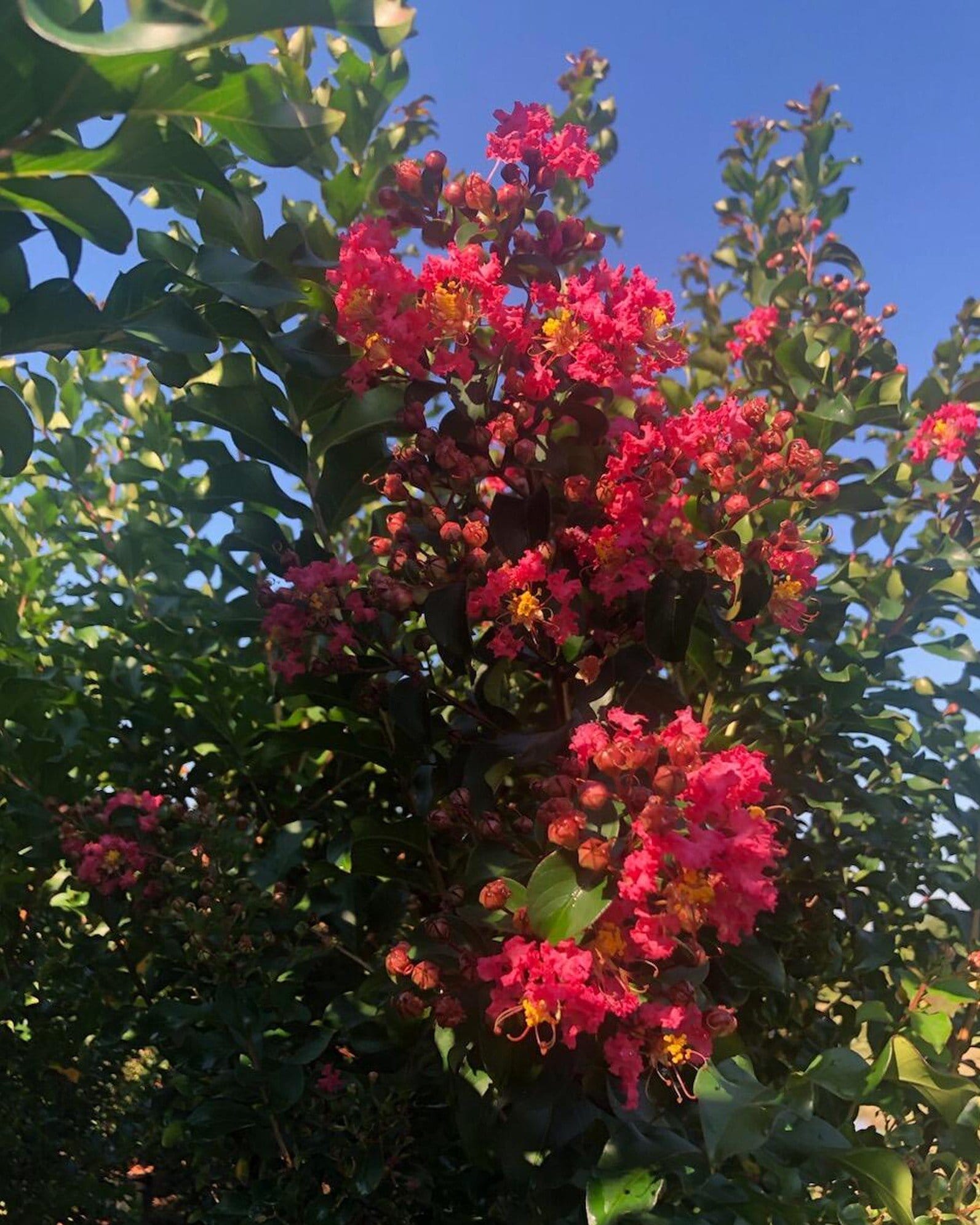
Colorama Coral Crape Myrtle
Maturity: 20' H x 12' W
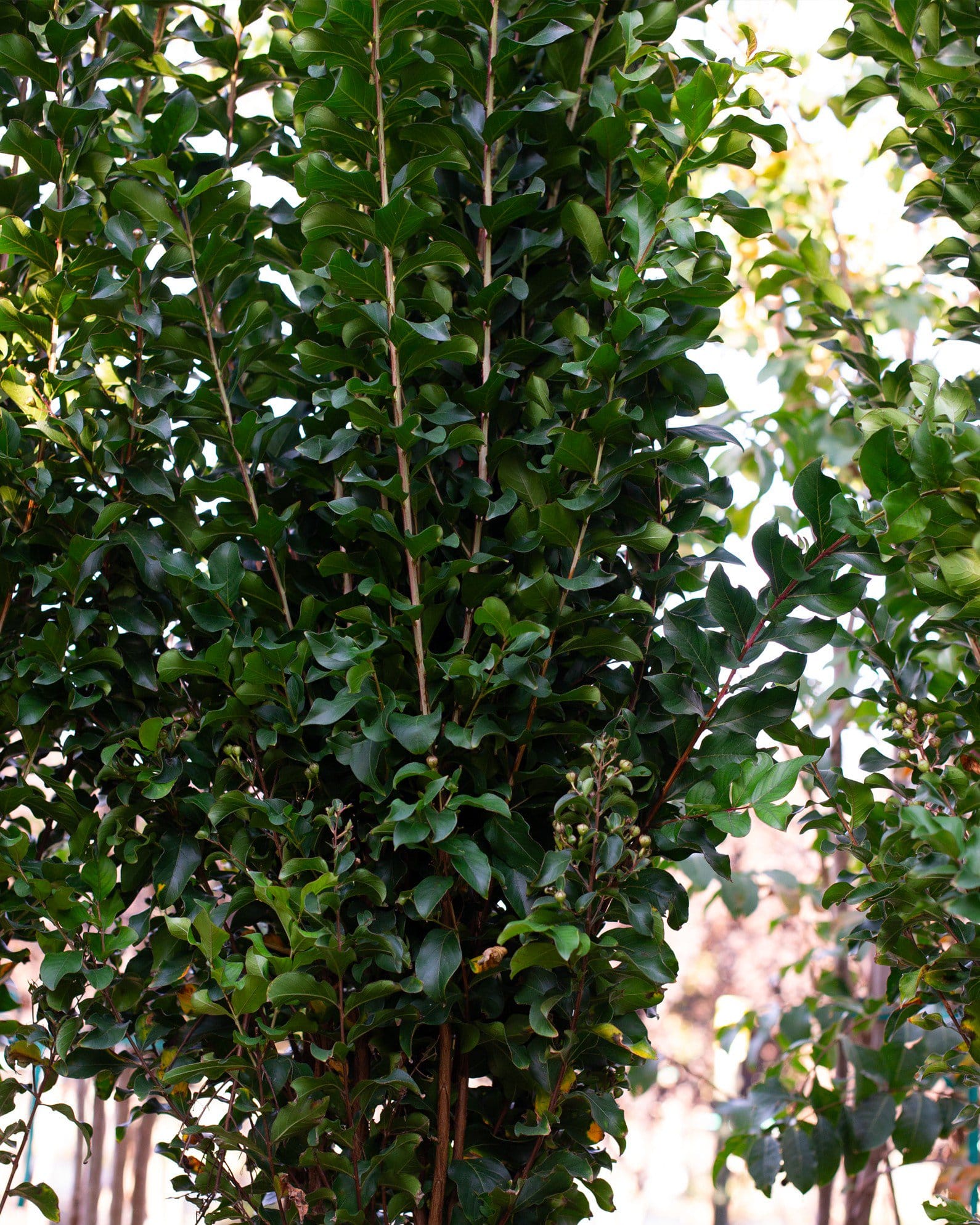
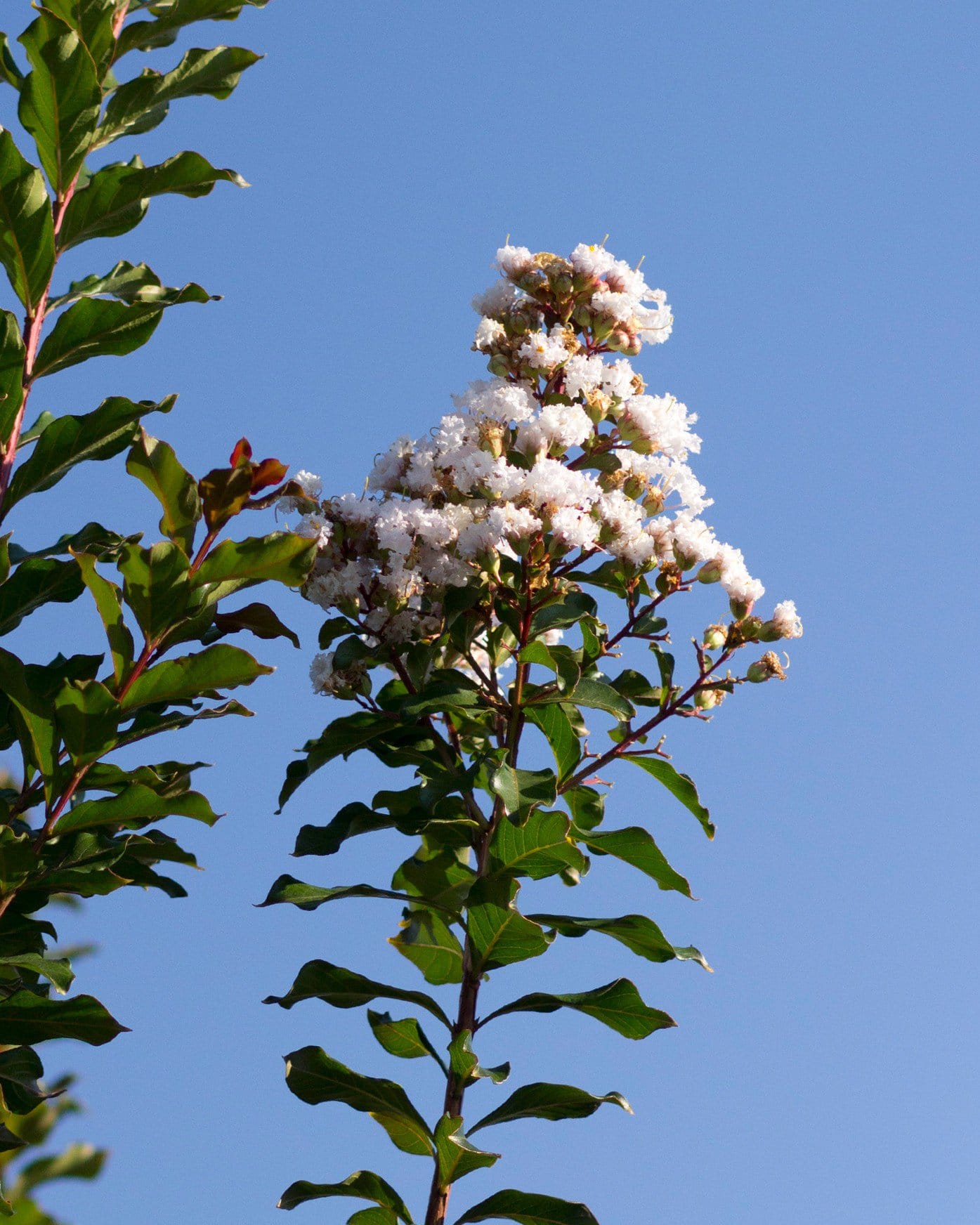
Colorama Ivory Crape Myrtle
Maturity: 20' H x 12' W
Colorama Pearl Crape Myrtle
Maturity: 20' H x 12' W
Colorama Purple Crape Myrtle
Maturity: 20' H x 12' W
Double Dynamite Crape Myrtle Single Trunk
Maturity: 8' H x 8' W
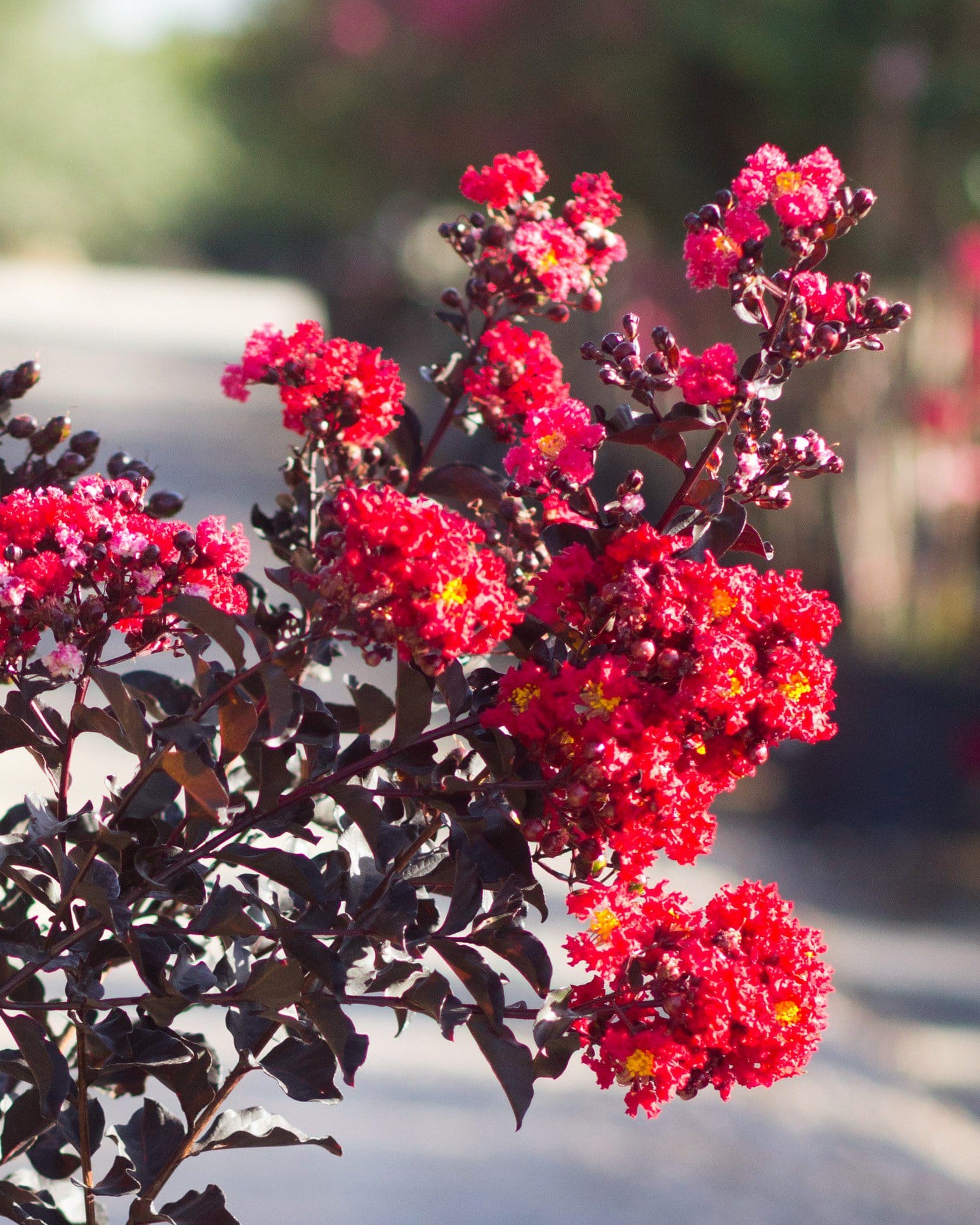
Ebony Embers Crape Myrtle
Maturity: 10' H x 6' W
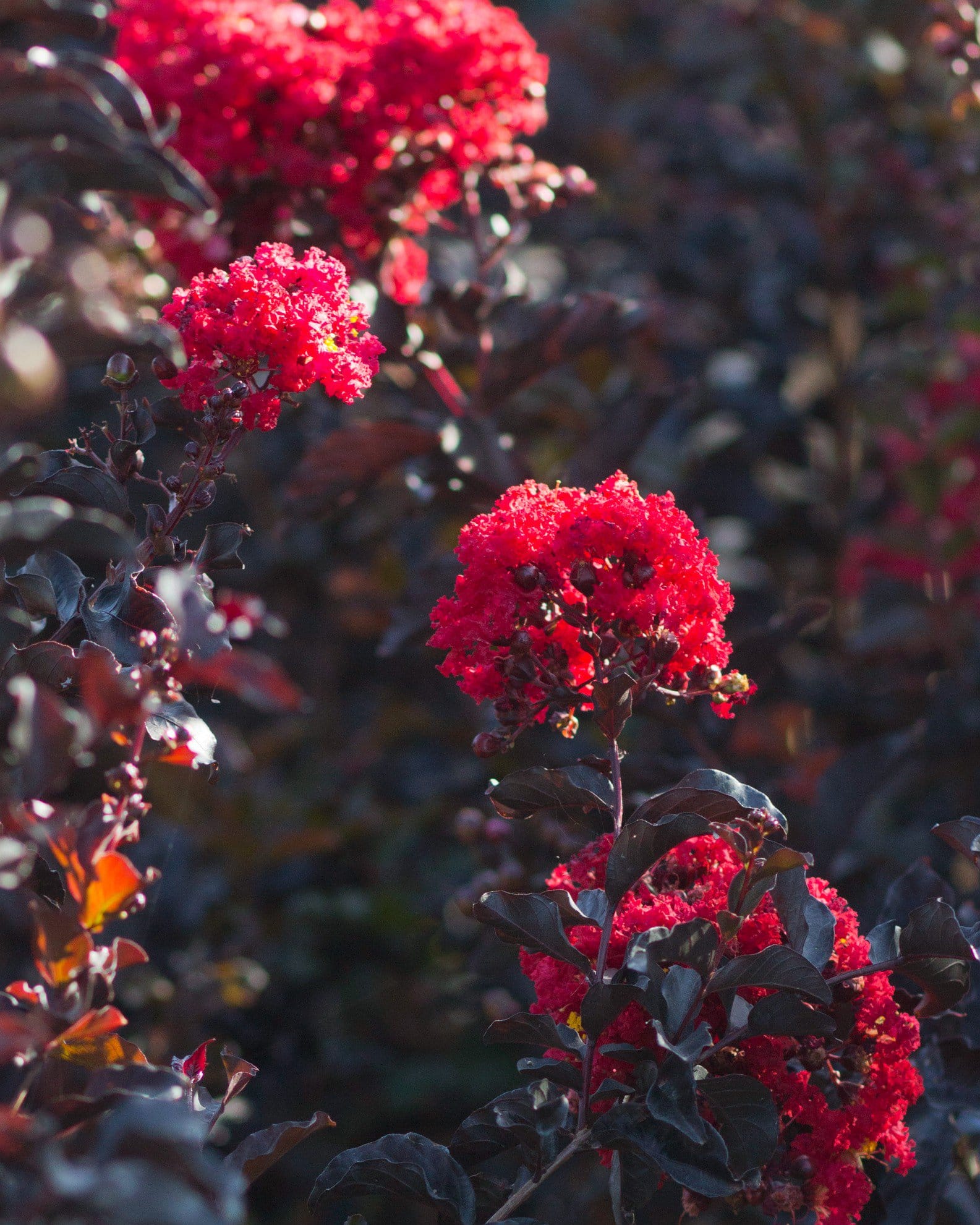
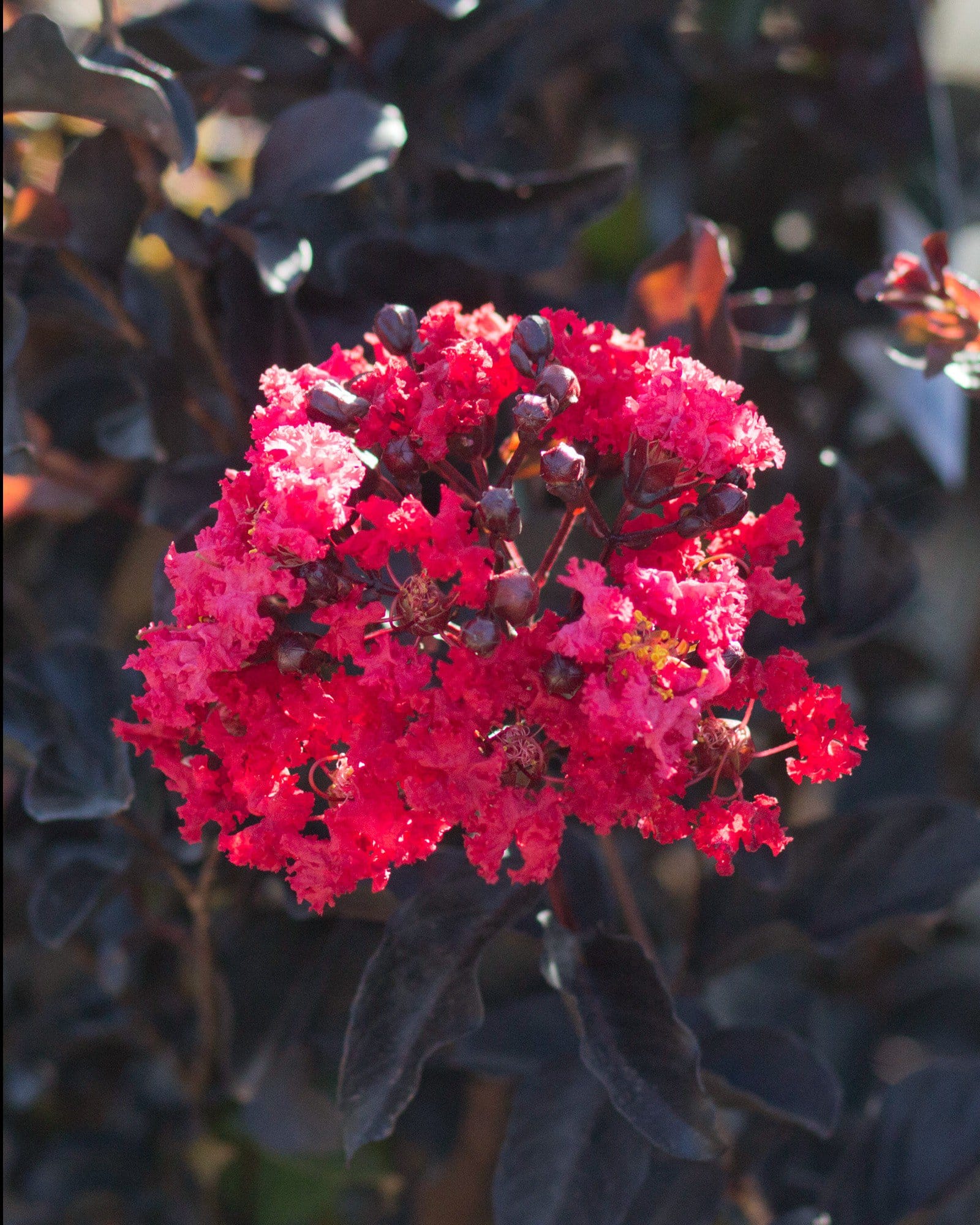
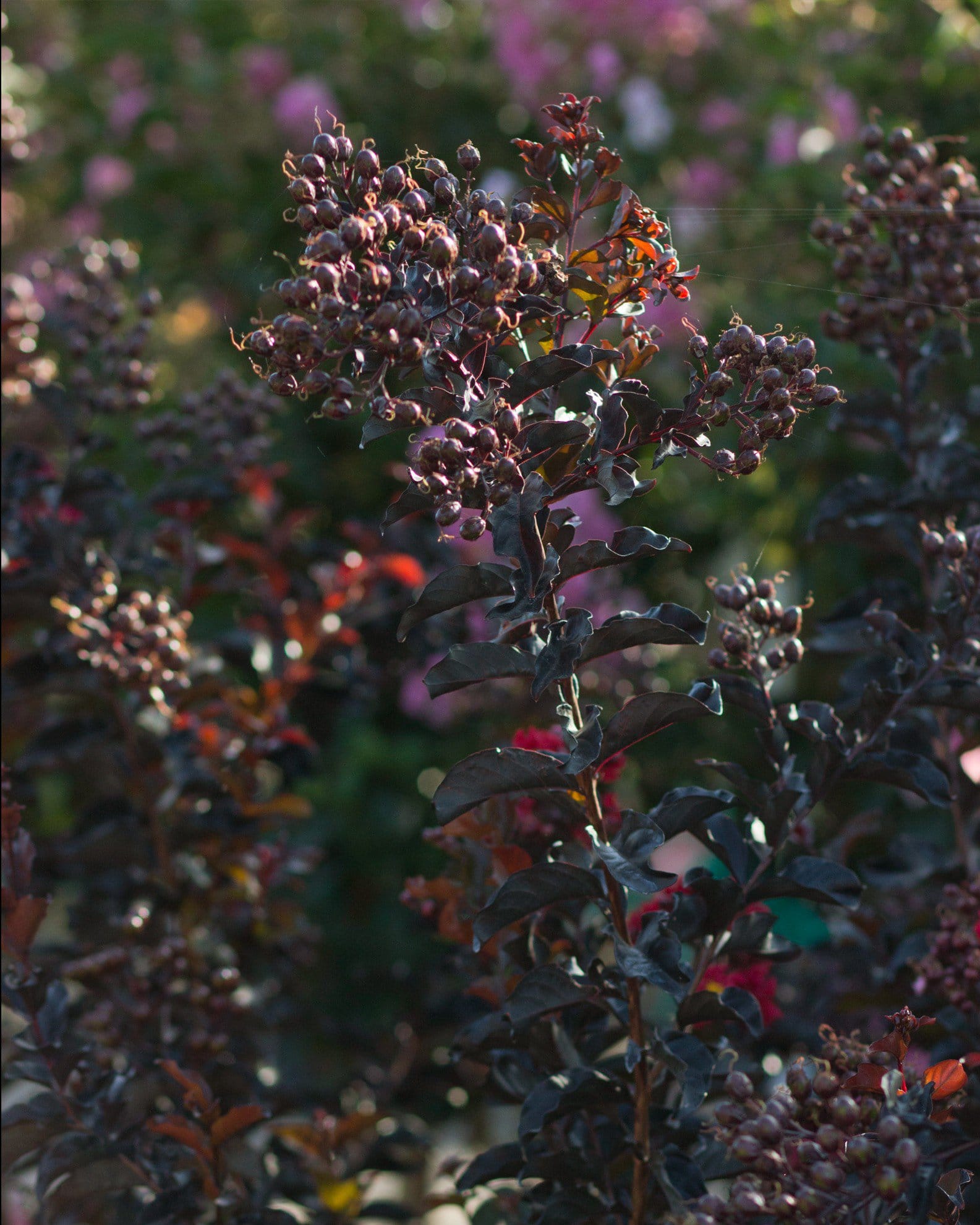
Ebony Fire Crape Myrtle
Maturity: 10' H x 6' W
Hopi Crape Myrtle
Maturity: 10' H x 8' W
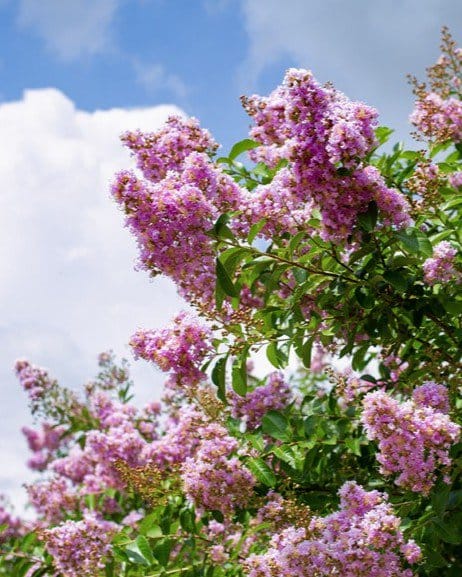
Muskogee Crape Myrtle
Maturity: 25' H x 20' W
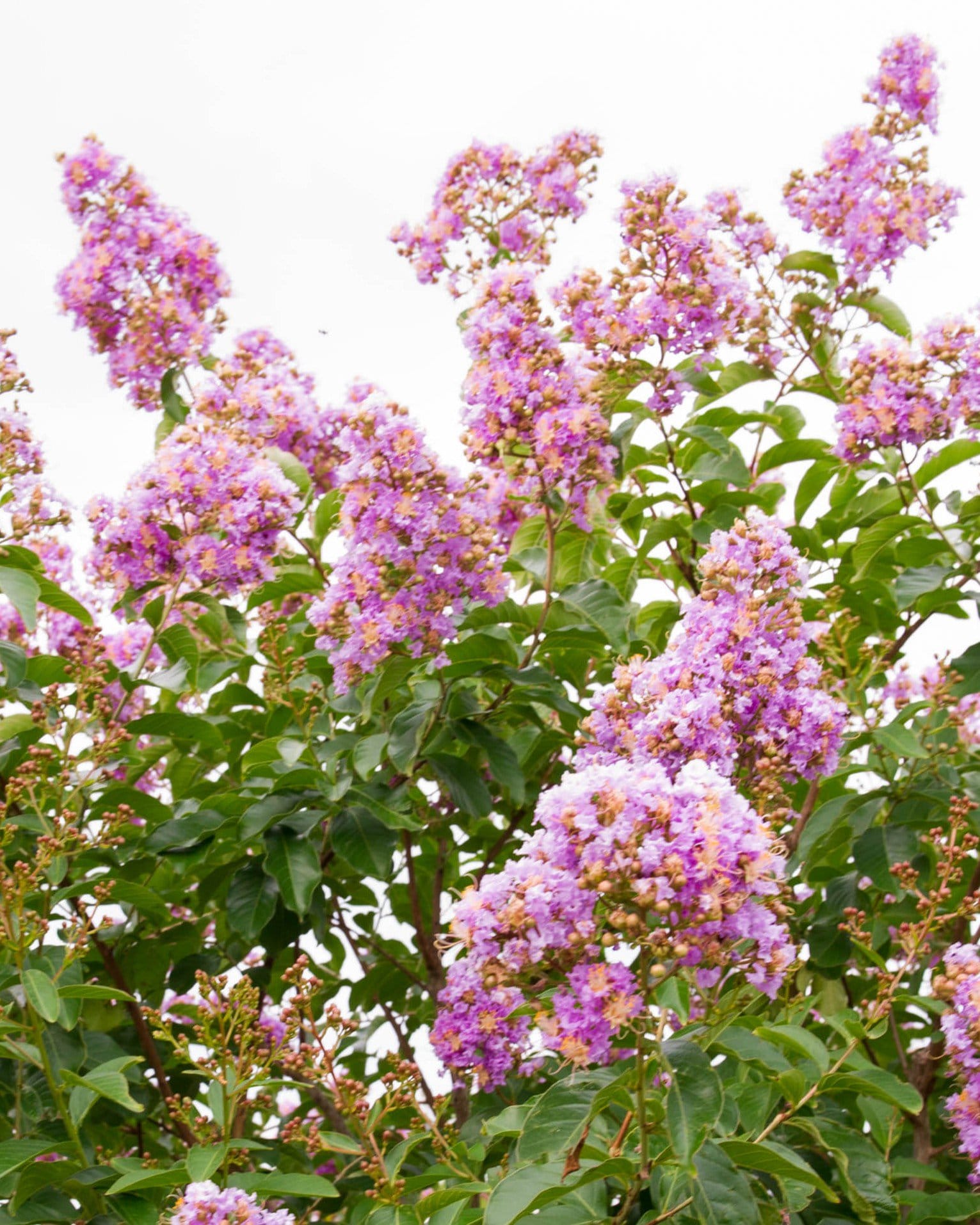
Compare Similar Plants
Centennial Spirit Crape Myrtle This plant | ||
|---|---|---|
| Scientific Name | Lagerstroemia indica ‘Centennial Spirit’ | Lagerstroemia x 'Natchez' |
| Size at Maturity | 20' H x 12' W | 25' H x 20' W |
| Leaf Retention | Deciduous | Deciduous |
| Fall Color | Yellow | Yellow |
| Flower Color | Red | White |
| Bloom Times | Summer | Summer |
| Sizes Available | 10 gal | 15, 30, 45 gal |


Our 1-Year Planting Guarantee
We take pride in our plants and installation services. If any plants or trees installed by Treeland fail to thrive within the first year, we'll provide a replacement credit in accordance with our guarantee program.
Learn More About Our Guarantee