
 Texas Native
Texas Mountain Laurel
Dermatophyllum secundiflorumLocal DFW Delivery Only
Product Details
Texas Mountain Laurel
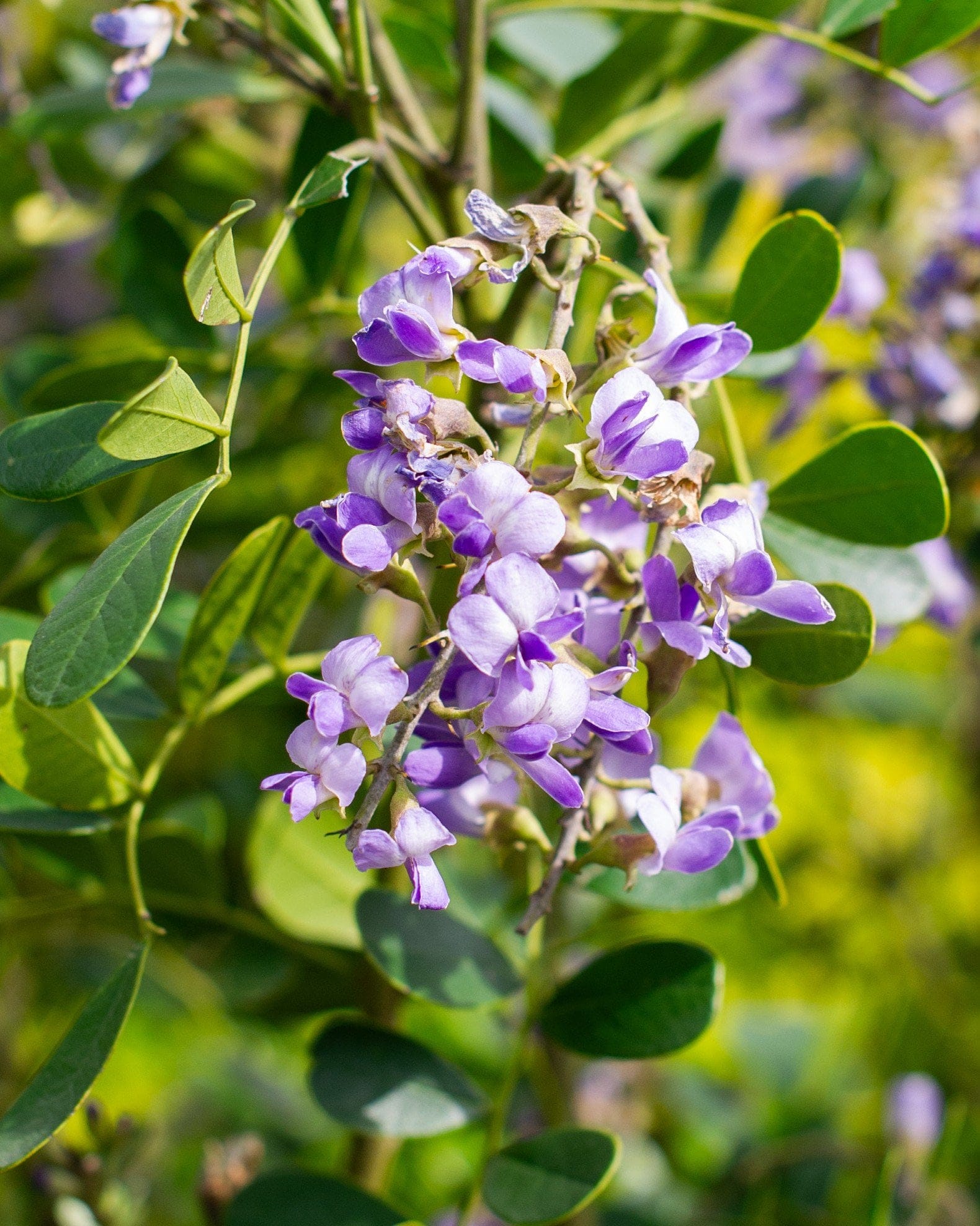
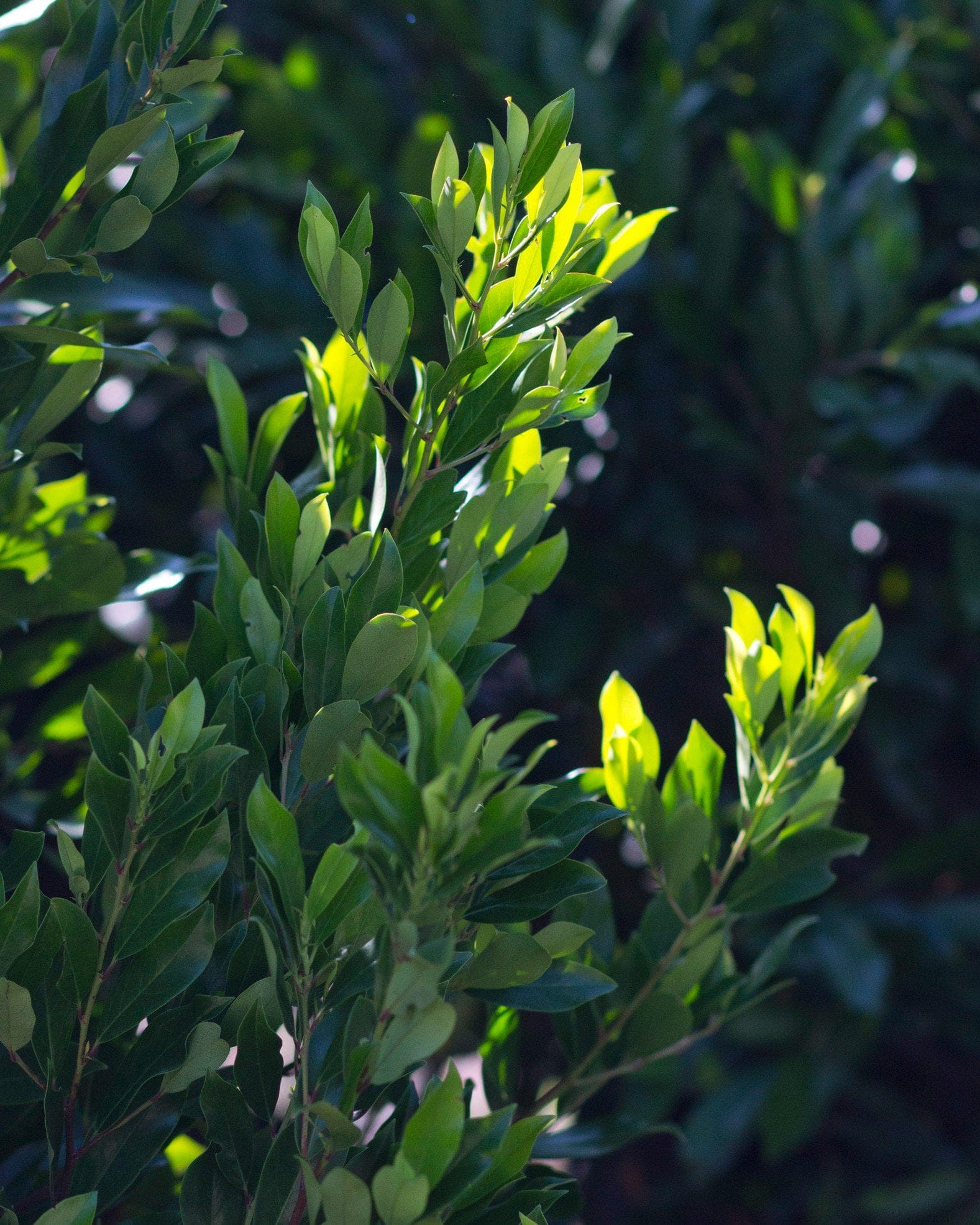
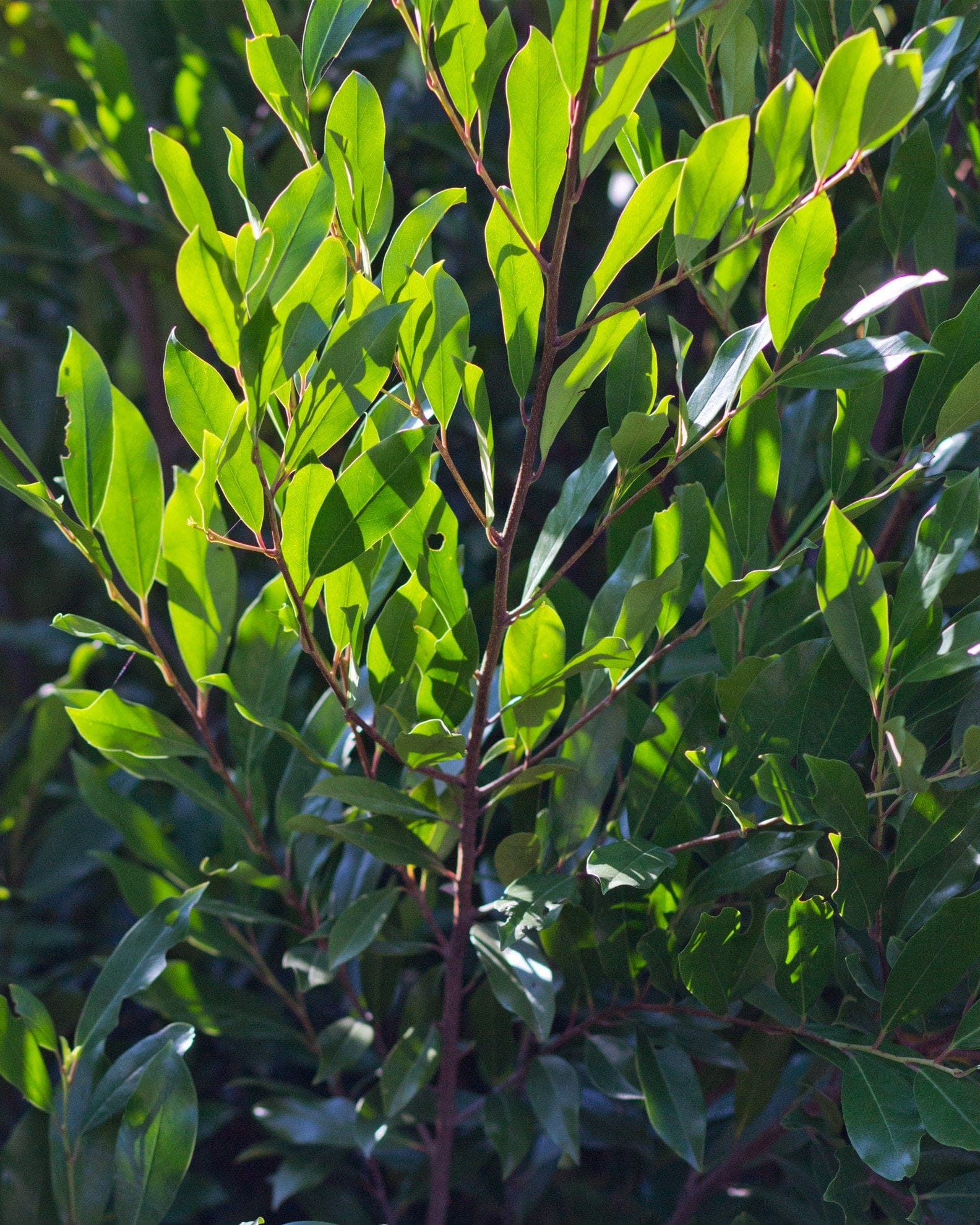
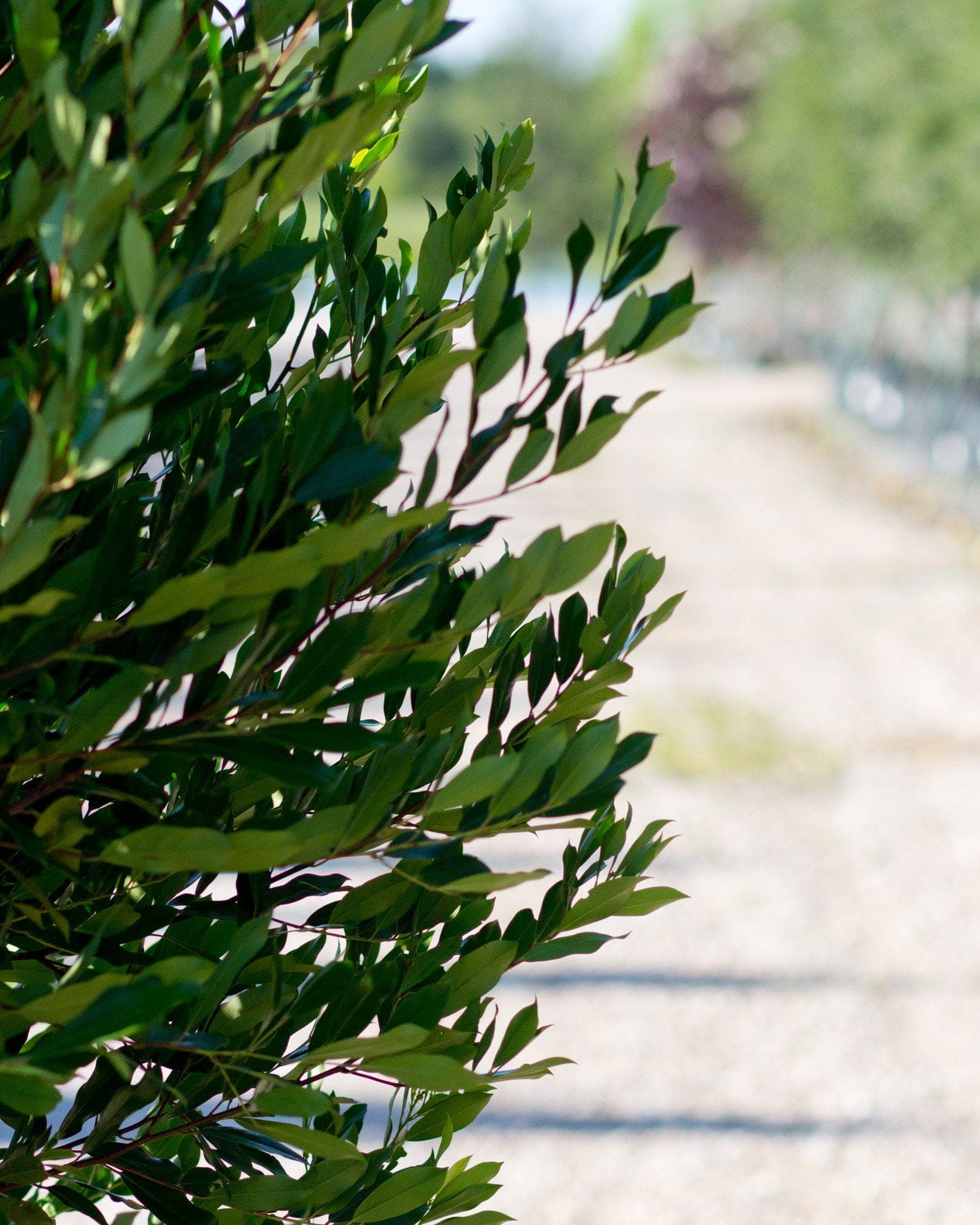
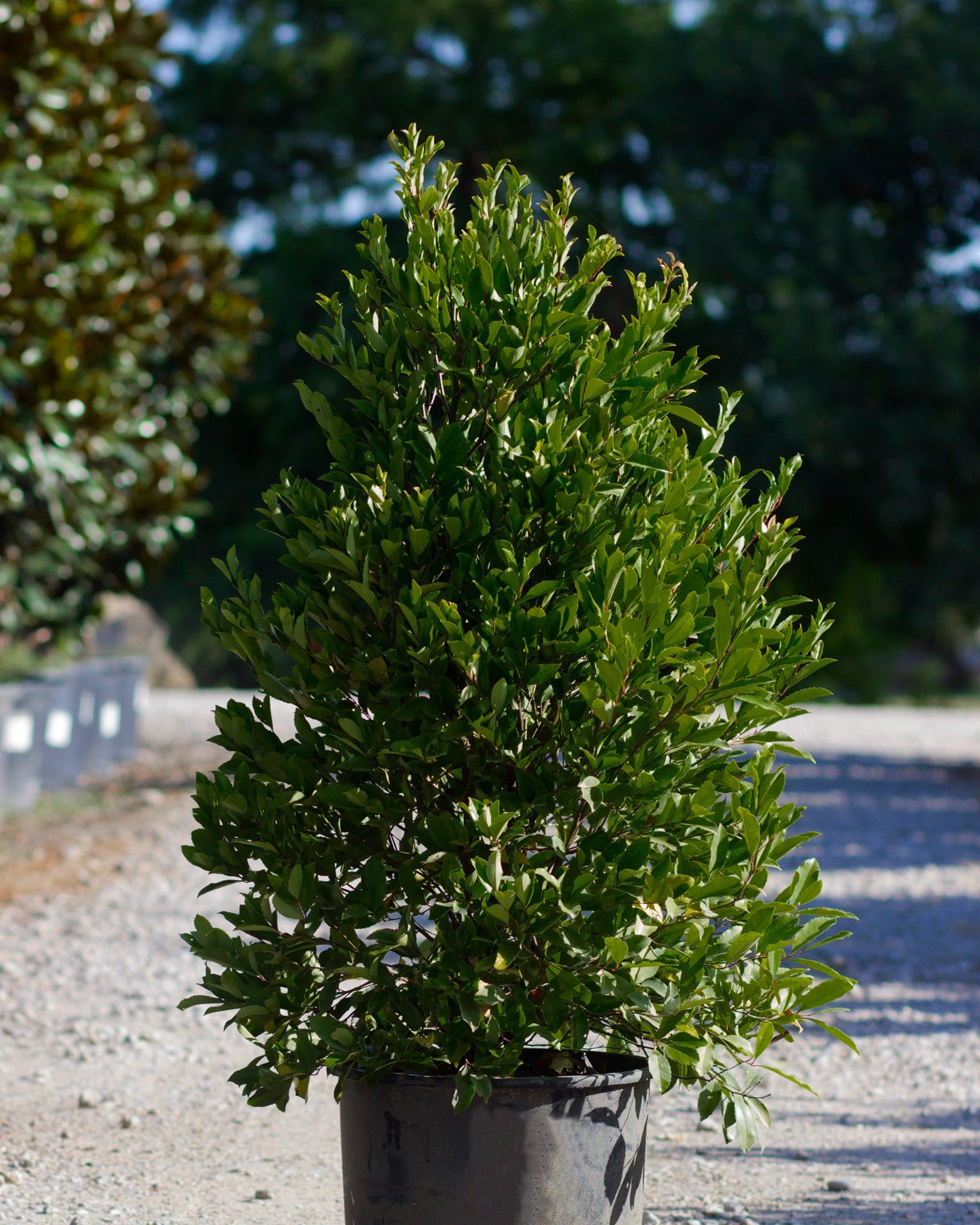
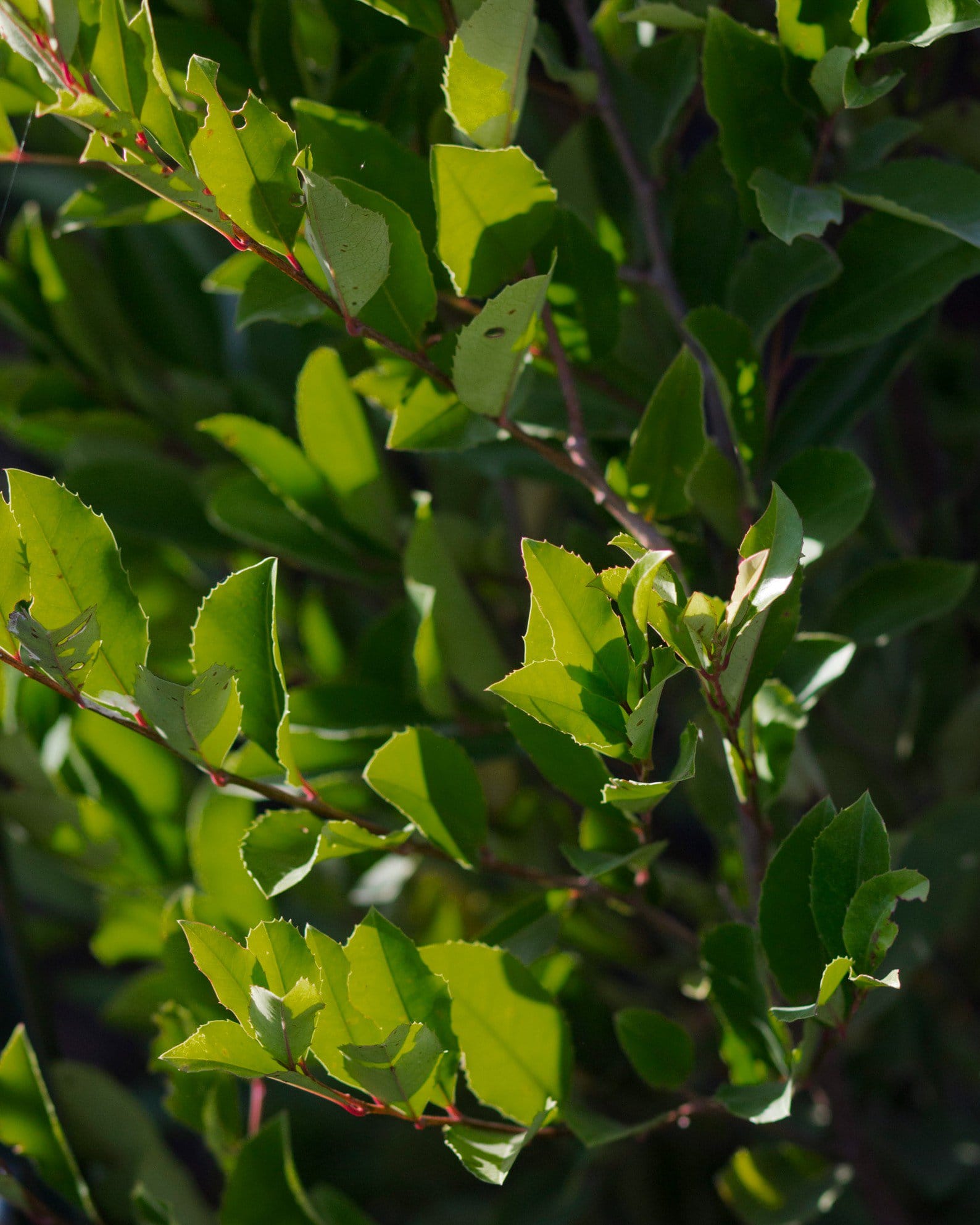
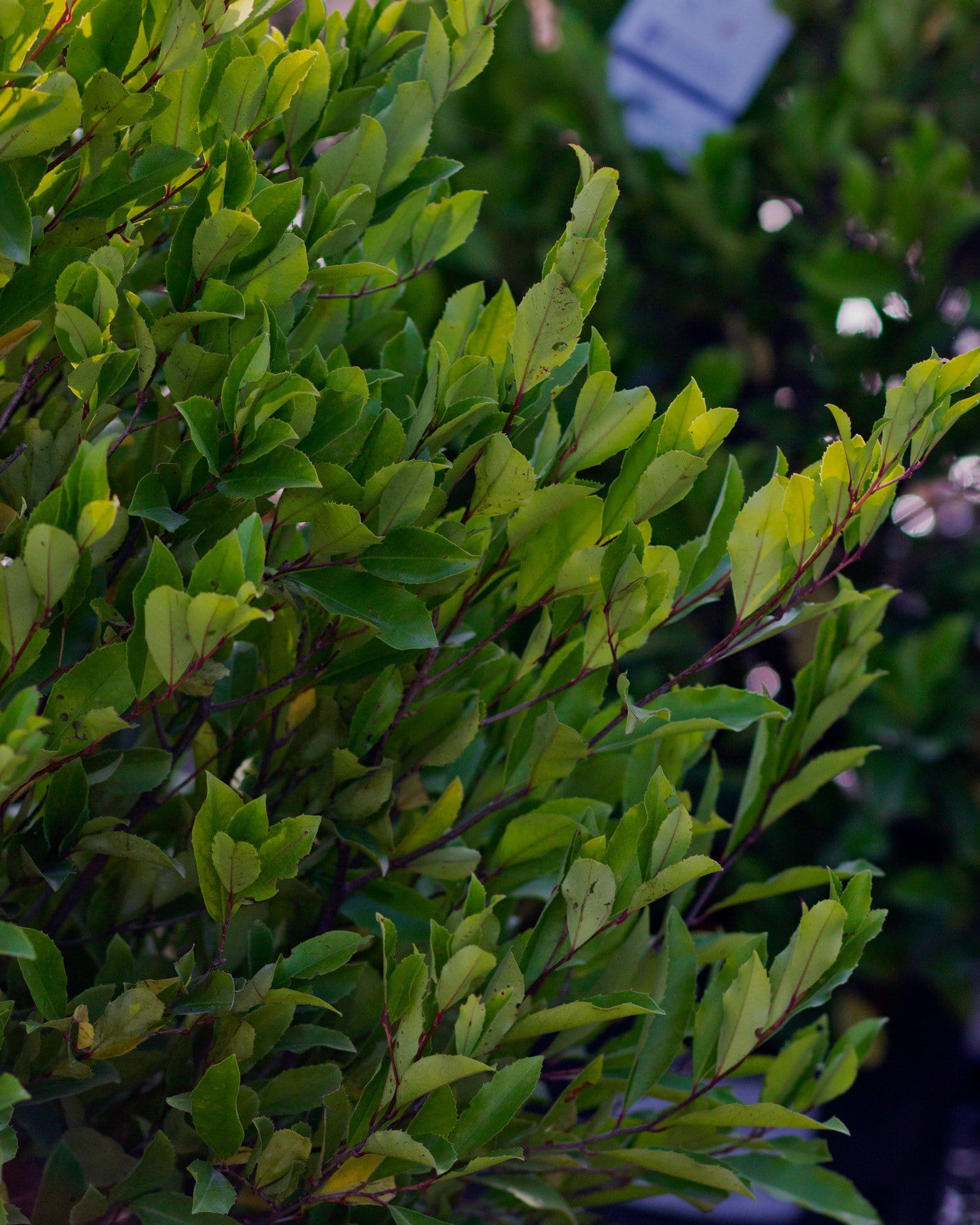
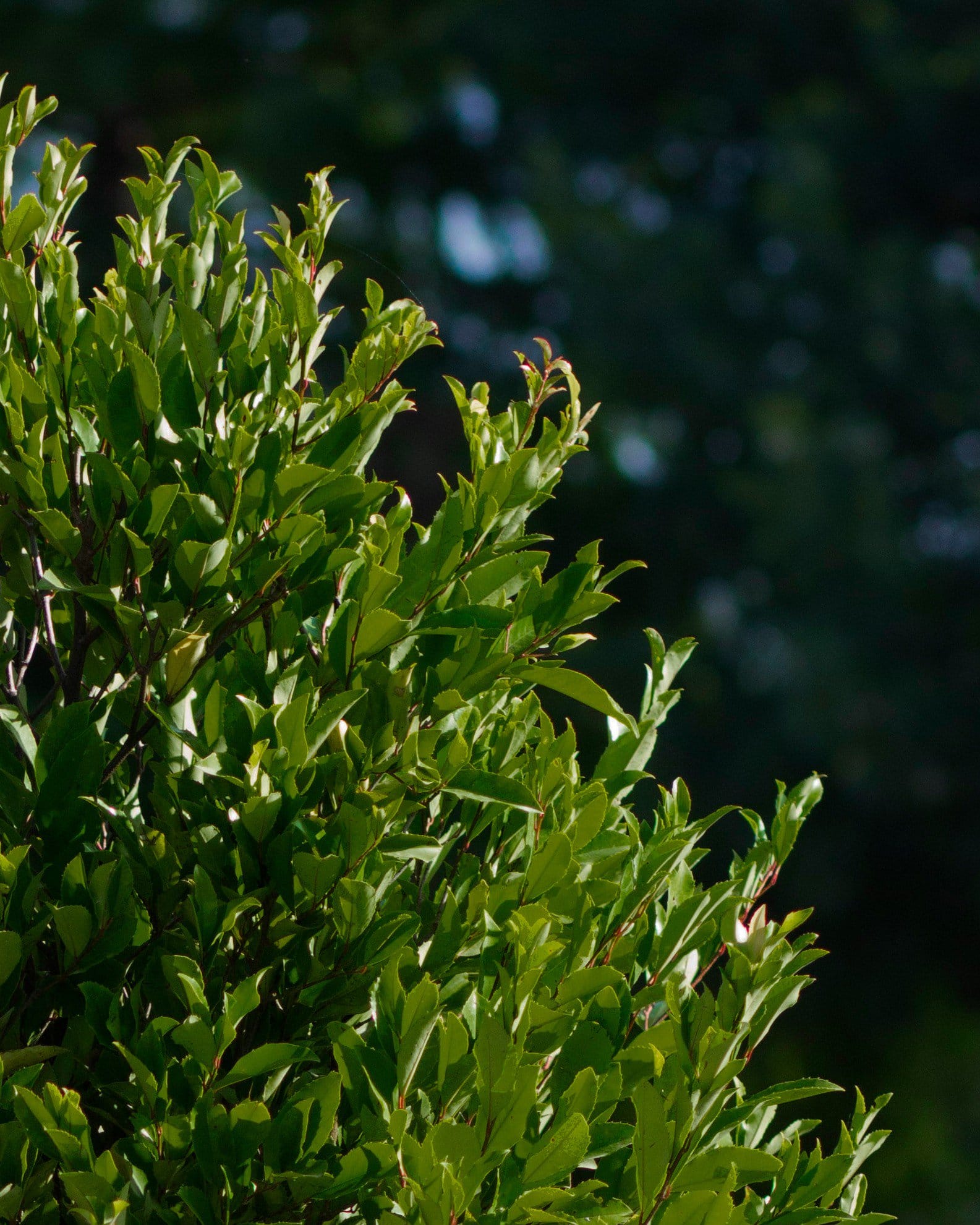
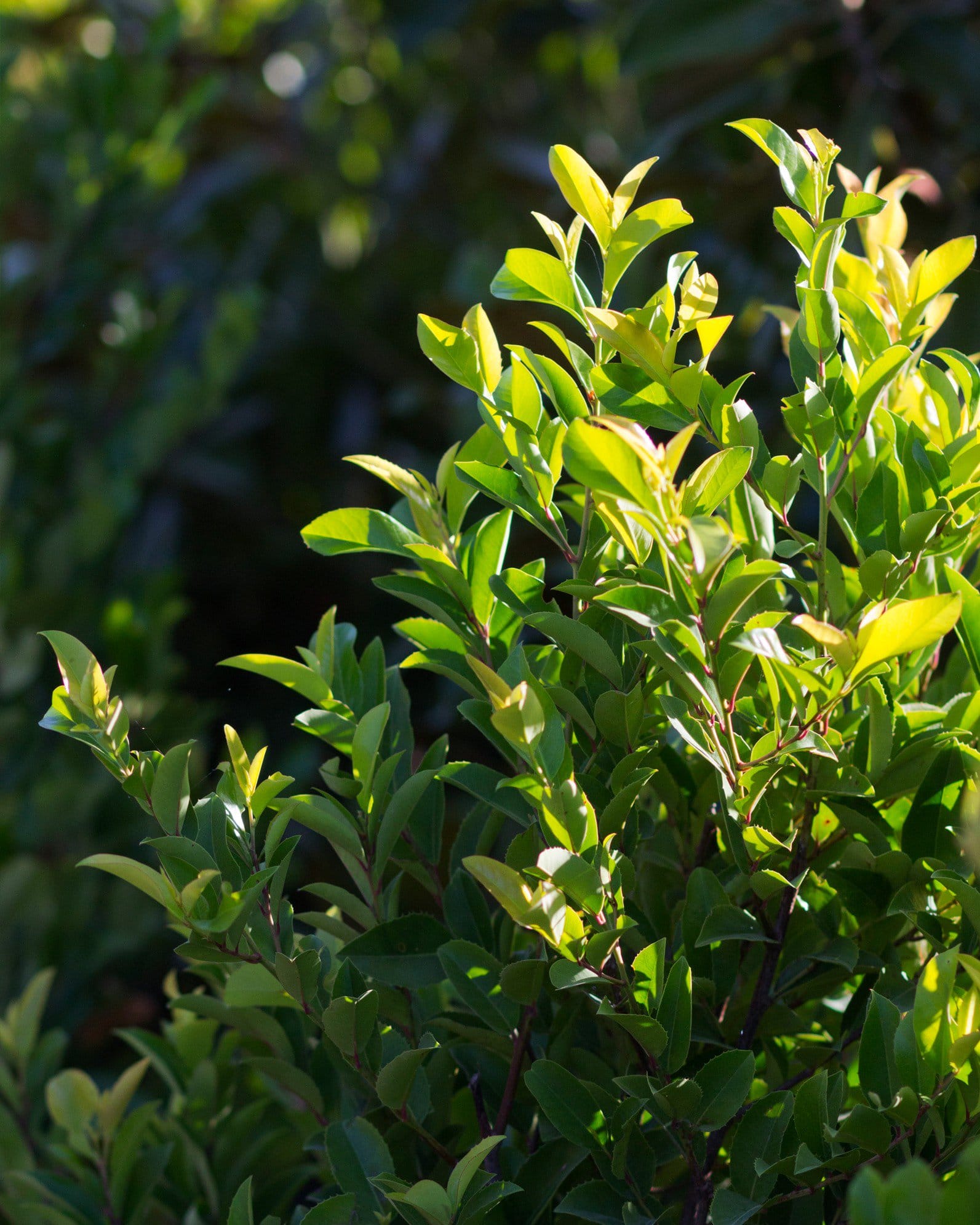
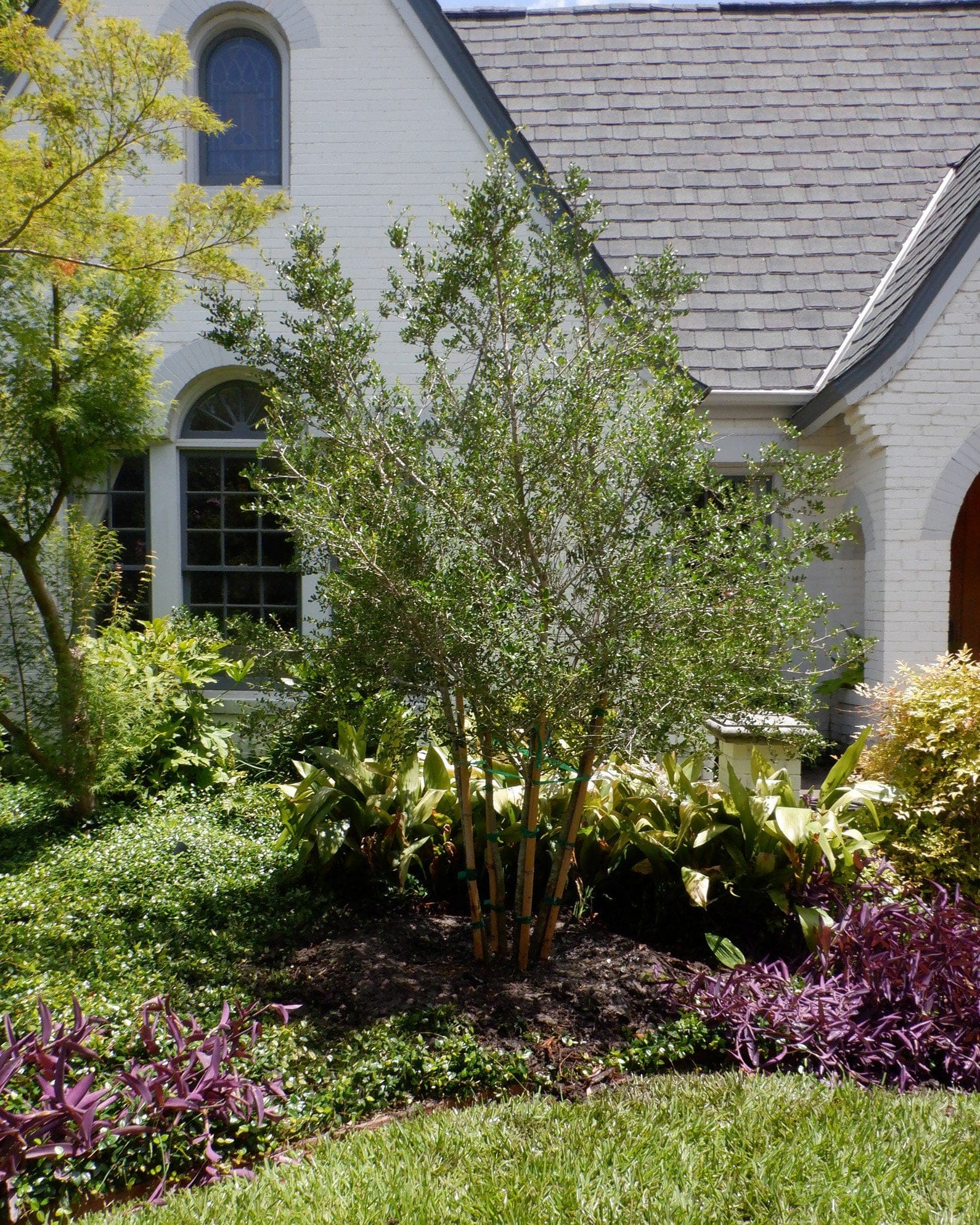
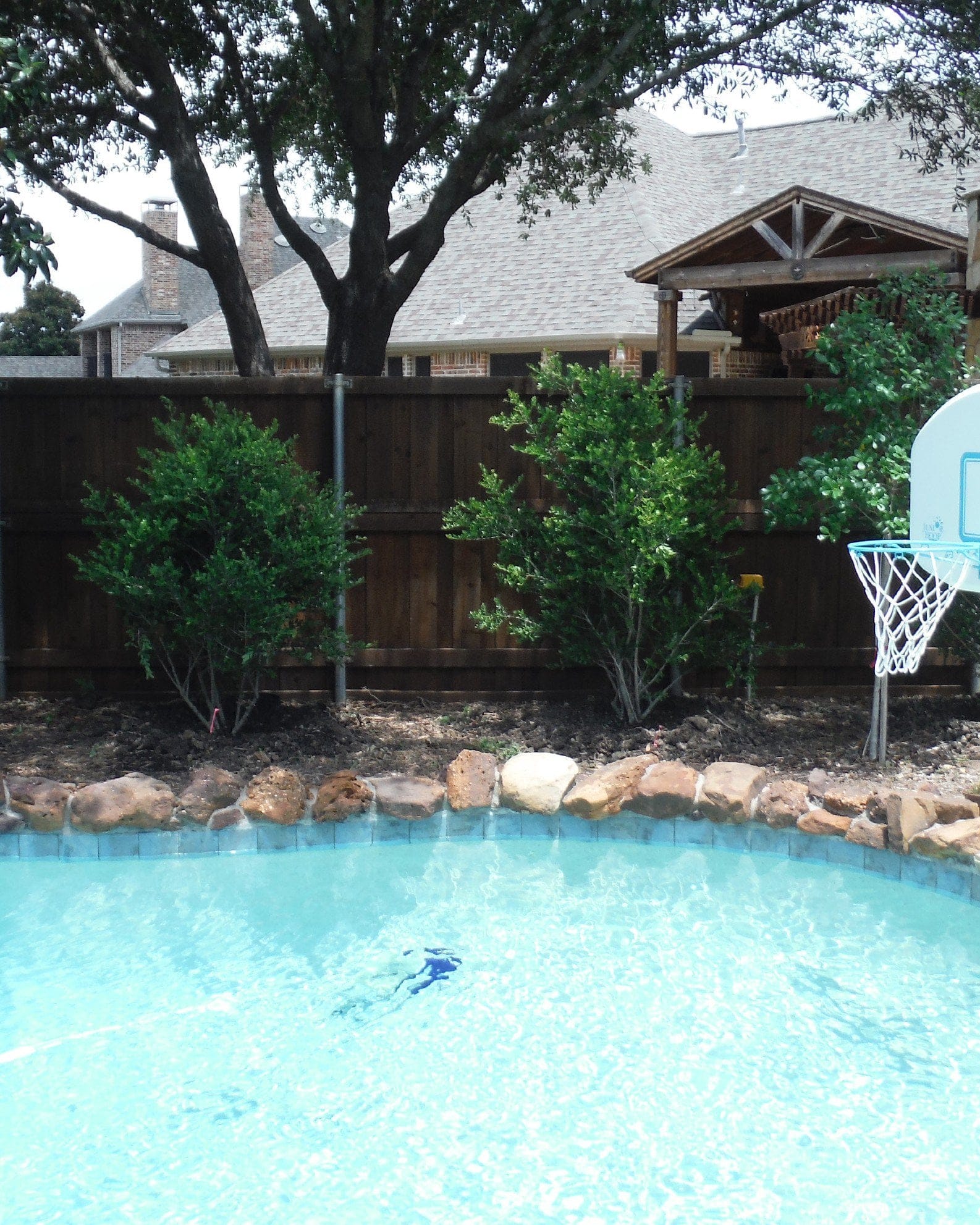
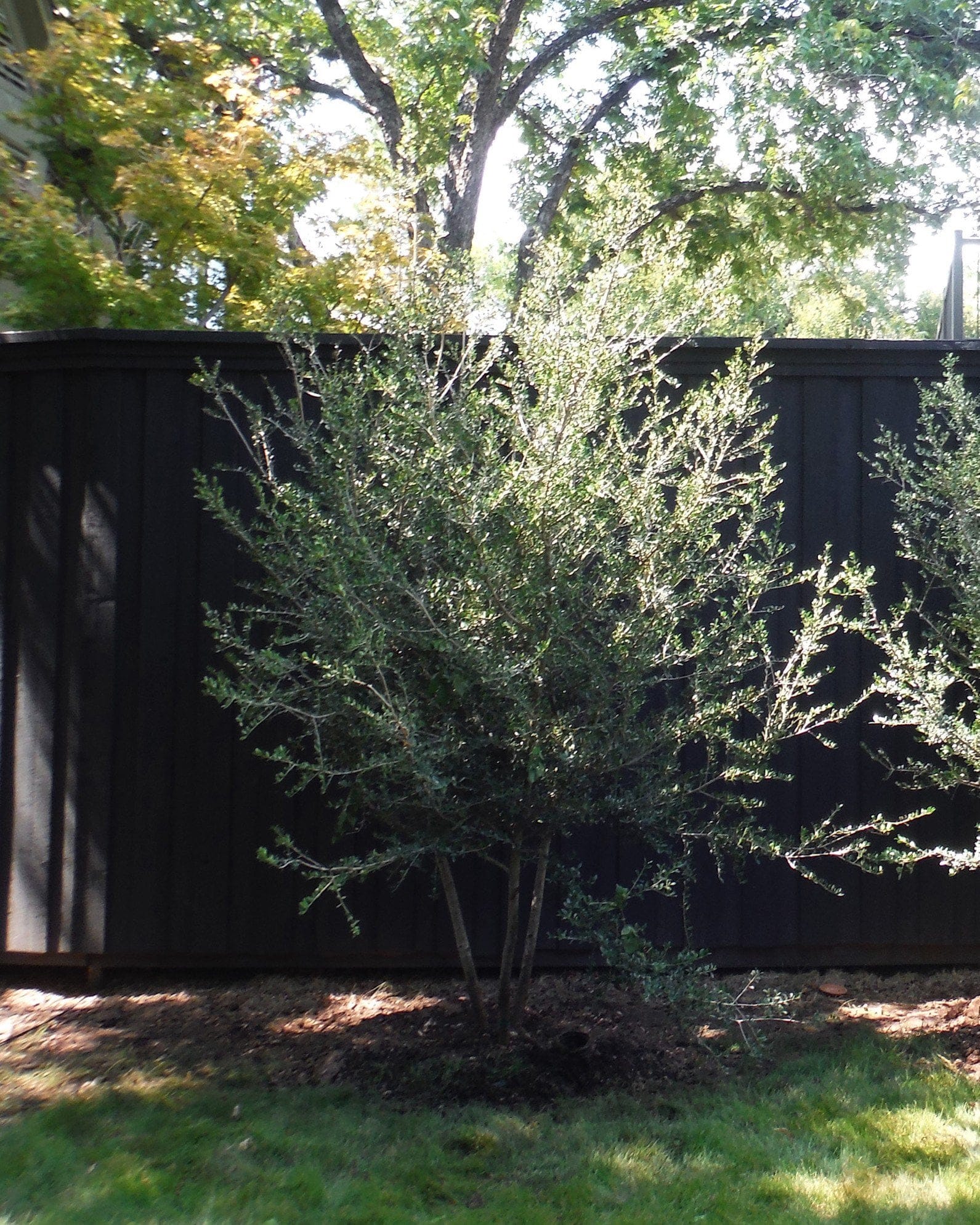
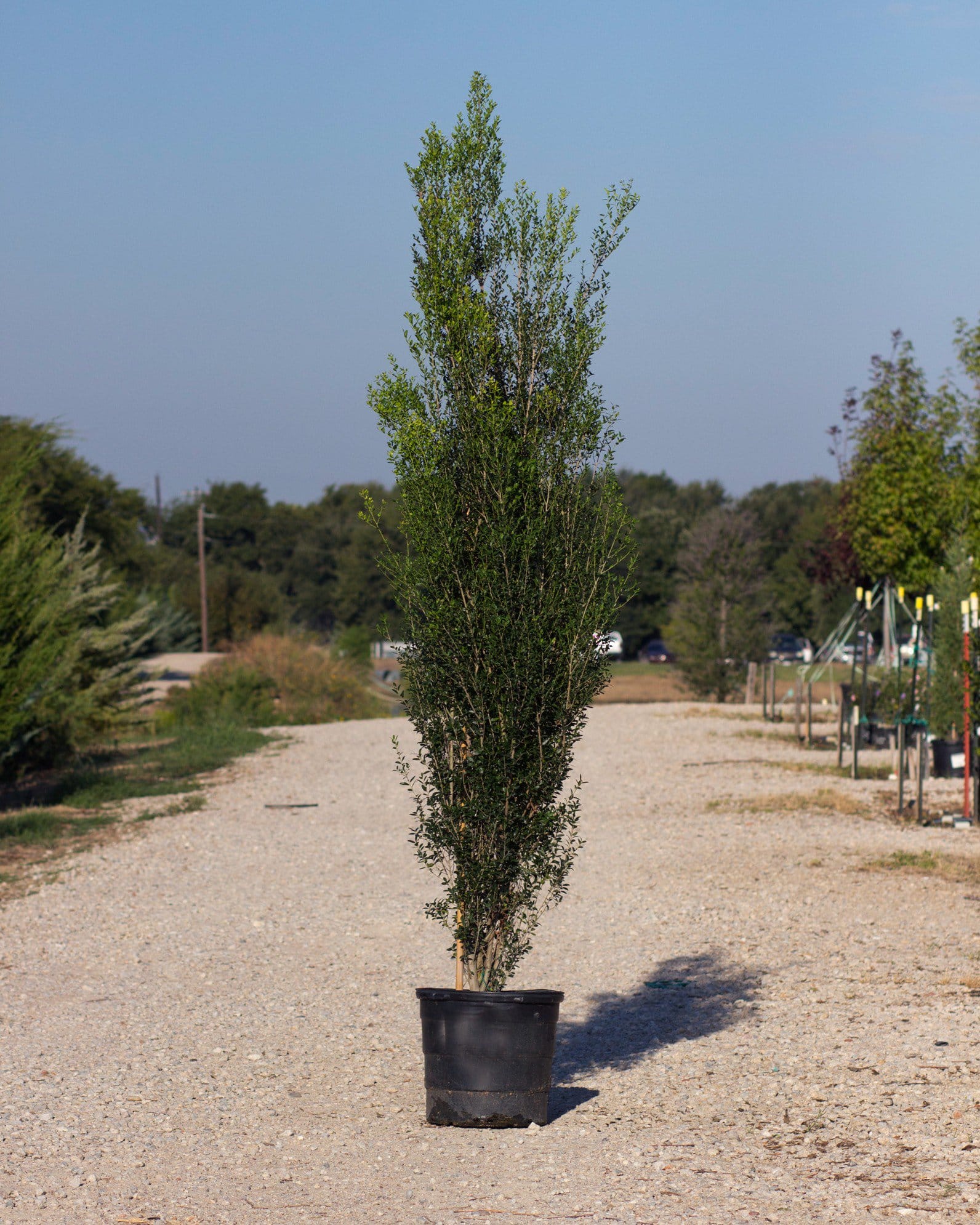
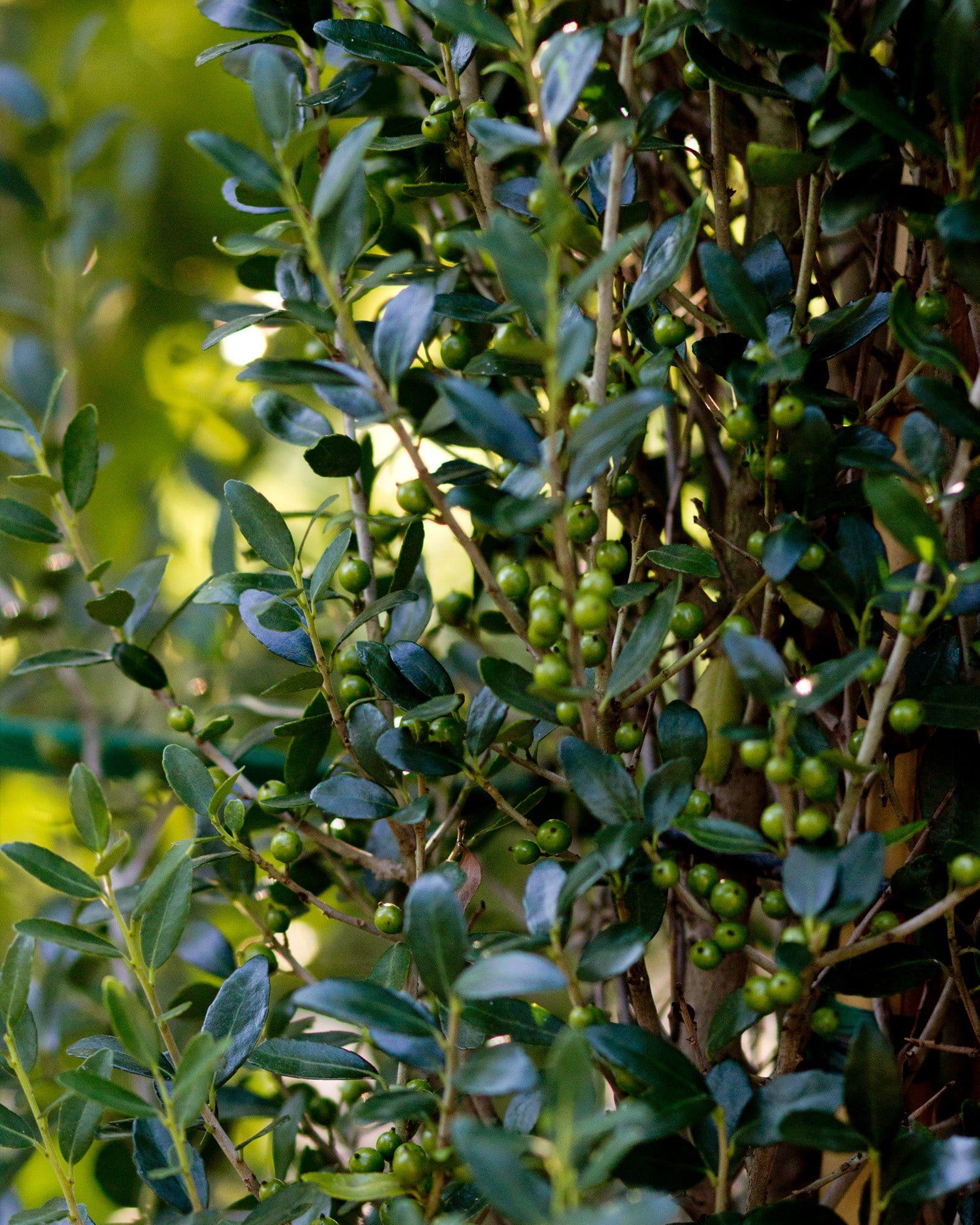
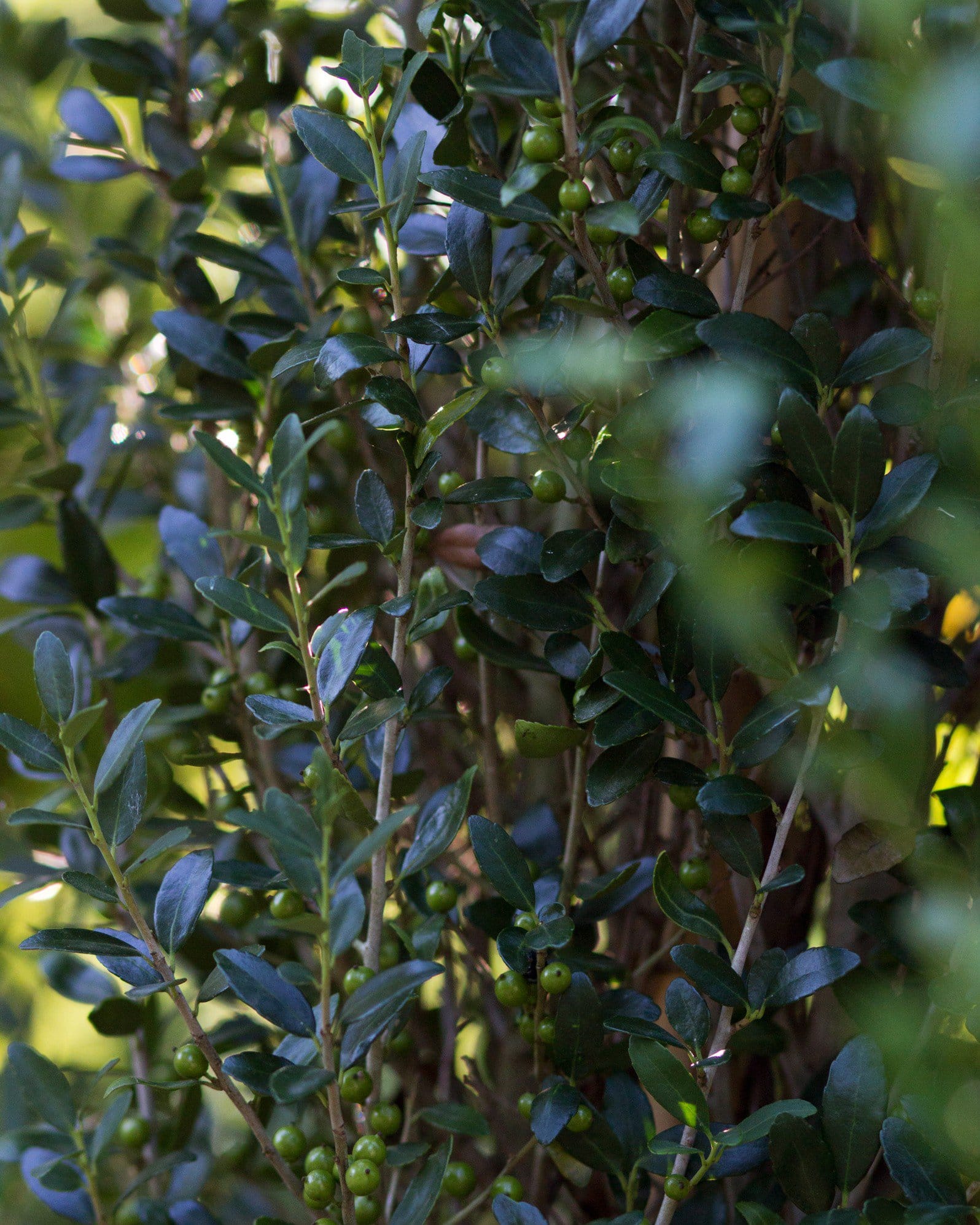
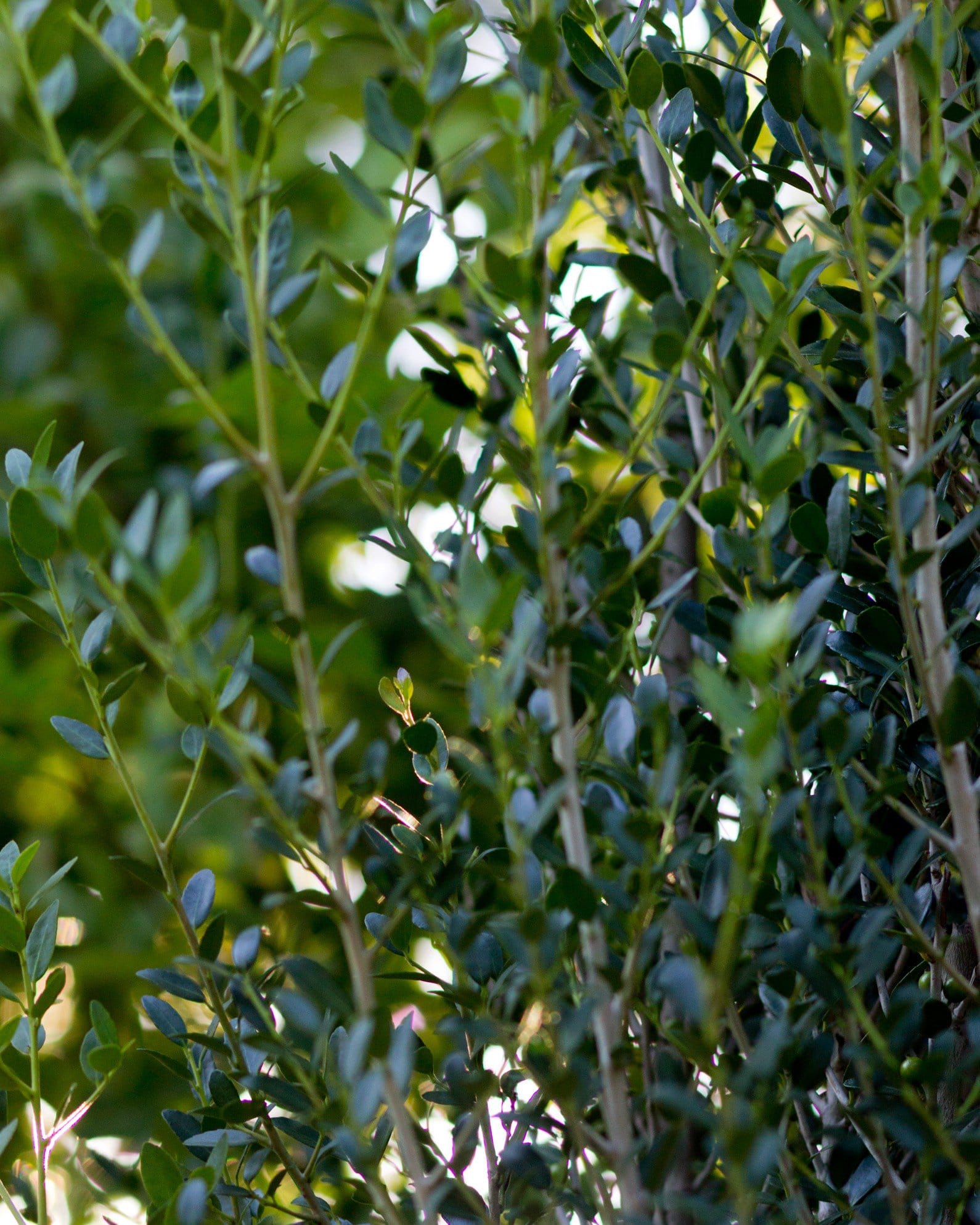
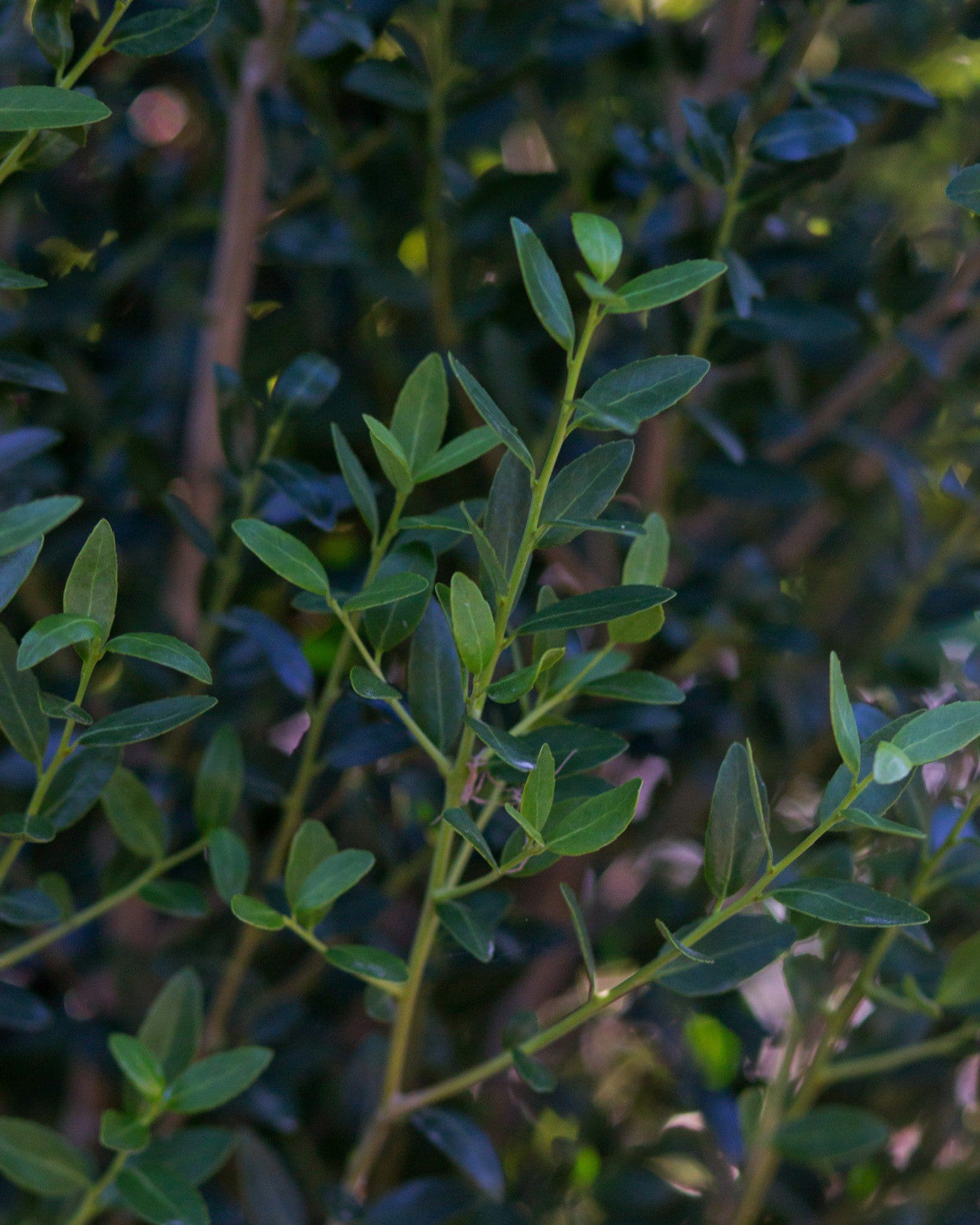
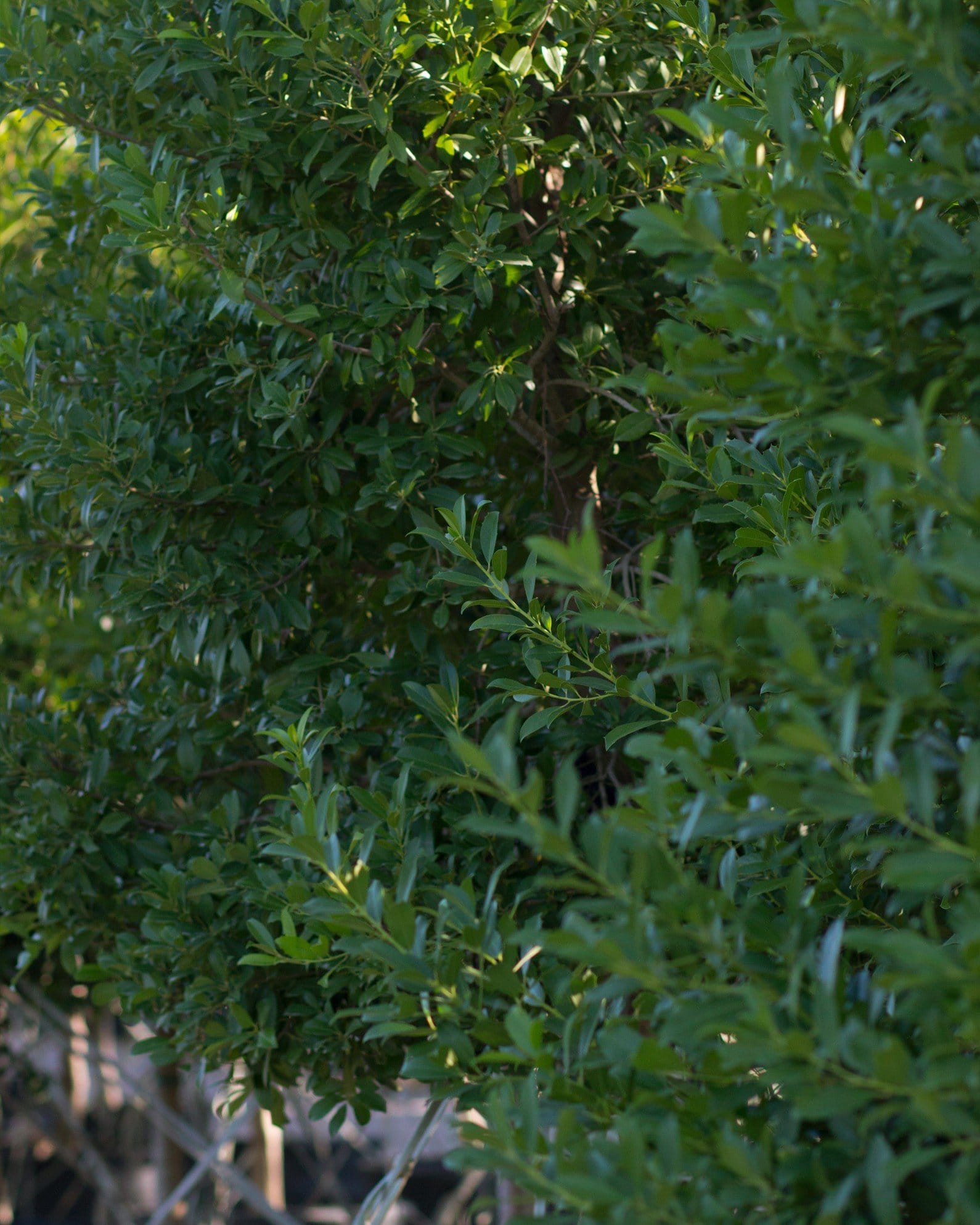
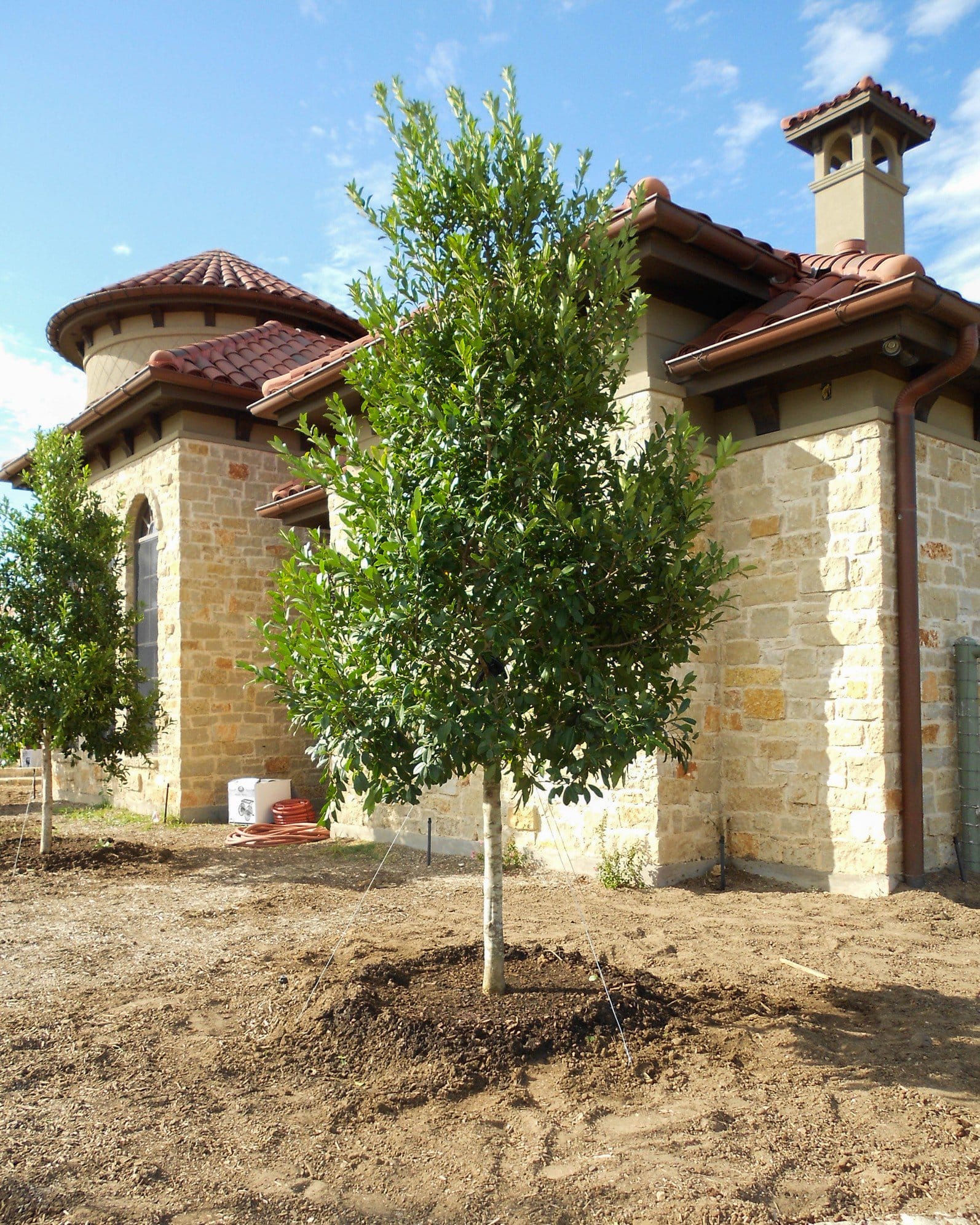
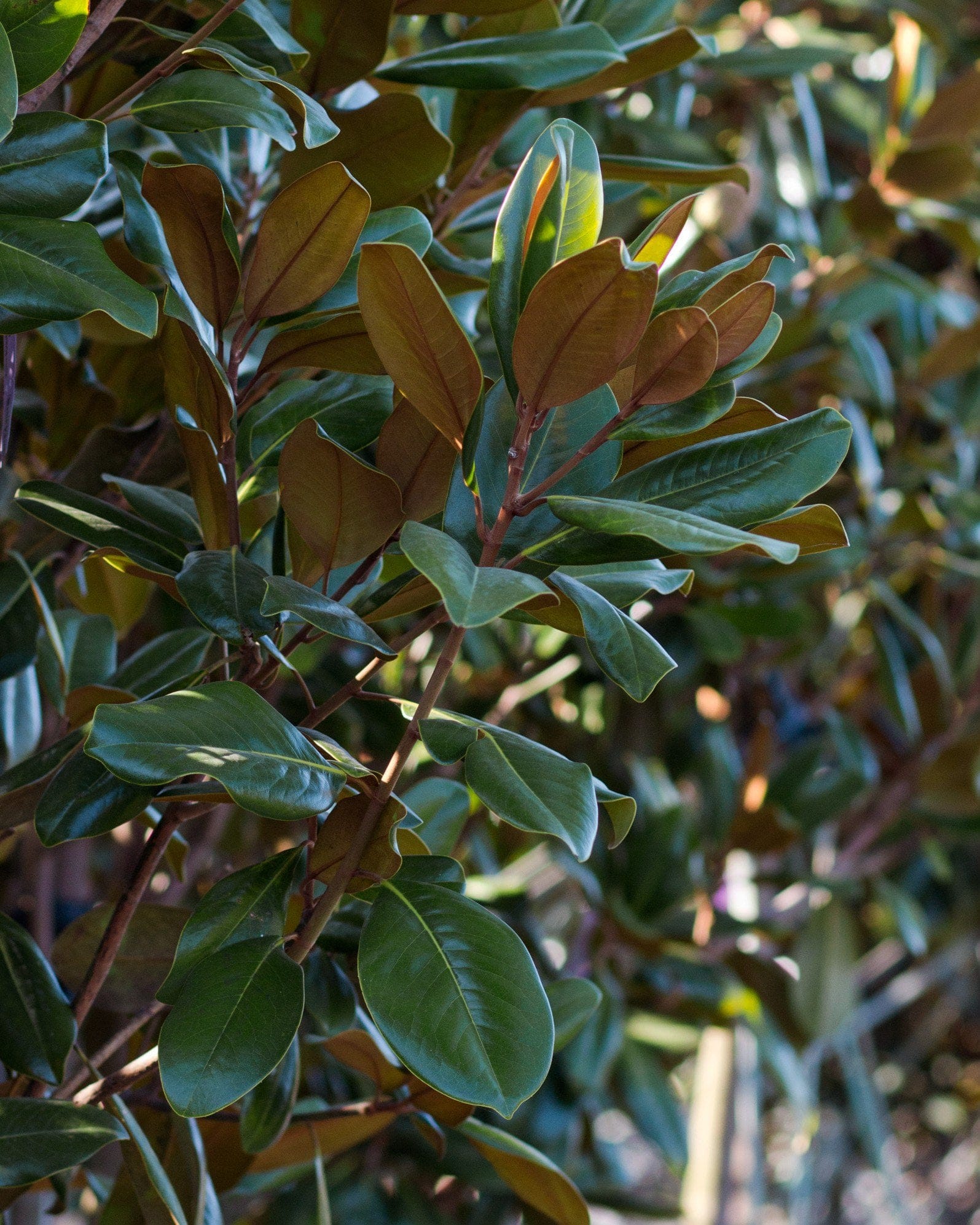
Dermatophyllum secundiflorumTexas Mountain Laurel brings year-round beauty and spring fragrance to your landscape. This evergreen shrub or small tree showcases dense, glossy dark green foliage that forms a naturally rounded shape. In spring, it produces striking clusters of purple flowers with a sweet, grape-like scent that attract pollinators and add seasonal color. Reaching up to 10 feet tall and 10 feet wide at maturity, it also bears decorative seed pods containing bright red berries, adding further interest beyond the flowering season.
- Evergreen shrub or small tree
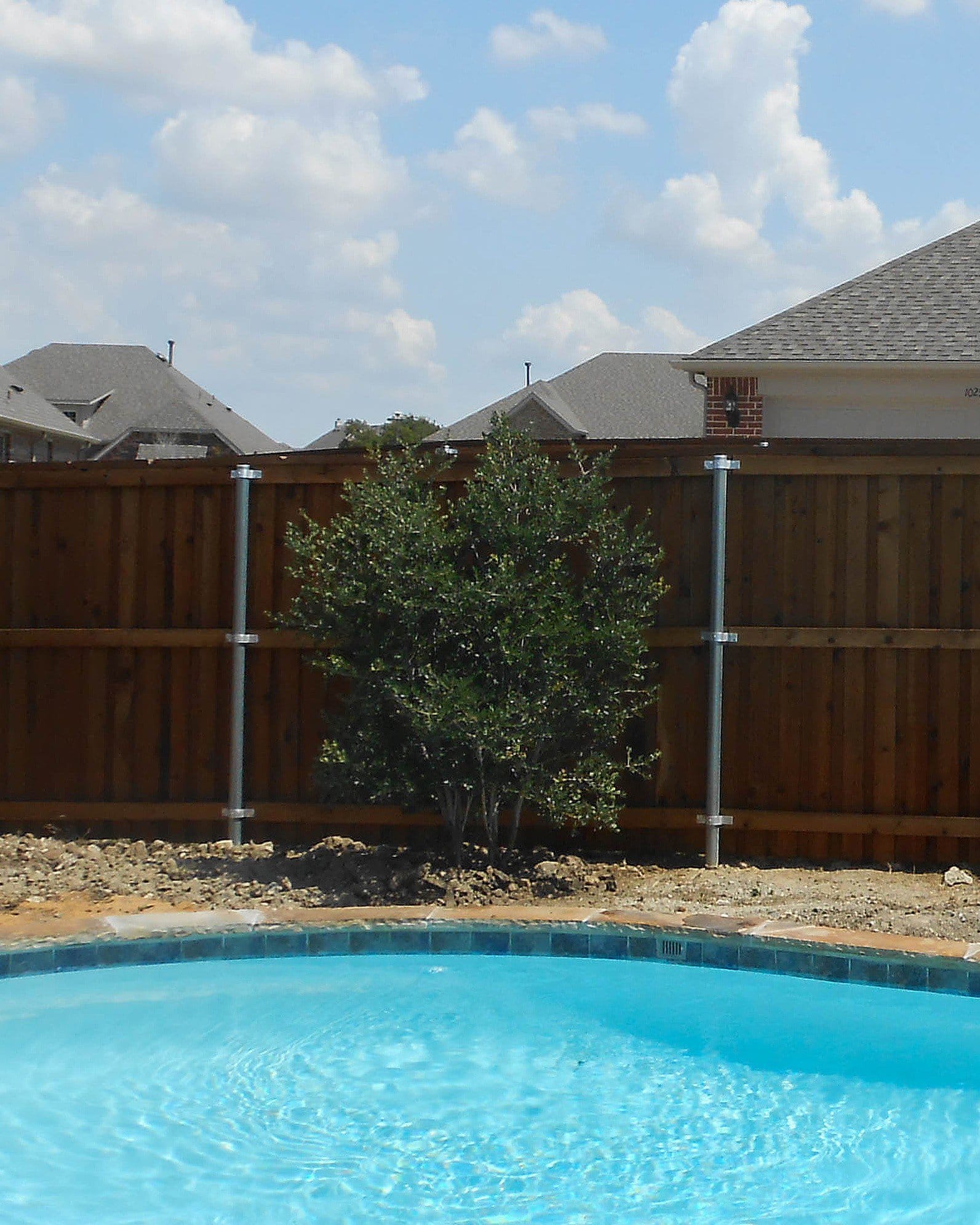
- Rounded, dense growth habit
- Slow to moderate growth rate
- Fragrant purple flowers blooming in spring
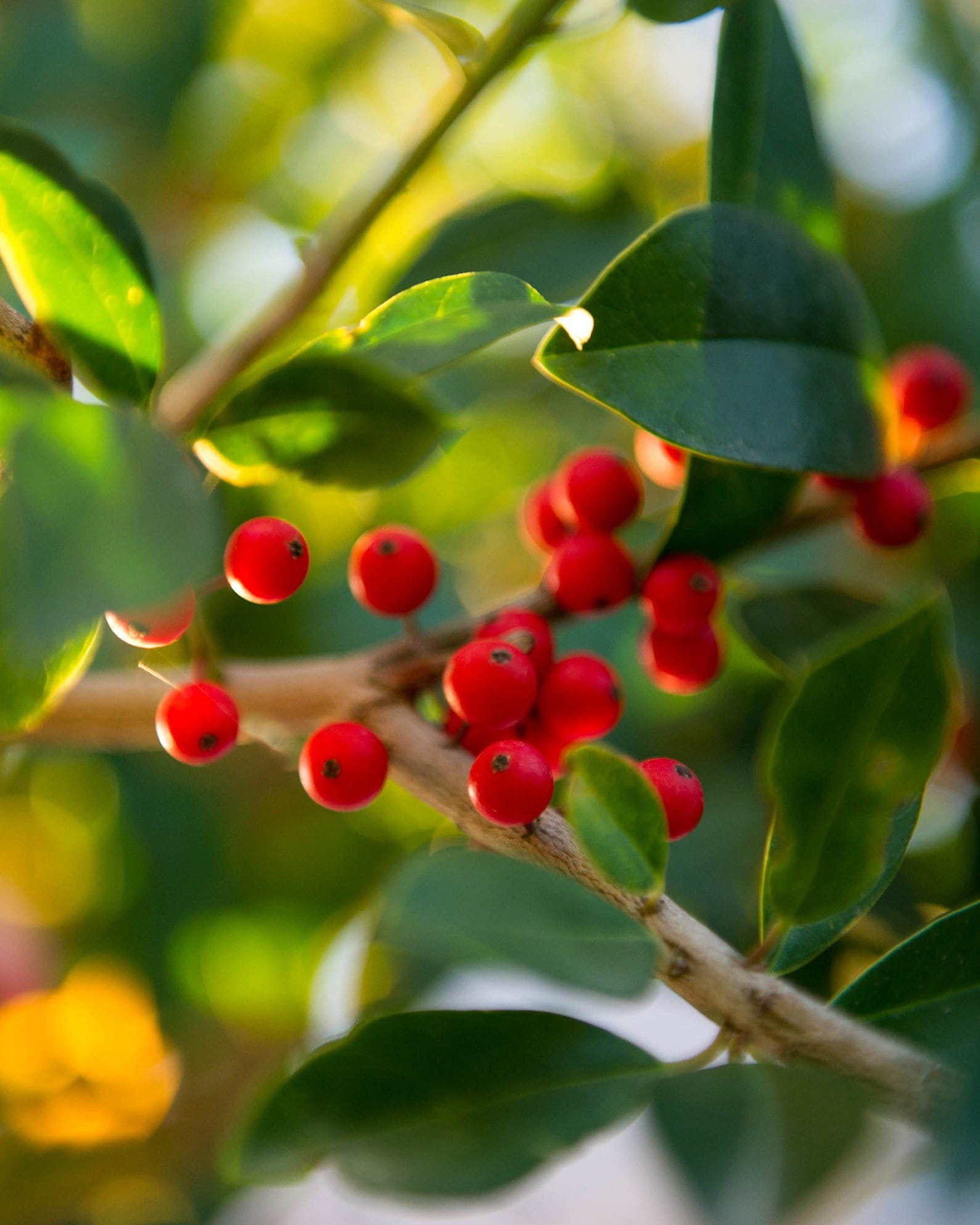
- Decorative seed pods with bright red berries
Hardy in zones 7-10, Texas Mountain Laurel is well-suited to the North Texas climate. It thrives in full sun, requiring at least 6 hours of direct sunlight daily. Plant it in well-drained, alkaline to neutral soil.
Texas Mountain Laurel is notably low-maintenance and develops into a resilient plant that requires only modest seasonal care. Here’s all it needs to grow beautifully:
- Watering: Water regularly during the first growing season to establish a stable root system. After establishment, occasional deep watering during extended dry periods supports healthy growth.
- Pruning: Pruning is generally minimal and limited to removing damaged or crossing branches. Light pruning after flowering helps maintain balanced structure while preserving the plant’s natural form.
- Fertilizing: Fertilizer is rarely necessary in average garden soils. If growth appears slow, applying a balanced fertilizer in early spring can encourage stronger seasonal development.
- Mulching: Maintain a 2-3 inch mulch layer around the root zone to conserve soil moisture and regulate soil temperature. Keep mulch slightly away from the base of the trunk to prevent excess moisture buildup.
- Winter Care: Established plants tolerate seasonal cold within their growing zones without special protection. Young plants benefit from mulch around the root zone during their first winters to help stabilize soil temperatures.
Texas Mountain Laurel is generally durable and rarely affected by serious pests or diseases. Most concerns relate to environmental stress rather than biological problems.
- Root Rot: Excess moisture in poorly drained soil may weaken the root system. Ensuring good drainage helps prevent this condition.
- Leaf Chlorosis: Yellowing leaves may appear in alkaline or nutrient-poor soils. Applying appropriate micronutrients can help restore healthy foliage.
- Spider Mites: Fine speckling on leaves may occur during hot, dry weather. Spraying foliage with water periodically can help reduce mite populations.
- Cold Damage: Young plants may experience minor leaf injury during unusually severe freezes. Protecting young specimens during extreme cold helps prevent damage.
- Scale Insects: Small bumps may appear along stems as scale insects feed on plant sap. Horticultural oil treatments help control infestations.
Texas Mountain Laurel can live for many decades in favorable conditions. Mature plants often remain healthy for 50-100 years. Proper care helps support long-term vitality.
Growth is relatively slow, typically averaging about 8-12 inches per year. The plant develops gradually over time. Full maturity often occurs within about 20-30 years.
This tree is admired for its fragrant clusters of purple flowers that appear in spring. The blooms produce a distinctive scent often compared to grape candy. Its evergreen foliage provides year-round presence.
The flowers release a strong, sweet scent during the bloom period. This fragrance becomes especially noticeable on warm days. The aroma is one of the plant’s most distinctive characteristics.
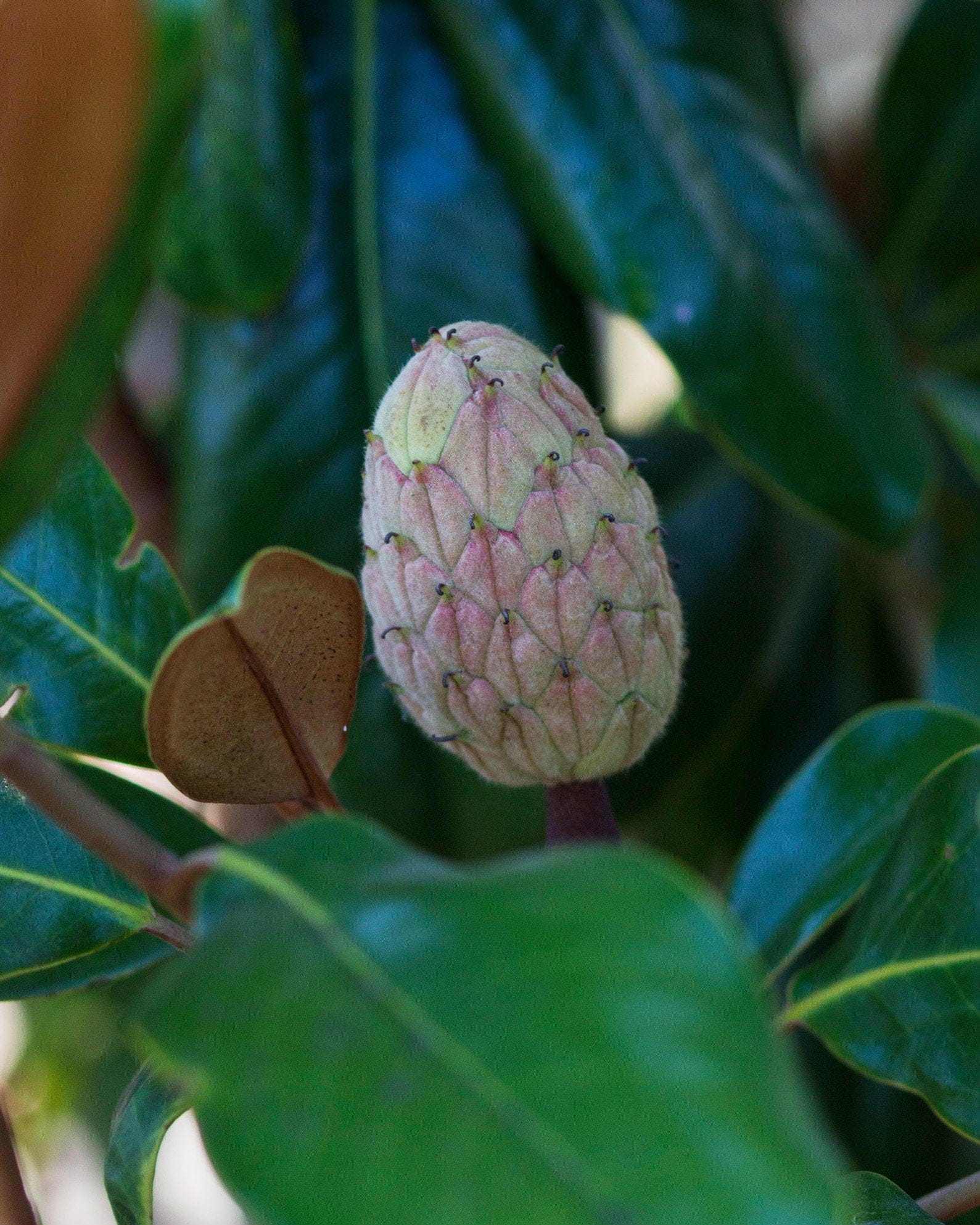
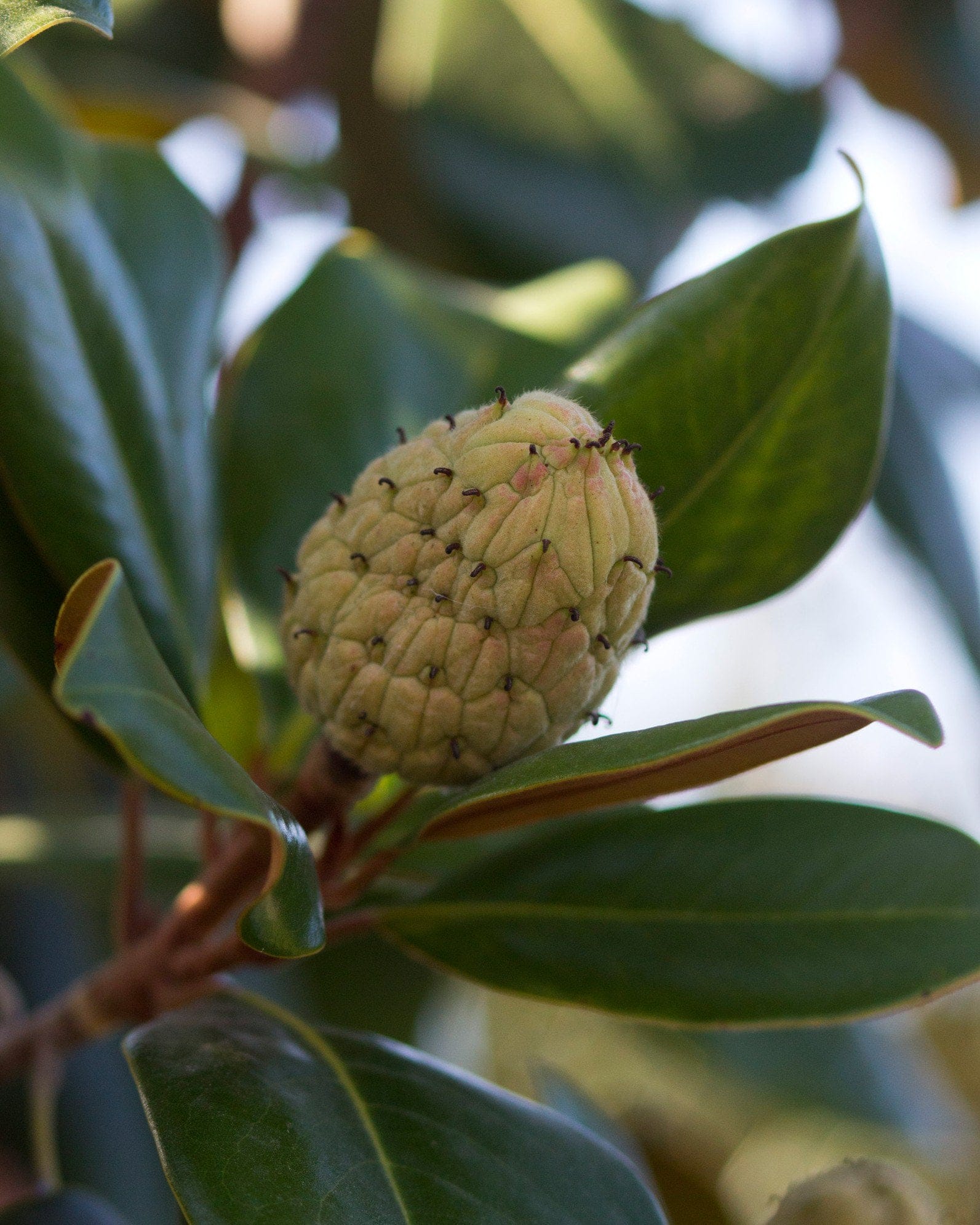
After flowering, the tree develops thick seed pods. These pods mature over time and eventually split open. Inside are bright red seeds.
Yes, the seeds contain compounds that are toxic if ingested. They should never be eaten by people or pets. Care should be taken when handling them.
The flowers provide nectar for bees and other beneficial insects. Blooming plants help support pollinator activity during the spring season. This contributes to biodiversity in garden environments.
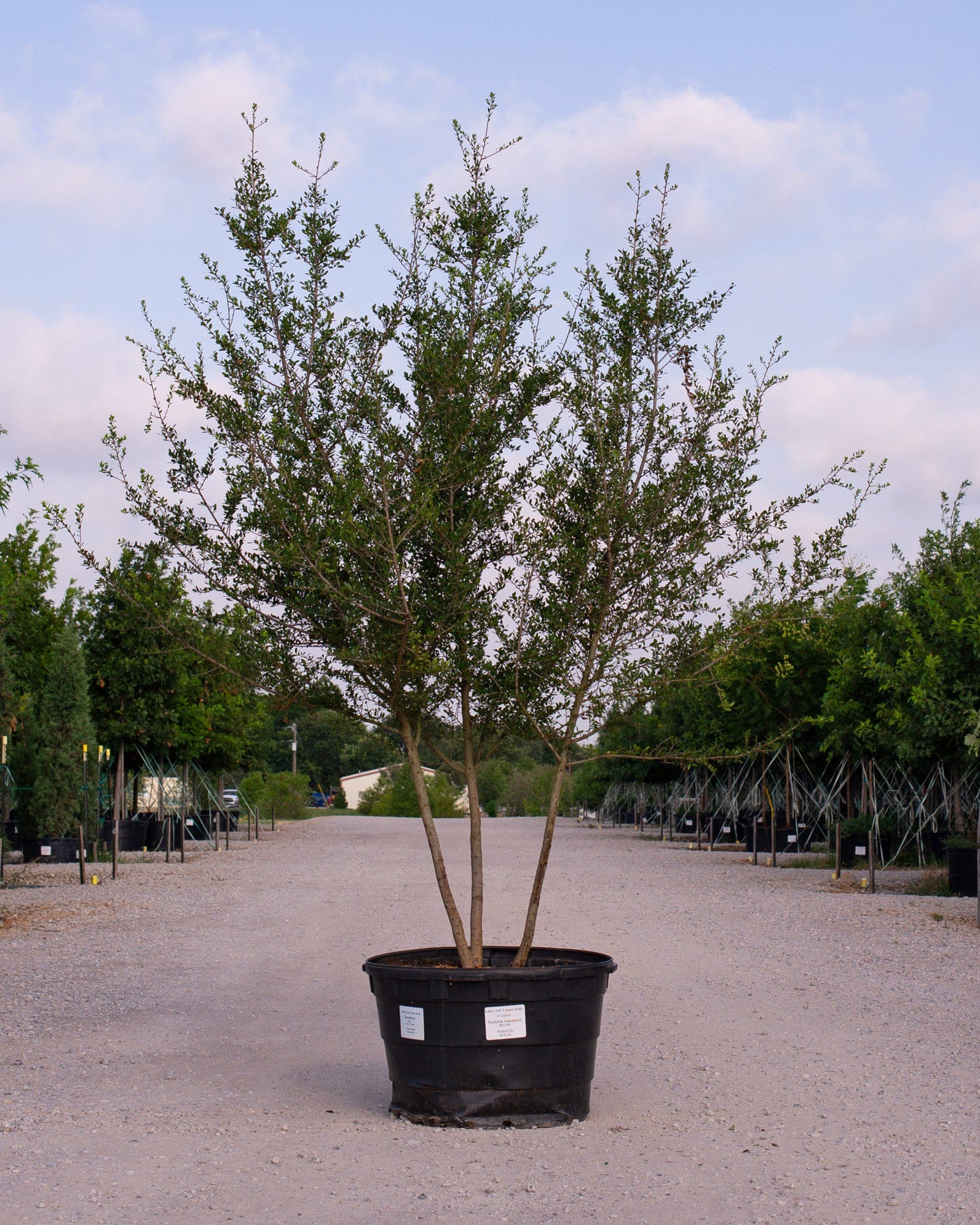
Many plants naturally develop several trunks emerging from the base. This growth habit can create a sculptural appearance. Some gardeners prefer this natural form.
Evergreen plants maintain their foliage throughout the year. This provides consistent structure even during winter months. Their presence helps keep landscapes visually full.
The dense evergreen foliage maintains its deep color during the dormant season. This steady presence provides contrast when many other plants are bare. The structure helps maintain year-round visual interest.
Special Features
You might also like
Cherry Laurel Bright 'N Tight
Maturity: 10' H x 8' W
Cherry Laurel Centre Court
Maturity: 25' H x 15' W
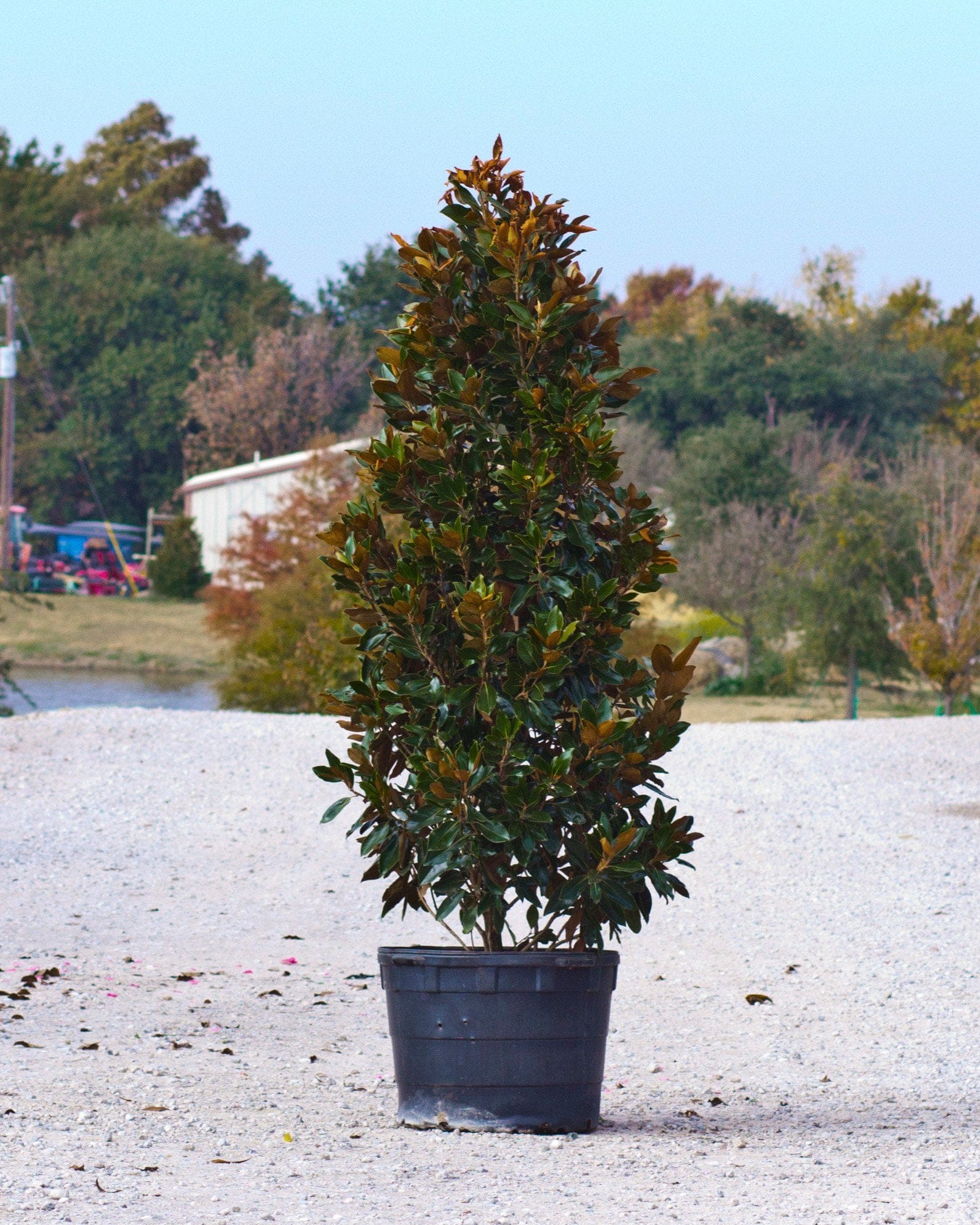
Little Gem Magnolia
Maturity: 20' H x 14' W
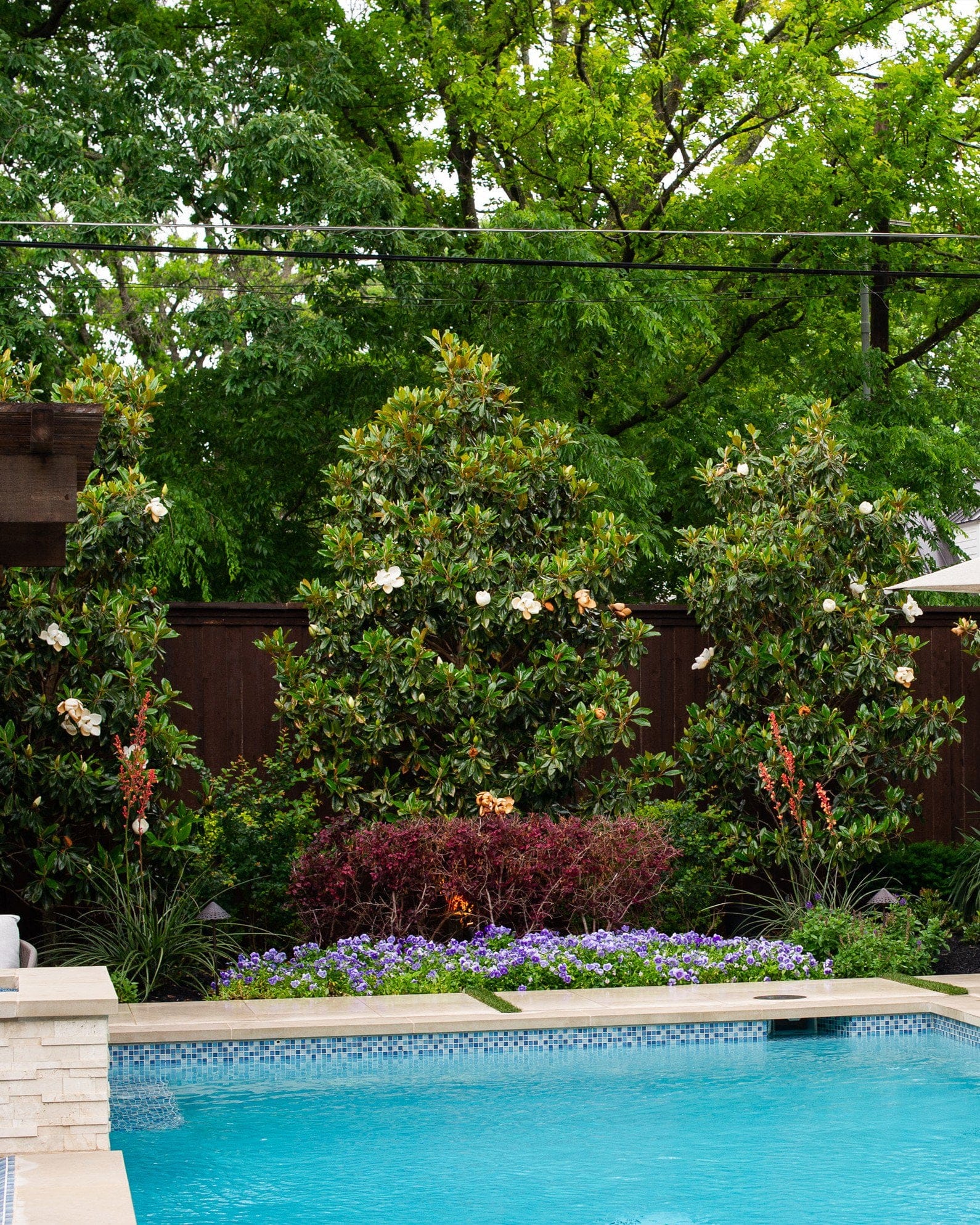
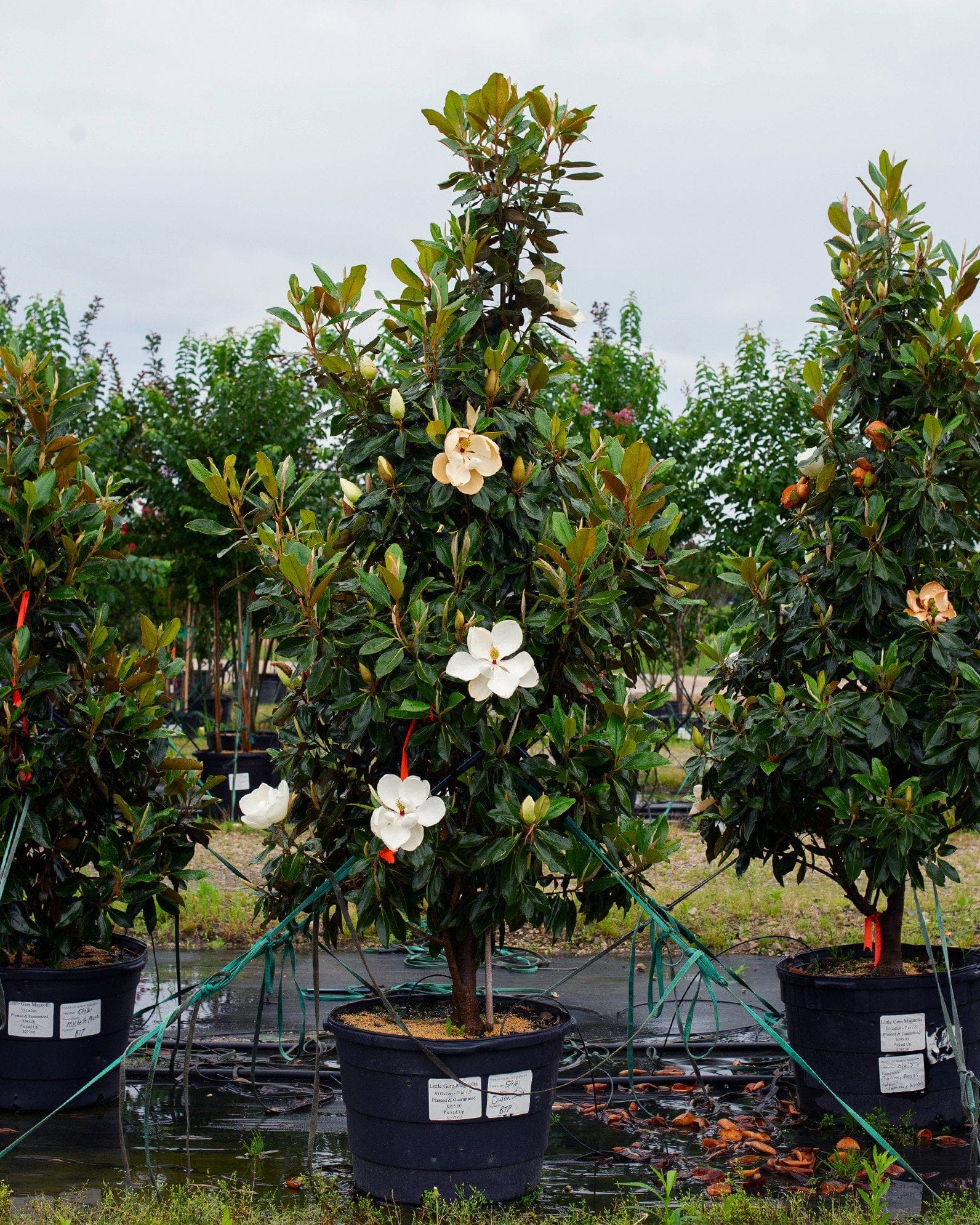
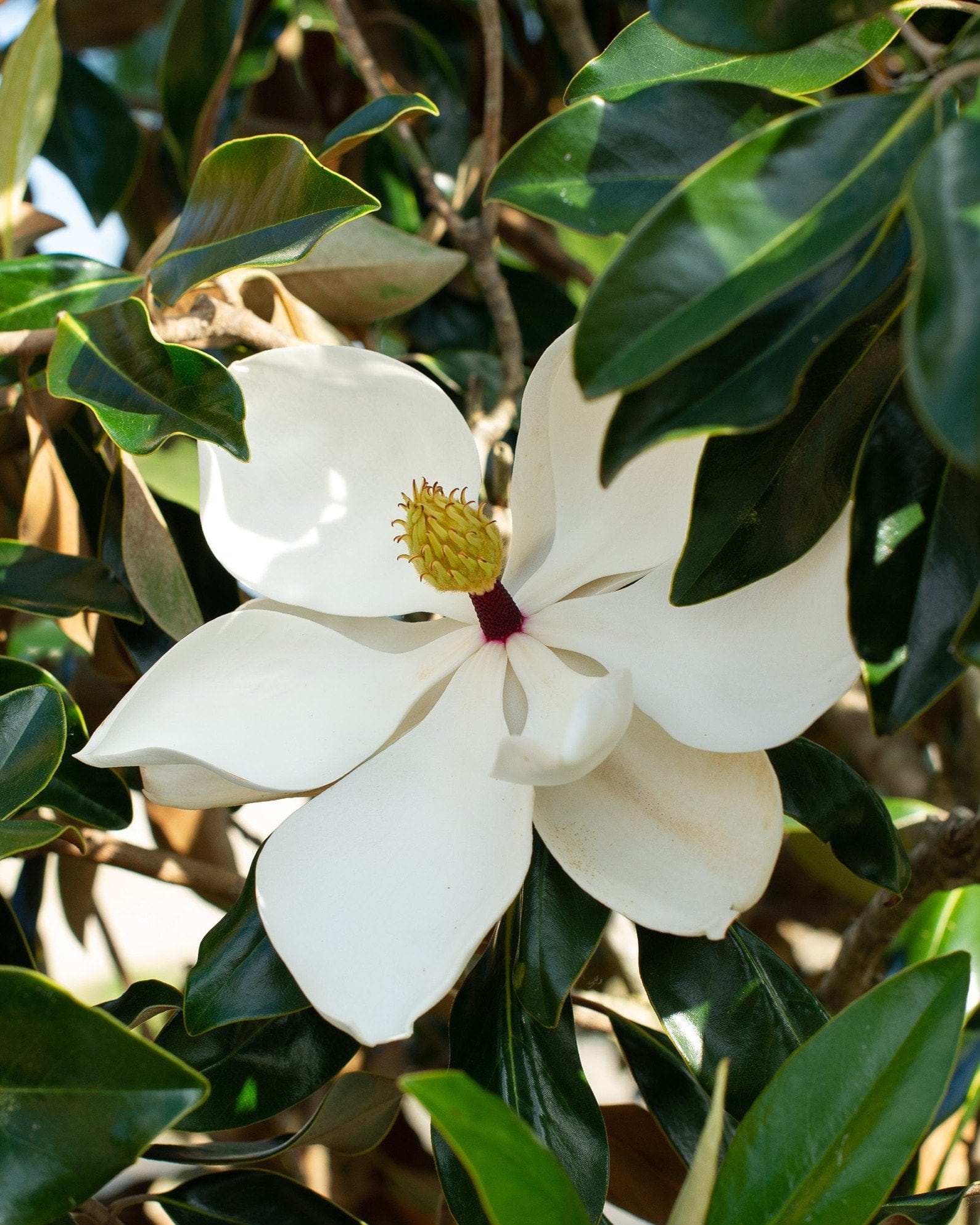
Little Gem Magnolia Espalier
Maturity: 20' H x 14' W
Teddy Bear Magnolia
Maturity: 30' H x 15' W

Yaupon Holly
Maturity: 20' H x 15' W
Yaupon Holly Kathy Ann
Maturity: 20' H x 15' W
Yaupon Holly Pride of Houston
Maturity: 20' H x 15' W
Yaupon Holly Scarlet's Peak
Maturity: 20' H x 3' W
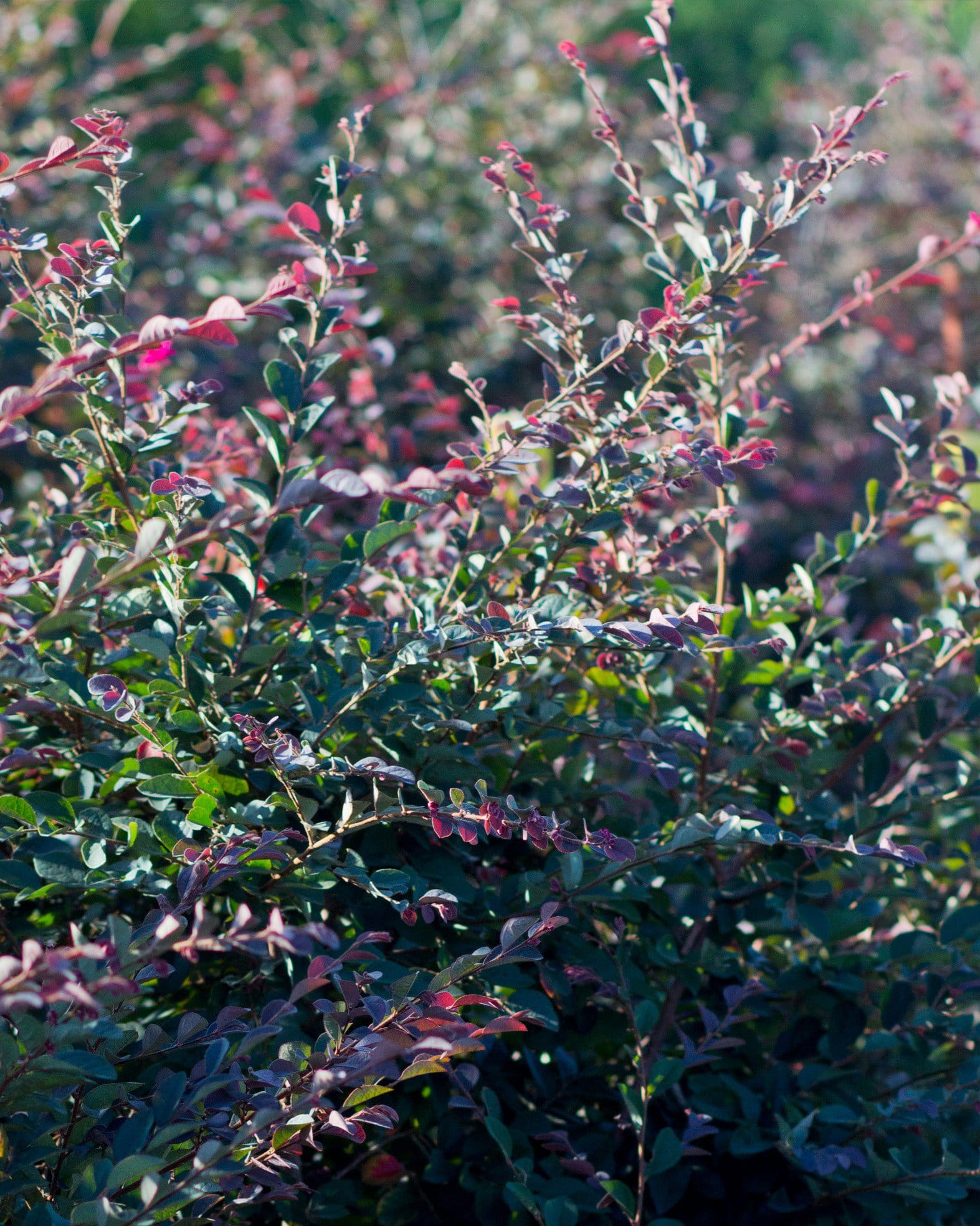
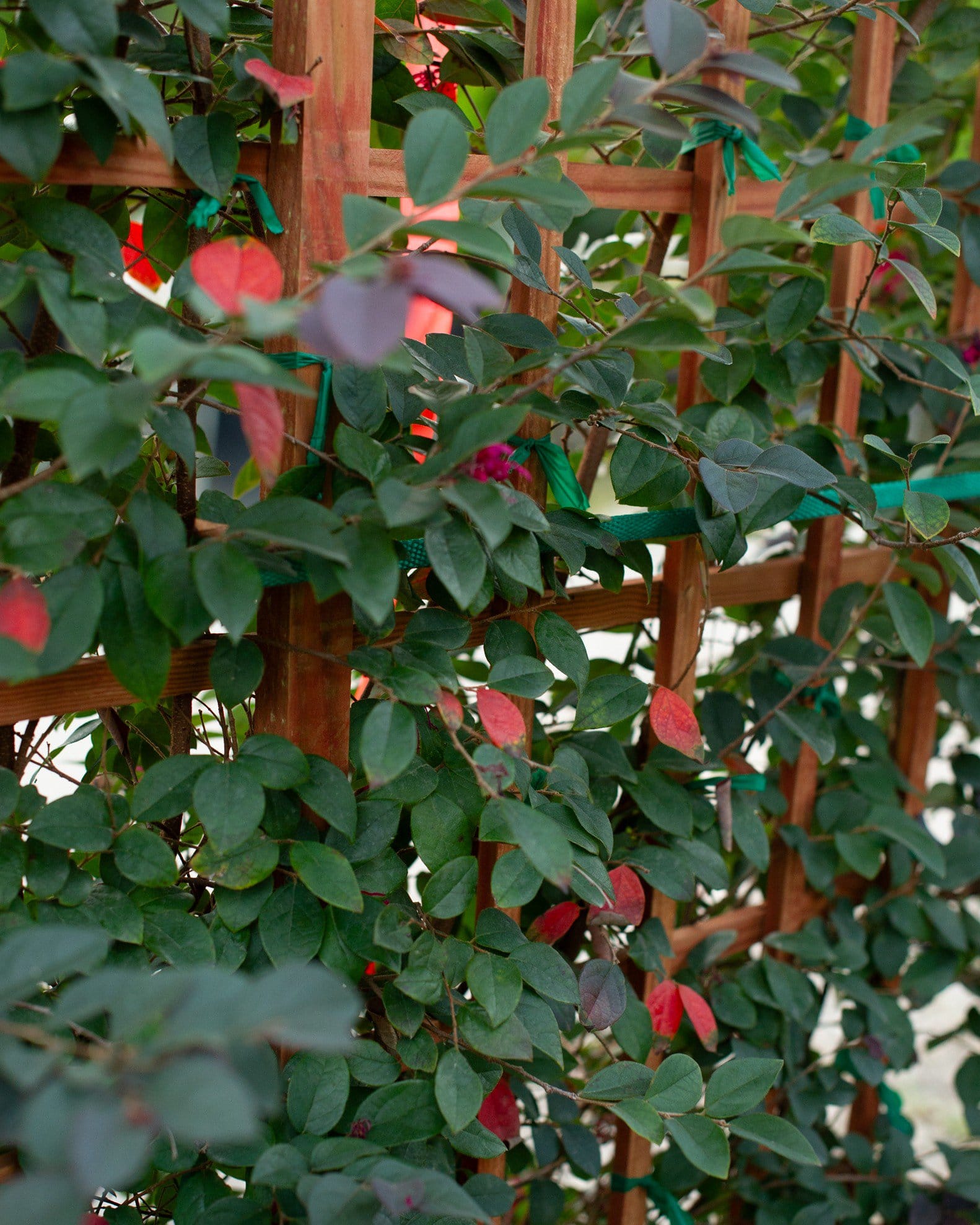
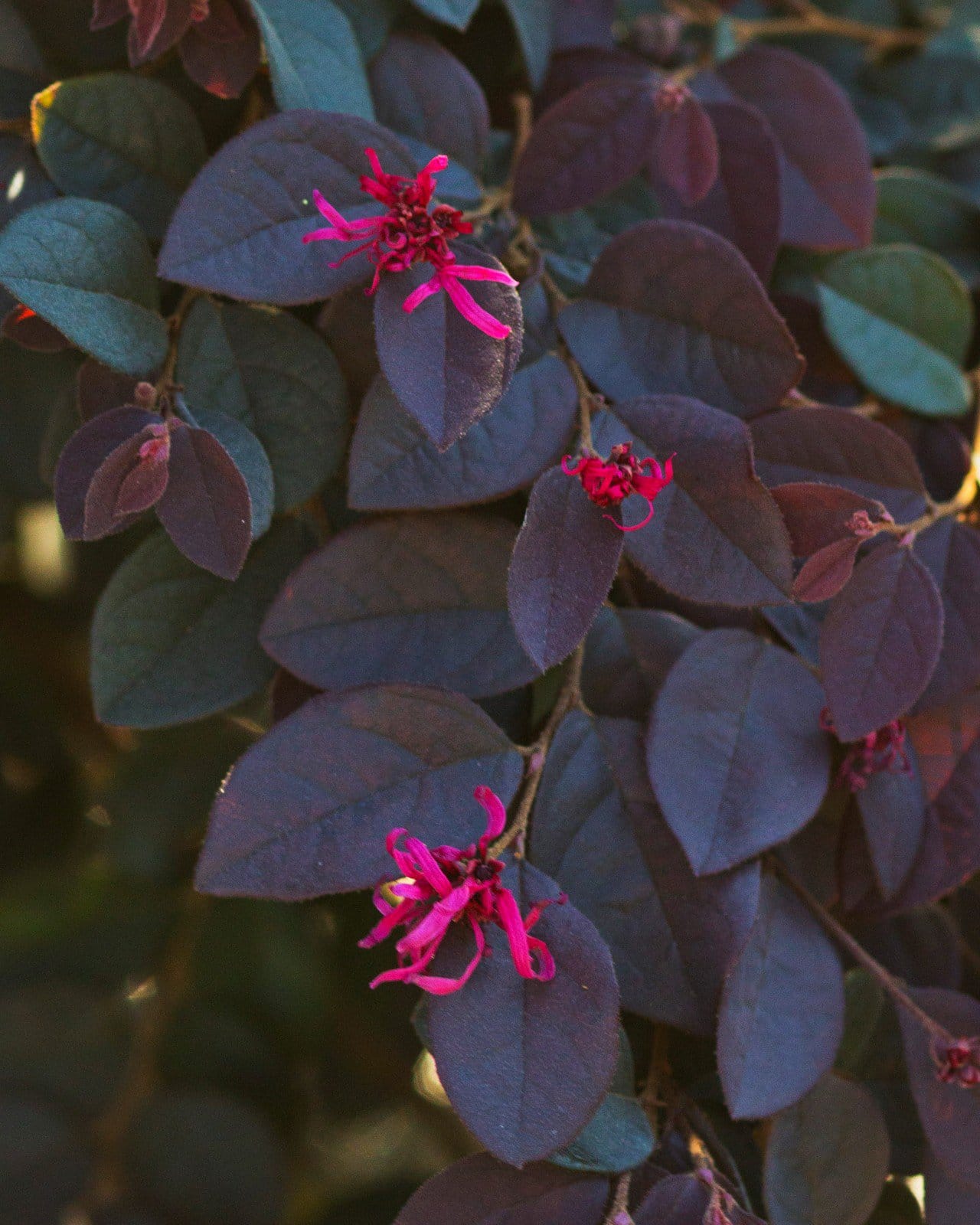
Carolina Midnight Loropetalum
Maturity: 10' H x 10' W
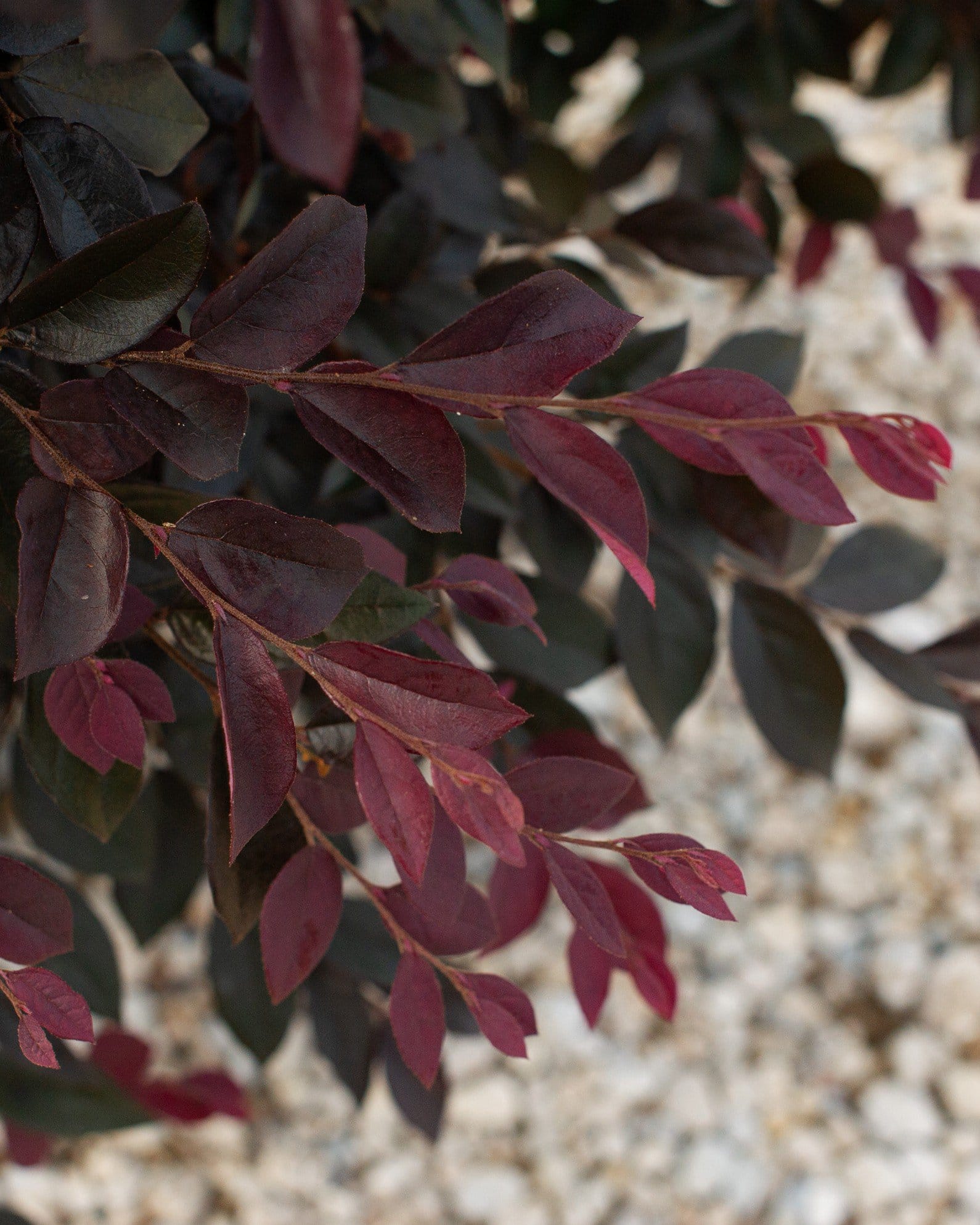
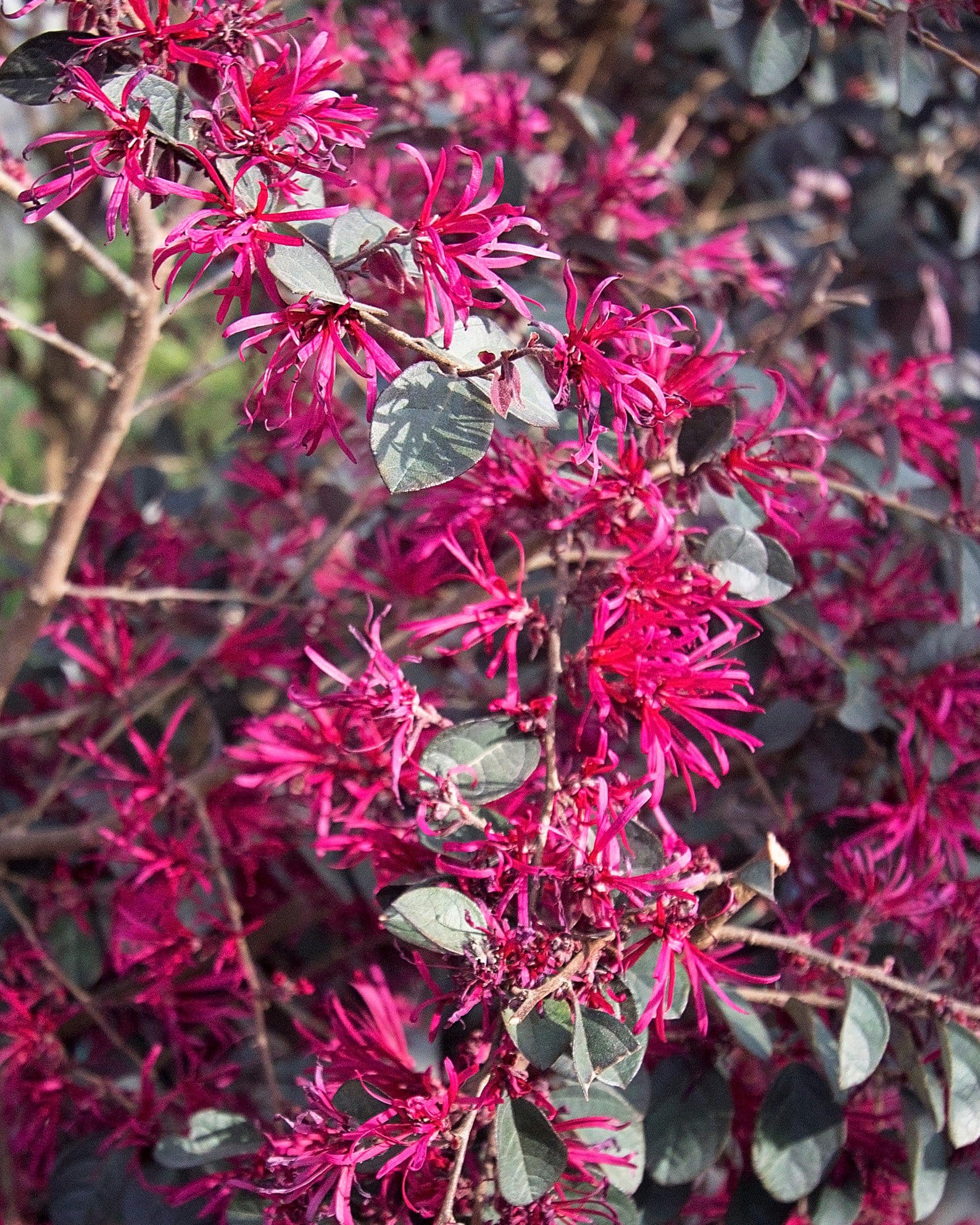
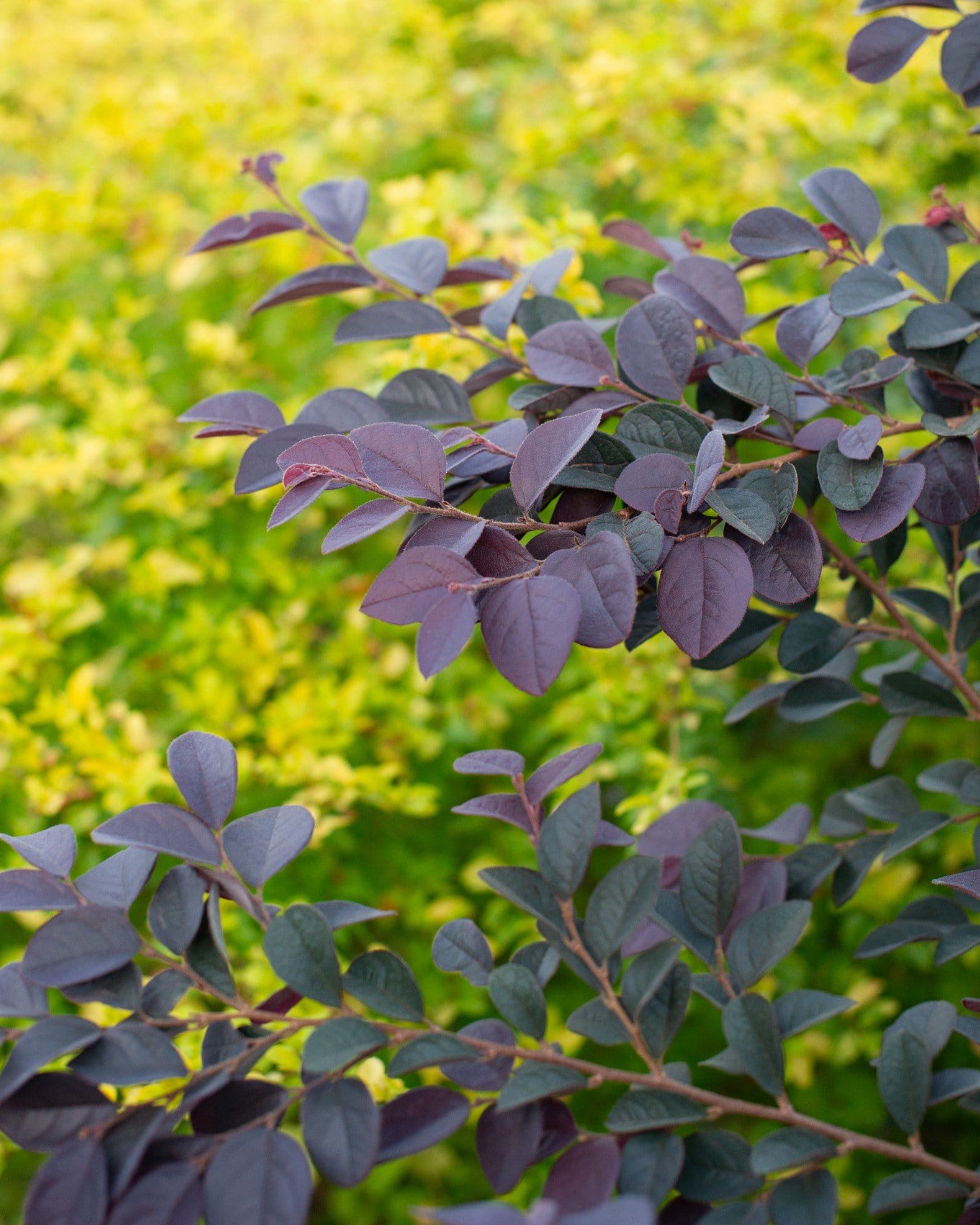
Carolina Midnight Loropetalum Espalier
Maturity: 10' H x 10' W
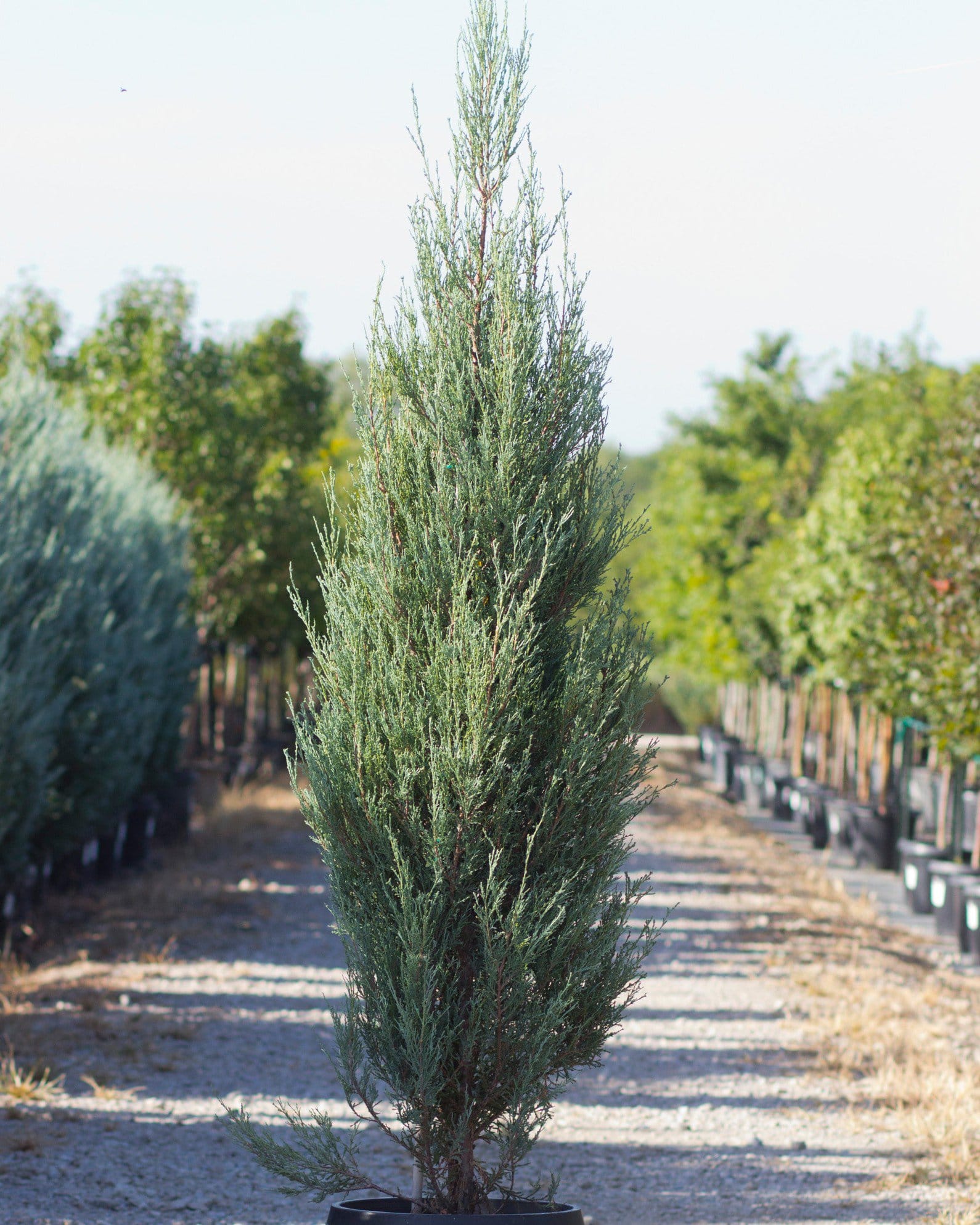
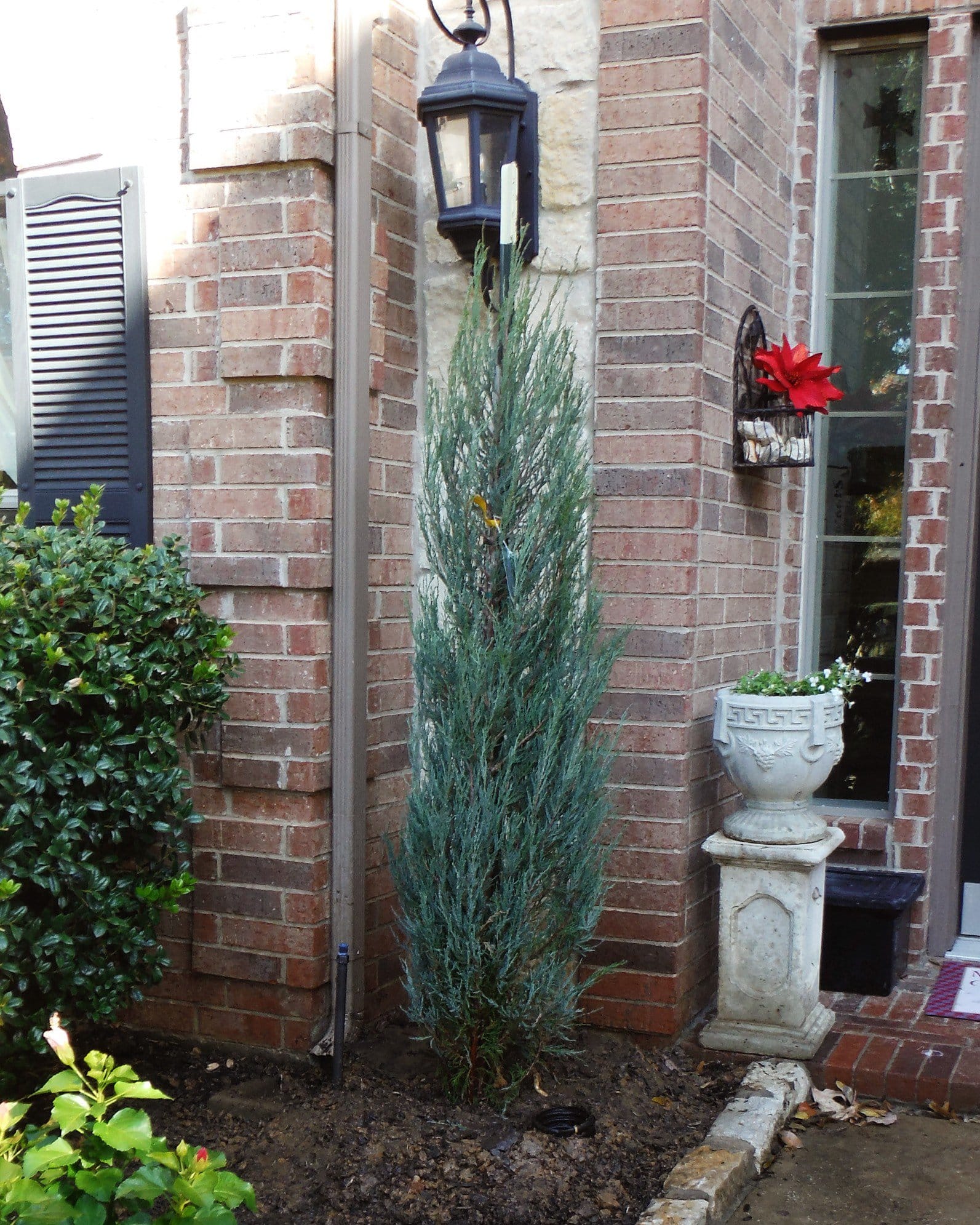
Blue Arrow Juniper
Maturity: 12' H x 2' W
Eagleston Holly Tree Form
Maturity: 20' H x 14' W
East Palatka Holly Tree Form
Maturity: 25' H x 14' W
Edith Bogue Magnolia
Maturity: 30' H x 15' W
Compare Similar Plants
Texas Mountain Laurel This plant | ||
|---|---|---|
| Scientific Name | Dermatophyllum secundiflorum | Prunus caroliniana 'Monus' |
| Size at Maturity | 10' H x 10' W | 10' H x 8' W |
| Leaf Retention | Evergreen | Evergreen |
| Flower Color | Purple | White |
| Bloom Times | Spring | Spring |
| Sizes Available | 7 gal | 15, 30, 45 gal |


Our 1-Year Planting Guarantee
We take pride in our plants and installation services. If any plants or trees installed by Treeland fail to thrive within the first year, we'll provide a replacement credit in accordance with our guarantee program.
Learn More About Our Guarantee