
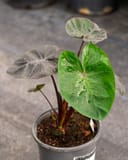
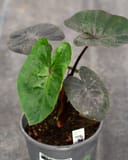
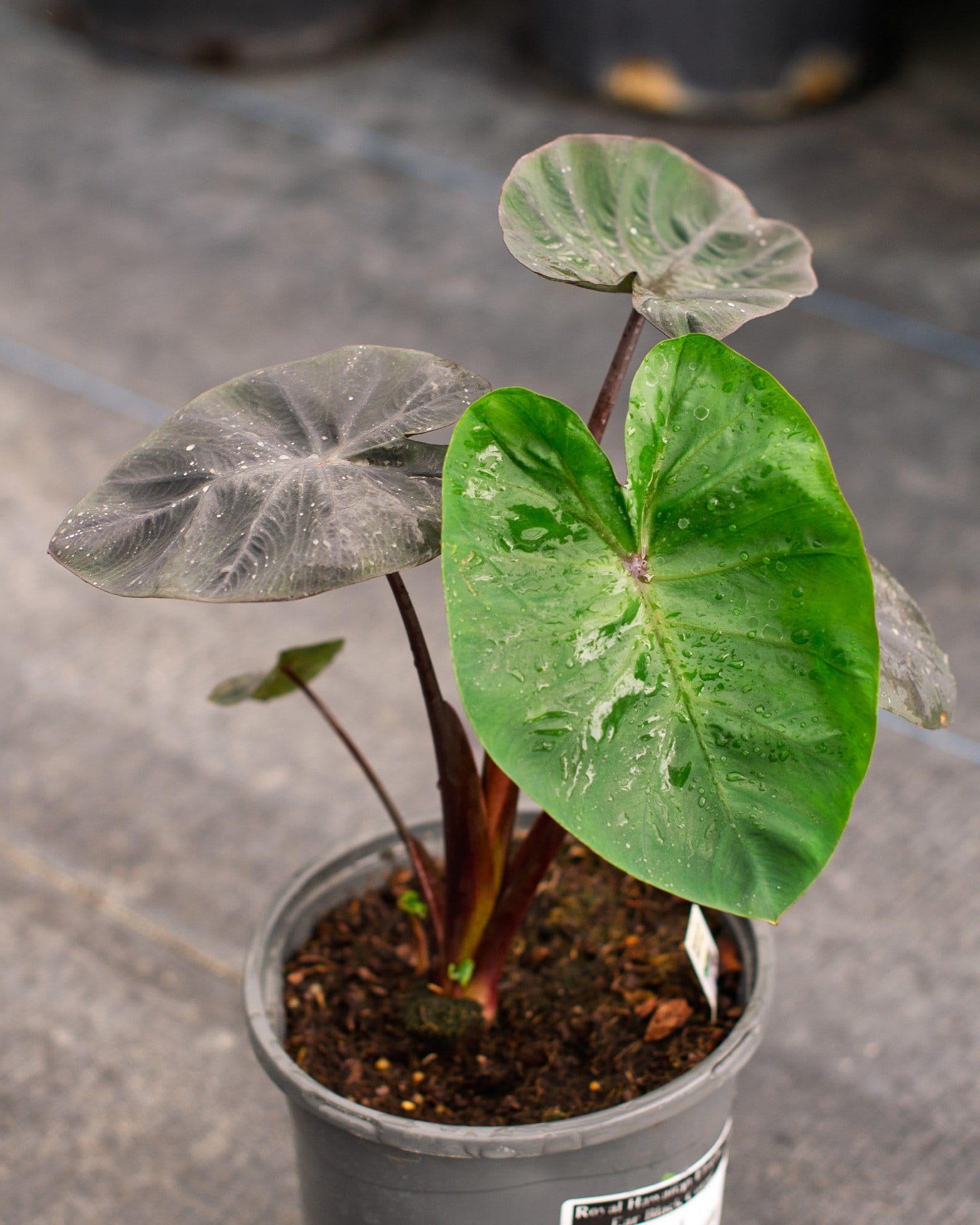
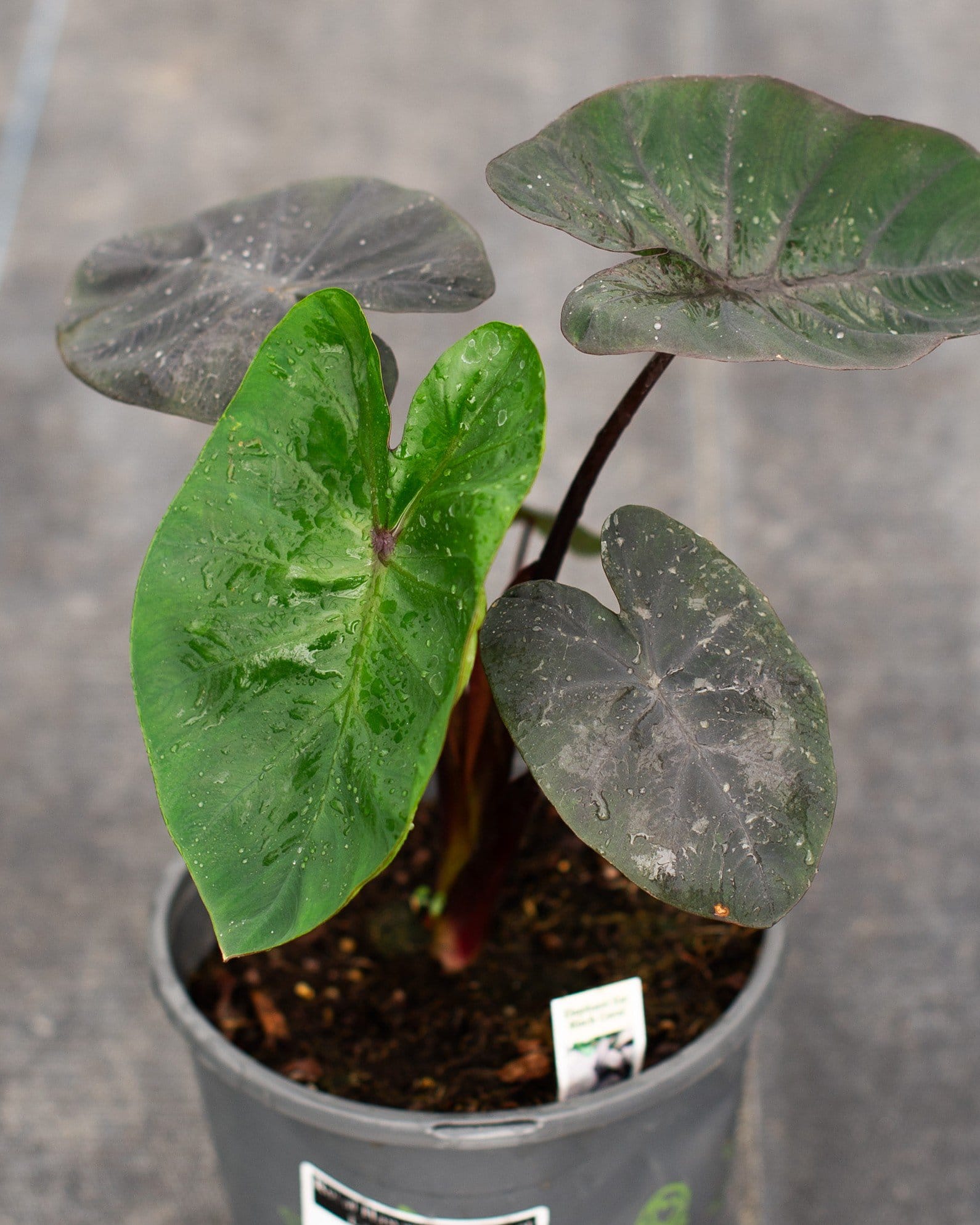
Royal Hawaiian Elephant Ear Black Coral
Colocasia esculenta ‘Black Coral’Product Details
Royal Hawaiian Elephant Ear Black Coral
Colocasia esculenta ‘Black Coral’Royal Hawaiian Elephant Ear Black Coral is an eye-catching perennial prized for its rich, dark foliage that shimmers with a glossy sheen. Its large, heart-shaped leaves emerge deep green and quickly mature to a bold, near-black shade, creating dramatic contrast against lighter plantings. With a mature height of 3 to 4 feet and a spread of 2 to 3 feet, this variety adds a strong architectural presence whether planted in the landscape or showcased in containers.
- Perennial tropical plant
- Upright, arching habit with bold, glossy foliage
- Leaves mature to a deep black shade
- Grows 3–4 feet tall and 2–3 feet wide
- Excellent for borders, accents, or container plantings
Plant in full sun to partial shade with moist, well-drained soil. Hardy in USDA zones 7 through 11, Royal Hawaiian Elephant Ear Black Coral brings dramatic color and texture to warm-season landscapes.
Maintenance
Despite its bold look, Royal Hawaiian Elephant Ear Black Coral is surprisingly easy to care for and thrives with minimal effort once established. Here’s how to keep it looking magnificent:
- Watering: Water regularly during the first growing season to promote strong root development. Once mature, ‘Black Coral’ enjoys consistent moisture but also tolerates short dry periods. Keep soil evenly moist, not soggy - allowing the top inch to dry between waterings helps prevent root issues. In containers, ensure excellent drainage and never let pots sit in standing water.
- Pruning: Minimal pruning is required. Remove old or damaged leaves at the base as they age to maintain a clean appearance. In cooler climates, cut back the foliage to the ground after the first frost - new leaves will emerge vigorously in spring.
- Fertilizing: Feed every 4-6 weeks during the growing season with a balanced, slow-release fertilizer or liquid plant food. Regular feeding enhances leaf size, color, and overall vigor. Reduce or stop feeding in late fall when the plant enters dormancy.
- Mulching: Apply a 2-3 inch layer of mulch around the base to retain soil moisture, regulate temperature, and suppress weeds. Keep mulch a few inches away from the crown to prevent rot. Refresh annually in spring to maintain nutrient-rich soil.
- Winter Care: In warm climates, ‘Black Coral’ remains evergreen year-round. In colder regions, treat it as a tender perennial: cut back foliage after frost and dig up the tubers before the ground freezes. Store them in a cool, dry place for replanting in spring. If overwintering in containers, bring pots indoors before the first frost and place in bright, indirect light with reduced watering.
Common Issues and How to Take Care of Them
‘Black Coral’ is tough and resilient, but a few manageable issues may appear in extreme conditions. Here’s how to handle them effectively:
- Leaf Yellowing: Often caused by overwatering or poor drainage. Let soil dry slightly between waterings and ensure proper drainage in both ground and container plantings.
- Sunburn or Scorch: Brown patches can occur if suddenly exposed to full sun. Gradually acclimate plants to brighter conditions or provide partial shade during the hottest hours.
- Spider Mites or Aphids: Occasionally appear on undersides of leaves. Wipe foliage with a damp cloth or treat with insecticidal soap or neem oil. Regular misting helps deter infestations in hot, dry weather.
- Wind Damage: Large leaves can tear in strong gusts. Plant in a sheltered location or use temporary windbreaks until fully established.
- Cold Shock: Exposure to temperatures below 50°F can cause leaf droop or dark spots. Move containers indoors or cover plants when cold snaps are expected.
With proper care, it can live for many years. In frost-free areas, the clump enlarges each season, while in colder zones the tubers can be overwintered and replanted indefinitely.
It grows quickly in warm weather, often reaching full size within a single growing season. Tubers planted in spring can produce mature, full-sized leaves by midsummer.
While primarily grown for its foliage, its occasional flower spathes can attract pollinating insects, though they’re not a major feature.
Yes - its thick, leathery leaves are rarely browsed by deer or rabbits.
Absolutely. It performs beautifully in large decorative pots, especially near pools, patios, or shaded entryways. Use a rich, well-draining mix and keep soil consistently moist.
Yes. Divide the tubers or offsets in spring before planting. Each section with a growing eye will produce a new plant.
Exceptionally well. It thrives in humid climates and even benefits from regular misting in dry environments.
Yes. Its bold form, heat tolerance, and dramatic color make it a stunning statement plant for courtyards, resort landscapes, or city gardens.
Yes. Cut back old foliage in spring or divide crowded clumps to refresh growth. New shoots will quickly emerge from the tubers.
Its deep, metallic-black foliage with glossy texture and ruffled edges set it apart from standard green elephant ears. Combined with its compact size and strong tropical presence, it’s a designer favorite for bold contrast and modern elegance.
Special Features
You might also like
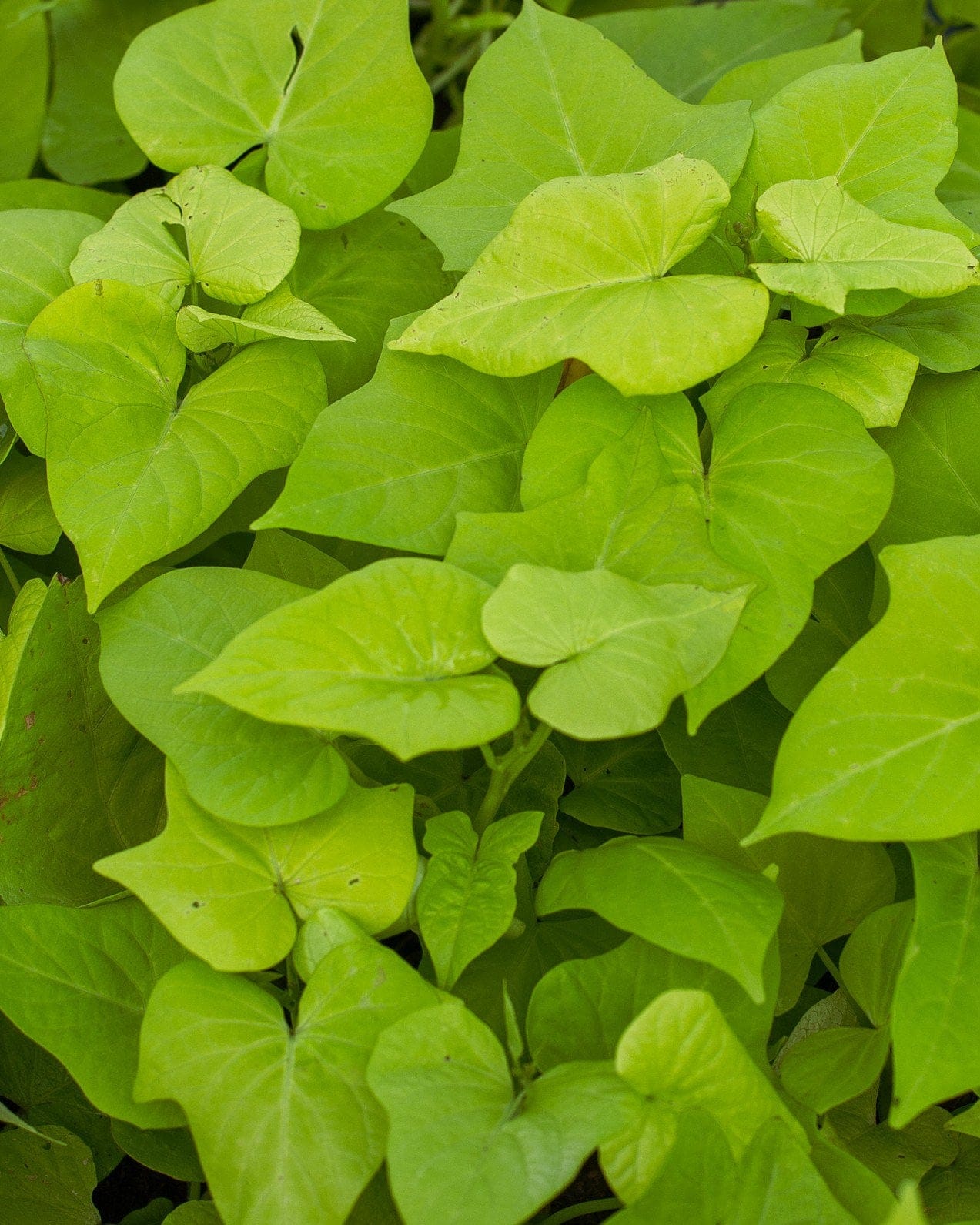
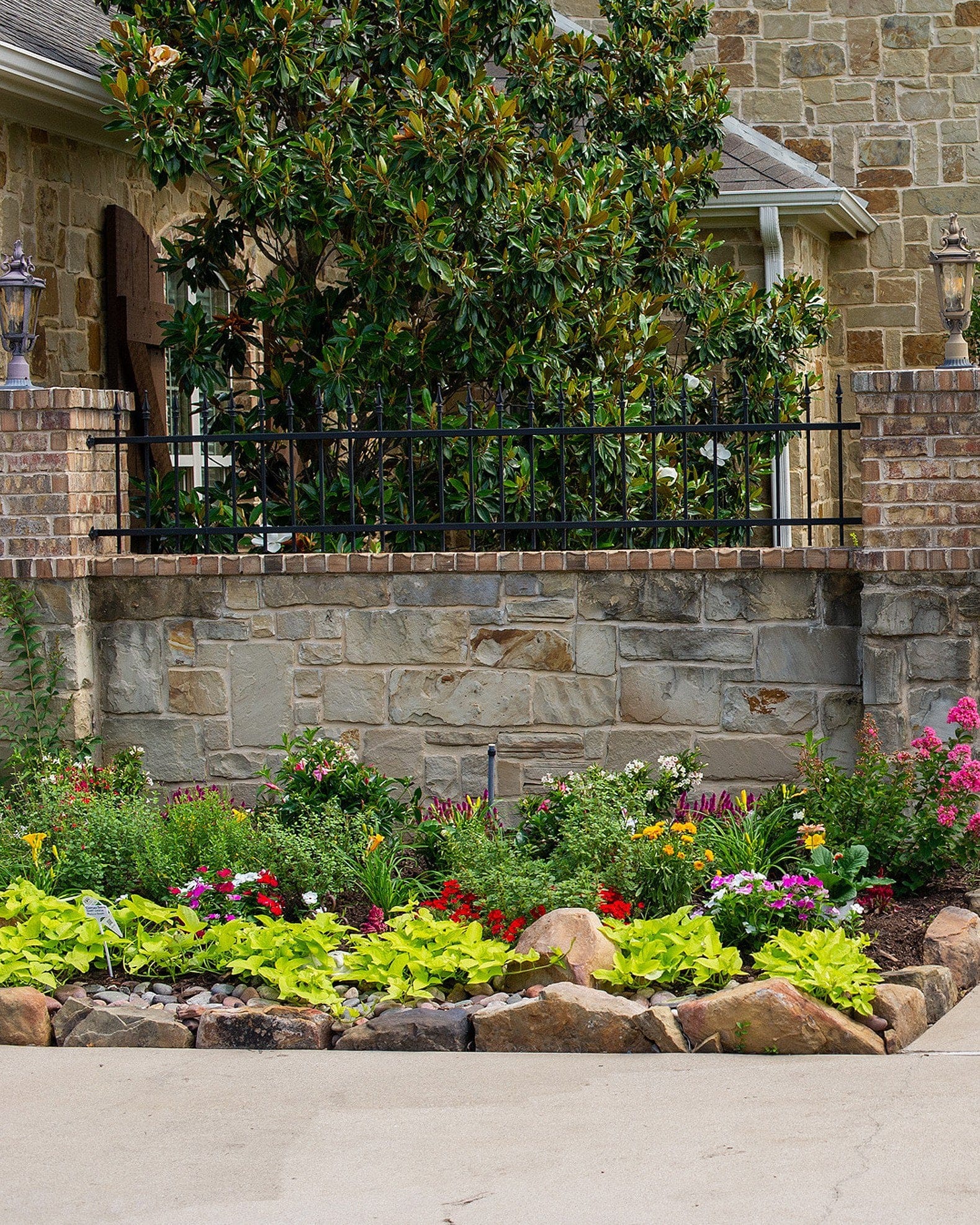
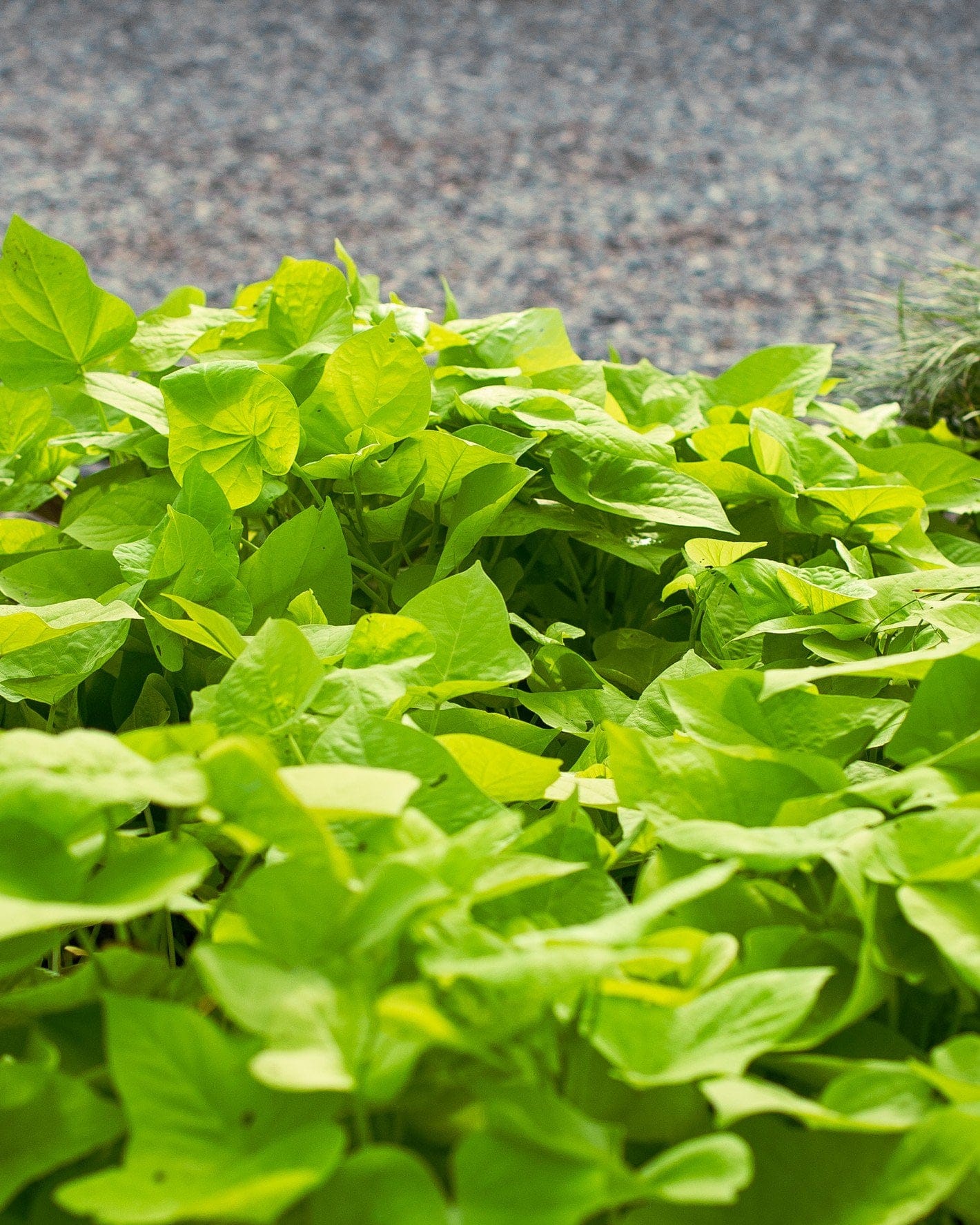
Marguerite Sweet Potato Vine
Maturity: 4' H x 4' W
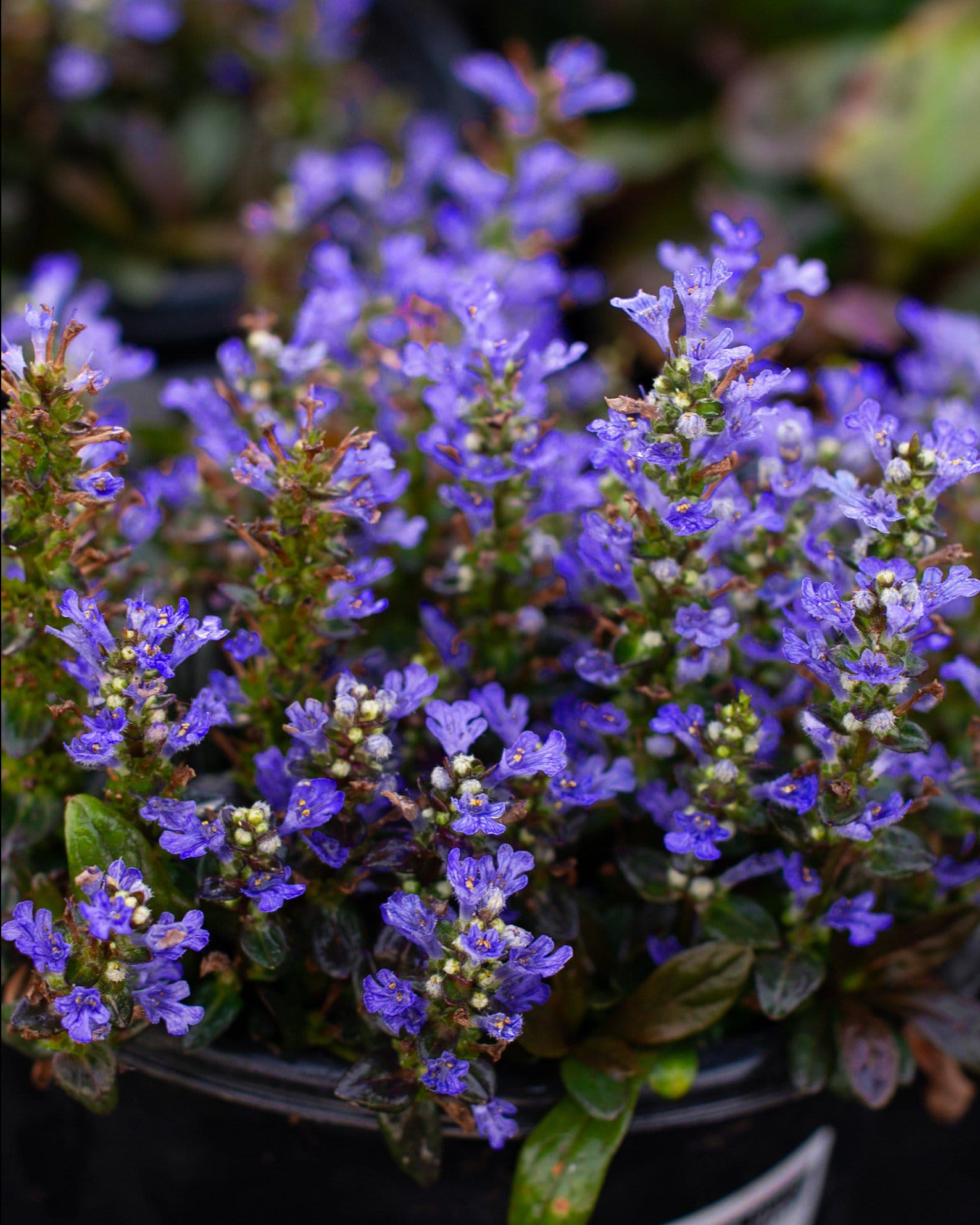
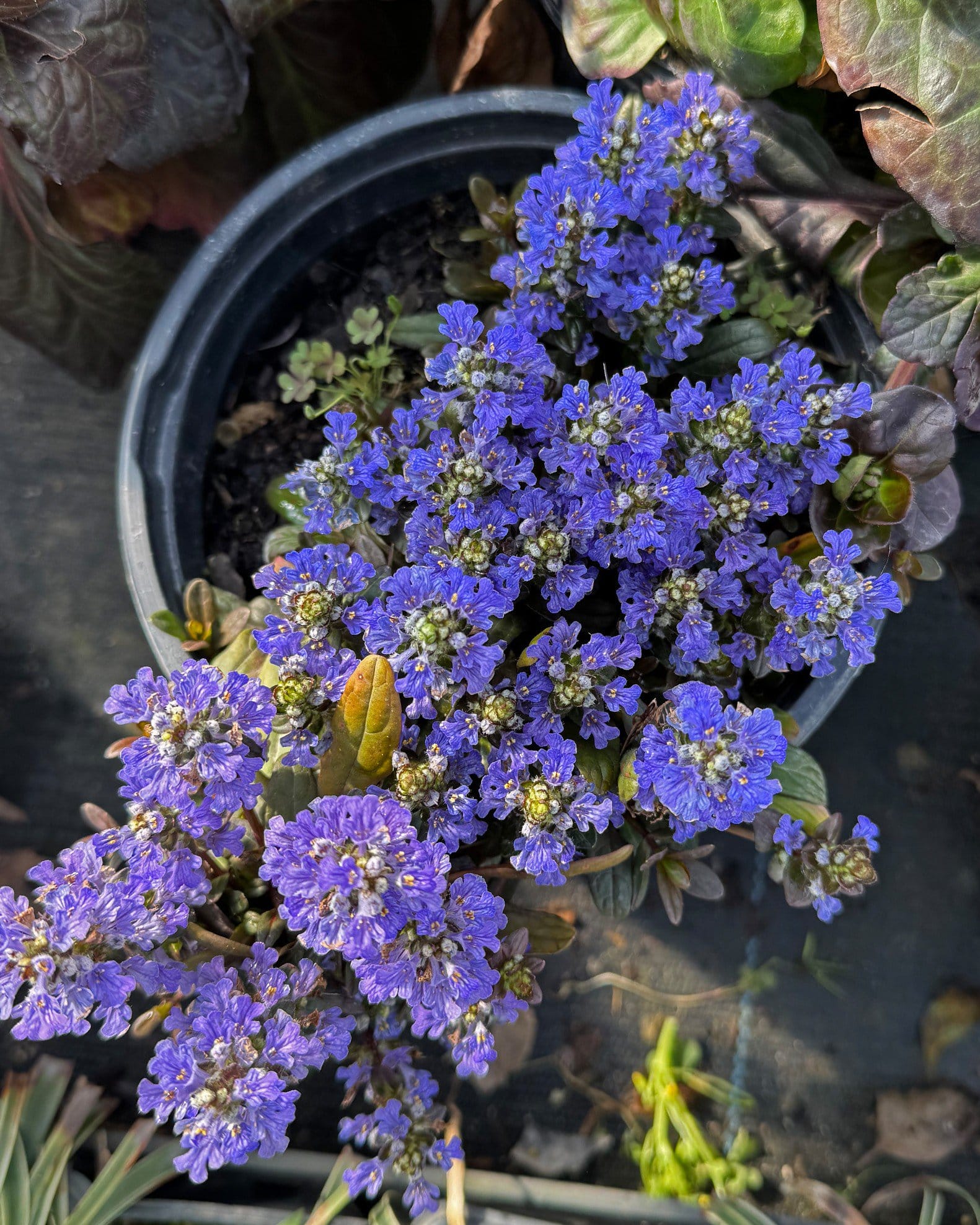
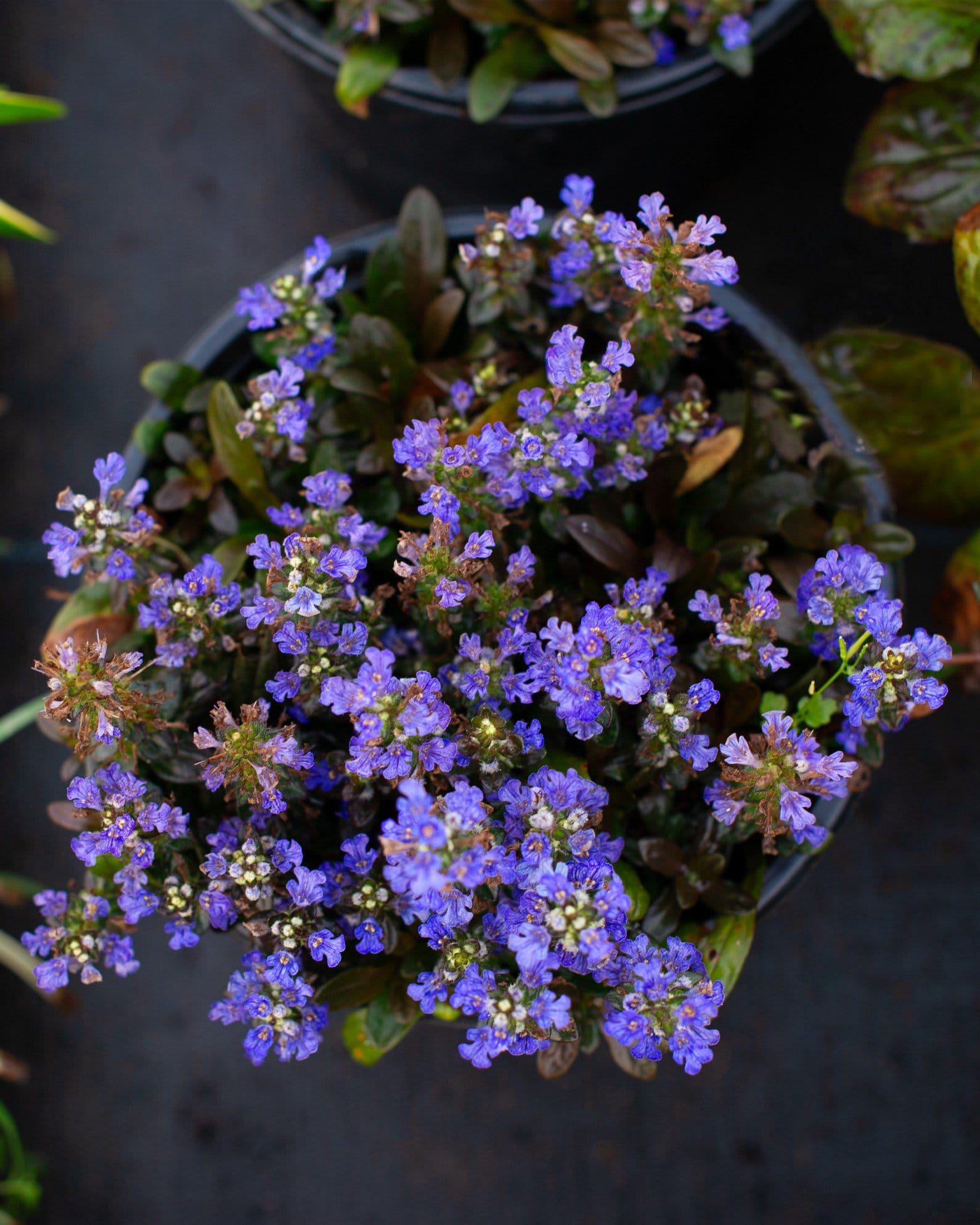
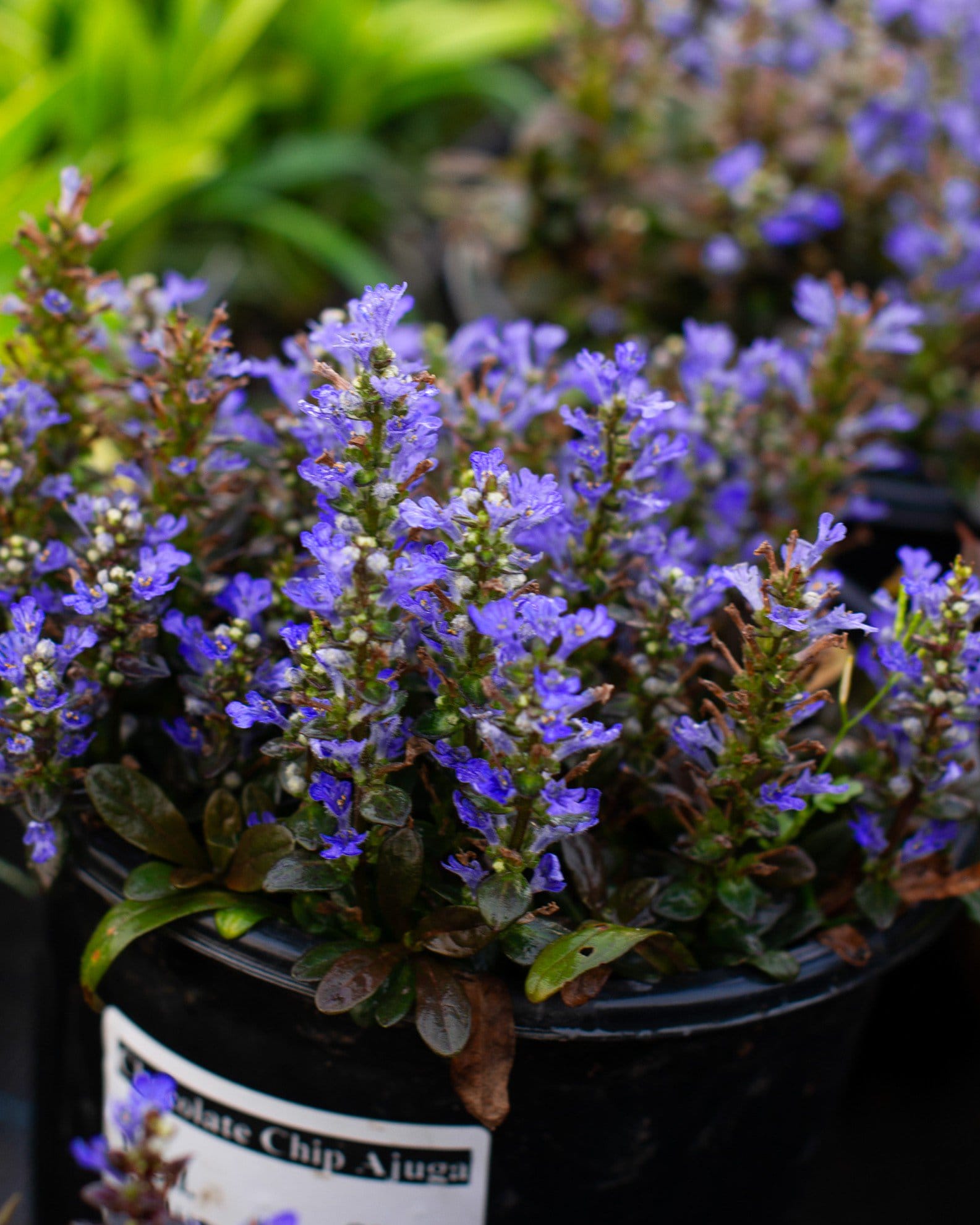
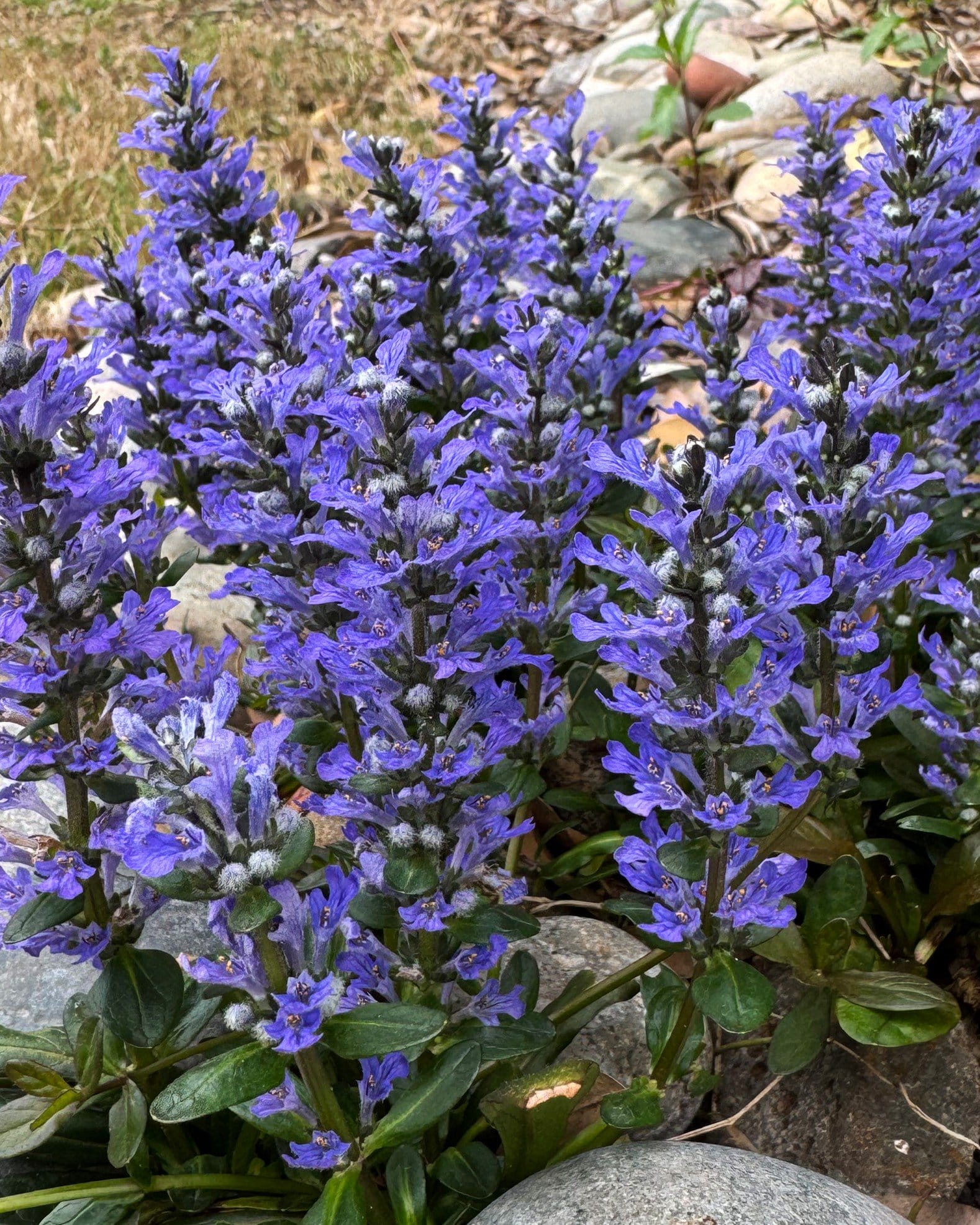
Chocolate Chip Ajuga
Maturity: 0.5' H x 1.5' W
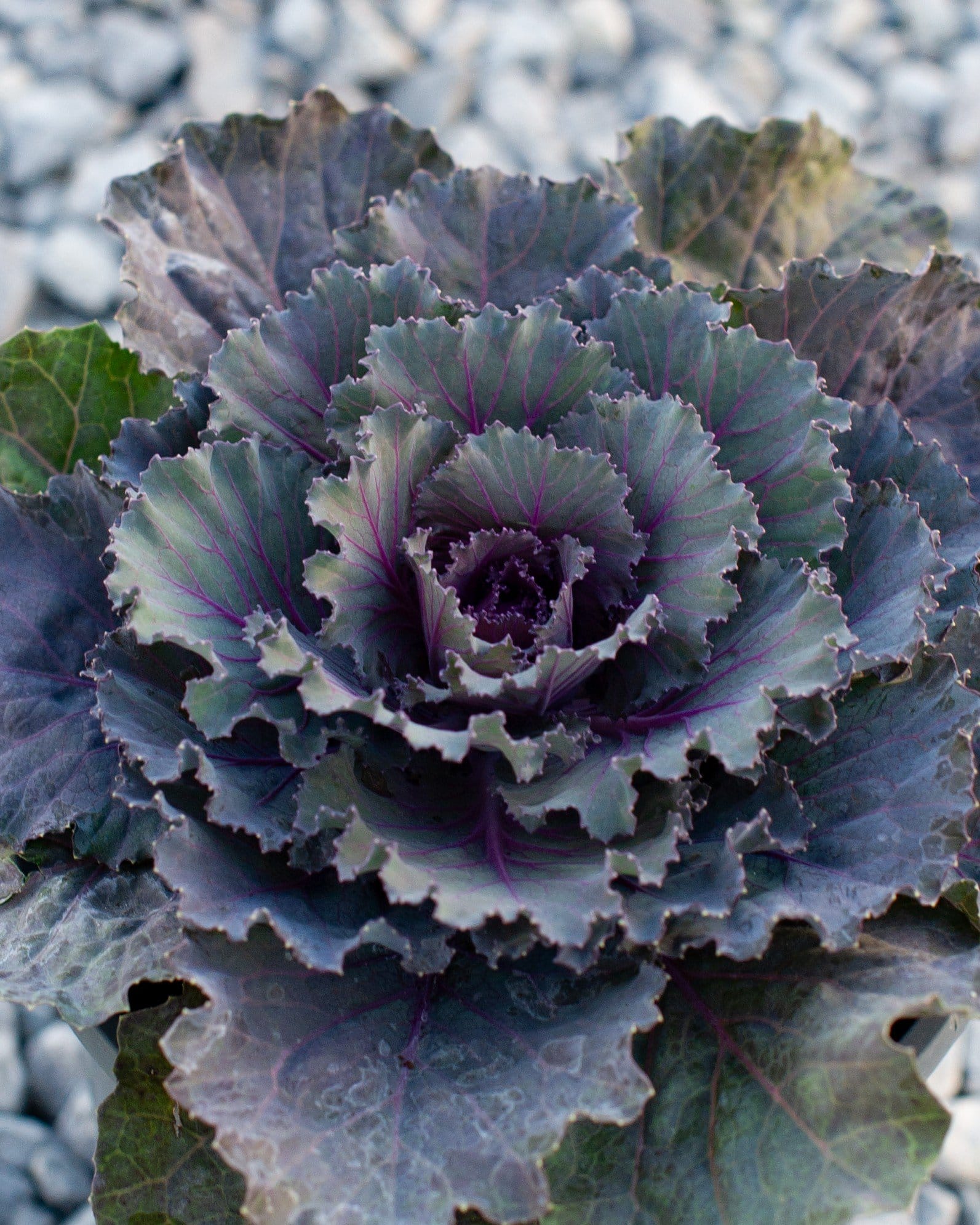
Osaka Red Cabbage
Maturity: 0.5' H x 1' W
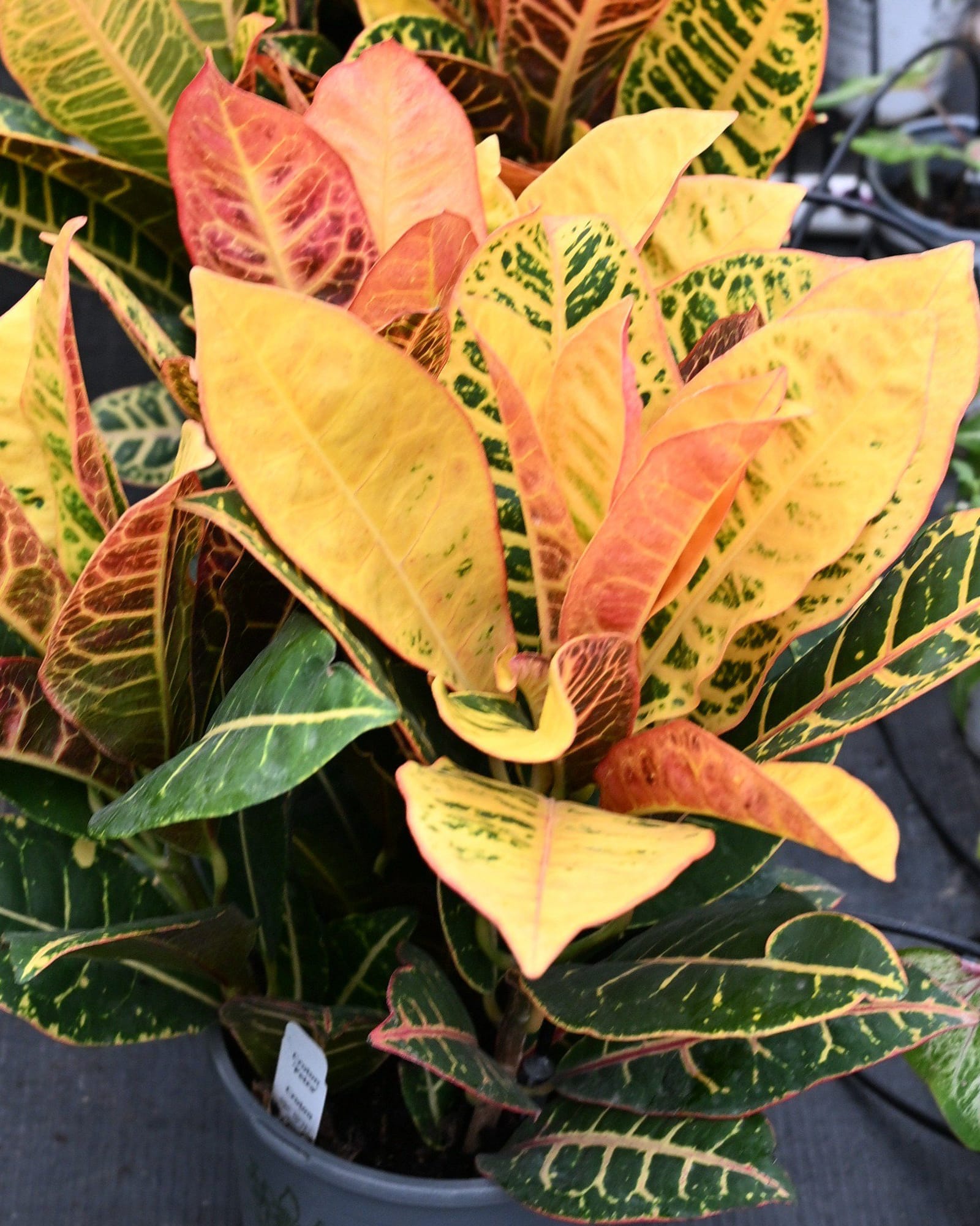
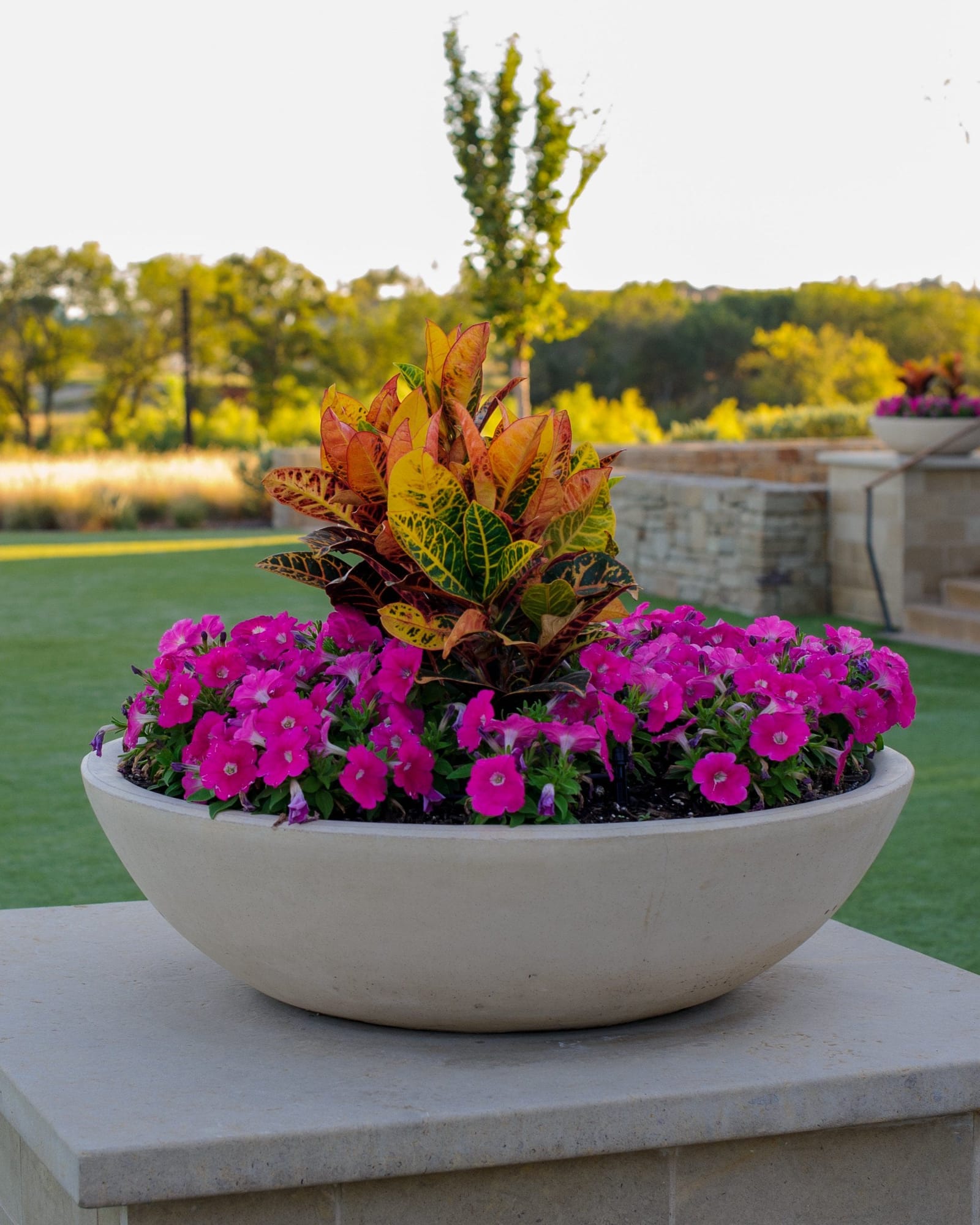
Petra Croton
Maturity: 3' H x 2' W
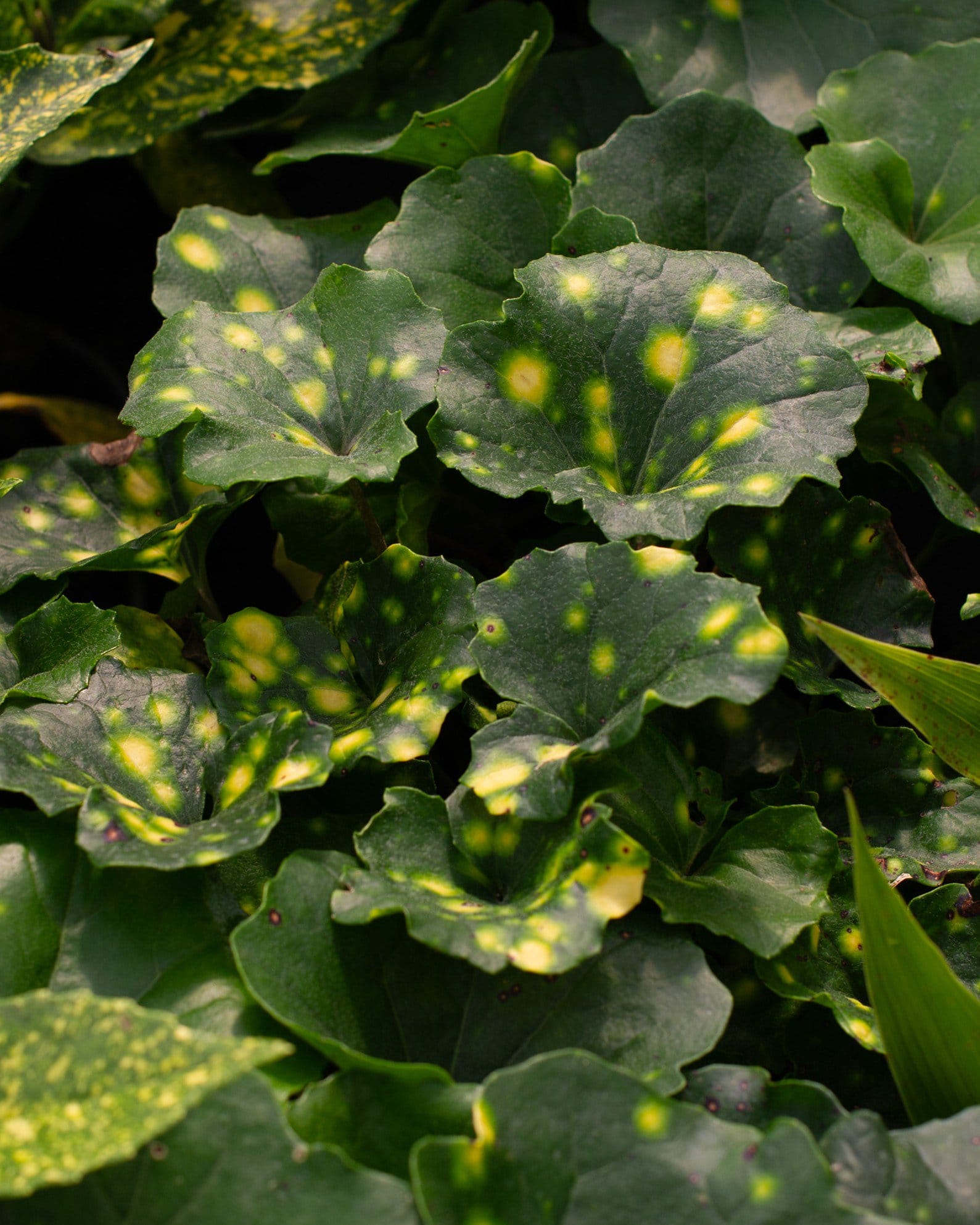
Variegated Leopard Plant
Maturity: 2' H x 2.5' W
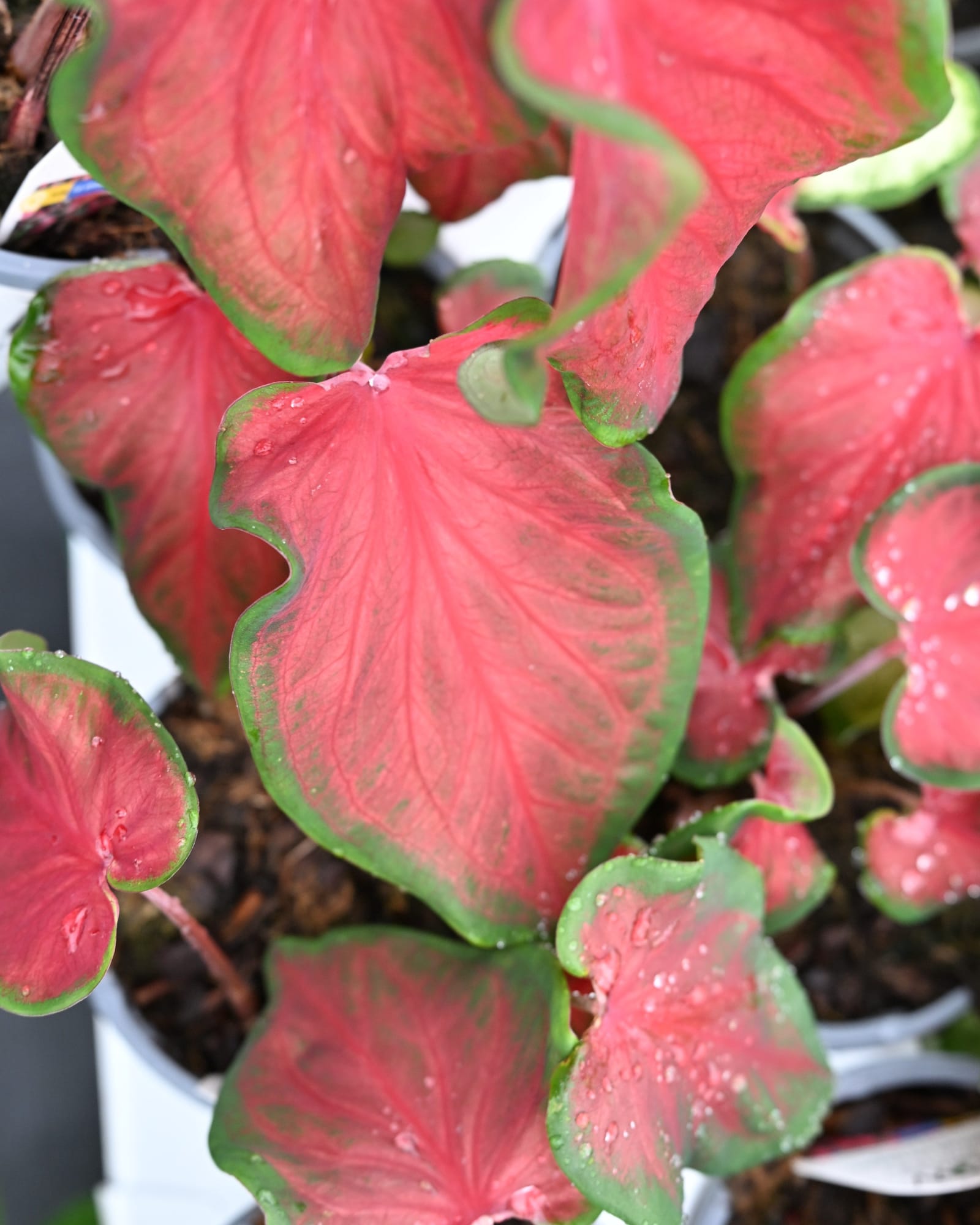
Heart to Heart Hot 2 Trot Caladium
Maturity: 1.5' H x 1' W
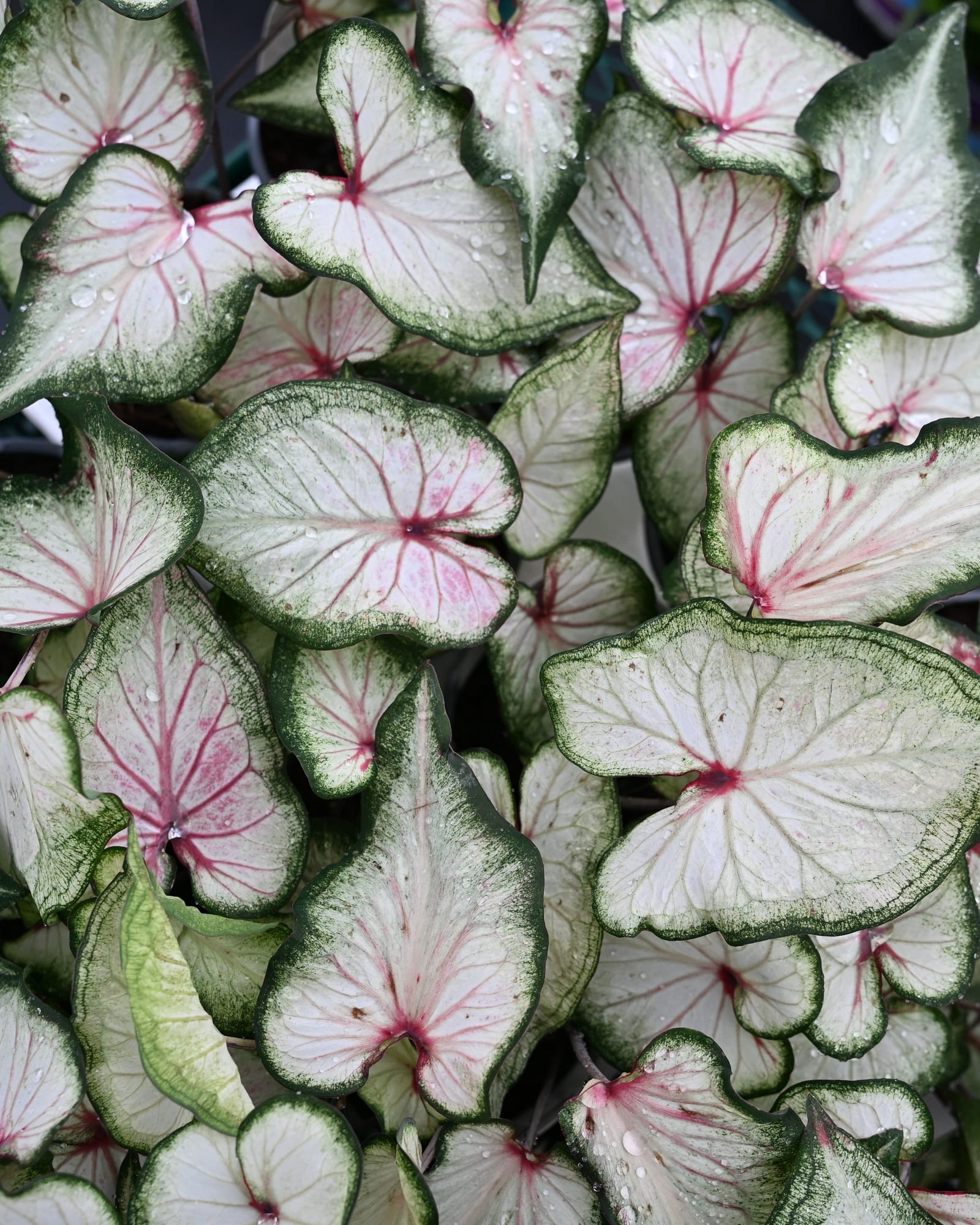
Heart to Heart White Wonder Caladium
Maturity: 1.5' H x 1' W
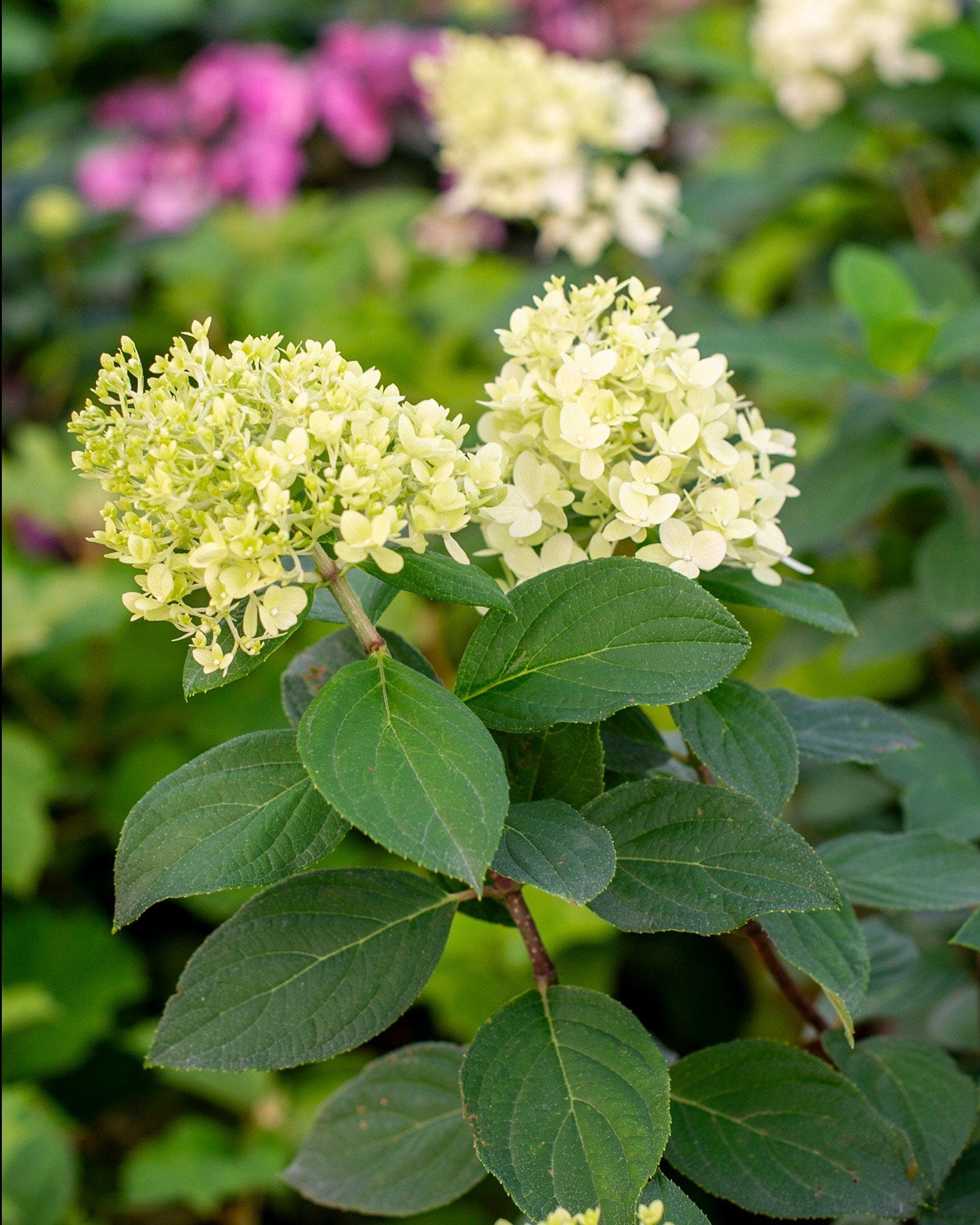
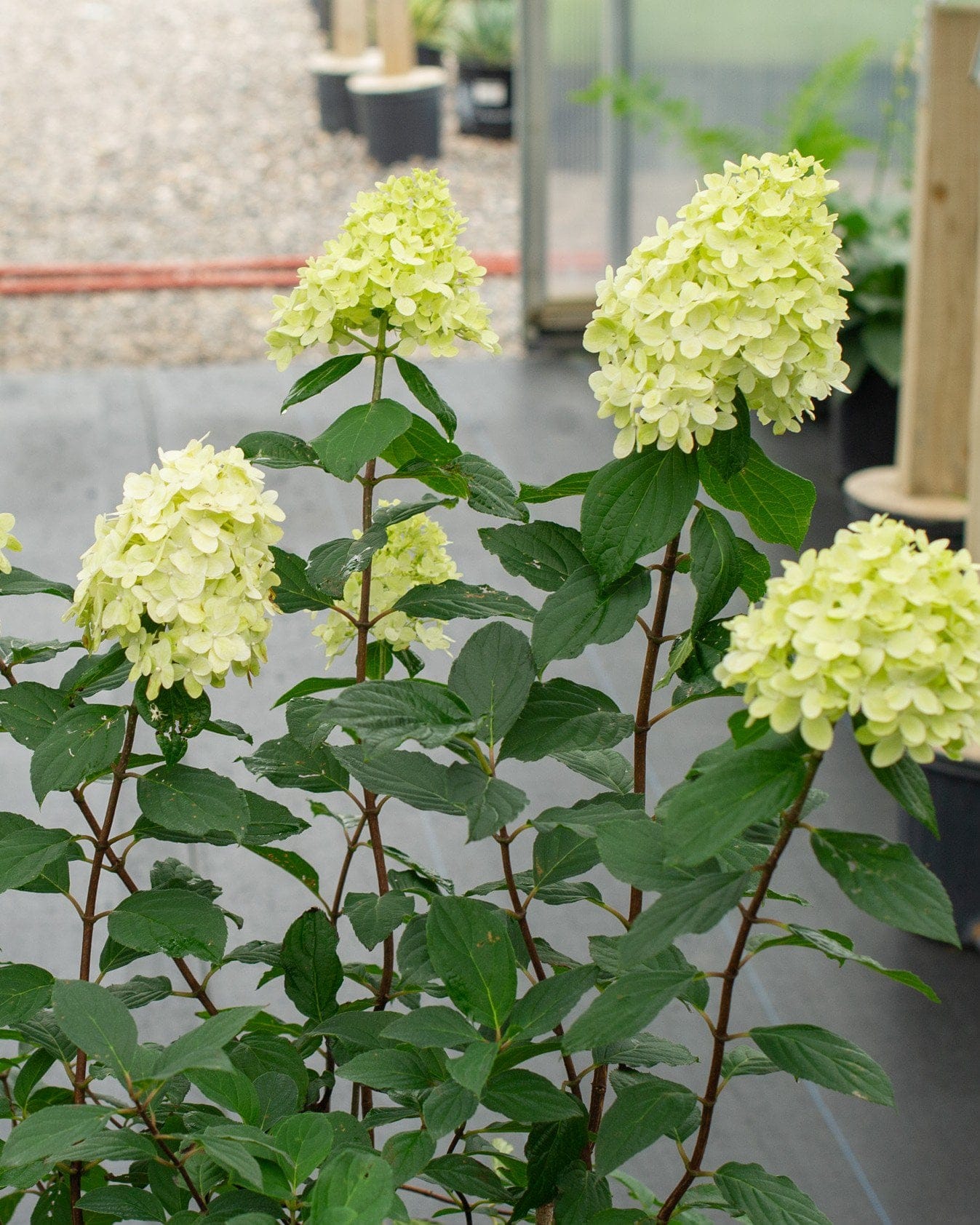
Limelight Hydrangea
Maturity: 8' H x 6' W
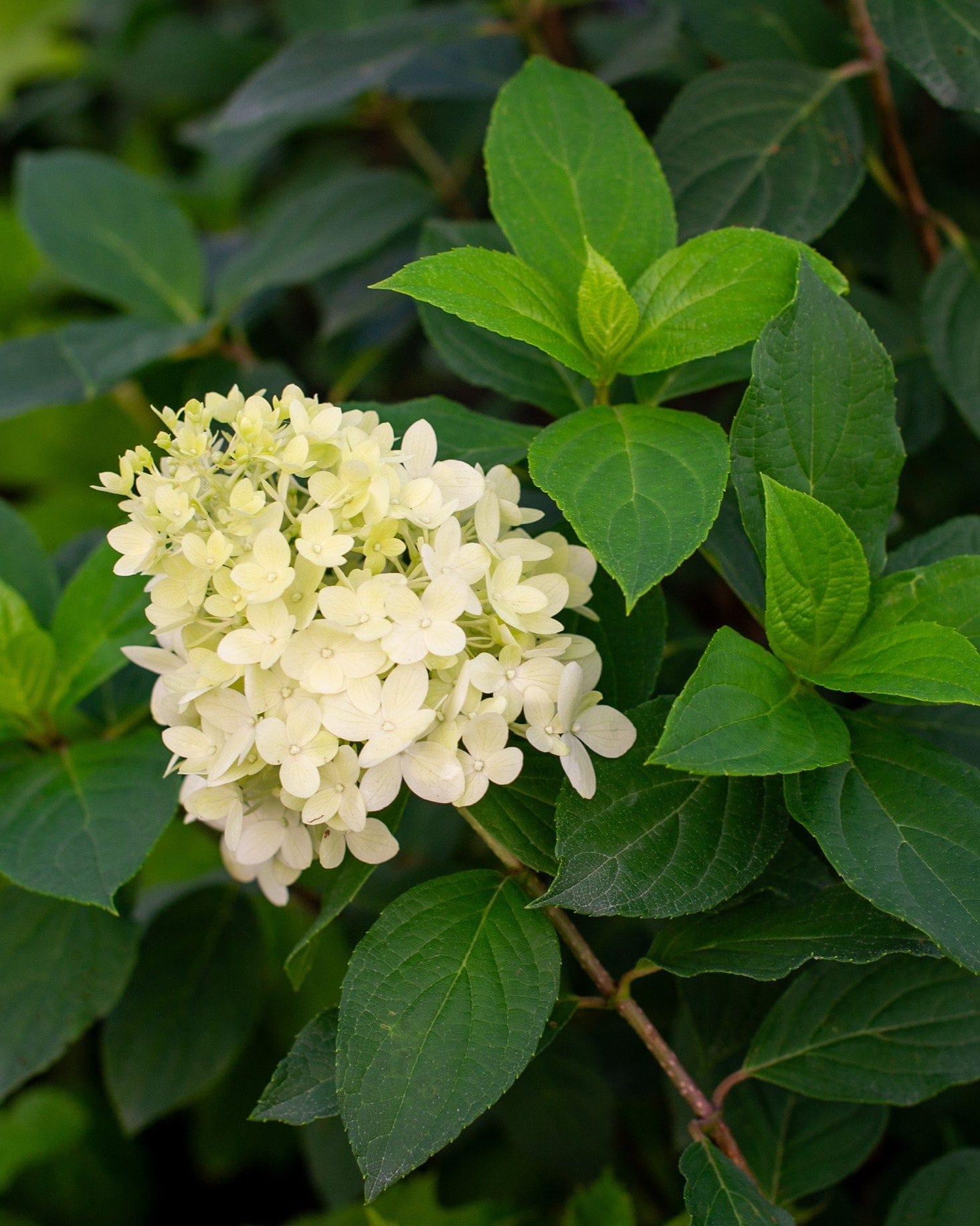
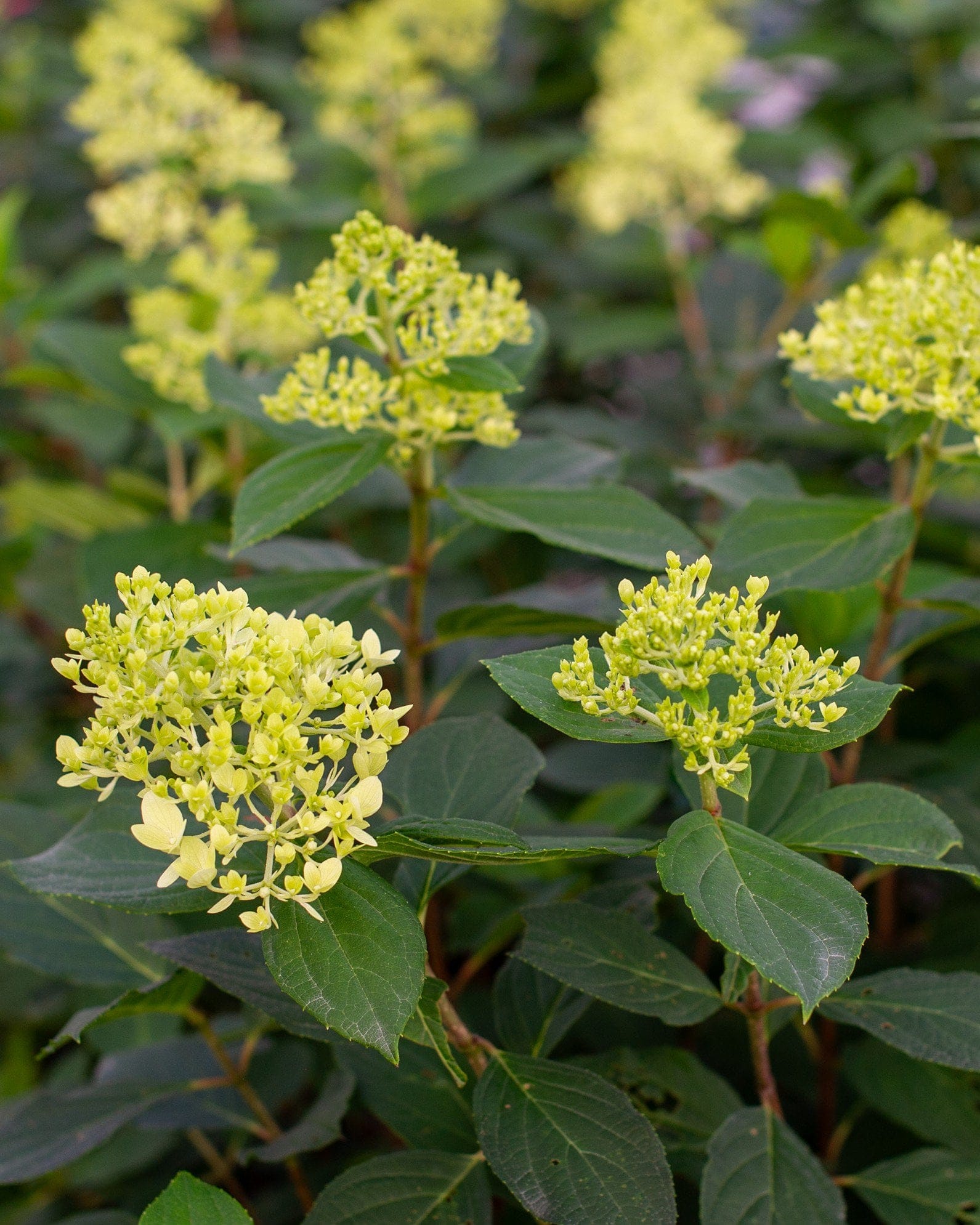
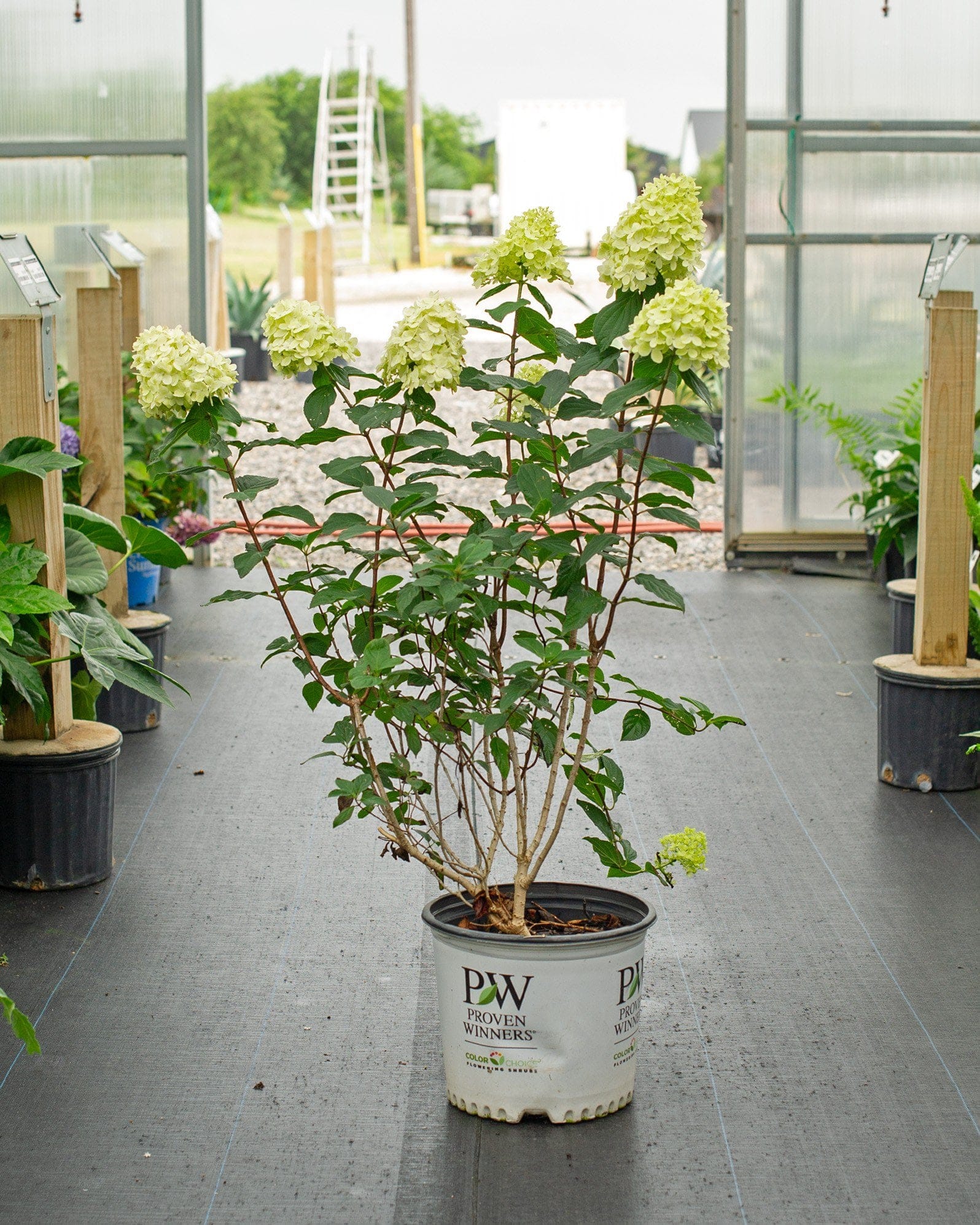
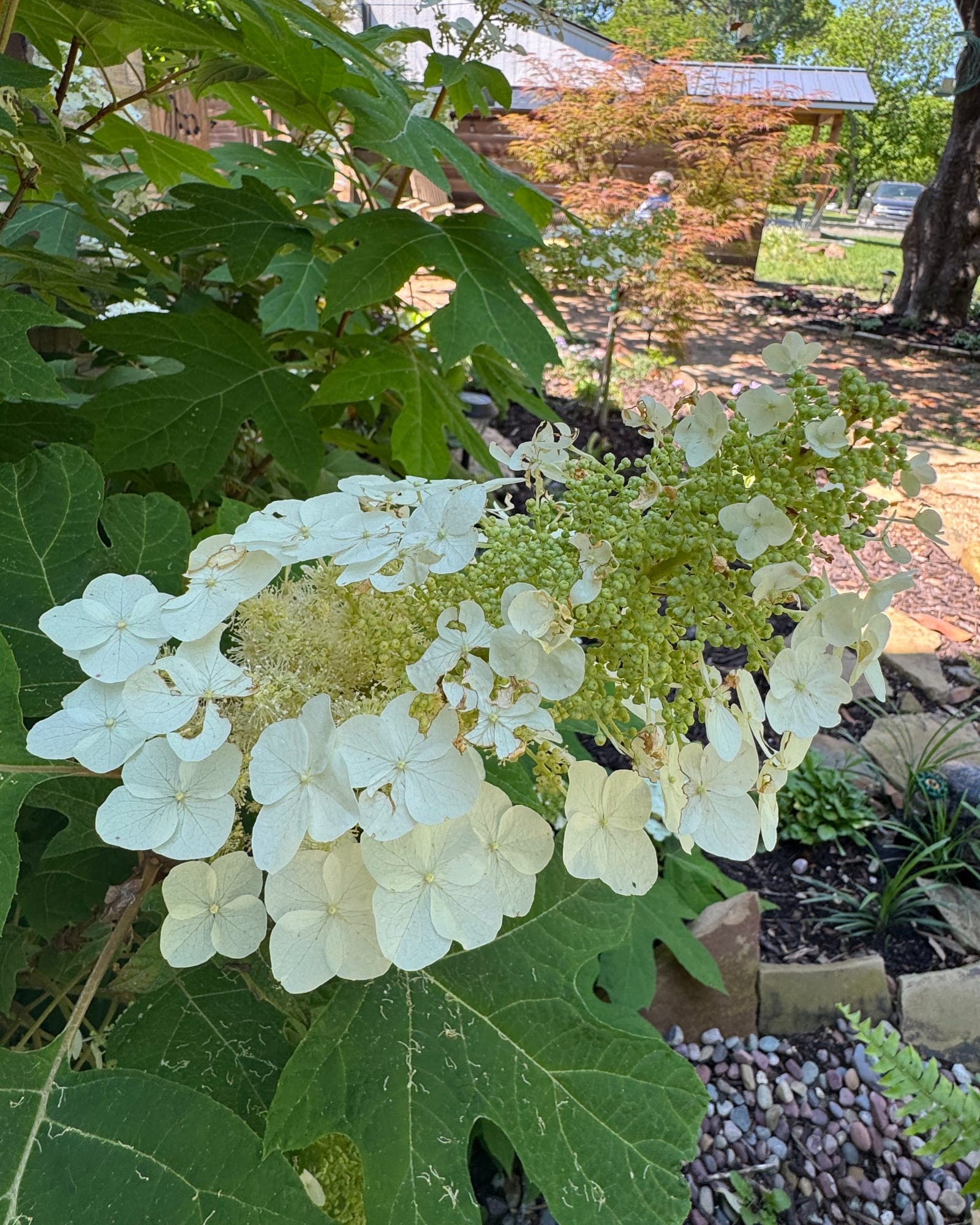
Oakleaf Hydrangea
Maturity: 6' H x 6' W
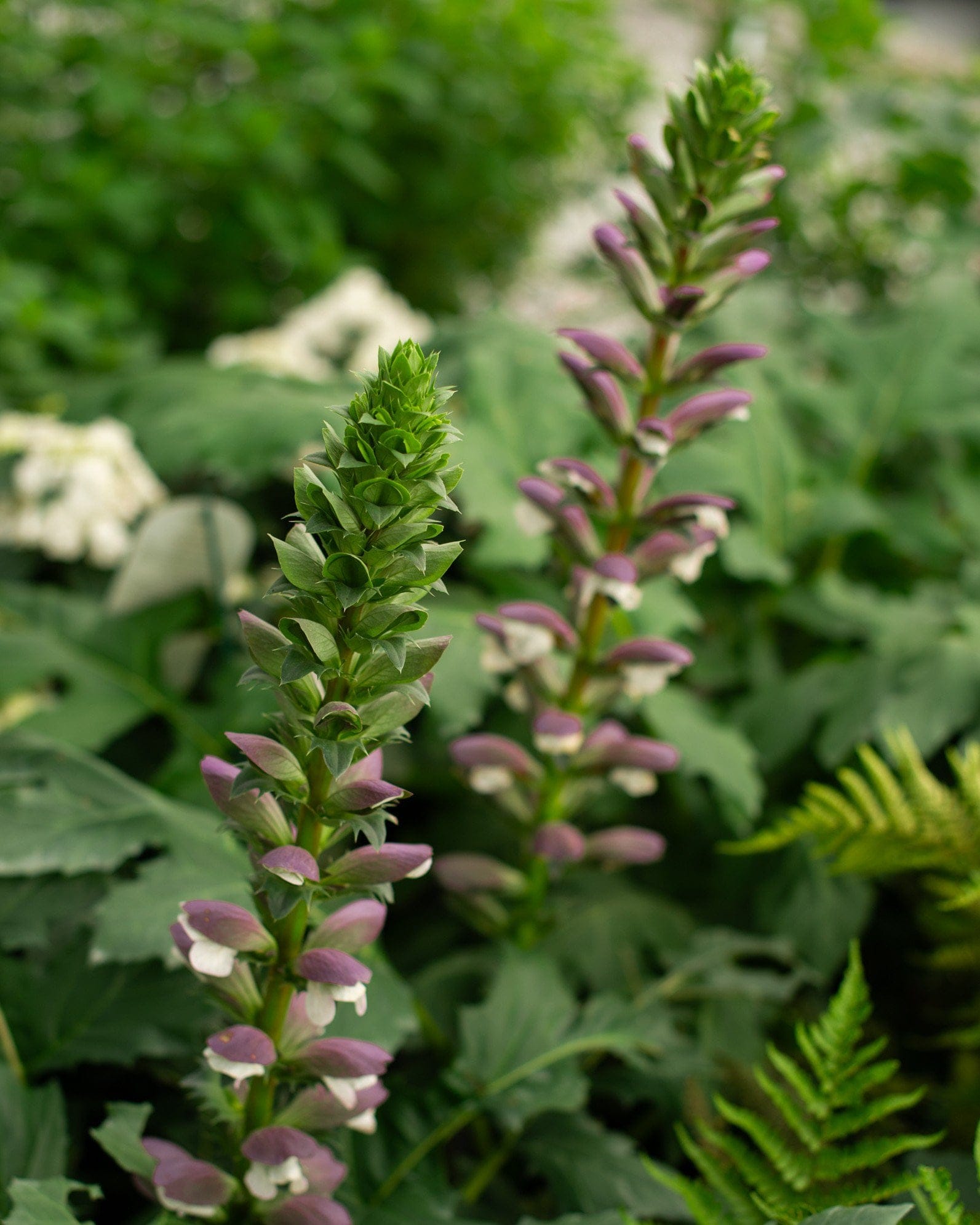
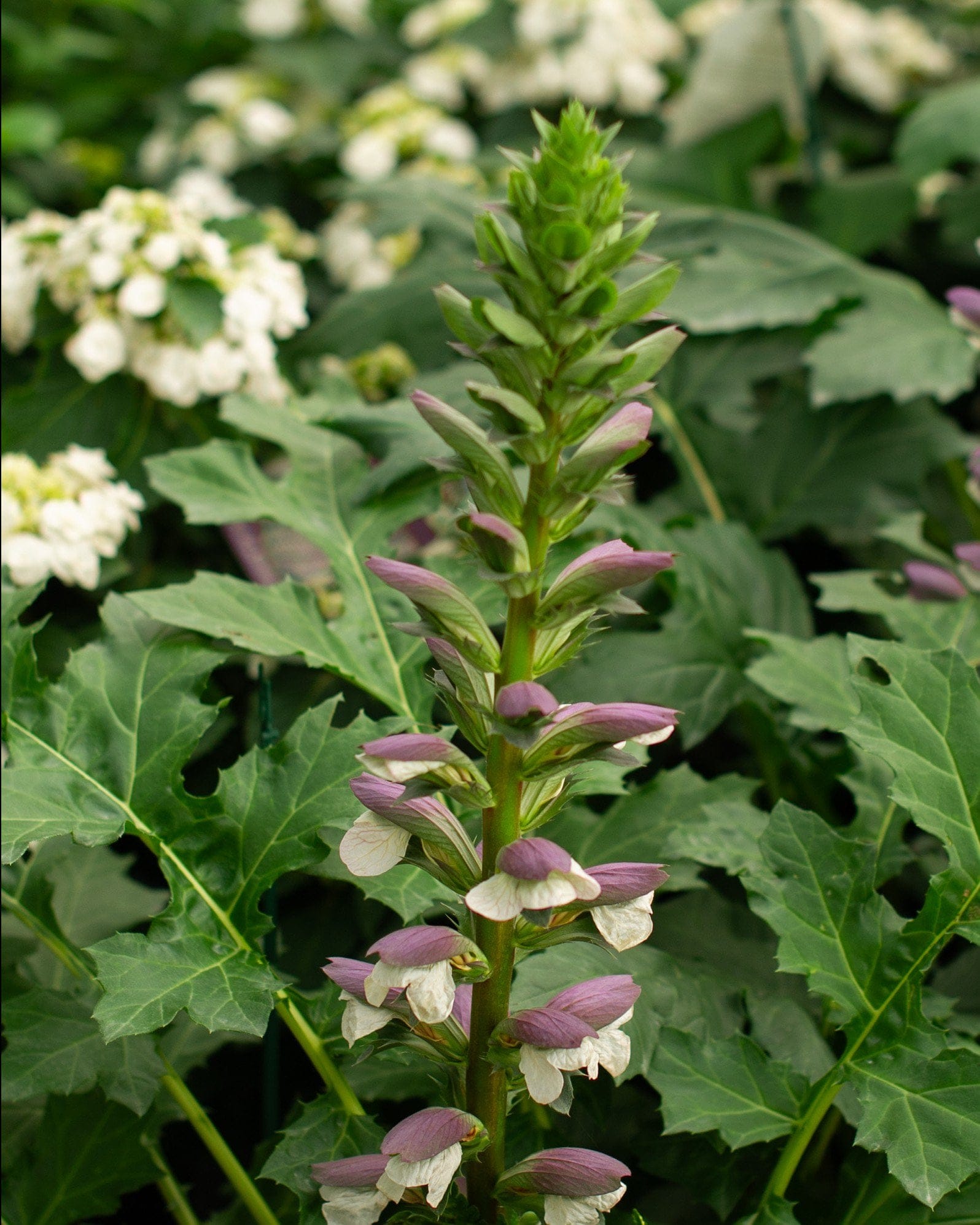
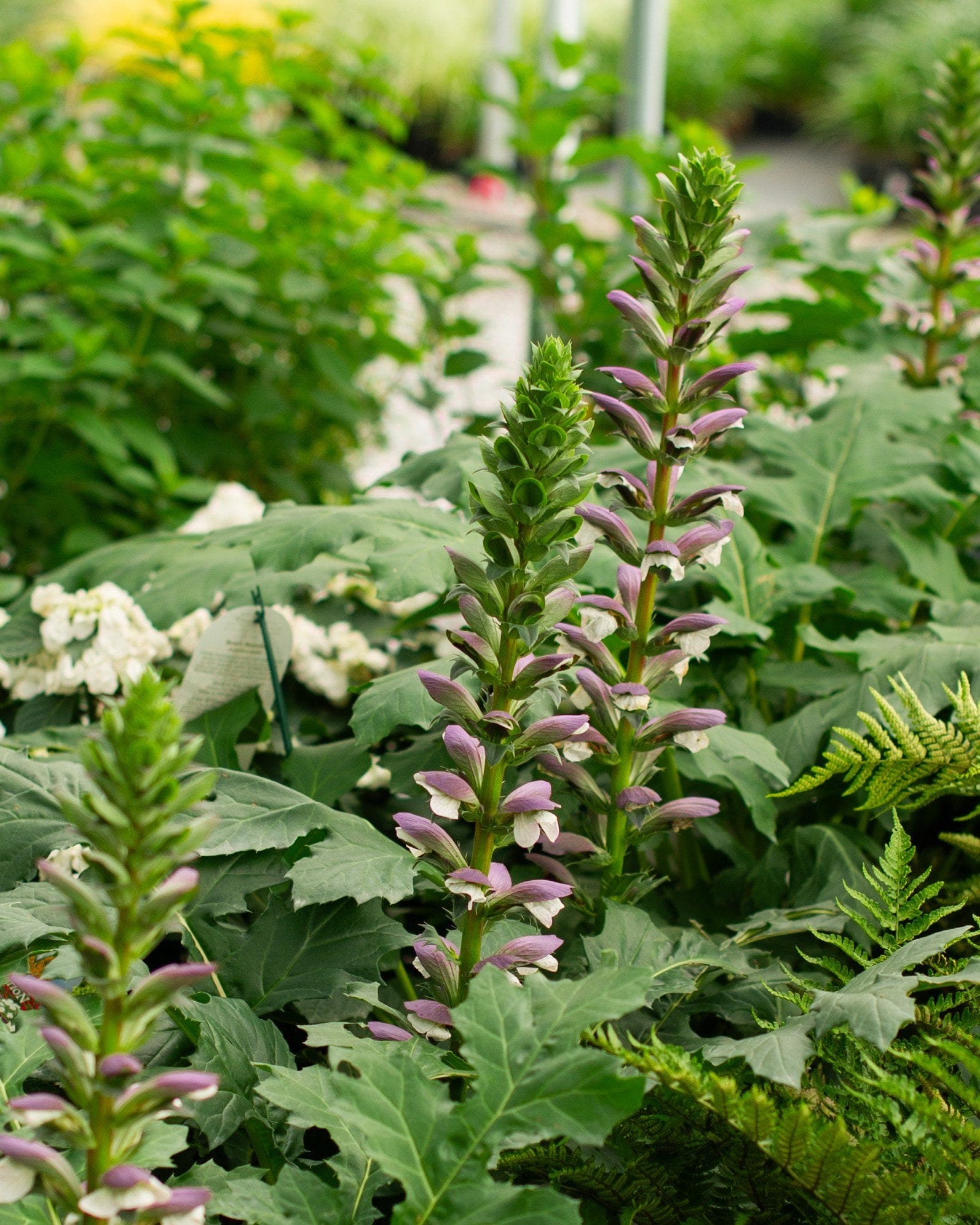
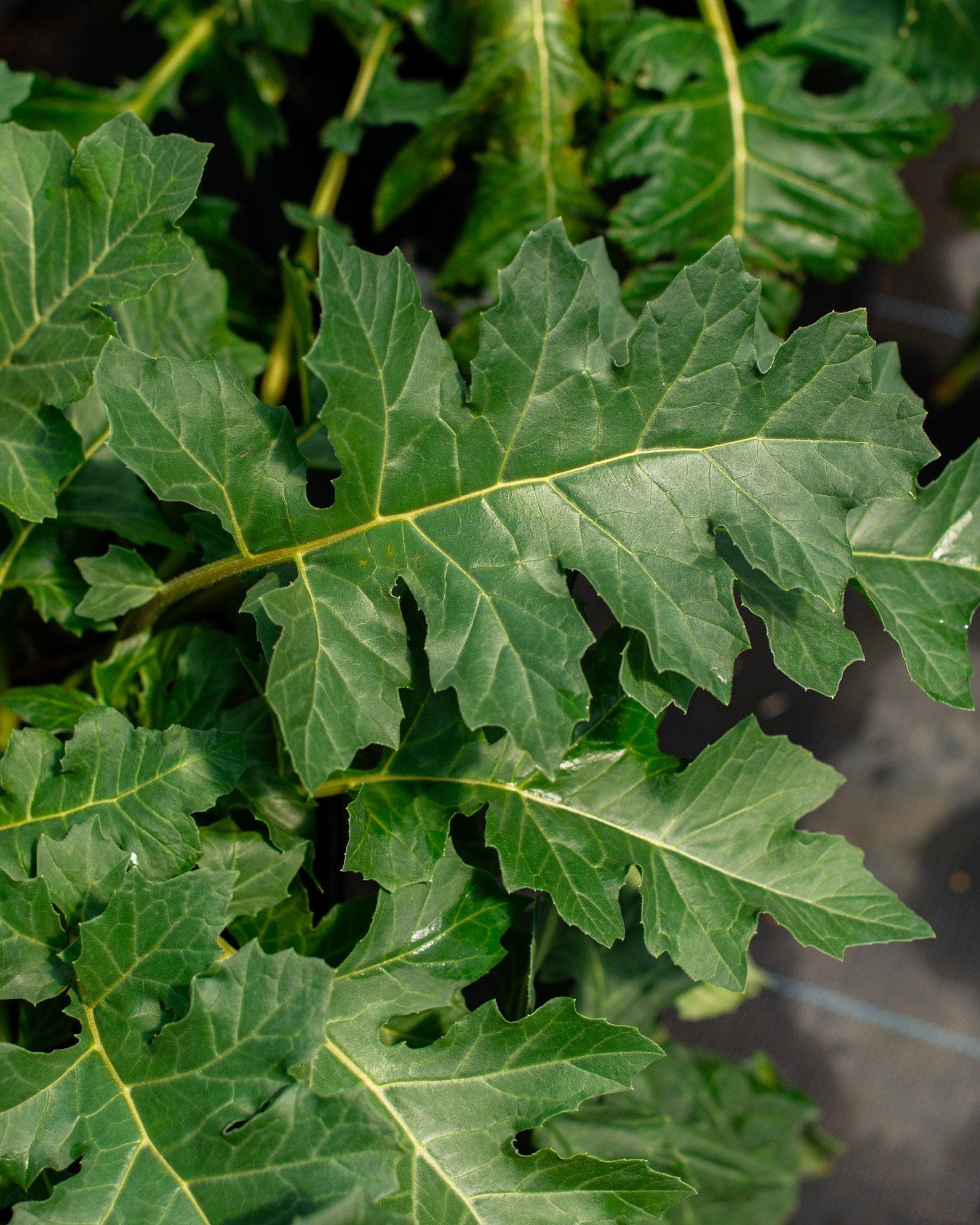
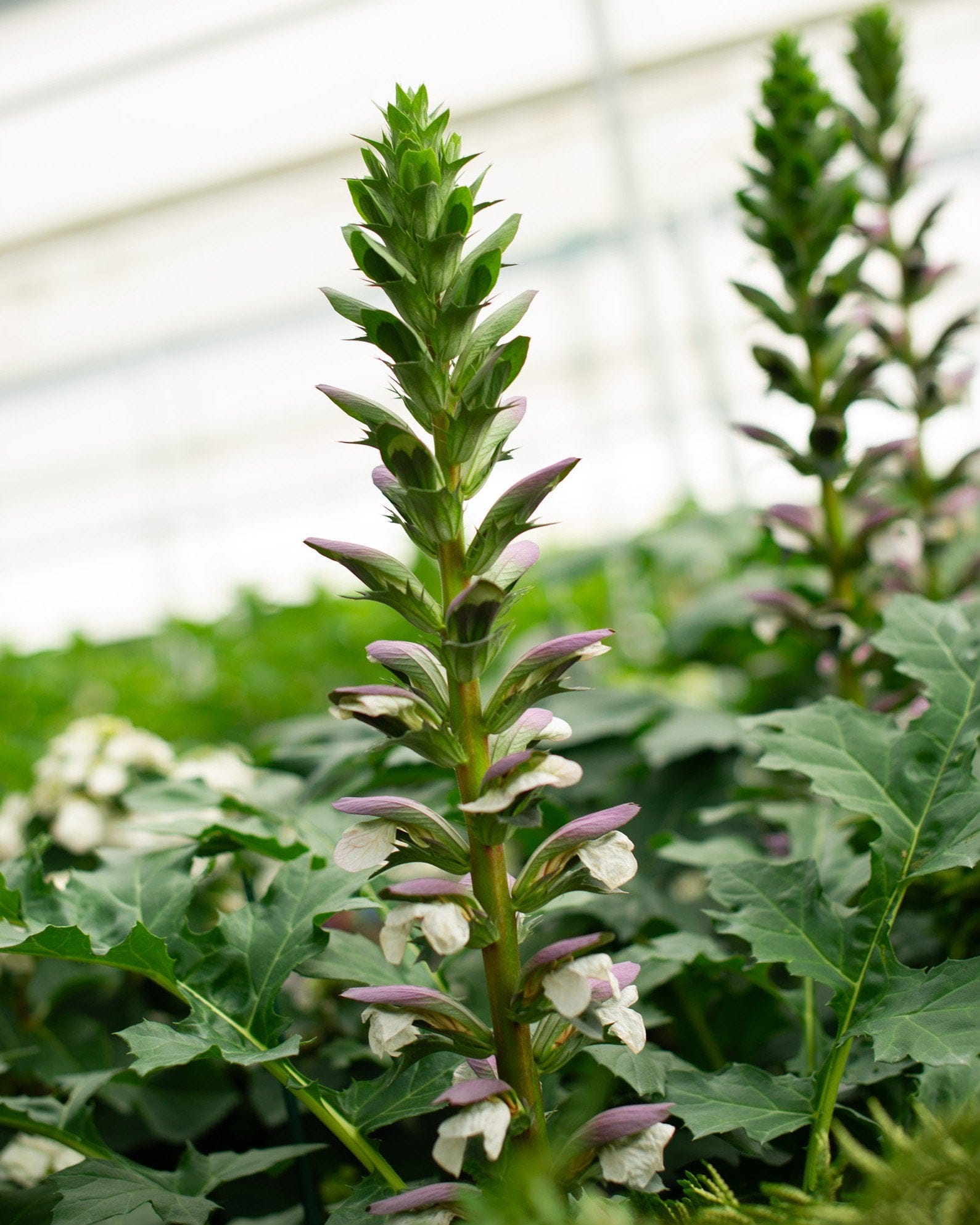
Bear's Breeches Acanthus
Maturity: 4' H x 3' W
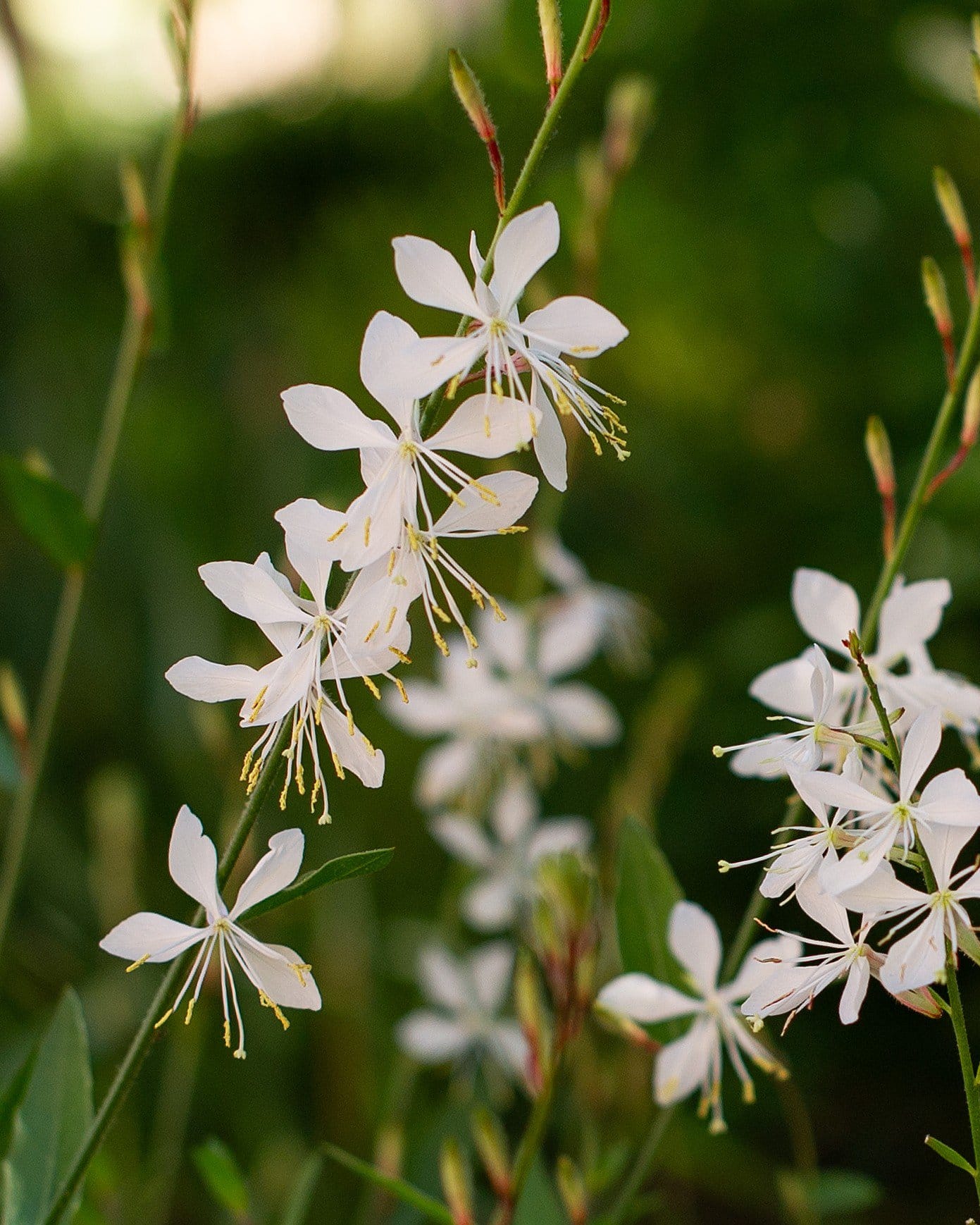
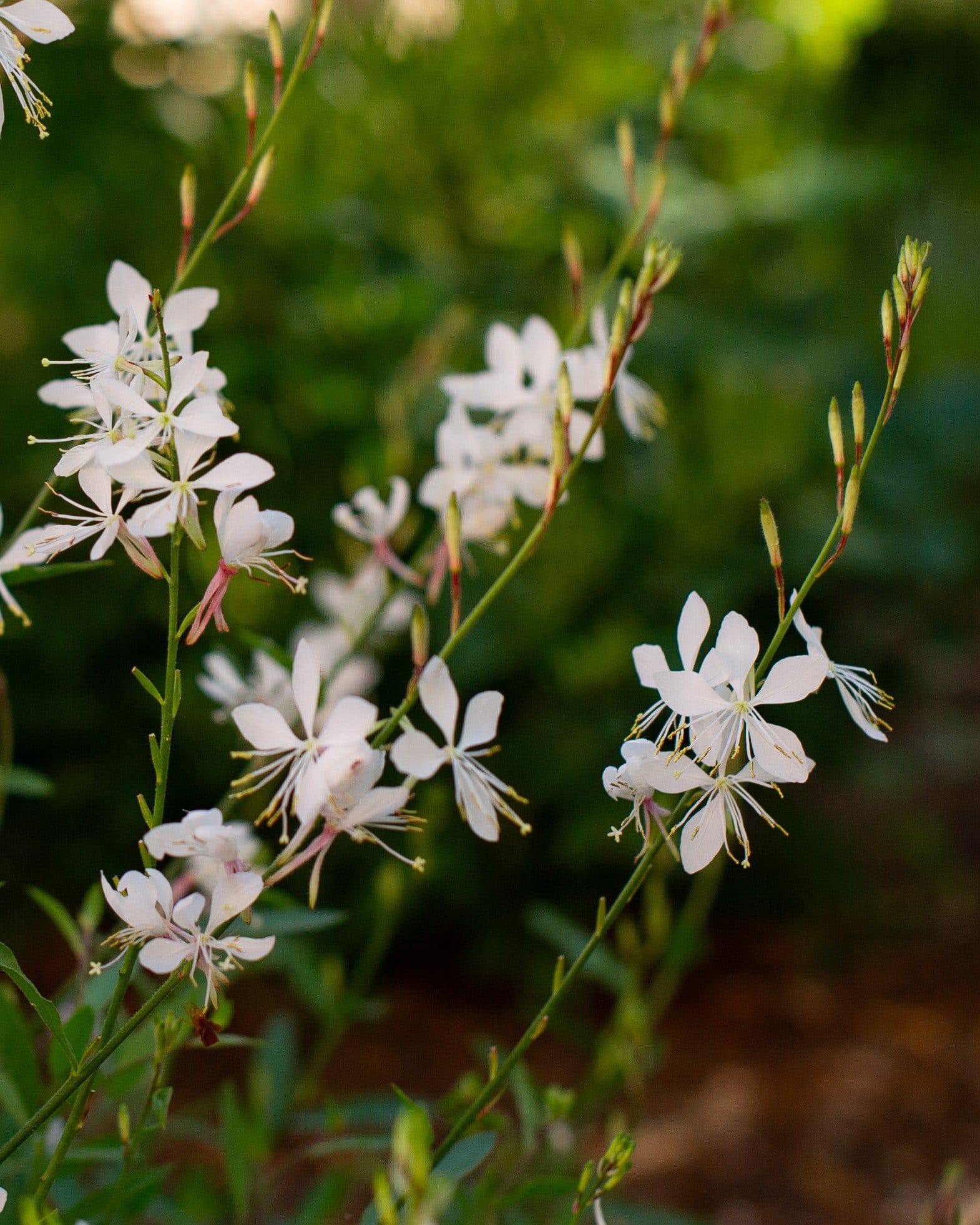
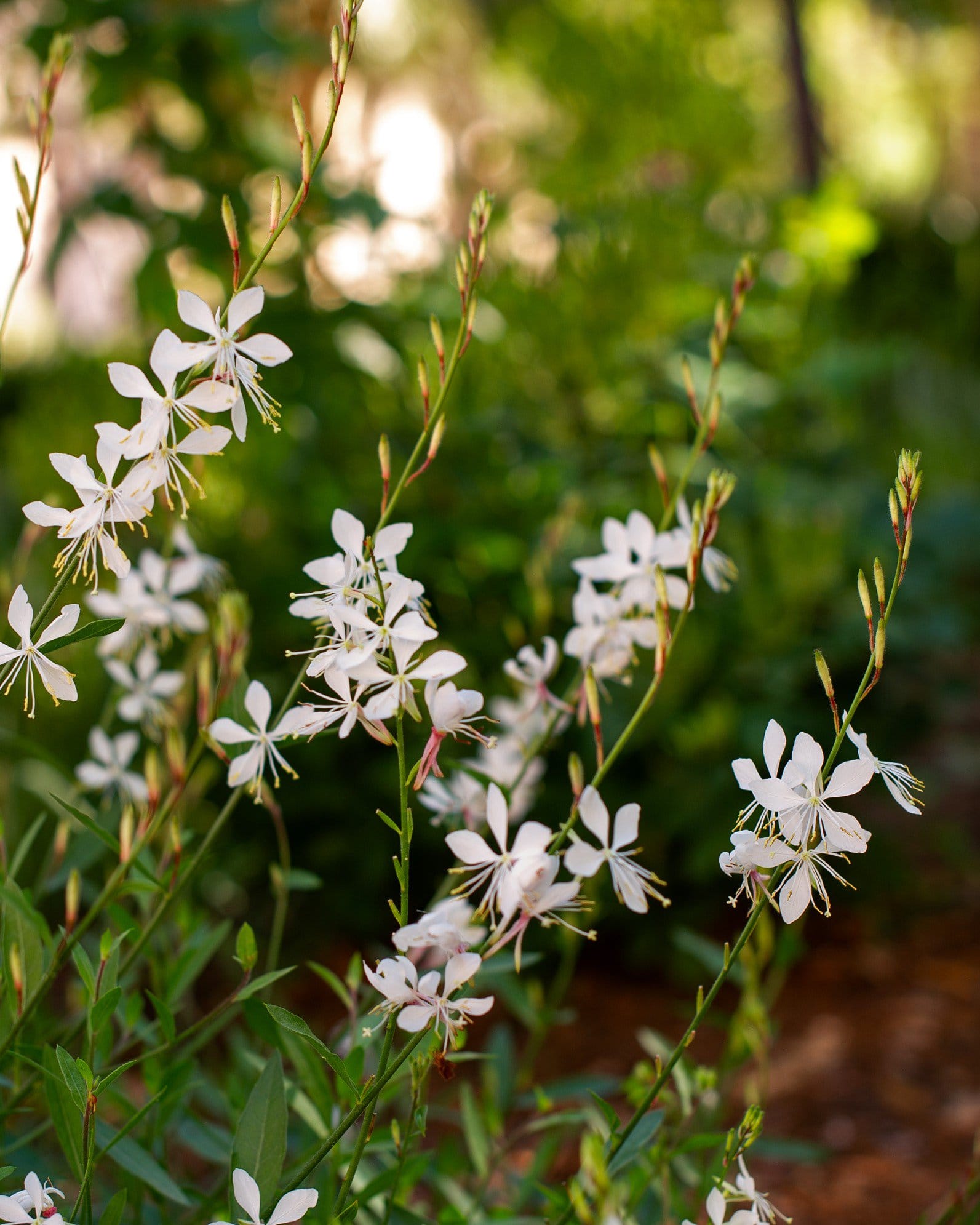
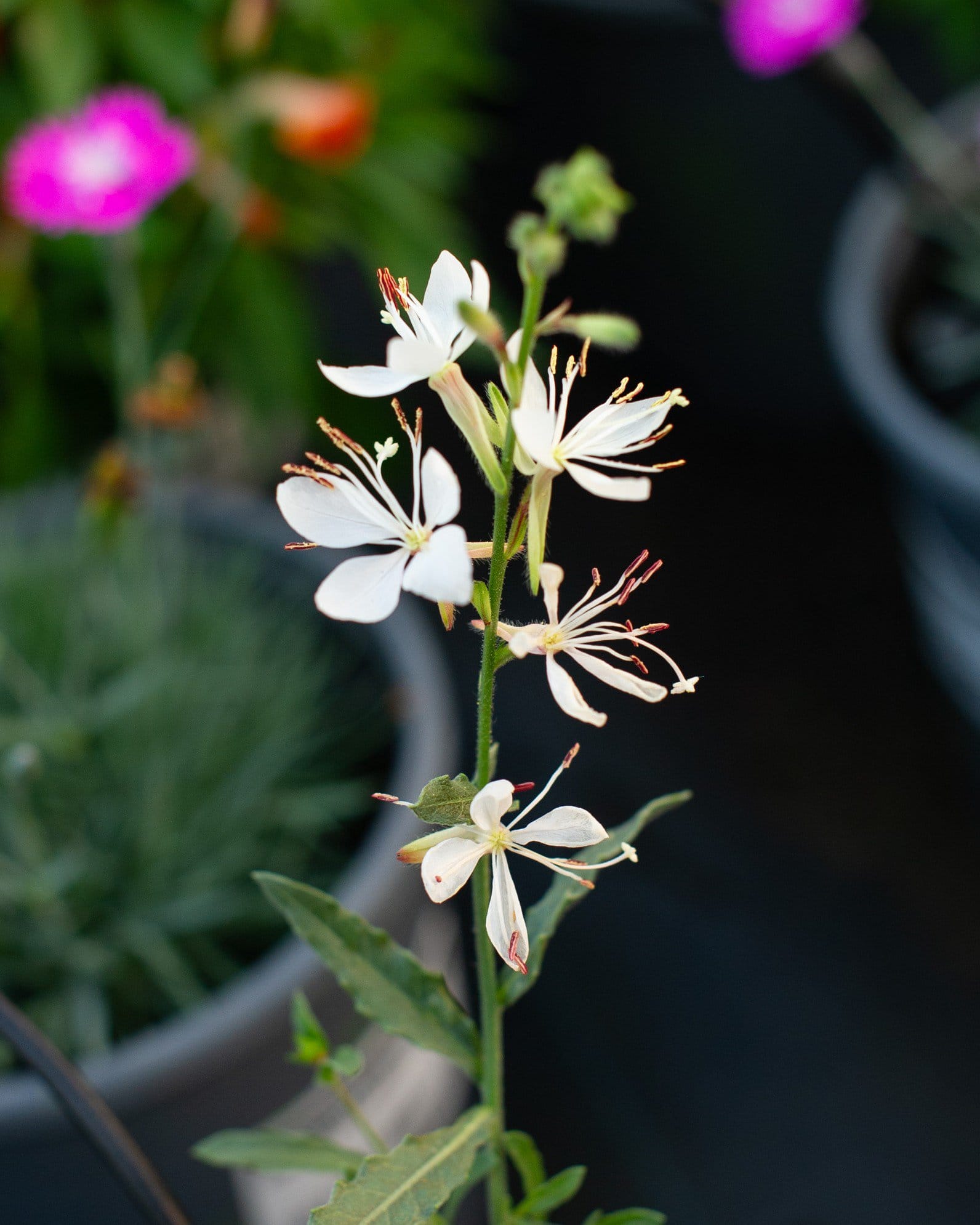
Belleza White Gaura
Maturity: 1' H x 1.5' W
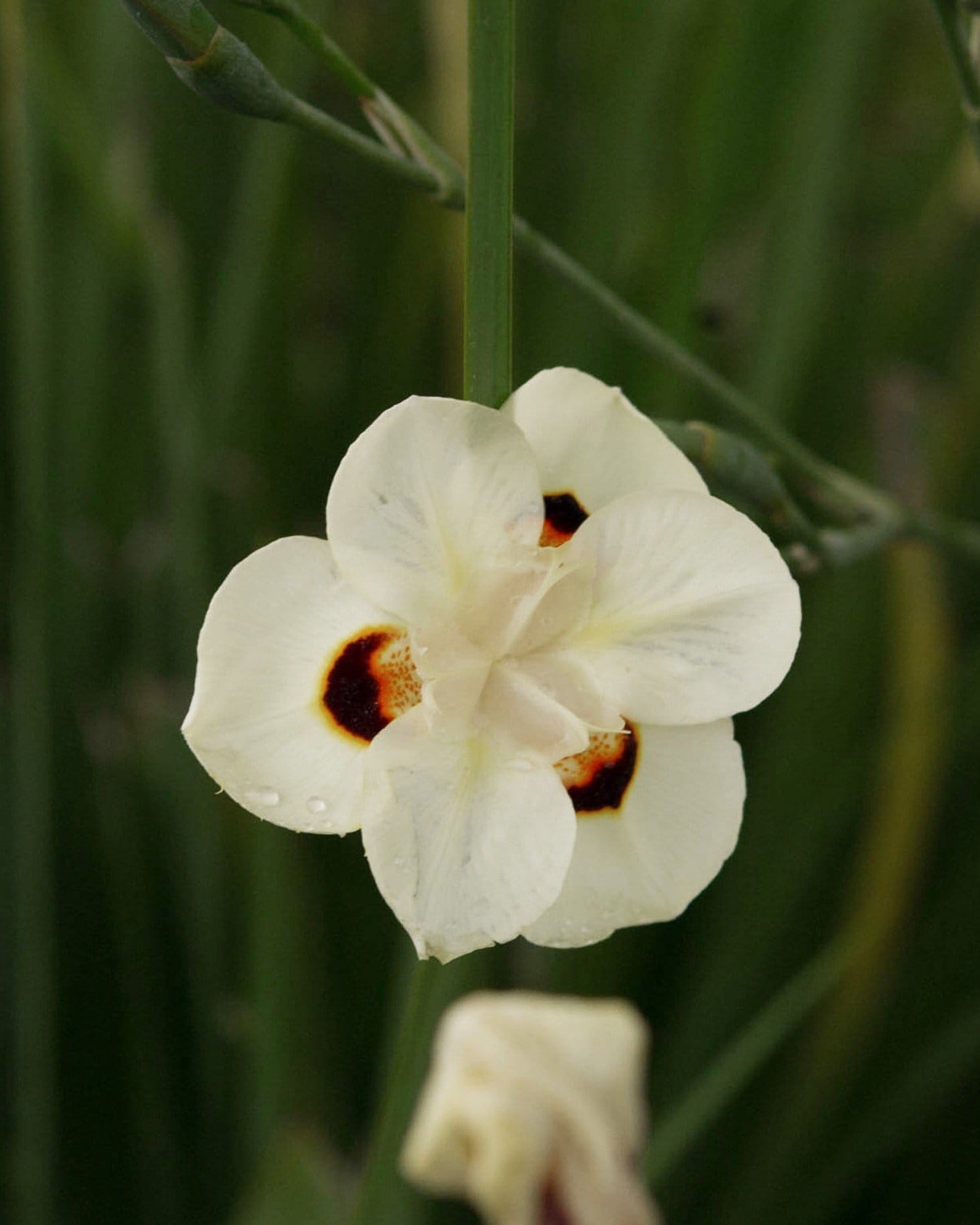
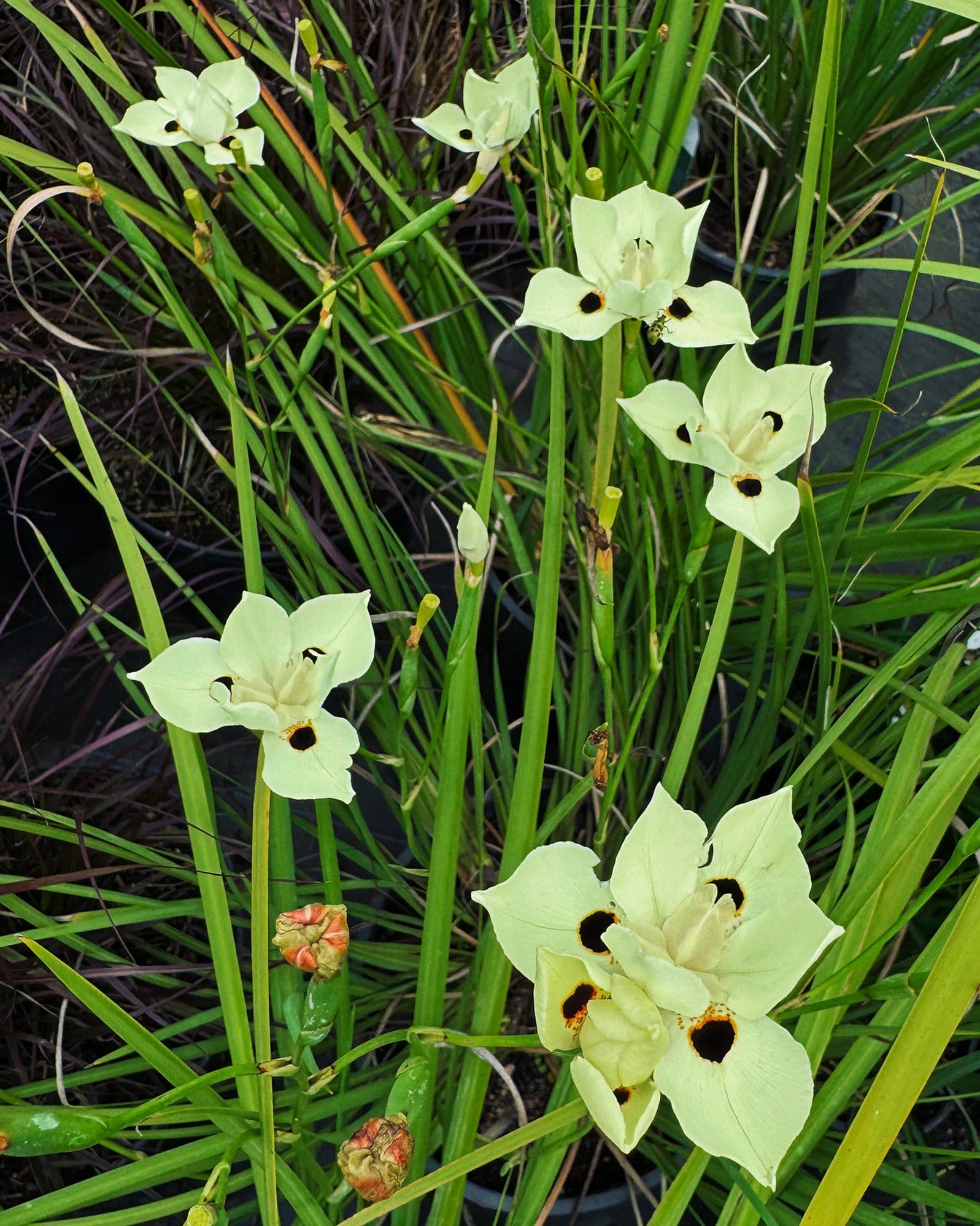
Bicolor Iris
Maturity: 2' H x 2' W
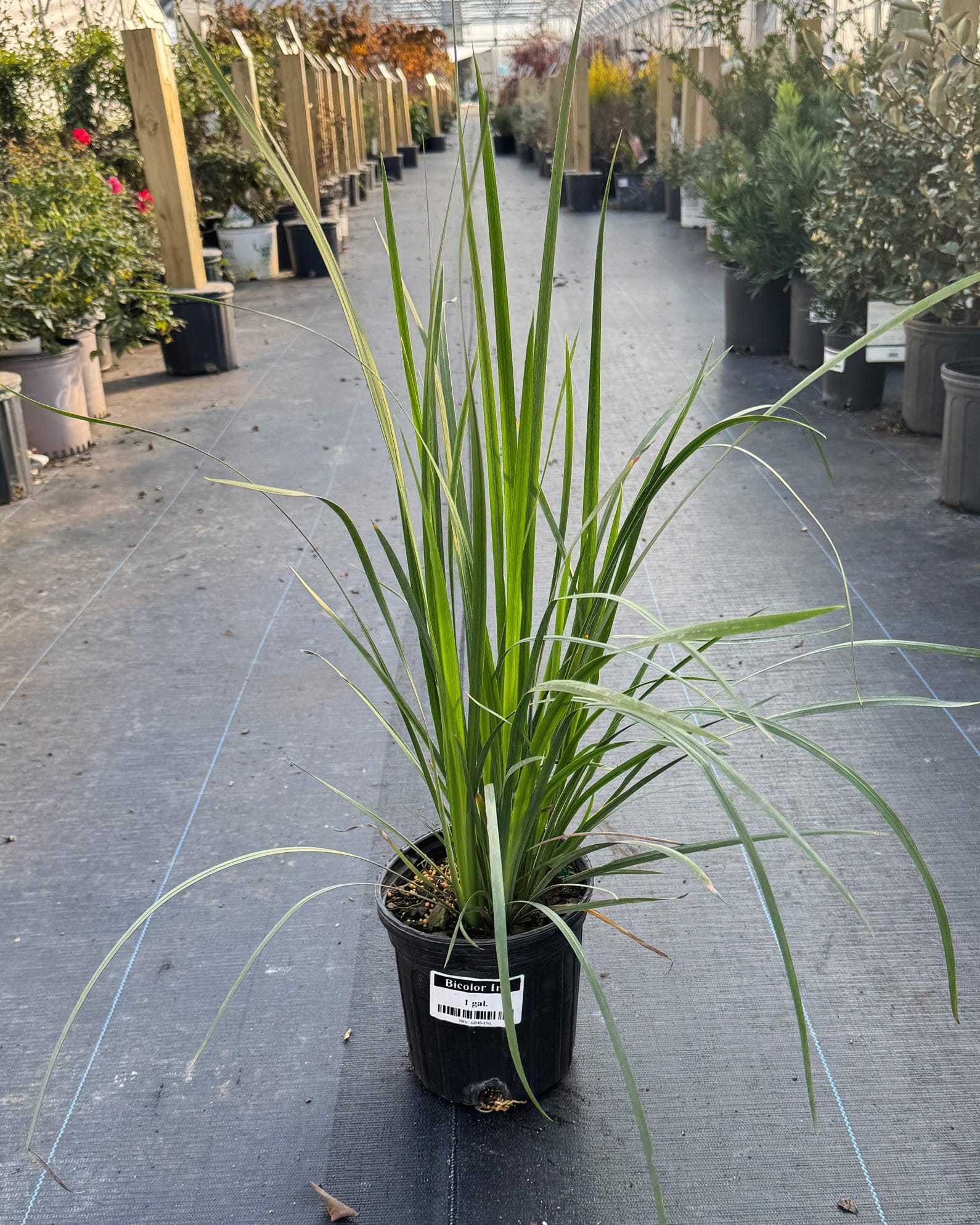
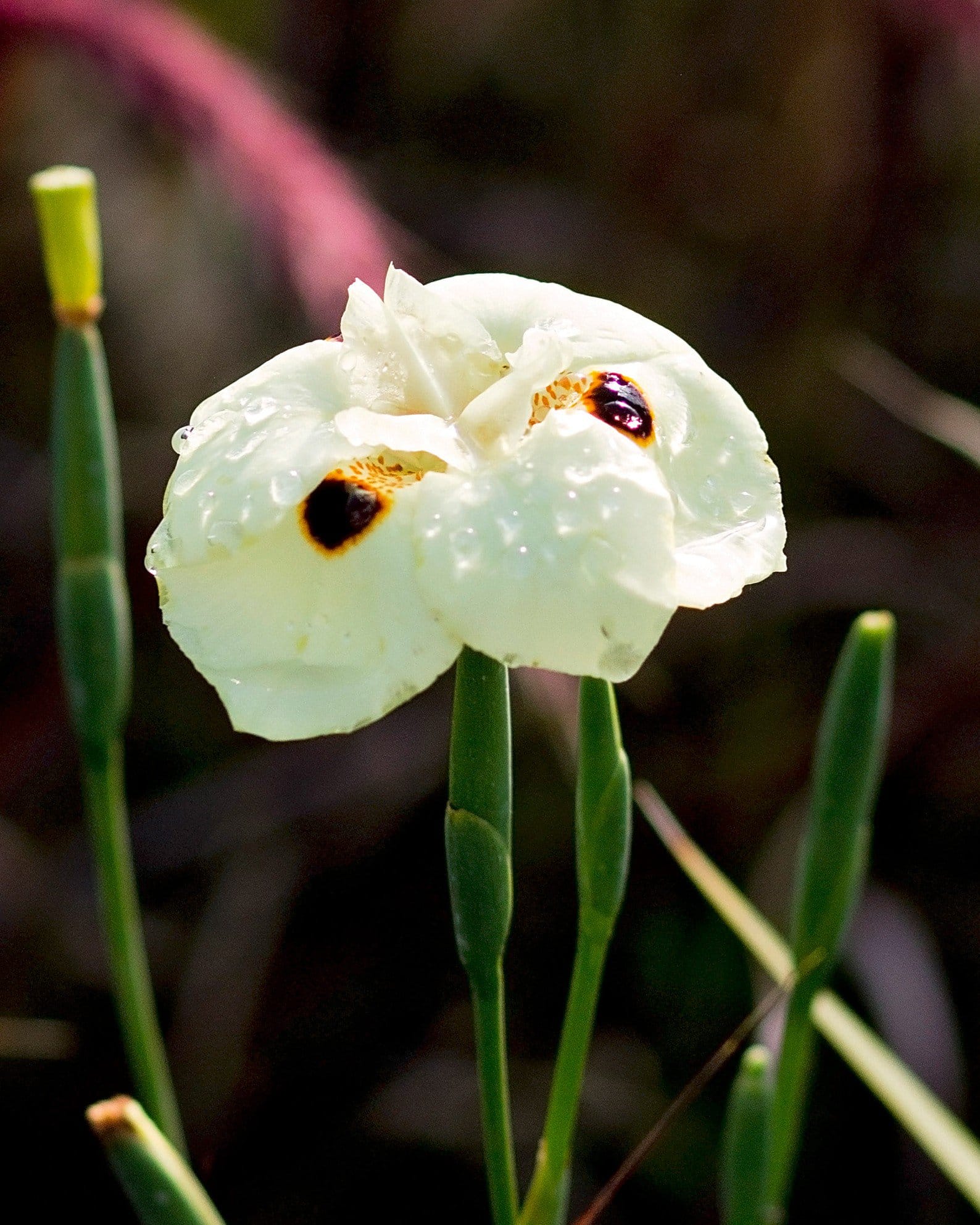
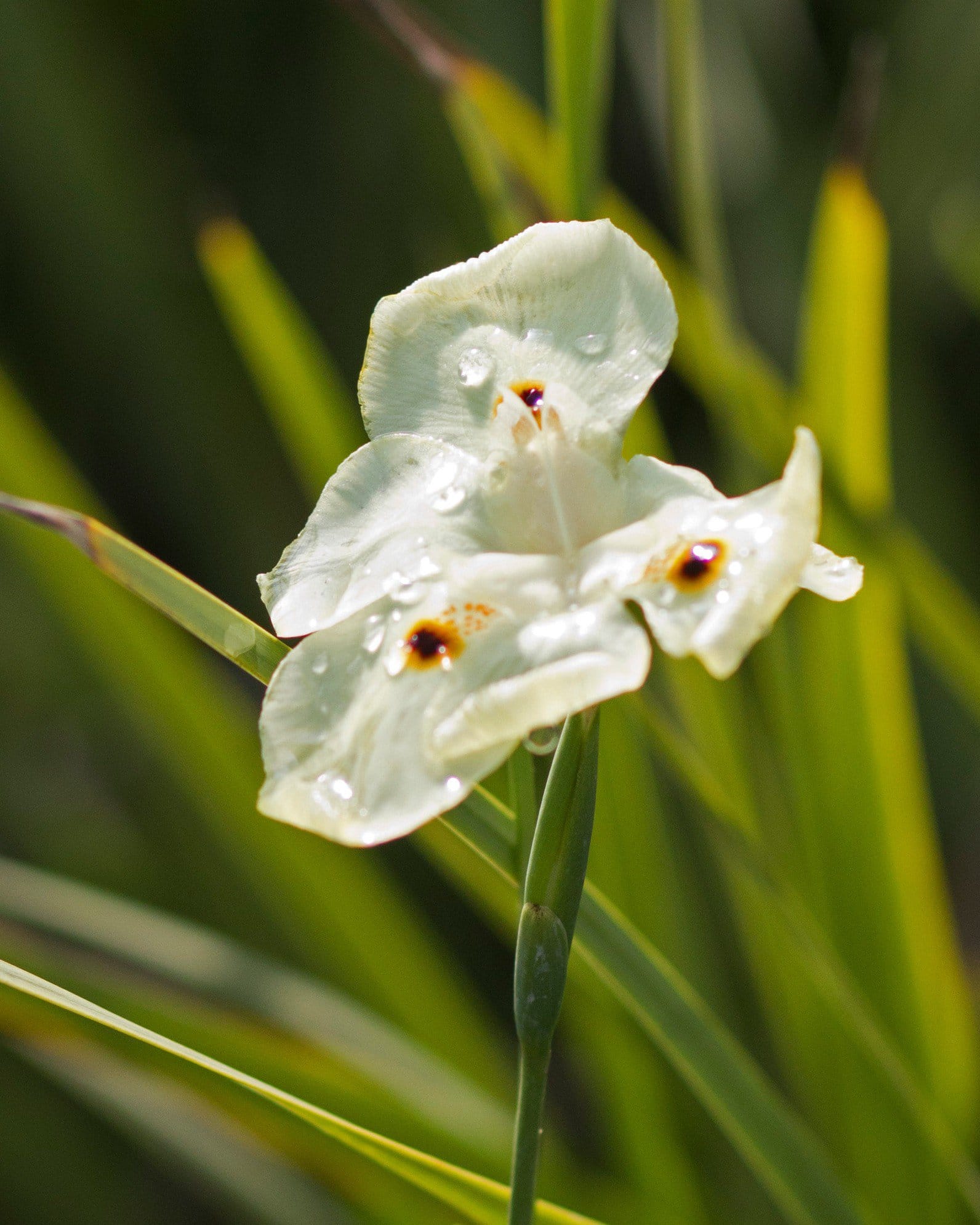
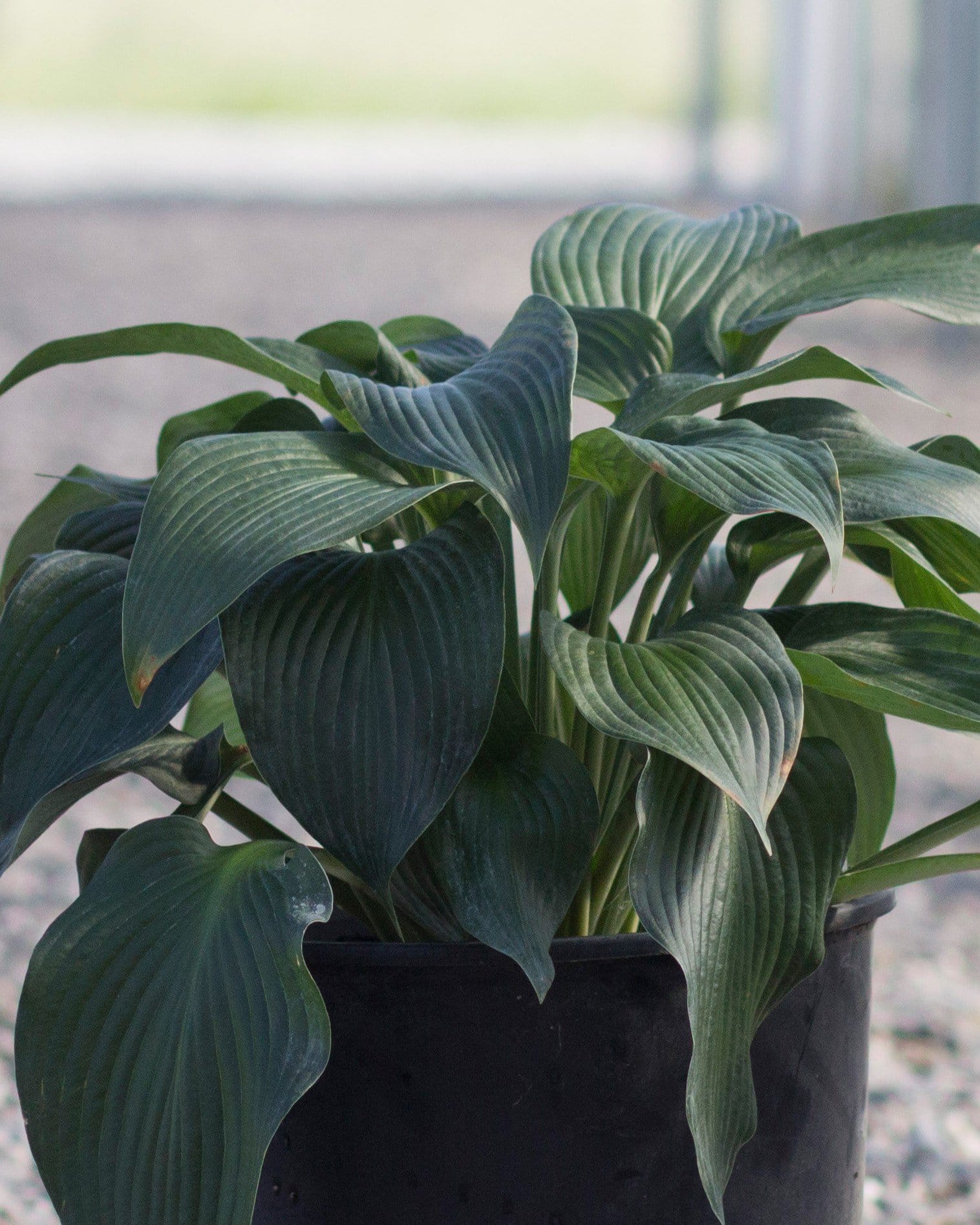
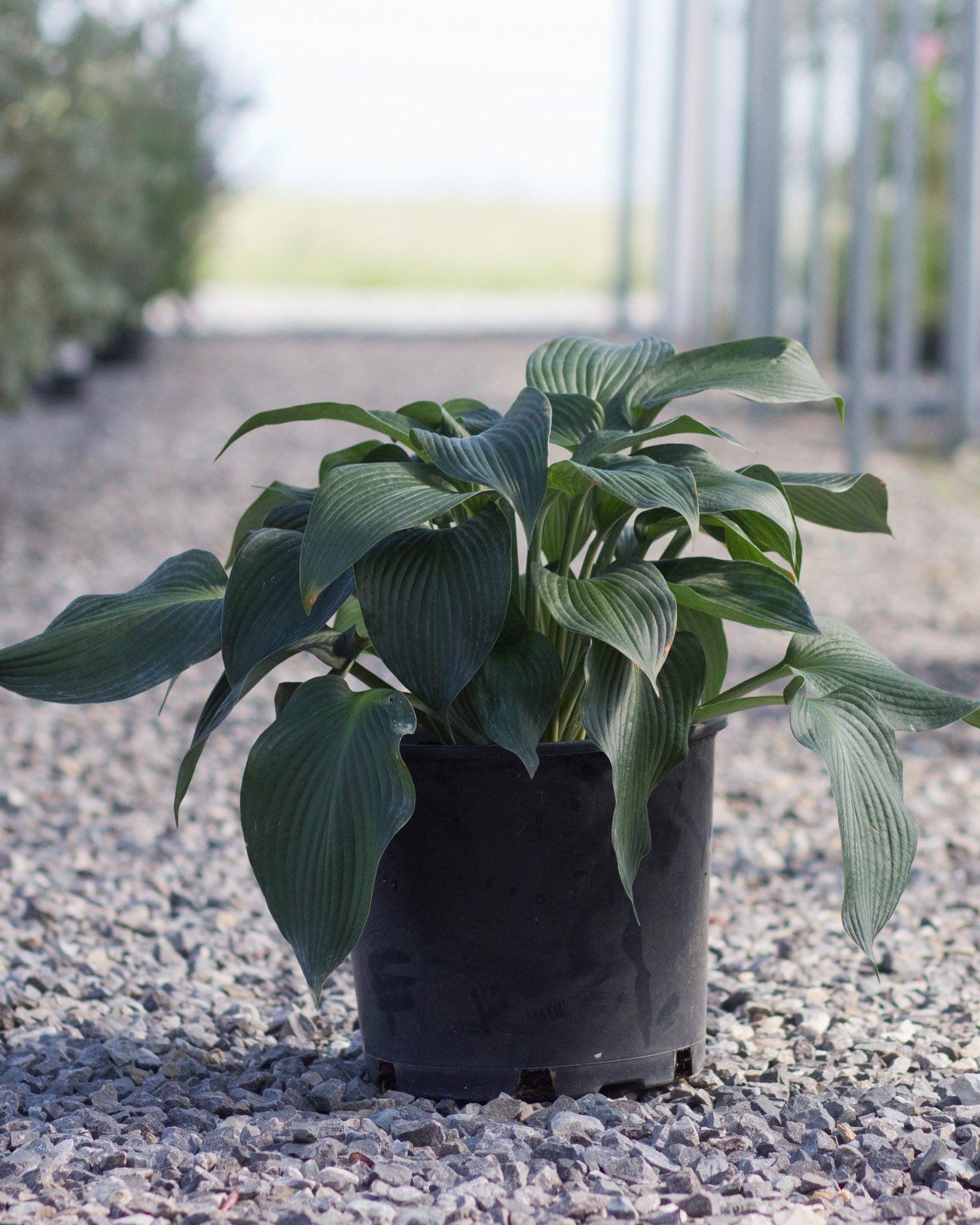
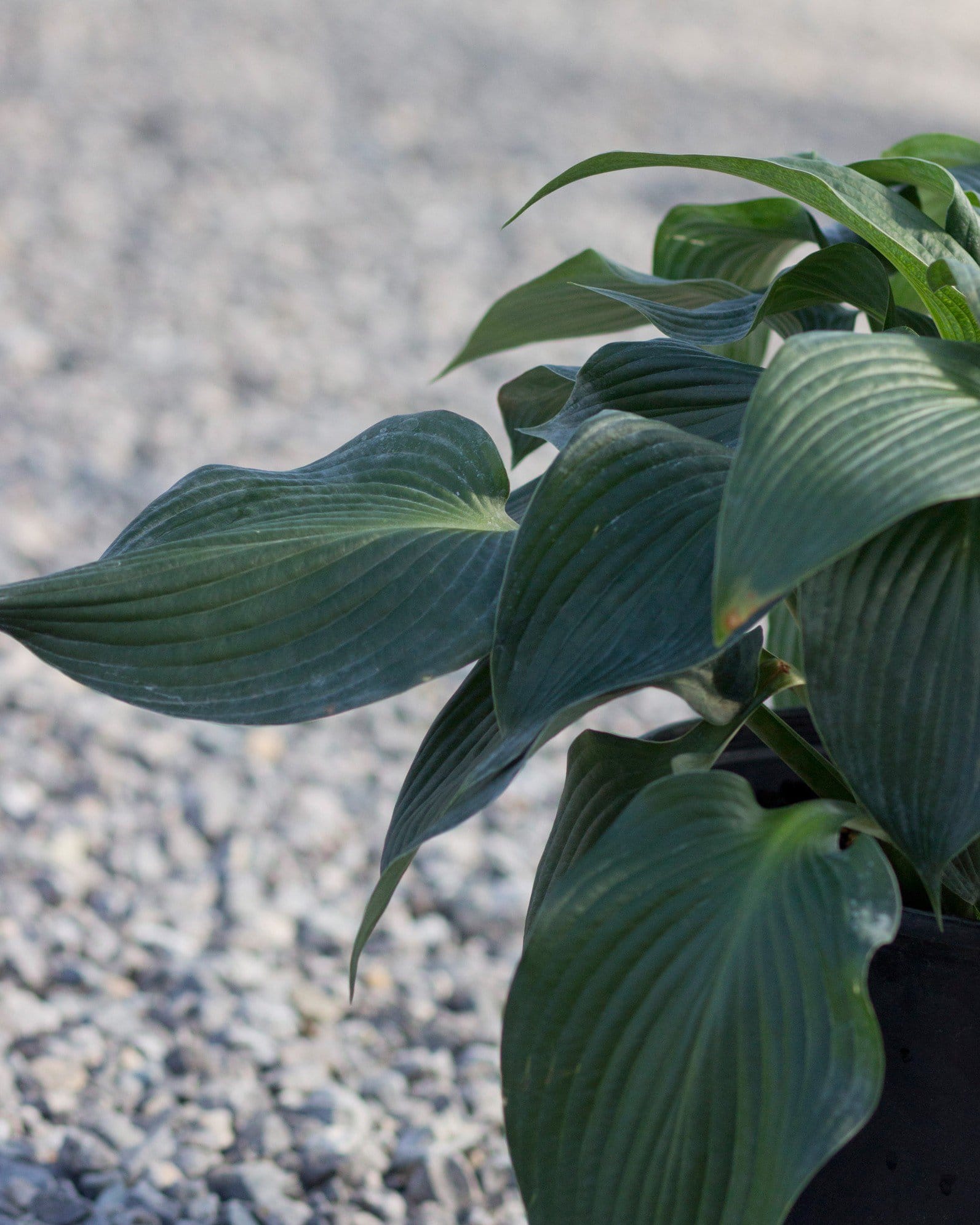
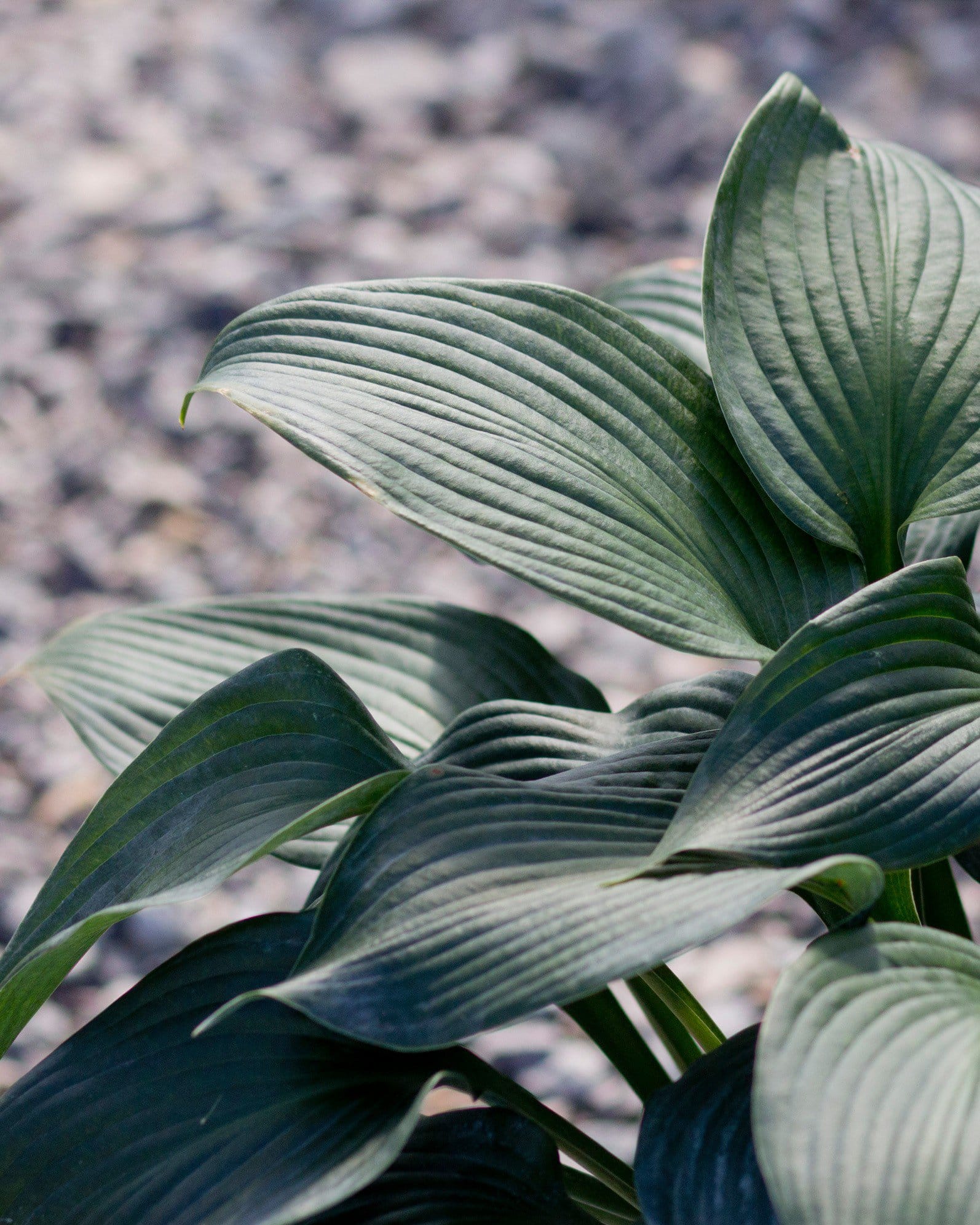
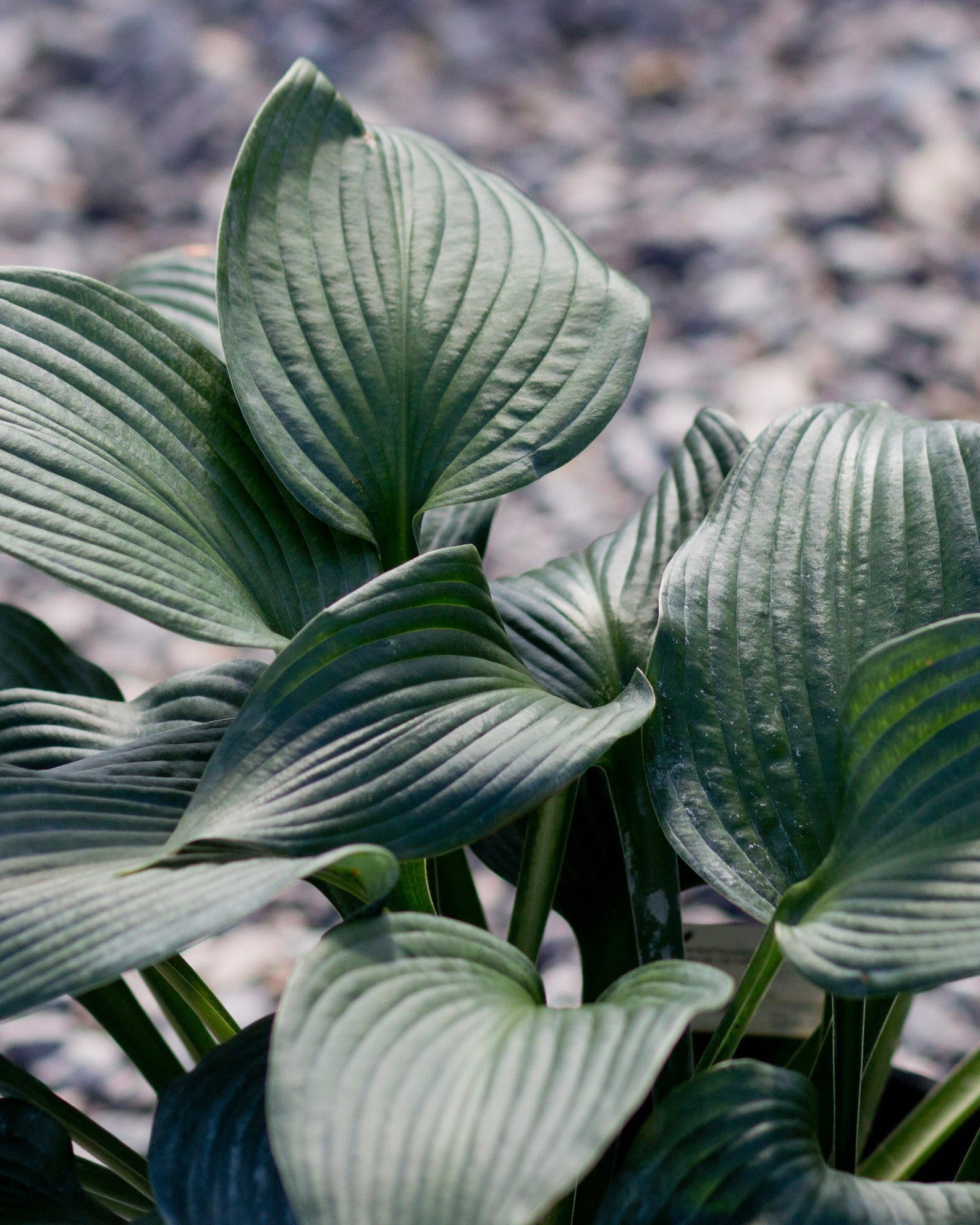
Blue Angel Hosta
Maturity: 2' H x 3' W
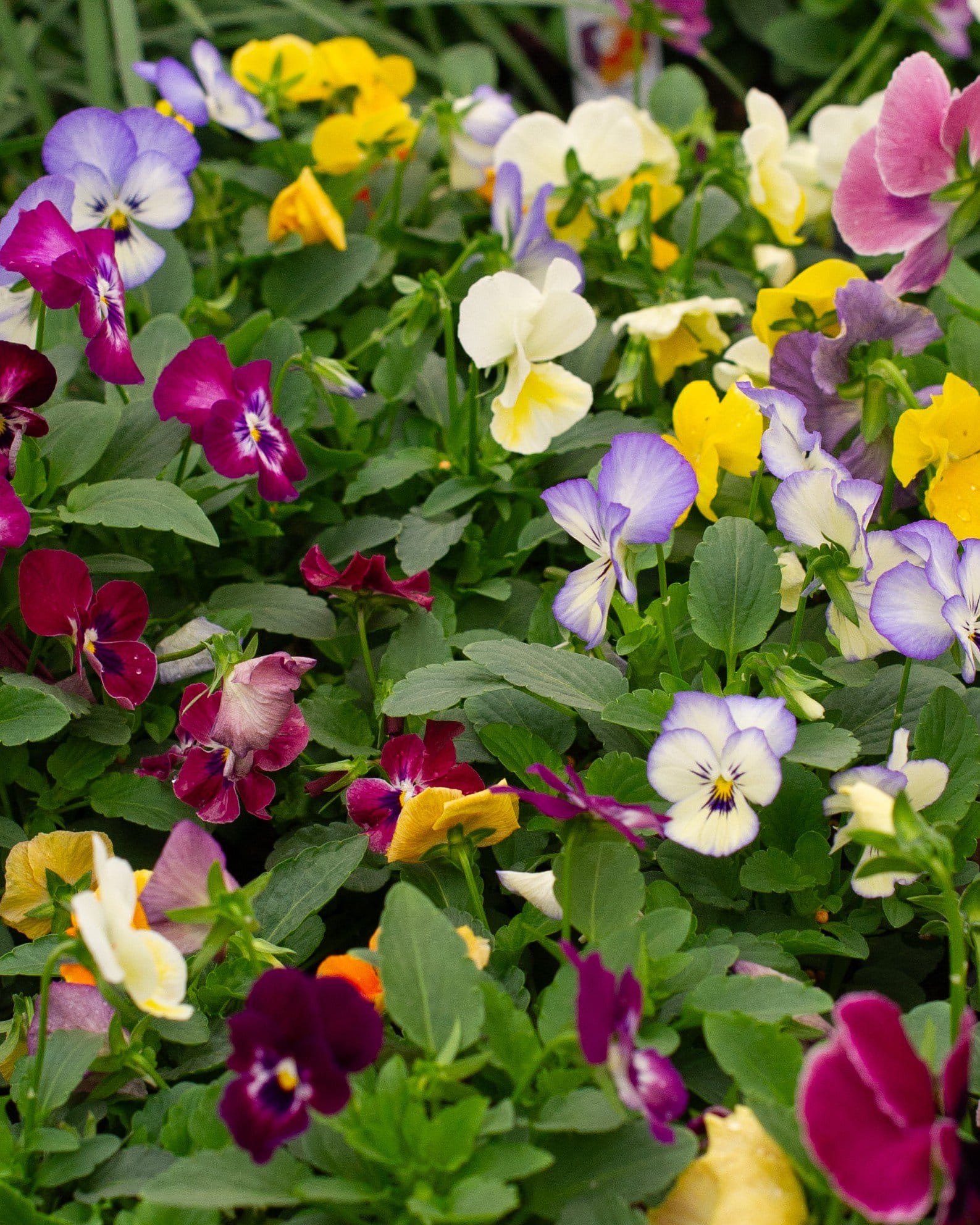
Colormax Mix Viola
Maturity: 0.5' H x 0.75' W
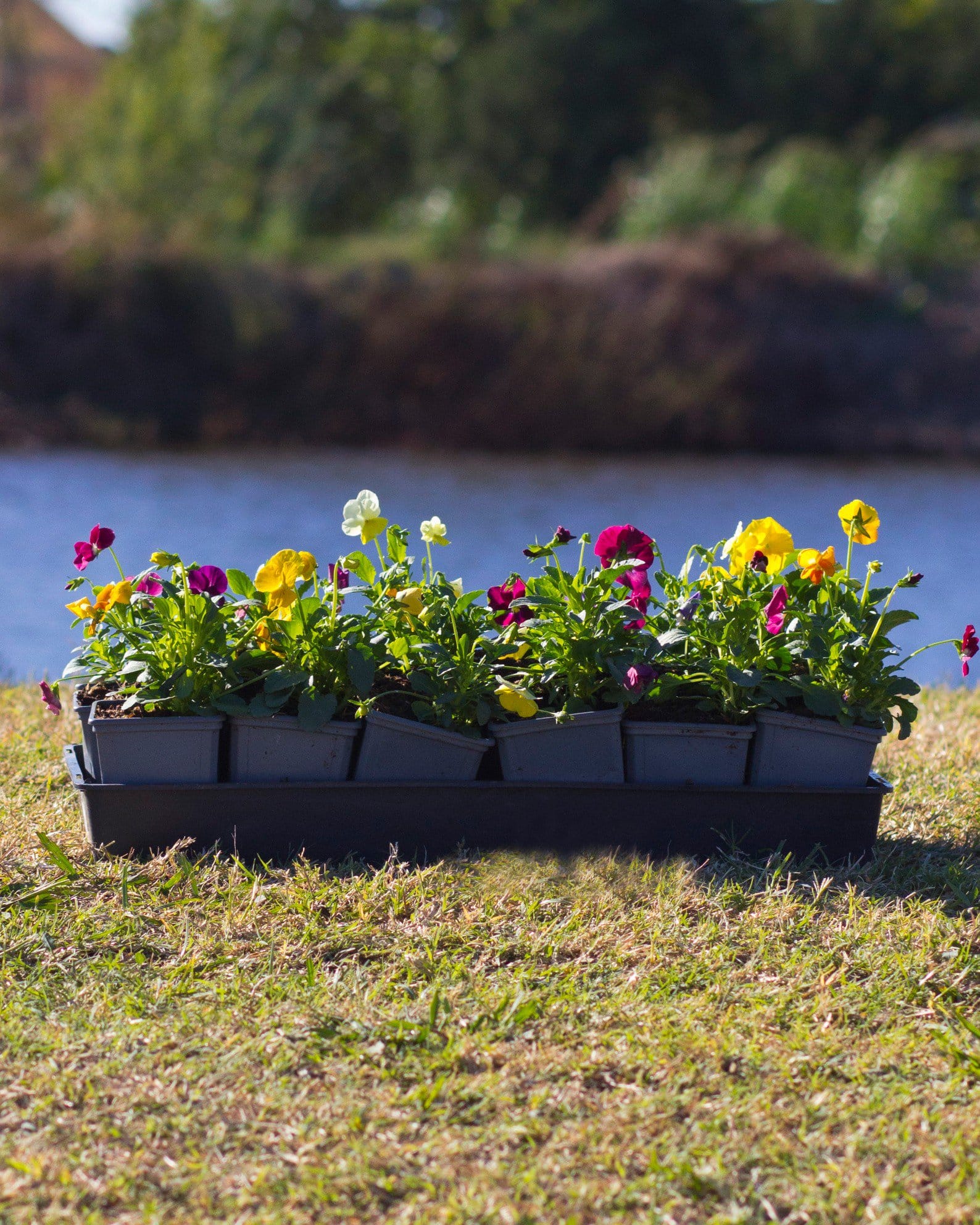
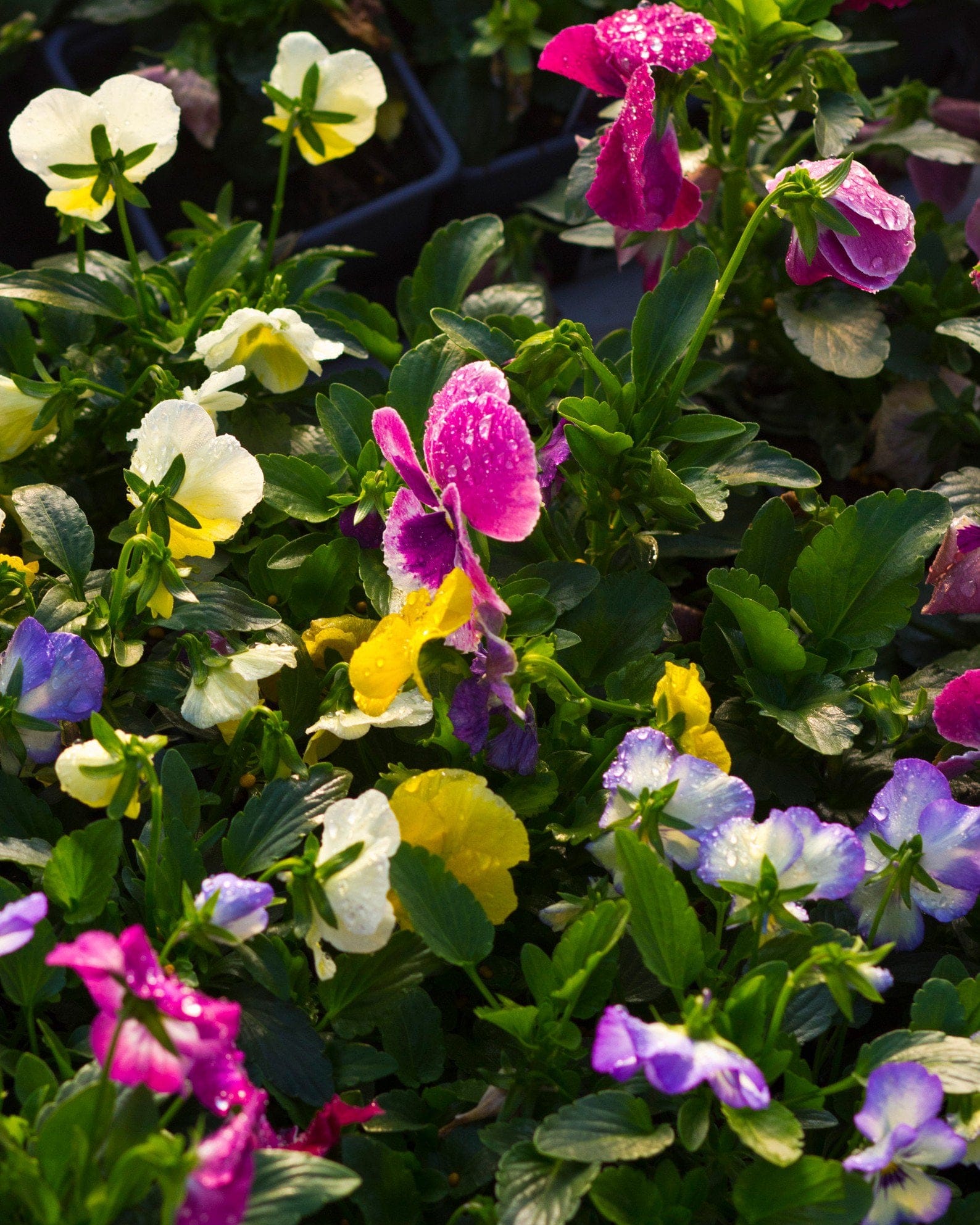
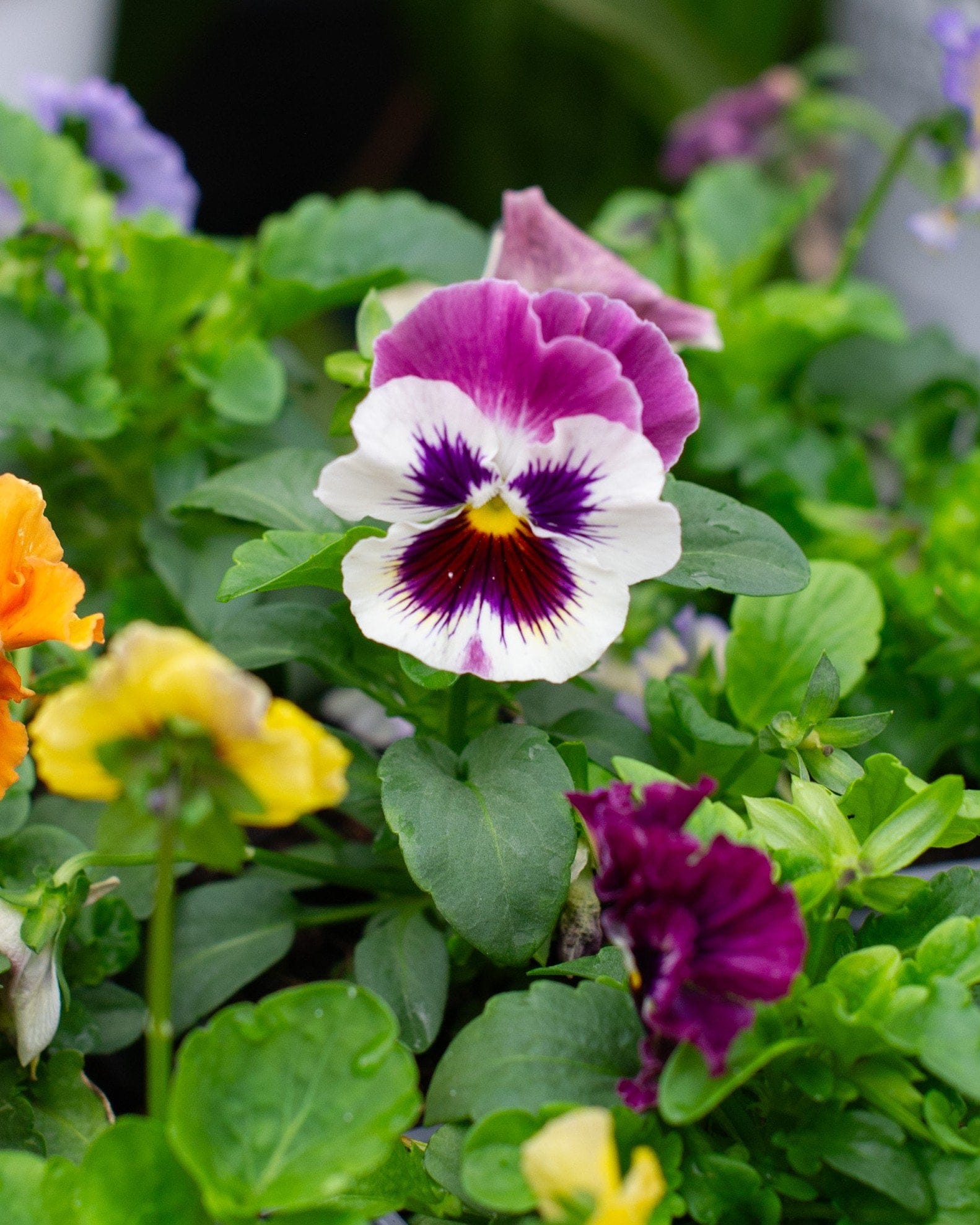
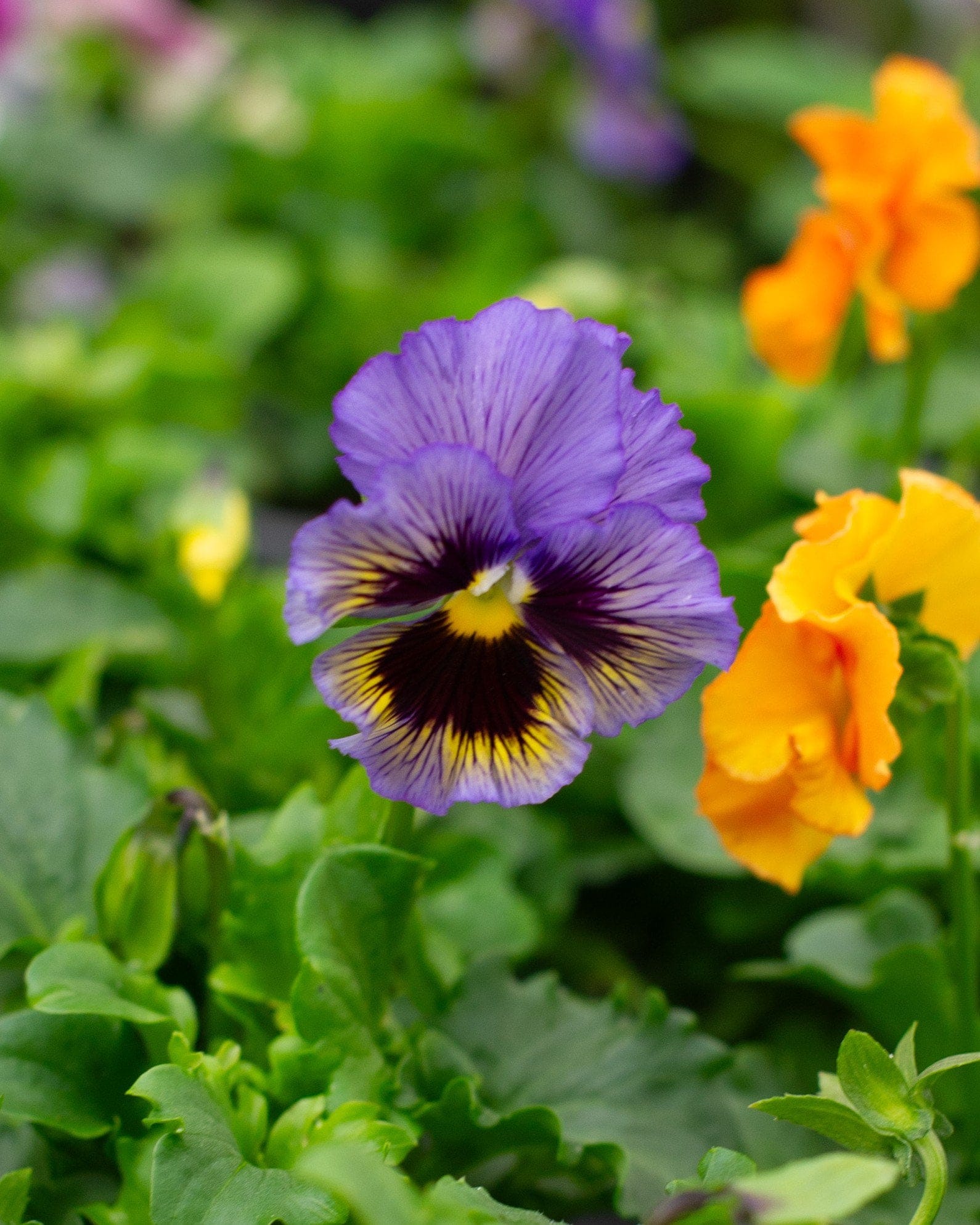
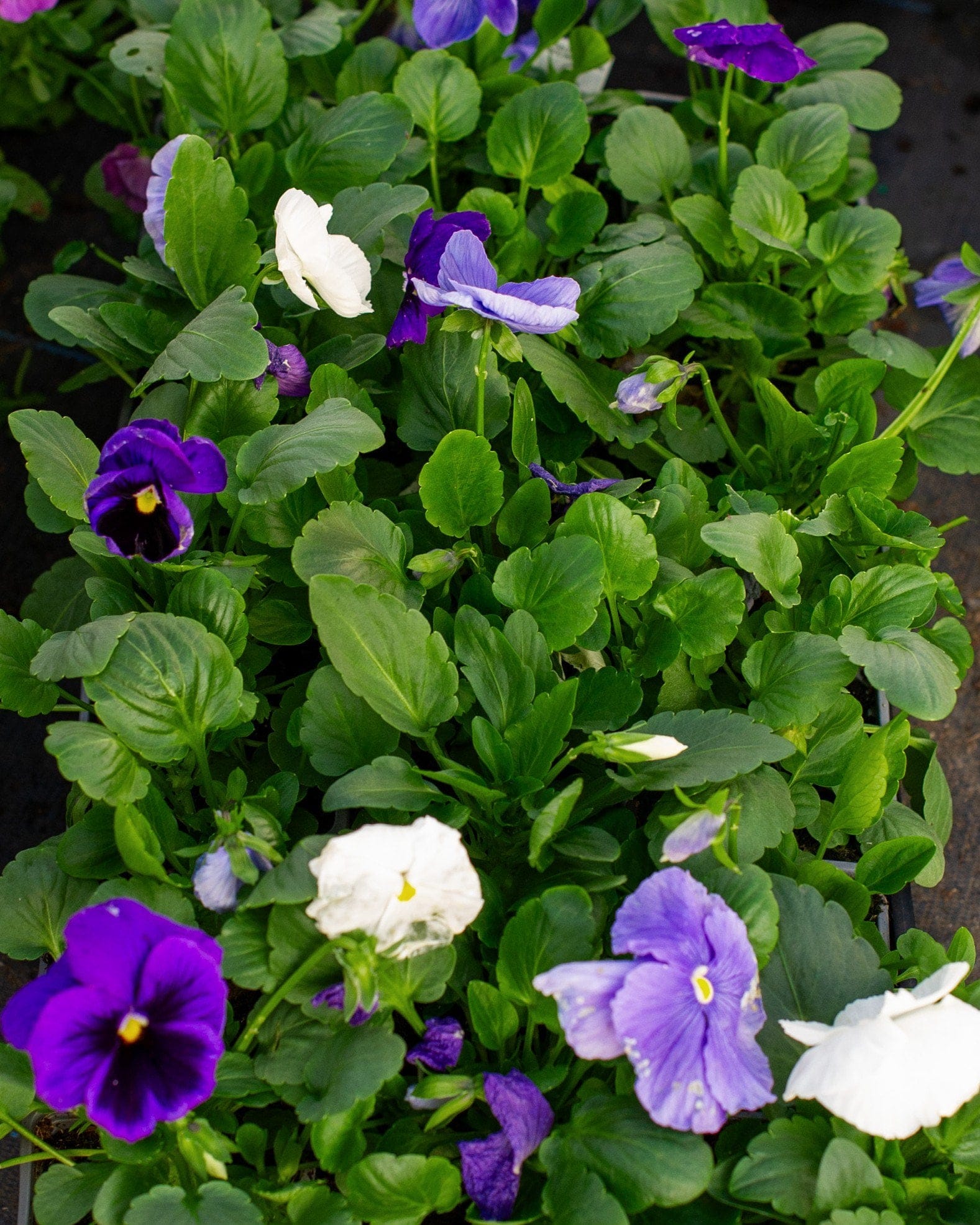
Delta Pro Cool Waters Mix Pansy
Maturity: 0.75' H x 0.75' W
Compare Similar Plants
Royal Hawaiian Elephant Ear Black Coral This plant | ||
|---|---|---|
| Scientific Name | Colocasia esculenta ‘Black Coral’ | Ipomoea batatas 'Margarita' |
| Size at Maturity | 2' H x 1.5' W | 4' H x 4' W |
| Leaf Retention | Herbaceous | Herbaceous |
| Flower Color | — | — |
| Bloom Times | — | — |
| Sizes Available | — | Flat |


Our 1-Year Planting Guarantee
We take pride in our plants and installation services. If any plants or trees installed by Treeland fail to thrive within the first year, we'll provide a replacement credit in accordance with our guarantee program.
Learn More About Our Guarantee