
 Popular
Product Details
Oakleaf Hydrangea
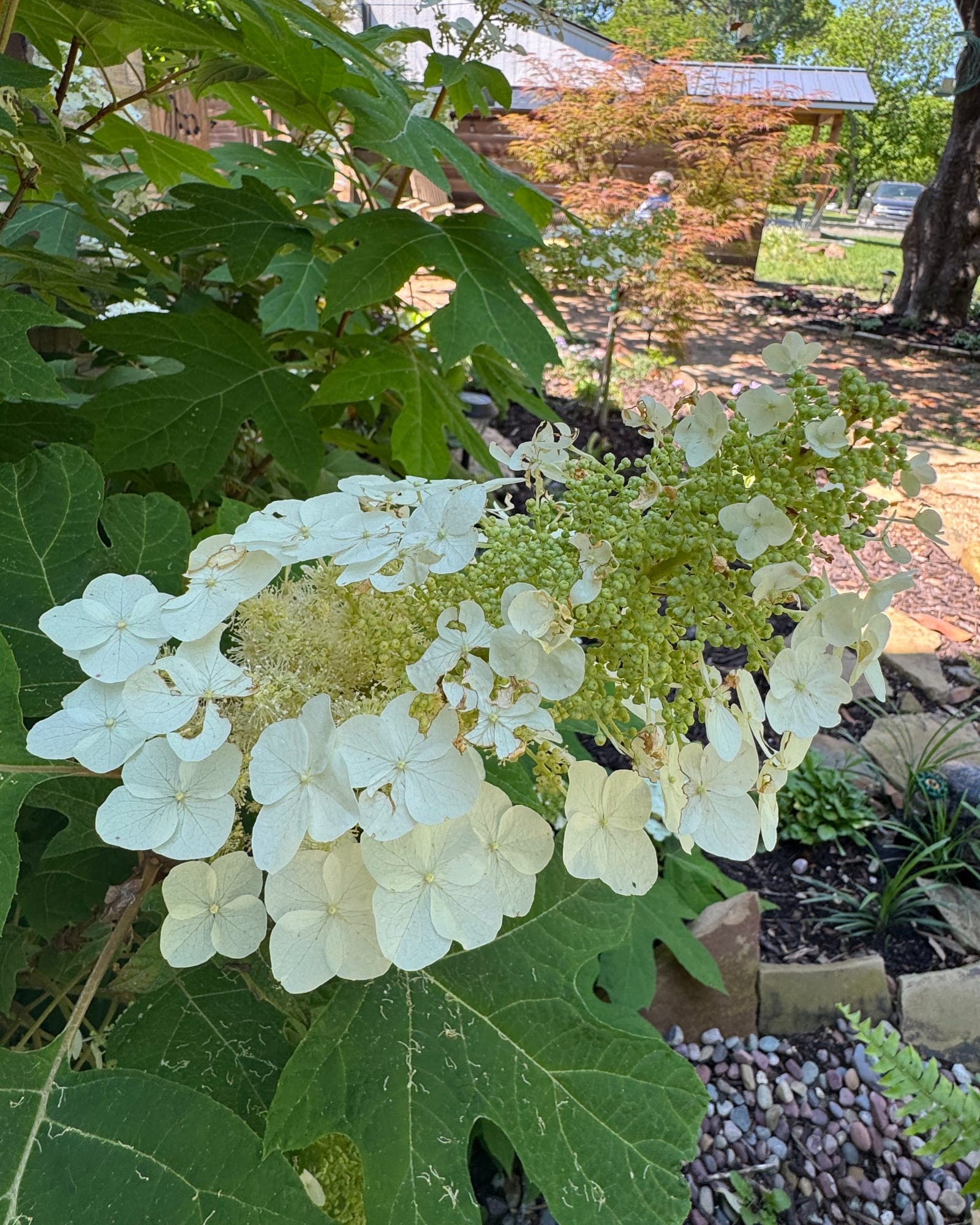
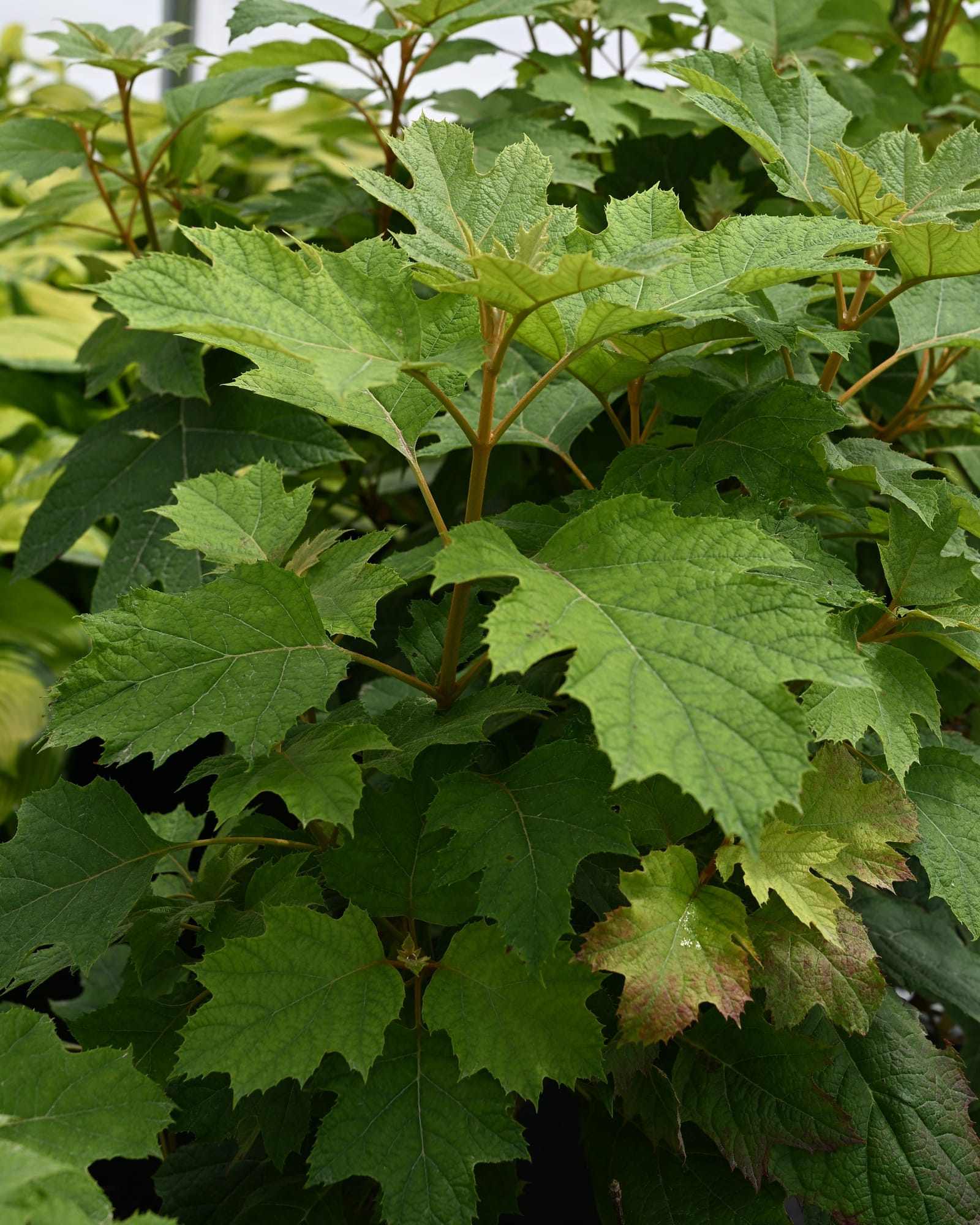
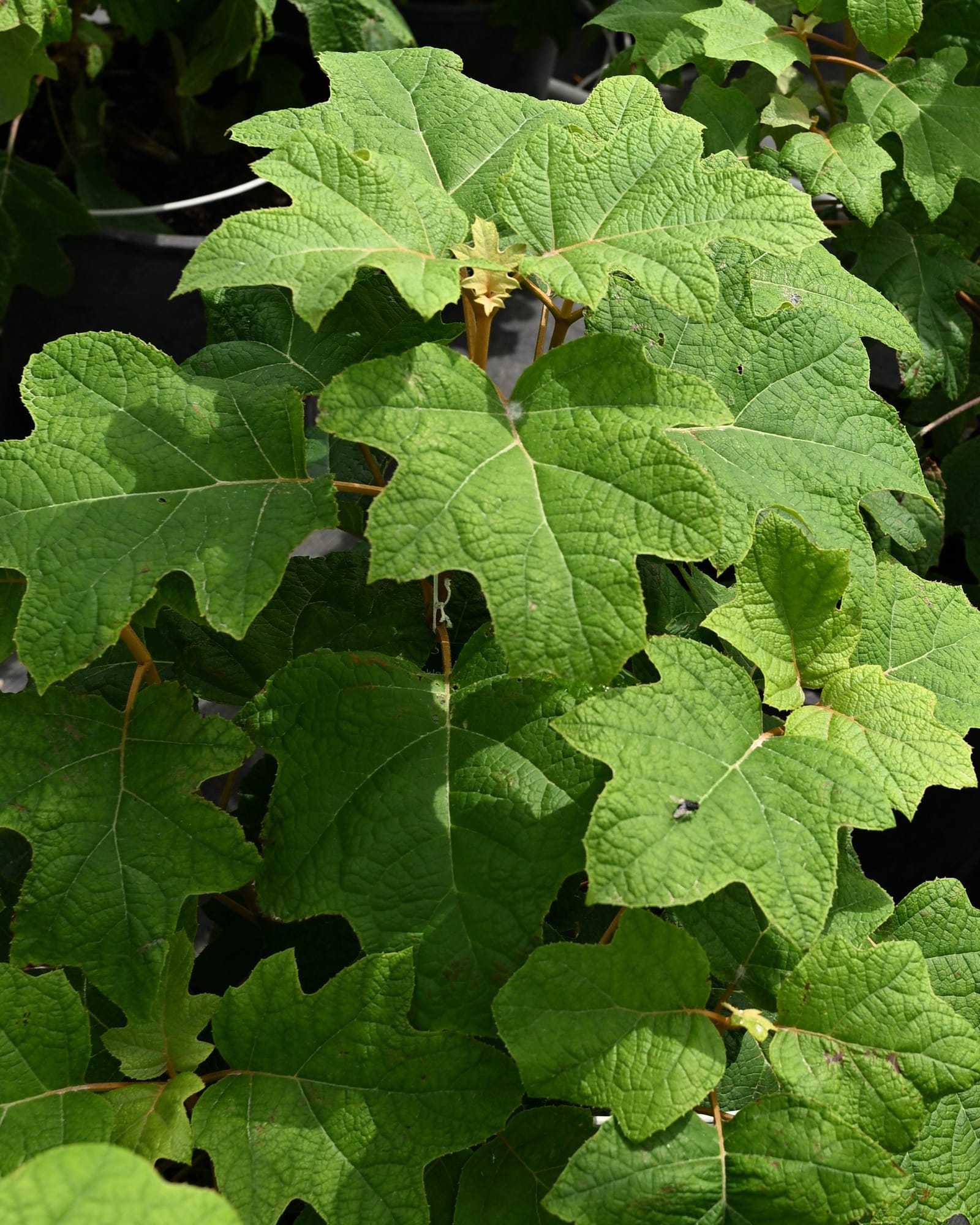
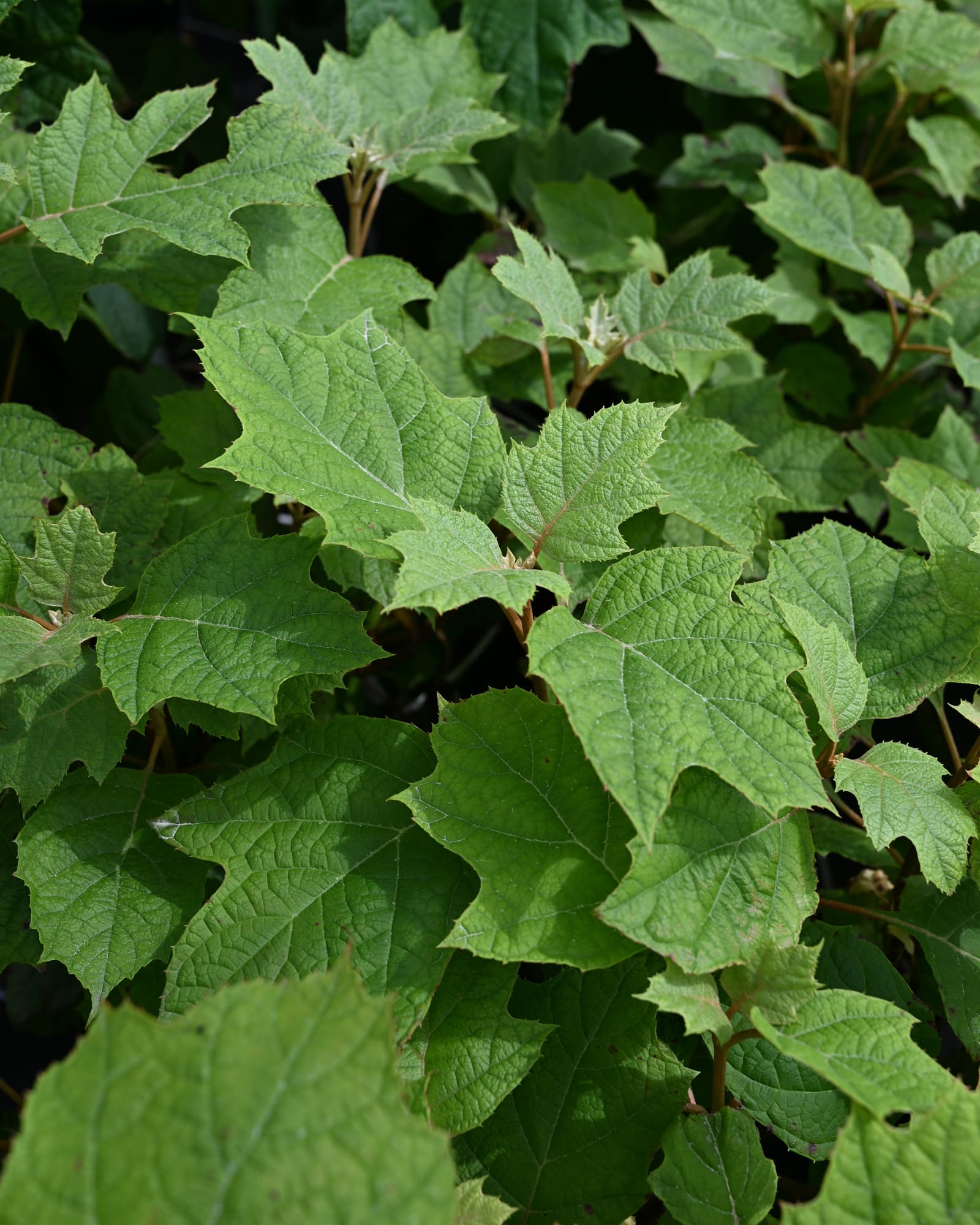
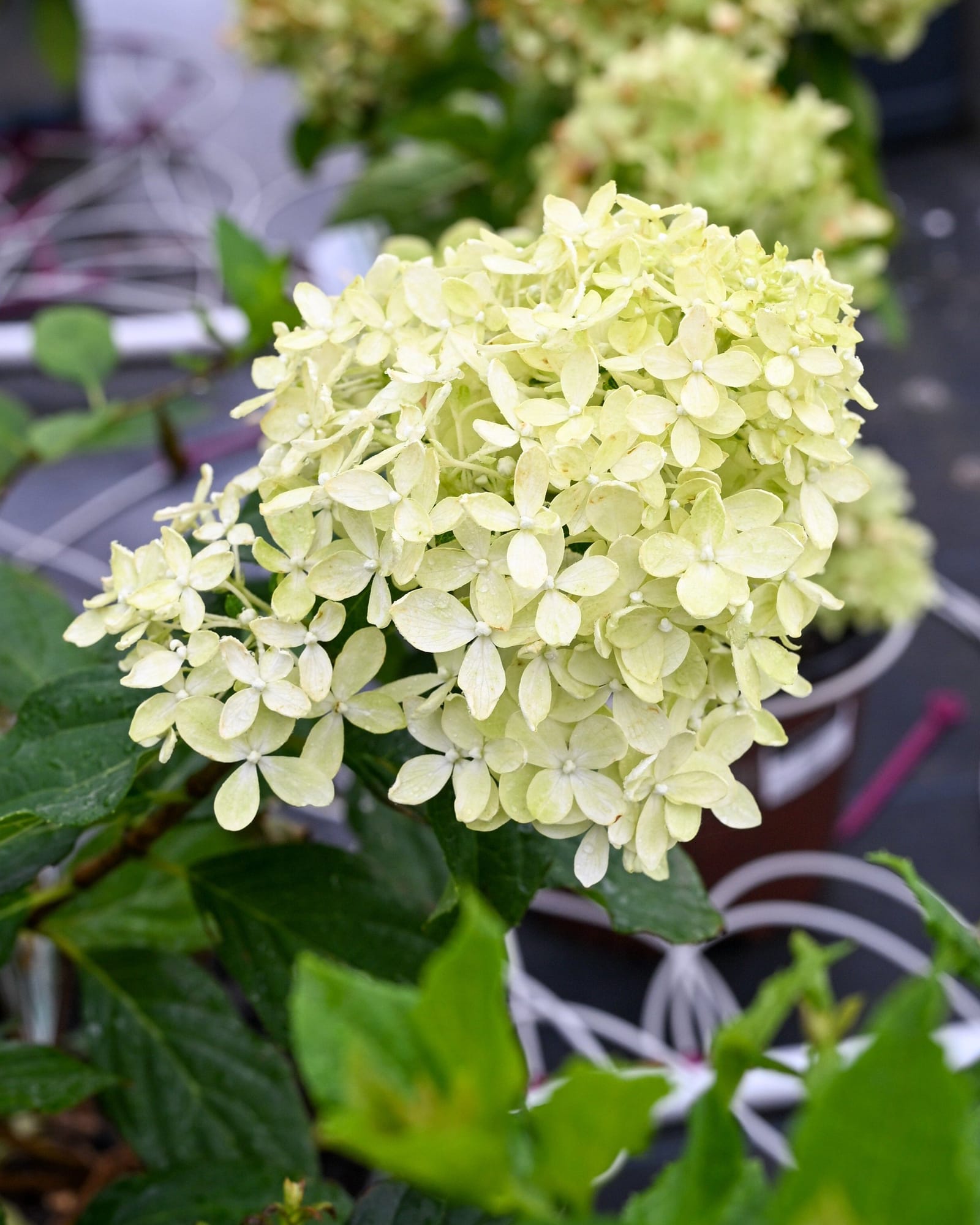
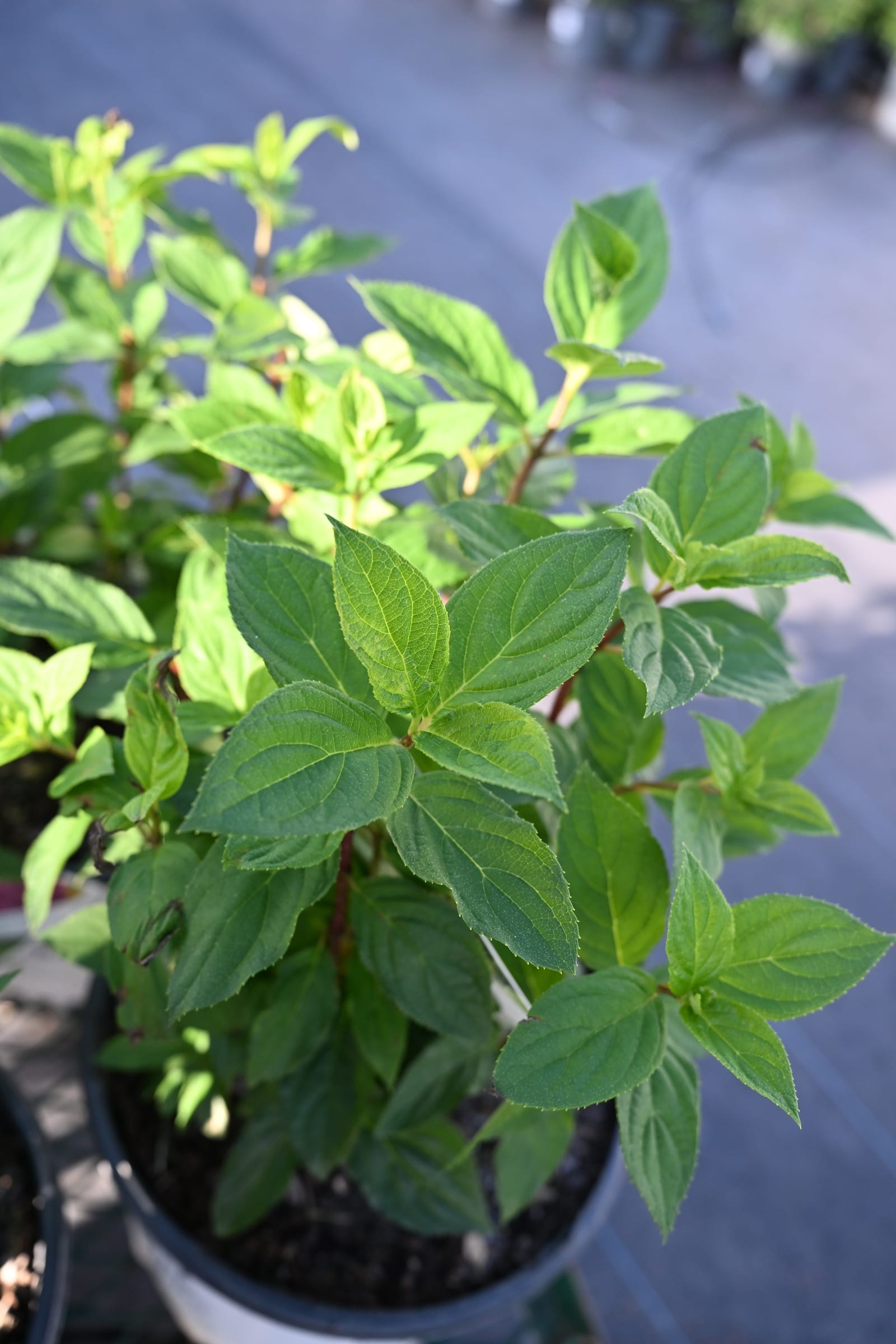
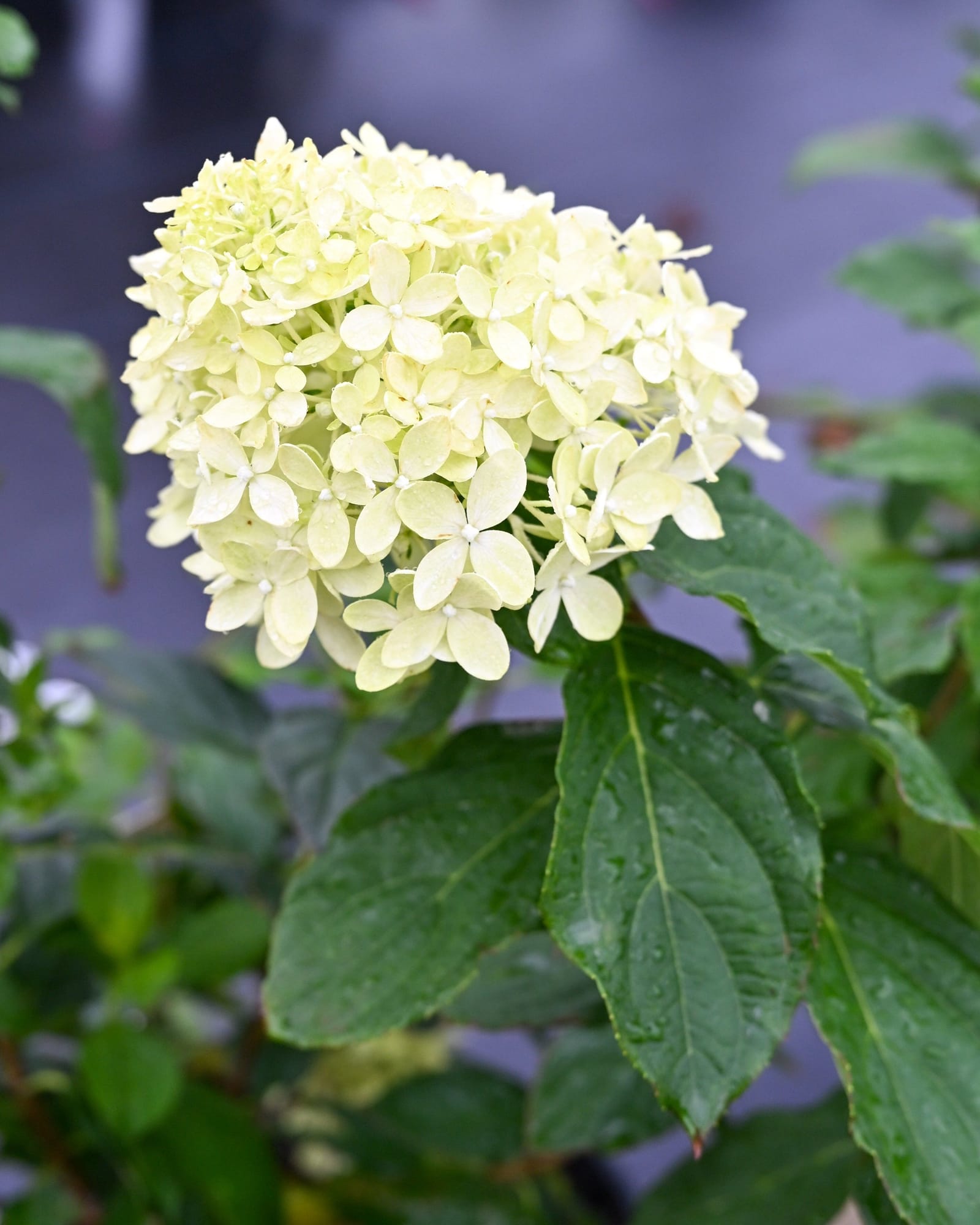
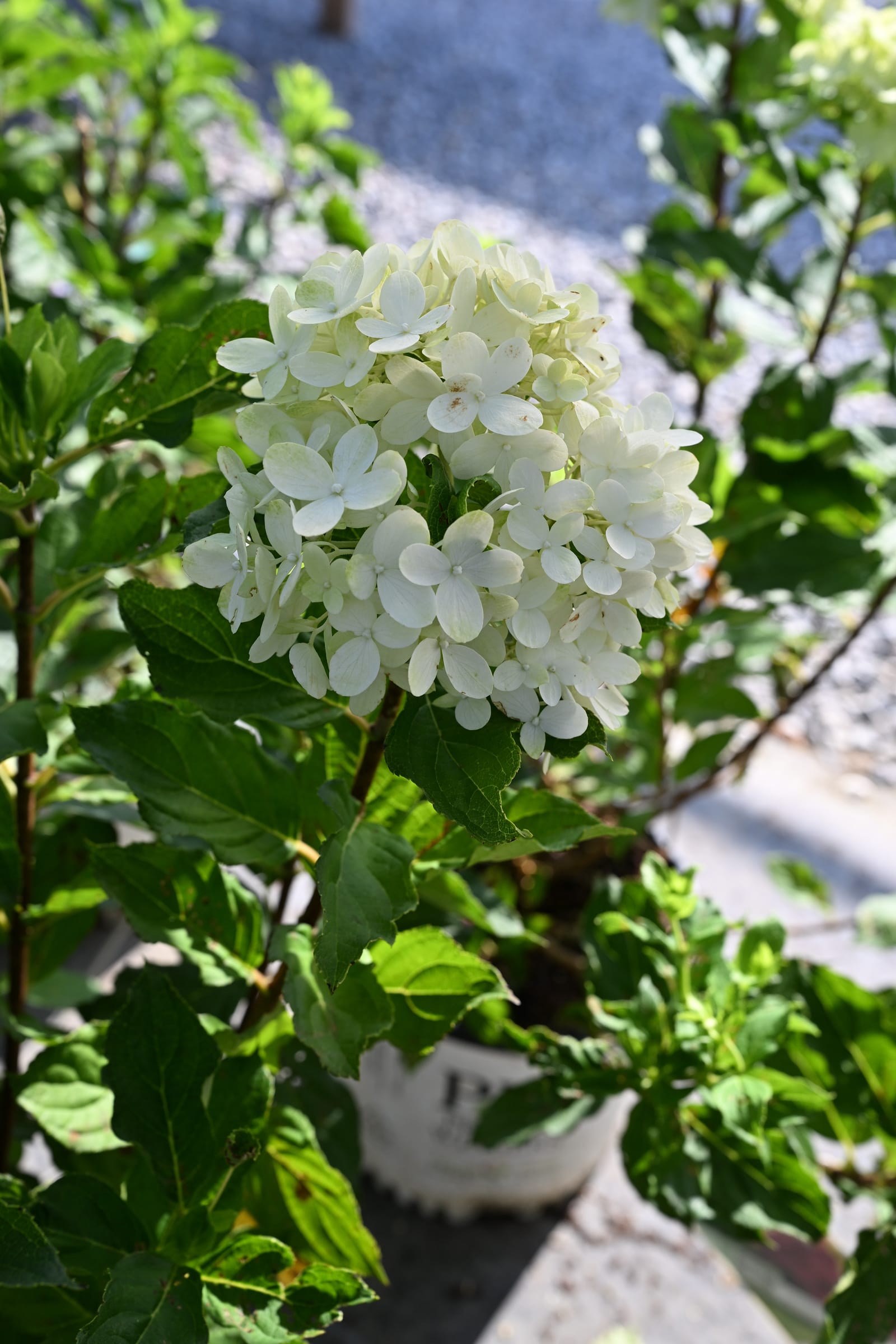
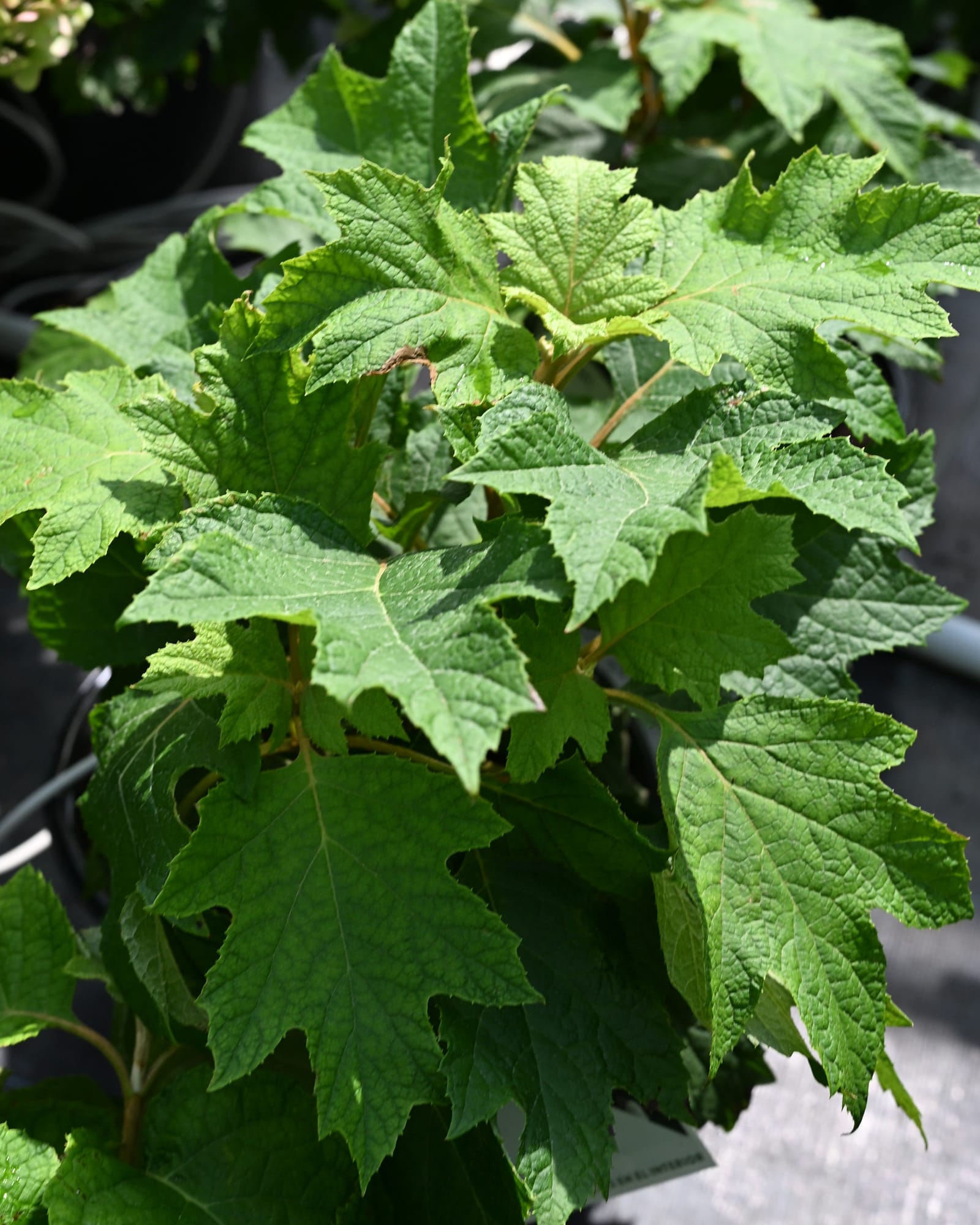
Hydrangea quercifoliaOakleaf Hydrangea adds bold texture and seasonal interest to your landscape. In summer, it produces large, showy clusters of white flowers that stand out beautifully against the deeply lobed, oak-like leaves. This distinctive foliage not only brings unique form to the landscape but also adds warm color as it turns shades of red and bronze in the fall. Reaching up to 6 feet tall and wide at maturity, this shrub offers a graceful, rounded shape perfect for borders, foundation plantings, or as an eye-catching specimen. Its natural elegance enhances both traditional and modern designs.
- A deciduous shrub
- Rounded, spreading growth habit
- Moderate growth rate
- White flower clusters blooming in summer
- Distinctive oak-shaped foliage adds year-round interest
Hardy in USDA Zones 5 through 9, Oakleaf Hydrangea is well suited for North Texas landscapes. It grows best with 2 to 4 hours of morning sun followed by afternoon shade and prefers consistently moist, rich, well drained soil. With minimal care, Oakleaf Hydrangea rewards you with beautiful blooms and distinctive textured foliage that provides seasonal interest throughout the year.
Maintenance
Oakleaf Hydrangea is a hardy shrub that’s prized for its low-maintenance nature all across Texas. Here’s what it needs to thrive:
- Watering: Water regularly during the first growing season to establish deep, resilient roots. Once mature, Oakleaf Hydrangea adapts well to periods of dry weather, requiring only occasional deep watering during extended droughts.
- Pruning: Prune lightly right after flowering has finished - Oakleaf Hydrangea blooms on old wood, so late pruning may remove next season’s blooms. Remove dead, crossing, or weak branches to open up the interior and encourage airflow. Mature plants often benefit from thinning out older canes every few years to promote fresh growth.
- Fertilizing: Feed once in early spring with a balanced, slow-release fertilizer to support healthy foliage and flower production. Avoid over-fertilizing, as excessive nutrients can lead to fewer blooms and overly lush growth.
- Mulching: Apply a 2-3 inch layer of mulch around the root zone to retain moisture, reduce weeds, and regulate soil temperature. Keep mulch a few inches from the base of the stems to prevent rot. Refresh annually in spring for optimal health.
- Winter care: Oakleaf Hydrangea is hardy and reliable, but young plants appreciate a little protection in colder climates. Apply mulch over the root zone in late fall to insulate roots and protect developing buds from frost. Avoid pruning in winter, as flower buds are already set for the coming season.
Common Issues and How to Take Care of Them
Oakleaf Hydrangea is generally trouble-free, but a few occasional issues may arise in humid or extreme conditions:
- Leaf Spot: Small dark spots appear during prolonged humidity. Improve airflow by pruning crowded stems and removing affected leaves. A copper-based fungicide can help prevent spread.
- Powdery Mildew: A white coating that appears on leaves in stagnant air or excess shade. Increase air circulation and avoid overhead watering.
- Root Rot: Caused by excessive moisture or poor drainage. Ensure good drainage and avoid constantly soggy conditions.
- Aphids: Tiny insects that cluster on new growth and buds. Rinse off with water or apply insecticidal soap if infestations persist.
- Leaf Scorch: Brown leaf edges from excessive heat or wind. Maintain consistent moisture and mulch well to protect roots.
- Stem Dieback: Occasionally occurs after harsh winters. Prune back to live wood in spring and the plant will quickly rebound with vigorous new shoots.
It’s a long-lived shrub that can thrive for 25 years or more with proper care. Mature specimens often become more beautiful with age, developing textured bark and stronger, more abundant foliage.
It grows at a moderate pace, usually reaching maturity within 5 to 7 years. Once established, it produces strong annual growth and develops a more sculptural, woody framework over time.
Yes - its large flower clusters attract bees, butterflies, and other beneficial pollinators throughout the warm season, supporting a healthy garden ecosystem.
It’s moderately resistant. While deer may nibble new shoots early in the season, they typically avoid mature leaves once the plant toughens up.
Yes, younger plants perform beautifully in large, deep containers. Provide good drainage and consistent moisture to support root health, and repot every few years as it grows.
Yes - it’s well-suited to Southern climates and thrives in warm, humid regions when given room to breathe. Mulch and good air circulation help keep it vigorous even in extreme heat.
Absolutely. It is hardy and rebounds quickly even after harsh freezes. Protect young plants with mulch in their first few winters to ensure steady establishment.
Yes, birds are drawn to its dried flower heads and find shelter in its dense foliage. It’s an excellent choice for wildlife-friendly gardens that balance structure and beauty.
Yes. In early spring, remove one-third of the oldest stems at ground level. This encourages vigorous new growth while preserving the overall structure and bloom potential.
Yes. Its drought tolerance, bold texture, and year-round interest make it perfect for both residential gardens and larger-scale city plantings that need elegance and resilience.
Special Features
You might also like
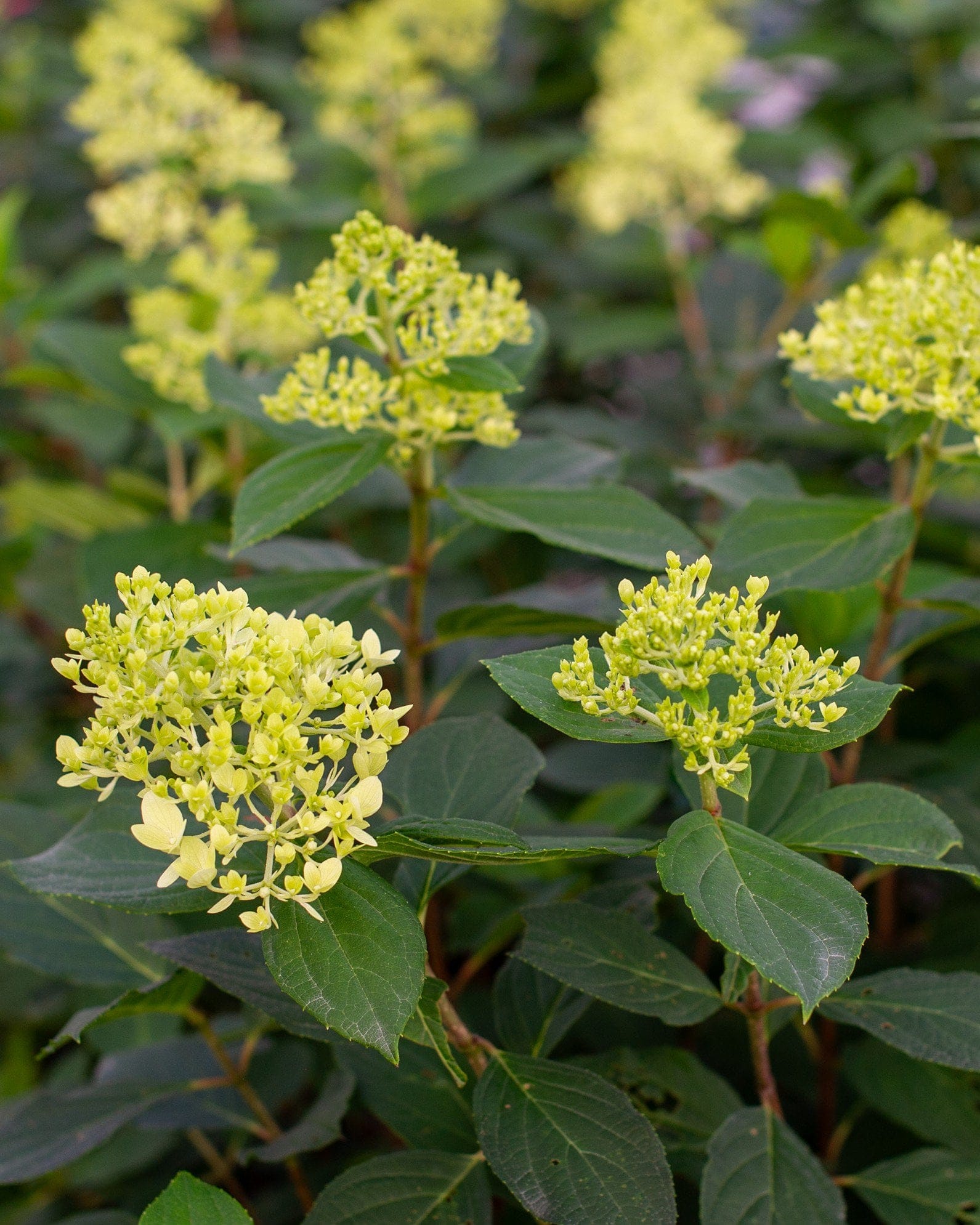
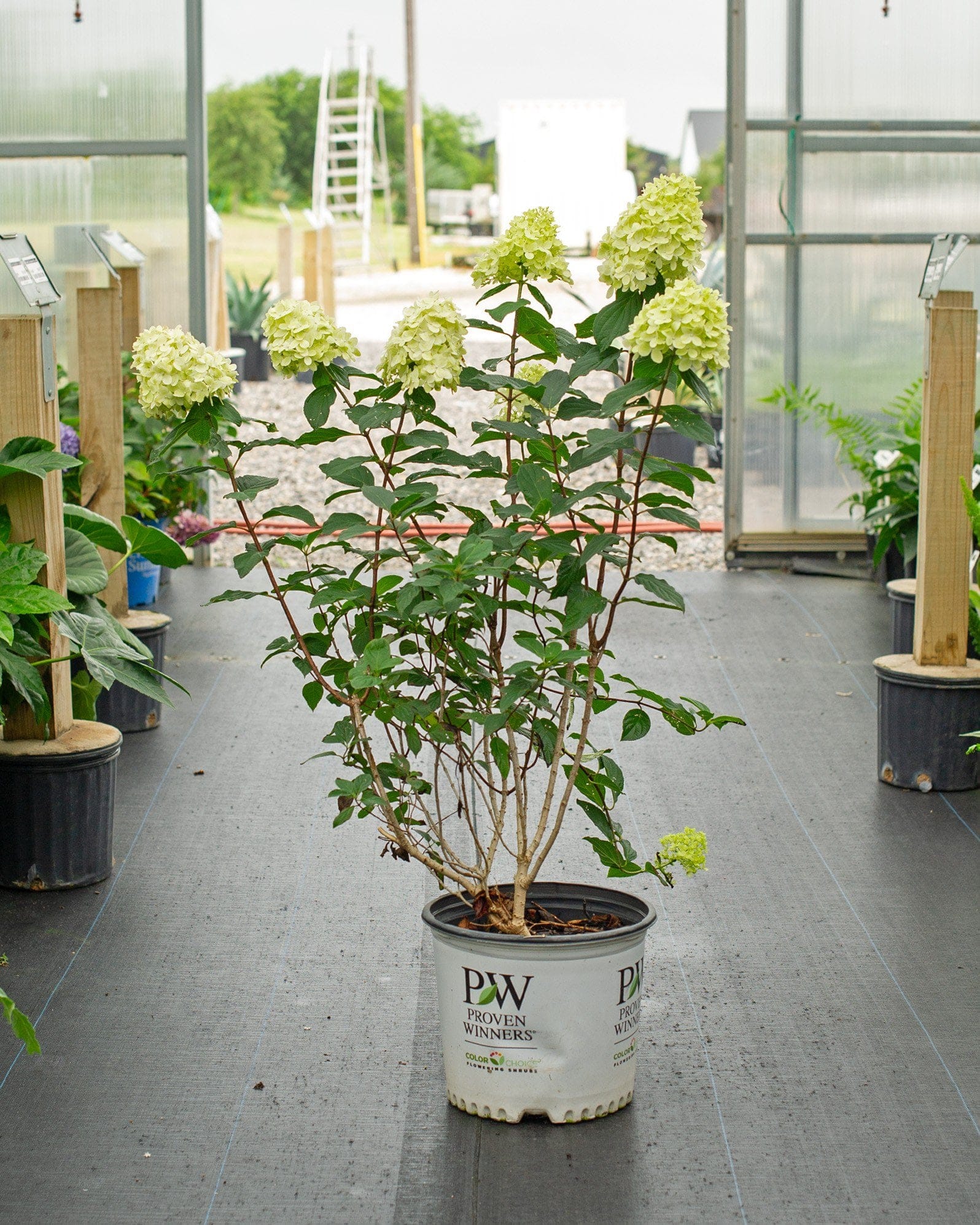
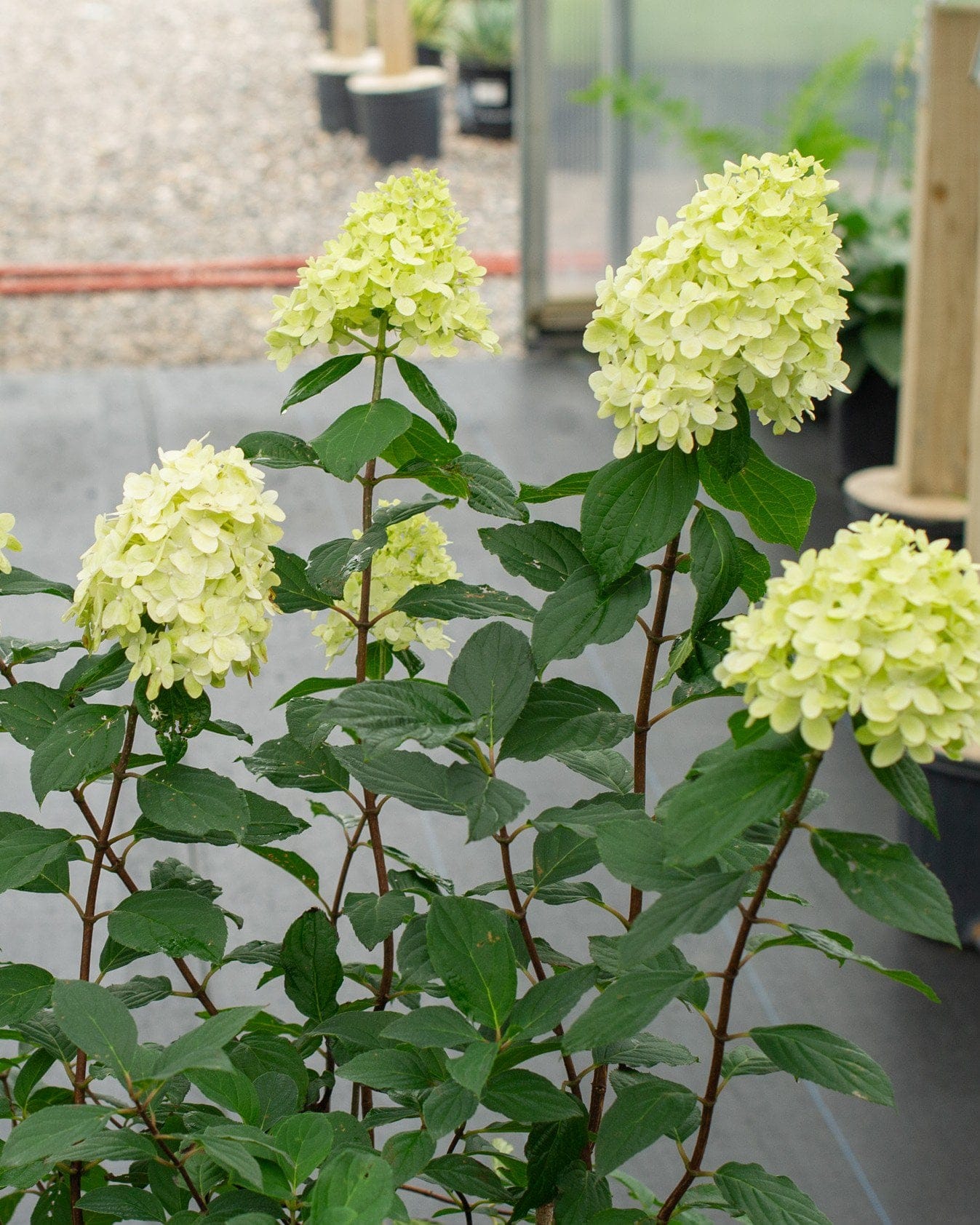
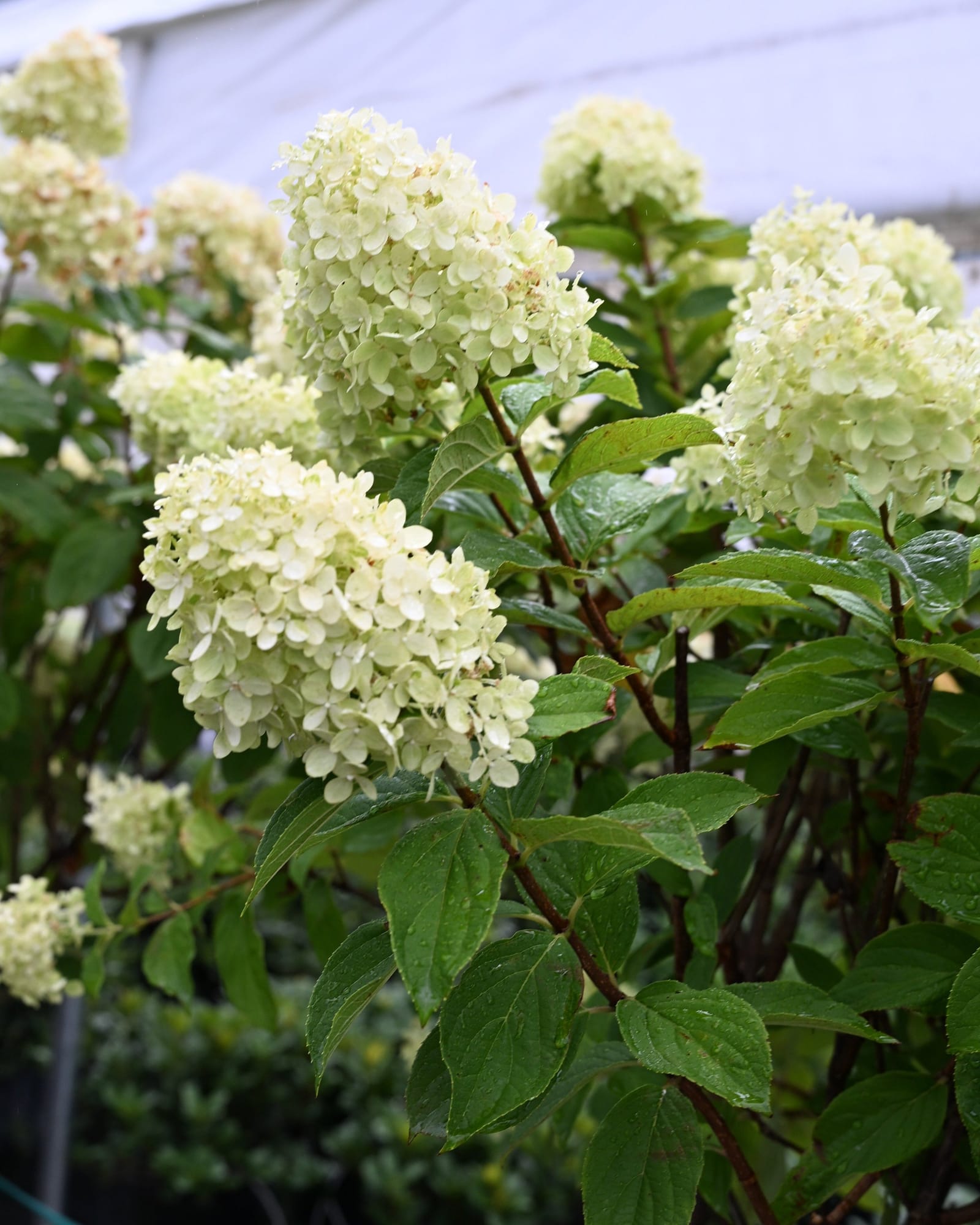
Limelight Hydrangea
Maturity: 8' H x 6' W
Oakleaf Hydrangea Alice
Maturity: 8' H x 8' W
Oakleaf Hydrangea Ellen Huff
Maturity: 6' H x 8' W
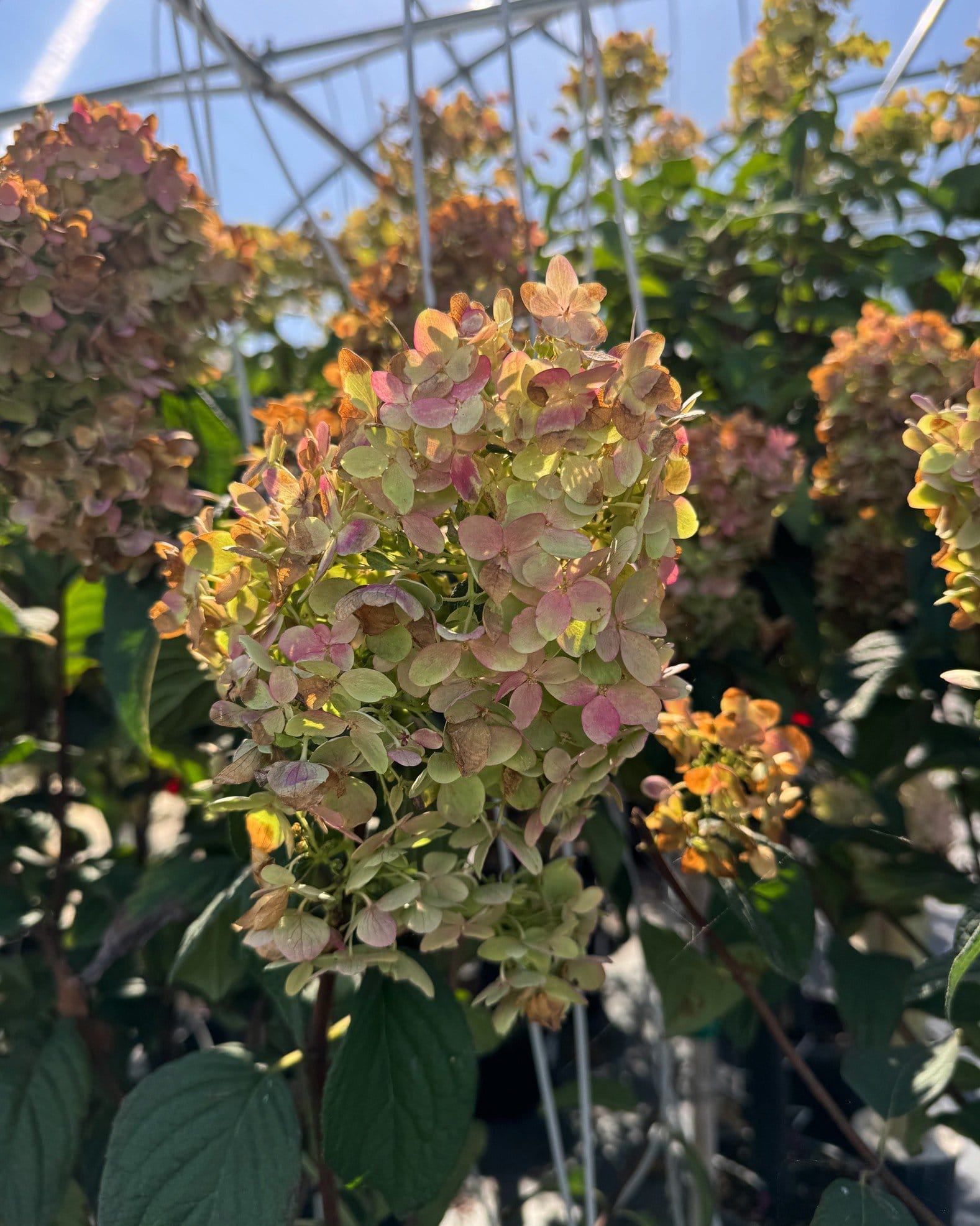
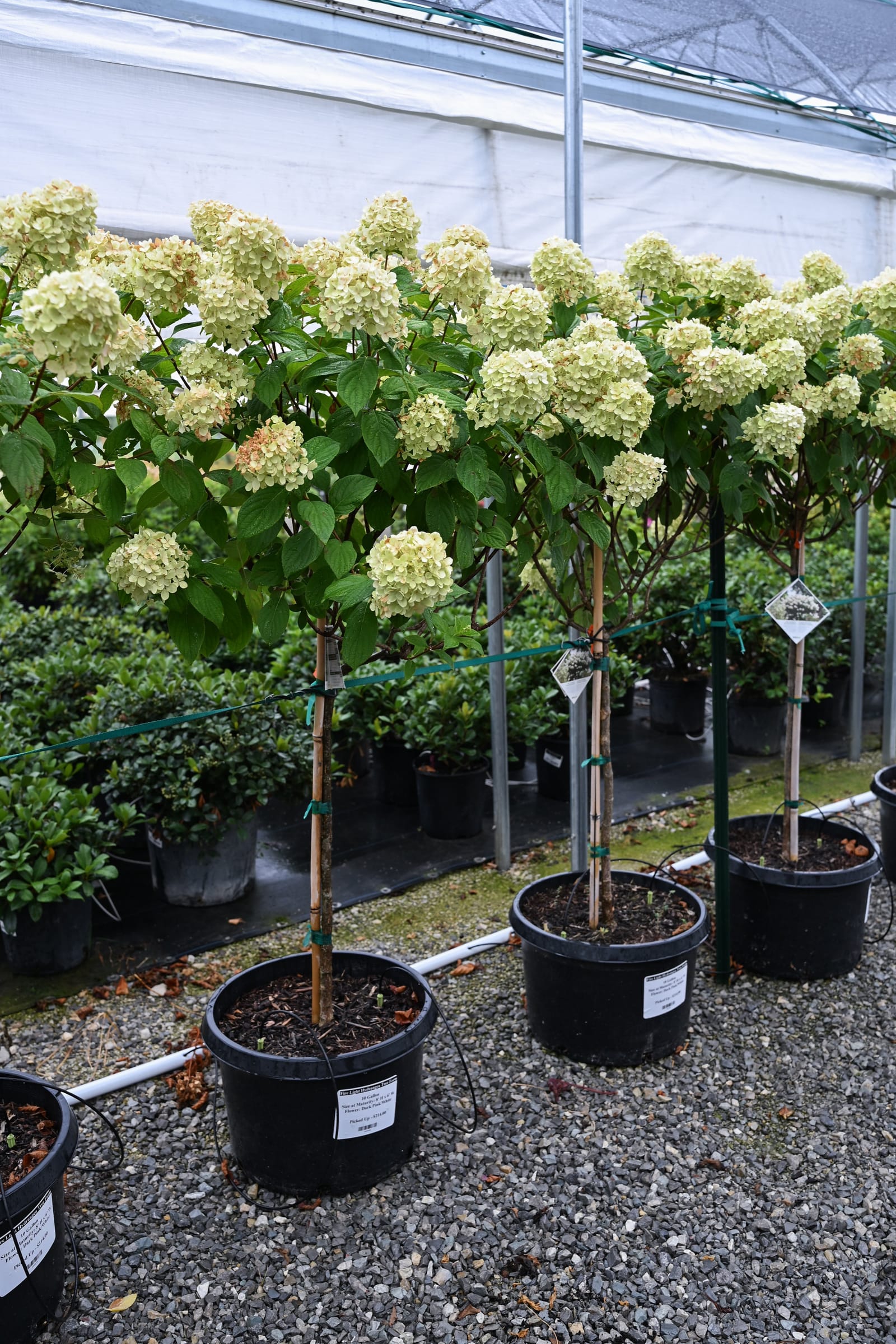
Fire Light Hydrangea Tree Form
Maturity: 8' H x 6' W
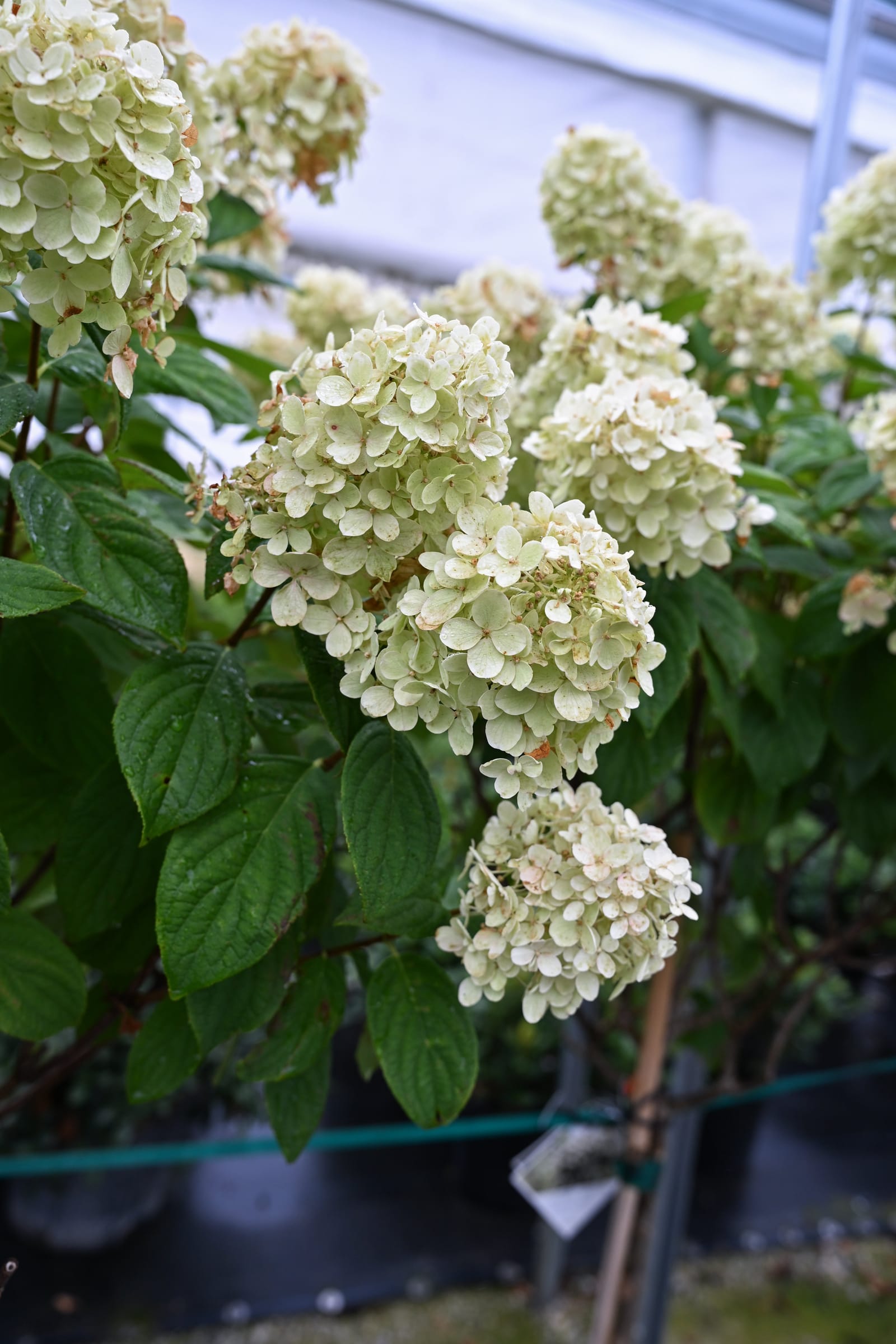
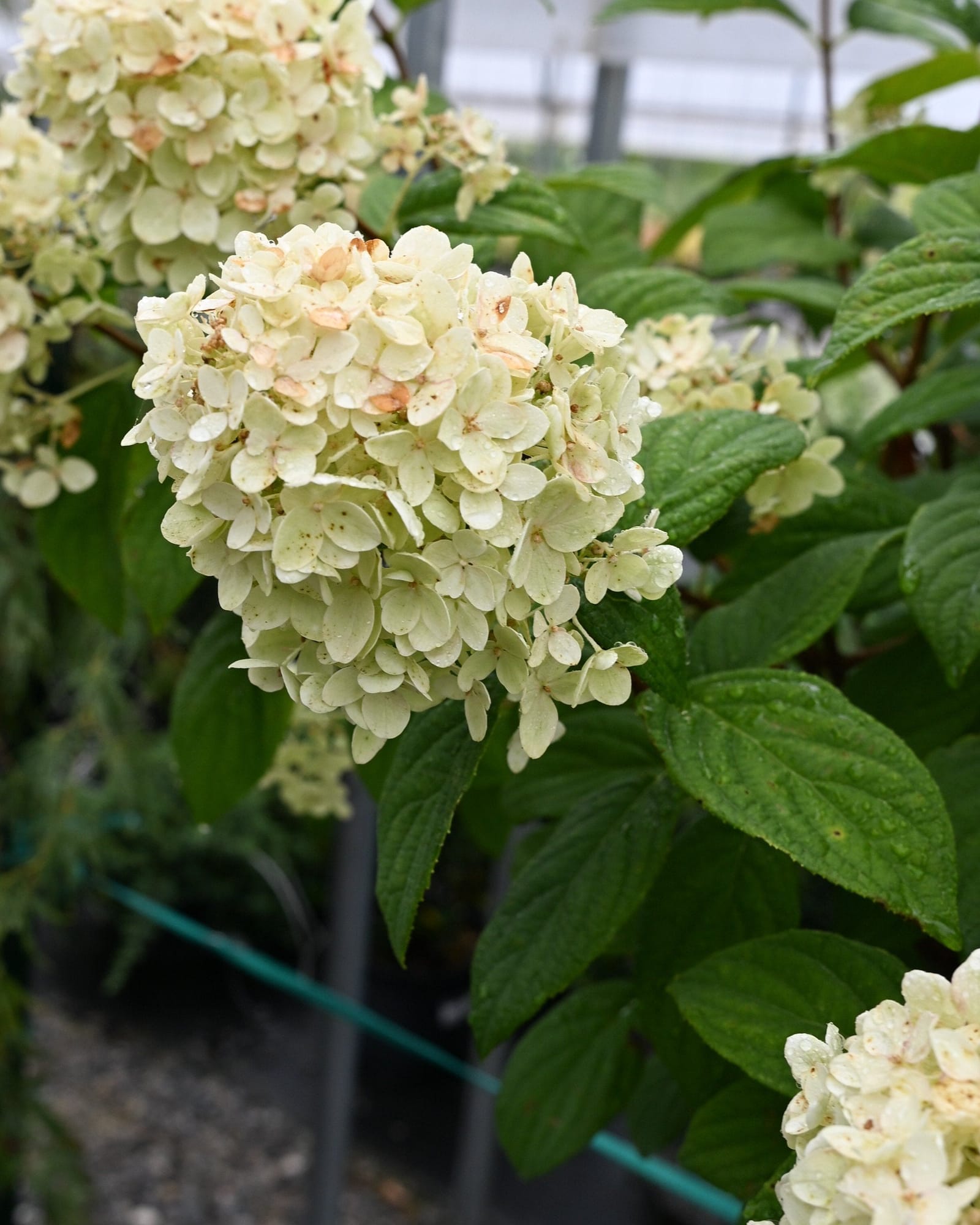
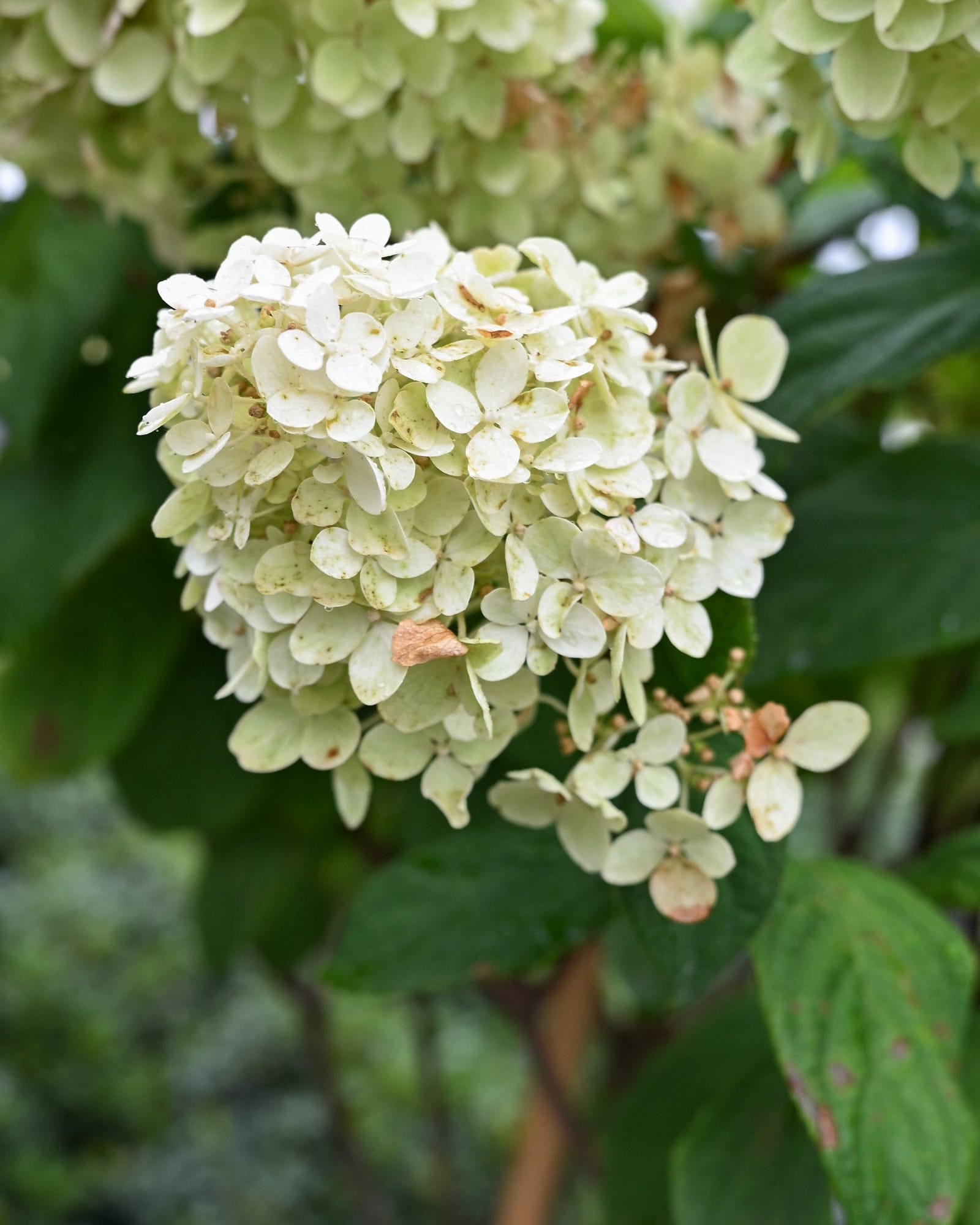
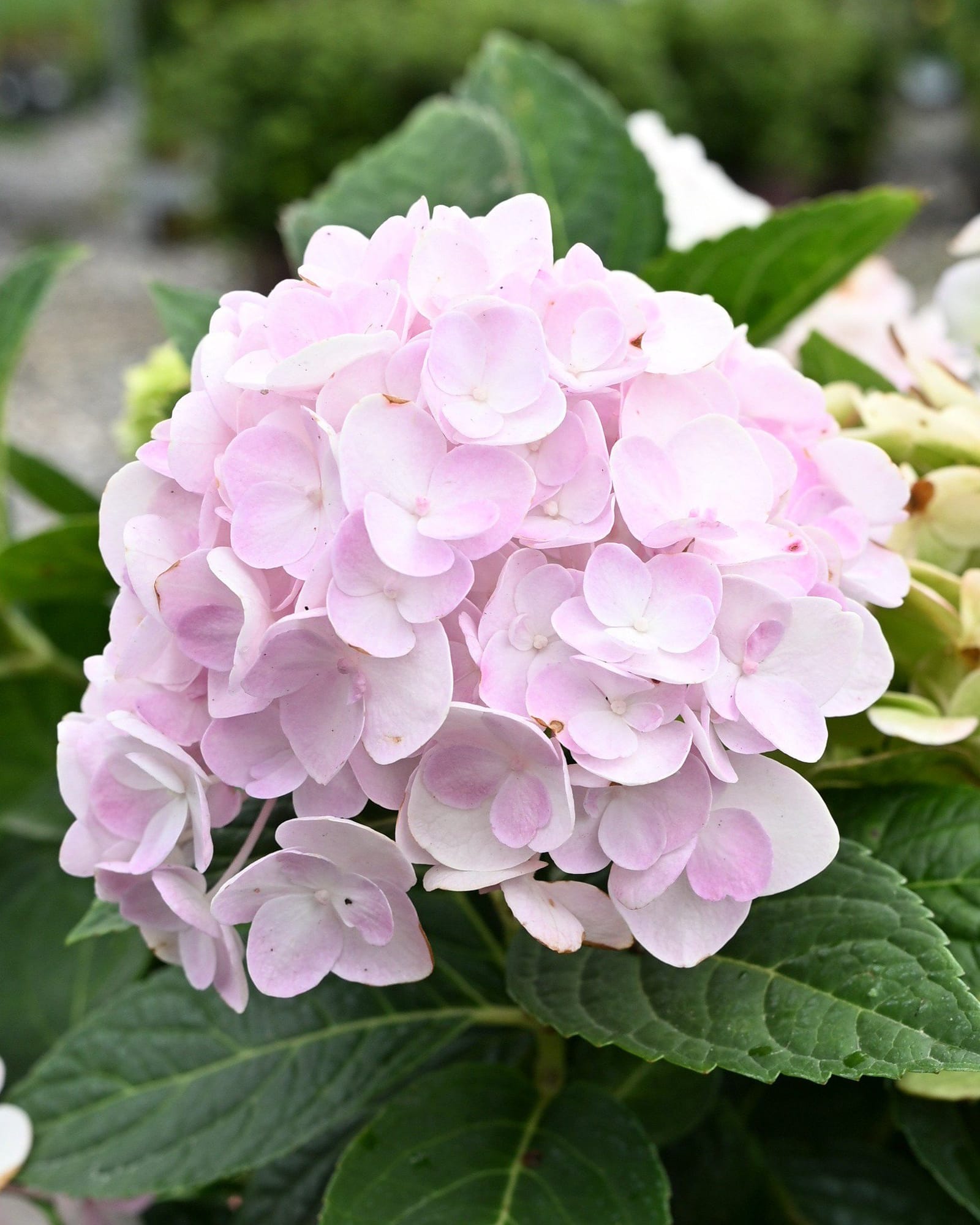
Hydrangea Blushing Bride
Maturity: 3' H x 3' W
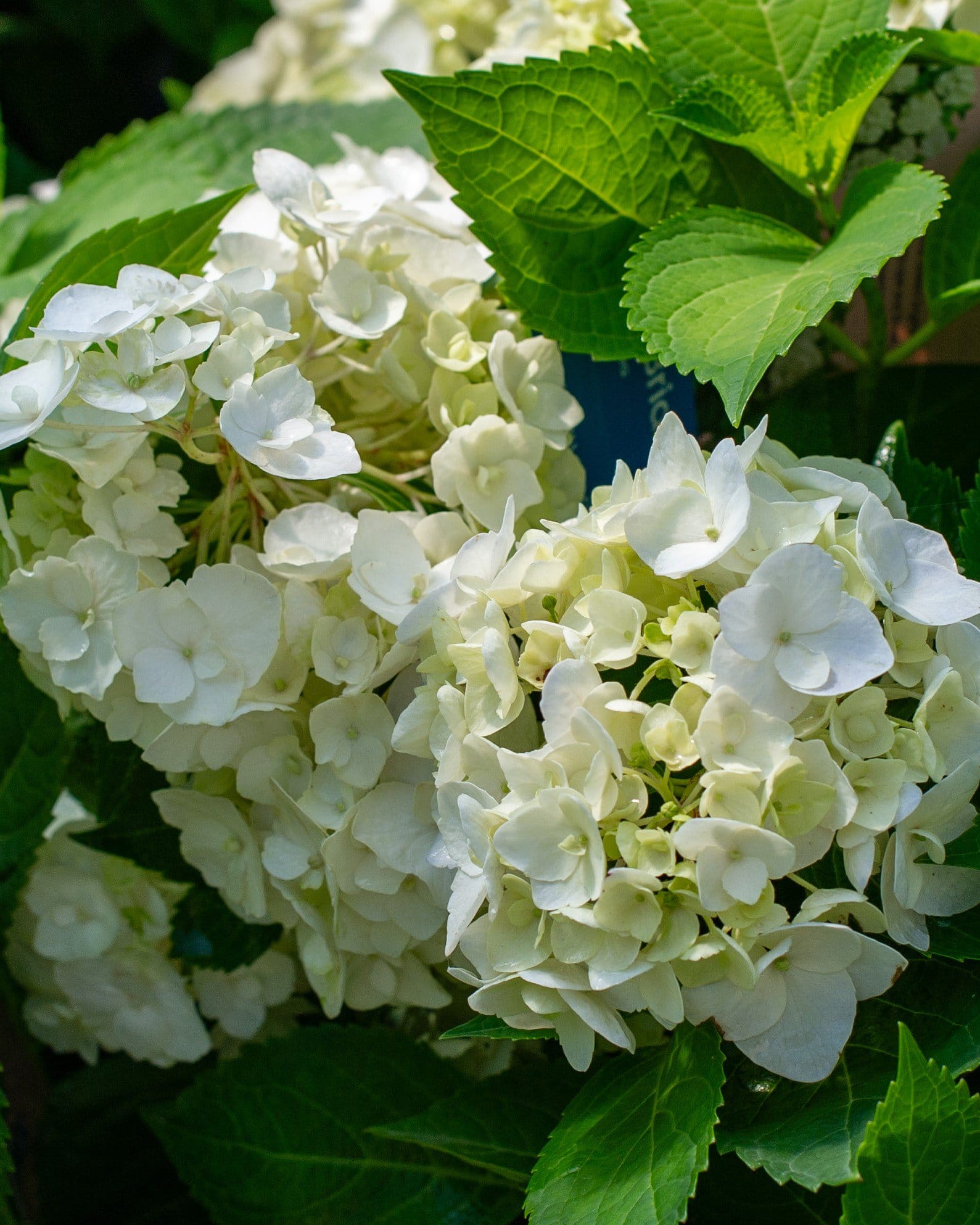
Oakleaf Hydrangea Alice 'N Wonderland
Maturity: 5' H x 5' W
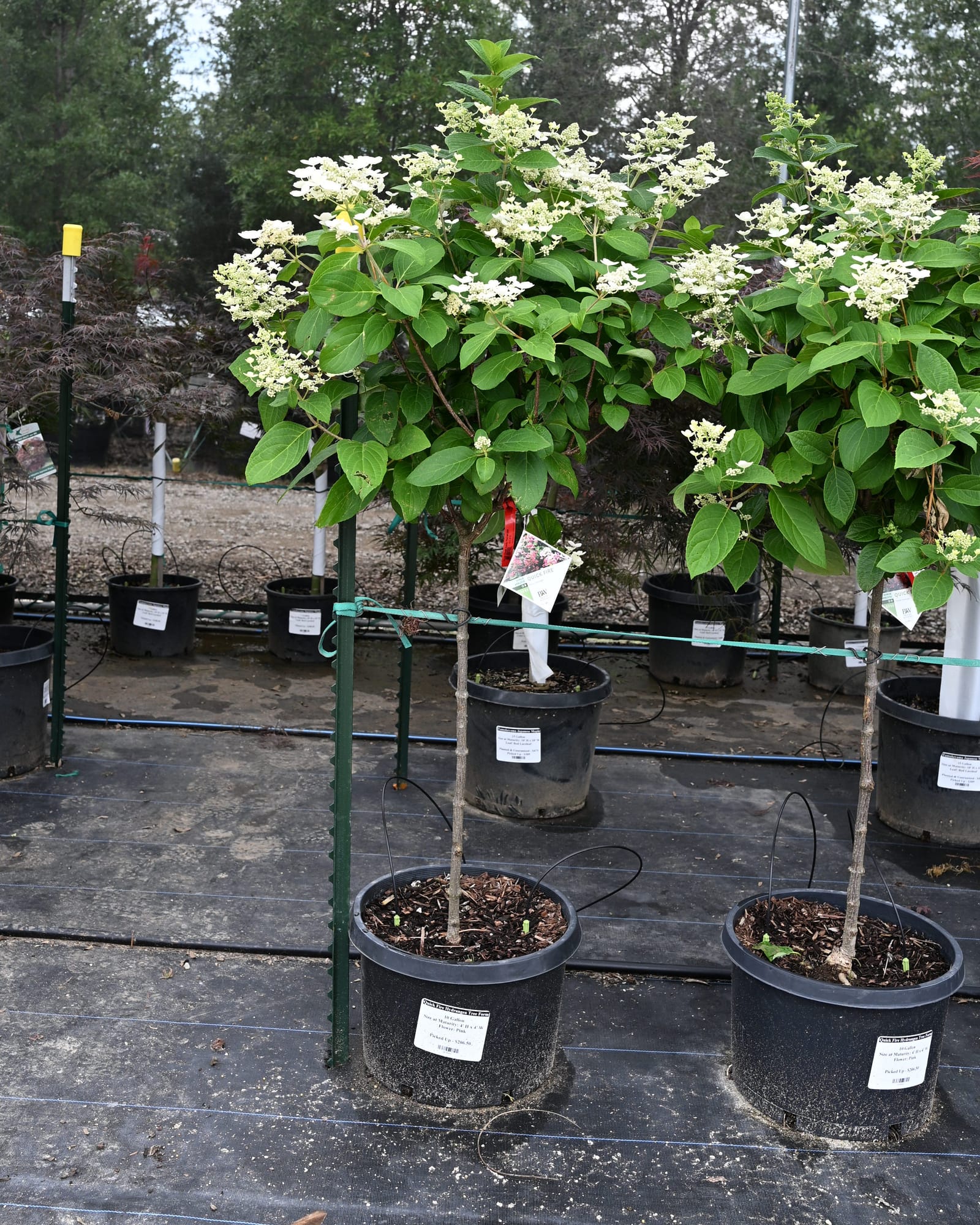
Quick Fire Hydrangea Tree Form
Maturity: 4' H x 4' W
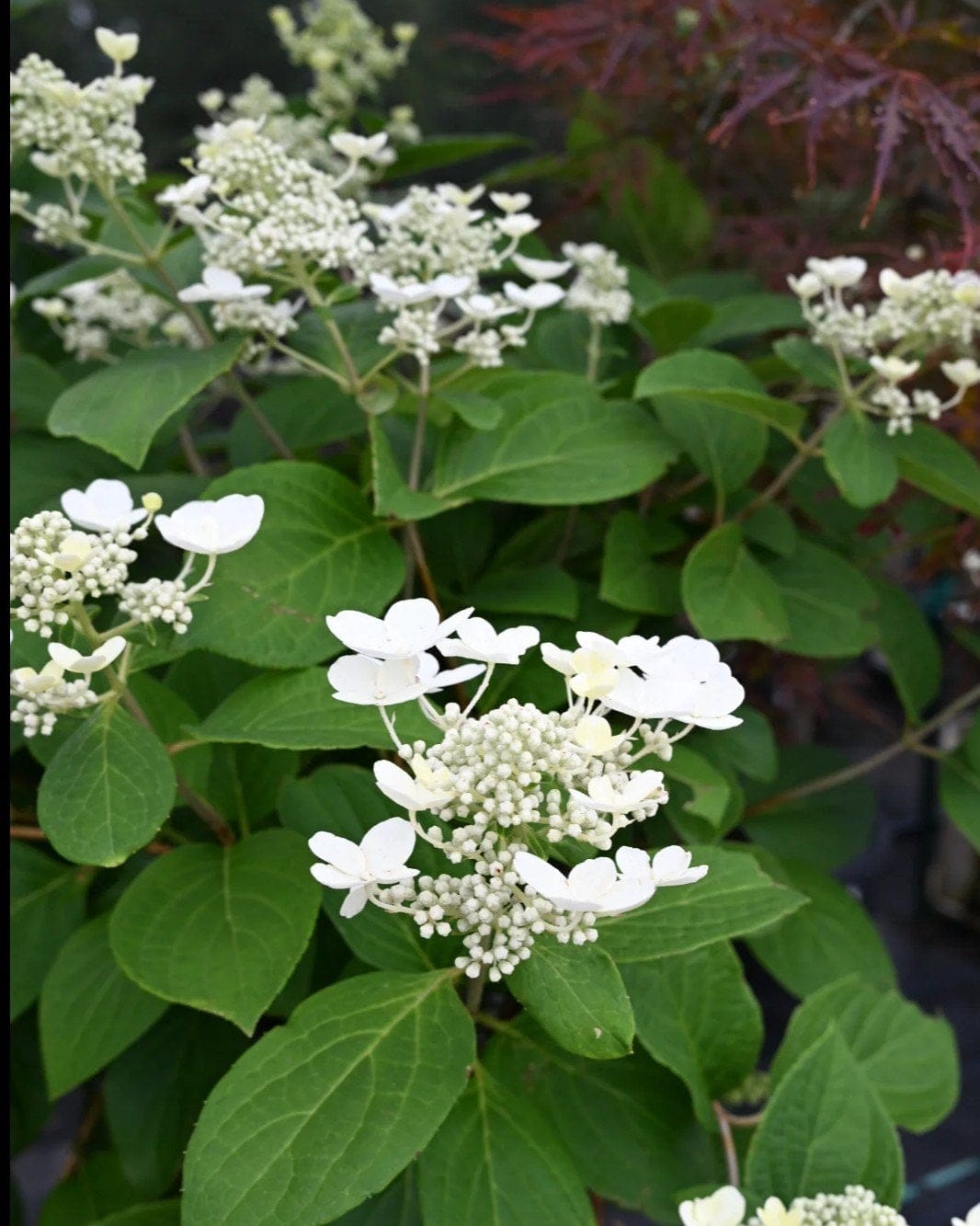
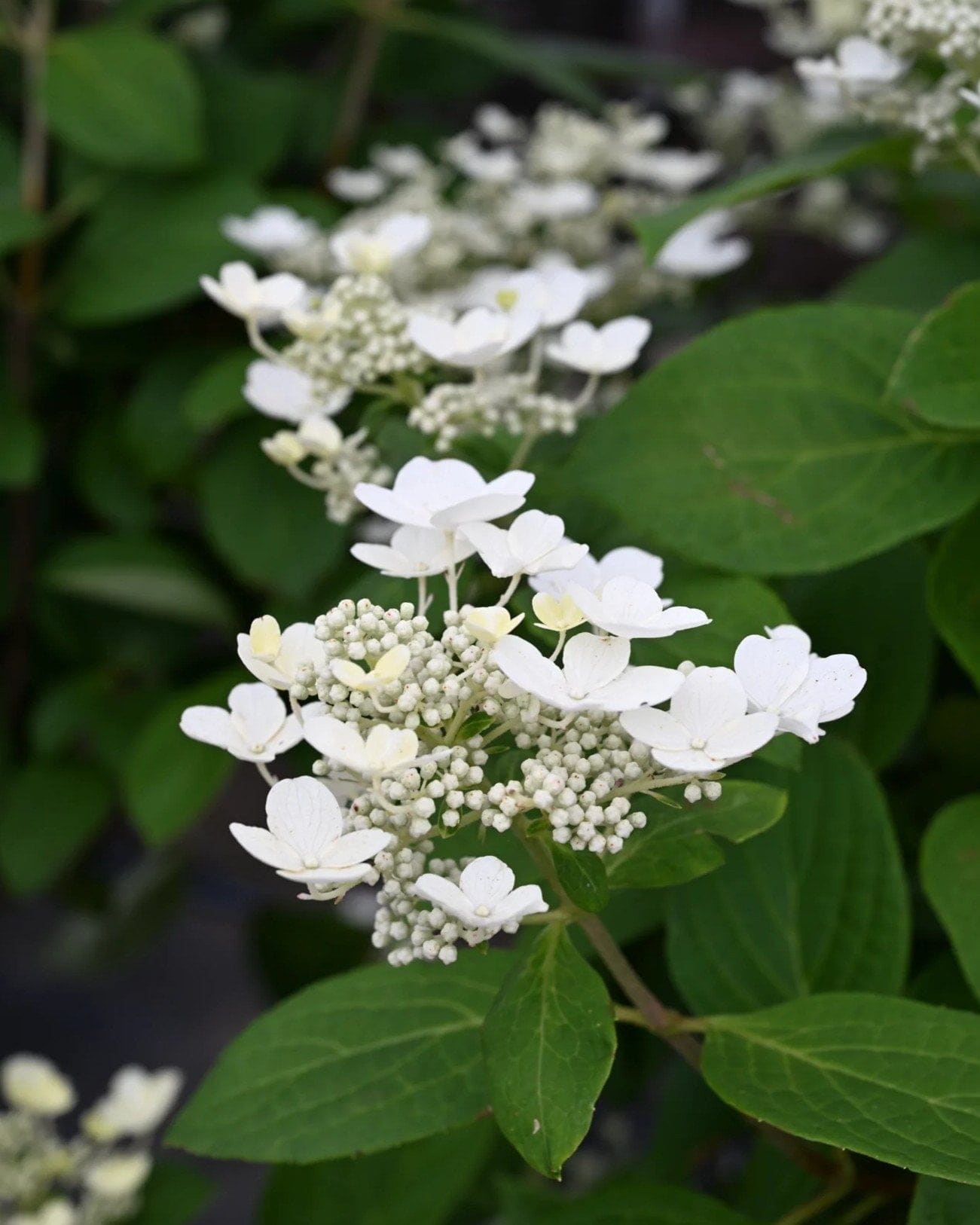
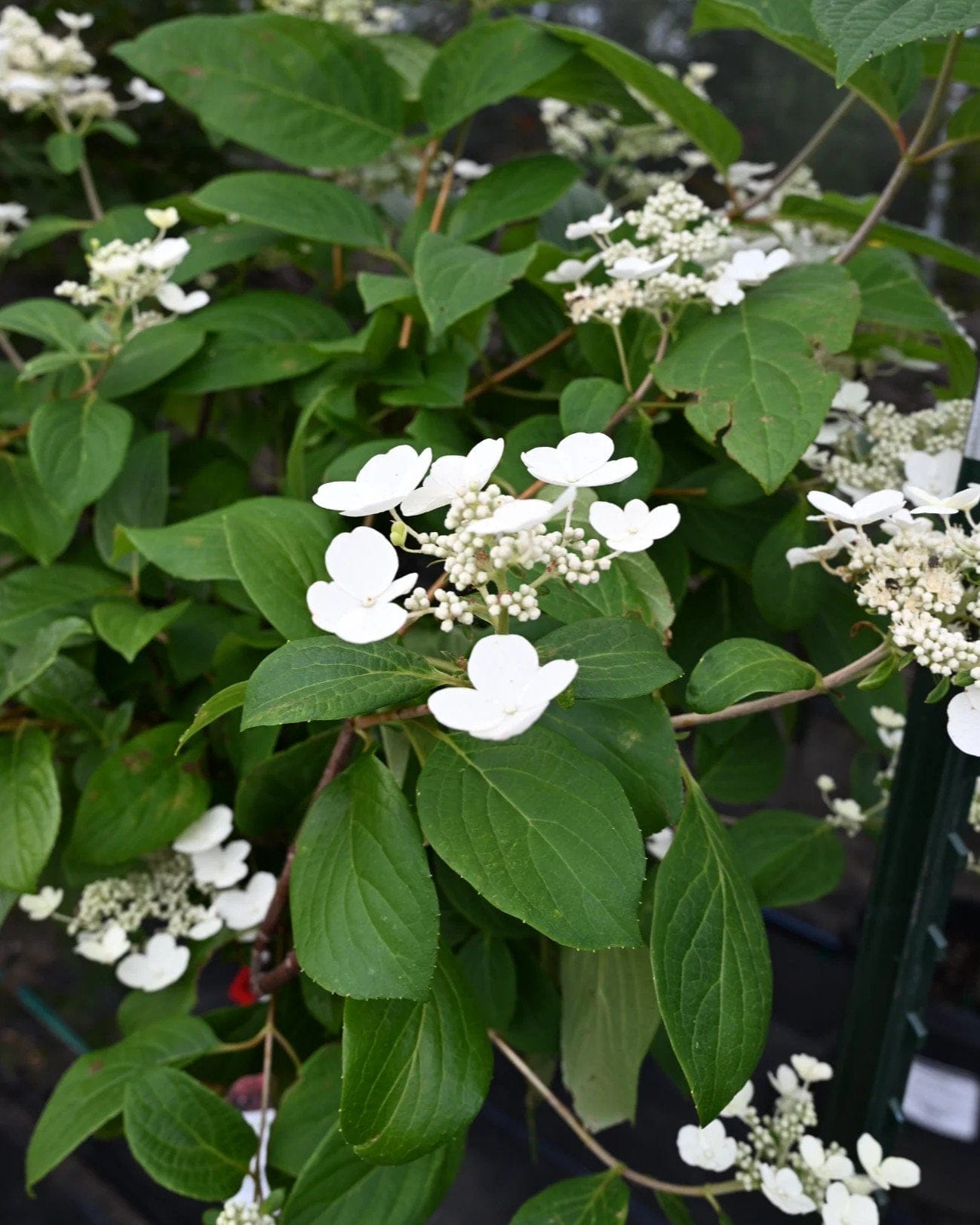
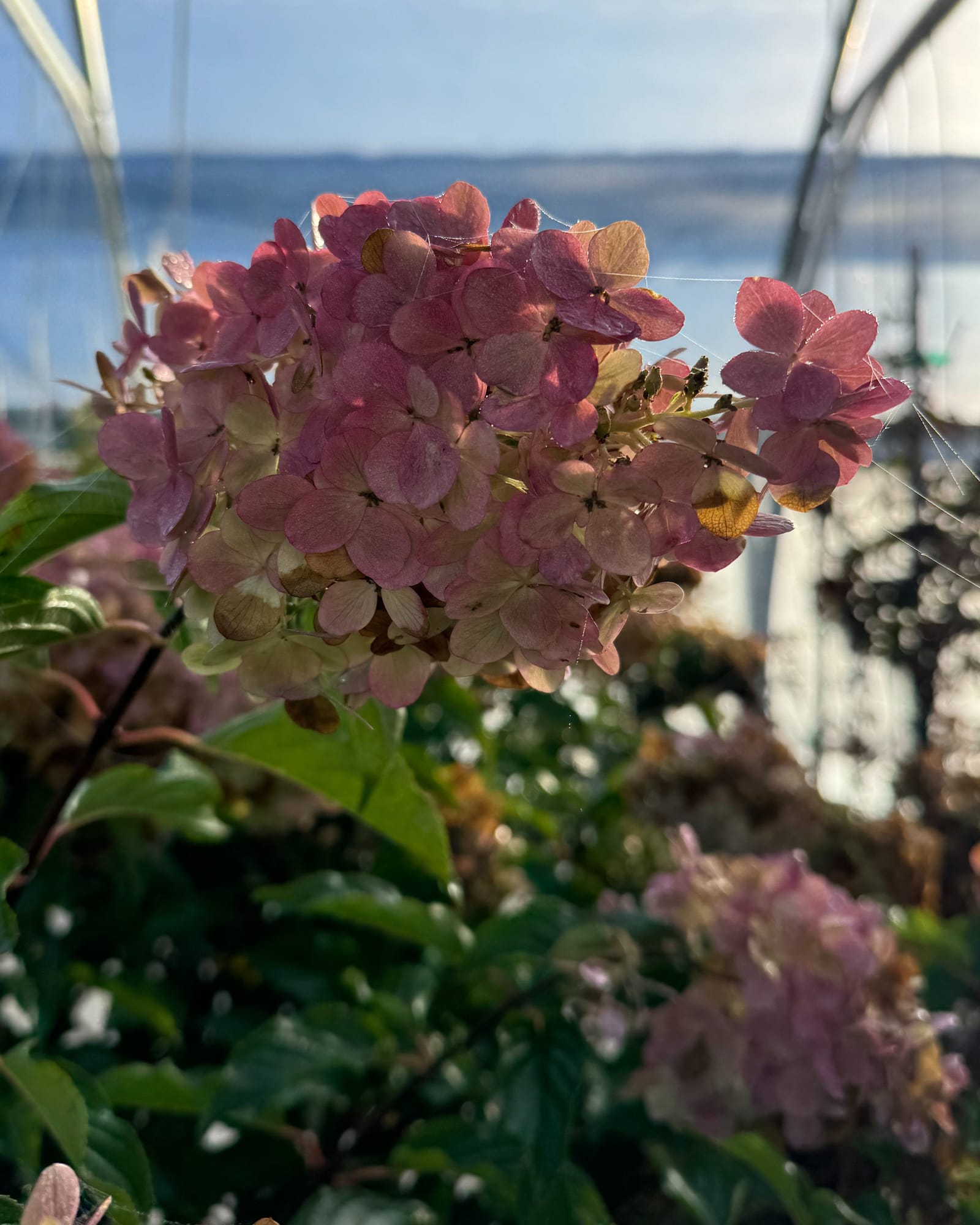
Vanilla Strawberry Hydrangea Tree Form
Maturity: 8' H x 5' W
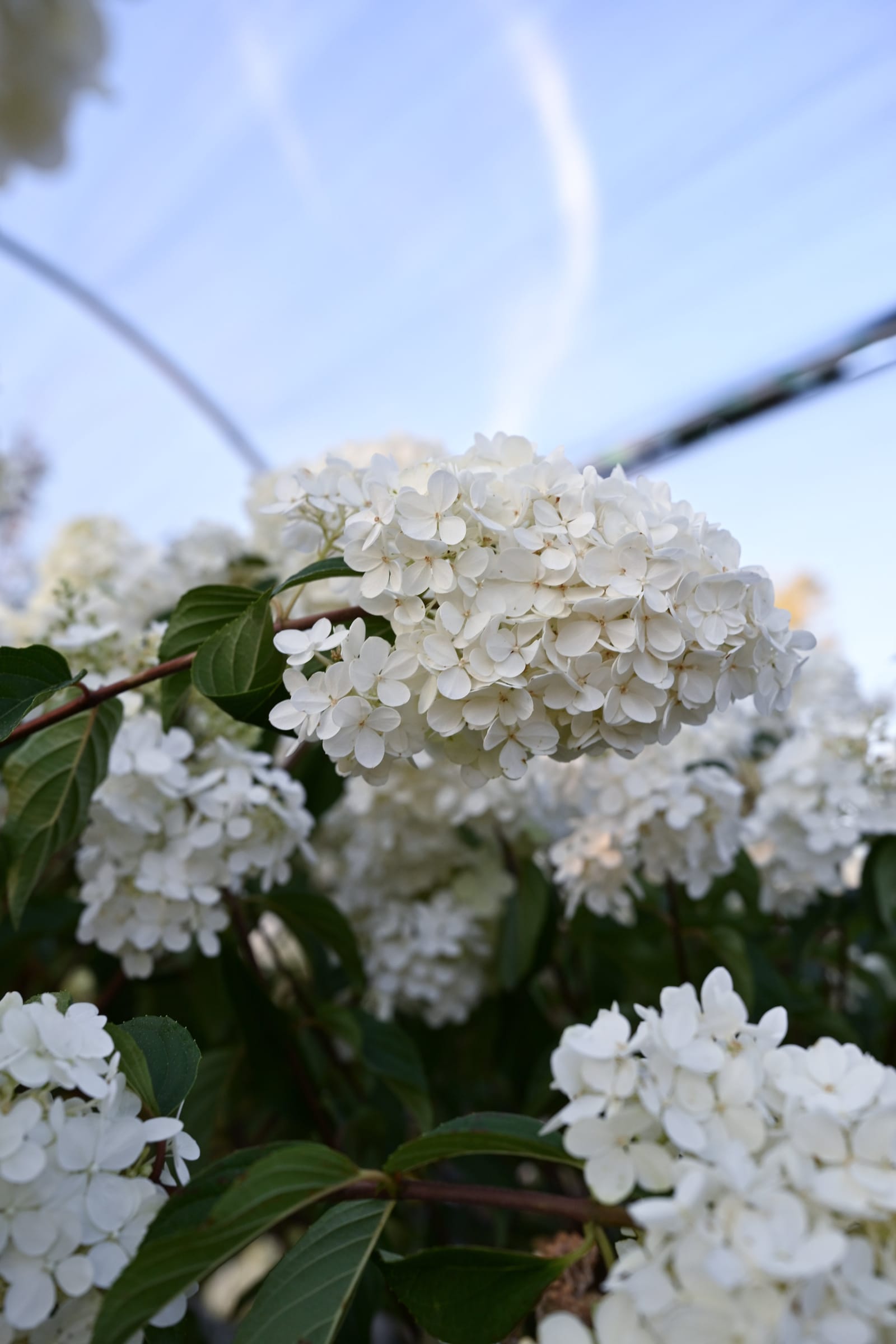
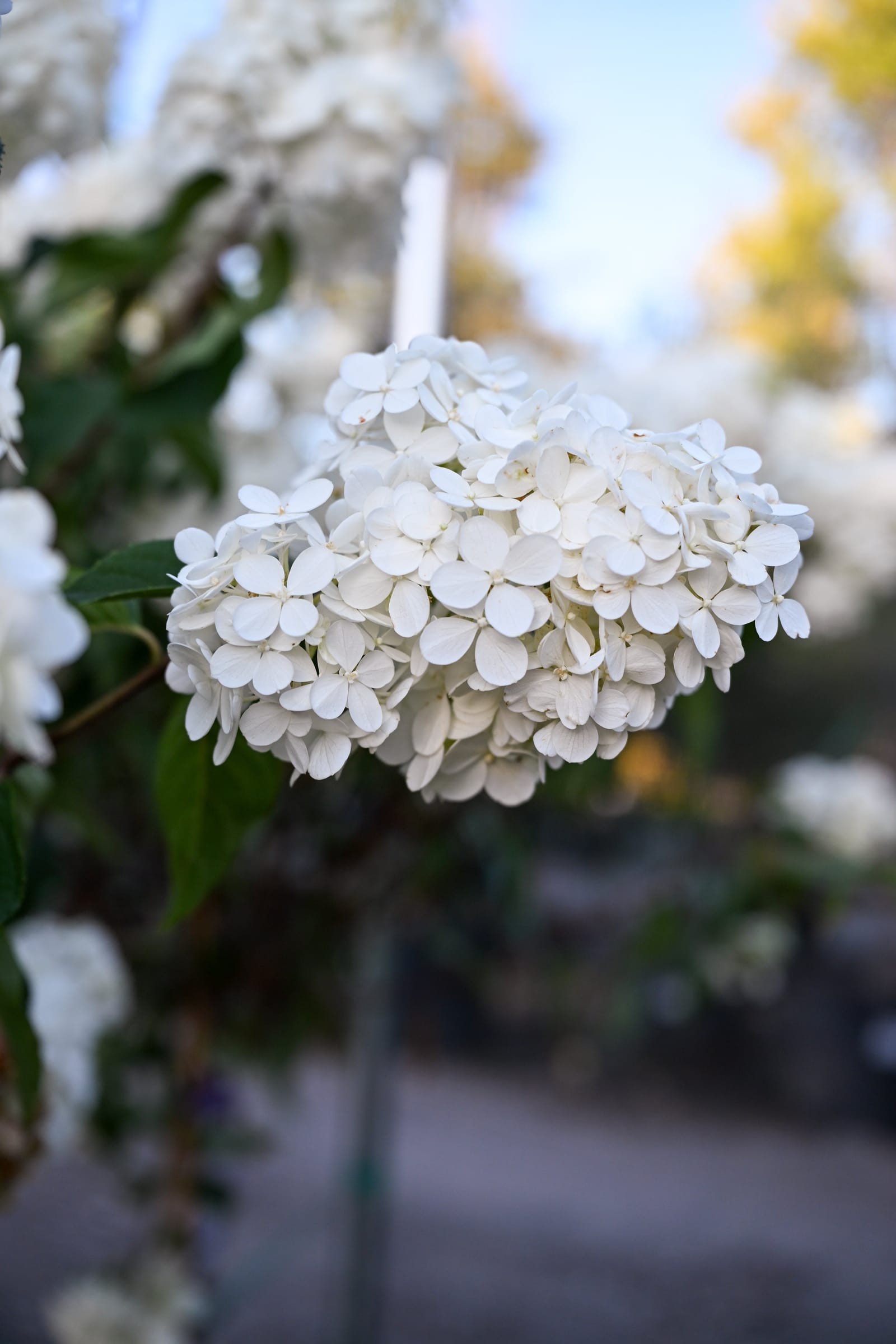
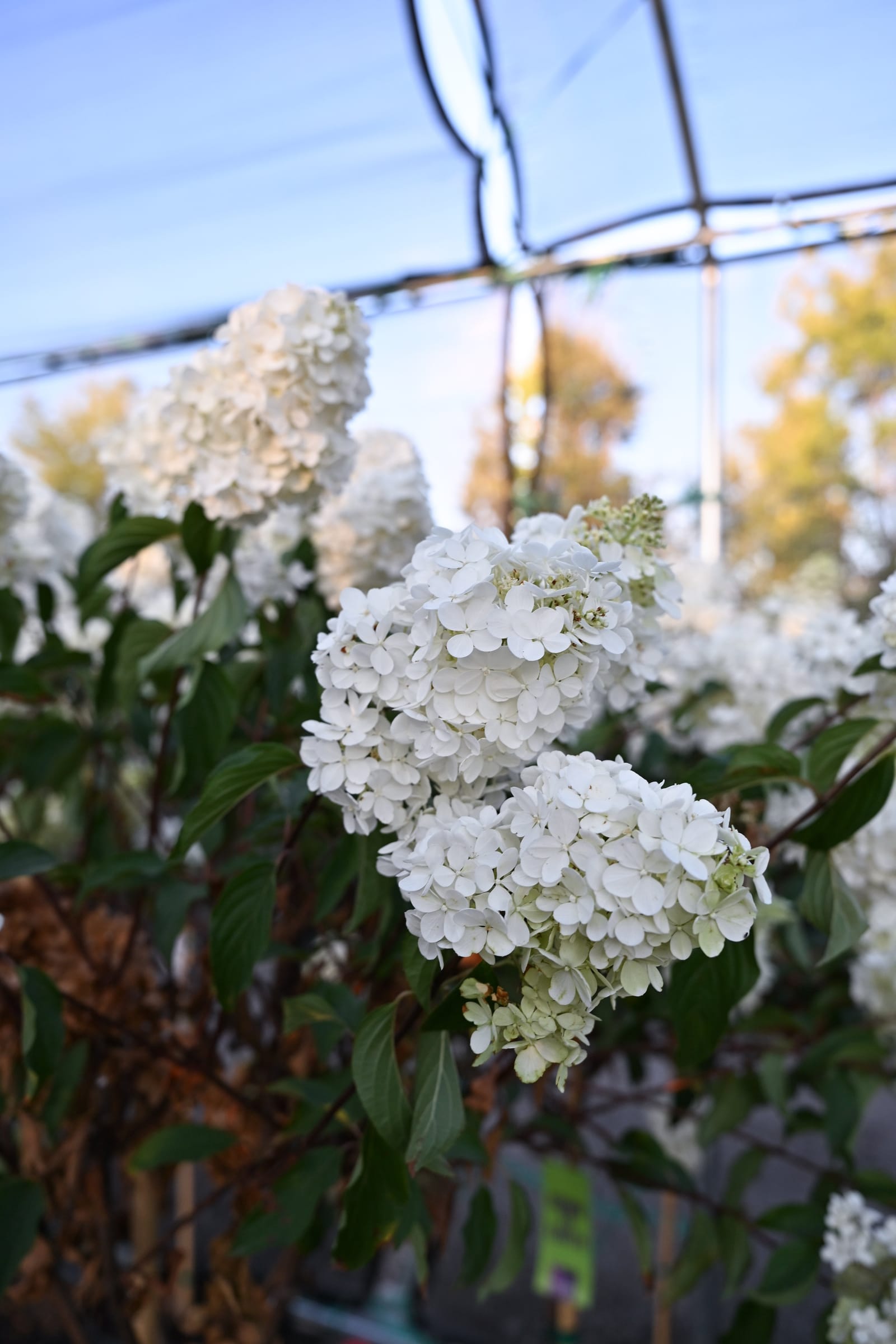
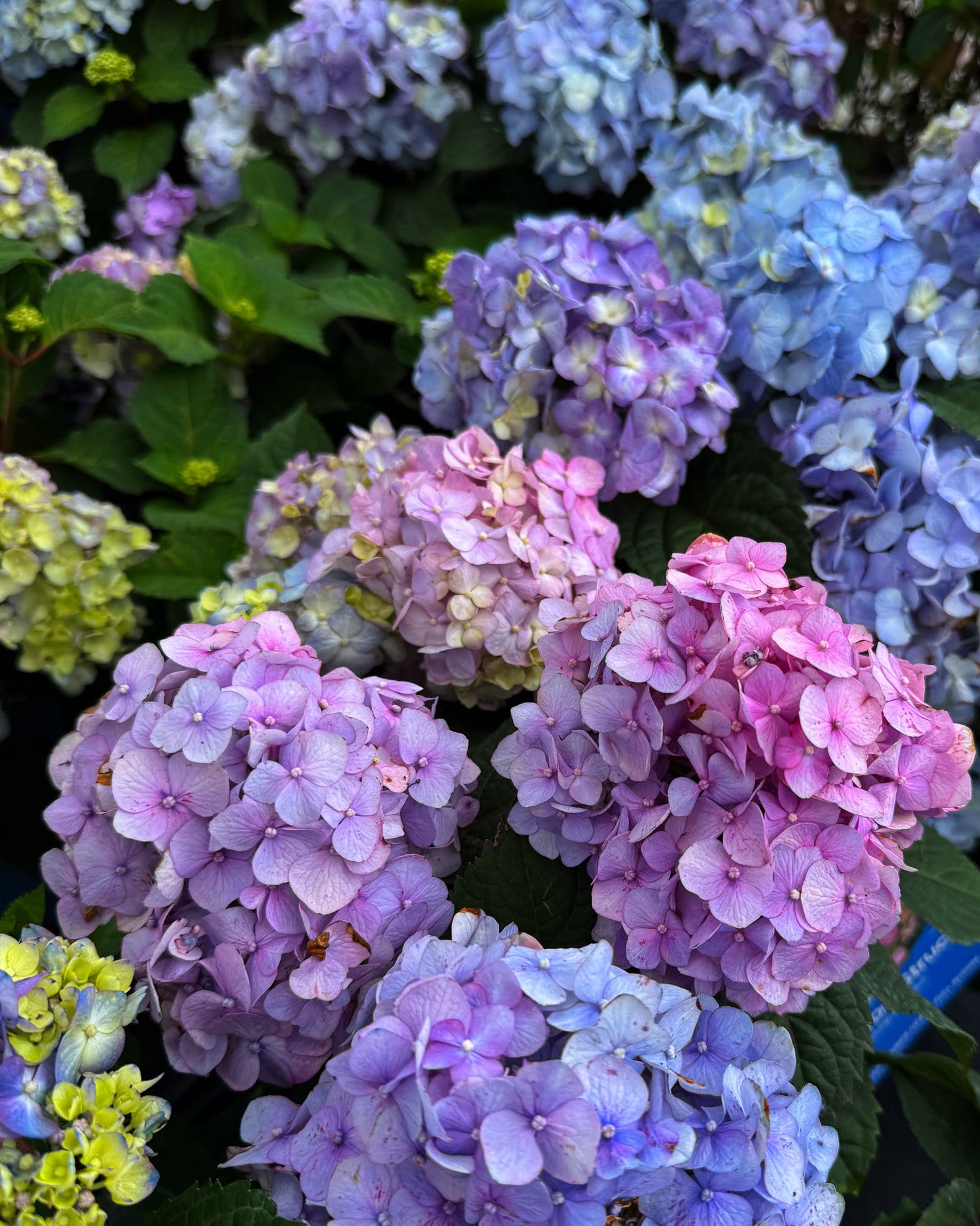
Hydrangea BloomStruck
Maturity: 3' H x 4' W
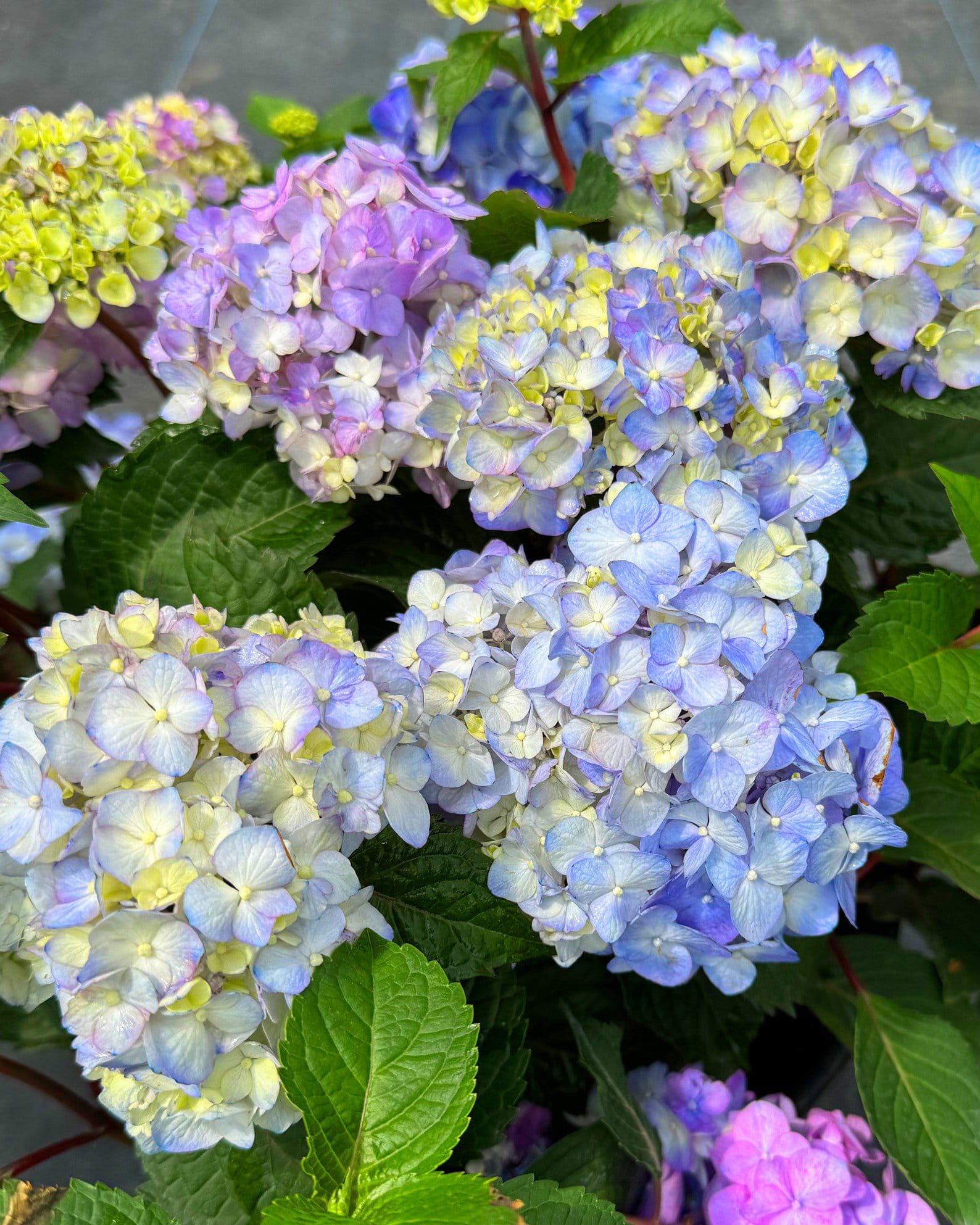
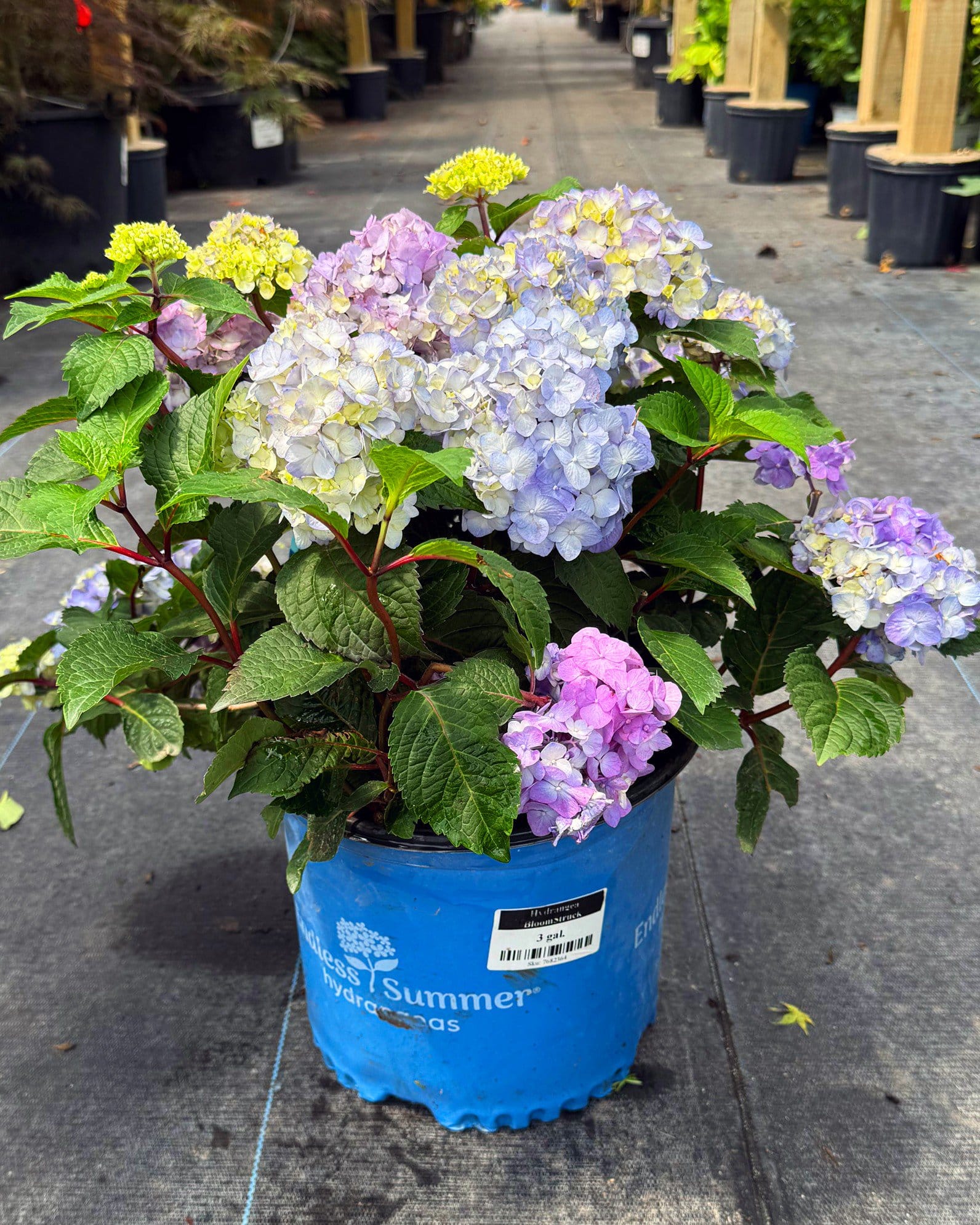
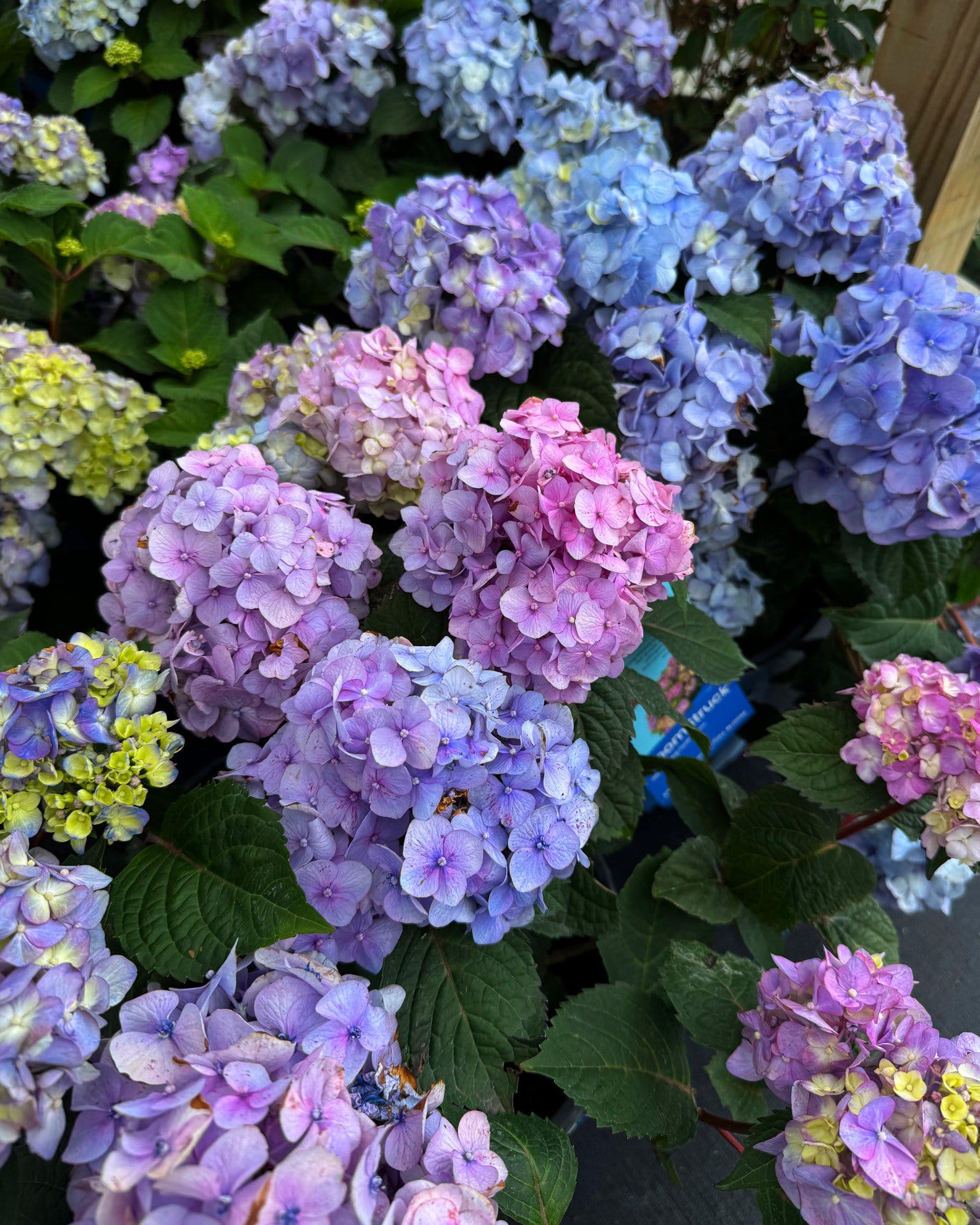
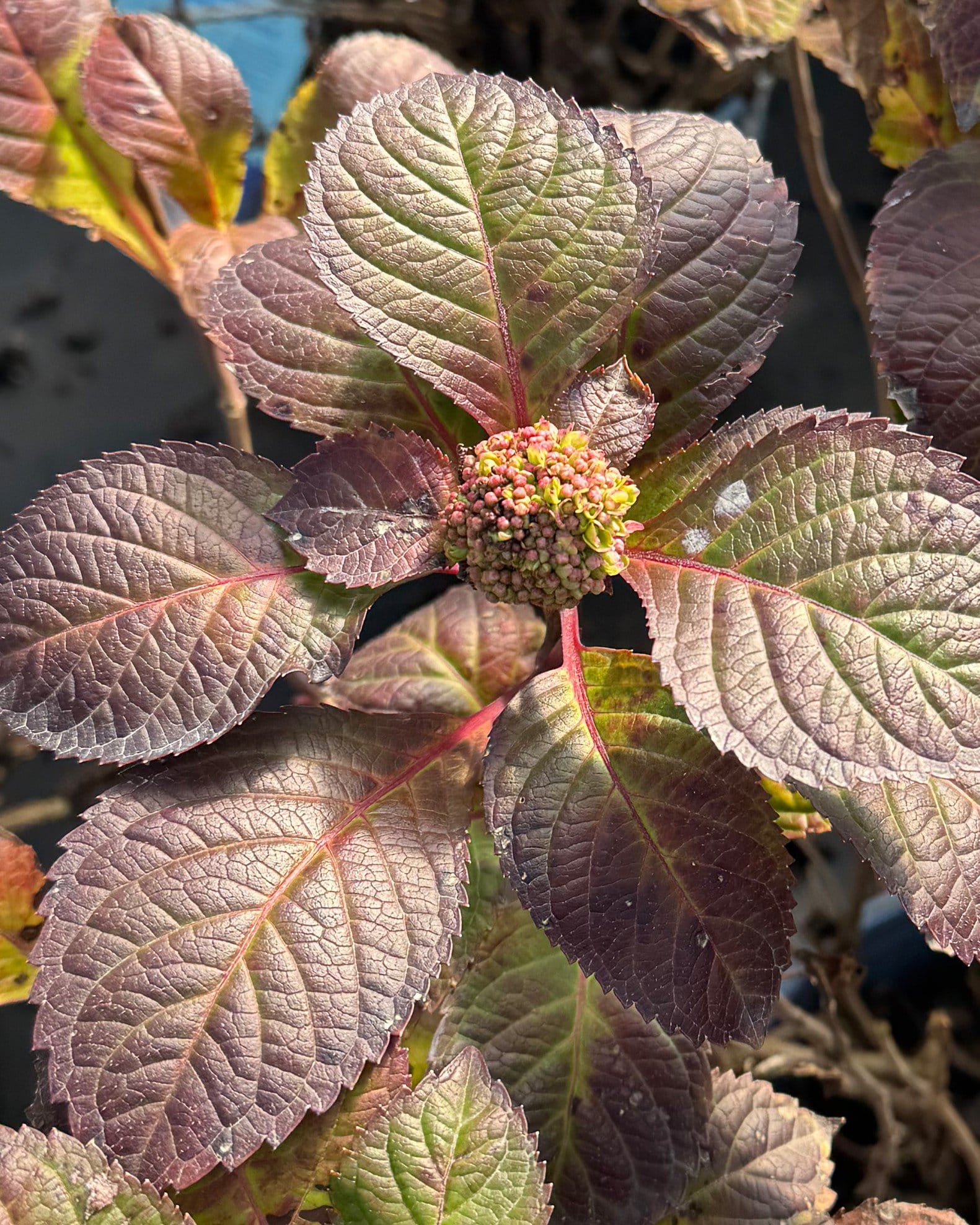
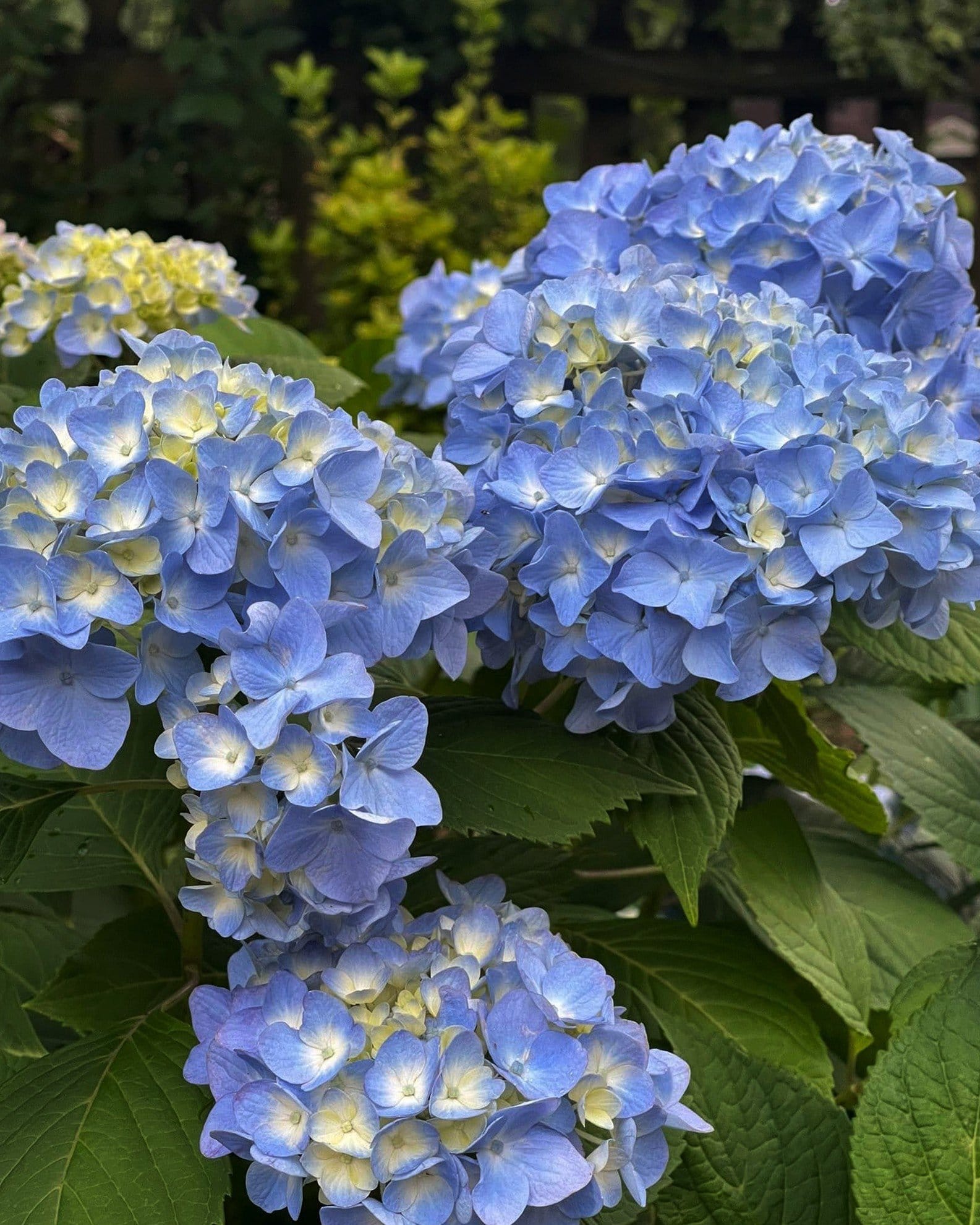
Hydrangea The Original
Maturity: 3' H x 3' W
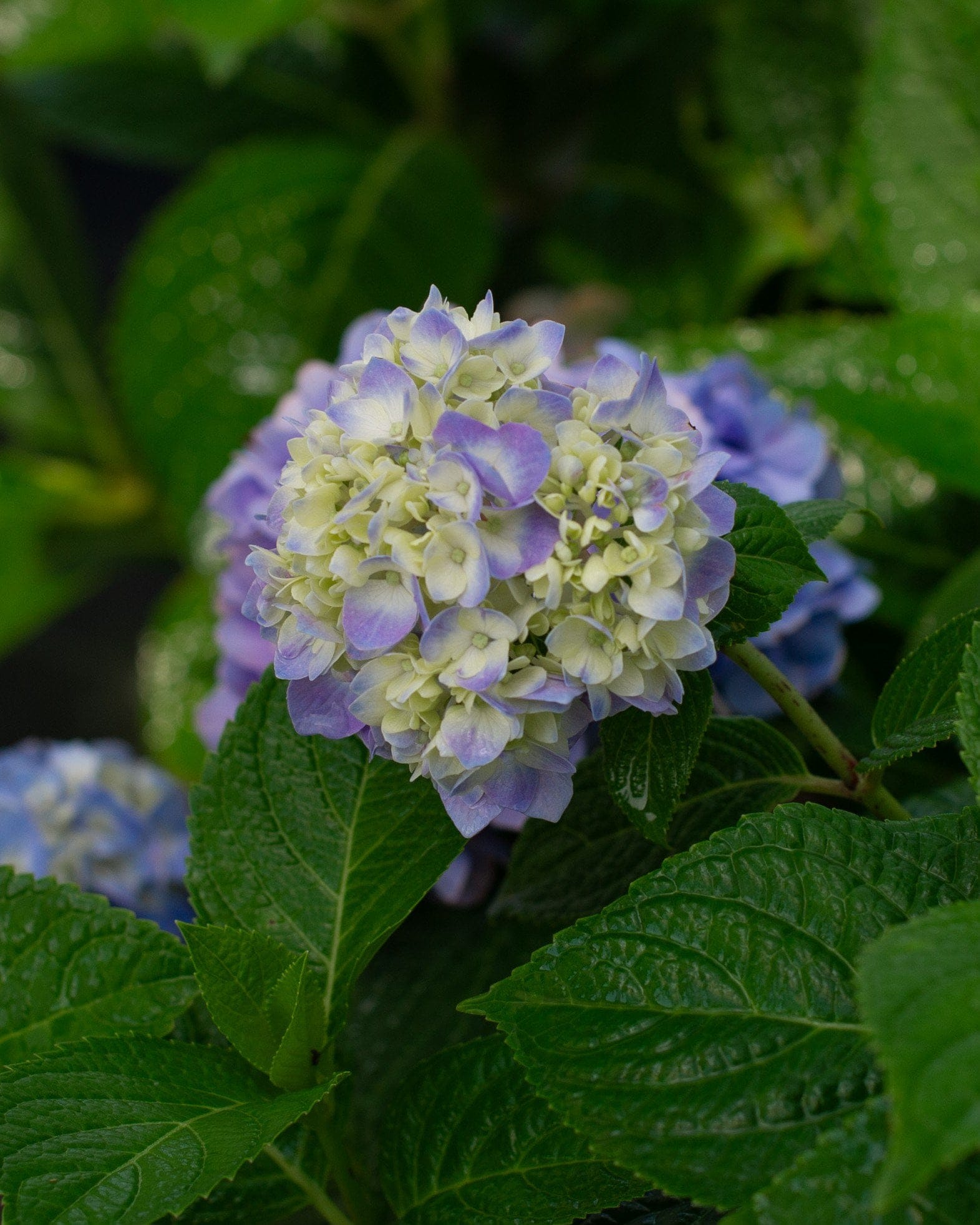
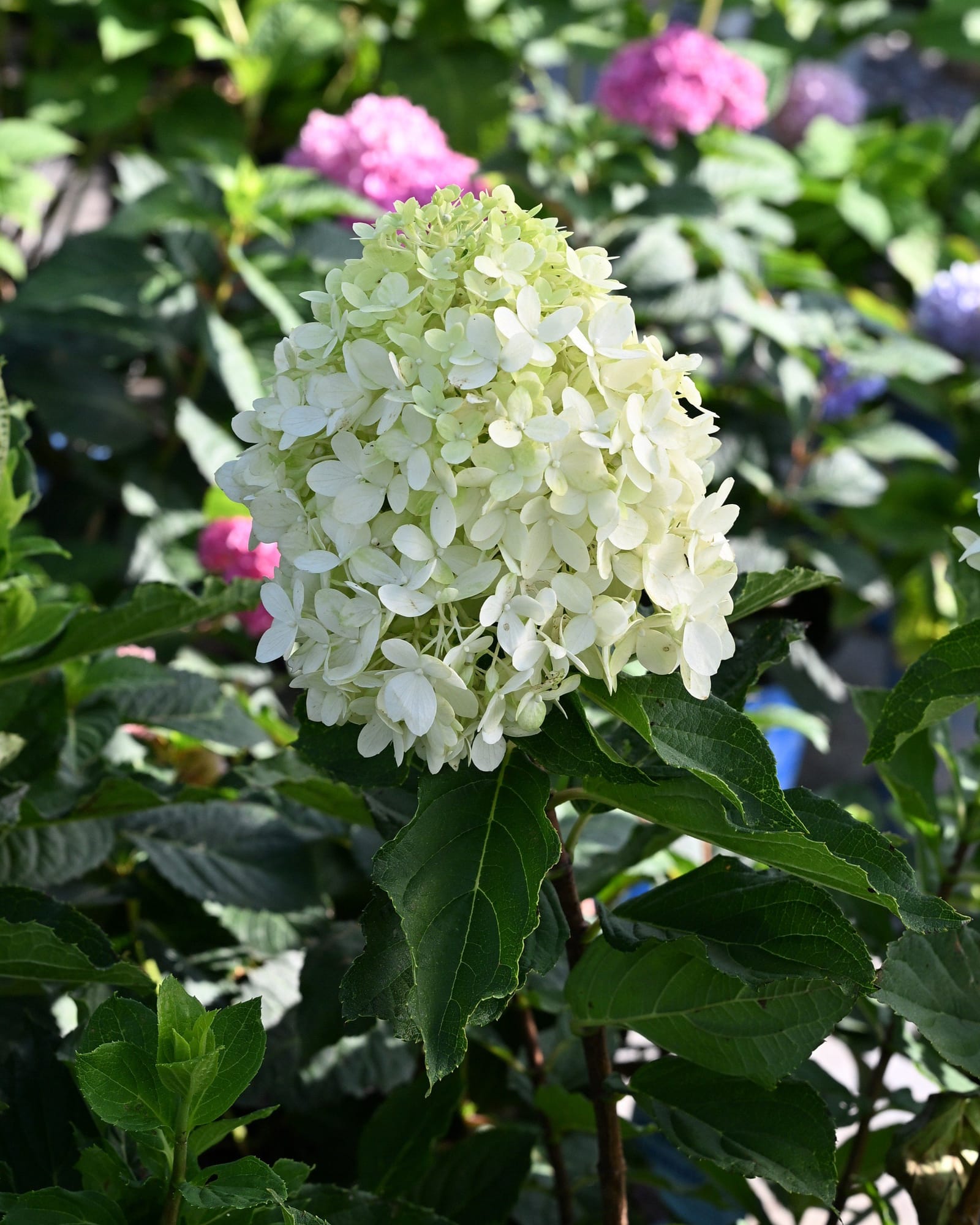
Limelight Prime Hydrangea
Maturity: 4' H x 4' W
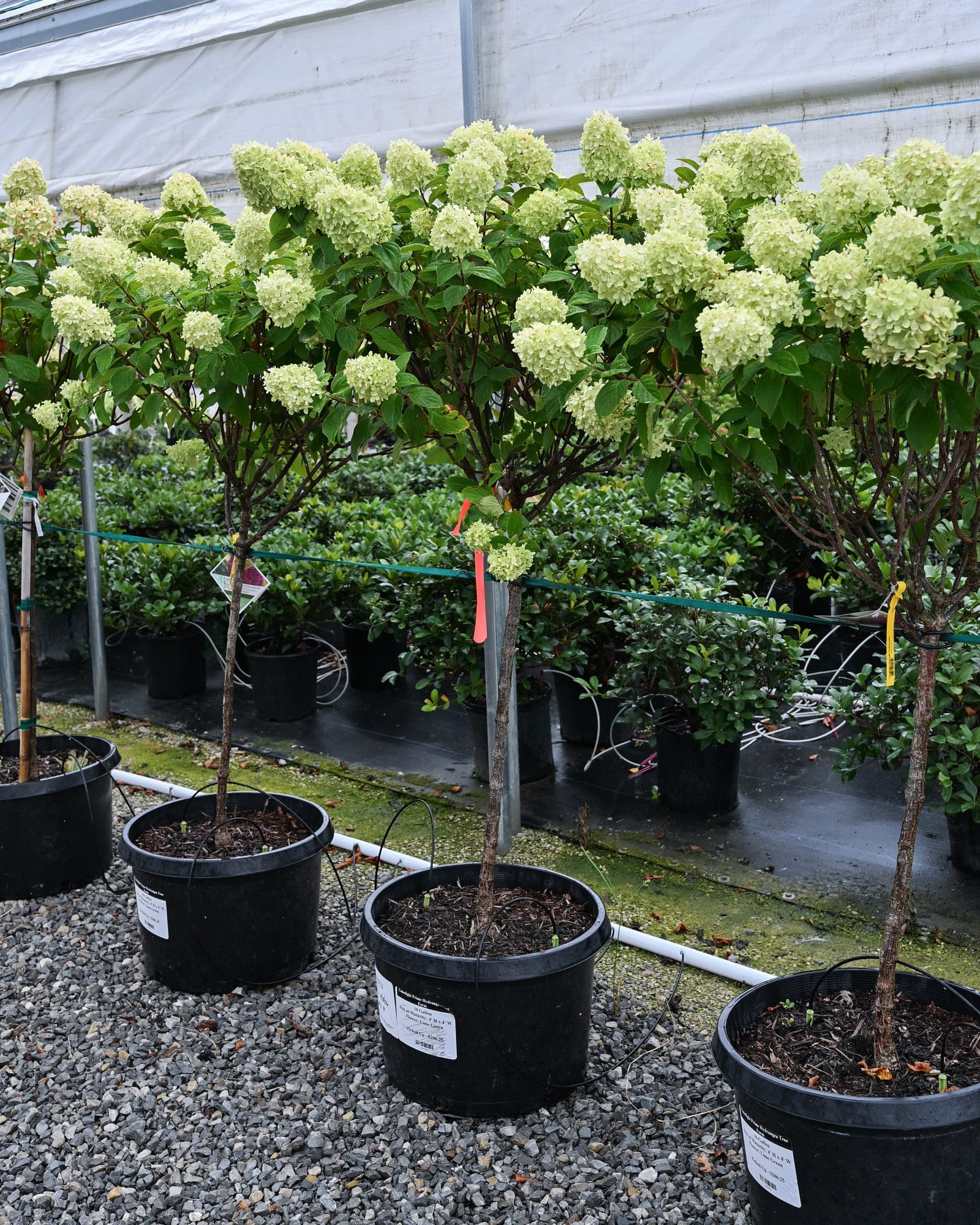
Limelight Prime Hydrangea Tree Form
Maturity: 4' H x 4' W
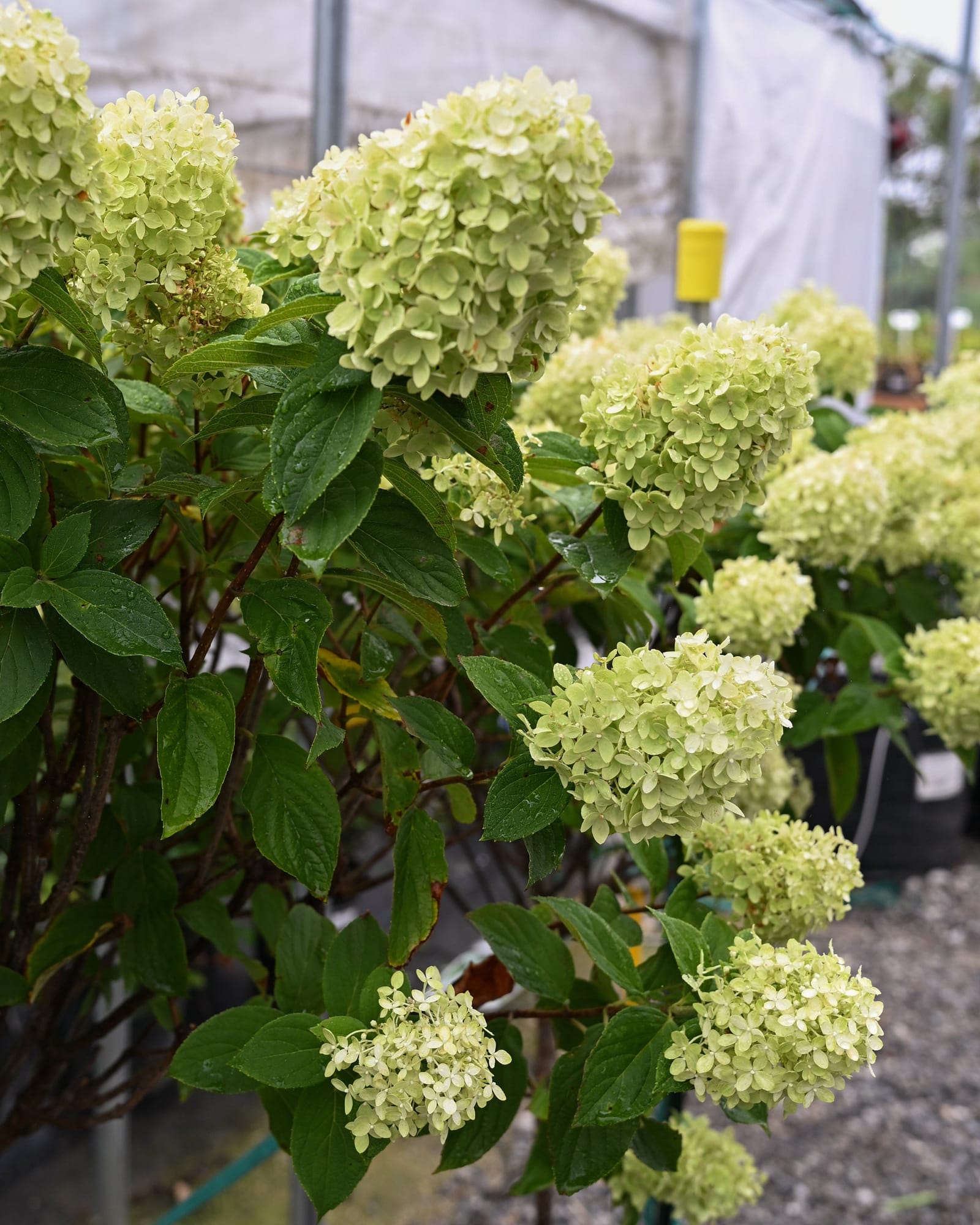
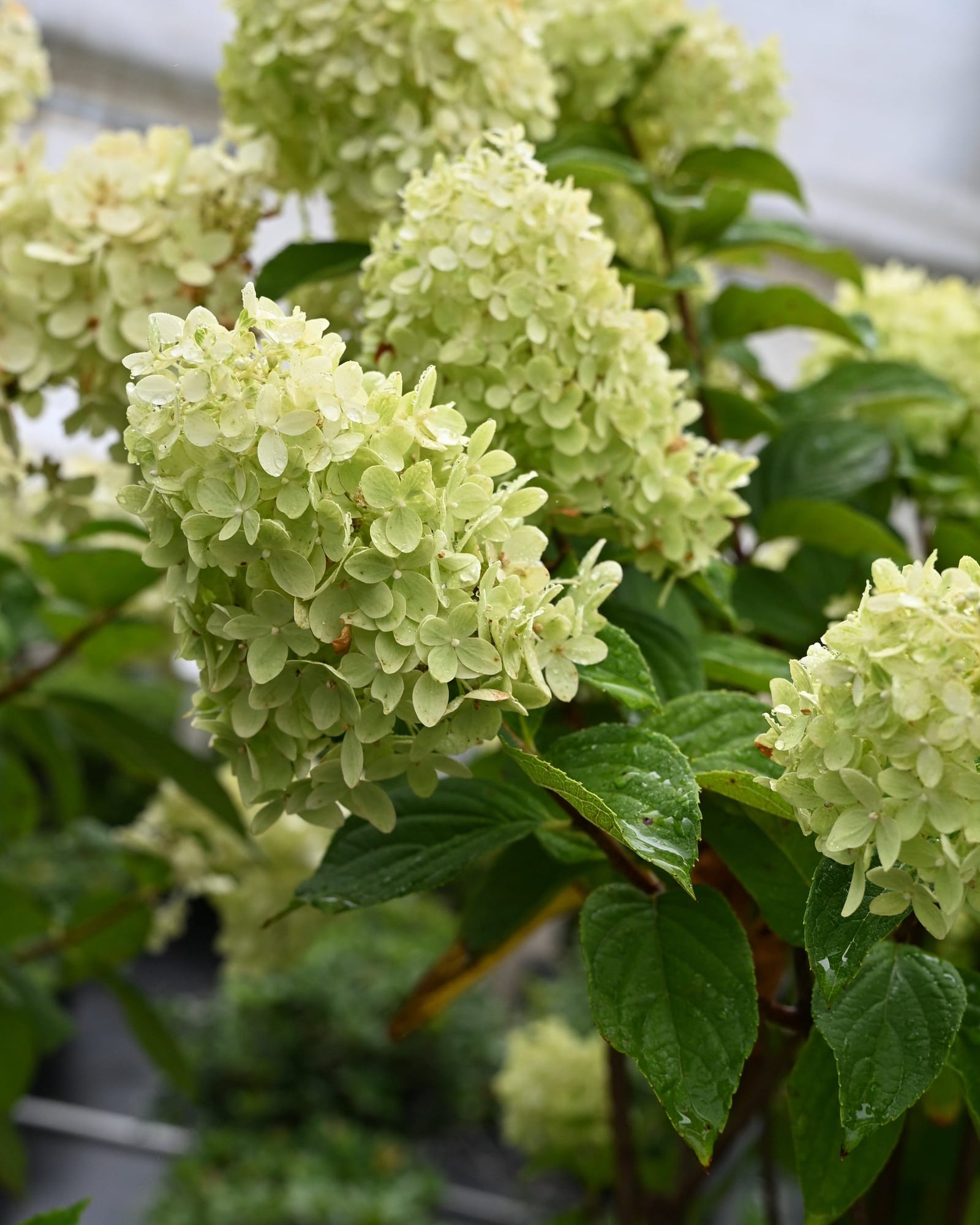
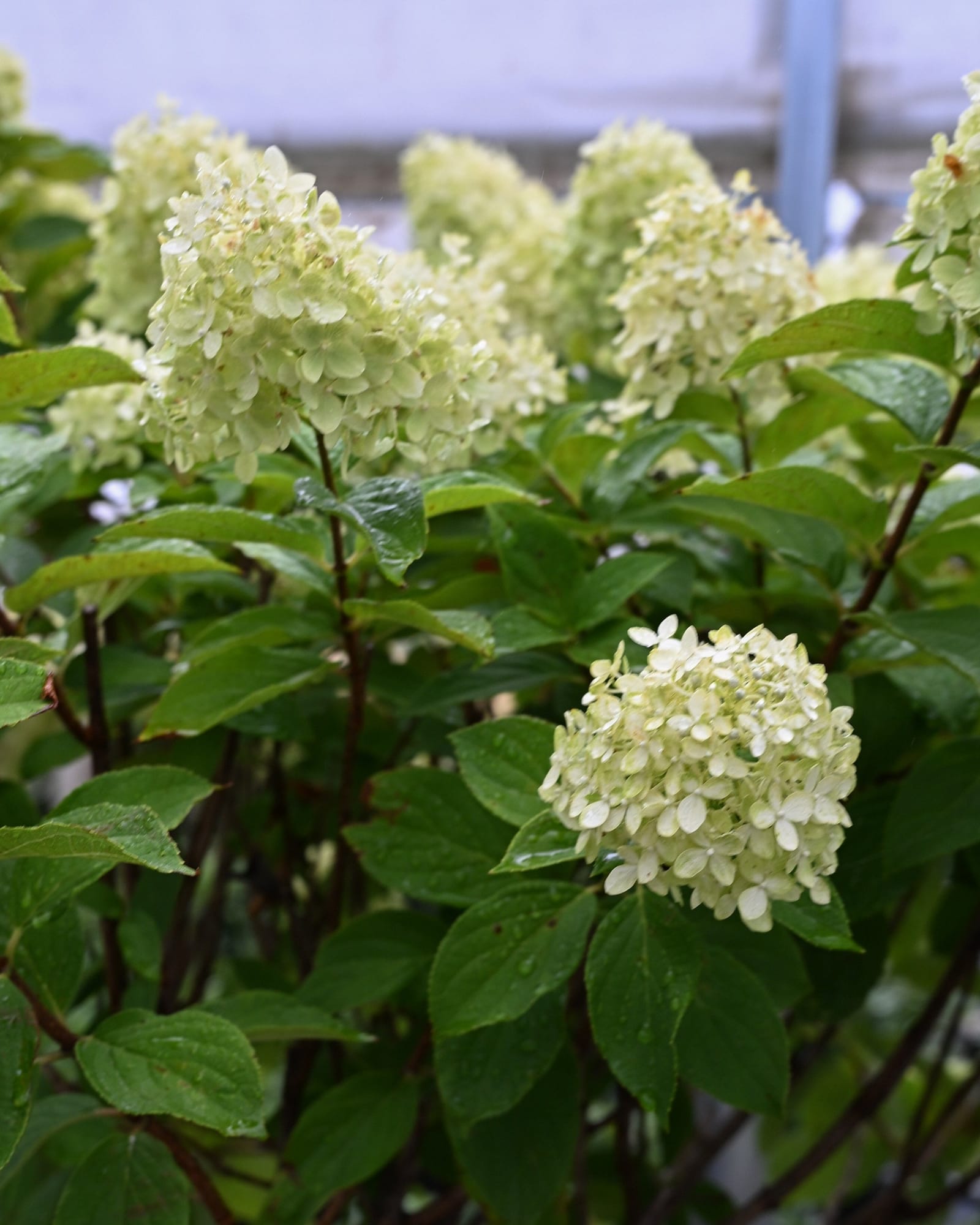
Oakleaf Hydrangea Gatsby Gal
Maturity: 5' H x 5' W
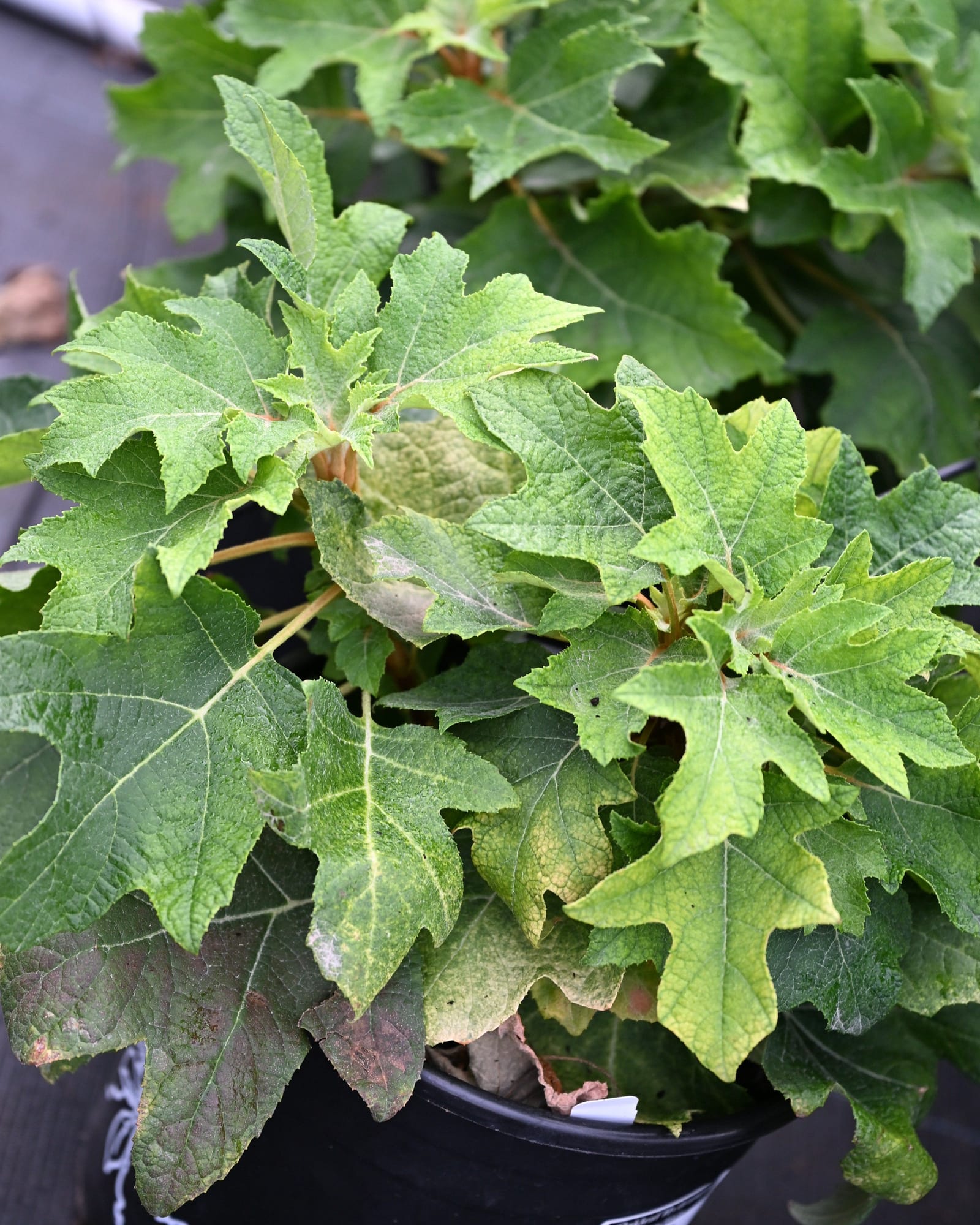
Oakleaf Hydrangea Munchkin
Maturity: 3' H x 3' W
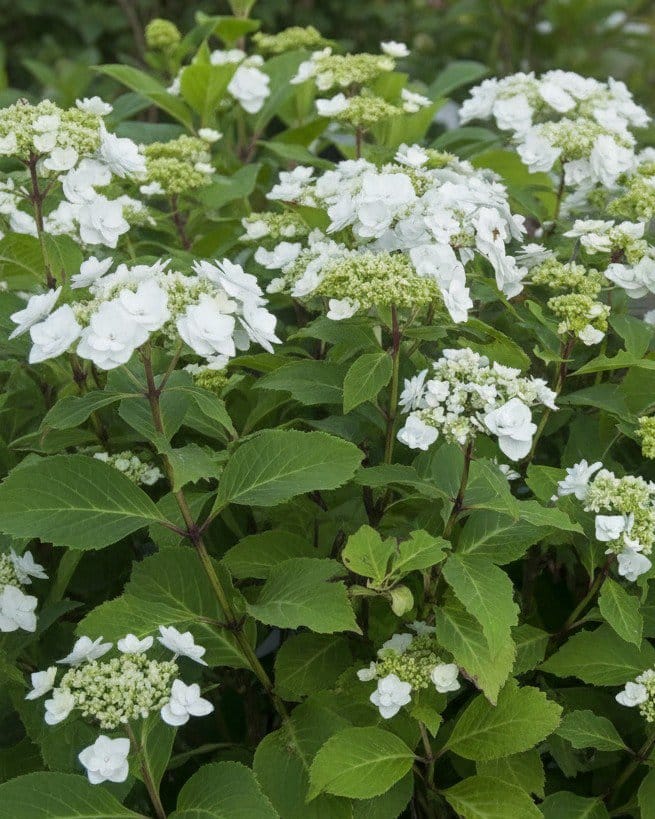
Wedding Gown Hydrangea
Maturity: 2' H x 3' W
Compare Similar Plants
Oakleaf Hydrangea This plant | ||
|---|---|---|
| Scientific Name | Hydrangea quercifolia | Hydrangea paniculata ‘Limelight’ |
| Size at Maturity | 6' H x 6' W | 8' H x 6' W |
| Leaf Retention | Deciduous | Deciduous |
| Fall Color | Orange & Red | — |
| Flower Color | White | Green |
| Bloom Times | Summer | Summer |
| Sizes Available | — | 3, 7 gal |


Our 1-Year Planting Guarantee
We take pride in our plants and installation services. If any plants or trees installed by Treeland fail to thrive within the first year, we'll provide a replacement credit in accordance with our guarantee program.
Learn More About Our Guarantee