

Kickin' Aster Carmine Red
Symphyotrichum novae-angliae ‘Carmine Red’Product Details
Kickin' Aster Carmine Red
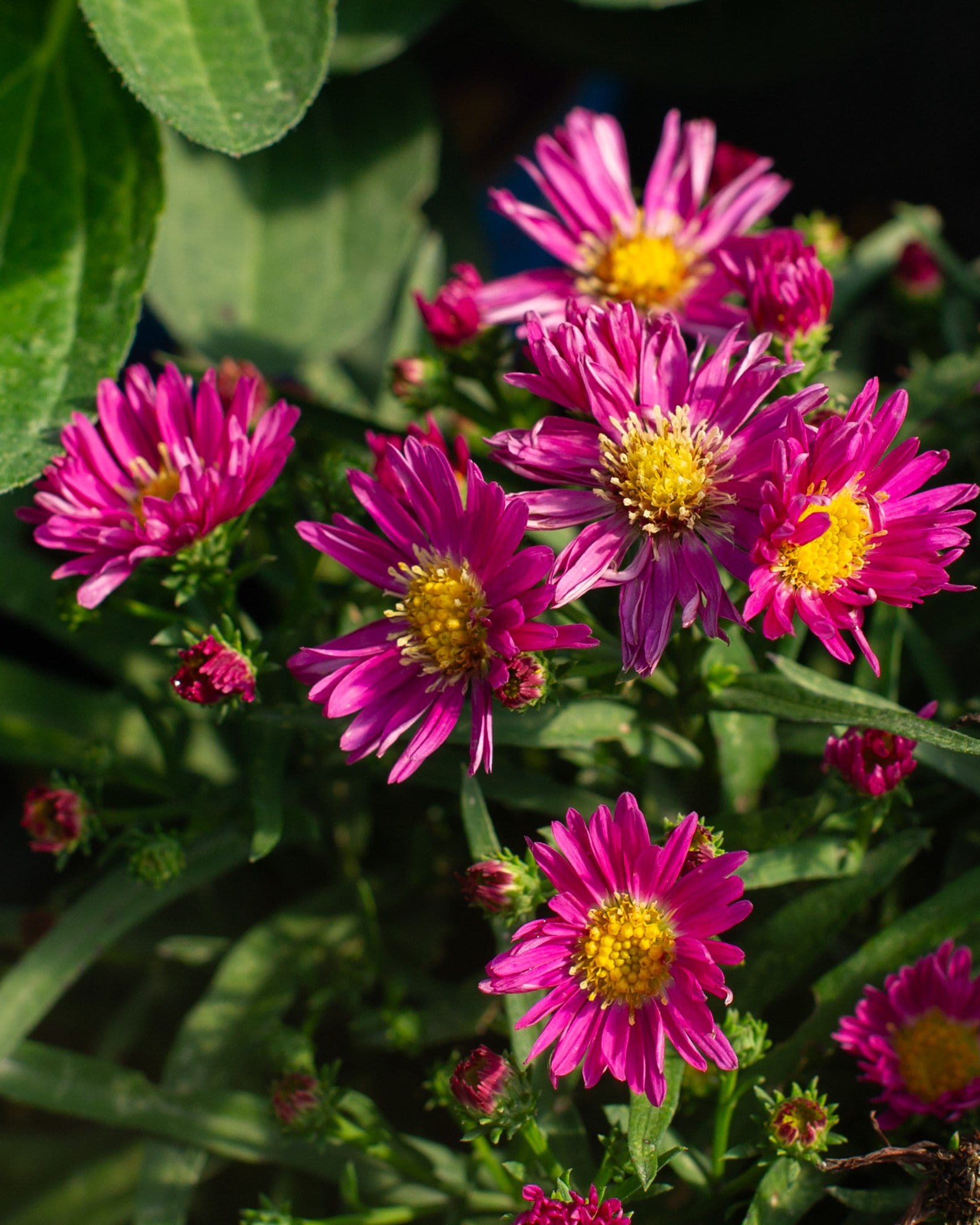
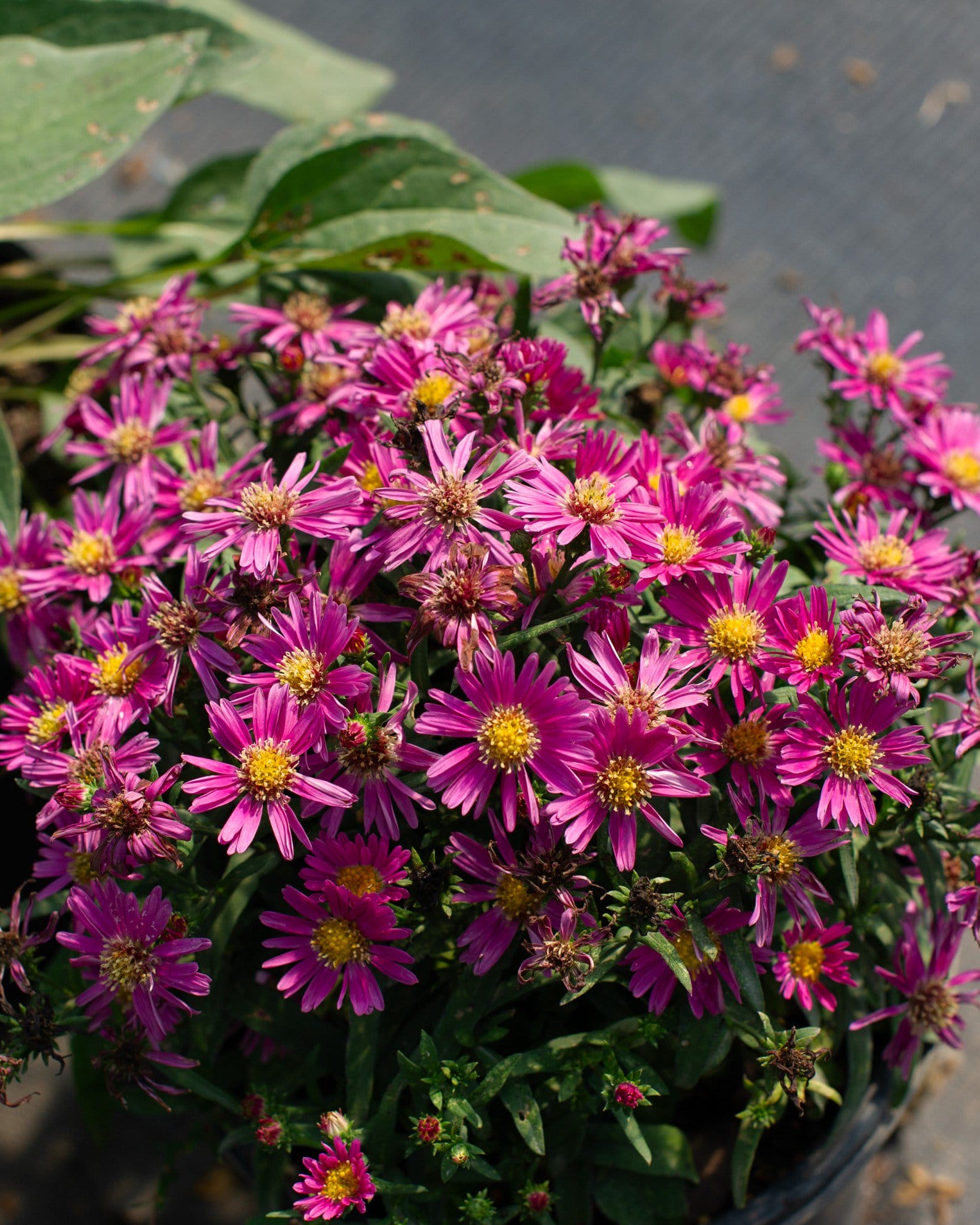
Symphyotrichum novae-angliae ‘Carmine Red’Kickin' Aster Carmine Red is a vibrant perennial prized for its stunning daisy-like flowers that bloom from summer through fall. The flowers are densely packed in shades of magenta with bright yellow centers. These colors create a wonderful dynamic and contrast beautifully against the narrow, dark green leaves. It is a versatile plant, finding its use in a variety of ways- from borders and containers to flower beds. It reaches 2 feet in height and the same width at maturity.
- Deciduous perennial
- Medium growth rate
- Prolonged blooming season
- Magenta flowers against dark green foliage
- Compact form
Hardy in zones 5-9, Kickin' Aster Carmine Red will thrive in the North Texas climate. Due to its versatile nature, it will look beautiful in any part of your landscape, as long as it gets at least 6-8 hours of direct sunlight daily. Plant it in well-drained soil and watch it flourish throughout the seasons.
Kickin’ Aster Carmine Red is a long term Texas favorite because of its easy going nature. Here’s how to help it grow beautifully:
- Watering: Water regularly during the first growing season to establish deep roots. Once mature, Kickin’ Aster prefers moderate moisture and benefits from deep, infrequent watering during dry periods. Avoid overly soggy soil to prevent root problems.
- Pruning: Pinch or lightly shear the plant in early summer before buds form to promote branching and create a fuller shape. After flowering, cut the plant back to about 4-6 inches above the ground to prepare for dormancy and fresh spring growth.
- Fertilizing: Feed lightly in spring with a balanced, slow-release fertilizer or compost. Too much fertilizer, especially nitrogen, can reduce flowering and cause tall, floppy stems.
- Mulching: Apply a 2-inch layer of mulch around the base to retain moisture and suppress weeds. Keep mulch away from the crown to prevent rot. Refresh annually in spring for neatness and improved soil insulation.
- Winter Care: Kickin’ Aster is hardy and dependable through winter. After cutting back in late fall, apply a light mulch layer to protect roots in colder regions. Remove winter mulch early in spring to prevent crown rot as temperatures rise.
Kickin’ Aster Carmine Red is easy to maintain and generally pest-free, though a few issues can occasionally occur:
- Powdery Mildew: A white, powdery coating on leaves that forms in humid conditions. Ensure good airflow, avoid overhead watering, and remove affected foliage to prevent spread.
- Rust: Appears as orange or brown pustules under leaves. Remove infected leaves and apply a copper-based fungicide if the problem persists.
- Aphids: Small insects that cluster on stems and buds, excreting sticky residue. Spray with water or insecticidal soap to manage infestations.
- Spider Mites: Microscopic pests that thrive in hot, dry weather and cause stippling on leaves. Rinse foliage periodically and apply horticultural oil if needed.
- Stem Rot: Occurs in waterlogged or compacted soil. Improve drainage and avoid planting too deeply.
- Slugs and Snails: May feed on tender new growth in moist, shaded areas. Use organic slug bait or barriers to protect the foliage.
It typically thrives for 5-7 years with good care, returning reliably each fall with even more blooms. Periodic division every few years rejuvenates older clumps and extends their lifespan.
It grows quickly, filling out into a dense, rounded mound within its first year. By its second season, it reaches full size and produces a dramatic blanket of late-season color.
Absolutely - it’s a pollinator favorite. Bees, butterflies, and even late-season hummingbirds flock to its nectar-rich blooms well into autumn.
Yes - its slightly aromatic foliage makes it unappealing to deer and rabbits. It’s a great choice for naturalized borders or open landscapes.
Yes. Its compact, mounding shape makes it perfect for pots and decorative planters. Ensure good drainage and occasional watering during dry spells for best performance.
While the flowers themselves are lightly scented, the foliage carries a subtle herbal aroma when brushed. Its overall presence brings freshness and texture to fall gardens.
Yes. Pinching or cutting back lightly after early bloom can promote a modest second flush later in the season, extending its color display.
Yes - its strong stems hold up well to breezes and open exposures. In very windy regions, planting among other perennials provides natural shelter and reduces stress.
Divide clumps every 2-3 years in early spring or fall. Each division quickly establishes and flowers the following season, keeping the planting fresh and vigorous.
Its vibrant red blooms, compact habit, and exceptional mildew resistance set it apart. Kickin’ Carmine Red delivers dependable late-season color with minimal care, brightening gardens just when most perennials begin to fade.
Special Features
You might also like
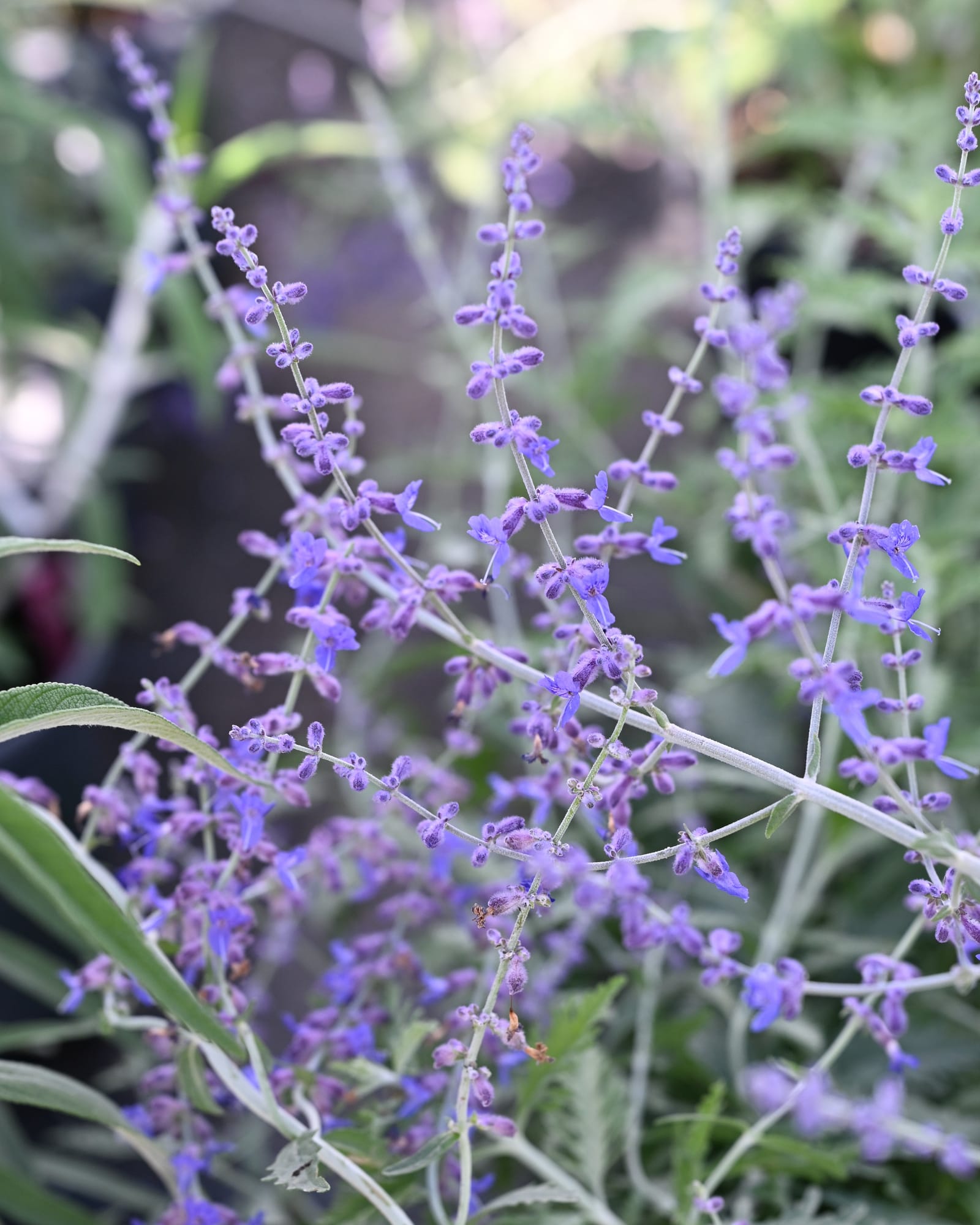
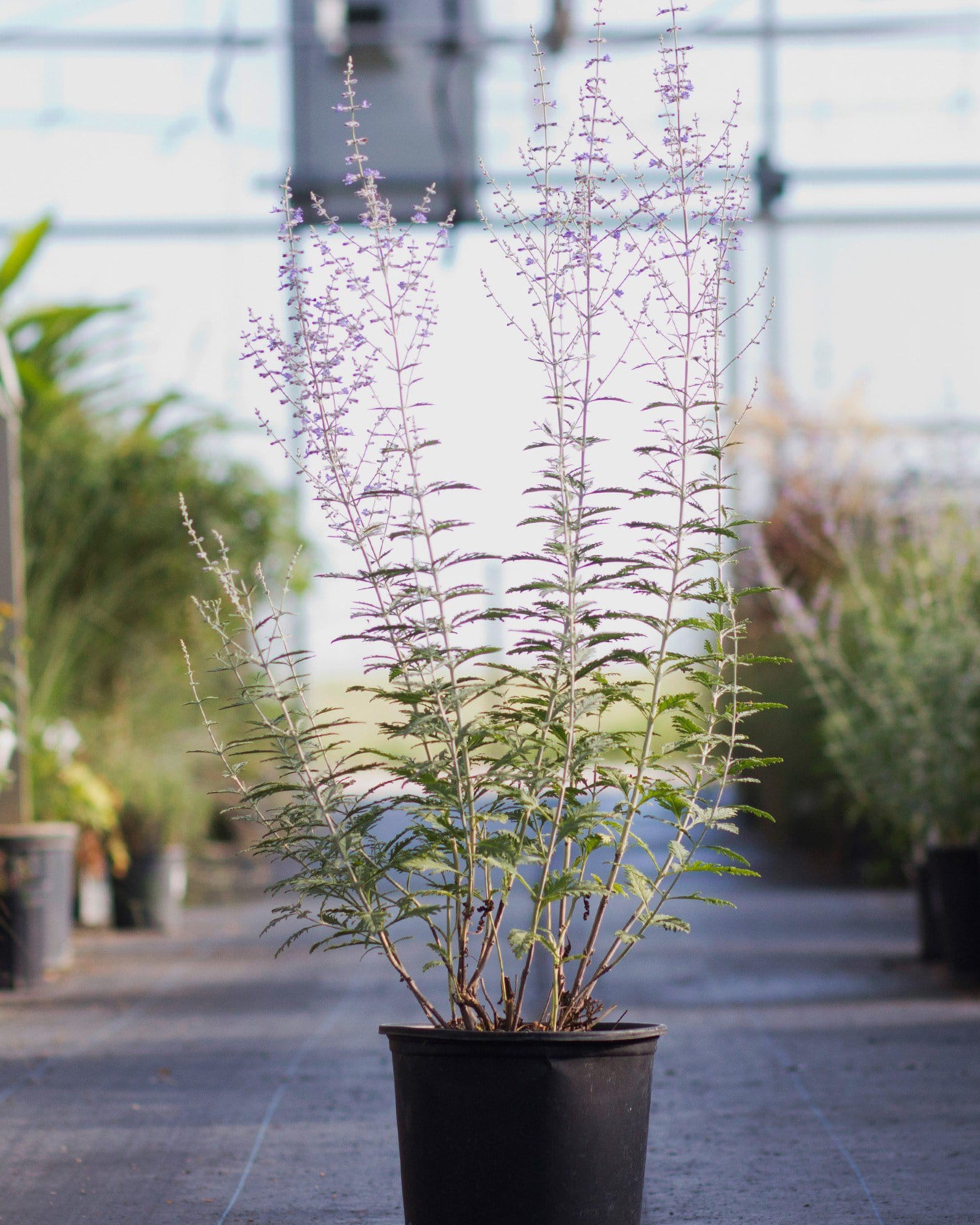
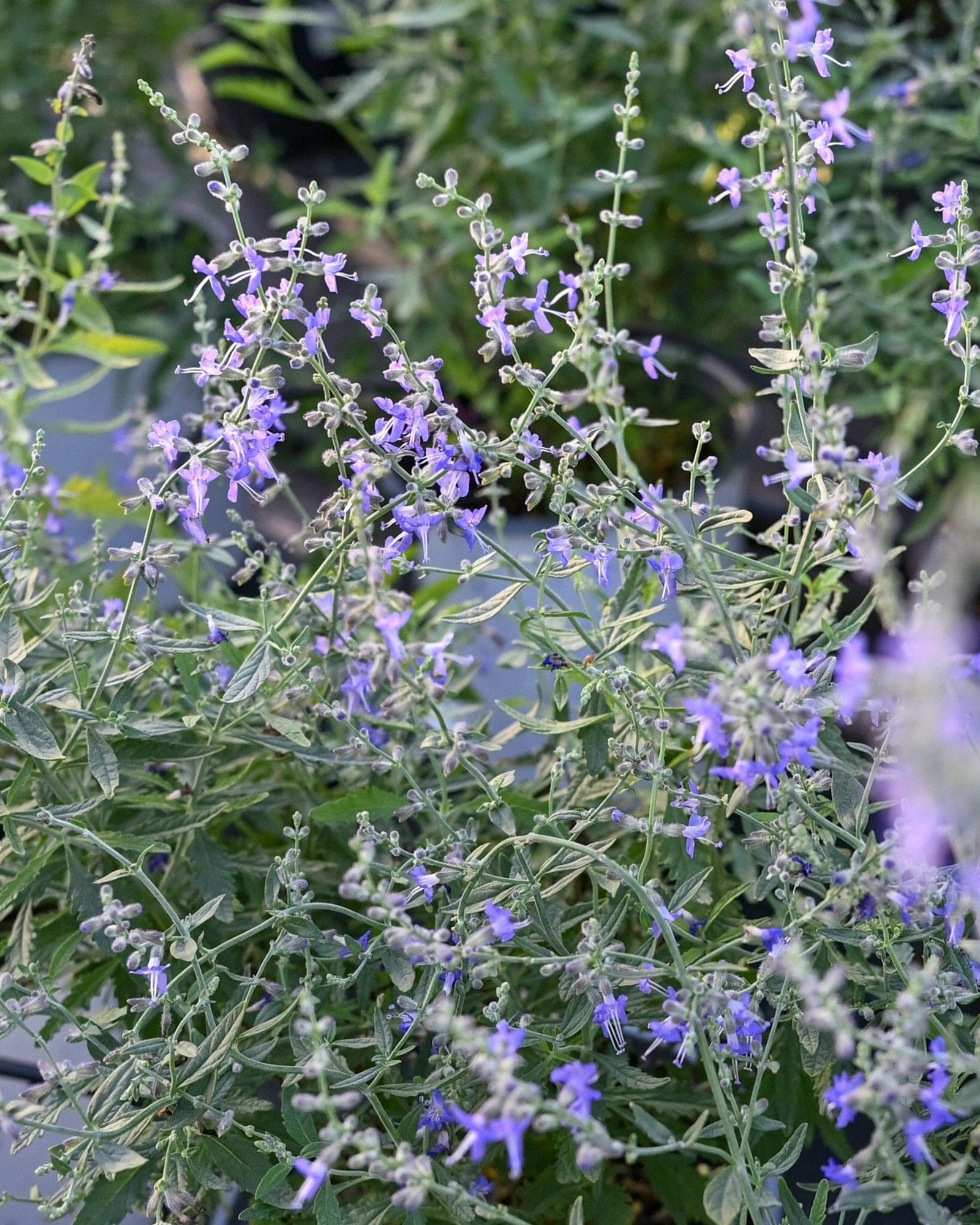
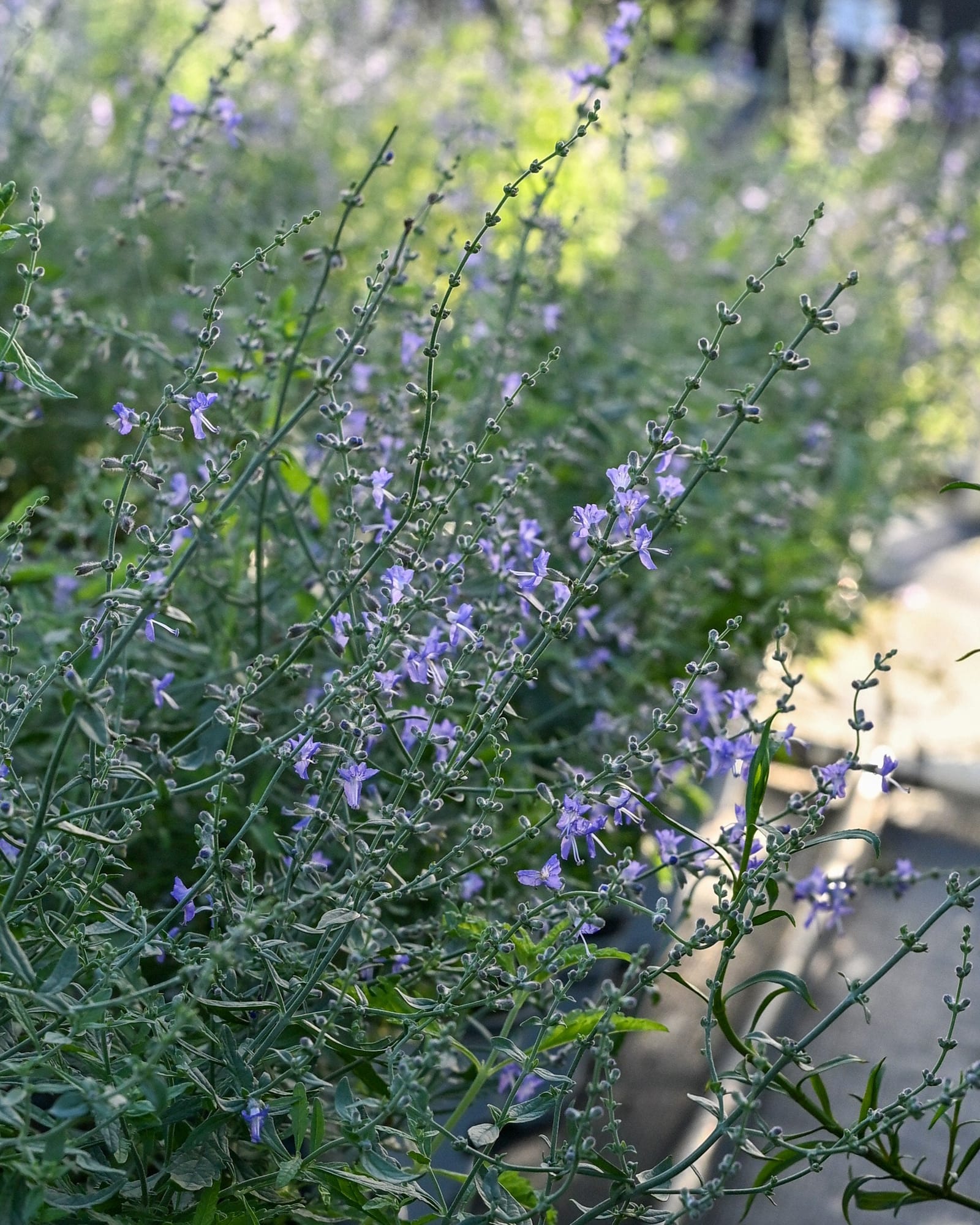
Russian Sage
Maturity: 3' H x 2' W
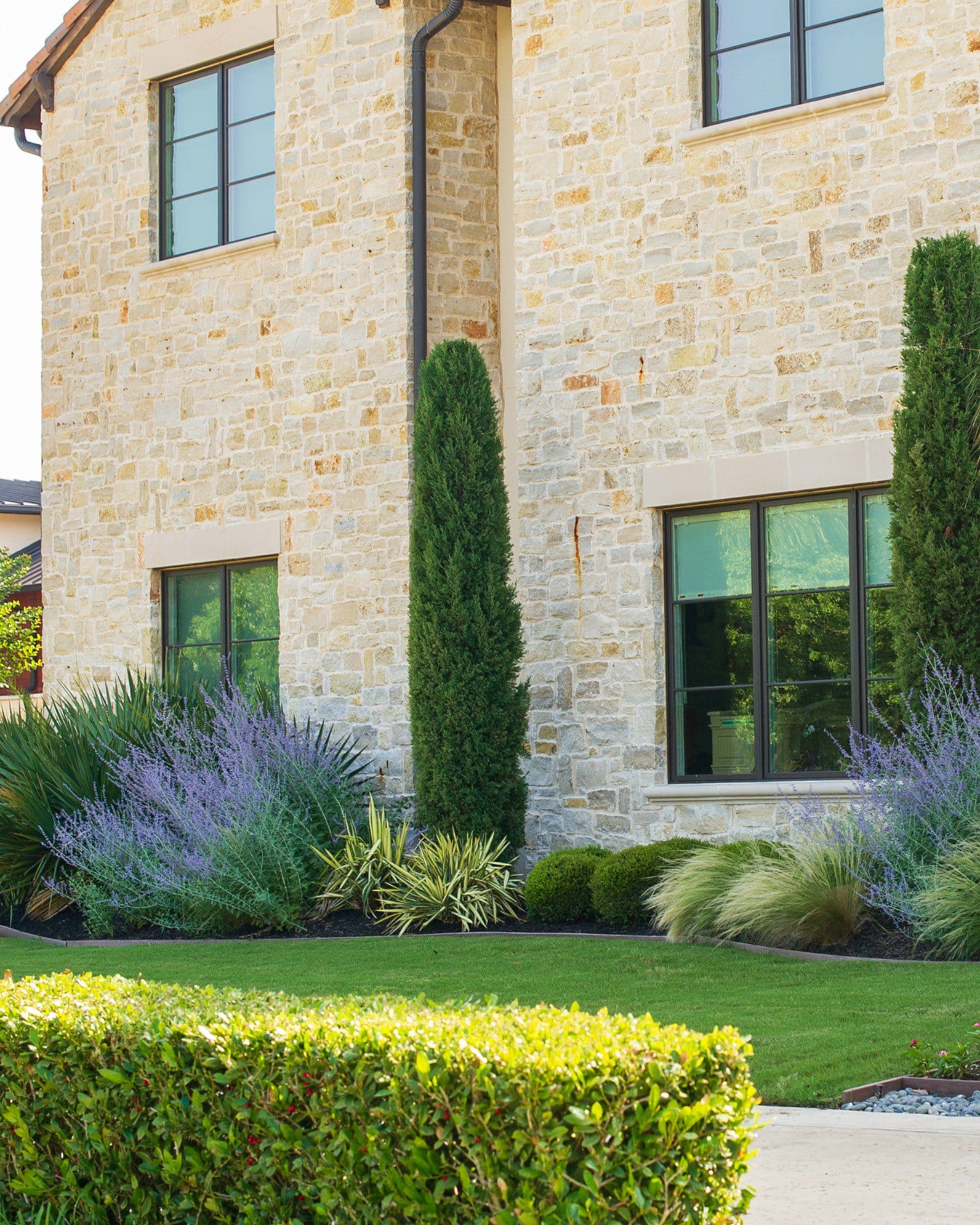
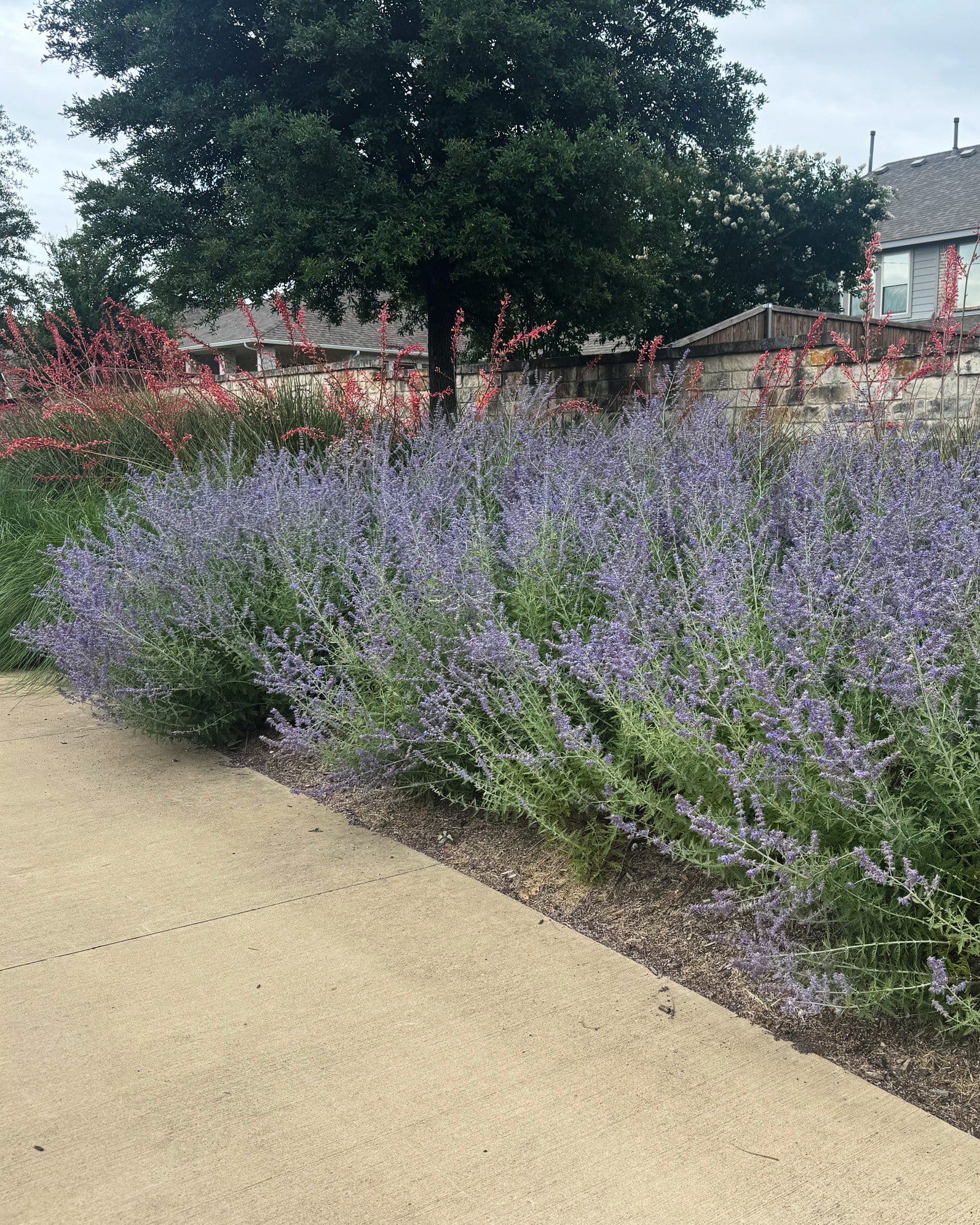
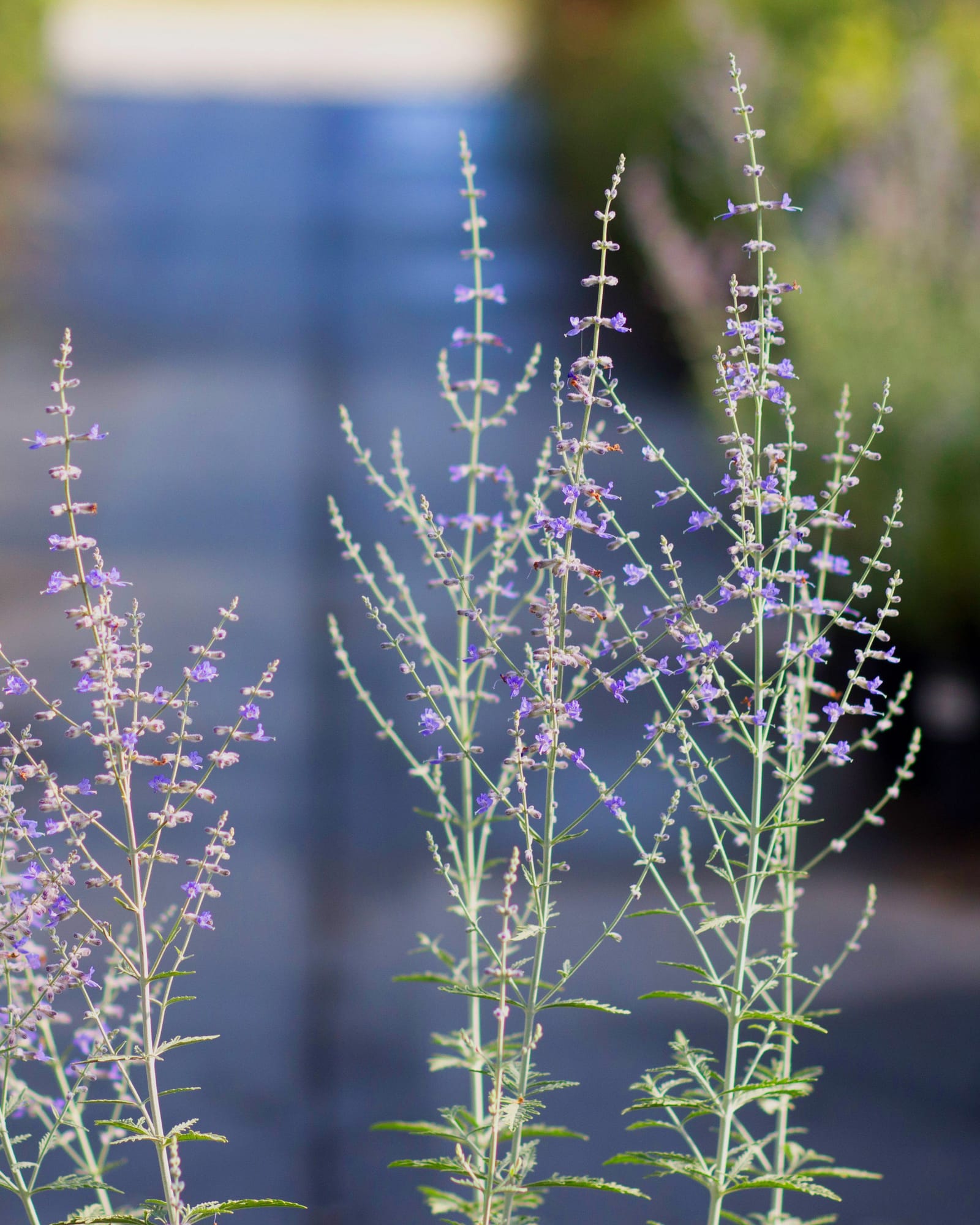
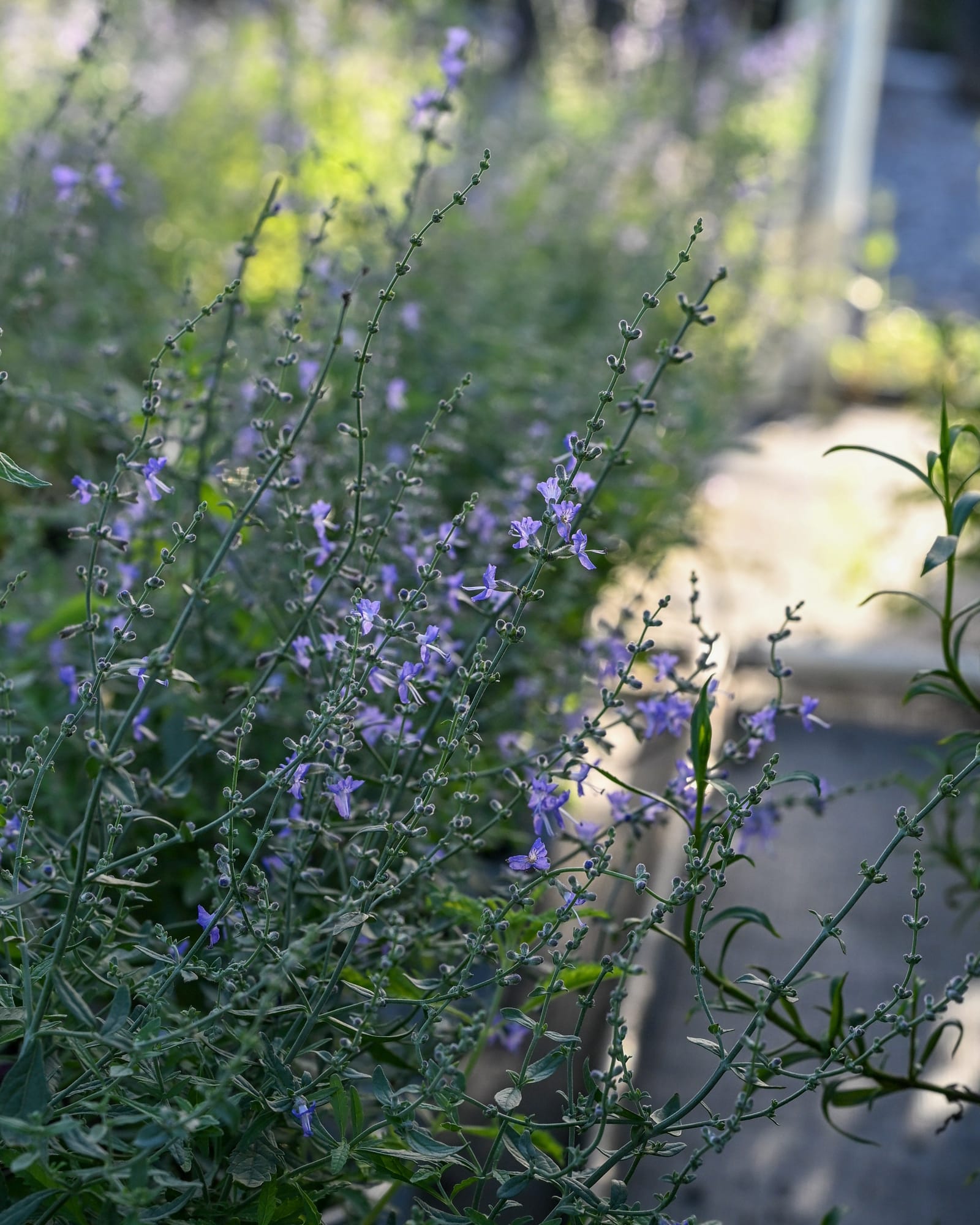
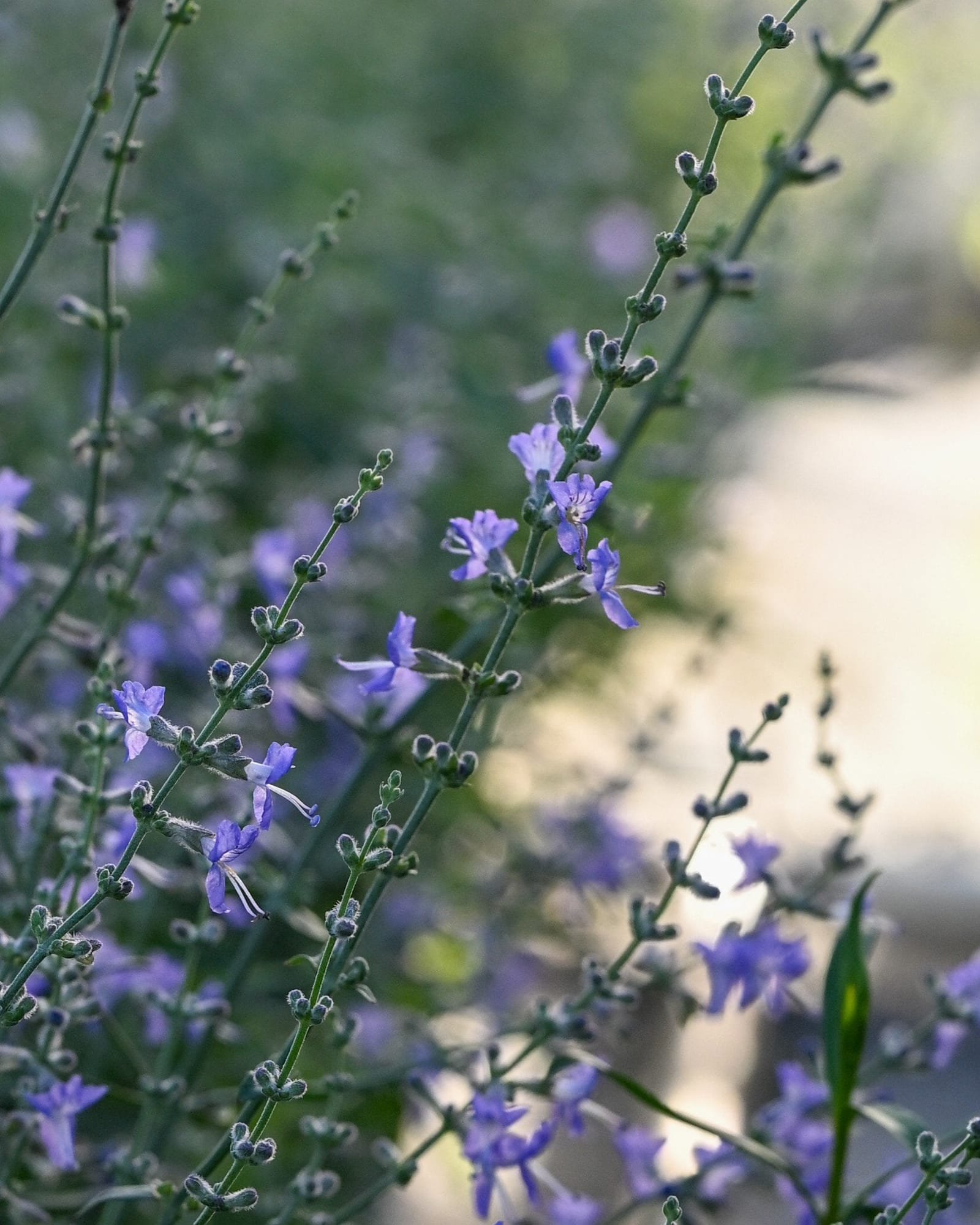
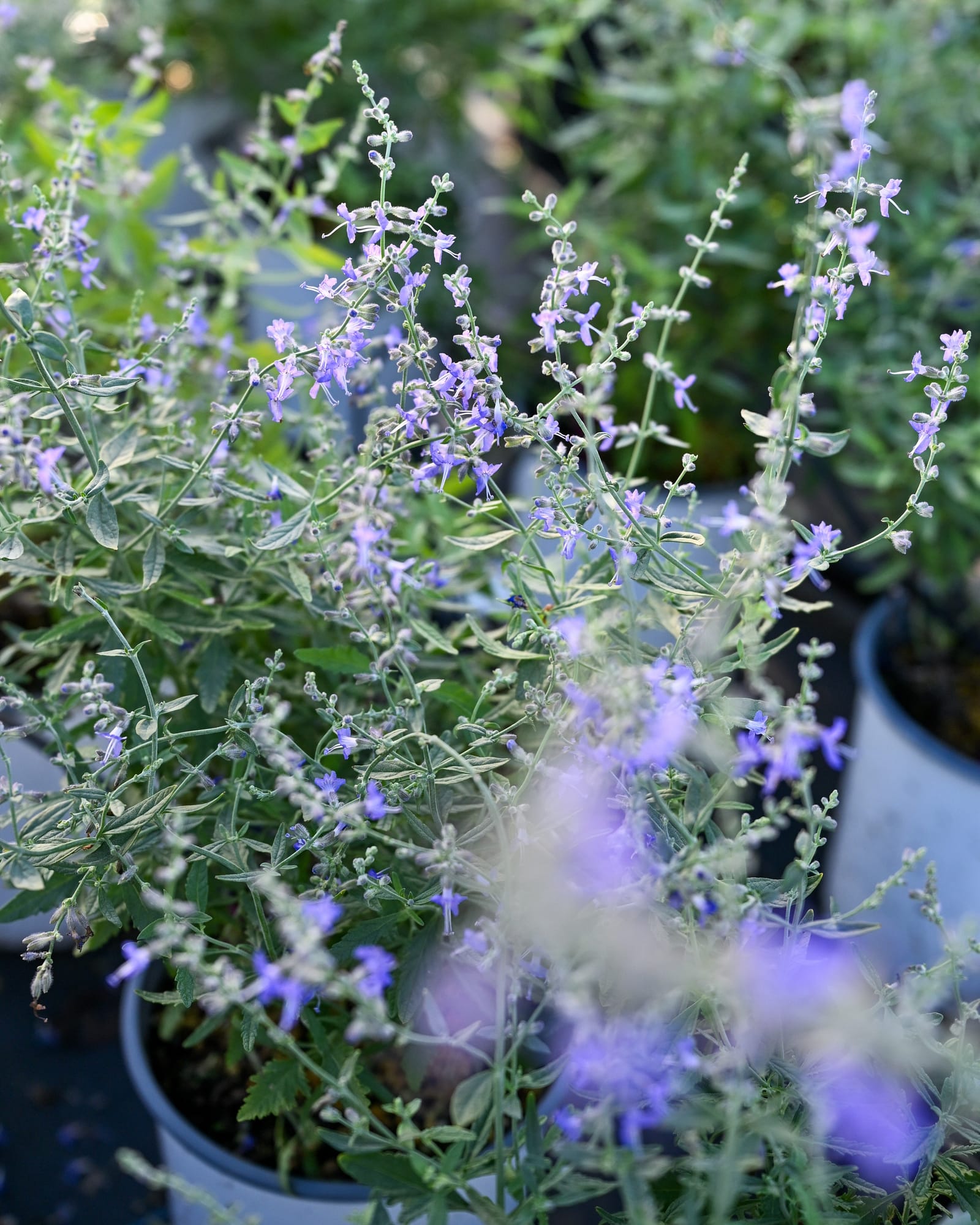
Russian Sage Crazy Blue
Maturity: 1.5' H x 1.5' W
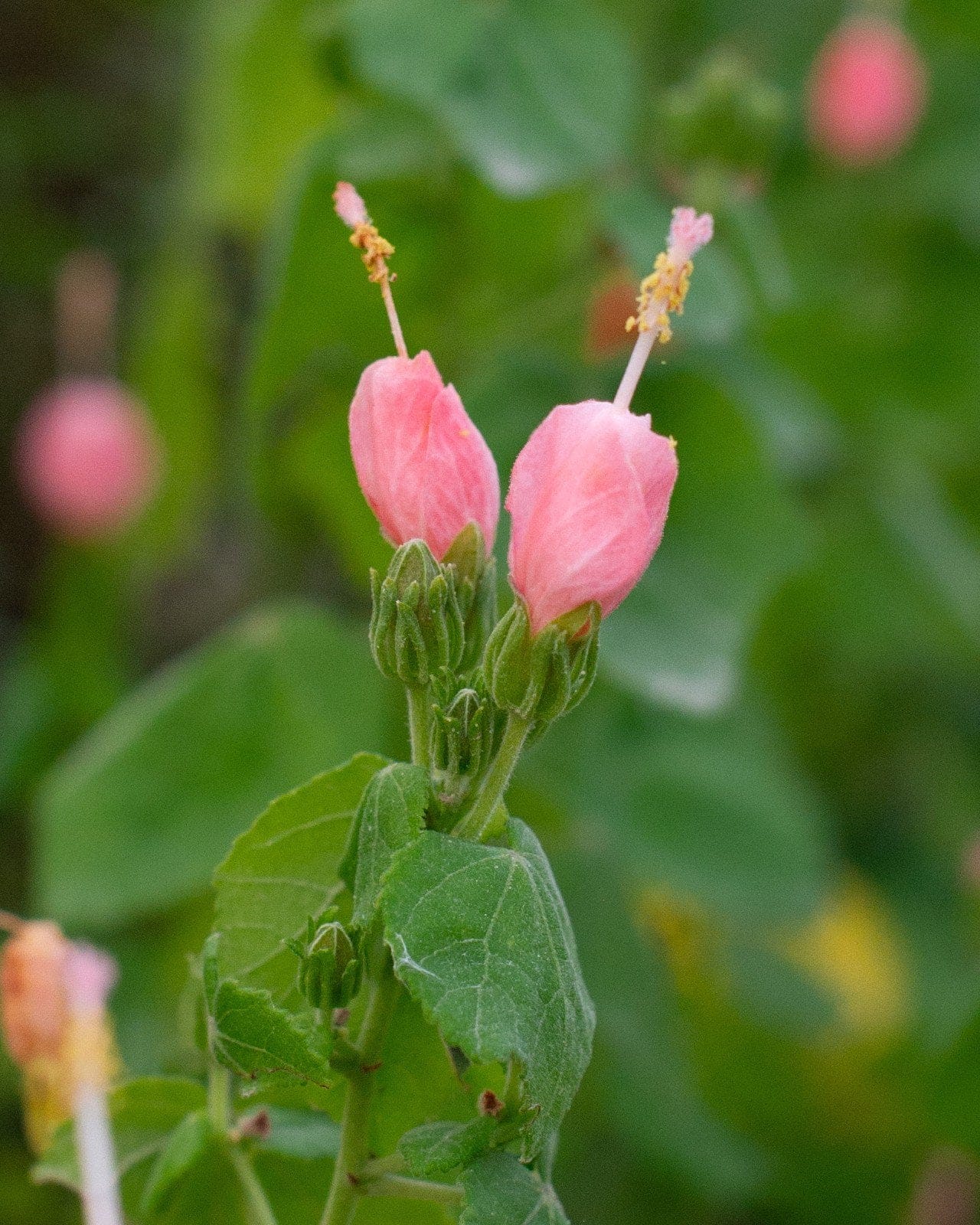
Turk's Cap Pink
Maturity: 3' H x 3' W
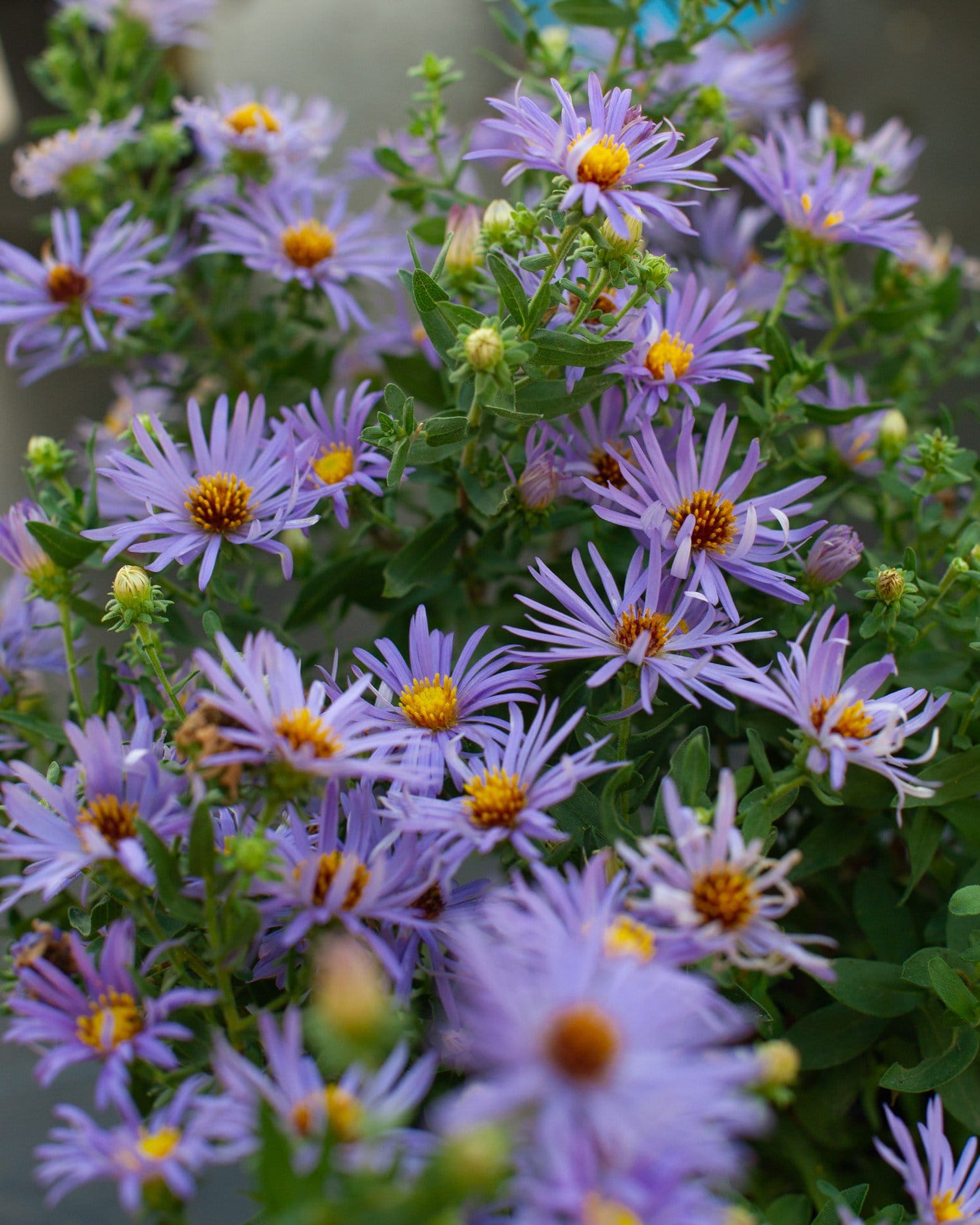
Aromatic Aster
Maturity: 2' H x 2' W
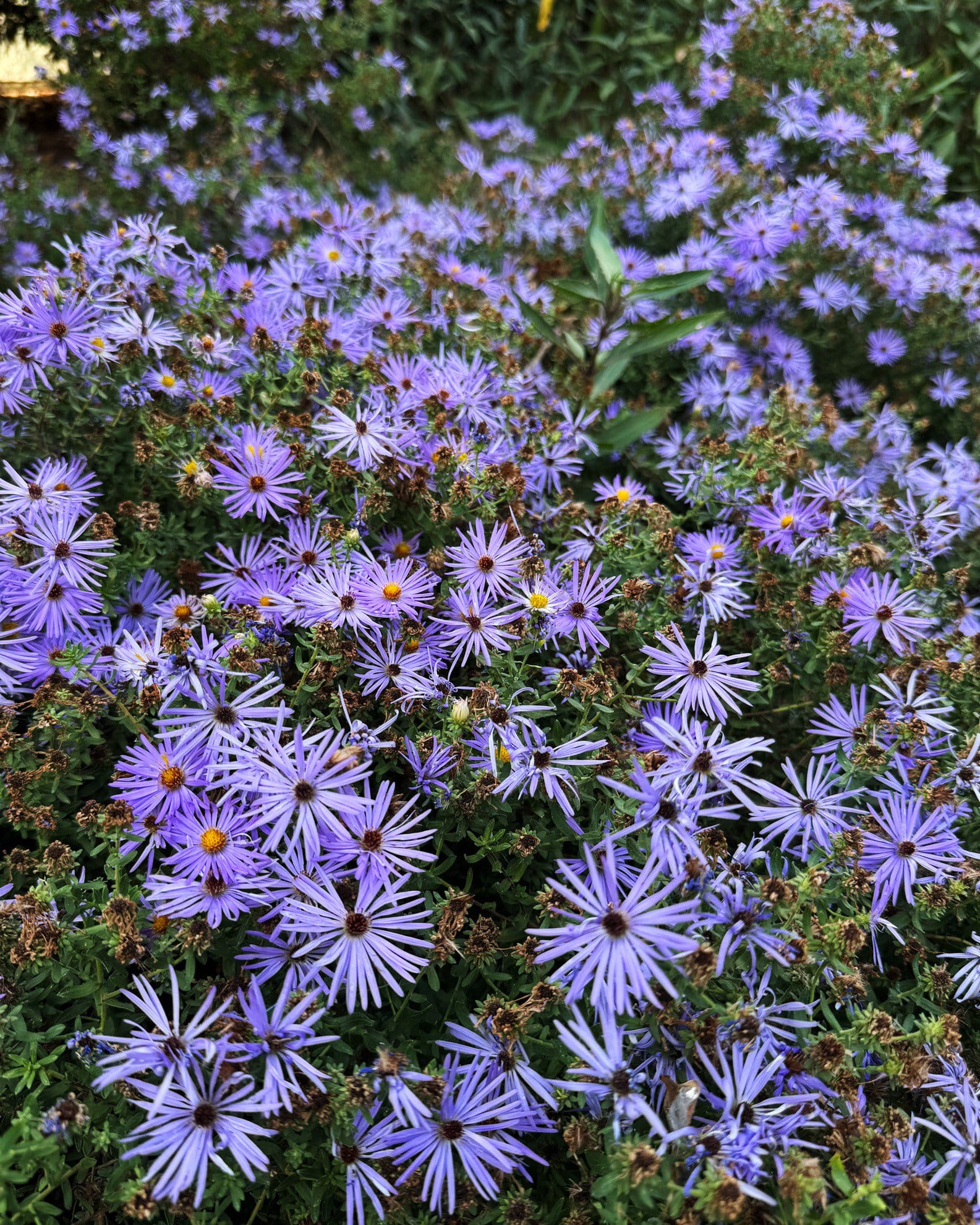
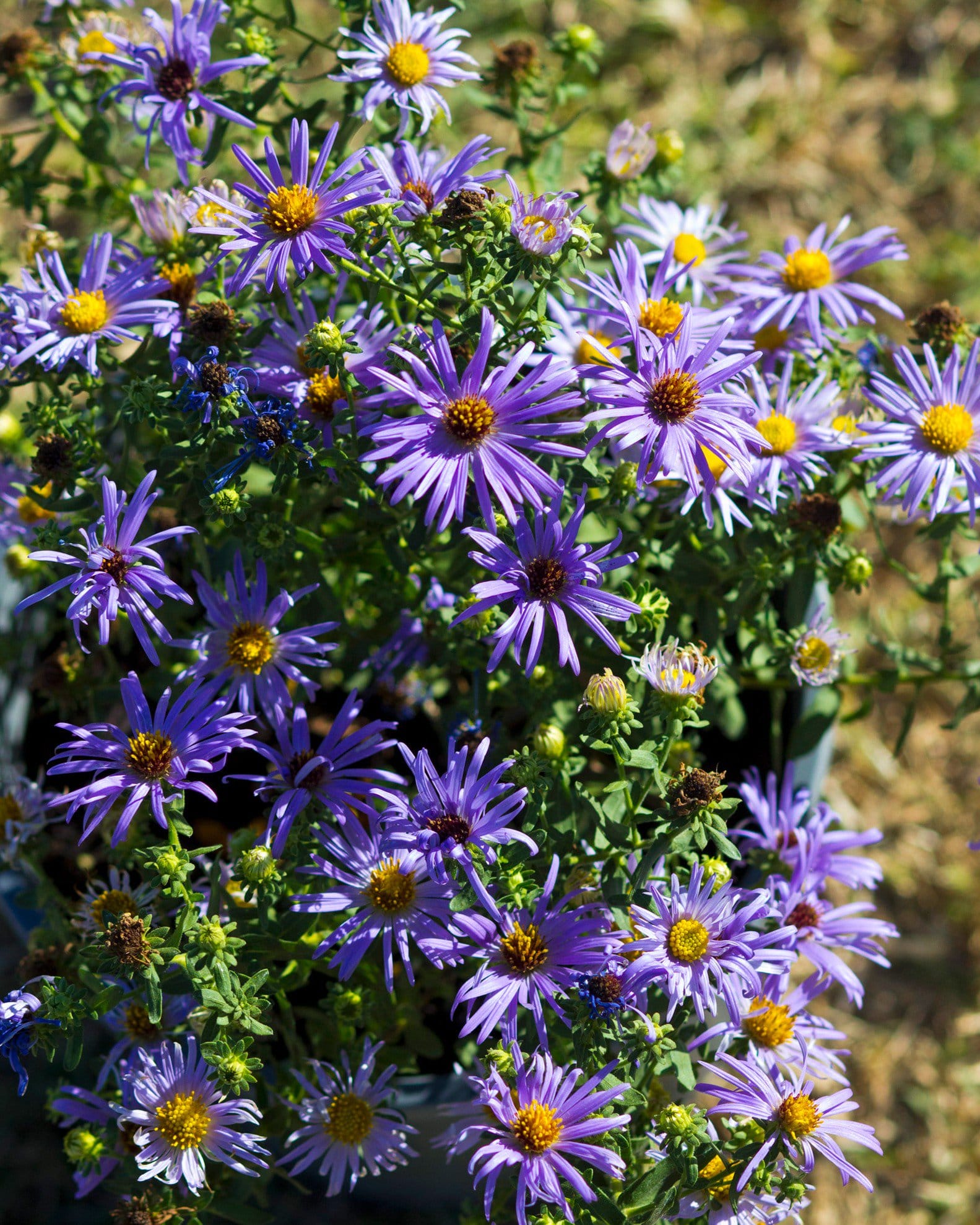
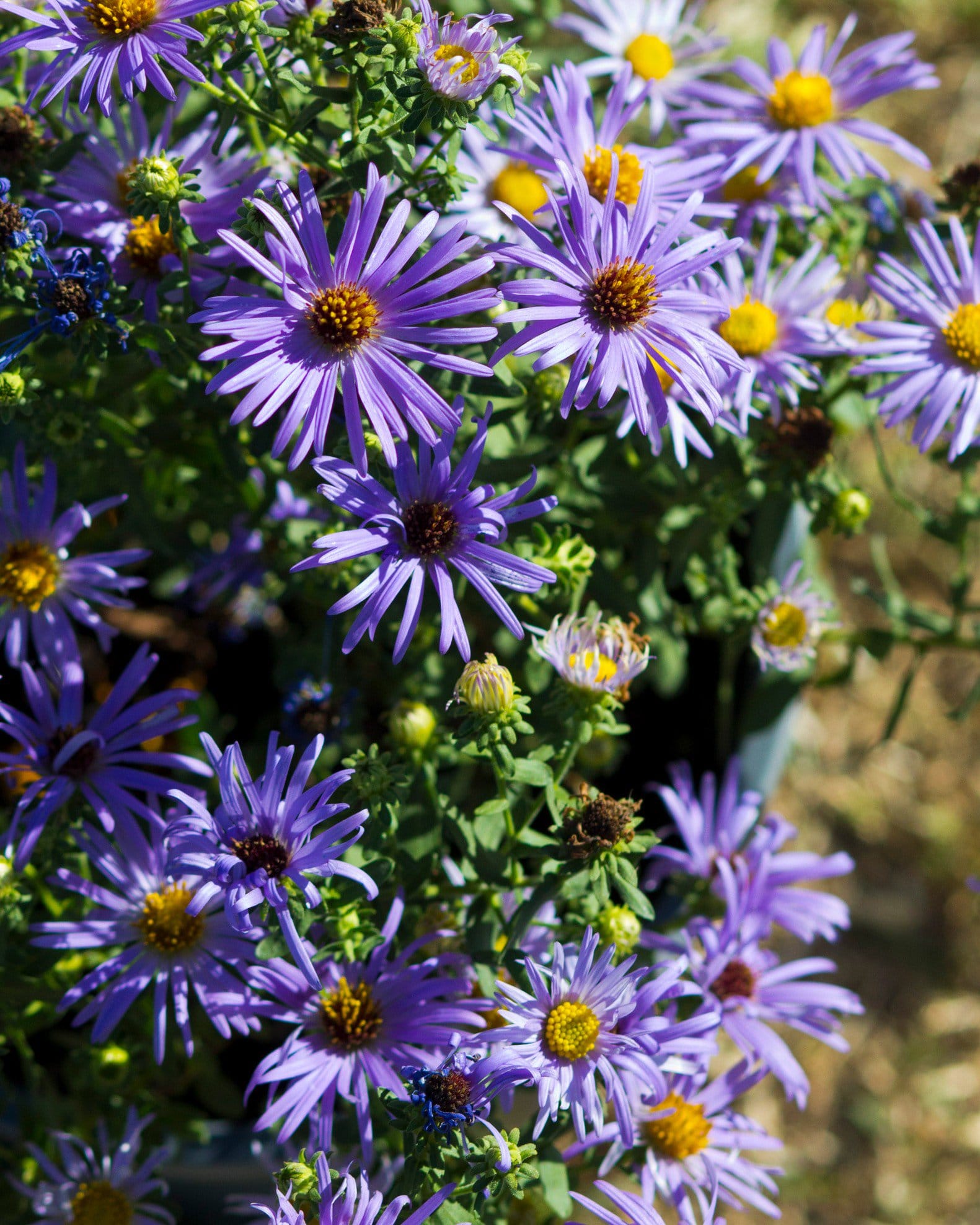
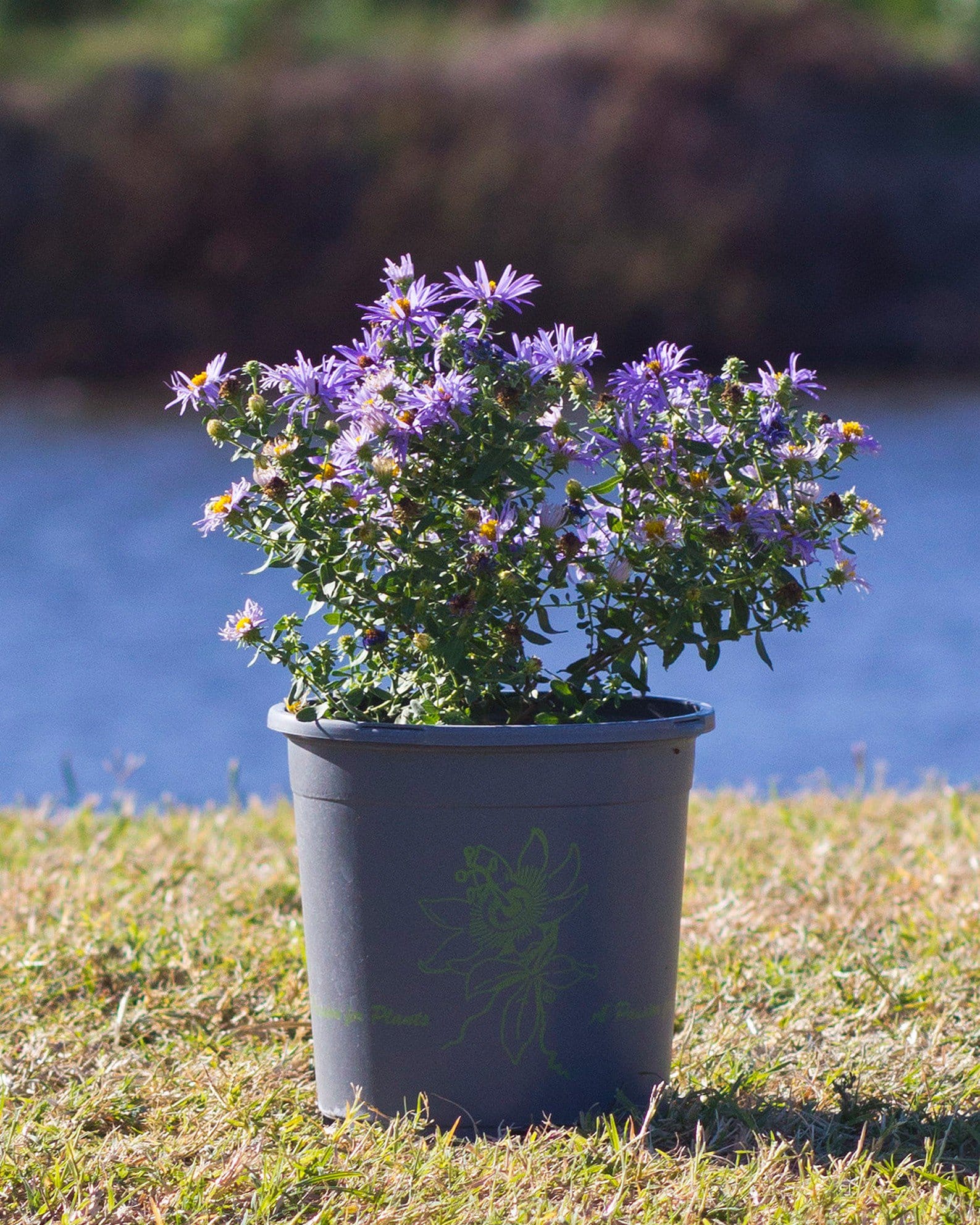
Blushing Drift Rose
Maturity: 1' H x 2' W
Candy Cane Cocktail Rose
Maturity: 3.5' H x 4' W
Knock Out Rose
Maturity: 3' H x 3' W
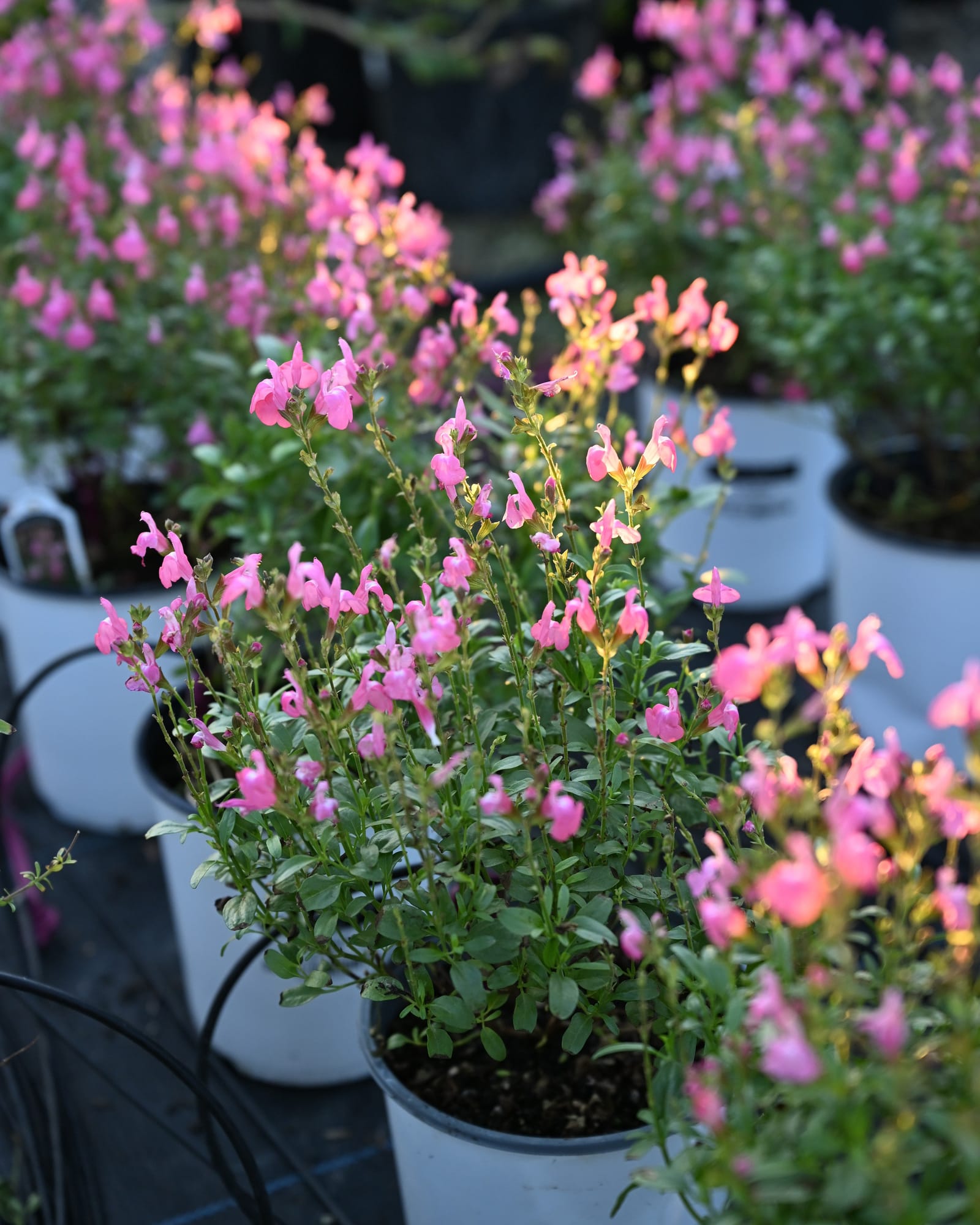
Mirage Pink Salvia Greggii
Maturity: 1' H x 1' W
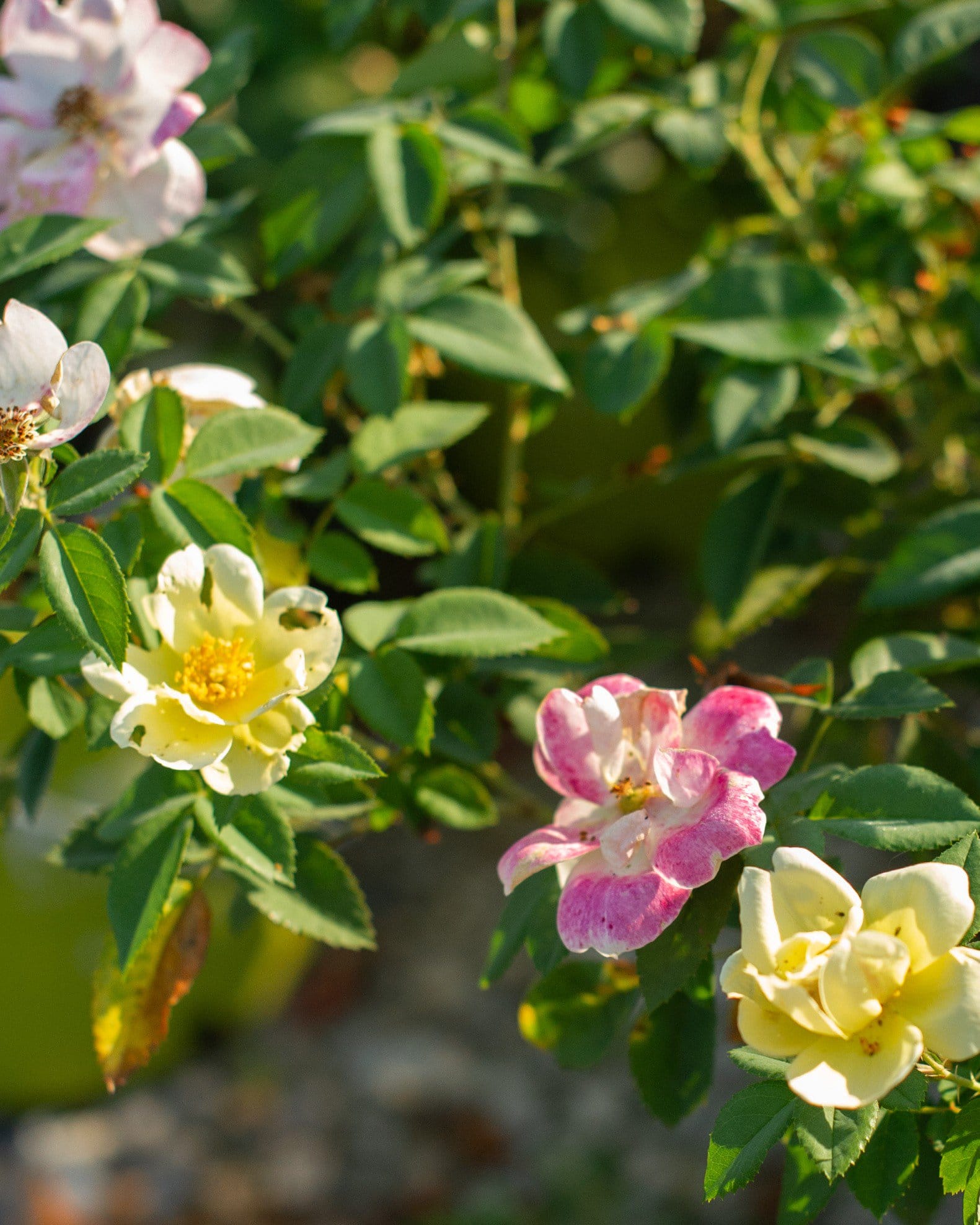
Peach Lemonade Rose
Maturity: 2' H x 2' W
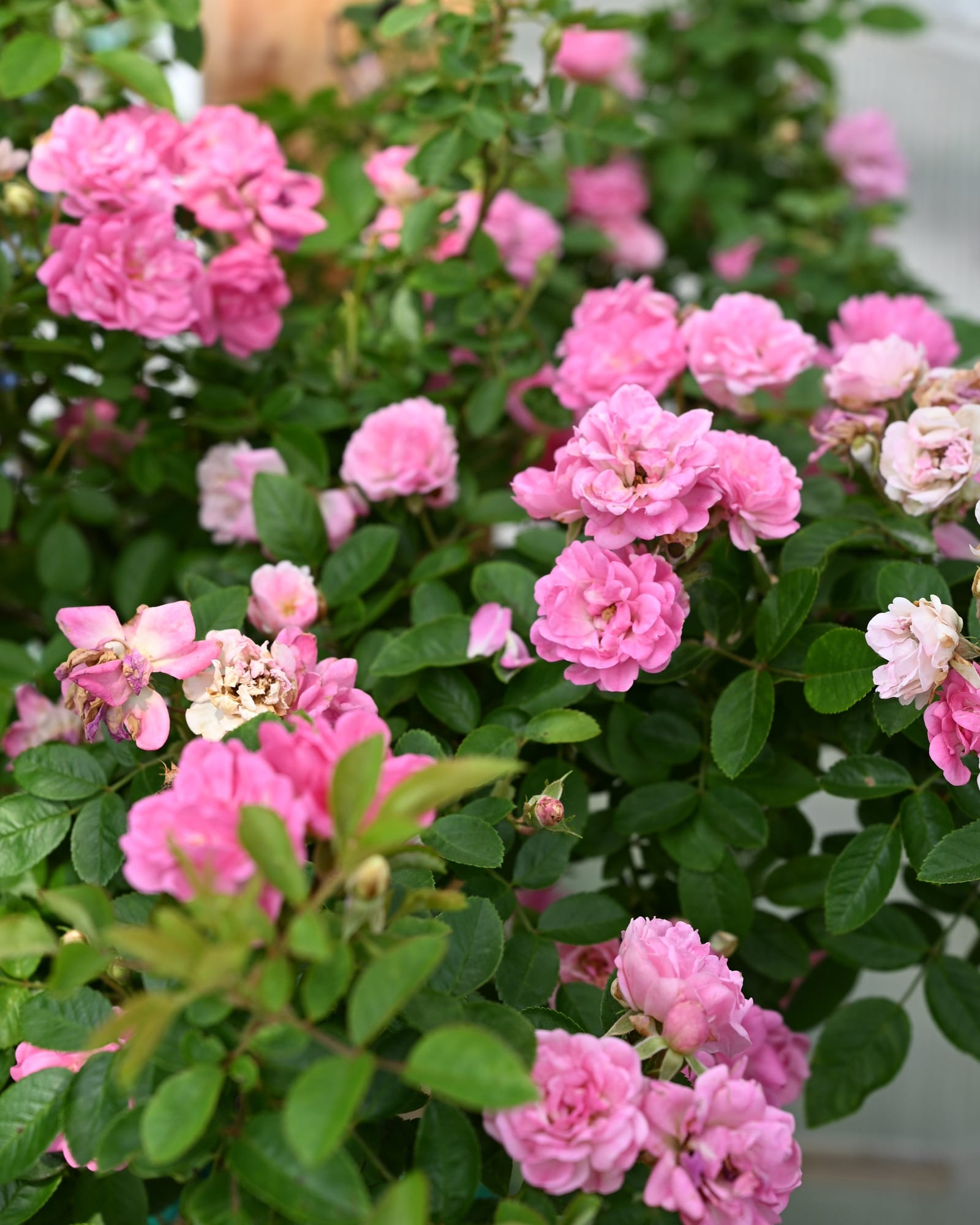
Peggy Martin Climbing Rose
Maturity: 15' H x 6' W
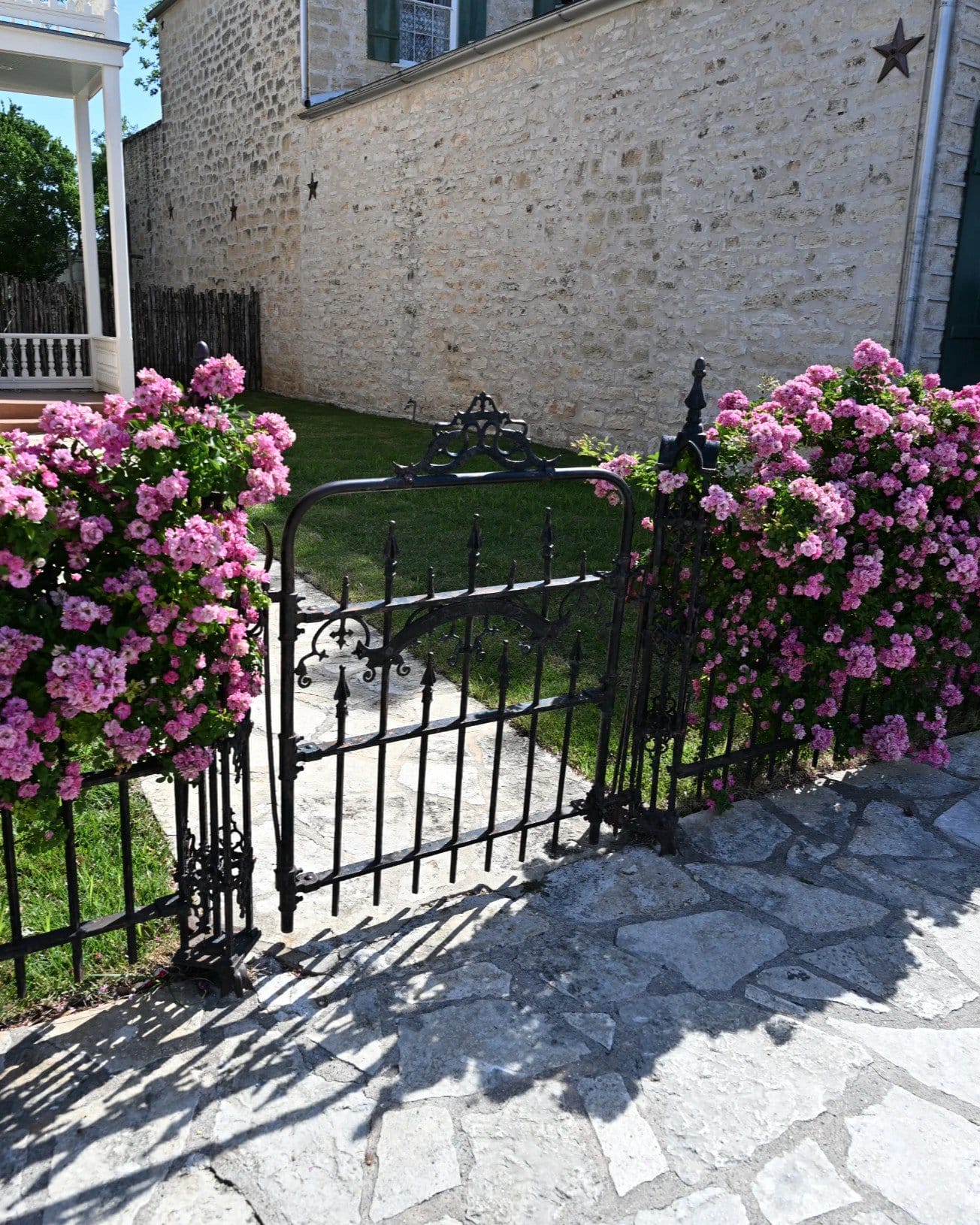
Pink Double Knock Out Rose
Maturity: 3' H x 3' W
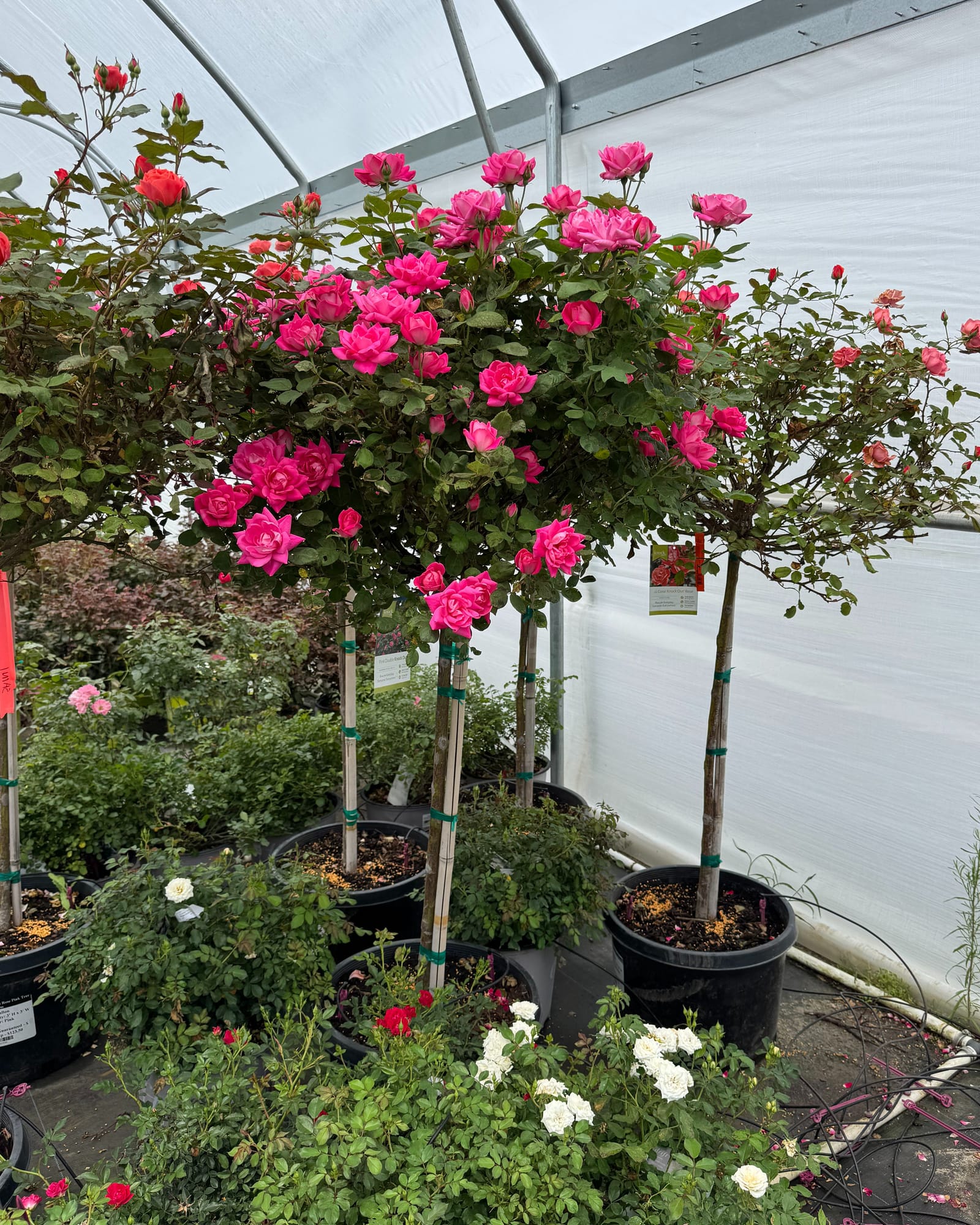
Pink Double Knock Out Rose Tree Form
Maturity: 3' H x 3' W
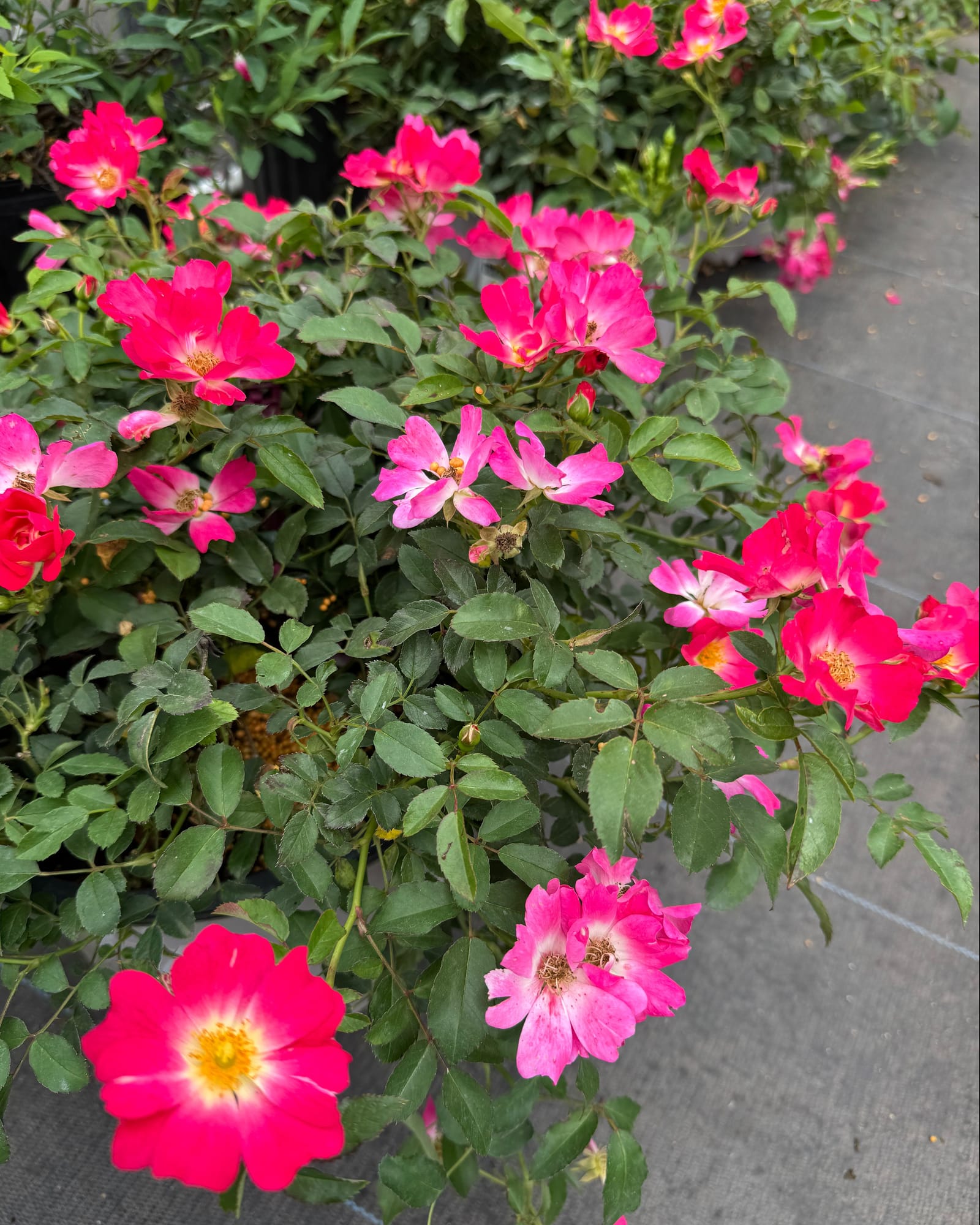
Pink Drift Rose
Maturity: 1' H x 2' W
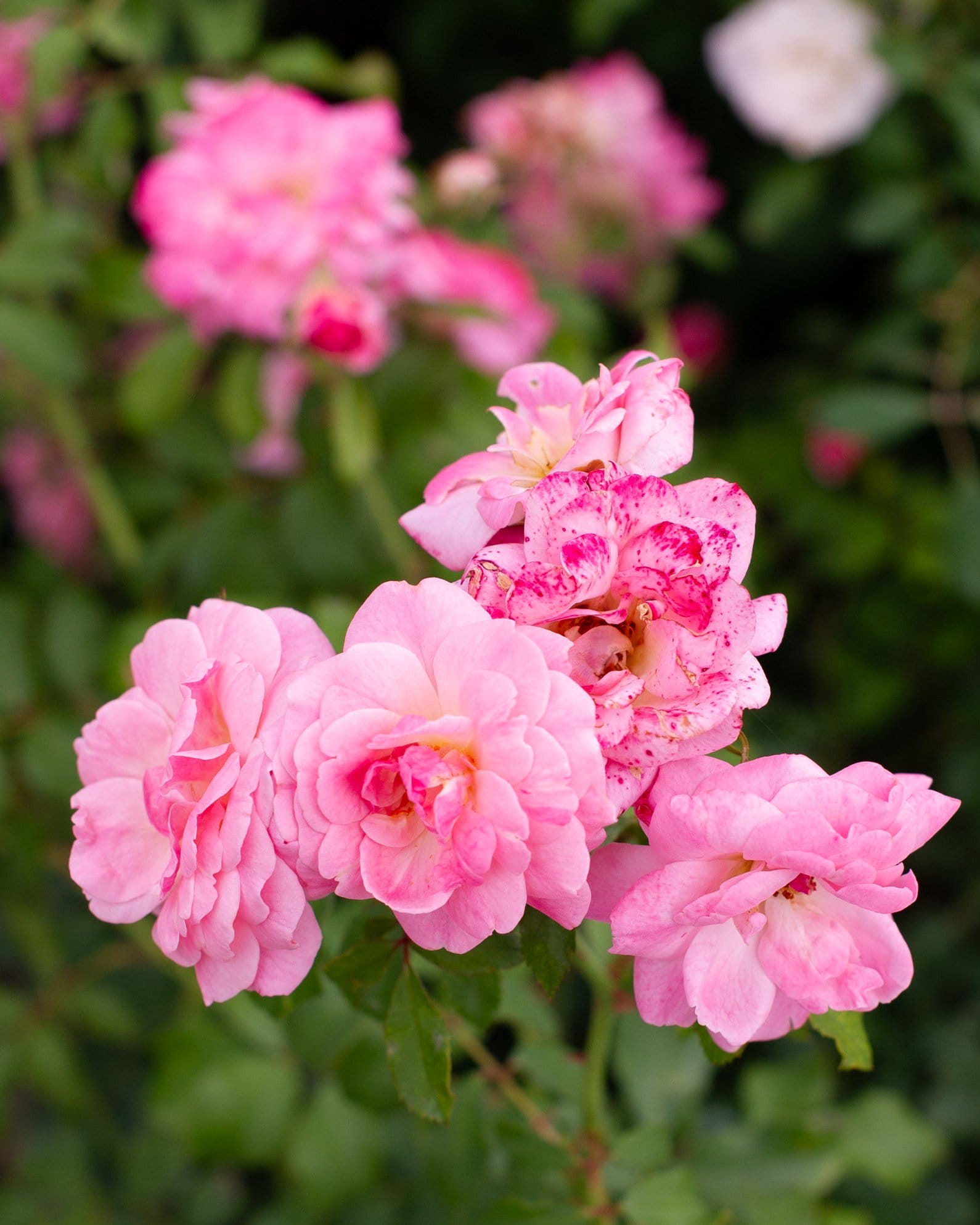
Sweet Drift Rose
Maturity: 1' H x 2' W
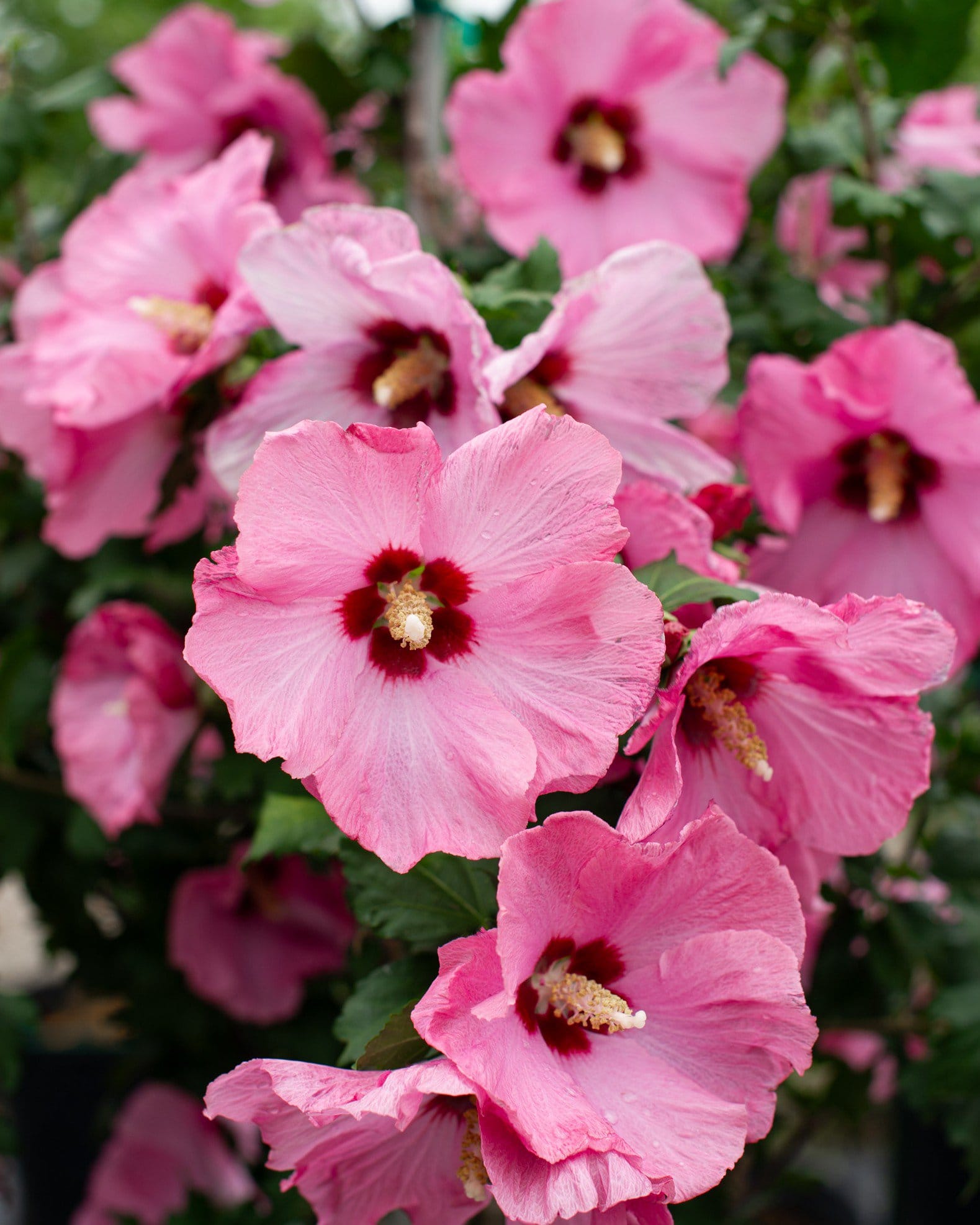
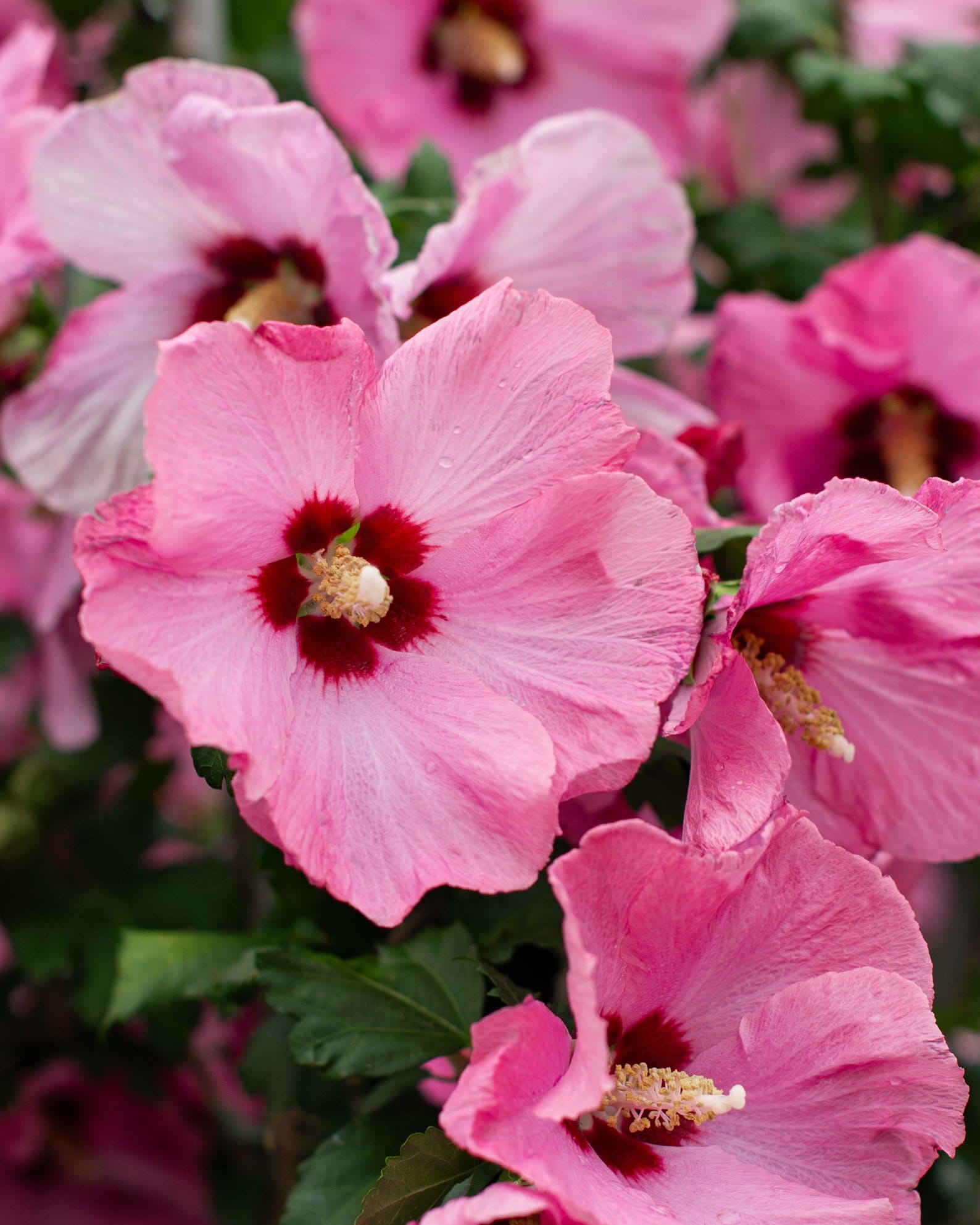
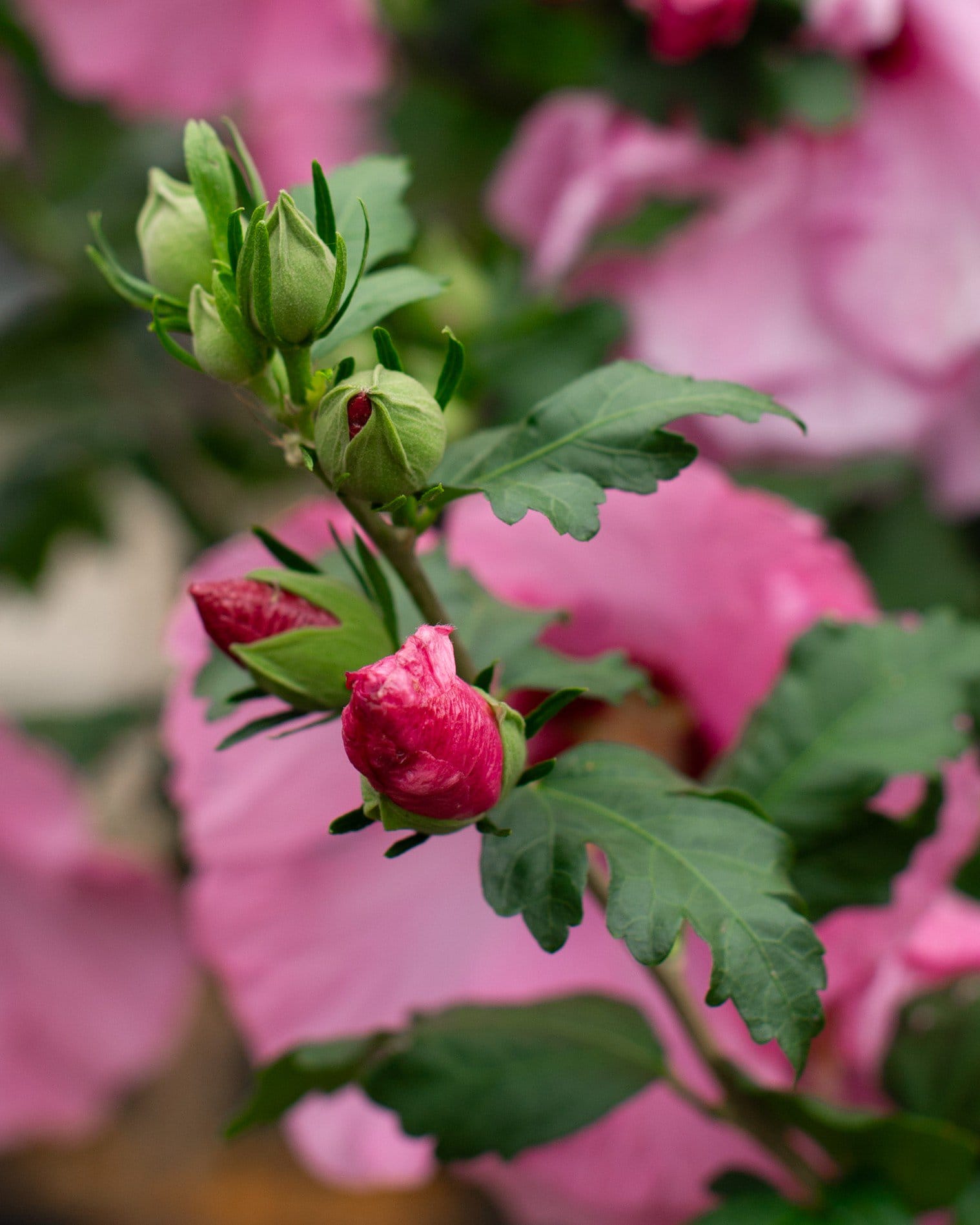
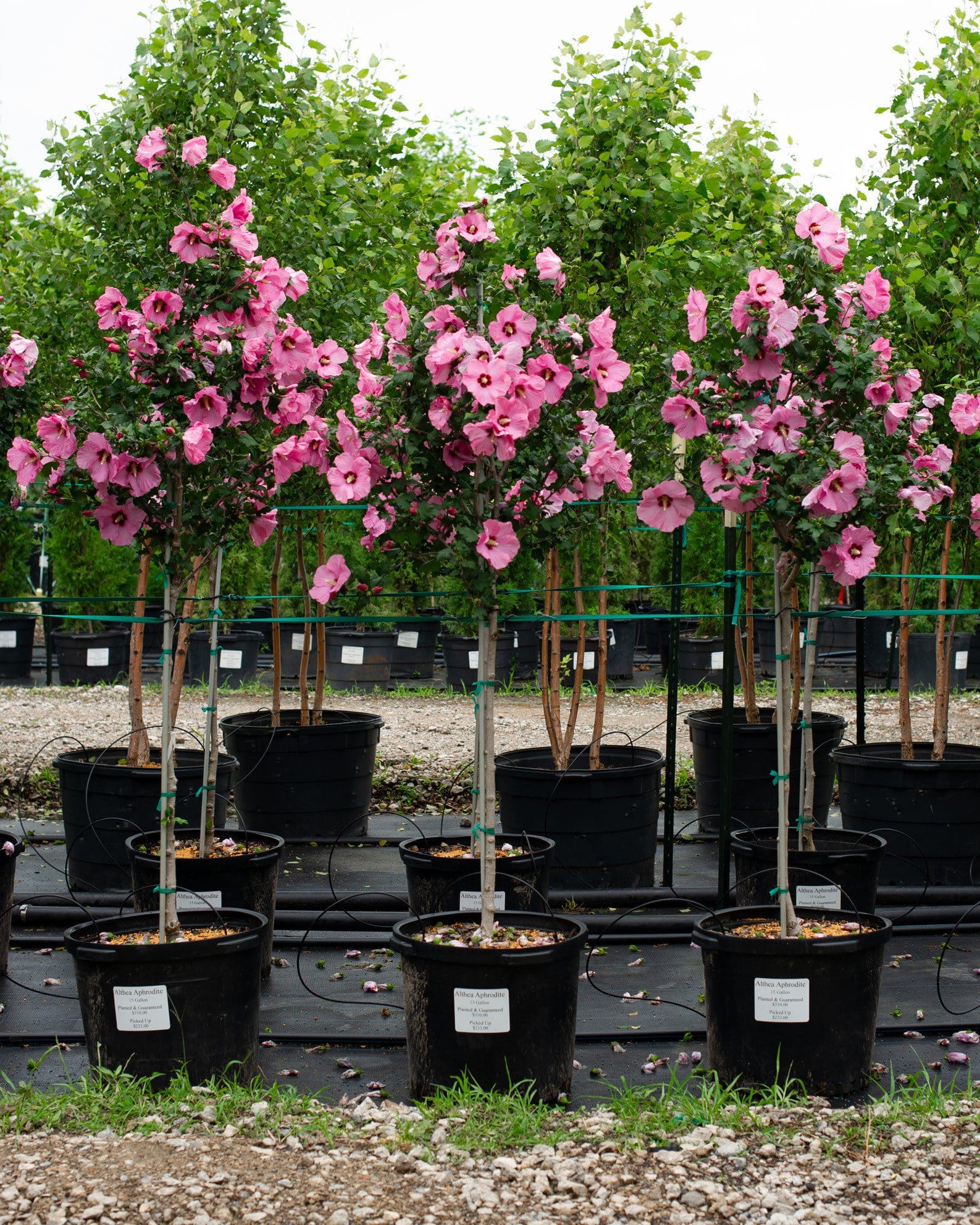
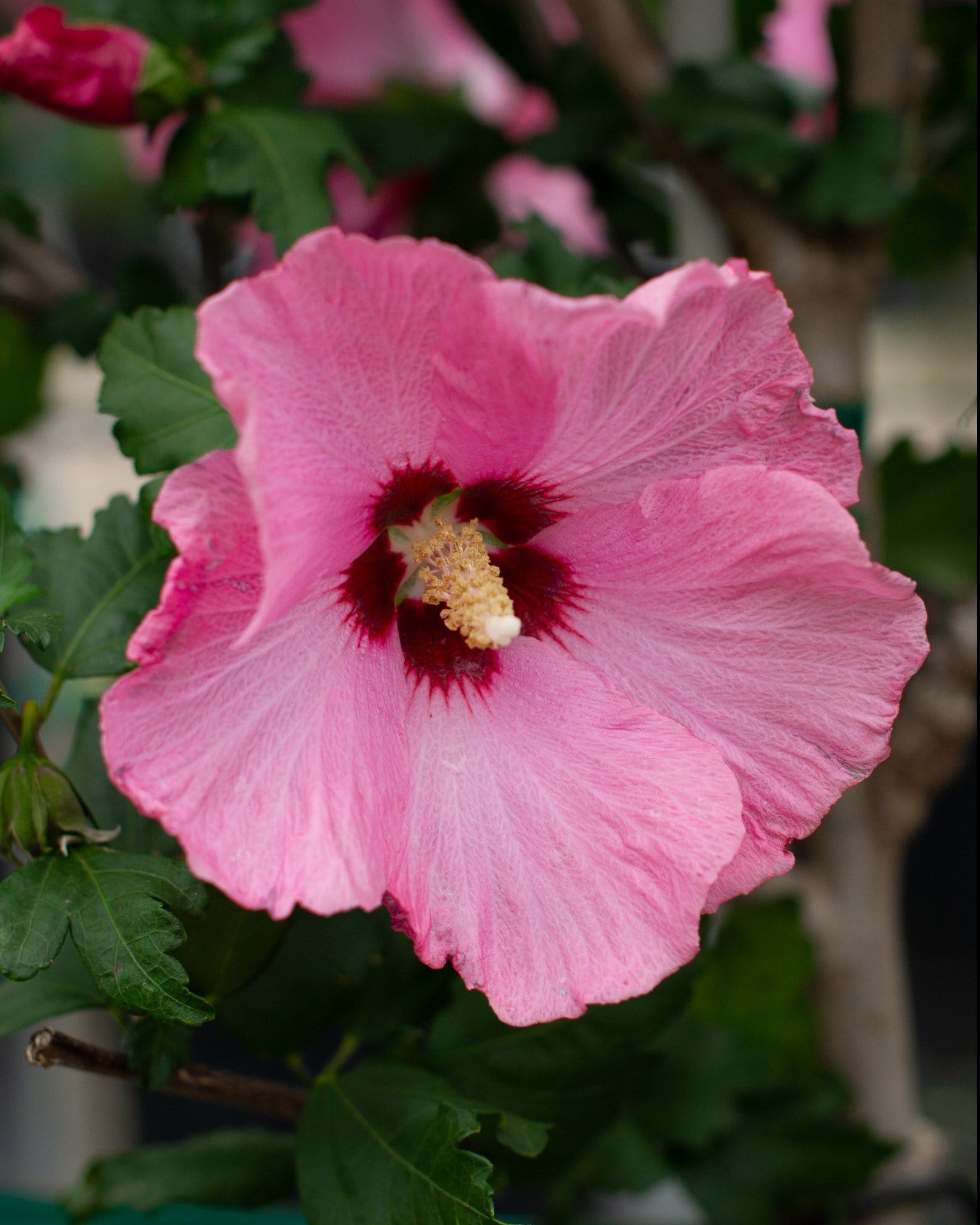
Aphrodite Althea Tree Form
Maturity: 8' H x 6' W
Compare Similar Plants
Kickin' Aster Carmine Red This plant | ||
|---|---|---|
| Scientific Name | Symphyotrichum novae-angliae ‘Carmine Red’ | Perovskia atriplicifolia |
| Size at Maturity | 2' H x 2' W | 3' H x 2' W |
| Leaf Retention | Deciduous | Deciduous |
| Flower Color | Pink | Purple |
| Bloom Times | Summer & Fall | Summer & Fall |
| Sizes Available | — | 1 gal |


Our 1-Year Planting Guarantee
We take pride in our plants and installation services. If any plants or trees installed by Treeland fail to thrive within the first year, we'll provide a replacement credit in accordance with our guarantee program.
Learn More About Our Guarantee