


Honeymoon Rio Carnival Helleborus
Helleborus x 'Rio Carnival'Product Details
Honeymoon Rio Carnival Helleborus
Helleborus x 'Rio Carnival'Honeymoon Rio Carnival is a versatile perennial that adds so much charm to the landscape. It grows up to 1.5 feet tall and 1.5 feet wide at maturity. It reaches maturity approximately 2-3 years after planting. Its size and beauty make it ideal for borders, containers, and flowerbeds. It blooms from winter through spring, brightening your space even during the gloomy winter months. The flowers are large and striking, in gorgeous shades of purple and lime green. The foliage is beautiful too, glossy and dark green.
- Evergreen perennial
- Moderate growth rate
- Blooms in winter through spring
- Suitable for borders, containers, and flowerbeds
- Purple and lime green flowers
Hardy in zones 4-9, it will feel right at home in the North Texas climate. Keep it away from direct sunlight, as it can scorch its leaves. Plant it in full shade or partial shade instead. Honeymoon Rio Carnival Helleborus thrives in well-drained soil rich in organic matter.
A reliable member of the Honeymoon series, this Helleborus needs minimal maintenance to grow beautifully. Here’s all you need to know:
- Watering: Water consistently during the first growing season to help the roots establish deeply. Once mature, Rio Carnival requires only moderate watering and performs best when the soil is allowed to dry slightly between waterings. Avoid overly wet soil.
- Pruning: Trim away old or tattered leaves in late winter before flower stems emerge - this instantly rejuvenates the plant and highlights its dramatic blooms. After flowering, remove spent blooms for a tidier look, but leaving them on will not harm the plant.
- Fertilizing: Feed lightly in early spring with compost or a slow-release, balanced fertilizer. Hellebores prefer modest nutrition; too much fertilizer can result in abundant foliage but fewer blooms. A top-dressing of leaf mold or rich compost once a year keeps the soil productive without overwhelming the plant.
- Mulching: Apply a 2-3 inch layer of mulch or shredded leaves to help conserve moisture and protect shallow roots. Keep mulch a couple of inches away from the crown to avoid excess moisture around the base.
- Winter Care: Rio Carnival is cold-hardy and thrives even in snowy climates. Allow old leaves to remain until late winter to provide a natural buffer against cold winds, then remove them when new growth pushes through.
This hellebore is tough and dependable, though occasional issues may appear in damp, crowded, or poorly ventilated environments:
- Black Spot: Dark, irregular blotches develop on older leaves during wet or cool weather. Remove affected leaves promptly and improve airflow around the plant to reduce disease pressure.
- Botrytis Blight: Gray fuzzy mold appears on aging blooms or damaged leaves during extended dampness. Remove affected parts and avoid overhead watering to limit recurrence.
- Aphids: Small insects cluster on new flower stems and leaves, causing distortion and sticky residue. Rinse them off or apply insecticidal soap during early infestation.
- Downy Mildew: Pale patches on leaves paired with fuzzy undersides indicate humidity-related infection. Remove affected leaves and increase spacing for better airflow.
- Leaf Miner: Winding trails appear inside leaves as larvae feed internally. Remove and discard affected leaves to break the cycle.
Hellebores are famously long-lived, often persisting for decades when planted in the right spot. Over the years, Rio Carnival steadily develops into an impressive evergreen clump with increasingly abundant blooms.
It grows at a moderate pace and begins producing flowers reliably within the first or second year. By its third season, it typically reaches a full, lush presence with a heavy flush of blooms each winter.
Yes - bees are especially grateful for its early-season nectar when little else is in bloom. The flowers often serve as an important food source during late winter thaws.
It performs beautifully in large pots where its winter blooms can be appreciated up close. Just be sure to use well-draining soil and protect containers from deep freezing to avoid root damage.
Yes, hellebores are known for their unpalatable foliage, making them a reliable choice in deer-prone landscapes. Even hungry winter deer tend to leave them untouched.
Yes - hellebore blooms last surprisingly long in water when cut at the right stage (after the central stamens mature). They add dramatic early-season color and elegant structure to bouquets.
Definitely - it is winter hardy across most temperate regions. A light mulch after the soil freezes provides extra protection without smothering the crown.
It forms a slowly expanding clump but does not spread aggressively. Seedlings may appear nearby, though they can vary in color and are easy to transplant or remove.
Yes - like all hellebores, it contains toxic compounds if ingested. Plant it where curious pets or children won’t be tempted to chew the leaves.
Its carnival-inspired multicolored blooms, generous flower count, and vigorous habit make it one of the most striking hellebores available. The blend of rich color and winter performance gives it a dramatic presence unmatched by most varieties.
Special Features
You might also like
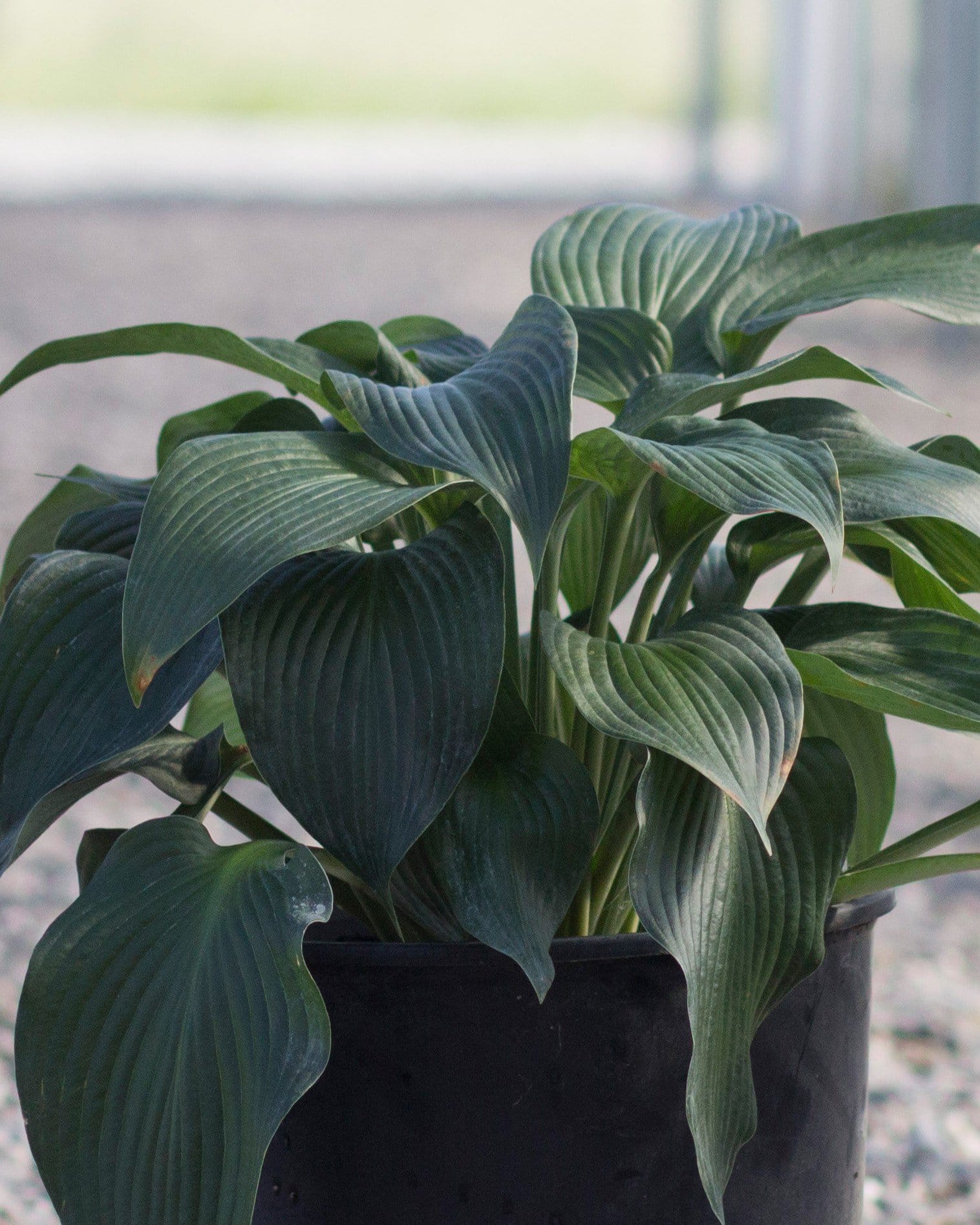
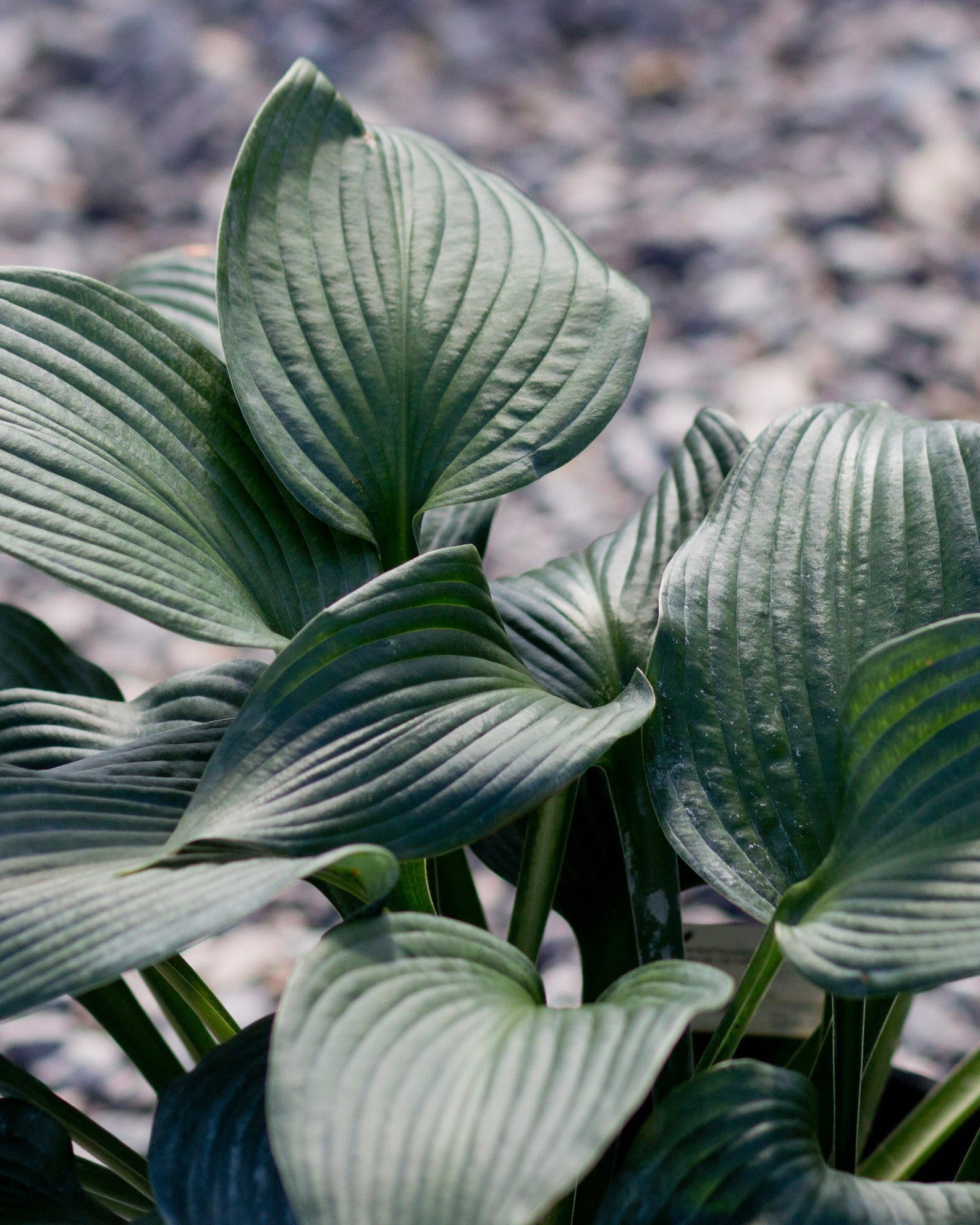
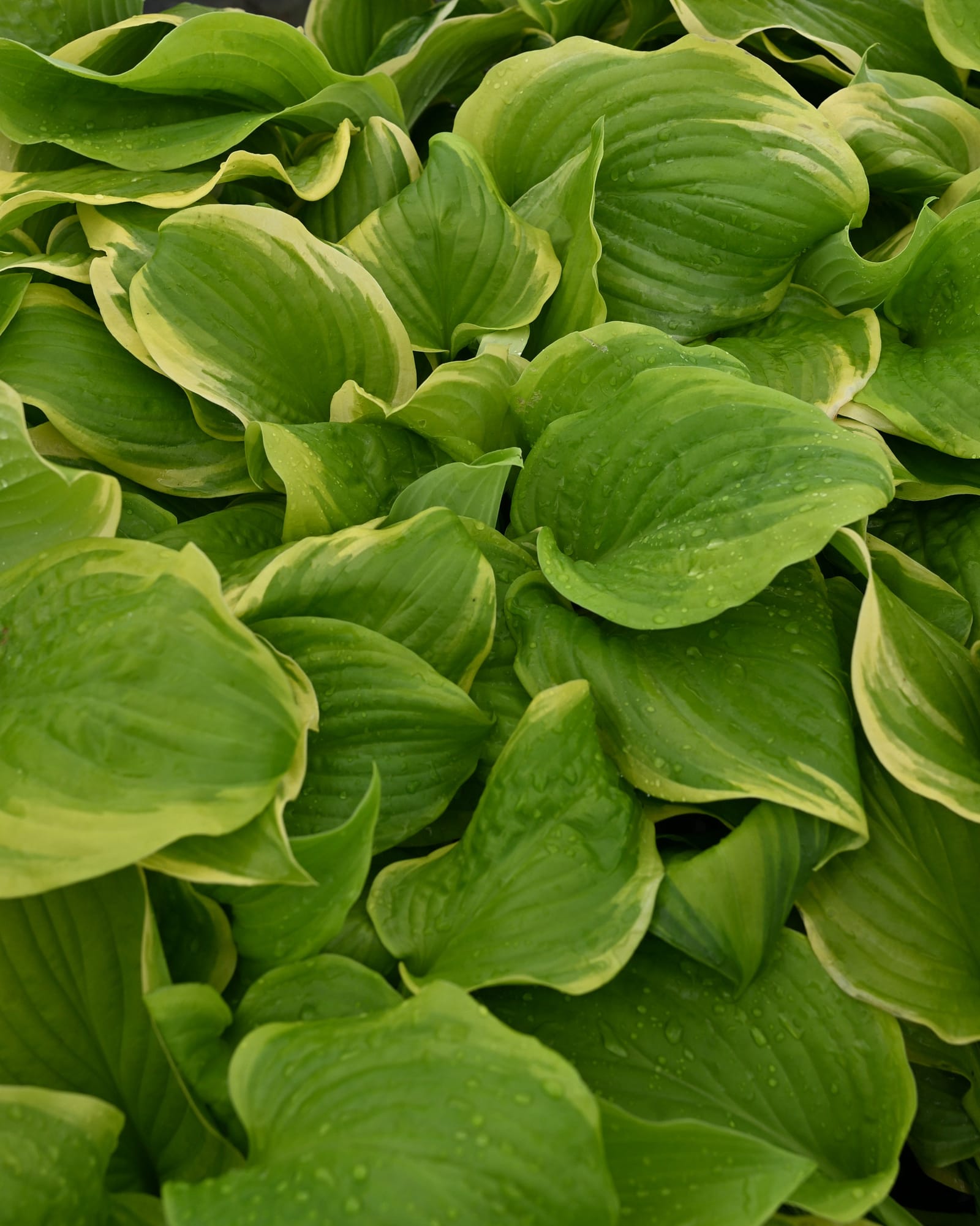
Blue Angel Hosta
Maturity: 2' H x 3' W
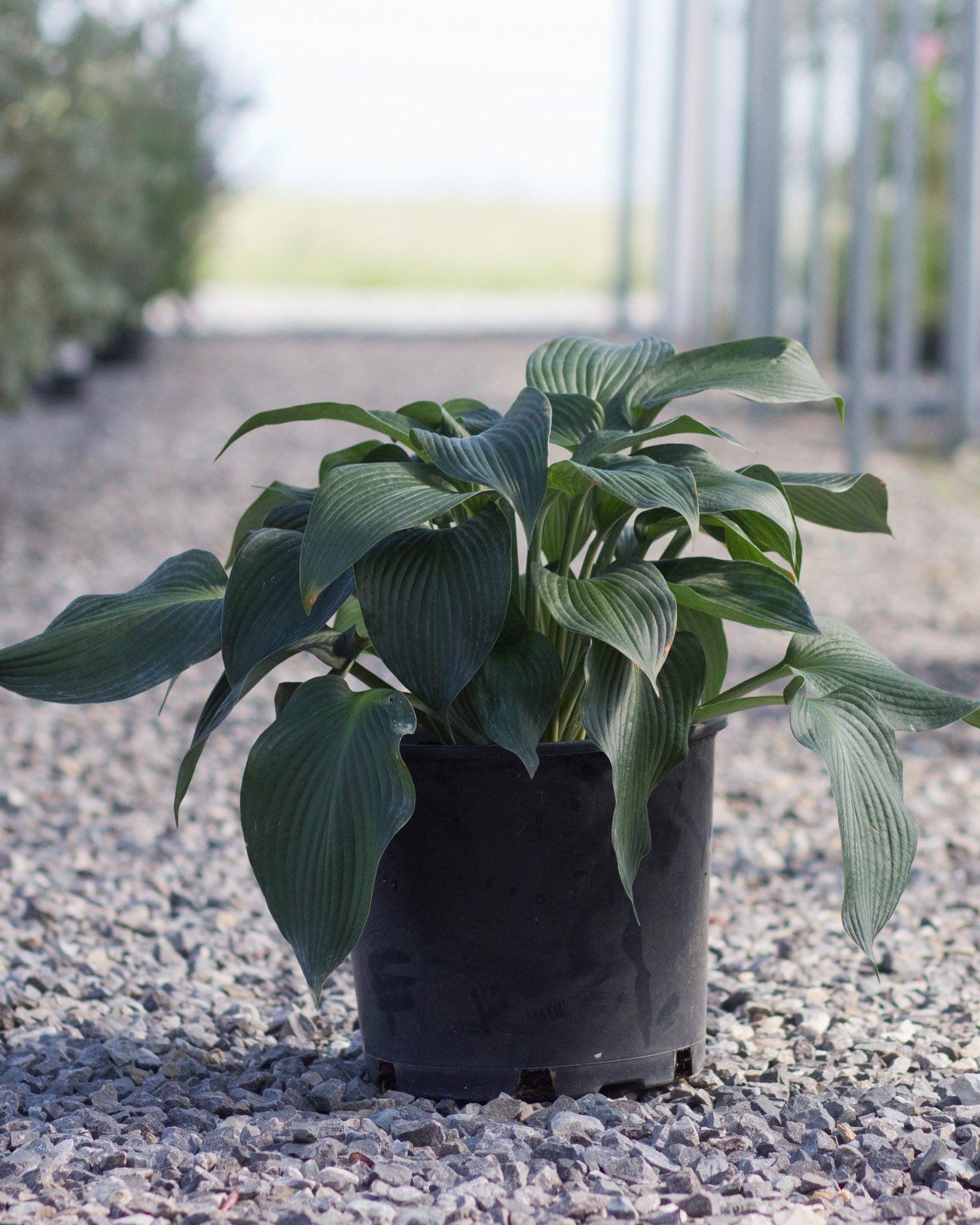
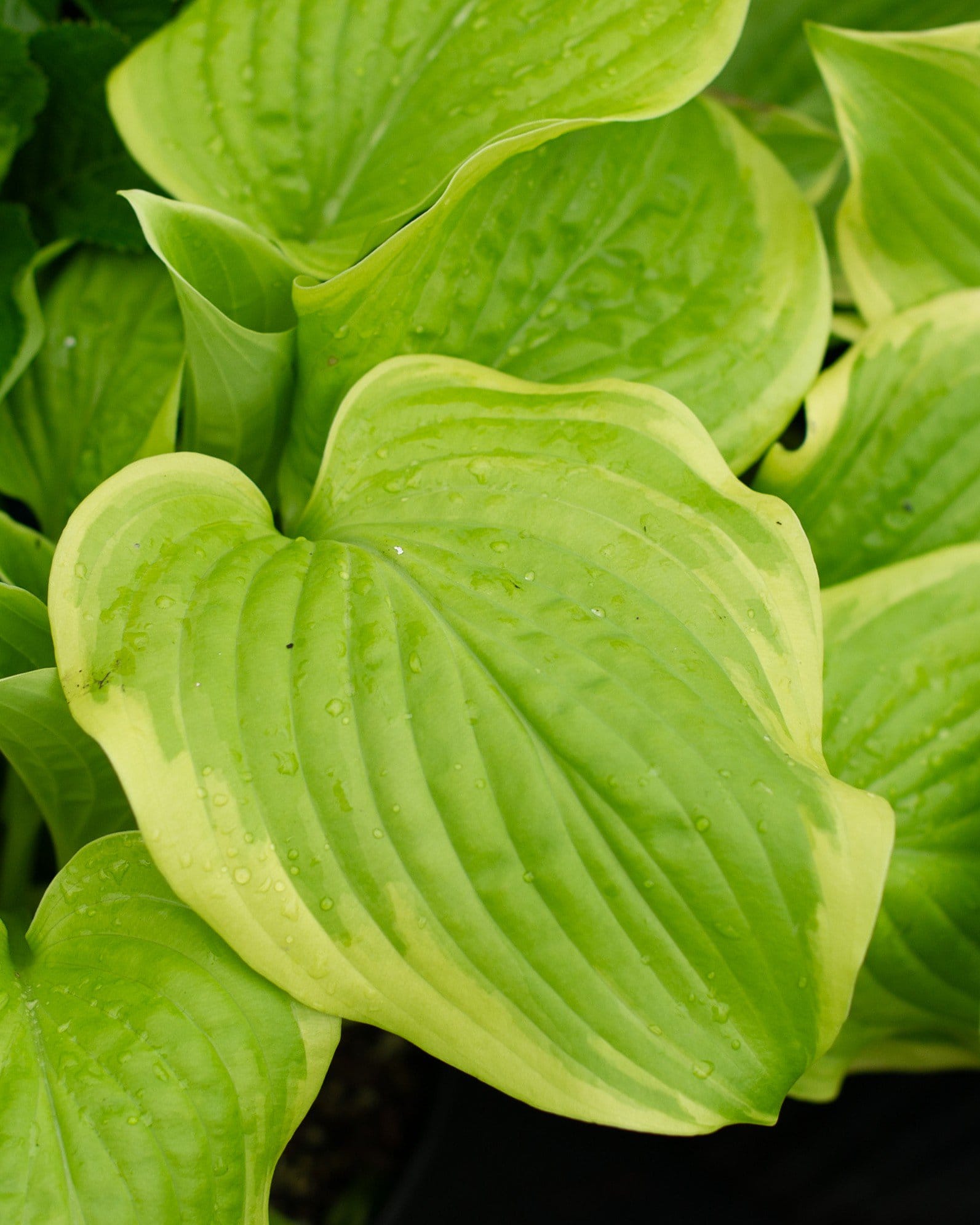
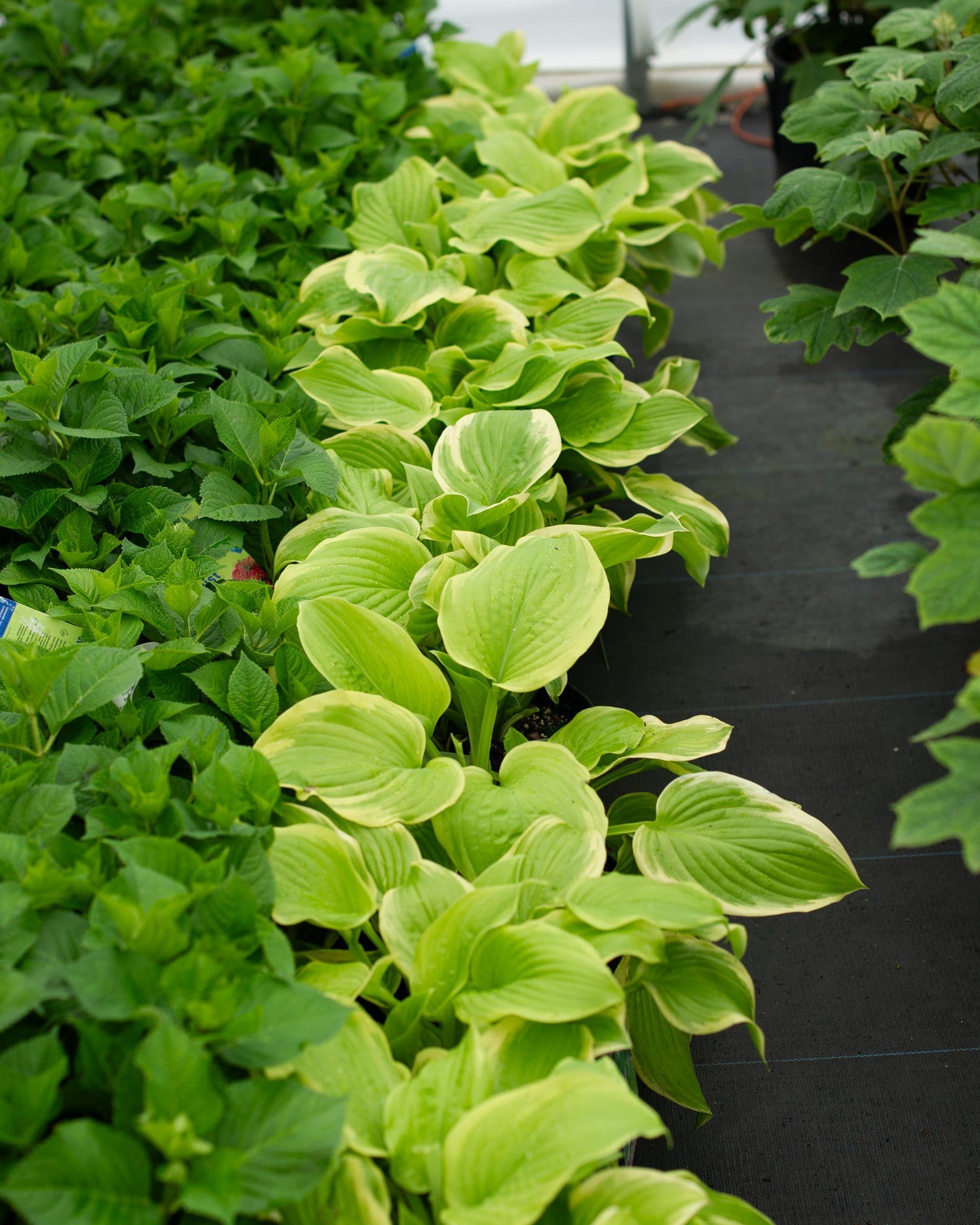
Fragrant Bouquet Hosta
Maturity: 2' H x 3' W
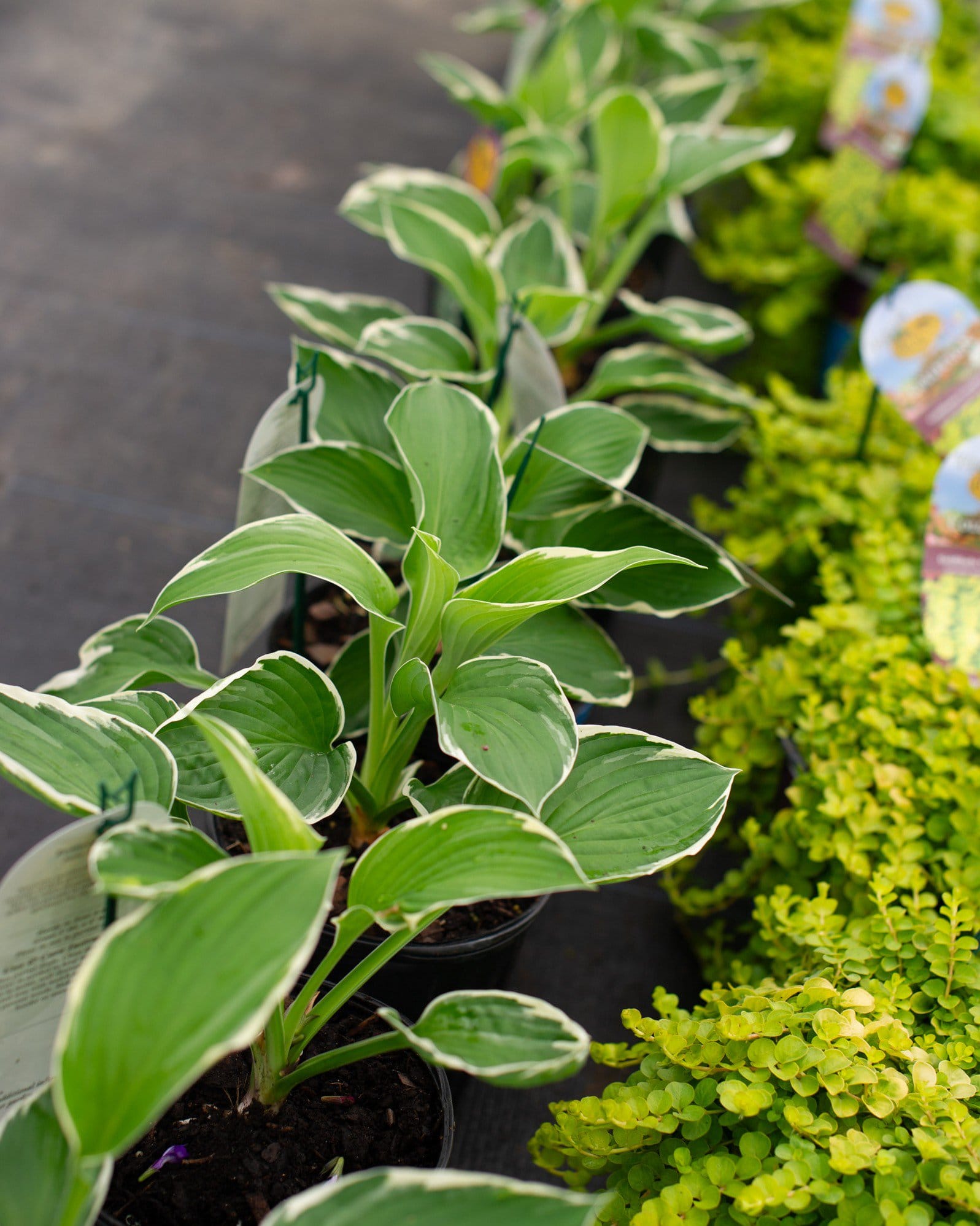
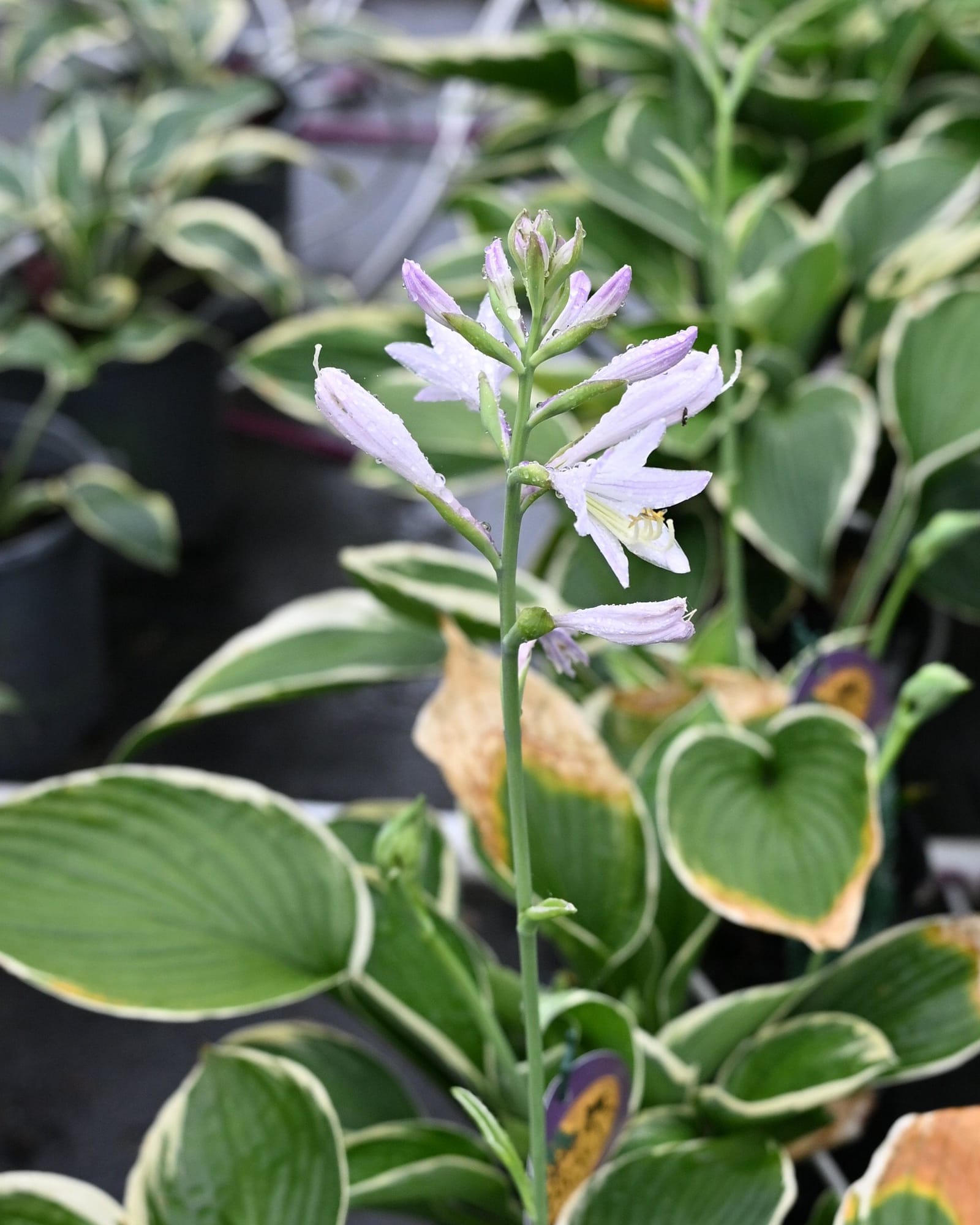
Francee Hosta
Maturity: 2' H x 4' W
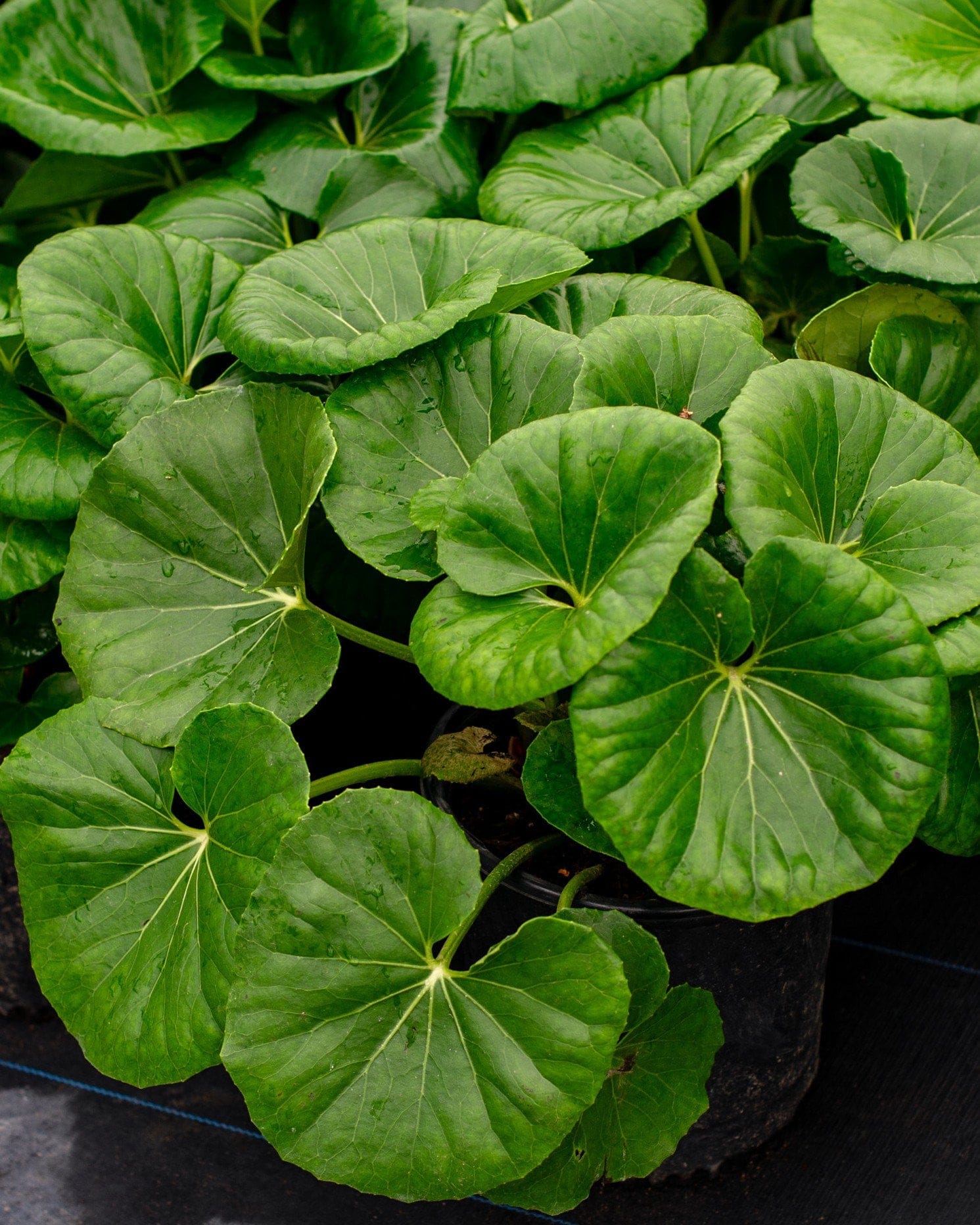
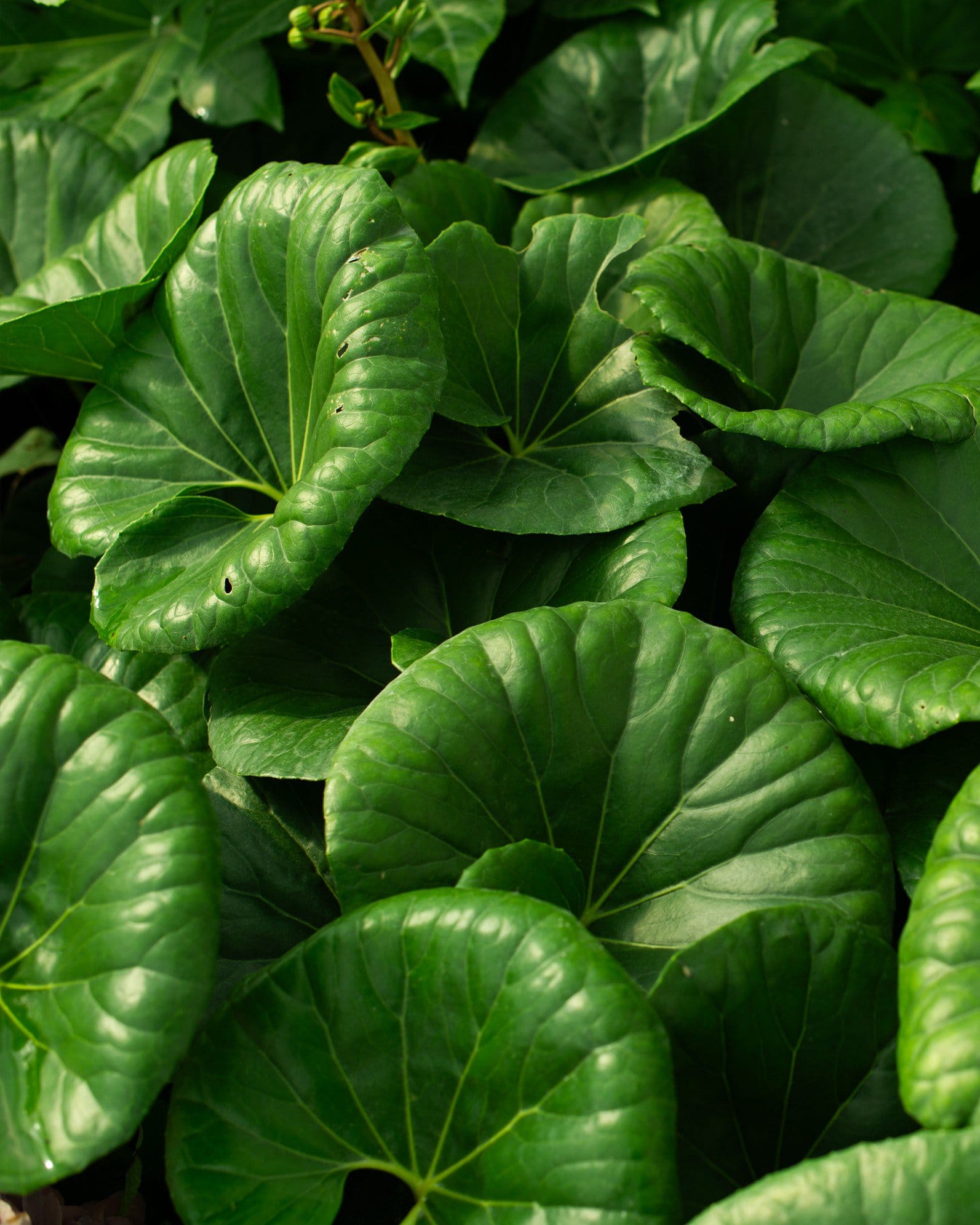
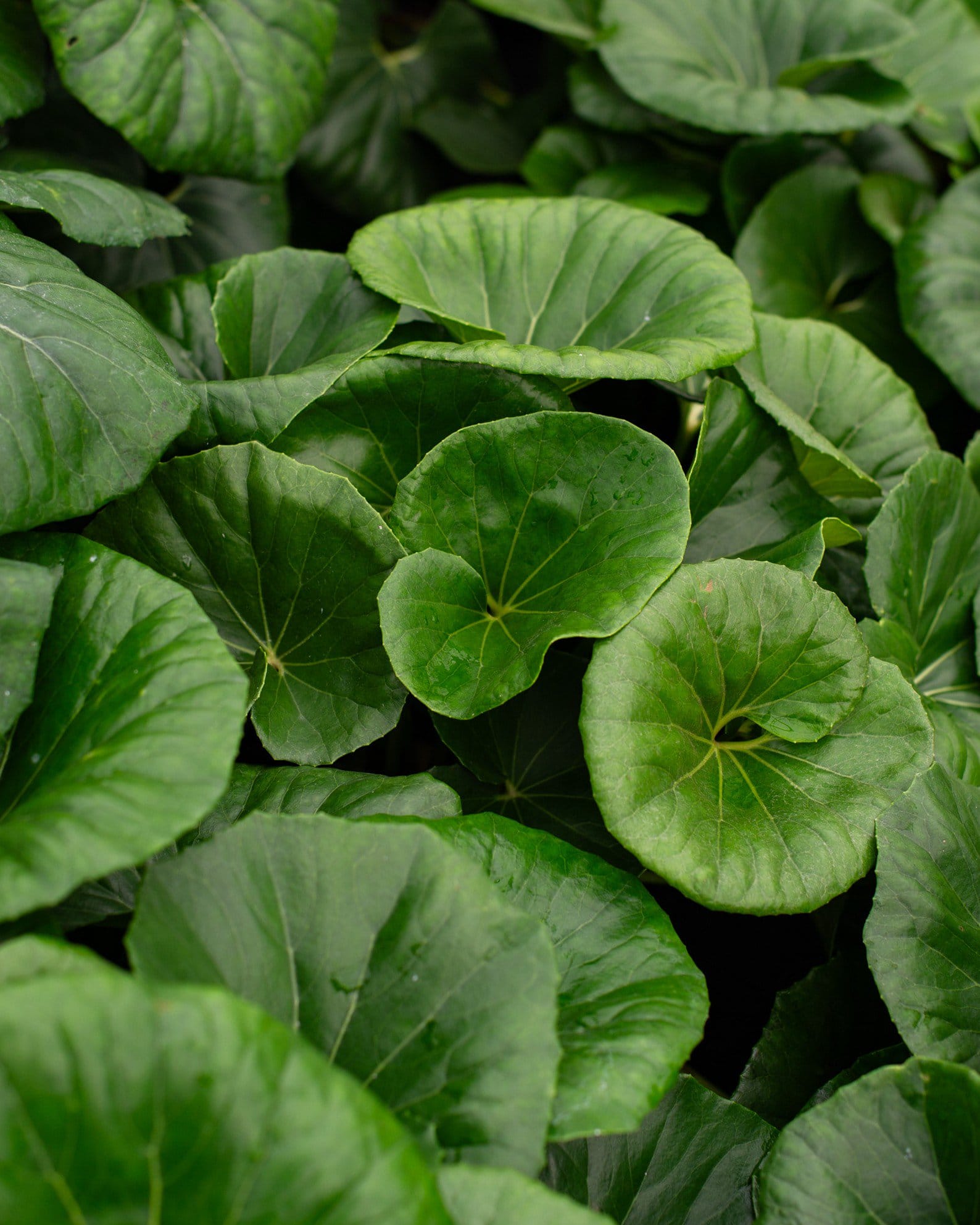
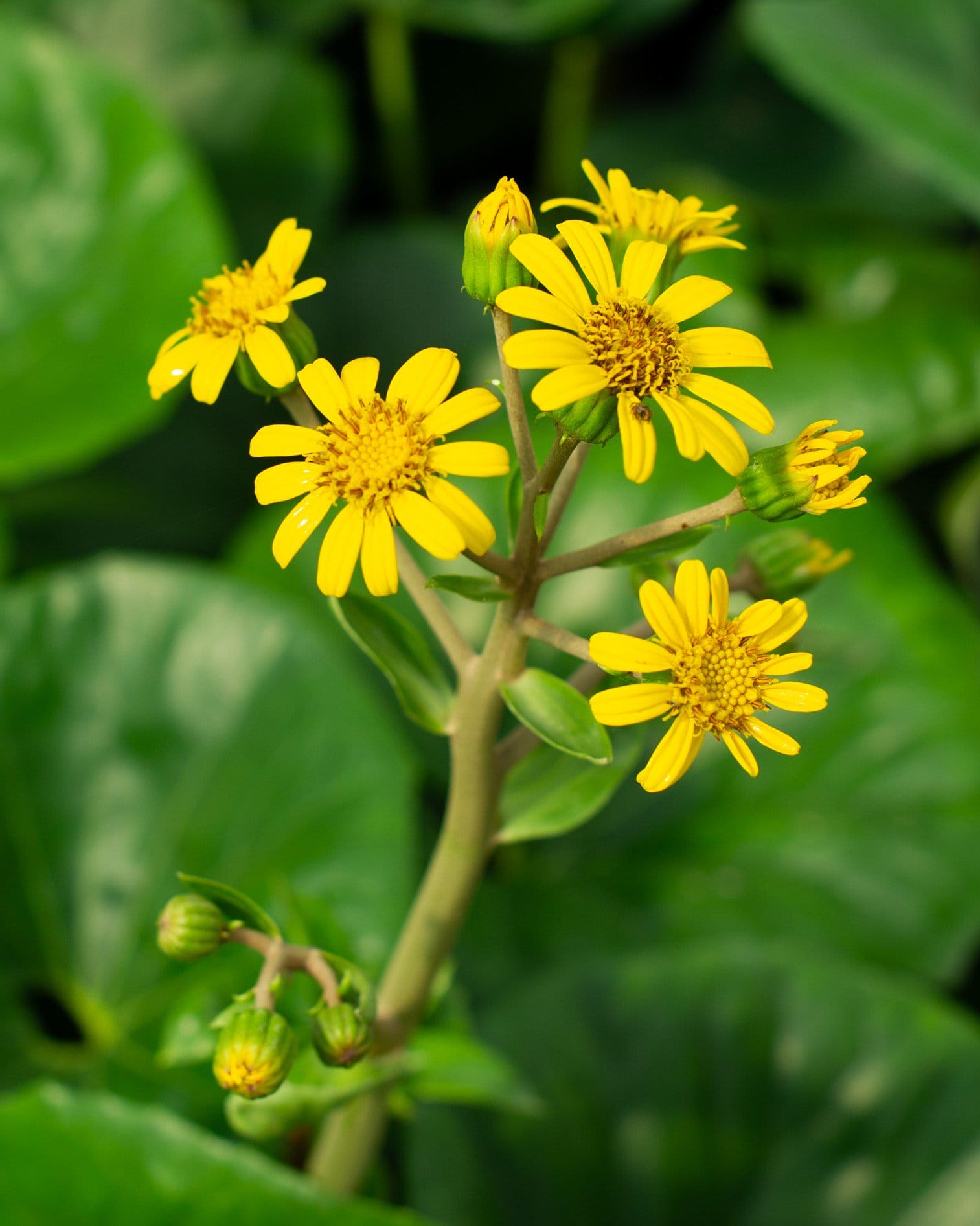
Giant Leopard Plant
Maturity: 3' H x 3' W
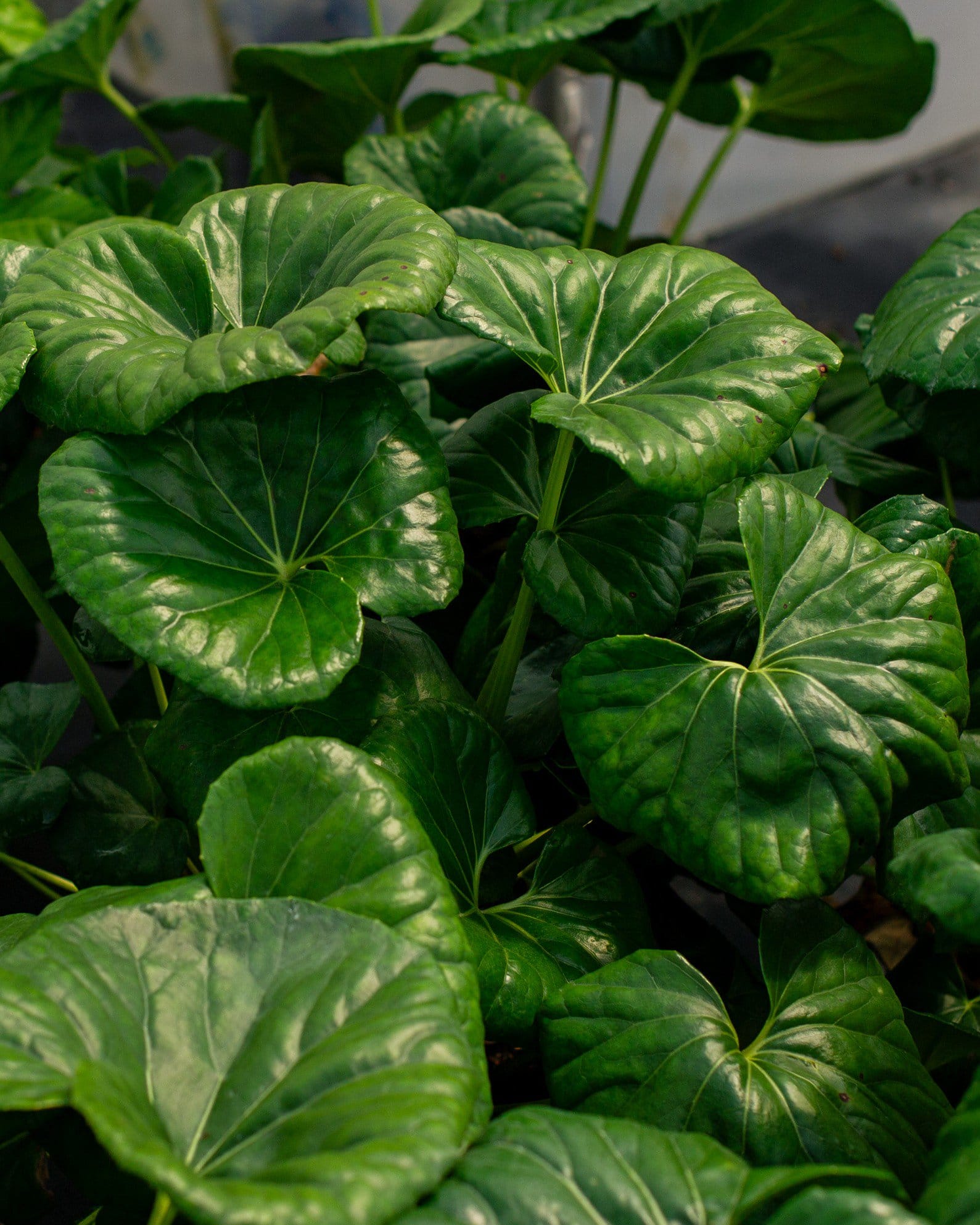
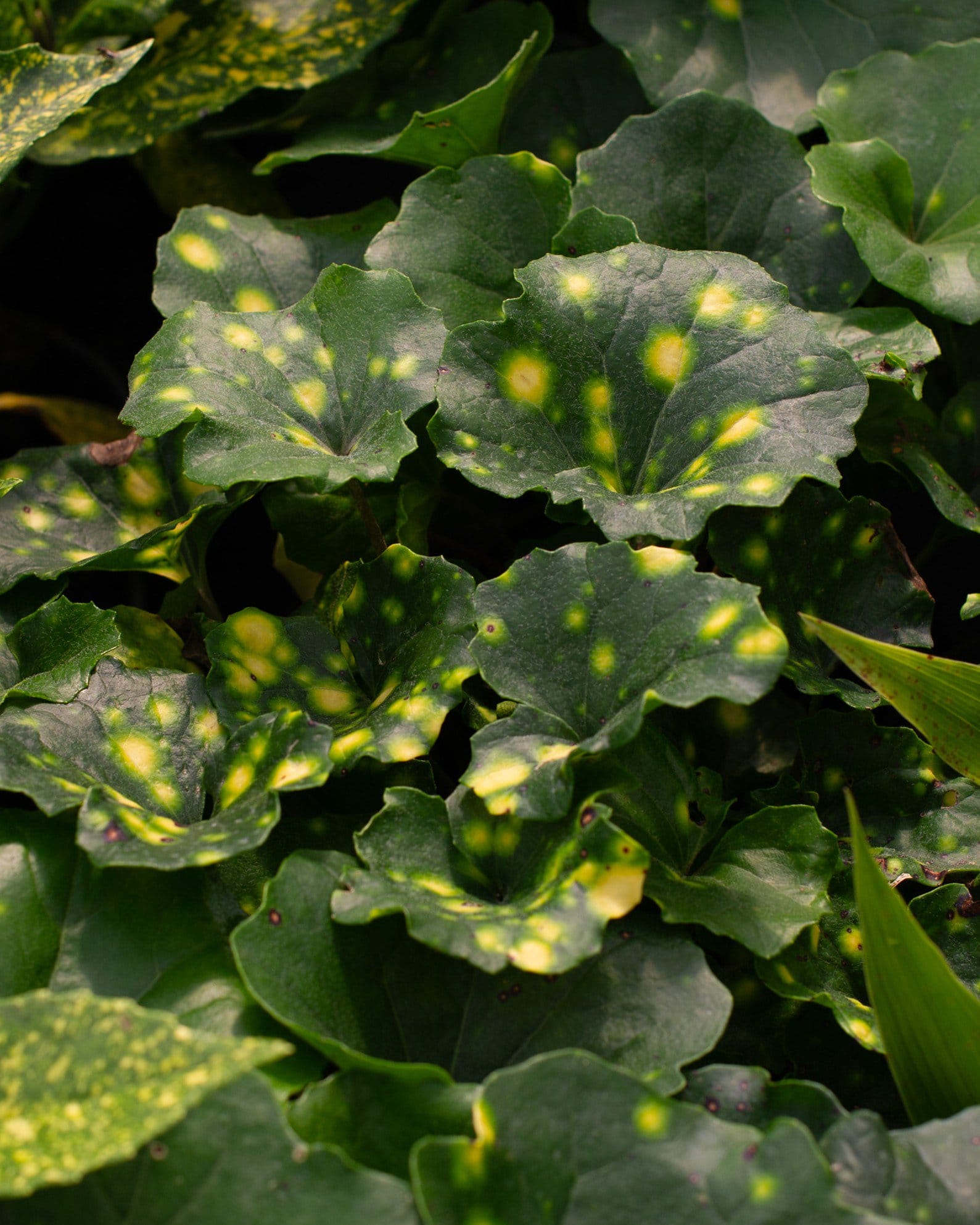
Variegated Leopard Plant
Maturity: 2' H x 2.5' W
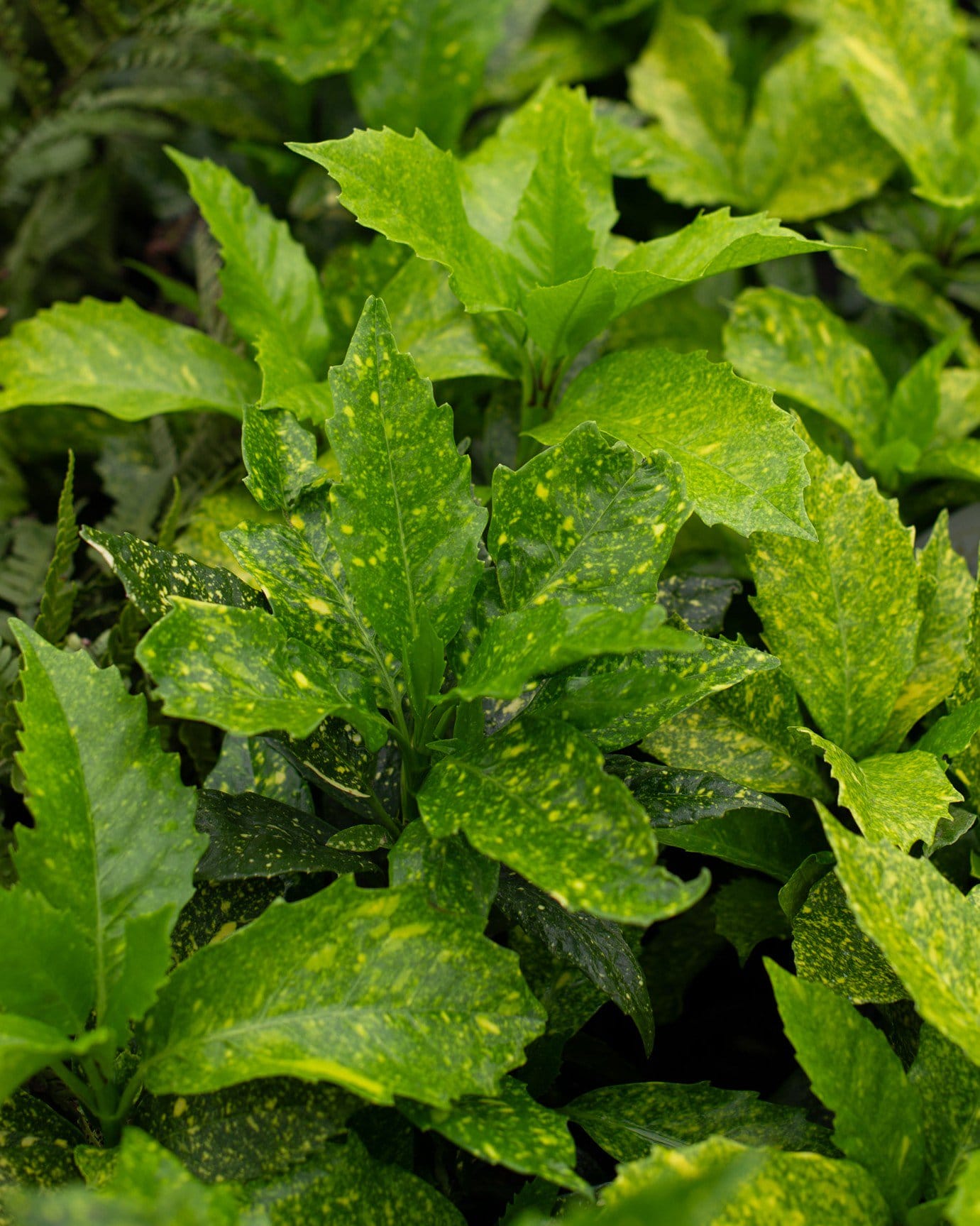
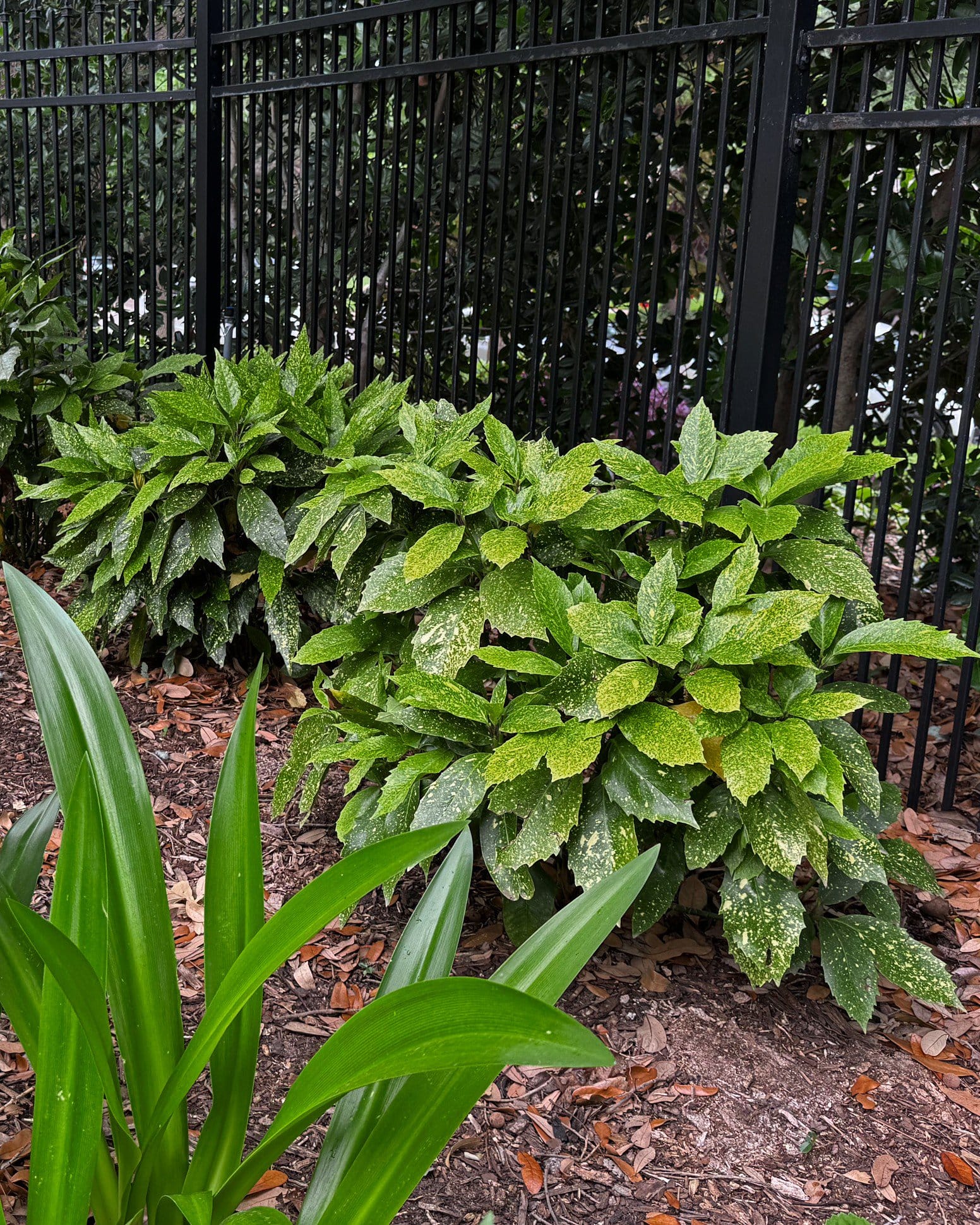
Gold Dust Aucuba
Maturity: 6' H x 5' W
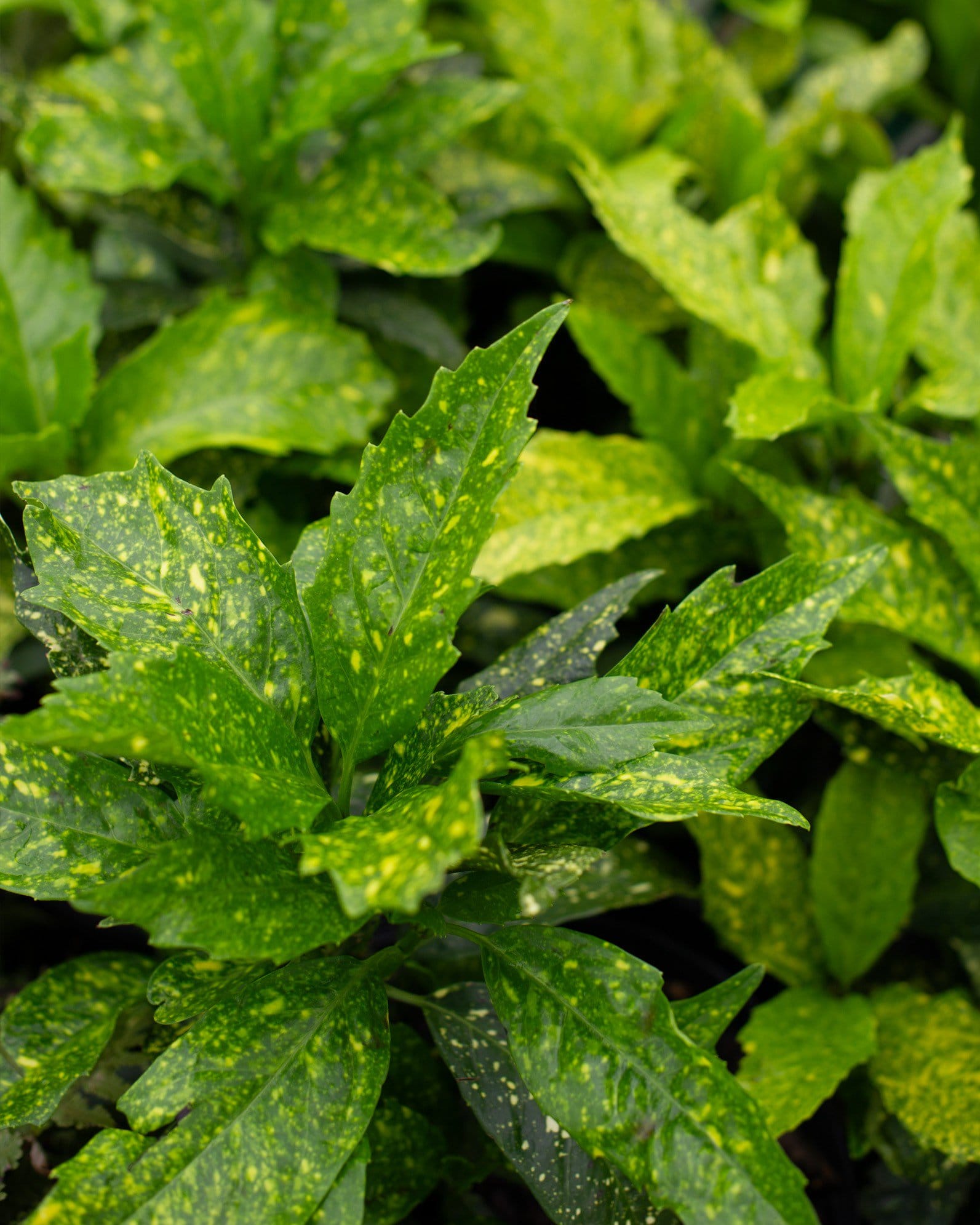
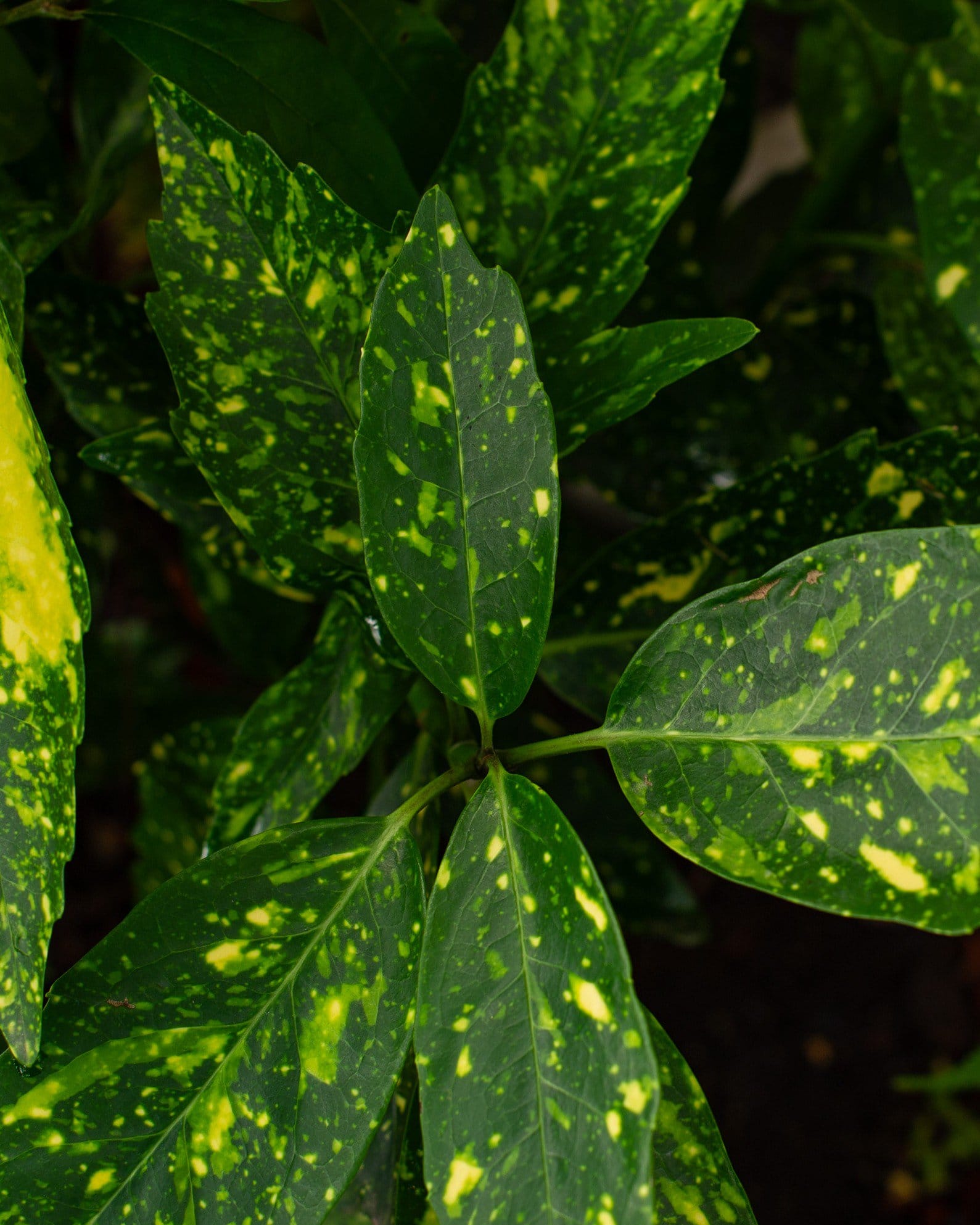
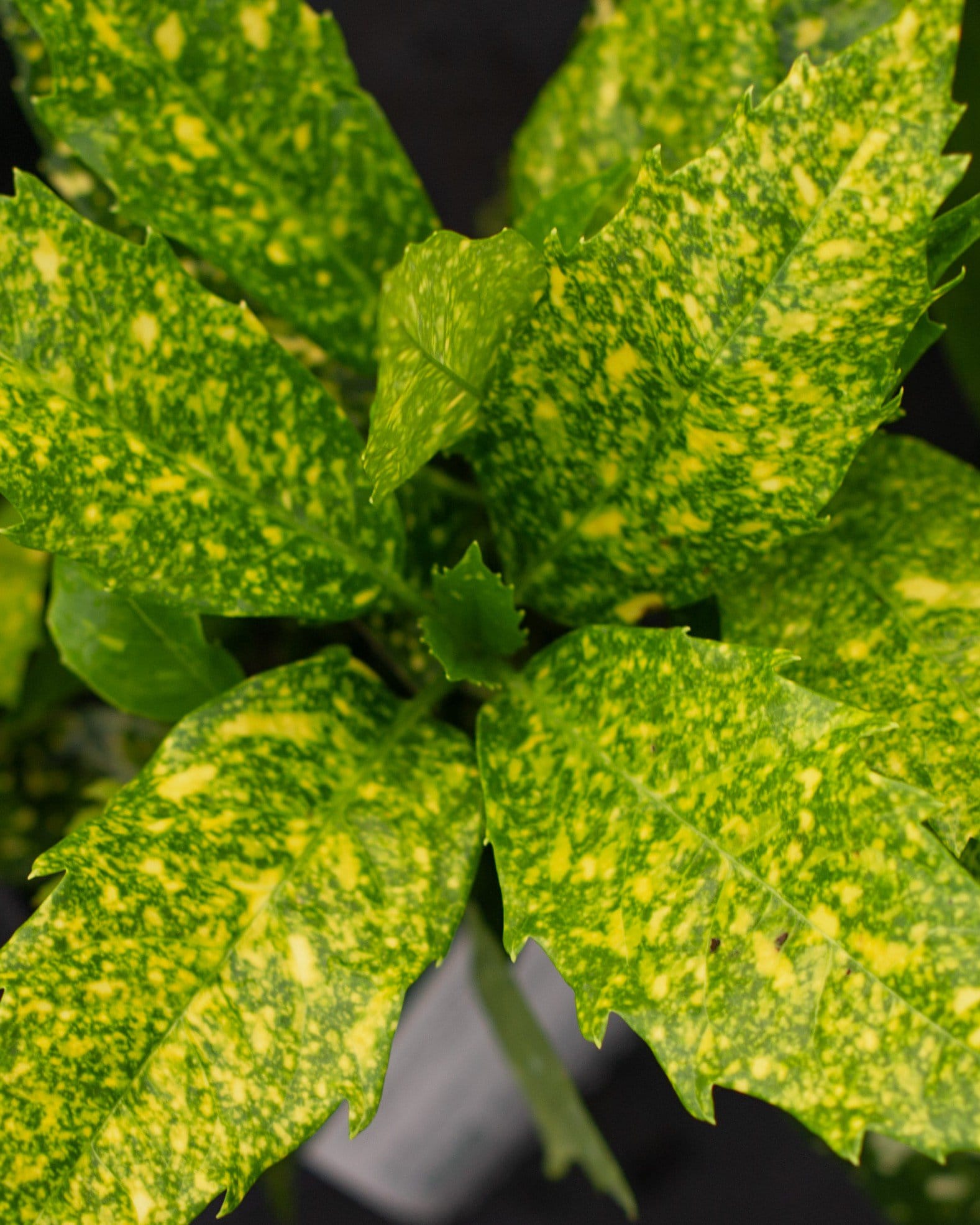
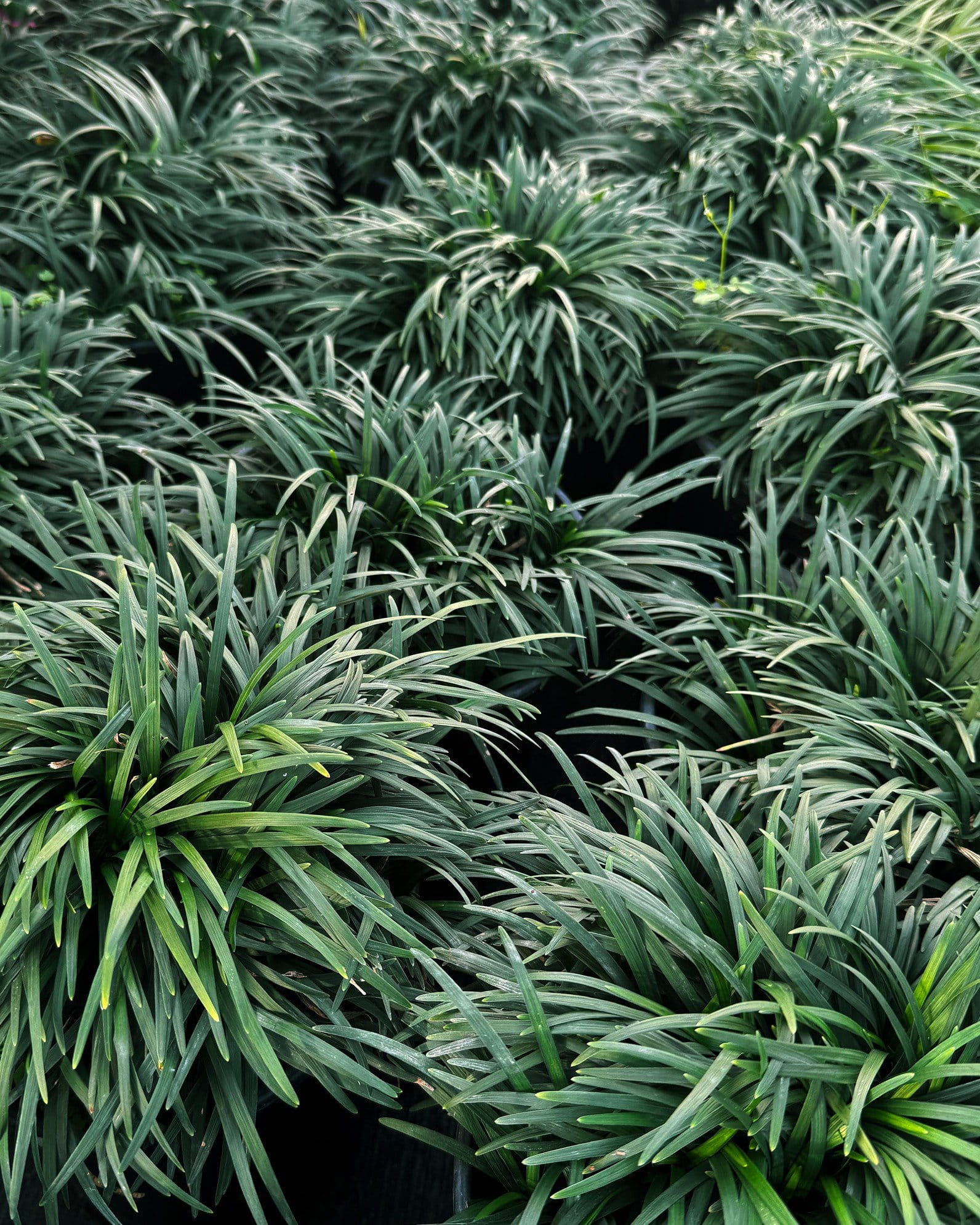
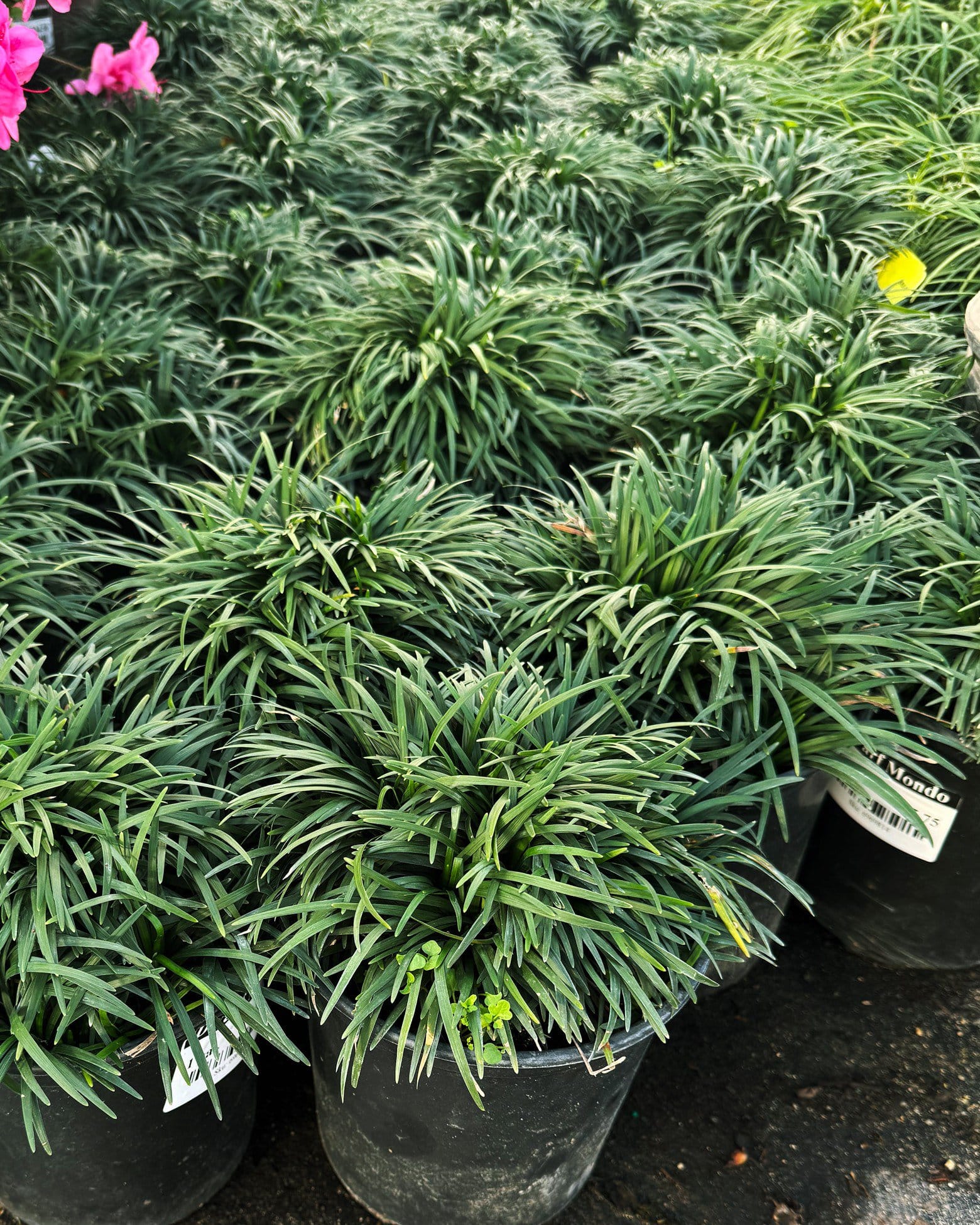
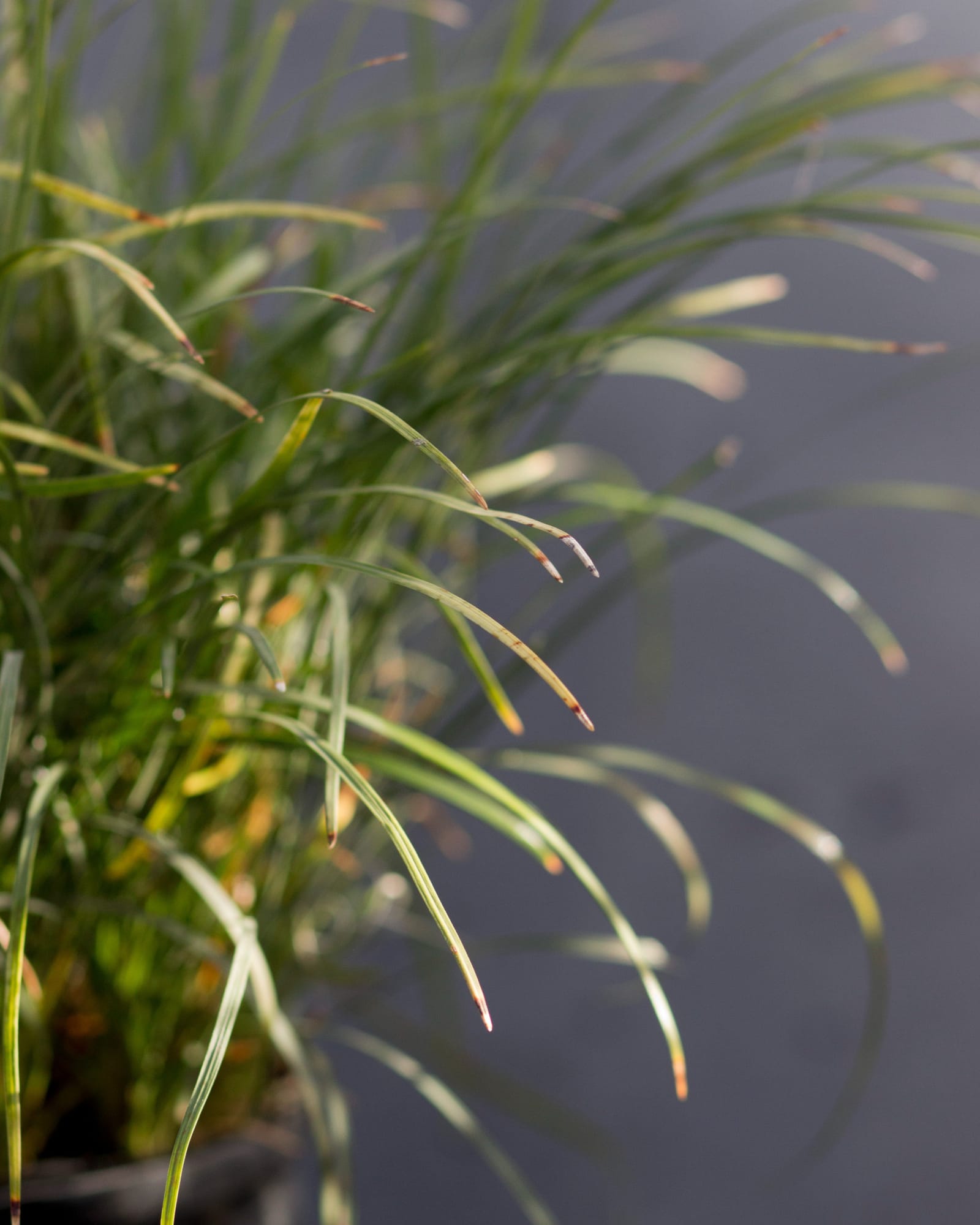
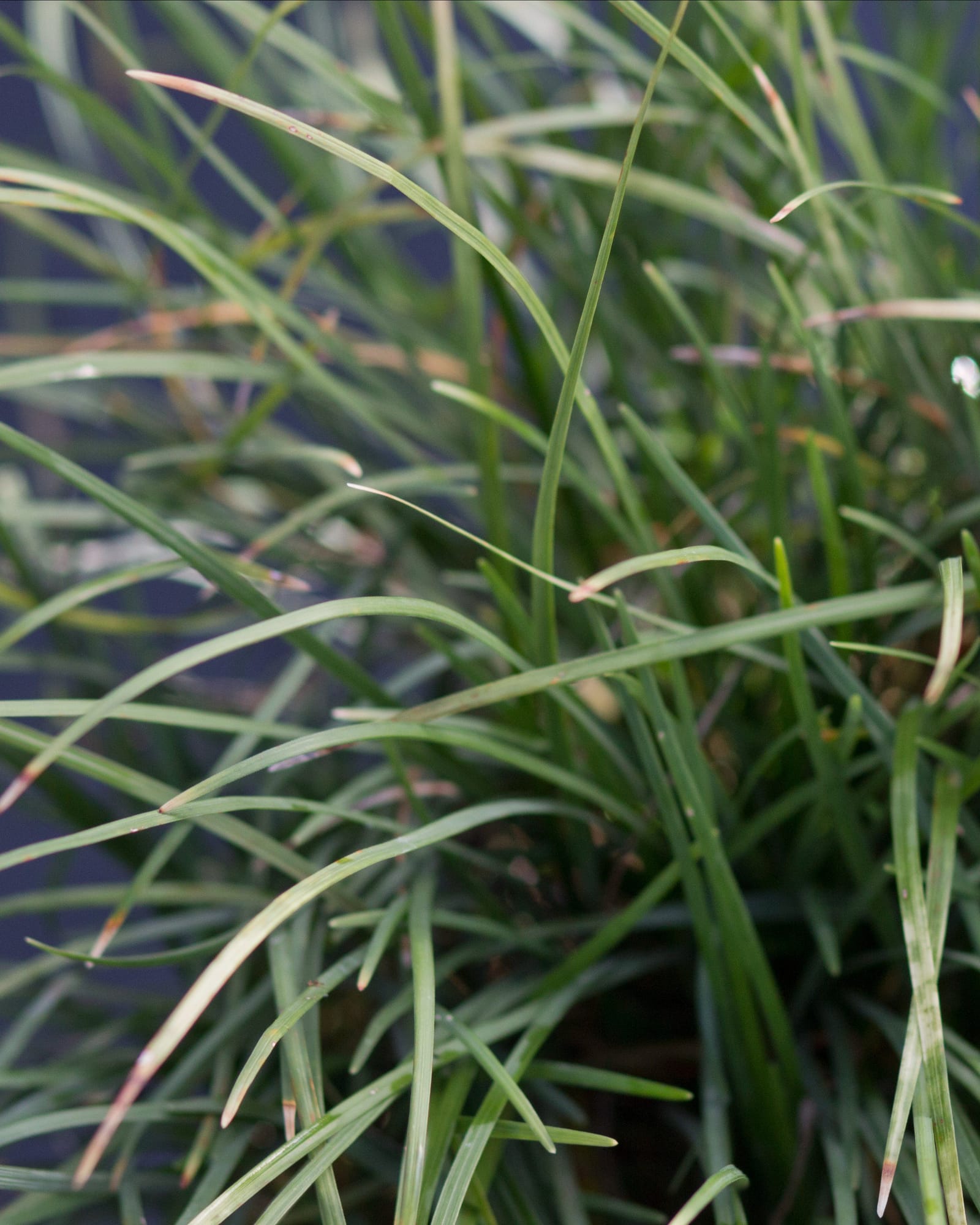
Dwarf Mondo
Maturity: 0.5' H x 0.5' W
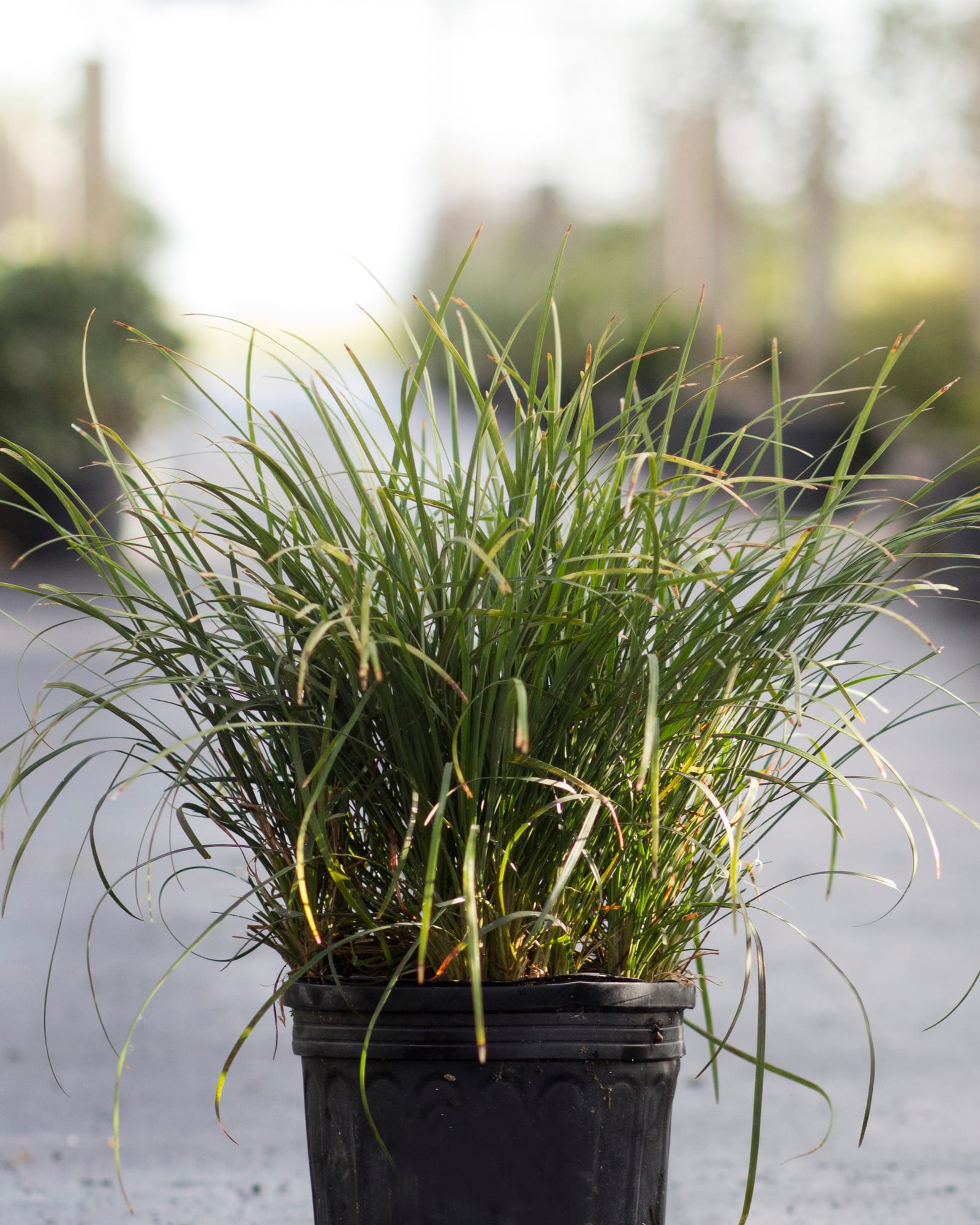
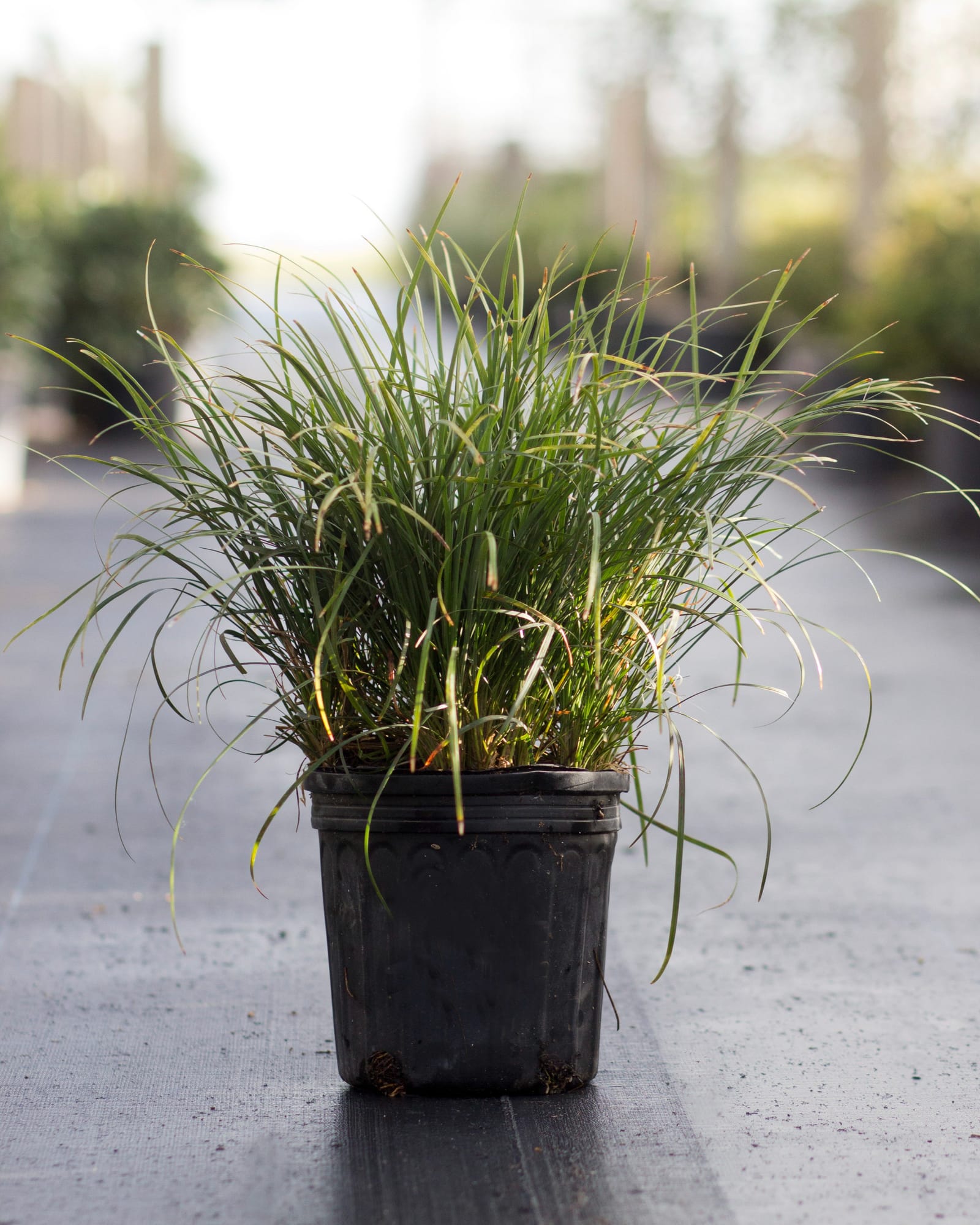
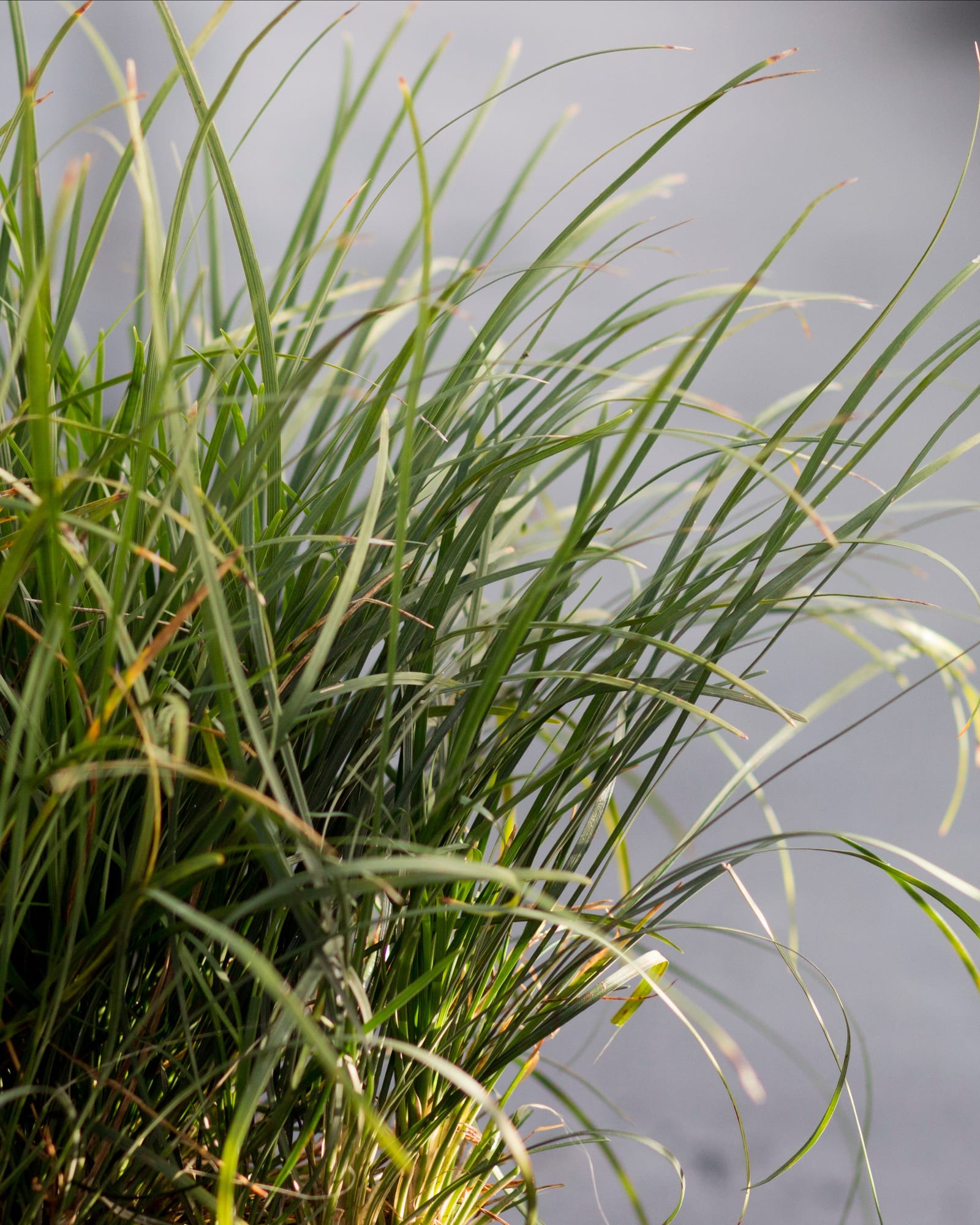
Mondo
Maturity: 0.75' H x 1' W
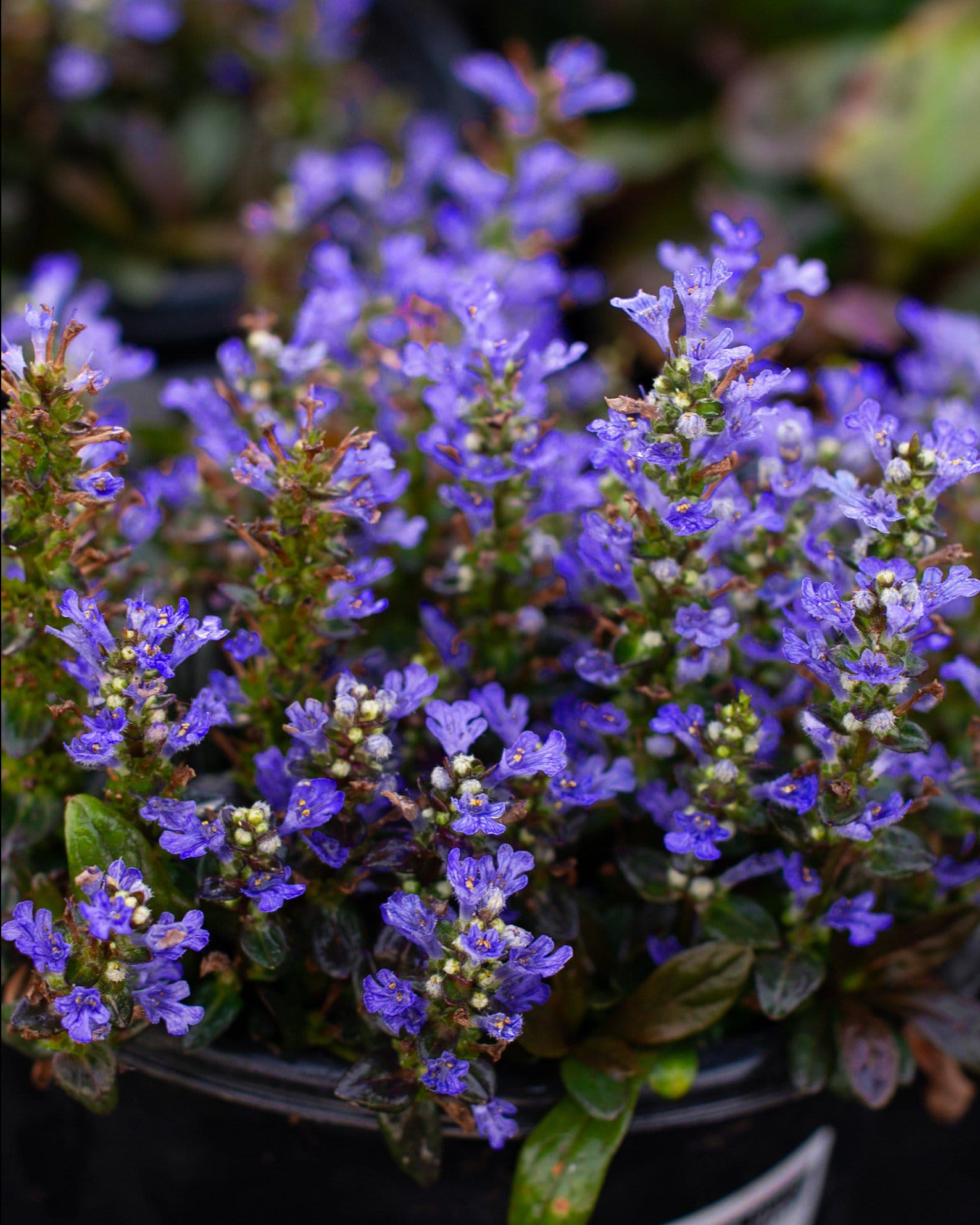
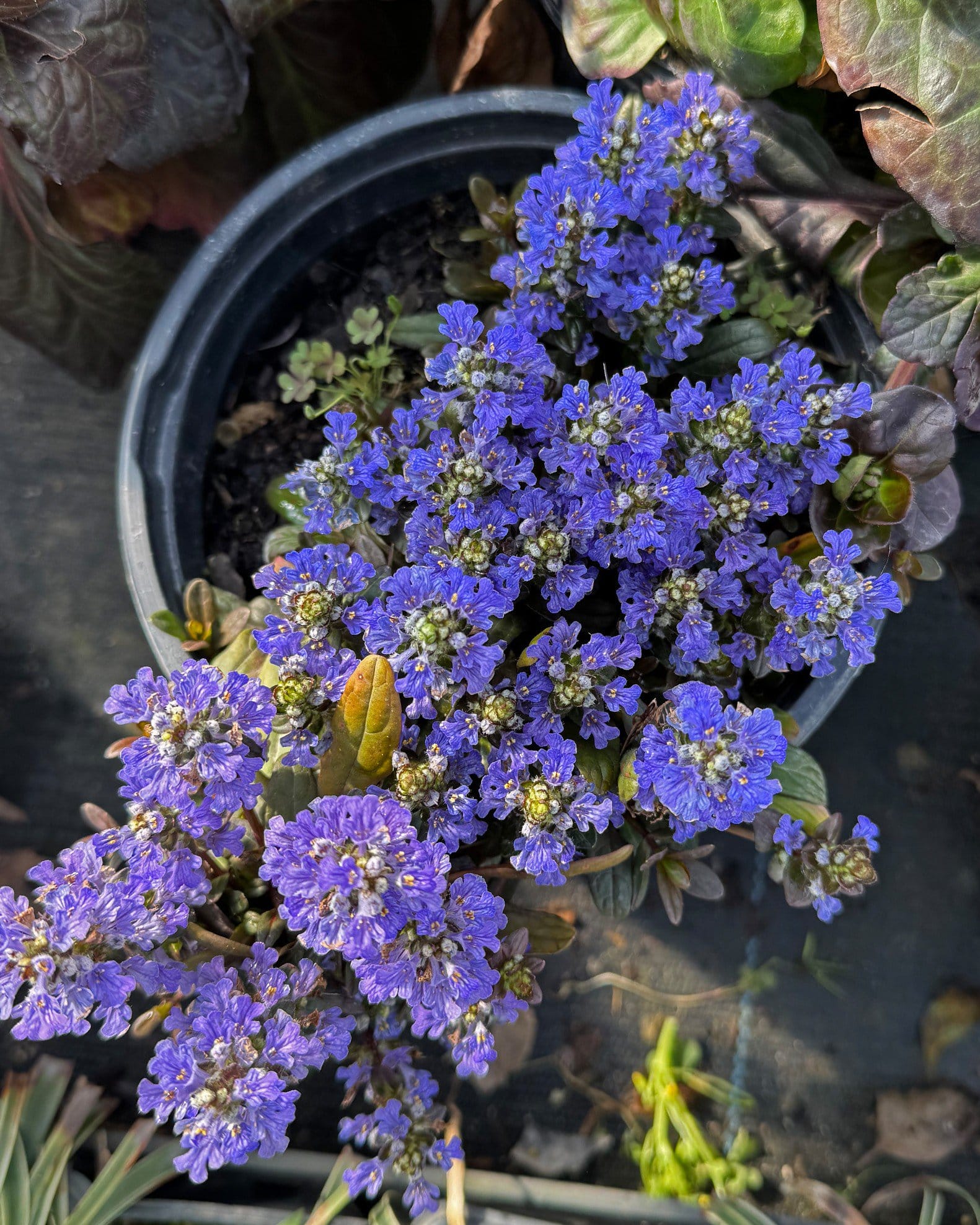
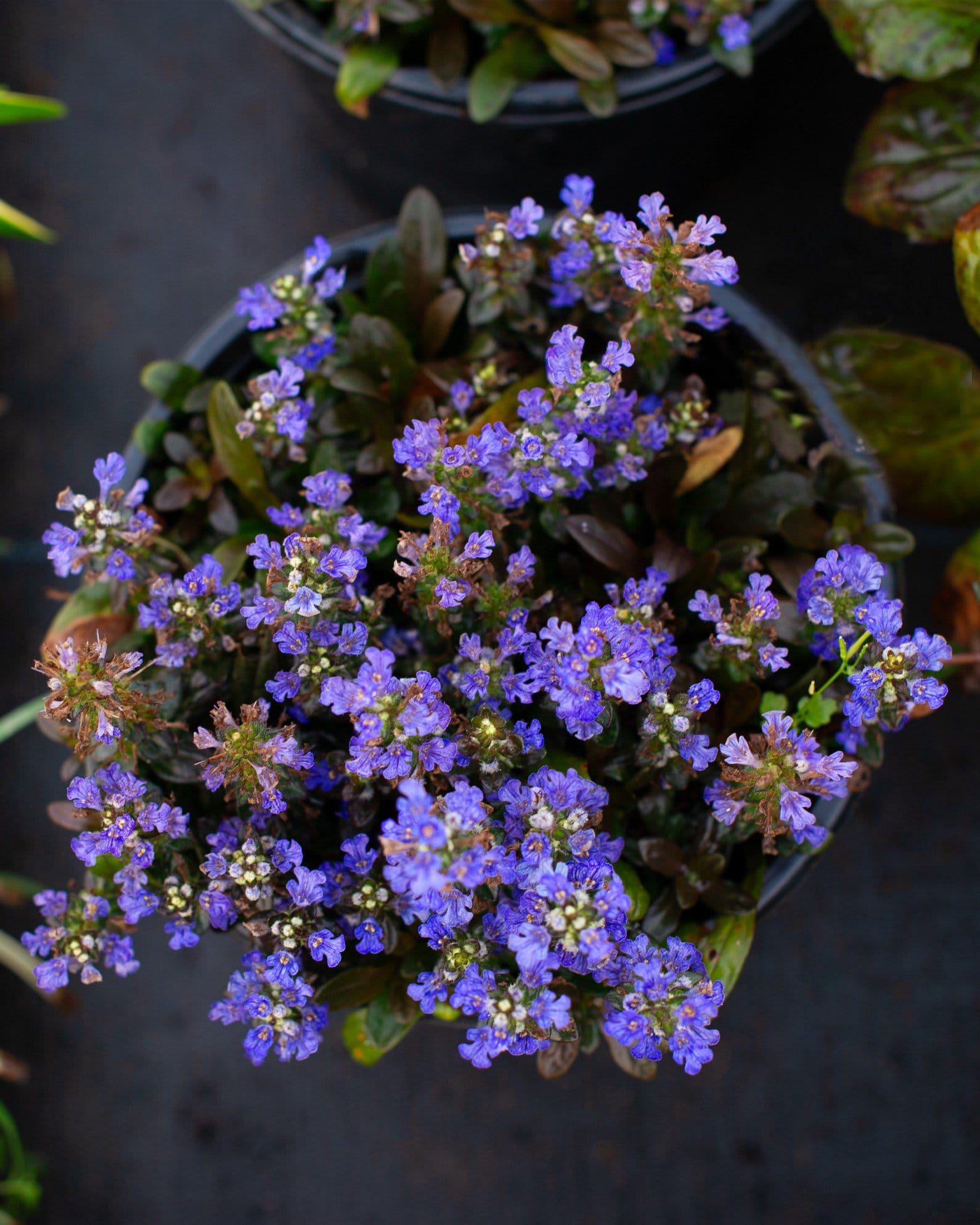
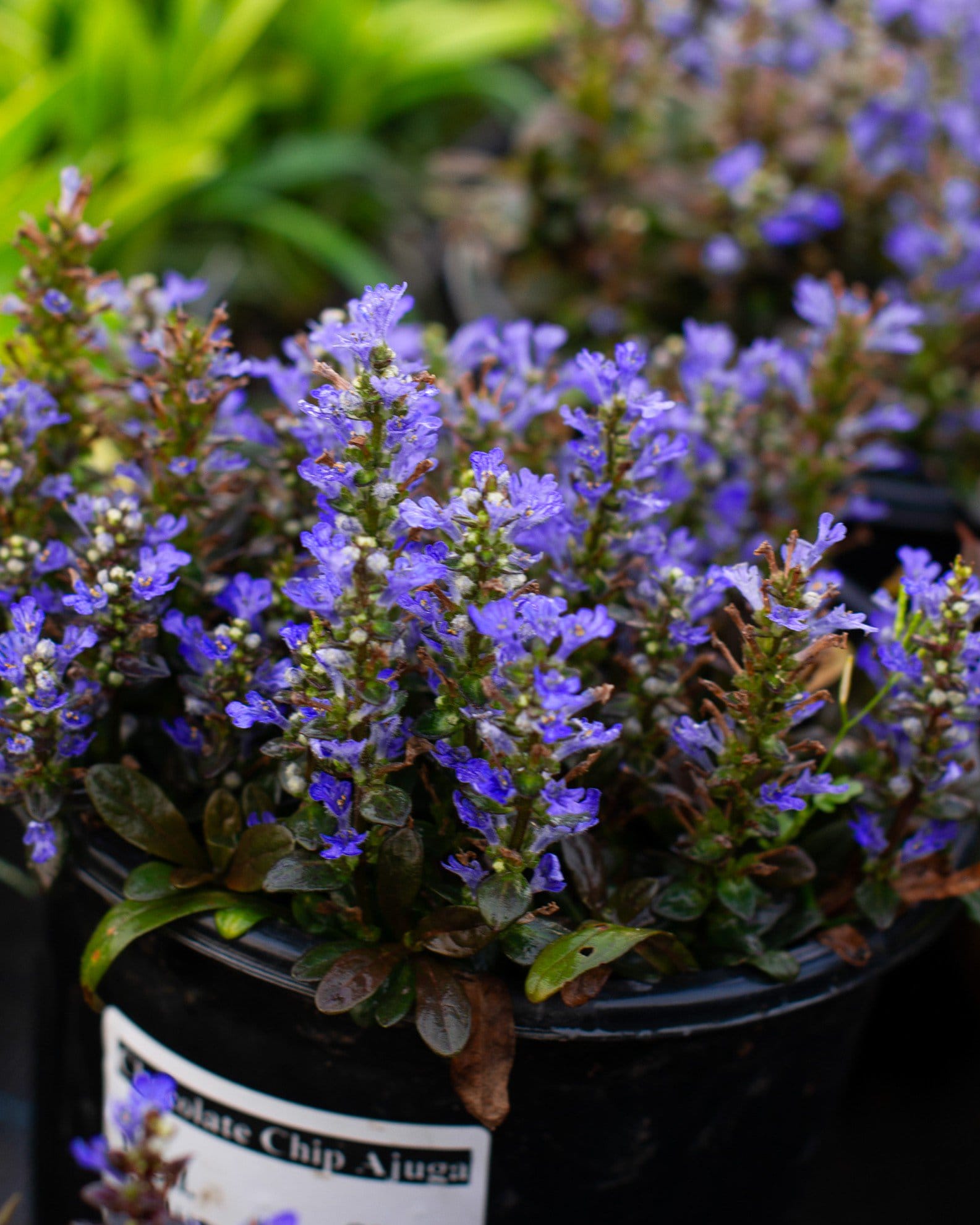
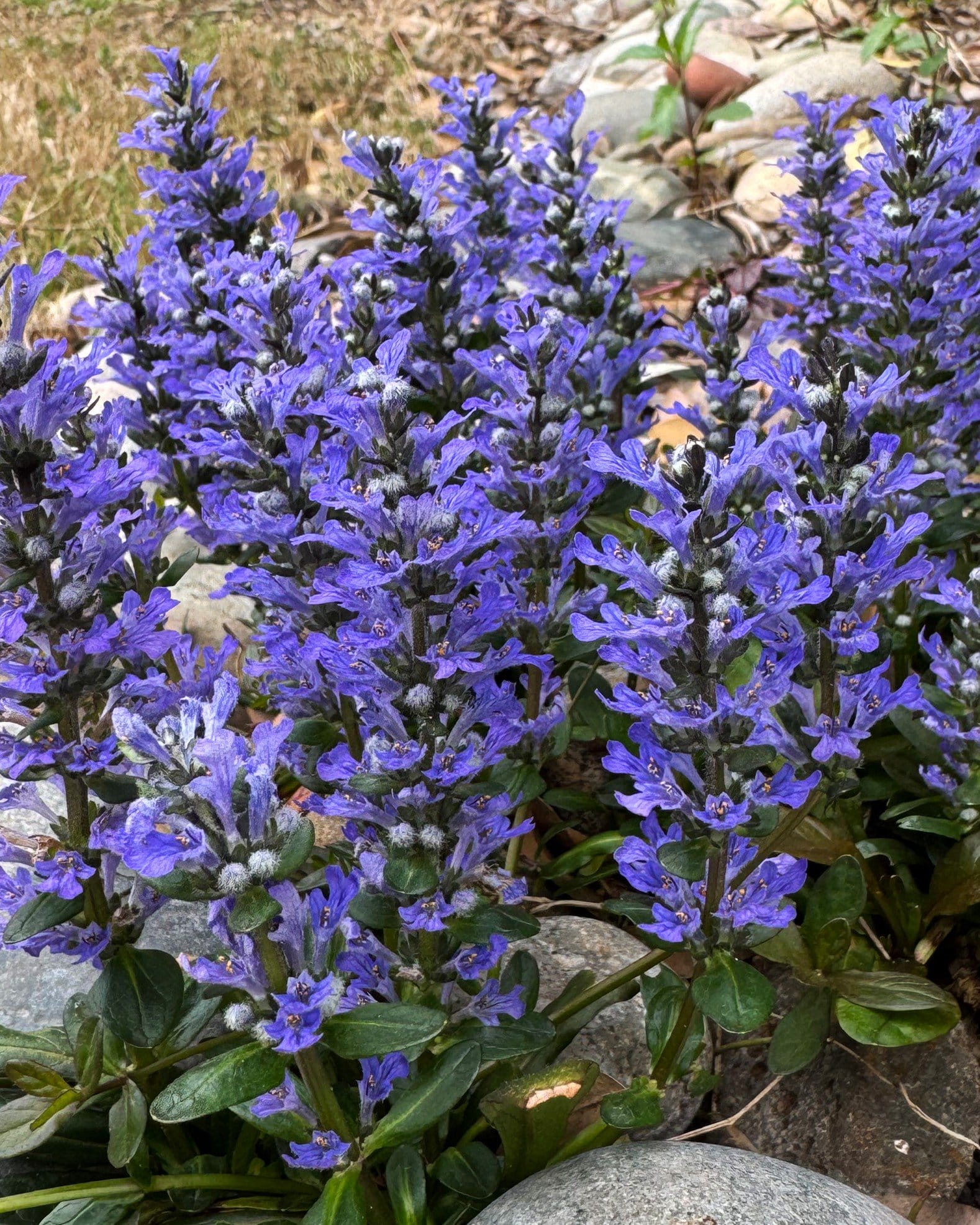
Chocolate Chip Ajuga
Maturity: 0.5' H x 1.5' W
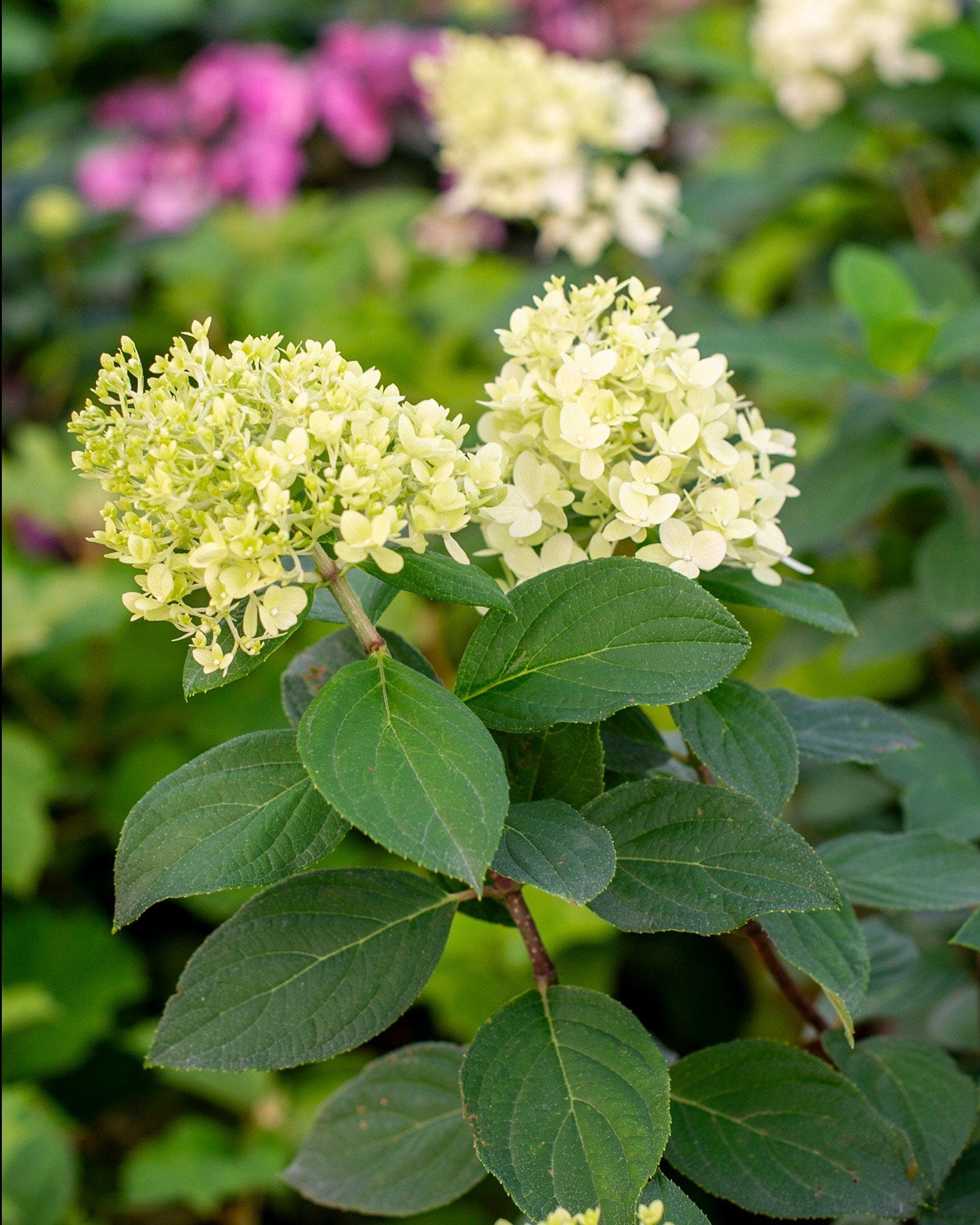
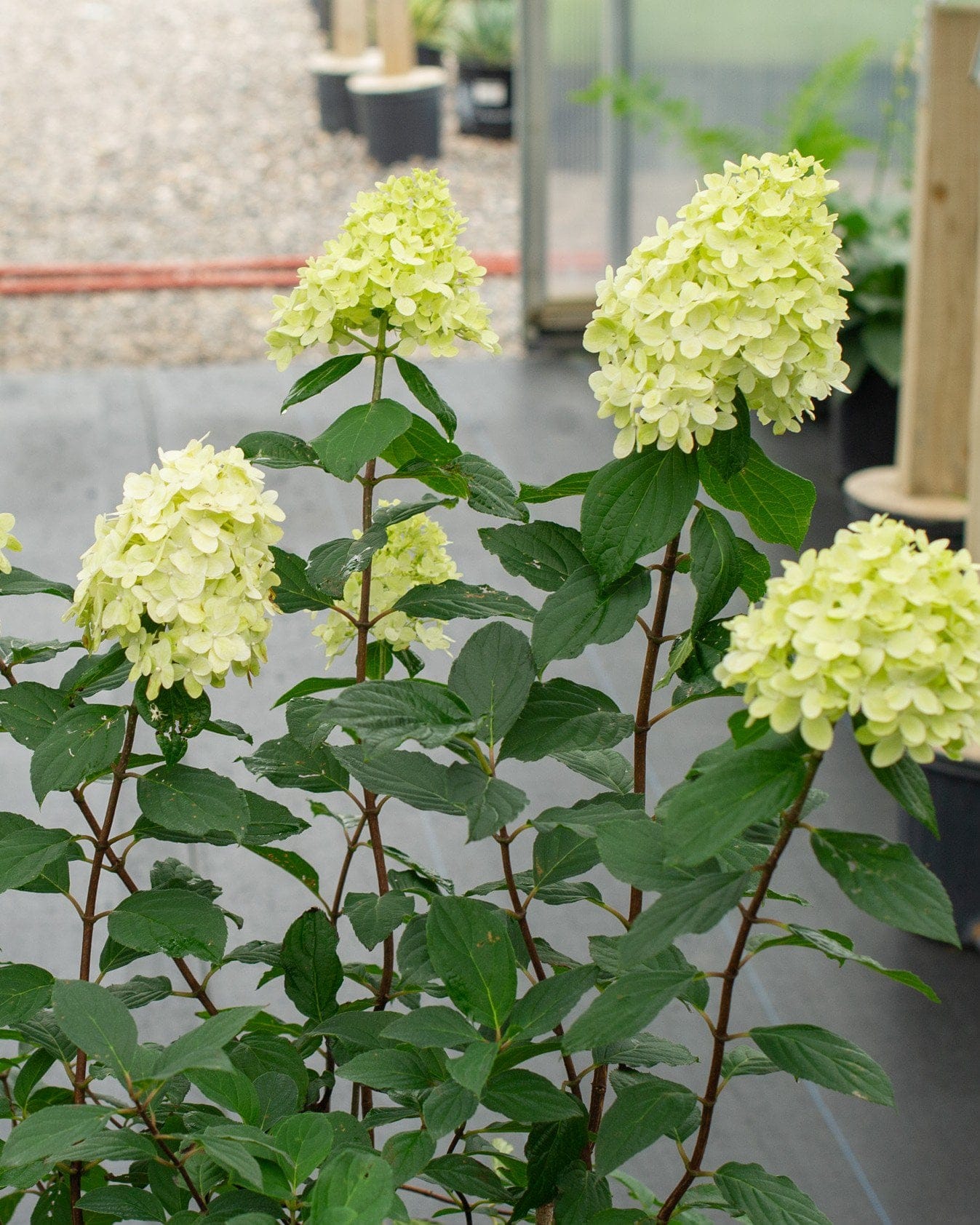
Limelight Hydrangea
Maturity: 8' H x 6' W
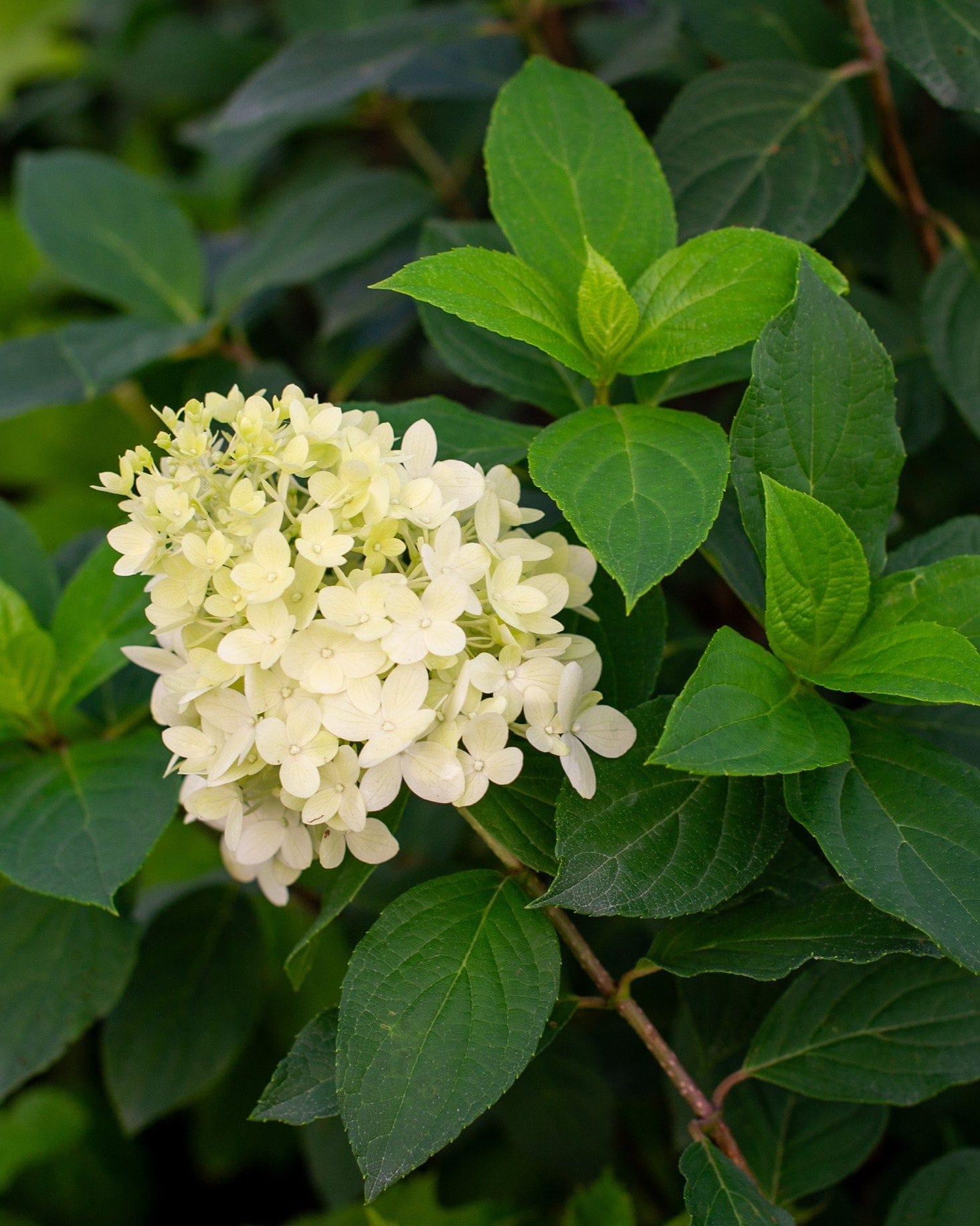
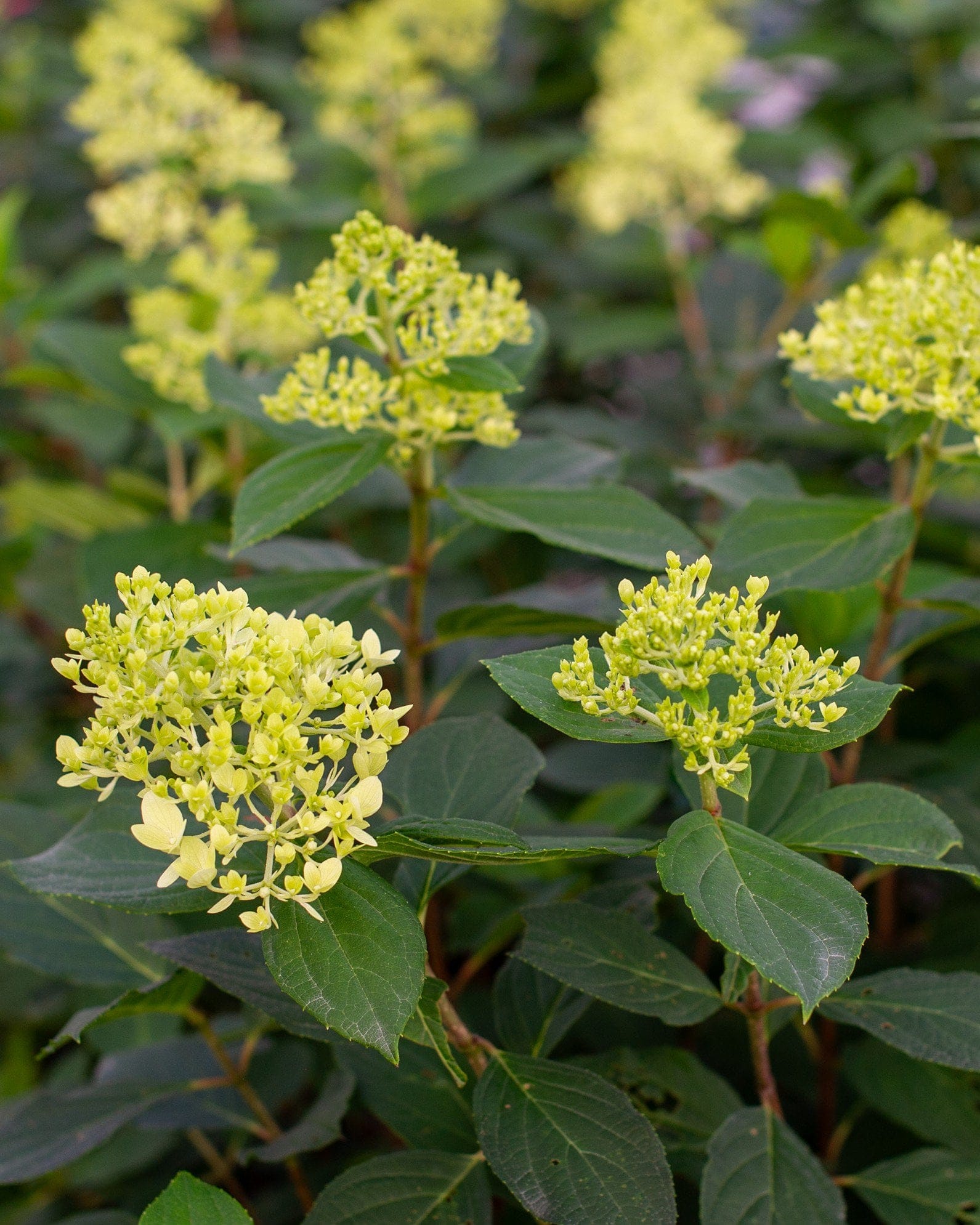
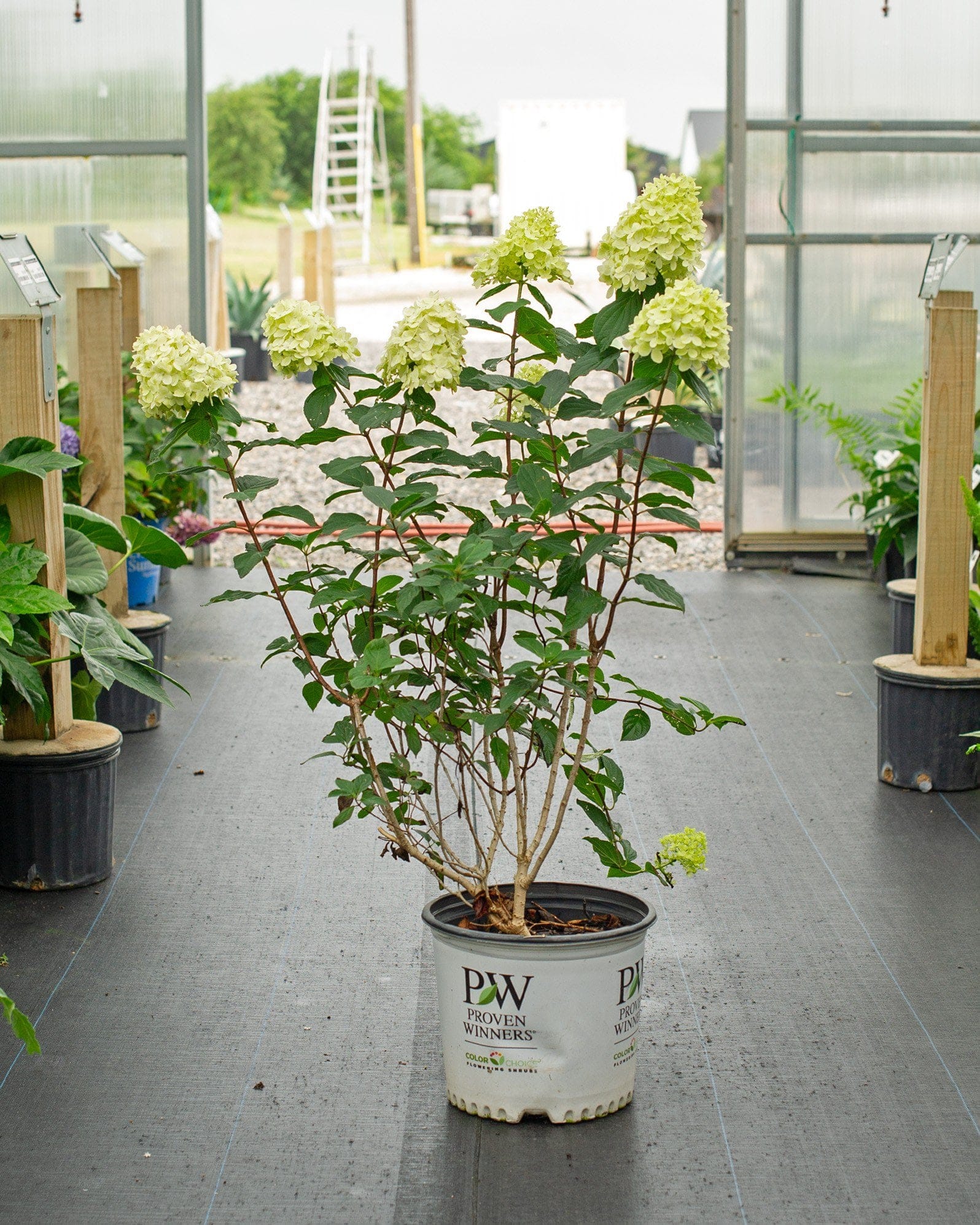
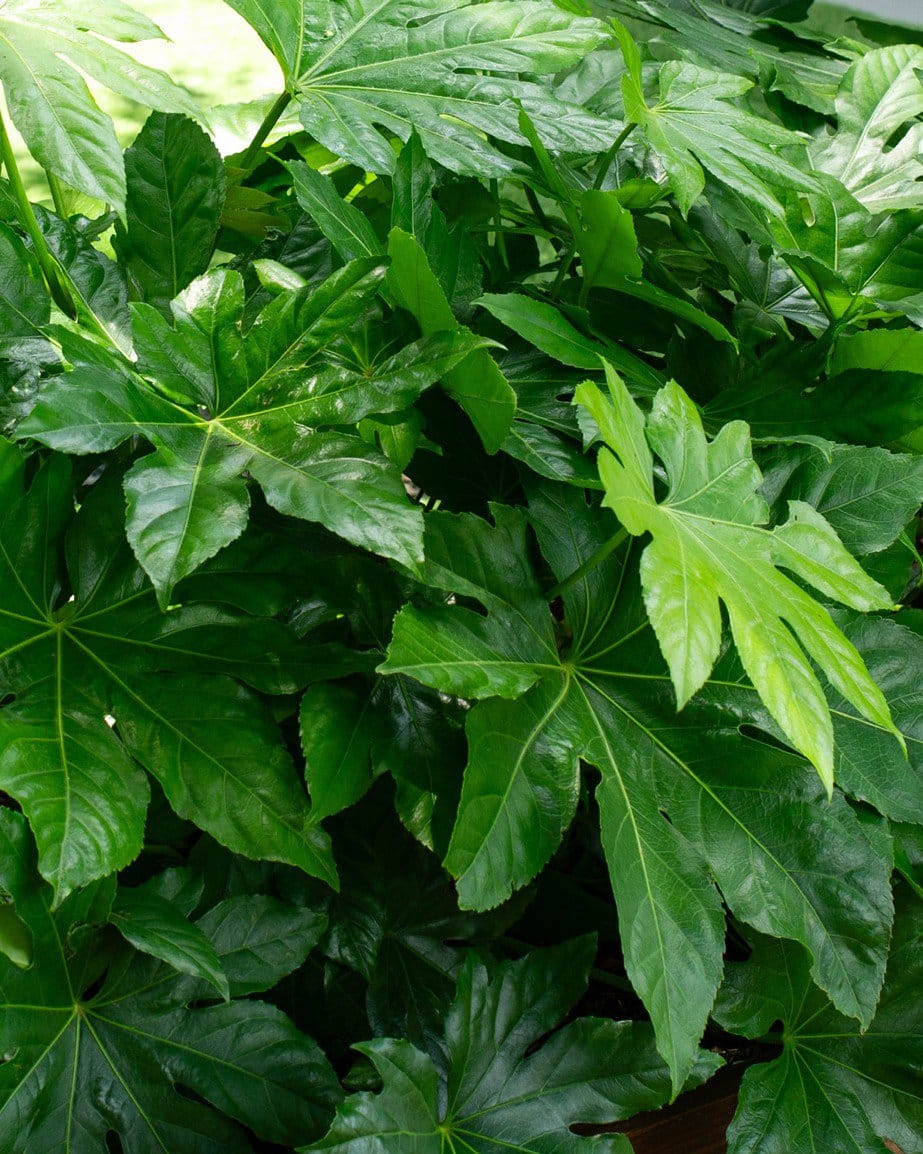
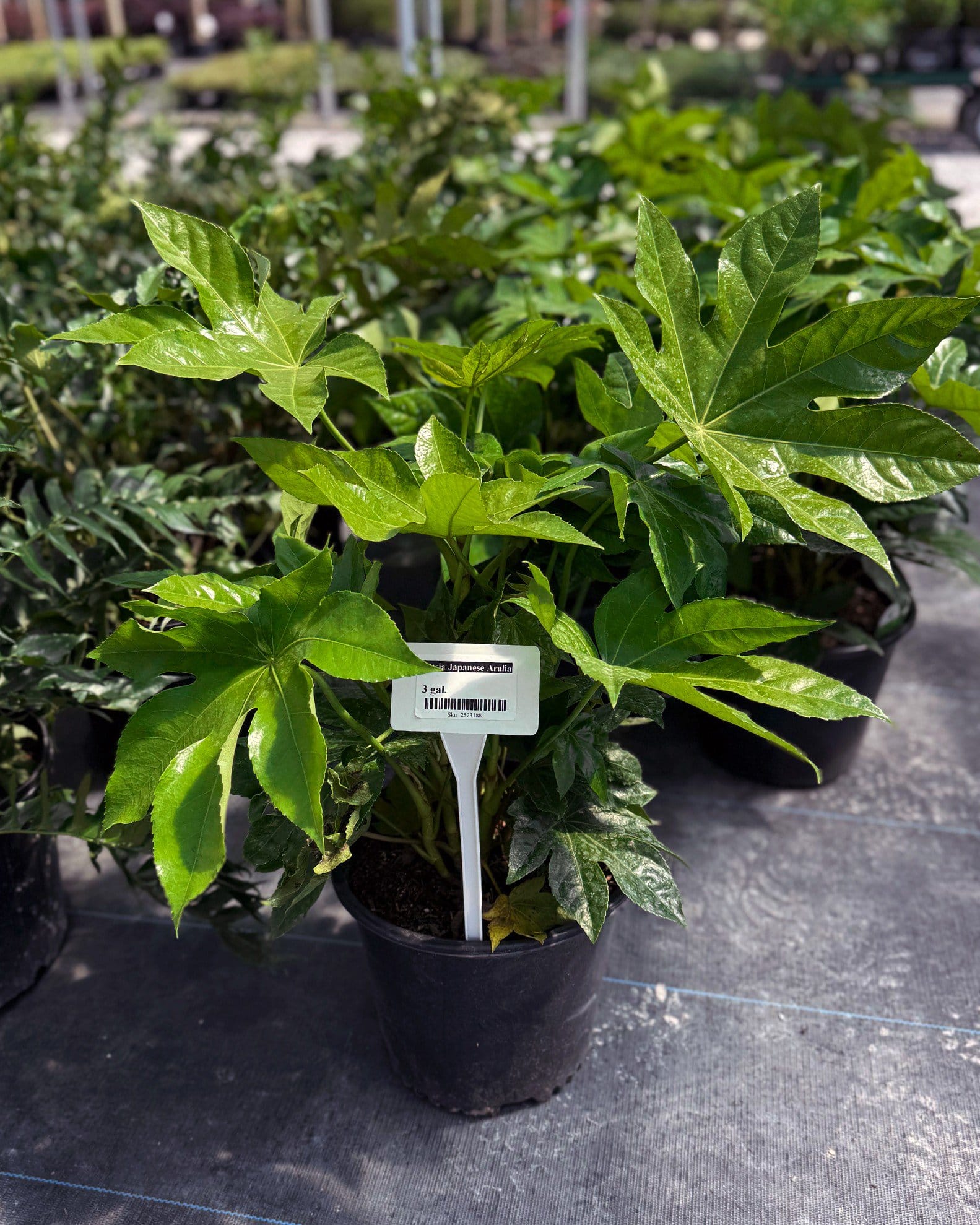
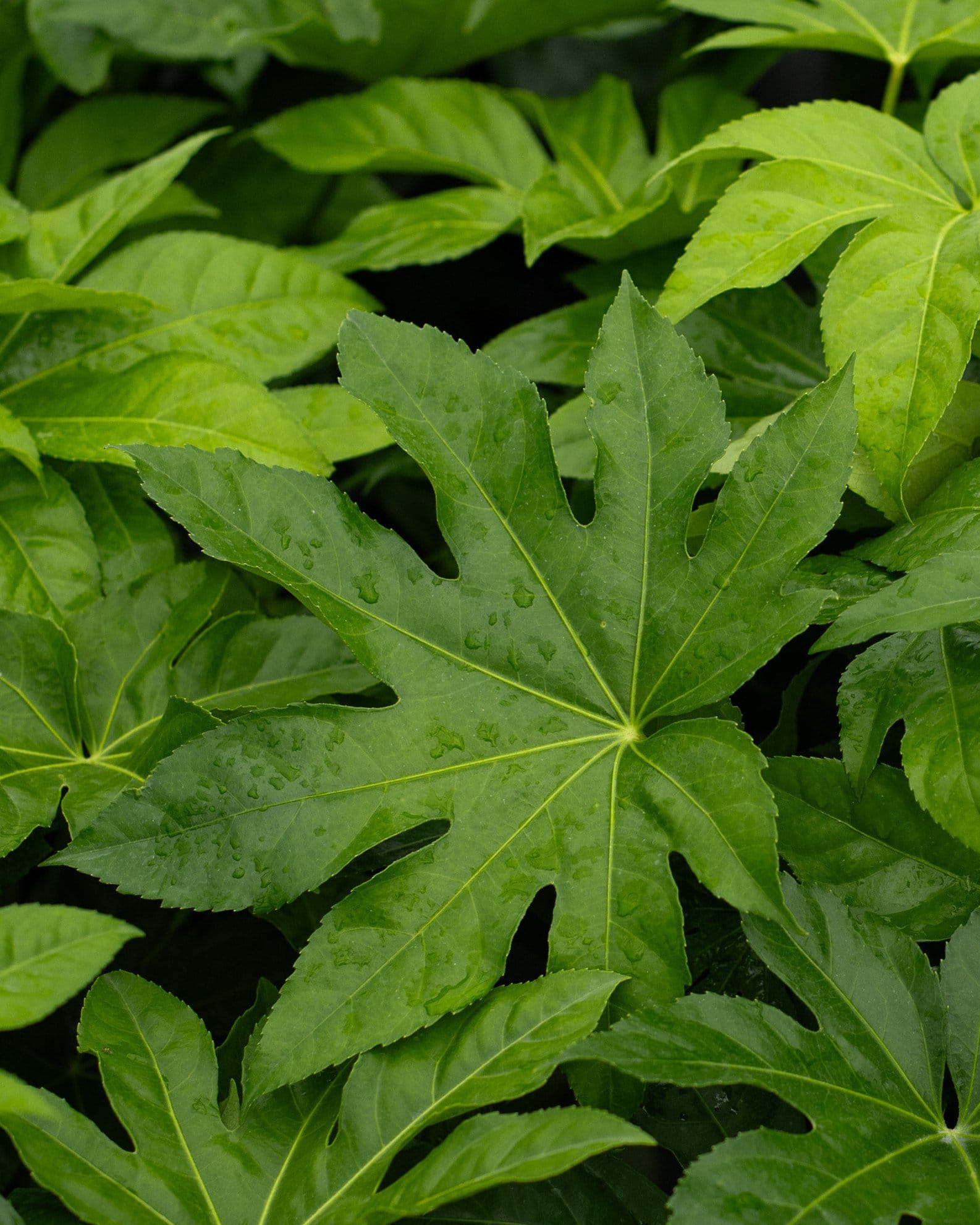
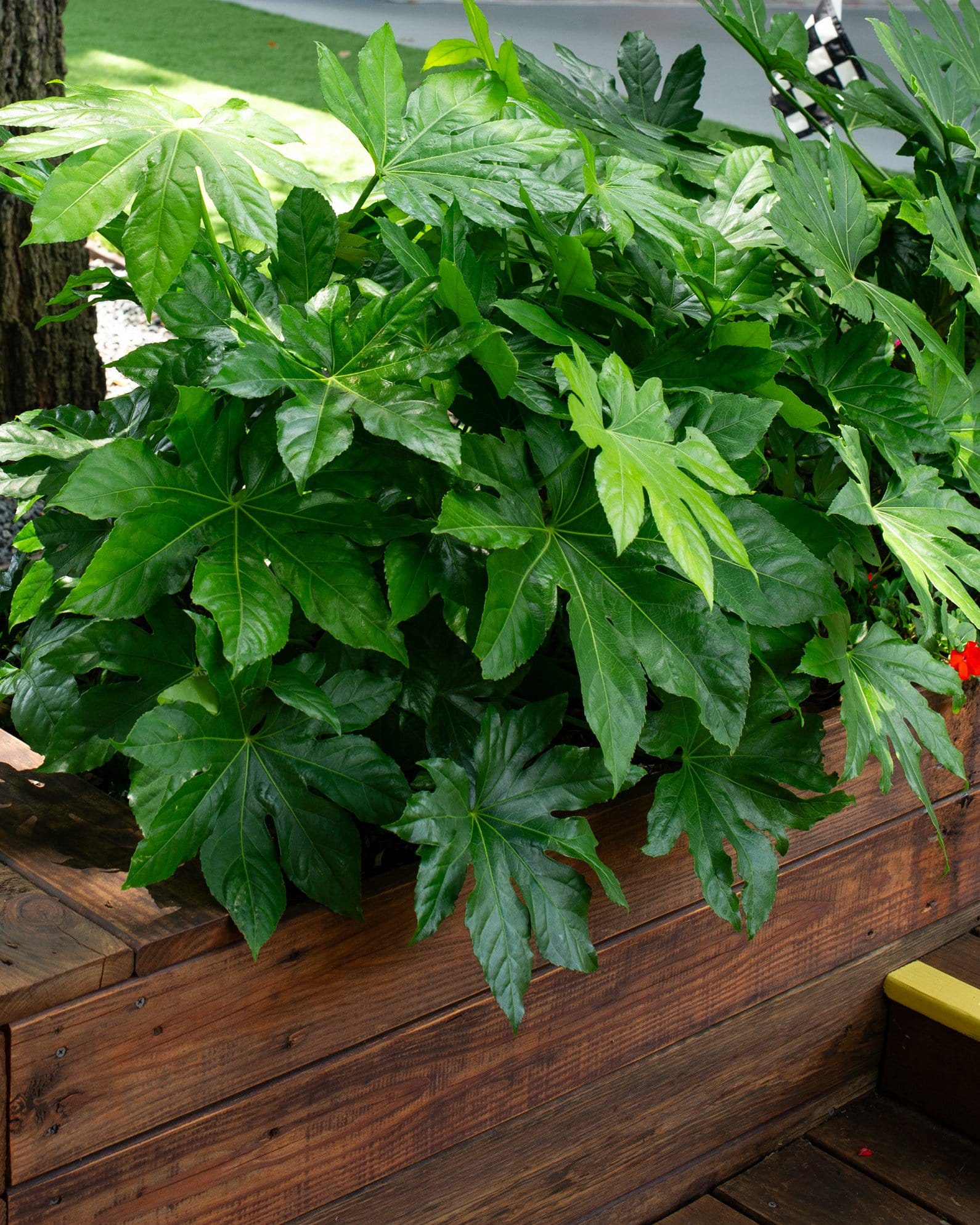
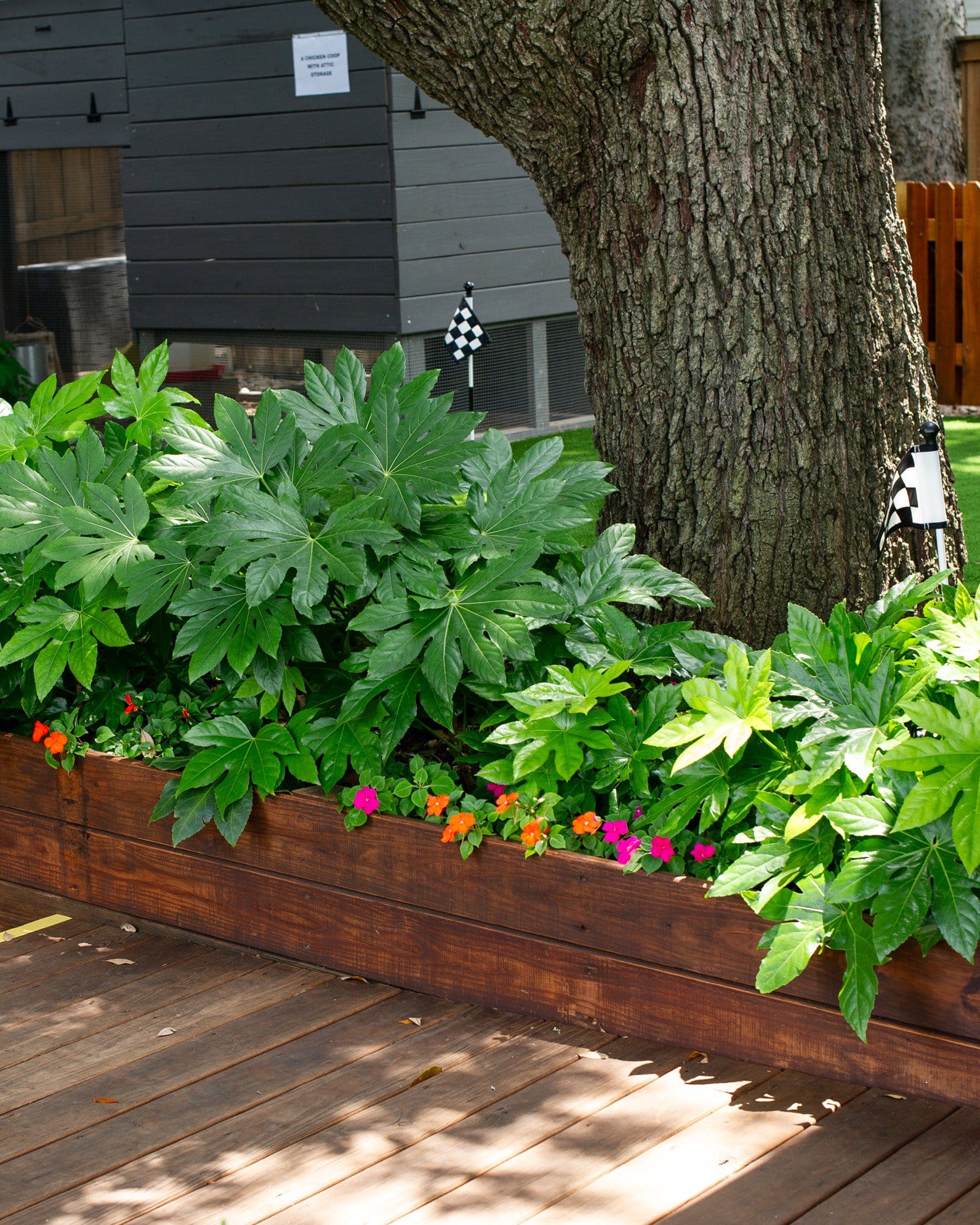
Japanese Aralia
Maturity: 5' H x 5' W
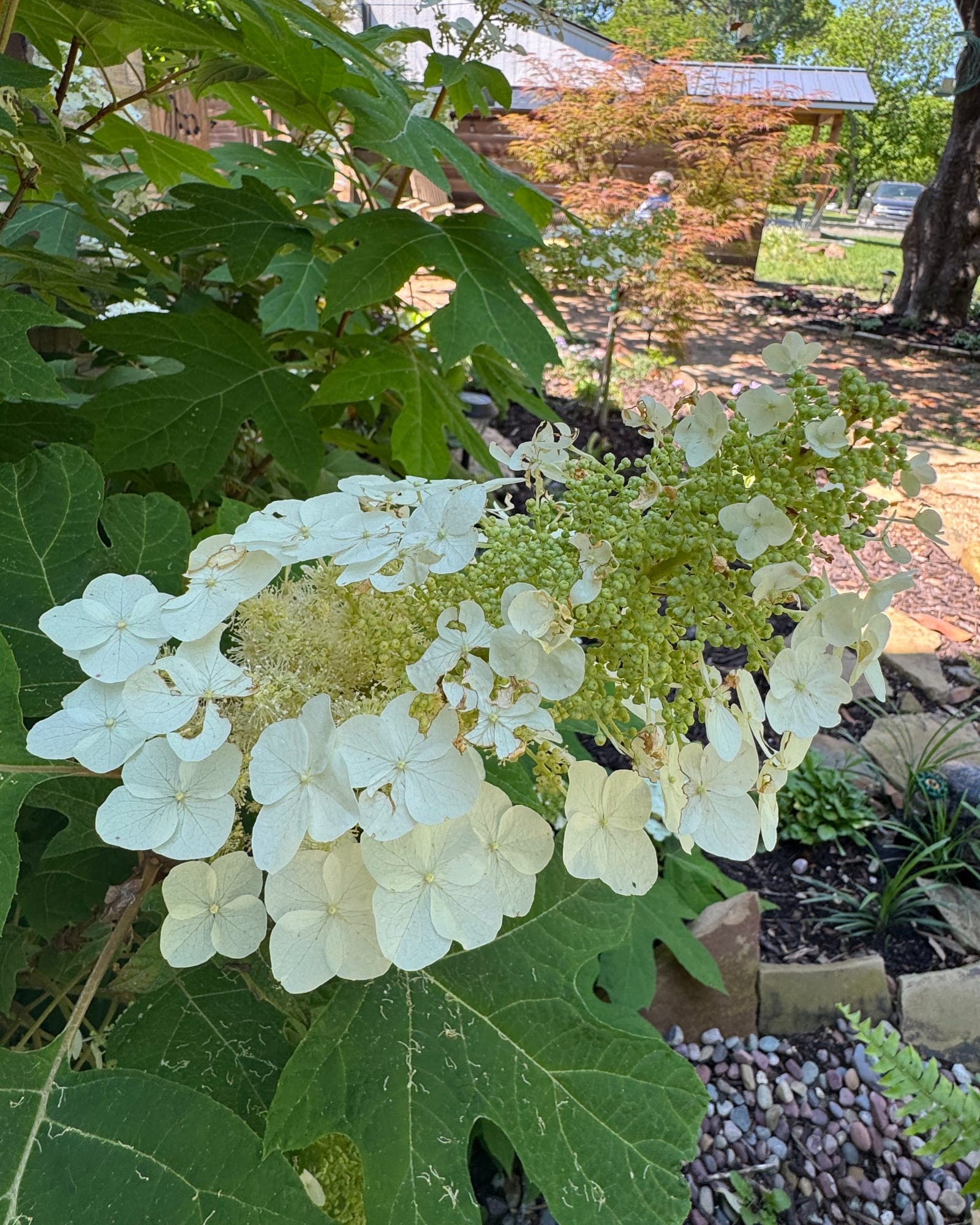
Oakleaf Hydrangea
Maturity: 6' H x 6' W
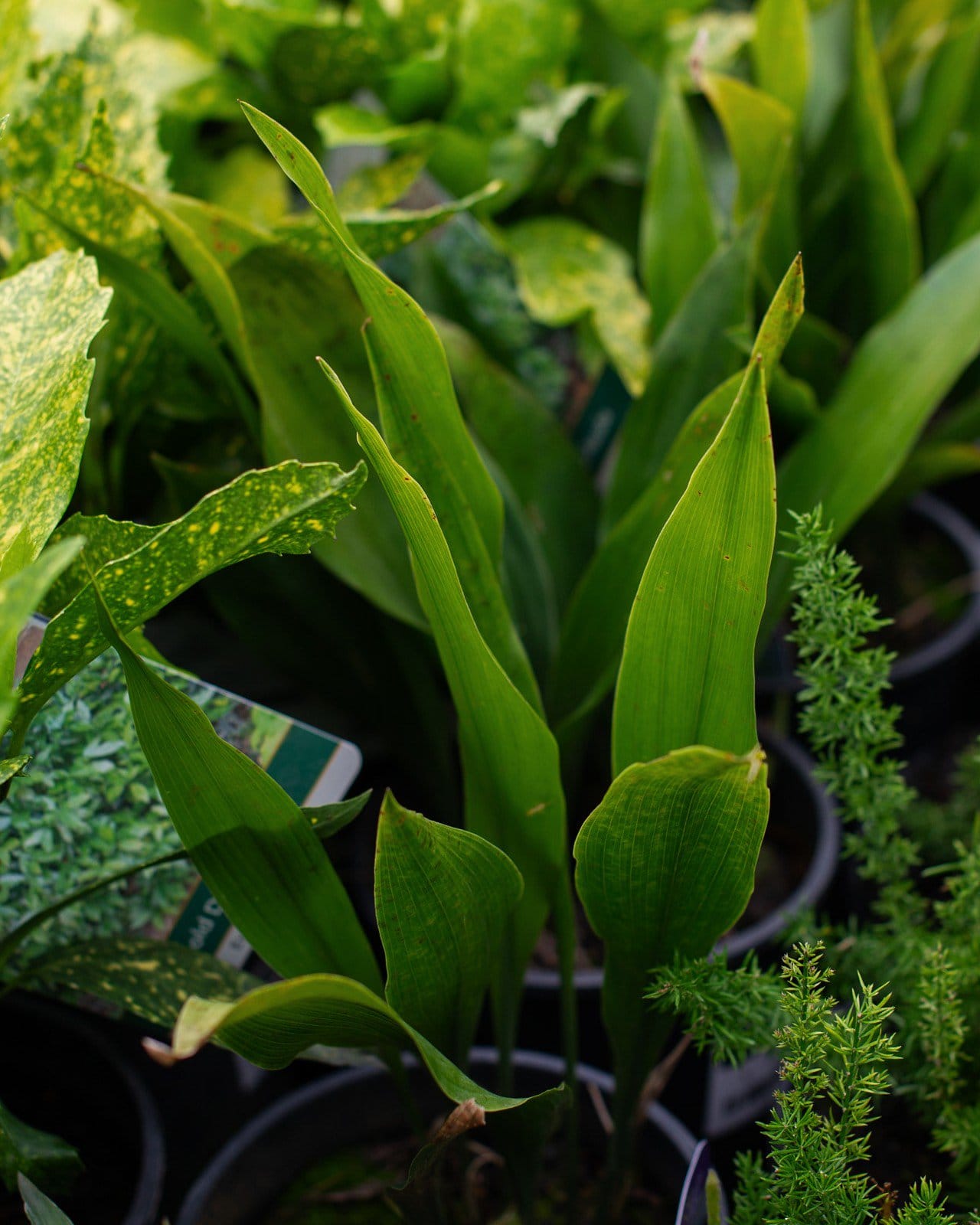
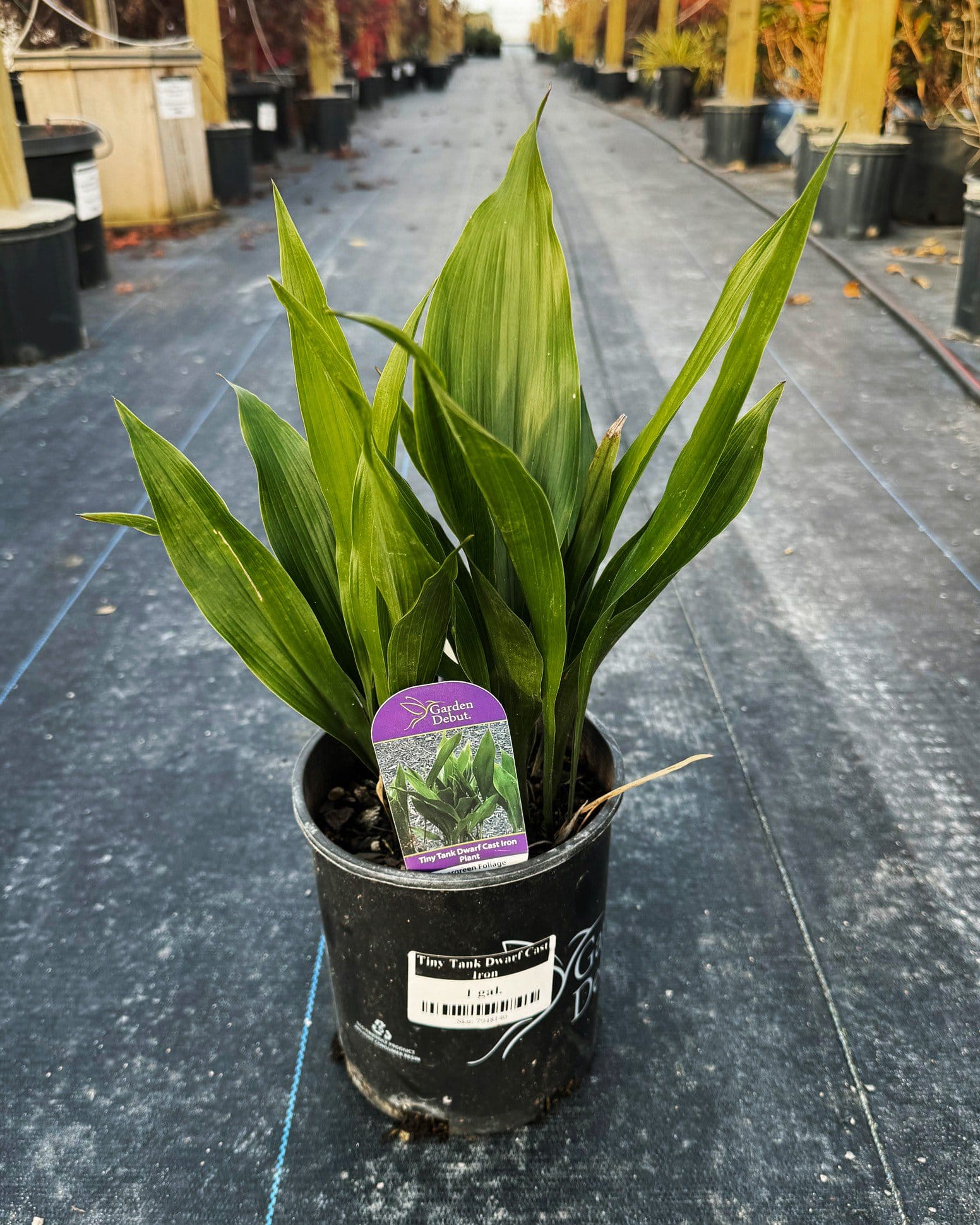
Tiny Tank Dwarf Cast Iron
Maturity: 1.5' H x 2' W
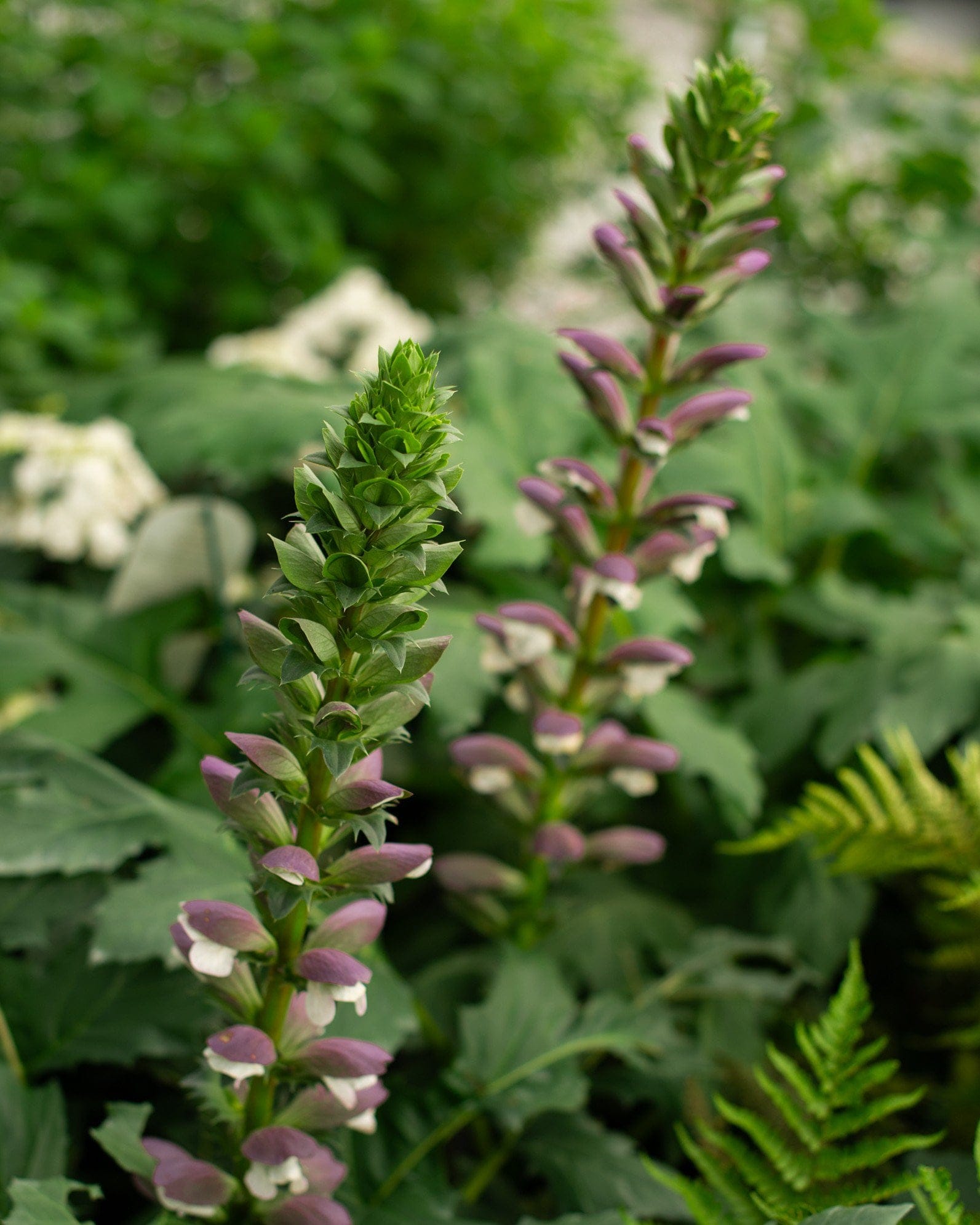
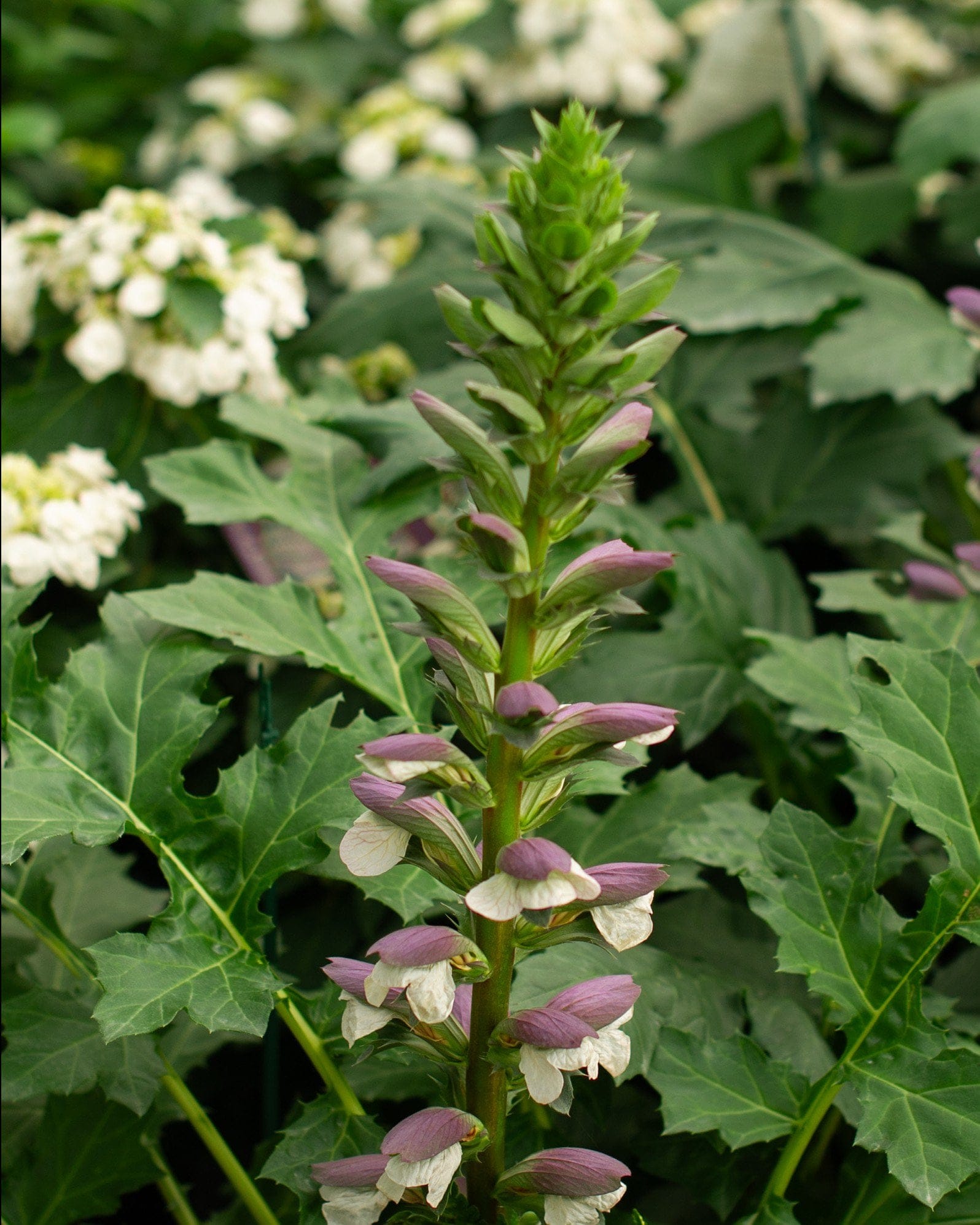
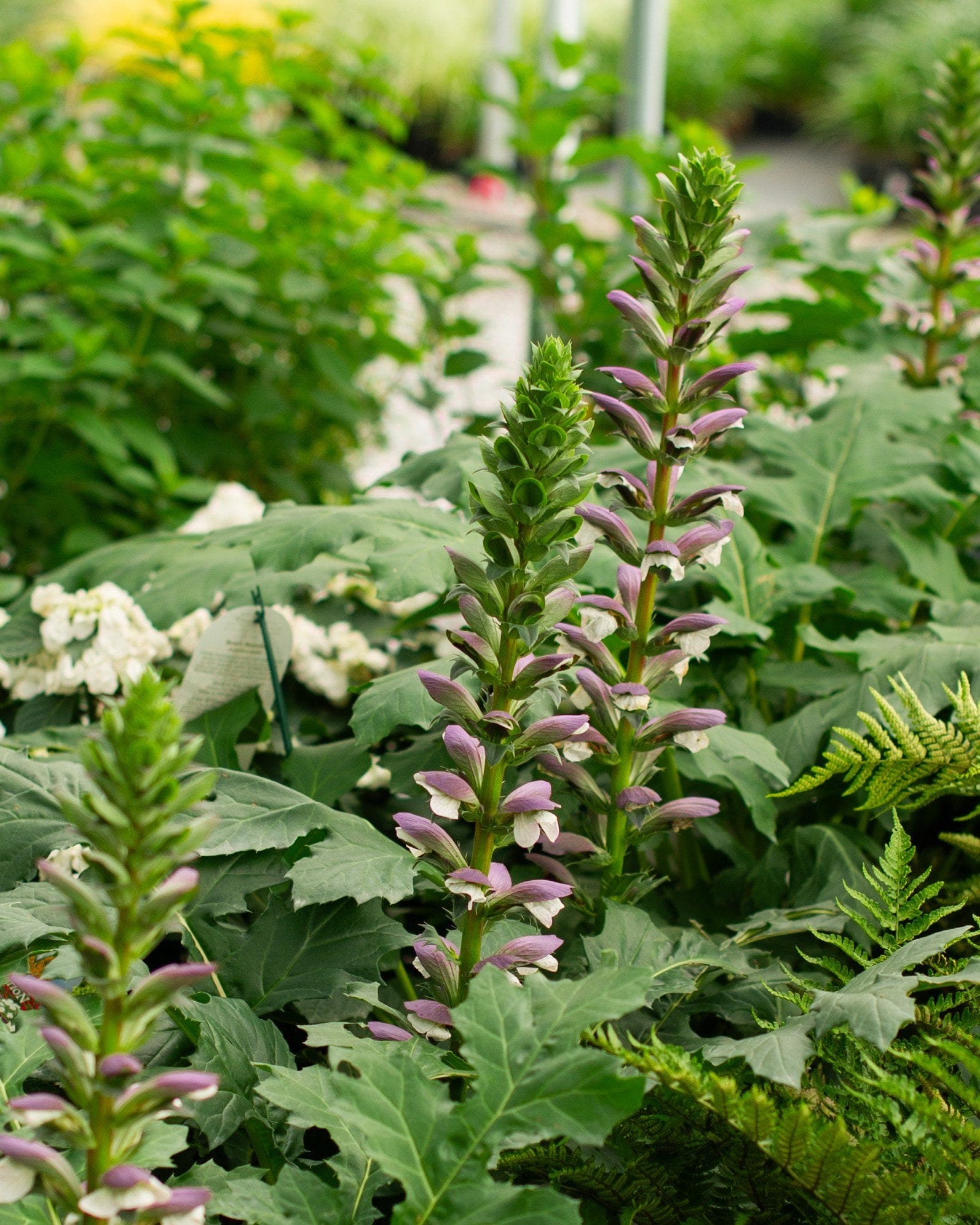
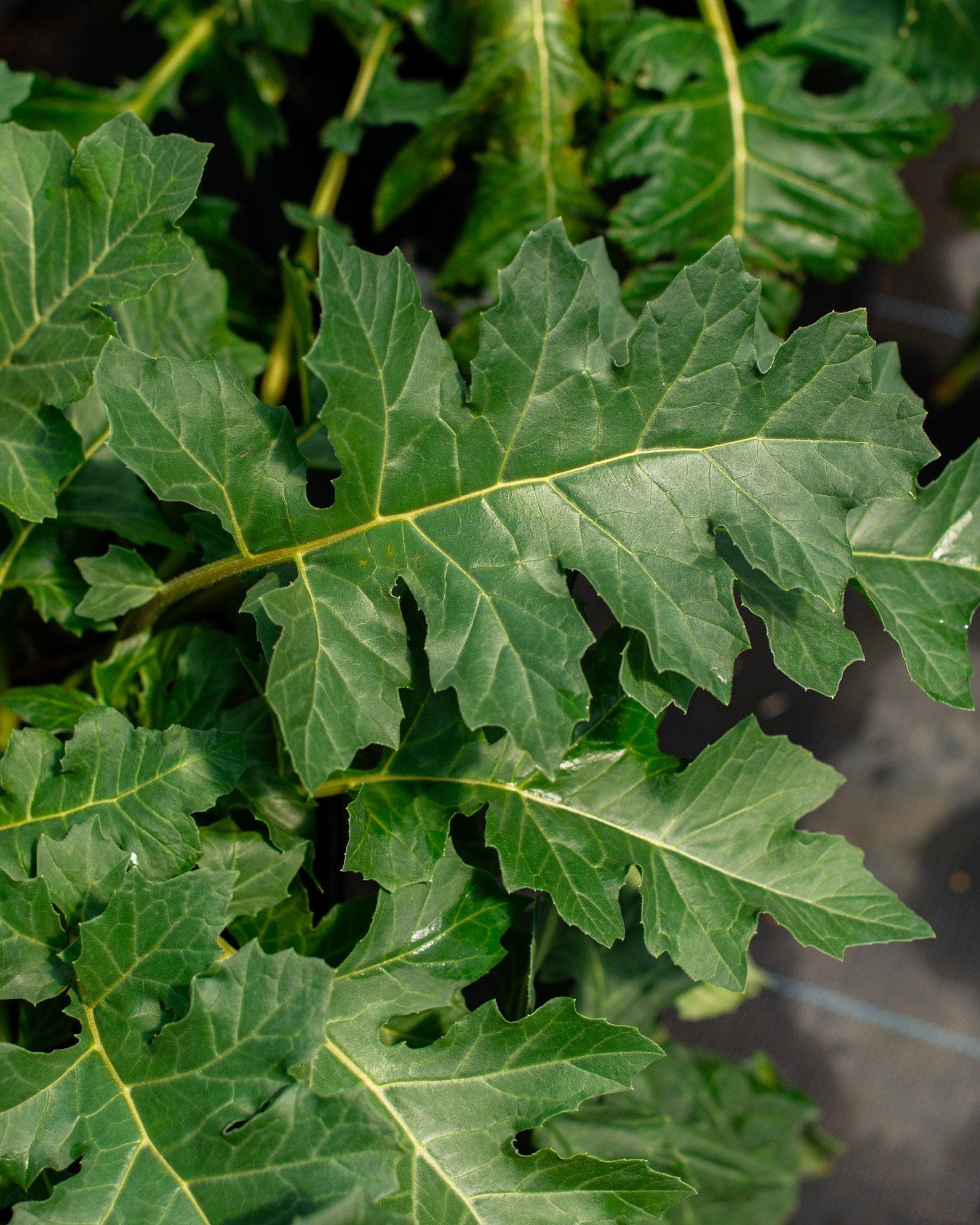
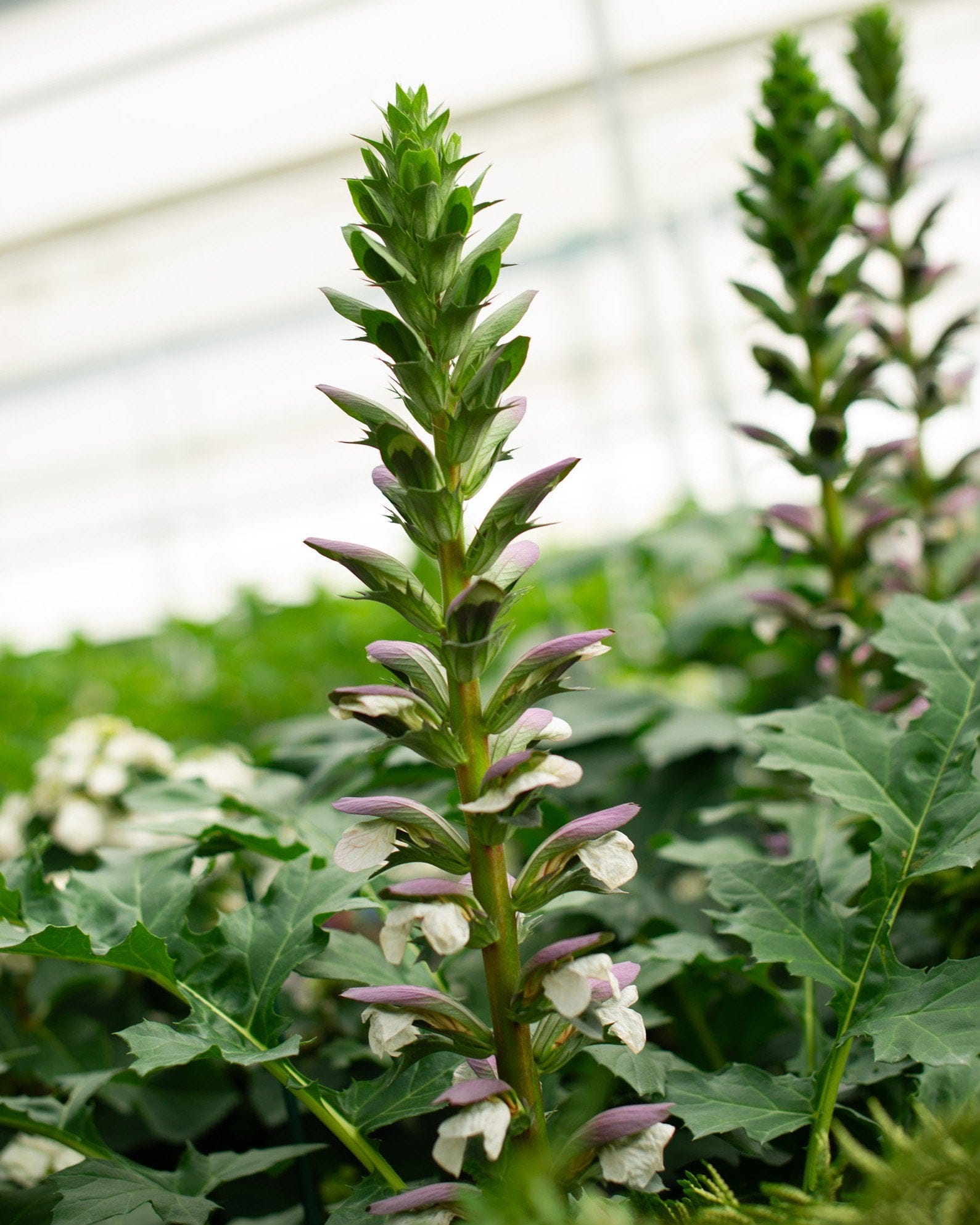
Bear's Breeches Acanthus
Maturity: 4' H x 3' W
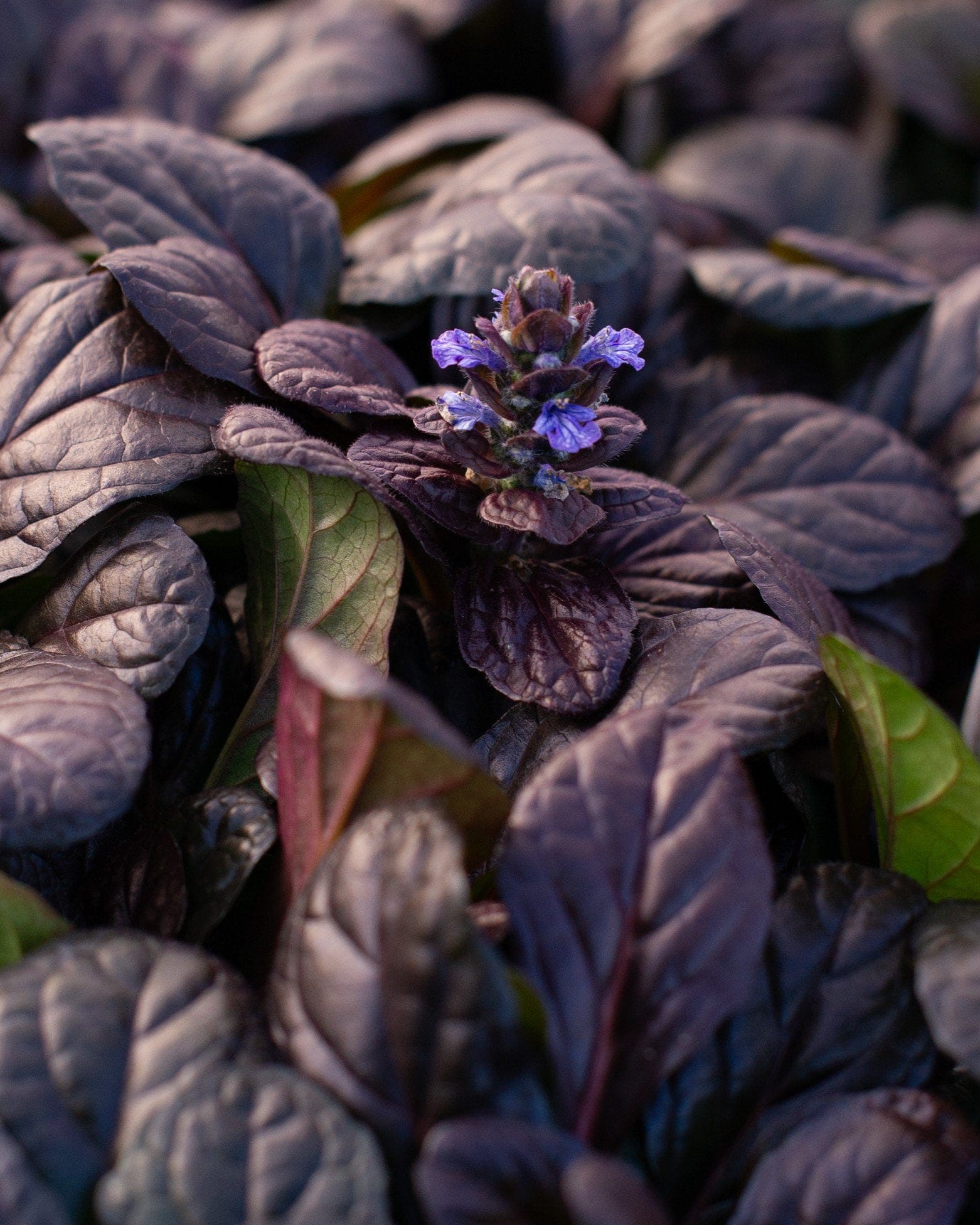
Bronze Beauty Ajuga
Maturity: 0.3' H x 1' W
Compare Similar Plants
Honeymoon Rio Carnival Helleborus This plant | ||
|---|---|---|
| Scientific Name | Helleborus x 'Rio Carnival' | Hosta x 'Blue Angel' |
| Size at Maturity | 1.5' H x 1.5' W | 2' H x 3' W |
| Leaf Retention | Evergreen | Herbaceous |
| Flower Color | Green & Purple | White |
| Bloom Times | Spring & Winter | Summer |
| Sizes Available | — | 1 gal |


Our 1-Year Planting Guarantee
We take pride in our plants and installation services. If any plants or trees installed by Treeland fail to thrive within the first year, we'll provide a replacement credit in accordance with our guarantee program.
Learn More About Our Guarantee