
 Popular
Muskogee Crape Myrtle
Lagerstroemia × 'Muskogee'Local DFW Delivery Only
Product Details
Muskogee Crape Myrtle
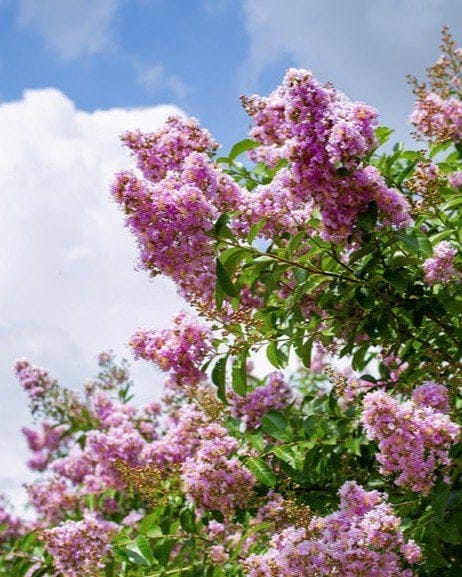
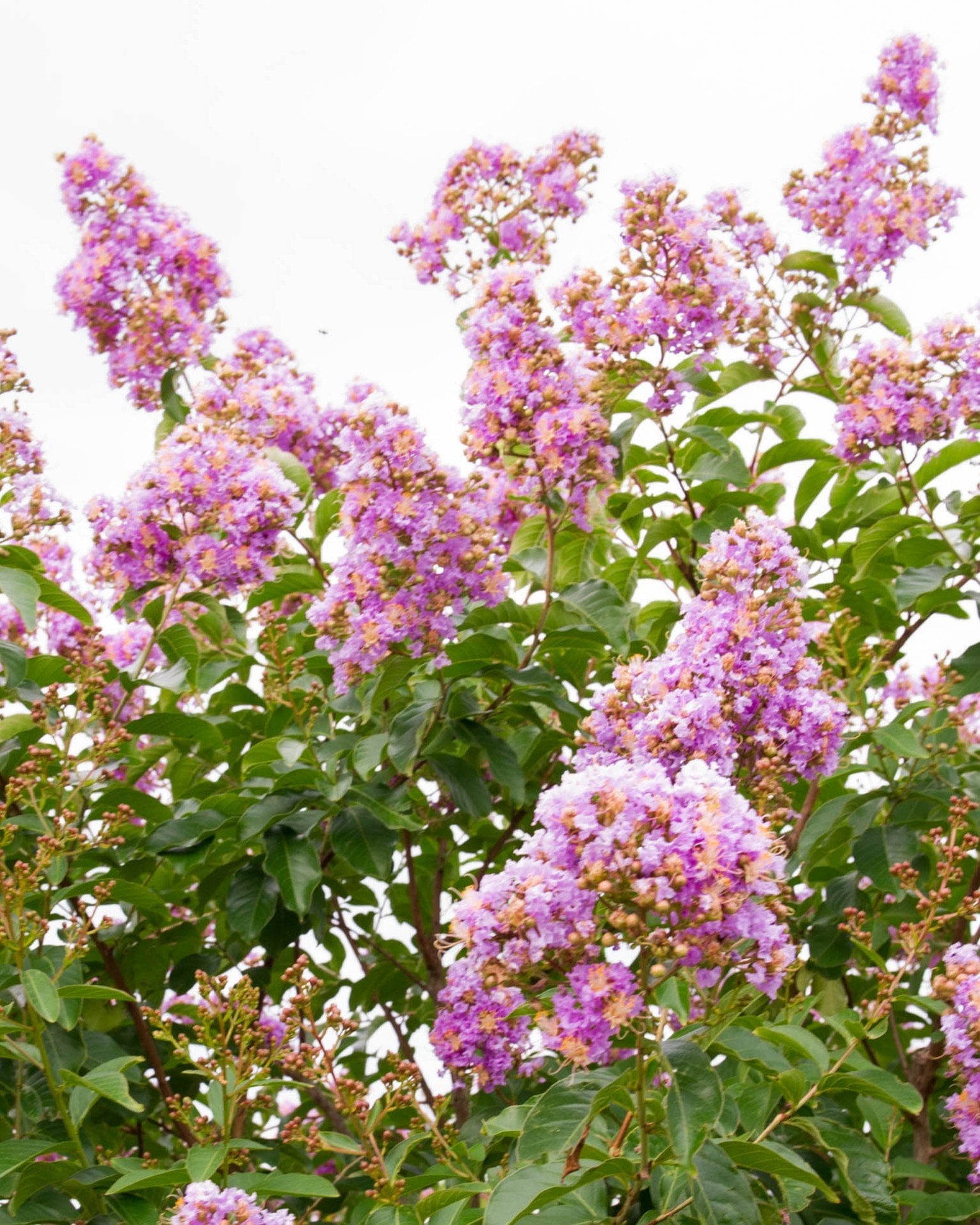
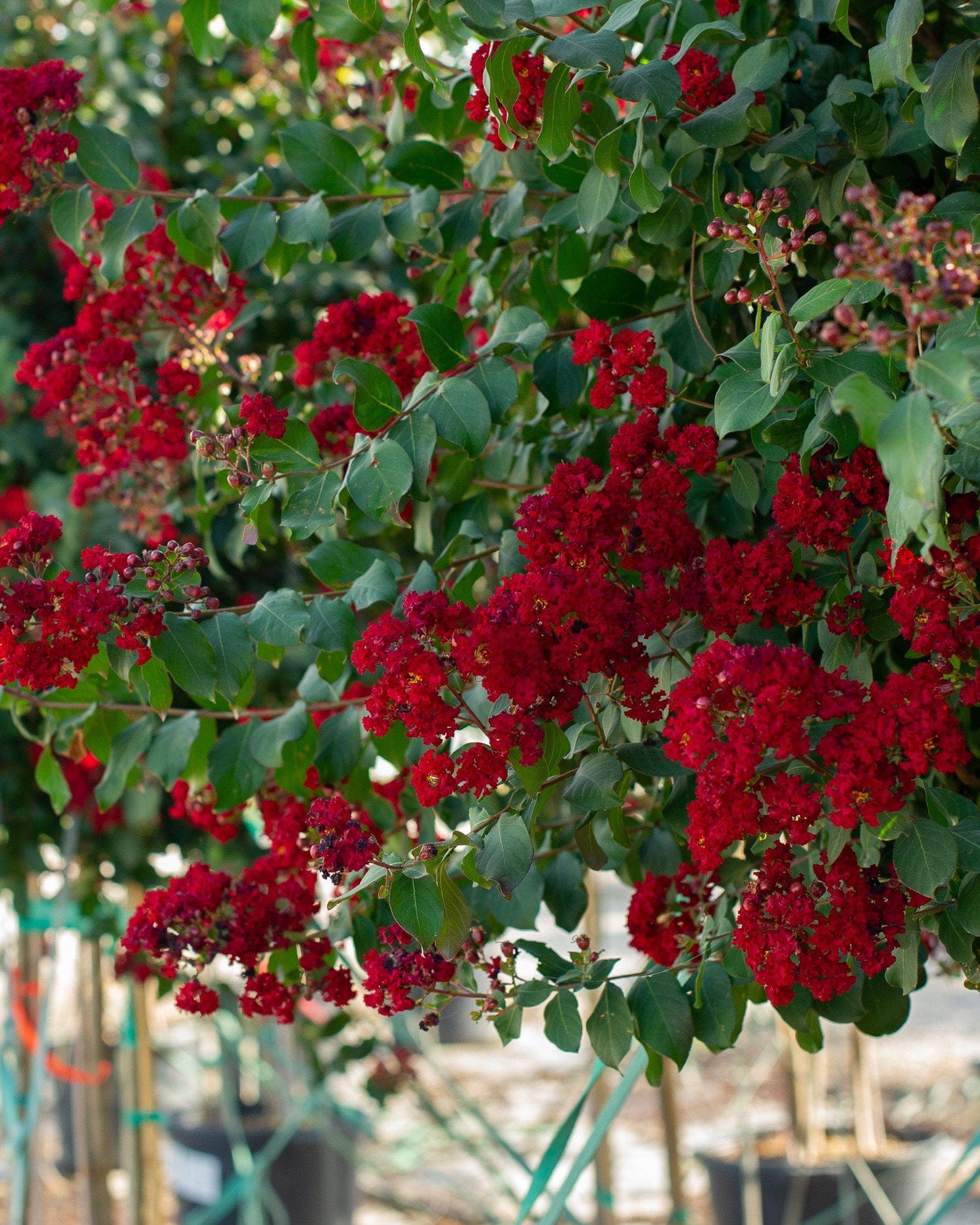
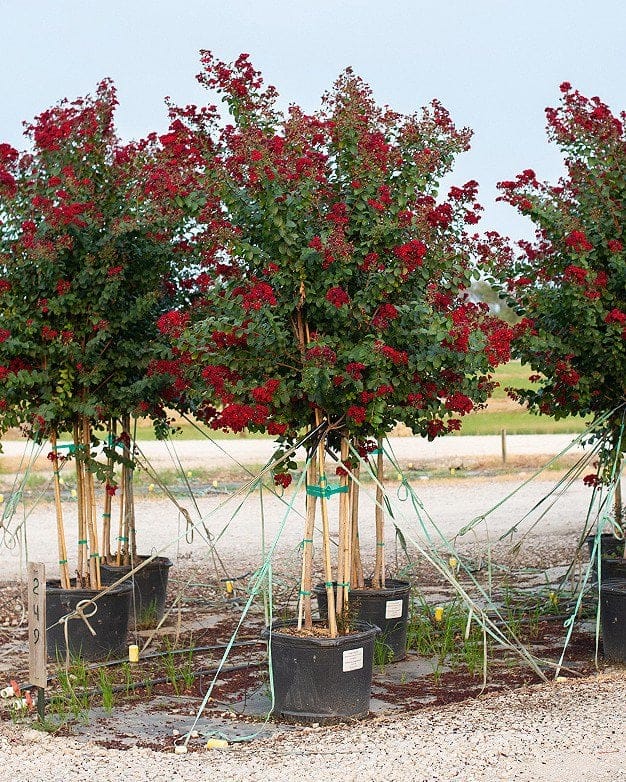
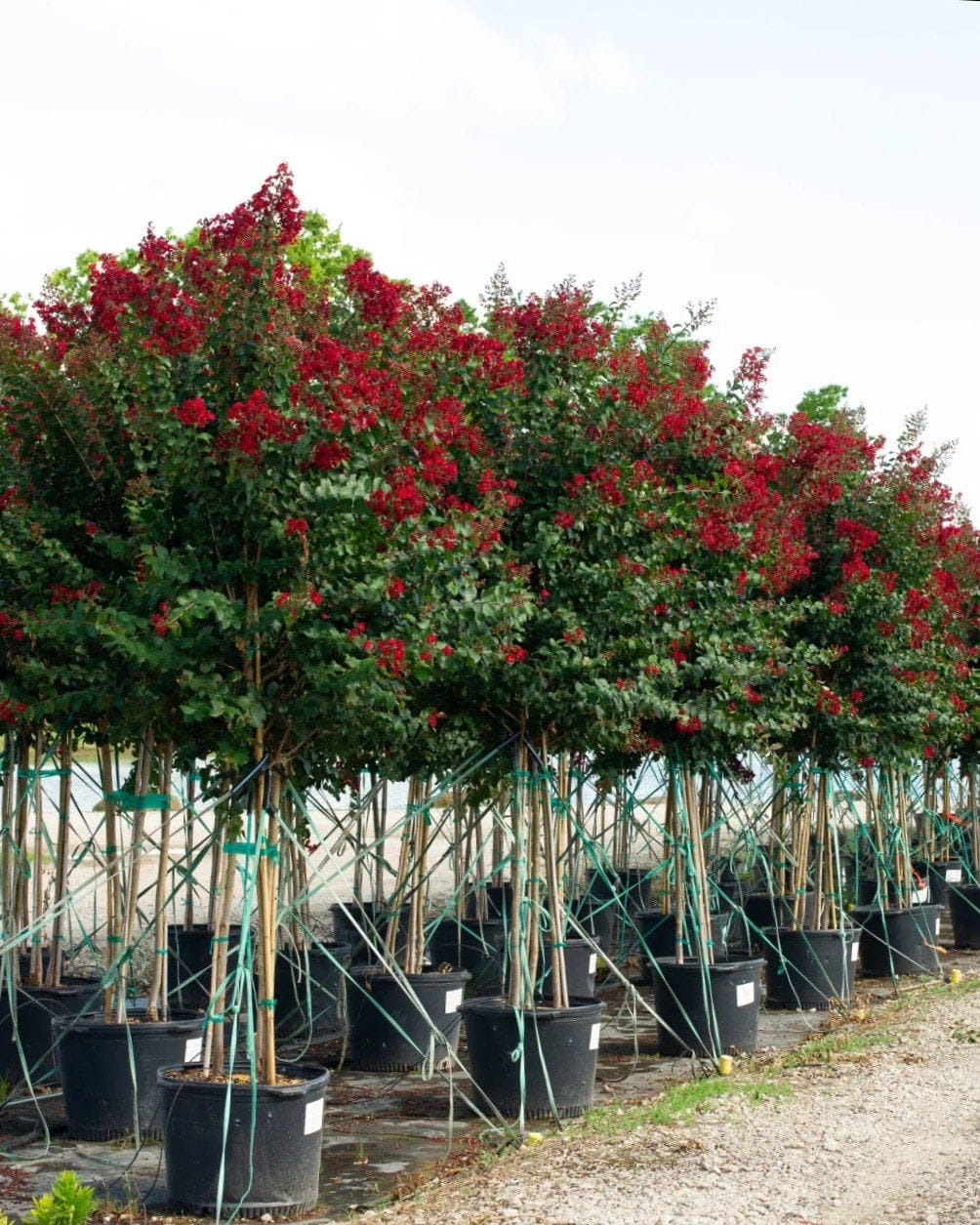
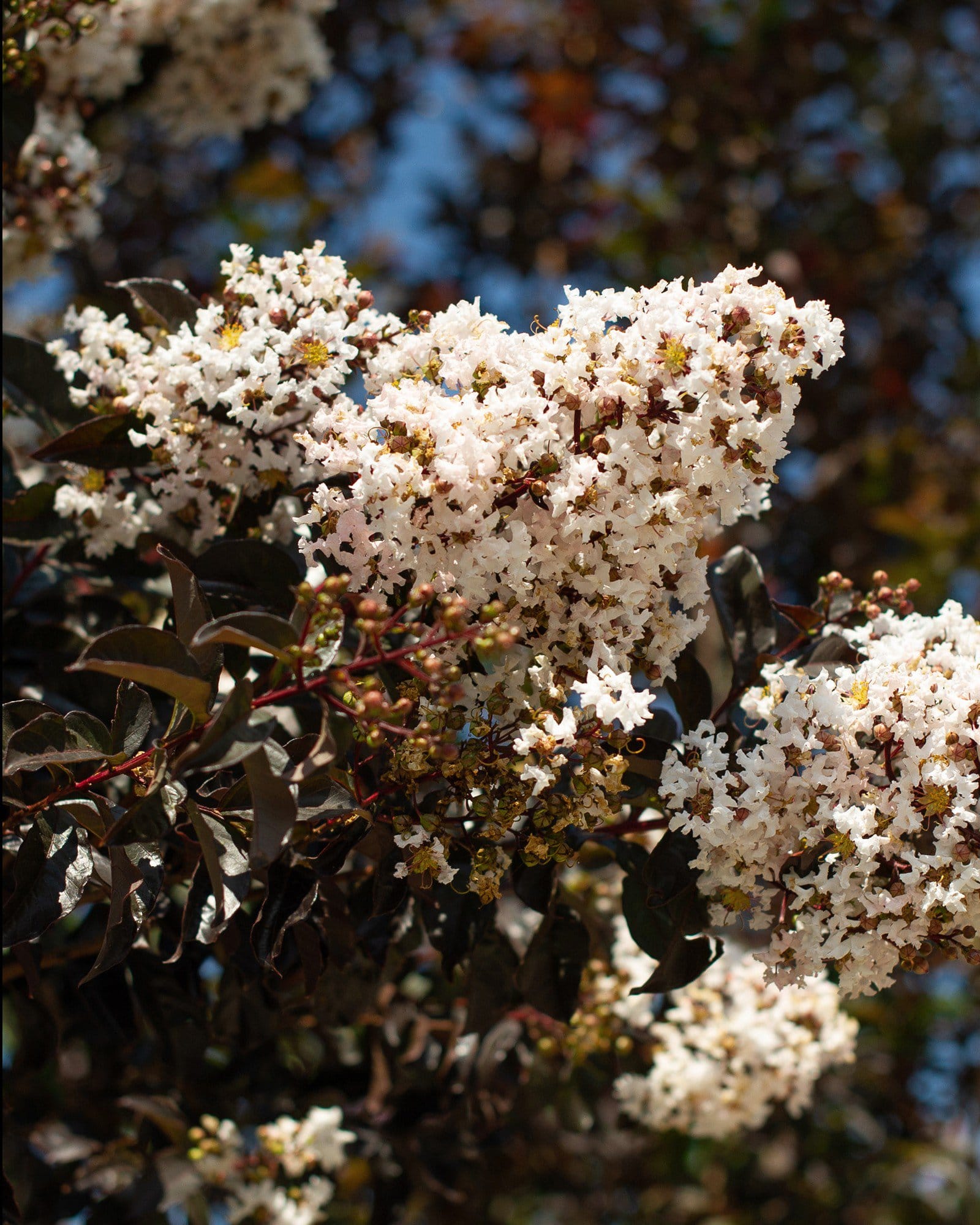
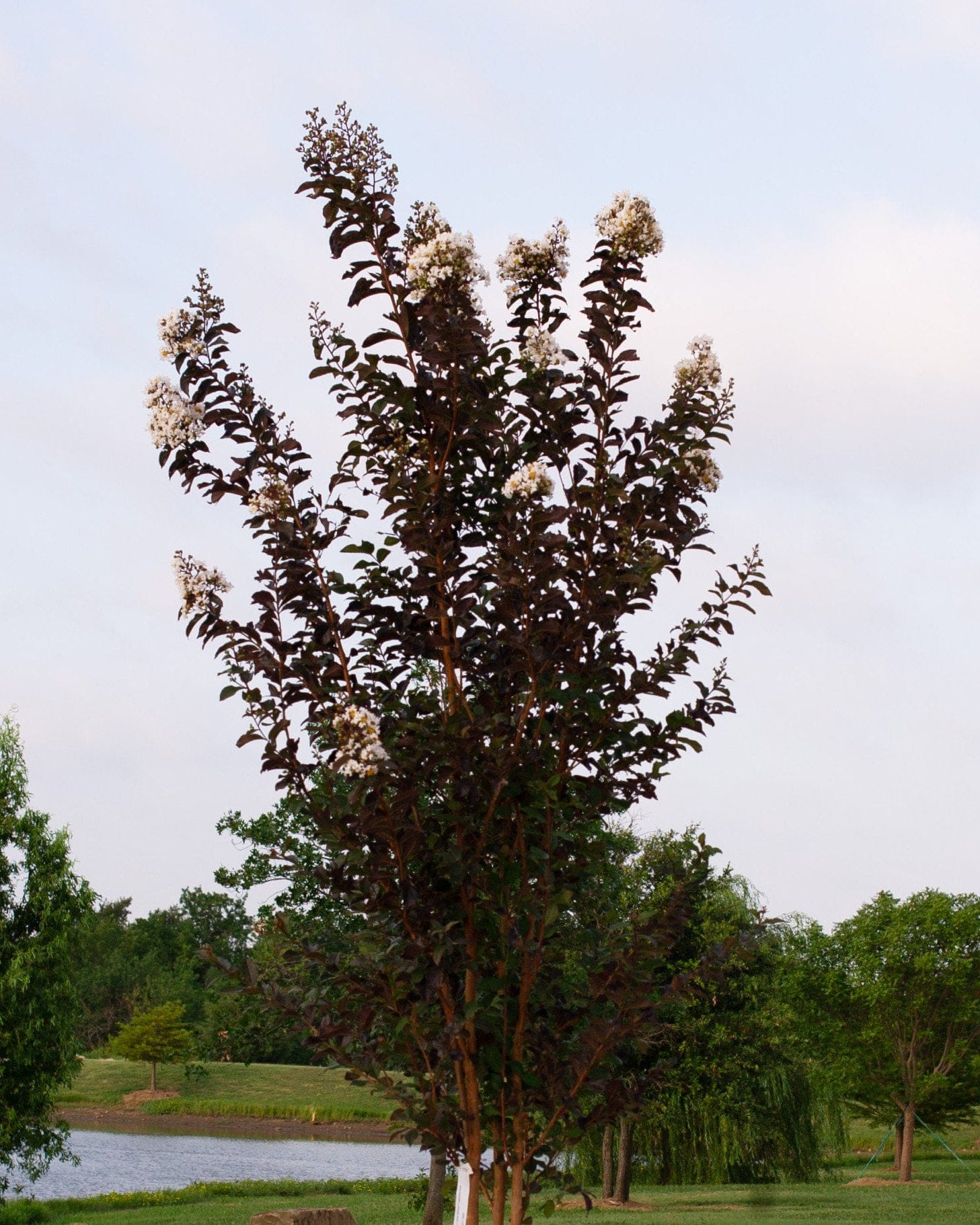
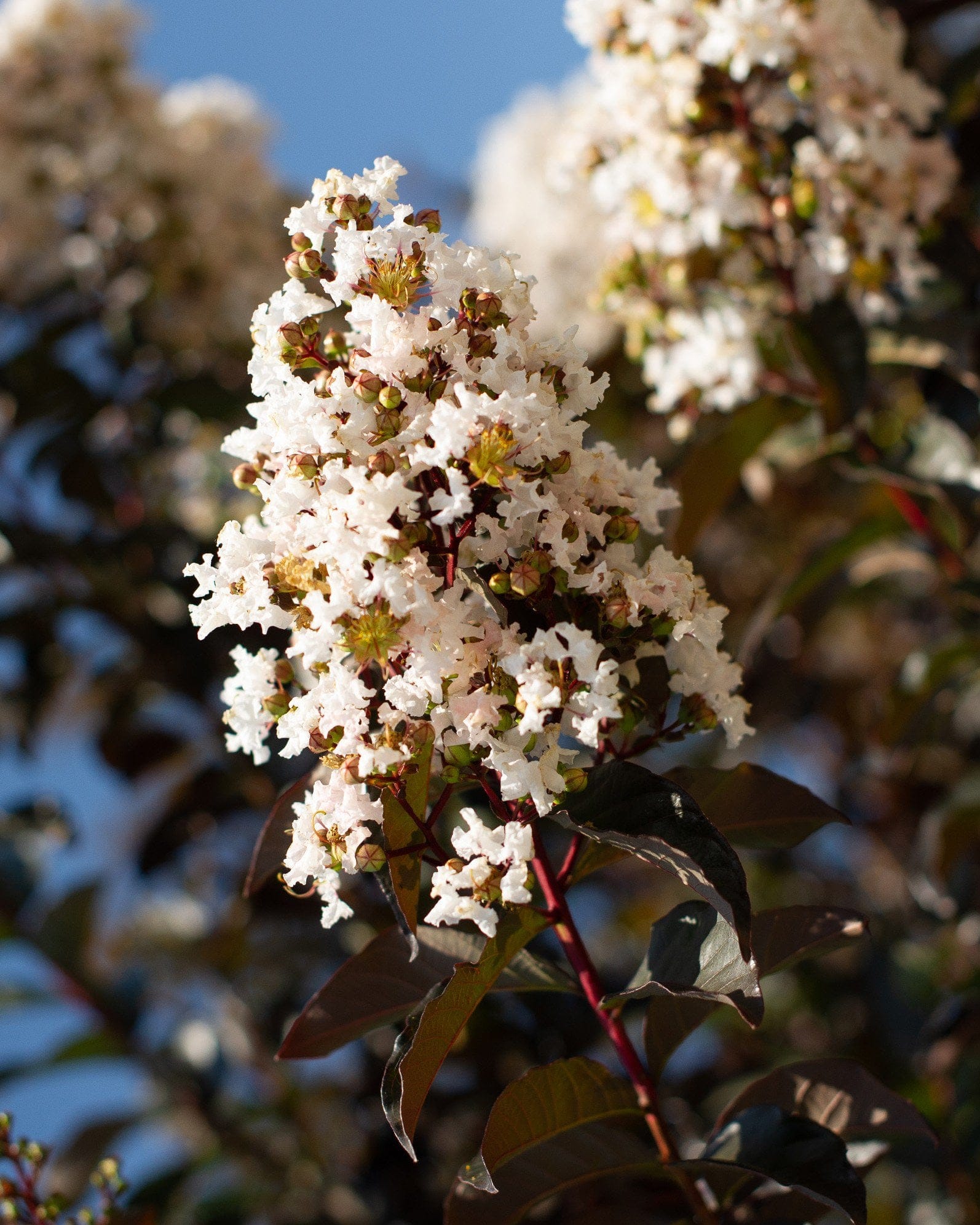
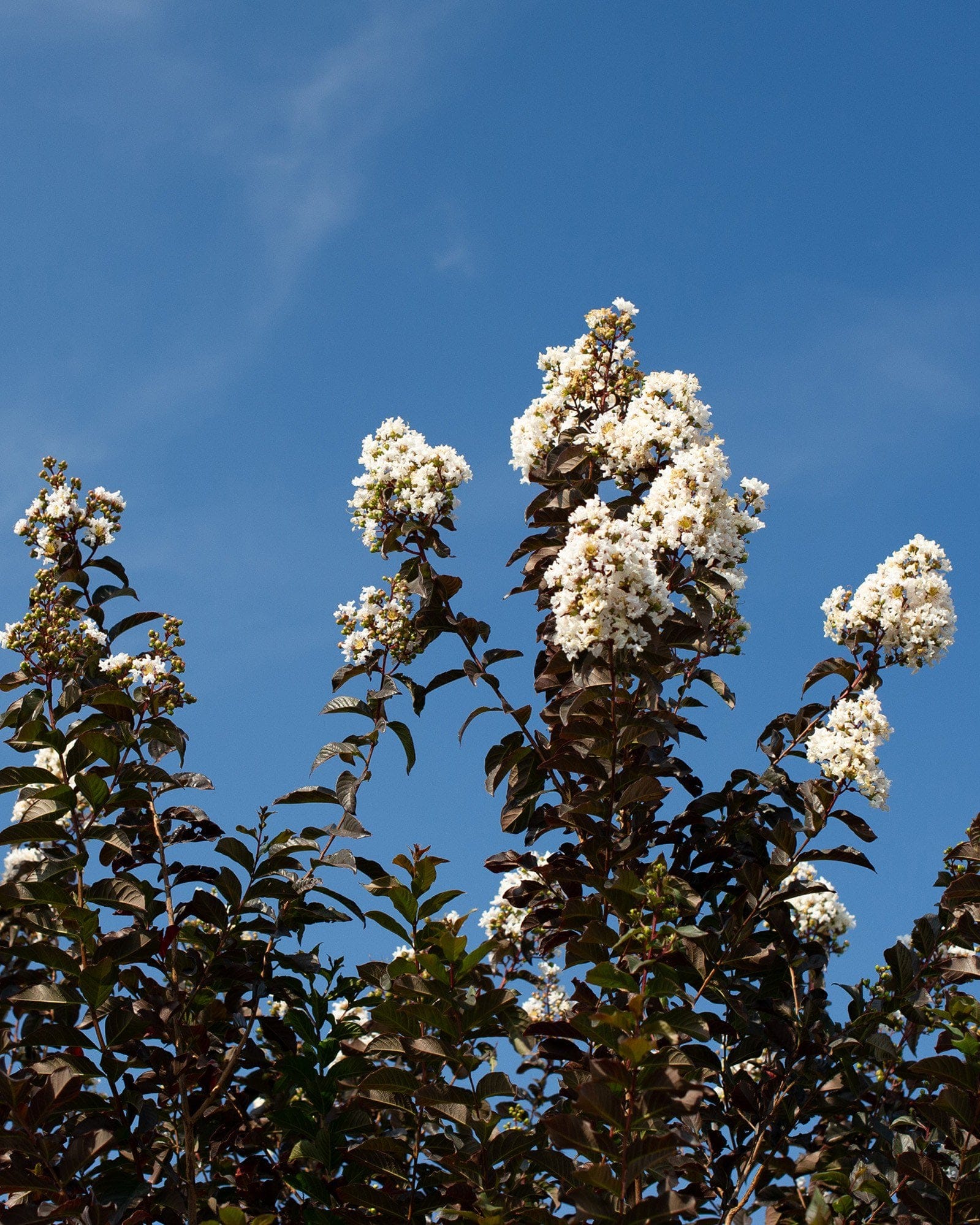
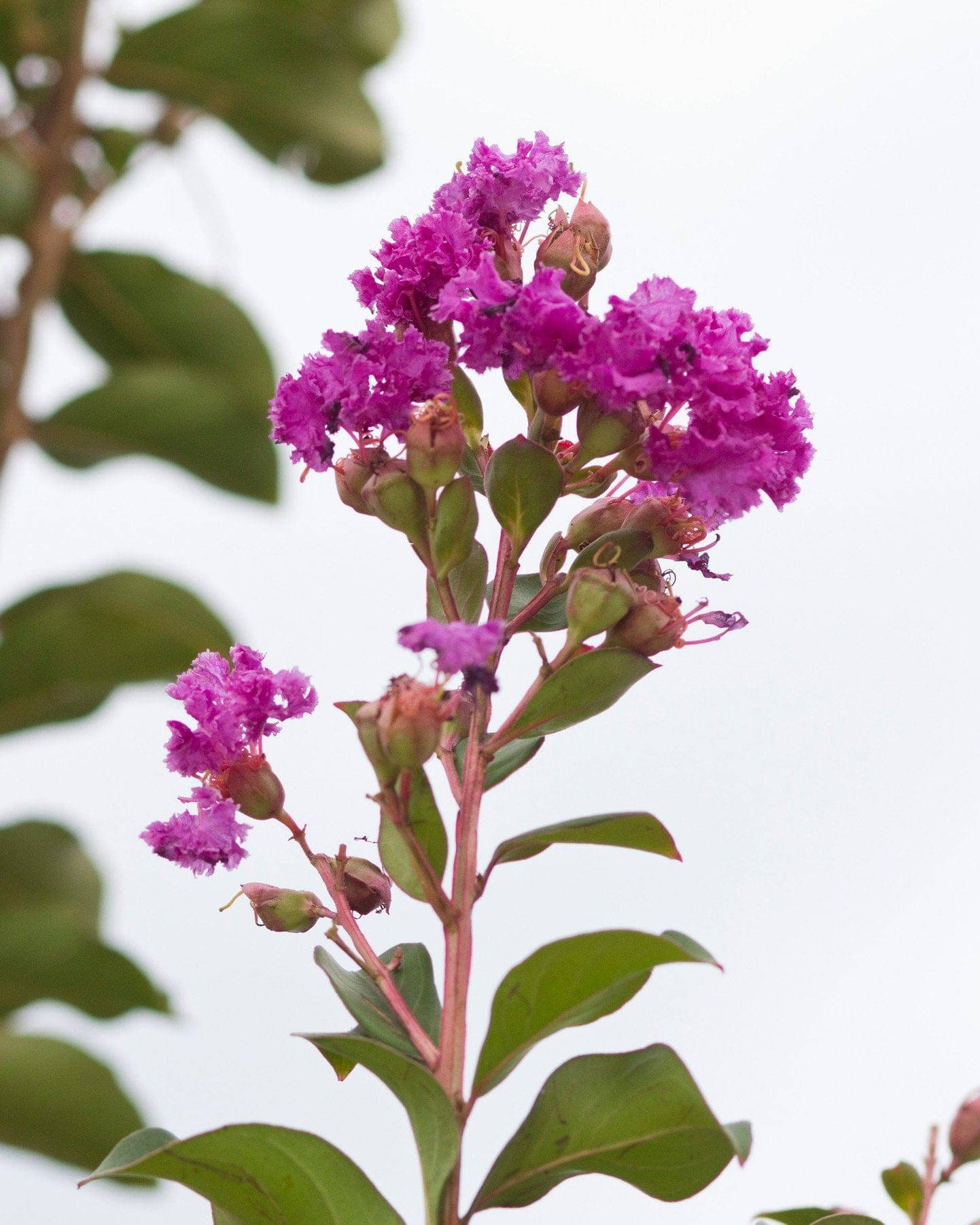
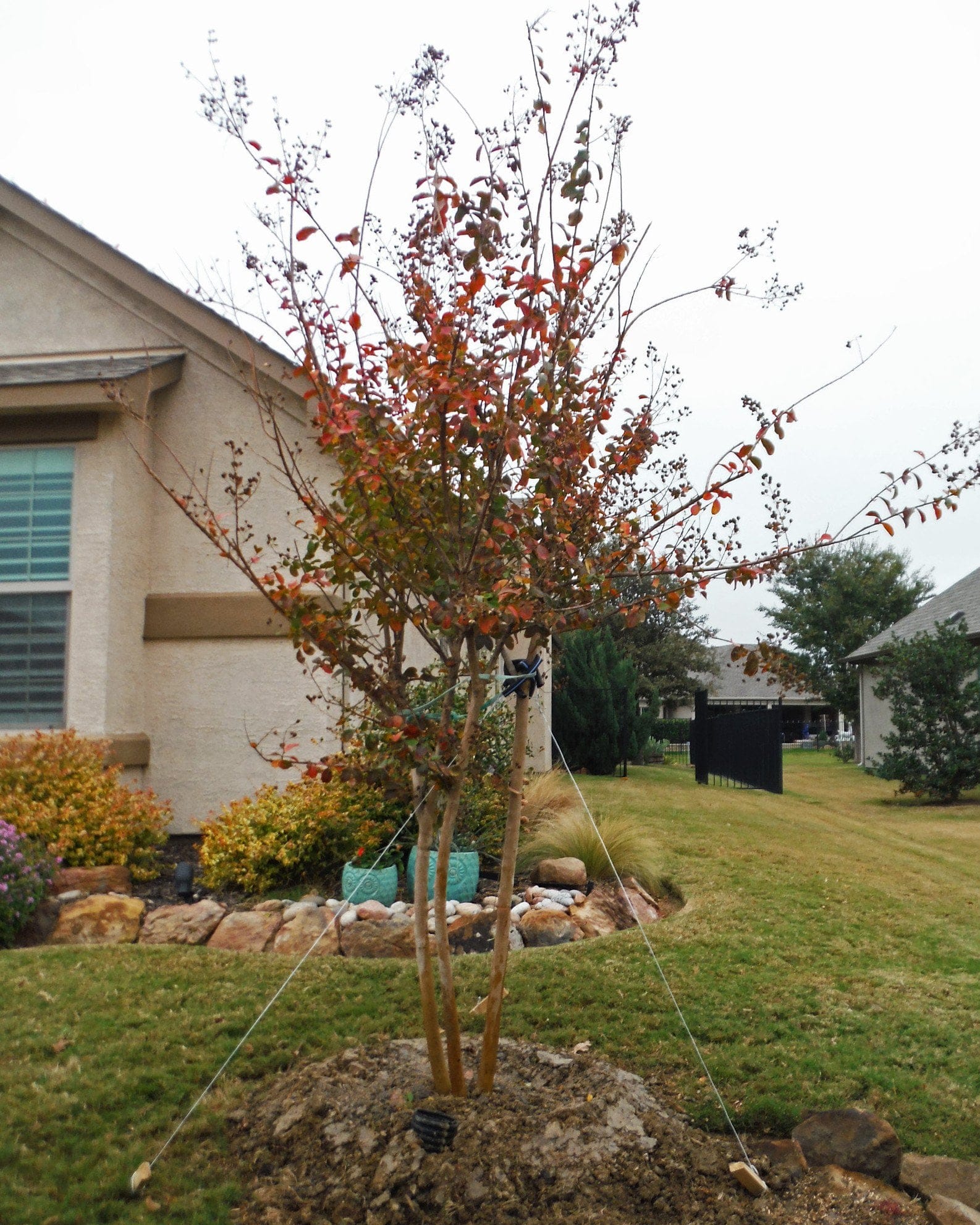
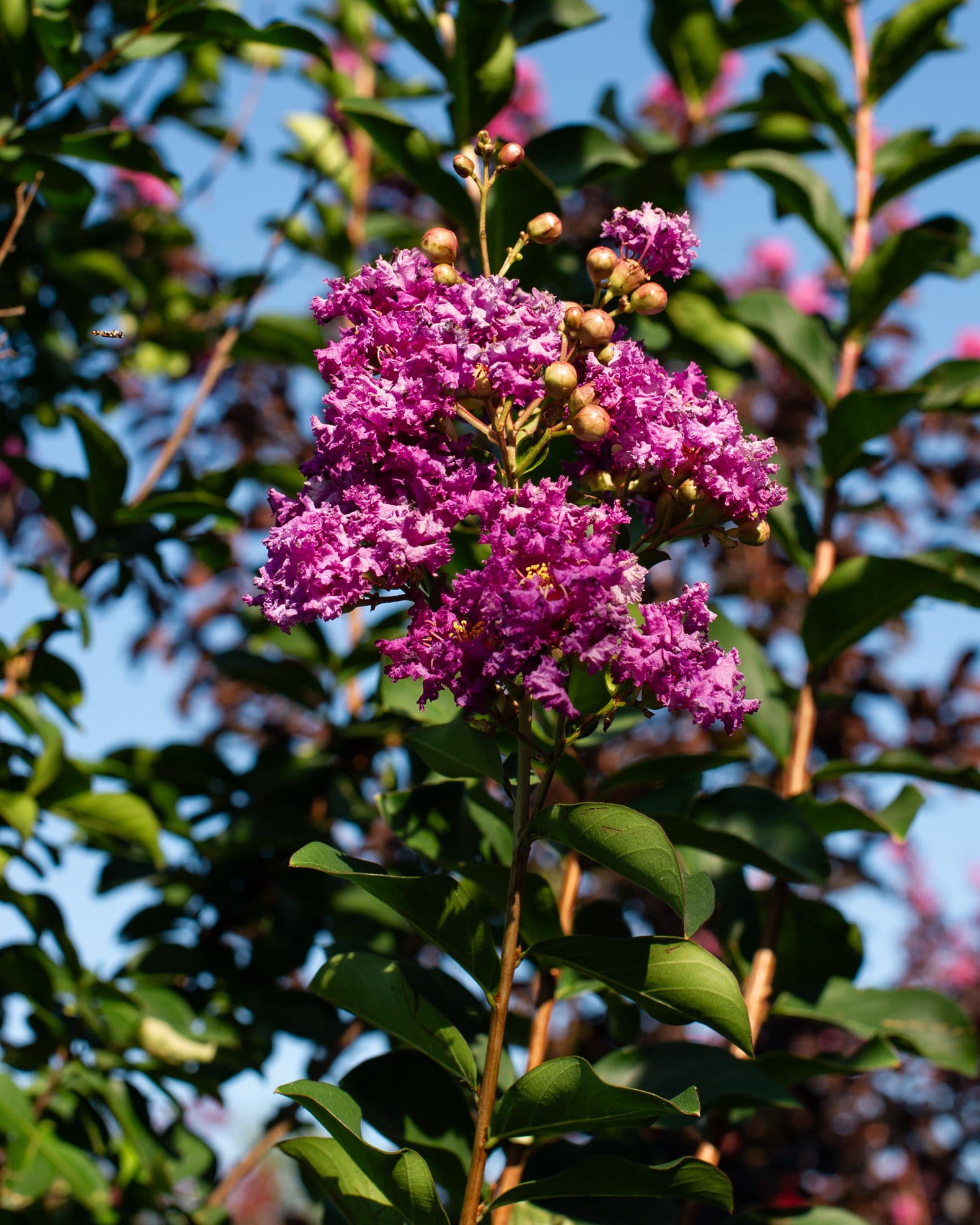
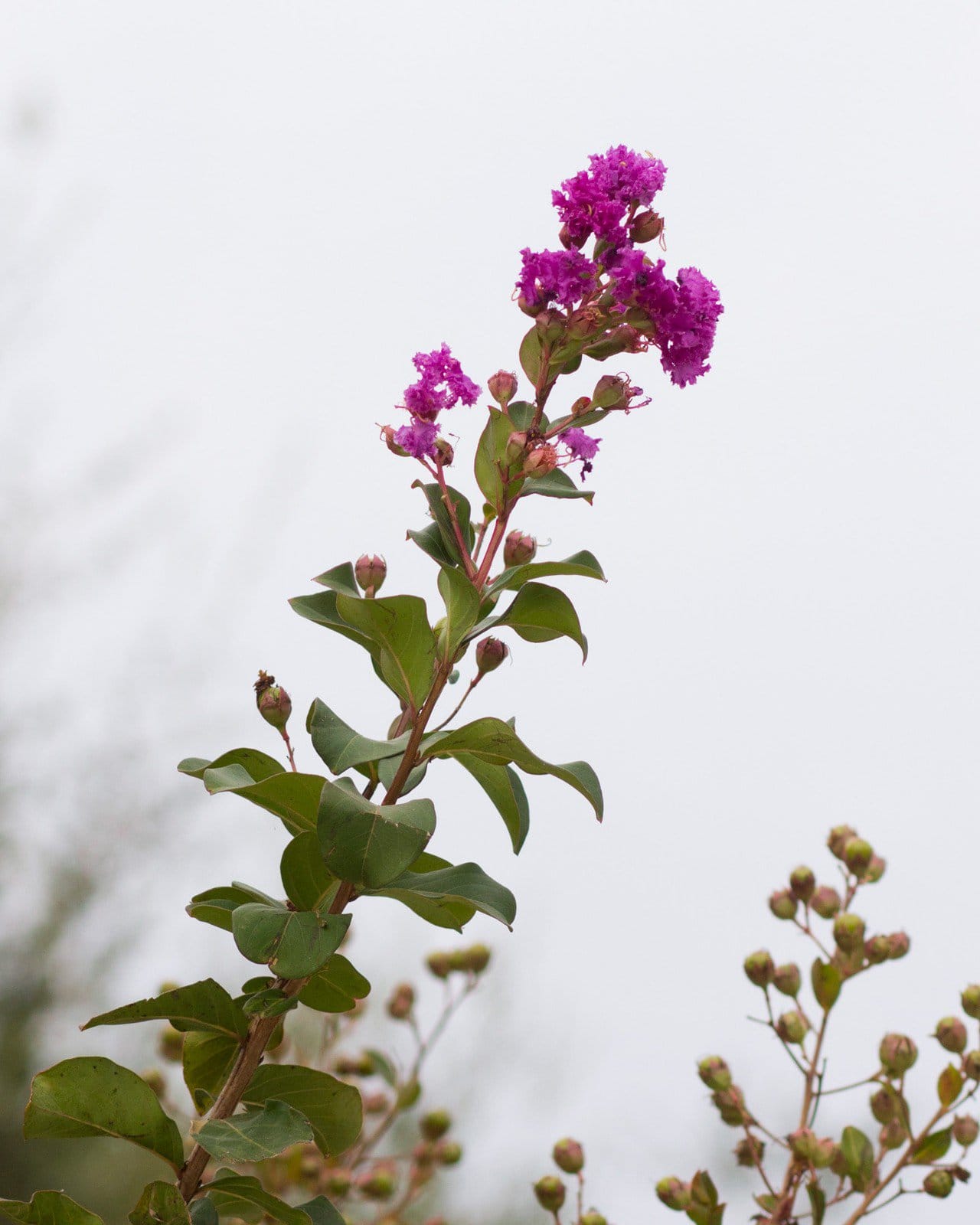
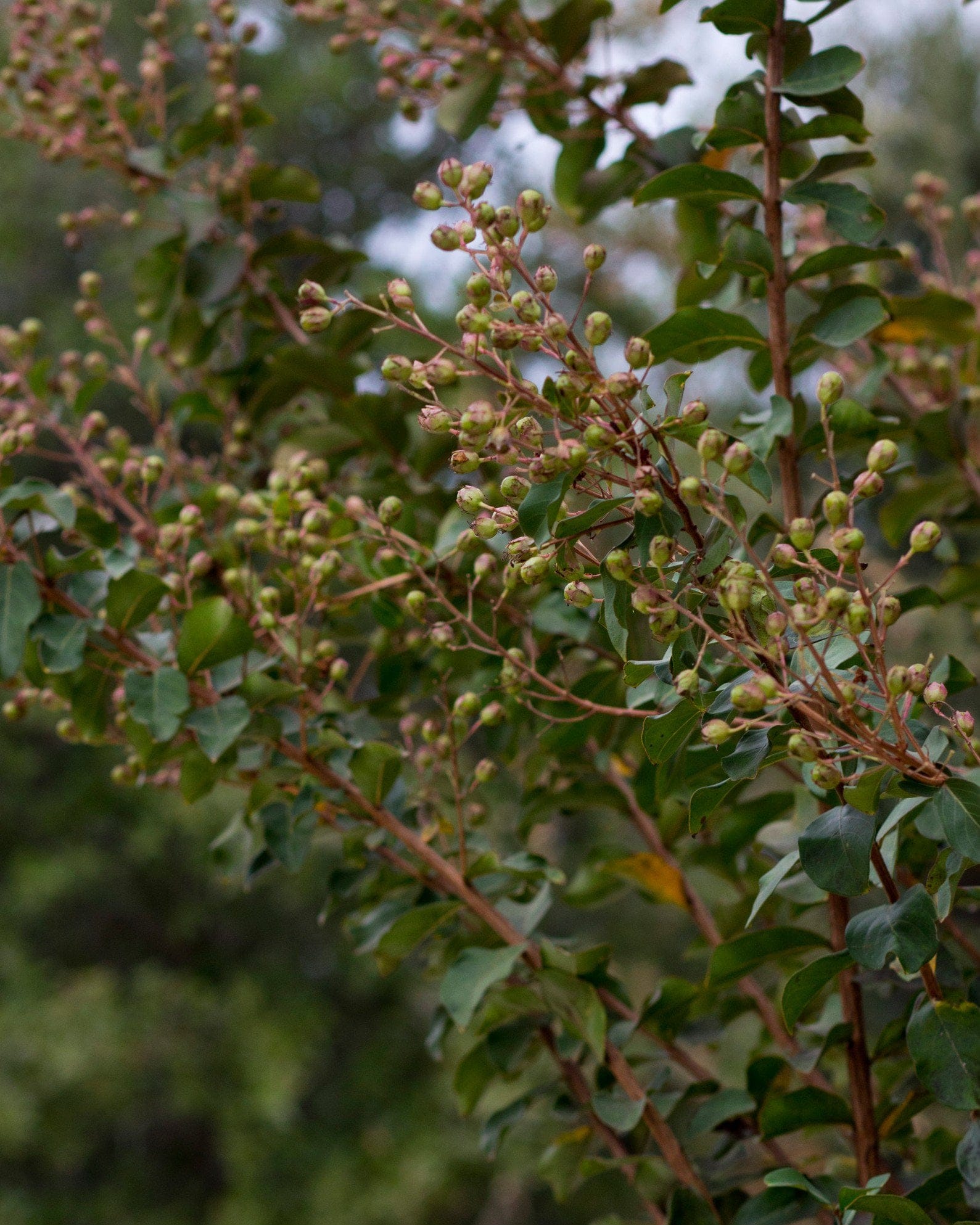
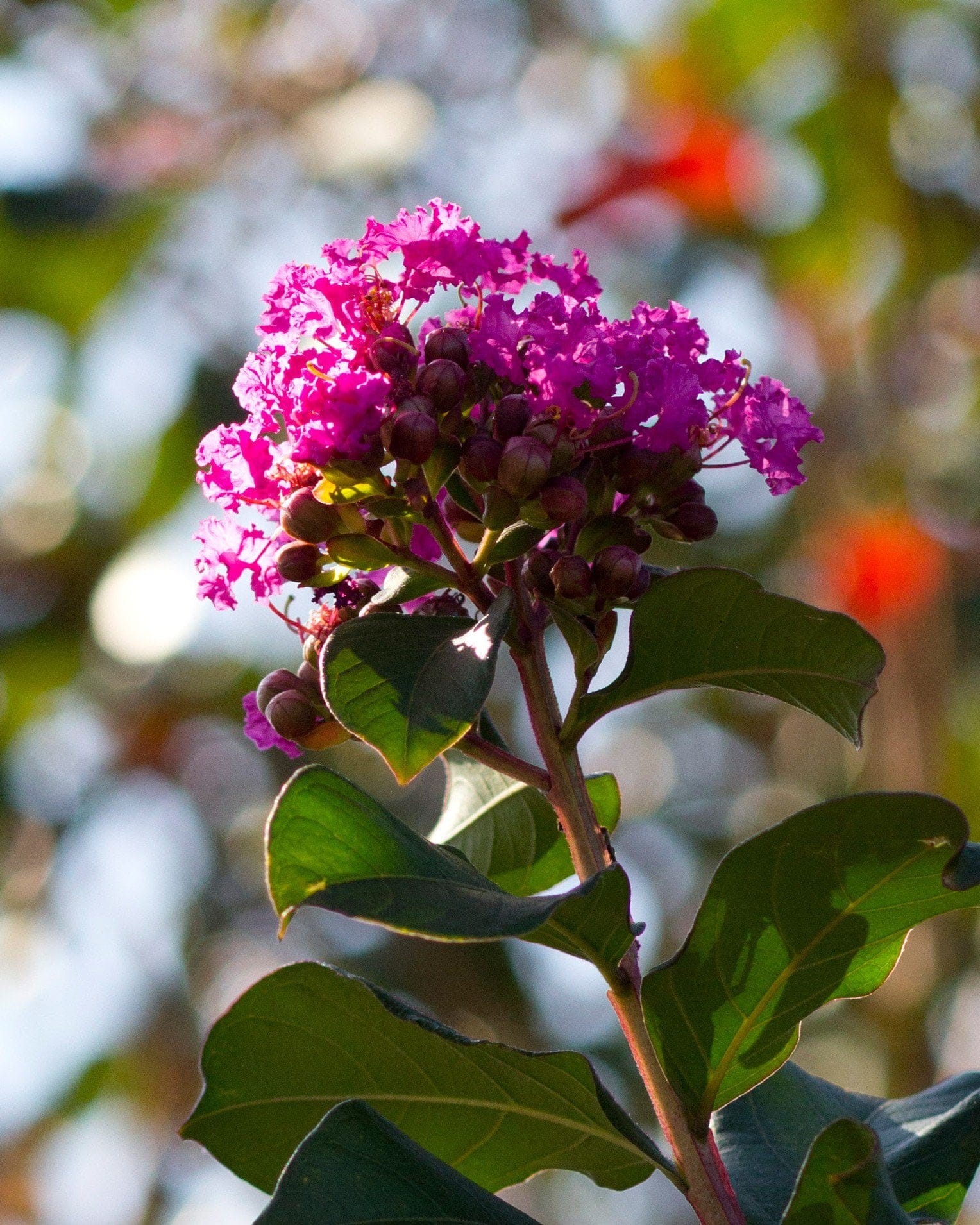
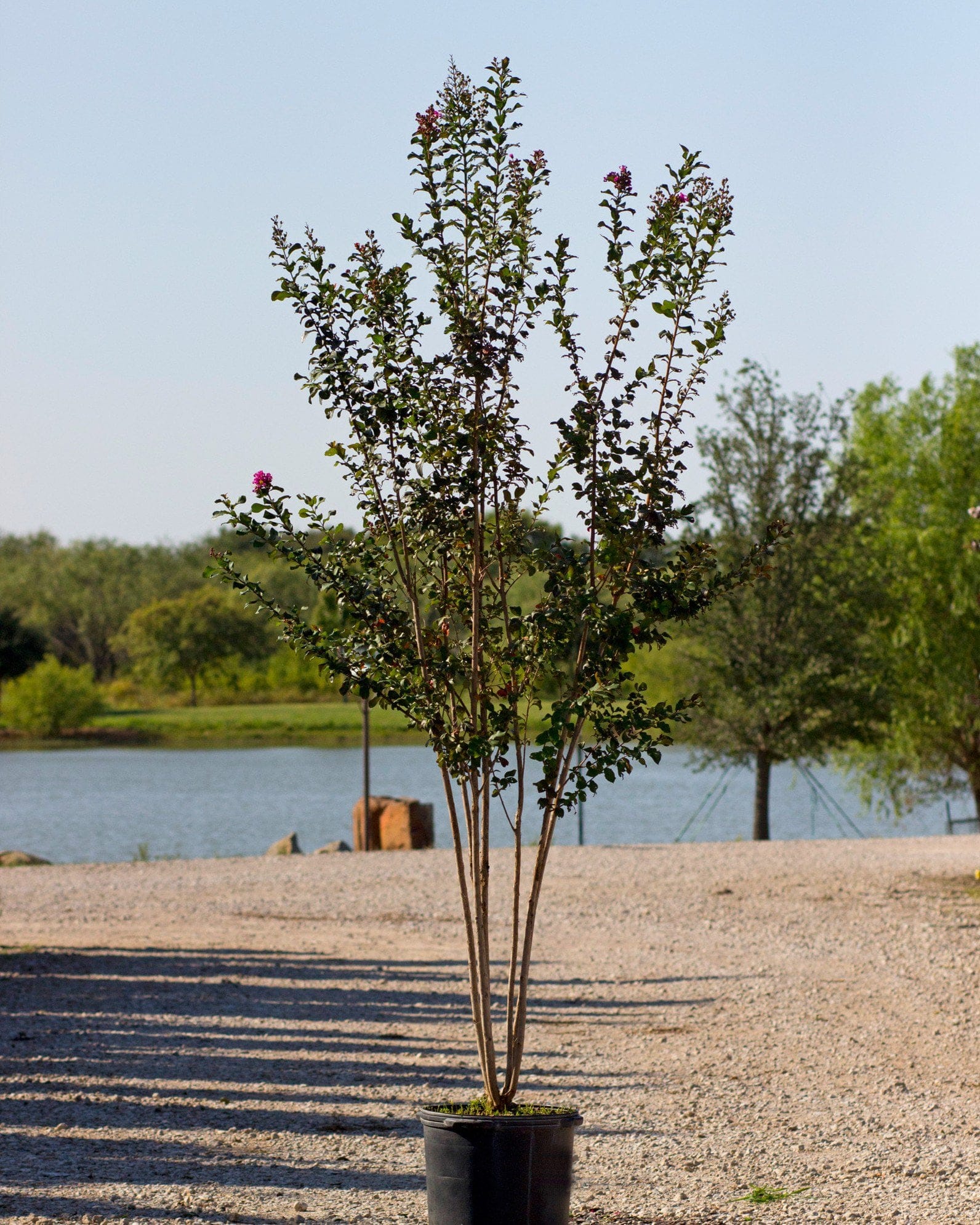
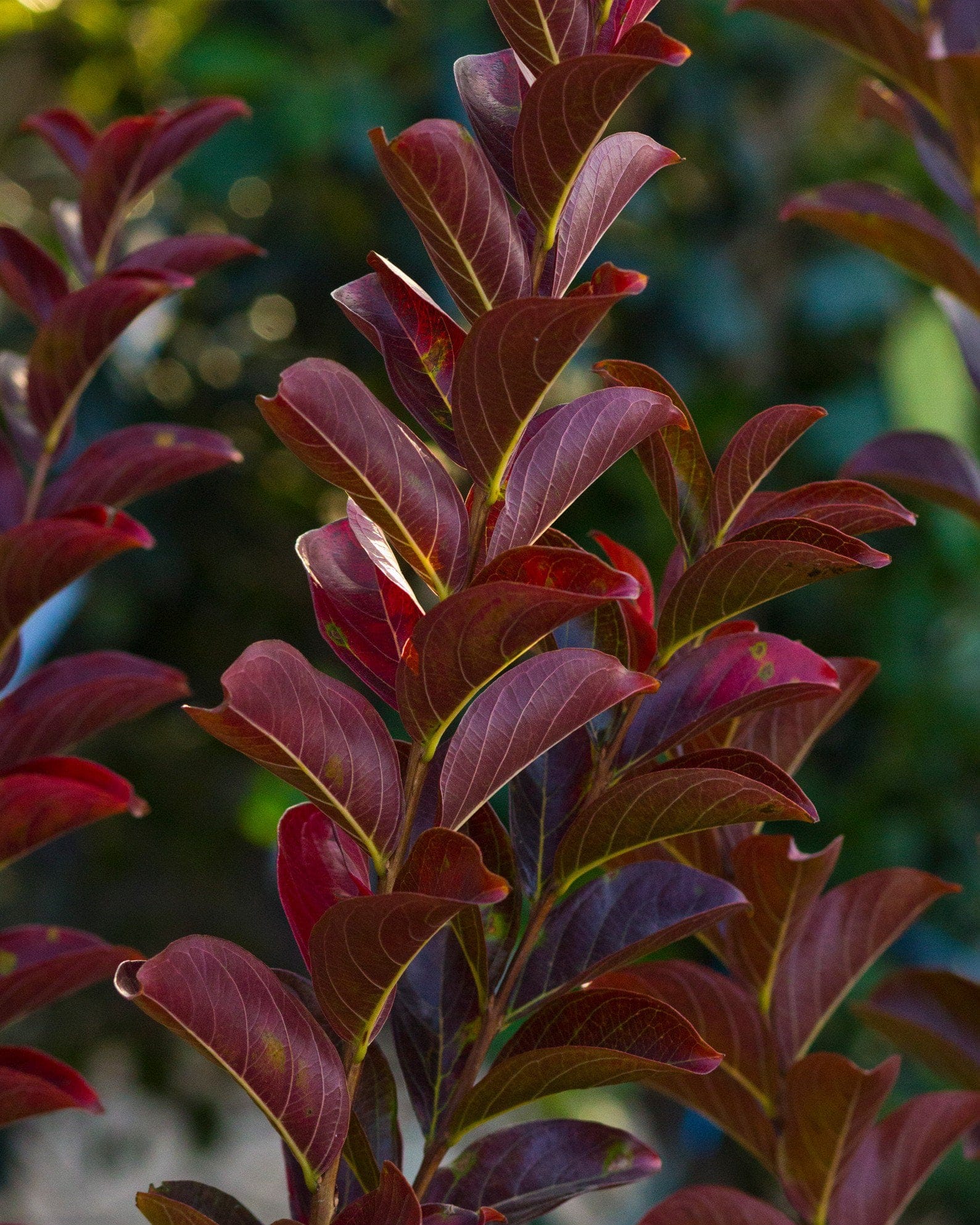
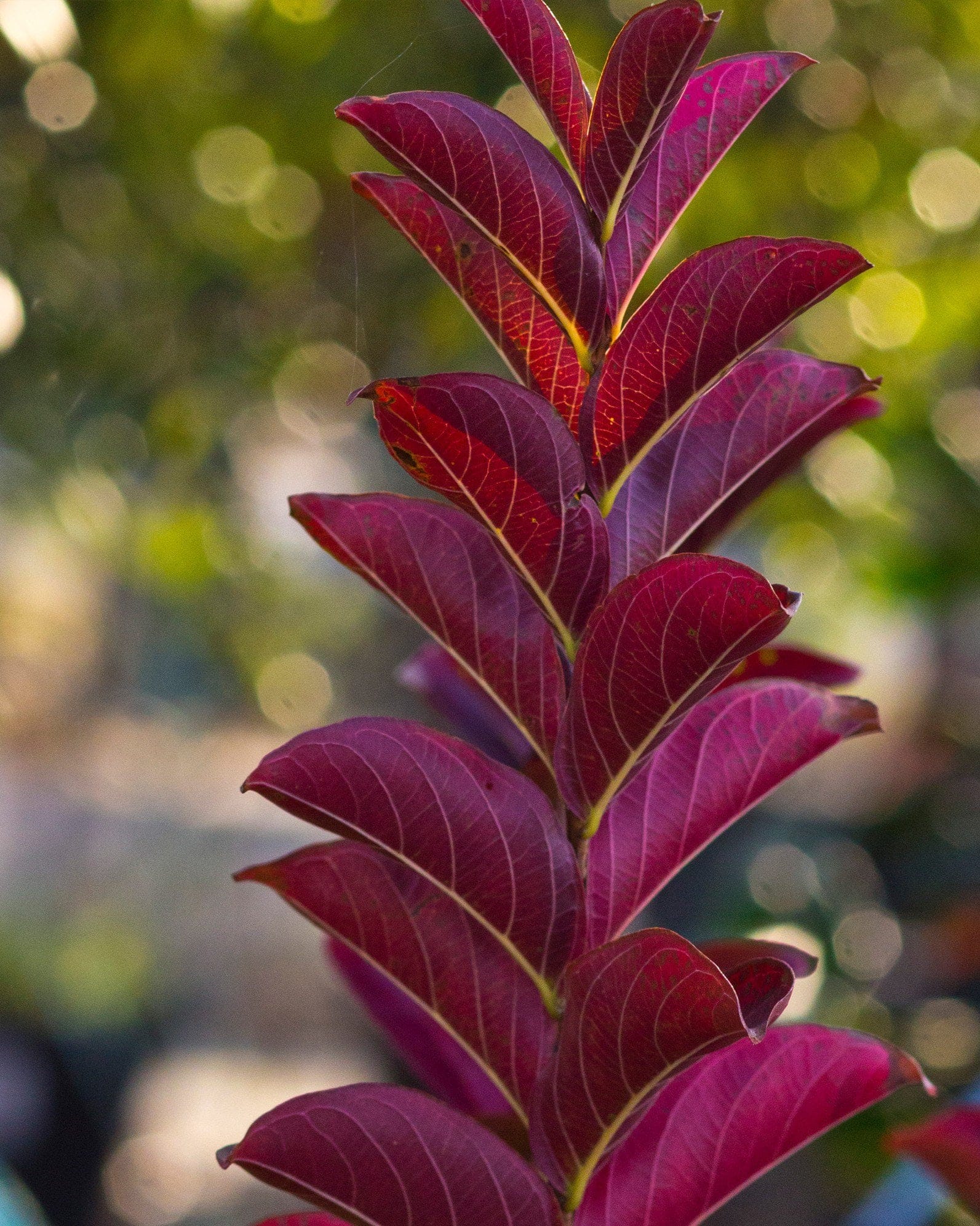
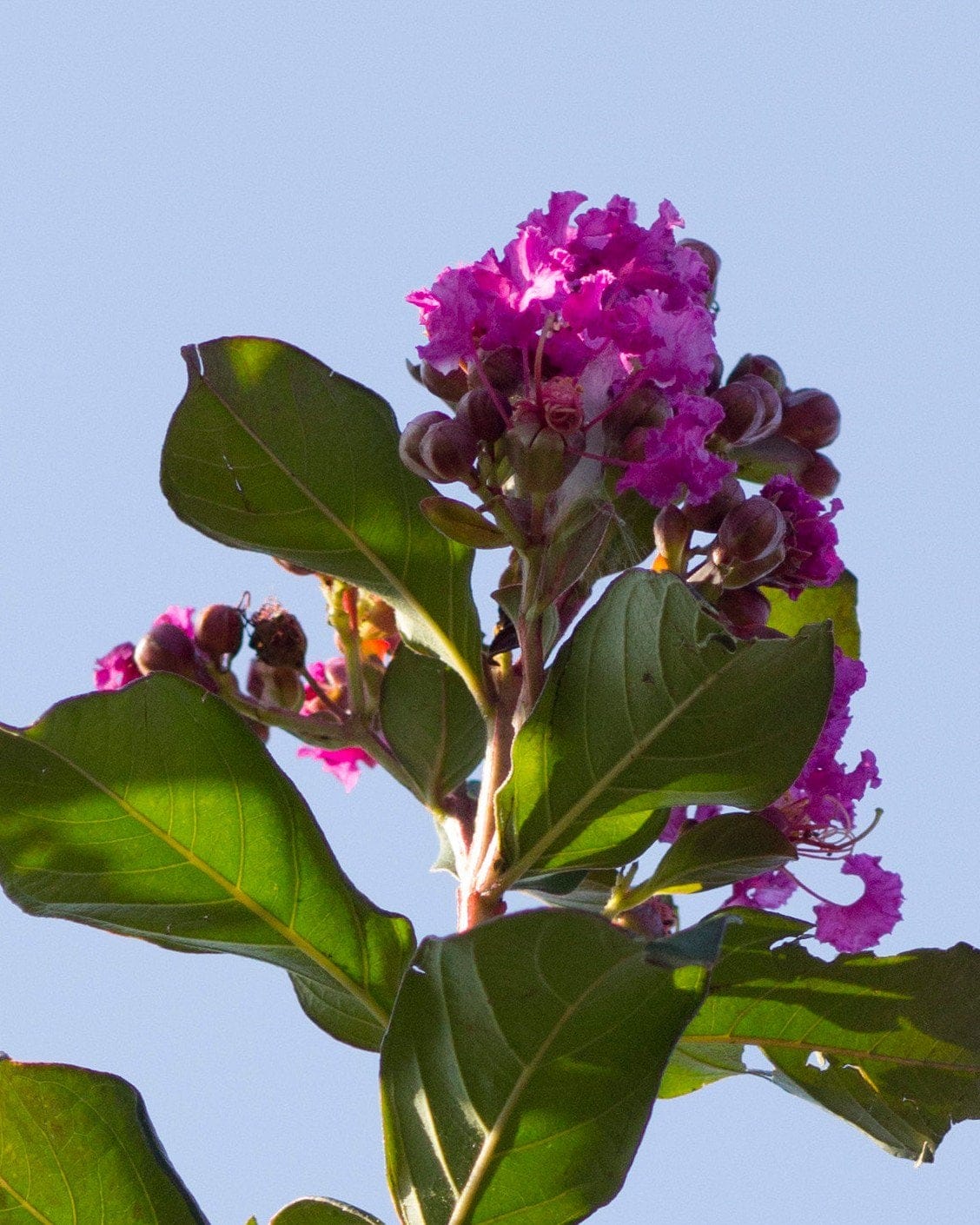
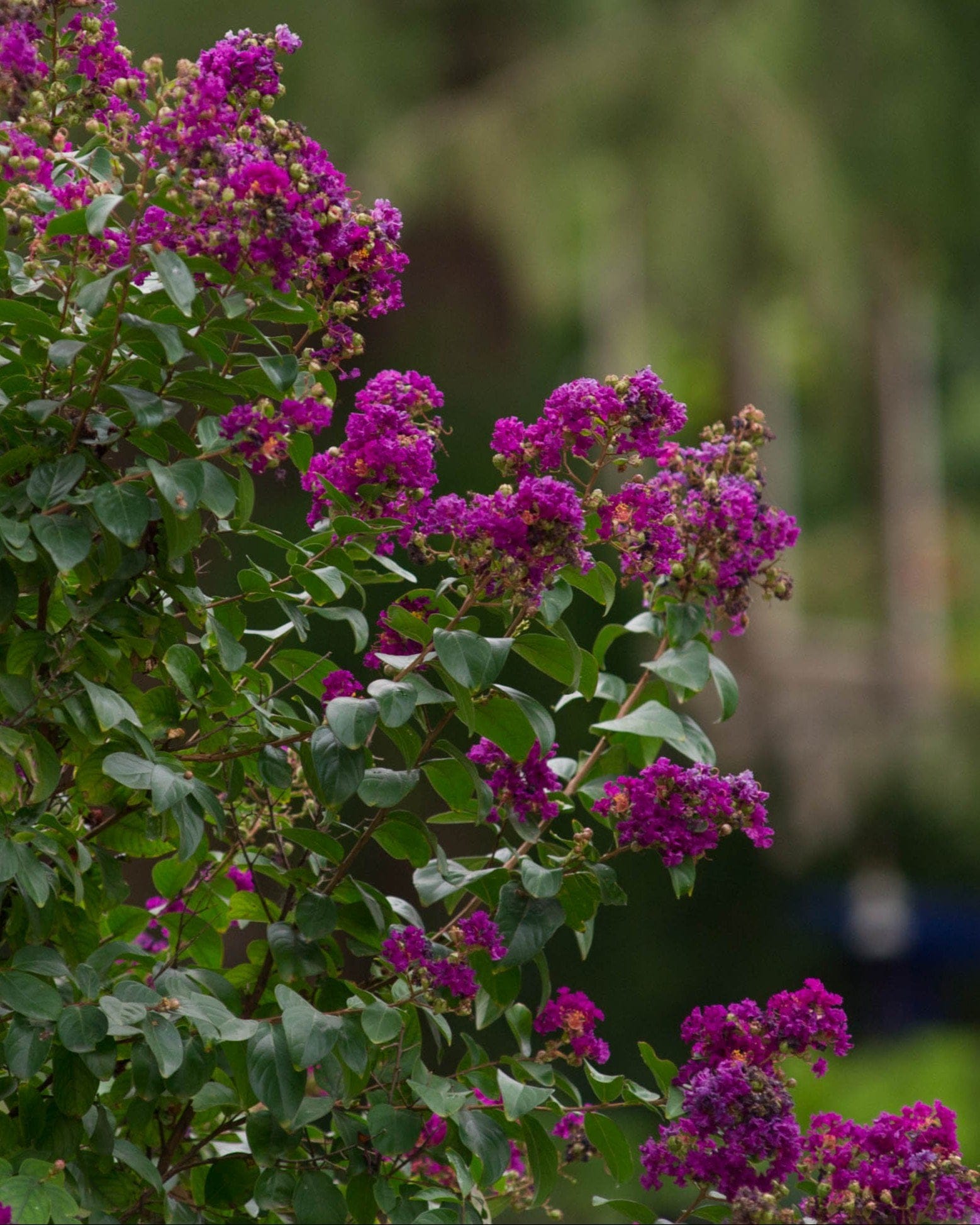
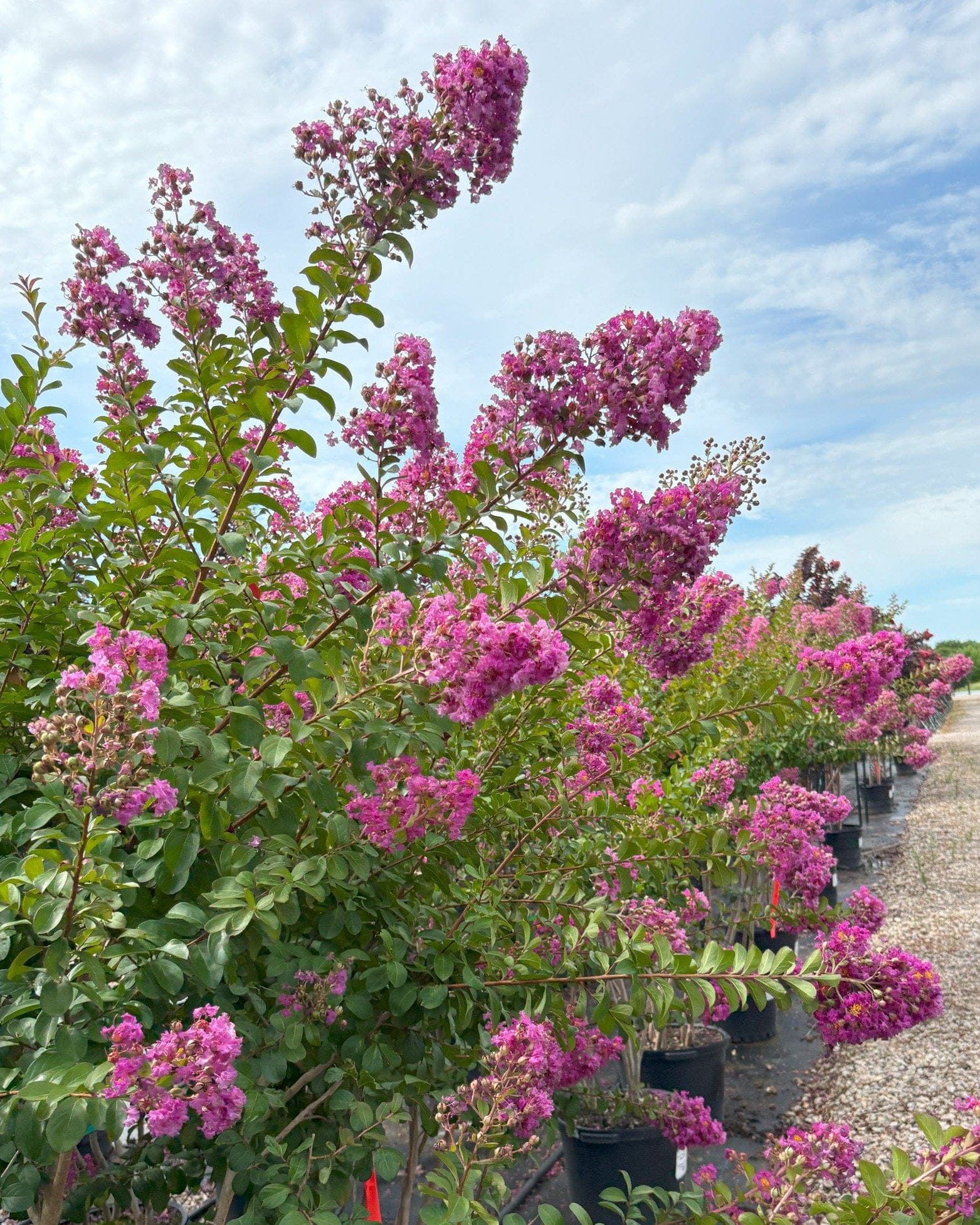
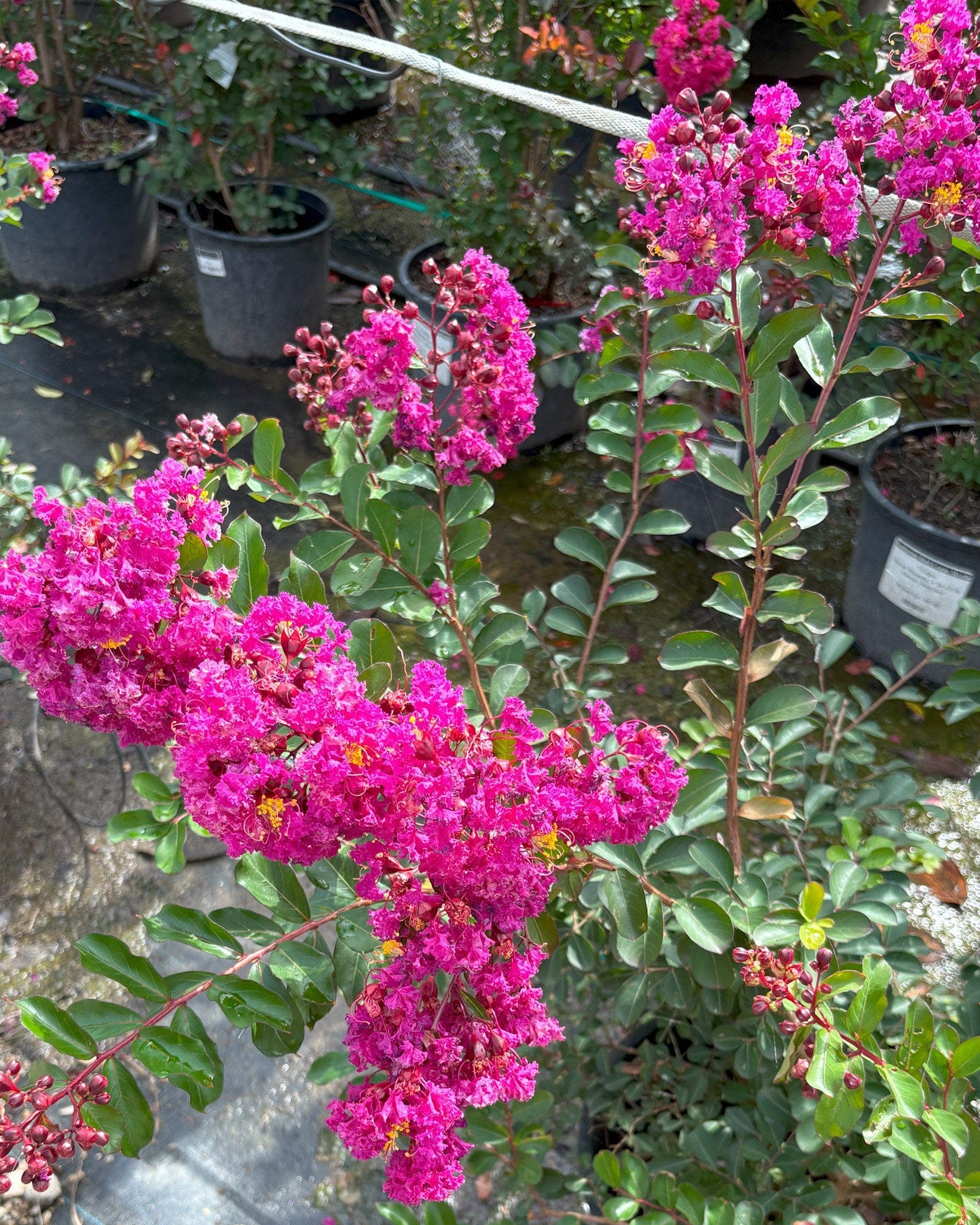
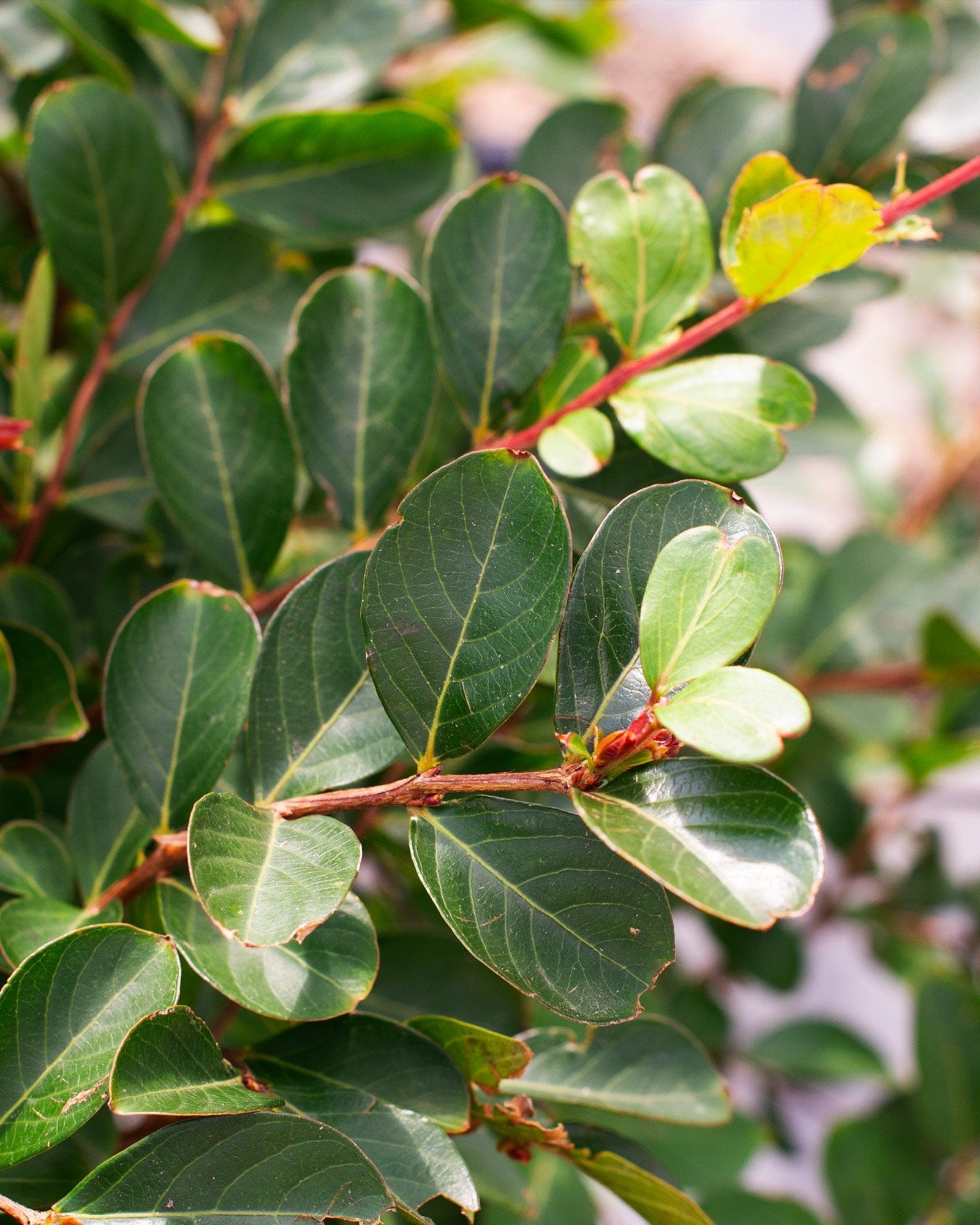
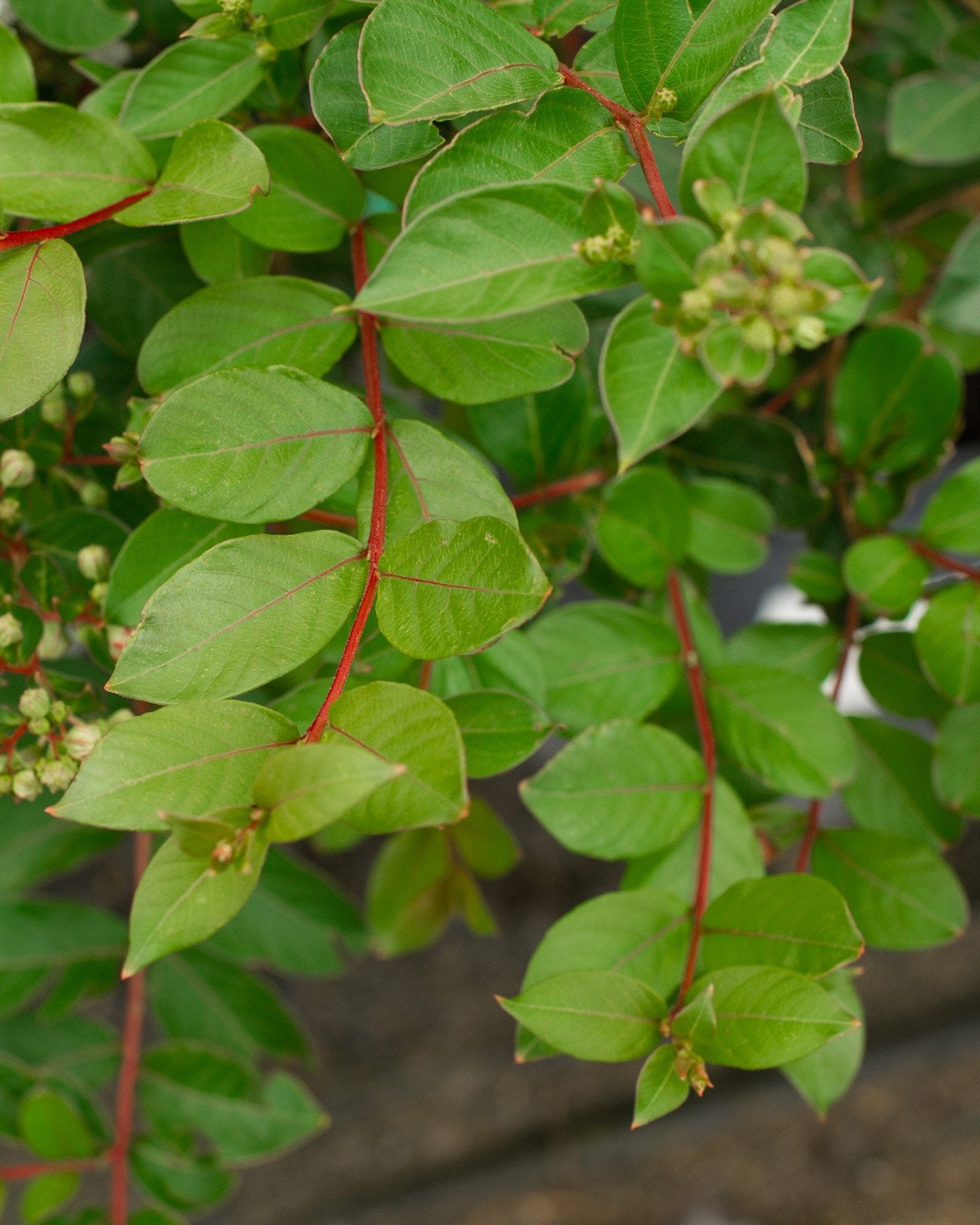
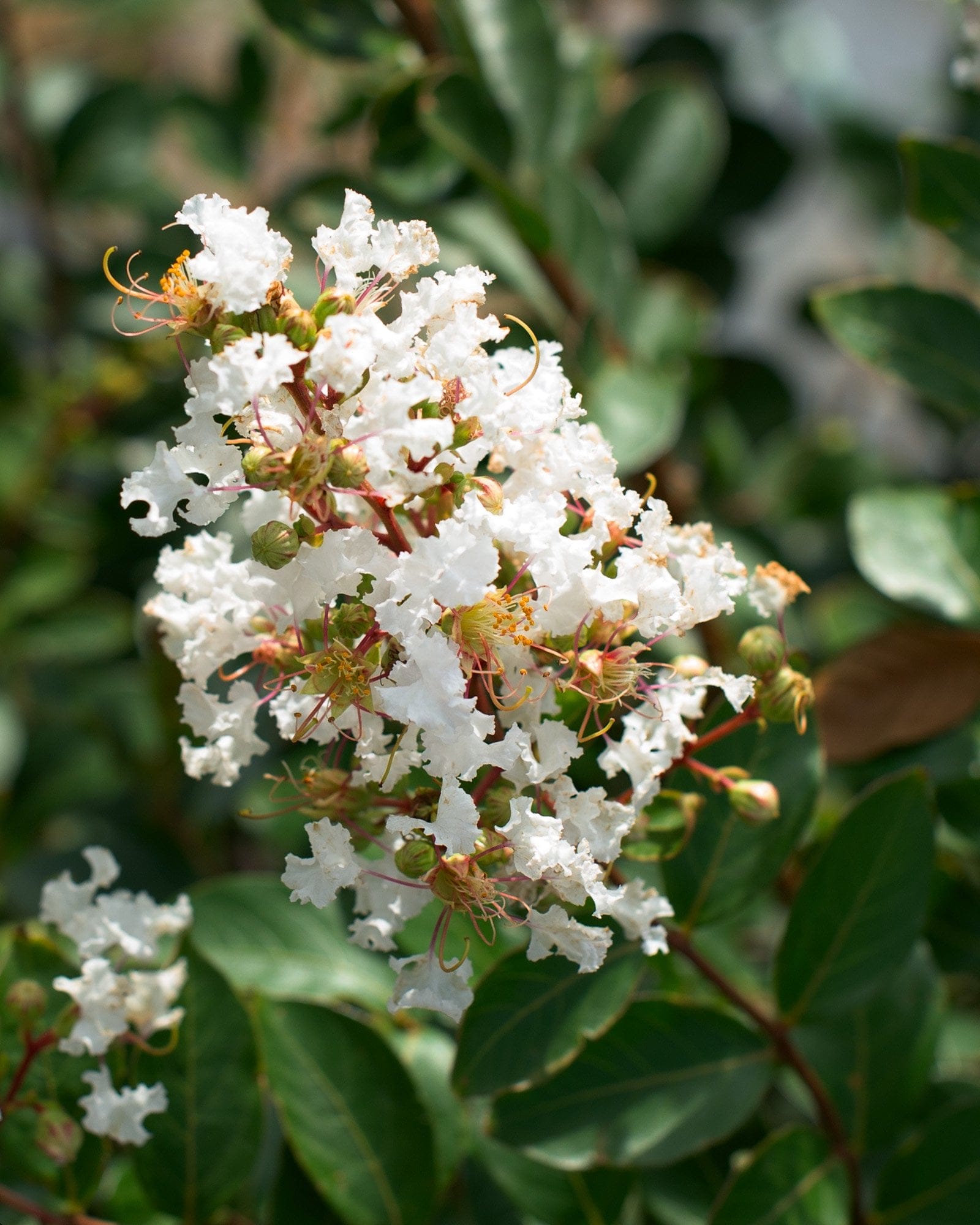
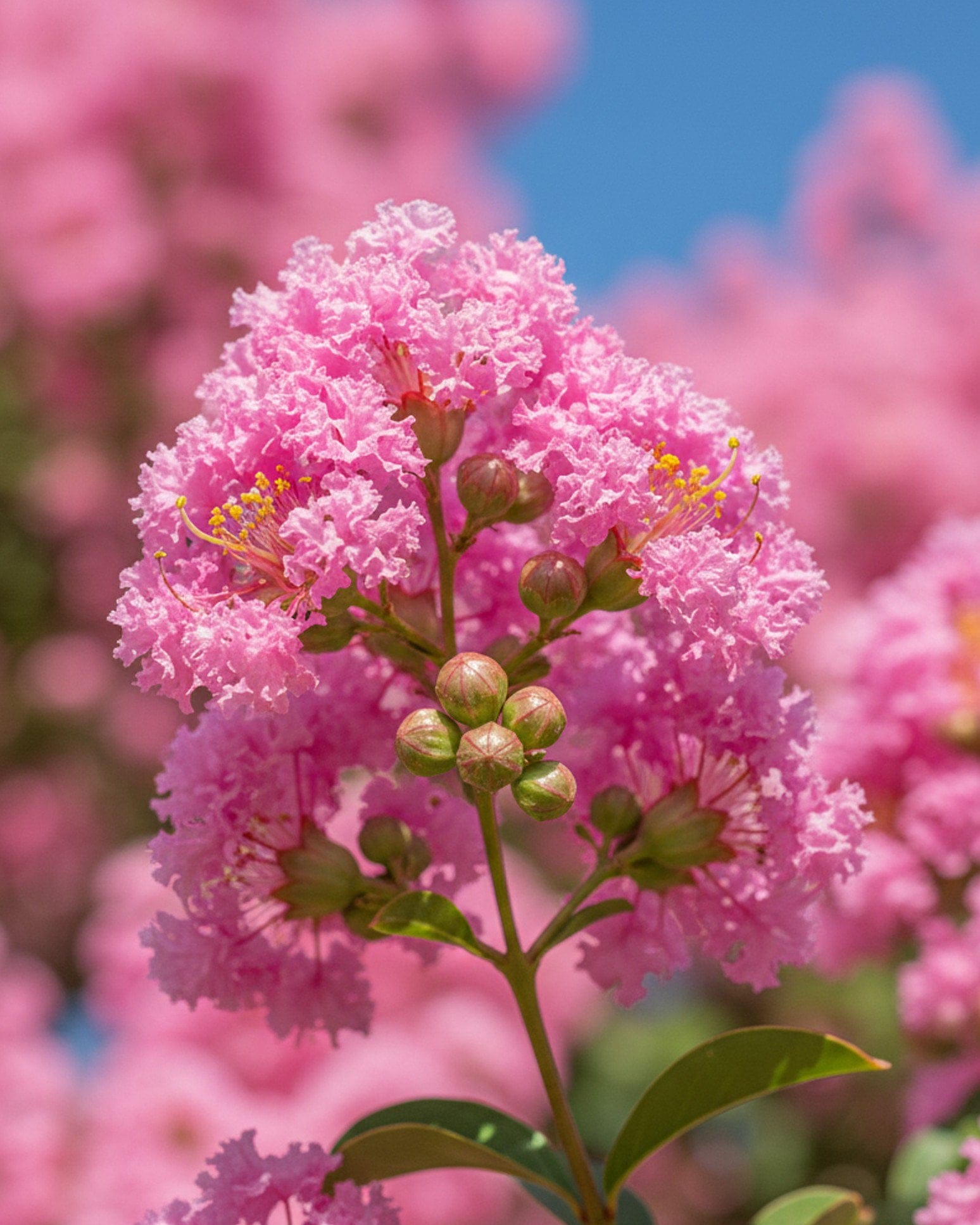
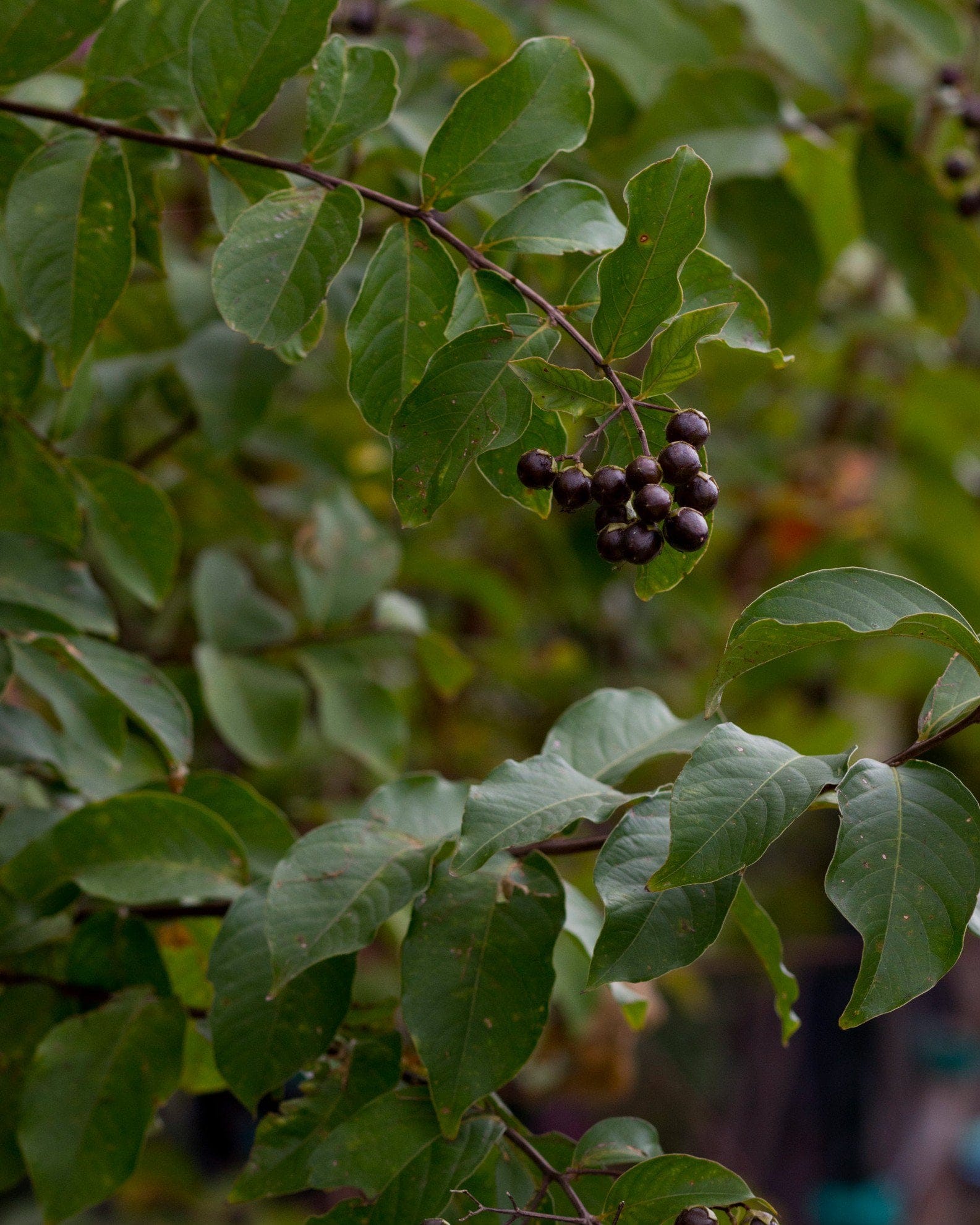
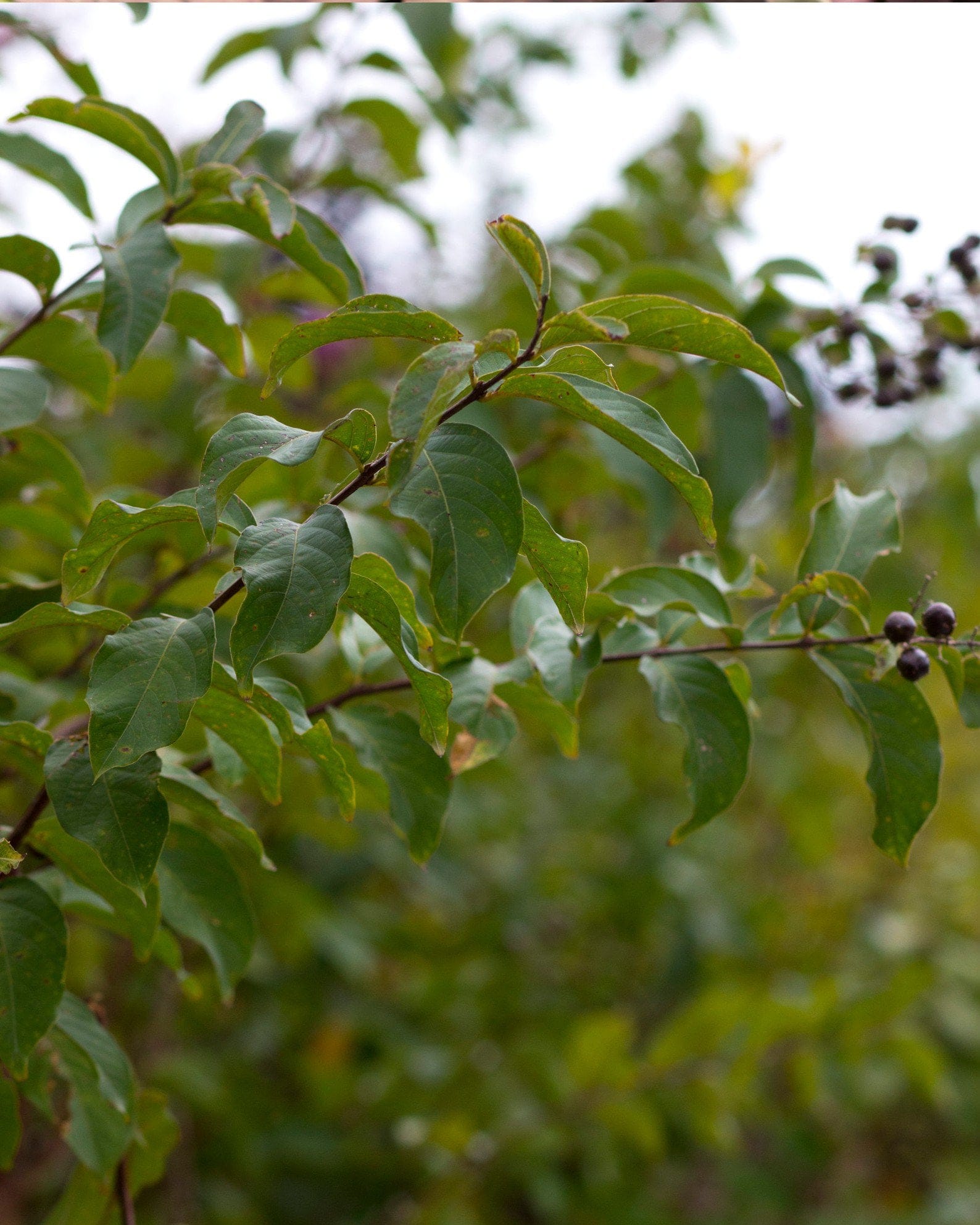
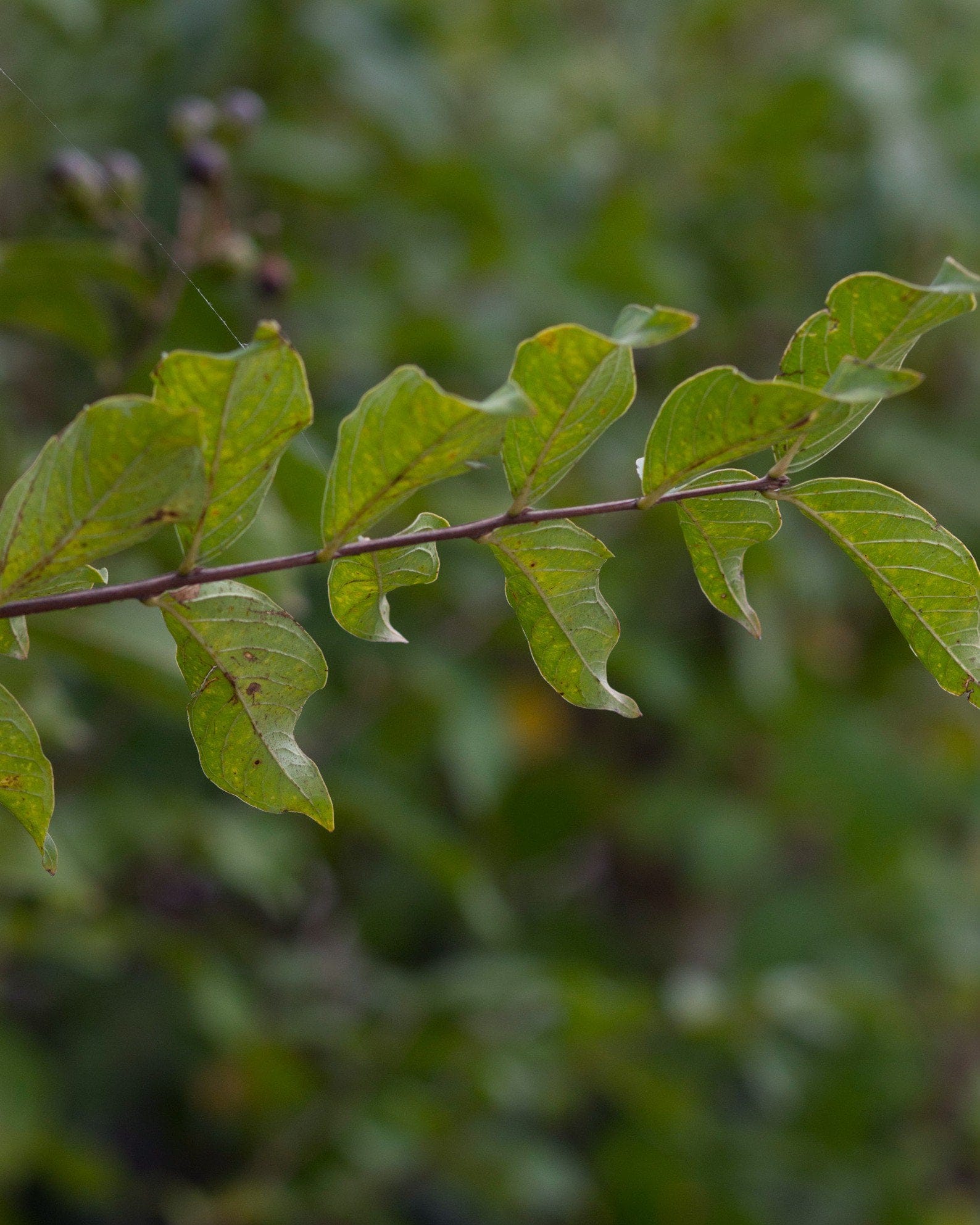
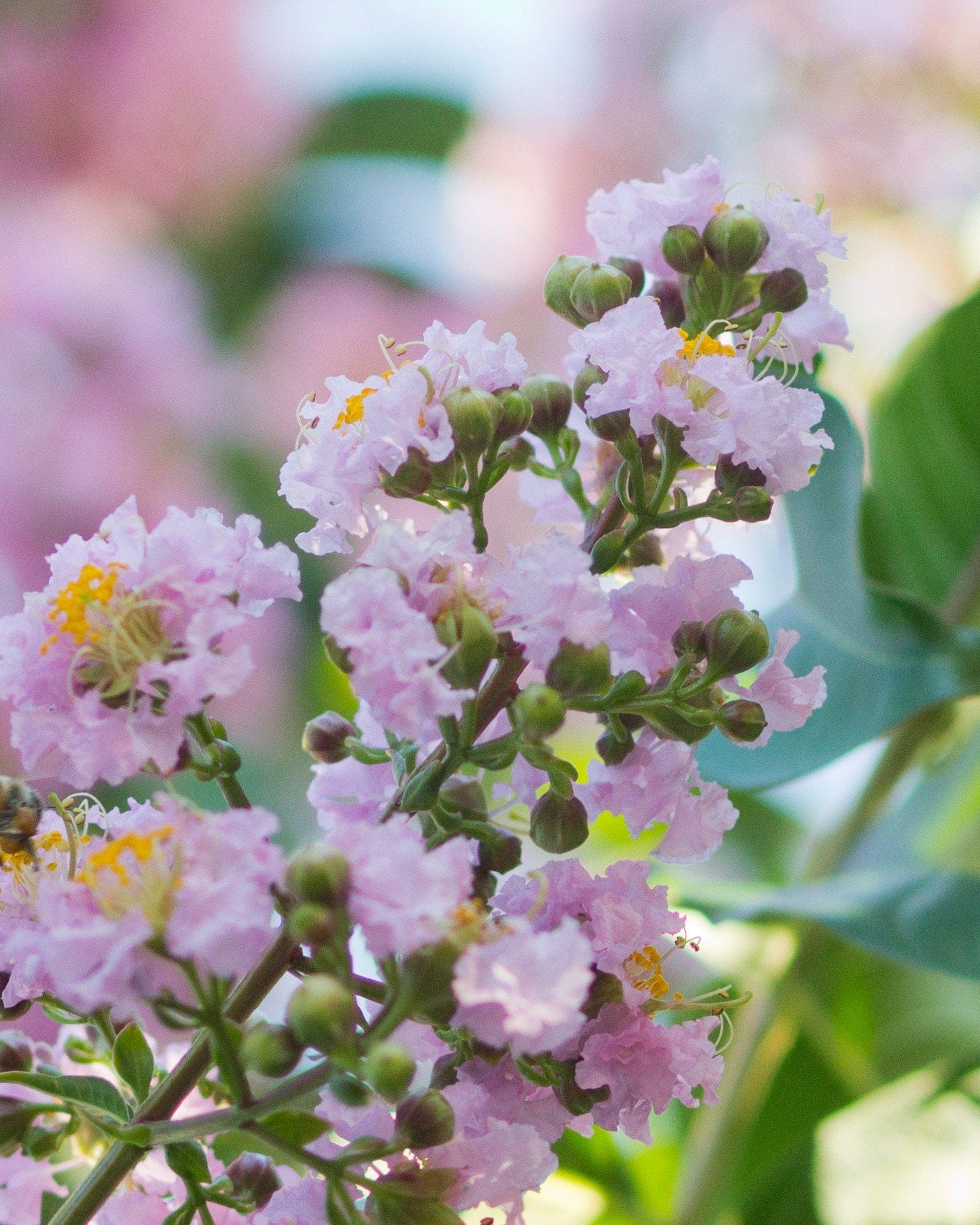
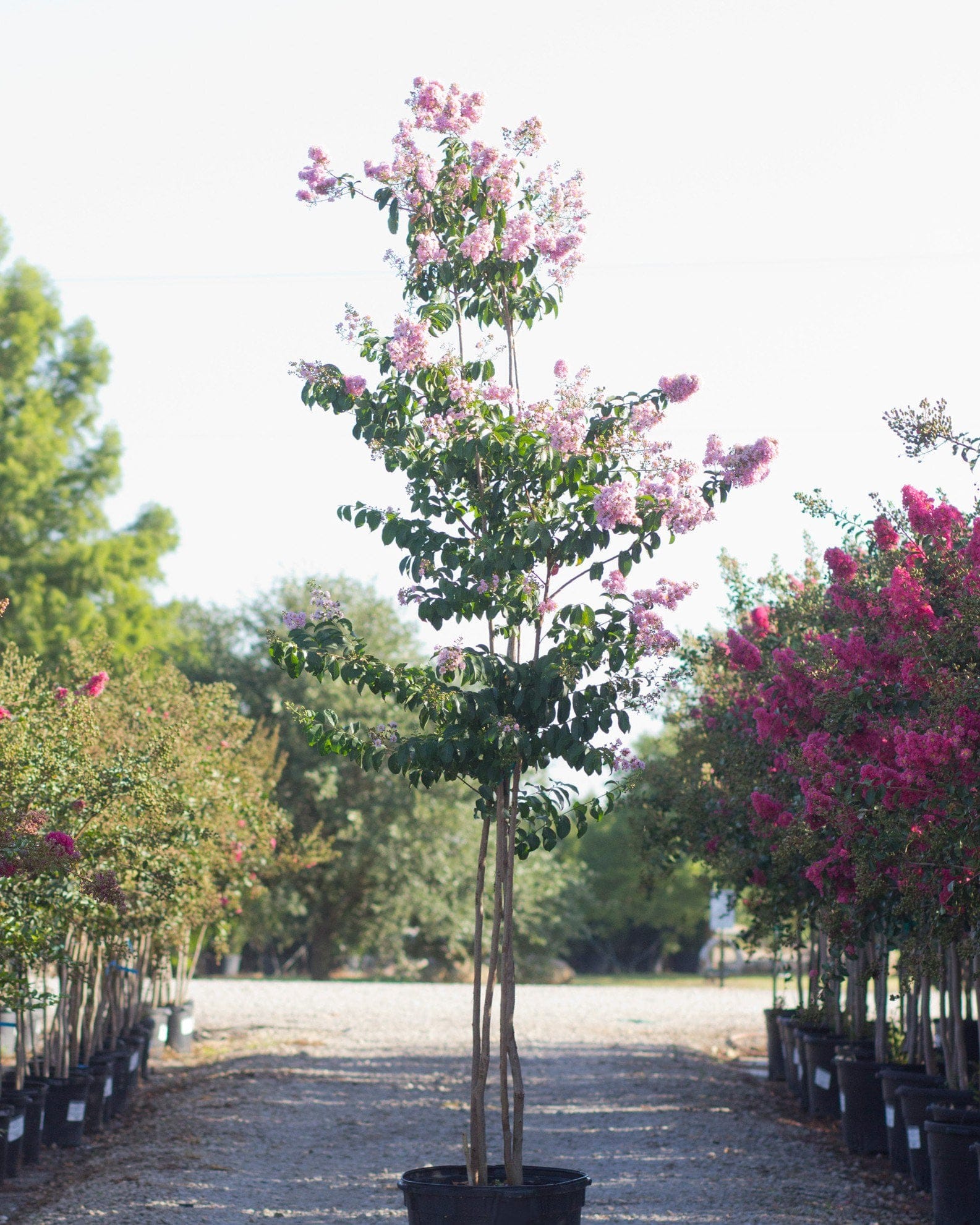
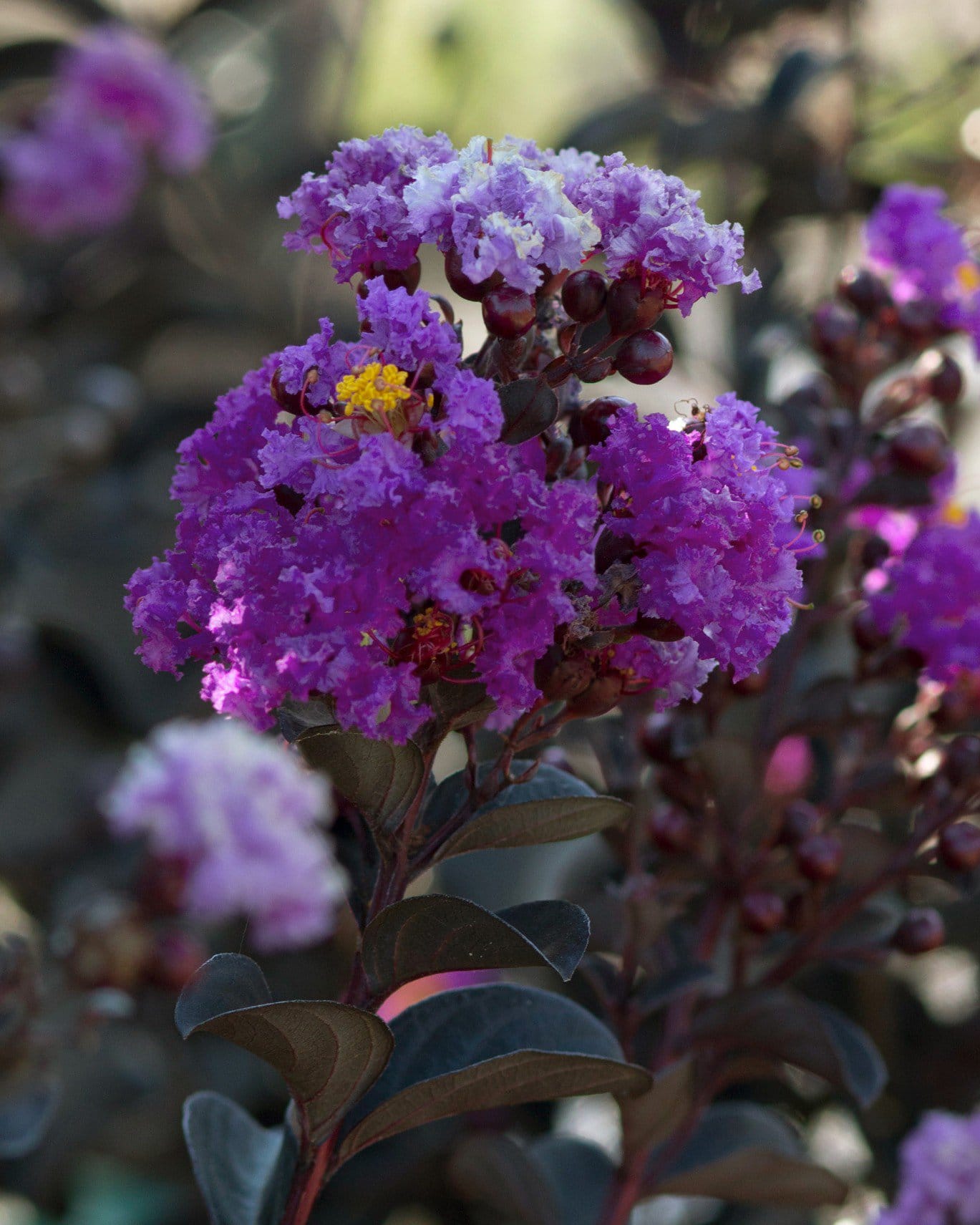
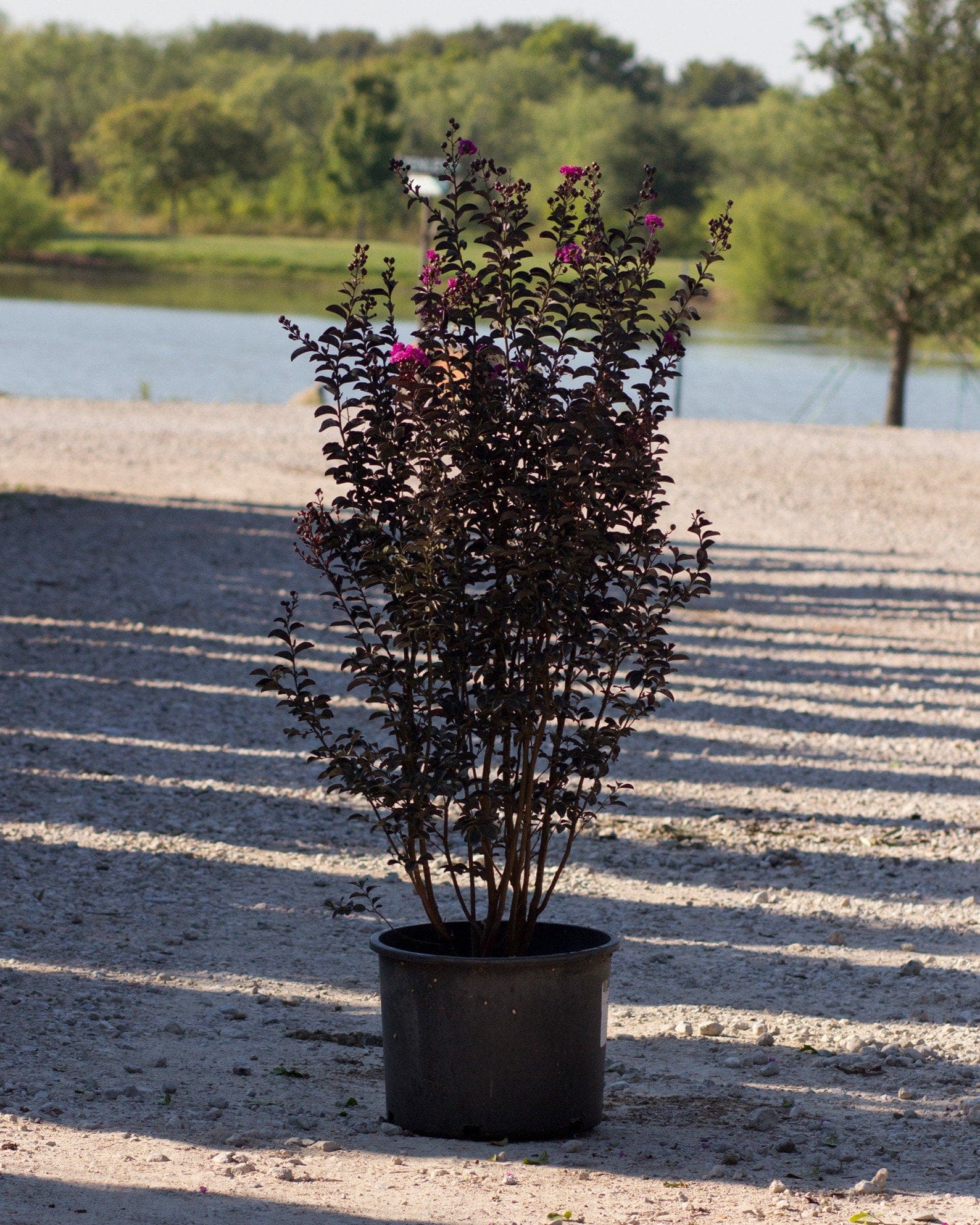
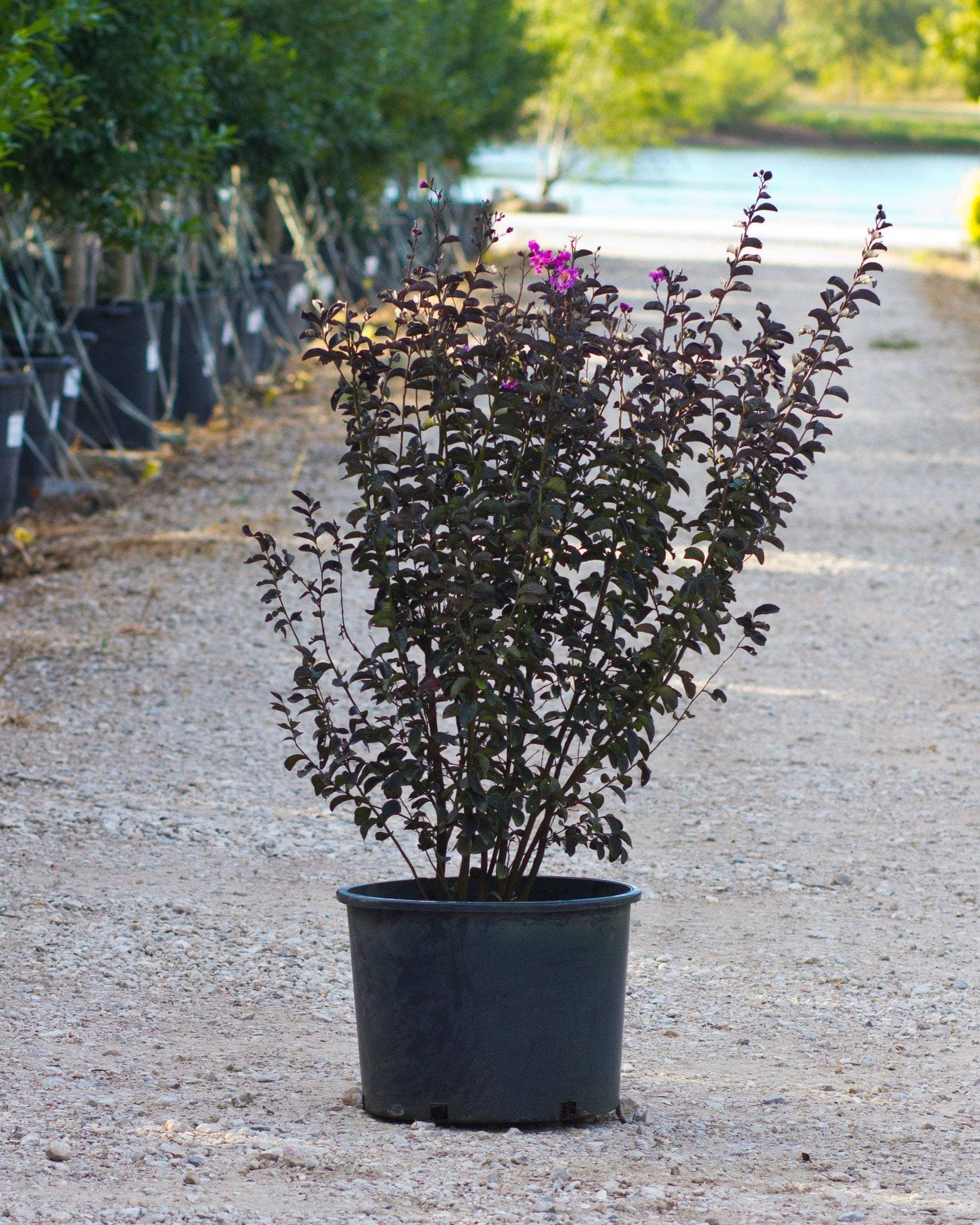
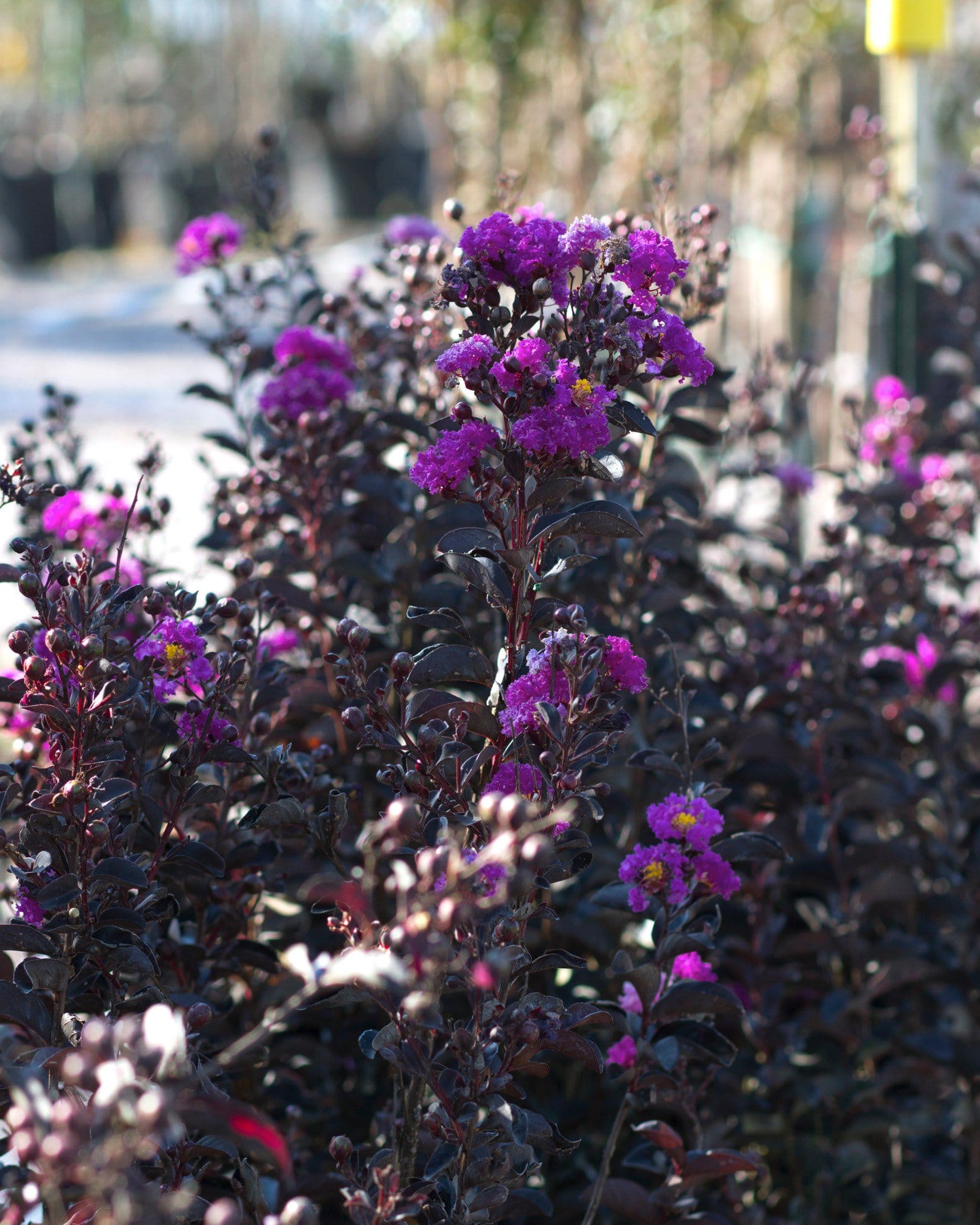
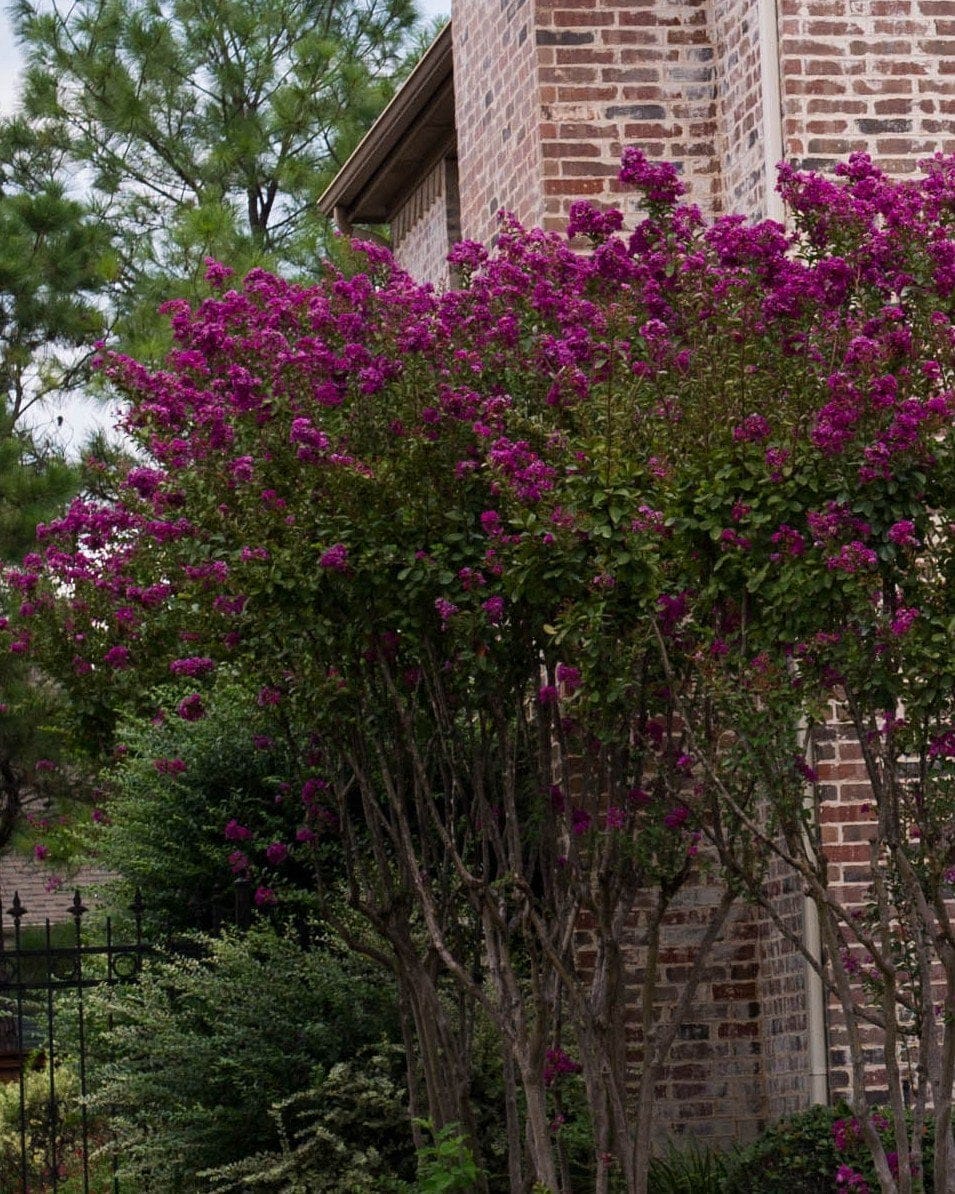
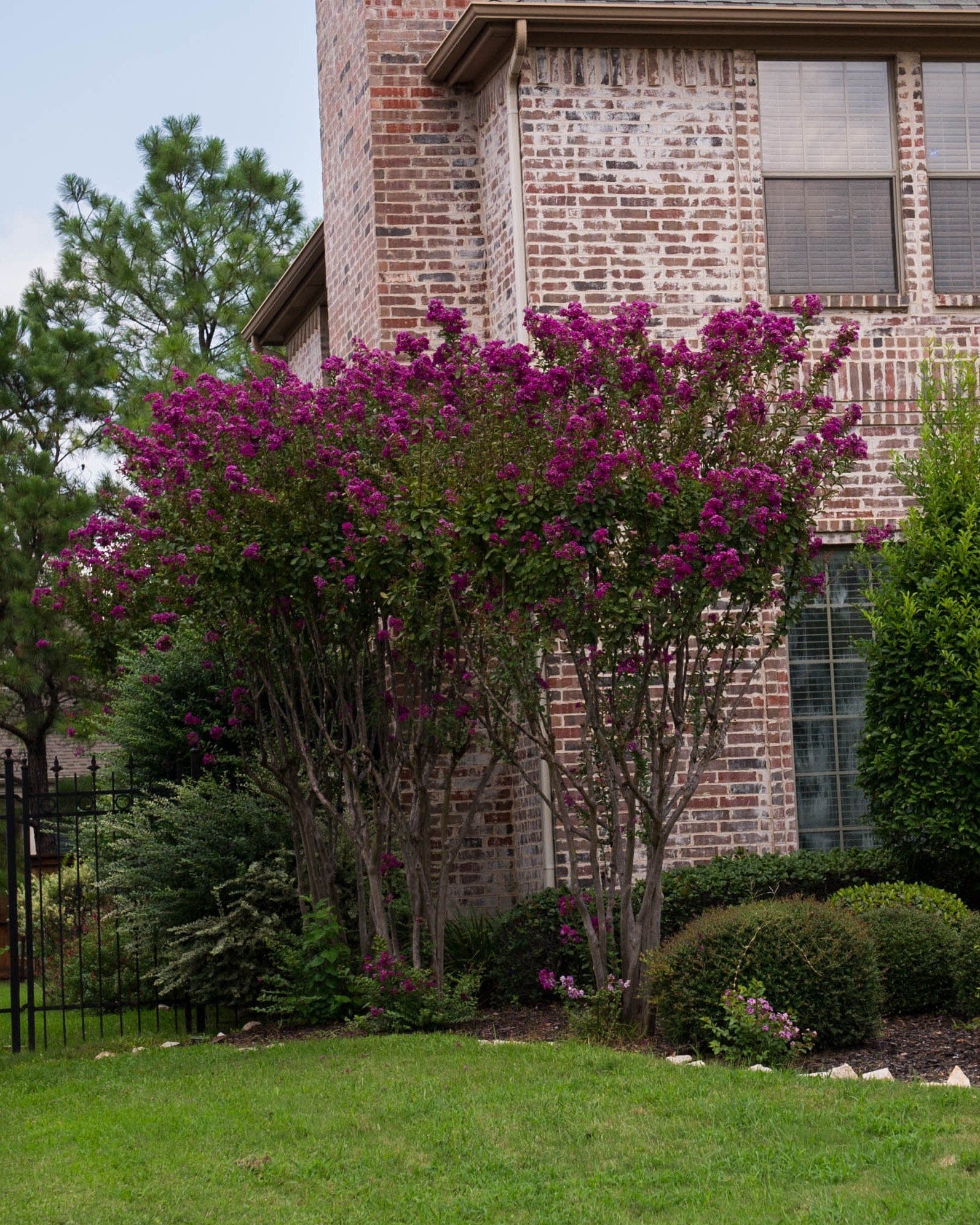
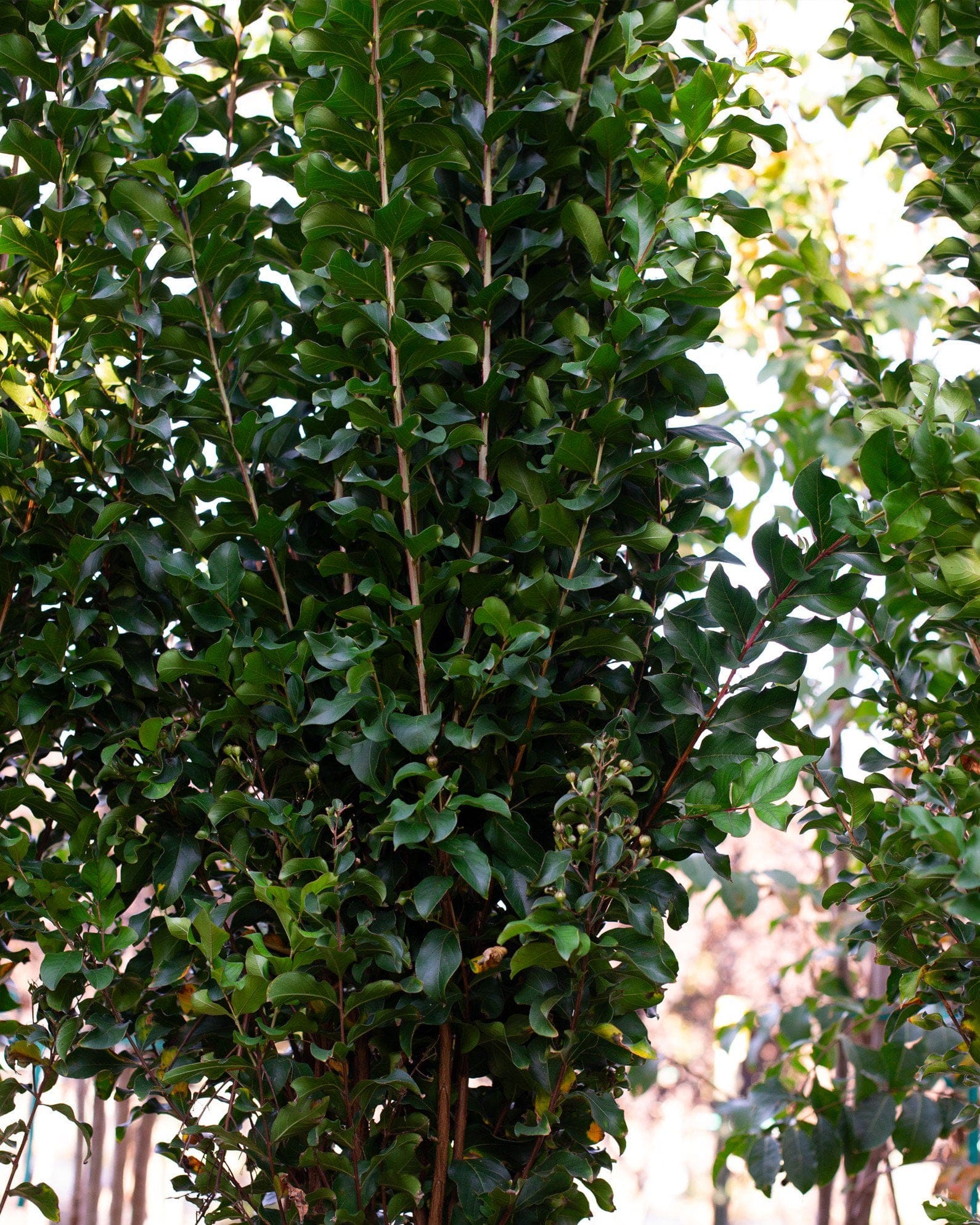
Lagerstroemia × 'Muskogee'Muskogee Crape Myrtle is a deciduous tree loved for its clusters of light purple flowers that bloom all summer. This variety features a strong, upright growth habit with lush green leaves that turn yellow in the fall, offering seasonal interest. This tree grows up to be 25 feet in height and 20 feet in width at maturity. Its bold floral display makes it a standout in any warm climate landscape.
- Deciduous flowering tree
- Moderate to fast growth rate with upright, rounded form
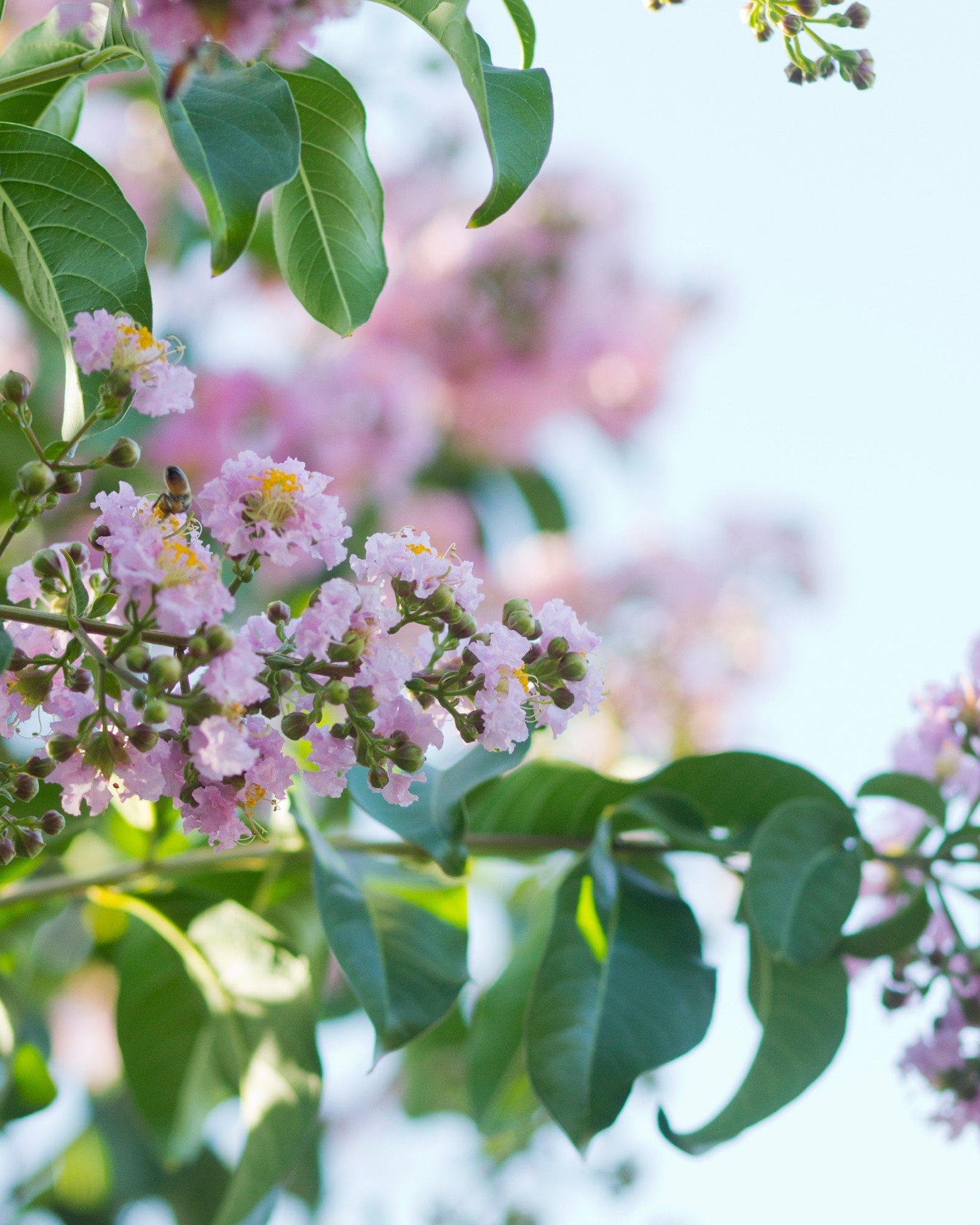
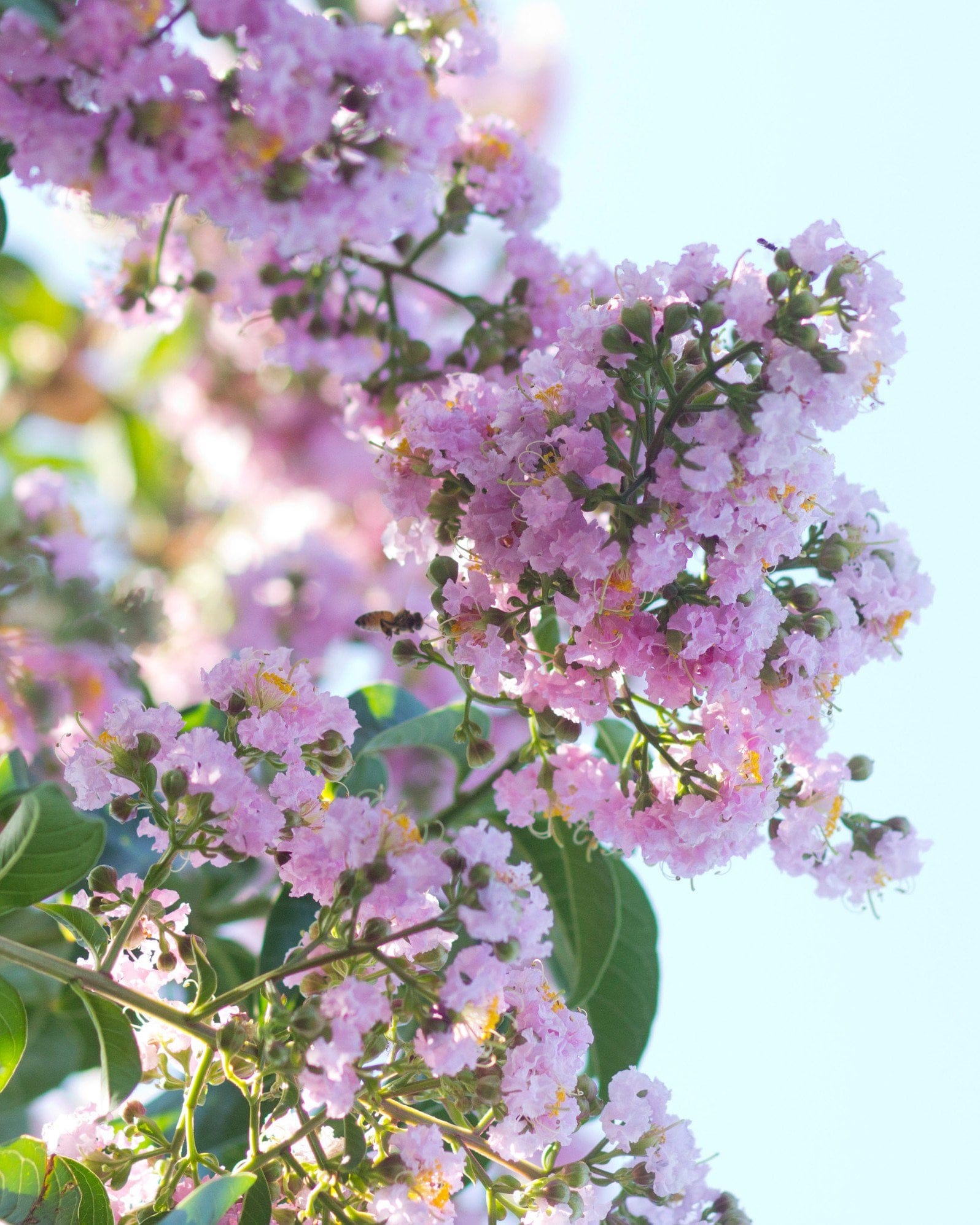
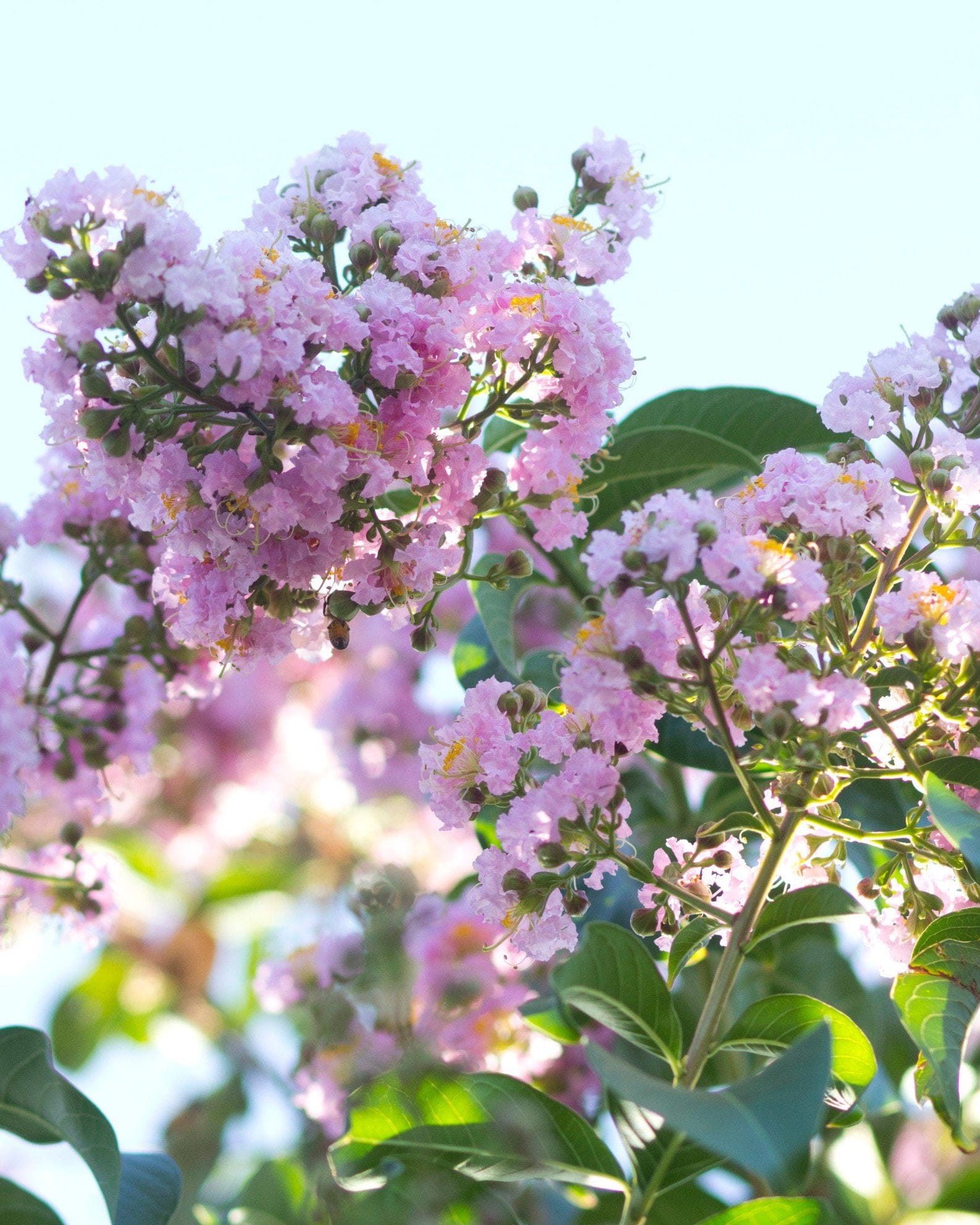
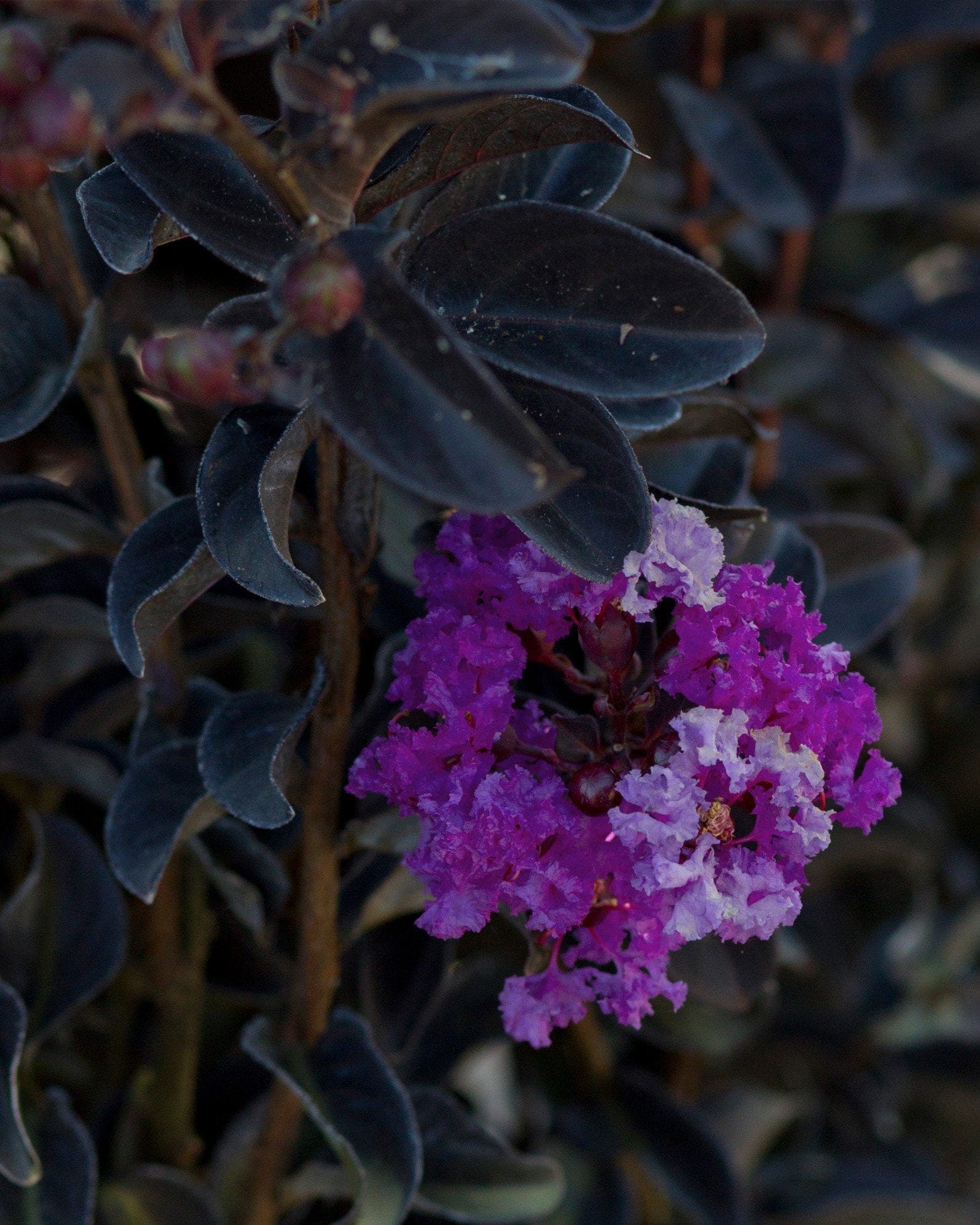
- Light purple flower clusters all summer long
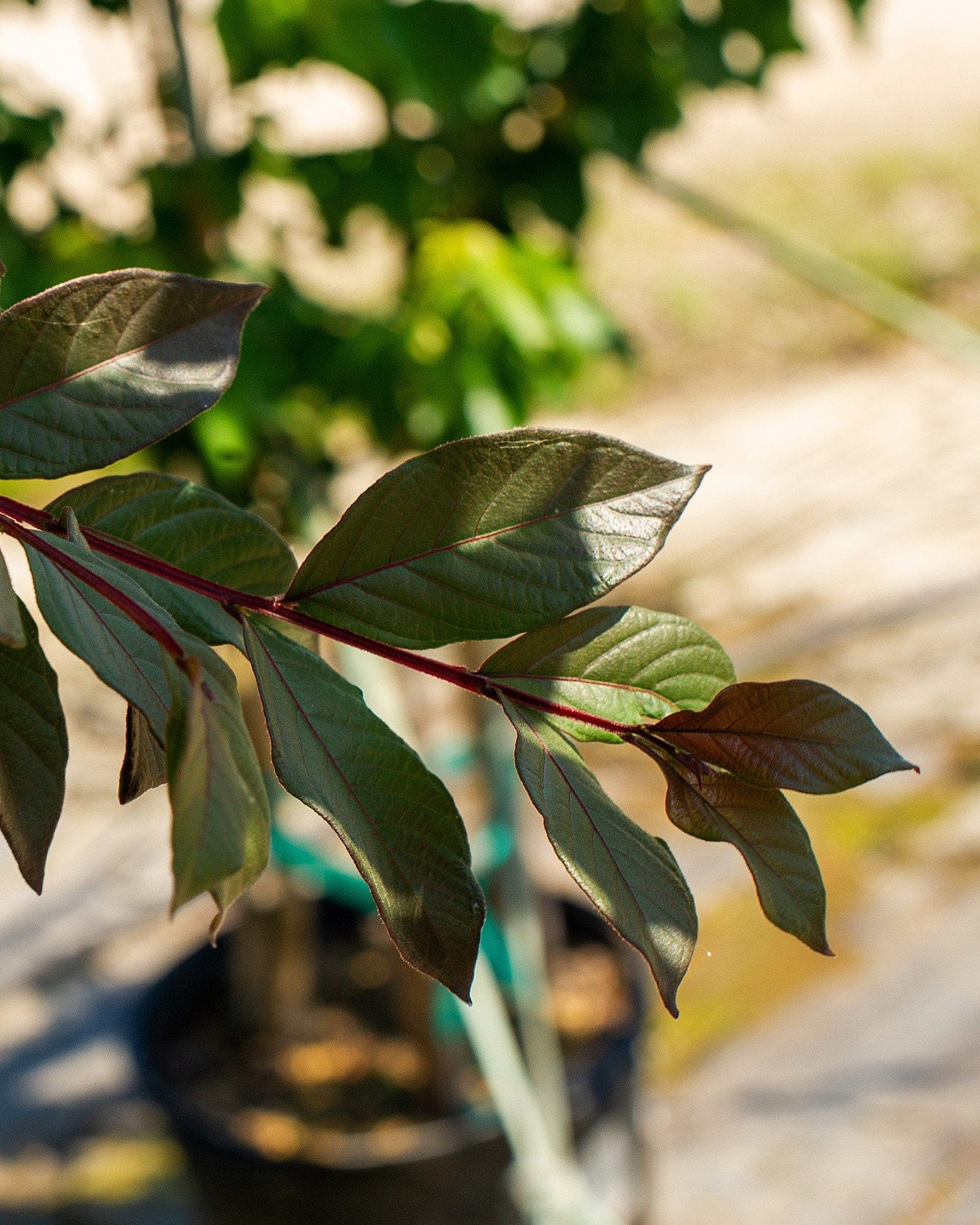
- Glossy green foliage turning yellow in fall
- Attracts pollinators
Thriving in full sun and well-drained soil, Muskogee Crape Myrtle is heat-tolerant and hardy in USDA zones 6-9. This tree is an excellent choice for Texas landscapes where bold color and long bloom seasons are desired. Trim to promote healthy growth and maintain its shape.
Maintenance
Muskogee Crape Myrtle is incredibly easy-going and needs minimal care to grow beautifully for many years. Here’s how to maintain it:
- Watering: Water deeply and regularly during the first growing season to establish strong roots. Once mature, Muskogee Crape Myrtle is drought-tolerant and needs only occasional deep watering during prolonged dry spells.
- Pruning: Prune lightly in late winter or very early spring before new growth begins. Remove crossing or dead branches to improve airflow and shape the canopy naturally. Avoid heavy topping (“crape murder”), which damages the structure and reduces flowering.
- Fertilizing: Apply a balanced, slow-release fertilizer in early spring as new growth appears. Avoid excessive nitrogen, which promotes leaf growth at the expense of blooms. Mature trees often need little feeding once established.
- Mulching: Spread a 2-3 inch layer of mulch around the base each spring to retain moisture, suppress weeds, and regulate soil temperature. Keep mulch several inches from the trunk to prevent rot and discourage pests.
- Winter care: Muskogee Crape Myrtle is hardy across much of Texas, but young trees benefit from winter protection. Apply a fresh layer of mulch before frost and avoid pruning late in the year, as this can stimulate tender new growth vulnerable to cold.
Common Issues and How to Take Care of Them
Muskogee Crape Myrtle is known for its durability, but a few manageable issues can arise if conditions become unfavorable:
- Powdery Mildew: A white coating on leaves and buds, often from crowded conditions or poor airflow. Prune to open the canopy and apply fungicide if needed.
- Aphids: Small insects that feed on sap and leave behind sticky residue. Rinse foliage with water or apply insecticidal soap. Beneficial insects like ladybugs naturally help control them.
- Crape Myrtle Bark Scale: Appears as white or gray crusty patches on branches. Treat with horticultural oil during dormancy and systemic insecticide in spring if infestations persist.
- Sooty Mold: Black residue that grows on honeydew from aphids or scale. Eliminate the pests, and the mold will gradually disappear.
- Leaf Spot Fungus: Causes small dark spots on foliage during humid weather. Improve air circulation and avoid overhead watering to prevent recurrence.
- Reduced Blooming: Often caused by over-fertilization or excessive shade. Maintain pruning discipline and use balanced nutrients to restore flowering vigor.
With regular pruning, proper spacing, and a little seasonal maintenance, Muskogee Crape Myrtle provides decades of dependable color and charm.
With proper care, it can live 40-50 years or longer. Its hardy wood and deep root system make it one of the longest-lived ornamental trees in Southern landscapes.
It grows at a moderate to fast rate - typically 1-2 feet per year - reaching full maturity within 8-10 years. Once established, growth slows slightly as the canopy fills out.
Yes, young trees adapt well to large containers. Use a deep, well-draining pot and refresh the soil every couple of years to maintain health.
Yes - deer rarely bother it. Its leaves and bark are unappealing to browsing wildlife, making it an excellent low-risk landscape tree.
Absolutely. Both forms are common. Multi-trunk trees create a sculptural, elegant appearance, while single-trunk forms work well for formal settings.
Exceptionally well. Muskogee was bred for the South and thrives through long, hot summers without losing color or vigor.
Yes. It’s hardy through most Texas winters and rebounds quickly from light frost. In unusually harsh colds, a fresh layer of mulch protects the roots.
Yes, as long as you allow adequate space for its mature canopy. Its non-invasive roots make it safe near hardscapes, and its smooth bark adds beauty in winter.
Remove a few of the oldest trunks near the base every couple of years to encourage new shoots. A balanced feeding in spring helps restore vigor and blooming power.
Yes - Muskogee Crape Myrtle performs beautifully in city settings, handling heat, reflected light, and moderate air pollution with ease.
Special Features
You might also like
.jpg&w=1600&q=80)

Compare Similar Plants
Muskogee Crape Myrtle This plant | ||
|---|---|---|
| Scientific Name | Lagerstroemia × 'Muskogee' | Lagerstroemia x 'JM1' |
| Size at Maturity | 25' H x 20' W | 20' H x 12' W |
| Leaf Retention | Deciduous | Deciduous |
| Fall Color | Yellow | Yellow |
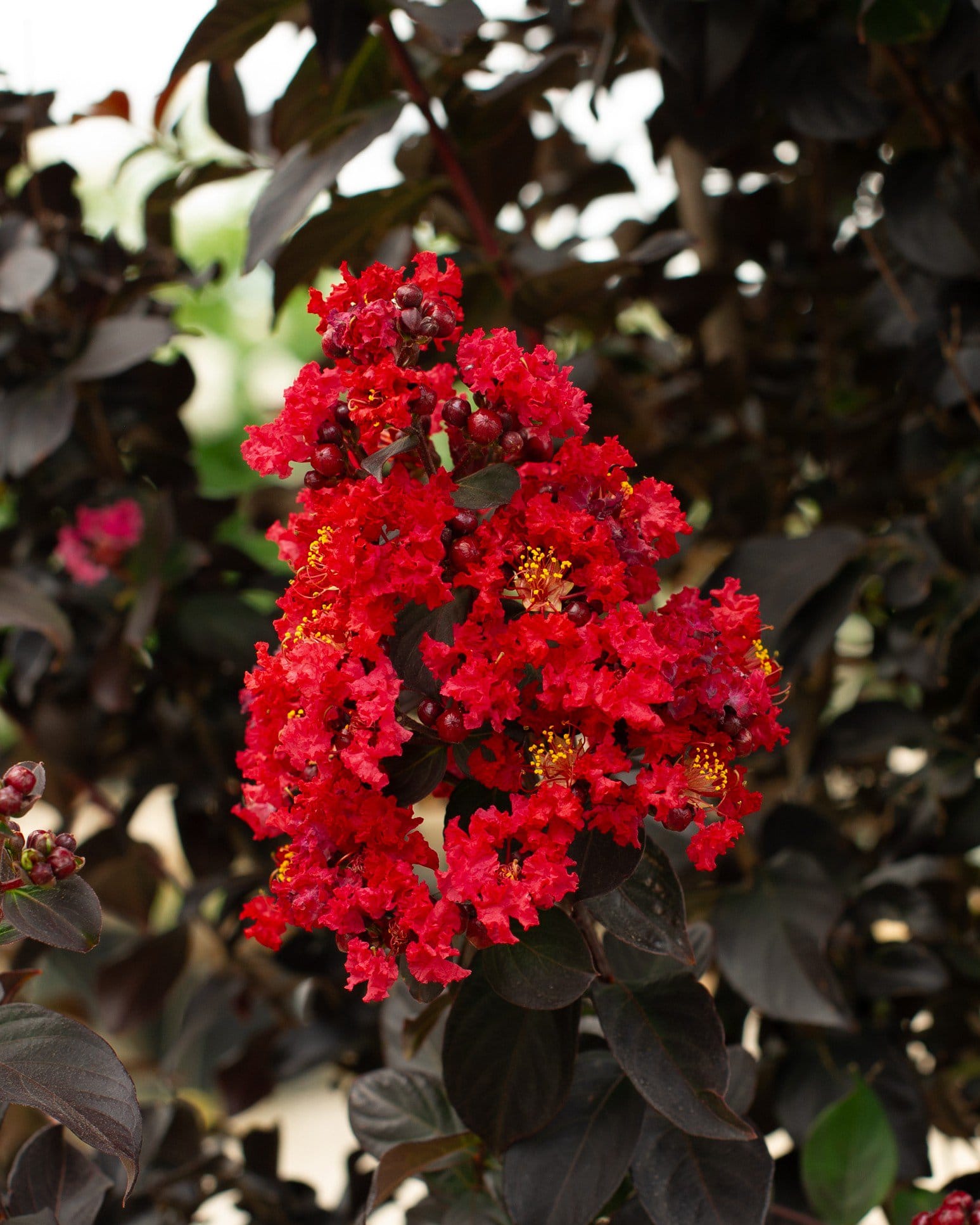
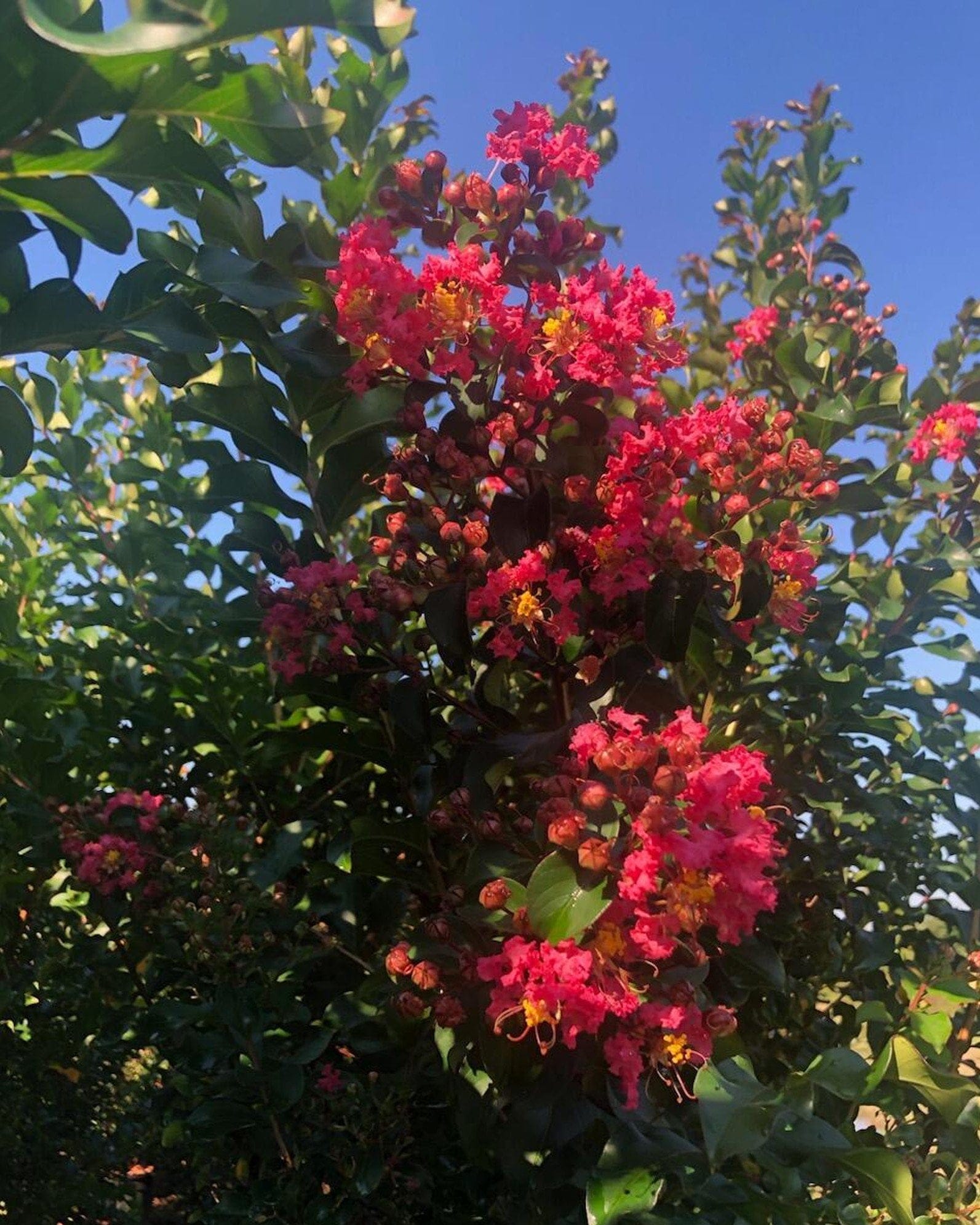
| Flower Color | Purple | Red |
| Bloom Times | Summer | Summer |
| Sizes Available | 15, 30, 45 gal | 3, 15, 30, 45 gal |


Our 1-Year Planting Guarantee
We take pride in our plants and installation services. If any plants or trees installed by Treeland fail to thrive within the first year, we'll provide a replacement credit in accordance with our guarantee program.
Learn More About Our Guarantee