
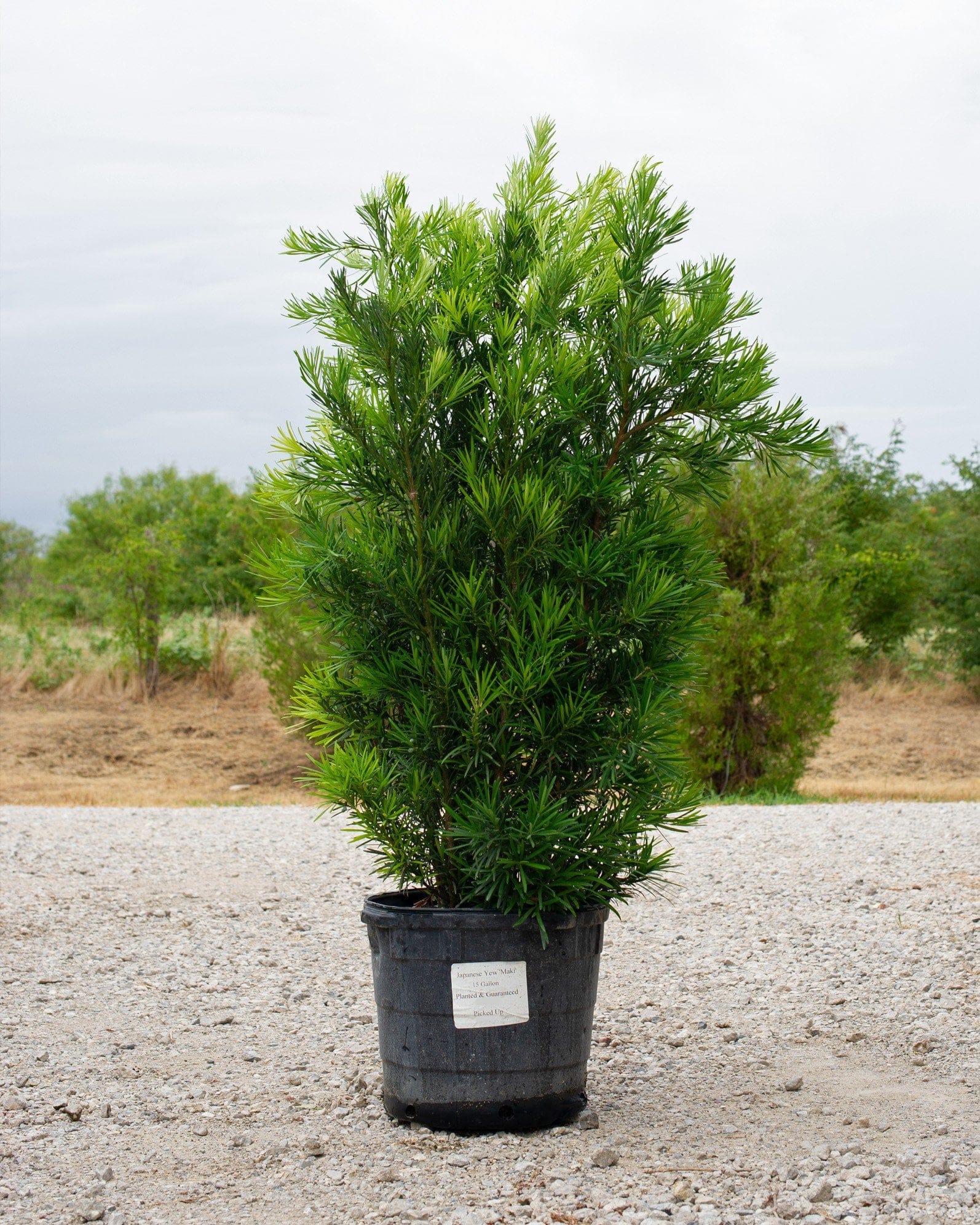
Japanese Yew Maki
Podocarpus macrophyllus 'Maki'Local DFW Delivery Only
Product Details
Japanese Yew Maki
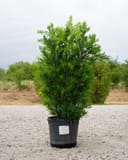
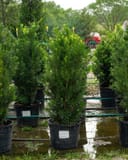
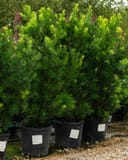
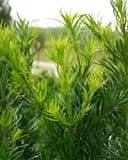
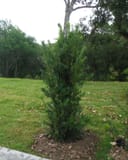
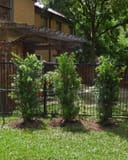
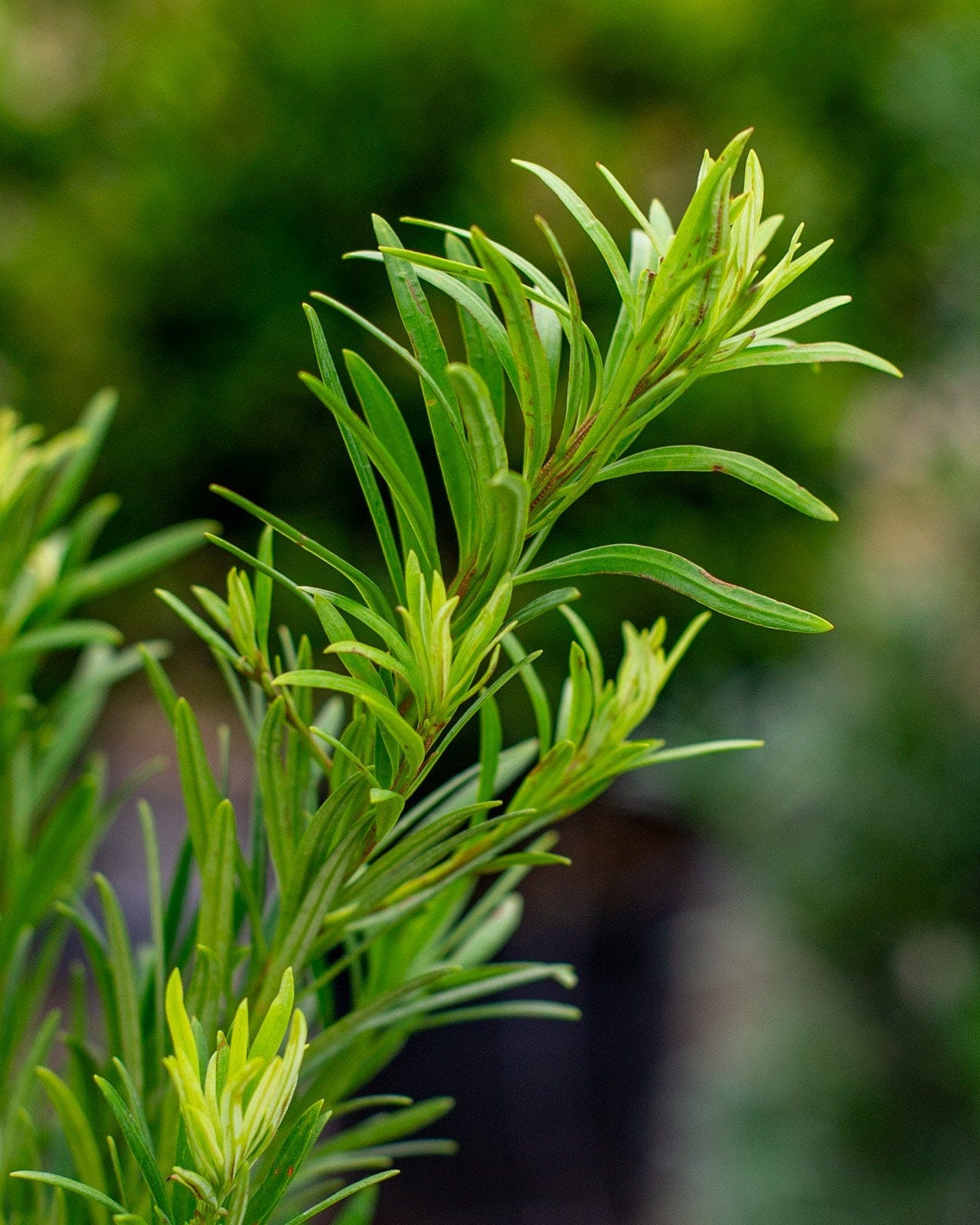
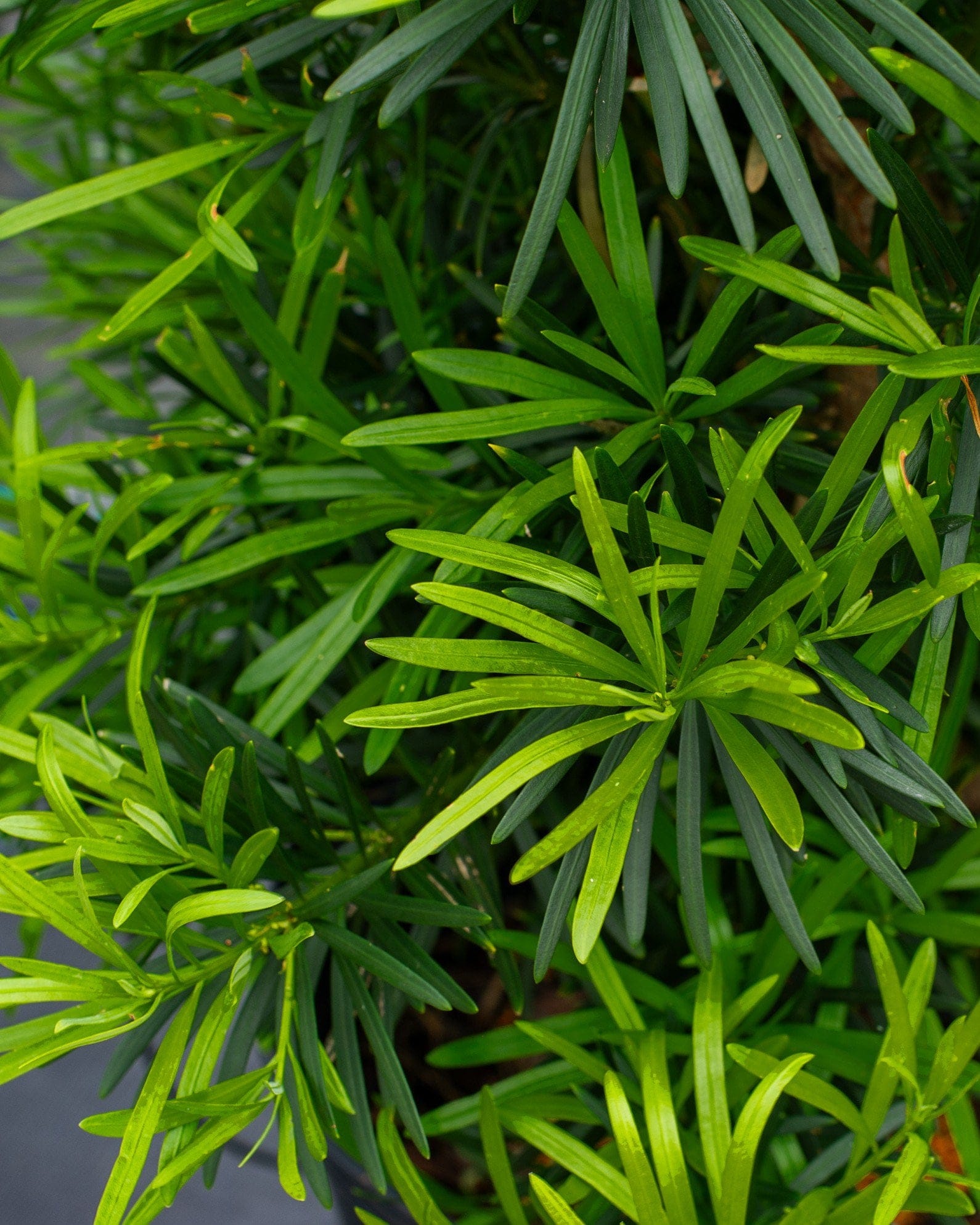
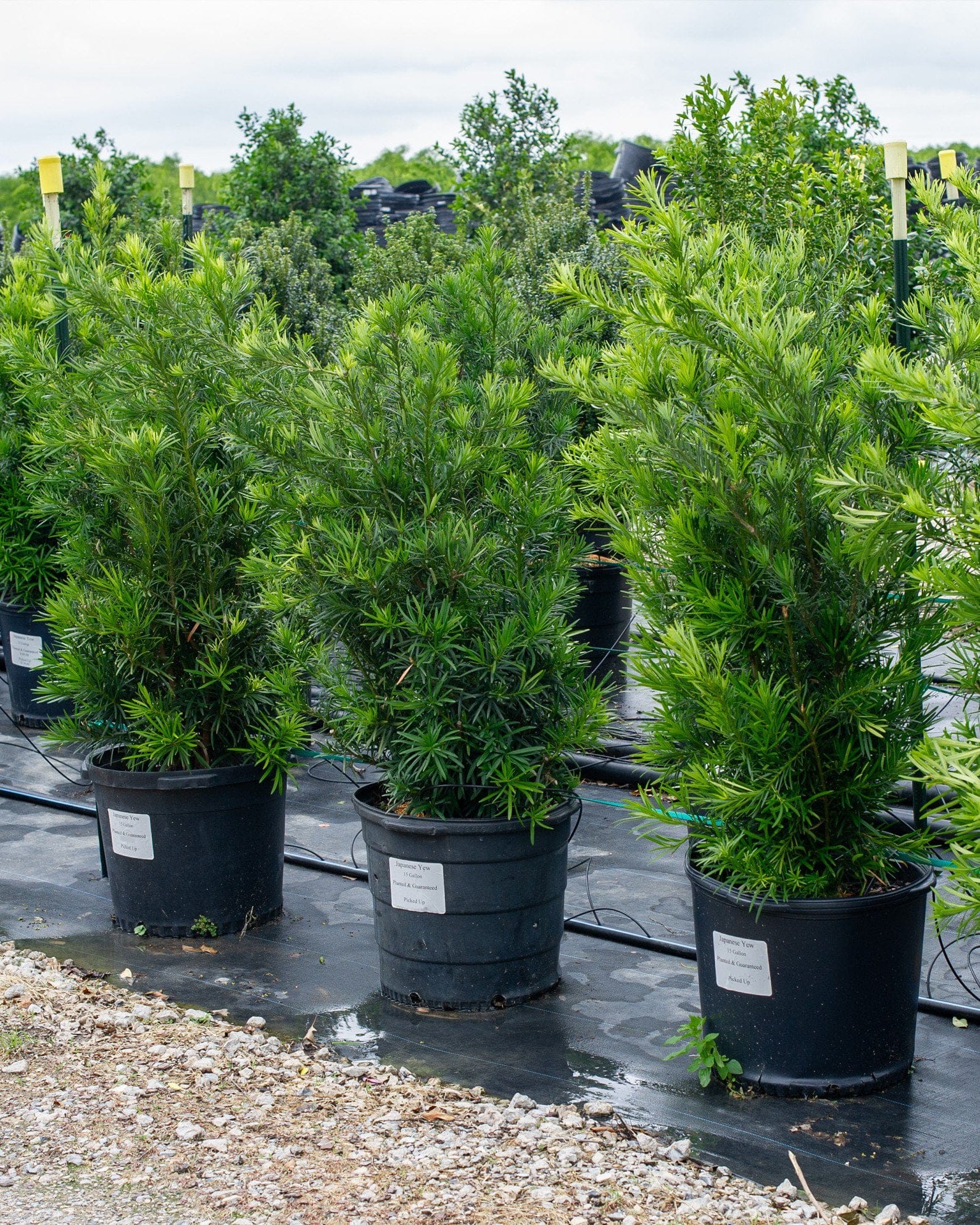
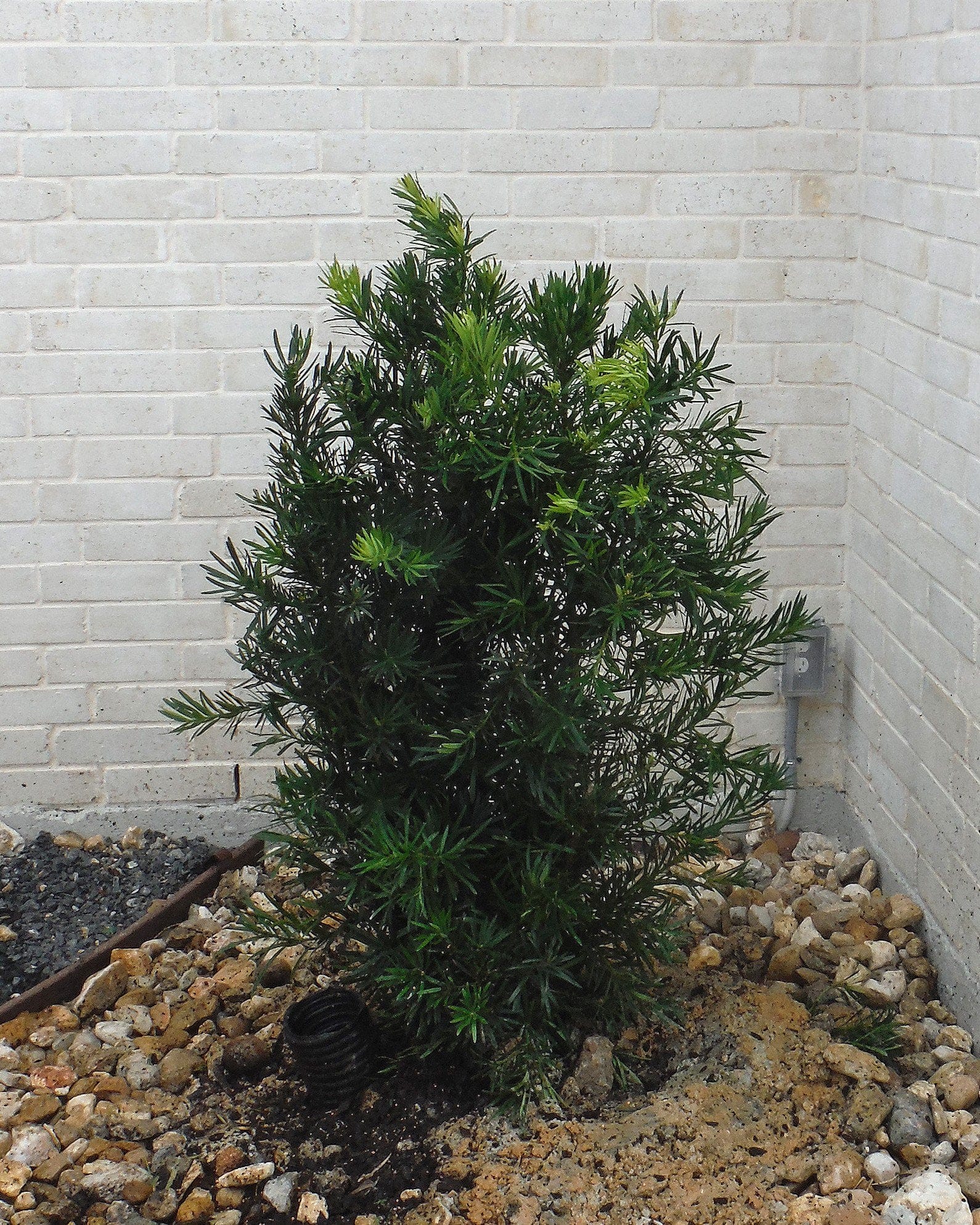
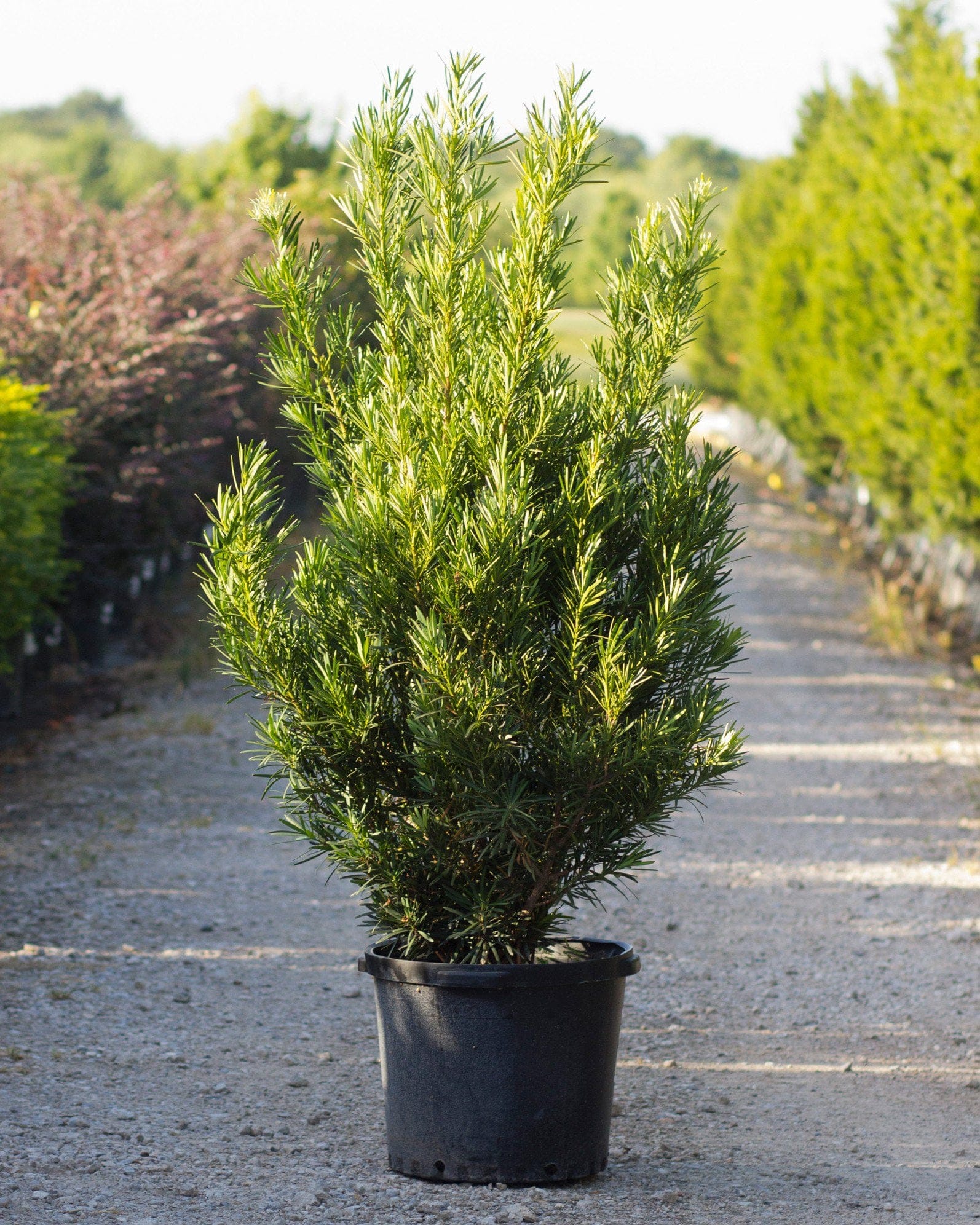
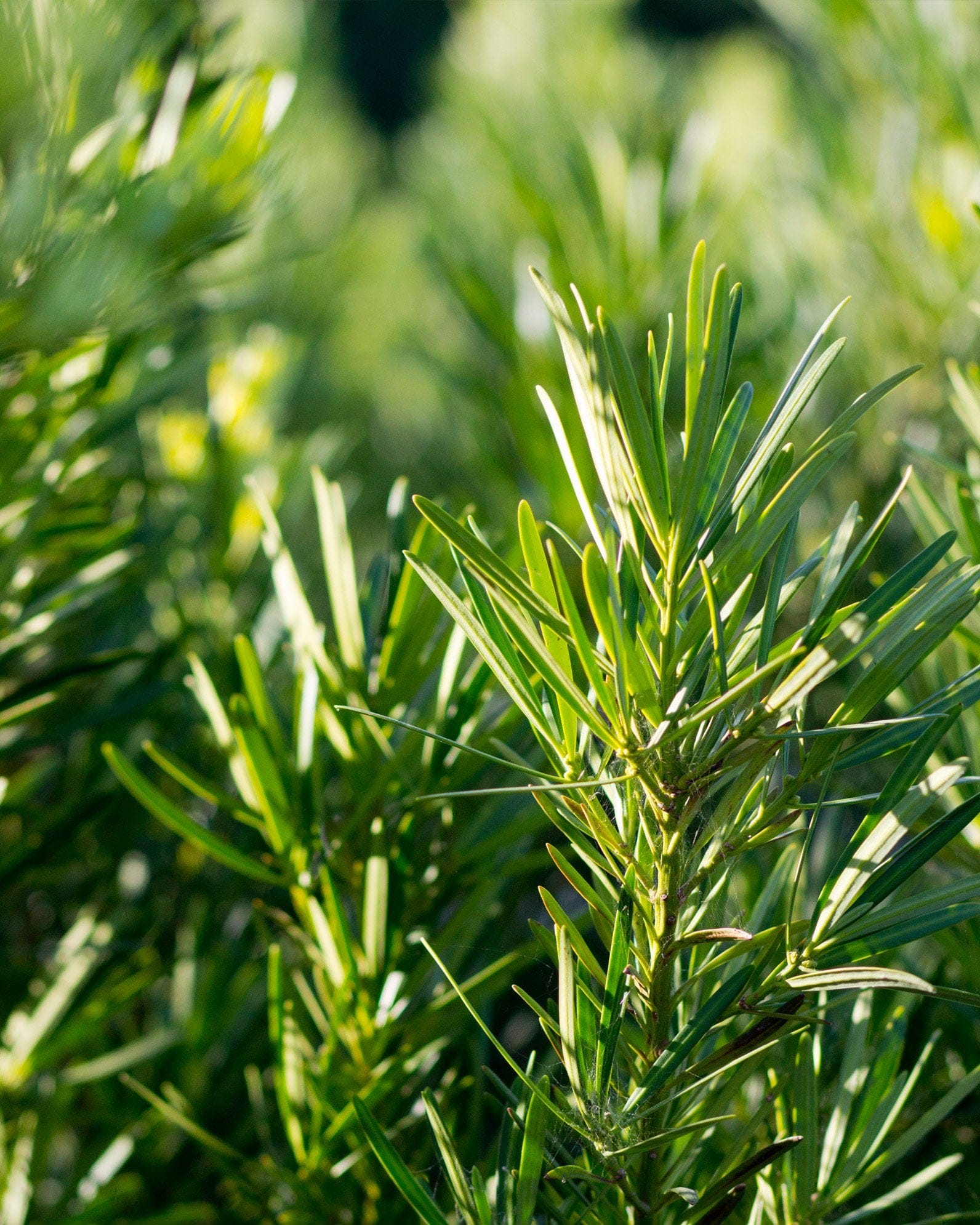
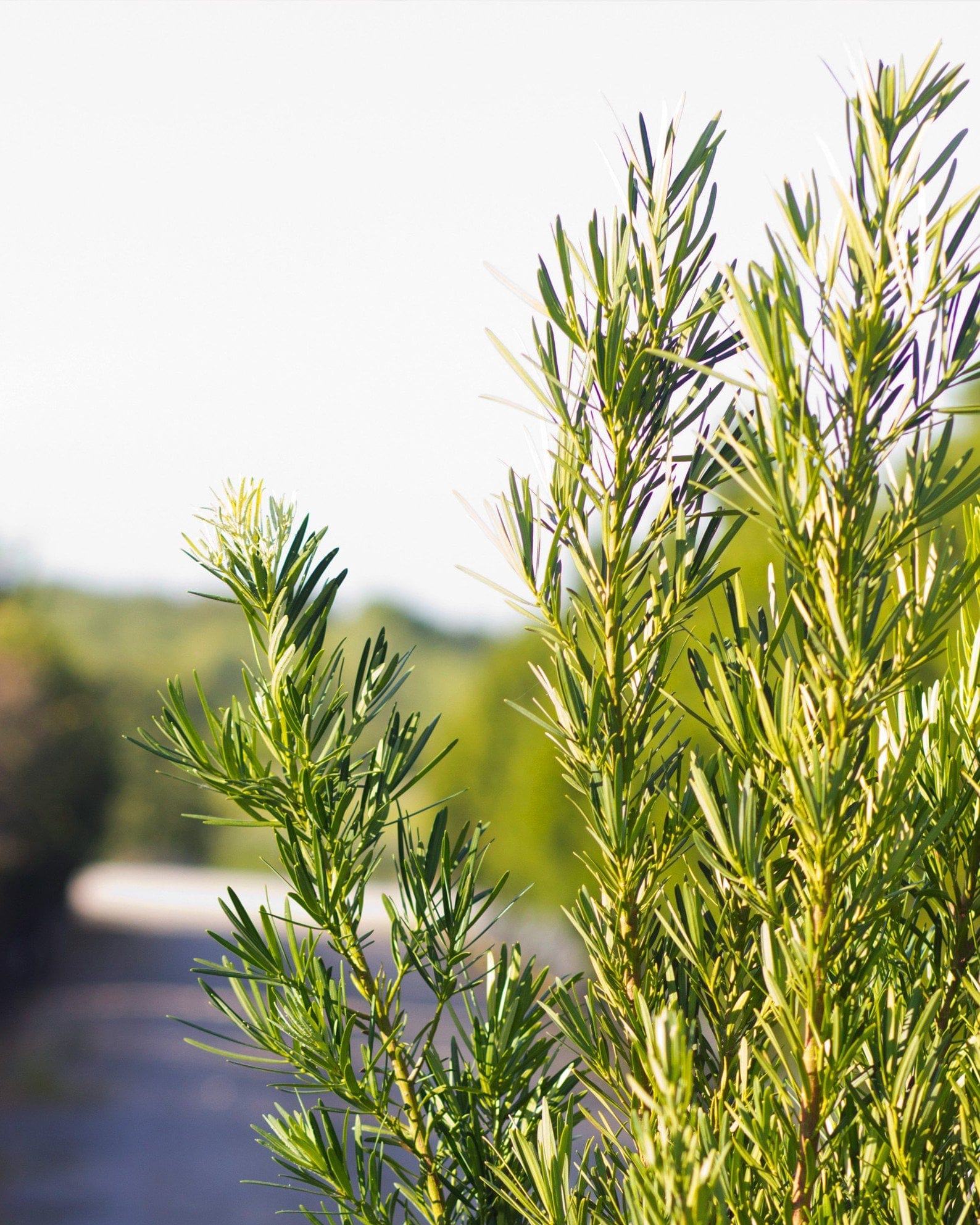
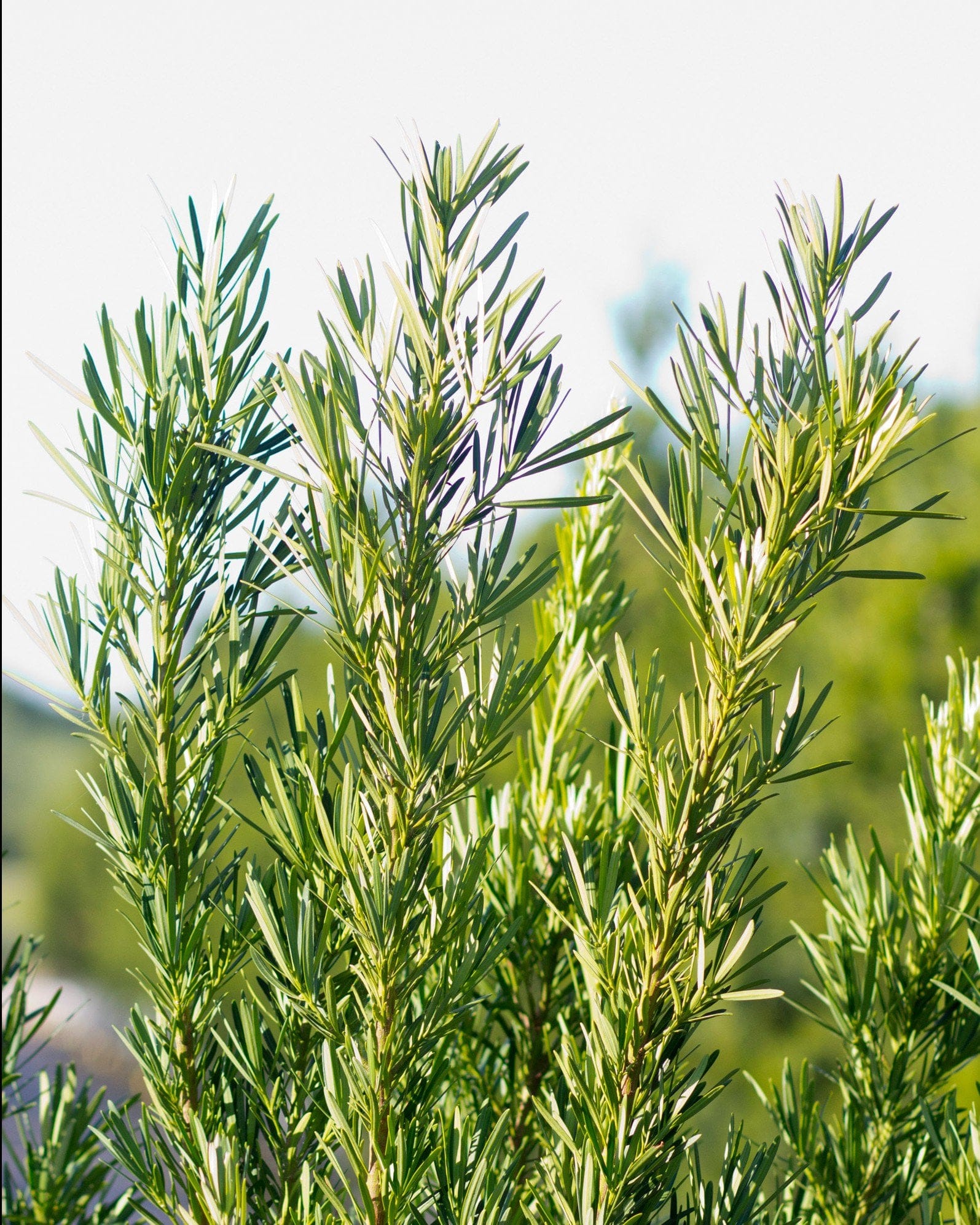
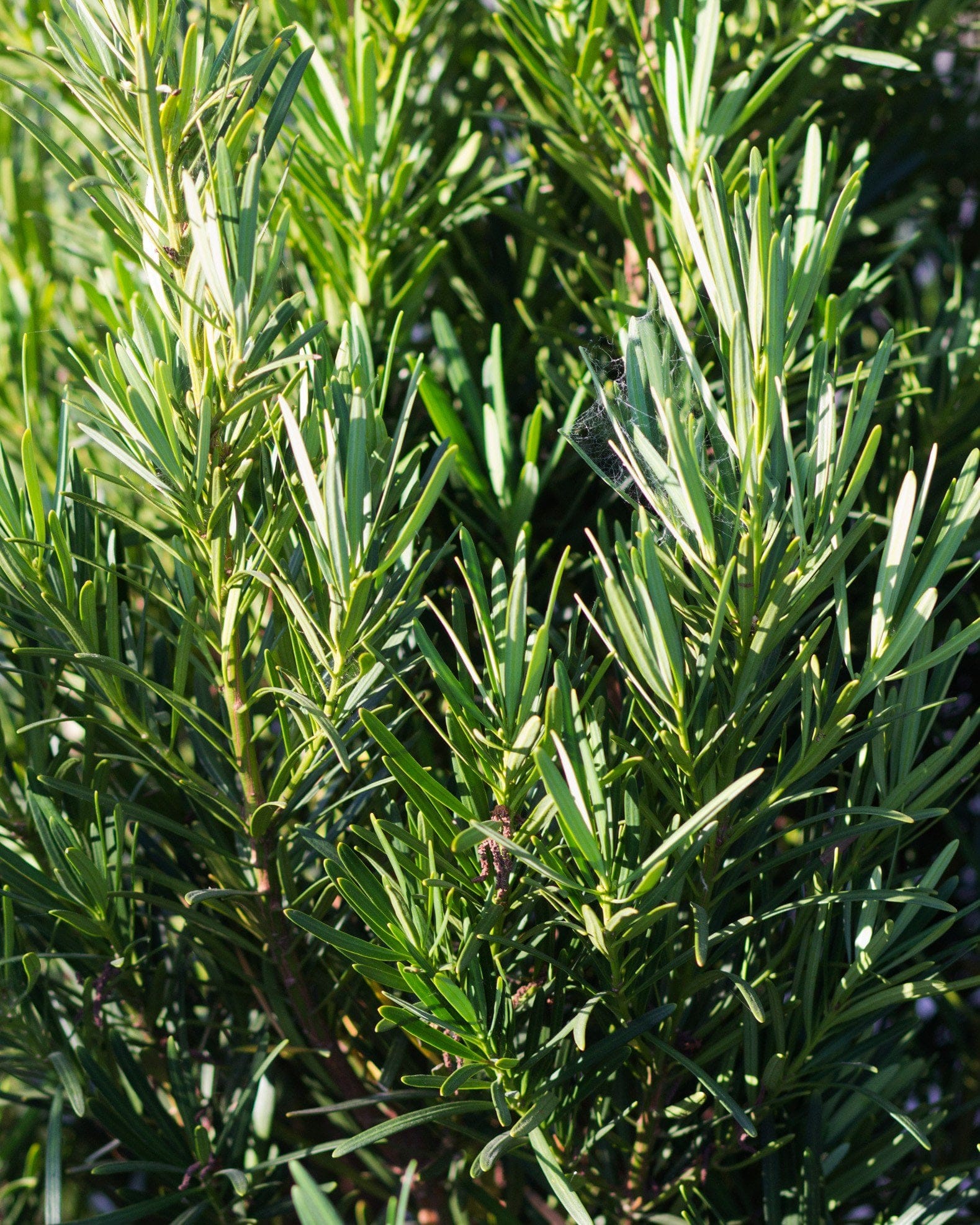
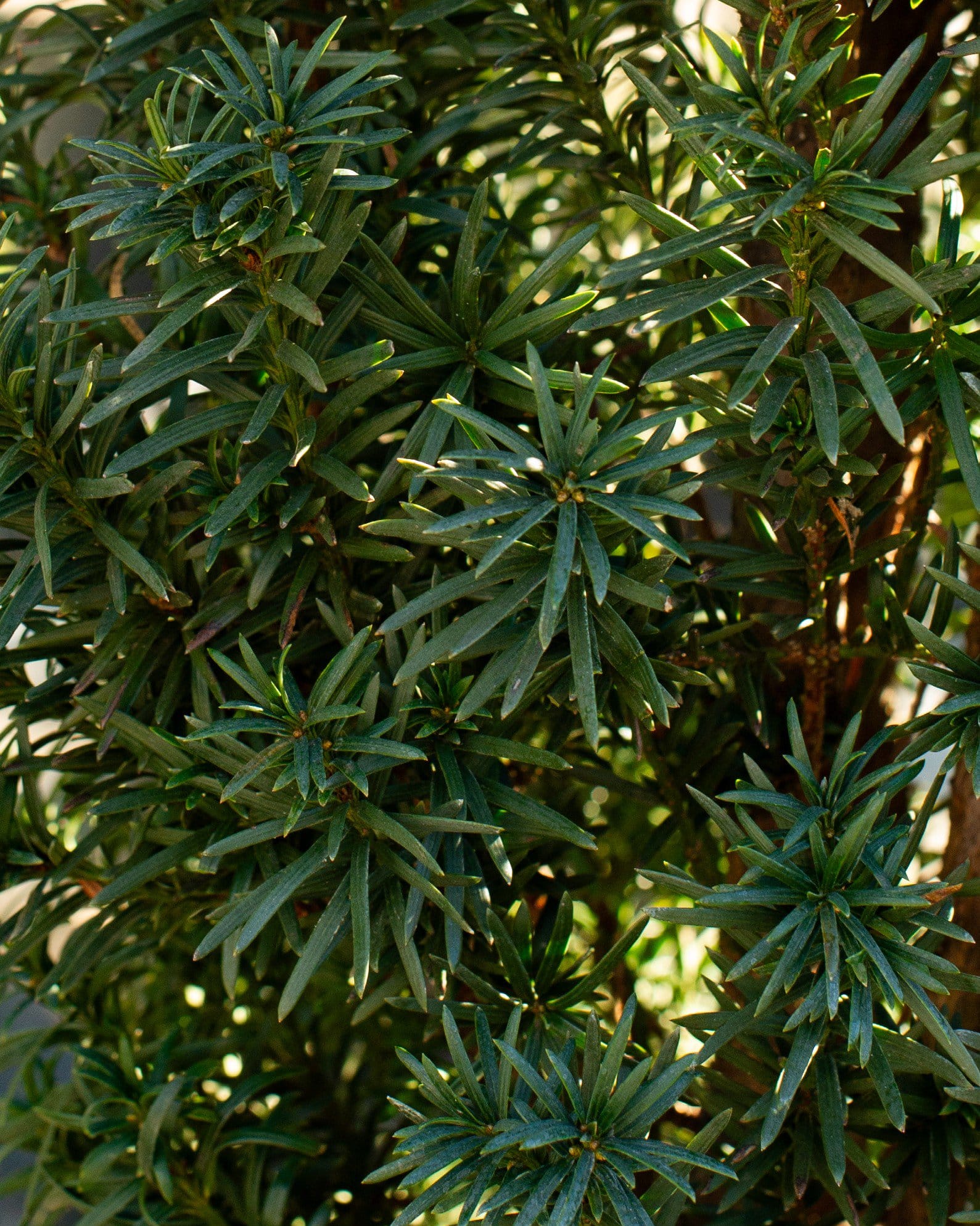
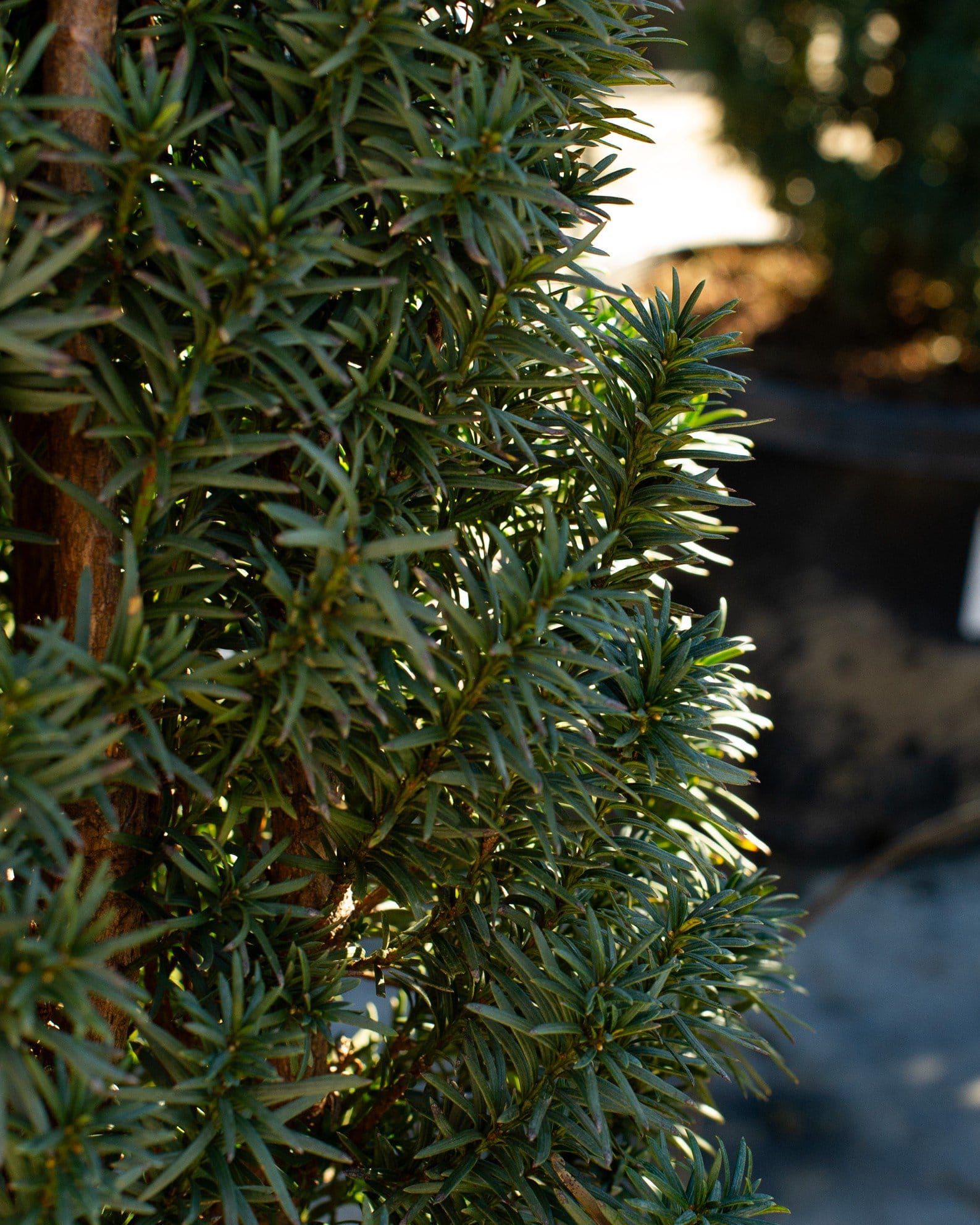
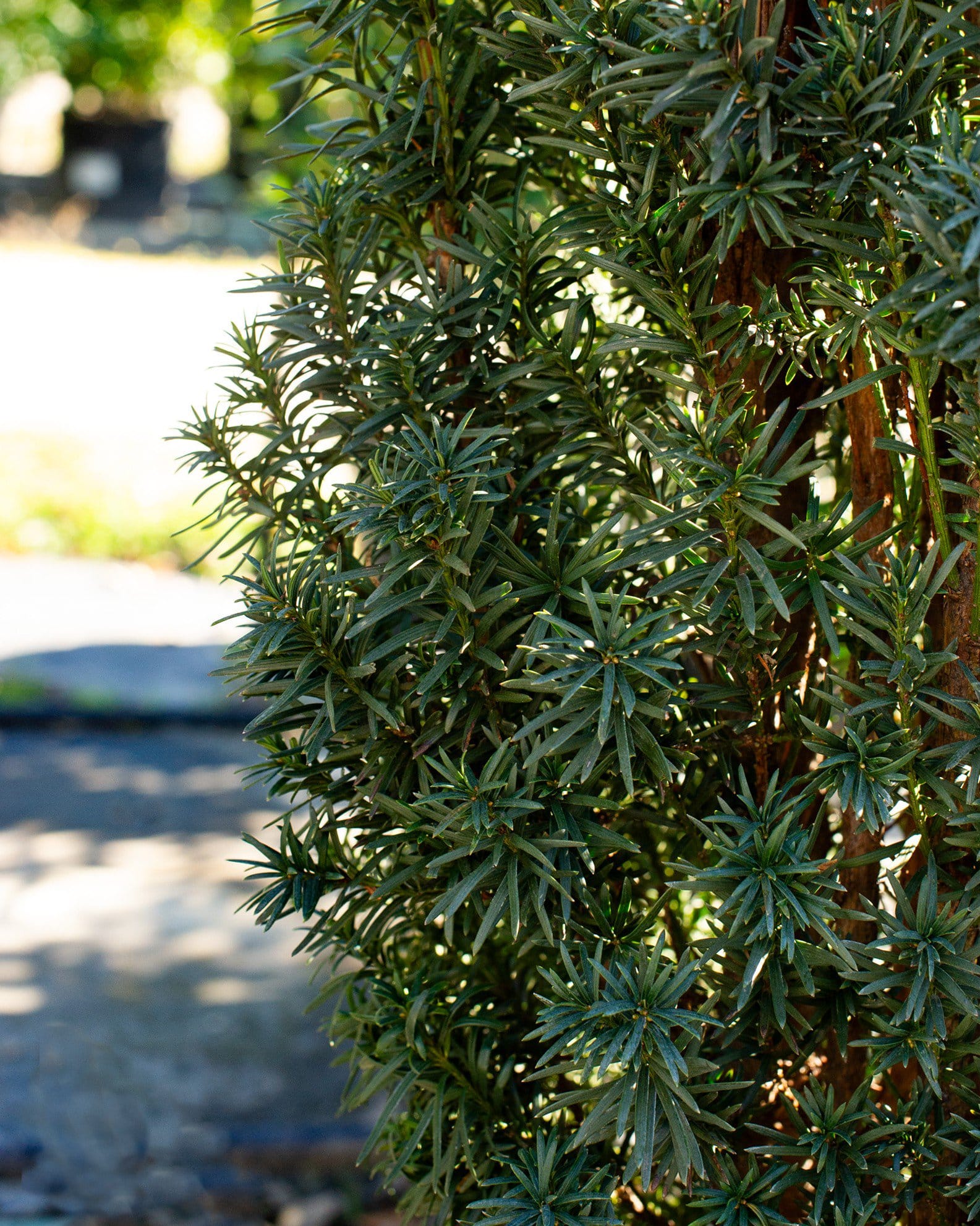
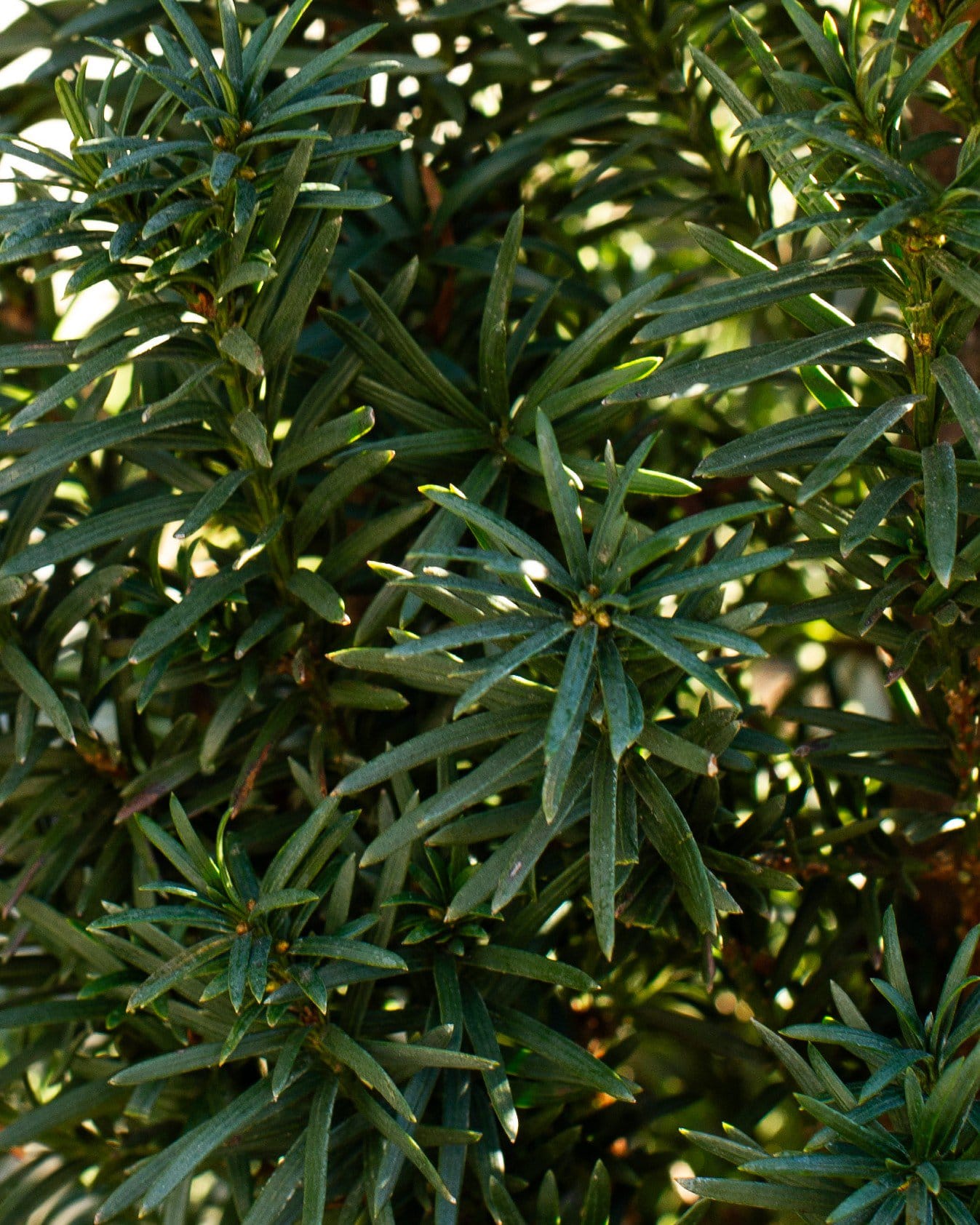
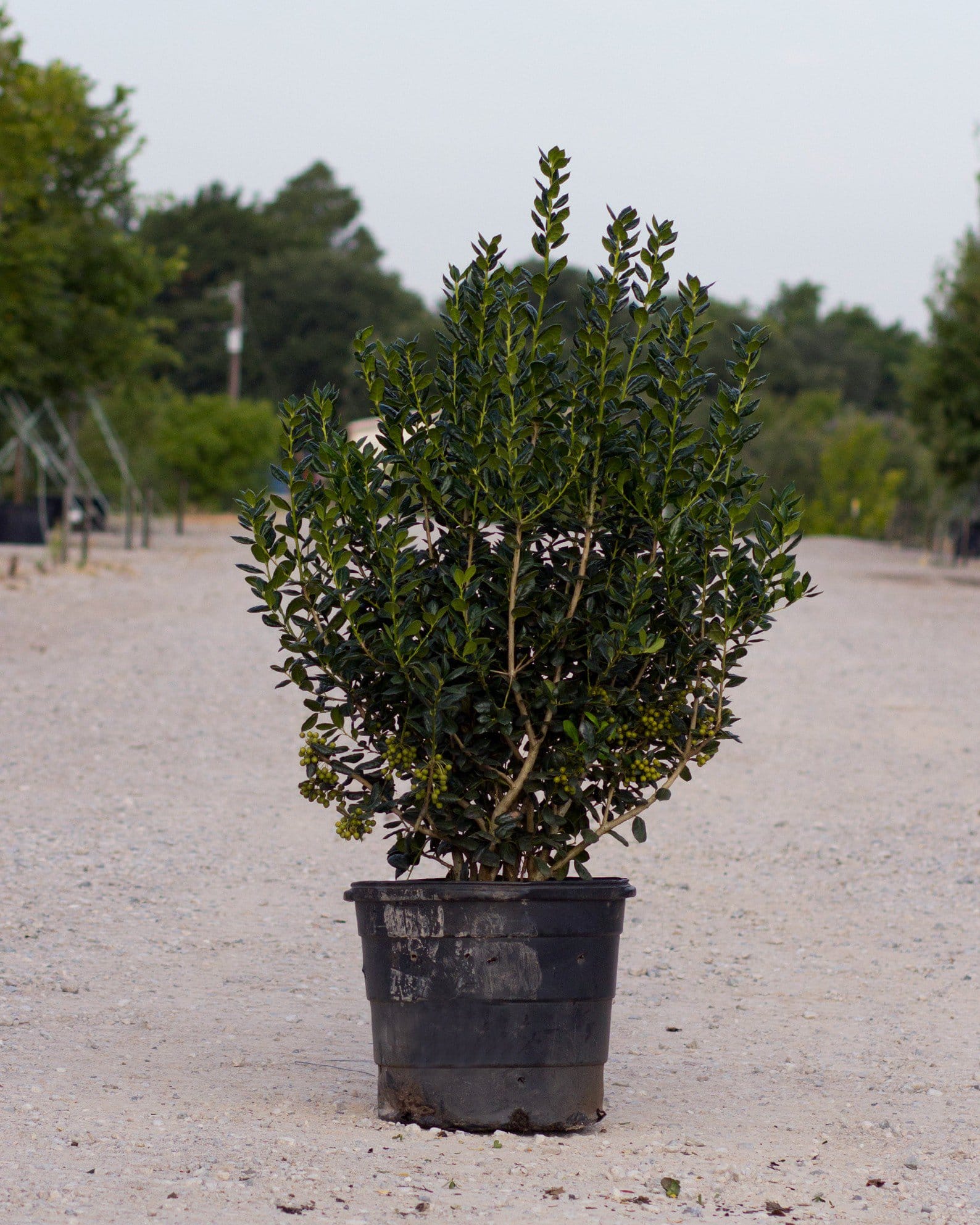
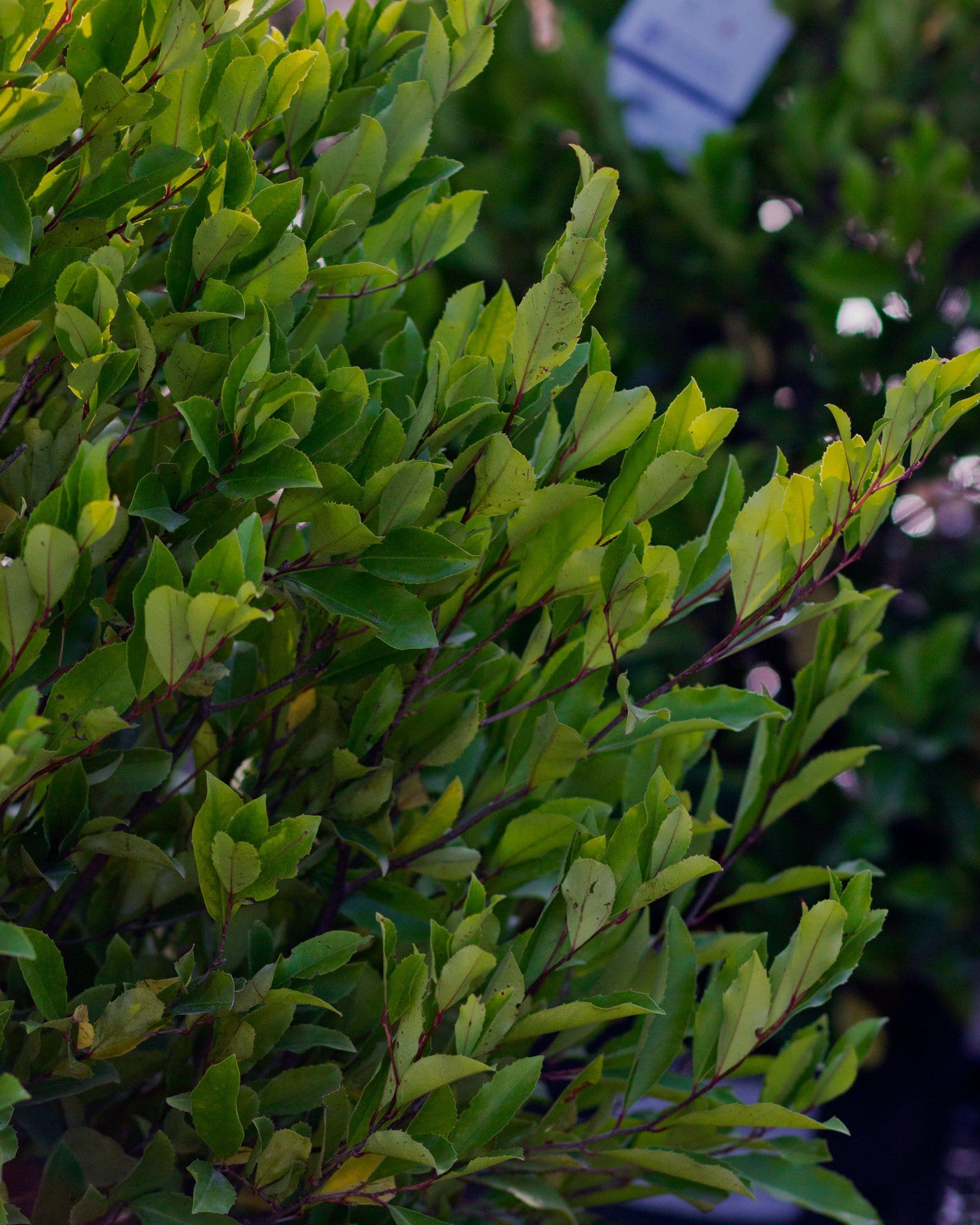
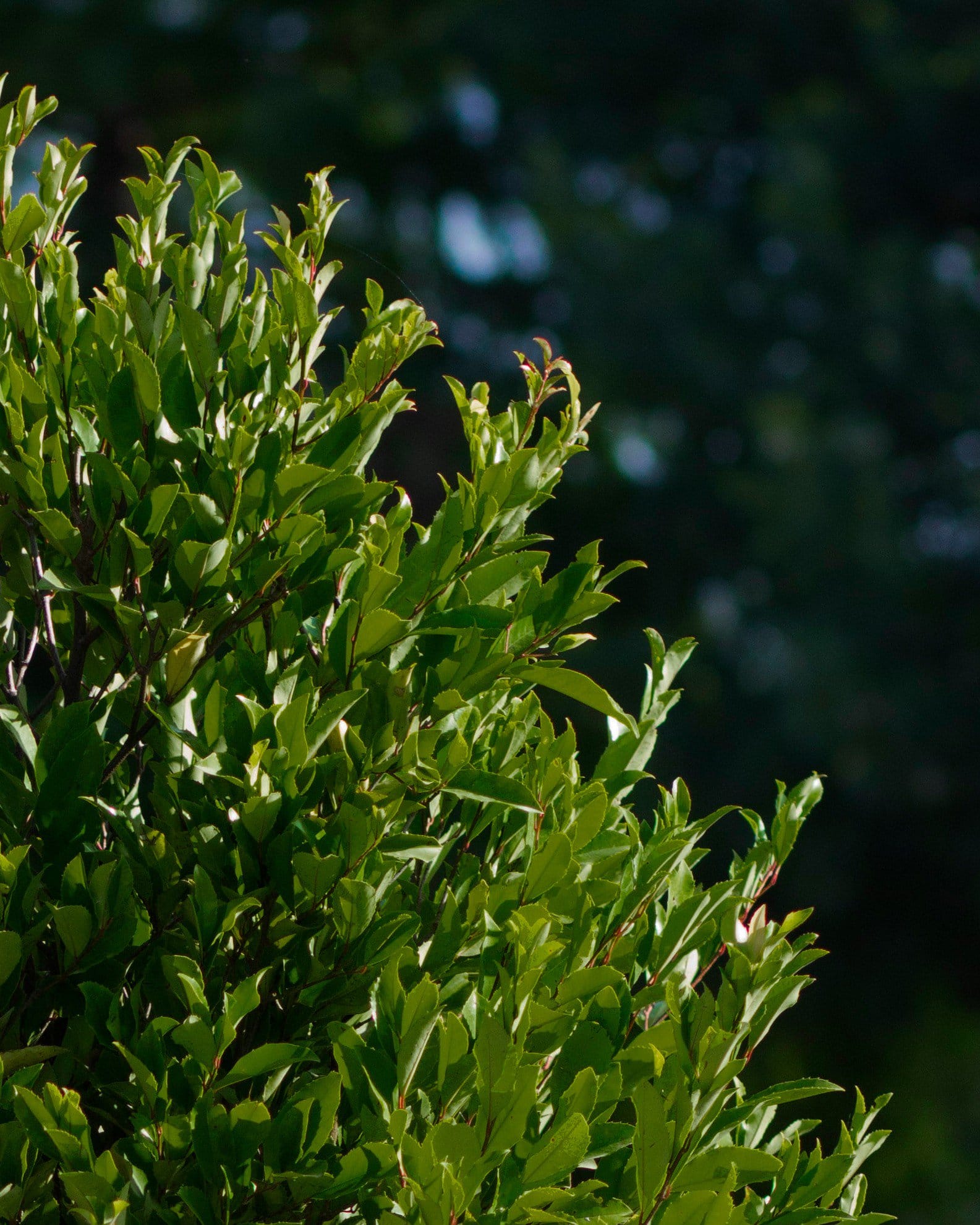
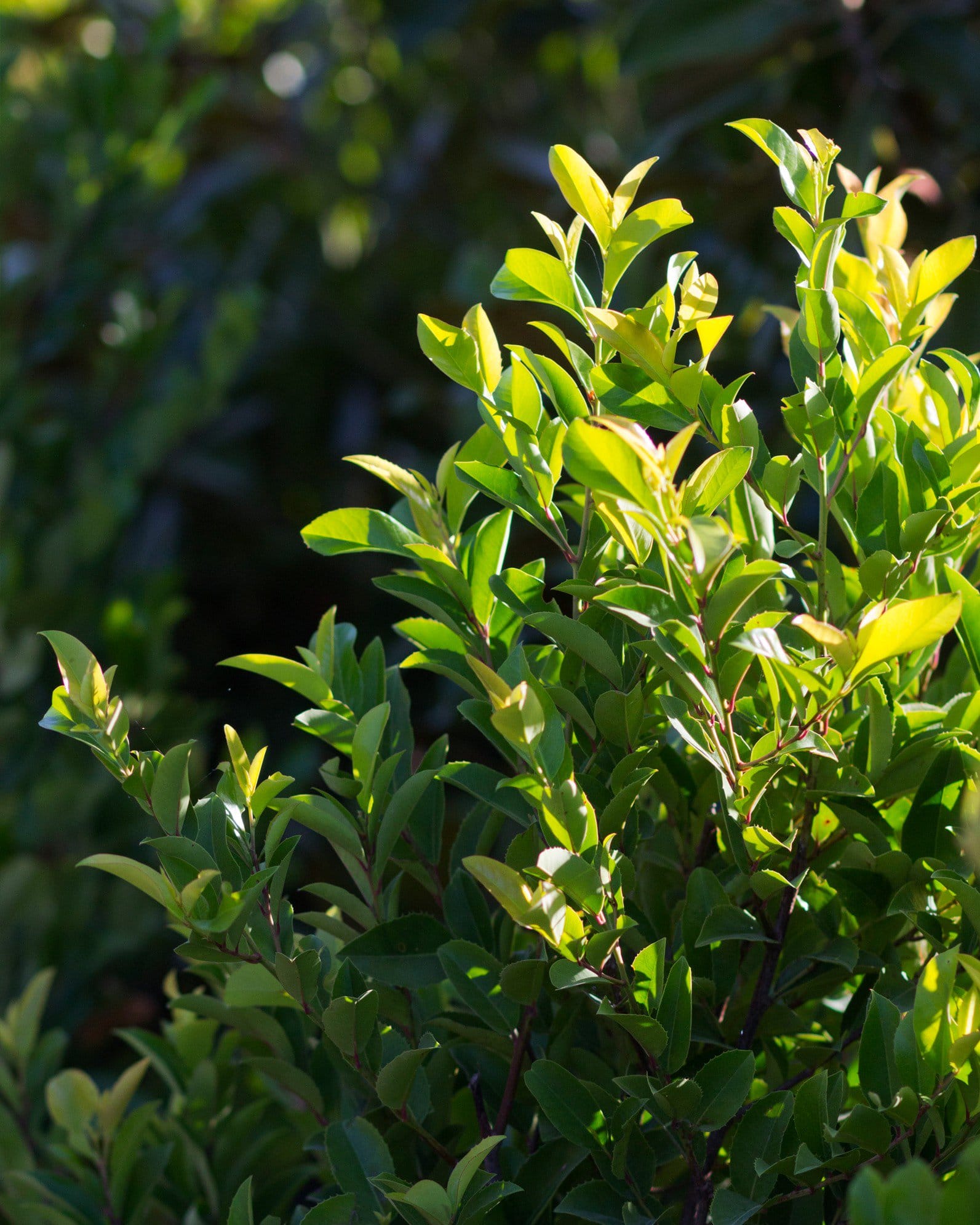
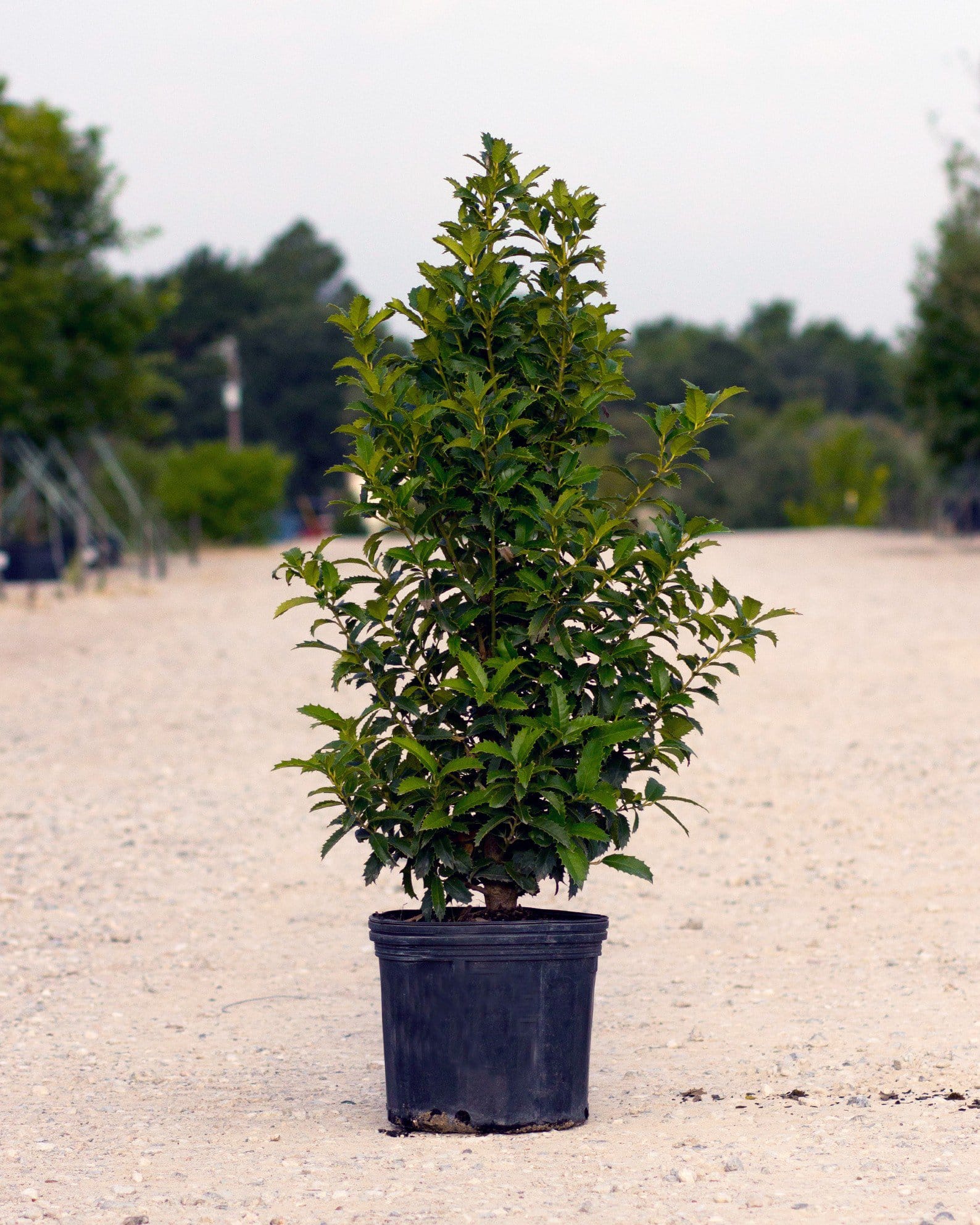
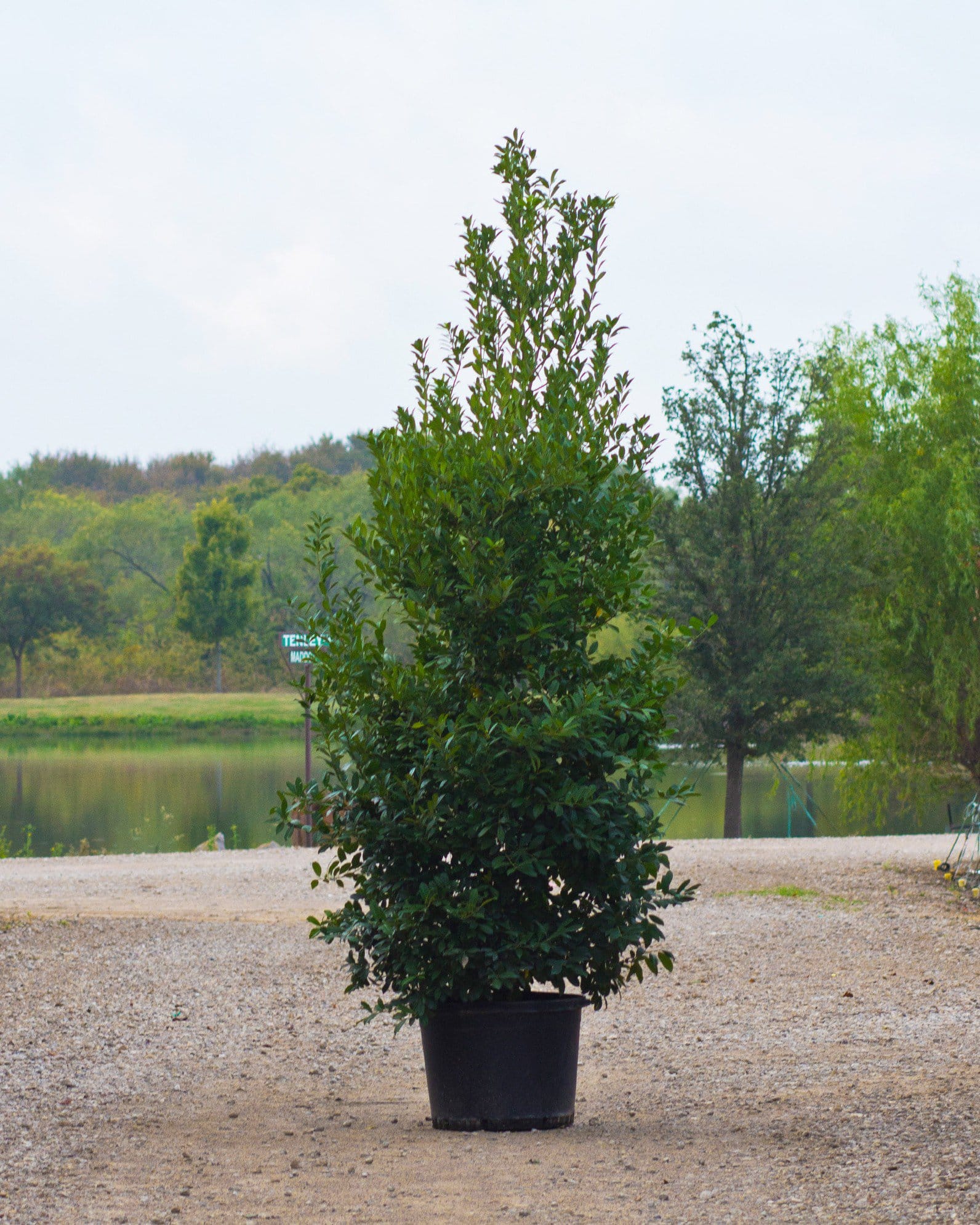
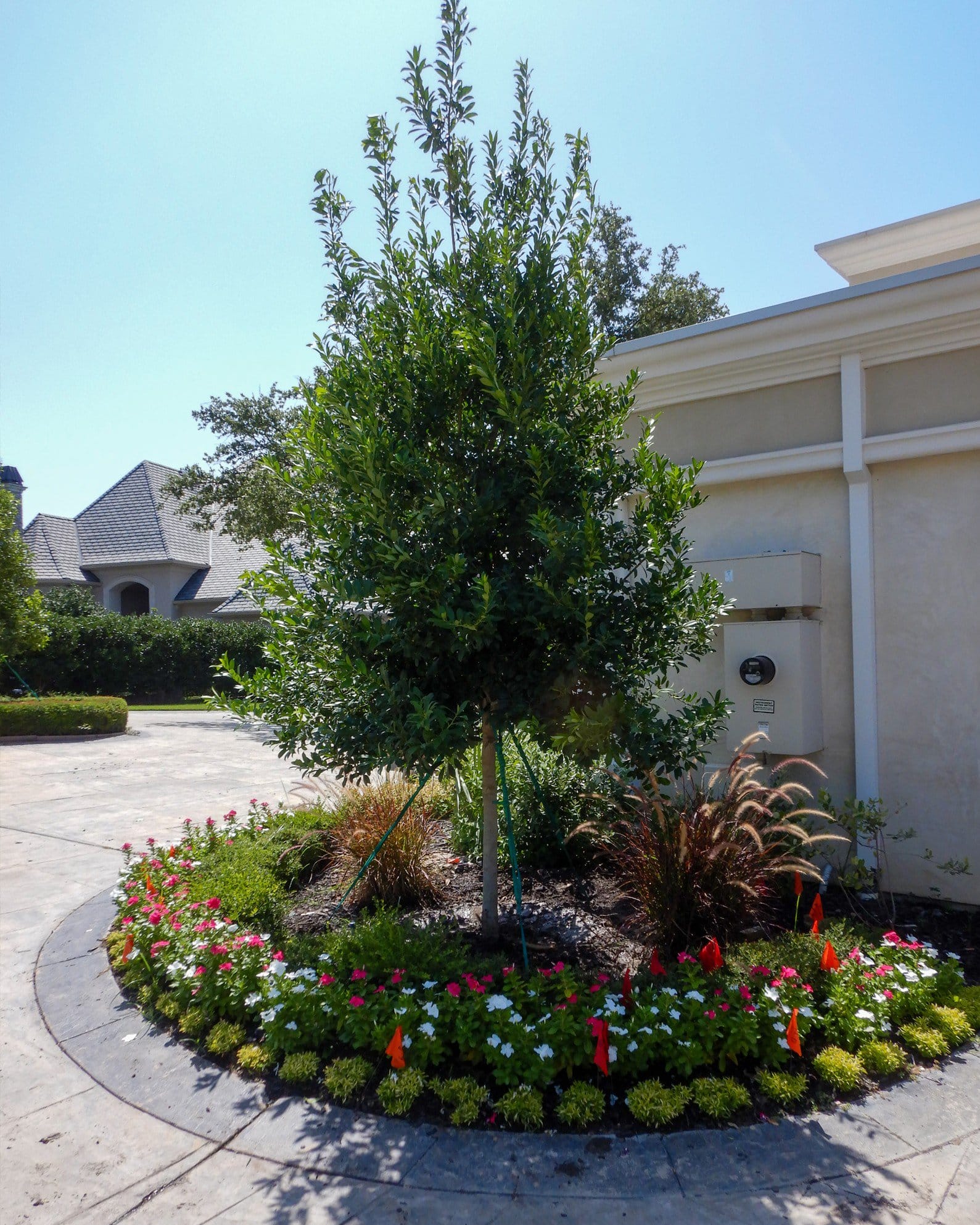
Podocarpus macrophyllus 'Maki'Japanese Yew Maki is a beautifully compact and tidy evergreen shrub prized for its deep green, needle-like foliage and slow, steady growth. Its dense, rounded form makes it an excellent choice for foundation plantings, hedges, or as a sculptural accent in smaller landscapes. Growing up to 8 feet tall and 5 feet wide, this yew variety thrives in both full sun and partial shade and adapts well to various soil types. Its no-fuss nature and classic look bring year-round structure and elegance to North Texas landscapes.
- Evergreen tree
- Slow growth rate
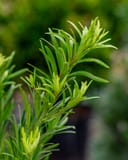
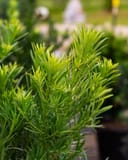
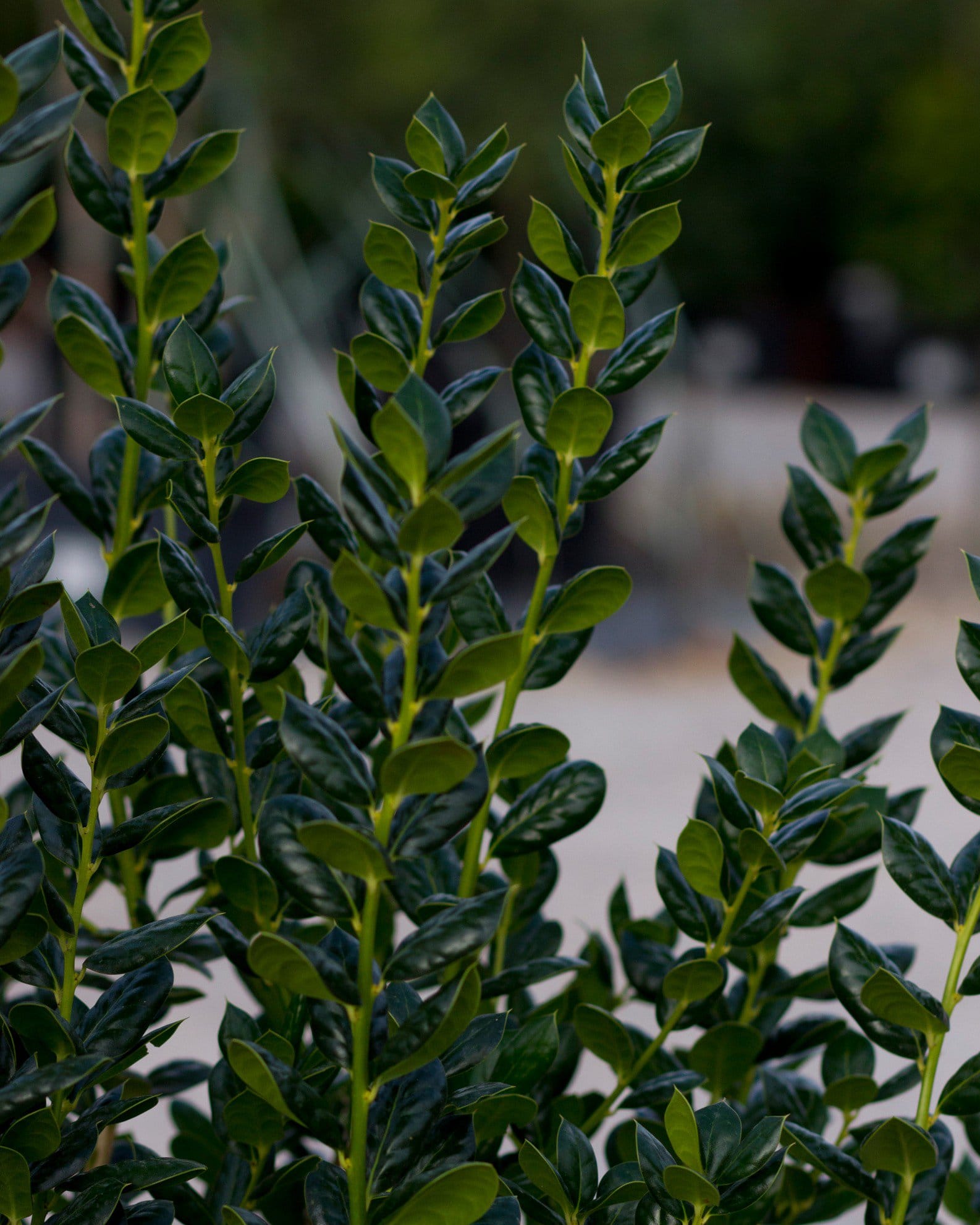
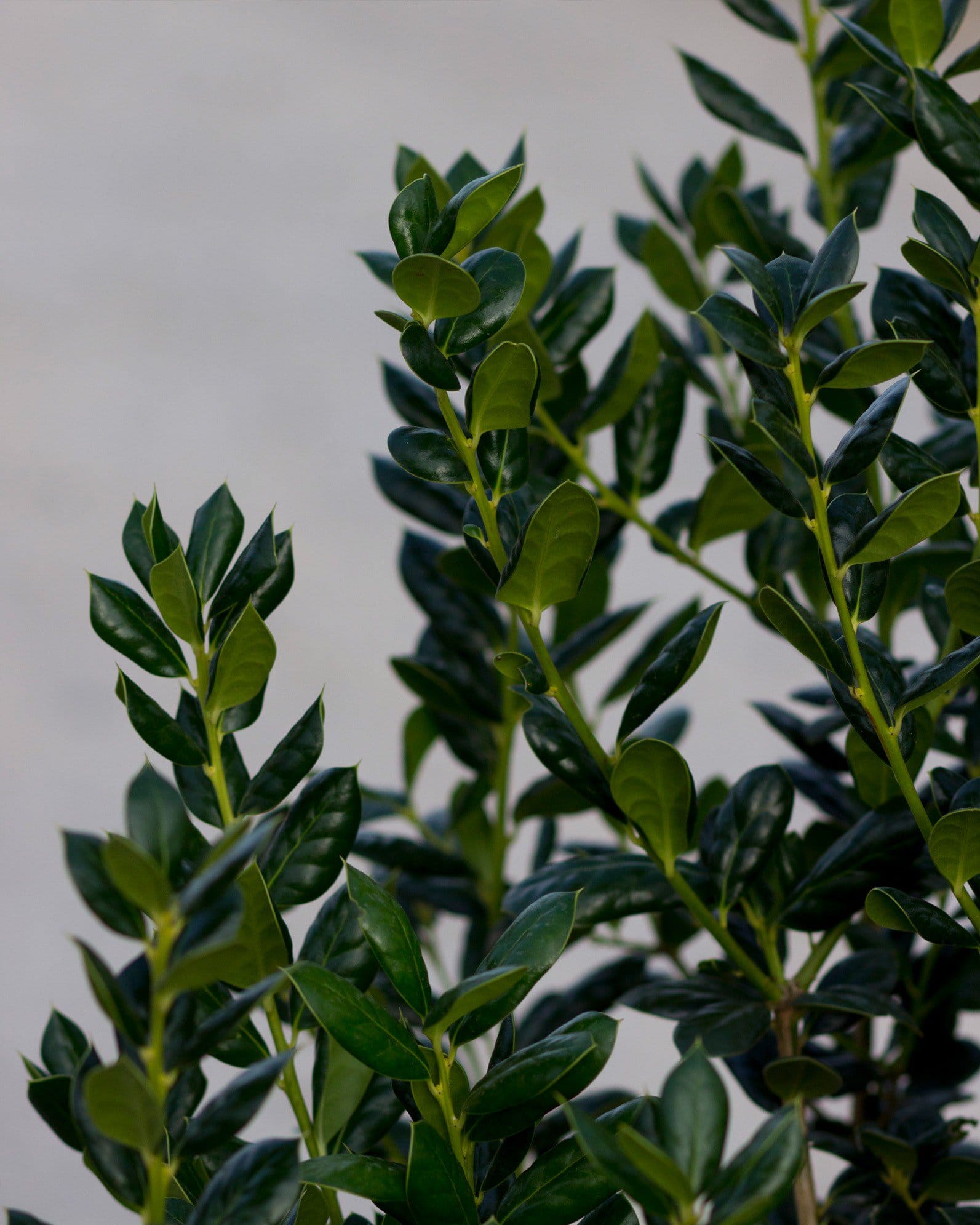
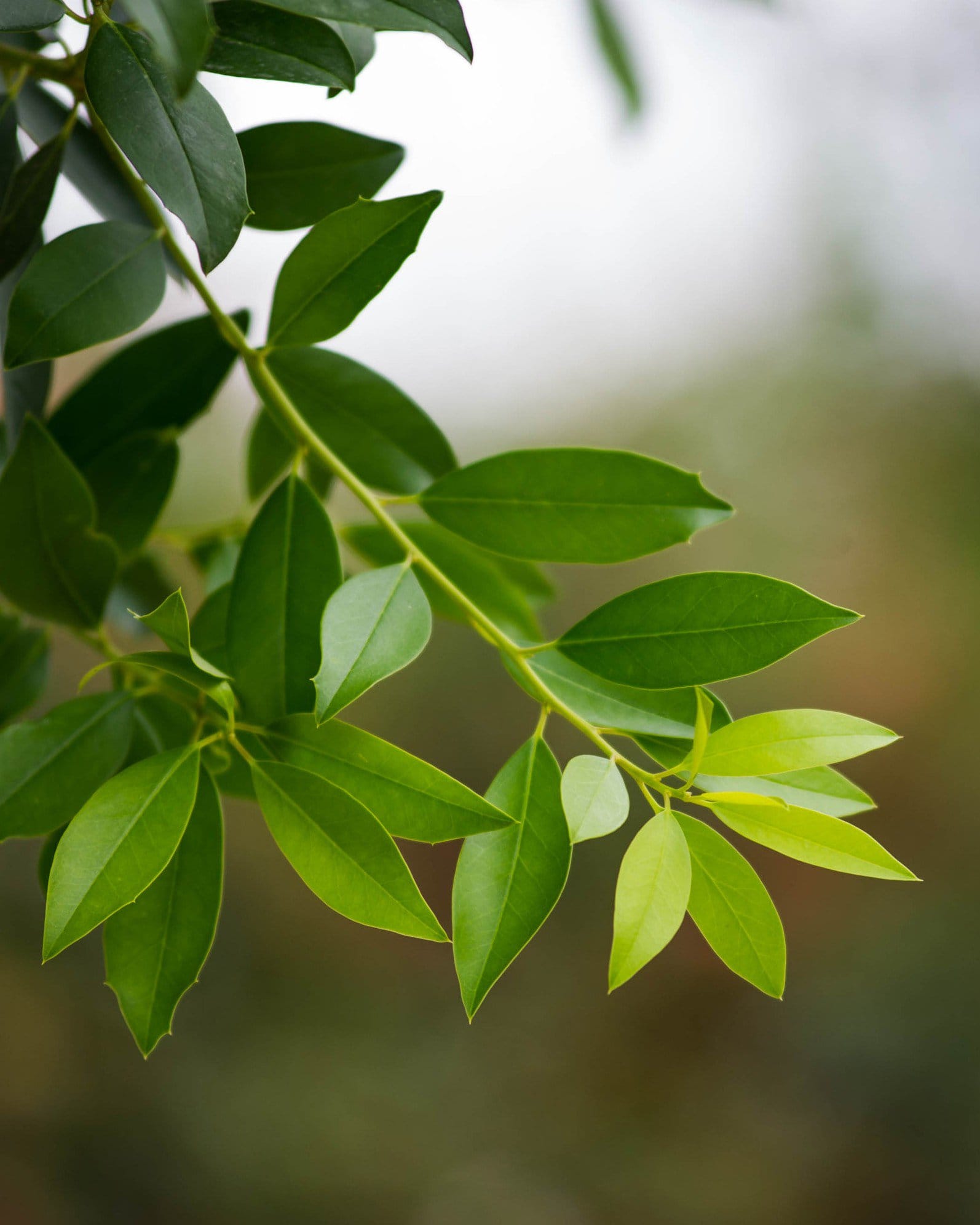
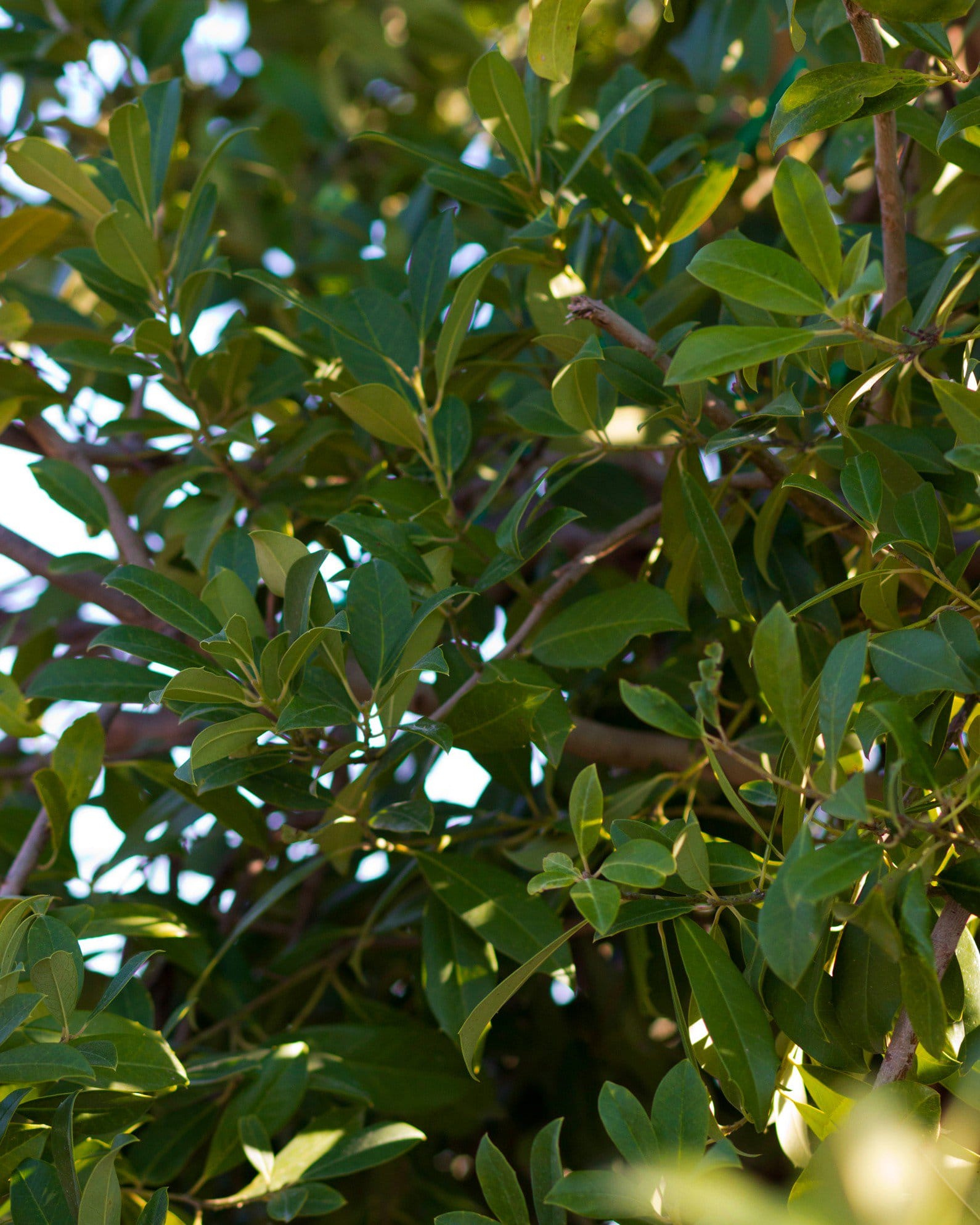
- Dense, dark green needle-like foliage
- Compact, rounded form ideal for small beds and hedges
- Tolerant of shade and adaptable to a range of soils
Plant Japanese Yew Maki in full sun to partial shade with well-drained soil. Hardy in USDA zones 7 through 11, it’s a reliable, refined choice for adding evergreen structure to your beds.
Japanese Yew Maki is a durable, low-maintenance evergreen shrub that thrives with minimal care once established. Here’s all it needs to grow beautifully in Texas landscapes:
- Watering: Water regularly during the first growing season to establish a deep and stable root system. Once established, Japanese Yew Maki becomes fairly drought tolerant but benefits from occasional deep watering during prolonged dry periods.
- Pruning: Japanese Yew Maki responds well to pruning and can be shaped as needed. Light pruning in late winter or early spring helps maintain its desired form and encourages dense growth.
- Fertilizing: Fertilization is rarely necessary in average soils. If desired, a balanced slow-release fertilizer applied in early spring can support healthy foliage development.
- Mulching: Apply a 2-3 inch layer of mulch around the base of the plant to conserve soil moisture and regulate soil temperature. Keep mulch a few inches away from the trunk to prevent excess moisture buildup.
- Winter Care: Japanese Yew Maki is generally cold hardy once established. Young plants benefit from a protective mulch layer around the root zone during their first few winters.
Japanese Yew Maki is generally reliable and resilient, though a few minor issues may occasionally appear.
- Yellowing Foliage: Occasional yellowing leaves may appear due to irregular watering or temporary nutrient imbalance. Consistent watering and proper drainage typically resolve the issue.
- Scale Insects: Small scale insects may occasionally attach to stems or foliage. These can be controlled with horticultural oil if necessary.
- Sparse Growth: If the plant becomes open or uneven, light pruning helps encourage fuller branching and denser foliage.
- Wind Stress: In exposed locations, strong winds may occasionally dry out foliage. Maintaining consistent soil moisture helps reduce stress.
- Slow Establishment: The plant may grow slowly during its first year while establishing roots, but growth usually becomes more consistent afterward.
Japanese Yew Maki can live for several decades in favorable conditions, often reaching 40-60 years or more with proper care. Mature plants remain stable evergreen features in landscapes for many years.
Japanese Yew Maki grows at a moderate rate, typically adding about 8-12 inches of growth per year. Most plants reach a mature form within about 8-10 years.
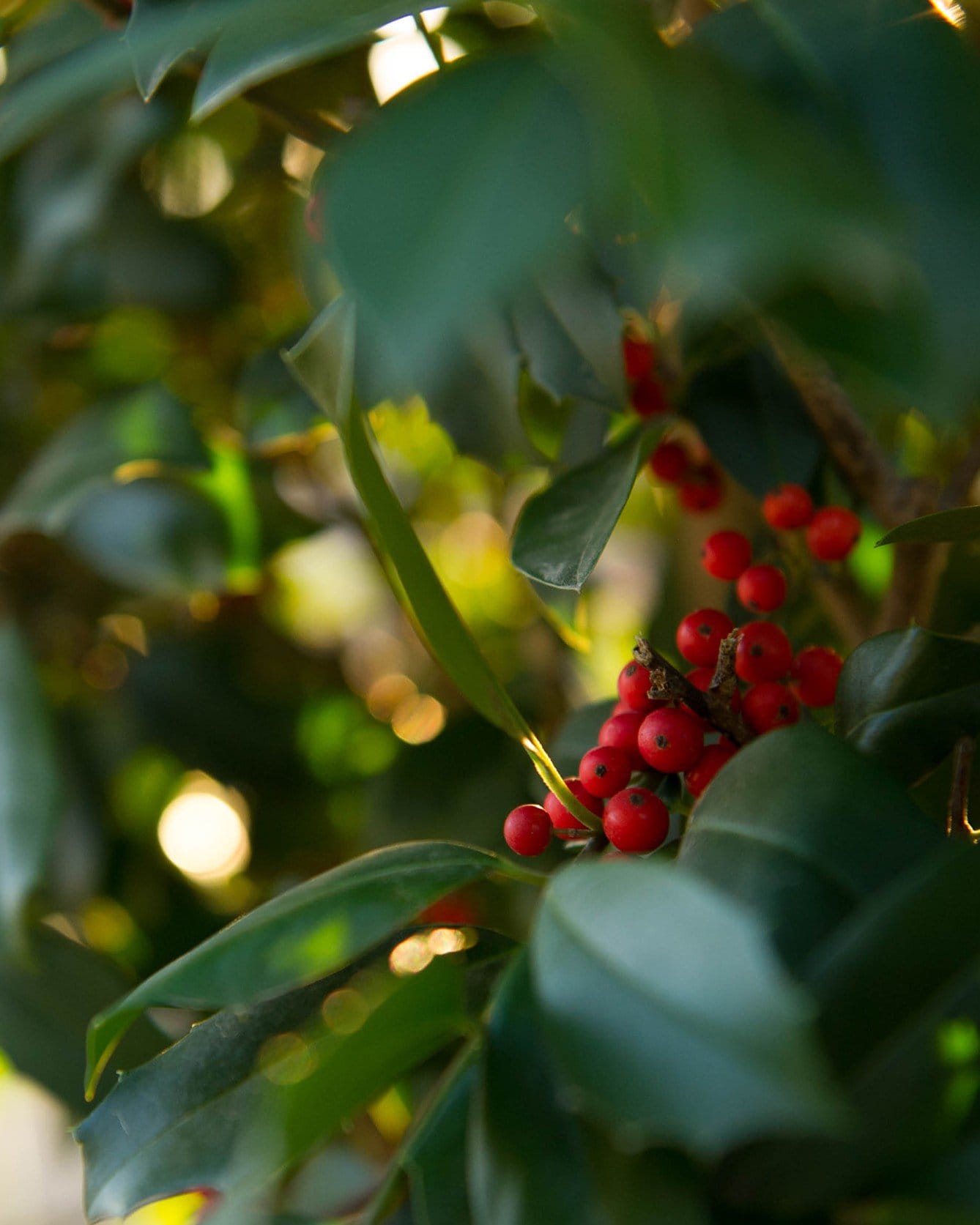
While the plant is not primarily grown for its flowers, pollinating insects may occasionally visit its small reproductive structures. However, the plant is valued more for its evergreen foliage than for pollinator activity.
Japanese Yew Maki typically develops a dense, upright growth habit with layered branching. This structured form gives the plant a refined, architectural appearance.
Older plants may develop subtly textured bark along their stems and trunks. While not highly ornamental, this bark adds quiet character as the plant matures.
The long, narrow evergreen leaves create a smooth, flowing texture that contrasts well with broader-leaved shrubs and flowering plants.
Yes, its upright structure and dense evergreen foliage make it an excellent focal shrub or architectural accent in gardens.
Japanese Yew Maki generally adapts well to urban environments once established. It tolerates heat, reflected warmth from pavement, and typical city growing conditions.
Yes, Japanese Yew Maki performs well in large containers, especially when young. Container growing allows it to be used as a patio or entryway accent plant.
Japanese Yew Maki stands out for its elegant evergreen foliage and naturally structured growth habit. Its refined appearance makes it a versatile plant for both formal and contemporary landscapes.
Special Features
You might also like
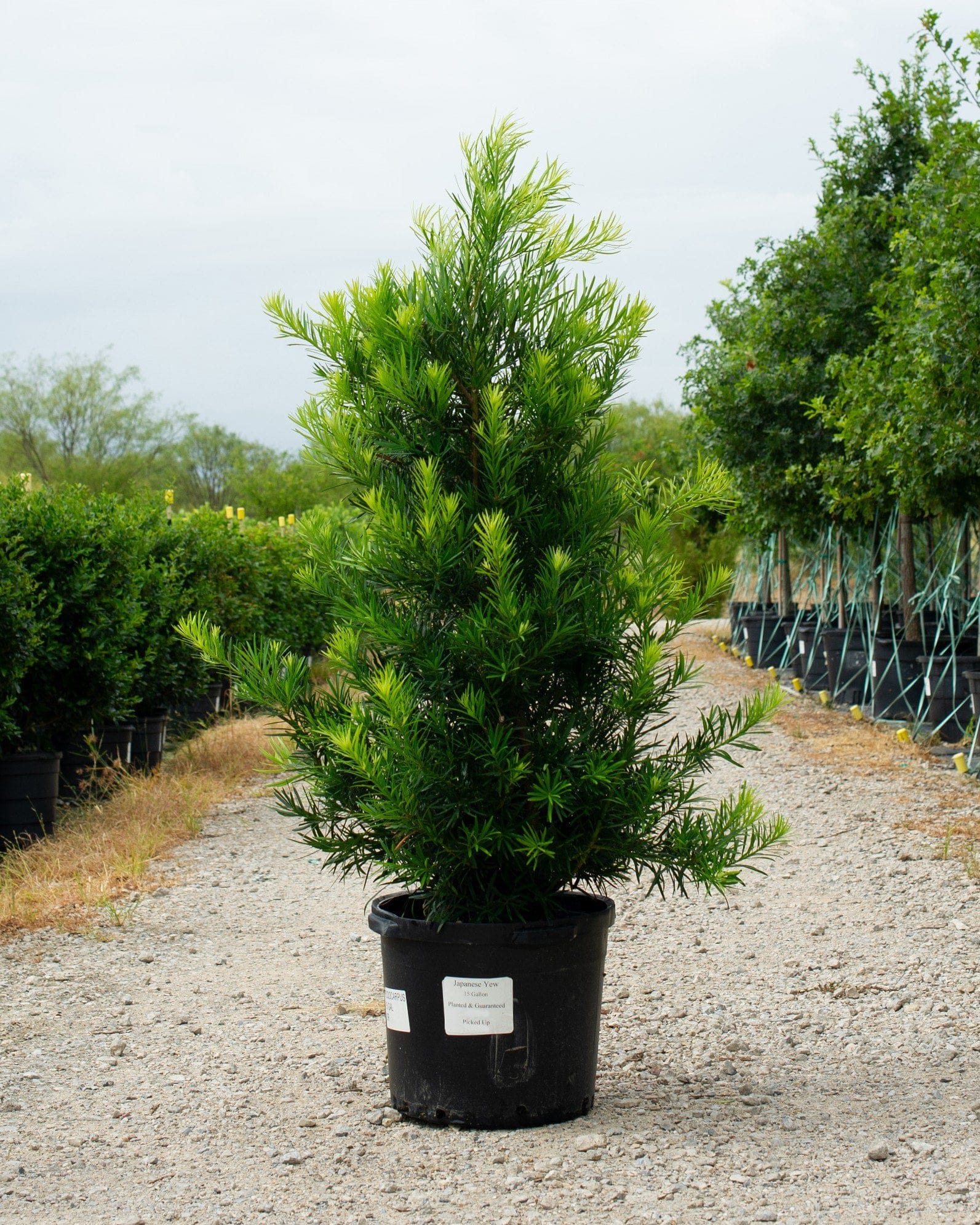
Japanese Yew
Maturity: 15' H x 7' W
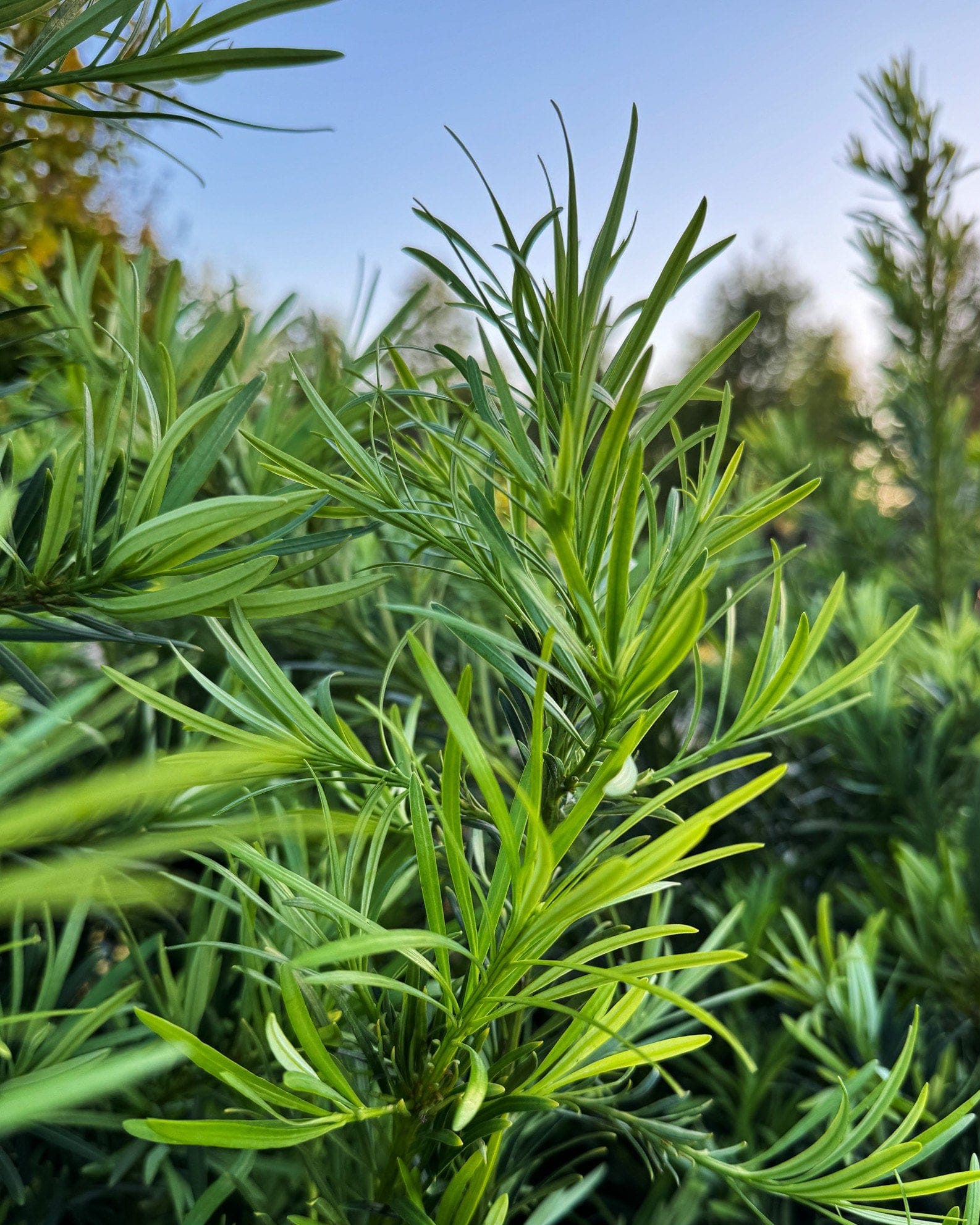
Japanese Yew Meta
Maturity: 8' H x 5' W
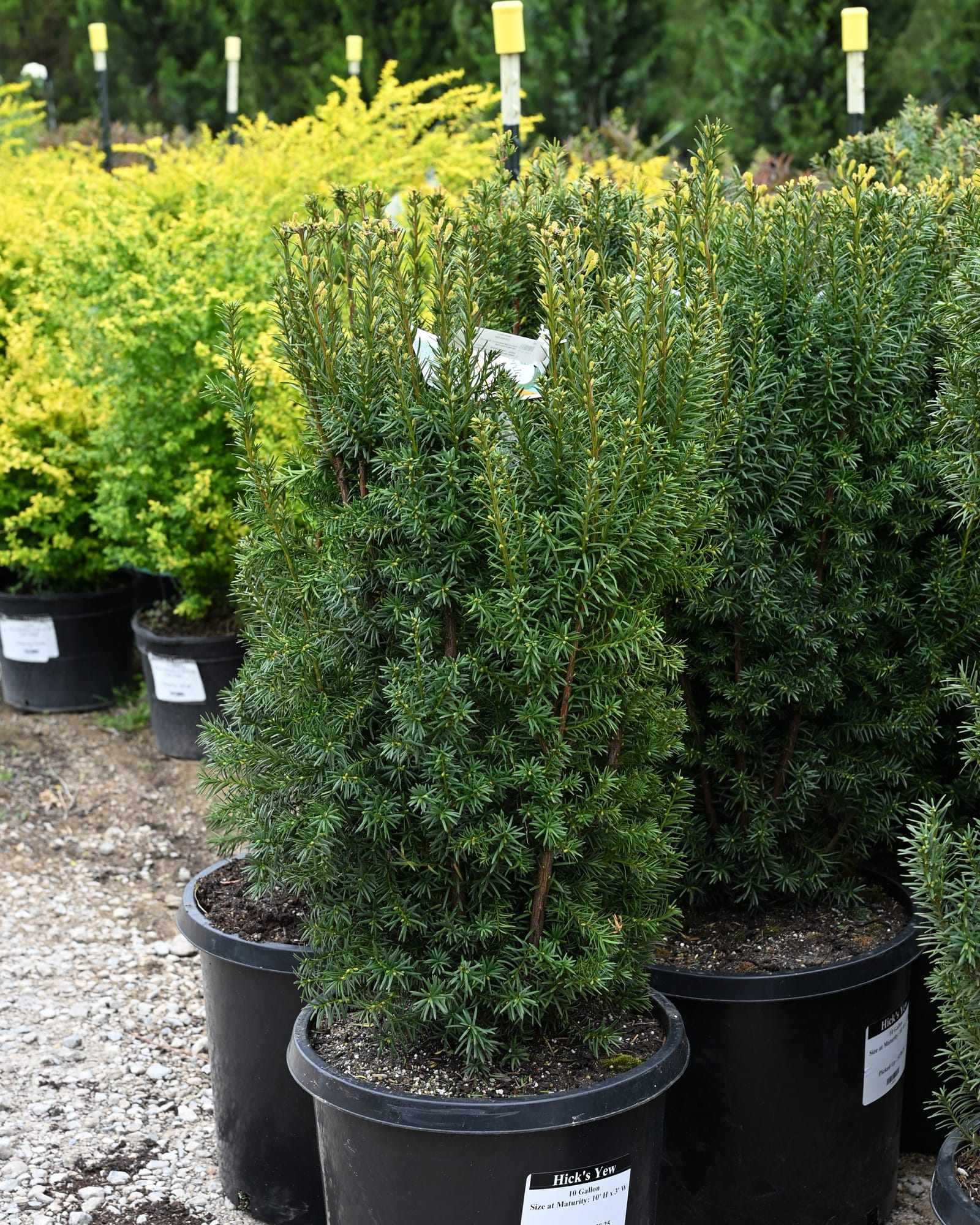
Hick's Yew
Maturity: 10' H x 3' W
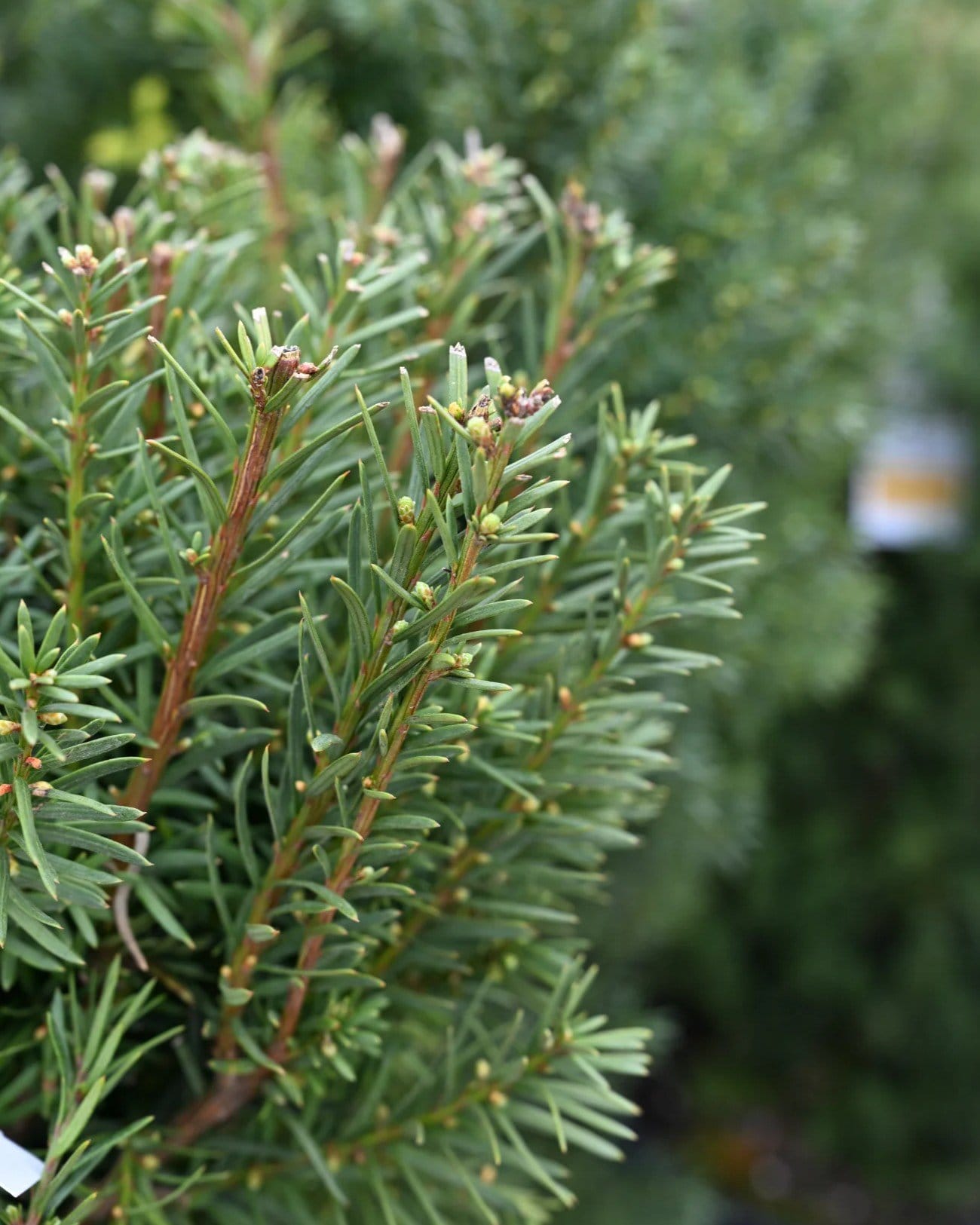
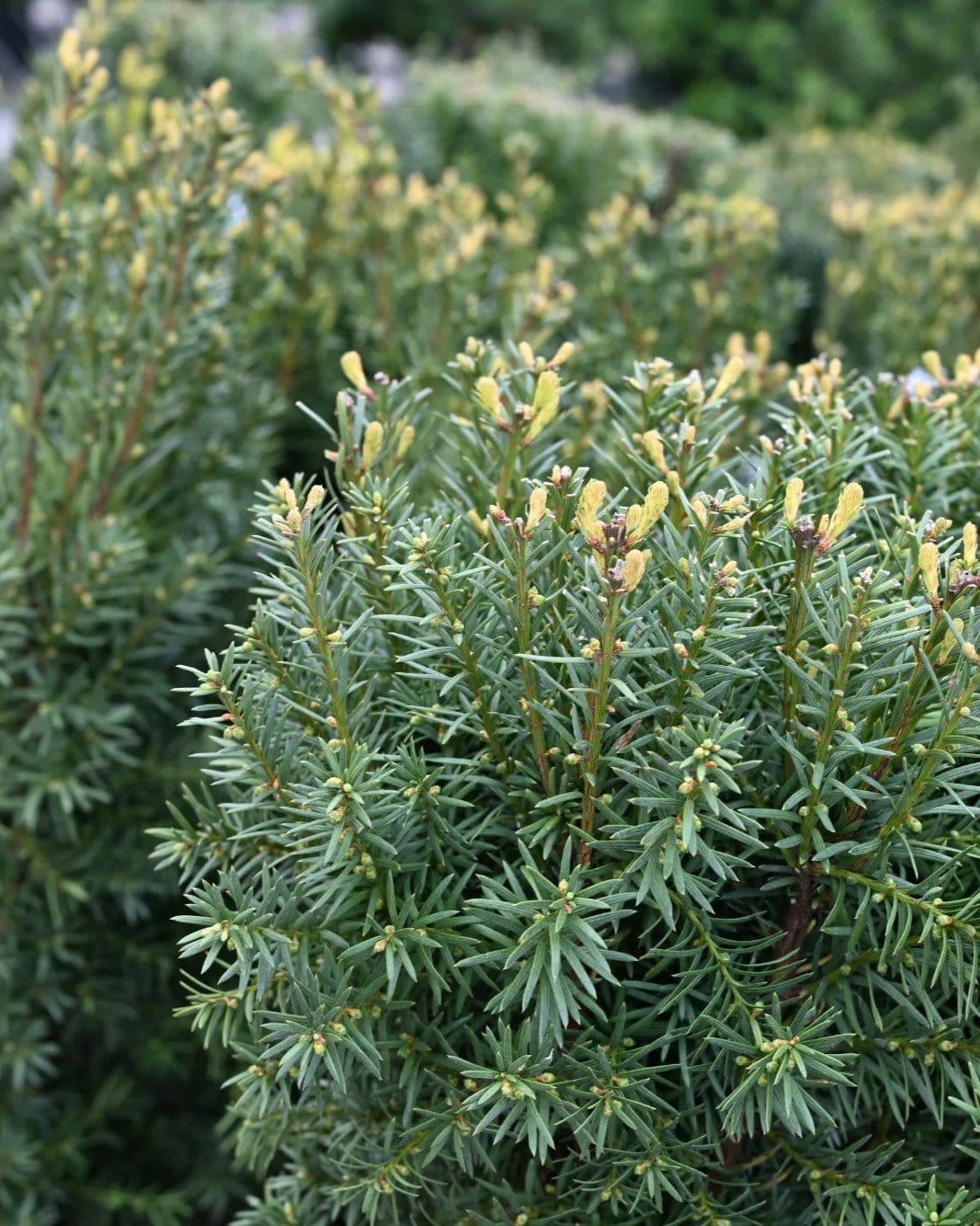
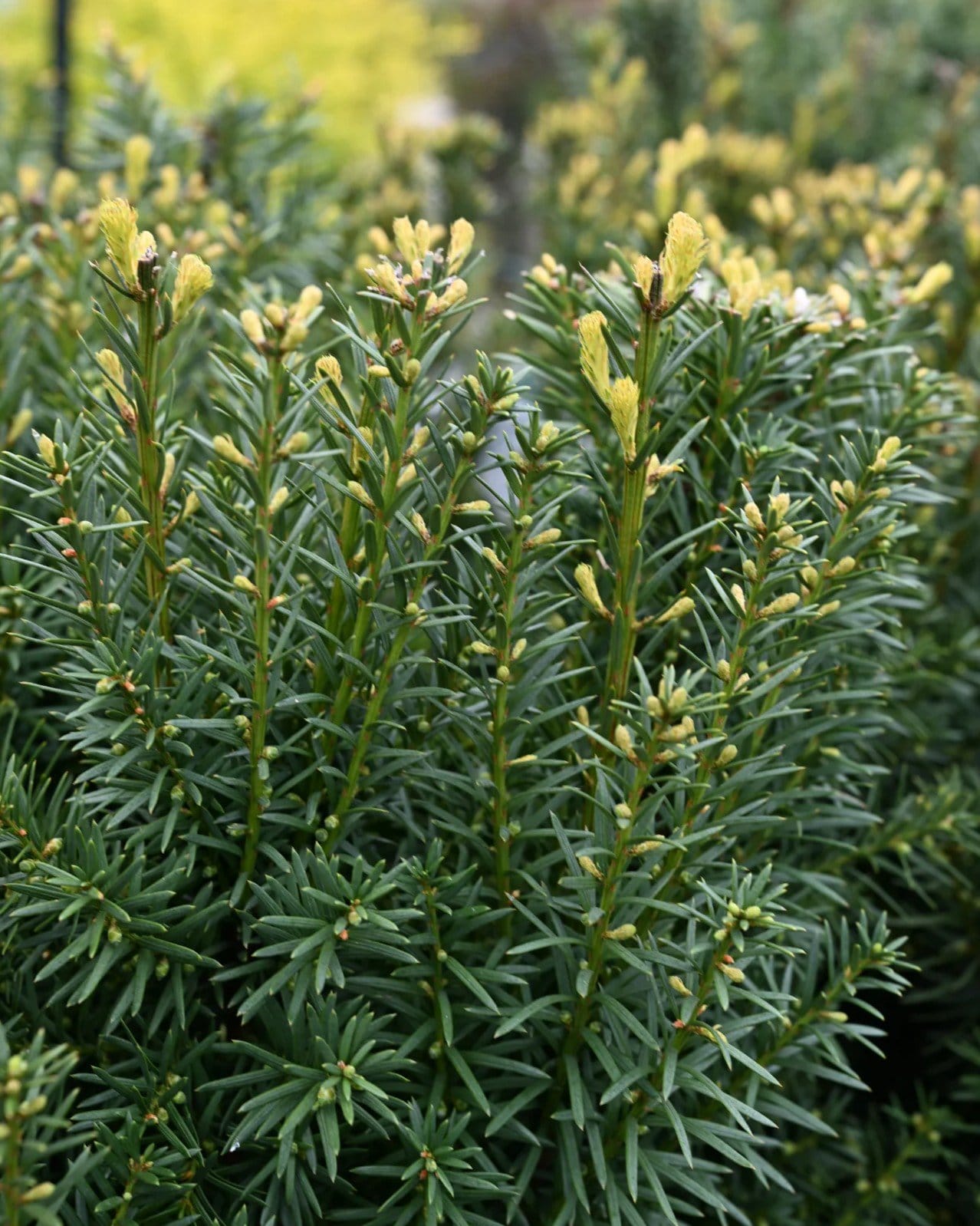
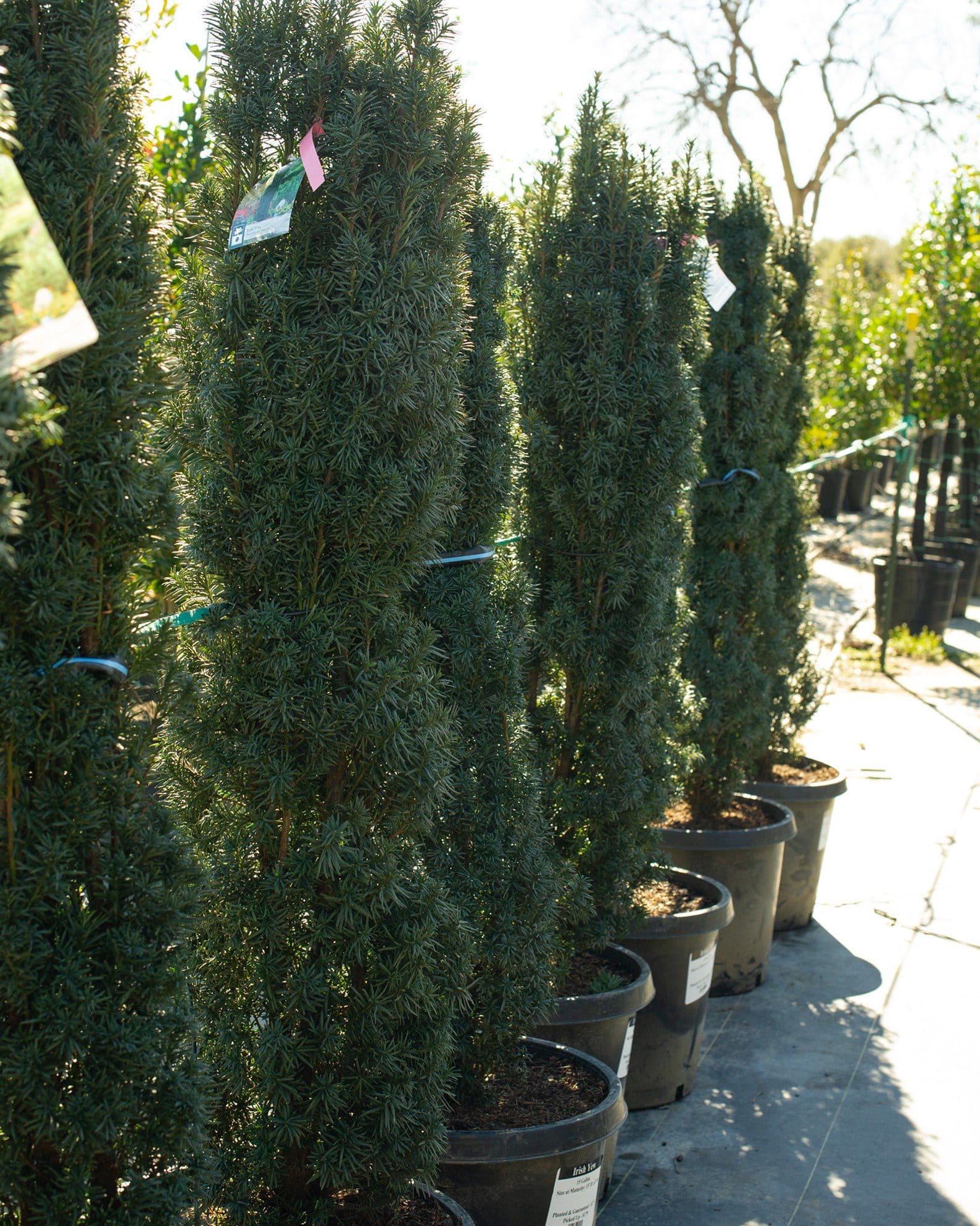
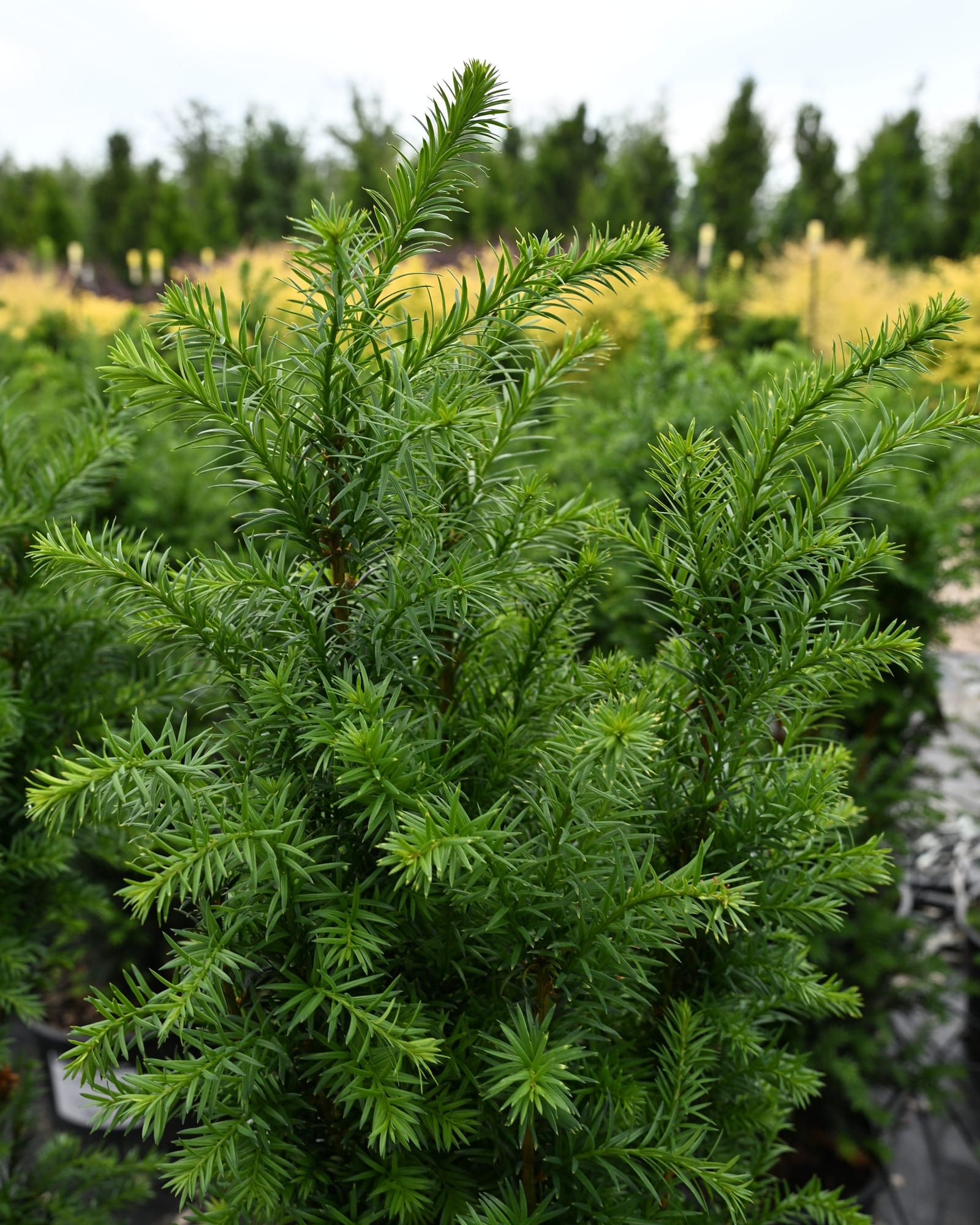
Irish Yew
Maturity: 15' H x 4' W
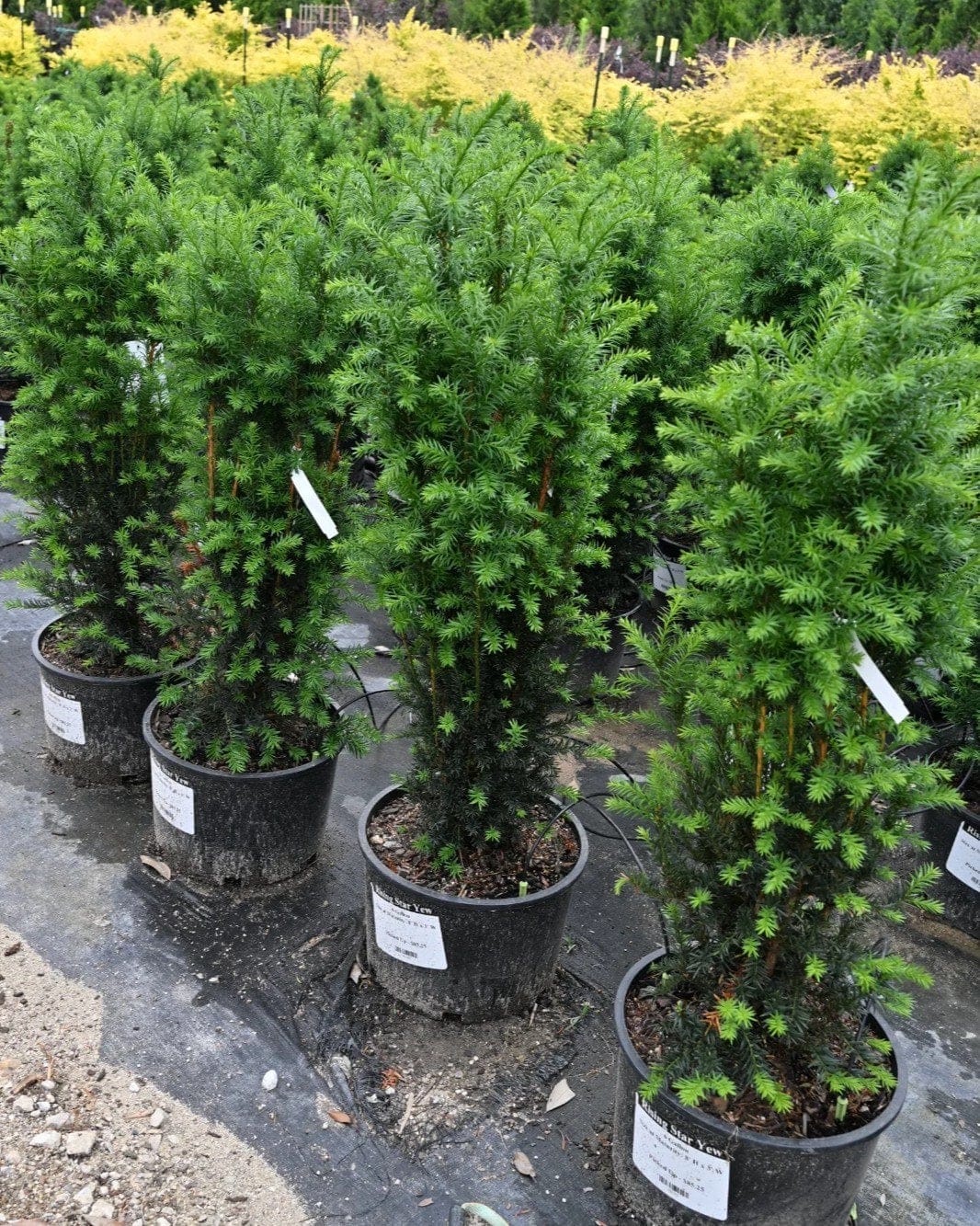
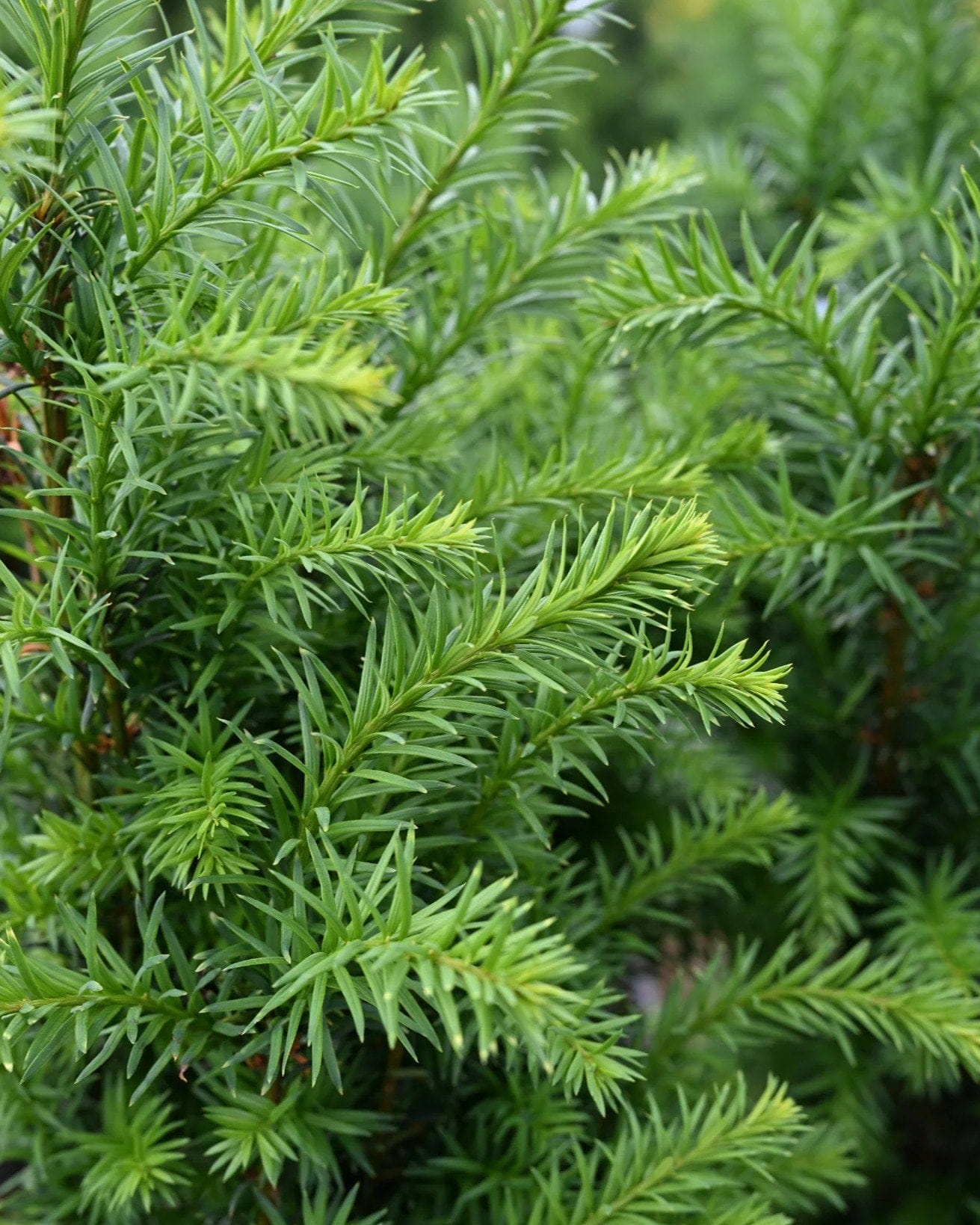
Rising Star Yew
Maturity: 8' H x 3' W
Blue Arrow Juniper
Maturity: 12' H x 2' W
Burford Holly
Maturity: 15' H x 10' W
Burford Holly Tree Form
Maturity: 15' H x 10' W
Carolina Midnight Loropetalum
Maturity: 10' H x 10' W
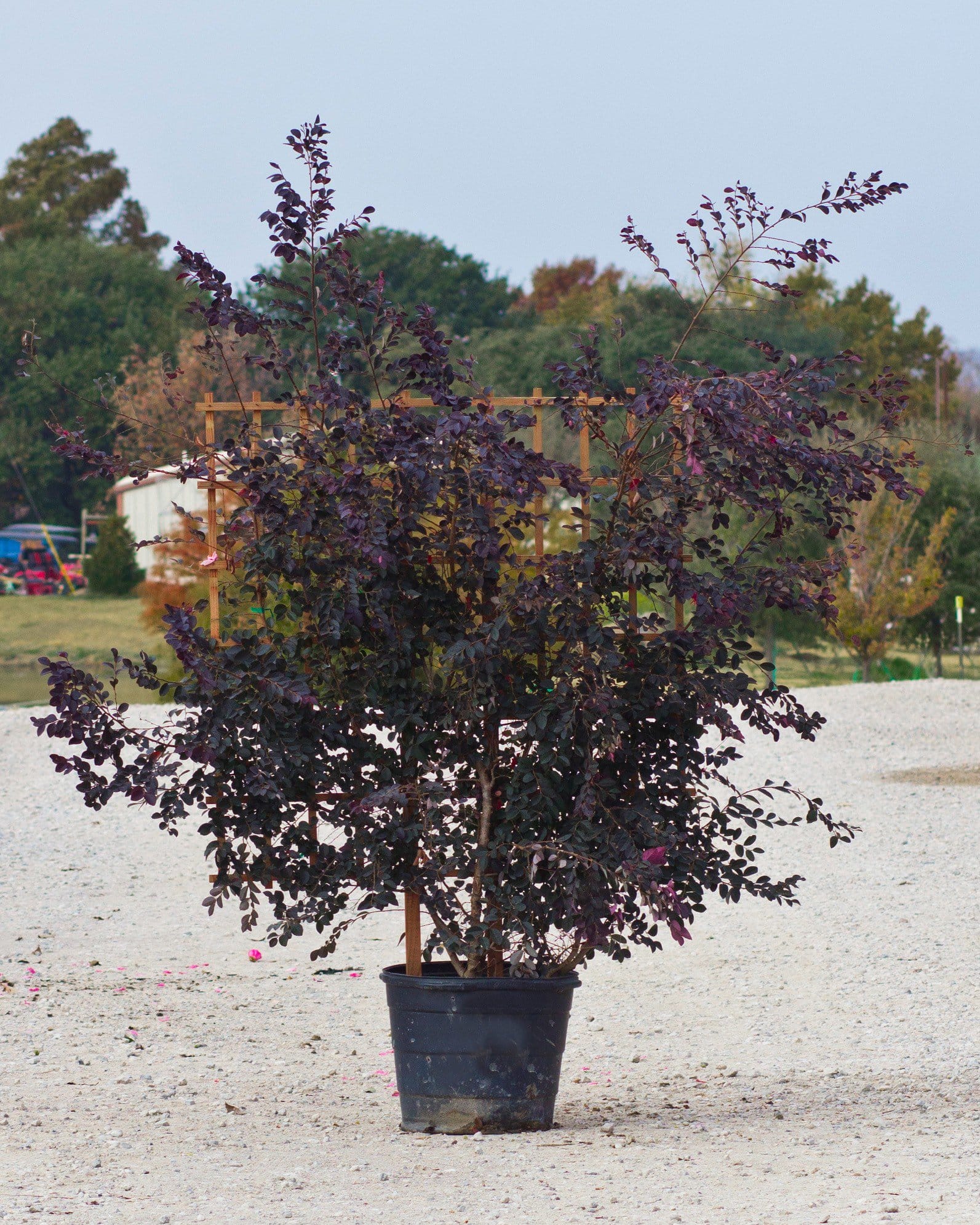
Carolina Midnight Loropetalum Espalier
Maturity: 10' H x 10' W
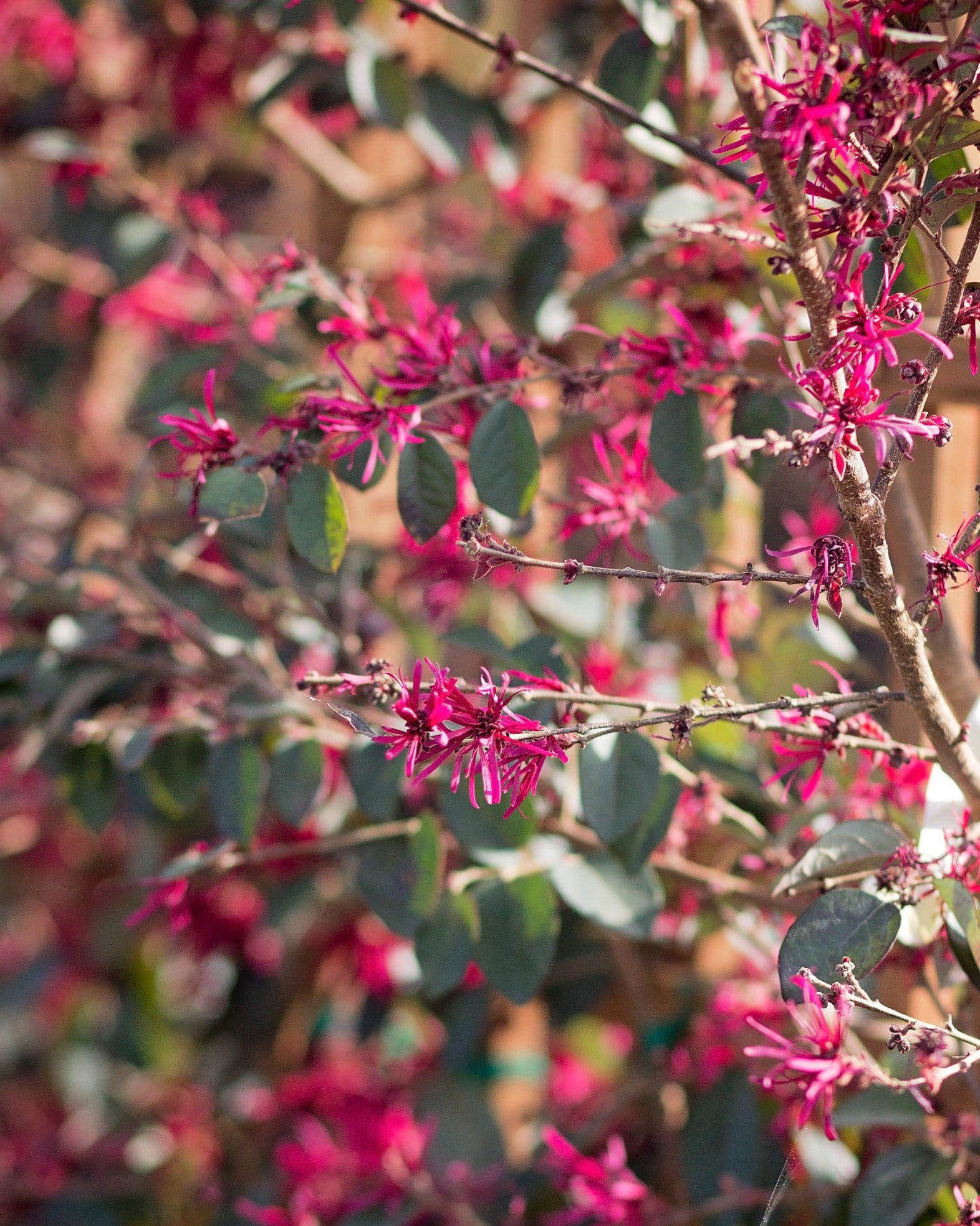
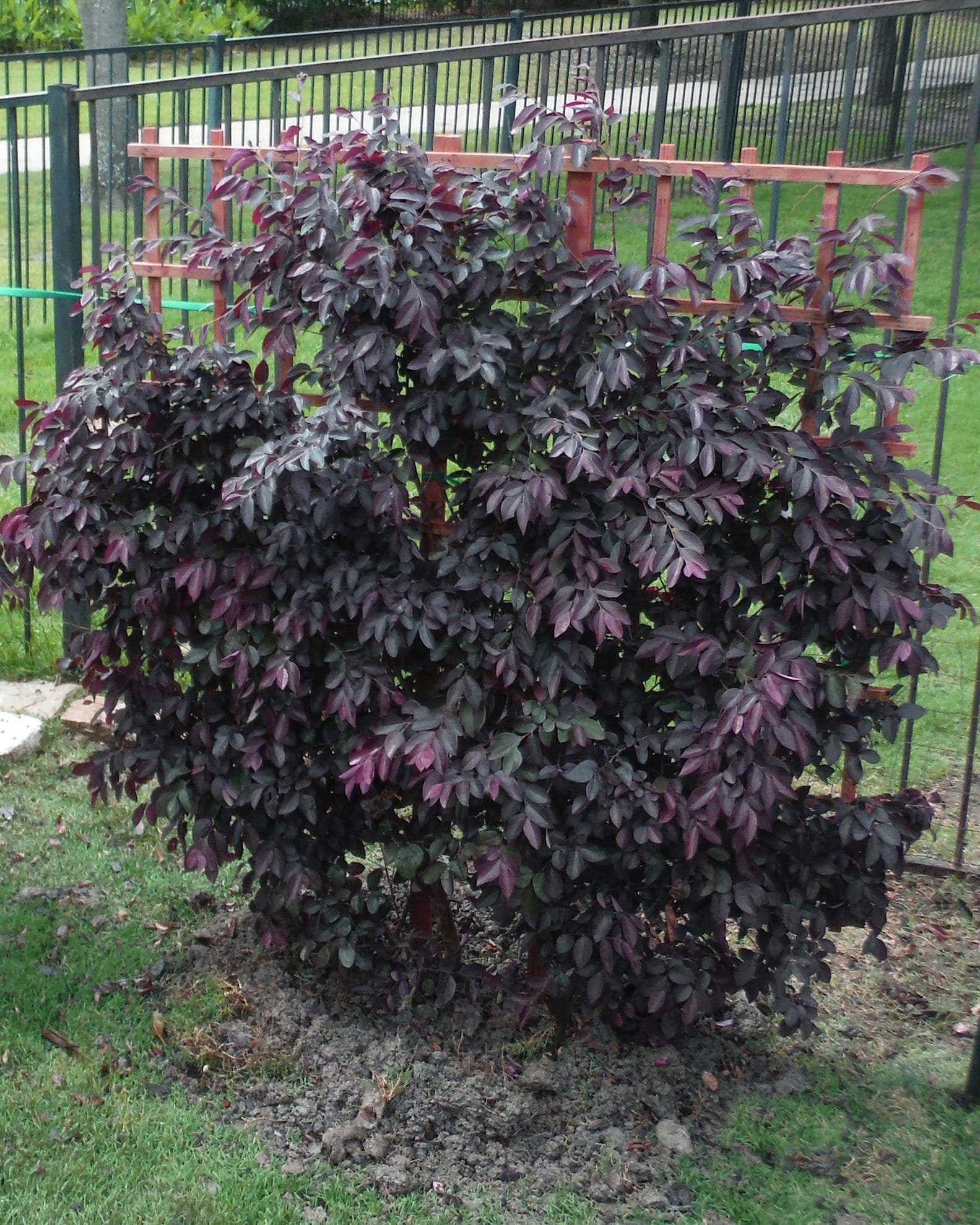
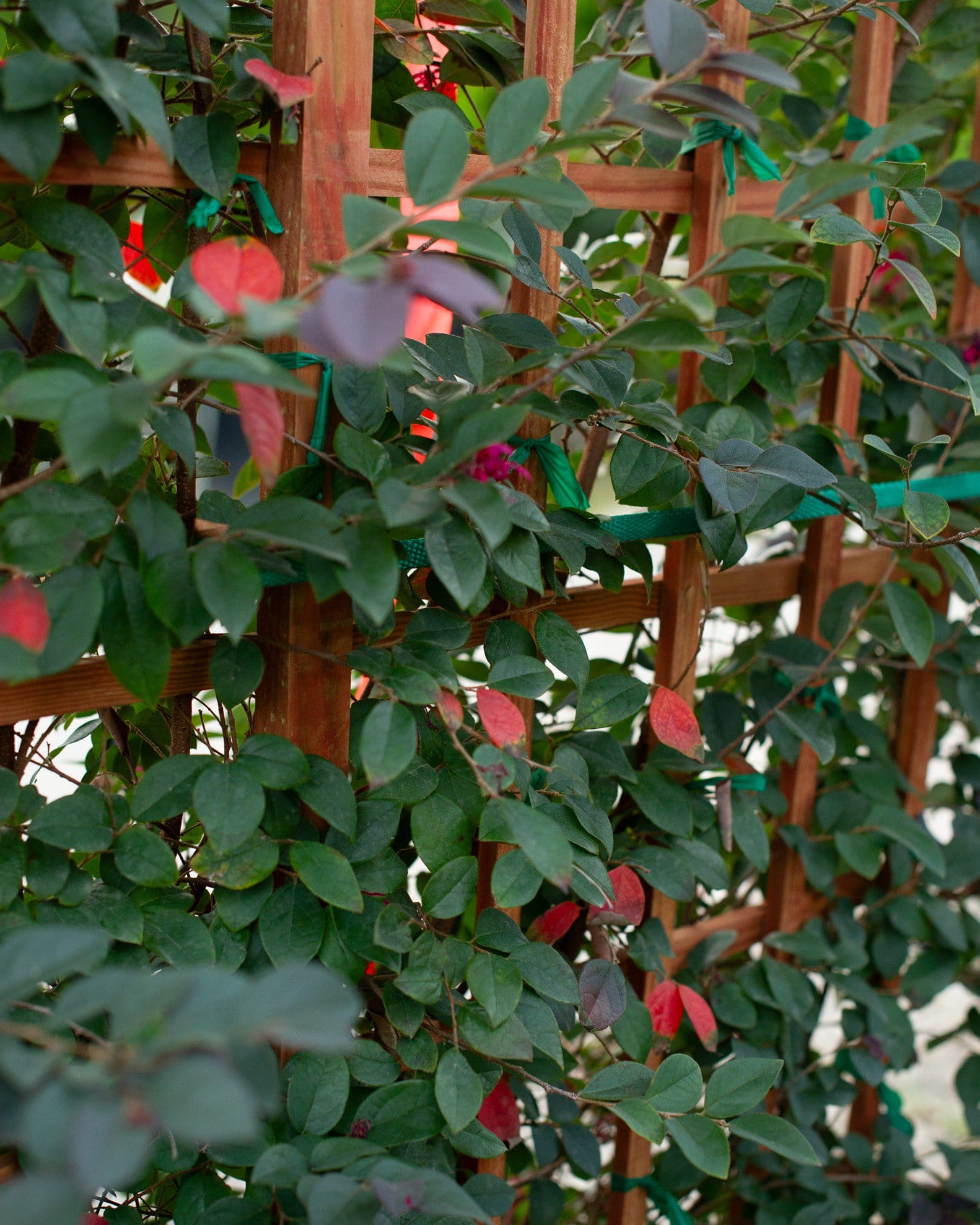
Cherry Laurel Bright 'N Tight
Maturity: 10' H x 8' W
Cherry Laurel Centre Court
Maturity: 25' H x 15' W
Crown Point Holly
Maturity: 14' H x 7' W
Eagleston Holly Full to Ground
Maturity: 20' H x 14' W
Eagleston Holly Tree Form
Maturity: 20' H x 14' W
Compare Similar Plants
Japanese Yew Maki This plant | ||
|---|---|---|
| Scientific Name | Podocarpus macrophyllus 'Maki' | Taxus cuspidata |
| Size at Maturity | 8' H x 5' W | 15' H x 7' W |
| Leaf Retention | Evergreen | Evergreen |
| Sizes Available | 7, 15 gal | 3, 7, 15, 30 gal |

Our 1-Year Planting Guarantee
We take pride in our plants and installation services. If any plants or trees installed by Treeland fail to thrive within the first year, we'll provide a replacement credit in accordance with our guarantee program.
Learn More About Our Guarantee