
 Popular
Japanese Yew
Taxus cuspidataLocal DFW Delivery Only
Product Details
Japanese Yew
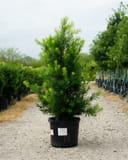
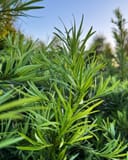
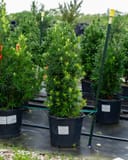
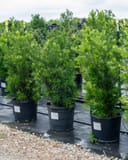
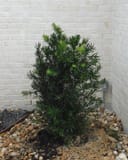
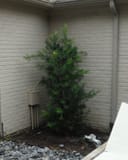
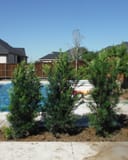
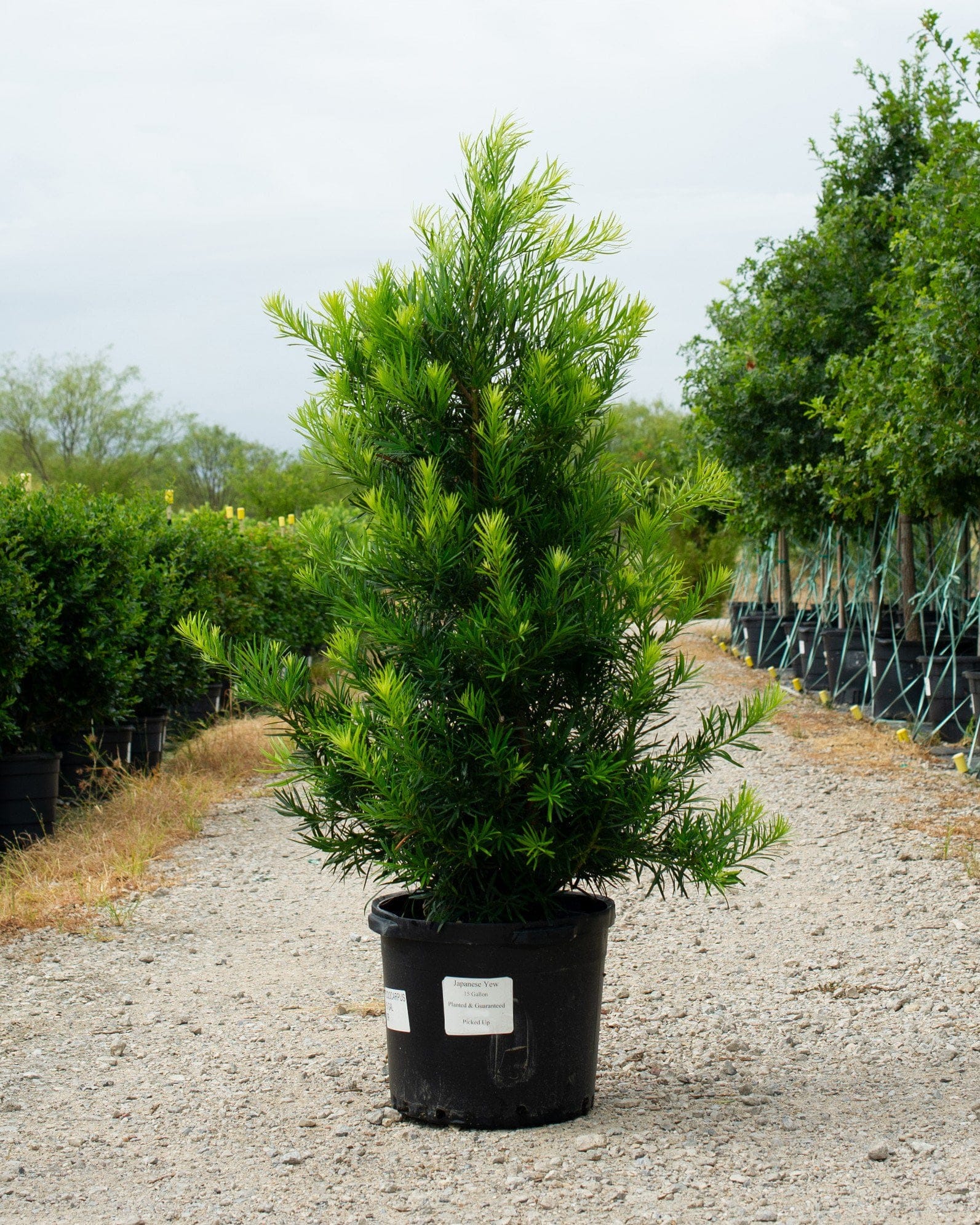
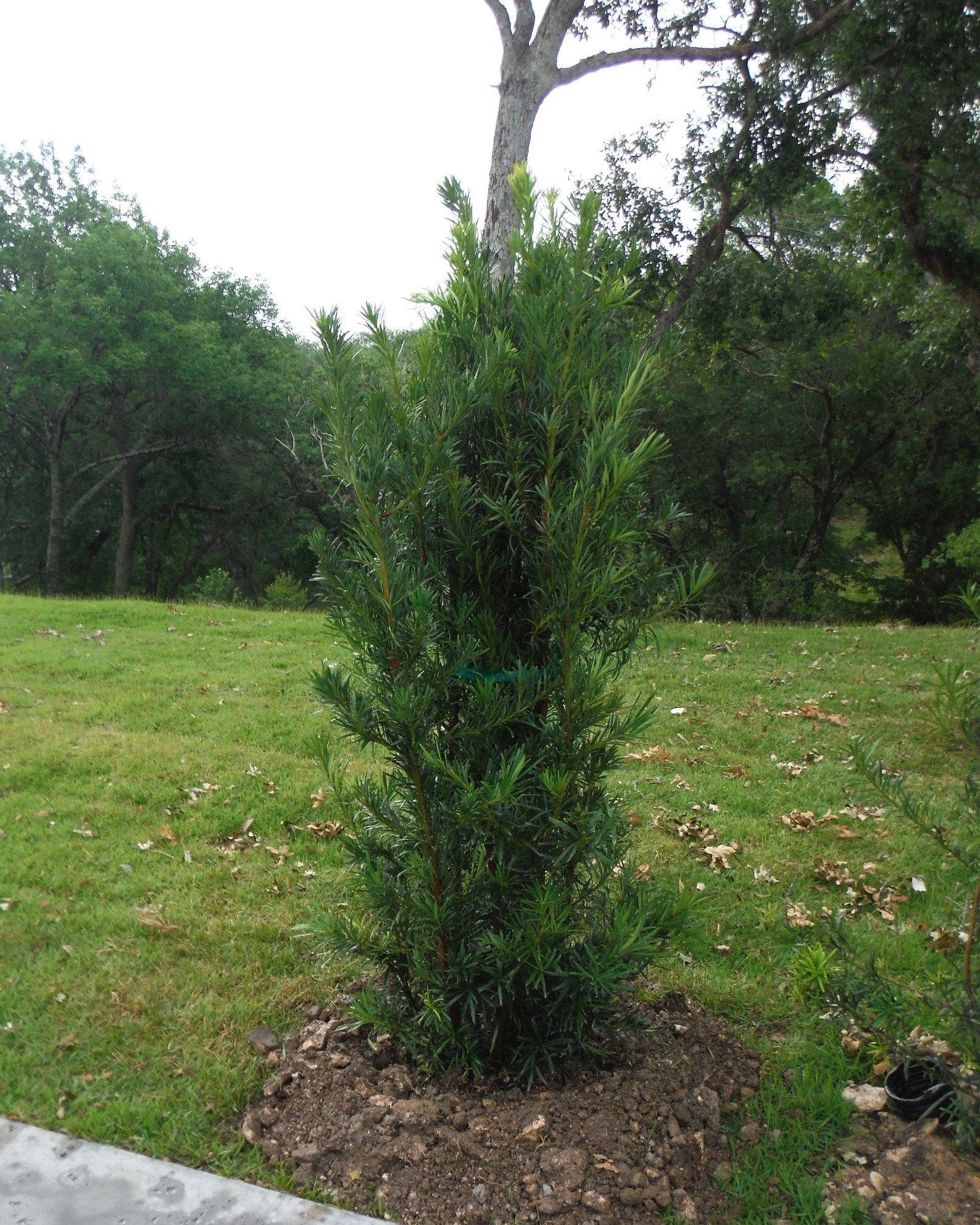
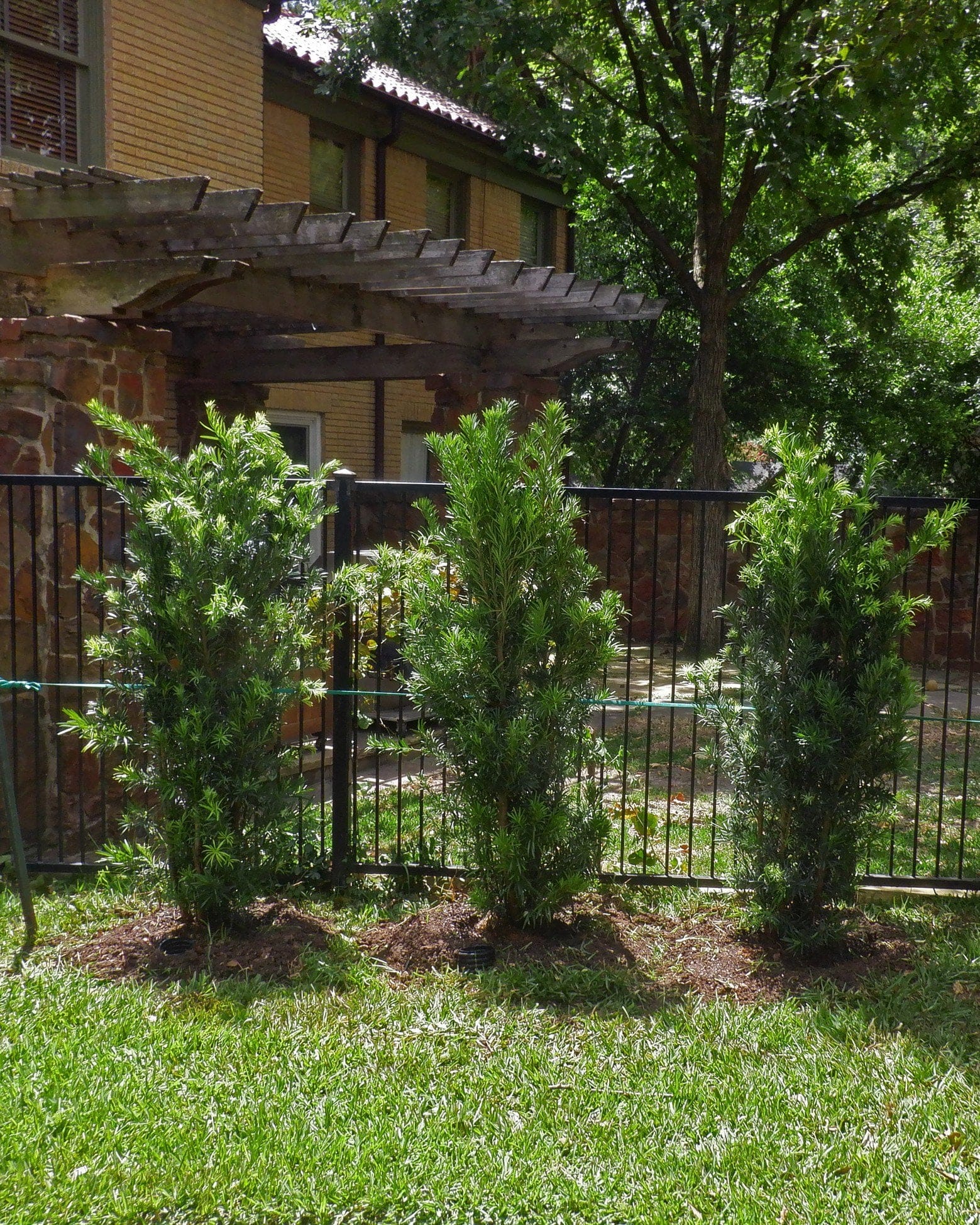
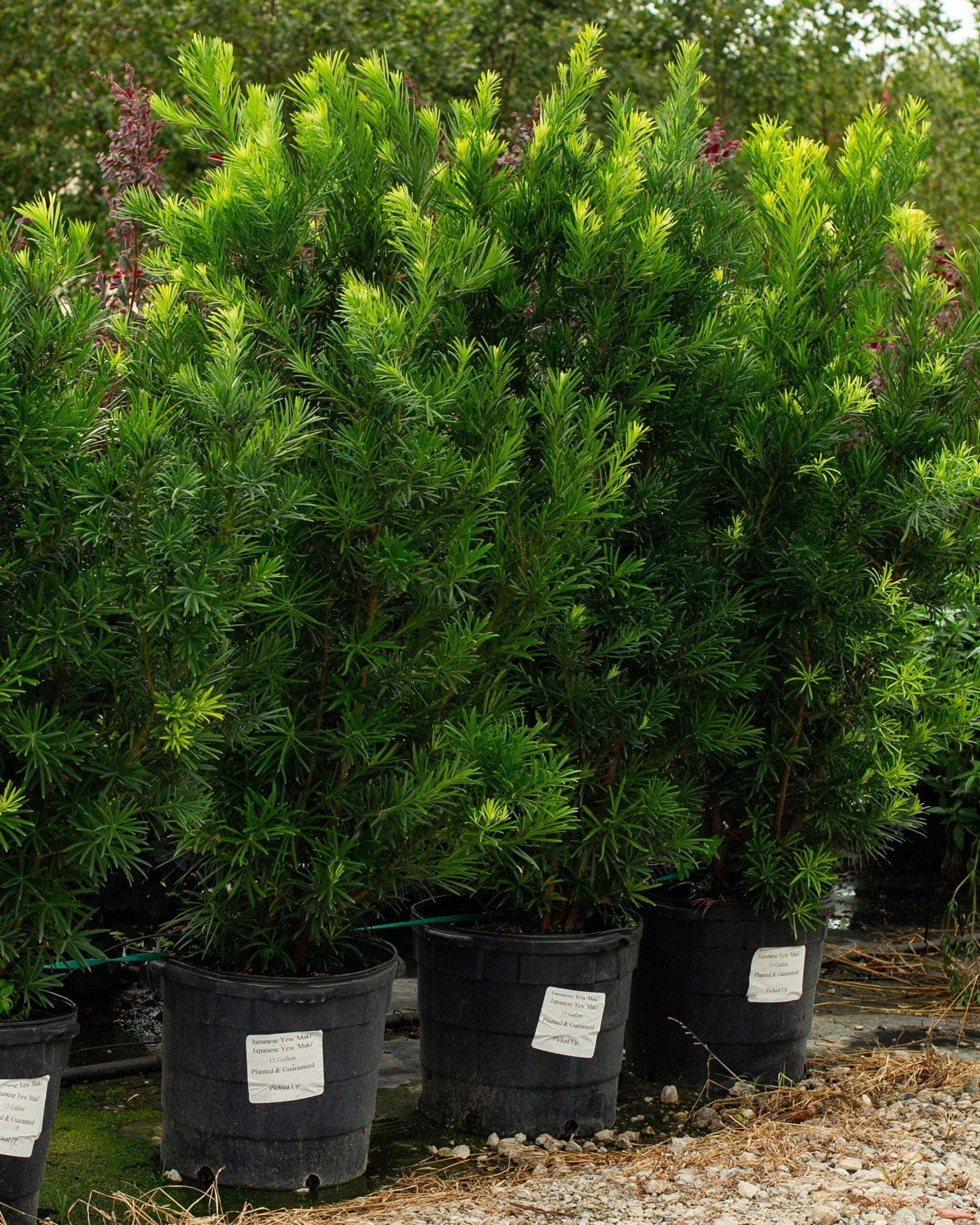
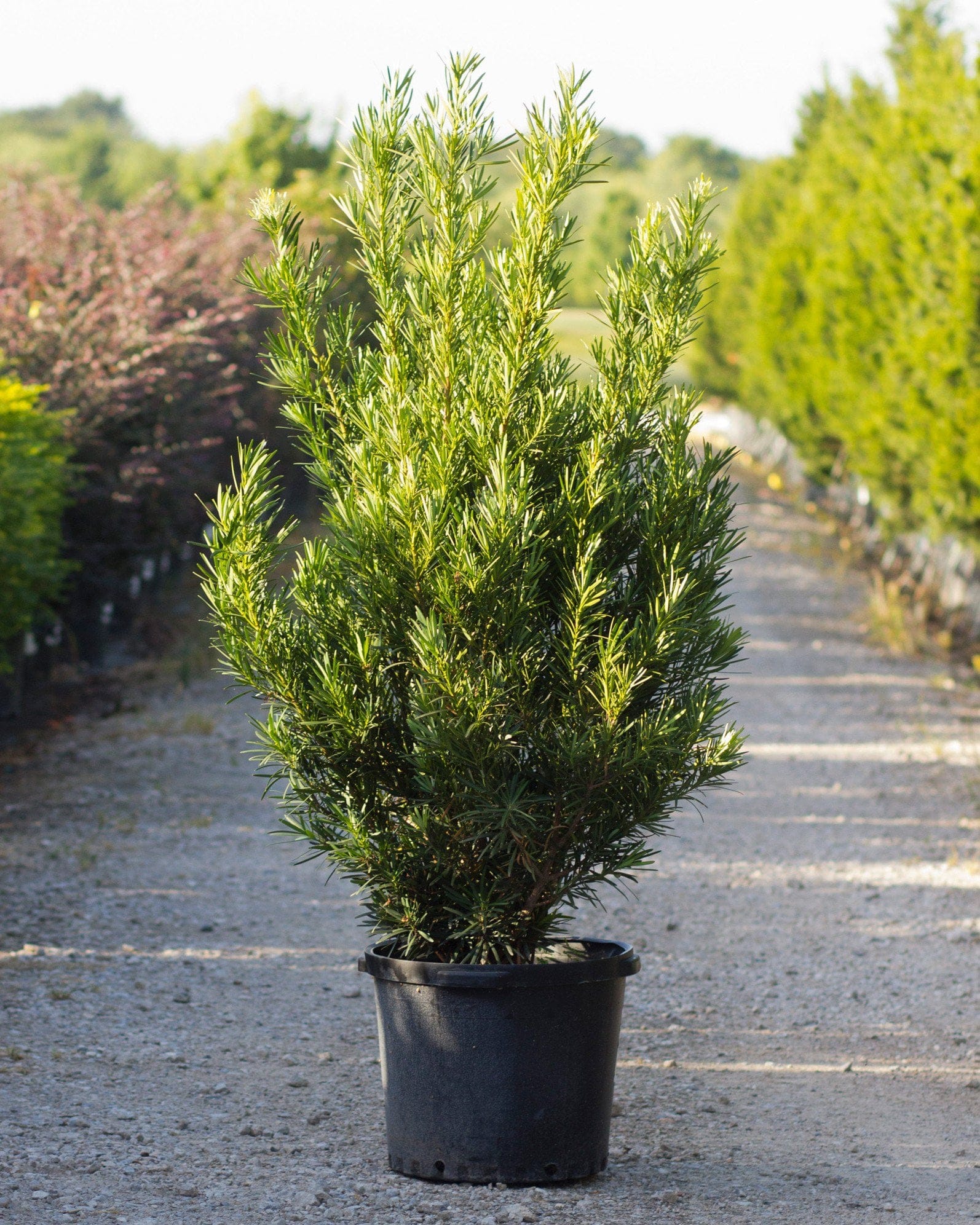
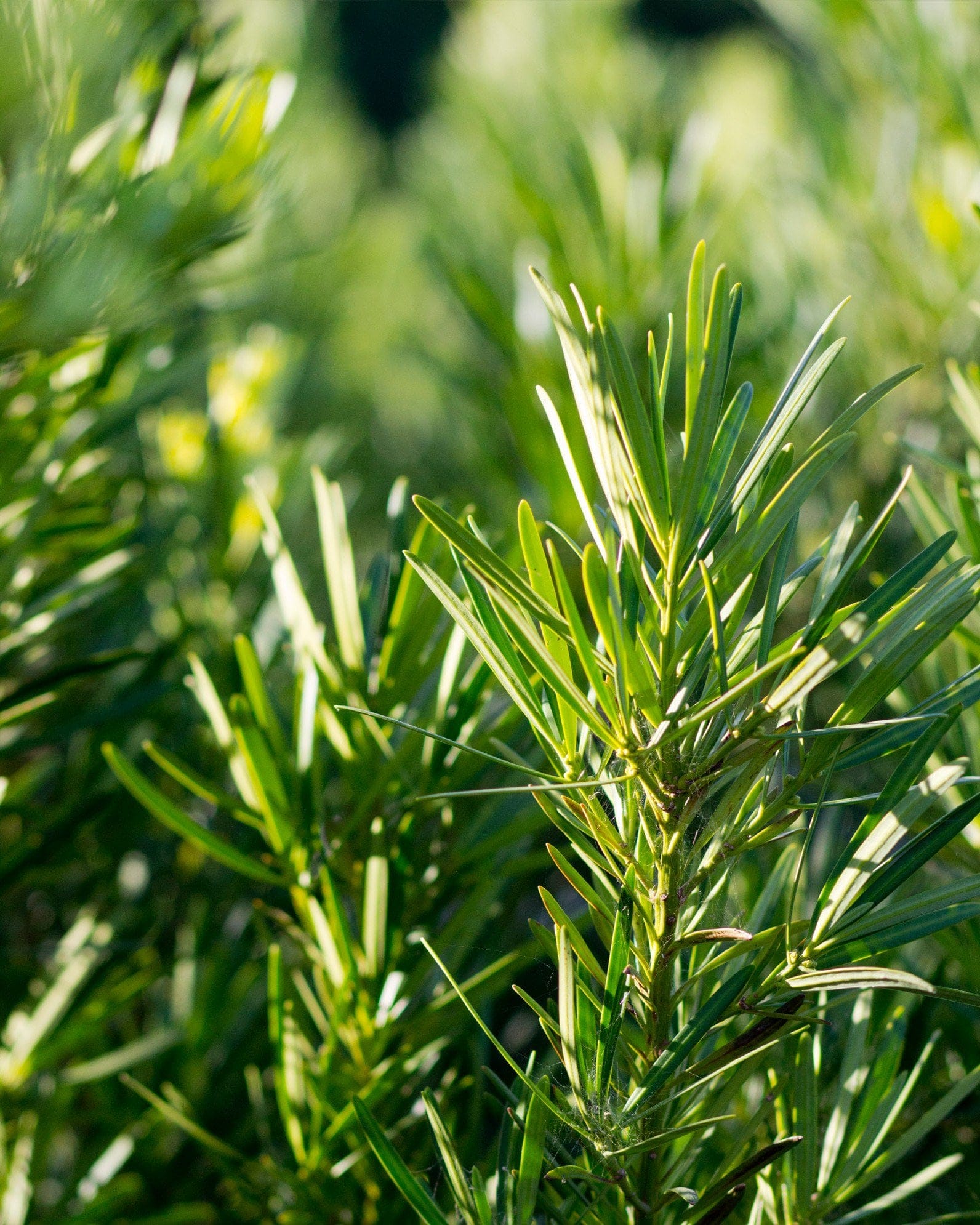
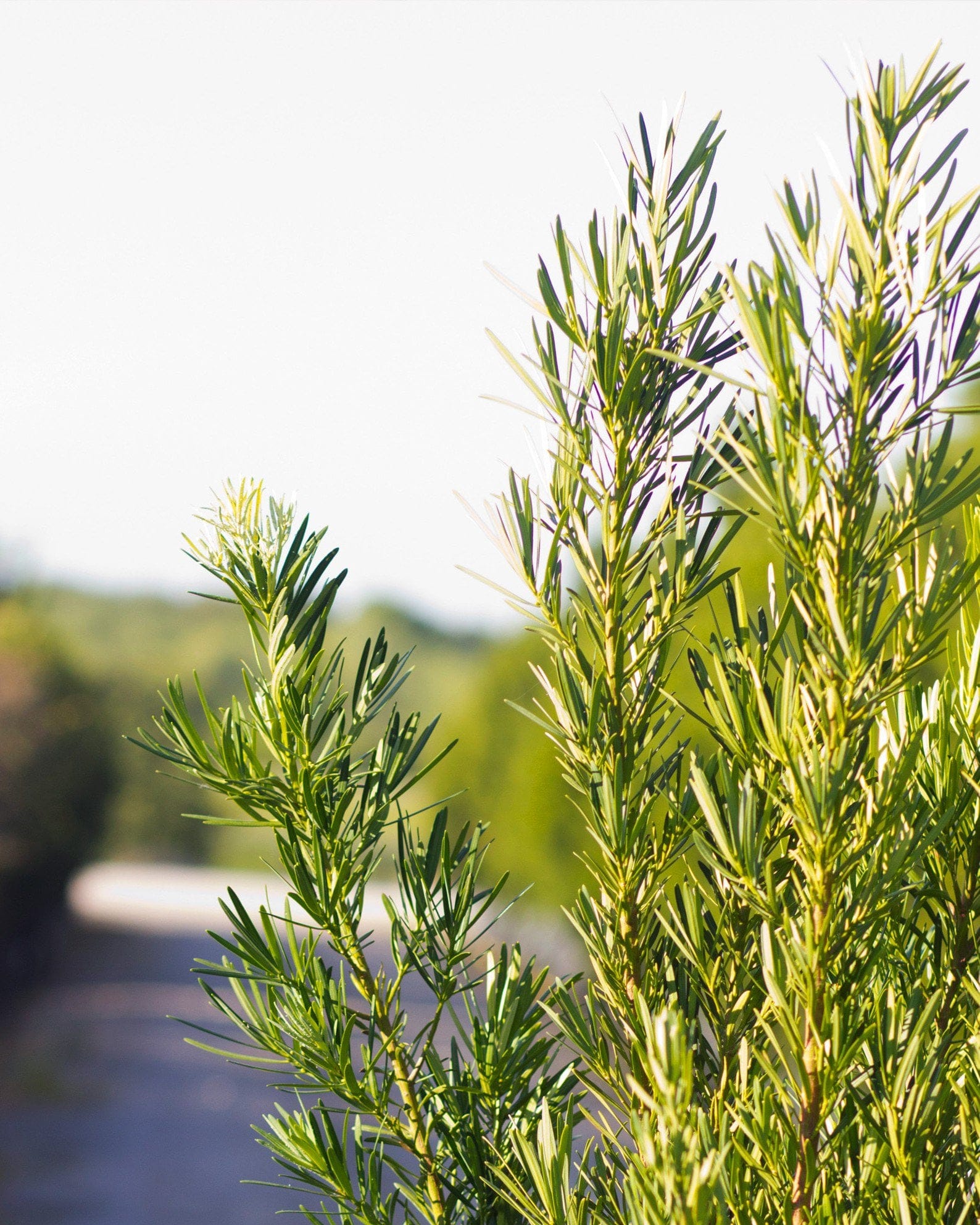
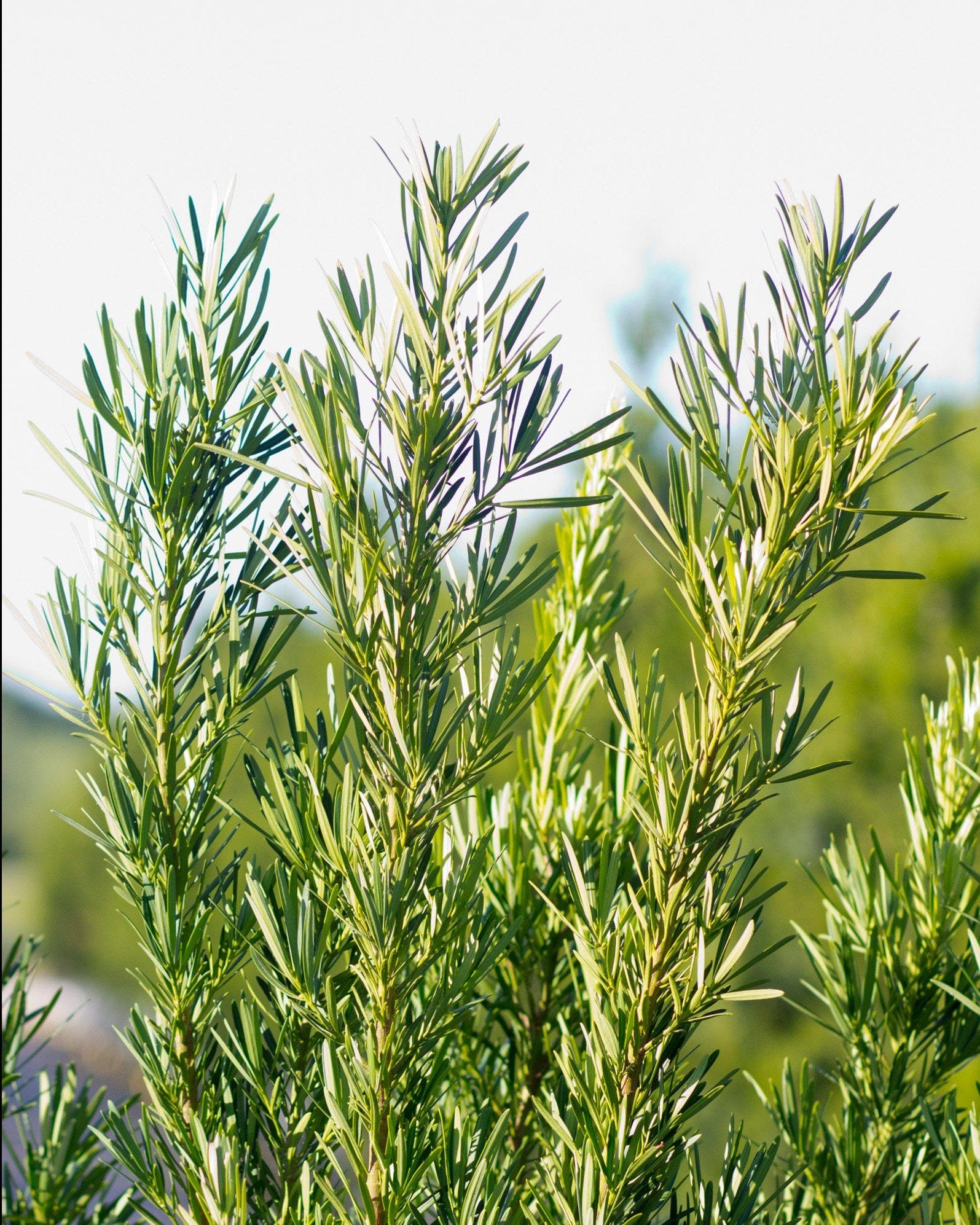
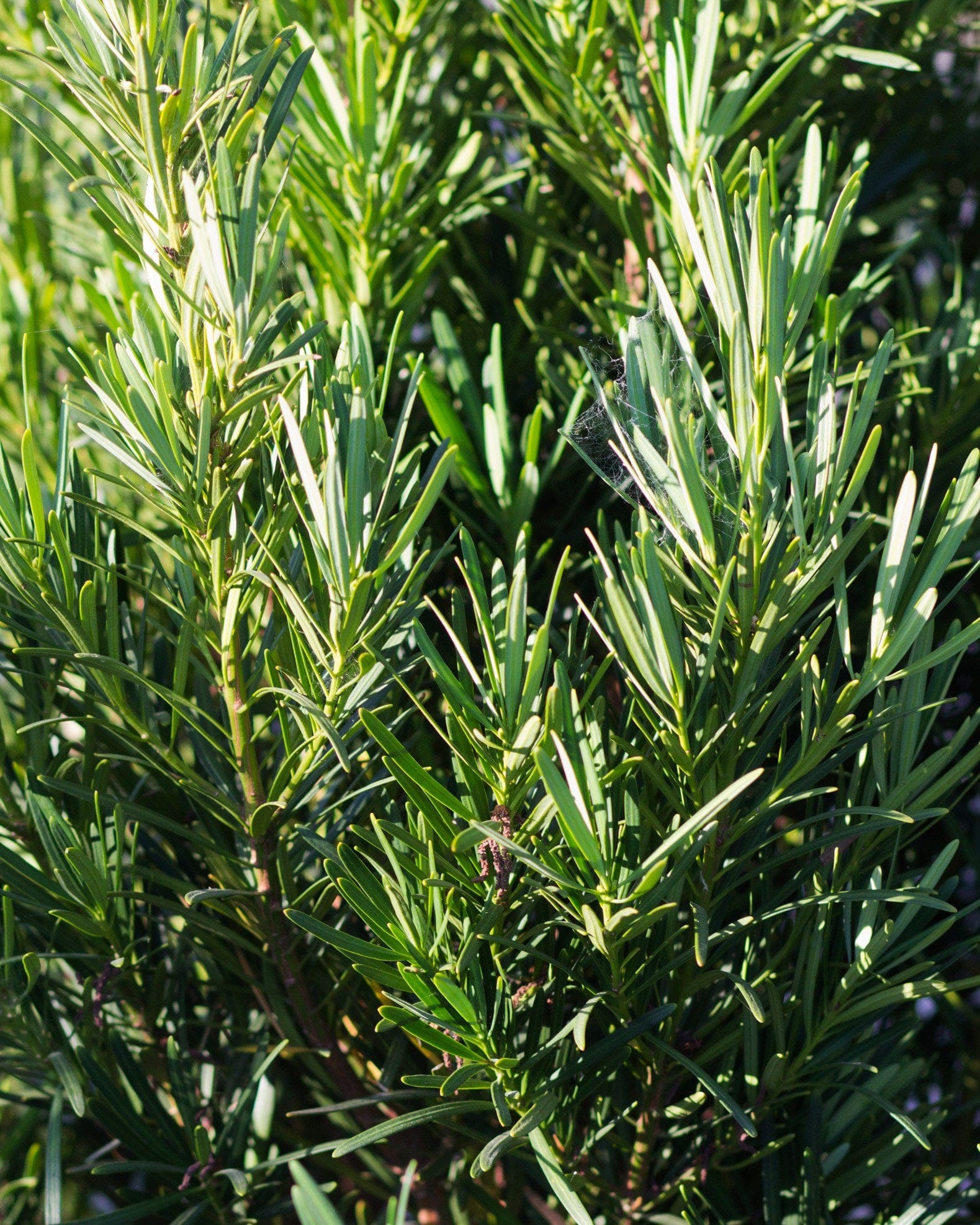
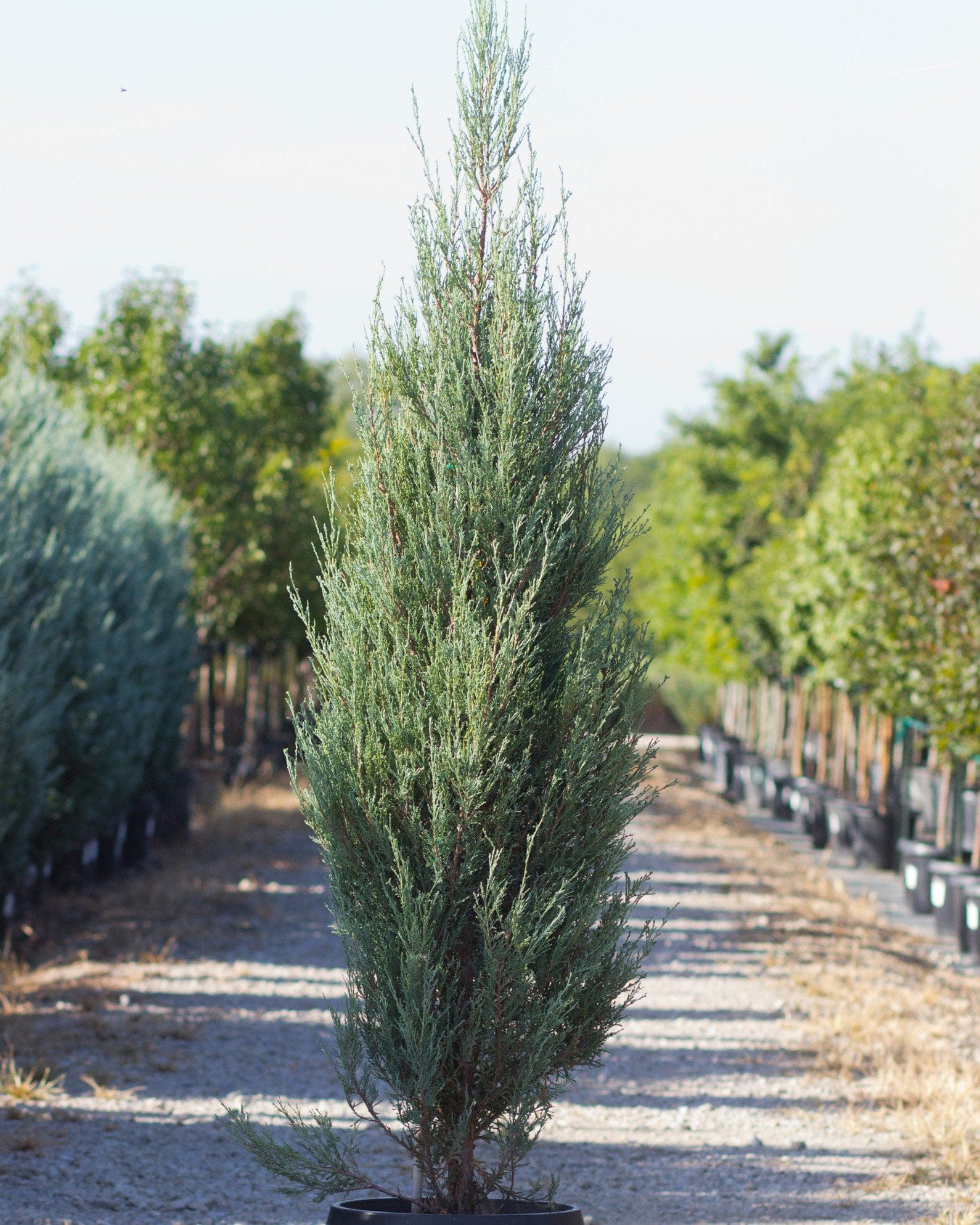
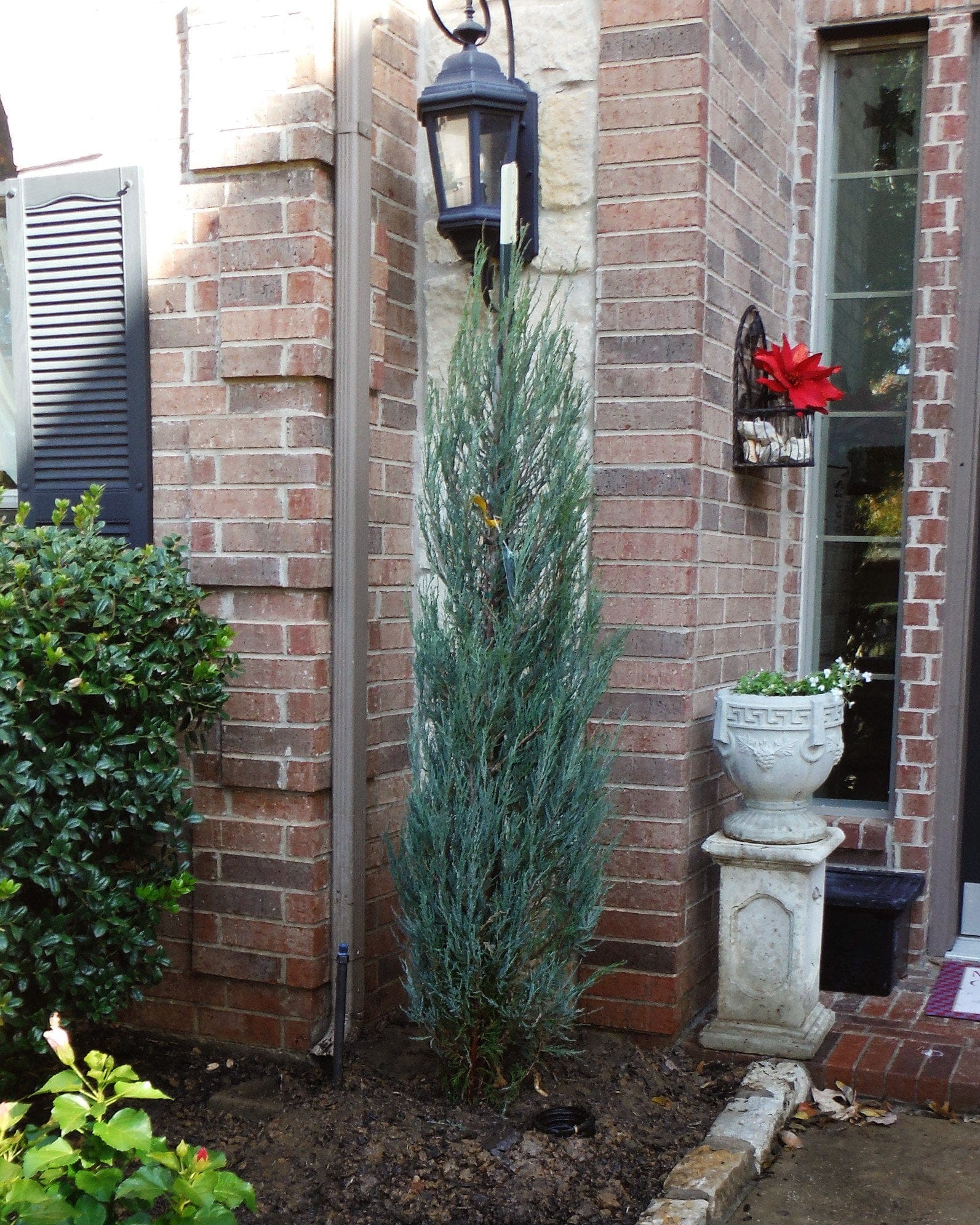
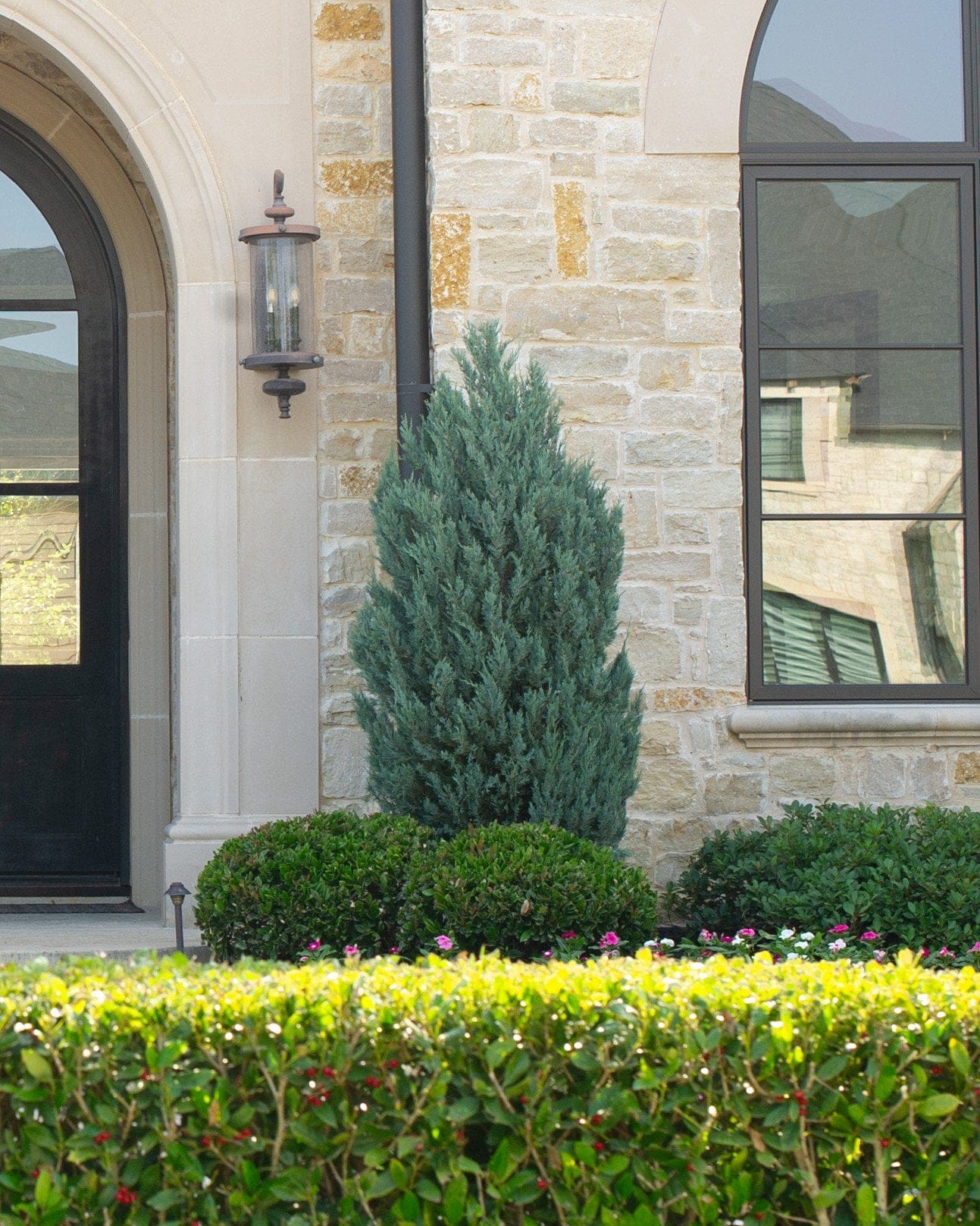
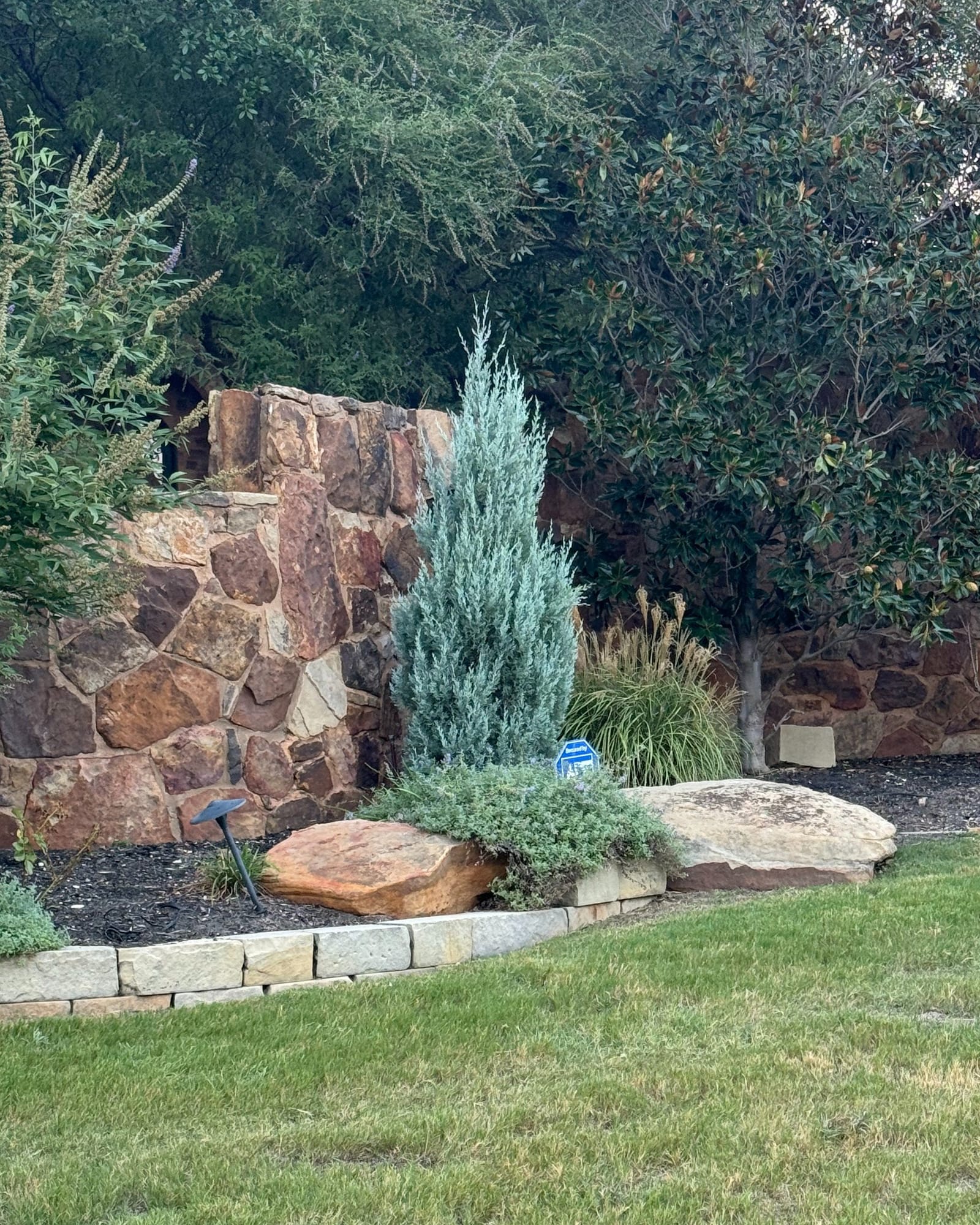
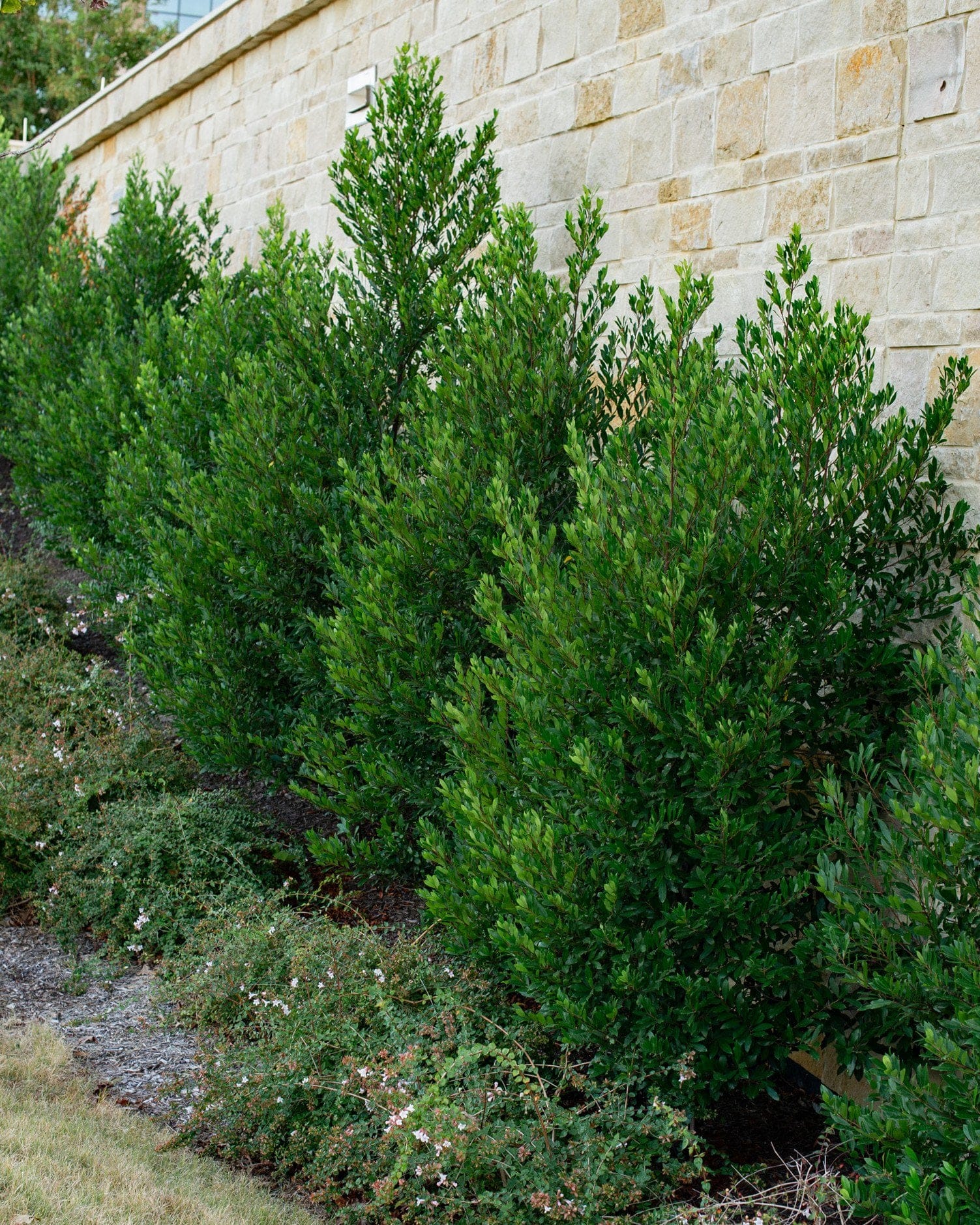
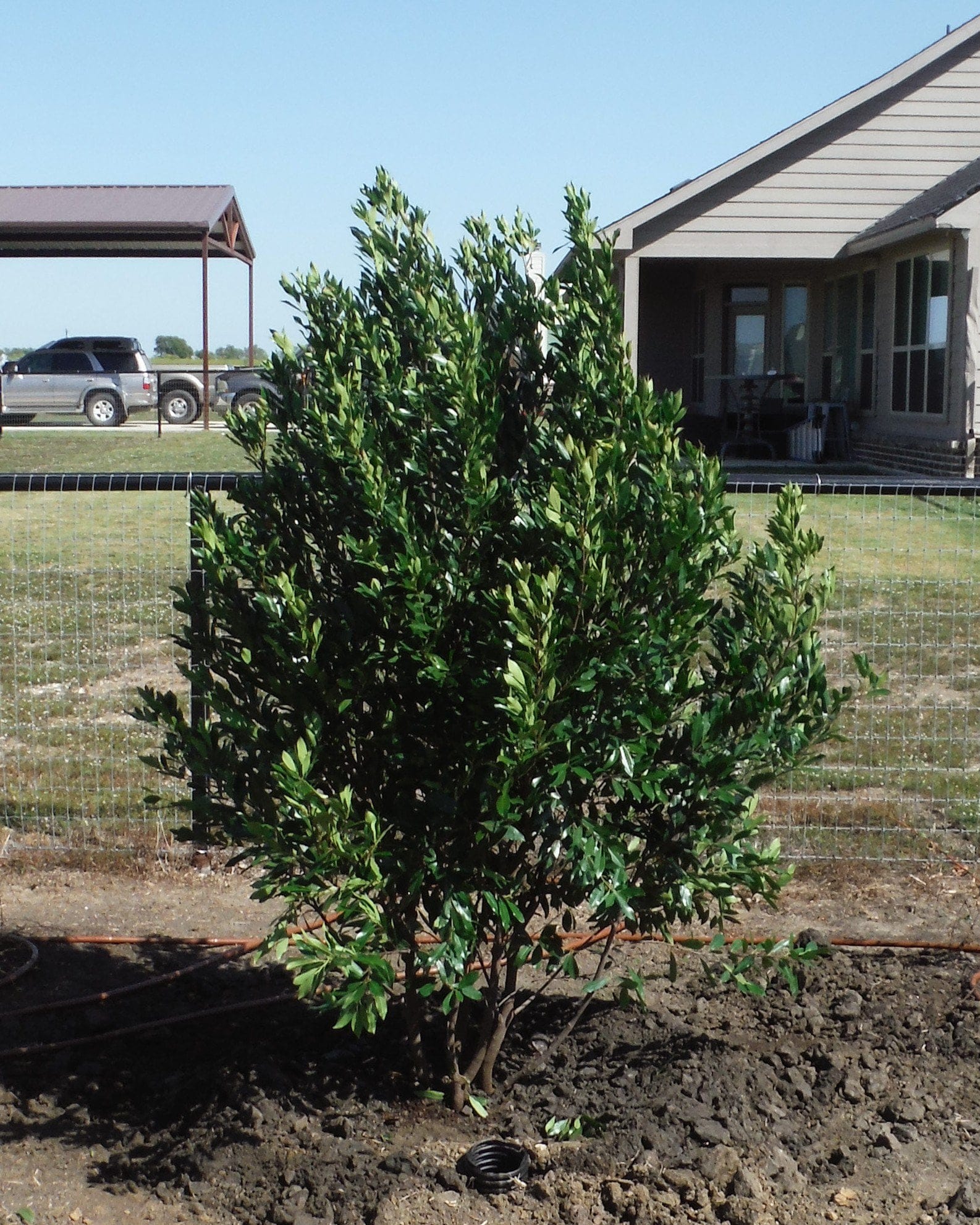
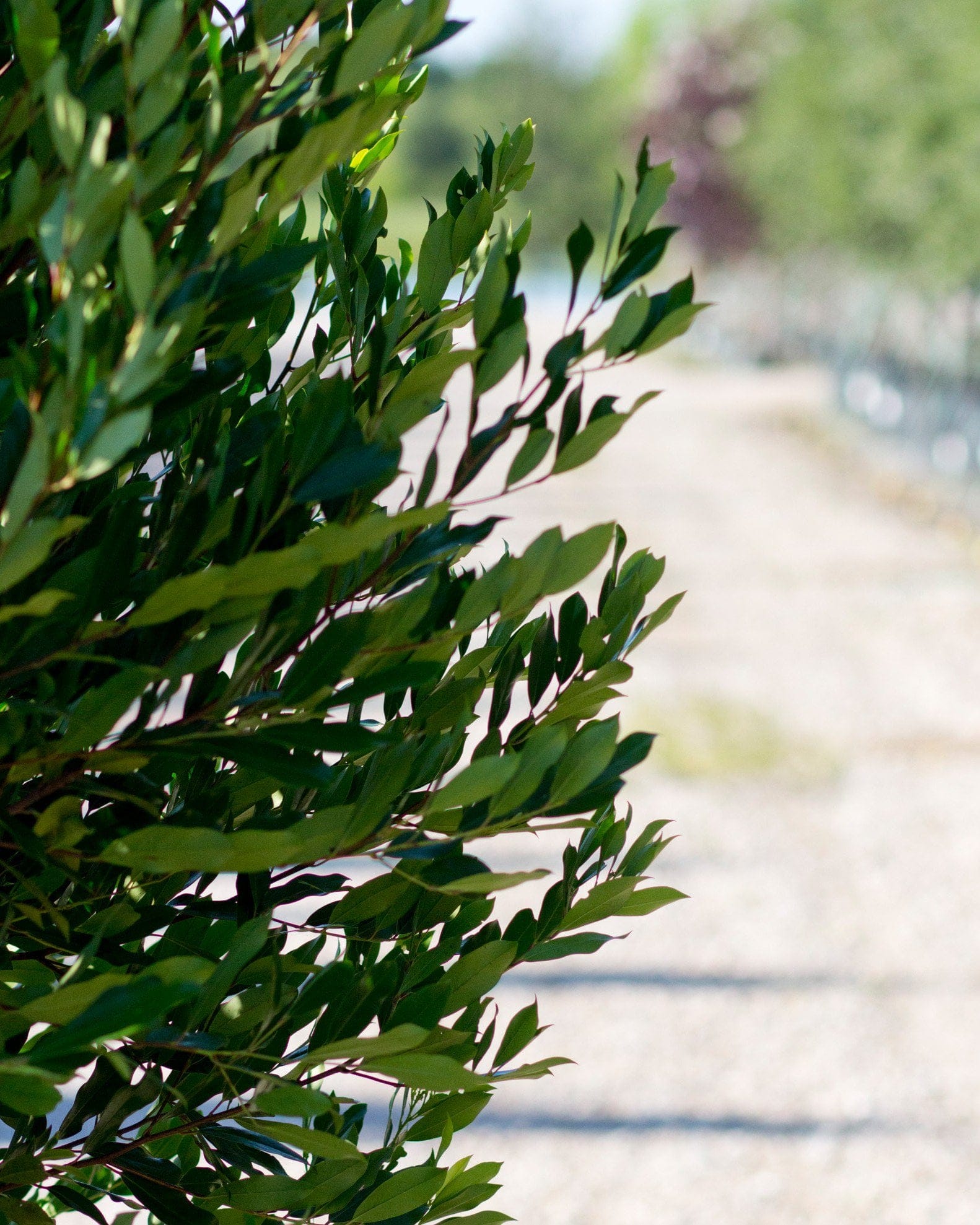
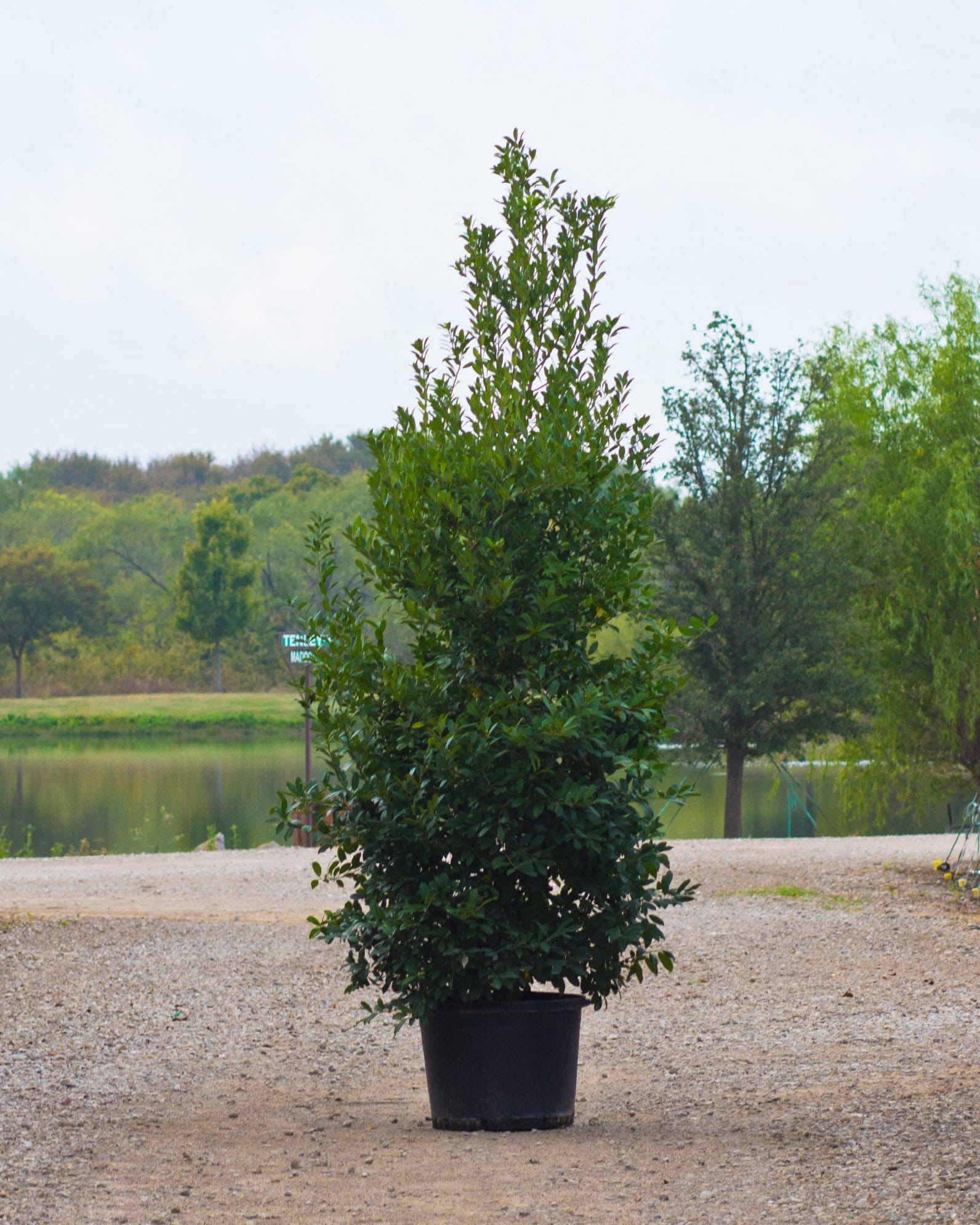
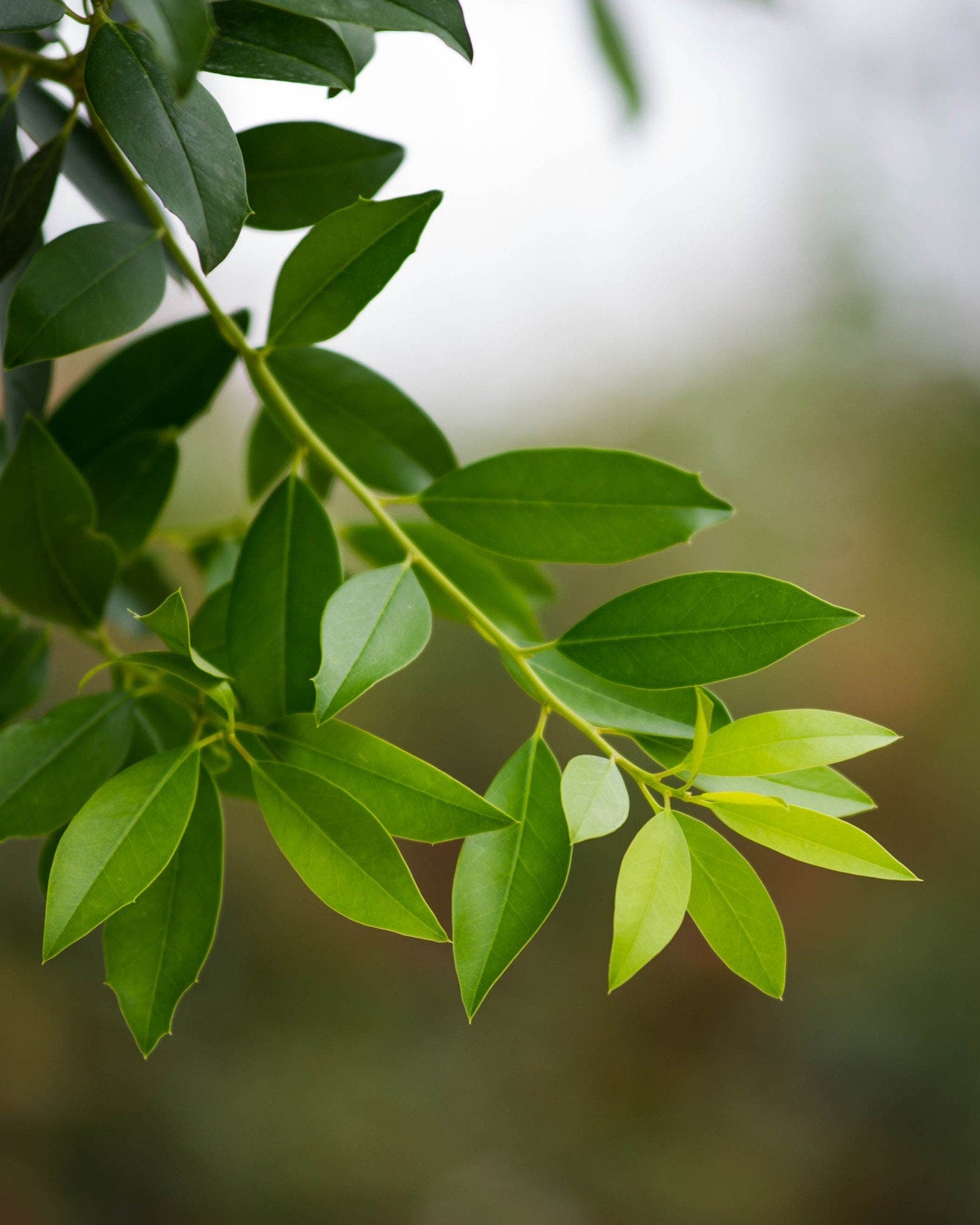
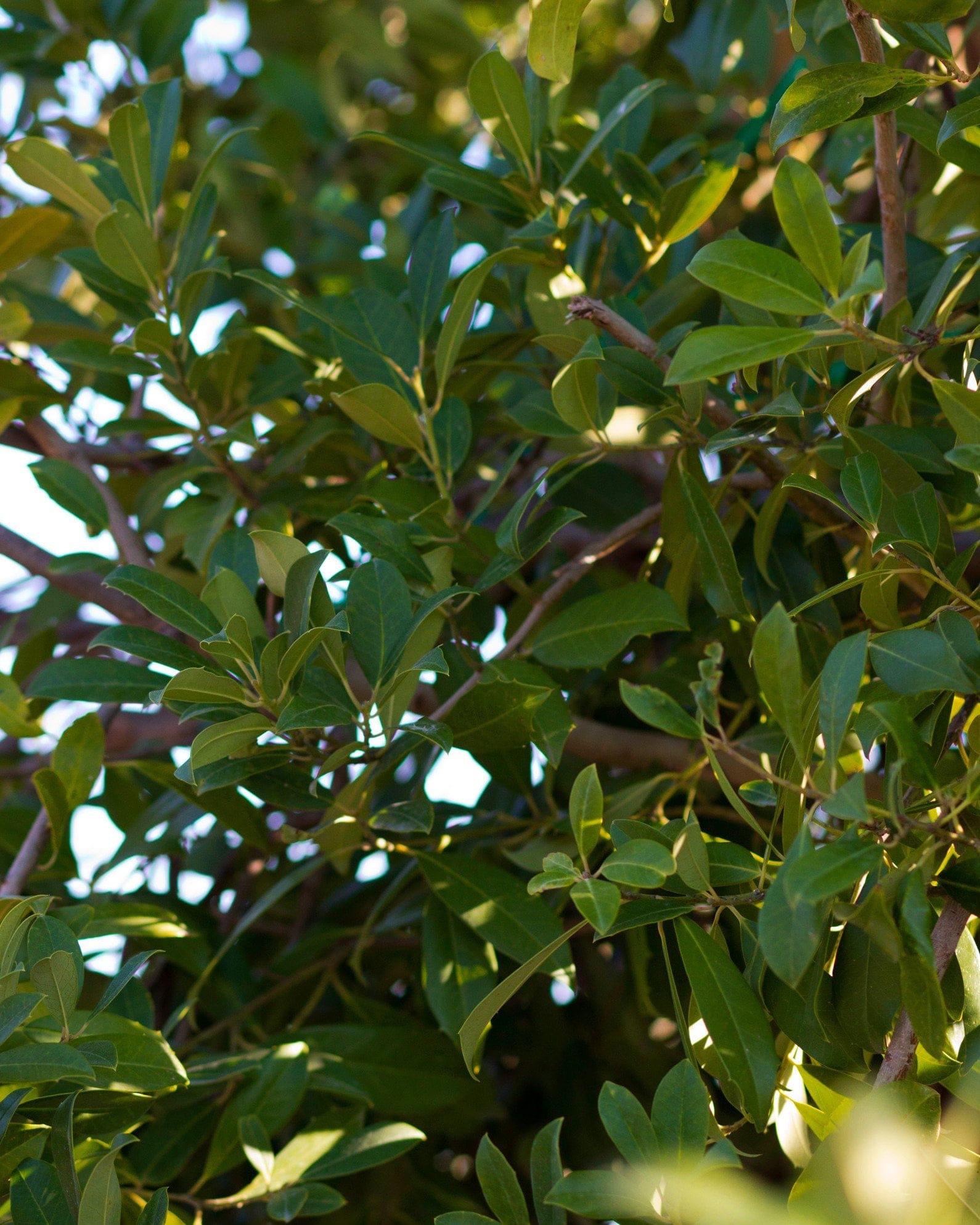
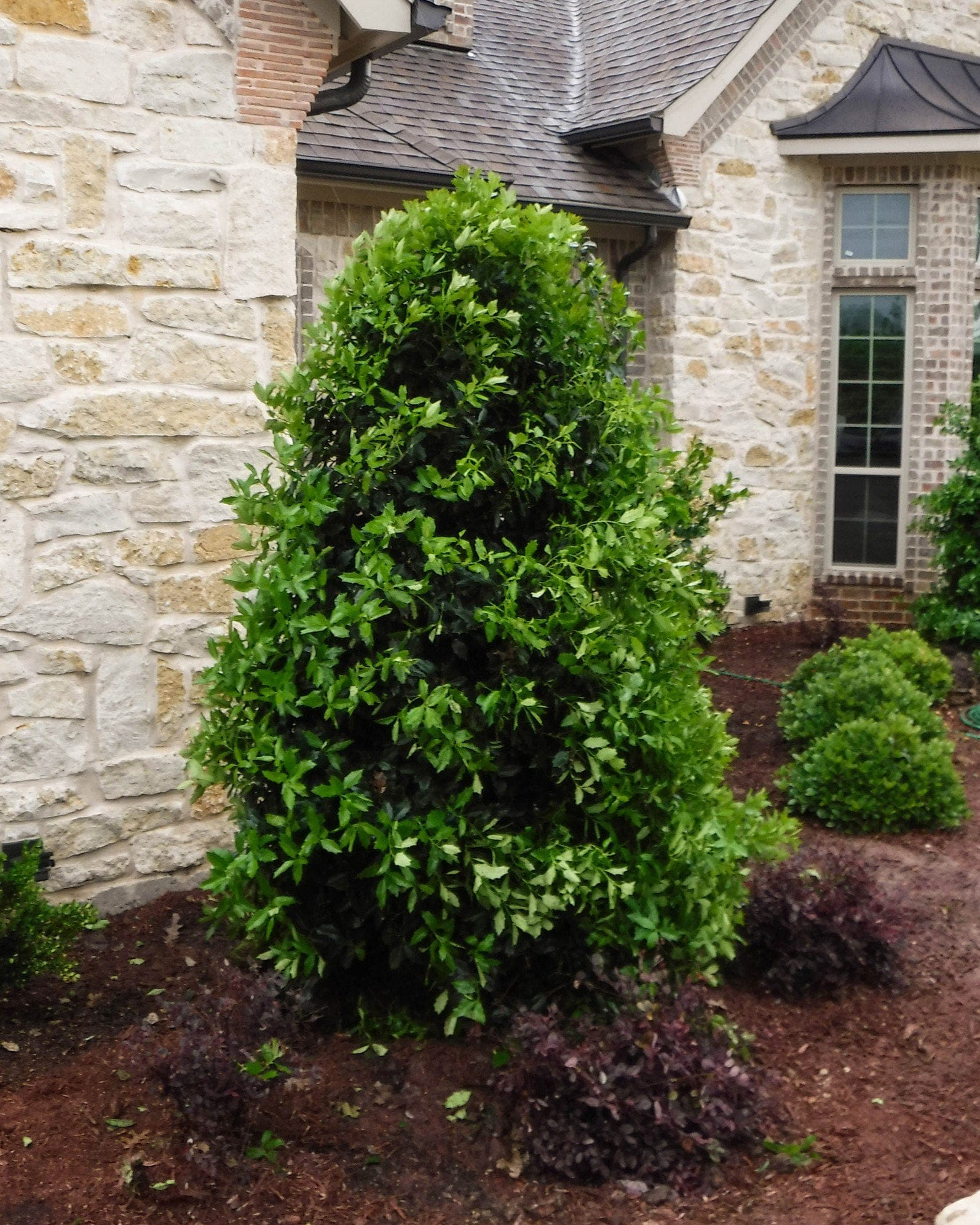
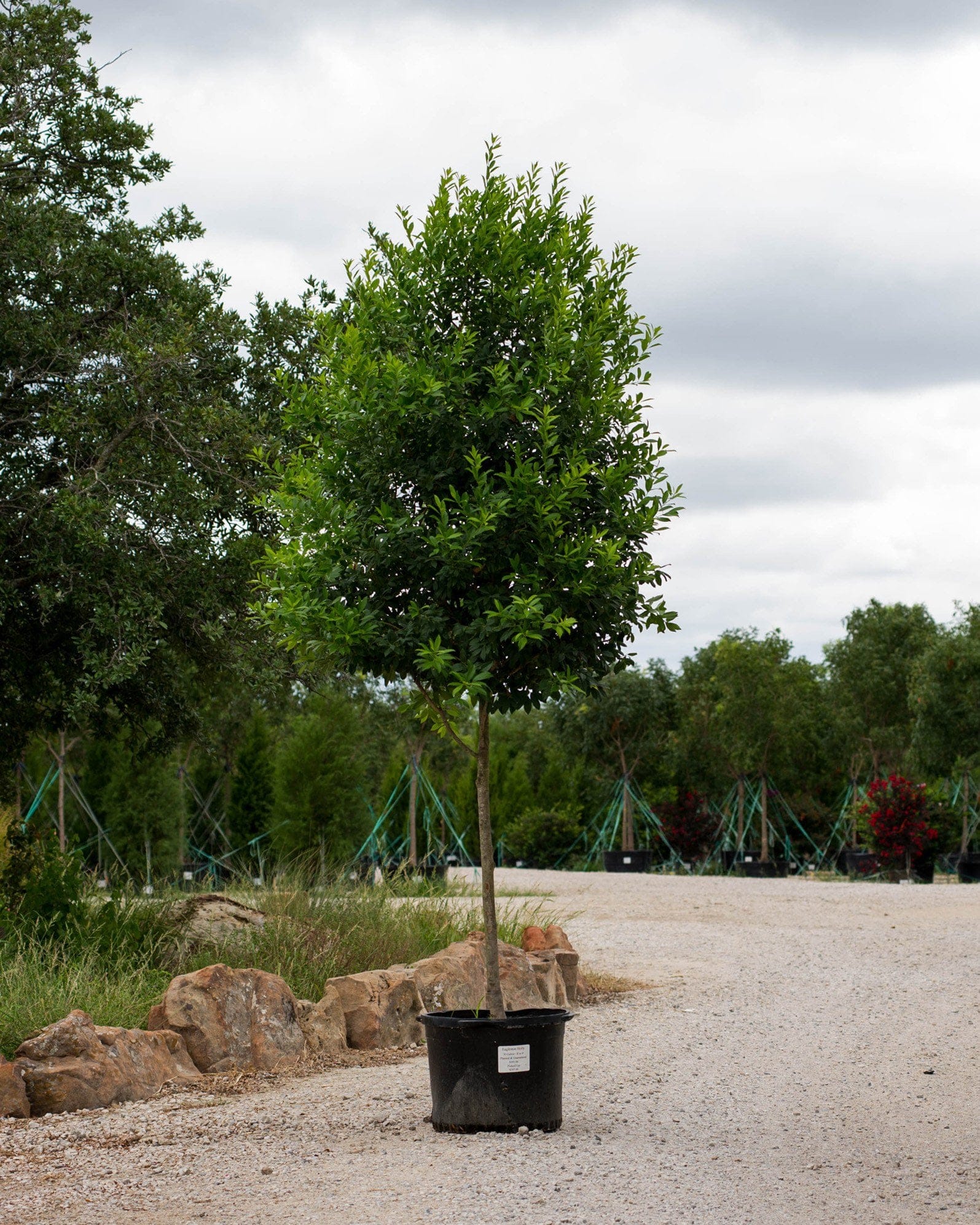
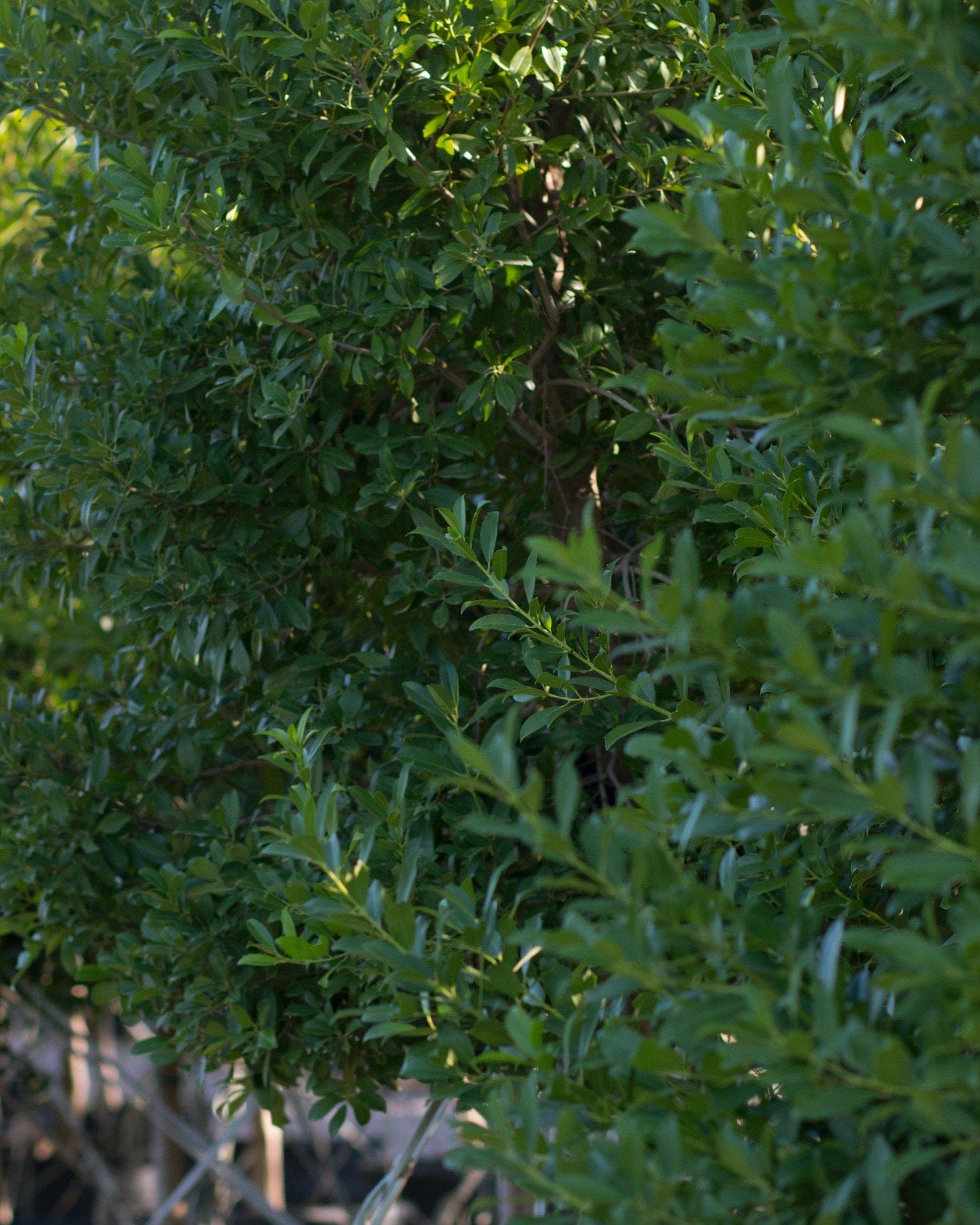
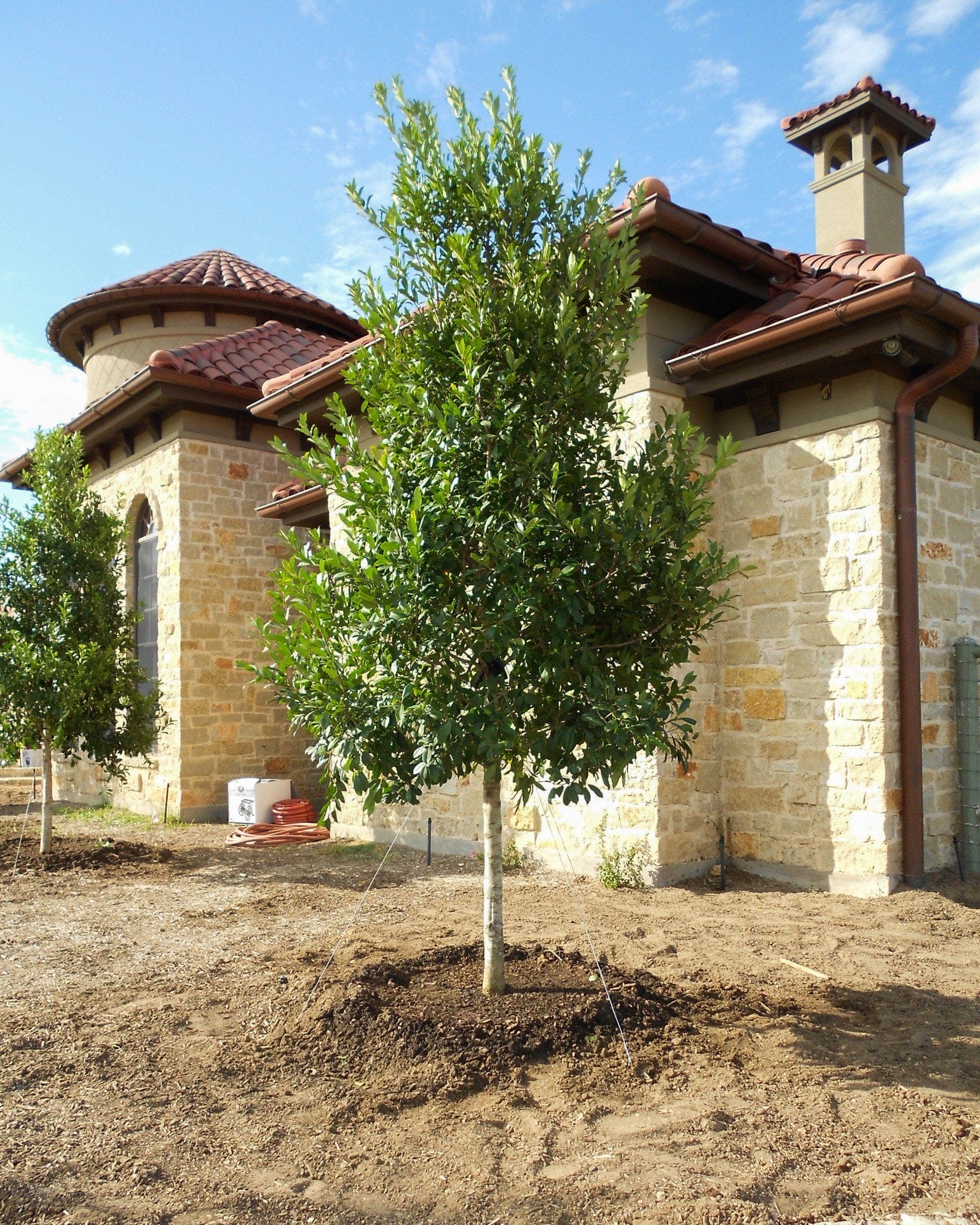
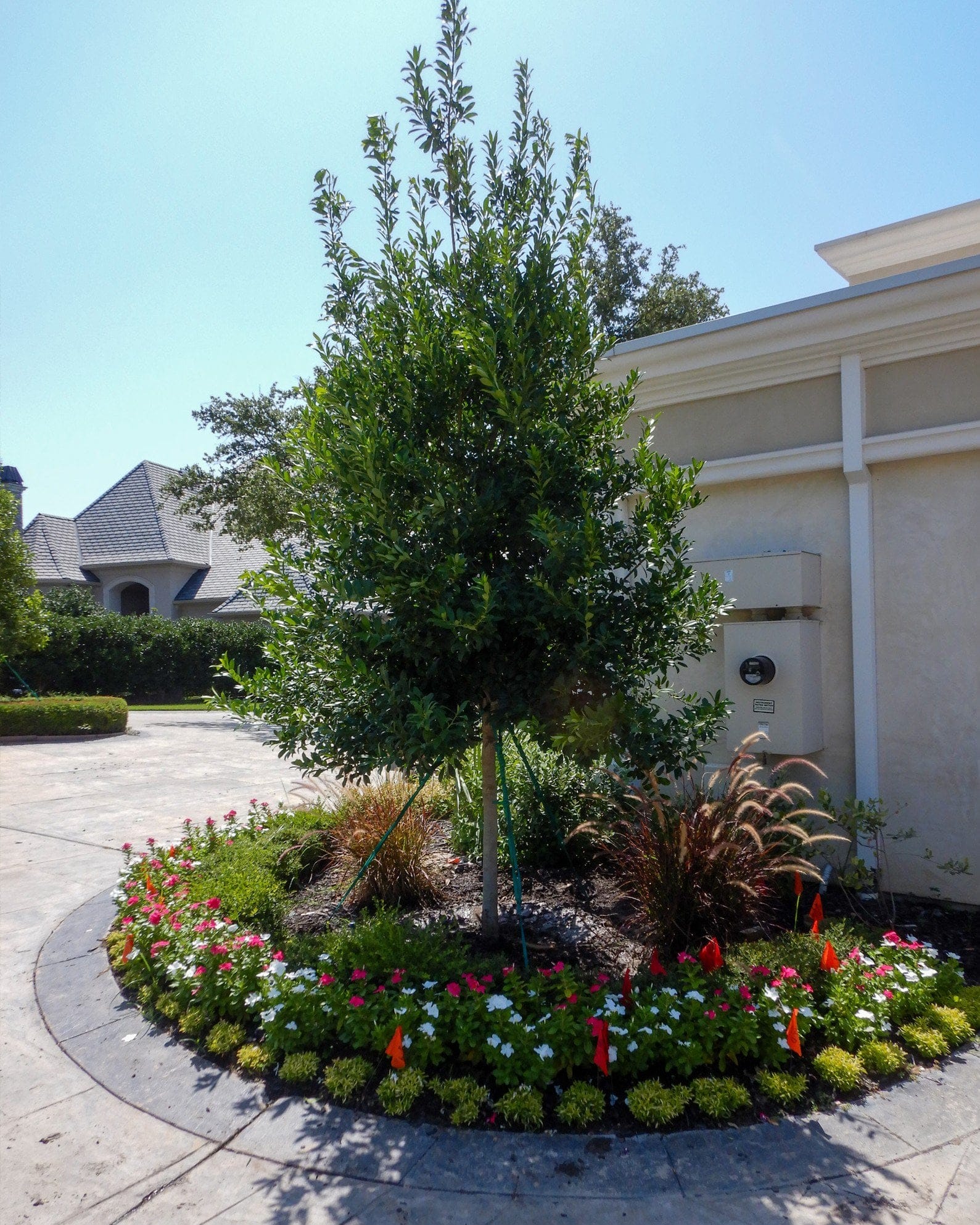
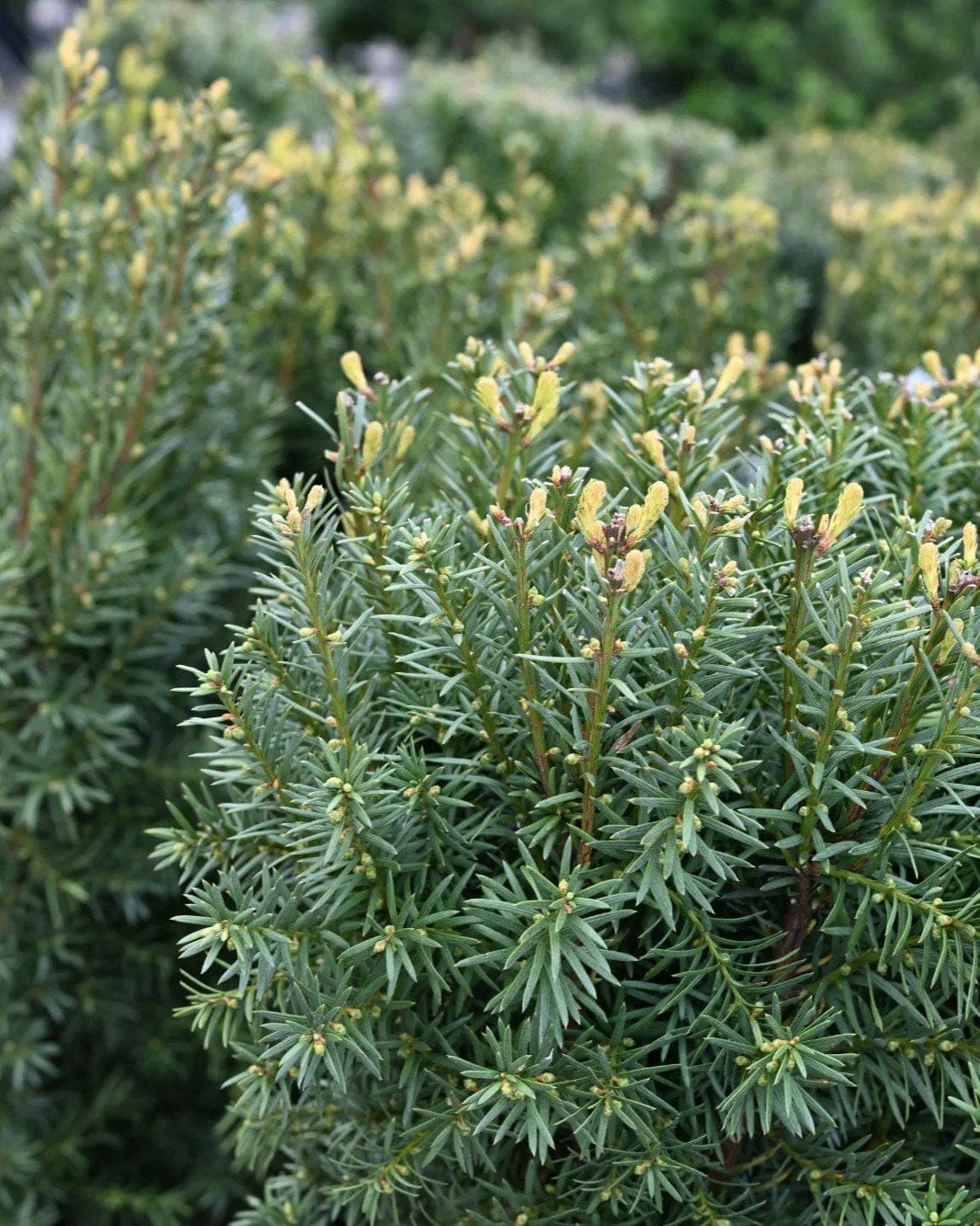
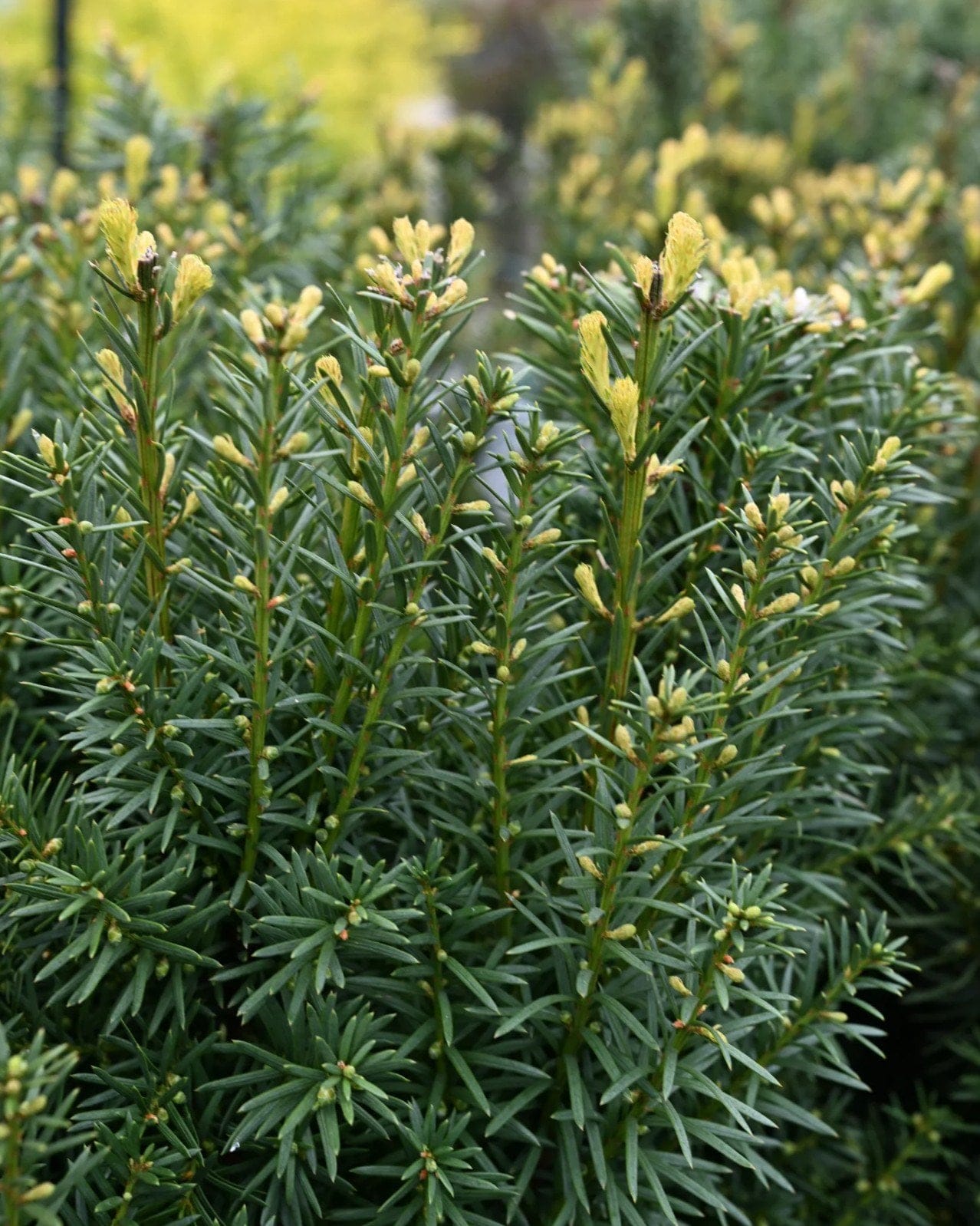
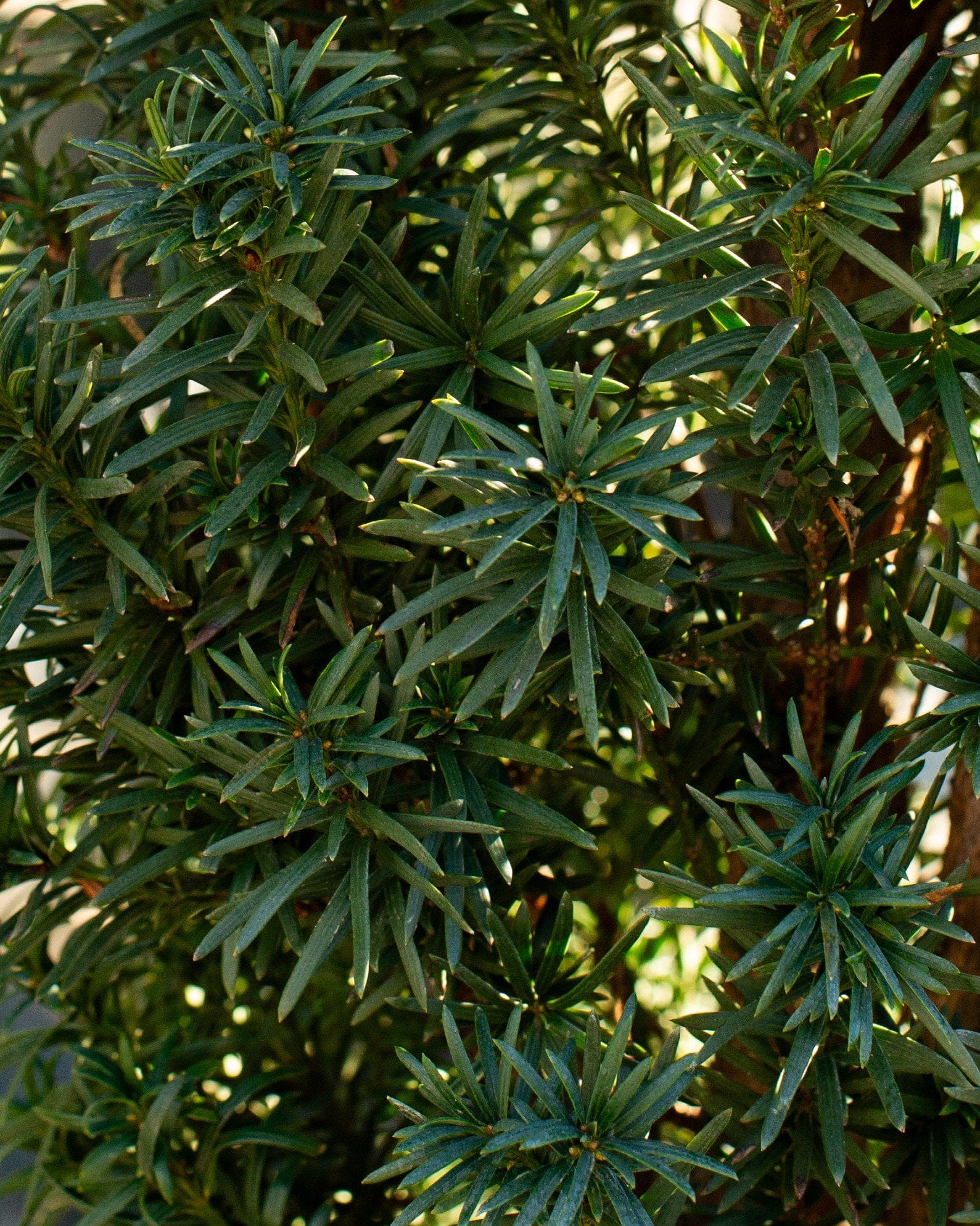
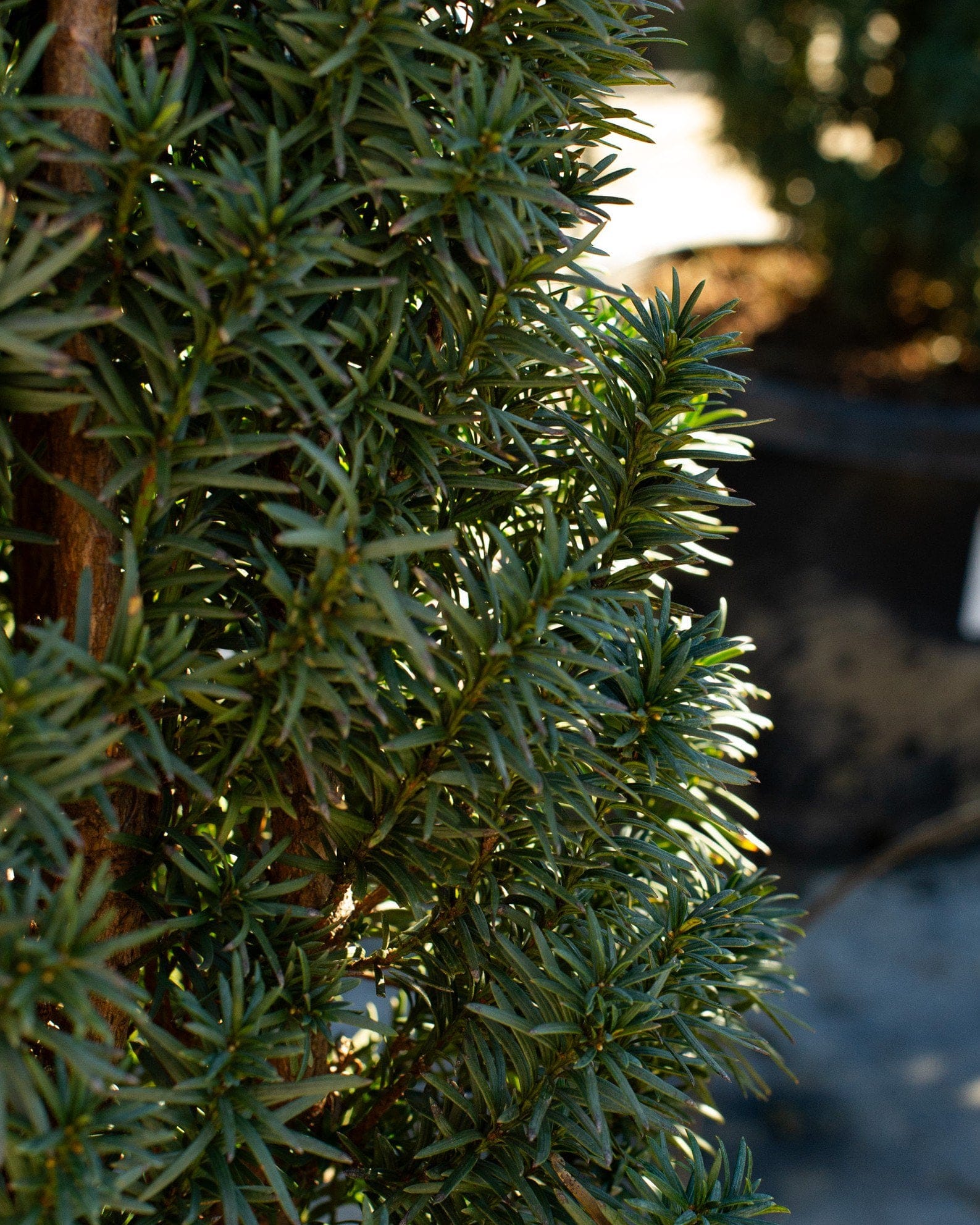
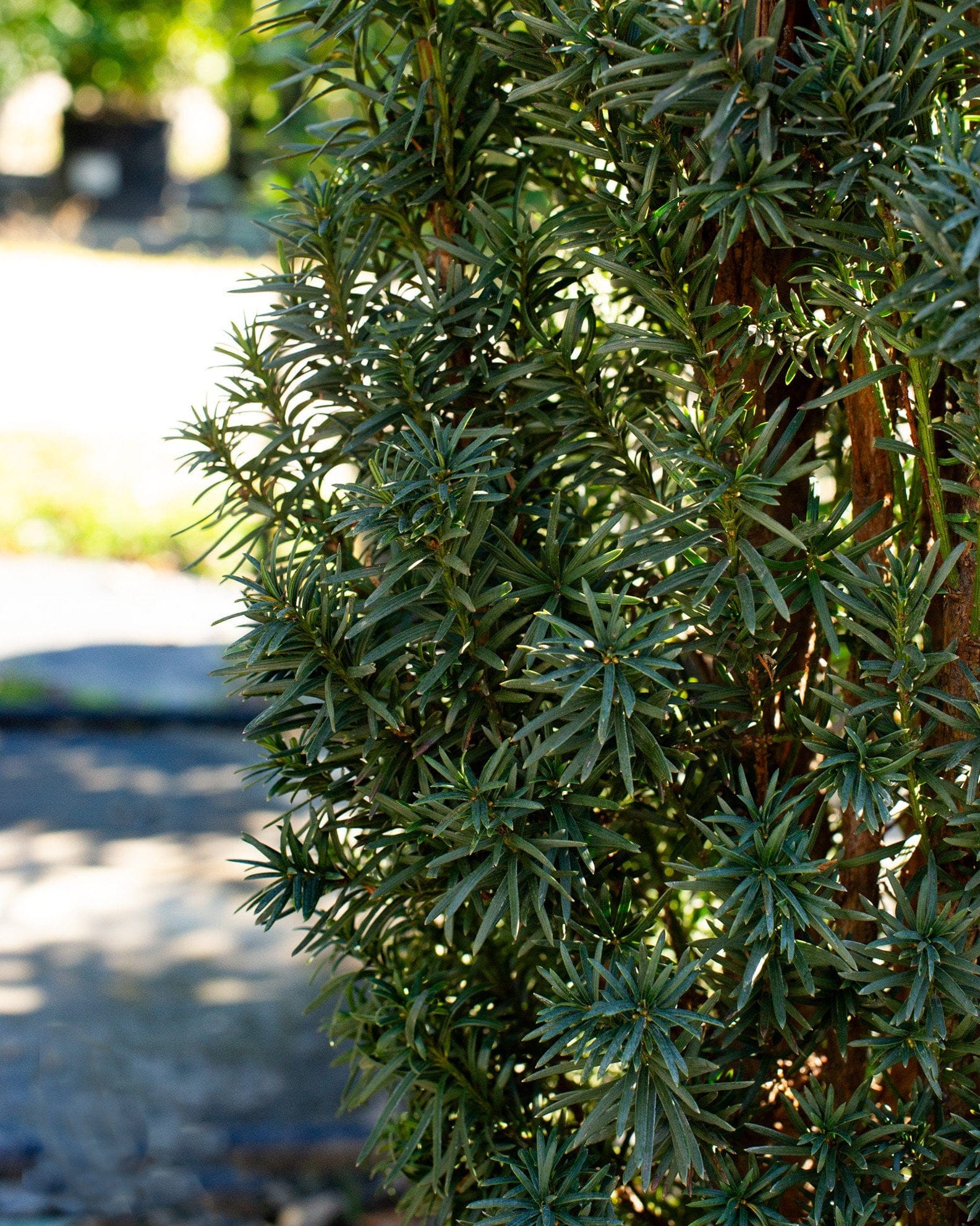
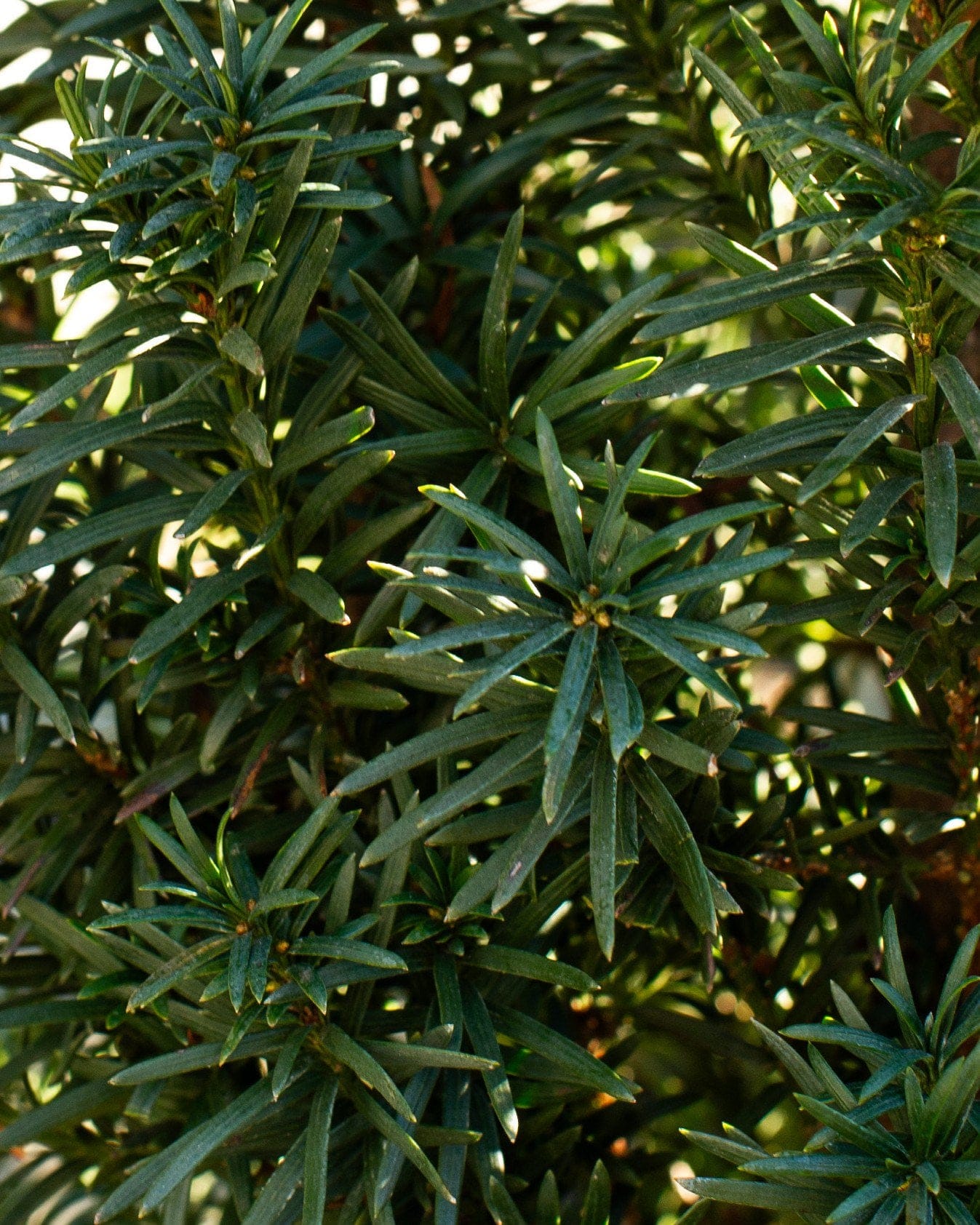
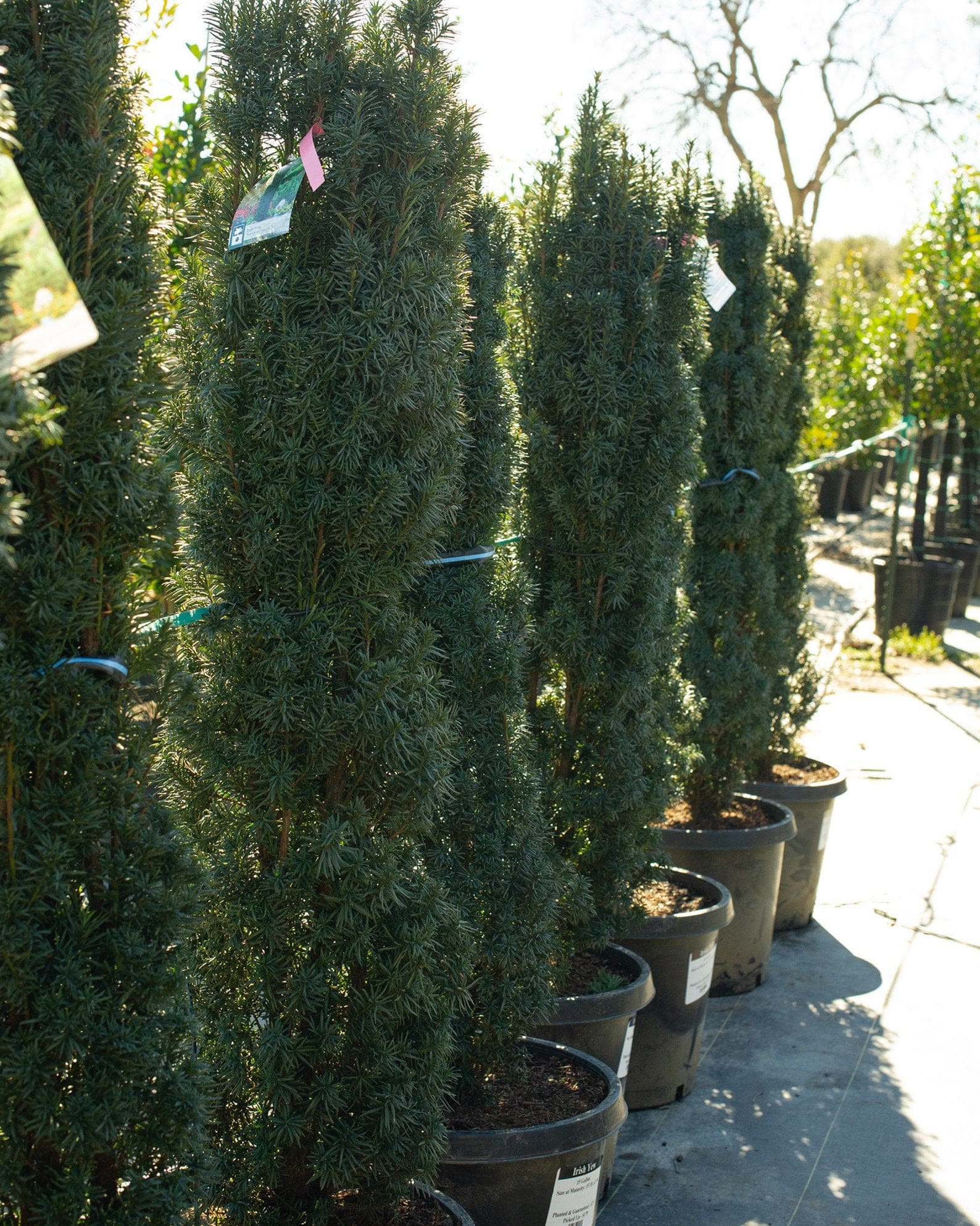
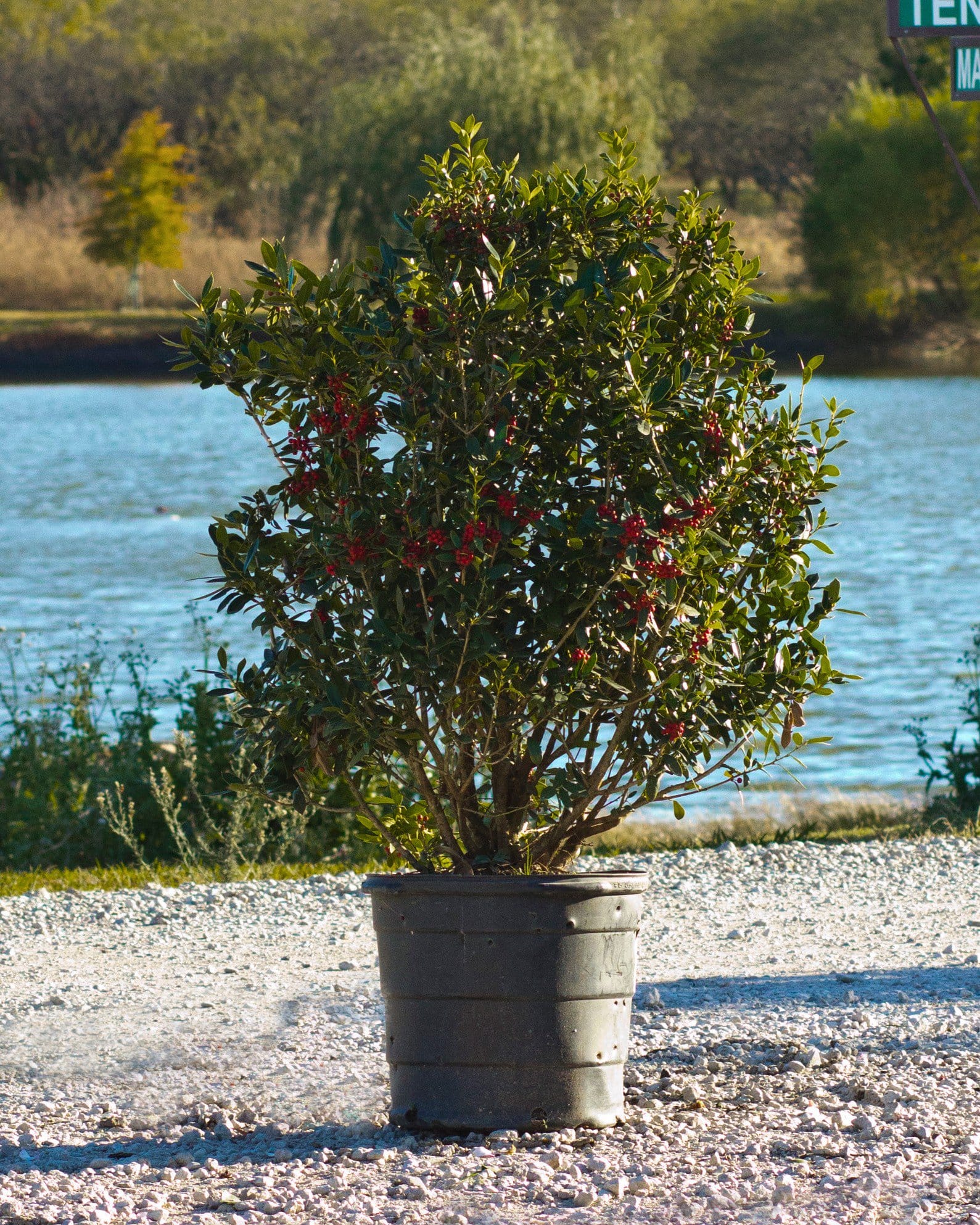
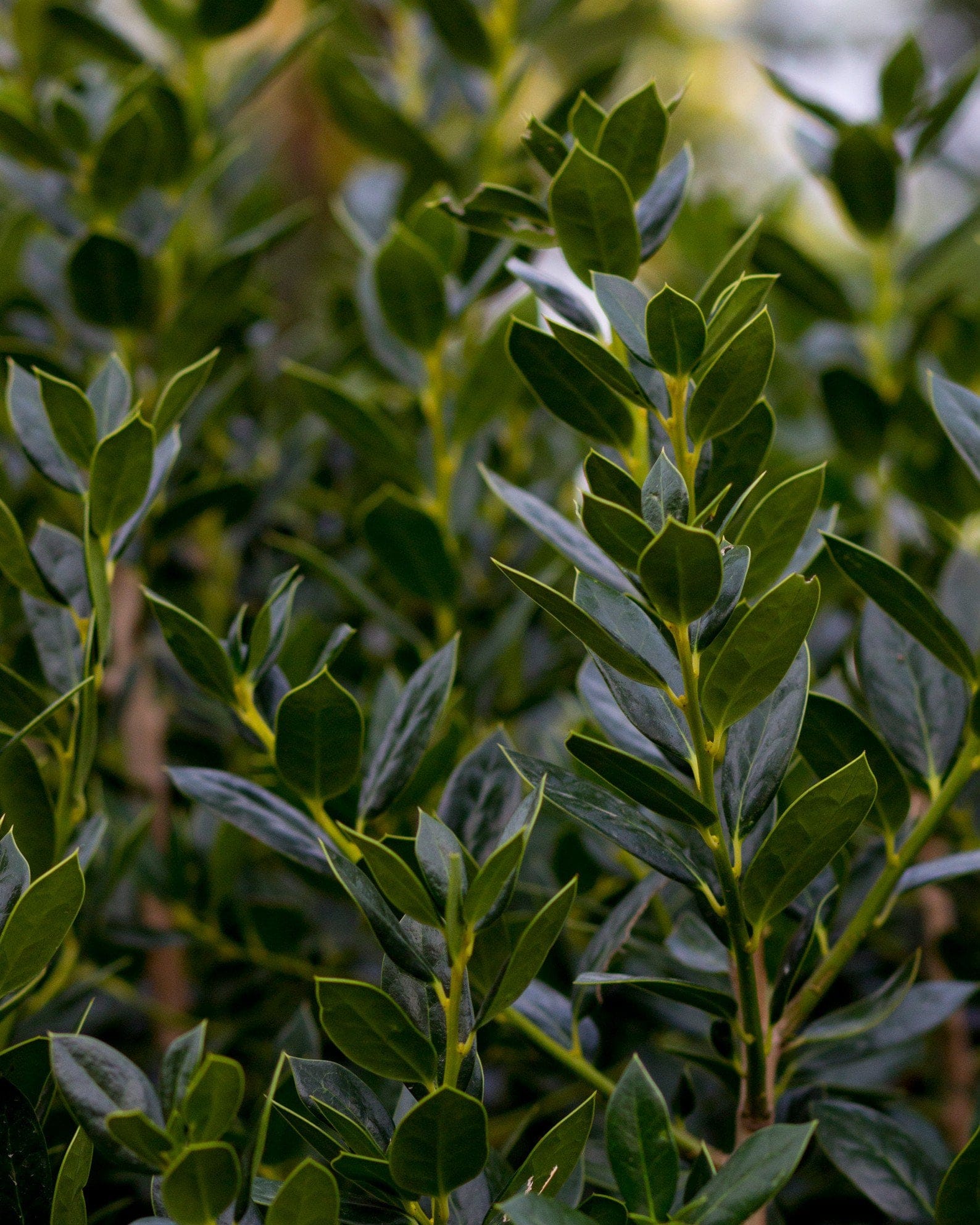
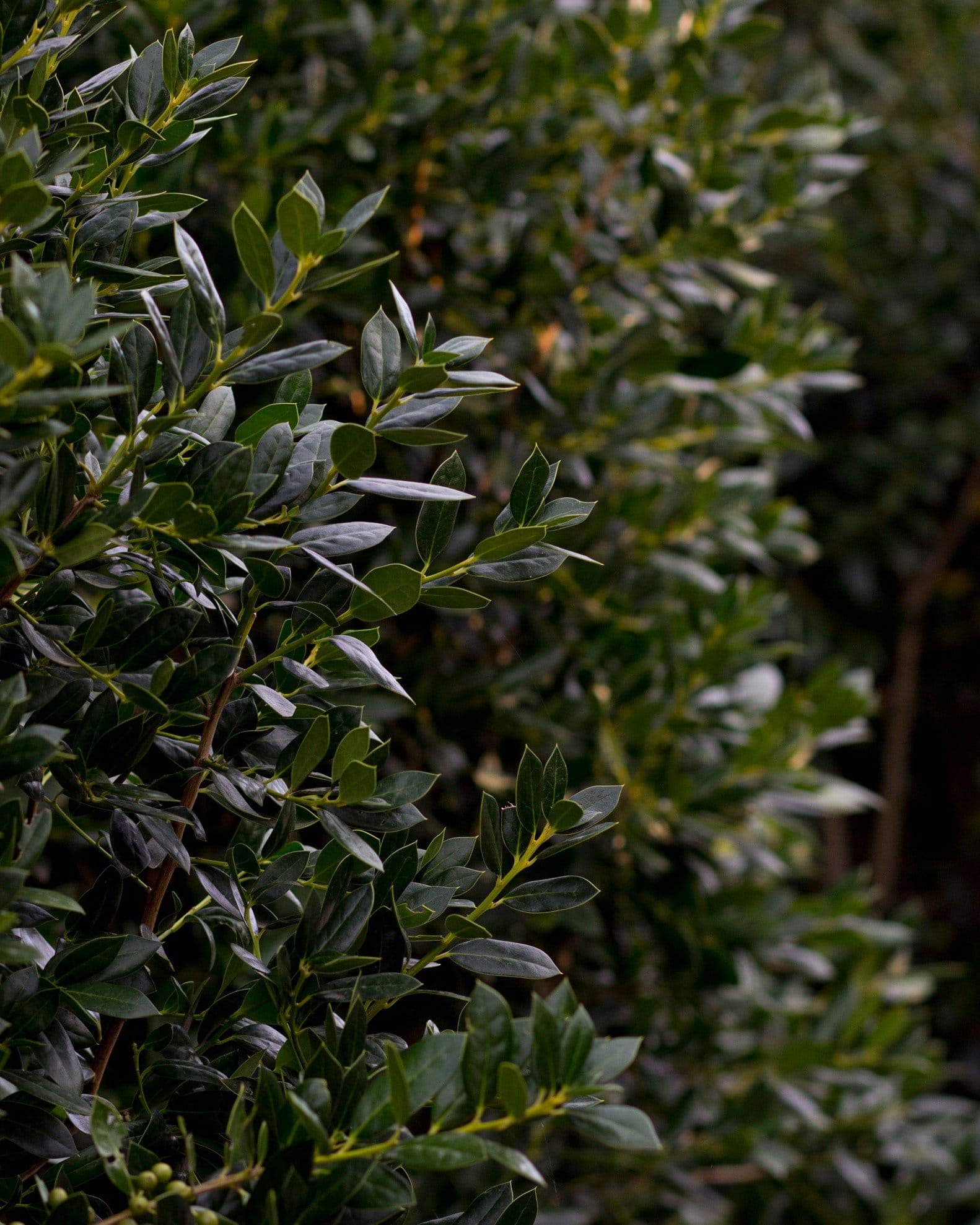
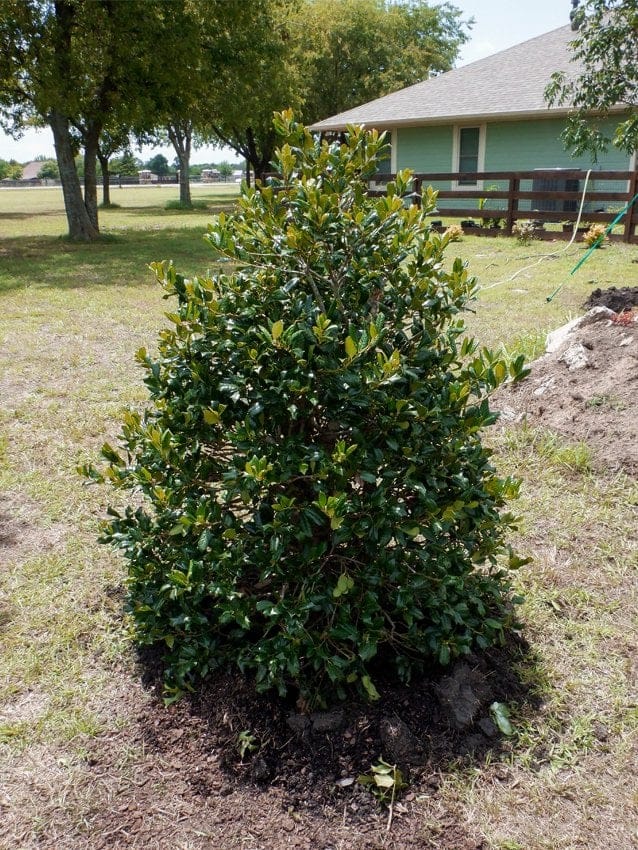
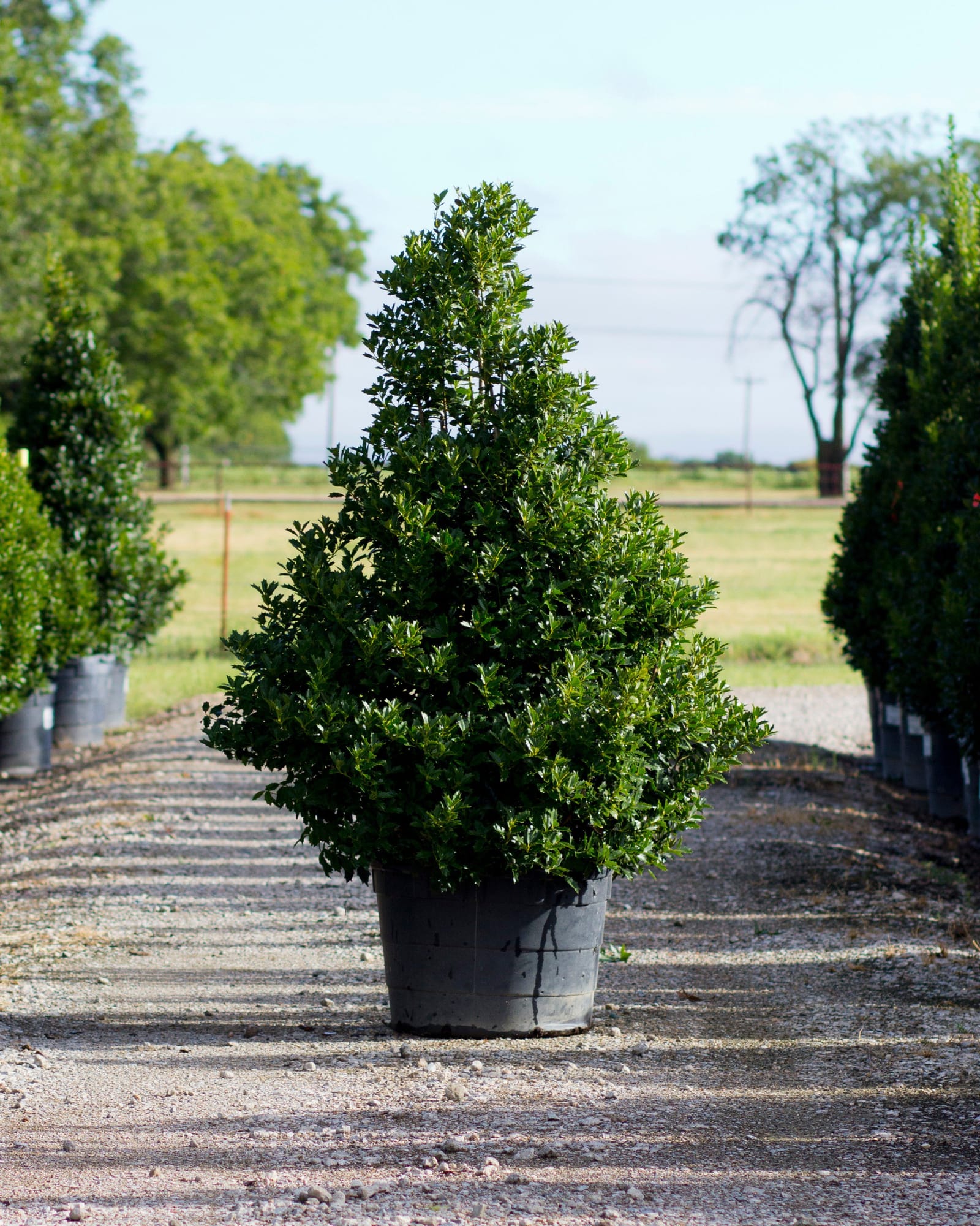
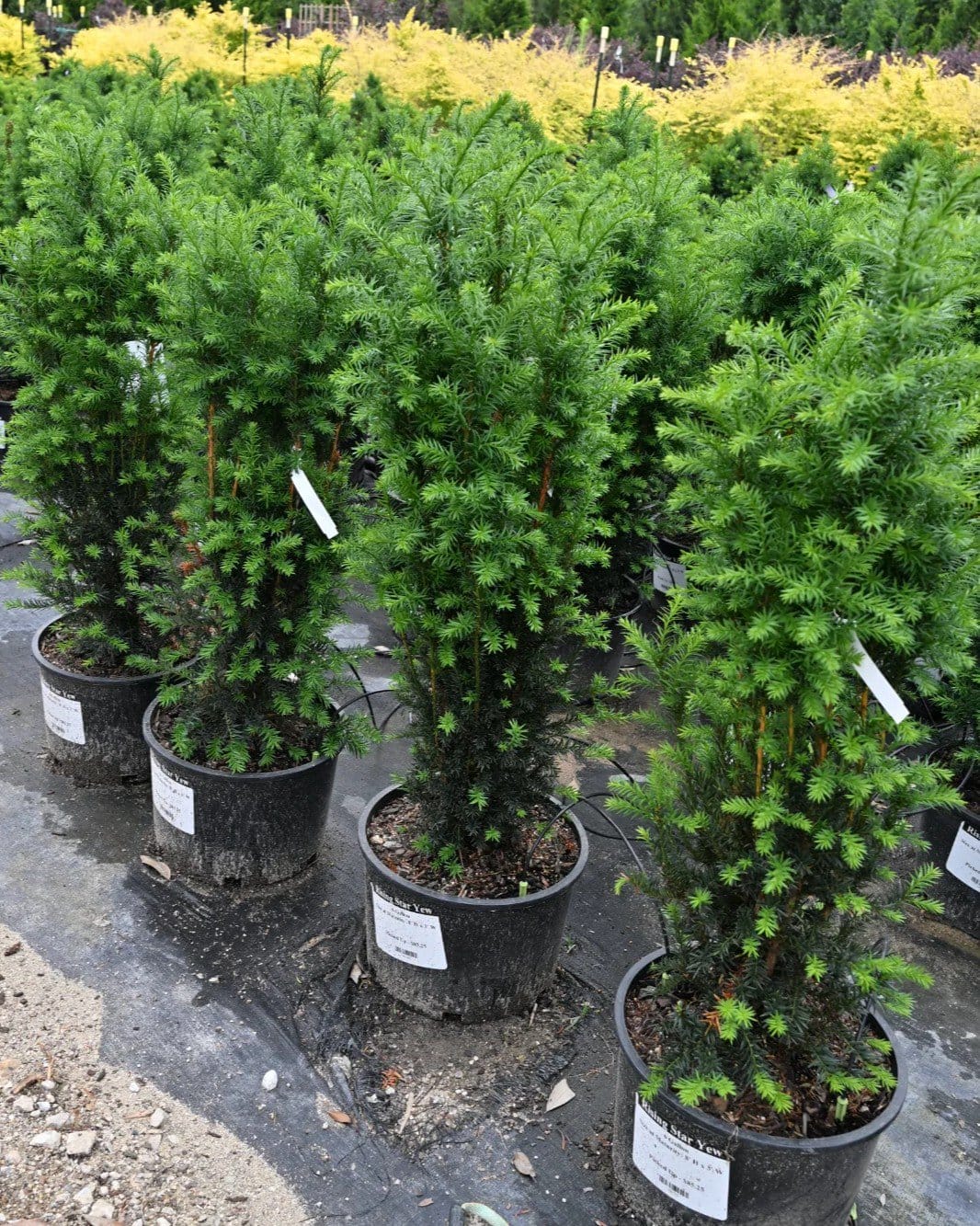
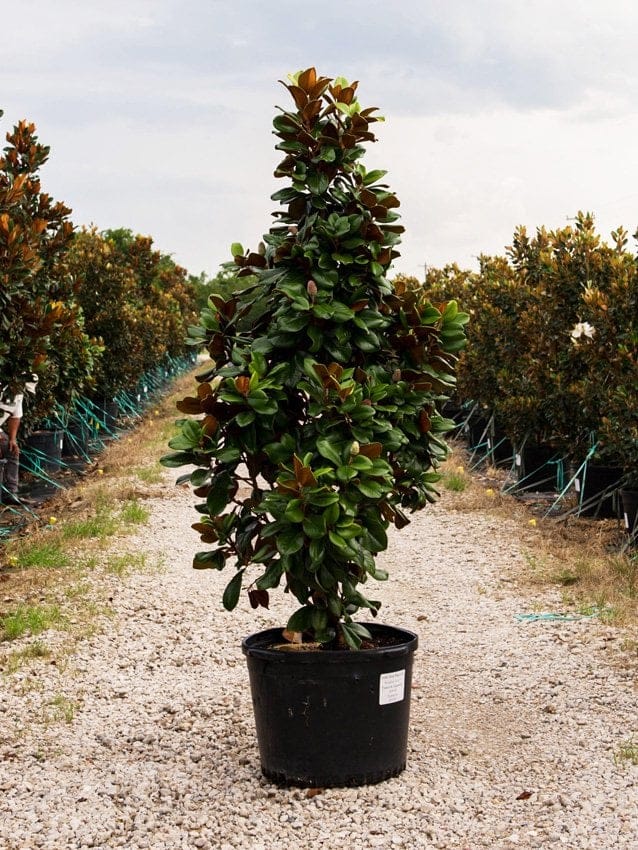
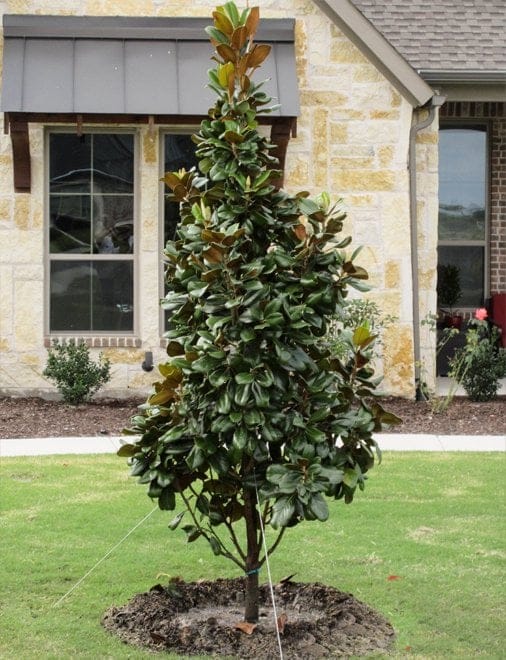
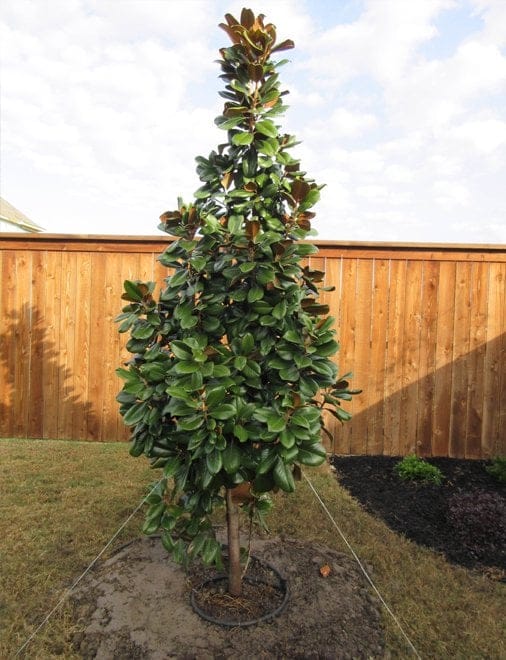
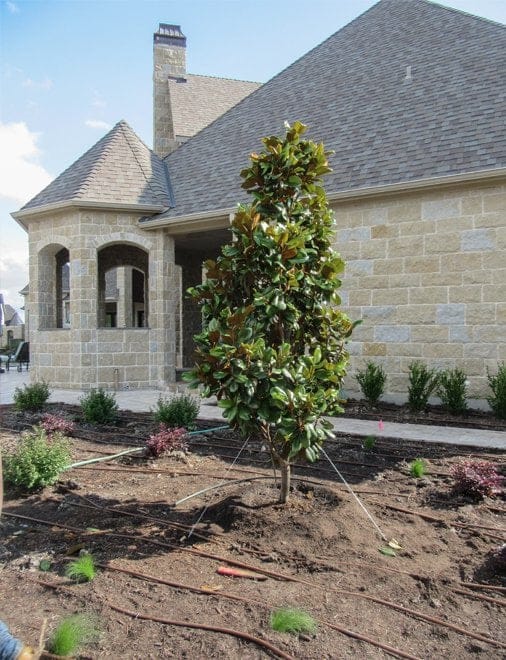
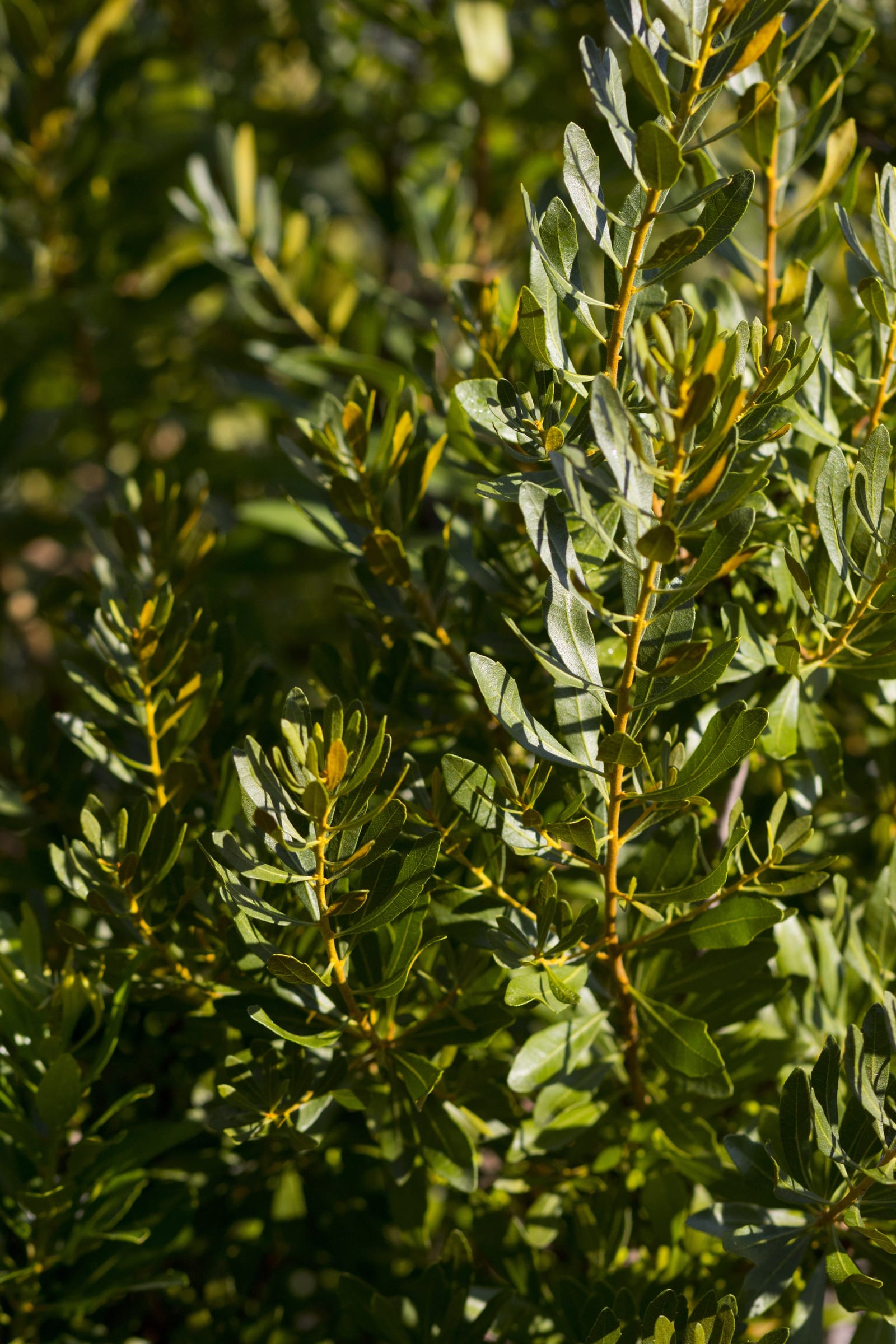
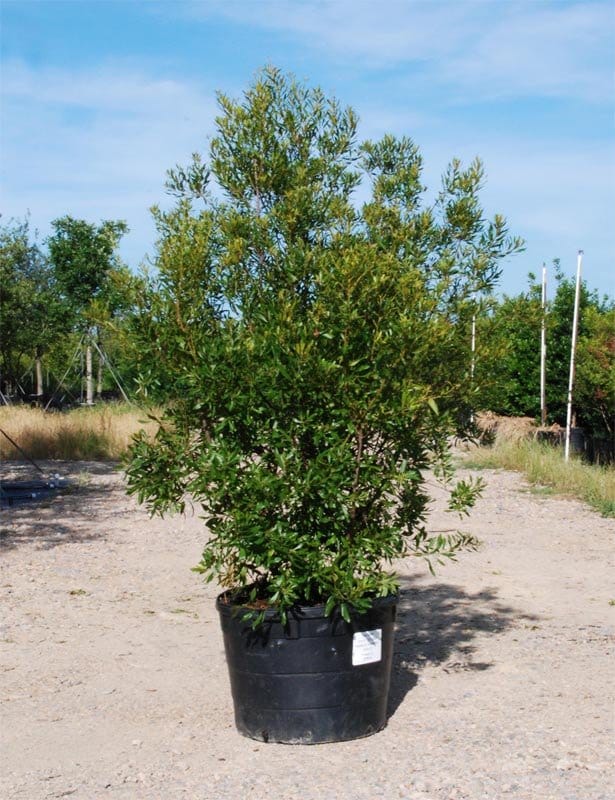
Taxus cuspidataThe Japanese Yew is a timeless evergreen prized for its dense, dark green needles and graceful, columnar form. With its slow growth and naturally compact habit, this plant is ideal for hedges, foundation plantings, or as a striking architectural accent in both formal and informal landscapes. At maturity, it can grow up to 15 feet tall and 7 feet wide, providing lasting privacy and rich greenery throughout the year. Highly adaptable, it tolerates shade and a range of soil conditions, making it an excellent choice for North Texas landscapes.
- Evergreen shrub or small tree
- Slow-growing and low-maintenance
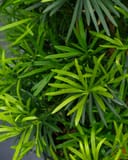
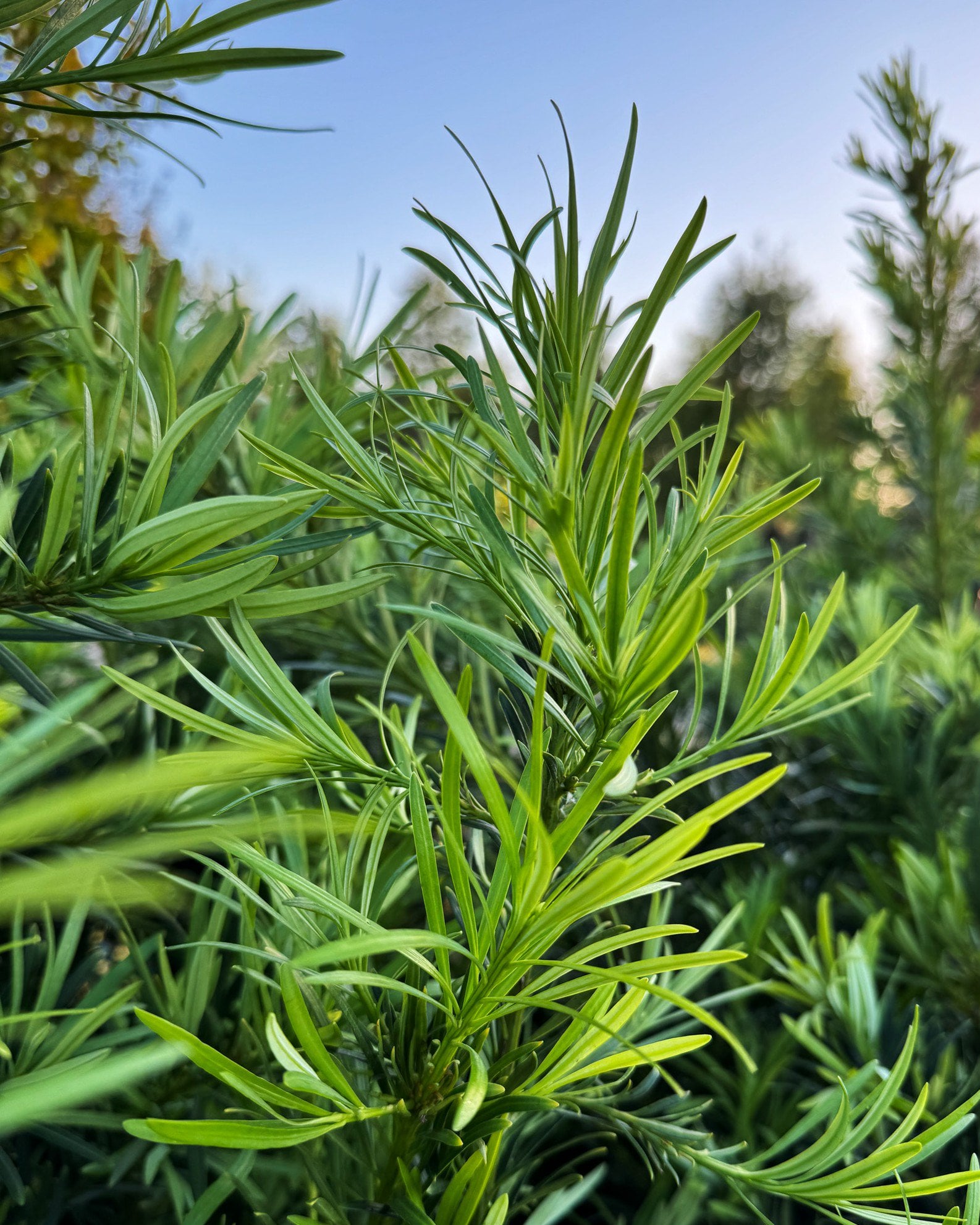
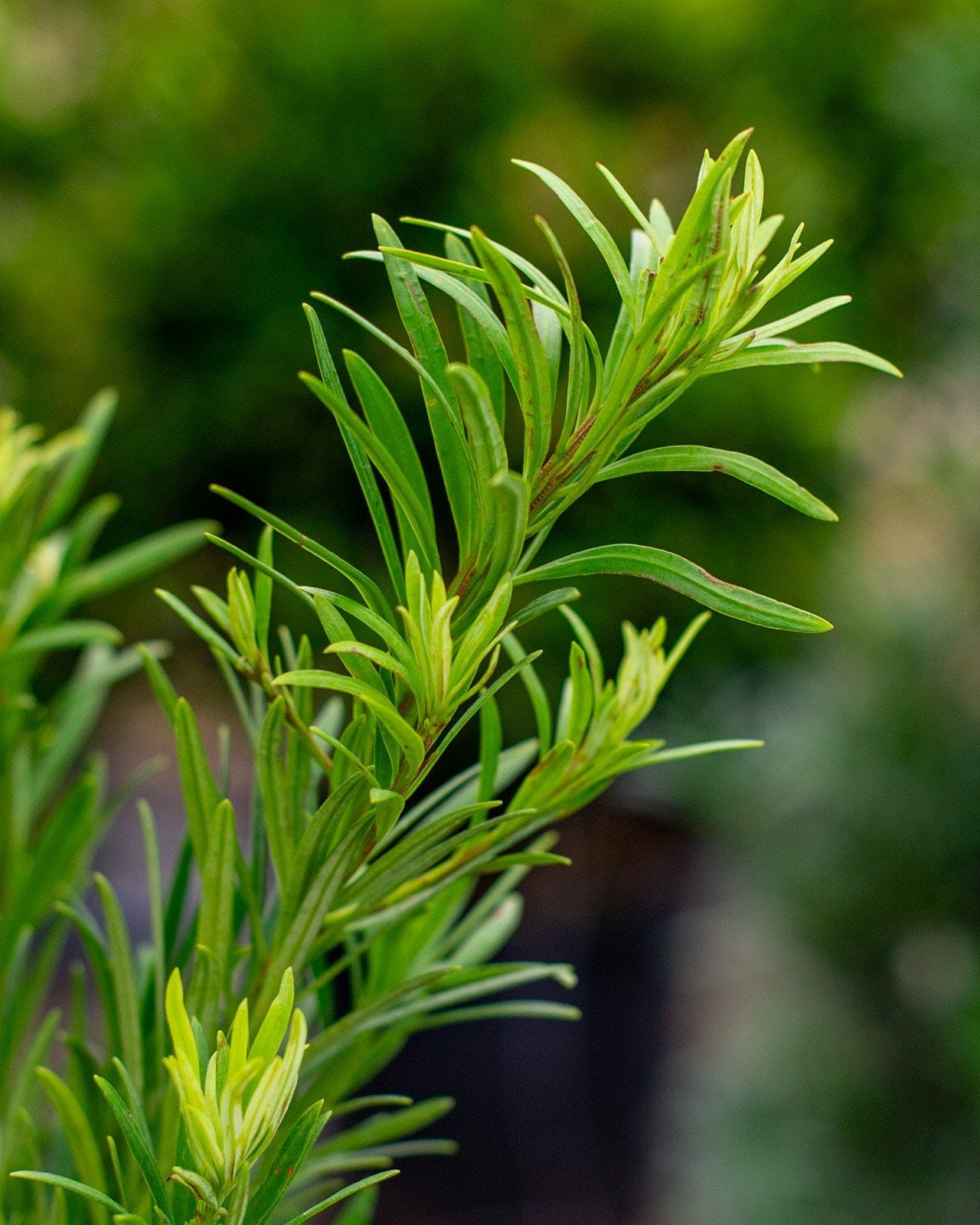
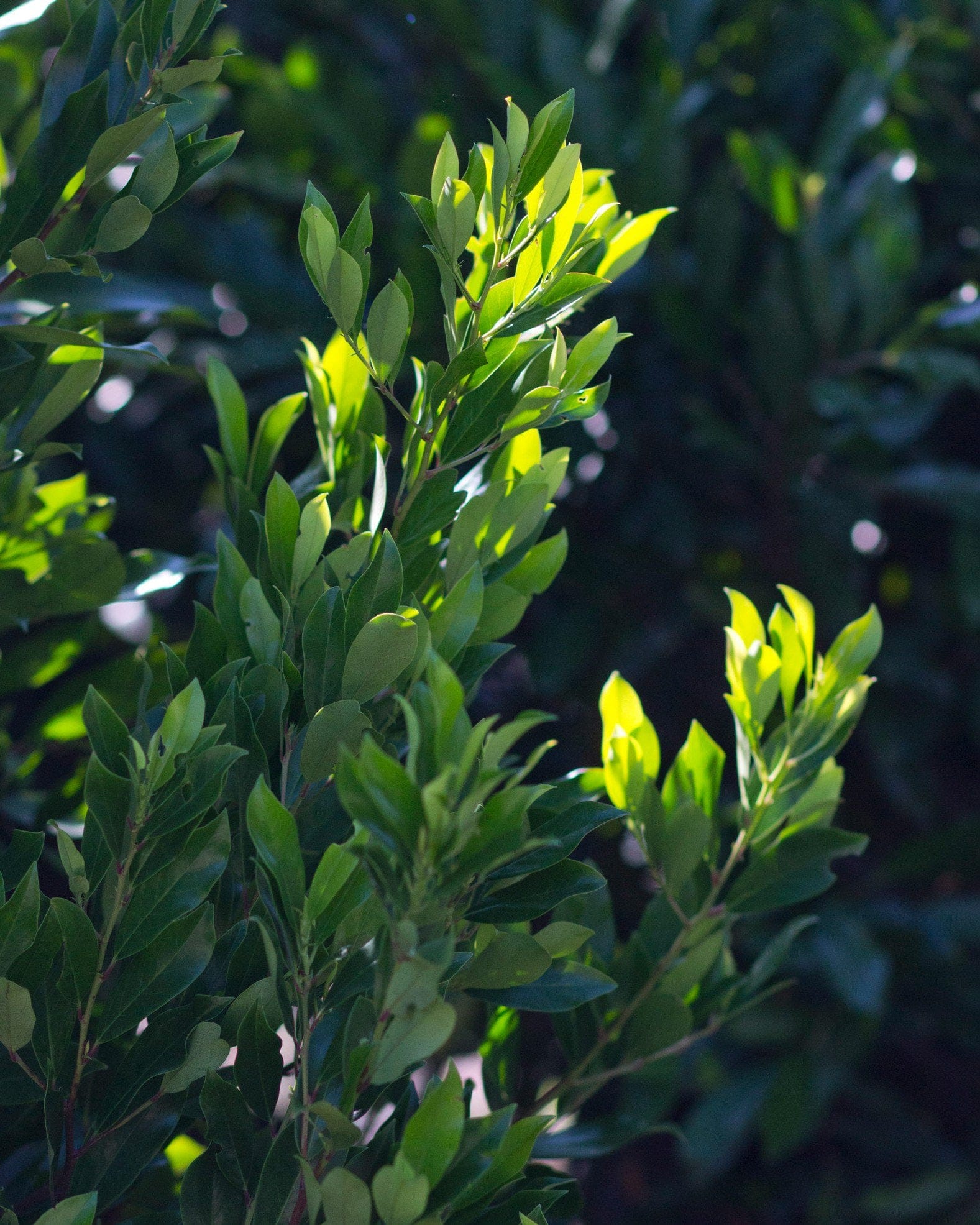
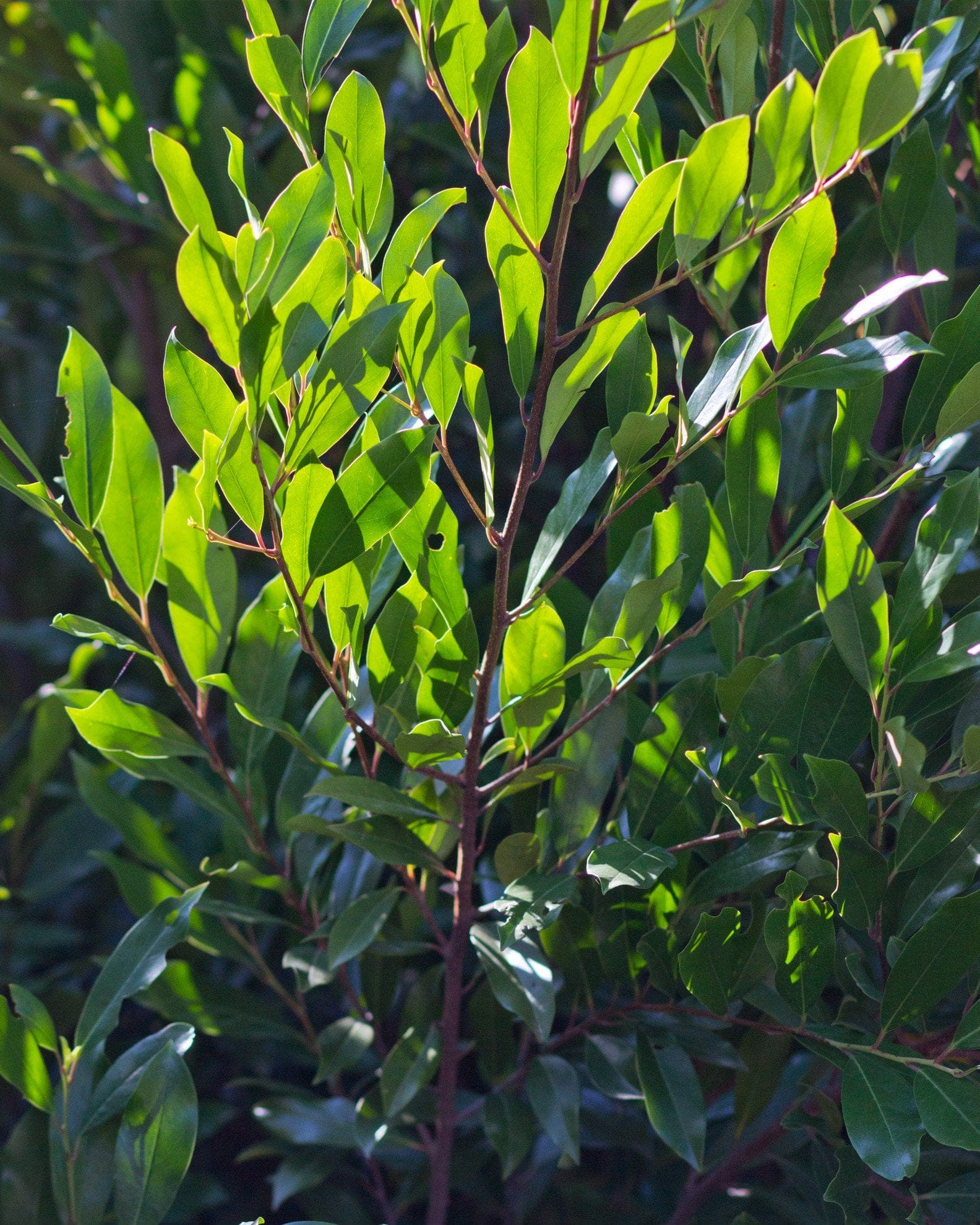
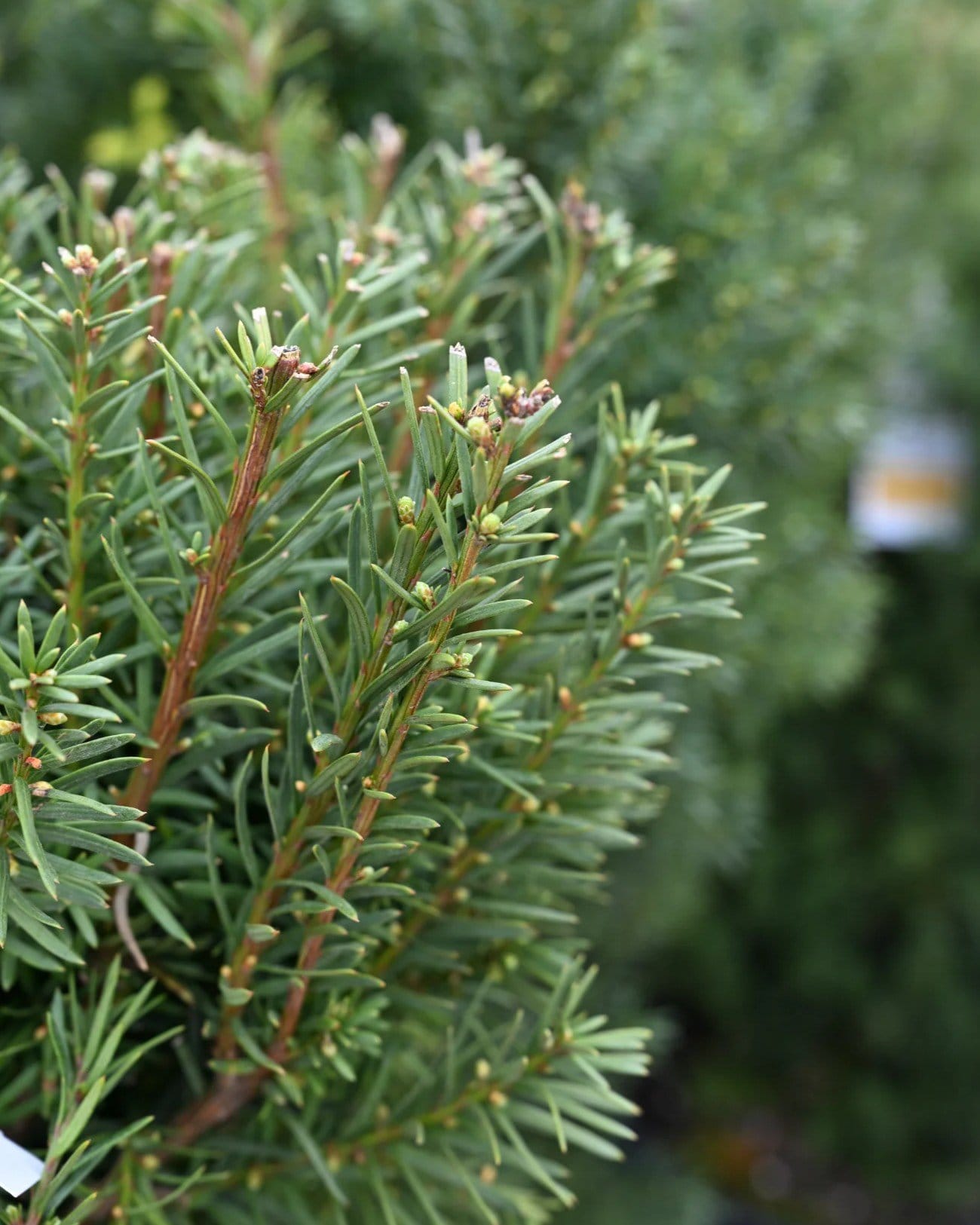
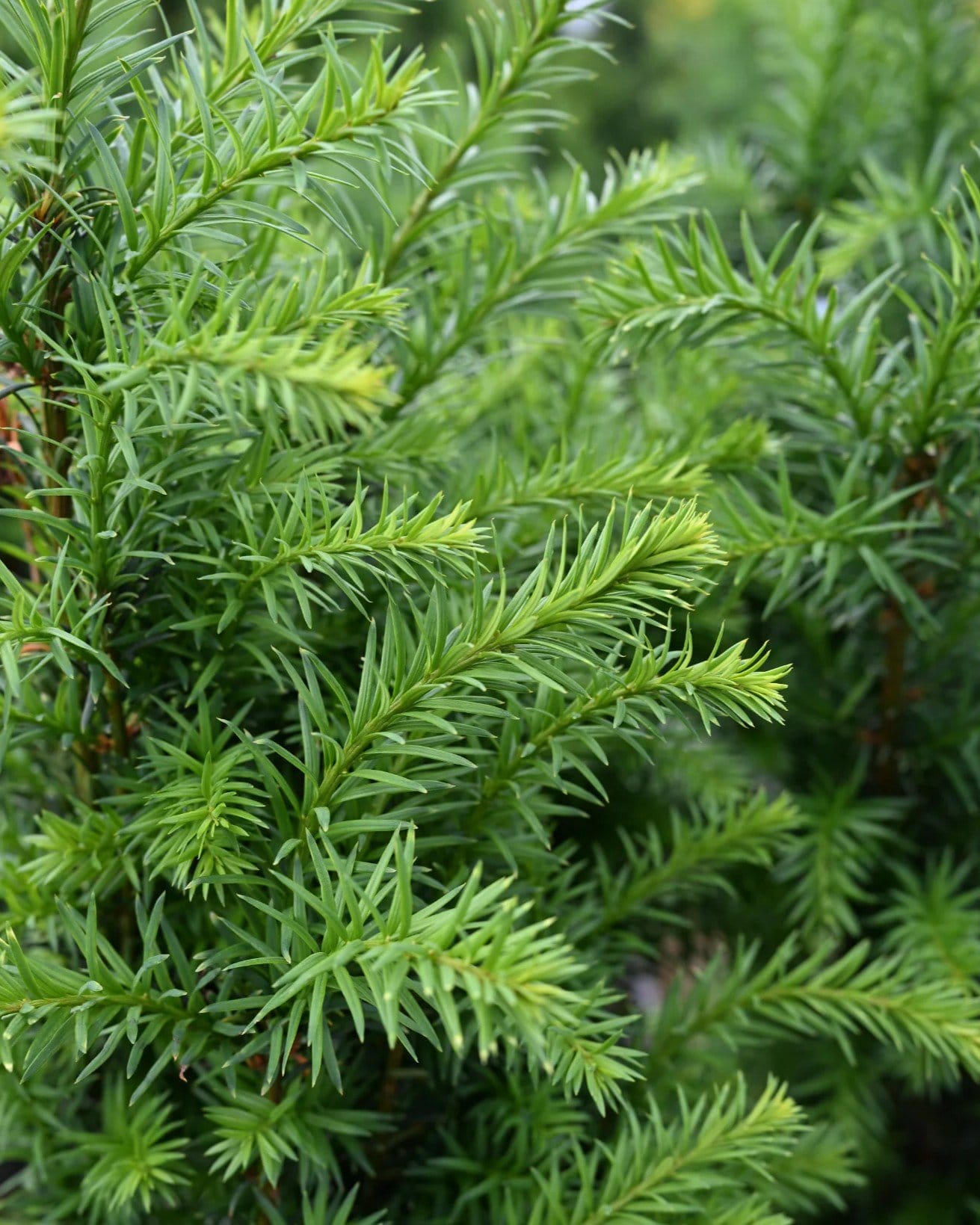
- Dense, upright form with dark green needle-like foliage
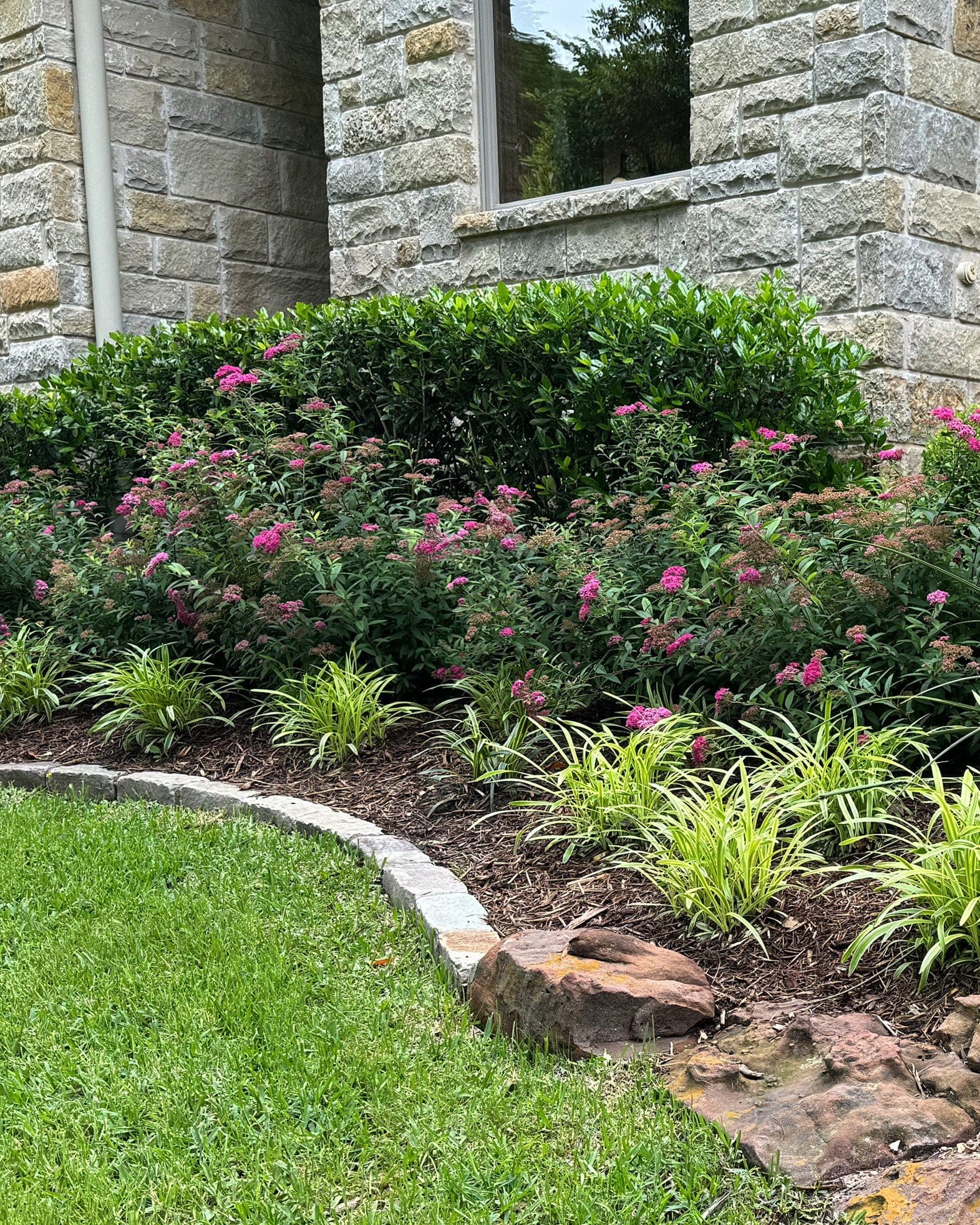
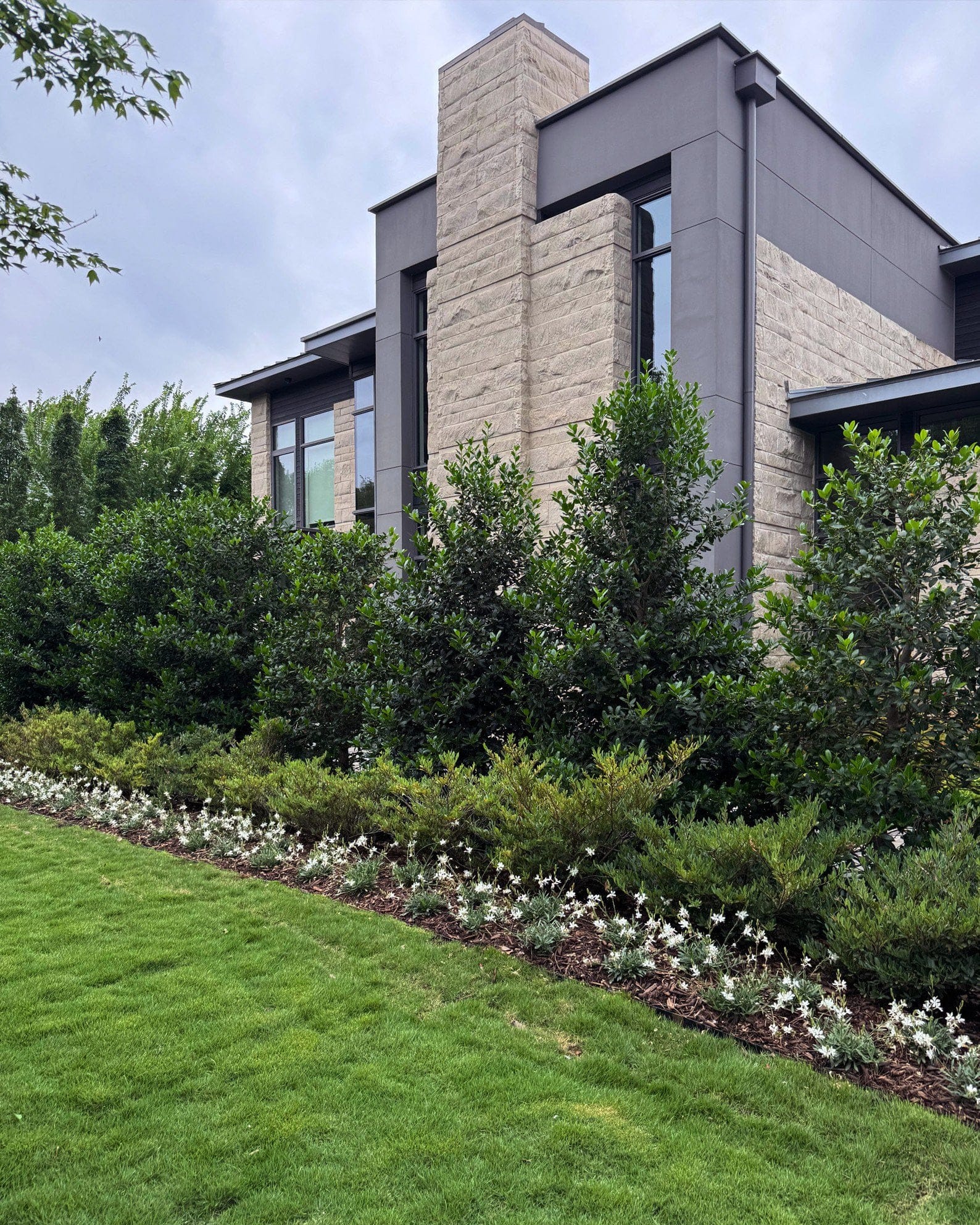
- Excellent for hedges, screens, and structured plantings
- Shade tolerant and soil adaptable
To watch it prosper, plant in full sun to partial shade and ensure well-drained soil. Hardy in USDA zones 4–7, the Japanese Yew is an elegant, enduring evergreen that brings year-round beauty and structure to any landscape.
Maintenance
Japanese Yew is a versatile, slow-growing evergreen shrub or small tree that prospers with some simple tips:
- Watering: Water regularly during the first growing season to establish a deep, healthy root system. Once established, Japanese Yew is moderately drought-tolerant but will perform best with occasional deep watering during prolonged dry spells. Avoid overwatering, as soggy soil can lead to root rot.
- Soil: Japanese Yew thrives in well-draining soil and adapts to a range of soil types, including clay, loam, and sandy soils. While it prefers slightly acidic to neutral pH (5.5-7.0), it tolerates slightly alkaline conditions. Good drainage is essential to prevent root and crown diseases.
- Pruning: Prune lightly in late winter or early spring before new growth emerges to maintain shape, remove dead or diseased wood, and encourage dense growth. Japanese Yew tolerates shearing, making it ideal for formal hedges, topiaries, and sculpted shapes. Avoid heavy pruning into old wood, as regrowth may be slow.
- Fertilizing: Feed Japanese Yew with a balanced, slow-release fertilizer in early spring to promote healthy foliage and overall growth. Mature plants typically require fertilization only once a year. Avoid high-nitrogen fertilizers, which can encourage overly soft, weak growth.
- Mulching: A layer of organic mulch helps retain soil moisture, regulate temperature, and suppress weeds. Keep mulch a few inches away from the trunk or crown to prevent rot. Refresh annually to maintain healthy soil and protect roots.
- Winter Care: This evergreen is cold-hardy and can tolerate harsh winters. In regions with heavy snowfall or icy winds, protect young plants with burlap or windbreaks to prevent winter burn. Mulching around the base helps insulate roots during freezing temperatures.
Common Issues and How to Take Care of Them
- Root Rot: Caused by poor drainage or overwatering. Ensure well-drained soil and avoid planting in waterlogged areas.
- Scale Insects: Small, flat insects that attach to branches and suck sap. Apply horticultural oil during dormancy or treat with insecticidal soap for active infestations.
- Spider Mites: Tiny pests that thrive in hot, dry conditions, causing stippling or bronzing on foliage. Rinse with water or use insecticidal soap if necessary.
- Canker Disease: Fungal infections can cause dead patches or dieback. Remove affected branches with sanitized tools and maintain proper airflow around plants.
- Winter Burn: Excessive sun, wind, or freezing temperatures can cause needle browning. Mulch and wind protection can reduce damage during harsh winters.
With proper care, Japanese Yew thrives for decades, offering deep green, dense foliage that enhances landscapes year-round. Its adaptability, tolerance for shade, and ability to withstand pruning make it ideal for a wide range of garden designs.
It has a slow to moderate growth rate, typically 6-12 inches per year, eventually reaching 10-20 feet tall and wide depending on the cultivar.
Early spring or fall is ideal to give roots time to establish before extreme heat or cold. This reduces transplant shock and promotes strong initial growth.
During the first year, water daily when temps are above 95 degrees or every other day when temps are between 80 to 95 degrees. Once established, supplemental watering during dry spells is usually sufficient.
Yes, Japanese Yew is moderately drought-tolerant once established, but consistent moisture encourages the best foliage density and overall health.
Absolutely. Its dense, evergreen growth habit makes it perfect for formal hedges, privacy screens, or mass plantings. Regular pruning helps maintain uniformity and encourages fuller growth.
Yes, the foliage is mildly toxic and generally avoided by deer and other browsing animals.
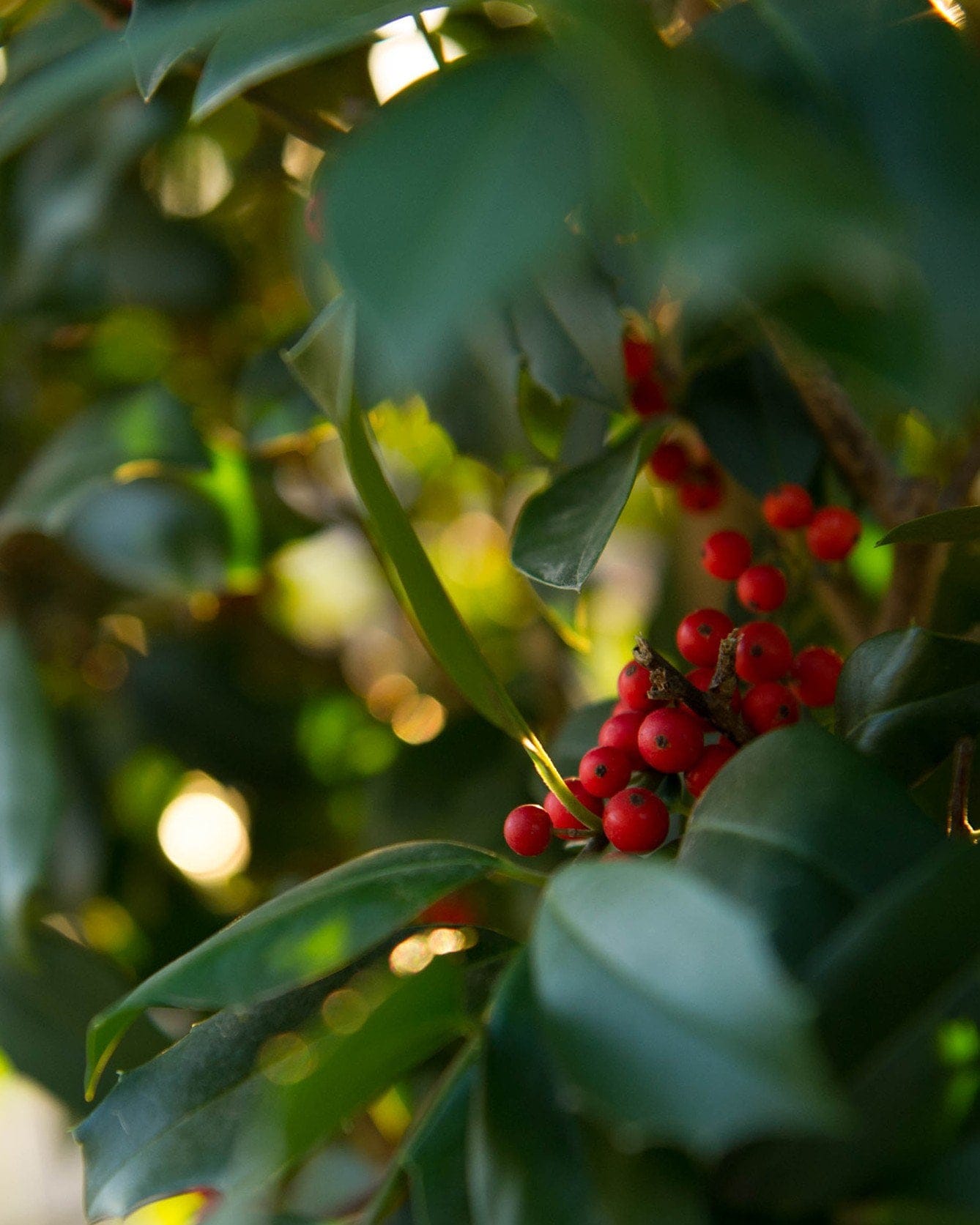
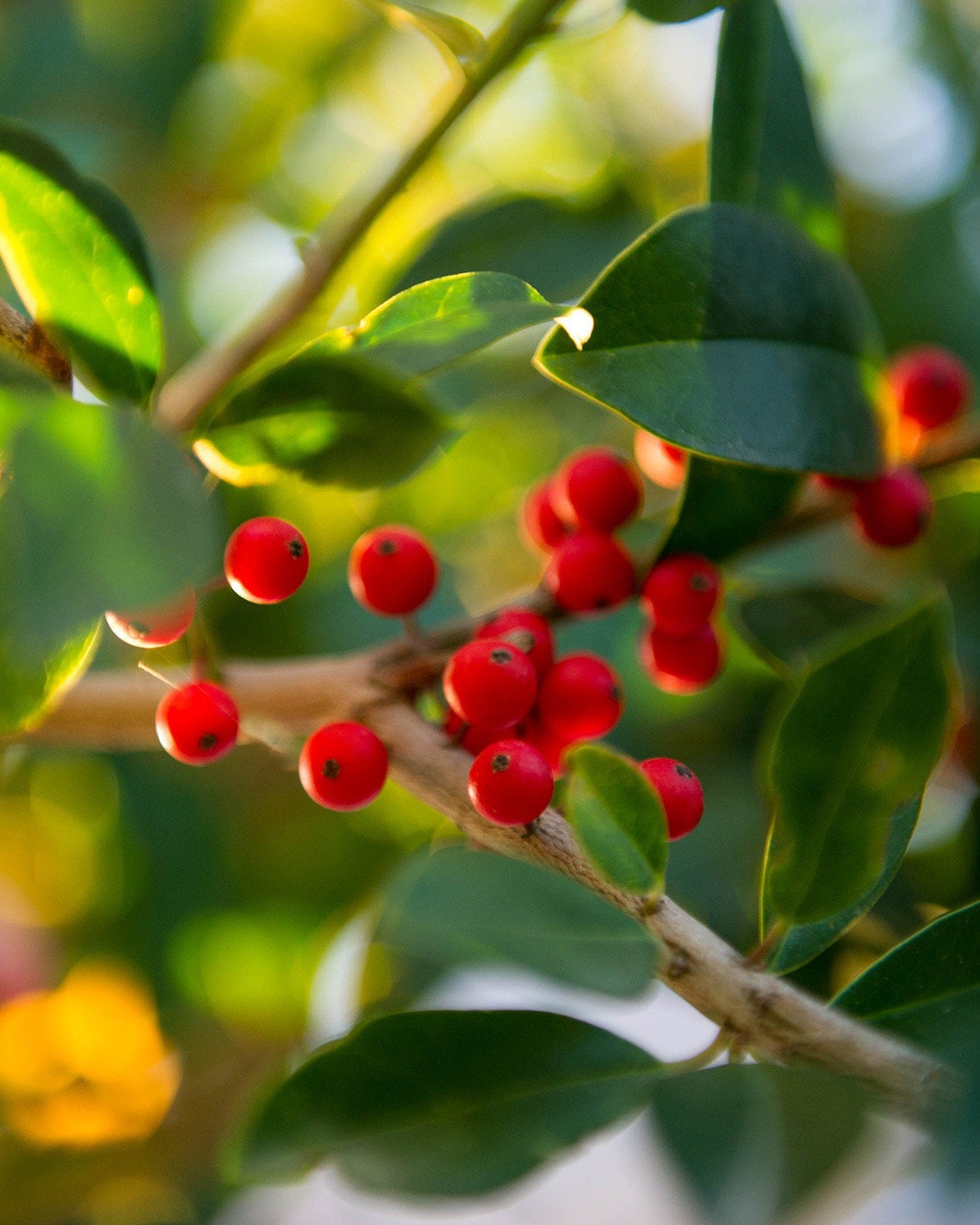
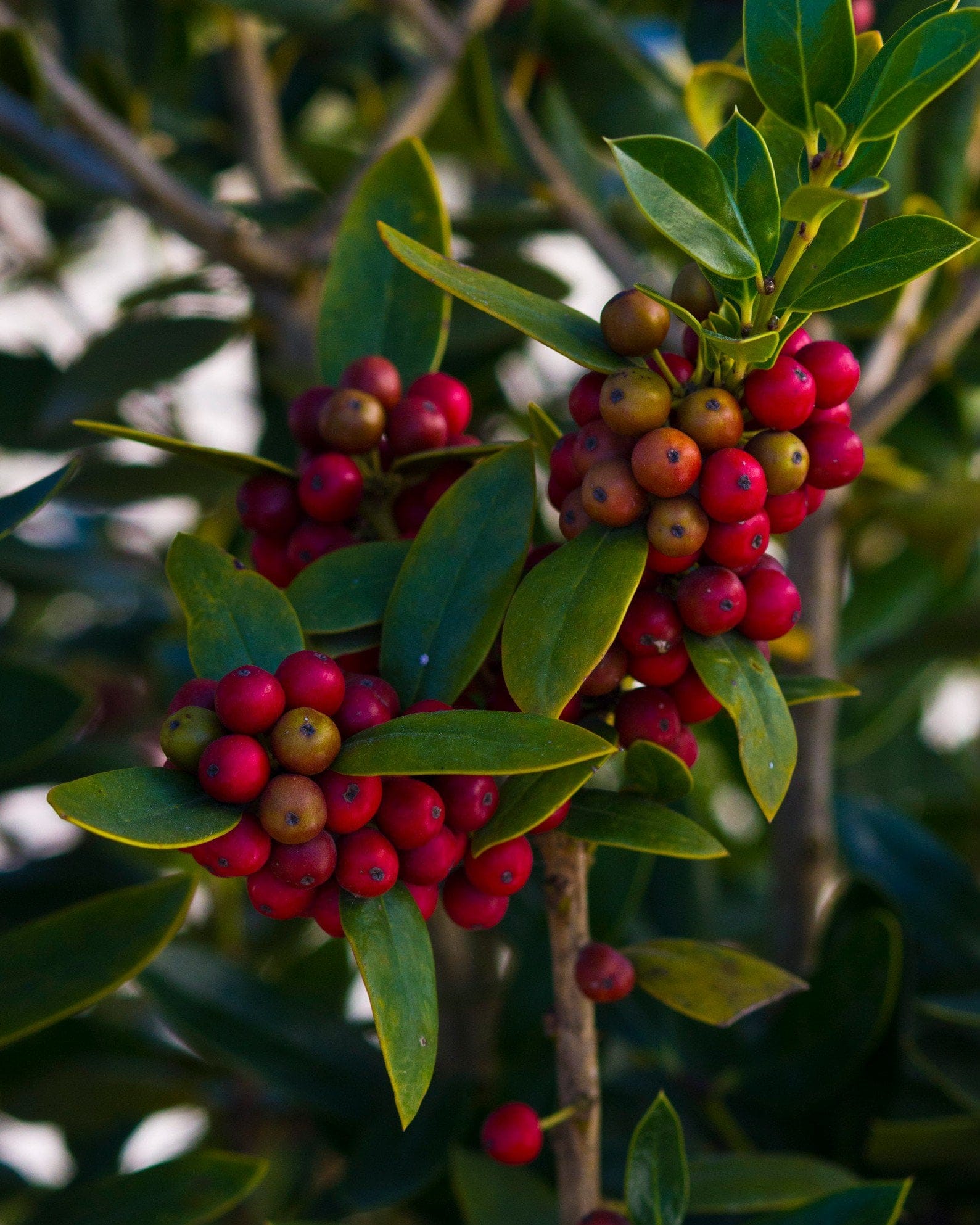
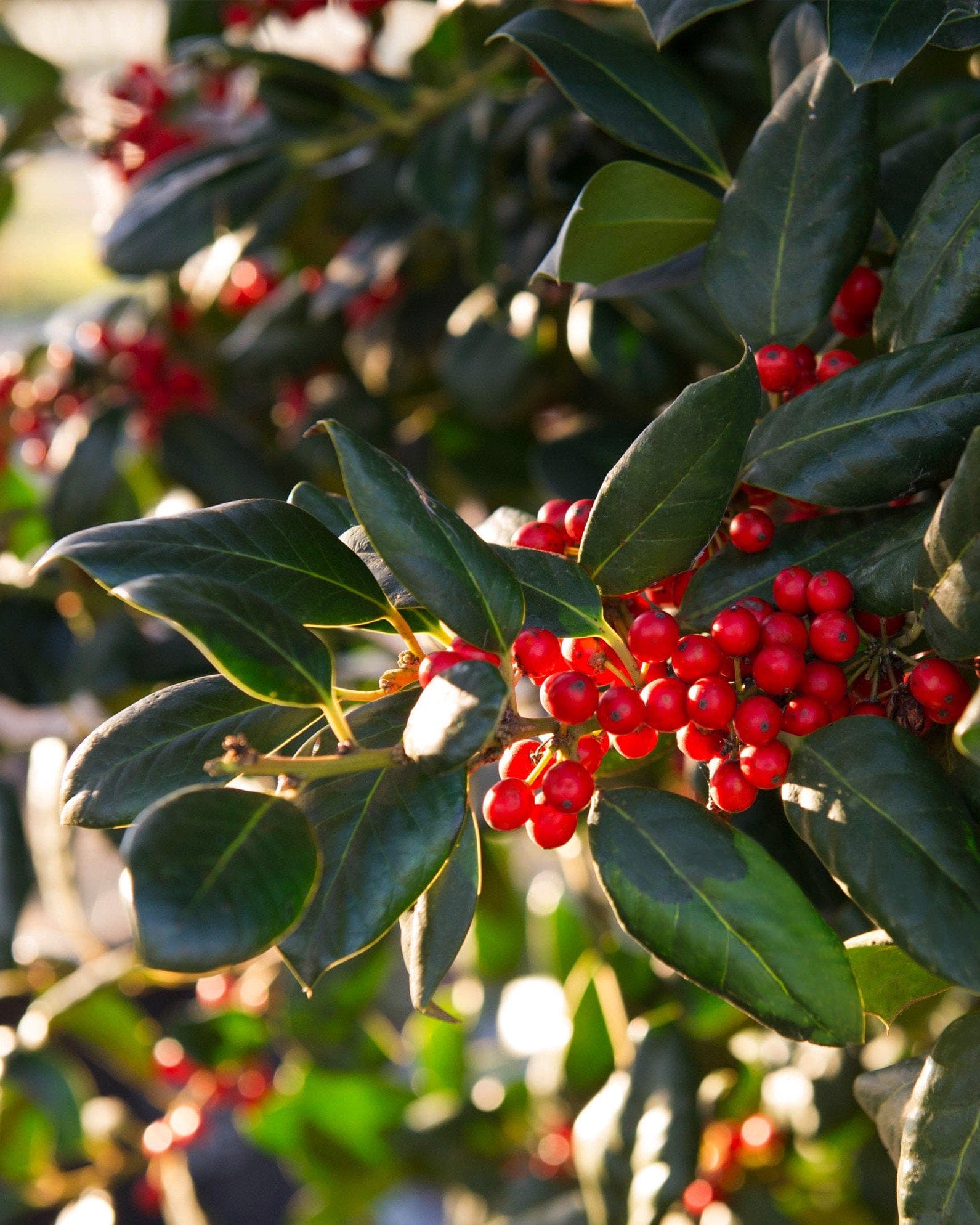
Female plants produce bright red, fleshy arils in fall. While attractive to birds, they are toxic to humans if ingested.
With proper care, Japanese Yew can live 30-50 years, providing long-lasting structure and greenery to the landscape.
Yes, it adapts well to city environments, including compacted soils, pollution, and variable moisture. Its resilience makes it suitable for streetscapes, parks, and foundation plantings.
Yes, dwarf cultivars of Japanese Yew perform well in large pots with well-draining soil. Container-grown plants may require more frequent watering and occasional fertilization.
Special Features
You might also like





Compare Similar Plants
Japanese Yew This plant | ||
|---|---|---|
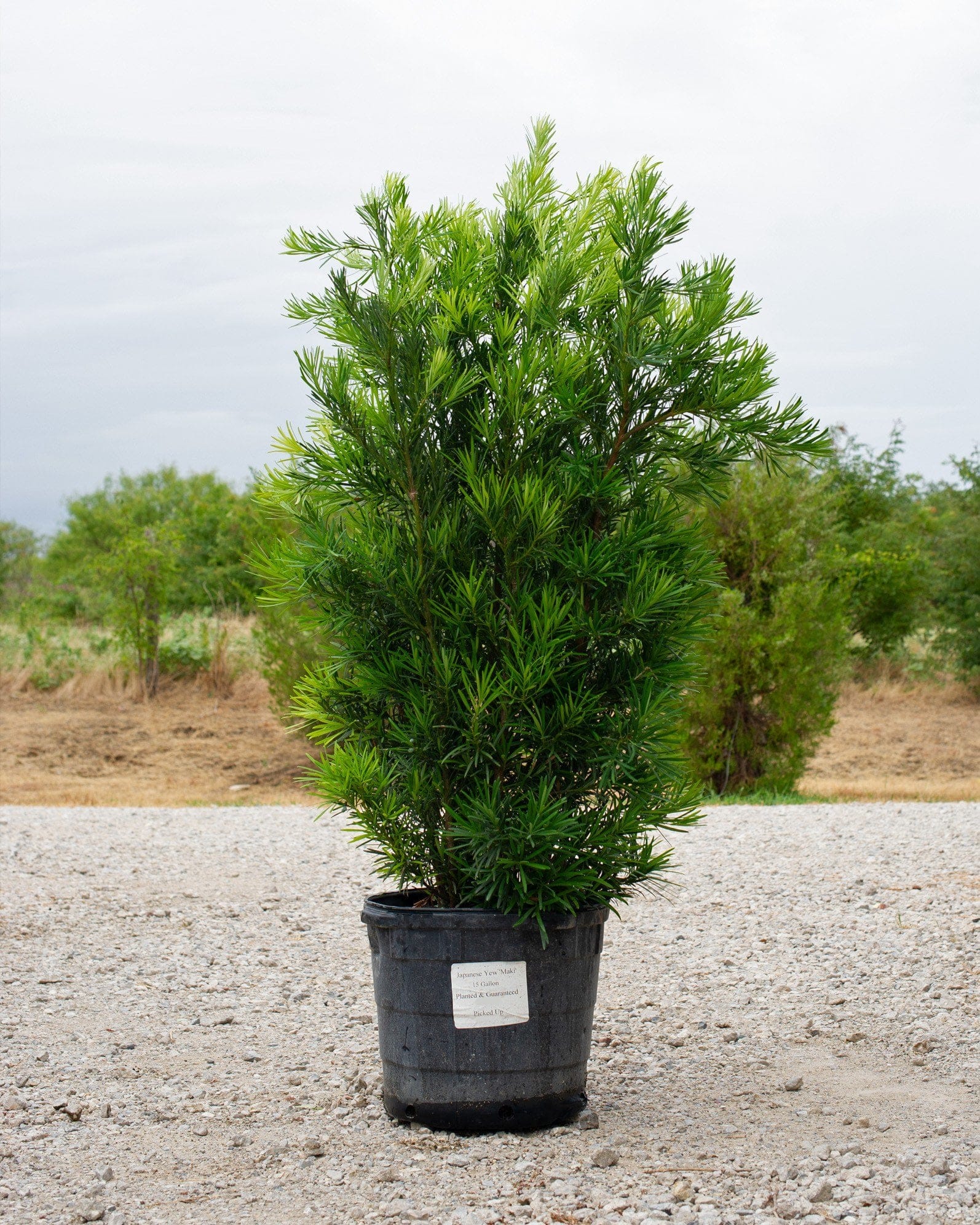
| Scientific Name | Taxus cuspidata | Podocarpus macrophyllus 'Maki' |
| Size at Maturity | 15' H x 7' W | 8' H x 5' W |
| Leaf Retention | Evergreen | Evergreen |
| Sizes Available | 7, 15, 30 gal | 7, 15 gal |


Our 1-Year Planting Guarantee
We take pride in our plants and installation services. If any plants or trees installed by Treeland fail to thrive within the first year, we'll provide a replacement credit in accordance with our guarantee program.
Learn More About Our Guarantee