
Blue Point Juniper
Juniperus chinensis ‘Blue Point’Local DFW Delivery Only
Product Details
Blue Point Juniper
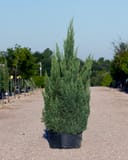
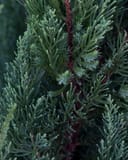
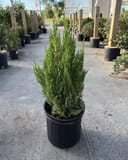
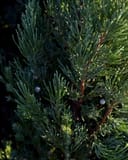
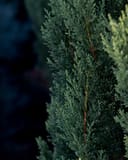
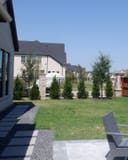
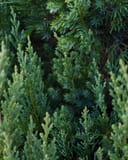
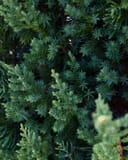
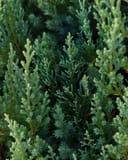
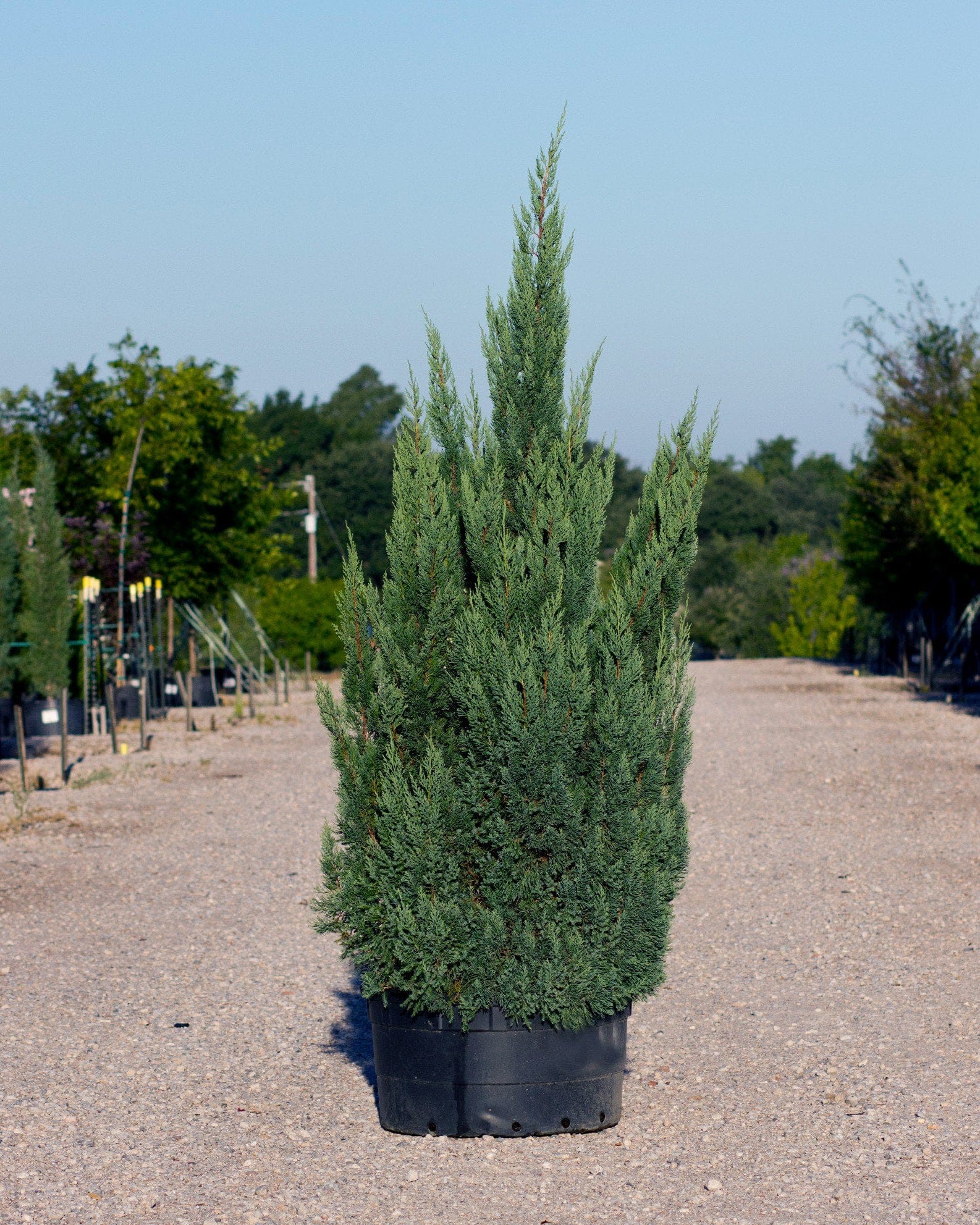
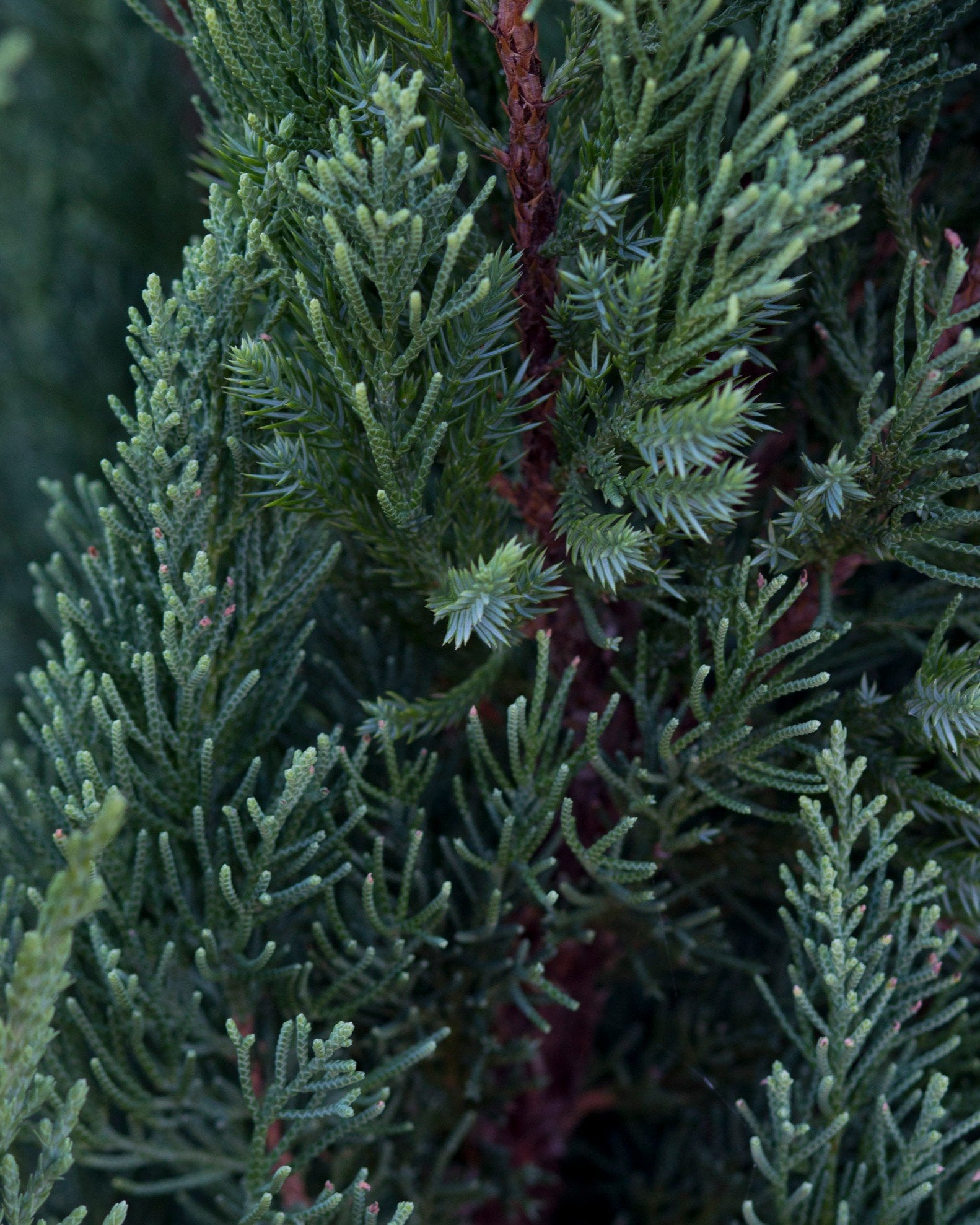
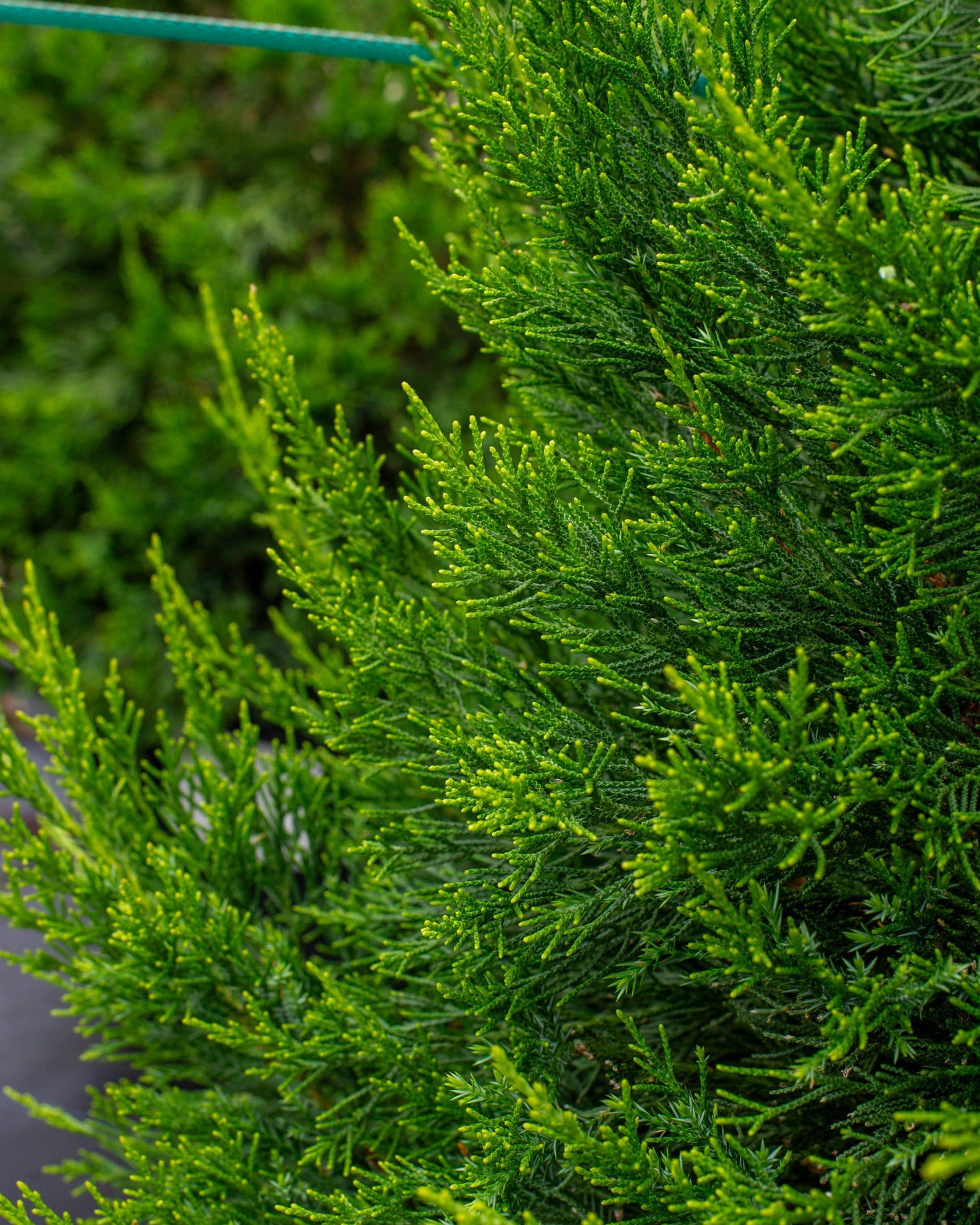
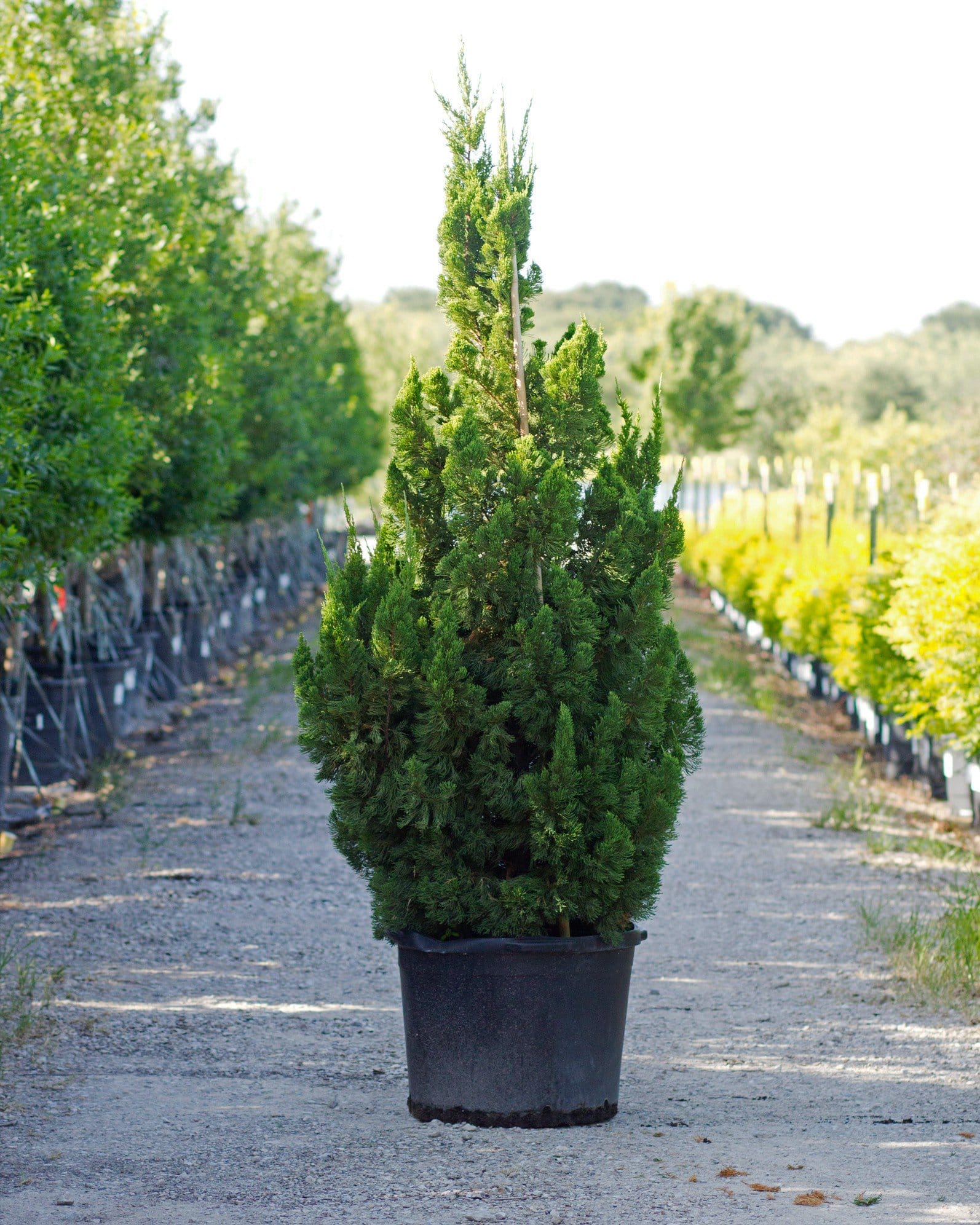
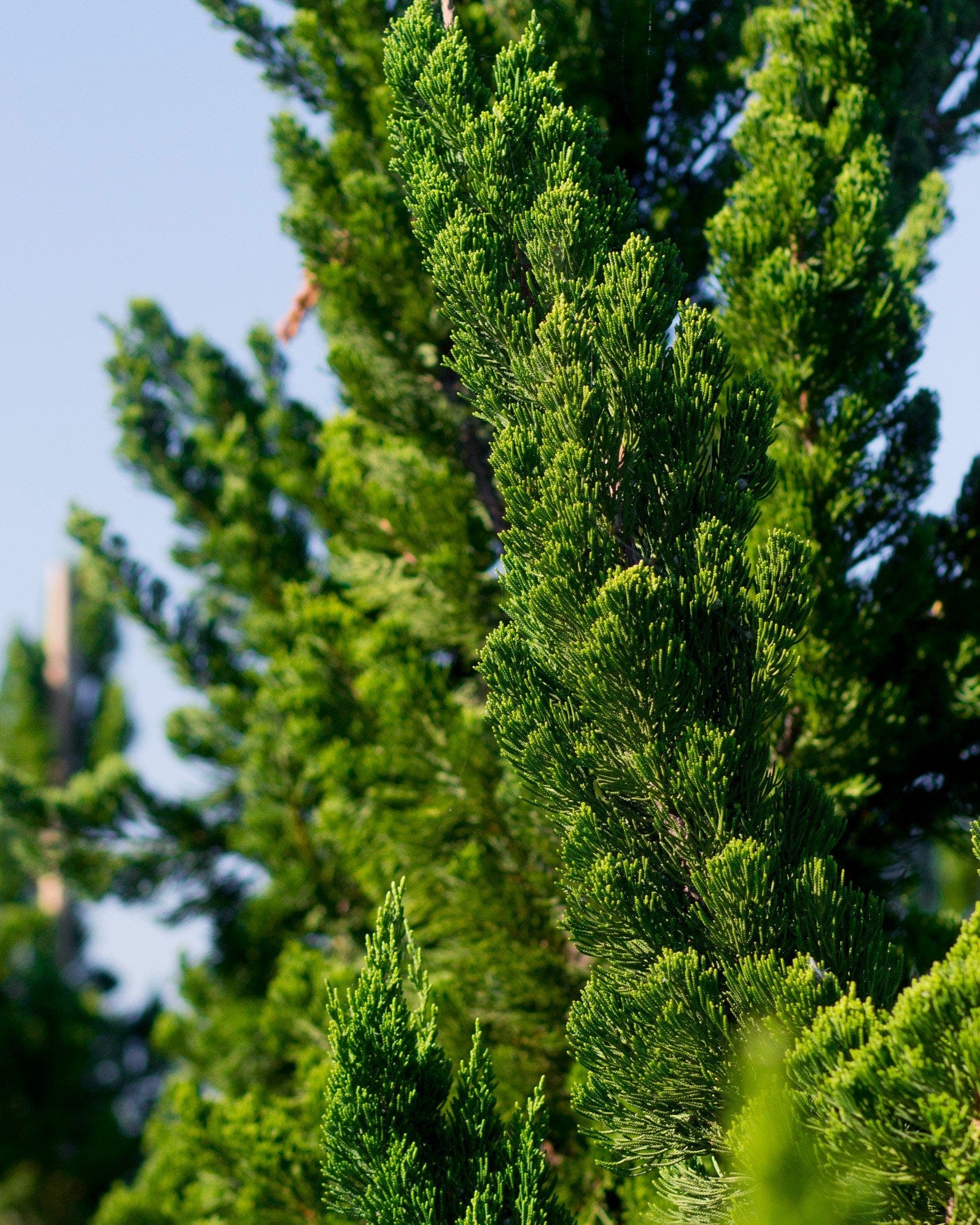
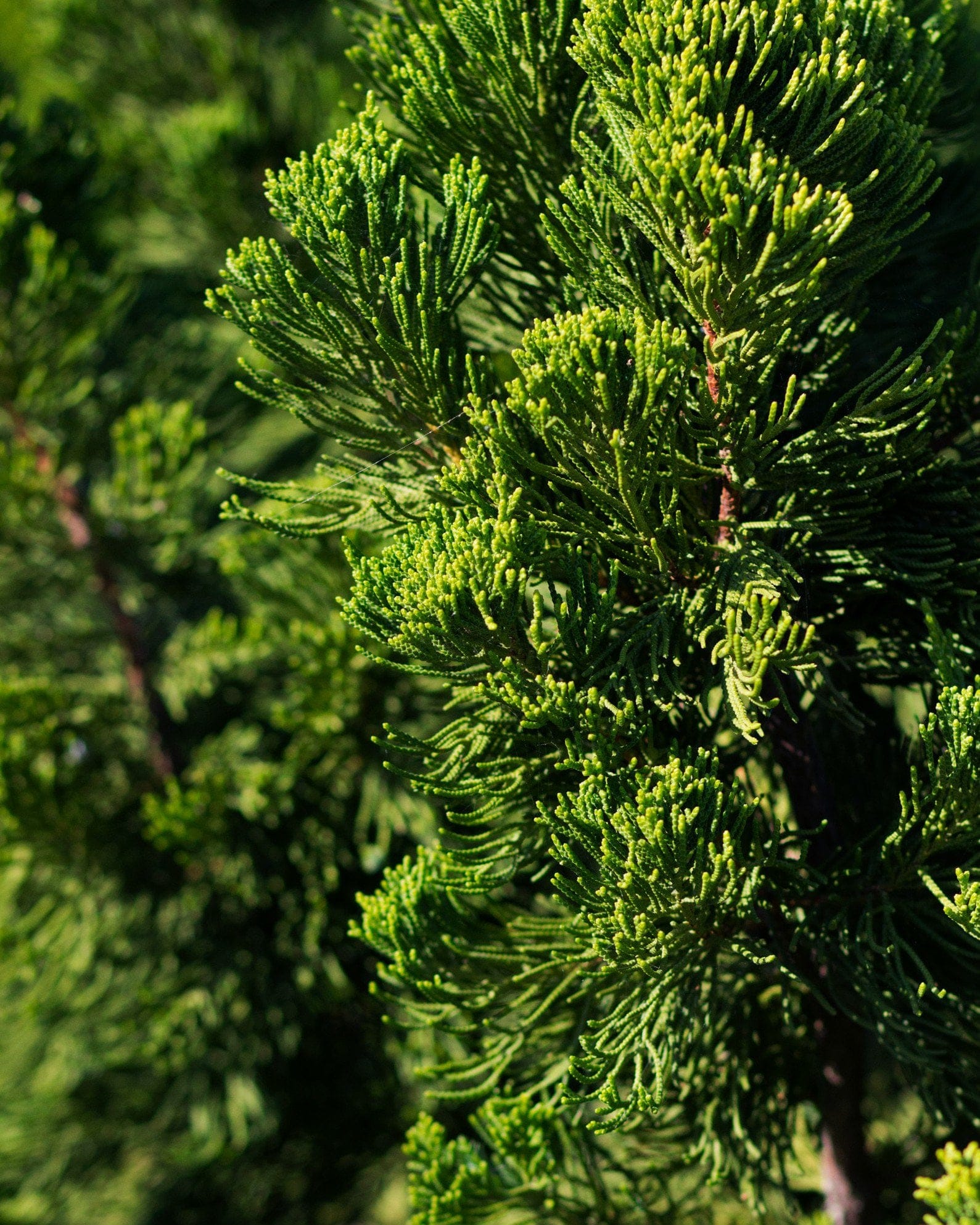
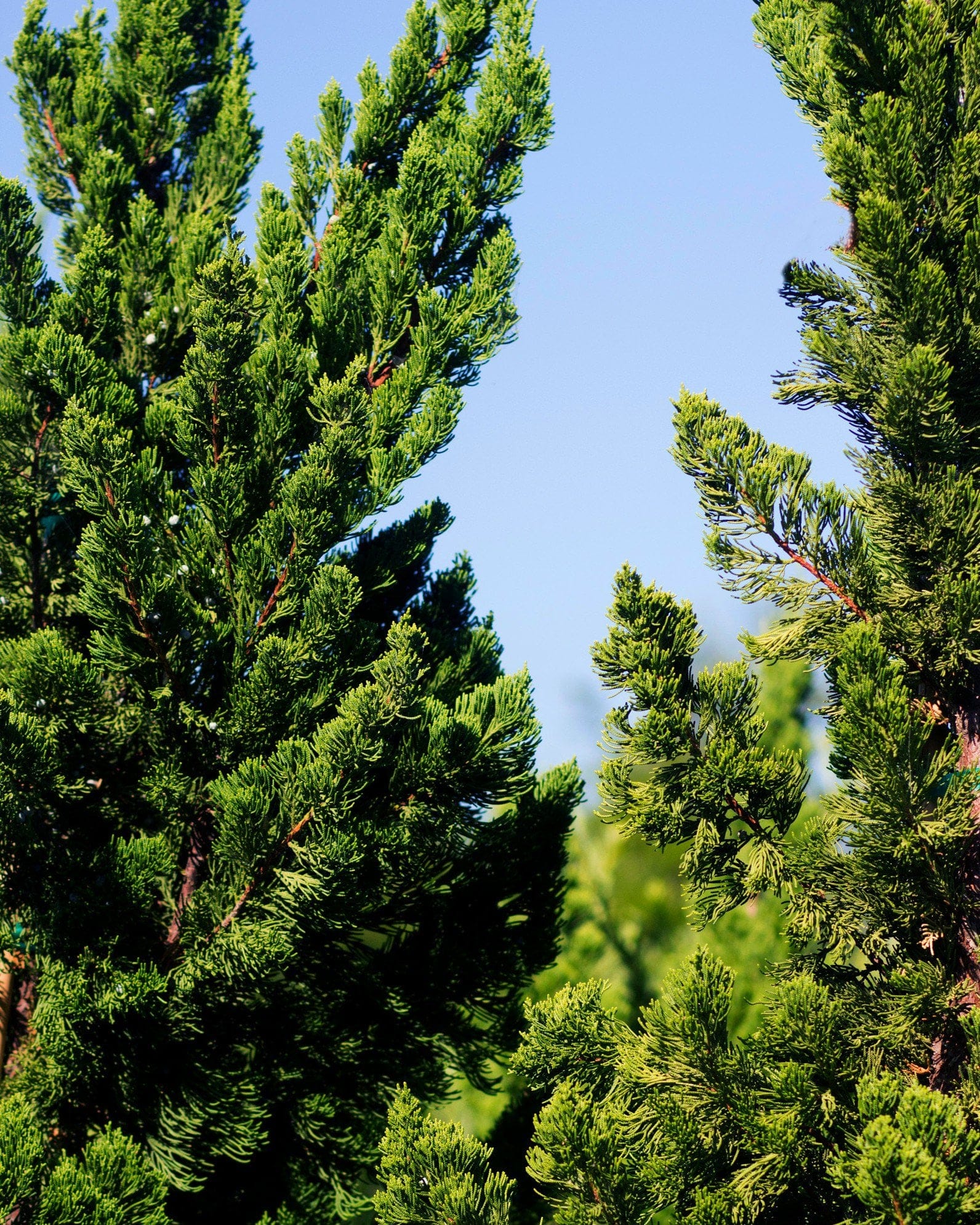
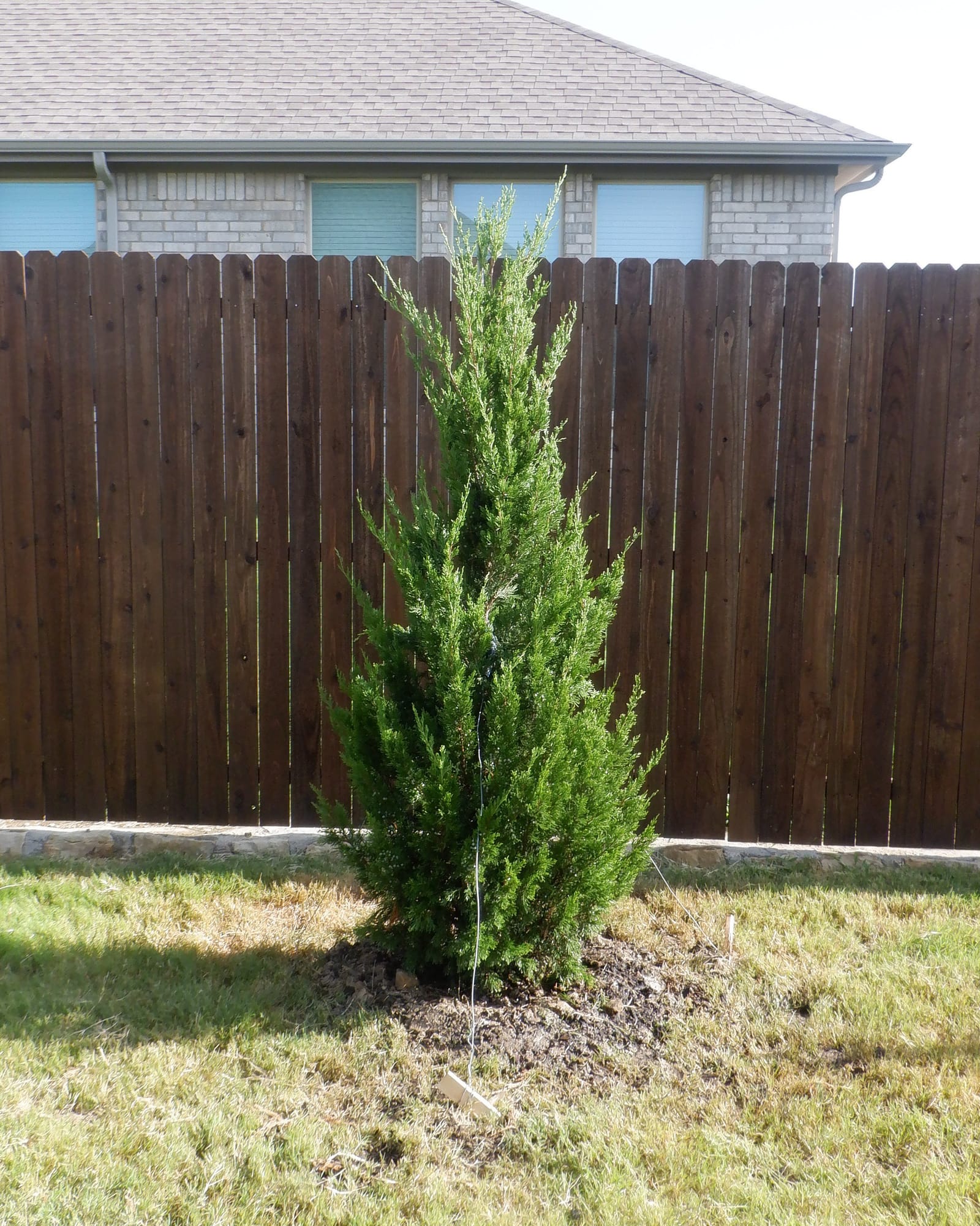
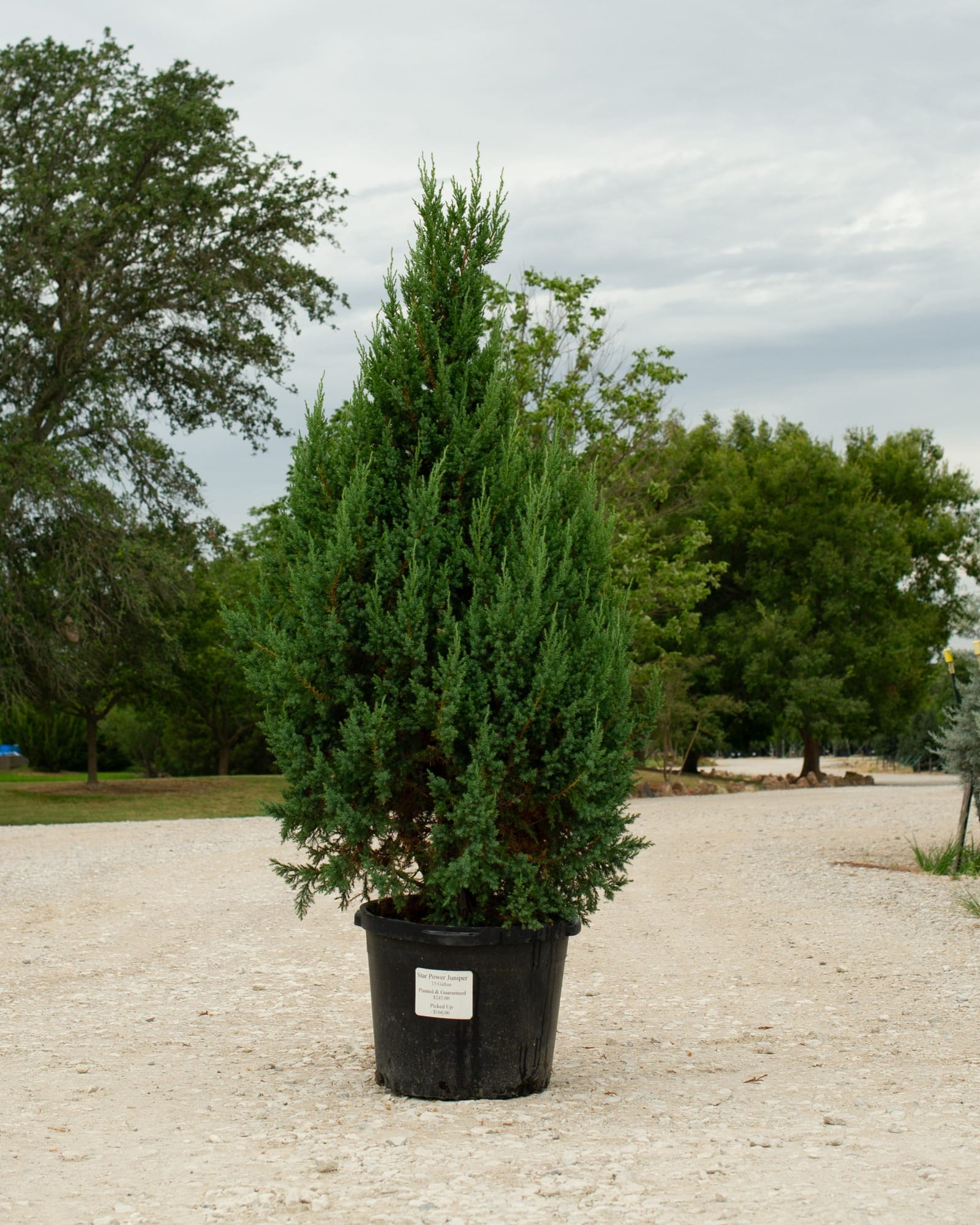
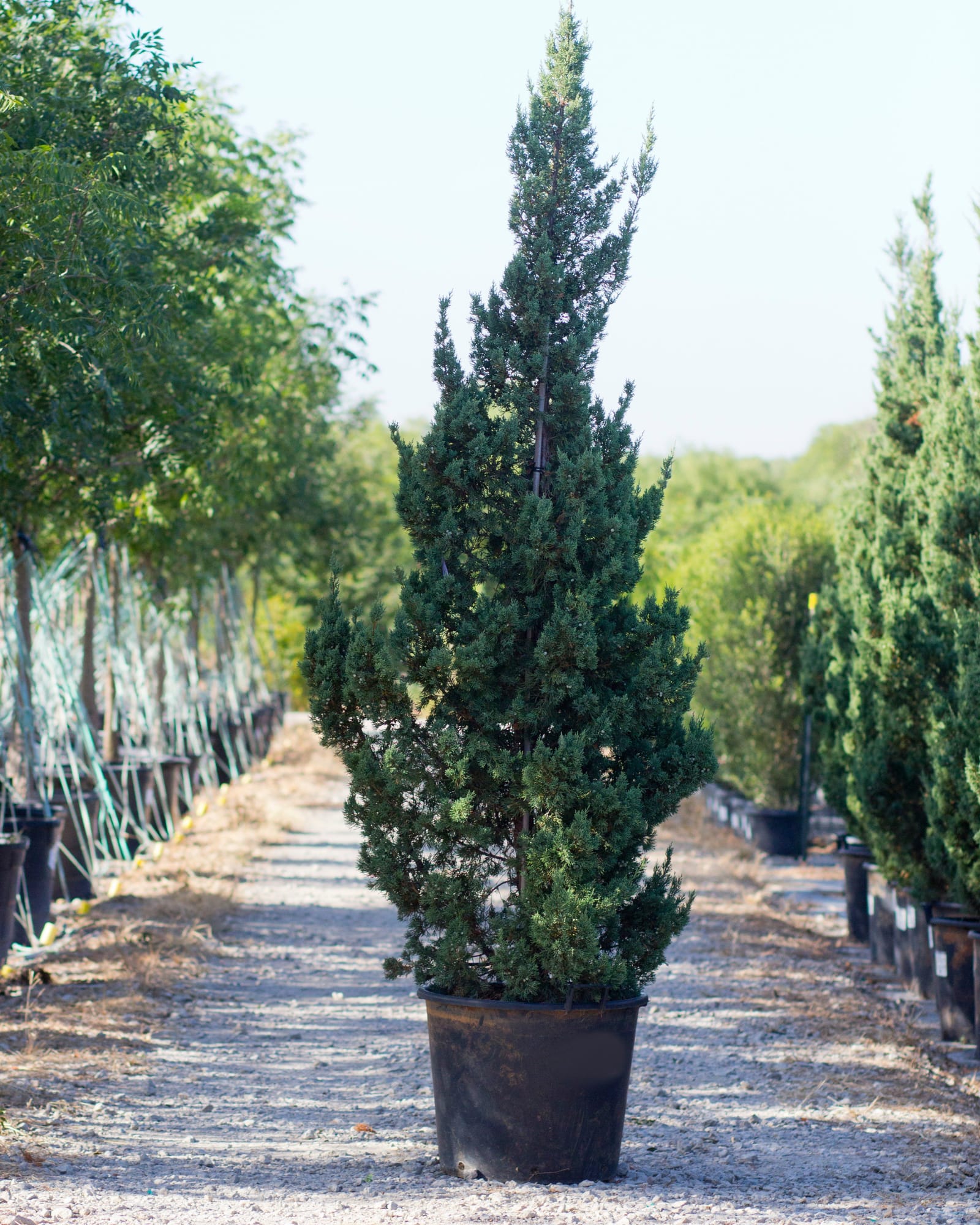
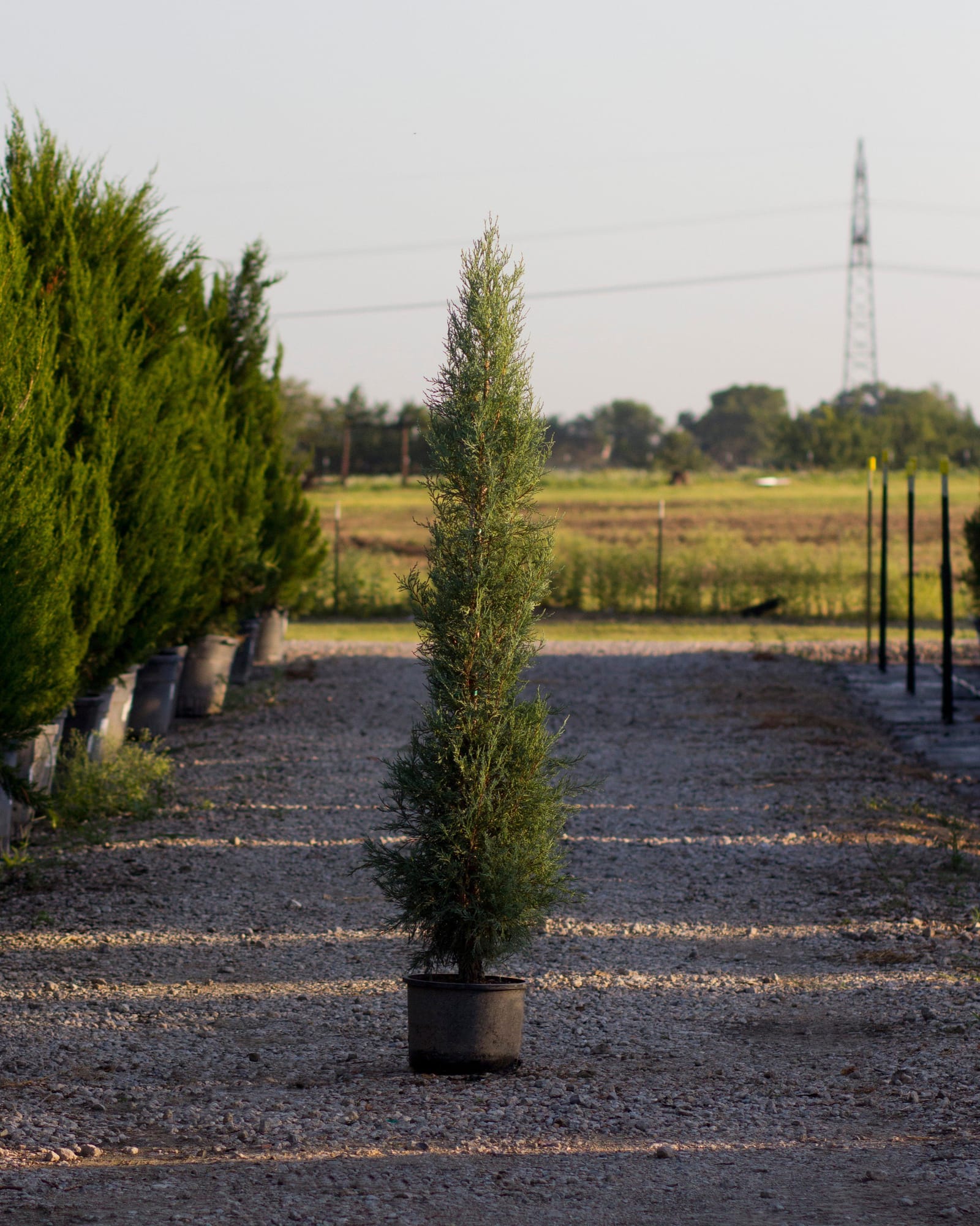
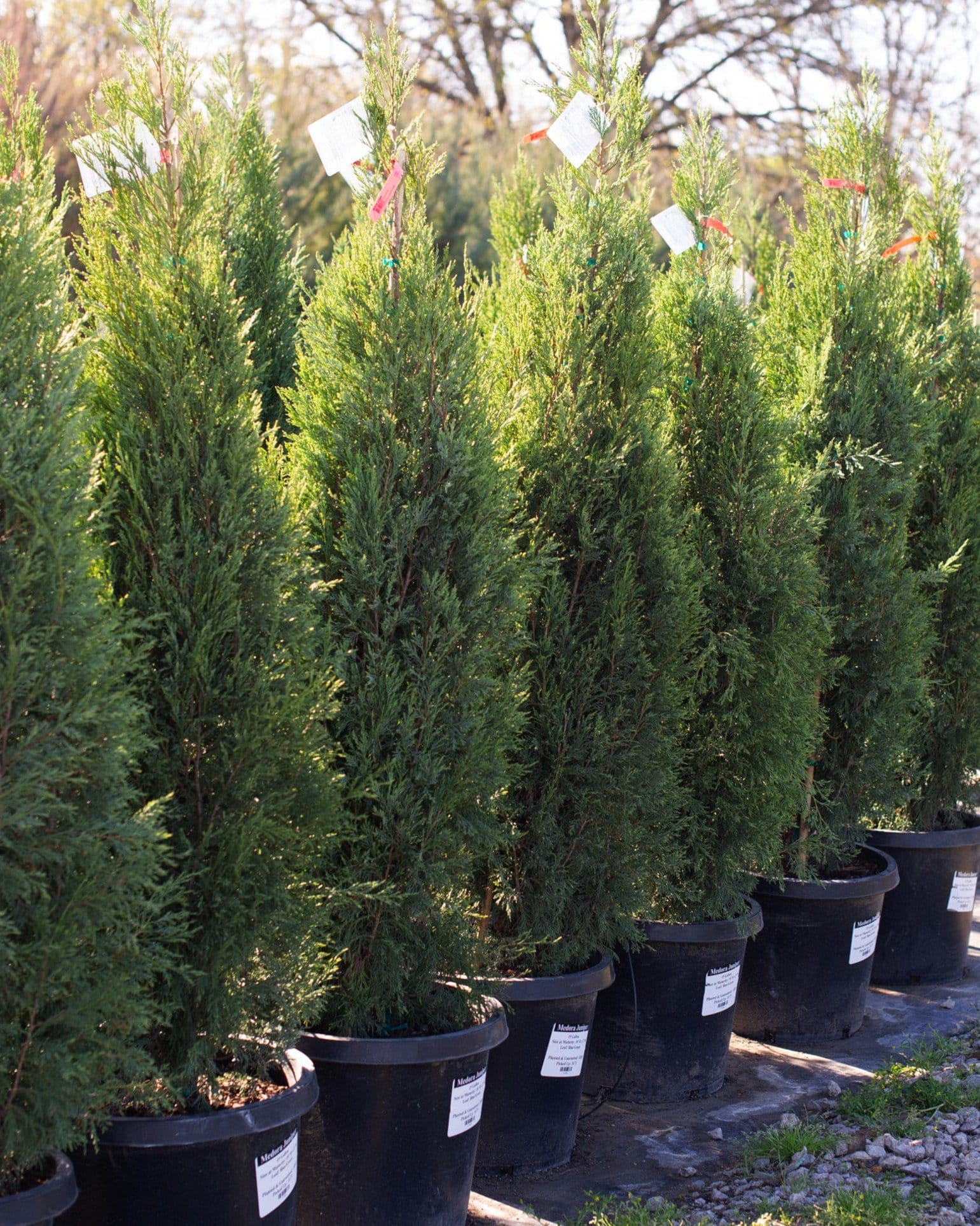
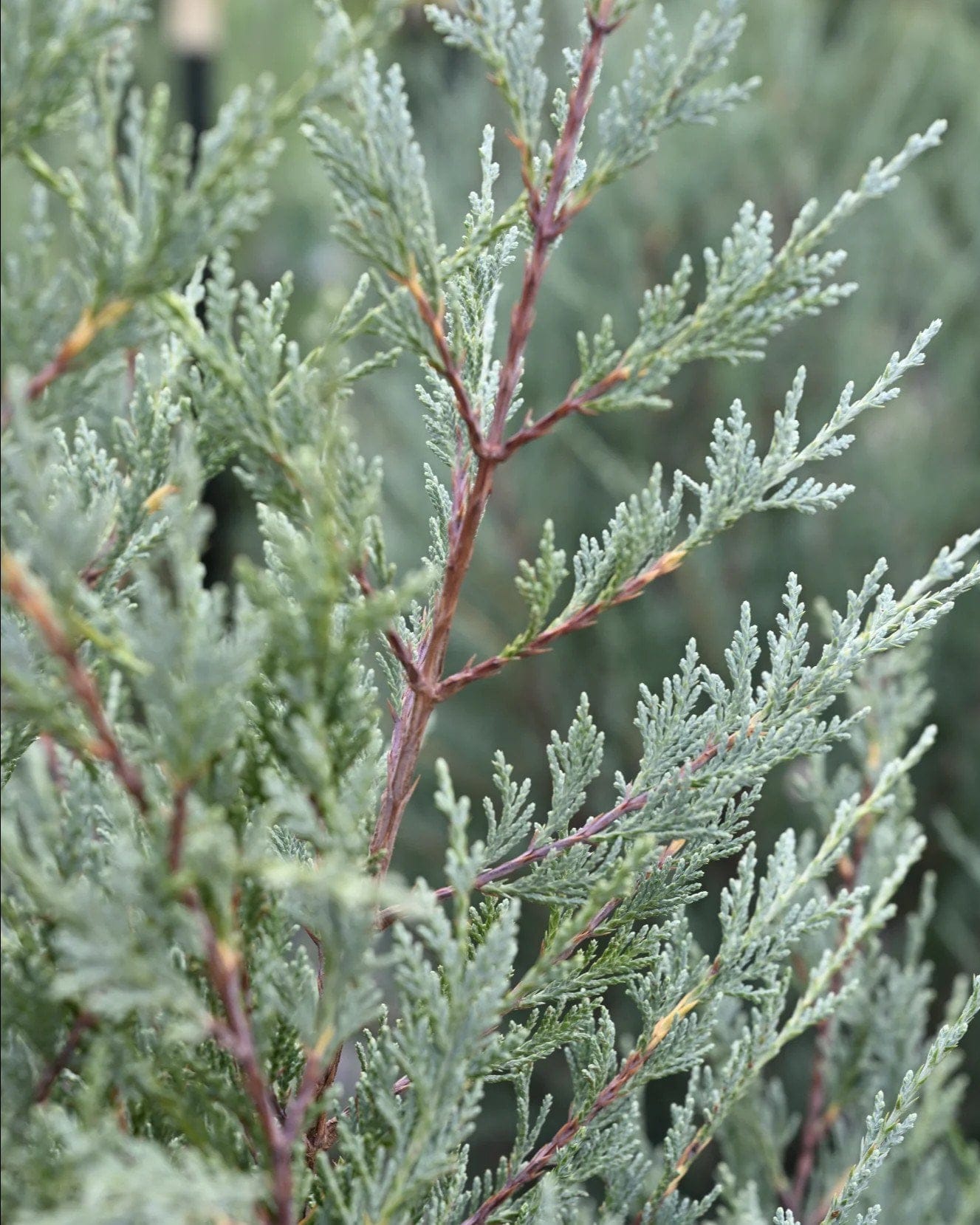
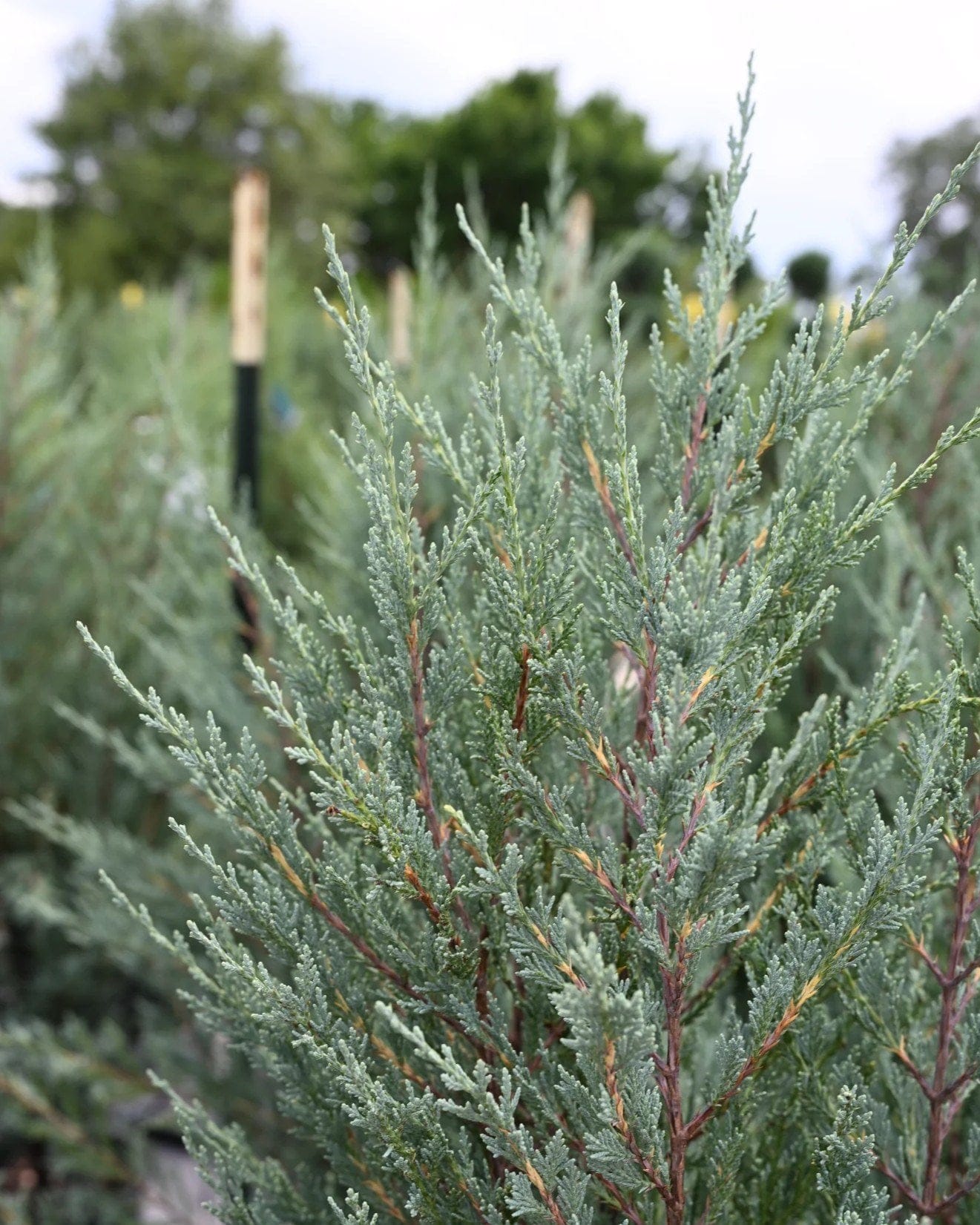
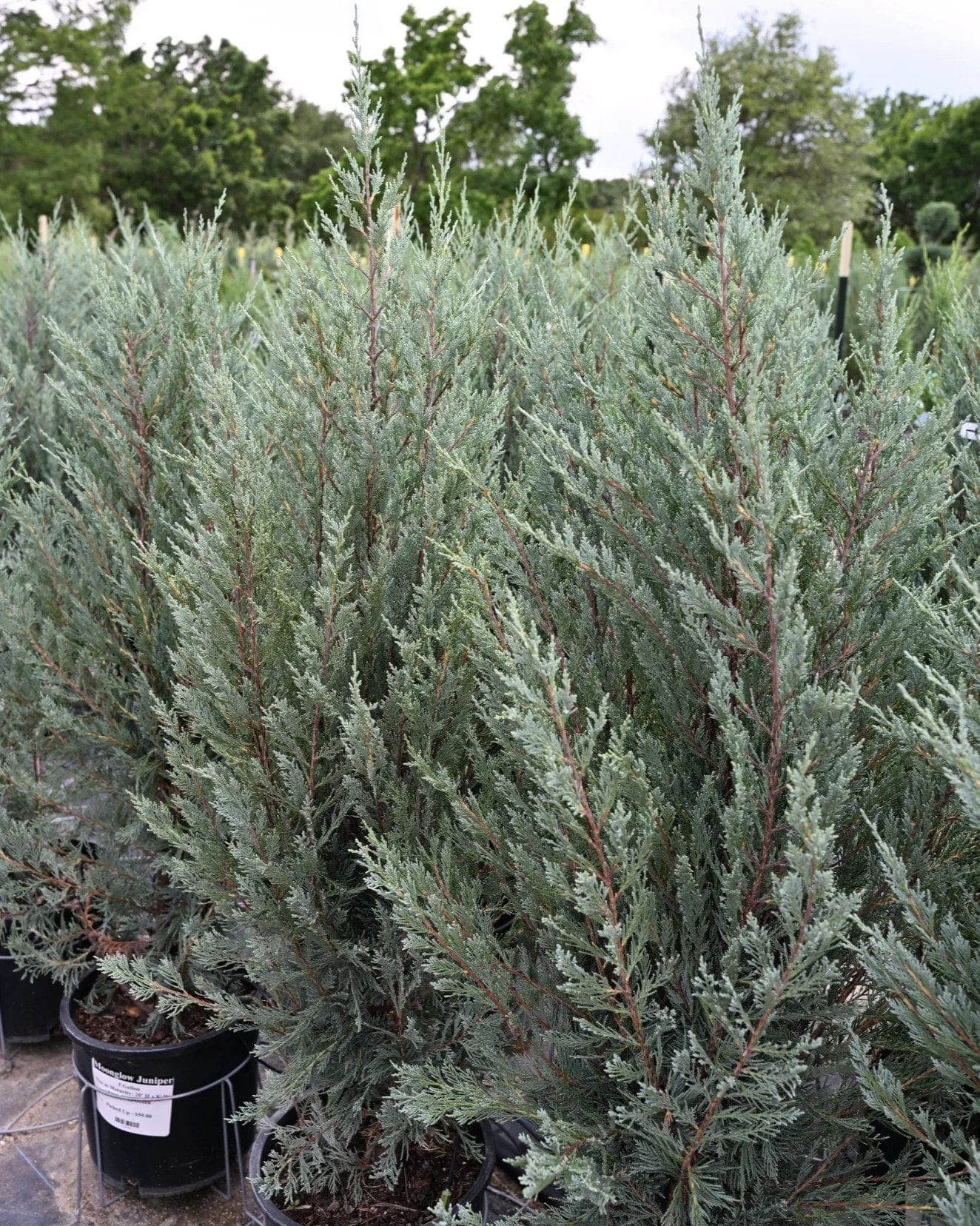
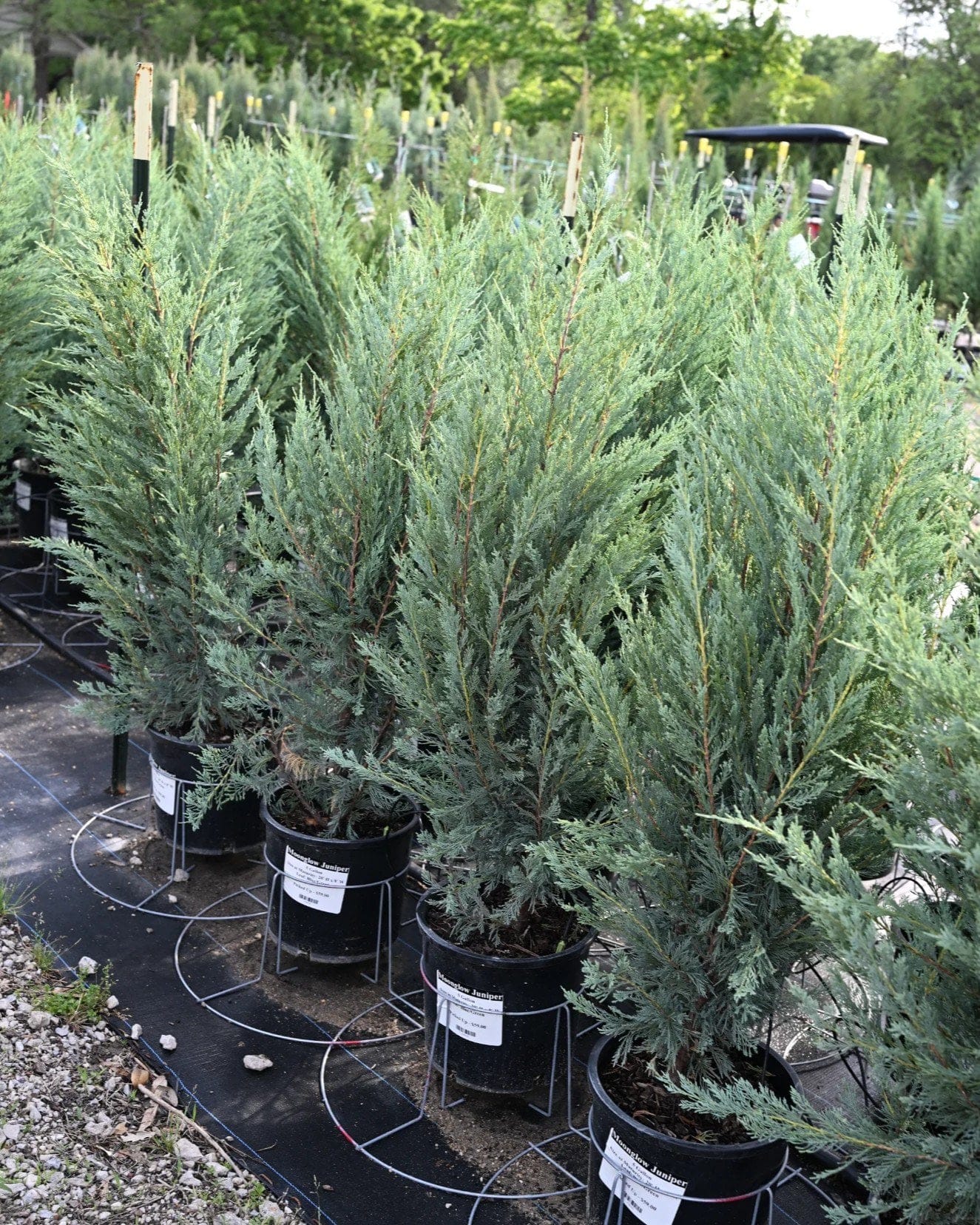
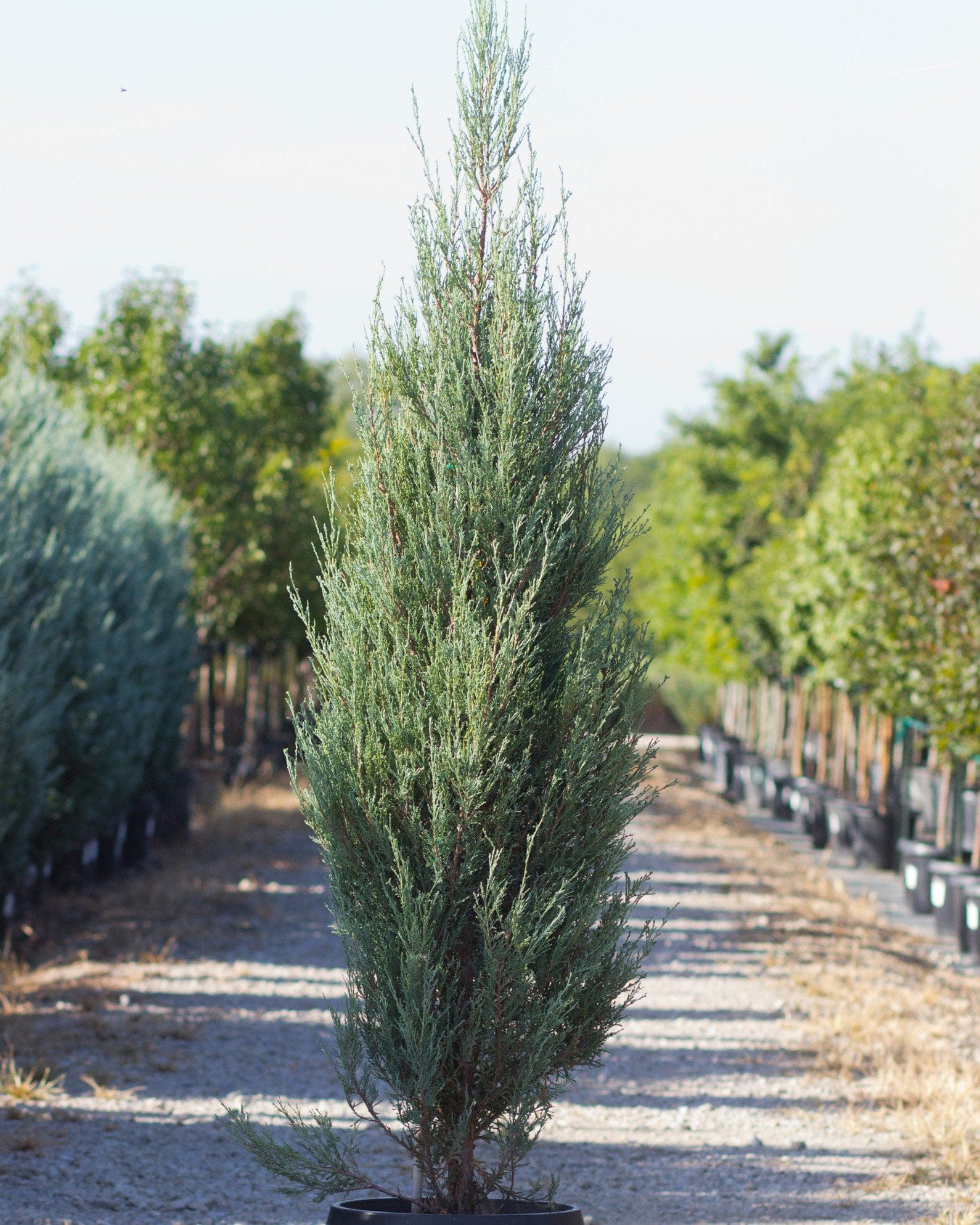
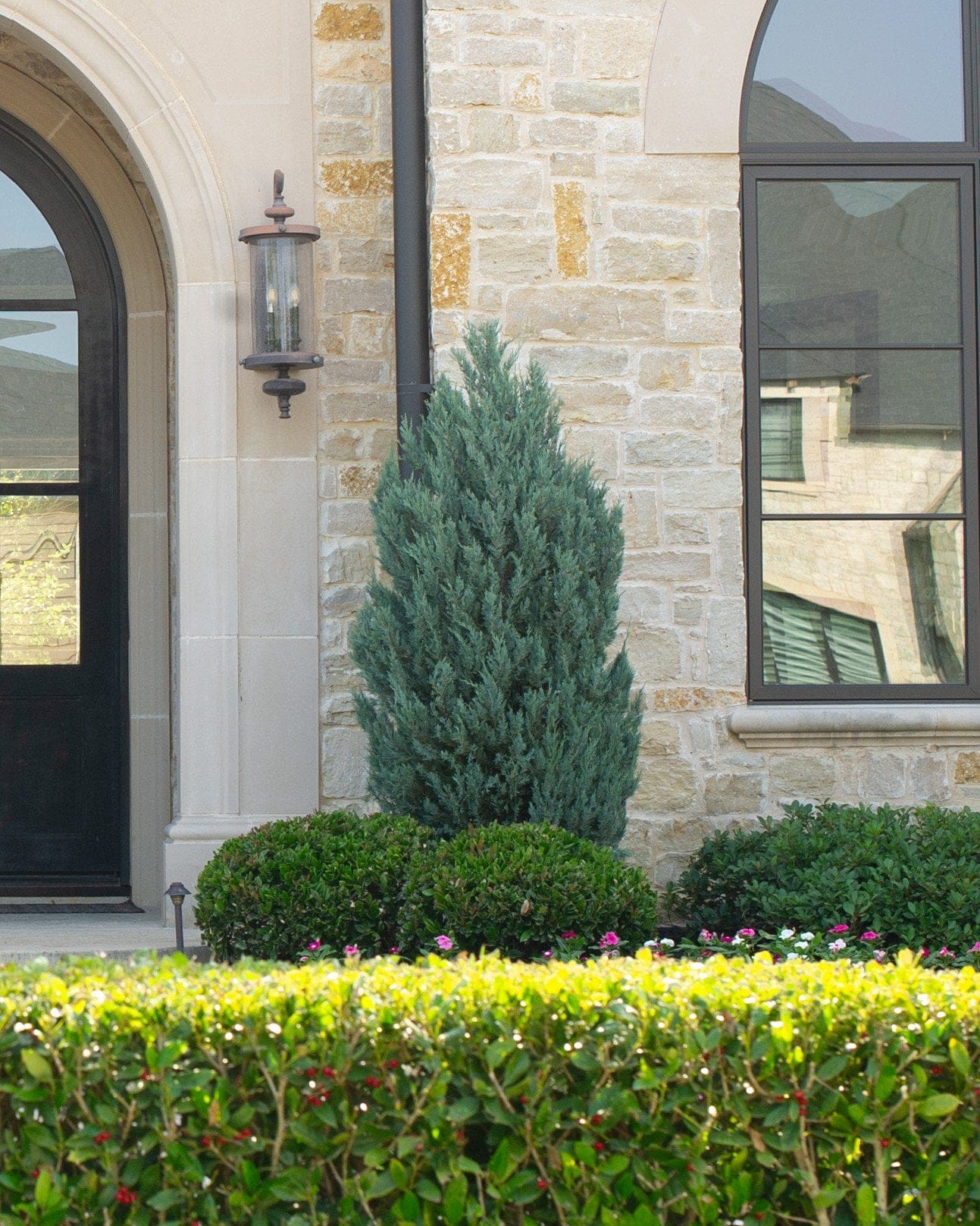
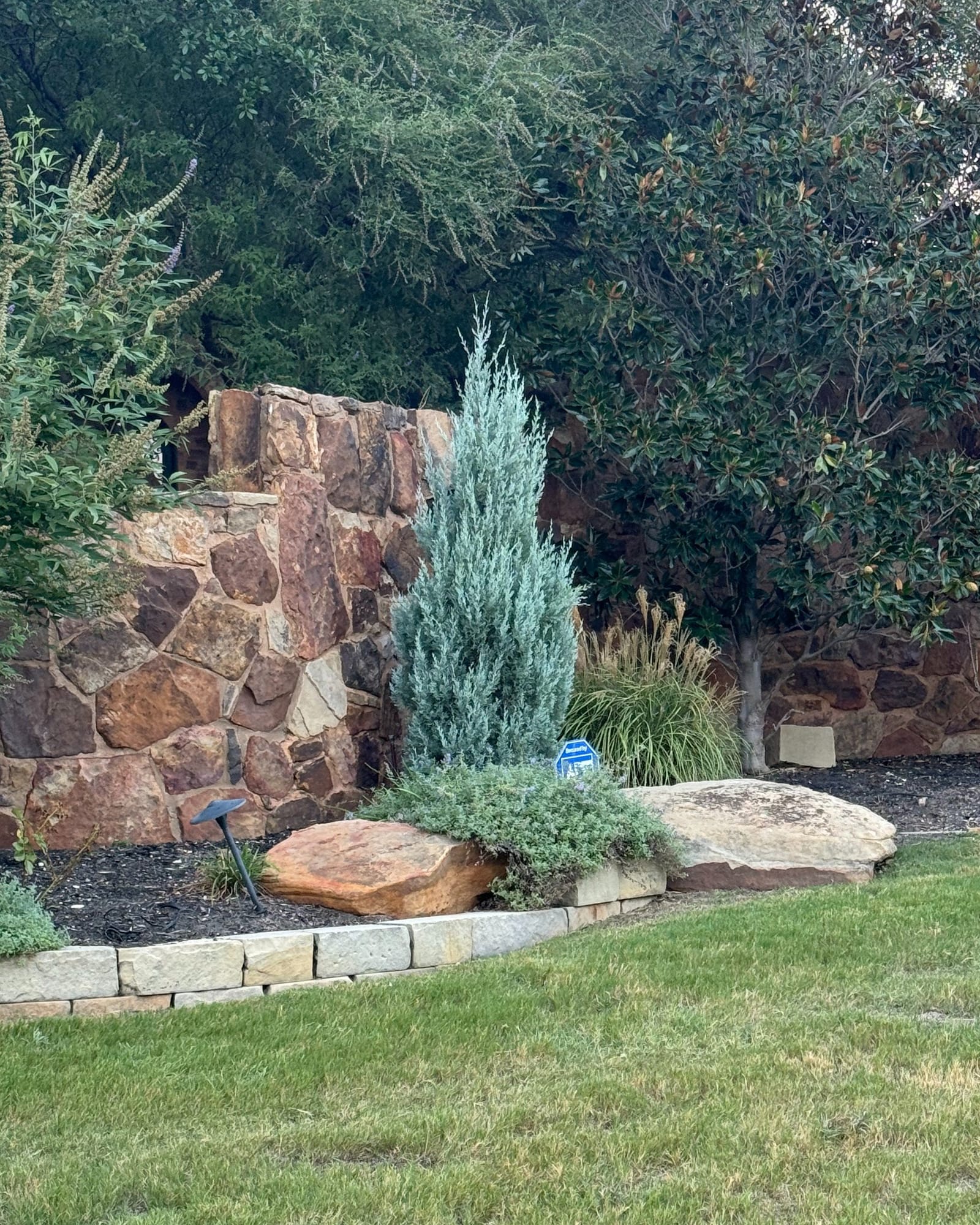
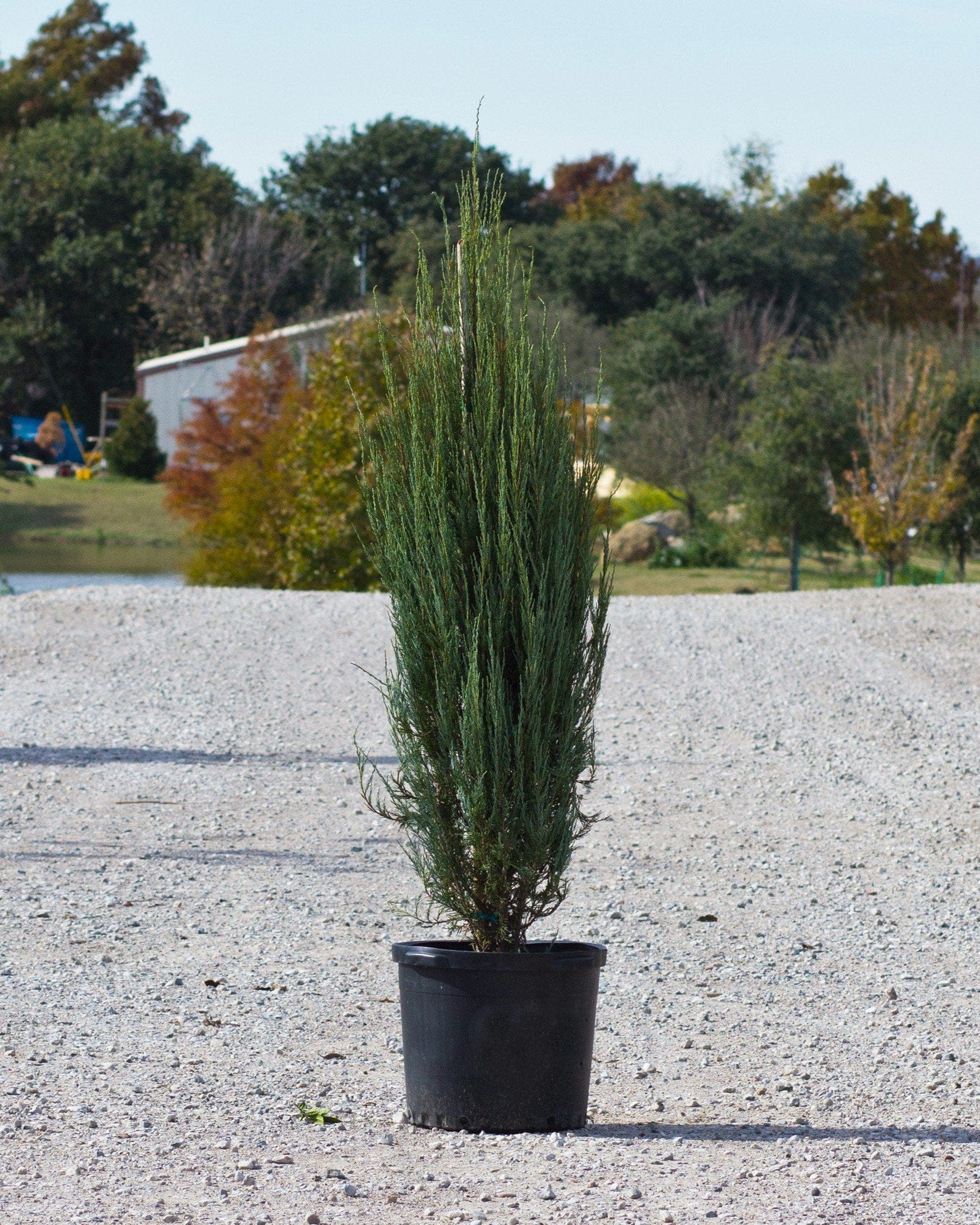
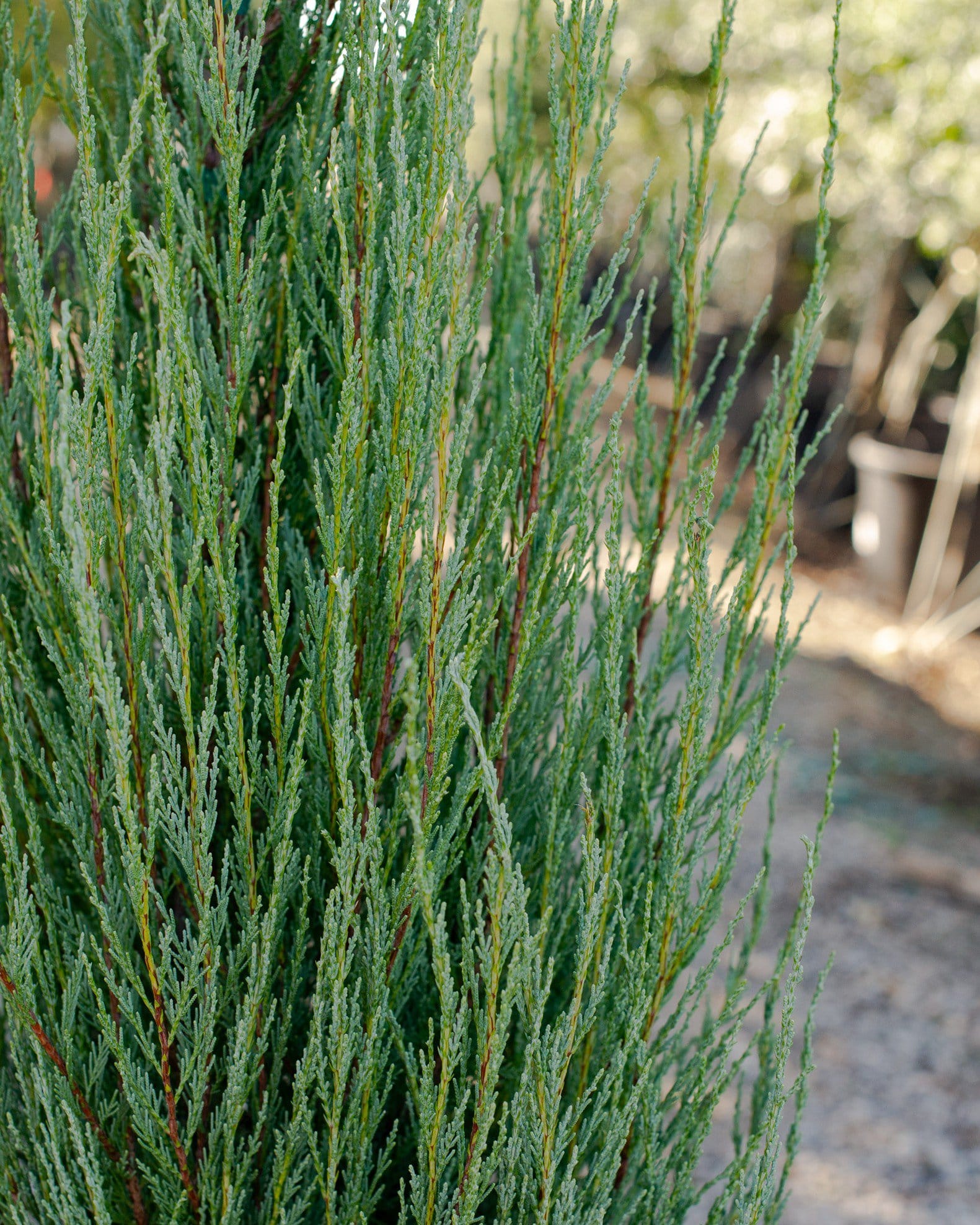
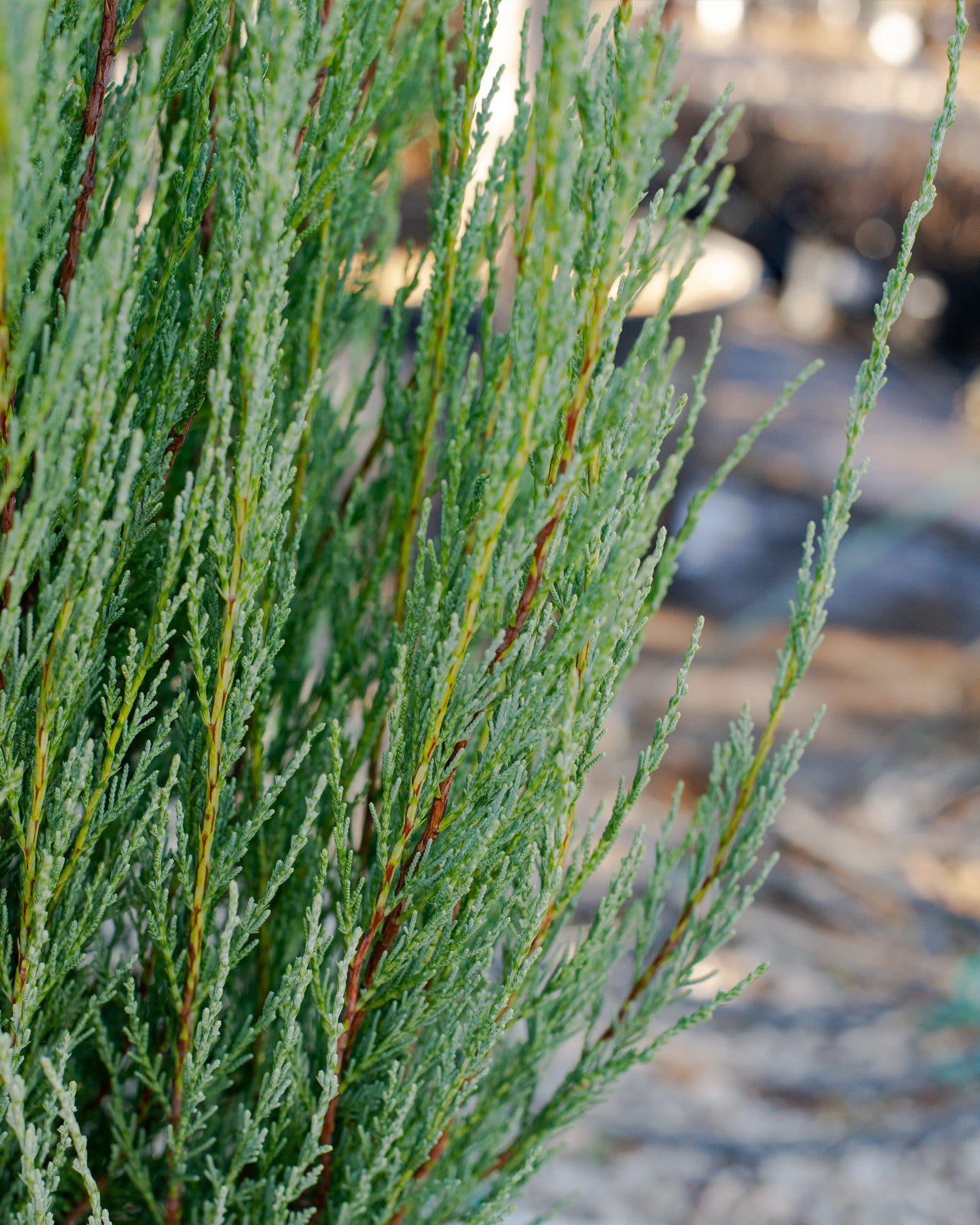
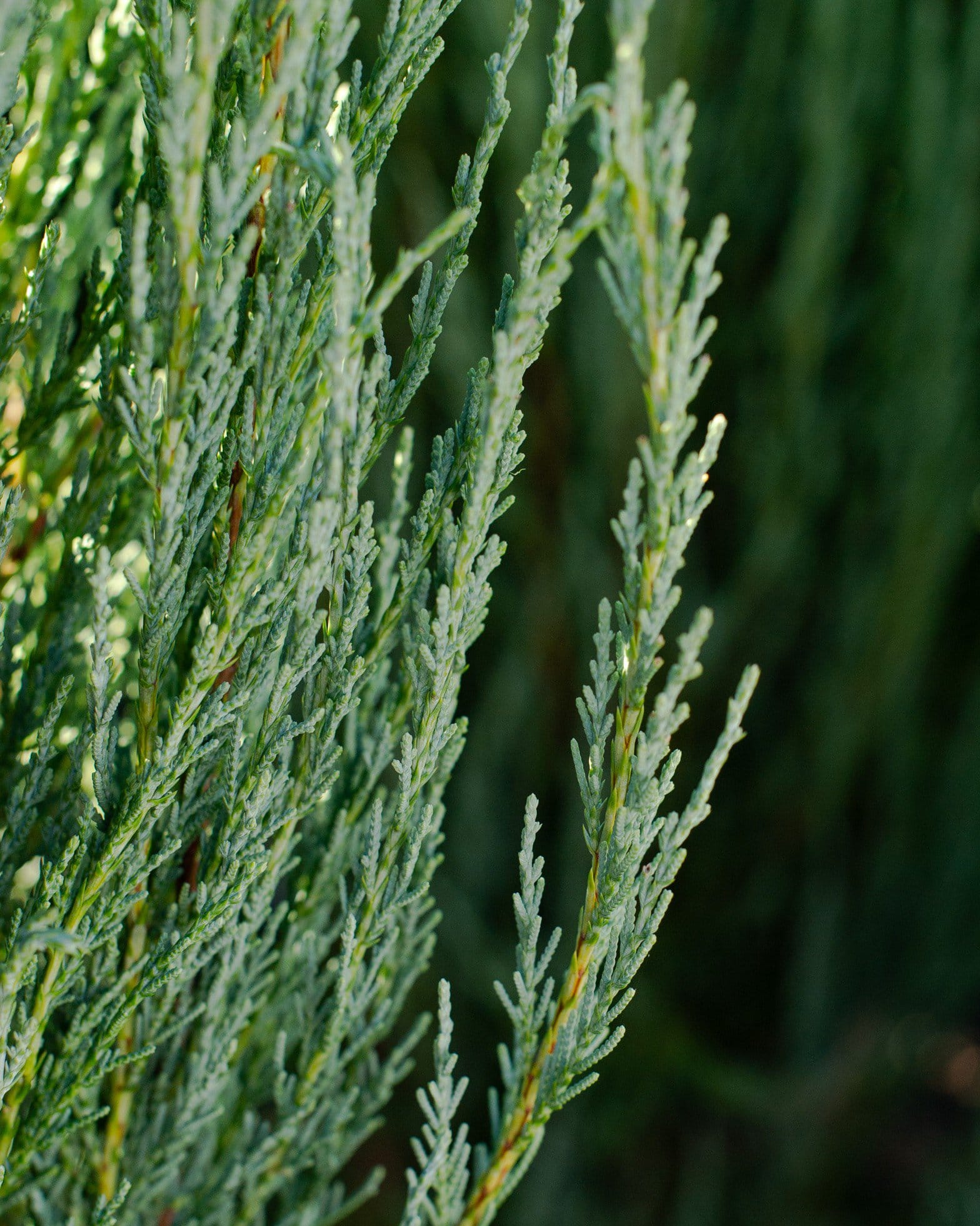
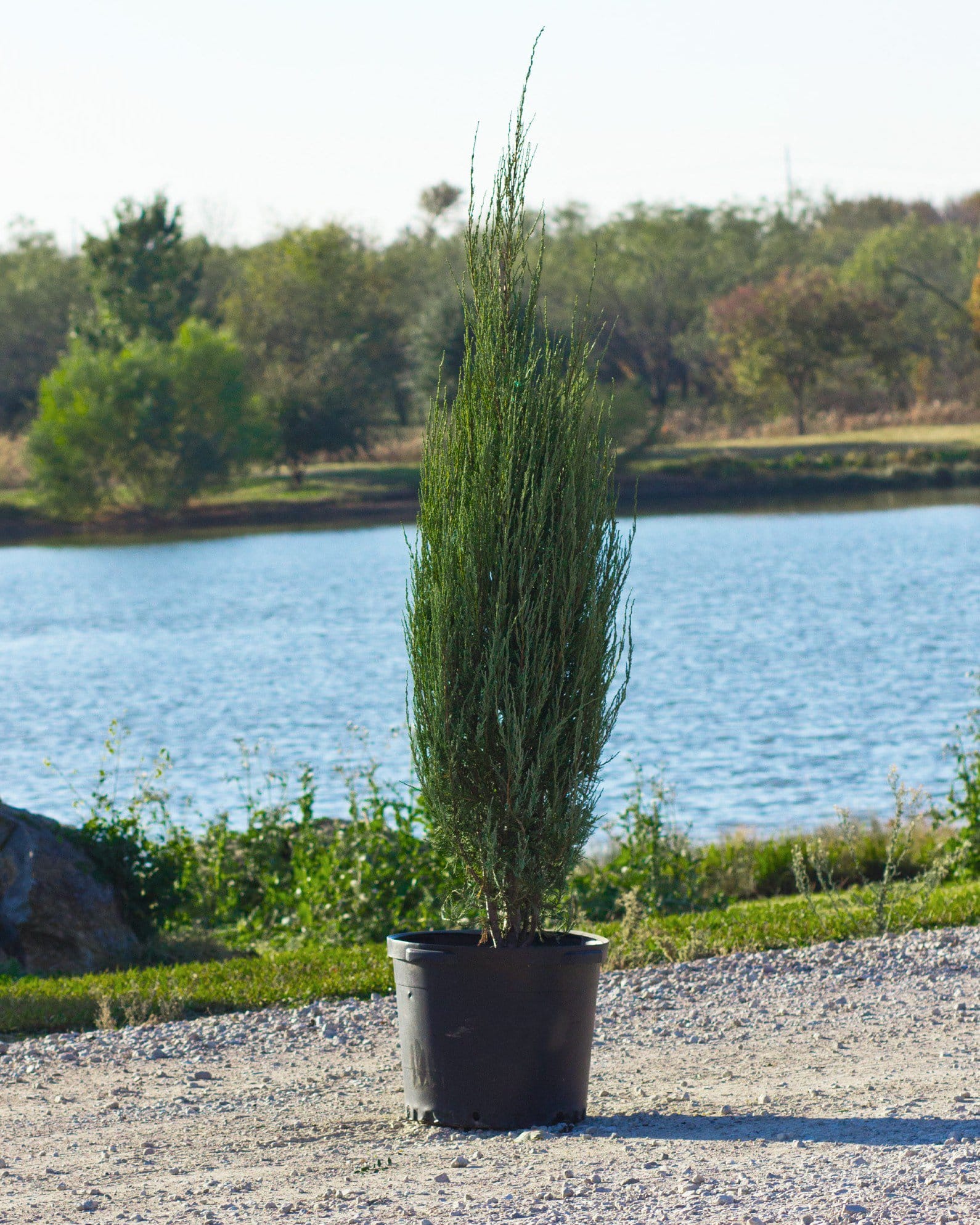
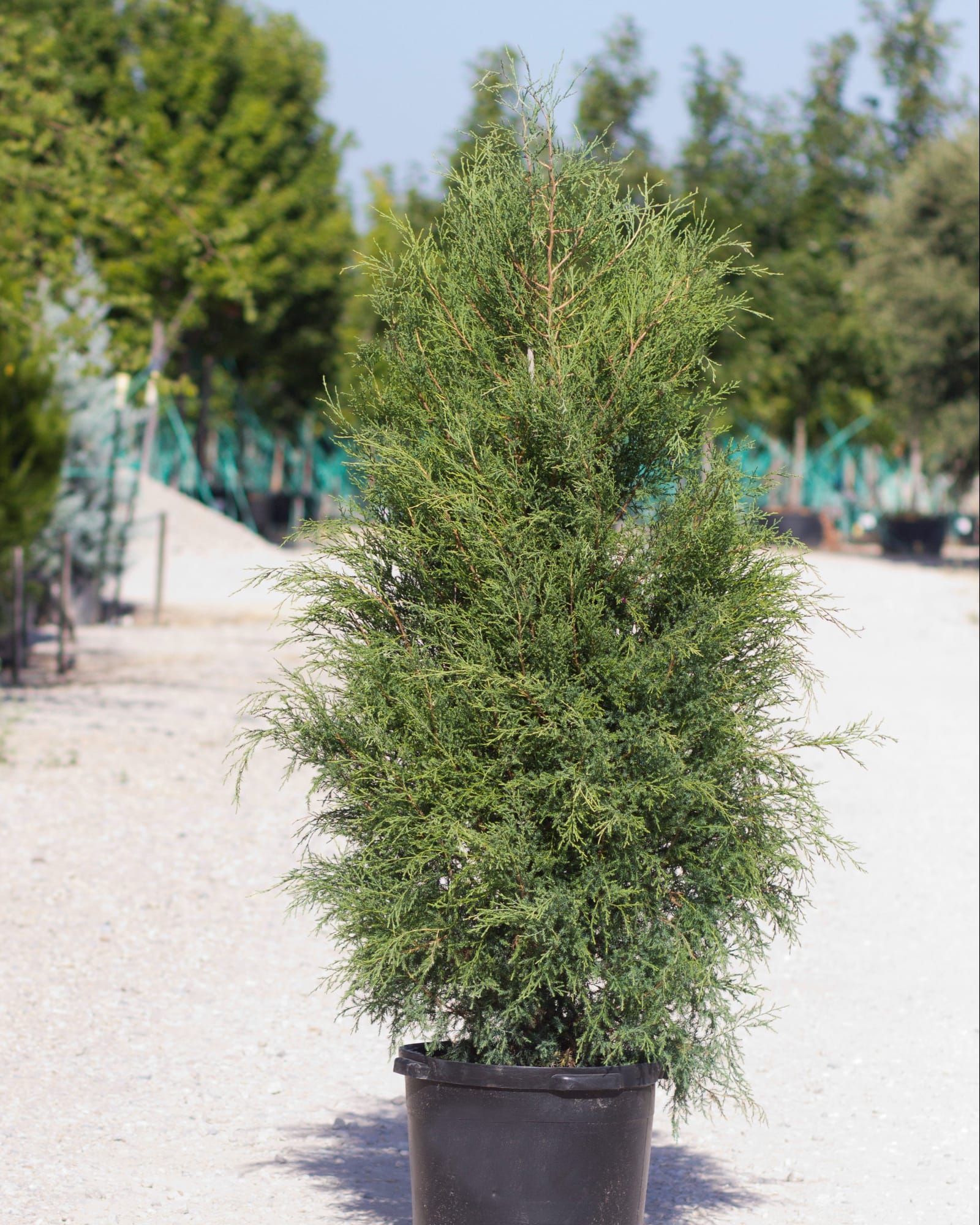
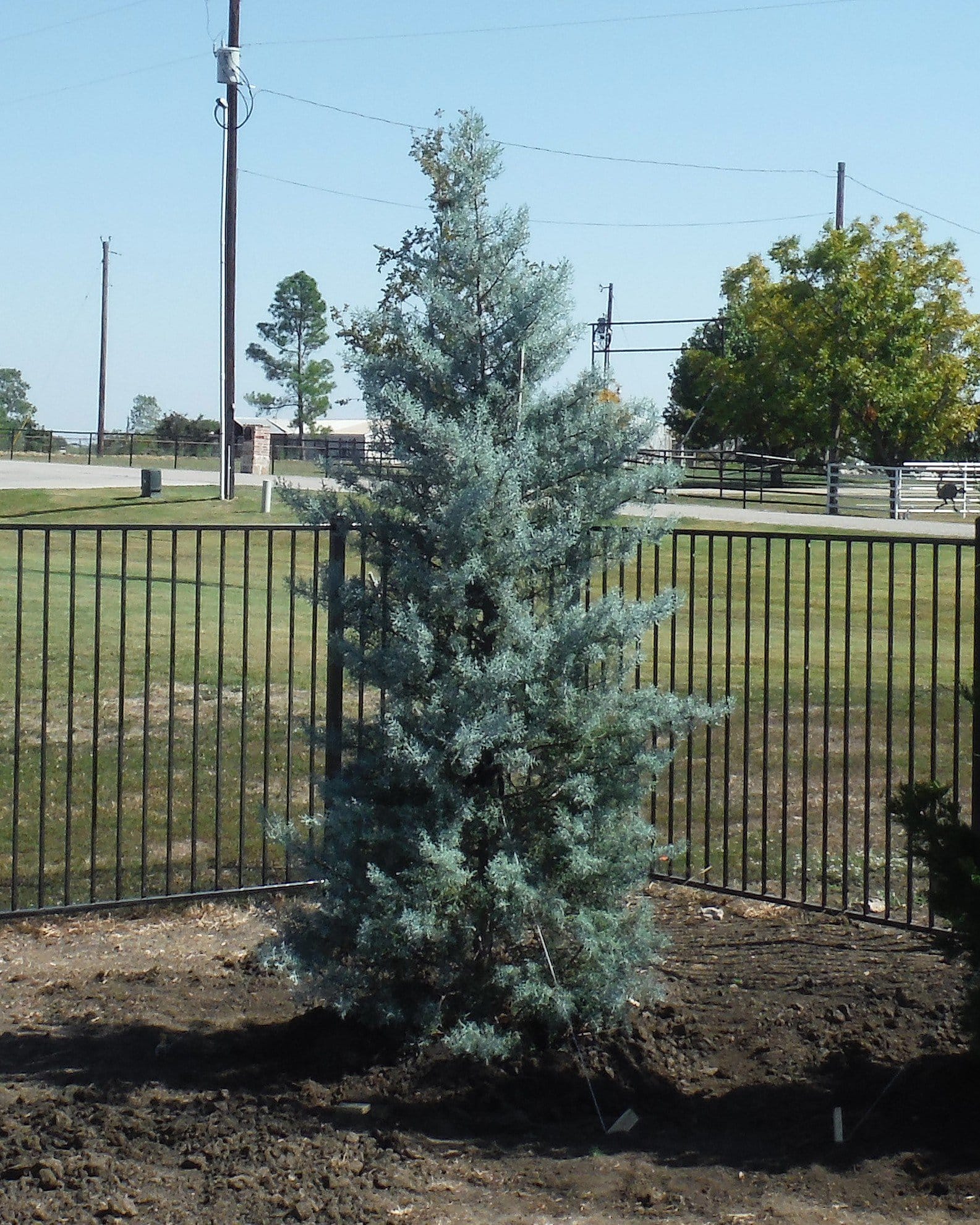
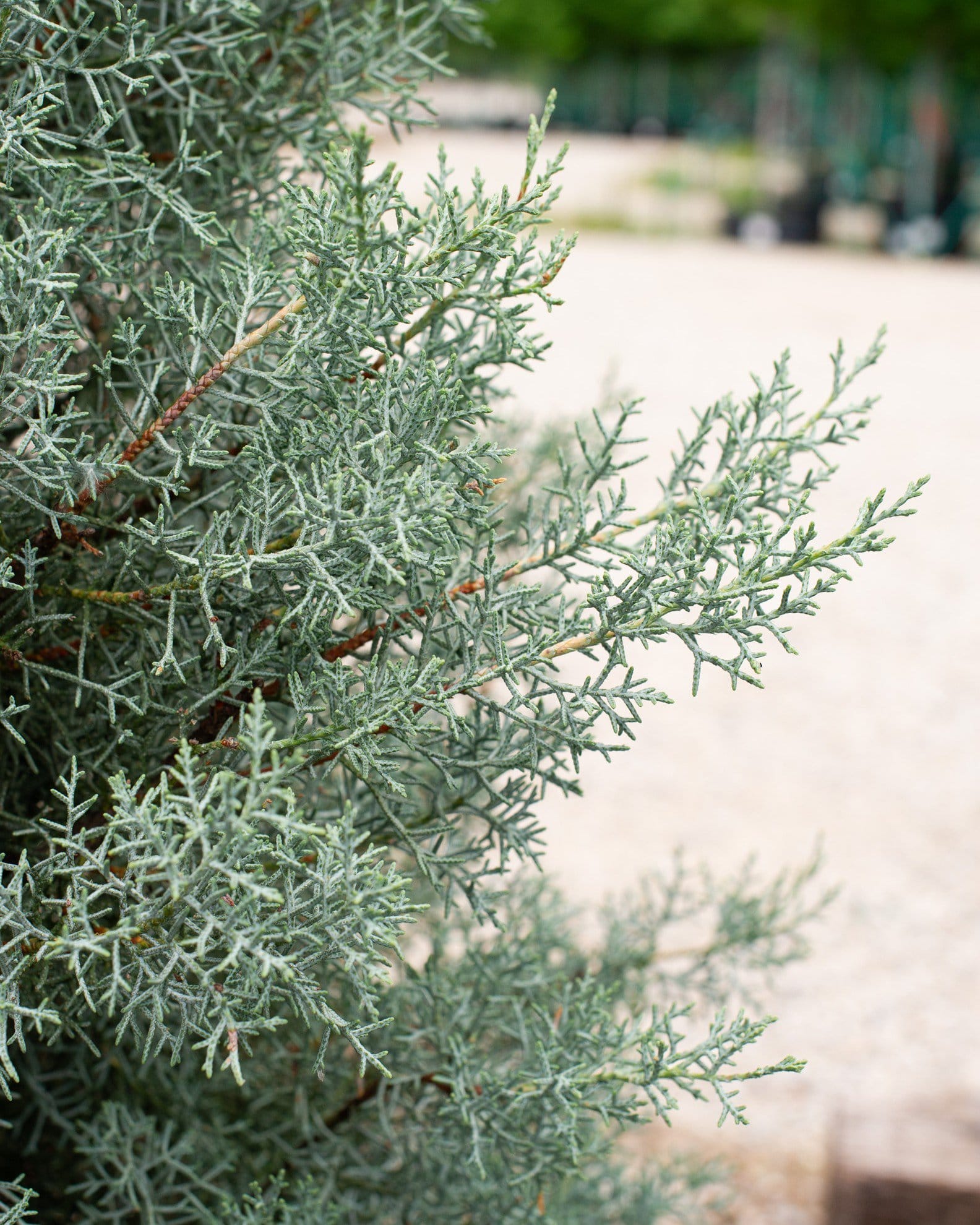
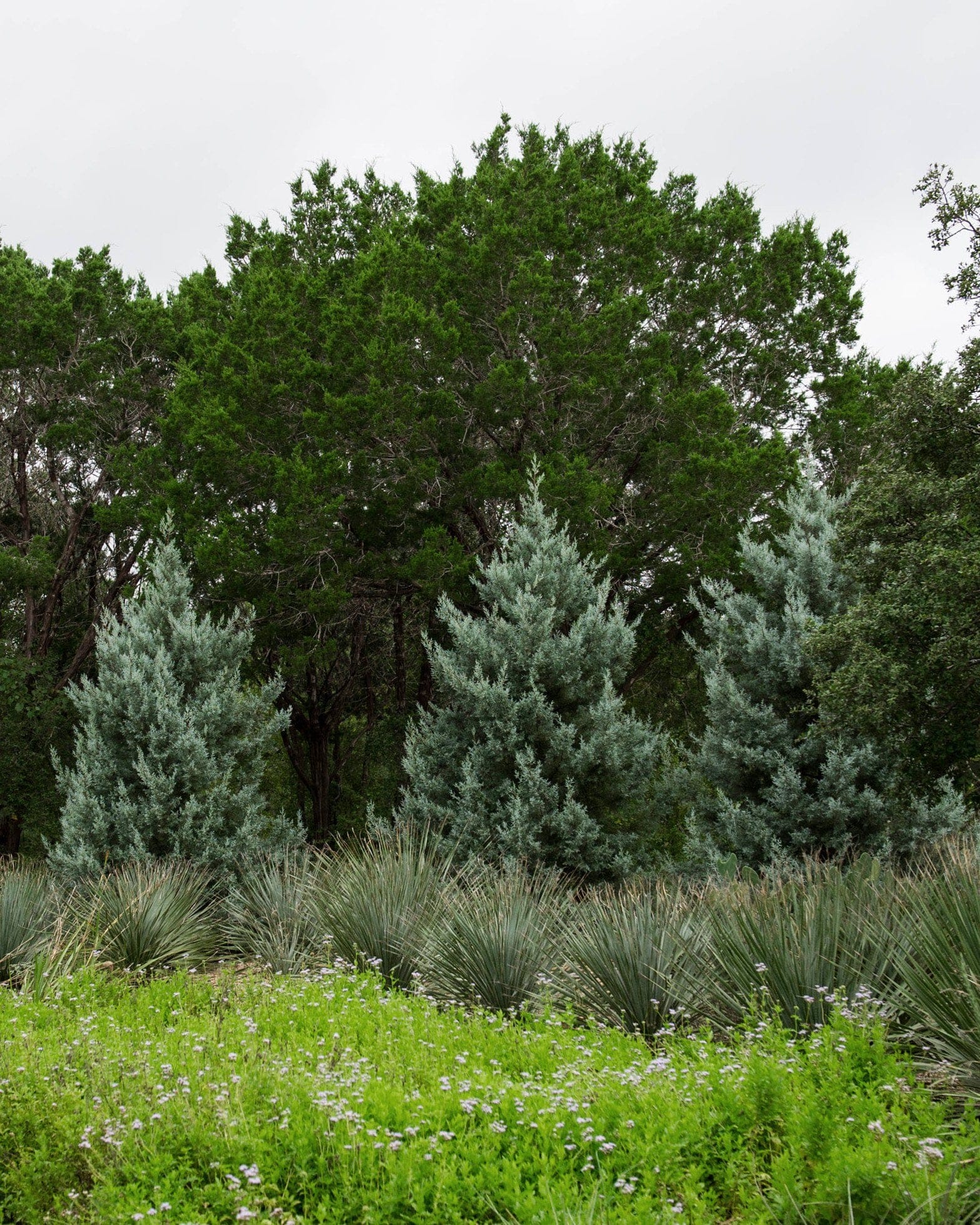
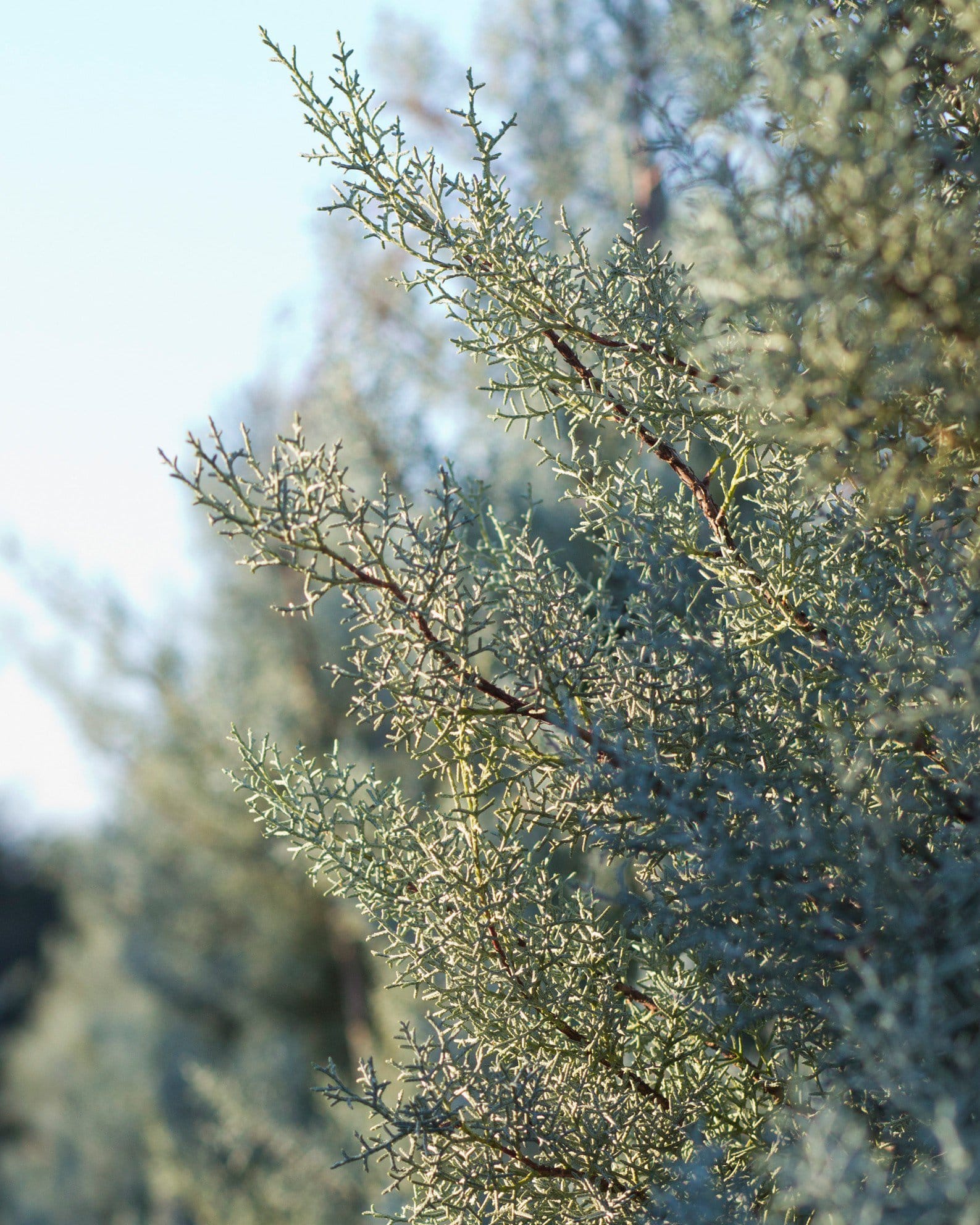
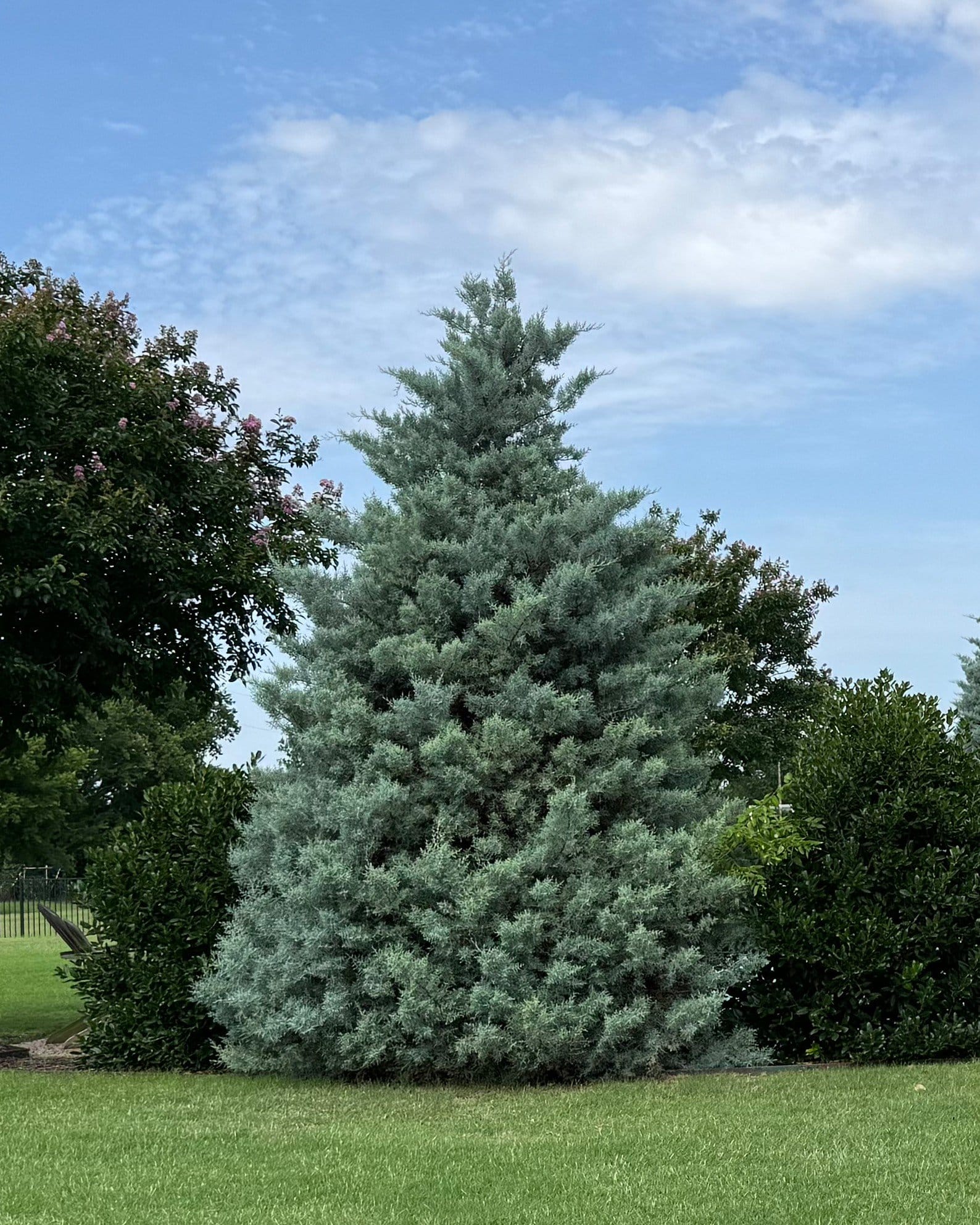
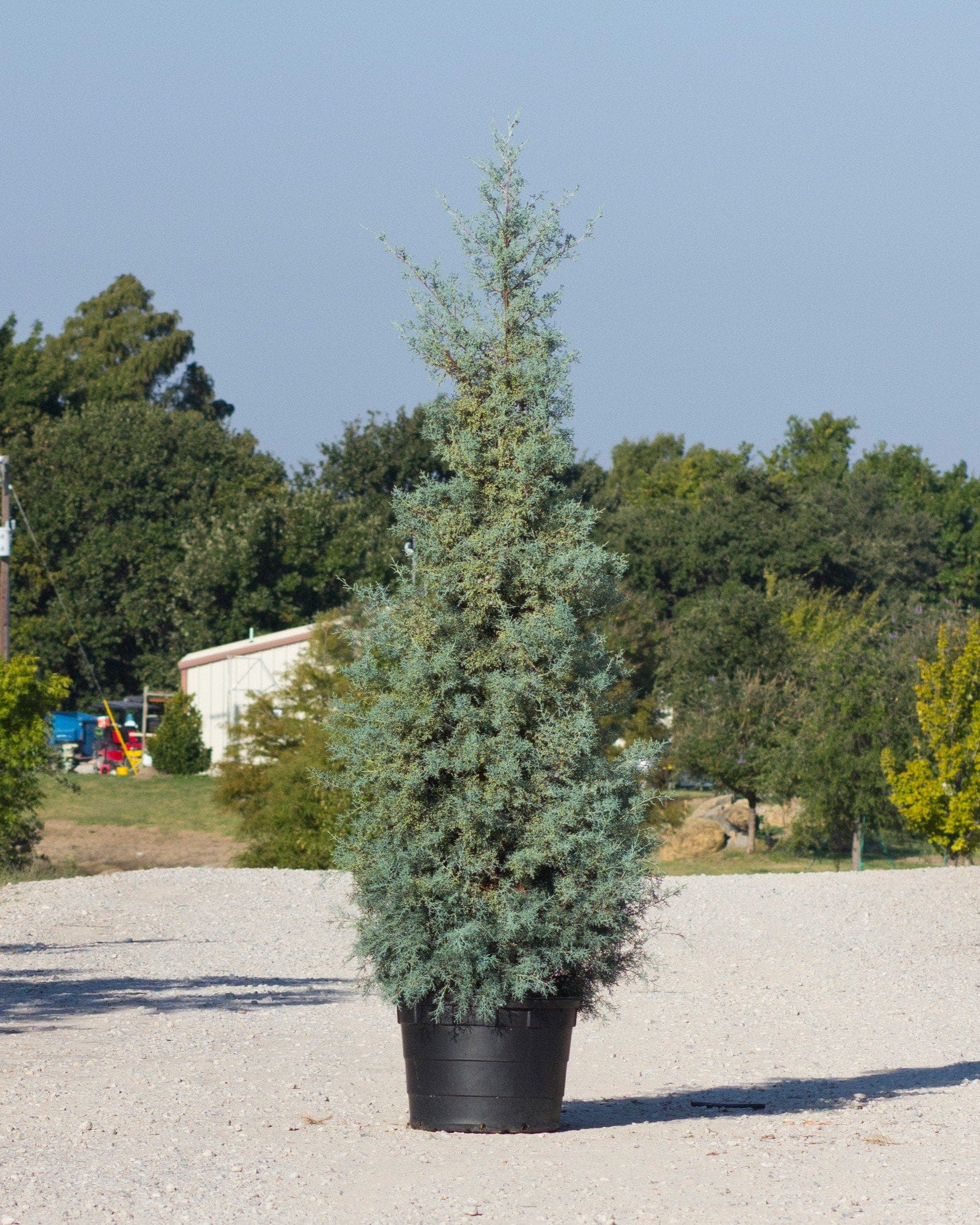
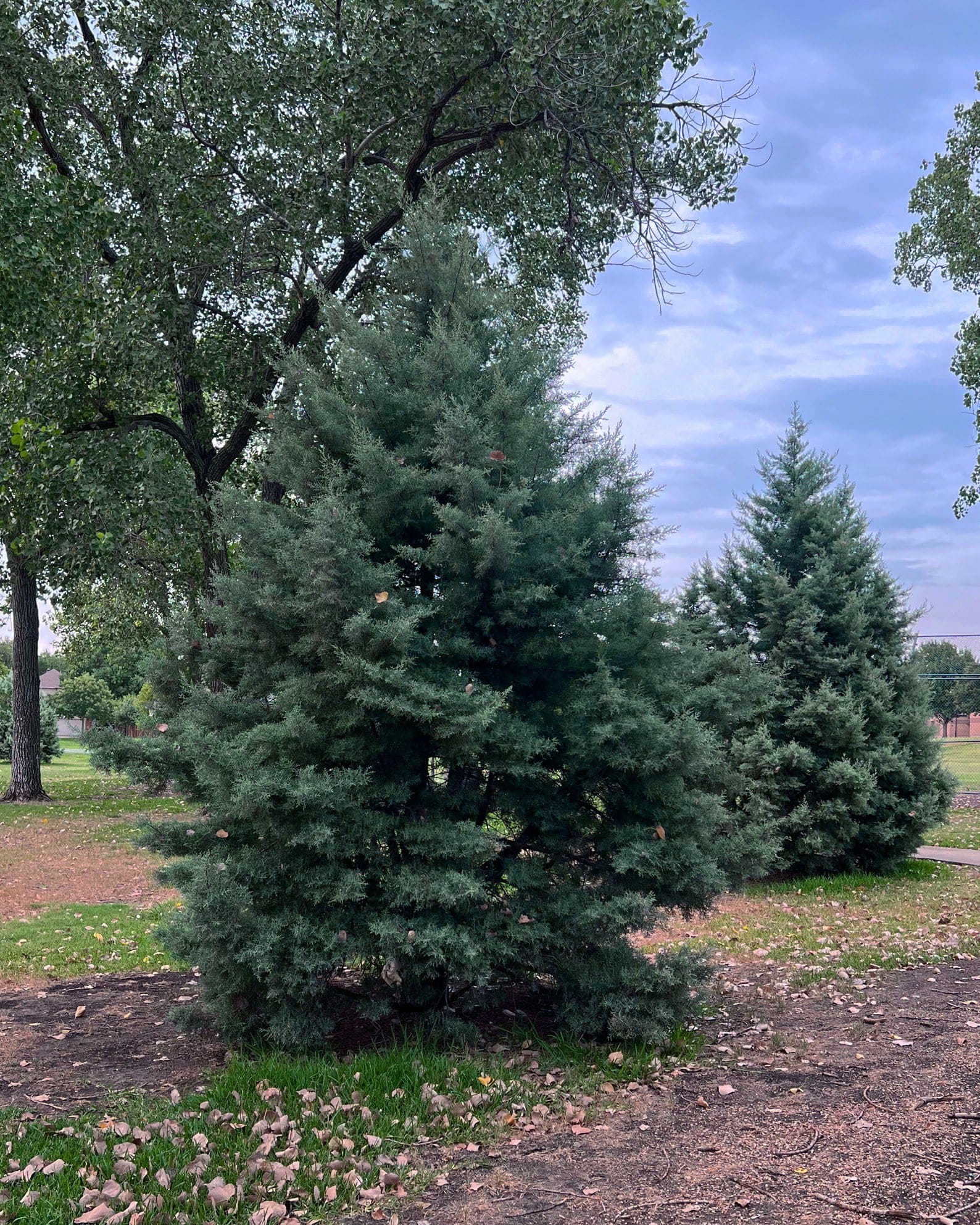
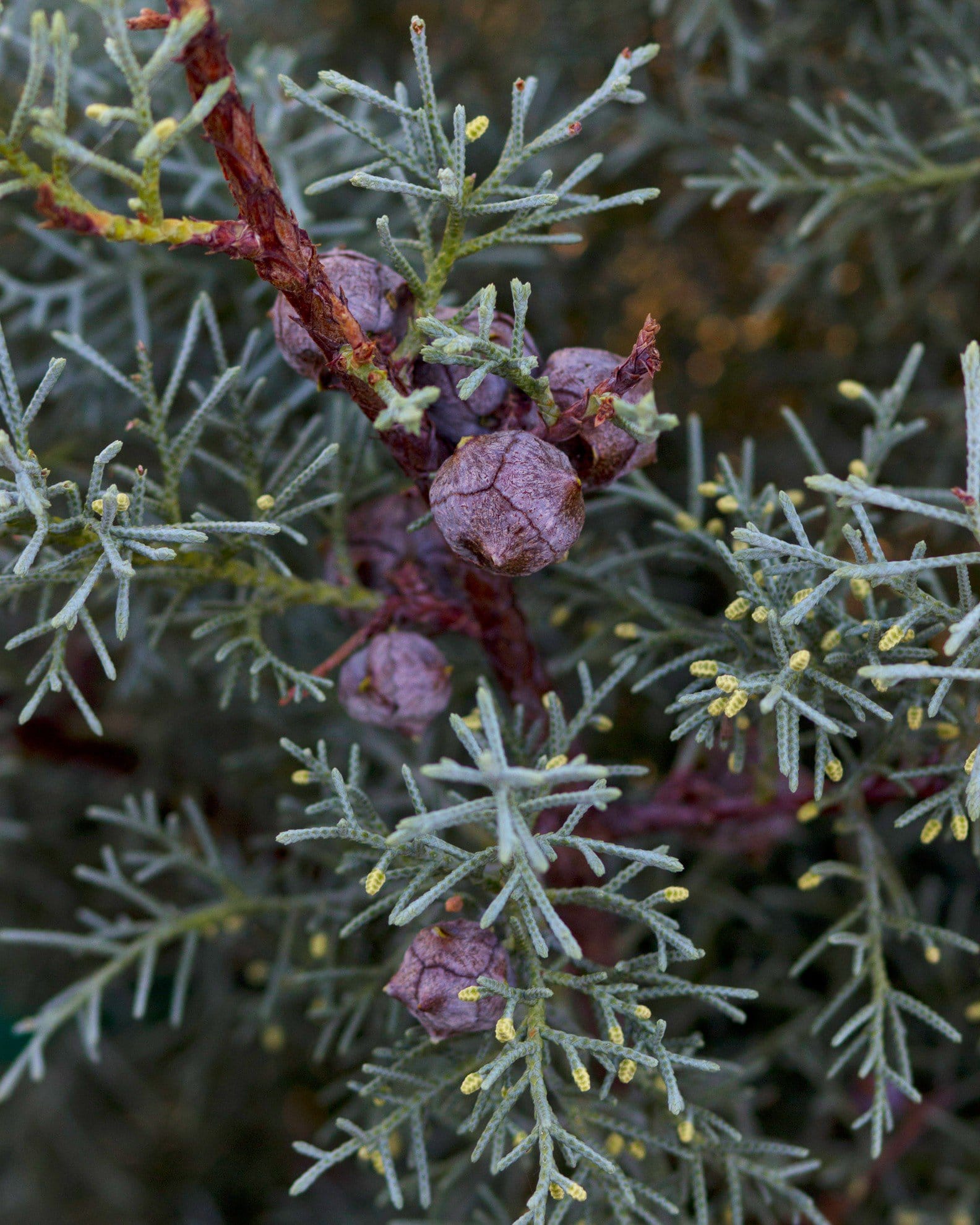
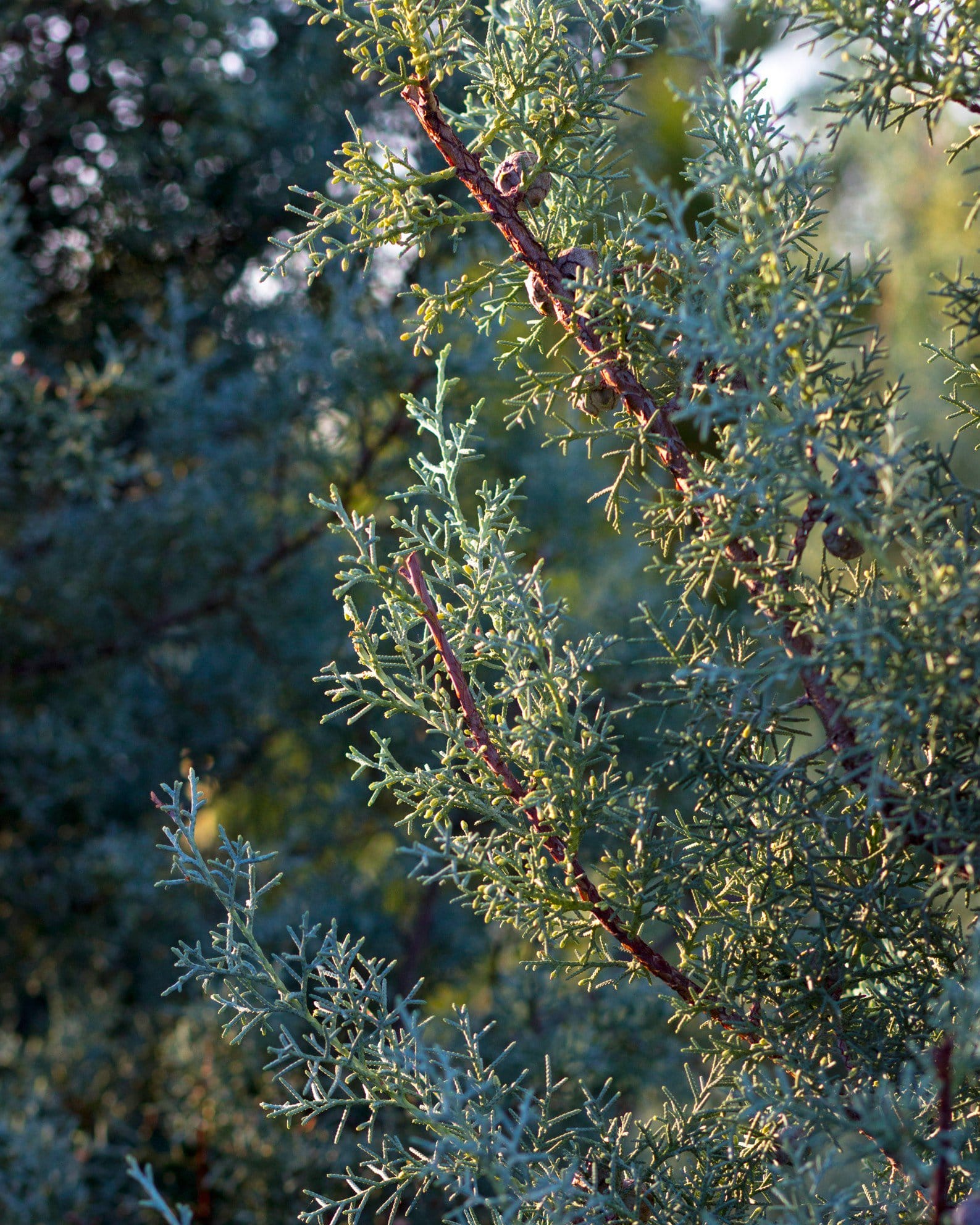
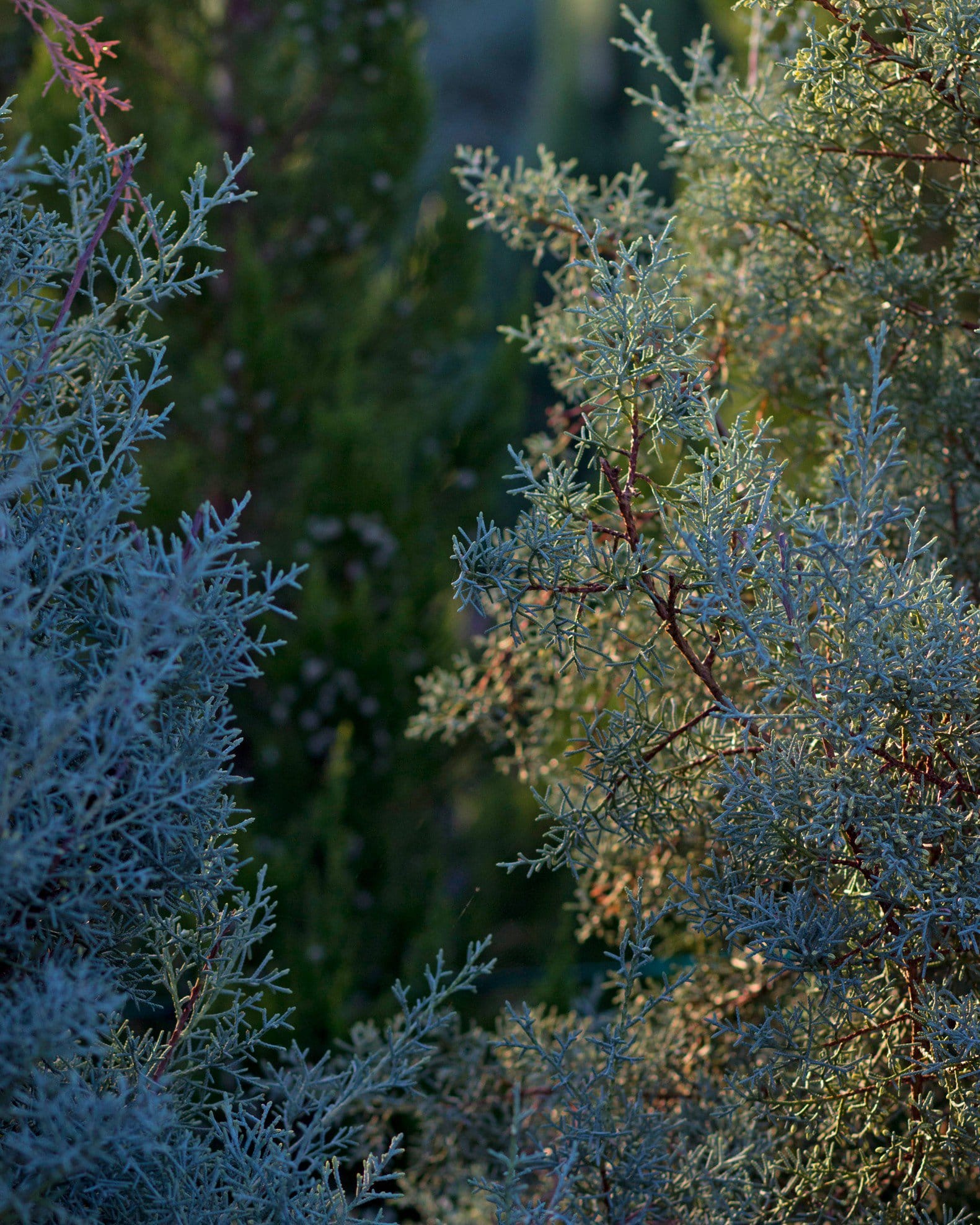
Juniperus chinensis ‘Blue Point’Blue Point Juniper is a stately evergreen that combines bold color with structure. Its needle-like foliage shines in a striking silvery-blue shade, adding year-round interest and contrast in the landscape. It grows 12 feet in height and 7 feet in width. This cultivar’s naturally pyramidal shape and sturdy branches make it a reliable choice for creating privacy hedges or as a dramatic specimen tree.
- Evergreen tree
- Moderate growth rate
- Rich silvery-blue foliage year-round
- Excellent for screens or specimen planting
- Tolerant of drought, poor soils, and urban conditions
Plant in full sun with well-draining soil. Hardy in USDA zones 4 through 9, Blue Point Juniper offers bold beauty and dependable performance. This tree is adaptable to a range of soil types and handles drought and urban stress with ease, making it a favorite for both residential and commercial planting.
Durable, drought-tolerant, and wonderfully low-maintenance, Blue Point Juniper needs little to grow beautifully in landscapes across Texas. Here’s all it needs:
- Watering: Water deeply and consistently during the first growing season to encourage a strong, extensive root system. Once established, Blue Point Juniper becomes strongly drought-tolerant and requires supplemental watering only during extended dry periods.
- Pruning: Pruning needs are minimal thanks to its naturally tight, upright habit. Light shaping in late winter can refine the outline or remove occasional irregular shoots, but avoid cutting into old wood where regrowth is limited.
- Fertilizing: Blue Point Juniper typically thrives without heavy feeding. If growth appears thin or foliage pale, apply a light, slow-release fertilizer in early spring to support renewed vigor. Avoid excessive nitrogen.
- Mulching: Apply a 2-3 inch mulch layer around the base to conserve moisture and stabilize soil temperature. Keep mulch pulled a few inches back from the trunk to prevent bark moisture issues.
- Winter Care: Fully hardy and evergreen, Blue Point Juniper needs no special winter protection. In regions with heavy, wet snow, gently brush branches to prevent bending or splaying.
Blue Point Juniper is rugged and dependable, though a few manageable issues may appear in humid or poorly drained conditions:
- Phomopsis Tip Blight: New growth tips brown and die back, especially in humid spring conditions. Prune out affected areas and increase airflow to reduce fungal development.
- Spider Mites: Foliage may appear dull, speckled, or dusty in hot, dry weather. Rinse foliage or apply horticultural oil to restore healthy color.
- Bagworms: Silky, camouflaged bags may form along branches, causing defoliation. Remove early by hand or treat before larvae mature.
- Root Rot: Browning and decline at the base occur in consistently wet soil. Improve drainage and avoid overwatering to protect the plant.
- Cedar-Apple Rust: Orange, gelatinous galls may appear on branches. Remove galls and reduce proximity to susceptible apple trees to limit recurrence.
A Blue Point Juniper can live 20-30 years or more with proper care and good drainage. Its longevity makes it an excellent long-term addition to structured landscapes.
It grows at a moderate pace and typically reaches its full, balanced shape within 5-8 years. The columnar structure becomes stronger and more defined as the plant matures.
Yes - the foliage releases a soft, resinous scent when touched or during warm afternoons. This subtle fragrance adds an enjoyable sensory detail to garden pathways and entrances.
Absolutely - its naturally upright, pyramidal shape creates perfect visual anchors for formal layouts. It brings order and clarity to gardens that lean on balanced geometry.
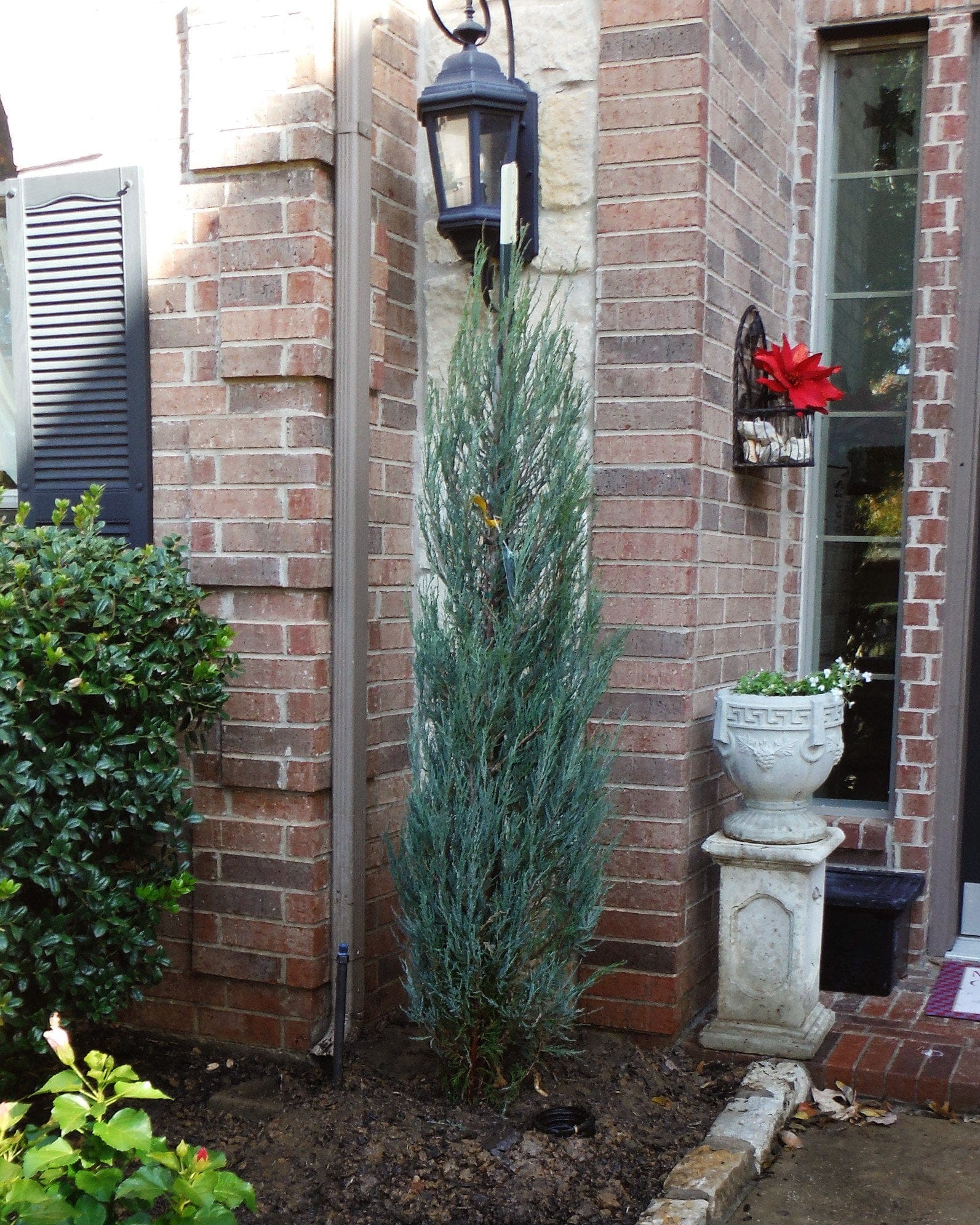
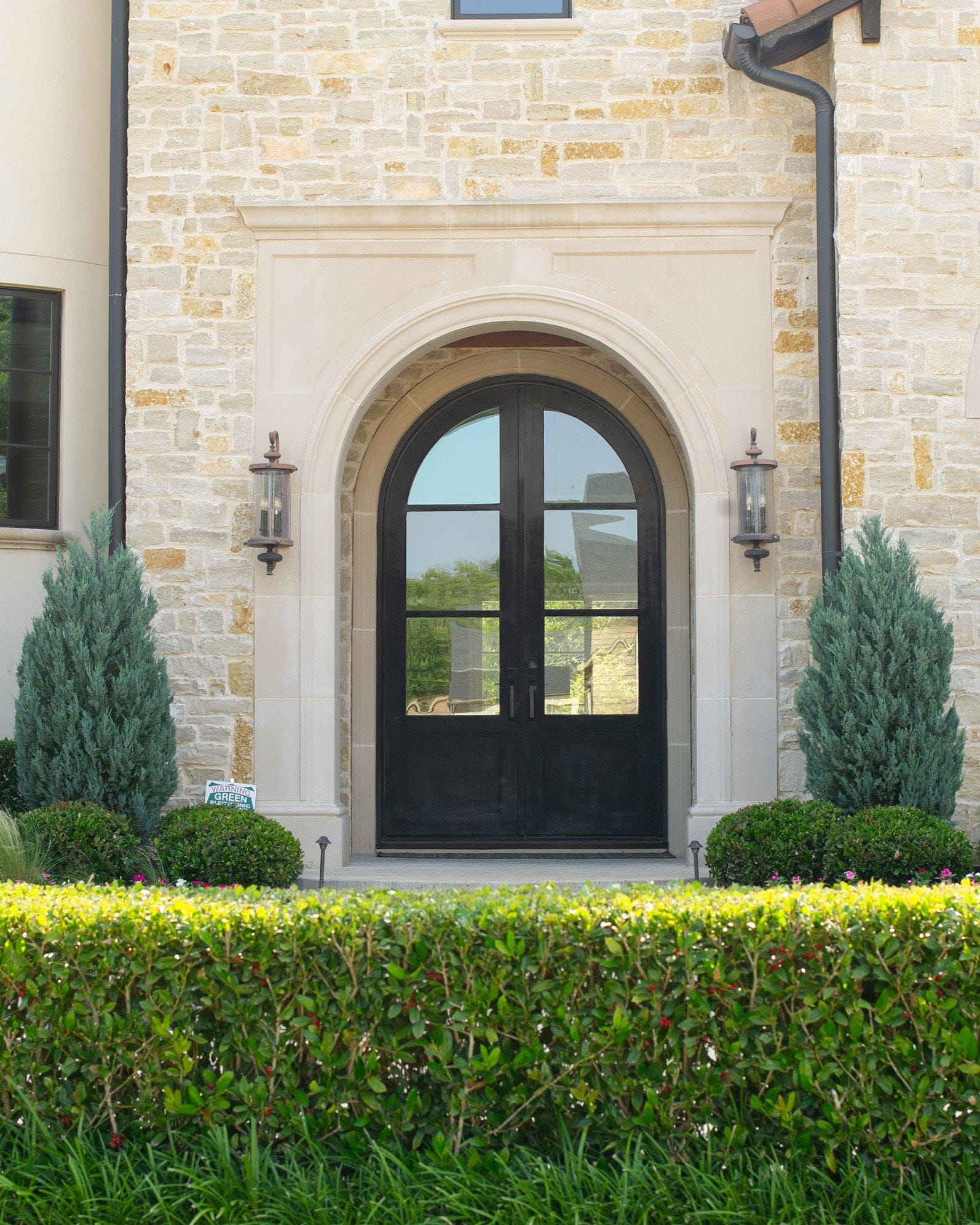
Yes - its narrow footprint and elegant height make it ideal for framing doorways, arbors, and gateways. It draws the eye upward and enhances architectural lines.
It shows good tolerance to mild salt spray and treated winter surfaces. Rinsing the foliage in spring helps maintain its rich blue-green color.
It is generally safe for dogs and cats, who rarely show interest in chewing its tough, aromatic foliage. Its upright form also keeps most greenery above easy reach.
Yes - its tight, upright habit makes it effective for creating subtle privacy where space is limited. A row of them forms a graceful, compact visual barrier.
Its root system offers good soil stability and performs well on lightly sloped terrain. The vertical form also adds interest to areas where horizontal plantings might feel flat.
It can thrive for several years in a substantial container, especially in formal patios or terraces. Eventually, planting in the ground helps it develop its strongest structure.
Special Features
You might also like


Compare Similar Plants
Blue Point Juniper This plant | ||
|---|---|---|
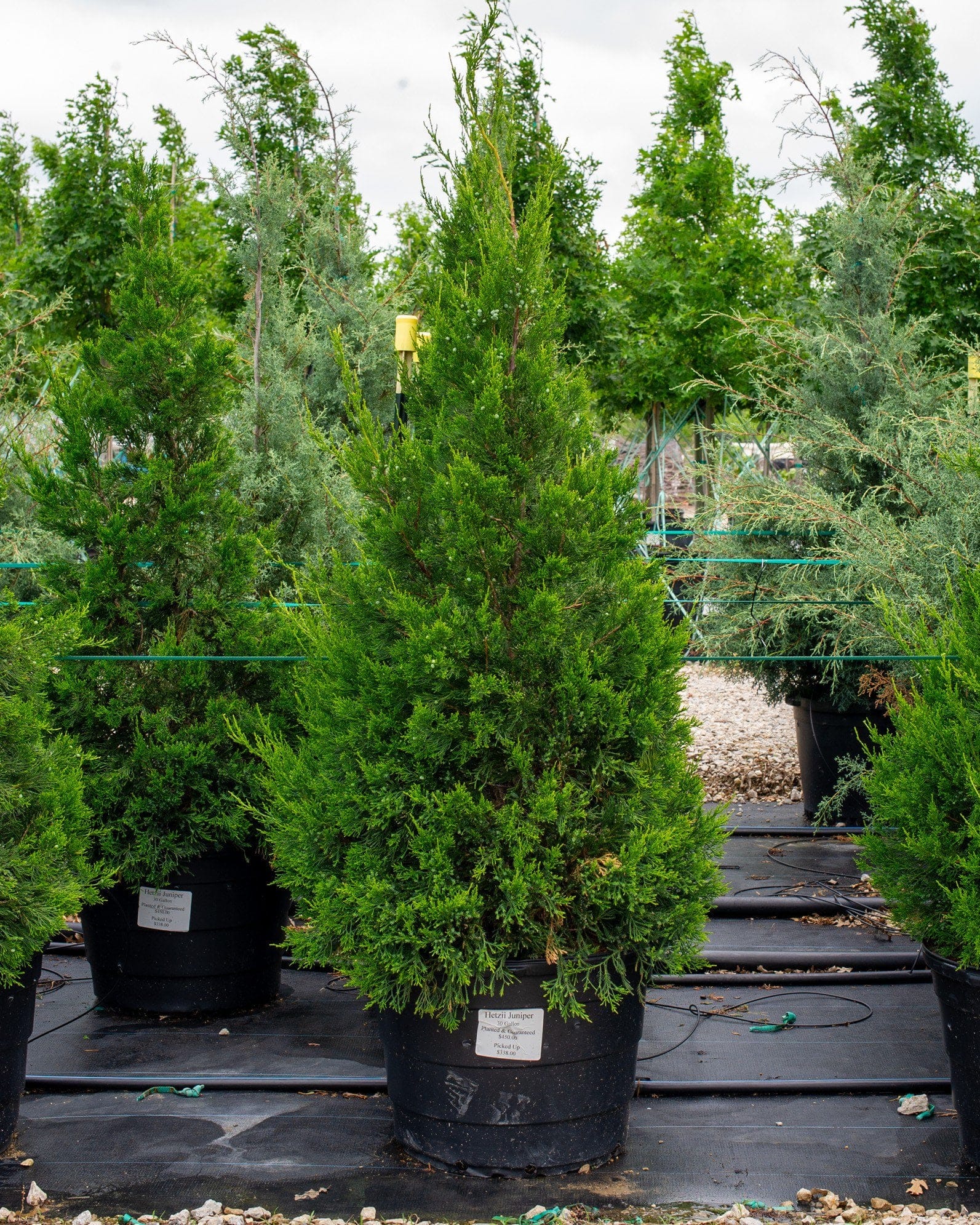
| Scientific Name | Juniperus chinensis ‘Blue Point’ | Juniperus chinensis 'Hetzii Columnaris' |
| Size at Maturity | 12' H x 7' W | 15' H x 5' W |
| Leaf Retention | Evergreen | Evergreen |
| Sizes Available | 3, 7, 15, 30 gal | 15, 30, 45 gal |


Our 1-Year Planting Guarantee
We take pride in our plants and installation services. If any plants or trees installed by Treeland fail to thrive within the first year, we'll provide a replacement credit in accordance with our guarantee program.
Learn More About Our Guarantee