
 Popular
Product Details
Shamrock Red Lantana
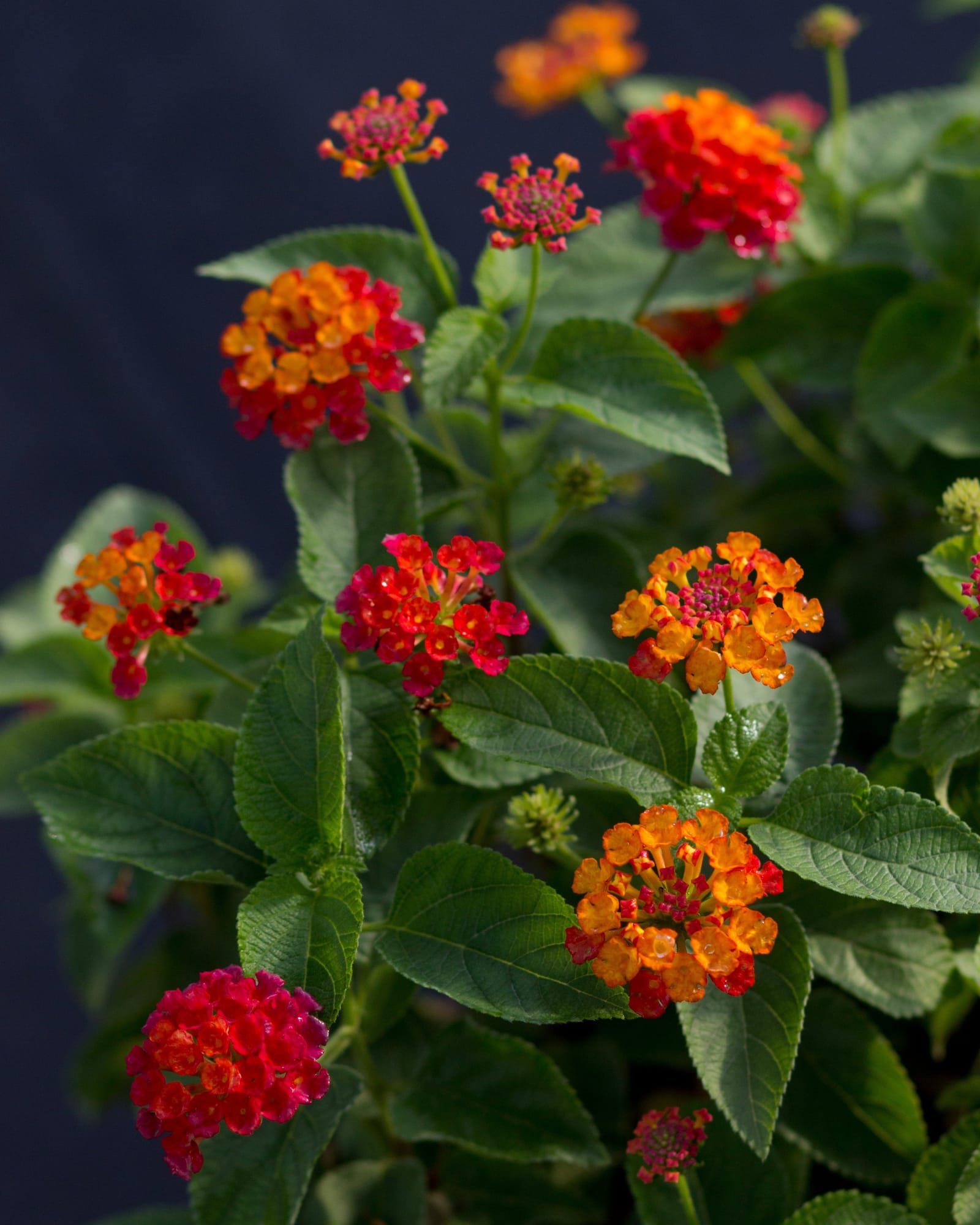
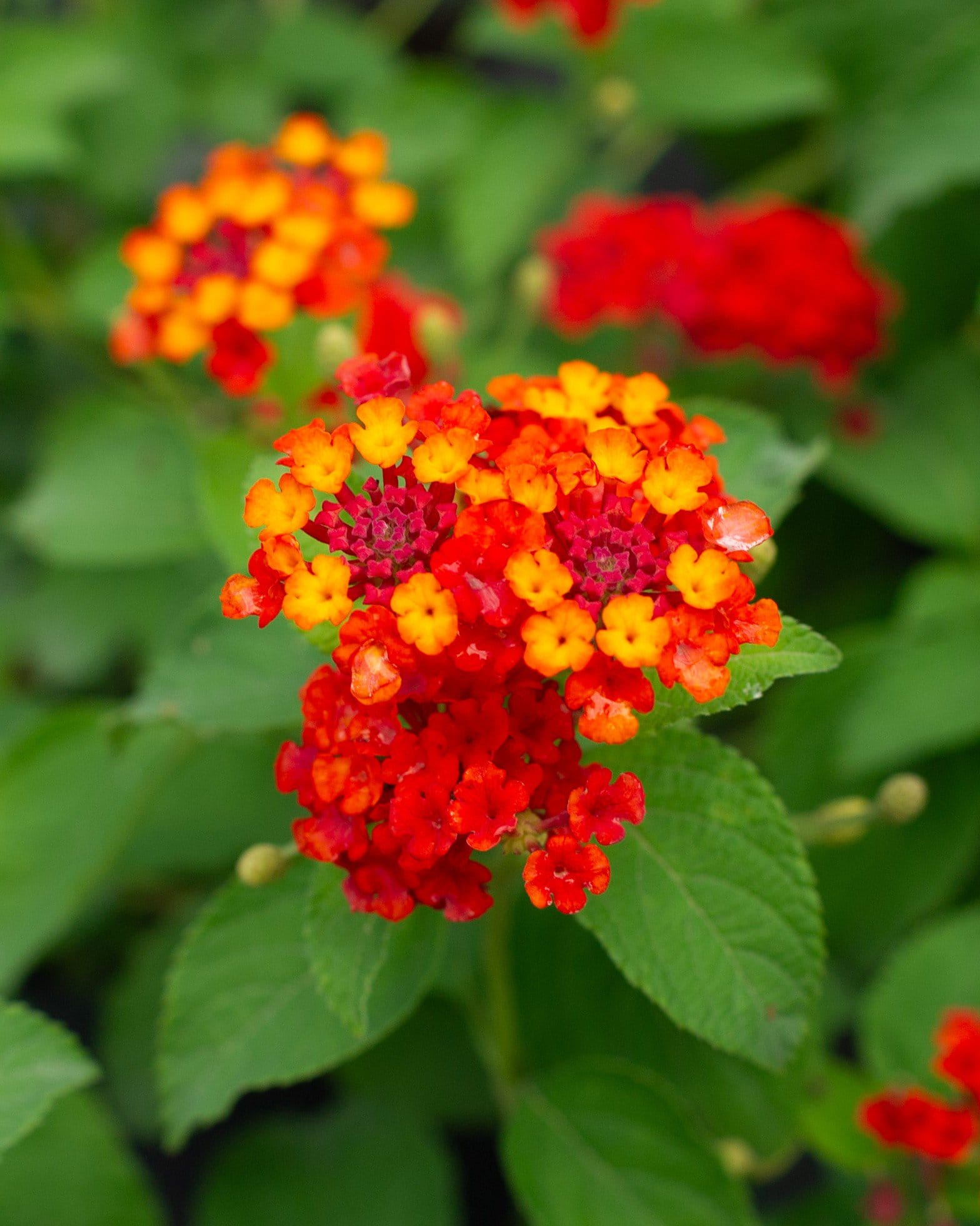
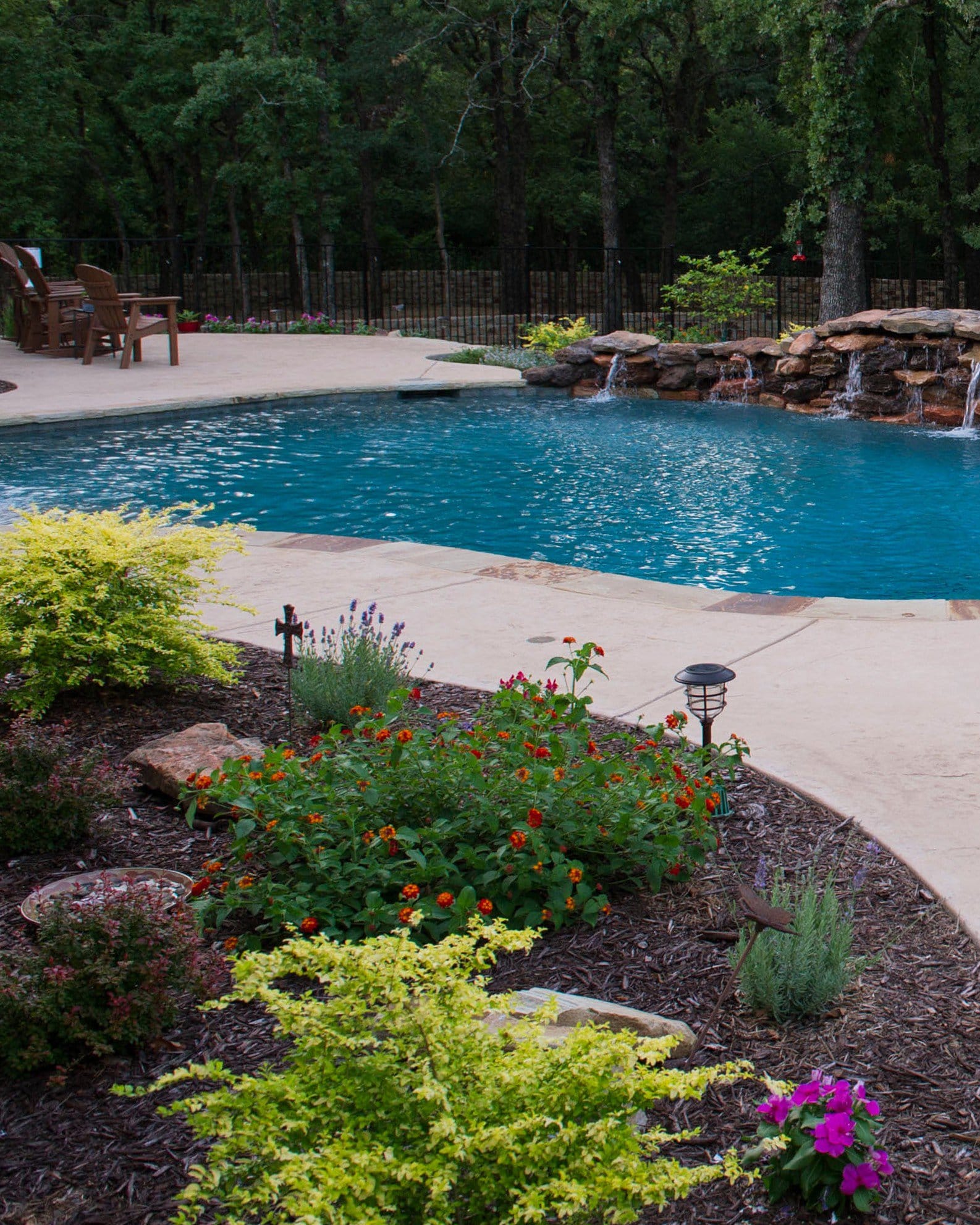
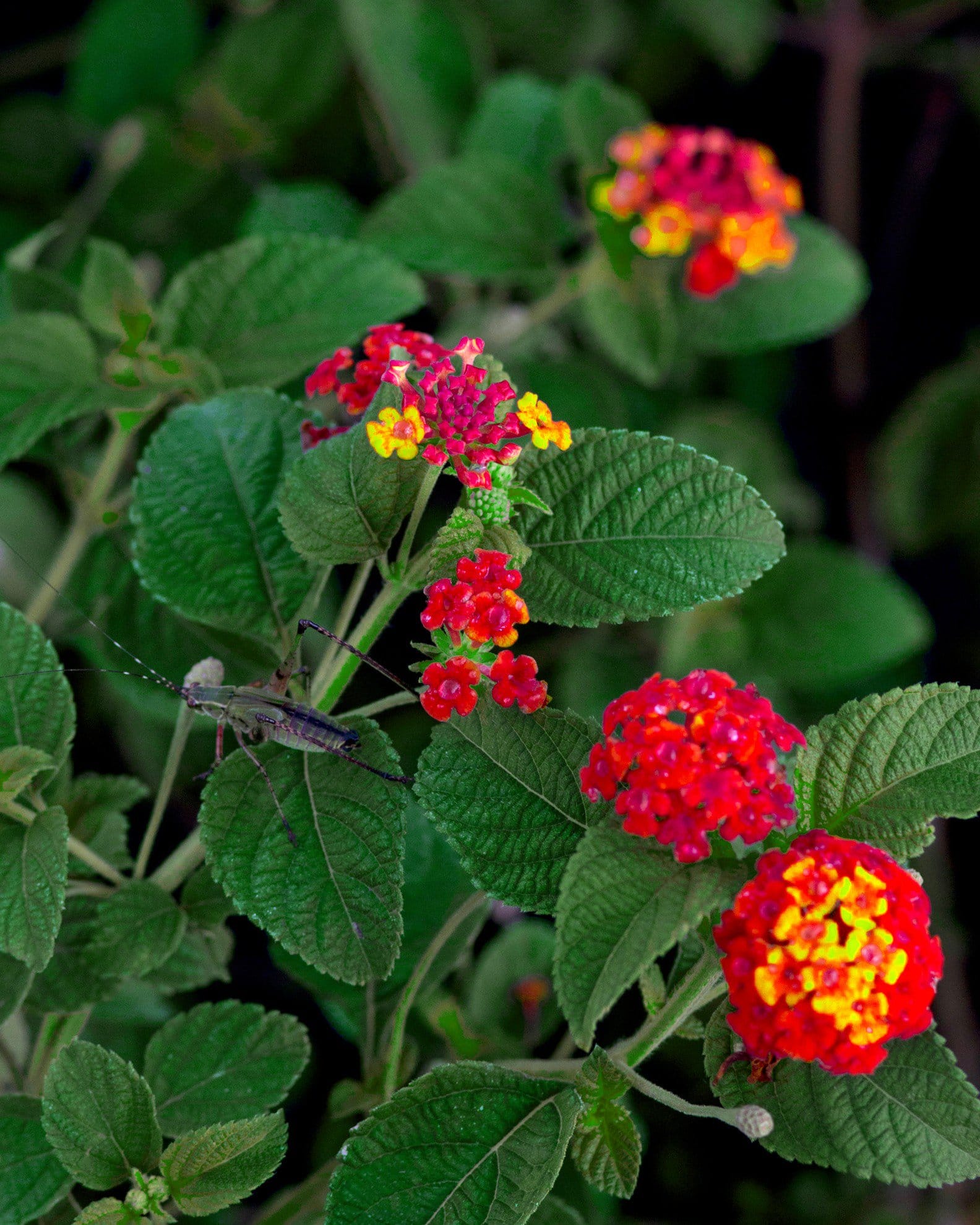
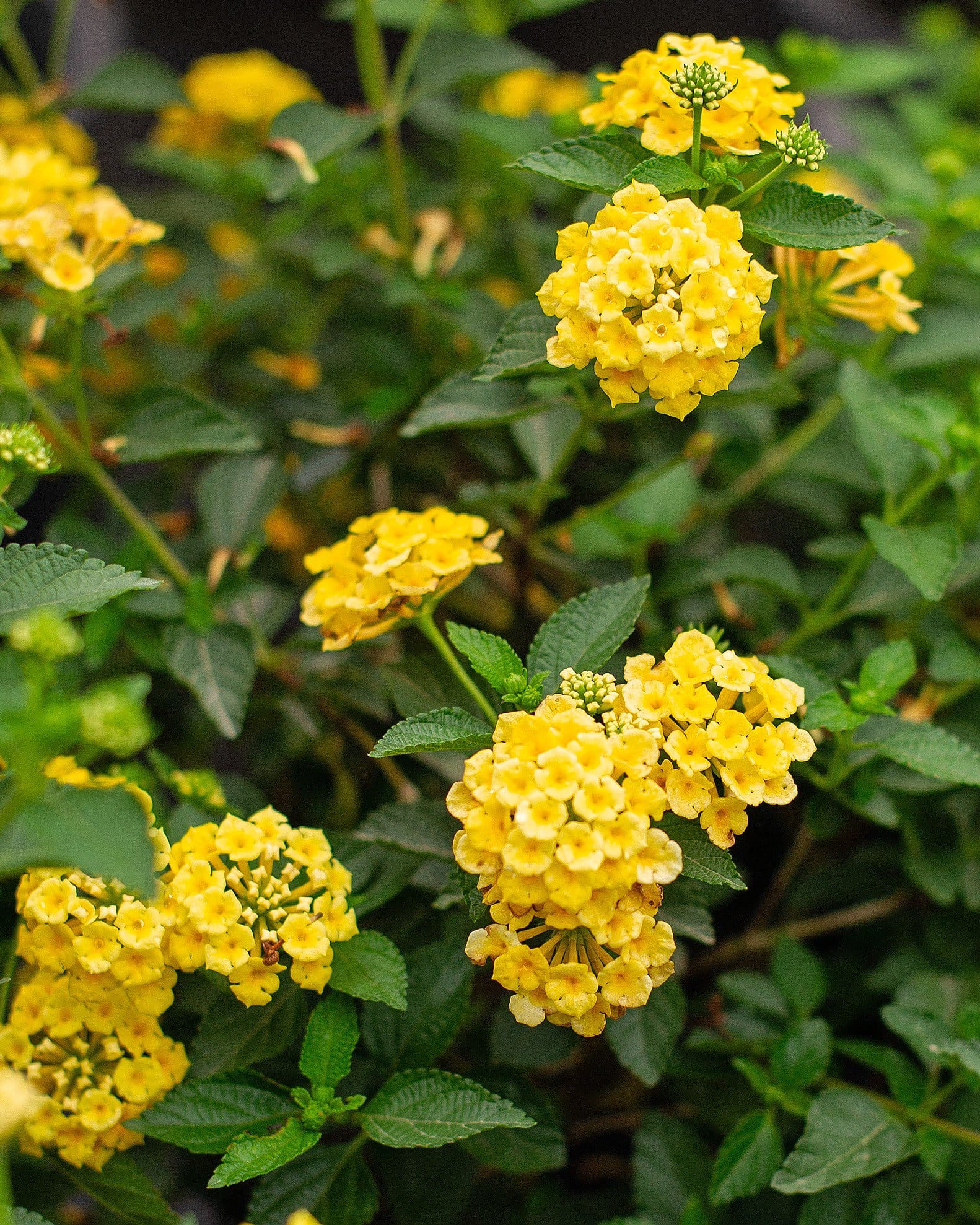
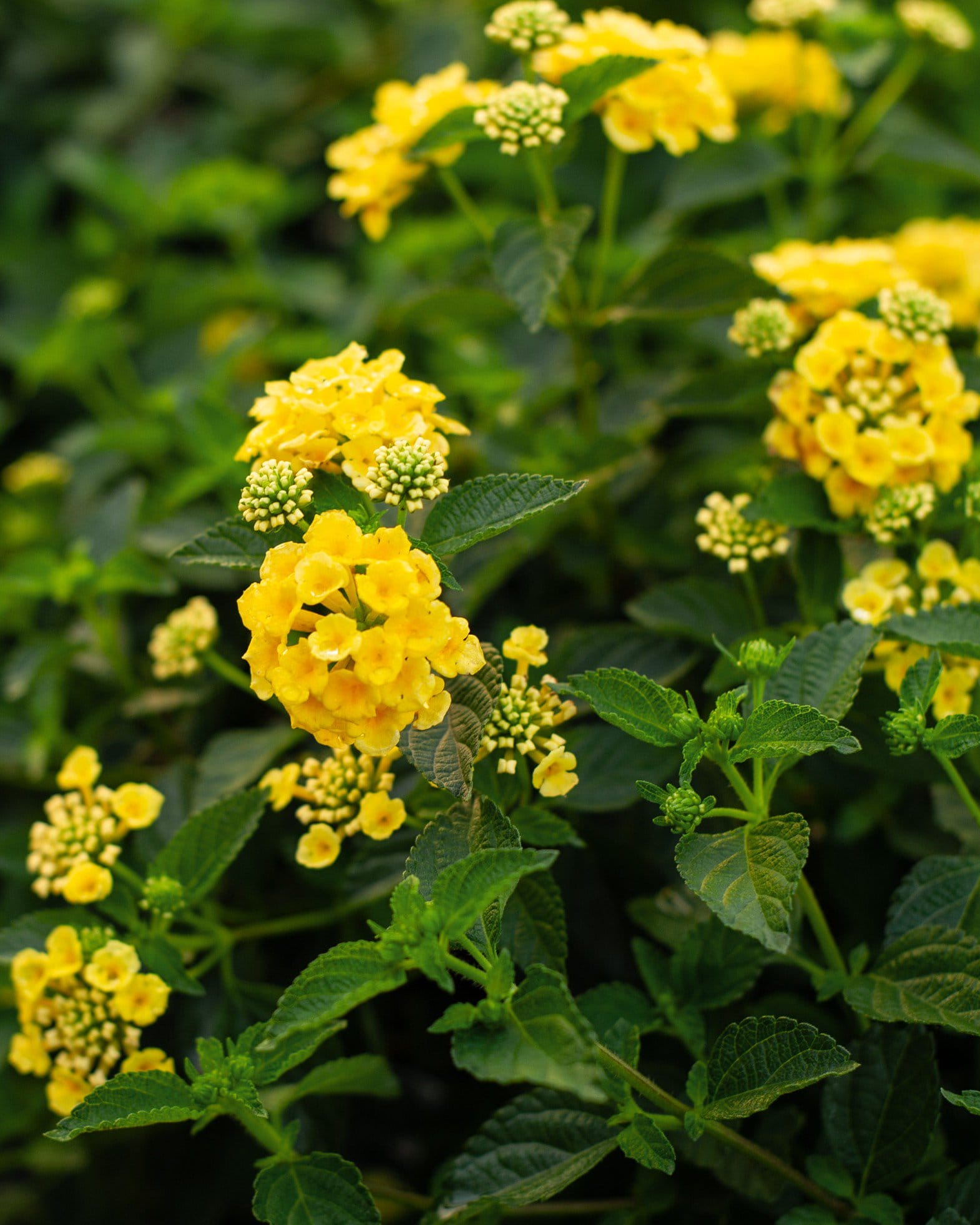
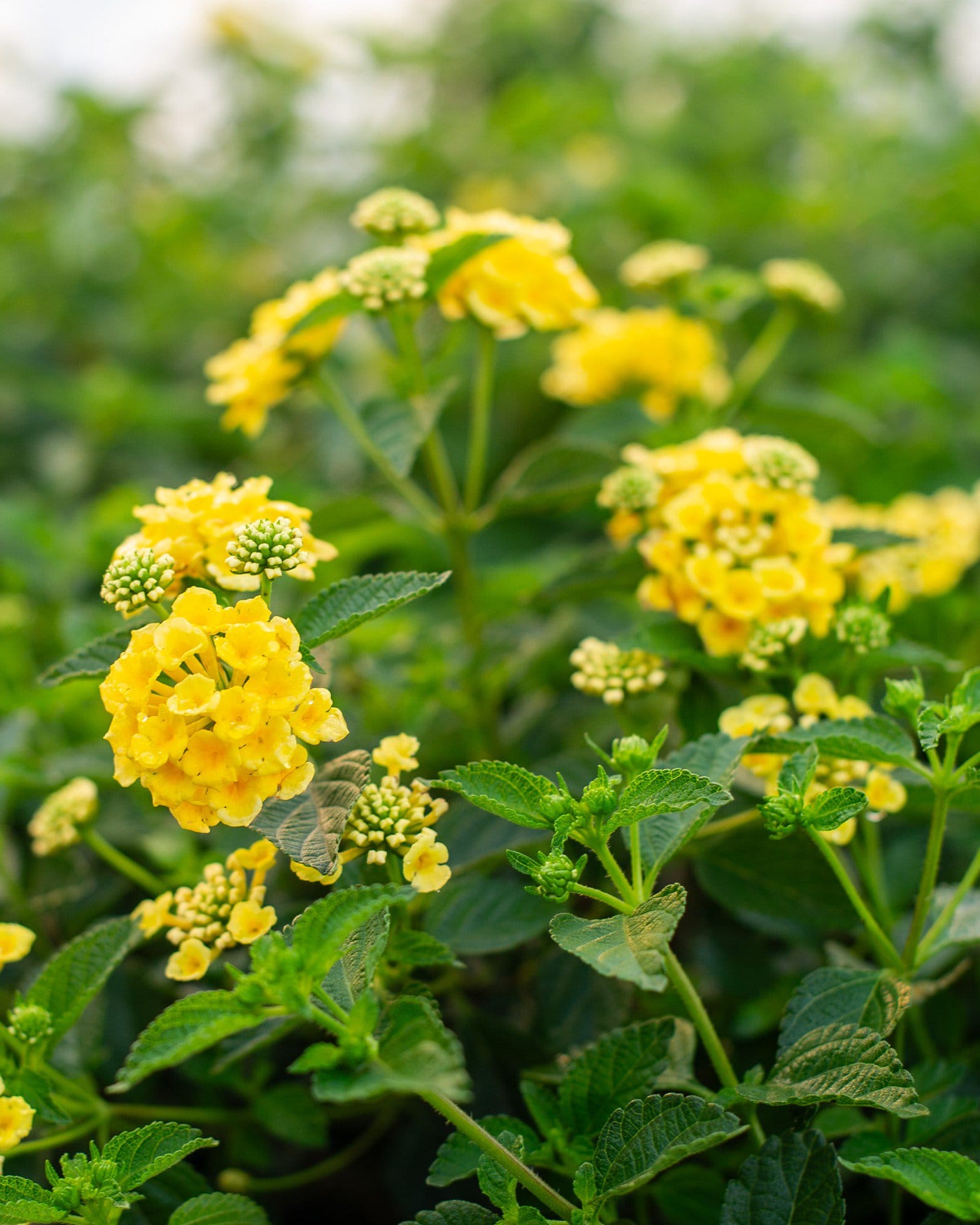
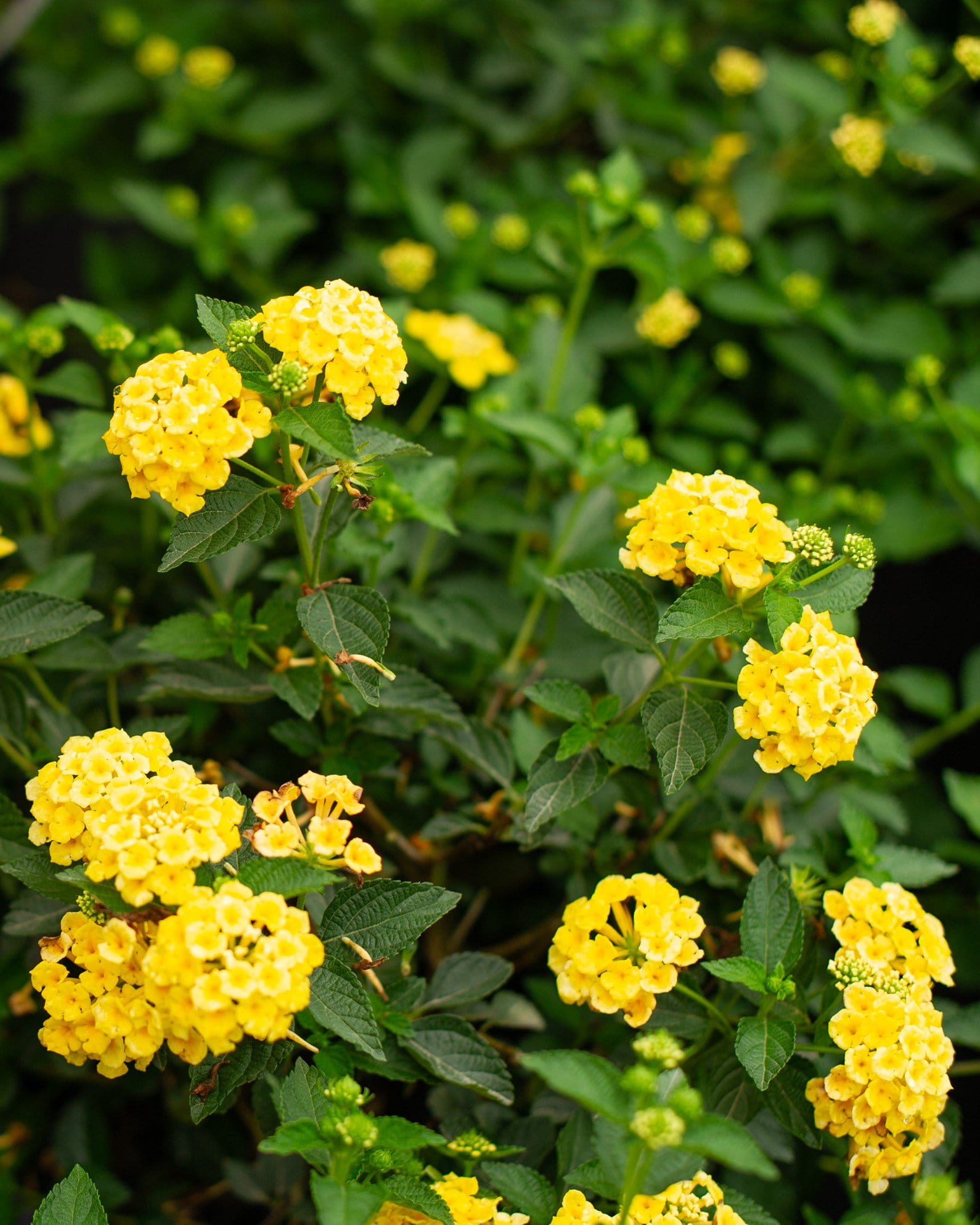
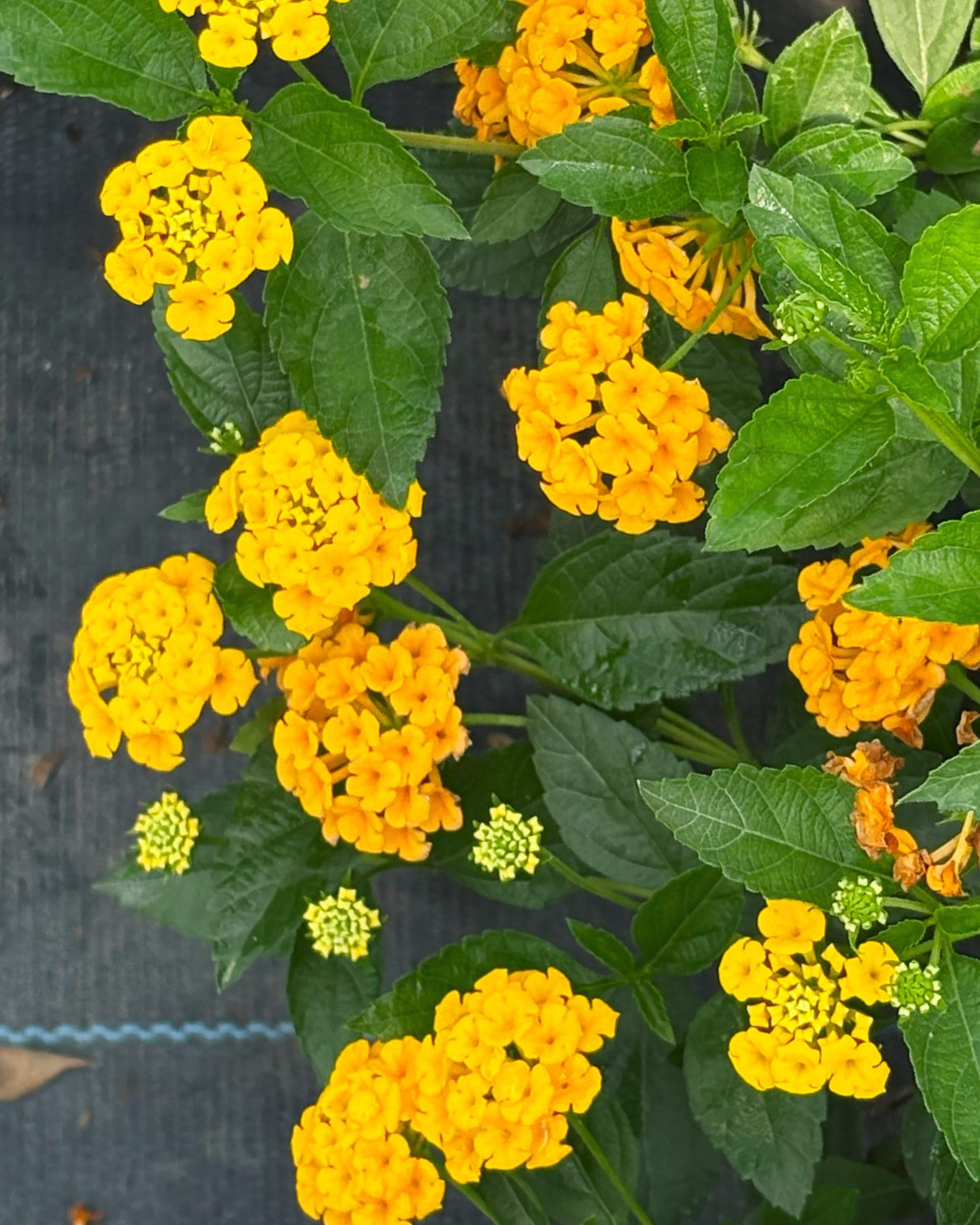
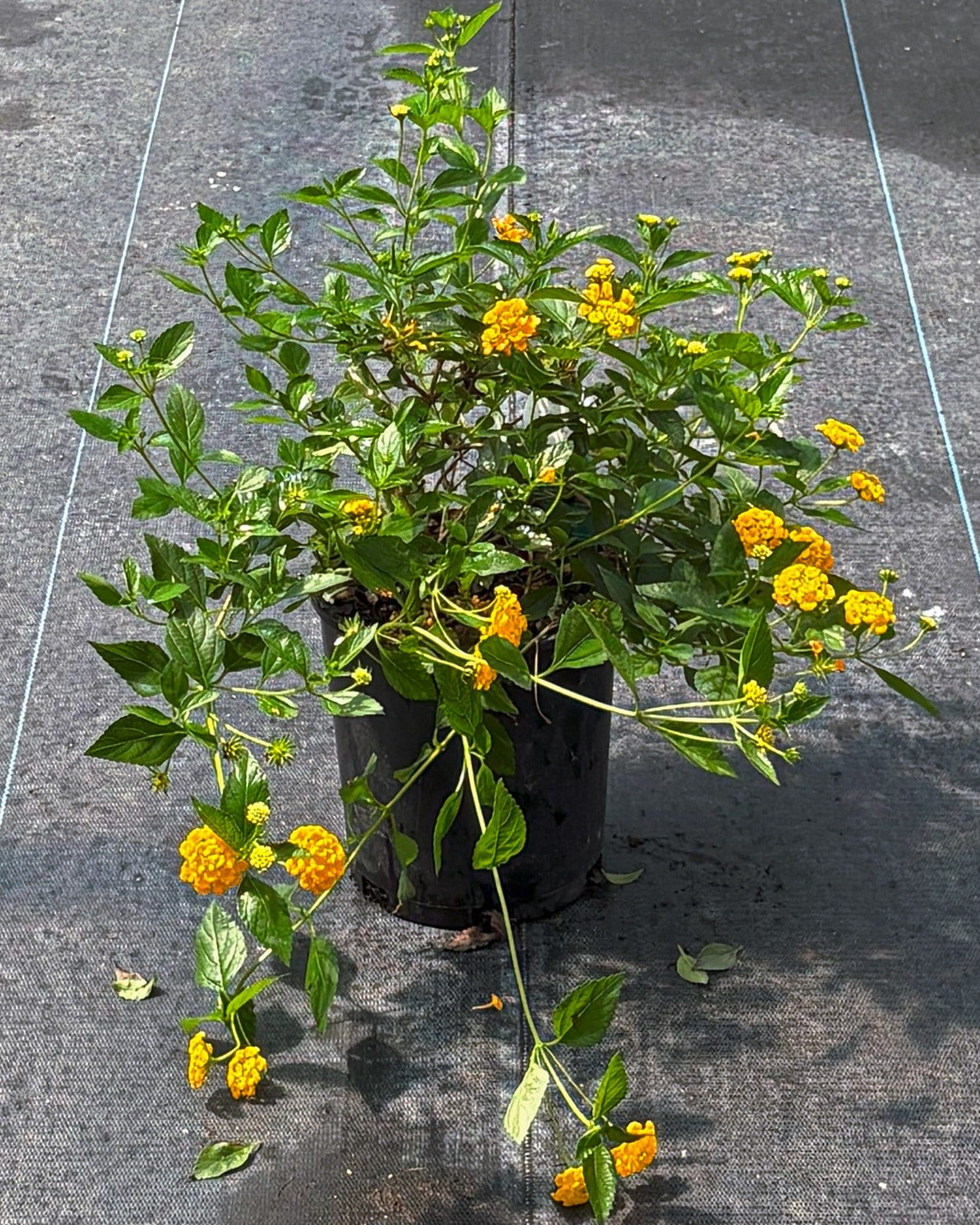
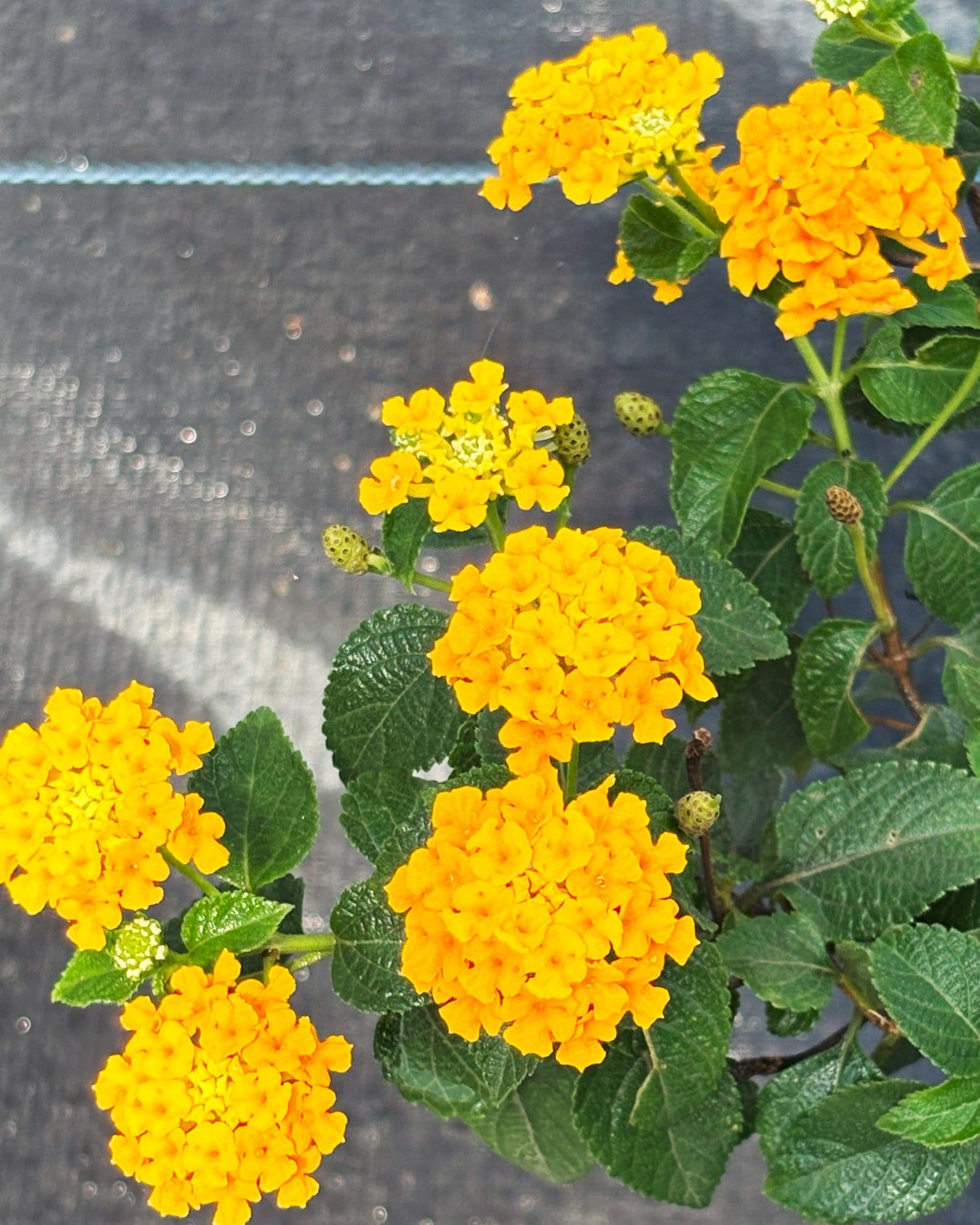
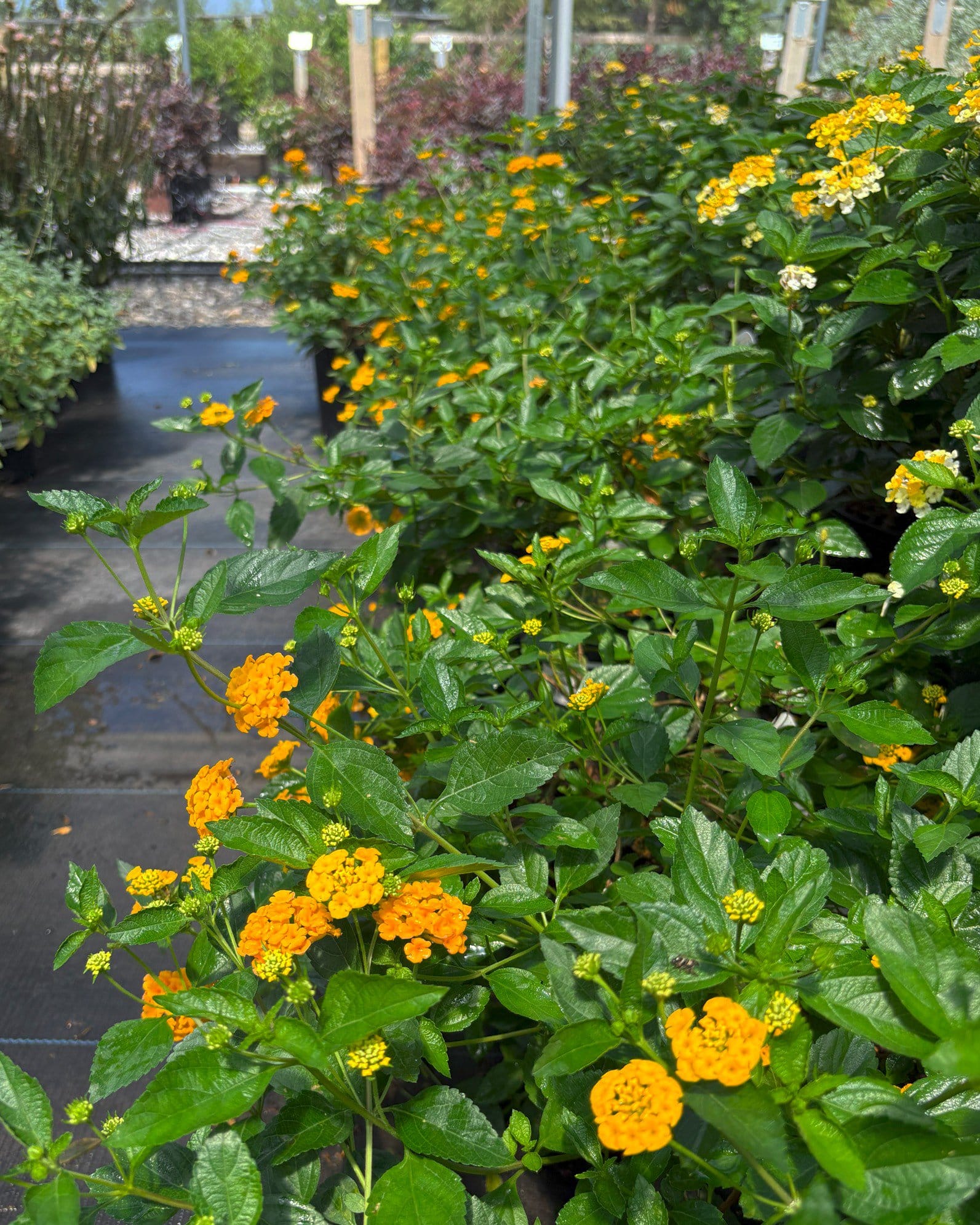
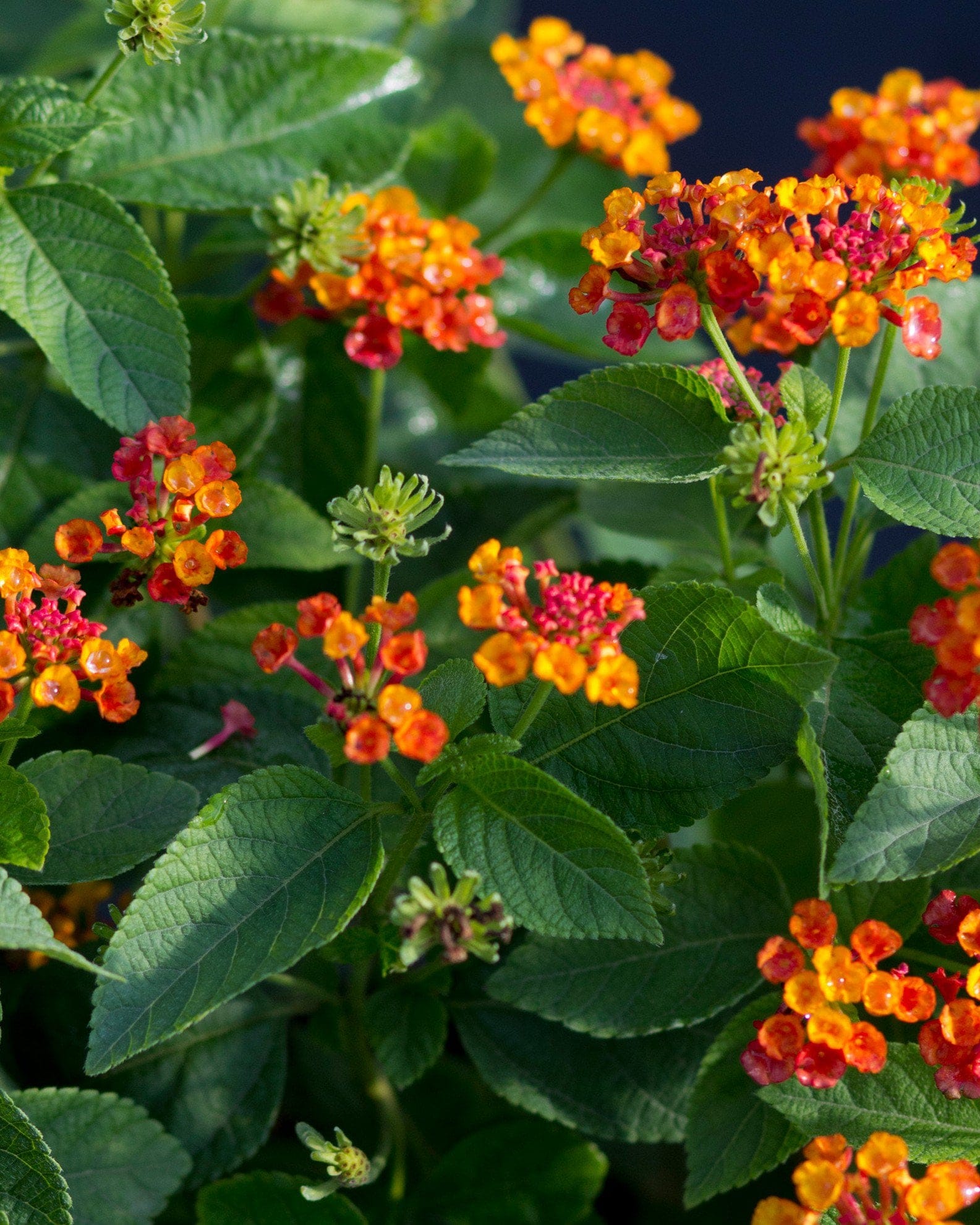
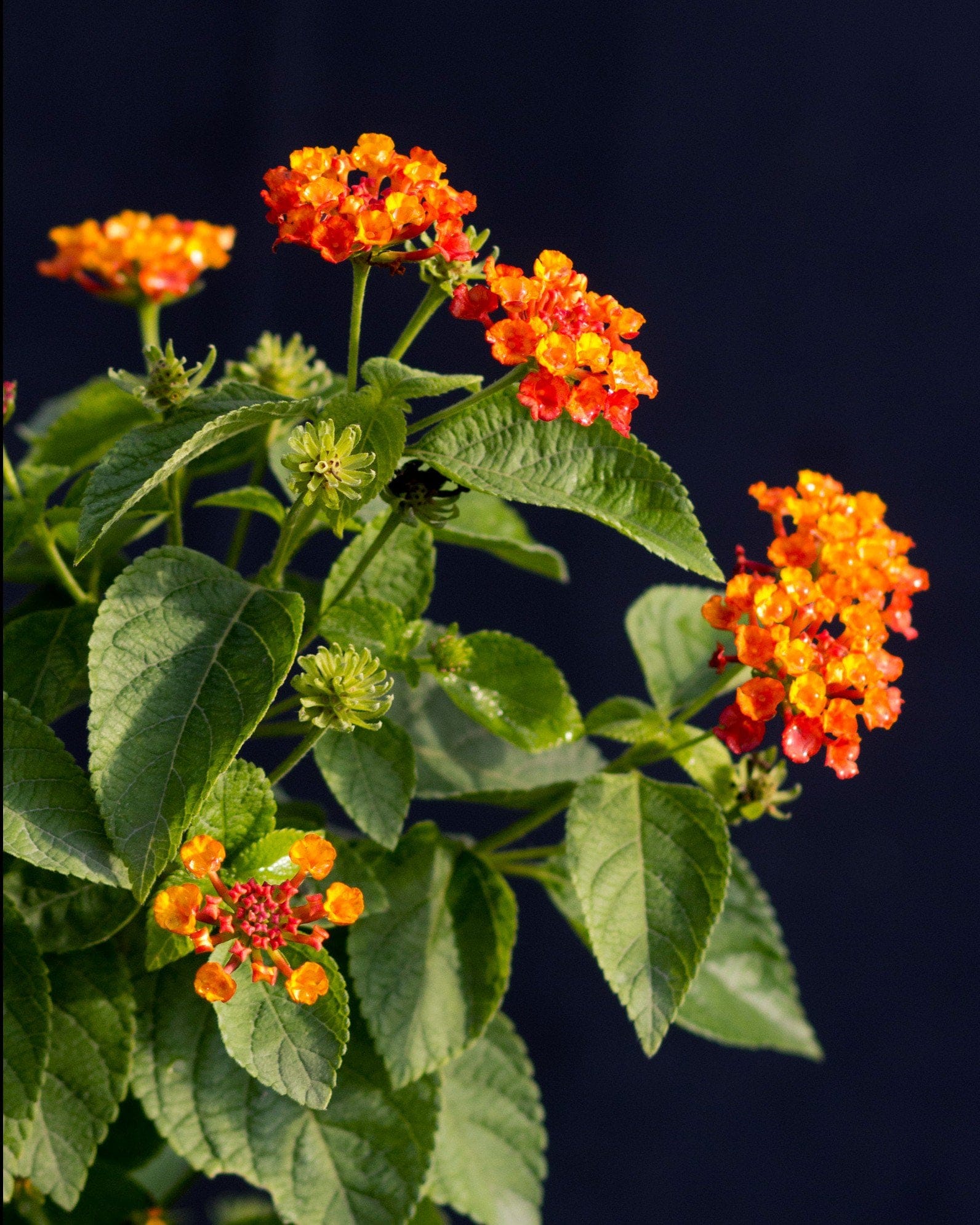
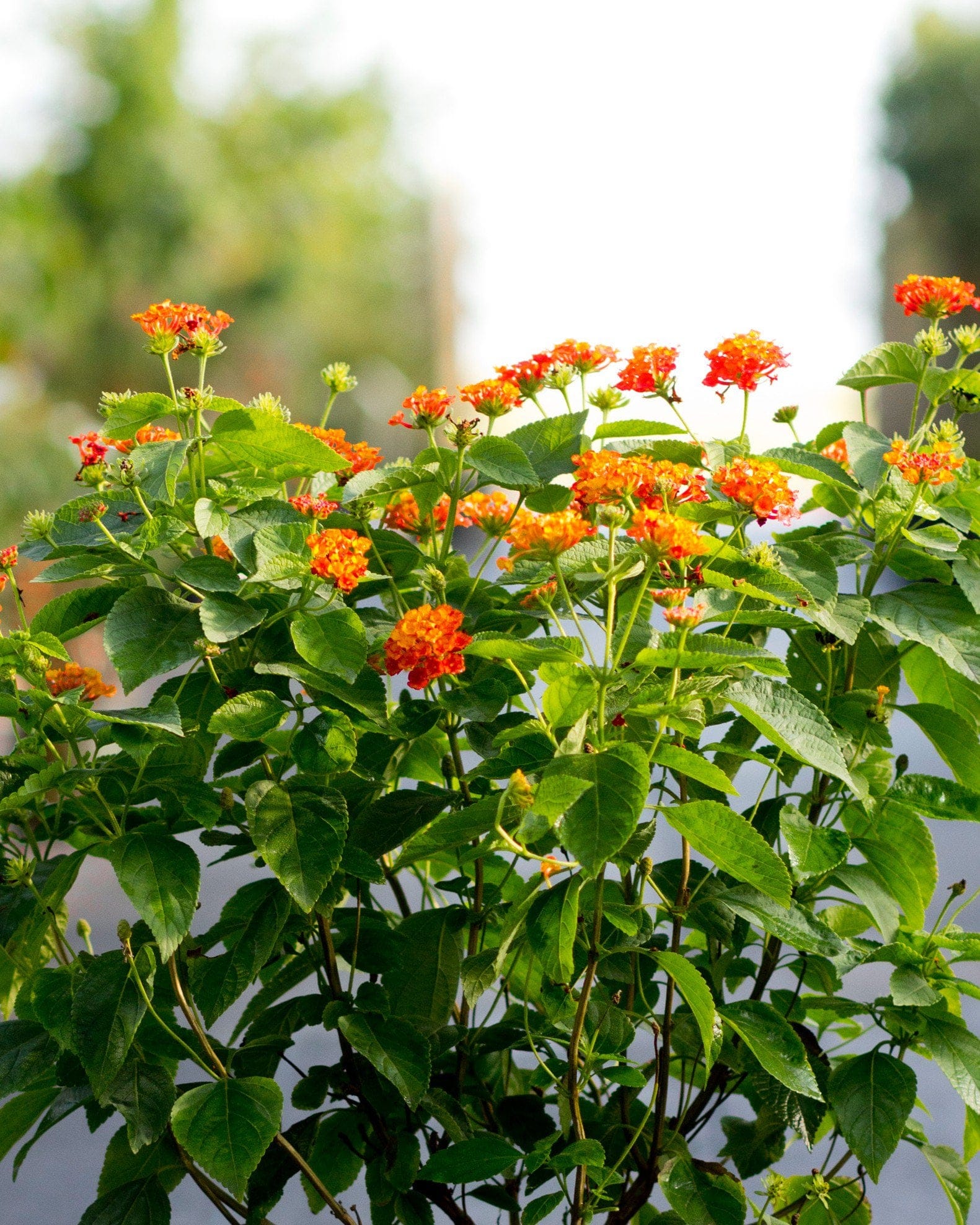
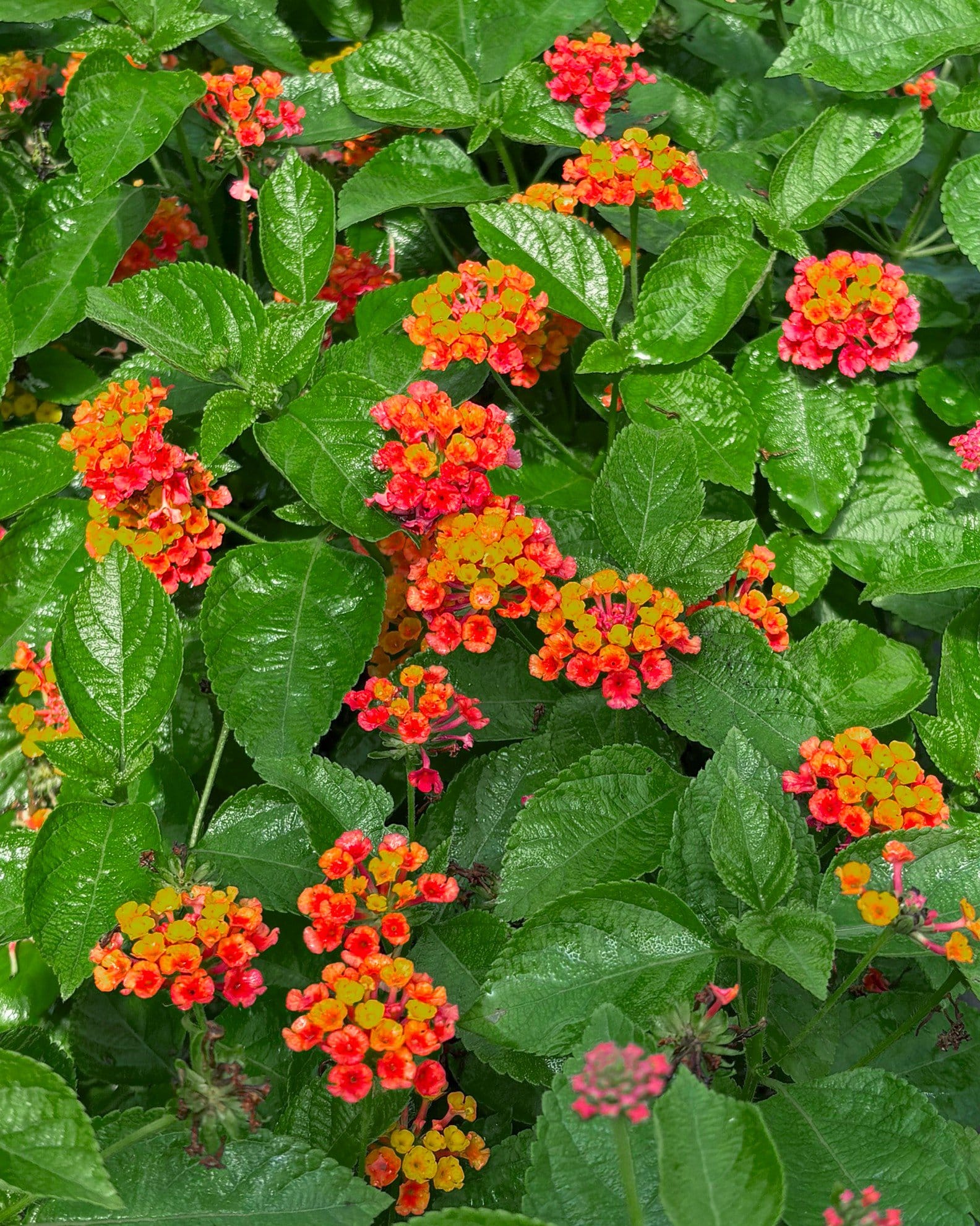
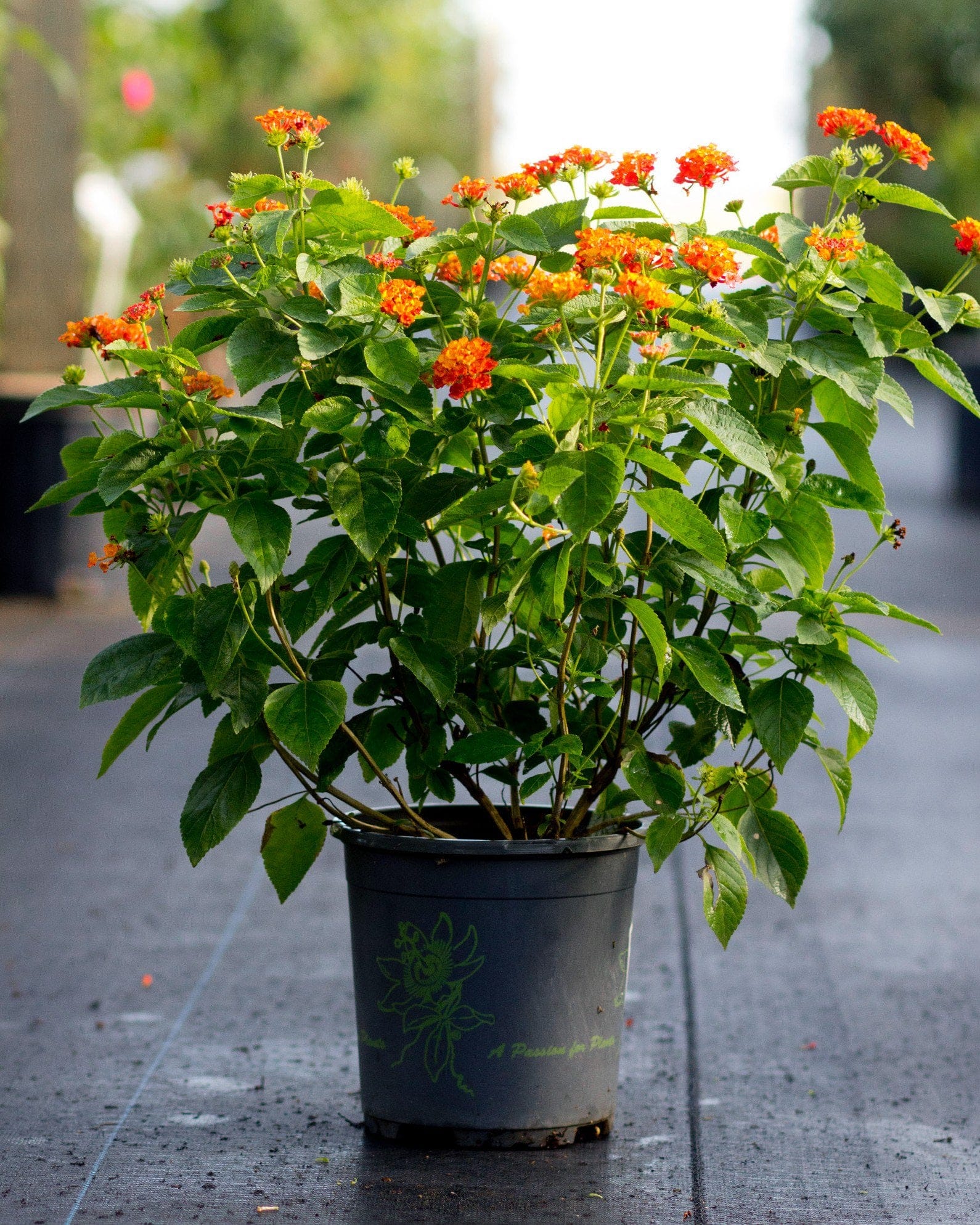
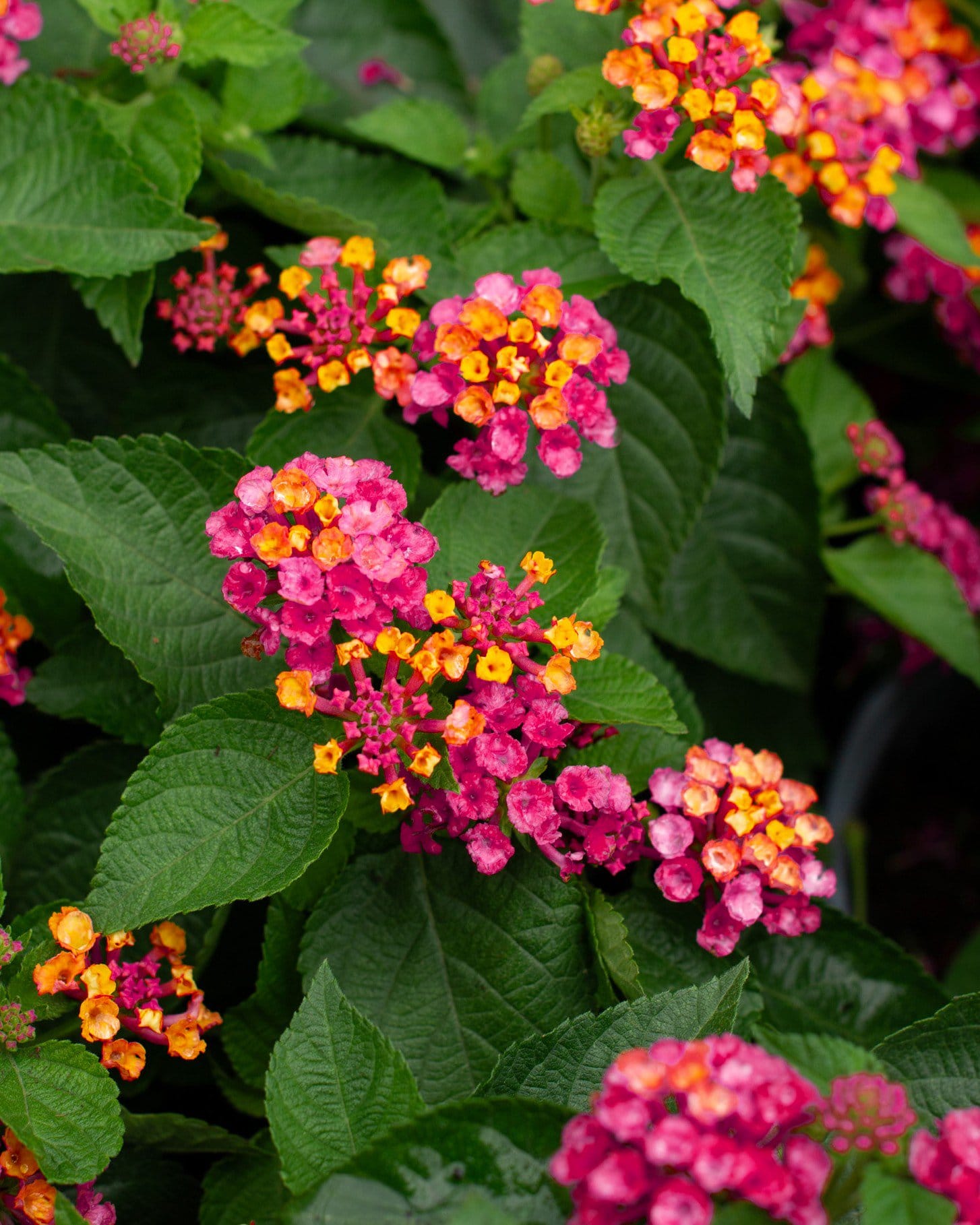
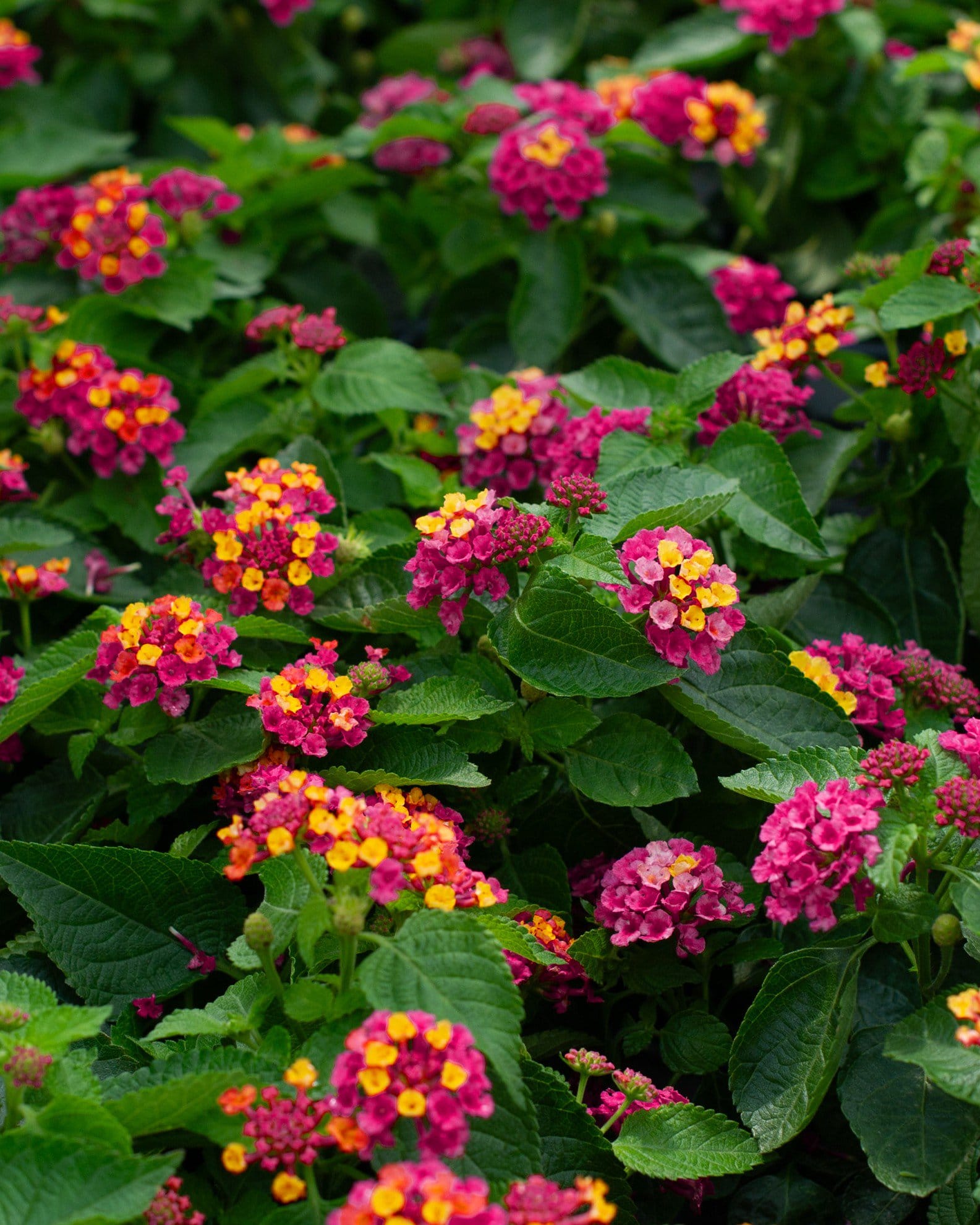
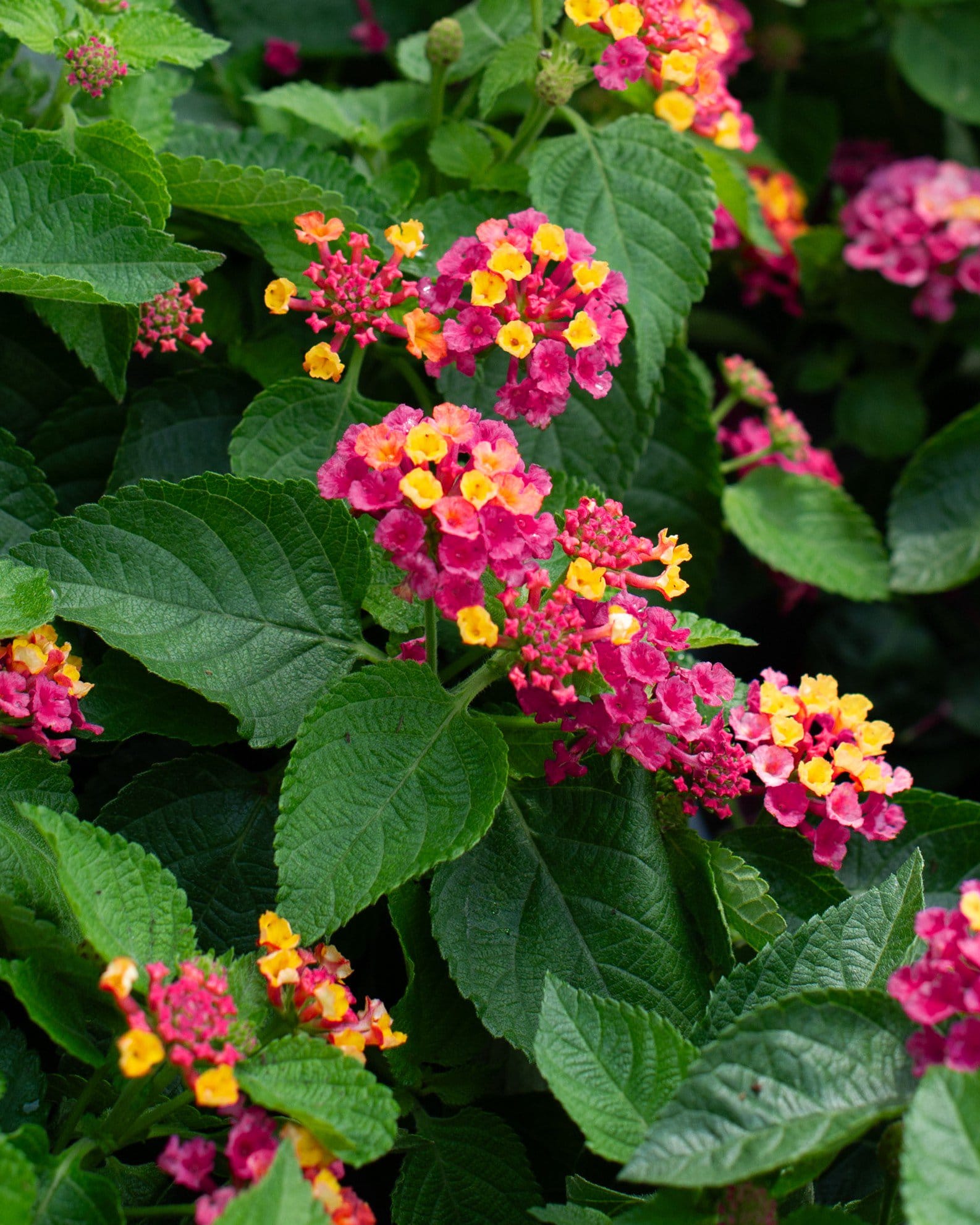
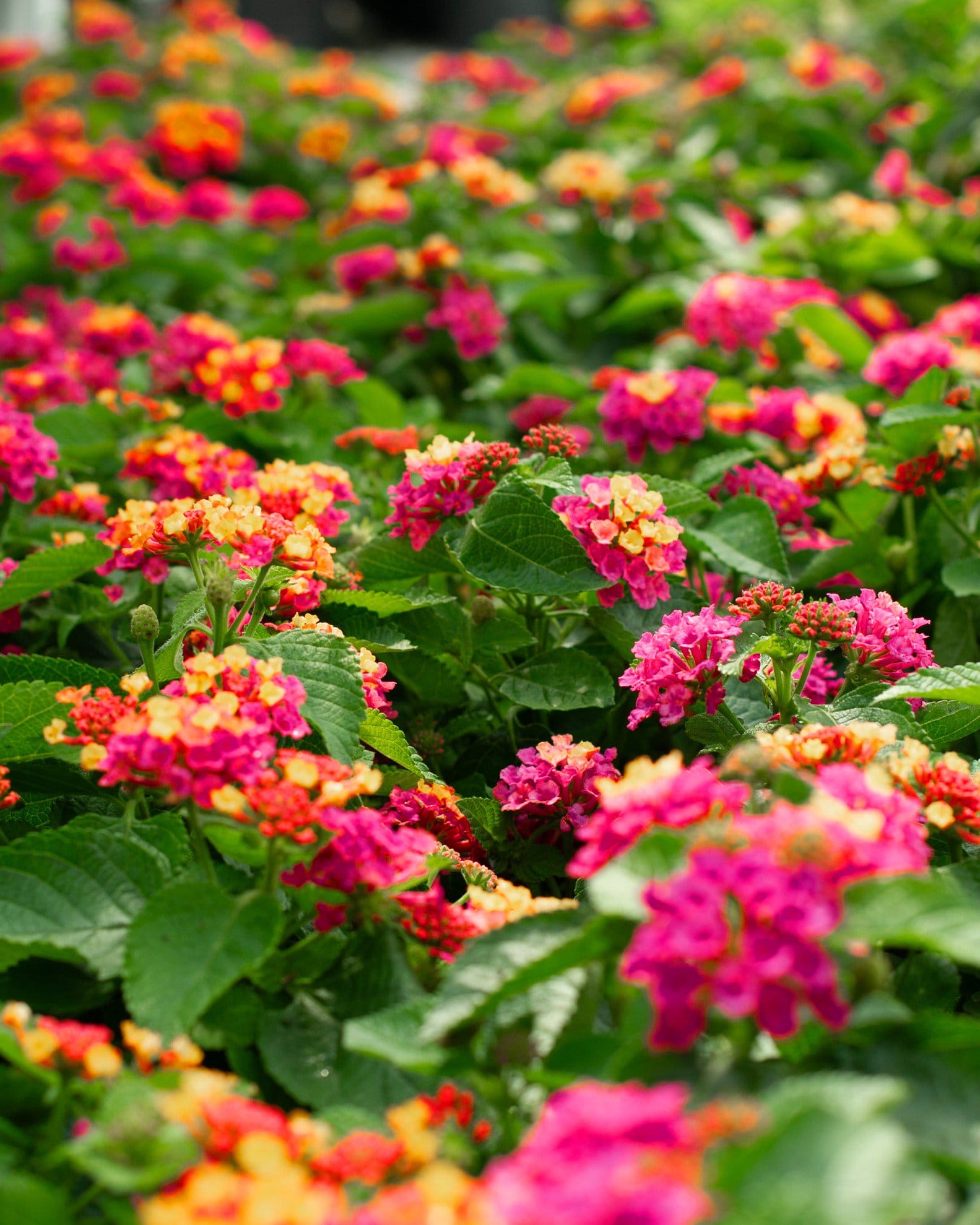
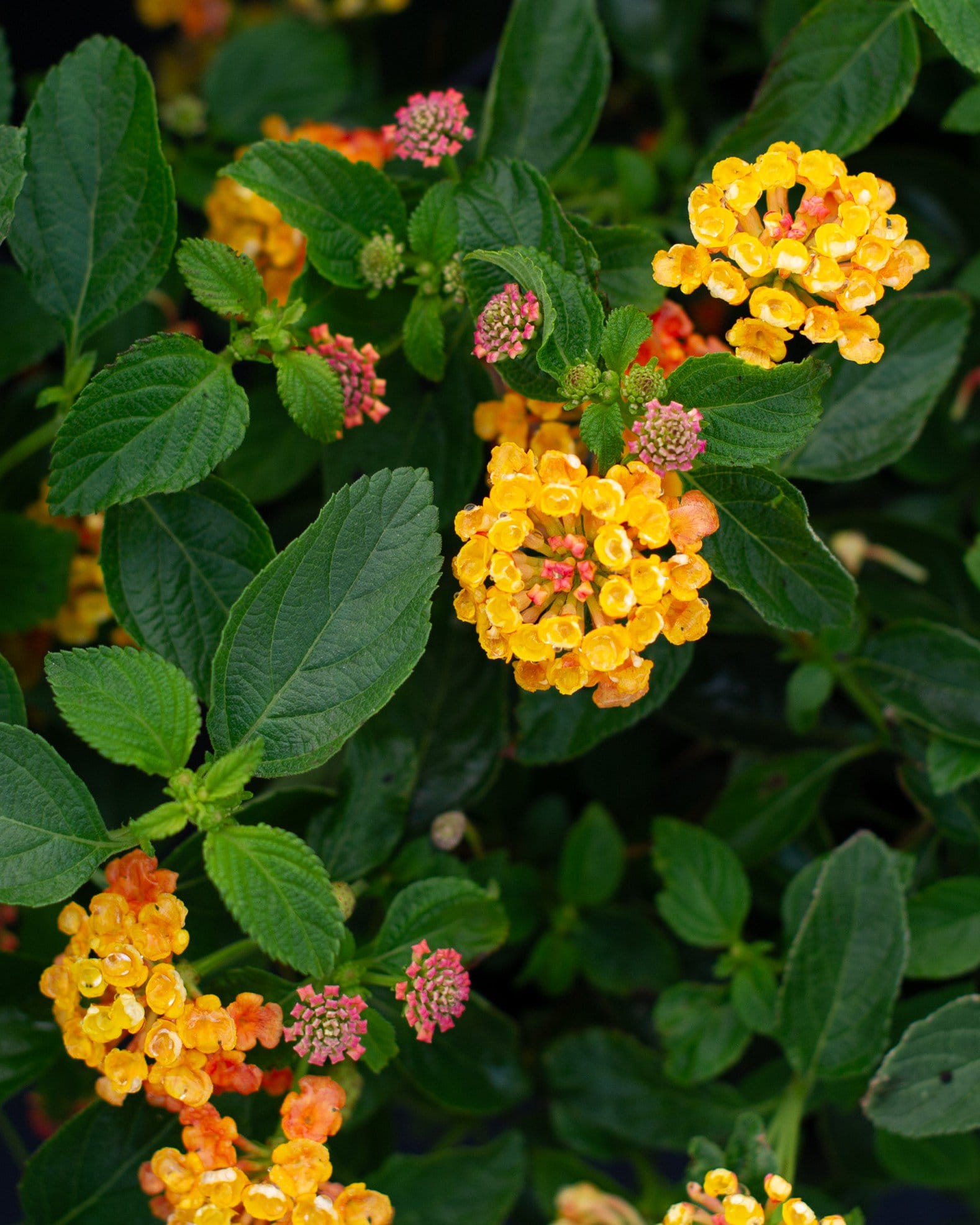
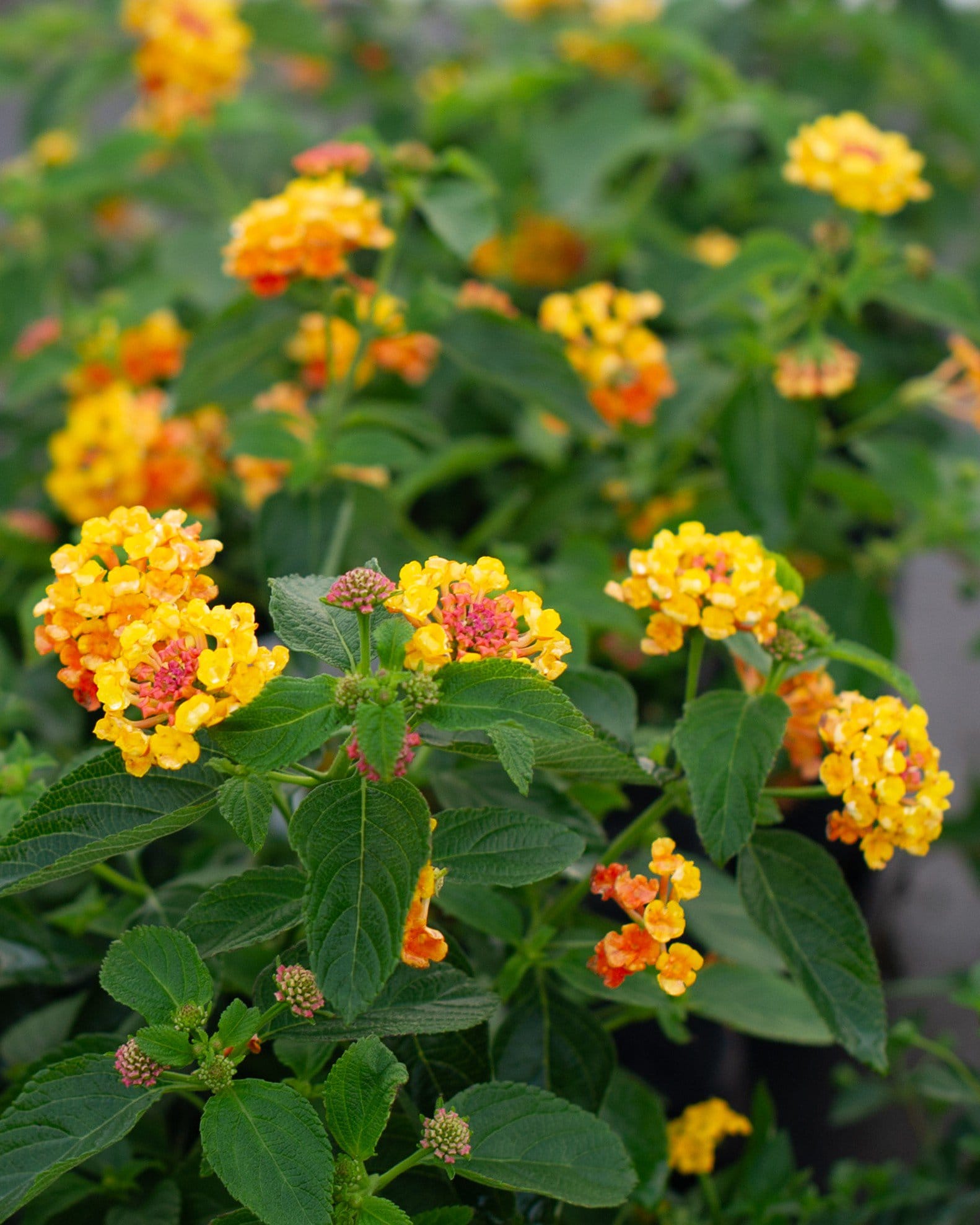
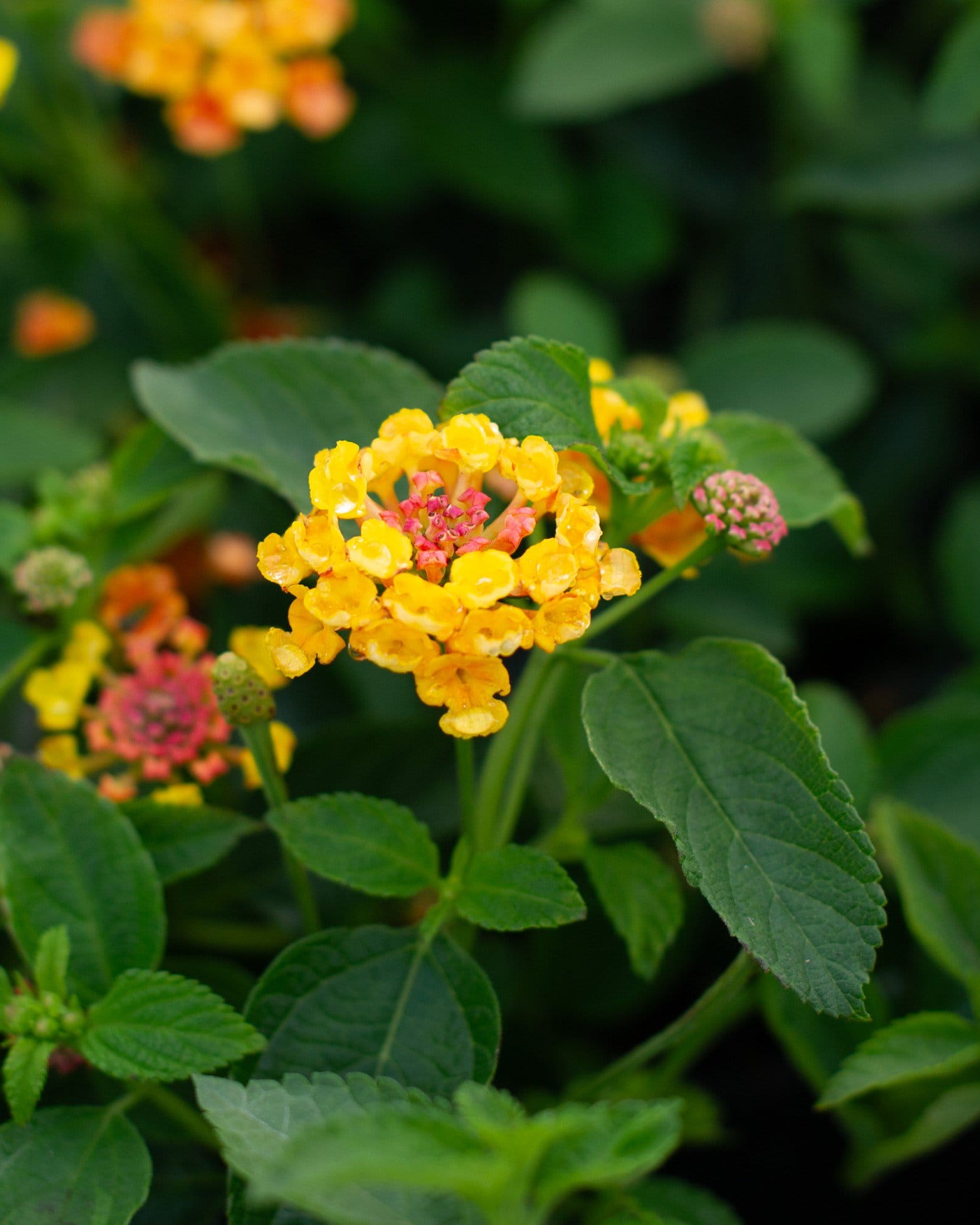
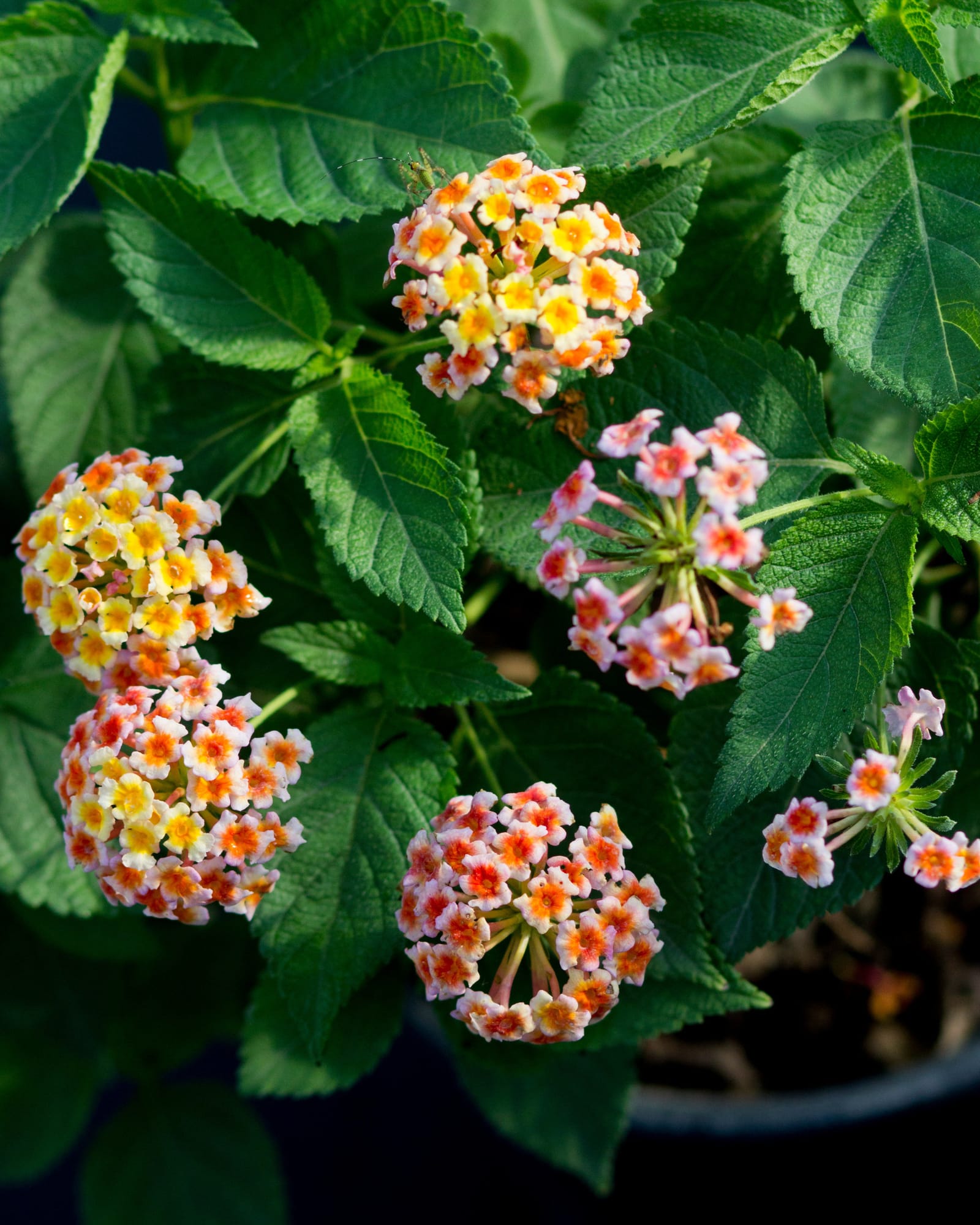
Lantana camara 'Balshamred'Shamrock Red Lantana has an upright, mounded habit, which makes it a perfect choice for containers, borders, and flower beds. It looks delightful when planted in hanging baskets as well. It showcases clusters of vibrant red, orange, and yellow flowers that contrast against the dark green foliage. The leaves are oval-shaped and slightly textured. This plant reaches 1 foot in height and the same size in width at maturity. It reaches maturity within one growing season.
- A herbaceous perennial
- Fast growth rate
- Upright, mounded growth habit
- Great for containers and borders
- Red, orange, and yellow flowers
Hardy in zones 9-11, this stunning perennial can be planted as an annual in your North Texas landscape. It doesn't require too much to prosper, but it loves full sun, so ensure at least 6 hours of direct sunlight daily. It is tolerant of a variety of soil types, as long as the soil is well-drained, with a slightly acidic to neutral pH.
Maintenance
Shamrock Red Lantana is a hardy perennial loved for its low-maintenance nature. Here’s how to help it grow beautifully in Texas landscapes:
- Watering: Water regularly during the first growing season to help roots establish deeply. Once mature, Shamrock Red Lantana is highly drought-tolerant and requires only occasional deep watering during prolonged dry periods.
- Pruning: Lightly trim throughout the growing season to remove spent flowers and encourage new flushes of blooms. In late winter or early spring, prune back by about one-third to refresh growth and maintain compact shape. Avoid heavy pruning late in the fall, as it may reduce cold hardiness.
- Fertilizing: Feed lightly once in early spring with a balanced, slow-release fertilizer. Lantanas bloom best with minimal feeding - too much fertilizer can result in leafy growth and fewer flowers.
- Mulching: Apply a 2-3 inch layer of mulch around the base to retain moisture and suppress weeds, keeping mulch several inches away from the crown to prevent rot. Refresh annually in spring for optimal performance.
- Winter care: In mild regions, Shamrock Red Lantana may remain semi-evergreen. In colder zones, treat it as a perennial that dies back in winter and regrows in spring. Adding mulch before frost helps protect the root zone from temperature fluctuations.
Common Issues and How to Take Care of Them
Shamrock Red Lantana is remarkably resilient but can occasionally face minor issues like:
- Powdery Mildew: Appears as a white film on leaves in humid conditions. Improve airflow and avoid overhead watering to prevent it.
- Aphids: These small pests gather on new shoots. Rinse them off with water or use insecticidal soap if infestations persist.
- Whiteflies: May appear in hot, dry weather. Use sticky traps or apply horticultural oil to control populations.
- Root Rot: Caused by waterlogged soil. Ensure good drainage and allow soil to dry slightly between waterings.
- Spider Mites: Tiny pests that thrive in heat and cause stippling on leaves. Misting foliage or applying neem oil helps manage them.
- Leggy Growth: Can occur if plants go too long without pruning. Shear lightly mid-season to restore a compact form.
With light pruning, well-drained soil, and periodic grooming, Shamrock Red Lantana delivers continuous color and strong performance year after year.
With proper care, it can live for several years in warm climates. In areas with mild winters, it often behaves as a long-lived perennial, returning stronger each spring.
It grows quickly and usually reaches maturity within its first growing season, making it a great choice for instant color.
Yes, its aromatic foliage naturally deters deer and rabbits, making it a reliable option for wildlife-prone areas.
Yes - its compact habit makes it perfect for pots and planters. Just ensure good drainage and occasional deadheading for continuous blooms.
Extremely well. It thrives in the intense Texas heat and maintains vibrant blooms even during high summer temperatures.
While the flowers are lightly scented, the foliage has a distinctive, slightly citrusy aroma that also helps repel pests.
Yes - cutting the plant back by one-third in late winter encourages dense, fresh growth and abundant new blooms in spring.
Absolutely. Its toughness, low water needs, and consistent color make it perfect for high-visibility, low-maintenance landscapes.
No, it has a controlled, mounding habit - it won’t invade neighboring beds, making it an excellent choice for contained plantings.
Its bold, pure-red flower clusters hold their color beautifully even in full Texas sun, offering a more intense red tone than many other lantana varieties.
Special Features
You might also like
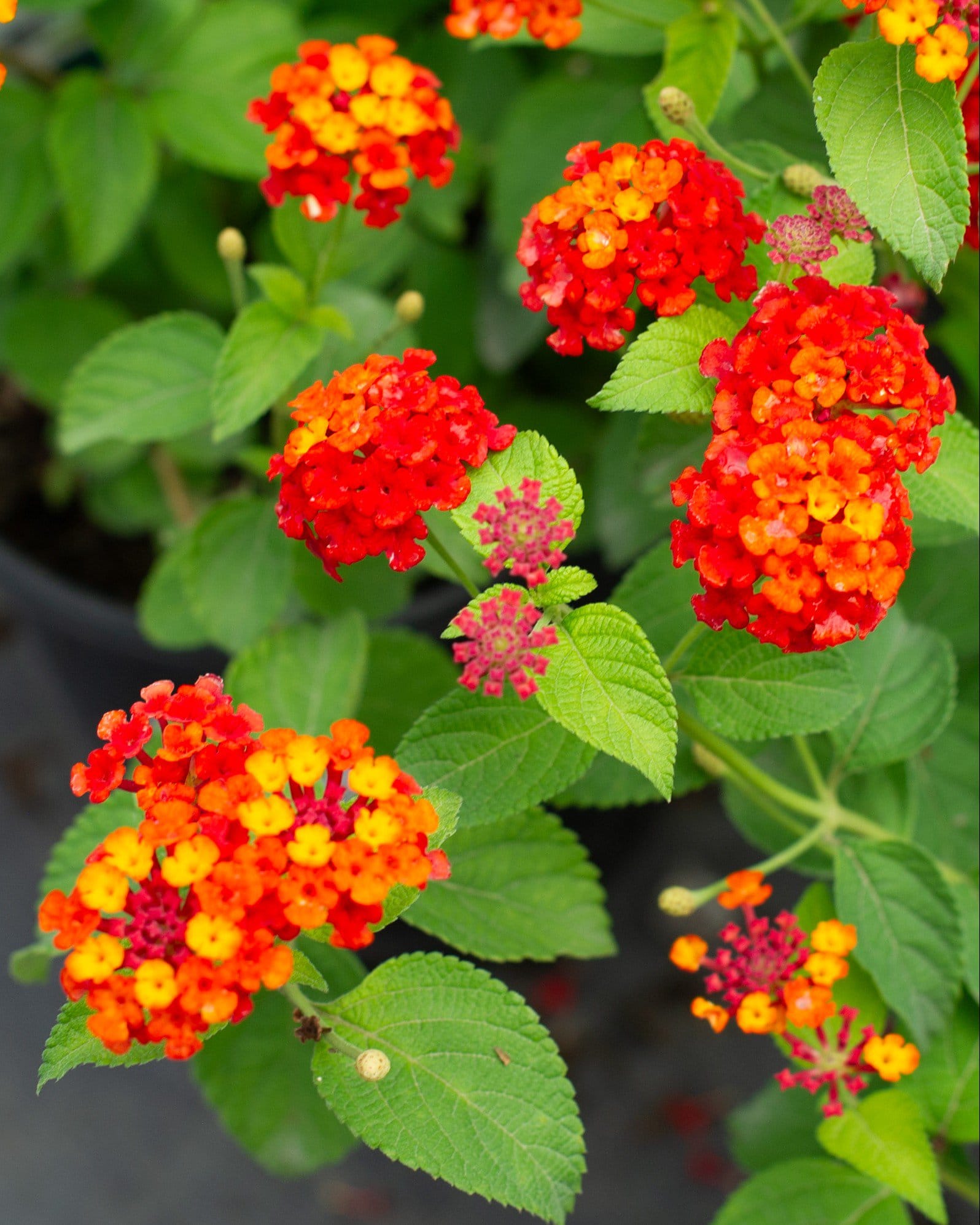
Dallas Red Lantana
Maturity: 3' H x 3' W
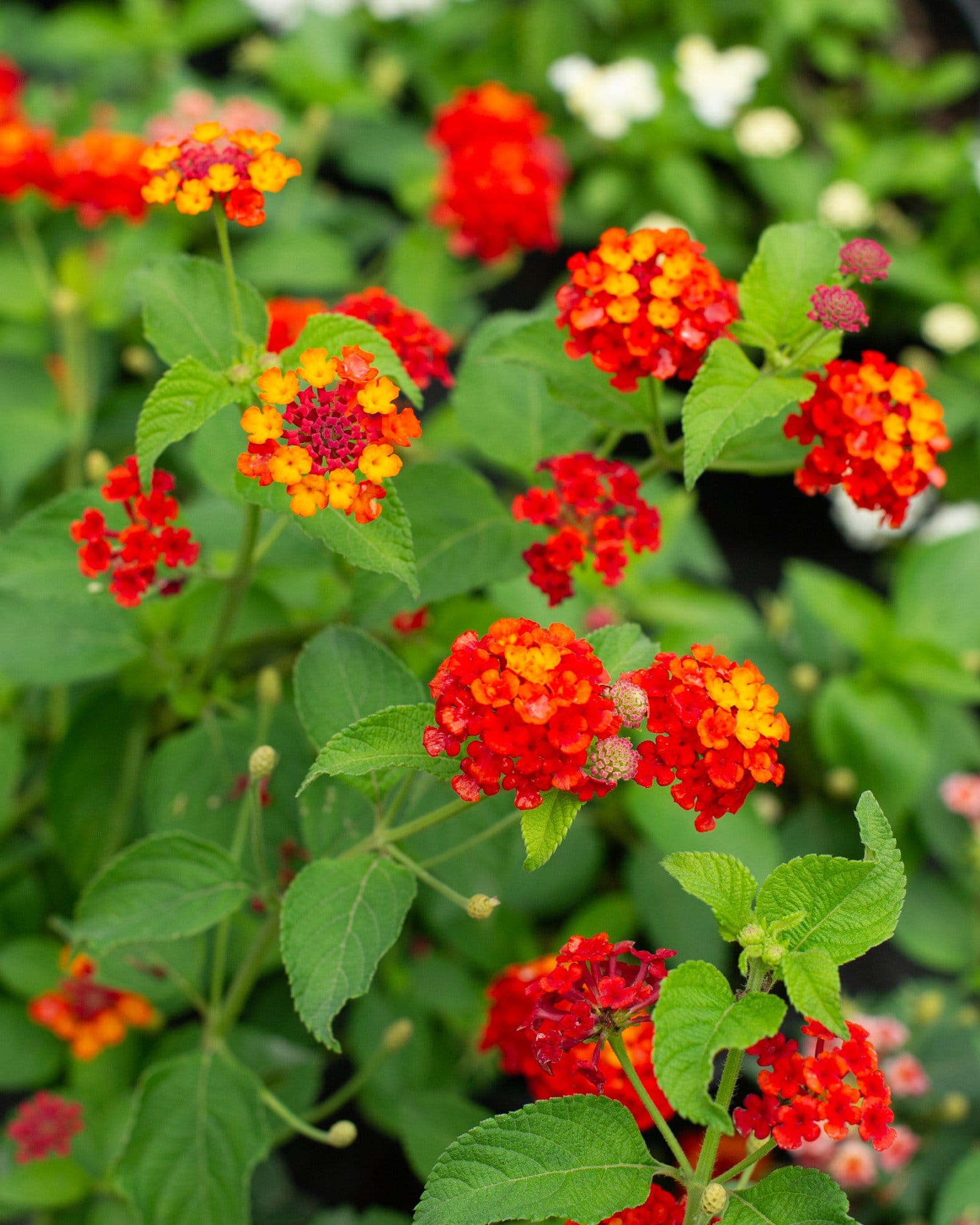
Chapel Hill Yellow Lantana
Maturity: 1.5' H x 2' W
New Gold Lantana
Maturity: 1' H x 2' W
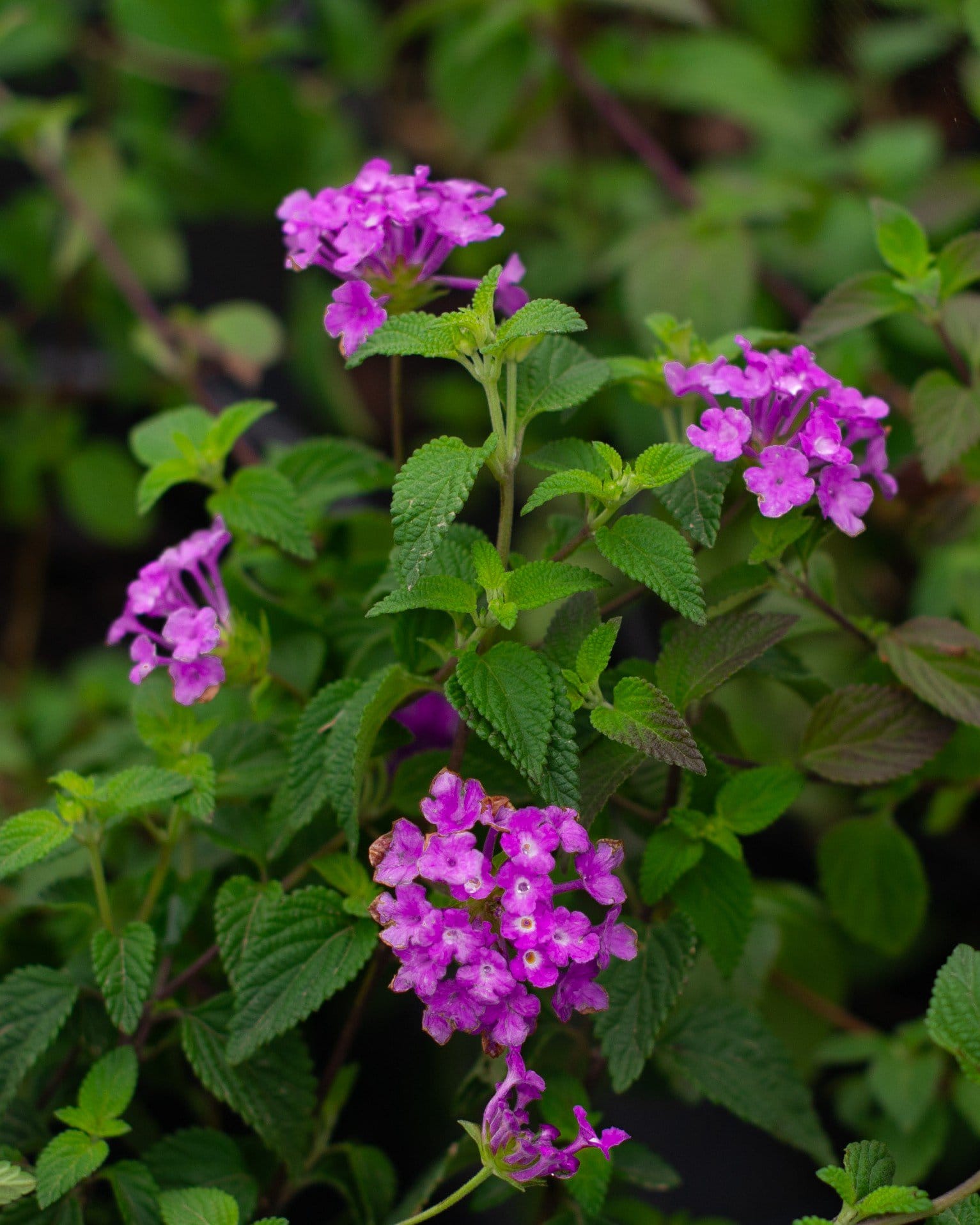
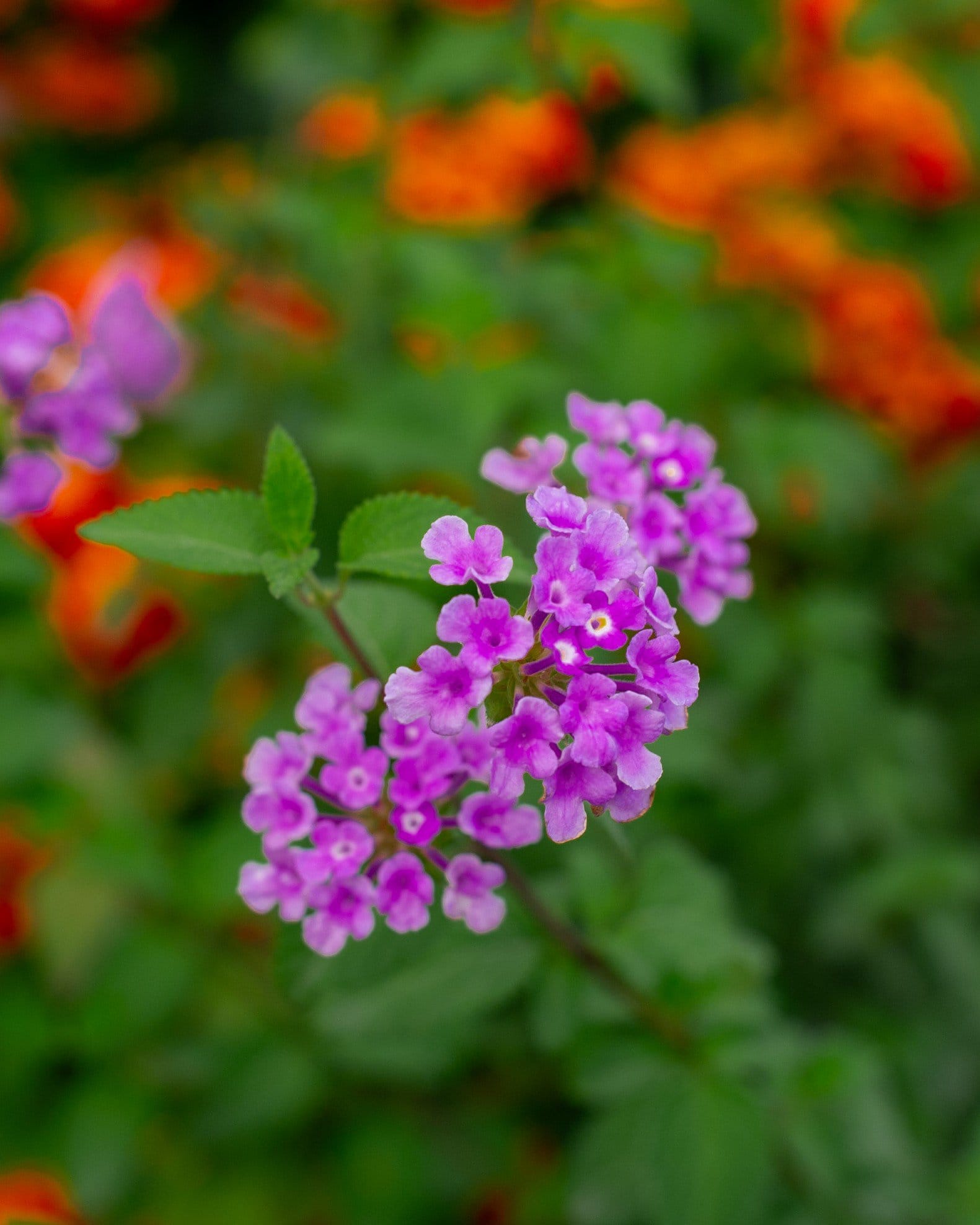
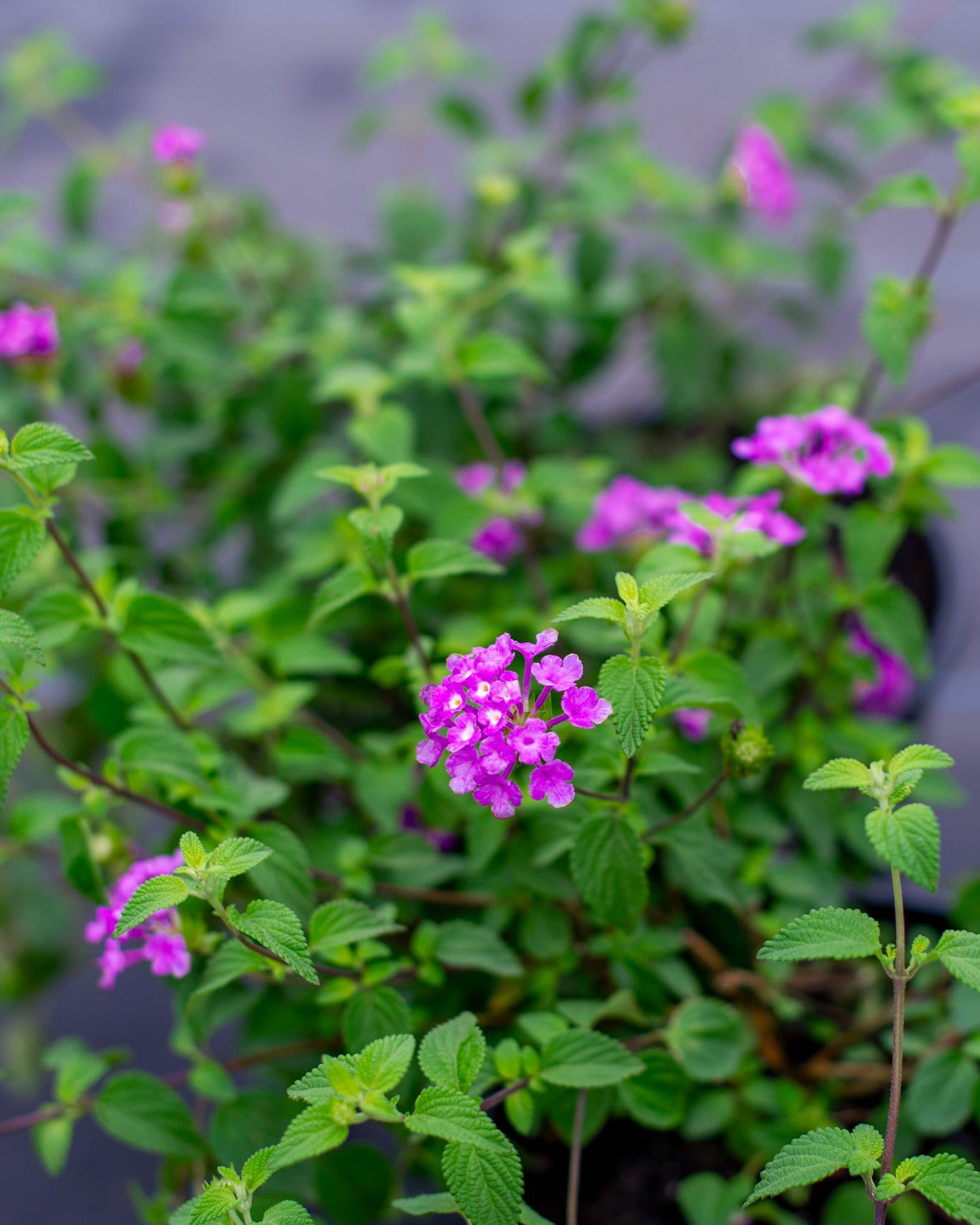
Purple Trailing Lantana
Maturity: 1' H x 4' W
Hot Blooded Lantana
Maturity: 1.5' H x 1.5' W
Bandana Cherry Sunrise Lantana
Maturity: 1.5' H x 1.5' W
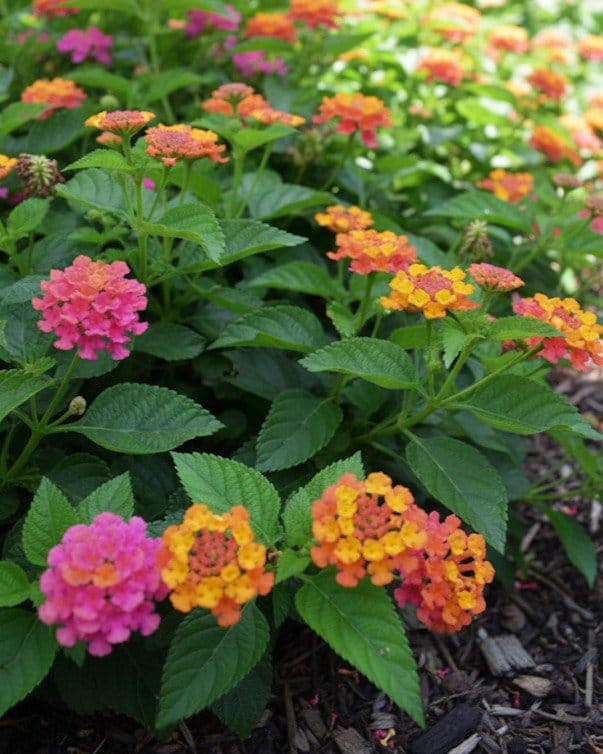
Havana Sunset Lantana
Maturity: 3' H x 3' W
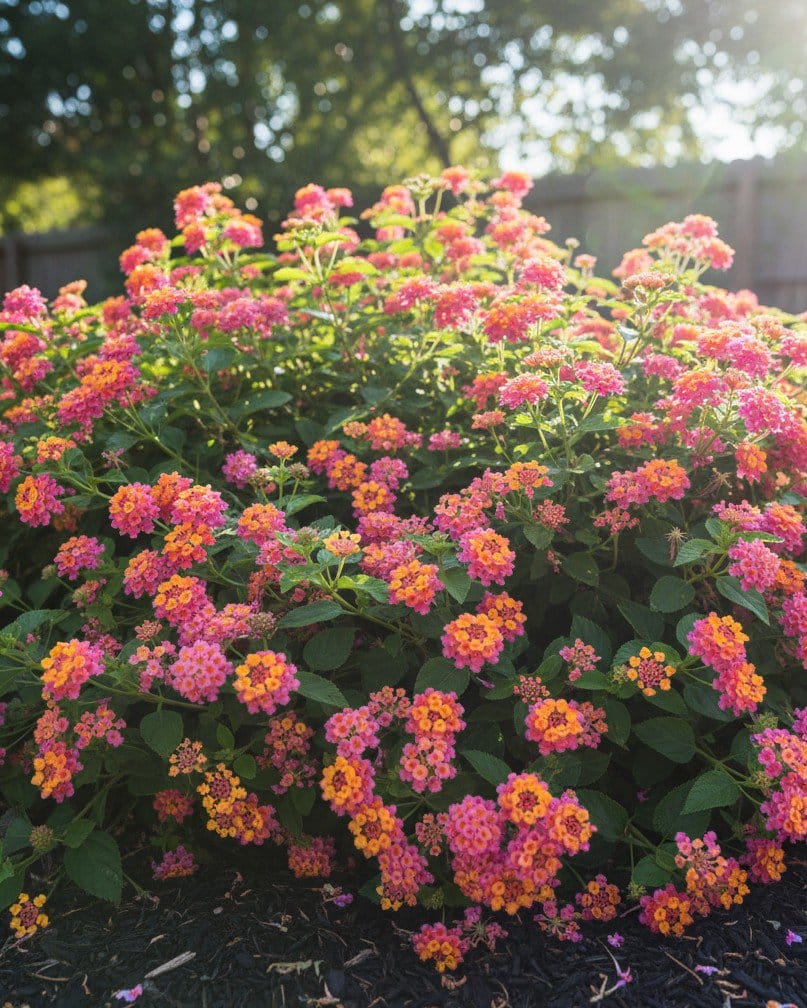
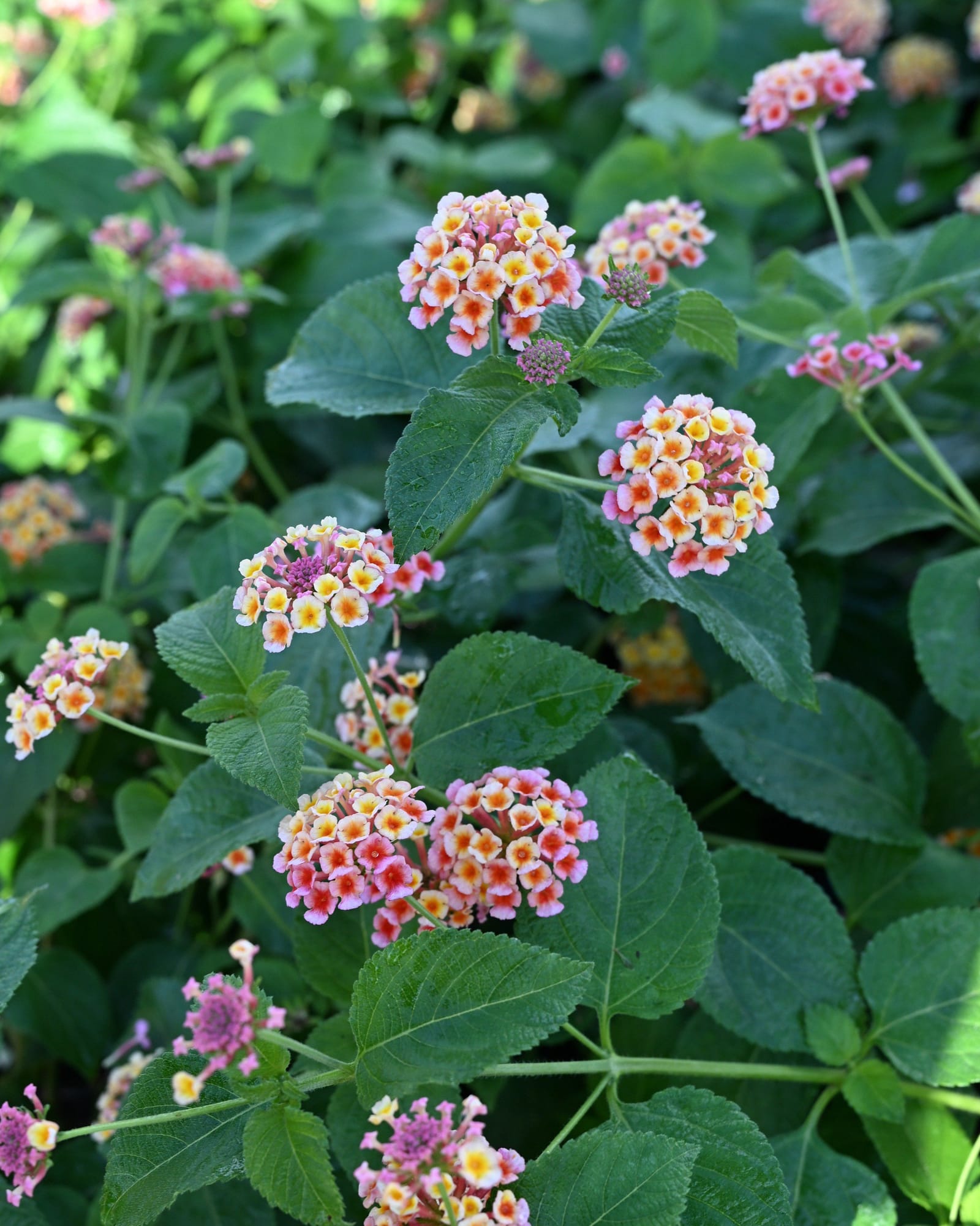
Irene Lantana
Maturity: 3' H x 3' W
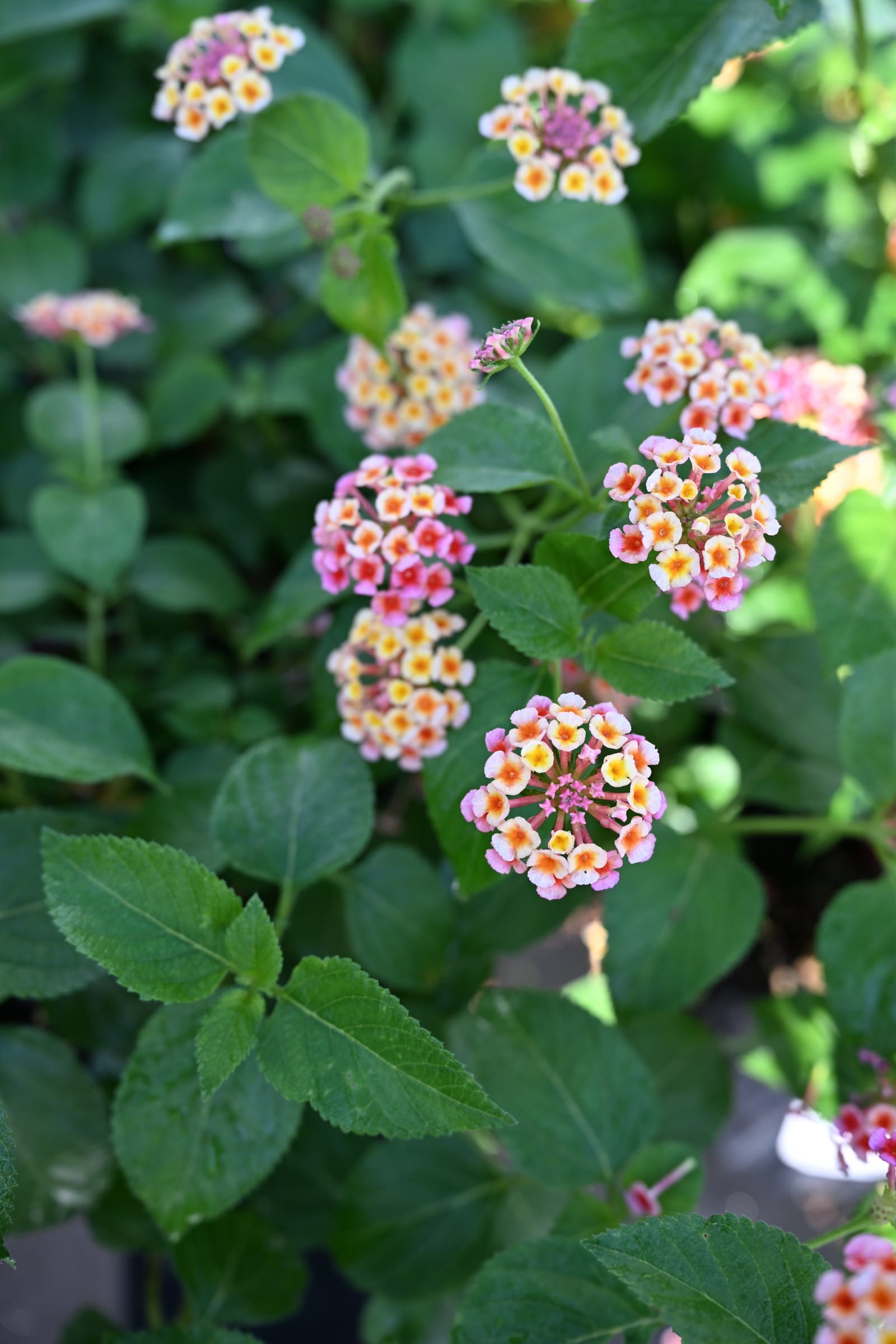
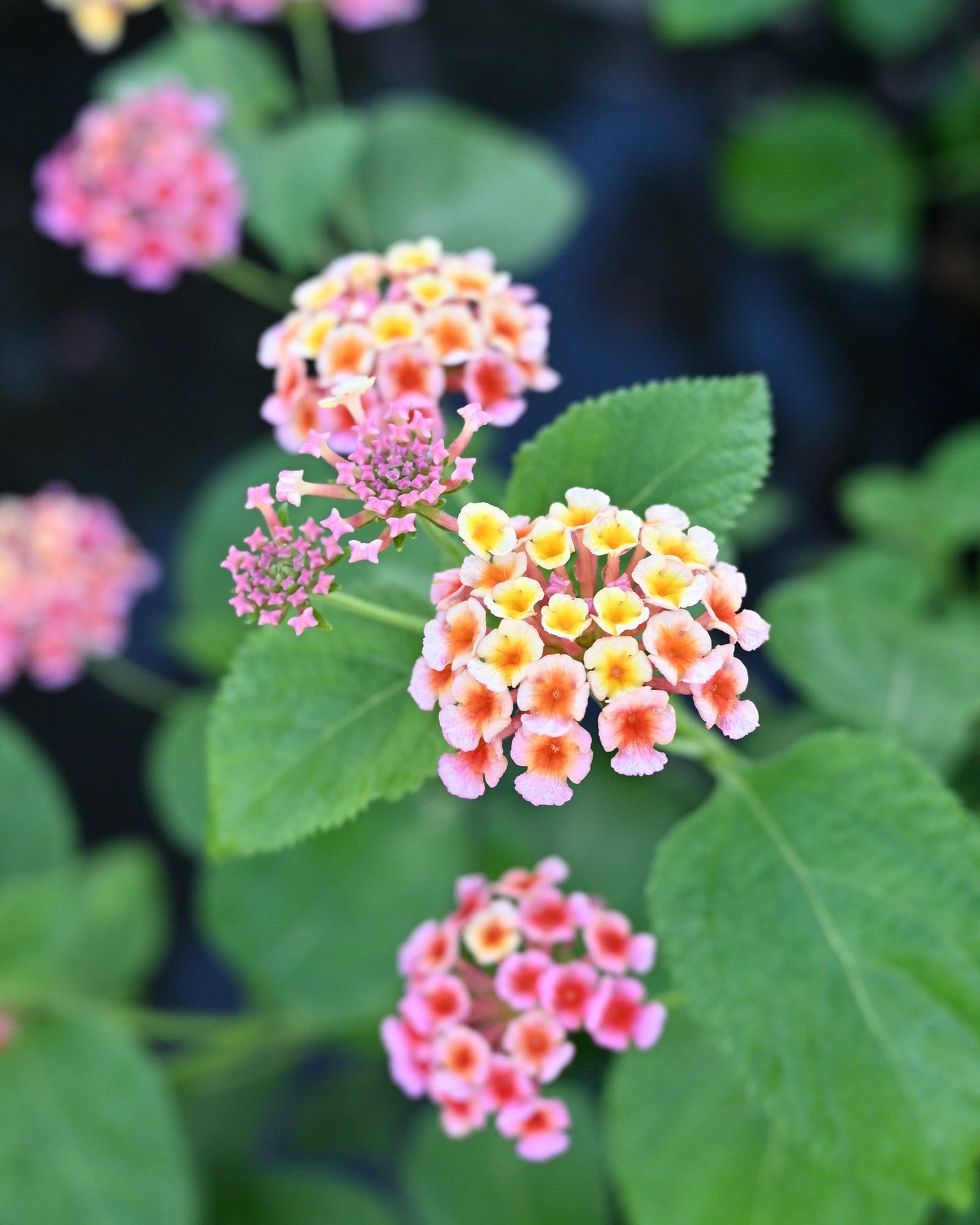
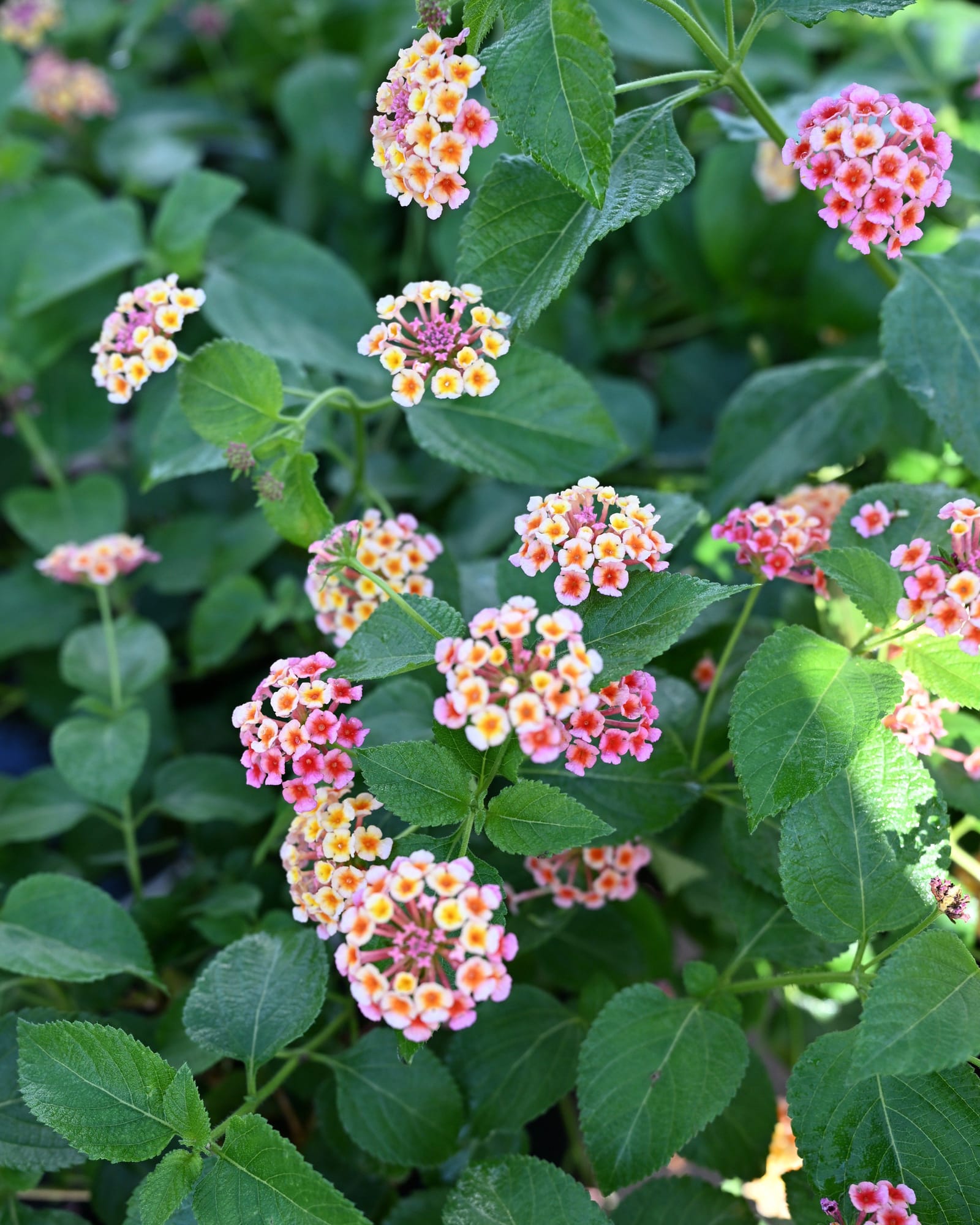
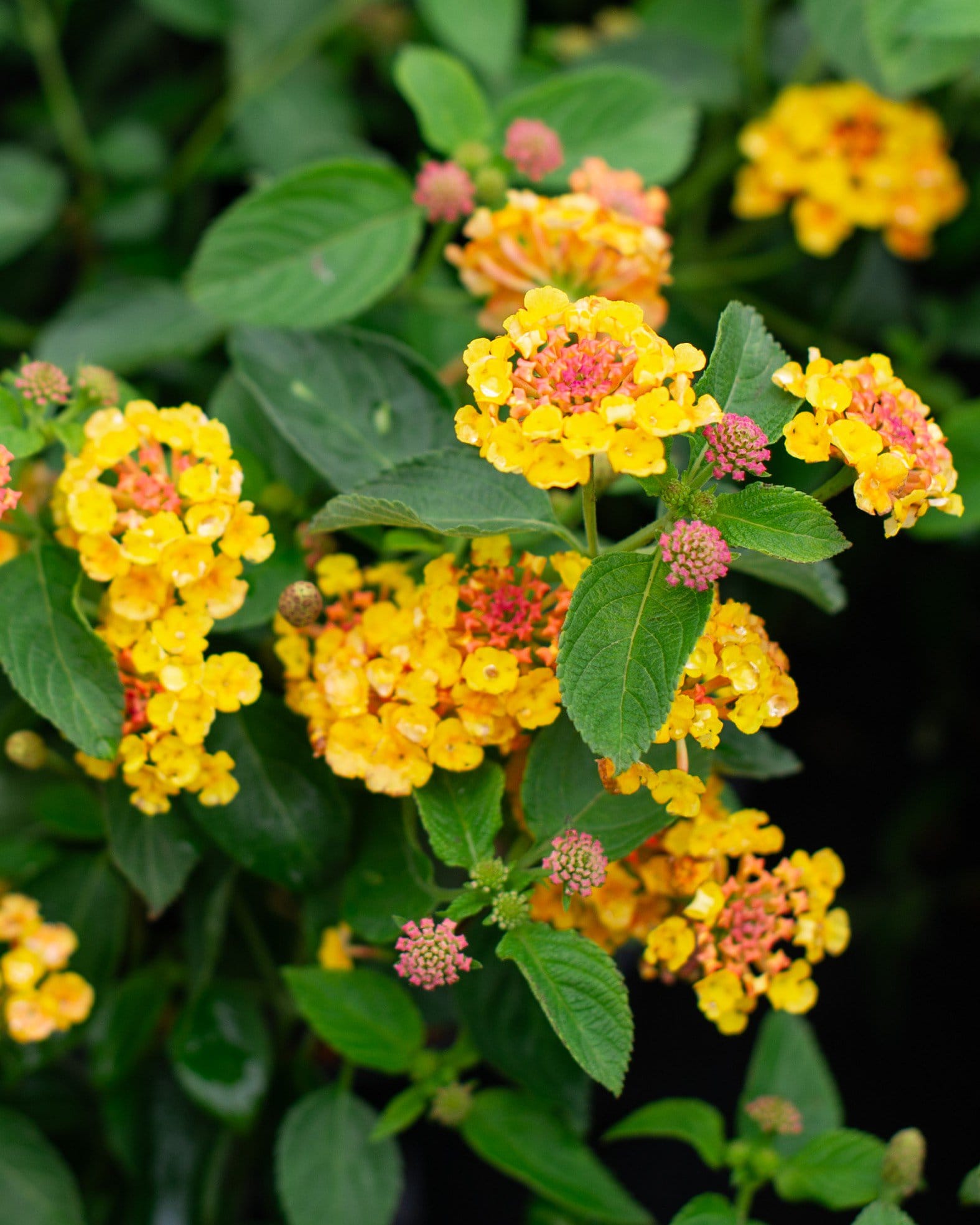
Landmark Citrus Lantana
Maturity: 1.5' H x 1.5' W
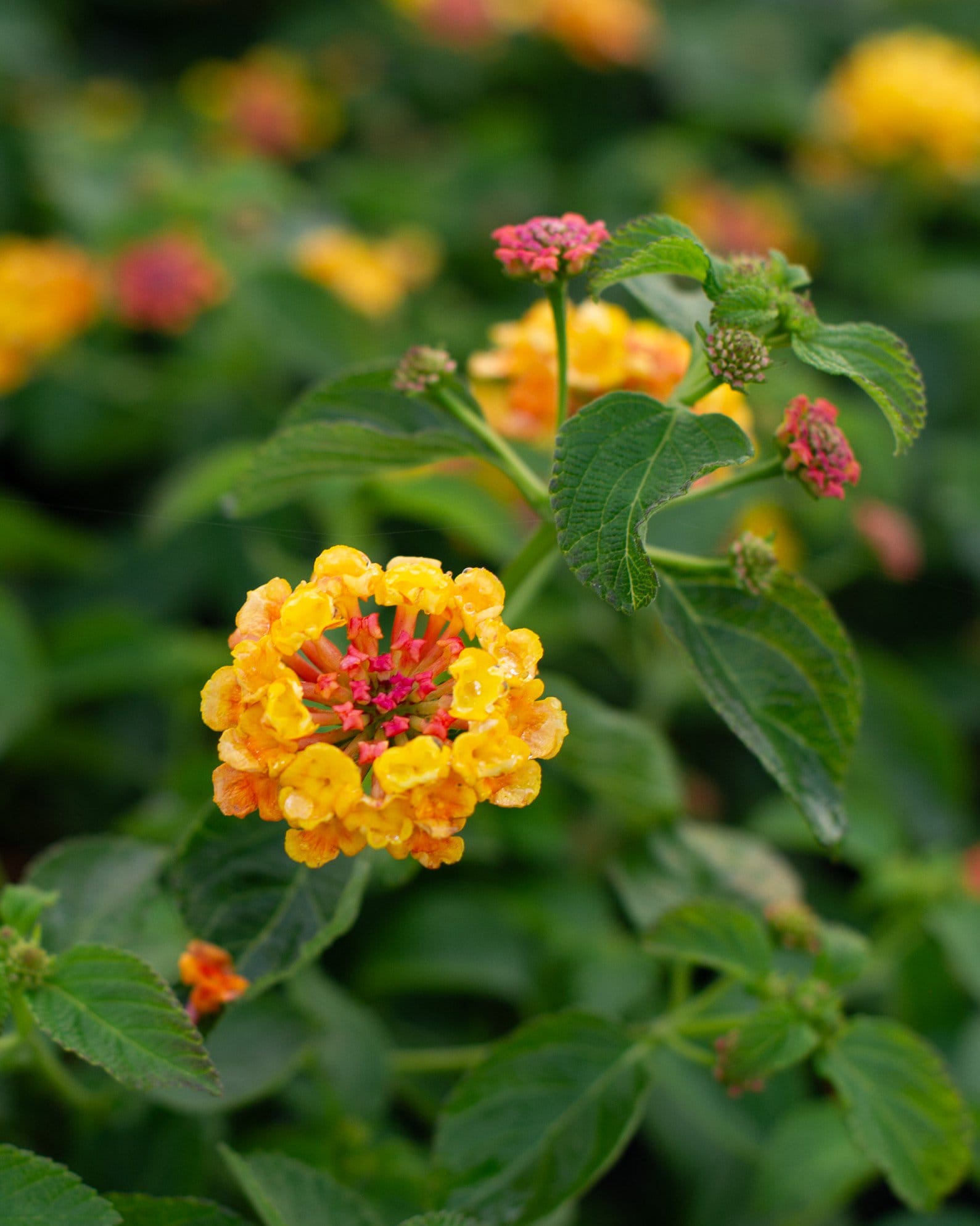
Shamrock Peach Lantana
Maturity: 1' H x 1' W
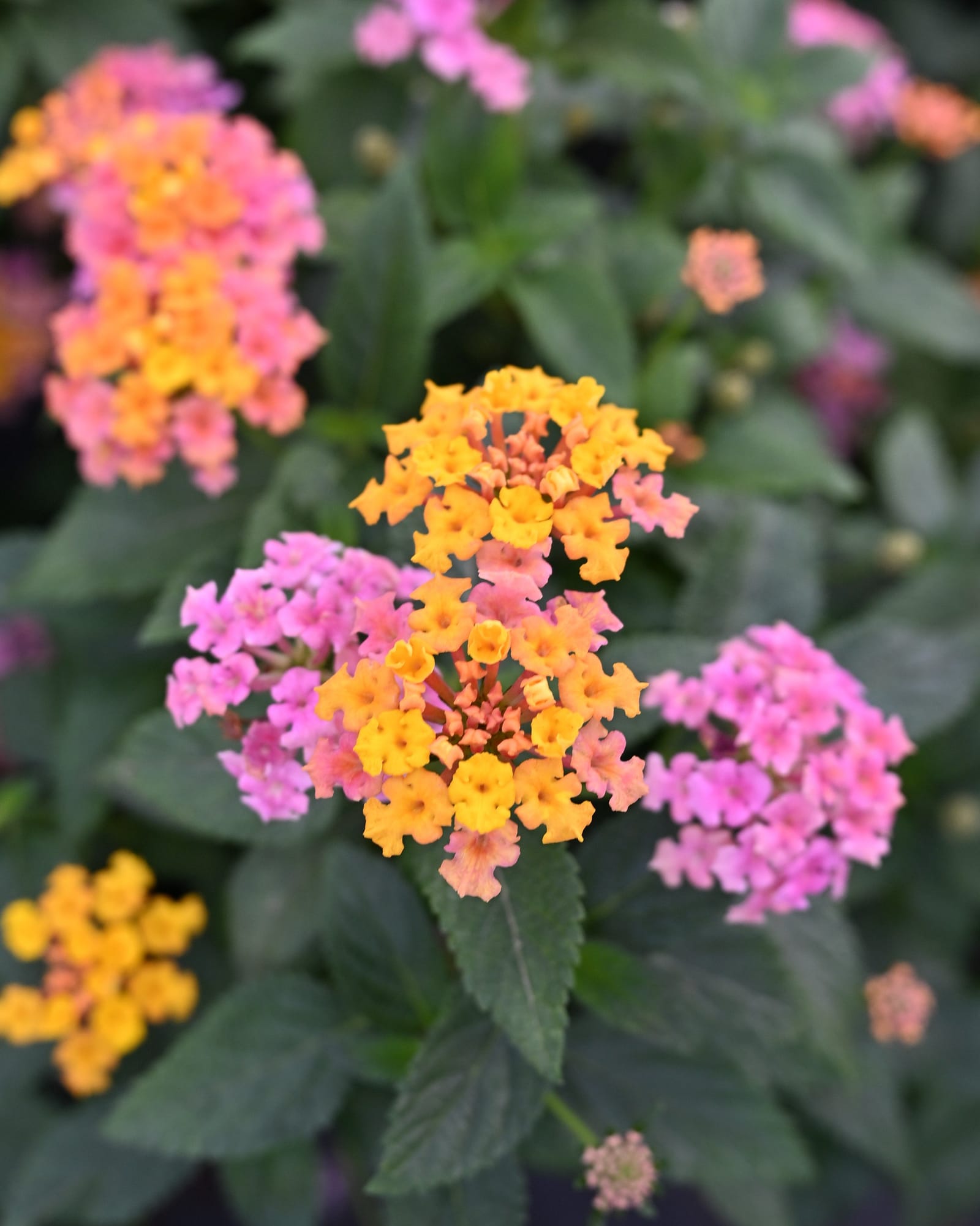
Shamrock Rose Gold Lantana
Maturity: 1' H x 1' W
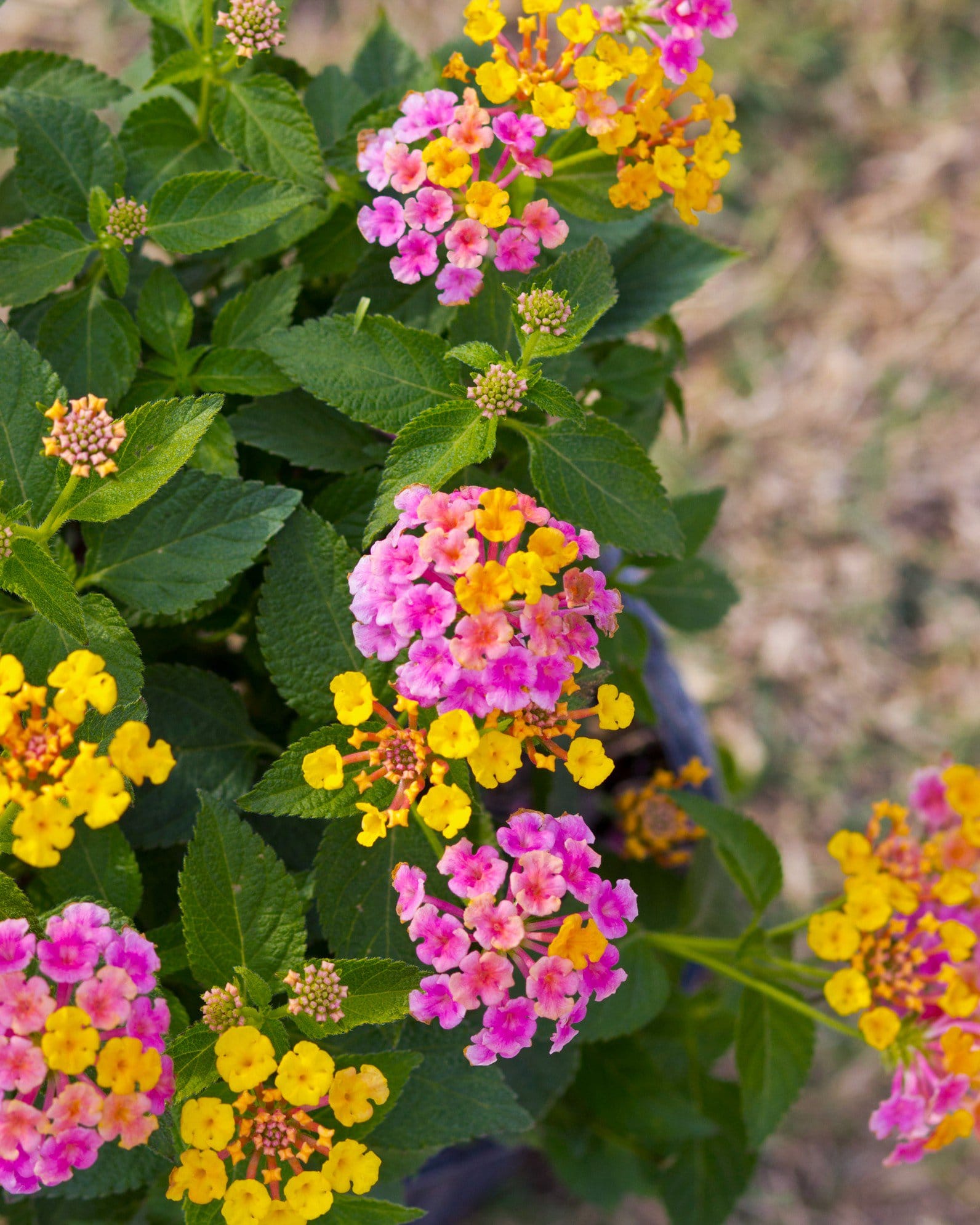
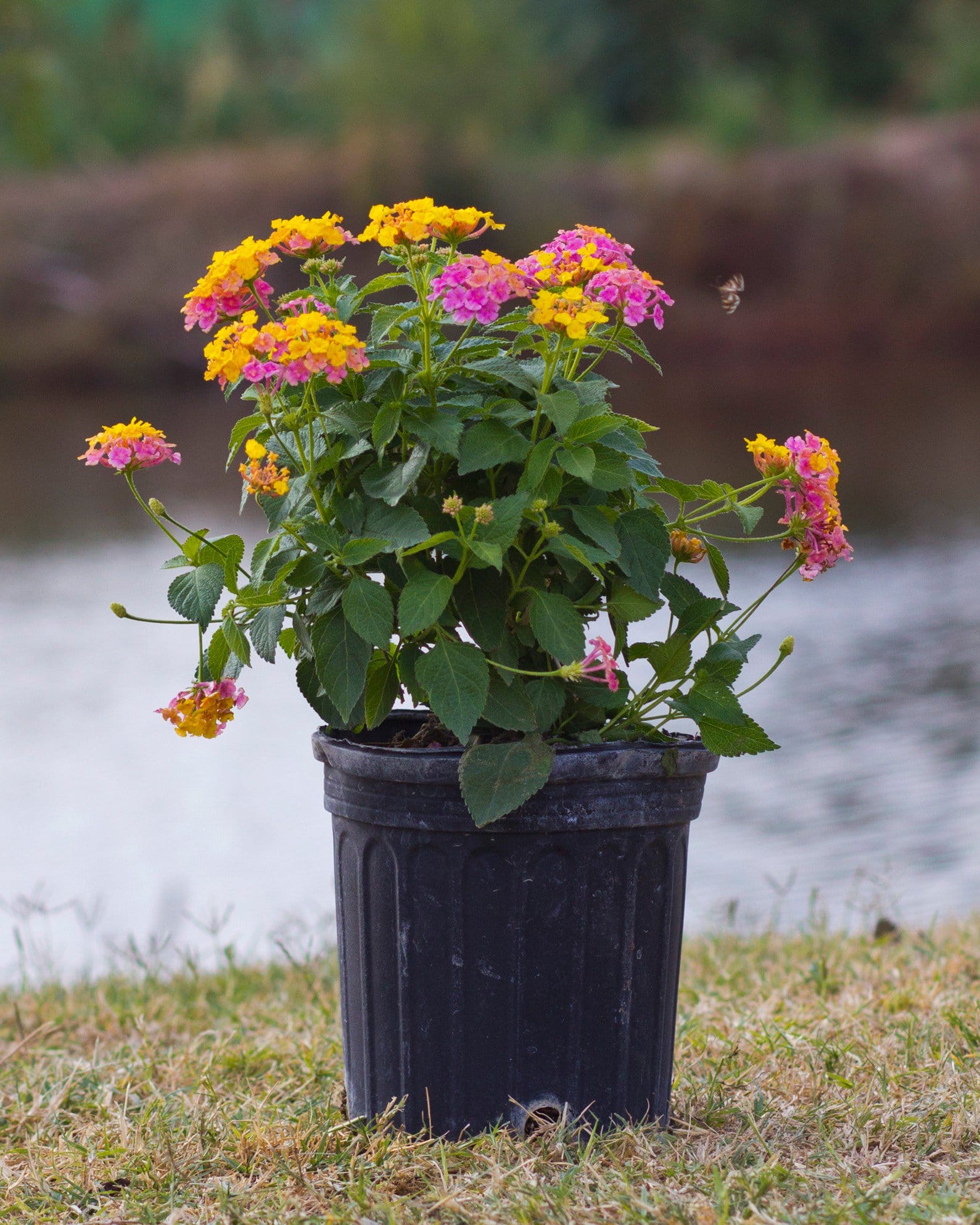
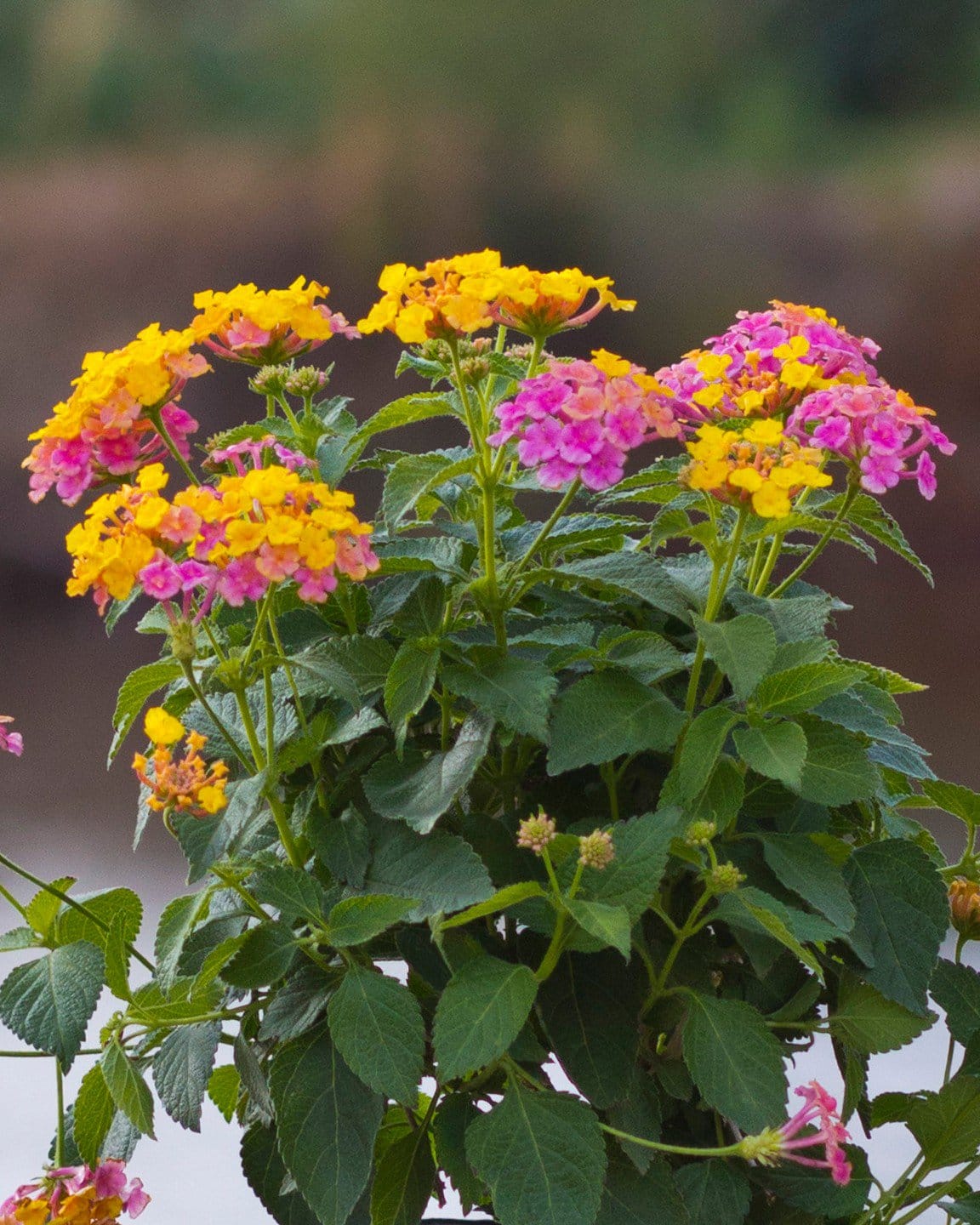
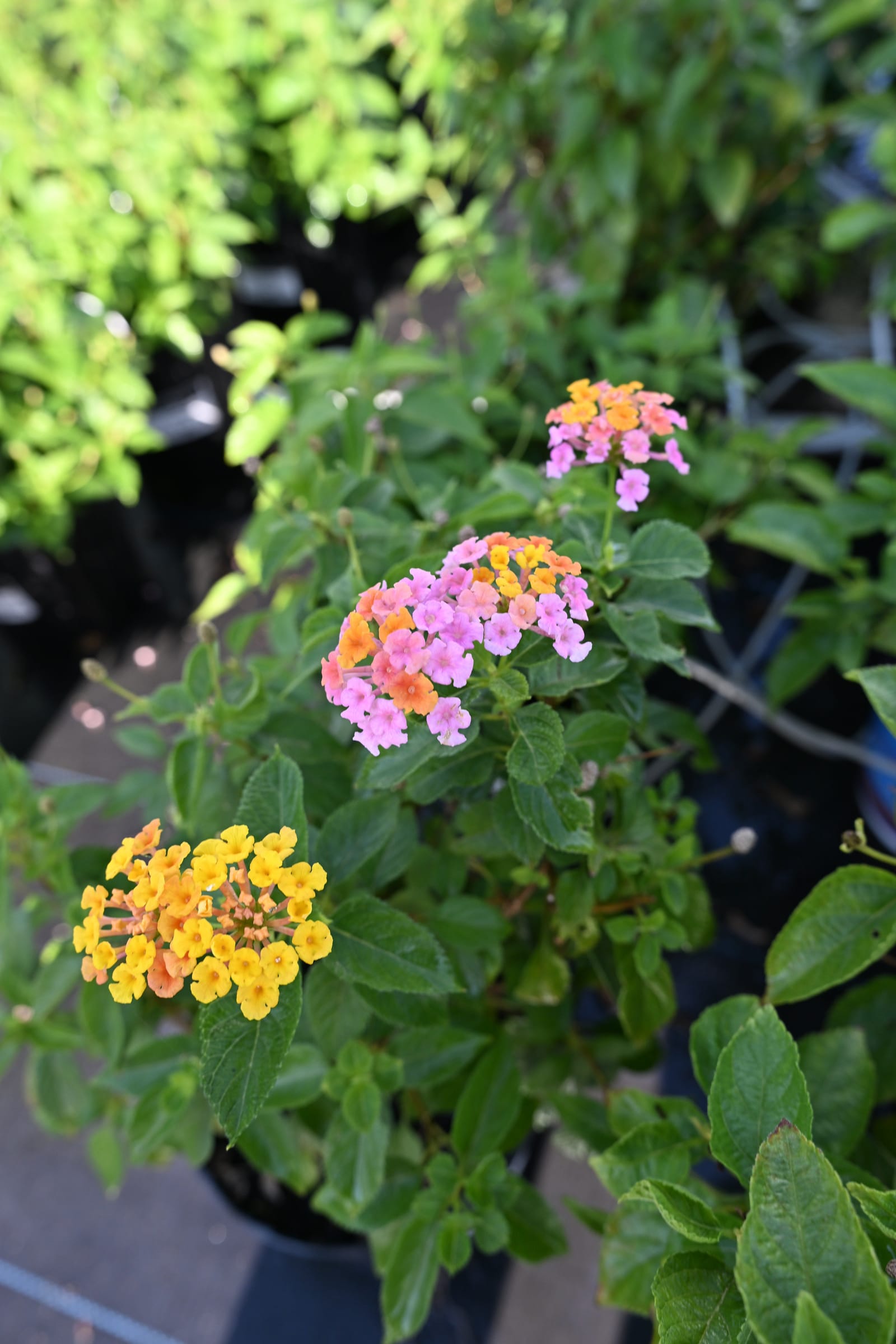
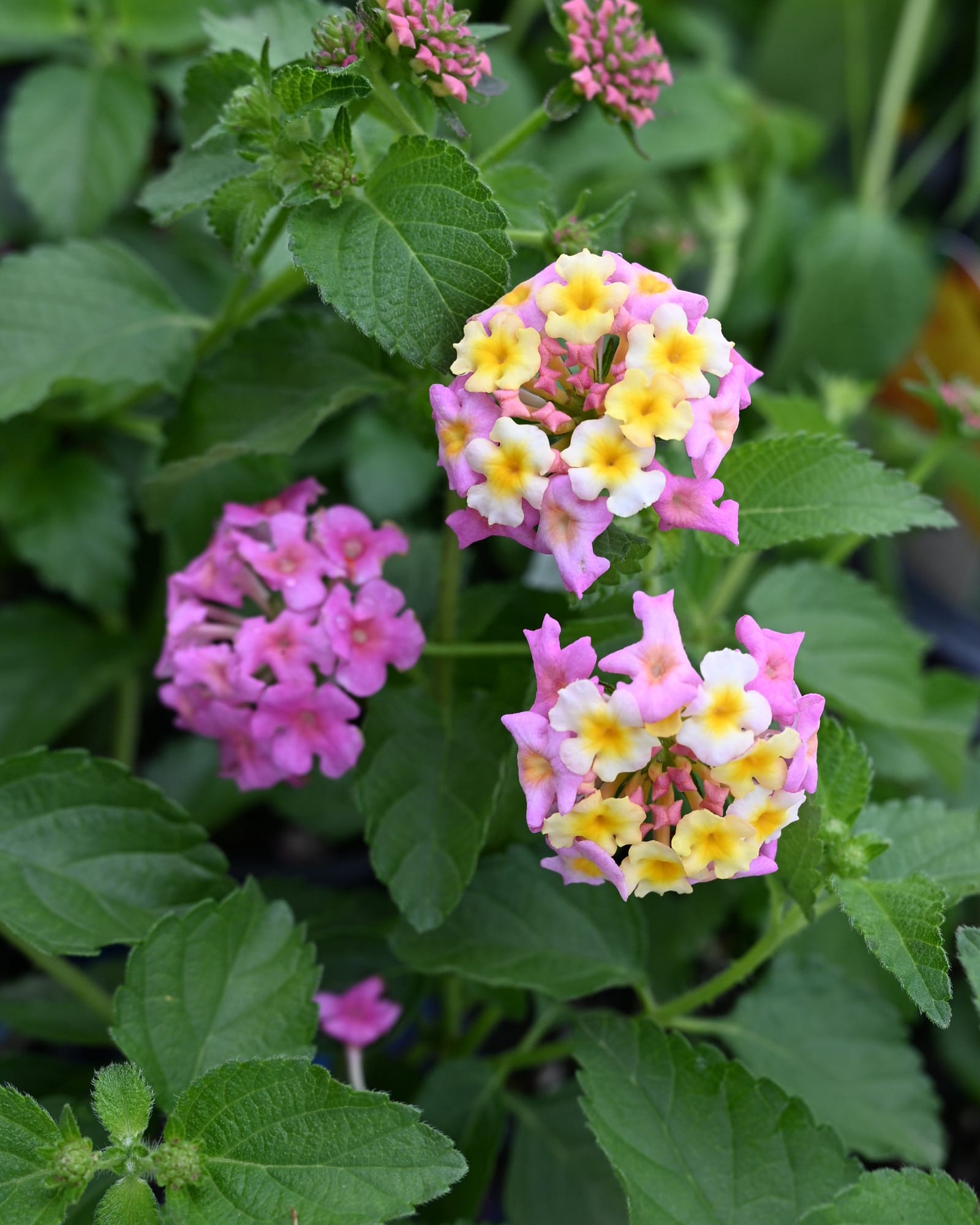
Chapel Hill Pink Huff Lantana
Maturity: 2' H x 3' W
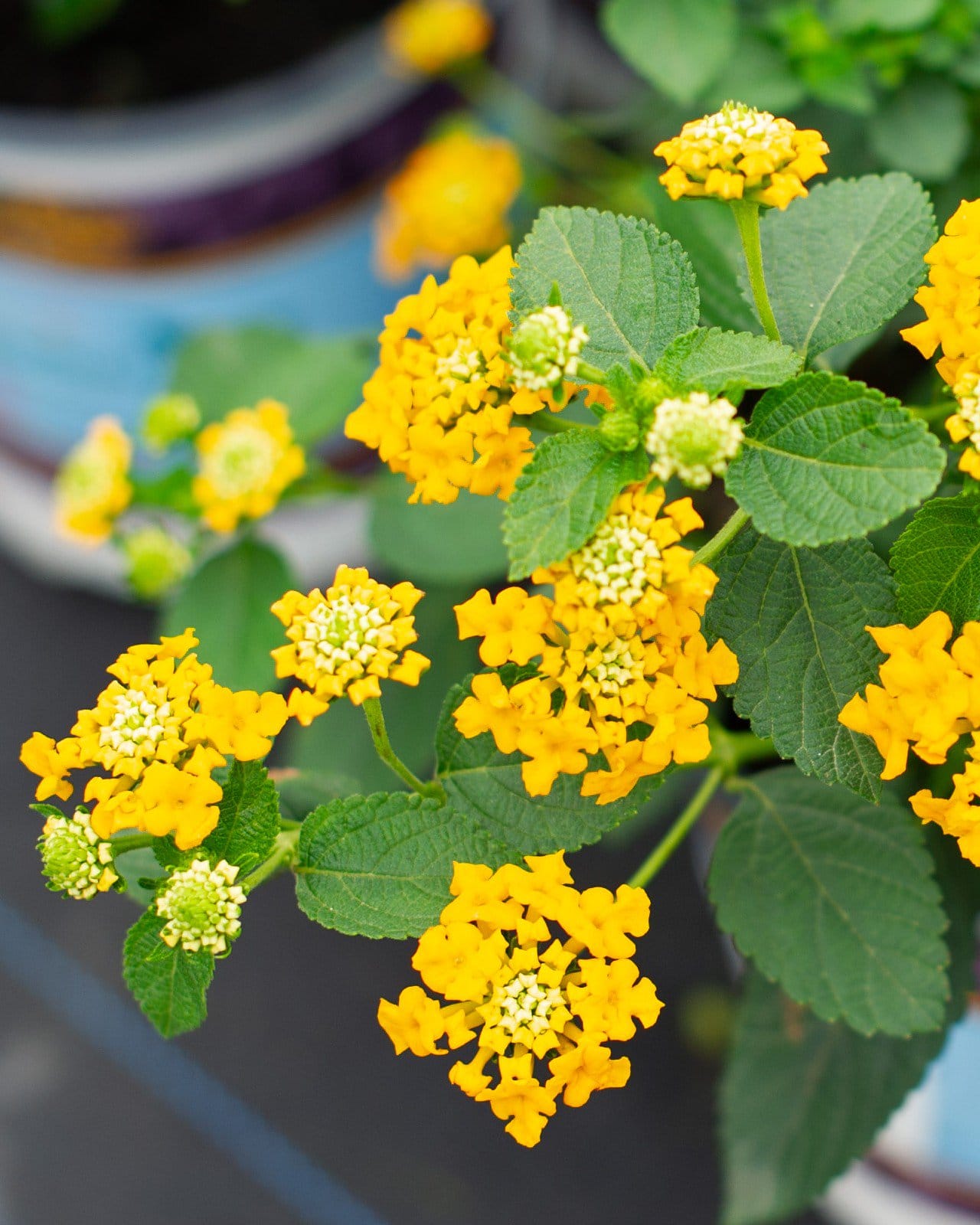
Lucky Pot of Gold Lantana
Maturity: 1' H x 1' W
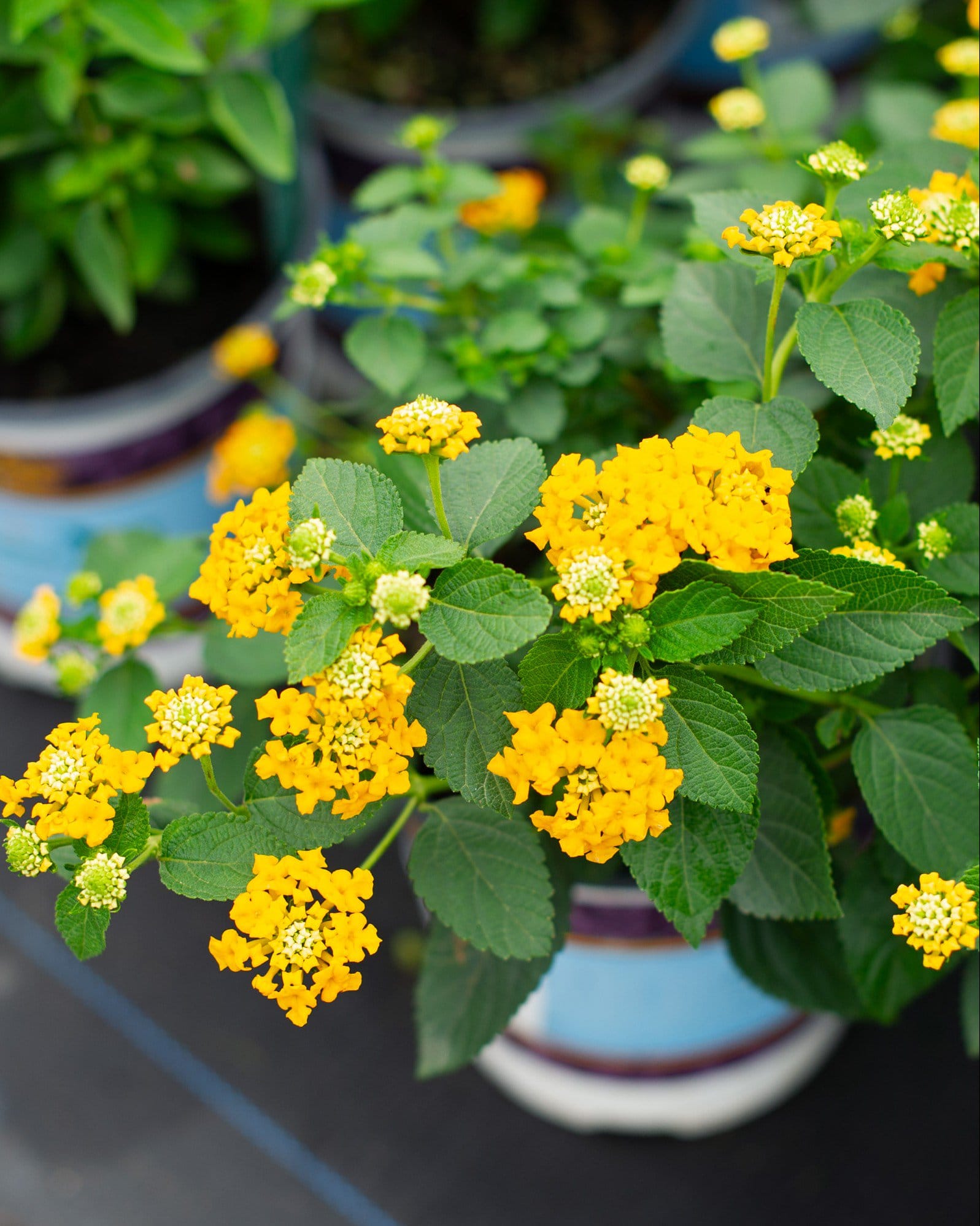
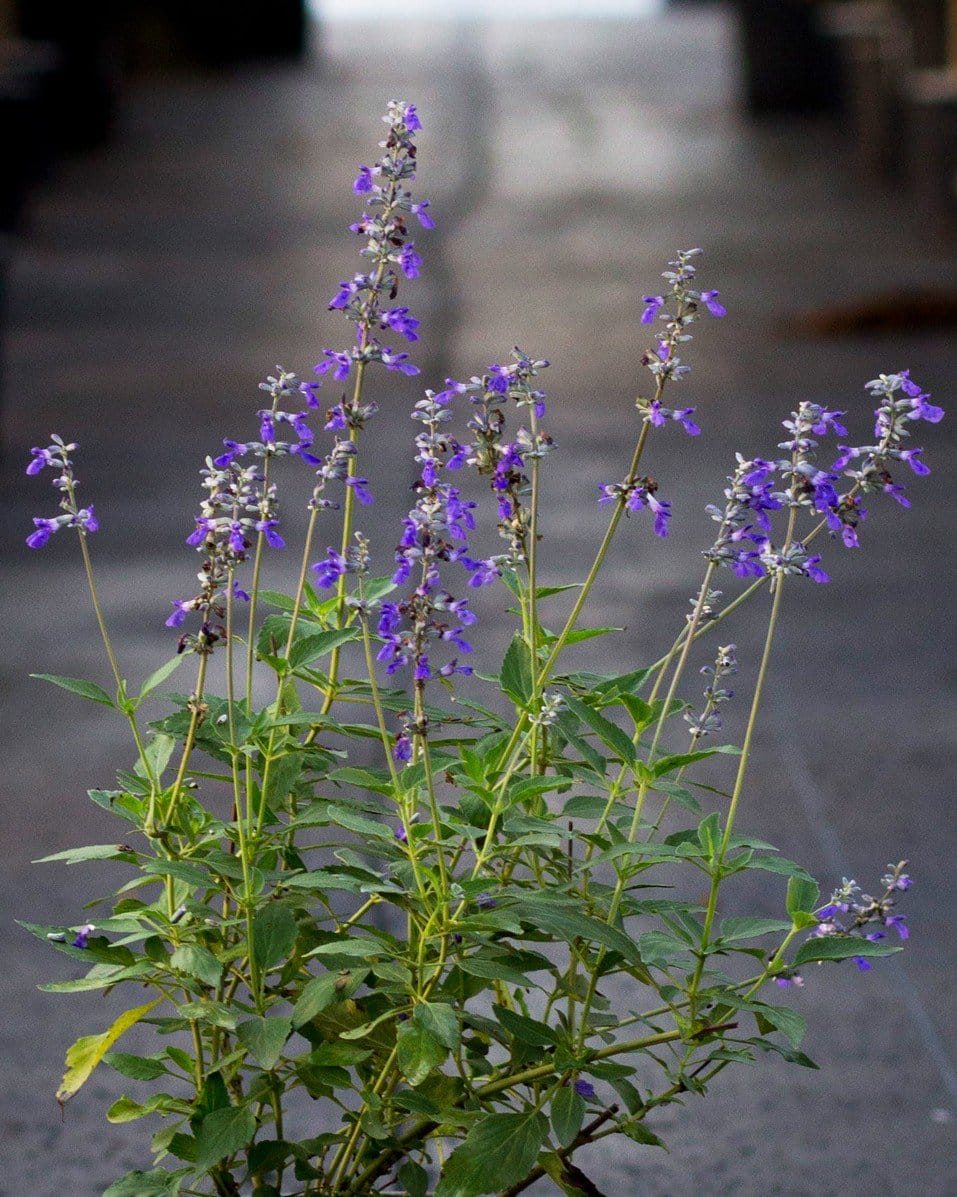
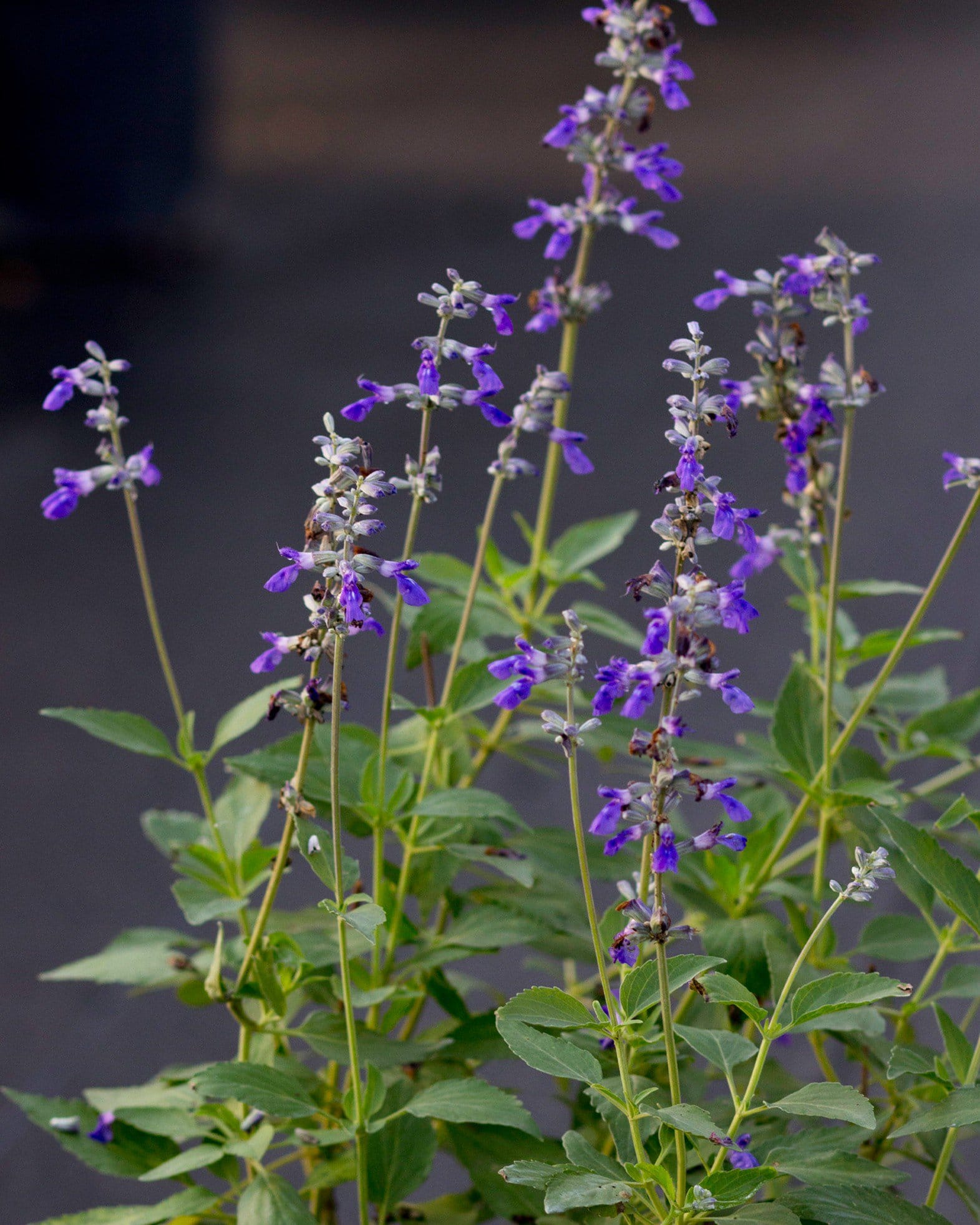
Henry Duelberg Salvia
Maturity: 3' H x 3' W
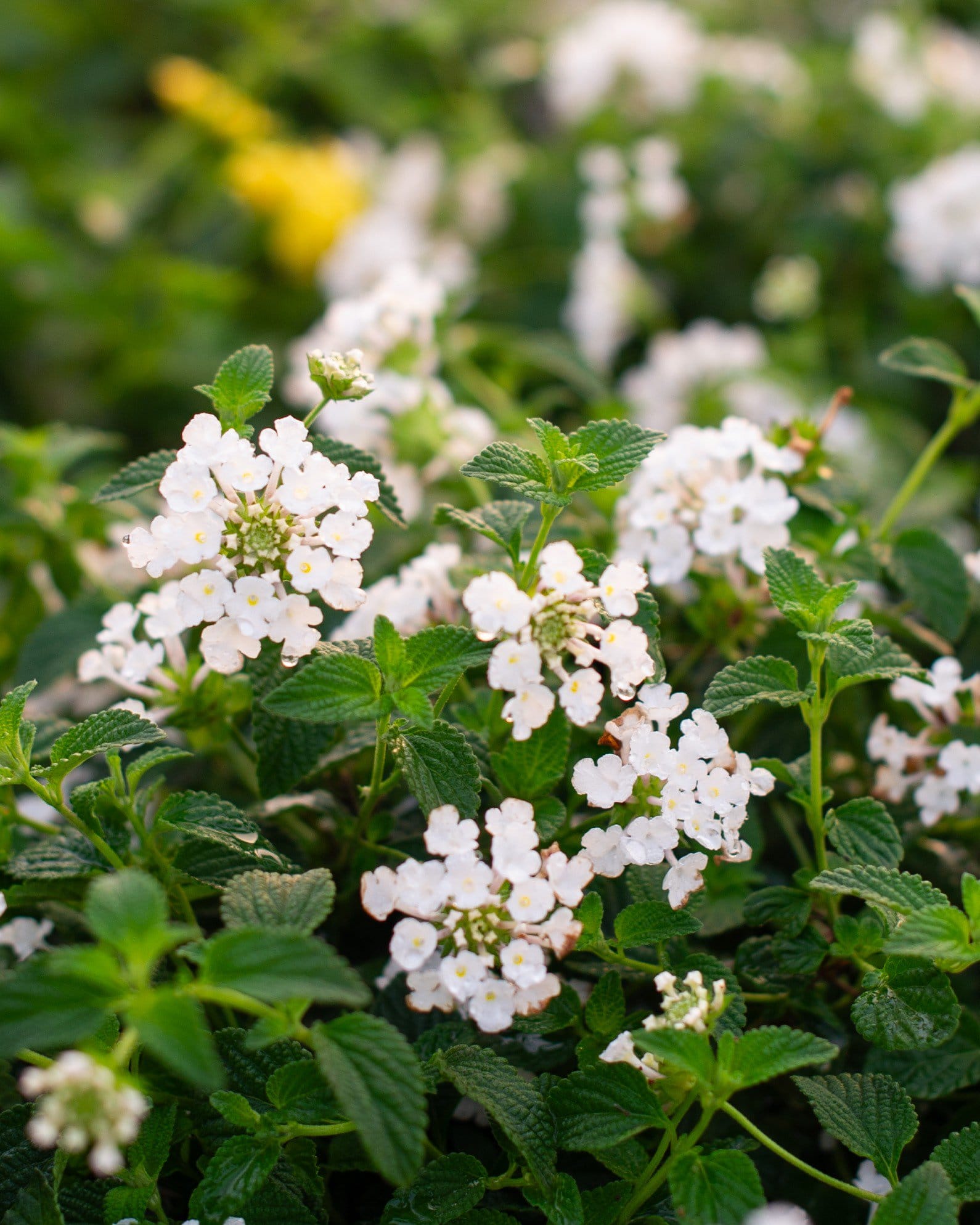
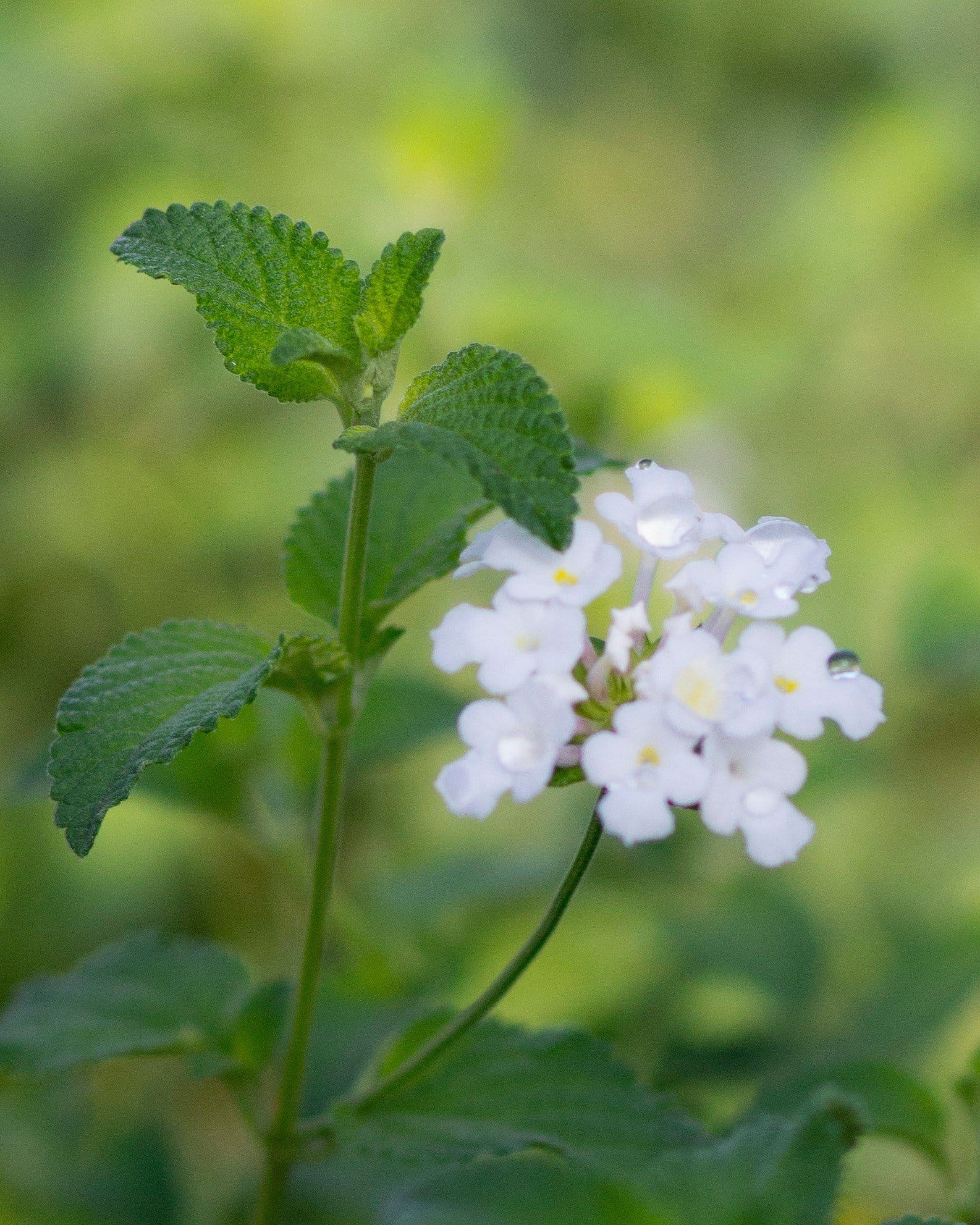
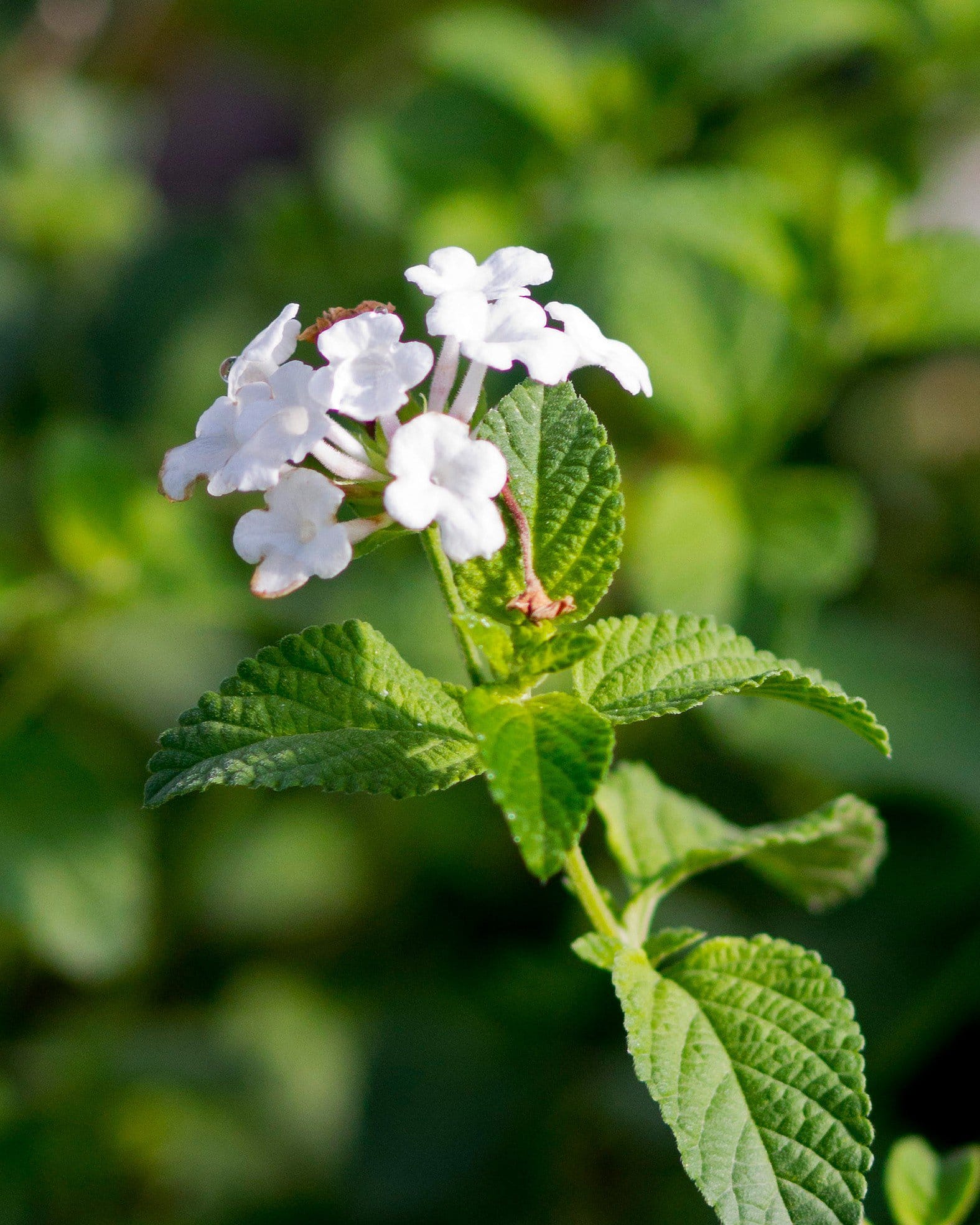
White Trailing Lantana
Maturity: 1' H x 3' W
Compare Similar Plants
Shamrock Red Lantana This plant | ||
|---|---|---|
| Scientific Name | Lantana camara 'Balshamred' | Lantana camara ‘Dallas Red’ |
| Size at Maturity | 1' H x 1' W | 3' H x 3' W |
| Leaf Retention | Herbaceous | Herbaceous |
| Flower Color | Orange, Red & Yellow | Orange & Red |
| Bloom Times | Spring, Summer & Fall | Spring, Summer & Fall |
| Sizes Available | — | 1, 3 gal |


Our 1-Year Planting Guarantee
We take pride in our plants and installation services. If any plants or trees installed by Treeland fail to thrive within the first year, we'll provide a replacement credit in accordance with our guarantee program.
Learn More About Our Guarantee