
 Texas Native
Lynn's Legacy Texas Sage
Leucophyllum langmaniae ‘Lynn’s Legacy’Local DFW Delivery Only
Product Details
Lynn's Legacy Texas Sage
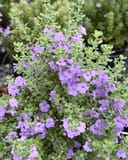
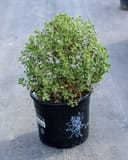
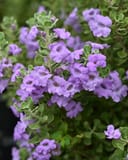
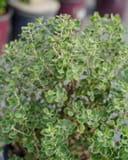
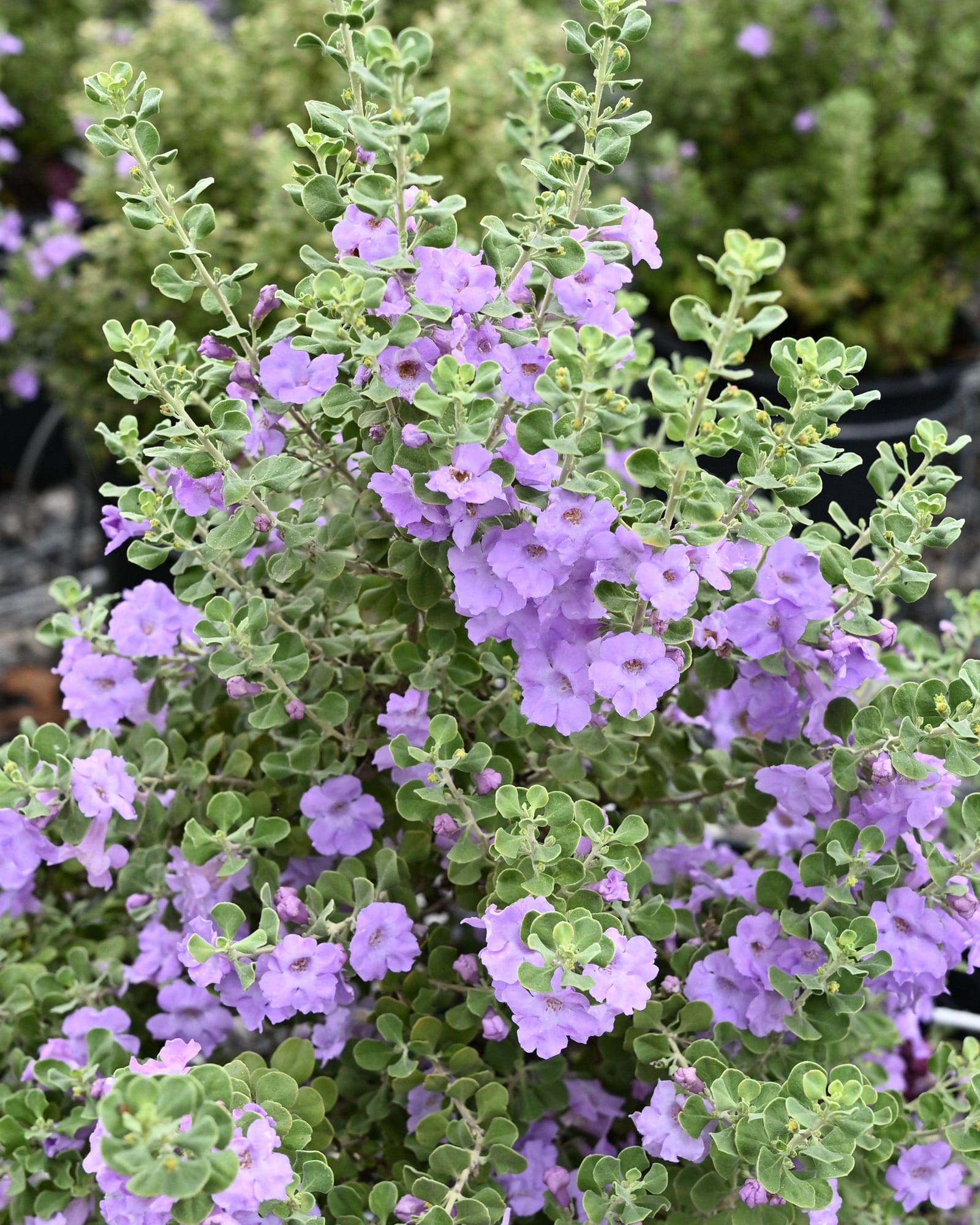
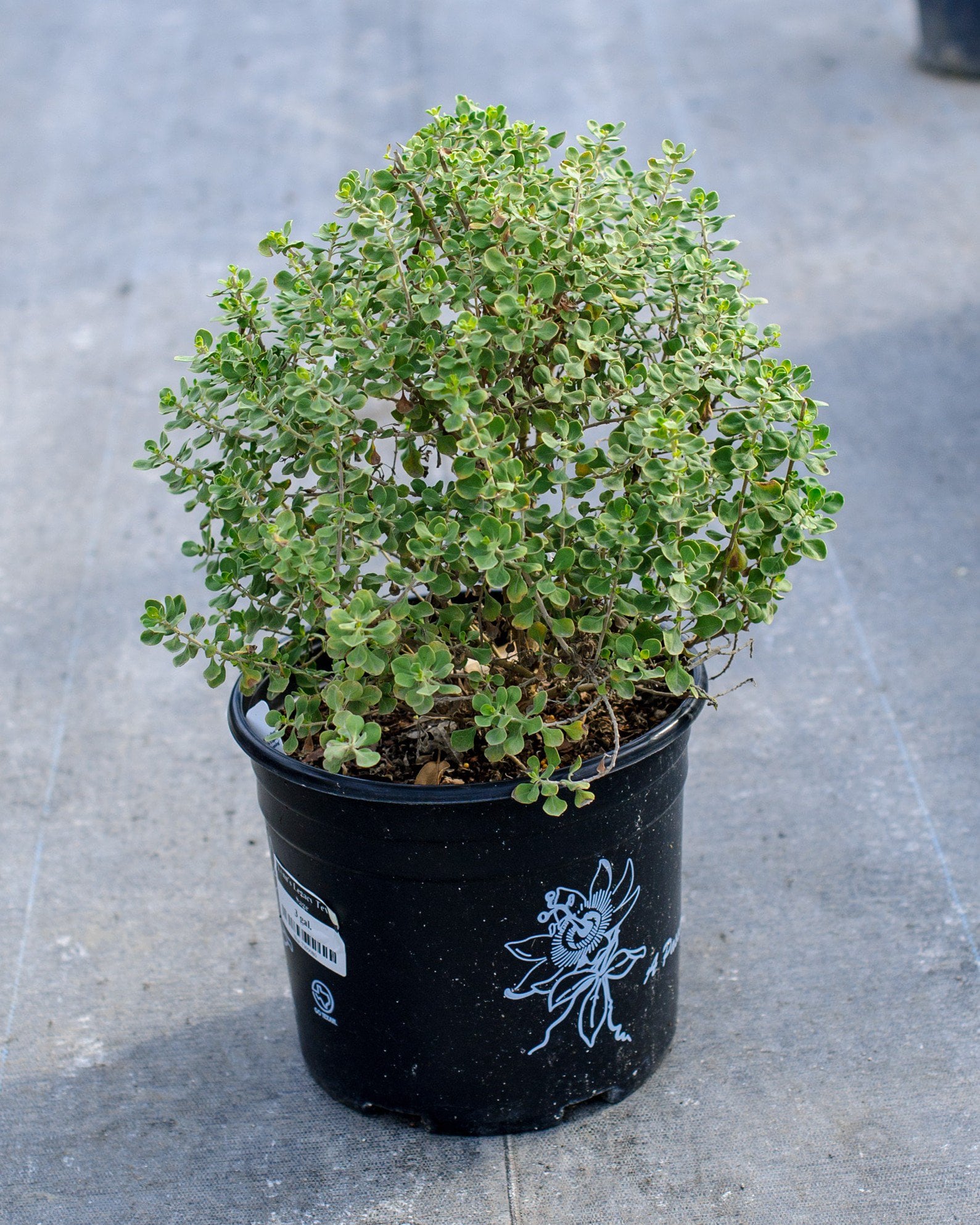
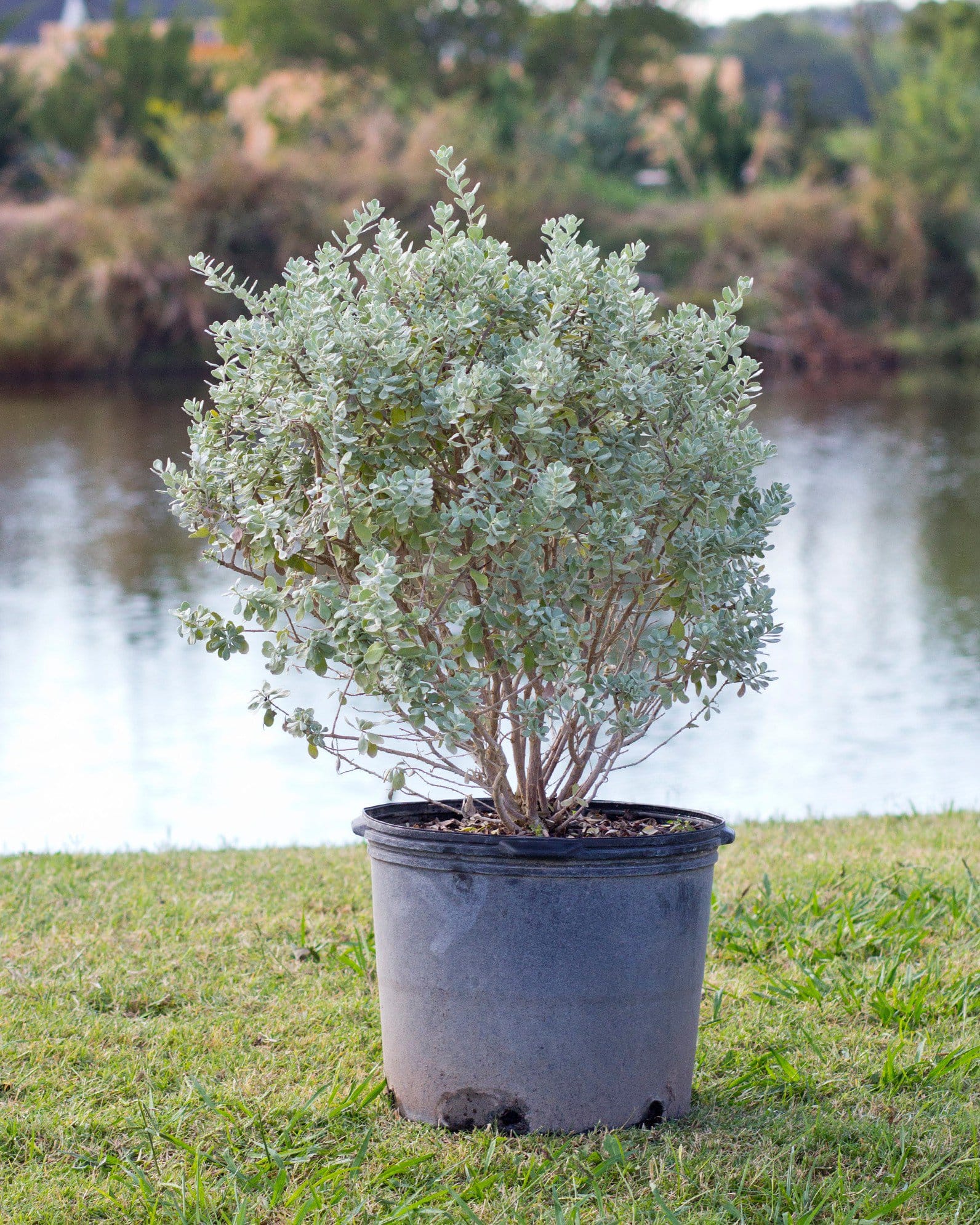
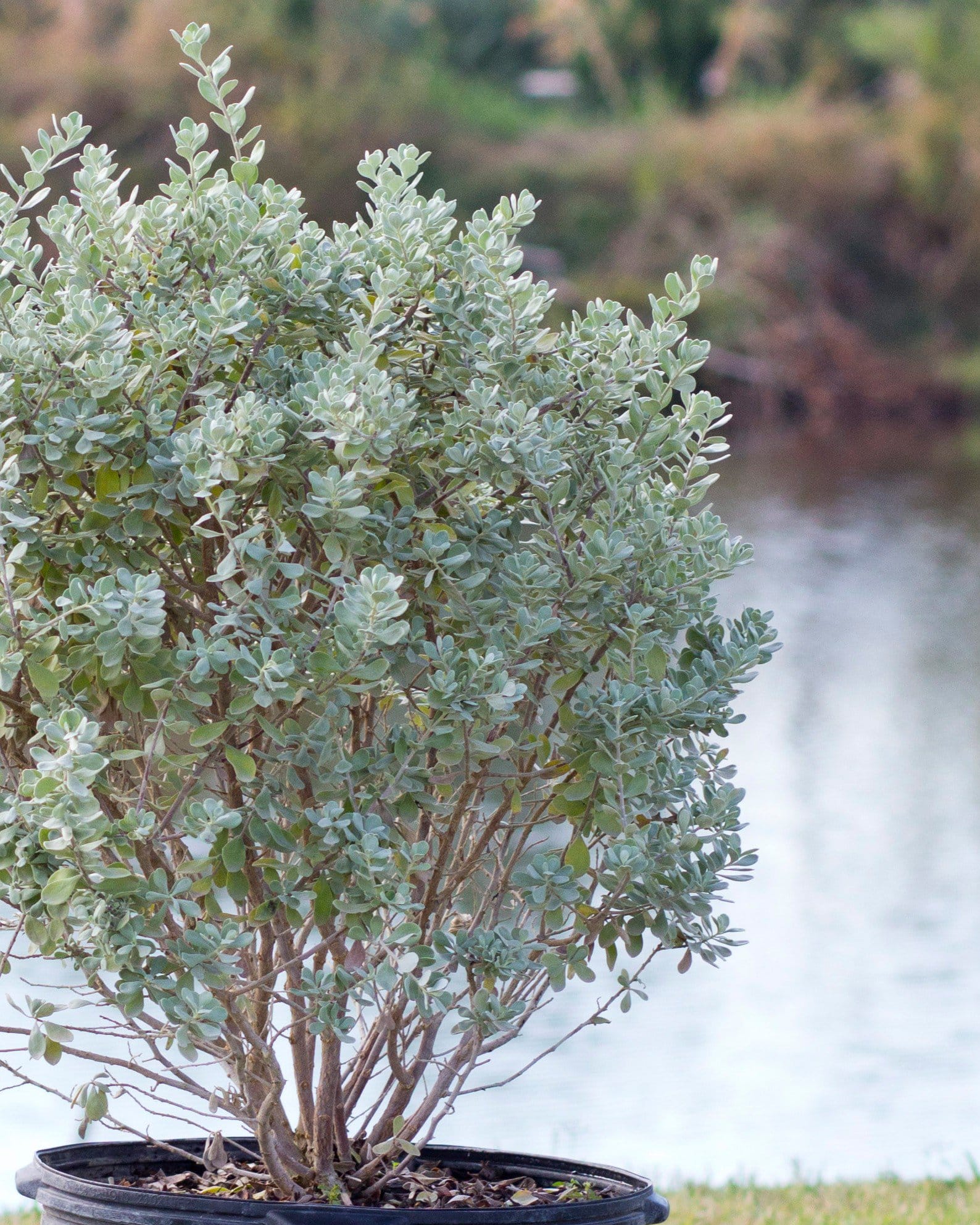
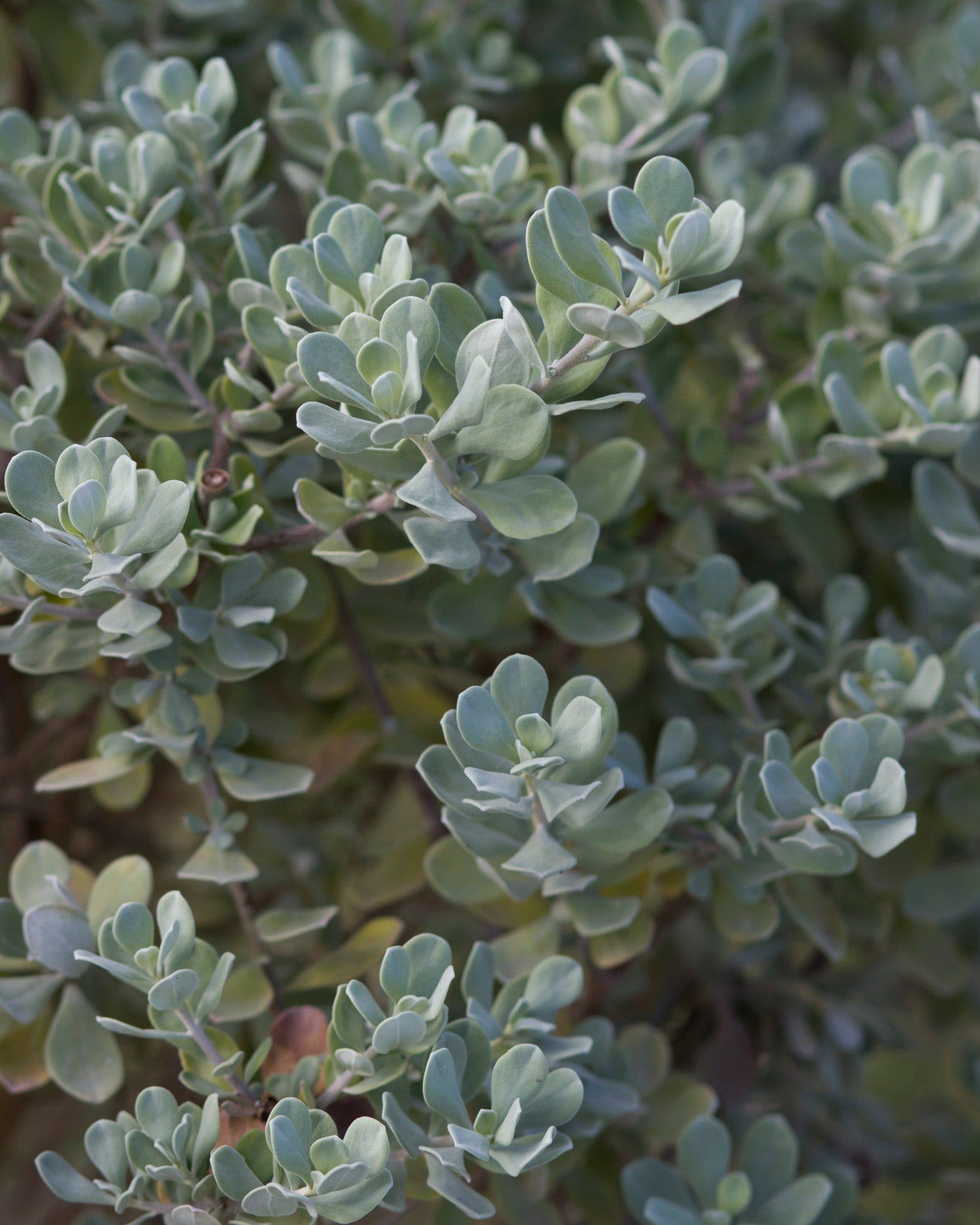
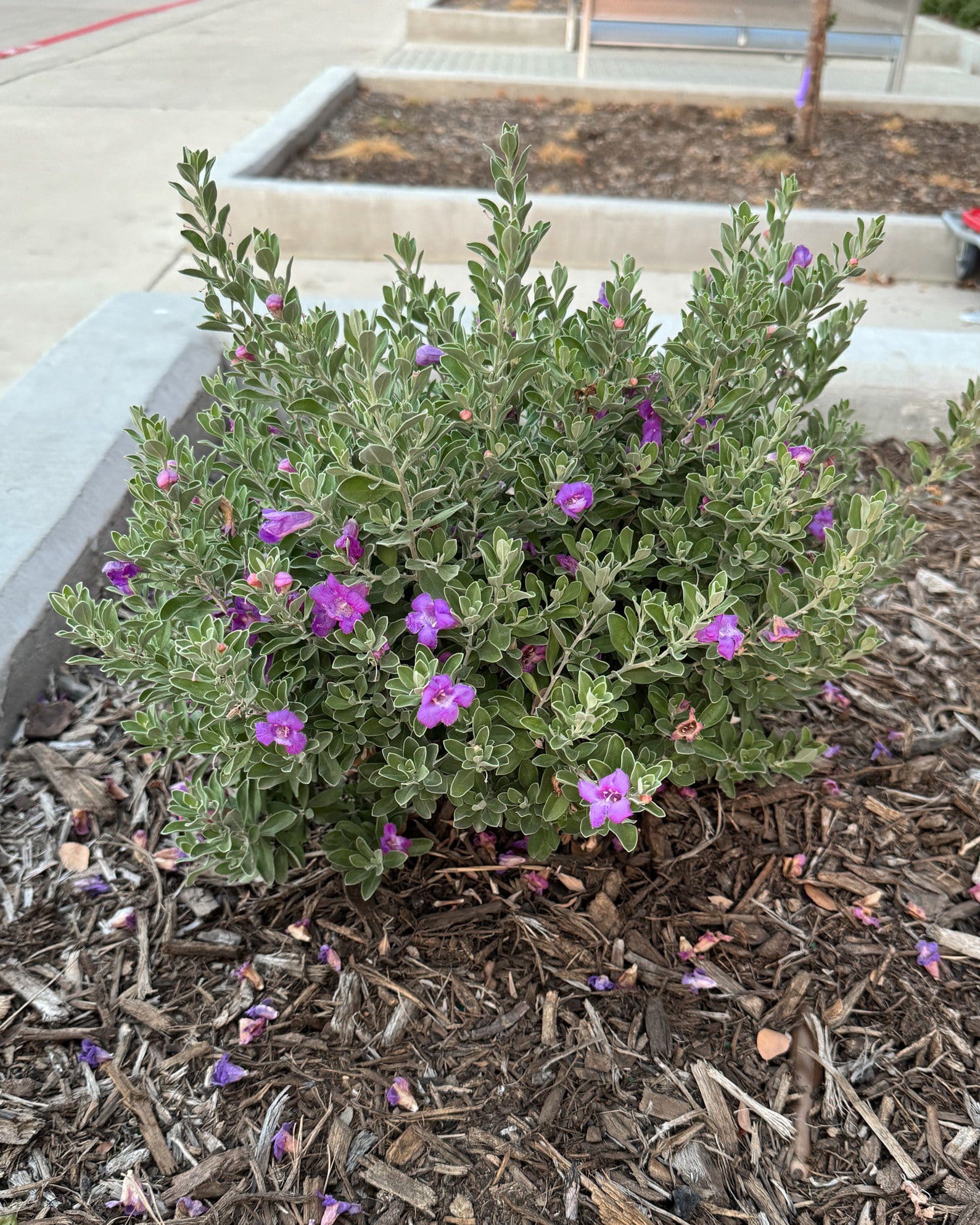
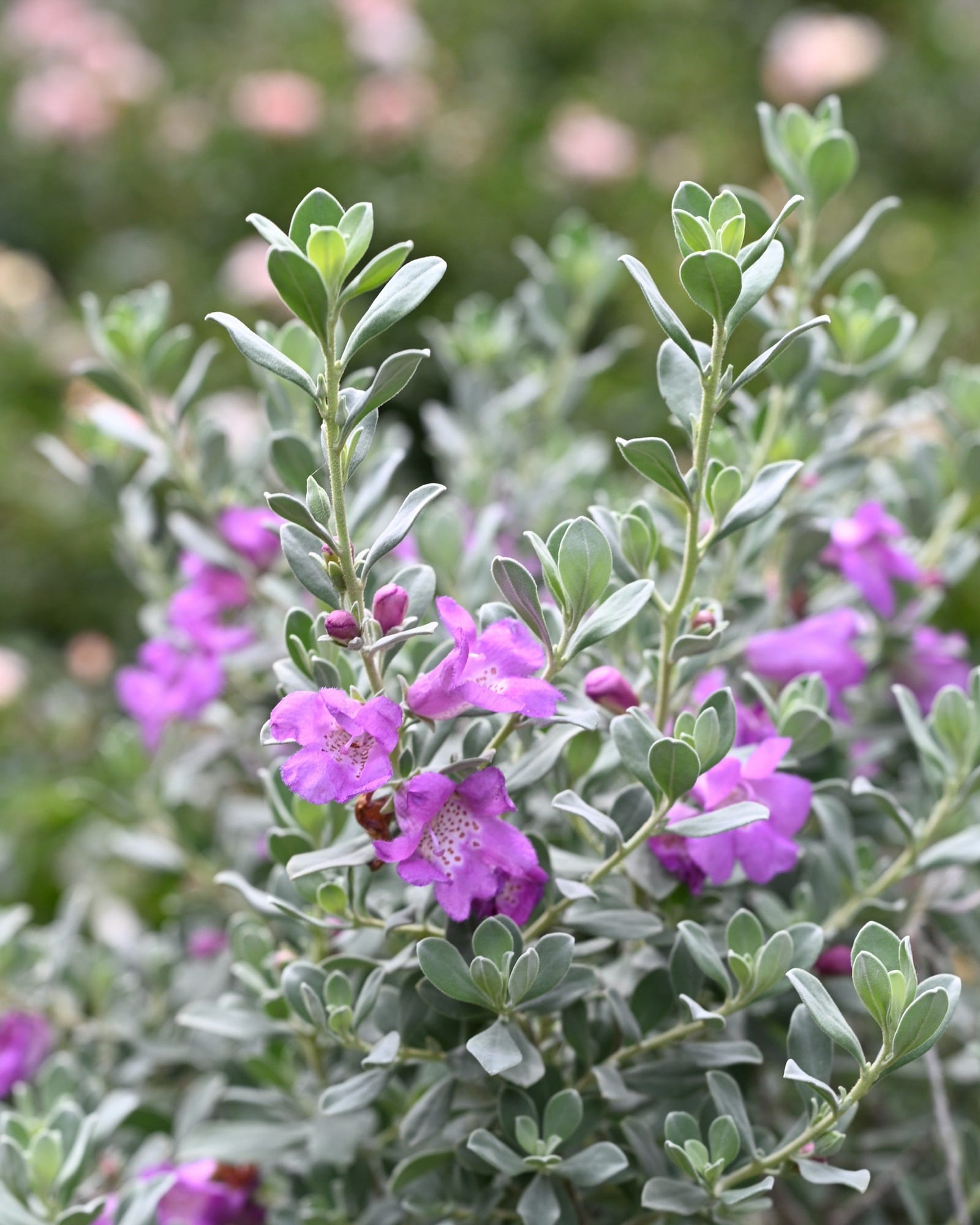
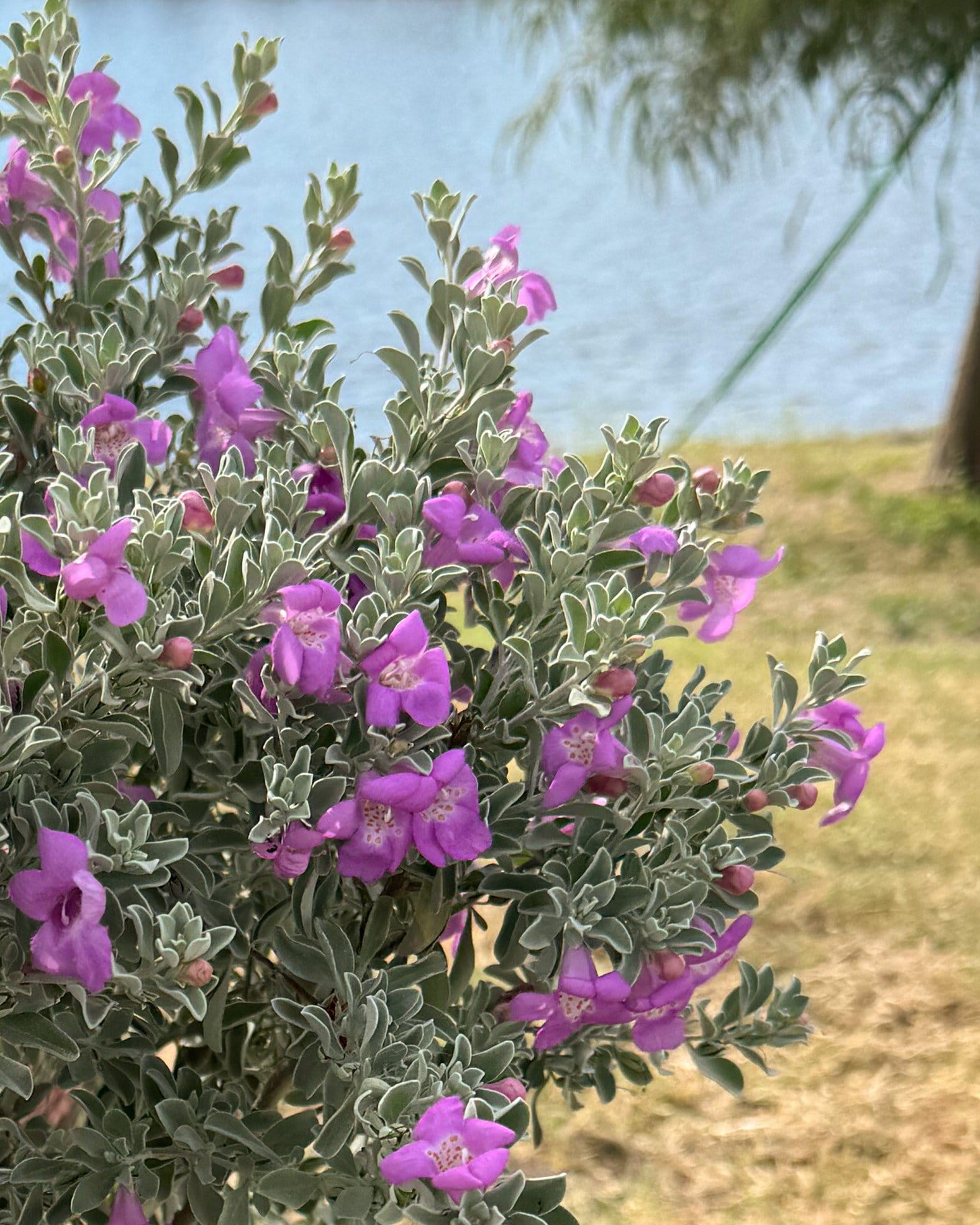
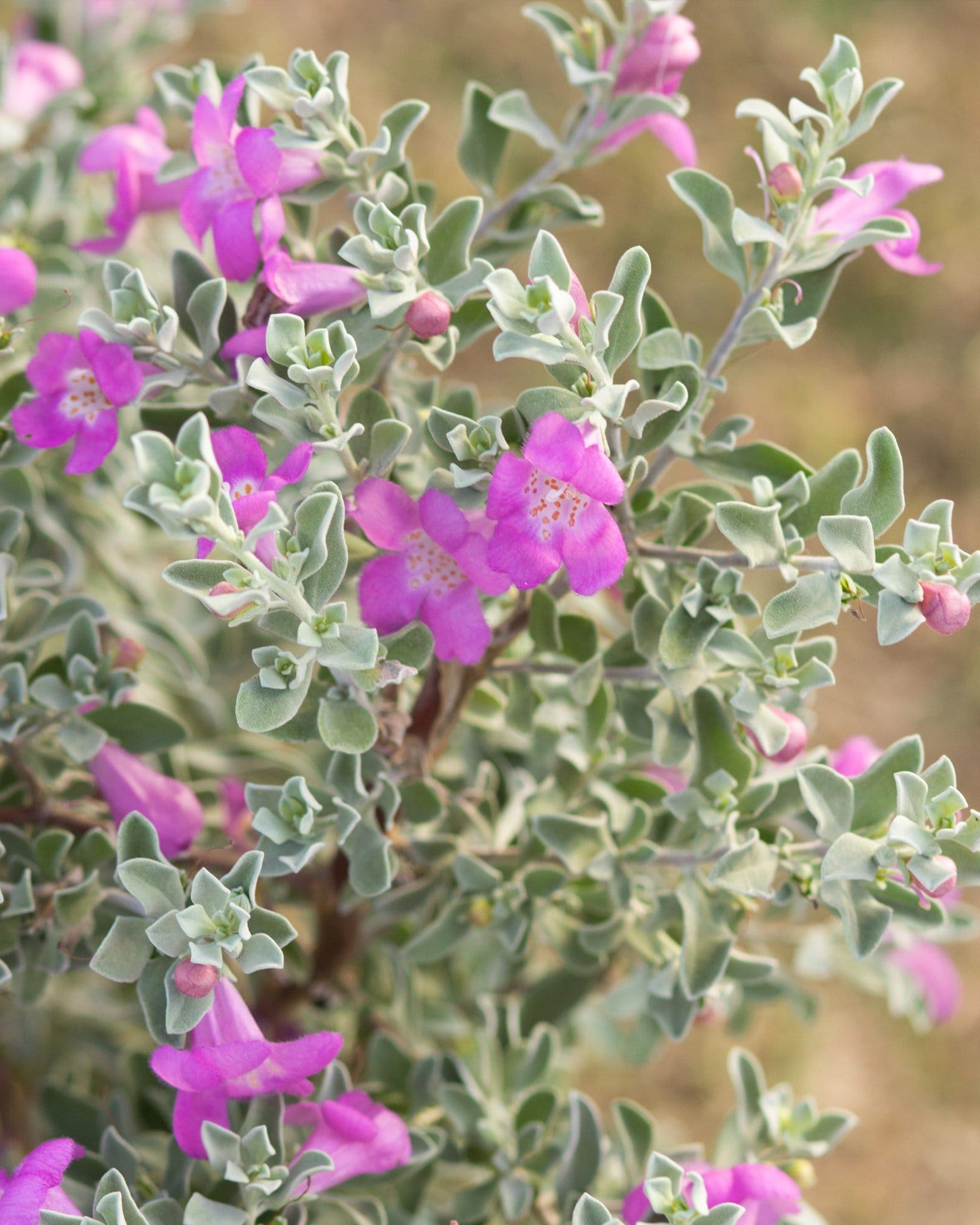
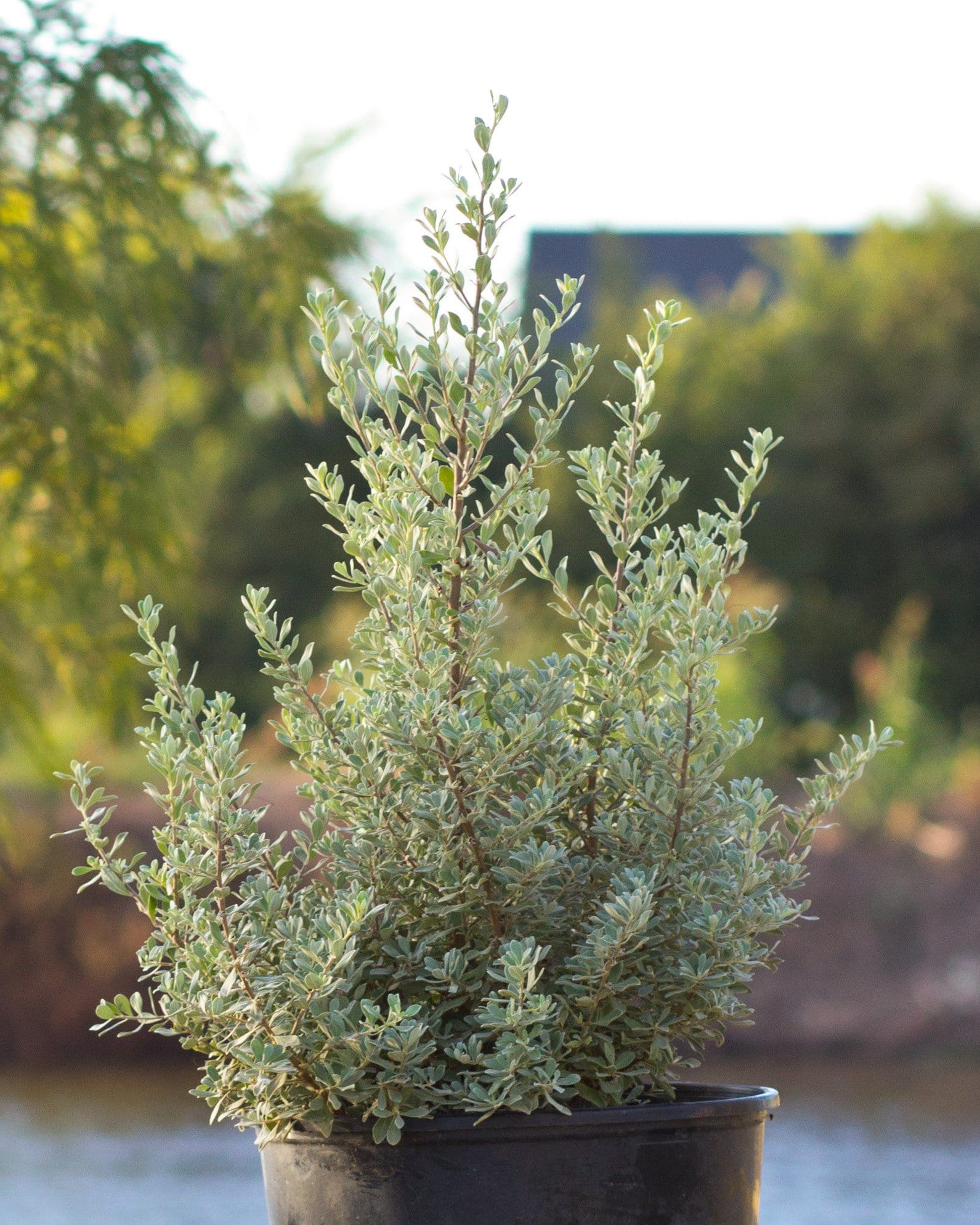
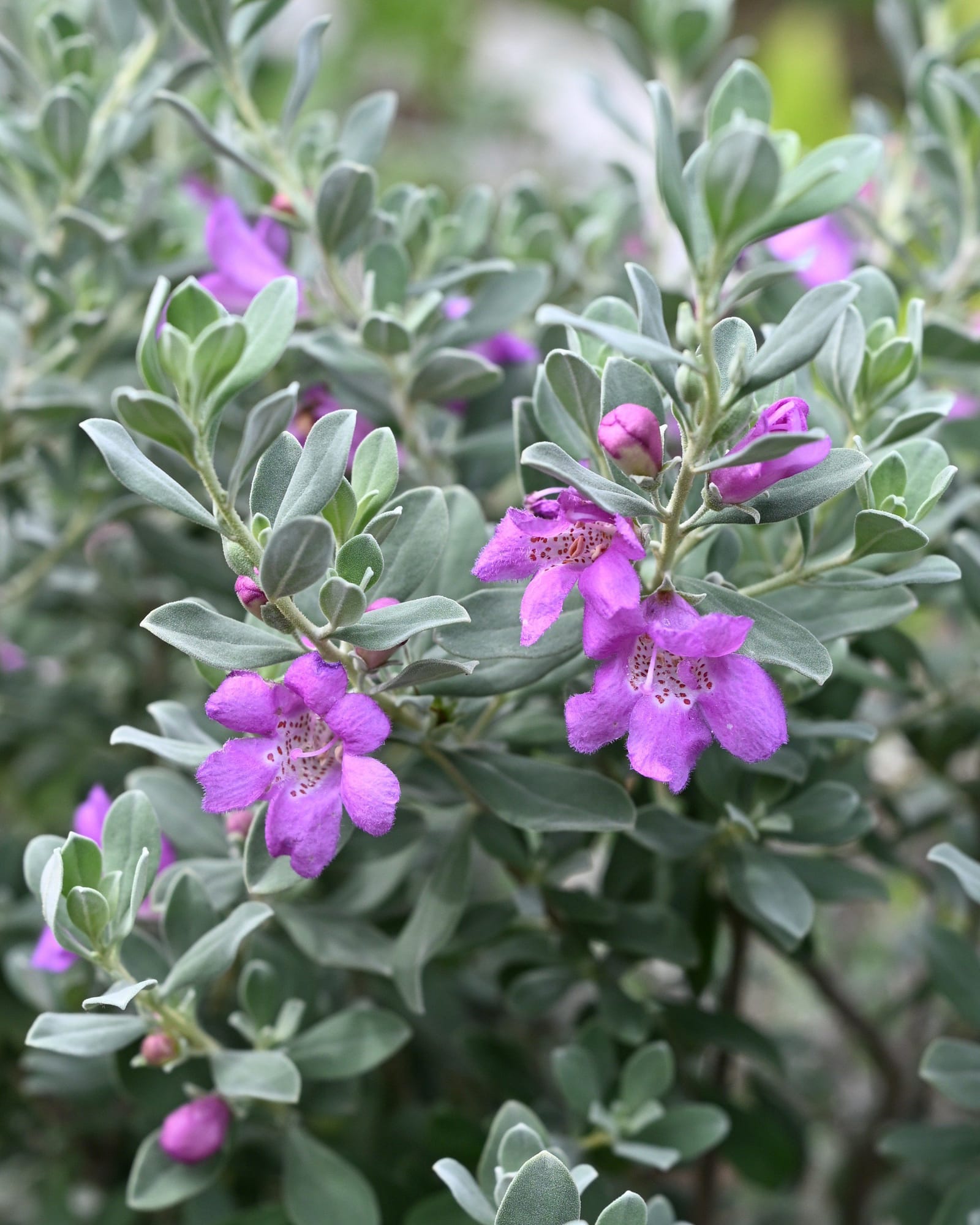
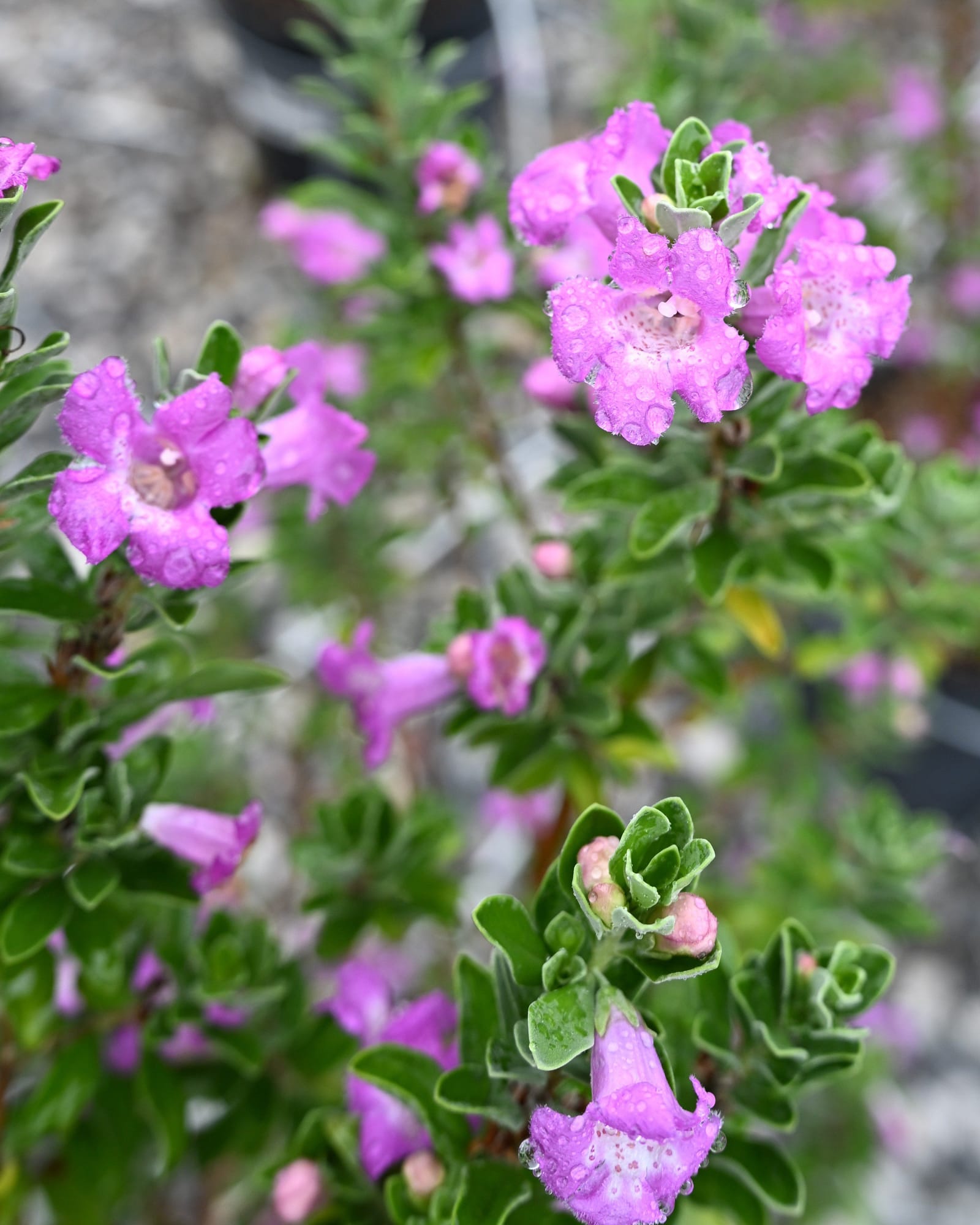
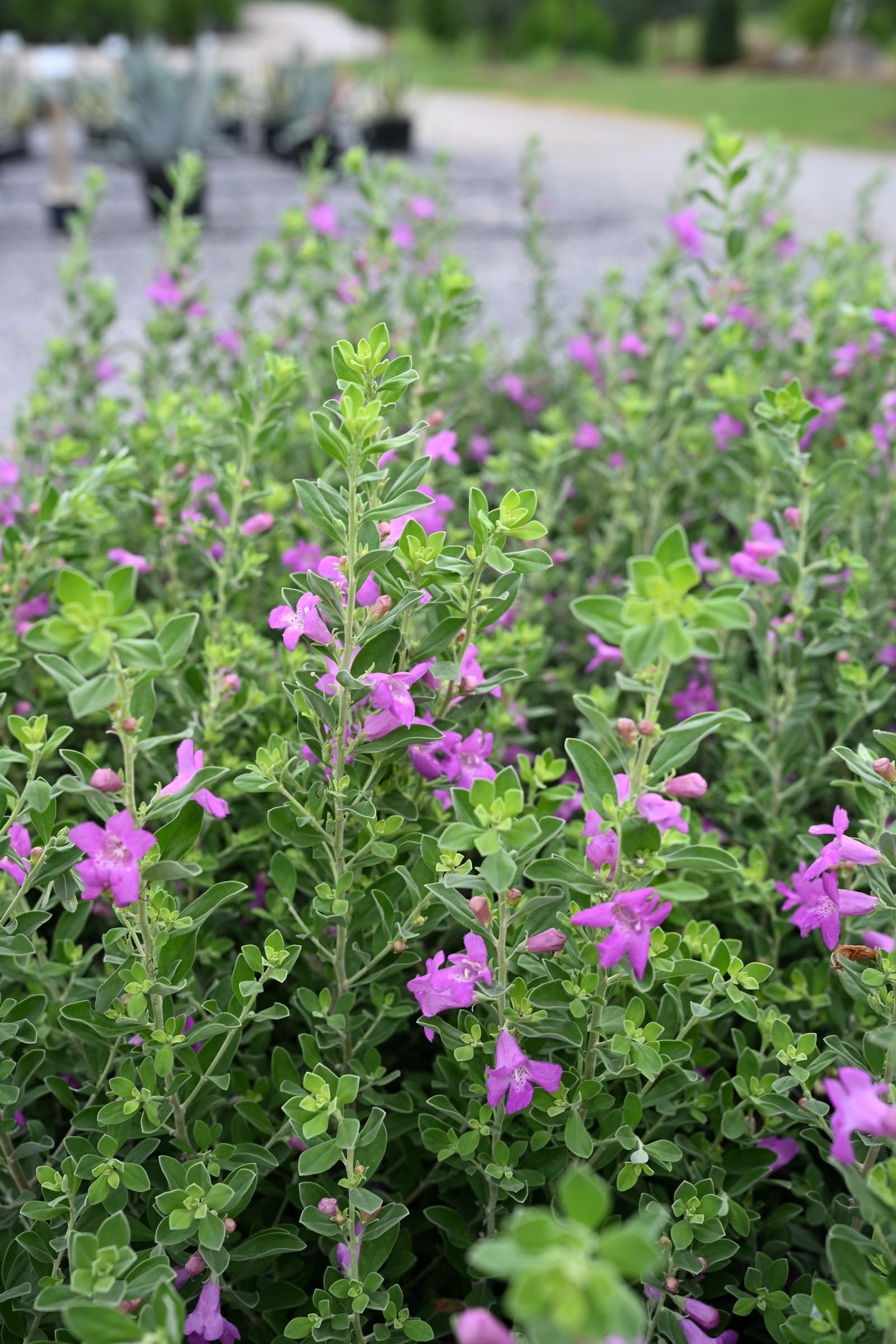
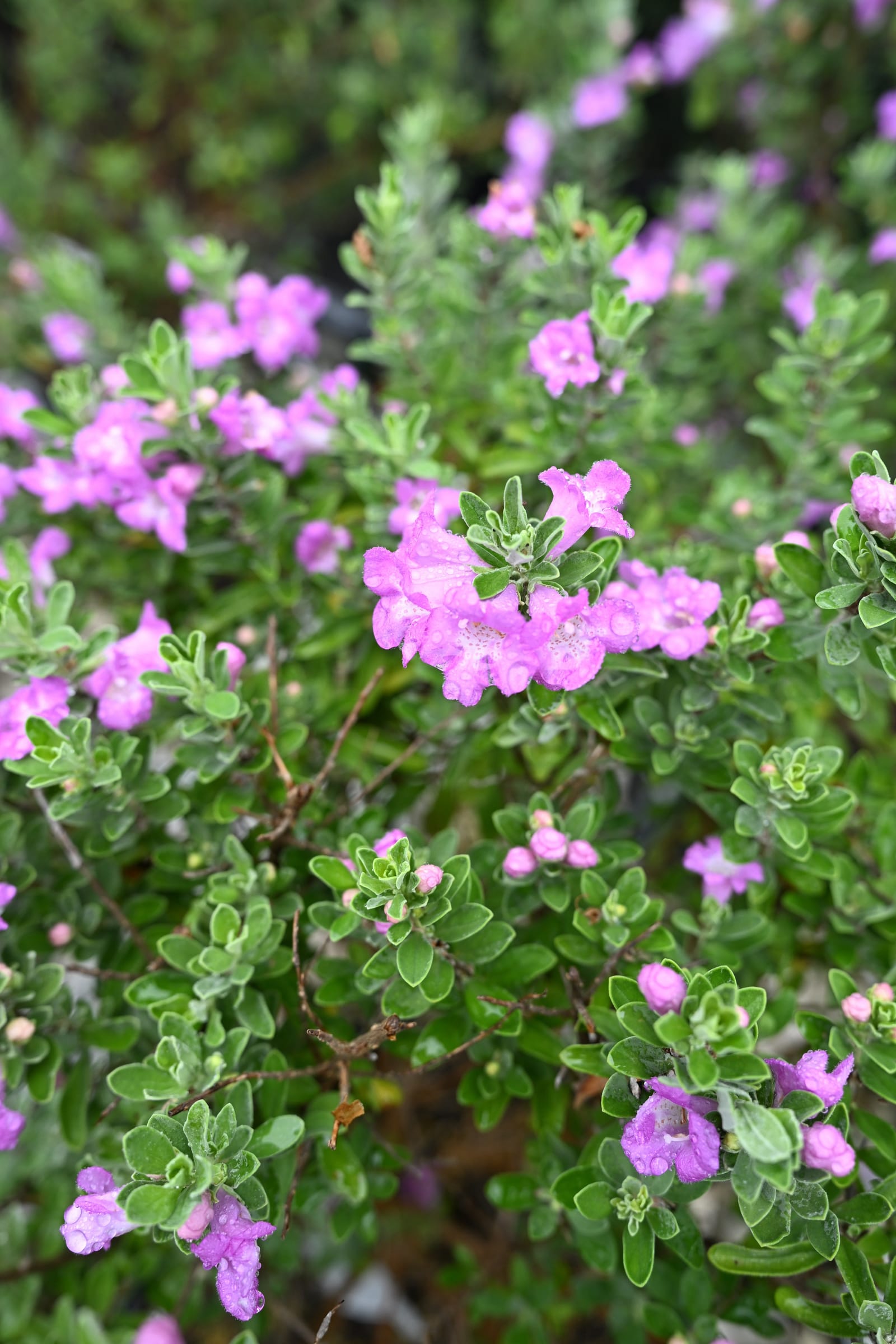
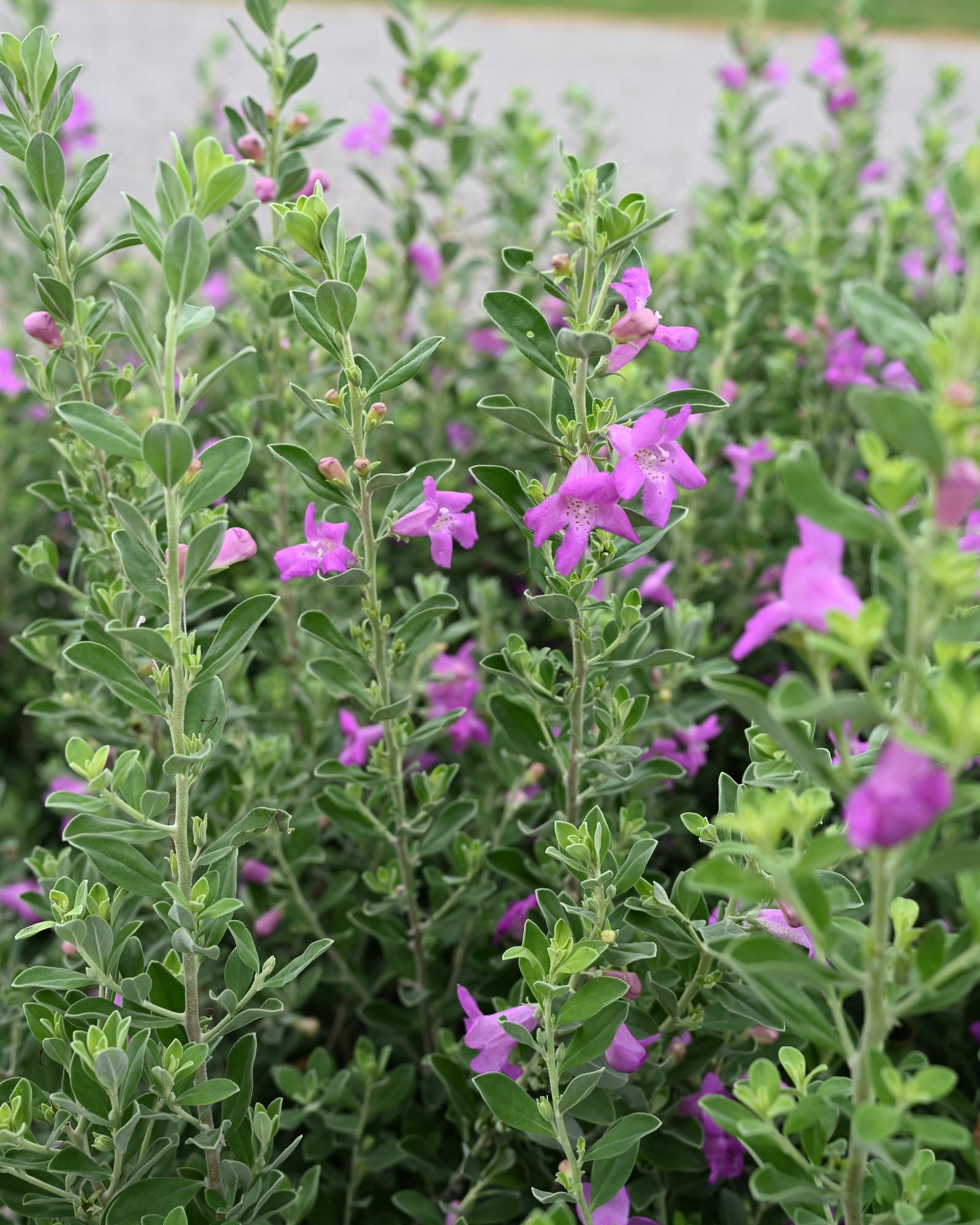
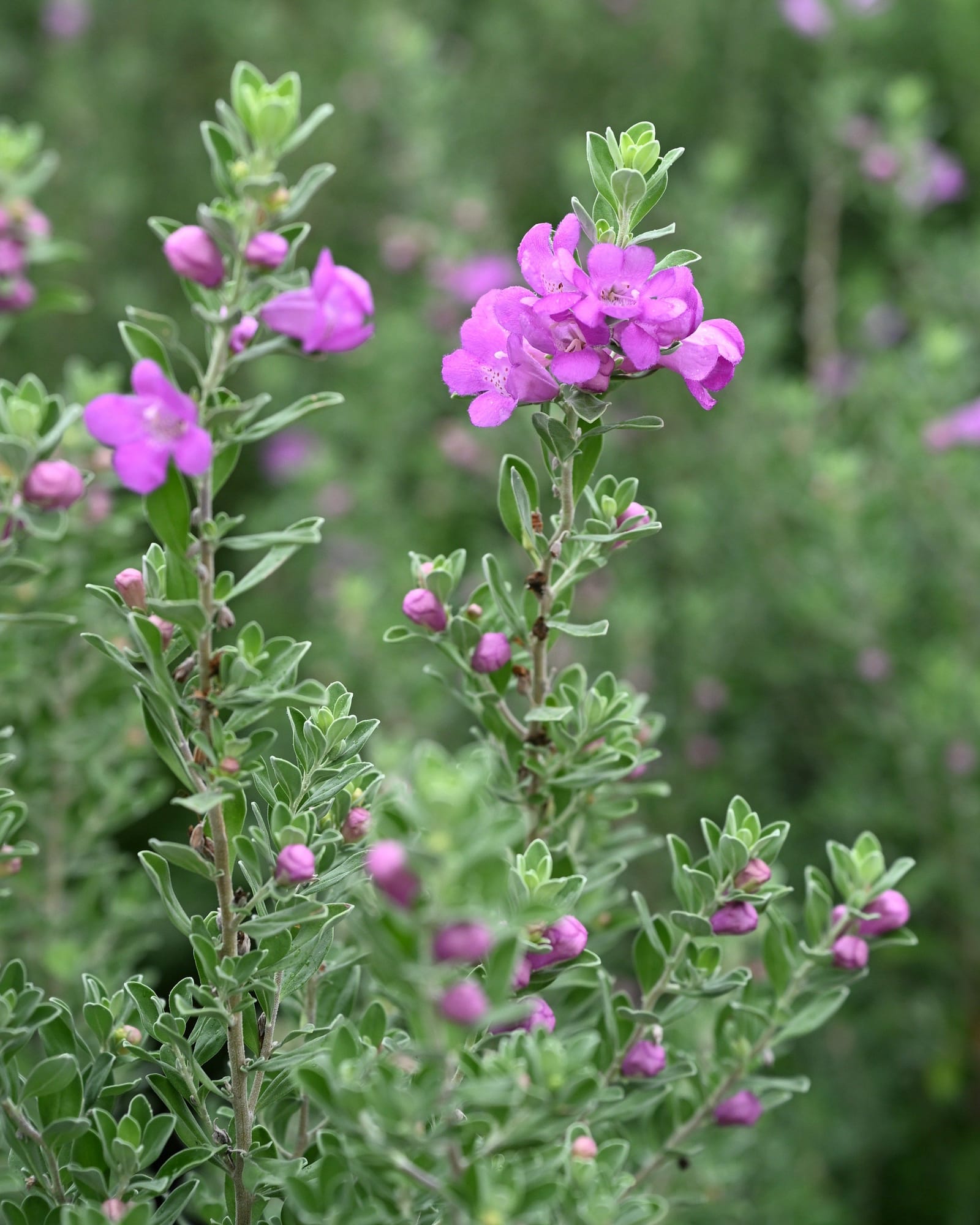
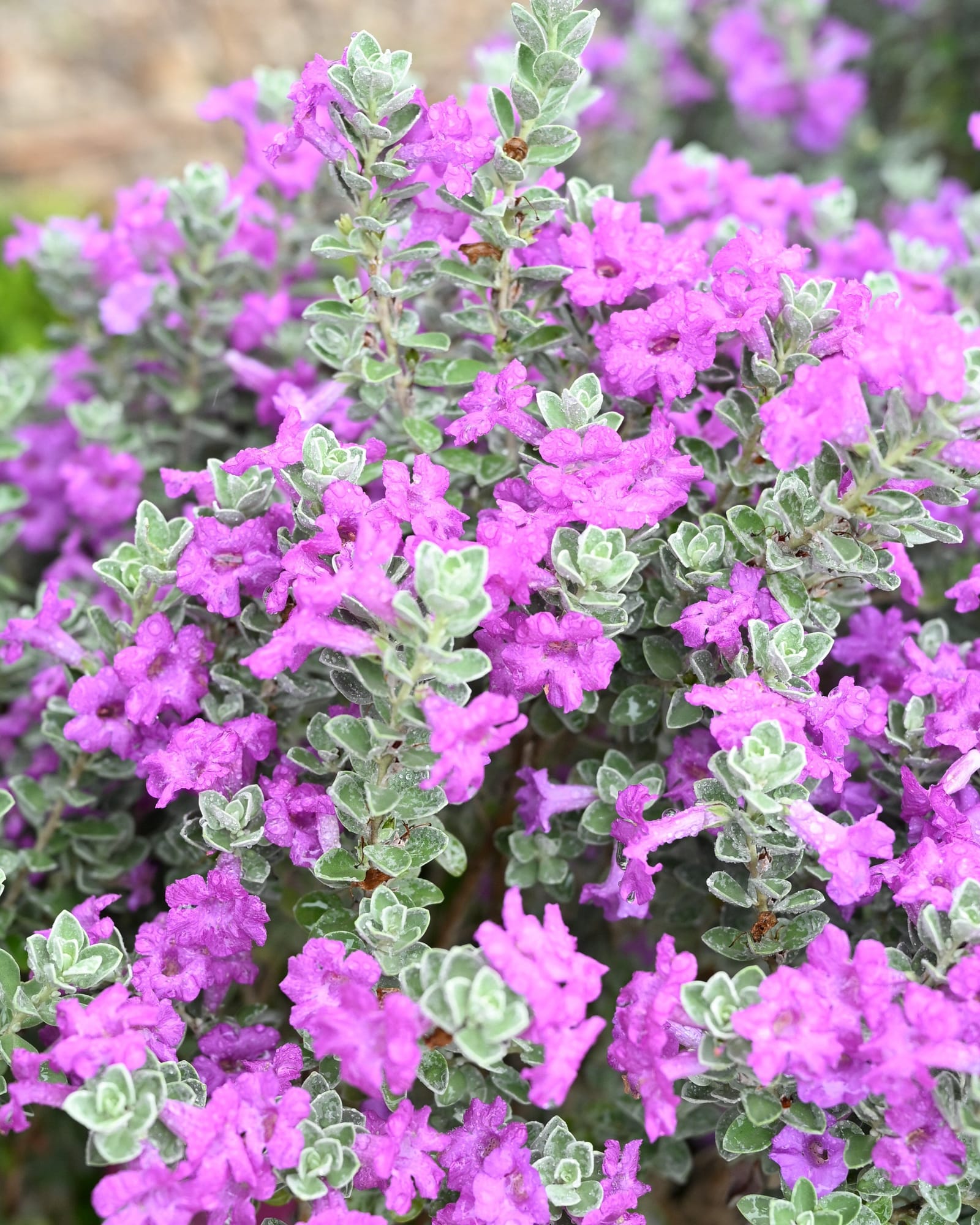
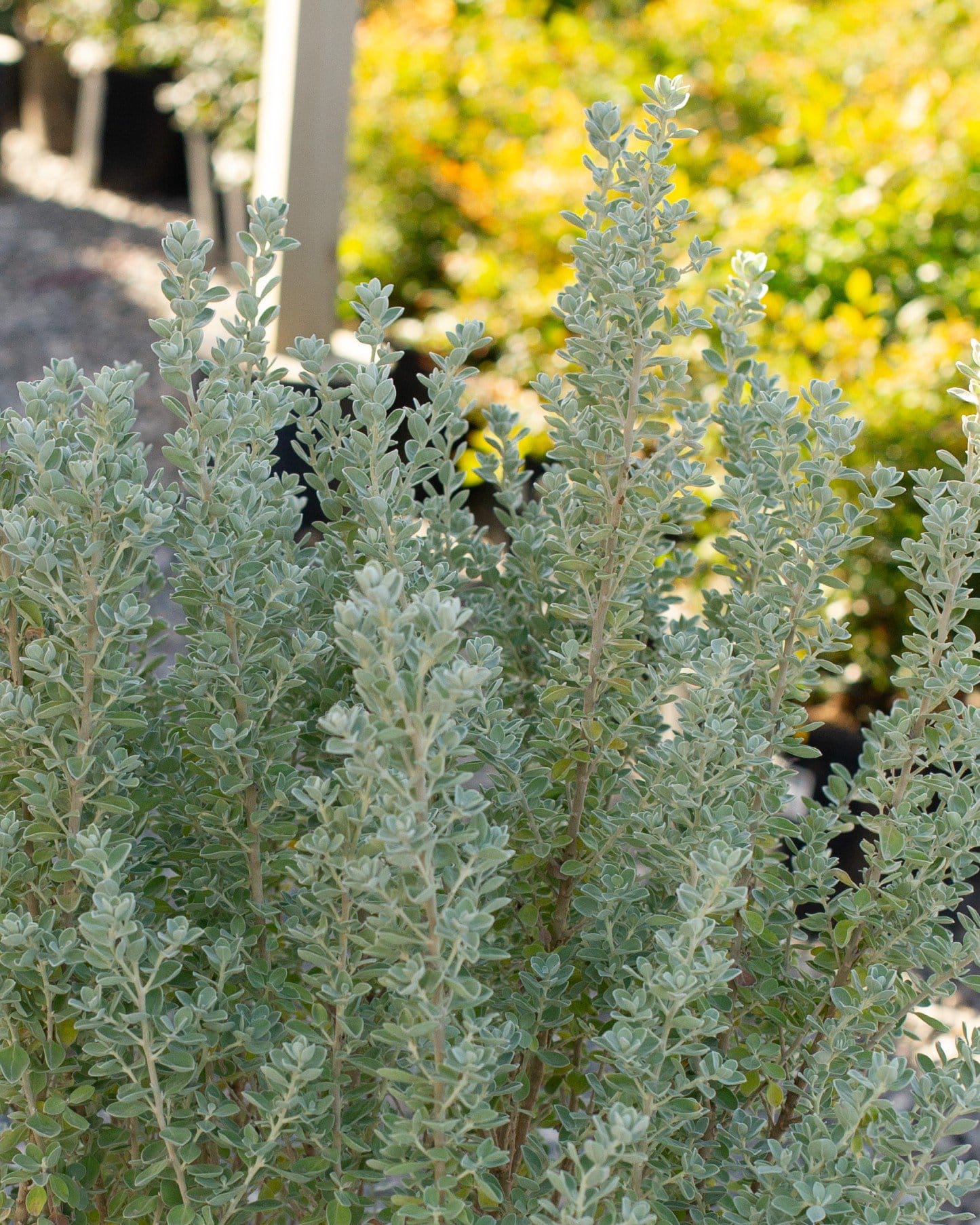
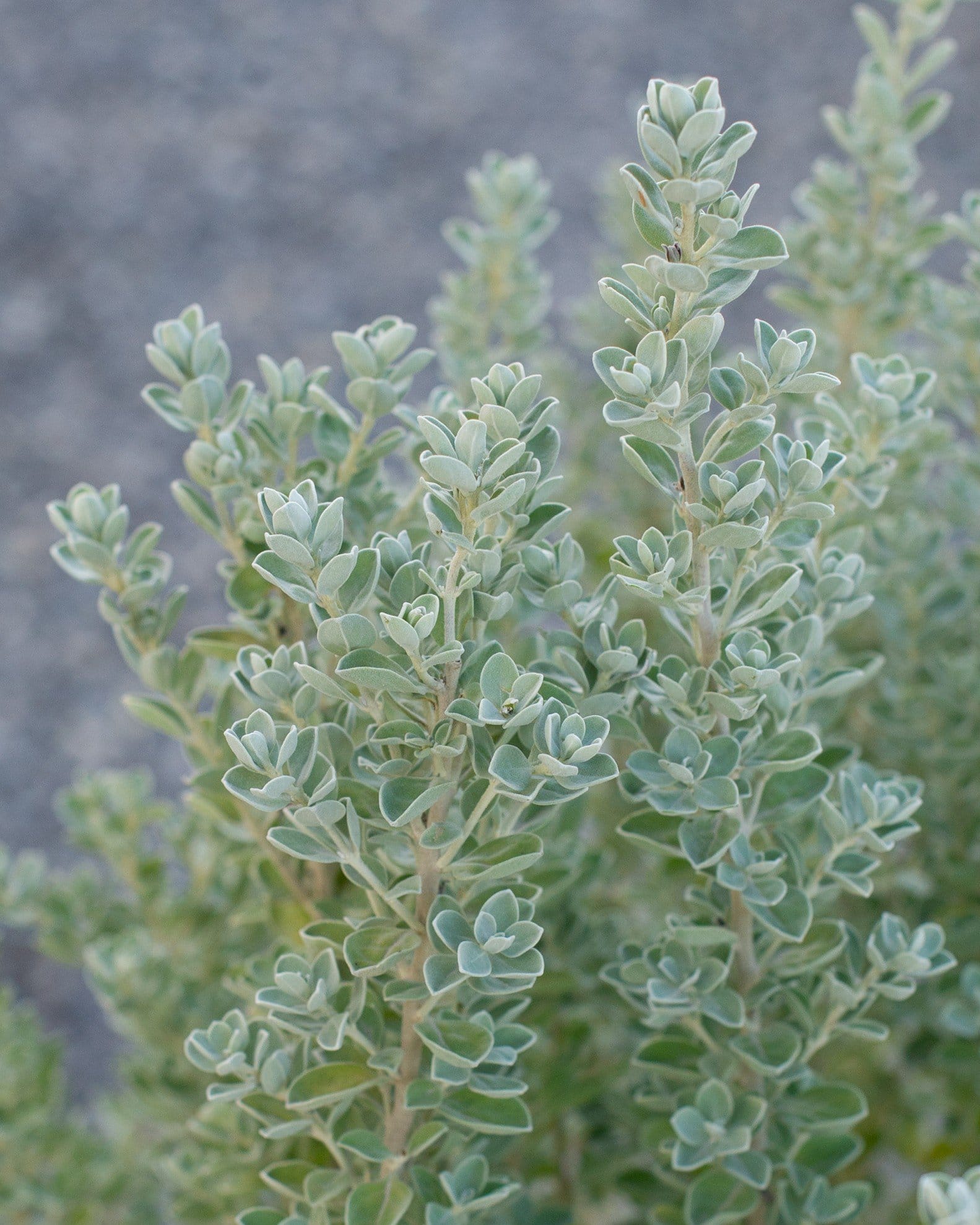
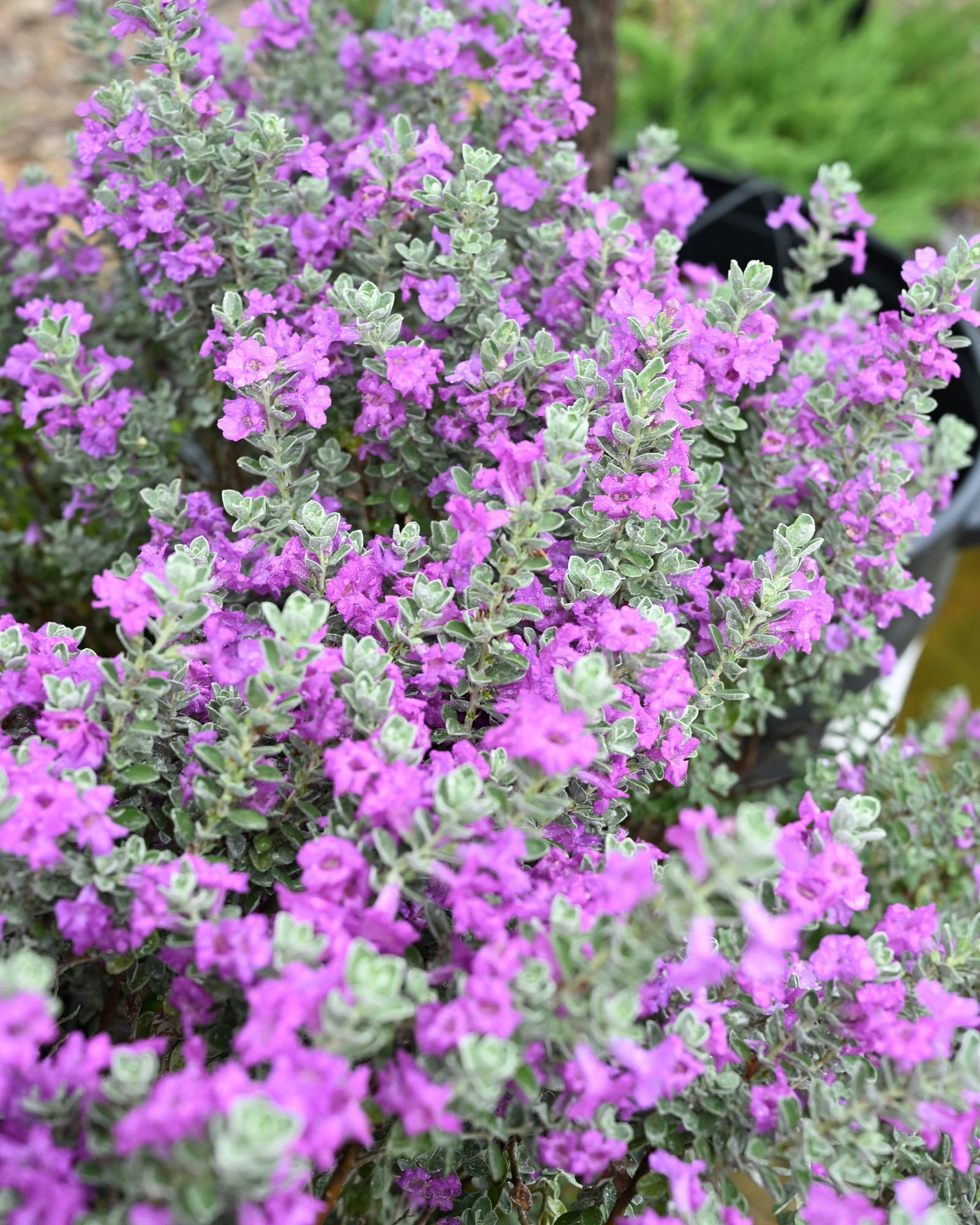
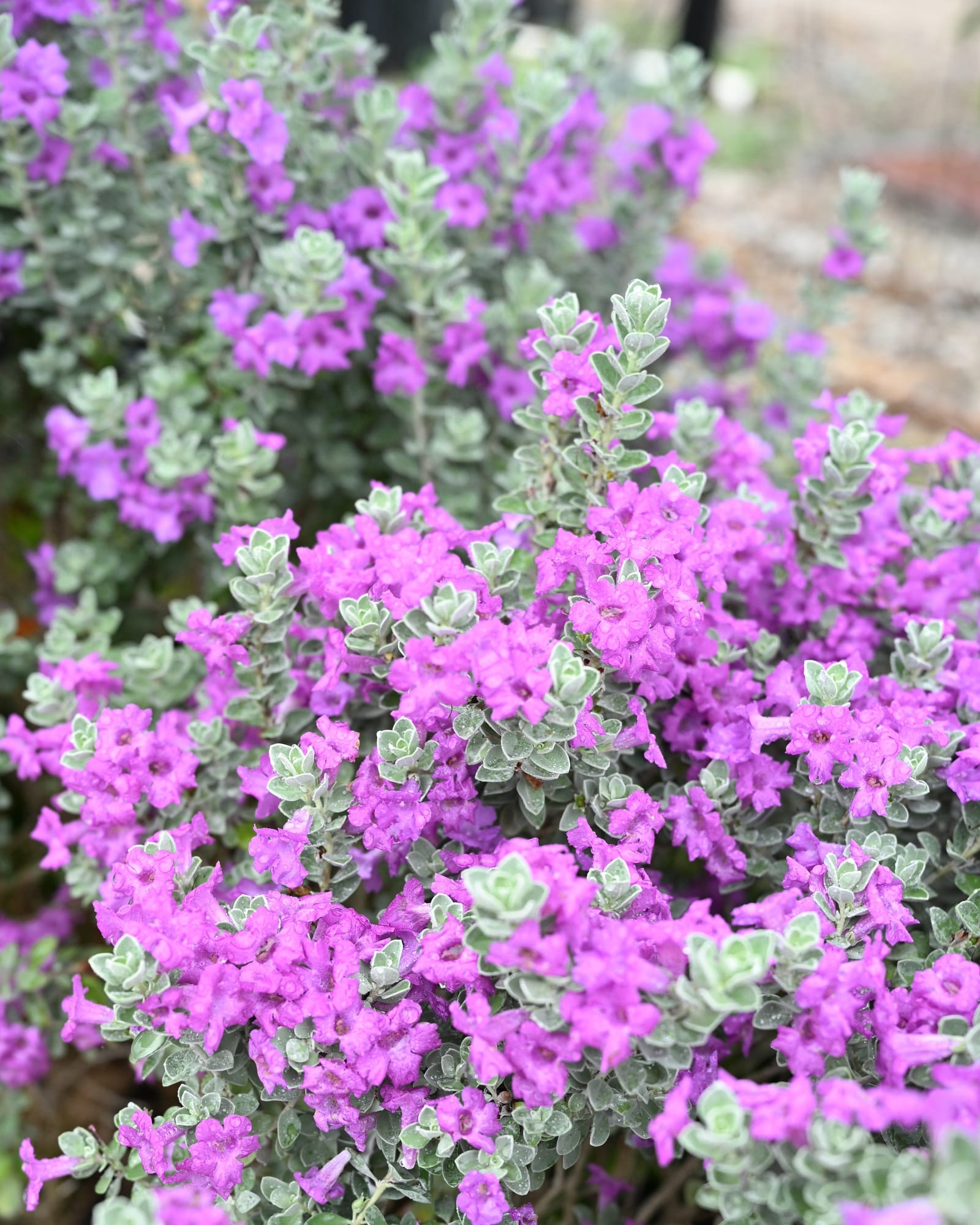
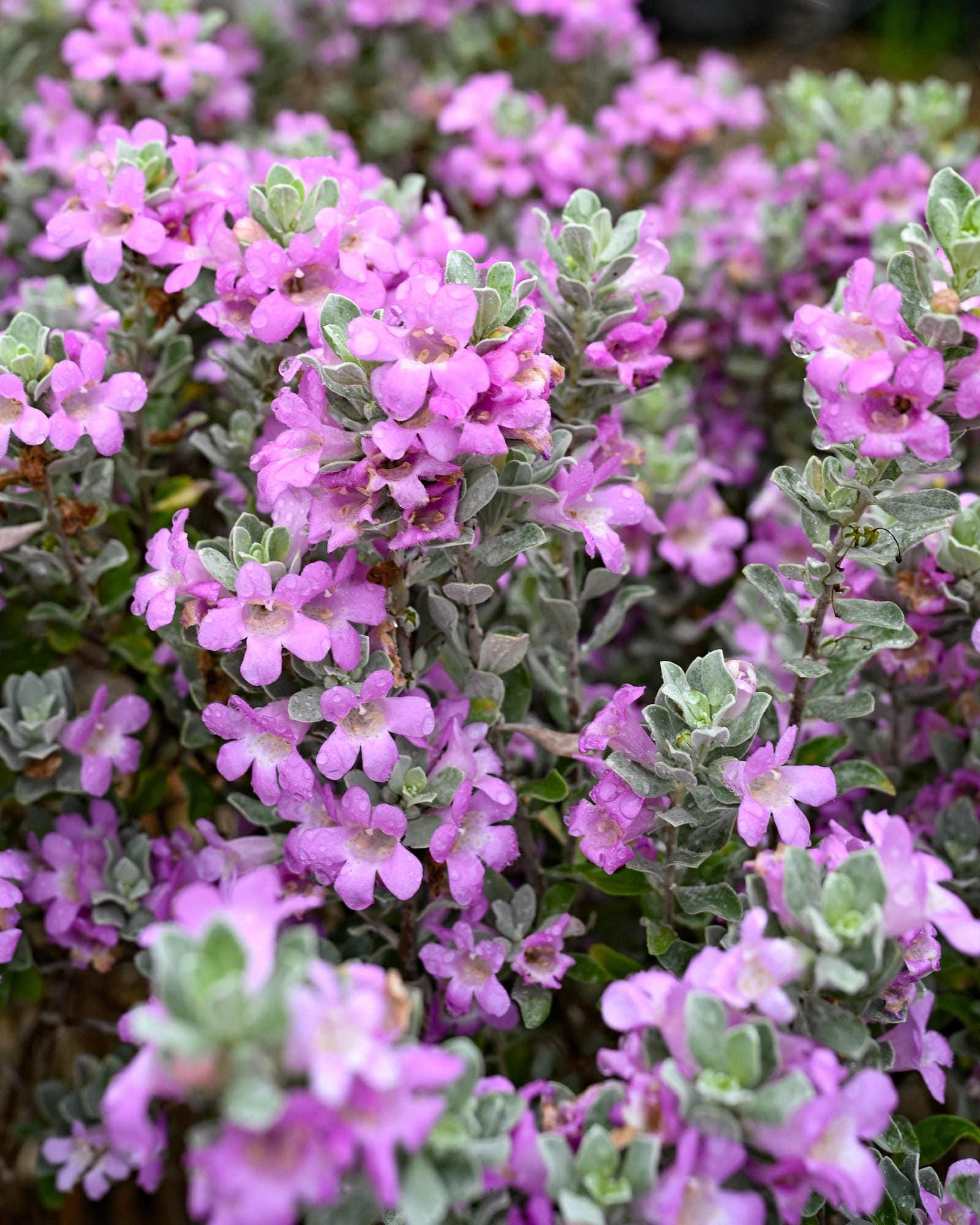
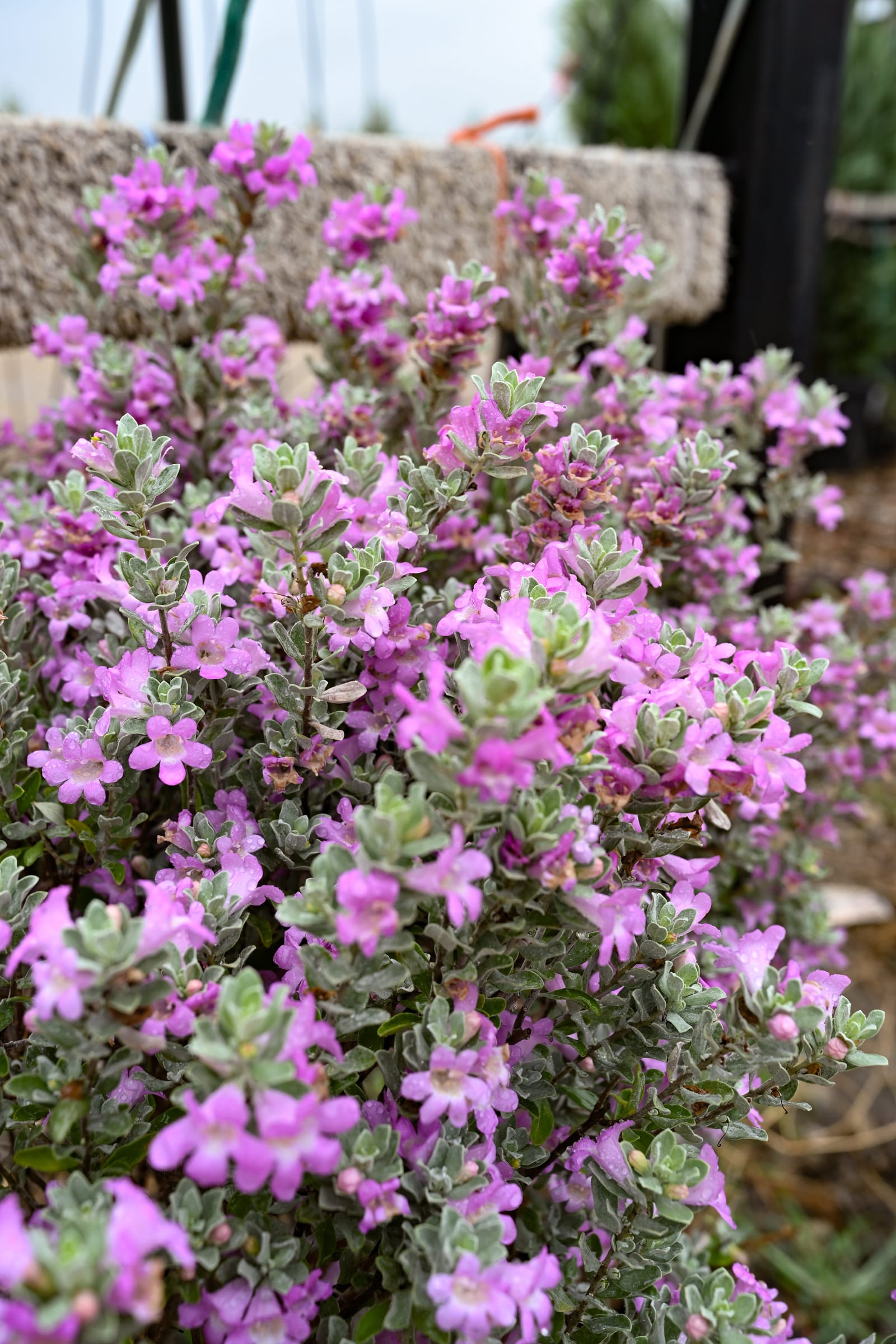
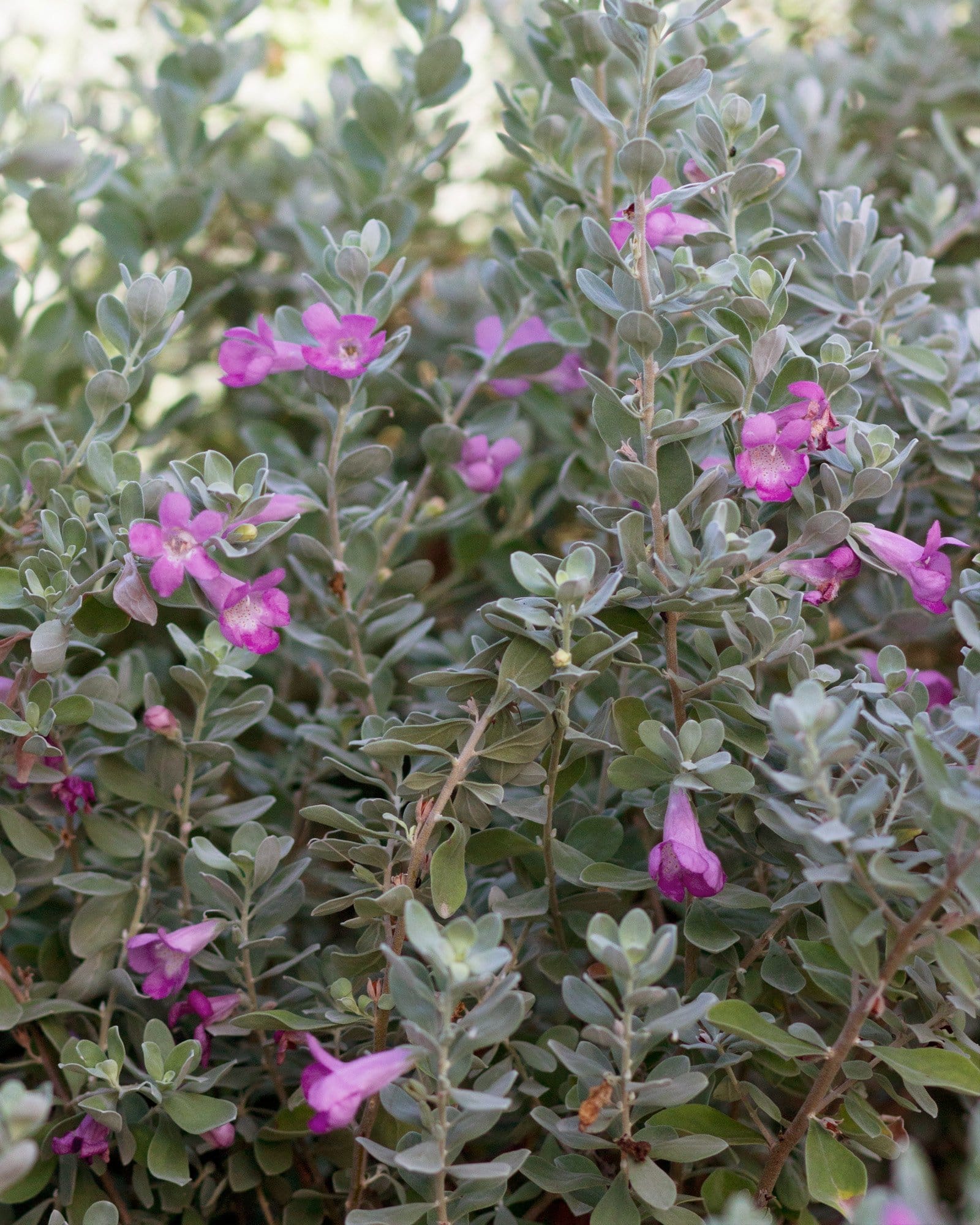
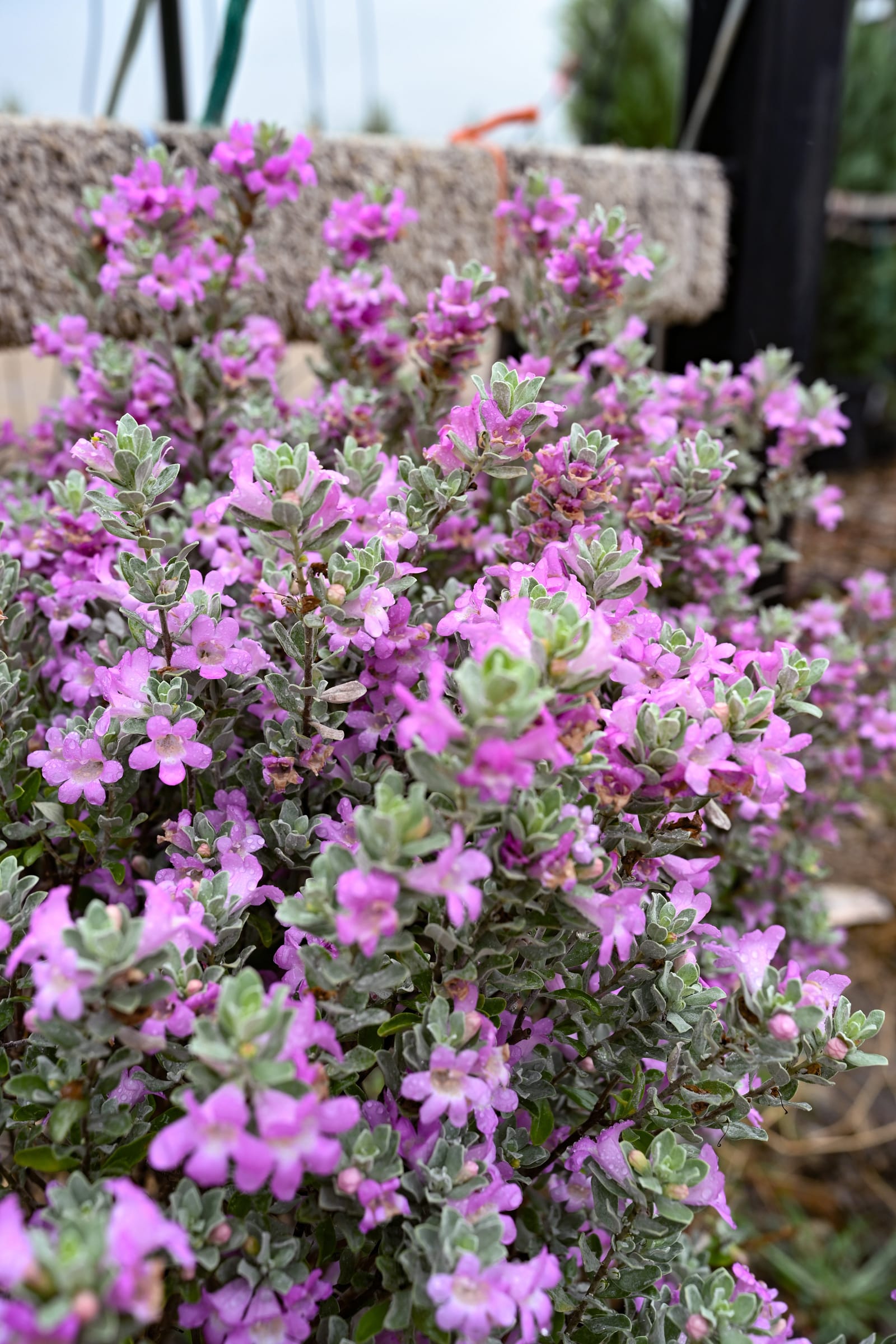
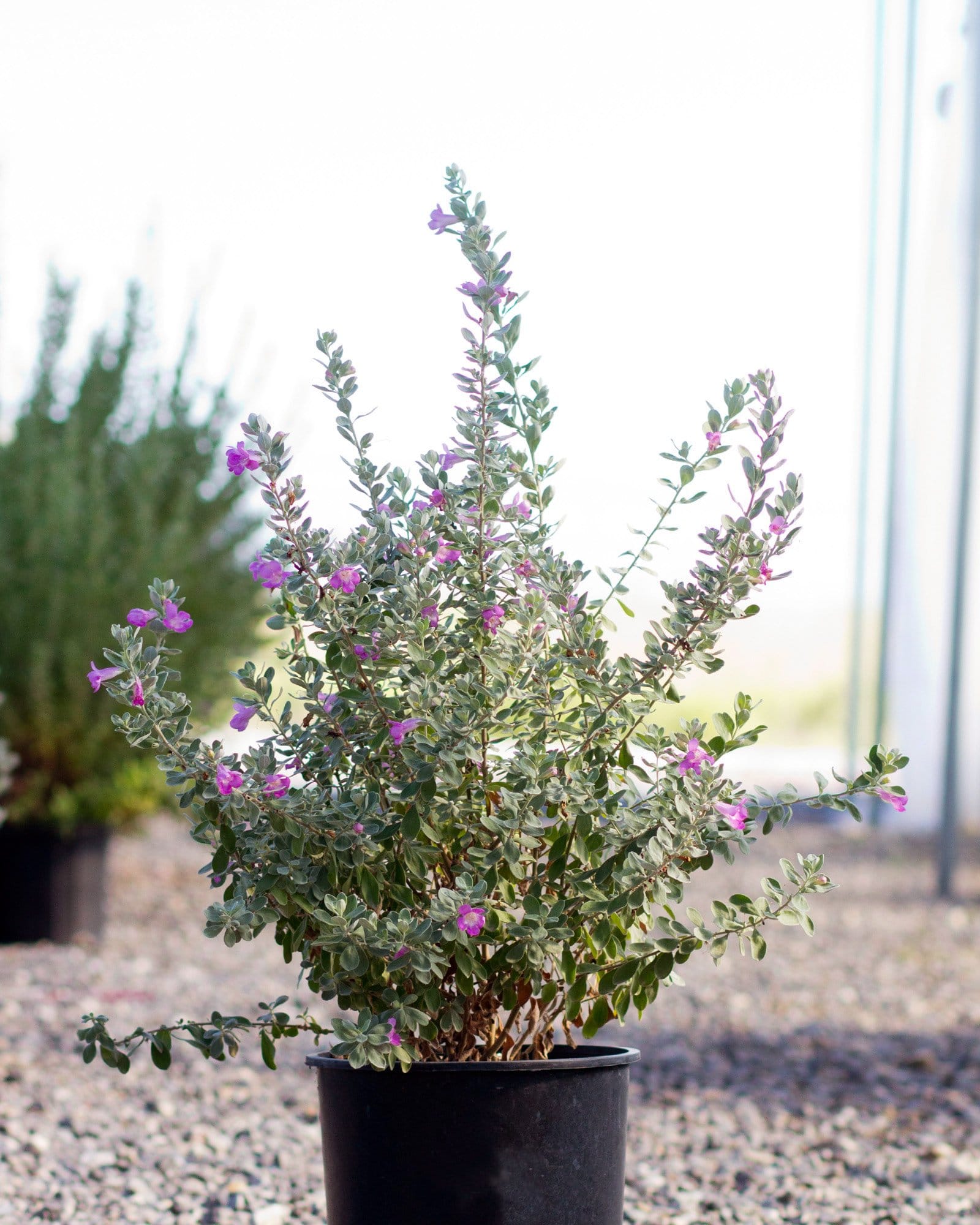
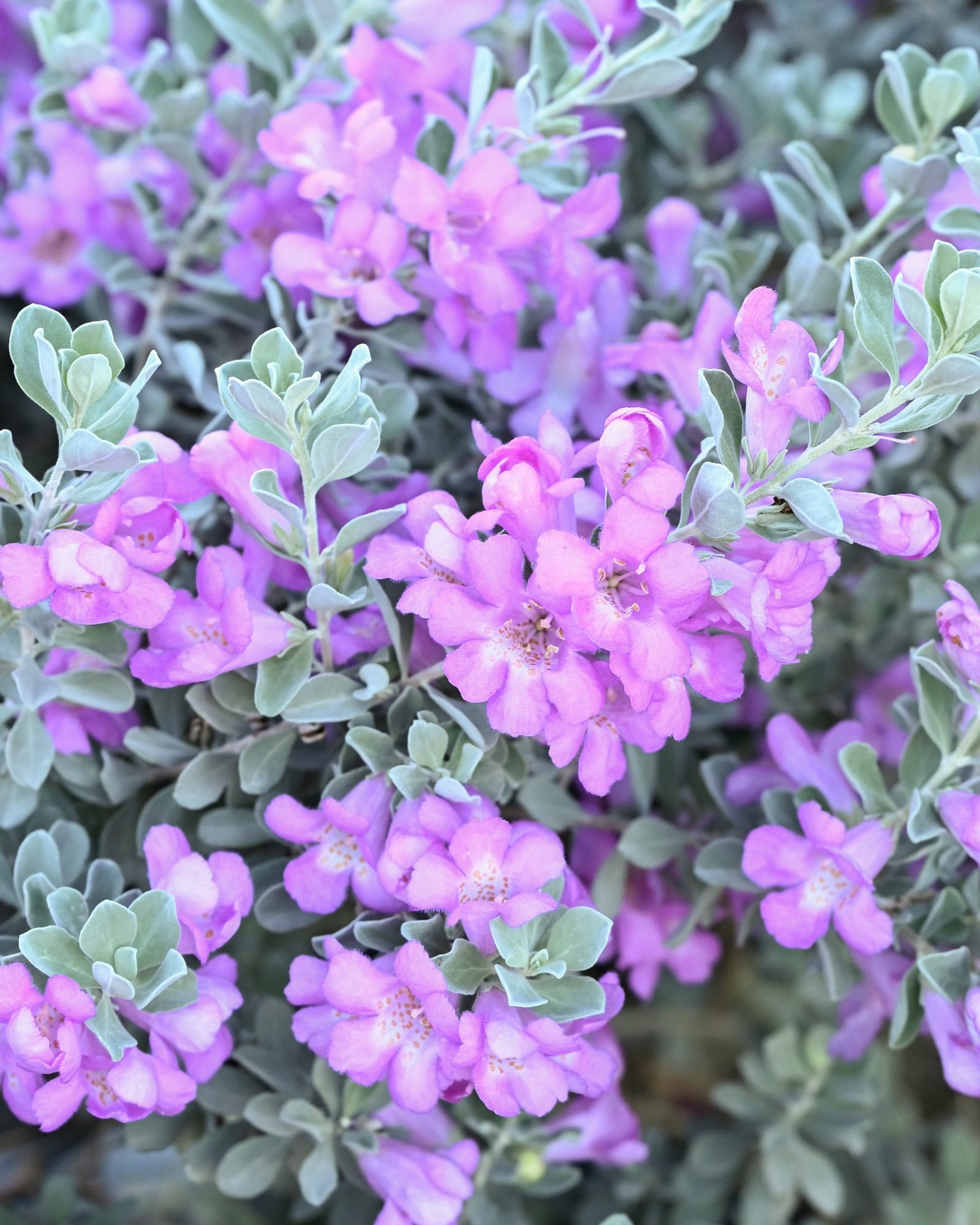
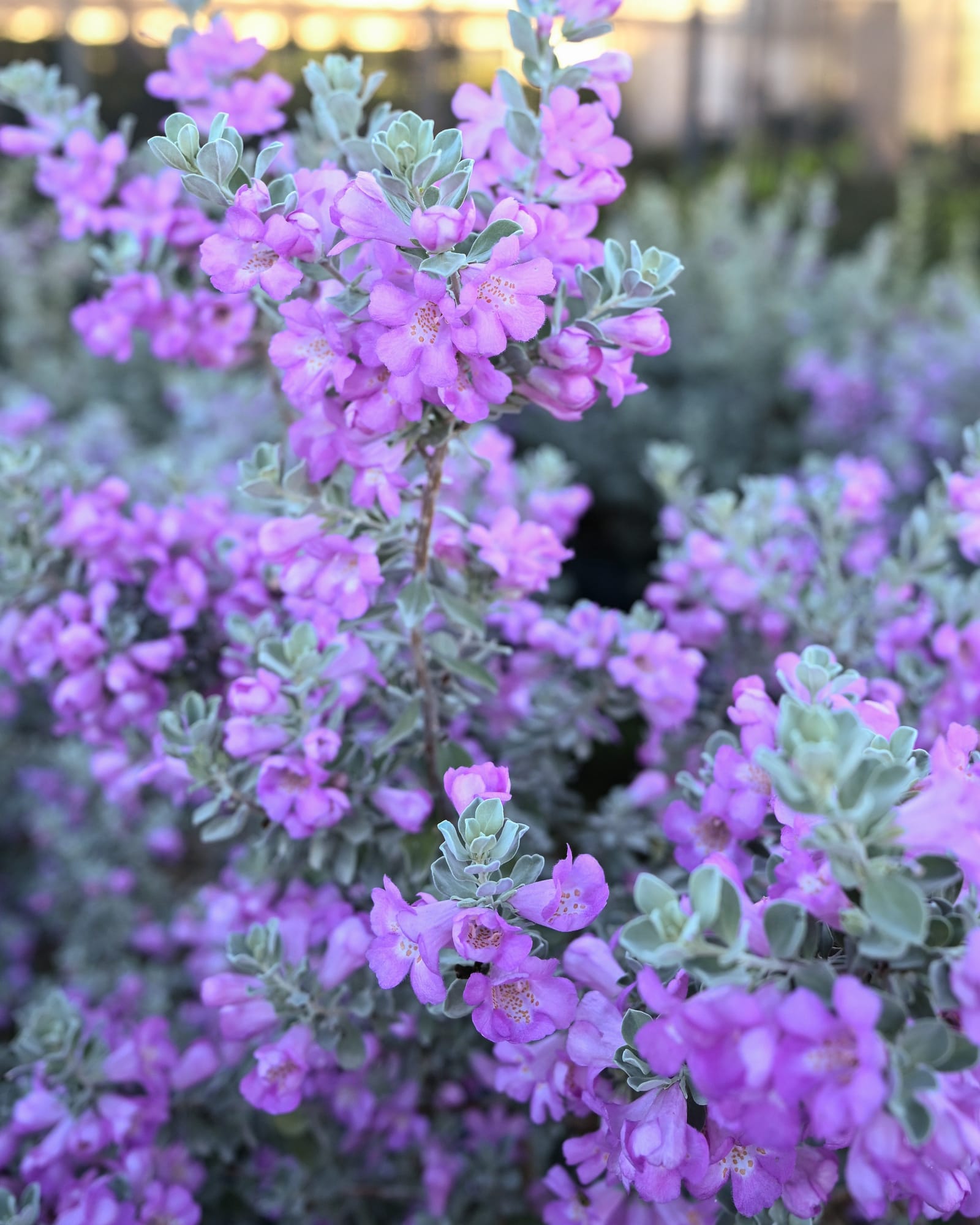
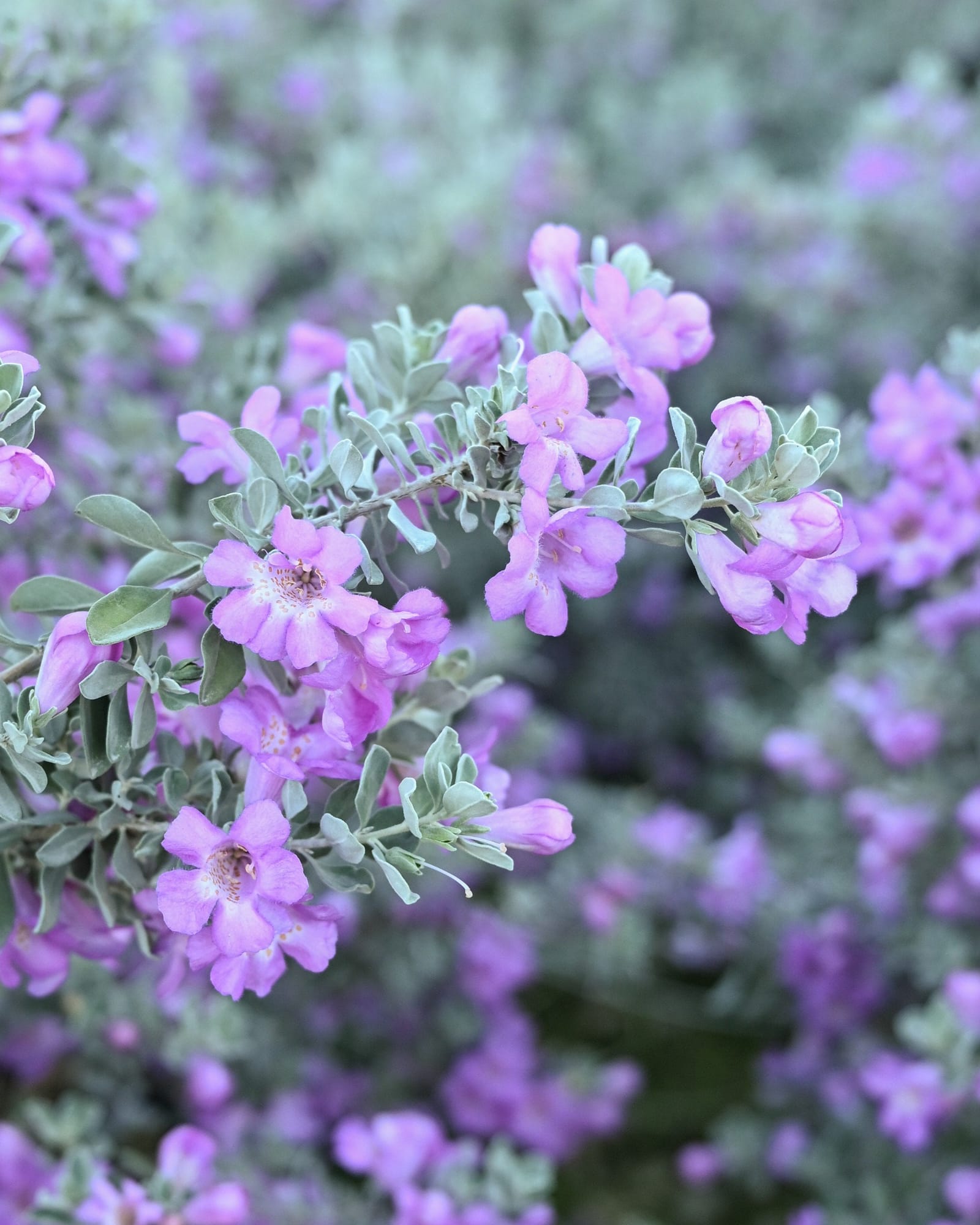
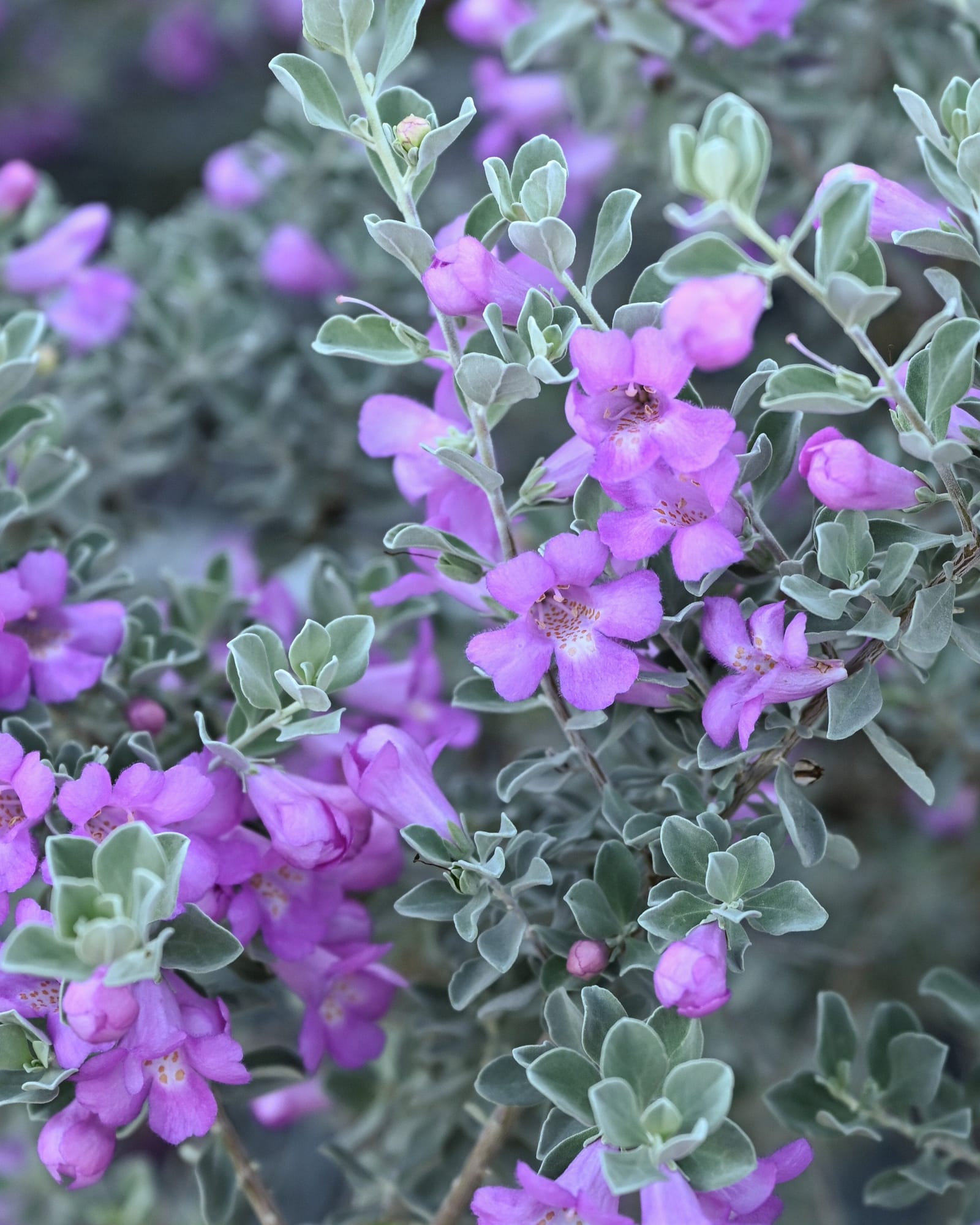
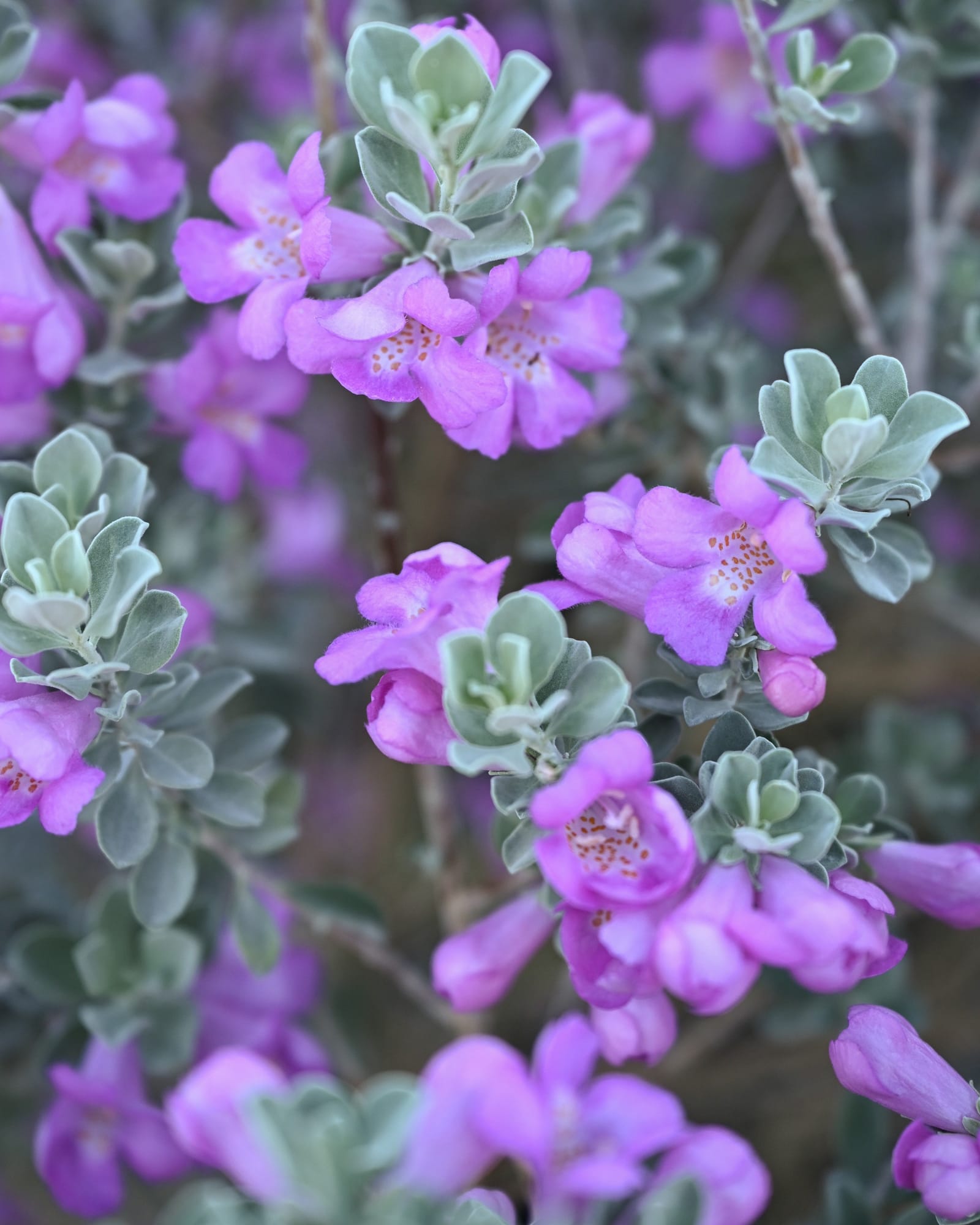
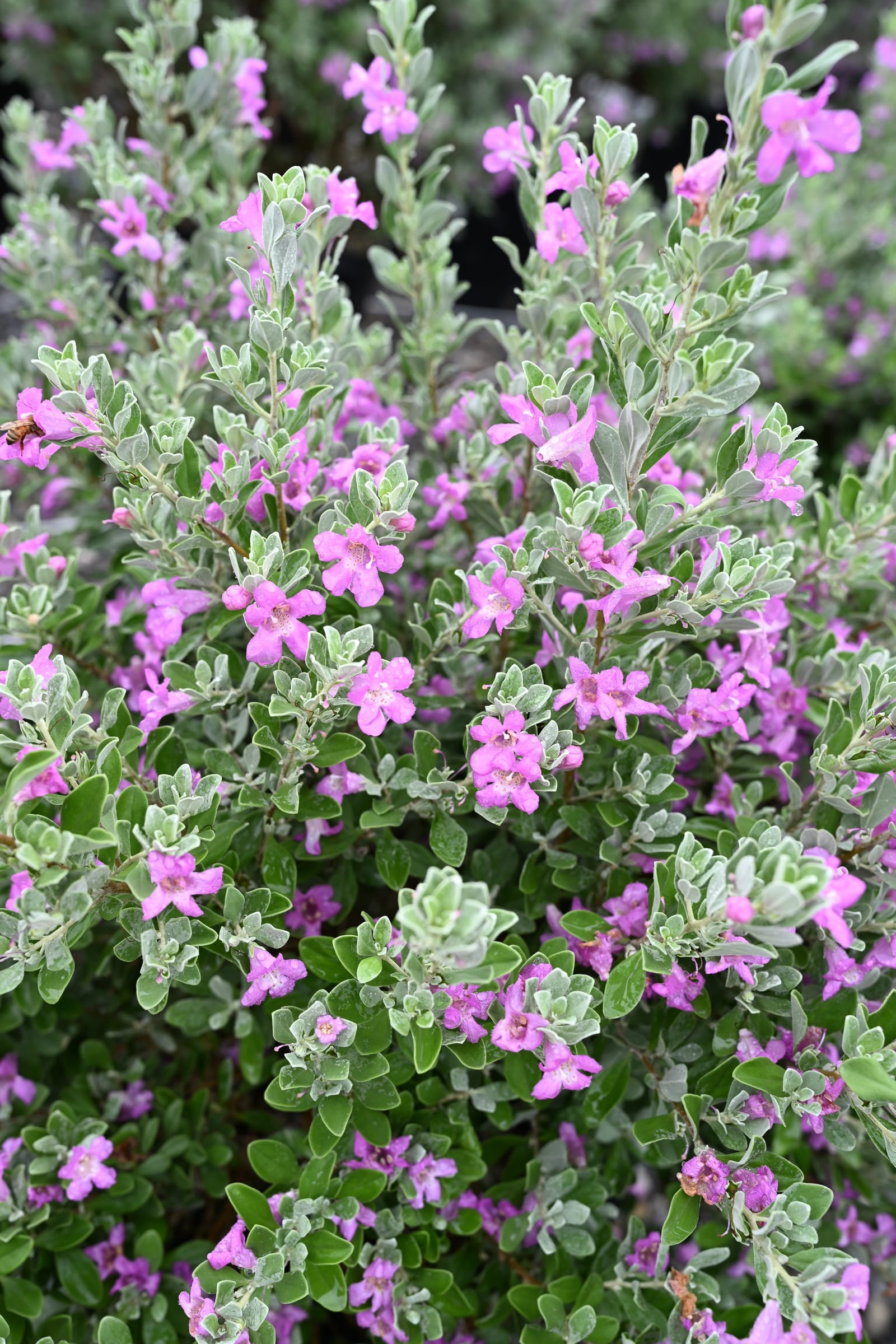
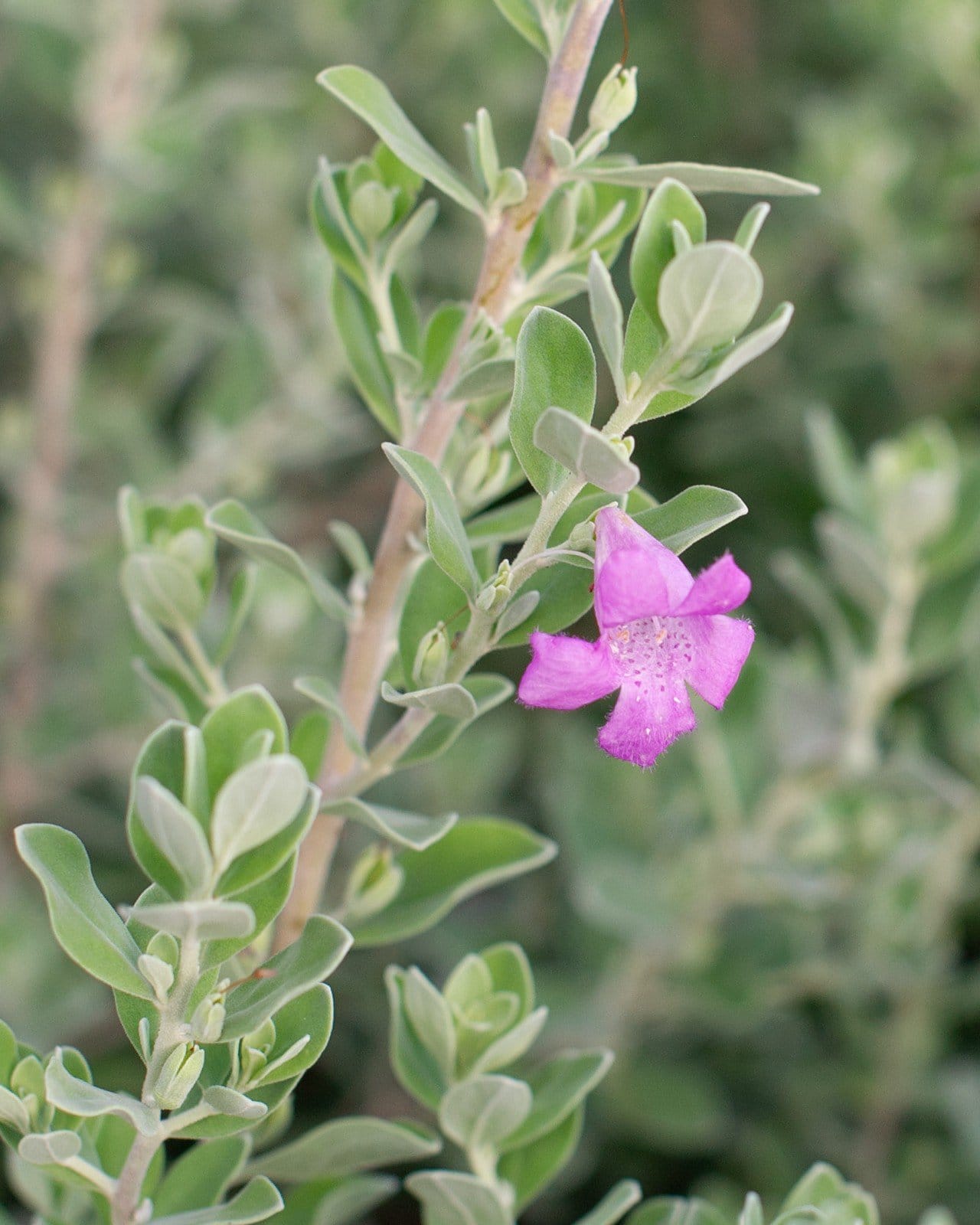
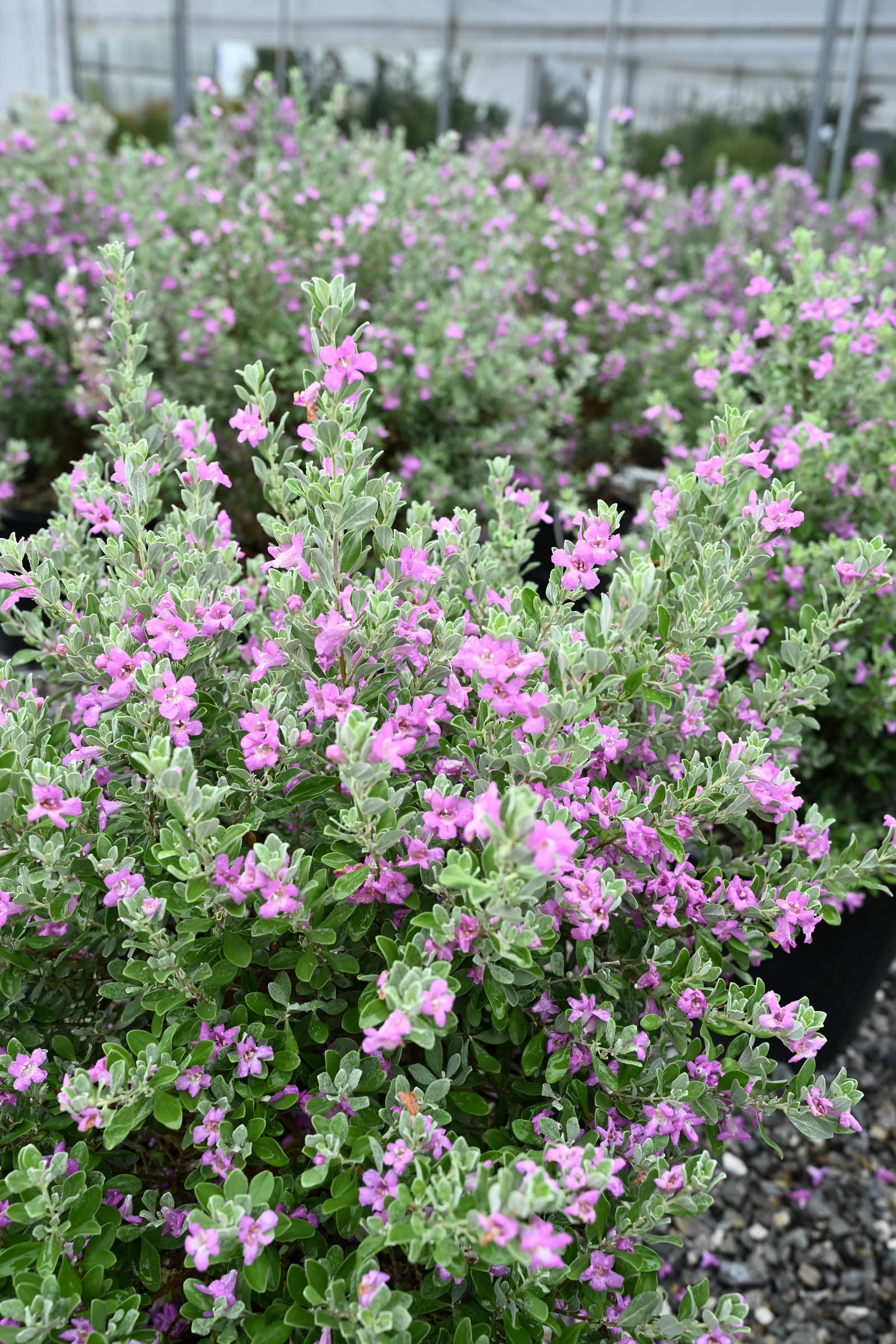
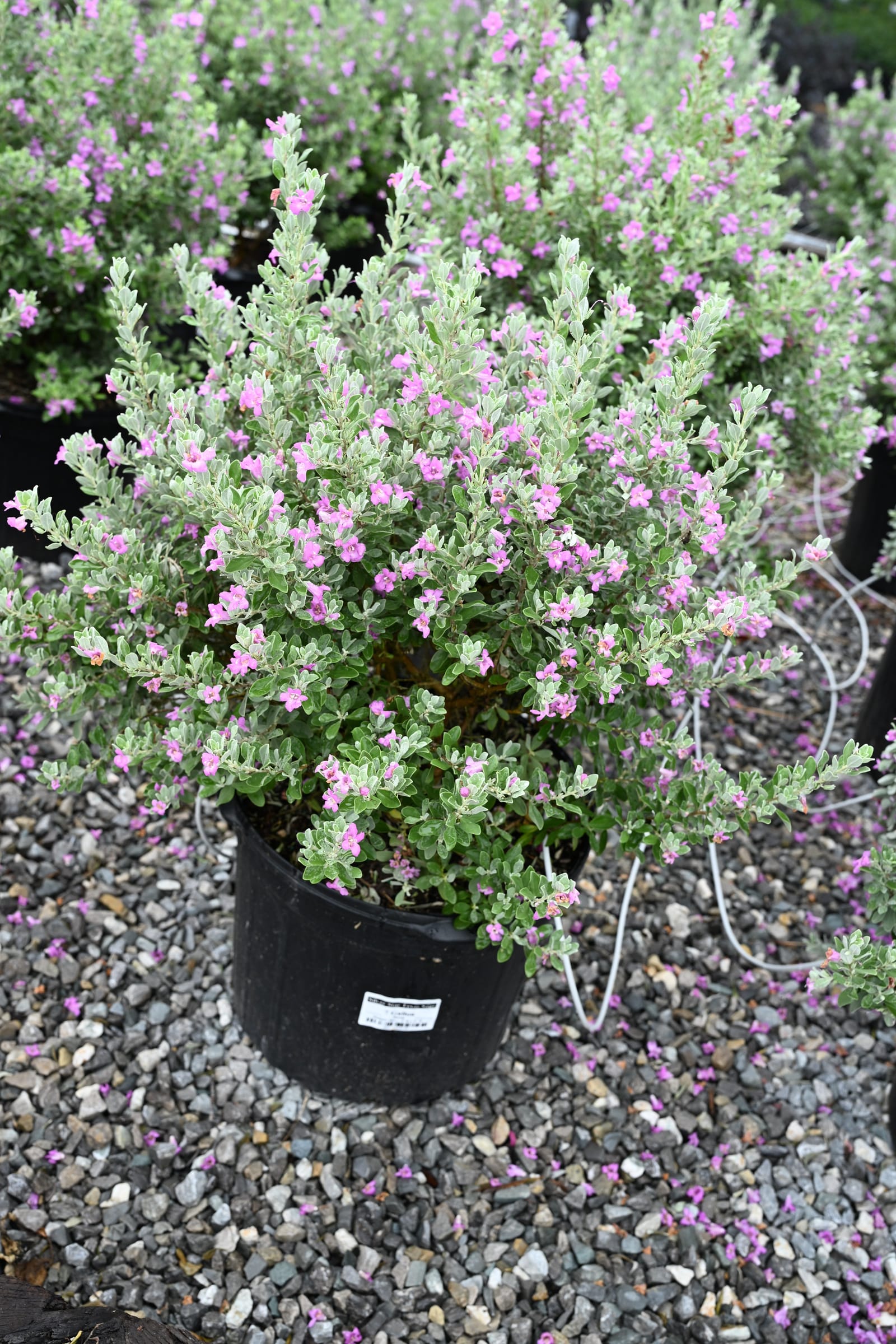
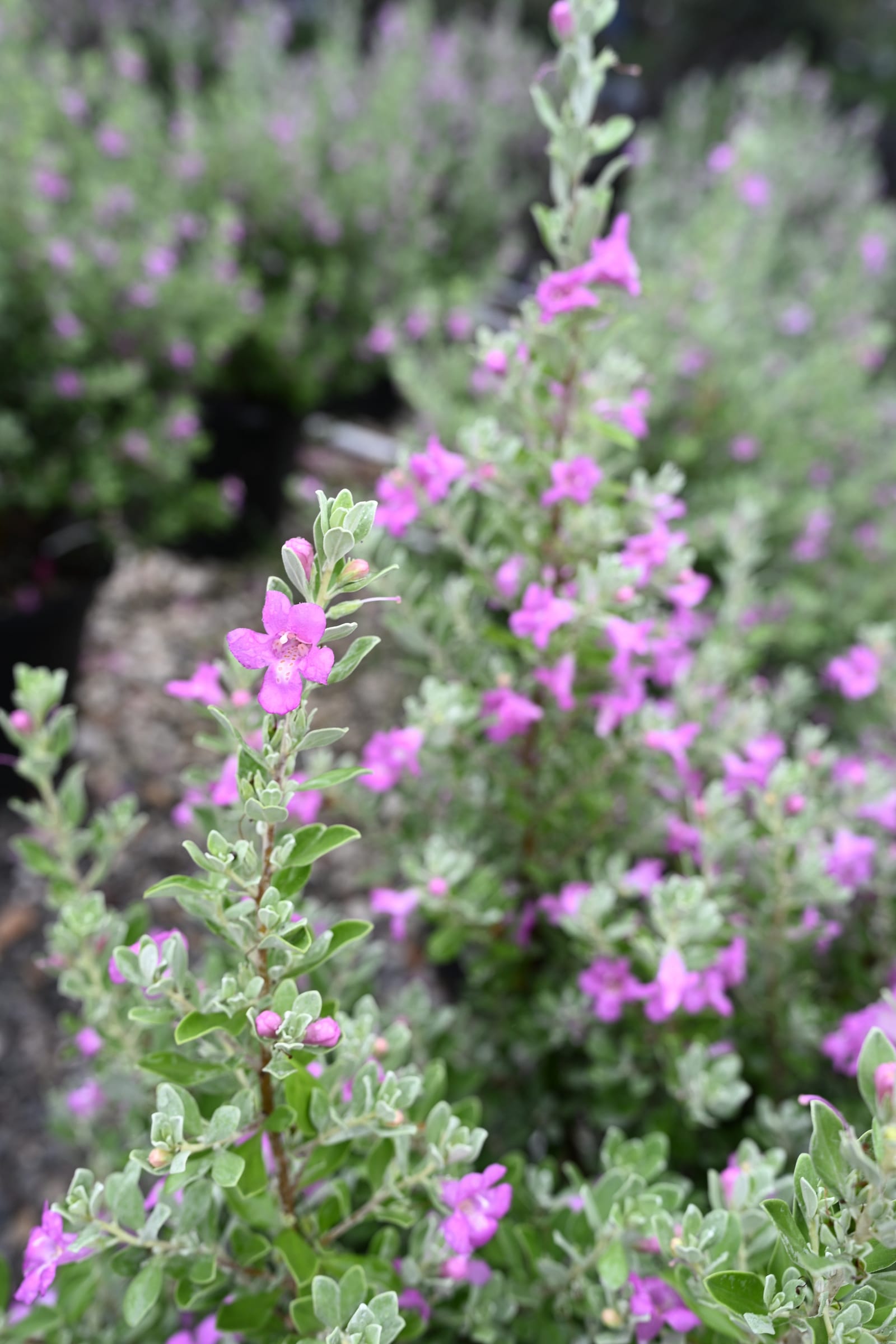
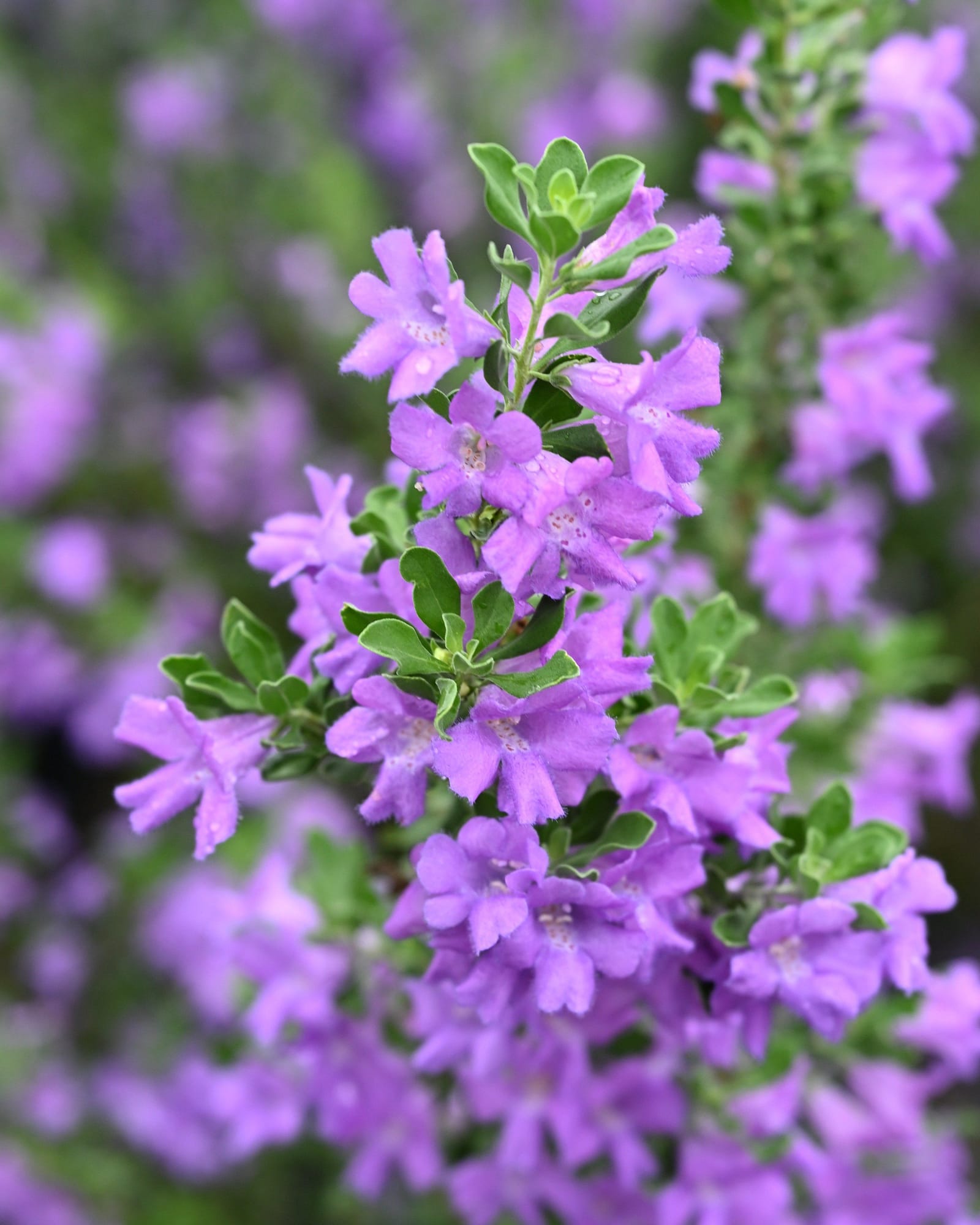
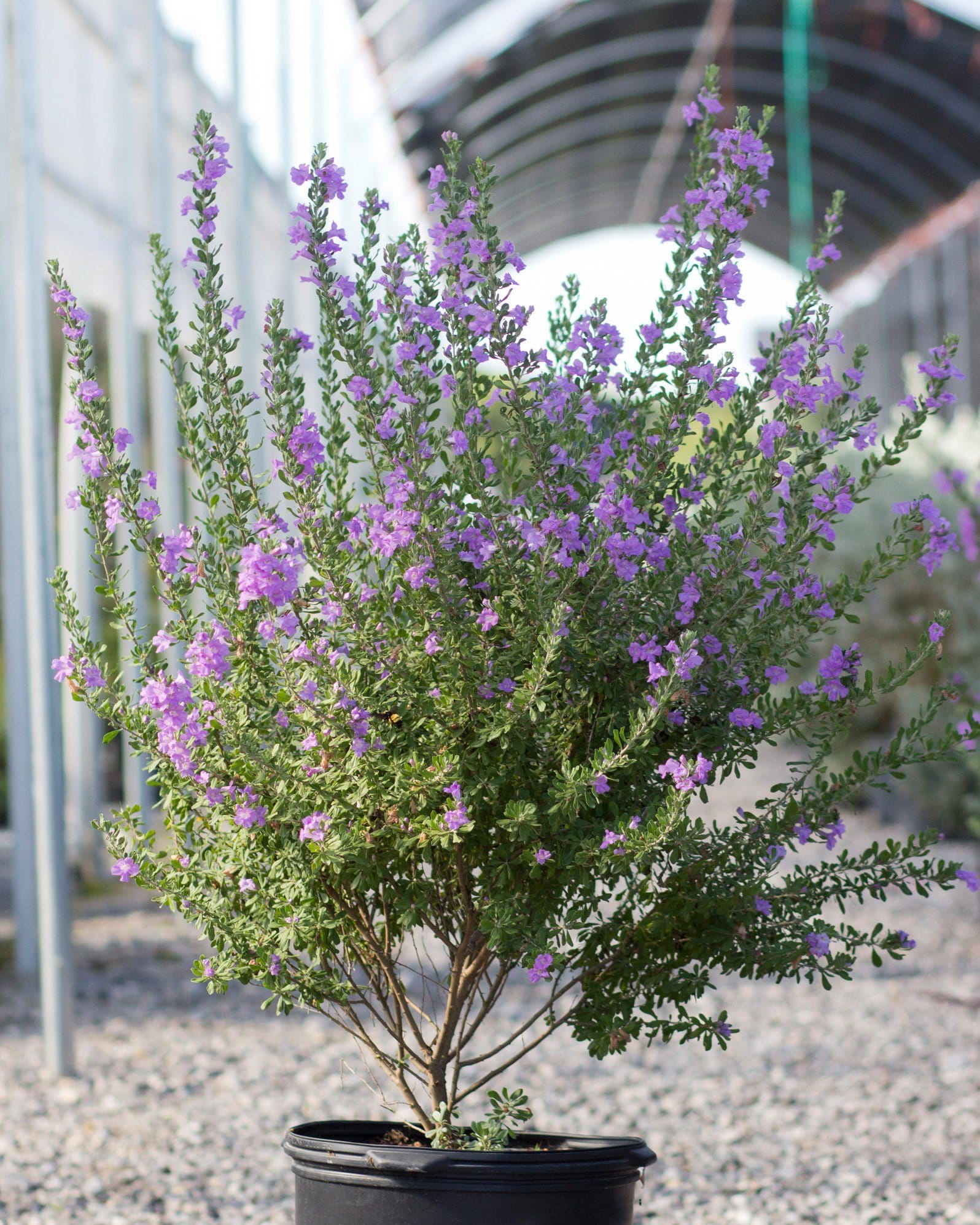
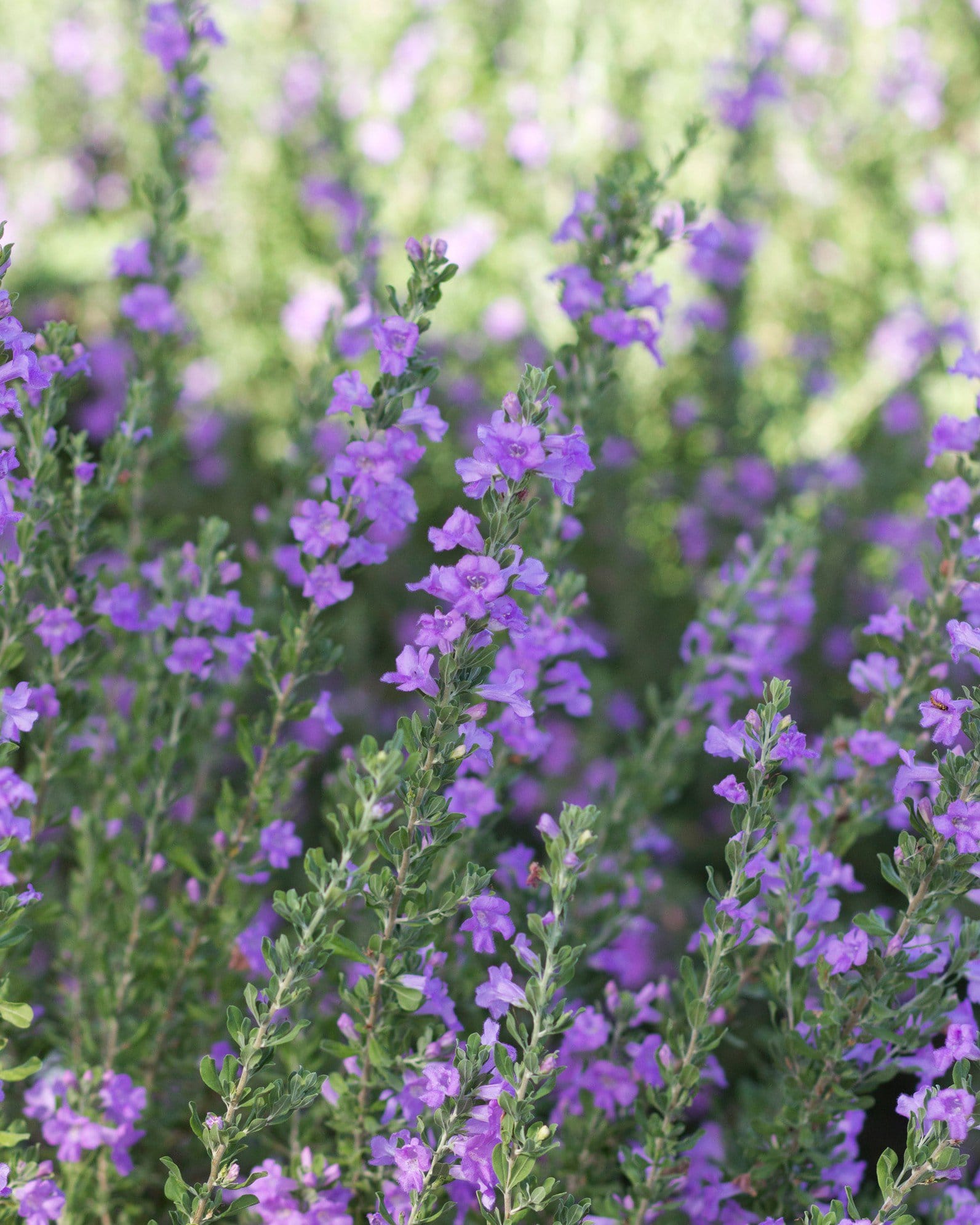
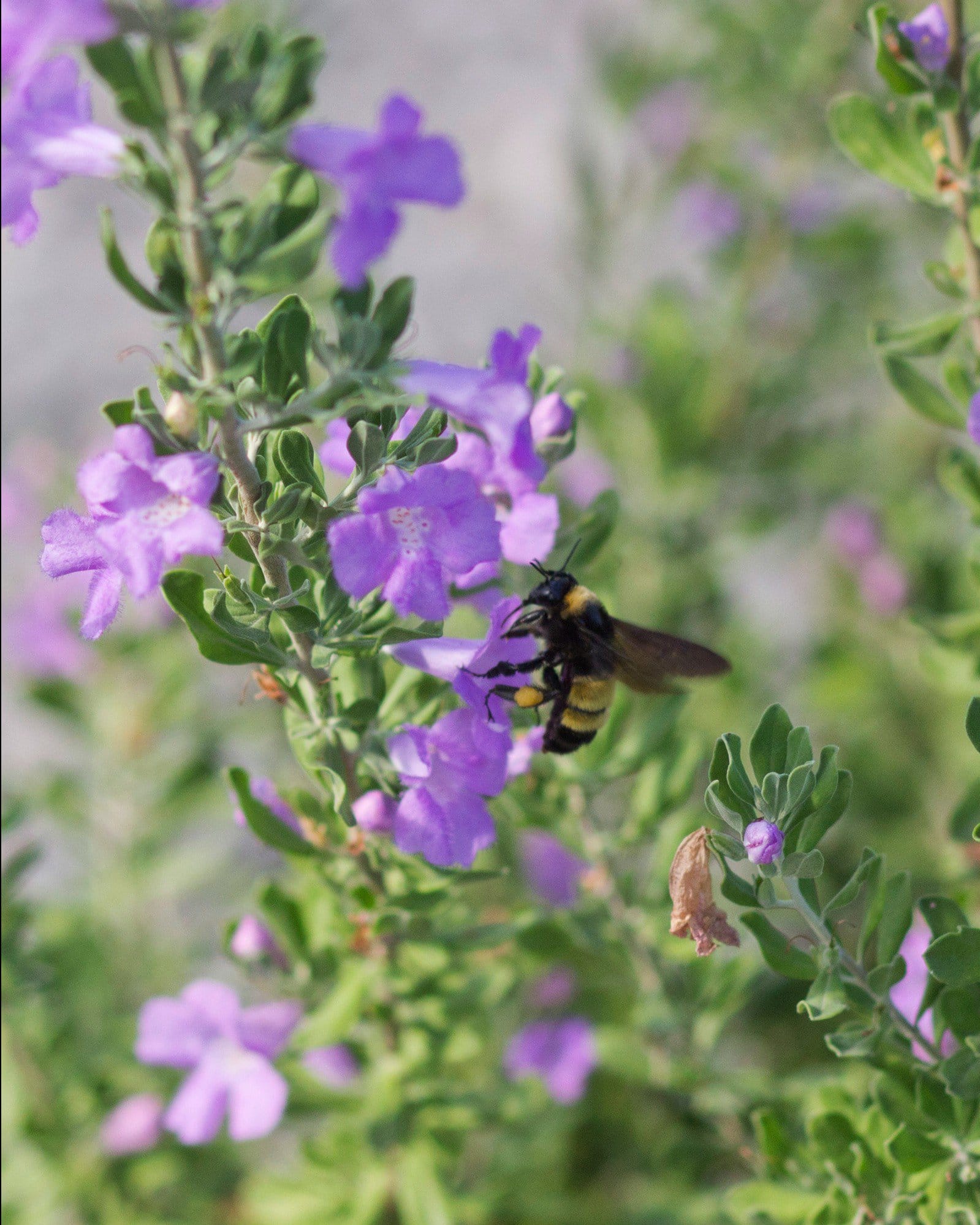
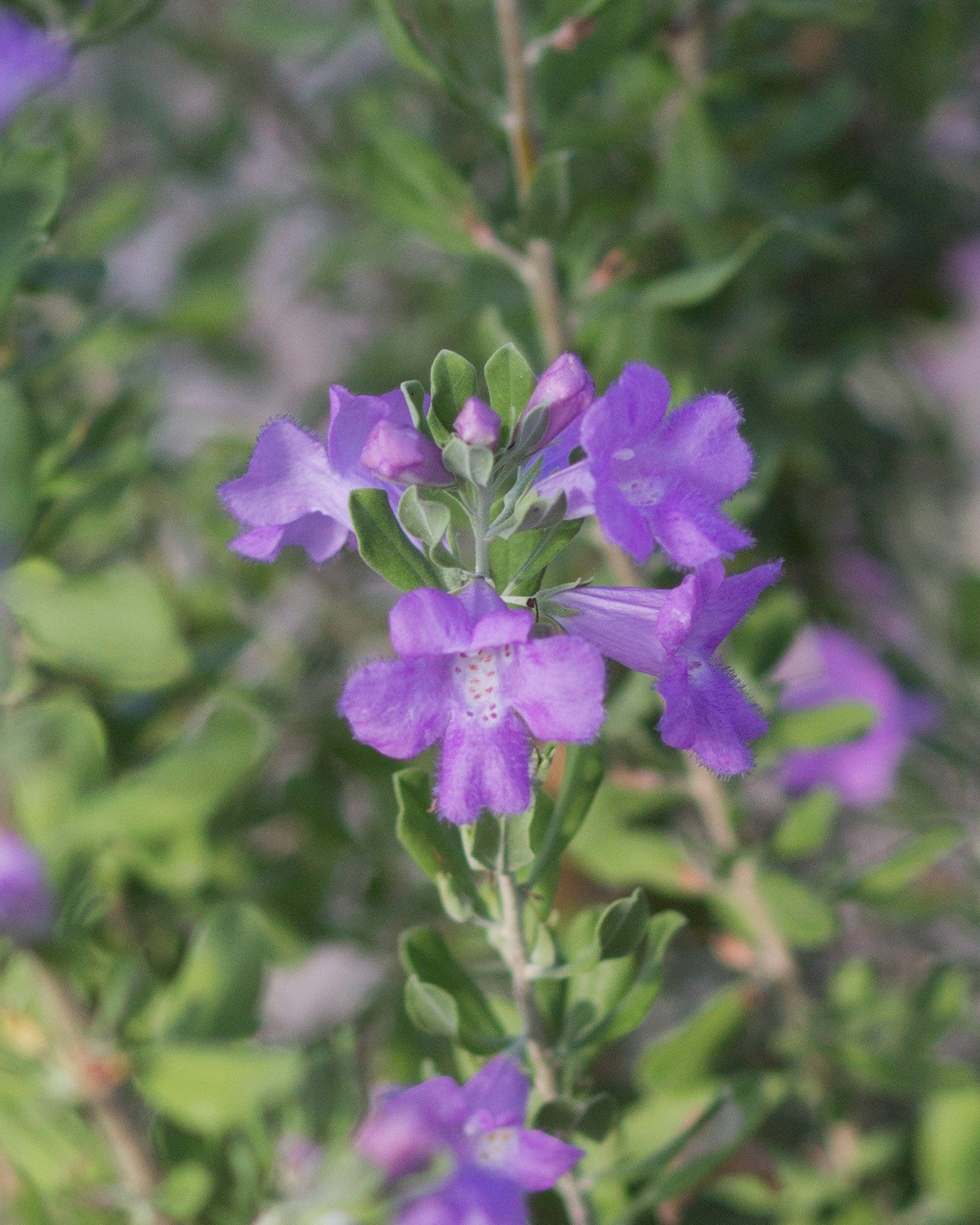
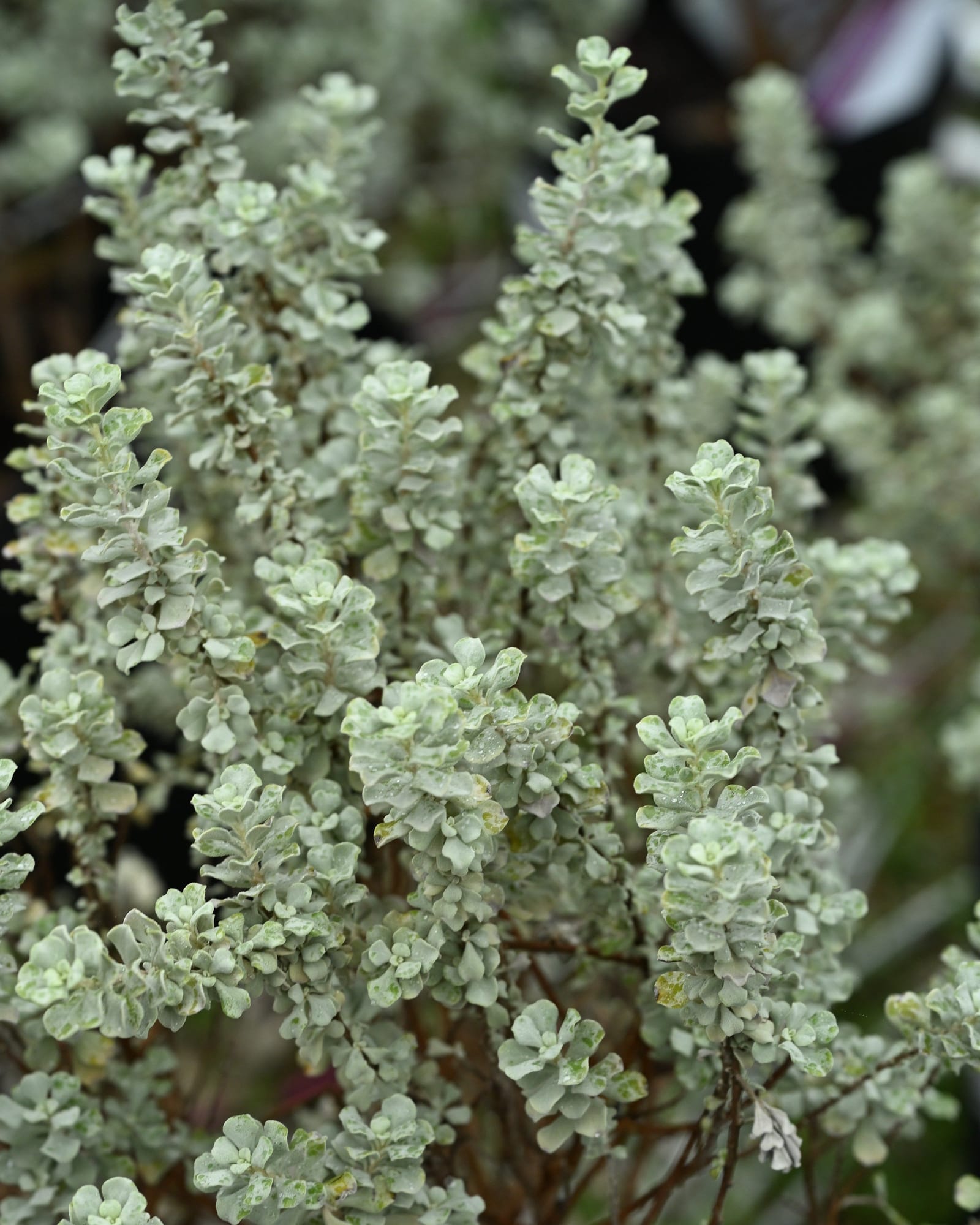
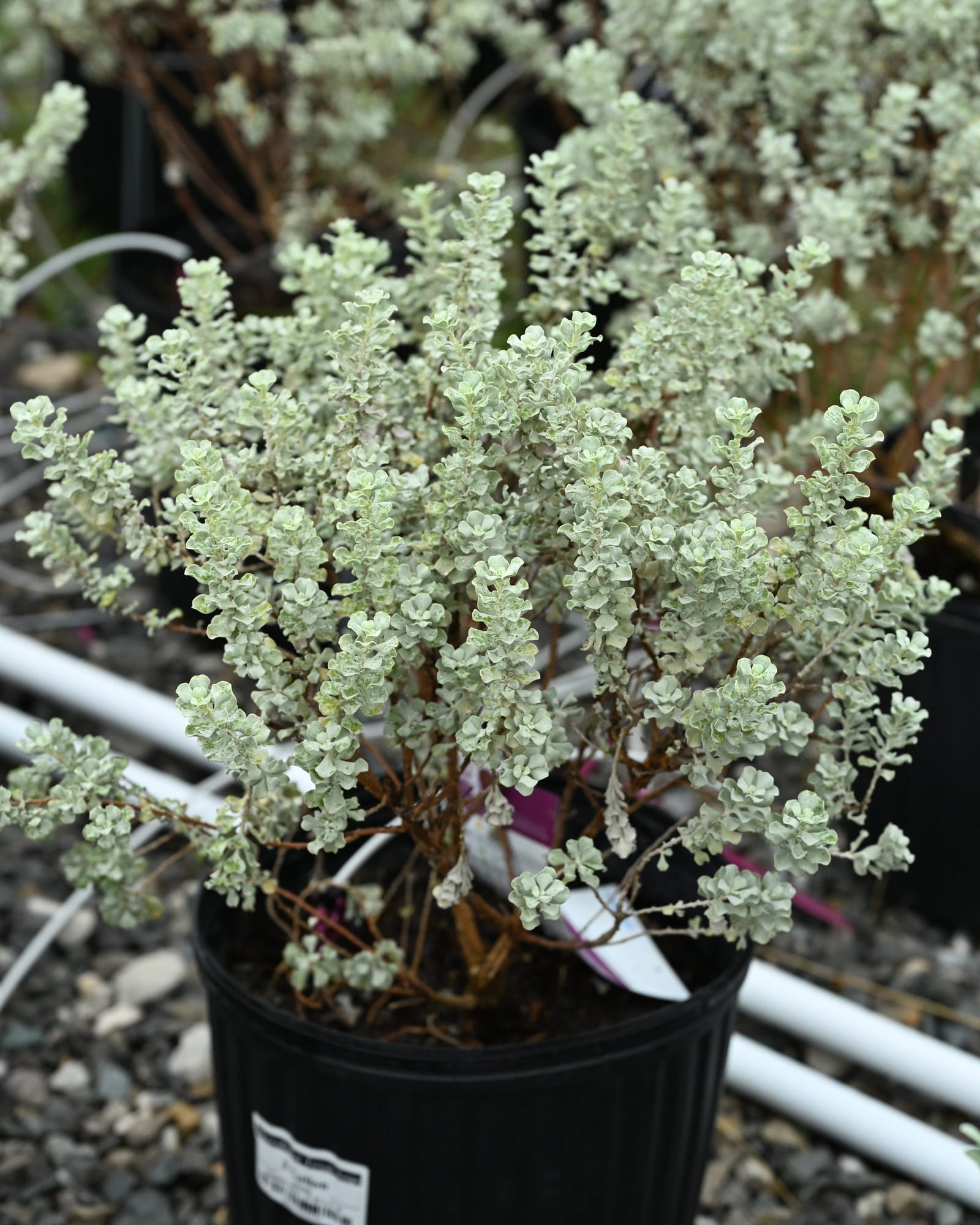
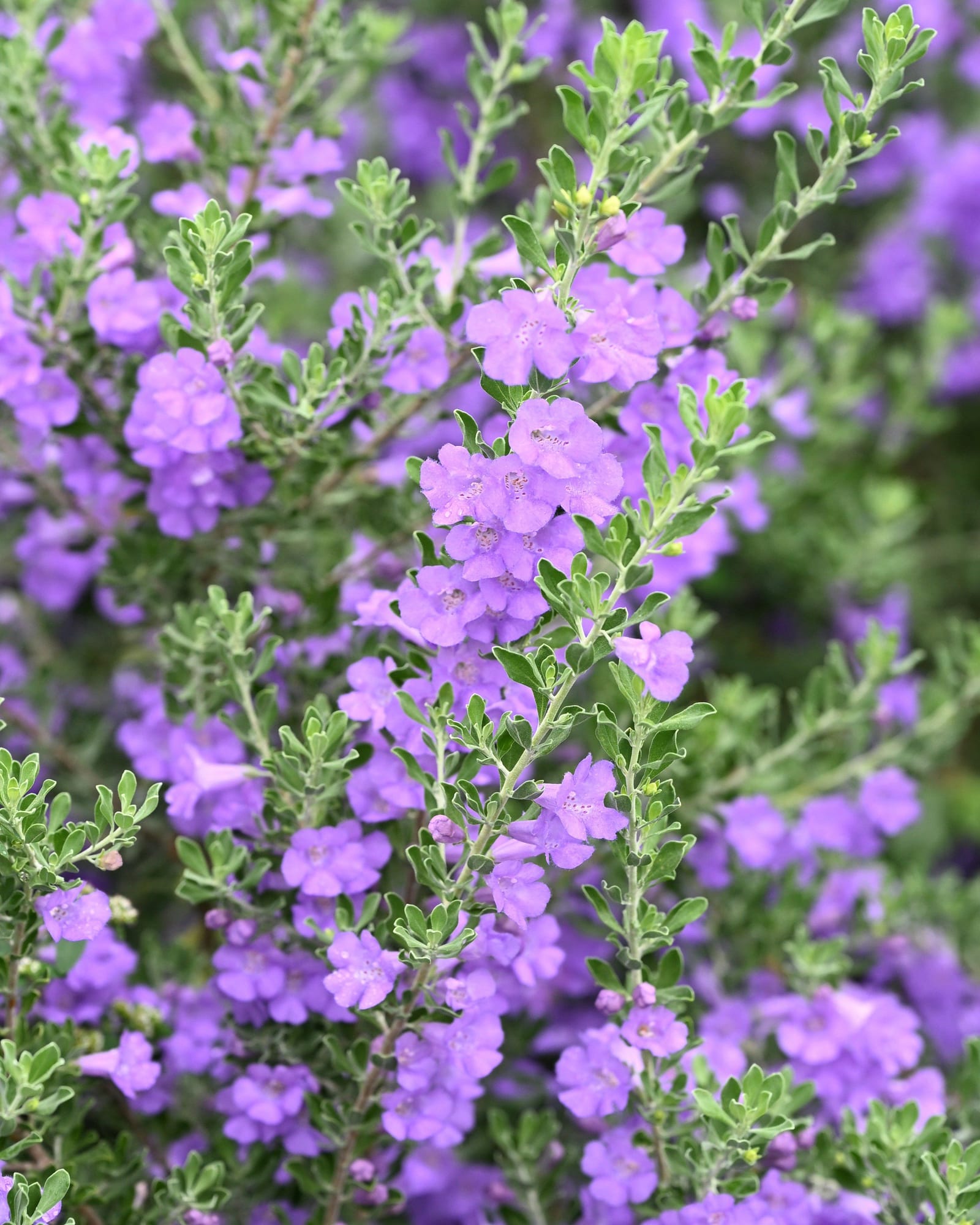
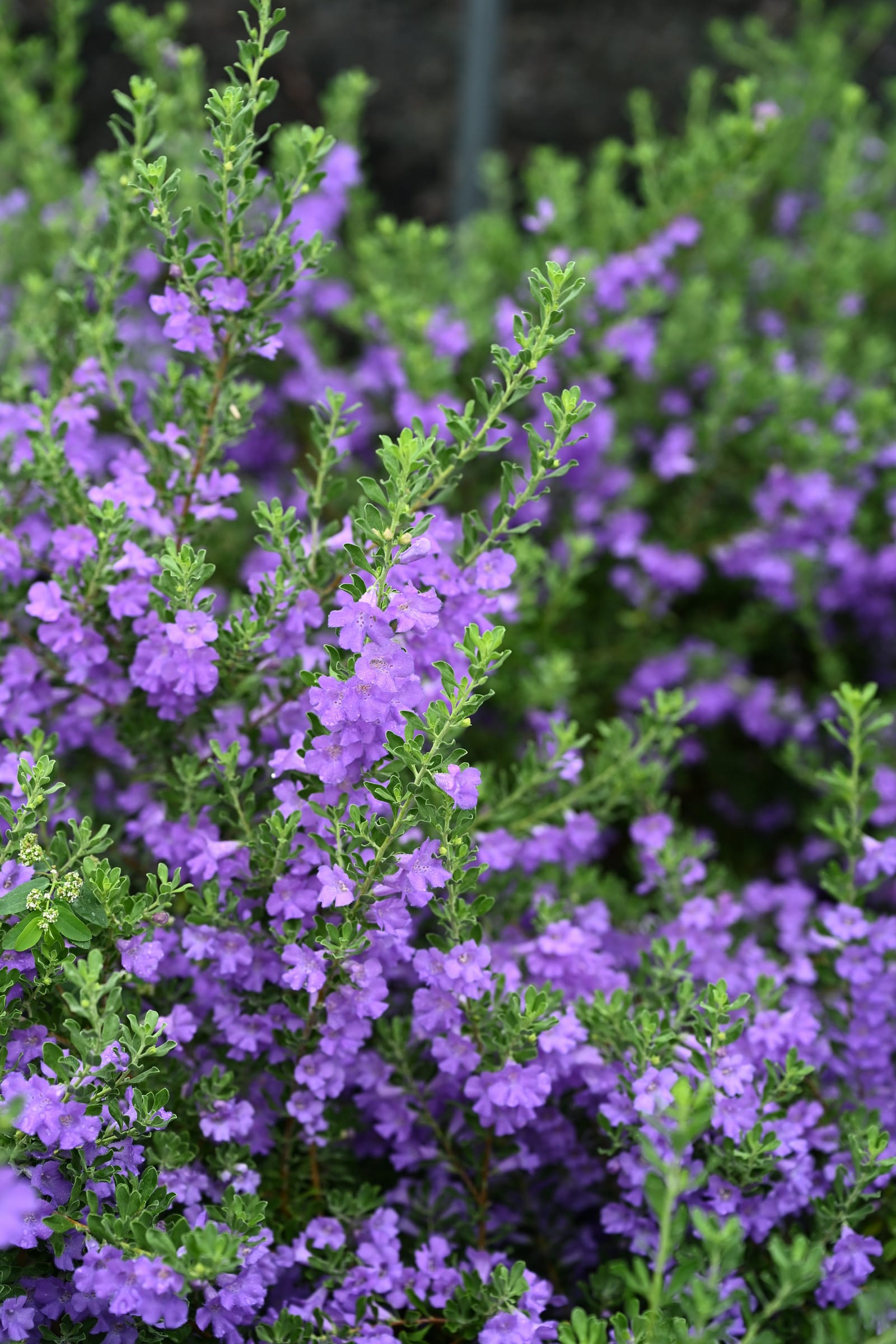
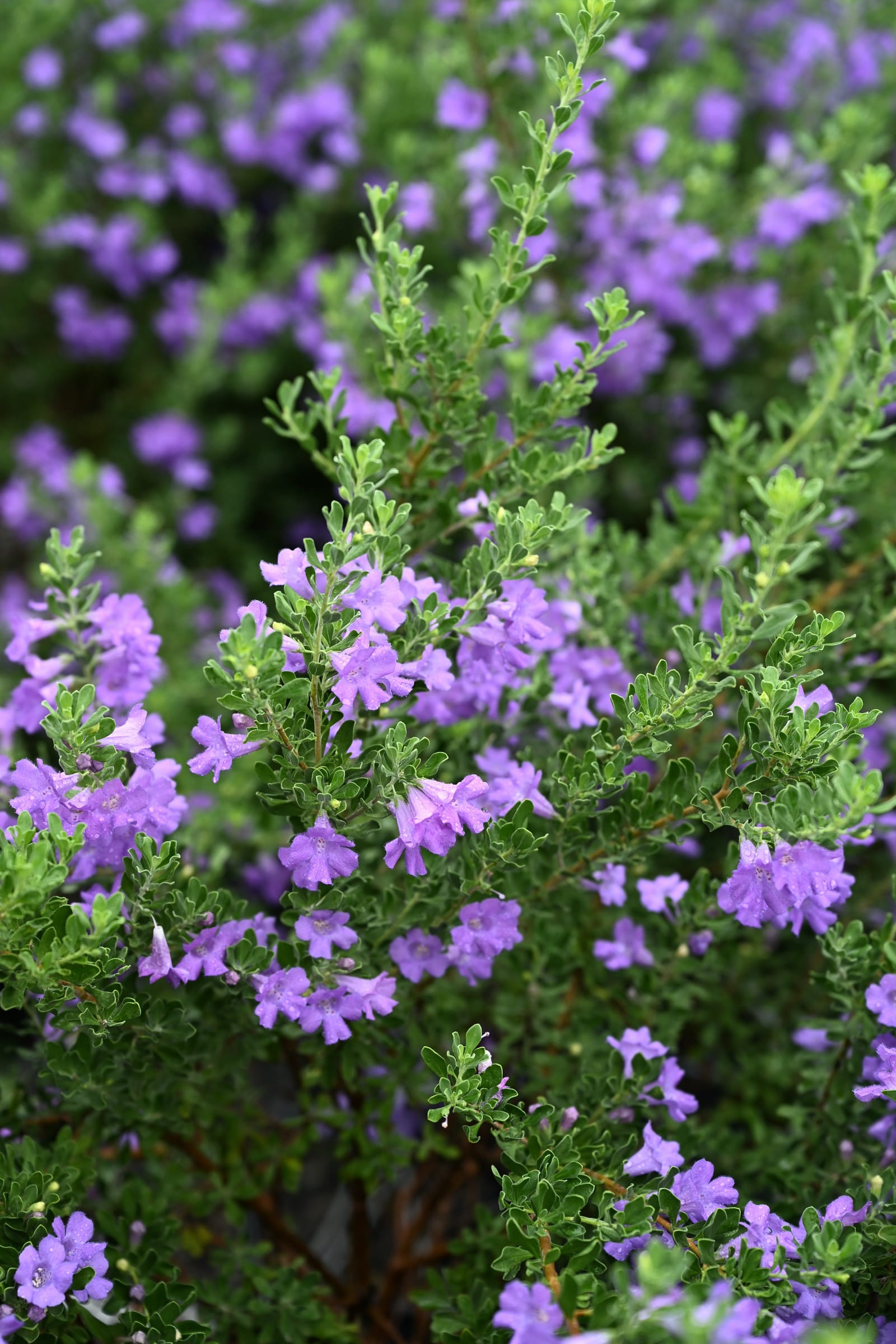
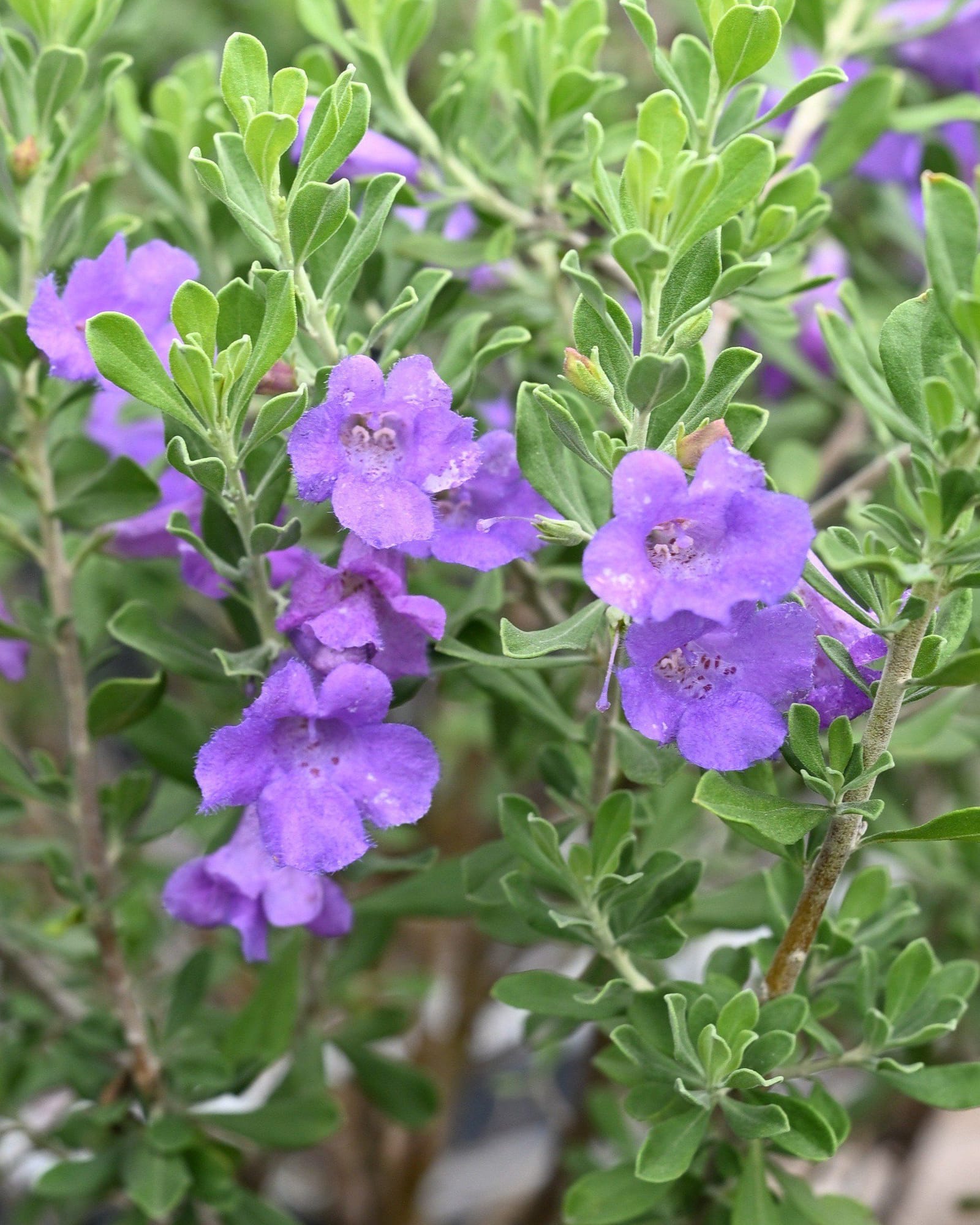
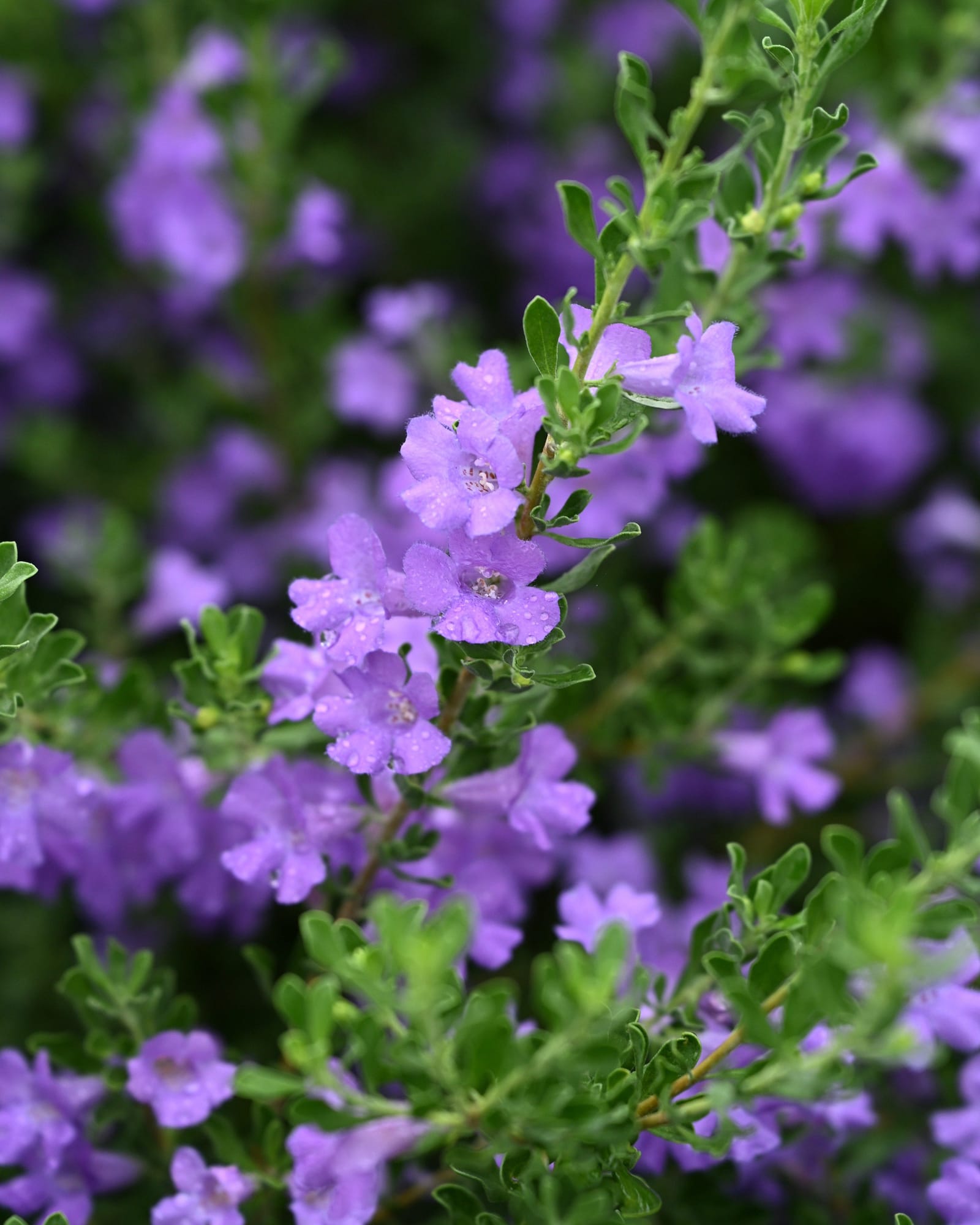
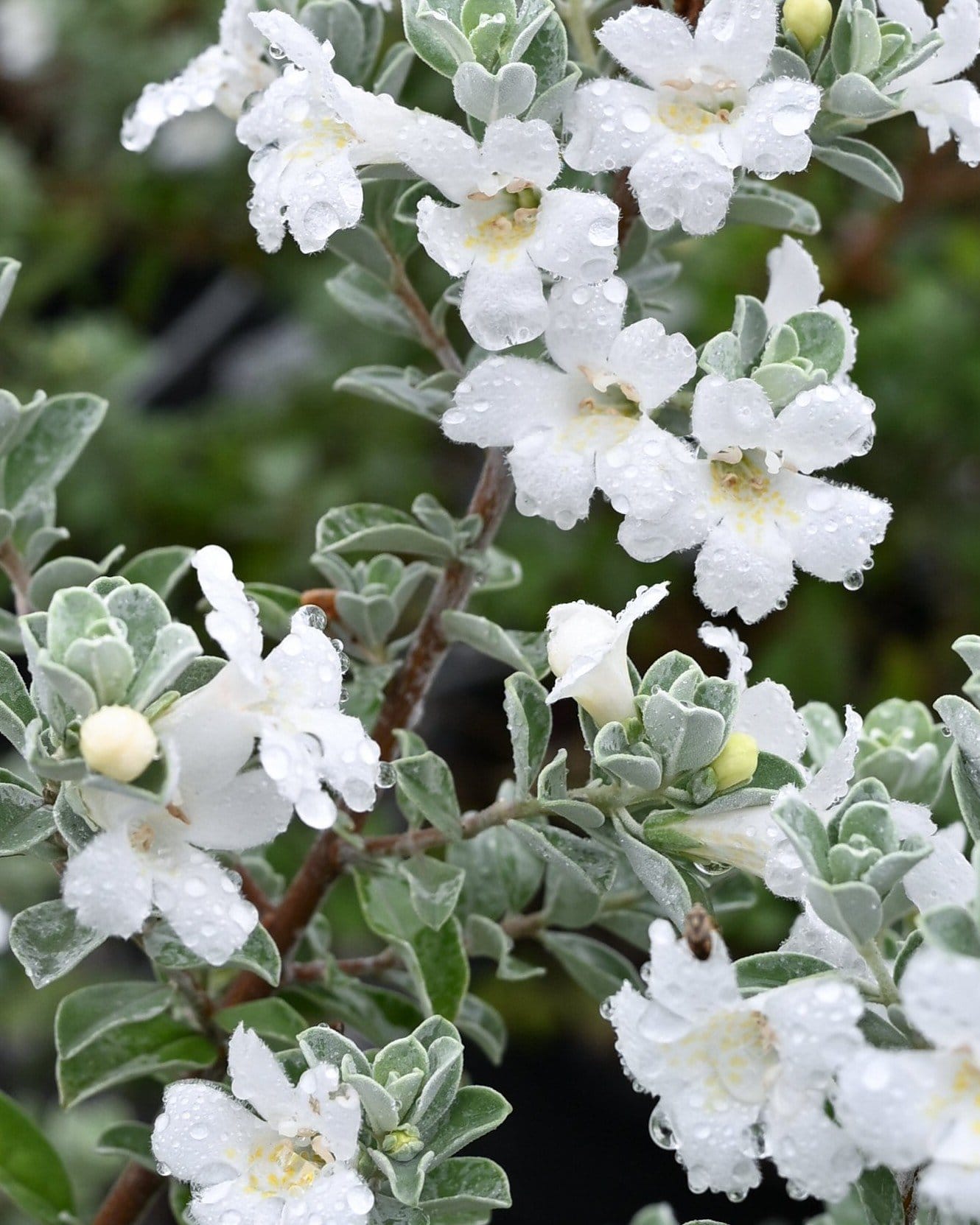
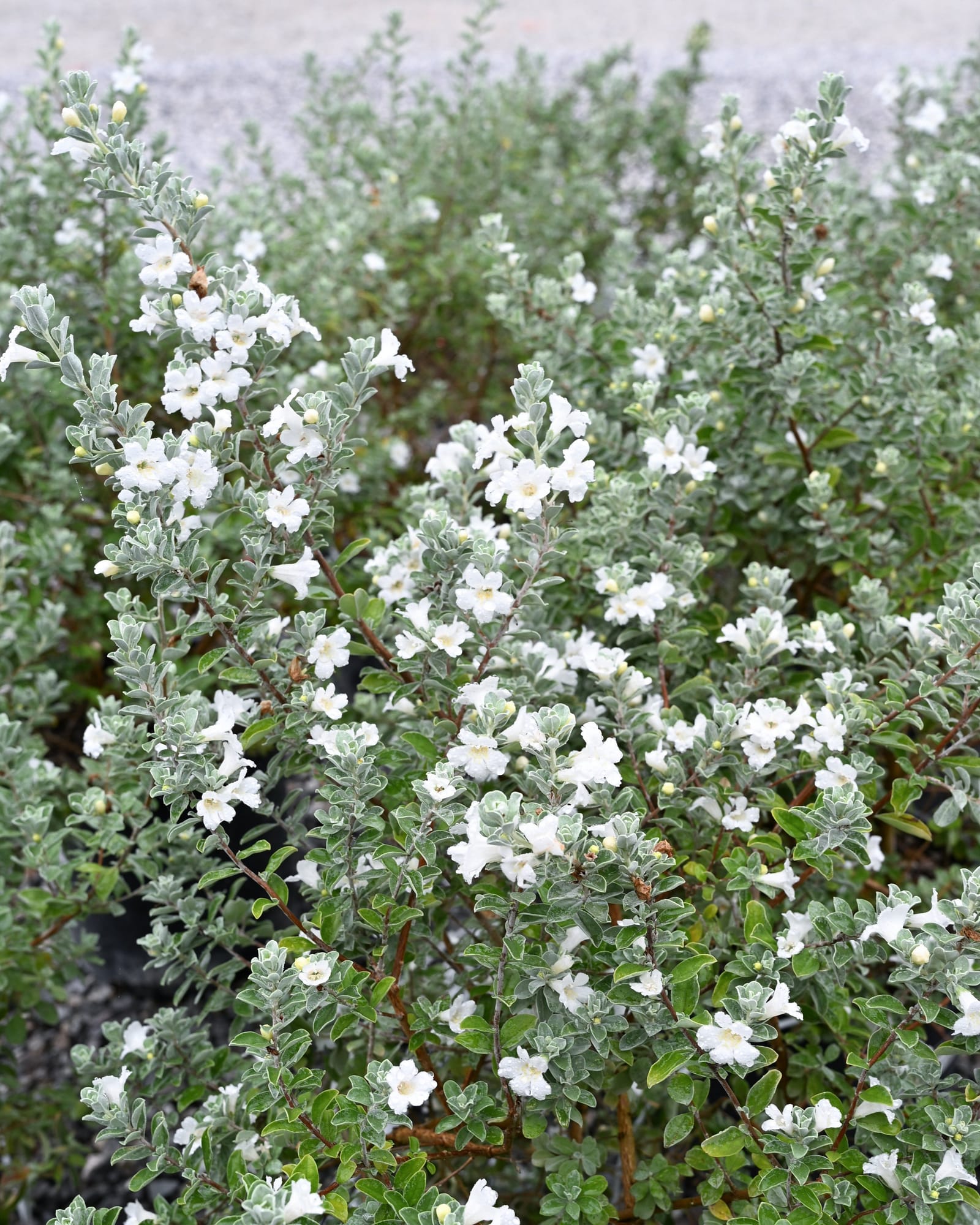
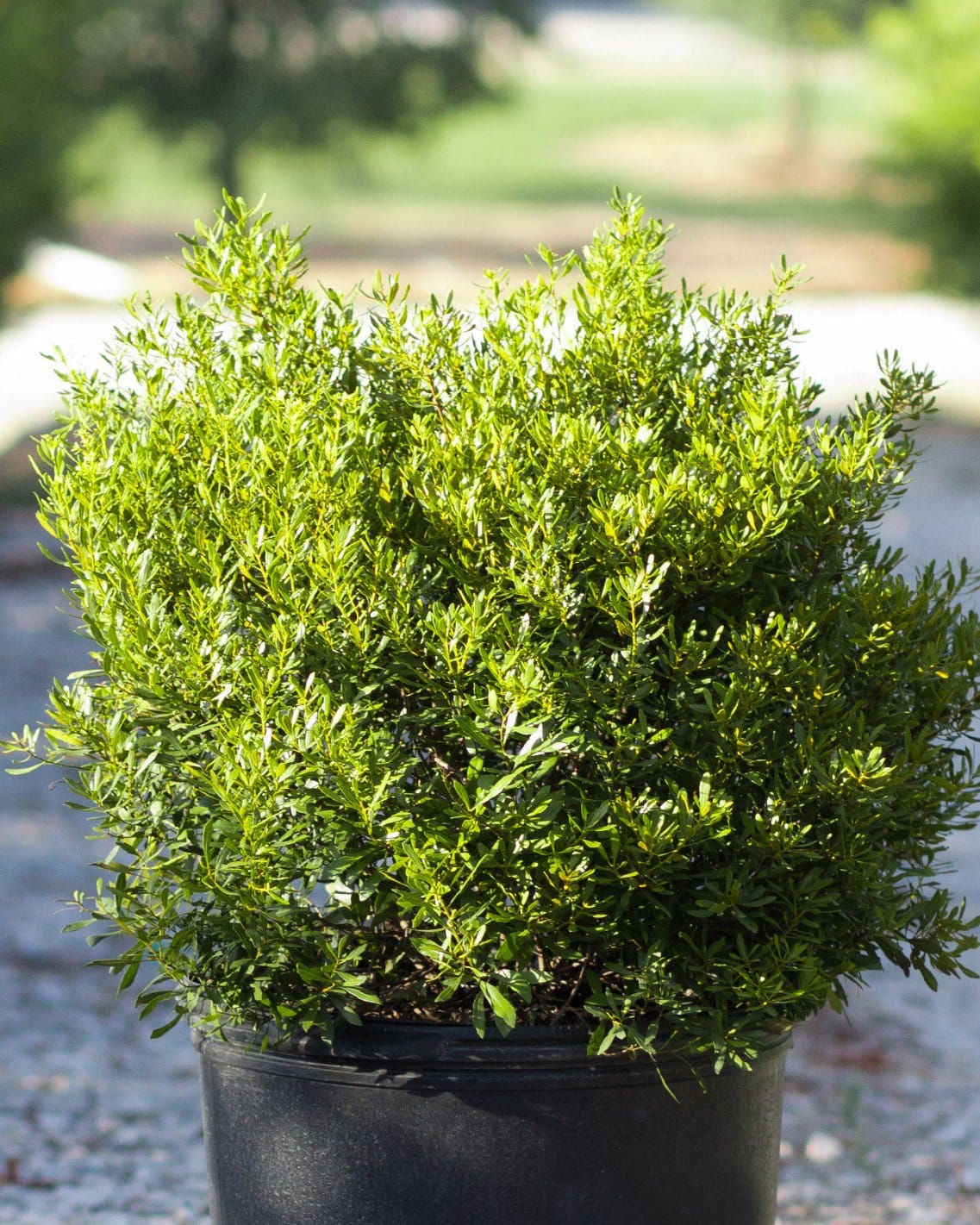
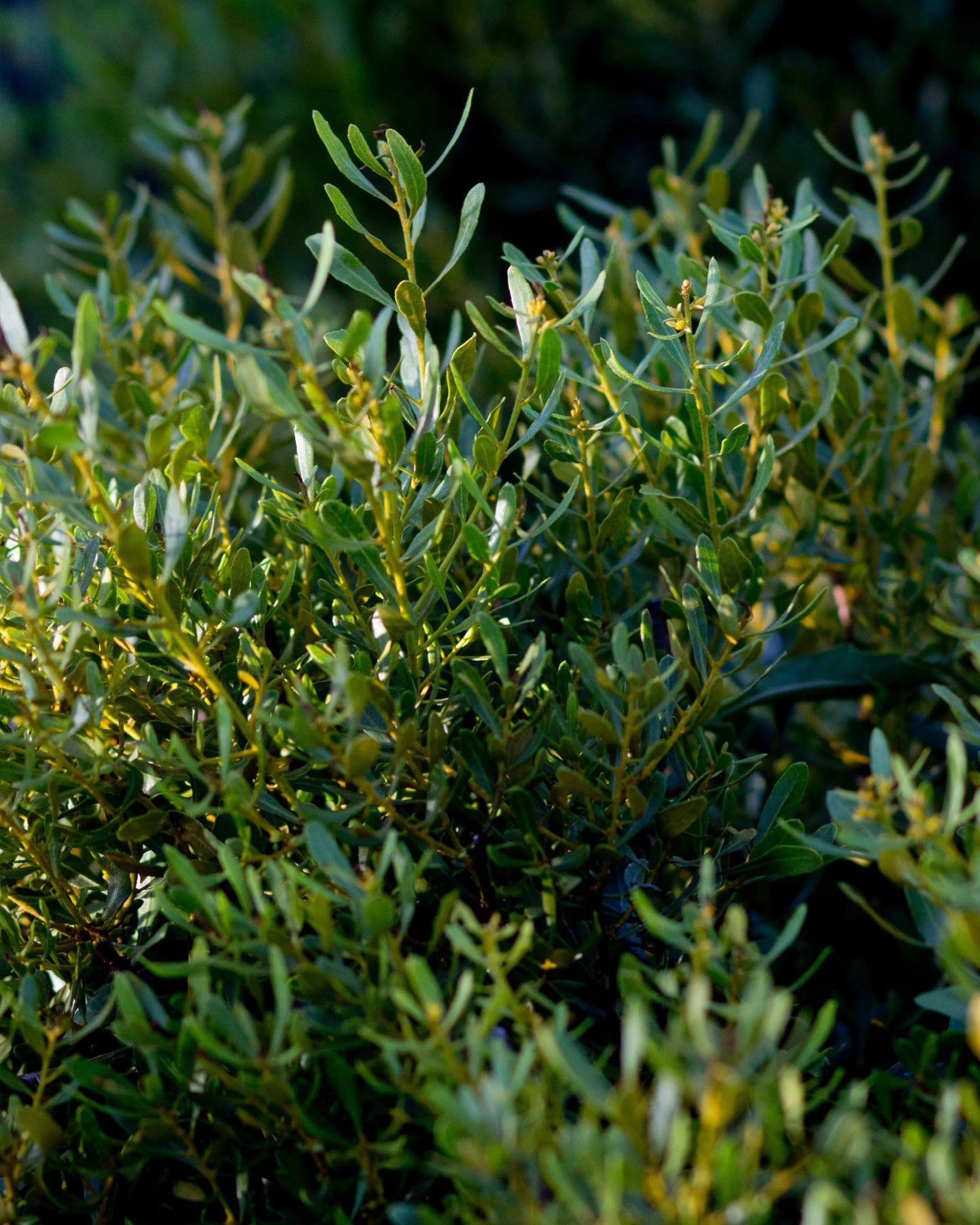
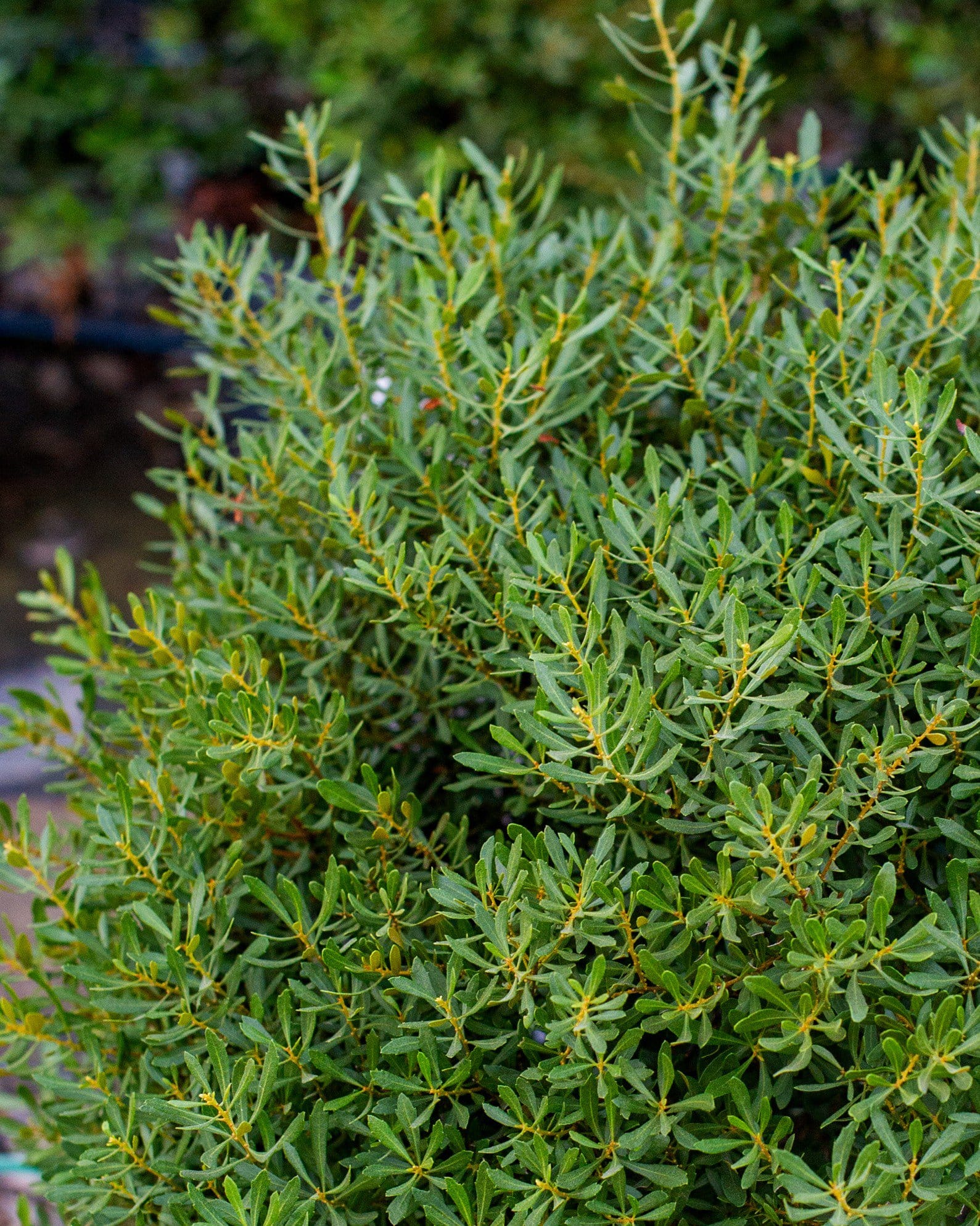
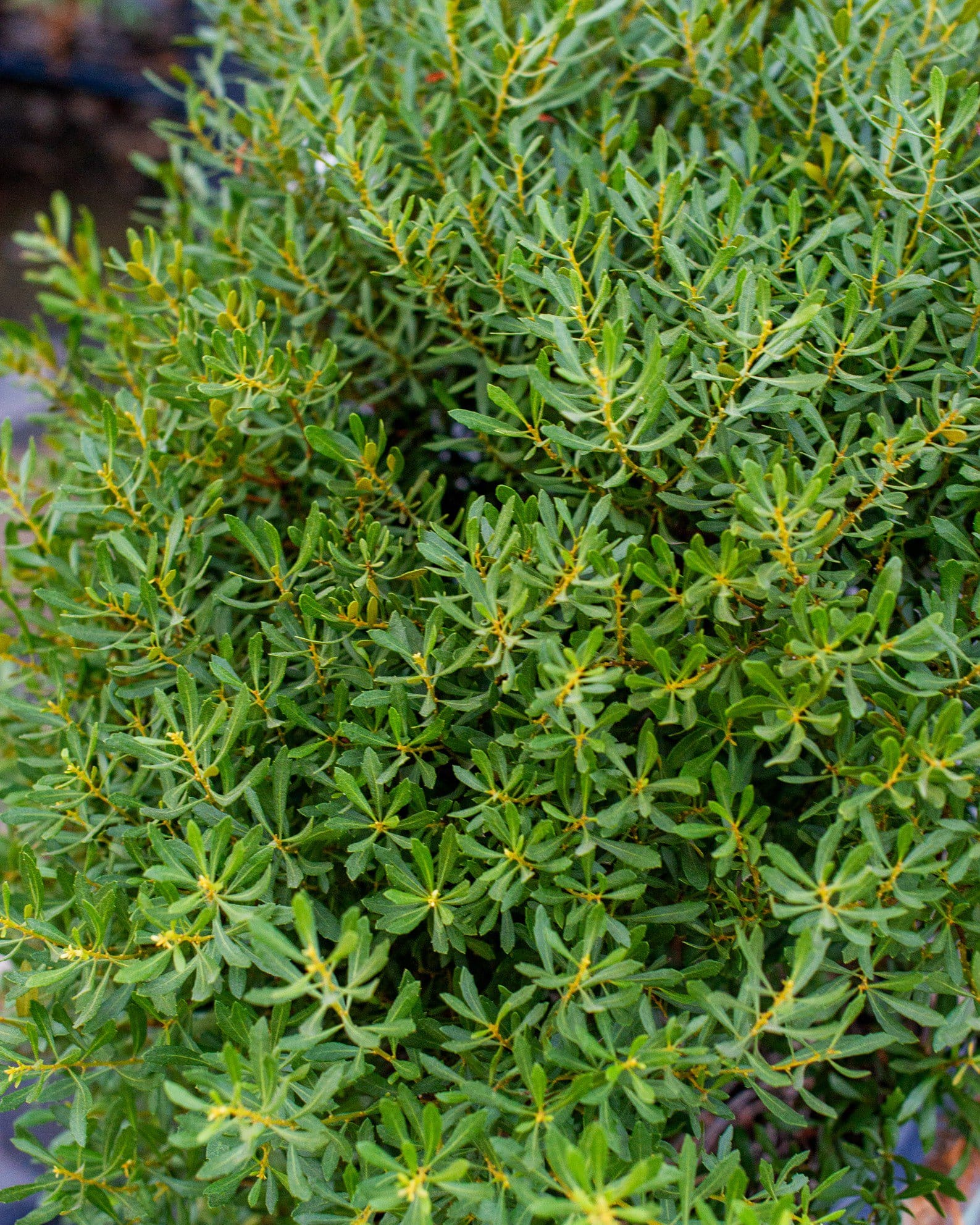
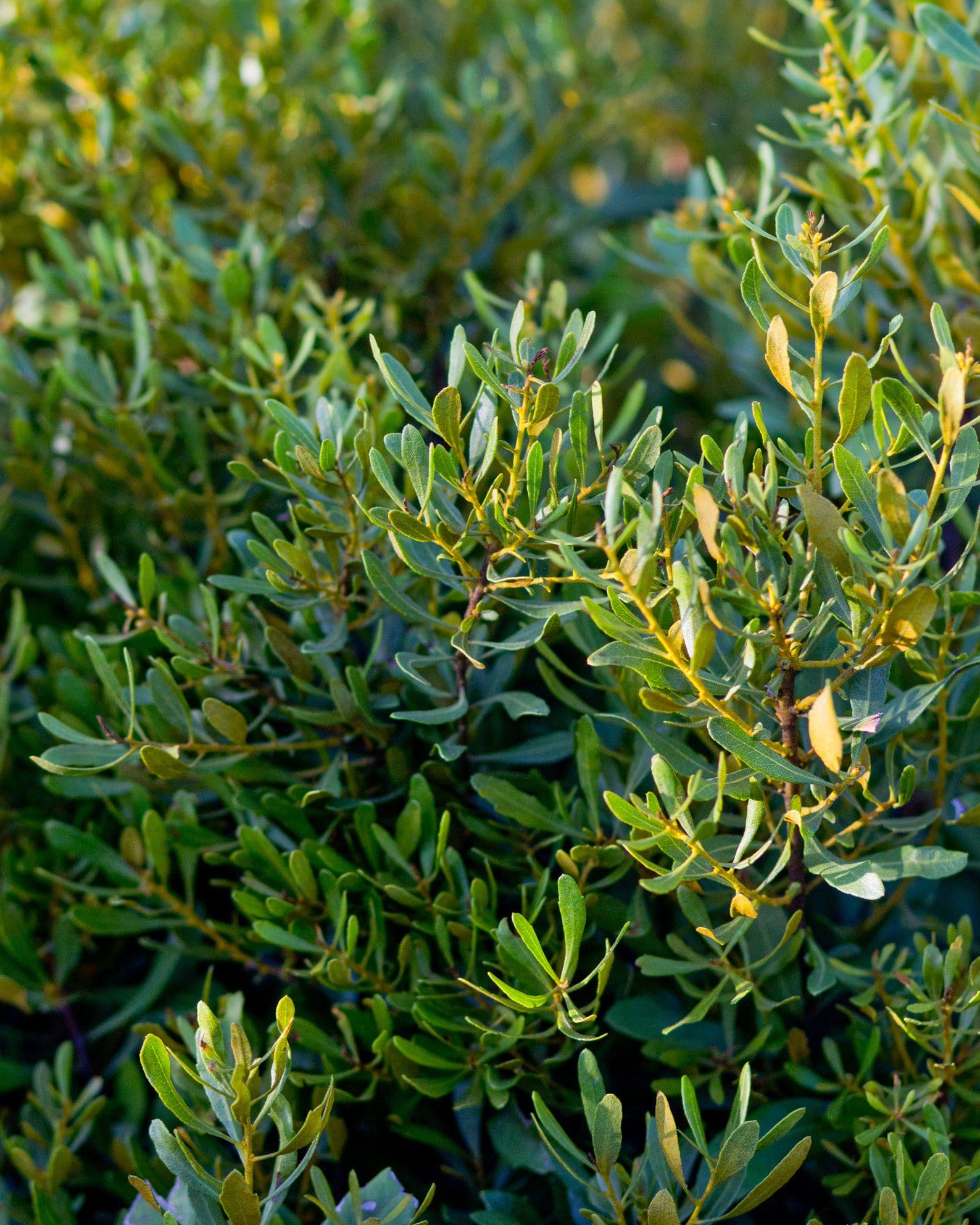
Leucophyllum langmaniae ‘Lynn’s Legacy’Lynn’s Legacy Texas Sage is a refined selection of the classic native shrub, known for its dense branching, rich silver-green foliage, and exceptionally heavy flowering. Unlike many Texas sage varieties, Lynn’s Legacy blooms more consistently and over a longer season, producing waves of soft lavender-purple flowers that stand out brilliantly against its silvery leaves. At maturity, this evergreen shrub reaches 5 to 6 feet in height and width, forming a rounded, uniform shape that works well in both formal and naturalized settings.
- Evergreen shrub
- Moderate growth rate
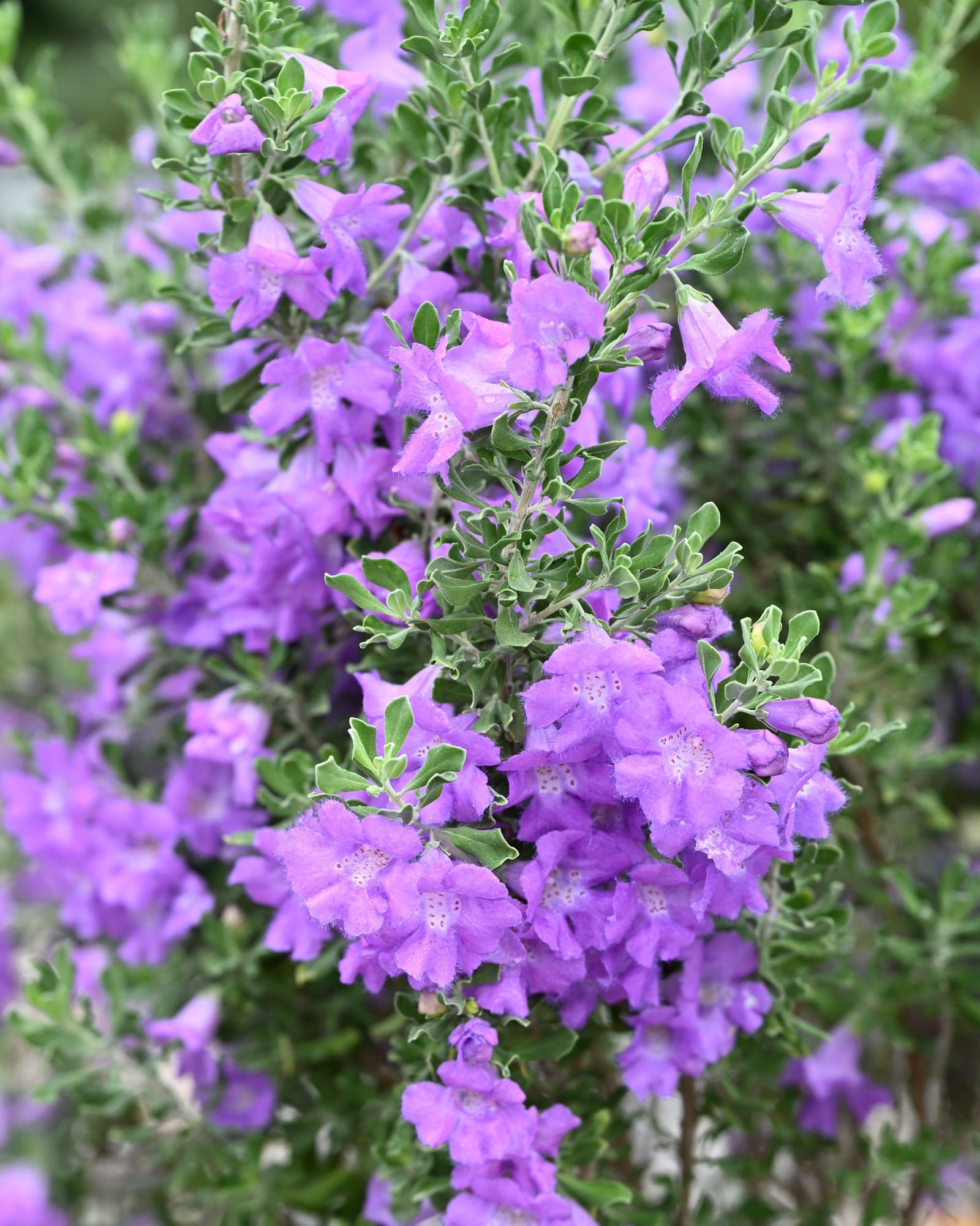
- Silver-green leaves with abundant lavender-purple blooms
- Excellent for borders, foundations, and native-inspired designs
- Thrives in hot, dry Texas conditions
Lynn’s Legacy Texas Sage performs best in full sun and well-drained soil. Hardy in USDA zones 8 through 10, it is highly suited to Texas climates and maintains its beauty even through heat, sun, and dry spells.
Lynn’s Legacy Texas Sage provides long-lasting color and texture with minimal care, thriving in hot, sunny environments.
- Watering: Water consistently during the first growing season to establish a strong root system. Once established, Lynn’s Legacy Texas Sage is highly drought-tolerant and requires only occasional deep watering during prolonged dry periods. Avoid overwatering, as soggy soil can cause root rot. Deep, infrequent watering encourages both robust foliage and continuous flowering.
- Pruning: Light pruning in late winter or early spring maintains a compact shape and encourages dense branching. Remove spent flower stems throughout the blooming season to prolong flowering. Avoid heavy pruning in late fall, as tender new growth can be damaged by cold.
- Fertilizing: Feed lightly with a slow-release, balanced fertilizer in early spring if soil is poor. In most lean soils, additional feeding is unnecessary. Over-fertilization can result in soft, leggy growth that is more susceptible to breakage and reduces flower production.
- Mulching: Apply a 2-3 inch layer of coarse mulch or gravel around the base to conserve moisture, suppress weeds, and improve soil airflow. Keep mulch slightly away from the crown to prevent rot, particularly in heavier soils.
- Winter Care: Lynn’s Legacy Texas Sage is hardy in USDA zones 8–11 and maintains vibrant foliage in mild frost. In colder zones or during unusual freezes, apply a light mulch around the base to protect roots. Container plants may need temporary shelter in very cold weather.
- Leggy or Sparse Growth: Excessive shade, poor airflow, or over-fertilization can lead to stretched, open growth. Lightly prune in early spring to encourage compact branching and maintain a full, rounded appearance.
- Root Rot: Overwatering or poorly drained soil can cause root decline. Ensure good drainage, and consider raised beds or amended soils if necessary.
- Fungal Leaf Spots: Brown or black spots can develop in humid conditions. Remove affected leaves and improve air circulation. Avoid overhead watering when possible.
- Pests: Generally pest-resistant, though occasional aphids or spider mites may appear in hot, dry periods. Rinse leaves with water or treat with insecticidal soap if needed.
- Reduced Flowering: Stress from drought, inconsistent watering, or nutrient imbalance can reduce bloom density. Regular deadheading and consistent moisture encourage a prolonged flowering season.
It grows moderately, typically reaching 2-4 feet in height and width within 2-3 years. Its compact habit makes it well-suited for formal plantings, borders, and container gardens.
It is a long-lived perennial shrub, often thriving 10-15 years or more with proper care. Regular pruning and proper site selection help maintain vigor and flowering performance.
Yes. Its compact upright form and drought tolerance make it ideal for large pots and decorative planters. Ensure excellent drainage and avoid water pooling at the base.
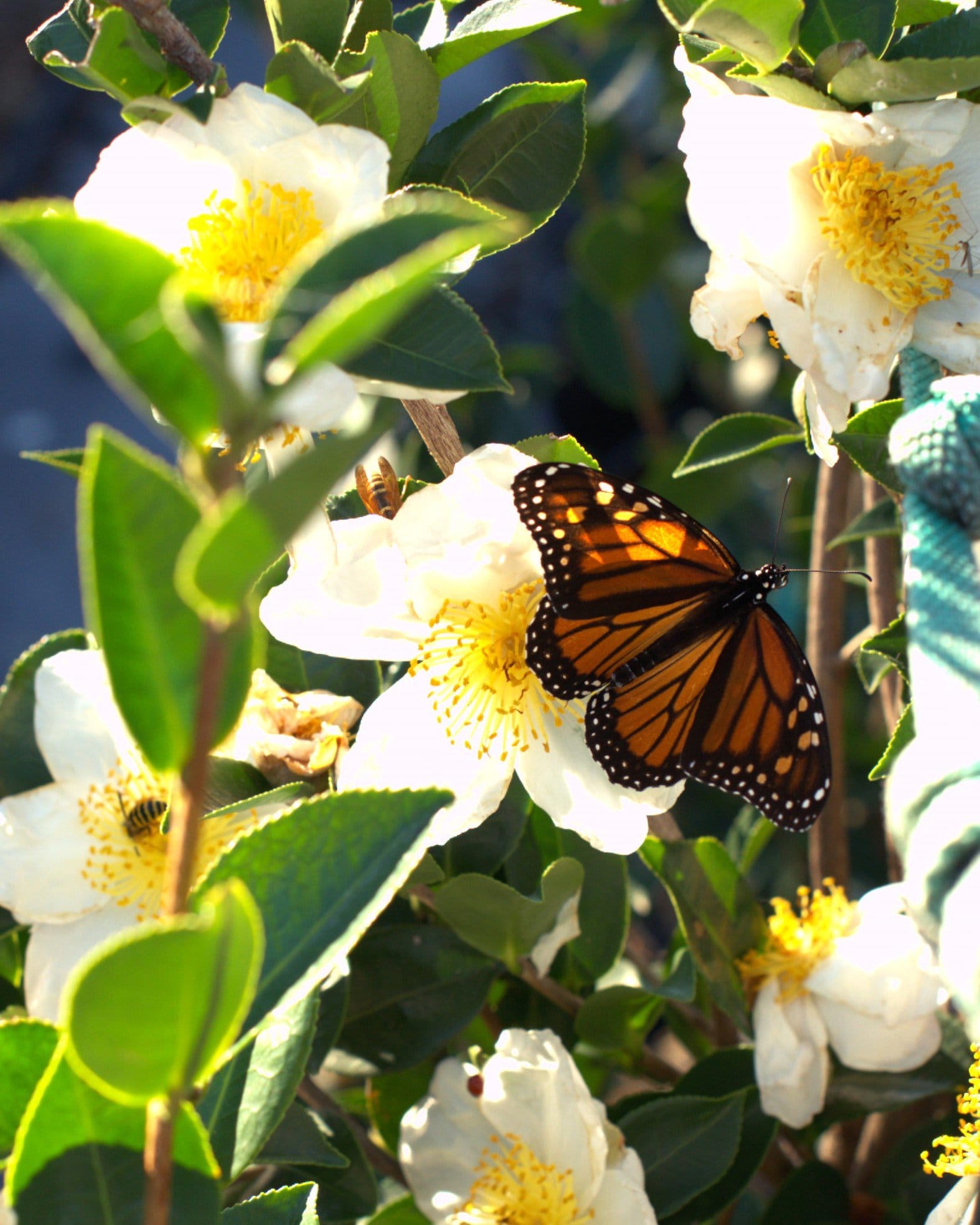
Its flowers attract occasional pollinators, such as butterflies and bees, while its aromatic foliage deters deer and rabbits.
Yes. Once established, it thrives with minimal water, making it ideal for xeriscapes, hot climates, and low-maintenance landscapes.
Absolutely. It performs best in lean, well-draining soils. Heavy or overly rich soils may encourage leggy growth and reduce flowering.
Light annual pruning helps maintain a tidy, compact form and encourages flowering. Deadheading spent blooms extends the bloom period.
Yes. Its long-lasting flowers, compact habit, and low-maintenance nature make it excellent for groupings, borders, or accent plantings along pathways.
Provide consistent moisture during dry spells, remove spent blooms regularly, and prune lightly in early spring. Avoid excessive fertilization, which can reduce flower density.
Its combination of vibrant flowers, aromatic silvery foliage, compact form, and extreme drought tolerance makes it a standout choice for modern Texas landscapes. It delivers long-lasting color and structure with minimal maintenance, ideal for both formal and naturalistic plantings.
Special Features
You might also like
Compare Similar Plants
Lynn's Legacy Texas Sage This plant | ||
|---|---|---|
| Scientific Name | Leucophyllum langmaniae ‘Lynn’s Legacy’ | Leucophyllum frutescens ‘Compacta’ |
| Size at Maturity | 5' H x 5' W | 3' H x 3' W |
| Leaf Retention | Evergreen | Evergreen |
| Flower Color | Purple | Purple |
| Bloom Times | Summer & Fall | Summer & Fall |
| Sizes Available | 3 gal | 3 gal |


Our 1-Year Planting Guarantee
We take pride in our plants and installation services. If any plants or trees installed by Treeland fail to thrive within the first year, we'll provide a replacement credit in accordance with our guarantee program.
Learn More About Our Guarantee