
 Popular
Product Details
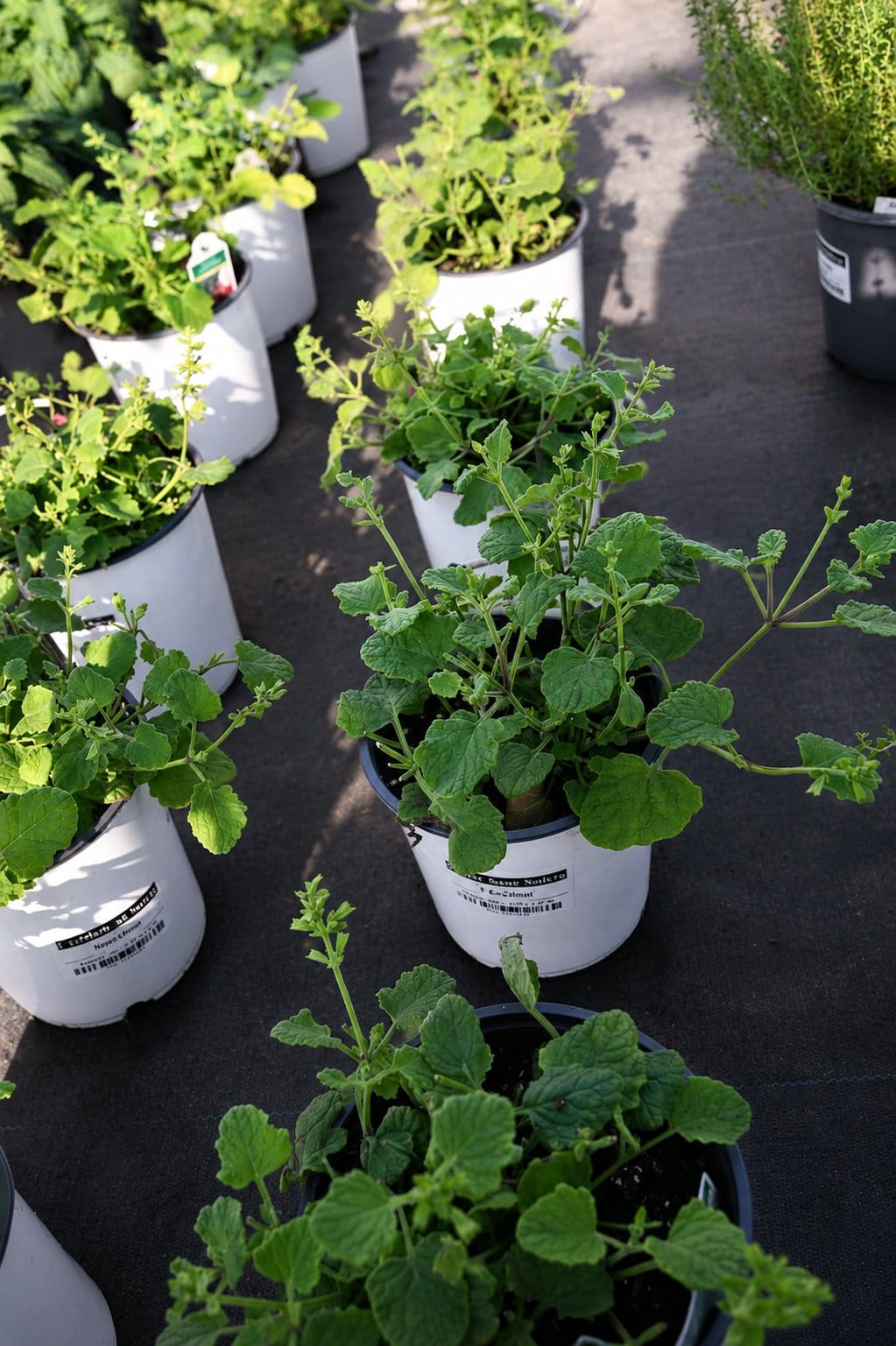
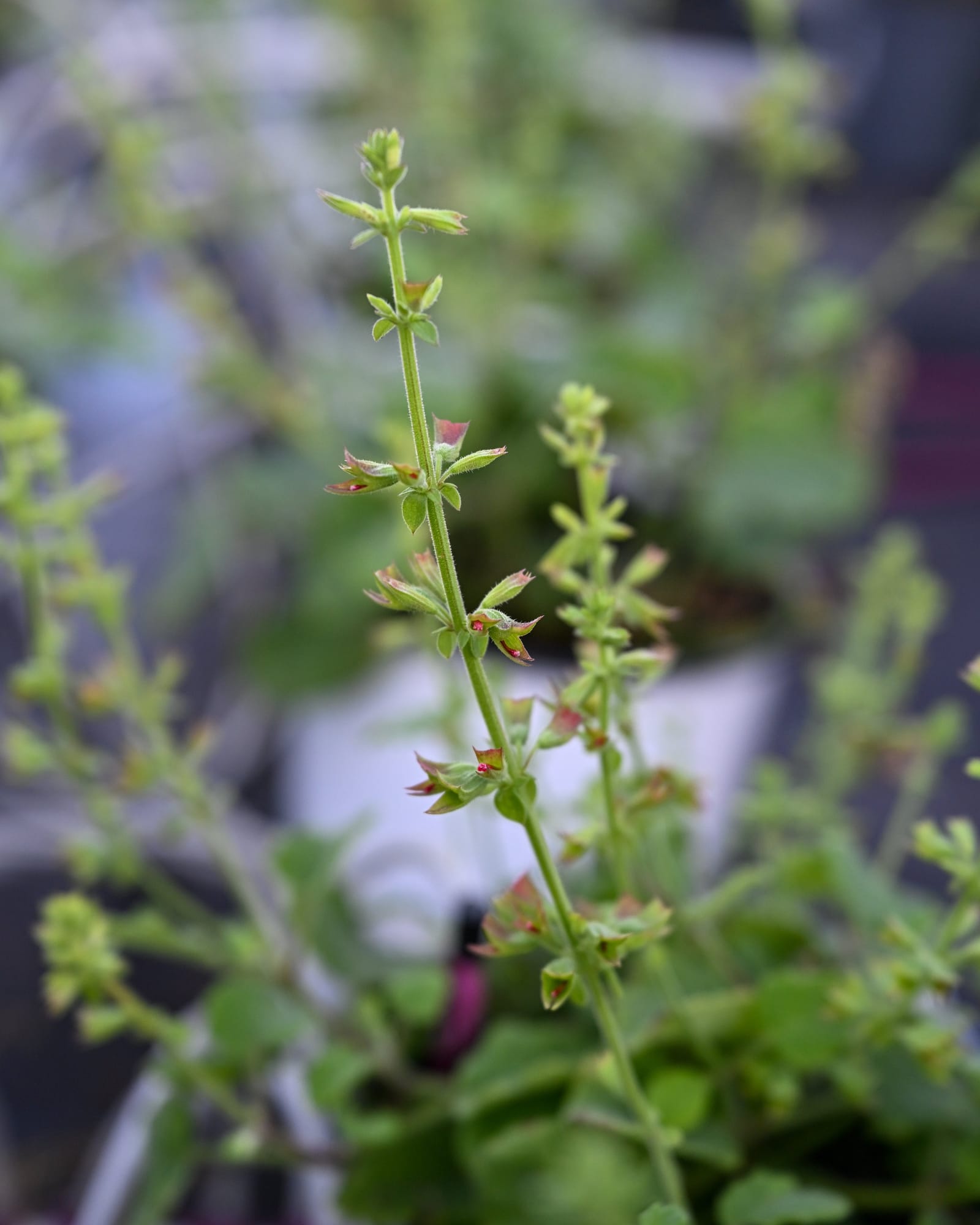
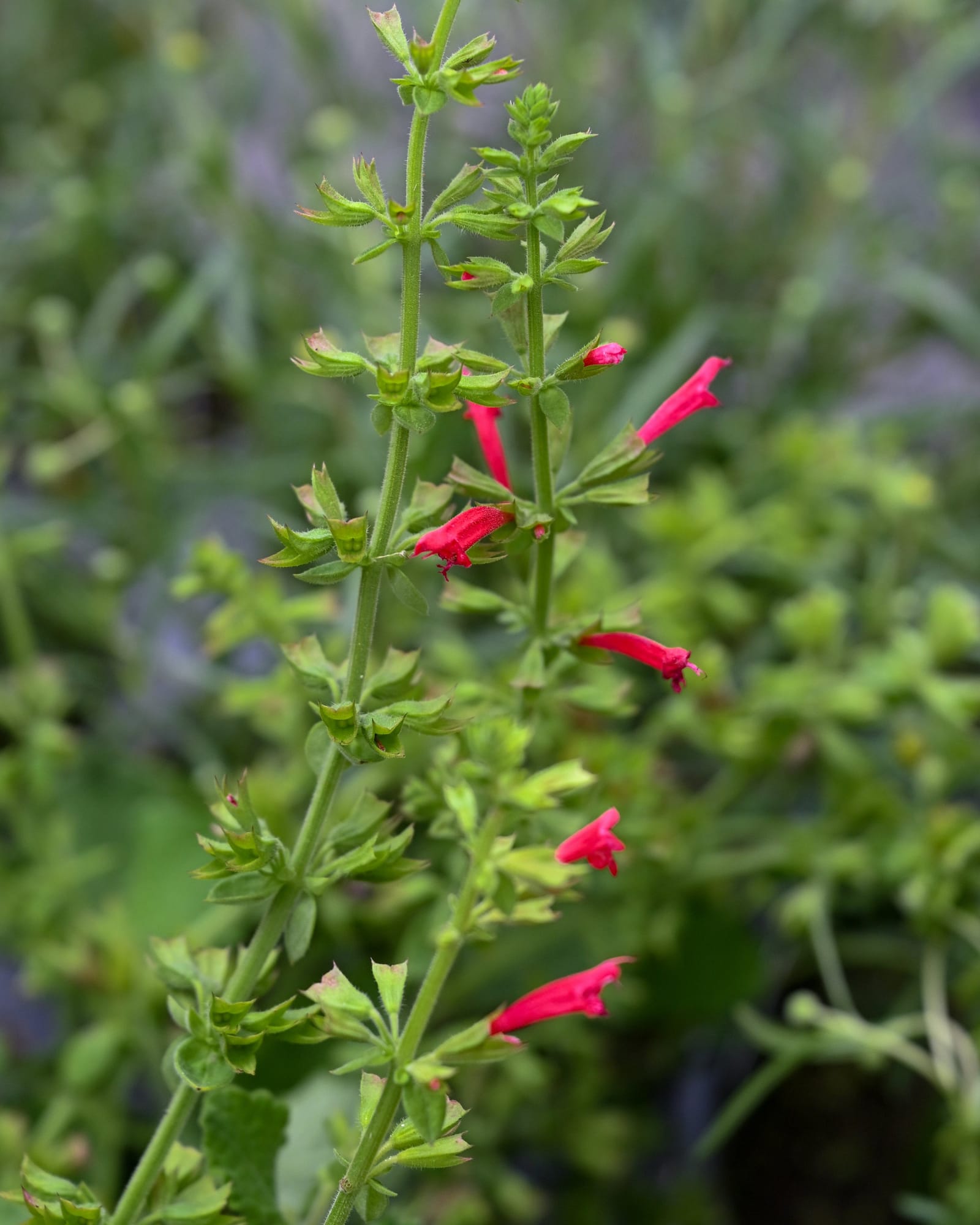
Roman Red Salvia
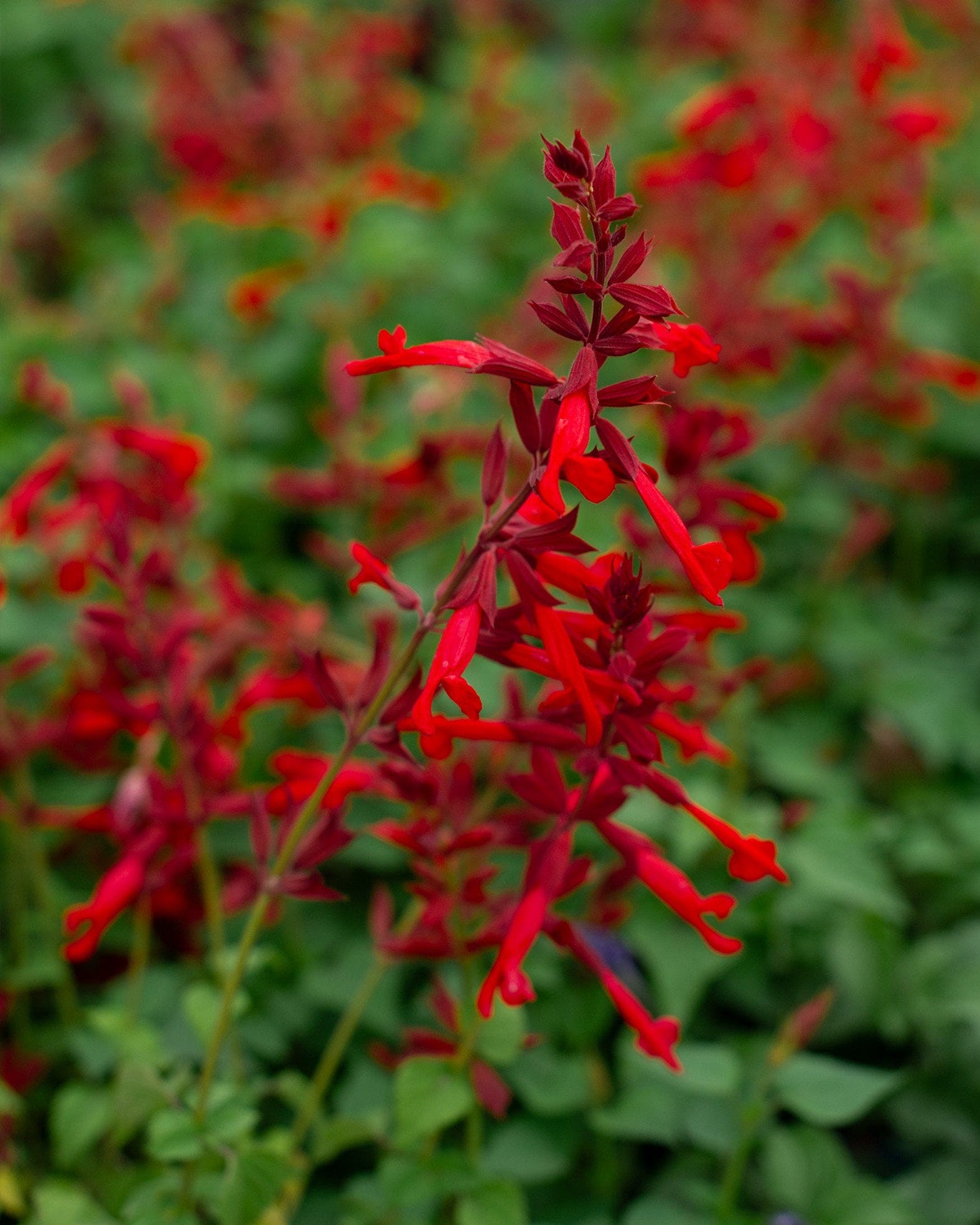
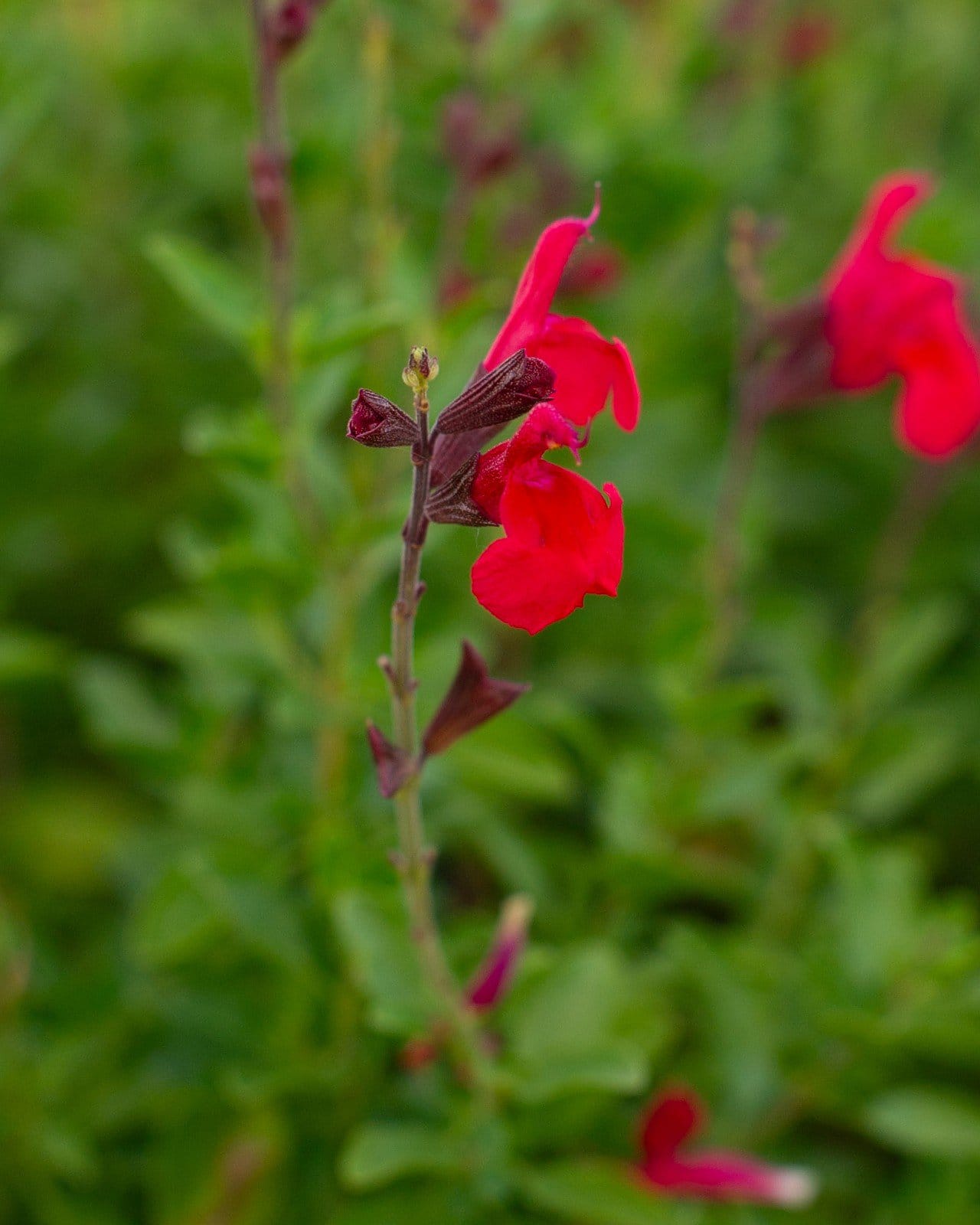
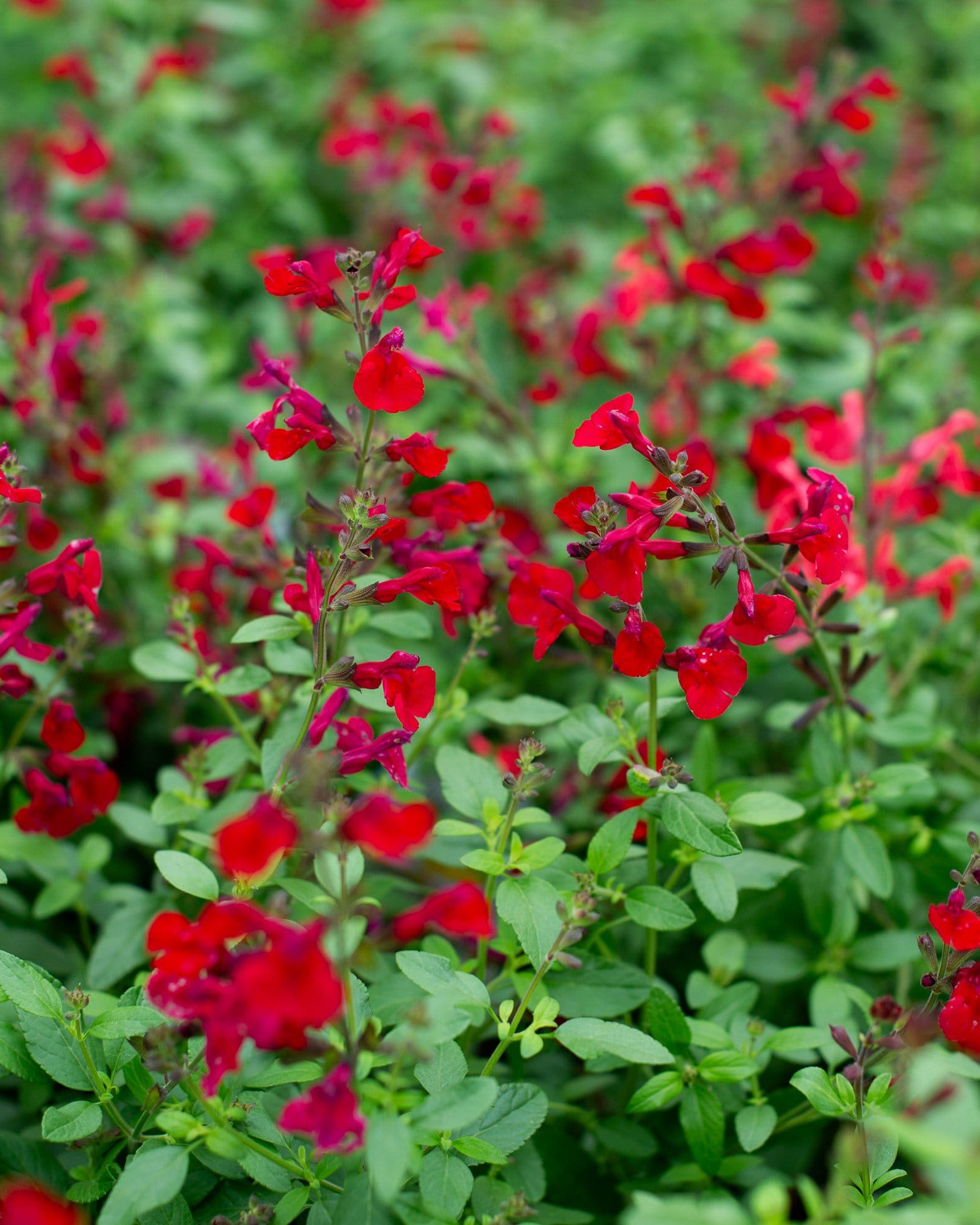
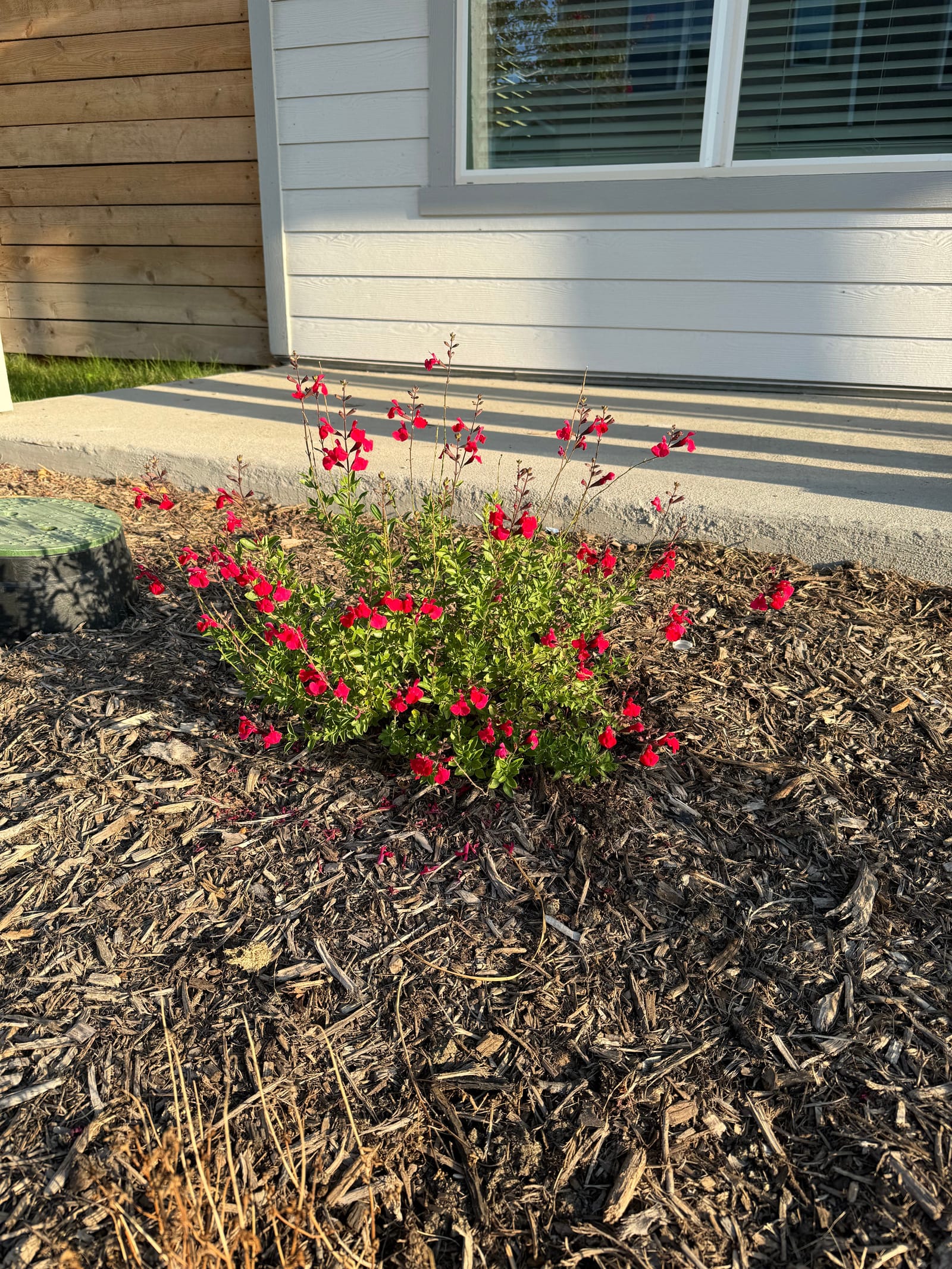
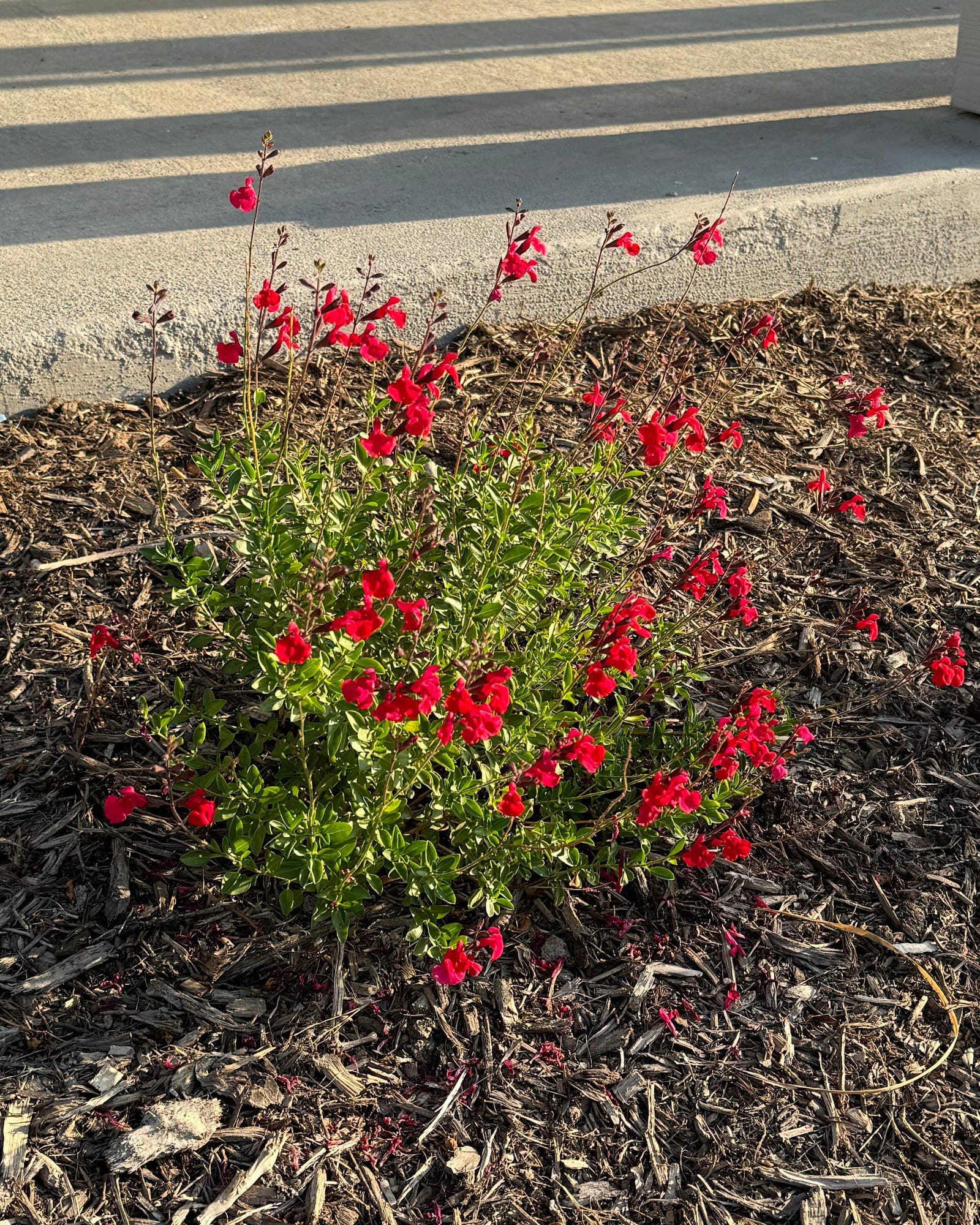
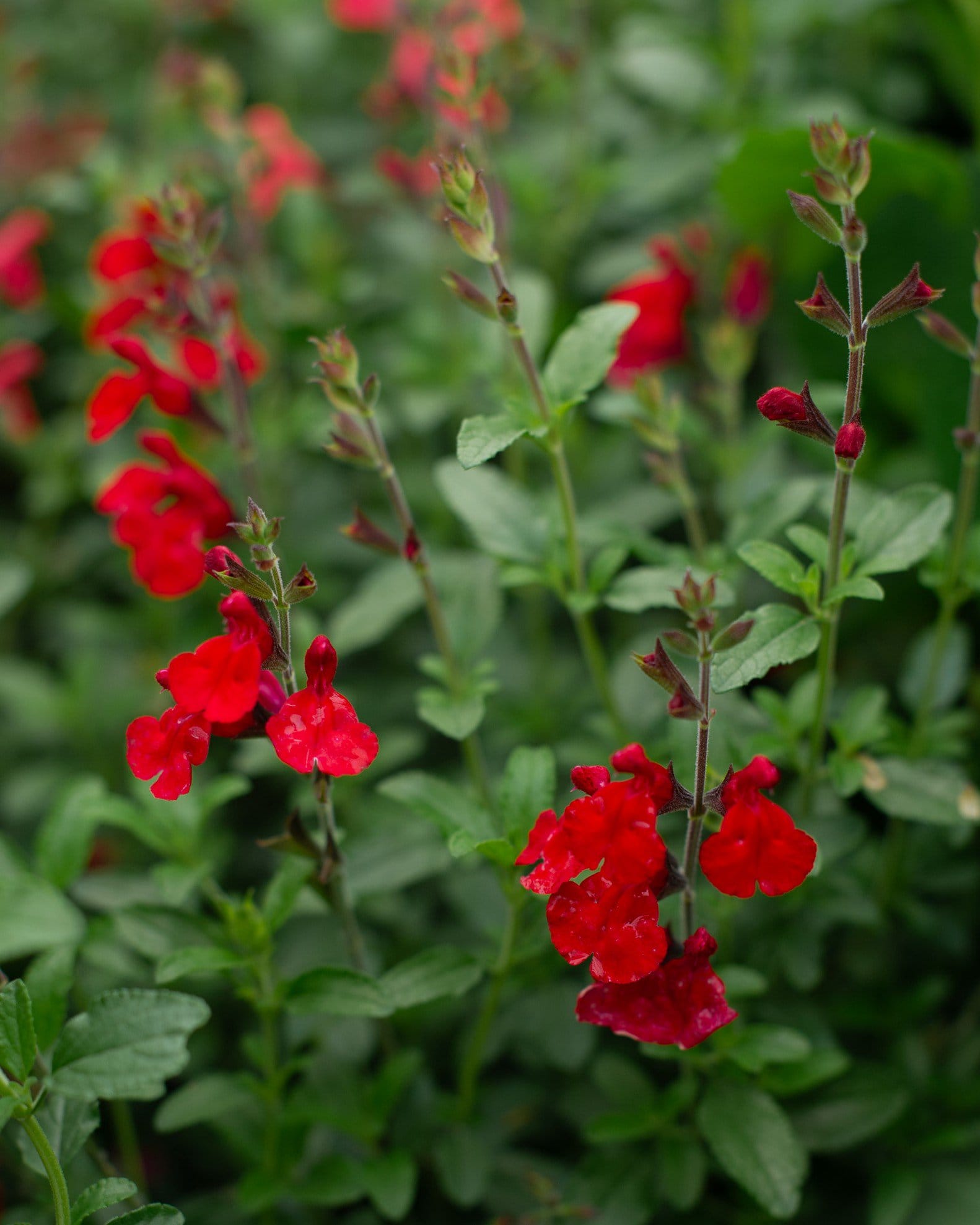
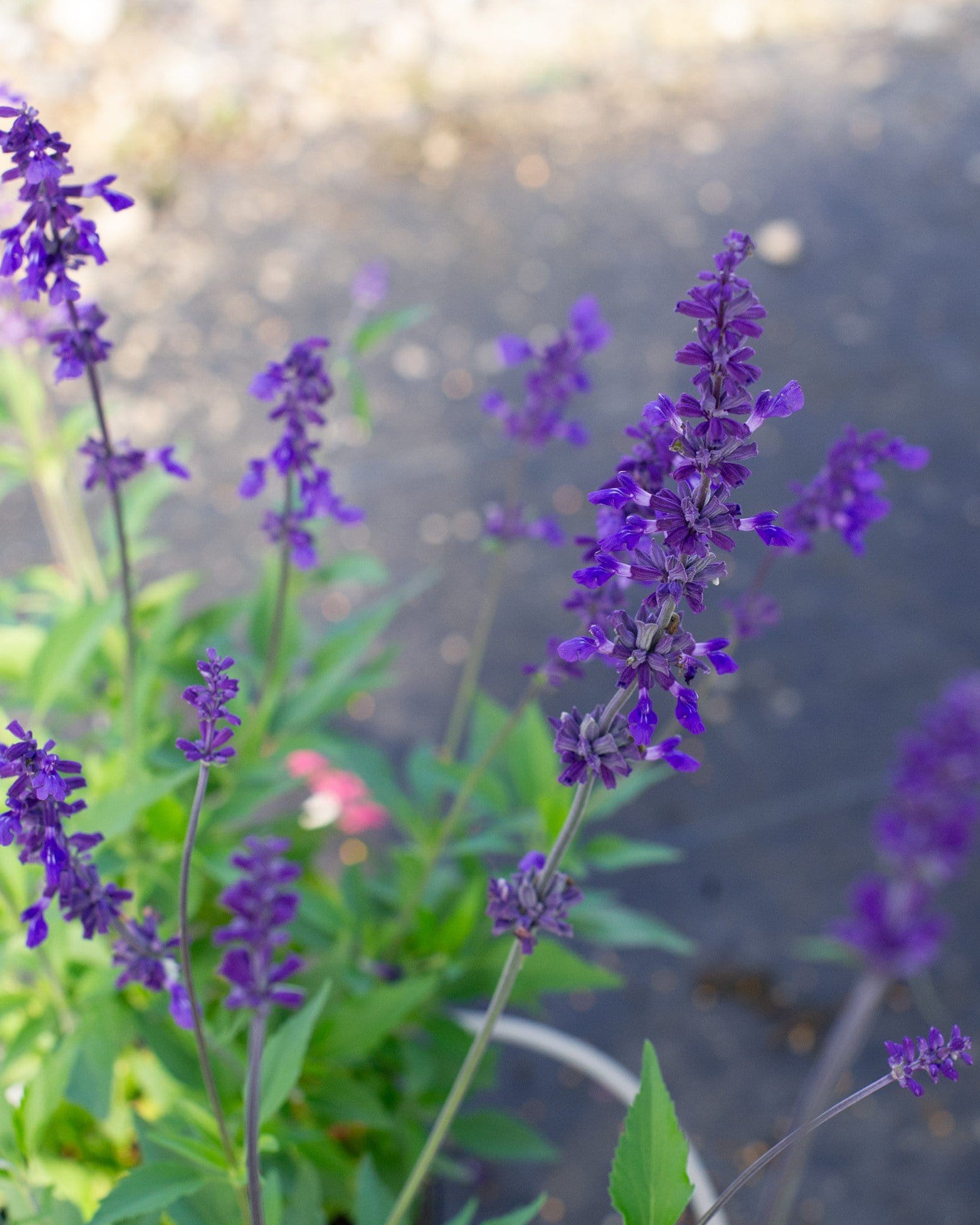
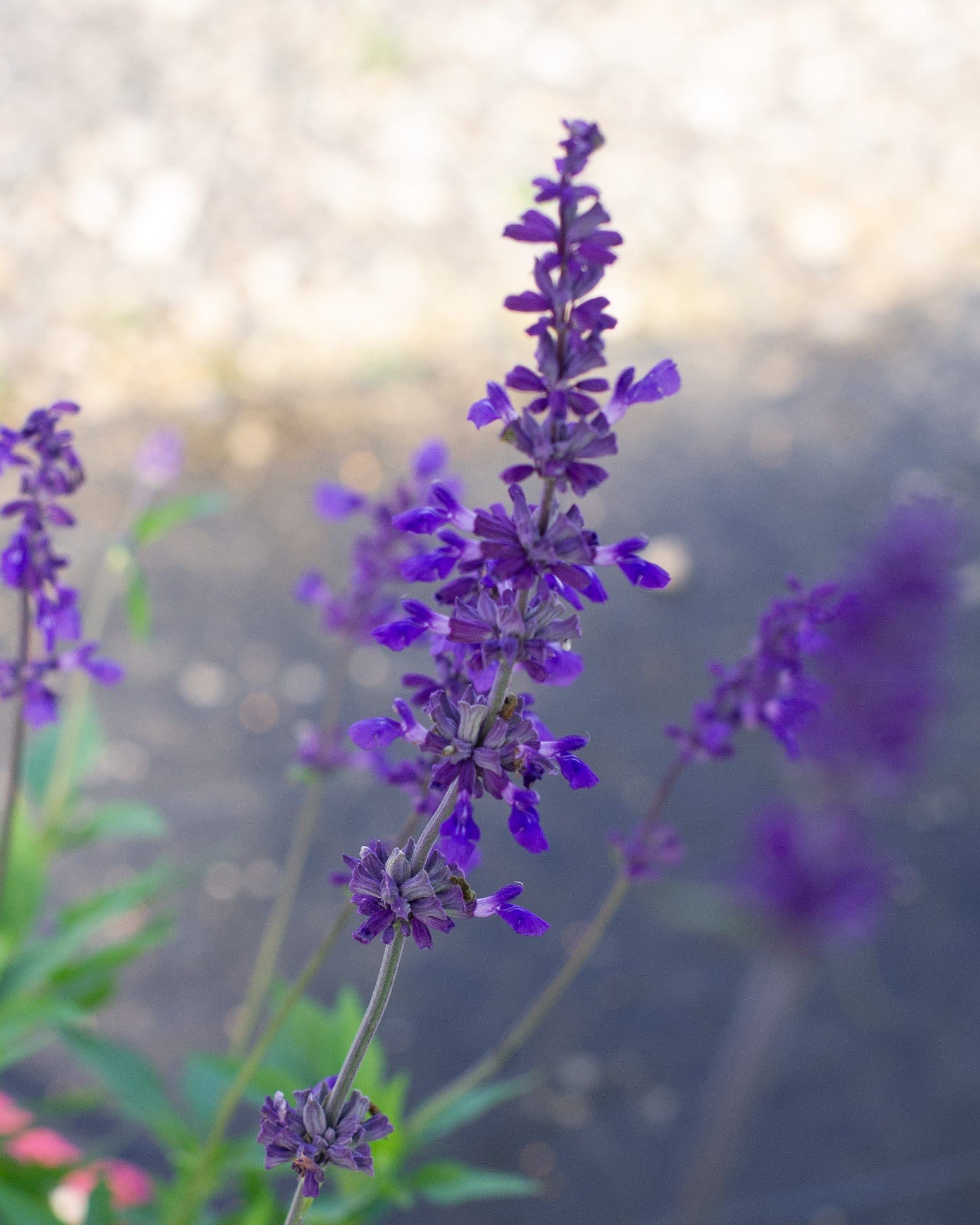
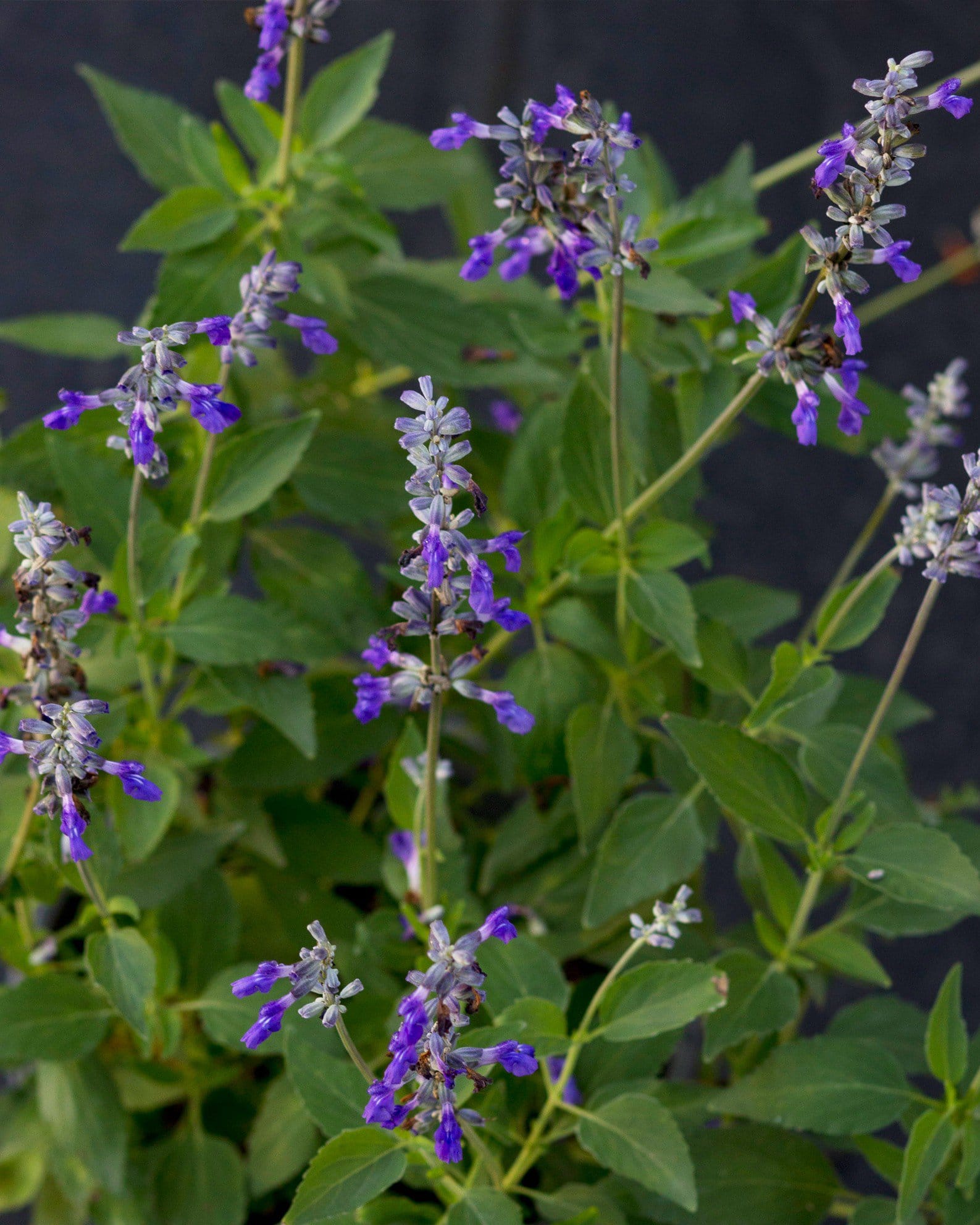
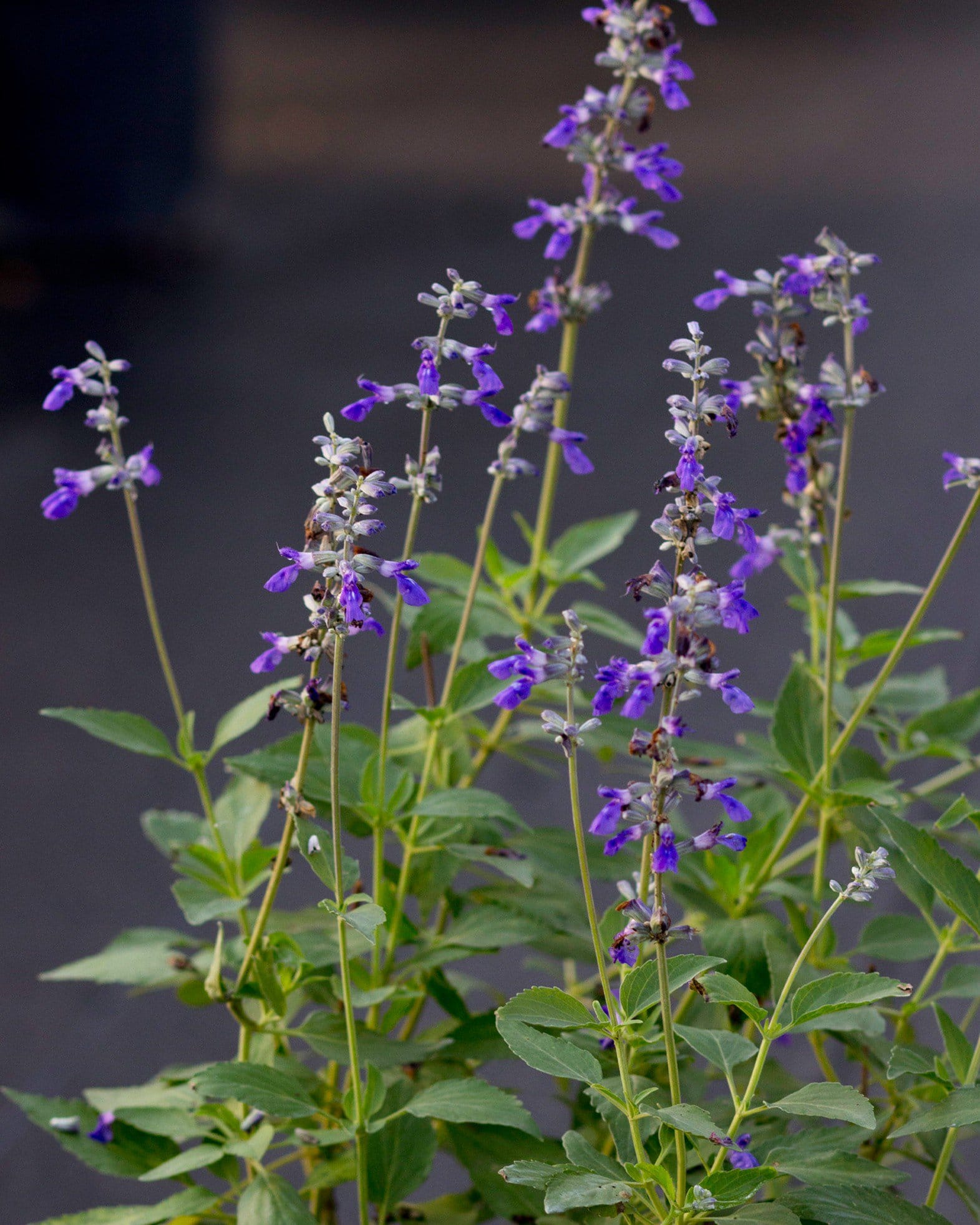
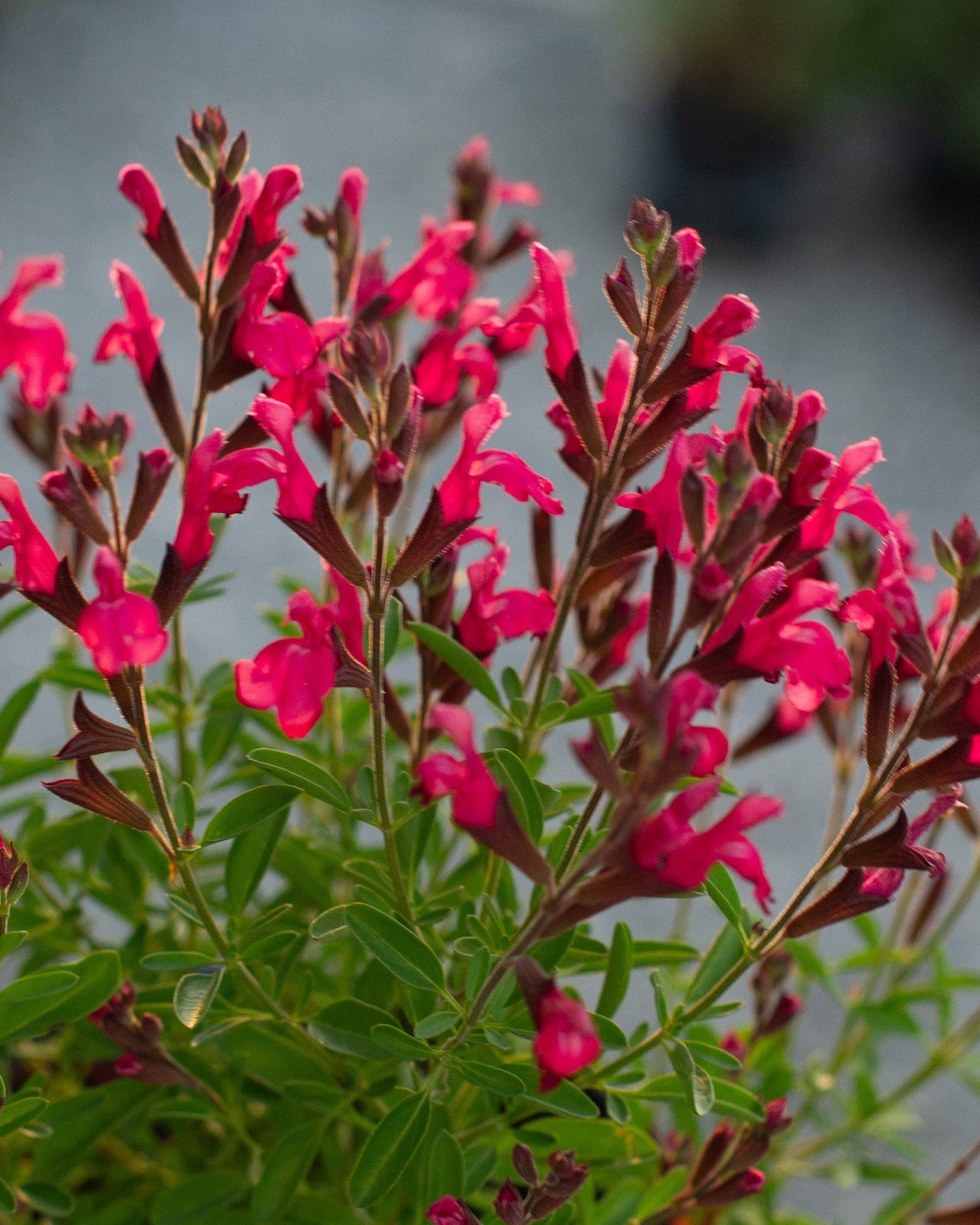
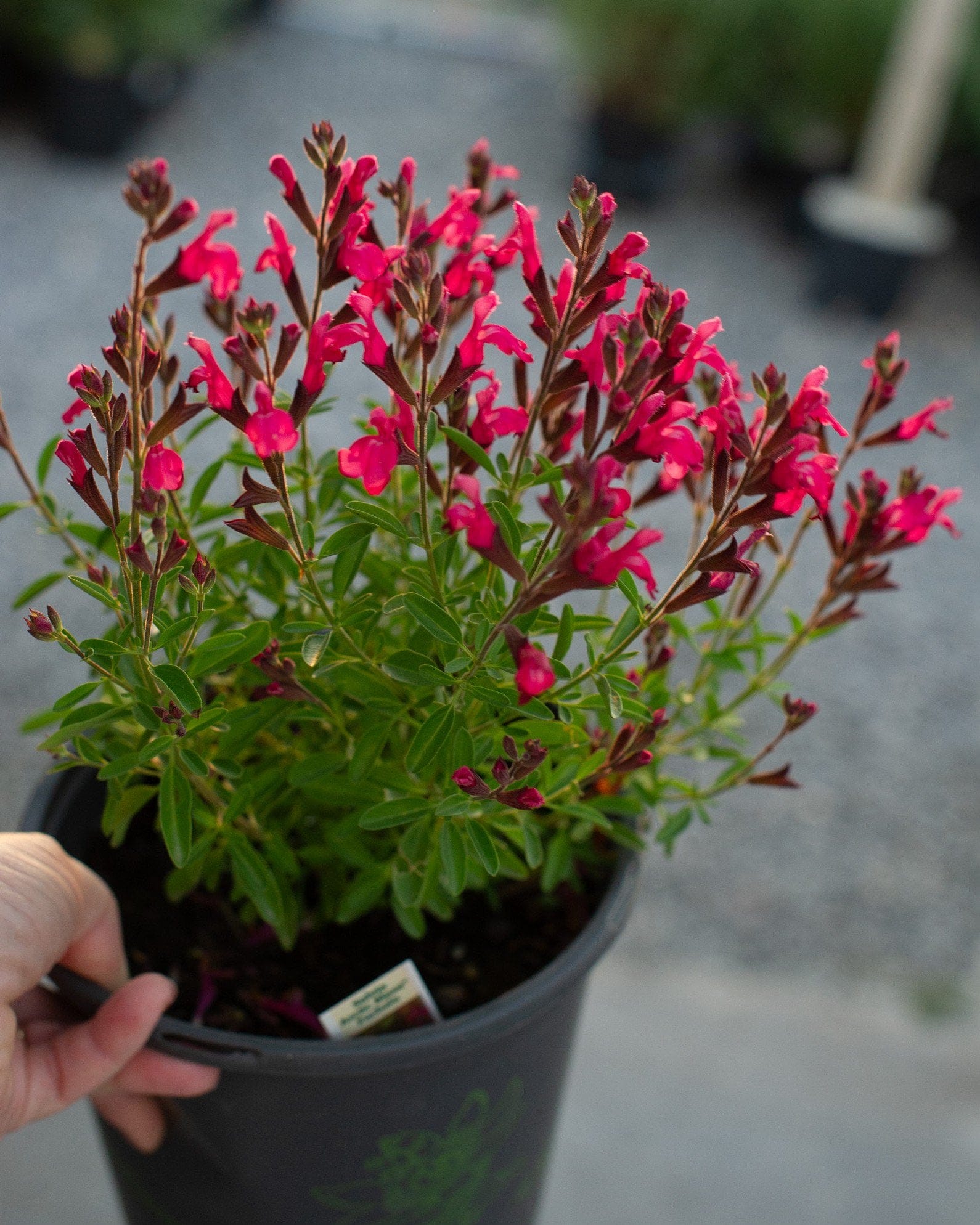
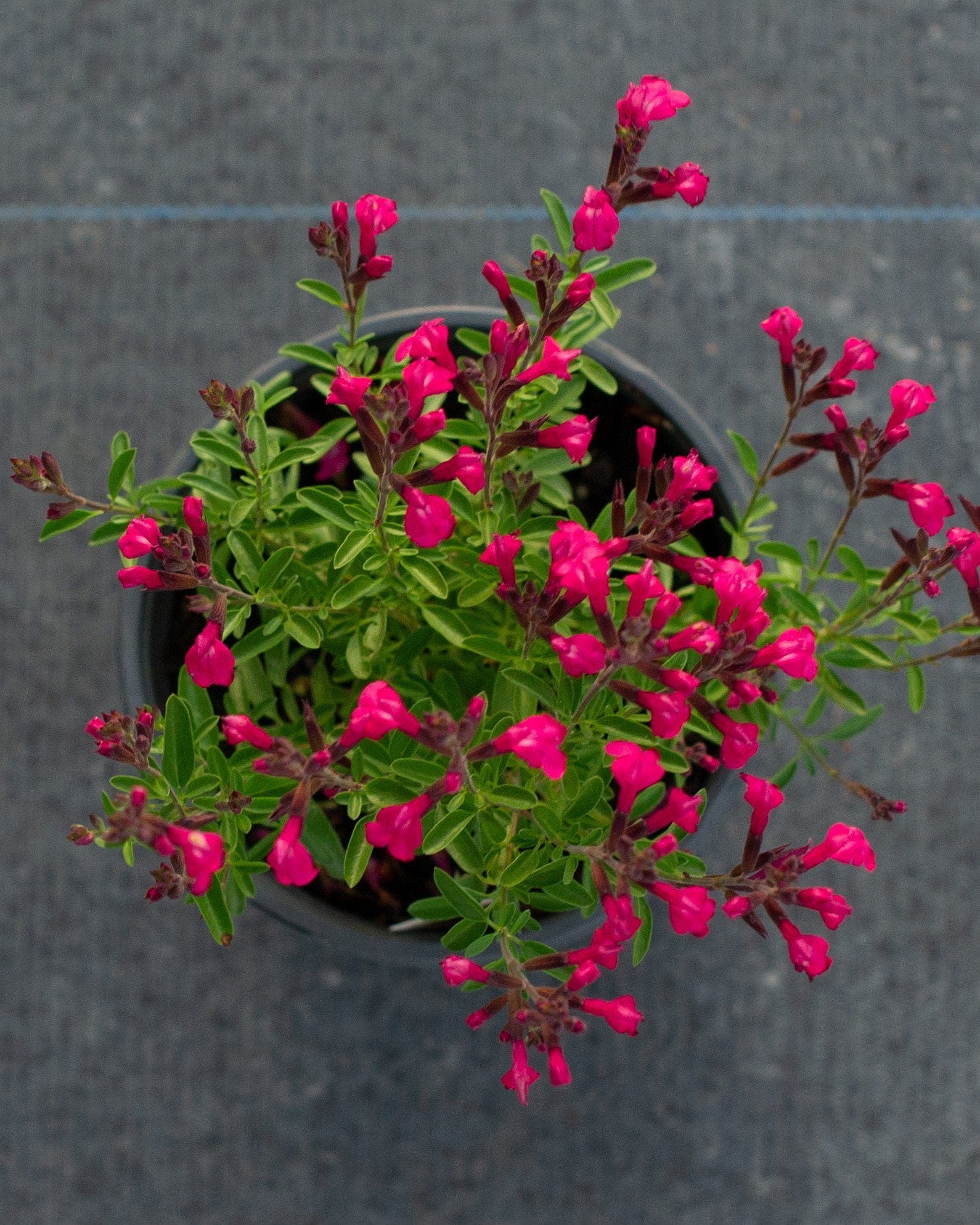
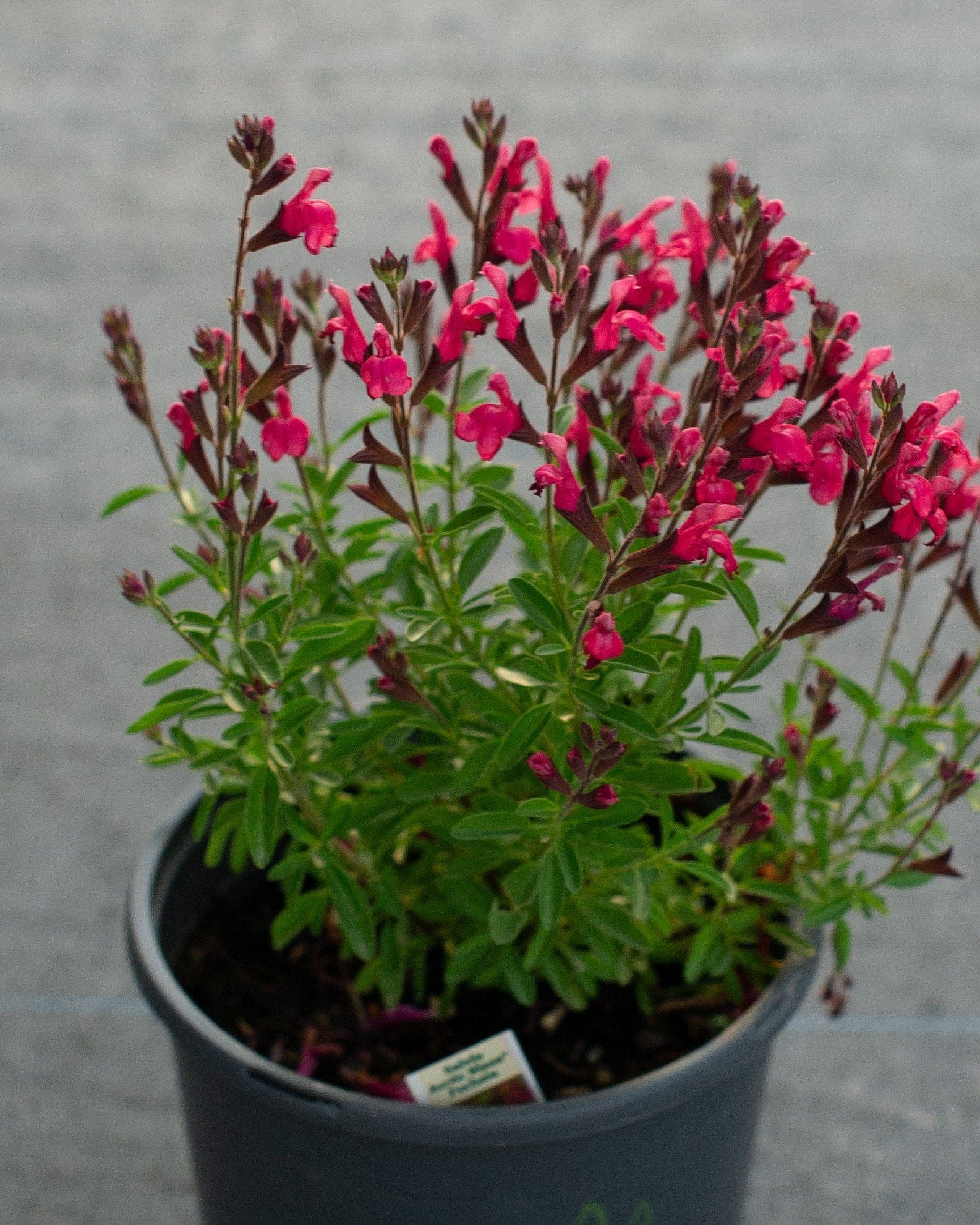
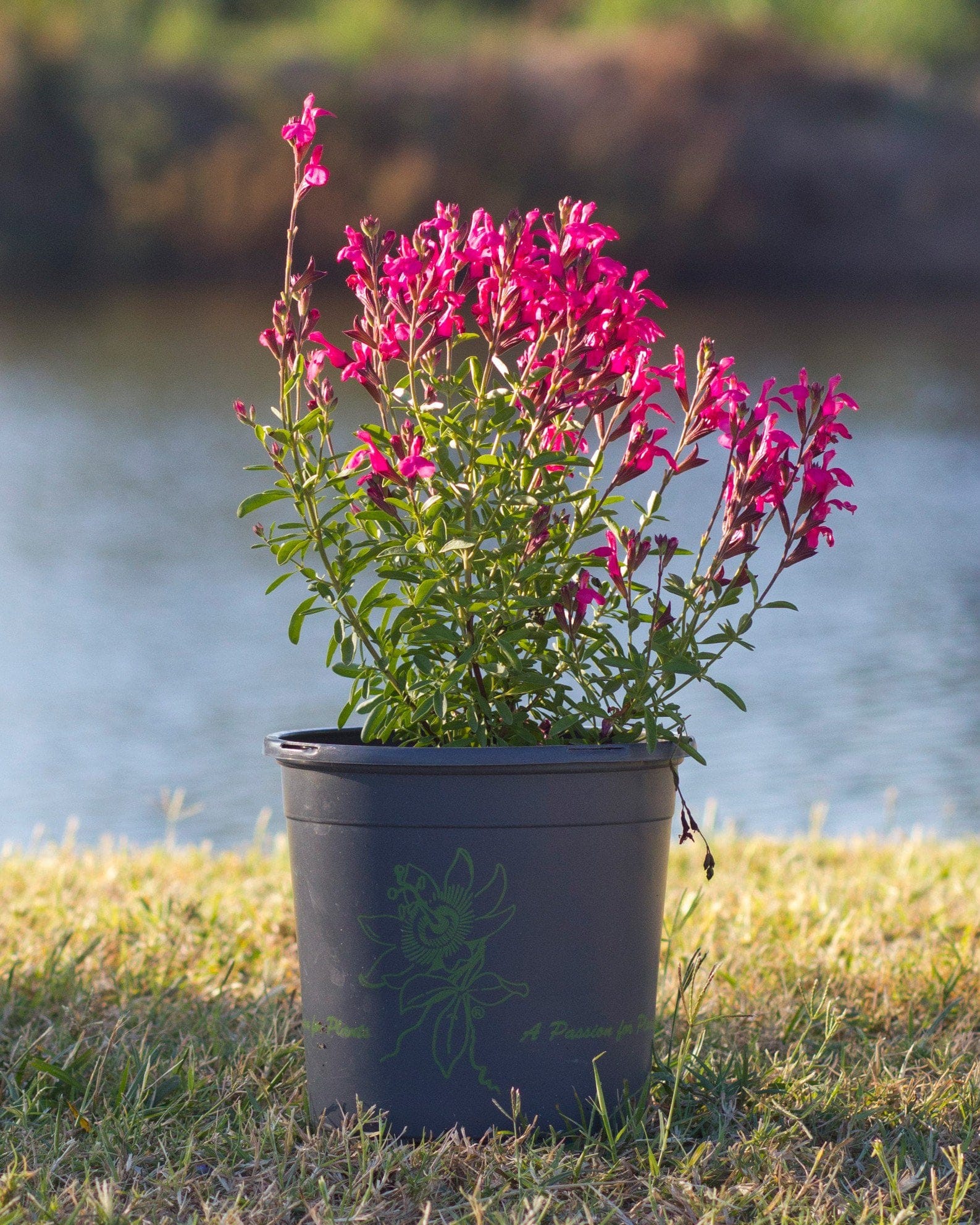
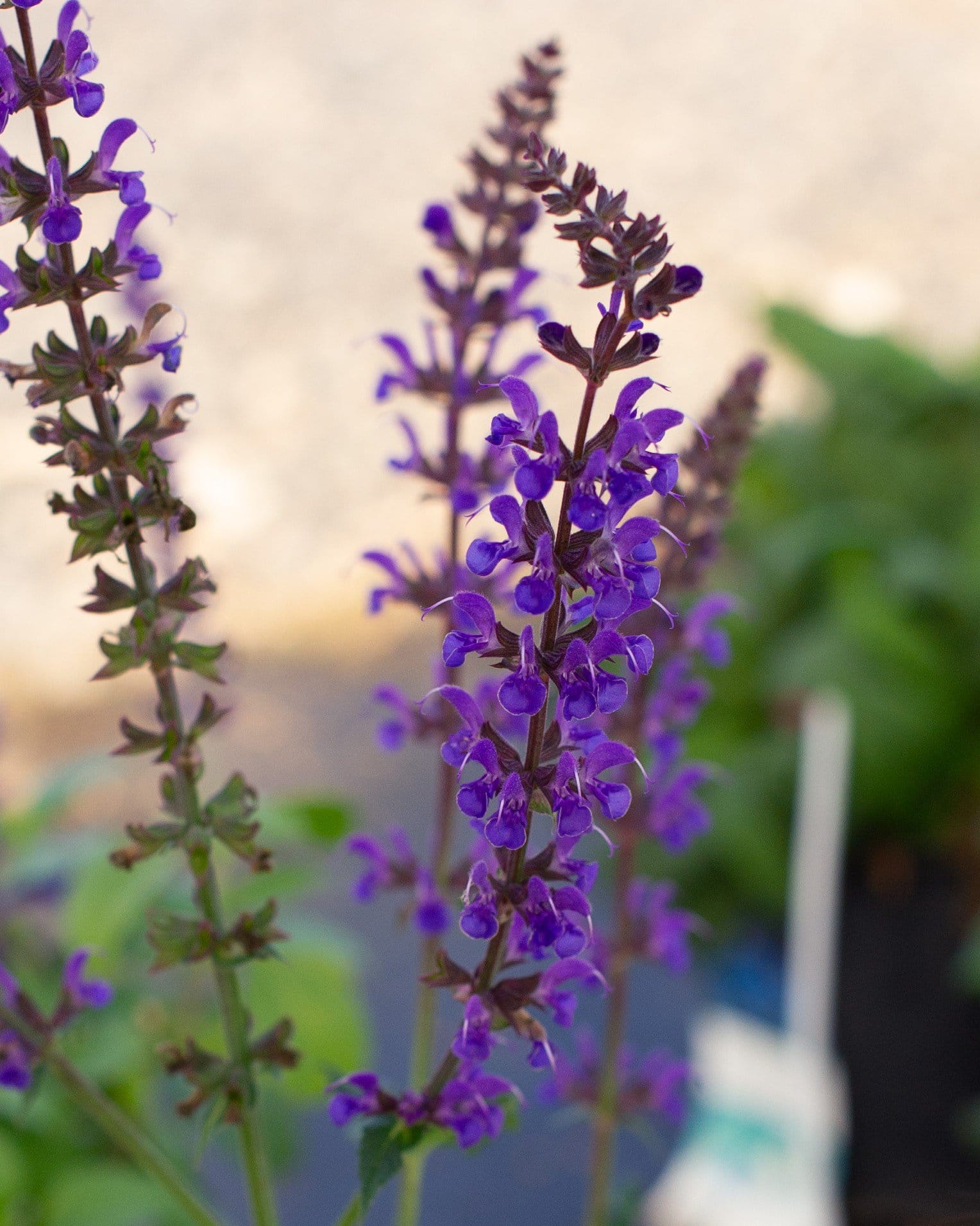
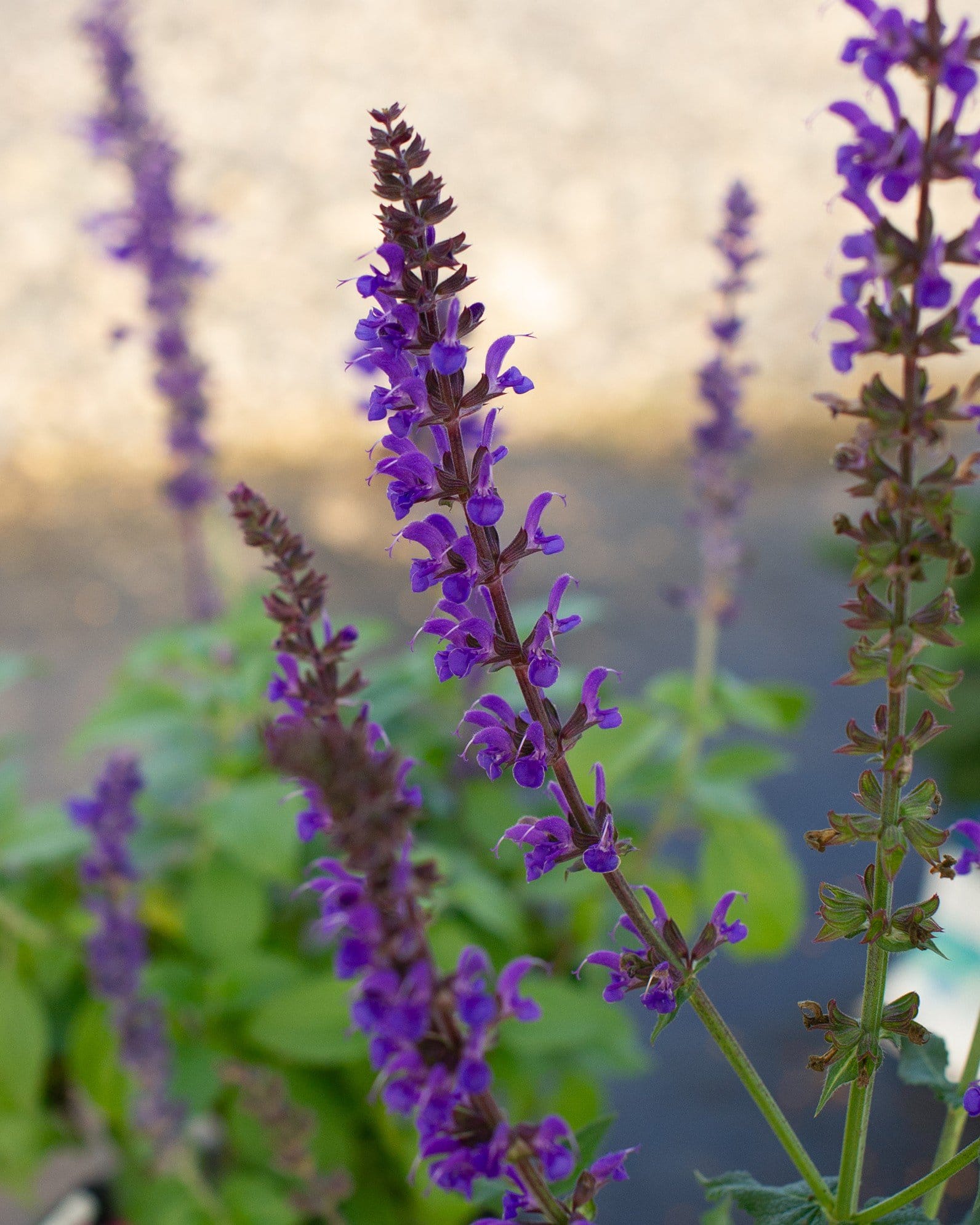
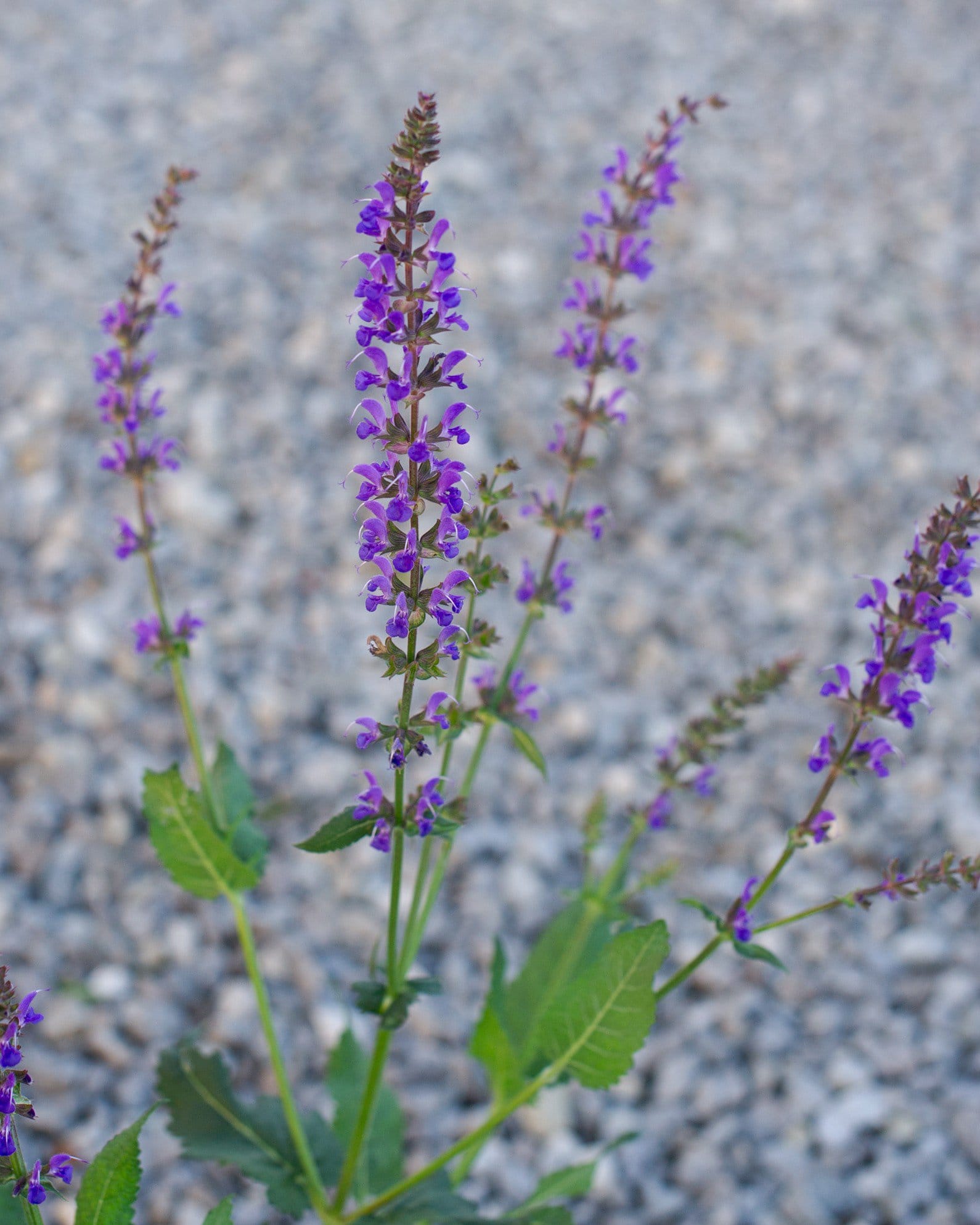
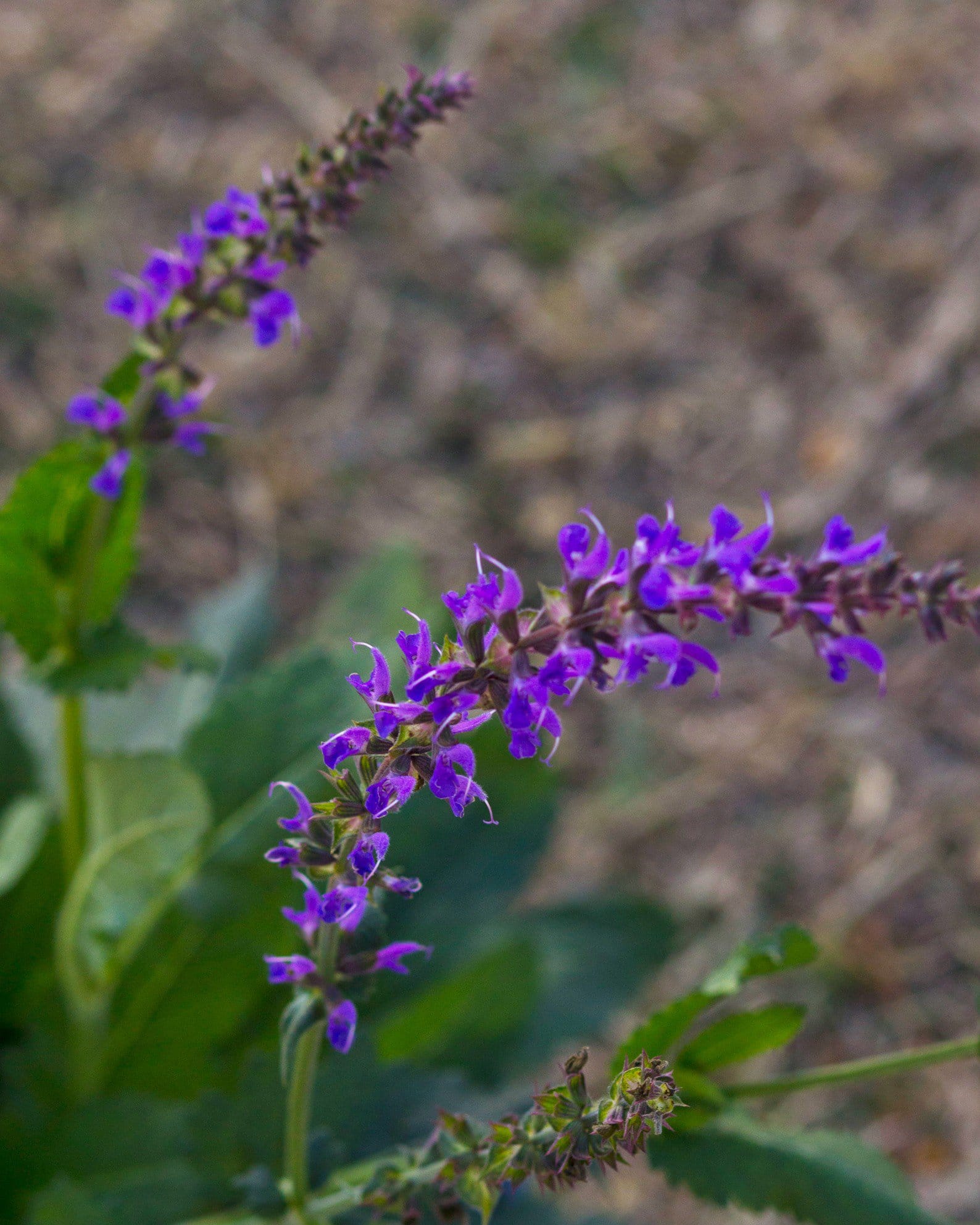
Salvia x ‘Roman Red’Roman Red Salvia produces vibrant cherry-red blooms that shine against fresh green foliage. Its compact, neat form stays under 2 feet tall, making it ideal for containers or front-of-border plantings - this also makes it easy to tuck into tight spots where larger perennials won't fit. Long-blooming (from spring, through summer and into fall) and heat-tolerant, this perennial delivers dependable summer color. The uniform shape and size make it especially useful for repeating in mass plantings or lining pathways. Its saturated blooms hold their color well in full sun, even through the height of summer.
- A herbaceous perennial
- Vivid cherry-red flowers
- Neat mound up to 2 feet
- Continuous bloom in warm seasons
- Suitable for containers and small spaces
Roman Red thrives in full sun and well-drained soil, and is hardy in USDA zones 9–11. In North Texas, it's best used as a seasonal bedding plant or potted accent. Light pruning supports dense growth and fresh blooms.
Maintenance
Roman Red Salvia is a vibrant, heat-tolerant perennial known for its long-lasting, bright red blooms and compact, bushy habit. It thrives in sunny gardens and requires minimal care once established:
- Watering: Water regularly during the first growing season to help roots establish. Once mature, Roman Red Salvia is moderately drought-tolerant, but deep watering during dry periods encourages continuous flowering. Avoid overwatering, as soggy soil can lead to root rot.
- Pruning: Lightly prune in late winter or early spring to maintain a compact shape and remove any dead or woody growth. Deadheading spent blooms during the growing season promotes additional flowering. Avoid cutting into old wood excessively, as it can slow recovery.
- Fertilizing: Feed with a balanced, slow-release fertilizer in early spring to support healthy growth and abundant blooms. Mature plants typically require little additional feeding unless soil is poor. Avoid high-nitrogen fertilizers that encourage leafy growth over flowers.
- Mulching: Apply a 1-2 inch layer of mulch around the base to retain soil moisture, suppress weeds, and regulate temperature. Keep mulch a few inches from the crown to prevent rot.
- Winter Care: In colder zones, Roman Red Salvia may die back to the ground but generally resprouts in spring. In regions with mild winters, it can remain evergreen and bloom intermittently. Container-grown plants can be moved indoors or protected during extreme cold.
Common Issues and How to Take Care of Them
- Aphids: Small insects that suck sap from new growth. Spray with water or apply insecticidal soap if infestations occur.
- Whiteflies: Tiny flying insects that feed on leaves. Monitor regularly and treat with neem oil or insecticidal soap if needed.
- Powdery Mildew: White fungal growth can appear in humid conditions. Ensure good airflow, avoid overhead watering, and remove affected foliage.
- Root Rot: Caused by poor drainage or overwatering. Plant in well-draining soil to prevent decay.
With minimal attention, mainly pruning, occasional feeding, and monitoring for pests, Roman Red Salvia delivers long-lasting color and attracts hummingbirds and pollinators, making it a staple in sunny gardens.
It grows at a moderate rate, typically 12-18 inches per year, forming compact, bushy mounds of foliage that are continuously covered in red blooms throughout the warmer months.
Spring or early fall is ideal, allowing roots to establish before extreme summer heat or winter cold. Planting during mild periods reduces transplant shock and promotes strong growth. In warmer regions, early spring planting is particularly advantageous, giving the plant time to develop before the hottest months, while in cooler areas, fall planting ensures the roots settle before winter dormancy.
Water deeply once or twice per week during dry periods. Once established, occasional deep watering is sufficient to maintain vibrant flowers and healthy foliage.
Yes, Roman Red Salvia is moderately drought-tolerant once established, though supplemental watering during prolonged dry spells enhances flowering.
Absolutely. Roman Red Salvia thrives in large pots with well-draining soil, adding color to patios, decks, and balcony gardens. Container-grown plants may require more frequent watering and occasional feeding.
Yes, softwood cuttings taken in spring or early summer root readily and provide a cost-effective way to expand plantings.
Yes, deer generally avoid salvias due to their aromatic foliage and slightly bitter taste.
With proper care, Roman Red Salvia can live 3-5 years. Periodic pruning and dividing older clumps can rejuvenate growth and encourage continuous blooming.
Yes, it tolerates light to moderate wind once established. In very exposed sites, consider planting near a structure or other shrubs to protect young plants until roots are well anchored.
Yes, with regular deadheading, Roman Red Salvia can bloom throughout spring, summer, and into fall in warmer climates. Blooming may slow in colder months but foliage remains attractive.
Special Features
You might also like
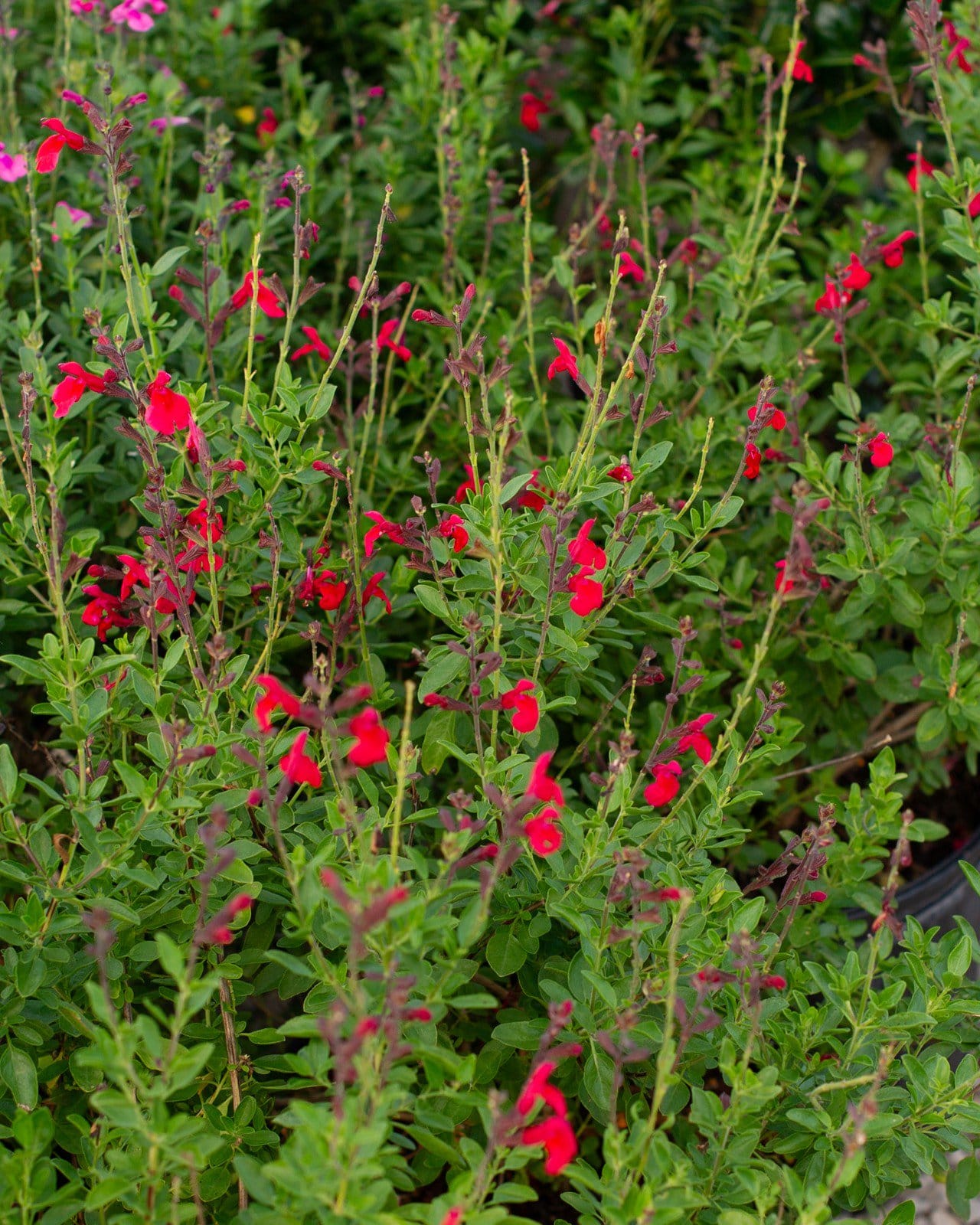
Furman's Red Salvia Greggii
Maturity: 3' H x 3' W
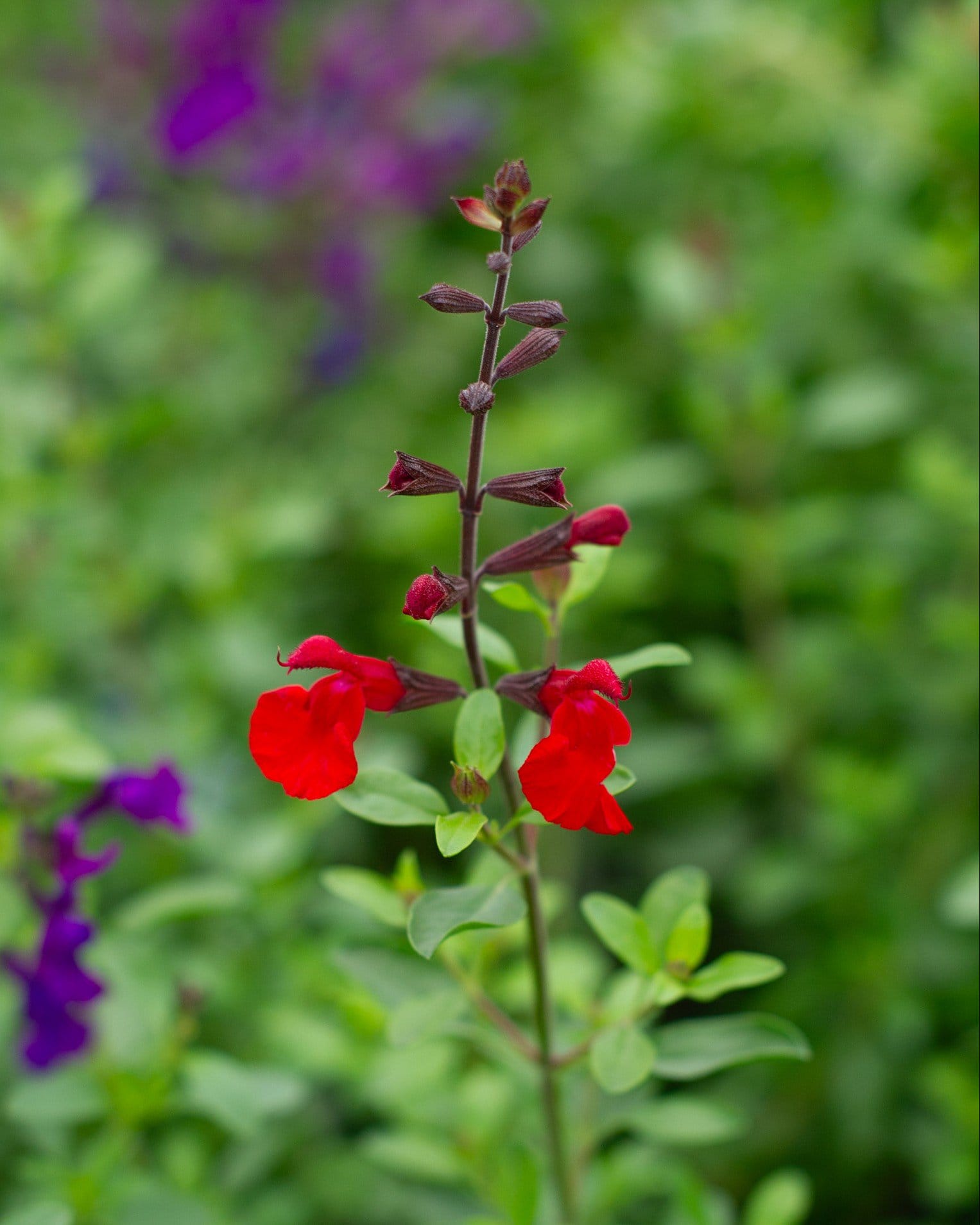
Mirage Cherry Red Salvia Greggii
Maturity: 1' H x 1' W
Red Salvia Greggii
Maturity: 3' H x 3' W
Henry Duelberg Salvia
Maturity: 3' H x 3' W
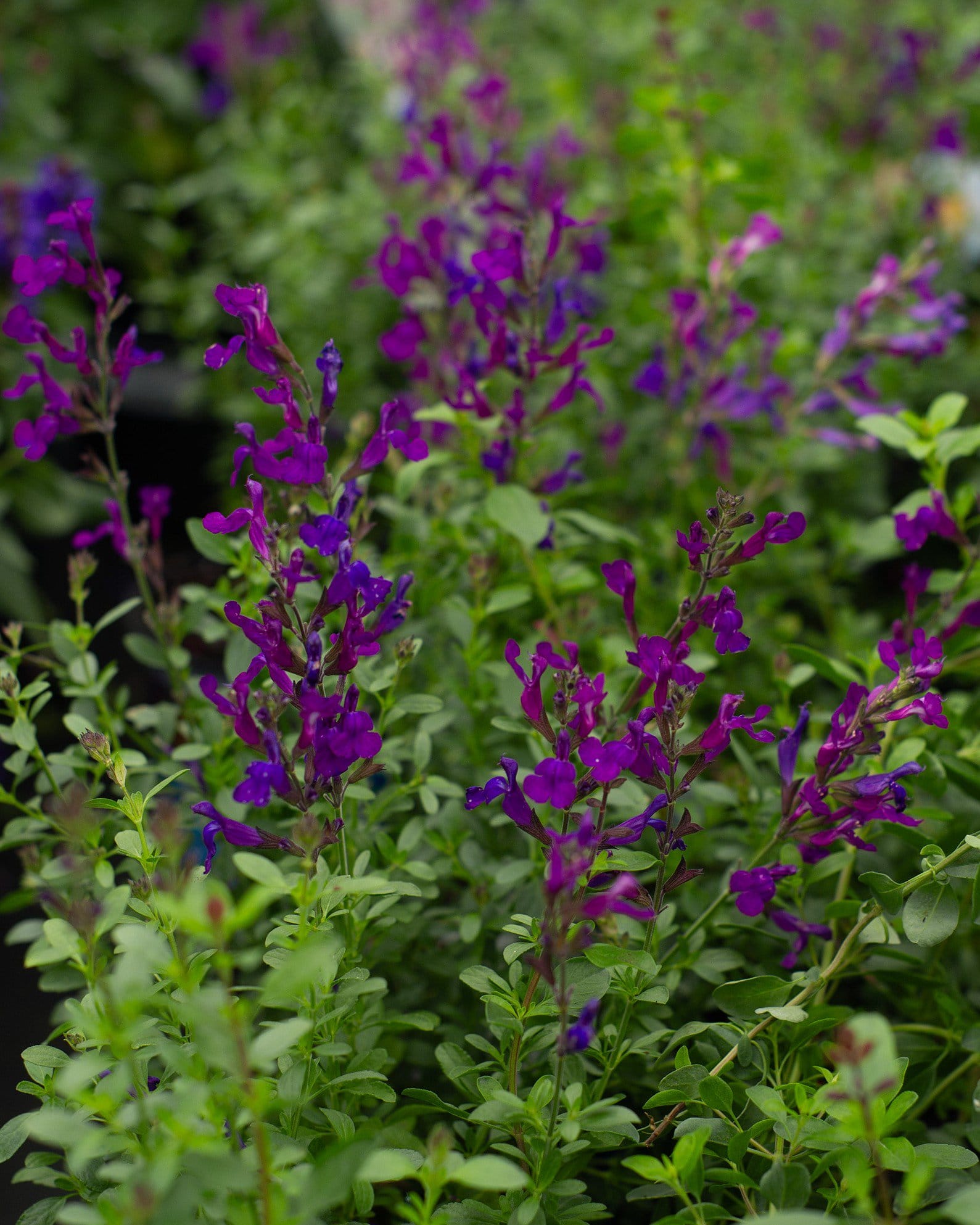
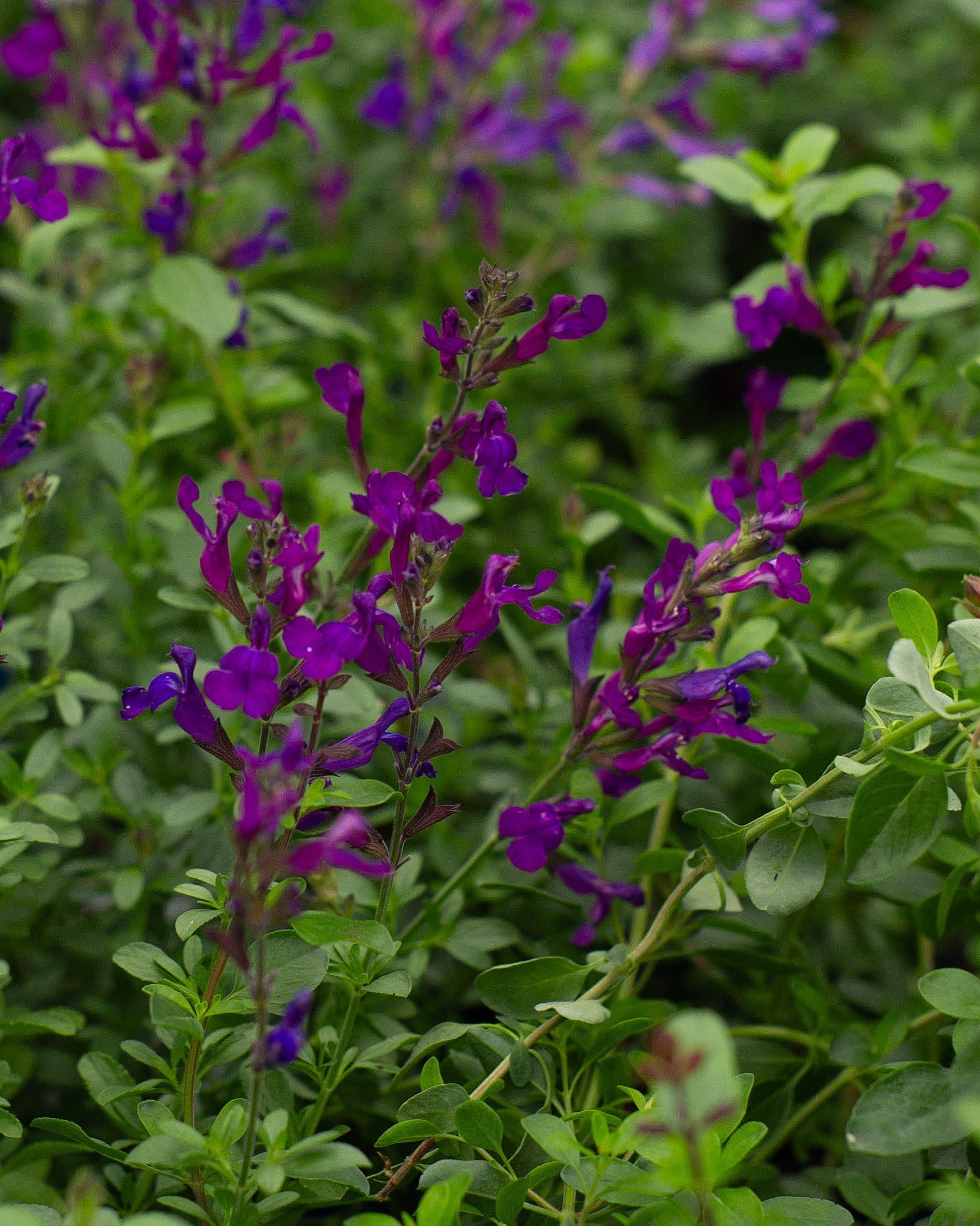
Mirage Deep Purple Salvia Greggii
Maturity: 1' H x 1' W
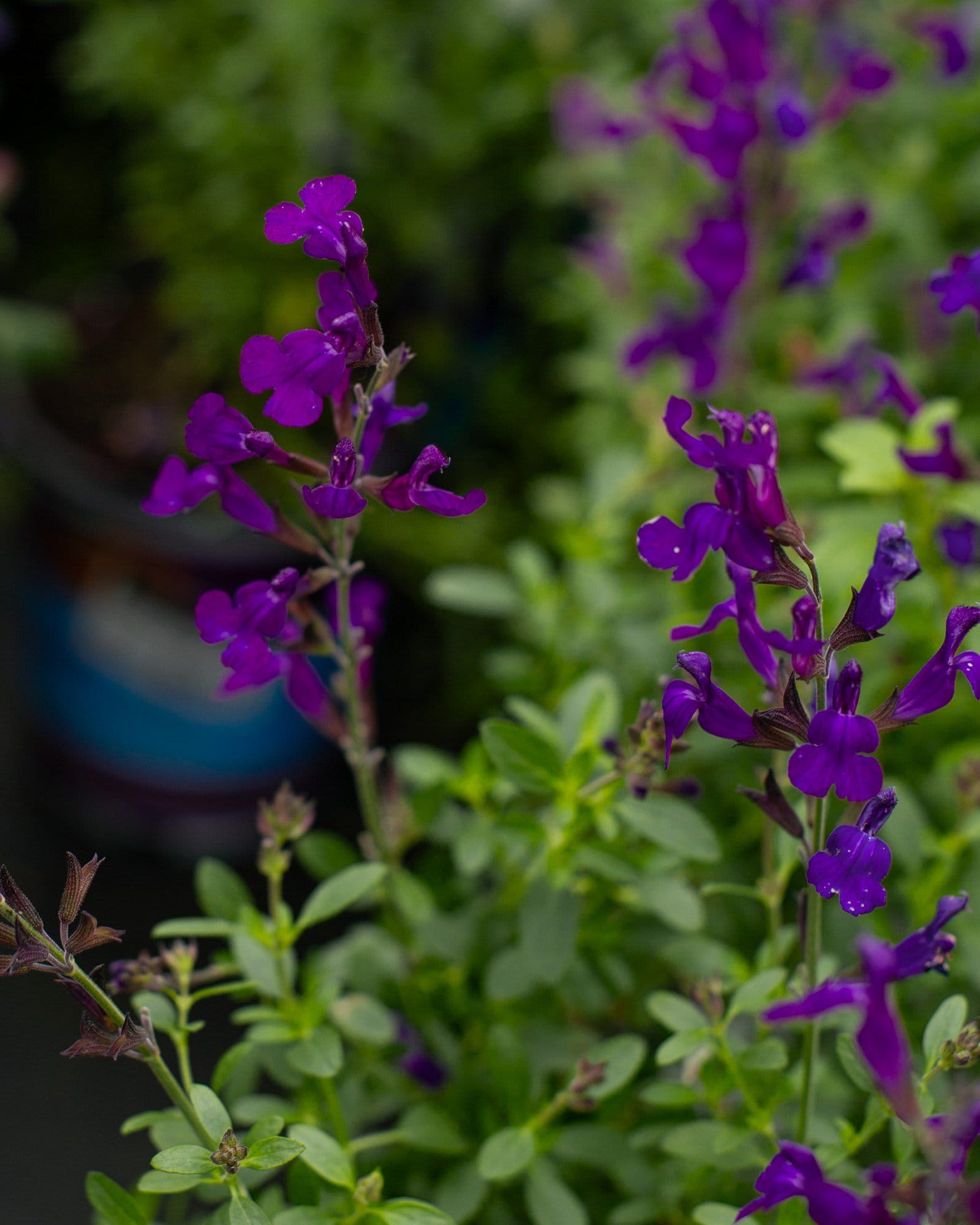
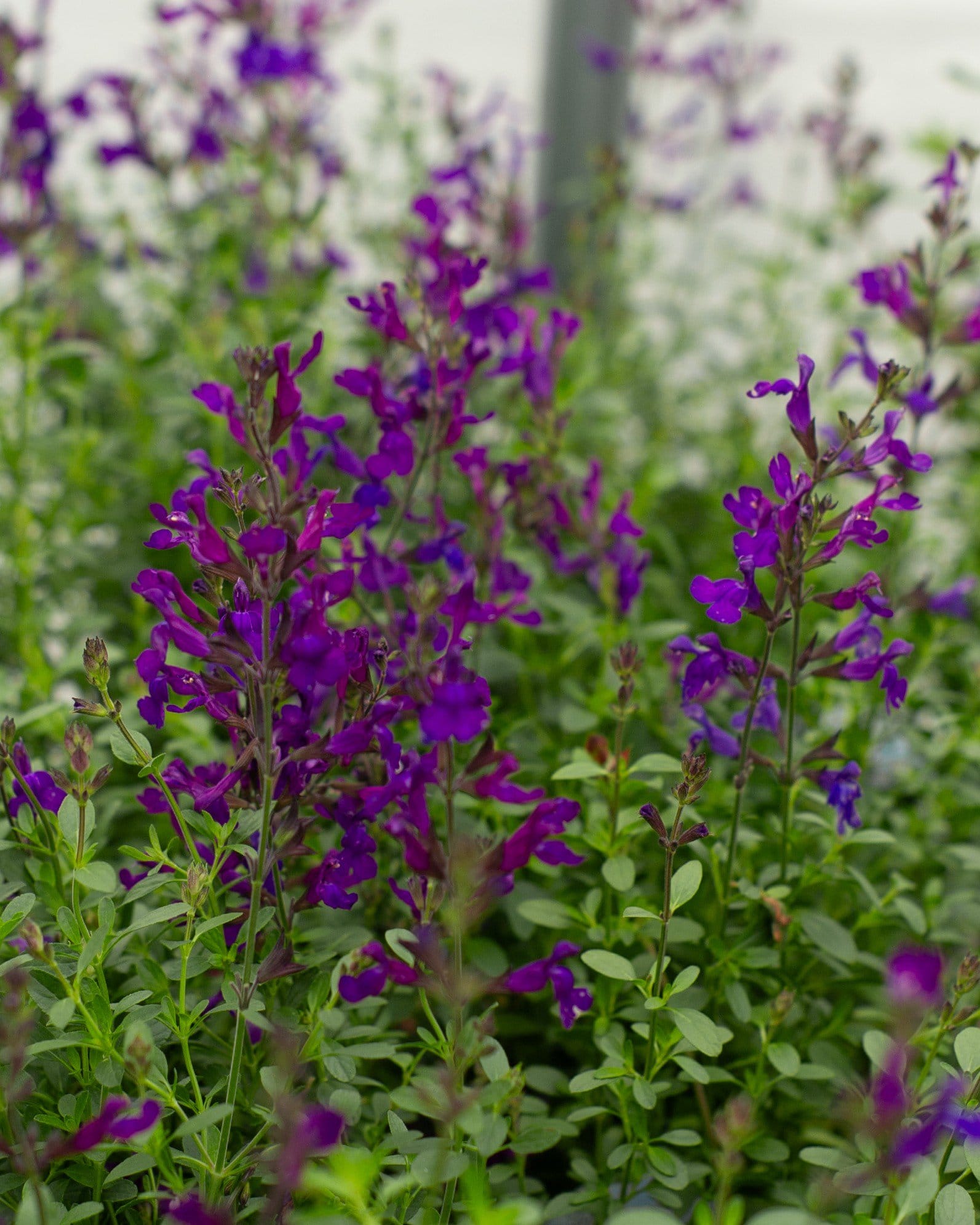
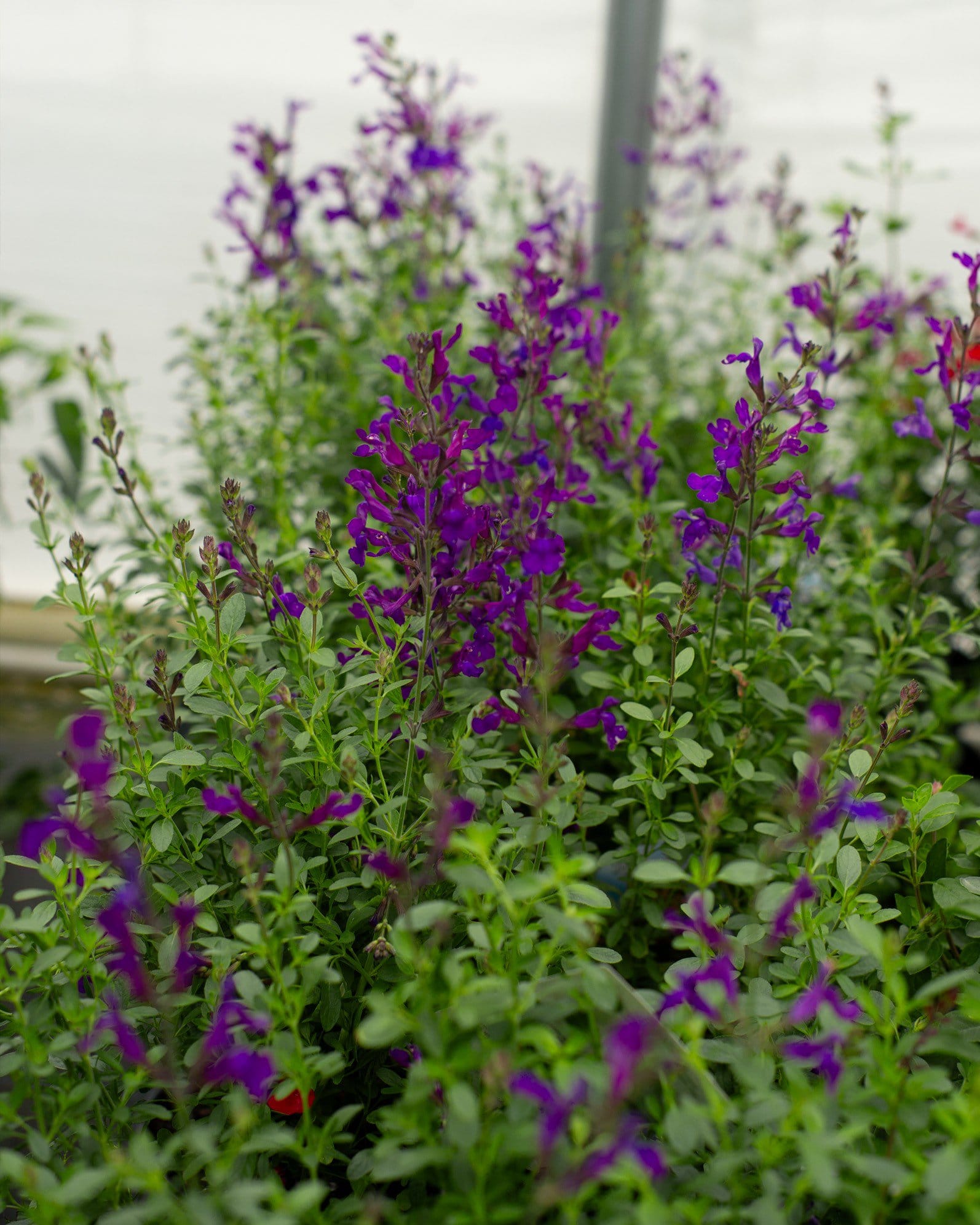
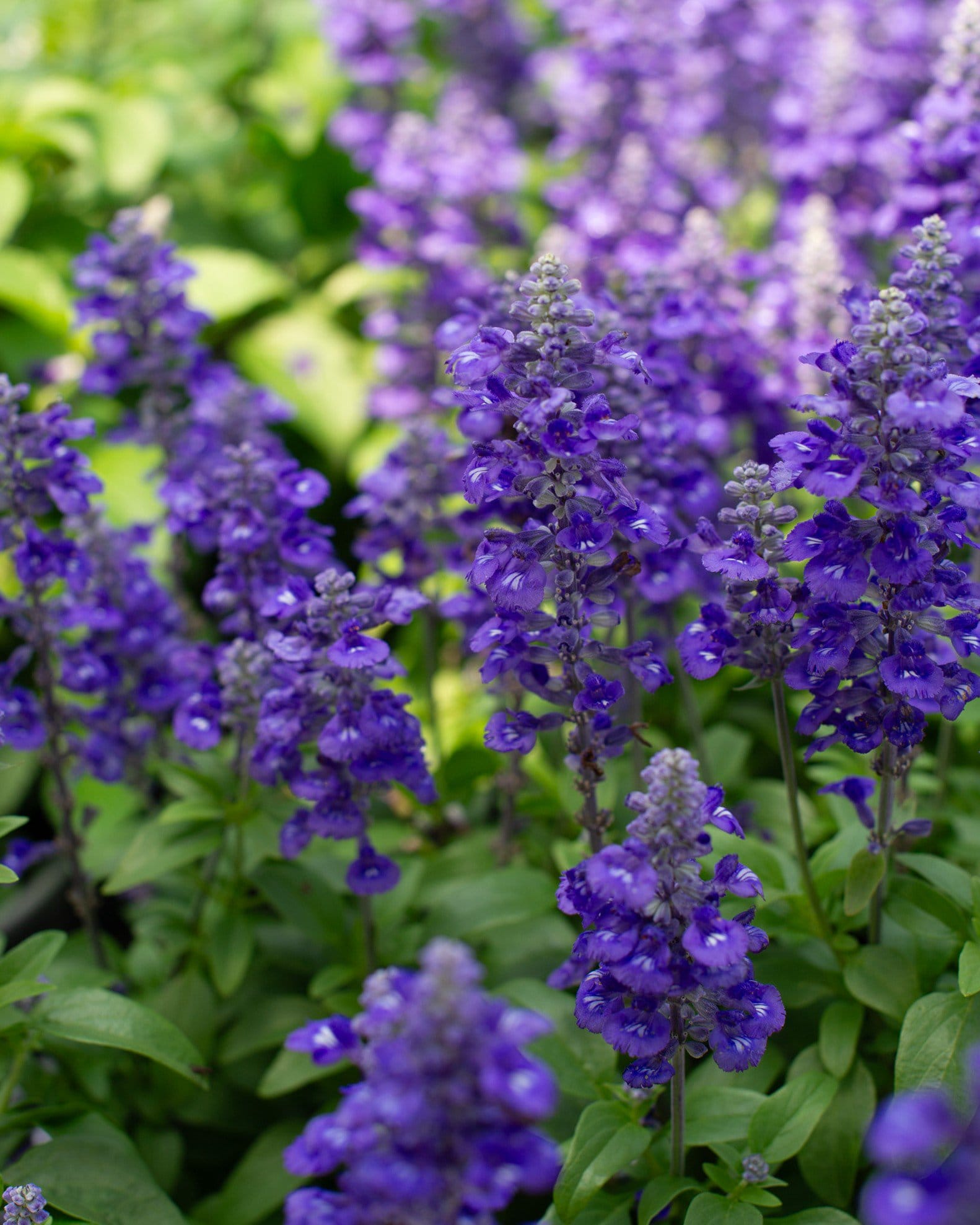
Sallyfun Blue Lagoon Salvia
Maturity: 1.5' H x 1.5' W
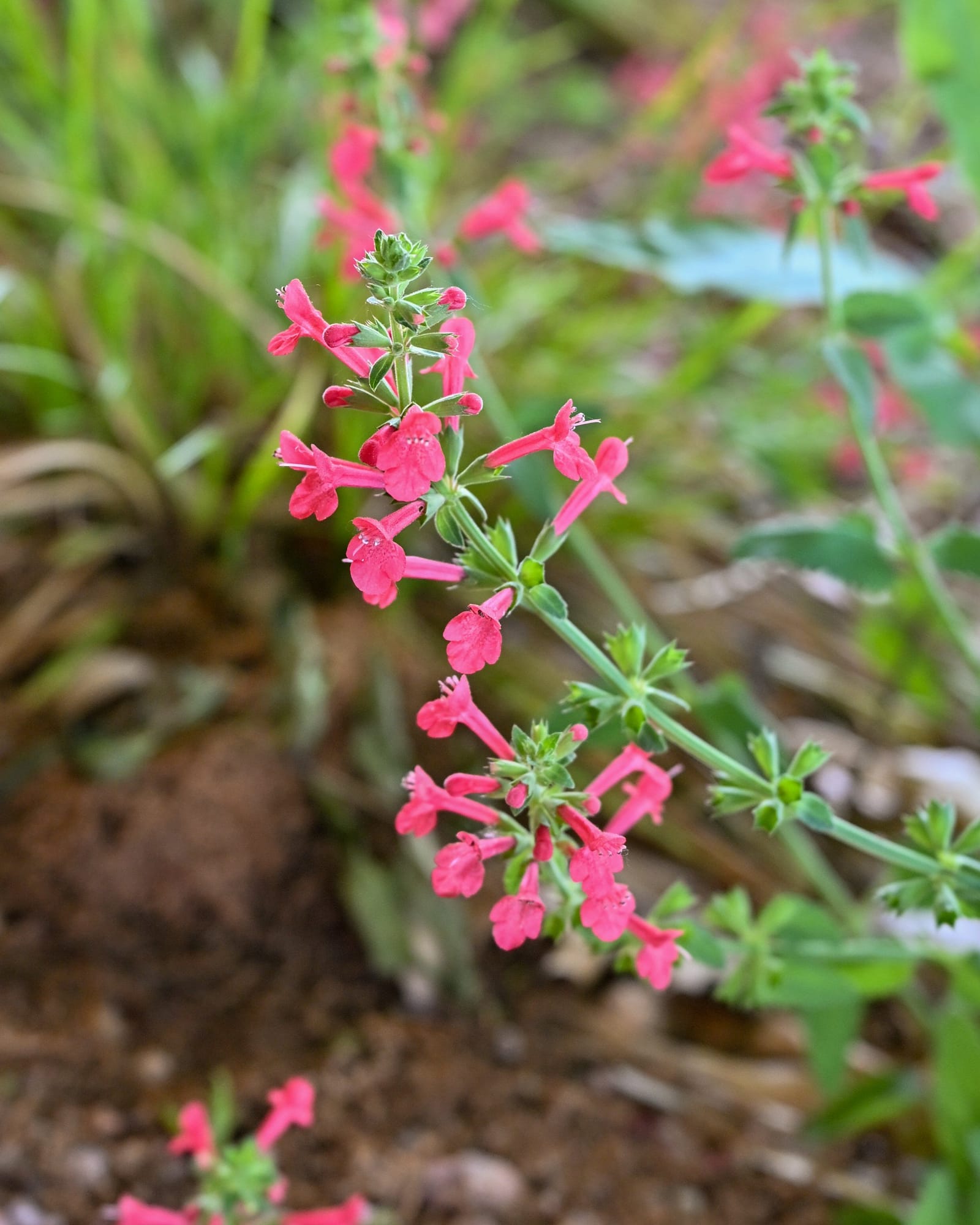
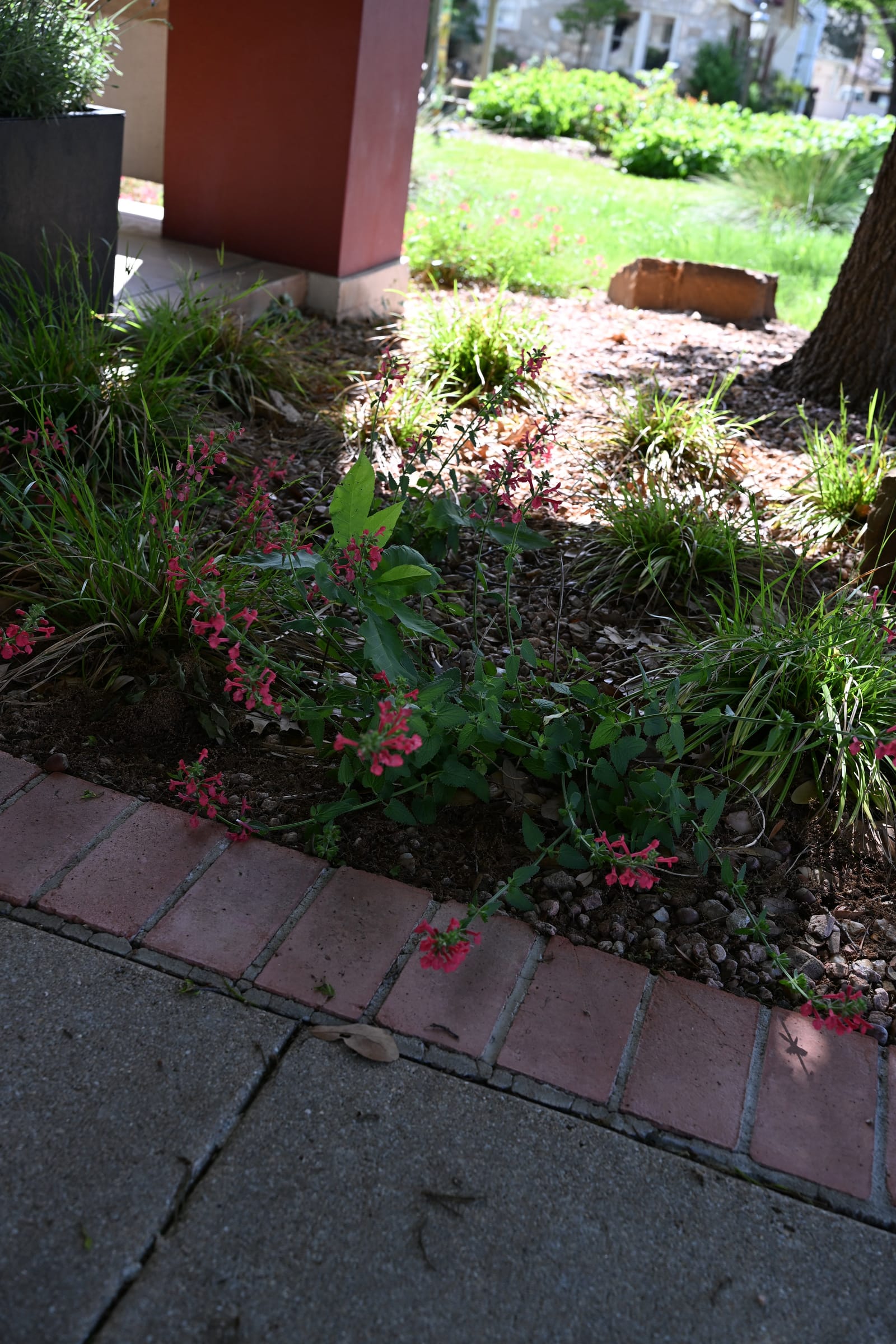
Cedar Sage Salvia
Maturity: 2' H x 1.5' W
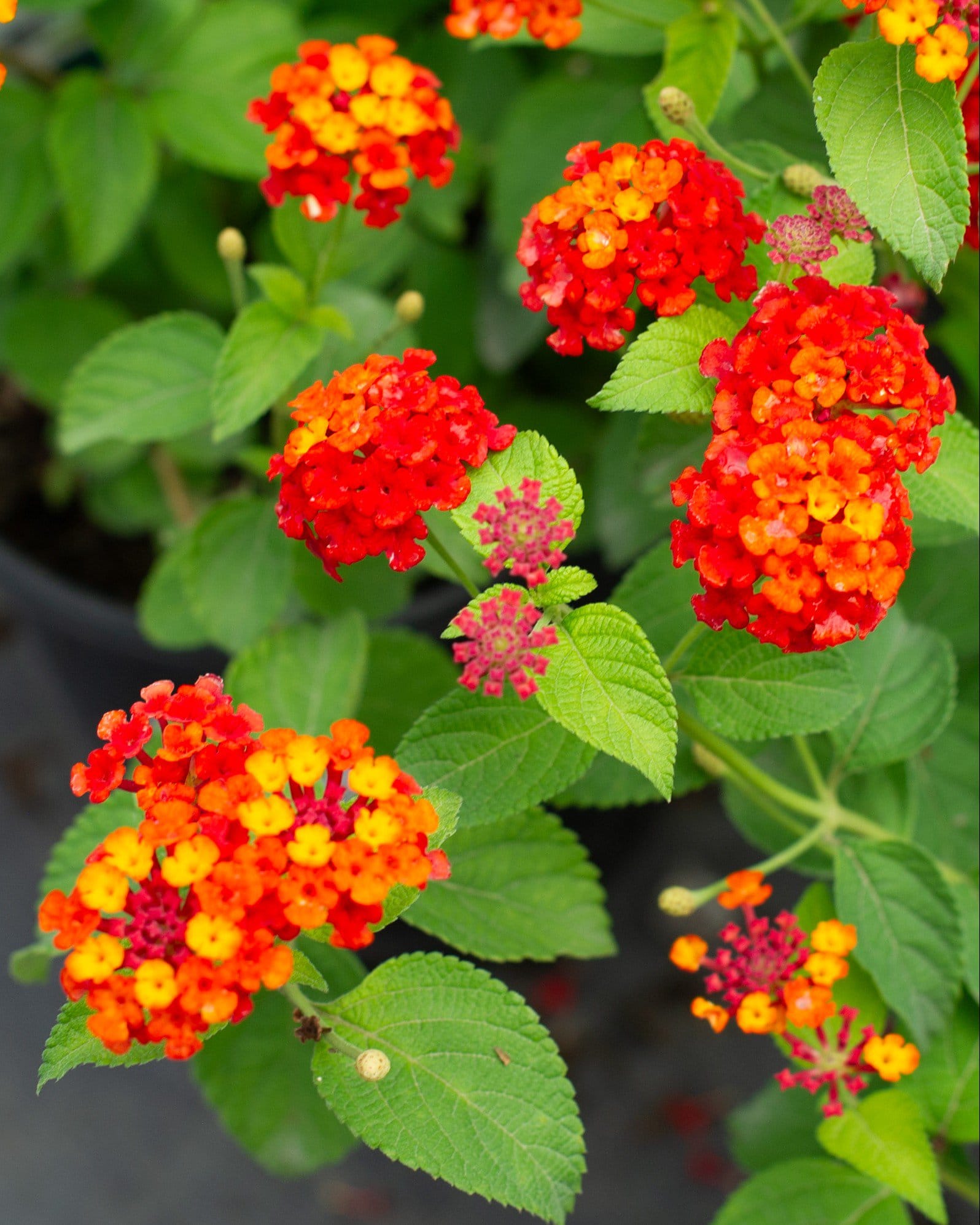
Dallas Red Lantana
Maturity: 3' H x 3' W
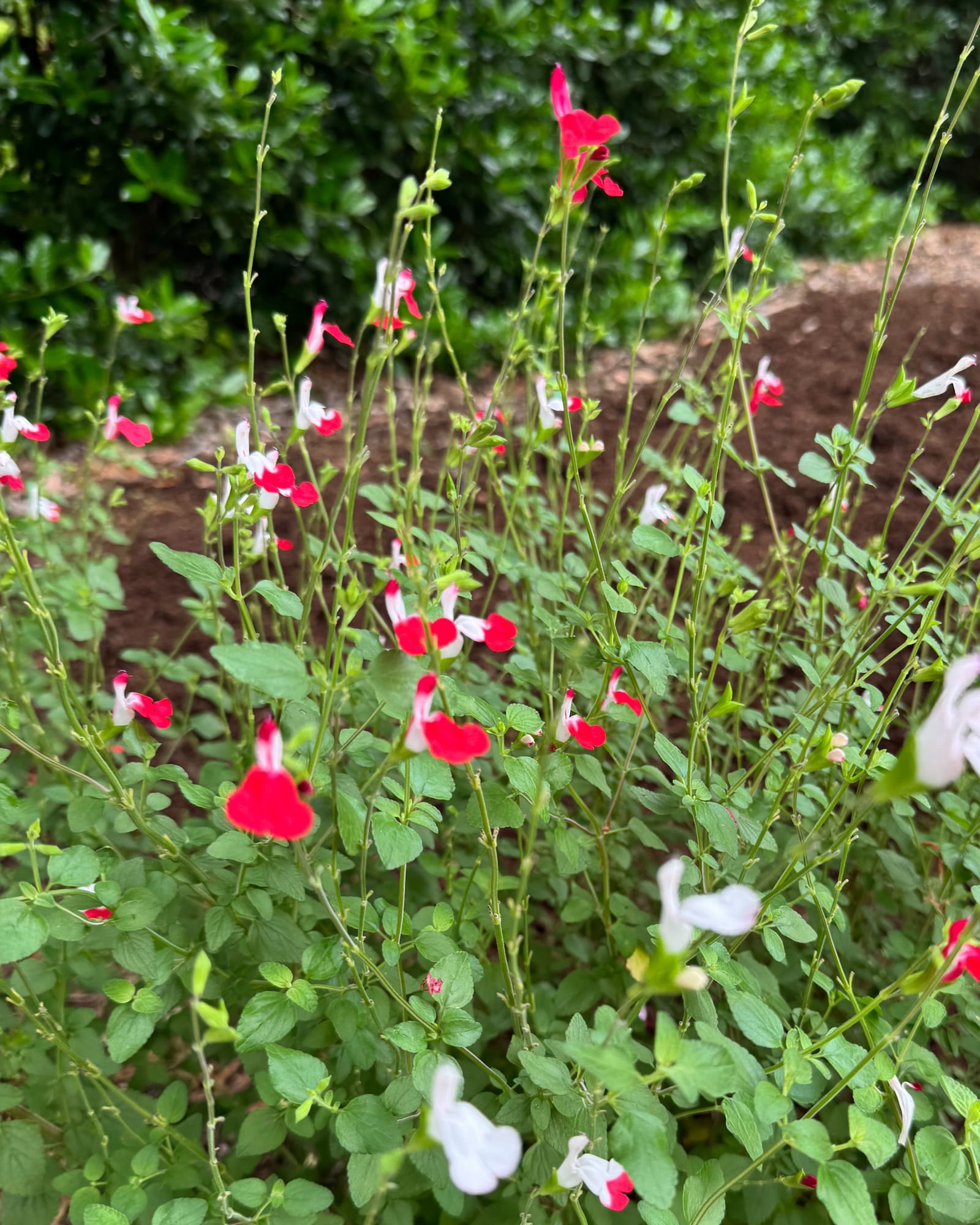
Hot Lips Salvia
Maturity: 3' H x 3' W
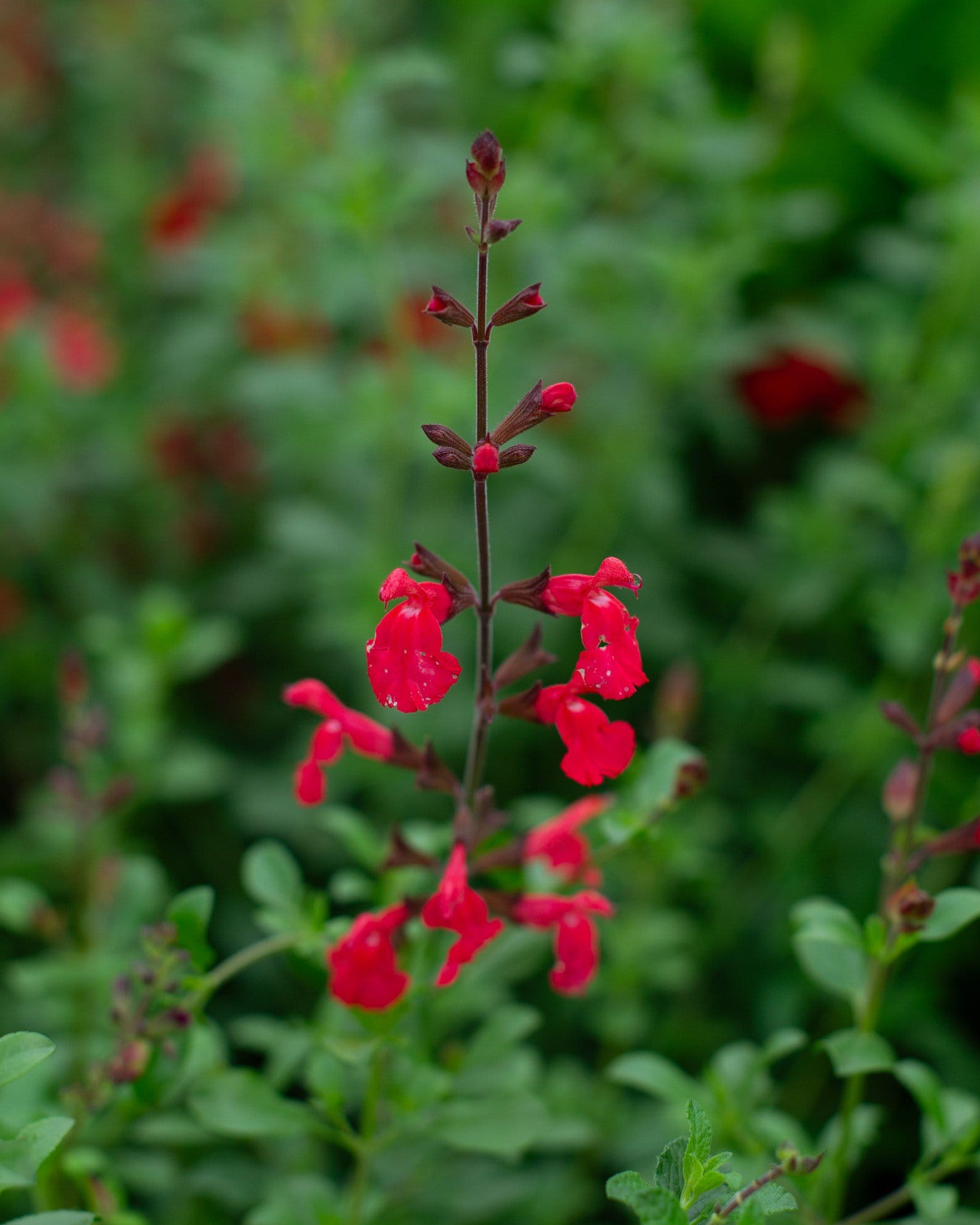
Lipstick Salvia Greggii
Maturity: 2' H x 2' W
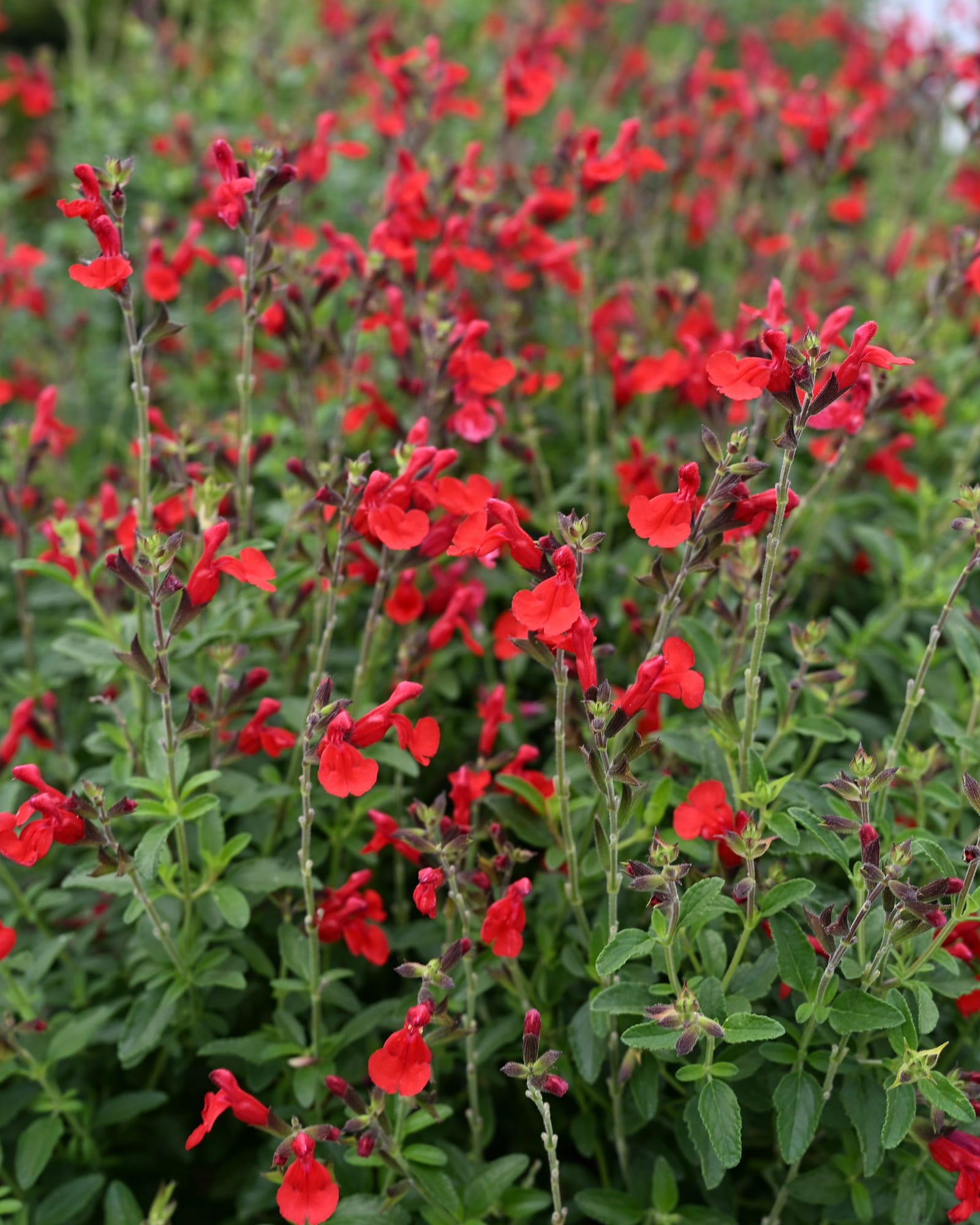
Radio Red Salvia Greggii
Maturity: 3' H x 3' W
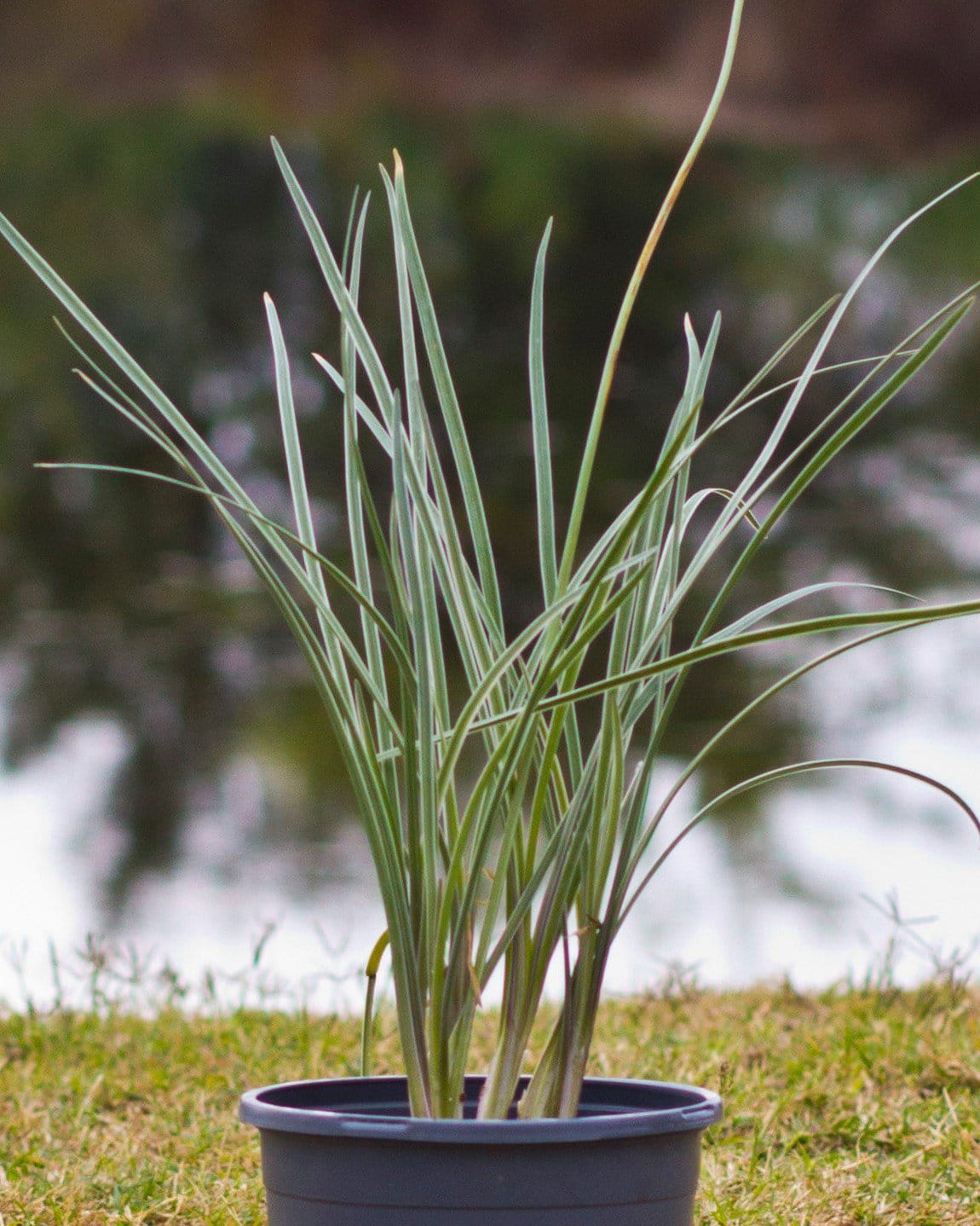
Society Garlic Silver Lace
Maturity: 1' H x 1' W
Arctic Blaze Fuchsia Salvia
Maturity: 2' H x 3' W
Augusta Duelberg Salvia
Maturity: 3' H x 3' W
Blue By You Salvia
Maturity: 2' H x 1.5' W
Compare Similar Plants
Roman Red Salvia This plant | ||
|---|---|---|
| Scientific Name | Salvia x ‘Roman Red’ | Salvia greggii ‘Furman’s Red’ |
| Size at Maturity | 2' H x 2' W | 3' H x 3' W |
| Leaf Retention | Herbaceous | Herbaceous |
| Flower Color | Red | Red |
| Bloom Times | Spring, Summer & Fall | Spring, Summer & Fall |
| Sizes Available | — | 1, 2 gal |


Our 1-Year Planting Guarantee
We take pride in our plants and installation services. If any plants or trees installed by Treeland fail to thrive within the first year, we'll provide a replacement credit in accordance with our guarantee program.
Learn More About Our Guarantee