
 Texas Native
Lipstick Salvia Greggii
Salvia greggii ‘Lipstick’Local DFW Delivery Only
Product Details
Lipstick Salvia Greggii
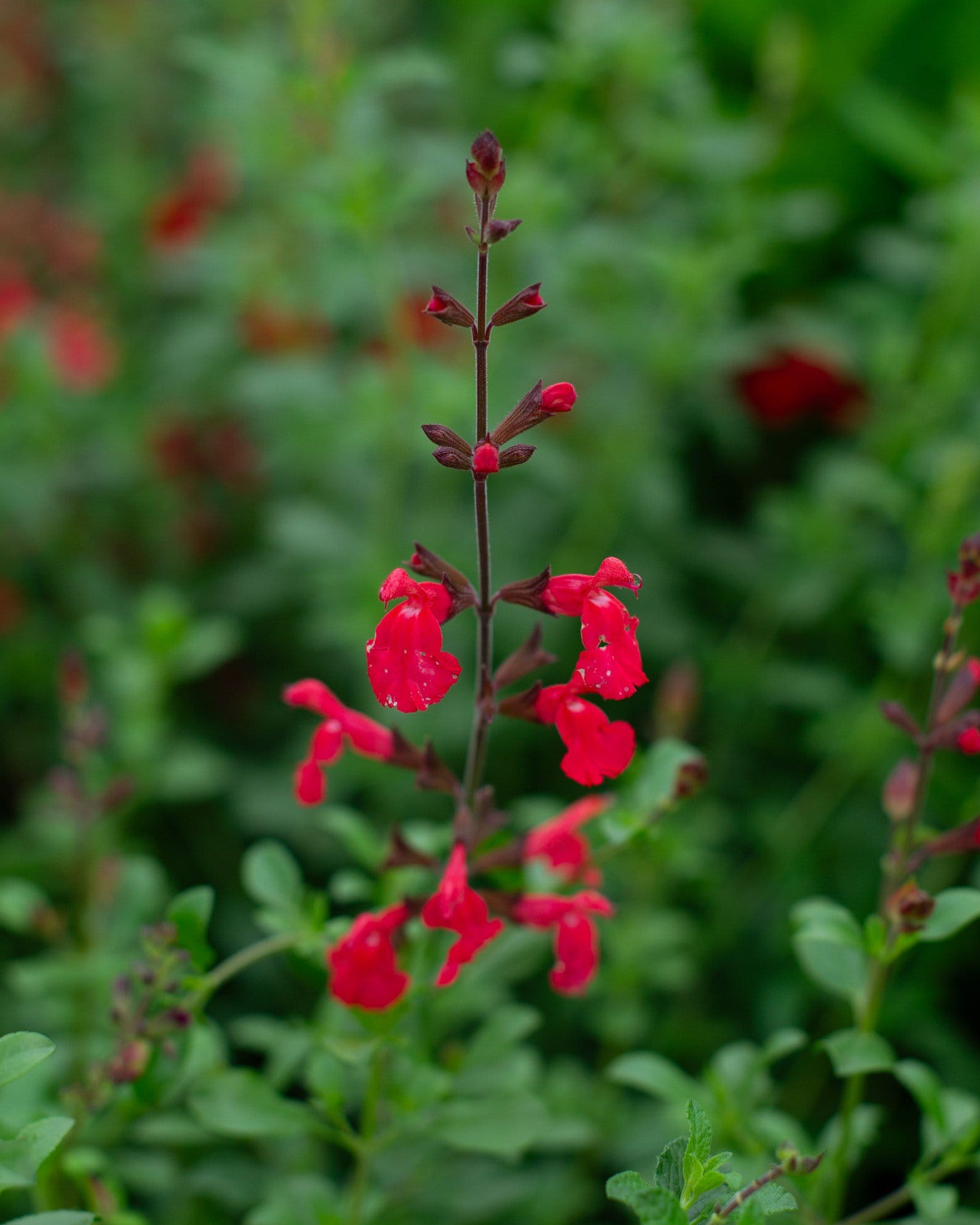
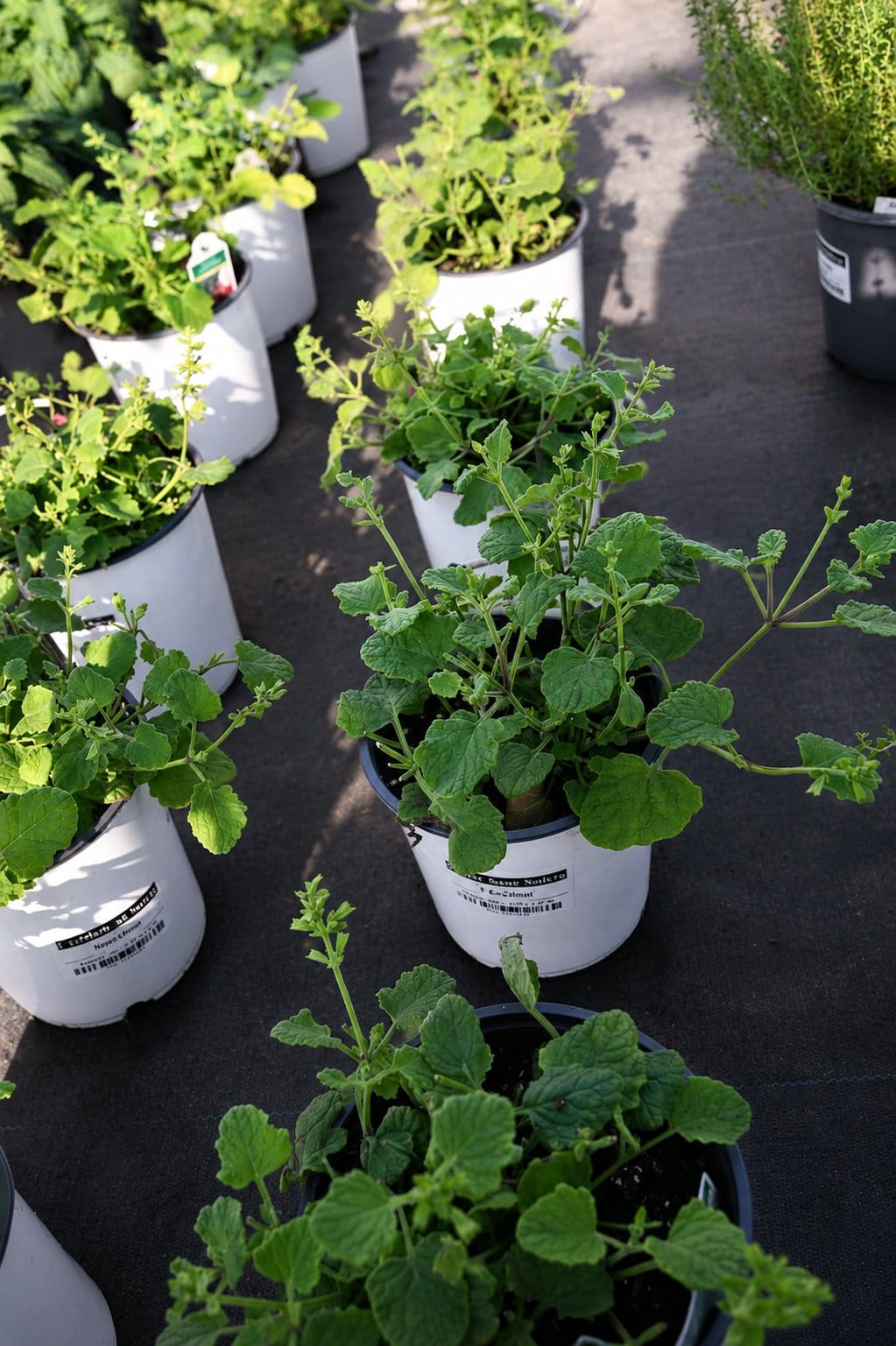
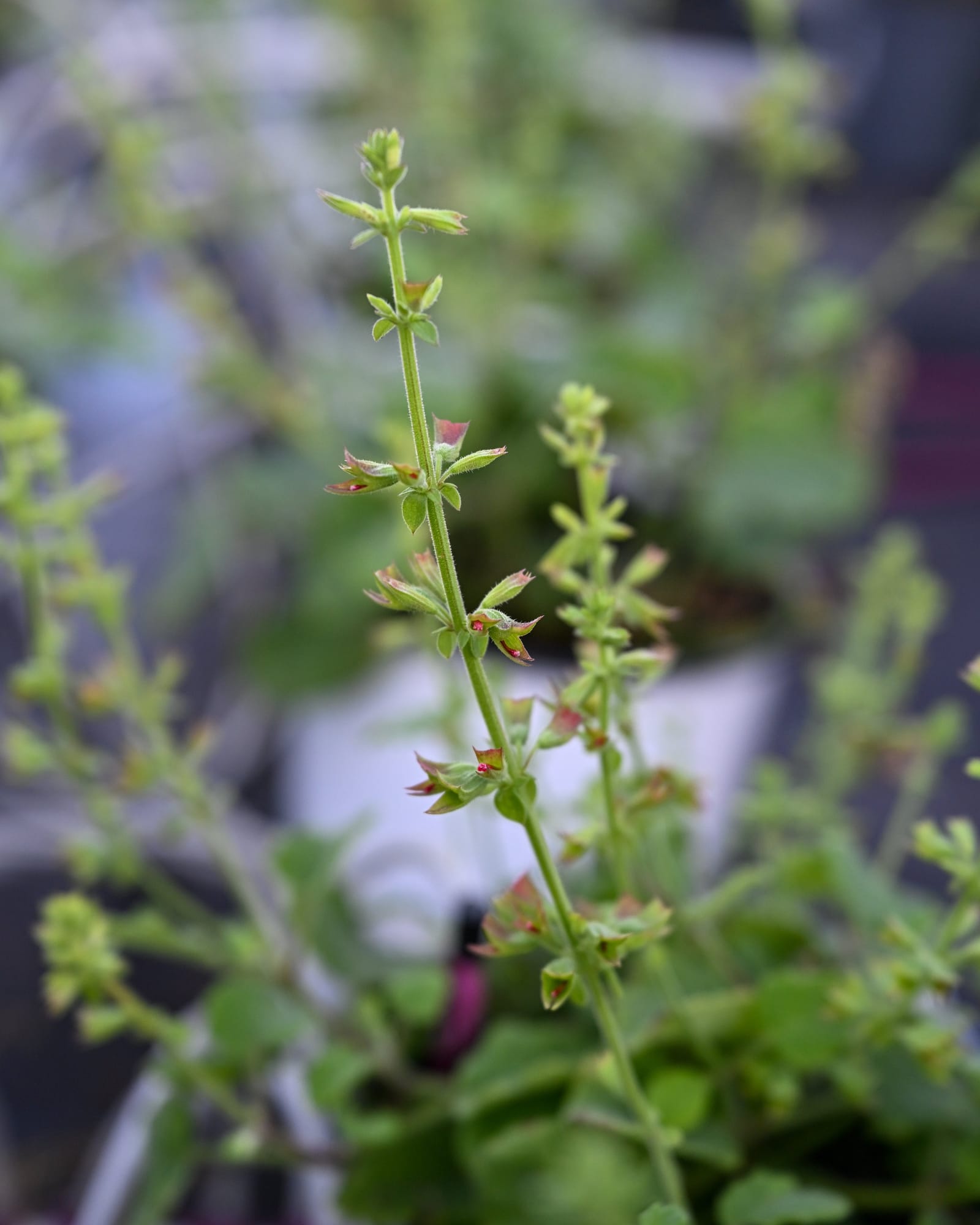
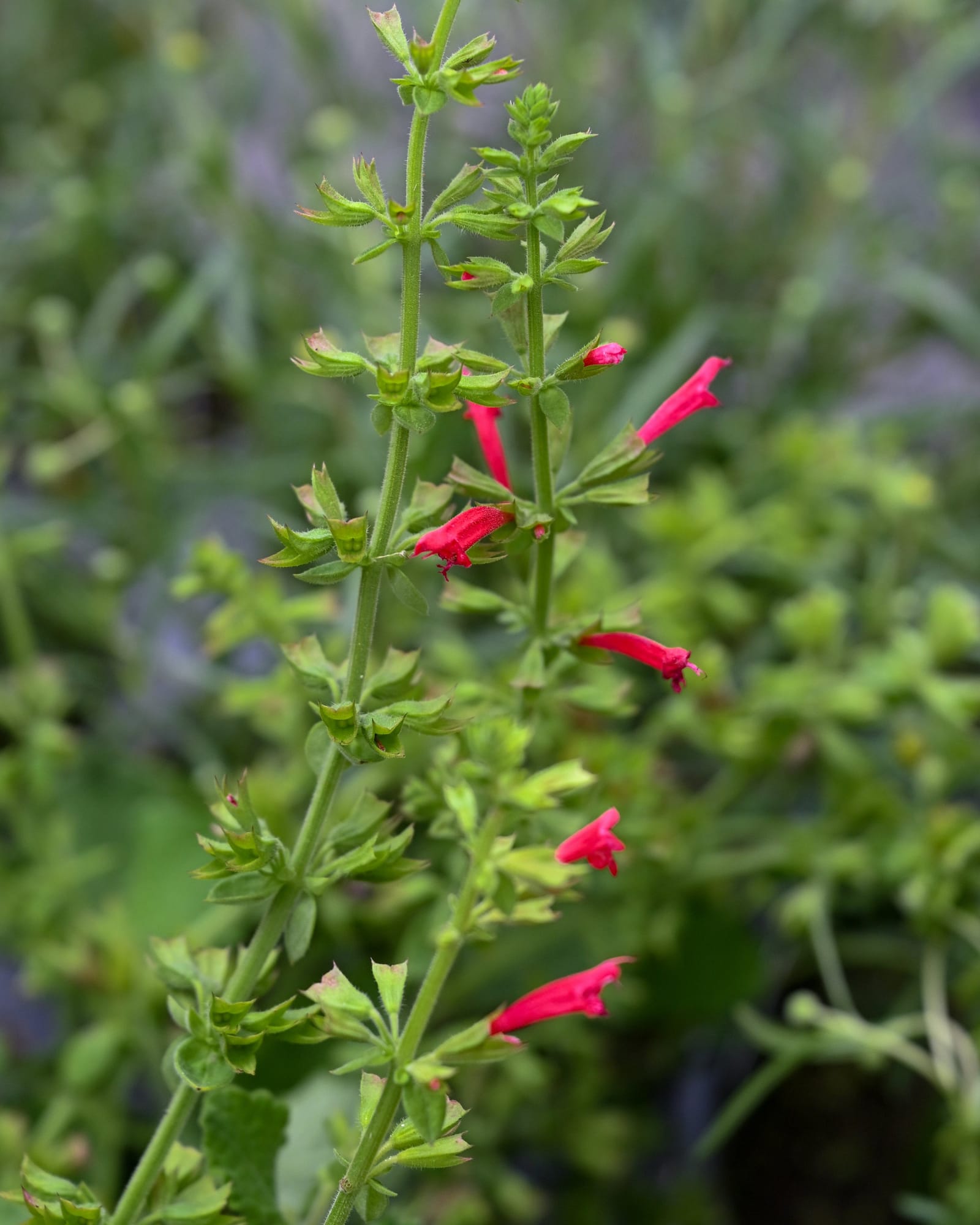
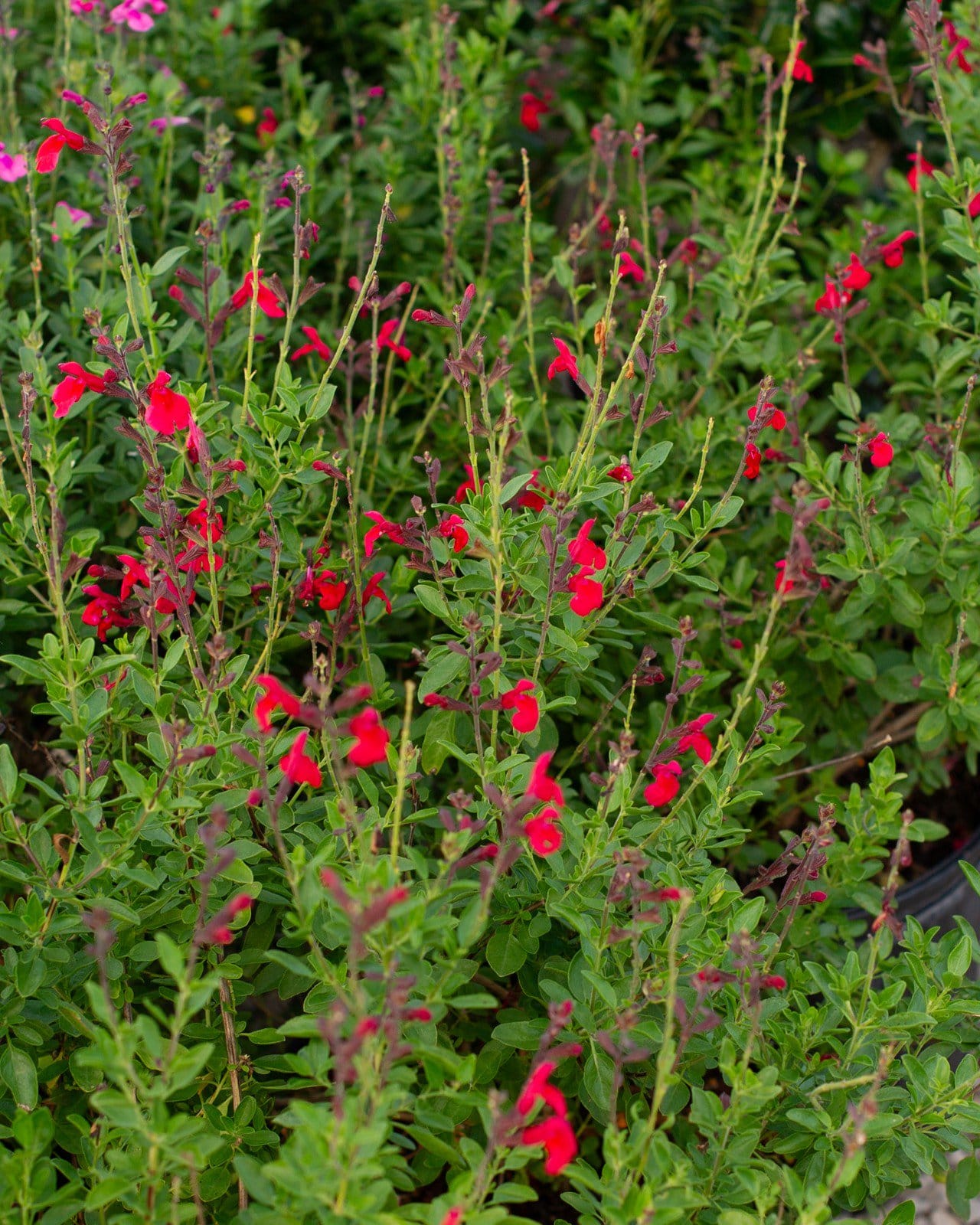
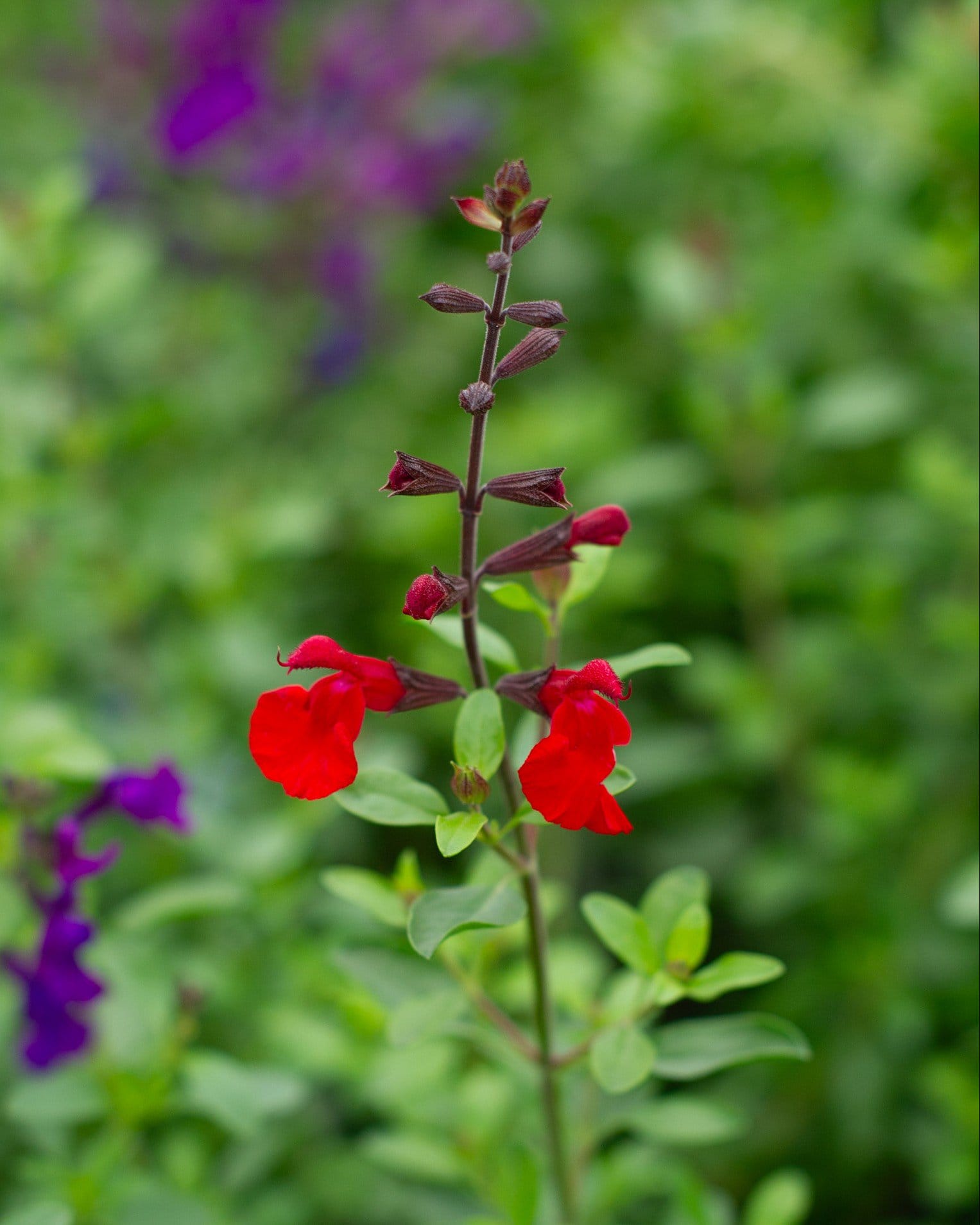
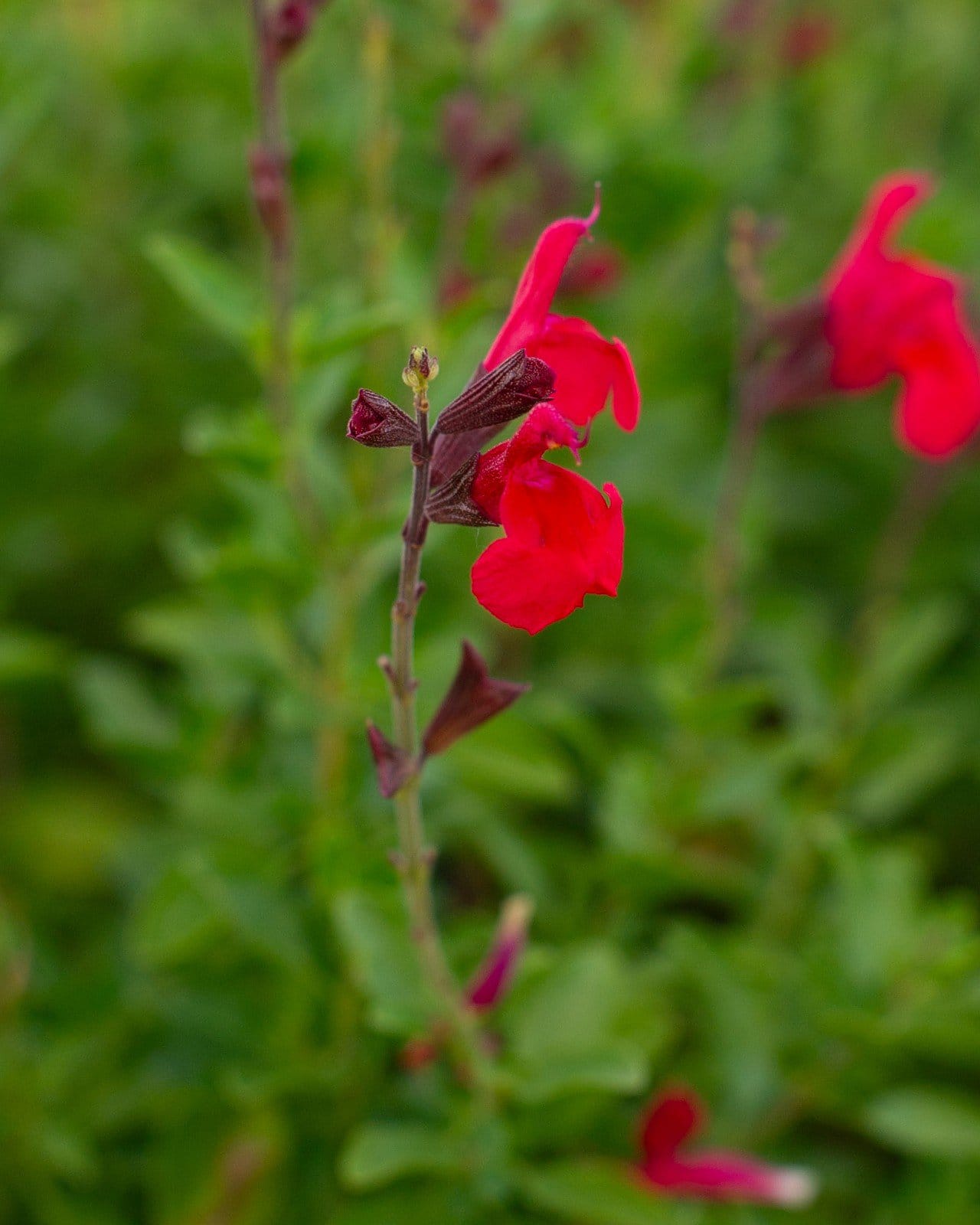
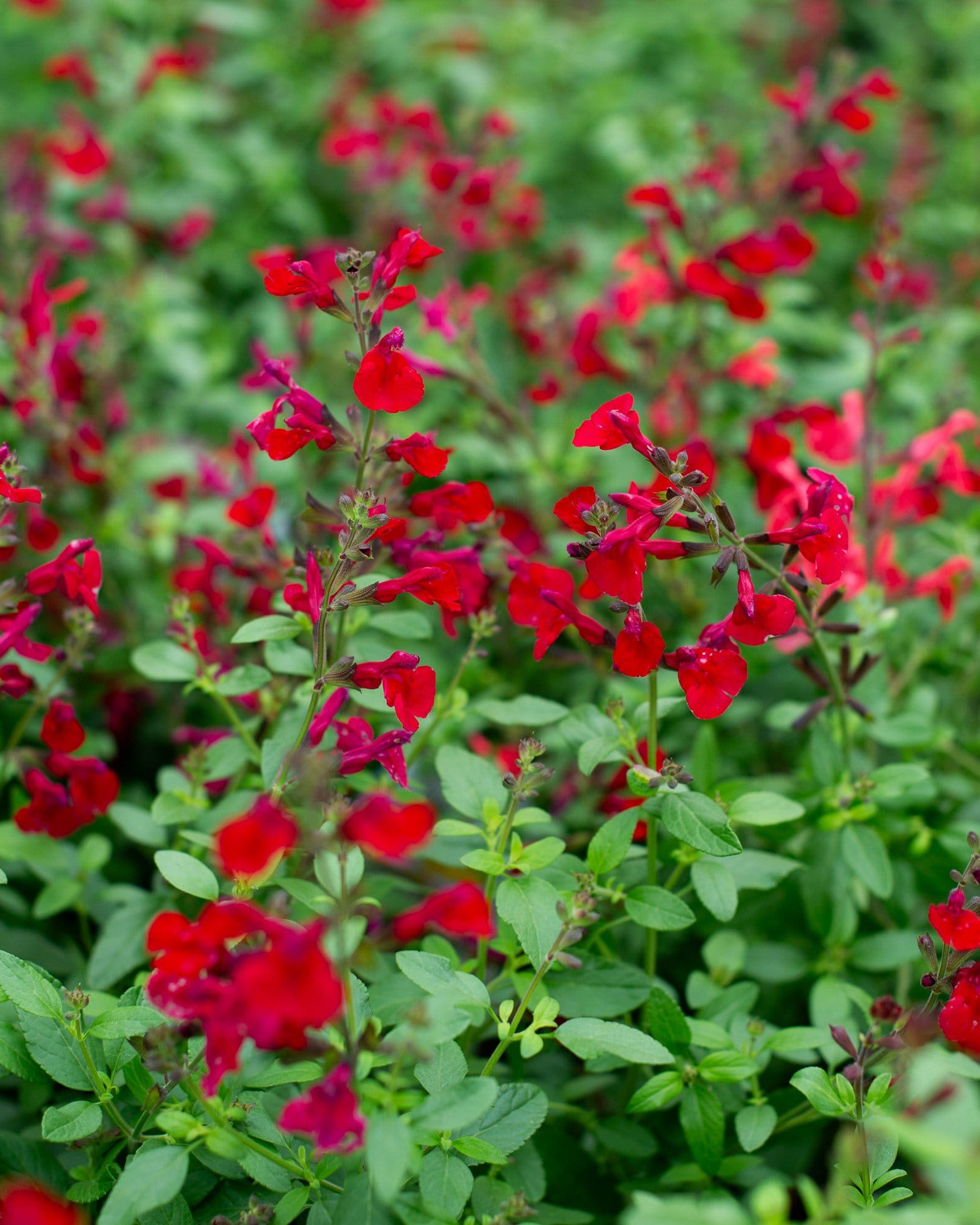
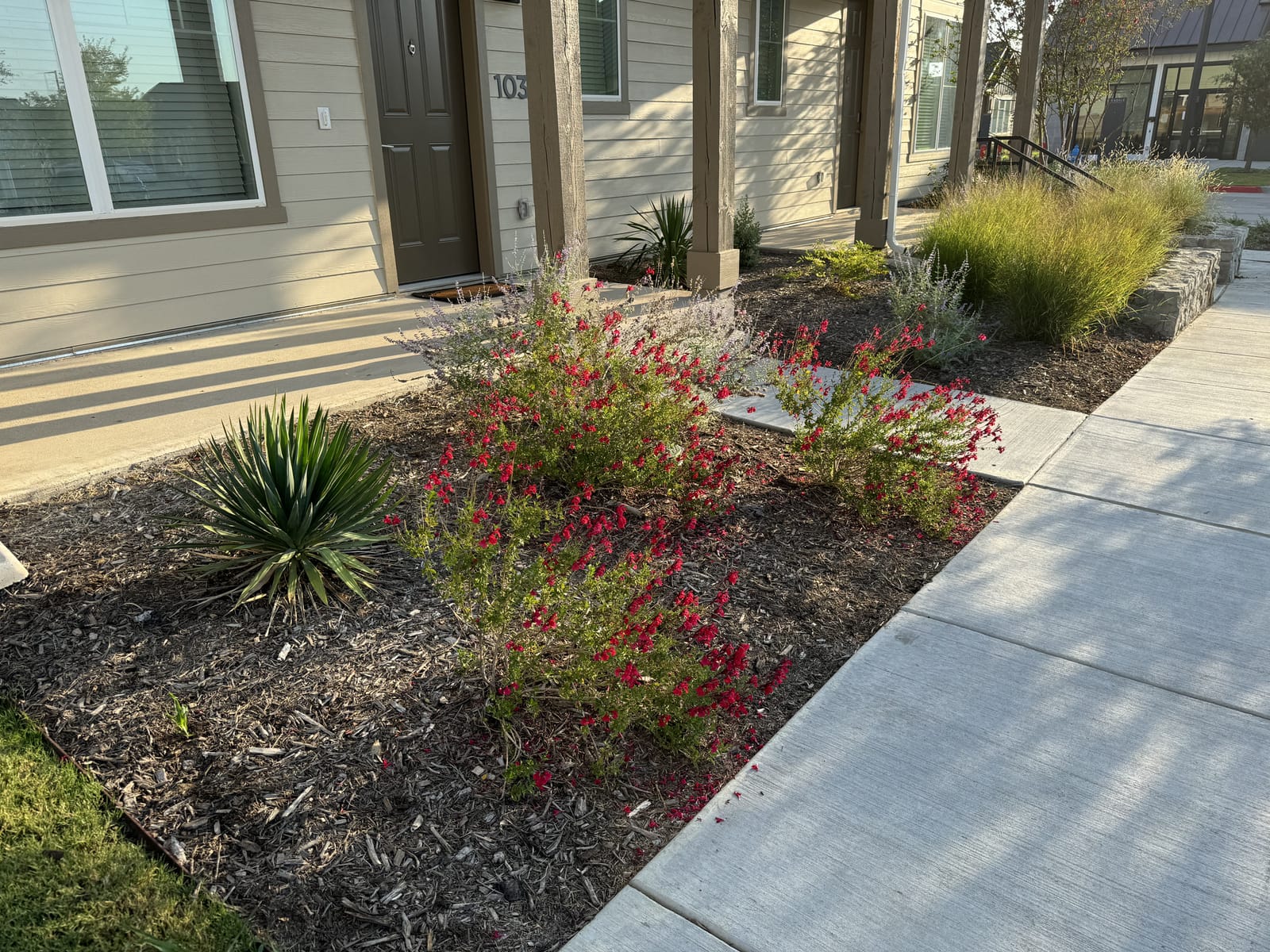
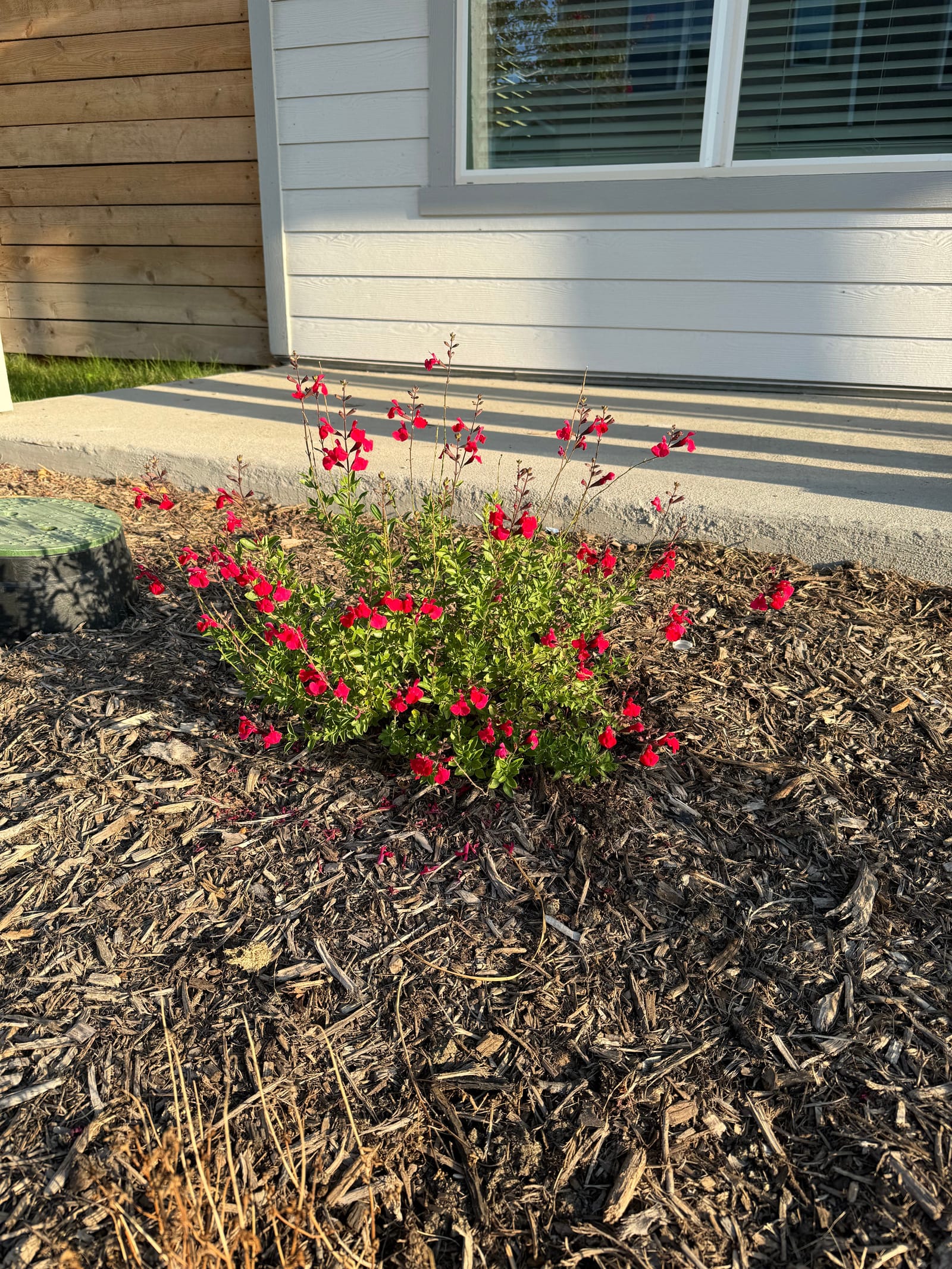
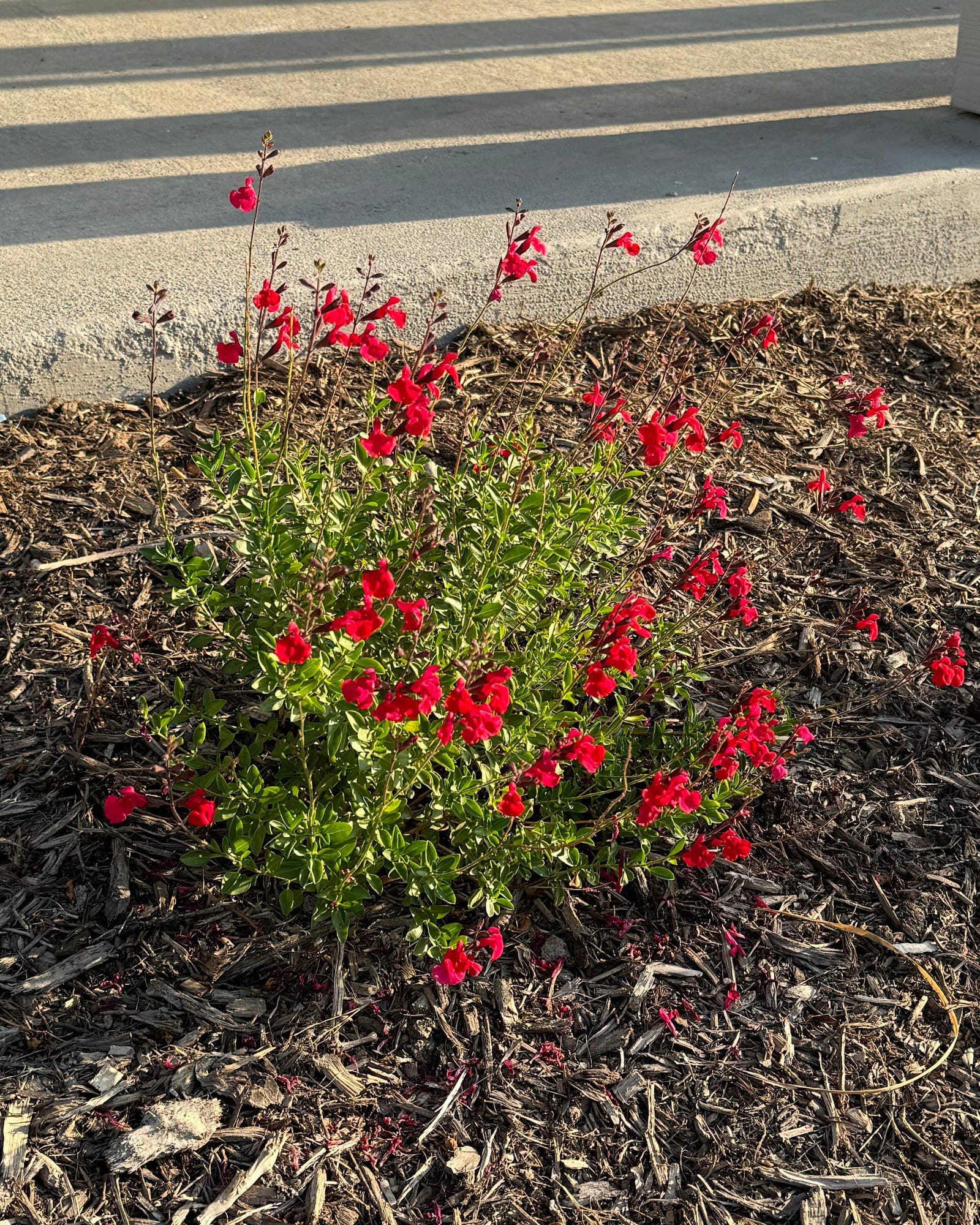
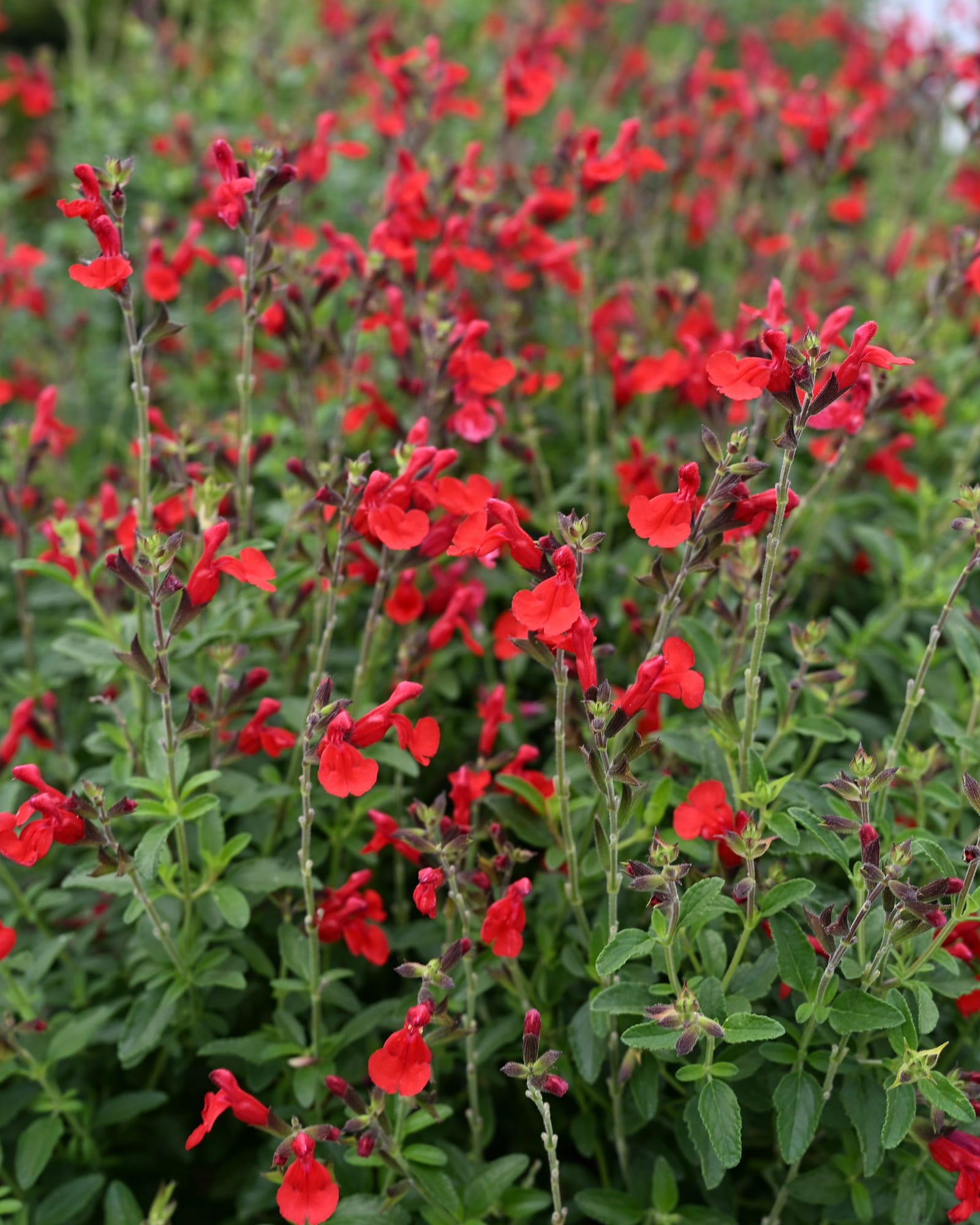
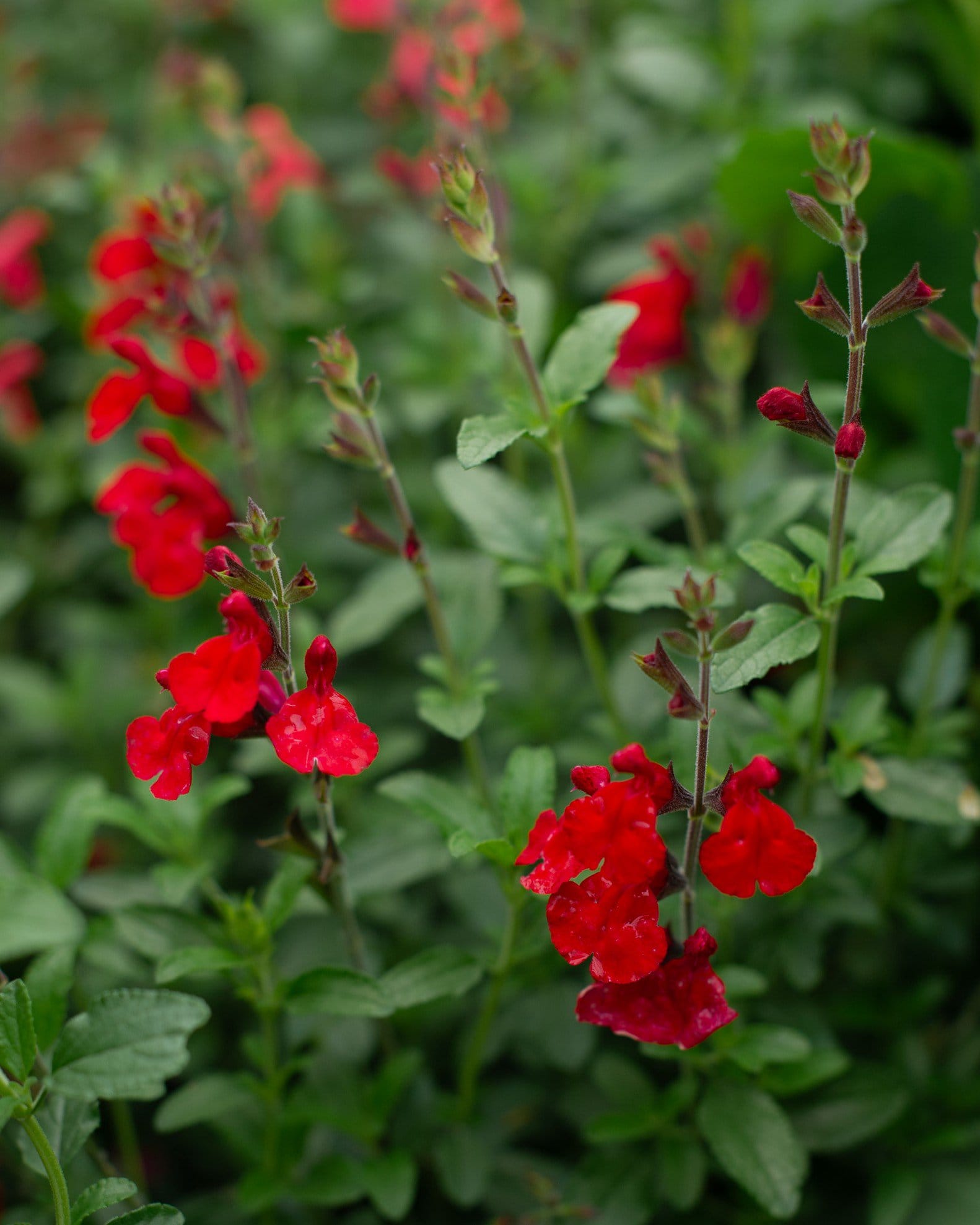
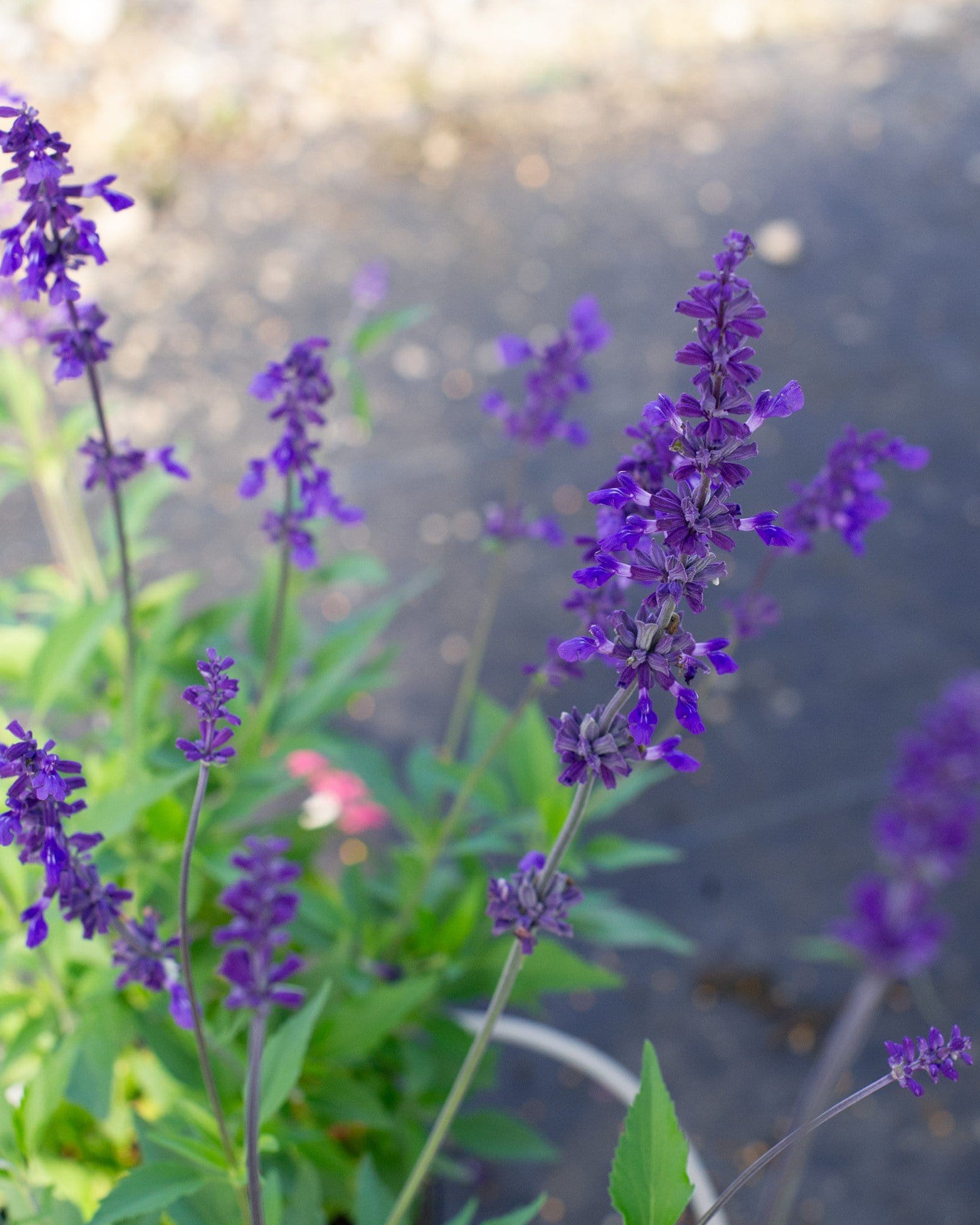
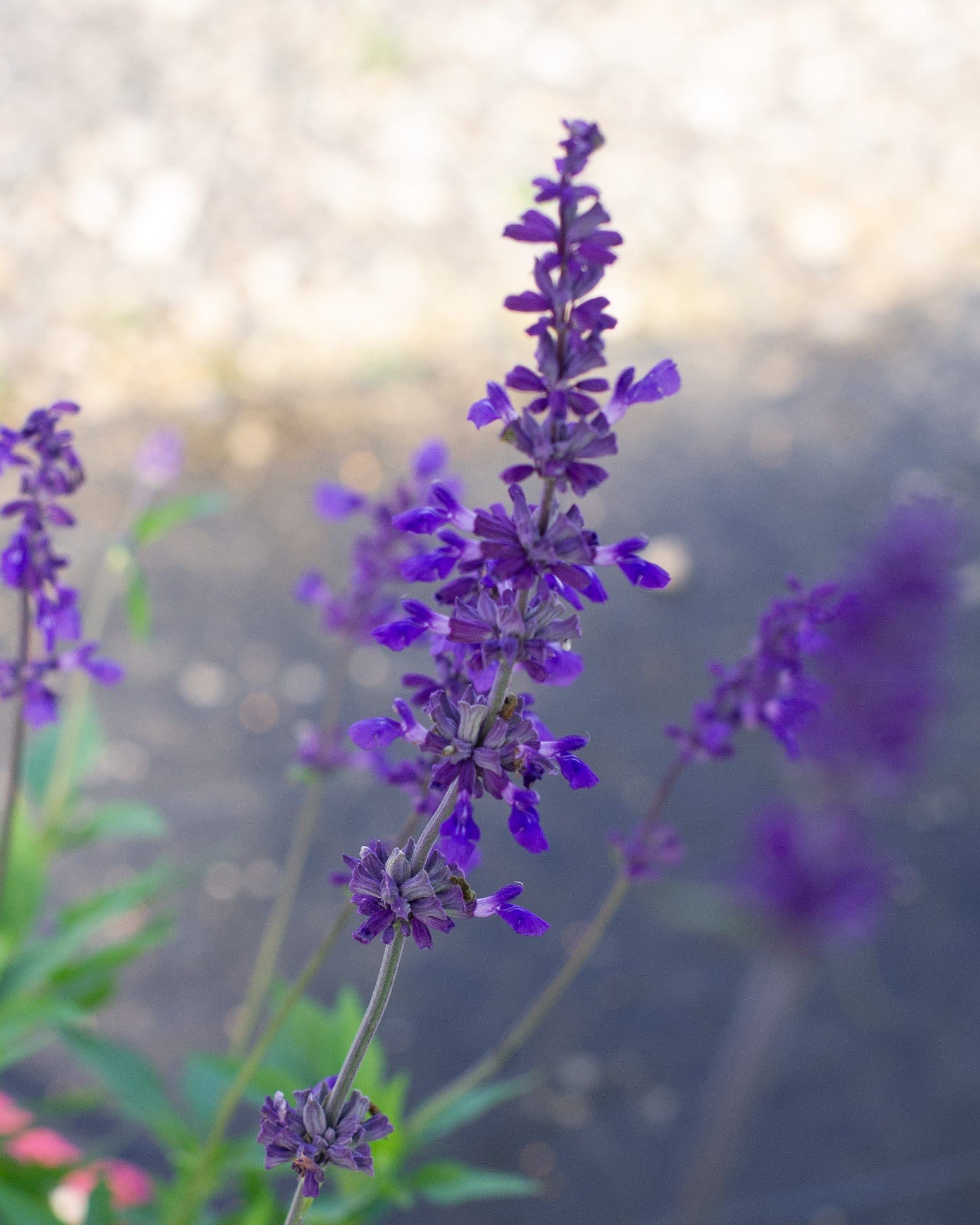
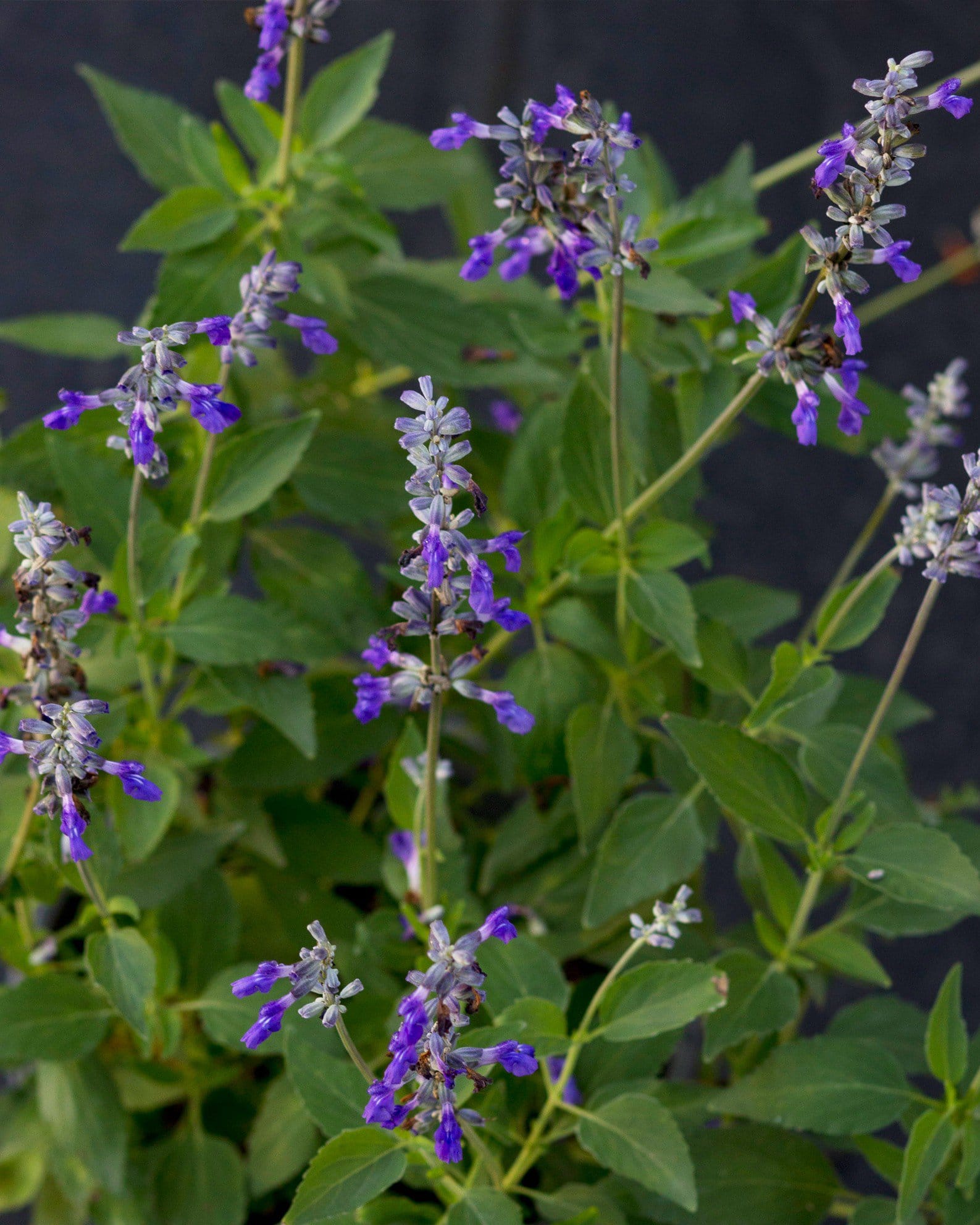
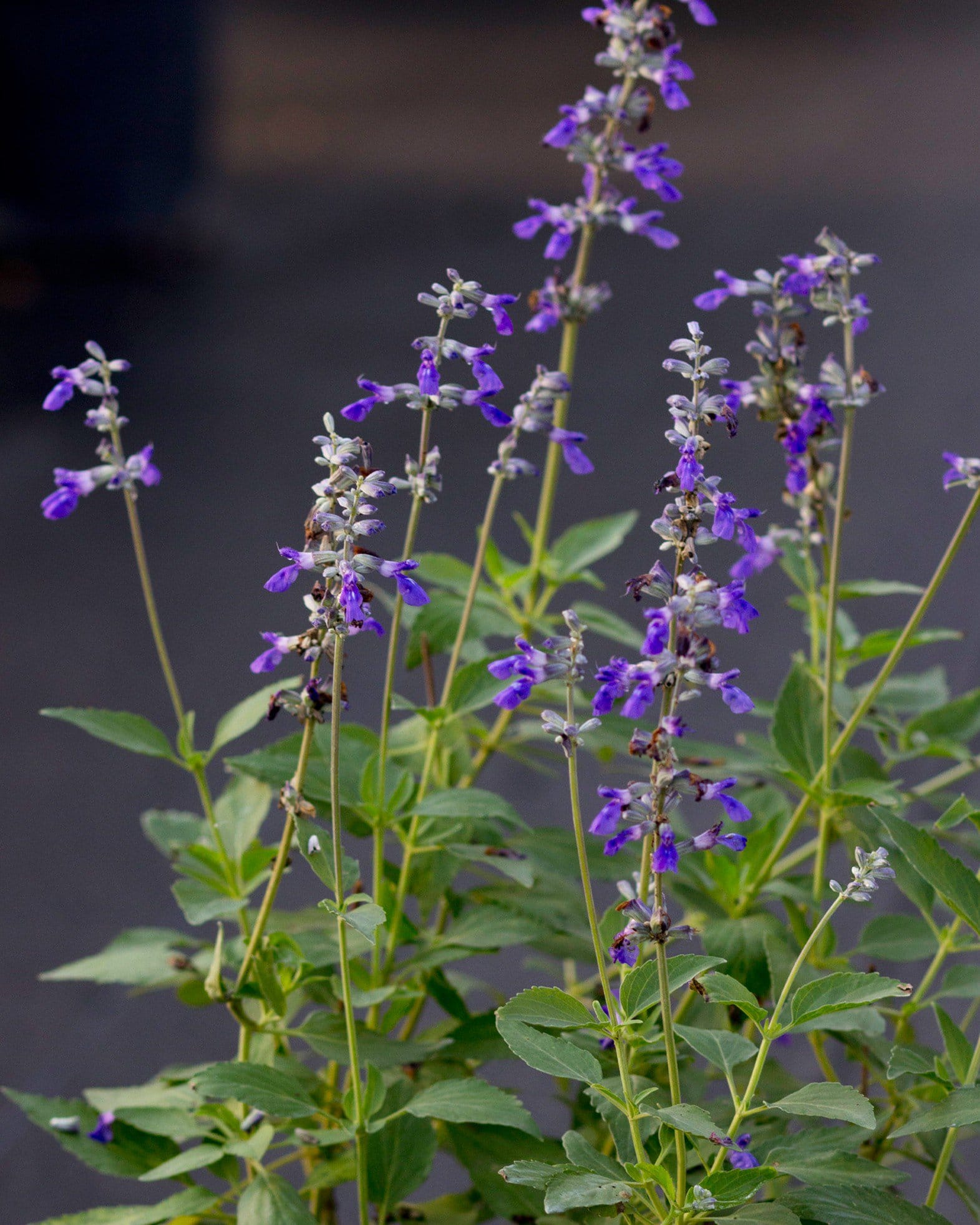
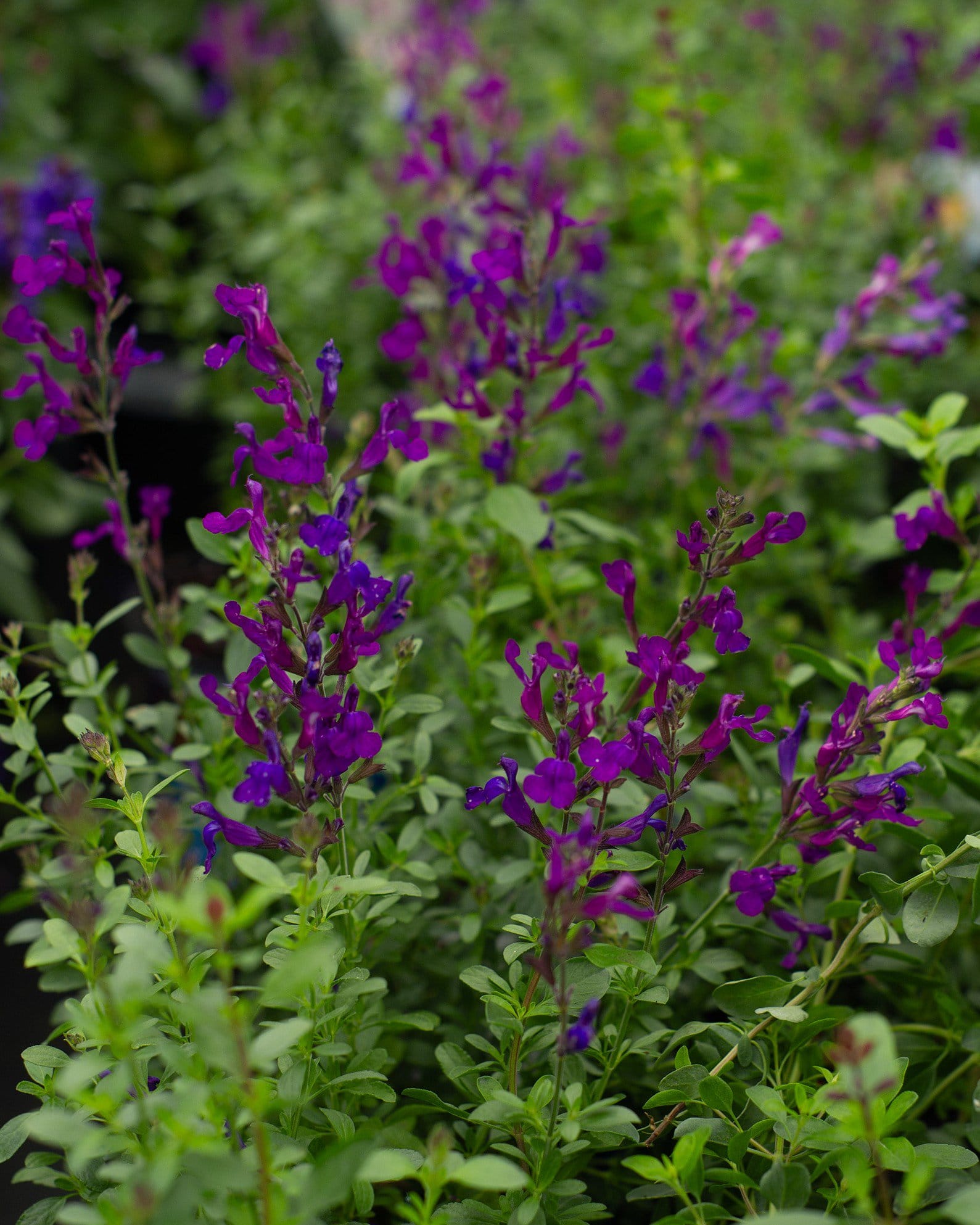
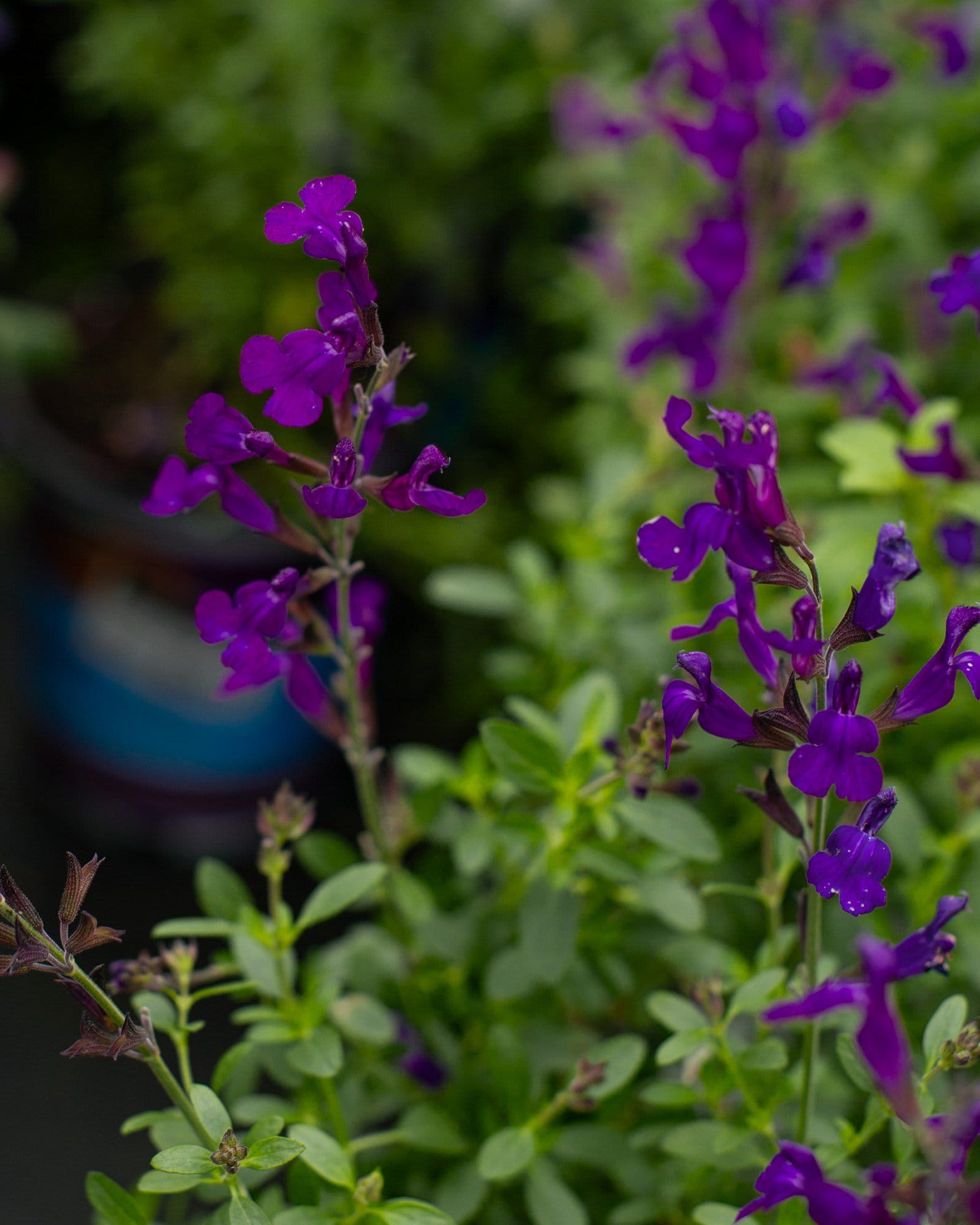
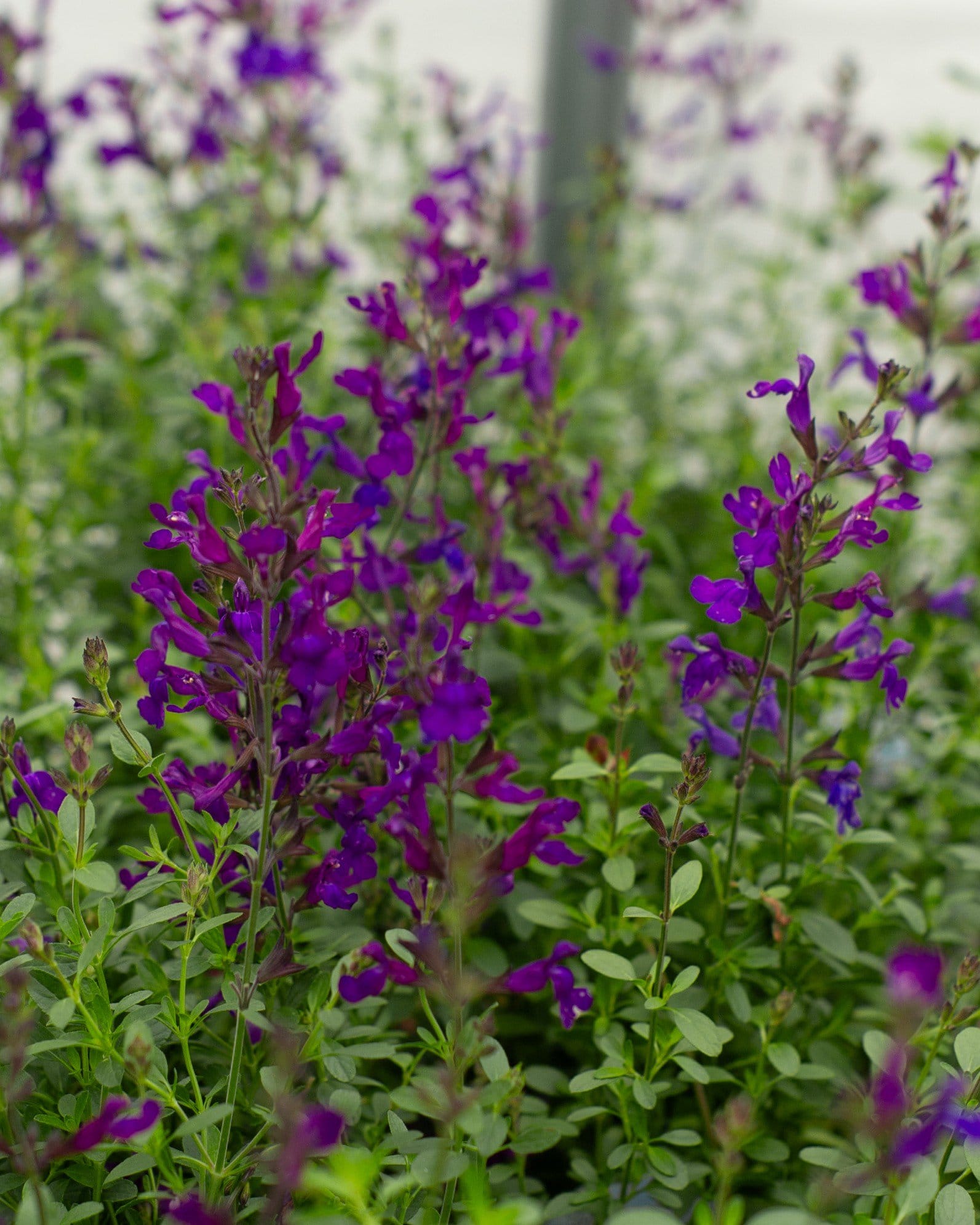
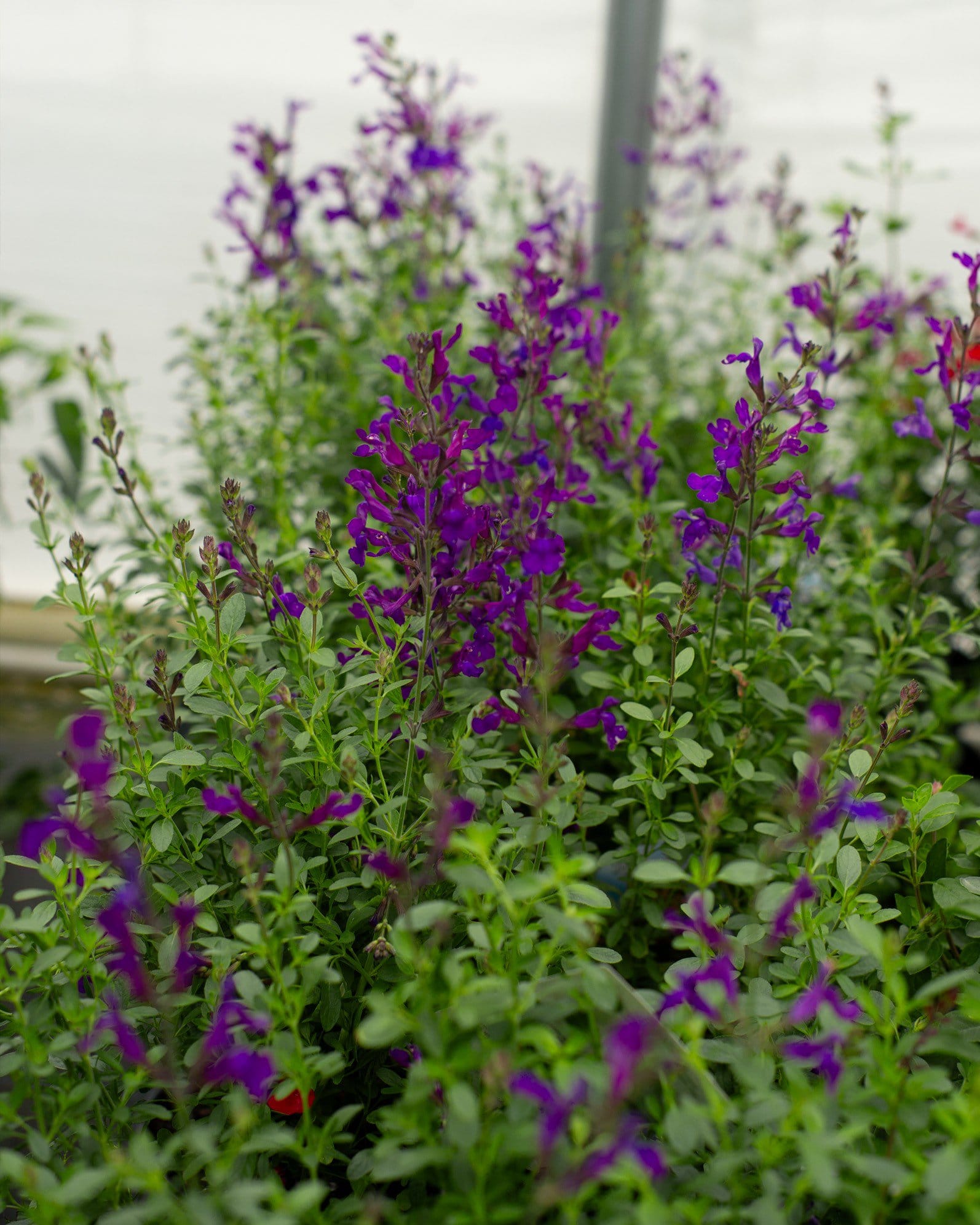
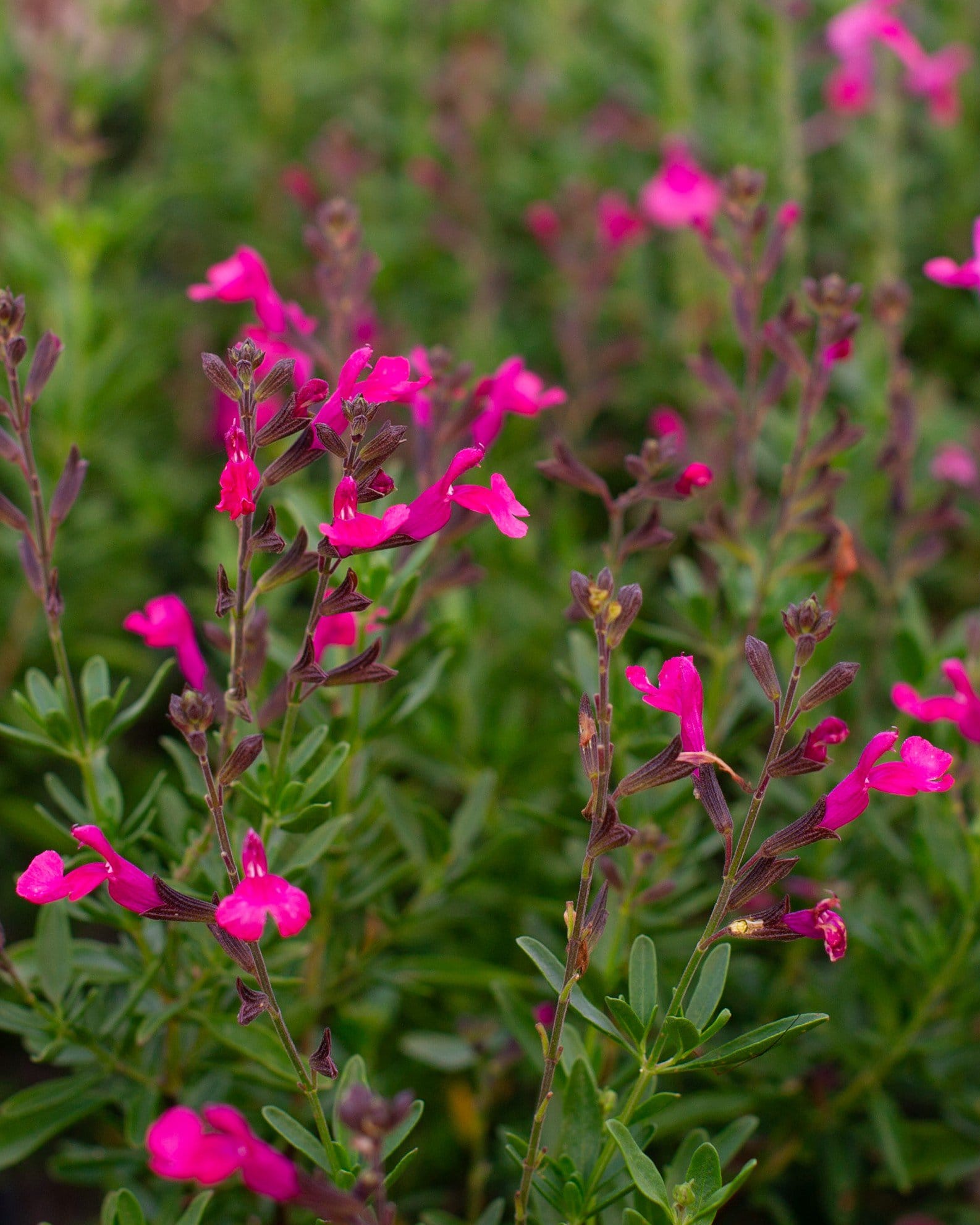
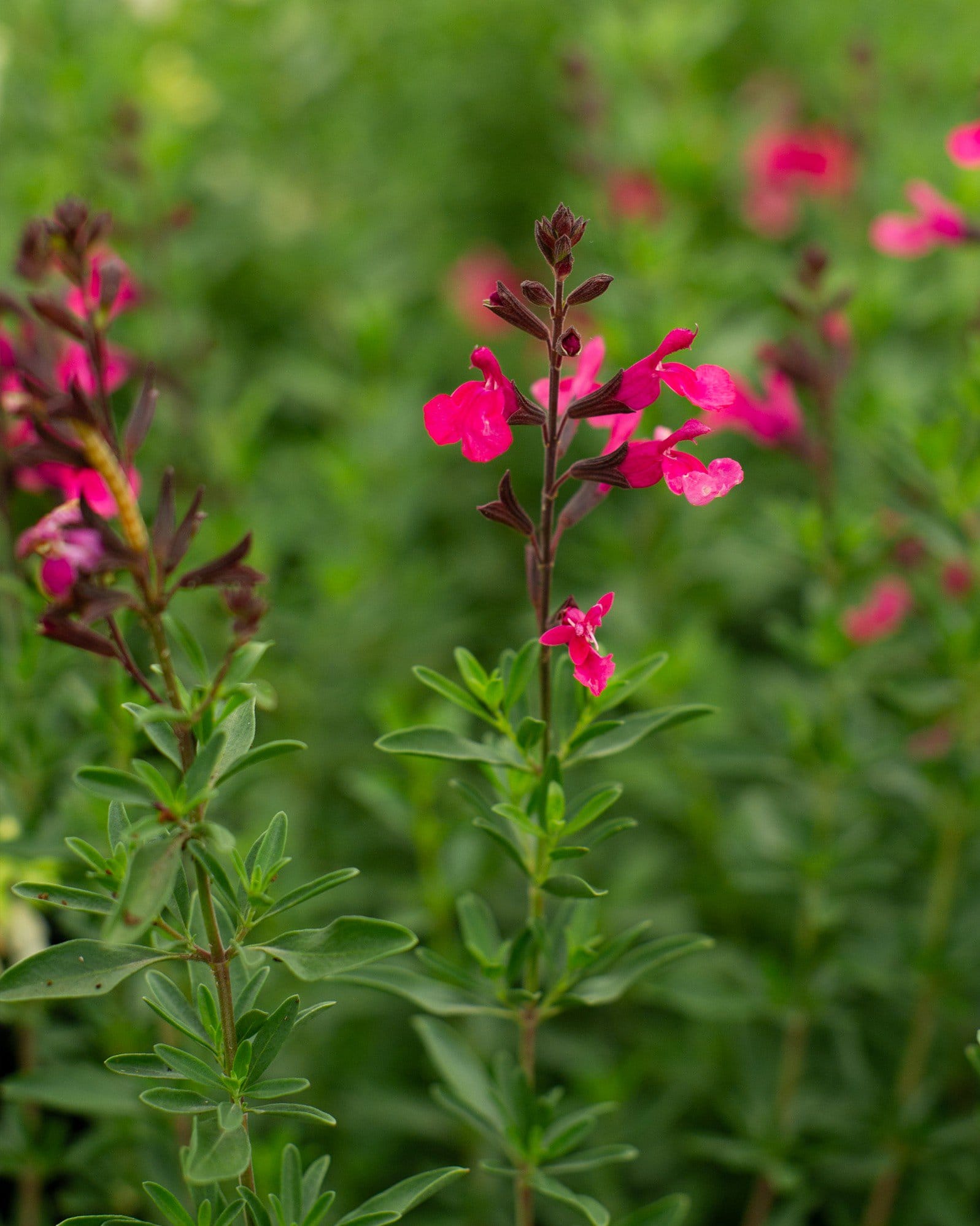
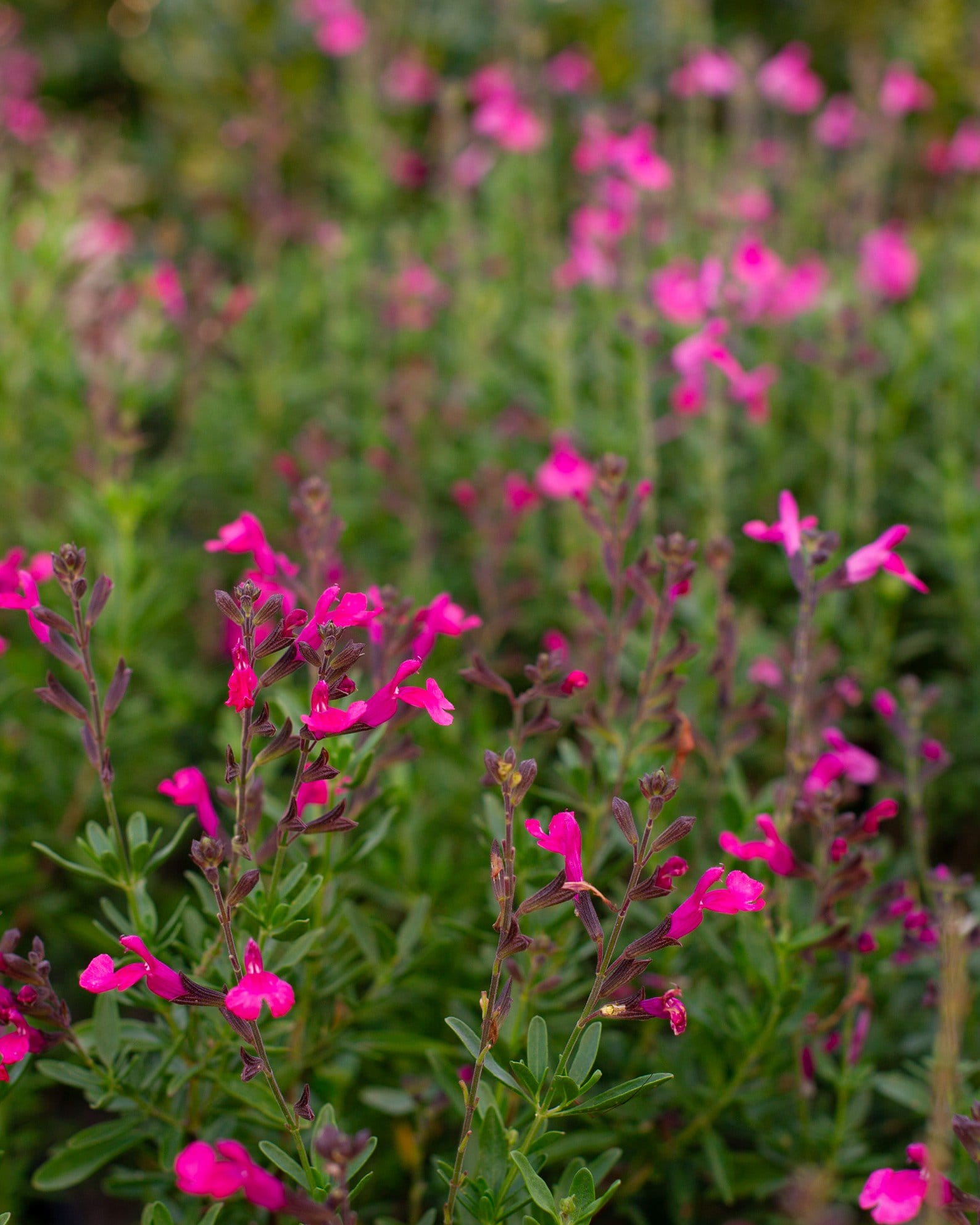
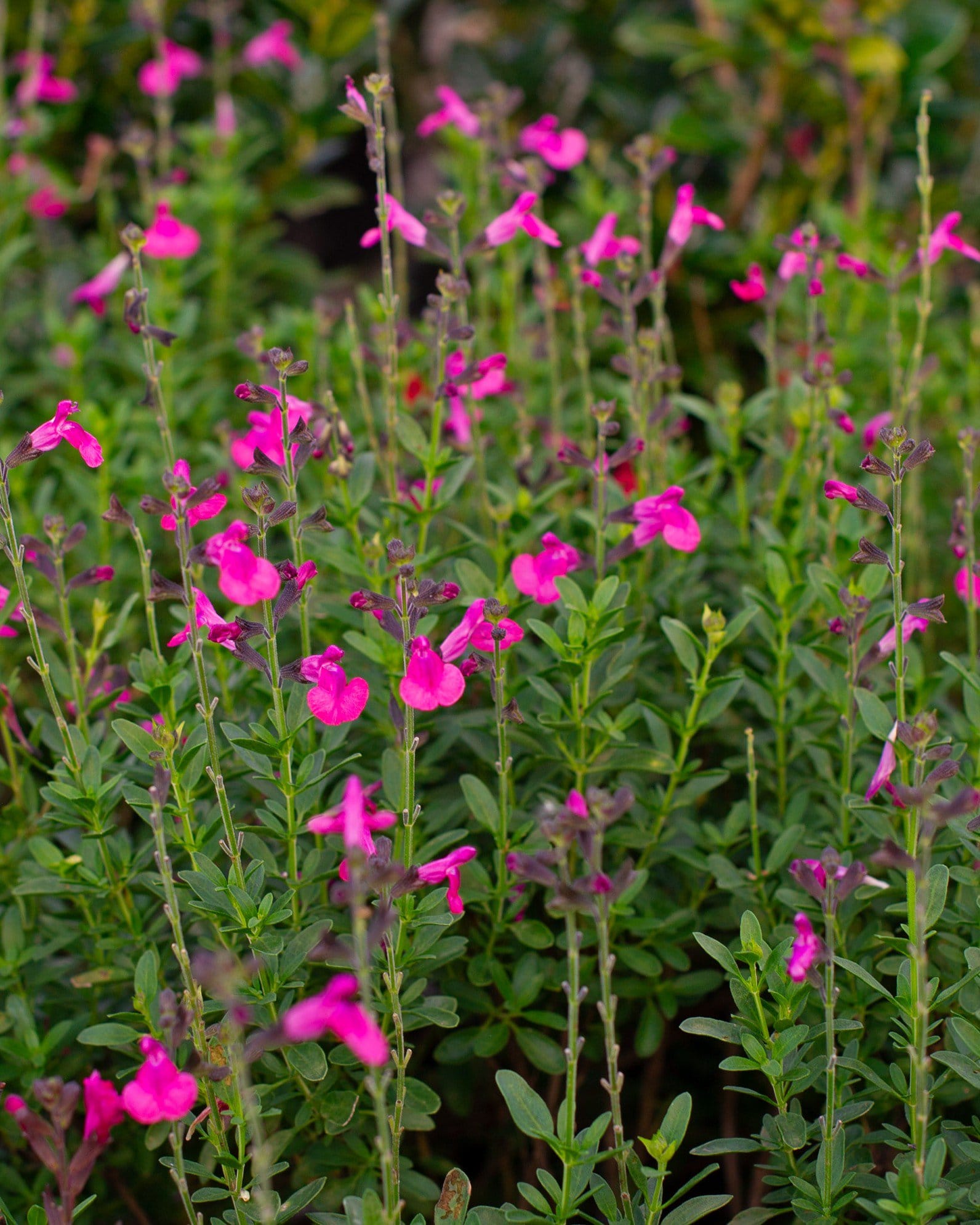
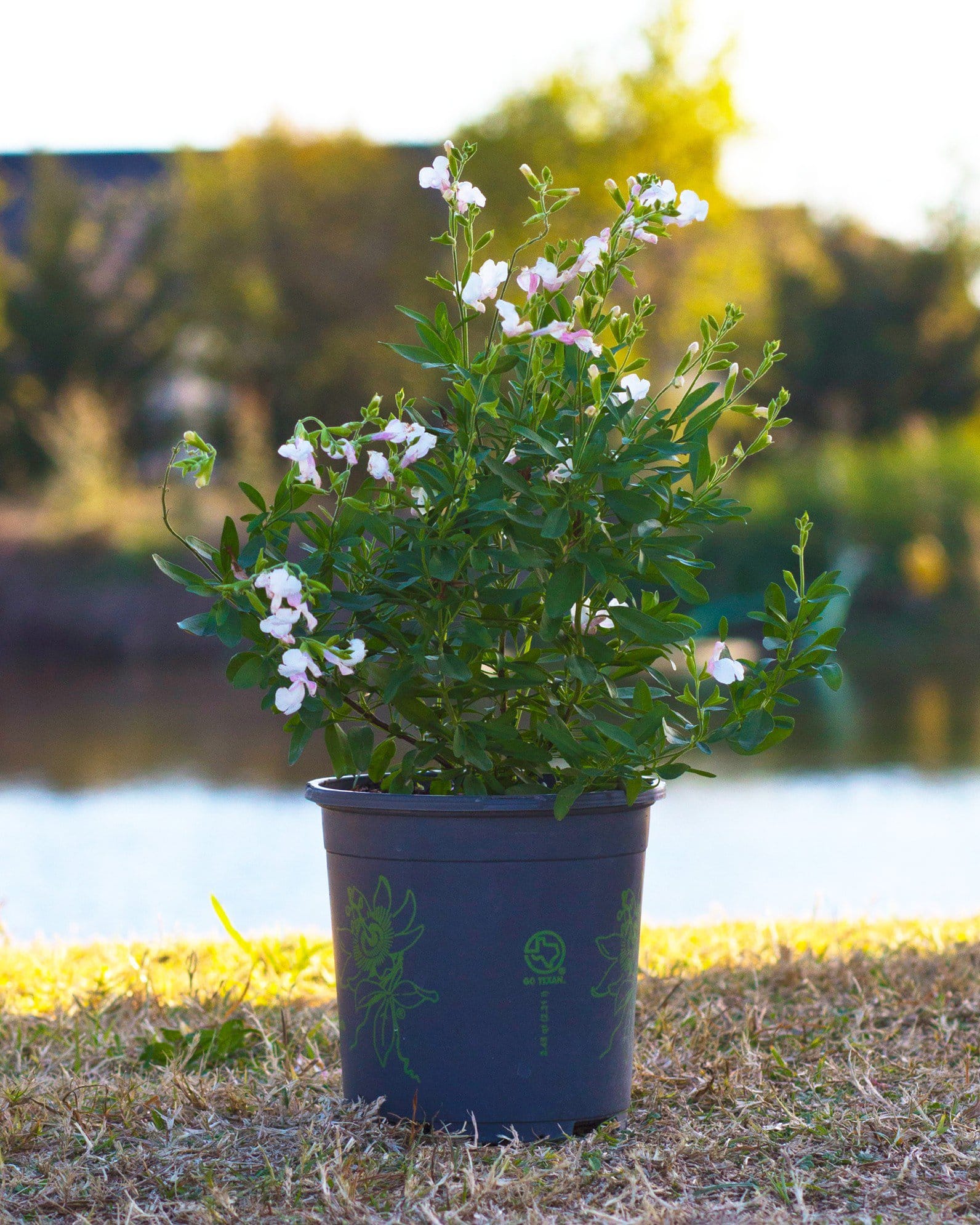
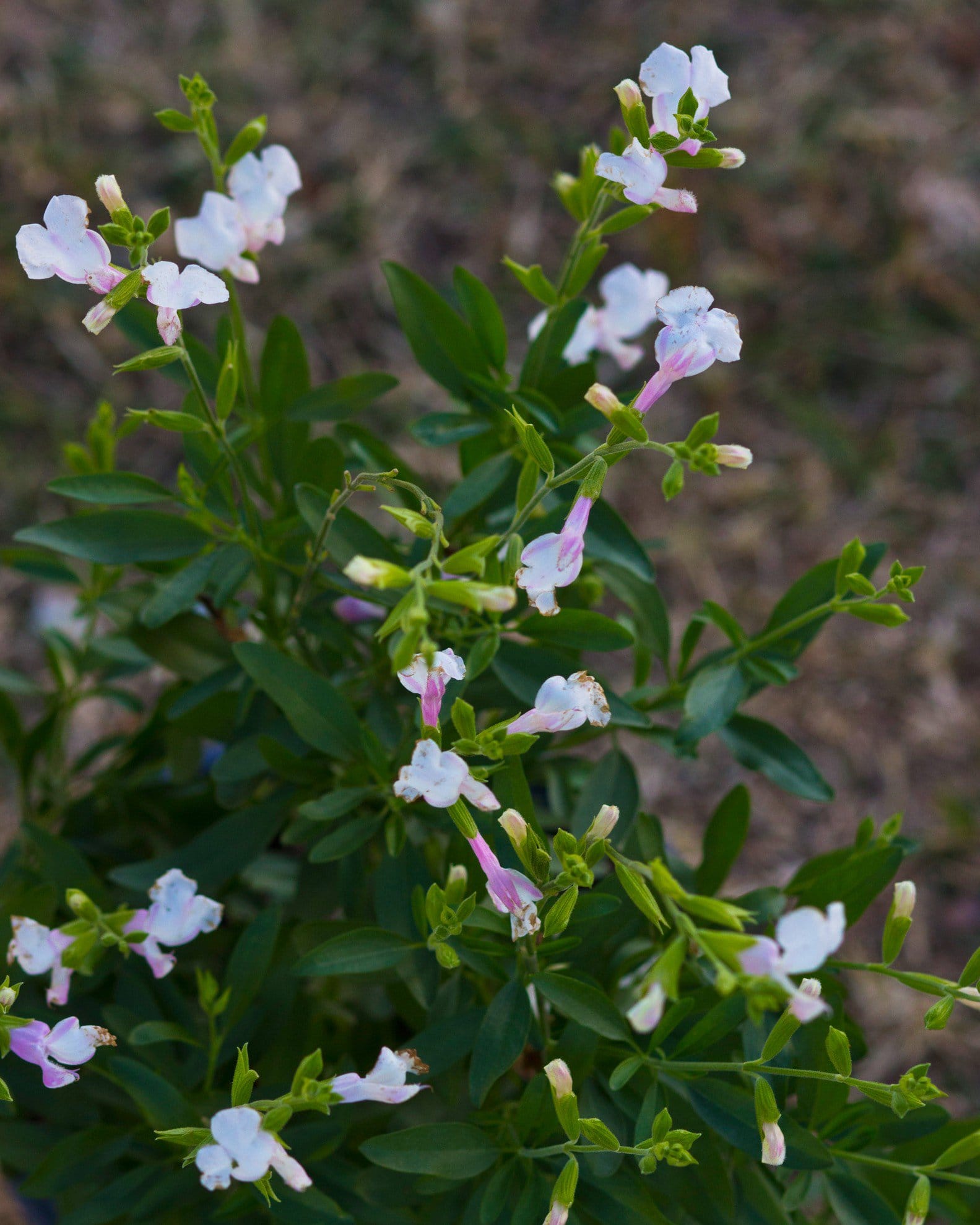
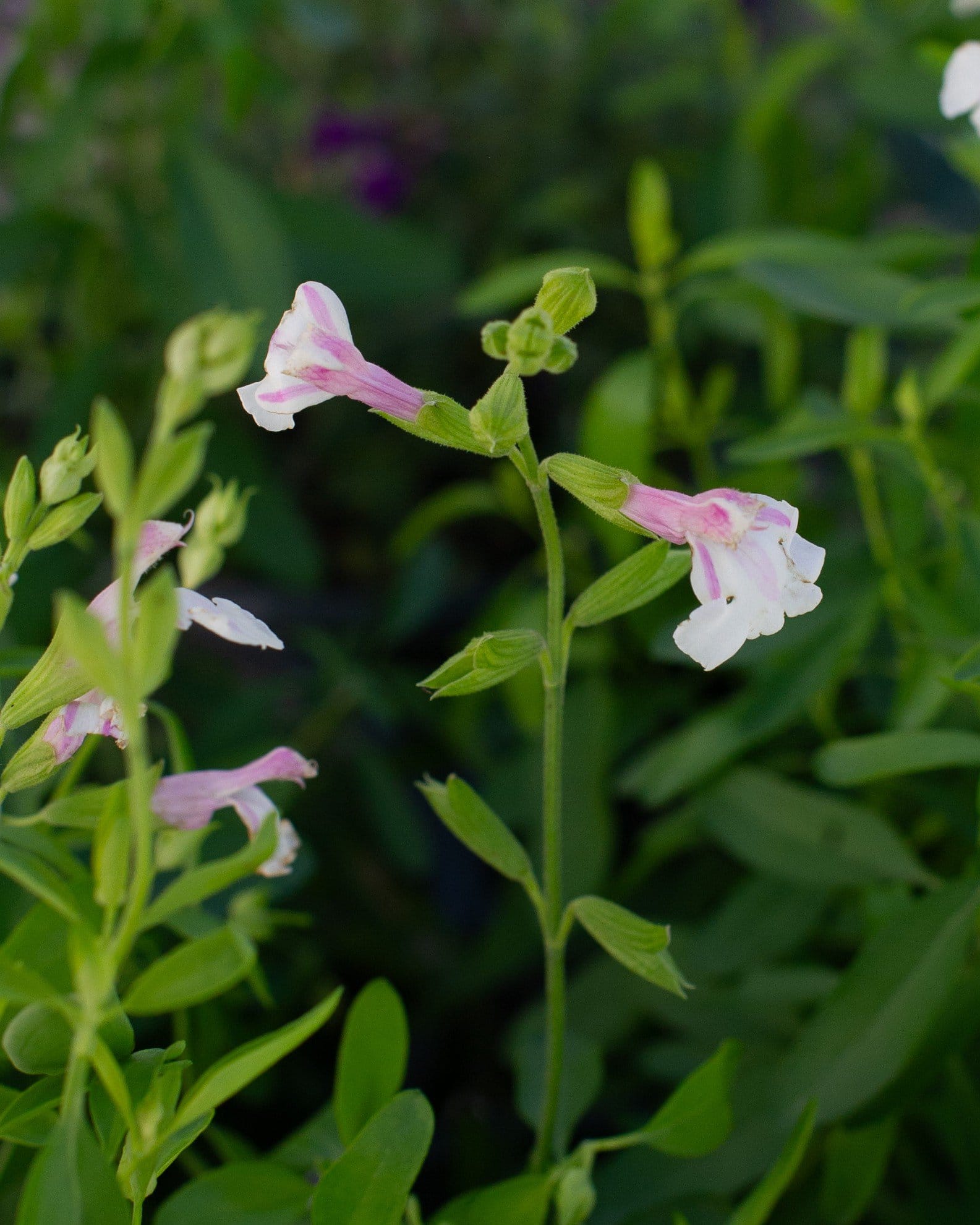
Salvia greggii ‘Lipstick’Lipstick Salvia greggii offers a brilliant splash of red color with white accents at the core of the flower, and blooms that last from spring through fall. Its fragrant foliage and naturally neat habit make it easy to incorporate into mixed borders or standalone accent plantings. It transitions seamlessly from residential beds to commercial landscapes, offering reliable structure with minimal effort. The bold red flowers also pair well with ornamental grasses and soft-textured companions like artemisia or lamb’s ear. A reliable bloomer, this herbaceous perennial draws attention from pollinators and passersby alike.
- A herbaceous perennial
- Pink and white flowers with tubular shape
- Mounding growth to 2 feet
- Fragrant, small green leaves
- Good for containers and mixed beds
Lipstick Salvia grows best in full sun to partial shade, in well-drained soil. It is hardy in USDA zones 7–10 and thrives in North Texas landscapes.
Once established, Lipstick Salvia Greggii requires very little upkeep and thrives with simple seasonal care. This is all it needs to grow beautifully:
- Watering: Water regularly during the first growing season to establish a healthy root system. Once established, the plant becomes quite drought-tolerant and typically requires supplemental watering only during prolonged dry periods.
- Pruning: Pruning helps maintain a compact, bushy form and encourages fresh flowering growth. Light trimming after major bloom cycles can stimulate additional flushes of flowers throughout the growing season.
- Fertilizing: Fertilizer is rarely necessary in most garden soils. If growth appears weak, applying a light balanced fertilizer in early spring can support stronger seasonal development.
- Mulching: A light layer of mulch around the base helps conserve soil moisture and stabilize soil temperature. Keep mulch slightly away from the stems to prevent excess moisture buildup near the crown.
- Winter Care: Established plants tolerate seasonal cold within their recommended growing zones. In colder areas, a protective mulch layer around the base helps shield roots during winter.
Lipstick Salvia Greggii is generally tough and reliable, but a few environmental stresses or occasional pests may appear under certain conditions.
- Spider Mites: Fine speckling or stippling on leaves may indicate spider mite activity during hot, dry weather. Periodic rinsing of foliage with water helps reduce mite populations.
- Root Rot: Excess moisture in poorly drained soil may weaken the root system. Ensuring well-drained planting conditions greatly reduces this risk.
- Aphids: Sticky residue on leaves or stems may signal sap-feeding insects. Insecticidal soap or a strong spray of water typically controls infestations.
- Powdery Mildew: A pale powdery coating may appear on foliage during periods of high humidity. Improving air circulation around the plant helps reduce fungal growth.
- Cold Injury: Severe freezes may occasionally damage upper stems. Trimming affected growth in spring allows healthy new shoots to emerge.
Lipstick Salvia Greggii can live for many years when grown in suitable conditions. Individual plants often remain productive for 5-10 years or more. With occasional renewal pruning, they can continue performing well even longer.
Growth is moderate, typically averaging about 8-12 inches per year. The plant usually develops a well-branched structure within its first few seasons. Mature size and full flowering potential are often reached within about 2-3 years.
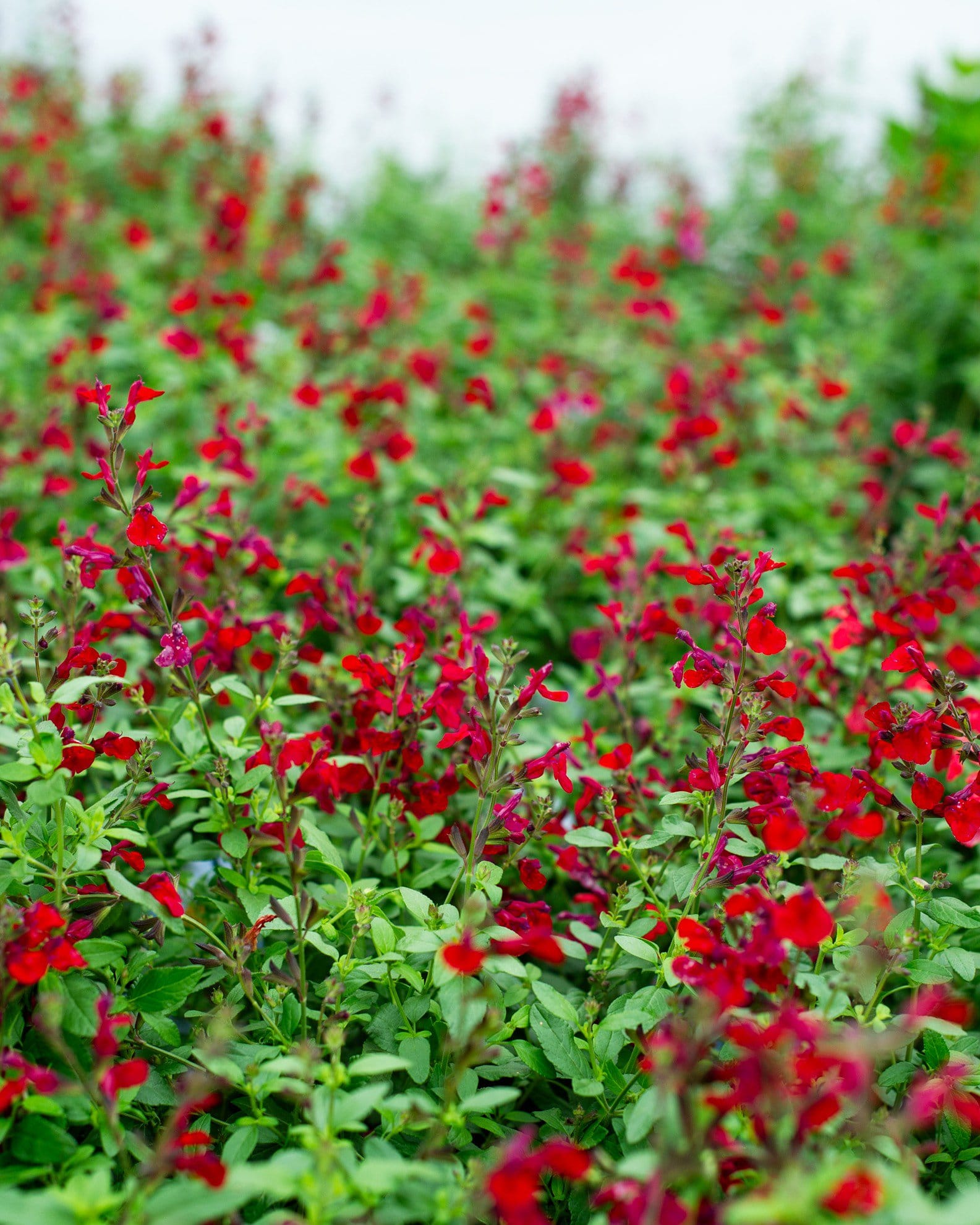
This plant is admired for its vibrant red flowers and extended bloom season. The blossoms appear repeatedly throughout the warm months. Its combination of color and resilience makes it a standout perennial.
The tubular flowers are highly attractive to hummingbirds and bees. Pollinators frequently visit the blooms throughout the flowering season. This interaction adds movement and life to the garden.
After flowering, small seed structures may form. These seeds can occasionally germinate if conditions are favorable. However, many gardeners propagate the plant through cuttings instead.
Yes, the plant often produces repeated waves of flowers during the growing season. Light pruning after a bloom cycle can encourage fresh growth. This helps extend the flowering display.
These plants evolved in regions with warm climates and periodic dry conditions. Their root systems are adapted to conserve water efficiently. This trait helps them perform well with limited irrigation.
As the plant matures, the lower portions of the stems gradually become woody. This structural development helps support the branching canopy. New flowering growth continues to emerge from the tips.
The plant typically grows in a compact clump rather than spreading aggressively. Its growth remains fairly controlled from year to year. This makes it easy to manage in garden settings.
Many salvia species combine resilience with reliable flowering. They tolerate heat well once established. These qualities make them dependable ornamental plants.
Special Features
You might also like
Cedar Sage Salvia
Maturity: 2' H x 1.5' W
Furman's Red Salvia Greggii
Maturity: 3' H x 3' W
Mirage Cherry Red Salvia Greggii
Maturity: 1' H x 1' W
Radio Red Salvia Greggii
Maturity: 3' H x 3' W
Red Salvia Greggii
Maturity: 3' H x 3' W
Augusta Duelberg Salvia
Maturity: 3' H x 3' W
Henry Duelberg Salvia
Maturity: 3' H x 3' W
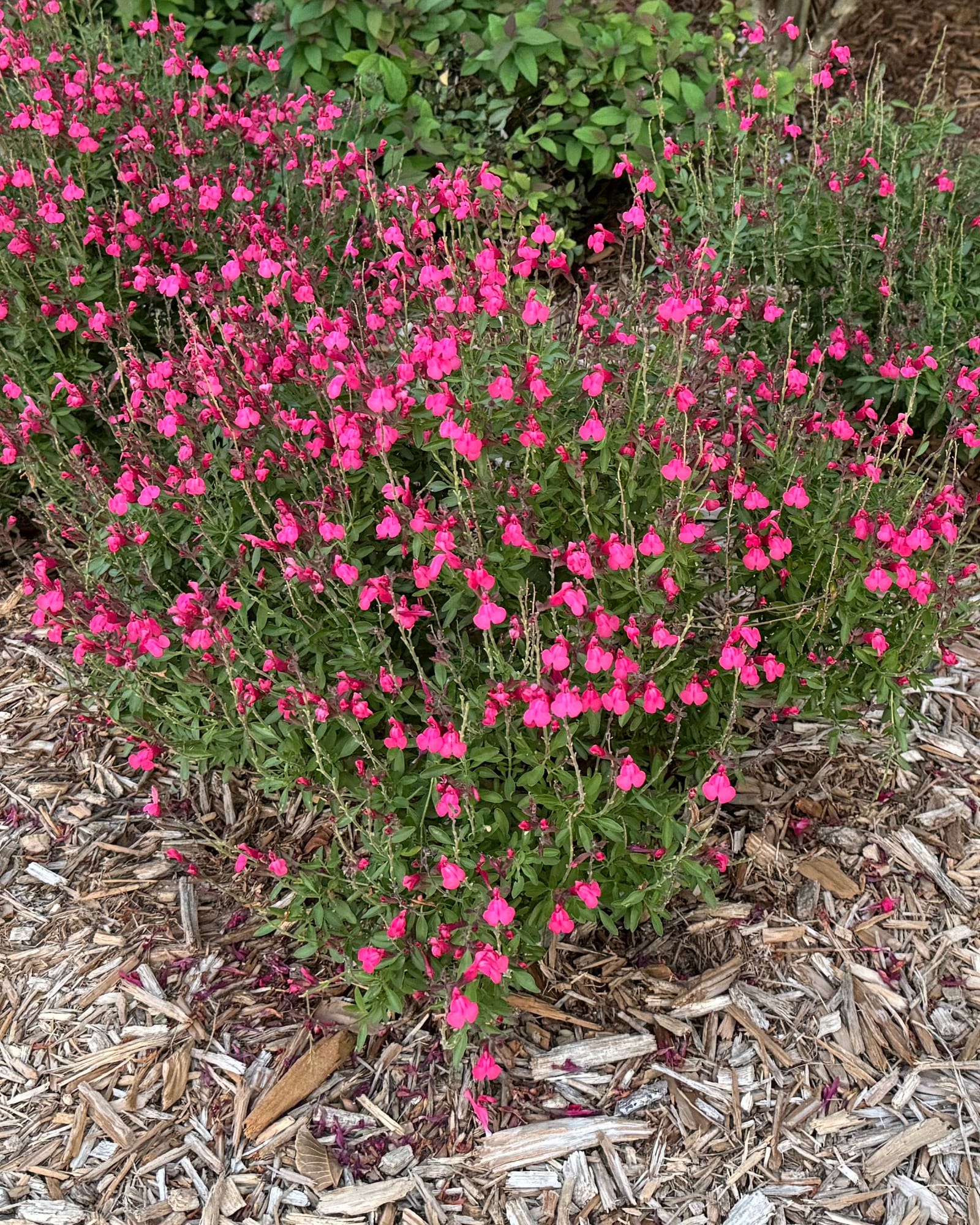
Hot Pink Salvia Greggii
Maturity: 3' H x 3' W
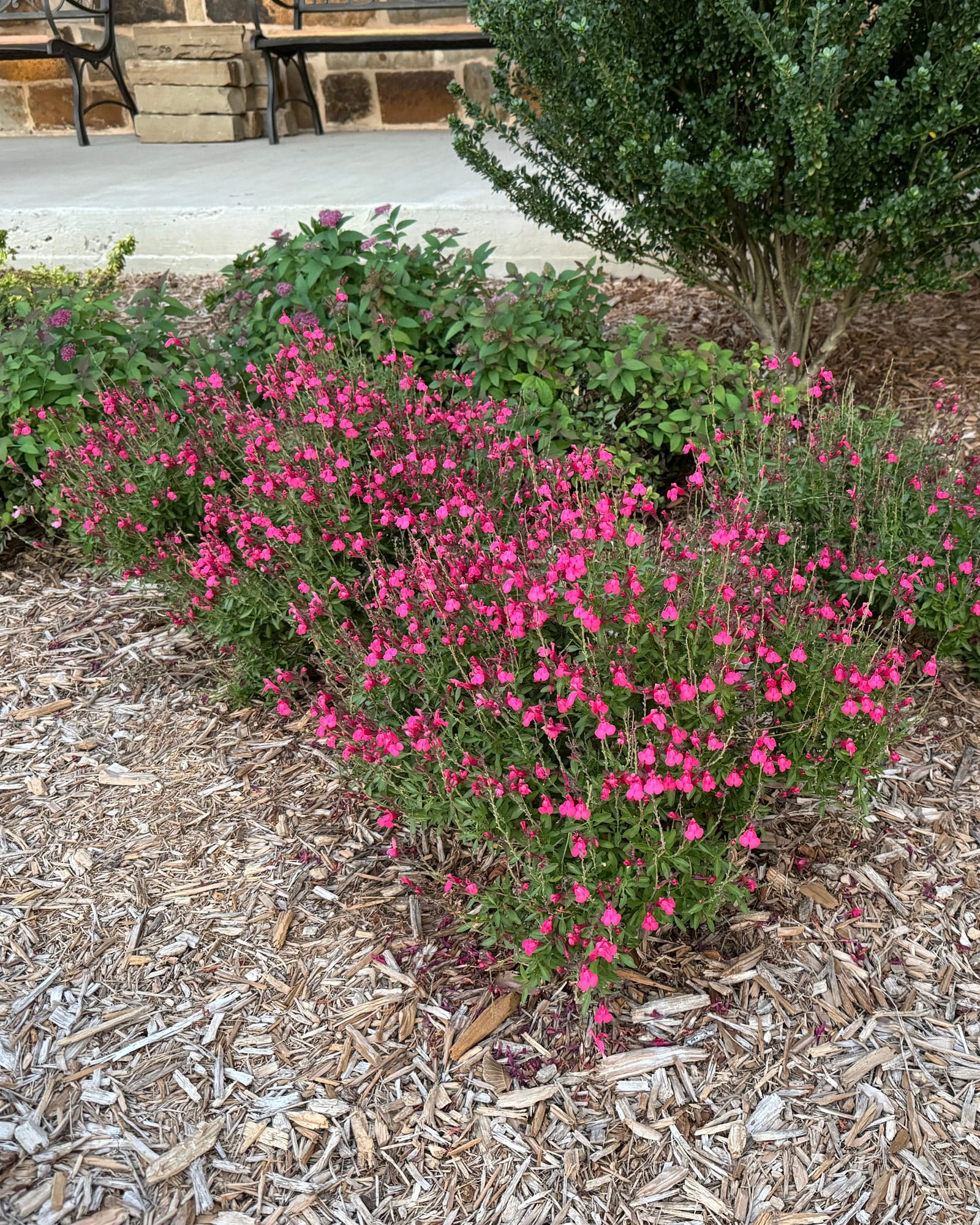
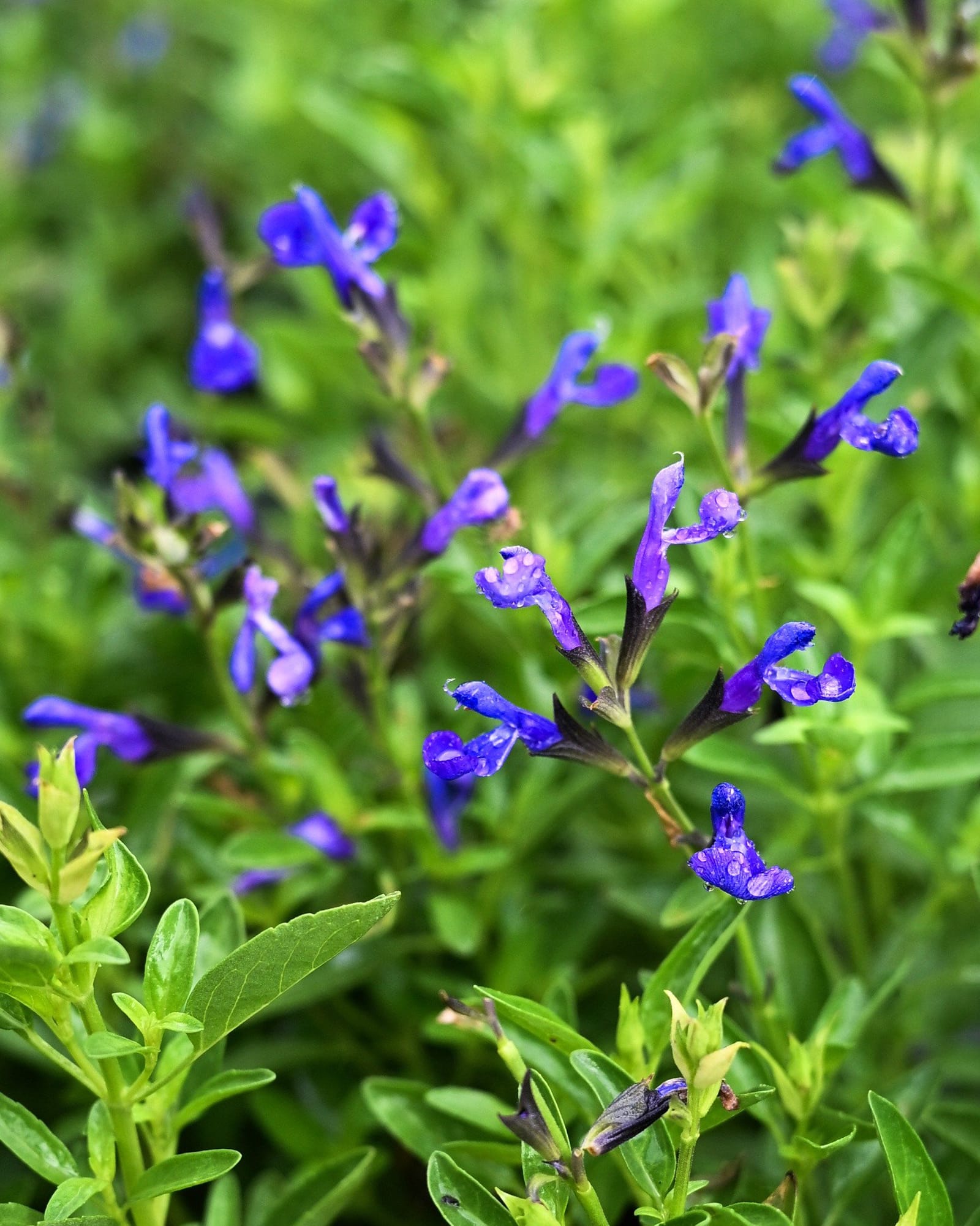
Mirage Blue Salvia Greggii
Maturity: 1' H x 1' W
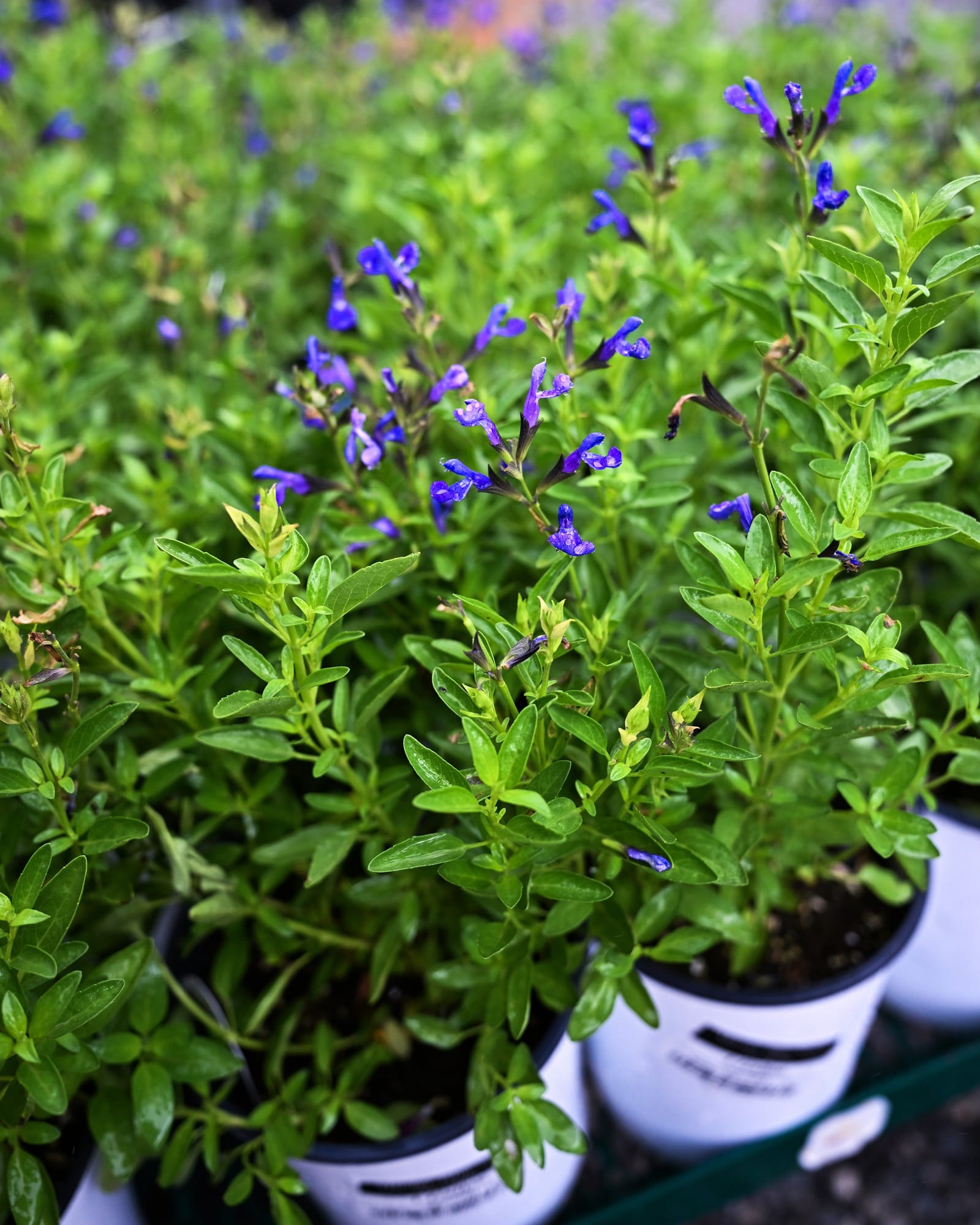
Mirage Deep Purple Salvia Greggii
Maturity: 1' H x 1' W
Mirage Hot Pink Salvia Greggii
Maturity: 1' H x 1' W
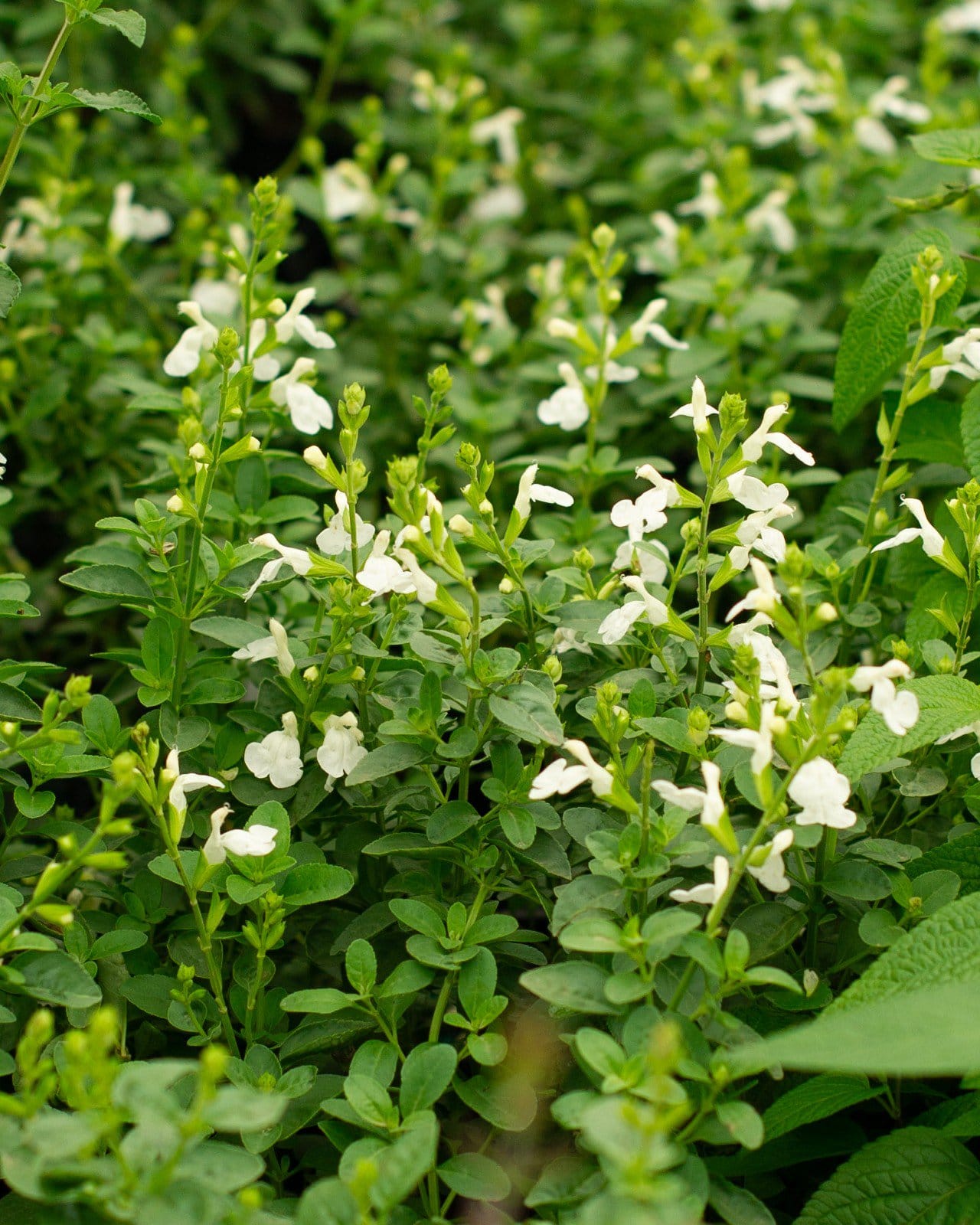
Mirage White Salvia Greggii
Maturity: 1' H x 1' W
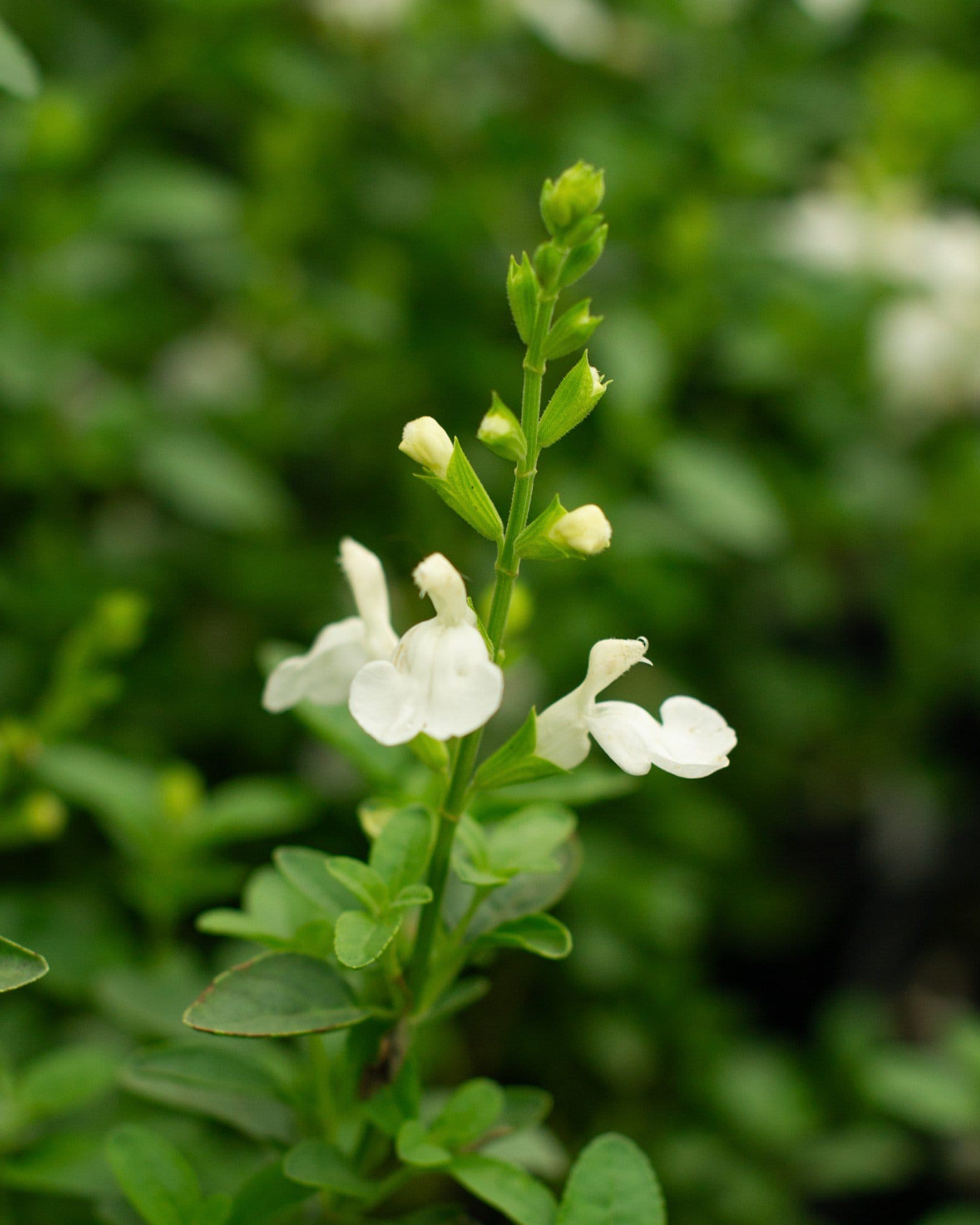
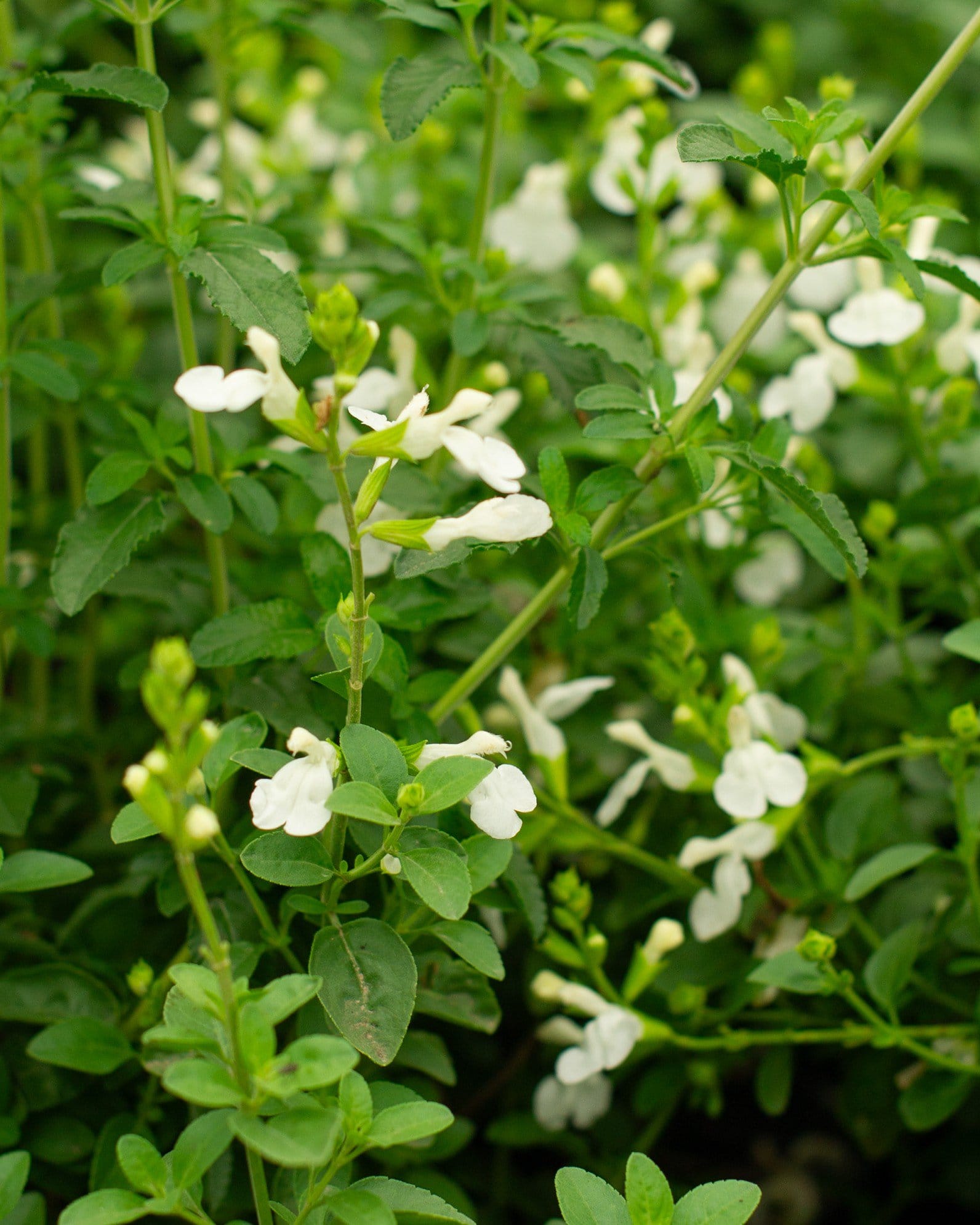
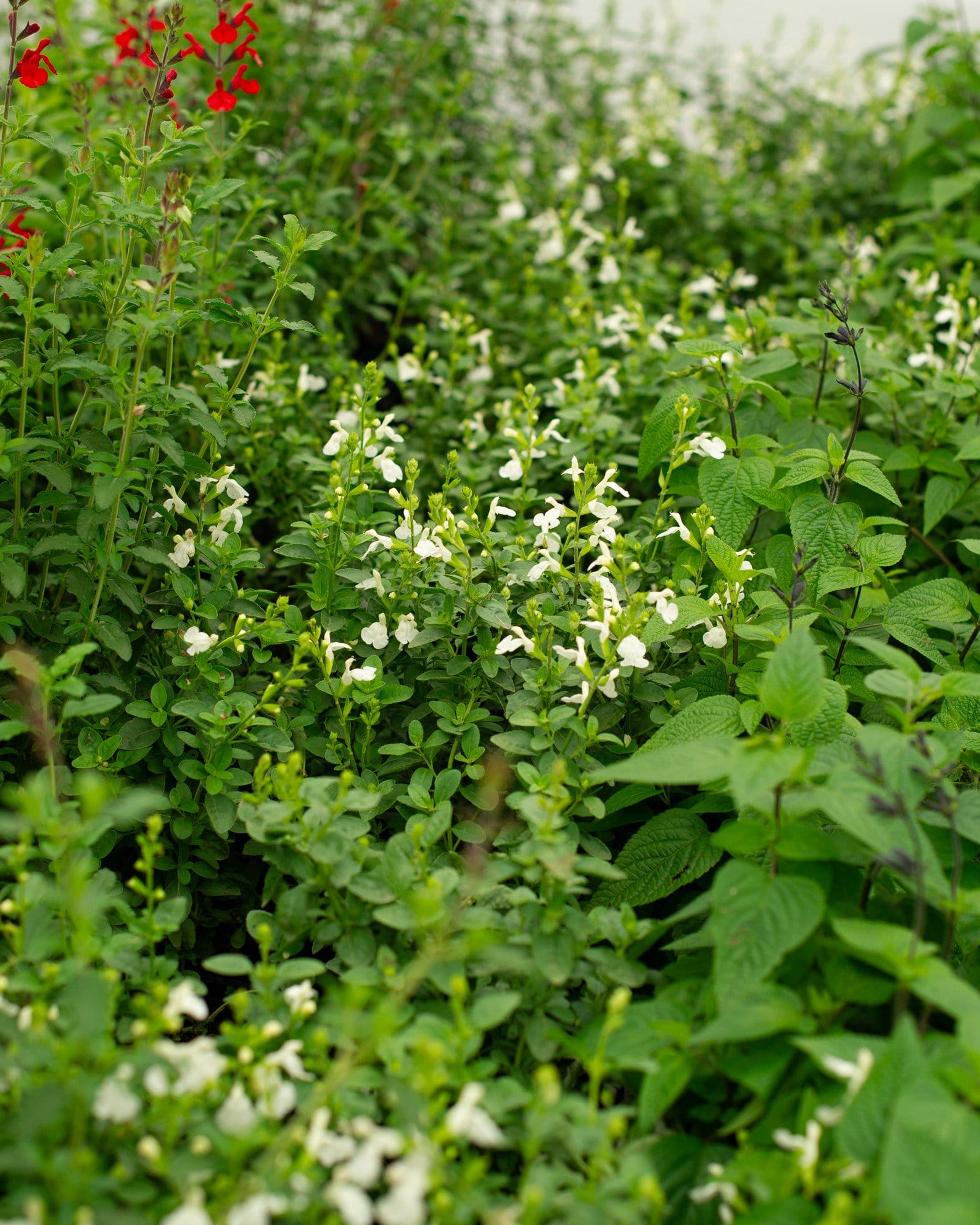
Pink Salvia Greggii
Maturity: 3' H x 3' W
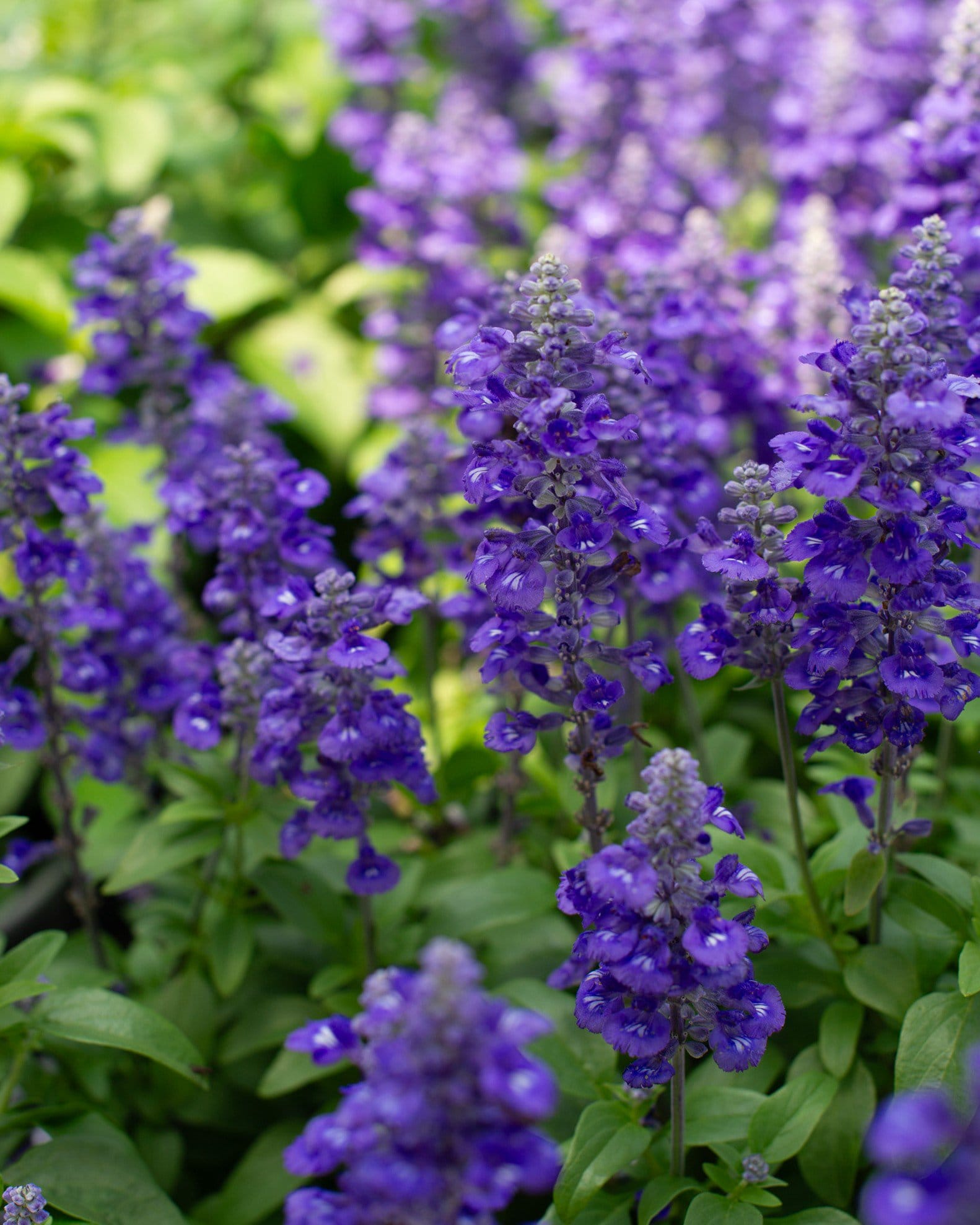
Sallyfun Blue Lagoon Salvia
Maturity: 1.5' H x 1.5' W
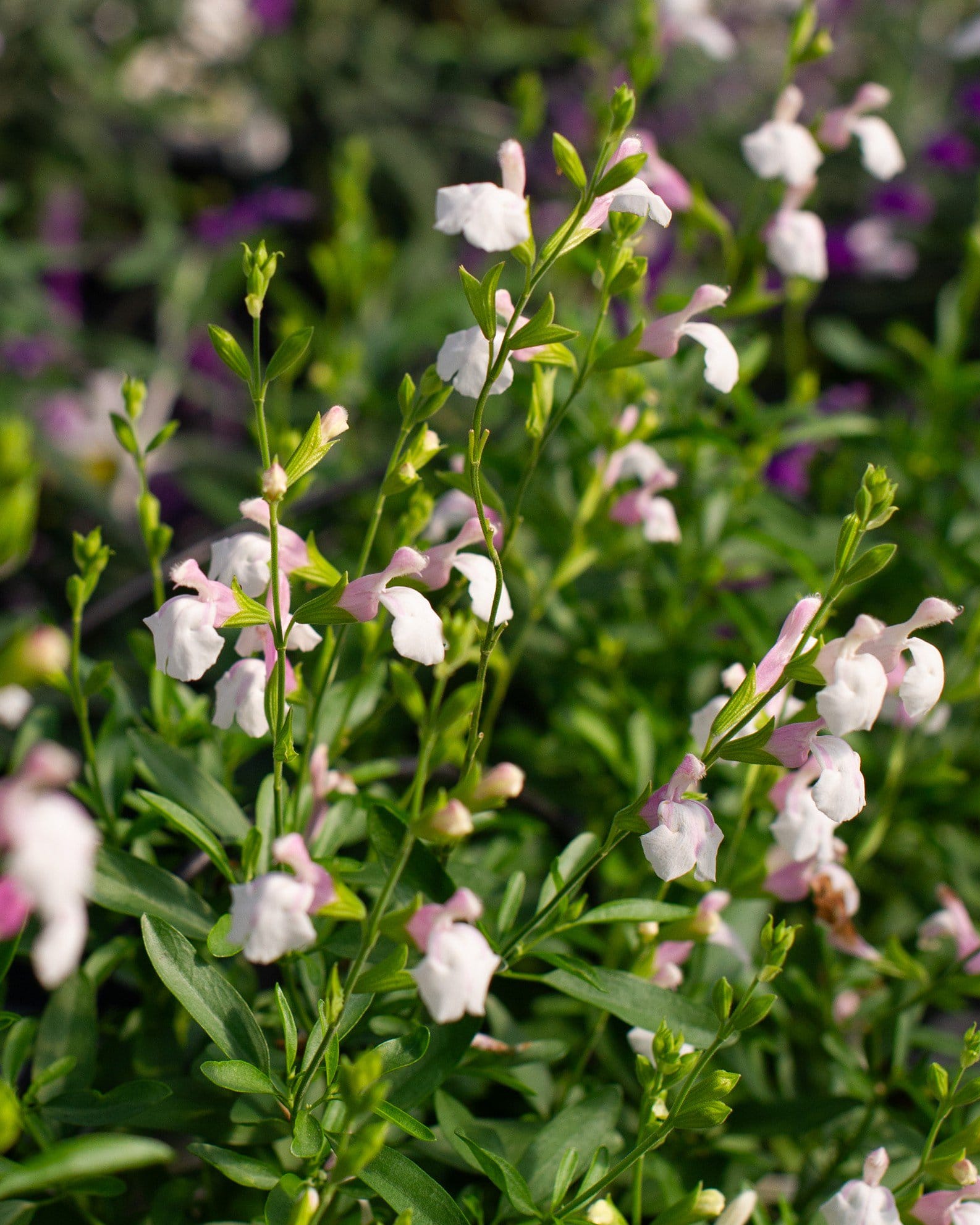
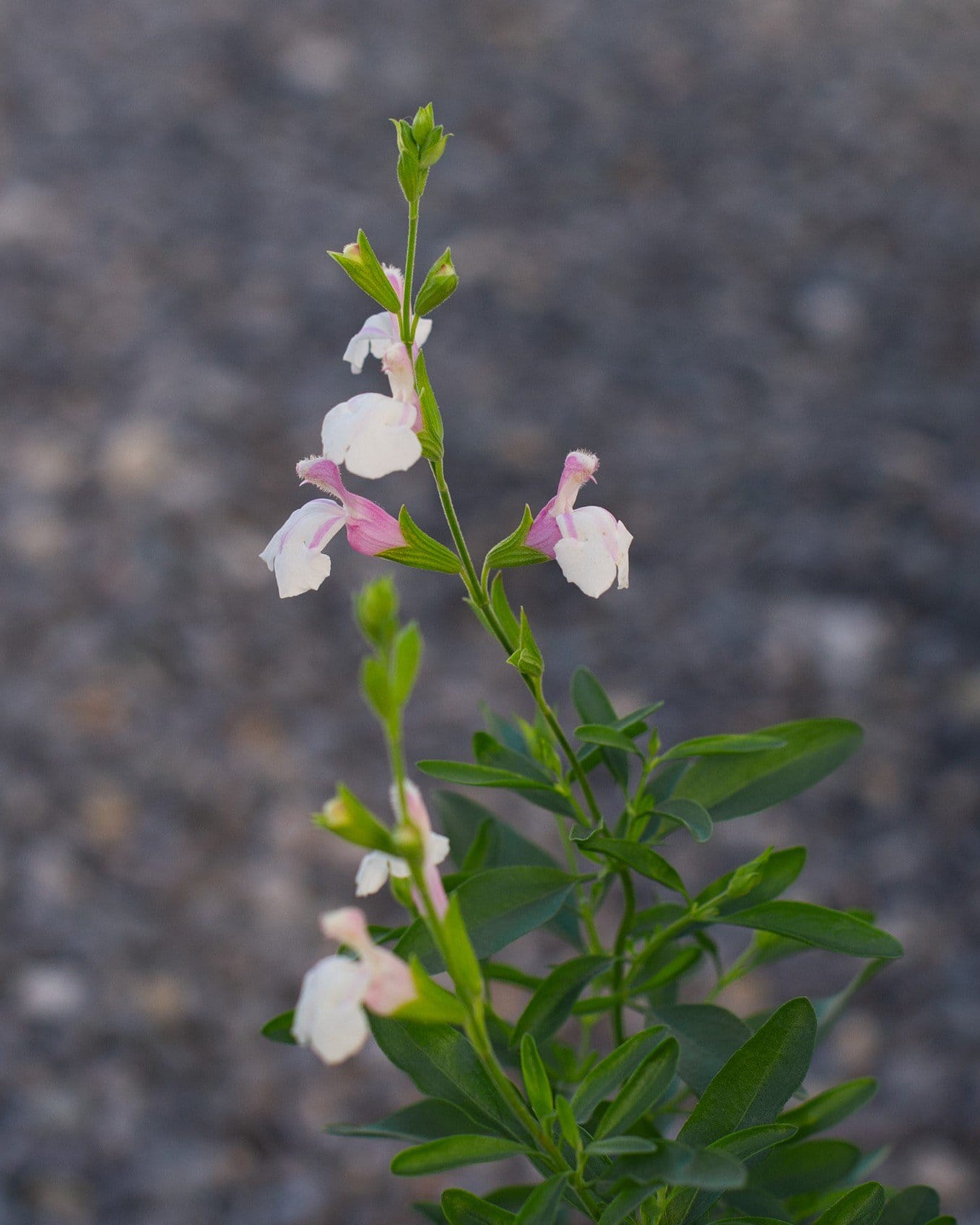
Teresa Salvia Greggii
Maturity: 2' H x 2' W
Compare Similar Plants
Lipstick Salvia Greggii This plant | ||
|---|---|---|
| Scientific Name | Salvia greggii ‘Lipstick’ | Salvia roemeriana |
| Size at Maturity | 2' H x 2' W | 2' H x 1.5' W |
| Leaf Retention | Herbaceous | Herbaceous |
| Flower Color | Red | Red |
| Bloom Times | Spring, Summer & Fall | Spring, Summer & Fall |
| Sizes Available | 1, 2 gal | 1 gal |

Our 1-Year Planting Guarantee
We take pride in our plants and installation services. If any plants or trees installed by Treeland fail to thrive within the first year, we'll provide a replacement credit in accordance with our guarantee program.
Learn More About Our Guarantee