
Rock Rose Pavonia
Pavonia lasiopetalaLocal DFW Delivery Only
Product Details
Rock Rose Pavonia
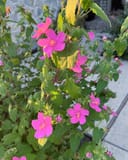
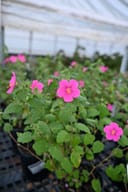
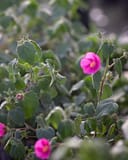
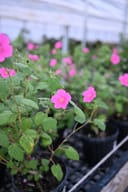
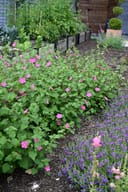
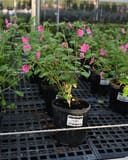
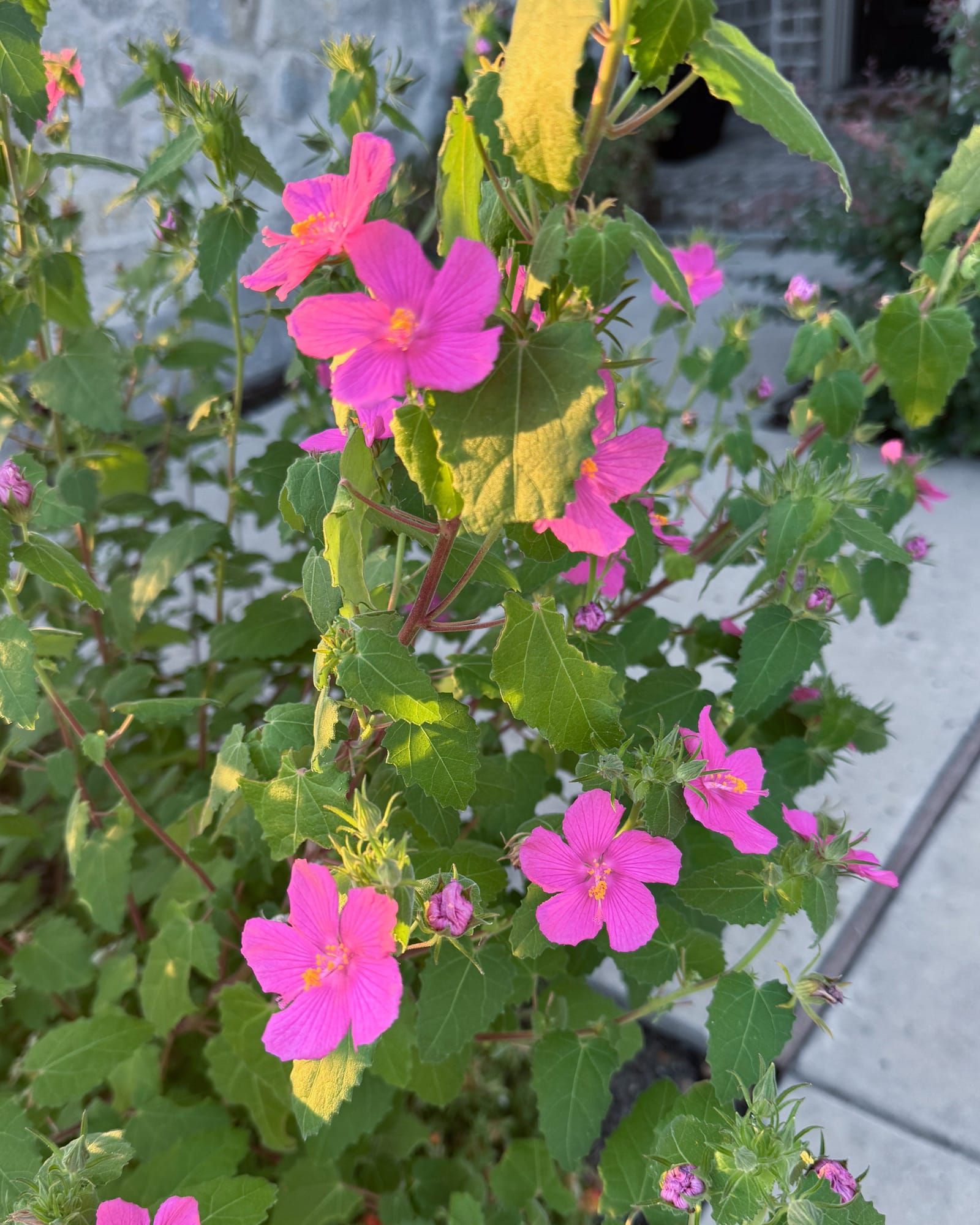
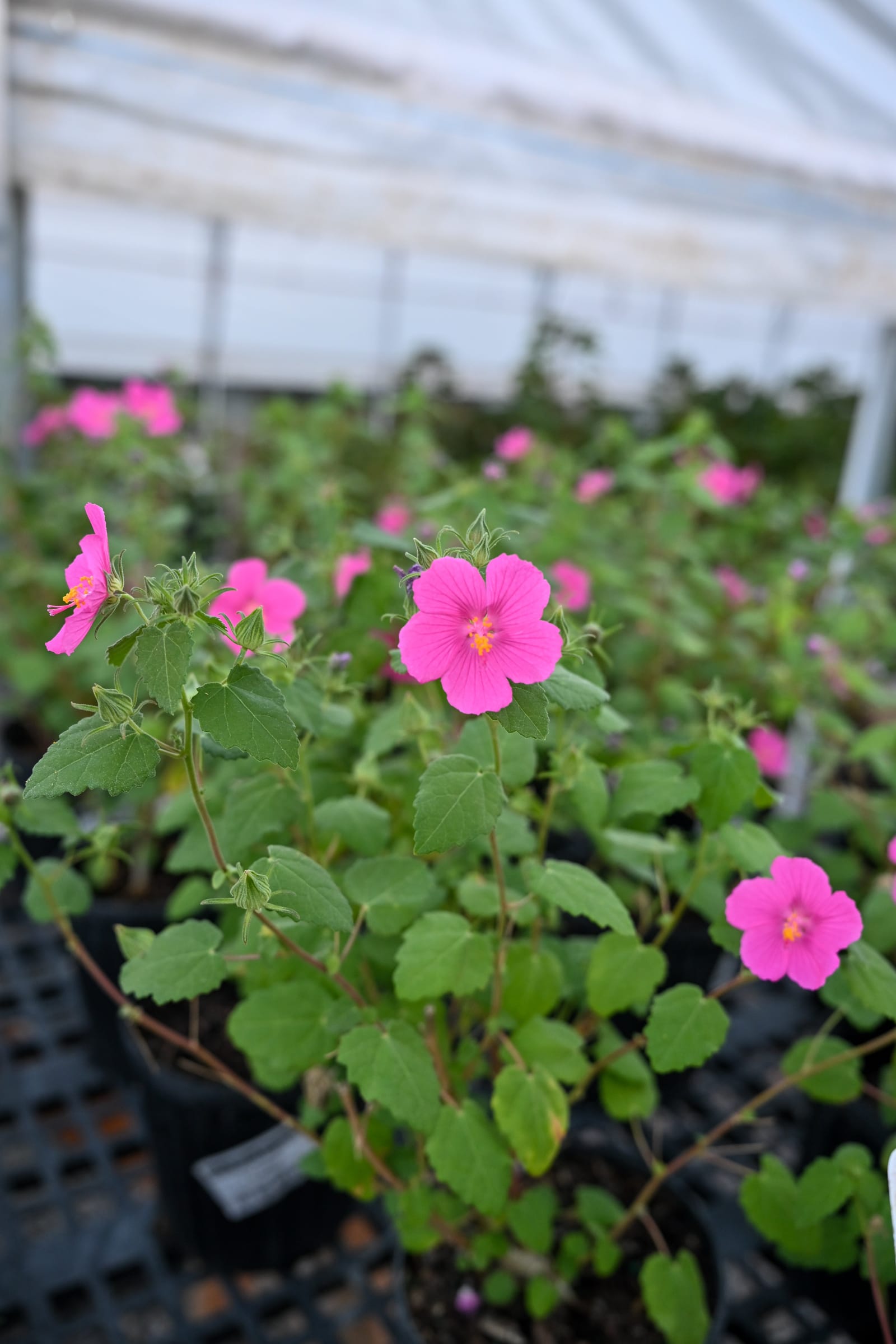
Pavonia lasiopetalaRock Rose Pavonia, also known as Rose Mallow or Texas Mallow, is a drought-tolerant, heat-tolerant perennial. Its medium green velvety foliage and hot pink flowers blooming in summer and fall make it a perfect choice for any landscape. This perennial shrub is excellent for borders and rock gardens. Its spreading habit makes it a great option for a groundcover, where it will provide color and density to otherwise barren parts of the landscape. It grows up to 3 feet tall and the same size wide at maturity. It reaches maturity approximately 2–3 years after planting.
- A herbaceous perennial
- Fast growth rate
- Great for rock gardens and borders
- Hot pink flowers against velvety foliage
- Blooms from summer to fall
Hardy in zones 7–8, it can be grown as a herbaceous perennial in your North Texas landscape. It thrives in full sun, so ensure plenty of direct sunlight daily. Plant it in well-drained soil.
Rock Rose Mallow is a dependable choice for naturalized beds, slopes, and low-input landscapes. It only needs a little bit of maintenance to thrive. Here’s all you need to know:
- Watering: Water regularly during the first growing season to establish a deep, spreading root system. Once established, Rock Rose Mallow is highly drought-tolerant and performs best with occasional deep watering rather than frequent irrigation.
- Pruning: Prune lightly after flowering to maintain shape and encourage fresh growth. Cutting the plant back by several inches helps prevent legginess and promotes denser flowering later in the season.
- Fertilizing: Rock Rose Mallow prefers lean soils and generally does not require fertilizer. If growth appears weak, a light application of balanced, slow-release fertilizer in early spring is sufficient.
- Mulching: Apply a light mulch layer during establishment to conserve moisture and suppress weeds. Keep mulch pulled back from stems to prevent excess moisture buildup.
- Winter Care: Rock Rose Mallow is cold-hardy and typically requires no winter protection once established. In colder regions, top growth may die back, but plants reliably return from the roots in spring.
Rock Rose Mallow is very durable, though a few issues may arise when conditions become overly wet or crowded:
- Root Rot: Plants may decline if the soil remains saturated for extended periods. Improving drainage and reducing watering frequency helps prevent long-term damage.
- Powdery Mildew: A white, powdery coating may appear on leaves during humid weather with limited airflow. Improve circulation and avoid overhead watering to reduce recurrence.
- Leaf Spot: Dark or irregular spots may develop on foliage during prolonged wet periods. Remove affected leaves promptly and maintain good airflow around plants.
- Leggy Growth: Stems may stretch and flowering may thin if plants are not pruned periodically. Light pruning encourages denser growth and a more compact form.
- Weed Competition: Young plants may struggle if aggressive weeds compete for space and moisture. Regular weeding during establishment helps ensure strong coverage.
Rock Rose Mallow typically lives 6-10 years under favorable conditions. Its deep root system helps it survive drought and seasonal stress. With minimal care, it remains a reliable long-term perennial.
It grows at a moderate pace, spreading approximately 12-18 inches per year. Light flowering may occur in the first season, with full coverage and peak bloom reached by the second year. Mature plants continue to expand gradually without becoming invasive.
The open, rose-like flowers attract bees, butterflies, and other beneficial insects. Blooming typically begins in late spring and continues through summer. Its long flowering window provides consistent nectar availability.
Rock Rose Mallow is generally deer-resistant due to its coarse foliage and growth habit. Browsing pressure is usually light even in areas with active wildlife. Plants recover quickly if minor damage occurs.
It can be grown in large containers with excellent drainage. Containers help control the spread while showcasing its blooms. More frequent watering is required than in-ground plantings.
Division is possible but not commonly necessary due to its spreading habit. When desired, dividing every 3-4 years helps rejuvenate older plants. Early spring is the best time for division.
Mass plantings create broad swaths of color that perform well in tough conditions. Grouped plantings fill in quickly and suppress weeds naturally. This makes it ideal for slopes and large open areas.
It pairs beautifully with ornamental grasses, salvias, black-eyed Susan, and native wildflowers. Upright companions balance their spreading form. These combinations thrive in similar low-water environments.
Rock Rose Mallow spreads steadily but remains manageable in garden settings. It expands outward rather than running aggressively. Occasional pruning keeps growth controlled.
It stands out for its delicate, rose-like blooms combined with exceptional toughness. It delivers soft beauty in landscapes where many flowering plants struggle. Few perennials offer such a balance of elegance and resilience.
Special Features
You might also like
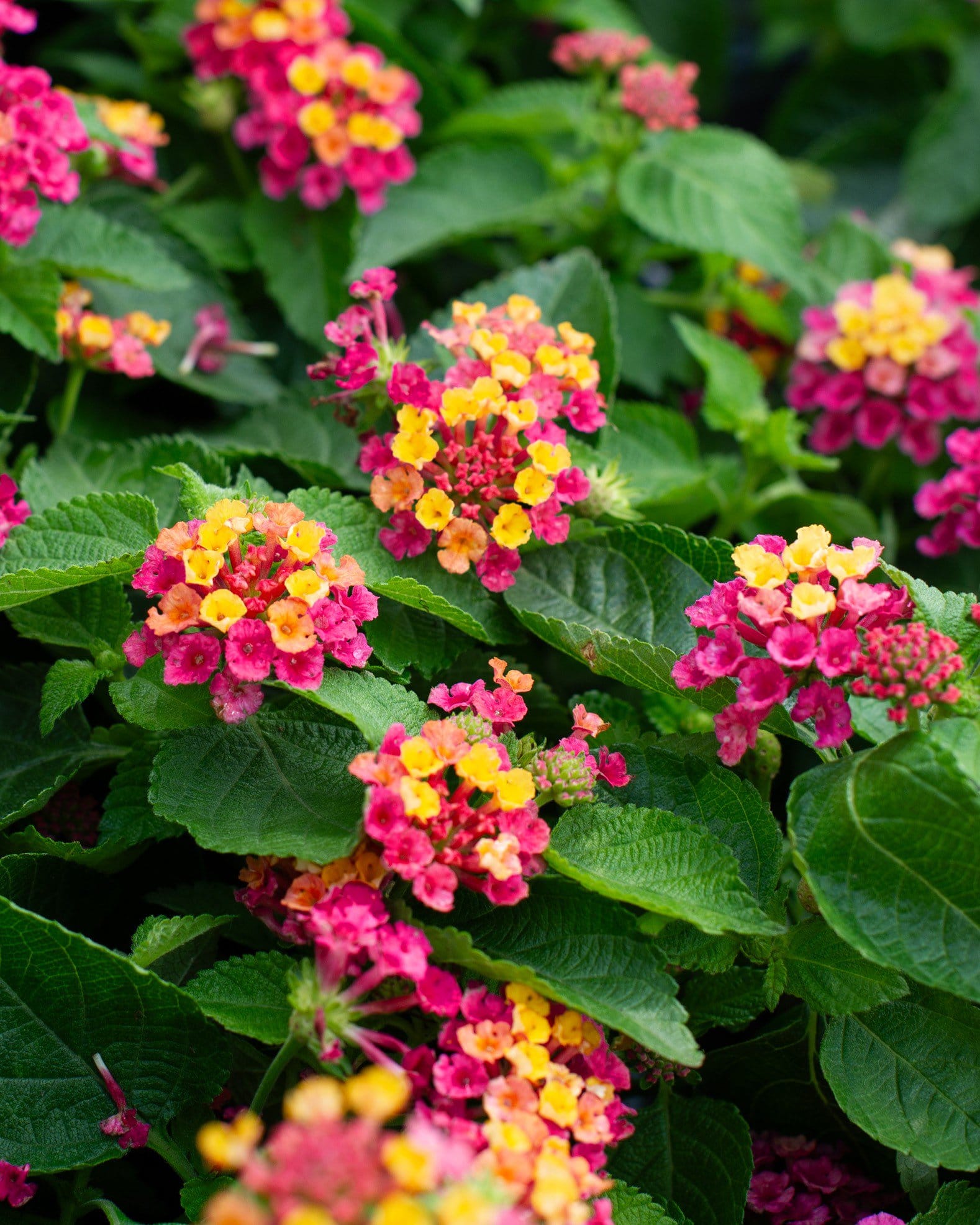
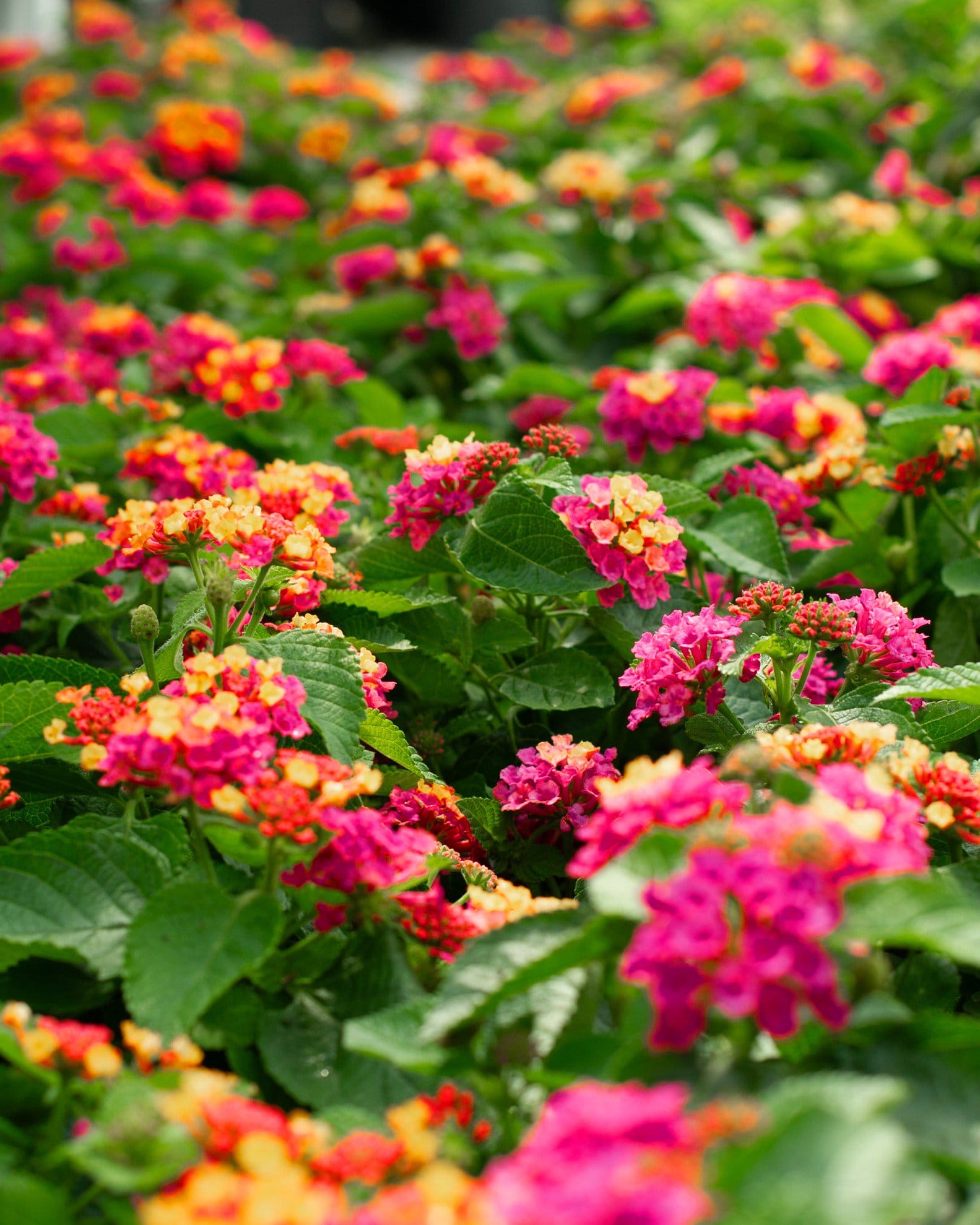
Bandana Cherry Sunrise Lantana
Maturity: 1.5' H x 1.5' W
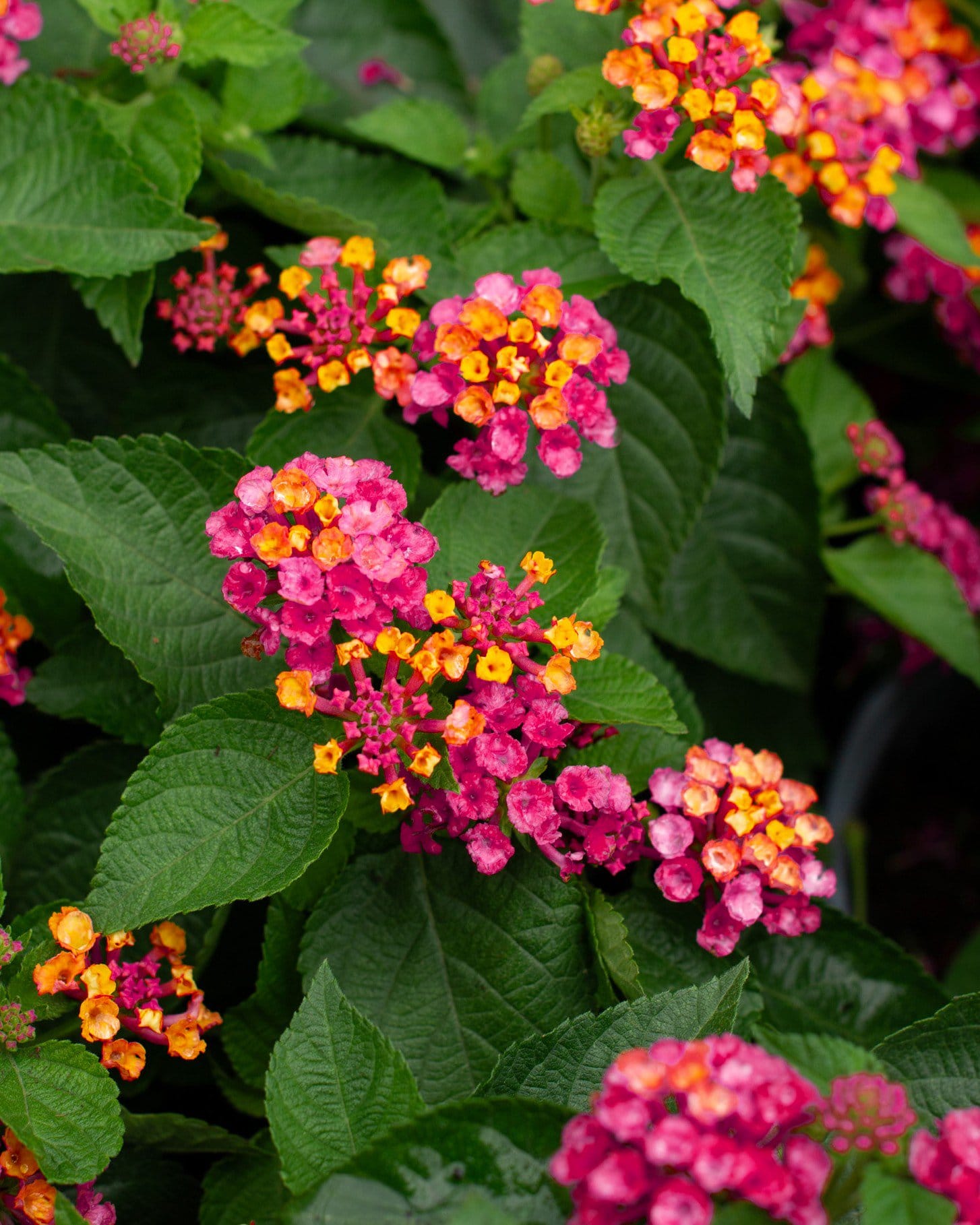
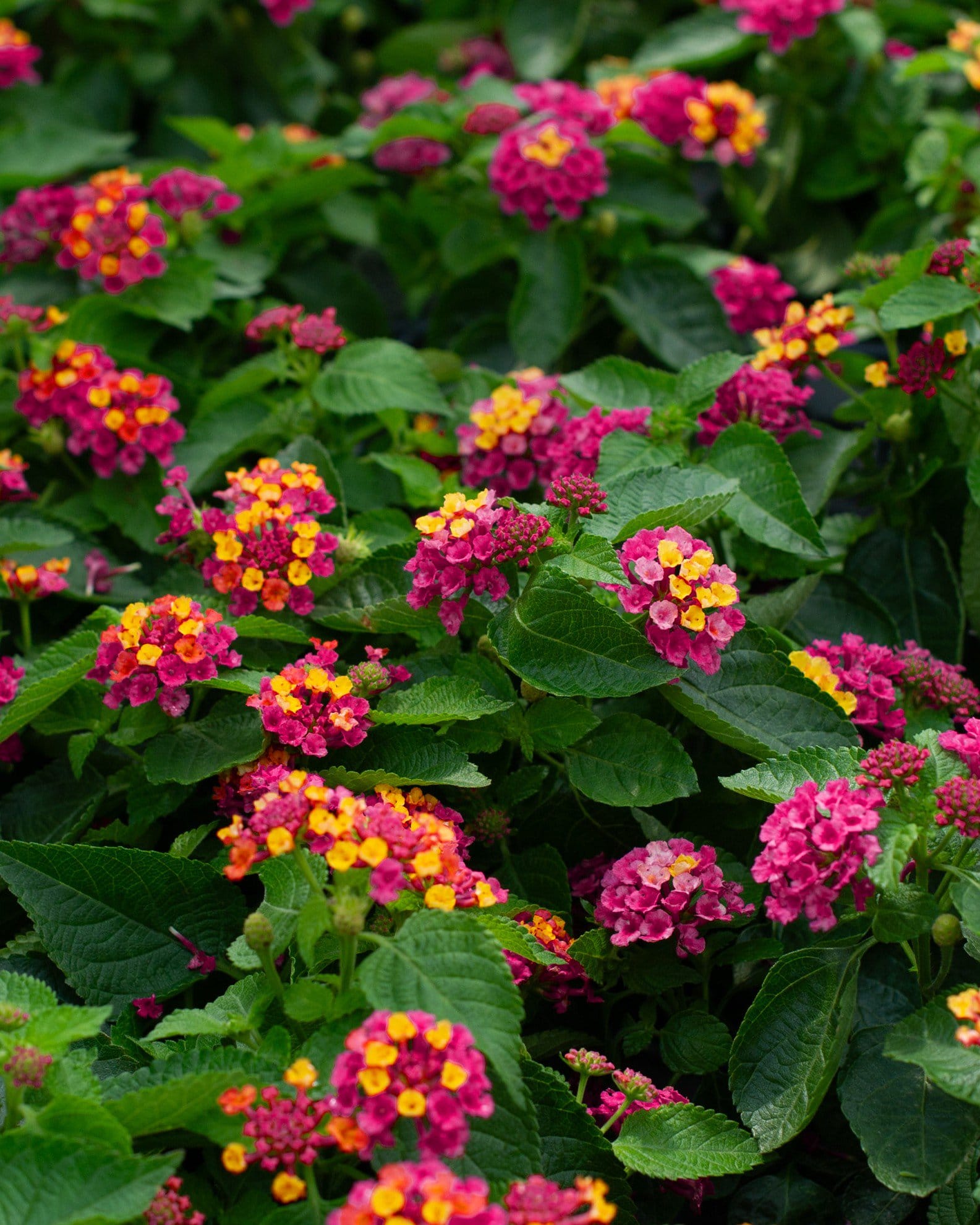
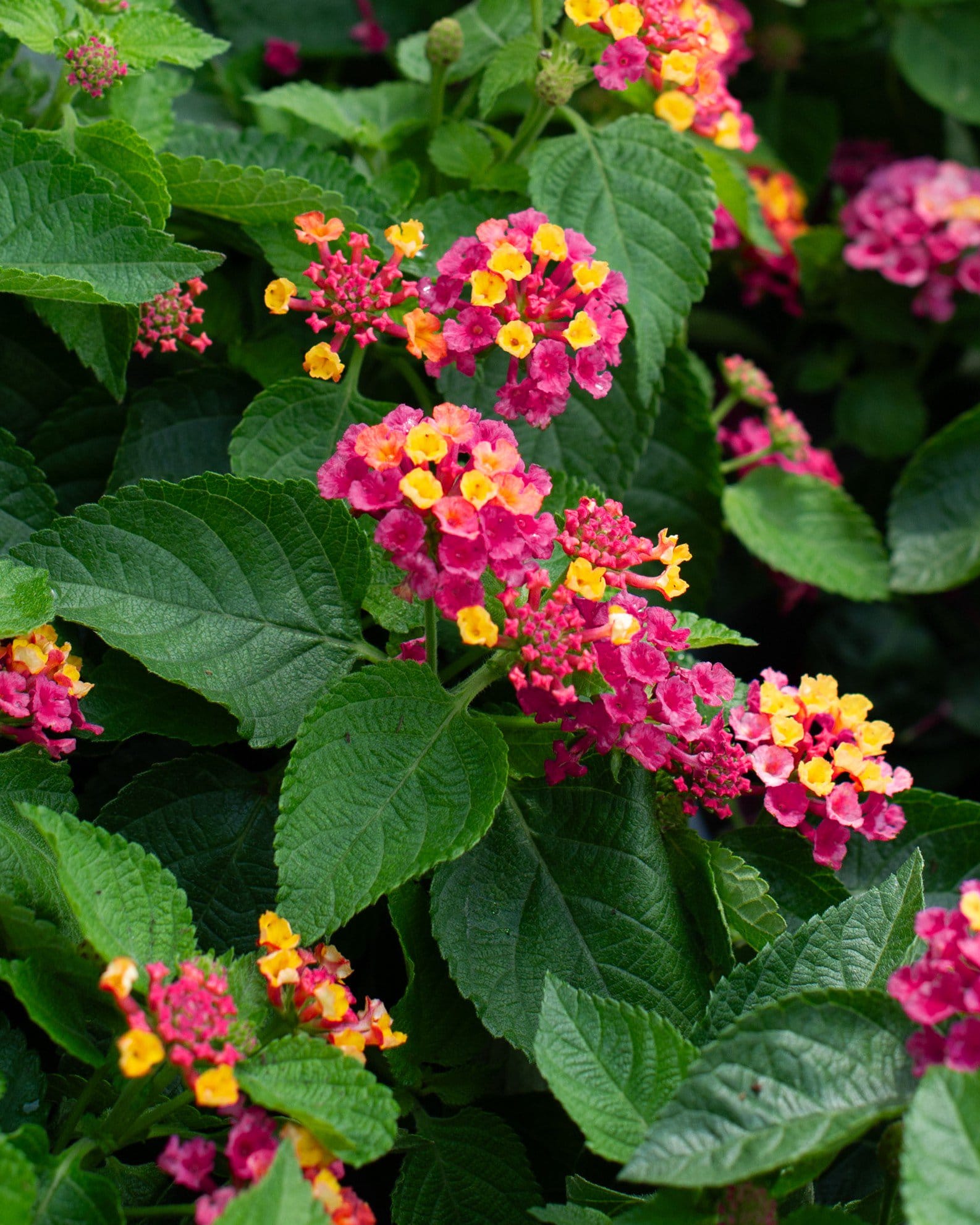
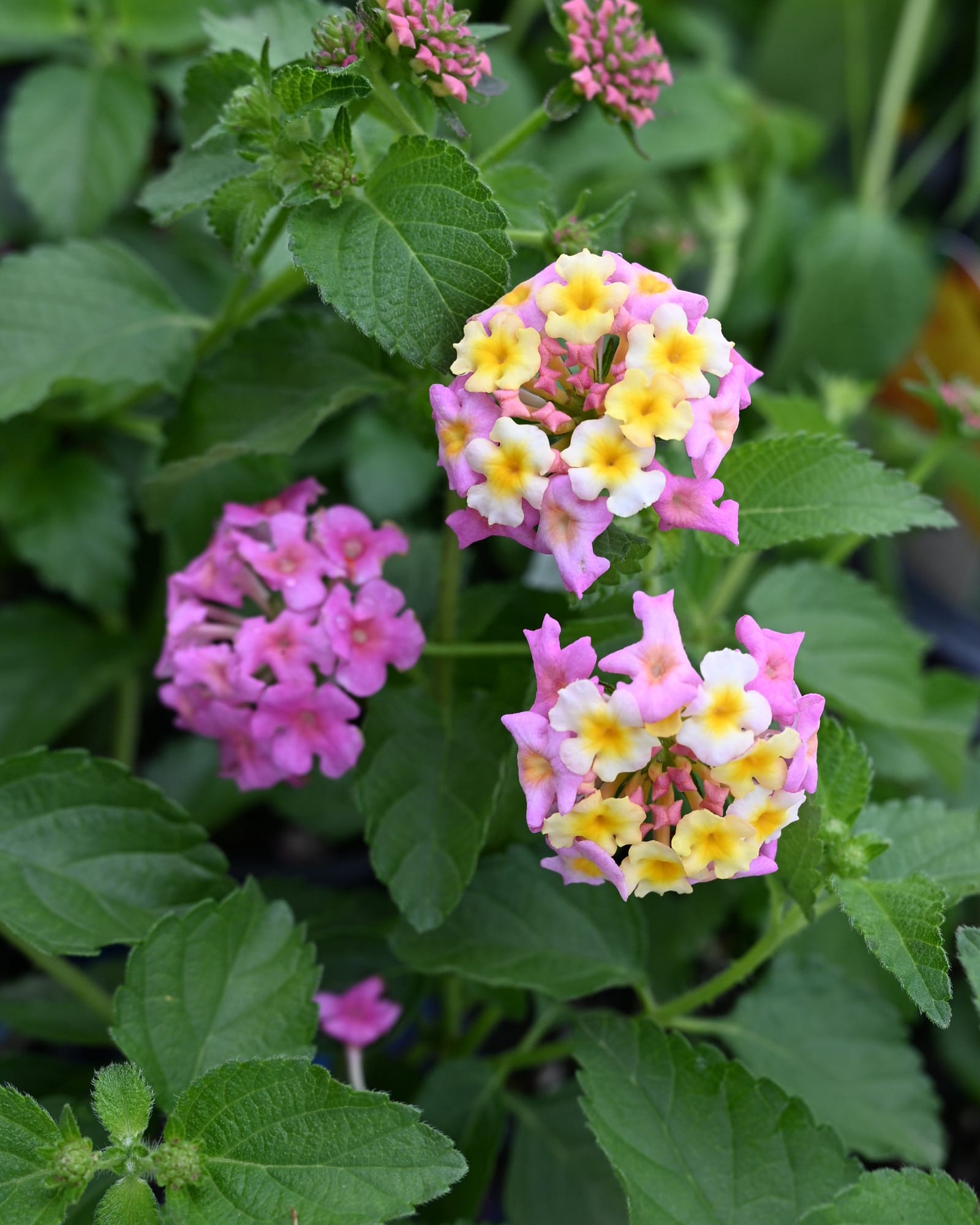
Chapel Hill Pink Huff Lantana
Maturity: 2' H x 3' W
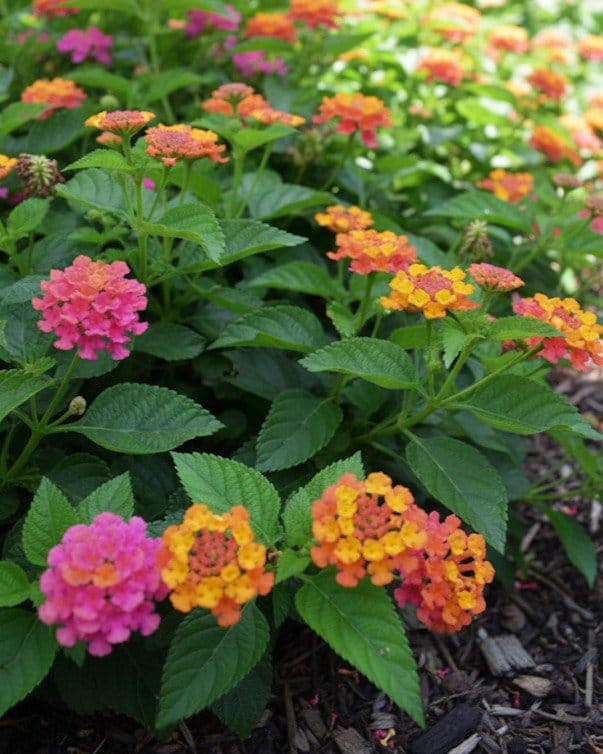
Havana Sunset Lantana
Maturity: 3' H x 3' W
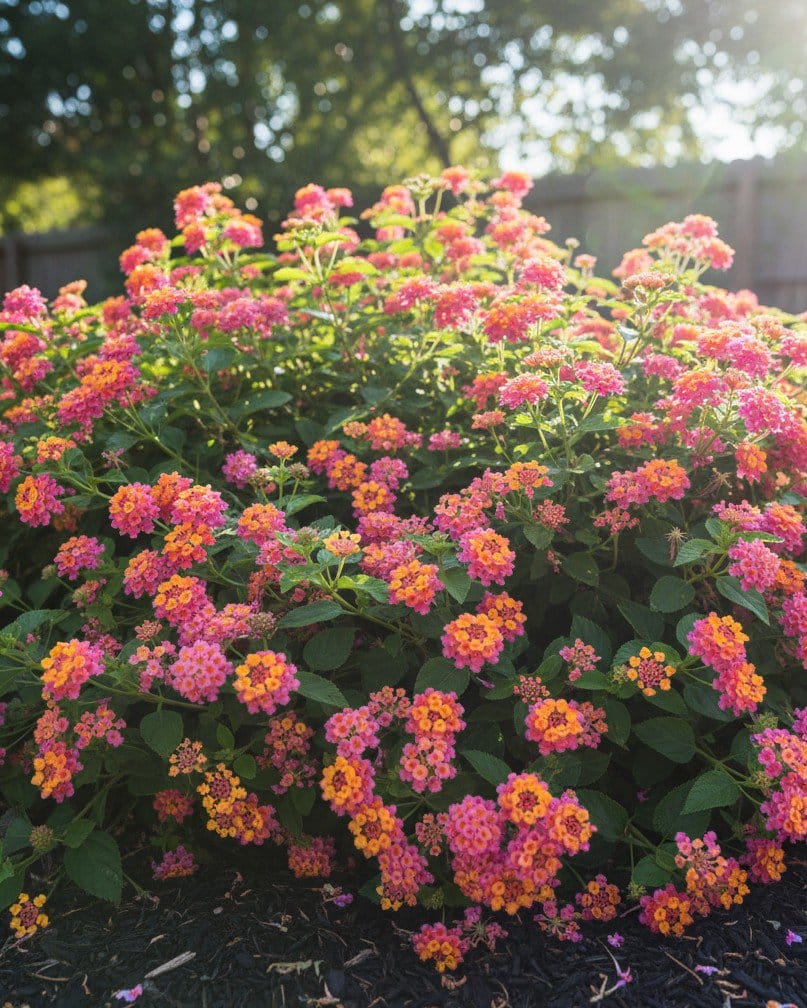
Irene Lantana
Maturity: 3' H x 3' W
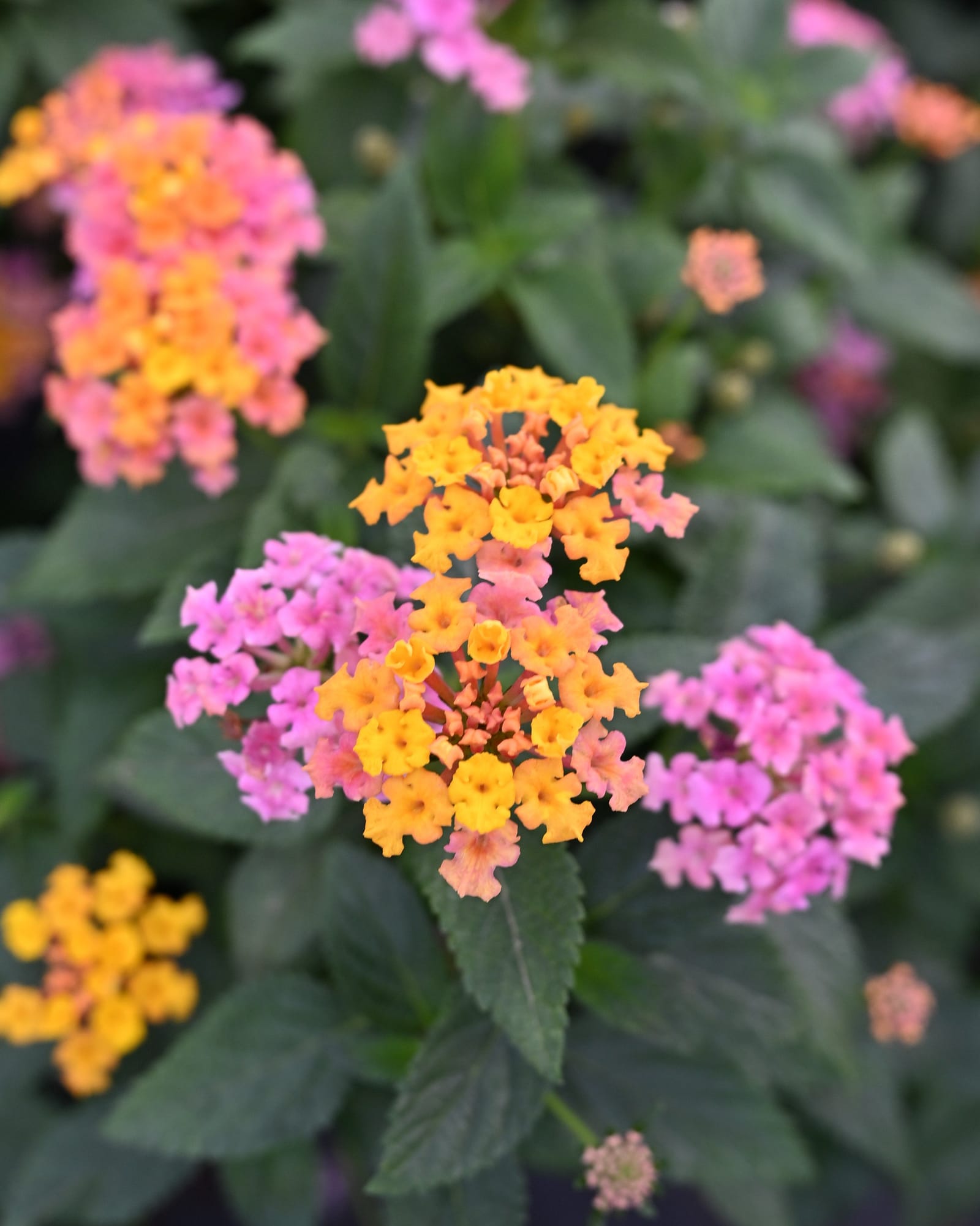
Shamrock Rose Gold Lantana
Maturity: 1' H x 1' W
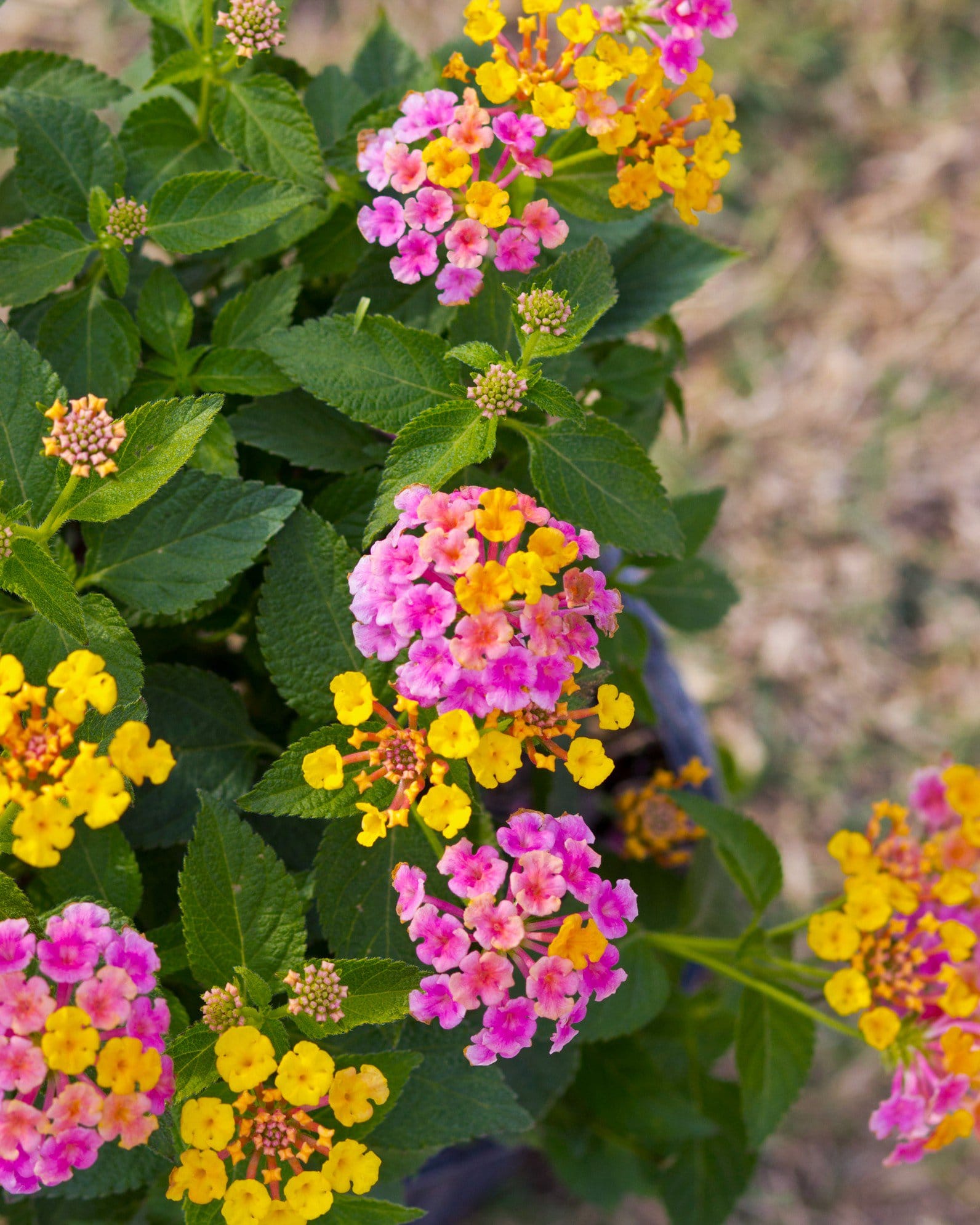
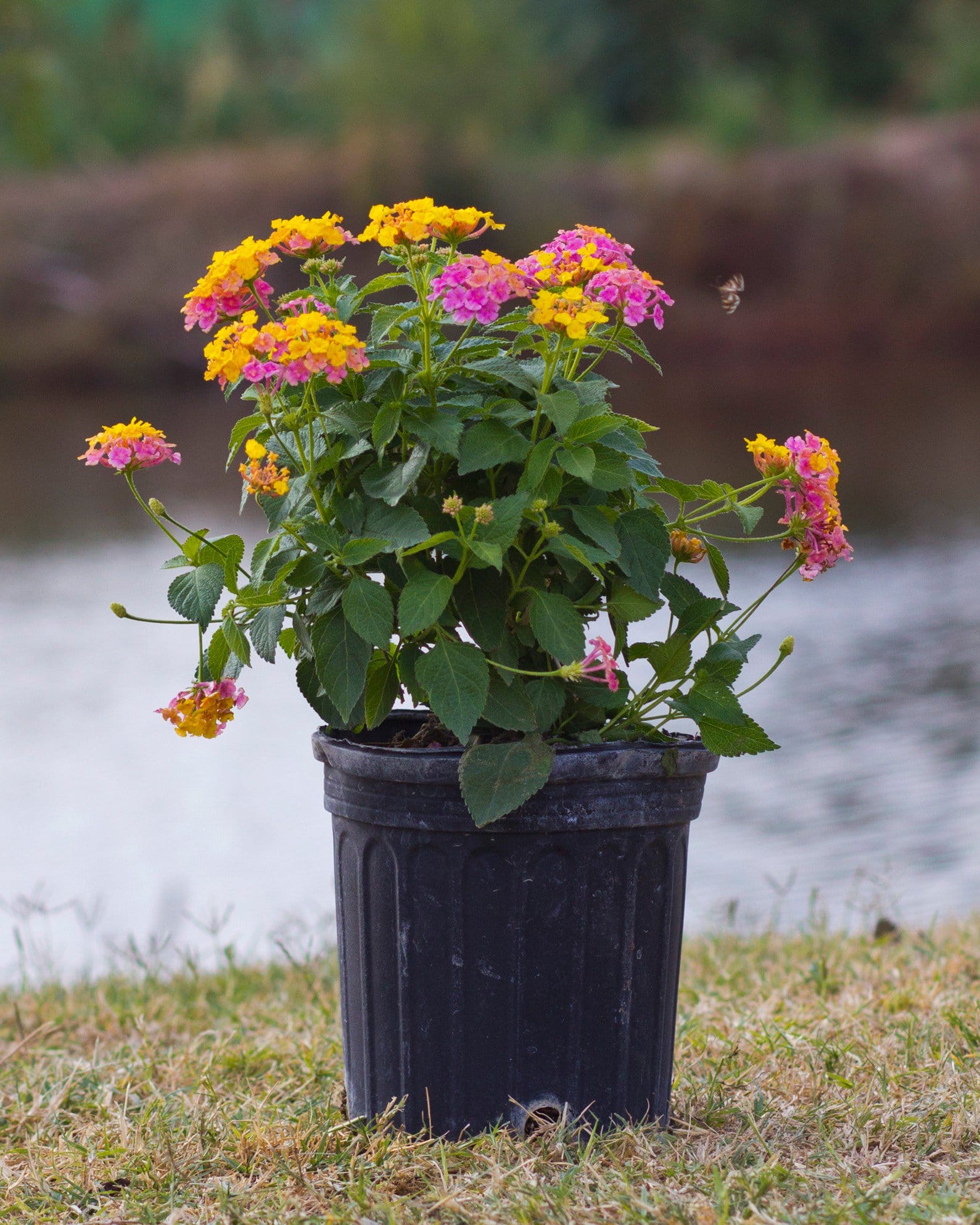
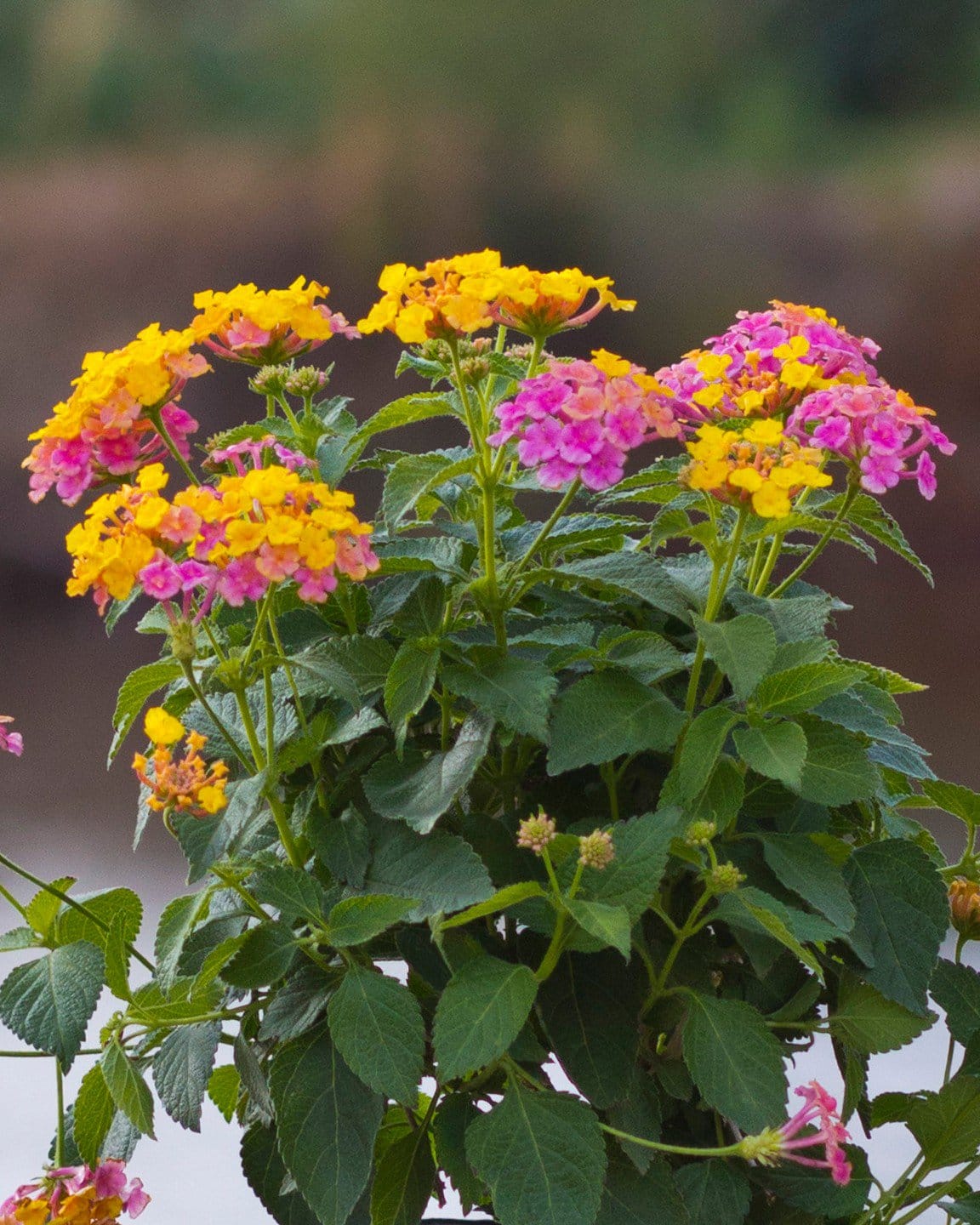
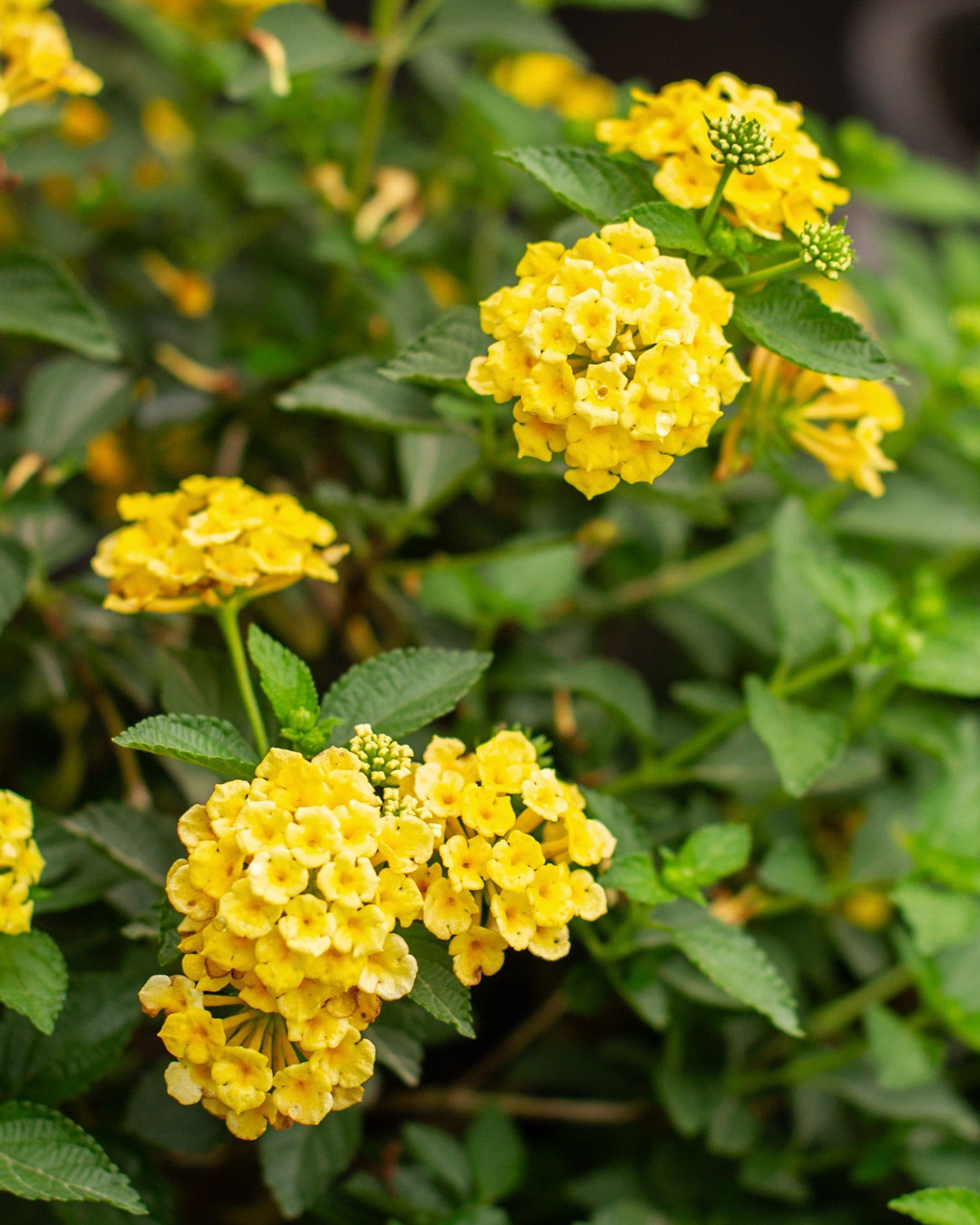
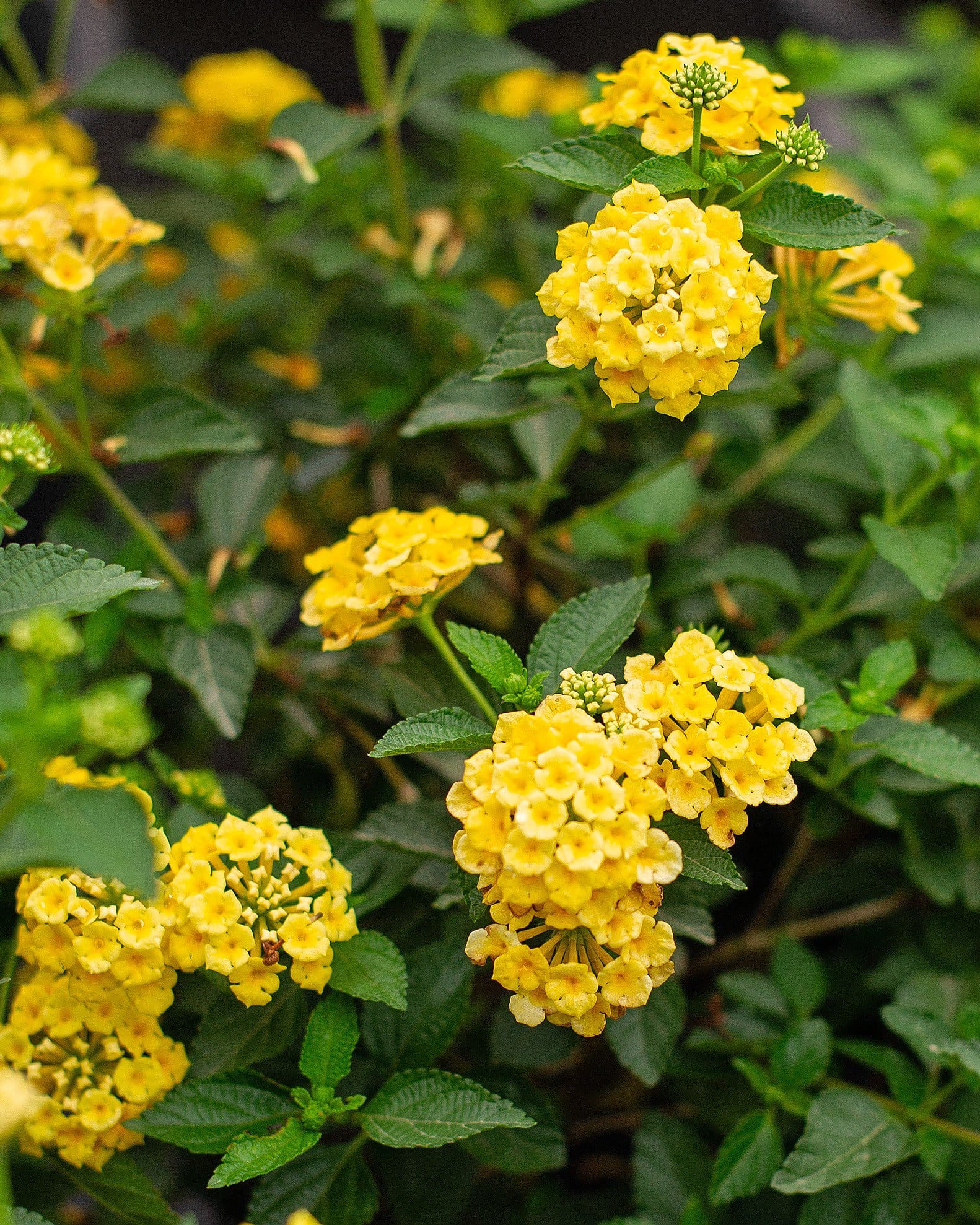
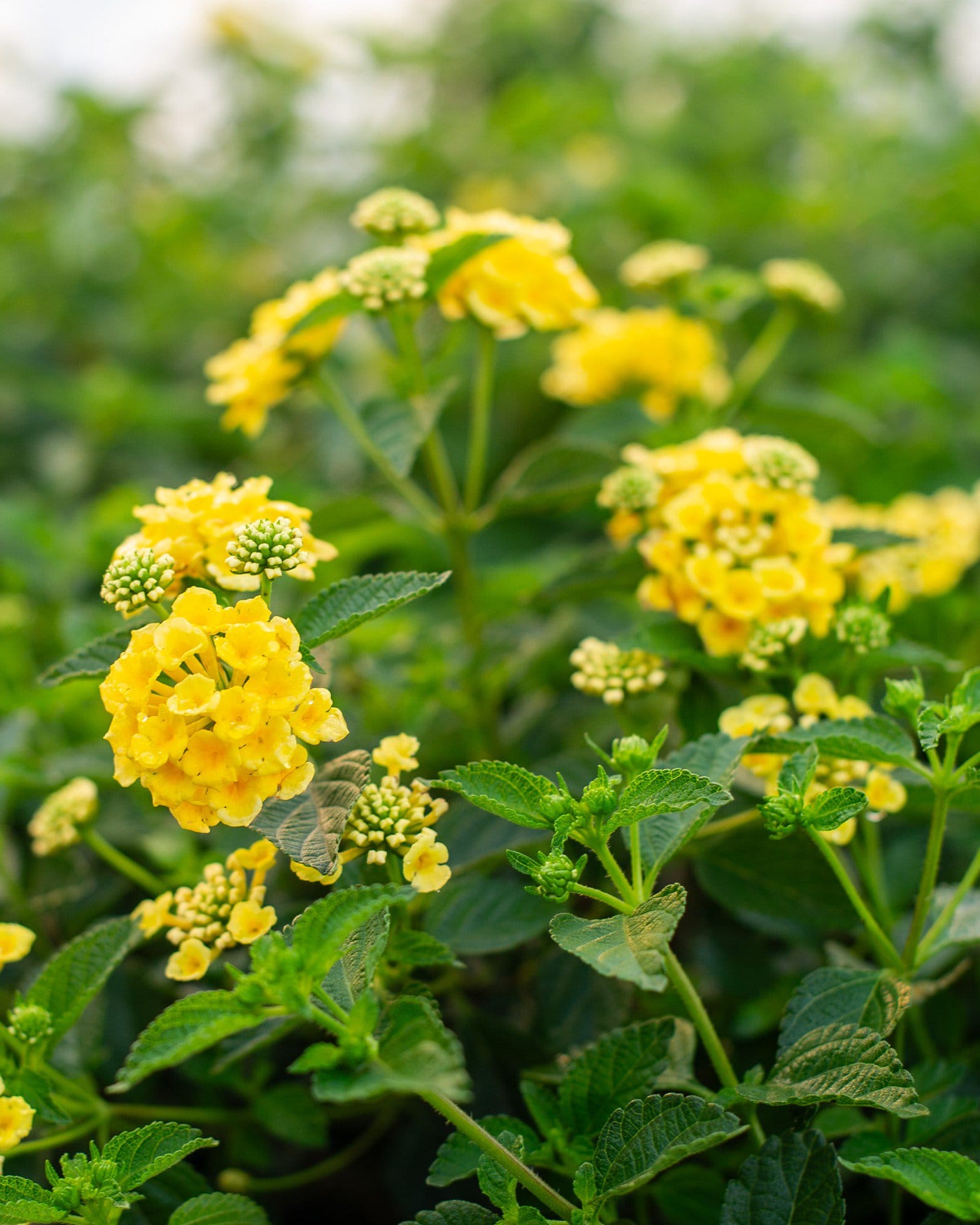
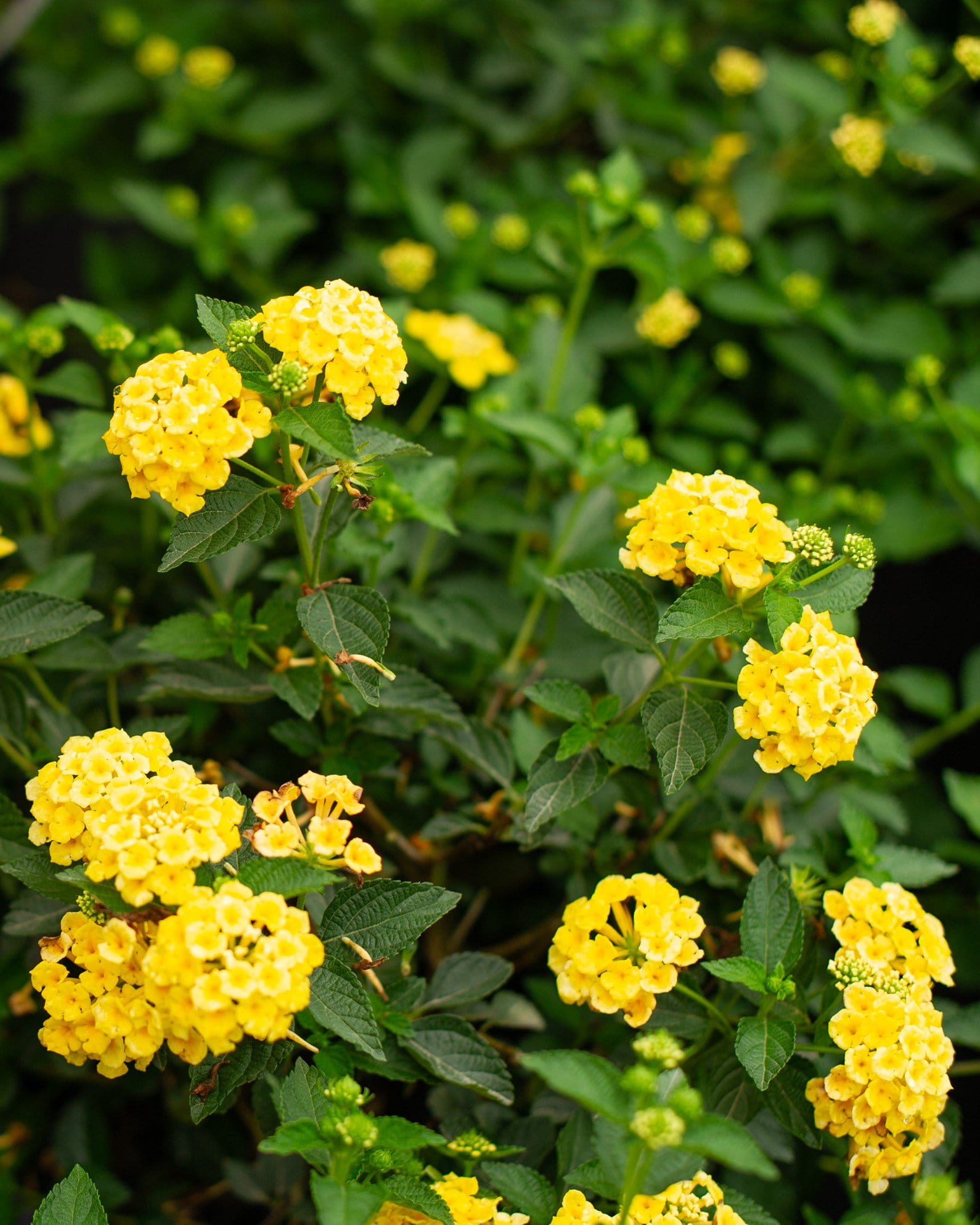
Chapel Hill Yellow Lantana
Maturity: 1.5' H x 2' W
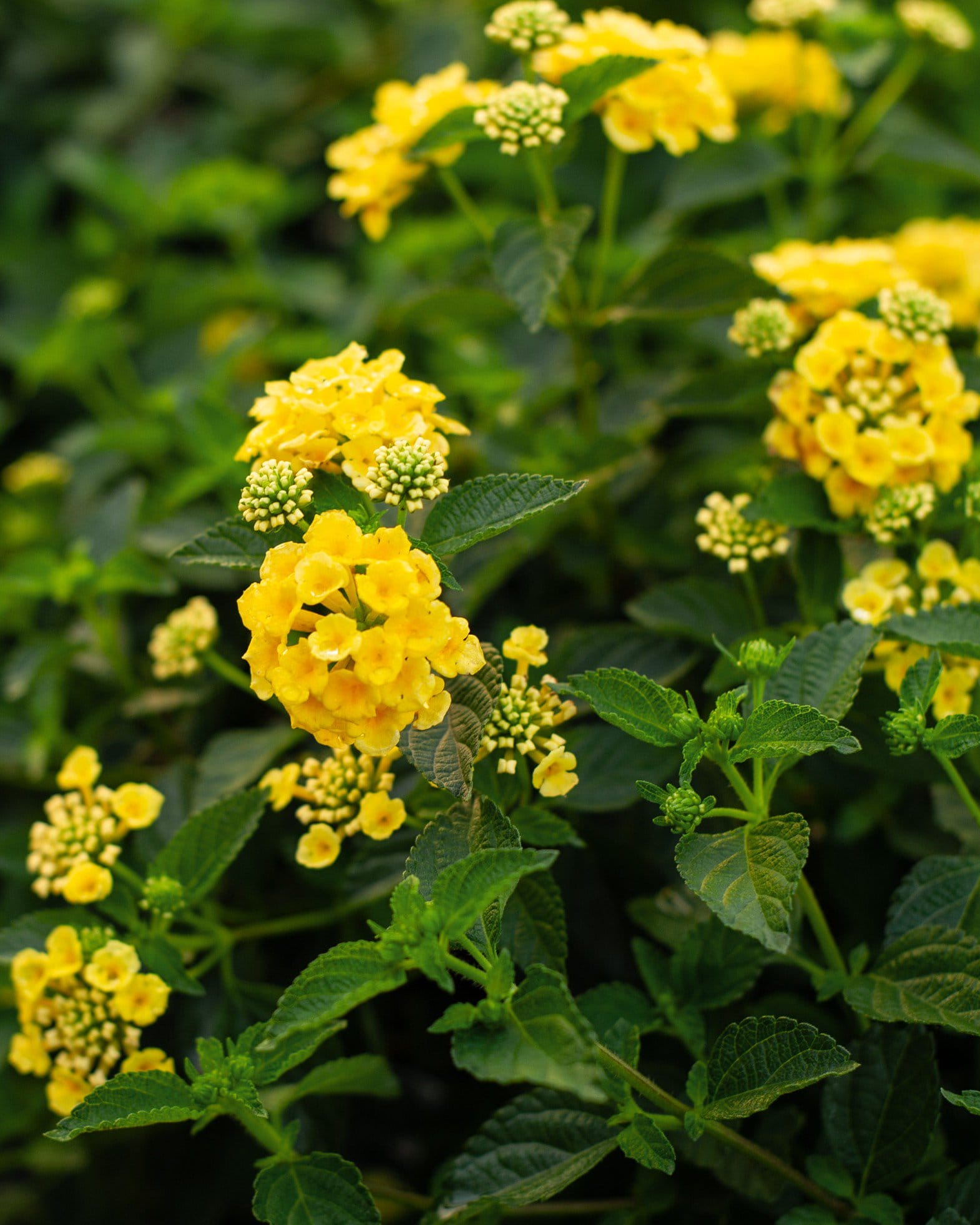
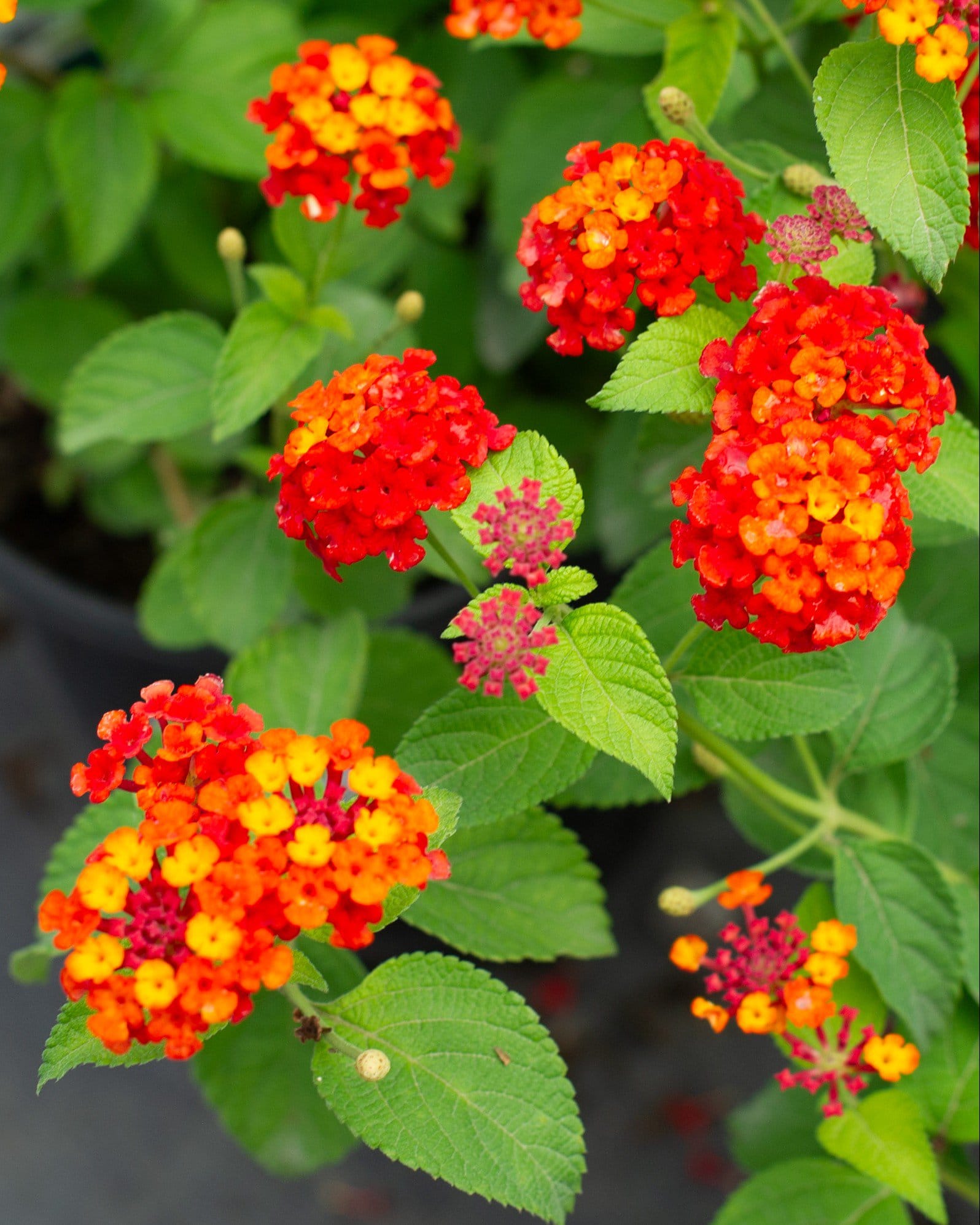
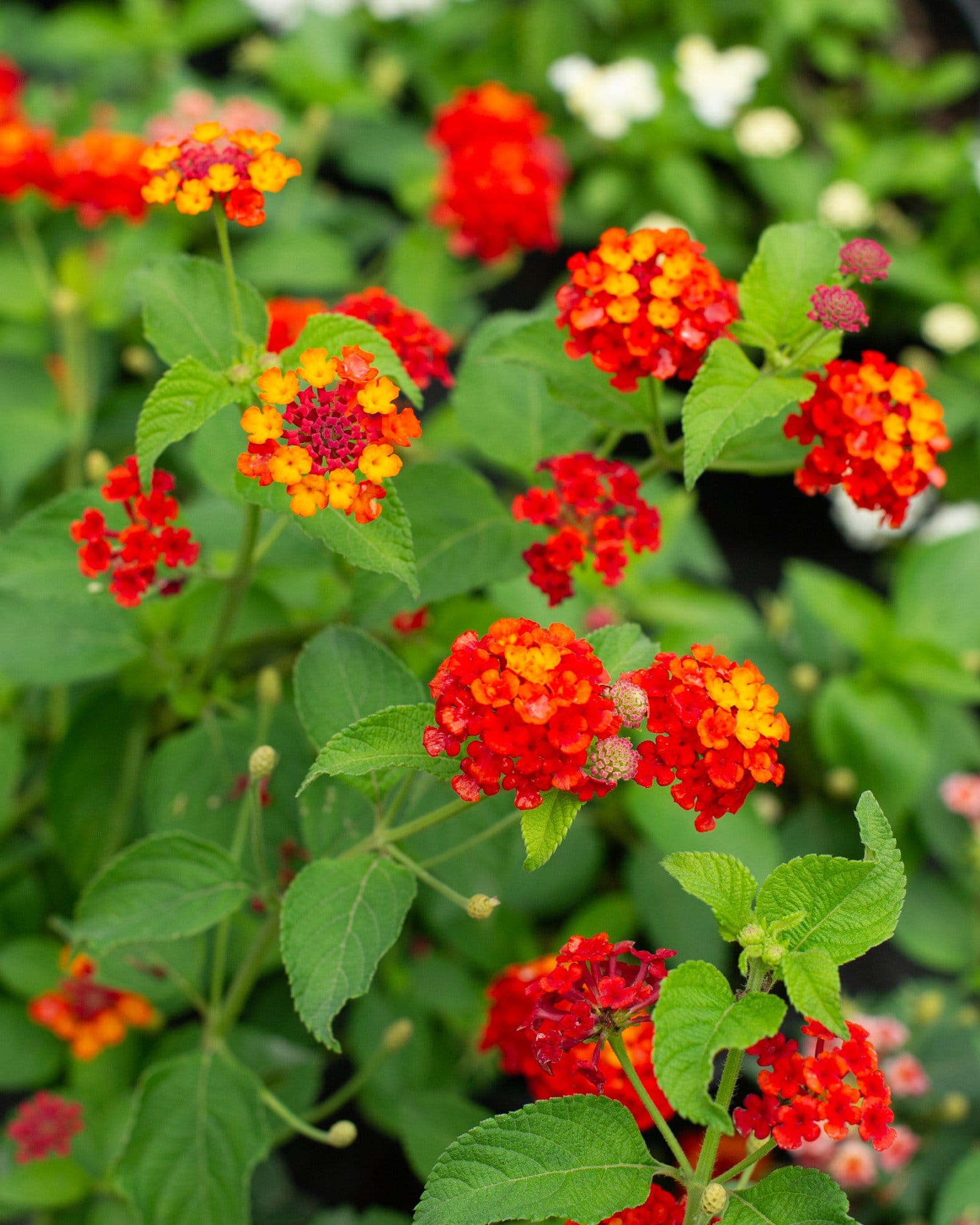
Dallas Red Lantana
Maturity: 3' H x 3' W
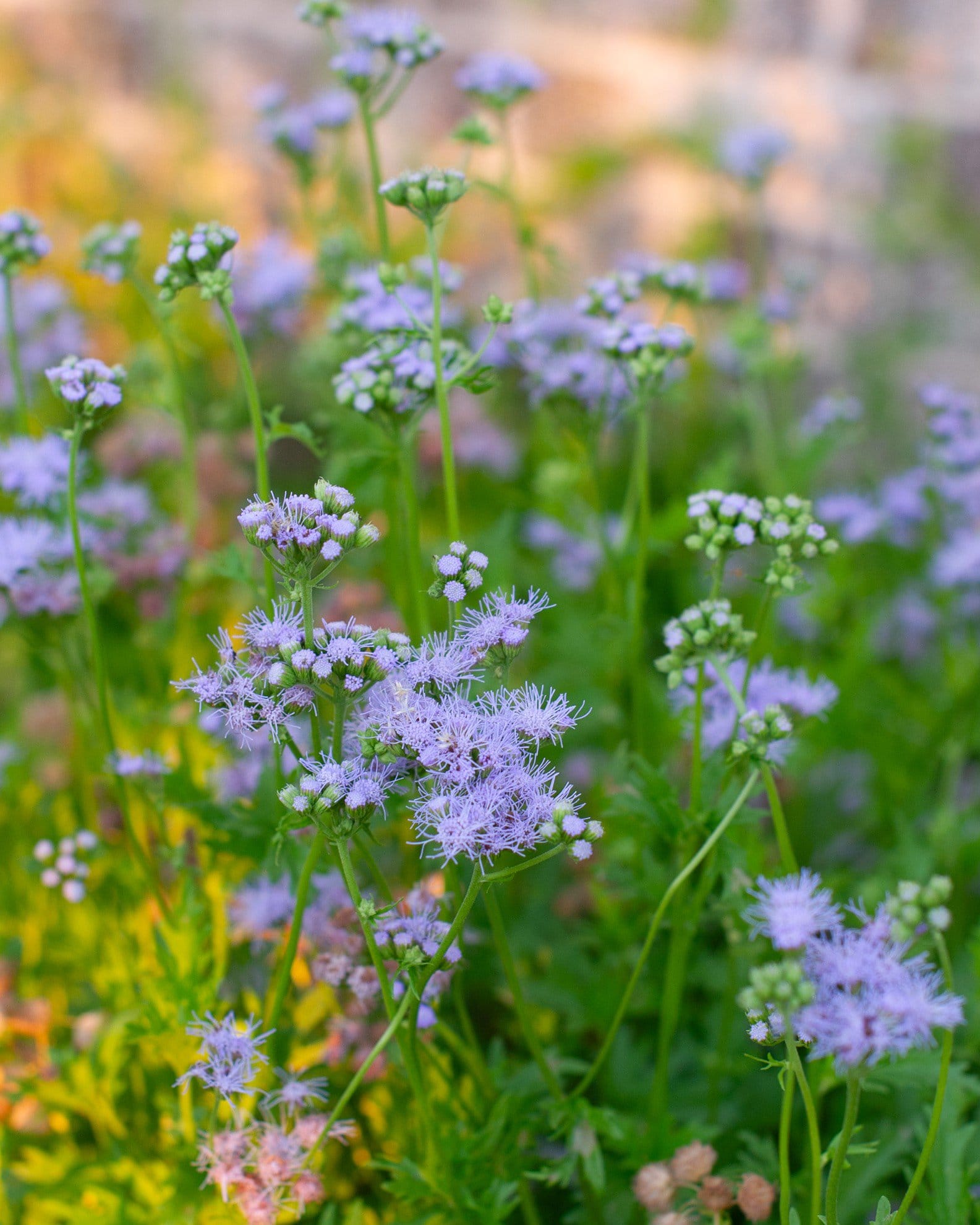
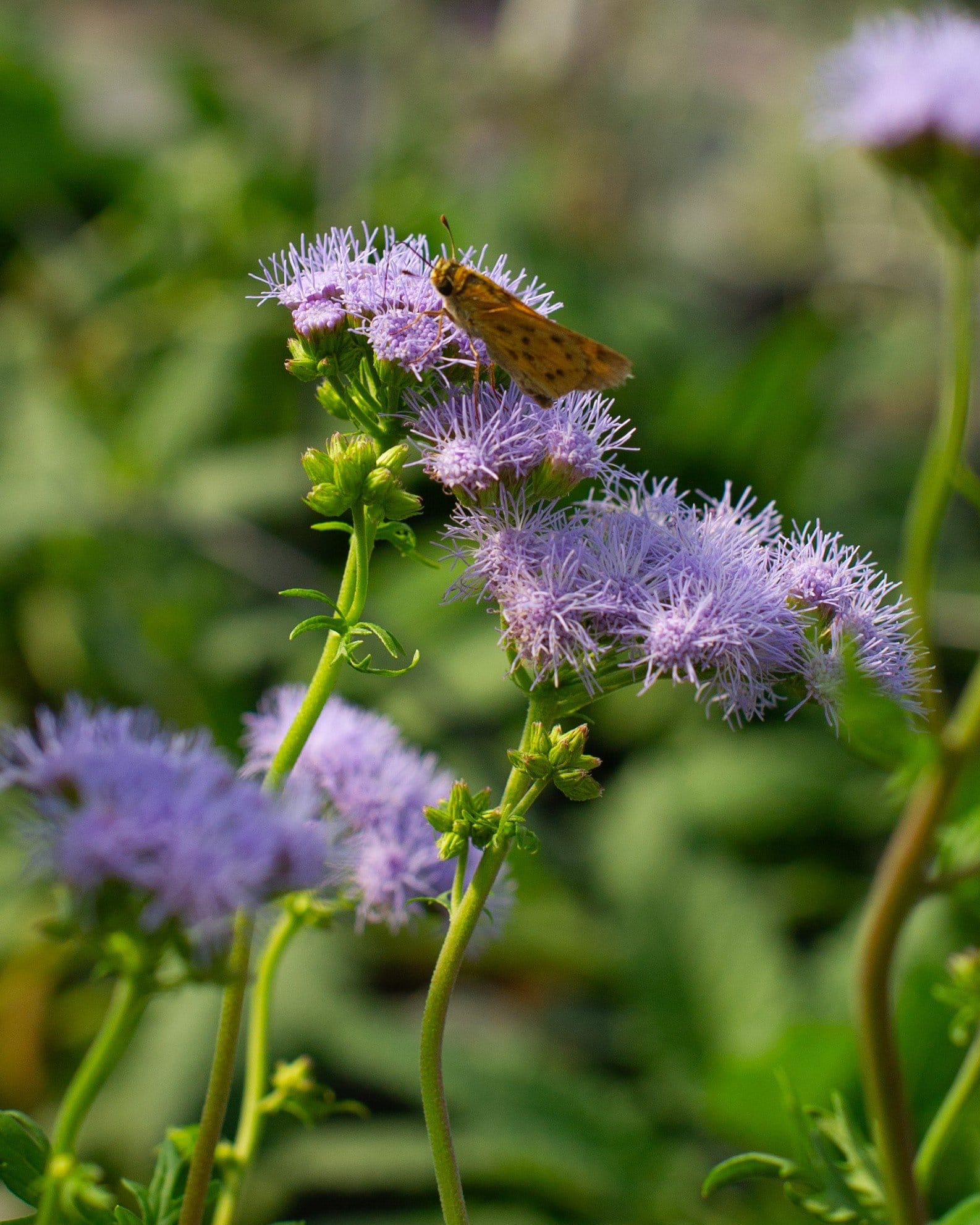
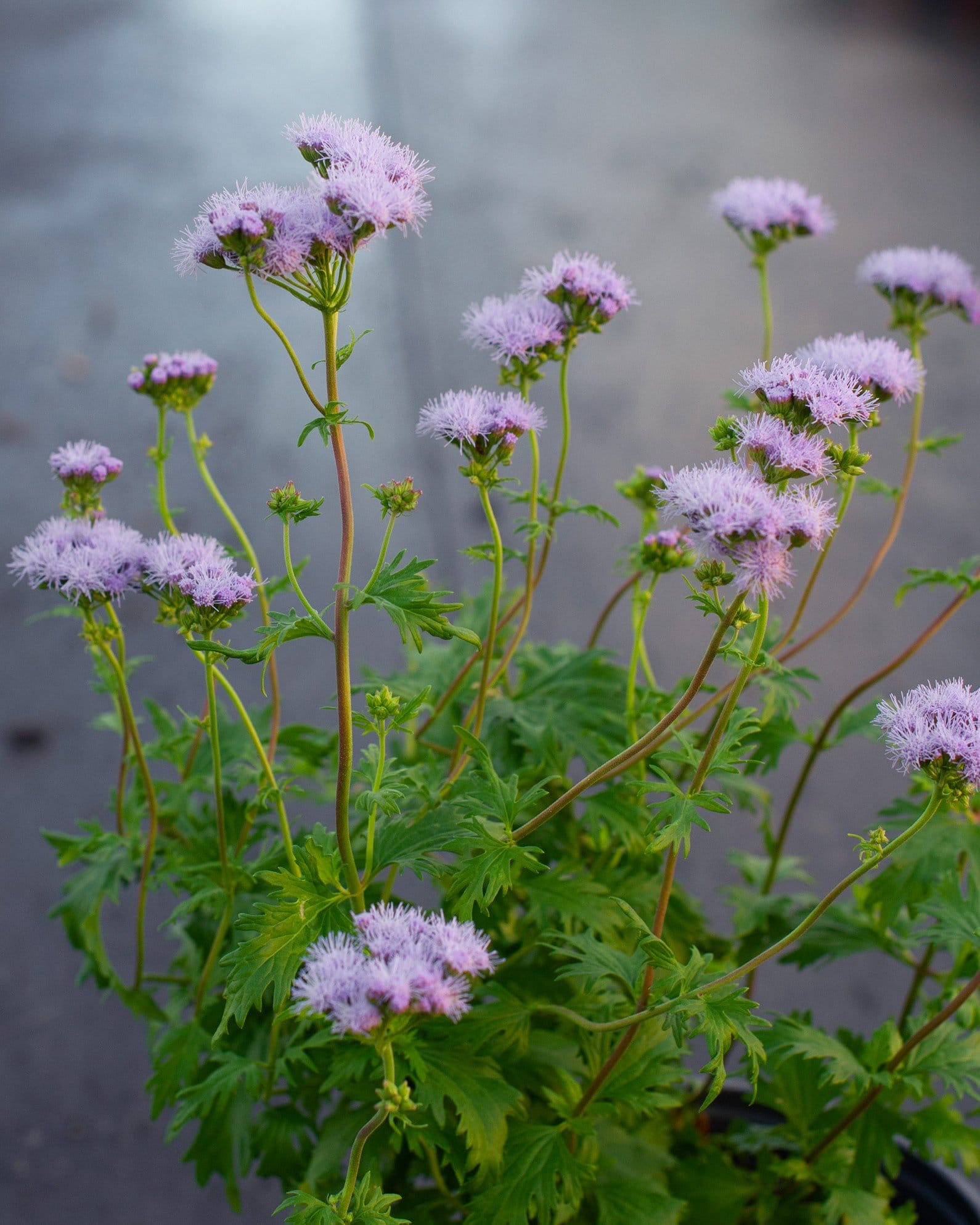
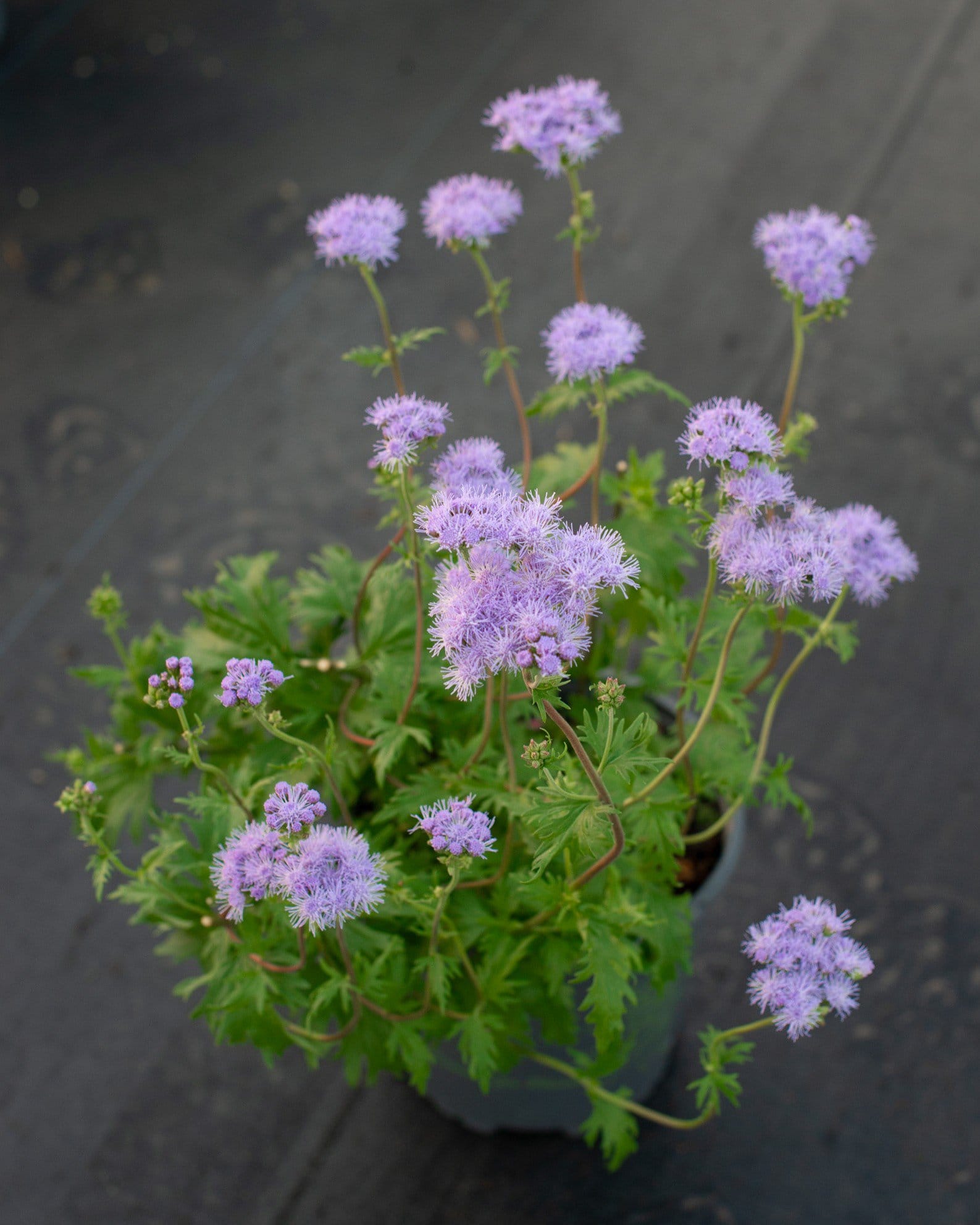
Gregg's Mistflower
Maturity: 1.5' H x 1.5' W
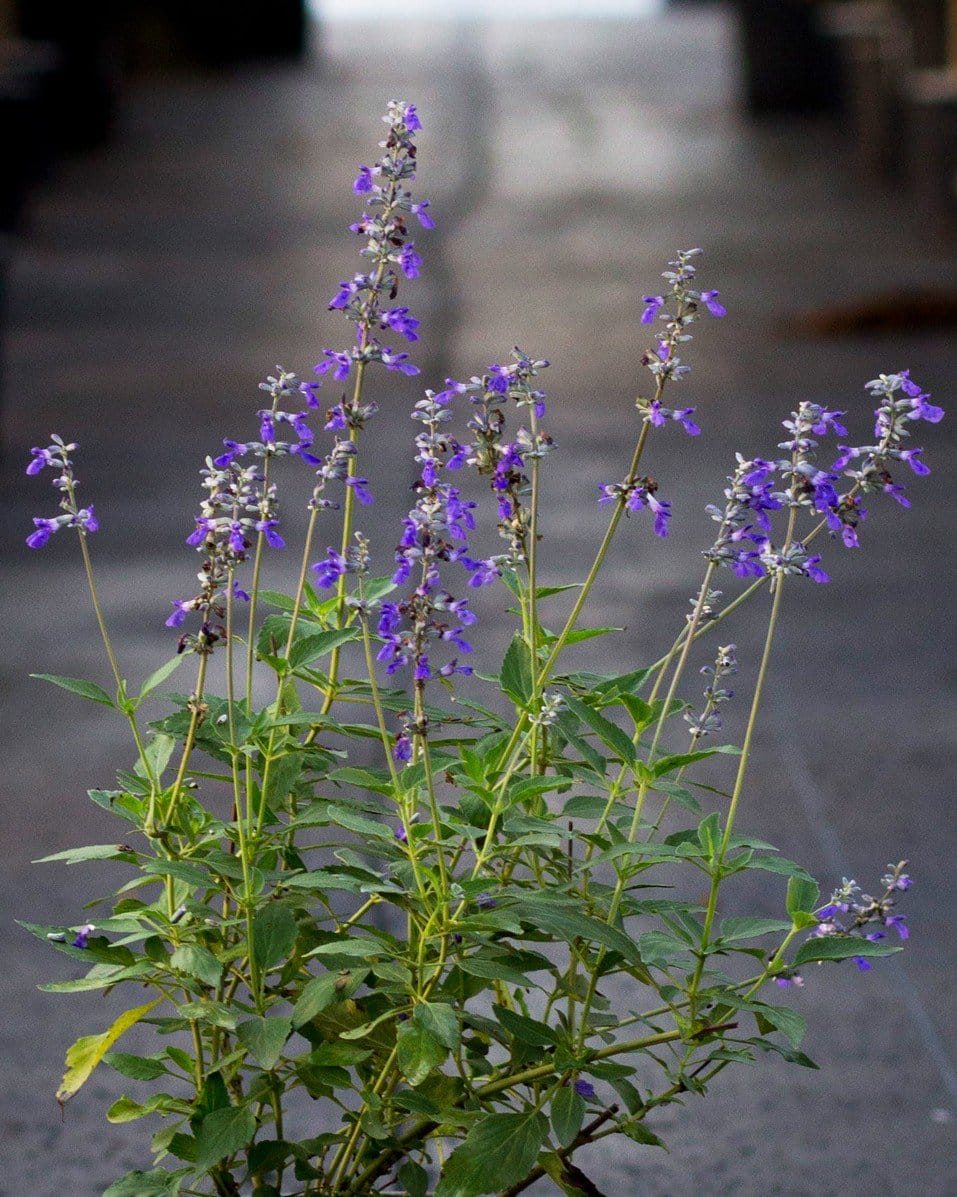
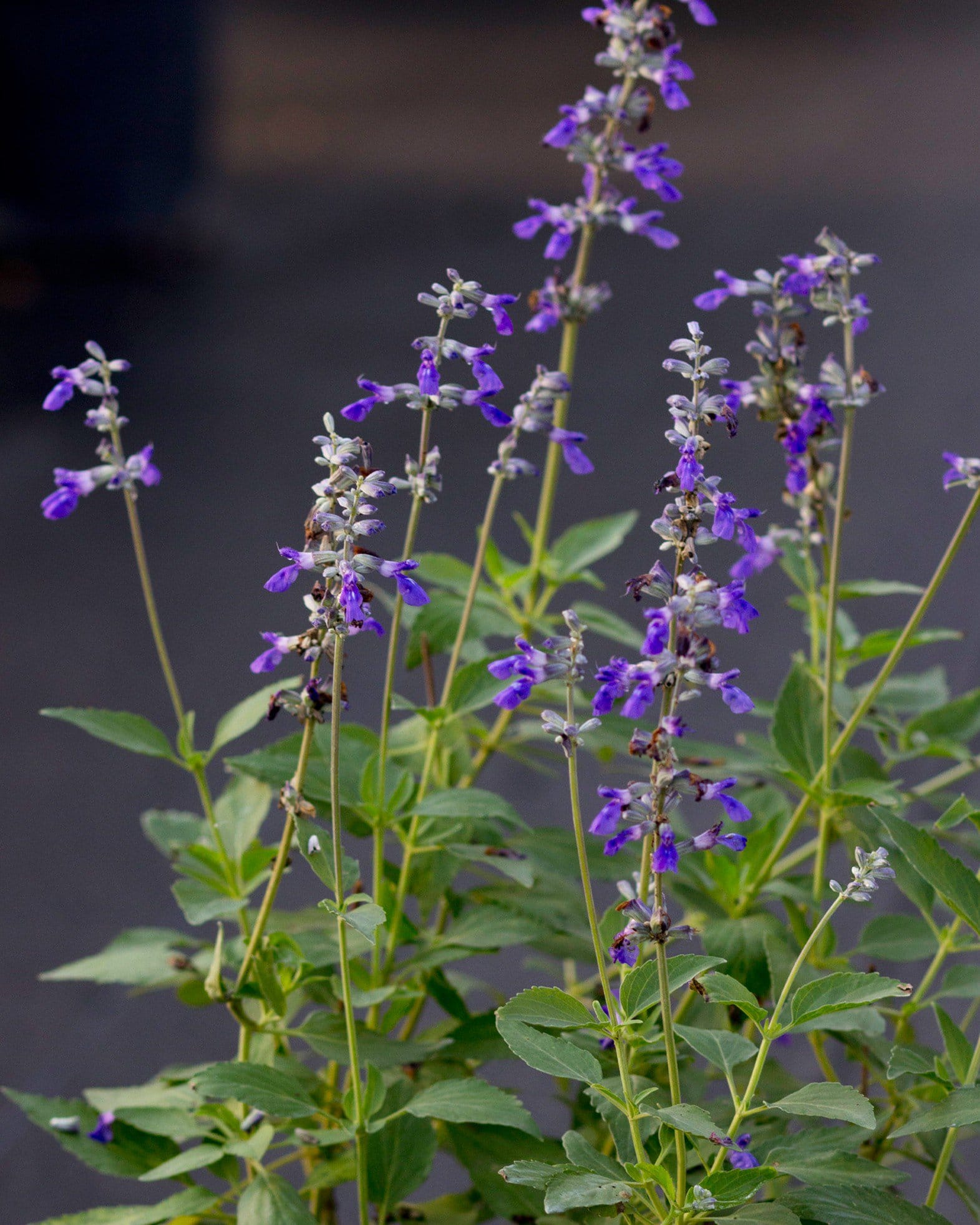
Henry Duelberg Salvia
Maturity: 3' H x 3' W
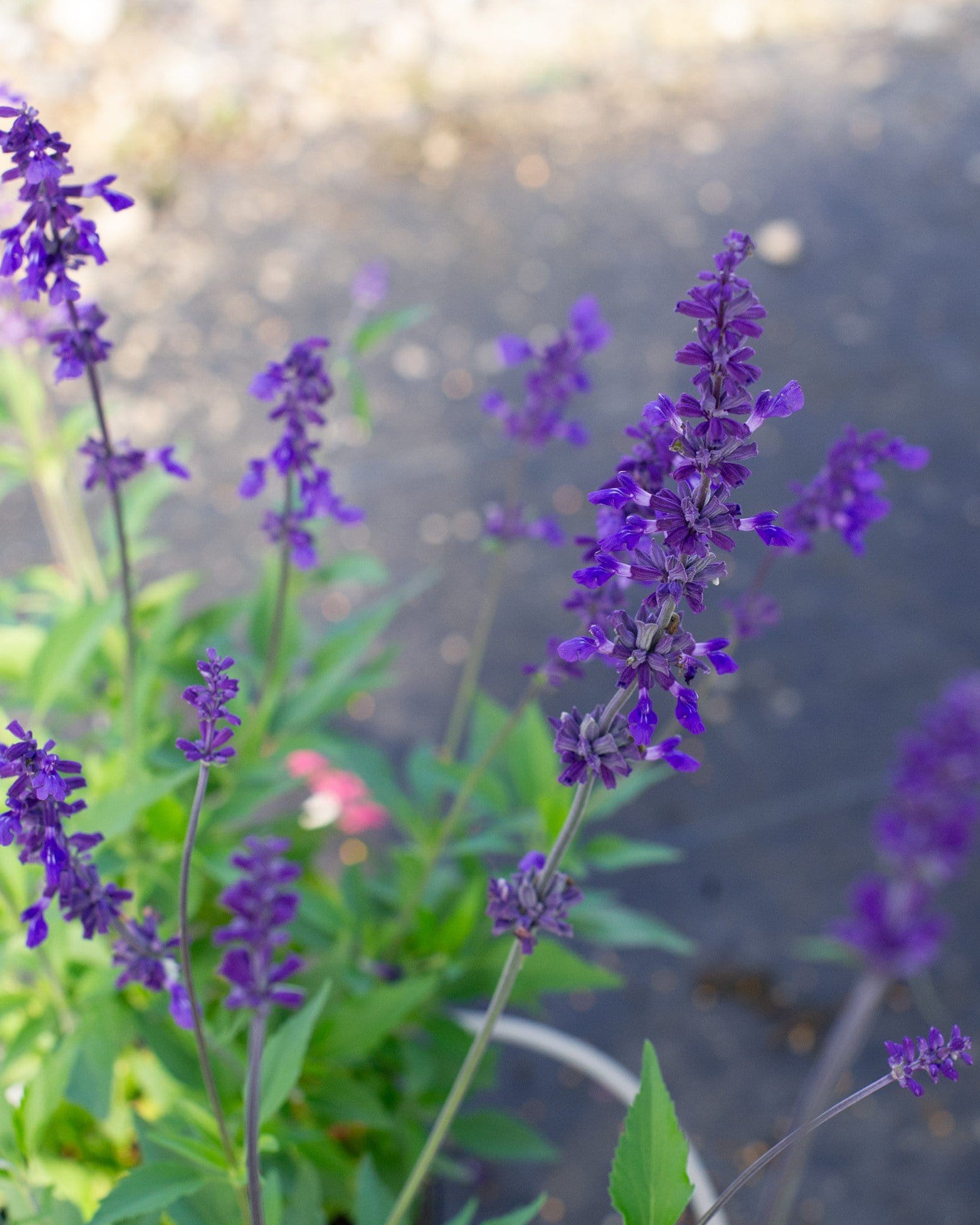
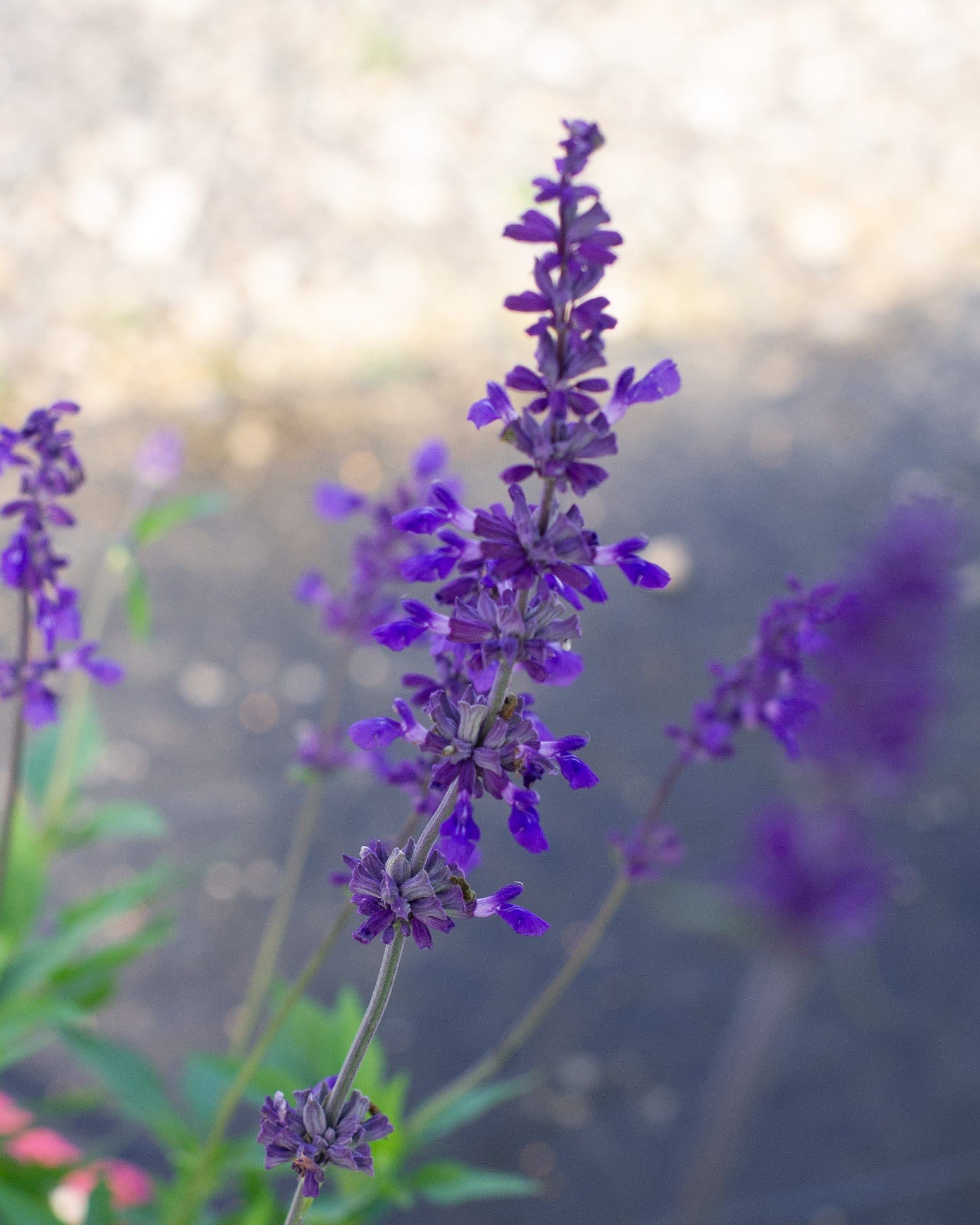
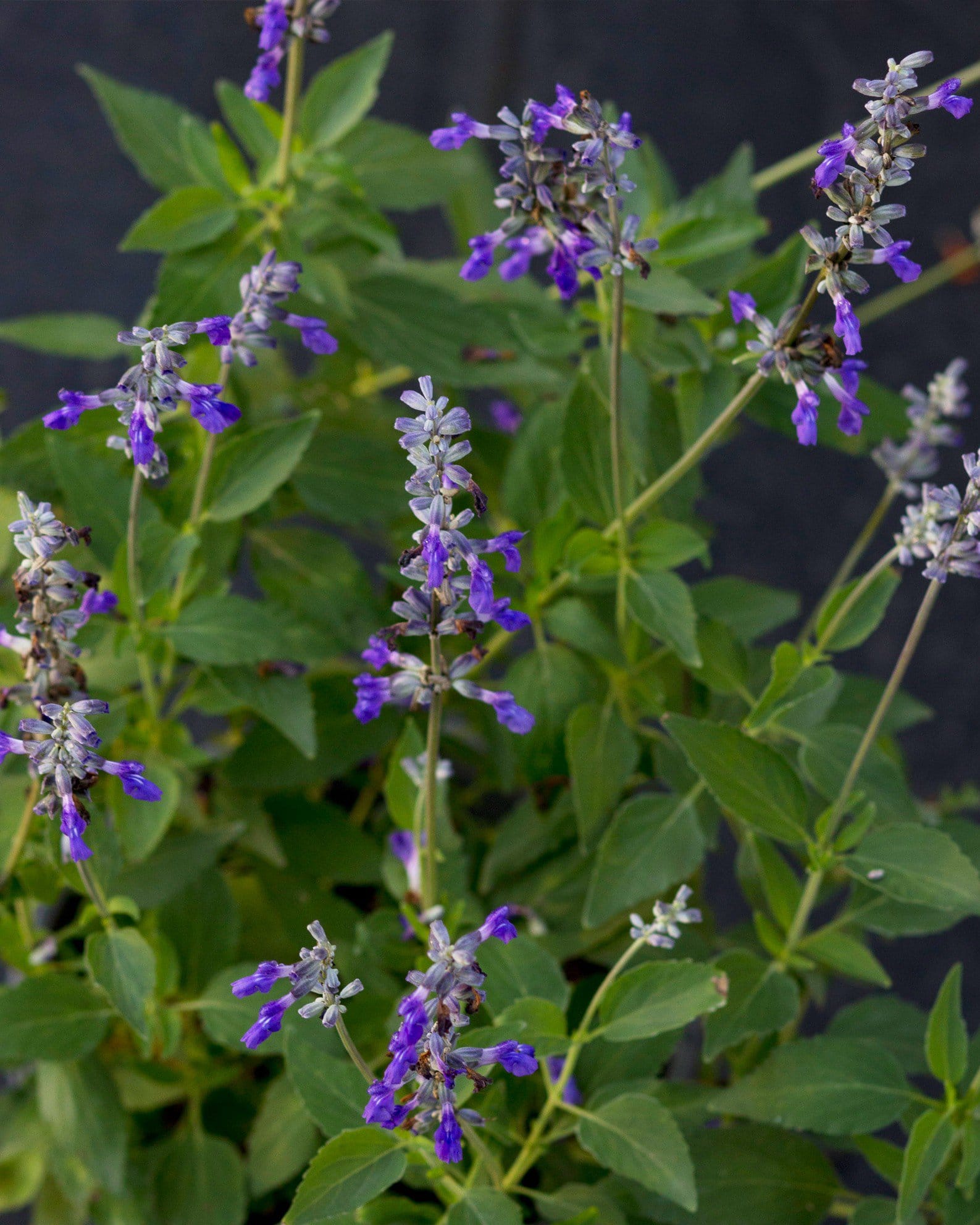
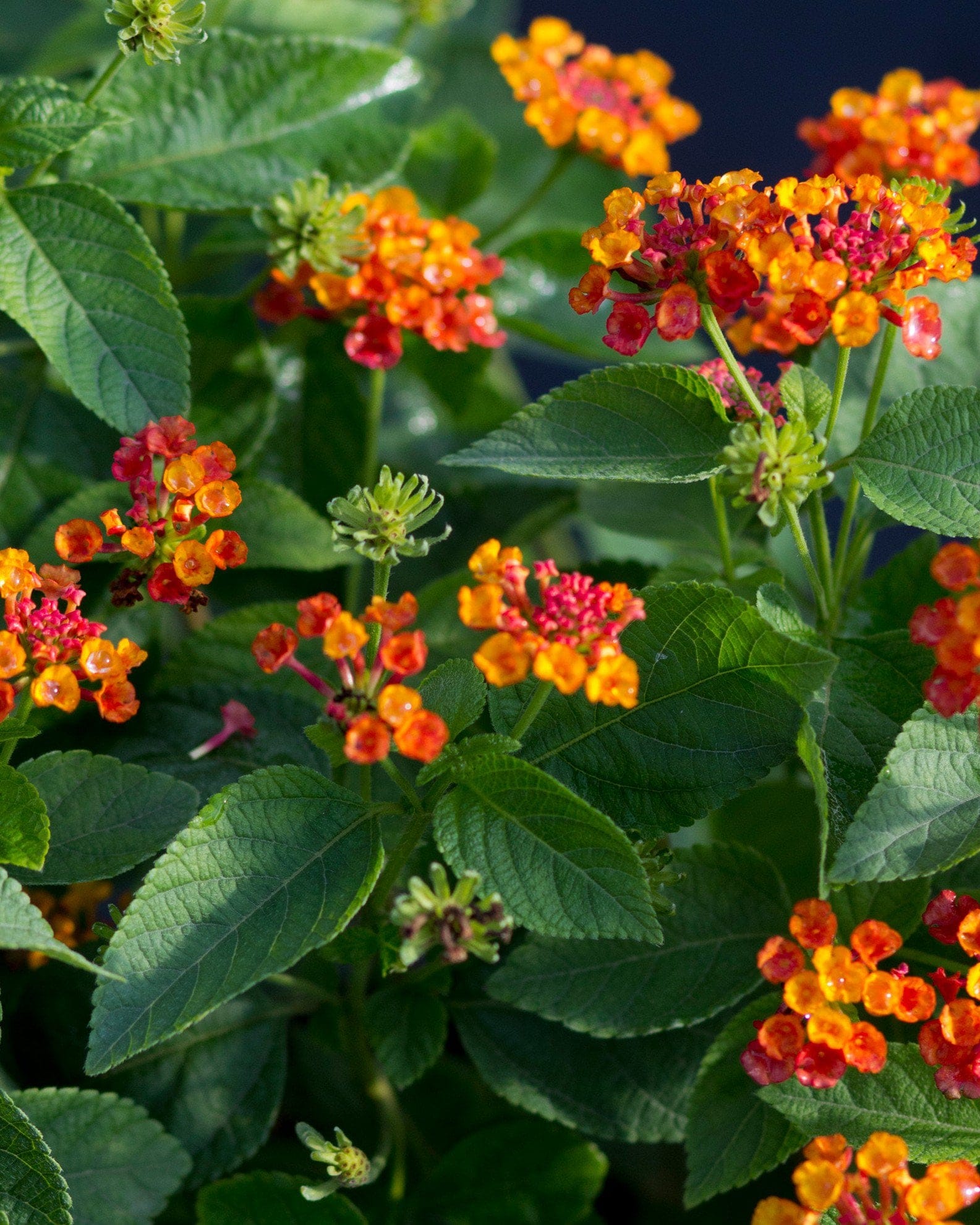
Hot Blooded Lantana
Maturity: 1.5' H x 1.5' W
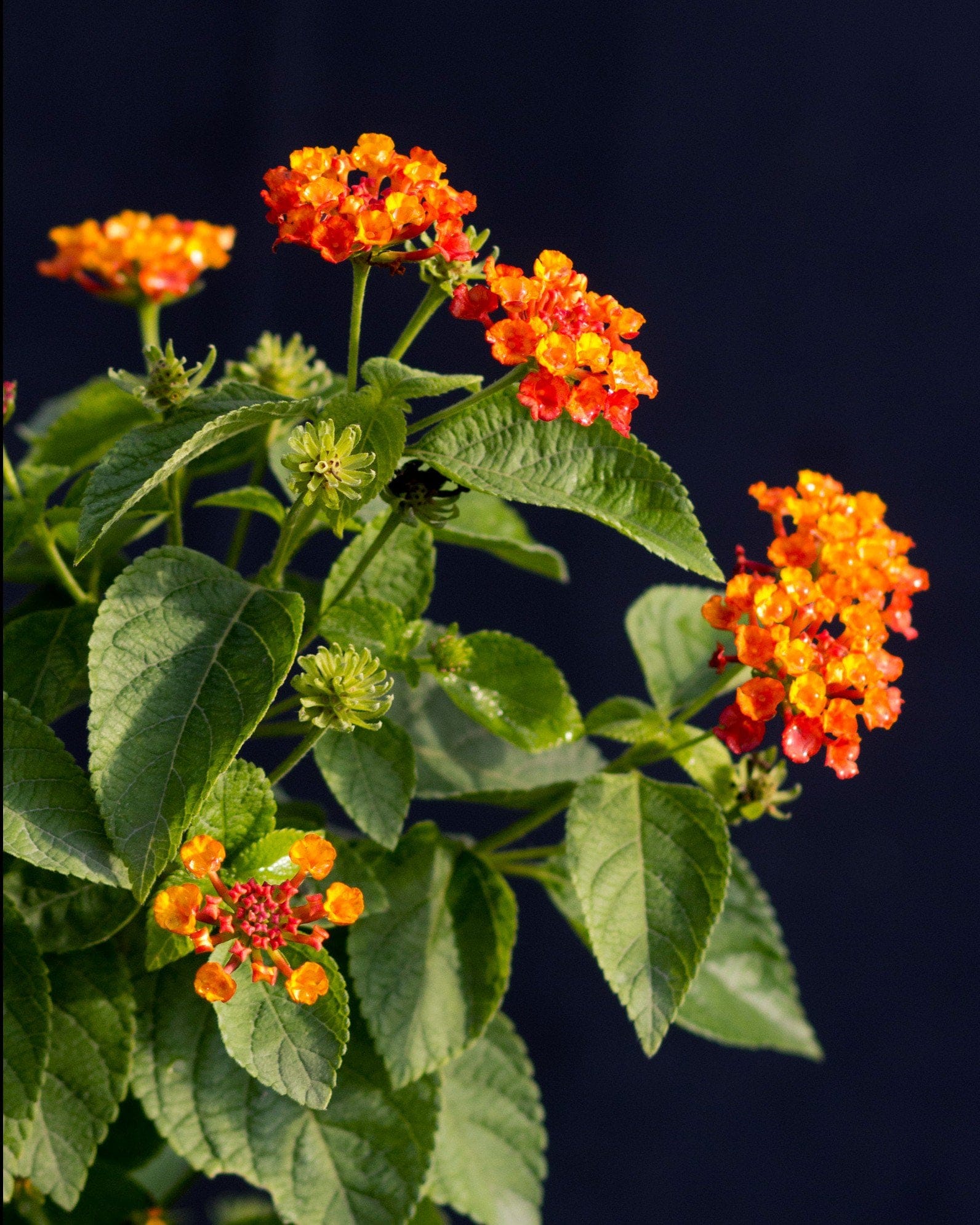
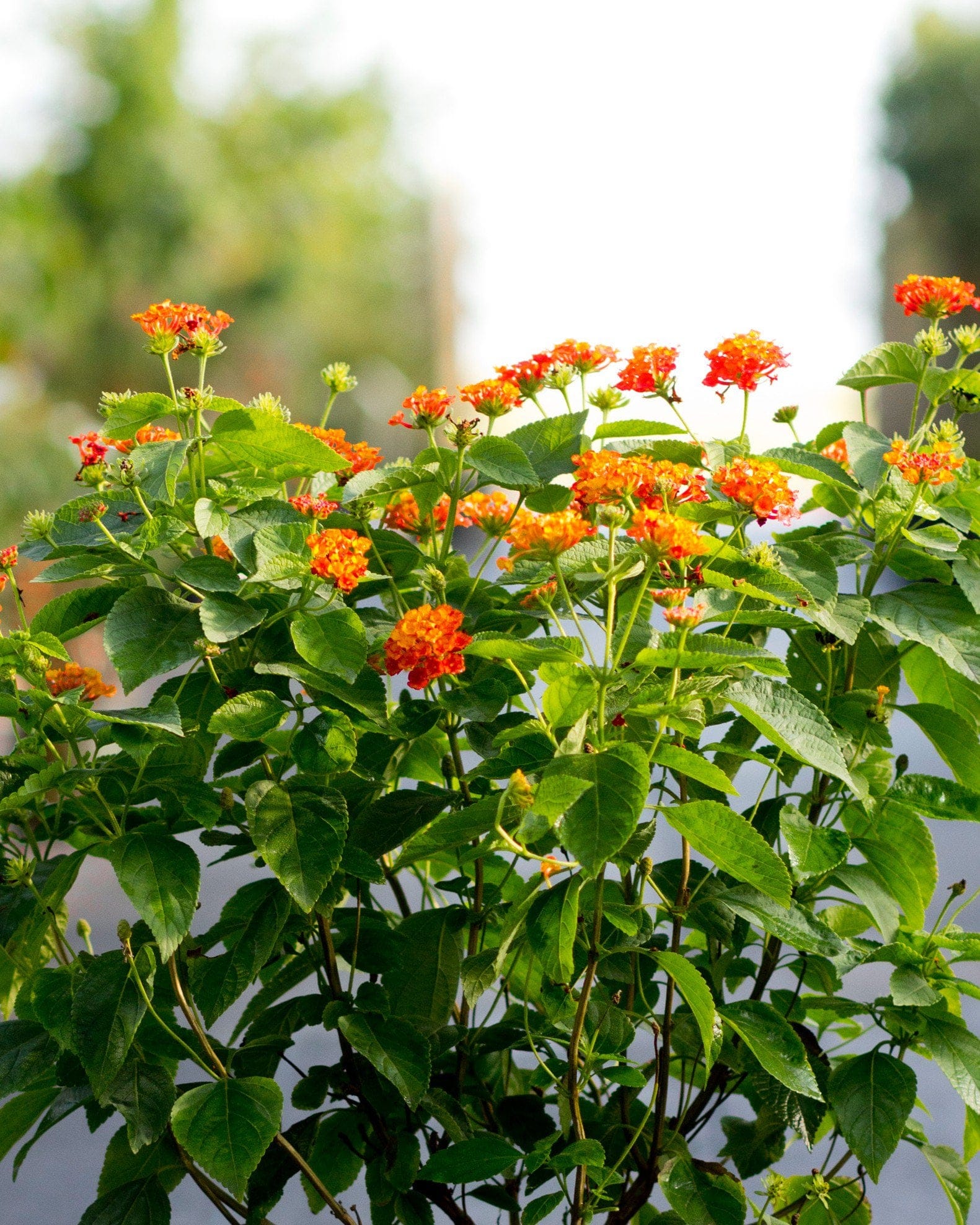
Landmark Citrus Lantana
Maturity: 1.5' H x 1.5' W
Lucky Pot of Gold Lantana
Maturity: 1' H x 1' W
New Gold Lantana
Maturity: 1' H x 2' W
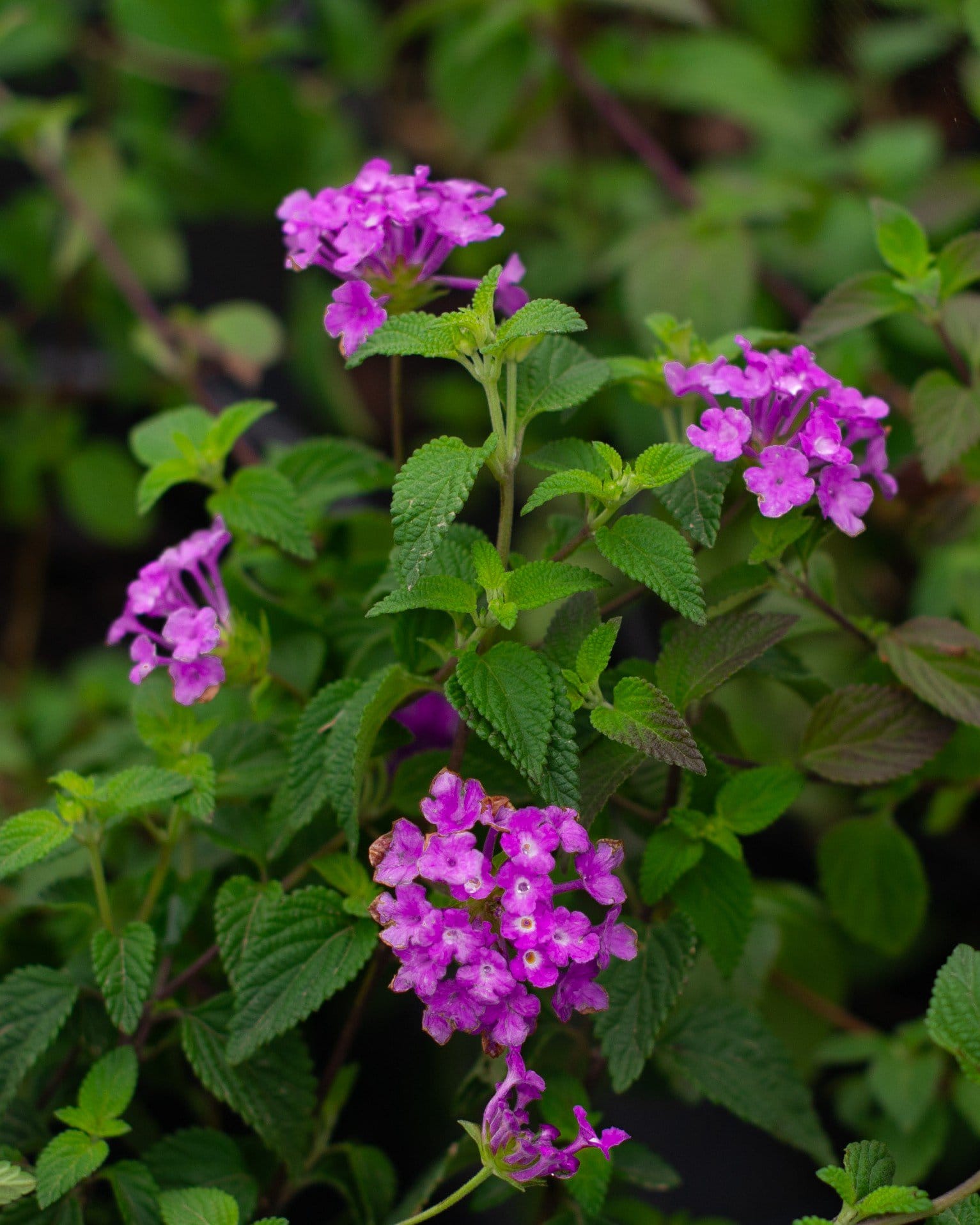
Purple Trailing Lantana
Maturity: 1' H x 4' W
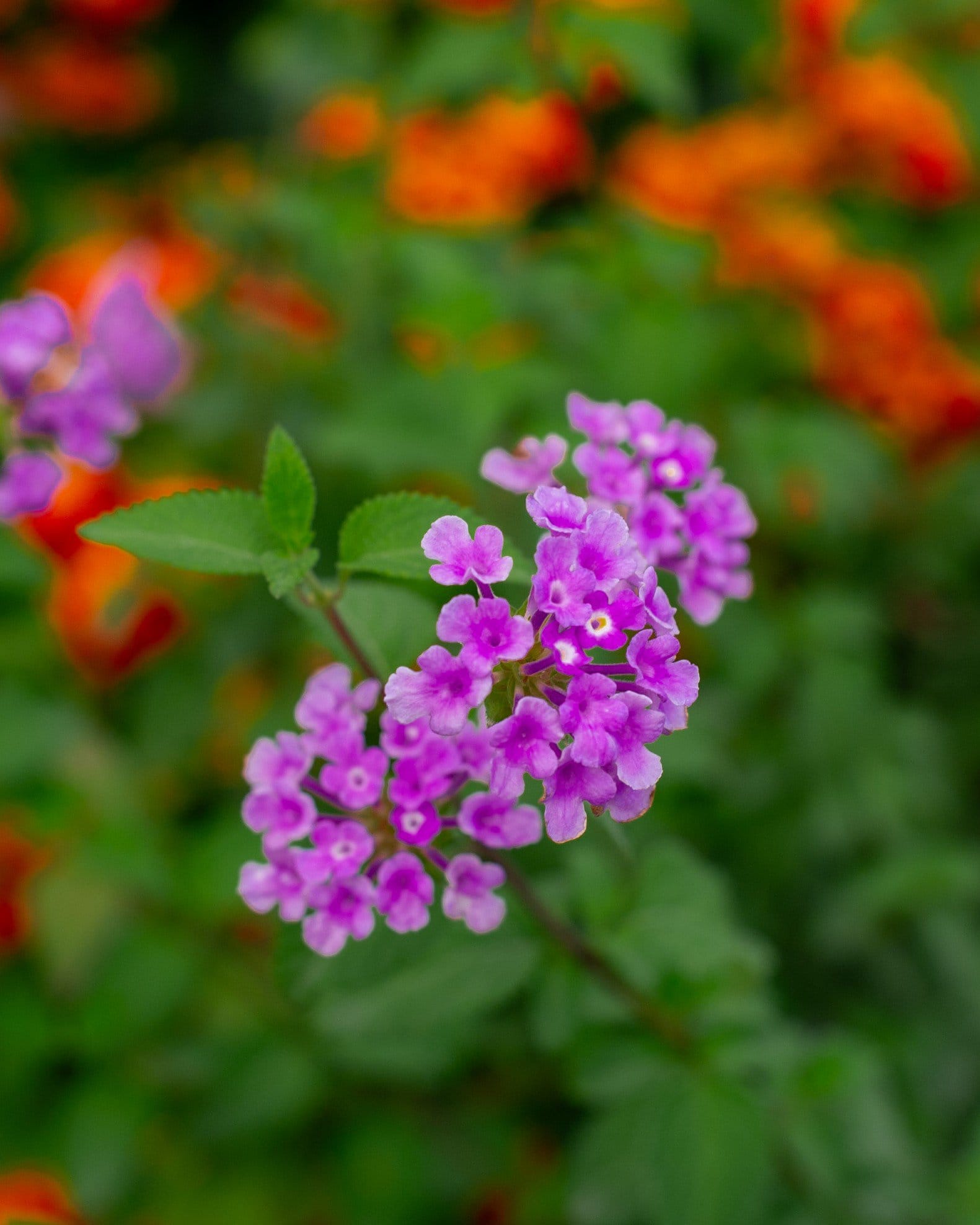
Shamrock Peach Lantana
Maturity: 1' H x 1' W
Compare Similar Plants
Rock Rose Pavonia This plant | ||
|---|---|---|
| Scientific Name | Pavonia lasiopetala | Lantana camara 'Bante Cheriasun' |
| Size at Maturity | 3' H x 3' W | 1.5' H x 1.5' W |
| Leaf Retention | Herbaceous | Herbaceous |
| Flower Color | Pink | Orange, Pink & Yellow |
| Bloom Times | Summer & Fall | Spring, Summer & Fall |
| Sizes Available | 1 gal | 3 gal |


Our 1-Year Planting Guarantee
We take pride in our plants and installation services. If any plants or trees installed by Treeland fail to thrive within the first year, we'll provide a replacement credit in accordance with our guarantee program.
Learn More About Our Guarantee