



Riptide Stoke's Aster
Stokesia laevis ‘Riptide’Product Details
Riptide Stoke's Aster
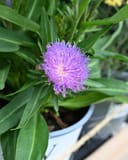
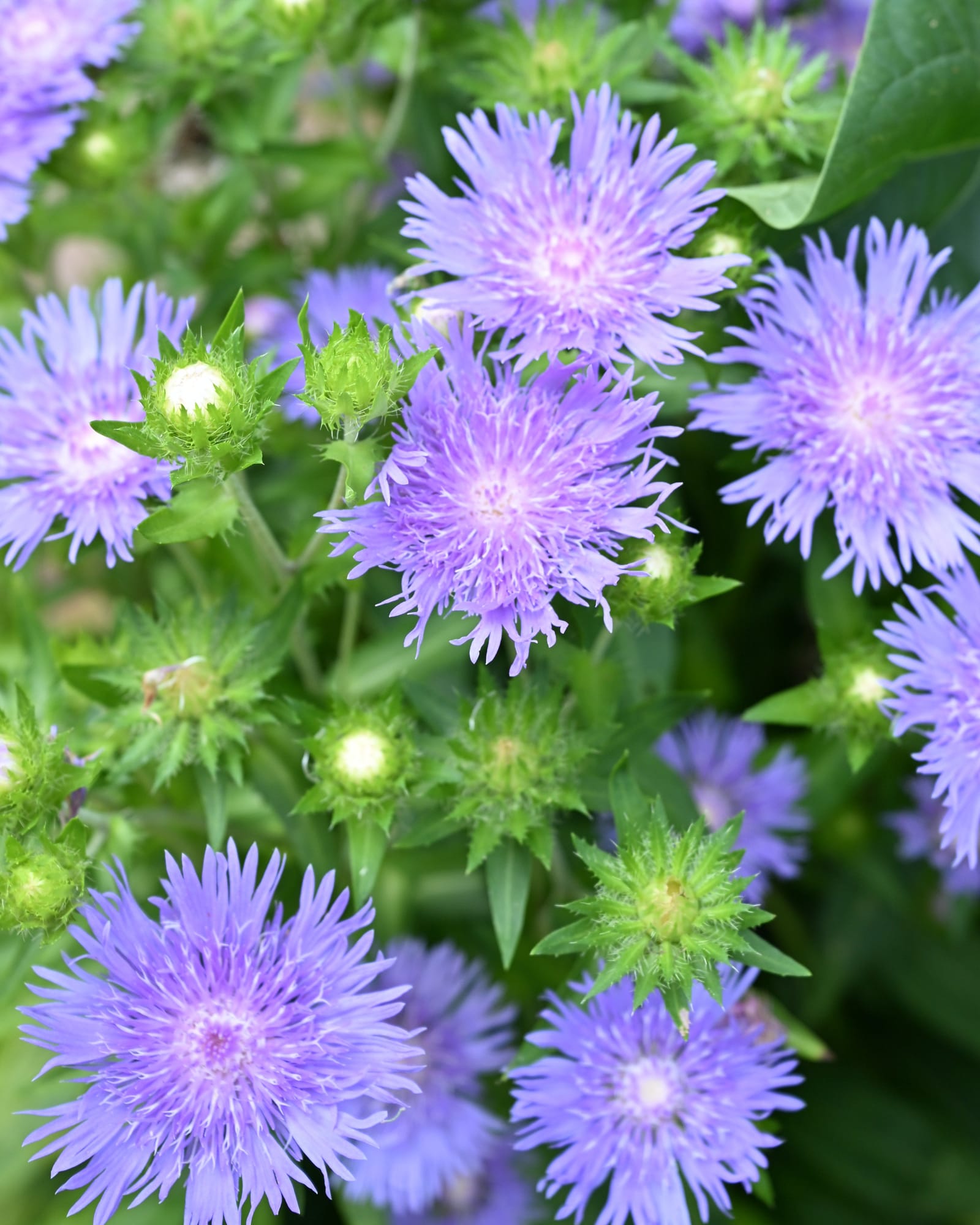
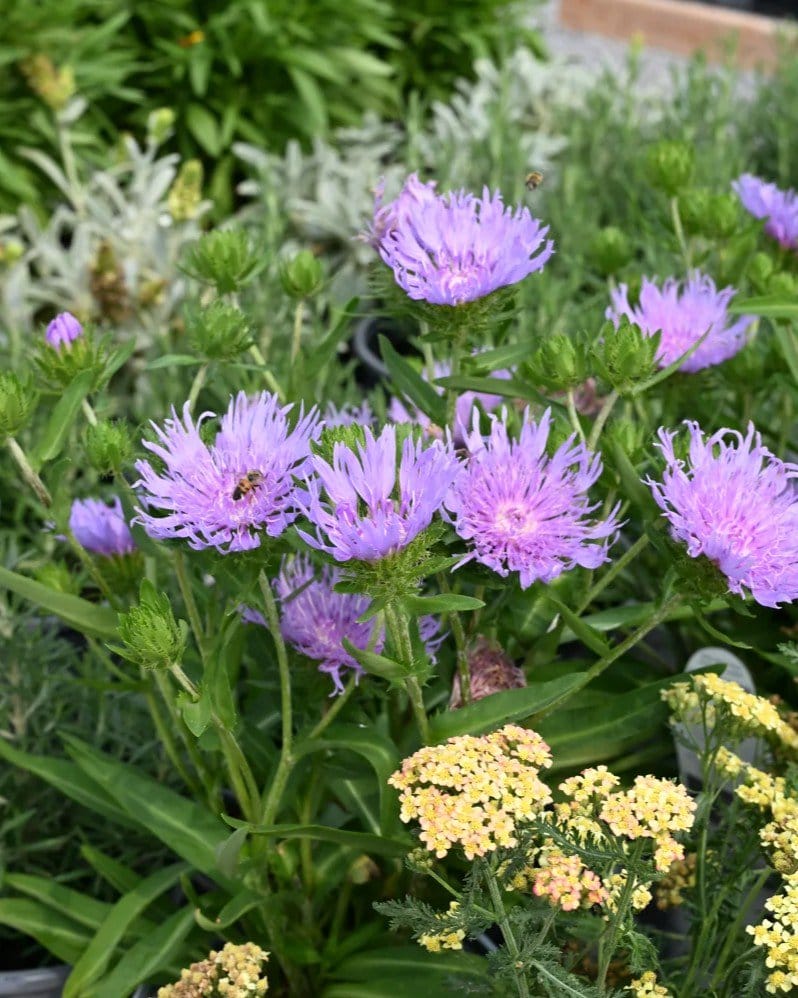
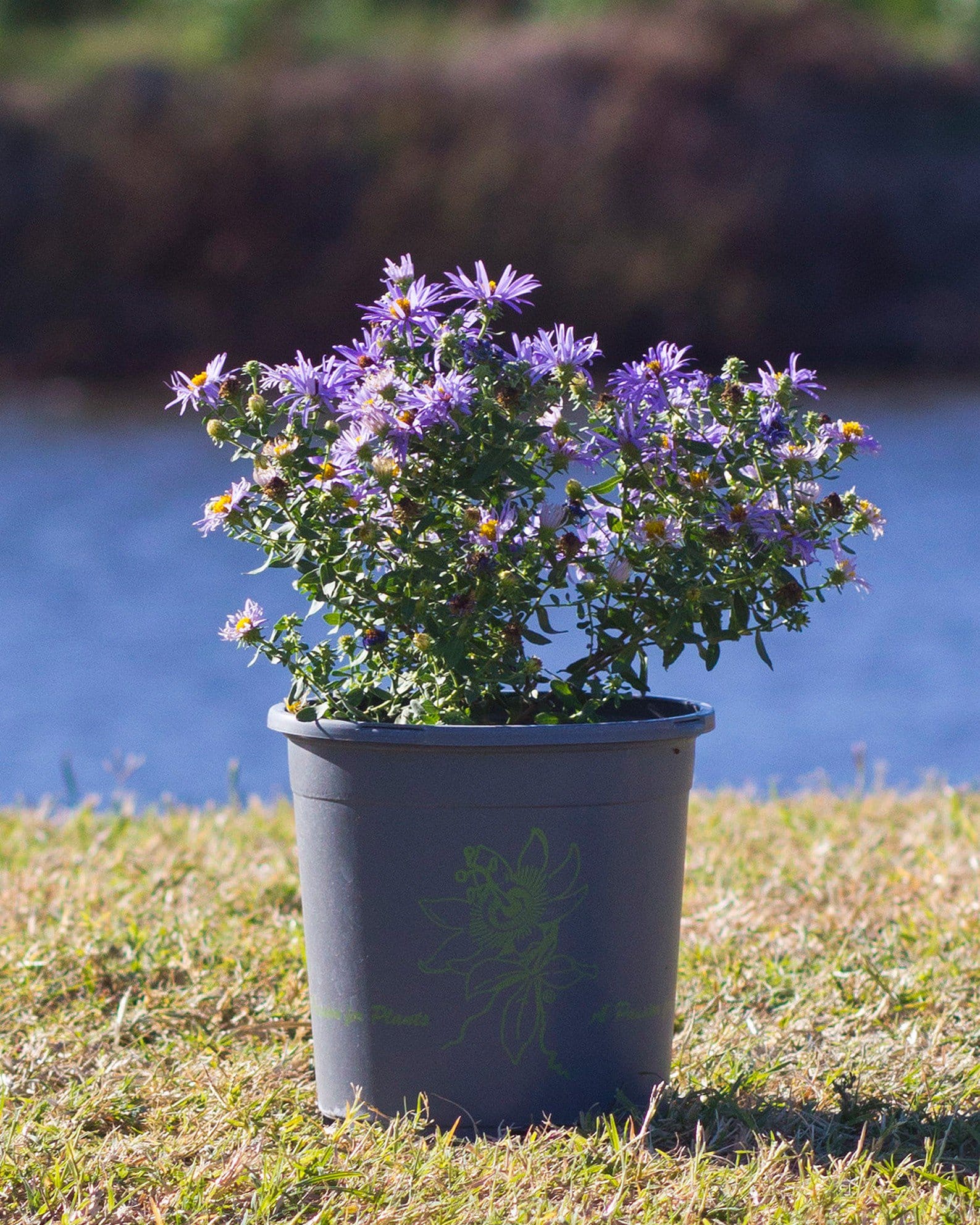
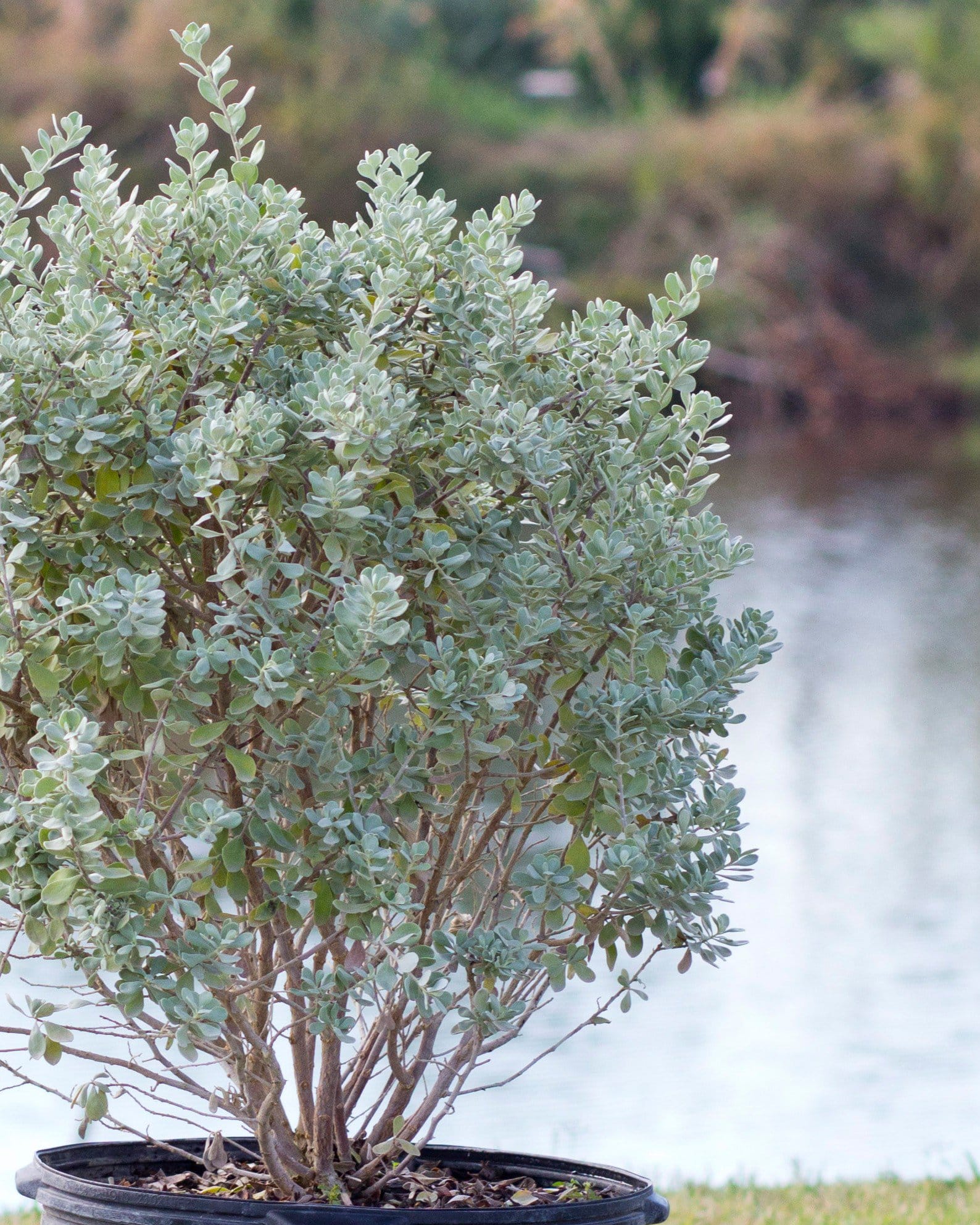
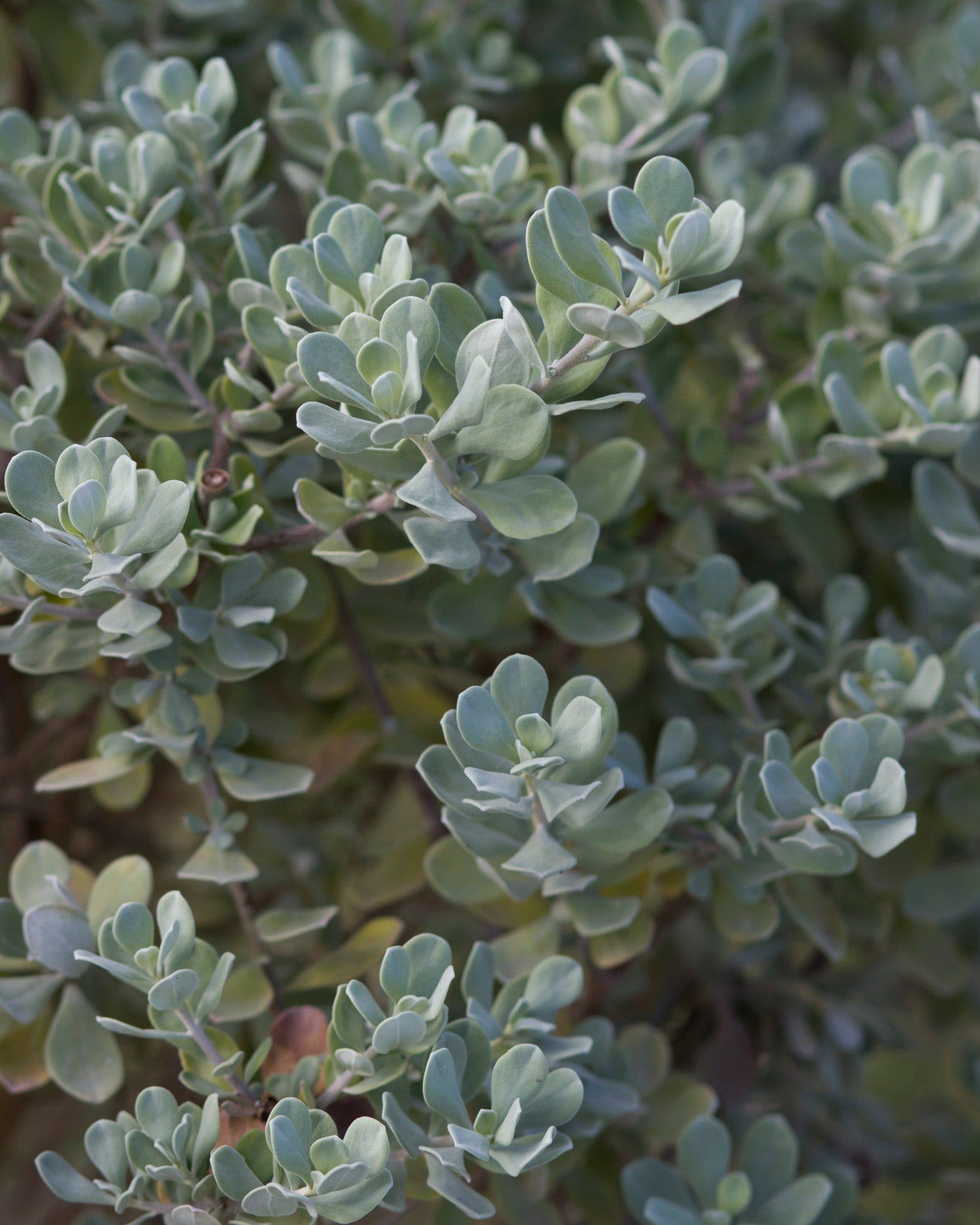
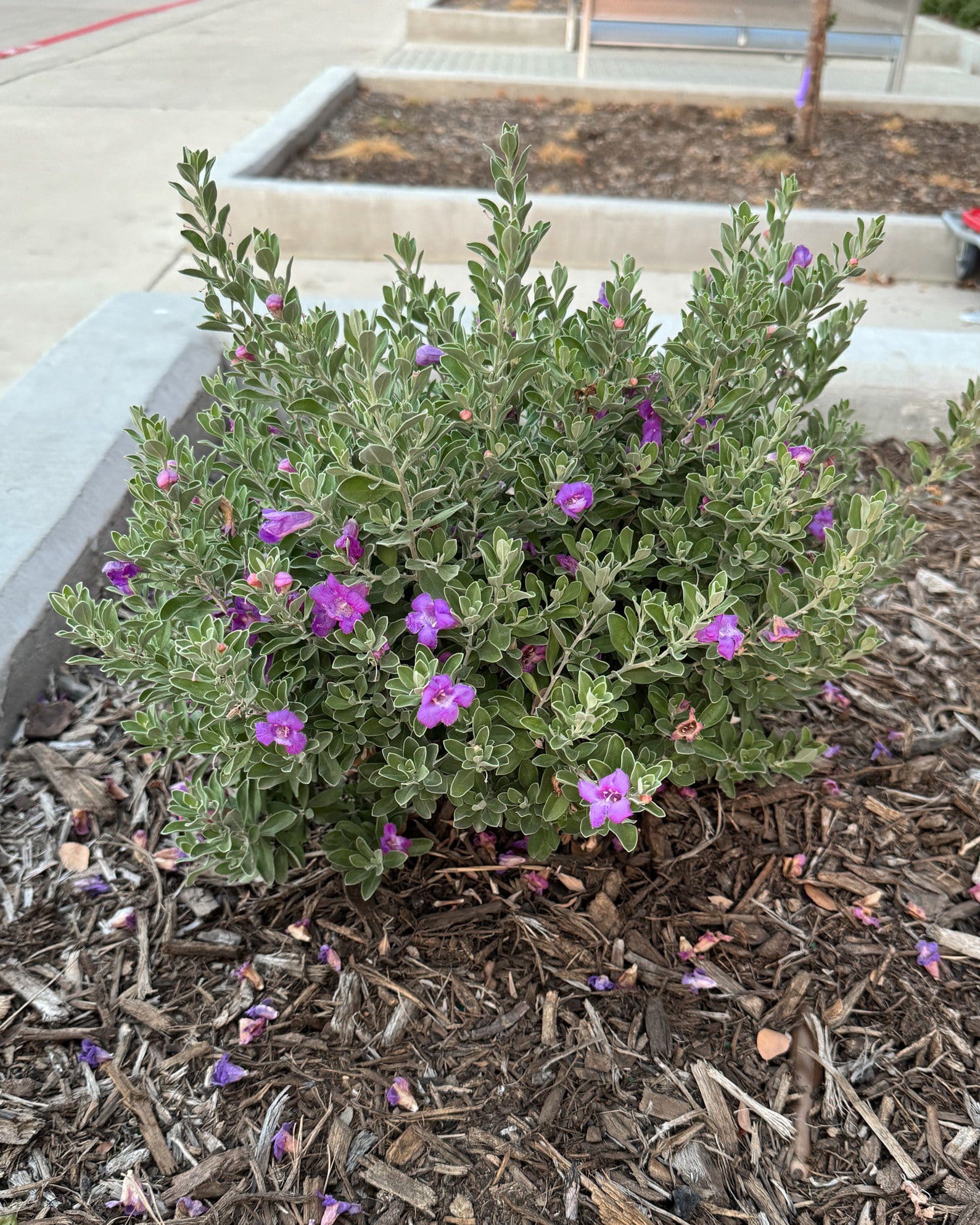
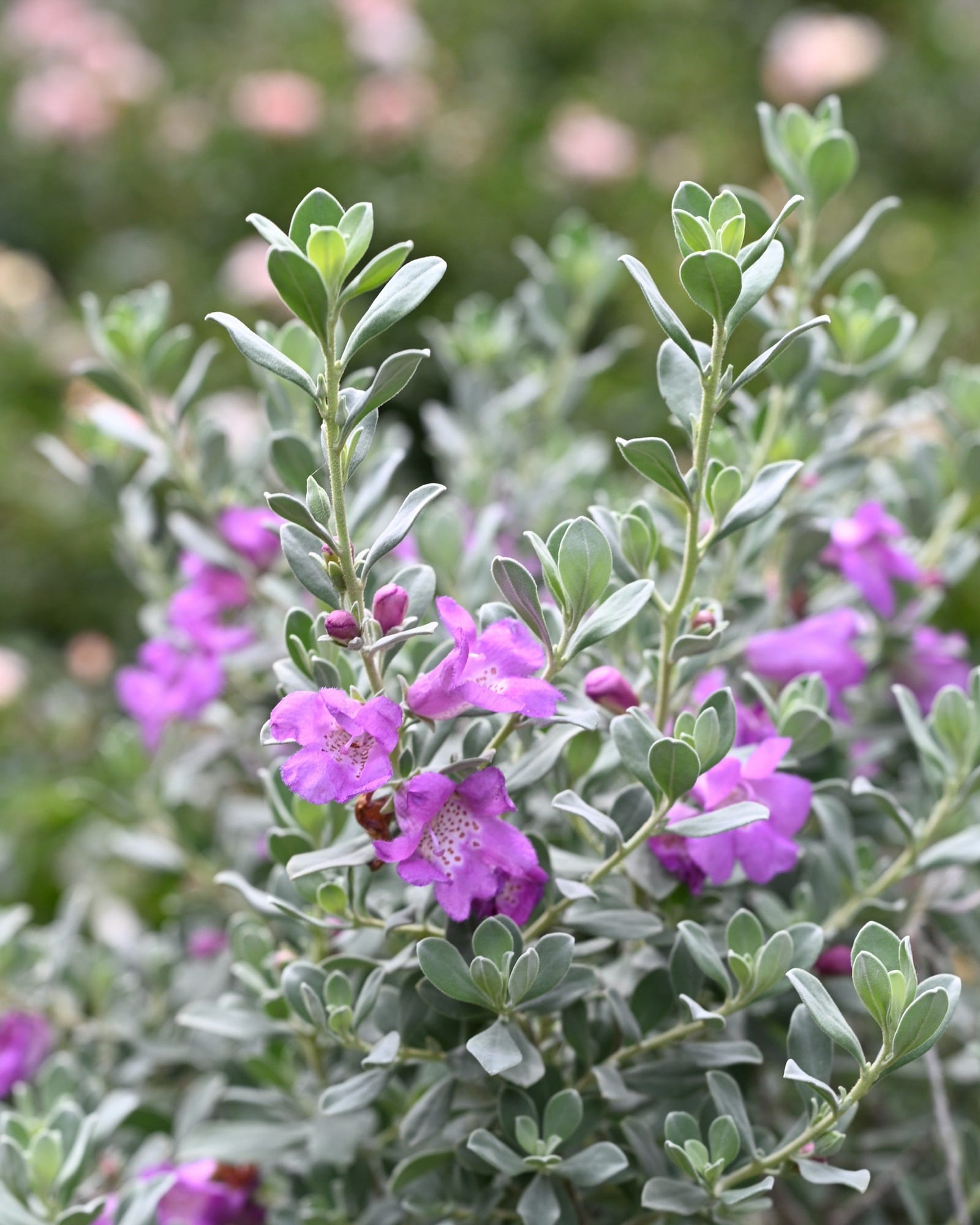
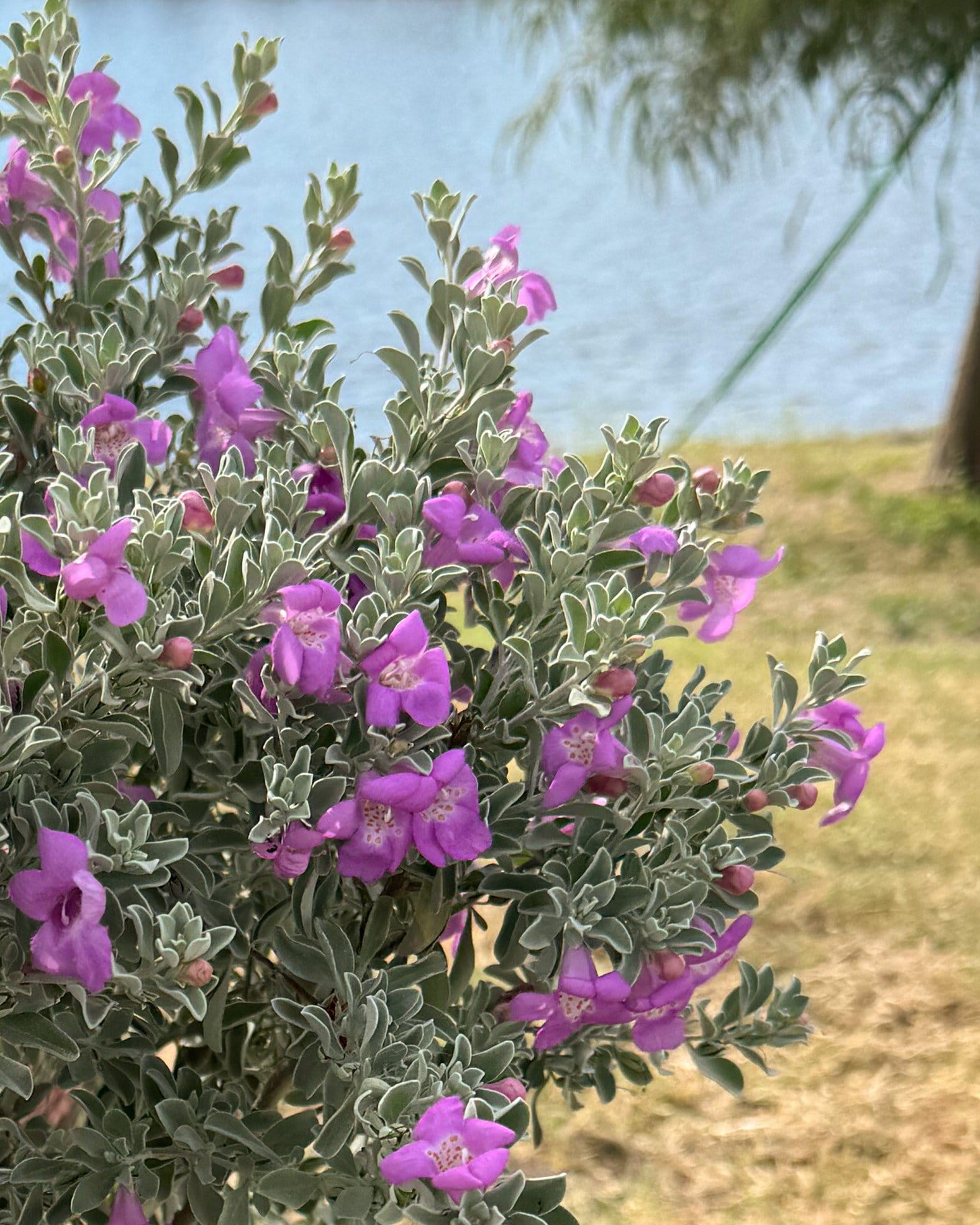
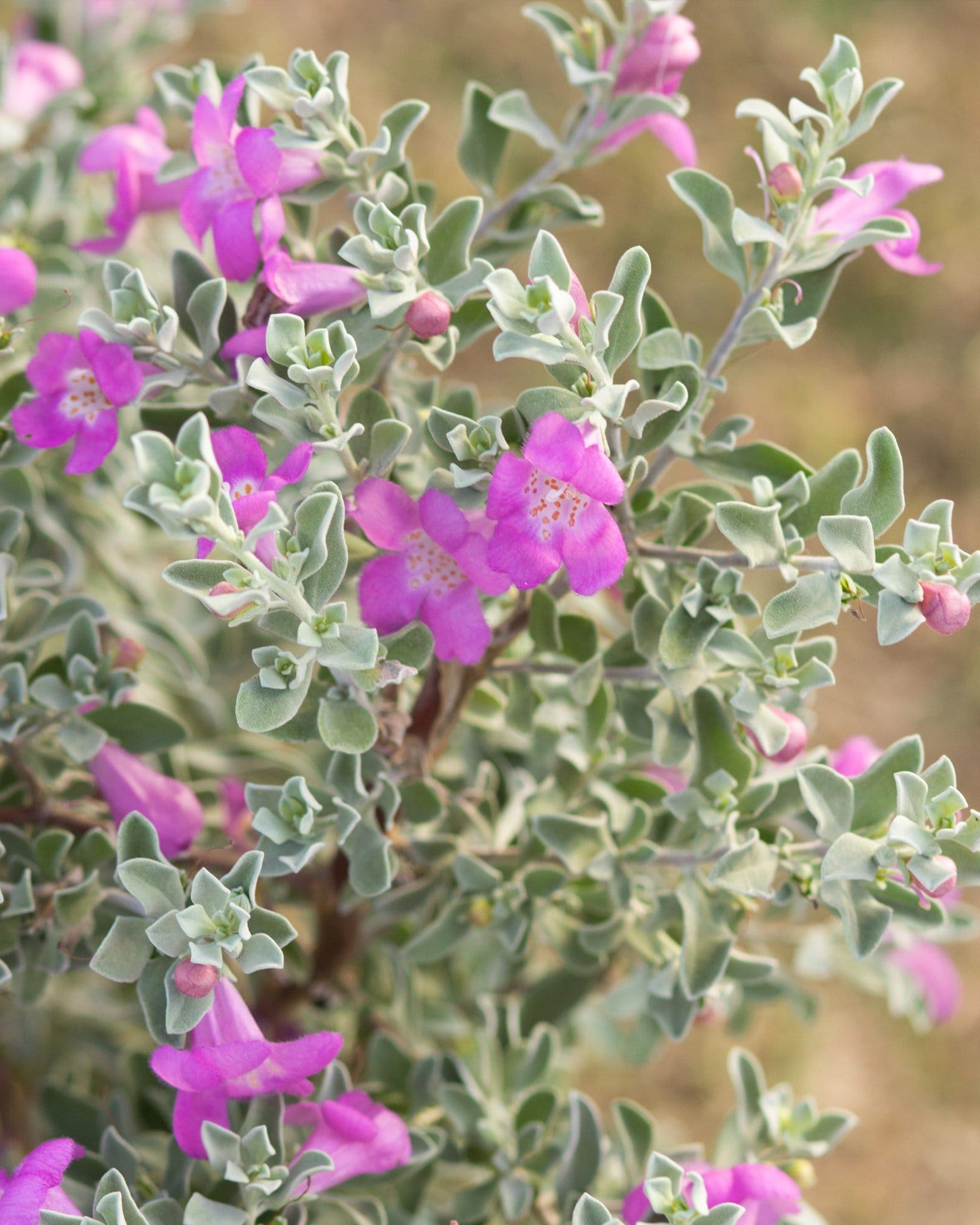
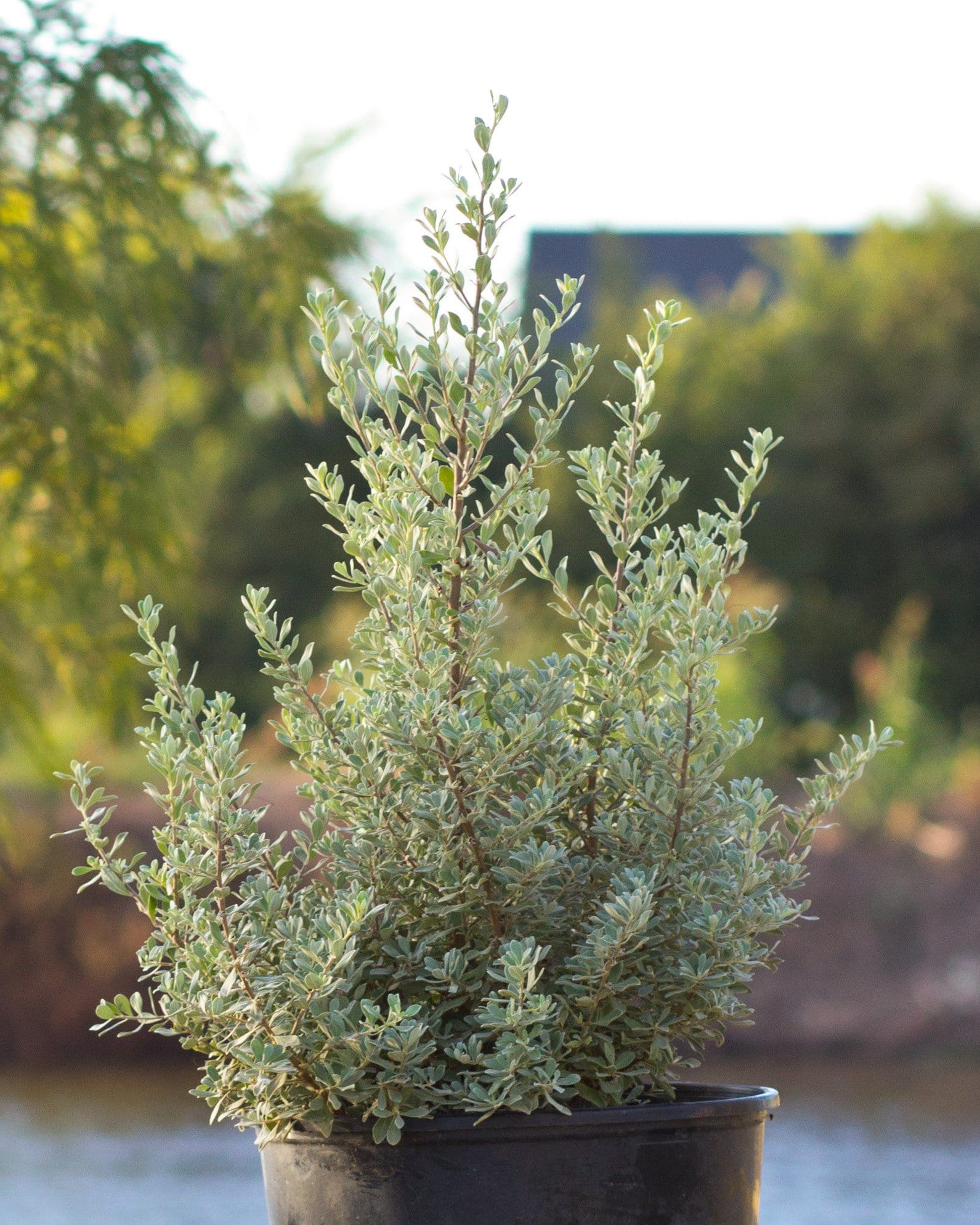
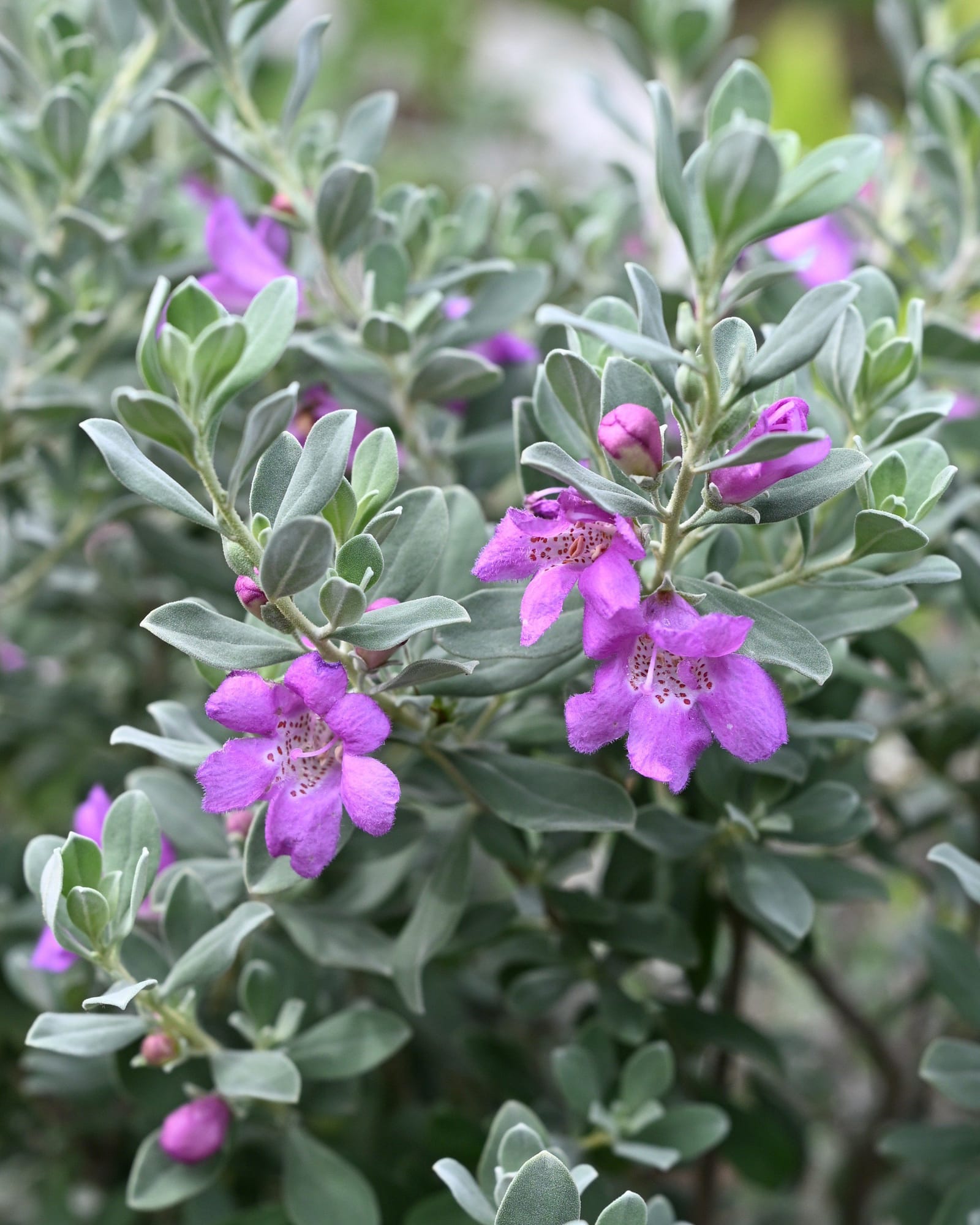
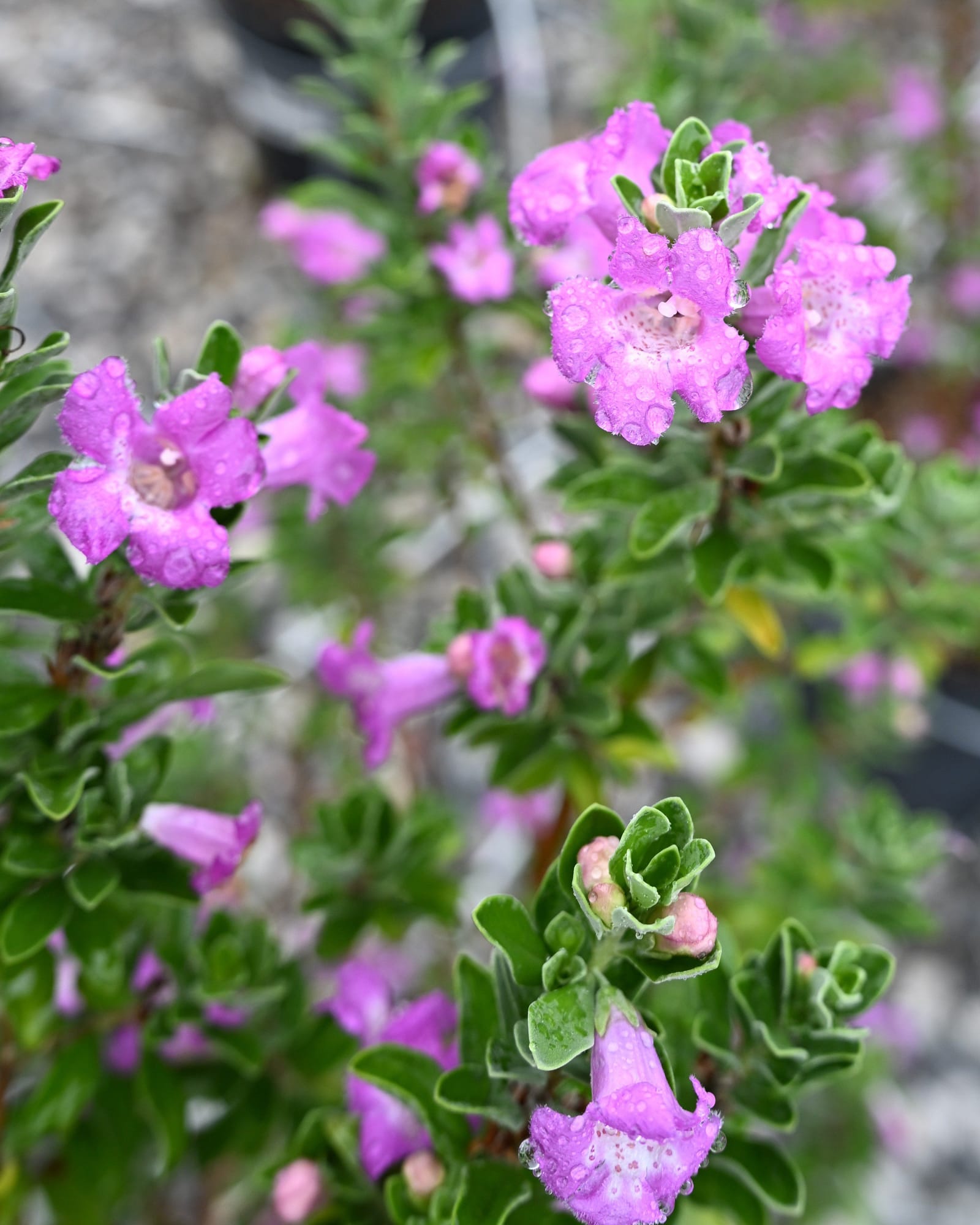
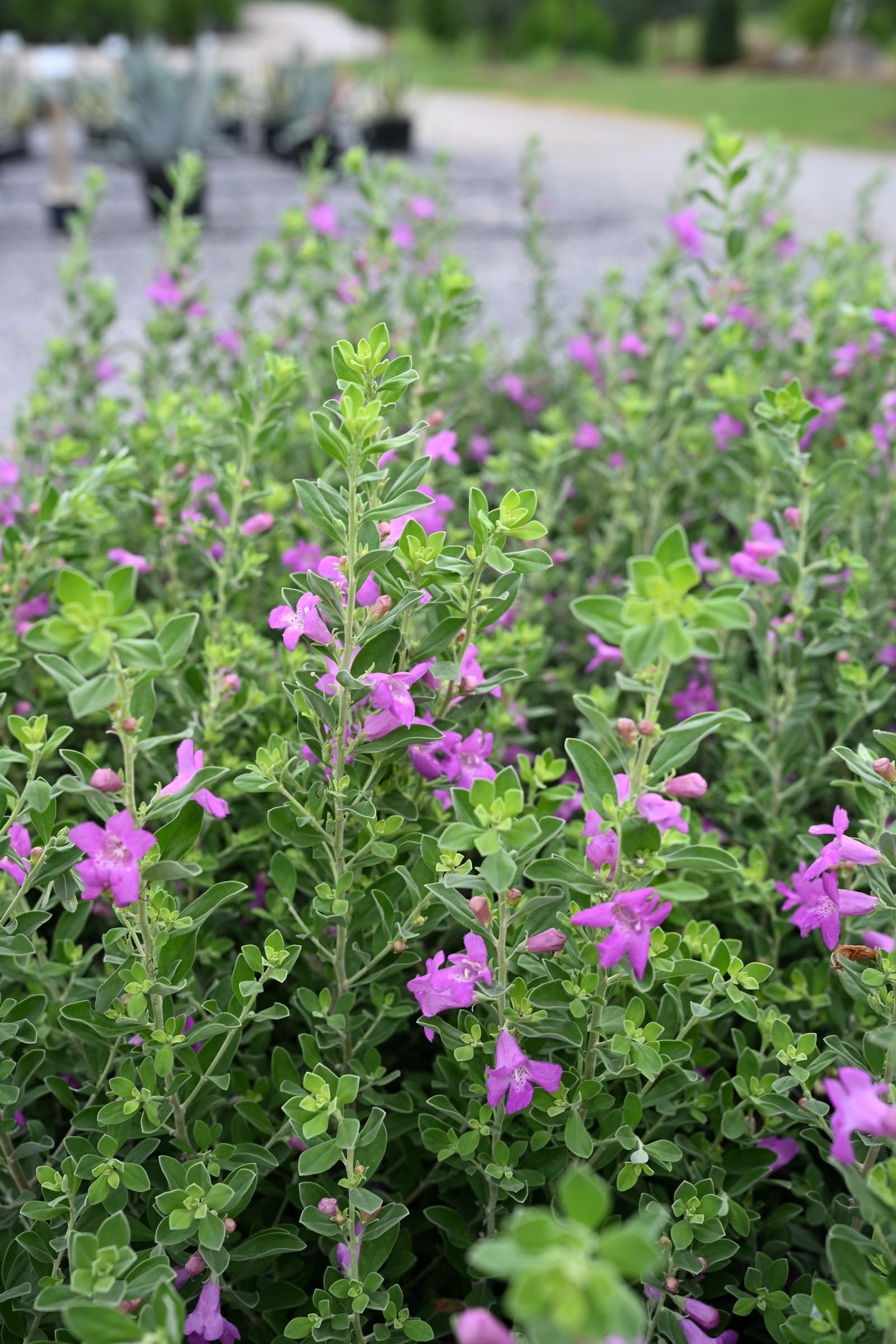
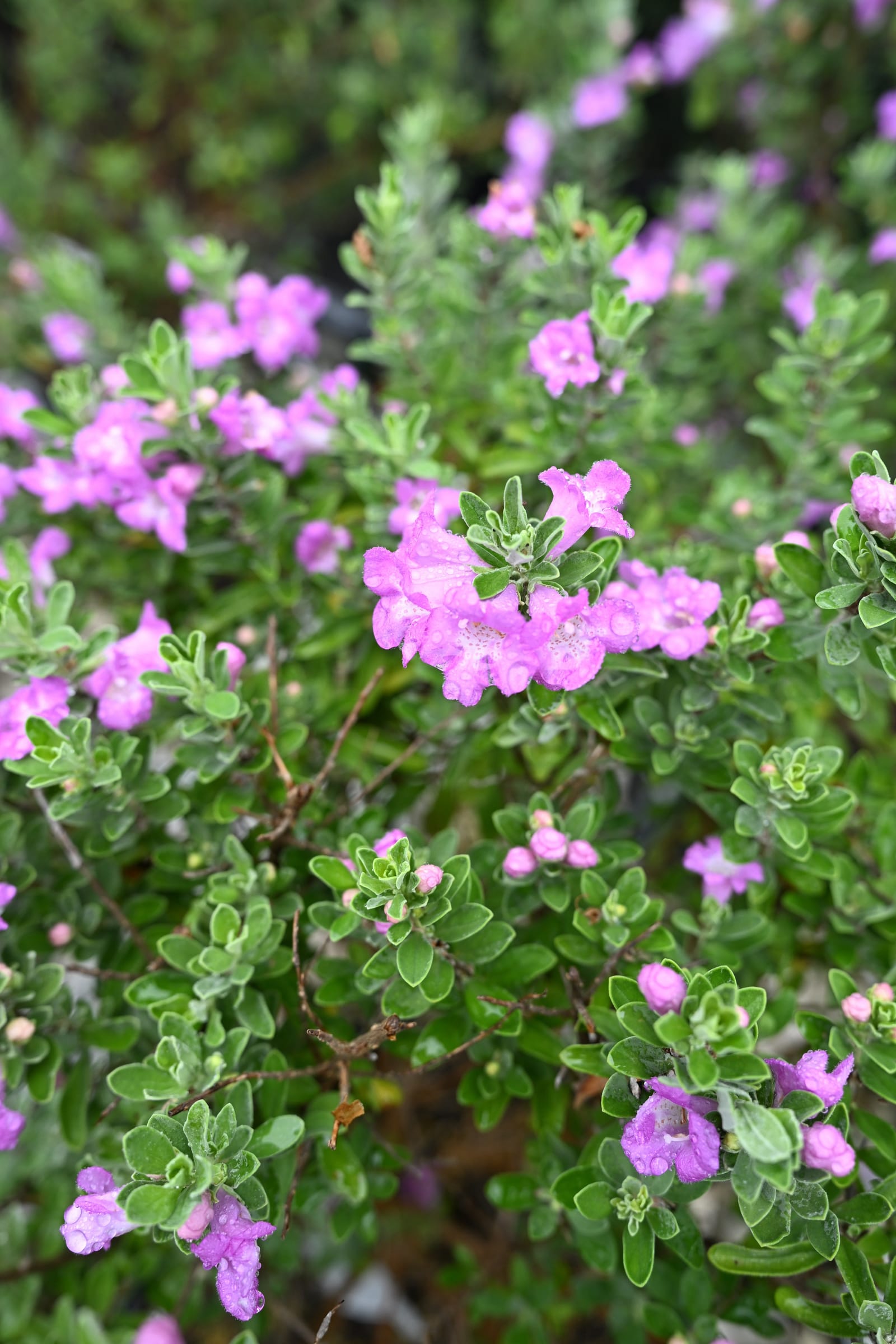
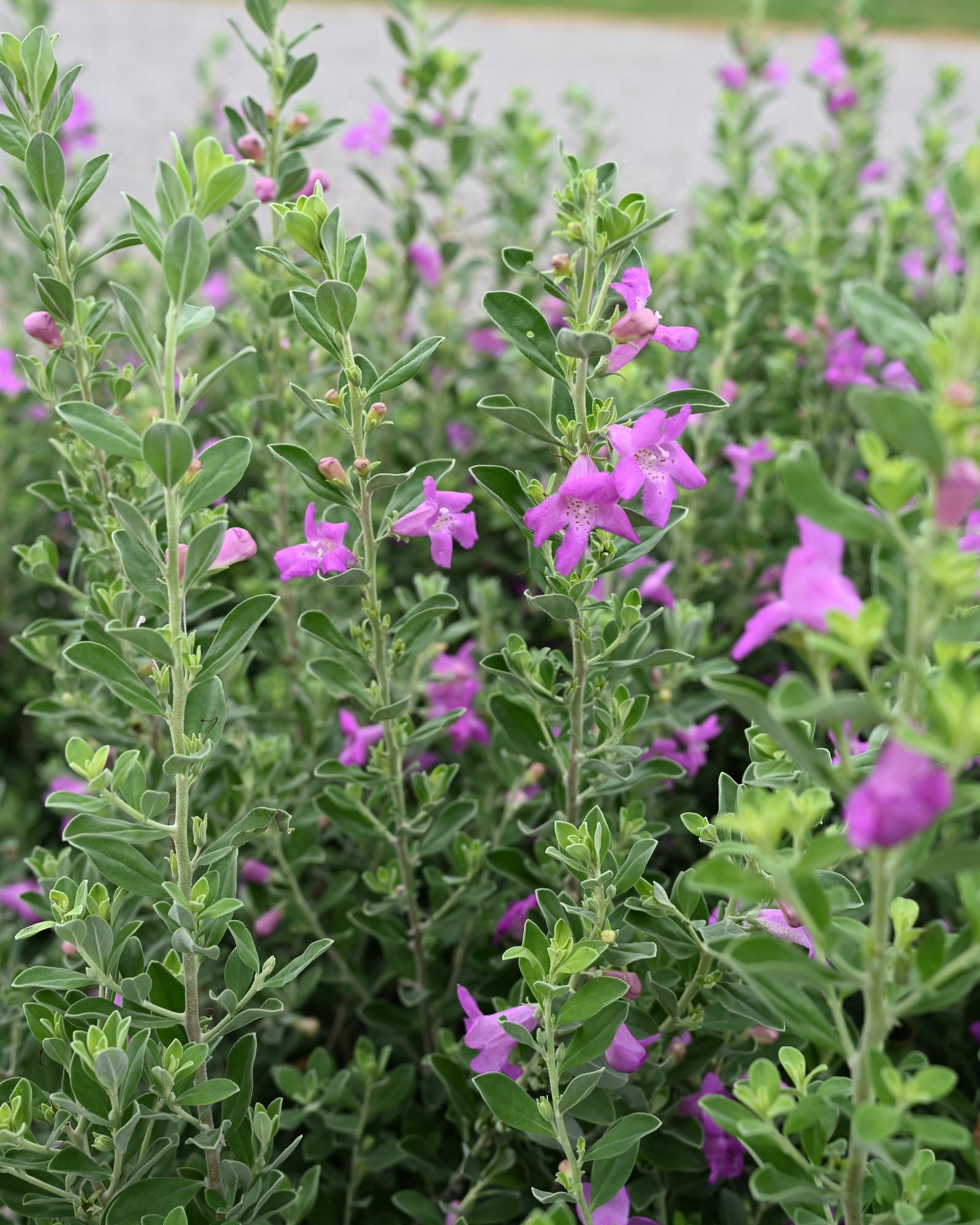
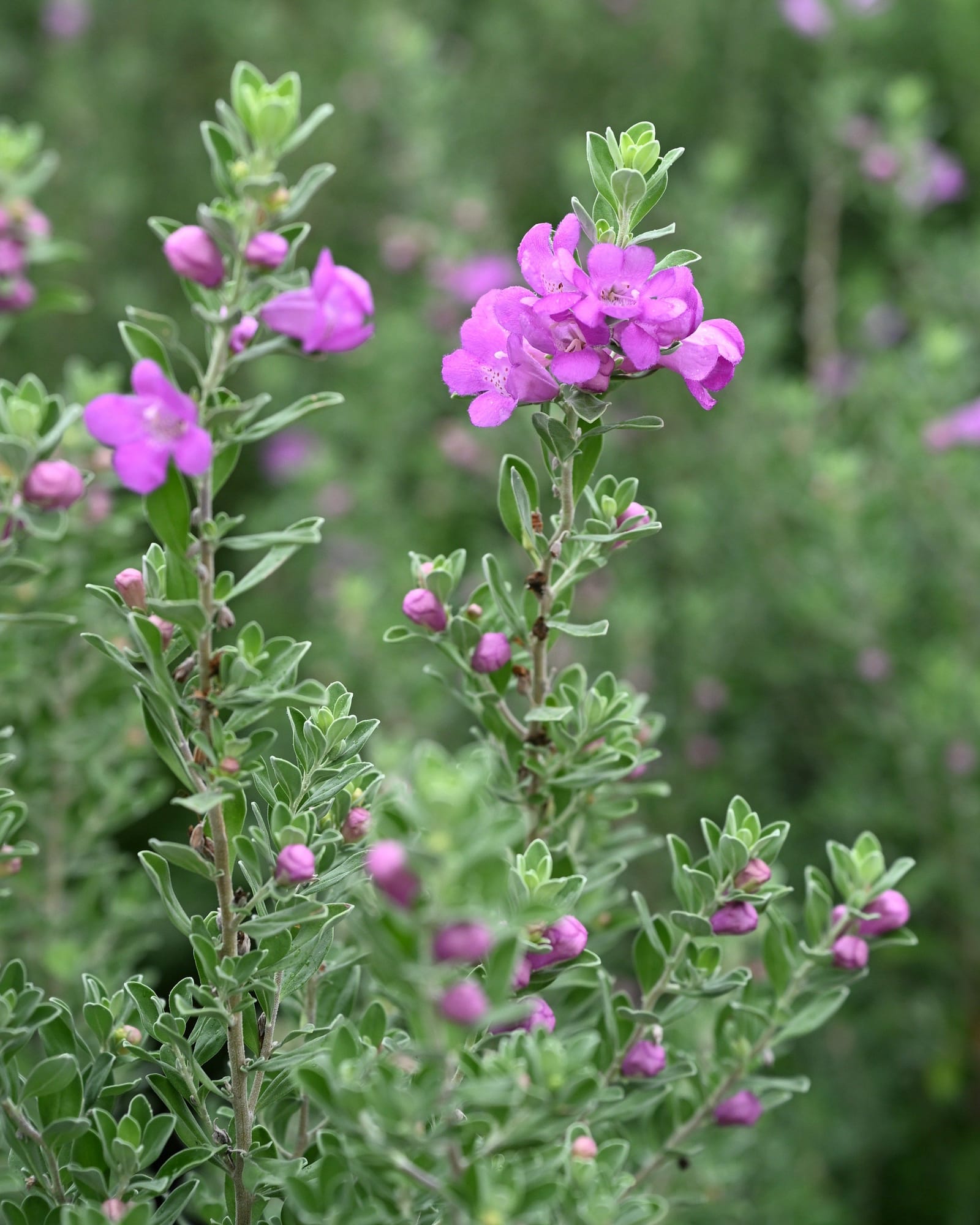
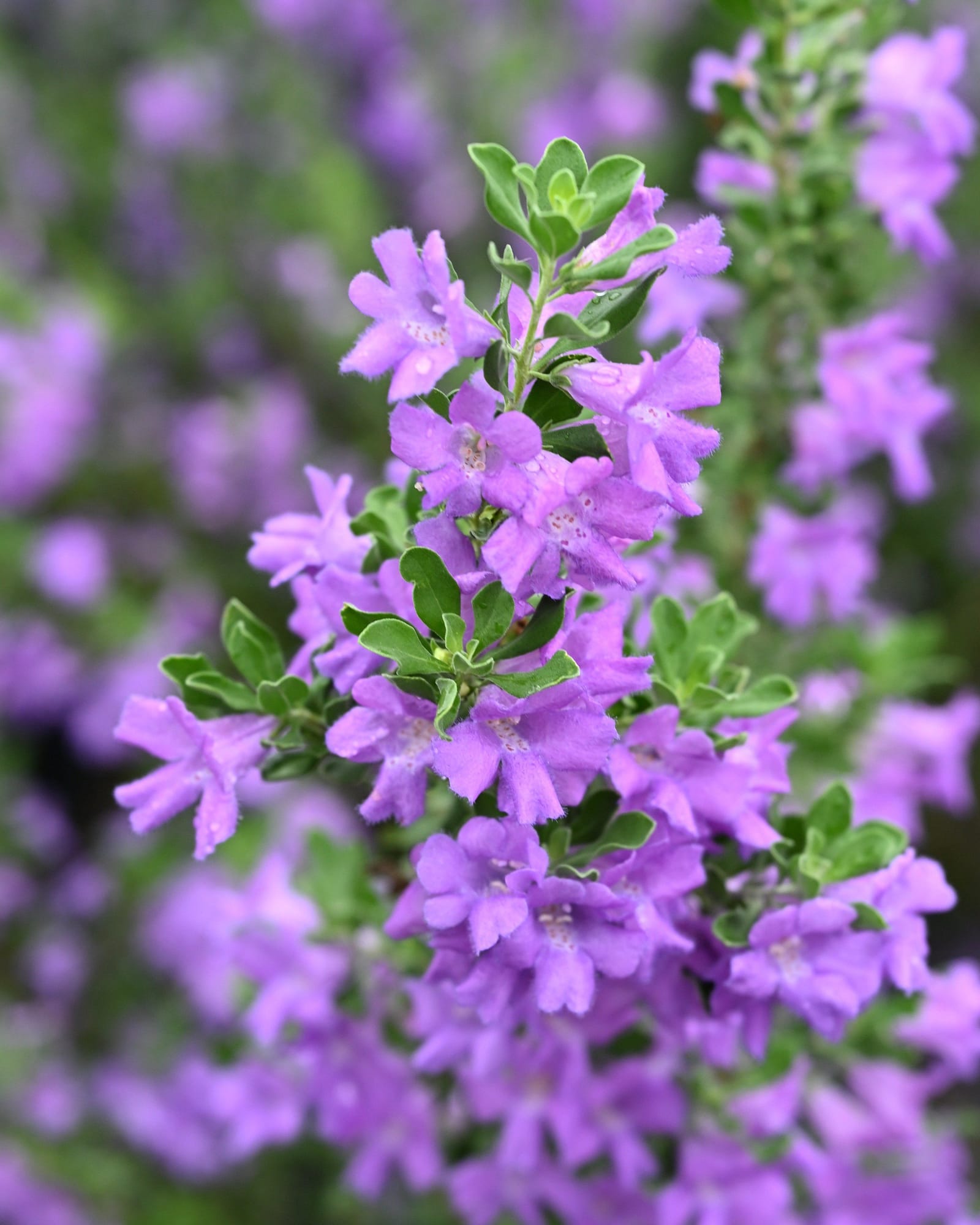
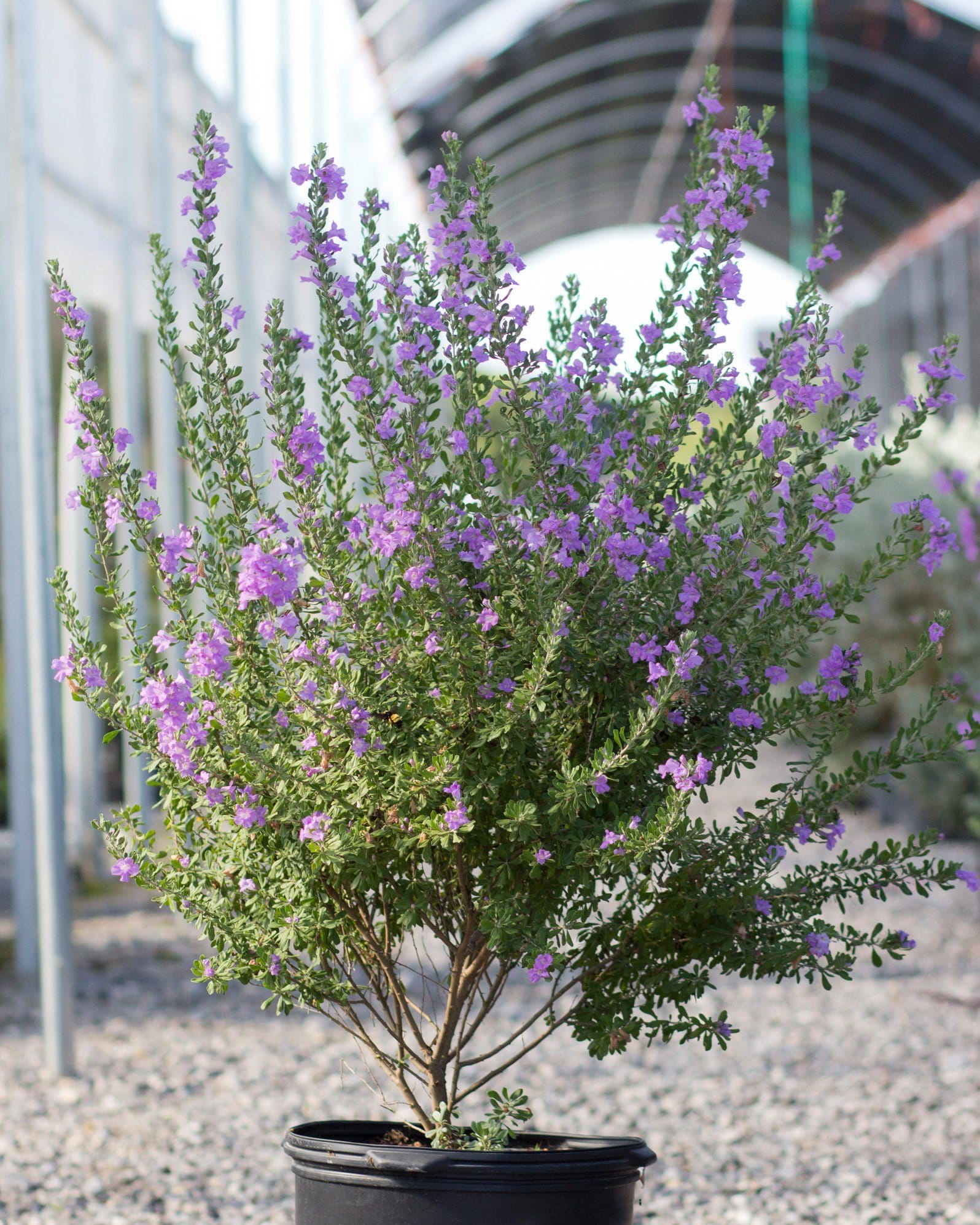
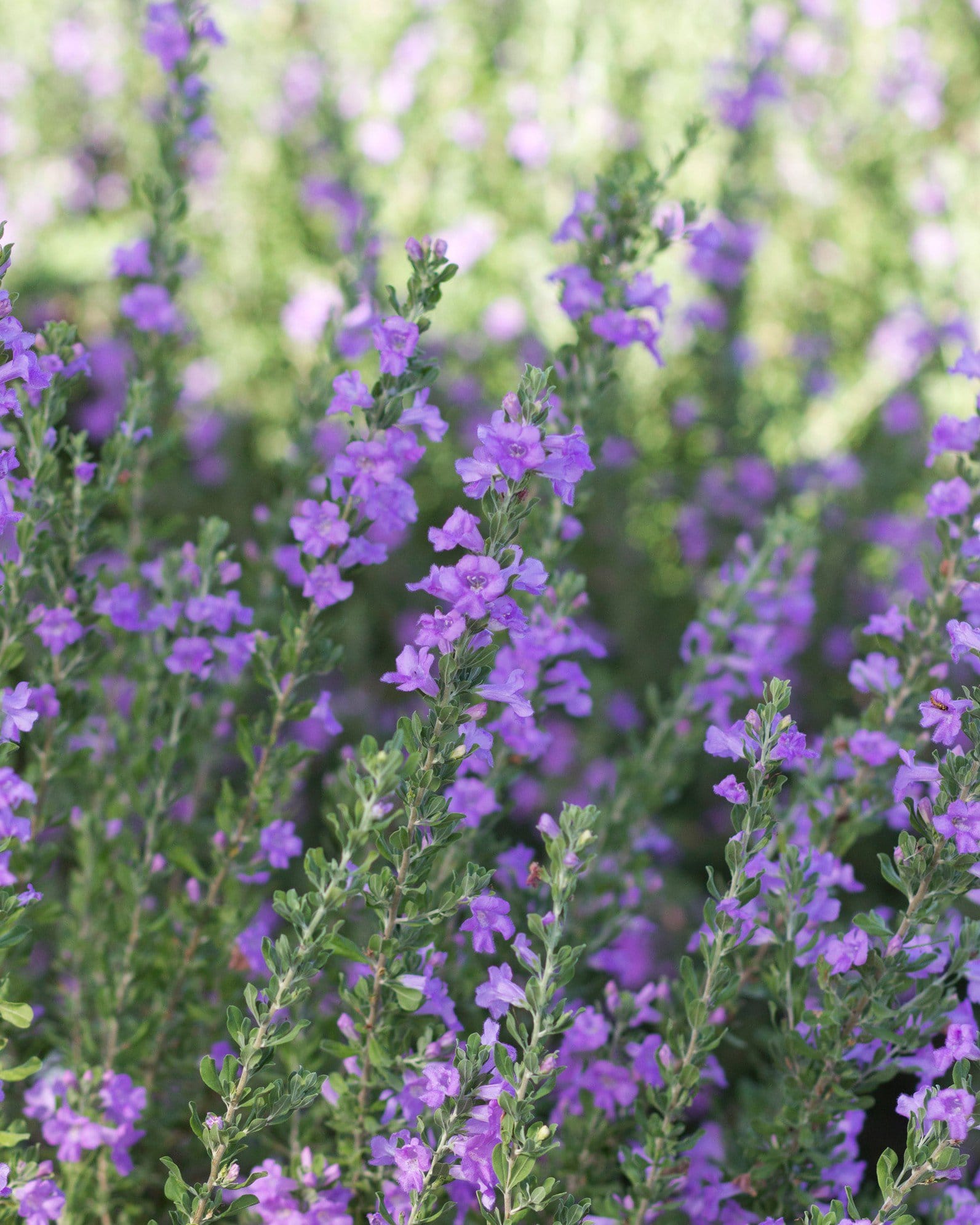
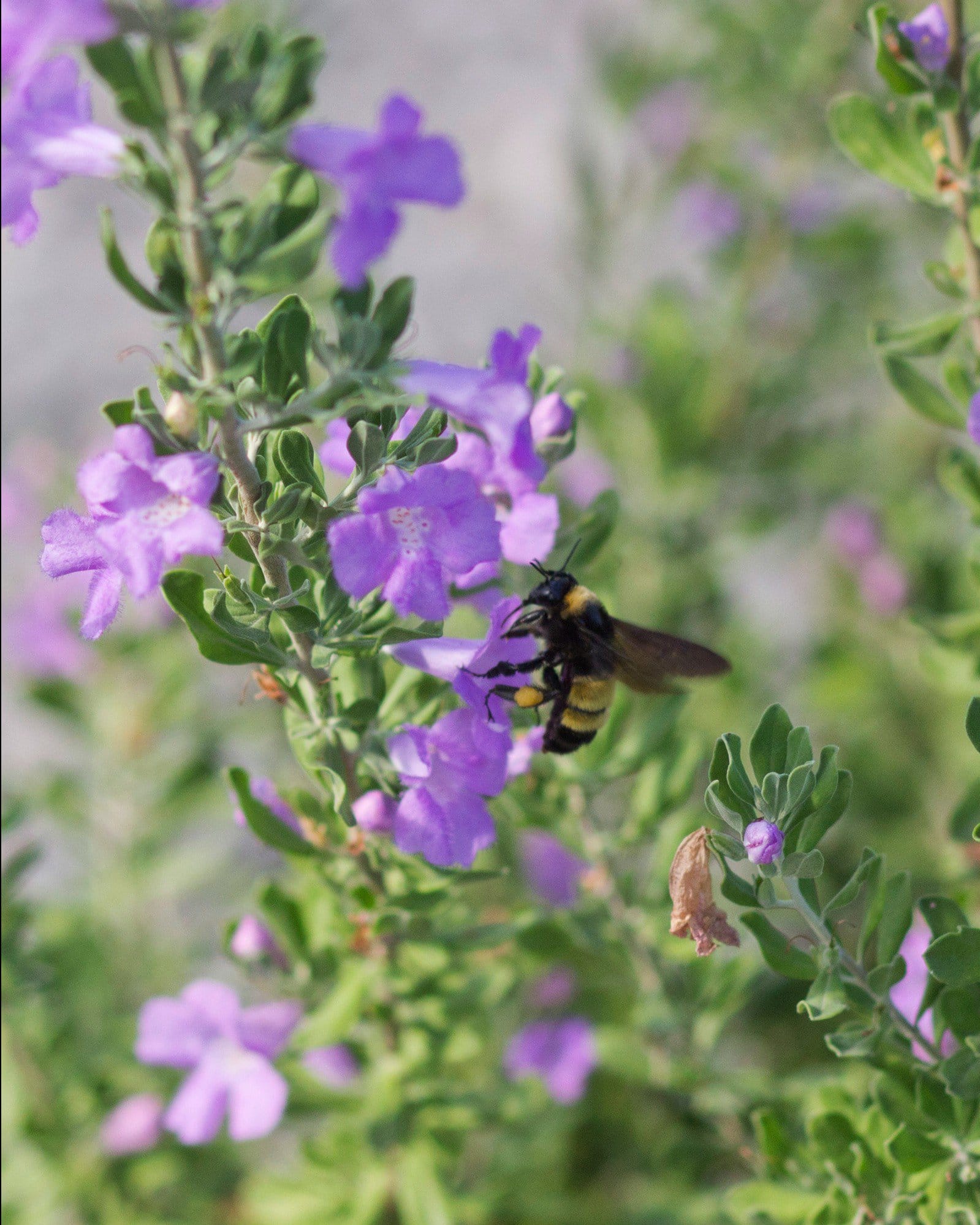
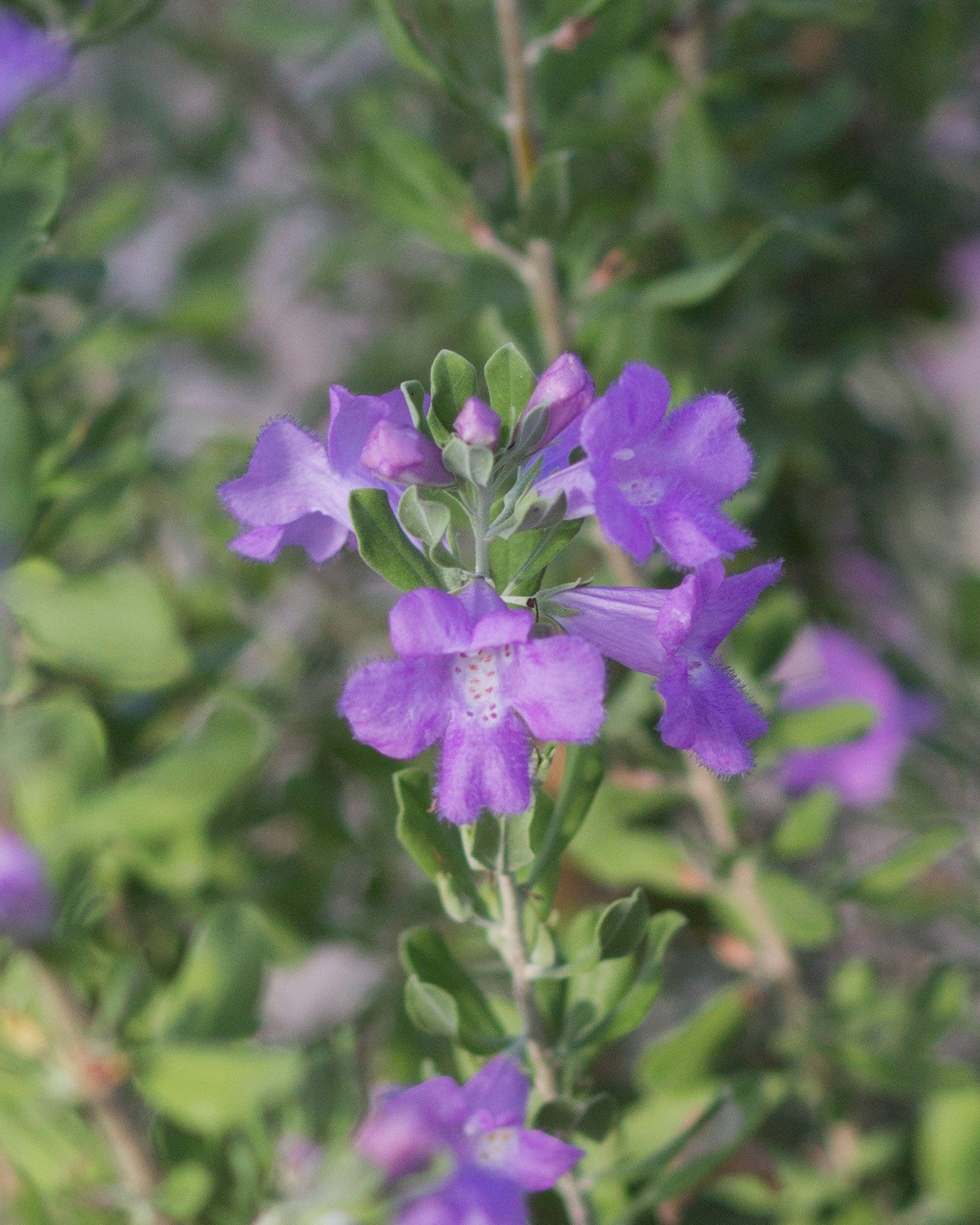
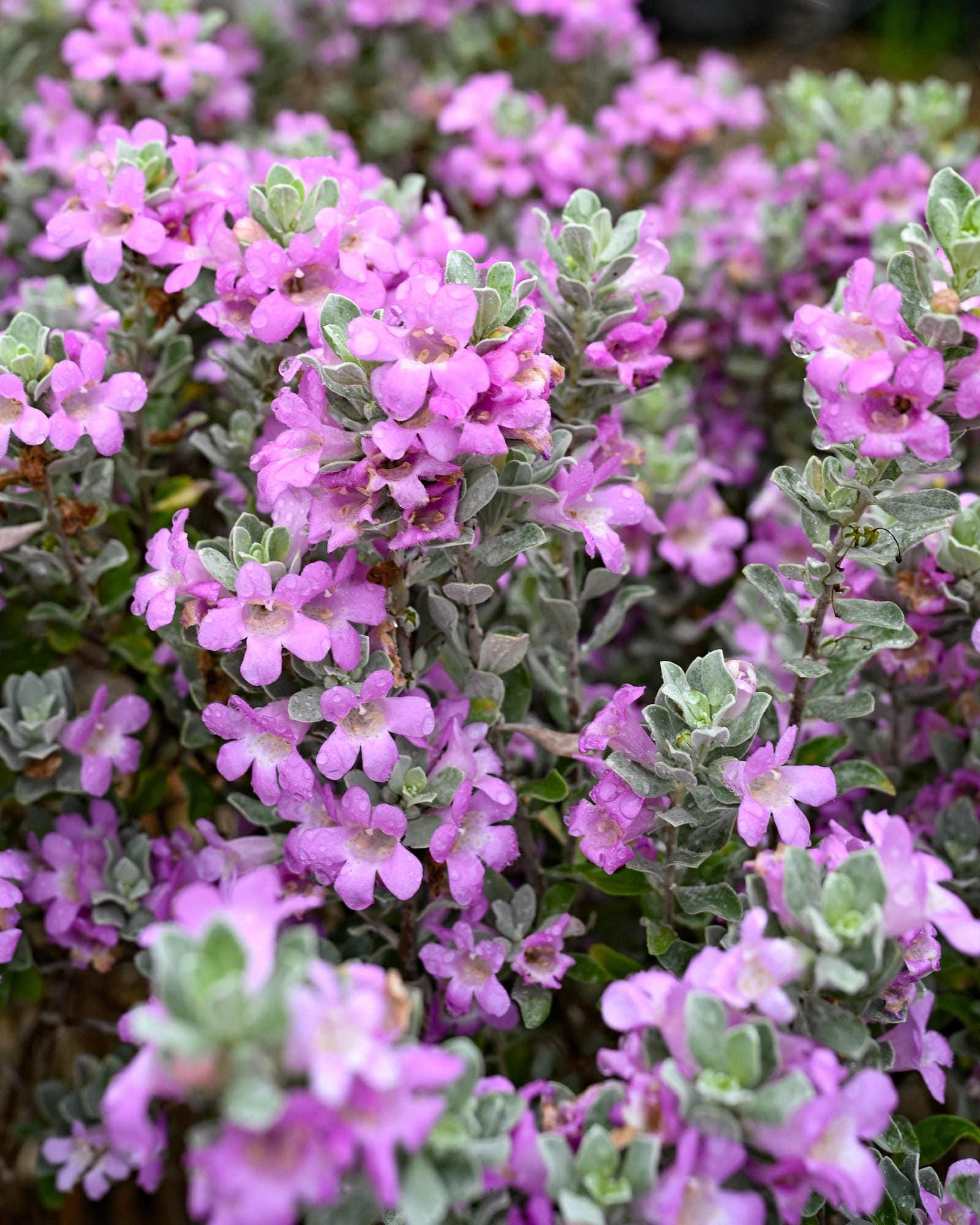
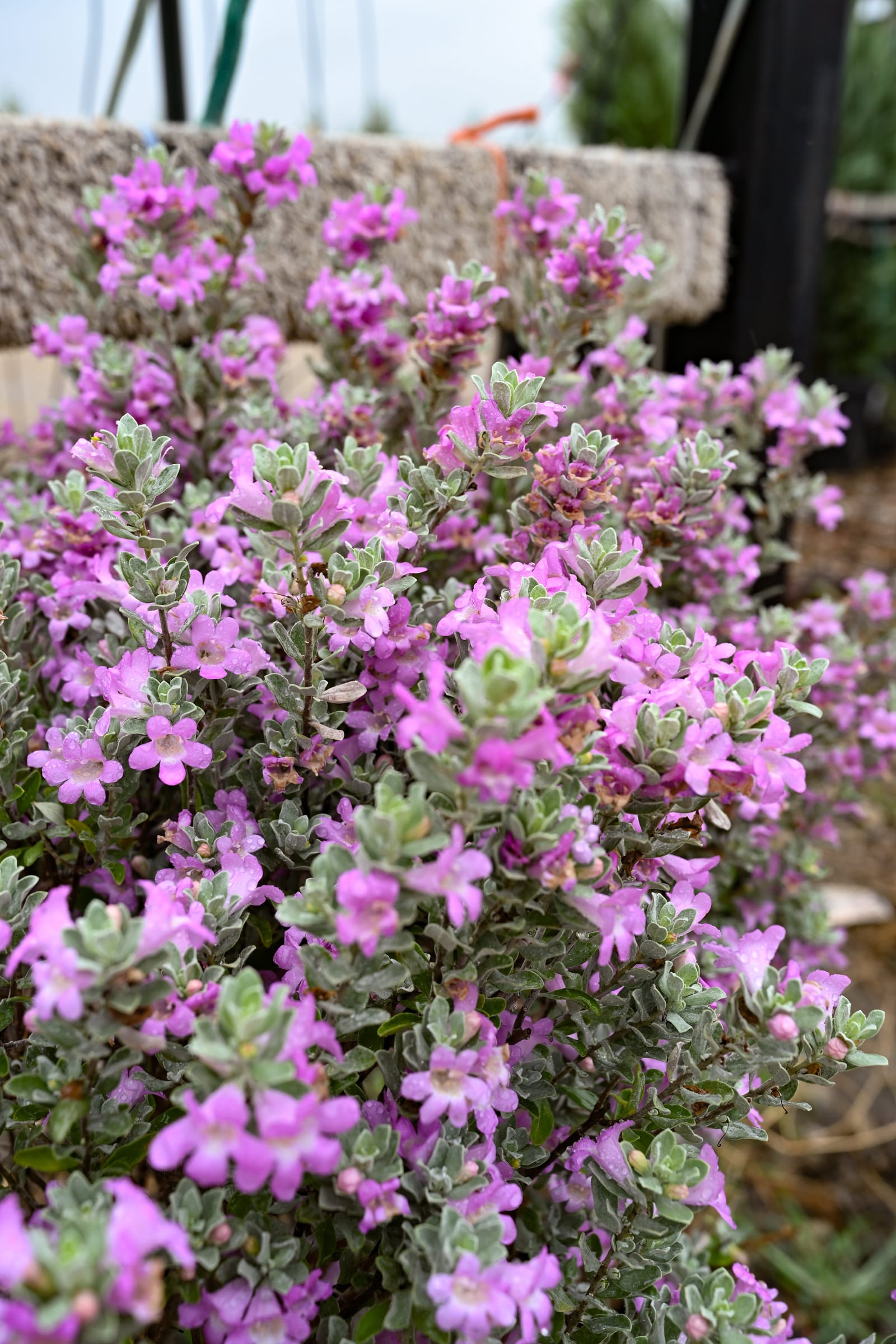
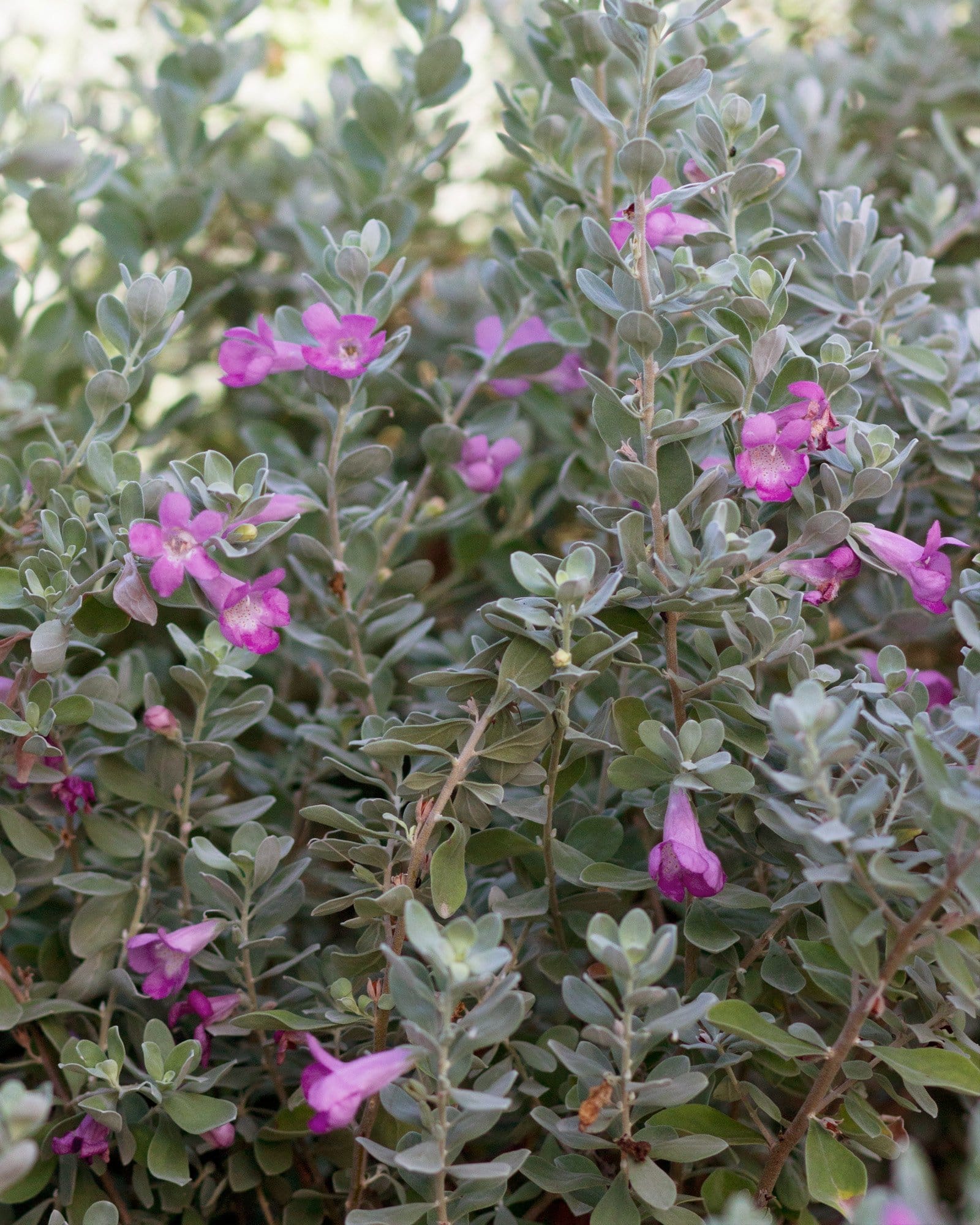
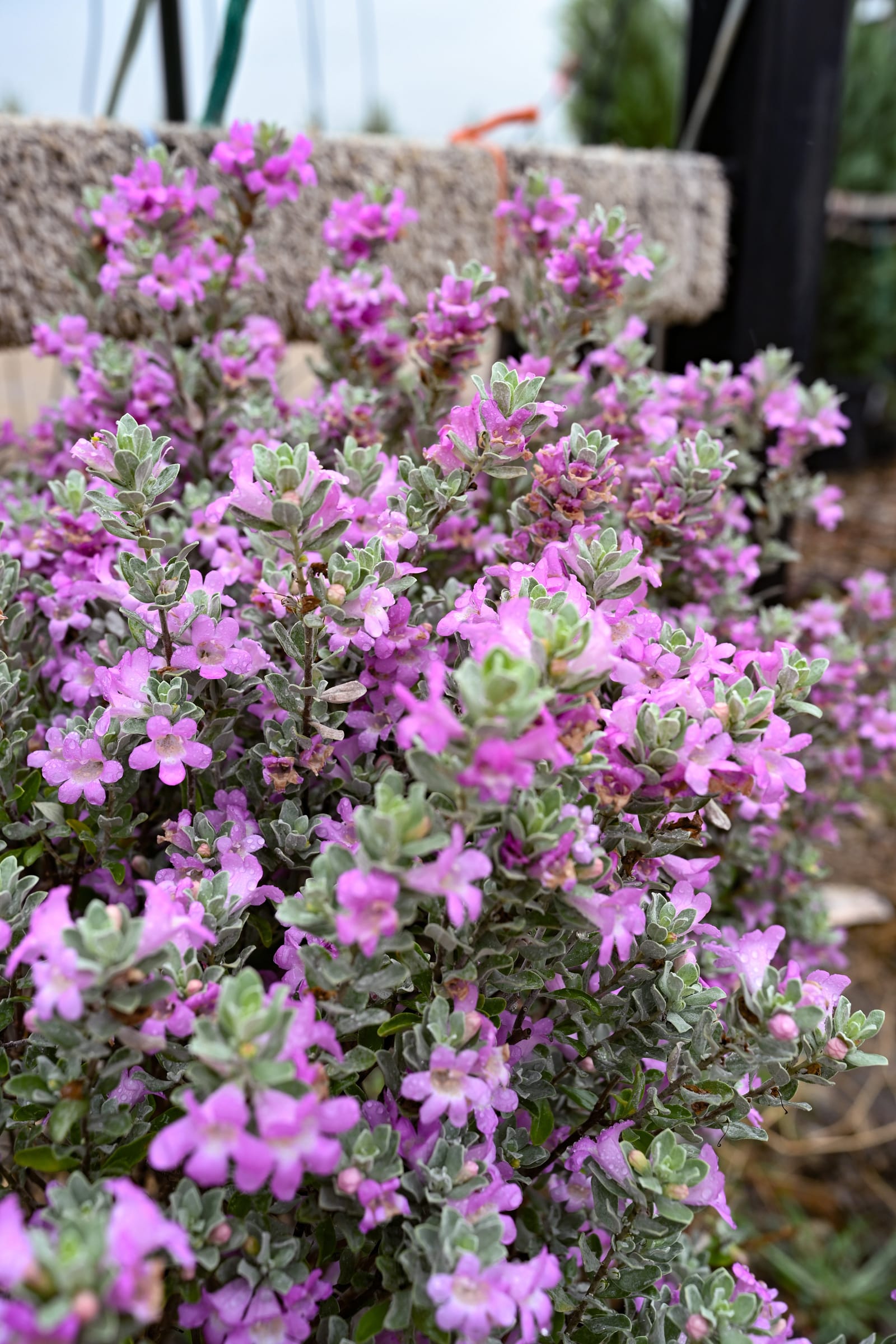
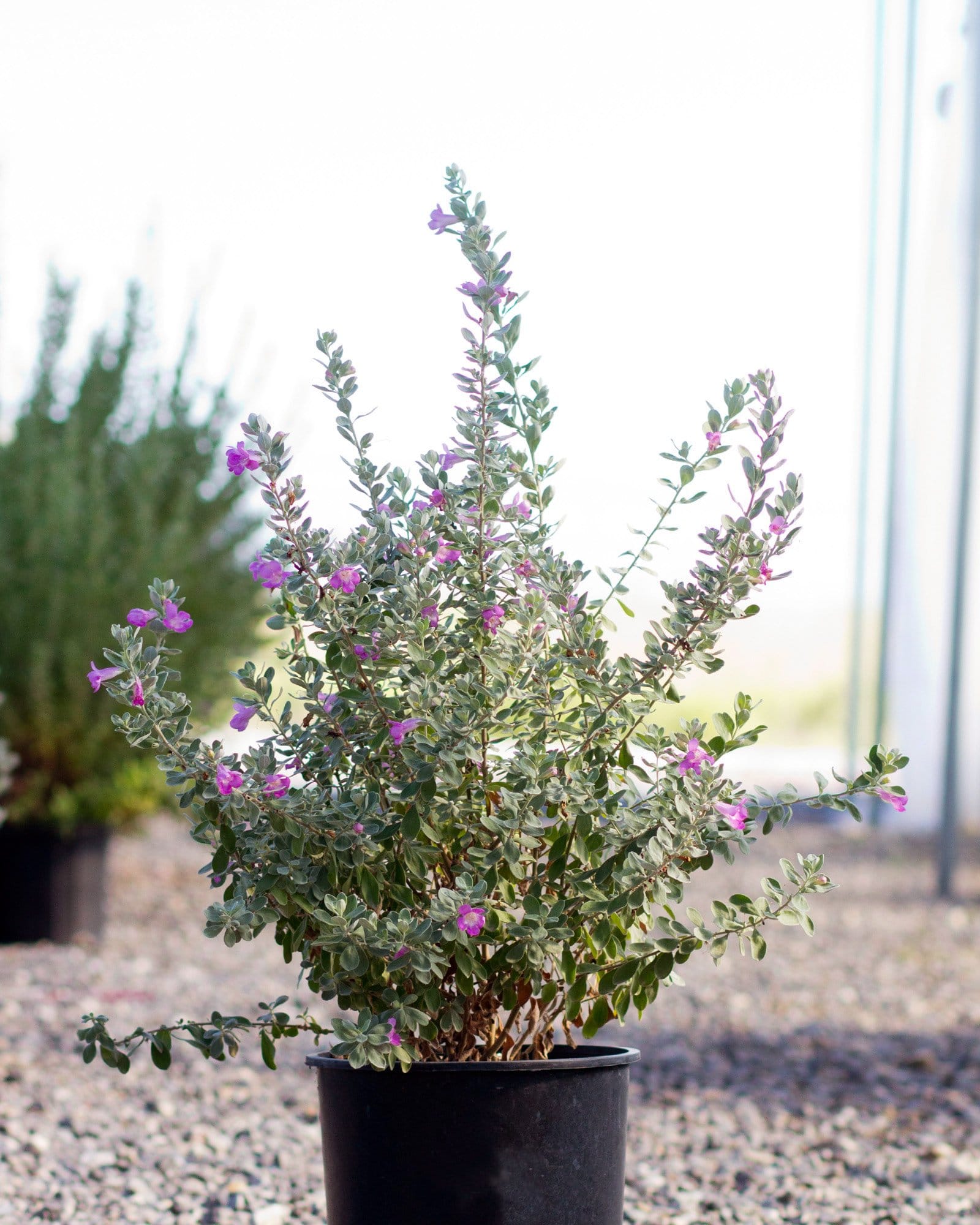
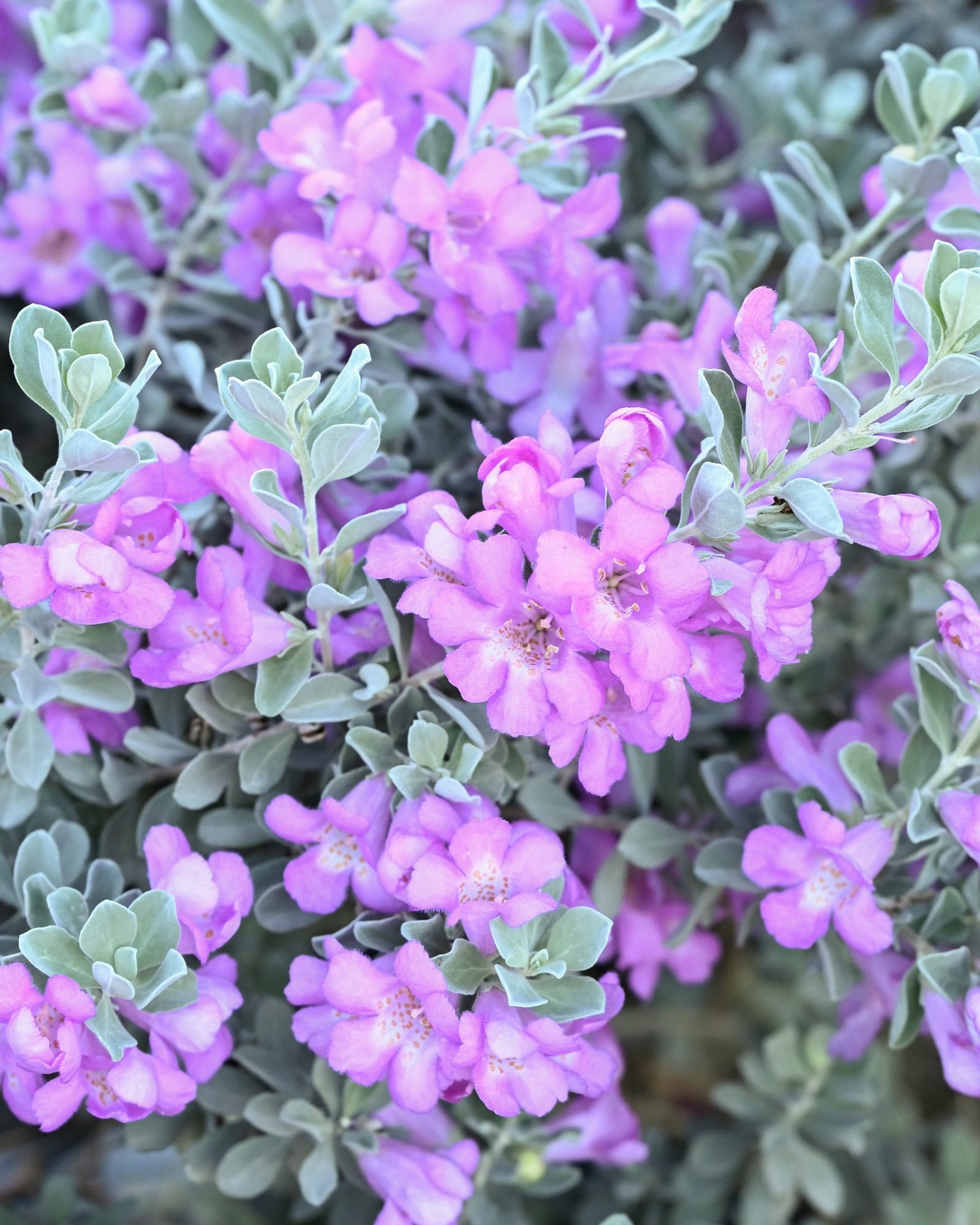
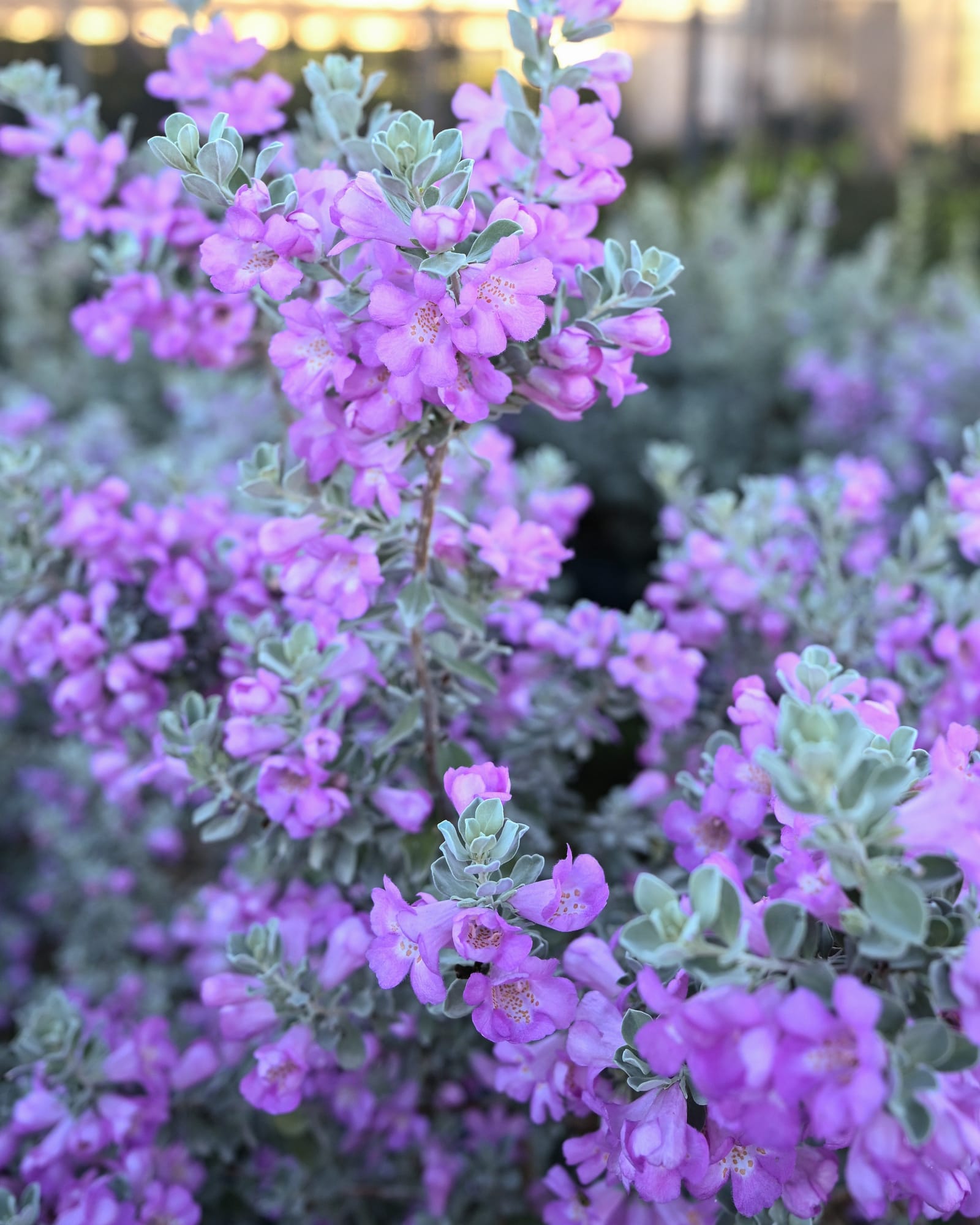
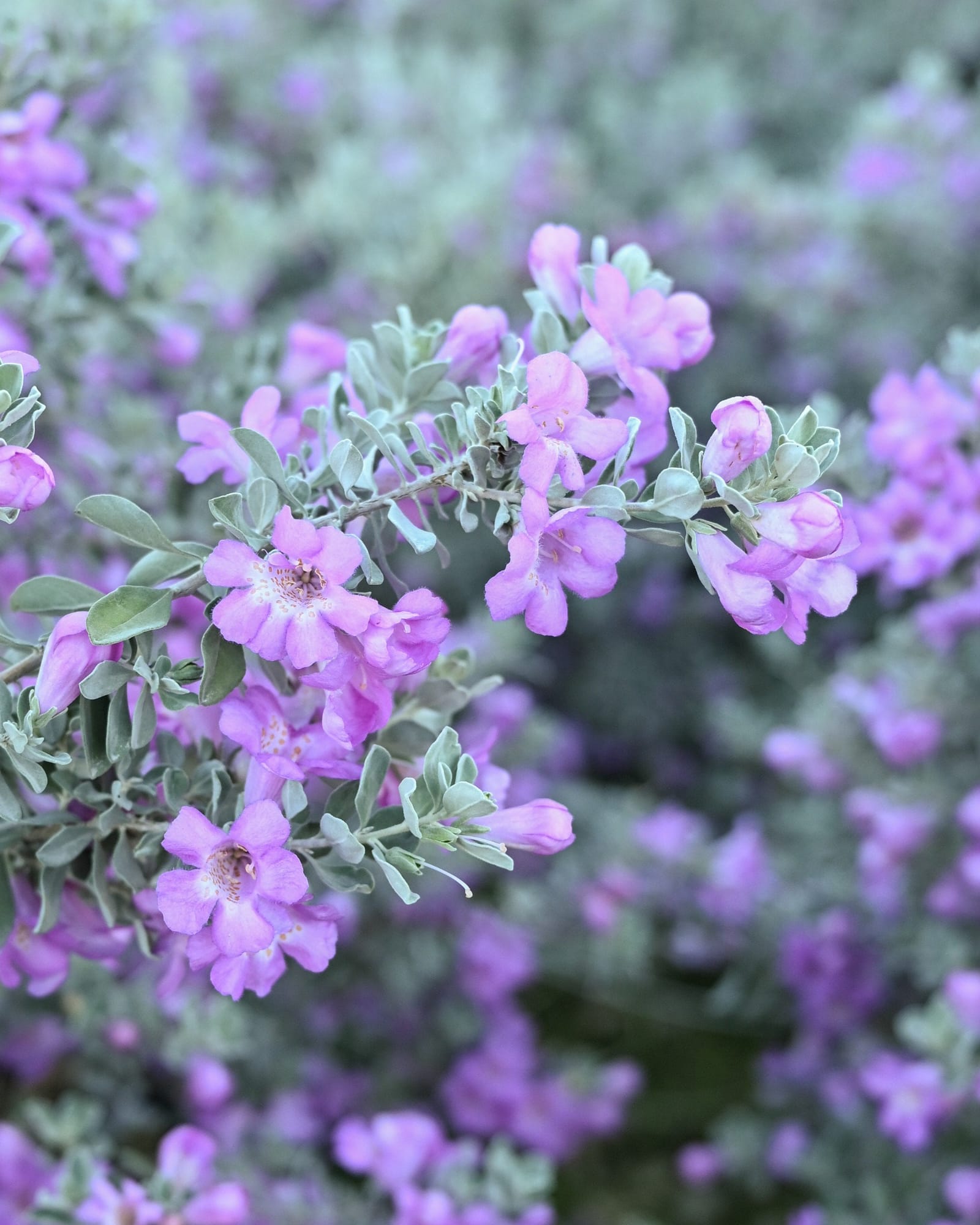
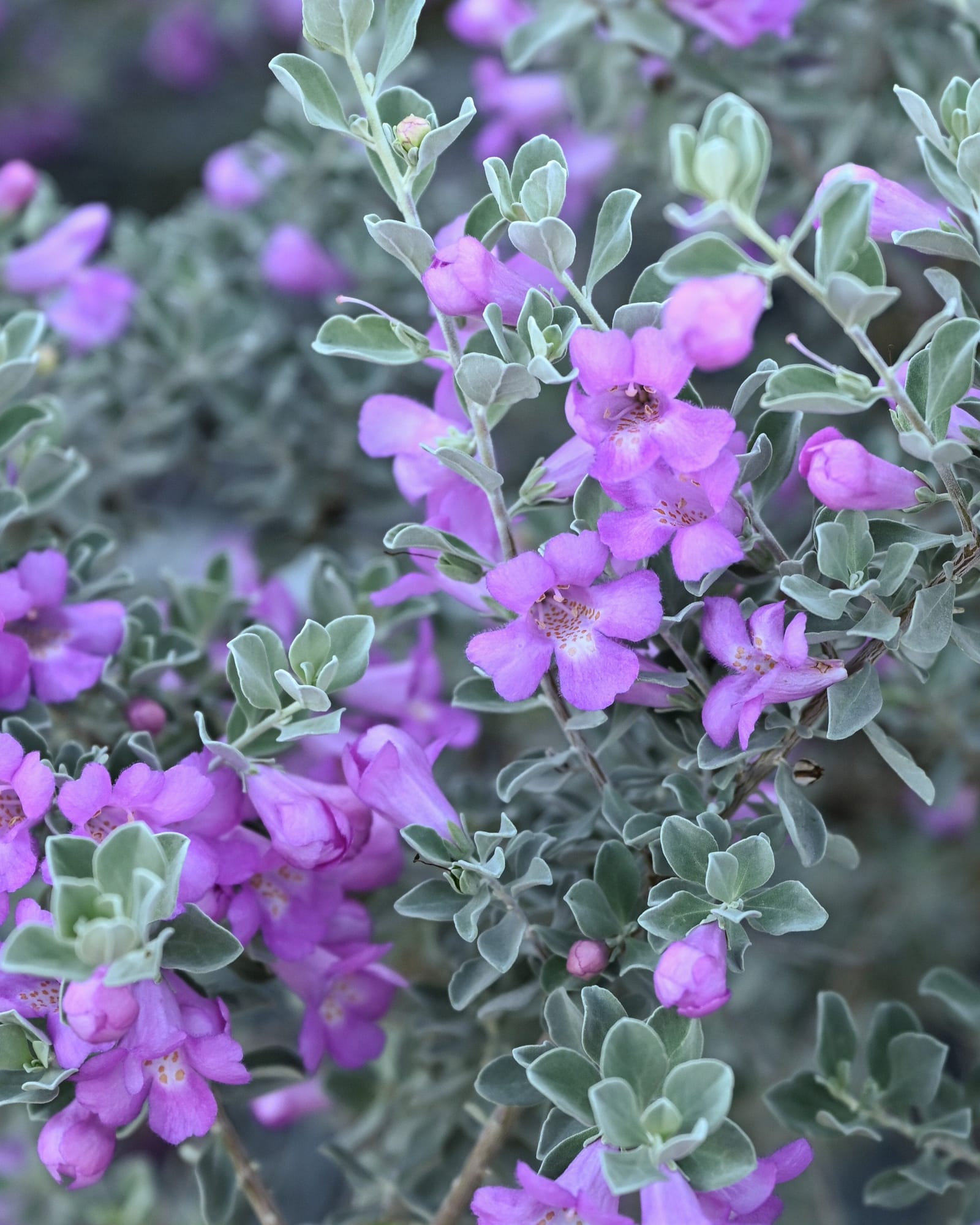
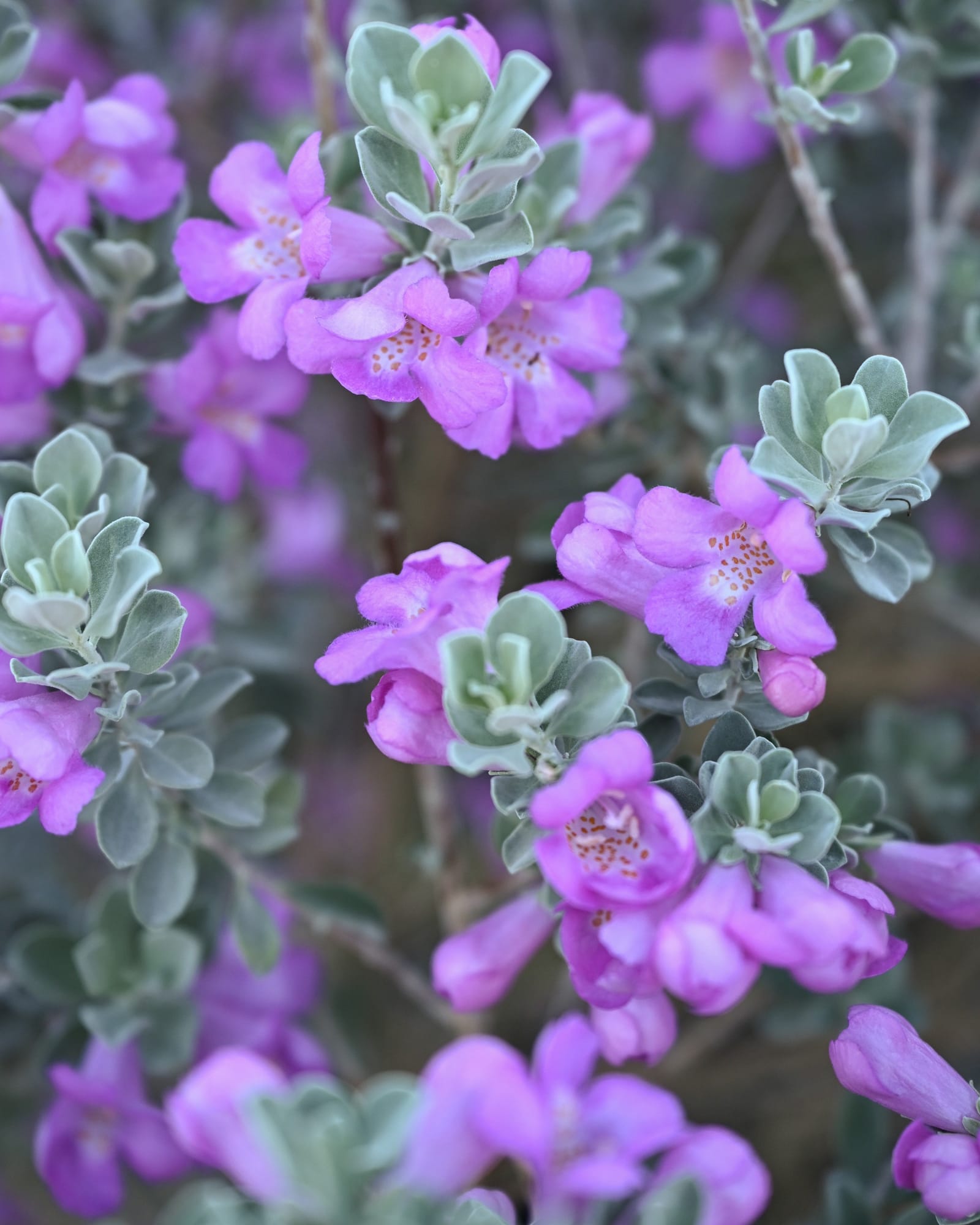
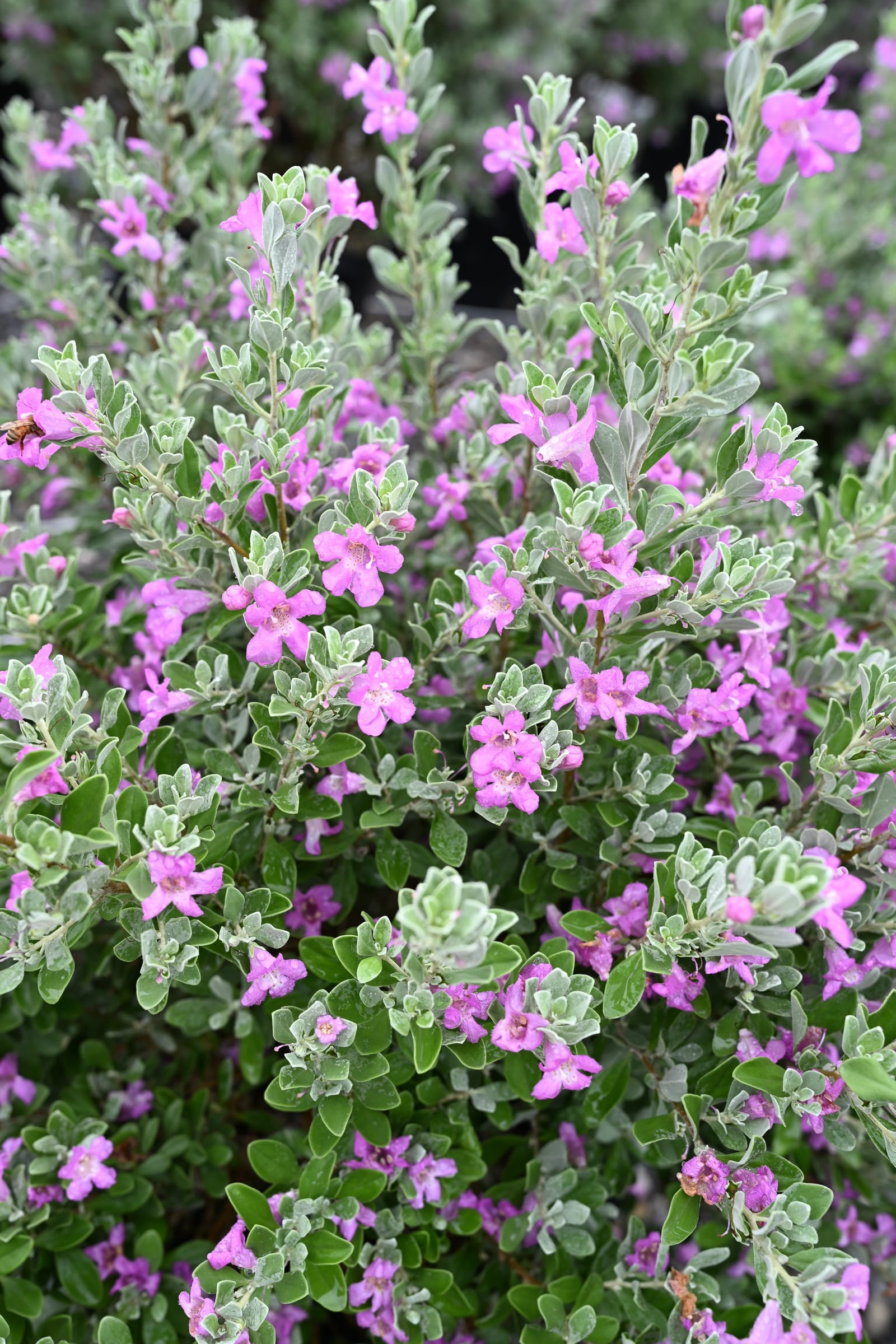
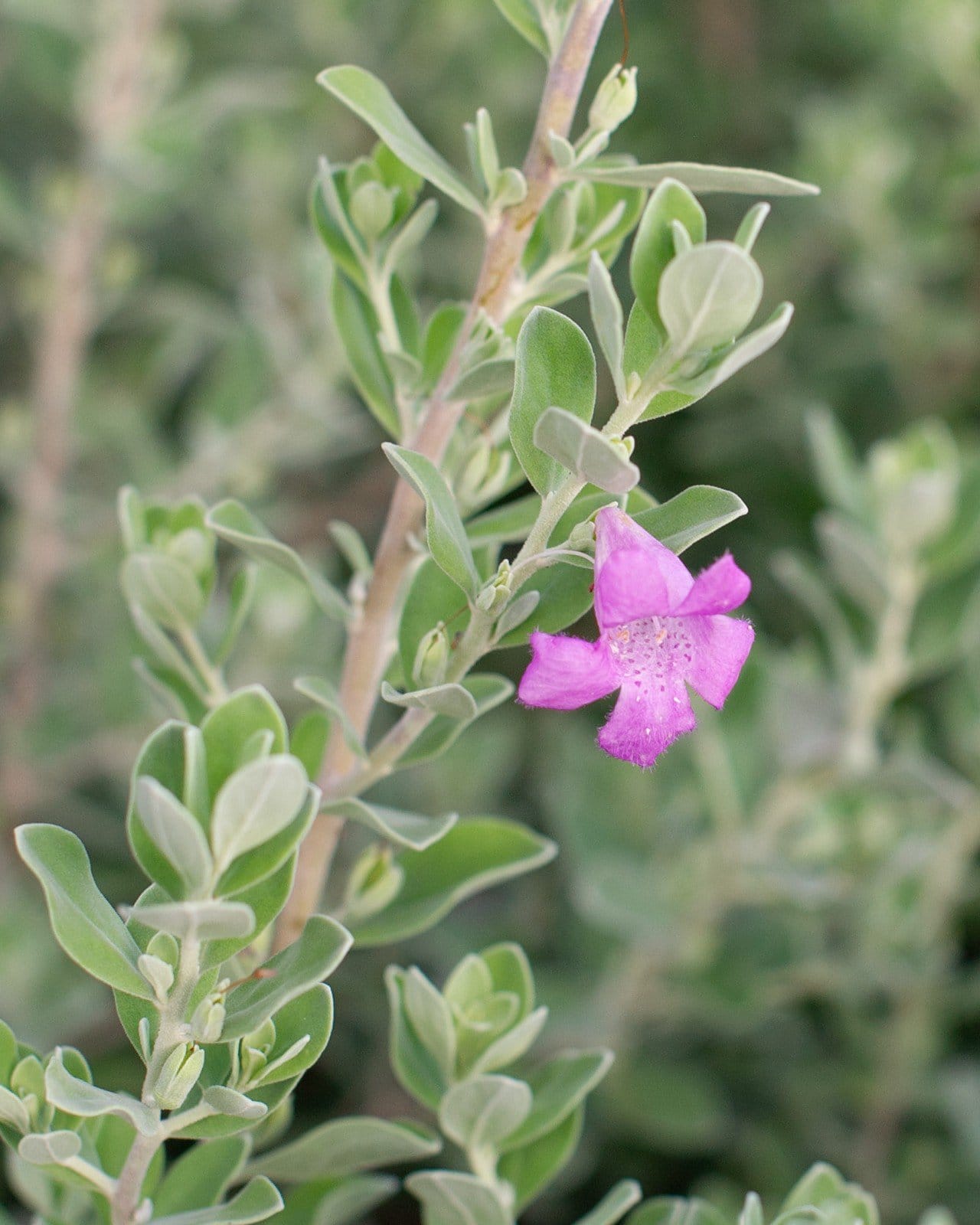
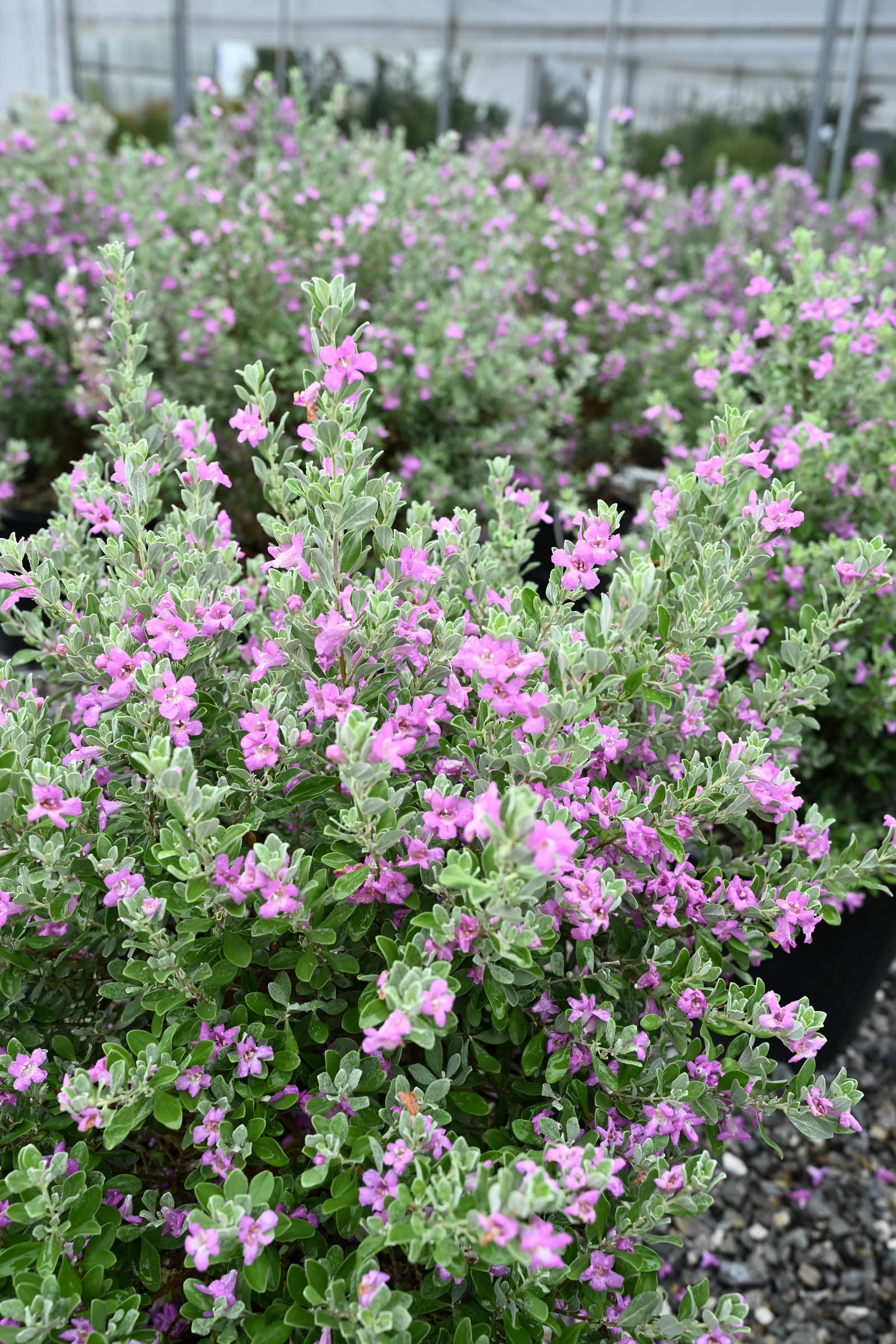
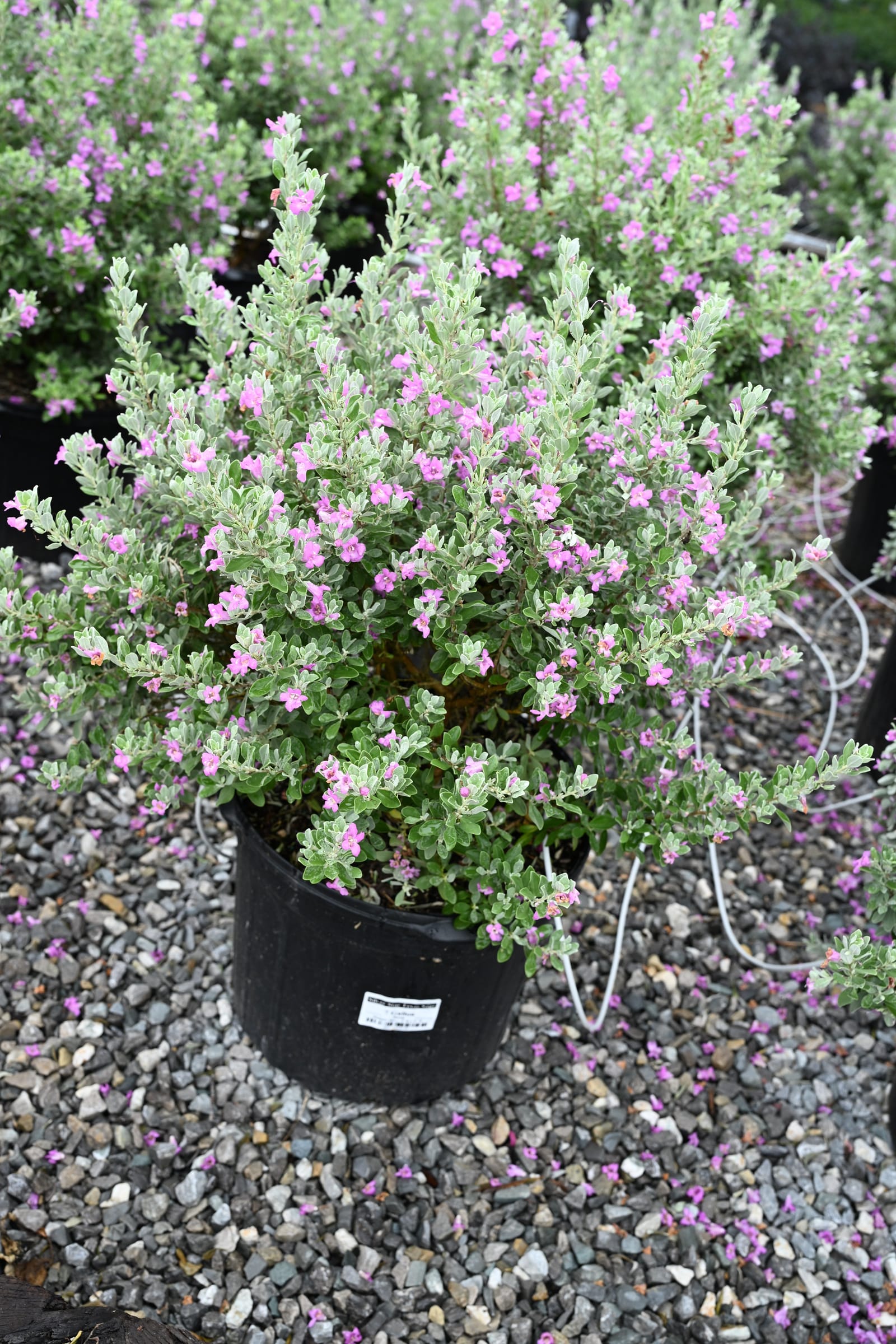
Stokesia laevis ‘Riptide’Riptide Stoke's Aster's most prominent features are its large purple flowers, blooming from summer through fall. They grow densely, almost completely covering the attractive dark green foliage. This beautiful perennial has a mounded growth habit and is suitable for borders, containers, and flower beds. It reaches up to 2 feet in height and 2.5 feet in width at maturity. It takes approximately 2-3 months to reach maturity, due to its moderate growth rate.
- Evergreen perennial
- Suitable for various landscape uses
- Delightful purple flowers
- Moderate growth rate
- Attracts butterflies
This versatile perennial is hardy in zones 5-9, faring well in the North Texas climate. It thrives in full sun, so make sure it gets at least 6-8 hours of direct sun exposure daily. Plant it in well-drained soil and watch it prosper and bloom from summer through fall. To encourage new blooms, some deadheading of the old, spent ones is advised.
Riptide Stroke’s Aster is as low-maintenance as it is beautiful, needing minimal maintenance to grow spectacularly:
- Watering: Water regularly during the first growing season to establish strong roots. Once mature, Riptide Stoke’s Aster is quite drought-tolerant, needing only occasional deep watering during extended dry spells. Avoid constantly wet soil, as excessive moisture can lead to crown or root rot.
- Pruning: Deadhead spent flowers promptly to encourage continuous blooming and a neat appearance. After the flowering season, cut stems back to the basal foliage. In early spring, remove any winter-damaged leaves to allow fresh new growth to emerge.
- Fertilizing: Feed lightly in spring with a balanced, slow-release fertilizer or a topdressing of compost. Overfertilizing can promote excessive leafy growth at the expense of flowers, so moderation is best.
- Mulching: Apply a 1-2 inch layer of mulch or gravel around the base to retain moisture and suppress weeds. Keep mulch slightly away from the crown to prevent rot and maintain airflow. Refresh annually for a clean, polished look.
- Winter Care: Riptide Stoke’s Aster is hardy and evergreen in mild climates, holding its foliage through most winters. In colder areas, apply a light mulch after the ground freezes to protect roots, then remove it in spring once new growth begins.
Riptide Stoke’s Aster is generally low-maintenance and disease-resistant, but a few manageable issues can arise:
- Leaf Spot: Small dark or brown spots caused by fungal activity. Prune away infected leaves and water early in the day so foliage dries quickly.
- Rust: Appears as orange or brown pustules under leaves in humid weather. Remove affected foliage and apply a copper-based fungicide if needed.
- Powdery Mildew: A white film that forms in shaded or overcrowded conditions. Increase airflow, avoid overhead watering, and prune to maintain space between plants.
- Aphids: Small sap-sucking insects that cluster on flower buds. Rinse off with water or use insecticidal soap if infestations persist.
- Spider Mites: Microscopic pests that thrive in hot, dry conditions, leaving stippled leaves. Hose down foliage occasionally or apply horticultural oil to deter them.
- Slugs and Snails: Occasionally nibble on tender young foliage. Hand-pick or use organic barriers or bait in damp weather.
With proper care, it can thrive for 5-8 years or more, returning reliably each season. Regular division every few years helps maintain vigor and ensures continuous flowering.
It grows moderately fast, forming a full, flower-ready clump within its first two years. Once mature, it expands gradually while maintaining a compact, well-behaved shape.
Yes - bees, butterflies, and other beneficial insects adore its nectar-rich blooms. It’s a magnet for late-summer pollinator activity when many other flowers are fading.
Yes - its leathery foliage and subtle scent make it unappealing to most browsing animals. It’s a reliable choice for wildlife-heavy gardens.
Absolutely. Its neat size and long bloom season make it ideal for patio pots and decorative planters. Use a well-draining soil mix and water sparingly to prevent crown rot.
While the blooms are not strongly perfumed, they carry a delicate, fresh scent when massed together. The subtle fragrance complements its soft, coastal-inspired appearance.
Yes - consistent deadheading encourages repeat flowering through summer and early fall. Removing spent blooms keeps the plant tidy and productive.
Yes - it’s completely non-toxic and safe around pets, children, and wildlife. The foliage is soft and harmless to touch.
Yes - it thrives near the coast, tolerating salt spray and sandy soil with ease. Its name Riptide reflects its natural affinity for breezy, seaside landscapes.
Divide mature clumps every 3-4 years in early spring or fall. Each division quickly establishes and begins flowering the following season.
Special Features
You might also like
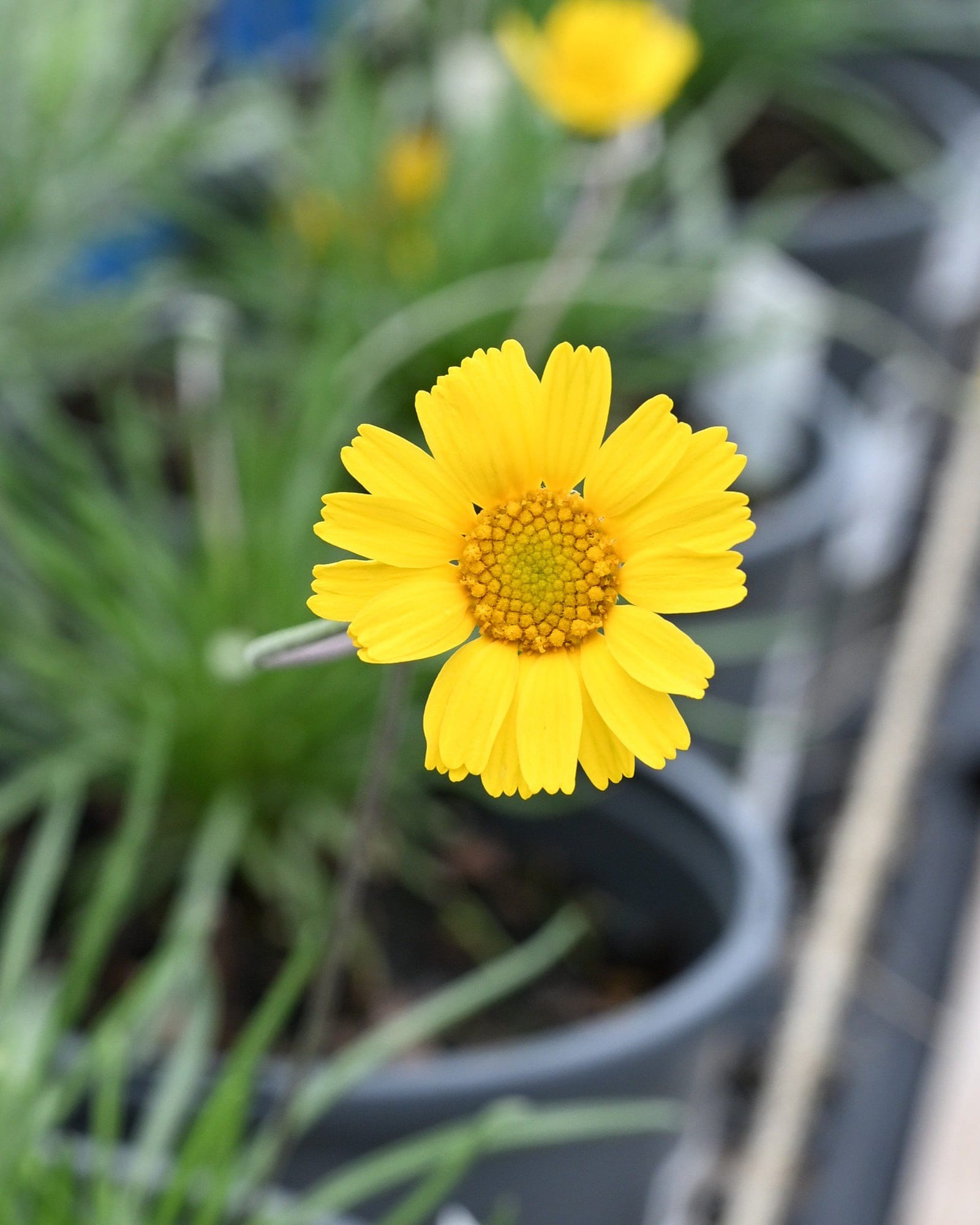
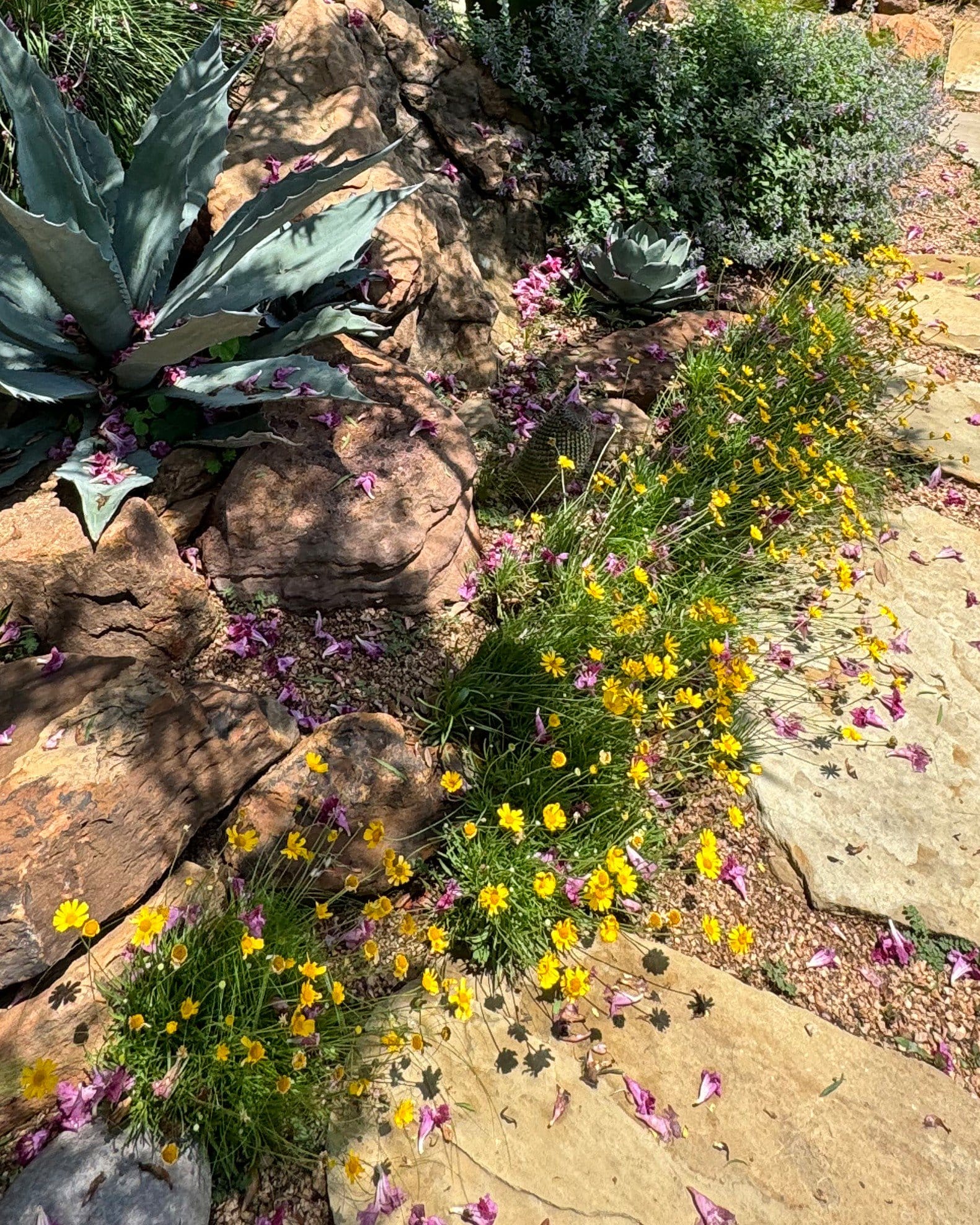
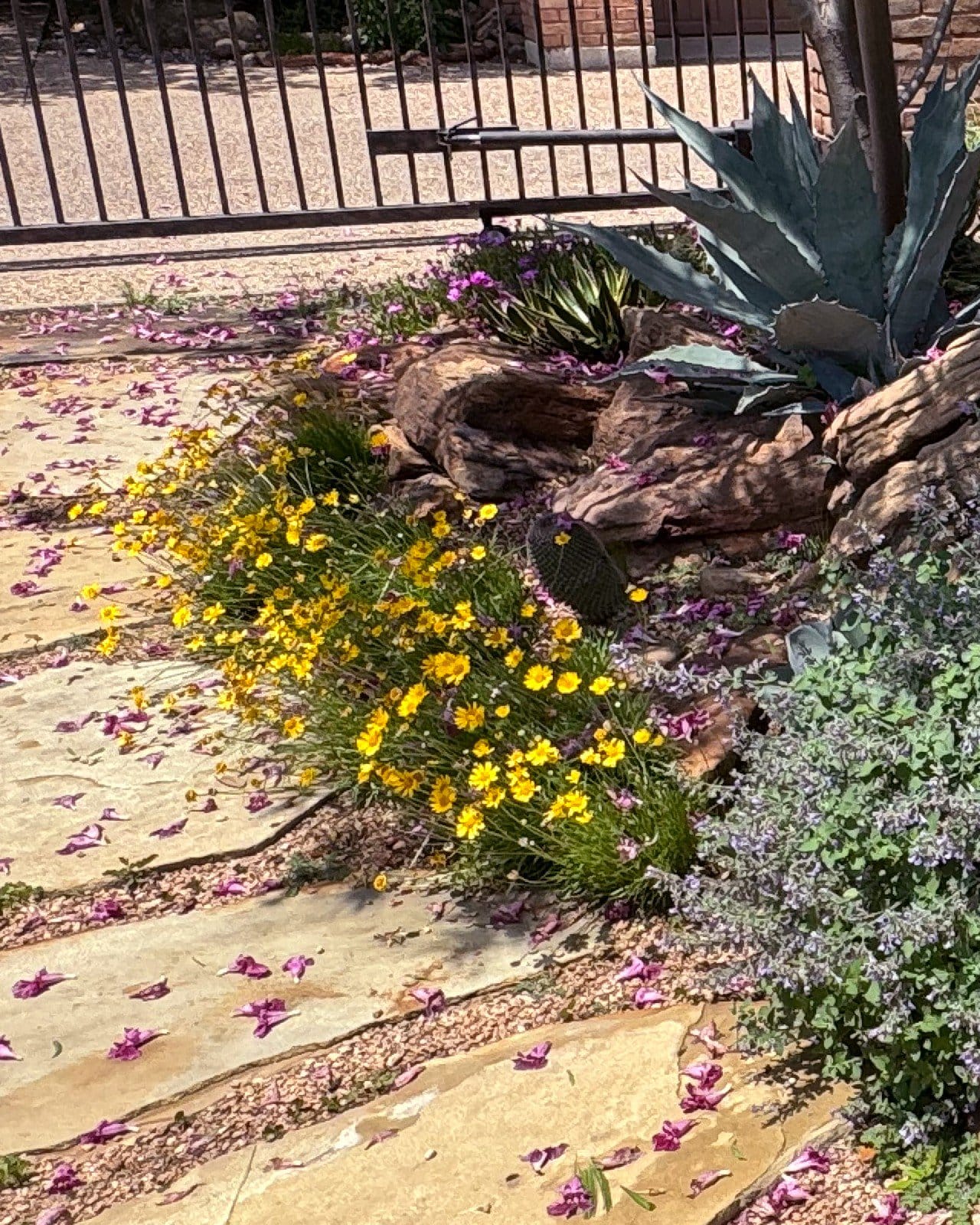
Four Nerve Daisy
Maturity: 1' H x 1' W
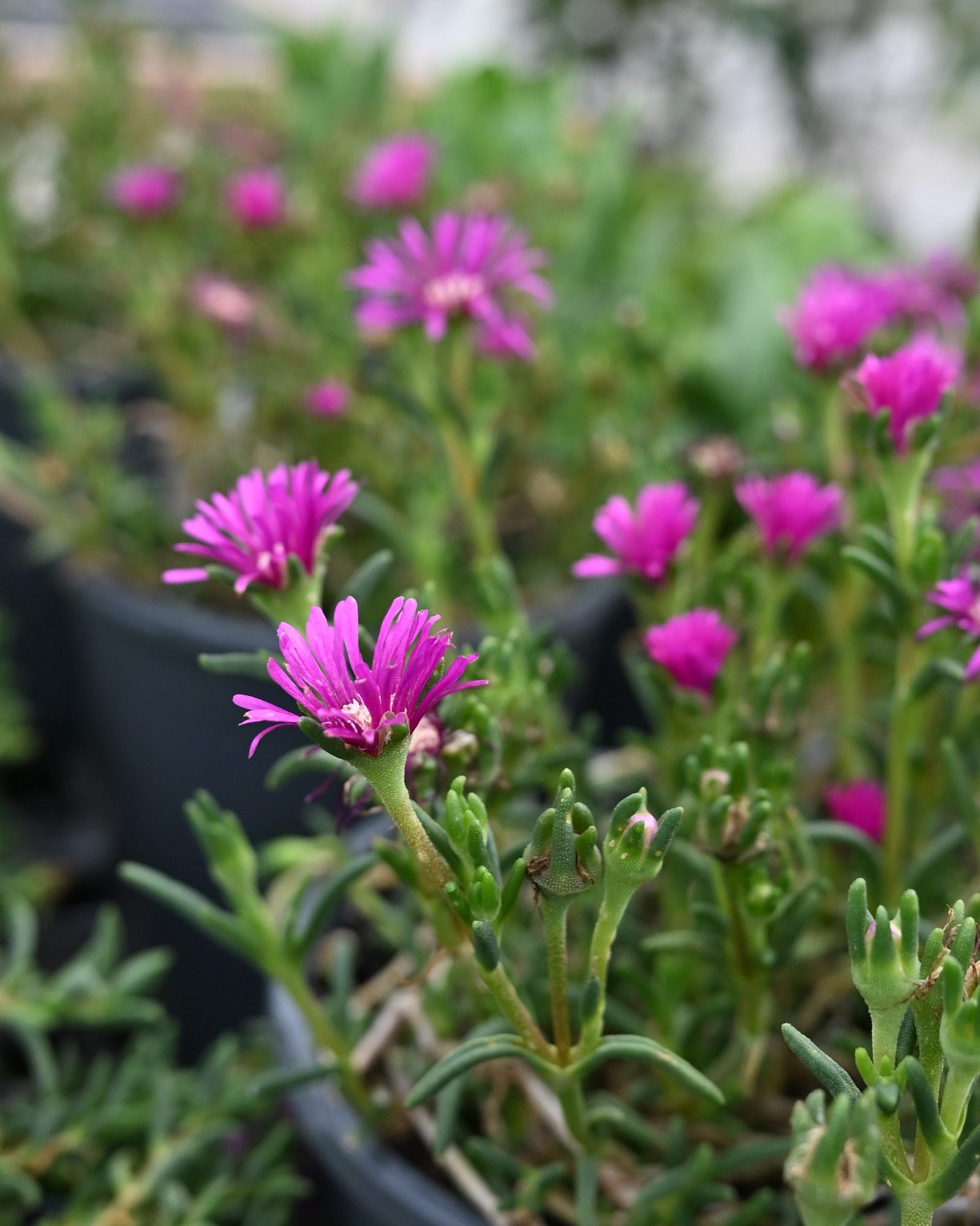
Purple Hardy Ice Plant
Maturity: 0.25' H x 0.75' W
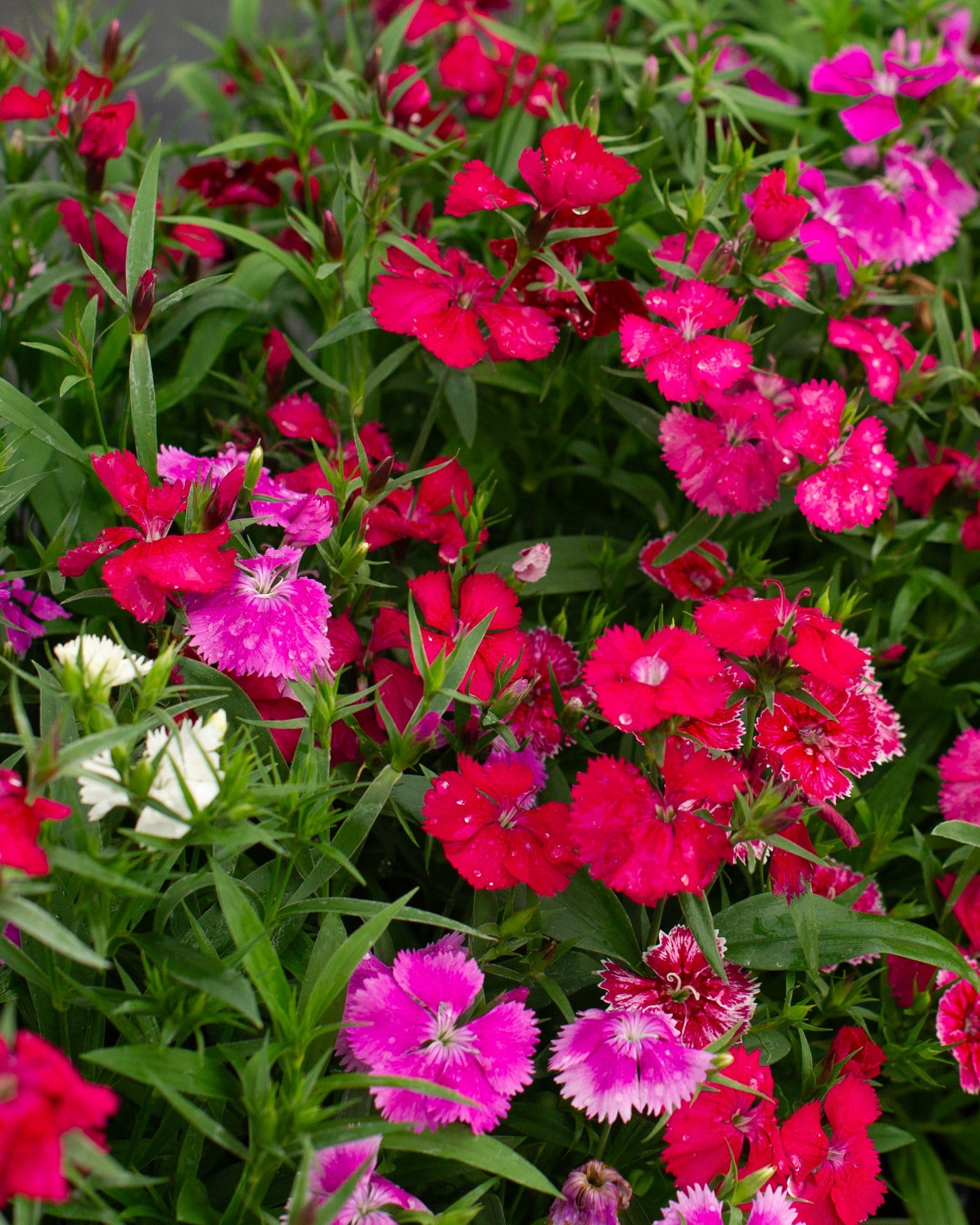
Floral Lace Mix Dianthus
Maturity: 0.75' H x 0.75' W
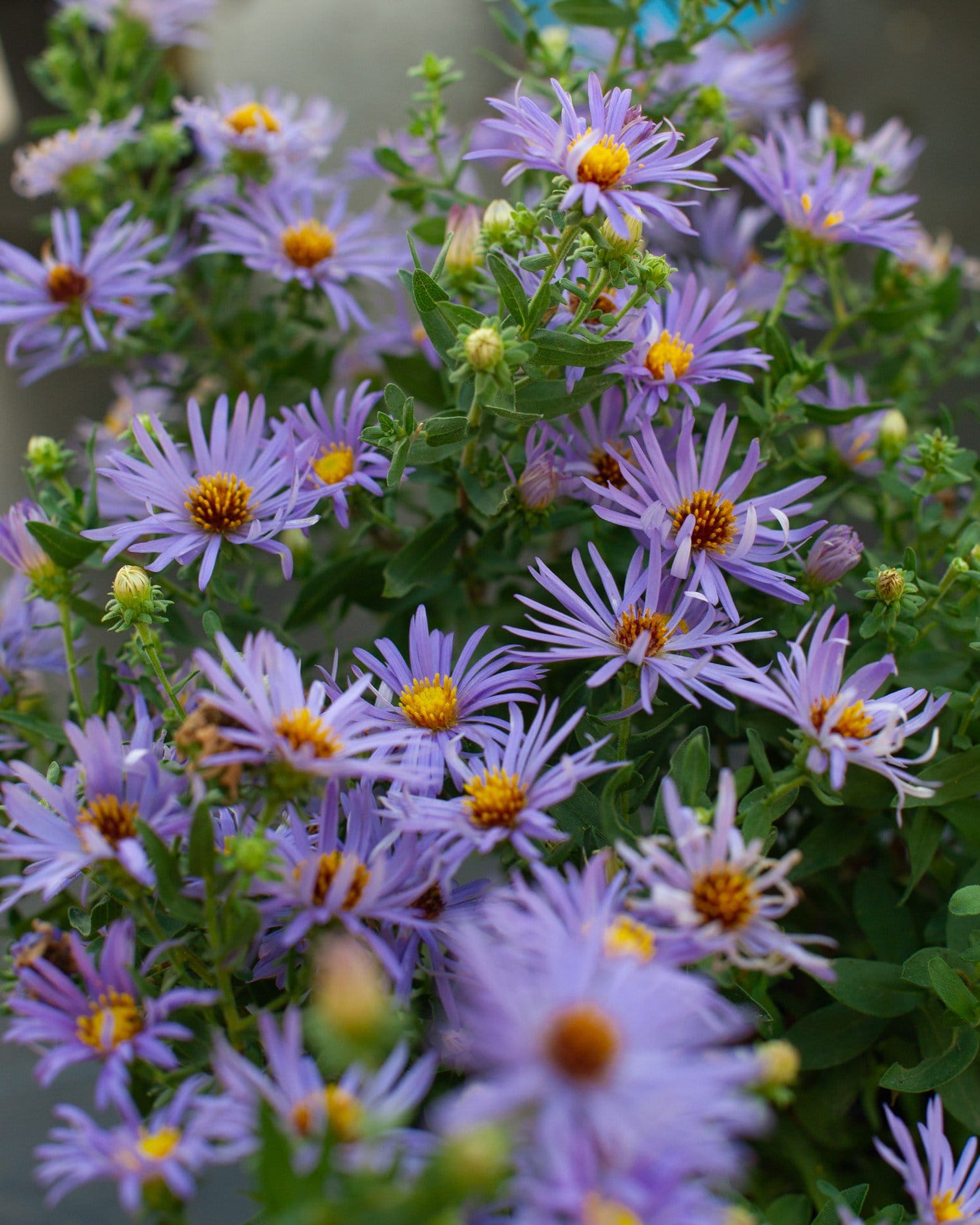
Aromatic Aster
Maturity: 2' H x 2' W
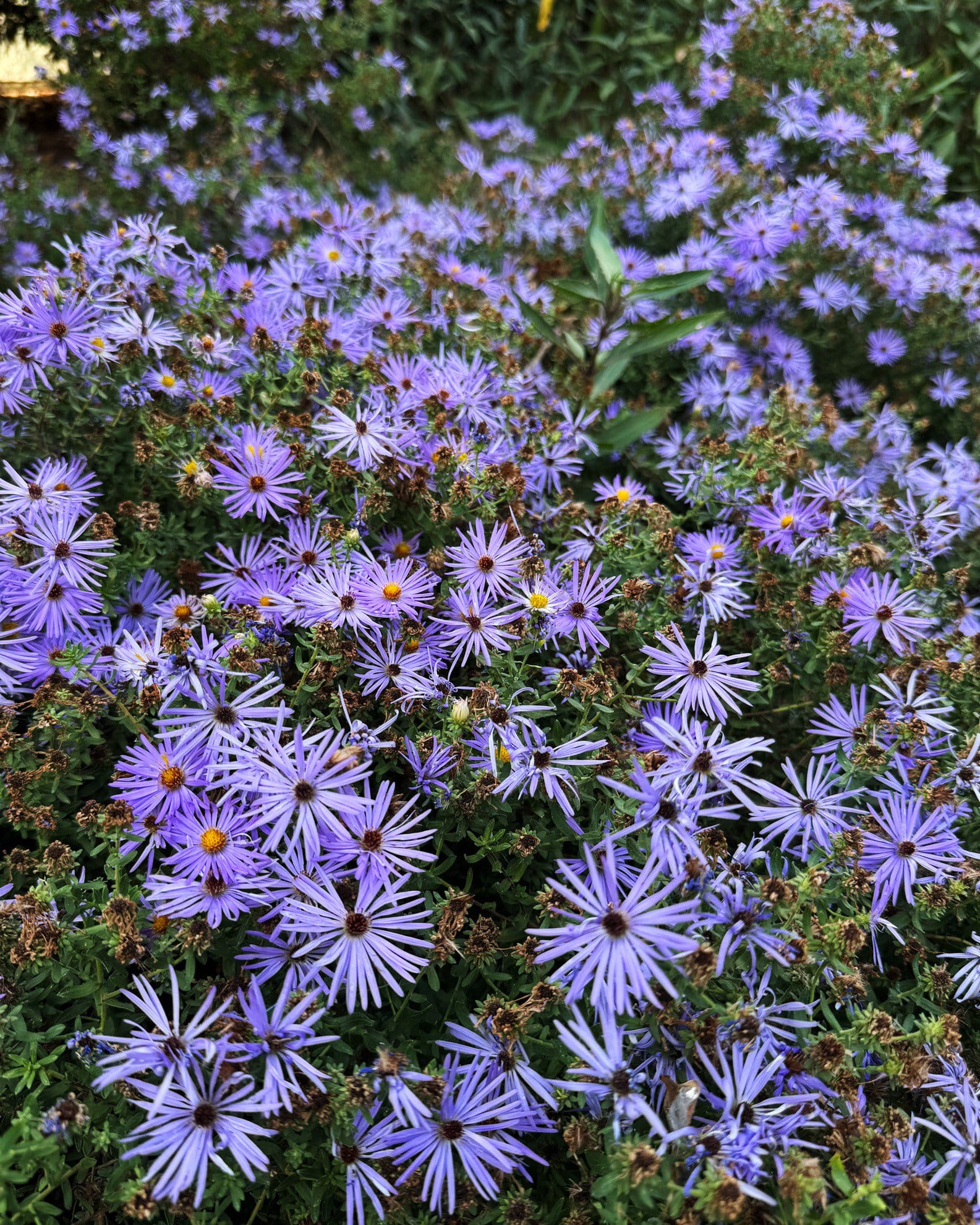
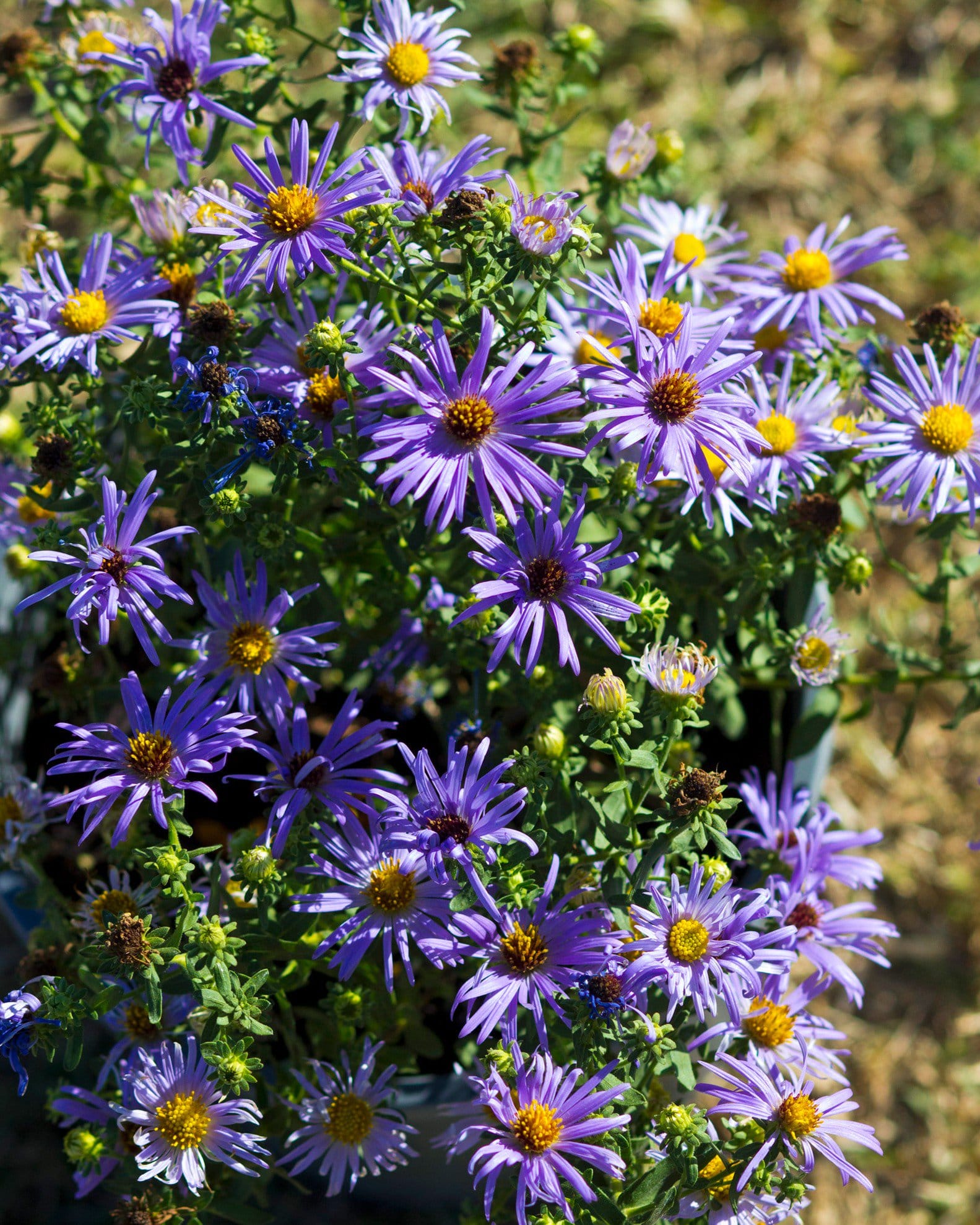
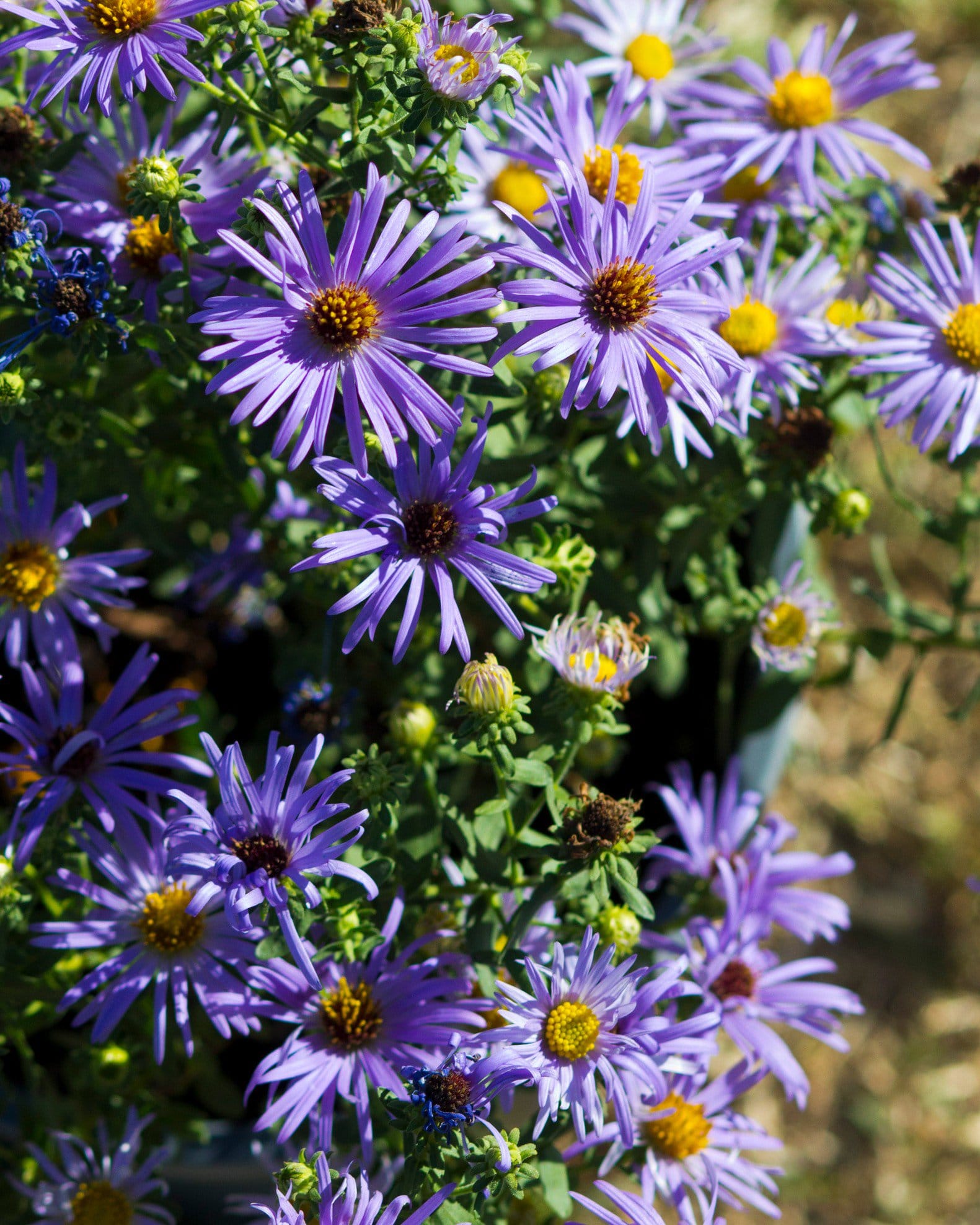
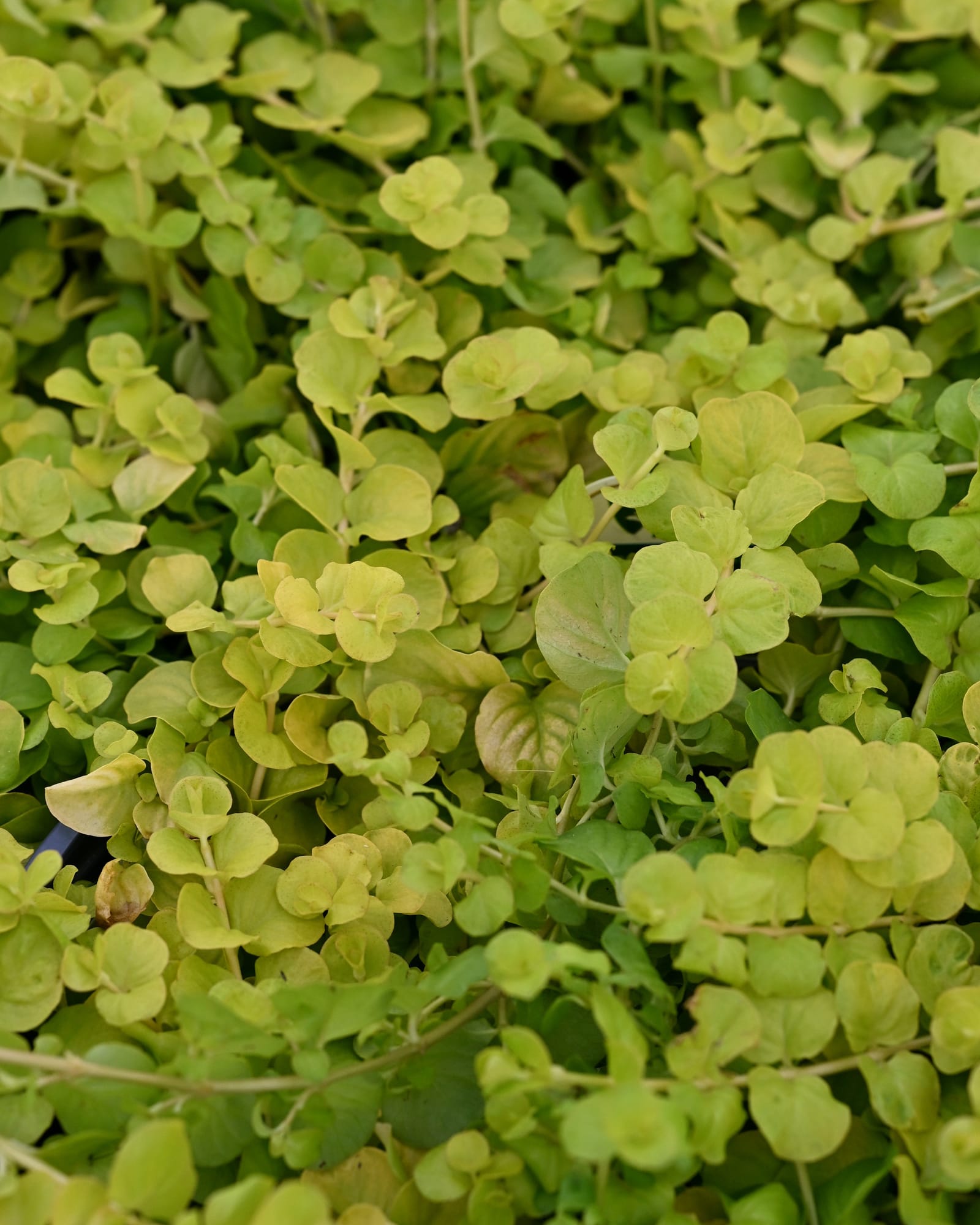
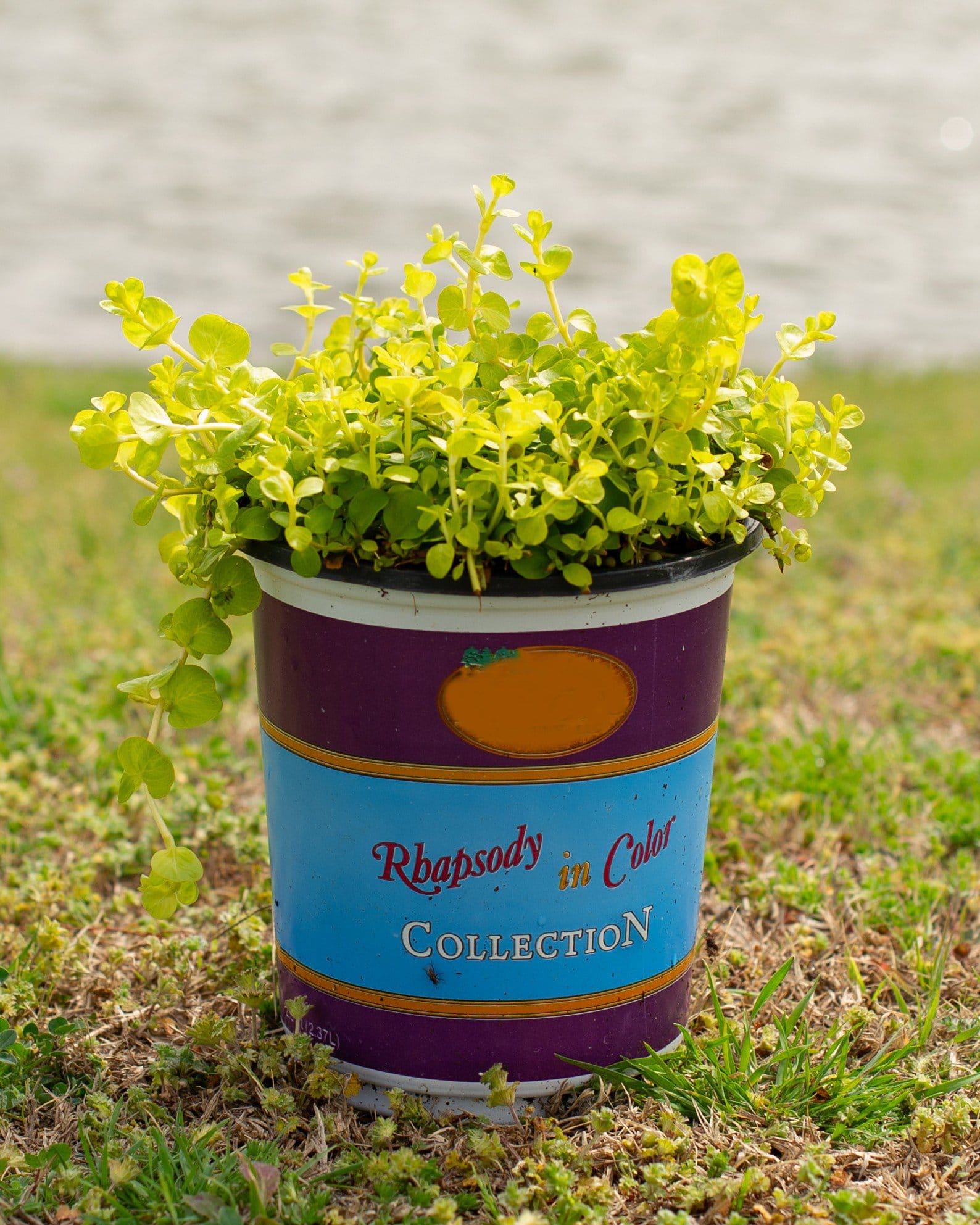
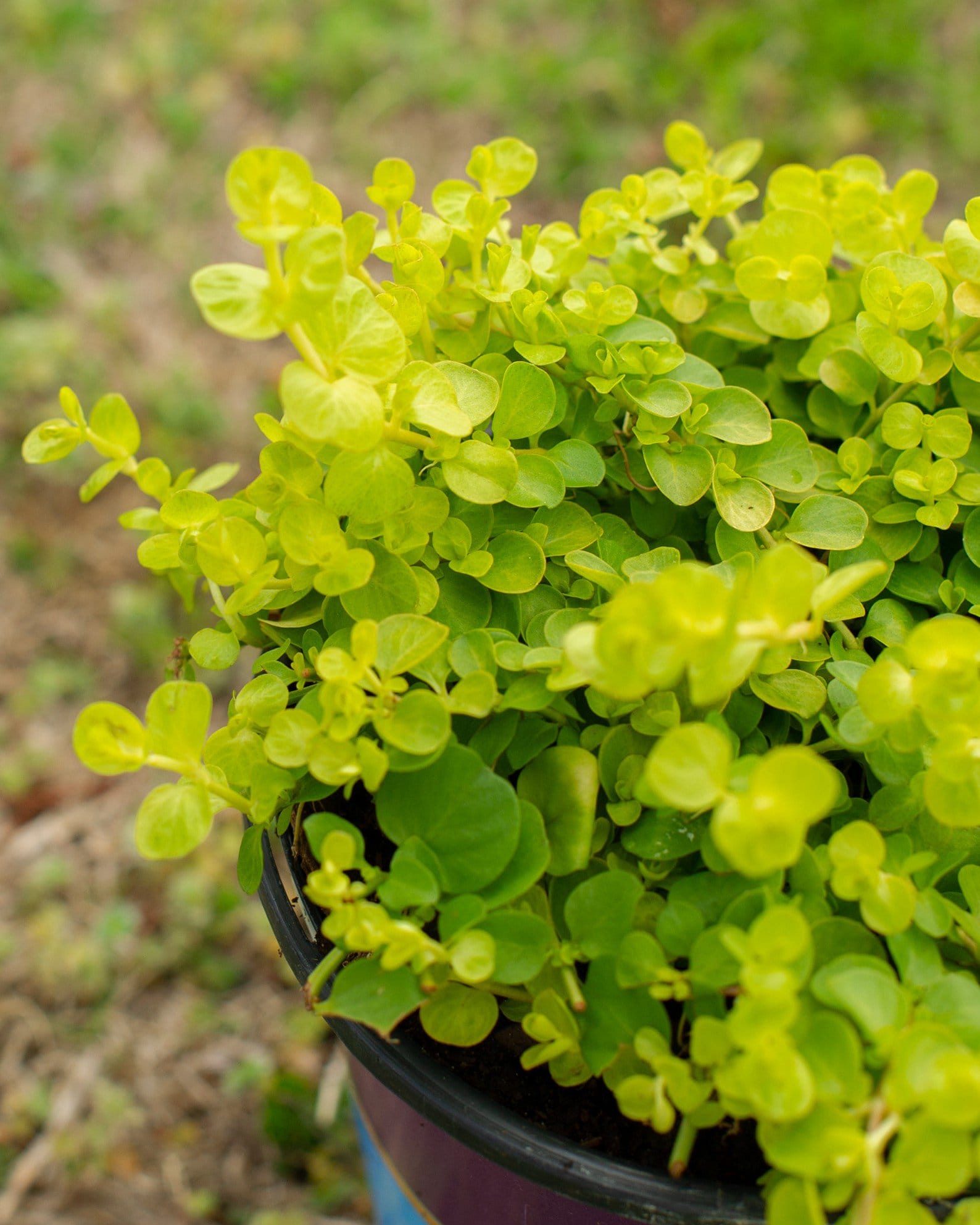
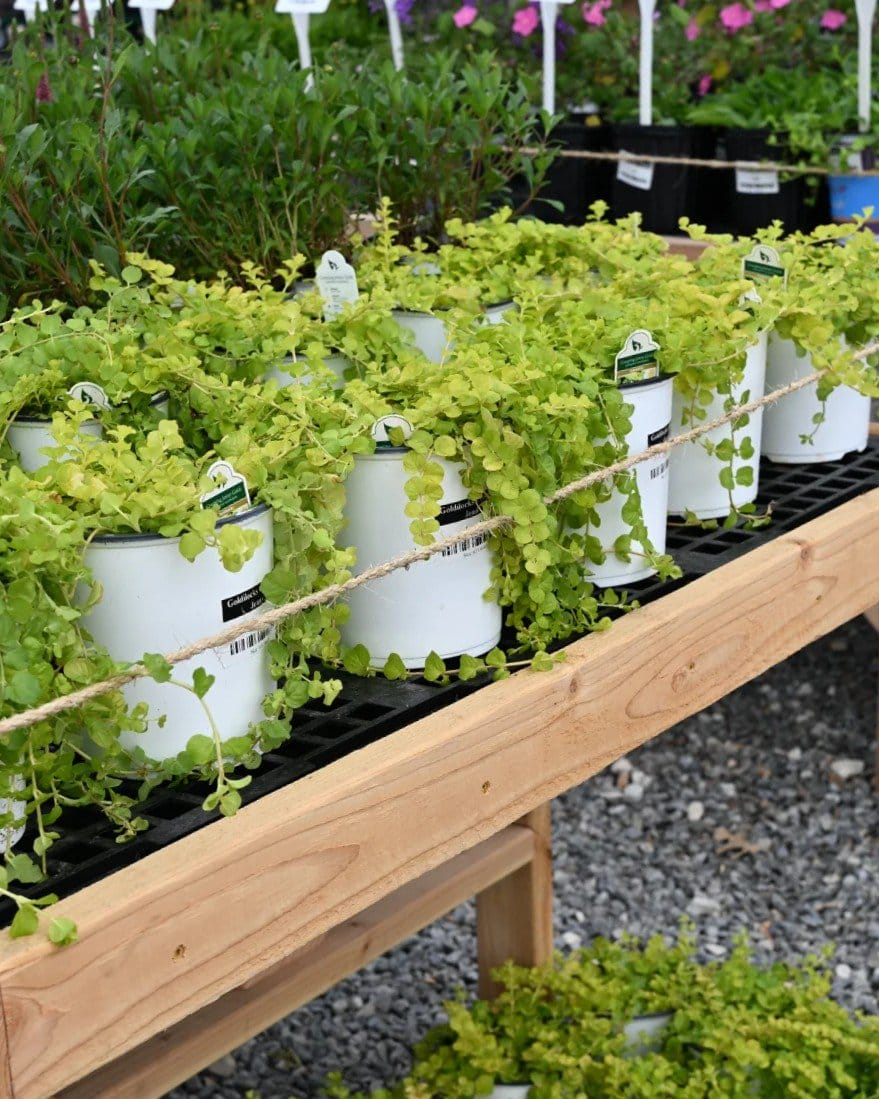
Goldilocks Creeping Jenny
Maturity: 2' H x 1' W
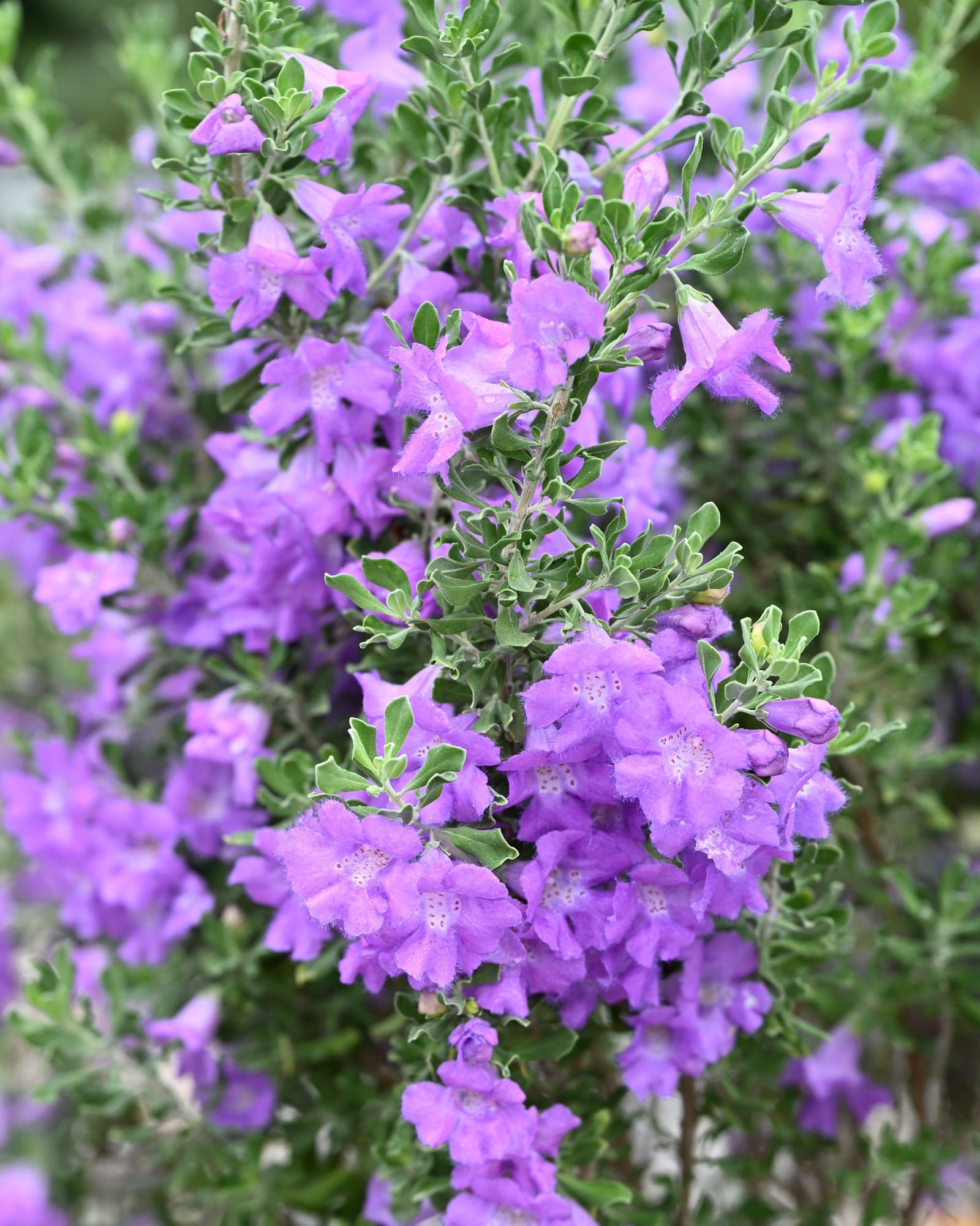
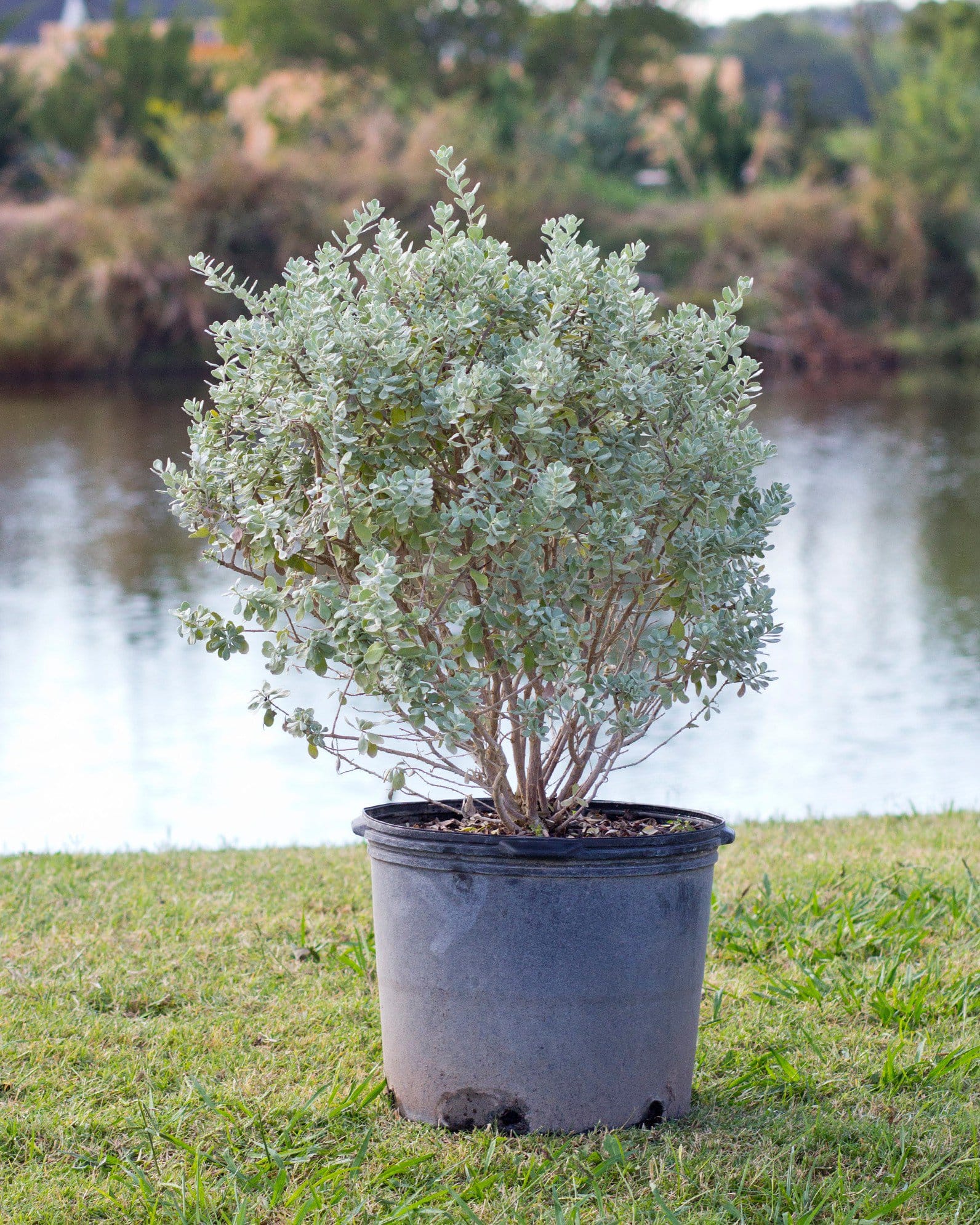
Compacta Texas Sage
Maturity: 3' H x 3' W
Desperado Texas Sage
Maturity: 6' H x 4' W
Green Cloud Texas Sage
Maturity: 6' H x 6' W
Heavenly Cloud Texas Sage
Maturity: 6' H x 5' W
San Antonio Texas Sage
Maturity: 4' H x 4' W
Silver Dream Texas Sage
Maturity: 6' H x 4' W
Silver Star Texas Sage
Maturity: 4' H x 4' W
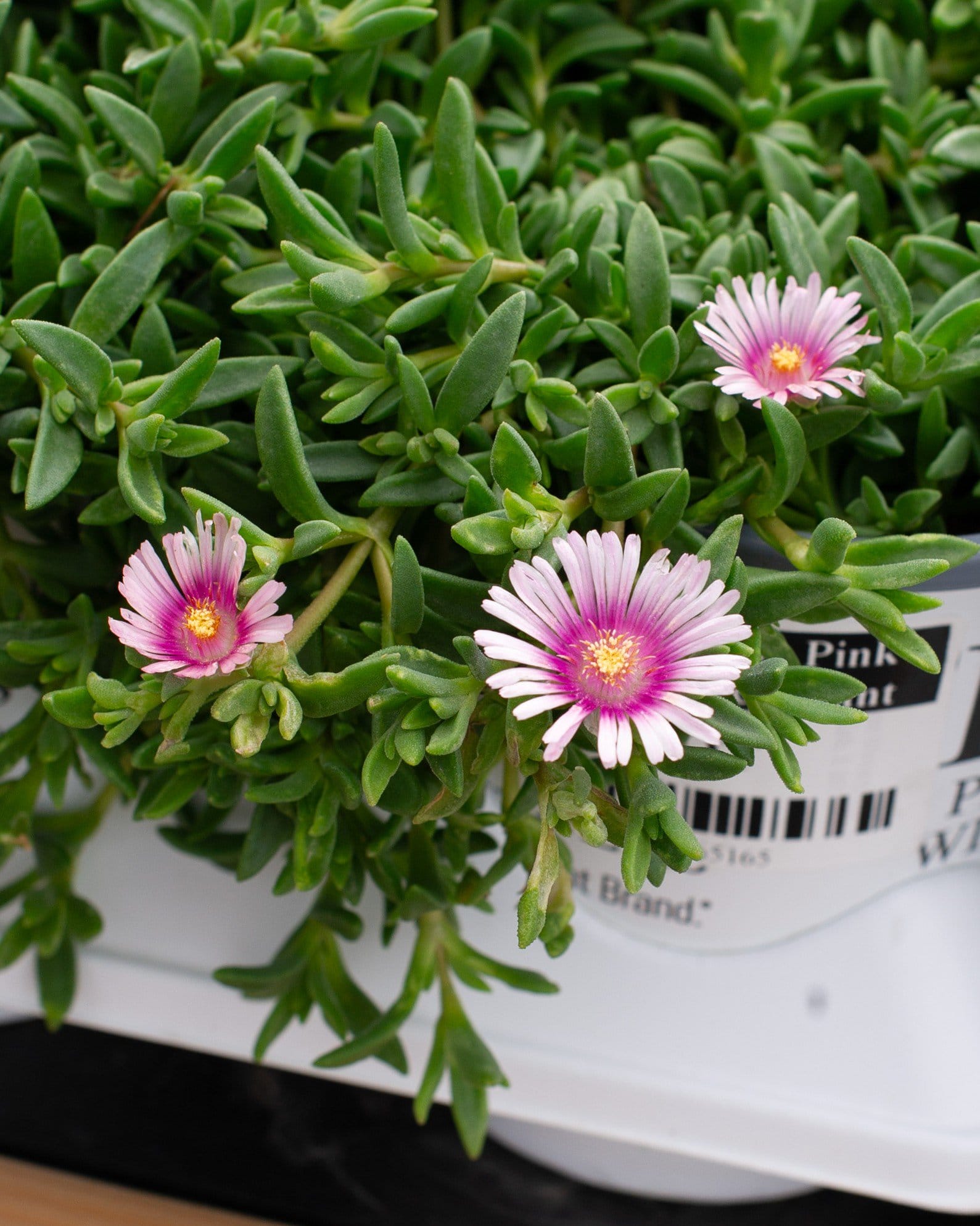
Kaleidoscope Pink Radiance Ice Plant
Maturity: 0.25' H x 2' W
Silver Snow Texas Sage
Maturity: 6' H x 4' W
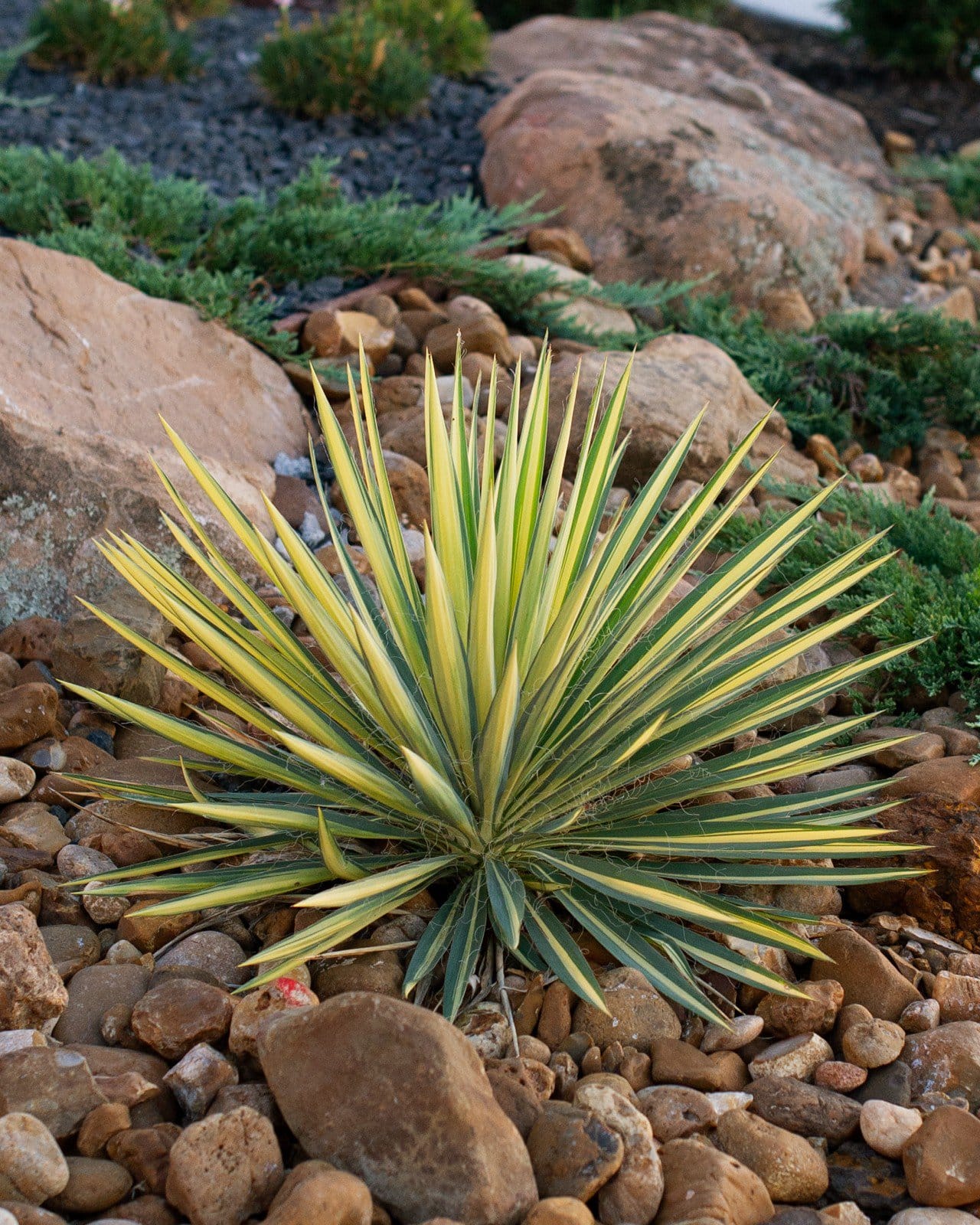
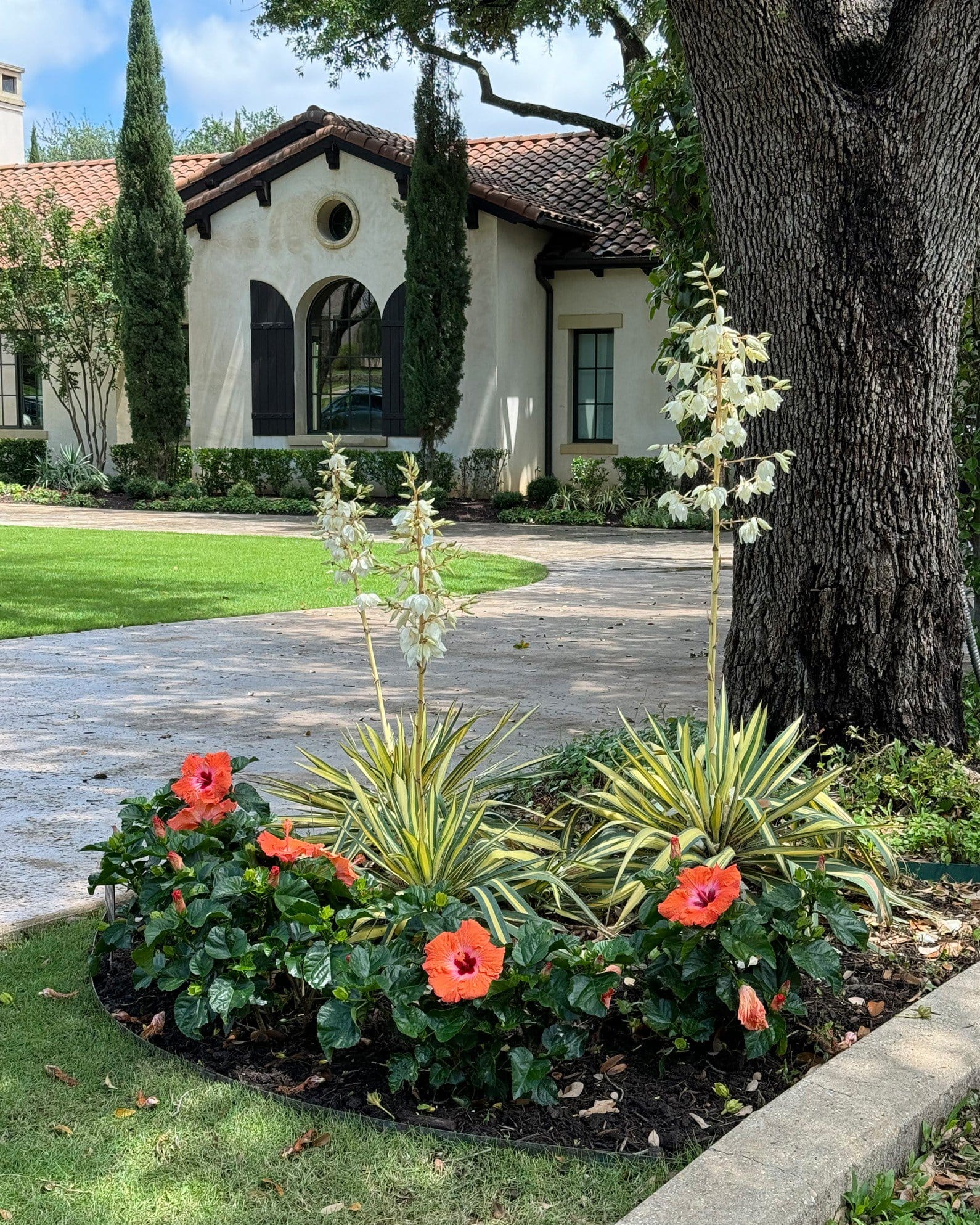
Color Guard Yucca
Maturity: 2' H x 2' W
Compare Similar Plants
Riptide Stoke's Aster This plant | ||
|---|---|---|
| Scientific Name | Stokesia laevis ‘Riptide’ | Tetraneuris scaposa |
| Size at Maturity | 2' H x 2.5' W | 1' H x 1' W |
| Leaf Retention | Evergreen | Evergreen |
| Flower Color | Purple | Yellow |
| Bloom Times | Summer & Fall | Spring, Summer & Fall |
| Sizes Available | — | 1 gal |


Our 1-Year Planting Guarantee
We take pride in our plants and installation services. If any plants or trees installed by Treeland fail to thrive within the first year, we'll provide a replacement credit in accordance with our guarantee program.
Learn More About Our Guarantee